OLD DOMINION REHABILITATION AND NURSING
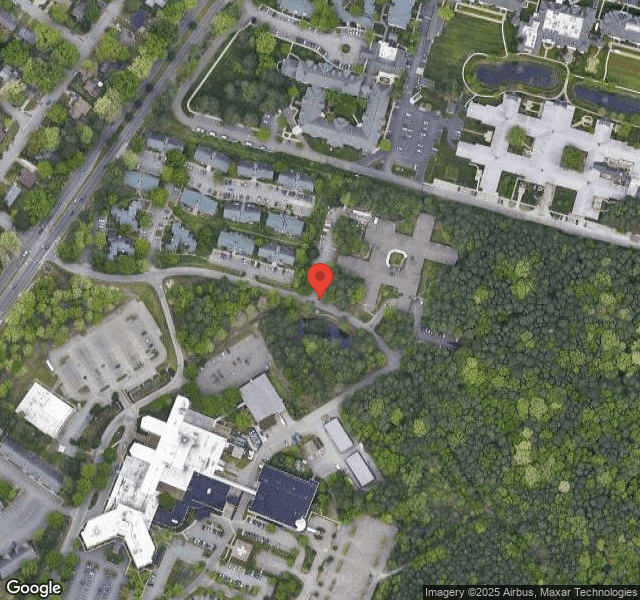

4 RIDGEWOOD PARKWAY, NEWPORT NEWS, VA 23602 (757) 886-6500
For profit - Limited Liability company 115 Beds EASTERN HEALTHCARE GROUP Data: November 2025
Trust Grade
40/100
#267 of 285 in VA
Last Inspection: March 2022

Over 2 years since last inspection. Current conditions may differ from available data.

Overview

Old Dominion Rehabilitation and Nursing has a Trust Grade of D, indicating below-average quality and some concerns. It ranks #267 out of 285 facilities in Virginia, placing it in the bottom half of the state, and #5 out of 6 in Newport News City County, meaning only one local facility is rated lower. The trend is worsening, with the number of issues increasing from 15 in 2019 to 31 in 2022. Staffing is a weakness, rated at 1 out of 5 stars, with a turnover rate of 51%, which is in line with the state average but still indicates instability. While there are no fines on record, which is positive, there are several concerning incidents, such as the failure to monitor food storage temperatures, debris accumulation around garbage containers, and unsafe conditions in resident rooms, including exposed electrical outlets and holes in the walls. Overall, while there are some strengths like no fines, the facility has significant weaknesses that families should consider.

Trust Score
D
40/100
In Virginia
#267/285
Bottom 7%
Safety Record
Low Risk
No red flags
Inspections
Getting Worse
15 → 31 violations
Staff Stability
⚠ Watch
51% turnover. Above average. Higher turnover means staff may not know residents' routines.
Penalties
✓ Good
No fines on record. Clean compliance history, better than most Virginia facilities.
Skilled Nurses
⚠ Watch
Each resident gets only 27 minutes of Registered Nurse (RN) attention daily — below average for Virginia. Fewer RN minutes means fewer trained eyes watching for problems.
Violations
⚠ Watch
57 deficiencies on record. Higher than average. Multiple issues found across inspections.
★☆☆☆☆
1.0
Overall Rating
★☆☆☆☆
1.0
Staff Levels
★★★☆☆
3.0
Care Quality
★★☆☆☆
2.0
Inspection Score
Stable
2019: 15 issues
2022: 31 issues

The Good

  • Full Sprinkler Coverage · Fire safety systems throughout facility
  • No fines on record

Facility shows strength in fire safety.

The Bad

1-Star Overall Rating

Below Virginia average (3.0)

Significant quality concerns identified by CMS

Staff Turnover: 51%

Near Virginia avg (46%)

Higher turnover may affect care consistency

Chain: EASTERN HEALTHCARE GROUP

Part of a multi-facility chain

Ask about local staffing decisions and management

The Ugly 57 deficiencies on record

Mar 2022 31 deficiencies
CONCERN (D)

Potential for Harm - no one hurt, but risky conditions existed

Resident Rights (Tag F0550)

Could have caused harm · This affected 1 resident

**NOTE- TERMS IN BRACKETS HAVE BEEN EDITED TO PROTECT CONFIDENTIALITY** Based on observation, resident interview and staff interview, the facility's staff failed to ensure 1 resident was treated with ...

Read full inspector narrative →
**NOTE- TERMS IN BRACKETS HAVE BEEN EDITED TO PROTECT CONFIDENTIALITY** Based on observation, resident interview and staff interview, the facility's staff failed to ensure 1 resident was treated with dignity and respect while receiving wound care. For 1 of 35 Residents (Resident #22), in the survey sample. The findings included: Resident #22 was originally admitted to the facility on [DATE] after an acute care hospital stay and readmitted on [DATE]. The current diagnoses included; Type 2 Diabetes Mellitus with Diabetic Chronic Kidney Disease and Pressure Ulcer of the Sacral Region. The quarterly-5 day, Minimum Data Set (MDS) assessment with an assessment reference date (ARD) of 12/17/2021 coded the resident as completing the Brief Interview for Mental Status (BIMS) and scoring 15 out of a possible 15. This indicated Resident #22 cognitive abilities for daily decision making were intact. In sectionG(Physical functioning) the resident was coded as requiring extensive assistance of two persons with bed mobility. Extensive assistance of one person physical assist with dressing, eating and personal hygiene. Requiring total dependence od one person with toilet use and bathing. In section M (M0100. Determination of Pressure Ulcer/Injury Risk) the resident was coded as having one stage 4 pressure ulcer on admission. The care plan date 12/11/21 reads: FOCUS: I am at risk for skin breakdown r/t decreased mobility. Resident refuses to be turned and repositioning. Resident refused baths and hygiene care at times. The Goals: The resident will have intact skin, free of redness, blisters or discoloration by/through review date. Interventions: Monitor/document/report to MD PRN (as needed) changes in skin status: appearance, color, wound healing, s/sx (signs/symptoms) of infection. Preventive skin care: Apply Baza to Sacrum every shift and prn every shift. The resident needs assistance to turn/reposition frequently while in bed, more often as needed or requested. The TAR (Treatment Administration Record) reads: Sacral ulcer: cleanse with dermal wound cleanser. place iodosorb gel inside wound bed. Cover with foam dressing. change m-w-f and prn if it comes off every day shift every Mon, Wed, Fri -Start Date 01/19/2022 7:00 AM. On 03/02/22 at approximately 11:19 AM., RN (Registered Nurse) #2 was observed labeling a wound dressing after placing the dressing on Resident #22's sacrum. On 03/03/22 at approximately, 11:45 AM., RN #2 was approached concerning the above wound care. She stated, I shouldn't have written on the dressing after it was placed on the resident because I could have punctured the dressing contaminating her wound. The above findings were shared with the Administrator and Director of Nursing on 3/03/2022 at approximately 9:00 PM. No comments were voiced.
CONCERN (D)

Potential for Harm - no one hurt, but risky conditions existed

Deficiency F0557 (Tag F0557)

Could have caused harm · This affected 1 resident

Based on observation, resident interview and staff interview and during the course of a complaint investigation, the facility's staff failed to ensure privacy while providing wound care for 1 of 35 re...

Read full inspector narrative →
Based on observation, resident interview and staff interview and during the course of a complaint investigation, the facility's staff failed to ensure privacy while providing wound care for 1 of 35 residents (Resident #31) in the survey sample. The findings included: Resident #31 was originally admitted to the facility 08/16/19 after an acute care hospital stay. The resident has never been discharged from the facility. The current diagnoses included; Infection and Inflammatory Reaction due to other internal joint prosthesis and Osteoarthritis, Right Knee. The quarterly revision, Minimum Data Set (MDS) assessment with an assessment reference date (ARD) of 12/23/2021 coded the resident as completing the Brief Interview for Mental Status (BIMS) and scoring 15 out of a possible 15. This indicated Resident #31 cognitive abilities for daily decision making were intact. In sectionG(Physical functioning) the resident was coded as requiring extensive assistance of two persons with bed mobility, dressing and locomotion on the unit. Requires total dependence of two person with transfers. Requires total dependence of one person with personal hygiene and bathing. Independent with eating, set-up help only. In section M (M1040. Other Ulcers, Wounds and Skin Problems) Coded resident as having surgical wounds requiring wound care. The TAR (Treatment Administration Record) reads: Left superior and inferior knee wounds: pack loosely with gauze that is moistened with 0.125% dakins. cover with DSD (Dressing). change DAILY every day shift -Start Date 02/08/2022 7:00 AM. The Care Plan dated: 12/23/21 reads: FOCUS: The resident has a chronic Lt knee wound. GOAL: The resident will have no complications r/t Lt (left) knee wound through the review date. INTERVENTIONS: Encourage good nutrition and hydration in order to promote healthier skin. LEFT KNEE: Cleanse area with ns (normal saline), apply Aquacel AG, apply dry dressing every other day and prn (as needed) for Wound drainage. On 03/01/22 at approximately 2:10 PM surveyor noticed a saturated dressing in the facility hallway. Shortly, thereafter LPN (Licensed Practical Nurse) #5 was noticed picking the dressing up. She stated, I'm gonna replace the dressing. It fell off Resident #31's leg. A wound care observation was made after receiving the resident's permission. Throughout wound care the resident's door remained opened as well as the privacy curtain. When the LPN stated that she was done with the wound care she was asked to turn around and look towards the door by the surveyor. The surveyor ask LPN #5 what should have been done before performing the wound care. She stated, I should have closed the door to provide dignity and privacy. The above findings were shared with the Administrator and Director of Nursing on 3/03/2022 at approximately 9:00 PM. No comments were voiced.
CONCERN (D)

Potential for Harm - no one hurt, but risky conditions existed

Deficiency F0567 (Tag F0567)

Could have caused harm · This affected 1 resident

**NOTE- TERMS IN BRACKETS HAVE BEEN EDITED TO PROTECT CONFIDENTIALITY** Based on a resident personal funds review, resident interview, staff interview and facility document review the facility staff f...

Read full inspector narrative →
**NOTE- TERMS IN BRACKETS HAVE BEEN EDITED TO PROTECT CONFIDENTIALITY** Based on a resident personal funds review, resident interview, staff interview and facility document review the facility staff failed to ensure that 1 resident out of 35 residents, (Resident #14) in the survey sample was afforded the right to manage their personal funds. The findings included; Resident #14 was originally admitted to the facility 08/28/2020 and readmitted [DATE] after an acute care hospital stay. The resident has never been discharged from the facility. The current diagnoses included; Acute Kidney Failure, Unspecified and Essential Hypertension. The quarterly, Minimum Data Set (MDS) assessment with an assessment reference date (ARD) of 02/16/2022 coded the resident as completing the Brief Interview for Mental Status (BIMS) and scoring 14 out of a possible 15. This indicated Resident #14 cognitive abilities for daily decision making were intact. On 03/01/22 at approximately 11:36 AM., during the initial tour Resident #14 was asked by the surveyor if she had any concerns. She stated, I get $30 a month but haven't receive my money in 4 months On 03/03/22 at approximately 2:46 PM., an interview was conducted with OSM (Other Staff Member) #1, Social Worker #1, concerning resident #14 personal funds. She stated, When the BOM (Business Office Manager) left in October. She left only $200 in petty cash. Residents have to ask for their money. BOM left the end of October. When the other company took over in December I was still trying to help out. They didn't have a bank for resident funds. Now we deal with a bank. A corporate staff member is still listed on the bank of bank account. I deposited a $50,000.00 check into the account last week. Some residents have a high amount in their account. Resident #14 has $700 but room and board has not been taken out. The previous company AX GLOBAL SOLUTIONS has to transfer the funds from the Atlantic Union Bank to Metropolitan Bank. We deposit resident's room and board into the Metropolitan bank. On 03/03/22 at approximately 5:44 PM an interview was conducted with OSM (Other Staff Member) #1 concerning the above issues. She stated, on nights and weekends we don't have anyone to give out money. Monday through Thursday from 8:30 AM-5:00 PM are our hours. We have to get straight about weekends including Fridays. I'm not here on Fridays and don't have access to the safe Resident #14 account was reviewed with OSM #1. It showed a balance of $701.18 with a transfer of $30.00 into resident's account for spending. The above findings were shared with the Administrator and Director of Nursing on 3/03/2022 at approximately 9:00 PM. No comments were voiced.
CONCERN (D)

Potential for Harm - no one hurt, but risky conditions existed

Deficiency F0568 (Tag F0568)

Could have caused harm · This affected 1 resident

**NOTE- TERMS IN BRACKETS HAVE BEEN EDITED TO PROTECT CONFIDENTIALITY** Based on a resident personal funds review, resident interview, staff interview and facility document review the facility staff f...

Read full inspector narrative →
**NOTE- TERMS IN BRACKETS HAVE BEEN EDITED TO PROTECT CONFIDENTIALITY** Based on a resident personal funds review, resident interview, staff interview and facility document review the facility staff failed to ensure that 1 resident out of 35 residents (Resident #14) in the survey sample was afforded the right to manage their personal funds. The findings included; Resident #14 was originally admitted to the facility 08/28/2020 and readmitted [DATE] after an acute care hospital stay. The resident has never been discharged from the facility. The current diagnoses included; Acute Kidney Failure, Unspecified and Essential Hypertension. The quarterly, Minimum Data Set (MDS) assessment with an assessment reference date (ARD) of 02/16/2022 coded the resident as completing the Brief Interview for Mental Status (BIMS) and scoring 14 out of a possible 15. This indicated Resident #14 cognitive abilities for daily decision making were intact. On 03/01/22 at approximately 11:36 AM., during the initial tour Resident #14 was asked by the surveyor if she had any concerns. She stated, I get $30 a month but haven't receive my money in 4 months. I don't receive quarterly statements either. On 03/03/22 at approximately 2:46 PM., an interview was conducted with OSM (Other Staff Member) #1, Social Worker #1, concerning resident #14 quarterly statements. She stated, When the BOM (Business Office Manager) left in October. She left only $200 in petty cash. Residents have to ask for their money. BOM left the end of October. When the other company took over in December I was still trying to help out. They didn't have a bank for resident funds. Now we deal with a bank. A corporate staff member is still listed on the bank account. Resident's should receive their quarterly statements, but they had no money in their accounts until last week. I will email the finance people about the quarterly statements at AX Global Solutions). The above findings were shared with the Administrator and Director of Nursing on 3/03/2022 at approximately 9:00 PM. No comments were voiced.
CONCERN (D)

Potential for Harm - no one hurt, but risky conditions existed

Deficiency F0578 (Tag F0578)

Could have caused harm · This affected 1 resident

**NOTE- TERMS IN BRACKETS HAVE BEEN EDITED TO PROTECT CONFIDENTIALITY** Based on resident interview, staff interviews, clinical record reviews and facility documentation review, the facility staff fai...

Read full inspector narrative →
**NOTE- TERMS IN BRACKETS HAVE BEEN EDITED TO PROTECT CONFIDENTIALITY** Based on resident interview, staff interviews, clinical record reviews and facility documentation review, the facility staff failed to ensure 2 of 35 residents in the survey sample, (Resident #55 and #3) were given the opportunity to formulate an advance directive. The findings included: The facility staff failed to ensure Resident #55 was given the opportunity to formulate an Advance Directive. Resident #55 was originally admitted to the nursing facility on [DATE]. Diagnosis for Resident #55 included but not limited to Chronic Obstructive Pulmonary Disease (COPD). The current Minimum Data Set (MDS) a quarterly assessment with an Assessment Reference Date (ARD) of [DATE] coded the resident with a 15 of a total possible score of 15 on the Brief Interview for Mental Status (BIMS), indicating no cognitive impairment. Review of the clinical record revealed that there was no advance directive for Resident #55. Review of Resident #55's Physician Order Sheet (POS) for [DATE] revealed the following order: Full Code (starting on [DATE]). On [DATE] at approximately 12:16 p.m., an interview was conducted with Resident #55 who stated, I do not remember anyone here at this facility ever speaking to me about an advance directive. An interview was conducted with the Social Worker #1 on [DATE] at approximately 12:17 p.m. The Social Worker said there was a tab in Point Click Care (PCC) titled Social History where the Advance Directive were stored but that tab is no longer there. She said under the social history tab is where we discussed if the resident had interest or not to have an advance directive. When asked if there were evidence that a discussion was ever had with Resident #55 if he was given the opportunity to formulate an advance directive, she replied, No. On [DATE] at approximately 4:10 p.m., the surveyor was given a document titled: Virginia Advance Medical Directive. The document was signed by Resident #55 and the Social Worker on [DATE]. The document contained the following information: I donate my organs, eyes and tissues for use of transplantation, therapy, research and education. A briefing was held with the Administrator, Director of Nursing and Cooperate support on [DATE] at approximately 3:00 p.m., who stated, An Advance Directive should have been discussed upon admission with Resident #55 by the Social Worker who should have document the conversation regarding the advance directive in the resident's clinical record. Definitions: -COPD is a chronic inflammatory lung disease that causes obstructed airflow from the lungs. Symptoms include breathing difficulty, cough, mucus (sputum) production and wheezing (https://www.mayoclinic.org/diseases-conditions/copd/symptoms-causes). 2. The facility staff failed to ensure Resident #3 was given the opportunity to formulate an Advance Directive upon admission. Resident #3 was originally admitted on [DATE] and readmitted on [DATE] with diagnoses to include but not limited to Left Hemiparesis, Bipolar Disorder and Muscle Weakness. Resident #3's most recent Minimum Data Set (MDS) was a quarterly assessment with an Assessment Reference Date (ARD) of [DATE]. The Brief Interview for Mental Status (BIMS) was coded as 15 out of a possible 15, indicating the resident was cognitively intact and capable of daily decision making. Resident #3's medical record was reviewed and there was no advance directive document located. Resident #3's current comprehensive care plan was review and is documented in part, as follows: Focus: My Code Status is: FULL CODE Date Initiated: [DATE] Resident #3's current Physician Orders were reviewed and are documented in part, as follows: Full Code. Order Status: Active Order Date: [DATE] On [DATE] at 12:55 p.m. an interview was conducted with Resident #3. Resident #3 was asked if the facility had ever asked him if he had an advance directive or wanted help making one. Resident #3 stated, I don't have an advance directive and nobody has every asked me if I wanted to make one. They just asked if I wanted CPR (cardiopulmonary resuscitation). On [DATE] at 3:24 p.m. an interview was conducted with the facility Social Worker #2 regarding Resident #3's Advance Directive. The Social Worker #2 stated, We don't have an advance directive for Name (Resident #3). He was admitted in 2019, so that should have been done upon admission and he wasn't asked. There is no advance directive in his medical record. On admission if the resident has an advance directive we ask for the document and upload it into the medical record. If the resident doesn't have one, we ask them if we can help them formulate one upon admission. I wasn't told until this week that the advance directive need to be done on admission. The facility policy titled Advance Directives last revised [DATE] was reviewed and is documented in part, as follows: Policy: It is the policy of this facility to support and facilitate a resident's right to request, refuse and/or discontinue medical or surgical treatment and to formulate an advance directive. Policy Explanation and Compliance Guidelines: 1. On admission, the facility will determine if the resident has executed an advance directive, and if not determine whether the resident would like to formulate an advance directive. On [DATE] at 4:30 p.m. a pre-exit debriefing was held with the Administrator, the Director of Nursing and the Regional Director of Clinical Services were the above findings were shared. The Administrator was asked what are the expectations in regards to advance directives. The Administrator stated, My expectation is that Social Services will find out if the resident has an advance directive and if they don't they will offer to formulate one upon admission and document the conservation Prior to exit no further information was provided.
CONCERN (D)

Potential for Harm - no one hurt, but risky conditions existed

Notification of Changes (Tag F0580)

Could have caused harm · This affected 1 resident

**NOTE- TERMS IN BRACKETS HAVE BEEN EDITED TO PROTECT CONFIDENTIALITY** 2. Resident #316 was admitted to the facility on [DATE] and discharged on 9/28/21 to an acute care facility. Diagnosis for Resid...

Read full inspector narrative →
**NOTE- TERMS IN BRACKETS HAVE BEEN EDITED TO PROTECT CONFIDENTIALITY** 2. Resident #316 was admitted to the facility on [DATE] and discharged on 9/28/21 to an acute care facility. Diagnosis for Resident #316 included but not limited to COVID-19 and Difficulty in walking. Quarterly-5 day, Minimum Data Set (MDS) assessment with an assessment reference date (ARD) of 9/01/21 coded the resident as completing the Brief Interview for Mental Status (BIMS) and scoring 10 out of a possible 15. This indicated Resident #316 cognitive abilities for daily decision making were moderately impaired. In sectionG(Physical functioning) the resident was coded as requiring extensive assistance of two persons with bed mobility and toilet use. Requiring extensive assistance of one person with dressing, personal hygiene and eating. Requiring limited assistance of one person with transfers. Requires total dependence with bathing. The care plan dated 8/26/21 reads: Focus: The resident has an ADL (Activity of Daily Living) Self Care Performance Deficit r/t debility. Goal: The resident will maintain current level of function in ADL scores through the review date. Intervention: BATHING: The resident requires total help of 1 staff participation with bathing. The care plan dated 8/26/21 reads: Focus: The resident has bladder incontinence r/t debility, impaired vision. Goals: The resident will remain free from skin breakdown due to incontinence and brief use through the review date. Interventions: Ensure the resident has unobstructed path to the bathroom. Monitor/document for s/sx UTI: pain, burning, blood tinged urine, cloudiness, no output, deepening of urine color, increased pulse,increased temp, Urinary frequency, foul smelling urine, fever, chills, altered mental status, change in behavior, change in eating patterns. Resident is able to call with incontinent episodes. Staff to assist to wash, rinse and dry perineum. Change clothing PRN (as needed) after incontinence episodes. A review of the facility einteract change in condition (CIC) assessment reads: Altered Mental status since this morning. The report shows that vital signs are stable but resident appears unresponsive. Clinician and family member not notified until midnight of CIC. A review of progress notes reveal: On 9/28/2021 at 3:58 PM., Pt (Patient) would not take her medication this morning at 9:00 AM., Asked the Aide if she ate breakfast and they advised me no. Pt would not wake up and would groan when asked a question. O2 (Oxygen) was not on pt, was replaced. Vitals stable. Pt did the same thing last week and by noon pt was responsive. Went back in there and still not responsive. Took vitals again and still stable. Advised the DON (Director of Nursing) of the change of condition to see what the next steps should be and she advised me that the NP (Nurse Practitioner) would be in to let her know. This was at noon. A review of progress notes on 9/28/2021 at 4:00 AM., reads: Late Entry: Pt left via stretcher with 911 at 4:00 PM. Order was given by the NP (Nurse Practitioner) to send her out for AMS (Altered Mental Status). Pt left and daughter got her purse. A review of the e-interact transfer assessment dated [DATE] reads: Mental and Mobility status: Not alert. ambulates by wheelchair. Emergency contact notified of transfer. Report called in on 9/28/21 at 12 Midnight. A review of the Hospital admission notes read: Resident #316 admitted to the ER (Emergency Room) with stroke like symptoms. Patient last known normal was 8:00 AM., this morning. Patient is able to move her right sided extremities but flaccid on her left side. The nursing home states she's less responsive today. Physical Exam: Decrease Responsiveness. Does not open eyes on command. Findings: acute subacute infarct involving the frontal lobe. date of death was 10/13/21. Acute cause of death was CVA (Cerebral Vascular Accident). On 3/03/22 at approximately, 11:50 AM., an interview was conducted with RN (Registered Nurse) #1 concerning the above allegations. She stated, I interacted with the family often. I wasn't working here when she was sent out to the hospital. On 3/01/22 at approximately 12:15 PM an interview was conducted with LPN (Licensed Practical Nurse) #5 concerning the above allegations. She stated, Resident #316 was very mild spoken, likes to participate in activities. She required more assistance because she came off the COVID-19 unit. She was also legally blind. I float throughout the building. She went to the hospital for a change in condition. Interviews were attempted throughout the survey but staff either denied knowing Resident #316 or stated that they were agency staff and just started working in the facility. The above findings were shared with the Administrator and Director of Nursing on 3/03/2022 at approximately 9:00 PM. No comments were voiced. Based on staff interview and clinical record review; the facility staff failed to ensure the physician and resident representative were informed the medication (Zyprexa) was not decreased from 5 mg to 2.5 mg as ordered for 1 of 35 residents (Resident #30), and the facility staff failed to notify the resident representative and physician of a change in condition in a timely manner for 1 of 35 residents (Resident #316), in the survey sample. The Findings Included: 1. The facility staff failed to notify the physician/Nurse Practitioner (NP) and Resident Representative (RR) that Resident #30's psychotropic medication (Zyprexa 5 mg) was not decreased to 2.5 mg as recommended by the (NP) on 01/20/22. Resident #30 received 41 extra doses of the psychotropic medication Zyprexa. Resident #30 was admitted to the facility on [DATE]. Diagnosis for Resident #30 included but not limited to Dementia with behavioral disturbance. Resident #30's Minimum Data Set (MDS), a quarterly Assessment Reference Date (ARD) of 12/23/21 scored a 99 indicating short and long term memory problems and with severe cognitive impairment - never/rarely made decisions. The MDS coded Resident #30 requiring total dependence of two with transfer, total dependence of one with dressing, eating, toilet use, personal hygiene and bathing and extensive assistance of one with bed mobility for Activities of Daily Living (ADL) care. Resident #30's comprehensive care plan documented with a revision date of 05/12/21 identified Resident #30 is on an antipsychotic medication (Zyprexa) related to dementia with behaviors. The goal set for the resident by the staff is to remain free of drug related complications or cognitive/behavioral impairment. Some of the interventions/approaches the staff would use to accomplish this goal is to administer medication as ordered (monitor/document for side effects and effectiveness) and consult with pharmacy, MD to consider dose reduction when clinically appropriate. On 01/20/22, a progress note entered by (NP) #1 revealed the following information: Resident #30 is being seen today for follow up gradual dose reduction (GDR). Resident #30 is seen in her room in no distress. The nurse does not report any agitation, anxiety, insomnia, depression or psychotic process and has been tolerating her (GDR) without any worsening of symptoms. Resident is currently taking Zyprexa 2.5 mg in the morning and 5 mg at bedtime. The recommendation is to decrease Zyprexa to 2.5 mg in the evening. The physician Order Sheet (POS) for March 2022 included the following order: Zyprexa 5 mg tablet by mouth daily in the evening at 6:00 p.m., for agitation. 1. Review of January 2022 Medication Administration Record (MAR) revealed Zyprexa 5 mg was administered 01/21/22 - 01/31/22. 2. Review of February 2022 Medication Administration Record (MAR) revealed Zyprexa 5 mg was administered 02/01/22 - 02/28/22. 3. Review of March 2022 Medication Administration Record (MAR) revealed Zyprexa 5 mg was administered 03/01/22 - 03/03/22. Review of Resident #30's clinical record did not indicate that the physician/NP or Resident #30's representative were notified the medication Zyprexa 5 mg was not decreased to 2.5 mg every evening as recommended by the (NP) on 01/20/22. A briefing was held with the Administrator, Director of Nursing and Corporate support on 03/03/22 at approximately 3:00 p.m. A copy of the (NP's) progress note dated 01/20/22 and the Resident #30's MAR's from 01/22 - 03/22 were reviewed with the Administration team. The administration team reviewed the provided documents and the resident's clinical note for the notification to physician/Nurse Practitioner (NP) and Resident Representative (RR) but was unable to locate documentation the physician/Nurse Practitioner (NP) and Resident Representative (RR) were notified about the above findings. Definitions: -Zyprexa is used to treat the symptoms of schizophrenia (a mental illness that causes disturbed or unusual thinking, loss of interest in life, and strong or inappropriate emotions) (https://medlineplus.gov/drug). -Dementia with behavioral disturbances is frequently the most challenging manifestations of dementia and are exhibited in almost all people with dementia (https://www.ncbi.nlm.nih.gov/pubmed/22644311).
CONCERN (D)

Potential for Harm - no one hurt, but risky conditions existed

Transfer Requirements (Tag F0622)

Could have caused harm · This affected 1 resident

**NOTE- TERMS IN BRACKETS HAVE BEEN EDITED TO PROTECT CONFIDENTIALITY** Based on staff interviews, clinical record review and facility documentation review the facility staff failed to ensure Comprehe...

Read full inspector narrative →
**NOTE- TERMS IN BRACKETS HAVE BEEN EDITED TO PROTECT CONFIDENTIALITY** Based on staff interviews, clinical record review and facility documentation review the facility staff failed to ensure Comprehensive Care Plan Goals were sent upon transfer to the hospital for 1 out of 35 residents in the survey sample, Resident #3. The facility staff failed to ensure Resident #3's Comprehensive Care Plan Goals were sent upon transfer to the hospital on [DATE]. The findings included: Resident #3 was originally admitted on [DATE] and readmitted on [DATE] with diagnoses to include but not limited to Left Hemiparesis, Bipolar Disorder and Muscle Weakness. Resident #3's most recent Minimum Data Set (MDS) was a quarterly assessment with an Assessment Reference Date (ARD) of 12/2/21. The Brief Interview for Mental Status (BIMS) was coded as 15 out of a possible 15, indicating the resident was cognitively intact and capable of daily decision making. Resident #3's Clinical Census was reviewed and revealed the resident was discharged on 11/25/21. Resident #3's Progress Notes were reviewed and are documented in part, as follows: 11/25/2021 20:42 (9:42 p.m.) Health Status Note: Resident complained to staff of tightness in chest, w(with)/pain and it being hard to breathe. V/s(vital signs) 158/97 P(pulse): 70 R(respirations):24,sp02(oxygen saturation) 93% on RA(room air),O2(oxygen) applied at 2 liters up to 96%. Resident states tightness is worst notified on call MD(medical doctor), Sent resident (Name) hospital ED(emergency department)via 911. Interim DON(director of nursing) and RP(responsible party) notified of resident status. There was no documentation in Resident #3's clinical record to indicated that the resident's comprehensive care plan goals were sent upon transfer from the facility to the hospital on [DATE]. On 3/3/22 at 2:16 p.m. an interview was conducted with Licensed Practical Nurse (LPN) #2 regarding the documentation that was sent with him upon transfer to the hospital on [DATE]. LPN #2 stated, I do not see where I charted what I sent with him. I usually send the facesheet, the history and physical, the labs, the physician orders and the bedhold notice. LPN #2 was asked if the comprehensive care plan goals were sent. LPN #2 stated, I never send the care plan with them. On 3/3/22 at 3:30 p.m. an interview was conducted with the Director of Nursing regarding the what documentation is to be send with residents upon discharge to the hospital. The Director of Nursing stated, The nurse is to send the facesheet, advance directives, physician orders, any labs, the bedhold notice and the care plan when a resident goes out to the hospital. The facility policy titled Transfer and Discharge dated 10/5/21 was reviewed and is documented in part, as follows: 7. Emergency Transfers/Discharges-imitated by the facility for medical reasons, or for the immediate safety and welfare of a resident (nursing responsibilities unless otherwise specified). d. Complete and send with the resident (or provide as soon as practicable) a Transfer Form which documents: viii. Comprehensive care plan goals. On 3/3/22 at 4:30 p.m. a pre-exit debriefing was held with the Administrator, the Director of Nursing and the Regional Director of Clinical Services were the above findings were shared. The Regional Director of Clinical Services stated, The expectation is that the transferring nurse is to send the bedhold notice and the care plan with the resident upon transfer to the hospital. Prior to exit no further information was provided.
CONCERN (D)

Potential for Harm - no one hurt, but risky conditions existed

Deficiency F0625 (Tag F0625)

Could have caused harm · This affected 1 resident

**NOTE- TERMS IN BRACKETS HAVE BEEN EDITED TO PROTECT CONFIDENTIALITY** Based on staff interviews, clinical record review and facility documentation review the facility staff failed to ensure a Bedhol...

Read full inspector narrative →
**NOTE- TERMS IN BRACKETS HAVE BEEN EDITED TO PROTECT CONFIDENTIALITY** Based on staff interviews, clinical record review and facility documentation review the facility staff failed to ensure a Bedhold notice was sent upon transfer to the hospital for 1 out of 35 residents in the survey sample, Resident #3. The facility staff failed to ensure Resident #3's Bedhold notice was sent upon transfer to the hospital on [DATE]. The findings included: Resident #3 was originally admitted on [DATE] and readmitted on [DATE] with diagnoses to include but not limited to Left Hemiparesis, Bipolar Disorder and Muscle Weakness. Resident #3's most recent Minimum Data Set (MDS) was a quarterly assessment with an Assessment Reference Date (ARD) of 12/2/21. The Brief Interview for Mental Status (BIMS) was coded as 15 out of a possible 15, indicating the resident was cognitively intact and capable of daily decision making. Resident #3's Clinical Census was reviewed and revealed the resident was discharged on 11/25/21. Resident #3's Progress Notes were reviewed and are documented in part, as follows: 11/25/2021 20:42 (9:42 p.m.) Health Status Note: Resident complained to staff of tightness in chest, w(with)/pain and it being hard to breathe. V/s(vital signs) 158/97 P(pulse): 70 R(respirations):24,sp02(oxygen saturation) 93% on RA(room air),O2(oxygen) applied at 2 liters up to 96%. Resident states tightness is worst notified on call MD(medical doctor), Sent resident (Name) hospital ED(emergency department)via 911. Interim DON(director of nursing) and RP(responsible party) notified of resident status. There was no documentation in Resident #3's clinical record to indicated a bedhold notice was sent upon transfer from the facility to the hospital on [DATE]. On 3/3/22 at 2:16 p.m. an interview was conducted with Licensed Practical Nurse (LPN) #2 regarding the documentation that was sent with him upon transfer to the hospital on [DATE]. LPN #2 stated, I do not see where I charted what I sent with him. I usually send the facesheet, the history and physical, the labs, the physician orders and the bedhold notice. LPN #2 was asked if the bedhold notice was sent. LPN #2 stated, I don't remember if I did or not. On 3/3/22 at 3:30 p.m. an interview was conducted with the Director of Nursing regarding the what documentation is to be send with residents upon discharge to the hospital. The Director of Nursing stated, The nurse is to send the facesheet, advance directives, physician orders, any labs, the bedhold notice and the care plan when a resident goes out to the hospital. The facility policy titled Transfer and Discharge dated 10/5/21 was reviewed and is documented in part, as follows: 7. Emergency Transfers/Discharges-imitated by the facility for medical reasons, or for the immediate safety and welfare of a resident (nursing responsibilities unless otherwise specified). i. Provide a notice of the resident's bedhold policy to the resident and representative at the time of transfer, as possible, but no later than 24 hours of the transfer. On 3/3/22 at 4:30 p.m. a pre-exit debriefing was held with the Administrator, the Director of Nursing and the Regional Director of Clinical Services were the above findings were shared. The Regional Director of Clinical Services stated, The expectation is that the transferring nurse is to send the bedhold notice and the care plan with the resident upon transfer to the hospital. Prior to exit no further information was provided.
CONCERN (D)

Potential for Harm - no one hurt, but risky conditions existed

Deficiency F0645 (Tag F0645)

Could have caused harm · This affected 1 resident

**NOTE- TERMS IN BRACKETS HAVE BEEN EDITED TO PROTECT CONFIDENTIALITY** Based on observations, clinical record review, and staff interviews the facility staff failed to ensure that a Level I Preadmiss...

Read full inspector narrative →
**NOTE- TERMS IN BRACKETS HAVE BEEN EDITED TO PROTECT CONFIDENTIALITY** Based on observations, clinical record review, and staff interviews the facility staff failed to ensure that a Level I Preadmission Screening and Resident Review (PASARR) was conducted prior to admission or within 30 days of admission to the nursing facility for 1 of 35 residents in the survey sample, Resident #3. The facility staff failed to ensure a Level I Preadmission Screening and Resident Review (PASARR) was conducted prior to admission or within 30 days of Resident #3's admission to the facility on 7/23/19. The finding included: Resident #3 was originally admitted on [DATE] and readmitted on [DATE] with diagnoses to include but not limited to Left Hemiparesis, Bipolar Disorder and Muscle Weakness. Resident #3's most recent Minimum Data Set (MDS) was a quarterly assessment with an Assessment Reference Date (ARD) of 12/2/21. The Brief Interview for Mental Status (BIMS) was coded as 15 out of a possible 15, indicating the resident was cognitively intact and capable of daily decision making. Upon review of the clinical record a PASARR for Resident #3 could not be located and was requested from the facility. On 3/2/22 at 2:30 p.m. the Social Worker provided the surveyor with a Level I PASARR for Resident #3 that was completed on 3/2/22 indicating a Level II PASARR was not required. On 3/3/22 at 1:00 p.m. an interview was conducted with the Social Worker regarding Resident #3's PASARR and if she was able to locate it. The Social Worker stated, No, it wasn't done as part of his UAI (uniform assessment instrument) from the hospital, so we did it yesterday. I evaluated him yesterday and he does not require a level II PASARR. His (Resident #3's) Level I PASARR should be done upon admission or before. The Regional Director of Clinical Services was unable to locate a facility policy for Level I PASARR requirements in the facility On 3/3/22 at 4:30 p.m. a pre-exit debriefing was held with the Administrator, the Director of Nursing and the Regional Director of Clinical Services were the above findings were shared. The Administrator was asked what are the expectations for Level I PASARRs in the facility. The Administrator stated, My expectation is that they are done prior to admission and if not then they are done upon admission by the social worker. Prior to exit no further information was provided.
CONCERN (D)

Potential for Harm - no one hurt, but risky conditions existed

Comprehensive Care Plan (Tag F0656)

Could have caused harm · This affected 1 resident

Based on observation, resident interview, staff interview and clinical record review the facility staff failed to include anticoagulation in the comprehensive care plan, for 1 of 35 resident (Resident...

Read full inspector narrative →
Based on observation, resident interview, staff interview and clinical record review the facility staff failed to include anticoagulation in the comprehensive care plan, for 1 of 35 resident (Resident #55), in the survey sample. The findings included: The facility staff failed to develop a care plan for Resident #55 who was receiving an anticoagulation medication (Xarelto). Resident #55 was originally admitted to the nursing facility on 09/18/19. Diagnosis for included but not limited to Atrial Fibrillation (A-Fib). The current Minimum Data Set (MDS) a quarterly assessment with an Assessment Reference Date (ARD) of 02/09/22 coded the resident with a 15 of a total possible score of 15 on the Brief Interview for Mental Status (BIMS), indicating no cognitive impairment. The residents MDS was coded for the usage of anticoagulant. The section N on the MDS under medications read as follows: Indicate the number of DAYS the resident receiving the medication during the last 7 days, the MDS was coded for receiving an anticoagulant for 7 days. The resident had a Physician order dated 09/02/20: Xarelto 10 mg tablet - give 1 tablet by mouth daily in the evening for Atrial Fibrillation. The review of Resident 55's comprehensive care plan did not include a care plan for the use of an anticoagulant. An interview was conducted with the MDS Coordinator on 03/03/22 at approximately 10:19 a.m. The MDS Coordinator was asked if there should have been an anticoagulant care plan for Resident #55 who was taking an anticoagulation medication (Xarelto), she replied, Yes, there should have been an anticoagulant care plan. An anticoagulant care plan was given to the surveyor that was created on 03/03/22 at approximately 5:51 p.m., but only created after it was requested by the surveyor. The review of the anticoagulation care plan included but not limited to following information: The resident is on anticoagulant therapy related to A-Fib. The goal set for the resident by the staff is to remain free from discomfort or adverse reactions related to anticoagulant use. Some of the interventions/approaches the staff would use to accomplish this goal is to administer anticoagulant medication as ordered by the physician, monitor for side effects and effectiveness every shift, monitor/document/report adverse reactions of anticoagulant therapy: blood tinged or red blood in urine, black tarry stools, dark for bright red blood in stools, sudden severe headaches, nausea vomiting, diarrhea, muscle joint pain, lethargy, bruising, blurred vision, shortness of breath, loss of appetite, sudden changes in mental status, significant or sudden changes in vital signs. A briefing was held with the Administrator, Director of Nursing and Corporate support on 03/03/22 at approximately 3:00 p.m., who stated, Resident #55 should have had an anticoagulant care plan. Definitions: -Atrial Fibrillation is the most common type of arrhythmia. An arrhythmia is a problem with the rate or rhythm of the heartbeat. During an arrhythmia, the heart can beat too fast, too slow, or with an irregular rhythm. (Source: www.Nhlbl.nih.gov). -If you have atrial fibrillation (a condition in which the heart beats irregularly, increasing the chance of clots forming in the body, and possibly causing strokes) and are taking Xarelto to help prevent strokes or serious blood clots, you are at a higher risk of having a stroke after you stop taking this medication (medlineplus.gov).
CONCERN (D)

Potential for Harm - no one hurt, but risky conditions existed

Deficiency F0657 (Tag F0657)

Could have caused harm · This affected 1 resident

**NOTE- TERMS IN BRACKETS HAVE BEEN EDITED TO PROTECT CONFIDENTIALITY** Based on observations, resident interviews, staff interviews, and clinical record review, the facility staff failed to review an...

Read full inspector narrative →
**NOTE- TERMS IN BRACKETS HAVE BEEN EDITED TO PROTECT CONFIDENTIALITY** Based on observations, resident interviews, staff interviews, and clinical record review, the facility staff failed to review and revise the care plan after the resident's dentures were broken for 1 of 35 residents (Resident #65) in the survey sample. The findings included: Resident #65 was originally admitted on [DATE] and readmitted on [DATE] after an acute hospital stay. The current diagnoses include; chronic kidney Disease, osteoporosis, and diabetes. The significant change Minimum Data Set (MDS) assessment with an assessment reference date (ARD) 2/9/22 coded the resident as completing the Brief Interview for Mental Status (BIMS) and scoring 15 out of a possible 15. This indicated Resident #65 cognitive abilities for daily decision making were intact. In section G (Physical Functioning), the resident was coded as requiring total care of two people with bed mobility, total care of one person with toileting, personal hygiene and bathing, and extensive assistance of one person with eating. At section L0200 (Dental) the resident was coded for no mouth or facial pain, discomfort or difficulty with chewing. On 3/1/22 at approximately 12:00 p.m., an interview was conducted with Resident #65. The resident stated she removed her dentures one night in December 2020, dropped them and they broke. The resident stated it was her fault and later the Certified Nursing Assistant (CNA) came in picked her dentures up and put them in the bedside table drawer where they have been ever since. Resident #65 stated she has difficulty eating a lot of foods without her dentures and she can't eat the sausages that frequently serve her. Review of Resident #65 most recent nutrition assessment dated [DATE] read; Does the resident use/have dentures? No. Review of the current care plan dated 11/10/2021 revealed; a problem which read; The resident has an ADL Self Care Performance Deficit related to dementia and impaired mobility, paraplegia, femur fracture. A goal which read; The resident will maintain current level of function in ADL scores through the review 5/10/2022. An intervention read; Ensure dentures are available and provide oral care as needed. On 3/1/22 at 2:55 p.m., Social Worker #1 was interviewed regarding resident #65's broken dentures. Social Worker #1 stated dental appointments are made when a concern is brought to their attention and Resident #65 wasn't on their list for any appointments. An interview was conducted with the MDS Coordinator on 3/3/22 at approximately 5:00 p.m. The MDS Coordinator stated the care plan should have been updated to reflect the broken dentures. On 3/3/22 at approximately 9:00 p.m., the above findings were shared with the Administrator, Director of Nursing and Corporate Consultant. An opportunity was offered to the facility's staff to present additional information but no additional information was provided and no concerns were voiced.
CONCERN (D)

Potential for Harm - no one hurt, but risky conditions existed

ADL Care (Tag F0677)

Could have caused harm · This affected 1 resident

**NOTE- TERMS IN BRACKETS HAVE BEEN EDITED TO PROTECT CONFIDENTIALITY** Based on observation, resident interview, staff interview, clinical record review, and review of facility documents, the facilit...

Read full inspector narrative →
**NOTE- TERMS IN BRACKETS HAVE BEEN EDITED TO PROTECT CONFIDENTIALITY** Based on observation, resident interview, staff interview, clinical record review, and review of facility documents, the facility's staff failed to ensure a resident who is unable to carry out activities of daily living receives the necessary services to maintain grooming, and personal hygiene for 2 of 35 residents (Resident #31 and #14), in the survey sample. The findings included: 1.Resident #14 was originally admitted to the facility 08/28/2020 and readmitted [DATE] after an acute care hospital stay. The resident has never been discharged from the facility. The current diagnoses included; Acute Kidney Failure, Unspecified and Essential Hypertension. The quarterly, Minimum Data Set (MDS) assessment with an assessment reference date (ARD) of 02/16/2022 coded the resident as completing the Brief Interview for Mental Status (BIMS) and scoring 14 out of a possible 15. This indicated Resident #14 cognitive abilities for daily decision making were intact. In sectionG(Physical functioning) the resident was coded as requiring extensive assistance of two persons with bed mobility and personal hygiene. Requires total dependence of one person with dressing and bathing. Requires total dependence of two persons with toilet use. Requires independence one personal assist with eating. The Care Plan dated on 2/16/22 reads: Focus: The resident has an ADL Self Care Performance Deficit r/t Activity Intolerance. Goals: The resident will improve current level of function in ADL (Activities of Daily Living) scores through the review date. Interventions: BATHING: The resident requires total assist of 1 staff participation with bathing. A review of the shower schedule for Resident #14 shows that showers should be given on Tuesday and Friday. A review of the ADL (Activities of Daily Living) shower sheet reveal that Resident #14 did not receive any showers for the month of February 2022 and did not receive any showers during the duration of the survey for the month of March 3/01/22-3/03/22. On 03/01/22 at approximately 11:15 AM., during the initial tour Resident #14 was asked by the surveyor if she had shower or bathing concerns. She stated, I get bed baths every 4 days. I would love to have them daily or every other day. Tuesdays and Fridays are shampoo days and shower days. I didn't know I could take a shower but I don't want to be put in a shower chair. My hair feels greasy. On 03/03/22 at approximately 3:12 PM., an interview was conducted with Resident #14. She expressed that she would like to take showers. It makes me feel itchy not getting a shower. I feel like I should be scratching to get the dirt off of me after getting a bed bath. I feel bad knowing I haven't had one for so long. Before I came in here I took a shower and washed my hair every other day. They washed my hair two days ago. It was a week and half before that. On 3/01/22 at approximately 1:00 Pm an interview was conducted with CNA (Certified Nurse's Aide) #3 concerning showers. She stated, I have about 19 or 20 Residents to care for. There's no way I can give showers. I was able to give only one shower today. We haven't been able to give many showers since the pandemic started. 2. Resident #31 was originally admitted to the facility 08/16/19 after an acute care hospital stay. The resident has never been discharged from the facility. The current diagnoses included; Infection and Inflammatory Reaction due to other internal joint prosthesis and Osteoarthritis, Right Knee. The quarterly revision, Minimum Data Set (MDS) assessment with an assessment reference date (ARD) of 12/23/2021 coded the resident as completing the Brief Interview for Mental Status (BIMS) and scoring 15 out of a possible 15. This indicated Resident #31 cognitive abilities for daily decision making were intact. In sectionG(Physical functioning) the resident was coded as requiring extensive assistance of two persons with bed mobility, dressing and locomotion on the unit. Requires total dependence of two person with transfers. Requires total dependence of one person with personal hygiene and bathing. Independent with eating, set-up help only. The Care Plan dated: 12/23/21 reads: Focus: The resident has an ADL Self Care Performance Deficit r/t impaired mobility. Goals: The resident will improve current level of function in ADL scores through the review date. Interventions: BATHING: The resident requires physical help of 1 staff participation with bathing. A review of the shower schedule for Resident #31 shows that showers should be given on Monday and Thursday. A review of the ADL (Activities of Daily Living) shower sheet reveal that Resident #31 only received one shower since 2/07/22. She did not receive any showers during the duration of the survey for the month of March 3/01/22-3/03/22. On 03/03/22 at approximately, 3:50 PM., an interview was conducted with Resident #31 concerning showers. She stated, It's been months since I showered. I feel nasty because I haven't had a shower in months. I was rubbing my arm and I saw grayness and dirt. I really need a shower. There's odor in the creases of my skin. The above findings were shared with the Administrator and Director of Nursing on 3/03/2022 at approximately 9:00 PM. No comments were voiced.
CONCERN (D)

Potential for Harm - no one hurt, but risky conditions existed

Deficiency F0688 (Tag F0688)

Could have caused harm · This affected 1 resident

**NOTE- TERMS IN BRACKETS HAVE BEEN EDITED TO PROTECT CONFIDENTIALITY** Based on observations, family interviews, staff interviews, and clinical record review, the facility staff failed to ensure a re...

Read full inspector narrative →
**NOTE- TERMS IN BRACKETS HAVE BEEN EDITED TO PROTECT CONFIDENTIALITY** Based on observations, family interviews, staff interviews, and clinical record review, the facility staff failed to ensure a resident with limited range of motion of the left arm received application of the left arm splint as ordered to prevent further decrease in range of motion for 1 of 35 residents, (Resident #13), in the survey sample. The findings included: Resident #13 was originally admitted to the facility 7/15/19 and readmitted [DATE] after an acute care hospital stay. The resident has never been discharged from the facility. The current diagnoses included; stroke with left hemiparesis, aphasia and dysphagia. The quarterly Minimum Data Set (MDS) assessment with an assessment reference date (ARD) of 12/16/21 coded the resident as not having the ability to complete the Brief Interview for Mental Status (BIMS). The staff interview was coded for long and short term memory problems as well as moderately impaired for daily decision making. In section G (Physical functioning) the resident was coded as requiring total care of two people with bed mobility, personal hygiene and bathing, total care of one person with dressing, eating, and toileting. On 3/1/22 at approximately 11:25 a.m., an interview was conducted with Resident #13's husband. The husband stated because of lack of Certified Nursing Assistants (CNA) his wife doesn't receive care as she should. He stated the CNA may come in about 10:00 a.m. and clean his wife up in the bed and the CNA returned at approximately 2:30 p.m., or before their shift ends and check and turn her. He further stated on the evening shift she gets care approximately once during the shift, depending on how many staff members are on duty. Resident #13's husband also stated he thinks that the toes to his wife's right foot resulted in surgical removal because she wears socks and the socks weren't removed daily for monitoring of and bathing. He stated no one knew there was a problem with her right toes until one day (2/16/22) blood was observed on the resident's right sock and upon removal of the sock the condition of her foot was recognized. The husband also stated her left arm splint is over there on the table and hasn't been put on her for months. Resident #13 was observed in bed lying on her back with her head facing right. She was dressed in a hospital gown and bilateral arms were down to her side. The resident wasn't responsive to talk and the splint was observed on the table as the husband stated. On 3/2/22 at approximately 11:15 a.m., the resident was again observed in bed unresponsive but with her eyes open. The left arm splint remained on the table. Splints are ordered to prevent or reduce contracture and contribute to hand function. Review of the clinical record revealed an order dated 12/21/19 which read; left hand splint to be applied after AM care and remove at dinner time. Review of the care plan revealed a problem dated 7/17/2019, which read; The resident has an Activities of Daily Living (ADL) Self Care Performance Deficit related to activity intolerance, impaired mobility. The goal read; The resident will improve current level of function in ADL scores through the review date and the Intervention red; Left hand splint to be applied after AM care and remove at dinner time. An interview was conducted with Registered Nurse (RN) #2 on 3/2/22 at approximately 3:05 p.m. RN#2 stated she hadn't applied or verified that Resident #13's splint left arm was in place because it's something the CNA does after morning care but she signs it off on the administration record. RN #2 made an observation of Resident #13 and stated the splint wasn't in place and she would find out additional information regarding application of the splint. RN #2 was unaware if the resident had experienced decreased range of motion to the left hand/arm as a result of not wearing the splint. On 3/3/22 at approximately 9:00 p.m., the above findings were shared with the Administrator, Director of Nursing and Corporate Consultant. The Director of Nursing stated we don't have enough staff to perform all care therefore we have to prioritize care, The DON further stated sometimes she is the CNA and she does what she can but care not rendered shouldn't be documented as performed.
CONCERN (D)

Potential for Harm - no one hurt, but risky conditions existed

Accident Prevention (Tag F0689)

Could have caused harm · This affected 1 resident

**NOTE- TERMS IN BRACKETS HAVE BEEN EDITED TO PROTECT CONFIDENTIALITY** Based on clinical record reviews, staff and resident interviews and during the course of a complaint investigation, the facility...

Read full inspector narrative →
**NOTE- TERMS IN BRACKETS HAVE BEEN EDITED TO PROTECT CONFIDENTIALITY** Based on clinical record reviews, staff and resident interviews and during the course of a complaint investigation, the facility staff failed to ensure 1 of 35 residents (Resident #316), in the survey sample was free of accident hazards. Activities of daily Living (ADL) assistance was not provided for a resident that was care planned to have the assistance of one person while bathing/showering which placed the resident at risk for falls. This is a closed record resident. The findings included: Resident #316 was admitted to the facility on [DATE] and discharged on 9/28/21 to an acute care facility. Diagnosis for Resident #316 included but not limited to COVID-19 and Difficulty in walking. Quarterly-5 day, Minimum Data Set (MDS) assessment with an assessment reference date (ARD) of 9/01/21 coded the resident as completing the Brief Interview for Mental Status (BIMS) and scoring 10 out of a possible 15. This indicated Resident #316 cognitive abilities for daily decision making were moderately impaired. In sectionG(Physical functioning) the resident was coded as requiring extensive assistance of two persons with bed mobility and toilet use. Requiring extensive assistance of one person with dressing, personal hygiene and eating. Requiring limited assistance of one person with transfers. Requires total dependence with bathing. The care plan dated 8/26/21 reads: Focus: The resident has an ADL (Activity of Daily Living) Self Care Performance Deficit r/t debility. Goal: The resident will maintain current level of function in ADL scores through the review date. Intervention: BATHING: The resident requires total help of 1 staff participation with bathing. Focus: The resident is at risk for falls r/t debility. Fall Risk Assessment. Goals: The resident will be free of falls through the review date. Interventions: Be sure the resident's personal items and call light are within reach. Review of Resident #316's clinical record revealed that Resident #316 had fallen on the following dates: 5/12/21- Right Trochanter (hip) pain present. No injuries. Neuro checks completed. 6/24/21-Clinician and RP notified. No injuries. Neuro checks completed. 10/06/20-Fall with no injuries in the shower, unassisted and unsupervised. 11/21/20 Resident transferred to local hospital due to falling. 11/23/20-Resident reported that she fell near her bed and was able to get self back up about a week ago. Staff was not aware of fall. Neuro checks were completed following each fall above by the facility staff. A review of nursing progress notes below reads: On 10/6/2020 at 11:28 AM. Resident received alert and verbal. She tolerated her medications well. She was assisted into the shower and shower chair. When transferring out at 11:05 AM she was lowered to the floor with the aides assist. She was able to assist with standing from the floor with one person assist. Resident was able to move all extremities to her baseline and denied having any pain at this time. She also denied having any noted dizziness on this shift. She did not have any head injury noted at this time. No noted open areas, bruises, or skin tears. her daughter was called and made aware of fall and situation. NP (Nurse Practitioner) in the building and she was notified of the fall. Resident is currently sitting in her wheel chair at her bedside. Will continue to monitor. A review of the Rehabilitation Screening dated 10/07/20 revealed that Resident #316 stated that she was left unattended and unsupervised in the shower on the the 10/6/20 fall as a different account from the above nursing progress note. Resident stated that while she was in her shower that she slipped from the chair to the floor while reaching forward to turn off the water. Resident reported that her aide wasn't present and that she thought that she was on her cell phone at the time. The unit manager was emailed by rehab., staff regarding these concerns. On 3/01/22 at approximately, 12:15 PM., an interview was conducted with LPN (Licensed Practical Nurse) #5 concerning the above allegations. She stated, She did fall in the bathroom. She was independent. She would get up and transfer herself. We asked her to call for help but she wouldn't. She was wearing a wrist brace for a fracture that occurred here. This was contrary to Resident #316's care plan that indicated she needed assistance and supervision while showering. On 3/03/22 at approximately, 11:50 AM., an interview was conducted with RN (Registered Nurse) #1 concerning the above allegations. She stated, I interacted with the family often. The daughters were conflicted and didn't get along. One of the daughters was the RP (Responsible Party) and said she was at risk for falls. Yes, she fractured her wrist from a previous fall. She also had a small fracture in her back prior to admission. She had osteoporosis and chronic pain issues. The above findings were shared with the Administrator and Director of Nursing on 3/03/2022 at approximately 9:00 PM. No comments were voiced. This is a complaint deficiency!
CONCERN (D)

Potential for Harm - no one hurt, but risky conditions existed

Deficiency F0697 (Tag F0697)

Could have caused harm · This affected 1 resident

**NOTE- TERMS IN BRACKETS HAVE BEEN EDITED TO PROTECT CONFIDENTIALITY** Based on observations, resident interview, staff interview, and clinical record review, the facility staff failed to address, as...

Read full inspector narrative →
**NOTE- TERMS IN BRACKETS HAVE BEEN EDITED TO PROTECT CONFIDENTIALITY** Based on observations, resident interview, staff interview, and clinical record review, the facility staff failed to address, assess and treat a resident's pain for 1 of 35 residents (Resident #6), in the survey sample. The findings included: Resident #6 was originally admitted to the facility 11/29/19 and readmitted [DATE] after an acute care hospital stay. The current diagnoses included; dementia and heart failure. The quarterly Minimum Data Set (MDS) assessment with an assessment reference date (ARD) of 12/10/21 coded the resident as completing the Brief Interview for Mental Status (BIMS) and scoring 5 out of a possible 15. This indicated Resident #6's cognitive abilities for daily decision making were severely impaired. In section G (Physical functioning) the resident was coded as requiring extensive assistance of one person with bed mobility, transfers, dressing, toileting, and bathing, limited assistance of one person with personal hygiene, and supervision after set-up with eating and locomotion. On 2/28/22 at approximately 7:50 p.m., sitting in a wheel chair in her room, Resident #6 stated she was experiencing left ear pain, rating 7 out of 10. The resident was told to let her nurse know of the ear pain. Resident #6 was observed on 3/1/22 at approximately 10:15 a.m., lying in bed with her neck ill-positioned; the resident stated her neck and left ear were painful, rating 7 out of 10. The resident was observed on 3/3/22 at approximately 3:05 p.m., the resident again stated she was experiencing left ear pain, rating 7 out 10, and the nurse was notified of her concern. On 3/3/22 at approximately 3:10 p.m., Licensed Practical Nurse LPN) # 4 was interviewed regarding the residents left ear and neck pain. LPN #4 stated the resident hadn't informed her of left ear or neck pain. LPN #1 assisted the resident to pull her pants up and put shoes but she didn't address pain with her. LPN #4 stated she would put the resident's concern in the physician's book therefore the resident would be seen when the physician is in the facility again. LPN left the facility after her shift concluded without documenting the resident's pain in the clinical record but it was written in the physician's book as she stated. An interview was conducted with Registered Nurse (RN) #1, on 3/3/22 at approximately 4:50 p.m. RN #1 stated she had spoken with LPN #4 and she stated she didn't assess the resident because she didn't tell her she had pain but she put the concern in the physician's book for the resident to be follow-up on. LPN #4 stated it wasn't necessary to telephone the physician for a practitioner would be in the family tomorrow. RN #1 stated she instructed LPN #4 whenever a resident has a concern the individual should be assessed and a progress note should be written in the clinical record. RN #1 stated the resident's daughter was present when she went in to assess the resident and the daughter stated the resident had a history of wax build-up. RN #1 stated the resident stated she wasn't experiencing pain at that time. On 3/3/22 at approximately 9:00 p.m., the above findings were shared with the Administrator, Director of Nursing and Corporate Consultant. The Director of Nursing stated the expectation is for the nurse to assess the the resident, administer as added needed medication if indicated and document in the clinical record so the oncoming nurse can follow-up with the resident. The Director of Nursing stated putting a note in the physician's book is not an appropriate action.
CONCERN (D)

Potential for Harm - no one hurt, but risky conditions existed

Deficiency F0727 (Tag F0727)

Could have caused harm · This affected 1 resident

Based on information obtained during the Sufficient and Competent Nurse Staffing task, the facility staff failed to staff a Registered Nurse (RN) for eight consecutive hours a day on 2/27/22, which co...

Read full inspector narrative →
Based on information obtained during the Sufficient and Competent Nurse Staffing task, the facility staff failed to staff a Registered Nurse (RN) for eight consecutive hours a day on 2/27/22, which could potentially affect all residents care. The findings included: During the nursing staff review for February 28, 2022 through March 3, 2022 the facility staff was unable to verify RN presence in the facility for at least 8 consecutive hours on 2/27/22 On 3/03/22 at approximately 4:38 p.m., the Staffing Coordinator (OSM/Other Staff Member #10) stated that she was unable to present any information verifying a RN was present in the facility for 8 consecutive hours on 2/27/22. She also stated that there should always be an RN on staff. The above findings were shared with the Administrator and Director of Nursing and the Corporate Consultant on 3/03/22 at approximately 9:00 p.m., No comments were made concerning the above issue.
CONCERN (D)

Potential for Harm - no one hurt, but risky conditions existed

Deficiency F0761 (Tag F0761)

Could have caused harm · This affected 1 resident

**NOTE- TERMS IN BRACKETS HAVE BEEN EDITED TO PROTECT CONFIDENTIALITY** Based on observations, clinical record review, staff interviews, and facility document review the facility staff failed to ensur...

Read full inspector narrative →
**NOTE- TERMS IN BRACKETS HAVE BEEN EDITED TO PROTECT CONFIDENTIALITY** Based on observations, clinical record review, staff interviews, and facility document review the facility staff failed to ensure a medication was securely stored for 1 of 35 residents in the survey sample, Resident #53. The facility staff failed to securely store a respiratory inhaler that was observed at the bedside of Resident #53. The findings included: Resident #53 was admitted to the facility on [DATE] with diagnoses to include but not limited to Chronic Obstructive Pulmonary Disease and Pneumonia. Resident #53's most recent Minimum Data Set (MDS) was a 5 day/admission assessment with an Assessment Reference Date of 2/4/22. The Brief Interview for Mental Status (BIMS) was coded as a 15 out of a possible 15 indicating that Resident #53 was cognitively intact and capable of daily decision making. On 3/1/22 at 11:50 a.m. during a room visit with Resident #53 the following observation was made. On the residents nightstand there was one unlabeled Advair 250 mg(milligram) respiratory inhaler with 58 doses remaining. The Unit Manager Registered Nurse (RN #1) entered Resident #53's room and was asked about the inhaler and if it should be at the bedside. RN #1 stated, No of course not, because of an overdose or another resident can walk in and get it. It should be locked in the medication cart. No medications should be left at the bedside. Sometimes his wife brings things in and doesn't tell us. The one he had in the medication cart is labeled and from our pharmacy. I will call his wife. RN #1 removed the inhaler from Resident #53's room. Resident #53's Progress Notes were reviewed and are documented in part, as follows: 3/2/2022 16:24 (4:24 p.m.) Nursing Progress Note: This writer spoke to resident's wife to discuss medications at bedside. Resident's wife stated she brought medications into facility, that were provided by the hospital and she thought he could have them. This writer explained nursing will provide all medications and if she would like anything added, nursing would be happy to assist with obtaining orders. This writer asked wife to take medications home. Wife verbalized understanding and expressed no further questions or concerns at this time. The facility policy titled Medication Storage last revised 11/1/21 was reviewed and is documented in part, as follows: Policy: It is the policy of this facility to ensure all medications housed on our premises will be stored in the pharmacy and/or medication rooms according to the manufacturer's recommendations and sufficient to ensure proper sanitation, temperature, light, ventilation, moisture control, segregation, and security. Policy Explanation and Compliance Guidelines: 1. General Guidelines: a. All drugs and biologicals will be stored in locked compartments (i.e., medication carts, cabinets, drawers, refrigerators, medication rooms). On 3/3/22 at 4:30 p.m. a pre-exit debriefing was held with the Administrator, the Director of Nursing and the Regional Director of Clinical Services were the above findings were shared. The Administrator was asked what are the expectations for medications in the facility. The Administrator stated, My expectation is that all medications will be securely locked up and to educate the families to not bring medications in and leave at the beside. Prior to exit no further information was provided.
CONCERN (D)

Potential for Harm - no one hurt, but risky conditions existed

Deficiency F0810 (Tag F0810)

Could have caused harm · This affected 1 resident

**NOTE- TERMS IN BRACKETS HAVE BEEN EDITED TO PROTECT CONFIDENTIALITY** Based on observations, interviews, medical record review and facility document review the facility staff failed to ensure assist...

Read full inspector narrative →
**NOTE- TERMS IN BRACKETS HAVE BEEN EDITED TO PROTECT CONFIDENTIALITY** Based on observations, interviews, medical record review and facility document review the facility staff failed to ensure assistive devices for meal consumption was provided for 1 of 35 resident's in the survey sample, Resident #3. The facility staff failed to ensure Resident # 3's issued built up weighted rocker knife and foam built up fork for self feeding were provided on each meal tray. The findings included: Resident #3 was originally admitted on [DATE] and readmitted on [DATE] with diagnoses to include but not limited to Left Hemiparesis, Bipolar Disorder and Muscle Weakness. Resident #3's most recent Minimum Data Set (MDS) was a quarterly assessment with an Assessment Reference Date (ARD) of 12/2/21. The Brief Interview for Mental Status (BIMS) was coded as 15 out of a possible 15, indicating the resident was cognitively intact and capable of daily decision making. Under Section G Functional Status, Resident #3 was coded as independent with no set up or physical help for eating. Resident #3's current Physician Orders were reviewed and are documented in part, as follows: Resident was issued built up weighted rocker knife and foam built up fork for self feeding to be used for every meal. Order Status: Active. Order Date: 8/31/21. On 3/1/22 at 12:45 p.m. Resident #3's lunch tray was observed at his bedside while eating. The resident's tray had a regular plastic black knife and fork and a weighted black spoon placed on it for meal consumption. Resident #3 was asked about the observed tray utensils and stated, They send that spoon but never the special knife and fork I'm supposed to have. It's hard for me to hold the plastic silverware. Resident #3's diet preference sheet on his tray dated 3/1/22 Tuesday LUNCH was reviewed and is documented in part, as follows: BLACK BUILT UP FORK/KNIFE. On 3/2/22 at 9:15 a.m. Resident #3's breakfast tray was observed at his bedside while eating. The resident's tray had a regular plastic black knife and fork and a weighted black spoon placed on it for meal consumption. Resident #3's diet preference sheet on his tray dated 3/2/22 WEDNESDAY BKFAST (breakfast) was reviewed and is documented in part, as follows: BLACK BUILT UP FORK/KNIFE. On 3/2/22 at 12:50 p.m. Resident #3's lunch tray was observed in the day room while eating. The resident's tray had a regular plastic black knife and fork and a weighted black spoon placed on it for meal consumption. Resident #3's diet preference sheet on his tray dated 3/2/22 Wednesday LUNCH was reviewed and is documented in part, as follows: BLACK BUILT UP FORK/KNIFE. On 3/3/22 at 9:30 a.m. an interview was conducted with the Food Service Director regarding Resident #3's meal tray observations, meal preference sheets and physician ordered adaptive eating utensils. The Food Service Director stated, What is listed on the preference card is what should be placed on the meal tray when the resident receives the tray. The Food Service Director was asked the importance if having a residents ordered eating adaptive equipment placed on the tray for each meal. The Food Service Director stated, Because if they have it ordered they need that adaptive equipment to be able to eat. The facility's policy titled Adaptive Feeding Equipment last revised 1/4/2022 was reviewed and is documented in part, as follows: Policy: Residents requiring assistance in feeding are potential candidates for a restorative dining program or adaptive utensil use. Policy Explanation and Compliance Guidelines: 5. The dietary department should be notified of residents needing adaptive equipment; the equipment is stored and maintained in the dietary department. Appropriate utensils should be placed on the resident's food tray, at each meal, and returned to the dietary department, on the food tray for sanitization. On 3/3/22 at 4:30 p.m. a pre-exit debriefing was held with the Administrator, the Director of Nursing and the Regional Director of Clinical Services were the above findings were shared. The Administrator was asked what are the expectations for Resident #3's eating adaptive equipment. The Administrator stated, My expectation is that the resident's adaptive equipment is available and put on the tray for each meal to maintain his independence and nutrition. Prior to exit no further information was provided.
CONCERN (D)

Potential for Harm - no one hurt, but risky conditions existed

Garbage Disposal (Tag F0814)

Could have caused harm · This affected 1 resident

Based on observations and staff interviews the facility staff failed to ensure garbage and refuse were disposed of properly. The findings included: Two outside trash dumpster's were observed open with...

Read full inspector narrative →
Based on observations and staff interviews the facility staff failed to ensure garbage and refuse were disposed of properly. The findings included: Two outside trash dumpster's were observed open with over flowing trash and flies on 3/1/22 at 1:15 P.M. and on 3/2/22 at 12:45 P.M. During an interview with the Maintenance Director on 3/2/22 at 12:45 PM, he stated, the trash was supposed to have been picked up on Monday Feburary 28, 2022.
CONCERN (D)

Potential for Harm - no one hurt, but risky conditions existed

Deficiency F0882 (Tag F0882)

Could have caused harm · This affected 1 resident

Based on observation, staff interview and facility documentation, the facility staff failed to designate at least one qualified staff member as the facility's Infection Preventionist (IP). The findin...

Read full inspector narrative →
Based on observation, staff interview and facility documentation, the facility staff failed to designate at least one qualified staff member as the facility's Infection Preventionist (IP). The finding included: An interview was conducted with the Director of Nursing (DON) on 03/01/22 at approximately 10:52 a.m. When asked who is responsible for the Infection Prevention and Control Program (IPCP), the DON stated, I guess that would be me. The DON was asked to provide a copy of her completed specialized training in infection prevention and control, she replied, I have not completed the necessary training. The DON was asked if she had started the specialized training, she replied, No, I have not had time. The DON stated, We have not had an IP since the new (name of company) took over on 12/01/21. A briefing was held with the Administrator, Director of Nursing and Corporate support on 03/03/22 at approximately 3:00 p.m. When asked if the facility had an (IP), the Administrator replied, No. When asked if the facility should have an (IP), they stated, Yes. The surveyor asked, what is the responsibility of the (IP), the statement was made to safeguard the resident's to prevent the spread of infection and illness. The facility's policy titled Infection Preventionist, revised on 10/01/21. The facility will employ one or more individuals with the responsibility for implementing the facility's infection prevention and control program. -The Infection Preventionist is defined as the individual designated by the facility to be responsible for the infection prevention and control program. Policy Explanation and Compliance Guidelines read in part: 1. The facility will designate a qualified individual as infection Prevention who primary role is to coordinate and be actively accountable for the facility's IPCP. 2. The facility will ensure the IP works at least part-time at the facility, is adequately qualified, and meets the eligibility requirements: A. Current licensure in nursing. C. Education, training, experience or certification in infection control and prevention. D. Completed specialized training in infection prevention and control through accredited continuing education. 3. The IP reports to the Director of Nursing. 4. Responsibilities of the IP include but are not limited to: a. Develop and implement an ongoing IPCP to prevent, recognize and control the onset and spread of infections in order to provide a safe, sanitary and comfortable environment. b. Establish facility-wide systems for the prevention, identification, reporting, investigation and control of infections a communicable disease of resident, staff and visitors.
CONCERN (D)

Potential for Harm - no one hurt, but risky conditions existed

Deficiency F0887 (Tag F0887)

Could have caused harm · This affected 1 resident

Based on resident interview, staff interviews and clinical record review, the facility staff failed to ensure 1 out of 35 resident (Resident #35) in the survey sample, was given the opportunity to eit...

Read full inspector narrative →
Based on resident interview, staff interviews and clinical record review, the facility staff failed to ensure 1 out of 35 resident (Resident #35) in the survey sample, was given the opportunity to either refuse or accept a COVID-19 vaccine. The findings included: Resident #45 was admitted to the nursing facility on 01/25/22. Diagnosis for Resident #45 included but not limited to Congestive Heart Failure and COVID-19. The most recent Minimum Data Set (MDS) an admission -5 day assessment with an Assessment Reference Date (ARD) of 01/28/22 coded Resident #45 with an 08 out of a possible score of 15 on the Brief Interview for Mental Status (BIMS), indicating moderate cognitive impairment. An interview was conducted with Resident #45 on 03/03/22 at approximately 10:30 a.m. The resident stated no one has spoken to me about receiving the COVID-19 vaccine. The resident further stated, I'm willing to get the vaccine but I need to be educated on the vaccine first. Resident #45 stated, I'm open to receiving the vaccine especially if my doctor tells me it okay to receive, I don't believe in refusing anything that will work for me health wise. Review of Resident #45's immunization record and clinical record did not display the COVID-19 vaccine was either offered or declined. A debriefing was held with the Administrator, Director of Nursing and Corporate support on 03/03/22 at approximately 3:00 p.m., where the above information was shared. When asked for the process for offering new admission the COVID-19 vaccine, they replied, The process starts with admission but at the moment, we do not have an admission person. The admission person will have the conversation with the newly admitted resident if they are interested in receiving the COVID-19 vaccination and the conversation will be documented in their clinical record if the vaccine was either offered/accepted or declined.
CONCERN (E)

Potential for Harm - no one hurt, but risky conditions existed

Safe Environment (Tag F0584)

Could have caused harm · This affected multiple residents

**NOTE- TERMS IN BRACKETS HAVE BEEN EDITED TO PROTECT CONFIDENTIALITY** Based on observation, and staff interview the facility staff failed to ensure resident rooms were maintained in a safe comfortab...

Read full inspector narrative →
**NOTE- TERMS IN BRACKETS HAVE BEEN EDITED TO PROTECT CONFIDENTIALITY** Based on observation, and staff interview the facility staff failed to ensure resident rooms were maintained in a safe comfortable and homelike environment. The findings included: Observations made on 03/03/22 at 10:43 a.m. with the Administrator and Maintenance Director, indicated in room [ROOM NUMBER] bed -A a hole was observed in the wall at the head of the bed. The hole was estimated to be 8 inches wide and 14 inches long. The hole was observed to go through the wall. In room [ROOM NUMBER] bed -B, the wall was noted to have scrapes and paint chips. In room [ROOM NUMBER] the ceiling titles in front of the bathroom were observed to have water stains and black mold like substance. In room [ROOM NUMBER] bed A wall socket covering was noted to have exposed electrical outlets. The ceiling title was observed to be not affixed at the back exit door of the [NAME] Unit were rooms 52 through 58 are located. In room [ROOM NUMBER] the window blinds were observed to be bent, the walls were observed to have scraps and paint chips. The heat and air unit vent covering was observed to be missing. In room [ROOM NUMBER] the walls were observed to have scraps and paint chips. The sink left corner laminate covering was observed to have a large 3 inch by 4 inch broken area. In the hallway of the [NAME] Unit in front of room [ROOM NUMBER] the floor tiles were observed to have a 3 inch by 2 inch broken title area. During observation of the outside loading area on 3/2/22 at 1:45 P.M., the outside area was observed to have 17 pallets cluttered in various areas of the loading area and next to the trash dumpsters. The outside loading areas was observed to have tree leaves, paper, and debris. Three wheelchairs in disrepair were observed in the area. A food loading cart with wheels missing was observed to be in the loading area. Two closed fenced areas measuring approximately five feet wide, five feet long and six feet high were observed to have over flowing soiled Bio-hazard bags. The bags numbered over a hundred. During an interview at 10: 55 a.m. on 3/3/22 with the Administrator she stated, the Bio-Hazard bags should have been picked up at the beginning of the week. During an interview with the Administrator she stated the facility did not have an environmental policy and that the Maintenance Director would take care of the areas as soon as possible.
CONCERN (E)

Potential for Harm - no one hurt, but risky conditions existed

Abuse Prevention Policies (Tag F0607)

Could have caused harm · This affected multiple residents

Based on review of facility documents, staff interview and the facility's policy; the facility staff failed to implement their abuse policy regarding the screening of employees for 25 of 25 employee r...

Read full inspector narrative →
Based on review of facility documents, staff interview and the facility's policy; the facility staff failed to implement their abuse policy regarding the screening of employees for 25 of 25 employee records reviewed. The findings included: On 3/1/22, a list of twenty-five employee names was provided to the Administrator to obtain information regarding their attestation/sworn statement, reference checks and obtaining a criminal background check and certification/licensure if applicable. Review of twenty-five employee records revealed the following; The facility staff failed to obtain a criminal background check within 30 days of hire for twenty-three Employees. The Criminal background check request for the twenty-three employees were obtained on 3/2/22 from the Central Criminal Records Exchange of the Virginia State Police. One of the employee criminal background check provided wasn't for an employee of the facility. It was for a person with a similar name. The facility staff failed to verify that the certification of four Certified Nursing Assistants was active and in good standing and to the facility staff failed verify professional license for one Physical Therapist Assistant, one Occupational Therapist, two Certified Occupational Assistant, two Licensed Practical Nurse (LPN) and three Registered Nurse was active and in good standing prior to allowing them to provide resident care within the facility. One of the LPN license verification provided wasn't for the facility employee; it was for a person with a similar name. Review of the facility's policy titled, Abuse, Neglect and Exploitation with a revision date of 10/1/2, read; it is the policy of this facility to provide protections for the health, welfare and rights of each resident by developing and implementing written policies and procedures that prohibit and prevent abuse, neglect, exploitation and misappropriation of resident property. Component I was screening and read as follows: Potential employees will be screened for a history of abuse, neglect, exploitation, or misappropriation of resident property. 1. Background, reference, and credentials' checks shall be conducted on potential employees, contracted temporary staff, students affiliated with academic institutions, volunteers, and consultants. 2. Screenings may be conducted by the facility itself, third-party agency, or academic institution. 3. The facility will maintain documentation of proof that the screening occurred. An interview was conducted with the Administrator on 3/3/22 at approximately 7:10 p.m., because she stated there was no Human Resource personnel. The Administrator stated she and the previous Business Office Manager were told they would be given log-in information for the new hires and to conduct other Human Resource duties but it never happened therefore; the documents provided were all they had and it didn't include all screening documents for each facility employee. The facility staff only obtained certification/professional license verification and a criminal background check for the individual requested by the survey team, no others. On 3/3/22 at approximately 9:00 p.m., the above findings were shared with the Administrator, Director of Nursing and Corporate Consultant. An opportunity was offered to the facility's staff to present additional information but no additional information was provided and no concerns were voiced.
CONCERN (E)

Potential for Harm - no one hurt, but risky conditions existed

Deficiency F0698 (Tag F0698)

Could have caused harm · This affected multiple residents

**NOTE- TERMS IN BRACKETS HAVE BEEN EDITED TO PROTECT CONFIDENTIALITY** Based on observation, resident interview, staff interview, clinical record review, the facility staff failed to have ongoing com...

Read full inspector narrative →
**NOTE- TERMS IN BRACKETS HAVE BEEN EDITED TO PROTECT CONFIDENTIALITY** Based on observation, resident interview, staff interview, clinical record review, the facility staff failed to have ongoing communication, coordination and collaboration with the dialysis center regarding acute changes in the resident's status for 1 of 35 residents (Resident #64), in the survey sample. The findings included: Resident #64 was originally admitted to the facility 3/25/19 and readmitted [DATE] after an acute care hospital stay. The current diagnoses included; end-stage renal disease requiring dialysis and benign prostatic hyperplasia. The quarterly Minimum Data Set (MDS) assessment with an assessment reference date (ARD) of 2/23/22 coded the resident as completing the Brief Interview for Mental Status (BIMS) and scoring 15 out of a possible 15. This indicated Resident #64's cognitive abilities for daily decision making were intact. Section O100J was coded for receiving dialysis services and at section G (Physical functioning) the resident was coded as requiring total care of two people with transfers, total care of one person with bathing and toileting, extensive assistance of one person with bed mobility, personal hygiene and dressing, and supervision after set-up with eating. On 2/28/22 at approximately 7:20 p.m., a sign was observed outside of Resident #64's room stating isolation and an isolation set-up was observed at the doorway. An interview was conducted with the resident who stated he didn't know he was on isolated precautions. Therefore an interview was conducted with Licensed Practical Nurse (LPN) #7 who stated the resident had been on an antibiotic for extended spectrum beta-lactamase (ESBL) but currently wasn't on an antibiotic therefore she would follow-up on the resident's status for isolation because in report she wasn't made aware of the isolation. Extended spectrum beta-lactamase (ESBL) is an enzyme found in some strains of bacteria which is difficult to treat because of it's resistance to many antibiotics. Isolation precautions good handwashing and personal protective equipment should be utilized until the resident has completed the antibiotic therapy. On 3/1/22 at approximately 10:15 a.m., the isolation sign and set-up was no longer observed at Resident #64's door. On 3/1/22 at approximately 3:30 p.m., an interview was conducted with LPN #5 regarding the Nurse Practitioner's (NP) visit with Resident #64. LPN #5 stated the NP was following-up on an abnormal lab result which identified plus 3 blood in the resident's urine. LPN #5 stated the NP ordered an ultrasound of the kidneys. On 3/2/22 at approximately 11:50 a.m., a technician arrived at the facility to complete the ultrasound ordered for Resident #64 but the resident was at the dialysis center. On 3/2/22 Registered Nurse #2 was interviewed at approximately 3:05 p.m., she stated Resident #64 was at dialysis and she wasn't aware of the scheduled ultrasound or if the information was communicated with the dialysis center for the resident was gone upon when she started her shift. On 3/3/22 at approximately 1:15 p.m., the Unit Secretary stated Resident #64's communication sheet is sent to the dialysis center by the nurse with each visit, afterwhich it is reviewed by the nurse and added to the residents electronic record. The Unit Secretary opened the resident's communication book and produced the communication form 3/2/22, which only had documentation from the dialysis center to the facility. It included the time the dialysis started and stopped, vital signs, placement of the shunt and the name of medication administered while at dialysis. Review of all of the dialysis communications from 2/2/22 through 3/2/22 revealed no documentation from the facility to the dialysis center. The Unit Secretary further stated if there is information which needs to be communicated to the dialysis center the nurse calls the center. On 3/3/22 at approximately 3:40 p.m., a call was made to the dialysis center regarding communication from the facility to the dialysis center in reference to Resident #64. The person identified themselves as the Receptionist and stated the nurse was too busy to talk and the Social Worker was at another facility and she wasn't aware of any communications from the facility to the dialysis center stating the resident had acute problems which were being addressed. Review of Resident #64's clinical record revealed a NP progress note dated 2/9/22, which stated on 2/3/22 the practitioner was notified the resident had blood in his urine and a urinalysis and urine culture and sensitivity were ordered. The NP's note further revealed the resident stated the staff hadn't obtained a urine specimen and he was unaware if he was still eliminating urine with blood in it because of incontinence. The progress not further stated the resident denied pain during urination and abdominal pain. The NP's note further stated the resident needed a complete blood count, urinalysis and urine culture and sensitivity. Further review of the clinical record revealed no lab results for the complete blood count, urinalysis and urine culture and sensitivity but there was an order on the Medication Administration Record (MAR) for Fosfomycin Tromethamine Packet 3 Grams - Give 1 packet by mouth one time a day for a urinary tract infection (UTI) for one Day one time dose for ESBL -Start Date 2/17/22 and Macrobid Capsule 100 MG - Give 1 capsule by mouth every 12 hours for UTI for 7 Days until finished - Start Date 2/16/22. On 3/3/22 at approximately 9:00 p.m., the above findings were shared with the Administrator, Director of Nursing and Corporate Consultant. An opportunity was offered to the facility's staff to present additional information but no additional information was provided and no concerns were voiced.
CONCERN (E)

Potential for Harm - no one hurt, but risky conditions existed

Drug Regimen Review (Tag F0756)

Could have caused harm · This affected multiple residents

**NOTE- TERMS IN BRACKETS HAVE BEEN EDITED TO PROTECT CONFIDENTIALITY** Based on observation, clinical record review and staff interview the facility, the failed to ensure 3 of 35 residents, Residents...

Read full inspector narrative →
**NOTE- TERMS IN BRACKETS HAVE BEEN EDITED TO PROTECT CONFIDENTIALITY** Based on observation, clinical record review and staff interview the facility, the failed to ensure 3 of 35 residents, Residents (#30, #55 and #6) in the survey sample was seen by the pharmacist for Medication Regimen Review (MRR) on a monthly basis. The findings included: 1. The facility staff failed to review Resident #30's medication regimen for the month of 10/21 and 11/21. Resident #30 was admitted to the facility on [DATE]. Diagnosis for Resident #30 included but not limited to Dementia with behavioral disturbance and major depressive disorder. Resident #30's Minimum Data Set (MDS), a quarterly Assessment Reference Date (ARD) of 12/23/21 scored a 99 indicating short and long term memory problems and with severe cognitive impairment - never/rarely made decisions. The MDS coded Resident #30 requiring total dependence of two with transfer, total dependence of one with dressing, eating, toilet use, personal hygiene and bathing and extensive assistance of one with bed mobility for Activities of Daily Living (ADL) care. Resident #30's comprehensive care plan documented with a revision date of 05/12/21 identified Resident #30 is on an antipsychotic medication (Zyprexa) related to dementia with behaviors. The goal set for the resident by the staff is to remain free of drug related complications or cognitive/behavioral impairment. Some of the interventions/approaches the staff would use to accomplish this goal is to administer medication as ordered (monitor/document for side effects and effectiveness) and consult with pharmacy, MD to consider dose reduction when clinically appropriate. Review of Resident #30's Order Summary Report for 03/22 revealed the Resident #30 was taking 12 scheduled medication to include Zyprexa, Remeron and Prozac. Review of Resident #30's clinical record did not include a pharmacy progress note for 10/21 and 11/21. An interview was conducted with the Regional Director of Clinical Services on 03/03/22 at approximately 2:00 p.m. She stated, (name of new company) was to take over ownership in October 2021 but did not start until December 2021, so at that point we did not have pharmacist to review Resident #30's monthly medication review until December 2021; that's why the clinical record is missing monthly pharmacy reviews for 10/21 and 11/21. A debriefing was held with the Administrator, Director of Nursing and Corporate support on 03/03/22 at approximately 3:00 p.m. The Administration team were informed of the above findings; no further information was provided prior to exit. Definitions: -Zyprexa is used to treat the symptoms of schizophrenia (a mental illness that causes disturbed or unusual thinking, loss of interest in life, and strong or inappropriate emotions) (https://medlineplus.gov/drug). -Remeron is used to treat depression. Mirtazapine is in a class of medications called antidepressants. It works by increasing certain types of activity in the brain to maintain mental balance (https://medlineplus.gov/drug). -Prozac is used to treat depression, obsessive-compulsive disorder (bothersome thoughts that won't go away and the need to perform certain actions over and over), some eating disorders, and panic attacks (sudden, unexpected attacks of extreme fear and worry about these attacks) (https://medlineplus.gov/drug). 2. The facility staff failed to review Resident #55's medication regimen for the month of 10/21 and 11/21. Resident #55 was originally admitted to the nursing facility on 09/01/20. Diagnosis for Resident #55 included but not limited to major depression and Atrial Fibrillation (A-Fib). The current Minimum Data Set (MDS) a quarterly assessment with an Assessment Reference Date (ARD) of 02/09/22 coded the resident with a 15 of a total possible score of 15 on the Brief Interview for Mental Status (BIMS), indicating no cognitive impairment. Resident #55's comprehensive care plan documented Resident #55 is on an antidepressant related to depression. The goal set for the resident by the staff is to remain free from discomfort or adverse reactions related to antidepressant therapy. Some of the interventions/approaches the staff would use to accomplish this goal is to educate the resident/family/caregivers about risks, benefits and the side effects and/or toxic symptoms and to give antidepressant medications ordered by he physician. Resident #55's comprehensive care plan documented Resident #55 is on an anticoagulant related to A-Fib. The goal set for the resident by the staff is to remain free from discomfort or adverse reactions related to anticoagulant use. Some of the interventions/approaches the staff would use to accomplish this goal is to administer anticoagulant medication as ordered by the physician, monitor for side effects and effectiveness every shift, monitor/document/report adverse reactions of anticoagulant therapy. Review of Resident #55's Order Summary Report for 03/22 revealed the resident was taking 17 scheduled medication to include Wellbutrin and Xarelto. Review of Resident #55's clinical record did not include a pharmacy progress note for 10/21 and 11/21. An interview was conducted with the Regional Director of Clinical Services on 03/03/22 at approximately 2:00 p.m. She stated, (name of new company) was to take over ownership in October 2021 but did not start until December 2021, so at that point we did not have pharmacist to review Resident #55's monthly medication review until December 2021. A debriefing was held with the Administrator, Director of Nursing and Corporate support on 03/03/22 at approximately 3:00 p.m. The Administration team were informed of the above findings; no further information was provided prior to exit. Definitions: -Atrial fibrillation (A-Fib) is a problem with the speed or rhythm of the heartbeat. is the most common type of arrhythmia. The cause is a disorder in the heart's electrical system (https://medlineplus.gov/drug). -Wellbutrin is used to treat depression (https://medlineplus.gov/drug). -Xarelto is used to help prevent strokes or serious blood clots (https://medlineplus.gov/drug). 3. Resident #6 was originally admitted to the facility 11/29/19 and readmitted [DATE] after an acute care hospital stay. The current diagnoses included; dementia and heart failure. The quarterly Minimum Data Set (MDS) assessment with an assessment reference date (ARD) of 12/10/21 coded the resident as completing the Brief Interview for Mental Status (BIMS) and scoring 5 out of a possible 15. This indicated Resident #6's cognitive abilities for daily decision making were severely impaired. In section G (Physical functioning) the resident was coded as requiring extensive assistance of one person with bed mobility, transfers, dressing, toileting, and bathing, limited assistance of one person with personal hygiene, and supervision after set-up with eating and locomotion. Review of the pharmacy monthly reviews for twelve months (March 2021 through February 2022) revealed no reviews for October 2021 and November 2021. The Corporate Consultant stated they was a delay in the new pharmacist moving into the position and as a result there was no pharmacist to conduct the October 2021 and November 2021 reviews. On 3/3/22 at approximately 9:00 p.m., the above findings were shared with the Administrator, Director of Nursing and Corporate Consultant. The Director of Nursing stated the expectation is for monthly pharmacy reviews by a licensed pharmacist and recommendation if appropriate.
CONCERN (E)

Potential for Harm - no one hurt, but risky conditions existed

Medication Errors (Tag F0758)

Could have caused harm · This affected multiple residents

**NOTE- TERMS IN BRACKETS HAVE BEEN EDITED TO PROTECT CONFIDENTIALITY** Based on staff interviews, clinical record review and facility documentation, the facility staff failed to ensure the recommenda...

Read full inspector narrative →
**NOTE- TERMS IN BRACKETS HAVE BEEN EDITED TO PROTECT CONFIDENTIALITY** Based on staff interviews, clinical record review and facility documentation, the facility staff failed to ensure the recommendation for do a Gradual Dose Reduction (GDR) made on 01/20/22 by the facility's Nurses Practitioner (NP) for 1 of 35 resident (Resident #30) in the survey sample. Resident #30 received 41 extra doses of the unnecessary psychotropic medication Zyprexa 5 mg. The findings included: Resident #30 was admitted to the facility on [DATE]. Diagnosis for Resident #30 included but not limited to Dementia with behavioral disturbance. Resident #30's Minimum Data Set (MDS), a quarterly Assessment Reference Date (ARD) of 12/23/21 scored a 99 indicating short and long term memory problems and with severe cognitive impairment - never/rarely made decisions. The MDS coded Resident #30 requiring total dependence of two with transfer, total dependence of one with dressing, eating, toilet use, personal hygiene and bathing and extensive assistance of one with bed mobility for Activities of Daily Living (ADL) care. Resident #30's comprehensive care plan documented with a revision date of 05/12/21 identified Resident #30 is on an antipsychotic medication (Zyprexa) related to dementia with behaviors. The goal set for the resident by the staff is to remain free of drug related complications or cognitive/behavioral impairment. Some of the interventions/approaches the staff would use to accomplish this goal is to administer medication as ordered (monitor/document for side effects and effectiveness) and consult with pharmacy, MD to consider dose reduction when clinically appropriate. On 01/20/22, a progress note entered by Nurse Practitioner #1 revealed the following information: Resident #30 is being seen today for follow up GDR. Resident #30 is seen in her room in no distress. The nurse does not report any agitation, anxiety, insomnia, depression or psychotic process and has been tolerating GDR without any worsening of symptoms. Resident is currently taking Zyprexa 2.5 mg in the morning and 5 mg at bedtime. The recommendation is to decrease Zyprexa to 2.5 mg in the evening. The physician Order Sheet (POS) for March 2022 included the following order: Zyprexa 5 mg tablet by mouth daily in the evening at 6:00 p.m., for agitation. 1. Review of January 2022 Medication Administration Record (MAR) revealed Zyprexa 5 mg was administered 01/21/22 - 01/31/22. 2. Review of February 2022 Medication Administration Record (MAR) revealed Zyprexa 5 mg was administered 02/01/22 - 02/28/22. 3. Review of March 2022 Medication Administration Record (MAR) revealed Zyprexa 5 mg was administered 03/01/22 - 03/03/22. A debriefing was held with the Administrator, Director of Nursing and Cooperate support on 03/03/22 at approximately 3:00 p.m. A copy of the (NP's) progress note dated 01/20/22 and Resident #30's MAR's from 01/22 - 03/22 were reviewed with the Administration team. They were in agreement that the GDR for Zprexa from 5 mg to 2.5 mg was not implemented. The Administration team reviewed the provided documents mentioned above with no further information being provided prior to exit. The facility's policy titled Gradual Dose Reduction of Psychotropic Drug; implemented on 11/01/21. Residents who use psychotropic drugs receive gradual dose reduction and behavioral interventions, unless clinically contraindicated, to discontinue these drugs. GDR is the stepwise tapering of a dose to determine if symptoms, conditions, or risks can be managed by a lower dose or if the dose or medication can be discontinued. Definitions: -Zyprexa is used to treat the symptoms of schizophrenia (a mental illness that causes disturbed or unusual thinking, loss of interest in life, and strong or inappropriate emotions) (https://medlineplus.gov/drug). -Dementia with behavioral disturbances is frequently the most challenging manifestations of dementia and are exhibited in almost all people with dementia (https://www.ncbi.nlm.nih.gov/pubmed/22644311).
CONCERN (E)

Potential for Harm - no one hurt, but risky conditions existed

Deficiency F0775 (Tag F0775)

Could have caused harm · This affected multiple residents

**NOTE- TERMS IN BRACKETS HAVE BEEN EDITED TO PROTECT CONFIDENTIALITY** Based on observation, resident interview, staff interview, and clinical record review, the facility staff failed to have laborat...

Read full inspector narrative →
**NOTE- TERMS IN BRACKETS HAVE BEEN EDITED TO PROTECT CONFIDENTIALITY** Based on observation, resident interview, staff interview, and clinical record review, the facility staff failed to have laboratory reports filed in the resident's clinical record for 1 of 35 residents (Resident #64), in the survey sample. The findings included: Resident #64 was originally admitted to the facility 3/25/19 and readmitted [DATE] after an acute care hospital stay. The current diagnoses included; end-stage renal disease requiring dialysis and benign prostatic hyperplasia. The quarterly Minimum Data Set (MDS) assessment with an assessment reference date (ARD) of 2/23/22 coded the resident as completing the Brief Interview for Mental Status (BIMS) and scoring 15 out of a possible 15. This indicated Resident #64's cognitive abilities for daily decision making were intact. Section O100J was coded for receiving dialysis services and at section G (Physical functioning) the resident was coded as requiring total care of two people with transfers, total care of one person with bathing and toileting, extensive assistance of one person with bed mobility, personal hygiene and dressing, and supervision after set-up with eating. On 2/28/22 at approximately 7:20 p.m., a sign was observed outside of Resident #64's room stating isolation and an isolation set-up was observed at the doorway. An interview was conducted with the resident who stated he didn't know he was on isolated precautions. Therefore an interview was conducted with Licensed Practical Nurse (LPN) #7 who stated the resident had been on an antibiotic for extended spectrum beta-lactamase (ESBL) but currently wasn't on an antibiotic therefore she would follow-up on the resident's status for isolation because in report she wasn't made aware of the isolation. Extended spectrum beta-lactamase (ESBL) is an enzyme found in some strains of bacteria which is difficult to treat because of it's resistance to many antibiotics. Isolation precautions good handwashing and personal protective equipment should be utilized until the resident has completed the antibiotic therapy. On 3/1/22 at approximately 10:15 a.m., the isolation sign and set-up was no longer observed at Resident #64's door. On 3/1/22 at approximately 3:30 p.m., an interview was conducted with LPN #5 regarding the Nurse Practitioner's (NP) visit with Resident #64. LPN #5 stated the NP was following-up on an abnormal lab result which identified plus 3 blood in the resident's urine. LPN #5 stated the NP ordered an ultrasound of the kidneys. LPN #5 stated labs are put in the physician's book until they are reviewed and signed by the physician then they are added to the resident's record. Review of Resident #64's clinical record revealed a NP progress note dated 2/9/22, which stated on 2/3/22 the practitioner was notified the resident had blood in his urine and a urinalysis and urine culture and sensitivity were ordered. The NP's note further revealed the resident stated the staff hadn't obtained a urine specimen and he was unaware if he was still eliminating urine with blood in it because of incontinence. The progress not further stated the resident denied pain during urination and abdominal pain. The NP's note further stated the resident needed a complete blood count, urinalysis and urine culture and sensitivity. Further review of the clinical record revealed no lab results for the complete blood count, urinalysis and urine culture and sensitivity but there was an order on the Medication Administration Record (MAR) for Fosfomycin Tromethamine Packet 3 Grams - Give 1 packet by mouth one time a day for a urinary tract infection (UTI) for one Day one time dose for ESBL -Start Date 2/17/22 and Macrobid Capsule 100 MG - Give 1 capsule by mouth every 12 hours for UTI for 7 Days until finished - Start Date 2/16/22. An interview was conducted with the Unit Manager on 3/3/22 on 3/3/22 at approximately 4:45 p.m., the Unit Manager stated she retrieved the most recent laboratory report dated 2/28/22, from the to be filed box but was unable to locate any previous laboratory reports. On 3/3/22 at approximately 9:00 p.m., the above findings were shared with the Administrator, Director of Nursing and Corporate Consultant. The Director of Nursing stated currently they don't have a medical records clerk therefore documents are stored and waiting to be scanned into the clinical record.
CONCERN (E)

Potential for Harm - no one hurt, but risky conditions existed

Food Safety (Tag F0812)

Could have caused harm · This affected multiple residents

Based on observations and staff interviews, the facility staff failed to store utensils in a clean and sanitary manner. The findings included: On 03/01/22 from 11: 08 AM until 11:58 AM staff were obs...

Read full inspector narrative →
Based on observations and staff interviews, the facility staff failed to store utensils in a clean and sanitary manner. The findings included: On 03/01/22 from 11: 08 AM until 11:58 AM staff were observed with the refrigerator door open retrieving drinks, fruit cups, and sodas from within. The outside refrigerator temperature gauge indicated 43 degrees at the start of the meal tray preparation. The outside temperature gauge registered 56 degrees at (11: 58 AM). At around 12: 12 PM an estimated 14 plate tops fell to the floor in the dining room area from the kitchen serving line. A staff seated in the dining area placed the plates back on serving tray line. On 03/02/22 at 11:18 AM the Dietary Manager was observed to drop a serving spoon on the kitchen floor. The spoon was observed to remain on the floor for approximately 23 minutes. The Dietary Manager was observed to pick the spoon up and place it on the shelf were the bread used to make sandwich's were stored. During an interview on 3/3/22 at 9:02 AM with the Dietary Administrator he was informed of the observations. The Dietary Administrator stated the items should have been placed on a cart and taken to the dish wash area.
CONCERN (E)

Potential for Harm - no one hurt, but risky conditions existed

Antibiotic Stewardship (Tag F0881)

Could have caused harm · This affected multiple residents

Based on staff interview and facility document review, and it was determined that the facility staff failed to maintain an effective antibiotic stewardship program. The findings included: An intervie...

Read full inspector narrative →
Based on staff interview and facility document review, and it was determined that the facility staff failed to maintain an effective antibiotic stewardship program. The findings included: An interview was conducted with the Director of Nursing (DON) on 03/01/22 at approximately 10:52 a.m. When asked who is responsible for the Antibiotic Stewardship and Infection Prevention and Control Program (IPCP), the DON stated, I guess that would be me. When asked what is the process for tracking and trending infections, the DON stated I only monitor culture with sensitivity results. She stated, I don't have the time to track and monitor any other antibiotics. The DON said the last time antibiotic monitoring was done for the facility is by the previous Infection Preventionist (IP) and she left November 31, 2021. The surveyor requested the Infection Control Logs from June 2021 until November 2021. The DON said she was not been able to locate any of the Infection Control Logs for the last 6 months but did provide the phone number for the previous (IP). A phone interview was conducted with the previous (IP) on 03/03/22 at approximately 11:18 a.m., who said her last day with (name of previous nursing facility) was on November 31, 2021. She said the Infection Control Log was last updated on 11/31/21 (prior to new ownership). On the same day at approximately 12:35 p.m., the (IP) provided the completed Infection Control Logs from June 2021 through November 2021. A briefing was held with the Administrator, Director of Nursing and Corporate support on 03/03/22 at approximately 3:00 p.m. The Administration team were informed of the above findings; no further information was provided prior to exit. Facility policy titled, Antibiotic Stewardship Program with a revision date of 10/01/21. It is the policy of this facility to implement an Antibiotic Stewardship Program as part of the facility's overall infection prevention and control program. The purpose of the program is to optimize the treatment of infection while reducing the adverse associated with antibiotic use. Policy Explanation and Compliance Guidelines: 1. The Infection Preventionist, with oversite from the Director of Nursing, serves as the leader of the Antibiotic Stewardship Program and receives support from the Administrator and other governing officials of the facility. 1. (A) Infection Preventionist - coordinates all antibiotic stewardship activities, maintains documentation, and services as a resource for all clinical staff. 1. (B) Director of Nursing - serves as back up coordinator for antibiotic stewardship activities, provides support and oversite, and ensure adequate resources for carrying out the program. 4 (a). The program includes antibiotic use protocols and a system to monitor antibiotic use. Antibiotic use protocols: (i) Nursing staff shall assess residents who are suspected to have an infection and complete an SBAR from prior to notify the physician. (ii) Laboratory testing shall be in accordance with current standards of practice. (iii) The facility uses the (CDC's NHSN Surveillance definitions) to define infections. (iv) All prescriptions for antibiotics shall specify the dose, duration, and indication for use. (v) Reassessment of empiric antibiotics is conducted after 2-3 days for appropriateness and necessity, factoring in results of diagnostic tests, laboratory reports, and/or changes in the clinical status of the resident. 4 (b) Monitoring antibiotic use: (i). Antibiotic orders obtained upon admission, whether new admission or readmission, to the facility shall be reviewed for appropriateness by the License Nurse admitting the resident and followed up with review in clinical meeting. (ii) Antibiotic orders obtained from consulting, specialty, or emergency providers shall be reviewed for appropriateness in clinical meeting. (iii) Random audits of antibiotic prescriptions shall be performed to verify completeness and appropriateness in clinical meeting. (iv) Antibiotic use shall be measured by (monthly prevalence, antibiotics starts, and/or antibiotic days of therapy).
CONCERN (E)

Potential for Harm - no one hurt, but risky conditions existed

Deficiency F0886 (Tag F0886)

Could have caused harm · This affected multiple residents

Based on staff interviews, facility document and facility documentation, the facility staff failed to provide evidence of the facility's COVID-19 staff testing for an unvaccinated employee based on th...

Read full inspector narrative →
Based on staff interviews, facility document and facility documentation, the facility staff failed to provide evidence of the facility's COVID-19 staff testing for an unvaccinated employee based on the level of community transmission according for the recommended frequency of twice a week. The findings included: An interview was conducted with the Director of Nursing (DON) on 03/01/22 at approximately 10:52 a.m. When asked who is responsible for ensuring the unvaccinated staff (housekeeper #1) was tested for COVID-19 based on the level of community transmission of twice a week, she stated, I guess that would be me. The DON was asked to provide the following: the community transmission level from 01/29/22 - 02/26/22 along with housekeeper #1's as-worked schedule and all her COVID-19 testing from 01/29/22 - 02/26/22. The DON stated, the housekeeper should have been tested twice a week since 01/29/22 until current but it wasn't done. On 03/02/22 at approximately 9:28 a.m., an interview was conducted with housekeeper #1 who stated, I'm have a religious exemption and I'm not vaccinated. When asked, when is COVID-19 testing being done in the building, she replied, COVID-19 testing days are doe every Monday and Thursday. When asked, if she should be tested twice a week based on her vaccination status, she replied, Yes. The housekeeper was asked if she was tested twice a week routinely for COVID-19, she replied, I'm not really sure. On 03/03/22 at approximately 2:05 p.m., housekeeper #1's as-worked scheduled revealed the following days worked in February 2022: 02/01-02/04, 02/07-02/09, 02/11-02/13, 02/15-02/16, and 02/22-02/26/22. The facility was only able to provide COVID-19 testing on housekeeper #1 for 02/03/22 and 02/07/22. A debriefing was held with the Administrator, Director of Nursing and Corporate support on 03/03/22 at approximately 3:00 p.m. The Administration team were informed of the above findings; no further information was provided prior to exit. Policy titled Employee COVID-19 Vaccination - created on 12/01/21. It is the policy of Eastern Healthcare Group to ensure that all eligible employees are vaccinated against COVID-19 as per applicable Federal, State, and local guidelines. Compliance Guidelines read in part: 1. (Name of company) will ensure that all eligible employees are fully vaccinated against COVID-19, unless religious or medical exemptions are granted. 7. (Name of company) will implement additional precautions to mitigate the transmission and spread of COVID-19 for all staff who are not fully vaccinated for COVID-19. Masking, screening, and testing will be completed for all unvaccinated staff according to community transmission rates.
MINOR (C)

Minor Issue - procedural, no safety impact

Deficiency F0868 (Tag F0868)

Minor procedural issue · This affected most or all residents

Based on staff interview and review of facility documents, the facility staff failed to maintain a quality assessment and assurance committee which meets at least quarterly. The findings included: O...

Read full inspector narrative →
Based on staff interview and review of facility documents, the facility staff failed to maintain a quality assessment and assurance committee which meets at least quarterly. The findings included: On 3/3/22 at approximately 9:00 p.m., a Quality assessment and assurance (QA&A) interview was conducted with the Administrator. The Administrator stated there had been no QA&A meeting since she arrived 2/7/22 and she was unable to provide documentation of previous QA&A meetings because she was unable to locate the QA&A note book. The Administrator further stated a QA&A meeting had not not scheduled. The Administrator also stated staffing is a system failures and it hadn't been addressed with the Medical Director. On 3/3/22 at approximately 9:00 p.m., the above findings were shared with the Administrator, Director of Nursing and Corporate Consultant. An opportunity was offered to the facility's staff to present additional information but no additional information was provided and no concerns were voiced.
Mar 2019 15 deficiencies
CONCERN (D)

Potential for Harm - no one hurt, but risky conditions existed

Deficiency F0554 (Tag F0554)

Could have caused harm · This affected 1 resident

Based on observation, staff interview, clinical record review, and facility documentation review, the facility staff failed for one (Resident #51) of 43 residents in the survey sample to determine if ...

Read full inspector narrative →
Based on observation, staff interview, clinical record review, and facility documentation review, the facility staff failed for one (Resident #51) of 43 residents in the survey sample to determine if the resident was capable of self-administering medication. Resident #51 was not assessed or approved to self-administer eye drops. The findings included: Resident #51 was originally admitted to the facility 6/21/18 and has never been discharged . The current diagnoses included; dry eye syndrome. The quarterly Minimum Data Set (MDS) assessment with an assessment reference date (ARD) of 1/119/19, coded the resident as completing the Brief Interview for Mental Status (BIMS) and scoring 10 out of 15. This indicated Resident #51's daily decision making abilities was moderately impaired. In section G (Physical functioning) the resident was coded as requiring supervision of one person with personal hygiene and dressing and set-up assistance with bed mobility, transfers, in room walking, locomotion, eating, and toileting. The active physician orders dated 6/21/18, revealed an order for Refresh Plus Solution (carboxmethlylecellulose), Instill one drop in both eyes three times a day for dry eyes. The active care plan did not address the dry eye syndrome. On 2/27/19, at approximately 5:50 p.m.,during observation of medication pass and pour, Licensed Practical Nurse (LPN) #4 entered Resident #51's room to administer Refresh drops. Resident #51 stated give it to me, I put them in my self. LPN #4 attempted to redirect Resident #51 but the resident insisted she be allowed to self-administer the Refresh drops. LPN #4 gave the single dose vial to the resident. The resident touched her eye lid with the vial and allowed the drops to run down her eyelid into her eyes instead of administering the drop into the conjunctiva sac. After the self-administration of the eye drops the Resident insisted the vial be left at bedside for use later but LPN #4 told her she couldn't leave it. Administration of eye drops; Tilt the resident's head back slightly if he is sitting or place the head over a pillow if lying down. Using forefinger, pull lower lid down gently. Instruct resident to look upward. Hold the dropper close to the eye but avoid touching the eyelids. Allow the prescribed number of drops to fall in the lower conjunctival sac but do not allow to fall onto the cornea. Release the lower lid after the drops are instilled. Instruct the patient to close eyes slowly, move the eye and not to squeeze or rub. Wipe off excess solution with gauze or cotton balls. (https://nurseslabs.com/eye-drop-instillation-nursing-procedure). An interview was conducted with LPN #4, directly after Resident #51 administered the eye drops. LPN #4 stated the Resident didn't have an order to self-administer the eye drops. On 2/28/19, at approximately 5:00 p.m., the above findings were shared with the Administrator and the Director of Nursing. The Director of Nursing stated the resident was not assessed to self-administer the ophthalmic drops but the facility staff would assess the resident for competence. The facility policy titled Medication-Resident Self-Administration dated 5/2018 read; self administration of medications by residents is generally allowed but not encouraged. The interdisciplinary team shall determine if it is safe for the resident to self-administer a medication. The competency of the resident is assessed prior to allowing the resident to self-administer medications . Periodic re-evaluation of the resident shall be performed. The medication will be clearly marked by the pharmacy. The licensed nurse shall record the name of the medication, number of times self-medicated on the medication record each shift.
CONCERN (D)

Potential for Harm - no one hurt, but risky conditions existed

Transfer Requirements (Tag F0622)

Could have caused harm · This affected 1 resident

**NOTE- TERMS IN BRACKETS HAVE BEEN EDITED TO PROTECT CONFIDENTIALITY** Based on clinical record review, staff interviews and facility document review the facility staff failed to ensure a Plan of Car...

Read full inspector narrative →
**NOTE- TERMS IN BRACKETS HAVE BEEN EDITED TO PROTECT CONFIDENTIALITY** Based on clinical record review, staff interviews and facility document review the facility staff failed to ensure a Plan of Care Summary was sent upon transfer to the hospital for 3 of 43 Residents in the survey sample, Resident # 73, Resident #87 and Resident #57. 1. The facility staff failed to ensure that Resident #73's Plan of Care Summary was sent to the receiving facility upon transfer to the hospital on 1/16/19. 2. The facility staff failed to ensure that Resident #87's Plan of Care Summary was sent to the receiving facility upon transfer to the hospital on 2/25/19. 3. The facility staff failed to ensure that Resident #57's Plan of Care Summary was sent to the receiving facility upon transfer to the hospital on 5/31/18 The findings included: 1. Resident #73 is a [AGE] year old admitted to the facility originally on 5/23/18 and re-admitted on [DATE] with diagnoses to include but not limited to Left Radius Fracture and Chronic Kidney Disease Stage 3. The most recent comprehensive Minimum Data Set (MDS) assessment was a 5 day with an Assessment Reference Date (ARD) of 1/28/19. Resident #73's Brief Interview for Mental Status (BIMS) was a 3 out of a possible 15 which indicated Resident #73 was severely cognitively impaired and not capable of daily decision making. Resident #73's MDS submit history was also reviewed and is documented in part, as follows: 1. Unplanned Hospital Discharge Return Anticipated Assessment with ARD of 1/16/19. 2. Facility Entry Assessment with ARD of 1/21/19. Resident #73's Comprehensive Care Plan was reviewed and included the following facility identified problems for the resident: Risk for falls, Unintentional weight loss, Potential for pressure ulcer development, Antidepressant use, Potential for pain, Diabetes Mellitus, Elopement Risk, Potential of constipation, Impaired cognitive function/dementia or impaired thought process, and Activities of daily living self care deficit. Resident #73's Progress Notes were reviewed and are documented in part, as follows: 1/16/19 01:45 (1:45 AM): Telephoned resident's RP (responsible party) and informed that his mother was sent to Name (hospital) for complaint of left arm and right hip pain. Also made him aware resident had sustained a fall at approximately 2100 (9:00 PM) and the nursing staff had attempted to reach him at that time. 1/16/19 02:15 (2:15 AM): Resident transported to Name (hospital) by paramedics at approximately 0145 (1:45 AM) for x-ray of left arm and right hip. Resident #73's Physician Orders were reviewed and are documented in part, as follows: 1/16/19: May send to ER (emergency room) for fracture of right hip. On 2/27/19 at approximately 2:45 P.M. an interview was conducted with the Director of Nursing regarding resident Care Plan Summary's being sent with them upon discharge to the hospital. The Director of Nursing stated, We only send the Hospital Transfer Form we do not send the Care Plan Summary. Resident #73's Hospital Transfer Form dated 1/16/19 was reviewed. There was no mention of the Resident #73's Care Plan Summary or goals noted in the Transfer Form. The Director of Nursing was asked if the facility had a policy for sending Resident Care Plan Summary's out upon discharge to the hospital. The Director of Nursing stated, No, we do not have a policy for that. On 2/28/19 at 4:30 P.M. a pre-exit conference was held with the Administrator and the Director of Nursing where the above information was shared. Prior to exit no further information was provided by the facility. 2. Resident #87 is a [AGE] year old admitted to the facility on [DATE] with diagnoses to include but not limited to Stroke and Hypertension. The most recent comprehensive Minimum Data Set (MDS) assessment was an admission with an Assessment Reference Date (ARD) of 2/6/19. Resident #87's Brief Interview for Mental Status (BIMS) indicated that the resident has short and long term memory recall issues and is moderately which cognitively impaired and not capable of daily decision making. Resident #87's MDS history was also reviewed and is documented in part, as follows: 1. Unplanned Hospital Discharge Return Anticipated Assessment with ARD of 2/25/19 was opened and in progress of being completed. On the initial facility tour on 2/25/19 Resident #87's had just be sent to the emergency room for breathing complications. On 2/26/19 the facility made surveyor aware that the resident had been admitted to the hospital. Resident #87's Comprehensive Care Plan was reviewed and included the following facility identified problems for the resident: Potential for pressure ulcer development, Potential for fluid volume deficit, Potential for pain, Requires tube feeding related to dysphagia, Risk for falls, Pneumonia, Activities of daily living self care deficit and Resident has a respiratory infection. Resident #87's Progress Notes were reviewed and are documented in part, as follows: 2/25/19 17:11 (5:17 PM): Patient on ABT (antibiotic) related to pneumonia. Lung sounds clear but diminished. Patient remains lethargic, labored breathing using all accessory muscles. New order to send to Name (hospital) Ed (emergency department) for eval. and treatment. Supervisor and RP (responsible party) notified. 2/25/19 21:36 (9:36 PM): 911 called at 1740 (5:40 PM). Name (hospital) notified at 17:45 (5:45 PM), RP notified at 17:46 (5:46 PM). EMT's (Emergency Medical Technicians) arrived at building at 18:00 (6:00 PM), left building at 18:10 (6:10 PM) on stretcher. Called Name (hospital) to check status at 21:30 (9:30 PM), patient being admitted to floor, no admission diagnosis given at this time. Resident #87's Physician Orders were reviewed and are documented in part, as follows: 2/23/19: Send to ED (Emergency Department) if condition worsens. On 2/27/19 at approximately 2:45 P.M. an interview was conducted with the Director of Nursing regarding resident Care Plan Summary's being sent with them upon discharge to the hospital. The Director of Nursing stated, We only send the Hospital Transfer Form we do not send the Care Plan Summary. Resident #87's Hospital Transfer Form dated 1/16/19 was reviewed. There was no mention of the Resident #87's Care Plan Summary or goals noted in the Transfer Form. The Director of Nursing was asked if the facility had a policy for sending Resident Care Plan Summary's out upon discharge to the hospital. The Director of Nursing stated, No, we do not have a policy for that. On 2/28/19 at 4:30 P.M. a pre-exit conference was held with the Administrator and the Director of Nursing where the above information was shared. Prior to exit no further information was provided by the facility. 3. Resident #57 was originally admitted to the facility 3/14/17 and was readmitted to the facility 6/5/18, after an acute care hospital stay. The current diagnoses included; stroke with hemiplegia and high blood pressure. The annual Minimum Data Set (MDS) assessment with an assessment reference date (ARD) of 1/4/19, coded the resident as completing the Brief Interview for Mental Status (BIMS) and scoring 11 out of 15. This indicated Resident #57's daily decision making abilities were moderately impaired. In section G (Physical functioning) the resident was coded as requiring total care of two people with transfers, total care of one person with bathing, extensive assistance of two people with bed mobility, personal hygiene, and toileting, and extensive assistance of 1 person with eating and locomotion. Review of the discharge MDS assessment dated [DATE], revealed Resident #57 was discharged -return anticipated. Review of the clinical record revealed nurse's notes dated 5/31/18, which stated Resident #57 was transferred to the local acute care hospital's emergency room, because of a foul smelling watery stools with black and bloody drainage and lethargy. Included on the Hospital Transfer Form was the following information; emergency contact information of the practitioner who was responsible for the care of the resident, Resident representative information, including contact information, Advance directive information, Treatments and devices, precautions such as isolation or contact, special risks such as risk for falls, elopement, bleeding, or pressure injury and/or aspiration precautions, resident status, including baseline and current mental, behavioral, and functional status, reason for transfer, recent vital signs, some recent immunizations, and allergies. No documentation was included which stated the facility staff conveyed to the receiving providers the resident's comprehensive care plan goals at the time of discharge or as soon as possible to the actual time of transfer. On 2/28/19, at approximately 5:00 p.m., the above findings were shared with the Administrator and the Director of Nursing. The Director of Nursing stated they were not aware the comprehensive care plan goals were a requirement therefore it was not conveyed to the receiving provider. The facility's policy dated 12/22/17, titled Transfer and Discharge read under Procedure IV, number 4, The medical record will clearly identify the basis or reason for transfer or discharge. Identify information provided to the receiving provider which at minimum will include: contact information of the practitioner who was responsible for care of the resident. Resident representative information, including contact information, advance directive information, special instructions and/or precautions for ongoing care, as appropriate, which must include, if applicable, but not limited to: treatments and devices (oxygen, implants, IV's, tubes/catheters); precautions such as isolation or contact; special risks such as risk for falls, elopement, bleeding, or pressure injury and/or aspiration precautions; the resident's comprehensive care plan goals; and all information necessary to meet the resident's needs.
CONCERN (D)

Potential for Harm - no one hurt, but risky conditions existed

Deficiency F0625 (Tag F0625)

Could have caused harm · This affected 1 resident

**NOTE- TERMS IN BRACKETS HAVE BEEN EDITED TO PROTECT CONFIDENTIALITY** Based on clinical record review, staff interviews and facility document review the facility staff failed to ensure a written not...

Read full inspector narrative →
**NOTE- TERMS IN BRACKETS HAVE BEEN EDITED TO PROTECT CONFIDENTIALITY** Based on clinical record review, staff interviews and facility document review the facility staff failed to ensure a written notice of Bed-Hold Policy Notice was sent upon transfer to the hospital for 2 of 43 Residents in the survey sample, Resident # 73, and Resident #87. 1. The facility staff failed to ensure that Resident #73 received a written notice of Bed-Hold Policy Notice upon transfer to hospital on 1/16/19. 2. The facility staff failed to ensure that Resident #87 received a written notice of Bed-Hold Policy Notice upon transfer to hospital on 2/25/19. The findings included: 1. Resident #73, a [AGE] year old, admitted to the facility originally on 5/23/18 and re-admitted on [DATE] with diagnoses to include but not limited to Left Radius Fracture and Chronic Kidney Disease Stage 3. The most recent comprehensive Minimum Data Set (MDS) assessment was a 5 day with an Assessment Reference Date (ARD) of 1/28/19. Resident #73's Brief Interview for Mental Status (BIMS) was a 3 out of a possible 15 which indicated Resident #73 was severely cognitively impaired and not capable of daily decision making. Resident #73's MDS submit history was also reviewed and is documented in part, as follows: 1. Unplanned Hospital Discharge Return Anticipated Assessment with ARD of 1/16/19. 2. Facility Entry Assessment with ARD of 1/21/19. Resident #73's Progress Notes were reviewed and are documented in part, as follows: 1/16/19 01:45 (1:45 AM): Telephoned resident's RP (responsible party) and informed that his mother was sent to Name (hospital) for complaint of left arm and right hip pain. Also made him aware resident had sustained a fall at approximately 2100 (9:00 PM) and the nursing staff had attempted to reach him at that time. 1/16/19 02:15 (2:15 AM): Resident transported to Name (hospital) by paramedics at approximately 0145 (1:45 AM) for x-ray of left arm and right hip. Resident #73's Physician Orders were reviewed and are documented in part, as follows: 1/16/19: May send to ER (emergency room) for fracture of right hip. On 2/27/19 at approximately 2:50 P.M. an interview was conducted with the Director of Nursing regarding Bed-Hold Policy's being sent with resident's upon discharge to the hospital. The Director of Nursing stated, We send then in the packet with Hospital Transfer Form, and the nurse should document that it was send with the resident to the hospital.' During the medical record review there was no documentation to support that a Bed-Hold Policy Notice was sent with Resident #73 upon discharge to the hospital on 1/16/19. On 2/28/19 at 4:30 P.M. a pre-exit conference was held with the Administrator and the Director of Nursing where the above information was shared. Prior to exit no further information was provided by the facility staff. 2. Resident #87, a [AGE] year old, admitted to the facility on [DATE] with diagnoses to include but not limited to Stroke and Hypertension. The most recent comprehensive Minimum Data Set (MDS) assessment was an admission with an Assessment Reference Date (ARD) of 2/6/19. Resident #87's Brief Interview for Mental Status (BIMS) indicated that the resident has short and long term memory recall issues and is moderately which cognitively impaired and not capable of daily decision making. Resident #87's MDS history was also reviewed and is documented in part, as follows: 1. Unplanned Hospital Discharge Return Anticipated Assessment with ARD of 2/25/19 was opened and in progress of being completed. On the initial facility tour on 2/25/19 Resident #87's had just be sent to the emergency room for breathing complications. On 2/26/19 the facility made surveyor aware that the resident had been admitted to the hospital. Resident #87's Progress Notes were reviewed and are documented in part, as follows: 2/25/19 17:11 (5:17 PM): Patient on ABT (antibiotic) related to pneumonia. Lung sounds clear but diminished. Patient remains lethargic, labored breathing using all accessory muscles. New order to send to Name (hospital) Ed (emergency department) for eval. and treatment. Supervisor and RP (responsible party) notified. 2/25/19 21:36 (9:36 PM): 911 called at 1740 (5:40 PM). Name(hospital) notified at 17:45 (5:45 PM), RP notified at 17:46 (5:46 PM). EMT's (Emergency Medical Technicians) arrived at building at 18:00 (6:00 PM), left building at 18:10 (6:10 PM) on stretcher. Called Name (hospital) to check status at 21:30 (9:30 PM), patient being admitted to floor, no admission diagnosis given at this time. Resident #87's Physician Orders were reviewed and are documented in part, as follows: 2/23/19: Send to ED (Emergency Department) if condition worsens. On 2/27/19 at approximately 2:50 P.M. an interview was conducted with the Director of Nursing regarding Bed-Hold Policy's being sent with resident's upon discharge to the hospital. The Director of Nursing stated, We send then in the packet with Hospital Transfer Form, and the nurse should document that it was send with the resident to the hospital.' During the medical record review there was no documentation to support that a Bed-Hold Policy Notice was sent with Resident #87 upon discharge to the hospital on 2/25/19. The facility policy titled Virginia Bed Hold Policy effective date 12/22/17 was reviewed and is documented in part, as follows: I. POLICY: The Facility shall provide written information to the resident and his/her family member or legal representative about the bed hold policy upon admission to the Facility, and a second notice will be provided at the time a resident is transferred to the hospital or goes on a therapeutic leave. In the case of an emergency transfer, the resident's representative/family shall be provided with a written notice within 24 hours after the transfer. This requirement is met if the resident's copy of the Bed Hold notice is sent with other papers accompanying the resident to the hospital. The written notice shall include the following information: *The duration of the state (Medicaid) bed hold policy). *The Facility's policies regarding bed hold periods permitting a resident to return. On 2/28/19 at 4:30 P.M. a pre-exit conference was held with the Administrator and the Director of Nursing where the above information was shared. Prior to exit no further information was provided by the facility staff.
CONCERN (D)

Potential for Harm - no one hurt, but risky conditions existed

Assessment Accuracy (Tag F0641)

Could have caused harm · This affected 1 resident

**NOTE- TERMS IN BRACKETS HAVE BEEN EDITED TO PROTECT CONFIDENTIALITY** Based on observations, clinical record review, staff interview and review of the facility's policy, the facility staff failed to...

Read full inspector narrative →
**NOTE- TERMS IN BRACKETS HAVE BEEN EDITED TO PROTECT CONFIDENTIALITY** Based on observations, clinical record review, staff interview and review of the facility's policy, the facility staff failed to accurately code the Minimum Data Set (MDS) assessment for 1 of 43 residents (Residents #57), in the survey sample. The facility staff failed to accurately code Resident #57's Annual Minimum Data Set assessment dated [DATE], in section L (Oral/Dental Status). The findings included; Resident #57 was originally admitted to the facility 3/14/17 and was readmitted to the facility 6/5/18, after an acute care hospital stay. The current diagnoses included; stroke with hemiplegia and high blood pressure. The annual Minimum Data Set (MDS) assessment with an assessment reference date (ARD) of 1/4/19, coded the resident as completing the Brief Interview for Mental Status (BIMS) and scoring 11 out of 15. That indicated Resident #57's daily decision making abilities were moderately impaired. In section G (Physical functioning) the resident was coded as requiring total care of two people with transfers, total care of one person with bathing, extensive assistance of two people with bed mobility, personal hygiene, and toileting, and extensive assistance of 1 person with eating and locomotion. Section L was coded none of the above; which indicated Resident #57 had no oral cavity concerns, such as abnormal mouth tissue, likely cavity, broken natural teeth, inflamed or bleeding gums, loose natural teeth, mouth or facial pain, discomfort or difficulty chewing. Resident #57 was observed in bed on 2/25/19, at approximately 8:05 p.m., the resident's gums were over-grown, his front upper and lower teeth were with a heavy light brownish coating and a dark discoloration as well as a build-up of plague. The resident was observed 2/26/19 approximately 2:30 p.m. seated in the multipurpose room, pushing small pieces of debris from his mouth with his tongue. On 2/27/19, the resident was visited in his room at approximately 4:35 p.m., again his teeth and tongue were coated and plaques and caries were observed to his teeth. On 2/28/19, the resident was visited with the Registered Nurse #1. Registered Nurse #1 made an observation of the resident's teeth and gums. The resident denied having his teeth brushed over the last three days and couldn't state the last time he recalled having his teeth brushed and flossed. He also denied having tooth discomfort or pain. Registered Nurse #1 looked through the resident's abundance of toiletries but no oral hygiene products were identified. Review of Resident #57's dental records revealed the following teeth were present in his oral cavity 5/24/18; numbers (7, 8, 6, 22, 27, 20, 5, 14, 16 and 19). The dental progress note dated 5/24/18, also revealed the resident had poor oral hygiene with generalized plaque and tartar deposits. Needs extractions of heavily decayed teeth; #5, 14, 16 and 19. High caries risk. Caries as charted. Gums inflamed. Teeth number 7, 8, 6, 22, 27, and 20, required fillings, teeth ,number 5, 14, 16 and 19 required extractions due to an erupted tooth of exposed root. An interview was conducted with the MDS Coordinator 3/1/19, at approximately 11:50 a.m. The MDS Coordinator stated the 1/14/19, MDS assessment was not coded correctly at section L and a modification would be made. At approximately 12:20 p.m., the MDS Coordinator presented a copy of the modified MDS assessment. It coded the resident with obvious or likely cavity or broken natural teeth. The facility's policy titled Resident Assessment Instrument-Minimum Data Set, dated of 5/30/17 read at number 2; the nursing facility shall complete a comprehensive assessment no later than 14 days after the date of admission, promptly after a significant change in the resident's physical or mental condition, but not more than 14 days after the significant change has been noted. Number 3 read; the nursing facility shall complete a quarterly MDS assessment on each person once every 3 months, not to exceed 92 days from the prior completion. Number 6 read; each person completing a portion of the assessment shall sign and date that portion of the assessment. On 2/28/19, at approximately 5:00 p.m., the above findings were shared with the Administrator and the Director of Nursing. The Director of Nursing stated the MDS Coordinator had corrected the assessment.
CONCERN (D)

Potential for Harm - no one hurt, but risky conditions existed

Deficiency F0658 (Tag F0658)

Could have caused harm · This affected 1 resident

Based on clinical record review, staff interview and review of the facility's policy, the facility staff failed to assure that services provided met professional standards, for 1 of 43 residents (Resi...

Read full inspector narrative →
Based on clinical record review, staff interview and review of the facility's policy, the facility staff failed to assure that services provided met professional standards, for 1 of 43 residents (Residents #71), in the survey sample. The facility staff failed to transcribe Resident #71's antibiotic order on 2/1/19. The findings included: Resident #71 was admitted to the facility 10/24/18 and had never been discharged . The current diagnoses included; dementia with Lewy Body. The quarterly Minimum Data Set (MDS) assessment with an assessment reference date (ARD) of 1/18/19, coded the resident as completing the Brief Interview for Mental Status (BIMS) and scoring 3 out of 15. That indicated Resident #71's daily decision making abilities was severely impaired. In section G (Physical functioning) the resident was coded as requiring total care of two people with transfers, total care of one person with locomotion, bathing, personal hygiene, and toileting, extensive assistance of two people with bed mobility, and extensive assistance of one person with eating and dressing. Review of Resident #71's clinical record revealed the resident was transferred to the local emergency room on 2/1/19 after a fall resulting in a head laceration requiring sutures. Upon discharge from the emergency room the resident received a prescription for the antibiotic, Levaquin 500 milligrams; one tablet by mouth daily for seven tablets. Review of the medication administration record revealed the antibiotic was not administered until 2/5/19. An interview was conducted with the Registered Nurse #1. Registered Nurse #1 stated the antibiotic was ordered 2/1/19, and the primary physician instructed the facility's nurse to administer the antibiotic as ordered by the emergency room physician. The nurse receiving the order flagged the order in the physician's book to sign but failed to transcribe the order onto the medication administration record therefore; the medication was not administered. Registered nurse #1 stated the error was not identified until the physician reviewed her book and noticed the resident wasn't receiving the antibiotic. The antibiotic order was transcribed onto Resident #71's medication administration record 2/5/19, and the first dose of the medication was administered to the resident 2/5/19 instead of 2/1/19. Registered Nurse #1 stated when she spoke with the nurse receiving the order the nurse stated she thought she had transcribed the order onto the medication administration record on 2/1/19. The Director of Nursing stated on 2/28/19 at approximately 1:46 p.m., the facility had no policy on physician order transcription but an algorithm was provided. The algorithm read; order entry, choose a resident chart, enter date and time the order was received, select order category as pharmacy, select the communication method, enter the transcribed medication, select the route of administration, complete the scheduling and save the order. On 2/28/19, at approximately 5:00 p.m., the above findings were shared with the Administrator and the Director of Nursing. The Director of Nursing stated there was no additional information to be offered.
CONCERN (D)

Potential for Harm - no one hurt, but risky conditions existed

Deficiency F0687 (Tag F0687)

Could have caused harm · This affected 1 resident

**NOTE- TERMS IN BRACKETS HAVE BEEN EDITED TO PROTECT CONFIDENTIALITY** Based on observation, resident interview, staff interview and a review of clinical records, the facility staff failed to provide...

Read full inspector narrative →
**NOTE- TERMS IN BRACKETS HAVE BEEN EDITED TO PROTECT CONFIDENTIALITY** Based on observation, resident interview, staff interview and a review of clinical records, the facility staff failed to provide podiatry services for 3 residents out of a survey sample of 43 residents. (Resident # 47, # 28 & #57) The findings included: 1. Resident #47's toenails were long, thick and yellowish on both feet. 2. Resident #28's toenails were thick, long and yellowish on both feet. 3. The facility staff failed to ensure Resident #57 received podiatry care for overgrown and thick toe nails. The findings included: 1. Resident # 47 was originally admitted to the facility [DATE]. The current diagnoses included; Hypertension, Heart Failure and Anxiety disorder. The annual Minimum Data Set (MDS) assessment with an assessment reference date (ARD) of [DATE] coded the resident as completing the Brief Interview for Mental Status (BIMS) and scored a 4 which indicated severe cognitive impairment. In section G (Physical functioning) the resident was coded as requiring one person physical assistance with the following resident involved activities: locomotion, dressing, personal hygiene, bathing, bed mobility, transfers and toileting. In section H Bladder and Bowel, the resident was occasionally incontinent of bladder and always continent of bowel. On [DATE] at approximately 11:07 AM a family interview was conducted with the daughter of resident #47. She states that resident needs to see a podiatrist to come in to clip her toe nails. She stated she had mention it to staff before. Resident pulled off her socks and shoes, showing her feet. On observation, Resident #47's toenails were long, thick and yellow. On [DATE] at approximately 11:20 AM, Registered Nurse #2 was approached at the nurse's station and was asked for the podiatry book. Resident #47's name was not listed in the podiatry book for an appointment. RN # 2 stated that the social worker has more information on the podiatrist visits. On [DATE] at approximately 11:44 AM an interview was conducted with Social Worker #1 concerning the podiatry appointments. She stated that the last podiatry visit to the facility was during [DATE]. She stated they found out that the podiatrist was not credentialed to work at the facility and that they were looking for another podiatrist to take over. 2. Resident # 28 was originally admitted to the facility [DATE]. The current diagnoses included; vascular dementia without behavioral disturbance and hypertension. The admission Minimum Data Set (MDS) assessment with an assessment reference date (ARD) of [DATE] coded the resident as completing the Brief Interview for Mental Status (BIMS) and scoring 99. That indicated Resident # 28's cognitive abilities for daily decision making are moderately impaired. In section G (Physical functioning) the resident was coded as requiring extensive assistance, resident involved in activity, staff requiring weight bearing support. Total dependence one person assist with locomotion, total dependence, total dependence one person assist with dressing, personal hygiene and bathing, total dependence with bed mobility, Total assistance transfers, and toileting. In section H Bladder and Bowel, the resident was coded as always incontinent of bowel and bladder. Resident # 28's current careplan included that resident had an ADL (activities of daily living) Self Care Performance Deficit related to limited mobility and requires skin inspection, requires total assistance with bathing and dressing. On [DATE] at approximately 10:18 AM CNA (Certified Nursing Assistant) # 4 received permission from resident # 28 to observe her feet. Upon observation resident #28's toenails on both feet were thick, long and yellowish in color. CNA #4 was asked how does a resident receive a podiatry appointment. She stated that usually the CNA will notice during ADL care that a resident may need foot care. They will approach the nurse taking care of the resident and their assigned nurse will add their names to the podiatry list. She also stated that she had informed the nurse that the resident needed podiatry care. On [DATE], the podiatry book was reviewed. Resident # 28 was not listed for an appointment. CNA #3, upon interview stated that the podiatrist came last January but she's not sure if he saw Resident #28. On [DATE] at approximately 1:25 PM, Social Worker informed surveyor that the podiatrist will be in the facility on Tuesday, [DATE]. She also stated that his credentials were reinstated. On [DATE] at 12:32 PM Observation made in podiatry appointment book, resident #28 was added on [DATE] to receive podiatry services. On [DATE] at 3:01 PM The DON (Director of Nursing) was asked for policy on podiatry services. She stated that there was no policy. On [DATE] at 4:28 PM MDS (Minimum Data Set) nurse was asked for podiatry notes on Resident # 28. She stated no record found. On [DATE] Social worker (Other staff # 1) presented surveyor with a letter from the podiatrist stating the following: My hospital privileges previously expired [DATE]. I was made aware that my privileges were now active by social worker at the facility. Per my previous phone conversation with facility staff member; medical credentialing coordinator, she stated to me that she would notify me of my staff privileges application. I have yet to receive a response or formal letter in regards to my privileges from her. signed by podiatrist. On [DATE] at 10:10 AM the above findings were shared with the Administrator, Director of Nursing and corporate consultant during the exit interview. There were no further comments made by the administrative staff. 3. Resident #57 was originally admitted to the facility [DATE] and was readmitted to the facility [DATE], after an acute care hospital stay. The current diagnoses included; stroke with hemiplegia and high blood pressure. The annual Minimum Data Set (MDS) assessment with an assessment reference date (ARD) of [DATE], coded the resident as completing the Brief Interview for Mental Status (BIMS) and scoring 11 out of 15. That indicated Resident #57's daily decision making abilities were moderately impaired. In section G (Physical functioning) the resident was coded as requiring total care of two people with transfers, total care of one person with bathing, extensive assistance of two people with bed mobility, personal hygiene, and toileting, and extensive assistance of 1 person with eating and locomotion. The active care plan with a revision date of [DATE], read: I have an ADL self care performance deficit related to stroke. The goal read: I will maintain current level of function in all aspects of ADL care, bed mobility, transfers, eating, dressing through the next review, [DATE]. The interventions included bathing: the resident requires total assist of two staff participation with bathing. hygiene: the resident requires total assist of two staff participation with personal hygiene and oral care. On [DATE], Registered Nurse #1 observed Resident #57's feet; upon removing the socks dry flaky skin fell to the bed and excessive dry skin was observed to bilateral feet. The resident's toenails were protruding approximately 2 inches beyond the nail bed and the great toe nails were thick and curving outwards. Review of Resident #57's podiatry records revealed the resident last received podiatry services, [DATE]. An interview was conducted with the Registered Nurse #1 on [DATE] at approximately at approximately 1:45 p.m. Registered Nurse #1 stated the expectation is for a dependent resident to receive daily foot care along with morning hygienic care. She also stated socks should be removed and his ordered moisturizing cream applied as ordered. Registered Nurse #1 also stated the podiatrist was due to come soon and the resident would be seen for staff are not allowed to cut Resident #57's toenails because of his diagnoses. On [DATE], at approximately 5:00 p.m., the above findings were shared with the Administrator and the Director of Nursing. The Director of Nursing stated Registered Nurse #1 ensured the staff were in-serviced on foot care for the resident and the resident was on the podiatrist list to be seen. The Director of Nursing also stated the facility had been in the process of having the podiatrist credentialed therefore; they had been without a podiatrist.
CONCERN (D)

Potential for Harm - no one hurt, but risky conditions existed

Pharmacy Services (Tag F0755)

Could have caused harm · This affected 1 resident

**NOTE- TERMS IN BRACKETS HAVE BEEN EDITED TO PROTECT CONFIDENTIALITY** Based on observations, resident record review, resident interviews, staff interviews, and facility document review the facility ...

Read full inspector narrative →
**NOTE- TERMS IN BRACKETS HAVE BEEN EDITED TO PROTECT CONFIDENTIALITY** Based on observations, resident record review, resident interviews, staff interviews, and facility document review the facility staff failed to provide pharmaceutical services to include administering medications to 2 of 43 Resident's in the Survey Sample (Resident #67 and #51). 1. The facility staff failed to ensure that Resident #67's medications were consumed on 2/25/19 instead of being left on the bedside table unattended. 2. The facility staff failed to administer Resident #51 ophthalmic drops according to the prescriber's orders. The facility staff allowed Resident #51 to self-administer Refresh eye drops while contaminating the vial. The findings included: 1. Resident #67 is a [AGE] year old admitted to the facility on [DATE] with diagnoses to include but not limited to Dementia, Major Depressive Disorder and Glaucoma. The most recent Minimum Data Set (MDS) assessment is a Quarterly with an Assessment Reference Date (ARD) of 1/14/19. Resident #67's Brief Interview for Mental Status (BIMS) was a 15 out of a possible 15 indicating the resident was cognitively intact and capable of daily decision making. On 2/25/19 at 7:00 PM during the Initial Facility Rounds I entered Resident #67's room to complete a resident interview. During our conversation I observed a medicine cup with 12 pills in it and a full cup of water sitting on the resident's bedside table. I asked Resident #67 if those were his medications in the pill cup. Resident #67 stated, I really don't know I just saw them to, I was asleep. I'm not going to take them because I don't know what they are and when they were left. After speaking with Resident #67 for approximately 15 minutes and with no observation of any staff members entering the room I left and the medications remained on the bedside table in the medicine cup. On 2/25/19 at approximately 7:20 PM and interview was conducted with LPN(Licensed Practical Nurse) #2. LPN #2 was asked if she was the nurse who had left the 12 medications in the medicine cup on Resident #67's bedside table. LPN #2 stated, Yes they are his fresh pills. Normally, I would wait until he took his medications but today he was eating and at that time I had an emergency down the hall so I left the medications. I should have taken the medications out of his room when I walked out. LPN #2 was asked why she should have taken Resident #67's medications out of the room with her when she left. LPN #2 stated, To ensure that the resident took all his medications and that no other resident could get them. Resident #67's Physician Order's were reviewed and they was no order for the resident to self administer medications. Also Resident #67's Facility Assessment's were reviewed and the resident had not been assessed to self administer medications. The Comprehensive Care Plan was reviewed and there was no Focus that addressed resident #67 was to self administer his medications. 02/27/19 06:19 PM Spoke with the DON regarding the above issue and was asked what she would have expected the nurse to do. The DON stated, I would have expected her to take the medications out of the room and come back to give them to him later. The facility policy titled Medications: Administering was reviewed and is documented in part, as follows: Policy Statement: Medications shall be administered in a safe and timely manner, and as prescribed. Policy Interpretation and Implementation: 10. For resident's not in their rooms or otherwise unavailable to receive medication on the pass, the MAR (medication administration pass) is flagged by offsetting the MAR so that it protrudes from the Medication Administration Binder. After completing the medication pass, the nurse returns to the missed resident to administer the medication. 18. Resident's may self-administer their own medications only if the Attending Physician, in conjunction with the Interdisciplinary Care Planning Team, has determined that they have the decision-making capacity to do so safely. Medications must be maintained under lock and key in a secure locations in the resident's room, or preferably in the medication cart or medication room. On 2/28/19 at 4:30 P.M. a pre-exit conference was held with the Administrator and the Director of Nursing where the above information was shared. Prior to exit no further information was provided by the facility. 2. Resident #51 was originally admitted to the facility 6/21/18 and has never been discharged . The current diagnoses included; dry eye syndrome. The quarterly Minimum Data Set (MDS) assessment with an assessment reference date (ARD) of 1/119/19, coded the resident as completing the Brief Interview for Mental Status (BIMS) and scoring 10 out of 15. This indicated Resident #51's daily decision making abilities was moderately impaired. In section G (Physical functioning) the resident was coded as requiring supervision of one person with personal hygiene and dressing and set-up assistance with bed mobility, transfers, in room walking, locomotion, eating, and toileting. The active physician orders dated 6/21/18, revealed an order for Refresh Plus Solution (carboxmethlylecellulose), Instill one drop in both eyes three times a day for dry eyes. The active care plan did not address the dry eye syndrome. On 2/27/19, at approximately 5:50 p.m.,during observation of medication pass and pour, Licensed Practical Nurse (LPN) #4 entered Resident #51's room to administer Refresh drops. Resident #51 stated give it to me, I put them in my self. LPN #4 attempted to redirect Resident #51 but the resident insisted she be allowed to self-administer the Refresh drops. LPN #4 gave the single dose vial to the resident. The resident touched her eye lid with the vial and allowed the drops to run down her eyelid into her eyes instead of administering the drop into the conjunctiva sac. After the self-administration of the eye drops the Resident insisted the vial be left at bedside for use later but LPN #4 told her she couldn't leave it. Administration of eye drops; Tilt the resident's head back slightly if he is sitting or place the head over a pillow if lying down. Using forefinger, pull lower lid down gently. Instruct resident to look upward. Hold the dropper close to the eye but avoid touching the eyelids. Allow the prescribed number of drops to fall in the lower conjunctival sac but do not allow to fall onto the cornea. Release the lower lid after the drops are instilled. Instruct the patient to close eyes slowly, move the eye and not to squeeze or rub. Wipe off excess solution with gauze or cotton balls. (https://nurseslabs.com/eye-drop-instillation-nursing-procedure). An interview was conducted with LPN #4, directly after Resident #51 administered the eye drops. LPN #4 stated the Resident didn't have an order to self-administer the eye drops. On 2/28/19, at approximately 5:00 p.m., the above findings were shared with the Administrator and the Director of Nursing. The Director of Nursing stated the resident was not assessed to self-administer the ophthalmic drops but the facility staff would assess the resident for competence. The facility policy titled Medication-Resident Self-Administration dated 5/2018 read; self administration of medications by residents is generally allowed but not encouraged. The interdisciplinary team shall determine if it is safe for the resident to self-administer a medication. The competency of the resident is assessed prior to allowing the resident to self-administer medications . Periodic re-evaluation of the resident shall be performed. The medication will be clearly marked by the pharmacy. The licensed nurse shall record the name of the medication, number of times self-medicated on the medication record each shift.
CONCERN (D)

Potential for Harm - no one hurt, but risky conditions existed

Deficiency F0757 (Tag F0757)

Could have caused harm · This affected 1 resident

Based on information obtained during a complaint investigation, a closed record review, and a staff interview, the facility staff failed to ensure a resident's drug regimen was free from unnecessary m...

Read full inspector narrative →
Based on information obtained during a complaint investigation, a closed record review, and a staff interview, the facility staff failed to ensure a resident's drug regimen was free from unnecessary medications for 1 of 43 residents (Resident #92), in the survey sample. The facility staff administered three doses of Keflex (an antibiotic) to Resident #92, secondary to a medication transcription error. The findings included: Resident #92 was originally admitted to the facility 12/6/16, and was discharged from the nursing facility, return not anticipated on 8/6/18. Resident #92's diagnoses included; dementia, atrial fibrillation, heart failure, high blood pressure, kidney failure, and hypothyroidism. The significant change Minimum Data Set (MDS) assessment with an assessment reference date (ARD) of 6/21/18, coded the resident as completing the Brief Interview for Mental Status (BIMS) and scoring 5 out of a possible 15. This indicated Resident #92's cognitive abilities for daily decision making were severely impaired. In section G (Physical functioning) the resident was coded as requiring total care with bathing, extensive assistance of two with transfers, dressing and toileting, extensive assistance of one with bed mobility, locomotion, eating and personal hygiene. The resident was also coded for balance problems. A nurse's note dated 6/17/18 read; it was reported that an antibiotic order was wrongly transcribed for (name of resident) and she received two doses of the medication. The Clinical Manager was made aware. The Nurse practitioner was notified in person. An order is in place to monitor the resident times 72 hours and report any changes to the provider. The resident's responsible party was notified. The responsible party was in to visit within 30 minutes of the nurse making the phone call. The responsible party requested to talk to management as soon as they can. The information was passed on to the Clinical Manager to follow-up. Review of the medication administration record revealed on 6/15/19, an order for Keflex 500 milligrams was transcribed to Resident #92's record. The medication administration record revealed the resident received one dose at 6:00 p.m., 6/15/18 and 2 doses 6/16/18 (12 midnight and 6:00 a.m.). The facility's documentation revealed no adverse effects were observed. The finding was addressed with the Administrator and Director of Nursing on 2/28/19 at approximately 5:00 p.m. An opportunity was offered for additional information but none was provided. Complaint Deficiency
CONCERN (D)

Potential for Harm - no one hurt, but risky conditions existed

Dental Services (Tag F0791)

Could have caused harm · This affected 1 resident

Based on observations, resident interview, clinical record review, and staff interview, the facility staff failed to assure residents received needed dental services for 1 of 43 residents (Residents #...

Read full inspector narrative →
Based on observations, resident interview, clinical record review, and staff interview, the facility staff failed to assure residents received needed dental services for 1 of 43 residents (Residents #57), in the survey sample. The facility staff failed to assist Resident #57 obtain needed dental services for decayed teeth and dental caries (cavities). The findings included; Resident #57 was originally admitted to the facility 3/14/17 and was readmitted to the facility 6/5/18, after an acute care hospital stay. The current diagnoses included; multiple decayed and carious teeth, stroke with hemiplegia and high blood pressure. The annual Minimum Data Set (MDS) assessment with an assessment reference date (ARD) of 1/4/19, coded the resident as completing the Brief Interview for Mental Status (BIMS) and scoring 11 out of 15. This indicated Resident #57's daily decision making abilities were moderately impaired. In section G (Physical functioning) the resident was coded as requiring total care of two people with transfers, total care of one person with bathing, extensive assistance of two people with bed mobility, personal hygiene, and toileting, and extensive assistance of 1 person with eating and locomotion. The active care plan with a revision date of 9/25/17, read; I have an ADL self care performance deficit related to stroke. The goal read; I will maintain current level of function in all aspects of ADL care, bed mobility, transfers, eating, dressing through the next review, 4/8/19. The interventions included; bathing: the resident requires total assist of two staff participation with bathing. hygiene: the resident requires total assist of two staff participation with personal hygiene and oral care. Resident #57 was observed in bed 2/25/19, at approximately 8:05 p.m., the resident's gums were over-grown, his front upper and lower teeth were with a heavy light brownish coating and a dark discoloration as well as a build-up of plague. The resident was observed 2/26/19 approximately 2:30 p.m. seated in the multipurpose room, pushing small partial of debris from his mouth with his tongue. On 2/27/19, the resident was visited in his room at approximately 4:35 p.m., again his teeth and tongue were coated and plaques and caries were observed to his teeth. On 2/28/19, at approximately 1:35 p.m., the resident was visited with the Registered Nurse #1. Registered Nurse #1 made an observation of the resident's teeth and gums. The resident denied having his teeth brushed over the last three days and couldn't state the last time he recalled having his teeth brushed and flossed. He also denied having tooth discomfort or pain. Registered Nurse #1 looked through the resident's abundance of toiletries but no oral hygiene products were among them. Review of Resident #57's dental records revealed the following teeth were present in his oral cavity 5/24/18; numbers (7, 8, 6, 22, 27, 20, 5, 14, 16 and 19). The dental progress note dated 5/24/19, also revealed the resident had poor oral hygiene with generalized plaque and tartar deposits. Needs extractions of heavily decayed teeth; #5, 14, 16 and 19. High caries risk. Caries as charted. Gums inflamed. Teeth number 7, 8, 6, 22, 27, and 20, required fillings, teeth, number 5, 14, 16 and 19 required extractions due to an erupted tooth of exposed root. Resident #57 had tooth #19 extracted 8/16/19, and an appointment was scheduled for 11/15/18, but the appointment was canceled and another was not rescheduled. An interview was conducted with the Social Worker to determine when the resident would receive further dental services for the carious teeth and the decayed teeth which required extractions. On 3/1/19, the facility staff presented a note dated 11/15/18 which stated the Administrator canceled the appointment because payment arrangements had not been obtained. As of 3/1/19, the facility staff had not proceeded to find alternative funding sources for the extractions of decayed teeth; #5, 14, and 16 and fillings of teeth number 7, 8, 6, 22, 27, and 20. An interview was conducted with the Registered Nurse #1 on 2/28/19 at approximately at approximately 1:45 p.m. Registered Nurse #1 stated the facility is in the process of obtaining a dentist to service the resident's of the facility for the previous dentist is no longer in business. The social worker neither Registered Nurse #1 knew of any plans to obtain services for resident #57 from a community based dentist while they were obtaining a dentist to service the facility. On 2/28/19, at approximately 5:00 p.m., the above findings were shared with the Administrator and the Director of Nursing. The Director of Nursing stated they were searching for a facility dentist but they would ensure Resident #57 received needed dental services soon.
CONCERN (E)

Potential for Harm - no one hurt, but risky conditions existed

Safe Environment (Tag F0584)

Could have caused harm · This affected multiple residents

**NOTE- TERMS IN BRACKETS HAVE BEEN EDITED TO PROTECT CONFIDENTIALITY** Based on observation, group interview, staff interview and facility records, the facility staff failed to maintain hot water tem...

Read full inspector narrative →
**NOTE- TERMS IN BRACKETS HAVE BEEN EDITED TO PROTECT CONFIDENTIALITY** Based on observation, group interview, staff interview and facility records, the facility staff failed to maintain hot water temperatures in resident rooms. The findings included: During the Resident Council Group meeting on 2/26/19 at 11:00 A.M. residents complained of hot water being cold. A random tour of Resident Rooms with the Maintenance Director on 2/26/19 at 12:17 P.M. found hot water temperatures to be as follows: room [ROOM NUMBER] temperature 70 degrees F. room [ROOM NUMBER] temperature 76 degrees F. room [ROOM NUMBER] temperature 72 degrees F. room [ROOM NUMBER] temperature 77 degrees F. room [ROOM NUMBER] temperature 84 degrees F. room [ROOM NUMBER] temperature 78 degrees F. room [ROOM NUMBER] temperature 93 degrees F. During an interview with the Maintenance Director on 2/26/19 at 12:47 P.M. he stated, The hot water has been not at peak temperature for about two weeks. We had a company out this morning to repair the valve, it is not working will need to call them back. A Routine Maintenance & Request Work Order dated 2/24/19 indicated: No Hot water-entire building. A Routine Maintenance & Request Work Order dated 2/26/19 indicated: No Hot water-room [ROOM NUMBER] B. A Routine Maintenance & Request Work Order dated 2/16/19 indicated: No Hot water-entire building. A Routine Maintenance & Request Work Order dated 2/18/19 indicated: No Hot water-entire building. During an interview on 2/27/19 at 2:54 P.M. with the Director of Engineering he was asked about the facility being without hot water for two weeks and he stated, The building did not have a hot water issue. After further investigation the Director of Engineering provided this surveyor with the following: On February 8th I received a report that there was a lack of hot water available at the skilled nursing facility. After further investigation it was determined that either the re-circulation pump or the main mixing valve were not functioning. I made the decision to order a new mixing valve and immediately replace the re-circulation pump. This only resolved part of the issue and temps at some locations were still inadequate and would need to have the mixing valve replaced. On Saturday the mixing correct mixing valve did not arrive and I made the decision to replace the defective mixing valve with a valve that we had in stock from a previous issue. Temperatures were taken and found to be in range and I decided to go ahead with replacing the temporary mixing valve with the one ordered that did not arrive on time, signed and dated February 27, 2019. A facility Policy and Procedures for Water Temperatures dated 10/2017 Indicated: Hot water temperatures shall be between 95 degrees and 110 degrees F. in residential treatment facilities and nursing home. The facility staff failed to maintain hot water temperatures in the residents environment.
CONCERN (E)

Potential for Harm - no one hurt, but risky conditions existed

ADL Care (Tag F0677)

Could have caused harm · This affected multiple residents

Based on observations, resident interview, clinical record review, and staff interviews, the facility staff failed to provide needed hygienic care for a dependent resident for 1 of 43 residents (Resid...

Read full inspector narrative →
Based on observations, resident interview, clinical record review, and staff interviews, the facility staff failed to provide needed hygienic care for a dependent resident for 1 of 43 residents (Residents #57), in the survey sample. The facility staff failed to provide necessary oral hygiene to remove adhered food and plaque from Resident #57's teeth; and the facility staff failed to provide basic hygienic care to Resident #57's feet to prevent severe dryness and flakiness. The findings included; Resident #57 was originally admitted to the facility 3/14/17 and was readmitted to the facility 6/5/18, after an acute care hospital stay. The current diagnoses included; stroke with hemiplegia, multiple decayed and carious teeth, and high blood pressure. The annual Minimum Data Set (MDS) assessment with an assessment reference date (ARD) of 1/4/19, coded the resident as completing the Brief Interview for Mental Status (BIMS) and scoring 11 out of 15. This indicated Resident #57's daily decision making abilities were moderately impaired. In section G (Physical functioning) the resident was coded as requiring total care of two people with transfers, total care of one person with bathing, extensive assistance of two people with bed mobility, personal hygiene, and toileting, and extensive assistance of 1 person with eating and locomotion. The active care plan with a revision date of 9/25/17, read: I have an ADL self care performance deficit related to stroke. The goal read; I will maintain current level of function in all aspects of ADL care, bed mobility, transfers, eating, dressing through the next review, 4/8/19. The interventions included; bathing: the resident requires total assist of two staff participation with bathing. hygiene: the resident requires total assist of two staff participation with personal hygiene and oral care. A physician's order dated 9/8/18 read: Secura protective ointment to both feet every shift for dry skin. Resident #57 was observed in bed 2/25/19, at approximately 8:05 p.m., the resident's gums were over-grown, his front upper and lower teeth were with a heavy light brownish coating and a dark discoloration as well as a build-up of plague. The resident was observed on 2/26/19 at approximately 2:30 p.m. seated in the multipurpose room, pushing small pieces of debris from his mouth with his tongue. On 2/27/19, the resident was visited in his room at approximately 4:35 p.m., again his teeth and tongue were coated and plaques and caries were observed to his teeth. On 2/28/19, at approximately 1:35 p.m., the resident was visited with the Registered Nurse #1. Registered Nurse #1 made an observation of the resident's teeth and gums. The resident denied having his teeth brushed over the last three days and couldn't state the last time he recalled having his teeth brushed and flossed. He also denied having tooth discomfort or pain. Registered Nurse #1 looked through the resident's abundance of toiletries but no oral hygiene products were among them. Review of Resident #57's dental records revealed the following teeth were present in his oral cavity 5/24/18; numbers (7, 8, 6, 22, 27, 20, 5, 14, 16 and 19). The dental progress note dated 5/24/18, also revealed the resident had poor oral hygiene with generalized plaque and tartar deposits. Needs extractions of heavily decayed teeth; #5, 14, 16 and 19. High caries risk. Caries as charted. Gums inflamed. Teeth number 7, 8, 6, 22, 27, and 20, required fillings, teeth, number 5, 14, 16 and 19 required extractions due to an erupted tooth of exposed root. Also on 2/28/19, the Registered Nurse #1 observed Resident #57's feet; upon removing the socks dry flaky skin fell to the bed and excessive dry skin was observed to bilateral feet. The resident's toe nails were protruding approximately 2 inches beyond the nail bed and the great toe nails were thick and curving outwards. Review of Resident #57's podiatry records revealed the resident last received podiatry services on 3/29/18. An interview was conducted with Registered Nurse #1 on 2/28/19 at approximately 1:45 p.m. Registered Nurse #1 stated the expectation is for a dependent resident to receive daily oral and foot care along with morning hygienic care. She also stated socks should be removed and an ordered moisturizing cream applied as ordered. Registered Nurse #1 also stated the podiatrist was due to come soon and the resident would be seen for staff are not allowed to cut Resident #57's toe nails because of his diagnoses. On 2/28/19, at approximately 5:00 p.m., the above findings were shared with the Administrator and the Director of Nursing. The Director of Nursing stated the Registered Nurse #1 Unit Manager ensured oral care products were in the resident's room and the staff were in-serviced regarding oral and foot care for the resident.
CONCERN (E)

Potential for Harm - no one hurt, but risky conditions existed

Deficiency F0760 (Tag F0760)

Could have caused harm · This affected multiple residents

Based on staff interview, resident interviews, clinical record review, and facility document review and in the course of a complaint investigation, the facility staff failed to ensure 1 of 43 resident...

Read full inspector narrative →
Based on staff interview, resident interviews, clinical record review, and facility document review and in the course of a complaint investigation, the facility staff failed to ensure 1 of 43 residents in the survey sample, Resident #93, was free from a medication timing error. Resident #93 received his pain medication 60 or more minutes later than the prescribed time which interfered with the resident's pain control. The findings include: Resident #93 was admitted to the facility 03/10/2018. Diagnoses included but were not limited to: Aftercare following joint replacement surgery, presence of left artificial knee joint, muscle weakness (Generalized). The resident was no longer in the facility therefore a closed record review was conducted. Resident #93's Minimum Data Set (an assessment protocol) with an Assessment Reference Date of 03/17/2018 was coded with a BIMS (Brief Interview for Mental Status) score of 15 indicating no cognitive impairment. In addition, the Minimum Data Set coded Resident #93 as requiring limited assistance of 1 with bed mobility, dressing and limited assistance of 2 for transfers. A Resident Group Meeting was held on 02/26/2019 at 11:00 a.m. with 8 residents present. During the meeting the residents verbalized that medications were administered late. On 02/28/2019 at approximately 1:00 p.m. the surveyor requested a copy of the Medication Administration Audit Report from the facility's Consulting Pharmacist for the period of 03/01/2018 through 03/31/2018. Surveyor asked the Consulting Pharmacist to review the report and to mark/identify medications that were administered 60 or more minutes later than its scheduled time of administration. At approximately 3:00 p.m. the Consulting Pharmacist provided a copy of the report to the surveyor identifying the medications that were administered 60 or more minutes later than its scheduled time. The following medication was included in the report along with the scheduled dates and time to be administered and the time the medication was administered: Oxycodone HCI Tablet 10 MG Give 10 mg by mouth every 12 hours for PAIN. Scheduled to be administered on 03/12/2018 at 9:00 a.m. Medication was documented as given on 03/12/2018 at 10:42 a.m. Oxycodone HCI Tablet 10 MG Give 1 tablet by mouth every 4 hours for PAIN. Patient may refuse. Scheduled to be administered on 03/13/2018 at 8:00 a.m. Medication was documented as given on 03/13/2018 at 10:40 a.m. Oxycodone HCI Tablet 10 MG Give 1 tablet by mouth every 4 hours for PAIN. Patient may refuse. Scheduled to be administered on 03/13/2018 at 12:00 p.m. Medication was documented as given on 03/13/2018 at 2:10 p.m. Oxycodone HCI Tablet 10 MG Give 1 tablet by mouth every 4 hours for PAIN. Patient may refuse. Scheduled to be administered on 03/13/2018 at 4:00 p.m. Medication was documented as given on 03/13/2018 at 5:39 p.m. Oxycodone HCI Tablet 10 MG Give 1 tablet by mouth every 4 hours for PAIN. Patient may refuse. Scheduled to be administered on 03/18/2018 at 8:00 a.m. Medication was documented as given on 03/18/2018 at 10:56 a.m. On 02/28/2019 at approximately 3:30 p.m. surveyor requested copy of Medication Administration Policy from the Director of Nursing and it was received. The policy included statement #8, Medications may not be prepared in advance and must be administered within one (1) hour of their prescribed time, unless otherwise specified ( for example, before and after meal orders). On 02/28/2018 at approximately 4:30 p.m. at pre-exit meeting the Administrator and the Director of nursing was informed of the findings. On 02/28/2019 at 6:00 p.m. an interview was conducted with the Director of Nursing. The Medication Administration Audit Report with the identified medications that were administered 60 or more minutes later than its scheduled times including the Oxycodone HCI was reviewed with the Director of Nursing. The surveyor asked the Director of nursing, Do you consider that medication as given late? The Director of nursing responded, Yes it is late. The Director of Nursing was asked, When would you expect your nurses to give the medication? The Director of Nursing responded, The nurses can give medication an hour before and an hour after the scheduled time. I expect them to give it on time. The Director of Nursing stated, The nurses will be reeducated on medication administration and documenting times that medications are administered. The nurses know better. Complaint Deficiency.
CONCERN (E)

Potential for Harm - no one hurt, but risky conditions existed

Infection Control (Tag F0880)

Could have caused harm · This affected multiple residents

Based on information revealed during the Infection Prevention and Control Program review and staff interview, the facility staff failed to have an current and active Infection Prevention and Control P...

Read full inspector narrative →
Based on information revealed during the Infection Prevention and Control Program review and staff interview, the facility staff failed to have an current and active Infection Prevention and Control Program. The facility staff failed to sign the Infection Prevention and Control Program policy into effect, effective 1/1/2019, and establish an infection control program which investigates collected data to track trends, prevent the onset and the spread of infections or use the data to educate the staff. The findings included: The Infection Prevention and Control Program interview was conducted with the Director of Nursing, 2/28/19 at approximately 3:05 p.m. The Director of Nursing was unable to locate the reviewed and signed Infection Prevention and Control Program for 1/1/2019. During the surveillance plan the Director of Nursing identified five residents with facility acquired urinary tract infections in 1/2019 but she was unable to view the documentation and state the organisms each was growing, if the appropriate antibiotic therapy was administered, if the resident's involved were cared for by the same caregivers, location, etc., as well as use to data to monitor and evaluate for clusters or trends and utilize the data to educate the staff. Review of the five residents revealed three residents were started on antibiotic therapy prior to susceptibilities being identified. On 2/28/19, at approximately 5:00 p.m., the above findings were shared with the Administrator and the Director of Nursing. The Director of Nursing stated the facility had so many Administrator changes the policy was not signed and more emphasis will be on infection control and other systems as the administrative staff is stabilized.
MINOR (C)

Minor Issue - procedural, no safety impact

Transfer Notice (Tag F0623)

Minor procedural issue · This affected most or all residents

**NOTE- TERMS IN BRACKETS HAVE BEEN EDITED TO PROTECT CONFIDENTIALITY** 2. Resident #73, a [AGE] year old, admitted to the facility originally on 5/23/18 and re-admitted on [DATE] with diagnoses to in...

Read full inspector narrative →
**NOTE- TERMS IN BRACKETS HAVE BEEN EDITED TO PROTECT CONFIDENTIALITY** 2. Resident #73, a [AGE] year old, admitted to the facility originally on 5/23/18 and re-admitted on [DATE] with diagnoses to include but not limited to Left Radius Fracture and Chronic Kidney Disease Stage 3. The most recent comprehensive Minimum Data Set (MDS) assessment was a 5 day with an Assessment Reference Date (ARD) of 1/28/19. Resident #73's Brief Interview for Mental Status (BIMS) was a 3 out of a possible 15 which indicated Resident #73 was severely cognitively impaired and not capable of daily decision making. Resident #73's MDS submit history was also reviewed and is documented in part, as follows: 1. Unplanned Hospital Discharge Return Anticipated Assessment with ARD of 1/16/19. Resident #73's Progress Notes were reviewed and are documented in part, as follows: 1/16/19 01:45 (1:45 AM): Telephoned resident's RP (responsible party) and informed that his mother was sent to Name (hospital) for complaint of left arm and right hip pain. Also made him aware resident had sustained a fall at approximately 2100 (9:00 PM) and the nursing staff had attempted to reach him at that time. 1/16/19 02:15 (2:15 AM): Resident transported to Name (hospital) by paramedics at approximately 0145 (1:45 AM) for x-ray of left arm and right hip. Resident #73's Physician Orders were reviewed and are documented in part, as follows: 1/16/19: May send to ER (emergency room) for fracture of right hip. On 2/27/19 at approximately 4:42 P.M. an interview was conducted with the Director of Social Services. The Director of Social Services was asked for documentation that the Office of the State Long-Term Care Ombudsman had been notified of Resident #73's discharge to the hospital on 1/16/19. The Director of Social Services stated, I have not been sending any discharge notices to the Ombudsman. I was not aware that I needed to. The facility policy titled Transfer and Discharge effective date 12/22/2017 was reviewed and is documented in part, as follows: PROCEDURE: 9). h. The facility will send a copy of the notice to a representative of the Office of the State Long-Term Care Ombudsman. i. The copy of the notice to the ombudsman will be sent at the same time notice is provided to the resident and resident representative. ii. Copies of notices for emergency transfers will be sent to the ombudsman, but they may be sent when practicable, such as in a list of residents on a monthly basis. On 2/28/19 at 4:30 P.M. a pre-exit conference was held with the Administrator and the Director of Nursing where the above information was shared. Prior to exit no further information was provided by the facility staff. Based on clinical record review, staff interview, facility document review and the facility's policy, the facility staff failed to notify the Office of the State Long-Term Care Ombudsman in writing of a hospital discharge for 2 of 43 residents (Resident #57 and 73) in the survey sample. 1. The facility staff failed to notify the Long-Term Care Ombudsman of Resident #57's discharge and admission to a local acute care hospital, 5/31/18. 2. The facility staff failed to notify the Office of the State Long-Term Care Ombudsman of Resident #73's discharge to the hospital on 1/16/19. The findings included: 1. Resident #57 was originally admitted to the facility 3/14/17 and was readmitted to the facility 6/5/18, after an acute care hospital stay. The current diagnoses included; stroke with hemiplegia and high blood pressure. The annual Minimum Data Set (MDS) assessment with an assessment reference date (ARD) of 1/4/19, coded the resident as completing the Brief Interview for Mental Status (BIMS) and scoring 11 out of 15. This indicated Resident #57's daily decision making abilities were moderately impaired. In section G (Physical functioning) the resident was coded as requiring total care of two people with transfers, total care of one person with bathing, extensive assistance of two people with bed mobility, personal hygiene, and toileting, and extensive assistance of 1 person with eating and locomotion. Review of the discharge MDS assessment dated [DATE], revealed Resident #57 was discharged -return anticipated. Review of the clinical record revealed nurse's notes dated 5/31/18, which stated Resident #57 was transferred to the local acute care hospital's emergency room, because of a foul smelling watery stools with black and bloody drainage and lethargy. Included on the Hospital Transfer Form was the following information; emergency contact information of the practitioner who was responsible for the care of the resident, Resident representative information, including contact information, Advance directive information, Treatments and devices, precautions such as isolation or contact, special risks such as risk for falls, elopement, bleeding, or pressure injury and/or aspiration precautions, resident status, including baseline and current mental, behavioral, and functional status, reason for transfer, recent vital signs, some recent immunizations, and allergies. On 2/28/19, at approximately 5:00 p.m., the above findings were shared with the Administrator and the Director of Nursing. The Director of Nursing stated at the time of Resident #57's hospital transfer, the facility staff was not aware of the requirement to notify the Long-Term Care Ombudsman therefore; the Ombudsman was not notified. The facility's policy dated 12/22/17, titled Transfer and Discharge read under Procedure IV, number 9h. The facility will send a copy of the notice to a representative of the Office of the State Long-Term Care Ombudsman. h-ii read; Copies of notices for emergency transfers will be sent to the Ombudsman, but they may be sent when practicable, such as in a list of residents on a monthly basis.
MINOR (C)

Minor Issue - procedural, no safety impact

Staffing Data (Tag F0851)

Minor procedural issue · This affected most or all residents

Based on a complaint investigation, staff interviews and facility document review the facility staff failed to accurately submit mandatory Payroll Based Journal Quarterly data to include direct care s...

Read full inspector narrative →
Based on a complaint investigation, staff interviews and facility document review the facility staff failed to accurately submit mandatory Payroll Based Journal Quarterly data to include direct care staffing information. The facility staff failed to accurately submit mandatory Payroll Based Journal Quarterly data to include direct care staffing hours for the Director of Nursing for July-September 2018. The findings included: On 2/26/18 at approximately 2:45 PM an interview was held with the Administrator, the Director of Human Resources and the Director of Quality Assurance. This administrative group was asked if there had been a recent audit from an outside accounting firm in regards to the facility's Payroll Based Journal Quarterly data mandatory submission to CMS (Centers for Medicare and Medicaid Services). The Director of Quality Assurance stated, Yes, we have submitted all the information they asked for. During the time we were gathering the information for the audit, I reviewed the Payroll Based Journal that we submitted to CMS for July through September 2018 and realized there was an error. We only had 40 hours coded doe the Director of Nursing. Our Director of Nursing was agency/contract at that time and her hours were coded under Total RN (Registered Nurse) hours instead of under RN Director of Nursing hours. All of our agency RN hours always go under total RN. It was an error and as soon as I saw there was only 40 hours submitted under the Director of Nursing I knew what happened. We have since corrected that on the most recent Payroll Based Journal that was sent for the final quarter of 2018. I made the auditors aware of what happened. The Director of Nursing is now employed with the facility and not an agency employee anymore. The facility's Payroll Based Journal Quarterly data for direct care staffing hours for the Director of Nursing for July-September 2018 was reviewed and is documented in part, as follows: RN Director of Nursing Total number of hours reported for the quarter: 40 Total RN Total number of hours reported for the quarter: 2,906 The facility's Payroll Based Journal Quarterly data for direct care staffing hours for the Director of Nursing for October -December 2018 was reviewed and is documented in part, as follows: RN Director of Nursing Total number of hours reported for the quarter: 520 Total RN Total number of hours reported for the quarter: 1,415 The Director of Nursing's company acceptance letter of hire was reviewed and is documented in part, as follows: Your start date is September 24, 2018. The Administrator was asked for the facility's policy on Payroll Based Journal Quarterly data mandatory reporting. The Administrator stated, We don't have a facility policy but we follow the CMS (Centers for Medicare and Medicaid Services) Payroll Based Journal User Manual Version 3.0.2 dated 08/2018, her is a copy of what we use. CMS Payroll Based Journal User Manual Version 3.0.2 dated 08/2018 was reviewed and is documented in part, as follows Page 15: 4.1.1 Facility Information Verification Verify facility information listed is accurate under the Updates and Alerts sections. On 2/28/19 at 4:30 P.M. a pre-exit conference was held with the Administrator and the Director of Nursing where the above information was shared. The Administrator was asked what are her expectations for Payroll Based Journal data submission. The Administrator stated, I expected for the data that is transferred to be accurate. Prior to exit no further information was provided by the facility. Complaint deficiency.
Sept 2017 11 deficiencies
CONCERN (D)

Potential for Harm - no one hurt, but risky conditions existed

Deficiency F0253 (Tag F0253)

Could have caused harm · This affected 1 resident

**NOTE- TERMS IN BRACKETS HAVE BEEN EDITED TO PROTECT CONFIDENTIALITY** Based on observations, staff interviews and facility document review, the facility staff failed to maintain an oxygen concentrat...

Read full inspector narrative →
**NOTE- TERMS IN BRACKETS HAVE BEEN EDITED TO PROTECT CONFIDENTIALITY** Based on observations, staff interviews and facility document review, the facility staff failed to maintain an oxygen concentrator in a clean and sanity condition for 1 of 20 residents (Resident #11) in addition to maintaining a wheelchair in a clean and sanitary condition for 1 of 20 residents (Resident #15) in the survey sample. The findings included: 1. Resident #11 was originally admitted to the facility on [DATE]. Diagnosis for Resident #11 included but are not limited to Chronic Obstructive Pulmonary Disorder (COPD) (1). Resident #11's Quarterly Minimum Data Set (MDS) with an Assessment Reference Date (ARD) of 07/31/17 coded the resident with 13 out of a possible score of 15 on the Brief Interview for Mental Status (BIMS), indicating no cognitive impairment. In addition, the MDS coded Resident #11 requiring total dependence of two with transfer, toilet use and bathing, extensive assistance to two with dressing, hygiene and bed mobility. Resident #11 was coded under respiratory treatments for the use of oxygen therapy. On 09/28/17 at approximately 11:10 a.m., Resident #11's O2 concentrator was observed with layers of dust and dust balls on the front of the O2 concentrator and dust also observed on the filter. The Unit Manager on unit (A) stated, the O2 concentrator and filter has not been cleaned; it needs to be clean, I'll take care of it right away. The Unit Manager proceeded to say the night shift is responsible for cleaning the 02 concentrator and filters. On the same day at 11:20 a.m., the unit manager gave the surveyor an oxygen audit tool indicating the concentrator was cleaned on 09/23/17. The review of September 2017 Treatment Administration record (TAR) indicates an order written on 07/15/17 to clean oxygen filters every week on Friday for infection prevention. Clean with soap and water, rinse, squeeze dry and replace filter if not intact and /or worn. The TAR was initialed on 09/23/17 indicating treatment to clean the O2 filter was done. An interview was conducted with Director of Nursing (DON) on 09/28/17 at approximately 12:25 p.m., who stated I expect for the nurses to sign off on a task after it has been completed and not before and if they are unable to complete their task to pass it on to the next shift. The facility administration was informed of the findings during a briefing on 09/28/17 at 2:15 p.m. The facility did not present any further information about the findings. Definitions: 1. COPD makes it hard for you to breathe. The two main types are chronic bronchitis and emphysema. The main cause of COPD is long-term exposure to substances that irritate and damage the lungs (https://medlineplus.gov/ency/article/007365.htm). 2. Resident #15 was originally admitted to the facility on [DATE]. Diagnosis for Resident #15 included but are not limited to Cerebrovascular Accident (CVA) (1) with hemiplegia (2). Resident #15's Quarterly Minimum Data Set (MDS) with an Assessment Reference Date (ARD) of 08/21/17 coded the resident with 15 out of a possible score of 15 on the Brief Interview for Mental Status (BIMS), indicating no cognitive impairment. In addition, the MDS coded Resident #11 requiring total dependence of two with transfer, total dependence of one with bathing, extensive assistance of two with dressing, and extensive assistance of one with hygiene, bed mobility and toilet use. Resident #15 was coded under mobility devices for the use of a wheelchair (manual or electric). On 09/27/17 at approximately 4:40 p.m., Resident #15's wheelchair right wheel was dirty with hair balls noted in-between the wheels. The maintenance director stated during general observation there was a cleaning schedule that the staff follows for the cleaning of wheelchairs. On 09/28/17 at approximately 2:30 p.m., the maintenance director stated the wheelchair cleaning log was never completed so there is no way to know whose wheelchairs were actually cleaned or when. The facility administration was informed of the findings during a briefing on 09/28/17 at 2:15 p.m. The facility did not present any further information about the findings. The facility's policy: Handling, Storage and Cleaning of Equipment and Supplies (Last revision: 08/19/15). V. Wheelchairs, Stretcher and IV Poles -Wheelchairs and stretchers are to be cleaned weekly by the transportation personnel) or department in which they reside) as part of their general housekeeping regime. Definitions: 1. CVA is a medical emergency. Strokes happen when blood flow to your brain stops. Within minutes, brain cells begin to die (https://medlineplus.gov/stroke.html). 2. Hemiplegia is the loss of muscle function on one side of the body (https://medlineplus.gov/druginfo/meds/a682514.html).
CONCERN (D)

Potential for Harm - no one hurt, but risky conditions existed

Deficiency F0309 (Tag F0309)

Could have caused harm · This affected 1 resident

**NOTE- TERMS IN BRACKETS HAVE BEEN EDITED TO PROTECT CONFIDENTIALITY** Based on observations, staff interviews and clinical record review the facility staff failed to ensure 1 of 20 residents in the ...

Read full inspector narrative →
**NOTE- TERMS IN BRACKETS HAVE BEEN EDITED TO PROTECT CONFIDENTIALITY** Based on observations, staff interviews and clinical record review the facility staff failed to ensure 1 of 20 residents in the survey sample received the treatment and care in accordance with the comprehensive person-centered care plan to maintain their highest practicable well-being, Resident #9. The facility staff failed to follow the physician's plan of care for the use of thromboembolic disease stockings (TED-compression stockings) for the management of lower extremity edema (1) for Resident #9. The findings included: Resident #9 was admitted to the facility on [DATE] with diagnoses to include, but not limited to Atrial Fibrillation (A-Fib) (2) and Alzheimer's disease. The current MDS (Minimum Data Set) a significant change with an assessment reference date of 8/28/17 coded the resident as scoring a 7 out of a possible 15 on the Brief Interview for Mental Status, indicating the resident had moderately impaired daily decision making skills. The Physician Order Summary Report included physician orders dated 4/18/17 for TED stockings for the treatment of edema. The TED stockings were to be applied in the morning and removed in the evening on a daily basis. The comprehensive person-centered care plan identified as a focus area that the resident had altered cardiovascular status related to A-Fib initial date 9/7/17. The goal was that the resident would be free from signs and symptoms of complications of cardiac problems through the next review date. One of the goals to achieve/maintain the goal was to apply TED stockings daily in the morning for edema and off in the evening. On 9/26/17 at 2:45 p.m., Resident #9 was observed sitting inside the resident room in a wheelchair. The resident was wearing blue non-slip socks. The resident did not have TED stockings on. The treatment administration record (TAR) was reviewed and the entry for the application of the TED hose dated for the day shift on 9/26/17 was signed off by a licensed nurse, indicating the TED hose were applied that morning as ordered. On 9/27/17 at 12:00 p.m., 2:45 p.m., and 4:30 p.m., the resident was observed sitting up in a wheelchair. The resident was wearing blue non-slip socks. The resident did not have TED stockings on. On 9/27/17 at 4:45 p.m., the day shift licensed practical nurse (LPN #4) assigned to care for Resident #9 was interviewed. She was asked if the resident had any edema, she stated, Not that I am aware of. The LPN was then asked if the resident had an order for the use of TED stockings, she replied, She does. The observations of the resident not having TED stockings on 9/26/17 and 9/27/17 was shared. The LPN stated, I didn't have time to get to her today. When asked if she could have tasked another staff such as the Certified Nurse Aide (CNA) to apply the TED stockings to Resident #9, she stated she could have but did not communicate this to the CNA. Immediately following the interview LPN #4 was asked to accompany this surveyor to the resident's room to locate the TED stockings. Resident #9 was in the room at this time sitting in the wheelchair. The nurse searched the resident's dresser drawer and located one TED stocking. The nurse was asked to assess the resident's lower extremities for edema. Both lower extremities presented with 2+ pitting edema per the nurses assessment. The nurse stated TED stockings were available in the medical supply closet. LPN #4 then went into the supply closet and obtained a pair of below the knee TED stockings and applied them to the resident. The above findings was shared with the Director of Nurses (DON) during an interview conducted in the DON's office on 9/27/17 at 5:35 p.m. 1. Edema-A local or generalized condition in which the body tissues contain an excessive amount of tissue fluid. Pitting edema is a physical examination finding that occurs when you press on a patient's skin, usually the shins, ankles, or feet, and a pit forms at the site of pressure. Pitting edema is graded on a scale from 1 to 4, which is based on both the depth the pit leaves and how long the pit remains. A patient with a score of 1 has edema that is slight (roughly 2 mm in depth) and disappears rapidly. A score of 2 is deeper (4 mm) and disappears within 15 seconds. A score of 3 is deeper yet (6 mm), and can last longer than a minute; in stage 3 pitting edema the extremity also looks grossly swollen. Finally, stage 4 is the most severe with deep pitting (8 mm or greater in depth) that may last more than 2 minutes. (Source Taber's Cyclopedic Medical Dictionary Edition 20). 2. Atrial Fibrillation-Irregular and rapid randomized contractions of the atria working independently of the ventricles. (Source Taber's Cyclopedic Medical Dictionary Edition 20).
CONCERN (D)

Potential for Harm - no one hurt, but risky conditions existed

Deficiency F0323 (Tag F0323)

Could have caused harm · This affected 1 resident

**NOTE- TERMS IN BRACKETS HAVE BEEN EDITED TO PROTECT CONFIDENTIALITY** Based on observation, staff interviews, clinical record review, facility document review and during the course of a complaint in...

Read full inspector narrative →
**NOTE- TERMS IN BRACKETS HAVE BEEN EDITED TO PROTECT CONFIDENTIALITY** Based on observation, staff interviews, clinical record review, facility document review and during the course of a complaint investigation the facility staff failed to provide appropriate supervision and failed to ensure an assistive device to prevent elopement was in place for 1 of 20 residents in in the survey sample in accordance with the comprehensive person centered care plan, Resident #2. The facility staff failed to monitor the placement of a wander guard for Resident #2 on 12/26/16 knowing that the resident had previously exhibited wandering and exit seeking behaviors on 12/13/16, and on 12/18/16 had wondered outside the building. In addition, the resident had exhibited exit seeking behaviors just prior to the elopement. The staff failed to provide appropriate supervision and diversional activities in accordance with the comprehensive person centered care plan. As a result of these failures the resident eloped undetected by the facility until found by the local police department and returned. The Facility Reportable Incident (FRI) received in the State Survey Agency office on 12/27/16 indicated Resident #2 had eloped and was found wet and cold in a water run off/creek located adjacent to the facility grounds next to an apartment building. The findings included: Resident #2 was originally admitted to the facility on [DATE] with a readmission date of 5/24/17. The resident's diagnoses included dementia. The MDS prior to the resident's elopement was a quarterly with an assessment reference date of 11/28/16. The resident was coded as scoring a 3 out of a possible 15 on the Brief Interview for Mental Status, indicating the resident had severely impaired daily decision making skills. The resident independently ambulated in the room and hallways. Under Section E. Behaviors evidenced the resident exhibited wandering behaviors occurring daily. The clinical record evidenced a physician order dated 9/28/16 that read; wander guard for safety right wrist, check placement and function every shift. The comprehensive person centered care plan dated 11/22/16 identified the resident exhibited wandering behaviors and was identified as an elopement risk as evidenced by the resident wanders with the purpose to go home and is disoriented to place. The resident also at times packs her belongings up in hopes of returning home. The goals were that the resident would not leave the facility unattended and would demonstrate happiness with daily routine. Interventions listed to achieve/maintain the goals included, but not limited to: distract resident from wandering by offering pleasant diversions, structured activities, food, conversations, television, books, maintain safety-bracelet alarm for alarmed doors, be aware of resident's location at all times, redirect as necessary. The nursing Progress Notes dated 12/13/16 indicated the resident attempted to wander out of the facility and had made it past the first set of doors with a bag of clothing. The nurse walked the resident back to the unit and documented the resident would be closely monitored throughout the evening shift due to this behavior. The nursing Progress Notes dated 12/18/16 indicated the resident wandered out of the facility at 8:25 pm. The staff was alarmed by sirens alarming. The resident was observed by staff heading down the parking lot off of property. The resident stated she was looking for her niece to bring her back home. The nurse indicated the front doors were secured and locked following this. The FRI investigation was reviewed. The summary of the investigation report indicated that on 12/25/16 the resident was observed sitting in the [NAME] dining room at 6:55 pm, eating dinner. The resident was witnessed as getting up and heading toward the front lobby doors. The resident was redirected. According to the facility video, the resident exited the lobby front door at 7:03 pm. At 7:34 pm, the police notified the facility staff that they recovered the resident from a water run off area at the apartment complex located next to the facility. EMS was on the scene at 7:39 pm. The resident was assessed by EMS and returned to the building. No injuries were identified. The staff conducted a head to toe assessment. The resident's clothes were wet and the resident stated she was cold. The staff changed the resident's clothing and placed blankets on the resident. The resident was placed on 15 minute safety checks. The resident was moved to a room where she would have to go past the nurses station. A new wander guard was placed on the resident as the previous wander guard was not found on the resident. The resident had not previously exhibited behaviors of removing the wander guard. A stop sign was placed on the exit door closest to the resident's new room. The care plan was updated. Education was provided reminding staff to ensure proper fit of wander guard device so that it cannot be easily removed. According to The Weather Channel [NAME] News/ Williamsburg International Monthly Weather Report the temperature range on 12/25/16 day time high was 49 degrees and low was 34 degrees. The sunset at 4:57 pm. There was no evidence in the clinical record or investigation report that the staff implemented interventions to include diversional activities or increased supervision after the resident was redirected for the witnessed exit seeking behavior minutes prior to the elopement on 12/25/16. On 9/27/17 at 5:50 p.m., the Director of Nursing (DON) was interviewed inside her office. The DON was asked what was the root cause of Resident #2's elopement based on the facility investigation. She stated, Because people were not following protocol .the Supervisor did not do walking rounds, the Supervisor is expected to monitor the wandering residents, the CNA's and nurses were not watching the resident. The Supervisor at the time of the elopement was an agency nurse who was no longer working for the facility. On 9/28/17 individual separate interviews were conducted with the Certified Nursing Aide (CNA #1), the Licensed Practical Nurse (LPN #5) and the unit manager assigned to the resident on the day of the incident. CNA#1 stated she had last seen the resident in the dining room eating dinner. She stated the resident liked walking around the unit. She was asked if the resident required any special precautions and stated, They always said check on your wandering residents, keep your eye on them from time to time, we try to redirect her back to the dayroom or to her room. She stated a resident with a wander guard make sure they have them on, do it at the beginning of the shift, make sure they are visible on the wrist or ankle. She stated she was not aware the resident was missing until the police notified the staff. LPN#5 stated he remembered seeing the resident last on 12/25/16 around dinner time to get the resident's blood sugar. He stated, the police came to the building and asked me if I knew (the resident's name), I said yes, they asked me do you know where she is? I said in her room, I went to her room and she was not there. They told me she got out and she ended up in a ditch. Somebody heard her yelling and called the police. LPN #5 stated when the resident was returned her clothing was wet. The resident stated she was cold and that she had fallen. The LPN stated the resident did not have a wander guard on. He stated he did not check the wander guard placement at the beginning of the shift, stating, I was preoccupied .there were a lot of visitors. The LPN stated the staff were inserviced to make sure that nurses do their rounds every shift and to check the wander guards at the beginning of the shift. Per the records the resident's temperature upon return to the facility on [DATE] at 7:50 pm was 98.1 Fahrenheit. The unit manager stated, when you see her (Resident#2) up in the hallway heading to the front door redirect her, she is easily redirected .offer her a snack, an activity, a drink .be proactive when family are around we need to watch her .walk with her, keep her busy. The unit manager was asked when does she expect the staff to check wander guards, she stated, During walking rounds with the off going shift. During each of the survey days 9/26/17, 9/27/17 and 9/28/17 the resident was observed in various settings such as ambulating independently on the [NAME] unit, attending group activities on and off the unit such as chapel services, an accordion music performance and during various meals. A wander guard was present on the resident's right wrist. The above findings was shared with the Administrator, the Director of Nursing and the Corporate Nurse during the pre-exit meeting conducted on 7/28/17 at 2:15 pm. 1. Wander guard-Many Alzheimer's and Dementia Facilities use a Bracelet that sounds an alarm when a wandering patient walks outside. However the Bracelet does not have a GPS tracking device, and if the staff is unable to, or does not act on the alarm immediately, the patient may be at serious risk. COMPLAINT DEFICIENCY
CONCERN (D)

Potential for Harm - no one hurt, but risky conditions existed

Deficiency F0431 (Tag F0431)

Could have caused harm · This affected 1 resident

Based on observation, staff interview and facility documentation review the facility staff failed to ensure liquid Ativan was stored as recommended by the manufactures guidelines for 1 of 2 units (Uni...

Read full inspector narrative →
Based on observation, staff interview and facility documentation review the facility staff failed to ensure liquid Ativan was stored as recommended by the manufactures guidelines for 1 of 2 units (Unit A). The findings include: On 09/27/17 at approximately 11:50 a.m., during inspection of the medication cart 3 on Unit A, an open vial of liquid Ativan was observed in a white Styrofoam cup taped to the inside the narcotic control box. The surveyor asked LPN #1 where should the liquid Ativan should be stored, she replied The Ativan should be stored in medication refrigerator, I guess we need to order a new one. On 09/27/17 at approximately 11:55 a.m., during inspection of the medication cart 1 on Unit A, an open vial of liquid Ativan was observed in a white Styrofoam cup taped to the inside the narcotic controlled box. The surveyor asked LPN #2 where should the liquid Ativan should be stored, she replied Ativan is usually stored in the refrigerator. On 09/27/17 at approximately 2:10 p.m., the surveyor requested the manufacture guidelines for liquid Ativan. On the same day at 2:25 p.m., the Director of Nursing (DON) gave the surveyor a printed form for liquid Ativan to include: Protect from light, store at cold temperature-refrigerate; 36-46 degrees Fahrenheit, manufactured by Hi-tech Pharmacal Co., Inc. An interview was conducted with the pharmacist on 09/27/17 at approximately 2:30 p.m., who stated liquid Ativan should be stored according to the manufacture's guidelines which is in the refrigerator. The pharmacist proceeds to say she does med pass with the nurses and during that time they are educated that liquid Ativan should be stored in the refrigerator. On 09/28/17 at approximately 11:10 a.m., an interview was conducted with Director of Nursing (DON) who stated liquid Ativan should be stored in the refrigerator. The DON proceeds to say that the nurses will be re-educated on the storing of liquid Ativan. The facility administration was informed of the findings during a briefing on 09/28/17 at 2:15 p.m. The facility did not present any further information about the findings. The facility's policy: Medication Storage (Last revision: 03/15). Procedure (General Considerations) -The pharmacy is to have necessary space, equipment, and supplies for storage, preparation, packaging, and dispensing of drugs. Drug preparation areas shall be lighted and located where personnel will be not interrupted. Traffic in drug preparation areas shall be minimized. Drug storage shall be under proper conditions of sanitation, temperature, light moisture, ventilation segregation and security all agents shall be stored in accordance with current established standards. -Medications are stored under necessary conditions to ensure stability. Temperature -Drugs requiring refrigeration must be kept in a refrigerator capable of maintaining the correct temperature. Definitions: Ativan is used to relieve anxiety (www.nlm.nih.gov/medlineplus/druginfo/meds/a682053.html).
CONCERN (D)

Potential for Harm - no one hurt, but risky conditions existed

Deficiency F0441 (Tag F0441)

Could have caused harm · This affected 1 resident

**NOTE- TERMS IN BRACKETS HAVE BEEN EDITED TO PROTECT CONFIDENTIALITY** Based on observation, resident interview, staff interview, facility documentation review, clinical record review, the facility s...

Read full inspector narrative →
**NOTE- TERMS IN BRACKETS HAVE BEEN EDITED TO PROTECT CONFIDENTIALITY** Based on observation, resident interview, staff interview, facility documentation review, clinical record review, the facility staff failed to ensure infection control measures were utilized to prevent potential transmission of infection for one of 20 residents in the survey sample, (Resident #10). The findings included: Resident #10 was admitted to the facility on [DATE] with a readmission on 830/17. Diagnoses for Resident #10 included but are not limited to Diabetes Mellitus and open healing blister on the right posterior thigh. Resident #10's Significant Change Minimum Data Set (MDS - an assessment protocol) with an Assessment Reference Date of 9/6/17 coded Resident #10 with a BIMS (Brief Interview for Mental Score) of 13 out of 15 indicating no cognitive impairment. In addition, the Significant Change MDS scored Resident #10 as requiring extensive assistance with two staff person assistance for Dressing. Resident #10 was coded as requiring extensive assistance with one staff person assistance for hygiene and total dependence with one staff person assistance for bathing. Resident #10 was coded as Frequently incontinent of bowel functioning and always incontinent of bladder functioning. Resident #10's Physician order dated 9/21/17 documented: Right posterior thigh reopened blister: cleanse with Normal saline, apply bacitracin ointment and skin protective cream to area then cover with mepllex dressing every 3 days and as needed. Resident #10's current Care Plan documented Focus area of Alteration of skin integrity with interventions to include but not limited to: Perform wound care per MD (Medical Doctor) order. Resident #10's 8/30/17 Braden Scale for Predicting Pressure Ulcer documented a Scale of 15 (low risk). On 9/27/17 at approximately 11:30 a.m., an observation of wound care was completed. LPN (Licensed Practical Nurse) #3 was observed completing the following steps: Wash hands Gathered supplies and took them to Resident #10's room and placed them on the unsanitized night stand Donned Gloves Sanitized over the bed table Removed Gloves Washed Hands Donned Gloves and moved the supplies from night stand to over the bed table, while the table was still wet Opened Supplies Washed Hands Donned Gloves Cleansed wound with Normal Saline Applied bacitracin ointment using a sterile q-tip Removed Gloves Washed hands Donned Gloves Dated Mepllix Applied Mepllix Ensured that all trash was in Red Trash Bag Removed Gloves Washed hands Took Trash to soiled utility room The LPN was not observed to sanitize the over the bed table at the completion of the dressing and LPN #3 did not utilize a non-permeable barrier prior to placement of supplies on the sanitized over the bed table. During the wound care observation, LPN #3 stated that the area on the posterior thigh was not a pressure ulcer, but caused by a blister that developed when Resident #3 had increased edema. An interview was conducted with LPN #3 on 9/27/17 at approximately 1:00 p.m LPN #3 stated she did not sanitize the table upon completion of wound care. LPN #3 stated she did not use a non permeable barrier to place her supplies prior to starting wound care. LPN #3 stated she thought the supplies as they were in their packaging wound be ok on the night stand. When asked why one would sanitize, let dry, then place supplies on a non permeable barrier during wound care she stated, to reduce infection. When asked during an interview on 9/27/17 at approximately 3:30 p.m., if it is the expectation to let the sanitized area dry prior to placing supplies and to use a non permeable barrier to place supplies, she stated yes. Directions on the Sanitizing Wipe Container documented to allow surface to dry. The Facility Infection Control Policy and Procedure was requested twice and not received. The facility administration was informed of the findings during a briefing on 9/28/17 at approximately 2:30 p.m. The facility did not present any further information about the findings.
CONCERN (D)

Potential for Harm - no one hurt, but risky conditions existed

Deficiency F0514 (Tag F0514)

Could have caused harm · This affected 1 resident

**NOTE- TERMS IN BRACKETS HAVE BEEN EDITED TO PROTECT CONFIDENTIALITY** Based on observations, staff interview and clinical record review the facility staff failed to ensure 1 of 20 residents in the s...

Read full inspector narrative →
**NOTE- TERMS IN BRACKETS HAVE BEEN EDITED TO PROTECT CONFIDENTIALITY** Based on observations, staff interview and clinical record review the facility staff failed to ensure 1 of 20 residents in the survey sample Treatment Administration Record (TAR) was accurate, Resident #9. The facility staff documented the application of TED stockings on 9/26/17. The resident was observed to not be wearing TED hose on 9/26/17 and 9/27/17 as ordered. The findings included: Resident #9 was admitted to the facility on [DATE] with diagnoses to include, but not limited to Atrial Fibrillation (A-Fib) (2) and Alzheimer's disease. The current MDS (Minimum Data Set) a significant change with an assessment reference date of 8/28/17 coded the resident as scoring a 7 out of a possible 15 on the Brief Interview for Mental Status, indicating the resident had moderately impaired daily decision making skills. The Physician Order Summary Report included physician orders dated 4/18/17 for TED stockings for the treatment of edema. The TED stockings were to be applied in the morning and removed in the evening on a daily basis. The comprehensive person-centered care plan identified as a focus area that the resident had altered cardiovascular status related to A-Fib initial date 9/7/17. The goal was that the resident would be free from signs and symptoms of complications of cardiac problems through the next review date. One of the goals to achieve/maintain the goal was to apply TED stockings daily, in the morning for edema and off in the evening. On 9/26/17 at 2:45 p.m., Resident #9 was observed sitting inside the resident room in a wheelchair. The resident was wearing blue non-slip socks. The resident did not have TED stockings on. On 9/27/17 at 12:00 p.m., 2:45 p.m., and 4:30 p.m., the resident was observed sitting up in a wheelchair. The resident was wearing blue non-slip socks. The resident did not have TED stockings on. On 9/27/17 at 4:45 p.m., the day shift licensed practical nurse (LPN #4) assigned to care for Resident #9 was interviewed. She was asked if the resident had any edema, she stated, Not that I am aware of. The LPN was then asked if the resident had an order for the use of TED stockings, she replied, She does. The observations of the resident not having TED hose on on 9/26/17 and 9/27/17 was shared. The LPN stated, I didn't have time to get to her today. When asked if she could have tasked another staff such as the Certified Nurse Aide (CNA) to apply the TED stockings to Resident #9, she stated she could have but did not communicate this to the CNA. Immediately following the interview the LPN was asked to accompany this surveyor to the resident's room to locate the TED stockings. Resident #9 was in the room at this time sitting in the wheelchair. The nurse searched the resident's dresser drawer and located one TED stocking. The nurse was asked to assess the resident's lower extremities for edema. Both lower extremities presented with 2+ pitting edema per the nurses assessment. The nurse stated TED stockings were available in the medical supply closet. LPN #4 then went into the supply closet and obtained a pair of below the knee TED stockings and applied them to the resident. The treatment administration record (TAR) was reviewed and the entry for the application of the TED stockings dated for 9/26/17 was signed off by two licensed nurses, one nurse signed that the TED stockings were applied that morning and the evening nurse signed that they were removed that evening. This documentation was inaccurate. The above findings was shared with the Director of Nurses (DON) during an interview conducted in the DON's office on 9/27/17 at 5:35 p.m. 1. Edema-A local or generalized condition in which the body tissues contain an excessive amount of tissue fluid. Pitting edema is a physical examination finding that occurs when you press on a patient's skin, usually the shins, ankles, or feet, and a pit forms at the site of pressure. Pitting edema is graded on a scale from 1 to 4, which is based on both the depth the pit leaves and how long the pit remains. A patient with a score of 1 has edema that is slight (roughly 2 mm in depth) and disappears rapidly. A score of 2 is deeper (4 mm) and disappears within 15 seconds. A score of 3 is deeper yet (6 mm), and can last longer than a minute; in stage 3 pitting edema the extremity also looks grossly swollen. Finally, stage 4 is the most severe with deep pitting (8 mm or greater in depth) that may last more than 2 minutes. (Source Taber's Cyclopedic Medical Dictionary Edition 20). 2. Atrial Fibrillation-Irregular and rapid randomized contractions of the atria working independently of the ventricles. (Source Taber's Cyclopedic Medical Dictionary Edition 20). 3. According to Clinical Nursing Skills & Techniques [NAME] and [NAME] 7th edition, on page 1219 it states: documentation-Anything written or printed that is relied on as record or proof for authorized persons. It is a vital aspect of nursing practice and is a vital link between the provision and evaluation of health care.
CONCERN (E)

Potential for Harm - no one hurt, but risky conditions existed

Deficiency F0176 (Tag F0176)

Could have caused harm · This affected multiple residents

**NOTE- TERMS IN BRACKETS HAVE BEEN EDITED TO PROTECT CONFIDENTIALITY** Based on observation, resident interview, staff interview, facility documentation review, clinical record review, and in the cou...

Read full inspector narrative →
**NOTE- TERMS IN BRACKETS HAVE BEEN EDITED TO PROTECT CONFIDENTIALITY** Based on observation, resident interview, staff interview, facility documentation review, clinical record review, and in the course of a complaint investigation, the facility staff failed to assess one of 20 residents in the survey sample the Resident's ability to self-administer medications (Resident #10). The findings included: Resident #10 was admitted to the facility on [DATE] with a readmission on [DATE]. Diagnoses for Resident #10 included but are not limited to Diabetes Mellitus. Resident #10's Significant Change Minimum Data Set (MDS - an assessment protocol) with an Assessment Reference Date of 9/6/17 coded Resident #10 with a BIMS (Brief Interview for Mental Score) of 13 out of 15 indicating no cognitive impairment. In addition, the Significant Change MDS scored Resident #10 as requiring extensive assistance with two staff person assistance for Dressing. Resident #10 was coded as requiring extensive assistance with one staff person assistance for hygiene and total dependence with one staff person assistance for bathing. Resident #10 was coded as Frequently incontinent of bowel functioning and always incontinent of bladder functioning. At the completion of a wound care observation on 9/27/17 at approximately 11:30 a.m., Resident #10 asked LPN (Licensed Practical Nurse) #3 to open her over the bed table as she could not independently open it. Once the drawer to the table was opened, a container of Systane Eye drops was observed. LPN #3 stepped back and began gathering her supplies. Resident #10 was asked if the surveyor could observe her medication. Resident #10 agreed. Systane Eye drops were observed in the Resident's drawer. Resident #10 stated, The Doctor wanted me to take these. I've been taking for months. Resident #10 stated, whenever my drawer gets closed, I have to always ask staff to open it back up for me. Resident #10 stated that the drawer to her over bed table is the location she keeps her eye drops. Resident #10 stated that staff did not give her the eye drops. Resident #10 stated the eye drops came from outside of the facility. LPN #3 was asked if Resident #10 had an order for the eye drops and if Resident #10 had been assessed for the ability to safely administer the eye drops. LPN #3 stated, I don't know, but I can find out. The Facility Pharmacist was asked to provide a copy of information regarding the use of Systane Eye drops. On 9/28//17 at approximately 1:45 p.m. a two page document was provided. The document had no notation of where the information was printed from. The manufacturer's website documented that Systane eye drops are artificial tears used to soothe irritated eyes. The Director of Nursing (DON) stated on 9/28/17 at approximately 1:00 p.m., that Resident #10 had been assessed to safely administer her medications and that the Medical Doctor had on 9/27/17 prescribed Systane eye drops. A document dated 9/27/17 11:55 a.m. documented Resident #10 had been assessed to safely administer and store the artificial tears (Systane eye drops) at bedside. The Facility Policy and Procedure titled, Medications: Administering Revised April 2007 and taken from 2001 MED PASS, Inc. documented the following: Medications may not be prepared in advance and must be administered within one hour of their prescribed time, unless otherwise specified (for example, before and after meal orders). The facility administration was informed of the findings during a briefing on 9/28/17 at approximately 2:30 p.m. The facility did not present any further information about the findings.
CONCERN (E)

Potential for Harm - no one hurt, but risky conditions existed

Deficiency F0252 (Tag F0252)

Could have caused harm · This affected multiple residents

**NOTE- TERMS IN BRACKETS HAVE BEEN EDITED TO PROTECT CONFIDENTIALITY** Based on observations, staff interview, facility documentation review, the facility staff failed to ensure that the Residents' e...

Read full inspector narrative →
**NOTE- TERMS IN BRACKETS HAVE BEEN EDITED TO PROTECT CONFIDENTIALITY** Based on observations, staff interview, facility documentation review, the facility staff failed to ensure that the Residents' environment was homelike and sanity related to multiple stained ceiling tiles in the hallways and dining areas. The findings included: On 9/28/17 at approximately 11:00 a.m., during observations of the facility with the Plant Manager, multiple stained ceiling tiles were observed throughout the facility. Stained ceiling tiles were observed on Assisi Unit hall and Dining Room. Stained ceiling tiles were observed on [NAME] Unit dining area. In addition to stained ceiling tiles, areas of peeling paint were observed by beds of room [ROOM NUMBER]B and 10. The Plant Manager stated during an interview on 9/28/17 at approximately 11:00 a.m., that stained ceiling tiles have been an ongoing problem in the facility. He stated the issue was caused by condensation forming around duct work which the facility had wrapped. The Plant Manager stated that now the condensation was working its way around the wrapped duct work and finding any exit. Work completion statements were observed for the duct work wrapping, as shown by the Plant Manager. The Plant Manager stated that bids had been done for replacing the facility roof and that he would be requesting funding with the next budget. Six Residents stated that the stained ceiling tiles were eyesores in their facility during a Group Meeting on 9/27/17 at approximately 1:15 p.m. The two Residents with peeling paint in rooms [ROOM NUMBERS] stated that they did not like having the paint peeling off the walls right by their beds. The Plant Manager, stated during an interview on 9/28/17 at approximately 11:00 a.m. that he has been short one staff member on his team and that he hoped to hire soon, so that some of the maintenance needs could be completed. The Plant Manager also stated, that funding for large repairs had to be approved and placed in the budget prior to being able to complete. The facility administration was informed of the findings during a briefing on 9/28/17 at approximately 2:30 p.m. The facility did not present any further information about the findings.
CONCERN (E)

Potential for Harm - no one hurt, but risky conditions existed

Deficiency F0465 (Tag F0465)

Could have caused harm · This affected multiple residents

Based on observation and staff interview, it was determined that the facility staff failed to maintain equipment in a functional, safe, and sanitary manner. The findings include: On 9/27/17 at approxi...

Read full inspector narrative →
Based on observation and staff interview, it was determined that the facility staff failed to maintain equipment in a functional, safe, and sanitary manner. The findings include: On 9/27/17 at approximately 4:00 p.m., the Hydrocollator temperature logs were observed in the Therapy Room. The temperature logs also documented cleaning of the Hydrocollator. The Rehabilitation Manager was asked on 0/27/17 at approximately 4:00 p.m. how often the Hydrocollator was cleaned. She stated that the Department tries to clean monthly. The Rehabilitation Manager stated that the Hydrocollator is not used that often. The Monthly Temperature and Cleaning logs documented monthly cleaning with the exception of no cleaning during the month of April 2017. The Facility Policy, titled, Hot Pack Policy with a revision date of 6/2015 documented the hydrocollator unit is to be cleaned and drained and cleaned using a low abrasive bathroom cleaner monthly. The Hydrocollator User Manual for the M-2 unit, provided by the Rehabilitation Manager documented the following: The tank should also be drained and cleaned systematically at minimum intervals of every two weeks. The Plant Manager on 9/28/17 at approximately 11:00 a.m. stated that his department does not currently clean the Hydrocollator in the Therapy area. The Plant Manager stated that he would be happy to begin this if the Facility wanted him to do so. The facility administration was informed of the findings during a briefing on 9/28/17 at approximately 2:30 p.m. The facility did not present any further information about the findings.
CONCERN (F)

Potential for Harm - no one hurt, but risky conditions existed

Deficiency F0371 (Tag F0371)

Could have caused harm · This affected most or all residents

Based on observation, staff interview and facility document review the facility staff failed to ensure refrigerated storage units were monitored to ensure temperatures were maintained to prevent food ...

Read full inspector narrative →
Based on observation, staff interview and facility document review the facility staff failed to ensure refrigerated storage units were monitored to ensure temperatures were maintained to prevent food born illnesses. The findings included: An inspection of the kitchen refrigerated units located inside the dish room was conducted on 9/26/17 at 11:05 a.m. The reach in freezer built-in thermometer read -8 degrees; there was no documentation on the freezer temperature log of temperature checks for this morning or twice daily temperatures yesterday (9/25/17). There was no additional thermometer located inside the freezer. The reach in refrigerator built-in thermometer temperature read 40 degrees. There was no documentation on the refrigerator temperature log of temperature checks for this morning or twice daily temperature checks for 9/25/17, and no evening temperature checks on 9/17/17 and 9/19/17. The Food Service Worker who accompanied the surveyor during the inspection was asked who was responsible for assuring the refrigerator/ freezer temperatures were monitored. She stated it was the responsibility of everyone working in the kitchen. She stated the temperatures should be checked first thing in the morning (6 am) and prior to leaving at the end of the day. The facility policy titled Production, Purchasing, Storage subject: Cold Storage Temperatures revised 1/17 read, in part: Policies: Each refrigerated storage unit shall have a hanging thermometer in addition to the built-in thermometer. Procedures: Each morning at opening and evening at closing, record temperatures of each storage unit; initial each entry. The above findings was shared with the Administrator, the Director of Nursing and the Corporate Nurse during the pre-exit meeting conducted on 9/28/17 at 2:15 p.m.
CONCERN (F)

Potential for Harm - no one hurt, but risky conditions existed

Deficiency F0372 (Tag F0372)

Could have caused harm · This affected most or all residents

Based on observation and staff interview the facility staff failed to ensure the garbage storage area was maintained in a sanitary condition. The findings included: On 9/27/17 the garbage and refuse c...

Read full inspector narrative →
Based on observation and staff interview the facility staff failed to ensure the garbage storage area was maintained in a sanitary condition. The findings included: On 9/27/17 the garbage and refuse containers were observed located behind the facility. The ground area surrounding the three containers was observed to have a large amount of scattered debris. The debris consisted of debris to include, but not limited to: medical gloves, dietary gloves, disposable cups, straws, an empty box that had contained nutritional supplements, an empty cigarette box, a soda can. The Plant Manager was in attendance during this inspection. He stated that the ground debris was worse when he initially started working at the facility several months ago. He stated at that time his staff had cleaned up the entire ground area. He stated debris on the ground surrounding the garbage containers is an ongoing problem and that all departments such as housekeeping, dietary and nursing dispose of trash in this area. He stated all departments are responsible for picking up behind themselves when trash is tossed into the containers. He stated this debris has probably been here since the beginning of the month. He indicated he had bought this to the attention of the Administrator. The above findings was shared with the Administrator, the Director of Nursing and the Corporate Nurse at the pre-exit meeting conducted on 9/28/17 at 2:15 pm. The Administrator indicated the plant operations department and dietary departments were responsible for ensuring the garbage container area grounds were maintained daily.
Understanding Severity Codes (click to expand)
Life-Threatening (Immediate Jeopardy)
J - Isolated K - Pattern L - Widespread
Actual Harm
G - Isolated H - Pattern I - Widespread
Potential for Harm
D - Isolated E - Pattern F - Widespread
No Harm (Minor)
A - Isolated B - Pattern C - Widespread

Questions to Ask on Your Visit

  • "Can I speak with families of current residents?"
  • "What's your RN coverage like on weekends and overnight?"

Our Honest Assessment

Strengths
  • • No major safety red flags. No abuse findings, life-threatening violations, or SFF status.
  • • No fines on record. Clean compliance history, better than most Virginia facilities.
Concerns
  • • 57 deficiencies on record. Higher than average. Multiple issues found across inspections.
  • • Grade D (40/100). Below average facility with significant concerns.
Bottom line: Trust Score of 40/100 indicates significant concerns. Thoroughly evaluate alternatives.

About This Facility

What is Old Dominion Rehabilitation And Nursing's CMS Rating?

CMS assigns OLD DOMINION REHABILITATION AND NURSING an overall rating of 1 out of 5 stars, which is considered much below average nationally. Within Virginia, this rating places the facility higher than 0% of the state's 100 nursing homes. A rating at this level reflects concerns identified through health inspections, staffing assessments, or quality measures that families should carefully consider.
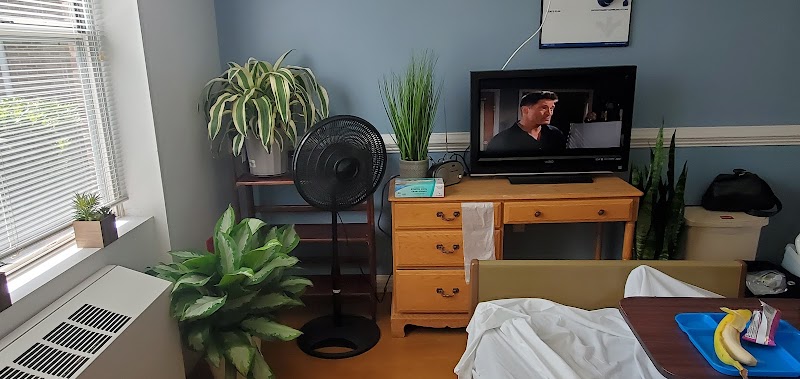
How is Old Dominion Rehabilitation And Nursing Staffed?

CMS rates OLD DOMINION REHABILITATION AND NURSING's staffing level at 1 out of 5 stars, which is much below average compared to other nursing homes. Staff turnover is 51%, compared to the Virginia average of 46%. RN turnover specifically is 64%, which is notably high. RNs provide skilled clinical oversight, so turnover in this role can affect medical care quality.

What Have Inspectors Found at Old Dominion Rehabilitation And Nursing?

State health inspectors documented 57 deficiencies at OLD DOMINION REHABILITATION AND NURSING during 2017 to 2022. These included: 54 with potential for harm and 3 minor or isolated issues. While no single deficiency reached the most serious levels, the total volume warrants attention from prospective families.
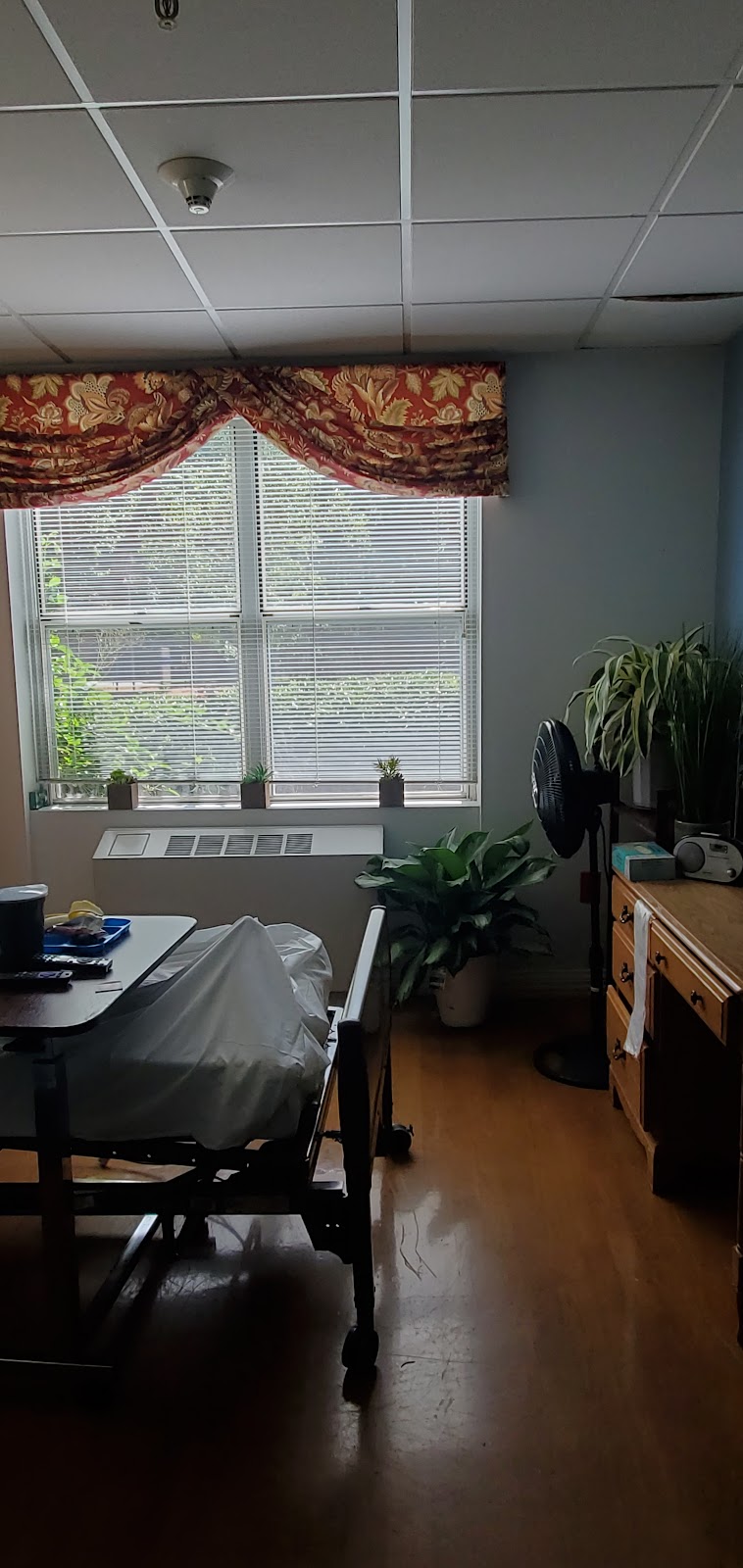
Who Owns and Operates Old Dominion Rehabilitation And Nursing?

OLD DOMINION REHABILITATION AND NURSING is owned by a for-profit company. For-profit facilities operate as businesses with obligations to shareholders or private owners. The facility is operated by EASTERN HEALTHCARE GROUP, a chain that manages multiple nursing homes. With 115 certified beds and approximately 105 residents (about 91% occupancy), it is a mid-sized facility located in NEWPORT NEWS, Virginia.

How Does Old Dominion Rehabilitation And Nursing Compare to Other Virginia Nursing Homes?

Compared to the 100 nursing homes in Virginia, OLD DOMINION REHABILITATION AND NURSING's overall rating (1 stars) is below the state average of 3.0, staff turnover (51%) is near the state average of 46%, and health inspection rating (2 stars) is below the national benchmark.

What Should Families Ask When Visiting Old Dominion Rehabilitation And Nursing?

Based on this facility's data, families visiting should ask: "Can you walk me through typical staffing levels on day, evening, and night shifts?" "Can I visit during a mealtime to observe dining assistance and food quality?" "How do you handle medical emergencies, and what is your hospital transfer rate?" "Can I speak with family members of current residents about their experience?" These questions are particularly relevant given the below-average staffing rating.

Is Old Dominion Rehabilitation And Nursing Safe?

Based on CMS inspection data, OLD DOMINION REHABILITATION AND NURSING has a clean safety record: no substantiated abuse findings (meaning no confirmed cases of resident harm), no Immediate Jeopardy citations (the most serious violation level indicating risk of serious injury or death), and is not on the Special Focus Facility watch list (a federal program monitoring the lowest-performing 1% of nursing homes). The facility has a 1-star overall rating and ranks #100 of 100 nursing homes in Virginia. While no facility is perfect, families should still ask about staff-to-resident ratios and recent inspection results during their visit.

Do Nurses at Old Dominion Rehabilitation And Nursing Stick Around?

OLD DOMINION REHABILITATION AND NURSING has a staff turnover rate of 51%, which is about average for Virginia nursing homes (state average: 46%). Moderate turnover is common in nursing homes, but families should still ask about staff tenure and how the facility maintains care continuity when employees leave.

Was Old Dominion Rehabilitation And Nursing Ever Fined?

OLD DOMINION REHABILITATION AND NURSING has no federal fines on record. CMS issues fines when nursing homes fail to meet care standards or don't correct problems found during inspections. The absence of fines suggests the facility has either maintained compliance or corrected any issues before penalties were assessed. This is a positive indicator, though families should still review recent inspection reports for the full picture.

Is Old Dominion Rehabilitation And Nursing on Any Federal Watch List?

OLD DOMINION REHABILITATION AND NURSING is not on any federal watch list. The most significant is the Special Focus Facility (SFF) program, which identifies the bottom 1% of nursing homes nationally based on persistent, serious quality problems. Not being on this list means the facility has avoided the pattern of deficiencies that triggers enhanced federal oversight. This is a positive indicator, though families should still review the facility's inspection history directly.