RIVERSIDE LIFELONG H & R WARWICK FOREST

1000 OLD DENBEIGH BOULEVARD, NEWPORT NEWS, VA 23602 (757) 875-2000
Non profit - Corporation 209 Beds RIVERSIDE HEALTH SYSTEM Data: November 2025
Trust Grade
20/100
#272 of 285 in VA
Last Inspection: December 2023

Within standard 12-15 month inspection cycle. Federal law requires annual inspections.

Overview

Riverside Lifelong H & R Warwick Forest has received a Trust Grade of F, which indicates significant concerns about the quality of care provided, placing it in the bottom tier of nursing homes. Ranking #272 out of 285 in Virginia means they are in the bottom half of facilities in the state, and #6 out of 6 in Newport News City County suggests there are no better local options. Although the trend is improving, with issues decreasing from 26 in 2023 to 7 in 2025, the facility still has serious concerns with 58 total issues, including four classified as serious. Staffing is a strength with a 0% turnover rate, significantly lower than the state average, and the facility has not incurred any fines, indicating better compliance. However, there are troubling incidents, such as failures to prevent falls for residents, including one who fell and sustained fractures due to inadequate supervision during care. Overall, while there are some positive aspects, families should be cautious and consider the significant weaknesses in care quality.

Trust Score
F
20/100
In Virginia
#272/285
Bottom 5%
Safety Record
High Risk
Review needed
Inspections
Getting Better
26 → 7 violations
Staff Stability
○ Average
Turnover data not reported for this facility.
Penalties
✓ Good
No fines on record. Clean compliance history, better than most Virginia facilities.
Skilled Nurses
○ Average
RN staffing data not reported for this facility.
Violations
⚠ Watch
58 deficiencies on record. Higher than average. Multiple issues found across inspections.
★☆☆☆☆
1.0
Overall Rating
☆☆☆☆☆
0.0
Staff Levels
★★★★☆
4.0
Care Quality
★☆☆☆☆
1.0
Inspection Score
Stable
2023: 26 issues
2025: 7 issues

The Good

  • 4-Star Quality Measures · Strong clinical quality outcomes
  • Full Sprinkler Coverage · Fire safety systems throughout facility
  • No fines on record

Facility shows strength in quality measures, fire safety.

The Bad

1-Star Overall Rating

Below Virginia average (3.0)

Significant quality concerns identified by CMS

Chain: RIVERSIDE HEALTH SYSTEM

Part of a multi-facility chain

Ask about local staffing decisions and management

The Ugly 58 deficiencies on record

4 actual harm
Aug 2025 7 deficiencies 1 Harm
SERIOUS (G) 📢 Someone Reported This

A family member, employee, or ombudsman was alarmed enough to file a formal complaint

Actual Harm - a resident was hurt due to facility failures

Accident Prevention (Tag F0689)

A resident was harmed · This affected 1 resident

**NOTE- TERMS IN BRACKETS HAVE BEEN EDITED TO PROTECT CONFIDENTIALITY** Based on observation, staff interviews, clinical record review, and review of facility documents, the facility staff failed to p...

Read full inspector narrative →
**NOTE- TERMS IN BRACKETS HAVE BEEN EDITED TO PROTECT CONFIDENTIALITY** Based on observation, staff interviews, clinical record review, and review of facility documents, the facility staff failed to provide adequate supervision to prevent accidents for 1 of 17 residents (Resident #8) in the survey sample, which constituted harm. The findings included: The facility staff failed to provide adequate supervision to ensure Resident #8 was safe from falling while ambulating, which constituted harm. Resident #8 was no longer a resident of the facility; therefore, a closed record review was conducted. Resident #8 was admitted to the facility on [DATE] after a hospital stay. The resident's diagnoses included unspecified nondisplaced fracture of the second cervical vertebra, nondisplaced intertrochanteric fracture of the right femur, vascular dementia, and muscle weakness. The annual Minimum Data Set (MDS) assessment with an assessment reference date (ARD) of 11/6/24 coded the resident as completing the Brief Interview for Mental Status (BIMS) and scoring 03 out of a possible 15. This indicated Resident #8’s cognitive abilities for daily decision making were severely impaired. A review of section “GG” (Functional Abilities and Goals) dated 11/6/24 of Resident #8’s Minimum Data Set (MDS) coded the resident as partial/moderate assistance (helper does less than half the effort. Helper lifts, holds, or supports trunk or limbs, but provides less than half the effort) for Walk 10 feet (once standing, the ability to walk at least 10 feet in a room, corridor, or similar space), partial/moderate assistance for Walk 50 feet with two turns, and partial/moderate assistance for Walk 150 feet. A care plan problem dated 1/14/24 read, risk for falls. The goal read, resident will be free of falls. The interventions included assist resident with ambulation and transfers, utilizing therapy recommendations. Determine Residents ability to transfer. If fall occurs, alert provider. If fall occurs, initiate frequent neuro and bleeding evaluation per facility protocol. If Resident is a fall risk, initiate fall risk precautions. A synopsis of an event dated 12/20/24 revealed that Resident #8 had an unwitnessed fall in another resident's room. The resident was lying in the corner of the room with his head against the heater and his walker on top of him. The resident was sent to the emergency room and was diagnosed with a closed nondisplaced fracture of the second cervical vertebra and a closed nondisplaced intertrochanteric fracture of the right femur. On 8/22/25 at 10:46 AM, an interview was conducted with Licensed Practical Nurse (LPN) #5. LPN #5 stated that Resident #8 had an unwitnessed fall on 12/20/24 in another resident's room and was not being supervised by facility staff. LPN #5 also stated that she was the only Nurse working with two Certified Nursing Assistants (CNA) in the memory unit during this shift. LPN #5 further said that there was not enough staff to provide care for the residents on the memory care unit. LPN #5 lastly stated, “We have asked, asked, and asked, and they would never give us 3 (three) CNAs on the memory care unit. With only three staff members working, residents are unable to be supervised as they should be. This could have absolutely prevented falls such as (Resident name).” On 8/22/25 at 12:30 PM, an interview was conducted with the MDS (Minimum Data Set) Coordinator. The MDS Coordinator stated that Resident #8 was coded in section “GG” (Functional Abilities and Goals) dated 11/6/24 as requiring partial/moderate assistance for ambulating. The MDS Coordinator also stated that partial/moderate assistance means that the staff should lay hands on the resident such as on the elbow, hand, arm, the walker, or even using a gait belt while the resident is ambulating. The MDS Coordinator further stated that the staff should have been assisting and supervising Resident #8 with ambulation. On 8/22/25 at 1:36 PM, an interview was conducted with Certified Nursing Assistant (CNA) #1. CNA #1 stated that Resident #8 was not being supervised when he had an unwitnessed fall with injuries. CNA #1 also stated that the staff did not know that Resident #8 required partial/moderate assistance for ambulating. CNA #1 further stated that information such as this is not communicated to the CNAs. On 8/22/25 at 2:10 PM, an interview was conducted with the Certified Occupational Therapy Assistant. The Certified Occupational Therapy Assistant stated that Resident #8 was a fall risk and required supervision for functional transfers and ambulation on the memory care unit. The Certified Occupational Therapy Assistant also stated that Resident #8 required supervision using his front-wheeled walker and needed occasional verbal cues while using his front-wheeled walker. The Certified Occupational Therapy Assistant further stated that Resident #8 required supervision for safety while ambulating to prevent a fall. A review of Resident #8's Interdisciplinary Therapy Screen dated 11/24/24 at 12:04 PM read: Ambulation: Comments: supervision using FWW with occasional VC to use walker. Safety/Restraint Issues: fall risk Additional Comments: Per Nursing and Chart review: Patient is at baseline and continues to require Minimal assistance with all ADLs and supervision for functional transfers and ambulation on the unit. No change in functional status. No therapy needs at this time. A review of Resident #8's nurse's note dated 12/20/24 at 6:22 PM read: Resident was observed lying on the floor in room [ROOM NUMBER]. Resident was lying in the corner of the room with his head against the heater and his walker on top of him. Resident complaining of right leg and hip pain. Skin tear noted to his right elbow. Pillow placed behind residents head and RN supervisor called to assess resident. Resident calling out in pain when right leg manipulated. Per RN supervisor Send resident to ER Emergency transfer . RP called and notified. Resident transported via EMS stretcher at 1800. On call provider notified of transfer. A review of Resident #8's nurse's note dated 12/20/24 at 6:47 PM read: Fall Details: Date / Time of Fall: 12/20/2024 5:15 PM Fall was not witnessed. Fall occurred elsewhere. Other fall location: another resident's room. Activity at the time of fall: unknown. Reason for the fall was evident. Reason for fall: resident was stuck between the dresser and the wall. Did an injury occur as a result of the fall: Yes. Injury details: skin tear to right elbow and right hip pain Did fall result in an ER visit/hospitalization: Yes. ER Visit/Hospitalization Details: sent to ER for eval Provider: message left for on call provider. and in communication book Time notified: 12/20/2024 Notified of: fall with possible injury to right hip Fall Details Note: Resident was observed lying on the floor in room [ROOM NUMBER]. Resident was lying in the corner of the room with his head against the heater and his walker on top of him. Resident complaining of right leg and hip pain. Skin tear noted to his right elbow. Pillow placed behind residents head and RN supervisor called to assess resident. Resident calling out in pain when right leg manipulated. Per RN supervisor Send resident to ER Emergency transfer . RP called and notified. Resident transported via EMS. A review of Resident #8’s General Hospital Discharge summary dated [DATE] read: Assessment and Plan: closed nondisplaced fracture of second cervical vertebra, and closed nondisplaced intertrochanteric fracture of right femur. (Resident name) is a [AGE] year-old Caucasian gentlemen with a history of dementia who presented to the emergency department after sustaining an unwitnessed fall at his memory care unit where he resides. The patient sustained multiple traumatic injuries. For this reason the Trauma service was contacted regarding admission. On 8/25/25 at approximately 1:05 PM, a final interview was conducted with the Administrator, Director of Nursing, Assistant Director of Nursing, Assistant Chief Nursing Officer, and Director of Clinical Education. An opportunity was offered to the facility’s staff to present additional information. They had no further comments and voiced no concerns regarding the above information.
CONCERN (D) 📢 Someone Reported This

A family member, employee, or ombudsman was alarmed enough to file a formal complaint

Potential for Harm - no one hurt, but risky conditions existed

Notification of Changes (Tag F0580)

Could have caused harm · This affected 1 resident

**NOTE- TERMS IN BRACKETS HAVE BEEN EDITED TO PROTECT CONFIDENTIALITY** Based on observation, family interview, staff interview, clinical record review, and review of facility documents, the facility'...

Read full inspector narrative →
**NOTE- TERMS IN BRACKETS HAVE BEEN EDITED TO PROTECT CONFIDENTIALITY** Based on observation, family interview, staff interview, clinical record review, and review of facility documents, the facility's staff failed to notify the resident's family representative of two pressure ulcers identified on 7/09/25 for 1 of 17 residents (Resident #15), in the survey sample. Resident #15 was initially admitted to the facility on [DATE] and readmitted on [DATE] from the community. The current diagnoses included cerebral vascular Disease. The admission, significant change, annual quarterly, Minimum Data Set (MDS) assessment with an assessment reference date (ARD) of 7/15/25 coded the resident as completing the Brief Interview for Mental Status (BIMS) and scoring 3 out of a possible 15. This indicated Resident #15 cognitive abilities for daily decision making were severely intact.In sectionGG(Functional Abilities) the resident was coded as requiring extensive assistance of one person with bed mobility, transfers, eating, toileting, personal hygiene. In section M (Skin Conditions) Number of stage 2 pressure ulcers =1. Number of unstageable with slough/eschar =1.The care plan dated 7/24/25 read: the resident has pressure injuries and the potential for pressure injury development r/t Hx of ulcers, Immobility, incontinence, and end-of-life process. Unstageable to sacrum and Stage 2 to sacrum (resolved 7/24/25). The Goals for the resident included: Pressure ulcer will show signs of healing and remain free from infection through review date. The Interventions for the resident included: Inform the resident/family/caregivers of any new area of skin breakdown and weekly treatment documentation to include measurement of each area of skin breakdown's width, length, depth, type of tissue and exudate.A review of an incident dated 7/09/25, Late Entry at 10:30 am, read: Resident was found on the floor of her room on the fall mat. Family has been contacted and notified as well as providers. Will continue to monitor. The timeline revealed the following: 1.7/09/25-Resident had a fall around 10:30 am. Family was notified of the fall. (According to the incident note. The family was notified of a fall that occurred on 7/09/25, but wasn't notified of an advanced-stage pressure ulcer nor a stage 2 pressure ulcer on the resident's sacrum and buttocks, which was identified hours after the resident's fall.2.7/09/25- Unstageable wound to the sacral area and stage 2 wound to the buttocks identified at 7:11 am. A review of a Skin/Wound Note Effective Date: 07/09/2025 at 7:11 pm., read: The resident presents with an unstageable wound to the sacral area and stage 2 wound to the buttock from shearing. Treatment order applied to prevent deterioration; however, hospice was notified. Awaiting a call back to verify or change the wound treatment order.According to the medical records, Resident #15's daughter was not notified on 7/09/25 concerning the staff identifying the two pressure ulcers that were later found in the evening around 7:11 pm. According to the medical records, the resident's daughter was notified of the resident having a fall on the morning of 7/09/25 at 10:30 am.On 8/21/25 at approximately 12:22 pm., a phone call was made to Resident #15's daughter (Resident Representative) concerning her wounds. She said that she was informed that her mother had a bedsore about three weeks ago. On 8/21/25 at approximately 4:40 pm., an interview was conducted with LPN #6. LPN #6 said that the unstageable sacral wound was first identified on 7/09/25, as well as the stage 2 wound on the resident's buttocks. LPN #6 also said that she was not working on 7/09/25 and had assumed the resident's daughter had been notified of the wounds, but after conducting a chart audit, she did not see that the daughter had been contacted initially, but she notified her on 7/21/25. LPN #6 also mentioned that the Director of Nursing (DON) notified hospice on 7/09/25. LPN #6 also said that it's not acceptable to first identify a wound as unstageable.On 8/22/25 at approximately 4:40 pm., an interview was conducted with the Director of Nursing (DON). The DON said that on 7/09/25, Resident #15's sacral area had yellow slough, and the buttocks had a sheared area. The DON also mentioned that she had called Hospice, not the resident's daughter.On 8/25/25, a pre-exit interview was conducted at approximately 11:40 am. The above findings were shared with the Administrator, Director of Nursing, and Corporate Consultant. They had no comments and voiced no further concerns regarding the above information
CONCERN (D) 📢 Someone Reported This

A family member, employee, or ombudsman was alarmed enough to file a formal complaint

Potential for Harm - no one hurt, but risky conditions existed

Incontinence Care (Tag F0690)

Could have caused harm · This affected 1 resident

**NOTE- TERMS IN BRACKETS HAVE BEEN EDITED TO PROTECT CONFIDENTIALITY** Based on resident interviews, staff interviews, and review of the clinical record, the facility staff failed to provide toiletin...

Read full inspector narrative →
**NOTE- TERMS IN BRACKETS HAVE BEEN EDITED TO PROTECT CONFIDENTIALITY** Based on resident interviews, staff interviews, and review of the clinical record, the facility staff failed to provide toileting upon request for 1 of 17 residents (Resident #2) in the survey sample. The findings included: Resident #2 was initially admitted to the facility on [DATE], after an acute care hospital stay. The resident's current diagnoses included an L2 - L5 laminectomy and fusion, and left upper extremity edema secondary to a left cephalic vein superficial vein thrombosis.The resident had not been admitted to the facility long enough for the Minimum Data Set (MDS) to be completed; therefore, the following information was obtained from the N Adv - Clinical admission dated 8/12/25. The assessment revealed the resident had mild cognitive impairment (some confusion). The Mobility assessment dated [DATE] revealed: Upper extremity (shoulder, elbow, wrist, hand): No impairment. Lower extremity (hip, knee, ankle, foot): No impairment. Wheelchair (manual or electric). Roll left and right: admission Performance: Partial/moderate assistance. Sit to lying: admission Performance: Partial/moderate assistance. Lying to sitting on the side of the bed: admission Performance: Partial/moderate assistance. Sit to stand: admission Performance: Dependent. Chair/bed-to-chair transfer: admission Performance: Dependent. Toilet transfer: admission Performance: Not attempted due to medical condition or safety concerns. Tub/shower transfer: admission Performance: Not attempted due to medical condition or safety concerns. Car transfer: admission Performance: Not attempted due to medical condition or safety concerns. A note on the whiteboard in the resident's room on 8/21/25 stated she required two persons assistance with transfers using the [NAME] Stedy lift.On 8/19/25 at 12:46 PM, Resident #2 was observed seated in a chair at bedside with her back brace lying on the bed. Resident #2 stated that she was constipated, but currently she had diarrhea. The resident further stated she had awakened with diarrhea up her back. The resident stated that she knows when she needs to use the toilet, but she was encouraged to wear an incontinence brief in case she had another accident. The resident also stated that most of the time, she was unable to get the staff to respond in time for her to utilize the toilet. The resident stated she frequently had an accident because the nurses are unable to locate the lift ([NAME] Stedy) they use to transfer her with, or there is no nurse to assist the assigned nurse. Resident #2 stated that she will need to be able to toilet herself before returning home, as she will not have anyone to assist her. On 8/21/25 at 1:10 PM, the resident stated the toileting concerns had not changed, and she was still wearing incontinence briefs.An interview was conducted with the interim Rehabilitation Director (RD) on 8/20/25 at 12:25 PM. The RD stated that the rehabilitation team communicated the resident's ability to transfer to the nursing staff by writing on the whiteboard in the resident's room.On 8/25/25 at 10:50 AM, the above information was shared with the Administrator, Director of Nursing (DON), the Assistant DON, two Unit Managers, and the Assistant Chief Nursing Officer. The Administrator stated that there are sufficient [NAME] lifts in the facility, and each unit has one to two lifts. The Administrator also stated that two persons are not required to use the [NAME] lift; therefore, she would follow up on the reason the instructions were for two persons.
CONCERN (E) 📢 Someone Reported This

A family member, employee, or ombudsman was alarmed enough to file a formal complaint

Potential for Harm - no one hurt, but risky conditions existed

Deficiency F0658 (Tag F0658)

Could have caused harm · This affected multiple residents

**NOTE- TERMS IN BRACKETS HAVE BEEN EDITED TO PROTECT CONFIDENTIALITY** Based on observation, resident and staff interviews and review of facility documentation the facility staff failed to ensure res...

Read full inspector narrative →
**NOTE- TERMS IN BRACKETS HAVE BEEN EDITED TO PROTECT CONFIDENTIALITY** Based on observation, resident and staff interviews and review of facility documentation the facility staff failed to ensure resident care and services were provided in accordance with accepted standards of clinical practice for medication administration for 1of 17 residents. Resident #11.Findings included: For Resident #11, the facility staff failed to administer her scheduled Gabapentin (a seizure medication commonly used for neuropathic pain) on 2/17/24 at 8:00 PM, 2/18/24 at 8:00 AM, midday and 8:00 PM, 2/19/24 at 8:00 AM and midday as ordered by the physician.Resident #11 was originally admitted to the facility on [DATE] with diagnoses including but not limited to: hypertension, major depressive disorder, chronic pain, insomnia, muscle spasms, reduced mobility, anxiety, treatment for malignant neoplasm right kidney, cardiomegaly, polyneuropathy, chronic pulmonary disease, morbid (severe) obesity due to excessive calories, osteoporosis, atrial fibrillation and peripheral vascular disease. On the most recent MDS (Minimum Data Set) a Quarterly Assessment with ARD (assessment reference date) of 5/13/25, Section C: Cognitive Patterns was coded as 15 out of 15, as cognitively intact. This indicates Resident #11 cognitive ability for daily decision making is intact. On 8/19/25 approximately 1:00 PM an interview was conducted with Resident #11 to review incident of her scheduled Gabapentin not administered on 2/17/24 through 2/19/24. During the interview Resident #11 initially stated she had never missed any medications. I shared with her the report from the Ombudsmen where the resident had left her a message on 2/19/24 stating she had not received her Gabapentin on evening of 2/17/24 through 2/19/24. She replied, Oh, yes, I call her all the time about lots of things. I remember now, that was a long time ago. Yes, I didn't get them for a few days. When asked about any pain she experienced as a result of the missing Gabapentin she stated, No, not that I remember, my pain is always about the same. I have arthritis. When asked why she was still in bed at 1:00 PM in the afternoon she replied, Oh, they usually get me up in the mornings, but I fell asleep again after breakfast, so they let me sleep in. I have problems with insomnia, so they let me sleep a little longer in the mornings sometimes. I asked her how her pain was today, and she replied, Oh it's ok today. Further interview about if she had any other incidents about missing her Gabapentin and she replied, Oh, they are late sometimes with my morning Gabapentin but that about it. I asked her why she was prescribed Gabapentin, and she replied, I have nerve pain. On 8/19/25 at 1:30 PM a control drug count was completed on 2 of the medication carts on the Rehab Unit with LPN#2 and LPN# 3 to verify medications were available. A review of physician orders revealed Resident #11 had an order for Gabapentin 300 MG Give 1 capsule by mouth three times a day for Neuropathy Start Date 2/2/24. A review of the medication administration record for 2/17/24 through 2/19/24 revealed: 2/17/24 at 8:00 PM coded as 9 [Code 9 means See nurses Notes] 2/18/24 at 8:00 AM, midday and 8:00 PM coded as 9 2/19/24 at 8:00 AM - blank/hole in the medication administration record, midday dose coded 9A review of the progress notes for code 9 revealed:2/17/24 at 8:43 PM, the nurse documented that she re-ordered the Gabapentin 2/18/24 at 8:00 AM, no explanation of code 9 2/18/24 at 2:01 PM, no explanation of code 9 2/18/24 at 10:02 PM the nurse documented new script needed 2/19/24 at 8:25 AM the nurse documented MD (physician) was notified about resident's missing Gabapentin. There is a current order with 90 refills remaining signed on 2/2/24 by the MD (physician), however, [name redacted] pharmacy provider is stating she does not have an active order. 2/19/24 at 1:36 PM, (midday dose) medication order noted, no explanation of code 9 2/19/24 at 6:36 PM, nurse documented Received a one-time pull code to administer Gabapentin 300mg. Spoke with (name redacted) physician and he stated to give the resident her scheduled Gabapentin 300mg at HS. On-coming nurse made aware.A review of the Medication Administration Record for assessment of Resident #11's pain revealed:2/17/24 No pain 2/18/24 No pain 2/19/24 No pain until night shift, and nurse assessed as a 5 out of 10 for pain in the right lower backOn 8/20/25 at approximately 12:45 PM, an interview was conducted with the Director of Nursing (DON) and Assistant Director of Nursing (ADON) on what code 9 meant on the Medication Administration Record, and the DON replied, the nurse is to document an explanation in the progress notes. A request for the Medication Administration and When Medications are not Available Policies. At 3:27 PM, the Assistant Director of Nursing provided a copy of the facility's Medication Administration Policy #6562. On page 1 of 5 pages, the policy revealed Medications will be administered in accordance with regulatory guidelines, infection control, and clinical practice standards. On page 4 of 5 pages, Procedure #14. revealed Medication Refusal - Remember to document the non-administration of scheduled doses. Document medication not administered in the electronic medical record and the reason. #15. Revealed When medication errors occur, they must be reported to the physician and resident representative notifications and have post monitoring documented as indicated. A review was conducted with the Assistant Director of Nursing of the facility document Managing Unavailable Medications revealed:1. 1. Check the next day Paxit bags (dispensing package for medications) for unavailable medication. Per the ADON, Gabapentin would be in a blister pack card as it is a controlled medication. 2. 2. Check the STAT box for unavailable medication. According to the ADON, the facility has a Cubex (an on-site pharmacy cabinet containing selected medications available by phone call to the pharmacy, which requires obtaining a code to remove the medication with an active order). She confirmed Gabapentin is available in the Cubex.3. 3. Contact the pharmacy for the status of delivery. If medication will be delivered within the needed timeframe, document on the (name redacted) pharmacy provider Contact Log.4. 4. Contact the pharmacy for the status of delivery. If medication will not be delivered within the needed timeframe, document in the (name redacted) pharmacy provider Contact Log as well. 5. 5. Contact the provider for an alternative order and an order to discontinue the medication and restart the order when it will be available.6. 6. Consider a STAT run from the pharmacy (stat runs may take up to 4 hours to arrive at the facility; consider the time the medication is due).NOTE: If a medication is not administered as ordered, this is a medication error and the provider and resident must be notified and documented. Do not document medication unavailable, or simply not administer the medication or treatment. It is a standard of practice in nursing that provider orders are followed. If they are not able to be followed due to a lack of availability, you must contact the provider for additional guidance. On 8/20/25 at 1:45 PM, an interview was conducted with the Director of Pharmacy at (name redacted), the facility's pharmacy provider. He stated, The pharmacy had a valid order that was sent on 2/2/24 for 45 capsules of Gabapentin (a 15-day supply). A new order was received on 2/19/24 after receiving a new script and was dispensed to the facility on 2/20/24. He reported that the nurse did call the pharmacy on 2/19/24 for a pull code to obtain an emergency 1st dose from the Cubex (an on-site pharmacy cabinet containing select medications available utilizing a phone call to the pharmacy and obtaining a code to remove the medication with an active order). He stated the facility does not have an automatic refill with controlled drugs, therefore requiring that the nurse contact the pharmacy for a re-order. On 8/20/25 at 2:36 PM, another interview was conducted with Resident #11 regarding the 6 doses of Gabapentin not administered on 2/17/24 through 2/19/24 to clarify her pain level due to the missing doses. Resident #11 replied, I don't distinguish my pain any differently for that time than any other time. The medication is built up in my system, so it helps control my pain. It was reviewed with her what the Ombudsmen had reported that she had expressed to her about having lots of pain with the missing doses, and she replied, Oh, honey, I was just so mad and upset that they didn't have my medicine, and giving me the excuse that the pharmacy hadn't sent it. Like I said, I didn't notice my pain any differently than any other time as I have chronic pain. The resident was asked if she had any further issues with her Gabapentin, and she said, No, not really, just sometimes it seems a bit late, but they are doing pretty good most of the time.The Administrator was made aware of the concerns on 8/25/25 during the end of day meeting and no further information was provided.
CONCERN (E) 📢 Someone Reported This

A family member, employee, or ombudsman was alarmed enough to file a formal complaint

Potential for Harm - no one hurt, but risky conditions existed

Deficiency F0697 (Tag F0697)

Could have caused harm · This affected multiple residents

Based on observations, resident interviews, staff interviews, and review of the clinical record, the facility staff failed to manage acute pain secondary to fractures for 1 of 17 residents (Resident #...

Read full inspector narrative →
Based on observations, resident interviews, staff interviews, and review of the clinical record, the facility staff failed to manage acute pain secondary to fractures for 1 of 17 residents (Resident #1) in the survey sample. The findings included: Resident #1 was initially admitted to the facility 8/13/25, after an acute care hospital stay for a fall with fractures. The resident's current diagnoses included fibromyalgia, acute on chronic lower back pain, a right distal radius fracture, and status post L4 - L5 lumbar laminectomy with fixation and TLIF pedicle screw fixation on 08/07/25. The resident had not been admitted to the facility long enough for the Minimum Data Set (MDS) to be completed; therefore, the following information was obtained from the N Adv - Clinical admission dated 8/13/25. The assessment revealed the resident was alert and oriented three times. The resident communicated verbally; her speech was clear, and she was able to understand and be understood when speaking. The following self-care information was documented in the nurse's notes by the MDS Coordinator: Mobility: Upper extremity (shoulder, elbow, wrist, hand): Impairment on one side. Lower extremity (hip, knee, ankle, foot): No impairment. Roll left and right: admission Performance: Supervision or touching assistance. Sit to lying: admission Performance: Supervision or touching assistance. Lying to sitting on side of bed: admission Performance: Supervision or touching assistance. Sit to stand: admission Performance:Dependent. Chair/bed-to-chair transfer: admission Performance: Dependent. Toilet transfer: admission Performance: Dependent. Tub/shower transfer: admission Performance: Not attempted due to medical condition or safety concerns. Car transfer: admission Performance: Not attempted due to medical condition or safety concerns.On 8/19/25 at 12:37 PM, Resident #1 was observed seated in a chair at the bedside, wearing a back brace and a right hand splint daily. An interview was conducted with the resident. The resident stated that her pain was not being treated effectively, and whenever she requests pain medication, the nurses bring it when they want to. The resident further said she had chronic back pain, degenerative joint disease, old back fractures, osteoporosis, and fibromyalgia, which was maintained at home with Acetaminophen. The resident stated that the pain she currently had could not be treated with Acetaminophen, for it was too severe.The resident said she had a recent fall at home, which resulted in a vertebral fracture and a right wrist fracture, and she had not walked since the fall. The resident stated during the interview that she was experiencing pain in her back, right hip, thigh, and knee. She further stated she was administered Oxycodone 5 milligrams (mg) three times each day, but was no longer receiving the medication, and no one explained to her why. The resident also stated she was not sleeping because of the pain, and her appetite had plummeted because the pain was so severe. The resident stated she was taking Trazodone at home to sleep, and if she was receiving it at the rehabilitation facility, it was not working.On 8/20/25, at approximately 10:50 AM, Resident #1 was revisited. She was seated at the bedside and again complained of the pain she was experiencing. On 8/21/25 at approximately 1:00 PM, Resident #1 was observed in bed. The resident continued to complain about the pain she was experiencing in her back and along her right side. A review of the resident's Medication Administration Record (MAR) revealed the resident had an order dated 8/13/25 through 8/19/25 for Acetaminophen tablet 325 mg two tablets by mouth every 6 hours as needed for mild pain, which was administered for three doses. The resident received a new order dated 8/19/25, at 1:00 PM for Acetaminophen tablet 500 mg, two tablets by mouth three times a day for pain. On 8/14/25, through 8/22/25, a Lidocaine Pain Relief External Patch 4% was ordered to be applied to the resident's back topically two times a day for pain. This order was reordered on 8/22/25. On 8/14/25, at 8:00 PM, an order was obtained for Pregabalin 50 mg capsules, give one capsule by mouth two times a day for pain. This order was discontinued on 8/19/25, at 11:56 AM and another order was obtained for Pregabalin 75 mg capsules, give one capsule by mouth two times a day for pain. The Medical Director (MD) stated during an interview by phone on 8/25/25 at 12:21 PM, that the Acetaminophen, Lidocaine patch, and Pregabalin were ordered to treat Fibromyalgia pain, which is a challenging pain to treat. Also on 8/13/25 through 8/18/25, the resident had an order for Oxycodone HCl 5 MG (give 2.5 mg) by mouth every 8 hours as needed for pain. The resident received nine administrations for pain rated four through nine. On 8/18/25 at 3:15 PM, the resident received an order for Oxycodone HCl 5 MG (Give 2.5 mg) by mouth every 8 hours as needed for pain. The resident received a dose on 8/19/25 at 8:27 AM for pain rated ten out of ten.From 8/18/25 at 8:26 AM through 8/19/25 at 8:27 AM, Tylenol was the only pain medication received. On 8/19/25, a one-time dose of Oxycodone HCl 5 mg (give 0.5 tablet by mouth) was administered at 3:22 PM for pain rated ten out of ten. On 8/19/25, at 12:00 PM another order was received for Oxycodone HCl 5 mg, give one tablet by mouth every 4 hours as needed for pain. Fourteen doses were administered for pain rated five to ten out of ten.On 8/22/25 at 9:00 PM, an order was obtained for Oxycodone HCl ER 12 Hour Abuse-Deterrent Tablet 10 mg, give one tablet by mouth every 12 hours for severe pain for 5 days.An interview was conducted with the interim Rehabilitation Director (RD) on 8/20/25 at 12:25 PM. The RD stated that most of the time, a resident's therapy schedule is posted for staff to view and to ensure medication is administered to the resident accordingly. The RD also stated that Resident #1 had weight-bearing restrictions secondary to a compression fracture of the lower vertebra and a right wrist fracture resulting from a fall. The RD stated that the rehabilitation team communicated the resident's ability to transfer to the nursing staff by writing on the whiteboard in the resident's room. The RD further stated that the resident required one person's assistance to transfer to the wheelchair and to use the transfer bar to transfer to the toilet. A review of Resident #1's rehabilitation progress notes revealed that the resident did not miss any therapy days until 8/21/25. On 8/14/25, she exhibited nonverbal signs of pain. On 8/15/25, the resident was limited by pain. On 8/18/25 and 8/19/25, the resident complained of back pain, and on 8/20/25, she complained of left hip pain. The RD stated that whenever the resident experienced pain, the therapist reported it to nursing. The therapy documentation for 8/22/25 stated the resident continued to show improvement, but she was limited by back pain.On 8/21/25 at approximately 12:54 PM, an interview was conducted with Licensed Practical Nurse (LPN) #12. LPN #12 stated she had administered pain medication to the resident earlier, and she had not reported any further pain, but she would follow up with the resident.On 8/25/25 at 10:50 AM, the above information was shared with the Administrator, Director of Nursing (DON), the Assistant DON, two Unit Managers, and the Assistant Chief Nursing Officer. The Rehabilitation Unit Manager stated that she visits the resident daily, and she had never complained of pain to her.
CONCERN (E) 📢 Someone Reported This

A family member, employee, or ombudsman was alarmed enough to file a formal complaint

Potential for Harm - no one hurt, but risky conditions existed

Pharmacy Services (Tag F0755)

Could have caused harm · This affected multiple residents

**NOTE- TERMS IN BRACKETS HAVE BEEN EDITED TO PROTECT CONFIDENTIALITY** Based on observation, resident and staff interviews and review of facility documentation the facility failed to provide pharmace...

Read full inspector narrative →
**NOTE- TERMS IN BRACKETS HAVE BEEN EDITED TO PROTECT CONFIDENTIALITY** Based on observation, resident and staff interviews and review of facility documentation the facility failed to provide pharmaceutical services to assure the accurate acquiring, receiving, dispensing and administration of drugs to meet the needs of each the resident for 1 of 17 residents. Resident #11.Findings included: For Resident #11, the facility staff failed to administer her scheduled Gabapentin (a seizure medication commonly used for neuropathic pain) on 2/17/24 at 8:00 PM, 2/18/24 at 8:00 AM, midday and 8:00 PM, 2/19/24 at 8:00 AM and midday as ordered by the physician.Resident #11 was originally admitted to the facility on [DATE] with diagnoses including but not limited to: hypertension, major depressive disorder, chronic pain, insomnia, muscle spasms, reduced mobility, anxiety, treatment for malignant neoplasm right kidney, cardiomegaly, polyneuropathy, chronic pulmonary disease, morbid (severe) obesity due to excessive calories, osteoporosis, atrial fibrillation and peripheral vascular disease. On the most recent MDS (Minimum Data Set) a Quarterly Assessment with ARD (assessment reference date) of 5/13/25, Section C: Cognitive Patterns was coded as 15 out of 15, as cognitively intact. This indicates Resident #11 cognitive ability for daily decision making is intact. On 8/19/25 approximately 1:00 PM an interview was conducted with Resident #11 to review incident of her scheduled Gabapentin not administered on 2/17/24 through 2/19/24. During the interview Resident #11 initially stated she had never missed any medications. I shared with her the report from the Ombudsmen where the resident had left her a message on 2/19/24 stating she had not received her Gabapentin on evening of 2/17/24 through 2/19/24. She replied, Oh, yes, I call her all the time about lots of things. I remember now, that was a long time ago. Yes, I didn't get them for a few days. When asked about any pain she experienced because of the missing Gabapentin she stated, No, not that I remember, my pain is always about the same. I have arthritis. When asked why she was still in bed at 1:00 PM in the afternoon she replied, Oh, they usually get me up in the mornings, but I fell asleep again after breakfast, so they let me sleep in. I have problems with insomnia, so they let me sleep a little longer in the mornings sometimes. I asked her how her pain was today, and she replied, Oh it's ok today. Further interview about if she had any other incidents about missing her Gabapentin and she replied, Oh, they are late sometimes with my morning Gabapentin but that about it. I asked her why she was prescribed Gabapentin, and she replied, I have nerve pain. On 8/19/25 at 1:30 PM a control drug count was completed on 2 of the medication carts on the Rehab Unit with LPN#2 and LPN# 3 to verify medications were available. A review of physician orders revealed Resident #11 had an order for Gabapentin 300 MG Give 1 capsule by mouth three times a day for Neuropathy Start Date 2/2/24. A review of the medication administration record for 2/17/24 through 2/19/24 revealed: 2/17/24 at 8:00 PM coded as 9 2/18/24 at 8:00 AM, midday, and 8:00 PM coded as 9 2/19/24 at 8:00 AM - blank/hole in the medication administration record, midday dose coded 9A review of the progress notes for code 9 revealed:2/17/24 at 8:43 PM the nurse documented that she re-ordered the Gabapentin 2/18/24 at 8:00 AM no explanation of code 9 2/18/24 at 2:01 PM no explanation of code 9 2/18/24 at 10:02 PM the nurse documented new script needed 2/19/24 at 8:25 AM the nurse documented MD (physician) was notified about resident's missing Gabapentin. There is a current order with 90 refills remaining signed on 2/2/24 by the MD (physician), however, (name redacted) pharmacy provider is stating she does not have an active order 2/19/24 at 1:36 PM (midday dose) medication order noted, no explanation of code 9 2/19/24 at 6:36 PM, nurse documented Received a one-time pull code to administer Gabapentin 300mg. Spoke with (name redacted), the physician, and he stated to give the resident her scheduled Gabapentin 300mg at HS. On-coming nurse made aware.On 8/20/25 at approximately 12:45 PM, an interview was conducted with the Director of Nursing (DON) and Assistant Director of Nursing (ADON) on what code 9 meant on the Medication Administration Record, and the DON replied, The nurse is to document an explanation in the progress notes. A request for the Medication Administration and When Medications are not Available Policies. At 3:27 PM, the Assistant Director of Nursing provided a copy of the facility's Medication Administration Policy #6562. On page 1 of 5 pages, the policy revealed Medications will be administered in accordance with regulatory guidelines, infection control, and clinical practice standards. On page 4 of 5 pages, Procedure #14. revealed Medication Refusal - Remember to document the non-administration of scheduled doses. Document medication not administered in the electronic medical record and the reason. #15. Revealed When medication errors occur, they must be reported to the physician and resident representative notifications and have post monitoring documented as indicated. A review was conducted with the Assistant Director of Nursing of the facility document Managing Unavailable Medications revealed:11. Check the next day Paxit (dispensing package for medications) for unavailable medication. Per the ADON Gabapentin would me in a blister pack card as it is a controlled medication. 22. Check the STAT box for unavailable medication. Per the ADON, the facility has a Cubex (an on-site pharmacy cabinet containing selected medications available utilizing a phone call to the pharmacy and obtaining a code to remove the medication with an active order). She confirmed Gabapentin is available in the Cubex.33. Contact the pharmacy for status of delivery. If medication is delivered within the needed timeframe, document on the (name redacted) pharmacy provider Contact Log.44. Contact the pharmacy for status of delivery. If medication will not be delivered within the needed timeframe, document in the (name redacted) pharmacy provider Contact Log as well.5 5. Contact the provider for an alternative order and an order to discontinue the medication and restart the order when it will be available.6 6. Consider a STAT run from the pharmacy (stat runs may take up to 4 hours to arrive at the facility, consider the time the medication is due). NOTE: If a medication is not administered as ordered, this is a medication error and provider and resident must be notified and documented. Do not document medication unavailable, or simply not administer the medication or treatment. It is a standard of practice in nursing that provider orders are followed. If they are not able to be followed due to lack of availability, you must contact the provider for additional guidance. On 8/20/25 at 1:45 PM, an interview was conducted with the Director of Pharmacy at (name redacted) the facility's pharmacy provider. He stated the pharmacy had a valid order that was sent on 2/2/24 for 45 capsules of Gabapentin (a 15- day supply). A new order was received on 2/19/24 after receiving a new script and dispensed to the facility on 2/20/24. He reported that the nurse did call the pharmacy on 2/19/24 for a pull code to obtain an emergency 1st dose from the Cubex (an on-site pharmacy cabinet containing select medications available utilizing a phone call to the pharmacy and obtaining a code to remove the medication with an active order). He stated the facility does not have an automatic refill with controlled drugs therefore requiring that the nurse contact the pharmacy for a re-order. On 8/20/25 at 2:36 PM another interview was conducted with Resident #11 regarding the 6 doses of Gabapentin not administered on 2/17/24 through 2/19/24 to clarify her pain level due to the missing doses. Resident #11 replied, I don't distinguish my pain any differently for that time than any other time. The medication is built up in my system, so it helps control my pain. A review with conducted with her what the Ombudsmen had reported that she had expressed to her about having lots of pain with the missing doses and she replied, Oh, honey I was just so mad and upset that they didn't have my medicine and giving me excuse that the pharmacy hadn't sent it. Like I said I didn't notice my pain any differently then as any other time as I have chronic pain. She was asked had she had any further issues with her Gabapentin, and she said, No, not really just sometimes it seems a bit late, but they are doing pretty good most of the time.The Administrator was made aware of the concerns on 8/25/25 during the end-of-day meeting, and no further information was provided.
CONCERN (E) 📢 Someone Reported This

A family member, employee, or ombudsman was alarmed enough to file a formal complaint

Potential for Harm - no one hurt, but risky conditions existed

Deficiency F0849 (Tag F0849)

Could have caused harm · This affected multiple residents

**NOTE- TERMS IN BRACKETS HAVE BEEN EDITED TO PROTECT CONFIDENTIALITY** Based on Observation, staff interview, clinical record review, and facility document review the facility staff failed to provide...

Read full inspector narrative →
**NOTE- TERMS IN BRACKETS HAVE BEEN EDITED TO PROTECT CONFIDENTIALITY** Based on Observation, staff interview, clinical record review, and facility document review the facility staff failed to provide necessary documents for two Residents receiving hospice care (Resident #15, and 6) in a survey sample of 17 Residents. 1. The Facility staff failed to provide Hospice nurses' notes and wound care measurements pertaining to Resident #15. Resident #15 was initially admitted to the facility on [DATE] and readmitted on [DATE] from the community. The current diagnoses included cerebral vascular disease. The admission, significant change, annual quarterly, Minimum Data Set (MDS) assessment with an assessment reference date (ARD) of [DATE] coded the resident as completing the Brief Interview for Mental Status (BIMS) and scoring 3 out of a possible 15. This indicated that Resident #15's cognitive abilities for daily decision making were severely impaired. In sectionGG(Functional Abilities) the resident was coded as requiring extensive assistance of one person with bed mobility, transfers, eating, toileting, personal hygiene. In section “M” (Skin Conditions), the number of stage 2 pressure ulcers =1. Number of unstageable with slough/eschar =1. The care plan dated [DATE] read: Resident #15 has a terminal prognosis as of [DATE] prior to admission to the facility r/t Nutritional marasmus with hospice service. The Goal is to maintain comfort through the review date of [DATE]. The interventions are to Adjust provision of ADLS to compensate for resident's changing abilities, Encourage participation to the extent the resident wishes to participate, Observe resident closely for signs of pain, administer pain medications as ordered, and notify physician immediately if there is breakthrough pain, Work cooperatively with hospice team to ensure the resident's spiritual, emotional, intellectual, physical and social needs are met. On [DATE] at approximately 12:05 pm, Licensed Practical Nurse (LPN) #6 was approached by two surveyors concerning hospice notes not found in the medical records. LPN #6 was asked for hospice notes dated [DATE] -[DATE]. [DATE] at approximately 1:00 pm., approached LPN #6 concerning the hospice notes and other documents not found in the resident’s medical records. LPN #6 stated that she will look for the communication binder that the hospice nurse writes in. [DATE] at approximately 1:38 pm., the administrator said that the hospice notes should be in the resident’s binder. [DATE] at approximately 1:45 pm., LPN #6 presented the surveyor with the Hospice Nurse Binder for Resident #15. A review of the Hospice Nurse’s binder revealed a care plan and other documents, but no nurses' notes were found. On [DATE] at approximately 4:15 pm, an interview was conducted with the Hospice Nurse/Case Manager. The Hospice Nurse/Case Manager said, “We document in our system if the facility wants them (notes), we will fax them over. I mostly update the facility nurse who takes care of the resident.” The Hospice Nurse also said that the resident’s daughter keeps her informed because she doesn’t hear from the facility. The Hospice Agreement was executed on the 9th day of [DATE]: RECORDS: 1. Maintenance and Retention of Records-The nursing home and hospice shall prepare and maintain complete and appropriate medical records concerning each hospice patient. 2.Content: The clinical record shall contain past and current findings for each hospice patient. 3. Access: Subject to applicable law, nursing home and hospice shall each permit the other to review and make photocopies of the medical record. On [DATE], a pre-exit interview was conducted at approximately 11:40 am. The above findings were shared with the Administrator, Director of Nursing, and Corporate Consultant. No additional information was provided. 2. The Facility staff failed to provide Hospice nurses’ notes and the comprehensive care plan in the electronic clinical record for Resident #6. Resident #6 was originally admitted to the facility on [DATE] and admitted to Hospice on [DATE], with diagnoses of, but not limited to, Alzheimer’s disease with late onset, hypertension, unsteadiness on feet, major depressive disorder, history of falls, and terminal agitation. Resident #6 expired in the facility on [DATE]. Resident #6’s most recent MDS (Minimum Data Set Assessment) with an ARD (Assessment Reference Date) of [DATE] was a Quarterly Assessment. The MDS coded Resident #6 with a BIMS (Brief Interview for Mental Status) score of 99 out of 15 possible points, indicating the resident was unable to complete the interview. The cognitive assessment revealed that Resident #6 had memory problems related to short- and long-term memory, and that Resident #6 was severely impaired in making daily decisions. Section GG(Functional Abilities) of the MDS coded Resident #6 as requiring substantial/maximal and dependent with bed mobility, transfers, eating, toileting, and personal hygiene. The care plan dated [DATE] revealed: Resident #6 had a terminal prognosis r/t Alzheimer's disease, decreased PO intake, declining health, and heart failure. The resident was admitted to hospice as of [DATE]. Resident discharged from hospice services as of [DATE]. The resident was readmitted to hospice services as of [DATE]. The interventions included working cooperatively with the hospice team to ensure that the residents’ spiritual, emotional, intellectual, physical, and social needs were met. Work with nursing staff to provide maximum comfort for the resident. On [DATE], at 1:00 PM, the Administrator was interviewed and asked about the hospice notes care plan not found in the resident’s clinical record. The administrator stated that the hospice notes and care plan should be in the resident’s binder. The Hospice Nurse Binder for Resident #6 was reviewed and revealed a care plan and other documents, but no nurses’ notes were found. On [DATE] at approximately 9:00 AM, an interview was conducted with the Hospice Nurse/Case Manager. The Hospice Nurse/Case Manager said, “We document in our system if the facility wants them (notes), we will fax them over. I mostly update the facility nurse who takes care of the resident.” The Hospice Agreement was executed on the 9th day of [DATE]: RECORDS: 1. Maintenance and Retention of Records-The nursing home and hospice shall prepare and maintain complete and appropriate medical records concerning each hospice patient. 2.Content: The clinical record shall contain past and current findings for each hospice patient. 3. Access: Subject to applicable law, nursing home and hospice shall each permit the other to review and make photocopies of the medical record. On [DATE], during the end-of-day meeting, the Administrator, Director of Nursing, Assistant Director of Nursing, Assistant Chief Nursing Officer, and Director of Clinical Education were notified of the concerns and findings. No further information was provided prior to exit.
Dec 2023 26 deficiencies
CONCERN (D)

Potential for Harm - no one hurt, but risky conditions existed

Deficiency F0558 (Tag F0558)

Could have caused harm · This affected 1 resident

Based on observation, resident interview, staff interview, clinical record review and facility document review, it was determined that the facility staff failed to ensure reasonable accommodation of n...

Read full inspector narrative →
Based on observation, resident interview, staff interview, clinical record review and facility document review, it was determined that the facility staff failed to ensure reasonable accommodation of needs for one of 60 residents in the survey sample, Resident #19. The findings include: For Resident #19 (R19), the facility staff failed to ensure their roommates personal belongings did not hinder their ability to leave the room if they chose. On the most recent MDS (minimum data set), a quarterly assessment with an ARD (assessment reference date) of 9/14/2023, the resident scored 15 out of 15 on the BIMS (brief interview for mental status) assessment, indicating the resident was cognitively intact for making daily decisions. The assessment documented R19 being dependent on staff for bed to chair transfers, utilizing a manual wheelchair and dependent on staff to wheel at least 50 feet with two turns. On 12/5/2023 at 12:59 p.m., an interview was conducted with R19 in their room. R19 was observed in bed in their room on the right side of a semi-private room near the window. When asked about staff assisting them to get out of bed when they wanted to get up, R19 stated that they did not get out of bed often but liked to get up on Wednesdays to go out of the facility to (Name of outside health program). R19 stated that they did not go every Wednesday but liked to go out when they felt up to it but the nursing staff had told them that they could not get their wheelchair past their roommate's Christmas tree to get them out of the room to go to the appointments so they had not gone recently. R19 stated that staff had to use a mechanical lift to get them up and had to have the wheelchair right by the bed and could not fit the chair past the end of the roommate's bed and the Christmas tree so she had not gotten out of bed recently. Observation of R19's roommates side of the room revealed an approximately 5 foot tall artificial Christmas tree at the foot of their bed with glass ornaments and tinsel with approximately 14 inches space between the end of the bed and the tree branches. When asked where their wheelchair was stored, R19 stated that the staff stored the wheelchair somewhere outside of the room and they were not exactly sure where. R19 stated that the tree had been up for at least two weeks and they had not gone to the appointment last Wednesday because the office was closed. R19 stated that they were hoping to be able to go on 12/6/2023. On 12/6/2023 at 3:50 p.m., an interview was conducted with R19 in their room in bed. R19 stated that staff did not offer to get them out of bed for the appointment that day and they had forgotten about them. R19 stated that they would have gone if anyone had offered to get them out of bed and to the appointment. The comprehensive care plan for R19 documented in part, (Name of R19) has an ADL (activities of daily living) self-care performance deficit r/t (related to): Amputation left aka (above the knee amputation) . Date Initiated: 09/27/2023. Revision on: 09/27/2023. The progress notes for R19 documented in part, - 11/15/2023 09:06 (9:06 a.m.) Note Text : (Name of staff) at (Name of outside health program) called an informed (Name of R19) refused to attend (Name of outside health program). (Name of staff) at (Name of outside health program) informed that (Name of R19) needed a new prescription for her Percocet tab 2.5 mg (milligram)-325 mg. - 11/1/2023 11:45 (11:45 a.m.) Note Text : (Name of staff) at (Name of outside health program) informed (Name of R19) refused to attend (Name of outside health program). No reason given. The clinical record failed to evidence documentation of any refusals to attend the program after 11/15/2023 or documentation of R19 attending the program. On 12/7/2023 at 8:26 a.m., an interview was conducted with LPN (licensed practical nurse) #2, clinical coordinator. LPN #2 stated that R19 was followed by the provider at the (Name of outside health program) and refused to go often. She stated that she followed up with R19 every week and encouraged them to attend and participate. She stated that she did not speak with R19 on 12/6/2023 because she was not working on the unit that day. She stated that she was not aware of any issues getting R19 up and out of the room, that the wheelchair was stored in an alcove area behind the dining room. She stated that R19 used a manual wheelchair and required nursing staff to push them. She stated that since R19 had been refusing to go to (Name of outside health program), they had stopped coming to pick them up every Wednesday and she would communicate with the DON (director of nursing) for the program when R19 planned to go ahead of time to set up the transportation. She stated that the medical provider from the program came to the facility quarterly to see R19 for re-certifications. On 12/7/2023 at 9:06 a.m., a request was made to LPN #2 to observe them take R19's wheelchair into the room to the bedside. LPN #2 identified a manual bariatric wheelchair located in an alcove behind the dining area on the unit as R19's wheelchair. She pushed the wheelchair to R19's room and entered the doorway to the area where the foot of the roommate's bed and the Christmas tree were and stated that the wheelchair would not fit through the opening. She stated again that R19 always refused to go to (Name of outside health program) and to get out of bed and she felt that R19 may be using the Christmas tree as an excuse why they were not getting out of bed and the CNA would never leave them in the bed because of the tree. She stated that if R19 asked to get out of bed they would have to move the Christmas tree each time. On 12/7/2023 at 9:10 a.m., an interview was conducted with CNA (certified nursing assistant) #5. CNA #5 stated that they did not offer for R19 to go out to (Name of outside health program) on 12/6/2023 and normally the resident would ask them to get out of bed when they wanted to go. She stated that R19 did not tell them that they wanted to go on 12/6/2023 so they had not gotten them up. When asked how the wheelchair would fit in and out of the room, CNA #5 stated that they would have to move the roommate's bed first. When asked what would be done if they had an emergency and needed to evacuate, CNA #5 stated that it would be difficult. On 12/7/2023 at 2:53 p.m., an interview was conducted with ASM (administrative staff member) #2, director of nursing. ASM #2 stated that R19 frequently refused to get out of bed and attend (Name of outside health program). She stated that the nursing staff had a schedule and they should ask R19 and offer for them to attend at least twice. She stated that R19 should not have to ask to attend, that R19 does not always refuse and the staff should be encouraging them to get out of bed and there should not be any barriers to get in and out of the room. On 12/7/2023 at 1:57 p.m., an interview was conducted with OSM (other staff member) #3, facilities director. OSM #3 stated all residents should be able to get in and out of their rooms. He used a tape measure and measured R19's bariatric wheelchair identified by LPN #2 and stated that it was 30 inches wide. He measured the distance between R19's roommate's bed and the Christmas tree and stated that it was 17 inches and stated that the tree needed to be taken down. The facility policy, Resident Rights and Responsibilities dated 6/20/2023 documented in part, .The right to reside and receive services in the facility with reasonable accommodation of resident needs and preferences except when to do so would endanger the health or safety of the resident or other residents . On 12/7/2023 at 4:36 p.m., ASM #1, the administrator, ASM #2, the director of nursing, and ASM #3, the chief nursing officer were made aware of the above concern. No further information was presented prior to exit.
CONCERN (D)

Potential for Harm - no one hurt, but risky conditions existed

Deficiency F0561 (Tag F0561)

Could have caused harm · This affected 1 resident

**NOTE- TERMS IN BRACKETS HAVE BEEN EDITED TO PROTECT CONFIDENTIALITY** Based on review of facility's documentation and staff interview, it was determined that the facility failed to promote and facil...

Read full inspector narrative →
**NOTE- TERMS IN BRACKETS HAVE BEEN EDITED TO PROTECT CONFIDENTIALITY** Based on review of facility's documentation and staff interview, it was determined that the facility failed to promote and facilitate the resident's right to self-determination by promoting resident's choice in transferring to wheelchair for one of 60 residents in the survey sample, Resident #154. The findings included: Resident #154 was admitted to the facility on [DATE] with diagnosis that included but were not limited to: diabetes mellitus (DM), paraplegia and gangrene. The most recent MDS (minimum data set) assessment, a quarterly assessment, with an ARD (assessment reference date) of 9/19/23, coded the resident as scoring a 15 out of 15 on the BIMS (brief interview for mental status) score, indicating the resident was not cognitively impaired. A review of the MDS Section G-functional status coded the resident as requiring extensive assistance for bed mobility, dressing and hygiene; supervision for eating and total dependence for transfers and bathing. A review of the comprehensive care plan dated 5/22/23, which revealed, FOCUS: Resident has paraplegia. INTERVENTIONS: Assist with ADLs and locomotion as required. An interview was conducted with Resident #154 on 12/5/23 at 12:30 PM. Resident #154 stated, they do not transfer me to my wheelchair every day. In my motorized wheelchair, I can go to the activity room, dining room and just travel around. An interview was conducted on 12/7/23 at 2:00 PM with LPN (licensed practical nurse) #7. When asked if a resident's choices are being honored if the resident is dependent on staff for transfers to the wheelchair and is not transferred to the wheelchair daily, LPN #7 stated, no, the resident's choices are not being honored. On 12/7/23 at 4:45 PM, ASM (administrative staff member) #1, the administrator, ASM #2, the director of nursing and ASM #3, the chief nursing officer were made aware of the findings. According to the facility's Resident Rights and Responsibilities policy, which revealed, Self-Determination: The resident has the right to and the facility must promote and facilitate resident self-determination through support of resident choice, including but not limited to: The resident has a right to choose activities, schedules (including sleeping and waking times), health care and providers of health care services consistent with his or her interests, assessments, plan of care and other applicable provisions. The resident has the right to make choices about aspects of his or her life in the facility that are significant to the resident. No further information was provided prior to exit.
CONCERN (D)

Potential for Harm - no one hurt, but risky conditions existed

Transfer Requirements (Tag F0622)

Could have caused harm · This affected 1 resident

**NOTE- TERMS IN BRACKETS HAVE BEEN EDITED TO PROTECT CONFIDENTIALITY** Based on staff interview, clinical record review and facility document review, it was determined the facility staff failed to pr...

Read full inspector narrative →
**NOTE- TERMS IN BRACKETS HAVE BEEN EDITED TO PROTECT CONFIDENTIALITY** Based on staff interview, clinical record review and facility document review, it was determined the facility staff failed to provide evidence of required resident information when a resident is transferred to the hospital, for one of 60 residents in the survey sample, Residents #49. The findings include: The facility staff failed to evidence provision of required resident information to a receiving facility at the time of discharge for Resident #49. Resident #49 was transferred to the hospital on [DATE] and 11/7/23. Resident #49 was admitted to the facility on [DATE] with diagnosis that included but were not limited to: COPD (chronic obstructive pulmonary disease), cellulitis, ASCVD (atherosclerotic cardiovascular disease) and PVD (peripheral vascular disease). The most recent MDS (minimum data set) assessment, a quarterly assessment, with an ARD (assessment reference date) of 11/28/23, coded the resident as scoring a 15 out of 15 on the BIMS (brief interview for mental status) score, indicating the resident was cognitively intact. A review of the MDS Section G-functional status coded the resident as requiring extensive assistance for bathing and supervision for bed mobility, transfer, dressing, hygiene and eating; independent for locomotion. A review of the comprehensive care plan dated 7/3/23 revealed, FOCUS: Resident desires to remain in facility to receive continued services. INTERVENTIONS: Provide services according to care plans in an effort to enhance optimum well-being. Siderails x2, limited assist x1: dressing, toileting and personal hygiene. Extensive assist x1 showers and incontinence care. There was no evidence of clinical documents sent with the resident to the hospital on [DATE] and 11/7/23. A review of the progress note dated 10/16/23 at 5:09 PM, revealed, Nursing observations, evaluation, and recommendations are: Resident bumped into a chair with her motorized wheelchair. A hematoma formed on RLE (right lower extremity). It was evaluated by in house Provider who wants patient to go to ED (emergency department) due to infected hematoma to RLE. A review of the progress note dated 11/7/23 at 10:23 AM, revealed, Today, nursing requested for patient to be seen for right leg nodule increased in size, firm to touch and painful. Patient is sitting up in wheelchair ready dressed for her eye appointment at 12 noon. patient stated right leg is infected and painful. discussed will transfer back to emergency room for evaluation and drain hematoma surgically since procedure cannot be done at the facility. Nursing made aware that patient can be sent out when she comes back from her eye appointment. An interview was conducted on 12/6/23 at 3:00 PM with LPN (licensed practical nurse) #4. When asked for evidence of clinical documentation sent to the hospital for Resident #49, LPN #4 stated, we go through the transfer document list and send those documents, but we do not keep any documentation of that. On 12/7/23 at 4:45 PM, ASM (administrative staff member) #1, the administrator, ASM #2, the director of nursing and ASM #3, the chief nursing officer were made aware of the findings. A review of the facilities Transfer and Discharge policy revealed, Identify Information provided to the receiving provider which at a minimum will include: All information necessary to meet the resident's needs, which includes, but may not be limited to: Resident status, including baseline and current mental, behavioral, and functional status, reason for transfer, recent vital signs; Diagnoses and allergies; Medications (including when last received); and Most recent relevant labs, other diagnostic tests, and recent immunizations. No further information was provided prior to exit.
CONCERN (D)

Potential for Harm - no one hurt, but risky conditions existed

Assessment Accuracy (Tag F0641)

Could have caused harm · This affected 1 resident

**NOTE- TERMS IN BRACKETS HAVE BEEN EDITED TO PROTECT CONFIDENTIALITY** Based on observations, staff interview, clinical record review and facility document review, it was determined the facility staf...

Read full inspector narrative →
**NOTE- TERMS IN BRACKETS HAVE BEEN EDITED TO PROTECT CONFIDENTIALITY** Based on observations, staff interview, clinical record review and facility document review, it was determined the facility staff failed to provide an accurate MDS (minimum data set) assessment for two out of 60 residents in the survey sample, Resident #192 and Resident #129. The findings include: 1.The facility staff failed to complete an accurate MDS (minimum data set), a discharge assessment for Resident #192. Resident #192 was sampled during the closed record review for transfer to hospital. Resident #192 was admitted to the facility on [DATE] with diagnosis that included but were not limited to: COPD (chronic obstructive pulmonary disease), chronic bronchitis and acute kidney failure. The most recent MDS (minimum data set) assessment, a Medicare 5-day assessment, with an ARD (assessment reference date) of 10/8/23, coded the resident as scoring a 15 out of 15 on the BIMS (brief interview for mental status) score, indicating the resident was cognitively intact. A review of Section A: Identification Information: A2105. Discharge Status, 04. Short term general hospital (acute care). A review of the comprehensive care plan dated 10/5/23 revealed, FOCUS: The resident is independent for meeting emotional, intellectual, physical, and social needs. INTERVENTIONS: Resident will maintain involvement in cognitive stimulation, social activities at her leisure as she is willing and able to tolerate through review date. A review of the nursing progress note dated 10/8/23 at 11:49 AM revealed, Resident left facility against medical advice with daughters. Original copy of AMA form with patient's signature is in her chart. On call provider made aware. A review of the facility's Against Medical Advice (AMA form), reveals Resident #192 signed form on 10-8-23. An interview was conducted on 12/7/23 at 1:48 PM with RN (registered nurse) #2, the MDS coordinator. When asked to review the discharge information on Resident #192, RN #2 stated, yes, it documents that she went the hospital, let me check, no she did not go to the hospital, so it must be a coding error. When asked what standard is followed for completing the MDS, RN #2 stated, we follow the RAI. On 12/7/23 at 4:45 PM, ASM (administrative staff member) #1, the administrator, ASM #2, the director of nursing and ASM #3, the chief nursing officer were made aware of the findings. According to the RAI (resident assessment instrument) MDS Section A2100 OBRA Discharge Assessment: Steps for Assessment: Review the medical record including the discharge plan and discharge orders for documentation of discharge location. Coding Instructions: Select the 2-digit code that corresponds to the resident's discharge status. Code 01, community (private home/apt., board/care, assisted living, group home): if discharge location is a private home, apartment, board and care, assisted living facility, or group home. Code 02, another nursing home or swing bed: if discharge location is an institution (or a distinct part of an institution) that is primarily engaged in providing skilled nursing care and related services for residents who require medical or nursing care or rehabilitation services for injured, disabled, or sick persons. Includes swing beds. Code 03, acute hospital: if discharge location is an institution that is engaged in providing, by or under the supervision of physicians for inpatients, diagnostic services, therapeutic services for medical diagnosis, and the treatment and care of injured, disabled, or sick persons. No further information was provided prior to exit. 2. For Resident #129 (R129), the facility staff failed to maintain an accurate MDS (minimum data set) assessment regarding the use of restraints. On the most recent MDS assessment, a quarterly assessment, with an ARD (assessment reference date) of 9/7/2023, R129 was coded as using a trunk restraint less than daily in bed. On 12/6/2023 at 11:08 a.m., an observation was made of R129 in bed in their room, no trunk restraint was observed. Additional observations on 12/6/2023 at 2:48 p.m., 12/7/2023 at 8:22 a.m. and 12/7/2023 at 3:12 p.m. of R129 in bed revealed no trunk restraint in place. Review of R129's clinical record failed to evidence documentation of trunk restraint usage. On 12/7/2023 at 8:26 a.m., an interview was conducted with LPN (licensed practical nurse) #2, clinical coordinator. LPN #2 stated that she worked with R129 and she was not aware of any restraint usage. On 12/7/2023 at approximately 8:15 a.m., an interview was conducted with RN (registered nurse) #2, MDS coordinator. RN #2 stated that they followed the RAI (resident assessment instrument) manual when completing the MDS assessments. RN #2 stated that the facility was restraint free and would need to review R129's MDS to determine why it was coded for restraint usage. On 12/7/2023 at 9:19 a.m., RN #2 stated that she had reviewed the quarterly MDS with the ARD of 9/7/2023 and the trunk restraint coding was an error. She stated that R129 had not utilized any restraints. She stated that she had corrected the MDS and resubmitted it. According to the RAI Manual, Version 1.16, dated October 2018, section P0100 documented in the steps for assessment, 1. Review the resident's medical record (e.g., physician orders, nurses' notes, nursing assistant documentation) to determine if physical restraints were used during the 7-day look-back period . On 12/7/2023 at 4:36 p.m., ASM (administrative staff member) #1, the administrator, ASM #2, the director of nursing and ASM #3, the chief nurse officer were made aware of the concern. No further information was provided prior to exit.
CONCERN (D)

Potential for Harm - no one hurt, but risky conditions existed

Deficiency F0655 (Tag F0655)

Could have caused harm · This affected 1 resident

**NOTE- TERMS IN BRACKETS HAVE BEEN EDITED TO PROTECT CONFIDENTIALITY** Based on staff interview, facility document review and clinical record review, the facility staff failed to develop a complete b...

Read full inspector narrative →
**NOTE- TERMS IN BRACKETS HAVE BEEN EDITED TO PROTECT CONFIDENTIALITY** Based on staff interview, facility document review and clinical record review, the facility staff failed to develop a complete baseline care plan for one of 60 residents in the survey sample, Resident #347. The findings include: For Resident #347 (R347), the facility staff failed to develop a baseline care plan for dialysis care. R347 was admitted to the facility on [DATE]. A review of R347's clinical record revealed a physician's order for dialysis every Monday, Wednesday and Friday. R347's baseline care plan with an admission date of 11/25/23 only documented the resident was at risk for weight fluctuations due to dialysis; this was documented in the dietary section of the care plan. The care plan failed to document any information regarding R347's dialysis care. On 12/6/23 at approximately 3:30 p.m., an interview was conducted with LPN (licensed practical nurse) #5. LPN #5 stated the purpose of the baseline care plan is to show the plan of care for the patient while they are at the facility. LPN #5 stated dialysis care should be documented on the baseline care plan, so it's included in the plan of care. On 12/6/23 at 5:10 p.m., ASM (administrative staff member) #1 (the administrator) and ASM #2 (the director of nursing) were made aware of the above concern. The facility policy titled, Baseline Care Plan Policy documented, To provide guidelines for development and implementation of a Baseline Care plan within 48 hours of admission for each resident that includes information needed to effectively provide person-centered care prior to development of the comprehensive care plan.
CONCERN (D)

Potential for Harm - no one hurt, but risky conditions existed

Deficiency F0657 (Tag F0657)

Could have caused harm · This affected 1 resident

Based on observation, resident interview, staff interview, clinical record review and facility document review, it was determined the facility staff failed to review and revise the care plans for thre...

Read full inspector narrative →
Based on observation, resident interview, staff interview, clinical record review and facility document review, it was determined the facility staff failed to review and revise the care plans for three of 60 residents in the survey sample, Resident #24, Resident #120 and Resident #145. The findings include: 1. For Resident #24 (R24), the facility staff failed to review and revise the comprehensive care plan after a fall on 10/27/2023. On the most recent MDS (minimum data set) assessment, a quarterly assessment with an ARD (assessment reference date) of 10/5/2023, the resident scored 3 of 15 on the BIMS (brief interview for mental status) assessment, indicating the resident was severely impaired for making daily decisions. Section J documented no falls. Observations of R24 conducted during the dates of the survey revealed R24 in their wheelchair in the day area of the unit or participating in activities. The comprehensive care plan for R24 documented in part, (Name of R24) is High risk for falls r/t (related to) Gait/balance problems, Incontinence, Psychoactive drug use and history of falls. Date Initiated: 10/21/2022. Revision on: 05/10/2023. The comprehensive care plan failed to evidence a review and/or revision after the fall on 10/27/2023. The progress notes for R24 documented in part, - 10/27/2023 09:03 (9:03 a.m.) Was called to Residents room around 0350 (3:50 a.m.) by the CNA (certified nursing assistant) whom stated the resident is on the floor. Proceeded to residents room and observed his legs on the floor. Left arm on the mattress with his head resting in his elbow. Right arm was wedged between the mattress and the rail on the bed. Resident showed no sign of distress. When asked how he got on the floor he stated he didn't know. Freed his arm and lowered him to the floor with the CNA and other nurse on shift. A quick assessment of him was done. He showed no bruises or any new areas on his body. He was put back into bed using the hoyer lift. Residents vitals were taken, Neuro (neurological) checks started as it was an unwitnessed fall . The progress notes failed to evidence a review and/or revision of the care plan after the fall on 10/27/2023. The Fall investigation for R24 for the 10/27/2023 fall failed to evidence a review of the comprehensive care plan. The investigation was completed by LPN (licensed practical nurse) #2, clinical coordinator. On 12/7/2023 at 8:26 a.m., an interview was conducted with LPN #2, clinical coordinator. LPN #2 stated that the purpose of the care plan was to show any interventions that needed to be in place for the resident and update the family of the care provided. She stated that the care plan was reviewed and revised by her, the MDS staff, nursing staff and the interdisciplinary team when there were changes in condition or new treatments or medications. She stated that the care plan was reviewed and revised as needed after a fall by the leadership team during the fall investigation. On 12/7/2023 at 9:19 a.m., an interview was conducted with RN (registered nurse) #2, MDS coordinator. RN #2 stated that daily updates to the care plan were done by the nursing staff, nurse manager or the assistant director of nursing. She stated that she would expect the care plan to be reviewed and/or revised after a fall. The facility policy, Comprehensive Care Planning dated 7/1/2023 documented in part, .8. In between quarterly care plan review periods, the resident's care plan will continue to be revised and updated with changes that occur to the resident's status, risk factors, orders, interventions, etc. in order to keep the plan of care current . On 12/7/2023 at 4:36 p.m., ASM (administrative staff member) #1, the administrator, ASM #2, the director of nursing and ASM #3, the chief nursing officer were made aware of the concern. No further information was obtained prior to exit. 2. For Resident #120 (R120), the facility staff failed to review and revise the comprehensive care plan regarding care of a dialysis catheter. On the most recent MDS (minimum data set) assessment, a quarterly assessment with an ARD (assessment reference date) of 11/23/2023, the resident scored 15 of 15 on the BIMS (brief interview for mental status) assessment, indicating the resident was cognitively intact for making daily decisions. Section O documented R120 receiving dialysis services. On 12/5/2023 at 2:49 p.m., an interview was conducted with R120 in their room. R120 stated that they went to dialysis outside of the facility three days a week. A dialysis access catheter was observed to R120's chest on the left side. The catheter site was observed to be covered with a gauze dressing that was not dated. When asked about catheter care and dressing changes, R120 stated that the facility staff did not care for the catheter or change the dressings. R120 stated that the dialysis staff cared for the catheter and changed the dressings on dialysis days. The comprehensive care plan for R120 documented in part, (Name of R120) requires hemo-dialysis [sic] r/t (related to) end stage renal failure. Date Initiated: 10/20/2022. Revision on: 07/18/2023. Under Interventions it documented in part, Check and change dressing daily at access site. Document. Date Initiated: 10/20/2022 . Review of the clinical record for R120 failed to evidence documentation of care of the dialysis catheter provided by facility staff. On 12/7/2023 at 8:26 a.m., an interview was conducted with LPN (licensed practical nurse) #2, clinical coordinator. LPN #2 stated that the purpose of the care plan was to show any interventions that needed to be in place for the resident and update the family of the care provided. She stated that the care plan was reviewed and revised by her, the MDS staff, nursing staff and the interdisciplinary team when there were changes in condition or new treatments or medications. She stated that the facility staff did not provided any treatment or dressing change to R120's dialysis access. She stated that the gauze dressing was applied at dialysis and the site was cared for by the dialysis staff. She stated that the nursing staff monitored the area for any changes or drainage and would notify the dialysis center or provider if any were observed. She reviewed R120's care plan documenting the intervention to check and change the access site dressing daily and stated that it was not accurate and needed to be revised. On 12/7/2023 at 4:36 p.m., ASM (administrative staff member) #1, the administrator, ASM #2, the director of nursing and ASM #3, the chief nursing officer were made aware of the concern. No further information was obtained prior to exit. 3. For Resident #145, the facility staff failed to revise the comprehensive care plan to address the presence and treatment of shingles. A physician's order dated 11/9/23 documented, Valacyclovir Oral Tablet 1 (one) GM. Give 1 tablet by mouth three times a day for zoster form 7 Days. A review of the clinical record revealed a social worker care plan meeting note dated 11/8/23 that documented, Resident/Family Requests or Concerns? resident husband express observe wife skin changes on left arm: redness blister like and want provider to see her. All requests been flag to the provider A physician progress note dated 11/9/23 documented, . resident seen today for reported rash on right wrist which 1st (first) appeared yesterday. Subjective experience of rash unable to be determined due to patient's chronic degenerative neurologic condition .Right wrist shows linear streaky macular erythema with a few vesicular lesions on right distal forearm Shingles recommend isolation x7 (times seven) days and valacyclovir 3 times a day for 7 days. Isolation precautions can be removed once lesions are crusted over or 7 days whichever is sooner. Recommend rash be covered when possible, since patient is unable to be relied upon not to touch the area A nurse's note dated 11/9/23 documented, Resident placed in room and place on contact precautions for shingles per M.D. (Medical Doctor) Small blister-like areas noted on right wrist. A nurse's note dated 11/10/23 documented, Resident in bed Right wrist continues to have small redden blister like area. Resident remains on contact precautions for shingles. Resident on po (oral) Valtrex tab 1Gm (gram), day 1 of 7 A review of the comprehensive care plan revealed one dated 12/6/22 for (Resident #145) has the potential for actual impairment to skin integrity r/t (related to) fragile skin, incontinence and decreased mobility. This care plan included an intervention dated 12/6/22 for Monitor/document location, size and treatment of skin injury. Report abnormalities, failure to heal, s/sx (signs and symptoms) of infection, maceration etc. to MD. Further review failed to reveal any evidence of the presence and treatment of shingles being added to the comprehensive care plan. On 12/8/23 at 8:20 AM, an interview was conducted with LPN #9 (Licensed Practical Nurse). She stated that if the resident has a change in condition, the care plan should be updated to address it. When asked if a resident developed a rash of shingles, should that be on the care plan, she stated the care plan should be updated to reflect that and the treatment, and also updated to include the new diagnosis if this was the first time the resident developed shingles. The facility policy, Care Planning documented, .In between quarterly care plan review periods, the resident's care plan will continue to be revised and updated with changes that occur to the resident's status, risk factors, orders, interventions, etc. in order to keep the plan of care current. On 12/7/23 at 4:50 PM at the end-of-day meeting, ASM #1 (Administrative Staff Member) the Administrator and ASM #2 the Director of Nursing were made aware of the findings. No further information was provided by the end of the survey. (1) Valacyclovir is used to treat herpes zoster (shingles) and genital herpes. Information obtained from https://medlineplus.gov/druginfo/meds/a695010.html
CONCERN (D)

Potential for Harm - no one hurt, but risky conditions existed

Deficiency F0658 (Tag F0658)

Could have caused harm · This affected 1 resident

**NOTE- TERMS IN BRACKETS HAVE BEEN EDITED TO PROTECT CONFIDENTIALITY** Based on staff interview, clinical record review and facility document review, it was determined the facility staff failed to me...

Read full inspector narrative →
**NOTE- TERMS IN BRACKETS HAVE BEEN EDITED TO PROTECT CONFIDENTIALITY** Based on staff interview, clinical record review and facility document review, it was determined the facility staff failed to meet professional standards for one of 60 residents, Resident #49. The findings include: The facility staff failed to meet professional standards by administering medications as ordered, specifically Fluoxetine CAP 40MG (milligram), for Resident #49. Resident #49 was admitted to the facility on [DATE] with diagnosis that included but were not limited to: COPD (chronic obstructive pulmonary disease), cellulitis, ASCVD (atherosclerotic cardiovascular disease) and PVD (peripheral vascular disease). The most recent MDS (minimum data set) assessment, a quarterly assessment, with an ARD (assessment reference date) of 11/28/23, coded the resident as scoring a 15 out of 15 on the BIMS (brief interview for mental status) score, indicating the resident was cognitively intact. A review of the MDS Section G-functional status coded the resident as requiring extensive assistance for bathing and supervision for bed mobility, transfer, dressing, hygiene and eating; independent for locomotion. A review of the comprehensive care plan dated 5/22/23 revealed, FOCUS: Resident is prescribed fluoxetine for diagnosis of major depressive disorder. INTERVENTIONS: Administer medications as ordered by provider. Monitor for side effects and effectiveness. A review of the physician orders dated 12/4/22, revealed Fluoxetine CAP 40MG (milligram) Give 1 capsule orally one time a day for Depression. An interview was conducted on 12/5/23 at 3:40 PM with Resident #49. Resident #49 stated, in November, they did not give me my antidepressant and I worry if I do not take it daily. A review of the November 2023 MAR (medication administration record) revealed, Fluoxetine 40 mg give 1 capsule orally one time a day for depression was coded 9-other see progress note for 11/13/23 8 AM. A review of the progress note dated 11/13/23 at 9:31 AM, revealed Fluoxetine CAP 40MG Give 1 capsule orally one time a day for Depression. Reorder. A review of the facility's MedBank Medication Listing identified Fluoxetine 10 mg tablet with a par level of eight (8). An interview was conducted 12/7/23 at 12:05 PM with LPN (licensed practical nurse) #5. When asked if the medication was not in the resident's medication and was in the drug stock, should the medication have been administered from the drug stock, LPN #5 stated, yes, it should have been administered if we had it in the drug stock. On 12/7/23 at 4:45 PM, ASM (administrative staff member) #1, the administrator, ASM #2, the director of nursing and ASM #3, the chief nursing officer were made aware of the findings. According to the facility's Medication Administration Policy which revealed, Medications will be administered in accordance with regulatory guidelines, infection control and clinical practice standards. No further information was provided prior to exit.
CONCERN (D) 📢 Someone Reported This

A family member, employee, or ombudsman was alarmed enough to file a formal complaint

Potential for Harm - no one hurt, but risky conditions existed

ADL Care (Tag F0677)

Could have caused harm · This affected 1 resident

**NOTE- TERMS IN BRACKETS HAVE BEEN EDITED TO PROTECT CONFIDENTIALITY** Based on resident interview, staff interview, clinical record review and facility document review, it was determined that the fa...

Read full inspector narrative →
**NOTE- TERMS IN BRACKETS HAVE BEEN EDITED TO PROTECT CONFIDENTIALITY** Based on resident interview, staff interview, clinical record review and facility document review, it was determined that the facility staff failed to provide ADL (activities of daily living) care to a dependent resident to one of 60 residents in the survey sample, Resident #2. The findings include: For Resident #2 (R2), the facility staff failed to provide incontinence care on the day shift (7:00 a.m. to 3:00 p.m.) of 3/13/2022. On the most recent MDS (minimum data set), an annual assessment with an ARD (assessment reference date) of 10/12/2023, R2 was assessed as scoring 14 out of 15 on the BIMS (brief interview for mental status) assessment, indicating the resident was cognitively intact. The assessment documented R2 requiring substantial/maximal assistance with toileting and being always incontinent of bowel and bladder. On the MDS assessment, a quarterly assessment with an ARD of 1/27/2022, R2 was assessed as requiring extensive assistance from two or more persons for toileting. Section H documented R2 being always incontinent of bowel and bladder. On 12/5/2023 at 3:44 p.m., an interview was conducted with R2. R2 stated that they had no concerns with care received at the facility. R2 stated that there were times when they waited to be cleaned up after incontinence episodes and felt that they needed more help because they all worked so hard. The comprehensive care plan for R2 documented in part, (Name of R2) has bowel and bladder incontinence. Date Initiated: 11/10/2022. Revision on: 12/06/2023. Review of the facility synopsis of events dated 3/18/2022 documented in part, .On March 14, 2022, resident's representative alleged ADL (activities of daily living) care was not provided in a timely manner and reported to Administrator and DON (director of nursing). A head-to-toe assessment was completed, and investigation started immediately .Investigation: On March 14, 2022, daughters of resident (Name of R2) alleged that resident was not provided ADL care in a timely manner on the day shift of March 13, 2022. A head-to-toe assessment was completed and there was no evidence of skin breakdown or injury noted . Based on a thorough investigation, there is no evidence of willful intent of not providing ADL care to (name of R2) . The document contained follow up visits to R2, conducted by the social services staff, interviews with four other residents on the unit, written statements from staff and education to the staff. On 12/7/2023 at 10:50 a.m., an interview was conducted with OSM (other staff member) #2, director of social services, grievance officer. OSM #2 stated that they had conversations and email correspondence with R2's family regarding the ADL care concerns on 3/13/2022. She stated that the former administrator and director of nursing had conducted an investigation and had a follow up conference call with the family after the concern. She stated that she did not recall the final investigation findings because usually the director of nursing and administrator take over any care concerns after the concern was filed. On 12/7/2023 at 12:44 p.m., an interview was conducted with CNA (certified nursing assistant) #6. CNA #6 stated that they were working on 3/13/2022 on the [NAME] unit. She stated that she was a new CNA and it was the first time she had ever worked the unit with only two CNAs. She stated that she was working with a male CNA and she had to take the female residents who did not want male CNAs taking care of them and that R2 was one of those residents. She stated that the male CNA no longer worked at the facility. She stated that she did the best that she could do with the residents that were assigned to her that day, got the residents up that had to be up, passed the meal trays and answered the call bells. She stated that there were about 58 residents on the unit and the two CNAs split the unit in half. She stated that they did have a hospitality aide on the floor who could make beds, answer call bells, tidy up rooms and take out the trash but they could not provide any hands-on patient care. She stated that she worked from 7:00 a.m. to 3:00 p.m. and R2 did ring the call bell requesting to be changed and she had told them that she would come back. She stated that she came back after her shift was over and told R2 that she had passed it to the next shift to make sure they were the first resident to be changed. She stated that she had to leave at the end of her shift and the male CNA had stayed over until the next CNA came in. CNA #6 stated that she did not recall R2 getting changed on her shift and the resident should not have gone all day and not been changed. On 12/7/2023 at 2:22 p.m., an interview was conducted with LPN (licensed practical nurse) #8. LPN #8 stated that they may have been working that day but they did not recall the incident. The administrator and DON at the time of the incident no longer worked at the facility. The facility policy Routine Care and Activities of Daily Living dated 3/31/2023 documented in part, .Residents who are unable to carry out activities of daily living will receive the necessary services to maintain and maximize their functional abilities. Procedure: The facility will provide care and services, to include: 1. Hygiene- bathing, dressing, grooming, and oral care. 2. Mobility- transfer and ambulation, including walking. 3. Elimination- toileting . On 12/7/2023 at 4:36 p.m., ASM (administrative staff member) #1, the administrator, ASM #2, the director of nursing and ASM #3, the chief nursing officer were made aware of the concern. No further information was provided prior to exit.
CONCERN (D)

Potential for Harm - no one hurt, but risky conditions existed

Incontinence Care (Tag F0690)

Could have caused harm · This affected 1 resident

Based on observation, resident interview, staff interview, facility document review and clinical record review, the facility staff failed to provide care and services for a urinary catheter for one of...

Read full inspector narrative →
Based on observation, resident interview, staff interview, facility document review and clinical record review, the facility staff failed to provide care and services for a urinary catheter for one of 60 residents in the survey sample, Resident #23. The findings include: For Resident #23 (R23), the facility staff failed to obtain physician's orders and provide care per manufacturer's instructions for the resident's external urinary catheter. On the most recent MDS (minimum data set), a quarterly assessment with an ARD (assessment reference date) of 11/14/23, the resident scored 15 out of 15 on the BIMS (brief interview for mental status), indicating the resident was cognitively intact for making daily decisions. On 12/5/23 at 4:16 p.m., R23 was observed lying in bed. The resident's external urinary catheter canister was observed in a box on the floor beside the bed. R23 stated the staff changes the catheter wick every day and changes the canister, every so often. A review of R23's clinical record failed to reveal any physician's orders for R23's external urinary catheter. Further review of R23's clinical record failed to reveal any instructions for care of the external urinary catheter. On 12/6/23 at 4:31 p.m., an interview was conducted with RN (registered nurse) #1, regarding care of R23's external urinary catheter. RN #1 stated the facility has provided training to some nurses regarding R23's external urinary catheter and there is a report between nurses. RN #1 stated the report between nurses is an opportunity for nurses to ask questions but there should be orders in the chart for care and management of the external urinary catheter. On 12/6/23 at 5:10 p.m., ASM (administrative staff member) #1 (the administrator) and ASM #2 (the director of nursing) were made aware of the above concern. The facility did not have a policy regarding female external urinary catheters. The external urinary catheter manufacturer's instructions documented the following, The PureWick System (Trademark) is an innovative option to managing urinary incontinence. It includes the PureWick (Trademark) Female External Catheter and the PureWick (Trademark) Urine Collection System. The System works outside the body to draw urine away, helping keep skin dry. The PureWick (Trademark) Urine Collection System 2000cc (mL) canister should be emptied before volume reaches 1800cc (mL), or as needed. Is the PureWick (Trademark) Female External Catheter reusable? No. The wick should be replaced at least every 8 to 12 hours or sooner if soiled with feces or blood. Skin should be assessed to see if it's been compromised, and perineal care should be performed prior to placement of a new wick. The canister and tubing should be replaced every 60 days, or sooner if you see signs of degradation. This information was obtained from the website: https://www.purewickathome.com/faq.html.
CONCERN (D)

Potential for Harm - no one hurt, but risky conditions existed

Respiratory Care (Tag F0695)

Could have caused harm · This affected 1 resident

Based on observation, resident interview, staff interview, facility document review and clinical record review, the facility staff failed to provide respiratory care and services for one of 60 residen...

Read full inspector narrative →
Based on observation, resident interview, staff interview, facility document review and clinical record review, the facility staff failed to provide respiratory care and services for one of 60 residents in the survey sample, Resident #344. The findings include: For Resident #344 (R344), the facility staff failed to store a nebulizer (1) mouthpiece in a sanitary manner. R344's admission minimum data set assessment was not complete. A clinical admission form dated 11/27/23 documented R344 was alert and oriented times three. A review of R344's clinical record revealed a physician's order dated 11/27/23 for ipratropium-albuterol inhalation solution (2) 0.5-2.5 three milligrams/three milliliters- three milligrams inhale orally four times a day for chronic obstructive pulmonary disease. On 12/5/23 at 12:23 p.m., R344 was observed sitting in a wheelchair in the bedroom. The resident's nebulizer mouthpiece was uncovered and sitting on the nebulizer machine. R344 stated the staff had never provided anything to cover the nebulizer mouthpiece. On 12/6/23 at 4:10 p.m., the nebulizer mouthpiece remained uncover and sitting on the nebulizer machine. On 12/6/23 at 2:43 p.m., an interview was conducted with LPN (licensed practical nurse) #4. LPN #4 stated a nebulizer mouthpiece should be stored in a clear plastic bag to prevent contamination. On 12/6/23 at 5:10 p.m., ASM (administrative staff member) #1 (the administrator) and ASM #2 (the director of nursing) were made aware of the above concern. The facility policy titled, Infection Control: Respiratory Therapy documented, Medication Nebulizer/Continuous Aerosol: 3. Rinse container with normal saline after completion of therapy. Store in plastic wrapper, making sure mouthpiece is covered. References: (1) A nebulizer is a small machine that turns liquid medicine into a mist that can be easily inhaled. This information was obtained from the website: https://medlineplus.gov/ency/patientinstructions/000006.htm (2) Ipratropium-albuterol inhalation solution is used to treat chronic obstructive pulmonary disease. This information was obtained from the website: https://medlineplus.gov/ency/patientinstructions/000006.htm
CONCERN (D)

Potential for Harm - no one hurt, but risky conditions existed

Deficiency F0697 (Tag F0697)

Could have caused harm · This affected 1 resident

Based on resident interview, staff interview, facility document review and clinical record review, the facility staff failed to implement a complete pain management program for one of 60 residents in ...

Read full inspector narrative →
Based on resident interview, staff interview, facility document review and clinical record review, the facility staff failed to implement a complete pain management program for one of 60 residents in the survey sample, Resident #23. The findings include: For Resident #23 (R23), the facility staff failed to treat the resident's reported right leg pain on 12/5/23. On the most recent MDS (minimum data set), a quarterly assessment with an ARD (assessment reference date) of 11/14/23, the resident scored 15 out of 15 on the BIMS (brief interview for mental status), indicating the resident was cognitively intact for making daily decisions. A review of R23's clinical record revealed a physician's order dated 3/15/23 for acetaminophen (Tylenol) 325 milligrams- give 650 milligrams by mouth every six hours as needed for pain. On 12/5/23 at 4:16 p.m., R23 was lying in bed. The resident stated her right leg was hurting and the facility staff had not done anything for her pain. A note signed by the nurse practitioner on 12/5/23 documented, Seen today in bed resting. She is alert and following commands. She denies any fevers or chills. She complains of right leg pain and requests for pian [sic] medicine, discussed will ask nurse to medicate . Further review of R23's clinical record failed to reveal acetaminophen was administered to the resident and failed to reveal non-pharmacological interventions were offered to the resident. On 12/6/23 at 8:29 a.m., R23 was lying in bed. The resident stated the staff still had not done anything to treat her leg pain. On 12/6/23 at 2:43 p.m., an interview was conducted with LPN (licensed practical nurse) #4 (the nurse who cared for R23 on 12/5/23 when the nurse practitioner wrote the note). LPN #4 stated that on 12/5/23, she was not aware of R23's right leg pain and the nurse practitioner never reported the pain to her or asked her to medicate the resident. On 12/6/23 at 5:10 p.m., ASM (administrative staff member) #1 (the administrator) and ASM #2 (the director of nursing) were made aware of the above concern. The facility policy titled, Pain Assessment and Management documented, When a resident expresses pain/discomfort, treatment and/or intervention will be provided per physician order and/or the comprehensive care plan.
CONCERN (D)

Potential for Harm - no one hurt, but risky conditions existed

Deficiency F0699 (Tag F0699)

Could have caused harm · This affected 1 resident

**NOTE- TERMS IN BRACKETS HAVE BEEN EDITED TO PROTECT CONFIDENTIALITY** Based on resident interview, staff interview, facility document review and clinical record review, it was determined that the fa...

Read full inspector narrative →
**NOTE- TERMS IN BRACKETS HAVE BEEN EDITED TO PROTECT CONFIDENTIALITY** Based on resident interview, staff interview, facility document review and clinical record review, it was determined that the facility staff failed to provide trauma informed care for one of 60 residents in the sample Resident #115. The findings include: Resident #115 was admitted to the facility on [DATE] with diagnosis that included but were not limited to: PTSD (post-traumatic stress disorder), CVA (cerebrovascular accident) and hemiplegia. The most recent MDS (minimum data set) assessment, a quarterly assessment, with an ARD (assessment reference date) of 10/24/23, coded the resident as scoring a 15 out of 15 on the BIMS (brief interview for mental status) score, indicating the resident was cognitively intact. A review of the MDS Section G-functional status coded the resident as requiring extensive assistance for bathing, bed mobility, transfer, dressing, hygiene and eating. A review of Section I: Medical Diagnosis: I6100. Post Traumatic Stress Disorder (PTSD)-coded yes. A review of the comprehensive care plan dated 8/10/23 revealed, FOCUS: Resident has a potential for alteration in wellbeing related to history of trauma, diagnosis of PTSD. INTERVENTIONS: Provide resident with supportive care and services to promote a sense of safety, well-being and positive self-image. Staff will use the appropriate screening tools and assessments to recognize past trauma and will make referrals, as necessary. Consult pastoral care, as needed. A review of the facility's Trauma Informed Care Screen dated 4/30/23 revealed, PTSD SCREEN READ: Sometimes things happen to people that are unusually or especially frightening, horrible, or traumatic. For example: *a serious accident or fire *a physical or sexual assault or abuse *an earthquake or flood *a war *seeing someone be killed or seriously injured *having a loved one die through homicide or suicide. Have you ever experienced this kind of event? Coded as No. If no, screen total = 0. Please stop here. If yes, please answer questions in the next section. A review of the physician orders does not indicate any psychiatry consult. A review of the medical record does not reveal any social services follow up regarding trauma informed care from 5/1/23-12/6/23. A review of the physicians note dated 8/15/23 at 11:34 AM, revealed, CHIEF COMPLAINT Routine skilled inpatient follow-up visit: Resident is a [AGE] year-old. female with history of prior CVA with residual left hemiparesis and expressive aphasia, left intertrochanteric fracture fixation (4/7/23), breast cancer, hypertension and PTSD who presented to the facility from hospital for debility secondary to recent hospitalization. An interview was conducted on 12/5/23 at 3:15 PM with Resident #115. When asked about trauma or stress, Resident #115 stated, there is nothing to talk about. I do not want to talk about it. An interview was conducted on 12/7/23 at 11:50 AM with LPN (licensed practical nurse) #5. When asked if there are specific interventions for trauma informed care, LPN #5 stated, we monitor behaviors, get a psychiatry consult, notify the provider if there are changes, minimize any triggers as much as possible and keep them calm and comfortable. An interview was conducted on 12/7/23 at 4:15 PM with OSM (other staff member) #2, the director of social services. When asked about trauma informed care for Resident #115, OSM #2 stated, for this resident, there are no triggers or behaviors, we would be looking for any adverse behaviors, for triggers to implement any care. When asked if there is a diagnosis of PTSD, would the diagnosis necessitate a plan? OSM #2 stated, just because there is a diagnosis, believe we would want behaviors and triggers. When asked about the care plan for Resident #115 regarding PTSD, OSM #2 stated, the IDT (interdisciplinary team) develops the care plan. When asked who is responsible for psychosocial well-being, OSM #2 stated, social services are responsible for psychosocial well being of residents. On 12/7/23 at 4:45 PM, ASM (administrative staff member) #1, the administrator, ASM #2, the director of nursing and ASM #3, the chief nursing officer were made aware of the findings. A review of the facility's Trauma Informed Care policy, revealed, Staff are provided in-service training about trauma, its impact on health, and post-traumatic stress disorder in the context of the healthcare setting. The interdisciplinary team will make referrals to the attending practitioner as needed for mental health services. Mental health services may be provided in a variety of means, including, but not limited to: In-person counseling or psychotherapy services, Out-patient services, Telehealth services, Support groups, etc. The interdisciplinary team will develop a comprehensive care plan that addresses identified traumatic events and/or triggers in an effort to maintain an environment that will minimize re-traumatization for the resident. Approaches will be person centered and sensitive to the resident's culture, beliefs, and value. No further information was provided prior to exit.
CONCERN (D)

Potential for Harm - no one hurt, but risky conditions existed

Deficiency F0700 (Tag F0700)

Could have caused harm · This affected 1 resident

**NOTE- TERMS IN BRACKETS HAVE BEEN EDITED TO PROTECT CONFIDENTIALITY** Based on staff interview, clinical record review and facility document review, it was determined the facility staff failed to im...

Read full inspector narrative →
**NOTE- TERMS IN BRACKETS HAVE BEEN EDITED TO PROTECT CONFIDENTIALITY** Based on staff interview, clinical record review and facility document review, it was determined the facility staff failed to implement bed rail requirements for three out of 60 residents in the survey sample, Residents # 49, Resident #58 and Resident #60. The findings include: 1.The facility staff failed to obtain informed consent for Resident #49. Resident #49 was observed in bed with bilateral half bed rails on 12/6/23 at 7:30 AM and 12/7/23 at 8:00 AM. Resident #49 was admitted to the facility on [DATE] with diagnosis that included but were not limited to: COPD (chronic obstructive pulmonary disease), cellulitis, ASCVD (atherosclerotic cardiovascular disease) and PVD (peripheral vascular disease). The most recent MDS (minimum data set) assessment, a quarterly assessment, with an ARD (assessment reference date) of 11/28/23, coded the resident as scoring a 15 out of 15 on the BIMS (brief interview for mental status) score, indicating the resident was cognitively intact. A review of the MDS Section G-functional status coded the resident as requiring extensive assistance for bathing and supervision for bed mobility, transfer, dressing, hygiene and eating; independent for locomotion. A review of the comprehensive care plan dated 7/3/23 revealed, FOCUS: Resident desires to remain in facility to receive continued services. INTERVENTIONS: Provide services according to care plans in an effort to enhance optimum well-being. Siderails x2, limited assist x1: dressing, toileting and personal hygiene. Extensive assist x1 showers and incontinence care. Bed Rail Risk evaluation for Resident #49 was completed on 8/30/23. There was no evidence of consent obtained for bed rails for Resident #49. An interview was conducted on 12/6/23 at 3:00 PM with LPN (licensed practical nurse) #4. When asked who obtains consent for the bedrails, LPN #4 stated, we do the bed safety/risks/benefits evaluation. Not sure who gets the consent. An interview was conducted on 12/7/23 at 8:00 AM with ASM #1, the administrator. ASM #1 stated, we do not have the consent for three residents only this one. On 12/7/23 at 4:45 PM, ASM (administrative staff member) #1, the administrator, ASM #2, the director of nursing and ASM #3, the chief nursing officer were made aware of the findings. A review of the facility's Bed Rail / Side Rail Entrapment policy, revealed, After appropriate alternatives have been attempted and prior to installation, the facility will obtain informed consent from the resident or the resident representative for the use of bed rails. The facility will maintain evidence that it has provided sufficient information so that the resident or resident representative could make an informed decision. No further information was provided prior to exit. 2.The facility staff failed to obtain informed consent for Resident #58. Resident #58 was observed in bed with bilateral half bed rails on 12/5/23 at 1:00 PM, 12/6/23 at 8:30 AM and 12/7/23 at 9:00 AM. Resident #58 was admitted to the facility on [DATE] with diagnosis that included but were not limited to: COPD (chronic obstructive pulmonary disease), dysphagia and acute respiratory failure. The most recent MDS (minimum data set) assessment, a quarterly assessment, with an ARD (assessment reference date) of 11/7/23, coded the resident as scoring a 05 out of 15 on the BIMS (brief interview for mental status) score, indicating the resident was severely cognitively impaired. A review of the MDS Section G-functional status coded the resident as requiring extensive assistance for bathing, bed mobility; limited assistance for transfers and supervision for eating. A review of the comprehensive care plan dated 8/22/23 revealed, FOCUS: Resident desires to remain in facility to receive continued services. INTERVENTIONS: Provide services according to care plans in an effort to enhance optimum well-being. Siderails x2, total dependence x 2 transfers, extensive assist x1: bed mobility, dressing, toileting and personal hygiene. Bed Rail Risk evaluation for Resident #58 was completed 11/7/23. There was no evidence of consent obtained for bed rails for Resident #58. An interview was conducted on 12/6/23 at 3:00 PM with LPN (licensed practical nurse) #4. When asked who obtains consent for the bedrails, LPN #4 stated, we do the bed safety/risks/benefits evaluation. Not sure who gets the consent. An interview was conducted on 12/7/23 at 8:00 AM with ASM #1, the administrator. ASM #1 stated, we do not have the consent for three residents only this one. On 12/7/23 at 4:45 PM, ASM (administrative staff member) #1, the administrator, ASM #2, the director of nursing and ASM #3, the chief nursing officer were made aware of the findings. No further information was provided prior to exit. 3.The facility staff failed to obtain informed consent for Resident #60. Resident #60 was observed in bed with bilateral half bed rails on 12/5/23 at 12:00 PM, 12/6/23 at 2:30 PM and 12/7/23 at 8:30 AM. Resident #60 was admitted to the facility on [DATE] with diagnosis that included but were not limited to: ESRD (end stage renal disease), DM, CVA (cerebrovascular accident) and hypertension. The most recent MDS (minimum data set) assessment, a quarterly assessment, with an ARD (assessment reference date) of 10/31/23, coded the resident as scoring a 13 out of 15 on the BIMS (brief interview for mental status) score, indicating the resident was cognitively intact. A review of the MDS Section G-functional status coded the resident as requiring limited assistance for bathing, bed mobility, transfer, dressing, hygiene and eating. A review of the comprehensive care plan dated 5/30/23 revealed, FOCUS: Resident desires to remain in facility to receive continued services. INTERVENTIONS: Provide services according to care plans in an effort to enhance optimum well-being. Siderails x2, limited assist x1: dressing, toileting, showers, incontinence care and personal hygiene. Extensive assist x1: transfers. Bed Rail Risk evaluation for Resident #60 was completed 10/7/23. There was no evidence of consent obtained for bed rails for Resident #60. An interview was conducted on 12/6/23 at 3:00 PM with LPN (licensed practical nurse) #4. When asked who obtains consent for the bedrails, LPN #4 stated, we do the bed safety/risks/benefits evaluation. Not sure who gets the consent. An interview was conducted on 12/7/23 at 8:00 AM with ASM #1, the administrator. ASM #1 stated, we do not have the consent for three residents only this one. On 12/7/23 at 4:45 PM, ASM (administrative staff member) #1, the administrator, ASM #2, the director of nursing and ASM #3, the chief nursing officer were made aware of the findings. No further information was provided prior to exit.
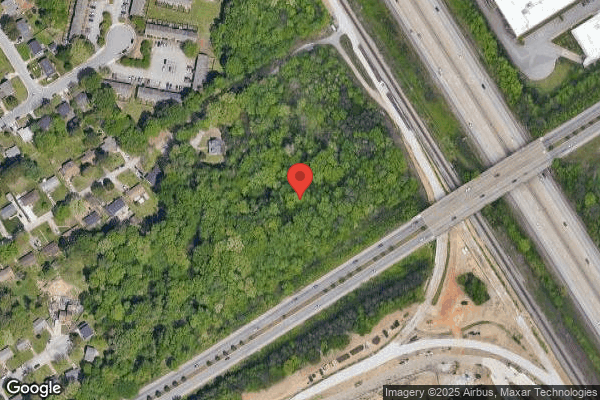
CONCERN (D) 📢 Someone Reported This

A family member, employee, or ombudsman was alarmed enough to file a formal complaint

Potential for Harm - no one hurt, but risky conditions existed

Deficiency F0725 (Tag F0725)

Could have caused harm · This affected 1 resident

**NOTE- TERMS IN BRACKETS HAVE BEEN EDITED TO PROTECT CONFIDENTIALITY** Based on resident interview, staff interview, clinical record review and facility document review, it was determined that the fa...

Read full inspector narrative →
**NOTE- TERMS IN BRACKETS HAVE BEEN EDITED TO PROTECT CONFIDENTIALITY** Based on resident interview, staff interview, clinical record review and facility document review, it was determined that the facility staff failed to ensure sufficient CNA (certified nursing assistant) staffing to provide care and services for one of 60 residents in the survey sample, Resident #2. The findings include: For Resident #2 (R2), the facility staff failed to ensure sufficient CNA staffing on the day shift (7:00 a.m. to 3:00 p.m.) of 3/13/2022 to provide adequate incontinence care. On the most recent MDS (minimum data set), an annual assessment with an ARD (assessment reference date) of 10/12/2023, R2 was assessed as scoring 14 out of 15 on the BIMS (brief interview for mental status) assessment, indicating the resident was cognitively intact. On the MDS assessment, a quarterly assessment with an ARD of 1/27/2022, R2 was assessed as requiring extensive assistance from two or more persons for toileting. On 12/5/2023 at 3:44 p.m., an interview was conducted with R2. R2 stated that they had no concerns with care received at the facility. R2 stated that there were times when they waited to be cleaned up after incontinence episodes and felt that they needed more help because they all worked so hard. Review of the facility synopsis of events dated 3/18/2022 documented in part, .On March 14, 2022, resident's representative alleged ADL (activities of daily living) care was not provided in a timely manner and reported to Administrator and DON (director of nursing). A head-to-toe assessment was completed, and investigation started immediately .Based on a thorough investigation, there is no evidence of willful intent of not providing ADL care to (name of R2) . Review of the as worked staffing sheet for the [NAME] unit documented two CNA staff working the day shift on 3/13/2022 with a census of 56 residents. On 12/7/2023 at 8:20 a.m., an interview was conducted with OSM (other staff member) #4 (the staffing coordinator). OSM #4 stated she staffed the [NAME] unit which had a total of 60 beds, with three nurses and six CNAs on the day shift, two nurses and five CNAs on the evening shift, and two nurses and two CNAs on the night shift. OSM #4 stated that when there was a staffing shortage and open spaces on the schedule, she contacted staff via email, phone, text and in person to ask if staff were willing to work extra shifts. OSM #4 stated that for the dates that there where a lot of openings, she offered monetary incentives for staff to work the extra shifts. On 12/7/2023 at 10:50 a.m., an interview was conducted with OSM #2, director of social services, grievance officer. OSM #2 stated that they had conversations and email correspondence with R2's family regarding the ADL care concerns on 3/13/2022. She stated that the former administrator and former director of nursing had conducted an investigation and had a follow up conference call with the family after the concern. On 12/7/2023 at 12:44 p.m., an interview was conducted with CNA #6. CNA #6 stated that they were working on 3/13/2022 on the [NAME] unit. She stated that she was a new CNA and it was the first time she had ever worked the unit with only two CNAs. She stated that she was working with a male CNA and she had to take the female residents who did not want male CNAs taking care of them. She stated that R2 was one of those residents. She stated that the male CNA no longer worked at the facility. She stated that she did the best that she could do with the residents that were assigned to her that day and got the residents up that had to be up, passed the meal trays and answered the call bells. She stated that there were about 58 residents on the unit and the two CNAs split the unit in half. She stated that she did not remember any empty rooms on the unit that day and everything seemed to take longer than usual. She stated that they did have a hospitality aide on the floor who could make beds, answer call bells, tidy up rooms and take out the trash but they could not provide any patient care. She stated that they had residents that had to be fed which took a while. She stated that she worked from 7:00 a.m. to 3:00 p.m. and R2 did ring the call bell requesting to be changed and she had told them that she would come back. She stated that she came back after her shift was over and told her that she had passed it to the next shift to make sure they were the first resident to be changed. She stated that she had to leave at the end of her shift and the male CNA had stayed over until the next CNA came in. CNA #6 stated that she did not recall R2 getting changed on her shift and the resident should not have gone all day and not been changed. On 12/7/2023 at 2:22 p.m., an interview was conducted with LPN (licensed practical nurse) #8. LPN #8 stated that they may have been working that day but they did not recall the incident. The administrator and DON at the time of the incident no longer worked at the facility. The facility assessment dated [DATE] documented in part, .Staff plan: Staffing is determined by a ratio and is adjusted based on the census, resident acuity, resident complexity, and the distribution of residents in the building. Staffing is adjusted based on the time of day and other resident needs as described in this document. Per diem agency staff are used as needed to maintain appropriate staffing levels, as needed. Staffing levels are determined on a day-to-day, shift-to-shift basis depending on those factors. We ensure there are enough nurses and CNAs who can work collaboratively as a team to ensure residents receive their medications, treatment, assessments, ADL care, showers, toileting assistance, help during meals, and other needs timely . On 12/7/2023 at 4:36 p.m., ASM (administrative staff member) #1, the administrator, ASM #2, the director of nursing and ASM #3, the chief nursing officer were made aware of the concern. No further information was provided prior to exit.
CONCERN (D)

Potential for Harm - no one hurt, but risky conditions existed

Deficiency F0740 (Tag F0740)

Could have caused harm · This affected 1 resident

**NOTE- TERMS IN BRACKETS HAVE BEEN EDITED TO PROTECT CONFIDENTIALITY** Based on resident interview, staff interview, facility document review and clinical record review, it was determined that the fa...

Read full inspector narrative →
**NOTE- TERMS IN BRACKETS HAVE BEEN EDITED TO PROTECT CONFIDENTIALITY** Based on resident interview, staff interview, facility document review and clinical record review, it was determined that the facility staff failed to provide necessary behavioral health care and services to attain or maintain the highest practicable physical, mental, and psychosocial well-being, in accordance with the comprehensive assessment and plan of care for one of 60 residents in the sample, Resident #115. The findings include: The facility staff failed to assess and implement psychosocial interventions for Resident #115, who had an admitting diagnosis of PTSD (post traumatic stress disorder) and was coded on admission MDS (minimum data set) assessment with an ARD (assessment reference date) of 4/30/23, Section I: Active Diagnosis: I6100: post-traumatic stress disorder- coded as present. Resident #115 was admitted to the facility on [DATE] with diagnosis that included but were not limited to: PTSD (post-traumatic stress disorder), CVA (cerebrovascular accident) and hemiplegia. The most recent MDS (minimum data set) assessment, a quarterly assessment, with an ARD (assessment reference date) of 10/24/23, coded the resident as scoring a 15 out of 15 on the BIMS (brief interview for mental status) score, indicating the resident was cognitively intact. A review of the MDS Section G-functional status coded the resident as requiring extensive assistance for bathing, bed mobility, transfer, dressing, hygiene and eating. A review of Section I: Medical Diagnosis: I6100. Post Traumatic Stress Disorder (PTSD)-coded yes. A review of the comprehensive care plan dated 8/10/23 revealed, FOCUS: Resident has a potential for alteration in wellbeing related to history of trauma, diagnosis of PTSD. INTERVENTIONS: Provide resident with supportive care and services to promote a sense of safety, well-being and positive self-image. Staff will use the appropriate screening tools and assessments to recognize past trauma and will make referrals, as necessary. Consult pastoral care, as needed. A review of the facility's Trauma Informed Care Screen dated 4/30/23 revealed, PTSD SCREEN READ: Sometimes things happen to people that are unusually or especially frightening, horrible, or traumatic. For example: *a serious accident or fire *a physical or sexual assault or abuse *an earthquake or flood *a war *seeing someone be killed or seriously injured *having a loved one die through homicide or suicide. Have you ever experienced this kind of event? Coded as No. If no, screen total = 0. Please stop here. If yes, please answer questions in the next section. A review of the physician orders does not indicate any psychiatry consult or orders to monitor behavior. A review of the MAR-TAR (medication administration record-treatment administration record) for September 2023-December 6, 2023, does not reveal any monitoring of behaviors. A review of the medical record does not reveal any social services follow up regarding trauma informed care from 5/1/23-12/6/23. A review of the physicians note dated 8/15/23 at 11:34 AM, revealed, CHIEF COMPLAINT Routine skilled inpatient follow-up visit: Resident is a [AGE] year-old. female with history of prior CVA with residual left hemiparesis and expressive aphasia, left intertrochanteric fracture fixation (4/7/23), breast cancer, hypertension and PTSD who presented to the facility from hospital for debility secondary to recent hospitalization. A review of the quarterly social services screening dated 8/21/23 revealed, Resident is alert and verbally responsive. Resident is noted to prefer to remain in her room in bed. Resident was a previous placement. She returned home and was readmitted to the facility less than a month following discharge. Resident is not noted to have made any significant changes from previous admission. Resident's son will like for her to return home when she is able to ambulate independently. Resident has diagnosis of PTSD with no noted medications. Resident is a DNR. No discharge plans are noted at this time. There are no other social services notes to indicate resident interviews regarding PTSD. An interview was conducted on 12/5/23 at 3:15 PM with Resident #115. When asked about trauma or stress, Resident #115 stated, there is nothing to talk about. I do not want to talk about it. An interview was conducted on 12/7/23 at 11:50 AM with LPN (licensed practical nurse) #5. When asked if there are specific interventions for trauma informed care, LPN #5 stated, we monitor behaviors, get a psychiatry consult, notify the provider if there are changes, minimize any triggers as much as possible and keep them calm and comfortable. An interview was conducted on 12/7/23 at 4:15 PM with OSM (other staff member) #2, the director of social services. When asked about trauma informed care for Resident #115, OSM #2 stated, for this resident, there are no triggers or behaviors, we would be looking for any adverse behaviors, for triggers to implement any care. When asked if there is a diagnosis of PTSD, would the diagnosis necessitate a plan? OSM #2 stated, just because there is a diagnosis, believe we would want behaviors and triggers. When asked about the care plan for Resident #115 regarding PTSD, OSM #2 stated, the IDT (interdisciplinary team) develops the care plan. When asked who is responsible for psychosocial well-being, OSM #2 stated, social services are responsible for psychosocial well-being of residents. On 12/7/23 at 4:45 PM, ASM (administrative staff member) #1, the administrator, ASM #2, the director of nursing and ASM #3, the chief nursing officer were made aware of the findings. A review of the facility's Trauma Informed Care policy, revealed, Staff are provided in-service training about trauma, its impact on health, and post-traumatic stress disorder in the context of the healthcare setting. The interdisciplinary team will make referrals to the attending practitioner as needed for mental health services. Mental health services may be provided in a variety of means, including, but not limited to: In-person counseling or psychotherapy services, Out-patient services, Telehealth services, Support groups, etc. The interdisciplinary team will develop a comprehensive care plan that addresses identified traumatic events and/or triggers in an effort to maintain an environment that will minimize re-traumatization for the resident. Approaches will be person centered and sensitive to the resident's culture, beliefs, and value. No further information was provided prior to exit.
CONCERN (D)

Potential for Harm - no one hurt, but risky conditions existed

Deficiency F0745 (Tag F0745)

Could have caused harm · This affected 1 resident

**NOTE- TERMS IN BRACKETS HAVE BEEN EDITED TO PROTECT CONFIDENTIALITY** Based on resident interview, staff interview, facility document review and clinical record review, it was determined that the fa...

Read full inspector narrative →
**NOTE- TERMS IN BRACKETS HAVE BEEN EDITED TO PROTECT CONFIDENTIALITY** Based on resident interview, staff interview, facility document review and clinical record review, it was determined that the facility staff failed to provide medically related social services for one of 60 residents in the sample Resident #115. The findings include: For Resident #115, the facility staff failed to provide psychosocial follow up following the resident being admitted with a diagnosis of PTSD (post-traumatic stress disorder). Resident #115 was admitted to the facility on [DATE] with diagnosis that included but were not limited to: PTSD (post-traumatic stress disorder), CVA (cerebrovascular accident) and hemiplegia. The most recent MDS (minimum data set) assessment, a quarterly assessment, with an ARD (assessment reference date) of 10/24/23, coded the resident as scoring a 15 out of 15 on the BIMS (brief interview for mental status) score, indicating the resident was cognitively intact. A review of the MDS Section G-functional status coded the resident as requiring extensive assistance for bathing, bed mobility, transfer, dressing, hygiene and eating. A review of Section I: Medical Diagnosis: I6100. Post Traumatic Stress Disorder (PTSD)-coded yes. A review of the comprehensive care plan dated 8/10/23 revealed, FOCUS: Resident has a potential for alteration in wellbeing related to history of trauma, diagnosis of PTSD. INTERVENTIONS: Provide resident with supportive care and services to promote a sense of safety, well-being and positive self-image. Staff will use the appropriate screening tools and assessments to recognize past trauma and will make referrals, as necessary. Consult pastoral care, as needed. A review of the facility's Trauma Informed Care Screen dated 4/30/23 revealed, PTSD SCREEN READ: Sometimes things happen to people that are unusually or especially frightening, horrible, or traumatic. For example: *a serious accident or fire *a physical or sexual assault or abuse *an earthquake or flood *a war *seeing someone be killed or seriously injured *having a loved one die through homicide or suicide. Have you ever experienced this kind of event? Coded as No. If no, screen total = 0. Please stop here. If yes, please answer questions in the next section. A review of the physician orders does not indicate any psychiatry consult or orders to monitor behavior. A review of the MAR-TAR (medication administration record-treatment administration record) for September 2023-December 6, 2023, does not reveal any monitoring of behaviors. A review of the medical record does not reveal any social services follow up regarding trauma informed care from 5/1/23-12/6/23. A review of the physicians note dated 8/15/23 at 11:34 AM, revealed, CHIEF COMPLAINT Routine skilled inpatient follow-up visit: Resident is a [AGE] year-old. female with history of prior CVA with residual left hemiparesis and expressive aphasia, left intertrochanteric fracture fixation (4/7/23), breast cancer, hypertension and PTSD who presented to the facility from hospital for debility secondary to recent hospitalization. A review of the quarterly social services screening dated 8/21/23 revealed, Resident is alert and verbally responsive. Resident is noted to prefer to remain in her room in bed. Resident was a previous placement. She returned home and was readmitted to the facility less than a month following discharge. Resident is not noted to have made any significant changes from previous admission. Resident's son will like for her to return home when she is able to ambulate independently. Resident has diagnosis of PTSD with no noted medications. Resident is a DNR. No discharge plans are noted at this time. There are no other social services notes to indicate resident interviews regarding PTSD. An interview was conducted on 12/5/23 at 3:15 PM with Resident #115. When asked about trauma or stress, Resident #115 stated, there is nothing to talk about. I do not want to talk about it. An interview was conducted on 12/7/23 at 11:50 AM with LPN (licensed practical nurse) #5. When asked if there are specific interventions for trauma informed care, LPN #5 stated, we monitor behaviors, get a psychiatry consult, notify the provider if there are changes, minimize any triggers as much as possible and keep them calm and comfortable. An interview was conducted on 12/7/23 at 4:15 PM with OSM (other staff member) #2, the director of social services. When asked about trauma informed care for Resident #115, OSM #2 stated, for this resident, there are no triggers or behaviors, we would be looking for any adverse behaviors, for triggers to implement any care. When asked if there is a diagnosis of PTSD, would the diagnosis necessitate a plan? OSM #2 stated, just because there is a diagnosis, believe we would want behaviors and triggers. When asked about the care plan for Resident #115 regarding PTSD, OSM #2 stated, the IDT (interdisciplinary team) develops the care plan. When asked who is responsible for psychosocial well-being, OSM #2 stated, social services are responsible for psychosocial well-being of residents. On 12/7/23 at 4:45 PM, ASM (administrative staff member) #1, the administrator, ASM #2, the director of nursing and ASM #3, the chief nursing officer were made aware of the findings. A review of the facility's social work job description reveals, Essential Job Functions: Provides exposure to, and an understanding of those services/programs that can enhance the patient's quality of life and independence as they transition back to their community. Responsible for all discharge planning, care planning, discharge notifications, PASRR forms, Medicaid applications, psychoactive monitoring, behavior monitoring, and assessment of the social and psychosocial needs of the patients. No further information was provided prior to exit.
CONCERN (D)

Potential for Harm - no one hurt, but risky conditions existed

Pharmacy Services (Tag F0755)

Could have caused harm · This affected 1 resident

**NOTE- TERMS IN BRACKETS HAVE BEEN EDITED TO PROTECT CONFIDENTIALITY** Based on staff interview, facility document review and clinical record review, it was determined that the facility staff failed ...

Read full inspector narrative →
**NOTE- TERMS IN BRACKETS HAVE BEEN EDITED TO PROTECT CONFIDENTIALITY** Based on staff interview, facility document review and clinical record review, it was determined that the facility staff failed to provide pharmacy services in a timely manner for one of 60 residents, Resident #49. The findings include: The facility staff failed to provide pharmacy services by administering medications as ordered, specifically ELIQUIS TAB 5MG (milligram), for Resident #49. Resident #49 was admitted to the facility on [DATE] with diagnosis that included but were not limited to: COPD (chronic obstructive pulmonary disease), cellulitis, ASCVD (atherosclerotic cardiovascular disease) and PVD (peripheral vascular disease). The most recent MDS (minimum data set) assessment, a quarterly assessment, with an ARD (assessment reference date) of 11/28/23, coded the resident as scoring a 15 out of 15 on the BIMS (brief interview for mental status) score, indicating the resident was cognitively intact. A review of the MDS Section G-functional status coded the resident as requiring extensive assistance for bathing and supervision for bed mobility, transfer, dressing, hygiene and eating; independent for locomotion. A review of the comprehensive care plan dated 5/22/23 revealed, FOCUS: Resident is on anticoagulant therapy (Eliquis) related to Atrial fibrillation. INTERVENTIONS: Administer ANTICOAGULANT medications as ordered by physician. Monitor for side effects and effectiveness Q-SHIFT. A review of the physician orders dated 6/19/23 orders revealed, ELIQUIS TAB 5MG (milligram), Give 1 tablet orally two times a day for Afib (atrial fibrillation). An interview was conducted on 12/5/23 at 3:40 PM with Resident #49. Resident #49 stated, in November, they did not give me my anticoagulant for several shifts. A review of the November 2023 MAR (medication administration record) revealed, ELIQUIS TAB 5MG Give 1 tablet orally two times a day for Afib, was coded 9-other see progress note for 11/12/23 8 AM and 9 PM and 11/13/23 at 8 AM. A review of the progress note dated 11/12/23 at 9:14 AM, revealed ELIQUIS TAB 5MG Give 1 tablet orally two times a day for Afib. Medication not given; Pharmacy did not send. Pharmacy notified; 11/13/23 at 9:30 AM revealed ELIQUIS TAB 5MG Give 1 tablet orally two times a day for Afib. Reorder. An interview was conducted 12/7/23 at 12:05 PM with LPN (licensed practical nurse) #5. When asked if medication is not available with the residents' medications, what is the process for obtaining the medications, LPN #5 stated, we reorder the medications from pharmacy and if we have it in the drug stock, we administer it from the stock. When asked the delivery process for medications, LPN #5 stated, they have a daily routine delivery and stat delivery. It looks like this was reordered and still did not come in for three administrations. On 12/7/23 at 4:45 PM, ASM (administrative staff member) #1, the administrator, ASM #2, the director of nursing and ASM #3, the chief nursing officer were made aware of the findings. According to the facility's Medication Ordering and Receipt policy, which revealed, Pharmacy delivers medications according to an established schedule. Orders received by the pharmacy before the designated fax cut-off time will be sent on the Facility's regular scheduled delivery. Orders received by the pharmacy after the designated fax cut-off time and required the same night, must be called to the pharmacy and requested for same day delivery. No further information was provided prior to exit.
CONCERN (E)

Potential for Harm - no one hurt, but risky conditions existed

Transfer Notice (Tag F0623)

Could have caused harm · This affected multiple residents

**NOTE- TERMS IN BRACKETS HAVE BEEN EDITED TO PROTECT CONFIDENTIALITY** Based on staff interview, clinical record review and facility document review, it was determined the facility staff failed to pr...

Read full inspector narrative →
**NOTE- TERMS IN BRACKETS HAVE BEEN EDITED TO PROTECT CONFIDENTIALITY** Based on staff interview, clinical record review and facility document review, it was determined the facility staff failed to provide evidence of written RP (responsible party) notification was provided when four of 60 residents in the survey sample who were transferred to the hospital, Residents #49, Resident #58, Resident #8 and Resident #60. The findings include: 1. The facility staff failed to evidence provision of required written RP (responsible party) notification at the time of discharge for Resident #49. Resident #49 was transferred to the hospital on [DATE] and 11/7/23. Resident #49 was admitted to the facility on [DATE] with diagnosis that included but were not limited to: COPD (chronic obstructive pulmonary disease), cellulitis, ASCVD (atherosclerotic cardiovascular disease) and PVD (peripheral vascular disease). The most recent MDS (minimum data set) assessment, a quarterly assessment, with an ARD (assessment reference date) of 11/28/23, coded the resident as scoring a 15 out of 15 on the BIMS (brief interview for mental status) score, indicating the resident was cognitively intact. A review of the MDS Section G-functional status coded the resident as requiring extensive assistance for bathing and supervision for bed mobility, transfer, dressing, hygiene and eating; independent for locomotion. A review of the comprehensive care plan dated 7/3/23 revealed, FOCUS: Resident desires to remain in facility to receive continued services. INTERVENTIONS: Provide services according to care plans in an effort to enhance optimum well-being. Siderails x2, limited assist x1: dressing, toileting and personal hygiene. Extensive assist x1 showers and incontinence care. There was no evidence of provision of required written RP notification when Resident #49 was sent to the hospital on [DATE] and 11/7/23. A review of the progress note dated 10/16/23 at 5:09 PM, revealed, Nursing observations, evaluation, and recommendations are: Resident bumped into a chair with her motorized wheelchair. A hematoma formed on RLE (right lower extremity). It was evaluated by in house Provider who wants patient to go to ED (emergency department) due to infected hematoma to RLE. A review of the progress note dated 11/7/23 at 10:23 AM, revealed, Today, nursing requested for patient to be seen for right leg nodule increased in size, firm to touch and painful. Patient is sitting up in wheelchair ready dressed for her eye appointment at 12 noon. patient stated right leg is infected and painful. discussed will transfer back to emergency room for evaluation and drain hematoma surgically since procedure cannot be done at the facility. Nursing made aware that patient can be sent out when she comes back from her eye appointment. An interview was conducted on 12/6/23 at 3:00 PM with LPN (licensed practical nurse) #4. When asked for evidence of written RP notification, LPN #4 stated, we call the RP and document it, but we do not provide any written notification. I do not know who does this. An interview was conducted on 12/6/23 at 3:10 PM with OSM (other staff member) #1, the social worker. When asked for evidence of written RP notification, OSM #1 stated, we do not provide written notification. I do not know what the nurses do. On 12/7/23 at 4:45 PM, ASM (administrative staff member) #1, the administrator, ASM #2, the director of nursing and ASM #3, the chief nursing officer were made aware of the findings. A review of the facilities Transfer and Discharge policy revealed, Before a facility transfers or discharges a resident, the facility will notify the resident and the resident's representative(s) of the transfer or discharge and the reasons for the move in writing and in a language and manner they understand. No further information was provided prior to exit. 2. The facility staff failed to evidence provision of required written RP notification at the time of discharge for Resident #58. Resident #58 was transferred to the hospital on [DATE]. Resident #58 was admitted to the facility on [DATE] with diagnosis that included but were not limited to: COPD (chronic obstructive pulmonary disease), dysphagia and acute respiratory failure. The most recent MDS (minimum data set) assessment, a quarterly assessment, with an ARD (assessment reference date) of 11/7/23, coded the resident as scoring a 05 out of 15 on the BIMS (brief interview for mental status) score, indicating the resident was severely cognitively impaired. A review of the MDS Section G-functional status coded the resident as requiring extensive assistance for bathing, bed mobility; limited assistance for transfers and supervision for eating. A review of the comprehensive care plan dated 8/22/23 revealed, FOCUS: Resident desires to remain in facility to receive continued services. INTERVENTIONS: Provide services according to care plans in an effort to enhance optimum well-being. Siderails x2, total dependence x 2 transfers, extensive assist x1: bed mobility, dressing, toileting and personal hygiene. There was no evidence of provision of required written RP notification when Resident #58 was sent to the hospital on [DATE]. A review of the progress note dated 11/22/23 at 2:15 PM, revealed, Patient was assessed by NP (nurse practitioner). NP ordered to send patient out via emergent, related to hypoxia with slight shortness of breath, oxygen saturation at 88% via 4 liters nasal cannula. Patient tested positive for COVID 11/21/23. An interview was conducted on 12/6/23 at 3:00 PM with LPN (licensed practical nurse) #4. When asked for evidence of written RP notification, LPN #4 stated, we call the RP and document it, but we do not provide any written notification. I do not know who does this. An interview was conducted on 12/6/23 at 3:10 PM with OSM (other staff member) #1, the social worker. When asked for evidence of written RP notification, OSM #1 stated, we do not provide written notification. I do not know what the nurses do. On 12/7/23 at 4:45 PM, ASM (administrative staff member) #1, the administrator, ASM #2, the director of nursing and ASM #3, the chief nursing officer were made aware of the findings. No further information was provided prior to exit. 3. The facility staff failed to evidence provision of required written RP notification at the time of discharge for Resident #8. Resident #8 was transferred to the hospital on [DATE]. Resident #8 was admitted to the facility on [DATE] with diagnosis that included but were not limited to: DM (diabetes mellitus), neurogenic bladder and paraplegia. The most recent MDS (minimum data set) assessment, a quarterly assessment, with an ARD (assessment reference date) of 10/17/23, coded the resident as scoring a 15 out of 15 on the BIMS (brief interview for mental status) score, indicating the resident was cognitively intact. A review of the MDS Section G-functional status coded the resident as requiring extensive assistance for bathing, bed mobility, transfer, dressing, hygiene and limited assistance for eating. A review of the comprehensive care plan dated 1/30/23 revealed, FOCUS: Resident desires to remain in facility to receive continued services. INTERVENTIONS: Provide services according to care plans in an effort to enhance optimum well-being. Siderails x2, overbed trapeze, extensive assist x1: dressing, toileting and personal hygiene. Extensive assist x1 showers and incontinence care. There was no evidence of provision of required written RP notification when Resident #49 was sent to the hospital on [DATE]. A review of the progress note dated 10/31/23 at 9:56 AM, revealed, Neurological Status Evaluation: Seizure Nursing observations, evaluation, and recommendations are: Primary Care Provider Feedback: physician was present in room during seizure activity, transport to ED. An interview was conducted on 12/6/23 at 3:00 PM with LPN (licensed practical nurse) #4. When asked for evidence of written RP notification, LPN #4 stated, we call the RP and document it, but we do not provide any written notification. I do not know who does this. An interview was conducted on 12/6/23 at 3:10 PM with OSM (other staff member) #1, the social worker. When asked for evidence of written RP notification, OSM #1 stated, we do not provide written notification. I do not know what the nurses do. On 12/7/23 at 4:45 PM, ASM (administrative staff member) #1, the administrator, ASM #2, the director of nursing and ASM #3, the chief nursing officer were made aware of the findings. No further information was provided prior to exit. 4. The facility staff failed to evidence provision of required written RP (responsible party) notification at the time of discharge for Resident #60. Resident #60 was transferred to the hospital on 8/16/23. Resident #60 was admitted to the facility on [DATE] with diagnosis that included but were not limited to: ESRD (end stage renal disease), DM, CVA (cerebrovascular accident) and hypertension. The most recent MDS (minimum data set) assessment, a quarterly assessment, with an ARD (assessment reference date) of 10/31/23, coded the resident as scoring a 13 out of 15 on the BIMS (brief interview for mental status) score, indicating the resident was cognitively intact. A review of the MDS Section G-functional status coded the resident as requiring limited assistance for bathing, bed mobility, transfer, dressing, hygiene and eating. A review of the comprehensive care plan dated 5/30/23 revealed, FOCUS: Resident desires to remain in facility to receive continued services. INTERVENTIONS: Provide services according to care plans in an effort to enhance optimum well-being. Siderails x2, limited assist x1: dressing, toileting, showers, incontinence care and personal hygiene. Extensive assist x1: transfers. There was no evidence of provision of required written RP notification when Resident #60 was sent to the hospital on 8/16/23. A review of the progress note dated 8/16/23 at 5:09 PM, revealed, Resident was sent to the ER from dialysis due to bleeding coming from his fistula site. An interview was conducted on 12/6/23 at 3:00 PM with LPN (licensed practical nurse) #4. When asked for evidence of written RP notification, LPN #4 stated, we call the RP and document it, but we do not provide any written notification. I do not know who does this. An interview was conducted on 12/6/23 at 3:10 PM with OSM (other staff member) #1, the social worker. When asked for evidence of written RP notification, OSM #1 stated, we do not provide written notification. I do not know what the nurses do. On 12/7/23 at 4:45 PM, ASM (administrative staff member) #1, the administrator, ASM #2, the director of nursing and ASM #3, the chief nursing officer were made aware of the findings. No further information was provided prior to exit.
CONCERN (E)

Potential for Harm - no one hurt, but risky conditions existed

Comprehensive Care Plan (Tag F0656)

Could have caused harm · This affected multiple residents

**NOTE- TERMS IN BRACKETS HAVE BEEN EDITED TO PROTECT CONFIDENTIALITY** 3. The facility staff failed to implement the comprehensive care plan for medications as ordered for Resident #49. Resident #49 ...

Read full inspector narrative →
**NOTE- TERMS IN BRACKETS HAVE BEEN EDITED TO PROTECT CONFIDENTIALITY** 3. The facility staff failed to implement the comprehensive care plan for medications as ordered for Resident #49. Resident #49 was admitted to the facility on [DATE] with diagnosis that included but were not limited to: COPD (chronic obstructive pulmonary disease), cellulitis, ASCVD (atherosclerotic cardiovascular disease) and PVD (peripheral vascular disease). The most recent MDS (minimum data set) assessment, a quarterly assessment, with an ARD (assessment reference date) of 11/28/23, coded the resident as scoring a 15 out of 15 on the BIMS (brief interview for mental status) score, indicating the resident was cognitively intact. A review of the MDS Section G-functional status coded the resident as requiring extensive assistance for bathing and supervision for bed mobility, transfer, dressing, hygiene and eating; independent for locomotion. A review of the comprehensive care plan dated 5/22/23 revealed, FOCUS: Resident is prescribed fluoxetine for diagnosis of major depressive disorder. Resident is on anticoagulant therapy (Eliquis) related to Atrial fibrillation. INTERVENTIONS: Administer medications as ordered by provider. Monitor for side effects and effectiveness. Administer ANTICOAGULANT medications as ordered by physician. Monitor for side effects and effectiveness Q-SHIFT. A review of the physician orders dated 12/4/22, revealed Fluoxetine CAP 40MG (milligram) Give 1 capsule orally one time a day for Depression; and 6/19/23 orders revealed, ELIQUIS TAB 5MG (milligram), Give 1 tablet orally two times a day for Afib (atrial fibrillation). An interview was conducted on 12/5/23 at 3:40 PM with Resident #49. Resident #49 stated, in November, they did not give me my anticoagulant and my antidepressant for several shift. A review of the November 2023 MAR (medication administration record) revealed, ELIQUIS TAB 5MG Give 1 tablet orally two times a day for Afib, was coded 9-other see progress note for 11/12/23 8 AM and 9 PM and 11/13/23 at 8 AM; and Fluoxetine 40 mg give 1 capsule orally one time a day for depression was coded 9-other see progress note for 11/13/23 8 AM. A review of the progress note dated 11/12/23 at 9:14 AM, revealed ELIQUIS TAB 5MG Give 1 tablet orally two times a day for Afib. Medication not given; Pharmacy did not send. Pharmacy notified; 11/13/23 at 9:30 AM revealed ELIQUIS TAB 5MG Give 1 tablet orally two times a day for Afib. Reorder; 11/13/23 at 9:31 AM revealed Fluoxetine CAP 40MG Give 1 capsule orally one time a day for Depression. Reorder. An interview was conducted 12/7/23 at 12:05 PM with LPN (licensed practical nurse) #5. When asked if the care plan reveals to administer medications as ordered and there is no evidence of the administration, is the care plan implemented, LPN #5 stated, no, it is not being followed. On 12/7/23 at 4:45 PM, ASM (administrative staff member) #1, the administrator, ASM #2, the director of nursing and ASM #3, the chief nursing officer were made aware of the findings. No further information was provided prior to exit. 4. The facility staff failed to implement the comprehensive care plan for dialysis care as ordered for Resident #60. Resident #60 was admitted to the facility on [DATE] with diagnosis that included but were not limited to: ESRD (end stage renal disease), DM, CVA (cerebrovascular accident) and hypertension. The most recent MDS (minimum data set) assessment, a quarterly assessment, with an ARD (assessment reference date) of 10/31/23, coded the resident as scoring a 13 out of 15 on the BIMS (brief interview for mental status) score, indicating the resident was cognitively intact. A review of the MDS Section G-functional status coded the resident as requiring limited assistance for bathing, bed mobility, transfer, dressing, hygiene and eating. A review of the comprehensive care plan dated 11/7/23 revealed, FOCUS: Resident needs dialysis (hemodialysis) HD three days a week on Monday, Wednesday and Friday related to renal failure. INTERVENTIONS: Monitor/document/report as needed for signs/symptoms of renal insufficiency: changes in level of consciousness, changes in skin turgor, oral mucosa, changes in heart and lung sounds. Revised interventions dated 12/7/23 revealed, Monitor dialysis access site left arm every shift for bleeding or signs/symptoms of infection. If observed, notify provider and document. A review of the physician orders dated 9/24/23, revealed, DIALYSIS - Attends Dialysis on Monday-Wednesday-Friday for dialysis time at 0515. Assess fistula for bruit and thrill every shift. NOTIFY PROVIDER immediately if not present. Every shift for fistula. Discontinue date of orders 10/5/23. Resident continued to go to dialysis Monday-Wednesday-Friday. A review of Resident #60's dialysis communication book revealed, missing documentation 34 out of 41 dialysis appointments. September 2023: 9/1, 9/6, 9/11, 9/18, 9/20, 9/22, 9/27; October 2023: 10/2, 10/6, 10/9, 10/11, 10/13, 10/16, 10/18, 10/20, 10/23, 10/25, 10/27, 10/30; November: 11/1, 11/3, 11/6, 11/8, 11/10, 11/13, 11/15, 11/17, 11/20, 11/22, 11/24, 11/27, 11/29 and December: 12/1 and 12/4. A review of Resident #60's TAR (treatment administration record) for October, November and to December 6, 2023, for a total of 61-day shifts, 61-evening shifts and 61-night shift. Resident #60 was either sleeping or unavailable for interview. An interview was conducted 12/7/23 at 12:05 PM with LPN (licensed practical nurse) #5. When asked if the care plan reveals to assess the bruit and thrill and there is no evidence of the assessment, is the care plan implemented, LPN #5 stated, no, it is not being followed. On 12/7/23 at 4:45 PM, ASM (administrative staff member) #1, the administrator, ASM #2, the director of nursing and ASM #3, the chief nursing officer were made aware of the findings. No further information was provided prior to exit. 5. The facility staff failed to implement the comprehensive care plan for dialysis care as ordered for Resident #115. Resident #115 was admitted to the facility on [DATE] with diagnosis that included but were not limited to: PTSD (post-traumatic stress disorder), CVA (cerebrovascular accident) and hemiplegia. The most recent MDS (minimum data set) assessment, a quarterly assessment, with an ARD (assessment reference date) of 10/24/23, coded the resident as scoring a 15 out of 15 on the BIMS (brief interview for mental status) score, indicating the resident was cognitively intact. A review of the MDS Section G-functional status coded the resident as requiring extensive assistance for bathing, bed mobility, transfer, dressing, hygiene and eating. A review of Section I: Medical Diagnosis: I6100. Post Traumatic Stress Disorder (PTSD)-coded yes. A review of the comprehensive care plan dated 8/10/23 revealed, FOCUS: Resident has a potential for alteration in wellbeing related to history of trauma, diagnosis of PTSD. INTERVENTIONS: Provide resident with supportive care and services to promote a sense of safety, well-being and positive self-image. Staff will use the appropriate screening tools and assessments to recognize past trauma and will make referrals, as necessary. Consult pastoral care, as needed. An interview was conducted on 12/5/23 at 3:15 PM with Resident #115. When asked about trauma or stress, Resident #115 stated, there is nothing to talk about. I do not want to talk about it. An interview was conducted 12/7/23 at 12:05 PM with LPN (licensed practical nurse) #5. When asked if the care plan reveals to provide interventions related to PTSD and there is no evidence of any interventions, is the care plan implemented, LPN #5 stated, no, it is not being followed. On 12/7/23 at 4:45 PM, ASM (administrative staff member) #1, the administrator, ASM #2, the director of nursing and ASM #3, the chief nursing officer were made aware of the findings. No further information was provided prior to exit. Based on observation, resident interview, staff interview, facility document review, and clinical record review, the facility staff failed to develop and/or implement the care plan for seven of 60 residents in the survey sample, Residents #59, #70, #49, #115, #60, #23, and #134. The findings include: 1. For Resident #59 (R59), the facility staff failed to develop a care plan for the resident's ADL (activities of daily living) needs. On R59's most recent MDS (minimum data set), a quarterly assessment with an ARD (assessment reference date) of 10/10/23, R59 was coded as having no cognitive impairment for making daily decisions, having scored 15 out of 15 on the BIMS (brief interview for mental status). On 12/6/23 at 10:23 a.m., R59 was observed sitting up in bed. He stated he received assistance from the facility staff for his daily needs, including dressing, bathing, and personal hygiene. A review of R59's comprehensive care plan dated 12/1/22 revealed no information related to the assistance the resident requires for ADL performance. On 12/7/23 at 8:19 a.m., RN (registered nurse) #2, the MDS coordinator, was interviewed. She stated the MDS staff open up the comprehensive care plan as soon as possible after a resident is admitted . She stated she interviews the resident, interviews staff members, reviews the information from the hospital, and looks at the diagnosis list, physician's orders, and assessments from the facility staff to formulate the comprehensive care plan. After reviewing R59's care plan, she stated she did not see his ADL assistance anywhere on the document. She stated his ADL assistance should have been included on the care plan. On 12/07/23 at 4:33 p.m., ASM (administrative staff member) #1, the administrator, ASM #2, the director of nursing, and ASM #3, the chief nursing officer, were informed of these concerns. A review of the facility policy, Comprehensive Care Planning, revealed, in part: The facility must work with the resident and their representative, if applicable, to understand and meet the resident's preferences, choices, and goals while they are at the facility .The facility must establish, document and implement the care and services to be provided to each resident to assist in attaining or maintaining his or her highest practicable quality of life. A comprehensive care plan must be developed and implemented no later than day 21 of the resident's admission to the facility .The facility must develop care plans that describe the resident's medical, nursing, physical, mental, and psychosocial needs and preferences and how the facility will assist in meeting these needs and preferences. Care plans must include person-specific, measurable objectives and timeframes in order to evaluate the resident's progress toward their goal(s). No further information was provided prior to exit. 2. For Resident #70 (R70), the facility staff failed to develop a care plan for the resident's use of an anticoagulant. A review of R70's physician's orders December 2023 MAR (medication administration record) revealed R70 was receiving Eliquis, and anticoagulant, every day. A review of R70's care plan dated 9/11/23 failed to reveal any information related to the resident's receiving an anticoagulant. On 12/7/23 at 8:19 a.m., RN (registered nurse) #2, the MDS coordinator, was interviewed. She stated the MDS staff open up the comprehensive care plan as soon as possible after a resident is admitted . She stated she interviews the resident, interviews staff members, reviews the information from the hospital, and looks at the diagnosis list, physician's orders, and assessments from the facility staff to formulate the comprehensive care plan. After reviewing R70's care plan, she stated she did not see the resident's anticoagulant anywhere on the document. She stated the anticoagulant should be included in the care plan. On 12/07/23 at 4:33 p.m., ASM (administrative staff member) #1, the administrator, ASM #2, the director of nursing, and ASM #3, the chief nursing officer, were informed of these concerns. No further information was provided prior to exit. 6. For Resident #23 (R23), the facility staff failed to implement the resident's comprehensive care plan for pain. On the most recent MDS (minimum data set), a quarterly assessment with an ARD (assessment reference date) of 11/14/23, the resident scored 15 out of 15 on the BIMS (brief interview for mental status), indicating the resident was cognitively intact for making daily decisions. A review of R23's clinical record revealed a physician's order dated 3/15/23 for acetaminophen (Tylenol) 325 milligrams- give 650 milligrams by mouth every six hours as needed for pain. R23's comprehensive care plan dated 8/29/23 documented, (R23) is at risk for pain r/t (related to) a history of polio, UC (ulcerative colitis). Anticipate the resident's need for pain relief and respond immediately to any complaint of pain . On 12/5/23 at 4:16 p.m., R23 was lying in bed. The resident stated her right leg was hurting and the facility staff had not done anything for her pain. A note signed by the nurse practitioner on 12/5/23 documented, Seen today in bed resting. She is alert and following commands. She denies any fevers or chills. She complains of right leg pain and requests for pian [sic] medicine, discussed will ask nurse to medicate . Further review of R23's clinical record failed to reveal acetaminophen was administered to the resident and failed to reveal non-pharmacological interventions were offered to the resident. On 12/6/23 at 8:29 a.m., R23 was lying in bed. The resident stated the staff still had not done anything to treat her leg pain. On 12/6/23 at 2:43 p.m., an interview was conducted with LPN (licensed practical nurse) #4 (the nurse who cared for R23 on 12/5/23 when the nurse practitioner wrote the note). LPN #4 stated the purpose of the care plan is to know how to care for the resident. LPN #4 stated nurses implement the care plan by checking physician's orders and she was not sure if she could see residents' care plans in the computer system. LPN #4 stated that on 12/5/23, she was not aware of R23's right leg pain, and the nurse practitioner never reported the pain to her or asked her to medicate the resident. On 12/6/23 at 5:10 p.m., ASM (administrative staff member) #1 (the administrator) and ASM #2 (the director of nursing) were made aware of the above concern. 7. For Resident #134 the facility staff failed to follow the comprehensive care plan for monitoring for the use of psychotropic medications. A review of the clinical record revealed a physician's order dated 9/13/23 for Trazodone (1) Oral Tablet 50 MG, Give 0.5 mg by mouth at bedtime for per psych. A review of the clinical record revealed a physician's order dated 9/13/23 for Risperdal (2) Oral Tablet 0.5 MG (milligrams) (Risperidone) Give 1 tablet by mouth at bedtime for psychotic disturbance. Further review failed to reveal any orders for staff monitoring for the use of Trazodone, including monitoring for signs and symptoms of depression, effectiveness, side effects and adverse reactions; and for the use of Risperdal, including behavior, effectiveness, side effects, and adverse reactions to an antipsychotic medication. A review of the MAR (Medication Administration Record) and TAR (Treatment Administration Record) for August 2023 through December 2023 was conducted. There was no line item for the use of Trazodone that included signs and symptoms of depression, effectiveness, side effects and adverse reactions for documenting that the required monitoring was done. Also, there was no line item for monitoring for the use of Risperdal that included behaviors, side effects and adverse reactions for documenting that the required monitoring was done. A review of the progress notes failed to reveal consistent evidence that staff were monitoring for the use of Trazodone, including signs and symptoms of depression, effectiveness, side effects and adverse reactions. The progress notes also failed to reveal consistent evidence that staff were monitoring the use of Risperdal, including behavior, effectiveness, side effects, and adverse reactions to an antipsychotic medication. A review of the comprehensive care plan included one dated 8/9/23 for (Resident #134) uses psychotropic medications (Trazodone and Risperdal) medications) r/t (related to) Disease process (Vascular Dementia Severe with Psychotic Disturbances). This care plan included an intervention dated 5/1/23 for Monitor/document/report PRN (as-needed) any adverse reactions of PSYCHOTROPIC medications: unsteady gait, tardive dyskinesia, EPS (Extrapyramidal symptoms) (shuffling gait, rigid muscles, shaking), frequent falls, refusal to eat, difficulty swallowing, dry mouth, depression, suicidal ideations, social isolation, blurred vision, diarrhea, fatigue, insomnia, loss of appetite, weight loss, muscle cramps nausea, vomiting, behavior symptoms not usual to the person. On 12/6/23 at 4:31 p.m., an interview was conducted with RN (Registered Nurse) #1. RN #1 stated the purpose of the care plan is that, It tells the story of the resident. It's how we communicate residents' individual needs. On 12/8/23 at 8:20 AM, an interview was conducted with LPN #9 (Licensed Practical Nurse). When asked if the care plan included to monitor and document, and there isn't consistent documentation of monitoring then was the care plan being followed, she stated that she believed it was being followed if they chart by exception any noted behaviors. She stated it would be more efficient if there was an order to check off for monitoring. The facility policy, Care Planning documented, .Each resident will have a person-centered comprehensive care plan developed and implemented to meet his or her preferences and goals, and address the resident's medical, physical, mental and psychosocial needs. On 12/7/23 at 4:50 PM at the end-of-day meeting, ASM #1 (Administrative Staff Member) the Administrator and ASM #2 the Director of Nursing were made aware of the findings. No further information was provided by the end of the survey. (1) Trazodone is used to treat depression. Information obtained from https://medlineplus.gov/druginfo/meds/a681038.html (2) Risperdal is an antipsychotic. Information obtained from https://medlineplus.gov/druginfo/meds/a694015.html
CONCERN (E) 📢 Someone Reported This

A family member, employee, or ombudsman was alarmed enough to file a formal complaint

Potential for Harm - no one hurt, but risky conditions existed

Deficiency F0676 (Tag F0676)

Could have caused harm · This affected multiple residents

**NOTE- TERMS IN BRACKETS HAVE BEEN EDITED TO PROTECT CONFIDENTIALITY** Based on resident and staff interview, clinical record review and facility document review, it was determined the facility staff...

Read full inspector narrative →
**NOTE- TERMS IN BRACKETS HAVE BEEN EDITED TO PROTECT CONFIDENTIALITY** Based on resident and staff interview, clinical record review and facility document review, it was determined the facility staff failed to provide evidence of providing ADLs (activities of daily living) care to maintain abilities for two of 60 residents, Resident #49 and Resident #8. 1.The findings include: The facility staff failed to provide evidence of bathing and showers for Resident #49. Resident #49 was admitted to the facility on [DATE] with diagnosis that included but were not limited to: COPD (chronic obstructive pulmonary disease), cellulitis, ASCVD (atherosclerotic cardiovascular disease) and PVD (peripheral vascular disease). The most recent MDS (minimum data set) assessment, a quarterly assessment, with an ARD (assessment reference date) of 11/28/23, coded the resident as scoring a 15 out of 15 on the BIMS (brief interview for mental status) score, indicating the resident was cognitively intact. A review of the MDS Section G-functional status coded the resident as requiring extensive assistance for bathing and supervision for bed mobility, transfer, dressing, hygiene and eating; independent for locomotion. A review of the comprehensive care plan dated 7/3/23 revealed, FOCUS: Resident desires to remain in facility to receive continued services. INTERVENTIONS: Provide services according to care plans in an effort to enhance optimum well-being. Siderails x2, limited assist x1: dressing, toileting and personal hygiene. Extensive assist x1 showers and incontinence care. A review of October 2023 shower ADL documentation revealed that three of eight days are missing: 10/11, 10/14 and 10/18. A review of November 2023 shower ADL documentation revealed that five of nine days are missing: 11/1, 11/8, 11/15, 11/18 and11/22. An interview was conducted on 12/7/23 at 12:30 PM with CNA (certified nursing assistant) #2. When asked where bathing and showers are documented, CNA #2 stated, we document our showers in PCC (Point Click Care) there is no book. When asked what it indicates if there are blanks in the documentation, CNA #2 stated, the bathing and showers were not done. When asked what it indicates if NA is documented, CNA #2 stated, that is not applicable, that does not make any sense. An interview was conducted on 12/7/23 at 4:00 PM with CNA #3. When asked where showers are documented, CNA #3 stated, they are documented in PCC. When asked what it indicates if there are blanks in the documentation, CNA #3 stated, it means that the showers were not done. An interview was conducted on 12/8/23 at 8:15 AM with CNA #4. When asked the frequency of showers and where they are documented, CNA #4 stated, they are twice a week and are documented in PCC. When asked what it indicates if there are blanks in the documentation, CNA #4 stated, it was not done. On 12/7/23 at 4:45 PM, ASM (administrative staff member) #1, the administrator, ASM #2, the director of nursing and ASM #3, the chief nursing officer were made aware of the findings. A review of the facility's Routine Care and Activities of Daily Living policy revealed, Provision of care and services will be based on a comprehensive assessment and consistent with resident needs and choices. Documentation of routine care and activities of daily living will be documented in the EMR (electronic medical record) touchscreen and will align with definitions in the state's RAI (Resident Assessment Instrument) manual. Residents who are unable to carry out activities of daily living will receive the necessary services to maintain and maximize their functional abilities. No further information was provided prior to exit. 2. The findings include: The facility staff failed to provide evidence of bathing and showers for Resident #8. Resident #8 was admitted to the facility on [DATE] with diagnosis that included but were not limited to: DM (diabetes mellitus), neurogenic bladder and paraplegia. The most recent MDS (minimum data set) assessment, a quarterly assessment, with an ARD (assessment reference date) of 10/17/23, coded the resident as scoring a 15 out of 15 on the BIMS (brief interview for mental status) score, indicating the resident was cognitively intact. A review of the MDS Section G-functional status coded the resident as requiring extensive assistance for bathing, bed mobility, transfer, dressing, hygiene and limited assistance for eating. A review of the comprehensive care plan dated 1/30/23 revealed, FOCUS: Resident desires to remain in facility to receive continued services. INTERVENTIONS: Provide services according to care plans in an effort to enhance optimum well-being. Siderails x2, overbed trapeze, extensive assist x1: dressing, toileting and personal hygiene. Extensive assist x1 showers and incontinence care. A review of September 2023 shower ADL documentation revealed that six of eight days are missing: 9/6, 9/13, 9/16, 9/20, 9/23 and 9/27; personal hygiene/grooming documentation revealed that five of 30 days are missing: 9/2, 9/4, 9/8, 9/23, and 9/25. A review of October 2023 shower ADL documentation revealed that five of nine days are missing: 10/6, 10/10, 10/17, 10/27 and 10/31; personal hygiene/grooming documentation revealed that six of 31 days are missing: 10/6, 10/10, 10/17, 10/26, 10/27 and 10/31. A review of November 2023 shower ADL documentation revealed that one of seven days are missing: 11/17; personal hygiene/grooming documentation revealed that five of 24 days are missing: 11/12, 11/14, 11/17, 11/19 and 11/25. An interview was conducted on 12/7/23 at 12:30 PM with CNA (certified nursing assistant) #2. When asked where bathing and showers are documented, CNA #2 stated, we document our showers in PCC (Point Click Care) there is no book. When asked what it indicates if there are blanks in the documentation, CNA #2 stated, the bathing and showers were not done. When asked what it indicates if NA is documented, CNA #2 stated, that is not applicable, that does not make any sense. An interview was conducted on 12/7/23 at 4:00 PM with CNA #3. When asked where showers are documented, CNA #3 stated, they are documented in PCC. When asked what it indicates if there are blanks in the documentation, CNA #3 stated, it means that the showers were not done. An interview was conducted on 12/8/23 at 8:15 AM with CNA #4. When asked the frequency of showers and where they are documented, CNA #4 stated, they are twice a week and are documented in PCC. When asked what it indicates if there are blanks in the documentation, CNA #4 stated, it was not done. On 12/7/23 at 4:45 PM, ASM (administrative staff member) #1, the administrator, ASM #2, the director of nursing and ASM #3, the chief nursing officer were made aware of the findings. No further information was provided prior to exit.
CONCERN (E)

Potential for Harm - no one hurt, but risky conditions existed

Deficiency F0698 (Tag F0698)

Could have caused harm · This affected multiple residents

**NOTE- TERMS IN BRACKETS HAVE BEEN EDITED TO PROTECT CONFIDENTIALITY** 2. For Resident #60, the facility failed to provide dialysis communication from the facility to the dialysis center. Resident #6...

Read full inspector narrative →
**NOTE- TERMS IN BRACKETS HAVE BEEN EDITED TO PROTECT CONFIDENTIALITY** 2. For Resident #60, the facility failed to provide dialysis communication from the facility to the dialysis center. Resident #60 was admitted to the facility on [DATE] with diagnosis that included but were not limited to: ESRD (end stage renal disease), DM, CVA (cerebrovascular accident) and hypertension. The most recent MDS (minimum data set) assessment, a quarterly assessment, with an ARD (assessment reference date) of 10/31/23, coded the resident as scoring a 13 out of 15 on the BIMS (brief interview for mental status) score, indicating the resident was cognitively intact. A review of the MDS Section G-functional status coded the resident as requiring limited assistance for bathing, bed mobility, transfer, dressing, hygiene and eating. A review of the comprehensive care plan dated 11/7/23 revealed, FOCUS: Resident needs dialysis (hemodialysis) HD three days a week on Monday, Wednesday and Friday related to renal failure. INTERVENTIONS: Monitor/document/report as needed for signs/symptoms of renal insufficiency: changes in level of consciousness, changes in skin turgor, oral mucosa, changes in heart and lung sounds. Revised interventions dated 12/7/23 revealed, Monitor dialysis access site left arm every shift for bleeding or signs/symptoms of infection. If observed, notify provider and document. A review of the physician orders dated 9/24/23, revealed, DIALYSIS - Attends Dialysis on Monday-Wednesday-Friday for dialysis time at 0515. Assess fistula for bruit and thrill every shift. NOTIFY PROVIDER immediately if not present. Every shift for fistula. Discontinue date of orders 10/5/23. Resident continued to go to dialysis Monday-Wednesday-Friday. A review of Resident #60's dialysis communication book revealed, missing documentation 34 out of 41 dialysis appointments. September 2023: 9/1, 9/6, 9/11, 9/18, 9/20, 9/22, 9/27; October 2023: 10/2, 10/6, 10/9, 10/11, 10/13, 10/16, 10/18, 10/20, 10/23, 10/25, 10/27, 10/30; November: 11/1, 11/3, 11/6, 11/8, 11/10, 11/13, 11/15, 11/17, 11/20, 11/22, 11/24, 11/27, 11/29 and December: 12/1 and 12/4. A review of Resident #60's TAR (treatment administration record) for October, November and to December 6, 2023, for a total of 61-day shifts, 61-evening shifts and 61-night shift. Resident #60 was either sleeping or unavailable for interview. An interview was conducted 12/7/23 at 12:05 PM with LPN (licensed practical nurse) #5. When asked the process for sending a resident to dialysis, LPN #5 stated, there is paperwork we complete and send to the dialysis center, with updated resident information. When asked what care is provided for a dialysis resident, LPN #5 stated, we monitor their fistula site for bleeding, bruit and thrill. When asked where this is documented, LPN #5 stated, it is on the TAR. On 12/7/23 at 4:45 PM, ASM (administrative staff member) #1, the administrator, ASM #2, the director of nursing and ASM #3, the chief nursing officer were made aware of the findings. According to the facility, they follow Elsevier Clinical Skills for dialysis care. No further information was provided. No further information was provided prior to exit. 3. For Resident #120 (R120), the facility staff failed to evidence complete dialysis care and services. On the most recent MDS (minimum data set) assessment, a quarterly assessment with an ARD (assessment reference date) of 11/23/2023, the resident scored 15 of 15 on the BIMS (brief interview for mental status) assessment, indicating the resident was cognitively intact for making daily decisions. Section O documented R120 receiving dialysis services. On 12/5/2023 at 2:49 p.m., an interview was conducted with R120 in their room. R120 stated that they went to dialysis outside of the facility three days a week on Mondays, Wednesdays and Fridays. R120 stated that the dialysis staff cared for the dialysis access that they had on the left side of their chest and the facility staff don't mess with it. R120 stated that the facility staff did not assess them or check vital signs when they returned from dialysis. R120 stated that the dialysis center had recently changed their dialysis time and they had switched from early morning to after breakfast. The comprehensive care plan for R120 documented in part, (Name of R120) requires hemo-dialysis [sic] r/t (related to) end stage renal failure. Date Initiated: 10/20/2022. Revision on: 07/18/2023. Under Interventions it documented in part, Check and change dressing daily at access site. Document. Date Initiated: 10/20/2022 . The physician orders for R120 documented in part, - 10/12/2023 Record Post-dialysis vitals every evening shift every Mon, Wed, Fri. - 10/12/2023 Record Post-dialysis weight every evening shift every Mon, Wed, Fri. - 10/12/2023 Take Pre-dialysis vitals every day shift every Mon, Wed, Fri. The eTAR (electronic treatment administration record) for R120 dated 11/1/2023-11/30/2023 failed to evidence pre-dialysis vital signs on 11/6/2023 and 11/15/2023 and post-dialysis vital signs on 11/3/2023, 11/13/2023, 11/20/2023 and 11/27/2023. It further failed to evidence post-dialysis weight on 11/3/2023, 11/10/2023, 11/13/2023, 11/20/2023, 11/22/2023 and 11/27/2023. The eTAR for R120 dated 12/1/2023-12/31/2023 failed to evidence post- dialysis vital signs on 12/1/2023 and 12/4/2023. It further failed to evidence post-dialysis weight on 12/1/2023 and 12/4/2023. The eTAR documented NA on those dates, the eTAR legend/chart codes failed to evidence the meaning of NA. Review of the clinical record for R120 failed to evidence documentation of care of the dialysis catheter provided by facility staff, pre-dialysis vital signs, post-dialysis vital signs or post-dialysis weights on the dates listed above. The eTAR documented NA on those dates, the eTAR legend/chart codes failed to evidence the meaning of NA. On 12/7/2023 at 8:26 a.m., an interview was conducted with LPN (licensed practical nurse) #2, clinical coordinator. LPN #2 stated that dialysis residents were monitored by obtaining their vital signs pre and post dialysis and monitoring their weight. LPN #2 stated that the facility staff did not provided any treatment or dressing change to R120's dialysis access. She stated that the gauze dressing was applied at dialysis and the site was cared for by the dialysis staff. She stated that the nursing staff monitored the area for any changes or drainage every shift and would notify the dialysis center or provider if any were observed. She reviewed R120's care plan documenting the intervention to check and change the access site dressing daily and stated that it was not accurate and needed to be revised. She reviewed the eTAR dated 11/1/2023-11/30/2023 and stated that the vital signs and weights should be documented on the eTAR or in the clinical record. She stated that she did not know what the NA meant on the eTAR's and that there should be vital signs and weights in the spaces where the NA was. On 12/7/2023 at 4:36 p.m., ASM (administrative staff member) #1, the administrator, ASM #2, the director of nursing and ASM #3, the chief nursing officer were made aware of the concern. No further information was obtained prior to exit. Based on resident interview, staff interview, clinical record review and facility document review, it was determined that the facility staff failed to provide dialysis care and services to three of nine facility dialysis residents; Residents #72, #60, and #120. The findings include: 1. For Resident #72, the facility staff failed to include pre-dialysis vital signs on the communication sheet from the facility to the dialysis center on four of nine dialysis visits. Resident #72 was admitted to the facility on [DATE] and discharged on 12/6/23. The resident had nine dialysis visits during her stay. A review of the clinical record revealed a physician's order dated 11/14/23 documented, DIALYSIS - Attends Dialysis (address of dialysis center) every day shift every Mon (Monday), Wed (Wednesday), Fri (Friday). A review of the dialysis communication sheets revealed that four of the nine times the resident had dialysis while at the facility, the sheets were missing the vital signs from the facility to the dialysis center: On 11/17/23, the vital signs that were written were crossed off with error documented. There was no new set written in. On 11/29/23, 12/4/23 and 12/6/23, there were no vital signs documented on the communication sheet from the facility to the dialysis center. The area was left blank. On 12/8/23 at 8:20 AM, an interview was conducted with LPN #9 (Licensed Practical Nurse). She stated that the communication sheets should be filled out each time the resident goes to dialysis. She stated that there is also a form in the electronic health record system that can be filled out after dialysis. She stated that if the form to dialysis was not filled in then the facility is not providing efficient communication to the dialysis center. A policy regarding dialysis care and services was requested. None was provided. Instead, the facility referred the survey team to an external source for information the survey team did not have access to. On 12/7/23 at 4:50 PM at the end-of-day meeting, ASM #1 (Administrative Staff Member) the Administrator and ASM #2 the Director of Nursing were made aware of the findings. No further information was provided by the end of the survey.
CONCERN (E)

Potential for Harm - no one hurt, but risky conditions existed

Drug Regimen Review (Tag F0756)

Could have caused harm · This affected multiple residents

Based on clinical record review, staff interview and facility document review it was determined that the facility staff failed to ensure that pharmacy recommendations were reviewed and implemented in ...

Read full inspector narrative →
Based on clinical record review, staff interview and facility document review it was determined that the facility staff failed to ensure that pharmacy recommendations were reviewed and implemented in a timely manner for three of five residents reviewed for unnecessary medications, Resident #24, Resident #39 and Resident #41. The findings include: 1. For Resident #24 (R24), the facility staff failed to act on pharmacy medication regimen review recommendations in a timely manner. A review of the monthly pharmacy medication regimen reviews for R24 documented a consultation report for R24 dated 6/6/2023. The report documented in part, .Resident is currently on Olanzapine 20mg (milligram) daily. An A1c (Hemoglobin A1C blood test to measure average blood sugar over the past 3 months) was obtained 5/30/23, which resulted 9.3%. Currently, there are no orders for any antidiabetic medications. Recommendation(s): At this time, would it be appropriate to consider evaluation for potential initiation of an antidiabetic agent? The area for Physician/Prescriber response was observed to be blank. An additional monthly pharmacy report dated 7/11/2023 documented the same request to consider an antidiabetic medication. The area for Physician/Prescriber Response was observed to be blank on the report. Attached to the consultation report was a medical recertification provider note dated 8/24/2023 which documented in part, .Patient is a (age and sex of R24) LTC (long term care) resident seen in hallway today for recertification and due to recommended GDR (gradual dose reduction) of diazepam and elevated blood glucose . Diagnosis, Assessment and Plan: Diabetes mellitus type 2- likely contributed to by medication, specifically depakote. Recommend addition of metformin and monitor. Will titrate up from 500mg ER (extended release) daily to try and minimize GI (gastrointestinal) side effects . The physician orders for R24 documented in part, .Metformin HCL ER (extended release) Oral Tablet Extended Release 24 Hour 1000 MG (Metformin HCl) Give 2 tablet by mouth one time a day for DM2 (diabetes mellitus type 2). Order Date: 08/24/2023. Start Date: 09/08/2023. The eMAR (electronic medication administration record) dated 8/1/2023-8/31/2023 documented the Metformin starting on 8/25/2023. On 12/7/2023 at 2:53 p.m., an interview was conducted with ASM (administrative staff member) #2, the director of nursing. ASM #2 stated that the pharmacist completed her monthly medication reviews and forwarded her recommendations via email to ASM #2 and the providers' nurse. ASM #2 stated the providers' nurse shared the recommendations with the providers and sometimes the providers would give their nurse orders to put into the computer system and then sit down later and complete the pharmacy recommendation forms. ASM #2 stated the facility has had a lot of providers in the last year. ASM #2 stated for a while, the facility did not have any nurse practitioners and the doctors were trying to handle all the pharmacy recommendations but got bogged down so there were gaps [periods of time] when pharmacy recommendations were not addressed. The facility policy, Medication Regimen Review dated 5/16/2023 documented in part, .The medication regimen of each resident is reviewed by a licensed Pharmacist according to Federal, state and local regulations as well as current standards of practice. The pharmacist must report any irregularities to the Attending Physician, the facility's Medical Director and Director of Nursing. These reports must be acted upon in a manner that meets the needs of the resident .For non-Urgent recommendations, the facility and Attending Physician must address the recommendation(s) in a timely manner that meets the needs of the resident- but no later than their next routine visit to assess the resident- and the Attending Physician should document in the medical record . On 1/26/2023 at 1:37 p.m., ASM (administrative staff member) #1, the president/CEO, ASM #2, the director of executive administration and ASM #3, the director of nursing were made aware of the above concern. No further information was provided prior to exit. 2. For Resident #39 (R39), the facility staff failed to act on pharmacy medication regimen review recommendations in a timely manner. A review of the monthly pharmacy medication regimen reviews for R39 documented a consultation report for R39 dated 9/12/2023. The report documented in part, .The resident has an order for Ipratropium Bromide Nasal Soln (solution) 0.06% (42 MCG/spray) 1 spray in each nostril three times a day for vasomotor rhinitis. Ordered 4/24/2023. Recommendation(s): Would it be appropriate to reduce the frequency of administration to BID (twice a day)? . The area for Physician/Prescriber Response was observed to be blank. Two additional monthly pharmacy reports dated 10/13/2023 and 11/14/2023 documented the same request to reduce the frequency of the Ipratropium Bromide nasal spray. The area for Physician/Prescriber Response was observed to be blank on both reports. Attached to the three reports was a copy of a physician order dated 11/21/2023 which documented the Ipratropium nasal spray ordered twice a day. A review of the monthly pharmacy medication regimen reviews for R39 documented a consultation report for R39 dated 9/12/2023. The report documented in part, .The resident currently has an order for Venlafaxine Hcl ER 150 mg daily. PMH (primary medical history) is significant for Depression. Recommendation(s): Please consider a gradual dose reduction . The area for Physician/Prescriber Response was observed to be blank. Two additional monthly pharmacy reports dated 10/13/2023 and 11/14/2023 documented the same request to consider a gradual dose reduction of the Venlafaxine. The area for Physician/Prescriber Response was observed to be blank on both reports. Attached to the three reports was a copy of a psychiatric consultation dated 11/29/2023 which documented a medication review and clinical rationale for not attempting a gradual dose reduction at that time. The physician orders for R39 documented in part, 8/31/2022 Venlafaxine ER CAP 150MG Give 1 tablet orally in the morning for depression . On 12/7/2023 at 2:53 p.m., an interview was conducted with ASM (administrative staff member) #2, the director of nursing. ASM #2 stated that the pharmacist completed her monthly medication reviews and forwarded her recommendations via email to ASM #2 and the providers' nurse. ASM #2 stated the providers' nurse shared the recommendations with the providers and sometimes the providers would give their nurse orders to put into the computer system and then sit down later and complete the pharmacy recommendation forms. ASM #2 stated the facility has had a lot of providers in the last year. ASM #2 stated for a while, the facility did not have any nurse practitioners and the doctors were trying to handle all the pharmacy recommendations but got bogged down so there were gaps [periods of time] when pharmacy recommendations were not addressed. On 1/26/2023 at 1:37 p.m., ASM (administrative staff member) #1, the president/CEO, ASM #2, the director of executive administration and ASM #3, the director of nursing were made aware of the above concern. No further information was provided prior to exit. 3. For Resident #41 (R41), the facility staff failed to act on pharmacy recommendations regarding milk of magnesia (1) and pantoprazole (2) in a timely manner. A review of R41's clinical record revealed a medication regimen review completed by the pharmacist on 8/17/23 that documented recommendations to clarify a milk of magnesia order and to reduce a PPI (proton pump inhibitor- pantoprazole). Pharmacy recommendations from the pharmacist to the attending physician/prescriber dated 8/17/23, 9/11/23 and 10/11/23 documented, The resident is ordered the following Prn (as needed) medication: MILK OF MAG SUSP (suspension) 1200MG (milligrams)/15ML (milliliters). Give 30 ml orally as needed for Constipation. There is no frequency of administration for this prn order. Recommendation(s): Please indicate a specific frequency for PRN use. The physician did not address the recommendations until 10/25/23. A physician's order dated 10/25/23 documented, MILK OF MAG SUSP 1200MG/15ML- Give 30 ml orally every 24 hours as needed for Constipation. Pharmacy recommendations from the pharmacist to the attending physician/prescriber dated 8/17/23, 9/11/23 and 10/11/23 documented, PMH (Past Medical History) includes GERD (Gastroesophageal Reflux Disease). Currently ordered Pantoprazole 40mg Daily. Dose of the Pantoprazole reduced form 40mg BID (twice a day) to Daily on 1/4/2023. Recommendation(s): If appropriate, please consider further reduction to 20mg Daily before breakfast. The physician did not address the recommendations until 10/25/23. A physician's order dated 10/25/23 documented, Pantoprazole Sodium Oral Tablet Delayed Release 20 MG- Give 1 tablet by mouth one time a day for GERD. On 12/7/23 at 2:53 p.m., an interview was conducted with ASM (administrative staff member) #2 (the director of nursing). ASM #2 stated the pharmacist completes her monthly medication reviews and forwards her recommendations via email to ASM #2 and the providers' nurse. ASM #2 stated the providers' nurse shares the recommendations with the providers and sometimes the providers will give their nurse orders to put into the computer system then sit down later and complete the pharmacy recommendation forms. ASM #2 stated the facility has had a lot of providers in the last year. ASM #2 stated for a while, the facility did not have any nurse practitioners and the doctors were trying to handle all the pharmacy recommendations but got bogged down so there were gaps [periods of time] when pharmacy recommendations were not addressed. On 12/7/23 at 4:55 p.m., ASM #1 (the administrator) and ASM #2 were made aware of the above concern. References: (1) Milk of magnesia is used to treat constipation. This information was obtained from the website: https://medlineplus.gov/druginfo/meds/a601073.html (2) Pantoprazole is used to treat gastroesophageal reflux disease. This information was obtained from the website: https://medlineplus.gov/druginfo/meds/a601246.html
CONCERN (E)

Potential for Harm - no one hurt, but risky conditions existed

Medication Errors (Tag F0758)

Could have caused harm · This affected multiple residents

Based on staff interview, clinical record review, and facility document review, it was determined that the facility staff failed to ensure that one of sixty residents in the survey sample, Resident #1...

Read full inspector narrative →
Based on staff interview, clinical record review, and facility document review, it was determined that the facility staff failed to ensure that one of sixty residents in the survey sample, Resident #134, was free of unnecessary psychotropic medications. The findings include: 1. For Resident #134 the facility staff failed to evidence an appropriate diagnosis for the use of Trazodone (1), and failed to ensure consistent monitoring for the use of Trazodone and Risperdal (2), including behavior monitoring, effectiveness, side effects, and adverse reactions to an antipsychotic and an antidepressant medication. A review of the clinical record revealed a physician's order dated 9/13/23 for Trazodone Oral Tablet 50 MG, Give 0.5 mg by mouth at bedtime for per psych. A review of the clinical record revealed a physician's order dated 9/13/23 for Risperdal Oral Tablet 0.5 MG (milligrams) (Risperidone) Give 1 tablet by mouth at bedtime for psychotic disturbance. Further review failed to reveal any orders for staff monitoring for the use of Trazodone, including monitoring for signs and symptoms of depression, effectiveness, side effects and adverse reactions; and for the use of Risperdal, including behavior, effectiveness, side effects, and adverse reactions to an antipsychotic medication. A review of the MAR (Medication Administration Record) and TAR (Treatment Administration Record) for August 2023 through December 2023 was conducted. There was no line item for the use of Trazodone that included signs and symptoms of depression, effectiveness, side effects and adverse reactions for documenting that the required monitoring was done. Also, there was no line item for monitoring for the use of Risperdal that included behaviors, side effects and adverse reactions for documenting that the required monitoring was done. A review of the progress notes failed to reveal consistent evidence that staff were monitoring for the use of Trazodone, including signs and symptoms of depression, effectiveness, side effects and adverse reactions. The progress notes also failed to reveal consistent evidence that staff were monitoring the use of Risperdal, including behavior, effectiveness, side effects, and adverse reactions to an antipsychotic medication. A review of the comprehensive care plan included one dated 8/9/23 for (Resident #134) uses psychotropic medications (Trazodone and Risperdal) medications) r/t (related to) Disease process (Vascular Dementia Severe with Psychotic Disturbances). This care plan included an intervention dated 5/1/23 for Monitor/document/report PRN (as-needed) any adverse reactions of PSYCHOTROPIC medications: unsteady gait, tardive dyskinesia, EPS (Extrapyramidal symptoms) (shuffling gait, rigid muscles, shaking), frequent falls, refusal to eat, difficulty swallowing, dry mouth, depression, suicidal ideations, social isolation, blurred vision, diarrhea, fatigue, insomnia, loss of appetite, weight loss, muscle cramps nausea, vomiting, behavior symptoms not usual to the person. On 12/8/23 at 8:20 AM, an interview was conducted with LPN #9 (Licensed Practical Nurse). When asked about monitoring residents for behaviors, effectiveness, side effects and adverse reactions, she stated that after meds are given, the residents are monitored for side effects and if they are having behaviors. She said that there should be an order for follow up documentation like a check off, but it isn't there. She stated that they chart by exception, so it is assumed that if there isn't anything documented then there wasn't any issues. She stated that it would be more efficient if there was a check off. When asked about the diagnosis for the Trazodone being per psych she stated that was not an appropriate diagnosis and that it was probably written wrong. A policy for psychotropic meds - monitoring was requested. The facility policy that was provided, Antipsychotic Gradual Dose Reduction documented, check/validate for appropriate dx (diagnosis) for all residents on antipsychotics; review targeted behaviors for recommendation r/t (related to) GDR; monitor for SE (side effects) and ADRs (adverse drug reactions) or drug/drug interactions ensure there is an order for Behavior Observed. Nursing should be notified to revise the order if Behavior Observed is not listed. This is necessary in order for nursing to document any resident behaviors On 12/7/23 at 4:50 PM at the end-of-day meeting, ASM #1 (Administrative Staff Member) the Administrator and ASM #2 the Director of Nursing were made aware of the findings. No further information was provided by the end of the survey. (1) Trazodone is used to treat depression. Information obtained from https://medlineplus.gov/druginfo/meds/a681038.html (2) Risperdal is an antipsychotic. Information obtained from https://medlineplus.gov/druginfo/meds/a694015.html
CONCERN (E)

Potential for Harm - no one hurt, but risky conditions existed

Deficiency F0804 (Tag F0804)

Could have caused harm · This affected multiple residents

**NOTE- TERMS IN BRACKETS HAVE BEEN EDITED TO PROTECT CONFIDENTIALITY** Based on observation, staff interview and facility document review, it was determined that the facility staff failed to serve fo...

Read full inspector narrative →
**NOTE- TERMS IN BRACKETS HAVE BEEN EDITED TO PROTECT CONFIDENTIALITY** Based on observation, staff interview and facility document review, it was determined that the facility staff failed to serve food in a palatable manner from one of one facility kitchens. The findings include: On 12/6/23 at 11:21 AM, tray line observation was conducted with OSM #9 (Other Staff Member) the Dietary Manager. The temperatures were taken of the tray line lunch meal. The following temperatures were obtained for the main meal: Meatballs was 179 degrees Noodles was 176 degrees Mixed vegetables was 183 degrees Florentine tomato soup was 167 degrees On 12/6/23 at 12:47 PM the cart with the test tray was taken to the [NAME] unit. Staff started serving trays at 12:53 PM. At 1:11 PM after all residents were served, temperatures for the test tray food items were obtained by OSM #9 as follows: Meatballs was 121 degrees. This was a 57 degree drop in temperature. Noodles was 113 degrees. This was a 63 degree drop in temperature. Mixed vegetables was 117 degrees. This was a 66 degree drop in temperature. Florentine tomato soup was 128 degrees. This was a 39 degree drop in temperature. Two surveyors and OSM #9 tasted all items. It was agreed that the flavor was acceptable. However, it was agreed by all three that the meatballs and mixed vegetables were only at room temperature at best and the noodles were cold. The facility policy Organization and Leadership: Food and Nutrition Services documented, The goal is to provide palatable, well-balanced, safe and nutritious meals that meets the nutritional needs and special dietary needs of residents and patient On 12/6/23 at 5:15 PM at the end-of-day meeting, ASM #1 (Administrative Staff Member) the Administrator and ASM #2 the Director of Nursing were made aware of the findings. No further information was provided by the end of the survey.
CONCERN (E)

Potential for Harm - no one hurt, but risky conditions existed

Food Safety (Tag F0812)

Could have caused harm · This affected multiple residents

Based on observation, staff interview and facility document review, it was determined that the facility staff failed to store food in a sanitary manner in one of one facility kitchens. The findings in...

Read full inspector narrative →
Based on observation, staff interview and facility document review, it was determined that the facility staff failed to store food in a sanitary manner in one of one facility kitchens. The findings include: On 12/5/23 at 11:10 AM a tour of the kitchen was conducted with OSM #9 (Other Staff Member) the Dietary Manager. In the walk-in refrigerator, a box of garlic bread was observed with the plastic bag open, exposing the bread to the elements of the refrigerator environment. OSM #9 stated that it should be sealed to protect it. The facility policy Food and Nutrition Services Infection Control, Food Safety and Sanitation Policy was reviewed. This policy documented, .J. Food will be stored in a manner to avoid deterioration in quality by drying out, freezer burning or change in color On 12/6/23 at 5:15 PM at the end-of-day meeting, ASM #1 (Administrative Staff Member) the Administrator and ASM #2 the Director of Nursing were made aware of the findings. No further information was provided by the end of the survey.
CONCERN (E)

Potential for Harm - no one hurt, but risky conditions existed

Deficiency F0909 (Tag F0909)

Could have caused harm · This affected multiple residents

**NOTE- TERMS IN BRACKETS HAVE BEEN EDITED TO PROTECT CONFIDENTIALITY** Based on observations, staff interview, clinical record review and facility document review, it was determined the facility staf...

Read full inspector narrative →
**NOTE- TERMS IN BRACKETS HAVE BEEN EDITED TO PROTECT CONFIDENTIALITY** Based on observations, staff interview, clinical record review and facility document review, it was determined the facility staff failed to evidence bed inspections for four of 60 residents in the survey sample, Residents # 49, Resident #58, Resident #60 and Resident #8. The findings include: 1.The facility staff failed to perform bed rail inspections for the use of positioning / assist bars for Resident #49. Resident #49 was observed in bed with bilateral half bed rails on 12/6/23 at 7:30 AM and 12/7/23 at 8:00 AM. Resident #49 was admitted to the facility on [DATE] with diagnosis that included but were not limited to: COPD (chronic obstructive pulmonary disease), cellulitis, ASCVD (atherosclerotic cardiovascular disease) and PVD (peripheral vascular disease). The most recent MDS (minimum data set) assessment, a quarterly assessment, with an ARD (assessment reference date) of 11/28/23, coded the resident as scoring a 15 out of 15 on the BIMS (brief interview for mental status) score, indicating the resident was cognitively intact. A review of the MDS Section G-functional status coded the resident as requiring extensive assistance for bathing and supervision for bed mobility, transfer, dressing, hygiene and eating; independent for locomotion. A review of the comprehensive care plan dated 7/3/23 revealed, FOCUS: Resident desires to remain in facility to receive continued services. INTERVENTIONS: Provide services according to care plans in an effort to enhance optimum well-being. Siderails x2, limited assist x1: dressing, toileting and personal hygiene. Extensive assist x1 showers and incontinence care. A review of the facility's Bed Safety Inspection Log and Bed Safety Inspection revealed no bed inspections since 2021. On 12/6/23 at 8:20 AM, surveyor observed two maintenance staff performing bed inspections on the Chesapeake Unit. An interview was conducted on 12/6/23 at 8:25 AM with OSM (other staff member) #11, the maintenance staff. When asked what inspections were being conducted, OSM #11 stated, we have not done the bed inspections since COVID. We could not get into resident rooms due to isolation. We are doing them now. On 12/7/23 at 4:45 PM, ASM (administrative staff member) #1, the administrator, ASM #2, the director of nursing and ASM #3, the chief nursing officer were made aware of the findings. A review of the facility's Bed Rail / Side Rail Entrapment policy, revealed, Before bed rails are installed, the facility will check with the manufacturer(s) to make sure the bed rails, mattress, and bed frame are compatible, since most bed rails and mattresses are purchased separately from the bed frame. Prior to using any model of bed in the facility, designated staff will validate the bed inspection has been completed annually. No further information was provided prior to exit. 2.The facility staff failed to perform bed rail inspections for the use of positioning / assist bars for Resident #58. Resident #58 was observed in bed with bilateral half bed rails on 12/5/23 at 1:00 PM, 12/6/23 at 8:30 AM and 12/7/23 at 9:00 AM. Resident #58 was admitted to the facility on [DATE] with diagnosis that included but were not limited to: COPD (chronic obstructive pulmonary disease), dysphagia and acute respiratory failure. The most recent MDS (minimum data set) assessment, a quarterly assessment, with an ARD (assessment reference date) of 11/7/23, coded the resident as scoring a 05 out of 15 on the BIMS (brief interview for mental status) score, indicating the resident was severely cognitively impaired. A review of the MDS Section G-functional status coded the resident as requiring extensive assistance for bathing, bed mobility; limited assistance for transfers and supervision for eating. A review of the comprehensive care plan dated 8/22/23 revealed, FOCUS: Resident desires to remain in facility to receive continued services. INTERVENTIONS: Provide services according to care plans in an effort to enhance optimum well-being. Siderails x2, total dependence x 2 transfers, extensive assist x1: bed mobility, dressing, toileting and personal hygiene. A review of the facility's Bed Safety Inspection Log and Bed Safety Inspection revealed no bed inspections since 2021. On 12/6/23 at 8:20 AM, surveyor observed two maintenance staff performing bed inspections on the Chesapeake Unit. An interview was conducted on 12/6/23 at 8:25 AM with OSM (other staff member) #11, the maintenance staff. When asked what inspections were being conducted, OSM #11 stated, we have not done the bed inspections since COVID. We could not get into resident rooms due to isolation. We are doing them now. On 12/7/23 at 4:45 PM, ASM (administrative staff member) #1, the administrator, ASM #2, the director of nursing and ASM #3, the chief nursing officer were made aware of the findings. No further information was provided prior to exit. 3. The facility staff failed to perform bed rail inspections for the use of positioning / assist bars for Resident #60. Resident #60 was observed in bed with bilateral half bed rails on 12/5/23 at 12:00 PM, 12/6/23 at 2:30 PM and 12/7/23 at 8:30 AM. Resident #60 was admitted to the facility on [DATE] with diagnosis that included but were not limited to: ESRD (end stage renal disease), DM, CVA (cerebrovascular accident) and hypertension. The most recent MDS (minimum data set) assessment, a quarterly assessment, with an ARD (assessment reference date) of 10/31/23, coded the resident as scoring a 13 out of 15 on the BIMS (brief interview for mental status) score, indicating the resident was cognitively intact. A review of the MDS Section G-functional status coded the resident as requiring limited assistance for bathing, bed mobility, transfer, dressing, hygiene and eating. A review of the comprehensive care plan dated 5/30/23 revealed, FOCUS: Resident desires to remain in facility to receive continued services. INTERVENTIONS: Provide services according to care plans in an effort to enhance optimum well-being. Siderails x2, limited assist x1: dressing, toileting, showers, incontinence care and personal hygiene. Extensive assist x1: transfers. A review of the facility's Bed Safety Inspection Log and Bed Safety Inspection revealed no bed inspections since 2021. On 12/6/23 at 8:20 AM, surveyor observed two maintenance staff performing bed inspections on the Chesapeake Unit. An interview was conducted on 12/6/23 at 8:25 AM with OSM (other staff member) #11, the maintenance staff. When asked what inspections were being conducted, OSM #11 stated, we have not done the bed inspections since COVID. We could not get into resident rooms due to isolation. We are doing them now. On 12/7/23 at 4:45 PM, ASM (administrative staff member) #1, the administrator, ASM #2, the director of nursing and ASM #3, the chief nursing officer were made aware of the findings. No further information was provided prior to exit. 4. The facility staff failed to perform bed rail inspections for the use of positioning / assist bars for Resident #8. Resident #8 was observed in bed with bilateral half bed rails on 12/5/23 at 12:10 PM, 12/6/23 at 8:30 AM and 12/7/23 at 8:20 AM. Resident #8 was admitted to the facility on [DATE] with diagnosis that included but were not limited to: DM (diabetes mellitus), neurogenic bladder and paraplegia. The most recent MDS (minimum data set) assessment, a quarterly assessment, with an ARD (assessment reference date) of 10/17/23, coded the resident as scoring a 15 out of 15 on the BIMS (brief interview for mental status) score, indicating the resident was cognitively intact. A review of the MDS Section G-functional status coded the resident as requiring extensive assistance for bathing, bed mobility, transfer, dressing, hygiene and limited assistance for eating. A review of the comprehensive care plan dated 1/30/23 revealed, FOCUS: Resident desires to remain in facility to receive continued services. INTERVENTIONS: Provide services according to care plans in an effort to enhance optimum well-being. Siderails x2, overbed trapeze, extensive assist x1: dressing, toileting and personal hygiene. Extensive assist x1 showers and incontinence care. A review of the facility's Bed Safety Inspection Log and Bed Safety Inspection revealed no bed inspections since 2021. On 12/6/23 at 8:20 AM, surveyor observed two maintenance staff performing bed inspections on the Chesapeake Unit. An interview was conducted on 12/6/23 at 8:25 AM with OSM (other staff member) #11, the maintenance staff. When asked what inspections were being conducted, OSM #11 stated, we have not done the bed inspections since COVID. We could not get into resident rooms due to isolation. We are doing them now. On 12/7/23 at 4:45 PM, ASM (administrative staff member) #1, the administrator, ASM #2, the director of nursing and ASM #3, the chief nursing officer were made aware of the findings. No further information was provided prior to exit.
Feb 2020 11 deficiencies 1 Harm
SERIOUS (G)

Actual Harm - a resident was hurt due to facility failures

Accident Prevention (Tag F0689)

A resident was harmed · This affected 1 resident

**NOTE- TERMS IN BRACKETS HAVE BEEN EDITED TO PROTECT CONFIDENTIALITY** Based on observation, staff interviews, family interview, clinical record review and facility document review the facility staff...

Read full inspector narrative →
**NOTE- TERMS IN BRACKETS HAVE BEEN EDITED TO PROTECT CONFIDENTIALITY** Based on observation, staff interviews, family interview, clinical record review and facility document review the facility staff failed to prevent an avoidable fall for 1 of 59 residents in the survey sample, Resident #121. During the provision of care by staff, the resident fell off the bed and sustained left hip and left femur fractures. Following the fall, the facility staff did a root cause analysis and implemented a plan of correction with a completion date of 1/15/2020. No other falls during provision of care was identified after the completion date. The deficiency is cited as a level 3 isolated, past non-compliance. The findings included: Resident #121 was admitted to the facility on [DATE] with a readmission date of 1/1/20 following a hospitalization for surgical intervention to the left hip and proximal femur fractures resulting from a fall from the bed on 12/25/19 at the facility. The resident's other diagnoses included, but were not limited to chronic pain syndrome, Alzheimer's dementia with behavioral disturbance, and left below the knee amputation. The MDS (Minimum Data Set) prior to the fall was a quarterly with an Assessment Reference Date of 12/11/19. The resident was coded as scoring an 11 out of a possible 15 on the Brief Interview for Mental Status indicating the resident had moderately impaired daily decision making skills. The resident was dependent on two staff for transfers, dependent on one staff for bathing, and extensive assistance of one staff for bed mobility, dressing, toileting and personal hygiene. The resident was frequently incontinent of bladder and always incontinent of bowels. The physician orders dated 7/24/17 included an air mattress with perimeter cover for pressure relief, check function and inflation every shift. The person-centered plan of care effective date of 3/3/17-present identified the resident was at risk for falls and/or history of falls related to, unsteady gait, loss of balance, poor sitting balance/ poor trunk control, short-term memory loss, requires reminders to call for assistance, requires staff assistance for transfers, pain, impaired sensation, unstable/ fluctuating health conditions, diabetes, high blood pressure, use of narcotic analgesia , incontinence and history of falls. The goal was that the resident will not experience significant injury (i.e., requiring ER visit or hospitalization) through next review. During each of the survey days 2/18/20, 2/19/20, 2/20/20 and 2/21/20 the resident was observed in bed on a bariatric low air loss mattress. There was no defined perimeter mattress in place; there was no physician's order after readmission for a perimeter cover. A review of the clinical record and facility event report evidenced the resident had a witnessed fall from the bed during ADL (activities of daily living) care on 12/25/19. As a result of the fall the resident sustained an acute fracture of the left proximal femur per the mobile x-ray report dated 12/26/19. The resident was transferred to the emergency room for evaluation and admitted . The clinical notes by Licensed Practical Nurse (LPN) #9 dated 12/25/19 read in part: Resident fell out of bed @11:15. CNA (certified nursing assistant) reported to nurse while turning the resident the resident slid to the floor. Left leg in pain 10/10 (intensity of pain 1-10, 10 being the worst) and has 4 abrasions below the L (left) knee and 1 abrasion below the R (right) knee . The facility incident report also documented, Resident fell out of bed @11:15. CNA reported to nurse while turning the resident the resident slid to the floor. CNA#2 who was providing care at the time of the fall was interviewed on 2/21/20 at 12:30 p.m. CNA#2 stated that she was giving the resident a bed bath that morning, she had completed the top part of the resident's body and asked the resident to turn on her left side. She stated after the resident was turned to her side she completed washing her back and rolled the chux pad under the resident's bottom to change it, at this time the resident started scooting her bottom towards the edge of the bed to see something out the window. The resident then slid off the bed feet first. Immediately after the fall the resident began hollering in pain. When asked if the resident was re-admitted back to the same room and same bed after hospitalization she stated, Yes. On 2/21/20 at 1:12 p.m., the daughter of the resident was interviewed. She stated she received a phone call from LPN #9 informing her of the fall. She was told that, When the aide (CNA) turned her she was too close to the edge. The hospital discharge summary documentation dated 1/1/20 indicated the resident had a fall while being given a bath per the daughter. The patient had been non-ambulatory for years and was bed-bound. The CT scan showed intramedullary hip fracture and proximal femur fracture. The patient was seen in consultation by Orthopedics and underwent cephalomedullary nail replacement of the left hip. On 2/21/20 at 2:30 p.m., the durable medical equipment specialist was interviewed on site. He stated the defined perimeter mattress is an added safety feature to prevent falls from low air loss mattresses. He further stated that the contract with the facility specifically calls for all low air mattresses rented to the facility must have the added safety feature of a defined perimeter mattress. The specialist was asked if Resident # 121 was on a perimeter mattress, after pulling up the order in his system he stated, Yes, since 2017. The specialist was asked to go into the resident's room to ensure the low air loss mattress that the resident was on included the defined perimeter mattress cover. Several minutes later he reported to this inspector that the resident's low air loss mattress did not include the defined perimeter mattress cover. He stated he called his company and one was on it's way. Per the manufacture the Defined Perimeter Mattress Cover creates a raised rail, defined perimeter for enhanced fall prevention, without using patient restraints. The 10 deep static perimeters surround the length of the mattress. On 2/21/20 at 3:02 p.m., the above findings was shared with the Director of Nursing (DON). She stated she was not aware that the resident was not on the perimeter mattress as ordered. When asked what is the purpose of the perimeter mattress she stated, I would suppose an added protection from falls. When asked what the root cause of the fall, she stated, I believe at the time the resident got distracted, she was not paying attention to what she was doing .I think the perimeter mattress would have helped her. A root cause analysis and plan of correction was completed and included resident assessments and staff education. No additional falls during provision of care was identified. The compliance completion date was documented as 1/15/20. The above findings was shared with the Administrator and the Director of Nursing (DON) during the pre-exit meeting conducted on 2/21/20. The facility was afforded ample time to present any additional information prior to exit. No additional information was presented. Past non-compliance.
CONCERN (D)

Potential for Harm - no one hurt, but risky conditions existed

Safe Environment (Tag F0584)

Could have caused harm · This affected 1 resident

**NOTE- TERMS IN BRACKETS HAVE BEEN EDITED TO PROTECT CONFIDENTIALITY** Based on observation, resident interview and staff interviews the facility staff failed to maintain a clean, sanitary and homeli...

Read full inspector narrative →
**NOTE- TERMS IN BRACKETS HAVE BEEN EDITED TO PROTECT CONFIDENTIALITY** Based on observation, resident interview and staff interviews the facility staff failed to maintain a clean, sanitary and homelike environment for 1 of 59 residents (Resident #109) in the survey sample. The findings included: Resident #109's, wheel chair observed with worn, torn and cracked armrest pads. Resident #109 was originally admitted to the facility on [DATE]. Diagnoses for Resident #109 included but not limited to Cognitive Communication Deficit. The current Minimum Data Set (MDS), quarterly assessment with an Assessment Reference Date (ARD) of 01/02/20 coded the resident with a 01 out of a possible score of 15 on the Brief Interview for Mental Status (BIMS) indicating severe cognitive impairment. In addition, the MDS coded Resident #109 requiring total dependence of one bathing, extensive assistance of two with bed mobility, dressing, transfer and toilet use, extensive assistance of one with hygiene. The MDS was coded under section G 0600 (mobility devices) was coded for wheel chair usage. Resident #109's person-centered comprehensive care plan documented Resident #109 requires assistance with transfers and locomotion. The goal: resident will maintain current level of functioning and will not demonstrate unavoidable function decline. Some of the intervention/approaches to manage goal include the use of a manual wheelchair. On initial tour of the facility on 02/18/20 at approximately 11:49 a.m. Resident #109 was observed sitting up in his wheel chair. Resident #109's wheel chair was observed with worn, torn and cracked armrest pads. On 02/19/20 at approximately 11:35 a.m., Resident #109 was observed in the hallway sitting in his wheel chair. The wheel chair armrest pads to Resident #109's wheel chair remains unchanged; worn, torn and cracked. On the same day at approximately 4:20 p.m., the Director of Maintenance , with the surveyor present, assessed Resident #109's wheel chair armrest pad. The Maintenance Director said as we approached Resident #109, I can see it already (referring to Resident #109's wheel chair armrest pads). He said Resident #109's wheel chair armrest pads need to be replaced. The Maintenance Director said someone should have put in a work order for maintenance to replace Resident #109's wheel chair armrest pads. On 02/20/20 at approximately 12:05 p.m., Resident #109's bilateral wheelchair armrest pads were replaced. A briefing was held with the Director of Nursing and Cooperate Nurse on 02/21/20 at approximately 4:00 p.m. The facility did not present any further information about the findings.
CONCERN (D)

Potential for Harm - no one hurt, but risky conditions existed

Deficiency F0625 (Tag F0625)

Could have caused harm · This affected 1 resident

**NOTE- TERMS IN BRACKETS HAVE BEEN EDITED TO PROTECT CONFIDENTIALITY** Based on staff interview, clinical record review and facility document review, it was determined that facility staff failed to p...

Read full inspector narrative →
**NOTE- TERMS IN BRACKETS HAVE BEEN EDITED TO PROTECT CONFIDENTIALITY** Based on staff interview, clinical record review and facility document review, it was determined that facility staff failed to provide evidence that the written bed hold notification/policy was sent with three of 59 sampled residents, Residents #3, #77, and #63, upon transfer to the hospital. The findings included: 1. Resident #3 was originally admitted to the facility on [DATE]. Resident #3 was discharged to the hospital on [DATE] and readmitted to the facility on [DATE]. Diagnosis included but were not limited to, Osteoporosis and Heart Disease. Resident #3's Minimum Data Set (MD'S - an assessment protocol) with an Assessment Reference date of 11/05/2019 coded Resident #3 with a BIMS (Brief Interview for Mental Status) score of 15 indicating no cognitive impairment. On 02/18/2020 evidence that written Bed Hold Notice was sent with Resident #3 upon discharge to the hospital on [DATE] was requested. On 02/18/2020 at approximately 6:00 p.m., the Administrator provided copy of Nursing Home to Hospital Transfer Form, Acute Care Transfer Document Checklist. and SBAR Communication Form and Progress Note dated 11/27/2019. Review of the forms did not reveal any documentation evidencing that Bed Hold Notice was sent with or provided to the resident upon discharge to the hospital. The Administrator stated, We are still looking for evidence that the Bed Hold Notice was sent. On 02/19/2020 at 5:15 p.m., an interview was conducted with Licensed Practical Nurse (LPN) #5. When LPN #5 was asked what documentation is sent with residents when discharged to the hospital, LPN #5 stated, I send the face sheet, medication list, DNR (Do Not Resuscitate), SBAR, Transfer Form, Bed Hold Policy, Discharge Form and copy of doctors order, recent labs, x-rays and clinical nursing notes. An interview was conducted with LPN #10 on 02/19/2020 at approximately 5:20 p.m., when LPN #10 was asked what was the process for sending a resident out to the hospital and what documentation does she send when discharging a resident to the hospital, LPN #10 stated, I call the doctor for an order, I go to the LTC (Long Term Care) process LOA (Leave of Absence) to the hospital in the computer. I print the SBAR, order, call 911, call transportation, notify the RP (Responsible Party), print the transfer Form, face sheet, print immediate discharge, MAR (Medication Administration Record), TAR (Treatment Administration Record) clinical notes, Clinical Summary Report, Bed Hold Policy. We fill out the Bed Hold Policy but we don't usually send it. I send all the orders, the POST - the code status. On 2/20/2020 review of Resident #3's clinical notes dated 11/27/2020 did not reveal any documentation evidencing that the written Bed Hold Notice was sent with or provided to the resident upon discharge to the hospital. The Administrator, Director of Nursing and Senior Director was informed of the finding on 02/21/2020 at approximately 5:30 p.m. at the pre-exit meeting. When the Director of Nursing was asked what her expectations are of the nurses sending Care Plan Goals and Bed Hold Notices, The Director of Nursing stated, I expect the nurses to send the residents Care Plan Goals and Bed Hold Notices at the time of discharge and to document in the progress notes that they were sent. The facility did not present any further information about the finding. The facility policy titled - LHARS (Lifelong Health & Aging Related Services) - ADM (Administration) - Nursing Home Discharge/Transfer Policy (Effective Date - 12/11/2019) Policy Statement: It is the goal of the facility to provide a safe departure from the facility and provide sufficient information for after care of the resident. The hospital or receiving facility will be provided with all applicable state and federal notices at the time of transfer as soon as possible for emergent discharges/transfers . 2. Resident #77 was admitted to the facility on [DATE], discharged to the hospital on [DATE] and readmitted to the facility on [DATE]. Diagnosis included but were not limited to, Chronic Kidney Disease and Dementia. Resident #77's Minimum Data Set (an assessment protocol) with an Assessment Reference Date of 12/14/2019 was coded with a BIMS (Brief Interview for Mental Status) score of 11 indicating moderate cognitive impairment. On 02/18/2020 evidence that written Bed Hold Notice was sent with Resident #77 upon discharge to the hospital on [DATE] was requested. On 02/18/2020 at approximately 6:30 p.m., received copy of document titled Notice of Bed Hold Policy to Resident, Responsible Family, or Legal Representative for Resident #77. No documentation evidencing that written Bed Hold Policy was provided to or sent with resident upon discharge to the hospital on [DATE]. On 02/19/2020 at 5:15 p.m., an interview was conducted with Licensed Practical Nurse (LPN) #5. When LPN #5 was asked what documentation was sent with residents when discharged to the hospital, LPN #5 stated, I send the face sheet, medication list, DNR (Do Not Resuscitate), SBAR, Transfer Form, Bed Hold Policy, Discharge Form and copy of doctors order, recent labs, x-rays and clinical nursing notes. An interview was conducted with LPN #10 on 02/19/2020 at approximately 5:20 p.m., when LPN #10 was asked what was the process for sending a resident out to the hospital and what documentation she sends when discharging a resident to the hospital, LPN #10 stated, I call the doctor for an order, I go to the LTC (Long Term Care) process LOA (Leave of Absence) to the hospital in the computer. I print the SBAR, order, call 911, call transportation, notify the RP (Responsible Party), print the transfer Form, face sheet, print immediate discharge, MAR (Medication Administration Record), TAR (Treatment Administration Record) clinical notes, Clinical Summary Report, Bed Hold Policy. We fill out the Bed Hold Policy but we don't usually send it. I send all the orders, the POST - the code status. On 2/20/2020 review of Resident #77's clinical notes dated 12/03/2019 did not reveal documentation evidencing written Bed Hold Notice was sent with the resident upon discharge to the hospital. Requested and received copy of facility transfer and discharge policy on 02/21/2020. The Administrator, Director of Nursing and Senior Director was informed of the finding on 02/21/2020 at approximately 5:30 p.m. at the pre-exit meeting. When the Director of Nursing was asked what her expectations are of the nurses sending Care Plan Goals and Bed Hold Notices, The Director of Nursing stated, I expect the nurses to send the residents Care Plan Goals and Bed Hold Notices at the time of discharge and to document in the progress notes that they were sent. The facility did not present any further information about the finding. The facility policy titled - LHARS (Lifelong Health & Aging Related Services) - ADM (Administration) - Nursing Home Discharge/Transfer Policy (Effective Date - 12/11/2019) Policy Statement: It is the goal of the facility to provide a safe departure from the facility and provide sufficient information for after care of the resident. The hospital or receiving facility will be provided with all applicable state and federal notices at the time of transfer as soon as possible for emergent discharges/transfers . 3. Resident # 63 was admitted to the facility on [DATE] with diagnoses that included but were not limited to muscle weakness, high blood pressure and Dementia. Resident #63's most recent MDS (minimum data set) assessment was an admission assessment with an ARD (assessment reference date) of 12/8/19. Resident #63 was coded in Section C (Cognitive Function) as being severely impaired in cognitive function scoring 05 out of possible 15 on the BIMS (Brief Interview for Mental Status) exam. Review of Resident #63's clinical record revealed that he had been sent to the hospital on 2/3/20 and arrived back to the facility on 2/3/20 with a diagnosis of a UTI (urinary tract infection). There was no evidence in his clinical record that the bed hold policy was sent with Resident #63 upon transfer to the hospital. On 2/20/20 at 11:31 a.m., an interview was conducted with LPN (Licensed Practical Nurse) #1. When asked what documents were sent with residents for an acute care transfer to the hospital, LPN #1 stated that she will send the facesheet, MARS (medication administration record), and TARs (treatment administration record). LPN #1 stated that she had not worked at the facility long and has only been in that situation once. LPN #1 stated that she would ask another nurse for any additional documents that need to be sent. LPN #1 stated she would also notify the emergency room and give a report. When asked if a bed hold policy was sent with residents upon transfer to the hospital, LPN #1 stated that she was not sure. On 2/20/20 at 12:04 p.m., an interview was conducted with LPN #3, the clinical coordinator. When asked what documents were sent with residents for an acute care transfer to the hospital, LPN #3 stated that nurses should be sending the facesheet, code status information, list of medications, and the SBAR (situation, background, assessment, and recommendation). When asked if the bed hold policy was sent, LPN #3 stated that they normally do send the bed hold policy. LPN #3 was asked to provide any evidence that care plan goals were sent with Resident #63 upon transfer to the hospital on 2/3/20. On 2/20/20 at 2:12 p.m., LPN #3 stated that she could not provide evidence that the bed hold policy was sent with Resident #63 upon transfer to the hospital. On 2/21/20 at 4:38 p.m., ASM (administrative staff member) #2, the DON (Director of Nursing) and ASM #3, the ADON (Assistant Director of Nursing) were made aware of the above concerns. No further information was presented prior to exit.
CONCERN (D)

Potential for Harm - no one hurt, but risky conditions existed

Deficiency F0655 (Tag F0655)

Could have caused harm · This affected 1 resident

**NOTE- TERMS IN BRACKETS HAVE BEEN EDITED TO PROTECT CONFIDENTIALITY** Based on medical record review, staff interviews, and facility document review the facility staff failed to ensure a baseline ca...

Read full inspector narrative →
**NOTE- TERMS IN BRACKETS HAVE BEEN EDITED TO PROTECT CONFIDENTIALITY** Based on medical record review, staff interviews, and facility document review the facility staff failed to ensure a baseline care plan was person-centered to include hospice services for 1 of 59 Residents in the Survey Sample, Resident #442. The findings included: Resident #442 was admitted to the facility on [DATE] with diagnoses to include but not limited to Alzheimer's Disease and Left Femur Fracture. Due to Resident #442's recent admission a Comprehensive Minimum Data Set (MDS) and a Comprehensive Care Plan have not been completed. Resident #442's admission Orders were reviewed and are documented in part, as follows: Order Date: 2/13/2020 Admit to Hospice Services Resident #442's Baseline Care plan dated 2/13/20 was reviewed and there was no entry to show that the resident would be receiving hospice services. Unit Manager LPN (Licensed Practical Nurse) #7 was asked if she saw any entry on Resident #442 Baseline Care Plan indicating the resident was receiving hospice services. LPN #7 stated, No I don't, we should have added that in for her. The facility policy titled Care Planning dated 7/29/19 was reviewed and is documented in part, as follows: Policy: A Baseline care plan to meet the resident's immediate needs shall be developed for each resident within 48 hours of admission. Procedure: b.) The baseline care plan will form the foundation of the comprehensive care plan and be incorporated as the comprehensive care plan is developed. On 2/20/20 at 2:45 P.M. a pre-exit debriefing was held with the Administrator and the Director of Nursing where the above information was shared. The Director of Nursing stated, I would have most definitely expected that hospice services be on her baseline care plan because it need to be person-centered. Prior to exit no further information was provided.
CONCERN (D)

Potential for Harm - no one hurt, but risky conditions existed

Pressure Ulcer Prevention (Tag F0686)

Could have caused harm · This affected 1 resident

**NOTE- TERMS IN BRACKETS HAVE BEEN EDITED TO PROTECT CONFIDENTIALITY** 2. Resident #77 was admitted to the facility on [DATE], discharged to the hospital on [DATE] and readmitted to the facility on [...

Read full inspector narrative →
**NOTE- TERMS IN BRACKETS HAVE BEEN EDITED TO PROTECT CONFIDENTIALITY** 2. Resident #77 was admitted to the facility on [DATE], discharged to the hospital on [DATE] and readmitted to the facility on [DATE]. Diagnoses included but were not limited to, Chronic Kidney Disease and Dementia. Resident #77's Minimum Data Set (an assessment protocol) with an Assessment Reference Date of 12/14/2019 was coded with a BIMS (Brief Interview for Mental Status) score of 11 indicating moderate cognitive impairment. In addition, the Minimum Data Set coded Resident #77 as requiring extensive assistance of 1 for bed mobility, transfer, dressing, eating, toilet use and personal hygiene and total dependence of 2 for bathing. On 02/18/2020 at 1:38 p.m. observed Resident #77 sitting up in dining room in geri lounger chair with heel boots on both feet. Per the nurse, Resident #77 has a Stage 3 pressure ulcer on her right heel. On 02/19/2020 at 10:21 a.m., observed Resident #77 sitting up in geri lounger chair. Resident #77 did not have on her heel boots. On 02/20/2020 at 9:00 a.m., observed Resident #77 sitting up in hall in a geri lounger chair with heel boots on both feet. On 02/20/2020 at 9:14 a.m., observed Licensed Practical Nurse (LPN) #11 perform care on Resident #77's pressure ulcer on the right heel. LPN #3 assisted LPN #11 as needed. LPN #11 performed treatments as ordered and performed hand hygiene as appropriate. Resident #77's pressure ulcer on her right heel was observed and noted to have depth with white slough and pink granulating tissue at the edges. On 02/20/2020 at approximately 10:20 a.m., an interview was conducted with LPN #11 and requested that she review Wound Assessments with the Surveyor. Review of Wound Assessments revealed the following: Assessment Date: 12/31/2019 Date Wound Identified: 12/31/2019 Source of Wound: Facility Acquired. Wound Location: Posterior Feet. Wound Type: Pressure. Wound Size: Length (cm) 1.50, Width (cm) 1.50, Depth (cm) 0.00 Wound Note: Area assessed to Right Posterior heel as DTI (Deep Tissue Injury). Area measures 1.5 x 1.5 and is 100% dark purple/dark red and non-blanchable. Area is intact, peri wound intact and blanchable. Provider made aware to assess and RP (Responsible Party) aware of area. New tx (Treatment) ordered for betadine and foam dressing. New order for heel boots put in place, and air mattress currently in place prior to DTI development. CP (Care Plan) updated. Will continue to monitor. On 02/20/2020 at approximately 11:00 a.m., review of Resident #77's clinical record revealed the following: Review of December 2019 Physician Order Sheet revealed the following orders: Order for Apply skin prep Notes: Observe bilateral heels and apply skin prep every shift for 7 days for prevention of pressure injury. Order Date: 12/01/2019. Order for Air Mattress Order Date: 12/03/2019. Order for Ensure Enlive 1 container liquid two times daily. Order Date: 12/17/2019. Order for Heel Boots Notes: While in bed and up in wheelchair for pressure reduction. Check for proper placement q (every) shift. Order Date: 12/31/2019. Order for Apply skin prep BID (Twice a day) to reddened area Two Times Daily starting 12/31/2019. Notes: Wound location right heel. Order for Multivitamin with minerals tablet 1 tablet every day. Order Date: 01/03/2020 Start Date: 01/05/2020. Order for Pro-Stat AWC oral liquid every day Order Date: 01/03/2020. On 02/21/2020 received copy of OSM (Other Staff Member) #14, Nurse Practitioner, Notes with a Encounter Date of 01/03/2020. Review of notes for Resident #77 revealed the following: Patient has developed a deep tissue injury to the right heel. Today on examination, the wound measures 1.5 cm x 1.6 cm. Review of notes in Musculoskeletal and Injuries section revealed the following: Interventions to prevent wound deterioration include: Air mattress, turning and repositioning patient every 2 hours by nursing staff, . On 02/21/2020 Resident #77's care plan was reviewed and revealed the following interventions: Air mattress applied after admission, Effective Date 12/31/2019; Encourage resident to re-position or provide assistance with turning and repositioning as needed, Effective Date 12/31/2019; The Administrator, Director of Nursing and Senior Director was informed of the finding on 02/21/2020 at approximately 5:30 p.m. The facility did not present any further information about the finding. The facility policy titled - Skin Integrity Prevention and Care - Focus on Pressure Ulcers Purpose: The nursing facility has a commitment to provide care and services for residents with the intent a resident does not develop pressure ulcers unless clinically unavoidable. The facility is also committed to identify other skin integrity issues and provide treatment for prevention and healing. In addition, the facility provides care and services to: Promote the prevention of pressure ulcer development Promote the healing of all skin integrity issues that are present (including prevention of infection to the extent possible); and Assist the provider in investigation of etiology of the skin concern to provide the appropriate treatment and plan of care. Based on observation, staff interview, facility document review, and clinical record review; it was determined that facility staff failed to provide treatment and services to promote the healing of a pressure ulcer for two of 59 residents in the survey sample, Resident #189 and Resident #77. 1. For Resident #189, facility staff failed to thoroughly assess a healing stage 3 pressure ulcer* to her second right toe upon admission to the facility; and, failed to provide treatment in a timely manner. 2. For Resident #77, facility staff failed to apply physician ordered heel boots for the treatment and prevention of pressure ulcers. The findings included: 1. Resident #189 was admitted to the facility on [DATE] with diagnoses that included but were not limited to chronic kidney disease stage 4 requiring dialysis, idiopathic chronic gout, right ankle and foot with tophus (deposits), and open wound of right foot. Resident #189's most recent MDS (minimum data set) assessment was an admission assessment with an ARD (assessment reference date) of 2/1/2020. Resident #189 was coded as being intact in cognitive function scoring 15 out of possible 15 on the BIMS (Brief Interview for Mental Status) exam. Resident #189 was coded in Section N (Skin Conditions) as having a stage three wound and unstageable** wound that were both present on admission. Review of Resident #189's hospital discharge instructions dated 1/25/20 documented the following wound care orders: Post -Discharge Instructions: Wound Care Daily, Comments: Cleanse wound with normal saline (NS) flush and gauze. Irrigate until NS runs clear. Dress with MediHoney Calcium alginate dressing cut to cover wound bed, then 2x2 gauze (dressing), and 2 (inch) rolled gauze to secure. Wound Location: Right lateral foot. There were no other wounds addressed on the hospital discharge instructions. Review of Resident #189's admission skin assessment dated [DATE] documented the following: Skin Integrity: Specify details of skin conditions in Comments section below .Other was documented for skin area identified as R2 which indicated the right toe had some type of skin abnormality or condition. The following was documented under the Comments section: Dialysis port left chest, Pace maker right chest. Resident feet with bunions bilaterally. Resident abdomen busied from the sides all the way around to the other side. There was no information documenting what was located to Resident #189's right toe. There was no assessment documented for Resident #189's right lateral foot wound. Review of Resident #189's admission note dated 1/25/20 documented in part, the following: Skin assessment completed. Sacrum blanchable red area, skin intact . There was still no information documenting what was located to Resident #189's right toe. There was no assessment documented for Resident #189's right lateral foot wound. Review of Resident #189's January 2020 POS (physician order summary) revealed that following wound care order was put into place on 1/25/20: R (right foot) wound - Cleanse wound with normal saline flush and gauze. Irrigate until normal saline runs clear. Dress with Medihoney calcium alginate dressing cut to cover wound bed, then 2 x 2 gauze to secure. Further review of Resident #189's clinical record revealed that wound assessments were not completed until 1/27/20 (two days later) on the right lateral foot wound and the right second toe wound. The following was documented for the right second toe wound: admitted with healing stage three to right second toe hammer toe. Area originally presented as pressure from haertoe (sic) shape of toe that rubbed on foot, patient has a history of goat (sic) to the toe joint. Wound bed has 100 % (percent) bright red beefy granulation, peri wound intact ans (sic) blanchable with erythema and edema R/T (related to) gout. Surrounding point is tender R/T gout diagnosis. Denies pain to wound bed. Provider assessed wound .Tx (treatment) and interventions put in place. RP (responsible party) aware of pressure ulcer .Wound Stage 3 Full thickness, Length (cm) (centimeters) 1.00 x Width (cm) 1.00 x (Depth) 0.3. Further review of Resident #189's clinical record revealed that a treatment was not put into place for Resident #189's right second toe until 1/31/20 (six days after admission). The following treatment was put into place: Healing stage 3 pressure ulcer to Right 2nd toe: Apply non sting prep and cover with small bordered foam. Further review of Resident #189's wound assessment revealed that her second right toe wound had improved in size. The following was documented on 2/13/20: Wound Stage 3 Full thickness, Length (cm) (centimeters) 0.40 cm x Width (cm) 0.30 x (Depth) less than 0.1. Resident #189 was discharged home on 2/19/20 (in the middle of survey). Her wound could not be viewed by this writer. The following discharge wound care note documented in part, the following: 2/19/20 Patient requested DSG (dressing) to R foot and R 2nd toe be changed this AM R/T (related to) patient being discharged today after lunch. (tx (treatment) normally evening shift). Wound care done per order. Patient educated on wound care. Patient and husband will be doing wound care @(at) home .Healing Stage 3 to Right second toe continues to show signs of improvement, area is smaller in size .Peri wounds has erythema and edema r/t to shape of toe (hammertoe with H/O (history) of gout in toe . On 2/20/20 at 11:33 a.m., an interview was conducted with LPN (Licensed Practical Nurse) #1, a nurse on the unit. When asked the process when a resident is admitted to the facility from the hospital with a wound, LPN #1 stated that with any new admission she would conduct a full head to toe assessment and document any skin areas with a description of the area. LPN #1 stated that she was not allowed to stage wounds; only the clinical managers were allowed to stage. LPN #1 also stated that she would apply the wound treatment that was specified on the hospital discharge orders. When asked the process if a resident had a wound that was not reflected on the hospital discharge instructions, LPN #1 stated that she would call the clinical manager to assess the wound to determine the appropriate treatment. When asked if it was ever okay to leave a wound without a treatment for a few days after admission, LPN #1 stated that it was not okay. On 2/20/20 at 11:57 a.m., an interview was conducted with LPN # 3, the clinical manager. When asked the process if a resident was admitted to the facility with a wound, LPN #3 stated that the receiving nurse would conduct a head to toe assessment and document the areas. LPN #3 stated that the floor nurses were not allowed to stage wounds so the following day or if the clinical managers were present during the admission; they would go in to assess the wound and document measurements, stage etc. LPN #3 stated that floor nurses were educated on the difference between partial thickness and full thickness loss of pressure ulcer. LPN #3 stated that if the resident did not come into the facility with orders for wounds, she would expect the nurses to implement standing orders based on the type of thickness loss observed. LPN #3 stated that she would also expect the nurses to implement any treatments orders specified on the hospital discharge instructions. LPN #3 stated that she would have to find out more information regarding Resident #189's wound to her right second toe. On 2/20/20 at 1:59 p.m., an interview was conducted with LPN #2, the clinical coordinator who assessed Resident #189's wounds on 1/27/20. LPN #2 stated that Resident #189's wound to her second right toe was not a true stage 3, that it was a healing stage three. LPN #2 stated that the admission nurse probably missed the wound to Resident #189's right toe because on the surface the wound appeared to be a reddened area that was blanchable. LPN #2 stated that during her assessment on 1/27/20 she opened the toe and found a small open area. LPN #2 stated that the wound seemed to be doing well being left open to air, so she decided to leave it opened to air until 1/31/20 when Resident #189 started wearing shoes during her therapy sessions. LPN #2 stated that she was afraid the shoes would start rubbing on her toe and then decided to implement skin prep with a foam border dressing. When asked how she knew the wound was doing better if there was no prior skin assessment; no assessment done upon admission; LPN #2 stated that she had a discussion with the resident and her husband who stated that the wound to her right second toe was a chronic wound that used to be treated with Medihoney by her outside podiatrist. LPN #2 stated that Medihoney dressings were typically used to treat stage three pressure ulcers. LPN #2 also stated that she could also tell by her assessment that the wound was a healing stage three. LPN #2 stated that the hospital did not put an order in place for her toe wound and stated that she believed they were leaving it open to air. LPN #2 stated that she did expect the admission nurses to conduct thorough skin assessments; providing a description of the area and documenting measurements. LPN #2 also stated that if an order was not on the hospital discharge instructions for a skin area/pressure etc, she would expect the nurses to clarify with the physician or use their standing orders until assessed by the clinical managers. LPN #2 stated that the clinical managers will assess any wound if they are present at the time of admission or the following day. LPN #2 stated that if the resident arrived on a Saturday, she would assess the wound on the following Monday. When asked if she had to verify orders with the physician prior to implementing a treatment for a wound, LPN #2 stated she did if it was not a standing order. When asked where the order was to leave the second right toe open to air after her assessment on 1/27/20, LPN #2 that she did not write an order but should have wrote an order as well as document the treatment in a nursing note. On 2/21/20 at 4:38 p.m., ASM (administrative staff member) #2, the Director of Nursing and ASM #3, the ADON (Assistant Director of Nursing) were made aware of the above concerns. The facility standing orders for pressure ulcers were not provided prior to exit. Facility policy titled, Skin Integrity and Prevention Care documents in part, the following: Initial and Weekly observations of all skin integrity issues will be completed on the Wound Care Assessment log include: a. Date of original onset b. Location of ulcer [be consistent in use of your terminology] after etiology determined d. Pain [presence of including intensity/frequency OR absence of] e. Size of wound [width, length, and depth - in centimeters] f. wound bed characteristics- tunneling, undermining, slough, eschar/necrotic tissue, type and amount of drainage. g. Peri-wound characteristics - intact, macerated, rolled edges, redness, induration (hardness) h. Provider, dietary and responsible party notification will be made with all progress or decline in ulcer that requires change of treatment order. 9. Treatment plans for prevention and/or treatment of pressure ulcers will be developed by the interdisciplinary team and the provider .11. The clinical record will contain documentation of the treatment provided. The following information was obtained from National Pressure Ulcer Advisory Panel website at http://www.npuap.org/pr2.htm. Pressure Ulcer* A pressure ulcer is an inflammation or sore on the skin over a bony prominence (e.g., shoulder blade, elbow, hip, buttocks, or heel), resulting from prolonged pressure on the area, usually from being confined to bed. Most frequently seen in elderly and immobilized persons, decubitus ulcers may be prevented by frequently change of position, early ambulation, cleanliness, and use of skin lubricants and a water or air mattress. Also called bedsores. Pressure sores. Barron ' s Dictionary of Medical Terms for the Non Medical Reader 2006; [NAME] A. Rothenberg, M.D. and [NAME] F. [NAME]. Page 155. *Stage three pressure ulcer-Full thickness tissue loss. Subcutaneous fat may be visible but bone, tendon or muscle are not exposed. Slough may be present but does not obscure the depth of tissue loss. May include undermining and tunneling. Further description: The depth of a stage III pressure ulcer varies by anatomical location. The bridge of the nose, ear, occiput and malleolus do not have subcutaneous tissue and stage III ulcers can be shallow. In contrast, areas of significant adiposity can develop extremely deep stage III pressure ulcers. Bone/tendon is not visible or directly palpable. **Unstagebable pressure ulcer- Full thickness tissue loss in which the base of the ulcer is covered by slough (yellow, tan, gray, green or brown) and/or eschar (tan, brown or black) in the wound bed. Further description: Until enough slough and/or eschar is removed to expose the base of the wound, the true depth, and therefore stage, cannot be determined. Stable (dry, adherent, intact without erythema or fluctuance) eschar on the heels serves as the body's natural (biological) cover and should not be removed. MediHoney dressing- Medical grade honey based dressing used for the treatment of acute or chronic wounds and burns AND to assist in the safe and effective removal of necrotic tissue. This information was obtained from https://www.integralife.com/medihoney-wound-burn-dressing-us/product/wound-reconstruction-care-outpatient-clinic-private-office-prepare-medihoney-wound-burn-dressing-us.
CONCERN (D)

Potential for Harm - no one hurt, but risky conditions existed

Unnecessary Medications (Tag F0759)

Could have caused harm · This affected 1 resident

**NOTE- TERMS IN BRACKETS HAVE BEEN EDITED TO PROTECT CONFIDENTIALITY** 2. Resident #58 was admitted to the facility on [DATE] with diagnoses that included but were not limited to quadriplegia, spinal...

Read full inspector narrative →
**NOTE- TERMS IN BRACKETS HAVE BEEN EDITED TO PROTECT CONFIDENTIALITY** 2. Resident #58 was admitted to the facility on [DATE] with diagnoses that included but were not limited to quadriplegia, spinal stenosis, and neuromuscular dysfunction. Resident #58's most recent MDS (minimum data set) assessment was and admission assessment with an ARD (assessment reference date) of 12/6/19. Resident #58 was coded as being intact in cognitive function scoring 13 out of 15 on the BIMS (Brief Interview for Mental Status) exam. On 2/19/20 at 9:40 a.m., medication administration observation was conducted with LPN (Licensed Practical Nurse) #1. This writer observed LPN #1 prepare the following medication for Resident #58: Colace (1) 100 mg (milligram) tablet. At approximately 9:43 a.m., one (1) colace tablet was administered to Resident #58. Review of Resident #58's February 2020 physician order summary revealed the following order: Colace 100 mg capsule (2) capsule oral every one day. This order was initiated on 12/18/2019. On 12/19/20 at 12:43 p.m., an interview was conducted with LPN #1. When asked how many capsules of colace Resident #58 should receive, LPN #1 stated, I only give him one for my shift. LPN #1 stated that she was not sure what he received on the other shifts. LPN #1 then checked Resident #58's order and stated, Oh shoot. I only had the one. LPN #1 confirmed that his colace order was for two capsules. LPN #1 stated that she did not follow the order. On 12/19/20 at 1:10 p.m., an interview was conducted with LPN #3, the clinical manager. When asked the process to prevent medication errors, LPN #3 stated that she would expect nursing staff to check the medication prior to administering with the order to ensure it is the right medication, dose, route etc. LPN #3 stated that nurses should double and triple check the medication with the order. On 2/21/20 at 4:38 p.m., ASM (administrative staff member) #2, the DON (Director of Nursing) and ASM #3, the ADON (Assistant Director of Nursing) were made aware of the above concerns. Facility policy titled, Medication Administration Procedure documents in part, the following: Preparing Medications: Refer to Medication Administration Record (MAR) to review medication; verify medication strength, dose and labeled directions .Identify resident before you administer the medication. Identify your resident by checking the arm band and picture ID . (1) Colace used to relieve occasional constipation (irregularity) and generally produces bowel movement in 12 to 72 hours. This information was obtained from The National Institutes of Health. https://dailymed.nlm.nih.gov/dailymed/drugInfo.cfm?setid=7793fced-e8ee-44e2-b212-dd2a59a5f462. Based on medication pass observations, staff interviews, facility document review and clinical record review the facility staff failed to ensure they were free from a medication error rate of 5 % or greater. There were 28 observed medication opportunities with 2 errors (Resident #41 and #58), resulting in a 7.14% medication error rate. The findings include: 1. On 2/18/20 at 5:00 p.m., during the medication pass observation, for Resident #41, Licensed Practical Nurse (LPN) #11 administered 10 Units of *Humalog U-100 insulin (subcutaneously) before the evening meal. Resident #41 had physician's orders dated 9/28/19 to administer 9 Units of Humalog U-100 insulin prior to the evening meal. Resident #41's blood sugar reading was high at 253 mg/dL (milligrams/deciliter) prior to the administration of the insulin. After the observed error was brought to the attention of LPN #11, the LPN asked if the nursing facility needed different insulin syringes so you could see the lines more clearly. Additionally she said, Although I have been watched 15 years in a row by a State surveyor during a medication pass, it always makes me nervous. *Humalog U-100 HUMALOG is a rapid acting human insulin analog indicated to improve glycemic control in adults and children with diabetes mellitus (https://www.rxlist.com/Humalog-drug.htm#indications). Resident #41 was admitted to the nursing facility on 3/1/19 with diagnoses that included Type 2 insulin dependent diabetes mellitus. The Minimum Data Set (MDS) assessment dated [DATE] coded the resident with a 14 out of a possible score of 15, which indicated the resident was fully intact in the skills for daily decision making. Resident #41 was coded with the diagnosis of diabetes mellitus and to receive insulin injections seven days a week. The care plan dated 6/23/19 identified the resident had diabetes and to administered insulin and/or oral agent medication as ordered by the physician. On 2/21/20 at 4:30 p.m., the Director of Nursing (DON), along with two corporate nurses were made aware of the observed medication error on 2/18/20. The facility's policy and procedures titled Medication Administration Procedure dated revised on 2/20/20 indicated the nurse must ensure the six rights of medication safety that included right dose . The American Diabetes Association suggests the following targets for most nonpregnant adults with diabetes . Also, more or less stringent glycemic goals may be appropriate for each individual .Before a meal (preprandial plasma glucose): 80-130 mg/dL . www.diabetes.org.
CONCERN (D)

Potential for Harm - no one hurt, but risky conditions existed

Deficiency F0761 (Tag F0761)

Could have caused harm · This affected 1 resident

**NOTE- TERMS IN BRACKETS HAVE BEEN EDITED TO PROTECT CONFIDENTIALITY** Based on observation, staff interview, and facility document review, it was determined the facility staff failed to ensure one o...

Read full inspector narrative →
**NOTE- TERMS IN BRACKETS HAVE BEEN EDITED TO PROTECT CONFIDENTIALITY** Based on observation, staff interview, and facility document review, it was determined the facility staff failed to ensure one of six medication carts were free from expired medications; the second medication cart on [NAME] Unit. The findings included: On 2/21/20 at 11:49 a.m., inspection of the second medication cart on the [NAME] Unit was conducted with LPN (Licensed Practical Nurse) #4. One bottle of Multivitamin One a Day gummies was found with an open date of 4/30/19. The expiration date documented 1/26/2020. When asked how often the medication carts were checked for expired items, LPN #4 stated that she checked the cart whenever she worked. When asked if the multivitamins were expired, LPN #4 checked the bottle and confirmed they had just hit the expiration date. LPN #4 then stated that the multivitamins belonged to (Name of Resident #3) and that she was taken off the multivitamin awhile back. LPN #4 then dumped the contents of the multivitamin bottle into the sharps container. Resident #3 was admitted to the facility on [DATE] and readmitted on [DATE] with diagnoses that included but were not limited to peripheral neuropathy and chronic pain. Resident ##3's most recent MDS (minimum data set) assessment was a significant change assessment with an ARD (assessment reference date) of 11/5/19. Resident #3 was coded as being intact in cognitive function scoring 15 out of 15 on the BIMS (Brief Interview for Mental Status) exam. Review of Resident #3's clinical record revealed that the multivitamin was not on the resident's February 2019 medication administration record. On 2/21/20 at 4:38 p.m., ASM (administrative staff member) #2, the DON (Director of Nursing) and ASM #3, the ADON (Assistant Director of Nursing) were made aware of the above concerns. Facility policy titled, Medication Storage documents in part, the following: 10. Expired and discontinued medications are returned/destroyed in a timely manner .Medication refrigerator and medication/treatment carts are free of expired medications and biologicals
CONCERN (E)

Potential for Harm - no one hurt, but risky conditions existed

Deficiency F0561 (Tag F0561)

Could have caused harm · This affected multiple residents

**NOTE- TERMS IN BRACKETS HAVE BEEN EDITED TO PROTECT CONFIDENTIALITY** Based on resident interview, staff interview, clinical record review and facility document review the facility staff failed to e...

Read full inspector narrative →
**NOTE- TERMS IN BRACKETS HAVE BEEN EDITED TO PROTECT CONFIDENTIALITY** Based on resident interview, staff interview, clinical record review and facility document review the facility staff failed to ensure 1 of 59 residents in the survey sample, Resident #122's choice to receive showers was honored. Resident #122 was dependent on staff for the provision of showers and had not received a shower from 12/6/19 through 2/19/20. The findings included: Resident #122 was admitted to the facility on [DATE] with diagnoses to include, but not limited to seizure disorder, paraplegia and spinal bifida (a congenital birth defect affecting the spinal canal-Taber's Cyclopedic Medical Dictionary, Edition 19). The current MDS (Minimum Data Set) a significant change with an Assessment Reference Date of 1/31/20 coded the resident as scoring a 15 out of a possible 15 on the Brief Interview for Mental Status, indicating the resident's cognition was intact. The resident was coded as requiring extensive assistance of one staff for bed mobility, dependent on two staff for transfers, and dependent on one staff for bathing and showers. The resident was coded as having advanced pressure injuries to the sacrum and buttocks, two stage IV's ( full thickness tissue loss with exposed bone, tendon or muscle), and one stage III (full thickness tissue loss). The person-centered comprehensive plan of care identified as a focus area that the resident required assistance of with ADL's (Activities of Daily Living), the goal listed was that the resident would be clean and dressed appropriately for facility activities through next review. One of the interventions was to assist with ADL's (bathing, grooming, toileting, feeding, ambulating) if resident is not able to complete. The care plan did not indicate the resident refused ADL care to include showers. During the initial tour of the facility on 2/18/20 at approximately 1:00 p.m., the resident was observed in bed. When asked if the facility staff provide showers he stated, I've only had a shower once since I've been here .I would love to take a shower, at least twice a week during the day shift around 10:00 a.m. He further stated that he believes a staff member told him he was not able to receive showers due to the pressure injuries. Review of the shower schedule evidenced the resident was scheduled for showers on Wednesdays and Saturdays on the 3 PM-11 PM shift. Documentation of the ADL Verification Worksheets dated from 12/6/19 through 2/19/20 were provided for review. The worksheets evidenced the resident refused a shower on 12/11/19, 12/15/19, and 1/11/20. The worksheets failed to evidence any documentation of the resident receiving a shower from 12/6/19 through 2/19/20. On 2/20/20 at 9:57 a.m., the RN (Registered Nurse) unit manager was interviewed. The above findings was shared. She stated she had been the unit manager on this unit for eight days. She stated, I did not know he was not getting showers. She stated she spoke with the resident last evening and the resident told her that he was offered a shower a couple of times. She stated, He will get one today even if I have to give it to him myself .if he refuses we will care plan it. When asked if the pressure injuries would have prevented the resident from having received showers she stated,No. The above findings was shared with the Administrator and the Director of Nursing during the pre-exit meeting conducted on 2/21/20. No additional information was provided prior to exit.
CONCERN (E)

Potential for Harm - no one hurt, but risky conditions existed

Deficiency F0578 (Tag F0578)

Could have caused harm · This affected multiple residents

**NOTE- TERMS IN BRACKETS HAVE BEEN EDITED TO PROTECT CONFIDENTIALITY** 3. For Resident #39, the facility staff failed to ensure that a copy of the residents advance directive was accessible in the me...

Read full inspector narrative →
**NOTE- TERMS IN BRACKETS HAVE BEEN EDITED TO PROTECT CONFIDENTIALITY** 3. For Resident #39, the facility staff failed to ensure that a copy of the residents advance directive was accessible in the medical record. Resident #39 was admitted to the facility on [DATE]. Diagnoses included but were not limited to, Alzheimer's and Psychotic Disorder. Resident #39's Minimum Data Set (MDS an assessment protocol) with an Assessment Reference Date of [DATE] was coded with a BIMS (Brief Interview for Mental Status) score of 03 indicating severely cognitive skills for daily decision making. On [DATE] at 1:05 p.m., review of the clinical record revealed the following in the front of the record: Virginia Physician Orders for Scope of Treatment (POST) dated [DATE]. Review of the clinical record on [DATE] at 1:05 p.m., revealed that Resident #39 did not have an advance directive documented in the clinical record. On [DATE] at approximately 4:00 p.m., an interview was conducted with OSM (Other Staff Member) #1, the Admissions Tech, and when asked to explain the process for reviewing information concerning advance directives with residents, Admissions Tech stated, I review #11 in the admission Agreement with the resident and / or resident representative and she read the following: Provide information and assistance to the Resident to establish an advance medical directive; provided, however, that such assistance is not and shall not be deemed to be or include providing legal advice to the Resident. The Admissions Tech stated, I also review Advance Directive Information form with the resident and / or resident representative and they complete and sign it. If they have a advance directive they are asked to bring a copy in and I scan it into Vision. If they don't have an advance directive they are given the Discussion Guide and Workbook and they the resident, family take it and complete it. When asked what was done if the resident or family was asked to bring a copy of their advance directive in and they did not, Admissions Tech stated, I try to follow up with them. Requested copy of Advance Directive Information form reviewed with Resident #39 and copy of advance directives. On [DATE] at approximately 12:04 p.m., received copy of Advanced Directive Information form dated [DATE]. Review of the form revealed that the following was elected on the form by the Resident Representative: I do have an Advance Directive; I have provided a copy of my Advance Directive to the facility. On [DATE] requested copy of Resident #39's Advance Directive. The facility provided a copy of the POST form dated [DATE]. The Administrator, Director of Nursing and Senior Director was informed of the finding on [DATE] at approximately 5:30 p.m. The facility did not present any further information about the finding. 4. For Resident #46, the facility staff failed to establish a written description of the facility's policies and procedures on advance directives. Resident #46 was admitted to the facility on [DATE]. Diagnoses included but were not limited to, Quadriplegia and Neurogenic Bladder. Resident #46's Minimum Data Set (MDS an assessment protocol) with an Assessment Reference Date of [DATE] was coded with a BIMS (Brief Interview for Mental Status) score of 15 indicating no cognitive impairment. In addition, the Minimum Data Set coded Resident #46 as requiring extensive assistance of 1 for personal hygiene, extensive assistance of 2 for toilet use, total dependence of 1 for eating and bathing, total dependence of 2 for bed mobility, transfer and dressing. On [DATE] at 10:08 a.m., review of Resident #46's clinical record revealed the following: Full Code order dated [DATE]. Review of clinical record did not reveal evidence of a advance directive. On [DATE] at approximately 4:00 p.m., an interview was conducted with OSM (Other Staff Member) #1, the Admissions Tech, and when asked to explain the process for reviewing information concerning advance directives with residents, Admissions Tech stated, I review #11 in the admission Agreement with the resident and / or resident representative and she read the following: Provide information and assistance to the Resident to establish an advance medical directive; provided, however, that such assistance is not and shall not be deemed to be or include providing legal advice to the Resident. The Admissions Tech stated, I also review Advance Directive Information form with the resident and / or resident representative and they complete and sign it. If they have a advance directive they are asked to bring a copy in and I scan it into Vision. If they don't have an advance directive they are given the Discussion Guide and Workbook and they the resident, family take it and complete it. When asked what was done if the resident or family was asked to bring a copy of their advance directive in and they did not, Admissions Tech stated, I try to follow up with them. Requested copy of Advance Directive Information form reviewed with Resident #46 and copy of advance directives. On [DATE] at approximately 12:00 p.m., received copy of Advance Directive Information form dated [DATE] indicating that Resident #46 did not have an advance directive; copy of Physician Order Sheet and under the area titled Advance Directive(s) was the following: Full Code Order Date: [DATE]; and copy of Virginia Advance Directive for Health Care. Review of the Advance Directive revealed that the last name on the Advance Directive did not match Resident #46's last name. On [DATE] at approximately 12:30 p.m., an interview was conducted with OSM #5, Social Worker, and when she was asked to explain why the name on the Advance Directive did not match the last name of Resident #46, The Social Worker stated, I will speak with the resident. On [DATE] at approximately 2:00 p.m., the Social Worker stated, OSM #9, Business Office Assistant, and I went down to (Resident Name) and asked her about the last name on her Advance Directive. (Resident Name) stated that the resident is a quadriplegic and that OSM #10, residents cousin, her responsible party, filled out the paper work and wrote her name on the Advance Directive form. Stated that the resident stated that she had been married for 27 years and her last name is (Current last name) and don't know why she wrote her [NAME] name. Requested written statement concerning Social Workers conversation with Resident #46. On [DATE] at approximately 2:00 p.m., an interview was conducted with the Administrator and when asked for a copy of the facility policy and procedure on advance directives, the Administrator stated, We do not have a policy and procedure on advance directives. On [DATE] at approximately 3:00 p.m., received copy of Resident Note Entry dated [DATE] from the Social Worker. Review of Resident Note Entry revealed the following: Social Worker inquired of Resident #46 if her previous name was . She stated that was her [NAME] name and that her last name has been for the past 27 years. Social Worker than showed (Resident Name) the Advance Directive and Durable POA (Power Of Attorney) forms that were signed on [DATE] that have her last name as Resident #46 stated that (Business Office Assistant Name) completed these forms because she is unable to use her hands. Social Worker then asked for clarification from Business Office Assistant who reported that the forms were completed by Resident #46's cousin whose last name is also . She further stated that she only witnessed Resident #46's wishes. The Administrator, Director of Nursing and Senior Director was informed of the finding on [DATE] at approximately 5:30 p.m. The Administrator stated, I don't believe we are required to have a policy and procedure for advance directives. We have a process. Copy of process was requested. The facility did not present any further information about the finding. 5. For Resident #77, the facility staff failed to ensure that a copy of the residents advance directive was in the clinical record. Resident #77 was admitted to the facility on [DATE], discharged to the hospital on [DATE] and readmitted to the facility on [DATE]. Diagnoses included but were not limited to, Chronic Kidney Disease and Dementia. Resident #77's Minimum Data Set (an assessment protocol) with an Assessment Reference Date of [DATE] was coded with a BIMS (Brief Interview for Mental Status) score of 11 indicating moderate cognitive impairment. Review of Resident #77's clinical record on [DATE] at 1:07 p.m. revealed that there was no advance directive in the clinical record. On [DATE] at approximately 4:00 p.m., an interview was conducted with OSM (Other Staff Member) #1, the Admissions Tech, and when asked to explain the process for reviewing information concerning advance directives with residents, Admissions Tech stated, I review #11 in the admission Agreement with the resident and / or resident representative and she read the following: Provide information and assistance to the Resident to establish an advance medical directive; provided, however, that such assistance is not and shall not be deemed to be or include providing legal advice to the Resident. The Admissions Tech stated, I also review Advance Directive Information form with the resident and / or resident representative and they complete and sign it. If they have a advance directive they are asked to bring a copy in and I scan it into Vision. If they don't have an advance directive they are given the Discussion Guide and Workbook and they the resident, family take it and complete it. When asked what was done if the resident or family was asked to bring a copy of their advance directive in and they did not, Admissions Tech stated, I try to follow up with them. Requested copy of Advance Directive Information form reviewed with Resident #46 and copy of advance directives. On [DATE] at approximately 12:04 p.m., received copy of Advanced Directive Information form dated [DATE]. Review of the form revealed that the following was elected on the form by the Resident Representative: I do have an Advance Directive; and I have not provided a copy of my Advance Directive to the facility. The Administrator, Director of Nursing and Senior Director was informed of the finding on [DATE] at approximately 5:30 p.m. The facility did not present any further information about the findings. 7. The facility staff failed to ensure Resident #52 was given the opportunity to formulate an Advance Directive. Resident #52 was originally admitted to the nursing facility on [DATE]. Diagnoses for Resident #52 included but not limited to Obstructive Sleep Apnea. Review of the clinical record revealed that there was no Advance Directive for Resident #52. Review of Resident #52's Physician Order Sheet (POS) for February 2020 revealed the following order: Full Code starting on [DATE]. On [DATE] at approximately 9:35 a.m., an interview was conducted with the admission Technician. The admission Technician was asked if Resident #52 was given the opportunity to formulate an Advance Directive. She stated, I will have to review his clinical record and get back with you. On the same day at approximately 9:55 a.m., the admission Technician said she was unable to locate an Advance Directive in Resident #52's clinical record. The admission Technician said when a resident is admitted to the nursing facility, part of their admission process includes reviewing and discussing Advance Care Planning. The admission Technician provided a blank document titled Advance Directive Information. The document included but not limited to: -I do or do not have an Advance Directive (check correct box). -I have or have not provided a copy of my Advance Directive to the facility (check correct box). -By initialing, you acknowledge you have received (name of facility) information regarding Advance Directive. On [DATE] at approximately 10:00 a.m., the surveyor asked the admission Technician if there was a signed acknowledge form located in Resident #52's. The admission Technician stated, No, I was not able to locate any information that anyone gave Resident #52 the opportunity to formulate an Advance. A briefing was held with the Director of Nursing and Cooperate Nurse on [DATE] at approximately 4:00 p.m. The facility did not present any further information about the findings. 8. The facility staff failed to ensure Resident #91 was given the opportunity to formulate an Advance Directive. Resident #91 was originally admitted to the nursing facility on [DATE]. Diagnosis for Resident #91 included but not limited to Sleep Apnea. Review of the clinical record revealed that there was no Advance Directive for Resident #91. Review of Resident #91's Physician Order Sheet (POS) for February 2020 revealed the following order: Full Code starting on [DATE]. On [DATE] at approximately 9:35 a.m., an interview was conducted with the admission Technician. The admission Technician was asked if Resident #91 was given the opportunity to formulate an Advance Directive. She stated, I will have to review his clinical record and get back with you. On the same day at approximately 9:55 a.m., the admission Technician said she was unable to locate an Advance Directive in Resident #91's clinical record. The admission Technician said when a resident is admitted to the nursing facility, part of their admission process includes reviewing and discussing Advance Care Planning. The admission Technician provided a blank document titled Advance Directive Information. The document included but not limited to: -I do or do not have an Advance Directive (check correct box). -I have or have not provided a copy of my Advance Directive to the facility (check correct box). -By initialing, you acknowledge you have received (name of facility) information regarding Advance Directive. On [DATE] at approximately 10:00 a.m., the surveyor asked the admission Technician if there was a signed acknowledge form located in Resident #91's. The admission Technician stated, No, I was not able to locate any information that anyone gave Resident #91 the opportunity to formulate an Advance. A briefing was held with the Director of Nursing and Cooperate Nurse on [DATE] at approximately 4:00 p.m. The facility did not present any further information about the findings. 6. The facility staff failed to implement Resident #138's wishes to change his Advance Directive from a full code to a DNR (do not resuscitate). Resident #138 was admitted to the facility on [DATE] with diagnoses to include but not limited to stroke and major depression disorder. The current MDS (Minimum Data Set) a quarterly with an assessment reference date of [DATE] coded the resident as scoring a 14 out of a possible 15 on the Brief Interview for Mental Status indicating the residents cognition was intact. The Comprehensive Care Plan dated [DATE] identified the resident was a Full Code. The care plan was reviewed during a care plan meeting conducted on [DATE] with the Interdisciplinary Team, to include the Social Worker, Nurse Practitioner, Registered Dietician and Unit Coordinator. The meeting notes read in part, (Resident name) and his wife were in attendance. Code status and face sheet were reviewed. (Resident name) wishes to change his code status from a full code to a DNR. Nurse Practitioner to address. Review of the clinical record on [DATE] evidenced a Virginia Physician Orders for Scope of Treatment (POST) dated [DATE]. This form is a Physician Order Sheet based on the patient's current medical condition and wishes. Section A. Cardiopulmonary Resuscitation (CPR) was checked for Attempt Resuscitation. There was no updated POST orders in the clinical record to change the code status per the resident's wishes from a full code to a DNR. On [DATE] at 9:30 a.m., Resident #138 was observed sitting in a motorized wheelchair at the bedside. The resident was asked about his wishes to change his code status from a full code to a DNR, he stated, I thought I made it clear, I don't want to be resuscitated. On [DATE] at 9:43 a.m., the Licensed Practical Nurse (LPN#6) who was assigned to care for the resident was asked what was the resident's code status. She reviewed the assignment sheet that had the code status of each resident on her assignment and stated, full code. On [DATE] at approximately 10:30 a.m., the Social Worker was interviewed. She was asked what was the current code status of Resident #138. She stated it would be found in the front of the clinical record on the unit. She reviewed the electronic record and stated the resident was a Full Code. She stated she recalled that during the care plan meeting conducted on [DATE] that there was a lengthy discussion with the resident and the wife about the resident's wishes to change the code status. She stated, It was an important discussion. She also stated the Nurse Practitioner had documented on [DATE] that a new POST was completed and the resident was a DNR-comfort measures. A second review of the clinical record on the unit was conducted following the meeting with the Social Worker. There was no updated POST dated [DATE] found. On [DATE] at approximately 1:00 p.m., the facility located the current POST form dated [DATE] inside the physicians office located in the facility. The POST form had not been forwarded to the nursing department to implement the residents wishes until identified by this inspector. On [DATE] during the pre-exit meeting the above findings was shared with the Administrator and the Director of Nursing. No additional information was provided prior to exit. Based on record review and staff interviews, the facility staff failed to ensure eight residents (Residents #48, #135, #39, #46, #77, #138, #52, and #91, were given the opportunity to formulate an advance directive in the survey sample of 59 residents. The findings included: 1. The facility staff failed to ensure Resident #48 had the opportunity to formulate an advance directive. Resident #48 was admitted to the facility on [DATE] with diagnoses which included hypertension, GERD, history of UTI, hyperlipidemia, thyroid disorder, dementia, anxiety disorder and depression. During a review of the clinical record for Resident #48, no advance directive was included in the resident record. During an interview on [DATE] at 12:08 PM with the Director of Nursing , she stated, the resident does not have an advance directive. 2. The facility staff failed to ensure Resident #135 had the opportunity to formulate an advance directive. Resident #135 was re-admitted to the facility on [DATE] with diagnoses which included pulmonary embolism, Alzheimer's disease, diabetes, hypertension, anemia, and depression. During a review of the clinical record for Resident #135, no advance directive was included in the resident record. During an interview on [DATE] 12:14 PM with the Director of Nursing, she stated, the resident does no have an advance directive.
CONCERN (E)

Potential for Harm - no one hurt, but risky conditions existed

Transfer Requirements (Tag F0622)

Could have caused harm · This affected multiple residents

**NOTE- TERMS IN BRACKETS HAVE BEEN EDITED TO PROTECT CONFIDENTIALITY** 7. Resident #3 was originally admitted to the facility on [DATE]. Resident #3 was discharged to the hospital on [DATE] and readm...

Read full inspector narrative →
**NOTE- TERMS IN BRACKETS HAVE BEEN EDITED TO PROTECT CONFIDENTIALITY** 7. Resident #3 was originally admitted to the facility on [DATE]. Resident #3 was discharged to the hospital on [DATE] and readmitted to the facility on [DATE]. Diagnoses included but were not limited to, Osteoporosis and Heart Disease. Resident #3's Minimum Data Set (MD'S - an assessment protocol) with an Assessment Reference date of 11/05/2019 coded Resident #3 with a BIMS (Brief Interview for Mental Status) score of 15 indicating no cognitive impairment. In addition, the Minimum Data Set coded Resident #3 as requiring supervision with setup help only for eating, extensive assistance of 1 for bed mobility, transfer, dressing, and personal hygiene, extensive assistance of 2 for toilet use and total dependence of 1 for bathing. On 02/18/2020 requested evidence that Resident #3's Care Plan Goals were sent with the resident upon discharge to the hospital on [DATE]. On 02/18/2020 at approximately 6:00 p.m., the Administrator provided copy of Nursing Home to Hospital Transfer Form, Acute Care Transfer Document Checklist and SBAR Communication Form and Progress Note dated 11/27/2019. Review of the forms did not reveal documentation evidencing that care plan goals were included. On 02/19/2020 at 5:15 p.m., an interview was conducted with Licensed Practical Nurse (LPN) #5. When LPN #5 was asked what documentation was sent with residents when discharged to the hospital, LPN #5 stated, I send the face sheet, medication list, DNR (Do Not Resuscitate), SBAR, Transfer Form, Bed Hold Policy, Discharge Form and copy of doctors order, recent labs, x-rays and clinical nursing notes. When asked if she sends the residents care plan goals, LPN #5 stated, Don't know. An interview was conducted with LPN #10 on 02/19/2020 at approximately 5:20 p.m., when LPN #10 was asked what was the process for sending a resident out to the hospital and what documentation she sends when discharging a resident to the hospital, LPN #10 stated, I call the doctor for an order, I go to the LTC (Long Term Care) process LOA (Leave of Absence) to the hospital in the computer. I print the SBAR, order, call 911, call transportation, notify the RP (Responsible Party), print the transfer Form, face sheet, print immediate discharge, MAR (Medication Administration Record), TAR (Treatment Administration Record) clinical notes, Clinical Summary Report, Bed Hold Policy. We fill out the Bed Hold Policy but we don't usually send it. I send all the orders, the POST - the code status. On 2/20/2020 review of Resident #3's clinical notes dated 11/27/2020 did not reveal documentation evidencing that the residents Care Plan Goals were sent upon the residents discharge to the hospital. Requested and received copy of facility transfer and discharge policy on 02/21/2020. The Administrator, Director of Nursing and Senior Director was informed of the finding on 02/21/2020 at approximately 5:30 p.m. at the pre-exit meeting. When the Director of Nursing was asked what her expectations are of the nurses sending Care Plan Goals and Bed Hold Notices, The Director of Nursing stated, I expect the nurses to send the residents Care Plan Goals and Bed Hold Notices at the time of discharge and to document in the progress notes that they were sent. The facility did not present any further information about the finding. The facility policy titled - LHARS (Lifelong Health & Aging Related Services) - ADM (Administration) - Nursing Home Discharge/Transfer Policy (Effective Date - 12/11/2019) Policy Statement: It is the goal of the facility to provide a safe departure from the facility and provide sufficient information for after care of the resident. The hospital or receiving facility will be provided with all applicable state and federal notices at the time of transfer as soon as possible for emergent discharges/transfers. These notices include: Care Plan Goals (this can be included in the interact form, a separate document, resident's full care plan or baseline care plan if a comprehensive care plan has not been completed yet). 8. Resident #77 was admitted to the facility on [DATE], discharged to the hospital on [DATE] and readmitted to the facility on [DATE]. Diagnosis included but were not limited to, Chronic Kidney Disease and Dementia. Resident #77's Minimum Data Set (an assessment protocol) with an Assessment Reference Date of 12/14/2019 was coded with a BIMS (Brief Interview for Mental Status) score of 11 indicating moderate cognitive impairment. In addition, the Minimum Data Set coded Resident #77 as requiring extensive assistance of 1 for bed mobility, transfer, dressing, eating, toilet use and personal hygiene and total dependence of 2 for bathing. On 02/18/2020 evidence that Resident #77's Care Plan Goals were sent with the resident upon discharge to the hospital on [DATE] was requested. On 02/18/2020 at approximately 6:30 p.m., received copy of Resident #77's Clinical Summary with admission Date of 12/01/2019 with list of Care Plan Interventions. No documentation evidencing that Care Plan Interventions were sent with resident upon discharge to the hospital on [DATE]. On 02/19/2020 at 5:15 p.m., an interview was conducted with Licensed Practical Nurse (LPN) #5. When LPN #5 was asked what documentation was sent with residents when discharged to the hospital, LPN #5 stated, I send the face sheet, medication list, DNR (Do Not Resuscitate), SBAR, Transfer Form, Bed Hold Policy, Discharge Form and copy of doctors order, recent labs, x-rays and clinical nursing notes. When asked if she sends the residents care plan goals, LPN #5 stated, Don't know. An interview was conducted with LPN #10 on 02/19/2020 at approximately 5:20 p.m., when LPN #10 was asked what was the process for sending a resident out to the hospital and what documentation she sends when discharging a resident to the hospital, LPN #10 stated, I call the doctor for an order, I go to the LTC (Long Term Care) process LOA (Leave of Absence) to the hospital in the computer. I print the SBAR, order, call 911, call transportation, notify the RP (Responsible Party), print the transfer Form, face sheet, print immediate discharge, MAR (Medication Administration Record), TAR (Treatment Administration Record) clinical notes, Clinical Summary Report, Bed Hold Policy. We fill out the Bed Hold Policy but we don't usually send it. I send all the orders, the POST - the code status. On 2/20/2020 review of Resident #77's clinical notes dated 12/03/2019 did not reveal documentation evidencing that the residents Care Plan Goals were sent with the resident upon discharge to the hospital. Requested and received copy of facility transfer and discharge policy on 02/21/2020. The Administrator, Director of Nursing and Senior Director was informed of the finding on 02/21/2020 at approximately 5:30 p.m. at the pre-exit meeting. When the Director of Nursing was asked what her expectations are of the nurses sending Care Plan Goals and Bed Hold Notices, The Director of Nursing stated, I expect the nurses to send the residents Care Plan Goals and Bed Hold Notices at the time of discharge and to document in the progress notes that they were sent. The facility did not present any further information about the finding. The facility policy titled - LHARS (Lifelong Health & Aging Related Services) - ADM (Administration) - Nursing Home Discharge/Transfer Policy (Effective Date - 12/11/2019) Policy Statement: It is the goal of the facility to provide a safe departure from the facility and provide sufficient information for after care of the resident. The hospital or receiving facility will be provided with all applicable state and federal notices at the time of transfer as soon as possible for emergent discharges/transfers. These notices include: Care Plan Goals (this can be included in the interact form, a separate document, resident's full care plan or baseline care plan if a comprehensive care plan has not been completed yet). 4. Resident #43 was admitted to the facility on [DATE] with diagnoses that included but were not limited to chronic heart failure, type two diabetes, and severe aphasia following a stroke. Resident #43's most recent MDS (minimum data set) assessment was an admission assessment with an ARD (assessment reference date) of 11/27/19. Resident was coded on the Staff Interview for Mental Status Exam (Section C100) as being able to make decisions independently. Review of Resident #43's clinical record revealed that he was transferred to the hospital on 2/11/20. The following nursing note was written: 11:15 (a.m.) Resident is sitting up at the nurses station and suddenly becomes unresponsive to verbal and physical commands . 911 emergency transport was called, the residents family notified, and report was given to the EMT (emergency medical transport) and ER (emergency room) nurses. The was resident was transported to (Name of Hospital). There was no evidence that care plan goals were sent with the resident upon transfer to the hospital. Further review of Resident #43's clinical record revealed that he was arrived back to the facility that same day on 2/11/20. On 2/20/20 at 11:31 a.m., an interview was conducted with LPN (Licensed Practical Nurse) #1. When asked what documents were sent with residents for an acute care transfer to the hospital, LPN #1 stated that she will send the facesheet, MARS (medication administration record), and TARs (treatment administration record). LPN #1 stated that she had not worked at the facility long and has only been in that situation once. LPN #1 stated that she would ask another nurse for any additional documents that need to be sent. LPN #1 stated she would also notify the emergency room and give a report. When asked if care plan goals or the care plan was sent with residents upon transfer to the hospital, LPN #1 stated that she was not sure. On 2/20/20 at 12:04 p.m., an interview was conducted with LPN #3, the clinical coordinator. When asked what documents were sent with residents for an acute care transfer to the hospital, LPN #3 stated that nurses should be sending the facesheet, code status information, list of medications, and the SBAR (situation, background, assessment, and recommendation). When asked if care plan goals were sent, LPN #3 stated, We do. When asked how this writer would know what items were sent with the resident upon transfer, LPN #3 stated that it should be documented. LPN #3 was asked to provide any evidence that care plan goals were sent with Resident #43 upon transfer to the hospital on 2/11/20. On 2/20/20 at 2:12 p.m., LPN #3 stated that she could not provide evidence the care plan goals were sent with Resident #43 upon transfer to the hospital. On 2/20/20 at 4:38 p.m., ASM (administrative staff member) #2, the DON (Director of Nursing) and ASM #3, the ADON (Assistant Director of Nursing) were made aware of the above concerns. No further information was presented prior to exit. 5. Resident # 63 was admitted to the facility on [DATE] with diagnoses that included but were not limited to muscle weakness, high blood pressure and dementia. Resident #63's most recent MDS (minimum data set) assessment was an admission assessment with an ARD (assessment reference date) of 12/8/19. Resident #63 was coded in Section C (Cognitive Function) as being severely impaired in cognitive function scoring 05 out of possible 15 on the BIMS (Brief Interview for Mental Status) exam. Review of Resident #63's clinical record revealed that he had been sent to the hospital on 2/3/20 and arrived back to the facility on 2/3/20 with a diagnosis of a UTI (urinary tract infection). There was no evidence in his clinical record that the care plan goals were sent with Resident #63 upon transfer to the hospital. On 2/20/20 at 11:31 a.m., an interview was conducted with LPN (Licensed Practical Nurse) #1. When asked what documents were sent with residents for an acute care transfer to the hospital, LPN #1 stated that she will send the facesheet, MARS (medication administration record), and TARs (treatment administration Record). LPN #1 stated that she had not worked at the facility long and has only been in that situation once. LPN #1 stated that she would ask another nurse for any additional documents that need to be sent. LPN #1 stated she would also notify the emergency room and give a report. When asked if care plan goals or the care plan was sent with residents upon transfer to the hospital, LPN #1 stated that she was not sure. On 2/20/20 at 12:04 p.m., an interview was conducted with LPN #3, the clinical coordinator. When asked what documents were sent with residents for an acute care transfer to the hospital, LPN #3 stated that nurses should be sending the facesheet, code status information, list of medications, and the SBAR (situation, background, assessment, and recommendation). When asked if care plan goals were sent, LPN #3 stated, We do. When asked how this writer would know what items were sent with the resident upon transfer, LPN #3 stated that it should be documented. LPN #3 was asked to provide any evidence that care plan goals were sent with Resident #63 upon transfer to the hospital on 2/3/20. On 2/20/20 at 2:12 p.m., LPN #3 stated that she could not provide evidence that the care plan goals were sent with Resident #63 upon transfer to the hospital. On 2/21/20 at 4:38 p.m., ASM (administrative staff member) #2, the DON (Director of Nursing) and ASM #3, the ADON (Assistant Director of Nursing) were made aware of the above concerns. No further information was presented prior to exit. 6. The facility staff failed to send the required care plan goals upon transfer to the ER for Resident #121. Resident #121 was admitted to the facility on [DATE] with a readmission date of 1/1/20 following a hospitalization for surgical intervention to the left proximal femur resulting from a fall from the bed on 12/25/19 at the facility. The resident's other diagnoses included but not limited to chronic pain syndrome, Alzheimer's dementia with behavioral disturbance, and left below the knee amputation. The MDS (Minimum Data Set) prior to the fall was a quarterly with an Assessment Reference Date of 12/11/19. The resident was coded as scoring an 11 out of a possible 15 on the Brief Interview for Mental Status indicating the resident had moderately impaired daily decision making skills. A review of the clinical record evidenced the resident had a witnessed fall from the bed during ADL (activities of daily living) care on 12/25/19. As a result of the fall the resident sustained an acute fracture of the left proximal femur per the mobile x-ray report dated 12/26/19. The resident was transferred to the emergency room for evaluation and was admitted . The clinical record failed to evidence documentation that the comprehensive care plan goals were sent with the resident upon transfer or provided to the hospital after admission to ensure a safe and effective transition of care. The facility's Nursing Home to Hospital Transfer Form for Resident #121's transfer on 12/26/19 was reviewed . On page five of seven was a section for the staff to document the Primary Goals of Care at Time of Transfer. This section was blank, not signed or dated by the staff. On page seven of seven was the Acute Care Transfer Document Checklist, this from was not complete, did not list the documents that were sent with the resident upon transfer or signed by the staff. The above findings was shared with the Administrator and the Director of Nursing during the pre-exit meeting conducted on 2/21/20. The facility did not provide any additional information or documentation prior to exit. Based on clinical record reviews, staff interviews, and facility documentation review; the facility's staff failed to covey a copy of the resident's comprehensive care plan goals to the receiving facility for 8 of 59 residents (Resident #80, #40, #125, #43, #63, #121, #3 and #77) in the survey sample. 1. The facility staff failed to convey the summary and goals of the comprehensive plan of care upon transfer/discharge to the local hospital for Resident #80. Resident #80 was admitted to the nursing facility on 10/28/11 with diagnoses that included high blood pressure, Alzheimer's Disease and diabetes mellitus. Resident #80's most recent Minimum Data Set (MDS) was a quarterly assessment and coded the resident with short and long term memory problems and severely impaired in the cognitive skills for daily decision making. There was no evidence provided that the facility staff conveyed the summary and goals of the comprehensive plan of care upon or after transfer/discharge to the local hospital's Emergency Department on 2/13/20, 10/11/19, 7/9/19, 4/2/19, 3/1/19, 2/28/19, 8/20/18 and 8/8/18. On 2/21/20 at approximately 3:00 p.m., Licensed Practical Nurse (LPN) #10 stated that the nurses were inserviced on 2/20/20 regarding the process to follow whenever a resident is transferred to the hospital and all the paperwork that is supposed to be sent and or faxed over to the hospital. On 2/21/20 at approximately 4:30 p.m., the Director of Nursing (DON) and two corporate nurses stated they could provide time stamp for Resident #80's discharge from the facility and expected that the nursing staff follow a check list of items that needed to be sent with the resident or forwarded to the receiving entity upon transfers to the ED to include the care plan summary and goals, but there was no evidence that the information was sent. The facility did not have a facility policy and procedures that addressed transfer and discharge information to communicate to the receiving health care institution or provider. 2. The facility staff failed to convey the summary and goals of the comprehensive plan of care upon transfer/discharge to the local hospital for Resident #40. Resident #40, was admitted to the nursing facility on 5/29/19 with diagnoses that included stroke and myocardial infarction. Resident #40's most recent Minimum Data Set (MDS) was a quarterly assessment and coded the resident with a score of 00 out of a possible score of 15 on the Brief Interview for Mental Status (BIMS) which indicated the resident was severely impaired in the necessary cognitive skills for daily decision making. There was no evidence provided that the facility staff conveyed the summary and goals of the comprehensive plan of care upon or after transfer/discharge to the local hospital's Emergency Department on 6/5/19. On 2/21/20 at approximately 3:00 p.m., Licensed Practical Nurse (LPN) #10 stated that the nurses were inserviced on 2/20/20 regarding the process to follow whenever a resident is transferred to the hospital and all the paperwork that is supposed to be sent and or faxed over to the hospital. On 2/21/20 at approximately 4:30 p.m., the Director of Nursing (DON) and two corporate nurses stated they could provide time stamp for Resident #40's discharge from the facility and expected that the nursing staff follow a check list of items that needed to be sent with the resident or forwarded to the receiving entity upon transfers to the ED to include the care plan summary and goals, but there was no evidence that the information was sent. 3. The facility staff failed to convey the summary and goals of the comprehensive plan of care upon transfer/discharge to the local hospital for Resident #125. Resident #125, was admitted to the nursing facility on 3/24/17 with diagnoses that included coronary artery disease, high blood pressure and end stage renal disease. Resident #125's most recent Minimum Data Set (MDS) was a quarterly and coded the resident with a 13 out of a possible score of 15 on the Brief Interview for Mental Status (BIMS) which indicated the resident was fully intact in the skills for daily decision making. There was no evidence provided that the facility staff conveyed the summary and goals of the comprehensive plan of care upon or after transfer/discharge to the local hospital's Emergency Department on 2/17/19. On 2/21/20 at approximately 3:00 p.m., Licensed Practical Nurse (LPN) #10 stated that the nurses were inserviced on 2/20/20 regarding the process to follow whenever a resident is transferred to the hospital and all the paperwork that is supposed to be sent and or faxed over to the hospital. On 2/21/20 at approximately 4:30 p.m., the Director of Nursing (DON) and two corporate nurses stated they could provide time stamp for Resident #125's discharge from the facility and expected that the nursing staff follow a check list of items that needed to be sent with the resident or forwarded to the receiving entity upon transfers to the ED to include the care plan summary and goals, but there was no evidence that the information was sent.
CONCERN (E)

Potential for Harm - no one hurt, but risky conditions existed

Deficiency F0657 (Tag F0657)

Could have caused harm · This affected multiple residents

**NOTE- TERMS IN BRACKETS HAVE BEEN EDITED TO PROTECT CONFIDENTIALITY** Based on staff interviews, clinical record review and facility documentation review, the facility staff failed to revise 5 (Resi...

Read full inspector narrative →
**NOTE- TERMS IN BRACKETS HAVE BEEN EDITED TO PROTECT CONFIDENTIALITY** Based on staff interviews, clinical record review and facility documentation review, the facility staff failed to revise 5 (Resident #52, #175, #100, #122 and #165) comprehensive person-centered care plans of 59 residents in the survey sample. The findings included: 1. The facility staff failed to revise Resident #52's comprehensive person centered care plan to include a stage III right ankle pressure ulcer. Resident #52 was originally admitted to the facility on [DATE]. Current diagnoses for Resident #52 included but not limited to Stage III pressure ulcer to right ankle. Resident #52's Minimum Data Set (MDS-an assessment protocol) a quarterly assessment with an Assessment Reference Date of 11/21/19 coded the resident with a 15 out of a possible score of 15 on the Brief Interview for Mental Status (BIMS), indicating no cognitive impairment skills for daily decision-making. During the review of Resident #52's current Physician Order Sheet (POS) for February 2020, a Stage III wound care order to the right lateral ankle starting on 02/12/20 was included. Review of Resident #52's person centered care plan did not include a Stage III pressure ulcer to the right ankle. A briefing was held with the Director of Nursing (DON) and Cooperate Nurse on 02/21/20 at approximately 4:00 p.m. The DON stated, Resident #52's wound to his right lateral ankle should have been care planned. Definitions: -Stage 3 pressure ulcer is full-thickness loss of skin, in which adipose (fat) is visible in the ulcer and granulation tissue and epibole (rolled wound edges) are often present. Slough and/or eschar may be visible. The depth of tissue damage varies by anatomical location; areas of significant adiposity can develop deep wounds. Undermining and tunneling may occur. Fascia, muscle, tendon, ligament, cartilage and/or bone are not expose(http://www.npuap.org/resources/educational-and-clinical-resources/npuap-pressure-injury-stages). 2. The facility staff failed to revise Resident #175's comprehensive person centered care plan to include the discontinuation use of an indwelling Foley catheter. Resident #175 was originally admitted to the facility on [DATE]. Diagnoses for Resident #175 included, but not limited to, Chronic Kidney Disease. Resident #175's Minimum Data Set (MDS-an assessment protocol), a quarterly assessment with an Assessment Reference Date of 05/29/19 coded Resident #175 with a 15 out of a possible score of 15 on the Brief Interview for Mental Status (BIMS), indicating no impaired cognitive skills for daily decision-making. Review of Resident #175's person centered care plan had a problem which read: Resident #175 requires use of indwelling catheter. The goal read: will not demonstrate adverse outcome from use of indwelling catheter. Some of the interventions included: provide catheter care per order/facility policy, clean around catheter with soap and water and keep tubing below level of bladder and free of kinks or twists. During the review of Resident #175's current Physician Order Sheet (POS) for February 2020, did not include the use of an indwelling Foley catheter. Review of facility's documentation included the following order: Indwelling Foley catheter discontinued on 07/19/19. A briefing was held with the Director of Nursing (DON) and Cooperate Nurse on 02/21/20 at approximately 4:00 p.m. The DON stated, Resident #175's care plan should have been revised on the date the Resident #175's Foley catheter was discontinued. Definitions: -Indwelling Foley catheter is a tube placed in the body to drain and collect urine from the bladder (https://medlineplus.gov/druginfo/meds/a682514.html). 5. Resident #165 was originally admitted to the facility 1/20/20 and readmitted [DATE] after an acute care hospital stay. The current diagnoses included urinary retention. The admission Minimum Data Set (MDS) assessment with an assessment reference date (ARD) of 1/27/20 coded the resident as completing the Brief Interview for Mental Status (BIMS) and scoring 13 out of a possible 15; this indicated Resident #165's cognitive abilities for daily decision making were intact. In section G (Physical functioning) the resident was coded as requiring total care of two people with bathing, extensive assistance of two people with transfers and toileting, extensive assistance of one person with bed mobility, locomotion, dressing, and personal hygiene, and limited assistance of one person with eating. In section H0100 was coded no appliances in use and section H0300 was coded the resident was always incontinent. Resident #165 was observed during the initial tour 2/18/20, at approximately 1:40 p.m. seated across from the nurse's station in the corridor. The resident stated she had just had a birthday and was grateful to still be alive. A urinary catheter tubing was observed near the left leg draining light yellow urine. On 2/19/20 at approximately 11:5 a.m., an interview was conducted with certified nursing assistant (CNA) #7, who stated the resident didn't have a catheter prior to going to the hospital but upon return to the facility the catheter was in. On 2/20/19 at approximately 11:15 a.m., the resident was observed in bed receiving morning care. The indwelling catheter was anchored to the left thigh and continued to drain light yellow urine. On 2/20/20 at approximately 2:15 p.m., an interview was conducted with Licensed Practical Nurse (LPN) #2. LPN #2 stated Resident #165 was diagnosed with urinary retention while in the hospital resulting in use of an indwelling catheter. LPN #2 further stated Resident #165 had been back in the facility about two weeks. LPN #2 reviewed Resident #165's current care plan which read active: the problem stated the resident has urinary incontinence. The goal read: assure adequate hygiene and clothing change and room odor free through the next review. An intervention read; check for incontinence, change if wet or soiled. Clean skin with a mild soap and water, dry skin and apply a moisture barrier. Note and report alterations in skin integrity. LPN #2 stated the MDS Coordinators, Unit Managers and the Clinical Coordinators are responsible for updating care plans and this one was not updated to include the indwelling catheter related to urinary retention. On 2/21/20, at approximately 1:15 p.m., the above findings were shared with the Administrator and Director of Nursing. The Director of Nursing stated the care plan should have reflected the residents current urinary status. 3. The facility staff failed to revise Resident #100's person-centered care plan for the management of the medical diagnoses of chronic obstructive pulmonary disease (COPD ) and respiratory failure to include the use of continuous oxygen therapy. Resident #100 was admitted to the facility on [DATE] with diagnoses to include but not limited to, chronic obstructive pulmonary disease (COPD). The current MDS (Minimum Data Set) a quarterly with an Assessment Reference Date of 12/31/19 coded the resident as scoring a 15 out of a possible 15 on the Brief Interview for Mental Status, indicating the resident's cognition was intact. Section I. Active Diagnoses was checked for respiratory failure. The resident also coded as receiving oxygen. On 2/18/20 at 3:28 p.m., the resident was observed laying in bed with oxygen infusing at 2 liters per minute via nasal cannula. The tubing was dated as last changed on 2/17/20. On 2/19/20 at 10:10 a.m., 2/20/20 at 11:30 a.m., and on 2/21/20 at 1:51 p.m., the resident was observed in bed with oxygen in use via nasal cannula at 2 liters. The physician order dated 4/11/19 was for oxygen at 2 liters/minute per nasal cannula. Review of the Comprehensive Care Plan dated 11/28/18-Present failed to evidence it was revised with measurable objectives, timeframe's and interventions to meet the resident's medical needs for the management of the resident's respiratory condition to include oxygen therapy as ordered. The above findings was shared with the Administrator and the Director of Nursing (DON) during the pre-exit meeting conducted on 2/21/20. The DON was asked if Resident #100's person-centered comprehensive care plan should have been revised to include the management of COPD and use of oxygen, she stated, Yes. 4. The facility staff failed to revise Resident #122's person-centered care plan for the management of the medical diagnosis of seizure disorder. Resident #122 was admitted to the facility on [DATE] with diagnoses to include, but not limited to, seizure disorder and paralysis. The current MDS (Minimum Data Set) a significant change with an Assessment Reference Date of 1/31/20 coded the resident as scoring a 15 out of a possible 15 on the Brief Interview for Mental Status, indicating the resident's cognition was intact. Section I. Active Diagnoses was checked for seizure disorder/epilepsy. Review of the physician orders dated 12/6/19 directed the staff to administer the anti-seizure medication lamotrigine 200 milligrams twice a day for the treatment of seizure disorder. Review of the person-centered plan of care dated 11/7/19-Present failed to evidence it was revised with measurable objectives, timeframe's and interventions to meet the resident's medical needs for the management of the active diagnosis of seizure disorder. The above findings was shared with the Administrator and the Director of Nursing (DON) during the pre-exit meeting conducted on 2/21/20. The DON was asked if Resident #122's person-centered comprehensive care plan should have been revised to include the management of seizure disorder to include interventions she stated, Yes.
Aug 2018 14 deficiencies 2 Harm
SERIOUS (G)

Actual Harm - a resident was hurt due to facility failures

Accident Prevention (Tag F0689)

A resident was harmed · This affected 1 resident

**NOTE- TERMS IN BRACKETS HAVE BEEN EDITED TO PROTECT CONFIDENTIALITY** Based on record review, staff interviews, and family interviews, the facility staff failed to ensure the residents environment r...

Read full inspector narrative →
**NOTE- TERMS IN BRACKETS HAVE BEEN EDITED TO PROTECT CONFIDENTIALITY** Based on record review, staff interviews, and family interviews, the facility staff failed to ensure the residents environment remained as free of accident hazards and receive adequate supervision and assistive devices to prevent accidents for two residents (Resident #87 and #47) in the survey sample of 52 residents. 1. The facility identified Resident #87 was a high fall risk. The facility developed a plan of care to prevent avoidable injuries, which included the use of a Hoyer lift with two staff assistance for transfer. The resident was transferred on 02/16/18 by one staff member doing a stand pivot transfer instead of using a Hoyer lift. As a result, Resident #87 sustained an avoidable Right Femur Fracture resulting in harm. 2. The facility staff failed to ensure the assistive device, total lift, was utilized appropriately to prevent Resident #47 from an avoidable fall during a transfer. The findings included: 1. Resident #87 was admitted to the facility on [DATE]. Diagnosis for Resident #87 included but not limited to *Muscle weakness, *Anxiety disorder and *Dementia without disturbance and *Osteoporosis. *Osteoporosis is a disease that thins and weakens the bones. Your bones become fragile and break easily, especially the bones in the hip, spine, and wrist (https://medlineplus.gov/ency/patientinstructions/000685.htm). *Muscle weakness is reduced strength in one or more muscles (https://medlineplus.gov/ency/article/007365.htm). *Anxiety disorder is a mental condition in which you are frequently worried or anxious about many things. Even when there is no clear cause, you are still not able to control your anxiety (https://medlineplus.gov/ency/patientinstructions/000685.htm). *Dementia is the name for a group of symptoms caused by disorders that affect the brain. People with dementia may not be able to think well enough to do normal activities, such as getting dressed or eating. They may lose their ability to solve problems or control their emotions. Their personalities may change. They may become agitated or see things that are not there (https://medlineplus.gov/ency/article/007365.htm). The most recent Minimum Data Set (MDS) a comprehensive assessment with an Assessment Reference Date (ARD) of 6/12/18 coded the resident with a 02 out of a possible score of 15 on the Brief Interview for Mental Status (BIMS), indicating severe cognitive impairment. In addition, the MDS coded Resident #87 total dependent of two with bathing, personal hygiene, toilet use, dressing and transfers, extensive assistance of one two with bed mobility and extensive assistance of one with eating for Activities of Daily Living. Under section G0400 (Functional Limitation in Range of Motion) was coded for impairment on both side for lower extremity (hip, knee, ankle, foot). The MDS prior to Resident #87's Right Femur Fracture was an Annual Assessment with an ARD date of 1/2/18 coded Resident #87 dependent of two with transfers. Under section G0400 (Functional Limitation in Range of Motion) was coded for impairment on both side for lower extremity (hip, knee, ankle, foot). The review of Resident #87's comprehensive care plan documented Resident #87 is at risk for/has impaired skin integrity due to impaired mobility requires extensive assistance or is dependent in bed mobility and/or transfers. Some of the intervention/approaches to manage goal included use assistance devices for transfer as needed (i.e. *Hoyer lift, sliding board, 2-person assist, etc.). *Mechanical lift (Hoyer lift) used for transfers when a person requires 90-100% assistance to get into and out of bed. A pad fits under the person's body in the bed and connects with chains to the Hoyer lift frame (free-foundation.org/hoyer-lifts). A Fall Risk Assessment was completed on 02-08-18; a resident is determined high risk if score of 10 or above, Resident #87 score was 16. The review of clinical record revealed a Physical Therapy note dated 2/2/17 for the use of a Hoyer lift at this for Resident #87. Review of the clinical nurse's notes evidenced an entry dated 2/17/18 at 6:00 p.m. The nurse documented Resident #87's daughter requested pain medication for resident right leg. Daughter reported resident leg was not elevated; just hanging. Routine pain medication given. Resident placed in bed noted right thigh appear larger than the left, no redness or bruising , heat noted and resident denies pain. Will continue to monitor. Review of the clinical nurse's notes evidenced an entry dated 2/18/18 at 6:20 a.m. The nurse documented Resident #87's right thigh appears bigger in size in comparison to the left. Warm to touch. Resident is in grimacing pain when right leg is moved lightly, MD notified. Review of the clinical nurse's notes evidenced an entry dated 2/19/18 at 12:22 a.m. The nurse documented Resident #87's right thigh remained bigger than the left for day 2. Resident on bedrest during this shift. Pain noted during patient care. Review of the clinical record revealed a Progress Note HPI documented the following on 2/19/18: Patient is seen today in follow up evaluation and management of acute medical problem identified by nursing. Patient had discrete onset Saturday of pain in her right thigh and knee after she was transferred by nurse's aide. Apparently, she was requested to pivot around for positioning. Patient has been screaming out in pain with all passive movement by the staff. Other than the pivot incident, I did not receive any information regarding known accidental injuries or falls. Review of Systems: -Cardiovascular Positive for leg swelling -Musculoskeletal: Positive for gait problem and joint swelling -Musculoskeletal: She exhibits edema and tenderness. There is moderate soft tissue swelling from just above the right knee laterally, to the ankle. There is more swelling in the knee area, consistent with a 3+ joint effusion. Sensate to light touch. Plan: -We will get an x-ray of the right hip and femur today. -We will get a venous duplex of the right lower extremity today. -Patient is currently on Noro daily. I will change that to Noro 1-2 every 6 hours as needed -Primary diagnosis: Lower extremity pain, diffuse, right -Reason for Visit: Right lower extremity pain The x-ray report exam dated 2/19/18 impression was an acute nondisplaced fracture of the *right distal femur seen. *Femur fracture (the femur is the thighbone, which extends from the pelvis to the knee. It is the largest and strongest bone in the body). A fracture is a traumatic injury to the bone in which the continuity of the bone tissue is broken (Mosby's Dictionary of Medicine, Nursing & Health Professions 7th Edition.) Review of the clinical notes revealed a Progress note from [NAME] Roads Ortho/Sports Medicine dated 2/20/18 at 7:43 a.m. The noted documented she (Resident #87) apparently had some event happen at the nursing home where they tried to stand and turn her. Since then, she has had pain around her right knee. We did just complete care of her in the last year or two for nondisplaced fractures of her contralateral distal femur and her right proximal tibia. X-rays ordered and reviewed today of her right distal femur and showed an impacted distal femoral condylar fracture. Assessment: Right distal femur fracture. This should do well with conservative treatment. We will get her into a knee immobilizer. She (Resident #87) is to be strictly nonweightbearing. A phone interview was conducted with Certified Nursing Assistant (CNA) #16 on 8/4/18 at approximately 11:45 a.m., who stated, On the morning of 2/16/18, I transferred Resident #87 by myself. The surveyor asked, Tell me how did you transfer Resident #87 from the bed to the wheel chair (w/c). The CNA stated, I positioned the resident on the edge of the bed, she sat for a few seconds, then I instructed the resident to grab me around my neck and then on the count of 3 we did a stand pivot transfer into the wheel chair. The CNA also said she placed the wheel chair close to the bed before the transfer. The surveyor asked if she know Resident #87 was a Hoyer lift transfer, she replied, Yes. The CNA stated, When I first started here, we would use the Hoyer lift often but now she does better with the pivot/stand transfer and this really works for her. An interview was conducted with CNA #19 on 8/2/18 at approximately 4:40 p.m. The surveyor asked, How was Resident #87 transferred from the w/c to the bed on 2/17/18 she replied, Resident #87's leg was swollen and she was in pain so we had to do a two person transfer. The surveyor asked, How did you do a two person transfer she replied, One person grabbed her under her armpits and the other person under her legs. The CNA said when she went to lay resident down; she was crying in pain while rubbing her right leg. The CNA said Resident #87's right leg was swollen and she reported it to the nurse. On 08/2/18 at approximately 4:45 p.m., a phone interview was conducted with License Practical Nurse (LPN) #18 via phone. She (LPN) stated on 2/17/18, Resident #87's daughter approached her because Resident #87 was having right leg pain and her leg rest was not on her wheelchair. The LPN said she assessed the resident's right leg; noticed the right leg was larger than the left so she administered pain medication and notified the physician. An employee statement written by CNA #33 dated 2/18/19 documented in part the following: On 2/17/18, I was given an assignment, which included Resident #87. A staff member walked through the assignment with me about each resident around 7:30 a.m. The staff instructed me that resident in room (number) (Resident #87) could be transferred via one person using stand pivot method transfer. CNA stated she proceeded to give resident patient care and upon bathing, she turned right to her right side, the resident started complaining of pain in her right knee. On 08/03/18 at approximately 4:30 p.m., an interview was conducted with CNA #17. The CNA stated she transferred Resident back to bed on 2/16/18 and noticed her right leg was larger than the left and tender to touch; her skin is very fragile so we could not use the Hoyer lift. The CNA said she has never used a Hoyer lift on Resident #87 because as I said, her skin in very fragile and it tears easily. The surveyor asked, How did you transfer Resident #87 back to bed from the w/c on 2/16/18, she replied, We transferred her like a baby, one person got her under her arms and the other under legs, removed the w/c arms and lifted her over to the bed; just like a baby. The surveyor asked, Do you use any type of assistive device doing the transfer, she replied, No. The surveyor asked if she was aware that Resident #87 was a Hoyer lift transfer, she replied, Yes, but transferring her this way works better. The surveyor asked, How are you transferring Resident #87 now, she replied, The same way, one person grabs her under her arms while the other under the legs/thighs, remove the w/c arm and just lift her into the bed. The surveyor asked, Do you use a sheet or lift pad she replied, No, we put the bed in lowest position, place the w/c close to the bed, remove the w/c arm rest and on the count of 3 we lift resident into the bed. An interview was conducted with CNA #36 on 08/3/18 at approximately 4:45 p.m., who stated, I was putting (Resident #87) back to bed with 2 people assist - not using a mechanical lift. The CNA stated the resident kept getting bruises because I skin was breaking. He (CNA) stated, I was told by a nurse that Resident was a lift for transfers but could not recall who told me. The surveyor asked, When resident was transferred manually with two people, how was she being transferred back to bed from the wheel chair he replied, One person grabbed (Resident #87) under her lower thighs and someone else would grab under her armpits and just put her in the bed. The surveyor asked, Was a draw sheet or lift pad being used to assist with the transfer he replied, No; we did not use a draw sheet or anything. The CNA stated, He used the Hoyer lift today to put Resident #87 back to bed. An interview was conducted with the Assistant Director of Nursing (ADON) on 08/03/18 at approximately 5:20 p.m., two surveyors present. The surveyor asked, How is Resident #87 being transferred she (ADON) replied, With a Hoyer lift; this is the safest way. The surveyor informed the ADON; Resident #87 was always being transferred by a Hoyer lift but one-person grabbing Resident #87 under her armpits and the other person under the knees. The surveyor asked is that an appropriate transfer for Resident #87 she replied, Absolutely not, you do not transfer anyone that way; Resident #87 is a mechanical lift with 2 people. The ADON stated, We have an issue- we did not follow safe best practice in the recommendation in transfers for this resident and that a problem - we should have clearly used a mechanical lift - that is our expectations for the CNA's. The ADON stated, We will start immediate education. The ADON also said, I did not do a very good job investigation this incident, I should have done a better job. The review of Resident #87's Certified Nursing Assistant (CNA) care plan documented the following on 8/3/18 at approximately 4:28 p.m., under Transfer/Mobility required assist x 2. The surveyor and ADON reviewed Resident #87's CNA care plan. The surveyor asked, How does the staff know how to transfer Resident #87 correctly by looking at the CNA's Care plan she replied, They do not, it should say to use Hoyer Lift with two assist with transfer/mobility. The review of Resident #87's Transfer/Mobility Status Criteria Form dated for 2/8/18 and 8/15/17 revealed the following: -Lifting to be used; Total lift with fully body sling. -Comments: patient requires two person transfer with Hoyer lift for patient and staff safely d/t fragile skin and inability to demonstrate adequate strength to assist with transfer. The review of Resident #87's Transfer/Mobility Status Criteria Form dated 6/7/18 revealed the following; lifting to be used; total lift with full body sling. The review of Physical Therapy Discharge summary dated [DATE] revealed the following: -Analysis of Functional Outcomes/Clinical Impressions: -Patient (Resident #87) has made limited progress with therapy as a result of extreme anxiety and fearful of falling especially in standing position. -Recommendations: recommend nursing continue to use Hoyer lift for out of bed. Resident #87's ADL verification worksheet was reviewed with the ADON on 08/03/8 at approximately 5:20 p.m., two surveyors present. The ADON stated, The transfer should be a 4/3 for total assistance of two with transfers and not 4/2 for total assistance of one with transfers. An interview was conducted with the Rehab Director on 8/3/18 at 10:25 a.m. She said, (Resident #87) was seen on 4/12/18 for evaluation after her femur fracture with a nonweightbearing status to lower bilateral lower extremities. The surveyor asked, What is the proper technique for transfers with a mechanical lift, she replied, Max assist of 2 for Hoyer lifts; it gives safety for the resident as well as the staff. She proceeded to say that Resident #87 has a history of falls with fractures so a Hoyer lift transfer was recommended for her. The Rehab Director was made aware that Resident #87 was being transferred prior to her fracture doing a stand pivot transfer by the CNA for getting out of bed. She was also made aware that when putting Resident #87 back to bed the two staff members would grab her under her armpits and under knees, place the wheel chair next to the bed, remove the wheel chair arm rest then manually put her in the bed. The Rehab Director stated, The expectation is for the staff to follow the resident Plan of Care for Resident #87 and that is to use the Hoyer lift for all her transfers to and from the bed. The facility's administration was informed of the findings during a briefing on 08/3/18 at approximately 5:35 p.m. The facility did not present any further information about the findings. The facility's Policy titled Transfer Using the Mechanical Lift (Revision 11/15). Policy: Mechanical lifts will be utilized by nursing staff to transfer residents who cannot help themselves, residents who fall, and residents who need repositioning that requires a mechanical lift. The number of staff assisting will transfer using the mechanical lift is dependent on: Conditions that may require more than one person to assist during transfer and will be addressed in the Resident Care Plan. 2. Resident #47 was originally admitted to the facility 7/12/13 and readmitted [DATE] after an acute care hospital stay. The current diagnoses included; kidney failure, chronic pain, stroke with left hemiplegia, breathing difficulties an anxiety disorder and a psychotic disorder with delusions. The quarterly Minimum Data Set (MDS) assessment with an assessment reference date (ARD) of 5/17/18 coded the resident as completing the Brief Interview for Mental Status (BIMS) and scoring 15 out of a possible 15. This indicated Resident #47's cognitive abilities for daily decision making were intact. In section G (Physical functioning) the resident was coded as requiring extensive assistance of 1 person with bed mobility, transfers, toileting, personal hygiene, locomotion, and dressing, total care with bathing. The comprehensive care plan dated 2/10/17 read; Resident has a risk for falls and/or a history of falls related to poor sitting balance, requires staff assistance for transfers, pain, impaired sensation (paralysis, paresis), unsafe behaviors; prefers bed in the high position, unstable fluctuating health conditions, diabetes, hypertension, anemia, psychotropic medication usage, incontinence and history of falls. The goal read; Resident will not experience significant injury (i.e. requiring an emergency room visit or hospitalization through the next review. The interventions included; Keep bed in lowest position for safe transfers, keep bed wheels locked. Keep frequently used items within reach and/or close proximity (i.e. telephone, TV remote, books, water, etc.), If diabetic, monitor blood sugars and treat. Keep call bell within reach, Provided assistive mobility devices as recommended by therapy; report unsafe use to therapy. Use of manual wheel chair and reacher, trapeze to bed. Resident # 47 was observed in bed 7/31/18 at approximately 2:24 p.m. Resident #47 stated she rarely gets out of bed anymore because the last time she got up the staff injured her paralyzed left foot during the transfer and it had been very painful since the event. The resident also stated I've been dropped multiple times and the most recent drop was from the total lift. Resident #47 began crying and stated if they drop me again I may die before my kidneys give out. Review of the clinical record revealed a note dated 7/13/18, which read; resident states that during a lift transfer she felt a pinch on her left leg on 7/11/18. Staff reports no complaints made during the transfer. Area assessed and there is no bruising or broken skin to the left leg. Another clinical note revealed on 12/23/17, the resident was assisted to the floor by Certified Nursing Assistant (CNA) #15 while transferring the resident from the wheelchair to bed. CNA stated resident started slipping out of the hoyer sling. Upon Assessment, noted resident sitting on the floor with her back against the bed. No visible injuries noted. Resident denied any pain or discomfort. Assisted resident up via hoyer lift times 3. Resident remains alert, verbal and able to make her needs known. Will continue to monitor. A telephone interview was conducted with the resident's mother 8/2/18 at approximately 10:30 a.m. The resident's mother stated the facility notifies her of falls and other events but when she desires to discuss falls, or other concerns with the staff during the care plan meeting she is told they will not discussing that in this meeting. An interview was conducted on 8/3/18 at approximately 3:30 p.m., with Certified Nursing Assistant (CNA) #15. CNA #15 stated on 12/23/17 she was transferring the resident alone from the wheel chair to the bed, when the resident began slipping out of the total lift pad. CNA #15 stated it was a frightening experience but she was able to assist the resident to the floor without injuring the resident or herself. CNA #15 also stated she hadn't worked with Resident #47 before and she hadn't been trained in use of the total lift except by watching others. The safety precautions put in place based on the incident report read; educated CNA #15 on the importance of having 2 CNA's present when using the lift. An interview was conducted on 8/3/18, with the Assistant Director of Nursing (ADON) at approximately 4:05 p.m. The Assistant Director of Nursing was able to to present documentation that CNA #15 was educated during orientation on use of the total lift but here was no documentation indicating safety instructions were given to CNA #15 after the 12/23/17 fall. The ADON stated the total lift requires 2 persons to utilize it. The facility's policy titled Transfers using the Mechanical Lift with a review date of 8/17 read; Mechanical lifts will be utilized by nursing staff to transfer residents who cannot help themselves, residents who fall, and residents who need repositioning that requires a mechanical lift. The type of sling used depends on the resident's size, condition and needs, Slings must be washed per facility policy, before using a lift, it must be checked if it is in good working condition. The resident's weight must not exceed the lift's capacity. The number of staff assisting with the transfer using the mechanical lift is dependent on: the manufacturer guidelines - Facility must review guidelines prior to use. Conditions that may require more than one person to assist during transfer and will be addressed in the Resident Care Plan (i.e. bariatric need, uncontrolled body movements, etc.). On 8/3/18 at approximately 6:00 p.m., the above findings were shared with the Administrator and Director of Nursing. An opportunity was given for the facility to present additional information but none was provided.
SERIOUS (G)

Actual Harm - a resident was hurt due to facility failures

Deficiency F0697 (Tag F0697)

A resident was harmed · This affected 1 resident

**NOTE- TERMS IN BRACKETS HAVE BEEN EDITED TO PROTECT CONFIDENTIALITY** Based on observation, resident interview, staff interviews, clinical record review, and review of the facility's policy, the fac...

Read full inspector narrative →
**NOTE- TERMS IN BRACKETS HAVE BEEN EDITED TO PROTECT CONFIDENTIALITY** Based on observation, resident interview, staff interviews, clinical record review, and review of the facility's policy, the facility staff failed to ensure that pain management was provided for 1 of 52 residents (Resident #136), in the survey sample. The facility staff failed to provide effective pain management to Resident #136, by not having the ordered narcotic analgesic (Hydrocodone/APAP tablet 5/325 milligrams) readily available for administration, resulting in periods of unnecessary and excruciating pain, constituting harm. The findings included: Resident #136 was originally admitted to the facility 8/1/03 and readmitted [DATE], after an acute care hospital stay. The current diagnoses included; spasmodic torticollis. Cervical dystonia, also called spasmodic torticollis, is a painful condition in which your neck muscles contract involuntarily, causing your head to twist or turn to one side. Cervical dystonia can also cause your head to uncontrollably tilt forward or backward. A rare disorder that can occur at any age, cervical dystonia most often occurs in middle-aged people, women more than men. Symptoms generally begin gradually and then reach a point where they don't get substantially worse. There is no cure for cervical dystonia. The disorder sometimes resolves without treatment, but sustained remissions are uncommon. Injecting botulinum toxin into the affected muscles often reduces the signs and symptoms of cervical dystonia. Surgery may be appropriate in a few cases. (https://www.mayoclinic.org/diseases-conditions/cervical-dystonia/symptoms-causes/syc-20354123) The quarterly Minimum Data Set (MDS) assessment with an assessment reference date (ARD) of 6/21/18 coded the resident as completing the Brief Interview for Mental Status (BIMS) and scoring 15 out of a possible 15. This indicated Resident #136's cognitive abilities for daily decision making were intact. In section G (Physical functioning) the resident was coded as requiring limited assistance of 1 with dressing and wheel chair locomotion, extensive assistance of 2 people with transfers and personal hygiene, extensive assistance of 1 person with bed mobility and toilet use, and total care with bathing. The resident navigates the facility via an electric scooter. In section J Resident #136 completed the pain interview which revealed she experienced frequent pain rated at a level of 8 out of 10. The resident also stated during the pain interview that the pain affects her daily activities and ability to sleep. The clinical record review revealed, Resident #136 had physician's orders dated 2/20/18 for Hydrocod/APAP tablet 5/325 milligrams (mg) 1 tablet by mouth every six hours as needed for pain scale 1- 4 and dated 2/21/18 for Hydrocodone/APAP tablet 5/325 milligrams (mg) 2 tablet by mouth every six hours as needed for pain greater than 5. Review of the clinical record also revealed; Resident #136 also receives services from a neurologist every 3 months for treatment of spasmodic torticollis and botulinum injections are administered. The active care plan dated 1/4/17 had a problem which read; Resident has a potential for expressed/demonstrated pain/discomfort related to neuropathy, spasmodic torticollis, cervical dystonia, muscle spasm, neck pain. History of bloating and cramping. The goal read; Resident will express or demonstrate that interventions are effectively controlling and/or relieving pain or discomfort. The interventions included; Encourage and assist resident to identify intensity, quality and location of pain. Encourage resident to tell the nurse when pain interventions are not effective. Report to physician when pain interventions are not effective. When as needed medications are being used with consistency; request a review by the physician or pharmacist for benefit of scheduled medication or change in medication or dosage. Assist the resident as needed to position in a manner that is most comfortable, use pillows or other devices as necessary. Offer psychological consult and spiritual support as appropriate and desired by resident and/or family. Offer activities that may refocus resident such as; music, conversation, etc. Review of the Medication Administration Record (MAR) revealed non-pharmacological interventions were initiated prior to each administration of Hydrocodone/APAP. They included repositioning, food/hydration and redirecting with effectiveness but; the medication was still administered. On 7/31/18 at approximately 2:15 p.m. Resident #136 was observed in bed. Resident #136 was barely opening her eyes and holding her head. The resident stated, I'm not getting out of bed for chapel or activities because she I have an excruciating headache and didn't slept all night because my pain medication Norco (Hydrocodone/APAP) wasn't available last evening, this morning or currently, 2:15 p.m. Resident #136, further stated when the pain medication Norco (Hydrocodone/APAP) is available for me to receive at least 3 doses per day the regime is effective but; frequently 9 out of 10 times I experience excruciating pain for the medication isn't available because the nursing staff doesn't order another supply prior to the current supply exhausting. The resident also stated that, the nurses tell me when there is no Norco (Hydrocodone/APAP tablet) available, I can have Tylenol, which is never effective. Prior to the surveyor completing the interview, Resident #136 stated; this is my home and I like it here, pleases help the nurses get my new supply of pain medication in before the current supply runs out. That was the only request she made. Review of the Controlled Drug Receipt/Record/Disposition Form revealed; on 7/26/18, twenty-five Hydrocodone/APAP tablets were delivered and the supply was exhausted at 4:30 a.m., on 7/31/18 and the next supply wasn't delivered to the facility until approximately 4:30 a.m., 8/1/18. Only one dose was withdrawn from the stat box over the 24 hours the supply was exhausted; that was on 7/31/18, at 2:42 p.m. At 10:46 a.m. Tylenol was administered when the resident requested Hydrocodone/APAP tablets. On 7/20/18, twenty-five Hydrocodone/APAP tablets were delivered and the supply was exhausted at 4:46 a.m., on 7/26/18. The next supply wasn't delivered until 9:30 p.m., (16.75 hour later) on 7/26/18. No doses were obtained from the stat box but Tylenol was administered upon the resident's request for Hydrocodone/APAP tablet on 7/26/18. On 6/28/18, thirty Hydrocodone/APAP tablets were delivered and the supply was exhausted at 10:19 a.m., on 7/6/18. The next supply arrived to the facility at 7/7/18 at 4:45 a.m. Tylenol was administered 7/6/18 at 5:02 p.m., for pain because Hydrocodone/APAP tablets were not available in the medication cart. The resident's pain level was 5/10. No doses were obtained from the stat box. On 6/18/18 Tylenol was administered upon the resident's request for Hydrocodone/APAP tablets for pain at a level 4/10 at 4:29 p.m. On 6/19/18, thirty Hydrocodone/APAP tablets were delivered. The time of the delivery is unknown but the resident was not administered any of the medication delivered on 6/19/18 until 8:50 a.m., and the supply was exhausted at 9:00 p.m., on 6/25/18. On 5/27/18 twenty-five tablets were delivered and the supply exhausted 6/4/18 at 11:00 p.m. On 6/5/18 a dose was obtained from the stat box at 4:46 a.m. The Hydrocodone/APAP tablets had not been delivered by 6:15 p.m. therefore; for pain rated 7/10 Tylenol was administered. At 6:26 a.m. on 6/6/18 the medication still had not arrived and Tylenol was again administered for pain rated 8/10. The next supply was delivered 6/6/18. But the exact time is unknown, but the resident received a dose of Hydrocodone/APAP tablets at 9:38 a.m. An interview was conducted on 8/3/18, at approximately 4:00 p.m., with Licensed Practical Nurse (LPN) #29. LPN #29 stated whenever Resident #136 didn't have the Hydrocodone/APAP tablets available to be administered the nurses offered Tylenol or Flexeril until the Flexeril was discontinued because the resident wouldn't accept it. LPN #29 was asked if scheduling the Hydrocodone/APAP tablets had been considered since a care plan intervention was reviewing use and effectiveness of the medication and following up with the physician. LPN #29 stated they had talked with the resident about scheduling the pain medication 8/2/18, and she was going to think about it and give the staff her answer. An interview was conducted with on 8/3/18, at approximately 4:30 p.m., with the Assistant Director of Nursing (ADON). The ADON stated the facility has 1 Hydrocodone/APAP 5/325 mg tablet available in the Omnicell (medication storage system), 8 Hydrocodone/APAP 5/325 mg tablets available most days in stat box 2 and (7.5/325 and 10/325) other doses are available if ordered by the physician. The ADON stated when Resident #136's personal Hydrocodone/APAP tablets were exhausted the nurse should have obtained the medication from the stat box. The process requires the nurse to call the pharmacy, who will review the prescription and give the nurse a code, the nurse will document the authorization code and obtain the medication from the stat box to administer to the resident. The ADON stated a resident should never be in pain because the pain medication isn't available in their personal medication when it is available in the stat boxes. The facility's policy titled Controlled Substances date 6/21/17 read; (name of pharmacy) will not dispense a controlled medication or approve its removal from an onsite store supplied by the pharmacy, until a valid prescription has been received by the pharmacy from the prescriber. Under procedure #2 the policy stated; the prescriber must always provide a complete and valid prescription prior to dispensing of controlled substance medications. It is the facility and prescriber's responsibility to obtain the required prescription needed to meet the needs of the resident. On 8/3/18 at approximately 6:00 p.m., the above findings were shared with the Administrator and Director of Nursing. An opportunity was given for the facility to present additional information but none was provided.
CONCERN (D)

Potential for Harm - no one hurt, but risky conditions existed

Deficiency F0582 (Tag F0582)

Could have caused harm · This affected 1 resident

Based on clinical record review, staff interviews and facility documentation, the facility staff failed to ensure Medicare Beneficiary Notices in accordance with applicable Federal regulations, were i...

Read full inspector narrative →
Based on clinical record review, staff interviews and facility documentation, the facility staff failed to ensure Medicare Beneficiary Notices in accordance with applicable Federal regulations, were issued to 2 of 52 residents (Resident #102 and 152) in the survey sample. 1. The facility staff failed to issue an Advanced Beneficiary Notice (ABN) letter to Resident #102 who was discharged from skilled services with Medicare days remaining. 2. The facility staff failed to issue an Advanced Beneficiary Notice (ABN) letter to Resident #152 who was discharged from skilled services with Medicare days remaining. The findings included: 1. Resident #102 `was admitted to the nursing facility on 3/16/18. Diagnosis for Resident #102 included but not limited to Heart Failure. Resident #102 Minimum Data Set (MDS) a quarterly assessment with an Assessment Reference Date (ARD) date of 6/19/18 coded Resident #102 a 09 out of a possible score of 15 on the Brief Interview for Mental Status (BIMS), which indicated the resident with moderate cognitive impairment. On review of the Beneficiary Notification Checklists provided by the facility to surveyors it was noted that Resident #75 was not listed for having been issued the SNF ABN (Skilled Nursing Facility-Advanced Beneficiary Notice, form CMS-10055). The resident had received a NOMNC (Notice of Medicare Provider Non-Coverage- form CMS-10123), however no copies of the SNF ABN (CMS-10055) were provided. Resident #102 started a Medicare Part A stay on 3/16/18 and the last covered day of this stay was 4/25/18. Resident #102 was discharged from Medicare Part A services when benefit days were not exhausted and should have been issued a SNF ABN (CMS-10055) and an NOMNC (CMS-10123). Resident #102 had only used 41 days of her Medicare Part A services. Only an NOMNC was issued, with written notification to the resident on 4/20/18. 2. Resident #152 was originally admitted to the nursing facility on 1/22/18. Diagnosis for Resident #152 included but not limited to Atrial Fibrillation. Resident #152 Minimum Data Set (MDS) an admission assessment with an Assessment Reference Date (ARD) date of 7/7/8 coded Resident #152 a 13 out of a possible score of 15 on the Brief Interview for Mental Status (BIMS), which indicated the resident with no cognitive impairment. On review of the Beneficiary Notification Checklists provided by the facility to surveyors it was noted that Resident #152 was not listed for having been issued the SNF ABN (Skilled Nursing Facility-Advanced Beneficiary Notice, form CMS-10055). The resident had received a NOMNC (Notice of Medicare Provider Non-Coverage- form CMS-10123), however no copies of the SNF ABN (CMS-10055) were provided. Resident #152 started a Medicare Part A stay on 6/30/18, and the last covered day of this stay was 7/12/18. Resident #152 was discharged from Medicare Part A services when benefit days were not exhausted and should have been issued a SNF ABN (CMS-10055) and an NOMNC (CMS-10123). Resident #152 only used 13 days of his Medicare Part A services. Only an NOMNC was issued, with written notification to the resident on 7/10/18. An interview was conducted with the Business of Manager (BOM) on 8/3/18 at 10:15 p.m., who stated, This was prior to me knowing I had to issue the ABN letter; I did not know. The facility's administration was informed of the findings during the exit meeting at approximately 7:00 p.m. The facility did not have any further questions or present any further information about the findings. The Facility's Policy title Notification of Non-Coverage: Medicare Part A Skilled Nursing Facility Advanced Beneficiary Notice (SNF-ABN) (Revision Date: 4/18). -Purpose: To notify the resident, who has Medicare Part A or Part B coverage that it is the facilities opinion that individualized service required does not meet Medicare coverage criteria required for payment and the resident may be responsible for charges. Provides the resident the right to appeal to the fiscal intermediary. 2. discharge: All residents who are discharged from Medicare Part A without utilizing their 100-day benefit and remain in the building must be issued an SNFABN. This may be issued to the resident or the resident representative (RR) and must have a signature with ate completed on or before the date of discharge.
CONCERN (D)

Potential for Harm - no one hurt, but risky conditions existed

Transfer Notice (Tag F0623)

Could have caused harm · This affected 1 resident

**NOTE- TERMS IN BRACKETS HAVE BEEN EDITED TO PROTECT CONFIDENTIALITY** Based on resident record review, staff interviews and facility document review, the facility failed to notify the Office of the ...

Read full inspector narrative →
**NOTE- TERMS IN BRACKETS HAVE BEEN EDITED TO PROTECT CONFIDENTIALITY** Based on resident record review, staff interviews and facility document review, the facility failed to notify the Office of the State Long-Term Care Ombudsman in writing of hospital discharges for 2 of 52 residents in the survey sample, Resident #142 and #44. 1. The facility staff failed to notify the Office of the State Long-Term Care Ombudsman of Resident #142's transfer and admission to the hospital on 1/4/18. 2. The facility staff failed to notify the Office of the State Long-Term Care Ombudsman of Resident #44 being transferred and admitted to the hospital. The finding include: Resident #142 was originally admitted to the facility on [DATE]. Diagnosis for Resident #142 included but not limited to *Congestive Heart Failure (CHF). *Heart failure is a condition in which the heart cannot pump enough blood to meet the body's needs. Heart failure does not mean that your heart has stopped or is about to stop working. It means that your heart is not able to pump blood the way it should. It can affect one or both sides of the heart (Mosby's Dictionary of Medicine, Nursing & Health Professions, 7th Edition). The current Minimum Data Set (MDS), a significant change assessment with an Assessment Reference Date (ARD) of 7/11/18 coded the Resident #142 with 15 out of possible 15 indicating no cognitive impairment. The Discharge MDS assessments was dated for 1/03/18 - discharged with return anticipated. The clinical note revealed the following: on 1/03/18, Resident #142 was being transported to urology appointment when resident slid from chair. Resident was immediately transported to local ER and admitted . An interview was conducted with Social Worker (SW) on 08/3/18 at approximately 1:25 p.m., who stated, The nursing process was not completed in the computer. The staff failed to discharge the resident in the system so we were unaware and we did not notify the Ombudsman of the residents discharge out to the hospital. The facility's administration was informed of the findings during the exit meeting at approximately 7:00 p.m. The facility did not have any further questions or present any further information about the findings. 2. Resident #44 was admitted to the facility with diagnoses of vascular dementia without behavioral disturbance, hyperlipidemia, GERD, depression, hypertension, deep [NAME] thrombosis, hypothyroidism, mood disorder and anxiety. A 05/06/18 Quarterly Minimum Data Set (MDS) assessed this resident as having impaired vision. In the area of Cognitive Patterns this resident was assessed as having severely impaired cognitive skills for daily decision making. In the area of Activities of Daily Living (ADL) this resident was assessed as being unable to transfer, unable to walk. Resident #44 required extensive assistance with one person assist with dressing. This resident required total dependence in the areas of eating, toileting and personal hygiene. A Care Plan dated 05/15/18 indicated: Resident #44 demonstrated impaired cognitive skills for daily decision making due to Dementia. A review of the clinical record revealed Resident #44 was discharged to the hospital on [DATE]. A review of the clinical records did not indicate the Ombudsman was notified of the transfer. During an interview on 08/02/18 at 4:30 P.M. with the Social Worker, she stated, the Ombudsman was not notified of Resident #44's transfer to the hospital. The facility staff failed to send a copy of the notice of transfer to the Long Term Care Ombudsman.
CONCERN (D)

Potential for Harm - no one hurt, but risky conditions existed

Deficiency F0625 (Tag F0625)

Could have caused harm · This affected 1 resident

**NOTE- TERMS IN BRACKETS HAVE BEEN EDITED TO PROTECT CONFIDENTIALITY** 2. Resident #142 was originally admitted to the facility on [DATE]. Diagnosis for Resident #142 included but not limited to *Con...

Read full inspector narrative →
**NOTE- TERMS IN BRACKETS HAVE BEEN EDITED TO PROTECT CONFIDENTIALITY** 2. Resident #142 was originally admitted to the facility on [DATE]. Diagnosis for Resident #142 included but not limited to *Congestive Heart Failure (CHF). *Heart failure is a condition in which the heart cannot pump enough blood to meet the body's needs. Heart failure does not mean that your heart has stopped or is about to stop working. It means that your heart is not able to pump blood the way it should. It can affect one or both sides of the heart (Mosby's Dictionary of Medicine, Nursing & Health Professions, 7th Edition). The current Minimum Data Set (MDS), a significant change assessment with an Assessment Reference Date (ARD) of 7/11/18 coded the Resident #142 with 15 out of possible 15 indicating no cognitive impairment. The Discharge MDS assessments was dated for 1/03/18 - discharged with return anticipated. The clinical note revealed the following: on 1/03/18, Resident #142 was being transported to urology appointment when resident slid from chair. Resident was immediately transported to local ER and admitted . An interview was conducted with Social Worker (SW) on 08/3/18 at approximately 1:25 p.m., who stated, The nursing staff did not generate the notice of bed hold policy to the resident or their representative; it was not done. The facility's administration was informed of the findings during the exit meeting at approximately on 8/3/18 at 7:00 p.m. The facility did not have any further questions or present any further information about the findings. The facility's policy: Bed Hold Policy and readmission (Revision: 1/3/17). Bed Hold Policy - Upon the Resident's transfer to an acute care hospital or therapeutic leave, the Center will give the Resident notice of the Center's Bed Hold Policy. At that time, the Resident must choose to either hold or not hold the Resident's bed. Based on clinical record review, staff interviews and facility documentation, the facility staff failed to issue bed hold notices for 2 (Residents #133 and #142) of 52 residents in the survey sample. 1. The facility staff failed to ensure Resident #133 or resident representative was issued a written notice of the bed hold policy prior to transfer to the local hospital. 2. The facility staff failed to provide Resident #142 or resident's representative with a written or a copy of the bed hold policy. The findings include: 1. Resident #133 was admitted to the nursing facility on 6/22/18 with diagnoses that included Parkinson's disease and muscle weakness. The most recent Minimum Data Set (MDS) assessment was a 30 day scheduled assessment dated [DATE] and coded the resident on the Brief Interview for Mental Status (BIMS) with a 15 out of a possible score of 15, which indicated the resident was intact in the cognitive skills needed for daily decision making. Resident #133 was discharged to the local hospital on 6/24/18 and readmitted to the nursing facility on 6/28/18. On 8/2/18 at 4:00 p.m., an interview was conducted with the Administrator, Social Worker and the Corporate Quality Management employee. She stated the process of bed-hold notices should be provided to the resident or the resident's representative at the time of transfer for hospitalization or therapeutic leave. She stated the facility nursing staff did not present the bed hold notice to Resident #133 or representative at the time of transfer to the local hospital on 6/22/18. No further information was provided prior to survey exit.
CONCERN (D)

Potential for Harm - no one hurt, but risky conditions existed

Deficiency F0645 (Tag F0645)

Could have caused harm · This affected 1 resident

**NOTE- TERMS IN BRACKETS HAVE BEEN EDITED TO PROTECT CONFIDENTIALITY** The facility staff failed to obtain PASARR level I assessments prior to admission for two residents (Resident #17 and #85) in th...

Read full inspector narrative →
**NOTE- TERMS IN BRACKETS HAVE BEEN EDITED TO PROTECT CONFIDENTIALITY** The facility staff failed to obtain PASARR level I assessments prior to admission for two residents (Resident #17 and #85) in the survey sample of 52. The findings included: 1. Resident #17 was admitted to the facility on [DATE] with diagnoses of celliulitis of right lower limb, dementia, delirium due to other condition, confusion, disorientation psychosis, major depressive disorder, and Psychotic disorder with delusions. The facility staff failed to assess Resident #17 prior to admission for a mental disorder and services-PASARR level I assessment. A Care Plan dated 4/30/18 indicated: Problem: Dementia due to arteriosclerosis with behavioral disturbance. and Psychotic disorder with delusions due to known physiological condition. Intervention provide resident with medications and Psychiatric follow-up. A Psychiatric Progress note dated 3/14/18 indicated: This is a follow-up visit for a history of severe dementia with psychosis. Notable behavior/information charted in a nursing note dated March 11, 2018 where she apparently made a comment to one of the nursing staff members that she was going to kill them because she did not want them in her room. During an interview on 8/3/18 at 10:30 A.M. with the Administrator she stated, she screened over 142 residents in a two week period during the month of May 2018 and none required a level II PASARR screening. The facility staff failed to pre-screen resident #17 with mental disorder. 2. Resident #85 was admitted to the facility on [DATE] with diagnoses of anxiety disorder psychosis, psychotic disorder with delusions due to known physiological conditions. The facility staff failed to assess Resident #85 prior to admission for a mental disorder and services (PASARR level I assessment). A Quarterly Minimum Data Set (MDS) dated [DATE] assessed this resident as having a BIMS score of 15 indicating no cognitive impairment. A Care Plan dated 06/18/18 indicated: Problem: Psychosis unspecified. Psychotic disorder with delusions due to known physiological condition. Intervention provide resident with medications and Psychiatric follow-up. Psychiatric Progress note dated 7/6/18 indicated: This is a follow-up visit for a history of dementia with severe psychosis as well as anxiety. Resident expressed that everybody else is experiencing life and she is just existing. Resident felt tearful when she was looking through a magazine realizing that she is no longer able to cook. During an interview on 8/3/18 at 10:30 A.M. with the Administrator she stated, she screened over 142 residents in a two week period during the month of May 2018. The facility staff failed to pre-screen residents with mental disorders.
CONCERN (D)

Potential for Harm - no one hurt, but risky conditions existed

ADL Care (Tag F0677)

Could have caused harm · This affected 1 resident

**NOTE- TERMS IN BRACKETS HAVE BEEN EDITED TO PROTECT CONFIDENTIALITY** Based on observations, staff interview, and clinical record review, the facility staff failed to ensure 1 out of 52 residents (R...

Read full inspector narrative →
**NOTE- TERMS IN BRACKETS HAVE BEEN EDITED TO PROTECT CONFIDENTIALITY** Based on observations, staff interview, and clinical record review, the facility staff failed to ensure 1 out of 52 residents (Resident #37) in the survey sample who were unable to independently carry out activities of daily (ADL), received necessary services to maintain grooming. 1. The facility staff failed to ensure Resident #37 was provided ADL care to include removal of long facial hair to her lower lip and chin. Findings include: Resident #37 was admitted to the facility on [DATE]. Diagnosis for Resident #37 included but are not limited to *Dementia without behavioral disturbances. Resident #37 Minimum Data Set (MDS) a quarterly with an Assessment Reference Date (ARD) of 5/10/18 coded Resident #37 with a 15 of a total possible score of 15 on the Brief Interview for Mental Status (BIMS), indicating no cognitive impairment. In addition, the MDS coded Resident #37 requiring total dependence of two with bathing, extensive assistance of one with dressing, personal hygiene and toileting. Section, E (Behavior) was not coded for rejection of care for ADL assistance. The comprehensive care plan documented Resident #37 with requiring assistance with Activities of Daily Living (ADL). The goal: the resident will be clean and dressed appropriately for the facility activities. The intervention/approaches to manage goal included, assist resident in ADL's as needed, provide assistive devices as appropriate to encourage resident to perform in ADL's. During the initial tour on 07/31/18 at approximately 1:46 p.m., Resident #37 was lying in bed in a supine position. Resident #37 was observed with long facial hair to her chin and upper lip. On the same day at 4:05 p.m., facial hair remained unchanged. On 8/1/18 at 10:35 a.m., Resident #37 observed lying in bed; facial hair remains unchanged. The resident stated, It's been a long time since I've been shaved, can you shave me; I would really like to be shaved. The surveyor informed Resident #37 that she was unable to shave her but will get with the nursing staff. On the same day approximately 10:43 a.m., an interview was conducted with License Practical Nurse (LPN) #12 who stated, Resident #37 should be assessed for shaving all the time. She proceeded to say, Resident #37 should be looked at daily doing Activities of Daily Living (ADL) care for facial hair but mainly doing morning ADL care; that is a great time to assess for facial hair. On 8/2/18 at 10:40 a.m., Resident #37 observed without facial hair. Resident #37 asked, How do I look now, rubbing her chin then stated, Thank you for getting me shaved. An interview was conducted with Director of Nursing (DON) on 8/2/18 at approximately 11:00 a.m., who stated, Resident's should be shaved during ADL care if resident permits. The facility's administration was informed of the findings during the exit meeting 8/3/18 at approximately 7:00 p.m. The facility did not have any further questions or present any further information about the findings.
CONCERN (D)

Potential for Harm - no one hurt, but risky conditions existed

Quality of Care (Tag F0684)

Could have caused harm · This affected 1 resident

Based on staff interview, clinical record review, and review of the Hospice policy; the facility staff failed to ensure the Hospice Agency provided a written agreement describing the provision of serv...

Read full inspector narrative →
Based on staff interview, clinical record review, and review of the Hospice policy; the facility staff failed to ensure the Hospice Agency provided a written agreement describing the provision of services for 1 of 52 residents (Resident #101), in the survey sample. The facility staff failed to ensure the Hospice Agency provided the facility staff with the coordinated plan of care for Resident #101, to identify which services the Hospice Agency would provide, when the services would be provided, the communication process, and when or why the nursing facility staff should notify the Hospice Agency. The findings included: Resident #101 was originally admitted to the facility 5/23/18 and has never been discharged from the facility. The current diagnoses included; protein calorie malnutrition The significant change Minimum Data Set (MDS) assessment with an assessment reference date (ARD) of 6/19/18 coded the resident as completing the Brief Interview for Mental Status (BIMS) and scoring 4 out of a possible 15. This indicated Resident #101's cognitive abilities for daily decision making was severely impaired. The resident was coded in section D Mood for have a poor appetite almost daily, in section G (Physical functioning) the resident was coded as requiring extensive assistance of 1 person with eating, extensive assistance of 2 with bed mobility, personal hygiene, dressing, toileting, and total care with bathing. In section O, the resident was coded for Hospice services. The Physician's order summary revealed, an order dated 5/23/18 for a palliative care consult. The person centered care plan dated 5/31/18, mentioned Hospice only under the problem; At risk of compromised nutritional and hydration status secondary to current medical status and advanced age, at risk for weight loss, weight gain PTA (sic), weight trending downwards since admission, Hospice, poor dentition, ejects any food with texture, history of a wound, by mouth intake less than 50%, weights discontinued due to comfort reasons on 7/12/18. The goal read; No unmet hunger/thirst needs over the next review period. Some of the approached read; obtain weights as tolerated per facility protocol. Honor food preferences. Offer assistance with meals, mash up food and add moisture, Nutritional supplements/vitamins/minerals/protein supplements ordered by physician/registered dietitian. Ensure 3 times each day for comfort. On 7/31/18 at approximately 1:15 p.m., Resident #101 was observed in a specialty bed, dressed in a gown. The resident's eyes were closed, but she responded immediately when her name was stated. The surveyor introduced herself to the resident and asked her name, slowly the resident stated her name and talked about her career. On 8/1/18, at approximately 10:00 a.m., the Assistant Director of Nursing (ADON) stated she was unable to state what services the (name of the Hospice agency) provided for Resident #101 but; she could tell me what services the facility's Hospice agency provided. The ADON further stated the resident was enrolled in services with (name of the Hospice agency) prior to her admission to the nursing facility and the family elected to continue hospice services through the previous agency. The ADON stated she was unable to locate in the facility the hospice agency's documents which describes Resident #101 diagnosis for admission to the hospice program, which disciplines would make visits and what services they would provide, the hospice plan of care and treatment plan, how and what the nursing facility staff was to communicate with the hospice staff, when and if to transfer the resident if a change in condition was identified. The ADON stated the (name of the Hospice agency) had been contacted and a facility staff member was driving out to pick up the requested information. The facility's Hospice Services policy was requested multiple times but not received prior to the survey's team exit. On 8/3/18 at approximately 6:00 p.m., the above findings were shared with the Administrator and Director of Nursing. An opportunity was given for the facility to present additional information but none was provided.
CONCERN (D)

Potential for Harm - no one hurt, but risky conditions existed

Incontinence Care (Tag F0690)

Could have caused harm · This affected 1 resident

**NOTE- TERMS IN BRACKETS HAVE BEEN EDITED TO PROTECT CONFIDENTIALITY** Based on observations, staff interviews and facility documentation review the facility staff failed ensure 1 of 52 residents (Re...

Read full inspector narrative →
**NOTE- TERMS IN BRACKETS HAVE BEEN EDITED TO PROTECT CONFIDENTIALITY** Based on observations, staff interviews and facility documentation review the facility staff failed ensure 1 of 52 residents (Resident #151) in the survey sample's indwelling Foley catheter tubing remained off the floor. The facility staff failed to provide appropriate indwelling Foley catheter care. The findings included: Resident #151 was admitted to the facility on [DATE]. Diagnosis includes but limited to *Benign Prostatic Hyperplasia (BPH). *Benign Prostatic Hyperplasia (BPH) is a nonmalignant, non-inflammatory enlargement of the prostate, most common among men over [AGE] years of age (Mosby's Dictionary of Medicine, Nursing and Health Professions). The current Minimum Data Set (MDS) a comprehensive assessment with an Assessment Reference Date (ARD) of 02/1/17 coded the resident with a 11 out of a possible score of 15 on the Brief Interview for Mental Status (BIMS), indicating cognitive impairment. In addition, the MDS coded Resident #151 with dependent of one with bathing, extensive assistance of one with bed mobility, dressing, toilet use, personal hygiene, and eating. In addition, under section H (Bladder and Bowel) was coded for the use of indwelling *Foley catheter). *Foley catheter is a tube placed in the body to drain and collect urine from the bladder (https://medlineplus.gov/druginfo/meds/a682514.html). The review of resident's Physician Order Sheet revealed the following orders: Empty contents of catheter bag and record output, in case of unintentional Foley catheter removal: may reinsert within 8 hours if not voided and change urinary catheter and drainage [NAME] as needed. During the initial tour on 07/31/18 at approximately 1:02 p.m., Resident #151's Foley catheter was observed in a privacy bag but the catheter tubing was observed on the floor. On the same day at approximately at approximately p.m., resident's Foley catheter tubing remains unchanged; catheter tubing on floor. On 08/01/18 at approximately 9:00 a.m., Resident #151's Foley catheter tubing was observed on the floor. An interview was conducted with License Practical Nurse (LPN) #34 who stated, Resident #151 catheter tubing should not be on the floor; his bed needs to be raised. The LPN proceeded to say; I do not know why his bed is so low but his Foley should not be touching the floor. The LPN raised the bed high enough from the floor that the Foley tubing was no longer touching the floor. An interview was conducted with Director of Nursing (DON) on 8/2/18 at approximately 11:00 a.m., who stated, Resident #151's Foley tubing should not be on the floor. The facility's administration was informed of the findings during the exit meeting at approximately 7:00 p.m. The facility did not have any further questions or present any further information about the findings. The Center of Disease Control (CDC) - Guidelines for Prevention of Catheter-Associated Urinary Tract Infections Proper Techniques for Urinary Catheter Maintenance - Maintain unobstructed urine flow. -Keep the catheter and collecting tube free from kinking. -Keep the collecting bag below the level of the bladder at all times. Do not rest the bag on the floor.
CONCERN (D)

Potential for Harm - no one hurt, but risky conditions existed

Deficiency F0757 (Tag F0757)

Could have caused harm · This affected 1 resident

Based on information obtain during a complaint investigation, resident interview, staff interviews, and facility documentation review, the facility staff failed to ensure 1 of 52 residents was free fr...

Read full inspector narrative →
Based on information obtain during a complaint investigation, resident interview, staff interviews, and facility documentation review, the facility staff failed to ensure 1 of 52 residents was free from unnecessary drugs for (Resident #232), in the survey sample. The facility staff administered excess doses of Prednisone totaling of 50 mg everyday to Resident #232, from 12/17/17 through 12/20/17. The findings included: Resident #232 was originally admitted to the 11/3/17 and discharged from the facility 1/3/18. The admission diagnoses included; inflammatory and immune myopathy. The admission Minimum Data Set (MDS) assessment with an assessment reference date (ARD) of 11/10/17 coded the resident as completing the Brief Interview for Mental Status (BIMS) and scoring 14 out of a possible 15. This indicated Resident #232's cognitive abilities for daily decision making were intact. In section D (Mood) the resident was coded for feeling down on day, having trouble sleeping one day, feeling tired 7-11 days and feeling bad about himself one day. In section G (Physical functioning) the resident was coded as requiring limited assistance of 1 with personal hygiene and dressing, extensive assistance of 1 with bed mobility, locomotion, and bathing, extensive assistance of 2 person with transfers and toileting. The resident was also coded in section G for impaired range of motion of bilateral lower extremities. The active care plan dated 11/3/17, Problem read; Coordination of care with other health care providers, The goal read; Resident will receive appropriate care that is coordinated between provider and the nursing facility. The approaches read; Coordinate transport to other providers as needed. Communicate resident change to other providers as appropriate. Encourage other health care providers to provide the nursing facility with their plan of care for the resident. The active care plan didn't address the use of steroids or the inflammatory and immune myopathy. The rehabilitation hospital discharge summary included an order which read; below is the Prednisone taper that was ordered and will be followed; Prednisone 40 milligrams 2 times per day 6/17 - 7/17; Prednisone 40 milligrams everyday 8/17 - 10/15; Prednisone 30 milligrams everyday 10/16 and continue for 2 months; Prednisone 20 milligrams everyday for 2 months; Prednisone 15 milligrams everyday for 1 month; Prednisone 10 milligrams everyday for 30 days and Prednisone 5 milligrams everyday for 30 days. Monthly Intravenous Immunoglobulin Review of the Medication Administration Record (MAR), revealed; Resident #232 was ordered, Prednisone 30 milligrams (mg) everyday starting 11/3/17 through 12/16/17 but; Prednisone 30 mg was continued until 12/20/17 and Prednisone 20 mg everyday was also administered with the Prednisone 30 mg from 12/17/17 through 12/20/17 for a total of 50 mg everyday from 12/17/17 through 12/20/17. The MAR also revealed all Prednisone was abruptly stopped without a physician's order from 12/21/17 through 12/27/17. An interview was conducted with Resident #232 by telephone on 8/2/18, at approximately 10:00 a.m. Resident #232 stated approximately 12/25/17 he realized he was getting very weak and was he was unable to function as he had previously or just a few days earlier. He stated his strength/mobility was severely impaired and during a visit with the Nurse Practitioner (NP) he mentioned it. Resident #232 stated after the NP reviewed his medication record she realized his Prednisone had been stopped in error but a resumption order for the Prednisone was entered. A review of the NP notes revealed a progress note dated 12/27/7, which read; Patient seen today in follow-up evaluation and management of acute medical problem. Was notified by nursing that patient needed an adjustment of Trazodone order and while looking at medications in Vision, noticed that his Prednisone taper had been discontinued. Upon speaking with the nurse, it appears that it was marked as complete on 12/20/17, but was supposed to be given from 12/17 to 2/17/18 per patient's neurologist at (name of hospital) Upon speaking with patient, he stated that he should be taking his Prednisone and he is unsure why it hasn't been given for the last 7 days . Epic med list is not accurate for nursing home patients . Placed order back in Vision for Prednisone 20 mg until 2/17/18 - this was a neurology order from (name of hospital). Unsure how it fell off the patient's MAR . (https://www.mayoclinic.org/Prednisone-withdrawal/expert-answers/faq-20057923) If you abruptly stop taking Prednisone or taper off too quickly, you might experience Prednisone withdrawal symptoms: Severe fatigue, Weakness, Body aches, Joint pain, Nausea, Loss of appetite, Lightheadedness. Prednisone is similar to cortisol, a hormone naturally made by your adrenal glands. If you take Prednisone for more than a few weeks, your adrenal glands decrease cortisol production. A gradual reduction in Prednisone dosage gives your adrenal glands time to resume their normal function. The amount of time it takes to taper off Prednisone depends on the disease being treated, the dose and duration of use, and other medical considerations. A full recovery can take anywhere from a week to several months. Contact your doctor if you experience Prednisone withdrawal symptoms as you are tapering off the drug. On 8/3/18 at approximately 6:00 p.m. the above findings were shared with the Administrator and Director of Nursing. The Director of Nursing stated, the resident's medication wasn't administered as ordered. Definitions: The inflammatory myopathies are a group of diseases that involve chronic (long-standing) muscle inflammation, muscle weakness, and, in some cases, muscle pain. Myopathy is a general medical term used to describe a number of conditions affecting the muscles. All myopathies cause muscle weakness. Intravenous immunoglobulin (IVIG) is a blood product prepared from the serum of between 1000 and 15 000 donors per batch. It is the treatment of choice for patients with antibody deficiencies. (https://www.ncbi.nlm.nih.gov/pmc/articles/PMC1809480/) COMPLAINT DEFICIENCY
CONCERN (D)

Potential for Harm - no one hurt, but risky conditions existed

Deficiency F0760 (Tag F0760)

Could have caused harm · This affected 1 resident

Based on information obtain during a complaint investigation, resident interview, staff interviews, and facility documentation review, the facility staff failed to ensure 1 of 52 residents was free fr...

Read full inspector narrative →
Based on information obtain during a complaint investigation, resident interview, staff interviews, and facility documentation review, the facility staff failed to ensure 1 of 52 residents was free from significant medication error for (Resident #232), in the survey sample. The facility staff abruptly discontinued administration of Prednisone to Resident #232, against the prescriber's order and without tapering (a gradual dose reduction) a medication which can result in withdrawal syndrome. The findings included: Resident #232 was originally admitted to the 11/3/17 and discharged from the facility 1/3/18. The admission diagnoses included; inflammatory and immune myopathy. The admission Minimum Data Set (MDS) assessment with an assessment reference date (ARD) of 11/10/17 coded the resident as completing the Brief Interview for Mental Status (BIMS) and scoring 14 out of a possible 15. This indicated Resident #232's cognitive abilities for daily decision making were intact. In section D (Mood) the resident was coded for feeling down on day, having trouble sleeping one day, feeling tired 7-11 days and feeling bad about himself one day. In section G (Physical functioning) the resident was coded as requiring limited assistance of 1 with personal hygiene and dressing, extensive assistance of 1 with bed mobility, locomotion, and bathing, extensive assistance of 2 person with transfers and toileting. The resident was also coded in section G for impaired range of motion of bilateral lower extremities. The active care plan dated 11/3/17, Problem read; Coordination of care with other health care providers, The goal read; Resident will receive appropriate care that is coordinated between provider and the nursing facility. The approaches read; Coordinate transport to other providers as needed. Communicate resident change to other providers as appropriate. Encourage other health care providers to provide the nursing facility with their plan of care for the resident. The active care plan didn't address the use of steroids or the inflammatory and immune myopathy. The rehabilitation hospital discharge summary included an order which read; below is the Prednisone taper that was ordered and will be followed; Prednisone 40 milligrams 2 times per day 6/17 - 7/17; Prednisone 40 milligrams everyday 8/17 - 10/15; Prednisone 30 milligrams everyday 10/16 and continue for 2 months; Prednisone 20 milligrams everyday for 2 months; Prednisone 15 milligrams everyday for 1 month; Prednisone 10 milligrams everyday for 30 days and Prednisone 5 milligrams everyday for 30 days. Monthly Intravenous Immunoglobulin Review of the Medication Administration Record (MAR), revealed; Resident #232 was ordered, Prednisone 30 milligrams (mg) everyday starting 11/3/17 through 12/16/17 but; Prednisone 30 mg was continued until 12/20/17 and Prednisone 20 mg everyday was also administered with the Prednisone 30 mg from 12/17/17 through 12/20/17 for a total of 50 mg everyday from 12/17/17 through 12/20/17. The MAR also revealed all Prednisone was abruptly stopped without a physician's order from 12/21/17 through 12/27/17. An interview was conducted with Resident #232 by telephone on 8/2/18, at approximately 10:00 a.m. Resident #232 stated approximately 12/25/17 he realized he was getting very weak and was he was unable to function as he had previously or just a few days earlier. He stated his strength/mobility was severely impaired and during a visit with the Nurse Practitioner (NP) he mentioned it. Resident #232 stated after the NP reviewed his medication record she realized his Prednisone had been stopped in error but a resumption order for the Prednisone was entered. A review of the NP notes revealed a progress note dated 12/27/7, which read; Patient seen today in follow-up evaluation and management of acute medical problem. Was notified by nursing that patient needed an adjustment of Trazodone order and while looking at medications in Vision, noticed that his Prednisone taper had been discontinued. Upon speaking with the nurse, it appears that it was marked as complete on 12/20/17, but was supposed to be given from 12/17 to 2/17/18 per patient's neurologist at (name of hospital) Upon speaking with patient, he stated that he should be taking his Prednisone and he is unsure why it hasn't been given for the last 7 days . Epic med list is not accurate for nursing home patients . Placed order back in Vision for Prednisone 20 mg until 2/17/18 - this was a neurology order from (name of hospital). Unsure how it fell off the patient's MAR . (https://www.mayoclinic.org/Prednisone-withdrawal/expert-answers/faq-20057923) If you abruptly stop taking Prednisone or taper off too quickly, you might experience Prednisone withdrawal symptoms: Severe fatigue, Weakness, Body aches, Joint pain, Nausea, Loss of appetite, Lightheadedness. Prednisone is similar to cortisol, a hormone naturally made by your adrenal glands. If you take Prednisone for more than a few weeks, your adrenal glands decrease cortisol production. A gradual reduction in Prednisone dosage gives your adrenal glands time to resume their normal function. The amount of time it takes to taper off Prednisone depends on the disease being treated, the dose and duration of use, and other medical considerations. A full recovery can take anywhere from a week to several months. Contact your doctor if you experience Prednisone withdrawal symptoms as you are tapering off the drug. On 8/3/18 at approximately 6:00 p.m. the above findings were shared with the Administrator and Director of Nursing. The Director of Nursing stated, the resident's medication wasn't administered as ordered. Definitions: The inflammatory myopathies are a group of diseases that involve chronic (long-standing) muscle inflammation, muscle weakness, and, in some cases, muscle pain. Myopathy is a general medical term used to describe a number of conditions affecting the muscles. All myopathies cause muscle weakness. Intravenous immunoglobulin (IVIG) is a blood product prepared from the serum of between 1000 and 15 000 donors per batch. It is the treatment of choice for patients with antibody deficiencies. (https://www.ncbi.nlm.nih.gov/pmc/articles/PMC1809480/) COMPLAINT DEFICIENCY
CONCERN (D)

Potential for Harm - no one hurt, but risky conditions existed

Deficiency F0761 (Tag F0761)

Could have caused harm · This affected 1 resident

**NOTE- TERMS IN BRACKETS HAVE BEEN EDITED TO PROTECT CONFIDENTIALITY** Based on observation, staff interviews and facility documentation review the facility staff failed to ensure medications were st...

Read full inspector narrative →
**NOTE- TERMS IN BRACKETS HAVE BEEN EDITED TO PROTECT CONFIDENTIALITY** Based on observation, staff interviews and facility documentation review the facility staff failed to ensure medications were stored in a secured location for 1 (Resident #142) of 52 residents in the survey sample. The facility staff failed to ensure the following medications, Cortizone 10 liquid and Arctic Ice Analgesic gel were stored in a secured location. The medications were observed on Resident #142's overbed table. The finding include: Resident #142 was originally admitted to the facility on [DATE]. Diagnosis for Resident #142 included but not limited to *Congestive Heart Failure (CHF). *Heart failure is a condition in which the heart cannot pump enough blood to meet the body's needs. Heart failure does not mean that your heart has stopped or is about to stop working. It means that your heart is not able to pump blood the way it should. It can affect one or both sides of the heart (Mosby's Dictionary of Medicine, Nursing & Health Professions, 7th Edition). The current Minimum Data Set (MDS), a significant change assessment with an Assessment Reference Date (ARD) of 7/11/18 coded the Resident #142 with 15 out of possible 15 indicating no cognitive impairment. During the initial tour of the facility on 7/31/18 at approximately 2:04 p.m., observed on Resident #142's overbed table open at his bedside was the following open medications: Cortizone 10 easy relief application with healing Aloe 1% hydrocortisone anti-itch liquid and Arctic Ice Analgesic gel. The medications were unlabeled. On the same day at approximately 4:00 p.m., both medications remains on resident's bedside on his overbed table. On 8/1/18 at approximately 10:45 a.m., Resident #142 stated, I keep them (Cortizone 10 and Arctic Ice Analgesic gel) here all the times; my skin is very dry and itchy. I can apply the Cortizone cream to my arms but most of the time my daughter will put for me. The resident stated, I try not use the medication no more than 3 times a day because it will dry your skin out; it's pretty strong stuff so it can me it worst that what it is right now. Review of Resident #142's July 2018 Physician Order Sheet (POS) revealed no order for the administration of the Medication Cortizone 10 or Arctic Ice Analgesic gel or a completed Assessment for Self Administration of Medications. An interview was conducted with License Practical Nurse (LPN) #12 on 8/1/18 at approximately 10:52 a.m., who stated, Those medication should not be at his bedside, then immediately removed from his room. She said we do room rounds every shift looking medications at the bedside; not sure how we missed his room but they should not have here. The LPN said the medications require a physician order and must be labeled with their name. An interview was conducted on 8/2/18 at approximately 11:00 a.m., with the Director of Nursing (DON) who stated, This is not a reason but the daughter brings those things in, we need to speak with her. The facility's administration was informed of the findings during the exit meeting at approximately 7:00 p.m. The facility did not have any further questions or present any further information about the findings.
CONCERN (D)

Potential for Harm - no one hurt, but risky conditions existed

Deficiency F0849 (Tag F0849)

Could have caused harm · This affected 1 resident

Based on staff interview, clinical record review, and review of the Hospice policy; the facility staff failed to ensure the Hospice Agency provided a written agreement describing the provision of serv...

Read full inspector narrative →
Based on staff interview, clinical record review, and review of the Hospice policy; the facility staff failed to ensure the Hospice Agency provided a written agreement describing the provision of services for 1 of 52 residents (Resident #101), in the survey sample. The facility staff failed to ensure the Hospice Agency provided the facility staff with the coordinated plan of care for Resident #101, to identify which services the Hospice Agency would provide, when the services would be provided, the communication process, and when or why the nursing facility staff should notify the Hospice Agency. The findings included: Resident #101 was originally admitted to the facility 5/23/18 and has never been discharged from the facility. The current diagnoses included; protein calorie malnutrition The significant change Minimum Data Set (MDS) assessment with an assessment reference date (ARD) of 6/19/18 coded the resident as completing the Brief Interview for Mental Status (BIMS) and scoring 4 out of a possible 15. This indicated Resident #101's cognitive abilities for daily decision making was severely impaired. The resident was coded in section D Mood for have a poor appetite almost daily, in section G (Physical functioning) the resident was coded as requiring extensive assistance of 1 person with eating, extensive assistance of 2 with bed mobility, personal hygiene, dressing, toileting, and total care with bathing. In section O, the resident was coded for Hospice services. The Physician's order summary revealed, an order dated 5/23/18 for a palliative care consult. The person centered care plan dated 5/31/18, mentioned Hospice only under the problem; At risk of compromised nutritional and hydration status secondary to current medical status and advanced age, at risk for weight loss, weight gain PTA (sic), weight trending downwards since admission, Hospice, poor dentition, ejects any food with texture, history of a wound, by mouth intake less than 50%, weights discontinued due to comfort reasons on 7/12/18. The goal read; No unmet hunger/thirst needs over the next review period. Some of the approached read; obtain weights as tolerated per facility protocol. Honor food preferences. Offer assistance with meals, mash up food and add moisture, Nutritional supplements/vitamins/minerals/protein supplements ordered by physician/registered dietitian. Ensure 3 times each day for comfort. On 7/31/18 at approximately 1:15 p.m., Resident #101 was observed in a specialty bed, dressed in a gown. The resident's eyes were closed, but she responded immediately when her name was stated. The surveyor introduced herself to the resident and asked her name, slowly the resident stated her name and talked about her career. On 8/1/18, at approximately 10:00 a.m., the Assistant Director of Nursing (ADON) stated she was unable to state what services the (name of the Hospice agency) provided for Resident #101 but; she could tell me what services the facility's Hospice agency provided. The ADON further stated the resident was enrolled in services with (name of the Hospice agency) prior to her admission to the nursing facility and the family elected to continue hospice services through the previous agency. The ADON stated she was unable to locate in the facility the hospice agency's documents which describes Resident #101 diagnosis for admission to the hospice program, which disciplines would make visits and what services they would provide, the hospice plan of care and treatment plan, how and what the nursing facility staff was to communicate with the hospice staff, when and if to transfer the resident if a change in condition was identified. The ADON stated the (name of the Hospice agency) had been contacted and a facility staff member was driving out to pick up the requested information. The facility's Hospice Services policy was requested multiple times but not received prior to the survey's team exit. On 8/3/18 at approximately 6:00 p.m., the above findings were shared with the Administrator and Director of Nursing. An opportunity was given for the facility to present additional information but none was provided.
CONCERN (E)

Potential for Harm - no one hurt, but risky conditions existed

Deficiency F0679 (Tag F0679)

Could have caused harm · This affected multiple residents

**NOTE- TERMS IN BRACKETS HAVE BEEN EDITED TO PROTECT CONFIDENTIALITY** Based on observations, clinical record review, staff and resident interviews, the facility staff failed to ensure a program of a...

Read full inspector narrative →
**NOTE- TERMS IN BRACKETS HAVE BEEN EDITED TO PROTECT CONFIDENTIALITY** Based on observations, clinical record review, staff and resident interviews, the facility staff failed to ensure a program of activities were in place for 1 of 51 residents (Resident #110) in the survey. Resident #110 was not provided one-to-one activities based on the comprehensive plan of care for five months. The findings include: Resident #110 was admitted to the nursing facility on 10/4/17 with diagnoses that included high blood pressure, stroke with swallowing problems and quadriplegia (paralysis of all four limbs), a feeding tube, and respiratory failure with a tracheostomy (surgically created hole through the front of your neck and into your windpipe) and oxygen therapy. The most recent Minimum Data Set (MDS) was a quarterly dated 6/27/18 and coded the resident on the Brief Interview for Mental Status (BIMS) with a score of 5 out of a possible score of 15 which indicated the resident was severely impaired in the cognitive skills for daily decision making. The resident was totally dependent on two staff for all activities of daily living (ADL) skills. The resident was assessed impaired on both sided of upper and lower extremities. The resident was coded for hospice care (4/17/18), tracheostomy care and oxygen therapy. The MDS dated [DATE] was a significant change in status assessment that coded the resident identified that books, newspapers and magazines, along with keeping up with the news and listening to music was important activity preferences. The resident was coded as the primary respondent during this interview. The current care plan dated 6/2018 identified the resident was alert and oriented and had difficulty communicating secondary to stroke and tracheostomy. The care plan also identified that the resident had diversional activity deficits and was at risk for impaired quality of life. The goals set by the staff for the resident included her needs and wishes would be met, she would engage passively during staff and family interactions as evidenced by eye contact at the sound of her name on a daily basis. Some of the approaches the staff would implement to accomplish these goals included ask patient yes or no questions (patient will respond by blinking once for yes and twice for no), speak to resident in a clear concise tone facing the resident, ask questions in a manner that can be easily understood, provide 1:1 visits by team (activity therapist) such as visiting, talking about anything from what's on TV, to weather, time and space, inventions during activity services to address any physical, cognitive, and/or emotional deficits and the use of a tool (*Passy Muir Valve{PMV}) in her drawer to facilitate speech. The following observations were made of Resident #110: On 7/31/18 at 12:30 p.m., Resident #110 was observed in bed awake and responsive to conversation by nodding her head side to side for no and up and down for yes. Both hands were observed to be contracted, thus she was not able to gesture with them, but lifted both elbows slightly when nodding. On 7/31/18 at 2:30 p.m., the resident was in bed awake and looking around. When this surveyor waved, she lifted her right elbow slightly to acknowledge the gesture. On 7/31/18 at 4:30 p.m., the resident was again observed in bed. No stimulus was provided by either television or radio. On 8/1/18 at 1:00 p.m., the resident was again observed in bed. When asked if the staff, to include activity staff, provided 1:1 activities for her, she frowned and once repeated again by this surveyor, she nodded her head from side to side to infer no. The resident tried to mouth some words that were not discernable and began to cry, thus the assigned nurse was retrieved to help assist to understand the resident. Licensed Practical Nurse (LPN) #20 stated she could not understand some of what the resident was referring to so she placed the PMV device into the tracheostomy and conversed with the resident. The LPN immediately stated to the resident, Now you know I have been in here to see you many times. I gave your medicines, made sure you were clean and asked you if you needed anything. I have done everything I was supposed to do for you. So what's the matter? The resident shared a complaint with the LPN; not related to activities that the LPN stated she would follow-up on. When asked of the resident were there any bedside activities provided by the activities department or the nurses, she said she did not know of any, but stated that her husband visited her some evenings. On 8/1/18 at 3:45 p.m., the resident was observed in bed awake with no environmental stimulus provided by the any staff for the resident and the resident shook her head from side to side to infer no. On 8/2/18 at 8:30 a.m., the resident was in bed and the aides were providing care. On 8/2/18 at 10:00 a.m., the resident was in bed awake. No environmental stimulus. When asked if anyone came in to read to her, talk about current events, etc. she shook her head from side to side to again infer no. On 8/2/18 at 10:25 a.m., an interview was conducted with a LPN #21 who stated she had the greatest rapport with Resident #110. The LPN was not able to stated that the resident had planned activities, but that the husband came to visit mostly in the evening. The Unit Manager, Registered Nurse (RN) #1 verified the husband was a supportive person and visited mostly in the evening due to his work schedule. Neither person were able to verify what 1:1 activities were provided for the resident. LPN #21 stated she heard there may have been a specialty chair coming to allow the resident to get out of her bed and possibly out of her room. On 8/2/18 at 11:30 a.m., an interview was conducted with an activities volunteer who stated she provided 1:1 activities for Resident #110 until she retired as the full time Assistant Director of Activities in February 2018 and came in special to assist the activity staff during the current State survey due to the absence of the Director of Activities. She stated she was put in charge of setting up 1:1 scheduled activities for all residents that were assessed to require them and Resident #110 was one of those residents. She stated she filled out a monthly record that recorded weekly 1:1 activities for all those residents that required them up until she left in February. The Certified Recreational Therapist (CRT) joined the interview and stated she had been in her position for a short time and was not sure of how the 1:1's were being provided for Resident #110, but that she would research to find evidence of any current 1:1 activities that were provided by the activities department apart from visits from her husband. They stated the speech therapist trained them on how to use the PMV so the resident could communicate with them during activities. The volunteer/previous Assistant Activities Director stated she thought there was a plan for a special chair that would allow the resident to come out of her room. On 8/2/18 at 12:55 p.m., the CRT provided a record of the monthly planned 1:1 activities for Resident #110. She stated, This is all I have, and the record goes up to February 2018. There are no records for her from March 2018 to current. We can definitely incorporate planned activities from here on out. We have also had some shortage of activity aides. The volunteer/previous Assistant Director of Activities verified the plans up to February 2018 were the plans she had developed and recorded for Resident #110. She stated she thought they had continued with the plans, but there was no documentation to validate the 1:1's had been provided for the resident since she left. Some of the activities that were to have been provided to the resident included remote religious programming/devotions from the in house chaplain, spa activities with sensory and visual stimulation, reading, current events and television. The CRT stated they had a 1:1 activity that started approximately two months ago, called the *Snoezelen. *The Snoezelen was developed by Dutch therapist as a result of research to provide clients of Long-Term Care with multi-sensory stimulation due to the loss of function, the loss of ability to perform previous activities and hobbies, loss of the ability to communicate, loss of mobility and spending long periods of time alone. The device can project object on the wall or ceiling and provide movement of these objects. The bubble tube is multi-lighted, fiber optic tubing can be held by participants or laid across the body, and aromatherapy all creating a space that gently stimulates the senses (https://www.snoezelen.info/). On 8/2/18 at 1:00 p.m., the CRT presented the mobile Snoezelen cart and demonstrated some if its functions to the survey team. She stated that Resident #110 was a perfect candidate for the Snoezelen therapy, and presented a list of 14 residents involved in the activity, but Resident #110 was not on the list of 1:1's to participate in the program. She stated it can take from 10 minutes to 30 minutes a session per patient's response. On 8/2/18 at 3:30 p.m., an interview was conducted with the Director of Rehabilitation and Social Worker. They stated the resident was receiving hospice services because of her stroke and she was looking to return home, but that the resident had not been assessed nor were there any plans to consider a specialty chair; the resident was bed bound. On 8/3/18 at 11:17 a.m., the hospice Registered Nurse-RN #15 stated she was seeing the resident once a week due to her stroke and that the resident had been receiving hospice services at home prior to the nursing home admission. She stated the hospice chaplain had visited the resident a couple of times and was told by the resident and the chaplain the visits were appreciated and pleasant, but other than that the hospice aide who came in once a week provided ADL care, but hospice would not be a source of planned activities. Planned 1:1 activities would be the responsibility of the nursing facility. On 8/3/18 at 11:31 a.m., the Director of Nursing (DON) stated there was no facility activities policy and procedures, but that through the Resident Assessment Instrument (RAI) process, care planning as well as the activities department assessment she expected specific activities to be planned for all residents to help them reach their highest level of functioning. She state she was not aware the resident's 1:1 activities stopped in February 2018. No further information was provided prior to survey exit.
Understanding Severity Codes (click to expand)
Life-Threatening (Immediate Jeopardy)
J - Isolated K - Pattern L - Widespread
Actual Harm
G - Isolated H - Pattern I - Widespread
Potential for Harm
D - Isolated E - Pattern F - Widespread
No Harm (Minor)
A - Isolated B - Pattern C - Widespread

Questions to Ask on Your Visit

  • "Can I speak with families of current residents?"
  • "What's your RN coverage like on weekends and overnight?"

Our Honest Assessment

Strengths
  • • No fines on record. Clean compliance history, better than most Virginia facilities.
Concerns
  • • Multiple safety concerns identified: 4 harm violation(s). Review inspection reports carefully.
  • • 58 deficiencies on record, including 4 serious (caused harm) violations. Ask about corrective actions taken.
  • • Grade F (20/100). Below average facility with significant concerns.
Bottom line: Trust Score of 20/100 indicates significant concerns. Thoroughly evaluate alternatives.

About This Facility

What is Riverside Lifelong H & R Warwick Forest's CMS Rating?

CMS assigns RIVERSIDE LIFELONG H & R WARWICK FOREST an overall rating of 1 out of 5 stars, which is considered much below average nationally. Within Virginia, this rating places the facility higher than 0% of the state's 100 nursing homes. A rating at this level reflects concerns identified through health inspections, staffing assessments, or quality measures that families should carefully consider.

How is Riverside Lifelong H & R Warwick Forest Staffed?

Detailed staffing data for RIVERSIDE LIFELONG H & R WARWICK FOREST is not available in the current CMS dataset.

What Have Inspectors Found at Riverside Lifelong H & R Warwick Forest?

State health inspectors documented 58 deficiencies at RIVERSIDE LIFELONG H & R WARWICK FOREST during 2018 to 2025. These included: 4 that caused actual resident harm and 54 with potential for harm. Deficiencies causing actual harm indicate documented cases where residents experienced negative health consequences.

Who Owns and Operates Riverside Lifelong H & R Warwick Forest?

RIVERSIDE LIFELONG H & R WARWICK FOREST is owned by a non-profit organization. Non-profit facilities reinvest revenue into operations rather than distributing to shareholders. The facility is operated by RIVERSIDE HEALTH SYSTEM, a chain that manages multiple nursing homes. With 209 certified beds and approximately 196 residents (about 94% occupancy), it is a large facility located in NEWPORT NEWS, Virginia.

How Does Riverside Lifelong H & R Warwick Forest Compare to Other Virginia Nursing Homes?

Compared to the 100 nursing homes in Virginia, RIVERSIDE LIFELONG H & R WARWICK FOREST's overall rating (1 stars) is below the state average of 3.0 and health inspection rating (1 stars) is much below the national benchmark.

What Should Families Ask When Visiting Riverside Lifelong H & R Warwick Forest?

Based on this facility's data, families visiting should ask: "Can I visit during a mealtime to observe dining assistance and food quality?" "How do you handle medical emergencies, and what is your hospital transfer rate?" "Can I speak with family members of current residents about their experience?"

Is Riverside Lifelong H & R Warwick Forest Safe?

Based on CMS inspection data, RIVERSIDE LIFELONG H & R WARWICK FOREST has a clean safety record: no substantiated abuse findings (meaning no confirmed cases of resident harm), no Immediate Jeopardy citations (the most serious violation level indicating risk of serious injury or death), and is not on the Special Focus Facility watch list (a federal program monitoring the lowest-performing 1% of nursing homes). The facility has a 1-star overall rating and ranks #100 of 100 nursing homes in Virginia. While no facility is perfect, families should still ask about staff-to-resident ratios and recent inspection results during their visit.

Do Nurses at Riverside Lifelong H & R Warwick Forest Stick Around?

RIVERSIDE LIFELONG H & R WARWICK FOREST has not reported staff turnover data to CMS. Staff turnover matters because consistent caregivers learn residents' individual needs, medications, and preferences. When staff frequently change, this institutional knowledge is lost. Families should ask the facility directly about their staff retention rates and average employee tenure.

Was Riverside Lifelong H & R Warwick Forest Ever Fined?

RIVERSIDE LIFELONG H & R WARWICK FOREST has no federal fines on record. CMS issues fines when nursing homes fail to meet care standards or don't correct problems found during inspections. The absence of fines suggests the facility has either maintained compliance or corrected any issues before penalties were assessed. This is a positive indicator, though families should still review recent inspection reports for the full picture.

Is Riverside Lifelong H & R Warwick Forest on Any Federal Watch List?

RIVERSIDE LIFELONG H & R WARWICK FOREST is not on any federal watch list. The most significant is the Special Focus Facility (SFF) program, which identifies the bottom 1% of nursing homes nationally based on persistent, serious quality problems. Not being on this list means the facility has avoided the pattern of deficiencies that triggers enhanced federal oversight. This is a positive indicator, though families should still review the facility's inspection history directly.