NORTON COMMUNITY HOSPITAL SNF UNIT
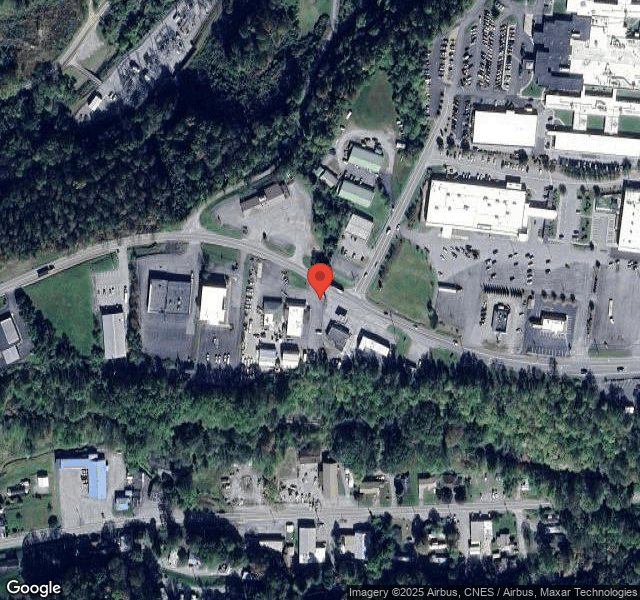

100 15TH ST NW, NORTON, VA 24273 (276) 679-9100
Non profit - Corporation 44 Beds BALLAD HEALTH Data: November 2025
Trust Grade
75/100
#93 of 285 in VA
Last Inspection: April 2021

Over 2 years since last inspection. Current conditions may differ from available data.

Overview

Norton Community Hospital SNF Unit has received a Trust Grade of B, indicating it is a good choice for families considering nursing homes. It ranks #93 out of 285 facilities in Virginia, placing it in the top half, and is #2 out of 3 in Wise County, meaning there is only one local option that is better. However, the facility is trending in a worsening direction, with issues increasing from 7 in 2018 to 8 in 2021. Staffing is a notable strength, rated 5 out of 5 stars with a low turnover rate of 14%, much better than the state average of 48%. Additionally, there are no fines on record, which is a positive sign. On the downside, there have been specific concerns regarding hygiene practices. For instance, staff failed to ensure that sanitizing solutions were at acceptable levels, risking contamination of food for all residents. Also, there were cleanliness issues in the kitchen, such as food slicers and mixers being improperly maintained, and the dumpster area was not kept clean, with open lids and trash around the site. While the facility has strong staffing and no fines, these hygiene concerns highlight areas that need improvement.

Trust Score
B
75/100
In Virginia
#93/285
Top 32%
Safety Record
Low Risk
No red flags
Inspections
Getting Worse
7 → 8 violations
Staff Stability
✓ Good
14% annual turnover. Excellent stability, 34 points below Virginia's 48% average. Staff who stay learn residents' needs.
Penalties
✓ Good
No fines on record. Clean compliance history, better than most Virginia facilities.
Skilled Nurses
✓ Good
Each resident gets 234 minutes of Registered Nurse (RN) attention daily — more than 97% of Virginia nursing homes. RNs are the most trained staff who catch health problems before they become serious.
Violations
⚠ Watch
36 deficiencies on record. Higher than average. Multiple issues found across inspections.
★★★★☆
4.0
Overall Rating
★★★★★
5.0
Staff Levels
★★★☆☆
3.0
Care Quality
★★★☆☆
3.0
Inspection Score
Stable
2018: 7 issues
2021: 8 issues

The Good

  • 5-Star Staffing Rating · Excellent nurse staffing levels
  • Low Staff Turnover (14%) · Staff stability means consistent care
  • Full Sprinkler Coverage · Fire safety systems throughout facility
  • No fines on record
  • Staff turnover is low (14%)

    34 points below Virginia average of 48%

Facility shows strength in staffing levels, staff retention, fire safety.

The Bad

Chain: BALLAD HEALTH

Part of a multi-facility chain

Ask about local staffing decisions and management

The Ugly 36 deficiencies on record

Apr 2021 8 deficiencies
CONCERN (D)

Potential for Harm - no one hurt, but risky conditions existed

Assessment Accuracy (Tag F0641)

Could have caused harm · This affected 1 resident

Based on record review and staff interviews the facility failed to ensure Resident (R)23's assessment accurately reflected gradual dose reduction attempts for an antipsychotic. This failure affected o...

Read full inspector narrative →
Based on record review and staff interviews the facility failed to ensure Resident (R)23's assessment accurately reflected gradual dose reduction attempts for an antipsychotic. This failure affected one of five residents reviewed for unnecessary medications. Findings include: Review of the diagnosis tab in the electronic medical record (EMR) revealed Resident (R) 23's diagnosis included Alzheimer's Disease, Unspecified Dementia with behavioral disturbance, anxiety disorder due to know physiological condition, restlessness and agitation, and repeated falls. Review of physician's orders under the orders tab in the EMR revealed R23 had an order for Seroquel Tablet 25 MG (an Antipsychotic) give 0.5 tablet by mouth in the morning related to unspecified dementia with behavioral disturbance and an order for Seroquel tablet 25 MG give 1 tablet by mouth at bedtime related to unspecified dementia with behavioral disturbance. Both orders had a start date of 04/22/19. Review of R23's Minimum Data set (MDS) assessments for the past year revealed each of the assessments was inaccurately coded at Section N0450 Antipsychotic Medication Review to indicate a gradual dose reduction had been attempted during that quarter and included an inaccurate GDR date. Review of the MDS assessments revealed the following: The Quarterly MDS Assessment with an assessment reference date of 12/10/20 was marked that a Gradual Dose Reduction (GDR) of Seroquel was attempted on 02/25/20. The EMR was reviewed in its entirety and was silent for a dose reduction on the date listed. The Quarterly MDS Assessment with an assessment reference date of 12/10/20 was marked that a GDR of Seroquel was attempted on 02/25/20. The EMR was reviewed in its entirety and was silent for a dose reduction on the date listed. The Annual MDS assessment with an assessment reference date of 06/11/20 was marked that a GDR of the Seroquel was attempted on 02/18/20. The EMR was reviewed in its entirety and was silent for a dose reduction on the date listed. On 04/29/21 at 11:02 AM the above MDS assessments were reviewed with the MDS Coordinator. On 04/29/21 at 1:26 PM the MDS Coordinator stated she completed a thorough review of R23's record and the only GDR she could find was on 04/22/19. She verified the MDS assessments were inaccurate.
CONCERN (D)

Potential for Harm - no one hurt, but risky conditions existed

Quality of Care (Tag F0684)

Could have caused harm · This affected 1 resident

**NOTE- TERMS IN BRACKETS HAVE BEEN EDITED TO PROTECT CONFIDENTIALITY** Based on interview, record review and facility policy/procedure review the facility failed to ensure a resident's Port-A-Cath (a...

Read full inspector narrative →
**NOTE- TERMS IN BRACKETS HAVE BEEN EDITED TO PROTECT CONFIDENTIALITY** Based on interview, record review and facility policy/procedure review the facility failed to ensure a resident's Port-A-Cath (also known as an intravenous vascular access port -IVAP) was flushed with heparin by a Registered Nurse (RN) and not by a Licensed Practical Nurse (LPN). Per accepted standards of practice, these flushes are outside an LPN's scope of practice. The deficient practice affected one sampled resident (R)21 and one unsampled resident R22; and had the potential for poor quality of care for all residents, if staff operated outside their accepted scope of practice. Findings include: Review of the facility procedure titled Implanted Venous Access Port: Flushing, dated February 9, 2018, revealed RNs, physicians, nurse practitioners and physician assistants can flush IVAPs. RNs are generally responsible for monitoring the effects of injected medications or fluids for administering appropriate treatment for adverse effects. Tasks related to the use and maintenance of an IVAP cannot be delegated to assistive healthcare staff. 1.) Review of the Face Sheet in the Electronic Medical Record (EMR) revealed R21 was admitted to the facility on [DATE] and readmitted on [DATE]. The resident had diagnoses that included Alzheimer's disease and chronic kidney disease - stage 4. Review of the Orders tab in the EMR for R21 revealed a physician order dated 10/23/20 : Heparin Lock Flush Solution 100 Unit/milliliter (ml). Use 5 ml intravenously every night shift starting on the 23rd and ending on the 23rd every month for management of a Port-A-Cath access port a cath and flush with 10 ml of normal saline flush and then flush with 5 ml of heparin. Review of the Medication Administration Record (MAR) from July 2020 to April 2021 revealed the flushing of the Port-A-Cath was performed by a LPN, seven times, on 07/22/20, 8/22/20, 11/23/20, 12/23/20, 2/23/21 3/23/21, and 4/23/21. Review of the Progress Notes tab in the EMR dated 07/22/20, revealed LPN4 documented a comment in the Progress Notes on the e-MAR Administration Note addressing the heparin flush: flushed per charge nurse. LPN4 was the charge nurse. 2.) Review of the Face Sheet in the EMR revealed R22 was admitted to the facility on [DATE] and readmitted on [DATE]. The resident's diagnoses included Hodgkin's lymphoma. Review of the Orders tab in the EMR for R21 revealed a physician order dated 08/20/18: Heparin Lock Flush Solution 100 Unit/ml. Use 5 ml intravenously every night shift starting on the 15th and ending on the 15th every month for management of a Port-A-Cath access port a cath and flush with 10 ml of normal saline flush and then flush with 5 ml of heparin. Review of the MAR from July 2020 to April 2021 revealed the flushing of the Port-A-Cath was performed by a LPN, nine times, on 07/15/20, 8/15/20, 9/15/20, 10/15/20, 11/15/20, 12/15/20, 2/15/21 3/15/21, and 4/15/21. Review of the Progress Notes tab in the EMR dated 04/15/21, revealed LPN4 documented a comment in the Progress Notes for the e-MAR Administration Note for the heparin flush no RN avail at this time. On 04/28/21 at 12:30 PM, the Director of Nursing (DON) verbalized only RNs can do flushing of Port-a-Cath. LPNs are not to flush the ports. The DON verbalized she was aware LPNs were doing the flush of the Port-a-Cath and it was not an acceptable practice and only RNs are to perform the heparin flush for R#21 and R#22. On 04/29/21 at 12:20 PM, LPN3 confirmed only RNs should do the heparin flush.
CONCERN (D)

Potential for Harm - no one hurt, but risky conditions existed

Pressure Ulcer Prevention (Tag F0686)

Could have caused harm · This affected 1 resident

**NOTE- TERMS IN BRACKETS HAVE BEEN EDITED TO PROTECT CONFIDENTIALITY** Based on observation, interview, record review, and facility policy review, the facility failed to ensure the correct physician'...

Read full inspector narrative →
**NOTE- TERMS IN BRACKETS HAVE BEEN EDITED TO PROTECT CONFIDENTIALITY** Based on observation, interview, record review, and facility policy review, the facility failed to ensure the correct physician's order was followed for wound care for one of 12 sampled residents (Resident (R)11). The failure to follow current physician's orders for wound care could impede healing of the sacral pressure ulcer being treated, and increase the health risks associated with a wound, such as infection and sepsis. Findings include: Review of the Face Sheet in the Electronic Medical Record (EMR) revealed R11 was admitted to the facility on [DATE] and readmitted on [DATE], with diagnoses including Alzheimer's Disease and chronic kidney disease, stage four. Review of the Orders tab in the EMR for R11, a new physician's order dated 04/18/21 revealed Wound Care-Sacrum: Clean with normal saline (NS), pat dry, cover with Allevyn daily and as needed (PRN). On 04/28/21 at 6:22 AM, in R11's room, the pressure ulcer dressing was changed by Licensed Practical Nurse (LPN)1. The resident was positioned on her side and the previous dressing of Allevyn and Aquacel AG was removed. Skin and wound were cleaned with normal saline and gauze. The Aquacel AG dressing needed to be cut to the size of the opening of the pressure ulcer. Once the Aquacel AG dressing was in place the Allevyn dressing was applied over the wound. Review of the Medication Administration Record (MAR) dated April 2021 for R11, revealed dressing changes were performed from 04/18/21 to 04/27/21 (10 days) with initials in the boxes for the order reading clean sacral wound with NS, pat dry, and cover with Allevyn daily and PRN. Review of the Assessments tab in the EMR the documents titled My Wound Flowsheet-V2 revealed the description of the wound order of the dressing changes for R11 from 04/18/21 to 04/27/21 was clean sacral wound with NS, pat dry, apply Aquacel AG and cover with Allevyn daily and PRN. The application of the Aquacel AG was not included on the MAR order but was documented as applied on the My Wound Flowsheet-V2. On 04/28/21 at 6:45 AM, LPN1 stated she did not review the physician's order before performing the dressing change and did not realize the Aquacel AG dressing was not ordered for the wound care for R11. On 04/28/21 at 8:36 AM, the Charge Nurse confirmed the physician's order was changed on 04/18/21 and Aquacel AG was no longer being applied to the wound during the dressing change. The Charge Nurse confirmed her expectation that staff would review the physician's orders prior to doing a dressing change and to follow the current physician's orders. Review of the facility policy titled Wound Cleansing, Dressing and Irrigation - LTC - Ballad Health, revised 09/25/21, revealed Residents will receive appropriate wound care and dressing changes per providers orders.
CONCERN (D)

Potential for Harm - no one hurt, but risky conditions existed

Medication Errors (Tag F0758)

Could have caused harm · This affected 1 resident

Based on record review and staff interview the facility failed to ensure residents who received antipsychotic medications had a gradual dose reduction attempt at least annually. This failure affected ...

Read full inspector narrative →
Based on record review and staff interview the facility failed to ensure residents who received antipsychotic medications had a gradual dose reduction attempt at least annually. This failure affected 1 resident (R)esident 23) of 5 residents reviewed for unnecessary medications. Findings include: The diagnosis tab in the electronic medical record (EMR) revealed Resident (R) 23's diagnosis included Alzheimer's Disease, Unspecified Dementia with behavioral disturbance, restlessness and agitation, and repeated falls. Review of physician's orders under the orders tab in the EMR revealed R23 had an order for Seroquel Tablet 25 MG give 0.5 tablet by mouth in the morning related to unspecified dementia with behavioral disturbance and an order for Seroquel tablet 25 MG give 1 tablet by mouth at bedtime related to unspecified dementia with behavioral disturbance. Both orders had a start date of 04/22/19. Seroquel is an antipsychotic medication. Antipsychotics are a class of psychotropic medications primarily used to manage psychosis (including delusions hallucinations, or disordered thought), particularly in schizophrenia and bipolar disorder. Review of R23's care plan revealed she had a care plan focus area stating she receives psychotropic medications due to behavior management (agitation), general anxiety disorder, Depression and Disease process (dementia) and appetite stimulation. The care plan had a revision date of 03/15/21. The interventions included to consult with the pharmacy, MD to consider dosage reduction when clinically appropriate but at least quarterly. There were no documented behaviors present in the record review for R23. The drug regimen reviews printed on forms titled MV Pharmacy Drug Regimen Review were reviewed. The pharmacist documented no recommendations or irregularities were noted on the drug regimen review forms dated 04/14/20, 06/15/20, 07/14/20, 08/18/20, 10/23/20, 11/16/20, 12/21/20, 1/19/21, 02/16/21, 03/16/21, and 04/20/21. On 04/28/21 at 1:00 PM an interview was conducted with the Director of Nursing (DON) related to dose reduction attempts for the Seroquel. She provided two Medication Regimen Review forms titled Professional Networks Services dated 04/15/19 and 11/18/19. Review of the Medication Review forms revealed the following: On 04/15/19 the pharmacist wrote R23 was receiving Seroquel 25mg two times a day since 10/21/18 and requested the physician consider reducing Seroquel to 25mg once a day. On the bottom of the form the physician wrote to reduce the Seroquel to 12.5mg in the morning and 25mg in the evening. He signed and dated the form 04/22/19. Review of the physician's orders under the orders tab in the EMR revealed the order was changed on 04/22/19. On 11/22/19 the pharmacist recommended reducing the Seroquel to 12.5mg twice a day. On the bottom of the form the physician checked the Do not change box and wrote, Pt failed GDR repeatedly in the past. He did not include any additional information or include the dates Gradual Dose Reductions (GDR) had been attempted and failed. The paper chart and EMR were reviewed in its entirety and were silent to any notes related to attempted dose reductions other than the reduction on 04/22/19. Review of the physician progress notes under the miscellaneous tab of the EMR revealed the physician wrote progress notes on 10/16/20, 12/04/20, 02/26/21, and 04/13/21 and each of the notes was silent to the use of the Seroquel for the resident. The facility policy titled Medication Reconciliation/Drug Review with a last reviewed date of 12/18/21 stated, Gradual dose reductions will be completed at a minimum frequency of annually for any resident receiving psychotropic medications. On 04/29/21 at 11:02 AM the Director of Nursing and the MDS Coordinator were interviewed. The DON and the MDS Coordinator verified the physician failed to attempt gradual dose reductions quarterly and failed to document the attempted dose reductions. On 04/29/21 at 1:26 PM the MDS Coordinator stated she looked through all of R23's medical record in attempt to find physician documentation related to the reason for using the Seroquel and any gradual dose reduction attempts. She stated she could not find any progress notes addressing gradual dose reductions and the only notes she found related to why R23 was on Seroquel were dated 11/18/16 and 12/13/16. There were no more recent behaviors documented for R23.
CONCERN (D)

Potential for Harm - no one hurt, but risky conditions existed

Deficiency F0761 (Tag F0761)

Could have caused harm · This affected 1 resident

Based on observation, interview and facility policy review the facility failed to ensure expired medications were removed from the medication cart and the medication storage room. This deficient pract...

Read full inspector narrative →
Based on observation, interview and facility policy review the facility failed to ensure expired medications were removed from the medication cart and the medication storage room. This deficient practice occurred in one of one med rooms and two of two med carts; and could potentially lead to administering ineffective, outdated medications to the residents. Findings include: On 04/29/21 at 12:12 PM, in the medication cart for resident rooms 4-11 and 29-32, two individual Tylenol 325 milligram (mg) packets were found with an expiration date of 03/04/21. On 04/29/21 at 12:12 PM, Licensed Practical Nurse (LPN)3 verified the Tylenol packets were outdated and confirmed the medication should have been removed from the cart and not available for administration. On 04/29/21 at 12:43 PM, three 10 cubic centimeters (cc) heparin flush syringes were found in the medication storage room with an expiration date of 2/2021. On 04/29/21 at 12:43 PM, LPN2 verified the heparin syringes were outdated and confirmed the syringes should be sent back to the pharmacy and not available for resident use. On 04/29/21 at 12:46 PM, the Charge Nurse confirmed the syringes were outdated and should have been discarded. The Charge Nurse verified the pharmacy sent 30 cc and since there were three 10 cc syringes in the bag, concluded none of the expired heparin syringes were used for resident port flushes. Review of the facility policy titled Storage of Medication - LTC - Ballad Health, dated 09/25/20, revealed, No discontinued, outdated or deteriorated medications are available for use in the facility. All such medications are destroyed. Any unused, expired, damaged, returned, and/or contaminated medications are removed from medication cart.
CONCERN (D)

Potential for Harm - no one hurt, but risky conditions existed

Menu Adequacy (Tag F0803)

Could have caused harm · This affected 1 resident

Based on observation, menu review, and staff interview the facility failed to follow the menu selected for the residents. This affected three (Resident (R) 2, R20, R23) of 25 residents in the facility...

Read full inspector narrative →
Based on observation, menu review, and staff interview the facility failed to follow the menu selected for the residents. This affected three (Resident (R) 2, R20, R23) of 25 residents in the facility. Findings include: The lunch meal was observed in the kitchenette on the nursing unit on 04/28/21 continuously from 11:54 AM through 12:40 PM. At 12:36 PM the [NAME] ran out of spaghetti (pasta). As a result, Resident (R) 2, R22, and R23 did not receive any pasta. The pasta was served as a side dish with chicken parmesan and the last three residents served were not offered or provided a substitiute of equal nutritive value when there was not enough spaghetti prepared. Review of the orders tab in each of the resident's electronic medical records revealed R2 had an order for a regular, dysphagia mechanically altered texture; R20 had an order for a Regular diet; and R23 an order for a Regular, dysphagia mechanically altered, regular consistency diet. Review of the menu revealed R20 was supposed to receive pasta and R2 and R23 mechanically altered diets were supposed to receive chopped pasta. Following the observations on 04/28/21 at 12:43 PM the [NAME] was interviewed. He stated he was the person who cooked the meal. He stated he did not cook enough pasta and he verified he did not give the last three residents he served pasta or a substitute for the pasta. The System Chef was present in the dining room on the nursing unit when the cook ran out of pasta. At 1:00 PM he confirmed the cook ran out of the pasta and should have cooked enough for all the residents.
CONCERN (D)

Potential for Harm - no one hurt, but risky conditions existed

Infection Control (Tag F0880)

Could have caused harm · This affected 1 resident

**NOTE- TERMS IN BRACKETS HAVE BEEN EDITED TO PROTECT CONFIDENTIALITY** Based on observation, interview, record review, and facility policy review the facility failed to ensure the scissors, used by t...

Read full inspector narrative →
**NOTE- TERMS IN BRACKETS HAVE BEEN EDITED TO PROTECT CONFIDENTIALITY** Based on observation, interview, record review, and facility policy review the facility failed to ensure the scissors, used by the nurse, to cut dressings for a pressure ulcer were cleaned prior to use on the dressing for one of 12 sampled residents (Resident (R) 11). The failure to follow accepted standards of practice related to infection control with wound care could potentially introduce bacteria into the wound causing an infection. Findings include: Review of the Face Sheet in the Electronic Medical Record (EMR) revealed R11 was admitted to the facility on [DATE] and readmitted on [DATE], with diagnoses including Alzheimer's Disease and chronic kidney disease, stage four. Review of the Orders tab in the EMR for R11, a physician's order dated 04/18/21 revealed Wound Care-Sacrum: Clean with normal saline (NS), pat dry, cover with Allevyn daily and as needed (PRN). On 04/28/21 at 6:22 AM, in R11's room, the pressure ulcer dressing was changed by Licensed Practical Nurse (LPN)1. The resident was positioned on her side, and the previous dressings were removed. R11's skin and wound were cleaned with normal saline and gauze. The dressing needed to be cut to the size of the opening of the pressure ulcer. LPN1 removed her scissors from the pocket of her uniform and, without cleaning the blades of the scissors, cut the dressing to the size of the opening of the pressure ulcer. Once the dressing was in place the Allevyn dressing was applied over the wound. On 04/28/21 at 6:45 AM, LPN1 acknowledged she knew to clean the scissors prior to cutting the dressing to the size of the pressure ulcer opening. She admitted that she did not bringing alcohol pads with her into the room for the dressing change, and so she did not clean the blades of the scissors prior to using them to cut the dressing. LPN1 explained by not cleaning the blades of the scissors, bacteria could potentially be introduced into the pressure ulcer creating an infection. Additionally, LPN1 stated she did not review the physician's order before performing the dressing change and did not realize the wound care order had changed for R11's dressings. On 04/28/21 at 8:46 AM, the Charge Nurse confirmed the importance of following infection control practices for dressing changes and the use of aseptic technique; and by not cleaning the scissor blades prior to cutting the dressing created an increased potential for infection in the pressure ulcer for R11. Review of the facility policy titled Infection Control Program-Long Term Care-Ballad Health, revised January 21. 2021, revealed There is consistent use of aseptic technique for dressing changes.
CONCERN (F)

Potential for Harm - no one hurt, but risky conditions existed

Food Safety (Tag F0812)

Could have caused harm · This affected most or all residents

Based on observation, staff interview, and policy review the facility failed to ensure the sanitizing solution was maintained at an acceptable level to sanitize food contact surfaces; and failed to pe...

Read full inspector narrative →
Based on observation, staff interview, and policy review the facility failed to ensure the sanitizing solution was maintained at an acceptable level to sanitize food contact surfaces; and failed to perform hand hygiene after contaminating their gloves and before touching resident food. This had the potential to affect 25 of 25 residents residing in the facility. Findings include: 1.On 04/26/21 at 11:07 AM one of two red containers of sanitizing solution used to sanitize food preparation surfaces and to hold wiping cloths measured at zero parts per million (ppm). The wiping container was located by the three-compartment sink. The Dietary Supervisor and the System Chef both verified the solution was not at the proper sanitizer level to sanitize the food contact surfaces. The Dietary Supervisor stated she made the solution about 8:00 AM that morning. The System Executive Chef tested the sanitizing solution with a test strip and verified it measured zero ppm. The facility policy titled Sanitizing Food Contact Surfaces with a revised date of 01/19 stated the J-512 sanitizer must be between 200 ppm and 400 ppm. The policy stated the sanitizer in the red buckets should be replaced every two hours or more frequently, if visibly dirty. The manufacture's information titled Diversey Final Step J-512 stated the solution should be between 200 ppm and 400 ppm to sanitize food contact surfaces and equipment. 2. On 04/28/21 the noon meal service was observed continuously from 11:54 AM through 12:40 PM. At 11:56 AM a plastic bag containing hot dog buns dropped on the floor from the cart. The [NAME] picked the bag up with his gloved hands and placed it on a tray with clean soup bowls. Without first washing his hands or changing his gloves he removed bread from a bread bag and made a turkey and cheese sandwich and held the sandwich with the same gloved hands to cut it in half. He served two additional trays touching the handles of the serving utensils with the contaminated gloves and at 12:03 PM, with the same gloves on, he obtained a bowl off the tray and poured potato soup into it. He touched the handle of the ladle with the same gloves on. At 12:04 PM he removed his gloves, washed his hands, and put on clean gloves. During the same continuous observation of the cook on 04/28/21 at 12:25 PM he pushed his eyeglasses up with his gloved hands. At 12:27 PM he stuck his hands in a quart size bag of parmesan cheese and obtained the cheese with his gloved hands without first changing his gloves. The Executive Chef was present in the kitchenette area and verbally prompted him to use a spoon to serve the parmesan cheese. At 12:29 PM the cook picked up the bag containing the hot dog buns that had been dropped on the floor touching the portion of the bag (bottom) that had landed on the floor. He removed two hot dog buns with the same gloves on. He put the hot dogs on the bun using tongues. At 12:32 PM he again obtained bread from the bread bag with the same gloves on. At that time, the Executive Chef was made aware of the situation and he prompted the cook to change his gloves and wash his hands and stated he was going to replace the resident's hot dogs. At 12:43 PM the [NAME] was interviewed. He verified that he did pick the bread up and verified he had not changed his gloves or washed his hands after picking it up off the floor and confirmed he touched the bag and served the hot dog buns that were in the bag. The facility policy titled Hand Hygiene with a revised date of 01/19 stated hands should be washed with soap and water after any activity that may contaminate the hands. The facility policy titled Food Handling Guidelines with a revised date of 01/19 stated gloves should be changed between task and hands should be washed after removing gloves.
Sept 2018 7 deficiencies
CONCERN (D)

Potential for Harm - no one hurt, but risky conditions existed

Deficiency F0583 (Tag F0583)

Could have caused harm · This affected 1 resident

**NOTE- TERMS IN BRACKETS HAVE BEEN EDITED TO PROTECT CONFIDENTIALITY** Based on observation, staff interview, and clinical record review, the facility staff failed to protect the private health care ...

Read full inspector narrative →
**NOTE- TERMS IN BRACKETS HAVE BEEN EDITED TO PROTECT CONFIDENTIALITY** Based on observation, staff interview, and clinical record review, the facility staff failed to protect the private health care information for 1 of 15 Residents, Resident #192. The findings included: For Resident #192, the facility staff failed to close the computer screen during a medication administration observation. This computer screen included Resident #192's personal healthcare information and was visible to any person(s) in the hallway. Resident #192 was admitted to the facility on [DATE]. Diagnoses included, but were not limited to, muscle weakness, low back pain, fracture of the first lumbar vertebra, and fracture of second lumbar vertebra. Resident #192 did not have a MDS (minimum data set) assessment completed at this time due to being a new admission. Resident # 192 is alert and oriented. On 09/05/18 at approximately 8:19 a.m., surveyor #1 observed RN (registered nurse) #1 during a medication administration observation. RN #1 was observed preparing and administering medications to Resident # 192. RN #1 used the Resident's eMAR's (electronic medication administration records) from the facility's computer program to prepare Resident's medications. This computer was located on the top of the medication cart. After preparing the medications RN #1 left the computer open and in full view of any person(s) in the hallway and entered the Resident's rooms to administer the medications. The computer screen and medication cart were out of the view of RN #1 when she entered the Resident's room. The computer screen contained the private healthcare information of the Resident #192 and was visible to any person(s) in the immediate area. Surveyor #2 observed housekeeping personnel, dietary personnel and one resident in the hallway during this observation. After the medication administration surveyor #1 approached RN #1 and interviewed her regarding the computer screen being open. RN #1 verbalized to the surveyor that she leaves the computer open if it is facing the room. The DON (director of nursing) was notified of the above on 09/05/18 at approximately 4:30p.m., during an end of the day meeting. On 09/06/18 the DON provided the surveyor with a copy of a policy/procedure titled Medication Pass Quick Guide page 1 of this document read under Reminders: #2 of guide Cover or close MAR/TAR when unattended. No further information regarding this issue was provided to the survey team prior to the exit conference.
CONCERN (D)

Potential for Harm - no one hurt, but risky conditions existed

Deficiency F0658 (Tag F0658)

Could have caused harm · This affected 1 resident

**NOTE- TERMS IN BRACKETS HAVE BEEN EDITED TO PROTECT CONFIDENTIALITY** Based on staff interview, clinical record review, and facility document review the facility staff failed to follow professional ...

Read full inspector narrative →
**NOTE- TERMS IN BRACKETS HAVE BEEN EDITED TO PROTECT CONFIDENTIALITY** Based on staff interview, clinical record review, and facility document review the facility staff failed to follow professional standards of practice for 1 of 15 Residents, Resident #12. The findings included: For Resident #12 the facility staff failed to assess Resident and document that Resident had been admitted to the hospital. Resident #12 was admitted to the facility on [DATE] and readmitted on 0831/18. Diagnoses included but not limited to hypertension, diabetes mellitus, hyperlipidemia, thyroid disorder, osteoporosis, Alzheimer's disease, anxiety and depression. The most recent MDS (minimum data set) with an ARD (assessment reference date) of 07/05/18 coded the Resident as 5 out of 15 in section C, cognitive patterns. This is an annual MDS. Resident #12's clinical record was reviewed on 09/04/18. It contained progress note dated 08/29/18 at 03:37, which read in part, Bed alarm went off when walked into room [ROOM NUMBER] Patient was laying in the floor beside of bed. Patient stated that she was trying to put herself in the bed. no complaints of pain or injury noted. (name omitted) was on the floor and she checked the patient. gave verbal order to just watch Patient. The clinical record also contained a progress note dated 08/31/18 at 13:49, which read in part, Resident readmitted to ICF (intermediate care facility) room [ROOM NUMBER]-A from acute care . The surveyor could not locate any progress notes regarding any assessment of the Resident or that the Resident had been discharged to the hospital. Surveyor spoke with DON (director of nursing) on 09/05/18 at approximately 1145 regarding Resident #12. DON stated that Resident #12 had recently been in the hospital. Surveyor asked the DON if there should have been progress notes related to Resident #12 being hospitalized and the DON stated that there should have been. Surveyor requested the facility standard of practice regarding charting and was provided with a copy of policy entitled Nursing Documentation Guidelines which read in part, Care and/or services provided to a Resident or any change in a Resident's physical or mental condition shall be documented in the medical record. 13. Incidents, accidents, changes in the Resident's condition, supporting documentation for therapy and clinician's orders as well as family and physician notification shall be recorded in the clinical record. 14. Nurse documents in the clinical record indicating communication with physician and/or nurse practitioner changes in Resident's status and document follow-up in Resident's status. The DON also provided the surveyor with a copy of Documentation in Nursing Practice which she stated was the facility standard for documentation. This standard read in part, Documentation in Nursing Practice is anything written or electronically generated that describes the status of client on the care or services given to that client. The purpose of documentation in nursing practice is to facilitate communication, to promote good nursing care and to meet professional and legal standards. The concern of the facility failing to follow professional standards of practice was discussed with the administrative team during a meeting on 09/06/18 at approximately 1040. No further information was provided prior to exit.
CONCERN (D)

Potential for Harm - no one hurt, but risky conditions existed

Deficiency F0698 (Tag F0698)

Could have caused harm · This affected 1 resident

**NOTE- TERMS IN BRACKETS HAVE BEEN EDITED TO PROTECT CONFIDENTIALITY** Based on staff interview, clinical record review, and facility document review, the facility staff failed to coordinate care wit...

Read full inspector narrative →
**NOTE- TERMS IN BRACKETS HAVE BEEN EDITED TO PROTECT CONFIDENTIALITY** Based on staff interview, clinical record review, and facility document review, the facility staff failed to coordinate care with dialysis center for 1 of 15 Residents, Resident #41. The findings included: For Resident #41 the facility staff failed to coordinate care with dialysis center. Resident #41 was admitted to the facility on [DATE] and readmitted on [DATE]. Diagnoses included but not limited to dependence on renal dialysis, depression, chronic obstructive pulmonary disease, gastroesophageal reflux disease, diabetes mellitus, hypothyroidism, hypertension and end stage renal disease. The most recent MDS (minimum data set) with an ARD (assessment reference date) of 08/23/18 coded the Resident as 15 of 15 in section C, cognitive patterns. This is a quarterly MDS. Resident #41's CCP (comprehensive care plan) was reviewed and contained a care plan for receives hemodialysis r/t (related to) end stage renal failure. Resident #41's clinical record was reviewed on 09/04/18. The surveyor could not locate any communications between the facility and the dialysis center regarding the status of Resident prior to or after dialysis treatments. Surveyor spoke with DON (director of nursing) on 09/05/18 at approximately 1140. DON stated that the facility did not keep any copies of written communications from the dialysis center regarding Resident #41. Surveyor spoke with LPN (licensed practical nurse) #1 on 09/06/18 at approximately 0955 regarding Resident #41. LPN #1 stated that the facility communicated with the dialysis center via telephone of fax only when there were changes to the Residents condition or orders, but not each time Resident goes for dialysis. Surveyor reviewed the facility agreement with the dialysis center on 09/06/18. This agreement read in part, The nursing facility shall ensure that all appropriate medical and administrative information accompanies all Residents at the time of transfer to the ESRD (end stage renal disease) Dialysis Unit and 5.the Company agrees to provide dialysis services at the ESRD Dialysis Unit as follows: D. To provide the nursing facility information on all aspects of the management of the Resident care related to the provision of dialysis services . The concern of the facility not coordinating care with the dialysis was discussed with the administrative team during a meeting on 09/06/18 at approximately 1040. No further information was provided prior to exit.
CONCERN (D)

Potential for Harm - no one hurt, but risky conditions existed

Deficiency F0757 (Tag F0757)

Could have caused harm · This affected 1 resident

Based on staff interview and clinical record review, the facility staff failed to ensure one of 15 Residents were free from unnecessary medications, Resident #30. The findings included. The facility...

Read full inspector narrative →
Based on staff interview and clinical record review, the facility staff failed to ensure one of 15 Residents were free from unnecessary medications, Resident #30. The findings included. The facility nursing staff administered the Residents digoxin when the Residents pulse was documented in the EHR (electronic health record) as being less than 60. Resident #30 had a physician's order to hold the digoxin if pulse was less than 60. The clinical record review revealed that Resident #30 had been admitted to the facility 11/01/17. Diagnoses included, but were not limited to, Alzheimer's disease, anemia, heart failure, hypertension, acute kidney failure, and anxiety disorder. Section C (cognitive patterns) of the Residents quarterly MDS (minimum data set) assessment with an ARD (assessment reference date) of 08/02/18 was coded 1/1/3 to indicate the Resident had problems with long and short term memory was severely impaired in cognitive skills for daily decision making. The Residents EHR included the order digoxin give 0.125 mg one time a day for heart check pulse, hold for HR (heart rate) less than 60. A review of the Residents eMARs (electronic medication administration records) revealed that the nursing staff had documented the Residents pulse as being 59 on 08/11, 56 on 08/28, and 55 on 09/01. This medication had been checked as being administered by LPN (licensed practical nurse) #1. The DON (director of nursing) was notified of the issue regarding the Residents digoxin on 09/05/18 at 9:28 a.m. The administrative staff were notified of the issues regarding the Residents digoxin on 09/05/18 at 3:00 p.m. The surveyor attempted to interview LPN #1 on 09/06/18. However, the surveyor was notified that LPN #1 was not working. No further information regarding the digoxin was provided to the survey team prior to the exit conference.
CONCERN (D)

Potential for Harm - no one hurt, but risky conditions existed

Deficiency F0760 (Tag F0760)

Could have caused harm · This affected 1 resident

Based on staff interview and clinical record review, the facility staff failed to ensure two of 15 Residents, were free of significant medication errors, Residents #14 and #30. The findings included....

Read full inspector narrative →
Based on staff interview and clinical record review, the facility staff failed to ensure two of 15 Residents, were free of significant medication errors, Residents #14 and #30. The findings included. 1. For Resident #14, the facility failed to administer the Residents physician ordered lasix. The Resident had a stat (immediate) order for lasix. The facility was unable to provide any proof that this medication had been administered. The clinical record review revealed that Resident #14 had been admitted to the facility 12/03/15. Diagnoses included but were not limited to, dementia, insomnia chronic kidney disease, diabetes, hypertension, and anxiety disorder. Section C (cognitive patterns) of the Residents annual MDS (minimum data set) assessment with an ARD (assessment reference date) of 07/12/18 included a BIMS (brief interview for mental status) summary score of five out of a possible 15 points. The EHR (electronic health record) included a physicians order dated 08/26/18 for Lasix Tablet 20 MG (Furosemide) Give 3 tablet by mouth STAT for chf (congestive heart failure) one time dose. The surveyor was unable to locate any information in the clinical record to indicate that this medication had been administered as ordered. The clinical record did not include any information to indicate the Resident suffered any effects from not receiving the medications. The surveyor observed the Resident throughout the survey process and no issues regarding the lasix not being administered were observed. The administrative staff were notified of the issues regarding the Residents lasix on 09/05/18 at 3:00 p.m. No further information regarding the lasix was provided to the survey team prior to the exit conference. 2. For Resident #30, the facility administered the Residents digoxin for a pulse less than 60. The Resident had a physicians order to hold the digoxin for a pulse less than 60. The clinical record review revealed that Resident #30 had been admitted to the facility 11/01/17. Diagnoses included, but were not limited to, Alzheimer's disease, anemia, heart failure, hypertension, acute kidney failure, and anxiety disorder. Section C (cognitive patterns) of the Residents quarterly MDS (minimum data set) assessment with an ARD (assessment reference date) of 08/02/18 was coded 1/1/3 to indicate the Resident had problems with long and short term memory was severely impaired in cognitive skills for daily decision making. The Residents EHR included the order digoxin give 0.125 mg one time a day for heart check pulse, hold for HR (heart rate) less than 60. A review of the Residents eMARs (electronic medication administration records) revealed that the nursing staff had documented the Residents pulse as being 59 on 08/11, 56 on 08/28, and 55 on 09/01. This medication had been checked as being administered by LPN (licensed practical nurse) #1. The DON (director of nursing) was notified of the issue regarding the Residents digoxin on 09/05/18 at 9:28 a.m. The administrative staff were notified of the issues regarding the Residents digoxin on 09/05/18 at 3:00 p.m. The surveyor attempted to interview LPN #1 on 09/06/18. However, the surveyor was notified that LPN #1 was not working. No further information regarding the digoxin was provided to the survey team prior to the exit conference.
CONCERN (D)

Potential for Harm - no one hurt, but risky conditions existed

Deficiency F0761 (Tag F0761)

Could have caused harm · This affected 1 resident

2. The facility staff failed to ensure the medication cart was locked when unattended. On 09/05/18 at approximately 8:19 a.m., surveyor #1 observed RN ( registered nurse) #1 during a medication admin...

Read full inspector narrative →
2. The facility staff failed to ensure the medication cart was locked when unattended. On 09/05/18 at approximately 8:19 a.m., surveyor #1 observed RN ( registered nurse) #1 during a medication administration observation. During this observation RN #1 was observed preparing and administering medications. After preparing the medications RN #1 entered a Resident's rooms to administer the medications leaving medication draw open and medication cart unlocked in hallway. The medication cart was out of RN#1's view. Surveyor #2 observed housekeeping personnel, dietary personnel and one resident in the hallway during this observation. After the medication administration surveyor #1 approached RN #1 and interviewed her regarding the medication cart being open. RN #1 verbalized to the surveyor that she leaves the cart open if it is facing the room. The DON (director of nursing) was notified of the above on 09/05/18 at approximately 4:30p.m., during an end of the day meeting. On 09/06/18 the DON provided the surveyor with a copy of a policy/procedure titled Storage of Medications page 1 of this document read under Guidelines: #6 of policy Compartments containing medications are locked when not in use. Trays or carts used to transport such items are not left unattended. (Compartments include, but are not limited to drawers, cabinets, rooms, refrigerators, carts and boxes.) No further information regarding this issue was provided to the survey team prior to the exit conference. Based on observation, staff interview, and facility document review, the facility staff failed properly store medications in one of one medication rooms and on one of two halls, the skilled hall. The findings included. 1. The refrigerator in the medication room included a narcotic box that was not permanently affixed. The surveyor was able to remove the box from the refrigerator. This box contained 20 tablets of dronabinol (marinol). Per the national institute of health Dronabinol is an orally active cannabinoid which has complex effects on the CNS, including central sympathomimetic activity. On 09/05/18 at 7:50 a.m., the surveyor entered the medication room with the nursing staff. Inside the refrigerator in this medication room, the surveyor observed a small plastic clear through box. This box was not permanently affixed and the surveyor was able to remove the box from the refrigerator. The box contained 20 tablets of dronabinol. On 09/05/18 09:28 a.m., the DON (director of nursing) was notified that the narcotic box in the medication room was not permanently affixed and that this narcotic box contained 20 tablets of dronabinol. On 09/05/18, the DON provided the surveyor with their policy regarding medication storage. This policy read in part .Any controlled drugs will be stored securely .in an affixed container . The administrative staff were notified of the issues regarding the narcotic box not being permanently affixed on 09/05/18 at 3:00 p.m. Prior to the exit conference, the DON verbalized to the surveyor that the pharmacy had affixed the narcotic box to the refrigerator. No further information regarding the digoxin was provided to the survey team prior to the exit conference.
CONCERN (D)

Potential for Harm - no one hurt, but risky conditions existed

Infection Control (Tag F0880)

Could have caused harm · This affected 1 resident

**NOTE- TERMS IN BRACKETS HAVE BEEN EDITED TO PROTECT CONFIDENTIALITY** Based on observation, staff interview, clinical record review, and facility document review, the facility staff failed to ensure...

Read full inspector narrative →
**NOTE- TERMS IN BRACKETS HAVE BEEN EDITED TO PROTECT CONFIDENTIALITY** Based on observation, staff interview, clinical record review, and facility document review, the facility staff failed to ensure an effective infection control program for one of 15 Residents, Resident #194. The findings included: For Resident #194, facility staff failed to ensure nebulizer mouthpiece was kept inside a bag per facility policy. Resident #194 was admitted to the facility on [DATE]. Diagnoses included, but were not limited to, muscle weakness, essential (primary) hypertension, chronic obstructive pulmonary disease with (acute) exacerbation, and benign prostatic hyperplasia with lower urinary tract symptoms. Resident #194 did not have a MDS (minimum data set) assessment completed at this time due to being a new admission. Resident # 194 is alert and oriented. Resident #194 physician order summary dated 8/27/-9/26/18 read ipratropium (ATROVENT) 0.02% nebulizer solution 0.5mg Nebulization, Every 6 hours; albuterol (PROVENTIL/ACCUNEB) 0.083% nebulizer solution 1.25mg Nebulization, Every 6 hours PRN (as needed). The surveyor observed Resident #194 during initial tour on 09/04/18, surveyor observed nebulizer mouthpiece for respiratory treatment not covered or bagged. On 09/05/18 at 08:05 A.M. during Resident #194 observation nebulizer mouth piece for respiratory treatment hung over suction canister affixed to wall and not covered. On 09/05/18 10:37 A.M. during Resident #194 observation nebulizer mouthpiece observed not covered and it remained hanging over suction canister affixed to wall. On 09/05/18 11:45 AM surveyor spoke to DON (director of nursing) regarding nebulizer mouth pieces not stored in bags. She stated that was not their practice and nebulizer mouth pieces and nasal cannulas should be stored in respiratory bags. The surveyor requested facility policy infection control and storage of nebulizer supplies at this time. On 09/06/18 the DON provided the surveyor with a copy of a policy/procedure titled Infection Control and Medication Pass Quick Guide. Medication Pass Quick Guide page 1 of this document read under Administering Medications Continued: section 2. ( Please note nebulizer machines will be kept at bedside with supplies kept inside a bag.) Policy titled Infection Control page 2 of this document read under Guidelines: section 15. Formal provisions to educate and orient all appropriate personnel in the practice of aseptic techniques such as handwashing, proper grooming, masking, dressing care techniques, disinfecting and sterilizing techniques, and the handling and storage of resident care equipment and supplies. The DON (director of nursing) notified surveyor the above issue was corrected on 09/05/18 during an end of the day meeting on 09/05/18 at 4:30 P.M. No further information regarding this issue was provided to the survey team prior to the exit conference.
Jun 2017 21 deficiencies
CONCERN (D)

Potential for Harm - no one hurt, but risky conditions existed

Deficiency F0157 (Tag F0157)

Could have caused harm · This affected 1 resident

**NOTE- TERMS IN BRACKETS HAVE BEEN EDITED TO PROTECT CONFIDENTIALITY** Based on staff interview, and clinical record review, the facility staff failed to notify the physician of a change in condition...

Read full inspector narrative →
**NOTE- TERMS IN BRACKETS HAVE BEEN EDITED TO PROTECT CONFIDENTIALITY** Based on staff interview, and clinical record review, the facility staff failed to notify the physician of a change in condition for 1 of 13 residents (Resident #6). The findings include: Resident #6 was admitted to the facility on [DATE] with diagnoses of dementia with behaviors, depression, anxiety, hypertension, hypothyroidism, anemia, malnutrition, rheumatoid arthritis, peripheral vascular disease, Vitamin D deficiency, chronic obstructive pulmonary disease, gastro esophageal reflux disease, and urinary tract infection. The annual Minimum Data Set (MDS) with a reference date of 7/7/16 assessed the resident with a cognitive score of 5 of 15. The resident was assessed requiring supervision for bed mobility, transfers, ambulation, dressing, eating, toileting, bathing and hygiene. The clinical record was reviewed. The April physician orders contained an order to administer the antihypertensive medication, Metoprolol 25 mg., by mouth daily. A nurse documented on the back of the April medication administration record (MAR) the Metoprolol had been held at 2200 (10:00 p.m.) due to a blood pressure reading of 85/59. The nurse failed to notify the physician of the change in condition and also failed to obtain an order to hold the medication. The director of nursing (DON) was asked about the holding of the medication on 6/7/17 at approximately 8:30 a.m. The DON provided the facility policy on vital signs. The policy stated any abnormal vital signs were to be reported to the primary care nurse. The DON stated the physician should have been notified. The DON, quality assurance nurse, and chief nursing officer, were informed of the findings during a meeting with the survey team on 6/7/17 at 4:00 p.m.
CONCERN (D)

Potential for Harm - no one hurt, but risky conditions existed

Deficiency F0164 (Tag F0164)

Could have caused harm · This affected 1 resident

**NOTE- TERMS IN BRACKETS HAVE BEEN EDITED TO PROTECT CONFIDENTIALITY** Based on observation and staff interview the facility staff failed to ensure personal privacy was provided for 1 of 13 Residents...

Read full inspector narrative →
**NOTE- TERMS IN BRACKETS HAVE BEEN EDITED TO PROTECT CONFIDENTIALITY** Based on observation and staff interview the facility staff failed to ensure personal privacy was provided for 1 of 13 Residents, Resident #13 The findings included: For Resident #13, the facility staff failed to provide privacy while administering an insulin injection. Resident #13 was admitted to the facility on [DATE]. Diagnoses included but not limited to diabetes mellitus. The most recent MDS (minimum data set) with an ARD (assessment reference date) of 06/01/17 coded the Resident as 8 out of 15 in section C, cognitive patterns. This is a quarterly MDS. The surveyor observed LPN #3 (licensed practical nurse) during a medication pass and pour on 06/07/17 at approximately 0730. LPN #3 prepared Resident #13's insulin injection, and then informed Resident #13 that she was going to administer insulin injection. LPN #3 administered Resident #13's insulin injection in her abdomen. LPN #3 did not pull privacy curtain, nor shut the door prior to administering injection. Surveyor asked LPN #3 if she should have pulled the privacy curtain, and LPN #3 stated that she should have. The concern of not providing privacy during an insulin injection was discussed during a meeting with the administrative team on 06/07/17 at approximately 1615. No further information was provided prior to exit.
CONCERN (D)

Potential for Harm - no one hurt, but risky conditions existed

Deficiency F0241 (Tag F0241)

Could have caused harm · This affected 1 resident

Based on observation and staff interview the facility staff failed to provided dignity and respect during a Resident meeting. The findings included: The facility staff failed to provide respect to Res...

Read full inspector narrative →
Based on observation and staff interview the facility staff failed to provided dignity and respect during a Resident meeting. The findings included: The facility staff failed to provide respect to Residents involved in a private meeting behind closed doors by entering the room without knocking. The surveyor met with four alert and oriented Residents of the facility for a private group meeting behind closed doors on 06/07/17 at approximately 1030. During the meeting at approximately 1035, a housekeeping staff entered the room without knocking, went to the refrigerator, then left. The activities director also entered the room without knocking at approximately 1040, walking through the room and into her office. The concern of the staff entering the room without knocking during a private meeting was discussed with the administrative staff during a meeting on 06/07/17 at approximately 1615. No further information was provided prior to exit.
CONCERN (D)

Potential for Harm - no one hurt, but risky conditions existed

Deficiency F0279 (Tag F0279)

Could have caused harm · This affected 1 resident

**NOTE- TERMS IN BRACKETS HAVE BEEN EDITED TO PROTECT CONFIDENTIALITY** 3. For Resident #3, the facility staff failed to develop a care plan for return to community. Resident #3 was admitted to the fa...

Read full inspector narrative →
**NOTE- TERMS IN BRACKETS HAVE BEEN EDITED TO PROTECT CONFIDENTIALITY** 3. For Resident #3, the facility staff failed to develop a care plan for return to community. Resident #3 was admitted to the facility on [DATE]. Diagnoses included but not limited to anemia, hypertension, urinary tract infection, wound infection, osteoporosis, dementia, anxiety, malnutrition, and depression. The most recent comprehensive MDS with an ARD of 03/01/17 coded the Resident as 11 of 15 in section C, cognitive patterns. Section V, care area assessment, was reviewed. Section V, care area assessment summary, triggered the Resident for return to community and indicated that a CCP would be developed. This is an admission MDS. Resident #3's CCP (comprehensive care plan) was reviewed on 06/07/17 and surveyor could not locate a care plan for return to community. Surveyor spoke with the MDS coordinator on 06/07/17 at approximately 1515. MDS coordinator stated a care plan for return to community should have been developed. The concern of the missing care plan was discussed with the administrative team on 06/07/17 at approximately 1615. No further information was provided prior to exit. Based on observation, staff interview and clinical record review, the facility staff failed to develop a comprehensive care plan for 3 of 13 residents (Resident #1, #6, and #3). The findings include: 1. The facility staff failed to develop a comprehensive care plan to address behaviors for Resident #1. Resident #1 was re-admitted to the facility on [DATE] with diagnoses of dementia with behavior, agitation, anxiety, hypertension, anemia, malnutrition, arthritis, coronary artery disease, gastro-esophageal reflux disease, and urinary tract infection. The significant change Minimum Data Set (MDS) with a reference date of 2/12/17 assessed the resident with long and short term memory deficit. The resident was assessed requiring total dependence for bed mobility, transfers, ambulation, dressing, eating, toileting, bathing and hygiene. Resident #1 was observed on 6/7/17 at 1:20 p.m. in bed. Two nurses assisted the resident to turn to her side for observation of her skin. The resident was cooperative and did not resist as both nurse stated she could resist care. The clinical record was reviewed. The record contained orders to administer the antipsychotic medication, Seroquel 25 mg twice daily based on the physician diagnosis of dementia with behaviors. The comprehensive care plan was reviewed. There was no care plan developed to address what behaviors the resident exhibited. The care plan listed the residnet received psychotropic medications and the intervention was to monitir for anxiety and agitation. The director of nursing (DON) was asked about the care plan on 6/7/17 at 10:20 a.m. and stated she had not deveoped the care plan. The DON, quality assurance nurse, and chief nursing officer, were informed of the findings during a meeting with the survey team on 6/7/17 at 4:00 p.m. 2. The facility staff failed to develop a comprehensive care plan to address the use of a trunk restraint for Resident #6. Resident #6 was admitted to the facility on [DATE] with diagnoses of dementia with behaviors, depression, anxiety, hypertension, hypothyroidism, anemia, malnutrition, rheumatoid arthritis, peripheral vascular disease, Vitamin D deficiency, chronic obstructive pulmonary disease, gastro esophageal reflux disease, and urinary tract infection. The annual Minimum Data Set (MDS) with a reference date of 7/7/16 assessed the resident with a cognitive score of 5 of 15. The resident was assessed requiring supervision for bed mobility, transfers, ambulation, dressing, eating, toileting, bathing and hygiene. Resident #6 was observed sitting in a wheelchair in her room with the responsible party visiting. The resident had a lap buddy across her lap. The clinical reocrd was reviewed. There were orders for the use of the restraint and consent by the responsible party for the use of the restraint. The record also contained monitoring of the use of the restraint. The comprehensive care plan was reviewed. The facility staff failed to develop a care plan to address the use of the restraint. The director of nursing (DON)was asked about the care plan on 6/7/17 at 9:00 a.m. and stated she had not deveoped the care plan. The DON, quality assurance nurse, and chief nursing officer, were informed of the findings during a meeting with the survey team on 6/7/17 at 4:00 p.m.
CONCERN (D)

Potential for Harm - no one hurt, but risky conditions existed

Deficiency F0280 (Tag F0280)

Could have caused harm · This affected 1 resident

**NOTE- TERMS IN BRACKETS HAVE BEEN EDITED TO PROTECT CONFIDENTIALITY** Based on family interview, facility document review, and clinical record review, the facility staff failed to invite the respons...

Read full inspector narrative →
**NOTE- TERMS IN BRACKETS HAVE BEEN EDITED TO PROTECT CONFIDENTIALITY** Based on family interview, facility document review, and clinical record review, the facility staff failed to invite the responsible party to care plan meetings for 1 of 13 residents (Resident #6) and also failed to review and revise the comprehensive care plan for 1 of 13 residents(Resident #1). The findings include: 1. The facility staff failed to invite the responsible party to the care plan meetings for Resident #6. Resident #6 was admitted to the facility on [DATE] with diagnoses of dementia with behaviors, depression, anxiety, hypertension, hypothyroidism, anemia, malnutrition, rheumatoid arthritis, peripheral vascular disease, Vitamin D deficiency, chronic obstructive pulmonary disease, gastro esophageal reflux disease, and urinary tract infection. The annual Minimum Data Set (MDS) with a reference date of 7/7/16 assessed the resident with a cognitive score of 5 of 15. The resident was assessed requiring supervision for bed mobility, transfers, ambulation, dressing, eating, toileting, bathing and hygiene. The responsible party (RP) was interviewed on 6/7/17 at 9:20 a.m. The RP was asked if she was invited to the care plan meetings and stated she was invited to one in the past and was invited to a meeting next week, but had not been invited on a consistent basis. The director of nursing (DON) was asked to provide proof the RP was invited to care planning meetings. The DON obtained information from the social worker the RP was invited to care planning meetings and was only able to obtain the current copy of a letter sent to the RP of a meeting planned for June 15, 2017. The DON, quality assurance nurse, and chief nursing officer, were informed of the findings during a meeting with the survey team on 6/7/17 at 4:00 p.m. 2. The facility staff failed to review and revise the comprehensive care plan for Resident #1 to indicate the resident was not receiving comfort care services . Resident #1 was re-admitted to the facility on [DATE] with diagnoses of dementia with behavior, agitation, anxiety, hypertension, anemia, malnutrition, arthritis, coronary artery disease, gastro-esophageal reflux disease, and urinary tract infection. The significant change Minimum Data Set (MDS) with a reference date of 2/12/17 assessed the resident with long and short term memory deficit. The resident was assessed requiring total dependence for bed mobility, transfers, ambulation, dressing, eating, toileting, bathing and hygiene. The comprehensive care plan was reviewed. The care plan contained a problem listed the resident is receiving comfort care. The care plan was initiated on 5/11/17 with an intervention the family wished to keep the resident comfortable with no further invasive intervention including IV medication and no transfer off the the unit. The director of nursing was asked if the resident was receiving comfort care and stated the family changed their mind and wanted everything done now. The resident was no longer on comfort care. The facility staff failed to revise the comprehensive care plan to remove the comfort care. The DON, quality assurance nurse, and chief nursing officer, were informed of the findings during a meeting with the survey team on 6/7/17 at 4:00 p.m.
CONCERN (D)

Potential for Harm - no one hurt, but risky conditions existed

Deficiency F0281 (Tag F0281)

Could have caused harm · This affected 1 resident

**NOTE- TERMS IN BRACKETS HAVE BEEN EDITED TO PROTECT CONFIDENTIALITY** Based on observation, staff interview, facility document review and clinical record review the facility staff failed to follow p...

Read full inspector narrative →
**NOTE- TERMS IN BRACKETS HAVE BEEN EDITED TO PROTECT CONFIDENTIALITY** Based on observation, staff interview, facility document review and clinical record review the facility staff failed to follow professional standards of nursing practice for 1 of 13 Residents, Resident #11. The findings included: For Resident #11 the facility staff failed to follow professional standards of nursing practice while administering medications by not comparing medication label to Resident's MAR (medication administration record) and physician's order. Resident #11 was admitted to the facility on [DATE]. Diagnoses included but not limited to hypertension, atrial fibrillation, diabetes mellitus, gastroesophageal reflux disease, and anxiety The most recent MDS (minimum data set) with an ARD (assessment reference date) of 04/20/17 coded the Resident as 13 of 15 in section C, cognitive patterns. This is a significant change MDS. Surveyor observed Resident #11 receiving her medications during a medication pass and pour completed by LPN (licensed practical nurse) #1 on 06/07/17 at approximately 0930. One of the medications observed being administered was Flonase, 1 spray to each nostril. Resident #11's medications were reconciled with the clinical record on 06/08/17 at approximately 1000. The clinical record contained a signed POS (physician's order summary) dated 05/30/17 which read in part Fluticasone SPR 50mcg 2 sprays in nostril(s) daily For: Flonase. The Resident's eMAR (electronic medication administration record) was reviewed and contained an entry which read in part Fluticasone SPR 50mcg 2 sprays in nostril(s) daily For: Flonase. This entry was scheduled for 10 am and had been initialed by LPN #1 as having been administered. Surveyor spoke with LPN #1 on 06/07/17 at approximately 1100 regarding Resident #11's Flonase. Surveyor asked LPN #1 how many sprays of Flonase she had administered to Resident #11 and LPN #1 stated that she had administered 1 spray to each nostril. Surveyor then asked LPN #1 to look at the physician's order with her and LPN#1 did so. LPN #1 stated that the order read to administer 2 sprays to each nostril. Surveyor then asked LPN #1 to see the medication packaging for the Flonase. LPN #1 removed Flonase from medication cart. Flonase was labeled as follows: 1 spray in each nostril daily as needed Fluticasone SPR 50 mcg For: Flonase. Surveyor spoke with pharmacist #1 on 06/08/17 at approximately 0845. Pharmacist stated that Resident #11's current order for Flonase was 2 sprays/nostril daily and that the label was from the admission order which was discontinued on 04/20/17 when the current order went into effect. Surveyor requested a copy of the standard of practice for medication administration used by the facility. Clinical nurse leader provided the surveyor with a copy of Medication Administration which read in part Policy Medications are administered, as prescribed, in accordance with good nursing principles and practices and only by persons legally authorized to do so to comply with Federal Laws governing Medication Administration and in order to ensure the safe, accurate and timely administration of medications. Guidelines B. Medications are administered in accordance with written orders of attending physicians. The concern of not following standards of nursing practice was discussed with the administrative team during a meeting on 06/07/17 at approximately 1615. No further information was provided prior to exit.
CONCERN (D)

Potential for Harm - no one hurt, but risky conditions existed

Deficiency F0309 (Tag F0309)

Could have caused harm · This affected 1 resident

**NOTE- TERMS IN BRACKETS HAVE BEEN EDITED TO PROTECT CONFIDENTIALITY** Based on observation, staff interview and clinical record review the facility staff failed to follow physician's orders for 2 of...

Read full inspector narrative →
**NOTE- TERMS IN BRACKETS HAVE BEEN EDITED TO PROTECT CONFIDENTIALITY** Based on observation, staff interview and clinical record review the facility staff failed to follow physician's orders for 2 of 13 Residents, Resident #4 and Resident #6. The findings included: 1. For Resident #4, the facility staff failed to administer the antihypertensive medication propranolol as prescribed by the physician. Resident #4 was admitted to the facility on [DATE]. Diagnoses included but not limited to anemia, hypertension, depression, hypothyroidism, congestive heart failure and cirrhosis. The most recent MDS with an ARD of 04/13/17 coded the Resident as 15 of 15 in section C, cognitive patterns. This is quarterly MDS. Resident #4's clinical record was reviewed on 06/07/17. It contained signed POS (physician's order summary) dated 02/02/17 which read in part Propranolol tab 40mg 1 tablet PO (by mouth) twice daily *HOLD FOR HR (heart rate) < 60*. Resident #4's MAR (medication administration record) for the month of February was reviewed. It contained an entry which read in part Propranolol tab 40mg 1 tablet PO (by mouth) twice daily *HOLD FOR HR (heart rate) < 60*. This entry had not been initialed as having been administered on 02/11/17 or 02/12/17. Heart rate was recorded as being within the parameters for medication to be administered. Surveyor discussed the missing documentation with the clinical nurse leader on 06/07/17 at approximately 1530. Clinical nurse leader stated that she did not know why the MAR had not been initialed and could not confirm whether the medication had been administered as ordered. The concern of the medication not being administered as ordered was discussed with the administrative team during a meeting on 06/07/17 at approximately 1615. No further information was provided prior to exit.2a. The facility staff failed to follow the physician orders for Resident #6 for administration of medication. Resident #6 was admitted to the facility on [DATE] with diagnoses of dementia with behaviors, depression, anxiety, hypertension, hypothyroidism, anemia, malnutrition, rheumatoid arthritis, peripheral vascular disease, Vitamin D deficiency, chronic obstructive pulmonary disease, gastro esophageal reflux disease, and urinary tract infection. The annual Minimum Data Set (MDS) with a reference date of 7/7/16 assessed the resident with a cognitive score of 5 of 15. The resident was assessed requiring supervision for bed mobility, transfers, ambulation, dressing, eating, toileting, bathing and hygiene. The clinical record was reviewed. The April physician orders contained an order to administer the antihypertensive medication, Metoprolol 25 mg., by mouth daily. A nurse documented on the back of the April medication administration record (MAR) the Metoprolol had been held at 2200 (10:00 p.m.) due to a blood pressure reading of 85/59. The nurse failed to obtain an order to hold the medication. The comprehensive care plan was reviewed. The care plan contained a problem listed the resident was at risk for complications related to hypertension. The interventions included to administer medications per order. The director of nursing (DON) was asked on 6/7/17 about the nurse holding the medication and stated the nurse should have called the physician. The DON, quality assurance nurse, and chief nursing officer, were informed of the findings during a meeting with the survey team on 6/7/17 at 4:00 p.m. The facility staff also failed to follow the physician order with a start date of 12/08/16 to administer the medication, Humira 40 mg., monthly for rheumatoid arthritis for Resident #6. The medication administration record (MAR) for March 2017 was reviewed. The nurse had circled the Humira indicating the medication was not given and documented on the back of the MAR the Humira pen was not available for March 8, 2017 and the pharmacy had been notified. The medication was not given for the month of March. The DON was asked about the medication on 6/7/17 and shook her head and stated the medication should have been administered when received. The DON, quality assurance nurse, and chief nursing officer, were informed of the findings during a meeting with the survey team on 6/7/17 at 4:00 p.m. 2b. The facility staff failed to ensure Resident #6 had a bowel movement every three days as ordered by the physician. Resident #6 had a diagnosis of chronic constipation and was care planned the resident had a history of constipation. The interventions on the care plan noted the resident would be monitored every shift and bowel tracking would be completed. The clinical record was reviewed. The physician had a standing order to administer Milk of Magnesia 30 ml as needed if the resident did not have a bowel movement every three days. The start date was 4/9/17. The bowel movement record was reviewed. The resident was documented without a bowel movement from 5/18, 5/19 5/20, 5/21, and 5/22 for a total of 5 days. There was no evidence any interventions were implemented to assist the resident with having a bowel movement. The DON, quality assurance nurse, and chief nursing officer, were informed of the findings during a meeting with the survey team on 6/7/17 at 4:00 p.m.
CONCERN (D)

Potential for Harm - no one hurt, but risky conditions existed

Deficiency F0431 (Tag F0431)

Could have caused harm · This affected 1 resident

**NOTE- TERMS IN BRACKETS HAVE BEEN EDITED TO PROTECT CONFIDENTIALITY** Based on observation, staff interview and clinical record review the facility staff failed to ensure proper labeling of medicati...

Read full inspector narrative →
**NOTE- TERMS IN BRACKETS HAVE BEEN EDITED TO PROTECT CONFIDENTIALITY** Based on observation, staff interview and clinical record review the facility staff failed to ensure proper labeling of medications per pharmacy professional standards for 1 of 13 Residents, Resident #11. The findings included: For Resident #11 the facility staff failed to ensure Flonase nasal spray was labeled correctly Resident #11 was admitted to the facility on [DATE]. Diagnoses included but not limited to hypertension, atrial fibrillation, diabetes mellitus, gastroesophageal reflux disease, and anxiety The most recent MDS (minimum data set) with an ARD (assessment reference date) of 04/20/17 coded the Resident as 13 of 15 in section C, cognitive patterns. This is a significant change MDS. Surveyor observed Resident #11 receiving her medications during a medication pass and pour completed by LPN (licensed practical nurse) #1 on 06/07/17 at approximately 0930. One of the medications observed being administered was Flonase, 1 spray to each nostril. Resident #11's medications were reconciled with the clinical record on 06/08/17 at approximately 1000. The clinical record contained a signed POS (physician's order summary) dated 05/30/17 which read in part Fluticasone SPR 50mcg 2 sprays in nostril(s) daily For: Flonase. The Resident's (medication administration record) was reviewed and contained an entry which read in part Fluticasone SPR 50mcg 2 sprays in nostril(s) daily For: Flonase. This entry was scheduled for 10 am and had been initialed by LPN #1 as having been administered. Surveyor spoke with LPN #1 on 06/07/17 at approximately 1100 regarding Resident #11's Flonase. Surveyor asked LPN #1 how many sprays of Flonase she had administered to Resident #11 and LPN #1 stated that she had administered 1 spray to each nostril. Surveyor then asked LPN #1 to look at the physician's order with her and LPN#1 did so. LPN #1 stated that the order read to administer 2 sprays to each nostril. Surveyor then asked LPN #1 to see the medication packaging for the Flonase. LPN #1 removed Flonase from medication cart. Flonase was labeled as follows: 1 spray in each nostril daily as needed Fluticasone SPR 50 mcg For: Flonase. Surveyor spoke with pharmacist #1 on 06/07/17 at approximately. Pharmacist stated that Resident #11's current order for Flonase was 2 sprays/nostril daily and that the label was for a previous order which was discontinued on 04/20/17 when the current order went into effect. Pharmacist stated that a new label should have been placed on the packaging with the current order instructions. The concern of not ensuring correct labeling of medication was discussed with the administrative team during a meeting on 06/07/17 at approximately 1615. No further information was provided prior to exit.
CONCERN (D)

Potential for Harm - no one hurt, but risky conditions existed

Deficiency F0441 (Tag F0441)

Could have caused harm · This affected 1 resident

**NOTE- TERMS IN BRACKETS HAVE BEEN EDITED TO PROTECT CONFIDENTIALITY** Based on observation, staff interview and facility document review the facility staff failed to follow facility established proc...

Read full inspector narrative →
**NOTE- TERMS IN BRACKETS HAVE BEEN EDITED TO PROTECT CONFIDENTIALITY** Based on observation, staff interview and facility document review the facility staff failed to follow facility established procedure for infection control for 2 of 13 Residents, Resident #12 and Resident #13. The findings included: For Resident #12 the facility staff failed to clean scissors prior to using them to open a medication packet. Resident #12 was admitted to the facility on [DATE]. Diagnoses included but not limited to benign prostatic hyperplasia, hypertension, dementia, and constipation. The most recent MDS (minimum data set) with an ARD (assessment reference date) of 05/30/17 coded the Resident as 12 of 15 in section C, cognitive patterns. This is an admission MDS. Surveyor observed Resident #12 during a medication pass and pour completed by LPN (licensed practical nurse) #1 on 06/07/13 at approximately 0755. LPN #1 removed an individual dose pack of Miralax from the medication cart and attempted to open it with her hand, but could not tear the packet open. LPN #1 then asked the unit manager if she had a pair of scissors, and the unit manager stated that she did, removed the scissors from the pants pocket and handed them to LPN #1. LPN #1 used the scissors to open the Miralax packet. LPN #1 did not clean the scissors prior to using them to cut open the Miralax packet. The surveyor requested and was provided with a facility policy entitled Infection Control which read in part Policy: The facility will maintain an infection control program designed to provide a safe, sanitary, and comfortable environment and to help prevent the development and transmission of disease and infection. The surveyor spoke with LPN #1 on 06/07/17 at approximately 1100 regarding Resident #12. Surveyor asked LPN #1 if she should have cleaned the scissors prior to using them to open the medication packet, and LPN #1 stated that she should have. The concern of not cleaning the scissors prior to using them to open medications was discussed with the administrative team during a meeting on 06/07/17 at approximately 1615. No further information was provided prior to exit. 2. For Resident #13 the facility staff failed to change gloves and failed to cover insulin needle prior to giving and injection. Resident #13 was admitted to the facility on [DATE]. Diagnoses included but not limited to diabetes mellitus. The most recent MDS (minimum data set) with an ARD (assessment reference date) of 06/01/17 coded the Resident as 8 out of 15 in section C, cognitive patterns. This is a quarterly MDS. The surveyor observed LPN #3 (licensed practical nurse) during a medication pass and pour on 06/07/17 at approximately 0730. LPN #3 donned gloves, then removed MAR (medication administration record) book from the medication cart. She opened the book, removed Resident's insulin vial from the med cart, retrieved an insulin syringe, removed the cap from the needle, dropping cap to the floor. LPN #3 drew up the insulin into the syringe, then carried the syringe with needle exposed across the room and administered the insulin injection to Resident #13. LPN #3 did not change her gloves during this time. Surveyor asked LPN #3 if she should have donned her gloves after handling the MAR book and items from med cart, and LPN #3 stated that she should have. The surveyor requested and was provided with a facility policy entitled Infection Control which read in part Policy: The facility will maintain an infection control program designed to provide a safe, sanitary, and comfortable environment and to help prevent the development and transmission of disease and infection. The concern of not changing gloves and not covering the insulin needle was discussed with the administrative team during a meeting on 06/07/17 at approximately 1615. No further information was provided prior to exit.
CONCERN (D)

Potential for Harm - no one hurt, but risky conditions existed

Deficiency F0500 (Tag F0500)

Could have caused harm · This affected 1 resident

**NOTE- TERMS IN BRACKETS HAVE BEEN EDITED TO PROTECT CONFIDENTIALITY** Based on staff interview and clinical record review the facility staff failed to ensure a current contract for dialysis services...

Read full inspector narrative →
**NOTE- TERMS IN BRACKETS HAVE BEEN EDITED TO PROTECT CONFIDENTIALITY** Based on staff interview and clinical record review the facility staff failed to ensure a current contract for dialysis services was in place for 1 of 13 residents(Resident #7). The findings include: The facility staff failed to ensure a current dialysis contract with the dialysis center for Resident #7. Resident #7 was admitted to the facility on [DATE] with diagnoses of end stage renal disease, diabetes, hypertension, chronic obstructive pulmonary disease, atrial fibrillation, and congestive heart disease. The significant change Minimum Data set (MDS) with a reference date of 3/16/17 assessed the resident with a cognitive score of 15 of 15. The resident was assessed as independent for bed mobility, transfers, ambulation, dressing, eating, toileting, bathing , and hygiene. The clinical record was reviewed. A staff nurse (RN#3) was interviewed on 6/8/17 at 10:40 a.m. about communication with the dialysis center. There was documentation in the nursing notes of communication with the dialysis center and orders written and approved for any changes. The chief nursing officer was asked to see the dialysis contract on 6/8/17 at 1:15 p.m. The chief nursing officer stated there was no current contract and the contract was tied up in the legal department of the corporation and not available. The director of nursing, quality assurance nurse, and chief nursing officer, were informed of the findings during a meeting with the survey team on 6/8/17 at 4:00 p.m.
CONCERN (D)

Potential for Harm - no one hurt, but risky conditions existed

Deficiency F0502 (Tag F0502)

Could have caused harm · This affected 1 resident

**NOTE- TERMS IN BRACKETS HAVE BEEN EDITED TO PROTECT CONFIDENTIALITY** Based on staff interview and clinical record review the facility staff failed to obtain a physician ordered laboratory test for ...

Read full inspector narrative →
**NOTE- TERMS IN BRACKETS HAVE BEEN EDITED TO PROTECT CONFIDENTIALITY** Based on staff interview and clinical record review the facility staff failed to obtain a physician ordered laboratory test for 1 of 13 Residents, Resident #4. The findings included: For Resident #4 the facility staff failed to obtain the physician ordered laboratory tests for wound culture ordered on 05/14/17, CBC (complete blood count) and CMP (comprehensive metabolic panel) ordered 10/21/17. Resident #4 was admitted to the facility on [DATE]. Diagnoses included but not limited to anemia, hypertension, depression, hypothyroidism, congestive heart failure and cirrhosis. The most recent MDS with an ARD of 04/13/17 coded the Resident as 15 of 15 in section C, cognitive patterns. This is a quarterly MDS. Resident #4's clinical record was reviewed on 06/06/17. It contained a signed physician's order dated 05/14/17 which read in part obtain wound culture. The clinical record also contained a signed physician's order dated 10/20/17 which read in part CBC and CMP in AM. Surveyor could not locate the results of these tests in the Resident's clinical record. Surveyor asked the clinical nurse leader if she could locate the results of the lab tests and she could not. The concern of the missing lab results was discussed with the administrative team during a meeting on 06/07/17 at approximately 1615. No further information was provided prior to exit.
CONCERN (D)

Potential for Harm - no one hurt, but risky conditions existed

Deficiency F0514 (Tag F0514)

Could have caused harm · This affected 1 resident

**NOTE- TERMS IN BRACKETS HAVE BEEN EDITED TO PROTECT CONFIDENTIALITY** Based on staff interview and clinical record review the facility staff failed to maintain a complete and accurate clinical recor...

Read full inspector narrative →
**NOTE- TERMS IN BRACKETS HAVE BEEN EDITED TO PROTECT CONFIDENTIALITY** Based on staff interview and clinical record review the facility staff failed to maintain a complete and accurate clinical record for 1 of 13 Residents, Resident #3. The findings included: The facility staff failed to maintain an accurate clinical record for Resident #3 by filing information belonging to another Resident in Resident #3's record. Resident #3 was admitted to the facility on [DATE]. Diagnoses included but not limited to anemia, hypertension, urinary tract infection, wound infection, osteoporosis, dementia, anxiety, malnutrition, and depression. The most recent comprehensive MDS with an ARD of 02/23/17 coded the Resident as 11 of 15 in section C, cognitive patterns. This is an admission MDS. Resident #3's clinical record was reviewed on 06/07/17. It contained an MDS form belonging to another Resident of the facility. This was brought to the attention of the clinical nurse leader on 06/07/17 at approximately 1030. Clinical nurse leader stated that the form was filed in the wrong record and that she would make sure it was filed in the correct Resident's record. The concern of the misfiling of the MDS was discussed with the administrative team during a meeting on 06/07/17 at approximately 1615. No further information was provided prior to exit.
CONCERN (E)

Potential for Harm - no one hurt, but risky conditions existed

Deficiency F0272 (Tag F0272)

Could have caused harm · This affected multiple residents

**NOTE- TERMS IN BRACKETS HAVE BEEN EDITED TO PROTECT CONFIDENTIALITY** Based on staff interview and clinical record review the facility staff failed to ensure an accurate comprehensive MDS (minimum d...

Read full inspector narrative →
**NOTE- TERMS IN BRACKETS HAVE BEEN EDITED TO PROTECT CONFIDENTIALITY** Based on staff interview and clinical record review the facility staff failed to ensure an accurate comprehensive MDS (minimum data set) for 6 of 13 Residents, Resident #2, Resident # 3, Resident #4, Resident #1, Resident #5 and Resident #6. The findings included: 1. For Resident #2 the facility staff failed to accurately name the location of CAA (care area assessment) documentation. Resident #2 was admitted to the facility on [DATE] and readmitted on [DATE]. Diagnoses included but not limited to anemia, peripheral vascular disease, gastroesophageal reflux disease, benign prostatic hyperplasia, chronic kidney disease, hypothyroidism, seizure disorder, malnutrition, anxiety, depression and chronic obstructive pulmonary disease. The most recent MDS (minimum data set) with an ARD (assessment reference date) of 04/20/17 coded the Resident as 15 of 15 in section C, cognitive patterns. Section V, care area assessment, was reviewed. The facility staff had not identified the location of the CAA information used to determine care plans in the areas of vision, incontinence, dehydration, dental care, pressure ulcer, psychotropic drug use, and pain. The only documentation was see CAA worksheet dated 04/27/17. The CAA worksheet was reviewed and the information could not be located. Surveyor spoke with the MDS coordinator on 06/07/17 at approximately 1515. MDS coordinator stated that she had not completed these sections of the CAA. MDS coordinator stated that she needed to re-educate the other staff on how to complete the CAA. The concern of the missing CAA documentation was discussed with the administrative staff during a meeting on 06/07/17 at approximately 1615. No further information was provided prior to exit. 2. For Resident #3, the facility staff failed to accurately name location of CAA documentation. Resident #3 was admitted to the facility on [DATE]. Diagnoses included but not limited to anemia, hypertension, urinary tract infection, wound infection, osteoporosis, dementia, anxiety, malnutrition, and depression. The most recent comprehensive MDS with an ARD of 03/01/17 coded the Resident as 11 of 15 in section C, cognitive patterns. Section V, care area assessment, was reviewed. The facility staff had not identified the location of the CAA information used to determine care plans in the areas of ADL (activities of daily living), incontinence, falls, nutritional status, dehydration, dental care, pressure ulcer, and return to community. The only documentation was see CAA worksheet dated 03/01/17. The CAA worksheet was reviewed and the information could not be located. Surveyor spoke with the MDS coordinator on 06/07/17 at approximately 1515. MDS coordinator stated that she had not completed these sections of the CAA. MDS coordinator stated that she needed to re-educate the other staff on how to complete the CAA. The concern of the missing CAA documentation was discussed with the administrative staff during a meeting on 06/07/17 at approximately 1615. No further information was provided prior to exit. 3. For Resident #4, the facility staff failed to accurately name location of CAA documentation. Resident #4 was admitted to the facility on [DATE]. Diagnoses included but not limited to anemia, hypertension, depression, hypothyroidism, congestive heart failure and cirrhosis. The most recent comprehensive MDS with an ARD of 01/12/17 coded the Resident as 15 of 15 in section C, cognitive patterns. Section V, care area assessment, was reviewed. The facility staff had not identified the location of the CAA information used to determine care plans in the areas of vision, ADL, falls, nutrition, dental care, pressure ulcer, psychotropic drug use, and pain. The only documentation was see CAA worksheet dated 01/12/17. The CAA worksheet was reviewed and the information could not be located. Surveyor spoke with the MDS coordinator on 06/07/17 at approximately 1515. MDS coordinator stated that she had not completed these sections of the CAA. MDS coordinator stated that she needed to re-educate the other staff on how to complete the CAA. The concern of the missing CAA documentation was discussed with the administrative staff during a meeting on 06/07/17 at approximately 1615. No further information was provided prior to exit.4. The facility staff failed to ensure the care area assessment (CAA) summary was complete for the significant change Minimum Data Set (MDS) with a reference date of 2/12/17 for Resident #1. Resident #1 was re-admitted to the facility on [DATE] with diagnoses of dementia with behavior, agitation, anxiety, hypertension, anemia, malnutrition, arthritis, coronary artery disease, gastro-esophageal reflux disease, and urinary tract infection. The significant change Minimum Data Set (MDS) with a reference date of 2/12/17 assessed the resident with long and short term memory deficit. The resident was assessed requiring total dependence for bed mobility, transfers, ambulation, dressing, eating, toileting, bathing and hygiene. The nurse completing the CAA summary failed to document on the CAA summary the location and date of the CAA information for the areas triggered for ADL functioning, urinary incontinence, psychosocial well being, falls, feeding tube, dehydration, dental care, pressure ulcer and pain. The DON, quality assurance nurse, and chief nursing officer, were informed of the findings during a meeting with the survey team on 6/7/17 at 4:00 p.m. 5. The facility staff failed to ensure the care area assessment (CAA) summary was complete for the significant change Minimum Data Set (MDS) with a reference date of 2/12/17 for Resident #5. Resident #5 was admitted to the facility on [DATE] with diagnoses of depression, anxiety, hypertension, insomnia, obesity, osteoarthritis, chronic kidney disease, and right ankle fracture. The significant change Minimum Data Set (MDS) with a reference date of 9/16/16 assessed the resident with a cognitive score of 15 of 15. The resident was assessed requiring supervision of 1 person for bed mobility, transfers, ambulation, dressing, eating, toileting, bathing and hygiene. The nurse completing the CAA summary failed to document on the CAA summary the location and date of the CAA information for the areas triggered for urinary incontinence, falls, dehydration, dental care, and pressure ulcer. The DON, quality assurance nurse, and chief nursing officer, were informed of the findings during a meeting with the survey team on 6/7/17 at 4:00 p.m. 6. The facility staff failed to ensure the care area assessment (CAA) summary was complete for the annual Minimum Data Set (MDS) with a reference date of 7/7/16 for Resident #6. Resident #6 was admitted to the facility on [DATE] with diagnoses of dementia with behaviors, depression, anxiety, hypertension, hypothyroidism, anemia, malnutrition, rheumatoid arthritis, peripheral vascular disease, Vitamin D deficiency, chronic obstructive pulmonary disease, gastro esophageal reflux disease, and urinary tract infection. The annual Minimum Data Set (MDS) with a reference date of 7/7/16 assessed the resident with a cognitive score of 5 of 15. The resident was assessed requiring supervision for bed mobility, transfers, ambulation, dressing, eating, toileting, bathing and hygiene. The nurse completing the CAA summary failed to document on the CAA summary the location and date of the CAA information for the areas triggered for urinary incontinence, falls, dehydration, dental care, and pressure ulcer. The DON, quality assurance nurse, and chief nursing officer, were informed of the findings during a meeting with the survey team on 6/7/17 at 4:00 p.m.
CONCERN (E)

Potential for Harm - no one hurt, but risky conditions existed

Deficiency F0329 (Tag F0329)

Could have caused harm · This affected multiple residents

**NOTE- TERMS IN BRACKETS HAVE BEEN EDITED TO PROTECT CONFIDENTIALITY** 4. For Resident #4 the facility staff failed to monitor heart rate per physician's orders. Resident #4 was admitted to the facil...

Read full inspector narrative →
**NOTE- TERMS IN BRACKETS HAVE BEEN EDITED TO PROTECT CONFIDENTIALITY** 4. For Resident #4 the facility staff failed to monitor heart rate per physician's orders. Resident #4 was admitted to the facility on [DATE]. Diagnoses included but not limited to anemia, hypertension, depression, hypothyroidism, congestive heart failure and cirrhosis. The most recent MDS (minimum data set) with an ARD (assessment reference date) of 04/13/17 coded the Resident as 15 of 15 in section C, cognitive patterns. This is a quarterly MDS. Resident #4's clinical record was reviewed on 06/07/17. It contained signed POS (physician's order summary) dated 02/02/17 which read in part Propranolol tab 40mg 1 tablet PO (by mouth) twice daily *HOLD FOR HR (heart rate) < 60*. Resident #4's MAR (medication administration record) for the month of February was reviewed. It contained an entry which read in part Propranolol tab 40mg 1 tablet PO (by mouth) twice daily *HOLD FOR HR (heart rate) < 60*. There was no documentation to indicate that Resident's pulse had been taken on 02/11/17 or 02/12/17 prior to 10am dose, or 02/24/17 prior to 10pm dose. Surveyor discussed the missing documentation with the clinical nurse leader on 06/07/17 at approximately 1530. Clinical nurse leader stated that she did not know why the documentation of the pulse was missing, nor could she confirm that the pulse had been taken per physician's orders. The concern of the pulse not being monitored as ordered was discussed with the administrative team during a meeting on 06/07/17 at approximately 1615. No further information was provided prior to exit. 5. For Resident #11 the facility staff failed to offer non-pharmacological interventions prior to administering the prn (as needed) pain medication, hydrocodone. Resident #11 was admitted to the facility on [DATE]. Diagnoses included but not limited to hypertension, atrial fibrillation, diabetes mellitus, gastroesophageal reflux disease, and anxiety The most recent MDS (minimum data set) with an ARD (assessment reference date) of 04/20/17 coded the Resident as 13 of 15 in section C, cognitive patterns. This is a significant change MDS. Surveyor observed Resident #11 receiving her medications during a medication pass and pour completed by LPN (licensed practical nurse) #1 on 06/07/17 at approximately 0930. One of the medications observed being administered was Flonase, 1 spray to each nostril. While administering Resident #11's medications, LPN #1 asked Resident #11 if she was in pain, and Resident #11 answered that her back was hurting. LPN #1 then stated to Resident #11 OK, I'll get you your pain pill. LPN#1 did not offer Resident #11 any non-pharmacological interventions prior to offering pain medication. Surveyor spoke with LPN #1 on 06/07/17 at approximately 0945 regarding the non-pharmacological interventions. Surveyor asked LPN #1 if she ever offered Resident #11 non-pharmacological interventions prior to administering the pain medication and LPN #1 stated that she had, but Resident #11 usually refused. The concern of not offering non-pharmacological interventions prior to administering pain medication was discussed with the administrative team during a meeting on 06/07/17 at approximately 1615. No further information was provided prior to exit. Based on staff interview and clinical record review, the facility staff failed to administer medication with the appropriate monitoring and also failed to administer PRN (as needed) medications with nonpharmacological interventions for 5 of 13 residents (Residents #1, #6, #8, #4 and #11). The findings include: 1. The facility staff failed to monitor behaviors for Resident #1 for the use of the antipsychotic medication, Seroquel. Resident #1 was re-admitted to the facility on [DATE] with diagnoses of dementia with behavior, agitation, anxiety, hypertension, anemia, malnutrition, arthritis, coronary artery disease, gastro-esophageal reflux disease, and urinary tract infection. The significant change Minimum Data Set (MDS) with a reference date of 2/12/17 assessed the resident with long and short term memory deficit. The resident was assessed requiring total dependence for bed mobility, transfers, ambulation, dressing, eating, toileting, bathing and hygiene The clinical record was reviewed. The physician had ordered the antipsychotic medication, Seroquel 25 mg twice daily with a start date of 2/6/17. The clinical record contained a form entitled Psychoactive Medication Monthly Flow Record. Section I was noted for Target Behavioral Symptoms and Section II was for Side Effects. These areas were not marked for the May and June 2017 forms. The form for May 2017 had 2 areas marked under target symptoms for the dates 5/9/17 and 5/18/17. There was no corresponding behaviors noted either on the form or in the nursing notes. The June 2017 form had one area marked under behavior symptoms for 6/6/17. Again there was no corresponding documentation of what the behavior was either on the form or in the nursing notes. The director of nursing (DON) was asked about the forms on 6/7/17 at approximately 1:20 p.m. The DON stated she had implemented these forms and they should be completed by the nurses. The DON, quality assurance nurse, and chief nursing officer, were informed of the findings during a meeting with the survey team on 6/7/17 at 4:00 p.m. 2. The facility staff failed to monitor behaviors for Resident #6 for the use of the antipsychotic medication, Seroquel. Resident #6 was admitted to the facility on [DATE] with diagnoses of dementia with behaviors, depression, anxiety, hypertension, hypothyroidism, anemia, malnutrition, rheumatoid arthritis, peripheral vascular disease, Vitamin D deficiency, chronic obstructive pulmonary disease, gastro esophageal reflux disease, and urinary tract infection. The annual Minimum Data Set (MDS) with a reference date of 7/7/16 assessed the resident with a cognitive score of 5 of 15. The resident was assessed requiring supervision for bed mobility, transfers, ambulation, dressing, eating, toileting, bathing and hygiene. The clinical record was reviewed. The physician had ordered the antipsychotic medication, Seroquel 25 mg three times daily with a start date of 11/19/16. The clinical record contained a form entitled Psychoactive Medication Monthly Flow Record. Section I was noted for Target Behavioral Symptoms and Section II was for Side Effects. These areas were not marked for the March and April 2017 forms. The forms for March and April were blank. There was no corresponding behaviors noted either on the form or in the nursing notes. The resident was skilled for June 2017 and the EPIC computer documentation contained no behavior monitoring. The DON, quality assurance nurse, and chief nursing officer, were informed of the findings during a meeting with the survey team on 6/7/17 at 4:00 p.m. 3. The facility staff failed to implement nonpharmacological interventions prior to administering a PRN (as needed) psychoactive medication, Xanax for Resident #8. Resident #8 was admitted to the facility on [DATE] with diagnoses of anxiety, urinary tract infection, anemia, diabetes, congestive heart failure, and chronic obstructive pulmonary disease. The computer documentation was reviewed. The resident had a physician order with a start date of 5/24/17 for Xanax 0.5 mg twice daily as neeeded for anxiety. The medication administration record (MAR) for May 2017 was reviewd. The resident had received Xanax 0.5 mg on 5/24/17 at 2206 (10:06 p.m.) and again on 5/25/17 at 2216 (10:16 p.m.). The clinical record did not contain any nonpharmacological interventions attempted prior to administration of the Xanax. The DON, quality assurance nurse, and chief nursing officer, were informed of the findings during a meeting with the survey team on 6/7/17 at 4:00 p.m.
CONCERN (E)

Potential for Harm - no one hurt, but risky conditions existed

Deficiency F0425 (Tag F0425)

Could have caused harm · This affected multiple residents

**NOTE- TERMS IN BRACKETS HAVE BEEN EDITED TO PROTECT CONFIDENTIALITY** Based on staff interview, facility document review and clinical record review the facility staff failed to ensure physician orde...

Read full inspector narrative →
**NOTE- TERMS IN BRACKETS HAVE BEEN EDITED TO PROTECT CONFIDENTIALITY** Based on staff interview, facility document review and clinical record review the facility staff failed to ensure physician ordered medications were available for administration for 4 of 13 Residents, Resident #2, Resident #4, Resident #1 and Resident #6. The findings included: 1. For Resident #2 the facility staff failed to ensure the physician ordered medications Flomax, Ibuprofen, Tegretol, and Lyrica were available for administration. According to the 2016 Nursing Drug Handbook Flomax is a medication used to treat benign prostatic hyperplasia, Ibuprofen is a non-steroidal anti-inflammatory used to treat mild to moderate pain, Tegretol is an anticonvulsant used to treat seizures, and Lyrica is an anticonvulsant used to treat seizures and in the management of neuropathic pain. Resident #2 was admitted to the facility on [DATE] and readmitted on [DATE]. Diagnoses included but not limited to anemia, peripheral vascular disease, gastroesophageal reflux disease, benign prostatic hypertrophy, chronic kidney disease, hypothyroidism, seizure disorder, malnutrition, anxiety, depression and chronic obstructive pulmonary disease. The most recent MDS (minimum data set) with an ARD (assessment reference date) of 04/20/17 coded the Resident as 15 of 15 in section C, cognitive patterns. This is a significant change MDS. Resident #2's clinical record was reviewed on 06/06/17. It contained a signed POS (physician's order summary) dated 04/29/17 which read in part Tamsulosin cap 0.4mg 1 capsule po (by mouth) twice daily For: Flomax and Ibuprofen 400mg TID (three times daily) x 1 week. The Resident's MAR (medication administration record for May was also reviewed and contained the following entries which read in part Flomax 0.4mg po BID (twice daily) and Ibuprofen 400mg TID x 1 week. The entry for the Flomax had been initialed with initials circled on 05/05 and 05/06/17 for the 10 am dose. Notation on the back of the MAR for these dates read in part Flomax 0.4mg not available. The entry for the Ibuprofen had been initialed with initials circled on 05/05/17 for the 6am, 12pm, and 6pm doses and on 05/07/17 for the 6am dose. Notation in the back of the MAR read in part Ibuprofen not available. Resident #2's clinical record also contained a signed POS dated 04/20/17 which read in part Carbamazepine TAB 100 mg 1 tablet PO three time daily For: Tegretol and Lyrica 75mg PO BID. The Resident's MAR for April was reviewed and contained the following entries which read in part Carbamazepine TAB 100 mg 1 tablet PO three time daily For: Tegretol and Lyrica 75mg PO BID. The entry for the Tegretol had been initialed with initials circled on 04/23/17 for the 6:30 am dose. Notation on the back of the MAR for this date read in part Tegretol not given, not available. The entry for the Lyrica had been initialed with initials circled on 04/23/17 for the 10pm dose, 04/24/17, 04/25/17 and 04/26/17 for both 10 am and 10 pm doses. Notation on the back of the MAR for these dates read in part Lyrica 75mg po not available for pharmacy. Surveyor spoke with unit manager on 06/07/17 at approximately 0845 regarding the circles around initials on Resident #2's MAR. Unit manager stated that the circled initials indicated that the medication had not been administered. Surveyor requested and was provided with a copy of policy entitled Unavailable Medications which read in part Policy: The nursing staff must make every effort to ensure that a medication ordered for the Resident is available to meet their needs. Procedure: The nursing staff shall, if the shortage will impact the patient's immediate need of the ordered product: A. Check the STAT medication box for availability of medication. B. Contact after hours pharmacy for availability of medication. Surveyor requested and was provided with a copy of the medications maintained in the STAT box. This list included Tegretol 100mg tablets. Surveyor spoke with the clinical nurse leader regarding Resident #2's medications not being available. Clinical nurse leader stated that she did not know why the medications that were available in the STAT box were not utilized. She also stated that the hospital pharmacy was the facility's back up pharmacy. The concern of the medications not being available for administration was discussed during a meeting with the administrative staff on 06/07/17 at approximately 1615. No further information was provided prior to exit. 2. For Resident #4 the facility staff failed to ensure the medications azelastine nasal spray, Flonase nasal spray, hydrochlorothiazide, Atrovent, Zaditor eye drops, and torsemide were available for administration. According to the 2016 Nursing Drug Handbook azelastine is a medication used to treat seasonal allergies, Flonase is a medication used to treat seasonal allergies, hydrochlorothiazide is a diuretic (fluid pill) used to treat hypertension (high blood pressure), Atrovent is a bronchodilator used to treat COPD (chronic obstructive pulmonary disease), Zaditor is an antihistamine eye drop used to treat seasonal allergies, and torsemide is an antihypertensive used to treat hypertension, edema associated with CHF (congestive heart failure, and renal disease. Resident #4 was admitted to the facility on [DATE]. Diagnoses included but not limited to anemia, hypertension, depression, hypothyroidism, congestive heart failure and cirrhosis. The most recent MDS with an ARD of 04/13/17 coded the Resident as 15 of 15 in section C, cognitive patterns. This is a quarterly MDS. Resident #4's clinical record was reviewed on 06/07/17. It contained a signed POS dated 02/02/17 which read in part azelastine spr 0.1% 2 sprays in nostril(s) twice daily, fluticasone spr 50mcg 2 sprays in nostril(s) daily For: Flonase, ipratropium spr 0.06% Inhale 2 sprays in nostril(s) three times daily (reorder 3 days before needed) For: Atrovent, ketotif fum dro 0.025% Instill 1 drop in both eyes twice daily For: Zaditor and torsemide tab 5mg 1 tablet daily. Resident #4's MAR's for the month of February were reviewed and contained the following entries which read in part azelastine spr 0.1% 2 sprays in nostril(s) twice daily, HCTZ (hydrochlorothiazide) 25mg po daily, fluticasone spr 50mcg 2 sprays in nostril(s) daily For: Flonase, ipratropium spr 0.06% Inhale 2 sprays in nostril(s) three times daily (reorder 3 days before needed) For: Atrovent, ketotif fum dro 0.025% Instill 1 drop in both eyes twice daily For: Zaditor, and torsemide tab 5mg 1 tablet daily. The entry for azelastine nasal spray had been initialed with initials circled on 02/01/17 for the 10 am dose. Notation on the back of the MAR read in part no azelastine spray-pharmacy notified. The entry for the HCTZ had been initialed with the initials circled on 02/01/17. Notation on the back of the MAR read in part HCTZ not given, not available-pharmacy notified. The entry for Flonase nasal spray had been initialed with initials circled on 02/01/17 for both the 10 am and 10 pm doses. Notation on the back of the MAR read in part no Flonase spray-pharmacy notified for both doses. The entry for Atrovent had been initialed with initials circled on 02/01/17 for the 2 pm and the 10 pm doses. Notation on the back of the MAR read in part No Atrovent spray-pharmacy notified for both doses. The entry for Zaditor eye drops had been initialed with initials circled on 02/01/7 for the 10 am dose. Notation on the back of the MAR read in part no Zaditor eye gtts (drops)-pharmacy notified. The entry for torsemide had been initialed with initials circled on 02/01/17 and 02/02/17. Notation on the back of the MAR read in part No torsemide pharmacy called and torsemide not available-pharmacy notified. Surveyor spoke with unit manager on 06/07/17 at approximately 0845 regarding the circles around initials on Resident #4's MAR. Unit manager stated that the circled initials indicated that the medication had not been administered. Surveyor requested and was provided with a copy of policy entitled Unavailable Medications which read in part Policy: The nursing staff must make every effort to ensure that a medication ordered for the Resident is available to meet their needs. Procedure: The nursing staff shall, if the shortage will impact the patient's immediate need of the ordered product: A. Check the STAT medication box for availability of medication. B. Contact after hours pharmacy for availability of medication. Surveyor requested and was provided with a copy of the medications maintained in the STAT box. This list included HCTZ 25mg tabs and torsemide 10mg tablets. Surveyor spoke with the clinical nurse leader regarding Resident #4's medications not being available. Clinical nurse leader stated that she did not know why the medications that were available in the STAT box were not utilized. She also stated that the hospital pharmacy was the facility's back up pharmacy. The concern of the medications not being available for administration was discussed during a meeting with the administrative staff on 06/07/17 at approximately 1615. No further information was provided prior to exit.3. The facility staff failed to ensure medications were available for administration for Resident #1. Resident #1 was re-admitted to the facility on [DATE] with diagnoses of dementia with behavior, agitation, anxiety, hypertension, anemia, malnutrition, arthritis, coronary artery disease, gastro-esophageal reflux disease, and urinary tract infection. The significant change Minimum Data Set (MDS) with a reference date of 2/12/17 assessed the resident with long and short term memory deficit. The resident was assessed requiring total dependence for bed mobility, transfers, ambulation, dressing, eating, toileting, bathing and hygiene. The clinical record was reviewed. The nurses had documented on the back of the medication administration records (MAR) that the medications, Morphine, Namenda, , Reglan, and Norco were not available for administration for Resident #1. The March 2017 MAR was reviewed. The physician had ordered Morphine 15 mg every 8 hours with a start date of 2/19/17. The nurse documented on 3/22/17 at 1400 (2:00 p.m.) that the Morphine was unavailable. The nurse also documented the medication was not available on 3/24 at 2200 (10:00 p.m.), and on 3/25 at 0600 and 1400. The April 2017 was reviewed. The nurse documented on 4/16 at 1600 (4:00 p.m.) that Reglan 10 mg was not available. The May 2017 MAR was reviewed. The nurse documented the medication, Namenda 10 mg., was not available for administration on 5/24/at 2200. The physician had ordered the pain medication, Norco 7.5/325 mg. on 5/2/17. The May 2017 MAR contained documentation the medication was not available for administration on 5/2 at 2200, 5/3 at 0600, 5/3 at 1400, 5/4 at 2200, 5/4 at 1400, 5/25 at 1400, 5/25 at 2200, and 5/26 at 0500. The director of nursing (DON) was asked on 6/7/17 about the policy for unavailable medications. The DON stated if the resident was skilled then the pharmacy in the hospital was used and if long term care , then an outside pharmacy was used, but the hospital pharmacy was the back-up pharmacy for both. The DON provided the facility policy for Unavailable Medications. The policy stated the nurse should check the STAT box and then notify the after hours pharmacy. The policy stated to notify the physician and obtain alternate therapy. The policy stated to document the medication not available in the medical record and also on the MAR. The DON also provide a copy of the medications kept in the STAT box. The Norco 7.5/325 mg was available in the box. None of the other medications were in the STAT box. The nurses failed to document in the clinical record the medications were not available. The DON, quality assurance nurse, and chief nursing officer, were informed of the findings during a meeting with the survey team on 6/7/17 at 4:00 p.m. 4. The facility staff failed to ensure medications were available for administration for Resident #6. Resident #6 was admitted to the facility on [DATE] with diagnoses of dementia with behaviors, depression, anxiety, hypertension, hypothyroidism, anemia, malnutrition, rheumatoid arthritis, peripheral vascular disease, Vitamin D deficiency, chronic obstructive pulmonary disease, gastro esophageal reflux disease, and urinary tract infection. The annual Minimum Data Set (MDS) with a reference date of 7/7/16 assessed the resident with a cognitive score of 5 of 15. The resident was assessed requiring supervision for bed mobility, transfers, ambulation, dressing, eating, toileting, bathing and hygiene. The clinical record was reviewed. The physician had ordered the medication, Aspirin 81 mg. every Monday, Wednesday, and Friday, with a start date of 7/6/15. The medication administration record (MAR) for March 2017 contained documentation the nurse noted on the back of the MAR the Aspirin was not available on 3/29 at 10:00 a.m. and the RX notified. The nurse did not notify the physician or document in the nurses notes about the medication. The nurse also documented the medication, Humira 40 mg. was unavailable on 3/8/17. The Humira was ordered on 12/8/16 by the physician to be given monthly. There was no further documentation on the medication in the clinical record. The physician also ordered the antianxiety medication, Xanax 1.5 mg. at bedtime. The nurse documented the Xanax was not available on 5/12, 5/13, 5/14, 5/15, and 5/16 at bedtime. The nurse obtained an order to administer 1 mg of Xanax until the medication arrived on 5/16/17. The STAT box was noted to contain Xanax 0.5 mg and this was not used by the nursing staff. The DON, quality assurance nurse, and chief nursing officer, were informed of the findings during a meeting with the survey team on 6/7/17 at 4:00 p.m.
CONCERN (F)

Potential for Harm - no one hurt, but risky conditions existed

Deficiency F0371 (Tag F0371)

Could have caused harm · This affected most or all residents

Based on observation and staff interview, the facility staff failed to ensure a clean, sanitary kitchen environment with food items stored appropriately. The findings include: The initial tour of the ...

Read full inspector narrative →
Based on observation and staff interview, the facility staff failed to ensure a clean, sanitary kitchen environment with food items stored appropriately. The findings include: The initial tour of the kitchen was conducted on 6/6/17 at 1:40 p.m. with the kitchen manager. The food slicer was uncovered from a plastic covering and observed to have dried, crusty food items on the slicer. The industrial mixer was also uncovered from a plastic covering. The mixer was observed to have dried food drips on the base and also on the mixer blade. A freezer was free standing and observed to have an opened bag of frozen onion rings with out a date of when opened or when to discard. There was also a bag of frozen french fries opened without an open or discard date on them. The dietary manager removed them and discarded the bags. The director of nursing, chief nursing officer , and quality assurance nurse were informed of the findings during a meeting with the survey team on 6/7/17 at 4:00 p.m.
CONCERN (F)

Potential for Harm - no one hurt, but risky conditions existed

Deficiency F0372 (Tag F0372)

Could have caused harm · This affected most or all residents

Based on observation and staff interview, the facility staff failed to ensure the dumpster area was clean and free of debris with lids closed. The findings include: The facility staff failed to ensure...

Read full inspector narrative →
Based on observation and staff interview, the facility staff failed to ensure the dumpster area was clean and free of debris with lids closed. The findings include: The facility staff failed to ensure the dumpster area was free of debris and clean with dumpster lids closed. The dumpster area was observed during the initial tour of the facility on 6/6/17 at 1:45 p.m. The area was toured with the dietary manager. The gate surrounding the dumpsters was open. There were 4 dumpsters of varying sizes. All lids on all 4 dumpsters were open. The smallest dumpster had the lid folded and was resting inside the dumpster. The largest dumpster had bags of garbage protruding form the top of the open lid of the dumpster. The other 2 dumpsters were empty with the lids open. Trash could be observed all around the area on the ground to include used gloves. The surveyor observed the dumpsters with the maintenance director on day 3 of the survey on 6/8/17 at 8:00 a.m. The gate was observed open and all lids on the dumpsters were open. The largest dumpster again had garbage bags protruding from the top of the dumpster. The chief nursing officer, quality assurance nurse , and director of nursing were informed of the findings during a meeting with the survey team on 6/8/17 at approximately 4:00 p.m. The dumpsters could be observed from the window of the meeting room. Once again the dumpster lids were left open.
CONCERN (F)

Potential for Harm - no one hurt, but risky conditions existed

Deficiency F0520 (Tag F0520)

Could have caused harm · This affected most or all residents

Based on staff interview and facility document review the facility staff failed to ensure a quality assurance program to meet the needs of the facility The findings included: The facility staff failed...

Read full inspector narrative →
Based on staff interview and facility document review the facility staff failed to ensure a quality assurance program to meet the needs of the facility The findings included: The facility staff failed to provide documentation of quarterly QA (quality assurance) meetings and failed to provide a program to meet the needs of the facility. Surveyor met with the clinical nurse leader on 06/08/17 to discuss the facility's QA program. Surveyor asked the clinical nurse leader how often the QA committee met and the clinical nurse leader stated they met every 2 months. Surveyor then asked to see the sign-in sheets for the QA meetings and the clinical nurse leader could only produce sign in sheets for the months of February 2017, and April 2017. The QA program failed to meet the needs of the facility as evidenced by repeated deficiencies in the areas of Resident's rights, quality of care, pharmacy services, and laboratory services. The concern of the QA program not meeting the needs of the facility was discussed with the administrative team during a meeting on 06/08/17 at approximately 1530. No further information was provided prior to exit.
MINOR (C)

Minor Issue - procedural, no safety impact

Deficiency F0167 (Tag F0167)

Minor procedural issue · This affected most or all residents

Based on observations, staff interviews, and facility document review, it was determined that the facility staff failed to post survey results in a location that was accessible to all residents. The f...

Read full inspector narrative →
Based on observations, staff interviews, and facility document review, it was determined that the facility staff failed to post survey results in a location that was accessible to all residents. The findings include: The facility staff failed to post the facility's survey results in a location that made them readily accessible to residents; the facility staff also failed to post a notice of the survey results availability. This surveyor was unable to find the facility's survey results and was unable to find the posting of the notice of the survey results on 6/7/17. The survey results were found posted on the hallway at the east end of the building on a bulletin board on the back hallway(the east end of the building also contained resident rooms) while the elevators, dining room/day room, and therapy department was located on the west end of the building. The survey results were pinned on the bulletin board higher than any resident could reach from a wheelchair. The chief nursing officer was asked about the location and notice of survey results on 6/7/17. The survey results were located on the bulletin board on the back hallway and it was reported that no notice of the availability of the survey results were posted. The failure to post a notice of the survey results availability and the failure to post the survey results in a location that made them readily accessible was discussed for a final time during a survey team meeting with the facility's nurse manager and social worker on 8/25/11 at 4:50 P.M. The director of nursing , chief nursing officer, and quality assurance nurse were informed of the failure to post a notice of the survey results availability and the failure to post the survey results in a location that made them readily accessible during a meeting with the survey team on 6/7/17 at 4:00 p.m.
MINOR (C)

Minor Issue - procedural, no safety impact

Deficiency F0334 (Tag F0334)

Minor procedural issue · This affected most or all residents

Based on staff interview and facility document review, the facility staff failed to ensure the last requirement for the Federal regulation was addressed in the policy for both influenza and pneumococc...

Read full inspector narrative →
Based on staff interview and facility document review, the facility staff failed to ensure the last requirement for the Federal regulation was addressed in the policy for both influenza and pneumococcal vaccine. The director of nursing (DON) provided a copy of the facility policy for Resident Immunizations: Influenza/Pneumococcal. The policy failed to include the resident's medical record includes documentation that indicates, at a minimum, the following: That the resident or resident's representative was provided education regarding benefits and potential side effects of influenza and pneumococcal immunization: and that the resident either received the immunization or did not receive the immunization due to medical contraindications or refusal. The quality assurance nurse was informed of the finding on 6/8/17 at 1:30 p.m.
MINOR (C)

Minor Issue - procedural, no safety impact

Deficiency F0356 (Tag F0356)

Minor procedural issue · This affected most or all residents

Based on observation and staff interview, the facility staff failed to post complete and accurate daily nurse staffing information with the appropriate hours worked and staff present. The findings inc...

Read full inspector narrative →
Based on observation and staff interview, the facility staff failed to post complete and accurate daily nurse staffing information with the appropriate hours worked and staff present. The findings include: The facility staff failed to post within the facility complete and accurate daily nurse staffing information with the appropriate number of hours worked. The daily nurse staffing was observed during initial tour of the facility on 6/6/17 to be posted in the back hallway of the unit. The staffing information was dated 6/6/17. All shifts for 7am-7pm and 7 pm-7 a.m. had been filled out for the number of RNs(Registered nurses), LPNs(licensed practical nurses) and CNA (Certified nursing assistants) scheduled to work. There were no actual hours worked posted on the form. The DON, quality assurance nurse, and chief nursing officer, were informed of the findings during a meeting with the survey team on 6/7/17 at 4:00 p.m.
Understanding Severity Codes (click to expand)
Life-Threatening (Immediate Jeopardy)
J - Isolated K - Pattern L - Widespread
Actual Harm
G - Isolated H - Pattern I - Widespread
Potential for Harm
D - Isolated E - Pattern F - Widespread
No Harm (Minor)
A - Isolated B - Pattern C - Widespread

Questions to Ask on Your Visit

  • "Can I speak with families of current residents?"
  • "What's your RN coverage like on weekends and overnight?"

Our Honest Assessment

Strengths
  • • No major safety red flags. No abuse findings, life-threatening violations, or SFF status.
  • • No fines on record. Clean compliance history, better than most Virginia facilities.
  • • 14% annual turnover. Excellent stability, 34 points below Virginia's 48% average. Staff who stay learn residents' needs.
Concerns
  • • 36 deficiencies on record. Higher than average. Multiple issues found across inspections.
Bottom line: Generally positive indicators. Standard due diligence and a personal visit recommended.

About This Facility

What is Norton Community Hospital Snf Unit's CMS Rating?

CMS assigns NORTON COMMUNITY HOSPITAL SNF UNIT an overall rating of 4 out of 5 stars, which is considered above average nationally. Within Virginia, this rating places the facility higher than 99% of the state's 100 nursing homes. This rating reflects solid performance across the metrics CMS uses to evaluate nursing home quality.

How is Norton Community Hospital Snf Unit Staffed?

CMS rates NORTON COMMUNITY HOSPITAL SNF UNIT's staffing level at 5 out of 5 stars, which is much above average compared to other nursing homes. Staff turnover is 14%, compared to the Virginia average of 46%. This relatively stable workforce can support continuity of care.

What Have Inspectors Found at Norton Community Hospital Snf Unit?

State health inspectors documented 36 deficiencies at NORTON COMMUNITY HOSPITAL SNF UNIT during 2017 to 2021. These included: 33 with potential for harm and 3 minor or isolated issues.
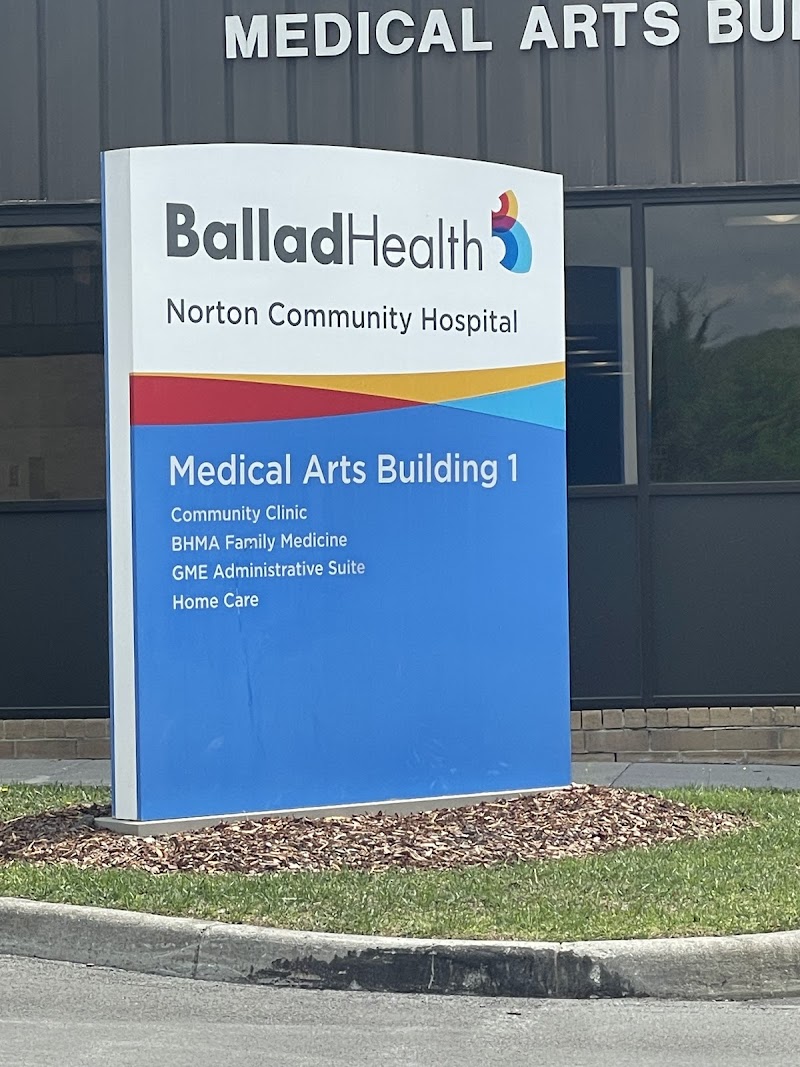
Who Owns and Operates Norton Community Hospital Snf Unit?

NORTON COMMUNITY HOSPITAL SNF UNIT is owned by a non-profit organization. Non-profit facilities reinvest revenue into operations rather than distributing to shareholders. The facility is operated by BALLAD HEALTH, a chain that manages multiple nursing homes. With 44 certified beds and approximately 8 residents (about 18% occupancy), it is a smaller facility located in NORTON, Virginia.
How Does Norton Community Hospital Snf Unit Compare to Other Virginia Nursing Homes?

Compared to the 100 nursing homes in Virginia, NORTON COMMUNITY HOSPITAL SNF UNIT's overall rating (4 stars) is above the state average of 3.0, staff turnover (14%) is significantly lower than the state average of 46%, and health inspection rating (3 stars) is at the national benchmark.

What Should Families Ask When Visiting Norton Community Hospital Snf Unit?

Based on this facility's data, families visiting should ask: "Can I visit during a mealtime to observe dining assistance and food quality?" "How do you handle medical emergencies, and what is your hospital transfer rate?" "Can I speak with family members of current residents about their experience?"

Is Norton Community Hospital Snf Unit Safe?

Based on CMS inspection data, NORTON COMMUNITY HOSPITAL SNF UNIT has a clean safety record: no substantiated abuse findings (meaning no confirmed cases of resident harm), no Immediate Jeopardy citations (the most serious violation level indicating risk of serious injury or death), and is not on the Special Focus Facility watch list (a federal program monitoring the lowest-performing 1% of nursing homes). The facility has a 4-star overall rating and ranks #1 of 100 nursing homes in Virginia. While no facility is perfect, families should still ask about staff-to-resident ratios and recent inspection results during their visit.

Do Nurses at Norton Community Hospital Snf Unit Stick Around?

Staff at NORTON COMMUNITY HOSPITAL SNF UNIT tend to stick around. With a turnover rate of 14%, the facility is 31 percentage points below the Virginia average of 46%. Low turnover is a positive sign. It means caregivers have time to learn each resident's needs, medications, and personal preferences. Consistent staff also notice subtle changes in a resident's condition more quickly. Registered Nurse turnover is also low at 14%, meaning experienced RNs are available to handle complex medical needs.

Was Norton Community Hospital Snf Unit Ever Fined?

NORTON COMMUNITY HOSPITAL SNF UNIT has no federal fines on record. CMS issues fines when nursing homes fail to meet care standards or don't correct problems found during inspections. The absence of fines suggests the facility has either maintained compliance or corrected any issues before penalties were assessed. This is a positive indicator, though families should still review recent inspection reports for the full picture.

Is Norton Community Hospital Snf Unit on Any Federal Watch List?

NORTON COMMUNITY HOSPITAL SNF UNIT is not on any federal watch list. The most significant is the Special Focus Facility (SFF) program, which identifies the bottom 1% of nursing homes nationally based on persistent, serious quality problems. Not being on this list means the facility has avoided the pattern of deficiencies that triggers enhanced federal oversight. This is a positive indicator, though families should still review the facility's inspection history directly.