PORTSIDE HEALTH & REHAB CENTER
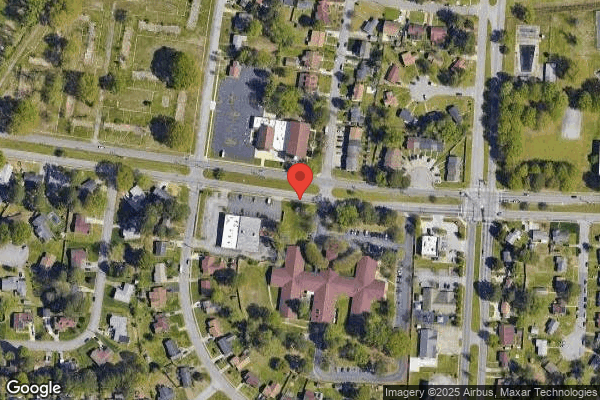

4201 GREENWOOD DRIVE, PORTSMOUTH, VA 23701 (757) 673-5000
For profit - Corporation 132 Beds SABER HEALTHCARE GROUP Data: November 2025
Trust Grade
38/100
#212 of 285 in VA
Last Inspection: December 2024

Within standard 12-15 month inspection cycle. Federal law requires annual inspections.

Overview

Portside Health & Rehab Center has a Trust Grade of F, indicating significant concerns about the quality of care provided. Ranking #212 out of 285 nursing homes in Virginia places it in the bottom half, and #2 out of 3 in Portsmouth City County means there is only one local option that performs better. Unfortunately, the facility's situation is worsening, with issues increasing from 6 in 2021 to 19 in 2024. Staffing is rated at 2 out of 5 stars, with a turnover rate of 52%, which is around the state average, suggesting that staff may not be consistently familiar with residents. While there have been a few positive aspects, such as good quality measures rated at 4 out of 5 stars, there are serious issues that families should consider. For instance, one resident fell during care, which resulted in harm, and another resident developed a severe pressure ulcer that required surgical intervention after staff failed to provide appropriate care. These incidents highlight critical areas of concern that families should carefully weigh when considering this facility for their loved ones.

Trust Score
F
38/100
In Virginia
#212/285
Bottom 26%
Safety Record
Moderate
Needs review
Inspections
Getting Worse
6 → 19 violations
Staff Stability
⚠ Watch
52% turnover. Above average. Higher turnover means staff may not know residents' routines.
Penalties
✓ Good
$8,018 in fines. Lower than most Virginia facilities. Relatively clean record.
Skilled Nurses
⚠ Watch
Each resident gets only 28 minutes of Registered Nurse (RN) attention daily — below average for Virginia. Fewer RN minutes means fewer trained eyes watching for problems.
Violations
⚠ Watch
46 deficiencies on record. Higher than average. Multiple issues found across inspections.
★★☆☆☆
2.0
Overall Rating
★★☆☆☆
2.0
Staff Levels
★★★★☆
4.0
Care Quality
★★☆☆☆
2.0
Inspection Score
Stable
2021: 6 issues
2024: 19 issues

The Good

  • 4-Star Quality Measures · Strong clinical quality outcomes
  • Full Sprinkler Coverage · Fire safety systems throughout facility
  • No fines on record

Facility shows strength in quality measures, fire safety.

The Bad

2-Star Overall Rating

Below Virginia average (3.0)

Below average - review inspection findings carefully

Staff Turnover: 52%

Near Virginia avg (46%)

Higher turnover may affect care consistency

Federal Fines: $8,018

Below median ($33,413)

Minor penalties assessed

Chain: SABER HEALTHCARE GROUP

Part of a multi-facility chain

Ask about local staffing decisions and management

The Ugly 46 deficiencies on record

2 actual harm
Dec 2024 18 deficiencies
CONCERN (D)

Potential for Harm - no one hurt, but risky conditions existed

Deficiency F0554 (Tag F0554)

Could have caused harm · This affected 1 resident

**NOTE- TERMS IN BRACKETS HAVE BEEN EDITED TO PROTECT CONFIDENTIALITY** Based on observation, resident interview, staff interview, facility document review and clinical record review, it was determine...

Read full inspector narrative →
**NOTE- TERMS IN BRACKETS HAVE BEEN EDITED TO PROTECT CONFIDENTIALITY** Based on observation, resident interview, staff interview, facility document review and clinical record review, it was determined that the facility staff failed to assess a resident for the self-administration of medication for one of 43 residents in the survey sample, Resident #32. The findings include: For Resident #32, the facility staff failed to assess the resident for self-administration of medications, Breyna (1). Observation was made on 12/10/24 at 2:30 p.m. of the R32's room. The resident was observed to have his Breyna respiratory inhaler on the bedside table. He stated he keeps it there for when he needs it. The physician order dated, 3/4/24, documented, Breyna (budesonide - formoterol) HFA aerosol inhaler; 160 - 4.5 mcg (micrograms) per actuation; amt (amount) 2 puffs; Inhalation. Special Instruction: 2 puff inhale orally two times a day for COPD (1), rinse mouth with water after each use. Review of the clinical record, failed to evidence a physician order for the resident to self-administer his medication. Review of the clinical record failed to evidence an assessment for the self-administration of medications. Review of the comprehensive care plan dated 8/30/24, failed to evidence documentation for self-administration of medications. An interview was conducted with LPN (licensed practical nurse) #4, on 12/12/24 at 8:10 a.m. When asked if residents are allowed to keep medications at the bedside, LPN #4 stated medications, such as creams and ointments, can be left at the bedside if there is a physician order to do so. LPN #4 was asked if the resident needs to be assessed to keep medications at the bedside, she didn't know anything about that. She stated that the inhaler should not be kept at the bedside. ASM (administrative staff member) #1, the administrator and ASM #2, the director of nursing, were made aware of the above concern on 12/12/24 at 2:11 p.m. No further information was provided prior to exit. References: (1) Breyna - The combination of budesonide and formoterol is used to prevent and treat difficulty breathing, wheezing, shortness of breath, coughing, and chest tightness caused by asthma in adults and children 6 years of age and older. The combination of budesonide and formoterol is also used to treat chronic obstructive pulmonary (COPD; a group of diseases that affect the lungs and airways, that includes chronic bronchitis and emphysema) in adults. Budesonide is in a class of medications called steroids. It works by reducing swelling in the airways. Formoterol is in a class of medications called long-acting beta agonists ([NAME]). It works by relaxing and opening air passages in the lungs, making it easier to breathe. This information was obtained from the following website: https://medlineplus.gov/druginfo/meds/a623022.html.
CONCERN (D)

Potential for Harm - no one hurt, but risky conditions existed

Deficiency F0558 (Tag F0558)

Could have caused harm · This affected 1 resident

**NOTE- TERMS IN BRACKETS HAVE BEEN EDITED TO PROTECT CONFIDENTIALITY** Based on observations, staff/resident interviews facility document review and clinical record review, it was determined the faci...

Read full inspector narrative →
**NOTE- TERMS IN BRACKETS HAVE BEEN EDITED TO PROTECT CONFIDENTIALITY** Based on observations, staff/resident interviews facility document review and clinical record review, it was determined the facility staff failed to accommodate resident needs for one of 43 residents in the survey sample, R25. The findings include: For R25, the facility staff failed to maintain the call light in a position where they could access it. Resident #25 was admitted to the facility on [DATE] with diagnosis that included but were not limited to ESRD (end stage renal disease), Sepsis and bilateral osteoarthritis. The most recent MDS (minimum data set) assessment, an admission assessment, with an ARD (assessment reference date) of 10/18/24, coded the resident as scoring a 15 out of 15 on the BIMS (brief interview for mental status) score, indicating the resident was not cognitively impaired. A review of the MDS Section GG-functional abilities and goals coded the resident as requiring supervision for transfer/dressing/toileting and eating. A review of the comprehensive care plan dated 11/27/24 revealed, PROBLEM: Resident has increased nutrition /hydration risk related to: ESRD and diet / fluid restriction. APPROACH: Dialysis Monday, Wednesday and Friday. On 12/10/24 at 9:43 AM, observation of call bell on floor between bed A & B. R25 when asked where his call bell was located, stated, not sure where this is. An interview was conducted on 12/10/24 at 9:50 AM with LPN (licensed practical nurse) #1. LPN #1 was asked to locate the call device for R25. LPN #1 found the call device on the floor between bed A and bed B. LPN #1 stated, here it is on the floor between the beds. I am going to clip this to your covers. When asked if R25's needs were accommodated when unable to reach call bell, LPN #1 stated, no, they were not. On 12/11/24 at 5:00 PM, ASM (administrative staff member) #1, the administrator, ASM #2, the director of nursing and ASM #3, the regional vice president of operations was made aware of the above concerns. A review of the facility's Resident Communication and Call Light policy revealed in part, When the resident is in bed or confined to a chair, be sure the call light is within easy reach. No further information was provided prior to exit.
CONCERN (D)

Potential for Harm - no one hurt, but risky conditions existed

Transfer Notice (Tag F0623)

Could have caused harm · This affected 1 resident

**NOTE- TERMS IN BRACKETS HAVE BEEN EDITED TO PROTECT CONFIDENTIALITY** 3. The facility staff failed to evidence provision of required written RP (responsible party) notification at the time of discha...

Read full inspector narrative →
**NOTE- TERMS IN BRACKETS HAVE BEEN EDITED TO PROTECT CONFIDENTIALITY** 3. The facility staff failed to evidence provision of required written RP (responsible party) notification at the time of discharge for Resident #90. Resident #90 was transferred to the hospital on [DATE]. Resident #90 was admitted to the facility on [DATE] with diagnosis that included but were not limited to colon cancer, dementia, falls and femur fracture. The most recent MDS (minimum data set) assessment, an admission assessment, with an ARD (assessment reference date) of 12/2/24, coded the resident as scoring a 02 out of 15 on the BIMS (brief interview for mental status) score, indicating the resident was severely cognitively impaired. A review of the comprehensive care plan dated 5/27/24 revealed, PROBLEM: Resident at risk for falling related to generalized weakness with dementia and history of colon cancer. APPROACH: Observe frequently and place in supervised area when out of bed. Encourage resident to assume a standing position slowly. Keep bed in lowest position with brakes locked. Always keep call light in reach. There was no evidence of provision of required written RP notification when Resident #90 was sent to the hospital on [DATE]. A review of the progress note dated 11/18/24 at 2:40 AM, revealed, Resident had an unwitnessed fall in her room. Resident was heard by nurse screaming asking for help. Upon entering the room resident was found on the floor sitting on buttocks. When asked what happened resident stated that she did not know. Nurse did full head to toe assessment on resident to rule out any abnormalities. Resident's vitals reading at Bp:102/58, HR, 62, Temp: 97.9, O2 96% RA, and RR 18. Pain noted in right leg when nurse attempted to extend extremity. No other injuries noted. Family notified (daughter) and requested that resident be sent to ED for further observations. Hospital and physician notified of situation. Resident sent to the hospital with order, face sheet, care plan, and bed hold form. On 12/11/24 at 5:00 PM, ASM (administrative staff member) #1, the administrator, ASM #2, the director of nursing and ASM #3, the regional vice president of operations was made aware of the above concerns. No further information was provided prior to exit. 2. For Resident #9 (R9), the facility staff failed to evidence written notification of transfer was provided to the responsible party for a facility-initiated transfer on 11/24/24. On the most recent MDS (minimum data set), a quarterly assessment with an ARD (assessment reference date) of 9/8/24, R9 was coded as being cognitively intact for making daily decisions, having scored 13 out of 15 on the BIMS (brief interview for mental status) assessment. A review of R9's clinical record revealed the following progress note: 11/24/2024 09:00 Paramedics arrived and tended to resident while SN gave paramedics report. The resident continued to rapidly decline and resident was placed on a non-rebreather by paramedics. Facesheet, InterAct form, med list and DNR (do not resuscitate) form sent with resident which was emergently transported to [Name of hospital]. Report called to ER and to [Name of insurance company]. Message left with wife who is primary contact and legal representative. Further review of the clinical record failed to reveal evidence that written notification of transfer was provided to the responsible party for the transfer on 11/24/24. On 12/11/24 at 3:47 p.m., an interview was conducted with LPN (licensed practical nurse) #3. LPN #3 stated that the nursing staff called the responsible party when a resident was transferred to the hospital but did not provide any written notification of transfer. On 12/11/24 at approximately 2:30 p.m., a request was made via written list to ASM (administrative staff member) #5, administrative support, for evidence of written notification of transfer provided to the responsible party for the facility-initiated transfer on 11/24/24. On 12/12/24 at approximately 8:30 a.m., ASM #2, the director of nursing provided progress notes and an SBAR (situation, background, assessment, and recommendation) assessment for R9. The documents provided failed to evidence written notification of transfer provided to the responsible party for the facility-initiated transfer on 11/24/24. On 12/12/24 at approximately 2:09 p.m., ASM #1, the administrator, ASM #2, the director of nursing, ASM #3, the regional vice president of operations, ASM #4, the regional director of clinical services, and ASM #5, administrative support were made aware of the findings. No further information was provided prior to exit. Based on staff interview, facility document review, and clinical record review, it was determined the facility staff failed to evidence a written notification was provided to the resident and/or responsible party upon transfer to the hospital for three of 43 residents in the survey sample, Residents #16, #9, and #90. The findings include: 1. For Resident #16, the facility staff failed to evidence the resident and/or responsible party was provided a written notification upon transfer to the hospital on [DATE]. The nurses note dated 11/4/24 at 9:11 a.m. documented, Writer was informed by AIDE that resident was vomiting. Upon assessment resident was vomiting up coffee ground emesis in a large amount. NP (nurse practitioner) and DR. (doctor) examined resident and recommended sending to the ER (emergency room). Per NP resident had a previous incident earlier this morning with the same results. 911 was called and dispatched to the facility. (Name of responsible party) has been notified and he said that he would notify the sitter. Transfer paperwork, face sheet, DNR (do not resuscitate), transfer to hospital, SBAR (situation, background, assessment, response), care plan, order/medication, and bed hold has been sent with the resident. An interview was conducted with LPN (licensed practical nurse) #4 on 12/12/24 at 8:20 a.m. LPN #4 stated they do not give the resident and/or family anything in writing when the resident is transferred to the hospital. They call the family and notate it in the chart. The facility did not provide a policy related to the written notice provided to residents and/or responsible parties upon transfer to the hospital. ASM (administrative staff member) #1, the administrator, and ASM #2, the director of nursing, were made aware of the above concern on 12/12/24 at 2:11 p.m. No further information was provided prior to exit.
CONCERN (D)

Potential for Harm - no one hurt, but risky conditions existed

Deficiency F0625 (Tag F0625)

Could have caused harm · This affected 1 resident

Based on clinical record review, staff interview and facility document review, it was determined that the facility staff failed to evidence bed hold notice provided for a facility-initiated transfer f...

Read full inspector narrative →
Based on clinical record review, staff interview and facility document review, it was determined that the facility staff failed to evidence bed hold notice provided for a facility-initiated transfer for one of 43 residents in the survey sample, Resident #9. The findings include: For Resident #9 (R9), the facility staff failed to evidence bed hold notice was provided to the responsible party for a facility-initiated transfer on 11/24/24. The progress notes for R9 documented in part, - 11/24/2024 09:00 Paramedics arrived and tended to resident while SN gave paramedics report. The resident continued to rapidly decline and resident was placed on a non-rebreather by paramedics. Facesheet, InterAct form, med list and DNR (do not resuscitate) form sent with resident which was emergently transported to [Name of hospital]. Report called to ER and to [Name of insurance company]. Message left with wife who is primary contact and legal representative. - 11/25/2024 0:31 (12:31 a.m.) This writer called [Name of hospital] for resident update. Per [Name of staff member] resident has been admitted to ICU (intensive care unit). Admitting diagnosis is aspiration pneumonia. Further review of the clinical record failed to reveal evidence that bed hold notice was provided to the responsible party for the transfer on 11/24/24. On 12/11/24 at 3:47 p.m., an interview was conducted with LPN (licensed practical nurse) #3. LPN #3 stated that the nursing staff should send a bed hold notice with the resident when they transferred them to the hospital. She stated that they sent it with the face sheet, medication list, transfer form, orders and care plan. She stated that this was documented in the progress notes. On 12/11/24 at approximately 2:30 p.m., a request was made via written list to ASM (administrative staff member) #5, administrative support, for evidence of bed hold notice provided to the responsible party for the facility-initiated transfer on 11/24/24. On 12/12/24 at approximately 8:30 a.m., ASM #2, the director of nursing provided progress notes and an SBAR (situation, background, assessment, and recommendation) assessment for R9. The documents provided failed to evidence bed hold notice provided to the responsible party for the facility-initiated transfer on 11/24/24. The facility policy Bed Hold Letter Policy revised 9/26/20 documented in part, .Business Office or designee will complete the Medicaid Bed Hold Letter and send to the appropriate parties' certified/return receipt requested. The Medicaid Bed Hold Letter can be given directly to the responsible party if they are present. Medicaid Copy will be retained in resident's financial file. On 12/12/24 at approximately 2:09 p.m., ASM #1, the administrator, ASM #2, the director of nursing, ASM #3, the regional vice president of operations, ASM #4, the regional director of clinical services, and ASM #5, administrative support were made aware of the findings. No further information was provided prior to exit.
CONCERN (D)

Potential for Harm - no one hurt, but risky conditions existed

Deficiency F0688 (Tag F0688)

Could have caused harm · This affected 1 resident

Based on observation, clinical record review, staff interview and facility document review, it was determined that the facility staff failed to provide services to maintain or improve mobility for one...

Read full inspector narrative →
Based on observation, clinical record review, staff interview and facility document review, it was determined that the facility staff failed to provide services to maintain or improve mobility for one of 43 residents in the survey sample, Resident #70. The findings include: For Resident #70 (R70), the facility staff failed to follow therapy recommendations for the use of a splinting device. On 12/9/24 at 8:16 p.m., an observation was made of R70 in bed. R70 was observed with limited range of motion (ROM) in the right hand. No splinting device was observed in use. Additional observation on 12/10/24 at 8:25 a.m. revealed R70 in bed with no splinting device and limited ROM in the right hand. The most recent OT (occupational therapy) evaluation and plan of treatment dated 8/14/24-9/11/24 documented treatments including but not limited to splinting and increasing finger flexion. The evaluation documented a right upper extremity contracture and impairment of the right hand. Under Recommendations it documented Splint/Orthotic Recommendations: It is recommended the patient wear an elbow extension splint on right elbow for during daily tasks in order to inhibit abnormal reflex patterns, develop/establish wearing schedule, inhibit abnormal positions and adapt/modify splint device. The OT discharge summary for R70 dated 9/11/24 documented in part, .Maximum potential achieved, referred for RNP (restorative nursing program) .Discharge Recommendations: RNP, splinting . The comprehensive care plan for R70 failed to address the limited range of motion or use of any splinting devices. The physician's orders for R70 failed to evidence an order for the use of a splinting device. On 12/11/24 at 11:49 a.m., an interview was conducted with OSM (other staff member) #1, the director of rehab. OSM #1 stated that they were not currently working with R70 but had seen them in the past. She stated that R70 was last discharged from OT on 9/11/24 with recommendations for restorative nursing and splinting. On 12/11/24 at approximately 12:00 p.m., a request was made to ASM (administrative staff member) #5, administrative support for evidence of splint therapy for R70 from 9/11/24 to the present. On 12/11/24 at approximately 3:00 p.m., ASM #5 provided a Therapy Education Form for R70 which documented a therapy referral to nursing for splinting for 1-2 hours daily and bilateral upper extremity exercises with movement in all planes within the patient's abilities to begin on 9/26/24. A Restorative Nursing Program Manual dated 9/11/24 for R70 documented instructions for restorative nursing staff for the resident's ability to perform tasks and assistance needed. The documents provided failed to evidence documentation of splinting completed by staff as recommended by therapy at discharge from services. On 12/12/24 at 9:15 a.m., an interview was conducted with CNA (certified nursing assistant) #4, restorative aide who stated that R70 had orders for a splint to the right arm/elbow and for range of motion/stretching exercises. She stated that the other restorative aide recently resigned, and she was not aware of the treatment for R70 until today and she had completed the treatment that morning. She stated that the documentation was placed in the medical record under the POC (plan of care) charting. Review of the POC documentation for R70 documented the passive range of motion last completed for R70 on 10/31/24 and splinting last completed on 10/28/24. On 12/12/24 at approximately 2:09 p.m., ASM #1, the administrator, ASM #2, the director of nursing, ASM #3, the regional vice president of operations, ASM #4, the regional director of clinical services, and ASM #5, administrative support were made aware of the concern. No further information was provided prior to exit.
CONCERN (D) 📢 Someone Reported This

A family member, employee, or ombudsman was alarmed enough to file a formal complaint

Potential for Harm - no one hurt, but risky conditions existed

Incontinence Care (Tag F0690)

Could have caused harm · This affected 1 resident

Based on observation, staff interview, facility document review and clinical record review, it was determined the facility staff failed to provide care and services for an indwelling catheter for one ...

Read full inspector narrative →
Based on observation, staff interview, facility document review and clinical record review, it was determined the facility staff failed to provide care and services for an indwelling catheter for one of 43 residents in the survey sample, Resident #89. The findings include: For Resident #89 (R89), the facility staff failed to evidence of providing catheter care. On 12/10/24 at 8:45 a.m. Resident was observed in bed, an indwelling catheter bag was noted hanging off the bedframe. the physician orders dated, 7/8/24, documented, Change foley (indwelling) catheter as needed. 18 fr (french) 10 cc (cubic centimeters). Special Instructions: Document catheter (french) and balloon (ml - milliliters) size inserted PRN (as needed). Further review of the physician orders failed to evidence an order for indwelling catheter care. Review of the MAR for October, November and December 2024, failed to evidence documentation of indwelling catheter care. Review of the comprehensive care plan dated, 7/11/24, documented in part, Problem: Urinary Incontinence: Incontinence d/t (due to) dx (diagnosis) of muscle weakness, lack of coordination, dementia and Alzheimer's. The Approach failed to evidence any documentation related to the use of an indwelling catheter. An interview was conducted with LPN (licensed practical nurse) #4 on 12/12/24 at 8:10 a.m. LPN #4 stated both the nurses and CNAs (certified nursing assistants) do indwelling catheter care. It is documented on the eMAR (electronic medication administration record) as there are orders for catheter care. On 12/12/24 at 1:39 p.m. ASM (administrative staff member) #2, the director of nursing, stated the facility had no evidence of indwelling catheter care for R89. ASM #1, the administrator, and ASM #2, were made aware of the above concern on 12/12/24 at 2:11 p.m. No further information was provided prior to exit.
CONCERN (D)

Potential for Harm - no one hurt, but risky conditions existed

Respiratory Care (Tag F0695)

Could have caused harm · This affected 1 resident

Based on observation, clinical record review, staff interview and facility document review, it was determined that the facility staff failed to obtain a physician's order for oxygen administration for...

Read full inspector narrative →
Based on observation, clinical record review, staff interview and facility document review, it was determined that the facility staff failed to obtain a physician's order for oxygen administration for one of 43 residents in the survey sample, Resident #9. The findings include: For Resident #9 (R9), the facility staff failed to obtain an order for the administration of oxygen (O2). The progress notes for R9 documented in part, - 11/23/2024 20:10 (8:10 p.m.) Resident in bed awake/alert and verbal. Resident has scattered rhonchi. Resident has O2 @ 2L/min (liters per minute) via NC (nasal cannula). IsoSource (enteral tube feeding) is not connected at this time per physician order. Staff will continue to monitor closely for any status change. - 12/07/2024 18:09 (6:09 p.m.) Resident completed ABT (antibiotic) for Pneumonia. No adverse reactions noted. Bed in low position, HOB (head of bed), and o2 running 2 L via nasal cannula. Will continue to monitor and report any changes in status. - 12/09/2024 20:20 (8:20 p.m.) During routine f/u (follow up) visit w/ MD [Name of physician], family concerns were addressed by NP [Name of nurse practitioner]/ MD [Name of physician]. Head to toe assessment completed; Resident observed w/ no c/o pain or discomfort, lethargic, slightly congested, VS WNL (vital signs within normal limits), on continuous 02 via nasal cannula . The re-admission assessment for R9 dated 12/2/24 for R9 documented the resident using oxygen at 2 lpm. Further review of R9's clinical record failed to reveal evidence an order for oxygen. On 12/12/24 at 8:30 a.m., an interview was conducted with LPN (licensed practical nurse) #4. LPN #4 stated that residents receiving oxygen should have orders. She stated that they had standing orders that they used in emergencies but when a resident came in with oxygen the order was placed in the medical record so that the staff would know the prescribed rate for the oxygen, check the rate every shift and change the tubing every week. LPN #4 reviewed R9's orders and stated that she did not see an order in place and would make sure there was one placed. She stated that she knew R9 wore the oxygen continuously since they had been back from the hospital. The facility policy Oxygen Administration (All routes) Policy revised 7/30/24 documented in part, .POLICY: Licensed clinicians with demonstrated competence will administer oxygen via the specified route as ordered by a provider. In an emergency situation, clinicians may administer oxygen and obtain a provider's order as soon as practicably possible after patient stabilization or transfer . On 12/12/24 at approximately 2:09 p.m., ASM (administrative staff member) #1, the administrator, ASM #2, the director of nursing, ASM #3, the regional vice president of operations, ASM #4, the regional director of clinical services, and ASM #5, administrative support were made aware of the findings. No further information was provided prior to exit.
CONCERN (D)

Potential for Harm - no one hurt, but risky conditions existed

Deficiency F0699 (Tag F0699)

Could have caused harm · This affected 1 resident

**NOTE- TERMS IN BRACKETS HAVE BEEN EDITED TO PROTECT CONFIDENTIALITY** Based on resident interview, staff interview, facility document review and clinical record review, it was determined that the fa...

Read full inspector narrative →
**NOTE- TERMS IN BRACKETS HAVE BEEN EDITED TO PROTECT CONFIDENTIALITY** Based on resident interview, staff interview, facility document review and clinical record review, it was determined that the facility staff failed to provide trauma informed care for one of 43 residents in the sample Resident #176 (R176). The findings include: The facility failed to evidence provision of trauma informed care for Resident #176. R176 was admitted to the facility on [DATE] with diagnosis that included but were not limited to PTSD (post-traumatic stress disorder), CHF (congestive heart failure) and CVA (cerebrovascular accident). The most recent MDS (minimum data set) assessment, an admission assessment, with an ARD (assessment reference date) of 12/3/24, coded the resident as scoring a 14 out of 15 on the BIMS (brief interview for mental status) score, indicating the resident was not cognitively impaired. A review of the MDS Section GG-functional abilities and goals coded the resident as requiring moderate assistance for mobility/transfers and eating. Section I: PTSD yes. PTSD is listed on R176's problem list. A review of the baseline care plan dated 11/26/24 did not reveal PTSD as a problem. A review of the physician order dated 12/5/24 revealed, Buspar 7.5 mg po twice daily. A review of the progress note dated 11/27/24 at 5:31 PM revealed, When given the PHQ9 questionnaire, patient responded to #9 that he did feel he would be better off dead what do I have to live for but that he would not do anything to hurt himself. This was reported to the SW, DON, ADON and unit manager nurse. A review of the progress note dated 11/27/24 at 6:05 PM revealed, S.W. met with resident this evening to discuss his PHQ interview with the Rehab Director, he stated to her he would be better on dead. When addressed the matter to resident, he to this writer Hell NO I'm not going to bring any harm to myself. But at times I say like that if that's the case I would have done something to myself long time ago. Writer did ask resident if he would like to have psych intervention or to be seen by a Chaplain. He stated: NO S.W. will continue provide supportive therapy weekly. Nursing Staff/ Social Worker will continue to monitor/document. A review of the physician note dated 12/5/24 revealed, Resident refused psychiatry consult, will try Buspar. An interview was conducted on 12/11/24 at 2:05 PM with LPN (licensed practical nurse) #1. When asked if there should be specific care outlined for a resident with a diagnosis of PTSD, LPN #1 stated, yes, there should be. When asked where that care would be documented, LPN #1 stated, it would be in the care plan. On 12/11/24 at 5:00 PM, ASM (administrative staff member) #1, the administrator, ASM #2, the director of nursing and ASM #3, the regional vice president of operations was made aware of the above concerns. A review of the facility's Social Services policy, reveals, Social Services will assist in implementing interventions for the resident's needs by developing and maintaining care plans which are individualized, realistic, with measurable goals, including, but not limited to; Trauma, PTSD. No further information was provided prior to exit.
CONCERN (D) 📢 Someone Reported This

A family member, employee, or ombudsman was alarmed enough to file a formal complaint

Potential for Harm - no one hurt, but risky conditions existed

Deficiency F0712 (Tag F0712)

Could have caused harm · This affected 1 resident

Based on clinical record review, staff interview, and facility document review, it was determined that the facility staff failed to ensure timely physician visits for 1 of 43 residents in the survey s...

Read full inspector narrative →
Based on clinical record review, staff interview, and facility document review, it was determined that the facility staff failed to ensure timely physician visits for 1 of 43 residents in the survey sample, Resident #127. The findings include: For Resident #127 (R127), the facility staff failed to evidence a physician visit between 6/8/21 and 10/14/21. A review of the clinical record for physician visits documented a physician progress note for R127 dated 6/8/21 and the next dated 10/14/21, 127 days without a physician's visit. On 12/12/24 at 10:15 a.m., an interview was conducted with ASM (administrative staff member) #6, medical doctor who stated that long term care residents were seen every 60 days for recertification visits and she and the nurse practitioner alternated the visits. A request was made for a policy for physician visits however none was provided by the facility prior to exit. On 12/12/24 at approximately 2:09 p.m., ASM #1, the administrator, ASM #2, the director of nursing, ASM #3, the regional vice president of operations, ASM #4, the regional director of clinical services, and ASM #5, administrative support were made aware of the findings. No further information was provided prior to exit.
CONCERN (E)

Potential for Harm - no one hurt, but risky conditions existed

Assessment Accuracy (Tag F0641)

Could have caused harm · This affected multiple residents

**NOTE- TERMS IN BRACKETS HAVE BEEN EDITED TO PROTECT CONFIDENTIALITY** Based on staff interview, resident interview, facility document review and clinical record review, it was determined the facilit...

Read full inspector narrative →
**NOTE- TERMS IN BRACKETS HAVE BEEN EDITED TO PROTECT CONFIDENTIALITY** Based on staff interview, resident interview, facility document review and clinical record review, it was determined the facility staff failed to provide an accurate assessment for four of 43 residents, R25, R124, R125 and R10. The findings include: 1. The facility failed to provide an accurate assessment including dialysis treatment for R25. Resident #25 was admitted to the facility on [DATE] with diagnosis that included but were not limited to ESRD (end stage renal disease), Sepsis and bilateral osteoarthritis. The most recent MDS (minimum data set) assessment, an admission assessment, with an ARD (assessment reference date) of 10/18/24, coded the resident as scoring a 15 out of 15 on the BIMS (brief interview for mental status) score, indicating the resident was not cognitively impaired. A review of the MDS Section GG-functional abilities and goals coded the resident as requiring supervision for transfer/dressing/toileting and eating. Section O: dialysis not checked. A review of the comprehensive care plan dated 11/27/24 revealed, PROBLEM: Resident has increased nutrition /hydration risk related to: ESRD and diet / fluid restriction. APPROACH: Dialysis Monday, Wednesday and Friday. A review of the physician orders dated 10/12/24 revealed, dialysis in center 11:00 AM chair time, pick up at 10:30am, M_W_F. Davita dialysis in centerHarborview. M-W-FSpecial Instructions: 11amchairtime, pick up at 10:30am, M_W_F An interview was conducted with LPN (licensed practical nurse) #5, the MDS coordinator. When asked to review R25's 10/18/24 MDS, LPN #5 stated, he was not coded for dialysis and that will be modified. When asked the standard for completing a MDS, LPN #5 stated, we use the RAI (resident assessment instrument). On 12/12/24 at 2:10 PM, ASM (administrative staff member) #1, the administrator, ASM #2, the director of nursing and ASM #3, the regional vice president of operations was made aware of the above concerns. No further information was provided prior to exit. 2. The facility failed to provide an accurate assessment including discharge disposition for R124 on the 10/31/24 MDS. During the closed record review, R124 was identified for review for hospitalization. MDS dated [DATE] coded the resident as discharge disposition to short term hospital. Resident #124 was admitted to the facility on [DATE] with diagnosis that included but were not limited to gangrene, osteomyelitis, Diabetes and below the knee amputation. A review of the progress note dated 10/31/24 at 9:42 PM revealed, Resident was discharged from facility, with wife present, completed antibiotic no noted toxicity symptoms, vitals within normal limits, educated on all order discharge instruction and follow up appointments, verbalized understanding, skin check completed, left via vehicle. An interview was conducted with LPN (licensed practical nurse) #5, the MDS coordinator. When asked to review R124's 10/18/24 MDS, LPN #5 stated, he was coded for hospitalization under Section A, when he went home with wife and that will be modified. When asked the standard for completing a MDS, LPN #5 stated, we use the RAI (resident assessment instrument). On 12/12/24 at 2:10 PM, ASM (administrative staff member) #1, the administrator, ASM #2, the director of nursing and ASM #3, the regional vice president of operations was made aware of the above concerns. No further information was provided prior to exit. 3. The facility failed to provide an accurate assessment including discharge disposition for R125. During the closed record review, R125 was identified for review for hospitalization. MDS dated [DATE] coded the resident as discharge disposition to home. Resident #125 was admitted to the facility on [DATE] with diagnosis that included but were not limited to infection and post spinal surgery. A review of the progress note dated 10/31/24 revealed, Resident's husband met her at the doctor's office. Resident was transferred to the hospital as the doctor did not feel that her surgical site was healing properly. An interview was conducted with LPN (licensed practical nurse) #5, the MDS coordinator. When asked to review R125's 10/18/24 MDS, LPN #5 stated, she was coded to go home and she went to the hospital from the doctor's office and that will be modified. When asked the standard for completing a MDS, LPN #5 stated, we use the RAI (resident assessment instrument). On 12/12/24 at 2:10 PM, ASM (administrative staff member) #1, the administrator, ASM #2, the director of nursing and ASM #3, the regional vice president of operations was made aware of the above concerns. No further information was provided prior to exit. 4. For Resident #10 (R10), the facility staff failed to complete the pain assessment interview of section J of the MDS (minimum data set) assessment. Review of the annual MDS with an ARD (assessment reference date) of 9/12/2024, R10 was assessed as scoring 7 out of 15 on the BIMS (brief interview for mental status) assessment indicating that they were moderately impaired for making daily decisions. Section J documented in part, J0200. Should Pain Assessment Interview be Conducted? Attempt to conduct interview with all residents. If resident is comatose, skip to J1100, Shortness of Breath (dyspnea). Enter Code. 0. No (resident is rarely/never understood). Skip to and complete J0800, Indicators of Pain or Possible Pain . Section J0800 was observed to be blank. On 12/12/24 at 8:41 a.m., an interview was conducted with LPN (licensed practical nurse) #5, MDS coordinator. LPN #5 stated that when completing Section J, they always interviewed or attempted the interview for pain. She stated that the interview was done to determine whether the resident had pain. LPN #5 reviewed Section J of R10's annual MDS with the ARD of 9/12/24 and stated that she would have to investigate why it was not completed. On 12/12/24 at 9:11 a.m., LPN #5 stated that she had reviewed the MDS and R10 was not interviewed for the pain interview portion of Section J, and they should have been. She stated that she thought that it was an oversight. According to the RAI (resident assessment instrument) manual version 1.19.1, effective 10/1/24, pages J-4 through J-5 documented in part, .Health-related Quality of Life: Most residents who are capable of communicating can answer questions about how they feel. Obtaining information about pain directly from the resident, sometimes called hearing the resident's voice, is more reliable and accurate than observation alone for identifying pain. Planning for Care: Interview allows the resident's voice to be reflected in the care plan. Information about pain that comes directly from the resident provides symptom-specific information for individualized care planning . Coding Instructions Attempt to complete the interview with all residents . On 12/12/24 at approximately 2:09 p.m., ASM (administrative staff member) #1, the administrator, ASM #2, the director of nursing, ASM #3, the regional vice president of operations, ASM #4, the regional director of clinical services, and ASM #5, administrative support were made aware of the findings. No further information was provided prior to exit.
CONCERN (E)

Potential for Harm - no one hurt, but risky conditions existed

Deficiency F0655 (Tag F0655)

Could have caused harm · This affected multiple residents

**NOTE- TERMS IN BRACKETS HAVE BEEN EDITED TO PROTECT CONFIDENTIALITY** Based on observations, staff/resident interviews facility document review and clinical record review, it was determined the faci...

Read full inspector narrative →
**NOTE- TERMS IN BRACKETS HAVE BEEN EDITED TO PROTECT CONFIDENTIALITY** Based on observations, staff/resident interviews facility document review and clinical record review, it was determined the facility staff failed to develop/implement a baseline care plan for two of 43 residents in the survey sample, Resident #176 (R176) and R177. The findings include: 1. A. The facility failed to develop a baseline care plan to include PTSD (post-traumatic stress disorder) for R176. R176 was admitted to the facility on [DATE] with diagnosis that included but were not limited to PTSD (post-traumatic stress disorder), CHF (congestive heart failure) and CVA (cerebrovascular accident). The most recent MDS (minimum data set) assessment, an admission assessment, with an ARD (assessment reference date) of 12/3/24, coded the resident as scoring a 14 out of 15 on the BIMS (brief interview for mental status) score, indicating the resident was not cognitively impaired. A review of the MDS Section GG-functional abilities and goals coded the resident as requiring moderate assistance for mobility/transfers and eating. Section I: PTSD yes. PTSD is listed on R176's problem list. A review of the baseline care plan dated 11/26/24 did not reveal PTSD as a problem. A review of the physician order dated 12/5/24 revealed, Buspar 7.5 mg po twice daily. An interview was conducted on 12/11/24 at 2:05 PM with LPN (licensed practical nurse) #1. When asked if there should be specific care outlined for a resident with a diagnosis of PTSD, LPN #1 stated, yes, there should be. When asked where that care would be documented, LPN #1 stated, it would be in the care plan. On 12/11/24 at 5:00 PM, ASM (administrative staff member) #1, the administrator, ASM #2, the director of nursing and ASM #3, the regional vice president of operations was made aware of the above concerns. A review of the facility's Interim Baseline Care Plan policy, reveals, Within 48 hours of admission, the facility will develop and implement an interim/baseline care plan for each resident that includes the instructions needed to provide effective and person-centered care of the resident until a comprehensive assessment can be completed, leading to a comprehensive care plan. The baseline care plan will be used until the comprehensive assessment and care plan is developed by the interdisciplinary team. No further information was provided prior to exit. 1.B. The facility failed to develop a baseline care plan to include monitoring of anticoagulation therapy for R176. A review of the physician's order dated 11/27/24 revealed, Eliquis 5 mg po twice daily. A review of the MAR did not reveal evidence of anticoagulation monitoring. On 12/11/24 at 2:05 PM, an interview was conducted with LPN (licensed practical nurse) #1, when asked if anticoagulation monitoring should be on the care plan, LPN #1 stated, yes, we should be monitoring for bleeding and bruising. When asked if a physician's order is required, LPN #1 stated, no, it is nursing practice. On 12/12/24 at 8:16 AM, an interview was conducted with LPN (licensed practical nurse) #4. LPN #4 stated residents who receive anticoagulant medication such as Eliquis should have a physician's order for nurses to monitor for a risk of bleeding every shift. LPN #4 stated nurses' evidence this monitoring is done by signing off the order on the MAR (medication administration record). On 12/11/24 at 5:00 PM, ASM (administrative staff member) #1, the administrator, ASM #2, the director of nursing and ASM #3, the regional vice president of operations was made aware of the above concerns. No further information was provided prior to exit. 2. A. The facility failed to develop a baseline care plan to include dialysis for R177. R177 was admitted to the facility on [DATE] with diagnosis that included but were not limited to ESRD (end stage renal disease), convulsions and atrial fibrillation. The most recent MDS (minimum data set) assessment, an admission assessment, with an ARD (assessment reference date) of 12/2/24, coded the resident as scoring a 01 out of 15 on the BIMS (brief interview for mental status) score, indicating the resident was severely cognitively impaired. A review of the MDS Section GG-functional abilities and goals coded the resident as being dependent for mobility/transfers and eating. Section I: ESRD checked and Section O: oxygen: yes. A review of the baseline care plan dated 11/27/24 did not reveal dialysis as a problem/approach. A review of the physician order dated 11/27/24 revealed, Dialysis Monday, Wednesday, Friday at 9:00 AM. An interview was conducted on 12/11/24 at 2:05 PM with LPN (licensed practical nurse) #1. When asked if there should be specific care outlined for a resident with a diagnosis of ESRD, receiving dialysis, LPN #1 stated, yes, there should be. When asked where that care would be documented, LPN #1 stated, it would be in the care plan. On 12/11/24 at 5:00 PM, ASM (administrative staff member) #1, the administrator, ASM #2, the director of nursing and ASM #3, the regional vice president of operations was made aware of the above concerns. A review of the facility's Interim Baseline Care Plan policy, reveals, Within 48 hours of admission, the facility will develop and implement an interim/baseline care plan for each resident that includes the instructions needed to provide effective and person-centered care of the resident until a comprehensive assessment can be completed, leading to a comprehensive care plan. The baseline care plan will be used until the comprehensive assessment and care plan is developed by the interdisciplinary team. No further information was provided prior to exit. 2. B. The facility failed to develop a baseline care plan to include oxygen therapy for R177. A review of the baseline care plan dated 11/27/24 did not reveal oxygen therapy as a problem/approach. A review of the physician orders dated 12/1/24 revealed, Oxygen: Administer oxygen(O2) via nasal cannula (NC)continuously at: 2lpm via nasal cannula. An interview was conducted on 12/11/24 at 2:05 PM with LPN (licensed practical nurse) #1. When asked if there should be specific care outlined for a resident receiving oxygen therapy, LPN #1 stated, yes, there should be. When asked where that care would be documented, LPN #1 stated, it would be in the care plan. On 12/11/24 at 5:00 PM, ASM (administrative staff member) #1, the administrator, ASM #2, the director of nursing and ASM #3, the regional vice president of operations was made aware of the above concerns. No further information was provided prior to exit. 2. C. The facility failed to implement a baseline care plan to for fluid restriction for R177. A review of the baseline care plan dated 11/27/24 revealed, PROBLEM: Resident has increased nutrition/hydration risk related to therapeutic diet/fluid restriction, ESRD/HD dependent. APPROACH: Provide fluids per ordered restriction. A review of the physician order dated 11/29/24 revealed, Fluid Restriction 1200cc/24hr. Special Instructions: 1200ccFluid Restriction Dietary to give 840cc BRKFST=360CC, LUNCH= 240CC, DINNER=240CC. Nursing to give 360cc: 1 SHIFT=180CC, 2 SHIFT=180CC. A review of the November and December MAR (medication administration record) revealed, 180 cc fluid restriction exceeded on day/evening shift on 11/30, 12/1, 12/2, 12/3, 12/4, 12/6, 12/7, 12/8, 12/9, 12/10 and 12/11; 180 cc fluid restriction exceeded on evening shift on 11/29, 11/30, 12/2, 12/3, 12/5, 12/6, 12/7, 12/8, 12/9, 12/10 and 12/11. An interview was conducted on 12/12/24 at 9:30 AM with LPN (licensed practical nurse) #2. When asked if the fluid restriction orders had not been followed, had the care plan been implemented, LPN #2 stated, no, it was not implemented. On 12/12/24 at 2:10 PM, ASM (administrative staff member) #1, the administrator, ASM #2, the director of nursing and ASM #3, the regional vice president of operations was made aware of the above concerns. No further information was provided prior to exit.
CONCERN (E)

Potential for Harm - no one hurt, but risky conditions existed

Comprehensive Care Plan (Tag F0656)

Could have caused harm · This affected multiple residents

**NOTE- TERMS IN BRACKETS HAVE BEEN EDITED TO PROTECT CONFIDENTIALITY** 2. The facility staff failed to develop the comprehensive care plan for anticoagulation monitoring for Resident #75. Resident #7...

Read full inspector narrative →
**NOTE- TERMS IN BRACKETS HAVE BEEN EDITED TO PROTECT CONFIDENTIALITY** 2. The facility staff failed to develop the comprehensive care plan for anticoagulation monitoring for Resident #75. Resident #75 was admitted to the facility on [DATE] with diagnosis that included but were not limited to CHF (congestive heart failure), diabetes and cardiovascular accident. The most recent MDS (minimum data set) assessment, a quarterly assessment, with an ARD (assessment reference date) of 9/17/24, coded the resident as scoring a 06 out of 15 on the BIMS (brief interview for mental status) score, indicating the resident was severely cognitively impaired. A review of the MDS Section N-medications coded the resident as anticoagulant-yes. A review of the comprehensive care plan dated 9/11/24 revealed, no evidence of anticoagulation monitoring. A review of the physician orders dated 12/24/22 revealed, Eliquis 2.5mg po twice a day. An interview was conducted on 12/12/24 at 10:30 AM with RN (registered nurse) #1. When asked the purpose of the care plan, RN #1 stated, to outline the care needs for each resident. When asked if anticoagulation monitoring should be included on the care plan, RN #1 stated yes, it should be included. When asked what should be included, RN #1 stated, monitoring for signs of bleeding, bruising, making sure there are fall preventions in place. On 12/12/24 at 2:10 PM, ASM (administrative staff member) #1, the administrator, ASM #2, the director of nursing and ASM #3, the regional vice president of operations was made aware of the above concerns. No further information was provided prior to exit. 4. For Resident #70 (R70), the facility staff failed to develop the comprehensive care plan to include the use of an elbow splint. On 12/9/24 at 8:16 p.m., an observation was made of R70 in bed. R70 was observed with limited range of motion (ROM) in the right hand. No splinting device was observed in use. Additional observation on 12/10/24 at 8:25 a.m. revealed R70 in bed with no splinting device and limited ROM in the right hand. The comprehensive care plan for R70 failed to address the limited range of motion or use of any splinting devices. The most recent OT (occupational therapy) evaluation and plan of treatment dated 8/14/24-9/11/24 documented treatments including but not limited to splinting and increasing finger flexion. The evaluation documented a right upper extremity contracture and impairment of the right hand. Under Recommendations it documented Splint/Orthotic Recommendations: It is recommended the patient wear an elbow extension splint on right elbow for during daily tasks in order to inhibit abnormal reflex patterns, develop/establish wearing schedule, inhibit abnormal positions and adapt/modify splint device. The OT discharge summary for R70 dated 9/11/24 documented in part, .Maximum potential achieved, referred for RNP (restorative nursing program) .Discharge Recommendations: RNP, splinting . The physician's orders for R70 failed to evidence an order for the use of a splinting device. On 12/11/24 at 11:49 a.m., an interview was conducted with OSM (other staff member) #1, the director of rehab. OSM #1 stated that they were not currently working with R70 but had seen them in the past. She stated that R70 was last discharged from OT on 9/11/24 with recommendations for restorative nursing and splinting. On 12/11/24 at approximately 12:00 p.m., a request was made to ASM (administrative staff member) #5, administrative support for evidence of splint therapy for R70 from 9/11/24 to the present. On 12/11/24 at approximately 3:00 p.m., ASM #5 provided a Therapy Education Form for R70 which documented a therapy referral to nursing for splinting for 1-2 hours daily and bilateral upper extremity exercises with movement in all planes within the patient's abilities to begin on 9/26/24. A Restorative Nursing Program Manual dated 9/11/24 for R70 documented instructions for restorative nursing staff for the resident's ability to perform tasks and assistance needed. The documents provided failed to evidence documentation of splinting completed by staff as recommended by therapy at discharge from services. On 12/11/24 at 3:47 p.m., an interview was conducted with LPN (licensed practical nurse) #3 who stated that the purpose of the care plan was to show the goals of care for the resident and the things they needed to do to help the resident reach their goals. She stated that the interdisciplinary team developed the care plan. On 12/12/24 at 8:29 a.m., an interview was conducted with LPN #4. LPN #4 stated the purpose of the care plan was for the patient and their care throughout the facility. LPN #4 stated that she would expect a splint to be on the care plan so that everyone knew what to do for care of the resident. On 12/12/24 at 9:15 a.m., an interview was conducted with CNA (certified nursing assistant) #4, restorative aide who stated that R70 had orders for a splint to the right arm/elbow and for range of motion/stretching exercises. She stated that the other restorative aide recently resigned, and she was not aware of the treatment for R70 until today and she had completed the treatment that morning. She stated that the documentation was placed in the medical record under the POC (plan of care) charting. Review of the POC documentation for R70 documented the passive range of motion last completed for R70 on 10/31/24 and splinting last completed on 10/28/24. On 12/12/24 at approximately 2:09 p.m., ASM #1, the administrator, ASM #2, the director of nursing, ASM #3, the regional vice president of operations, ASM #4, the regional director of clinical services, and ASM #5, administrative support were made aware of the concern. No further information was provided prior to exit. Based on observation, resident interview, staff interview, facility document review, and clinical record review, the facility staff failed to develop and/or implement the comprehensive care plan for four of 43 residents in the survey sample, Residents #15, #75, #8, and #70. The findings include: 1. For Resident #15 (R15), the facility staff failed to implement the resident's comprehensive care plan for anticoagulant therapy. R15's comprehensive care plan dated 8/15/24 documented, (R15) is on Anticoagulant therapy .assess/document/report to nurse/MD (medical doctor) PRN (as needed) s/sx (signs and symptoms) of anticoagulant complications: blood tinged or frank blood in urine, black tarry stools, dark or bright red blood in stools, sudden severe headaches, nausea, vomiting, diarrhea, muscle joint pain, lethargy, bruising, blurred vision, SOB (shortness of breath), Loss of appetite, sudden changes in mental status, significant or sudden changes in v/s (vital signs). A review of R15's clinical record revealed a physician's order dated 11/12/24 for Eliquis (1) 5 mg (milligrams) twice a day for atrial fibrillation. A review of R15's MARs (medication administration records) for November 2024 and December 2024 revealed the resident was administered Eliquis 5 mg two times a day 11/12/24 through 12/11/24. Further review of R15's clinical record (including physician's orders, MARs, and nurses' notes for November 2024 and December 2024) failed to reveal the resident was monitored for side effects (bleeding) from Eliquis. On 12/12/24 at 8:16 a.m., an interview was conducted with LPN (licensed practical nurse) #4. LPN #4 stated residents who receive anticoagulant medication such as Eliquis should have a physician's order for nurses to monitor for a risk of bleeding every shift. LPN #4 stated nurses evidence this monitoring is done by signing off the order on the MAR. On 12/12/24 at 8:29 a.m., another interview was conducted with LPN (licensed practical nurse) #4. LPN #4 stated the purpose of the care plan is, For the patient and their care throughout the facility. LPN #4 stated nurses can reference residents' care plans to ensure they are implemented. On 12/12/24 at 2:21 p.m., ASM (administrative staff member) #1 (the administrator) and ASM #2 (the director of nursing) were made aware of the above concern. The facility policy titled, Comprehensive Care Planning Policy documented, D) All staff must be familiar with each resident's Care Plan and all approaches must be implemented. No further information was presented prior to exit. Reference: (1) ELIQUIS is indicated to reduce the risk of stroke and systemic embolism in patients with nonvalvular atrial fibrillation (NVAF) .Bleeding Risk: ELIQUIS increases the risk of bleeding and can cause serious, potentially fatal, bleeding. This information was obtained from the website: https://www.eliquis.com/eliquis/hcp/wellcareform?cid=sem_2167331&ovl=isi&gclid=64c052d127001aa9ec1836cd1510884c&gclsrc=3p.ds& 3. For Resident #8 (R8), the facility staff failed to implement the care plan to give blood pressure medications per the physician orders. The comprehensive care plan dated, 8/27/24, documented in part, Problem: Resident has risk of cardiovascular complications related to dx (diagnosis) of HF (heart failure), hypertension (high blood pressure), respiratory failure and anemia. The Approach documented in part, Administer medications as ordered. An interview was conducted with R8 on 12/3/24 at 11:53 a.m. She stated she didn't get her blood pressure medications as ordered. The physician orders dated, 3/4/24, documented, Amlodipine tablet; 2.5 mg (milligram); 1 tablet by mouth at bedtime for HTN (high blood pressure) hold for SBP (systolic blood pressure) < (less than) 110. Carvedilol tablet 6.5 mg; Give 1 tablet two times a day. Hold if systolic B/P (blood pressure) < 110 or Pulse < 60. The October 2024 MAR (medication administration record) documented the above orders. On the following days, times and blood pressure and pulse readings, the medications were administered: Amlodipine: 10/6/24 - BP (blood pressure) - 102/78 10/29/24 - nothing was documented as given. Carvedilol: 10/6/24 - BP - 102/78 10/24/24 - nothing was documented for the morning dose. 10/29/24 - nothing was documented for the evening dose. The November 2024 MAR documented the above orders. On the following days, times and blood pressure and pulse readings, the medications were administered: Amlodipine: 11/5/24 - BP - 109/57 11/9/24 - BP - 107/59 11/18/24 - BP 109/73 11/25/24 - BP - 103/61 Carvedilol: 11/5/24 - evening dose - BP - 109/57 11/6/24 - morning dose - BP - 109/57 11/9/24 - evening dose - BP - 107/59 11/18/24 - evening dose - BP - 109/73 11/22/24 - morning dose - Pulse - 59 11/25/24 - evening dose - BP 103/61 The December 2024 MAR documented the above orders. On the following days, times and blood pressure and pulse readings, the medications were administered: Carvedilol: 12/4/24 - morning dose - nothing was documented. On 12/12/24 at 8:29 a.m., an interview was conducted with LPN (licensed practical nurse) #4. LPN #4 stated the purpose of the care plan is, For the patient and their care throughout the facility. LPN #4 stated nurses can reference residents' care plans to ensure they are implemented. ASM (administrative staff member) #1, the administrator, and ASM #2, the director of nursing, were made aware of the above concern on 12/12/24 at 2:11 p.m. No further information was provided prior to exit. References: (1) This information was obtained from the following website: https://medlineplus.gov/druginfo/meds/a692044.html (2) This information was obtained from the following website: https://medlineplus.gov/druginfo/meds/a697042.html 2.b. For Resident #8 (R8), the facility staff failed to implement the care plan to give insulin per the physician orders. The comprehensive care plan dated, 8/26/24, documented in part, Problem: Resident has potential for complications of hypo/hyperglycemia (low and high blood sugars) d/t (due to) dx (diagnosis) of diabetes mellitus. The Approach documented in part, Administer medications as ordered. The physician order dated, 8/11/24, documented in part, Humalog Kwik Pen Insulin (insulin lispro) (a short acting insulin to treat diabetes) (3), administer before meals and at bedtime. Amount to administer: If blood sugar is less than 60, call MD (medical doctor) If blood sugar is 150 - 199. give 2 units If blood sugar is 200 - 249, give 4 units If blood sugar is 250 - 299, give 6 units If blood sugar is 300 - 349, give 8 units If blood sugar is 350 - 400, give 10 units If blood sugar is greater than 400, give 10 units If blood sugar is greater than 400, call MD. The October 2024 MAR documented the above order. On 10/14/24 for the 7:00 a.m. to 9:00 a.m. dose, the box was blank. The November 2024 MAR documented the above order. On 11/1/24 for the 4:15 p.m. to 6:45 p.m. dose, the box was blank. On 11/2/24, 11/6/24 and 11/15/24, the box was blank for the 7:00 a.m. to 9:00 a.m. dose. The physician order dated, 3/29/24, documented. The December 2024 MAR documented the above order. On 12/5/24 for the 7:00 a.m. to 9:00 a.m. dose, the box was blank. The physician order dated, 3/29/24, documented, Humalog U - 100 insulin (insulin lispro) (short acting insulin to treat diabetes) (3) solution; 100 units/mL (milliliter); Administer 15 units, subcutaneously three times a day. The October 2024 MAR documented the above order. On 10/14/24 at 8:00 a.m. and 10/24/24 at 12:00 p.m. there was a blank in the box for administration. The November 2024 MAR documented the above order. On 11/2/24, 11/6/24 and 11/15/24 at 8:00 a.m. there were blanks in the box for administration. The December 2024 MAR documented the above order. On 12/6/24 at 8:00 a.m. there was a blank in the box for administration. The physician order dated, 8/11/24, documented, Insulin glargine - yfgn (long-acting insulin to treat diabetes) (4); administer 30 units subcutaneously every morning between 8:00 a.m. and 11:00 a.m. Insulin glargine - yfgn; administer 45 units subcutaneously at bedtime. The October 2024 MAR documented the above orders. On 10/24/24 for the morning dose, there was a blank in the box for administration. On 10/29/24 at bedtime, there was a blank in the box for administration. ASM (administrative staff member) #1, the administrator, and ASM #2, the director of nursing, were made aware of the above concern on 12/12/24 at 2:11 p.m. No further information was provided prior to exit. References: (3) This information was obtained from the following website: https://medlineplus.gov/druginfo/meds/a697021.html (4) This information was obtained from the following website: https://medlineplus.gov/druginfo/meds/a600027.html
CONCERN (E)

Potential for Harm - no one hurt, but risky conditions existed

Deficiency F0657 (Tag F0657)

Could have caused harm · This affected multiple residents

Based on observation, staff interview, clinical record review and facility document review, it was determined the facility staff failed to review and/or revise the comprehensive care plan for four of ...

Read full inspector narrative →
Based on observation, staff interview, clinical record review and facility document review, it was determined the facility staff failed to review and/or revise the comprehensive care plan for four of 43 residents in the survey sample, Residents #23, #70, #20 and #89. The findings include: 1. For Resident #23 (R23), the facility staff failed to revise the care plan for the use of bed rails. On 12/9/24 at 8:04 p.m., an observation was made of R23 in bed with bilateral upper bed rails in place. Additional observation on 12/10/24 at 9:39 a.m. revealed R23 in bed with bilateral upper bed rails in place. The comprehensive care plan for R23 documented in part, Problem Start Date: 08/07/2024. Category: ADLs (activities of daily living) Functional Status/Rehabilitation Potential, Resident is ADL deficit based on limited ability to maintain grooming/personal hygiene r/t (related to) dx. (diagnoses) of CVA (cerebrovascular accident), Hemiplegia, Anemia, Dementia and contracture of muscles- multiple sites. Edited: 09/12/2024. The care plan for R23 failed to evidence the use of bed rails. A physician's order dated 11/25/24 for R23 documented Bedrails as tolerated r/t (related to) bed mobility. An enabler-restraint observation for R23 dated 11/21/24 documented the use of 1/4 side rails bilaterally as an enabler to assist with proper body alignment, posture, assisting with ADLs, defining the boundaries of the bed for the resident, and to increase the feeling of safety and security. On 12/11/24 at 3:47 p.m., an interview was conducted with LPN (licensed practical nurse) #3 who stated that the purpose of the care plan was to show the goals of care for the resident and the things they needed to do to help the resident reach their goals. She stated that the interdisciplinary team reviewed and revised the care plan and that bed rails should be on the care plan because the staff would need to know the reason why the resident had the bed rails. The facility policy Comprehensive Care Planning Policy revised 3/2/21 documented in part, .The Resident Care Conference meets as scheduled to discuss each resident, review the previous Care Plan and to finalize the development of the current care plan. Adjustments are made by the interdisciplinary team to ensure that all programs and identified category of needs are addressed and that the plan is oriented toward preventing a decline in functioning. Plans for discharge are reviewed, revised and addressed accordingly . There may be additional problem areas not triggered by the MDS, which will need to be addressed in the Care Plan . On 12/11/24 at approximately 4:57 p.m., ASM (administrative staff member) #1, the administrator, ASM #2, the director of nursing, ASM #3, the regional vice president of operations, ASM #4, the regional director of clinical services, and ASM #5, administrative support were made aware of the concern. No further information was provided prior to exit. 2. For Resident #70 (R70), the facility staff failed to revise the comprehensive care plan for the use of bed rails. A. On 12/9/24 at 8:16 p.m., an observation was made of R70 in bed with bilateral upper bed rails in place. Additional observation on 12/10/24 at 8:25 a.m. revealed R70 in bed with bilateral upper bed rails in place. The comprehensive care plan for R70 documented in part, Problem Start Date: 09/24/2024. Category: ADLs (activities of daily living) Functional Status/Rehabilitation Potential, Resident has ADL self-care deficit based on dx. (diagnoses) of Anoxic brain damage, Functional Quadriplegia, muscle weakness, Anemia, and Epilepsy. Created: 09/24/2024. The care plan for R70 failed to evidence the use of bed rails. A physician order dated 8/14/24 for R70 documented Bedrails as tolerated. An enabler-restraint observation for R70 dated 11/21/24 documented the use of 1/4 side rails bilaterally as an enabler to assist with proper body alignment, posture, assisting with ADLs, defining the boundaries of the bed for the resident, and to increase the feeling of safety and security. On 12/11/24 at 3:47 p.m., an interview was conducted with LPN (licensed practical nurse) #3 who stated that the purpose of the care plan was to show the goals of care for the resident and the things they needed to do to help the resident reach their goals. She stated that the interdisciplinary team reviewed and revised the care plan and that bed rails should be on the care plan because the staff would need to know the reason why the resident had the bed rails. On 12/11/24 at approximately 4:57 p.m., ASM (administrative staff member) #1, the administrator, ASM #2, the director of nursing, ASM #3, the regional vice president of operations, ASM #4, the regional director of clinical services, and ASM #5, administrative support were made aware of the concern. No further information was provided prior to exit. 3. For Resident #20 (R20), the facility staff failed to revise the comprehensive care plan for the use of bed rails. On 12/9/24 at 7:59 p.m., an observation was made of R20 in bed with bilateral upper bed rails in place. Additional observation on 12/10/24 at 8:39 a.m. revealed R20 in bed with bilateral upper bed rails in place. The comprehensive care plan for R20 documented in part, Problem Start Date: 08/06/2024. Category: ADLs (activities of daily living) Functional Status/Rehabilitation Potential, Resident has an ADL self-care deficit based on hx. (history) of muscle weakness, Anemia, Depression, Anxiety, limited ROM (range of motion), and Lupus. Edited: 12/09/2024. The care plan for R20 failed to evidence the use of bed rails. A physician order dated 9/20/24 for R20 documented Bedrails on bilateral sides as tolerated. An enabler-restraint observation for R20 dated 11/21/24 documented the use of 1/4 side rails bilaterally as an enabler to assist with proper body alignment, posture, assisting with ADLs (activities of daily living), defining the boundaries of the bed for the resident, and to increase the feeling of safety and security. On 12/11/24 at 3:47 p.m., an interview was conducted with LPN (licensed practical nurse) #3 who stated that the purpose of the care plan was to show the goals of care for the resident and the things they needed to do to help the resident reach their goals. She stated that the interdisciplinary team reviewed and revised the care plan and that bed rails should be on the care plan because the staff would need to know the reason why the resident had the bed rails. On 12/11/24 at approximately 4:57 p.m., ASM (administrative staff member) #1, the administrator, ASM #2, the director of nursing, ASM #3, the regional vice president of operations, ASM #4, the regional director of clinical services, and ASM #5, administrative support were made aware of the concern. No further information was provided prior to exit. 4. For Resident #89, the facility staff failed to review and revise the comprehensive care plan for the use of an indwelling catheter. The comprehensive care plan dated, 7/11/24, documented in part, Problem: Urinary Incontinence: Incontinence d/t (due to) dx (diagnosis) of muscle weakness, lack of coordination, dementia and Alzheimer's. The Approach failed to evidence any documentation related to the use of an indwelling catheter. On 12/10/24 at 8:45 a.m. Resident was observed in bed, an indwelling catheter bag was noted hanging off the bedframe. The physician orders dated, 7/8/24, documented, Change foley (indwelling) catheter as needed. 18 fr (french) 10 cc (cubic centimeters). Special Instructions: Document catheter (french) and balloon (ml - milliliters) size inserted PRN (as needed). Further review of the physician orders failed to evidence an order for indwelling catheter care. Review of the MAR for October, November and December 2024, failed to evidence documentation of indwelling catheter care. An interview was conducted with LPN (licensed practical nurse) #4 on 12/12/24 at 8:10 a.m., LPN #4 stated the purpose of the care plan is, For the patient and their care throughout the facility. LPN #4 stated nurses can reference residents' care plans to ensure they are implemented. The care plan is updated throughout the resident's stay for a change in condition or any updates to their care. On 12/12/24 at 1:39 p.m. ASM (administrative staff member) #2, the director of nursing, stated the facility had no evidence of indwelling catheter care for R89. ASM #1, the administrator, and ASM #2, were made aware of the above concern on 12/12/24 at 2:11 p.m. No further information was provided prior to exit.
CONCERN (E) 📢 Someone Reported This

A family member, employee, or ombudsman was alarmed enough to file a formal complaint

Potential for Harm - no one hurt, but risky conditions existed

Quality of Care (Tag F0684)

Could have caused harm · This affected multiple residents

Based on resident interview, observation, staff interview, and clinical record review, it was determined the facility staff failed to administer medications and/or treatments per the physician orders ...

Read full inspector narrative →
Based on resident interview, observation, staff interview, and clinical record review, it was determined the facility staff failed to administer medications and/or treatments per the physician orders for two of 43 residents in the survey sample, Residents #32 and #8. The findings include: 1. For Resident #32 (R32), the facility staff failed to apply treatments, to include benzocaine (1) and telfa (non-stick dressing), to the resident's legs per the physician order. An interview was conducted with R32 on 12/10/24 at 2:25 p.m. The resident stated he had vascular wounds on both of his legs. He stated the facility runs out of the non-adhesive dressings and then when they are done the next time, the dressings they have put on sticks to the wounds and when pulled off, even after the nurse wets them with wound cleanser, it pulls off the healing tissue. The physician order dated 3/6/24, documented, Clean left leg with DWC (wound cleanser), pat dry, apply benzocaine to wound bed, place telfa pad, ABD (abdominal pad) and gauze daily and PRN (as needed). Clean right leg with DWC, pat dry, apply benzocaine to wound bed, place telfa pad, ABD and gauze every night and PRN. Observation was made of LPN (licensed practical nurse) #7, the wound care nurse, on 12/11/24 at 2:28 p.m., perform the dressing changes on R32's bilateral legs. Resident #32 was premedicated with pain medication prior to the dressing change. The resident had his eyes closed when we entered the room. LPN #7 started with the left leg. The current dressing was dated 12/11/24 - 7P - 7 a. LPN #7 removed the gauze wrap. She then proceeded to remove the ABD. The dressing stuck to the resident's open areas and proceeded to bleed from two of the open areas. The resident stated, ouch, when the dressing was removed. There was no telfa dressing on the leg. LPN #7 proceeded to clean the leg with wound cleanser, patted the leg dry and applied the telfa pads, ABD and gauze wrap. LPN #7 proceeded to change the dressing on the right leg. She removed the gauze wrap and ABD pad. Again, there was no telfa pad on the resident's leg and one open area proceeded to bleed. The resident stated, ouch, when the dressing was removed. LPN #7 proceeded to clean the right leg with wound cleanser, patted it dry and applied the telfa pads, ABD and gauze. When asked if the resident was to have any ointments applied to the wounds, LPN #7 stated, no, it's just cleaning the area and applying the telfa, ABD and gauze wrap. Observation was made on 12/11/24 at 3:03 p.m. with RN (registered nurse) #1 of the treatment cart on R32's unit. There were no telfa pads on the cart. RN #1 stated that if the nurse's don't have it on the cart, they can go to the supply room or even to the other unit to find them. When asked if she has ever run out of the telfa pads, RN #1 stated, no. The facility policy, Skin and Wound Care Best Practices, documented in part, Pressure injuries and wounds will be treated with evidence-based interventions as ordered by the provider. ASM (administrative staff member) #1, the administrator, and ASM #2, the director of nursing, were made aware of the above concern on 12/12/24 at 2:11 p.m. No further information was provided prior to exit. References: (1) Benzocaine topical is a local anesthetic. It temporarily eases minor skin irritations and pain by blocking pain signals. This information was obtained from the following website: https://www.goodrx.com/benzocaine/what-is. 2 a. For Resident #8 (R8), the facility staff failed to administer amlodipine (1) and carvedilol (2), both used to treat high blood pressure per the physician orders. An interview was conducted with R8 on 12/3/24 at 11:53 a.m. She stated she didn't get her blood pressure medications as ordered. The physician orders dated, 3/4/24, documented, Amlodipine tablet; 2.5 mg (milligram); 1 tablet by mouth at bedtime for HTN (high blood pressure) hold for SBP (systolic blood pressure) < (less than) 110. Carvedilol tablet 6.5 mg; Give 1 tablet two times a day. Hold if systolic B/P (blood pressure) < 110 or Pulse < 60. The October 2024 MAR (medication administration record) documented the above orders. On the following days, times and blood pressure and pulse readings, the medications were administered: Amlodipine: 10/6/24 - BP (blood pressure) - 102/78 10/29/24 - nothing was documented as given. Carvedilol: 10/6/24 - BP - 102/78 10/24/24 - nothing was documented for the morning dose. 10/29/24 - nothing was documented for the evening dose. The November 2024 MAR documented the above orders. On the following days, times and blood pressure and pulse readings, the medications were administered: Amlodipine: 11/5/24 - BP - 109/57 11/9/24 - BP - 107/59 11/18/24 - BP 109/73 11/25/24 - BP - 103/61 Carvedilol: 11/5/24 - evening dose - BP - 109/57 11/6/24 - morning dose - BP - 109/57 11/9/24 - evening dose - BP - 107/59 11/18/24 - evening dose - BP - 109/73 11/22/24 - morning dose - Pulse - 59 11/25/24 - evening dose - BP 103/61 The December 2024 MAR documented the above orders. On the following days, times and blood pressure and pulse readings, the medications were administered: Carvedilol: 12/4/24 - morning dose - nothing was documented. The comprehensive care plan dated, 8/27/24, documented in part, Problem: Resident has risk of cardiovascular complications related to dx (diagnosis) of HF (heart failure), hypertension (high blood pressure), respiratory failure and anemia. The Approach documented in part, Administer medications as ordered. An interview was conducted with LPN (licensed practical nurse) #4 on 12/12/24 at 8:10 a.m. When asked how she evidenced that she has given a medication, LPN #4 stated its signed on the eMAR with my initials. LPN #4 was asked if a medication has parameters for its administration, LPN #4 stated you take the blood pressure and/or pulse and hold the medication if it is outside of the parameters and document why it wasn't given. The facility policy, Physician/Provider Orders, failed to evidence documentation of the administration of medications. ASM (administrative staff member) #1, the administrator, and ASM #2, the director of nursing, were made aware of the above concern on 12/12/24 at 2:11 p.m. No further information was provided prior to exit. References: (1) This information was obtained from the following website: https://medlineplus.gov/druginfo/meds/a692044.html (2) This information was obtained from the following website: https://medlineplus.gov/druginfo/meds/a697042.html 2.b. For Resident #8 (R8), the facility staff failed to administer insulin per the physician orders. An interview was conducted with R8 on 12/3/24 at 11:53 a.m. She stated she doesn't get her insulin all the time. The physician order dated, 8/11/24, documented in part, Humalog Kwik Pen Insulin (insulin lispro) (a short acting insulin to treat diabetes) (3), administer before meals and at bedtime. Amount to administer: If blood sugar is less than 60, call MD (medical doctor) If blood sugar is 150 - 199. give 2 units If blood sugar is 200 - 249, give 4 units If blood sugar is 250 - 299, give 6 units If blood sugar is 300 - 349, give 8 units If blood sugar is 350 - 400, give 10 units If blood sugar is greater than 400, give 10 units If blood sugar is greater than 400, call MD. The October 2024 MAR documented the above order. On 10/14/24 for the 7:00 a.m. to 9:00 a.m. dose, the box was blank. The November 2024 MAR documented the above order. On 11/1/24 for the 4:15 p.m. to 6:45 p.m. dose, the box was blank. On 11/2/24, 11/6/24 and 11/15/24, the box was blank for the 7:00 a.m. to 9:00 a.m. dose. The physician order dated, 3/29/24, documented. The December 2024 MAR documented the above order. On 12/5/24 for the 7:00 a.m. to 9:00 a.m. dose, the box was blank. The physician order dated, 3/29/24, documented, Humalog U - 100 insulin (insulin lispro) (short acting insulin to treat diabetes) (3) solution; 100 units/mL (milliliter); Administer 15 units, subcutaneously three times a day. The October 2024 MAR documented the above order. On 10/14/24 at 8:00 a.m. and 10/24/24 at 12:00 p.m. there was a blank in the box for administration. The November 2024 MAR documented the above order. On 11/2/24, 11/6/24 and 11/15/24 at 8:00 a.m. there were blanks in the box for administration. The December 2024 MAR documented the above order. On 12/6/24 at 8:00 a.m. there was a blank in the box for administration. The physician order dated, 8/11/24, documented, Insulin glargine - yfgn (long-acting insulin to treat diabetes) (4); administer 30 units subcutaneously every morning between 8:00 a.m. and 11:00 a.m. Insulin glargine - yfgn; administer 45 units subcutaneously at bedtime. The October 2024 MAR documented the above orders. On 10/24/24 for the morning dose, there was a blank in the box for administration. On 10/29/24 at bedtime, there was a blank in the box for administration. The comprehensive care plan dated, 8/26/24, documented in part, Problem: Resident has potential for complications of hypo/hyperglycemia (low and high blood sugars) d/t (due to) dx (diagnosis) of diabetes mellitus. The Approach documented in part, Administer medications as ordered. An interview was conducted with LPN (licensed practical nurse) #4 on 12/12/24 at 8:10 a.m. When asked how she evidenced that she has given a medication, LPN #4 stated it's signed on the eMAR with my initials. LPN #4 was asked if a medication has parameters for its administration, LPN #4 stated you take the blood pressure and/or pulse and hold the medication if it is outside of the parameters and write a progress note. ASM (administrative staff member) #1, the administrator, and ASM #2, the director of nursing, were made aware of the above concern on 12/12/24 at 2:11 p.m. No further information was provided prior to exit. References: (3) This information was obtained from the following website: https://medlineplus.gov/druginfo/meds/a697021.html (4) This information was obtained from the following website: https://medlineplus.gov/druginfo/meds/a600027.html
CONCERN (E)

Potential for Harm - no one hurt, but risky conditions existed

Deficiency F0692 (Tag F0692)

Could have caused harm · This affected multiple residents

**NOTE- TERMS IN BRACKETS HAVE BEEN EDITED TO PROTECT CONFIDENTIALITY** Based on staff interview, resident interview, facility document review and clinical record review, it was determined the facilit...

Read full inspector narrative →
**NOTE- TERMS IN BRACKETS HAVE BEEN EDITED TO PROTECT CONFIDENTIALITY** Based on staff interview, resident interview, facility document review and clinical record review, it was determined the facility staff failed to provide monitoring for fluid restriction and intake for one of 43residents, R177. The findings include: The facility failed to provide monitoring for fluid restriction and intake for R177. R177 was admitted to the facility on [DATE] with diagnosis that included but were not limited to ESRD (end stage renal disease), convulsions and atrial fibrillation. The most recent MDS (minimum data set) assessment, an admission assessment, with an ARD (assessment reference date) of 12/2/24, coded the resident as scoring a 01 out of 15 on the BIMS (brief interview for mental status) score, indicating the resident was severely cognitively impaired. A review of the MDS Section GG-functional abilities and goals coded the resident as being dependent for mobility/transfers and eating. Section I: ESRD checked and Section O: oxygen: yes. A review of the baseline care plan dated 11/27/24 revealed, PROBLEM: Resident has increased nutrition/hydration risk related to therapeutic diet/fluid restriction, ESRD/HD dependent. APPROACH: Provide fluids per ordered restriction. A review of the physician order dated 11/29/24 revealed, Fluid Restriction 1200cc/24hr. Special Instructions: 1200ccFluid Restriction Dietary to give 840cc BRKFST=360CC, LUNCH= 240CC, DINNER=240CC. Nursing to give 360cc: 1 SHIFT=180CC, 2 SHIFT=180CC. A review of the November and December MAR (medication administration record) revealed, 180 cc fluid restriction exceeded on day/evening shift on 11/30, 12/1, 12/2, 12/3, 12/4, 12/6, 12/7, 12/8, 12/9, 12/10 and 12/11; 180 cc fluid restriction exceeded on evening shift on 11/29, 11/30, 12/2, 12/3, 12/5, 12/6, 12/7, 12/8, 12/9, 12/10 and 12/11. An interview was conducted on 12/12/24 at 9:30 AM with LPN (licensed practical nurse) #2. When shown R177's MAR fluid restriction documentation and asked if the fluid restriction orders had been followed, LPN #2 stated, no, they have not been. It may be that the agency nurses did not know how to document this. On 12/12/24 at 2:10 PM, ASM (administrative staff member) #1, the administrator, ASM #2, the director of nursing and ASM #3, the regional vice president of operations was made aware of the above concerns. A review of the facility's Intake and Output policy revealed, when intake is being recorded for fluid restrictions purposes, the licensed nurse will verify the resident has received the recommended amount and will investigate any variances. No further information was provided prior to exit.
CONCERN (E)

Potential for Harm - no one hurt, but risky conditions existed

Deficiency F0757 (Tag F0757)

Could have caused harm · This affected multiple residents

**NOTE- TERMS IN BRACKETS HAVE BEEN EDITED TO PROTECT CONFIDENTIALITY** 2.The facility staff failed to ensure R176 was free of unnecessary medications by monitoring anticoagulant as ordered. R176 was...

Read full inspector narrative →
**NOTE- TERMS IN BRACKETS HAVE BEEN EDITED TO PROTECT CONFIDENTIALITY** 2.The facility staff failed to ensure R176 was free of unnecessary medications by monitoring anticoagulant as ordered. R176 was admitted to the facility on [DATE] with diagnosis that included but were not limited to PTSD (post-traumatic stress disorder), CHF (congestive heart failure) and CVA (cerebrovascular accident). The most recent MDS (minimum data set) assessment, an admission assessment, with an ARD (assessment reference date) of 12/3/24, coded the resident as scoring a 14 out of 15 on the BIMS (brief interview for mental status) score, indicating the resident was not cognitively impaired. A review of the MDS Section GG-functional abilities and goals coded the resident as requiring moderate assistance for mobility/transfers and eating. Section N: anticoagulant: yes. A review of the physician's order dated 11/27/24 revealed, Eliquis 5 mg po twice daily. A review of the MAR did not reveal evidence of anticoagulation monitoring. On 12/11/24 at 2:05 PM, an interview was conducted with LPN (licensed practical nurse) #1, when asked if anticoagulation monitoring should be done, LPN #1 stated, yes, we should be monitoring for bleeding and bruising. When asked if a physician's order is required, LPN #1 stated, no, it is nursing practice. When asked where this should be documented, LPN #1 stated, it should be on the medication administration record. On 12/12/24 at 8:16 AM, an interview was conducted with LPN #4. LPN #4 stated residents who receive anticoagulant medication such as Eliquis should have a physician's order for nurses to monitor for a risk of bleeding every shift. LPN #4 stated nurses' evidence this monitoring is done by signing off the order on the MAR (medication administration record). On 12/11/24 at 5:00 PM, ASM (administrative staff member) #1, the administrator, ASM #2, the director of nursing and ASM #3, the regional vice president of operations was made aware of the above concerns. No further information was provided prior to exit. Based on staff interview, facility document review, and clinical record review, the facility staff failed to ensure residents were free from unnecessary medications for two of 43 residents in the survey sample, Residents #15, and #176. The findings include: 1. For Resident #15 (R15), the facility staff failed to monitor the resident for side effects from the anticoagulant (blood thinning) medication Eliquis (1). A review of R15's clinical record revealed a physician's order dated 11/12/24 for Eliquis 5 mg (milligrams) twice a day for atrial fibrillation. A review of R15's MARs (medication administration records) for November 2024 and December 2024 revealed the resident was administered Eliquis 5 mg two times a day 11/12/24 through 12/11/24. Further review of R15's clinical record (including physician's orders, MARs, and nurses' notes for November 2024 and December 2024) failed to reveal the resident was monitored for side effects from Eliquis. On 12/12/24 at 8:16 a.m., an interview was conducted with LPN (licensed practical nurse) #4. LPN #4 stated residents who receive anticoagulant medication such as Eliquis should have a physician's order for nurses to monitor for a risk of bleeding every shift. LPN #4 stated nurses evidence this monitoring is done by signing off the order on the MAR. On 12/12/24 at 2:21 p.m., ASM (administrative staff member) #1 (the administrator) and ASM #2 (the director of nursing) were made aware of the above concern. The facility policy titled, Anticoagulation Policy documented, On admission, nursing will identify individuals who are currently anticoagulated. Residents will be monitored for possible complications associated with anticoagulation and providers will be promptly notified of any such complications. No further information was presented prior to exit. Reference: (1) ELIQUIS is indicated to reduce the risk of stroke and systemic embolism in patients with nonvalvular atrial fibrillation (NVAF) .Bleeding Risk: ELIQUIS increases the risk of bleeding and can cause serious, potentially fatal, bleeding. This information was obtained from the website: https://www.eliquis.com/eliquis/hcp/wellcareform?cid=sem_2167331&ovl=isi&gclid=64c052d127001aa9ec1836cd1510884c&gclsrc=3p.ds&
CONCERN (E)

Potential for Harm - no one hurt, but risky conditions existed

Food Safety (Tag F0812)

Could have caused harm · This affected multiple residents

Based on observation, staff interview, and facility document review, it was determined that the facility staff failed to maintain fans in a sanitary manner in one of one kitchen and dispose of expired...

Read full inspector narrative →
Based on observation, staff interview, and facility document review, it was determined that the facility staff failed to maintain fans in a sanitary manner in one of one kitchen and dispose of expired supplements in one of two facility nourishment rooms. The findings include: A. On 12/9/24 at 6:38 p.m., an observation was made of the facility kitchen. Observation of the dishwasher area revealed two approximately 12-inch round fans hanging from the wall in the dishwasher area facing the passthrough dishwasher. Visible dust and rust was observed on the cage of both fans. On 12/10/24 at 11:48 a.m., observation of the two round fans in the dishwasher area of the kitchen revealed the same as above. On 12/10/24 at 12:10 p.m., an interview was conducted with OSM (other staff member) #6, dietary manager. OSM #6 stated that the dietary staff were responsible for cleaning dust off the fans and maintenance fixed the fans if they malfunctioned. He stated that they brushed them off when they were dusty, and they had a problem with condensation in the room which caused the rust on the fan cages and the vents. On 12/11/24 at 12:35 p.m., an interview was conducted with OSM #3, maintenance director. OSM #3 stated that he thought that maintenance would be responsible for cleaning the fan blades to remove dust and he was not sure if there was any schedule in place because he was new to the facility. OSM #3 stated that he had been at the facility for four weeks and had not had any requests to clean the fans in the kitchen or reports of rust on the cage until the survey. The facility policy Equipment Cleaning and Sanitation Policy revised 8/25/20 documented in part, The food and nutrition services staff will maintain a clean and sanitary environment in food service areas through compliance with a written, comprehensive cleaning schedule . B. On 12/12/24 at 10:00 a.m., an observation of the Unit two nourishment room revealed seven 8-ounce cartons of Novasource renal 19% nutritional supplement with a use by date of 11/24/24 located in a cabinet with other supplements and tube feeding products. On 12/12/24 at 10:08 a.m., an interview was conducted with LPN (licensed practical nurse) #3. LPN #3 stated that the nurses checked the dates of the items in the refrigerator and the kitchen stocked the drinks and snacks. She stated that central supply stocked the supplements and the tube feedings. LPN #3 stated that all the supplements in the cabinet were available for use. On 12/12/24 at 10:11 a.m., an interview was conducted with OSM #10, central supply. OSM #10 stated that they checked supplies in the nutrition rooms once or twice a week. She stated that she checked the dates, threw away any expired supplies and restocked the items. OSM #10 observed the seven 8-ounce cartons of Novasource renal 19% and stated that it was slower to move than the others because there were only one or two residents who used it. She stated that it was past its use by date, and it should have been thrown away. The facility policy Nourishments and Supplements Policy revised 8/21/23 failed to evidence guidance on use by dates. On 12/11/24 at approximately 4:57 p.m., ASM (administrative staff member) #1, the administrator, ASM #2, the director of nursing, ASM #3, the regional vice president of operations, ASM #4, the regional director of clinical services, and ASM #5, administrative support were made aware of the concern regarding the kitchen fans. On 12/12/24 at approximately 2:09 p.m., ASM #1, the administrator, ASM #2, the director of nursing, ASM #3, the regional vice president of operations, ASM #4, the regional director of clinical services, and ASM #5, administrative support were made aware of the concern regarding the nourishment room on Unit two. No further information was provided prior to exit.
CONCERN (E)

Potential for Harm - no one hurt, but risky conditions existed

Deficiency F0909 (Tag F0909)

Could have caused harm · This affected multiple residents

Based on observation, staff interview, clinical record review and facility document review, it was determined the facility staff failed to evidence bed inspections for four of 43 residents in the surv...

Read full inspector narrative →
Based on observation, staff interview, clinical record review and facility document review, it was determined the facility staff failed to evidence bed inspections for four of 43 residents in the survey sample, Residents #23, #70, #10 and #20. The findings include: 1. For Resident #23 (R23), the facility staff failed to evidence a bed inspection prior to the use of bed rails. On 12/9/24 at 8:04 p.m., an observation was made of R23 in bed with bilateral upper bed rails in place. Additional observation on 12/10/24 at 9:39 a.m. revealed R23 in bed with bilateral upper bed rails in place. A physician's order dated 11/25/24 for R23 documented Bedrails as tolerated r/t (related to) bed mobility. An enabler-restraint observation for R23 dated 11/21/24 documented the use of 1/4 side rails bilaterally. The assessment failed to evidence a bed inspection for safety. The comprehensive care plan for R23 failed to evidence the use of bed rails. A review of the facility's bed and rail maintenance evaluation book documented all facility beds inspected on 12/10/24. On 12/11/24 at 12:35 p.m., an interview was conducted with OSM (other staff member) #3, the maintenance director who stated that to his knowledge bed inspections were conducted quarterly or at a minimum annually. OSM #3 stated that he had searched for any inspections of the beds and was not able to find anything, so he and his staff had conducted facility wide inspections on 12/10/24. The facility policy Bed Identification and Safety Inspection Policy revised 1/25/24 documented in part, The use of bed rails will be limited to circumstances where they are used to treat a medical condition and enhance the resident's functional abilities. Whenever a bed/side rail or grab/enabler bar or anything else is attached to the bedframe or added to the bed environment/system, evaluation of the entrapment zones as laid out below will occur . Inspections will be completed annually and as needed when bed/mattress configuration changes. The inspection checklists will be kept in a separate binder or tab kept current by environmental services/ maintenance. The checklists will be kept for a minimum of 3 years . On 12/11/24 at approximately 4:57 p.m., ASM (administrative staff member) #1, the administrator, ASM #2, the director of nursing, ASM #3, the regional vice president of operations, ASM #4, the regional director of clinical services, and ASM #5, administrative support were made aware of the concern. No further information was provided prior to exit. 2. For Resident #70 (R70), the facility staff failed to evidence a bed inspection prior to the use of bed rails. On 12/9/24 at 8:16 p.m., an observation was made of R70 in bed with bilateral upper bed rails in place. Additional observation on 12/10/24 at 8:25 a.m. revealed R70 in bed with bilateral upper bed rails in place. A physician order dated 8/14/24 for R70 documented Bedrails as tolerated. An enabler-restraint observation for R70 dated 11/21/24 documented the use of 1/4 side rails bilaterally. The assessment failed to evidence a bed inspection for safety. The comprehensive care plan for R70 failed to evidence the use of bed rails. A review of the facility's bed and rail maintenance evaluation book documented all facility beds inspected on 12/10/24. On 12/11/24 at 12:35 p.m., an interview was conducted with OSM (other staff member) #3, the maintenance director who stated that to his knowledge bed inspections were conducted quarterly or at a minimum annually. OSM #3 stated that he had searched for any inspections of the beds and was not able to find anything, so he and his staff had conducted facility wide inspections on 12/10/24. On 12/11/24 at approximately 4:57 p.m., ASM (administrative staff member) #1, the administrator, ASM #2, the director of nursing, ASM #3, the regional vice president of operations, ASM #4, the regional director of clinical services, and ASM #5, administrative support were made aware of the concern. No further information was provided prior to exit. 3. For Resident #10 (R10), the facility staff failed to evidence a bed inspection prior to the use of bed rails. On 12/9/24 at 8:24 p.m., an observation was made of R10 in bed with bilateral upper bed rails in place. Additional observation on 12/10/24 at 9:28 a.m. revealed R10 in bed with bilateral upper bed rails in place. An enabler-restraint observation for R10 dated 11/21/24 documented the use of 1/4 side rails bilaterally. The assessment failed to evidence a bed inspection for safety. The comprehensive care plan for R10 documented in part, Bed rails to be used as ordered. Approach Start Date: 06/12/2024 . The physician orders for R10 failed to evidence an order for bed rails. A review of the facility's bed and rail maintenance evaluation book documented all facility beds inspected on 12/10/24. On 12/11/24 at 12:35 p.m., an interview was conducted with OSM (other staff member) #3, the maintenance director who stated that to his knowledge bed inspections were conducted quarterly or at a minimum, annually. OSM #3 stated that he had searched for any inspections of the beds and was not able to find anything, so he and his staff had conducted facility wide inspections on 12/10/24. On 12/11/24 at approximately 4:57 p.m., ASM (administrative staff member) #1, the administrator, ASM #2, the director of nursing, ASM #3, the regional vice president of operations, ASM #4, the regional director of clinical services, and ASM #5, administrative support were made aware of the concern. No further information was provided prior to exit. 4. For Resident #20 (R20), the facility staff failed to evidence a bed inspection prior to the use of bed rails. On 12/9/24 at 7:59 p.m., an observation was made of R20 in bed with bilateral upper bed rails in place. Additional observation on 12/10/24 at 8:39 a.m. revealed R20 in bed with bilateral upper bed rails in place. A physician order dated 9/20/24 for R20 documented Bedrails on bilateral sides as tolerated. An enabler-restraint observation for R20 dated 11/21/24 documented the use of 1/4 side rails bilaterally. The assessment failed to evidence a bed inspection for safety. The comprehensive care plan for R20 failed to evidence the use of bed rails. A review of the facility's bed and rail maintenance evaluation book documented all facility beds inspected on 12/10/24. On 12/11/24 at 12:35 p.m., an interview was conducted with OSM (other staff member) #3, the maintenance director who stated that to his knowledge bed inspections were conducted quarterly or at a minimum annually. OSM #3 stated that he had searched for any inspections of the beds and was not able to find anything, so he and his staff had conducted facility wide inspections on 12/10/24. On 12/11/24 at approximately 4:57 p.m., ASM (administrative staff member) #1, the administrator, ASM #2, the director of nursing, ASM #3, the regional vice president of operations, ASM #4, the regional director of clinical services, and ASM #5, administrative support were made aware of the concern. No further information was provided prior to exit.
Aug 2024 1 deficiency 1 Harm
SERIOUS (G) 📢 Someone Reported This

A family member, employee, or ombudsman was alarmed enough to file a formal complaint

Actual Harm - a resident was hurt due to facility failures

Accident Prevention (Tag F0689)

A resident was harmed · This affected 1 resident

Based on observation, resident interview, staff interview, clinical record review, and review of facility documents, the facility staff failed to ensure one resident was safe from falling during ADL C...

Read full inspector narrative →
Based on observation, resident interview, staff interview, clinical record review, and review of facility documents, the facility staff failed to ensure one resident was safe from falling during ADL Care, which constituted harm for 1 of 8 residents (Resident #4), in the survey sample. The findings included: Resident #4 was originally admitted to the facility 2/12/22. The resident was last discharged from the facility to a local hospital after a fall and returned 6/26/24. The resident's diagnoses included left hip fracture, distal right femur periprosthetic displaced comminuted fracture, anemia, muscle weakness, hypertension, and depression. The significant change Minimum Data Set (MDS) assessment with an assessment reference date (ARD) of 7/2/24 coded the resident as completing the Brief Interview for Mental Status (BIMS) and scoring 15 out of a possible 15. This indicated Resident #4's cognitive abilities for daily decision making were intact. A fall risk assessment was conducted on 4/18/24. Resident #4 was categorized as requiring assistance or supervision for mobility, transfer, or ambulation. A review section GG (Functional Abilities and Goals) dated 5/4/24 of Resident #4's Minimum Data Set (MDS) coded the resident as dependent for rolling left to right, dependent for sit to lying, and dependent for lying to sitting on side of bed. A synopsis of an event dated 6/22/24 revealed that Certified Nursing Assistant (CNA) #1 was providing incontinent care to Resident #4 and needed clean linen. Prior to leaving the resident room to retrieve clean linen, CNA #1 positioned Resident #4 on her left side and told the resident to roll back to the middle of the bed if needed. While CNA #1 was out of the room, Resident #4 was attempting to roll back to the middle of the bed and fell out of the bed onto the floor resulting in a left hip fracture and distal right femur periprosthetic displaced comminuted fracture. On 8/1/24 at 1:30 PM an interview was conducted with Resident #4. Resident #4 stated that CNA #1 was providing incontinent care and needed clean linen. Resident #4 further stated that CNA #1 positioned her on her left side and told her that she was leaving the room and to roll to the middle of the bed if she needed too. Resident #4 voiced that she started to fall and was yelling for help. Resident #4 further voiced that she could no longer stay on the bed, fell off the bed and hit the floor. Resident #4 also stated that CNA #1 was out of the room between 3 to 4 minutes before she fell out of the bed. A review of Resident #4's nurses note dated 6/22/24 at 2:58 AM read that the resident was laying on her left side when CNA #1 finished incontinent care and exited room to get fresh linen. The nurses note further read that CNA #1 asked the resident to roll back to the middle of the bed, resident was attempting to roll back to the middle of the bed but instead pulled herself closer to the edge of the bed, her legs fell off the side of the bed which caused the rest of her body to fall as well. On 8/1/24 at 11:15 AM an interview was conducted with the Director of Nursing (DON). The DON stated that that Resident #4 is dependent regarding rolling left to right in the bed. The DON also stated that before the fall that occurred on 6/22/24, Resident #4 was dependent for mobility. The DON also voiced that the fall that occurred on 6/22/24 was due to CNA #1 leaving the room to get supplies while performing incontinent care. The DON further voiced that CNA #1 was an Agency CNA and was asked not to return to the facility or any of the (company name of associated nursing facilities) due to the unsafe practice that occurred. On 8/1/24 at 5:00 PM an interview was conducted with Licensed Practical Nurse (LPN) #1. LPN #1 stated that CNA #1 left the resident room looking for clean linen and also left Resident #4 laying on her left side. LPN #1 also stated that CNA #1 performed an unsafe practice when she left the resident room, and this contributed to Resident #4 falling out of the bed. A review of the Discharge Summary from a local hospital dated 6/26/24 read Resident #4's discharge diagnosis as a left hip fracture and distal right femur periprosthetic displaced comminuted fracture. All residents who had experienced falls with major injuries since 3/18/24 were reviewed during the survey, no additional deficient practice was identified. The facility developed a five-point plan secondary to Resident #4's fall with a left hip fracture and distal right femur periprosthetic displaced comminuted fracture. 1. 100 percent education to all clinical staff regarding falls protocol including ensuring residents are left in a safe position prior to leaving the resident unattended. 2. The facility completed a 100 percent review of all residents requiring assistance with activities of daily living care in the bed and the need for additional interventions. 3. The Director of Nursing or designee to complete weekly audits that include 5 staff members audited weekly for 12 weeks for proper positioning while providing activities of daily living care. 4. The Director of Nursing or designee to complete weekly audits that include 5 residents audited weekly for 12 weeks for proper positioning while providing activities of daily living care. 5. Corrective action was completed on 7/8/24. All residents who had experienced falls with major injuries since 3/18/24 were reviewed during the survey, no additional deficient practice was identified. On 8/1/24 at approximately 6:40 PM, a final interview was conducted with the Administrator, Director of Nursing, Regional [NAME] President of Operations, and Regional Director of Clinical Services. An opportunity was offered to the facility's staff to present additional information. They had no further comments and voiced no concerns regarding the above information. It was determined that the facility implemented its Corrective Action Plan and there was sufficient evidence through the sampled resident observations and interviews that residents were left in a safe position prior to leaving the resident unattended per their assessments and care plan. It was determined that the facility corrected the noncompliance and was in substantial compliance as of their Allegation of Compliance (AOC) date, 7/8/24 and at the time of the current survey for the regulatory requirement, F-689.
Apr 2021 6 deficiencies
CONCERN (D)

Potential for Harm - no one hurt, but risky conditions existed

Quality of Care (Tag F0684)

Could have caused harm · This affected 1 resident

**NOTE- TERMS IN BRACKETS HAVE BEEN EDITED TO PROTECT CONFIDENTIALITY** Based on observation, staff interviews, clinical record review and facility documentation review the facility staff failed to fo...

Read full inspector narrative →
**NOTE- TERMS IN BRACKETS HAVE BEEN EDITED TO PROTECT CONFIDENTIALITY** Based on observation, staff interviews, clinical record review and facility documentation review the facility staff failed to follow 2 physician orders for 1 of 42 residents in the survey sample, Resident #82. The findings included: 1. For Resident #82, the facility staff failed to follow physician order and discontinue medication. Facility staff failed to remove Scopolamine Patch. Resident #82 was originally admitted to the facility on [DATE]. Resident #82 was discharged to the hospital on [DATE] and readmitted to the facility on [DATE]. Diagnosis included but were not limited to, Type 2 Diabetes Mellitus without complications, contracture, unspecified joint and Cerebral infarction due to unspecified occlusion or stenosis if unspecified cerebral artery. Resident #82's Minimum Data Set (an assessment protocol) with an Assessment Reference Date of 03/10/2021 was coded with short-term memory problems, long-term memory problems and with moderately impaired cognitive skills for daily decision making. In addition, the Minimum Data Set coded Resident #82 as requiring total dependence of 2 for bed mobility, transfer, dressing and toilet use, and total dependence of 1 for eating, personal hygiene and bathing. On 04/01/2021 at approximately 12:55 p.m., standing at Resident #82's bedside with Licensed Practical Nurse (LPN) #4 and observed round white patch on residents left neck area. When asked what is the round white patch on Resident #82's left neck, LPN #4 stated, Oh that's her Scopolamine Patch. It was discontinued she got a Atropine Order. LPN #4 removed the Scopolamine Patch from Resident #82's left neck area. When asked when was the Scopolamine Patch ordered to be discontinued, LPN #4 stated, I will let you know. On 04/01/2021 at approximately 1:10 p.m., LPN #4 provided a piece of paper with 03/23/2021 written it. LPN #4 stated, That is when the Scopolamine Patch was to be discontinued. On 04/01/2021 at approximately 1:15 p.m., review of Resident #82's Medication Administration Record revealed and is documented in part, as follows: Scopolamine Patch 72 Hour 1 MG (Milligram)/3 Days Apply 1 patch transdermally every 72 hours for drying excess secretions and remove per schedule. Start Date - 03/24/2020 0900 D/C (Discontinue) Date - 03/23/2021 1936. Review of documentation under the Hours column for this order revealed the following: Remove 0859, Apply 0900, Remove 1935. On the same line as Remove 1935, a blank space observed in the column under the 23rd. On 04/01/2021 at 3:00 p.m., during briefing the Administrator and Director of Nursing was made aware of finding. When asked what were her expectations of nurses, Director of Nursing stated, Follow standard Nursing practice, the medication administration process. Requested copy of facility policy and procedures on medication administration and received. No further information was presented about the finding. Omnicare LTC (Long Term Care) FACILITY PHARMACY SERVICES AND PROCEDURES MANUAL The facility policy titled: 6.0 General Dose Preparation and Medication Administration Effective Date: 12/01/07 Revision Date: 05/01/10; 01/01/13 Applicability: This Policy 6.0 sets forth the procedure relating to general dose preparation and medication administration. Facility staff should also refer to facility policy regarding medication administration and should comply with applicable law and the State Operations Manual when administering medications. 6.2 Dispose of unused medication portions in accordance with facility policy. The facility policy titled: Physician / Provider Orders Effective Date: 01/27/2011 Last Revision Date: 03/22/2021 POLICY: The Charge Nurse shall transcribe and review all physician / provider orders. A unit secretary, with demonstrated competence, and when available, may transcribe orders. All medication orders transcribed by a unit secretary will be double checked by a licensed nurse. 2. For Resident #82, the facility staff failed to ensure orthotic devices were applied per physician orders. Resident #82 was originally admitted to the facility on [DATE]. Resident #82 was discharged to the hospital on [DATE] and readmitted to the facility on [DATE]. Diagnosis included but were not limited to, Type 2 Diabetes Mellitus without complications, contracture, unspecified joint and Cerebral infarction due to unspecified occlusion or stenosis if unspecified cerebral artery. Resident #82's Minimum Data Set (an assessment protocol) with an Assessment Reference Date of 03/10/2021 was coded with short-term memory problems, long-term memory problems and with moderately impaired cognitive skills for daily decision making. In addition, the Minimum Data Set coded Resident #82 as requiring total dependence of 2 for bed mobility, transfer, dressing and toilet use, and total dependence of 1 for eating, personal hygiene and bathing. On 03/30/2021 review of Resident #82's clinical record revealed the following: Review of Clinical Physician Orders revealed and is documented in part, as follows: Order: Pt (Patient) may wear right kwik splint and right elbow extension splint (right hand cloth roll with elbow extension splint) alternating days up to 4 - 6 hours / day. May wear left kwik splint up to 4 - 6 hours / day. Bilateral splints for contracture management and preventing skin breakdown UE's (Upper Extremities). Directions: No directions specified for order. Category: Other Status: Active Revision Date: 05/13/2020; Order: Nursing to don / doff UE orthotics, monitor for adverse reactions and implement wearing schedule. Directions: one time a day Category: Other Status: Active Start Date: 05/14/2020 09:00 Revision Date: 05/13/2020. Review of Resident #82's comprehensive care plan revealed the following: (Resident Name) has limited physical mobility r/t (Related to) right hemiplegia and contractures. Date Initialed: 09/23/2019 Revision on: 03/24/2021 Interventions: Contracture devices as ordered and tolerated; Use of hand / elbow splints bilaterally as ordered. Review of Resident #82's Minimum Data Set revealed and is documented in part, as follows: Section G 0400 Functional limitation in Range of Motion A. Upper extremity (shoulder, elbow, wrist, hand) 2 = Impairment on both sides. On 03/31/2021 at approximately 3:00 p.m., did not observe splints on upper extremities during the shift. On 04/01/2021 at 8:40 a.m., observed Resident #82 lying in bed, right arm was uncovered and did not observe splint on right upper extremity or right hand. On 04/01/2021 at 9:00 a.m., review of Resident #82's Treatment Administration Record revealed and is documented in part, as follows: Nursing to don/doff UE orthotics, monitor for adverse reactions and implement wearing schedule one time a day. Start Date - 05/14/2020 0900. Hours 0900 Observed that space in column under 31 is initialed. On 04/01/2021 at 9:50 a.m., requested that Certified Nursing Assistant (CNA) #1 pull back sheet to expose left and right upper extremities. When asked if Resident #82 wears splints on her hands, upper extremities, CNA #1 stated, Yes. On 04/01/2021 at 11:00 a.m., requested that Licensed Practical Nurse (LPN) #4 accompany surveyor to Resident #82's bedside. When asked does Resident #82 wear splints to the upper extremities, LPN #4 pulled back the sheet exposing the residents upper extremities and stated, I will have to check so I can let you know. LPN #4 went to the medication cart in the hallway outside of Resident #82's room and reviewed order in computer. LPN #4 stated, Yes, suppose to wear 4 - 6 hours a day, guess we can put them on anytime. When asked have you ever put the splints, orthotic devices, on Resident #82, LPN #4 stated, Don't recall ever putting them on. When asked who is responsible for putting the splints on the resident, LPN #4 stated, Not sure, team effort. An interview was conducted on 04/01/2021 at 1:20 p.m., when asked did Resident #82 have splints, orthotic devices on her upper extremities on 03/31/2021, LPN #4 stated, No, not during my time. Reviewed with LPN #4 that review of the Treatment Administration Record revealed that your initials were in the space next to the order on 03/31/2021 0900. When asked what does it indicate when you initial, sign off in the space, LPN #4 stated, I saw that when I looked at the [NAME]. That means that it was done. When asked should Resident #82 have been wearing splints on her upper extremities on 03/31/2021, LPN #4 stated, Yes. LPN #4 stated, I spoke to therapy and they said that the resident can not wear the right elbow splint and right hand roll splint at the same time due to they would overlap. LPN #4 stated, Will fix the order. On 04/01/2021 at 1:25 p.m., accompanied LPN #4 to Resident #82's bedside and splints were in place to both upper extremities. On 04/01/2021 at 3:00 p.m., during briefing the Administrator and Director of Nursing was made aware of finding. When asked what her expectations of the nurses were, Director of Nursing stated, If you are doing it sign it. When asked what does it indicate when the space on the Treatment Administration Record is signed, Administrator stated, That the task is performed. No further information was presented about the finding.
CONCERN (D)

Potential for Harm - no one hurt, but risky conditions existed

Deficiency F0745 (Tag F0745)

Could have caused harm · This affected 1 resident

**NOTE- TERMS IN BRACKETS HAVE BEEN EDITED TO PROTECT CONFIDENTIALITY** Based on observations, resident interviews, staff interviews, clinical record review, and a review of the facility's policy, the...

Read full inspector narrative →
**NOTE- TERMS IN BRACKETS HAVE BEEN EDITED TO PROTECT CONFIDENTIALITY** Based on observations, resident interviews, staff interviews, clinical record review, and a review of the facility's policy, the facility staff failed to ensure medically related social services to include resident's appointments and assessments were provided for 4 of 42 residents in the survey sample, Resident #57, #453, #457, and #456. The findings included: 1. The facility staff failed to ensure medically related social services needs were met; such as providing dental appointments in a timely manner for Resident #57. Resident #57 was originally admitted to the facility on [DATE] and readmitted on [DATE] after an acute care hospital stay. The current diagnoses included; Diabetes Mellitus due to underlying condition with Diabetes Mono-neuropathy and Essential Hypertension. A Quarterly revision, Minimum Data Set (MDS) assessment with an assessment reference date (ARD) of 02/19/21 coded the resident as completing the Brief Interview for Mental Status (BIMS) and scoring 15 out of a possible 15. This indicated Resident #57 cognitive abilities for daily decision making were intact. In Section G (Physical functioning) the resident was coded as requiring extensive assistance of one person with transfers, bed mobility, dressing, toilet use and personal hygiene. Requiring supervision of one person with eating. Walking in the corridor, locomotion on and off the units does not occur. A review of Resident's Care plan reads as follows: Focus: The resident has actual risk for oral/dental health problems. Complained of Mouth and Tooth Pain on 3/11/21. Diagnoses of tooth abscess on 3/12/21. Goals: The resident will be free of infection, pain or bleeding in the oral cavity. Interventions: Administer Medications as ordered, Assess, document and report to MD (Medical Doctor) PRN (as needed) sign and symptoms of oral/dental problems needing attention: Pain, debris in the mouth, lips cracked or bleeding, teeth missing, loose, broken, eroded decayed, ulcers or lesions in mouth. Facilitate dental appointment as appropriate. No documentation was found in the resident's clinical record indicating that a dental referral/appointment was made prior to the surveyor initiating a conversation with Resident #57 on 3/30/21 at approximately, 2:28 PM. Clinical documentation reveal that all necessary parties were in attendance at the IDT meeting held on 3/12/21 at 1:15 PM. A review of the resident's clinical record shows on 3/12/2021 at 13:15 (1:15 PM) an IDT (Interdisciplinary Team) Meeting was conducted. The facility staff present at the IDT meeting were aware that Resident #57 had dental issues that would require dental services. The Progress Note Reads : Resident review: Currently on IV (Intravenous) ABT for UTI and po ABT for tooth infection/abscess. In attendance: Unit Managers, MDS, (Minimum Data Set staff) RD (Registered Dietician) DON (Director of Nursing) SW (Social Worker) and Therapy. On 3/30/21 at approximately, 2:48 PM a telephone interview was conducted with Resident #57. Resident #57 was asked if she had any dental concerns. She stated, I need my teeth extracted. I've had a tooth ache for about two days. I asked for two Tylenol's. I think I have a hollow tooth. I think the pain is getting worse when I use my CPAP (Continuous Positive Airway Pressure. Machine) at night. That irritates my teeth. I was supposed to get them extracted a year ago when I was in another facility they had mobile dental services. I got Tylenol on yesterday from my nurse. On 3/31/21 at 11:00 AM a brief interview was conducted with LPN (Licensed Practical Nurse) #2 concerning speaking to the facility SW (Social Worker) to follow up on a dental appointment for Resident #57. She stated, We have not had a Social Worker in two weeks. On 3/31/21 at 11:15 AM an interview was conducted with the Unit manager, LPN (Licensed Practical Nurse) #2 concerning Resident #57 dental issues. She stated, I told her I would get an order. She's never complained to me before about this. On 4/01/21 at approximately, 8:36 AM an interview was conducted with CNA (Certified Nursing Assistant) Concerning Resident #57 having dental issues/pain. She stated, She complained of having a toothache. She told the nurse one day last week that she needed pain medication. On 4/01/21 at 8:38 am an interview was conducted with LPN #2 concerning Resident #57. She stated,She said something about mouth pain. She had an abscess. She made the doctor aware and he put her on Amoxicillin. On 4/01/21 at approximately, 9:30 AM a telephone interview was conducted with the facility physician (Other Staff #5) concerning Resident #57. She stated, Two or Three weeks ago she complained about her teeth hurting. I said I'm going to give you an antibiotic then have nursing staff make an appointment for you. Mostly, the right side molars or half of her teeth are broken. The facility was saying they will have a dentist come to the facility. I said make sure you take care of it if they don't come. She's a fairly large person that wanted double portions of food. She's a non-compliant diabetic, alert and oriented x 4. She eats a lot of sugar which could affect her teeth. I prescribed liquid Ambusol and Tylenol. I did feel she needed to have her teeth pulled. The facility assured me the mobile dental would come. On 04/01/21 at 11:00 AM a follow up telephone call was made to Resident #57 concerning her dental care needs. She stated, I had been telling the male nurse about my mouth hurting. The unit manager said she would try to find a dentist. I thought it was odd they were willing to make a dentist appointment now. I have a hollow tooth down in the root. I got 3 extracted while in another facility from a mobile dental unit. The whole right side is hurting. There are 3 on that side that need to be extracted. These last few days I try not to eat on that side. My Pain is about a 6 out of 10 now. She gave me a Tylenol at 10:00 AM this morning. I started complaining about this the latter part of last week now it's on a daily situation. They (facility staff) came in and told me they were looking for a place. I have to go out by stretcher. Some places don't take stretcher patients. The unit manager said she tried two places. She said they were booked up. I don't have a dental appointment yet. On 4/01/21 at approximately, 2:36 PM the above findings were shared with the Administrator, Director of Nursing (DON) and Corporate Consultant. The DON stated, We are trying to get them (General Medicine/Dental Services) in our building. We will work diligently on getting them. We are trying hard to get a company (to provide Social Services) in now to help out. The Administrator stated, The facility will absorb the cost (Resident #57/Dental Care). 2. The facility staff failed to ensure the Social Services Initial Assessment was completed within 24 hours of Resident #453's admission. Resident #453 was admitted to the nursing facility on 3/25/21 with diagnoses that included stroke, high blood pressure and atrial fibrillation. The resident was her own authorized representative. The admission Minimum Data Set (MDS) assessment dated [DATE] coded the resident on the Brief Interview for Mental Status (BIMS) with a score of 12 out of a total score of 15 which indicated the resident was moderately impaired in the cognitive skills for daily decision making. The resident was assessed with the ability to express ideas and wants and was able to fully comprehend others. The resident was not coded to possess behavioral or mood symptoms. On 3/31/21 at approximately 10:30 a.m., the Administrator stated the Social Services Director left abruptly without adequate notice on 3/21/21. He stated the duties of the Social Worker were distributed to the unit managers, other key nursing staff and himself initial a replacement was hired. On 3/31/21 at 4:30 p.m., according to the Director of Nursing (DON), the two Unit Managers assumed many of the duties of the Social Worker to include the Social Services Initial assessment. On 4/1/21 at 1:45 p.m., an interview was conducted with the Unit I Manager, Licensed Practical Nurse (LPN) #2 and the Unit II Manager, Licensed Practical Nurse (LPN) #1. They stated the Social Services Initial assessment was important to the well-being of the resident because it gave the staff a picture of the resident's family history, reviewed the Advance Directives and confirmed code status, education/work experience, religious preferences, behaviors, social activity preferences, needs (vision, mental, podiatry, dental, mobility devices, etc.) and return to community desires and needs. They presented Resident #453's Social Services Initial assessment dated as completed on 4/1/21 at 8:49 a.m. They stated, We know the assessment should have been done within 24 hours, but we did not know it was one of our duties until last night (3/31/21). On 4/1/21 at 3:30 p.m., a debriefing was conducted with the Administrator, Regional Supervisor of Clinical Services (RSCS) and Director of Nursing (DON). No further information was provided prior to survey exit. According to the facility's policy and procedures titled Social Services Policy dated 5/2009, last revised on 12/18/20 the initial assessment would be completed within 24 business hours, which would have Resident #453's assessment due by 3/26/21. 3. The facility staff failed to ensure the Social Services Initial Assessment was completed within 24 hours of Resident #457's admission Resident #457 was admitted to the nursing facility on 3/22/21 with diagnoses that included right hip osteoarthritis, high blood pressure and asthma. The admission MDS dated [DATE] coded the resident on the Brief Interview for Mental Status (BIMS) with a score of 15 out of a total score of 15 which indicated the resident possessed intact cognitive skills for daily decision making. The resident was not coded to possess behavioral or mood symptoms. The resident was assessed with the ability to express ideas and wants and was able to fully comprehend others. On 3/31/21 at approximately 10:30 a.m., the Administrator stated the Social Services Director left abruptly without adequate notice on 3/21/21. He stated the duties of the Social Worker were distributed to the unit managers, other key nursing staff and himself until a replacement was hired. On 3/31/21 at 4:30 p.m., according to the Director of Nursing (DON), the two Unit Managers assumed many of the duties of the Social Worker to include the Social Services Initial assessment. On 4/1/21 at 1:45 p.m., an interview was conducted with the Unit I Manager, Licensed Practical Nurse (LPN) #2 and the Unit II Manager, Licensed Practical Nurse (LPN) #1. They stated the Social Services Initial assessment was important to the well-being of the resident because it gave the staff a picture of the resident's family history, reviewed the Advance Directives and confirmed code status, education/work experience, religious preferences, behaviors, social activity preferences, needs (vision, mental, podiatry, dental, mobility devices, etc.) and return to community desires and needs. They presented Resident #457's Social Services Initial assessment dated as completed on 4/1/21 at 8:23 a.m. They stated, We know the assessment should have been done within 24 hours, but we did not know it was one of our duties until last night (3/31/21). On 4/1/21 at 3:30 p.m., a debriefing was conducted with the Administrator, Regional Supervisor of Clinical Services (RSCS) and Director of Nursing (DON). No further information was provided prior to survey exit. According to the facility's policy and procedures titled Social Services Policy dated 5/2009, last revised on 12/18/20 the initial assessment would be completed within 24 business hours, which would have Resident #457's assessment due by 3/23/21. 4. The facility staff failed to ensure the Social Services Initial Assessment was completed within 24 hours of Resident #456's admission. Resident #456 was admitted to the nursing facility on 3/24/21 with diagnoses that include sepsis, heart attack, type 2 diabetes and kidney transplant. The admission Minimum Data Set (MDS) assessment dated [DATE] coded the resident with a score of 14 out of a possible score of 15 on the Brief Interview for Mental Status (BIMS) which indicated the resident had intact cognitive skills for daily decision making. The resident was assessed with the ability to express ideas and wants and was able to fully comprehend others. The resident was not coded to possess behavioral or mood symptoms. On 3/31/21 at approximately 10:30 a.m., the Administrator stated the Social Services Director left abruptly without adequate notice on 3/21/21. He stated the duties of the Social Worker were distributed to the unit managers, other key nursing staff and himself until a replacement was hired. On 3/31/21 at 4:30 p.m., according to the Director of Nursing (DON), the two Unit Managers assumed many of the duties of the Social Worker to include the Social Services Initial assessment. On 4/1/21 at 1:45 p.m., an interview was conducted with the Unit I Manager, Licensed Practical Nurse (LPN) #2 and the Unit II Manager, Licensed Practical Nurse (LPN) #1. They stated the Social Services Initial assessment was important to the well-being of the resident because it gave the staff a picture of the resident's family history, reviewed the Advance Directives and confirmed code status, education/work experience, religious preferences, behaviors, social activity preferences, needs (vision, mental, podiatry, dental, mobility devices, etc.) and return to community desires and needs. They presented Resident #456's Social Services Initial assessment dated as completed on 4/1/21 at 12:35 p.m. They stated, We know the assessment should have been done within 24 hours, but we did not know it was one of our duties until last night (3/31/21). On 4/1/21 at 3:30 p.m., a debriefing was conducted with the Administrator, Regional Supervisor of Clinical Services (RSCS) and Director of Nursing (DON). No further information was provided prior to survey exit. According to the facility's policy and procedures titled Social Services Policy dated 5/2009, last revised on 12/18/20 the initial assessment would be completed within 24 business hours, which would have Resident #456's assessment due by 3/25/21.
CONCERN (D)

Potential for Harm - no one hurt, but risky conditions existed

Dental Services (Tag F0791)

Could have caused harm · This affected 1 resident

**NOTE- TERMS IN BRACKETS HAVE BEEN EDITED TO PROTECT CONFIDENTIALITY** Based on observation, resident interviews, staff interviews, clinical record review, and a review of the facility's policy, the...

Read full inspector narrative →
**NOTE- TERMS IN BRACKETS HAVE BEEN EDITED TO PROTECT CONFIDENTIALITY** Based on observation, resident interviews, staff interviews, clinical record review, and a review of the facility's policy, the facility staff failed to ensure one resident receive the services needed to meet their dental needs for 1 out of 40 residents (Resident #57), in the survey sample. The findings included: Resident #57 was originally admitted to the facility on [DATE] and readmitted on [DATE] after an acute care hospital stay. The current diagnoses included; Diabetes Mellitus due to underlying condition with Diabetes Mononeuropathy and Essential Hypertension. A Quarterly revision, Minimum Data Set (MDS) assessment with an assessment reference date (ARD) of 02/19/21 coded the resident as completing the Brief Interview for Mental Status (BIMS) and scoring 15 out of a possible 15. This indicated Resident #57 cognitive abilities for daily decision making were intact. In Section G (Physical functioning) the resident was coded as requiring extensive assistance of one person with transfers, bed mobility, dressing, toilet use and personal hygiene. Requiring supervision of one person with eating. Walking in the corridor, locomotion on and off the units does not occur. A review of Resident's Care plan reads as follows: Focus: The resident has actual risk for oral/dental health problems. Complained of Mouth and Tooth Pain on 3/11/21. Diagnoses of tooth abscess on 3/12/21. Goals: The resident will be free of infection, pain or bleeding in the oral cavity. Interventions: Administer Medications as ordered, Assess, document and report to MD (Medical Doctor) PRN (as needed) sign and symptoms of oral/dental problems needing attention: Pain, debris in the mouth, lips cracked or bleeding, teeth missing, loose, broken, eroded decayed, ulcers or lesions in mouth. Facilitate dental appointment as appropriate. No documentation was found in the resident's clinical record indicating that a dental referral/appointment was made prior to the surveyor initiating a conversation with Resident #57 on 3/30/21 at approximately, 2:28 PM. Clinical documentation reveal that all necessary parties were in attendance at the IDT meeting held on 3/12/21 at 1:15 PM. A review of Resident's MAR (Medication Administration Record) Reads: Acetaminophen tablet 325 MG give 2 tablets by mouth every 6 hours as needed for pain related to other chronic pain. Start Date: 02/02/21. A review of Resident's MAR (Medication Administration Record) reads: Administer Amoxicillin 875 mg, give 1 tablet by mouth every 12 hours for tooth infection/abscess for 5 days. Start Date 03/12/21. Time: 8:00 AM and 8:00 PM. Completion Date: 8/16/21 Time: 8:00 PM A review of the nurses notes revealed the following: Resident c/o pain to left tooth, med administered for pain on 3/29/2021 18:14 (6:14 PM) Acetaminophen Tablet 325 MG. 3/16/2021 3:53 PM Nursing note: Resident remains on Amoxicillin Tablet 875 MG for tooth infection. 3/15/2021 6:19 PM Nursing Note: Resident alert and able to make needs known. Resident on ABT (Antibiotics) Amoxicillin for tooth abscess. 3/14/2021 5:56 PM Nursing Note: Resident resting in bed with call bell within reach. Resident alert and able to make needs known. Resident on ABT(antibiotics) Amoxicillin for tooth abscess. 3/13/2021 5:51 PM Nursing Note: Resident alert and able to make needs known. Resident on ABT Amoxicillin for tooth abscess. 3/12/2021 13:15 (1:15 PM) IDT (Interdisciplinary Team) Meeting Progress Note Reason : Resident review: Currently on IV (Intravenous) ABT for UTI and po ABT for tooth infection/abscess. In attendance: Unit Managers, MDS, (Minimum Data Set staff) RD (Registered Dietician) DON (Director of Nursing) SW (Social Worker) and Therapy. 3/30/2021 14:54 Alert Note Text: This writer in to assess resident's mouth related to c/o minor mouth pain, mouth assessed, there is on crack tooth noted on the right upper mouth, beside the broken tooth is a tooth with noted cavity, she was asked if she needed anything for pain, she stated If it gets bad I will let the nurse know. This writer asked resident if she had a particular dentist that she has seen in the past, she stated the last dentist she seen came out to the last facility to see her. This writer made resident aware that NP (Nurse Practitioner) will be called to so we can get a dental consult. RP (Responsible Party/Daughter) was on the phone during the call and is aware. On 3/30/21 at approximately, 2:48 PM a telephone interview was conducted with Resident #57. Resident #57 was asked if she had any dental concerns. She stated, I need my teeth extracted. I've had a tooth ache for about two days. I asked for two Tylenol's. I think I have a hollow tooth. I think the pain is getting worse when I use my CPAP (Continuous Positive Airway Pressure. Machine) at night. That irritates my teeth. I was supposed to get them extracted a year ago when I was in another facility they had mobile dental services. I got Tylenol on yesterday from my nurse. On 3/31/21 at 11:15 AM an interview was conducted with the Unit manager, LPN (Licensed Practical Nurse) #2 concerning Resident #57 dental issues. She stated, I told her I would get an order. She's never complained to me before about this. On 4/01/21 at approximately, 8:36 AM an interview was conducted with CNA (Certified Nursing Assistant) Concerning Resident #57 having dental issues/pain. She stated, She complained of having a toothache. She told the nurse one day last week that she needed pain medication. On 4/01/21 at 8:38 am an interview was conducted with LPN #2 concerning Resident #57. She stated,She said something about mouth pain. She had an abscess. She made the doctor aware and he put her on Amoxicillin. On 4/01/21 at approximately, 9:30 AM a telephone interview was conducted with the facility physician (Other Staff #5) concerning Resident #57. She stated, Two or Three weeks ago she complained about her teeth hurting. I said I'm going to give you an antibiotic then have nursing staff make an appointment for you. Mostly, the right side molars or half of her teeth are broken. The facility was saying they will have a dentist come to the facility. I said make sure you take care of it if they don't come. She's a fairly large person that wanted double portions of food. She's a non-compliant diabetic, alert and oriented x 4. She eats a lot of sugar which could affect her teeth. I prescribed liquid Ambusol and Tylenol. I did feel she needed to have her teeth pulled. The facility assured me the mobile dental would come. On 04/01/21 at 11:00 AM a follow up telephone call was made to Resident #57 concerning her dental care needs. She stated, I had been telling the male nurse about my mouth hurting. The unit manager said she would try to find a dentist. I thought it was odd they were willing to make dentist appointment now. I have a hollow tooth down in the root. I got 3 extracted while in another facility from a mobile unit. The whole right side is hurting. There are 3 on that side that need to be extracted. These last few days I try not to eat on that side. My Pain is about a 6 out of 10 now. She gave me a Tylenol at 10:00 AM this morning. I started complaining about this the latter part of last week now it's on a daily situation. They (facility staff) came in and told me they were looking for a place. I have to go out by stretcher. Some places don't take stretcher patients. The unit manager said she tried two places. She said they were booked up. I don't have a dental appointment yet. The facility's policy titled Dental Services Policy. Last revised on: 8/11/2020. The policy reads: The facility will assist residents in obtaining routine and 25-hour emergency dental care/services to meet the needs of each resident. The facility will also be responsible for loss or damage of dentures in certain circumstances listed below and will make prompt referrals for residents with lost or damaged dentures. PROCEDURE: Dental services are available to meet the resident's needs. #9. The DON (Director of Nursing), or his/her designee, or any clinical staff member is responsible for notifying Social Services of a resident's need for dental services. #10. Social Services personnel or designee will, if necessary or requested, assist the resident/resident representative in making dental appointments and transportation arrangements to and from the dental services location. On 4/01/21 at approximately, 2:36 PM the above findings were shared the Administrator, Director of Nursing (DON) and Corporate Consultant. The DON stated, We are trying to get them (General Medicine/Dental Services) in our building. We will work diligently on getting them. We are trying hard to get a company (to provide Social Services) in now to help out. The Administrator stated, The facility will absorb the cost (Resident #57/Dental Care).
CONCERN (E)

Potential for Harm - no one hurt, but risky conditions existed

Deficiency F0578 (Tag F0578)

Could have caused harm · This affected multiple residents

**NOTE- TERMS IN BRACKETS HAVE BEEN EDITED TO PROTECT CONFIDENTIALITY** Based on clinical record review, staff and resident interview and review of facility documents, it was determined that the facil...

Read full inspector narrative →
**NOTE- TERMS IN BRACKETS HAVE BEEN EDITED TO PROTECT CONFIDENTIALITY** Based on clinical record review, staff and resident interview and review of facility documents, it was determined that the facility staff failed to ensure 3 out of 42 residents (R#453, #457 and #456) in the survey sample had the opportunity to formulate an Advance Directive. The findings include: 1. Resident #453 was admitted to the nursing facility on 3/25/21 with diagnoses that included stroke, high blood pressure and atrial fibrillation. The resident was her own authorized representative. The admission Minimum Data Set (MDS) assessment dated [DATE] coded the resident on the Brief Interview for Mental Status (BIMS) with a score of 12 out of a total score of 15 which indicated the resident was moderately impaired in the cognitive skills for daily decision making. The resident was assessed with the ability to express ideas and wants and was able to fully comprehend others. The resident was not coded to possess behavioral or mood symptoms. On 3/30/21 at 1:10 p.m., Resident #453 stated she did not have an Advance Directive and had not been approached by any facility personnel about developing one. She stated she did not have a living will and wanted everything to be done for her if she had a medical emergency. On 4/1/21 at 3:30 p.m., an interview was conducted with the Administrator, Regional Supervisor of Clinical Services (RSCS) and Director of Nursing (DON). They stated if there was no Advance Directive upon admission, a member of the Path team (Administrator, DON, Business Office Manager, MDS/Case Manager and Social Worker) should ensure they meet with the resident and or family member as soon as possible within 3-5 days of admission to discuss pertinent information regarding the patient's wishes, give information on the components of an Advance Directive with an option to develop one if they so chose. They stated Resident #453 Path meeting was late, thus the right to formulate Advance Directive had not been addressed with the resident. The resident's base line care plan meeting was on 3/26/21 which did not evidence an advance directive or opportunity to develop one. 2. Resident #457 was admitted to the nursing facility on 3/22/21 with diagnoses that included right hip osteoarthritis, high blood pressure and asthma. The admission MDS dated [DATE] coded the resident on the Brief Interview for Mental Status (BIMS) with a score of 15 out of a total score of 15 which indicated the resident possessed intact cognitive skills for daily decision making. The resident was not coded to possess behavioral or mood symptoms. The resident was assessed with the ability to express ideas and wants and was able to fully comprehend others. On 3/30/21 at 1:45 p.m., Resident #457 stated he was his own authorized representative and had a care plan meeting with several staff members and knew the Unit II Manager, Licensed Practical Nurse (LPN) #1 was a part of the base line care plan meeting (3/24/21). He said Advanced Directives or opportunity to develop one was not discussed, only his wishes to be a full code. On 4/1/21 at 3:30 p.m., an interview was conducted with the Administrator, Regional Supervisor of Clinical Services (RSCS) and Director of Nursing (DON). They stated if there was no Advance Directive upon admission, a member of the Path team (Administrator, DON, Business Office Manager, MDS/Case Manager and Social Worker) should ensure they meet with the resident and or family member as soon as possible within 3-5 days of admission to discuss pertinent information regarding the patient's wishes, give information on the components of an Advance Directive with an option to develop one if they so chose. 3. Resident #456 was admitted to the nursing facility on 3/24/21 with diagnoses that include sepsis, heart attack, type 2 diabetes and kidney transplant. The admission Minimum Data Set (MDS) assessment dated [DATE] coded the resident with a score of 14 out of a possible score of 15 on the Brief Interview for Mental Status (BIMS) which indicated the resident had intact cognitive skills for daily decision making. The resident was assessed with the ability to express ideas and wants and was able to fully comprehend others. The resident was not coded to possess behavioral or mood symptoms. On 3/30/21 at 2:30 p.m., Resident #456 stated she had not been approached by a staff person regarding either having an Advance Directive or the opportunity to meet with someone to develop one. On 4/1/21 at 3:30 p.m., an interview was conducted with the Administrator, Regional Supervisor of Clinical Services (RSCS) and Director of Nursing (DON). They stated if there was no Advance Directive upon admission, a member of the Path team (Administrator, DON, Business Office Manager, MDS/Case Manager and Social Worker) should ensure they meet with the resident and or family member as soon as possible within 3-5 days of admission to discuss pertinent information regarding the patient's wishes, give information on the components of an Advance Directive with an option to develop one if they so chose. They stated Resident #456 Path meeting was late, thus the right to formulate Advance Directive had not been addressed with the resident. The resident's base line care plan meeting was on 3/26/21 which did not evidence an advance directive or opportunity to develop one.
CONCERN (E)

Potential for Harm - no one hurt, but risky conditions existed

Deficiency F0800 (Tag F0800)

Could have caused harm · This affected multiple residents

Based on observation, staff interview and facility document review, it was determined that facility staff failed to maintain hot foods at a temperature of 135 degrees or higher while holding on the st...

Read full inspector narrative →
Based on observation, staff interview and facility document review, it was determined that facility staff failed to maintain hot foods at a temperature of 135 degrees or higher while holding on the steam table. The findings included: On 4/1/21 at 7:45 a.m., observation of the tray line was conducted. At 8:00 a.m., OSM (Other Staff Member) #3 was asked to provide the food temperatures before tray line had started. At the same time (8:00 a.m.) one cart had been sent out to the unit. At 8:10 a.m., OSM #3 was observed getting temperatures of the food on the steam table. When asked if the food temperature were taken prior to the start of tray line, OSM #3 stated that the cook had only documented two food items: The turkey sausage at 173.0 degrees Fahrenheit and the corn beef hash at 167.0 Fahrenheit. Observation was then conducted of OSM #3 taking temperatures of the rest of the food items on the steam table. The following low temperatures were recorded: Scrambled eggs- 131.0 degrees Fahrenheit Oatmeal- 123.1 degrees Fahrenheit The scrambled eggs were observed to be in a deep pan that was not fitting properly on the steam table. The oatmeal was observed in Styrofoam cups and some were in plastic bowls with cellophane wrapped over the top, sitting on top of a lid on the steam table. On 4/1/21 at 8:12 a.m., OSM #3 was observed moving the eggs from the deep pan into a shallow pan on the steam table. There was no observation during tray line of OSM #3 warming up or reheating the oatmeal or eggs. On 4/1/21 at 10:00 a.m., an interview was conducted with OSM #3. When asked at what temperature, would he remove the hot foods from the steam table, reheat or choose not to serve, OSM #3 stated that the would remove hot food items if they were not holding a temperature of at least 135 degrees Fahrenheit. OSM #3 stated that he would reheat the items before they went out to the units. When asked why he would remove the food items if they were not holding a temperature of at least 135 degrees, OSM #3 stated, To ensure we are serving safe foods. When asked if the eggs were at a temperature of at least 135 degrees, OSM #3 stated that they were not. OSM #3 stated that that is when he decided to move the eggs to a better fitting pan. OSM #3 stated that the deep pan was not fitting properly on the steam table and was not receiving the heat it should have been. When asked if the oatmeal was holding a heat of at least 135 degrees or higher, OSM #3 stated the oatmeal was not, and that he probably should but the oatmeal directly in the steam table pan, rather that making it to order. When asked if it was important to temp all food items and document prior to sending the trays to the units, OSM #3 stated that it was. OSM #3 stated that the cook had obtained all temperatures, but only recorded two items. OSM #3 stated that the cook may have been overwhelmed that morning. When asked how we would know that the cook really obtained food temps on all food items prior to the first cart going out at 8:00 a.m.; OSM #3 stated that if it was not documented then we wouldn't know. On 4/1/21 at approximately 4:00 p.m., ASM (Administrative Staff Member) #1, the Administrator, ASM #2, the DON (Director of Nursing) and Corporate staff member #1, the Regional Clinical Nurse were made aware of the above concerns. Facility policy titled, Food Temperatures documented in part, the following: Keep the temperatures of hot foods no less than 135 degrees Fahrenheit, or a temperature that meets state regulations throughout tray assembly. Hot food items may not fall below 135 degrees Fahrenheit while holding after cooking . No further information was presented prior to exit.
CONCERN (E)

Potential for Harm - no one hurt, but risky conditions existed

Deficiency F0804 (Tag F0804)

Could have caused harm · This affected multiple residents

Based on observation, staff interview and facility document review, it was determined that facility staff failed to serve food at palatable temperatures. The findings included: On 4/1/21 at 7:45 a.m....

Read full inspector narrative →
Based on observation, staff interview and facility document review, it was determined that facility staff failed to serve food at palatable temperatures. The findings included: On 4/1/21 at 7:45 a.m., observation of the tray line was conducted. All plate bottom warmers were observed being warmed up from an Aladdin (Brand Name) machine. Plates were then placed on top of the warmer, food placed on the plates and then covered with a lid. At 8:00 a.m., OSM (Other Staff Member) #3 was asked to provide the food temperatures before tray line had started. At the same time (8:00 a.m.) one cart had been sent out to the unit. At 8:10 a.m., OSM #3 was observed getting temperatures of the food on the steam table. When asked if the food temperature were taken prior to the start of tray line, OSM #3 stated that the cook had only documented two food items: The turkey sausage at 173.0 degrees Fahrenheit and the corn beef hash at 167.0 Fahrenheit. Observation was then conducted of OSM #3 taking temperatures of the rest of the food items on the steam table. The following temperatures were recorded in degrees Fahrenheit: Scrambled eggs- 131.0 Oatmeal- 123.1 Turkey Sausage: 163.5 Corn Beef- 152.5 Pork Sausage- 187.5 Gravy-158.0 Puree Bread- 140.3 The scrambled eggs were observed to be in a deep pan that was not fitting properly on the steam table. The oatmeal was observed in Styrofoam cups and some were in plastic bowls with cellophane wrapped over the top, sitting on top of a lid on the steam table. On 4/1/21 at 8:12 a.m., OSM #3 was observed moving the eggs from the deep pan into a shallow pan on the steam table. On 4/1/21 at 8:36 a.m., the tray line for the last cart was conducted. A test tray was requested after the last food tray was prepared. On 4/1/21 at 8:54 a.m., the last food cart was observed leaving the kitchen. The last food cart was observed to be enclosed. On 4/1/21 at 8:57 a.m., the last food cart was delivered to unit 100. On 4/1/21 at 9:22 a.m., every resident had been served on the 100 unit. On 4/1/21 at 9:23 a.m., an observation was made of OSM #3 taking temperatures of the food items on the test tray. The following temperatures were recorded in degrees Fahrenheit: Pork Sausage- 97.2 Turkey Sausage- 99.1 Puree Bread- 101.8 scrambled eggs- 93.2 Oatmeal- 109.2 On 4/1/21 at 9:24 a.m., two surveyors had conducted a test tray. All the above food items on the test tray had tasted cold. On 4/1/21 at 10:00 a.m., an interview was conducted with OSM #3. When asked at what temperature, would he remove the hot foods from the steam table, reheat or choose not to serve, OSM #3 stated that the would remove hot food items if they were not holding a temperature of at least 135 degrees Fahrenheit. OSM #3 stated that he would reheat the items before they went out to the units. When asked why he would remove the food items if they were not holding a temperature of at least 135 degrees, OSM #3 stated, To ensure we are serving safe foods. When asked if the eggs were at a temperature of at least 135 degrees, OSM #3 stated that they were not. OSM #3 stated that that is when he decided to move the eggs to a better fitting pan. OSM #3 stated that the deep pan was not fitting properly on the steam table and was not receiving the heat it should have been. When asked if the oatmeal was holding a heat of at least 135 degrees or higher, OSM #3 stated the oatmeal was not, and that he probably should but the oatmeal directly in the steam table pan, rather that making it to order. When asked if it was important to temp all food items and document prior to sending the trays to the units, OSM #3 stated that it was. OSM #3 stated that the cook had obtained all temperatures, but only recorded two items. OSM #3 stated that the cook may have been overwhelmed that morning. When asked how we would know that the cook really obtained food temps on all food items prior to the first cart going out at 8:00 a.m.; OSM #3 stated that if it was not documented then we wouldn't know. When asked why the food at dropped so low in temperature during test tray, OSM #3 stated that the plate warmers and lids were great for keeping foods warm, but not for a long period of time. OSM #3 stated that the 30 minute journey to the nursing unit and sitting until everyone was served may have played a part in the food dropping temperature. OSM #3 agreed that the food items on the test tray had dropped significantly in temperature. On 4/1/21 at approximately 4:00 p.m., ASM (Administrative Staff Member) #1, the Administrator, ASM #2, the DON (Director of Nursing) and Corporate staff member #1, the Regional Clinical Nurse were made aware of the above concerns. Facility policy titled, Food Temperatures documented in part, the following: .Hot foods should be palatable when served, which is defined at point of delivery.
May 2019 21 deficiencies 1 Harm
SERIOUS (G)

Actual Harm - a resident was hurt due to facility failures

Pressure Ulcer Prevention (Tag F0686)

A resident was harmed · This affected 1 resident

**NOTE- TERMS IN BRACKETS HAVE BEEN EDITED TO PROTECT CONFIDENTIALITY** Based on observation, resident interview, staff interviews, clinical record review, and review of the facility policy the facili...

Read full inspector narrative →
**NOTE- TERMS IN BRACKETS HAVE BEEN EDITED TO PROTECT CONFIDENTIALITY** Based on observation, resident interview, staff interviews, clinical record review, and review of the facility policy the facility staff failed to identify a pressure ulcer and institute appropriate interventions, care and treatment for 1 of 42 residents (Resident #44), in the survey sample. The facility staff failed to identify Resident #44's sacral pressure ulcer prior to it advancing to a stage three pressure ulcer; which presented with 70% slough (non-viable) tissue, 30% granulation tissue and measured 0.8 centimeters x 1.0 centimeters x 0.1 centimeters, requiring surgical debridement (removal) to promote healing, which constituted harm. The findings included: Resident #44 was admitted to the nursing facility on 5/3/17, and re-admitted to the facility 4/13/19, after an acute hospital stay. The current diagnoses included heart failure and asthma. Resident #44's annual Minimum Data Set (MDS) assessment with an assessment reference date (ARD) of 3/15/19, coded the resident as completing the Brief Interview for Mental Status (BIMS) and scoring 14 out of a possible 15. This indicated Resident #44's cognitive abilities for daily decision making were intact. The 3/15/19, MDS was coded for no mood or behavior problems. In section G (Physical functioning) the resident was coded as requiring total care of one person with bathing, extensive assistance of one person with personal hygiene, dressing, and toileting and supervision of one person with eating. An interview was conducted with Resident #44 on 4/29/19 at approximately 11:00 a.m. The resident stated she was supposed to have a cream applied between her legs but it hadn't come in and the area was bothering her. On 4/29/19 at approximately 1:00 p.m. an observation was made of Resident #44's skin assessment performed by Licensed Practical Nurse-LPN #1, assisted by Certified Nursing Assistant-CNA #2. The skin assessment revealed a reddened rash in the groin area and to bilateral upper thighs; an open area was also observed to the resident's sacrum. The open area to the sacrum was very wet with whitish tissue surrounded by red tissue and yellowish slough tissue within the wound bed. The LPN #1 stated he would have the wound care nurse to thoroughly assess the opened sacral wound. Review of the physician order summary for April 2019 revealed an order dated 4/22/19 for Nystatin 100,000 units/gram topical ointment. Apply to affected area four times daily. The Nystatin order was on the Medication Administration Record (MAR) and documented as administered on 4/16/19 and 4/22/19 at 9 a.m. Being at 1 p.m. on 4/22/19 there were notes stating medication not administered/not available. An interview was conducted with LPN #1. He stated the Nystatin had not been available for application and he had spoken with a pharmacy representative last on 4/29/19 concerning the order. The pharmacy representative asked do you still need it? LPN #1 responded yes and the pharmacy representative stated they would send it on the next run arriving 4/30/19. No pressure ulcer wound care orders were on the physician order summary until 4/30/19. The active care plan dated 3/18/19, had a problem which read; (name of resident) is at risk for pressure ulcer. Had actual pressure stage 3 sacral ulcer 12/11/18. The goal read; (name of resident) will remain free of skin breakdown over the next 90 days through 6/18/19. The interventions included; check skin for redness, skin tears, swelling, or pressure areas. Report any signs of skin breakdown. Use pillows, pads, or wedges to reduce pressure on heels and pressure points. Turn/reposition. Do not massage skin over pressure areas. Perform nutritional screening, adjust diet/supplements as indicated to reduce the risk of skin breakdown. The Braden scale for predicting pressure ulcer risk dated 4/14/19 was 19, indicated the resident was a very high risk for the development of pressure ulcers. The re-admission nursing assessment dated [DATE], read the resident had good skin turgor, the skin was warm and dry, was without skin lesions, had no pressure ulcers, no stasis ulcers and no surgical wounds. The weekly skin assessment dated [DATE], revealed no pressure ulcers. The weekly skin assessment dated [DATE], revealed no pressure ulcers. The weekly skin assessment dated [DATE], revealed no pressure ulcers. An interview was conducted with the wound care nurse 4/29/19 at approximately 4:35 p.m. The wound care nurse stated the wound care physician would be in 4/30/19 to assess the wound and implement the most appropriate treatment. A low air loss mattress was ordered 4/29/19. On 4/30/19 an interview was conducted with the wound care physician who stated the resident had a previous sacral pressure ulcer which had healed and took an extended period of time to heal. The wound care physician further stated the current sacral pressure ulcer appeared worse than it had ever presented but she was certain they would get it healed. The wound care physician's assessment of the sacral pressure ulcer is a follows; stage 3 pressure wound of the sacrum measuring (Length x Width x Depth) 0.8 centimeters x 1.0 centimeter x 0.1 centimeter with 70% slough tissue, 30 % granulation tissue and a light serous exudate. The wound care physician cleaned the sacral pressure ulcer with normal saline and anesthesia was achieved using topical benzocaine, then with clean surgical technique curette was used to surgically excise 0.56 cubic centimeters of devitalized tissue including slough, biofilm and non-viable subcutaneous fat and surrounding connective tissue was removed at a depth of 0.1 centimeter and healthy bleeding tissue was observed. Homeostasis was achieved and a clean dressing was applied. Post-operative recommendations and updates to the plan of care are documented in the assessment and plan section. The wound care physician pressure ulcer dressing wound care plan was for Hydrocolloid (absorb exudate) sheet (thin), apply three times per week for thirty days, off-load the wound, reposition per facility protocol and follow-up by the wound care physician within seven days. An interview was conducted with the Director of Nursing on 5/1/19, at approximately 4:45 p.m. The Director of Nursing stated the expectation is for staff who care for the resident while bathing, providing incontinence care, and turning and repositioning to identify changes in the skin and report it immediately to the nurse on duty. The Director of Nursing also stated they have the Stop and Watch program to aid staff in reporting changes with a resident. The Director of Nursing further stated every Certified Nursing Assistant had been educated and know it is the facility's expectation to monitor for and report skin impairment. The Director of Nursing also stated the licensed nurses assess all resident's skin on admission and weekly to assure resident's skin is remains intact. The Director of Nursing stated Resident #44's last 4 weekly skin assessment had be viewed and neither identified any type of skin impairment. Stage 3 Pressure Injury: Full-thickness skin loss Full-thickness loss of skin, in which adipose (fat) is visible in the ulcer and granulation tissue and epibole (rolled wound edges) are often present. Slough and/or eschar may be visible. The depth of tissue damage varies by anatomical location; areas of significant adiposity can develop deep wounds. Undermining and tunneling may occur. Fascia, muscle, tendon, ligament, cartilage and/or bone are not exposed. If slough or eschar obscures the extent of tissue loss this is an Unstageable Pressure Injury. (National Pressure Ulcer Advisory Panel/NPUAP www.npuap.org). The facility's policy titled Registered Nurse and Licensed Practical Nurse Guidelines for Skin Integrity dated 3/6/17, read; Ensure completion of the Nursing admission process and evaluate resident's risk factors by completing the Braden Risk Scale, Complete Weekly skin assessments for skin turgor, temperature, color and type, identification of skin lesions or open wounds, pressure ulcers/injury, stasis ulcer, surgical wounds or other skin problems. Under repositioning and mobilization the policy read; relieve pressure from bony prominences by assisting with turning and repositioning resident's at risk for pressure injury. Avoid positioning the resident on body areas with existing pressure injury. Choose a frequency for turning based on the support surface in use, the tolerance of skin for pressure and the individual's preferences. On 5/1/19, the above findings were shared with the Administrator and Director of Nursing. The Director of Nursing stated it was never reported and they were unaware the resident had the sacral pressure ulcer.
CONCERN (D)

Potential for Harm - no one hurt, but risky conditions existed

Notification of Changes (Tag F0580)

Could have caused harm · This affected 1 resident

**NOTE- TERMS IN BRACKETS HAVE BEEN EDITED TO PROTECT CONFIDENTIALITY** Based on observation, resident interview, staff interview, facility documentation review, clinical record review, the facility s...

Read full inspector narrative →
**NOTE- TERMS IN BRACKETS HAVE BEEN EDITED TO PROTECT CONFIDENTIALITY** Based on observation, resident interview, staff interview, facility documentation review, clinical record review, the facility staff failed to notify pertinent individuals of a change in condition for 1 of 42 Residents (Resident #30), in a survey sample. The facility staff failed to notify the physician and Responsible Party of Resident #30's open areas on the right lower extremity. The findings included: Resident #30 was admitted to the facility on [DATE] and readmitted on [DATE]. Diagnoses for Resident #30 included but not limited to Diabetes Mellitus, Hypertension, and Cerebral Vascular Incident, dementia and Xerosis Cutis. Resident #30's Quarterly Minimum Data Set with an Assessment Reference Date (ARD) of 7/02/18 coded Resident #30 as having short term and long term memory problems. With cognitive skills indicating a severe cognitive impairment. In section G (Physical functioning) the resident was coded as being totally dependent with eating, locomotion, dressing, personal hygiene, bathing, bed mobility, transfers, and toileting. In section H Bladder and Bowel, the resident was coded as always incontinent of bowel and bladder. On 04/29/19 09:30 AM a family interview was conducted with Resident #30's spouse. She stated that while visiting with her husband that she noticed a sore on her husband's right leg about a week ago. She stated no one called to inform her about the sore. On 04/29/19 at approximately, 11:29 AM the surveyor asked Resident # 30's Certified Nursing Assistant (CNA) #7 to show her the resident's lower extremities. On the residents right lower leg was a kerlix dressing with no date, and no initials or time. On 04/29/19 at approximately, 11:37 AM, Licensed Practical Nurse-LPN #2, unit manager, was approached concerning the dressing on Resident #30's Right Lower Leg. She and Registered Nurse #3 assisted the resident with ADL care and saw the dressing on Resident's right lower extremity. Both nurses verified the attached dressing had no initials, date or time. They stated that resident gets night time dressing changes to his right lower leg. On 04/30/19 at 12:08 PM, Physicians order sheet read to cleanse wound on right lower leg with DWC then apply Xeroform and dry bordered dressing. Verbal order read back by LPN #7 on 04/30/19 at 4:33 PM. On 04/30/19 at 11:15 AM LPN #7 was approached concerning Resident #30 dressing on right lower extremity. LPN #7 said that the dressing on resident #30's RLE (Right Lower Extremity) was a scab. She also said that she's been applying wound cleanser, patting it dry with gauze and applying xeroform dressing. She said that it is a night time order and should be done on the night shift. She also stated that the sores come and go usually on both lower legs that open up when he's being cleaned. Venous issues. She said that no order was put in. The surveyor asked LPN #7 what should have been done concerning the above issue? She stated that an incident report and wound assessment should have been done and the physician and Family member should have been called. On 04/30/19 at approximately 11:48 AM Resident #30's wife was visiting with him. On 05/01/19 at approximately, 11:15 AM requested clinical notes from Licensed Practical Nurse (LPN) #7. Clinical notes revealed the following: Dated 04/12/19 at 1935. States Made aware by Aide on Pt. legs Noted. Pt.'s right lower leg was bleeding. Unaware how it happened. Tender to the touch. Cleansed area with DWC, covered with xeroform and wrapped with kerlix. On call MD was made aware. Asked to place into book for Doctor's book for follow up in the morning. Will continue to monitor. Resident #30's Care Plan documented the following problem: Resident is at risk for pressure ulcers. The Goal included: Resident #30 will remain free of skin breakdown over the next 90 days. Interventions included: Check skin for redness, skin tears, swelling, or pressure areas. Report any signs of skin breakdown. The Administrator and the Director of Nursing (DON) were made aware of these findings on 05/01/19 at approximately 5:06 PM. The DON stated that the facility staff should have notified the family Representative.
CONCERN (D)

Potential for Harm - no one hurt, but risky conditions existed

Deficiency F0582 (Tag F0582)

Could have caused harm · This affected 1 resident

Based on clinical record review, staff interviews and facility documentation, the facility staff failed to ensure Medicare Beneficiary Notices in accordance with applicable Federal regulations, were i...

Read full inspector narrative →
Based on clinical record review, staff interviews and facility documentation, the facility staff failed to ensure Medicare Beneficiary Notices in accordance with applicable Federal regulations, were issued to 1 of 3 residents (Resident #68) in the survey sample. The facility staff failed to issue an Advanced Beneficiary Notice (ABN) letter to Resident #68. Resident #68 was discharged from skilled services who remained in the facility with Medicare days remaining. The findings included: Resident #68 was admitted to the nursing facility on 03/06/19 with a diagnosis included but not limited to Amyotrophic Lateral Sclerosis (ALS). The Minimum Data Set (MDS-an assessment protocol) with an Assessment Reference Date (ARD) of 04/04/19 coded the resident with a 12 out of a possible score of 15 on the Brief Interview for Mental Status (BIMS), which indicated moderate cognitive impairment. On review of the Beneficiary Notification Checklists provided by the facility to surveyor, Resident #68 was not listed for having been issued the SNF ABN (Skilled Nursing Facility-Advanced Beneficiary Notice, form CMS-10055). The resident had received a NOMNC (Notice of Medicare Provider Non-Coverage-form CMS-10123); however no copies of the SNF ABN (CMS-10055) were provided. Resident #68 started a Medicare Part A stay on 03/06/19 and the last covered day of this stay was 04/05/19. Resident #68 was discharged from Medicare Part A services when benefit days were not exhausted and should have been issued a SNF ABN and a NOMNC. Resident #68 had only used 30 days of his Medicare Part A services. The resident/representative was not issued an ABN letter. An interview conducted with the SW on 05/01/19 at approximately 10:42 a.m., who stated, The ABN letter was not issued because at the time of Resident #68's admission, the resident was to remain here in the facility as a Long Term Care (LTC) resident. She stated, I'm actually reading now as we speak when to issue an ABN letter and just now realized Resident #68 should have received an ABN. The facility administration was informed of the finding during a briefing on 05/01/19 at approximately 4:45 p.m. The facility did not present any further information about the findings.
CONCERN (D)

Potential for Harm - no one hurt, but risky conditions existed

Deficiency F0583 (Tag F0583)

Could have caused harm · This affected 1 resident

**NOTE- TERMS IN BRACKETS HAVE BEEN EDITED TO PROTECT CONFIDENTIALITY** Based on observation during wound care and staff interviews the facility staff failed to assure privacy was maintained during th...

Read full inspector narrative →
**NOTE- TERMS IN BRACKETS HAVE BEEN EDITED TO PROTECT CONFIDENTIALITY** Based on observation during wound care and staff interviews the facility staff failed to assure privacy was maintained during the provision of care for 1 of 42 residents (Resident #67), in the survey sample. The facility staff failed to pull the privacy curtain to obscure Resident #67 from view while providing wound care and failed to wait for a response after knocking on the door before entering. The findings included: Resident #67 was originally admitted to the facility 03/10/16 and readmitted on [DATE]. The current diagnoses included; Multiple Sclerosis, Major Depressive Disorder, Diabetes Mellitus, Pressure Ulcers. The Minimum Data Set (MDS) Quarterly revision showed an assessment reference date (ARD) of 09/02/18 coded the resident as completing the Brief Interview for Mental Status (BIMS) and scoring 15. This indicated Resident #67's cognitive abilities for daily decision making were intact. In section G (Physical functioning) the resident was coded as being independent requiring set up help only with eating. Totally dependent with locomotion, dressing, personal hygiene, bathing, bed mobility, transfers, and toileting. In section M Skin Conditions, the resident was coded as having one or more unhealed pressure ulcers. On 04/29/19 at approximately, 12:29 PM Licensed Practical Nurse (LPN) #6 did not close the privacy curtain while providing wound care and as a result of not closing the privacy curtain another staff member knocked on the door and entered the room while wound care was being provided. The resident yelled out Resident Care On 05/01/19 at approximately, 11:00 AM a brief interview was conducted with LPN #6 and LPN #2, Unit Manager. We discussed the privacy issues concerning the wound care provided to Resident #67. They were asked what should have been done. LPN #6 stated that the staff who knocked and then walked right in should have waited for a response from someone stating Patient Care LPN #2 stated that the privacy curtain should have been closed. The DON was approached for a policy on Privacy. No policy was provided. On 05/01/19, at approximately, 5:06 PM the above findings were shared with the Administrator and Director of Nursing (DON). The DON stated the staff should have closed the privacy curtains.
CONCERN (D)

Potential for Harm - no one hurt, but risky conditions existed

Comprehensive Care Plan (Tag F0656)

Could have caused harm · This affected 1 resident

Based on staff interviews, clinical record review and facility documentation the facility staff develop a comprehensive personal centered care plan for 1 of 42 residents (Resident #6) in the survey sa...

Read full inspector narrative →
Based on staff interviews, clinical record review and facility documentation the facility staff develop a comprehensive personal centered care plan for 1 of 42 residents (Resident #6) in the survey sample. The facility staff failed to develop a person-centered care plan to include the diagnosis of depression with the use of a psychoactive medication (*Zoloft). The findings included: Resident #6 was originally admitted to the nursing facility on 02/08/18. Diagnosis for Resident #6 included but was not limited to *Depressive Disorder. The current Minimum Data Set (MDS) was a significant change assessment with an Assessment Reference Date (ARD) of 01/17/19. The MDS coded the resident with short and long-term memory problems and cognitive skills severely impaired-never/rarely made decisions. The residents MDS was coded for the usage of antidepressant medication. Section N on the MDS under medications read as follows: Indicate the number of DAYS the resident receiving the medication during the last 7 days, the resident was coded for receiving an antidepressant for 7 days. The review of Resident #6's Resident Medication Profile indicated the following antidepressant was order: Sertraline (Zoloft) 100 mg (milligrams) (1) tablet via g-tube (feeding tube) daily starting on 03/20/19. The review of the Resident #6's comprehensive care plan did not include a care plan for a diagnosis of depression with use a psychoactive medication. An interview was conducted with the MDS Coordinator #2 on 04/30/19 at approximately 12:30 p.m. The surveyor asked, Should Resident #6's person-centered care plan include the diagnosis of depression with the use of an antidepressant? MDS Coordinator #2 stated, Most definitely, there should be a care plan to address his diagnosis of depression with the use of an antidepressant. The facility administration was informed of the finding during a briefing on 05/01/19 at approximately 4:45 p.m. The facility did not present any further information about the findings. The facility's policy title Life Care-Comprehensive care Plan (Revision date: 01/22/18). -Purpose: Established, periodic review of current person-centered plan of care for each resident to assure a systematic, comprehensive approach to assessing, planning, and periodic review in meeting the resident's needs. IDT (Interdisciplinary Team) Responsibilities (Activities, Nursing, Dietary, Therapy, MDS and Social Services): -Care plans will be reviewed and updated as needed to reflect changes. Definitions: -Zoloft is an antidepressant belonging to a group of drugs called selective serotonin reuptake inhibitors (SSRIs). Zoloft affects chemicals in the brain that may be unbalanced in people with depression, panic, anxiety, or obsessive-compulsive symptoms (www.drugs.com). -Depression disorder is a chronic (ongoing) type of depression in which a person's moods are regularly low (Mosby's Dictionary Medicine, Nursing & Health Professions 7th edition).
CONCERN (D)

Potential for Harm - no one hurt, but risky conditions existed

Deficiency F0658 (Tag F0658)

Could have caused harm · This affected 1 resident

**NOTE- TERMS IN BRACKETS HAVE BEEN EDITED TO PROTECT CONFIDENTIALITY** Based on observation, staff interview, clinical record review and facility documentation the facility staff failed for one (Resi...

Read full inspector narrative →
**NOTE- TERMS IN BRACKETS HAVE BEEN EDITED TO PROTECT CONFIDENTIALITY** Based on observation, staff interview, clinical record review and facility documentation the facility staff failed for one (Resident #109) of 14 residents in the survey sample, to follow professional standards of care for medication administration. The facility staff failed to administer medication to Resident #109 per physician's order on 06/17/2019 and failed to document attempts to acquire the medication. The findings included: Resident #109 was admitted to the facility on [DATE]. Diagnoses included but were not limited to, Huntington's Disease (1) and Psychotic Disorder. Resident #109's Minimum Data Set (an assessment protocol) with an Assessment Reference Date of 05/27/2019 coded the resident with a BIMS (Brief Interview for Mental Status) score of 14 out of 15 indicating no cognitive impairment. In addition, the Minimum Data Set coded Resident #109 as requiring no assistance with bed mobility, transfer and eating, supervision with eating and total dependence of 1 with bathing. On 06/19/2019, the NON-PRN (as needed) Medication Notes page of Resident #109's Medication Administration Record was reviewed and it revealed that Licensed Practical Nurse (LPN) #1 documented the following, Austedo 12 mg (milligrams) tablet (2) Tablet Oral Every One Day was not administered (Med Not Available) on 06/17/2019 and 06/18/2019 at 9 a.m. On 06/19/2019 review of Resident #109's Physician Order Sheet revealed an order for Austedo 12 mg Tablet Oral which also included an ICD (International Classification of Diseases) (3)-10 code: G10-Huntington's Disease. Resident #109's comprehensive care plan was reviewed on 06/19/2019 and it revealed under Problem: (Resident's name) has Huntington's Disease STATUS: Active (Current). The comprehensive care plan also revealed an intervention and is documented in part, as follows: Administer medications as ordered and monitor for s/s (Signs and Symptoms) of effectiveness. STATUS: Active (Current). On 06/19/2019 at approximately 1:20 p.m., an interview was conducted with Registered Nurse (RN) #2 Clinical Manager and she was asked, What can you tell me about the medication not being given to Resident #109 on 06/17/2019 and 06/18/2019? RN #2 stated, I know the medication is ordered through a special pharmacy and I think the nurse was trying to contact the family about ordering the medication. The surveyor asked RN #2, Should LPN #1 have documented not giving the medication in the nurses note? RN #2 stated, Yes, she should have put a note in the progress notes. RN #2 was asked, Did Resident #109 receive her Austedo medication for her Huntington's Disease today? RN #2 stated, I will go and check. On 06/19/2019 at approximately 1:30 p.m., RN #2 stated, Resident #109 received her medication today. I checked in the medication cart and she has plenty of medication. The resident has a whole card of medication and another card that has 6 doses left. RN #2 stated I will call LPN #1 and find out why she didn't administer the resident her medication. I will also start a Medication Delay, notify the family and the MD (Medical Doctor). RN #2 showed the surveyor 2 blister pack cards of Austedo medication. One blister pack had 24 pills and a second blister pack had 6 pills. On 06/19/2019 at approximately 1:45 p.m., RN #2 stated, I contacted LPN #1 and she stated that she did not give the medication on 06/17/2019 because she did not look through all the drawers on the medication cart. LPN #1 said that she had signed that she couldn't find the medication in the drawer on 06/18/2019 and then she found the medication and gave it. RN #2 stated, LPN #1 stated that she notified the family. RN #2 presented a note to the surveyor on 06/19/2019 at approximately 2:25 p.m., RN #2 stated, Here's an email from LPN #1 stating what happened. RN #2 was asked, Can you provide documentation to evidence that the Austedo was administered to Resident #109 on 06/18/2019? RN #2 stated, No, nothing more than what's in that email. On 06/19/2019 at 2:30 p.m., RN #2 stated, Resident #109 did not have any negative outcomes. On 06/19/2019 at approximately 2:35 p.m., facility staff provided copy of Medication Administration procedure. The Administrator and Director of Nursing was informed of the findings on 06/19/2019 at 2:50 p.m. at the pre-exit meeting. The facility did not present any further information about the findings. Standard for Medication Administration: Guidance given from [NAME] and [NAME], Fundamentals of Nursing, Eighth Edition, page 305 read: Nurses follow health care providers' orders unless they believe the orders are in error or harm patients. Therefore you need to assess all orders; if you find one to be erroneous or harmful, further clarification from the health care provider is necessary. Page 584 read: To prevent medication errors, follow the six rights of medication administration consistently every time you administer medications. Many medication errors can be linked, in some way, to an inconsistency in adhering to these rights: 1. The right medication 2. The right dose 3. The right patient 4. The right route 5. The right time 6. The right documentation Definitions: (1) Huntington's Disease-Huntington's Disease (HD) is an inherited disease that causes certain nerve cells in the brain to waste away. People are born with the defective gene, but symptoms usually don't appear until middle age. Early symptoms of HD may include uncontrolled movements, clumsiness, and balance problems. Later, HD can take away the ability to walk, talk, and swallow. (2) Austedo (Brand name)-Deutetrabenazine (Generic name) - Deutetrabenazine is used to treat chorea (sudden movements that you cannot control) caused by Huntington's Disease (an inherited disease that causes the progressive breakdown of nerve cells in the brain). Source (https://medlineplus.gov/druginfo/meds/a617022.html) (3) ICD (International Classification of Diseases)-10 -The International Classification of Diseases (ICD) is designed to promote international comparability in the collection, processing, classification, and presentation of mortality statistics. Source (https://www.cdc.gov.nchs/icd/icd10.htm)
CONCERN (D)

Potential for Harm - no one hurt, but risky conditions existed

Deficiency F0727 (Tag F0727)

Could have caused harm · This affected 1 resident

Based on observation, staff interview, and facility document review, the facility staff failed to ensure there was Registered Nurse (RN) coverage for 8 hours, 7 days a week. The facility staff failed...

Read full inspector narrative →
Based on observation, staff interview, and facility document review, the facility staff failed to ensure there was Registered Nurse (RN) coverage for 8 hours, 7 days a week. The facility staff failed to ensure there was RN coverage for 8 hours on 3/2/19. The findings included: On 05/01/19 at approximately 2:30 PM, the facility's actual worked schedule was reviewed and revealed there was no RN coverage for 03/02/2019. On 05/01/19 at approximately 2:39 PM, an interview was conducted with the Operations Coordinator. She was asked to explain the RN weekend schedule. She stated that RN's (Registered Nurses) are hired for weekend coverage. If no one is here we ensure that we have RN coverage. She was asked if RN on call coverage suffices for RNs not being in the building? She replied no! She also stated that the Registered Nurse scheduled to come in on 03/02/19 on the 7:00 PM -7:00 AM shift called out, and there was not an on call Registered Nurse that could be reached by phone. On 05/01/19 at approximately 5:06 PM an interview was conducted with The Director of Nursing (DON) and the facility Administration concerning the above issue. The DON stated that the scheduling coordinator should have called in additional RN (Registered Nurse) coverage. On 05/01/19, the DON was asked for a policy on RN coverage. The administrator stated there was no policy because We follow Federal Regulations concerning the RN 8 hour coverage. The DON nodded in agreement.
CONCERN (D)

Potential for Harm - no one hurt, but risky conditions existed

Drug Regimen Review (Tag F0756)

Could have caused harm · This affected 1 resident

**NOTE- TERMS IN BRACKETS HAVE BEEN EDITED TO PROTECT CONFIDENTIALITY** Based on clinical record review and staff interviews the facility staff failed to ensure that the medication irregularities iden...

Read full inspector narrative →
**NOTE- TERMS IN BRACKETS HAVE BEEN EDITED TO PROTECT CONFIDENTIALITY** Based on clinical record review and staff interviews the facility staff failed to ensure that the medication irregularities identified by the Pharmacist during the Drug Regimen Review were acted upon for 1 of 42 residents (Resident #47) in the survey sample. The facility staff failed to ensure medication irregularities identified by the Pharmacist during the Drug Regimen Review were acted upon for Resident #47. The findings included: Resident #47 was admitted to the facility on [DATE]. Diagnoses included but were not limited to, Heart Failure and Diabetes Mellitus. Resident #47's Minimum Data Set (MDS- an assessment protocol) with an Assessment Reference Date of 03/18/2019 was coded with a BIMS (Brief Interview for Mental Status) score of 15 indicating no cognitive impairment. In addition, the Minimum Data Set coded Resident #47 as requiring limited assistance of 1 with activities of daily living. Resident #47's Clinical Record was reviewed on 04/29/2019 and the Physician's Order Sheet revealed a medication order for Valacyclovir (Valtrex) 500 MG (Milligram) tablet (1 tablet) three times weekly, ordered on 02/12/2019. Pharmacy Notes for 04/09/2019 was reviewed and revealed a Medication Regimen Review was conducted and is documented in part, as follows: Medication Irregularities Identified: Update diagnosis and stop date for Valtrex. On 04/29/2019 at approximately 3:00 p.m., the surveyor asked Licensed Practical Nurse (LPN) #2, Why is Resident #47 receiving Valtrex? LPN #2 stated, I'm not sure. I've only been in this position for about 1 month. I will check and find out why she is on it. On 04/29/2019 at approximately 4:00 p.m., the surveyor asked Registered Nurse (RN) #1, What is the process for notifying the physician after the Pharmacist conducts a Medication Regimen Review and there are documented irregularities? RN #1 stated, I'm not sure. On 04/30/2019 at 3:15 p.m., an interview was conducted with the Interim Director of Nursing (DON) and he was asked, What is the process for contacting the physician after the Pharmacist conducts the monthly Medication Regimen Review and there are documented irregularities? The Interim DON stated, I don't know. The Surveyor informed the Interim DON of the Pharmacy note dated 04/09/2019 documenting the Medication Regimen Review was conducted with identified medication irregularities. The Interim Director of Nursing stated, I will find out what I can. Resident #47's Clinical Record was reviewed on 05/01/2019 at 10:30 a.m. and revealed Physician's Clinical Note entry dated 05/01/2019 at 6:47 a.m. The Physician documented in part, as follows: I was able to clarified the reason for her being on Valacyclovir thru family; Indefinite treatment was recommended by a previous provide for prophylaxis against recurrent genital herpes. The Interim Administrator was informed of the findings on 05/01/2019 at approximately 2:50 P.M. The Interim Administrator stated, The staff should have placed a note in the binder on the unit notifying the Physician of the Pharmacist recommendations. The facility staff did not present any further information about the findings.
CONCERN (D)

Potential for Harm - no one hurt, but risky conditions existed

Deficiency F0761 (Tag F0761)

Could have caused harm · This affected 1 resident

Based on observation and inspection of 1 of 2 medication rooms (Unit II), the facility staff failed to ensure provision of a separately locked, permanently affixed compartment for the storage of contr...

Read full inspector narrative →
Based on observation and inspection of 1 of 2 medication rooms (Unit II), the facility staff failed to ensure provision of a separately locked, permanently affixed compartment for the storage of controlled drugs or drugs subject to abuse. The findings include: On 4/29/19 at 11:15 a.m., the medication room on Unit II was inspected with the assistance of Licensed Practical Nurse (LPN) #8. Upon entry, the door to the medication room was locked. The refrigerator was not locked and a small 8 inch by 5 inch metal box sat on the bottom shelf that was lifted out and sat on the counter. The items in the box included three 30 milliliters (ml) boxes of 2 milligram (mg) per ml *Ativan/ Lorazepam. This LPN did not recognize that the drugs were not double locked and that the metal box was not affixed and could be easily removed from the medication room. A Registered Nurse (RN) #3 entered the room and stated, There were screws that secured the box in the refrigerator. I will take care of that right now! *Lorazepam belongs to a class of drugs known as benzodiazepines which is a schedule IV controlled substance that act on the brain and nerves (central nervous system) to produce a calming effect (https://www.webmd.com/drugs/2/drug-6685/ativan-oral/details). On 5/1/19 at 1:30 p.m., during interview with the Administrator and the Director of Nursing (DON), they stated the metal box should have been secured affixed in the refrigerator and they were informed of the problem after this surveyor inspected the medication room and refrigerator. The facility's policy and procedure titled Storage of Medications dated 2/15/18 indicated schedule II-IV controlled medications are stored separately from other medication in a locked drawer or compartment affixed and designated for that purpose.
CONCERN (D)

Potential for Harm - no one hurt, but risky conditions existed

Deficiency F0868 (Tag F0868)

Could have caused harm · This affected 1 resident

Based on staff interview, facility documentation review, the facility staff failed to ensure the Quality Assessment and Assurance (QAA) committee met at least quarterly and the required members attend...

Read full inspector narrative →
Based on staff interview, facility documentation review, the facility staff failed to ensure the Quality Assessment and Assurance (QAA) committee met at least quarterly and the required members attended. The facility staff failed to consistently have the required members at each quarterly Quality Assessment and Assurance Committee (QAA) meeting and failed to meet on a quarterly basis for one year. The findings included: On 05/01/19 at approximately 1:11 p.m., the Quality Assurance (QA) review was conducted with the Administrator. The surveyor requested the QAPI (QA Performance Improvement) meeting sign-in sheets for the last 4 quarters. The Administrator stated, I searched prior to this meeting for the QAPI sign-in-sheets but could only locate sign-in-sheets for 03/27/19 and 09/27/18. She stated, I'm not sure where the previous Administrator could have put the sign-in-sheets but they should be in the QA book. The Administrator started going through the QA book then stated, You can tell the meetings was held because the QA paperwork is here. The surveyor asked, Do you have the signature sign-in-sheets validating the QAPI Meetings were held in June and December 2018, she replied, No, I was not able locate the sign-in-sheets. The sign-in sheet reviewed, the sign-in-sheet for 09/27/18, it was identified that the Administrator's signature was not present. The facility was not able to provide documentation from the Quality Assessment and Assurance meeting notes that the Administrator had attended. The facility administration was informed of the finding during a briefing on 05/01/19 at approximately 4:45 p.m. The facility did not present any further information about the findings. The facility's policy titled QAPI - Committee (Last revision date: 02/21/19). -Purpose: The QAPI Committee is responsible for the monitoring, identification, trending and evaluating of data to determine a problem or opportunity for improvement is present, and if identified, a determination of the cause and implementation of corrective actions; assessment of the effectiveness or corrective actions. Committee Members included but not limited to: -Medial Director -Administrator -Director of Nursing 1. The Medical Director and/or Administrator will serve as Chairperson of the committee. 2. The QAPI Committee will meet quarterly or more often if deemed necessary. The facility's Quality assurance and Performance Improvement Plan (QAPI) (2018). -Responsibility and Accountability: The Administrator has responsibility and is accountable to senior leadership and the corporation for ensuring that a QAPI program is implement. QAPI will be at a minimum a quarterly standing agenda item. The administrator is responsible for assuring that all QAPI activities and required documentation at the facility and available to provide to senior leadership or the Board of Directors, as necessary. a. Facility Leaders may include, but not limited to: -Administrator -Director of Nursing -Medical Director
CONCERN (E)

Potential for Harm - no one hurt, but risky conditions existed

Resident Rights (Tag F0550)

Could have caused harm · This affected multiple residents

Based on observation and staff interview it was determined that facility staff failed to provide a dignified dining experience for five of 42 residents in the survey sample; Resident #33, #20, #2, #7 ...

Read full inspector narrative →
Based on observation and staff interview it was determined that facility staff failed to provide a dignified dining experience for five of 42 residents in the survey sample; Resident #33, #20, #2, #7 and #58 in the activity room on unit one. Facility staff failed to provide Resident #33 a dignified dining experience during dinner on 4/28/19; and failed to provide Residents #20, #2, #7 and #58 a dignified dining experience for lunch on 4/30/19 in the activity room on unit one. The findings include: On 4/28/19 at 5:39 p.m., observation of dining in the activity room was conducted. Four residents were observed sitting in the activity room waiting for their meals. On 4/28/19 at 5:46 p.m., three residents were served their meals. The fourth resident (Resident #33) did not have her tray at this time. On 4/28/19 at 5:50 p.m., an aide brought in a fifth resident into the activity room for his meal. On 4/29/18 at 5:55 p.m., Resident #33 still did not have her meal. Resident #33 appeared very agitated and stated, I am so hungry. On 4/28/19 at 5:59 p.m., the fifth resident was given his meal. At this time Resident #33 kept repeating, I am so hungry. I am so hungry. On 4/28/19 at 6:00 p.m., LPN (Licensed Practical Nurse) #3 told this writer that she had sent the nurse supervisor to get Resident #33's tray. LPN #3 stated that the resident's tray was on the second cart. When asked if Resident #33 normally ate in the activity room for dinner, LPN #3 stated that she did. When asked if her tray was always late, LPN #3 stated that the kitchen had been mixing her tray up and that sometimes it was on the first cart and sometimes it was on the second cart. When asked if she should have her meal timely with the other residents in the activity area, LPN #3 stated that she should. When asked how she would feel if she were at a restaurant and her meal was out 15 minutes later than her guests, LPN #3 stated that she would be impatient and upset and would expect updates on the status of her food. On 4/28/19, Resident #33 did not receive her tray until 6:04 p.m. (18 minutes) after the first three residents received their meal. On 4/30/19 at 12:44 p.m., this writer observed one CNA (Certified Nursing Assistant) #2, in the activity room assisting Resident #72 with her lunch. Seven residents total were observed in the activity/dining area at this time. Resident #31 and #70 were observed eating lunch and feeding themselves. These residents were almost finished with their lunch. Resident #58 was observed sitting at a table, food untouched across from Resident #72 and the CNA. Resident #20 and #7 were also sitting in front of their food, food untouched. Resident #2 was sitting at a table with Resident #20 with no tray in front of her. CNA#2 stated that she wasn't sure if Resident #2 had ate or not. Resident #2 stated at this time that she had wanted her food. On 4/30/19 at 12:44 p.m., an interview was conducted with CNA #2. CNA #2 stated that it was just her feeding the residents that day. CNA #2 stated that Resident #72, #58, #20, #7, and #2 all needed assistance with their meals. CNA #2 stated that feeding all five residents doesn't usually take too much time. On 4/30/19 at 1 p.m., Resident #7 was observed being fed by a second CNA while CNA #2 was assisting Resident #2 with her meal. On 4/30/19 at 1:10 p.m., a third CNA came to assist Resident #58 with her meal. Resident #58 refused at this time. On 4/30/19 at 1:20 p.m., CNA #2 started to assist Resident #20 with her meal. On 4/30/19 at 2:18 p.m., further interview was conducted with CNA #2. When asked why there was only one CNA to five residents who needed assistance with meals, CNA #2 stated that most days there are not as many feeders. CNA #2 stated, Today we (staff) were kind of busy feeding other residents in their rooms. When asked if waiting 15 to 36 minutes to eat while their tray was sitting in front of them was a long time to wait for assistance, CNA #2 stated that it was a long time. When asked how she would feel if she were to wait that long to eat while people around her were eating, CNA #2 stated, I would feel some type of way. When asked if waiting that long to eat while watching other residents eat was a dignity issue, CNA #2 stated, I would say it was wrong. CNA #2 stated that eventually she had help from the other CNAs and that lunch time was not normally like that. On 5/1/19 at 2:20 p.m., ASM (administrative staff member) #1, the interim administrator and ASM #2, the interim DON (Director of Nursing) were made aware of the above concerns. A policy could not be provided regarding a dignified dining experience.
CONCERN (E)

Potential for Harm - no one hurt, but risky conditions existed

Safe Environment (Tag F0584)

Could have caused harm · This affected multiple residents

Based on observation and staff interview, facility staff failed to provide a homelike environment during the dining observation on two separate occasions on 4/28/19 and 4/30/19 in the activity room of...

Read full inspector narrative →
Based on observation and staff interview, facility staff failed to provide a homelike environment during the dining observation on two separate occasions on 4/28/19 and 4/30/19 in the activity room of unit one. Facility staff served resident meals on trays during the dining observation in the unit one activity room for dinner on 4/28/19 and for lunch on 4/30/19. The findings include: On 4/28/19 at 5:39 p.m., observation of dining in the activity room was conducted. Four residents were observed sitting in the activity room waiting for their meals. On 4/28/19 at 5:46 p.m., three residents were served their meals. Their meals were served on trays. On 4/28/19 at 5:50 p.m., an aide brought in a fifth resident into the activity room for his meal. On 4/28/19 at 5:59 p.m., the fifth resident was given his meal. His meal was served on a tray. On 4/28/19 at 6:04 p.m., the fourth received her meal. Her meal was removed from the tray. On 4/30/19 at 11:21 a.m., an interview was conducted with CNA (Certified Nursing Assistant) #2. When asked how to maintain a homelike environment in the dining room, CNA #2 stated that she would ensure everyone is asked if they want a clothes protector and would also ask if everyone was in agreement with what was on the television in the activity dining area. CNA #2 stated that she would also ensure that all residents get served their meals at one time. When asked if meals should be served on trays, CNA #2 stated that she did not see a problem with meals being served on the tray and that this also alerts other residents not to take food from others. CNA #2 clarified that the meal tray created a space/barrier to prevent residents from taking other residents food. When asked if she ate her meals on a meal tray, CNA #2 stated that she did not have a dining room table and that she did eat her food on a tray. When asked if serving meals on trays was homelike, CNA #2 stated that she thought so. CNA #2 stated that the facility always served meals on tray in the activity room. On 4/30/19 at 12:44 p.m., observation of lunch was conducted with CNA #2 in the unit one activity room. Seven residents total were observed in the activity/dining area at this time. Six residents were observed to have their meals on the tray. One resident did not receive her meal until 1 p.m. and was this was served on a tray. All residents were moderately to severely impaired in cognitive function. On 5/1/19 at 2:20 p.m., ASM (administrative staff member) #1, the interim administrator and ASM #2, the interim DON (Director of Nursing) were made aware of the above concerns. A policy could not be provided related to the above concerns. No further information was presented prior to exit.
CONCERN (E)

Potential for Harm - no one hurt, but risky conditions existed

Transfer Requirements (Tag F0622)

Could have caused harm · This affected multiple residents

**NOTE- TERMS IN BRACKETS HAVE BEEN EDITED TO PROTECT CONFIDENTIALITY** Based on staff interviews, clinical record review and facility documentation review the facility staff failed to send a copy of ...

Read full inspector narrative →
**NOTE- TERMS IN BRACKETS HAVE BEEN EDITED TO PROTECT CONFIDENTIALITY** Based on staff interviews, clinical record review and facility documentation review the facility staff failed to send a copy of the Resident's Care Plan to include their goals for 3 of 42 residents (Resident #73, 32, and 70) after being transferred to the hospital. 1. The facility staff failed to ensure that Resident #73's Plan of Care Summary to include their care plan goals was sent upon transfer/discharge to the hospital on [DATE]. 2. For Resident #32, facility staff failed to evidence that all required documentation was sent with the resident upon transfer to the hospital for a facility-initiated transfer on 2/9/19. 3. For Resident #70, the facility staff failed to include in the transfer summary indication that the facility staff conveyed to the receiving providers the resident's comprehensive care plan goals at the time of discharge to the local hospital on 6/1/18, 6/3/18, 10/5/18 and 12/21/18 or as soon as possible to the actual time of transfer. The findings included: 1. Resident #73 was originally admitted to the facility on [DATE]. The resident was re-admitted to the facility on [DATE]. Diagnosis for Resident #73 included but not limited to Osteomyelitis of the left foot and ankle. Resident #73's current Minimum Data Set (MDS), a significant change with an Assessment Reference Date (ARD) of 04/09/19 coded the resident with a 15 out of a possible score of 15 on the Brief Interview for Mental Status (BIMS) indicating no cognitive impairment The Discharge MDS assessment dated [DATE]-discharge return anticipated, resident re-admitted on [DATE]. An interview was conducted with License Practical Nurse (LPN) #2 on 04/30/19 at approximately 10:24 a.m. The surveyor asked, What paperwork is sent with the resident when they are being sent out to the hospital. The nurse replied, I will send the resident's medication list, transfer summary, bed hold policy and their face sheet. The surveyor asked, Do you send the resident's personalized care plan which includes their goals that has been set by the facility. The LPN stated, They should send their care plan. Resident #73 was sent from his doctor's appointment on 03/25/19 to the hospital and admitted . LPN #2 was asked, After the facility was aware that resident was transferred to the hospital following his MD appointment, did the facility forward Resident #73's care plan to the hospital? The LPN reviewed the clinical record for Resident #73 then stated, The last note documented for Resident #73 was written on 03/20/19 and no more until he returned to the facility on [DATE]. The surveyor asked, What is the purpose of the resident's person centered care plan, she replied To let the receiving provider know what is currently going on with the resident, the care plan will show their current condition and how to manage their care they are in their care. The surveyor asked, How would the hospital know the residents care plan goals if they did not receive the care plan she stated, They would not, we should have sent the care plan and also called to give them report a verbal on Resident #73. An interview was conducted with the Administrator and Unit Manager (Unit 1) on 04/03/19 at approximately 2:30 p.m. The Administrator stated, We are inconsistent with issuing the resident's care plan; she said, If it is not documented then it was not issued. The facility administration was informed of the finding during a briefing on 05/01/19 at approximately 4:45 p.m. The facility did not present any further information about the findings. 2. Resident #32 was admitted to the facility on [DATE] and readmitted on [DATE] with diagnoses that included but were not limited to Huntington disease (1), protein-calorie malnutrition, anxiety disorder and vascular dementia. Resident #32's most recent MDS (minimum data set) assessment was a significant change assessment with an ARD (assessment reference date) of 2/21/19. Resident #32 was coded as being severely impaired on the staff interview for mental status evaluation. Resident #32 was coded as being totally dependent on staff with ADLs (Activities of Daily Living). Review of Resident #32's clinical record revealed that she had been sent out to the hospital on 2/9/19. The following note was documented: Resident noted with restlessness an abnormal vital signs. temp (temperature): 101.1, pulse 124, B/P (blood pressure) 131/60, respirations 20. Tylenol administered. (Name of MD) called and ordered to be send to hospital. 911 called and transported patient to (Name of Hospital) at about 1915 (7:15 p.m.) (RP (Responsible Party) (Name of RP) notified. Further review of Resident #32's notes revealed that she was on antibiotic therapy prior to this hospitalization for cellulitis. A nursing note dated 2/10/19 documented the following: Called placed to ER (emergency room) for update. Pt (patient) had been admitted for Sepsis, UTI (urinary tract infection), Dehydration. Further review of Resident #32's clinical record revealed that Resident #32 was readmitted to the facility on [DATE]. There was no evidence that the required documentation; contact information of the practitioner responsible for the care of the resident, resident representative information including contact information, advance directive information, all special instructions or precautions for ongoing care, as appropriate and comprehensive care plan goals were sent with the resident upon transfer to the hospital on 2/9/19. On 4/30/19 at 9:13 a.m., an interview was conducted with RN (Registered Nurse) #1, the clinical manager. When asked what documents were sent with the resident at the time of a transfer to the hospital, RN #1 stated that the care plan, transfer summary sheet, face sheet that listed out diagnoses, code status and family contact information should be sent, and medications. When asked if the entire care plan was sent, RN #1 stated that it was. When asked if nurses sent written information about the bed hold policy, RN #1 stated that the bed hold policy was also sent with the resident. When asked if it should be documented what items were sent with the resident at the time of a facility-initiated transfer, RN #1 stated that it should be documented so that staff knows it was done. RN #1 was told about the above concerns. RN #1 stated that she would try to figure out what documents were sent. RN #1 stated that she would also try to find a transfer sheet for Resident #32. This information could not be provided to this writer. On 5/1/19 at 2:20 p.m., ASM (administrative staff member) #1, the interim administrator and ASM #2, the interim DON (Director of Nursing) were made aware of the above concerns. No further information was presented prior to exit. (1) Huntington disease a progressive brain disorder that causes uncontrolled movements, emotional problems, and loss of thinking ability (cognition). Adult-onset Huntington disease, the most common form of this disorder, usually appears in a person's thirties or forties. Early signs and symptoms can include irritability, depression, small involuntary movements, poor coordination, and trouble learning new information or making decisions. Many people with Huntington disease develop involuntary jerking or twitching movements known as chorea. As the disease progresses, these movements become more pronounced. Affected individuals may have trouble walking, speaking, and swallowing. People with this disorder also experience changes in personality and a decline in thinking and reasoning abilities. Individuals with the adult-onset form of Huntington disease usually live about 15 to 20 years after signs and symptoms begin. This information was obtained from The National Institutes of Health. https://ghr.nlm.nih.gov/condition/huntington-disease. 3. Resident #70 was admitted to the nursing facility on 12/31/11 with diagnoses that included swallowing problems, stroke and Alzheimer's disease. Resident #70's most recent Minimum Data Set (MDS) assessment was a significant change in status assessment and coded the resident with a score of 8 out of a possible score of 15 on the Brief Interview for Mental Status (BIMS) which indicated the resident was moderately impaired in the in the cognitive skills necessary for daily decision making. The nurse's notes dated 6/1/18 indicated the resident was sent to the local hospital to have suprapubic catheter changed. He was readmitted to the nursing facility on 6/2/18. There was no documentation in the clinical record that facility staff conveyed to the receiving providers the resident's comprehensive care plan goals at the time of discharge or soon thereafter to the local hospital. The nurse's notes dated 6/3/18 indicated due to observed blood in the tubing from the suprapubic catheter, the resident was the transported to the local hospital. Resident #70 was readmitted to the nursing facility on 6/7/18. There was no documentation in the clinical record that facility staff conveyed to the receiving providers the resident's comprehensive care plan goals at the time of discharge or soon thereafter to the local hospital. The nurse's notes dated 10/5/18 indicated the resident was transported to the local hospital due a change in condition. The resident was readmitted to the nursing facility on 10/10/18. There was no documentation in the clinical record that facility staff conveyed to the receiving providers the resident's comprehensive care plan goals at the time of discharge or soon thereafter to the local hospital. The nurse's notes dated 12/21/18 indicated the resident was transported to the local hospital due to a change in mental status and was readmitted to the nursing facility on 1/2/19. There was no documentation in the clinical record that facility staff conveyed to the receiving providers the resident's comprehensive care plan goals at the time of discharge or soon thereafter to the local hospital. On 4/29/19 at 11:30 a.m., an interview was conducted with Registered Nurse (RN) Unit Manager #1. She stated she was not aware of the paperwork that included care plan goals and summary to be sent with the resident or forwarded to the hospital upon discharge from the facility. On 5/1/19 at approximately 1:30 p.m., the Interim Administrator stated they had meetings with the corporation about forwarding the necessary documents upon discharge and transfer to the hospital, but training needed to take place to implement the practice by nursing staff and documentation that the care plan goals and summary sent for each respective resident. The facility's policy and procedure titled Discharge (Clinical) dated 11/21/17 indicated a discharge summary will be given at the time the resident leaves the facility and will include a final summary of the resident's status from the resident's most recent comprehensive assessment and comprehensive care plan goals. Documentation concerning the forwarded documents must be included in the clinical record.
CONCERN (E)

Potential for Harm - no one hurt, but risky conditions existed

Deficiency F0625 (Tag F0625)

Could have caused harm · This affected multiple residents

**NOTE- TERMS IN BRACKETS HAVE BEEN EDITED TO PROTECT CONFIDENTIALITY** Based on staff interviews, facility documentation review and clinical record review the facility staff failed send a copy of the...

Read full inspector narrative →
**NOTE- TERMS IN BRACKETS HAVE BEEN EDITED TO PROTECT CONFIDENTIALITY** Based on staff interviews, facility documentation review and clinical record review the facility staff failed send a copy of the Bed-Hold Policy for 3 of 42 residents (Resident #73, 32 and 70) after being transferred to the hospital. 1. The facility staff failed to issue the resident/representative with a written copy of bed hold policy for Resident #73. Resident #73 went to his doctor's appointment and was transferred to the local hospital and admitted on [DATE]. 2. Facility staff failed to evidence that written bed hold notification was provided to the resident/responsible party at the time of a facility initiated transfer to the hospital on 2/9/19. 3. The facility staff failed to ensure Resident #70 or Resident Representative (RR) was issued a written notice of the bed hold reserve policy upon transfer to the local hospital on 6/1/18, 6/3/18, 10/5/18 and on 12/21/18. The findings included: 1. Resident #73 was originally admitted to the facility on [DATE]. The resident was re-admitted to the facility on [DATE]. Diagnosis for Resident #73 included but not limited to Osteomyelitis of the left foot and ankle. Resident #73's current Minimum Data Set (MDS), a significant change with an Assessment Reference Date (ARD) of 04/09/19 coded the resident with a 15 out of a possible score of 15 on the Brief Interview for Mental Status (BIMS) indicating no cognitive impairment The Discharge MDS assessment dated [DATE]-discharge return anticipated, resident re-admitted on [DATE]. An interview was conducted with the License Practical Nurse (LPN) #2 on 04/30/19 at approximately 10:24 a.m. The surveyor asked, If Resident #73 was sent to the local hospital from his doctor's appointment and admitted on [DATE], should a written copy of the bed hold policy be sent or faxed to the hospital/resident/representative once the facility was aware Resident #73 was admitted , She replied, It should have been. The LPN reviewed the clinical record for Resident #73 then stated, The last note documented for Resident #73 was written on 03/20/19 and no more until he returned to the facility on [DATE]. The LPN said she can not say the bed hold policy was issued. An interview was conducted with the Administrator and Unit Manager for Unit 1 on 04/30/19 at approximately 2:30 p.m. The Administrator stated, The bed hold notice should be documented in the residents medical; if it wasn't documented; it wasn't given. The facility administration was informed of the finding during a briefing on 05/01/19 at approximately 4:45 p.m. The facility did not present any further information about the findings. 2. Resident #32 was admitted to the facility on [DATE] and readmitted on [DATE] with diagnoses that included but were not limited to Huntington disease, protein-calorie malnutrition, anxiety disorder, vascular dementia. Resident #32's most recent MDS (minimum data set) assessment was a significant change assessment with an ARD (assessment reference date) of 2/21/19. Resident #32 was coded as being severely impaired on the staff interview for mental status evaluation. Resident #32 was coded as being totally dependent on staff with ADLs (Activities of Daily Living). Review of Resident #32's clinical record revealed that she had been sent out to the hospital on 2/9/19. The following note was documented: Resident noted with restlessness an abnormal vital signs. temp (temperature): 101.1, pulse 124, B/P (blood pressure) 131/60, respirations 20. Tylenol administered. (Name of MD) called and ordered to be send to hospital. 911 called and transported patient to (Name of Hospital) at about 1915 (7:15 p.m.) (RP (Responsible Party) (Name of RP) notified. Further review of Resident #32's notes revealed that she was on antibiotic therapy prior to this hospitalization for cellulitis. A nursing note dated 2/10/19 documented the following: Called placed to ER (emergency room) for update. Pt (patient) had bee admitted for Sepsis, UTI (urinary tract infection), Dehydration. Further review of Resident #32's clinical record revealed that Resident #32 was readmitted to the facility on [DATE]. There was no evidence that written bed hold notification was provided to the resident/responsible party at the time of a facility initiated transfer to the hospital on 2/9/19. On 4/30/19 at 9:13 a.m., an interview was conducted with RN (Registered Nurse) #1, the clinical manager. When asked what documents were sent with the resident at the time of a transfer to the hospital, RN #1 stated that the care plan, transfer summary sheet, face sheet that listed out diagnoses, code status and family contact information should be sent, and medications. When asked if the entire care plan was sent, RN #1 stated that it was. When asked if nurses sent written information about the bed hold policy, RN #1 stated that the bed hold policy was also sent with the resident. When asked if it should be documented what items were sent with the resident at the time of a facility-initiated transfer, RN #1 stated that it should be documented so that staff knows it was done. RN #1 was told about the above concerns. RN #1 stated that she would try to figure out what documents were sent. This information could not be provided to this writer. On 4/30/19 at 1:38 p.m., an interview was conducted with OSM #1, the social worker. When asked her role when a resident is sent out to the hospital for an acute transfer, OSM #1 stated that the nurses will send a bed hold policy with the resident upon transfer and that she will contact the resident and/or family member (usually the next day) to follow up to see if they would like the bed held. On 5/1/19 at 2:20 p.m., ASM (administrative staff member) #1, the interim administrator and ASM #2, the interim DON (Director of Nursing) were made aware of the above concerns. No further information was presented prior to exit. 3. Resident #70 was admitted to the nursing facility on 12/31/11 with diagnoses that included swallowing problems, stroke and Alzheimer's disease. Resident #70's most recent Minimum Data Set (MDS) assessment was a significant change in status assessment and coded the resident with a score of 8 out of a possible score of 15 on the Brief Interview for Mental Status (BIMS) which indicated the resident was moderately impaired in the in the cognitive skills necessary for daily decision making. The nurse's notes dated 6/1/18 indicated the resident was sent to the local hospital to have suprapubic catheter changed. He was readmitted to the nursing facility on 6/2/18. There was no documentation that a written notice of the bed hold reserve policy was issued to the RR upon transfer to the local hospital. The nurse's notes dated 6/3/18 indicated due to observed blood in the tubing from the suprapubic catheter, the resident was the transported to the local hospital. Resident #70 was readmitted to the nursing facility on 6/7/18. There was no documentation that a written notice of the bed hold reserve policy was issued to the RR upon transfer to the local hospital. The nurse's notes dated 10/5/18 indicated the resident was transported to the local hospital due a change in condition. The resident was readmitted to the nursing facility on 10/10/18. There was no documentation that a written notice of the bed hold reserve policy was issued to the RR upon transfer to the local hospital. The nurse's notes dated 12/21/18 indicated the resident was transported to the local hospital due to a change in mental status and was readmitted to the nursing facility on 1/2/19. There was no documentation that a written notice of the bed hold reserve policy was issued to the RR upon transfer to the local hospital. On 5/1/19 at approximately 1:30 p.m., the Interim Administrator stated they had not been issuing the bed hold notice upon resident discharge on ly on admission to the facility and a follow-up call to inquire about holding the bed. She stated training would be forthcoming to the nurses with the necessary documentation in the clinical record. The facility's policy and procedure titled Bed Hold dated 12/19/18 indicated the resident or the resident representative would be provided a Notice of Bed Hold letter at the time of discharge/transfer. If not immediately as possible and the bed hold policy would be provided with the transfer documentation.
CONCERN (E)

Potential for Harm - no one hurt, but risky conditions existed

Deficiency F0645 (Tag F0645)

Could have caused harm · This affected multiple residents

**NOTE- TERMS IN BRACKETS HAVE BEEN EDITED TO PROTECT CONFIDENTIALITY** 2. Resident #32 was admitted to the facility on [DATE] and readmitted on [DATE] with diagnoses that included but were not limite...

Read full inspector narrative →
**NOTE- TERMS IN BRACKETS HAVE BEEN EDITED TO PROTECT CONFIDENTIALITY** 2. Resident #32 was admitted to the facility on [DATE] and readmitted on [DATE] with diagnoses that included but were not limited to Huntington disease (1), protein-calorie malnutrition, anxiety disorder, vascular dementia. Resident #32's most recent MDS (minimum data set) assessment was a significant change assessment with an ARD (assessment reference date) of 2/21/19. Resident #32 was coded as being severely impaired on the staff interview for mental status evaluation. Resident #32 was coded as being totally dependent on staff with ADLs (Activities of Daily Living). Review of Section A1500 (Identification Information) documented that Resident #32 was not currently considered by the state level II PASRR process to have serious mental illness and/or intellectual disability or a related condition. Review of Resident #32's level one PASRR completed 2/14/19, documented the following under number 5. RECOMMENDATION: a. Refer to secondary assessment (NF (nursing facility) placement = Level II refer to (Name) Management. A circle was marked around letter a. documenting that a level two PASRR assessment needed to be completed. The facility staff could not provide a level II PASRR assessment for Resident #32. On 4/30/19 at 10:52 a.m., an interview was conducted with OSM (other staff member) #2, admissions. When asked the process of completing a Level II PASRR. OSM #2 stated that she did the DMAS-95 and 96. OSM #2 stated that the facility hadn't been completing the PASRR II and that the admission team completed an audit to see which residents still needed a PASRR II. OSM #2 stated that the MDS nurse (a nurse who was part of the admission's team) would be able to answer additional question regarding the PASRR II. On 4/30/19 at 10:59 a.m., an interview was conducted with OSM #10, the MDS nurse. When asked the process of completing a level II PASRR, OSM #10 stated that admissions will complete the level one PASRR and if the assessment determines the resident needs a level II, that assessment would be passed on to the director of the admissions team. OSM #10 stated that the director of the admissions team did not work in the facility. OSM #10 stated that the level II PASRR was usually completed prior to the resident arriving to the facility. OSM #10 stated that the admissions team had done an audit of residents who did have a level two PASRR, but that she was not involved in that audit. When asked the purpose of the level II PASRR, OSM #10 stated that the purpose was to see if the resident needed a higher level of care and to determine if nursing home placement was appropriate. The director of the admissions team could not be reached for an interview. The facility audit conducted 2/14/19, to determine residents who did not receive a PASRR level II revealed that Resident #32 was missed during this audit. On 5/1/19 at 2:20 p.m., ASM (administrative staff member) #1, the interim administrator and ASM #2, the interim DON (Director of Nursing) were made aware of the above concerns. (1) Huntington disease a progressive brain disorder that causes uncontrolled movements, emotional problems, and loss of thinking ability (cognition). Adult-onset Huntington disease, the most common form of this disorder, usually appears in a person's thirties or forties. Early signs and symptoms can include irritability, depression, small involuntary movements, poor coordination, and trouble learning new information or making decisions. Many people with Huntington disease develop involuntary jerking or twitching movements known as chorea. As the disease progresses, these movements become more pronounced. Affected individuals may have trouble walking, speaking, and swallowing. People with this disorder also experience changes in personality and a decline in thinking and reasoning abilities. Individuals with the adult-onset form of Huntington disease usually live about 15 to 20 years after signs and symptoms begin. This information was obtained from The National Institutes of Health. https://ghr.nlm.nih.gov/condition/huntington-disease. Based on observations, clinical record review, staff interviews and facility documentation, the facility staff failed to ensure a Level II PASRR (Preadmission Screening and Resident Review) was conducted for 2 of 40 residents (Resident #18 and #32) in the survey sample with diagnoses of either a mental disorder and or intellectual disability. 1. The facility staff failed to ensure Resident #18, who was identified with a mental illness and had a Level I PASRR screening with recommendation for a Level II assessment, had the Level II conducted per standard protocol. 2. The facility staff failed to ensure a Level II PASRR was completed for Resident #32. The findings include: 1. Resident #18 was admitted to the nursing facility on 3/4/17 with diagnoses that included obsessive compulsive personality disorder and major depressive disorder. The most recent Minimum Data Set (MDS) assessment was a quarterly assessment dated [DATE] and coded the resident with a score of score of 13 out of a possible score of 15 the Brief Interview for Mental Status (BIMS), which indicated the resident was intact with the skills needed for daily decision making. The resident was assessed to have an active diagnosis to include psychotic disorder. The care plan dated as initiated on 4/29/19 identified the resident had a psychotic disorder, anti-anxiety disorder and major depressive disorder. Some of the approaches the staff would implement to manage these disorders included refer to psychologist and psychiatrist as needed. On 4/30/19 at 2:20 p.m., Resident #18 was observed in his room watching television in his wheelchair. He stated he did what he wanted to do when he wanted to do it and the staff would have to adjust to his ways of doing things. The resident possessed a musty body odor. The Certified Nursing Assistant (CNA) #3 stated, The resident refused showers most of the time and is non-compliant with bed baths, but we tell the nursing staff and on occasion we are successful. On 2/14/19 a Level I PASRR conducted indicated his disorders resulted in areas that included substantial limitations in the areas of self-care understanding, use of language, and self direction. The recommendations were to refer for a Level II secondary assessment from an assessment management support services agency. On 4/29/19 at 11:00 a.m., the social worker stated she was the person who would be able to provide any requested PASRR screenings. On 4/29/19 at 1:00 p.m., and 3:00 p.m., the social worker stated she was still trying to locate the Level II PASRR for Resident #18. An interview was conducted with the Interim Administrator on 4/29/19 at 4:45 p.m. She stated an audit was conducted on 2/14/19 and Resident #18 was missed during an audit to determine compliance with the regulation. She stated the social worker was not able to locate the Level II PASRR and called the assessment management support services agency on 4/29/19 to have them come to the nursing facility to complete the Level II assessment.
CONCERN (E)

Potential for Harm - no one hurt, but risky conditions existed

Deficiency F0657 (Tag F0657)

Could have caused harm · This affected multiple residents

**NOTE- TERMS IN BRACKETS HAVE BEEN EDITED TO PROTECT CONFIDENTIALITY** 4. Resident #6 was originally admitted to the nursing facility on 02/08/18. Diagnosis for Resident #6 included but not limited t...

Read full inspector narrative →
**NOTE- TERMS IN BRACKETS HAVE BEEN EDITED TO PROTECT CONFIDENTIALITY** 4. Resident #6 was originally admitted to the nursing facility on 02/08/18. Diagnosis for Resident #6 included but not limited to *Cerebral Vascular Accident (CVA) with right *hemiplegia. The current Minimum Data Set (MDS) a significant change with an Assessment Reference Date (ARD) of 01/17/19 coded the resident with short and long-term memory problems and cognitive skills severely impaired-never/rarely made decisions. In addition, the MDS coded Resident #6 requiring total dependence of two with bathing and transfers, total dependence of one with dressing, hygiene, bed mobility and toilet use, and extensive assistance of one with eating. The MDS was also coded under functional limitation in Range of Motion (ROM) was coded for impairment on one side to upper extremity and impairment on both sides his lower extremities. The review of Resident #6's comprehensive person care plan did not include the following wound: Right medial *Deep Tissue Injury (DTI) The review of Resident #6's April 2019, Treatment Administration Record (TAR) included the following order written on 04/09/19: Right medial heel wound, apply betadine and leave open to air, twice daily. An interview was conducted with the MDS Coordinator #2 on 04/29/19 at approximately 11:45 a.m. The surveyor asked, Should Resident #6's person-centered care plan include the pressure ulcer to his right heel? MDS Coordinator #2 stated, Most definitely, all pressure ulcer should be reflected on the resident's care plan. On 04/29/19, a revised care plan was presented to include: actual alteration in skin integrity related to unstageable necrotic bruise to right heel. The goal: promote wound healing and prevent infection. Some of the interventions to manage goal to include but not limited to: monitor healing or lack there of, and notify MD for order changes if needed, apply skin prep to heels and monitor skin for further reddened, open, or irritated areas. The facility administration was informed of the finding during a briefing on 05/01/19 at approximately 4:45 p.m. The facility did not present any further information about the findings. Definition: -CVA is a medical emergency. Strokes happen when blood flow to your brain stops. Within minutes, brain cells begin to die (https://medlineplus.gov/stroke.html). -Hemiplegia is the loss of muscle function on one side of the body (https://medlineplus.gov/druginfo/meds/a682514.html). -Deep Tissue Pressure Injury (DTI): Persistent non-blanchable deep red, maroon or purple discoloration. Intact or non-intact skin with localized area of persistent non-blanchable deep red, maroon, purple discoloration or epidermal separation revealing a dark wound bed or blood filled blister. Pain and temperature change often precede skin color changes. Discoloration may appear differently in darkly pigmented skin. This injury results from intense and/or prolonged pressure and shear forces at the bone-muscle interface. The wound may evolve rapidly to reveal the actual extent of tissue injury, or may resolve without tissue loss. If necrotic tissue, subcutaneous tissue, granulation tissue, fascia, muscle or other underlying structures are visible, this indicates a full thickness pressure injury (Unstageable, Stage 3 or Stage 4). Do not use DTPI to describe vascular, traumatic, neuropathic, or dermatologic conditions (http://www.npuap.org/resources/educational-and-clinical-resources/npuap-pressure-injury-stages). 5. Resident #73 was originally admitted to the facility on [DATE]. Diagnosis included but not limited to Osteomyelitis (infection in the bone) of left foot. The current Minimum Data Set (MDS) a significant change assessment with an Assessment Reference Date (ARD) of 04/9/19 coded the resident with a 15 out of a possible score of 15 on the Brief Interview for Mental Status (BIMS), indicating no cognitive impairment. In addition, under section I-Active Diagnosis was coded Septicemia and in M-Skin problems under foot problems was coded for Infection. The review of Resident #73's comprehensive person care plan did not include isolation precautions for Vancomycin resistant enterococcus (VRE) in left foot wound. Resident also receives antibiotic (Vancomycin) at dialysis center. An interview was conducted with the MDS Coordinator #2 on 04/29/19 at approximately 11:45 a.m. The surveyor asked, Should Resident #73's person-centered care plan include Resident #73's contact precautions and antibiotics being received at dialysis. MDS Coordinator #2 stated, Most definitely , the contact precautions should be care planned as well as the antibiotic being administered at dialysis. On 04/30/19, a revised care plan was given to the surveyor with the updated information: Resident #73's person-comprehensive care plan with a revision date of 04/30/19 included the following: Isolation Precautions for VRE in left foot wound. The goal: No complications from within next 90 days. The interventions included but not limited to explained the need for isolation precautions to resident and family, staff education in isolation procedures as needed, lab tests as ordered by physician and report results of cultures and treat as ordered. Resident #73's person-comprehensive care plan with a revision date of 04/30/19 included the following: resident receive ABT at dialysis from 04/03-05/10/19. The goal: Resident will be assessed for signs and symptoms of infection for 38 days and as needed. The interventions included assess Resident for any symptoms of confusion change in mental status, delirium or confusion as these may indicate infection process and follow policy for reportable conditions. The facility administration was informed of the finding during a briefing on 05/01/19 at approximately 4:45 p.m. The facility did not present any further information about the findings. The facility's policy title Life Care - Comprehensive care Plan (Revision date: 01/22/18). -Purpose: Established, periodic review of current person-centered plan of care for each resident to assure a systematic, comprehensive approach to assessing, planning, and periodic review in meeting the resident's needs. IDT Responsibilities (Activities, Nursing, Dietary, Therapy, MDS and Social Services): -Care plans will be reviewed and updated as needed to reflect changes. Based on staff interview, clinical record review and facility document review, it was determined that facility staff failed to review and revise the care plan for five (5) of 42 residents in the survey sample, Resident # 71, #58, #32, #6 and #73. 1. For Resident #71, facility staff failed to revise the care plan when she was diagnosed with MRSA (Methicillin-resistant Staphylococcus aureus) in her sputum. 2. For Resident #58, facility staff failed to revise the care plan when she was diagnosed with pneumonia and receiving antibiotic therapy. 3. For Resident #32, facility staff failed to revise the care plan when a stage II pressure ulcer was found to her right hip; and a wound from trauma was found to her left lateral ankle on 4/2/19. 4. For Resident #6, the facility staff failed to revise the person centered care plan to include a Deep Tissue Injury (DTI), pressure ulcer to the right heel. 5. For Resident #73, the facility staff failed to revise the person centered care plan to include contact precaution and the use of IV antibiotics being administered at an external provider (Dialysis). The findings include: 1. Resident #71 was admitted to the facility on [DATE] with diagnoses that included but were not limited to MRSA (1) in sputum, anxiety disorder, heart failure, and bipolar disorder. Residents #71's most recent MDS (Minimum data set) was an admission assessment with an ARD (assessment reference date) of 4/5/19. Resident #71 was coded as being cognitively intact in the ability to make daily decisions scoring 14 out of 15 on the BIMS (Brief Interview for mental status) exam. On 4/28/19 at 1:28 p.m., a tour of the facility was conducted. Resident #71 was observed to have personal protective equipment hanging on her door. Review of Resident #71's clinical record revealed the following orders: 1) Bactrim DS (2) 800 mg-160 mg (milligram) tablet (one tablet) TABLET Oral- Pneumonia. This antibiotic was originally started on 4/12/19, and re-started on 4/26/19. 2) Droplet precautions. This order was initiated on 4/11/19. Further review of her clinical record revealed the following note from PACE (Program of All Inclusive Care for the Elderly) dated 4/24/19; that documented in part, the following: .Sputum culture still positive for MRSA, but she is colonized. Recent Cxr (chest x-ray) still positive for pneumonia. Will give second course of Bactrim DS and repeat Cxr. Would not repeat respiratory culture .There was no repeat x-ray only a repeat sputum cx (culture). That's what prompted the extension of the ABX (antibiotic). Review of Resident #71's care plan dated 4/10/19, failed to reflect her diagnosis of MRSA in her sputum. On 4/30/19 at 9:13 a.m., an interview was conducted with RN (Registered Nurse) #1, the unit manager. When asked the purpose of the care plan, RN #1 stated the purpose of the care plan was to reflect the entire care of the resident such as diagnoses, medications, nutrition etc. When asked when the care plan was updated, RN #1 stated that the care plan was updated with new changes with the resident such as new orders. When asked if it was important for the care plan to be accurate, RN #1 stated that it was. When asked who updates the care plan, RN #1 stated that nurses were required to update the care plan with new changes to the resident's care. On 5/1/19 at 1:33 p.m., further interview was conducted with RN #1. When asked if a resident has an infection if that should be reflected on the care plan, RN #1 stated that it should. When asked if she could find anything that addressed Resident #s 71's MRSA, RN #1 looked through Resident #71's care plan and stated that she did not see anything. On 5/1/19 at 2:20 p.m., ASM (administrative staff member) #1, the interim administrator and ASM #2, the interim DON (Director of Nursing) were made aware of the above concerns. (1) MRSA (Methicillin-resistant Staphylococcus aureus) - a staph infection that is resistant to several common antibiotics. There are two types of infection. Hospital-associated MRSA happens to people in health care settings. Community-associated MRSA happens to people who have close skin-to-skin contact with others, such as athletes involved in football and wrestling. Infection control is key to stopping MRSA in hospitals. This information was obtained from The National Institutes of Health. https://medlineplus.gov/mrsa.html. (2) Bactrim DS- is a synthetic antibacterial combination product available in DS (double strength) tablets. This information was obtained from The National Institutes of Health. https://aidsinfo.nih.gov/drugs/401/sulfamethoxazole---trimethoprim/43/professional. According to Fundamentals of Nursing [NAME] and [NAME] 2007 pages 65-77 documented, A written care plan serves as a communication tool among health care team members that helps ensure continuity of care .The nursing care plan is a vital source of information about the patient's problems, needs, and goals. It contains detailed instructions for achieving the goals established for the patient and is used to direct care .expect to review, revise and update the care plan regularly, when there are changes in condition, treatments, and with new orders . 2. For Resident #58, facility staff failed to revise the care plan when she was diagnosed with pneumonia and receiving antibiotic therapy. Resident #58 was admitted to the facility on [DATE] with diagnoses that included but were not limited to dementia without behavioral disturbances, muscle weakness, major depressive disorder, psychosis and paranoid schizophrenia. Resident #58's most recent MDS (minimum data set) assessment was a quarterly assessment with an ARD (assessment reference date) of 3/27/19. Resident #58 was coded as being severely impaired in cognitive function scoring 99 on the BIMS (Brief Interview for Mental Status) exam. Review of Resident #58's POS (physician order summary), revealed that she was placed on Augmentin (oral antibiotic) (1) 875 mg (milligrams) two times a day for 10 days for a diagnosis of pneumonia. This order was dated 4/24/19. The following chest x-ray result dated 4/22/19 and signed by the physician on 4/25/19, documented the following: Slight left lower lobe and right upper [NAME] infiltrates .Continue Augmentin ordered yesterday 4/24/19. Repeat CXR (chest x-ray) in 4 weeks. Review of Resident #58's care plan dated 3/28/19 failed to reflect her pneumonia and antibiotic therapy. On 4/30/19 at 9:13 a.m., an interview was conducted with RN (Registered Nurse) #1, the unit manager. When asked the purpose of the care plan, RN #1 stated the purpose of the care plan was to reflect the entire care of the resident such as diagnoses, medications, nutrition etc. When asked when the care plan was updated, RN #1 stated that the care plan was updated with new changes with the resident such as new orders. When asked if it was important for the care plan to be accurate, RN #1 stated that it was. When asked who updates the care plan, RN #1 stated that nurses were required to update the care plan with new changes to the resident's care. On 4/30/19 at 11:07 a.m., an interview was conducted with LPN (Licensed Practical Nurse) # 5, Resident #58's nurse. When asked who was responsible for updating the care plan, LPN #5 stated that MDS, the clinical managers or floor nurses can update the care plan. When asked when the care plan was updated, LPN #5 stated that nurses update the care plan with any new changes in the resident's care. When asked if a resident was placed on antibiotic therapy for an infection, if she would expect to see that on the care plan, LPN #5 stated that she would. LPN #5 looked through Resident #58's care plan and stated, It was not updated. LPN #5 stated, That is normally done upon the first day of antibiotic therapy. On 5/1/19 at 2:20 p.m., ASM (administrative staff member) #1, the interim administrator and ASM #2, the interim DON (Director of Nursing) were made aware of the above concerns. (1) https://dailymed.nlm.nih.gov/dailymed/drugInfo.cfm?setid=d567412a-e5ed-4c7f-90f0-ea3039786480. 3. For Resident #32, facility staff failed to revise the care plan when a stage II pressure ulcer was found to her right hip and a wound from trauma was found to her left lateral ankle on 4/2/19. Resident #32 was admitted to the facility on [DATE] and readmitted on [DATE] with diagnoses that included but were not limited to Huntington disease (1), protein-calorie malnutrition, anxiety disorder, vascular dementia. Resident #32's most recent MDS (minimum data set) assessment was a significant change assessment with an ARD (assessment reference date) of 2/21/19. Resident #32 was coded as being severely impaired on the staff interview for mental status evaluation. Resident #32 was coded as being totally dependent on staff with ADLs (Activities of Daily Living). Review of Resident #32's clinical record revealed that she obtained two wounds on 4/2/19. The following note by the wound care physician was documented: .a thorough wound care assessment and evaluation was performed today. She has a stage 2 (2) pressure wound of the right hip for at least 1 days duration .Wound size (L (length) x W (width) x D (depth)): 4 x 4 x 0 cm (centimeters) .Exudate: none .Dressing treatment plan, Foam with border apply three times a day for 30 days . Wound of Left, Lateral Ankle. Duration greater than 1 days. Wound size: 1 x 2 x 0.1 cm, Exudate: light serosanguinous .Dressing treatment plan, Foam with border apply three times a day for 30 days . Further review of Resident #32's clinical record revealed that this wound had reopened on 4/2 and was initially found on 3/12/19. Review of Resident #32's skin care plan dated 2/25/19, failed to reflect the above wounds discovered on 4/2/19. The following was documented: (Name of Resident #32) is at risk for impaired skin integrity r/t (related to) involuntary movements 2/2 (secondary) to Huntington's disease. On 4/30/19 at 9:13 a.m., an interview was conducted with RN (Registered Nurse) #1, the unit manager. When asked the purpose of the care plan, RN #1 stated the purpose of the care plan was to reflect the entire care of the resident such as diagnoses, medications, nutrition etc. When asked when the care plan was updated, RN #1 stated that the care plan was updated with new changes with the resident such as new orders. When asked if it was important for the care plan to be accurate, RN #1 stated that it was. When asked who updates the care plan, RN #1 stated that nurses were required to update the care plan with new changes to the resident's care. When asked if she would expect to see a pressure area added to the care plan if a resident obtains a new pressure ulcer, RN #1 stated that she would expect to see that. RN #1 confirmed that Resident #32's new pressure ulcers were not added to the care plan. On 5/1/19 at 2:20 p.m., ASM (administrative staff member) #1, the interim administrator and ASM #2, the interim DON (Director of Nursing) were made aware of the above concerns. (1) Huntington disease is an inherited condition that causes progressive degeneration of neurons in the brain. Signs and symptoms usually develop between ages 35 to 44 years and may include uncontrolled movements, loss of intellectual abilities, and various emotional and psychiatric problems. People with HD usually live for about 15 to 20 years after the condition begins. This information was obtained from The National Institutes of Health. https://rarediseases.info.nih.gov/diseases/6677/huntington-disease. (2) Stage II pressure Ulcer is partial thickness loss of dermis presenting as a shallow open ulcer with a red pink wound bed, without slough. May also present as an intact or open/ruptured serum-filled blister. Further description: Presents as a shiny or dry shallow ulcer without slough or bruising.* This stage should not be used to describe skin tears, tape burns, perineal dermatitis, maceration or excoriation. *Bruising indicates suspected deep tissue injury. This information was obtained from the National Pressure Ulcer Advisory Panel website at http://www.npuap.org/pr2.htm.
CONCERN (E)

Potential for Harm - no one hurt, but risky conditions existed

ADL Care (Tag F0677)

Could have caused harm · This affected multiple residents

**NOTE- TERMS IN BRACKETS HAVE BEEN EDITED TO PROTECT CONFIDENTIALITY** Based on resident interview, staff interviews and clinical record review the facility staff failed to provide personal care to i...

Read full inspector narrative →
**NOTE- TERMS IN BRACKETS HAVE BEEN EDITED TO PROTECT CONFIDENTIALITY** Based on resident interview, staff interviews and clinical record review the facility staff failed to provide personal care to include showers for one resident in the survey sample (Resident #62) who was unable to independently carry out activities of daily living (ADL's). The facility staff failed to ensure Resident #62 was offered and received scheduled twice-weekly showers to maintain good personal hygiene. The findings included: Resident #62 was admitted to the facility on [DATE]. Diagnosis for Resident #62 included but not limited to Difficulty waking and Muscle weakness. Resident #62's Minimum Data Set (an assessment protocol) with an Assessment Reference Date (ARD) of 04/01/19 coded the resident's Brief Interview for Mental Status (BIMS) score 15 of a possible 15 with no cognitive impairment. In addition, the MDS coded Resident #62 requiring extensive assistance of one with toilet use, limited assistance of one with transfer, dressing, hygiene, bed mobility and bathing with Activities of Daily Living care. Resident #62 was coded for the use of indwelling catheter (suprapubic). The comprehensive care plan with a revision date of 04/04/19 documented Resident #62 at risk for further impaired skin integrity due to impaired mobility and suprapubic catheter. The goal: skin will be clean, dry and odor free over the next 90 days. One of the interventions to manage goal include monitor skin for further reddened, open, or irritated area. During the initial tour on 04/28/19 at approximately 2:48 p.m., Resident #62 stated, I'm not getting my showers; I have not had a shower for a while now. The surveyor asked, When was the last time you received a shower the resident stated, I can't remember but it's been a while. The surveyor asked, Are you being offered showers he replied, No, they will give me water to bath myself but they do not give me shower. The surveyor asked, Do want showers he said, Of course I do. Resident observed with a suprapubic catheter. The resident said the catheter would leak and (urine) will go everywhere; a shower would make me feel a lot cleaner. The review of Unit 2's shower schedule indicated that Resident #62 was scheduled to receive his shower once a week on Wednesday (7-3 shift), according to his room number (number) B. Review of Resident 62's ADL Verification Worksheet revealed the following: Showers were not given on the following shower days: January 2019 (1/5, 1/12, 1/16, 1/19, 1/26, 1/30) February 2019 (2/6, 2/9, 2/13, 2/16, 2/20, 2/23, 2/27) March 2019 (3/2, 3/6, 3/9, 3/13, 3/16, 3/20, 3/23, 3/27) April 2019 (4/3, 4/06, 4/10, 4/13, 4/17, 4/20, 4/24 and 4/27), a shower was given on 04/25/19. The shower schedule was reviewed with License Practical Nurse (LPN) #8 on 04/28/19 at approximately 10:45 a.m. The surveyor asked, When does Resident #62, in room (number) receive his showers. The LPN looked at the schedule again, on Wednesday and it should be on Saturdays but the schedule has room (number) A down twice, it should be room (number) B. The LPN stated, If you don't see the room number, the shower could get missed. The shower schedule was reviewed with Certified Nursing Assistant (CNA) #4 on 04/28/19 at approximately 2:15 p.m. The surveyor asked, When does Resident #62, in room (number) B receive his showers. She said on Wednesday's, the Saturday shower is missing. She said (room number) A is there twice; it should be (number)-B. The CNA said the shower sheet is wrong, Resident #62's should get his showers on Wednesday and Saturday. She said Resident #62, is going to miss that Saturday shower. An interview was conducted with CNA #7 on 04/30/19 at approximately 12:00 p.m. The surveyor reviewed the shower schedule and the ADL Verification Worksheet with the CNA. The surveyor asked, Were you assigned to provide Resident #62 a shower on some of the missed shower days she replied, Yes. She said sometimes Resident #62 will refuse his shower. The surveyor asked, What is the process if a resident refuses their shower she replied, It should be documented but we a problem with documenting, we rarely have time to document; somebody always need assistance on this unit (skill unit) it is so busy over here. She said the shower schedule should be accurate, that is what we go by especially having Resource Pool using CNA's; if the shower schedule is not correct then the resident is going to miss his shower. On 04/30/19 at approximately 10:17 a.m., an interview was conducted with LPN #2. She reviewed the shower schedule for room (number)-B. She said Resident #62 is down for showers on Wednesday only according to the shower schedule. She said the shower schedule in not correct; room (number)-B (Resident #62's) room should be every Wednesday and Saturday. The surveyor asked, Why should the shower schedule be correct she replied, To make sure Resident #62 received his showers twice a week. The ADL verification worksheets were reviewed from 11/01/19 through 04/29/19 with LPN #2. The LPN reviewed Resident #62's medical record for the documentation so show Resident #62 refused his showers. After the clinical notes were reviewed, she stated, There is no documentation to prove his showers were offered or refused. The facility administration was informed of the finding during a briefing on 05/01/19 at approximately 4:45 p.m. The facility did not present any further information about the findings. A copy of the facility's Showers/Bathing/ADL policy was requested but not provided.
CONCERN (E)

Potential for Harm - no one hurt, but risky conditions existed

Deficiency F0698 (Tag F0698)

Could have caused harm · This affected multiple residents

**NOTE- TERMS IN BRACKETS HAVE BEEN EDITED TO PROTECT CONFIDENTIALITY** Based on resident interview, staff interviews, clinical record review and facility documentation review the facility staff faile...

Read full inspector narrative →
**NOTE- TERMS IN BRACKETS HAVE BEEN EDITED TO PROTECT CONFIDENTIALITY** Based on resident interview, staff interviews, clinical record review and facility documentation review the facility staff failed to communicate ongoing assessments for Resident #73 for the monitoring of complications after dialysis treatment. The facility staff failed to ensure ongoing communication and assessments with the dialysis center for Resident #73 who attended an outpatient dialysis three days per week every Tuesday, Thursday and Saturday. The findings included: Resident #73 was originally admitted to the facility on [DATE]. Diagnosis included but not limited to *End Stage Renal Disease (ESRD) (Chronic irreversible kidney failure). The resident was receiving *hemodialysis treatments three times a week every Tuesday, Thursday and Saturday. The current Minimum Data Set (MDS) a significant change assessment, with an Assessment Reference Date (ARD) of 04/9/19 coded the resident with a 15 out of a possible score of 15 on the Brief Interview for Mental Status (BIMS), indicating no cognitive impairment. In addition, under section (O) for Special Treatments, Procedures and Programs was coded for dialysis. Resident #73's person-comprehensive care plan indicated resident requires dialysis. The goals the facility staff set for the resident is to have no complications or infected access site of the next 90 days. Some of the interventions included but not limited to monitor right upper extremity shunt for bruit/thrill and to monitor resident for increased complications from dialysis-report abnormal findings to MD. Resident #73's physician orders contained the following orders: (1) Dialysis on Tuesday, Thursday and Saturday. (2) Assess dialysis shunt for bruit and thrill, s/s of infection, numbness, tingling, color/temperature change and edema and (3) Assess dialysis catheter dressing for integrity and surrounding skin for s/s infection or complication. The dialysis binder content was reviewed for information from 11/01/18 to 04/29/19. Resident #73 goes to dialysis three times a week. The information on the Dialysis Communication Sheet was to be completed by dialysis. The information to include was the residents pre and post weight, comments and vital signs. Resident 73's Communication Sheet included the following: The review of Resident #330's November 2018 Dialysis pre and post weights sheet included the following day with weights only: 11/17/18. The review of Resident #330's December 2018 Dialysis pre and post weights included the following days with weights and vital signs: 12/08, 12/13,12/18 and 12/29/18. The review of Resident #330's January 2019 Dialysis pre and post weights included the following days with weights, comment and vital signs: 01/01 and 01/10/19. The review of Resident #330's February 2019 Dialysis pre and post weights included the following days with weights and vital signs: 02/16 and 02/19/19. The review of Resident #330's March 2019 Dialysis pre and post weights included the following days with weights and vital signs: 03/12 and 03/14/19. The review of Resident #330's April 2019 Dialysis pre and post weights included the following days with weights: No weights or vital signs were document for the entire month April. An interview was conducted with License Practical Nurse (LPN) #8 on 04/28/19 at approximately 6:00 p.m. The surveyor asked, If Resident #73 had any type of complication or issue at dialysis, how would you know if there is not ongoing communication with the dialysis? The LPN stated, If you don't hear anything, I assume everything went fine. She said sometimes their dialysis machine will break, the resident will return to the facility but does not always receiving a call from the dialysis center; we will call the dialysis center if we are not too busy. On 04/29/19 at approximately 5:50 p.m., the Medical Records clerk provided a Blood Pressure Monitoring sheet from (Name) Greater Portsmouth Dialysis. The sheet included all Resident #73's vital signs from 10/02/18 through 04/27/19. The blood pressure monitoring sheet had a fax confirmation with a date and time of 4/29/19 at 5:30 p.m. (time received). An interview was conducted with Unit Manager (UM) on Unit II on 04/30/19 at approximately 10:17 a.m. The surveyor reviewed Resident #73's Dialysis Communication Sheet with the UM from 11/2018 through 04/19. The surveyor asked if Resident #73 should return from dialysis with his communication sheet completed with pre/post weights and vital signs. She said Resident #73 should return after each dialysis his visit (three times per week) with the communication sheet completed. The surveyor asked, What is the expectations of the nurses if Resident #73 returned from dialysis without the communication book or the communication sheet not competed? She said, They need to call the dialysis center and request the pre/post weights and vital signs. The surveyor asked, How do you know if Resident had any complications while at dialysis if the communication sheet comes back empty she replied, We don't. The surveyor asked, Would you want to know if Resident #73 had any complications or issues while at dialysis the UM replied, Yes. The facility administration was informed of the finding during a briefing on 05/01/19 at approximately 4:45 p.m. The facility did not present any further information about the findings. The facility's policy tiled Life Care-Dialysis-Guidelines of Care (Revision date: 01/22/18). -Policy statement: The facility will provide patients and residents who require renal dialysis services that are consistent with professional standards of care. When a resident requires dialysis service, the resident must leave the facility to obtain dialysis. the facility will have an agreement or arrangement (contract) with an outside entity providing dialysis services. -This agreement will address at least: Interchange of information necessary for the resident's care. Definitions: *ESRD is the last stage of chronic kidney disease. When your kidneys fail, it means they have stopped working well enough for you to survive without dialysis or a kidney transplant (www.kidneyfund.org/kidney-disease/kidney-failure). *Hemodialysis-cleans blood by removing it from the body and passing it through a dialyzer, or artificial kidney. The process of removing blood from the body, filtering it and returning it takes time. Hemodialysis treatment usually takes three to five hours and is repeated three times a week. *For dialysis, a catheter is inserted into a large vein in either the neck or chest. A catheter is usually a short-term option; however, in some cases a catheter is used as a permanent access. With most dialysis catheters, a cuff is placed under the skin to help hold the catheter in place. The blood flow rate from the catheter to the dialyzer may not be as fast as for an AV graft or AV fistula; therefore, the blood may not be cleaned as thoroughly as with an arteriovenous access (https://www.davita.com/kidney-disease/dialysis/treatment/arteriovenous-av-fistula-%2597-the-gold-standard-hemodialysis-access/e/1301). *Bruit is listening for adequate bruit with a *stethoscope. A continuous low pitched bruit should be present (www.laminatemedical.com/assessment-and-monitoring-of-av-fistulas-for-new-dialysis). *Stethoscope is an instrument used to detect and study sounds produced in the body that are conveyed to the ears of the listener through rubber tubing connected with a usually cup-shaped piece placed upon the area to be examined. (Source: http://c.merriam-webster.com/medlineplus/stethoscope). *Thrill-Check the pulse in your access arm. You should feel blood rushing through that feels like a vibration. This vibration is called a thrill.(Source: https://medlineplus.gov/ency/patientinstructions/000705.htm)
CONCERN (E)

Potential for Harm - no one hurt, but risky conditions existed

Pharmacy Services (Tag F0755)

Could have caused harm · This affected multiple residents

**NOTE- TERMS IN BRACKETS HAVE BEEN EDITED TO PROTECT CONFIDENTIALITY** Based on observation, resident interview, staff interview, clinical record review, and review of the facility's policy the facil...

Read full inspector narrative →
**NOTE- TERMS IN BRACKETS HAVE BEEN EDITED TO PROTECT CONFIDENTIALITY** Based on observation, resident interview, staff interview, clinical record review, and review of the facility's policy the facility staff failed to acquire medications needed to meet each resident's needs for 1 of 42 residents (Resident #44), in the survey sample. The facility's staff failed to obtain Nystatin ointment (an antifungal) ordered for Resident #44 on 4/22/19. The findings included: Resident #44 was admitted to the nursing facility on 5/3/17, and re-admitted to the facility on [DATE], after an acute hospital stay. The current diagnoses included heart failure and asthma. Resident #44's annual Minimum Data Set (MDS) assessment with an assessment reference date (ARD) of 3/15/19, coded the resident as completing the Brief Interview for Mental Status (BIMS) and scoring 14 out of a possible 15. This indicated Resident #44's cognitive abilities for daily decision making were intact. The 3/15/19, MDS was coded for no mood or behavior problems. In section G (Physical functioning) the resident was coded as requiring total care of one person with bathing, extensive assistance of one person with personal hygiene, dressing, and toileting and supervision of one person with eating. An interview was conducted with Resident #44 4/29/19, at approximately 11:00 a.m. The resident stated she was supposed to have a cream applied between her legs but it hadn't come in and the area was bothering her. Observation of Resident #44's skin assessment revealed a redden rash in the groin area and to bilateral upper thighs also an open area was observed to the resident's sacrum. The open area to the sacrum was very wet with whitish tissue surrounded by red tissue and yellowish slough tissue within the wound bed. Review of the physician order summary for April 2019 revealed an order dated 4/22/19 for Nystatin 100,000 units/gram topical ointment. Apply to affected area four times daily. The active care plan dated 3/18/19, didn't include the Nystatin ointment or the groin/thigh rash. Review of the Medication Administration record for the Nystatin ointment revealed notes dated 4/22/19 through 4/29/19, which read; Not administered, medication not available. An interview was conducted with Licensed Practical Nurse (LPN) #1, at approximately 1:15 p.m., on 4/29/19. LPN #1 stated calls had been made to the pharmacy regarding Resident #44's Nystatin ointment and the pharmacy staff stated the Nystatin ointment would arrive on 4/30/19. On 5/1/19, the above findings were shared with the Administrator and Director of Nursing. The Administrator stated it was was the facility's expectation for medications to arrive on the next run or within 24 hours from the time the facility sent the order to the pharmacy. The facility's policy titled Dispensing Pharmacy Requirements with a revision dated of 2/15/18 read; the dispensing pharmacy agrees to perform the following Pharmaceutical services including but not limited to; providing routine and timely pharmacy and emergency pharmacy service 24 hours per day, seven days per week.
CONCERN (E)

Potential for Harm - no one hurt, but risky conditions existed

Infection Control (Tag F0880)

Could have caused harm · This affected multiple residents

**NOTE- TERMS IN BRACKETS HAVE BEEN EDITED TO PROTECT CONFIDENTIALITY** Based on observation, staff interview, clinical record review and facility document review, it was determined that facility staf...

Read full inspector narrative →
**NOTE- TERMS IN BRACKETS HAVE BEEN EDITED TO PROTECT CONFIDENTIALITY** Based on observation, staff interview, clinical record review and facility document review, it was determined that facility staff failed to follow infection control practices for three of 42 residents in the survey sample, Resident # 229, #71, and #58; and the facility staff failed to ensure they followed infection control practices to prevent the possible transmission of infection and disease on 2 of 2 facility nursing units. 1. For Resident #229, facility staff failed to wear the appropriate PPE (Personal Protective Equipment) while she was on contact precautions on 4/28/19 and had the wrong precaution sign on the resident's door. 2. For Resident #71, facility staff failed to wear the appropriate PPE while she was on droplet precautions on 4/29/19 and had the wrong precaution sign on the resident's door. 3. For Resident #58, facility staff failed to maintain oxygen equipment in a sanitary manner. 4. On Unit I, the facility staff facility staff failed to disinfect the glucose monitoring machine before and after use. 5. On Unit II, the facility staff facility staff failed to disinfect the glucose monitoring machine before and after use. The findings include: 1. Resident #229 was admitted to the facility 4/9/19 with diagnoses that included but were not limited to MRSA (1) in sputum, type two diabetes, congestive heart failure and chronic pain. Resident #229 did not have a completed MDS (minimum data set) assessment but was documented, in a nursing note dated 4/13/19, as being alert and oriented to person, place and time. On 4/28/19 at 1:28 p.m., a tour of the facility was conducted. Resident #229 was observed to have PPE (personal protective equipment) hanging from her door. On 4/28/19 at 2:20 p.m., a staff member (CNA (Certified Nursing Assistant) #8) was observed walking into Resident #229's room with no personal protective equipment on. CNA #8 was observed to lower the resident's bed and then take the red hazard bag out of the resident's room. CNA #8 then walked into the soiled utility room and dropped off the red bag. CNA #8 was not observed to wash her hands. On 4/28/19 at 2:34 p.m., CNA #8 was observed to walk into Resident #229's room for the second time. She did not have PPE on. She walked out of Resident #229's room at 2:26 p.m. On 4/29/19 at 9:42 a.m., a sign was posted on Resident #229's door for Enteric (intestinal) precautions. Review of Resident #229's April 2019 POS (physician order summary) revealed that Resident #229 was not currently on any antibiotics. Further review of Resident #229's clinical record revealed the following order: Contact Precautions; Resident placed on contact precautions for MRSA in SPUTUM. This order was dated 4/10/19. Review of Resident #229's hospital discharge instructions revealed that she received intravenous antibiotics for MRSA in the sputum while at the hospital. The following discharge summary was written on 4/9/19: .She was recently admitted with MRSA pneumonia, and was discharged to the rehabilitation afterwards. Yesterday she went home with her daughter. This morning her daughter stated that she was feeling tired, she was confused and not acting Herself (sic) and she was staying in bed and not answering her when she talks to her .she received IV (intravenous)vancomycin (antibiotic) (2) and doxycycline (antibiotic) (3) in the ER (emergency room) .patient was admitted for AMS (altered mental status) and fevers. She was started on broad spectrum antibiotics however cultures were negative .AMS (altered mental status) worsened and she was eventually intubated and transferred to IC (intensive care unit) .She completed antibiotics for presumed aspiration pneumonia . Review of Resident #229's comprehensive care plan dated 4/29/19 documented the following: Isolation: Precautions for MRSA on Sputum. Goals: No complications from within the next 90 days. Interventions: Report results of cultures and treat as ordered, Lab tests as ordered by the physician, explain the need for isolation precautions to resident and family, Staff education in isolation procedures as needed. On 4/30/19 at 9:13 a.m., an interview was conducted with RN (registered nurse) #1, the unit manager. When asked if Resident #229 was on isolation, RN #1 stated that Resident #229 was on enteric contact precautions for MRSA in her sputum. When asked if Resident #229 should be on enteric precautions for MRSA in the sputum, RN #1 stated that she was not sure. When asked what type of PPE should be worn for a resident on contact precautions, RN #1 stated that staff should be wearing a mask, gown and gloves. When asked how isolation status is communicated to other staff, RN #1 stated that isolation is usually communicated in the morning report and the signs and PPE on the door should alert staff to ask a nurse. When asked if Resident #229 was receiving antibiotics for her MRSA, RN #1 stated that Resident #229 received antibiotics in the hospital and that the PA (physician assistant) did not want to lift isolation precautions until her primary care physician evaluated Resident #229 on 5/1/19. RN #1 stated that she would try to find a note from the PA documenting this. RN #1 stated that she was made aware verbally by the PA. Further review of Resident #229's clinical record revealed that her primary physician had followed up with her infection on 5/1/19. The following order was written: Nasal Swab. A physician note was written on 5/1/19 with instructions to continue precautions until swab results were cleared. On 5/1/19 at 12:11 p.m., an interview was conducted with CNA #8. When asked if a resident is on contact precautions what she should wear, CNA #8 stated that she should wear a gown, gloves and mask. When asked why she would wear these things, CNA #8 stated, Because germs can go a distance if they cough or sneeze. When asked if Resident #229 was on isolation, CNA #8 stated that she was. When asked what type of precautions Resident #229 was on, CNA #8 stated that she was on Enteric precautions. When asked what enteric precautions meant, CNA #8 stated that she was not sure. When asked what infection Resident #229 had, CNA #8 stated she had MRSA but thought that it was in her urine. When asked if she wore PPE gear on 4/28/19 when going into Resident #229's room, CNA #8 stated that she did not and that there was no reason why she did not wear PPE. CNA #8 stated that wearing PPE equipment was something staff cannot be careless about because illness can spread. CNA #8 stated it was very wrong. On 5/1/19 at 2:20 p.m., ASM (administrative staff member) #1, the interim administrator and ASM #2, the interim DON (Director of Nursing) were made aware of the above concerns. Facility policy titled, Isolation Policy, documented in part, the following: Transmission based precautions are designed for patients documented or suspected to be infected with highly transmissible or epidemiologically important pathogens for which additional precautions beyond Standard Precautions are needed to interrupt transmission within hospitals. Contact precautions: designed to reduce the risk of transmission of epidemiologically important microorganisms by direct or indirect contact. (i.e. Antibiotic -resistant infections, which are spread by close or direct contact, RSV (Respiratory syncytial virus), MRSA (Methicillin-resistant Staphylococcus aureus), VRE (Vancomycin Resistant Enterococcus), ESBL (Extended Spectrum B-Lactamase [NAME] d Resistance) and CRE. Contact Enteric Precautions: designed to reduce the risk of transmission of epidemiologically important microorganisms by direct or indirect contact. (i.e. Clostridium difficile, Norovirus, Rotavirus, Diarrhea of unknown or infectious etiology). (1) MRSA (Methicillin-resistant Staphylococcus aureus) - a staph infection that is resistant to several common antibiotics. There are two types of infection. Hospital-associated MRSA happens to people in health care settings. Community-associated MRSA happens to people who have close skin-to-skin contact with others, such as athletes involved in football and wrestling. Infection control is key to stopping MRSA in hospitals. This information was obtained from The National Institutes of Health. https://medlineplus.gov/mrsa.html. (2) The National Institutes of Health. https://livertox.nlm.nih.gov/Vancomycin.htm. (3) The National Institutes of Health. https://pubchem.ncbi.nlm.nih.gov/compound/doxycycline. 2. For Resident #71, facility staff failed to wear the appropriate PPE while she was on droplet precautions on 4/29/19 and had the wrong precaution sign on the resident's door. Resident #71 was admitted to the facility on [DATE] with diagnoses that included but were not limited to MRSA (1) in sputum, anxiety disorder, heart failure, and bipolar disorder. Residents #71's most recent MDS (Minimum data set) was an admission assessment with an ARD (assessment reference date) of 4/5/19. Resident #71 was coded as being cognitively intact in the ability to make daily decisions scoring 14 out of 15 on the BIMS (Brief Interview for mental status) exam. On 4/28/19 at 1:28 p.m., a tour of the facility was conducted. Resident #71 was observed to have personal protective equipment hanging on her door. On 4/29/19 at 9:42 a.m., a sign was posted on Resident #229's door for Enteric (intestinal) precautions. On 4/29/19 at 4:00 p.m., a staff member (CNA (certified nursing assistant) #12 was observed sitting on Resident #71's bed without the appropriate PPE. Resident #71 was wearing a mask and sitting in her chair. Review of Resident #71's clinical record revealed the following orders: 1) Bactrim DS (2) 800 mg- 160 mg tablet (one tablet) TABLET Oral- Pneumonia. This antibiotic was originally started on 4/12/19, and re-started on 4/26/19. 2) Droplet precautions. This order was initiated on 4/11/19. Further review of her clinical record revealed the following note from PACE (Program of All Inclusive Care for the Elderly) dated 4/24/19; that documented in part, the following: .Sputum culture still positive for MRSA, but she is colonized. Recent Cxr (chest x-ray) still positive for pneumonia. Will give second course of Bactrim DS and repeat Cxr. Would not repeat respiratory culture .There was no repeat x-ray only a repeat sputum cx (culture). That's what prompted the extension of the ABX (antibiotic). Review of Resident #71's care plan dated 4/10/19, failed to reflect her diagnosis of MRSA in her sputum. On 4/29/19 at 4:14 p.m., an interview was conducted with CNA (certified nursing assistant) #12. When asked if Resident #71 had an infection, CNA #12 stated, Not that I know of. I would have to ask. When asked if there was anything on her door to alert staff regarding precautions, CNA #12 stated that he would have to go look. This writer and CNA #12 looked at Resident #71's door and he confirmed that Resident #71 was on isolation. CNA #12 stated, But I wasn't touching anything. When asked if he was on her bed, CNA #12 stated, I know. When asked if the enteric precaution sign and PPE hanging on her door should have alerted him to ask a nurse about her diagnosis, CNA #12 stated that it should have. On 5/1/19 at 2:20 p.m., ASM #1, the interim administrator and ASM #2, the interim DON (Director of Nursing) were made aware of the above concerns. Facility policy titled, Isolation Policy, documented in part, the following: Transmission based precautions are designed for patients documented or suspected to be infected with highly transmissible or epidemiologically important pathogens for which additional precautions beyond Standard Precautions are needed to interrupt transmission within hospitals. Droplet precautions: designed to reduce the risk of droplet transmission of infectious agents (i.e. Influenza, Meningitis . Contact Enteric Precautions: designed to reduce the risk of transmission of epidemiologically important microorganisms by direct or indirect contact. (i.e. Clostridium difficile, Norovirus, Rotavirus, Diarrhea of unknown or infectious etiology). (1) MRSA (Methicillin-resistant Staphylococcus aureus) - a staph infection that is resistant to several common antibiotics. There are two types of infection. Hospital-associated MRSA happens to people in health care settings. Community-associated MRSA happens to people who have close skin-to-skin contact with others, such as athletes involved in football and wrestling. Infection control is key to stopping MRSA in hospitals. This information was obtained from The National Institutes of Health. https://medlineplus.gov/mrsa.html. (2) Bactrim DS- is a synthetic antibacterial combination product available in DS (double strength) tablets. This information was obtained from The National Institutes of Health. https://aidsinfo.nih.gov/drugs/401/sulfamethoxazole---trimethoprim/43/professional. 3. For Resident #58, facility staff failed to maintain oxygen equipment in a sanitary manner. Resident #58 was admitted to the facility on [DATE] with diagnoses that included but were not limited to dementia without behavioral disturbances, muscle weakness, major depressive disorder, psychosis and paranoid schizophrenia. Resident #58's most recent MDS (minimum data set) assessment was a quarterly assessment with an ARD (assessment reference date) of 3/27/19. Resident #58 was coded as being severely impaired in cognitive function scoring 99 on the BIMS (Brief Interview for Mental Status) exam. Review of Resident #58's clinical record revealed the following orders: albuterol sulfate (1) 2.5 mg /3 ml solution for viral pneumonia. As needed four times a day daily starting 4/22/19. On 4/28/19 at 1:28 p.m., 2:17 p.m., and 3:00 p.m., observations were made of Resident #58's room. Her nebulizer tubing was in a basket filled with stuffed animals and Easter shredded filling paper. There was no date on the nebulizer mask. On 4/29/19 at 9:43 a.m., an observation was made of Resident #58's nebulizer mask. Her mask now dated 4/29/19, was on her bedside table, not stored in a bag. On 4/29/19 at 11:16 a.m., 12:00 p.m., and 4:31 p.m., observations were made of Resident #58's nebulizer mask. Her mask was observed uncovered on the floor. On 4/30/19 at approximately 9:15 a.m., an observation was made of Resident #58's nebulizer mask. Her nebulizer mask dated 4/29/19 was sitting upright on her bedside table left uncovered and not stored in a bag. Review of Resident #58's April MAR (Medication Administration Record) revealed that Resident #58 had not received albuterol treatments since 4/25/19. On 4/30/19 at 9:13 a.m., an interview was conducted with RN (registered nurse) #1, the unit manager. When asked how nebulizer masks should be stored when not in use by the resident, RN #1 stated that nebulizer tubing should be stored in a plastic bag to prevent dust, dirt etc. from getting on the mask. RN #1 then stated storing nebulizer masks in a bag was to prevent infections. When told RN #1 about the above observations, RN #1 stated that was not their common practice. On 5/1/19 at 2:20 p.m., ASM (administrative staff member) #1, the interim administrator and ASM #2, the interim DON (Director of Nursing) were made aware of the above concerns. Facility staff could not provide a policy regarding the above concerns. (1) Albuterol Sulfate is used to treat or prevent bronchospasm in patients with asthma, bronchitis, emphysema, and other lung diseases. This information was obtained from The National Institutes of Health. https://search.nih.gov/search?utf8=%E2%9C%93&affiliate=nih&query=albuterol+sulfate 4. During the medication pass observation on 4/28/19 at 4:00 p.m., a Unit I Licensed Practical Nurse (LPN ) #4 performed a finger stick blood glucose check using no gloves followed by hand sanitizer. Afterwards, the LPN proceeded to administer insulin using one glove on the left hand and injected the insulin with the un-gloved right hand. The LPN removed the one glove and deposited it into the trash followed by hand sanitizer. On 5/1/19 at 1:15 p.m., an interview was conducted with LPN #4. Three other surveyors were present in the conference room where the interview took place. She confirmed she did use hand sanitizer after the finger stick blood glucose check, as well as using one glove because she felt there would be no contamination back and forth with the right hand. The glucose monitoring machine was not disinfected before or after use. LPN #4 took the machine back to the nurse's station and placed it on the charger. 5. During the medication pass observation 4/28/19 at 4:00 p.m., a Unit II Licensed Practical Nurse (LPN ) #6 performed a finger stick blood glucose check using gloves followed by hand sanitizer. Afterwards, the LPN proceeded to administer insulin using gloves, deposited them it into the trash followed by hand sanitizer. The glucose monitoring machine was not disinfected before or after use. LPN #6 took the machine back to the nurse's station and placed it on the charger. On 5/1/19 at 1:30 p.m., the Administrator and the Director of Nursing (DON) stated the glucose monitoring machine should have been disinfected before and after use. The facility's policy titled Glucose Monitoring dated 8/15/18 indicated the glucose monitor was to be cleaned with disposable bleach wipes or germicidal disposable wipes before and after use. Gloves are used during the finger stick, removed afterwards followed by washing hands.
MINOR (B)

Minor Issue - procedural, no safety impact

Transfer Notice (Tag F0623)

Minor procedural issue · This affected multiple residents

**NOTE- TERMS IN BRACKETS HAVE BEEN EDITED TO PROTECT CONFIDENTIALITY** Based on resident record review, staff interviews and facility document review, the facility failed to notify the Office of the ...

Read full inspector narrative →
**NOTE- TERMS IN BRACKETS HAVE BEEN EDITED TO PROTECT CONFIDENTIALITY** Based on resident record review, staff interviews and facility document review, the facility failed to notify the Office of the State Long-Term Care Ombudsman in writing of hospital discharges for 3 of 42 residents (Resident #73, 32, and 70) after being transferred to the hospital. 1. The facility staff failed to notify the Office of the State Long-Term Care Ombudsman of Resident #73's discharge and admission to the hospital on [DATE]. 2. For Resident #32, facility staff failed to evidence that the Office of the State Long-Term Care Ombudsmen received written notification that the resident was sent to the hospital on 2/9/19. 3. The facility staff failed to notify the Office of the State Long-Term Care Ombudsman of Resident #70's discharges to the hospital/emergency room on 6/1/18, 6/3/18, 10/5/18 and on 12/21/18. The findings included: 1. Resident #73 was originally admitted to the facility on [DATE]. The resident was re-admitted to the facility on [DATE]. Diagnosis for Resident #73 included but not limited to Osteomyelitis of the left foot and ankle. Resident #73's current Minimum Data Set (MDS), a significant change with an Assessment Reference Date (ARD) of 04/09/19 coded the resident with a 15 out of a possible score of 15 on the Brief Interview for Mental Status (BIMS) indicating no cognitive impairment The Discharge MDS assessment dated [DATE]-discharge return anticipated, resident re-admitted on [DATE]. On 04/29/19 at approximately 5:55 p.m., an interview was conducted with the Social Worker (SW) who said if a resident goes out to the hospital, they are considered to be out on a Leave of Absence (LOA). She said, since the computer generate them as LOA, they would not show up as a discharge. The SW stated, Those residents who were discharged to the hospital will not be included on the list provided to the Ombudsman because the computer identified them as being on LOA instead of being discharged from the facility. The Ombudsman was never notified of Resident #73's discharge to the hospital on [DATE]. An interview was conducted with the Administrator and Unit Manager (Unit 1) on 04/30/19 at approximately 2:30 p.m. The Administrator said the Ombudsman should be notified of all discharges including those residents who are discharged to the hospital. The facility administration was informed of the finding during a briefing on 05/01/19 at approximately 4:45 p.m. The facility did not present any further information about the findings. 2. Resident #32 was admitted to the facility on [DATE] and readmitted on [DATE] with diagnoses that included but were not limited to Huntington disease, protein-calorie malnutrition, anxiety disorder, vascular dementia. Resident #32's most recent MDS (minimum data set) assessment was a significant change assessment with an ARD (assessment reference date) of 2/21/19. Resident #32 was coded as being severely impaired on the staff interview for mental status evaluation. Resident #32 was coded as being totally dependent on staff with ADLs (Activities of Daily Living). Review of Resident #32's clinical record revealed that she had been sent out to the hospital on 2/9/19. The following note was documented: Resident noted with restlessness an abnormal vital signs. temp (temperature): 101.1, pulse 124, B/P (blood pressure) 131/60, respirations 20. Tylenol administered. (Name of MD) called and ordered to be send to hospital. 911 called and transported patient to (Name of Hospital) at about 1915 (7:15 p.m.) (RP (Responsible Party) (Name of RP) notified. A nursing note dated 2/10/19 documented the following: Called placed to ER (emergency room) for update. Pt (patient) had been admitted for Sepsis, UTI (urinary tract infection), Dehydration. Further review of Resident #32's clinical record revealed that Resident #32 was readmitted to the facility on [DATE]. There was no evidence that the Long Term Care Ombudsmen received written notification that the resident was sent to the hospital on 2/9/19. On 4/30/19 at 9:13 a.m., an interview was conducted with RN (registered nurse) #1, the clinical manager. When asked if nursing notified the Long Term Care Ombudsman regarding a resident transfer to the hospital, RN #1 stated, I have never heard of that. On 4/30/19 at 10:19 a.m., an interview was conducted with OSM (other staff member) #2, admissions. When asked if she had a role when residents were sent out to the hospital for an acute change in condition, OSM #2 stated the only thing she did was follow up with the transition coordinator to see if the resident was coming back to the facility. When asked if she notified the long term care ombudsman regarding residents sent to the hospital, OSM #2 stated that she didn't. On 4/30/19 at 1:38 p.m., an interview was conducted with OSM #1, the social worker. When asked if she notified the Long Term Care Ombudsman for acute transfers to the hospital, OSM #1 stated that when a resident was being sent to the hospital, it would show up on her computer system as LOA (Leave of Absence) rather than a transfer to the hospital. Because of this, OSM #1 was not notifying the long term care ombudsman when residents were being sent to the hospital. OSM #1 stated that if a resident was sent to the hospital and then didn't come back, the computer system would mark that resident has a discharge and she would then notify the LTC ombudsman. On 5/1/19 at 2:20 p.m., ASM (administrative staff member) #1, the interim administrator and ASM #2, the interim DON (Director of Nursing) were made aware of the above concerns. No further information was presented prior to exit. 3. Resident #70 was admitted to the nursing facility on 12/31/11 with diagnoses that included swallowing problems, stroke and Alzheimer's disease. Resident #70's most recent Minimum Data Set (MDS) assessment was a significant change in status assessment and coded the resident with a score of 8 out of a possible score of 15 on the Brief Interview for Mental Status (BIMS) which indicated the resident was moderately impaired in the in the cognitive skills necessary for daily decision making. The nurse's notes dated 6/1/18 indicated the resident was sent to the local hospital to have suprapubic catheter changed. He was readmitted to the nursing facility on 6/2/18. There was no documentation that the local Ombudsman was notified of this transfer to the hospital. The nurse's notes dated 6/3/18 indicated due to observed blood in the tubing from the suprapubic catheter, the resident was the transported to the local hospital. Resident #70 was readmitted to the nursing facility on 6/7/18. There was no documentation that the local Ombudsman was notified of this transfer to the hospital. The nurse's notes dated 10/5/18 indicated the resident was transported to the local hospital due a change in condition. The resident was readmitted to the nursing facility on 10/10/18. There was no documentation that the local Ombudsman was notified of this transfer to the hospital. The nurse's notes dated 12/21/18 indicated the resident was transported to the local hospital due to a change in mental status and was readmitted to the nursing facility on 1/2/19. There was no documentation that the local Ombudsman was notified of this transfer to the hospital. On 4/29/19 at 5:55 p.m., an interview was conducted with the social worker. She stated only discharges home notices were sent to the local Ombudsman on a monthly basis and that when the resident goes out to the hospital is registered LOA (Leave of Absence) and they are not included on the list of discharges at the end of each month. On 5/1/19 at approximately 1:30 p.m., the Interim Administrator stated they had meetings with the corporation's social workers about forwarding the necessary documents upon discharge and transfer to the local Ombudsman, but she could not explain why the practice was not carried through from the executive meetings. The Interim Administrator presented a fax confirmation dated 5/1/19 that informed the local Ombudsman of Resident #70's past discharges to the hospital. The Interim Administrator stated, I know this does not take it away, but it will be fixed from here on out. The facility's policy and procedure titled Transfers, Discharges and Room Change-Documentation dated 11/21/17 indicated that the facility, in addition to 30 day notices, the facility must send a copy of the discharge and transfers to the State Long-Term Care Ombudsman, as well as emergency transfers on a monthly basis.
Understanding Severity Codes (click to expand)
Life-Threatening (Immediate Jeopardy)
J - Isolated K - Pattern L - Widespread
Actual Harm
G - Isolated H - Pattern I - Widespread
Potential for Harm
D - Isolated E - Pattern F - Widespread
No Harm (Minor)
A - Isolated B - Pattern C - Widespread

Questions to Ask on Your Visit

  • "Can I speak with families of current residents?"
  • "What's your RN coverage like on weekends and overnight?"

Our Honest Assessment

Strengths
  • • Licensed and certified facility. Meets minimum state requirements.
Concerns
  • • 46 deficiencies on record, including 2 serious (caused harm) violations. Ask about corrective actions taken.
  • • Grade F (38/100). Below average facility with significant concerns.
Bottom line: Trust Score of 38/100 indicates significant concerns. Thoroughly evaluate alternatives.

About This Facility

What is Portside Health & Rehab Center's CMS Rating?

CMS assigns PORTSIDE HEALTH & REHAB CENTER an overall rating of 2 out of 5 stars, which is considered below average nationally. Within Virginia, this rating places the facility higher than 0% of the state's 100 nursing homes. A rating at this level reflects concerns identified through health inspections, staffing assessments, or quality measures that families should carefully consider.
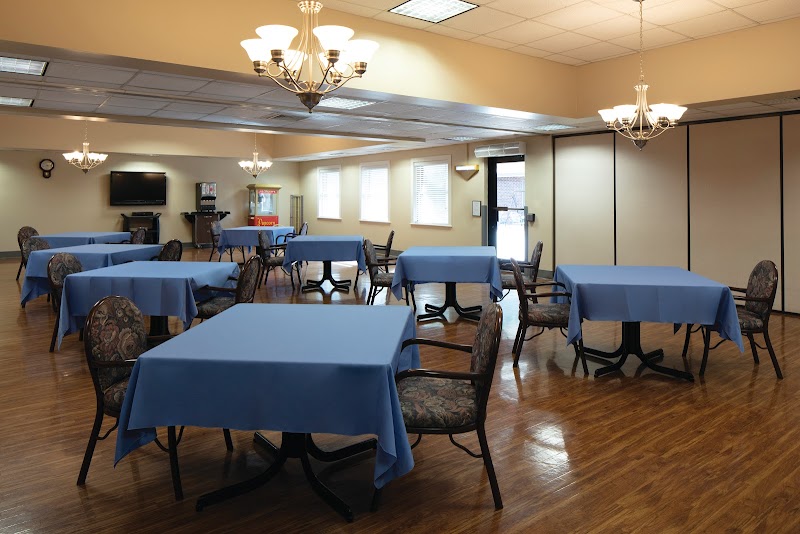
How is Portside Health & Rehab Center Staffed?

CMS rates PORTSIDE HEALTH & REHAB CENTER's staffing level at 2 out of 5 stars, which is below average compared to other nursing homes. Staff turnover is 52%, compared to the Virginia average of 46%.

What Have Inspectors Found at Portside Health & Rehab Center?

State health inspectors documented 46 deficiencies at PORTSIDE HEALTH & REHAB CENTER during 2019 to 2024. These included: 2 that caused actual resident harm, 43 with potential for harm, and 1 minor or isolated issues. Deficiencies causing actual harm indicate documented cases where residents experienced negative health consequences.
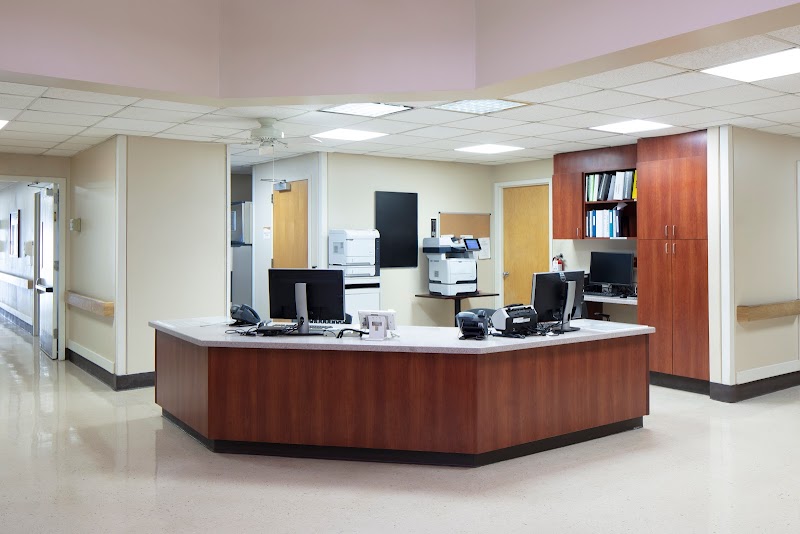
Who Owns and Operates Portside Health & Rehab Center?

PORTSIDE HEALTH & REHAB CENTER is owned by a for-profit company. For-profit facilities operate as businesses with obligations to shareholders or private owners. The facility is operated by SABER HEALTHCARE GROUP, a chain that manages multiple nursing homes. With 132 certified beds and approximately 120 residents (about 91% occupancy), it is a mid-sized facility located in PORTSMOUTH, Virginia.
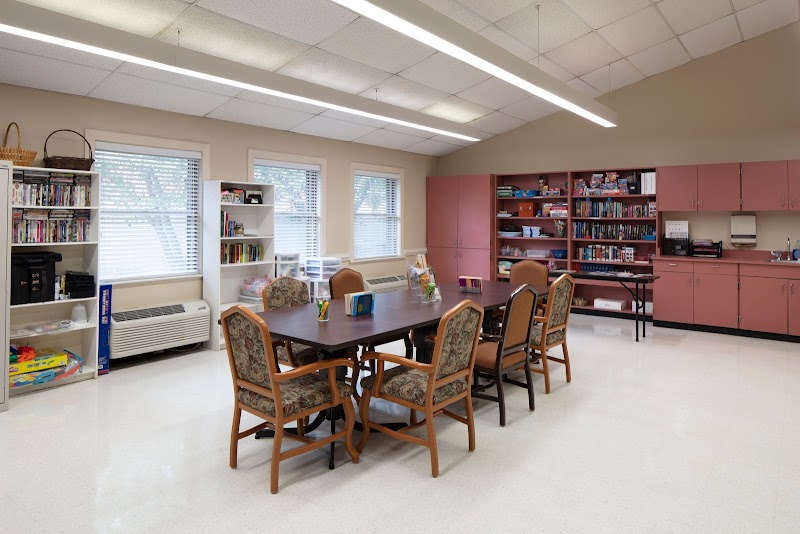
How Does Portside Health & Rehab Center Compare to Other Virginia Nursing Homes?

Compared to the 100 nursing homes in Virginia, PORTSIDE HEALTH & REHAB CENTER's overall rating (2 stars) is below the state average of 3.0, staff turnover (52%) is near the state average of 46%, and health inspection rating (2 stars) is below the national benchmark.

What Should Families Ask When Visiting Portside Health & Rehab Center?

Based on this facility's data, families visiting should ask: "Can you walk me through typical staffing levels on day, evening, and night shifts?" "Can I visit during a mealtime to observe dining assistance and food quality?" "How do you handle medical emergencies, and what is your hospital transfer rate?" "Can I speak with family members of current residents about their experience?" These questions are particularly relevant given the below-average staffing rating.

Is Portside Health & Rehab Center Safe?

Based on CMS inspection data, PORTSIDE HEALTH & REHAB CENTER has a clean safety record: no substantiated abuse findings (meaning no confirmed cases of resident harm), no Immediate Jeopardy citations (the most serious violation level indicating risk of serious injury or death), and is not on the Special Focus Facility watch list (a federal program monitoring the lowest-performing 1% of nursing homes). The facility has a 2-star overall rating and ranks #100 of 100 nursing homes in Virginia. While no facility is perfect, families should still ask about staff-to-resident ratios and recent inspection results during their visit.

Do Nurses at Portside Health & Rehab Center Stick Around?

PORTSIDE HEALTH & REHAB CENTER has a staff turnover rate of 52%, which is 6 percentage points above the Virginia average of 46%. Moderate turnover is common in nursing homes, but families should still ask about staff tenure and how the facility maintains care continuity when employees leave.

Was Portside Health & Rehab Center Ever Fined?

PORTSIDE HEALTH & REHAB CENTER has been fined $8,018 across 1 penalty action. This is below the Virginia average of $33,159. While any fine indicates a compliance issue, fines under $50,000 are relatively common and typically reflect isolated problems that were subsequently corrected. Families should ask what specific issues led to these fines and confirm they've been resolved.

Is Portside Health & Rehab Center on Any Federal Watch List?

PORTSIDE HEALTH & REHAB CENTER is not on any federal watch list. The most significant is the Special Focus Facility (SFF) program, which identifies the bottom 1% of nursing homes nationally based on persistent, serious quality problems. Not being on this list means the facility has avoided the pattern of deficiencies that triggers enhanced federal oversight. This is a positive indicator, though families should still review the facility's inspection history directly.