PORTSMOUTH HEALTH AND REHAB
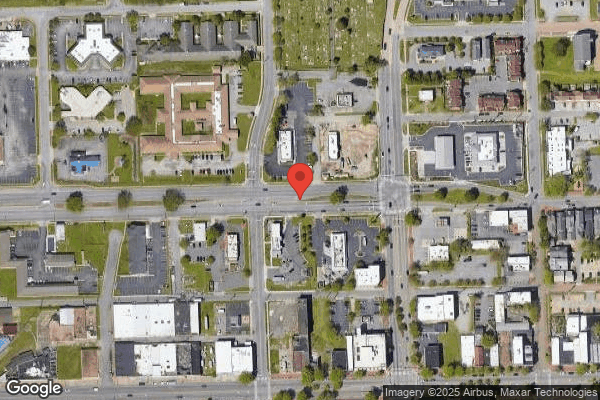
900 LONDON BOULEVARD, PORTSMOUTH, VA 23704 (757) 393-6864
For profit - Corporation 120 Beds TRIO HEALTHCARE Data: November 2025 3 Immediate Jeopardy citations
Trust Grade
0/100
#269 of 285 in VA
Last Inspection: May 2021

Over 2 years since last inspection. Current conditions may differ from available data.

Overview

Portsmouth Health and Rehab has a Trust Grade of F, indicating significant concerns about the facility's quality and care standards. Ranking #269 out of 285 facilities in Virginia places it in the bottom half, and as #3 out of 3 in Portsmouth City County, it suggests there are no better local options available. Although the facility is showing some improvement, with the number of issues decreasing from 13 in 2021 to 11 in 2024, it still faces serious challenges, including a staffing turnover rate of 99%, which is alarmingly high compared to the Virginia average of 48%. The facility has incurred $93,893 in fines, which is higher than 94% of Virginia facilities, indicating potential compliance problems. Additionally, critical incidents include a non-functioning call system that jeopardized resident safety and severe lapses in mental health care that led to a resident's tragic death, highlighting both staffing deficiencies and inadequate oversight in care protocols. While there are areas of concern, including staffing and fines, the facility's slight trend toward improvement may offer some hope for future residents.

Trust Score
F
0/100
In Virginia
#269/285
Bottom 6%
Safety Record
High Risk
Review needed
Inspections
Getting Better
13 → 11 violations
Staff Stability
⚠ Watch
99% turnover. Very high, 51 points above average. Constant new faces learning your loved one's needs.
Penalties
✓ Good
$93,893 in fines. Lower than most Virginia facilities. Relatively clean record.
Skilled Nurses
⚠ Watch
Each resident gets only 10 minutes of Registered Nurse (RN) attention daily — below average for Virginia. Fewer RN minutes means fewer trained eyes watching for problems.
Violations
⚠ Watch
57 deficiencies on record. Higher than average. Multiple issues found across inspections.
★☆☆☆☆
1.0
Overall Rating
★☆☆☆☆
1.0
Staff Levels
★☆☆☆☆
1.0
Care Quality
★☆☆☆☆
1.0
Inspection Score
Stable
2021: 13 issues
2024: 11 issues

The Good

  • Full Sprinkler Coverage · Fire safety systems throughout facility
  • No fines on record

Facility shows strength in fire safety.

The Bad

1-Star Overall Rating

Below Virginia average (3.0)

Significant quality concerns identified by CMS

Staff Turnover: 99%

53pts above Virginia avg (47%)

Frequent staff changes - ask about care continuity

Federal Fines: $93,893

Well above median ($33,413)

Moderate penalties - review what triggered them

Chain: TRIO HEALTHCARE

Part of a multi-facility chain

Ask about local staffing decisions and management

Staff turnover is very high (99%)

51 points above Virginia average of 48%

The Ugly 57 deficiencies on record

3 life-threatening 3 actual harm
Oct 2024 1 deficiency 1 Harm
SERIOUS (G) 📢 Someone Reported This

A family member, employee, or ombudsman was alarmed enough to file a formal complaint

Actual Harm - a resident was hurt due to facility failures

Deficiency F0760 (Tag F0760)

A resident was harmed · This affected 1 resident

**NOTE- TERMS IN BRACKETS HAVE BEEN EDITED TO PROTECT CONFIDENTIALITY** Based on observation, resident interview, staff interview, clinical record review, and review of facility documents, the facilit...

Read full inspector narrative →
**NOTE- TERMS IN BRACKETS HAVE BEEN EDITED TO PROTECT CONFIDENTIALITY** Based on observation, resident interview, staff interview, clinical record review, and review of facility documents, the facility staff failed to ensure a resident was free of a significant medication error which resulted in an opioid overdose, which caused harm for 1 of 5 residents (Resident #4), in the survey sample. The findings included: Resident #4 was originally admitted to the facility 9/6/24 after an acute care hospital stay. The resident's admission diagnoses included acute osteomyelitis of the right foot and ankle and chronic pain. The resident had not been admitted to the facility long enough for the Minimum Data Set (MDS) to be completed therefore the following information was obtained from a nurse's note dated 9/6/24 at 11:59 PM. The resident Brief Interview for Mental Status (BIMS) score was 15 out of a possible 15. This indicated Resident #4's cognitive abilities for daily decision making was intact. A review of the resident's admission documentation did not reveal any type of transdermal patches were on the resident's body. The resident's care plan had a problem dated 9/7/24 which read, I have pain which I will rate. The interventions included medicate for pain as ordered by the physician and follow up for effectiveness. The resident's POS also revealed an order dated 9/6/24 to apply a Fentanyl Transdermal Patch 72 Hour, 25 MCG/HR on 9/7/24. Apply 1 patch transdermally one time a day, every 3 days for Pain Control and remove per schedule. The MAR was coded for application of a Fentanyl Transdermal Patch 25 MCG/HR at 3:52 PM on 9/7/24 but the removal of a previously applied Fentanyl Transdermal Patch was x out. A nurse's note dated 9/8/24 at 10:00 AM stated the nurse was notified that the resident was unresponsive. Upon the nurse's arrival the resident's blood oxygen level was at 73 percent on room air, blood sugar 202 mg/dl and his pupils were pinpoint and the resident responded only to a sternal rub. Emergency services was called, and the resident was transported to a local hospital. The emergency room (ER) notes dated 9/8/24 confirmed upon the resident's arrival he presented with a blood oxygen level of 64 percent, blood pressure 81/47, respirations at 22 breaths per minute and his heart rate was 107 and rising. The ER notes also stated the resident's eyes fluttered, but he remained non-verbal to stimuli. The ER notes further revealed that a Registered Nurse observed a Fentanyl Transdermal Patch to the resident's left shoulder. The Fentanyl Transdermal Patch was removed, and the area was wiped. The Physician was notified of the Fentanyl Transdermal Patch and an order for Narcan 0.4 mg intravenously (IV) push was administered, and the resident immediately woke up and began speaking clearly. The ER notes further revealed the resident had acute toxic encephalopathy related to an opioid overdose likely because of two/two (2/2) Fentanyl Transdermal Patches. Since 9/8/24 thirteen other residents were identified to receive as needed or scheduled opioid medications. Twelve of the thirteen received oral opioid medications and there were no symptoms of overdose documented in their clinical record. The thirteenth resident (Resident #3) was identified with an order for an opioid transdermal patch (Butrans Transdermal patch 7.5 mcg/HR to be applied weekly and remove per schedule). Random observations, and a review of Resident #3's POS, MAR and the person-centered care plan was completed. Resident #3 was admitted to the facility on [DATE] and his BIMS score on 8/8/24 was coded as 15 out of 15. This indicated Resident #3's cognitive abilities for daily decision making was intact. An interview was conducted with the resident on 10/2/24 at approximately 11:00 AM. The resident stated he was fully aware of why the Physician/Practitioner ordered the Butrans Transdermal patch, when and where the nurses applied the Butrans Transdermal patch, and he how he ensured it remained intact. The observation confirmed the Butrans Transdermal patch was in the correct place and there was only one Butrans Transdermal patch on the resident's body. On 10/2/24 at 12:34 PM an interview was conducted with LPN #1. LPN #1 stated they had an in-service recently regarding Fentanyl patches. She learned from the in-service to make sure that you look for Fentanyl patches on admission, document findings and find out the schedule for application and removal. Another nurse is required to validate removal of a Fentanyl patch. On 10/2/24 at 12:53 PM an interview was conducted with RN #1. RN #1 stated she was educated on how to identify Fentanyl patches on a resident, and she learned techniques to make the patches more visible, using a penlight. She stated she has never seen a Fentanyl patch outside the packaging before, but it was explained they are difficult to see. On 10/2/24 at 12:56 PM an interview was conducted with LPN #2. LPN #2 stated they were in-service that upon admission if a Resident has a Fentanyl patch ordered they are to a complete a body check with a CNA assistance identify the location of the patch, count the number of Fentanyl patches a resident has on their body and if they identify a patch, it is to be removed and a new one applied. LPN #2 stated Fentanyl patches are transparent and hard to see and if necessary, verified with the Unit Manager. LPN #2 stated nurses were not allowed to work until they attended the in-service on opioid transdermal patches. A 9/13/24 at 4:34 PM nurse's note in the resident's clinical record stated it had been brought to the facility's attention that Resident #4 was identified with two Fentanyl Transdermal Patches on his body while he was on leave to the hospital therefore the facility developed a five-point corrective action plan: 1. Resident #4 was no longer a resident of the facility. He was identified by the hospital's staff with two Fentanyl transdermal patch affixed to his body. 2. The facility determined current residents and new admissions with an order for a transdermal opioid medication has the potential to be affected. The center identified one current resident with an opioid transdermal medication order. The Director of Nursing (DON)/Designee validated the order. Placement was confirmed and only one patch was present on the resident's body as ordered. The resident was assessed for adverse effects related to opioid use and no negative findings were found. 3. Current licensed nurses will receive education on the admission order process related to opioid transdermal patch orders, placement verification, shift to shift validation of current residents with an opioid transdermal patch and the admission skin assessment process and the high risk for not seeing Fentanyl transdermal patch due to the size, clear appearance, and dependent on the resident's skin tone. Two licensed nurses will conduct the admission skin assessment for new admissions and readmissions. New hire licensed nurses will receive education by the DON/Designee during orientation. The DON/Designee will complete a second skin assessment of admissions/readmissions the first working day after the admission date. 4. The DON/Designee will conduct an order review and second skin assessment on the resident with a new order for a narcotic transdermal patch and new admission/readmissions with an order for a narcotic transdermal patch weekly times four weeks then monthly times two. Findings will be reviewed through a weekly Quality Assurance (QA) meeting and additional intervention will be initiated as needed. An Ad Hoc QAA meeting with attendance by Medical Director via teleconference was held on 9/20/24 at 3:00 PM and the plan was reviewed and accepted. 5. Compliance date was 9/19/24. A final interview was conducted with the Administrator, the Director of Nursing, two Nurse Consultants and the [NAME] President of Operation on 10/2/24 at approximately 4:15 PM regarding the above information. It was determined that the facility implemented its corrective action plan, and there was sufficient evidence obtained by review of the Ad Hoc QAA meeting, weekly audits, observations and an interview with Resident #3, as well as interviews with three licensed nurses, that the facility corrected the noncompliance and was in substantial compliance at the time of the current survey for the regulatory requirement at F-760. Fentanyl is a strong opioid analgesic (pain medicine). It acts on the central nervous system (CNS) to relieve pain. Fentanyl skin patch is used to treat severe and persistent pain that requires an extended treatment period and when other pain medicines did not work well enough or cannot be tolerated. Symptoms of an overdose include drowsiness, extreme dizziness or weakness, irregular, fast or slow, or shallow breathing, pale or blue lips, fingernails, or skin, pinpoint pupils, relaxed and calm, slow heartbeat or breathing, seizures, sleepiness, trouble breathing, or cold, clammy skin. (https://www.mayoclinic.org/drugs-supplements/fentanyl-transdermal-route/description/drg-20068152)
May 2024 4 deficiencies
CONCERN (D) 📢 Someone Reported This

A family member, employee, or ombudsman was alarmed enough to file a formal complaint

Potential for Harm - no one hurt, but risky conditions existed

ADL Care (Tag F0677)

Could have caused harm · This affected 1 resident

**NOTE- TERMS IN BRACKETS HAVE BEEN EDITED TO PROTECT CONFIDENTIALITY** Based on observation, resident interview and staff interview, the facility's staff failed to ensure 1 of 21 residents (Resident ...

Read full inspector narrative →
**NOTE- TERMS IN BRACKETS HAVE BEEN EDITED TO PROTECT CONFIDENTIALITY** Based on observation, resident interview and staff interview, the facility's staff failed to ensure 1 of 21 residents (Resident #111) who was unable to carry out activities of daily living (ADL) received the necessary services to include nail care. The findings included: Resident #111 was originally admitted to the facility 07/22/20 and readmitted on [DATE] after an acute care hospital stay. The current diagnoses included; Hypertension. The admission, significant change, annual quarterly, Minimum Data Set (MDS) assessment with an assessment reference date (ARD) of 05/06/24 coded the resident as completing the Brief Interview for Mental Status (BIMS) and scoring 6 out of a possible 15. This indicated Resident #111 cognitive abilities for daily decision making were severely impaired. In sectionGG(Functional Abilities) the resident was coded as being dependent in oral hygiene, personal hygiene, toileting hygiene, showering and bathing. A review of a progress note dated 5/14/24 read that resident is dependent in Activities of Daily Living (ADL). An interview was conducted on 5/23/24 at approximately 11:00 AM. Resident #111 fingernails were observed to have a significant amount of black substance beneath them. On 5/23/24 at approximately 12:04 PM., an observation was made of Resident #111 fingernails. Resident #111 fingernails were observed to have a significant amount of dark substance underneath each fingernail. Resident #111 was asked if she wanted her fingernails cleaned and trimmed. She said that she only wanted them cleaned. On 5/23/24 at approximately 12:08 PM., Registered Nurse/Unit Manager (RN/UM) #1 entered the resident's room and was asked to look at the resident's fingernails. RN #1 said that resident's nails needed to be cleaned. On 5/23/24 at approximately 12:10 PM., Certified Nurse's Assistant (CNA) #4 entered the room shortly after RN #1 exited the room. CNA #4 said that she got distracted and didn't come back to clean the resident's fingernails. On 5/23/24 at approximately 12:15 PM., CNA #4 returned to clean the residents' fingernails. CNA #4 explained to Resident #111 that she was going to clean her nails. CNA #4 placed a dry wash cloth under the resident's hands, removed the dirt from under resident's fingernails with a manicure stick and filed each fingernail. On 5/23/24 at approximately 1:45 PM., an interview was conducted with RN #1 concerning Resident #111. RN #1 said that nail care should be done as needed and with a shower or bed bath. RN #1 also said that the CNA should have soak and washed the resident's nails. Process for Fingernail Care: Gather equipment: emery board, nail stick or soft nail brush, lotion, basin, soap, washcloths, towels, gloves. Fill basin with warm water. Process for Fingernail Care Continued. Shape nails - Move in one direction - File in a curve. Apply lotion from fingertips to wrists Remove excess with towel or washcloth. Empty, rinse, dry basin. Placed soiled linens in proper area. Remove and discard gloves. Perform hand hygiene. https://www.cdph.ca.gov/Programs/CHCQ/HAI/CDPH%20Document%20Library/ProjectFirstline8_CNA_NailCareShaving_English.pdf. On 5/23/24 at approximately 5:15 PM, a final interview was conducted with the Administrator, Mobile Administrator, Interim Director of Nursing (DON), Regional [NAME] President of Operations, and the Director of Clinical Services.
CONCERN (D) 📢 Someone Reported This

A family member, employee, or ombudsman was alarmed enough to file a formal complaint

Potential for Harm - no one hurt, but risky conditions existed

Deficiency F0687 (Tag F0687)

Could have caused harm · This affected 1 resident

**NOTE- TERMS IN BRACKETS HAVE BEEN EDITED TO PROTECT CONFIDENTIALITY** Based on observation, staff interviews and clinical record review the facility staff failed to ensure 1 resident (Resident #104)...

Read full inspector narrative →
**NOTE- TERMS IN BRACKETS HAVE BEEN EDITED TO PROTECT CONFIDENTIALITY** Based on observation, staff interviews and clinical record review the facility staff failed to ensure 1 resident (Resident #104), in the survey sample of 21 Residents who was unable to carry out activities of daily living receives the necessary services to maintain toenail care. The findings included: Resident #104 was originally admitted to the facility on [DATE]. Diagnosis for Resident #104 included but not limited to; Diabetes Mellitus. The most recent Minimum Data Set (MDS) an annual with an Assessment Reference Date (ARD) of 2/23/24 coded the resident on the Brief Interview for Mental Status (BIMS) with a score of 15 which indicated Resident #104 cognitive abilities for daily decision making were intact. In sectionGG(Functional Abilities) the resident was coded as requiring partial/moderate assistance with showering/bathing, dependent with putting on and taking off footwear, requiring substantial maximal assistance with personal hygiene. A review of a psychotherapy note dated on 2/13/24 read that Resident #104 would like to participate more in rehab., but her toenails are causing her pain with certain movements. Resident #104 also said that she has not seen the podiatrist which visits the facility once every few months. During the initial tour on 5/21/24 at approximately 1:38 PM. An interview was conducted with Resident# 104. Resident #104 said that she has not seen a podiatrist in thirteen (13) months, my toenails are curving into my skin which affected physical therapy due to hurting. Resident #104 also said that the podiatrist recently visited but never saw her. Resident #104 said that she had informed the Unit Manager (UM) and the Social Worker (SW) of her need for podiatry care. Resident #104 was observed pushing the call bell to ask for CNA assistance. CNA #1 pulled back the covers to reveal the resident's toenails. The resident's toenails on her right foot were observed to be thick, yellow, curvy, and long. The toenails on the resident's left foot were observed to be short, thick, and curvy. CNA #1 said that once they notice resident need toenail care, they will inform the nurse and the nurse will put the resident's name in a book. On 5/21/24 at approximately, 2:10 PM., an interview was conducted with the SW concerning Resident #104. The SW presented a podiatry list but said that Resident #104 may not be on the list to receive podiatry services. The SW also stated that if the nurse or CNA informs her of the need, she will add the residents to the podiatry services list. The SW also mentioned that the podiatrist visited the facility on 5/14/24 but was not able to see the resident because she had just been informed of the residents need for podiatry services. On 5/23/24 at approximately 10:40 AM, an interview was conducted with Resident #104. Resident #104 said that she informed the administrator on yesterday that she needed podiatry care. Resident #104 also said that her therapist was in to visit her when the podiatrist came to the facility (5/14/24-podiatrist in the facility). I asked, am I on the Podiatry list today (5/14/24). Resident #104 also mentioned that the UM (RN #1) had promised her that she was on the list to receive podiatry care (5/14/24) On 5/22/24 at approximately 3:30 PM., an interview was conducted with the acting DON. The acting DON said that she didn't know that Resident #104 needed podiatry care but in cases that residents would need podiatry services sooner than the in-house podiatry visits, an appointment would be made to an outside podiatry office. A review of a general note dated on 5/21/24 read: Resident reports to nurse her toenails are long, thick, and painful and well as interfering with therapy. Upon examination, this nurse (RN #1/UM) notes that resident's toenails are indeed long and with the second right toe starting to overlap onto the right great toe. New orders received for podiatry consult outside of the facility as the podiatrist is not due to return until late June. Resident is aware. A review of a general note dated 5/21/24 at 3:02 PM., read that a podiatry appointment was scheduled for May 28, 2024, at 2:00 PM. According to the psychiatrist progress note dated on 2/13/24, Resident #104 had been waiting for podiatry care services before her visit to the psychiatrist. On 5/23/24 at approximately 5:15 PM, a final interview was conducted with the Administrator, Mobile Administrator, Interim Director of Nursing (DON), Regional [NAME] President of Operations (RVPO), and the Director of Clinical Services. The RVPO said that the podiatrist came on 5/14/24 but didn't have time to see the resident.
CONCERN (D) 📢 Someone Reported This

A family member, employee, or ombudsman was alarmed enough to file a formal complaint

Potential for Harm - no one hurt, but risky conditions existed

Accident Prevention (Tag F0689)

Could have caused harm · This affected 1 resident

Based on observation, staff interview, clinical record review, and review of facility documents, the facility's staff failed to ensure a wander guard was placed on an at risk, wandering, exit seeking ...

Read full inspector narrative →
Based on observation, staff interview, clinical record review, and review of facility documents, the facility's staff failed to ensure a wander guard was placed on an at risk, wandering, exit seeking resident for monitoring for 1 of 21 residents (Resident #112), in the survey sample. The findings included: Resident #112 was originally admitted to the facility 6/18/21 after an acute care hospital stay. The resident has never been discharged from the facility. The current diagnoses included; Dementia. The annual, Minimum Data Set (MDS) assessment with an assessment reference date (ARD) of 03/20/2024 coded the resident as completing the Brief Interview for Mental Status (BIMS) and scoring 5 out of a possible 15. This indicated Resident #112 cognitive abilities for daily decision making were severely impaired. In sectionG(Physical functioning) the resident was coded as requiring total care of one person with bed mobility, transfers, locomotion, dressing, eating, toileting, personal hygiene and bathing, extensive assistance of one person/ two people, limited assistance of one person, supervision after set-up. The person-centered care plan read that Resident #112 is at risk for elopement related to attempts to leave the building. A goal for Resident #112 is that she will have no incident of elopement. An intervention for Resident #112 is to check for wander guard placement and functioning every shift and as needed. The Physician's Order Summary (POS) for May 2024 read: Check wander guard function 11/7 every night shift for Monitoring: Check wander guard placement every shift. Active 04/25/2022. On 5/22/24 at approximately 3:30 PM., an interview was conducted with the Interim Director of Nursing (IDON) said that a wander guard should be placed on resident's that meet the elopement criteria. The IDON also mentioned that an exit seeking resident ended up walking outside a few years ago. No injuries were received, and the staff was right behind him. The elopement book was reviewed on both units. Wandered guard placement on residents were checked by the nursing staff. On 5/22/24 at approximately 4:45 PM., Resident #112 was observed walking in the hallway with another resident. RN/UM #2 asked Resident #112 for permission to check her wander guard. No wander guard was observed on the resident's ankles or wrist upon inspection. RN #2 said that often times the resident or her friend (another resident) will remove her wander guard. RN #2 also mentioned that she will place another wander guard on resident's ankle. Elopement/Wandering - Elopement occurs when a resident leaves the premises or a safe area without authorization (i.e., an order for discharge or leave of absence) and/or any necessary supervision to do so. Facilities should have policies in place for assessing/identifying residents at risk for elopement, and how to manage/monitor those at risk. If alarm systems are used, then routine maintenance and testing should be done according to manufacturer's recommendations. Education should be provided to staff for proper steps to be taken when responding to a door alarm or the event of a potential elopement, in accordance with facility policy. https://proactiveltcexperts.com/f689-accident-hazards-supervision-devices/ The Policy reads: Nursing personnel must report and investigate all reports of missing residents. Upon admission, a resident's potential for elopement will be determined by risk factors which may include but not limited to: History of wandering or elopement. On 5/23/24 at approximately 5:15 PM, a final interview was conducted with the Administrator, Mobile Administrator, Interim Director of Nursing (DON), Regional [NAME] President of Operations (RVPO), and the Director of Clinical Services. An opportunity was offered to the facility's staff to present additional information, but no additional information was provided.
CONCERN (D) 📢 Someone Reported This

A family member, employee, or ombudsman was alarmed enough to file a formal complaint

Potential for Harm - no one hurt, but risky conditions existed

Deficiency F0919 (Tag F0919)

Could have caused harm · This affected 1 resident

**NOTE- TERMS IN BRACKETS HAVE BEEN EDITED TO PROTECT CONFIDENTIALITY** Based on observations, resident interviews, staff interviews, clinical record review, and review of facility documents, the faci...

Read full inspector narrative →
**NOTE- TERMS IN BRACKETS HAVE BEEN EDITED TO PROTECT CONFIDENTIALITY** Based on observations, resident interviews, staff interviews, clinical record review, and review of facility documents, the facility's staff failed to answer call bells promptly for 3 of 21 residents in the survey sample, Resident #106, Resident #108, and Resident #110 . The findings included: 1. Resident #106 was admitted to the facility on [DATE]. The resident's diagnoses included: Paraplegia, Weakness, and Metabolic Encephalopathy. The quarterly Minimum Data Set (MDS) assessment with an assessment reference date (ARD) of 4/17/24 coded the resident as completing the Brief Interview for Mental Status (BIMS) and scoring 7 which indicated the resident was severely cognitively impaired. An observation was made on 5/21/2024 at approximately 1:55 PM, and the resident's call bell was activated . While waiting with the resident, at 2:11 PM, Others #7 Came in to answer the call bell. Resident #106 asked to be repositioned. Others #7 went to get nursing staff and returned at 2:17 PM with additional staff to reposition the resident. Resident #106 said he was frustrated with having to wait long periods of time to be helped. 2. Resident #108 was admitted to the facility on [DATE]. The resident's diagnosis included: hemiplegia, hemiparesis, and anxiety. The quarterly Minimum Data Set (MDS) assessment with an assessment reference date (ARD) of 5/3/24 coded the resident as completing the Brief Interview for Mental Status (BIMS) and scoring 15 which indicated the resident was cognitively intact. An observation was made on 5/22/2024 at approximately 10:30 AM, the resident's call bell was activated . While waiting with the resident, at 10:47 AM, Certified Nursing Assistant (CNA) #3 answered the call bell. CNA #3 stated that she was in another resident's room giving care. Resident #108 asked to be cleaned for incontinence. 3. Resident #110 was admitted to the facility on [DATE]. The resident diagnosis included: chronic obstructive pulmonary disorder (COPD), panic disorder, and anxiety. The quarterly Minimum Data Set (MDS) assessment with an assessment reference date (ARD) of 4/18/24 coded the resident as completing the Brief Interview for Mental Status (BIMS) and scoring 7 which indicated the resident was severely cognitively impaired. An observation was made on 5/22/2024 at approximately 11:00 AM, the resident was in the hallway screaming for help. The resident was on oxygen and expressed being short of breath and that her heart was racing. The resident's call bell was observed to be already on. After observing the resident ambulate back to her bed, the resident was observed putting on a personal pulse oximeter probe which read that her oxygen level was 92% and her heart rate was 85. An observation was made that the resident's oxygen concentrator was on 2.5 liters. Resident #110 was observed being anxious as she expressed having a history of tachycardia and how staff does not come when she needs them. At approximately 11:26 CNA #3 was observed walking past the resident's room and CAN #3 was informed the resident was in her room with her call light going off for 26 minutes while she was possibly experiencing shortness of breath and some anxiety . The resident stated she felt better by this time. An interview was conducted with Licensed Practical Nurse (LPN) #1, LPN #1 shared that she did follow up and assess Resident #110 and was stable. An interview was conducted with CNA#2, who shared she was busy taking care of another resident during the time Resident #10's call bell was going off during the 11: 00 AM hour. On 5/21/24 at 2:58 PM The Administrator emailed, noting that the facility does not have policies or protocols on nurse staffing or rounding expectations for residents . On 5/23/24 at approximately 10:50 AM, the above findings were shared with the [NAME] President of Operations, Mobile Administrator, and Administrator. An opportunity was offered to the facility's staff to present additional information, but no additional information was provided.
Mar 2024 6 deficiencies 2 IJ (2 affecting multiple)
CRITICAL (K) 📢 Someone Reported This

A family member, employee, or ombudsman was alarmed enough to file a formal complaint

Immediate Jeopardy (IJ) - the most serious Medicare violation

Deficiency F0740 (Tag F0740)

Someone could have died · This affected multiple residents

**NOTE- TERMS IN BRACKETS HAVE BEEN EDITED TO PROTECT CONFIDENTIALITY** Based on clinical record review, family interview, staff interviews, and review of facility documentation, the facility's staff ...

Read full inspector narrative →
**NOTE- TERMS IN BRACKETS HAVE BEEN EDITED TO PROTECT CONFIDENTIALITY** Based on clinical record review, family interview, staff interviews, and review of facility documentation, the facility's staff failed to identify, address, and obtain necessary psychiatric services for the behavioral health care needs of 1 of 15 residents (Resident #1), in the survey sample who had self-harming behaviors that ultimately caused the resident's death and identification of Immediate Jeopardy. The findings included: The facility's staff failure resulted in Resident #1 self-harming behavior on [DATE] by putting her hands around her neck until bruising and bleeding occurred, throwing herself on the floor multiple times and sustaining a left periorbital subcutaneous hematoma on [DATE] and finally on [DATE] the resident swallowed a wooden object which lodged in her throat, blocked her airway, caused seizure activity, respiratory distress and cardiac arrest causing the resident's death. Resident #1 was originally admitted to the facility on [DATE] after an acute care hospital stay for mental health problems which resulted in deconditioning. The resident's diagnoses included nervous debility, serotonin syndrome, and schizophrenia with episodes of catatonic-like symptoms (lack of movement, activity, or expression) and selective dysphagia. The admission Minimum Data Set (MDS) assessment with an assessment reference date (ARD) of [DATE] coded the resident as completing the Brief Interview for Mental Status (BIMS) and scoring 6 out of a possible 15. This indicated Resident #1's cognitive abilities for daily decision-making were severely impaired. In section GG (Functional Abilities and Goals), the resident was coded as requiring supervision with eating, dependent with oral care, toileting, showers and bathing, upper and lower body dressing, putting on and taking off footwear, personal hygiene, partial/moderate assistance with moving from lying to sitting, moving from sitting to standing, and moving from the chair to the bed. The resident required substantial/maximal assistance with toilet transfers and was dependent for tub transfers. Attempts at walking were not assessed. In section D (Mood), the resident was coded for having little interest or pleasure in doing things 7-11 days, feeling down, depressed, or hopeless 7-11 days, trouble falling or staying asleep, or sleeping too much 7-11 days, feeling tired or having little energy 7-11 days, feeling bad about yourself or that you are a failure or have let yourself or your family down 2-6 days, over the last two weeks. The resident's total mood score was 9. A score of 9 indicated the resident was experiencing mild depressive symptoms. An interview was conducted with the Social Worker (SW) on [DATE] at 11:32 AM regarding the results from the Mood assessment of the [DATE] MDS assessment. The SW stated after the Mood information was obtained, she did not share it with the Interdisciplinary team to assist in determining if psychiatric services were warranted for the resident. The SW also stated the severity score was not used to ensure the residents received a referral for psychiatric services or to develop a care plan related to the identified mood symptoms. The facility's staff did not refer Resident #1 for psychiatric services based on her mood score indicating depressive symptoms. An interview was conducted with the Social Services Assistant (SSA) on [DATE] at 11:58 AM regarding the new admission Preadmission Screening and Resident Review (PASRR). The SSA stated that PASRR for all new admissions should be validated by the Social Services Department (SSD) and if the level I was not sent by the referring hospital the assessment would be conducted by the SSD with a referral for a level II as deemed necessary. The SSA stated after reviewing the PASARR audit book and the resident's records a PASRR could not be located. The facility staff did not ensure Resident #1 had a Level I PASRR completed, knowing that she had a diagnosis of a serious mental illness, schizophrenia. PASRR is an important tool for states to use to evaluate all applicants for serious mental illness (SMI) and/or intellectual disability (ID). The PASRR is also used in rebalancing services away from institutions and towards supporting people in their homes, and to comply with the Supreme Court decision, [NAME] vs L.C. (1999), under the Americans with Disabilities Act, individuals with disabilities cannot be required to be institutionalized to receive public benefits that could be furnished in community-based settings. PASRR can also advance person-centered care planning by assuring that psychological, psychiatric, and functional needs are considered along with personal goals and preferences in planning long-term care (https://www.medicaid.gov/medicaid/long-term-services-supports/institutional-long-term-care/preadmission-screening-and-resident-review/index.html). An interview was conducted with Family member (FM) #1 on [DATE] at 11:00 AM. FM #1 stated that Resident #1 had a lifelong history of mental illness and during psychosis, she had attempted to hurt herself and would pick up a knife, while stating I don't want to be here. FM #1 also stated the resident had been residing in a group home until she had an altercation with a peer and the staff contacted the police. FM #1 stated the resident was detained by the police and the police had the resident evaluated for mental competency at a mental hospital. FM #1 stated after the mental hospital adjusted the resident's medication regimen she returned to her baseline and was eating and walking. During the interview, FM #1 stated the resident was discharged from the mental hospital back to jail on a Friday in late [DATE] so she could appear in court the following Monday. FM #1 stated when the resident arrived at court, she was wheelchair bound and she had declined significantly in comparison to her state on Friday. FM #1 stated the court released the resident to him and no one offered information as to what had taken place over the weekend that caused the decline in her condition. FM #1 stated by [DATE] the resident was not eating, was unable to walk, and just stared therefore he took her to a local hospital for treatment because he knew they had her health records and would likely be able to get her back to her baseline. FM #1 further stated the resident was discharged from the local hospital to the rehabilitation facility on [DATE] to regain her strength after the lengthy hospital stay. He stated she required care from staff for all her activities of daily living including walking. FM #1 stated that at the time the resident was admitted to the rehabilitation facility he made it clear to the facility's staff the type of care she required and the importance of her receiving her medications, especially her mental health drugs. FM #1 also stated he asked if the facility could coordinate the medication regimen between the local hospital and what the mental hospital had prescribed for the resident was better with the mental hospital's medication regimen. The facility's staff did not notify psychiatric services to address FM #1's concerns regarding the resident's medication regimen. The facility's staff did not contact FM #1 to obtain any additional mental health history regarding Resident #1. A review of the local hospital's Discharge summary dated [DATE] accompanied the resident to the rehabilitation facility. The discharge summary stated that the local hospital recommended that Haldol 5 mg (an antipsychotic) at night be continued, and the resident to receive a psychiatric evaluation when she arrived at the rehabilitation facility for continued management of underlying chronic psychiatric illness. The facility staff did not refer the resident for psychiatric services until a few days before she was assessed by the Psychiatric Nurse Practitioner (PNP) on [DATE]. The history and physical written by the resident's primary physician dated [DATE] stated that the resident was to be administered Haldol for schizophrenia in the evening hours and to continue a follow-up with psychiatry. A follow-up was not scheduled for psychiatric services. The following information was obtained from the internet on [DATE]: Schizophrenia is a serious mental illness that affects how a person thinks, feels, and behaves. People with schizophrenia may seem like they have lost touch with reality, which can be distressing for them and their family and friends. The symptoms of schizophrenia can make it difficult to participate in usual, everyday activities, but effective treatments are available. Many people who receive treatment can engage in school or work, achieve independence, and enjoy personal relationships. Schizophrenia symptoms can differ from person to person, but they generally fall into three main categories: psychotic, negative, and cognitive. Negative symptoms include loss of motivation, loss of interest or enjoyment in daily activities, withdrawal from social life, difficulty showing emotions, and difficulty functioning normally. For people with schizophrenia, the risk of self-harm and violence to others is greatest when the illness is untreated. It is important to help people who are showing symptoms to get treatment as quickly as possible (https://www.nimh.nih.gov/health/topics/schizophrenia). The resident's active care plan had a problem dated [DATE] which read, I sometimes have behaviors which include self-isolation. The goal read, My behavior will stop with staff intervention through the next review, [DATE]. The interventions included an attempt to engage me in activities that would draw me out of the room. Let my physician know if my behaviors are interfering with my daily living. Offer me something I like as a diversion. Please refer me to my Psychologist/Psychiatrist as needed. Give me my medications as my doctor has ordered. A review of a nurse's note dated [DATE] at 6:36 AM revealed Resident #1 was noted to be self-isolating in her room and pushing the bedside table and chair behind the closed door to keep others out. On [DATE] at 12:56 PM, a nurse's note stated the resident was identified as withdrawing from participation in out-of-room activities and would not engage with staff or other residents. An intervention was to contact the Psychiatric Nurse Practitioner (PNP) and the Psychologist. The facility's staff did not notify the PNP and/or the Psychologist to visit the resident. An interview was conducted with the PNP on [DATE] at 1:36 PM. The PNP stated she was not contacted about visiting Resident #1 until a few days before the [DATE] initial visit, around [DATE]. A review of a nurse's note dated [DATE] at 8:53 PM revealed a nurse walked into the resident's room to find her with her hands around her neck with bruising to the neck and forehead. The resident stated she was trying to harm herself and said she was tired and wanted to go. The resident was transferred to the hospital for an evaluation and returned to the nursing facility on [DATE] with no medication adjustments or a change in the treatment plan. The local hospital's After Visit Summary dated [DATE] read under the title Suicide Prevention Information, Your response to questions about suicide indicates an elevated risk. It is recommended that you follow up with a behavioral health provider after discharge. If you experience suicidal thoughts, call 911. An additional 24/7 resource is the National Suicidal Prevention Lifeline at 988. The facility staff failed to contact psychiatric services for a behavioral health visit as recommended by the local emergency room physician. A nurse's note dated [DATE] at 4:50 AM stated the resident was found sitting on the floor beside her bed. A nurse's note dated [DATE] at 2:15 PM stated that the resident would not take the medication ordered by the NP, and she was repeatedly forcing herself on the floor at the nurse's station therefore an order was obtained for one-to-one observation care. A nurse's note dated [DATE] at 10:09 AM stated the resident refused all medications. A nurse's note dated [DATE] at 5:49 PM stated the resident refused all medications and a nurse's note dated [DATE] at 5:52 PM stated that the resident was on the floor where she put herself and refused to get up. The note further stated the resident pulled away from the staff as they tried to get her up. Another nurse's note dated [DATE] at 10:00 AM stated the resident refused her medications. The resident was assessed by the primary NP and treated for a urinary tract infection (UTI). An interview was conducted with the primary Nurse Practitioner (NP) on [DATE] at 3:15 PM. The primary NP stated that she gave the order for one-to-one care for Resident #1 on [DATE] because of the resident's behaviors and she discontinued the order for one-to-one care by request of the ADON on [DATE] shortly after 4:00 PM. The primary NP stated that she treated Resident #1 for her physical health problems, diabetes, high blood pressure, and blood clots. The primary NP stated she does not treat mental illness or behavior problems related to mental illness. The primary NP also stated on [DATE] when she was informed that the resident was refusing her medications, continuing to throw herself on the floor and with cloudy urine, that most likely she had a UTI therefore she initiated treatment. The primary NP stated because of the interview with the resident and the report from the primary NP that the resident potentially had a UTI the primary NP recommendations were to follow up with Resident #1 mental status once the laboratory results are obtained. The primary NP also stated to continue the current medication regimen because the patient was receiving neuroprotective benefits with improvement in function. Staff to continue to monitor for changes in mood and/or behaviors and notify the practice as needed. A Psychiatric Nurse Practicioner (PNP) progress note dated [DATE] stated that an initial visit was conducted with Resident #1 for refusing medications, and mental status changes. The PNP progress note further stated that the resident was sitting behind the nurse's station quiet and cooperative, therefore the PNP escorted the resident to her room so she could conduct an interview. The PNP findings interview revealed that the resident was alert, oriented to self, denied feelings of harm toward self or others, reported she was sleeping, her appetite was okay, and denied auditory or visual hallucinations. On [DATE] at 3:22 PM, another interview was conducted with the PNP. The PNP stated the request to see Resident #1 came by email along with a request to see two additional residents whom the ADON asked her to see a few days before the [DATE] visit, around [DATE]. The PNP stated that the request to see Resident #1 stated she was experiencing mental status changes. The PNP stated she had not been informed that Resident #1 was exhibiting isolative and self-injurious behaviors, making negative statements, or that she had been evaluated in the emergency room for the behaviors, refusing medications and throwing herself on the floor. The PNP also denied she was not informed that the resident had been evaluated in a local emergency room for suicidal ideations and was discharged back to the facility with recommendations for psychiatric services. The PNP further stated she would have evaluated the resident sooner if she had been contacted sooner with the resident mental health history and ongoing behaviors because she is in the facility one to two days per week. The facility staff failed to convey the resident's current and past mental health status including exhibited behaviors to the PNP to aid in identifying appropriate goals and interventions for the resident's acute and chronic mental health problems. The written psychiatric referrals from January, 2024 (1/2024) to [DATE] ([DATE]) did not include Resident #1's name. A nurse's note dated [DATE] at 6:58 AM stated that Resident #1 approached the nurse's station at approximately 3:15 AM on [DATE] stating I don't feel well. Soon after, the resident began having seizure-like activity and she quickly became unresponsive. Vital signs revealed the resident was absent of a pulse, cardiopulmonary resuscitation (CPR) was initiated and 911 was called. CPR was started and performed until the emergency medical technicians (EMT) arrived and assumed care of the resident. The EMTs performed CPR for approximately 20 minutes before they decided to intubate the resident for the airway was initially managed with a bag valve mask. An attempt was made to intubate and upon insertion of the glide scope, a foreign object was identified in the resident's airway. It appeared to be a wooden knob to a dresser. A [NAME] forceps was used to successfully remove the foreign object, intubation was performed, and confirmed with a capnography, visualization, and breath sounds. Efforts were continued for approximately 20 minutes before a decision was made to contact medical control for orders to terminate. The ending rhythm was [NAME] pulseless electrical activity. An order to terminate resuscitative measures was received from a physician at a local hospital. The time of death was called at 3:54 AM on [DATE]. On [DATE] at approximately 2:30 PM the survey Team contacted the Long-term Care Supervisor and two additional OLC Long-term Care Supervisors of the above findings, observations, and interviews. On [DATE] at 2:52 PM the facility's Administrator Director of Nursing, Regional Director of Clinical Services, and [NAME] President of Operations were informed of the non-compliance which constituted Immediate Jeopardy identified in F-740 Behavioral Health Services at a Scope and Severity Level 4, pattern (K). The facility's staff presented several unaccepted Removal Plans on [DATE] which required revisions for the removal plans failed to detail how other residents identified would receive the necessary behavioral health services to avoid risk for serious injury, serious harm, serious impairment, or death because of their noncompliance. The Facility's Final/Accepted Removal Plan dated [DATE] at 5:00 PM: *(Name of the Provider) is taking immediate action to prevent serious harm, from occurring or recurring for other residents who are identified and/ or demonstrated dangerous and imminent harm to self and/or others through some recent act, attempt, or threat by: *Reviewing the residents with one-to-one observations in the last 30 days to confirm they are safe, and the observed behavior has improved. If behavior has not improved, they will be placed on one-to-one observation until medically and psychologically evaluated and the behavior improves or no longer occurs. *Current residents will be interviewed by a member of the IDT regarding thoughts of self-harm or harming others. One previously identified resident who is currently on one-to-one verbalized thoughts of harm. Resident assessed by the Medical Director and Psychiatric Services NP on [DATE]. Remains on one-to-one. *Residents being admitted hospital documentation with past medical and psychiatric history will be reviewed by the Nursing Home Administrator (NHA) and DON / designee prior to allowing admission of the referred patient. *Psychiatric Service Referrals for residents with behavior and affect appears disturbed or indicates distress, exhibiting signs or verbalizing behaviors of harming self or others. Residents receiving a psychoactive medication. New admissions seen upon admission and anyone on above agents. Referrals face sheet placed in the psychiatric services referral log for patient in referral book. Psychiatric services Practitioner makes center visits 1 to 2 times per week and as need is indicated. Social Services, Administrator or Director of Nursing to ensure process is followed. *During the center staffing calls with central scheduling, the center will notify scheduling of number of residents on one-to-one and the one-to-one will be indicated on the daily schedule. The Administrator or DON will designate on the schedule the designated one-to-one if assigned after the staffing call. *The residents PASRR level I will be reviewed by Social Services and referred for a level II if indicated based on history. Social Services will complete a PASRR as indicated. *Staff will be educated on the safety check process and reasons to place a resident on one-to-one or enhanced monitoring as indicated. *The Nursing Home Administrator (NHA) reviewed the Removal plan with the Medical Director. *The NHA is responsible for the implementation of this plan of correction. An onsite review of the Facility's Removal Plan validated the education provided to staff on [DATE] regarding Behavioral Health Care and was deemed mandatory for all staff before working a shift going forward. A staff member was interviewed from each department to ensure they were educated. An interview was conducted with the Social Services Assistant (SSA) on [DATE] at 11:58 PM regarding the new admission Preadmission Screening and Resident Review (PASRR). The SSA stated PASRR for all new admissions would be validated by the Social Services Department (SSD) and if the level I was not sent by the referring hospital the assessment would be conducted by the SSD with a referral for a level II as deemed necessary. A review of the PASRR audit book was conducted and it was found to be a reliable tool. An interview was conducted with the Administrator on [DATE] at 2:05 PM. The Administrator stated along with the DON/ADON the process for new admissions to the facility would include a review of a psychiatric history and a review of medications for the use of psychiatric medications. The Administrator stated if the use of behavioral health medications or a behavioral health diagnosis was identified the identified resident would be scheduled to be seen by the psychiatric practitioner during the next visit to the facility. The process was validated. An interview with the Regional Director of Clinical Services (RDCS) was conducted on [DATE] at 2:25 PM. The RDCS explained the Psychiatric referral book to the facility. The RDCS stated the staff would be utilizing a referral book for any resident with behaviors, those exhibiting signs of or verbalizing behaviors of harming themselves or others. It was validated through observations that the Psychiatric referral book included instructions for whom a referral would be made, what information to include in the book for each resident and to write their name on the log as well as to notify the Psychiatric Service Practitioners as indicated. After the facility's final Removal Plan was validated through observations, interviews, and review of facility documents the Immediate Jeopardy was removed on [DATE] at 6:00 PM. The deficient practice was reassigned a Scope and Severity level of level two, isolated (E). On [DATE] at approximately 2:50 PM the above findings were shared with the Administrator, Director of Nursing, Regional Director of Clinical Services, RN MDS Coordinator, LPN MDS Coordinator, Business Office Manager, and [NAME] President of Operations during the final interview. An opportunity was offered to the facility's staff to present additional information or voice concerns. No additional information was provided, and no concerns were voiced.
CRITICAL (K) 📢 Someone Reported This

A family member, employee, or ombudsman was alarmed enough to file a formal complaint

Immediate Jeopardy (IJ) - the most serious Medicare violation

Deficiency F0741 (Tag F0741)

Someone could have died · This affected multiple residents

**NOTE- TERMS IN BRACKETS HAVE BEEN EDITED TO PROTECT CONFIDENTIALITY** Based on observation, resident interview, staff interview, clinical record review, and review of facility documents, the facilit...

Read full inspector narrative →
**NOTE- TERMS IN BRACKETS HAVE BEEN EDITED TO PROTECT CONFIDENTIALITY** Based on observation, resident interview, staff interview, clinical record review, and review of facility documents, the facility failed to provide care that met the needs of residents with mental health disorders and/or behaviors requiring frequent monitoring. The facility staff failed to ensure sufficient staff was provided frequent safety checks with one-to-one supervision by staff to address the resident's behavioral health care needs and safety for 4 of 15 residents (Resident #1, Resident #3, Resident #5, and Resident #11) in the survey sample which resulted in immediate jeopardy. The findings include: 1. For Resident #1 the facility failed to provide care, that met the needs of the resident's mental health disorder schizophrenia, history of past mental health disorders, suicide attempt at the facility, voiced suicidal ideations, and other behavioral health needs. The facility staff failed to ensure that Resident #1 had sufficient staff to provide one-to-one (1-1) supervision to address the resident's behavioral health care needs, suicidal ideations, isolation behavior, and safety. While unsupervised, Resident #1 managed to partially swallow and lodge a wooden dresser knob in her throat, experiencing cardiac seizures due to insufficient oxygen to her brain and expired in the facility. Resident #1 was originally admitted to the facility on [DATE] after an acute care hospital stay for mental health problems which resulted in deconditioning. The resident's diagnoses included nervous debility, serotonin syndrome, and schizophrenia with episodes of catatonic-like symptoms (lack of movement, activity, or expression) and selective dysphagia. The admission Minimum Data Set (MDS) assessment with an assessment reference date (ARD) of 1/10/24 coded the resident as completing the Brief Interview for Mental Status (BIMS) and scoring 6 out of a possible 15. This indicated Resident #1's cognitive abilities for daily decision-making were severely impaired. In section GG (Functional Abilities and Goals), the resident was coded as requiring supervision with eating, dependent with oral care, toileting, showers and bathing, upper and lower body dressing, putting on and taking off footwear, personal hygiene, partial/moderate assistance with moving from lying to sitting, moving from sitting to standing, and moving from the chair to the bed. The resident required substantial/maximal assistance with toilet transfers and was dependent for tub transfers. Attempts at walking were not assessed. In section D (Mood), the resident was coded for having little interest or pleasure in doing things 7-11 days, feeling down, depressed, or hopeless 7-11 days, trouble falling or staying asleep, or sleeping too much 7-11 days, feeling tired or having little energy 7-11 days, feeling bad about yourself or that you are a failure or have let yourself or your family down 2-6 days, over the last two weeks. The resident's total mood score was 9. A score of 9 indicated the resident was experiencing mild depressive symptoms. Resident #1 was originally admitted to the facility on [DATE]. The resident's diagnoses included schizophrenia, dementia, anxiety, depression, and hypertension. Resident #1's initial person-centered care plan dated 1/17/2024 mental health focus was, no complications with psychotropic drugs, and sometimes the resident had behaviors such as self-isolation. The care plan interventions were to engage the resident in activities, administer medications, and refer to a psychologist/psychiatrist as needed. The resident's revised active care plan had a problem dated 2/15/24 which read, I sometimes have behaviors which include self-isolation. The goal read, My behavior will stop with staff intervention through the next review, 4/23/24. The interventions included an attempt to engage me in activities that would draw me out of the room. let my physician know if my behaviors are interfering with my daily living. Offer me something I like as a diversion. Please refer me to my Psychologist/Psychiatrist as needed. Give me my medications as my doctor has ordered. A review of the local hospital's Discharge summary dated [DATE] accompanied the resident to the rehabilitation facility. The discharge summary stated that the local hospital recommended that Haldol 5 mg at night be continued, and the resident receive a psychiatric evaluation when she arrived at the rehabilitation facility for continued management of underlying chronic psychiatric illness and medication management. The facility staff did not refer the resident for psychiatric services until a few days before she was assessed by the Psychiatric Nurse Practitioner (PNP) on 2/29/24. The history and physical written by the resident's primary physician dated 1/17/24 stated that the resident was to be administered Haldol (an antipsychotic) for schizophrenia in the evening hours and to continue a follow-up with psychiatry. A follow-up was not scheduled for psychiatric services. The resident refused the Haldol on 2/29/24. The discharge summary listed Resident #1's other psychotropic medications that were stopped, and they were never restarted while she was at the facility. Those medications were: Paxil (paroxetine), Cogentin (benztropine), Remeron (mirtazapine), Prozac (fluoxetine), Depakote (valproic acid), Vraylar (cariprazine), and Paliperidone (invega sustenna). Progress notes indicated the following resident behavior and observations: On 1/11/24 the resident refused care; on 2/15/24 the resident was self-isolating, withdrawn, and barricading herself in her room with furniture; on 2/18/24 the resident was found on the floor with her hands around her neck attempting to choke herself and was sent out to the hospital for suicide attempt and a psychiatric evaluation; on 2/19/24 the resident returned to the facility. On 2/22/24 the facility's primary Nurse Practitioner (NP) saw the resident for post-self-harm hospitalization and wrote that the resident was being followed by the psychiatric NP (this was found to be false); on 2/27/24 the resident was found on the floor; on 2/27/24 the resident was placed on 1-1 observation, on 2/29/24 the resident taken off of one-to-one and was placed on every 2-hour observation per the progress note, on 3/2/24 at 3:15 AM, the resident came out the nursing station and expressed not feeling well, started having seizure-like activity, went unconscious, required resuscitation, EMS arrived and retrieved a foreign object in the resident's airway (later discovered to be a wooden dresser knob), she was pronounced deceased at the facility. On 3/14/24 at approximately 3:00 PM, an interview was conducted with the EMS Manager. He stated that they made an EMS run on 2/18/24 to the nursing facility due to the resident trying to strangle herself at which time the resident was transferred to the local hospital Emergency Department (ED) for evaluation. He said a second run to the nursing home resulted in finding the resident on the floor in front of the nurse's station, unresponsive with CPR in progress. He said when the EMS medics took over CPR and attempted to intubate the resident, a foreign object was identified in the resident's airway, and once extracted by [NAME] forceps the object appeared to be a wooden knob to a dresser. He said intubation was successful and CPR continued, but the resident was not revived and expired in the facility on 3/2/24 at 3:54 AM. The EMS Manager stated that it was obvious that the resident managed to carry out her attempts of suicide by swallowing the dresser knob to the extent that it blocked her airway which cut off oxygen to her brain causing cardiac seizures and death. There was no additional scheduled staffing evidence or recorded data provided by the Administrator, Director of Nursing, or Unit Manager that one-to-one supervision was ever provided by a dedicated staff member. An interview was conducted on 3/15/24 at 1:49 PM with LPN #4 who shared that when Resident #1 coded and died on 3/2/24, she was not on 1-1 observations. LPN #4 shared that EMS retrieved a foreign object from the resident's throat during the code. An interview was conducted with the primary NP on 3/18/24 at 12:19 PM. The primary NP said on 2/27/24 she ordered Resident #1 to be placed on 1-1 because she was told the resident was throwing herself on the floor repeatedly. She said on 2/29/24 she observed Resident #1 sitting at the nursing station with a staff person with no obvious observed behaviors. She received a call from the Assistant Director of Nursing (ADON) at the time, asking if the facility could take Resident #1 off 1-1 because they had staffing issues, and the resident did not seem to be having any behavioral concerns at that time. The primary NP said since she saw the resident and she appeared to be okay and it was her expectation that the psychiatric NP (PNP) was soon to see her, she discontinued Resident #1's 1-1 safety order. An interview was conducted on 3/18/24 at approximately 1:36 PM over the phone with the PNP. She answered no to getting a consult on Resident #1 when she was admitted to the facility on [DATE], and she answered no to getting a consult when Resident #1 attempted suicide on 2/18/24. On 3/21/24 at 3:22 PM, during another interview with the PNP, she shared that she recently on 2/25/24 got a consult from the DON via email which included a request for 3 residents to be evaluated by psychiatry with Resident #1 being one of the three. She indicated that there was no expressed urgency to see Resident #1, the resident's history was not shared, and nor was the suicide attempt or the resident's expressed suicidal ideations. The PNP said she did not discontinue or give any direction on Resident #1's one-to-one status. She said Resident #1 was not suicidal when she saw her on 2/29/24, but a full assessment to include a review and/or reinstatement of the resident's psychiatric medications was deferred pending the resident's urine lab results, which would medically clear her before she started any psychiatric medication management. The PNP further stated she would have evaluated the resident sooner if she had been contacted sooner with the resident mental health history and ongoing behaviors because she is in the facility one to two days per week. The facility staff failed to convey the resident's current and past mental health status including exhibited behaviors to the PNP to aid in identifying appropriate goals and interventions for the resident's acute and chronic mental health problems. The written psychiatric referrals from January, 2024 (1/2024) to March 3, 2024 (3/3/2024) did not include Resident #1's name. An interview was conducted on 3/18/24 at approximately 4:05 PM with the Registered Nurse (RN) Unit Manager of the unit where Resident #1 resided. She shared that Resident #1 was put on 1-1 safety checks after attempting to choke herself with her hands and stating she wanted to die. She said Resident #1 was seen by the psychiatric NP and the psychotherapist after the suicide attempt. It was discovered Resident #1 was not seen by the psych NP until 2/29/24 and was never seen by a psychotherapist at this facility. The Unit Manager said her knowledge of what a one-to-one meant was, that the resident must be always within eyesight or arm's length and that a sign-off checklist was completed every 15 minutes. On 3/18/24 at approximately 4:30 PM the DON stated, She (Unit Manager's name) told you wrong and I need to go tell her, that information is incorrect. One-to-one means you are always with the resident and there is no flowsheet or checklist we fill out every 15 minutes, but we will be starting a flow sheet. On 3/21/24 at approximately 5:30 PM, Corporate Consultant #2 shared the three levels of observation with one-to-one being the highest level of observation, always with the resident, with documentation every 15 minutes on the resident safety check flowsheet. She stated every 15-minute observation meant, checking on the resident at 15-minute intervals and every 2 hours meant, checking on the resident at two-hour intervals. On 3/19/24 at approximately 11:14 AM, a phone interview with the previous ADON of the facility who shared that the facility had issues with consistent psychiatric coverage. She indicated that she could not remember for sure what the staffing was during the time Resident #1's 1:1 supervision was discontinued, and said, If the NP said it was mentioned that staffing was an issue, it probably was. On 3/19/24 at 12:45 AM, a phone interview was conducted with Licensed Practical Nurse (LPN) #3. LPN #3 shared that when Resident #1 returned from the hospital after her suicide attempt, she did not have any orders for frequent monitoring or suicide precautions. She said she did not feel comfortable with that, so she put her on every 2-hour monitoring and wrote a note in the doctor's book notifying them of the intervention she initiated. She said she wrote in the nursing progress note when she has a resident placed on safety checks. She said she had some mental health behavior education in Relias but nothing in depth. LPN #3 indicated that the facility had a lot of residents with behaviors, and it was hard to care for them. She said Resident #1 was isolating herself and showing behaviors the entire time she was at the facility and the staff was instructed by leadership not to chart a lot of things to prevent them from getting tags. She stated, We did not do right by her. An interview was conducted with the DON on 3/21/24 at approximately 2:58 PM. The DON shared that the facility had no additional safety checklist forms, and that the staff were not doing them as they should have been. She shared she will be doing all that she can to educate and hold staff accountable for following the facility's policy and procedures for Resident Safety Checks. 2. For Resident #3 the facility failed to provide care, that met the needs of the resident's diagnosis of behavioral disturbance. The facility staff failed to ensure that Resident #3 had sufficient staff to provide one-to-one supervision to address the resident's verbal and physical aggressive behavior with residents and staff. Resident #3 was originally admitted to the facility on [DATE]. The resident's diagnoses also included dementia, anxiety, and major depressive disorder. The quarterly Minimum Data Set (MDS) assessment with an assessment reference date (ARD) of 2/7/2024 coded Resident #3 as completing the Brief Interview for Mental Status (BIMS) and scoring 99 which indicated severely impaired cognition. In section D Mood, the resident was coded negative for all areas. In section E, the resident was noted to have verbally threatened others 1-3 times. In section G Activities of Daily Living Assistance (ADLs), the resident was coded as requiring extensive assistance to being dependent on ADLs. Resident #3's person-centered care plan was last revised on 1/11/2024 with a mental health focus to include her diagnosis of dementia and Alzheimer's, behavior monitoring, and anxiety. Also noted was an intervention for one-to-one monitoring since 12/8/2023. Observation was made of Resident #3 on 3/19/24 at approximately 1:30 PM and on 3/21/24 at approximately 4:18 PM, both times sitting at the nursing station in her wheelchair periodically screaming out. No staff addressed her needs. Nursing progress notes indicated the following: On 11/12/23 the resident had an altercation with another resident and obtained a skin tear; on 12/6/23 the resident had a stat facial bone x-ray series ordered due to complaints of pain after being struck (does not specify details); on 12/8/23 the resident had another physical altercation with another resident and placed on 1-1 observation checks; on 12/9/23, 12/10/23, 12/14/23, and 12/18/23 the resident continued with 1-1 observation with staff, on 1/6/24 the resident was observed instigating an argument, and on 3/22/24 note read to continue with 1-1 observation. There was no scheduled additional staffing evidence or recorded data provided by the Administrator, Director of Nursing, or Unit Manager that one-to-one supervision was ever provided by a dedicated staff member before 3/22/24 after the issue was brought to their attention on 3/20/24. 3. For Resident #5 the facility failed to provide care, that met the needs of the resident's diagnosis of metabolic encephalopathy, altered mental status (AMS), anxiety, and other behavioral health needs. The facility staff failed to ensure that Resident #5 had sufficient staff to provide one-to-one supervision to address the resident's wandering, hoarding, and verbal and physical aggressive behaviors. Resident #5 was originally admitted to the facility on [DATE]. The resident was also Vietnamese and did not speak English. During an interview with LPN #3 on 3/19/24 at approximately 12:45 AM, she shared that the staff could not understand what the resident's needs were. The facility did not have a working language phone or interpreter service. The resident was discharged on 12/27/23. The quarterly Minimum Data Set (MDS) assessment with an assessment reference date (ARD) of 12/27/2023 coded the resident as completing the Brief Interview for Mental Status (BIMS) and scoring 3 which indicated severely impaired cognition. In section D Mood, the resident was noted to have some social isolation. In section E Behavior, the resident was noted to 1-3 days have physical behaviors toward others and behaviors not directed toward others. In section GG Activities of Daily Living Assistance (ADLs), the resident was coded as being independent with eating and independent with set-up for all other ADLS. Resident #5's person-centered care plan dated 9/21/2023 had a mental health focus problem including a language barrier, wandering behaviors, and physical abuse towards others. Resident #5 was being followed by psychiatric services. It was noted that the resident hoarded knives and forks. Progress notes indicated the following: On 11/2/23 the resident had a fall; on 11/6/23 the resident was observed hoarding food; on 11/9/23 the resident was observed pacing in the hallway; on 11/12/23 the resident had a fall in the hallway unwitnessed, on 11/14/23 the resident continues to hoard food, pace, and now threatening staff; on 11/15/23 the resident charged at nurse with a butter knife; on 11/27/23 the resident hit his roommate in the face with his fist; on 12/9/23 the resident was spoken to by a police officer about his behavior; on 12/10/23 the resident was placed on one-to-one observation safety checks; on 12/11/23 the resident was on 1-1 and managed to still hit a staff member, on 12/17/23 and 12/18/23 notes read that the resident remains on 1-1, and on 12/25/23 the resident was on 1-1 and struck another resident. There was no scheduled staffing evidence or recorded data in the clinical record provided by the Administrator, Director of Nursing, or Unit Manager that one-to-one supervision was ever provided by a dedicated staff member. 4. For Resident #11 the facility failed to provide care, that met his behavioral health needs. The facility staff failed to ensure that Resident #3 had sufficient staff to provide one-to-one (1:1) supervision to address the resident's agitation, inappropriate defecating in public behavior, and inappropriate sexual behavior. Resident #11 was originally admitted to the facility on [DATE]. The resident's diagnoses included dementia and alcohol abuse. The quarterly Minimum Data Set (MDS) assessment with an assessment reference date (ARD) of 3/1/2024 coded the resident as completing the Brief Interview for Mental Status (BIMS) and scoring 4 which indicated severely impaired cognition. In section G Activities of Daily Living Assistance (ADLs), the resident was coded as requiring the supervision of one staff for ADLs. Resident #11's person-centered care plan was last revised on 1/11/2024 for a mental health focus problem that included rejecting care, wandering, social and sexual inappropriateness, and physical aggression. An intervention was put in place on the resident's care plan for a 1-1 safety check dated 3/20/24. A review of a psychiatric evaluation dated 2/1/24 for Resident #11, read he was seen for inappropriate behavior in public areas, agitation, and sexually inappropriate behavior. A review of Resident #11 progress notes read on 3/15/24 the resident was roaming around in other residents' rooms, and the resident was not redirectable, urinating and defecating on the floor. Also, the progress notes dated 3/16 /24 read Resident #11 urinated on the floor again. On 3/18/24 at approximately 1:00 PM, a staff person was seen in the resident's room. On 3/21/24 at approximately 3:55 PM an observation was made of Resident #11 in his room sitting on the bed with a 1-1 staff member sitter in the doorway. An interview was attempted with the resident, but he was confused. The Certified Nursing Assistant (CNA) #3 was the sitter and was observed using a safety check form. When asked how she got the form, she stated, They just gave me this form today and it is the first time I have ever used a safety check flow sheet and I have worked here for seven months. My assignment is usually 14-25 residents with sometimes not able to finish my work. I am currently assigned to (Resident #11). I am not sure why he is one-to-one, but I know he wanders and urinates on the floor. Before 3/21/24, there was no scheduled staffing evidence or recorded data in the clinical record provided by the Administrator, Director of Nursing, or Unit Manager that one-to-one supervision was provided for this resident by a dedicated staff member. Review of facility Policy and Procedure Title: Resident Safety Checks, effective 4/2021. Policy: Resident safety checks can be initiated by a physician or clinical nurse who deems a resident to be at risk to self or others Procedure: 1) Initiate resident safety check form with intervals designated by physician or clinical nurse noting reason for form. 2) Check resident at required intervals. 3) Initial form indicating check was complete. 4) Form is to be filed in the medical record . On 3/19/24 at approximately 2:30 PM the survey Team contacted the Long-term Care Supervisor and two additional OLC Long-term Care Supervisors of the above findings, observations, and interviews. On 3/20/24 at 2:52 PM the facility's Administrator Director of Nursing, Regional Director of Clinical Services, and [NAME] President of Operations were informed of the non-compliance which constituted Immediate Jeopardy identified in F-741 Sufficient and Competent Staff - Behavioral Health Needs at a Scope and Severity Level 4, pattern (K). The facility's staff presented several unaccepted Removal Plans on 3/21/24 through 3/22/24 which required revisions for the removal plans failed to detail how other resident identified would receive the necessary behavioral health services to avoid risk for serious injury, serious harm, serious impairment, or death because of their noncompliance. The Facility's Final/Accepted Removal Plan dated 3/22/24 at 12:15 PM: *(Name of the Provider Portsmouth Health and Rehab is taking immediate action to prevent serious harm, from occurring or recurring for other residents who are identified and/or demonstrated dangerous and imminent harm to self and/or others through some recent act, attempt, or threat by completing the following. Current residents will be reviewed that have like behaviors, demonstrated dangerous behaviors, imminent harm to self and/or others and residents with suicidal ideation. Those residents will be placed 1:1 until further evaluation by medical and/or psychiatric provider. The attached Resident Safety Check is required for all 1:1, 15-minute check, 30-minute checks etc. otherwise you will not be able to prove you had them on these very important checks. o Should be care planned and kardexed as a task for each C NA to sign every shift o the form should be collected and brought to the stand-up meeting DAILY reviewed by the IDT - looking for continued behavior or improvement in behavior to possibly take down to the next level o this decision requires an IDT note by either SSD or clinical to memorialize the decision o psych input is great however you are responsible for the fact and psych does not understand SNF regulations so please do not allow them to dictate your 1;1 or safety checks - but use them as a great resource o the form will need to be filed in the medical record after reviewed On-going re-education by the DON/Designee with staff regarding safety check process as identified. Social Services Coordinator/designee will complete a psychosocial assessment on current identified residents. Current residents interviewed by a member of the IDT regarding thoughts of self-harm or harming others. One previously identified resident who is currently on 1:1 verbalized thoughts of harm. Resident assessed by the Medical Director and Psychiatric Services NP on 03/21/2024. Remains on 1:1. Shift to shift education will be completed by the DON or designee on behavior monitoring, the safety check form, and the importance of not leaving the resident for any reason. The DON/Designee will oversee shift to shift confirmation of safety checks for Residents and the one-to-one observer is in place. Staffing will be reviewed no less than 3 days prior to confirm staffing is sufficient to provide the one-to-one observation. During the center staffing calls with central scheduling, the center will notify scheduling of number of residents on 1:1 and the 1:1 will be indicated on the daily schedule. The Administrator or DON will designate on the schedule the designated 1:1 if assigned after the staffing call. Psychiatric Service Referrals for residents with behavior and affect appears disturbed or indicates distress, exhibiting signs or verbalizing behaviors of harming self or others. Residents receiving a psychoactive medication. New admissions seen upon admission and anyone on above agents. Referrals face sheet placed in the psychiatric services referral log for patient in referral book. Psychiatric services Practitioner makes center visits 1 to 2 times per week and as need is indicated. Social Services, Administrator or Director of Nursing to ensure process is followed. NHA reviewed Removal plan with the Medical Director. NHA is responsible for the implementation of this plan of correction. An onsite review of the Facility's Removal Plan was conducted by the Survey Team. The review validated the removal plan was implemented by on site observations, interviews, and record review to verify that the proposed measures were being implemented. The Survey Team observed two (2) residents with active one-to-one order who had a designated staff member with them during observations. The safety check flowsheets were reviewed in use for those residents. The residents care plans were reviewed to assure they were updated to reflect the need for one-to-one observation. The Survey Team reviewed the education in-service records for residents with behaviors, safety checks, and one-to-one observations. The Survey Team interviewed the facility staff on 3/21/2024 and 3/22/2024 to assure the education received was understood. The Survey Team discussed the removal plan with Regional [NAME] President of Operations, Administrator, Director of Nursing, and Regional Director of Clinical Services. The fourth revision was accepted. After the facility's final Removal Plan was validated through observations, interviews and review of facility documents the Immediate Jeopardy was removed on 3/22/24 at 1:30 PM. The deficient practice was reassigned a Scope and Severity level of level two, isolated (E). On 2/22/24 at approximately 2:50 PM the above findings were shared with the [NAME] President of Operations, Administrator, Director of Nursing, Business Office Manager, Minimum Data Set Coordinator, MDS Assistant, and Registered Dietician. An opportunity was offered to the facility's staff to present additional information, but no additional information was provided.
CONCERN (D) 📢 Someone Reported This

A family member, employee, or ombudsman was alarmed enough to file a formal complaint

Potential for Harm - no one hurt, but risky conditions existed

ADL Care (Tag F0677)

Could have caused harm · This affected 1 resident

**NOTE- TERMS IN BRACKETS HAVE BEEN EDITED TO PROTECT CONFIDENTIALITY** Based on observation, resident interview and staff interview, the facility's staff failed to ensure 1 of 21 residents (Resident ...

Read full inspector narrative →
**NOTE- TERMS IN BRACKETS HAVE BEEN EDITED TO PROTECT CONFIDENTIALITY** Based on observation, resident interview and staff interview, the facility's staff failed to ensure 1 of 21 residents (Resident #111) who was unable to carry out activities of daily living (ADL) received the necessary services to include nail care. The findings included: Resident #111 was originally admitted to the facility 07/22/20 and readmitted on [DATE] after an acute care hospital stay. The current diagnoses included Hypertension. The admission, significant change, annual quarterly, Minimum Data Set (MDS) assessment with an assessment reference date (ARD) of 05/06/24 coded the resident as completing the Brief Interview for Mental Status (BIMS) and scoring 6 out of a possible 15. This indicated Resident #111 cognitive abilities for daily decision making were severely impaired. In sectionGG(Functional Abilities) the resident was coded as being dependent in oral hygiene, personal hygiene, toileting hygiene, showering and bathing. A review of a progress note dated 5/14/24 read that resident is dependent in Activities of Daily Living (ADL). An interview was conducted on 5/23/24 at approximately 11:00 AM. Resident #111 fingernails were observed to have a significant amount of black substance beneath them. On 5/23/24 at approximately 12:04 PM., an observation was made of Resident #111 fingernails. Resident #111 fingernails were observed to have a significant amount of dark substance underneath each fingernail. Resident #111 was asked if she wanted her fingernails cleaned and trimmed. She said that she only wanted them cleaned. On 5/23/24 at approximately 12:08 PM., Registered Nurse/Unit Manager (RN/UM) #1 entered the resident's room and was asked to look at the resident's fingernails. RN #1 said that the resident's nails needed to be cleaned. On 5/23/24 at approximately 12:10 PM., Certified Nurse's Assistant (CNA) #4 entered the room shortly after RN #1 exited the room. CNA #4 said that she got distracted and didn't come back to clean the resident's fingernails. On 5/23/24 at approximately 12:15 PM., CNA #4 returned to clean the residents' fingernails. CNA #4 explained to Resident #111 that she was going to clean her nails. CNA #4 placed a dry wash cloth under the resident's hands, removed the dirt from under resident's fingernails with a manicure stick and filed each fingernail. On 5/23/24 at approximately 1:45 PM., an interview was conducted with RN #1 concerning Resident #111. RN #1 said that nail care should be done as needed and with a shower or bed bath. RN #1 also said that the CNA should have soak and washed the resident's nails. Process for Fingernail Care: Gather equipment: emery board, nail stick or soft nail brush, lotion, basin, soap, washcloths, towels, gloves. Fill basin with warm water. Process for Fingernail Care Continued. Shape nails - Move in one direction - File in a curve. Apply lotion from fingertips to wrists Remove excess with towel or washcloth. Empty, rinse, dry basin. Placed soiled linens in proper area. Remove and discard gloves. Perform hand hygiene. https://www.cdph.ca.gov/Programs/CHCQ/HAI/CDPH%20Document%20Library/ProjectFirstline8_CNA_NailCareShaving_English.pdf. On 5/23/24 at approximately 5:15 PM, a final interview was conducted with the Administrator, Mobile Administrator, Interim Director of Nursing (DON), Regional [NAME] President of Operations, and the Director of Clinical Services. No further information was provided prior to survey exit.
CONCERN (D) 📢 Someone Reported This

A family member, employee, or ombudsman was alarmed enough to file a formal complaint

Potential for Harm - no one hurt, but risky conditions existed

Deficiency F0687 (Tag F0687)

Could have caused harm · This affected 1 resident

**NOTE- TERMS IN BRACKETS HAVE BEEN EDITED TO PROTECT CONFIDENTIALITY** Based on observation, staff interviews and clinical record review the facility staff failed to ensure 1 resident (Resident #104)...

Read full inspector narrative →
**NOTE- TERMS IN BRACKETS HAVE BEEN EDITED TO PROTECT CONFIDENTIALITY** Based on observation, staff interviews and clinical record review the facility staff failed to ensure 1 resident (Resident #104), in the survey sample of 21 Residents who was unable to carry out activities of daily living receives the necessary services to maintain toenail care. The findings included: Resident #104 was originally admitted to the facility on [DATE]. Diagnosis for Resident #104 included but not limited to Diabetes Mellitus. The most recent Minimum Data Set (MDS) an annual with an Assessment Reference Date (ARD) of 2/23/24 coded the resident on the Brief Interview for Mental Status (BIMS) with a score of 15 which indicated Resident #104 cognitive abilities for daily decision making were intact. In sectionGG(Functional Abilities) the resident was coded as requiring partial/moderate assistance with showering/bathing, dependent with putting on and taking off footwear, requiring substantial maximal assistance with personal hygiene. A review of a psychotherapy note dated on 2/13/24 read that Resident #104 would like to participate more in rehab., but her toenails are causing her pain with certain movements. Resident #104 also said that she has not seen the podiatrist which visits the facility once every few months. During the initial tour on 5/21/24 at approximately 1:38 PM. An interview was conducted with Resident# 104. Resident #104 said that she has not seen a podiatrist in thirteen (13) months, my toenails are curving into my skin which affected physical therapy due to hurting. Resident #104 also said that the podiatrist recently visited but never saw her. Resident #104 said that she had informed the Unit Manager (UM) and the Social Worker (SW) of her need for podiatry care. Resident #104 was observed pushing the call bell to ask for CNA assistance. CNA #1 pulled back the covers to reveal the resident's toenails. The resident's toenails on her right foot were observed to be thick, yellow, curvy, and long. The toenails on the resident's left foot were observed to be short, thick, and curvy. CNA #1 said that once they notice resident need toenail care, they will inform the nurse and the nurse will put the resident's name in a book. On 5/21/24 at approximately, 2:10 PM., an interview was conducted with the SW concerning Resident #104. The SW presented a podiatry list but said that Resident #104 may not be on the list to receive podiatry services. The SW also stated that if the nurse or CNA informs her of the need, she will add the residents to the podiatry services list. The SW also mentioned that the podiatrist visited the facility on 5/14/24 but was not able to see the resident because she had just been informed of the residents need for podiatry services. On 5/23/24 at approximately 10:40 AM, an interview was conducted with Resident #104. Resident #104 said that she informed the administrator on yesterday that she needed podiatry care. Resident #104 also said that her therapist was in to visit her when the podiatrist came to the facility (5/14/24-podiatrist in the facility). I asked, am I on the Podiatry list today (5/14/24). Resident #104 also mentioned that the UM (RN #1) had promised her that she was on the list to receive podiatry care (5/14/24) On 5/22/24 at approximately 3:30 PM., an interview was conducted with the acting DON. The acting DON said that she didn't know that Resident #104 needed podiatry care but in cases that residents would need podiatry services sooner than the in-house podiatry visits an appointment would be made to an outside podiatry office. A review of a general note dated on 5/21/24 read: Resident reports to nurse her toenails are long, thick, and painful and well as interfering with therapy. Upon examination, this nurse (RN #1/UM) notes that resident's toenails are indeed long and with the second right toe starting to overlap onto the right great toe. New orders received for podiatry consult outside of the facility as the podiatrist is not due to return until late June. Resident is aware. A review of a general note dated 5/21/24 at 3:02 PM., read that a podiatry appointment was scheduled for May 28, 2024, at 2:00 PM. According to the psychiatrist progress note dated on 2/13/24, Resident #104 had been waiting for podiatry care services before her visit to the psychiatrist. On 5/23/24 at approximately 5:15 PM, a final interview was conducted with the Administrator, Mobile Administrator, Interim Director of Nursing (DON), Regional [NAME] President of Operations (RVPO), and the Director of Clinical Services. The RVPO said that the podiatrist came on 5/14/24 but didn't have time to see the resident.
CONCERN (D) 📢 Someone Reported This

A family member, employee, or ombudsman was alarmed enough to file a formal complaint

Potential for Harm - no one hurt, but risky conditions existed

Accident Prevention (Tag F0689)

Could have caused harm · This affected 1 resident

Based on observation, staff interview, clinical record review, and review of facility documents, the facility's staff failed to ensure a wander guard was placed on an at risk, wandering, exit seeking ...

Read full inspector narrative →
Based on observation, staff interview, clinical record review, and review of facility documents, the facility's staff failed to ensure a wander guard was placed on an at risk, wandering, exit seeking resident for monitoring for 1 of 21 residents (Resident #112), in the survey sample. The findings included: Resident #112 was originally admitted to the facility 6/18/21 after an acute care hospital stay. The resident has never been discharged from the facility. The current diagnoses included; Dementia. The annual, Minimum Data Set (MDS) assessment with an assessment reference date (ARD) of 03/20/2024 coded the resident as completing the Brief Interview for Mental Status (BIMS) and scoring 5 out of a possible 15. This indicated Resident #112 cognitive abilities for daily decision making were severely impaired. In sectionG(Physical functioning) the resident was coded as requiring total care of one person with bed mobility, transfers, locomotion, dressing, eating, toileting, personal hygiene and bathing, extensive assistance of one person/ two people, limited assistance of one person, supervision after set-up. The person-centered care plan read that Resident #112 is at risk for elopement related to attempts to leave the building. A goal for Resident #112 is that she will have no incident of elopement. An intervention for Resident #112 is to check for wander guard placement and functioning every shift and as needed. The Physician's Order Summary (POS) for May 2024 read: Check wander guard function 11/7 every night shift for Monitoring: Check wander guard placement every shift. Active 04/25/2022. On 5/22/24 at approximately 3:30 PM., an interview was conducted with the Interim Director of Nursing (IDON) said that a wander guard should be placed on resident's that meet the elopement criteria. The IDON also mentioned that an exit seeking resident ended up walking outside a few years ago. No injuries were received, and the staff was right behind him. An anonymous complainant said that two residents eloped from the facility a few years ago. The elopement book was reviewed on both units. Wandered guard placement on residents were checked by the nursing staff. On 5/22/24 at approximately 4:45 PM., Resident #112 was observed walking in the hallway with another resident. RN/UM #2 asked Resident #112 for permission to check her wander guard. No wander guard was observed on the resident's ankles or wrist upon inspection. RN #2 said that often times the resident or her friend (another resident) will remove her wander guard. RN #2 also mentioned that she will place another wander guard on resident's ankle. Elopement/Wandering - Elopement occurs when a resident leaves the premises or a safe area without authorization (i.e., an order for discharge or leave of absence) and/or any necessary supervision to do so. Facilities should have policies in place for assessing/identifying residents at risk for elopement, and how to manage/monitor those at risk. If alarm systems are used, then routine maintenance and testing should be done according to manufacturer's recommendations. Education should be provided to staff for proper steps to be taken when responding to a door alarm or the event of a potential elopement, in accordance with facility policy. https://proactiveltcexperts.com/f689-accident-hazards-supervision-devices/ The Policy reads: Nursing personnel must report and investigate all reports of missing residents. Upon admission, a resident's potential for elopement will be determined by risk factors which may include but not limited to: History of wandering or elopement. On 5/23/24 at approximately 5:15 PM, a final interview was conducted with the Administrator, Mobile Administrator, Interim Director of Nursing (DON), Regional [NAME] President of Operations (RVPO), and the Director of Clinical Services. An opportunity was offered to the facility's staff to present additional information, but no additional information was provided.
CONCERN (D) 📢 Someone Reported This

A family member, employee, or ombudsman was alarmed enough to file a formal complaint

Potential for Harm - no one hurt, but risky conditions existed

Deficiency F0919 (Tag F0919)

Could have caused harm · This affected 1 resident

**NOTE- TERMS IN BRACKETS HAVE BEEN EDITED TO PROTECT CONFIDENTIALITY** Based on observation, resident interview, staff interview, clinical record review, and review of facility documents, the facilit...

Read full inspector narrative →
**NOTE- TERMS IN BRACKETS HAVE BEEN EDITED TO PROTECT CONFIDENTIALITY** Based on observation, resident interview, staff interview, clinical record review, and review of facility documents, the facility's staff failed to answer call bells in a timely manner for 3 of 21 residents in the survey sample. Resident #106, Resident #108, and Resident #110. The findings included: 1. Resident #106 was admitted to the facility on [DATE]. The resident's diagnoses included: Paraplegia, Weakness, and Metabolic Encephalopathy. The quarterly Minimum Data Set (MDS) assessment with an assessment reference date (ARD) of 4/17/24 coded the resident as completing the Brief Interview for Mental Status (BIMS) and scoring 7 which indicated the resident was severely cognitively impaired. An observation was made on 5/21/2024 at approximately 1:55 PM, the resident's call bell activated. While waiting with the resident, at 2:11 PM, Others #7 Came in to answer the call bell. Resident #106 asked to be repositioned. Others #7 went to get nursing staff and returned at 2:17 PM with additional staff to reposition the resident. Resident #106 said he was frustrated with having to wait long periods of time to be helped. 2. Resident #108 was admitted to the facility on [DATE]. The resident's diagnosis included: hemiplegia, hemiparesis, and anxiety. The quarterly Minimum Data Set (MDS) assessment with an assessment reference date (ARD) of 5/3/24 coded the resident as completing the Brief Interview for Mental Status (BIMS) and scoring 15 which indicated the resident was cognitively intact. An observation was made on 5/22/2024 at approximately 10:30 AM, the resident's call bell activated. While waiting with the resident, at 10:47 AM, Certified Nursing Assistant (CNA) #3 came in to answer the call bell. CNA #3 stated that she was in another resident's room giving care. Resident #108 asked to be cleaned for incontinence. 3. Resident #110 was admitted to the facility on [DATE]. The resident diagnosis included: chronic obstructive pulmonary disorder (COPD), panic disorder, and anxiety. The quarterly Minimum Data Set (MDS) assessment with an assessment reference date (ARD) of 4/18/24 coded the resident as completing the Brief Interview for Mental Status (BIMS) and scoring 7 which indicated the resident was severely cognitively impaired. An observation was made on 5/22/2024 at approximately 11:00 AM, the resident was in the hallway screaming for help. The resident had on oxygen and expressed being short of breath and that her heart was racing. The resident's call bell was observed being already on. After observing the resident ambulate back to her bed, the resident was observed putting on a personal pulse oximeter probe which read that her oxygen level was 92% and her heart rate was 85. Observation was made that the resident's oxygen concentrator was on 2.5 liters. Resident #110 was observed being anxious as she expressed having a history of tachycardia and how staff does not come when she needs them. At approximately 11:26 CNA #3 was observed walking past the resident's room and I asked the CNA #3 to let the resident's nurse know that the resident has been in her room with her call light going off for 26 minutes while she was experiencing shortness of breath and possibly some anxiety. The resident stated she felt better by this time. An interview was conducted with Licensed Practical Nurse (LPN) #1, LPN #1 shared that she did follow up and assess Resident #110 and she was stable. An interview was conducted with CNA#2, who shared she was busy taking care of another resident during the time Resident #10's call bell was going off during the 11: 00 AM hour. On 5/21/24 at 2:58 PM The Administrator emailed, noting that the facility does not have policies or protocols on nurse staffing or rounding expectations for residents. On 5/23/24 at approximately 10:50 AM, the above findings were shared with the [NAME] President of Operations, Mobile Administrator, and Administrator. An opportunity was offered to the facility's staff to present additional information, but no additional information was provided.
May 2021 13 deficiencies 1 IJ (1 facility-wide)
CRITICAL (L)

Immediate Jeopardy (IJ) - the most serious Medicare violation

Deficiency F0919 (Tag F0919)

Someone could have died · This affected most or all residents

⚠️ Facility-wide issue

**NOTE- TERMS IN BRACKETS HAVE BEEN EDITED TO PROTECT CONFIDENTIALITY** Based on observations, interviews, and record reviews, the facility failed to have a functioning call system that relayed a call...

Read full inspector narrative →
**NOTE- TERMS IN BRACKETS HAVE BEEN EDITED TO PROTECT CONFIDENTIALITY** Based on observations, interviews, and record reviews, the facility failed to have a functioning call system that relayed a call to a staff member or to a centralized staff work area. Findings include: On 05/24/21 at 11:14 AM, when asked about staff response to the call lights, resident (R) 42 stated the staff do not answer the call light because the call light was not working. R42 stated that when the button is pushed the light comes on but the light goes out when the button is no longer being pushed. The call light was checked by the surveyor and when pushed the light did not activate. R42's roommate's light was also checked and did not function. R42 stated the call light had not functioned in a long time. Review of R42's admission Minimum Data Set (MDS) with an Assessment Reference Date (ARD) of 04/01/21 revealed R42 had a Brief Interview for Mental Status (BIMS) score of 14 out of 15 indicating he was cognitively intact. Further review of this MDS revealed R42 required supervision with bed mobility, transfers, walking, dressing, eating, toilet use, and personal hygiene. On 05/24/21 at 11:36 AM, call lights in resident rooms 1 through 43 and rooms 53 through 72 were tested with the assistance of the Director of Nursing (DON). On 05/24/21 at 12:15 PM, the call lights in rooms 44, 45, 46, 47, 48, 49, 50, and 51 were tested with the assistance of the Maintenance Supervisor (MS). The call lights did not function in 53 of 55 occupied resident rooms and had the potential to affect 70 of the facilities 74 residents. At the time the lights were tested on [DATE], both the DON and MS verified the lights were not functioning. On 05/24/21 at 11:39 AM, R8 stated sometimes the call light works and sometimes it does not. R8 stated most of the time it did not work and when it did work it was so dimly lit over the door the staff could not tell it was on. On 05/24/21 at 11:39 AM, when tested by the surveyor, R8's call light would go on while the button was actively being pushed and then would immediately go off when it was not being pushed. The light over the door in the hall was very dim and it was hard to tell it was on. Review of R8's quarterly Minimum Data Set (MDS) with an Assessment Reference Date (ARD) of 02/18/21 revealed R8 had a Brief Interview for Mental Status (BIMS) score of 15 out of 15 indicating she was cognitively intact. Further review of this MDS revealed R8 required extensive assistance for bed mobility, dressing, toilet use, and hygiene. R8 was dependent on a wheelchair for locomotion. On 05/24/21 at 11:53 AM, when the door to R54's room was opened to check his call light, R54 stated he had been ringing a handheld bell for an hour, and no one had come because someone closed the door, and no one could hear the bell. R54 was in bed and wanted to get up in his chair. R54 stated the staff had given him the bell that day although the call light had not worked for six weeks. Review of R54's quarterly Minimum Data Set (MDS) with an Assessment Reference Date (ARD) of 04/14/21 revealed a Brief Interview for Mental Status (BIMS) of 13 indicating he was cognitively intact. R54 required extensive assistance for bed mobility, transfers, dressing, toilet use, and personal hygiene. R54 was dependent on a wheelchair for locomotion. R54's diagnoses on this MDS included paraplegia and pressure ulcers. While going from room to room checking the call lights on 05/24/21, the DON stated the facility had given some residents bells a couple of weeks ago because they found some rooms where the lights did not function. The DON stated she knew some of the lights did not function but did not know it was so widespread. On 05/24/21 at 10:42 AM, R48 stated his call light did not work. R48 stated that he must wait until someone comes in before he gets help. R48 did not have a handheld bell in his room. The call light for both beds in the room were tested at that time and neither one functioned. Review of R48's quarterly Minimum Data Set (MDS) with an Assessment Reference Date (ARD) of 04/02/21 revealed a Brief Interview for Mental Status (BIMS) of 15 out of 15 indicating he was cognitively intact. Further review of this MDS revealed R48 required supervision with dressing, eating, toilet use, and personal hygiene. R48 was not steady with transfers and walking and required the use of a walker for ambulation. On 05/24/21 at 11:14 AM, R4 stated his call light did not work and he was given a handheld bell to ring. R4 stated when he rings the bell no one ever answers it. Review of R4's quarterly Minimum Data Set (MDS) with an Assessment Reference Date (ARD) of 02/12/21 revealed a Brief Interview for Mental Status (BIMS) of 15 out of 15 indicating he was cognitively intact. Further review of this MDS revealed R4 required extensive assistance with bed mobility, dressing, toilet use, and personal hygiene; limited assistance with transfers; he was not steady with transfers and required a wheelchair for mobility. On 05/24/21 at 11:30 AM, R60's call light was checked and did not function. R60 had a bell in her room and when she was asked about the bell, she stated she did not know why she had it. Review of R60's quarterly Minimum Data Set (MDS) with an Assessment Reference Date (ARD) of 04/16/21 revealed a Brief Interview for Mental Status (BIMS) of 9, indicating moderately impaired cognition. Further review of this MDS revealed R60 required extensive assistance with bed mobility, transfers, dressing, eating, toilet use and personal hygiene. R60 was not steady with standing and transfers and utilized a wheelchair for mobility. During an interview on 05/24/21 at 11:26 AM, when R34 was asked where her call light /bell was, she stated it does not matter they do not come. When asked who is they? Resident indicated the people to help me [staff] they do not come. There was no bell observed in the R34's room and the call light did not work. Review of R34's admission Minimum Data Set (MDS) with an Assessment Reference Date (ARD) of 03/16/21 revealed a Brief Interview for Mental Status (BIMS) of 99 indicating she was not cognitively intact. Further review of this MDS revealed R34 required supervision for bed mobility, transfers, dressing, toilet use and personal hygiene; she was not steady during transfers and walking; and she used a walker as a mobility device. Staff interviews regarding staff awareness of how long the call lights were not functioning revealed the following: On 05/24/21 at 2:09 PM, Licensed Practical Nurse (LPN) 1 stated she was aware the light had not been functioning and when ask what she does about it she stated she gives them another call cord or a handheld bell. On 05/24/21 at 2:12 PM, Certified Nursing Assistant (CNA) 2 stated she knows the call lights were not working and she stated she checks on the residents continuously. On 05/24/21 at 2:13 PM, LPN 2 stated she knew certain call lights do not work and she makes rounds to check on her residents and they now have bells. On 05/24/21 at 2:17 PM, CNA 1 stated that the call light system has not worked for at least eight weeks. On 05/24/21 at 3:38 PM, the Administrator stated that on 05/17/21 staff completed a 100% check of the call system and identified seven (7) rooms with non-functioning call lights. The Administrator stated two of the residents were relocated and the other residents in the affected rooms were provided with a handheld bell. The Administrator stated that since identifying the nonfunctioning call lights on 05/17/21, no monitoring of the call system had been in place and administration was relying on staff to tell them if the call lights were not functioning properly.
SERIOUS (G)

Actual Harm - a resident was hurt due to facility failures

Pressure Ulcer Prevention (Tag F0686)

A resident was harmed · This affected 1 resident

**NOTE- TERMS IN BRACKETS HAVE BEEN EDITED TO PROTECT CONFIDENTIALITY** Based on observations, interviews, and record review, the facility failed to provide care and services to prevent the developmen...

Read full inspector narrative →
**NOTE- TERMS IN BRACKETS HAVE BEEN EDITED TO PROTECT CONFIDENTIALITY** Based on observations, interviews, and record review, the facility failed to provide care and services to prevent the development of a pressure ulcer in one of four residents (Resident (R) 69) reviewed for pressure ulcers in a total sample of 20 residents. The failure to provide care and services resulted in the development of a deep tissue injury (DTI) and a Stage III pressure ulcer to R69's left foot which constitutes harm. Findings include: Review of R69's undated Face Sheet located in the electronic medical record (EMR) under demographic tab, revealed R69 was admitted on [DATE] with diagnoses including hemiplegia (paralysis on one side of the body) and hemiparesis (partial loss of strength on one side) following cerebral infarction (stroke), muscle weakness, and contracture (rigidity and deformity of a joint) of muscle, multiple sites. R69 was discharged to an acute care facility (hospital) on 02/02/21 and readmitted to the facility on [DATE]. Review of R69's quarterly Minimum Data Set (MDS) with an Assessment Reference Date (ARD) of 05/07/21 revealed a Brief Interview of Mental Status (BIMS) score of 10 indicating R69 is moderately cognitively impaired. Further review of the MDS revealed R69 is dependent on staff for all ADLs requiring extensive assistance. Review of the undated Care Plan, located in the EMR under the care plan tab, revealed R69 has a physical functioning deficit related to generalized weakness, impaired mobility and cognition and left hemiplegia, requires extensive to total assistance for all activities of daily living (ADLs) . interventions: . assistive devices as needed, bed mobility assistance assist times two, dressing assistance as needed . personal hygiene assistance as needed, turning and positioning, assist resident two person. Review of the undated Care Plan, located in the EMR under the care plan tab, revealed no care plan addressing R69's contractures. Review of R69's EMR revealed no documentation of staff consistently turning and repositioning R69 during March 2021, April 2021, and/or May 2021. Request for documentation of R69 being repositioned was made on 05/27/21 at 2:30 PM, from the Director of Nursing (DON). The DON reported on 05/27/21 at 3:27 PM she was unable to locate any documentation. Review of R69's Physician's Order Audit Report located in the orders tab of the EMR, revealed on 09/22/20, R69 had orders for a left-hand resting splint that was discontinued when the resident was discharged to the hospital on [DATE]. Review of R69's orders revealed these orders for the hand splint were not reinitiated upon R69's readmission on [DATE]. Further review of the physician orders revealed no orders for leg or foot contractures. Review of R69's Physician Orders, dated 05/09/21, located in the EMR under the orders tab, revealed wound care orders: Triad Hydrophilic wound dress paste (wound dressing) .apply to sacrum topically every shift for stage II [pressure ulcer] . During R69's wound care observation on 05/28/21 at 12:37 PM, accompanied by the wound care nurse (WCN) and wound care physician (WCP), it was discovered R69 did not currently have a sacral pressure ulcer but had a pressure ulcer on the left foot which was not documented on the undated pressure ulcer actual care plan. During an interview on 05/28/21 at 12:37 PM at R69's bedside, the WCP stated, I was notified by the facility by telemed last Saturday (05/22/21) about a new wound on the resident's foot. The WCP stated that on 05/28/21 the facility had shown a picture of the pressure ulcer on R69's foot. The WCP stated that the facility was advised the pressure ulcer would be assessed further on 05/28/21. The WCP stated after seeing the picture of the pressure ulcer, I didn't realize it [pressure ulcer] was that bad. During the wound observation on 05/28/21 at 12:37 PM, the WCP noted on the left distal medial [inner] foot a pressure ulcer that measured 5.5 centimeters(cm) by 2.9 cm and staged the wound as deep tissue injury (DTI- pressure injury deep into tissues under intact skin).The WCP noted on the left lateral [outer] distal foot pressure ulcer that measured 3.8 cm by 2.2 cm and 0.3 cm depth and staged as a stage III (full thickness loss down to subcutaneous tissue) pressure ulcer. The WCP was questioned if these wounds could have been avoided since the resident's lower extremities are severely contracted? The WCP stated, yes, the staff would need to reposition frequently and apply padding to the bony areas, we'll work on a plan. Observation conducted during the survey on 05/24/21, 05/25/21, and 05/26/21, revealed R69's left lower extremity curled in a fetal position with the right lower leg and foot laying on top of the left foot pressing it into the mattress. There was no padding on the left foot, between the foot and mattress or the right lower extremity. Review of the medical record revealed no treatment orders for the pressure ulcer were obtained prior to the assessment by the WCP on 05/28/21. During an interview conducted with CNA 4 on 05/27/21 at 1:30 PM, CNA 4 was asked how often does she turn the residents? CNA 4 stated, we try to turn them every two to three hours. During an interview on 05/27/21 at 2:15 PM, the DON was questioned what her expectations were of staff when it comes to repositioning residents? The DON stated her expectations are for the staff to turn the residents every three hours and as needed. Review of the facility's policy titled Wound Prevention Program, dated 08/2019, Pressure sore Prevention-Quick Look .protect skin against friction and shearing forces, avoid massage over bony prominences .turn and reposition at least every 2 hours in bed .active or passive range of motion for bed ridden residents to optimize the perfusion of peripheral capillary vessels, use pressure redistribution device and/or positioning device, relieve heel pressure, use heel/elbow protectors as appropriate, and use protective clothing for fragile skin.
CONCERN (D)

Potential for Harm - no one hurt, but risky conditions existed

Deficiency F0583 (Tag F0583)

Could have caused harm · This affected 1 resident

Based on observation and staff interview, the facility failed to provide privacy related to hospice care for one resident (Resident (R)50) out of total sample of 20 residents. Signage was posted above...

Read full inspector narrative →
Based on observation and staff interview, the facility failed to provide privacy related to hospice care for one resident (Resident (R)50) out of total sample of 20 residents. Signage was posted above the bed stating R50 was receiving hospice care, including bathing, on Monday, Wednesday, and Friday. Findings include: On 05/25/21 at 12:23 PM, observation revealed a sign above R50's bed stating Hospice Days are Monday, Wednesday, and Friday. Hospice aide will do bath on those days. Review of the quarterly Minimum Data Set (MDS), with an Assessment Reference Date (ARD) of 10/19/20, revealed a Brief Interview for Mental Status (BIMS) score of eight out of 15 indicating moderately impaired cognitive status. Review of a quarterly MDS with an ARD of 04/28/21 revealed R50 was receiving hospice care. On 05/26/21 at 10:10 AM, interview with Unit Manager 2 revealed that she did not know that Hospice signage was above the resident's bed. Unit Manager 2 went into R50's room and removed the sign above R50's bed. Unit Manager # stated that the sign never should have been on the wall.
CONCERN (D)

Potential for Harm - no one hurt, but risky conditions existed

Deficiency F0645 (Tag F0645)

Could have caused harm · This affected 1 resident

**NOTE- TERMS IN BRACKETS HAVE BEEN EDITED TO PROTECT CONFIDENTIALITY** 3. Review of R33's undated Face Sheet, located in the electronic medical record (EMR) under demographics, revealed R33 was admit...

Read full inspector narrative →
**NOTE- TERMS IN BRACKETS HAVE BEEN EDITED TO PROTECT CONFIDENTIALITY** 3. Review of R33's undated Face Sheet, located in the electronic medical record (EMR) under demographics, revealed R33 was admitted on [DATE] with diagnoses including major depressive disorder, bipolar II disorder, and schizoaffective disorder. Review of R33's quarterly Minimum Data Set (MDS) with an Assessment Reference Date (ARD) of 03/18/21 revealed R33 had not been evaluated for a Level II PASARR. Further review indicated R33's Brief Interview for Mental Status (BIMS) score was a 15 out of 15 indicating the resident is cognitively intact and has psychiatric/mood disorders including anxiety, depression, manic depression (bipolar) and schizophrenia. Review of R33's PASARR level I, dated 02/28/19 and located in the paper medical record, revealed .recommendation .refer for secondary assessment.(NF [nursing facility] placement=Level II refer to [name of organization].) During an interview on 05/27/21 at 3:48 PM, the Social Services Assistant (SSA) confirmed that R33's recommended Level II PASRR had not been completed. The SSA stated, the PASRR II should be completed within 7 days of recommendation for Level II. Review of the facility's policy titled Preadmission Screening and Resident Review (PASRR), dated 03/01/19, revealed . The facility's social services director (or social services designee) will be the primary person responsible for completing the Level I screening. Any individual identified as needing a Level II evaluation must be referred to the following level II evaluator . Based on record review and staff interview, the facility failed to complete a level II Preadmission Screen and Resident Review (PASARR) screening for three residents (Resident (R) 8, R51, and R33) reviewed out of 20 sampled residents. Level II PASARR screenings are required for individuals with serious mental disorders to determine the need for specialized services. Findings include: 1. Review of R8's undated Diagnosis tab in the electronic medical record (EMR) revealed diagnoses which included Major Depressive disorder, Unspecified psychosis not due to a substance or known physiological condition, and anxiety disorder. Review of a document titled Screening for Mental Illness, Mental Retardation/Intellectual Disability, or Related Conditions located in the miscellaneous tab of the EMR, signed and dated 02/26/19, revealed a recommendation for a referral for a secondary assessment/level II Preadmission Screen and Resident Review (PASARR). The medical record was reviewed in its entirety and was silent for a secondary assessment/ level II PASARR. During an interview on 05/27/21 at 11:00 AM, Social Service Aide (SSA) 1 stated that a level II PASARR had never been completed for R8. SSA1 stated she contacted the company that completes the level II PASARRs and was told they had not received the needed paperwork to complete the process. Review of a faxed document revealed SSA1 submitted the paperwork for R8 on 05/26/21 at 5:07 PM. 2. Review of R51's undated Diagnosis tab in the electronic medical record (EMR) revealed diagnoses included schizophrenia, bipolar disorder, unspecified dementia with behavioral disturbance, major depressive disorder, and generalized anxiety disorder. Review of a document titled Screening for Mental Illness, Mental Retardation/Intellectual Disability, or Related Conditions located in the miscellaneous tab of the EMR, signed and dated 02/28/19, revealed a recommendation was made for a referral for a secondary assessment/level II Preadmission Screen and Resident Review (PASARR). The medical record was reviewed in its entirety and was silent for a secondary assessment/level II PASARR. During an interview on 05/27/21 at 11:00 AM, Social Service Aide (SSA) 1 stated that a level II PASARR had never been completed for R51. SSA1 stated she contacted the company that completes the level II PASARRs and was told they had not received the needed paperwork to complete the process. Review of a faxed document revealed SSA1 submitted the paperwork for R51 on 05/26/21 at 3:46 PM.
CONCERN (D)

Potential for Harm - no one hurt, but risky conditions existed

Deficiency F0657 (Tag F0657)

Could have caused harm · This affected 1 resident

**NOTE- TERMS IN BRACKETS HAVE BEEN EDITED TO PROTECT CONFIDENTIALITY** Based on record review and staff interview, the facility failed to ensure one resident's plan of care was revised for code statu...

Read full inspector narrative →
**NOTE- TERMS IN BRACKETS HAVE BEEN EDITED TO PROTECT CONFIDENTIALITY** Based on record review and staff interview, the facility failed to ensure one resident's plan of care was revised for code status. This involved one resident (Resident (R) 54) of 20 sampled residents. Findings include: Review of R 54's Advance Directive, located in the paper chart and signed by his guardian and dated [DATE], revealed R54 was a full code status and was to receive cardiopulmonary resuscitation (CPR) if found without a pulse and/or not breathing. Review of R54's physician's Orders, located in the orders tab of the electronic medical record (EMR) revealed a physician's order, dated [DATE], for a full code. Review of R54's Care Plan, located in the care plan tab of the EMR and initiated on [DATE], stated R54 was a do not resuscitate (DNR) meaning CPR would not be initiated if found without a pulse and/or not breathing. Review of R54's previous Advance Directive, signed and dated [DATE], revealed R54's code status was do not resuscitate. The Advance Directive signed by his legal guardian on [DATE] changed the directive to a full code. On [DATE] at 5:00 PM, the Minimum Data Set (MDS) nurse verified the care plan was not revised when R54's code status changed from DNR to a full code on [DATE].
CONCERN (D)

Potential for Harm - no one hurt, but risky conditions existed

Deficiency F0688 (Tag F0688)

Could have caused harm · This affected 1 resident

**NOTE- TERMS IN BRACKETS HAVE BEEN EDITED TO PROTECT CONFIDENTIALITY** Based on observations, interviews, record review, and review of facility policy, the facility failed to provide treatment to mai...

Read full inspector narrative →
**NOTE- TERMS IN BRACKETS HAVE BEEN EDITED TO PROTECT CONFIDENTIALITY** Based on observations, interviews, record review, and review of facility policy, the facility failed to provide treatment to maintain and/or prevent decrease in range of motion (ROM), including the provision of equipment for limited range of mobility, for three out of three residents (Resident (R) 32, R45, and R69) reviewed for ROM/splints out of a sample of 20. Specifically, the facility failed to: 1. Provide an evaluation and treatment to R32's contracture of the right hand; 2. Provide care and services for R45's upper and lower extremities; and 3. Continue services for R69, including application of splints, after readmission to the facility. This failure has the potential to adversely affect the range of motion to each residents' contracted extremities. Findings include: Review of the facility's policy, provided by the facility as their ROM policy, titled Section 4, Range of Motion, training module from the 2017 Restorative Nursing Manual, documented range of motion rationale .to counteract negative effects of immobility and disuse. 1. Review of R32's undated Face Sheet, located in the electronic medical record (EMR) under the demographics tab, revealed R32 was admitted to the facility on [DATE]. R32's diagnoses included hemiplegia (paralysis on one side) and hemiparesis (weakness on one side) following a cerebral infarction (stroke) affecting right dominant side, aphasia (difficulty speaking), and peripheral vascular disease (poor blood circulation to the extremities). Review of R32's admission Minimum Data Set (MDS) with an Assessment Reference Date (ARD) of 12/21/20 revealed no documentation of R32's contracture or of any services for the contracture. Review of R32's undated Care Plan located in the EMR under the care plan tab, revealed no care plan, physical therapy (PT)/occupational therapy (OT) and/or no nursing interventions related to R32's right hand and/or left leg contracture. Review of R32's Treatment Administration Record(TAR) located in the EMR under the orders tab, for the months of January, February, March, April, and May 2021 revealed no ROM (range of motion) documented as being performed. Observations conducted on 05/24/21 at 10:30 AM, 05/25/21 at 12:30 PM, and 05/26/21 at 1:30 PM revealed R32 had no splint to his right hand. R32 is unable to move his right hand having to pick it up with his left hand. Observation of R32's right hand revealed his hand is in a clenched position, without a splint or washcloth in his palm. Resident is unable to open his right hand independently. During an interview and observation on 05/27/21 at 2:42 PM, the Unit Manager (UM) 2 stated she was not sure if R32 had a splint, receives rehabilitation, and/or passive range of motion (PROM-movement applied to a joint solely by another person). During an interview on 05/27/21 at 4:18 PM, the Director of Rehabilitative Services (DRS) stated she had not evaluated R32 for contractures. During an interview on 05/28/21 at 9:30 AM, the DRS provided written recommendations for R32 for Rehab[ilitation] to screen for OT[occupational therapy]/physical therapy]/PT and if therapy is warranted, request therapy through [name of insurance]. The DRS also recommended nursing to Turn and reposition every two hours. The DRS was asked why had R32 not been evaluated for therapy services on admission? The DRS responded, because he had not been referred by the nursing staff for an evaluation. 2. Review of R45's undated Face Sheet, located in the R45's electronic medical record (EMR) under the demographics tab, revealed R45 was admitted to the facility on [DATE]. R45's diagnoses included cerebral infarction (stroke) due to embolism (blood clot), hemiplegia (paralysis on one side) affecting left nondominant side and dysphagia (difficulty swallowing) following a cerebral infarction (stroke). Review of R45's quarterly Minimum Data Set (MDS) with an Assessment Reference Date (ARD) of 04/02/21, revealed no current rehabilitation services and/or range of motion and no documentation of contractures. Review of this MDS revealed a Brief Interview for Mental Status (BIMS) of 14 out of 15 indicating R45 is cognitively intact. Review of R45's undated Care Plan, located in R45's EMR under the care plan tab, revealed care plan with interventions related to R45's LUE (left upper extremity) and/or LLE (left lower extremity) contractures. Review of R45's Treatment Administration Record (TAR), located in the EMR under orders tab, for the months of January, February, March, April, and May 2021 revealed no ROM exercises provided. Review of the Orders, located in the EMR under the orders tab and dated May 2021, revealed no physicians orders for ROM. Observations on 05/24/21 at 11:00 AM, 05/25/21 at 12:00 PM, and 05/26/21 at 1:45 PM revealed R45's LUE and LLE contractures did not have any devices in place to prevent further contracture of the joints. During an interview on 05/24/21 at 11:42 AM, R45 verified there were no devices in place for the contractures of her left arm or left leg. R45 stated, insurance does not pay for physical therapy. R45 was asked if the nursing staff provides range of motion exercises to her contractures. R45 stated, some of the nursing staff does it [ROM] but not all. During an interview on 05/27/21 at 2:42 PM, Unit Manager (UM) 2 verified that R45 had no devices in place for the left hand and left leg contractures. UM2 was unsure if R45 had a physician's order for a splint or if R45 received therapy and/or ROM exercises. During an interview on 05/27/21 at 4:10 PM, the Director of Rehab Services (DRS) stated, the resident has no means for rehab to be covered. [R45's insurance] does not cover these services. During an interview on 05/28/21 at 9:32 AM, the DRS provided documentation indicating rehab to screen again due to a change in her condition, and if therapy is warranted, request therapy for OT/PT through [R45's insurance] notification. Recommendations for nursing staff: hand hygiene daily, proper positioning for self-feeding with dominant hand, get patient up in wheelchair daily, up to two hours a day. 3. Review of R69's undated Face Sheet located in the electronic medical record (EMR) under the demographic tab, revealed R69 was admitted to the facility on [DATE]. R69's diagnoses included hemiplegia (paralysis on one side) and hemiparesis (weakness on one side) following a cerebral infarction (stroke) affecting left non-dominant side, muscle weakness, and contracture of muscle (rigidity and deformity of a joint), multiple sites. Review of R69's quarterly Minimum Data Set (MDS) with an Assessment Reference Date (ARD) of 05/07/21 revealed R69 was not receiving restorative nursing such as range of motion (passive or active) or splint or brace and no documentation that R69 had contractures. Review of R69's undated Care Plan, located in the EMR under the care plan tab, revealed interventions of a left-hand resting splint and for the staff to perform gentle ROM [range of motion exercises] to the left hand . and apply left-hand splint as ordered. Review of R69's Treatment Administration Record (TAR), located in the EMR under the orders tab, for the months of January, February, March, April, and May 2021 revealed no ROM exercises documented as being provided by staff. During an interview on 05/27/21 at 2:39 PM, Unit Manager (UM) 2 stated she is not sure where the resident's splint is or if nursing does ROM. UM2 verified that R69 has a left-hand contracture. During an interview on 05/27/21 at 4:02 PM, the Director of Rehab Services (DRS) indicated on 09/22/20 R69 had hand splints, ordered a resting hand splint due to pain, active range of motion, and positioning. Goals were not met due to pain. On 06/23/20 rehab started passive range of motion (exercises done by staff) and expected nursing staff to continue. The DRS stated R69 has had splints in the past but don't know where they go. During an interview on 05/28/21 at 9:15 AM, the DRS provided documented recommendations dated 05/28/21 for rehab to screen again since she has had a change since last seen for OT services .recommendations for nursing staff: she needs to get up out of bed (OOB) daily, hand hygiene daily. She was refusing in the past due to pain recommend consult with pain management, recommend palm guard to left hand to keep from breaking down and to help with contractures, and position her as upright as possible for meals.
CONCERN (D)

Potential for Harm - no one hurt, but risky conditions existed

Drug Regimen Review (Tag F0756)

Could have caused harm · This affected 1 resident

Based on record review and staff interview, the facility failed to ensure the attending physician reviewed recommendations, documented in the medical record that recommendations were reviewed, and doc...

Read full inspector narrative →
Based on record review and staff interview, the facility failed to ensure the attending physician reviewed recommendations, documented in the medical record that recommendations were reviewed, and documented rationale for not acting on the recommendations made by the pharmacist during monthly medication regimen reviews (MRR) for two of five residents (Resident (R) 49 and R54) reviewed for unnecessary medications. Findings include: Review of the undated policy titled Medication Monitoring - Medication Regimen Review and Reporting revealed it was the facility policy for pharmacy recommendations to be acted on in 30 days. On 05/27/21 at 4:30 PM, pharmacy recommendations with the physician responses were requested from the Director of Nursing (DON). On 05/28/21 at 10:30 AM, the Regional Clinical Director stated they were unable to find any responses to the pharmacist's MRRs for R49 and R54. Review of the pharmacy reports revealed the following: 1. Review of pharmacy reports for R54 revealed the following: A pharmacy MRR report titled PharMerica, dated 12/16/20, revealed the pharmacist recommended the physician add a stop order to the Clonazepam (medication to treat anxiety) as needed (PRN) order. At the bottom of the report was an area for the physician to document their recommendation and sign. The bottom of the form was not completed or signed by the physician. A pharmacy MRR report titled PharMerica, dated 02/16/21, revealed a recommendation to discontinue Clonazepam PRN after 14 days or after 60 days with an explanation. The bottom of the report was not completed as the physician did not sign the form or make a recommendation. Review of the R54's current and discontinued physician's Orders, in the orders tab of the electronic medical record (EMR) revealed a physician's order for Clonazepam tablet 0.5 MG (milligram) one tablet every 8 hours as needed for anxiety related to major Depressive Disorder Recurrent Moderate, One tablet three times daily PRN for anxiety with a maximum daily dose of 1.5 mg. The order had a start date of 10/19/20 and an end date of 05/12/21. The medical record was reviewed and was silent to the physician reviewing and acting on the recommendations. A pharmacy MRR report titled PharMerica, dated 01/23/21, revealed the pharmacist recommended considering decreasing Pantoprazole (treats reflux disease) 40 mg AC (before meals) and HS (at bedtime) to every morning before breakfast only and at bedtime to reduce the risk of adverse effects. The MRR was not signed by the physician and the physician did not respond to the recommendation. Review of the physician's Orders, located in the orders tab of the EMR revealed R54's order for Pantoprazole Sodium Tablet delayed release was not decreased and remained the same from 10/20/20 to 05/13/21. 2. Review of pharmacy reports for R49 revealed the following: Review of R49's MRR, dated 04/20/21, revealed R49 had a physician's order for Restoril (medication to treat insomnia) 7.5 mg (milligram) HS (at bedtime) and Zoloft (antidepressant) 50 mg every day (QD). The pharmacist recommended the physician evaluate the use of the medications to see if a reduction could be attempted. There was no physician response on the form nor signature. Review of the physician's Orders, located in the orders tab of the EMR, revealed R49 had a current order for Restoril Capsule 7.5 mg give one capsule by mouth for insomnia with a start date of 12/09/20. Review of the physician's orders revealed R49 had a current order for Zoloft 50 mg give one time a day for inconsolable crying related to major depressive disorder recurrent with a start date of 09/23/20. The orders remained unchanged and there was no documentation in the medical record to indicate the pharmacy recommendation was acted upon.
CONCERN (D)

Potential for Harm - no one hurt, but risky conditions existed

Medication Errors (Tag F0758)

Could have caused harm · This affected 1 resident

**NOTE- TERMS IN BRACKETS HAVE BEEN EDITED TO PROTECT CONFIDENTIALITY** Based on record review, pharmacy and nurse practitioner interview, and policy review, the facility failed to attempt a gradual d...

Read full inspector narrative →
**NOTE- TERMS IN BRACKETS HAVE BEEN EDITED TO PROTECT CONFIDENTIALITY** Based on record review, pharmacy and nurse practitioner interview, and policy review, the facility failed to attempt a gradual dose reduction (GDR) for one of five residents (Resident (R)24) reviewed for unnecessary medications in a total sample of 20 residents. Findings include: Review of the Face Sheet, dated 05/05/17, revealed R24 was admitted to the facility on [DATE] and had current diagnoses which included dementia with behavioral disturbance, unspecified psychosis, and major depressive disorder. Review of the quarterly Minimum Data Set (MDS) with an Assessment Reference Date (ARD) of 03/05/21 revealed a Brief Interview for Mental Status (BIMS) of 11 out of 15 indicating moderate cognitive impairment. Further review of this MDS revealed no behaviors, no delusions, or hallucinations were documented for R24. During an interview on 05/27/21 at 11:21 AM, the Consultant Pharmacist revealed that a pharmacy recommendation was made for a gradual dose reduction (GDR) attempt for Seroquel (antipsychotic medication), Lexapro (antidepressant), and Buspar (antidepressant). Review of a medication regimen review ( MRR), dated 03/21/21 and located in the EMR under the MRR tab, revealed that the physician disagreed with the dose reduction. Further review of the pharmacy recommendation on the MRR revealed the Director of Nursing (DON) signed the declination as a verbal order from the Nurse Practitioner (NP) and to continue current doses of Seroquel, Lexapro, and Buspar. During an interview on 05/27/21 at 2:02 PM, the NP revealed when asked her rationale for not attempting a GDR on an elderly resident with the diagnosis of dementia the NP stated that she did not remember giving the DON a verbal order. Review of the EMR under the pharmacy tab revealed the last dose reduction was done on 11/09/20. Review of the EMR Orders revealed physician orders, located under the orders tab and dated 03/21/21, for Lexapro 10 mg po daily for anxiety, Seroquel 50 mg in the evening for psychosis, BuSpar 5mg po bid for anxiety. Review of a Psychiatric Evaluation, dated 05/11/21 and located in the EMR under the orders tab, stated that R24 was not exhibiting recent mania, aggression, or agitation and no recent behavioral changes or psychiatric concerns. Review of the Care Plan, located in the EMR under the care plan tab and dated 03/28/21, revealed to continue medications as prescribed, the patient is stable at current dose. A policy on Gradual Dose Reductions (GDR) was requested throughout the survey. The following was provided as a policy for GDRs. Review of the facility's policy titled: Chemical Restraint, revision date of 10/2019 states . Drug reviews will be conducted monthly by the pharmacist and communicated to the attending physician with recommendations to either reduce or eliminate drug usage as appropriate.
CONCERN (D)

Potential for Harm - no one hurt, but risky conditions existed

Deficiency F0761 (Tag F0761)

Could have caused harm · This affected 1 resident

**NOTE- TERMS IN BRACKETS HAVE BEEN EDITED TO PROTECT CONFIDENTIALITY** Based on observations, interviews and policy review, the facility failed to ensure that all medicines and equipment in one of tw...

Read full inspector narrative →
**NOTE- TERMS IN BRACKETS HAVE BEEN EDITED TO PROTECT CONFIDENTIALITY** Based on observations, interviews and policy review, the facility failed to ensure that all medicines and equipment in one of two medication storage rooms were not expired or opened. Findings include: Review of the policy Medication Storage, dated 2007, revealed . outdated, contaminated, discontinued or deteriorated medications and those in container that are cracked, soiled, or without secure closures are immediately removed from stock, and disposed of . On [DATE] at 4:24 PM, Unit 1 Medication Storage Room was inventoried. The following items were found to be outdated: Magnesium Citrate (laxative) 10 FL. Oz. with an expiration date of 2/2021. Sore Throat Spray 6 FL. Oz. with an expiration date of 2/2021. Vial 2 Bag DC 20mm. with an expiration date of [DATE]. A vial2bag device enables reconstitution and transfer of a drug between a vial and an IV bag. One opened oxygen connector was found opened in a drawer with no labeling or covering. One Kangaroo Pump container that was opened. On [DATE] at 4:50 PM, Unit Manager 2 was asked to come into the Unit 1 Medication Storage Room and check the expiration dates on the above outdated items. Unit Manager 2 confirmed that the magnesium citrate, sore throat spray, vial 2 Bag DC, oxygen connector, and Kangaroo pump container were outdated and/or opened. Unit Manager 2 removed the opened items and outdated medicines from the room.
CONCERN (E)

Potential for Harm - no one hurt, but risky conditions existed

Menu Adequacy (Tag F0803)

Could have caused harm · This affected multiple residents

Based on observation, menu review, and staff interview, the facility failed to follow the menus during lunch service on 05/26/21. The facility failed to serve residents a full portion of the garlic an...

Read full inspector narrative →
Based on observation, menu review, and staff interview, the facility failed to follow the menus during lunch service on 05/26/21. The facility failed to serve residents a full portion of the garlic and rosemary roasted red skin potatoes, the sauteed zucchini, and the baked macaroni and cheese and failed to follow the renal menu for one resident (Resident (R)1). This failure involved 20 of the 67 residents who receive food from the facility dietary department. Findings include: On 05/26/21 from 12:05 PM through 1:26 PM, [NAME] 2 was observed serving lunch from a steam table in the kitchen. Review of the menu revealed residents on regular diets and concentrated carbohydrate diets were supposed to receive a ½ cup (4 ounces) serving of sauteed zucchini and ½ cup (4 ounces) of garlic and rosemary roasted red skin potatoes, one Italian sausage, a dinner roll, and a lemon bar. Further review of the menu revealed residents on renal diets (residents with kidney disease) were supposed to receive a 3-ounce parsley pork chop, ½ cup of sauteed zucchini, ½ cup garlic mashed potatoes, a dinner roll, and a lemon bar. The alternative for the Italian sausage was one cup of baked macaroni and cheese. During this observation on 05/26/21, [NAME] 2 was observed filling the 4-ounce scoop halfway when serving the zucchini and red skin potatoes. [NAME] 2 did not give 15 of the residents a full 4-ounce scoop of the food items per the menu. In addition, four residents who had macaroni and cheese listed on the menu slip received one four-ounce (half a cup) scoop and not one cup per the menu. On 05/26/21 at 12:26 PM, [NAME] 2 was ask why she was not completely filling the scoop. [NAME] 2 did not respond but then began completely filling the scoop. On 05/26/21 at 1:00 PM, [NAME] 2 ran out of sauteed zucchini. The Food Service Supervisor and District Manager of Healthcare Services (the contract foodservice company used by the facility) had to prepare more zucchini for the last nine residents waiting to be served lunch. On 05/26/21 at 12:57 PM, [NAME] 2 plated a renal diet lunch tray for R1. [NAME] 2 plated the garlic and rosemary roasted red skin potatoes when the menu stated renal diets were supposed to receive garlic mashed potatoes. When [NAME] 2 was ask about it she stated she made a mistake and took the plate back and served R1 the garlic mashed potatoes. Review of the physician's Orders, located in the orders tab of the electronic medical record (EMR) revealed R1 had an order for Renal diet, Dysphagia Advanced texture related to CHRONIC KIDNEY DISEASE, STAGE 5, with a start date of 08/08/19. Review of R1's Diagnoses, located in the diagnosis tab in the EMR, revealed diagnoses which included chronic kidney disease stage 5 (CKD 5). Review of the Care Plan, located in the care plan tab of the EMR, revealed R1 had a plan of care for diet alteration related to CKD 5 and dysphagia (difficulty swallowing) with a revision date of 05/30/19. An intervention for this care plan was diet as ordered. On 05/26/21 at 1:39 PM, the District Manager verified that [NAME] 2 was not filling the scoop up all the way when she was serving. The District Manager stated [NAME] 2 should have made enough food for everyone prior to the beginning of the meal service. During confidential resident interviews two residents on Unit two stated the portions are small and sometimes they do not get enough food on their plate. Review of the resident matrix with a print date of 05/21/21 and the Resident Census and Condition of Residents (Form CMS-672) signed by the MDS Nurse and dated 05/28/21 revealed seven of the facility's 74 residents received tube feedings. Therefore 67 residents receive food from the facility kitchen.
CONCERN (E)

Potential for Harm - no one hurt, but risky conditions existed

Infection Control (Tag F0880)

Could have caused harm · This affected multiple residents

Based on observation, interview, record review, review of policies and procedures, and review of medical device and product user information, the facility failed to ensure the nursing staff used a bar...

Read full inspector narrative →
Based on observation, interview, record review, review of policies and procedures, and review of medical device and product user information, the facility failed to ensure the nursing staff used a barrier between surfaces and cleaned and disinfected multi-use glucometers per the manufacturer's instructions when performing fingerstick blood glucose monitoring in three of three nurses observed. Findings include: Review of the Summary Report of Meeting for Infection Control, dated March 21, 2021, revealed an inservice on the procedure on how to disinfect multi-use glucometers. The inservice instructed the nursing staff to disinfect the multi-use glucometers after each use with an alcohol pad. Attendees included 10 facility Registered Nurses (RN) and/or Licensed Practical Nurses (LPN). Further review of the summary report revealed that the inservice did not include the use of EPA registered disinfecting wipes. On 05/28/21 at 8:18 AM, the Director of Nursing (DON) was asked to provide the facility policy for cleaning a glucose monitor and the actual hand booklet that came with the Assure Platinum blood glucose monitoring system. The DON verified that all glucometers in the building were Assure Platinum brand. Review of the Assure Platinum booklet revealed one procedure for cleaning and another procedure for disinfecting the glucometer. Further review of the manufacturer's booklet revealed to clean and disinfect the glucometer cleaning and disinfecting can be completed by using a commercially available EPA-registered disinfectant detergent or germicide wipe. To use a wipe, remove from container and follow product label instructions to disinfect the meter . Many wipes act as both a cleaner and disinfectant, though if blood is visibly present on the meter, two wipes must be used; use one wipe to clean and a second wipe to disinfect . Further review of the manufacturer's booklet revealed to clean the outside of the blood glucose meter, use a lint-free cloth dampened with soapy water or isopropyl alcohol (70-80%). To disinfect the meter, dilute 1 mL of household bleach (5-6% sodium hypochlorite solution) in 9 mL of water to achieve a 1:10 dilution (final concentration of 0.5-0.6% sodium hypochlorite). The solution can then be used to dampen a paper towel (do not saturate the towel). Then use the dampened paper towel to thoroughly wipe down the meter. Please note that there are commercially available 1:10 bleach wipes from a variety of manufacturers. With all the recommended meter cleaning and disinfecting methods, it is critical the meter be completely dry before testing a resident's glucose level. Please follow the disinfectant product label instructions to ensure proper drying time. Review of the undated blood glucose monitoring policy provided by the facility and obtained from the Corporate policy book, revealed clean and disinfect the blood glucose meter with a disinfectant pad, following the manufacturer's instructions. Contaminated blood glucose monitoring equipment increases the risk of infection by such bloodborne pathogens as hepatitis B, hepatitis C, and human immunodeficiency viruses. On 05/27/2021 at 7:48 A M, an observation was conducted with LPN 3. LPN3 was observed wiping an Assure glucometer with a bleach wipe. LPN3 laid the glucometer on the surface of the medication cart without a barrier while gathering additional equipment. When asked, LPN3 did not know how long the glucometer was to stay wet from the bleach wipe to ensure proper disinfection. LPN3 proceeded to the isolation unit and placed the glucometer on top of the isolation supply cart. LPN3 did not place a barrier between the surface of the isolation supply cart and the disinfected glucometer. LPN3 donned (put on) personal protective equipment (PPE) in preparation to enter the isolation unit, picked up the glucometer, and entered the isolation area. At that time, LPN3 realized the resident, who was to have the fingerstick blood glucose test, was out to dialysis. LPN3 placed the glucometer on the surface of the medication cart located in the isolation unit without a barrier. LPN3 went into the hallway to doff (take off) her PPE and placed the glucometer on the surface of a cart in the hallway without a barrier. LPN3 picked up the glucometer and left the isolation unit and placed the glucometer, without placing down a barrier, on the surface of the medication cart used for residents not on isolation. LPN3 started to place the glucometer in the medication cart without disinfecting it after being on an isolation unit when the surveyor intervened. During an interview on 05/27/21 at 7:48 AM, LPN 3 stated that she should have used a barrier to place the glucometer on. When asked how long the glucometer was to remain wet from the bleach wipes to ensure disinfection, LPN3 did not know. During an interview on 05/27/21 at 7:55 AM, LPN2 was asked to demonstrate her procedure for fingerstick blood glucose testing using the Assure glucometer. LPN2 sanitized her hands with an alcohol-based hand rub (ABHR) and wiped the glucometer with an alcohol pad. LPN2 then placed the glucometer on the surface of the medication cart without a barrier. LPN2 proceeded to demonstrate how she would obtain a blood sample from a resident and wipe the glucometer with an alcohol wipe. LPN2 then put the glucometer back in the medicine cart. LPN2 stated that her demonstration of how to sanitize the glucometer was according to facility policy. Observation on 05/28/21 at 4:32 PM, revealed Unit Manager 1 completing a blood glucose test. Unit Manager 1 wiped the glucometer off with an alcohol wipe, then gathered his supplies and entered a resident's room with the surveyor. Unit Manager 1 placed the glucometer on paper towels (a barrier) on the overbed table and went to the sink to wash his hands, put gloves on, and proceeded to wipe the resident's finger with an alcohol wipe. Unit Manager 1 pricked the resident's finger getting a blood sample and used the glucometer to obtain a blood sugar level. Unit Manager 1 put the glucometer in his pocket, left the resident's room, put the glucometer in a basket of clean needles and alcohol wipes located on the top of the medicine cart. Unit Manager 1 did not clean the glucometer before placing it in the basket. Observation on 5/28/21 at 5:07 PM, revealed Unit Manager completing a blood glucose test. Unit Manager 1 washed his hands and then wiped off the glucometer with an alcohol wipe, gathered his supplies, and entered another resident room with the surveyor. Unit Manager 1 placed the glucometer on the overbed table on paper towels used as a barrier and put on a pair of gloves. Unit Manager 1 wiped the resident's finger with an alcohol wipe and pricked the resident's finger obtaining a blood sample. Unit Manager 1 used the glucometer to obtain a blood sugar level. After completing the fingerstick blood sugar test, Unit Manager 1 placed the dirty glucometer in the basket on the medicine cart containing clean supplies of needles and alcohol wipes. During an interview on 05/28/21 at 5:15 PM, Unit Manager 1 confirmed he always uses an alcohol pad to clean the glucometer. .
CONCERN (E)

Potential for Harm - no one hurt, but risky conditions existed

Deficiency F0883 (Tag F0883)

Could have caused harm · This affected multiple residents

**NOTE- TERMS IN BRACKETS HAVE BEEN EDITED TO PROTECT CONFIDENTIALITY** Based on record review, interview, policy review, and review of Centers for Disease Control and Prevention (CDC) guidelines, the...

Read full inspector narrative →
**NOTE- TERMS IN BRACKETS HAVE BEEN EDITED TO PROTECT CONFIDENTIALITY** Based on record review, interview, policy review, and review of Centers for Disease Control and Prevention (CDC) guidelines, the facility failed to offer pneumococcal vaccines to four out of five residents (Resident (R) 36, R27, R73, and R35) reviewed for pneumococcal immunizations out of a sample of 20 residents. Failure to provide pneumococcal vaccines increased the risk for pneumococcal pneumonia, a type of bacterial pneumonia, that is a common cause of hospitalization and death in the elderly. Findings include: Review of CDC pneumococcal guidelines revealed For adults 65 years or older who do not have an immunocompromising condition, cerebrospinal fluid leak, or cochlear implant and want to receive PPSV23 ONLY: Administer 1 dose of PPSV23. Anyone who received any doses of PPSV23 before age [AGE] should receive 1 final dose of the vaccine at age [AGE] or older. Administer this last dose at least 5 years after the prior PPSV23 dose. For adults 65 years or older who do not have an immunocompromising condition, cerebrospinal fluid leak, or cochlear implant and want to receive PCV13 AND PPSV23: Administer 1 dose of PCV13 first then give 1 dose of PPSV23 at least 1 year later. If the patient already received PPSV23, give the dose of PCV13 at least 1 year after they received the most recent dose of PPSV23. Anyone who received any doses of PPSV23 before age [AGE] should receive 1 final dose of the vaccine at age [AGE] or older. Administer this last dose at least 5 years after the prior PPSV23 dose. Pneumococcal Vaccine Recommendations | CDC Review of the facility's policy titled, Pneumococcal Vaccinations Policies and Procedures, effective date of 02/2017, indicated all residents admitted to the facility will be given the opportunity to receive the pneumococcal vaccine per physician's order .the vaccine should be documented on the MAR. During an interview on 05/28/21 at 11:50 AM, the Regional Clinical Director verified that the immunization records for R36, R27, R73, and R35 were not available. The Regional Clinical Director verified that medical records showed no documentation if R36, R27, R73, and R35 were offered, received, or declined the pneumococcal vaccine.
CONCERN (F)

Potential for Harm - no one hurt, but risky conditions existed

Food Safety (Tag F0812)

Could have caused harm · This affected most or all residents

Based on observation, staff interview, and policy review, the facility failed to ensure food was prepared and served in a sanitary manner. This involved failure to change gloves and/or wash hand betwe...

Read full inspector narrative →
Based on observation, staff interview, and policy review, the facility failed to ensure food was prepared and served in a sanitary manner. This involved failure to change gloves and/or wash hand between touching soiled dishes and touching clean dishes; failure to ensure sanitizing solution was at the proper level to sanitize food contact surfaces, pans, and serving utensils; failure to ensure food carts were cleaned and sanitized after transporting soiled dishes and before placing resident meal trays in them. This had the potential to affect all 67 residents in the facility who receive food from the dietary department. Findings include: Review of the resident matrix with a print date of 05/21/21 and the Resident Census and Condition of Residents (Form CMS-672) signed by the Minimum Data Set (MDS) nurse and dated 05/28/21 revealed seven of the facility's 74 residents received tube feedings. Therefore 67 residents receive food from the facility kitchen. 1. On 05/24/21 at 9:31 AM, Dietary Aide 1 (DA1) was observed wearing gloves while placing soiled plates on the dishwashing racks. After running the plates through the dishwasher, DA1 went to the clean end of the dishwasher and removed the clean plates while wearing the same soiled gloves. With the same gloves, DA1 placed soiled thermal plate holders and metal plate pellets on a dishwashing rack and washed them in the dishwasher. DA1 took a trash can outside and returned with the trash can wearing the same gloves. DA1 removed the clean rack of thermal plate holders and metal plate pellets from the dishwasher and removed them from the rack and placed them on a clean cart without first changing her gloves and washing her hands. DA1 then ran a second rack of dirty plates through the dishwasher and returned to the clean end and again removed the clean plates without changing her gloves and washing her hands. On 05/24/21 at 9:42 AM, DA1 was ask what the procedure was for going from the soiled end of the dishwasher to the clean end and she stated she was supposed to remove her gloves, wash her hands, and place clean gloves on. When she was told she was witnessed not washing her hands she admitted she had not changed her gloves or washed her hands between the soiled and clean side of the dishwasher. On 05/24/21 at 10:15 AM, a policy for running the dishwasher and hand washing in the dietary department was requested. No policy was provided related to handwashing and changing gloves when washing resident dishes in the dishwasher. 2. On 05/24/21 at 9:30 AM, Dietary Aide 2 (DA2) was observed using a wiping cloth from a red container to sanitize the food preparation counters. DA2 stated it was sanitizing solution. On 05/24/21 at 9:46 AM, the sanitizer levels of the third compartment of the three-compartment sink and two red containers used to store wiping cloths for food contact surfaces were checked with the assistance of [NAME] 1. The sanitizer compartment of the three-compartment sink contained two serving ladles and a serving fork at the time the sanitizer level was checked. The sanitizer measured zero parts per million (ppm). Both red containers of sanitizing solution also measured zero ppm. DA2 verified she had used one of the containers to sanitize the food preparation counters. A container of Oasis 146 Multi-Quat Sanitizer was hanging on the wall above the three-compartment sink. [NAME] 1 stated it was the sanitizer used to sanitize pots, pans, and utensils and to fill the red containers used to sanitize food preparation surfaces and equipment. Review of the Manufacture's instructions for the Oasis Multi-Quat Sanitizer revealed the Multi-Quat Sanitizer was required to be 150 to 400 ppm to sanitize. 3. On 05/24/21 at 9:56 AM, a cart containing pans stacked together was located next to the stove. [NAME] 1 stated the pans had already been washed and were clean. Two of four pans inspected had dried food substances on the inside surface of the pans. [NAME] 1 verified the pans had not been thoroughly cleaned. 4. On 05/26/21 at 12:19 PM, after the staff began placing resident food trays in the first food cart the District Manager for Healthcare Services (the contract food service company used by the facility) was ask if all the carts had been cleaned and were ready for the food trays to be placed in to be delivered to the residents. The District Manager stated the carts had been cleaned. The carts were inspected with the District Manager for Healthcare Services. Inspection of the carts revealed each of the carts were soiled with dried food residue on the inside corners, bottom, sides, and doors. In addition, brown fluid was in the bottom of the two large, insulated food carts. The District Manager verified the carts remained soiled from when the soiled breakfast dishes were returned to the kitchen. The District Manager verified the carts appeared as if they had not been cleaned in a while. Review of the Healthcare Services Group, Inc policy 027 titled Equipment, with a revised date of 09/2017, revealed it was the facility policy to clean and sanitize equipment and food contact surfaces after each use. Review of the undated Service Line Checklist revealed food carts were to be cleaned after each meal.
Feb 2019 14 deficiencies 1 Harm
SERIOUS (G)

Actual Harm - a resident was hurt due to facility failures

Accident Prevention (Tag F0689)

A resident was harmed · This affected 1 resident

**NOTE- TERMS IN BRACKETS HAVE BEEN EDITED TO PROTECT CONFIDENTIALITY** Based on an Adult Protective Services Report, medical record review, staff interviews and facility document review the facility ...

Read full inspector narrative →
**NOTE- TERMS IN BRACKETS HAVE BEEN EDITED TO PROTECT CONFIDENTIALITY** Based on an Adult Protective Services Report, medical record review, staff interviews and facility document review the facility staff failed to ensure that assessed level of activities of daily living assistance was provide for 1 of 41 Residents in the survey sample to prevent an accident which resulted in harm for Resident #262. For Resident #262, the facility staff failed to use the assessed two person extensive assist for bed mobility during incontinent care on 3/11/18 that resulted in a fall with injury which constituted harm. The findings included: Resident #262 was a [AGE] year old admitted to the facility on [DATE] with diagnoses to include but not limited to: Vascular Dementia, Bipolar Disorder, Partial Traumatic Amputation of Right Upper Arm and Shoulder and Transient Alteration of Awareness. Resident #262's Quarterly Minimum Data Set (MDS) with an Assessment Reference Date (ARD) of 1/16/18 was reviewed. The Brief Interview for Mental Status for Resident #262 was coded as a 3 out of a possible 15 indicating the resident was cognitively impaired and incapable of daily decision making. Under Section G Functional Status the resident was coded as requiring extensive two person physical assist for bed mobility (how resident moves to and from lying position, turns side to side, and positions body while in bed or alternate sleep furniture.) Under Section H Bladder and Bowel Resident #262 was coded as always incontinent for bowel and bladder. A Quarterly Minimum Data Set (MDS) with an Assessment Reference Date (ARD) of 4/11/18 for Resident #262 was also reviewed. The Brief Interview for Mental Status for Resident #262 indicated short and long term memory issues and that the resident was severely cognitively impaired for daily decision making. Under Section G Functional Status the resident was coded as requiring extensive two person physical assist for bed mobility. Under Section H Bladder and Bowel Resident #262 was coded as always incontinent for bowel and bladder. Under Section J Health Conditions Resident #262 was coded as having 1 fall with an injury since admission/entry or reentry or the prior assessment. The Comprehensive Care Plan for Resident #262 last revised on 1/16/2019 was reviewed and is documented in part, as follows: Focus: I have a physical functioning deficit related to : Self care impairment, right arm amputee, generalized weakness, impaired cognition. Date Initiated: 2/7/2015 Interventions: Bed mobility assistance as needed, use of siderails to assist. Date Initiated: 2/7/2015 Focus: At risk for further falls related to : History of falls, incontinence of bowel and bladder, use of daily antihypertensive. Date Initiated: 12/9/2016 Interventions: Staff Education, Sent to (Name) hospital for eval and treat. Date Initiated: 3/12/2018. Resident #262's Progress Notes were reviewed and are documented in part, as follows: 3/11/18 17:55 (5:55 P.M.) SBAR (Situation Background Assessment Recommendation) Change of Condition Situation: Fall Background: Traumatic amputation of right arm, old. Alert with confusion noted. Assessment: CNA (certified nursing assistant) approached this writer and stated that she was caring for resident, giving incontinent care and resident rolled off the bed. This nurse and other charge nurses in room. Resident noted with laceration and hematoma to right side of forehead just above eye. Also noted with blood coming out of mouth. Suctioning of mouth performed, unable to determine where is the injury. Neurocheck WNL (within normal limits). Response: (Name) Medical Doctor was notified and new order to send resident to (Name) Hospital ER (emergency room) via 911 for eval. 911 was called. 911 personnel did arrive and resident was transported to the ER. 3/12/18 6:40 A.M. General Note Resident returned from (Name) Hospital ER related to follow up fall from bed. Resident presents with mouth swelling and sutures above his right eye brow. His mouth presents with dried blood around lips and remaining teeth. Bed is lowered to the floor and appears to be resting at this time. 3/13/18 2:38 A.M. General Note Resident received in bed sleeping. Resident status post fall day 2 of 3 and visible injuries noted. 3/13/18 9:23 A.M. General Note Late Entry for 3/12/18-Resident had a fall with injury on 3.11.18. Due to his right arm amputation, resident's ability to assist with repositioning when he is turned for care. Do to this event, he was reassessed and did meet the requirement of side rails. Resident #262's CNA MDS [NAME] was reviewed and is documented in part, as follows: ADL: Bed Mobility, Self Performance: Extensive Assistance, Support: Two person physical assist. Vision: Impaired Functional Limitation in Room: Upper Extremity Bowel: Always Incontinent Bladder: Always Incontinent Resident #262's Quarterly Data Collection Tools were reviewed and are documented in part, as follows: 1/16/18: 5. Has the Resident Demonstrated Poor Bed Mobility or Difficulty Moving to a Sitting Position on the Side of the Bed? Yes 6. Does the Resident have Difficulty with Balance or Poor Trunk Control? Yes 9. Is the Resident Currently Using the Side Rails for Positioning and Support? Yes Mobility: Completely Immobile 15. Check all that apply: 1. At this Time, Side Rails are indicated to Provide Safety. 5. Does not have Ambulatory Ability. 6/10/18: 5. Has the Resident Demonstrated Poor Bed Mobility or Difficulty Moving to a Sitting Position on the Side of the Bed? Yes 6. Does the Resident have Difficulty with Balance or Poor Trunk Control? Yes 9. Is the Resident Currently Using the Side Rails for Positioning and Support? Yes Mobility: Completely Immobile 15. Check all that apply: 1. At this Time, Side Rails are indicated to Provide Safety. Resident #262's Facility Fall Investigation dated 3/12/18 was reviewed and is documented in part, as follows: What was the resident doing prior to fall? Getting incontinent care by CNA. Were 2-3 assists used? No What intervention was implemented after the fall? Sent to ER via 911- Needs half SR (side rails) Supervisor Report: 1. Did resident sustain injury? Yes 2. If so, what was the injury and how was it treated? Laceration over right eye. 3. Further investigations of fall required? Yes Fall Committee Review/Recommendations: 3/13/18 Staff education related to side rail removal. Siderail restraint eval. CNA'S Statement Attached to Fall Investigation: (Name) CNA #1 went into (Name) Resident #262's room to check to see if he need to be changed. I was changing him and turn him on his side to clean him up and this is when he fell in the floor, while I was cleaning him. CNA #1's Employee Progressive Action Memorandum dated 3/11/18 was reviewed and is documented in part, as follows: Employee, (Name) CNA #1 approached charge nurses at 17:40 (5:40 P.M.) notifying of resident in room [ROOM NUMBER] (Resident #262) had fallen to the floor while performing ADL care. Resident noted on the floor with blood clots from mouth and abrasion to right eyebrow, Resident was suctioned and pressure applied to areas of active bleeding. Resident sent to (Name) hospital emergency department for patient eval. and treat. Patient Diagnosis: Partial Traumatic Amputation of Right Arm, Generalized weakness. A Restraint assessment dated [DATE] for Resident #262 was reviewed and is documented in part, as follows: Diagnosis/Conditions pertaining to Mobility: Partial Traumatic Amputation of Shoulder, Muscle Weakness. Mental/Cognitive Status/Vision/Safety Awareness: Diagnosis: Dementia, resident is not aware of safety at all, he is non-verbal. History of Falls/Injuries: Fall-3/11/18 with facial injuries, the fall was from the bed. Body Alignment Status: Body is stiff, especially his legs. Team Recommendations: Siderails X 2- due to resident inability to bend lower extremities, recent fall from bed with injury. Resident #262's Hospital Emergency Department Summary dated 3/12/18 was reviewed and is documented in part, as follows: Date: 3/11/18 Chief Complaint: Fall ED (emergency department) Triage Notes: Patient arrived from Portsmouth Health and Rehab complaint of nursing aid rolled patient off bed. Patient only oriented to self, able to follow commands. On 2/5/19 at 1:53 P.M. an interview was conducted with LPN (Licensed Practical Nurse) #2 who was in charge of Resident #262 on 3/11/18 when his fall and injury occurred. LPN #2 was asked to describe what happened the night Resident #262 fell on the floor. LPN #2 stated, The CNA was giving care when he fell. She was turning him and he fell off the bed onto the floor. I went in to assess him and he was on the floor. He was bleeding from his head and his mouth. I sent him to the Emergency Room. He was total care, dependent. LPN #2 was asked how do the CNA's know how much assistance a resident needs with care/ bed mobility? LPN #2 stated, The aides have a [NAME] that tell them what each resident requires for assistance. On 2/6/19 at 1:37 P.M. a phone interview was conducted with CNA #1, who was the CNA providing incontinent care to Resident #262 when he fell from the bed and was injured on 3/11/18. CNA #1 was asked to describe what happened when Resident #262 fell from his bed. CNA#1 stated, I go into change him and turned him to the left, there was no siderail so I pulled him towards me then turned him on his side and he just kept moving there was nothing there to stop him. He hit the floor. I was mad and upset because the man got hurt. He was bleeding from the mouth and head, I saw a blood clot. It was just me in there no other help, we do it by ourselves. I was upset all night because they took the rails off. They wrote me up, it was an accident. He only had one arm. CNA #1 was asked if another person had been on the other side of the bed would the resident have still fallen and been injured. CNA #1 stated, No, because that person would have kept him from falling on the floor. I guess I should have gotten some help. On 2/16/19 at 5:00 P.M. an interview was conducted with the Regional Director of Clinical Services regarding Resident #262's fall with an injury on 3/11/18. Based on the investigation and document review this surveyor asked to the Regional Director of Clinical Services if she felt this fall with an injury to Resident #262 could have been avoided. The Regional Director of Clinical Services stated, 'I agree with you, he should have had 2 person extensive assist as the resident's plan of care called for. The CNA's [NAME] lets them know the bed mobility status for the resident. The facility's Fall Prevention Program effective date 1/2017 was reviewed and is documented in part, as follows: 3. The assigned CNA on all shifts need to be held accountable to ensure that the Care Plan to eliminate falls is being implemented. On 2/7/19 at 5:40 P.M. a pre-exit conference was held with the Administrator, the Director of Nursing, the Regional Director of Clinical Services and the Chief Clinical Officer were the above information was shared. The Chief Clinical Officer stated, We should have followed his plan of care and had 2 person extensive assist for his bed mobility to prevent a fall with an injury to the resident. I hate that this happened but it did and we own it. No further information was provided by the facility staff prior to exit.
CONCERN (D)

Potential for Harm - no one hurt, but risky conditions existed

Deficiency F0557 (Tag F0557)

Could have caused harm · This affected 1 resident

**NOTE- TERMS IN BRACKETS HAVE BEEN EDITED TO PROTECT CONFIDENTIALITY** Based on observations, staff interviews and clinical record review the facility staff failed for 1 of 41 residents in the survey...

Read full inspector narrative →
**NOTE- TERMS IN BRACKETS HAVE BEEN EDITED TO PROTECT CONFIDENTIALITY** Based on observations, staff interviews and clinical record review the facility staff failed for 1 of 41 residents in the survey sample (Resident #67) to deliver personal laundry in a timely manner, therefore violating his dignity and rights as an individual. A resident council meeting was held in the resident dining hall on 02/05/19 at 10:30 AM. Twelve residents attended the meeting. The residents chief complaint was that they were not receiving their personal laundry on time. Resident #67 stated that it took him a week before he received his laundry on several occasions. Some residents stated that although the laundry is done daily, they may not receive their personal laundry until a week later. The findings included: Resident #67 was admitted to the facility on [DATE] with diagnoses to include cerebrovascular disease, difficulty in walking, and cerebral infarction. The current MDS, an annual assessment with an assessment reference date of 09/10/18 coded Resident # 67 with a 12 out of 15 on the Brief Interview for Mental Status (BIMS) which indicated moderate cognitive impairment. The resident was dependent on one staff for bed mobility and transfers and chair bound. Resident # 67 had range of motion limitations on both upper and lower extremities. The care plan with a review date of 9/21/18 identified as a problem that resident has impaired mobility and incontinence episodes of bowel and bladder. The intervention is to provide thorough skin care after incontinent episodes and apply barrier cream. On 02/05/19 at 11:00 AM Resident #67 stated during the Resident Council meeting that it's taking a week to get his laundry back. He said that this happened twice. Resident #67 stated it's a staffing problem because they pull housekeeping to deliver the laundry because they are short of laundry workers. On 02/06/19 at 09:19 AM an interview was held in the laundry room with Other staff #2. She explained that they have only two laundry workers at the present time working because the third laundry person is currently on medical leave. She stated that they work two shifts to complete the laundry. The first shift is from 3:30 AM to 12:00 PM Monday through Saturday and the second shift runs from 12:00 PM to 6:00 PM Monday through Saturday. The daily routine is once the soiled laundry is placed in the bin in soiled utility, the laundry is separated, washed, dried, folded, then put on laundry cart and delivered to the floor. Personal laundry is done with only one or two loads per day. Clothing will be placed on a cart, someone will pick clothing up, take to a clean storage room to hang the clothing on a rack and deliver clothing to the residents rooms. She also stated that sometimes they will have to stop washing and drying the laundry to allow the clean linen room to catch up. During the above interview a visual observation of the laundry room showed there were three dryers and two washing machines, there was linen folded up and placed inside the linen carts. There was a table approximately 6 feet long with unfolded personal clothing piled up awaiting pick up. Other staff #2 was asked how long have the clothes been sitting on the back table. She said at least a day but due to the laundry room having a staff shortage they have cross trained housekeeping to help get the laundry to the residents rooms when they can help out. On 02/06/19 at 09:59 AM a brief interview was conducted with Other staff #12, (housekeeper and crossed trained clean linen employee) concerning her role in delivering the residents personal laundry. She states that once she gets the resident clothing from off the table in the laundry room, she will bring the laundry to clean linen, hang the clothing on a portable clothing rack and take the laundry to the resident rooms right away. On 02/06/19 at 10:07 AM a brief interview was conducted with Other staff #3. He stated that he was cross trained to help out in the laundry due to their shortage. He was asked how long did it take the residents to get their personal laundry returned to the floor. He stated that the laundry is usually backed up three to four days due to the staffing shortage and that the problem has been ongoing. 02/06/19 11:29 AM Resident #67 said he's spoken to Other staff #4 (account manager of housekeeping) two times concerning his laundry. She told him that she will do better. He stated it's a staffing problem because they have to pull housekeeping to deliver the laundry. On 02/06/19 4:30 PM Resident #67 stated that he spoke to the supervisor concerning the his laundry. He said that she told him that she was sorry but it will get better. The resident was asked how did it make him feel not getting his clothing back for a week. He stated that because he had to wear shorts he didn't come out of his room much because he was cold wearing the shorts. He also stated because he wears briefs and sometimes has accidents he became worried about what was left to wear. On 02/06/19 at approximately 4:40 PM a brief interview was conducted with CNA (Certified Nursing Assistant) #5 on Unit 2 concerning the residents personal laundry. She explained that waiting 4-5 days for the laundry to be available is an ongoing issue. Sometimes they will have to contact the unit nurse so she can go to the laundry room to get the residents clothing. Sometimes other staff members will have to go to the laundry room to pick up clothing. On 2/6/19 at 10:25 AM, an interview was held with Other staff #4, She stated that she's only been the account manager of housekeeping and laundry supervisor at the facility since January 2019. She said that she will hire more people but until then she has cross trained the housekeeping and laundry staff as back up. She also stated that on average it's taking 3-5 days getting the personal laundry back to the residents. unit 1 unit 2 have no space and man power is limited. She stated that if they had a third laundry person the laundry would be done in a timely manner but because a person is on leave. 02/06/19 12:35 PM the laundry supervisor, Other staff #4 was asked going forward what was her expectations concerning the personal laundry; Other staff #4 stated my expectations is that the laundry be delivered within 48 hours. On 02/07/19 at 10:15 AM Other staff #4 presented the surveyor with the resident monthly census report showing the population of residents receiving personal laundry services. The December 2018 census report shows 104-110 residents received laundry services. The January 2019 Census report shows 103-109 residents received laundry services. The February 2019 census report showed that laundry was provided 101-102 residents. She said that very few residents are receiving laundry services provided by their family members. On 02/07/19 at 5:40 PM a pre-exit interview was held with the Administrator, the Acting Director of Nursing, the Regional Director of Clinical Services and the Chief Clinical Officer. The Administrator commented that he would expect the laundry to be washed, dried and delivered to the residents within twenty four hours. A booklet was given in place of a laundry service policy entitled Management of the Laundry on page 79, Delivery Of Personal Laundry, states The rack of hung clothing and folded linen should be delivered daily.
CONCERN (D)

Potential for Harm - no one hurt, but risky conditions existed

Deficiency F0582 (Tag F0582)

Could have caused harm · This affected 1 resident

**NOTE- TERMS IN BRACKETS HAVE BEEN EDITED TO PROTECT CONFIDENTIALITY** Based on clinical record review, staff interviews and facility documentation, the facility staff failed to ensure Medicare Benef...

Read full inspector narrative →
**NOTE- TERMS IN BRACKETS HAVE BEEN EDITED TO PROTECT CONFIDENTIALITY** Based on clinical record review, staff interviews and facility documentation, the facility staff failed to ensure Medicare Beneficiary Notices, were issued to 2 of 41 residents (Residents #411 and #412) in the survey sample. 1. Resident #411 was not issued a Notice of Medicare Provider Non-Coverage form (NOMNC). The NOMNC informs the beneficiary of his or her right to an expedited review of a services termination. 2. Resident #412 was not issued a Notice of Medicare Provider Non-Coverage form. The findings included: 1. Resident #411 was admitted to the nursing facility on 09/27/18. Resident #41 was discharged home on [DATE]. Resident diagnosis included but not limited to Congestive Heart Failure. The Minimum Data Set (MDS) 14-day assessment dated [DATE] coded the resident with a 15 out of a possible score of 15 on the Brief Interview for Mental Status (BIMS) which indicated the resident was intact in the skills needed for daily decision making. On review of the Beneficiary Notification Checklists provided by the facility to surveyor, it was noted that Resident #411 was not listed for having been issued the NOMNC (Notice of Medicare Provider Non-Coverage- form CMS-10123). Resident #411 started a Medicare Part A stay on 09/27/18 and the last covered day of that stay was 10/16/18. Resident #411 was discharged from Medicare Part A services before benefit days were exhausted and should have been issued a NOMNC (CMS-10123). Resident #411 had only used 20 days of her Medicare Part A services. An interview was conducted with the Assistant Social Worker on 02/06/19 at approximately 9:15 a.m., who stated, I was unable to locate where (Resident #411) was ever issued a NOMNC. The facility administration was informed of the finding during a briefing on 02/07/19 at approximately 5:40 p.m. The facility did not present any further information about the findings. 2. Resident #412 was admitted to the nursing facility on 07/24/18. Resident #412 was discharged home on [DATE]. Resident diagnosis included but not limited to muscle weakness. The Minimum Data Set (MDS) 30-day assessment dated [DATE] coded the resident with a 03 out of a possible score of 15 on the Brief Interview for Mental Status (BIMS) which indicated severe cognitive impairment. On review of the Beneficiary Notification Checklists provided by the facility to surveyor; it was noted that Resident #412 was not listed for having been issued the NOMNC (Notice of Medicare Provider Non-Coverage-form CMS-10123). Resident #412 started a Medicare Part A stay on 07/24/18, and the last covered day of this stay was 08/24/18. Resident #412 was discharged from Medicare Part A services before benefit days were exhausted and should have been issued a NOMNC (CMS-10123). Resident #412 had only used 32 days of her Medicare Part A services. An interview was conducted with the Assistant Social Worker on 02/06/19 at approximately 9:15 a.m., who stated, I was unable to locate where (Resident #412) was ever issued a NOMNC. The facility administration was informed of the finding during a briefing on 02/07/19 at approximately 5:40 p.m. The facility did not present any further information about the findings.
CONCERN (D)

Potential for Harm - no one hurt, but risky conditions existed

Abuse Prevention Policies (Tag F0607)

Could have caused harm · This affected 1 resident

Based on review of facility records of employees hired within the last two years, staff interviews, and review of the facility's policy the facility staff failed to implement their policy for screenin...

Read full inspector narrative →
Based on review of facility records of employees hired within the last two years, staff interviews, and review of the facility's policy the facility staff failed to implement their policy for screening new employees for abuse, neglect and mistreatment of others for 1 of 25 employees. The facility's staff failed to obtain a criminal history report within 30 days of hire for 1 employee, Employee #6. The findings included: Review of the Employee's #6, personnel file revealed the Criminal History Report was not completed until 09/5/18. Employee # 6, a Certified Nurses Assistant (CNA) was hired on 07/18/18. The criminal history report in the employee's file was dated 09/5/18 which indicated that Employee #6 had worked in the facility greater than 30 days before the criminal history report results were obtained. An interview was conducted with the Human Resources Director on 2/6/19, at approximately 5:45 p.m. The Human Resources Director stated the report was not obtained in a timely manner therefore all criminal history reports are requested before an employee is allowed to start work and a confirmation is made when an individual reports for orientation. The facility's policy titled Resident Abuse in section II Screening reads persons applying for employment with the facility will be screened for a history of abuse, neglect, or mistreating residents to include: (A). References from previous or current employers (with applicant permission). (B). Criminal Background Check. (C). Abuse check with appropriate licensing board and registries, prior to hire. (D). Sworn Disclosure Statement prior to hire. (E). Verify license or registration prior to hire. The above information was shared with the Administrator, Director of Nursing and Regional Director and Chief Clinical Officer on 2/7/19, at approximately 5:40 p.m. No additional information was provided by the facility staff.
CONCERN (D)

Potential for Harm - no one hurt, but risky conditions existed

Transfer Requirements (Tag F0622)

Could have caused harm · This affected 1 resident

**NOTE- TERMS IN BRACKETS HAVE BEEN EDITED TO PROTECT CONFIDENTIALITY** Based on staff interviews, clinical record review and facility documentation review the facility staff failed, for two of 41 res...

Read full inspector narrative →
**NOTE- TERMS IN BRACKETS HAVE BEEN EDITED TO PROTECT CONFIDENTIALITY** Based on staff interviews, clinical record review and facility documentation review the facility staff failed, for two of 41 residents (Resident #30 and 105) in the survey sample, to send a copy of the Resident's Care Plan after being transferred and admitted to the hospital. 1. The facility staff failed to send Resident #30's care plan when discharged and admitted to the hospital on [DATE] and 12/20/18. 2. The facility failed to ensure that Resident #105's Plan of Care Summary was sent upon transfer to the hospital on [DATE] and 1/16/19. The findings included: 1. Resident #30 was originally admitted on [DATE] with a readmission date of 12/7/18 and 01/09/19. Diagnosis for Resident #30 included, but not limited to, End Stage Renal Disease. The current Minimum Data Set (MDS), a quarterly assessment with an Assessment Reference Date (ARD) of 11/16/18 coded the resident with a 12 out of a possible score of 15 on the Brief Interview for Mental Status (BIMS) indicating moderate cognitive impairment. The Discharge MDS assessments was dated for 12/05/18 and 12/20/18=discharged with return anticipated. On 12/05/18, according to the facility's documentation, Resident #30 was admitted to the local hospital due to recent biopsy to his kidney on 12/03/18. On 12/20/18, according to the facility's documentation, Resident #30 went to a scheduled physician appointment. Resident #30 was transferred and admitted to the hospital for an Urinary Tract Infection (UTI), carbuncle and head abscess. On 02/05/19 at approximately 1:29 p.m., an interview was conducted with Licensed Practical Nurse (LPN) #3 who stated, We do not send a copy of the resident's care plan when they are transferred out the hospital. She proceeded to say, I was not aware that the Resident's care plan needed to go out with them when they were being sent out to the hospital. An interview was held with the Regional Director of Clinical Services on 02/05/19 at approximately 11:05 a.m. The surveyor asked, Are the resident's care plan being sent when they are sent out to the hospital. She replied, We were just made aware that the staff were not sending the care plan when they were being discharged out to the hospital. She said staff have already been in-serviced to send the care plan when discharged out to the hospital. On 02/07/19 at approximately, an interview was conducted with the Regional Director of Clinical Services who stated, I expect for the nurses to complete the Interact Form to be completed and sent out at the time of discharge to the hospital. She proceeded to explain that the interact form gives a snap shot of the resident's plan of care. The Regional Director also said if the nurse is not able to send the resident's interact during his/her discharge then it should be faxed to the hospital. The facility administration was informed of the findings during a briefing on 02/07/19 at approximately 5:40 p.m. The facility did not present any further information about the findings. 2. The facility failed to ensure that Resident #105's Plan of Care was sent upon transfer to the hospital on [DATE] and 1/16/19. Resident #105, was an [AGE] year old admitted to the facility originally on 10/4/18 and re-admitted on [DATE] with diagnoses to include but not limited to: *Dementia, *Major Depressive Disorder, and *Hypertension. The most recent comprehensive Minimum Date Set (MDS) assessment was a 5 Day assessment with an Assessment Reference Sate (ARD) of 1/5/19. Resident #105's Brief Interview for Mental Status (BIMS) indicated that the resident has short and long term memory recall issues and is severely cognitively impaired for daily decision making. Resident #105 MDS submit history was also reviewed and is documented in part, as follows: 1. Unplanned Hospital Discharge Assessment with ARD of 12/23/18. 2. Facility Entry Assessment with ARD of 12/29/18. 3. Unplanned Hospital Discharge Assessment with ARD of 1/16/19. 4. Facility Entry Assessment with ARD of 1/18/19. Resident #105's Comprehensive Care Plan was reviewed and included the following facility identified problems for the resident: Assistance required for activities, Potential for drug related complications related to psychotropic and Anti-Depressant medications, Behaviors (refusing care), Imbalanced nutrition, Alteration in elimination of bowel and bladder, At risk for pressure ulcers, Impaired communication due to impaired cognition, Risk for falls, Pain management, and Mobility impairment, Resident #105's Progress Notes were reviewed and are documented in part, as follows: 12/23/18 22:48 (10:48 P.M.): SBAR (Situation Background Assessment Recommendation) Change of Condition Situation: lab culture Background: Dementia, HTN (hypertension) mild cognitive impairment, History of falls and UTI (urinary tract infection) Resident is A/O (alert and oriented) x 1 (person), assist x 1 person with ADL's (activities of daily living), transferring, and toileting. Assessment: Reading from the lab indicated blood has gram positive cocci in cultures and she's sensitive to vancomycin. VS (vital signs)123/69, 98.9, 80, 20, 98%. Resident was alert and pleasantly confused. Response: resident was alert and sent out via stretcher to (Name) ER (emergency room) to start treatment. Unit manager made aware. 1/16/19 20:01 (8:01 P.M.): SBAR (Situation Background Assessment Recommendation) Change of Condition Situation: Resident was found by paramedics lying on the floor with a head injury. Fall was unwitnessed and when asked what happened resident replied she doesn't know how she got in the floor. resident complained of head pain related to fall. resident had a hematoma/laceration to the head and was immediately transferred to the ER for further evaluation. On 2/6/19 at 12:21 PM an interview was conducted with Wing 1 Unit Manager LPN #1 regarding whether bed hold and care plan documents are being sent with resident's upon discharge to the Hospital/Emergency room. Wing 1 Unit Manager LPN #1 stated, This has not been in place, it was just brought to our attention and we were in-serviced on it yesterday. We were not sending bed holds or care plans with the residents when they were sent out. On 2/7/19 at 5:40 P.M. a pre-exit conference was held with the Administrator, the Director of Nursing, the Regional Director of Clinical Services and the Chief Clinical Officer were the above information was shared. The Regional Director of Clinical Services stated, No care plan summary or bed holds were sent out upon discharge, it wasn't happening and there is no policy. No further information was provided by the facility staff prior to exit.
CONCERN (D)

Potential for Harm - no one hurt, but risky conditions existed

Transfer Notice (Tag F0623)

Could have caused harm · This affected 1 resident

**NOTE- TERMS IN BRACKETS HAVE BEEN EDITED TO PROTECT CONFIDENTIALITY** Based on resident record review, staff interviews and facility document review, the facility failed to notify the Office of the ...

Read full inspector narrative →
**NOTE- TERMS IN BRACKETS HAVE BEEN EDITED TO PROTECT CONFIDENTIALITY** Based on resident record review, staff interviews and facility document review, the facility failed to notify the Office of the State Long-Term Care Ombudsman in writing of hospital discharges for 1 of 41 residents (Resident #30) in the survey sample. The facility staff failed to notify the Office of the State Long-Term Care Ombudsman of Resident #30's transfer to the local hospital on [DATE] and 12/20/18. The finding included: Resident #30 was originally admitted on [DATE] with readmission dates of 12/7/18 and 01/09/19. Diagnosis for Resident #30 included, but not limited, to End Stage Renal Disease. The current Minimum Data Set (MDS), a quarterly assessment with an Assessment Reference Date (ARD) of 11/16/18 coded the resident with a 12 out of a possible score of 15 on the Brief Interview for Mental Status (BIMS) indicating moderate cognitive impairment. The Discharge MDS assessments was dated for 12/05/18 and 12/20/18-discharged with return anticipated. On 12/05/18, according to the facility's documentation, Resident #30 was admitted to the local hospital due to recent biopsy to his kidney on 12/03/18. On 12/20/18, according to the facility's documentation, Resident #30 went to a scheduled physician appointment. Resident #30 was transferred and admitted to the hospital for an Urinary Tract Infection (UTI), carbuncle and head abscess. On 02/05/19 at approximately at 4:20 p.m., an interview was conducted with the Assistant Social Worker who stated, I could not locate where the local Ombudsman was notified of Resident #30's discharge out to the hospital on [DATE] and 12/20/18. A phone interview was conducted with the local Ombudsman on 02/06/19 at approximately 09:11 a.m. During the interview, the Ombudsman stated, I do not receive a monthly list of discharges from the facility on a regular basis. The surveyor asked, When did you receive the list of discharges for the December 2018, he replied, This morning. On 02/06/19 at approximately 10:14 a.m., the Assistant Social Worker presented a form that was faxed to the Ombudsman dated 02/06/19 at approximately 8:06 a.m. The fax contained Resident #30's December 2018 discharges out to the hospital on [DATE] and 12/20/18. The Ombudsman was notified by faxed after the surveyor requested confirmation that the Ombudsman was notified of Resident #30's December 2018 discharges out to the hospital. A meeting was held with the Regional Director of Clinical Services on 02/07/19 at approximately 11:05 a.m., who stated, The Ombudsman is to be notified of all transfers to include ER visits/hospitalization. The facility administration was informed of the finding during a briefing on 02/07/19 at approximately 5:40 p.m. The facility did not present any further information about the findings.
CONCERN (D)

Potential for Harm - no one hurt, but risky conditions existed

Deficiency F0625 (Tag F0625)

Could have caused harm · This affected 1 resident

**NOTE- TERMS IN BRACKETS HAVE BEEN EDITED TO PROTECT CONFIDENTIALITY** Based on staff interviews, clinical record review and facility documentation review the facility staff failed send a copy of the...

Read full inspector narrative →
**NOTE- TERMS IN BRACKETS HAVE BEEN EDITED TO PROTECT CONFIDENTIALITY** Based on staff interviews, clinical record review and facility documentation review the facility staff failed send a copy of the Bed-Hold Policy for 2 residents (Resident #30 and #105) after being transferred to and admitted to the hospital. 1. The facility staff failed to ensure that Resident #30 was made aware of the facility's bed-hold and reserve bed payment policy upon transfer/discharge to the hospital on [DATE] and 12/20/18. 2. The facility failed to ensure that Resident #105 received a written notice of the Bed-Hold Policy upon transfer to the hospital on [DATE] and 1/16/19. The finding included: 1. Resident #30 was originally admitted to the facility on [DATE] with readmission dates of 12/7/18 and 01/09/19. Diagnosis for Resident #30 included, but not limited to, End Stage Renal Disease. The current Minimum Data Set (MDS), a quarterly assessment with an Assessment Reference Date (ARD) of 11/16/18 coded the resident with a 12 out of a possible score of 15 on the Brief Interview for Mental Status (BIMS) indicating moderate cognitive impairment. The Discharge MDS assessments were dated for 12/05/18 and 12/20/18-discharged with return anticipated. On 12/05/18, according to the facility's documentation, Resident #30 was admitted to the local hospital due to recent biopsy to his kidney on 12/03/18. On 12/20/18, according to the facility's documentation, Resident #30 went to a scheduled physician appointment. Resident #30 was transferred and admitted to the hospital for an Urinary Tract Infection (UTI), carbuncle and head abscess. An interview was conducted with Licensed Practical Nurse (LPN) #3 on 02/05/19 at approximately 1:29 p.m. The LPN was asked, 'When a resident is being sent out to the hospital, is the bed hold policy issued during the time of the transfer? She replied, No, a bed hold policy is not issued or sent with the resident; I was never informed that we needed to send the bed hold form with them. An interview was conducted with the Assistant Social Worker on 02/06/19 at approximately 8:50 a.m. who stated, I was unable to locate in the resident's medical record that the bed hold policy was sent with Resident #30 when he was discharged out to the hospital on [DATE] and 12/20/18. He said, But moving forward, the bed hold policy will be sent with them doing their transfer out to the hospital. An interview was conducted with the Regional Director of Clinical Services on 02/07/19 at approximately 11:05 a.m. She stated, I expect for the bed hold policy to be sent with the resident when being sent out to the hospital. She said someone from the facility should follow up with the resident and or representative the next day to see if they wanted to precede with holding the bed. The facility administration was informed of the finding during a briefing on 02/07/19 at approximately 5:40 p.m. The facility did not present any further information about the findings. 2. Resident #105 was a [AGE] year old admitted to the facility originally on 10/4/18 and re-admitted on [DATE] with diagnoses to include, but not limited to, Dementia, Major Depressive Disorder, and Hypertension. The most recent comprehensive Minimum Date Set (MDS) assessment was a 5 Day with an Assessment Reference Sate (ARD) of 1/5/19. Resident #105's Brief Interview for Mental Status (BIMS) indicated that the resident has short and long term memory recall issues and is severely cognitively impaired for daily decision making. Resident #105 MDS submit history was also reviewed and is documented in part, as follows: 1. Unplanned Hospital Discharge Assessment with ARD of 12/23/18. 2. Facility Entry Assessment with ARD of 12/29/18. 3. Unplanned Hospital Discharge Assessment with ARD of 1/16/19. 4. Facility Entry Assessment with ARD of 1/18/19. Resident #105's Progress Notes were reviewed and are documented in part, as follows: 12/23/18 22:48 (10:48 P.M.): SBAR (Situation Background Assessment Recommendation) Change of Condition Situation: lab culture Background: Dementia, HTN (hypertension) mild cognitive impairment, History of falls and UTI (urinary tract infection) Resident is A/O (alert and oriented) x 1 (person), assist x 1 person with ADL's (activities of daily living), transferring, and toileting. Assessment: Reading from the lab indicated blood has gram positive cocci in cultures and she's sensitive to vancomycin. VS (vital signs)123/69, 98.9, 80, 20, 98%. Resident was alert and pleasantly confused. Response: resident was alert and sent out via stretcher to (Name) ER (emergency room) to start treatment. Unit manager made aware. 1/16/19 20:01 (8:01 P.M.): SBAR (Situation Background Assessment Recommendation) Change of Condition Situation: Resident was found by paramedics lying on the floor with a head injury. Fall was unwitnessed and when asked what happened resident replied she doesn't know how she got in the floor. resident complained of head pain related to fall. resident had a hematoma/laceration to the head and was immediately transferred to the ER for further evaluation. On 2/6/19 at 12:21 PM an interview was conducted with Wing 1 Unit Manager LPN #1 regarding whether bed hold and care plan documents were being sent with residents upon discharge to the Hospital/Emergency room. Wing 1 Unit Manager LPN #1 stated, This has not been in place, it was just brought to our attention and we were in-serviced on it yesterday. We were not sending bed holds or care plans with the residents when they were sent out. On 2/7/19 at 5:40 P.M. a pre-exit conference was held with the Administrator, the Director of Nursing, the Regional Director of Clinical Services and the Chief Clinical Officer were the above information was shared. The Regional Director of Clinical Services stated, No care plan summary or bed holds were sent out upon discharge, it wasn't happening. No further information was provided by the facility staff prior to exit.
CONCERN (D)

Potential for Harm - no one hurt, but risky conditions existed

Deficiency F0645 (Tag F0645)

Could have caused harm · This affected 1 resident

**NOTE- TERMS IN BRACKETS HAVE BEEN EDITED TO PROTECT CONFIDENTIALITY** 2. Resident 388 was admitted to the facility on [DATE] with diagnoses to include but not limited to: Schizophrenia, Major Depres...

Read full inspector narrative →
**NOTE- TERMS IN BRACKETS HAVE BEEN EDITED TO PROTECT CONFIDENTIALITY** 2. Resident 388 was admitted to the facility on [DATE] with diagnoses to include but not limited to: Schizophrenia, Major Depressive Disorder and Anxiety Disorder. The most recent comprehensive Minimum Data Set (MDS) was an admission with and Assessment reference Date (ARD) of 10/5/18. The Brief Interview for Mental Status for Resident #88 was a 15 out of a possible 15 indicating the resident was cognitively intact and capable of daily decision making. On 2/5/19 at approximately 1:45 P.M. the Assistant Social Worker was asked for a copy of Resident #88's Level 1 PASRR that was completed prior to admission of 9/28/18 or within 30 days of admission. At approximately 4:30 P.M. the Assistant Social Worker returned to the conference room and stated, We don't have a PASRR for him. On 2/7/19 the Regional Director of Clinical Services and this surveyor reviewed Resident #88's thinned medical record for the Resident's Level 1 PASRR but no document was found. On 2/7/19 at 5:40 P.M. a pre-exit conference was held with the Administrator, the Director of Nursing, the Regional Director of Clinical Services and the Chief Clinical Officer were the above information was shared. The Chief Clinical Officer stated, We discovered less that 2 weeks ago that this was a company wide issue and we sent out a training manual and we have started training. He (Resident #88) should have had a PASRR done. No further information was provided by the facility staff prior to exit. Based on observations, clinical record review, staff interviews and facility documentation, the facility staff failed to ensure a Level I PASRR (Preadmission Screening Resident Review) was conducted prior to admission or within 30 days of admission to the nursing facility for 2 of 41 residents (Residents #45 and #88) in the survey sample with diagnoses of either a mental disorder and or intellectual disability . 1. The facility staff failed to ensure Resident #45, who was identified with a mental illness, had a PASRR completed prior to admission. 2. The facility staff failed to ensure a Level 1 PASRR was completed prior to admission for Resident #88. The findings include: 1. Resident #45 was admitted to the nursing facility on 4/27/15 with diagnoses that included psychotic disorder and major depressive disorder. The most recent Minimum Data Set (MDS) was a annual assessment dated [DATE] and coded the resident with a 15 out of a possible score of 15 the Brief Interview for Mental Status (BIMS), which indicated the resident was fully intact with the skills needed for daily decision making. The resident was assessed to have an active diagnosis to include psychotic disorder. The care plan dated initiated on 5/19/15 and revised on 11/29/18 identified a focus area to include verbal abusive behaviors towards facility staff and residents. The goal set by staff for the resident was that the resident would find positive ways to seek attention other that derogatory remarks and negative encounters with staff and peers. Some of the approaches the staff implemented to accomplish this goal included avoidance of situations that would trigger inappropriate verbal behaviors and refer to psychologist and psychiatrist as needed. On 2/7/19 at 1:30 p.m., Resident #45 was observed in his room watching television sitting in his wheelchair. He stated he sometimes was intolerable of staff and residents, but felt he was doing better. Upon review of the electronic medical record (EMR) and the hard chart clinical record that was kept at the nursing unit, a PASRR could not be located. On 2/6/19 at 1:30 p.m., the Administrator and the Regional Director of Clinical Services stated they could not locate the PASRR for Resident #45. The Administrator stated it was identified there was a problem with ensuring all residents that entered the facility had a Level I PASRR or one was completed within 30 days of admission to determine if a Level II evaluation was needed. He stated the first initial training for PASRR requirements was held on 1/14/19 at 10:00 a.m. and the next one was held on 2/6/19, but he was unable to attend. The Administrator stated he will have training to certify the staff that will complete Level I PASRR, if a resident did not come from the hospital with a completed one. On 2/7/19 at 5:40 p.m., a pre-survey exit debriefing meeting was held with the Administrator, Regional Director of Clinical Services and Chief Clinical Officer. The Chief Clinical Officer stated the corporation utilized the PASRR training manual dated 2017 as a guide to follow to be compliant with all required PASRR components to include Level I and need to refer for Level II evaluations. No further information was provided prior to survey exit.
CONCERN (D)

Potential for Harm - no one hurt, but risky conditions existed

Deficiency F0727 (Tag F0727)

Could have caused harm · This affected 1 resident

Based on facility information obtained during the Sufficient and Competent Nurse Staffing task, and staff interview, the facility staff failed to staff a Registered Nurse for at least 8 consecutive ho...

Read full inspector narrative →
Based on facility information obtained during the Sufficient and Competent Nurse Staffing task, and staff interview, the facility staff failed to staff a Registered Nurse for at least 8 consecutive hours a day, 7 days a week. The facility staff failed to staff a Registered Nurse (RN), for at least 8 consecutive hours on 1/16/19. The findings included: During the nursing staff review for January 1, 2019 through February 6, 2019 the facility staff was unable to verify RN presence in the facility for at least 8 consecutive hours therefore; further review was indicated on 1/16/19 an RN worked only 7.5 hours (8:56 a.m.- 4:58 p.m.). An interview was conducted with the Staffing Coordinator on 2/7/19, at approximately 5:15 p.m. The Staffing Coordinator stated she was told the Director of Nursing could assume the role of the RN when the scheduled RN didn't work a full 8 hour shift. The above information was shared with the Administrator, Director of Nursing and Regional Director and Chief Clinical Officer on 2/7/19, at approximately 5:40 p.m. The Chief Clinical Officer stated she was aware of the Director of Nursing could only serve as the RN on duty when the facility's occupancy was 60 or less.
CONCERN (D)

Potential for Harm - no one hurt, but risky conditions existed

Deficiency F0868 (Tag F0868)

Could have caused harm · This affected 1 resident

Based on staff interview, facility record review, and review of the facility's policy, the facility staff failed to consistently have required members at each quarterly Quality Assessment and Assuranc...

Read full inspector narrative →
Based on staff interview, facility record review, and review of the facility's policy, the facility staff failed to consistently have required members at each quarterly Quality Assessment and Assurance Committee (QAA) meeting and failed to meet on a quarterly basis for one year. The findings included: A QAPI/QAA interview was held on 02/07/19 at approximately 10:30 AM with the facility Administrator. He presented the following quarterly meeting dates from the facility QAPI plan: 04/27/18, 10/26/18, 02/01/19. The Administrator stated that no meeting was held in July of 2018. The data from the QAPI plan revealed signatures from all required members were present during the April 2018 meeting, including more than three other staff members. The meeting held on 10/26/18 listed only one member as being present. The February 2019 meeting did not have the required members present. The Administrator attached a post it note with the following signatures attached to the February 2019 meeting: The Acting Director of Nursing, The Medical Director and other member signatures. On 02/07/19 at 4:25 PM a discussion was held with the Administrator concerning the QAPI/QA policy. The missed QAPI meeting in July was discussed. He stated moving forward they will improve. The facility's policy dated 02/2017 included: the Quality Assurance Committee will meet monthly to review, recommend and act upon activities of the facility, performance action teams and/or departmental activities. The Procedure included the following: 1. The Administrator will hold the position of chairperson of the Quality Assurance Committee. 2. The Committee may consist of the Medical Director, Administrator, The Director of Nursing and at least three other staff members. On 02/07/19 at 6:00 PM the above findings were shared with the Administrator, the Acting Director of Nursing, the Regional Director of Clinical Services and the Chief Clinical Officer. An opportunity was given for the facility to present additional information or comment. The Administrator stated that the required members should attend quarterly meetings.
CONCERN (E)

Potential for Harm - no one hurt, but risky conditions existed

Safe Environment (Tag F0584)

Could have caused harm · This affected multiple residents

**NOTE- TERMS IN BRACKETS HAVE BEEN EDITED TO PROTECT CONFIDENTIALITY** Based on observation and staff interviews, the facility staff failed to maintain a clean, sanitary and homelike environment. The...

Read full inspector narrative →
**NOTE- TERMS IN BRACKETS HAVE BEEN EDITED TO PROTECT CONFIDENTIALITY** Based on observation and staff interviews, the facility staff failed to maintain a clean, sanitary and homelike environment. The facility staff failed to ensure the privacy curtains were in good repair, heating/air vents in all the rooms were without excessive dust and debris, and toilets were clean, sanitary and homelike. The findings included: The following observations were made with the Maintenance Director on 2/7/19, at approximately 12:30 p.m. room [ROOM NUMBER]'s privacy curtain was missing 7 hooks; therefore when the curtain was drawn it was unable to provide privacy. There was no privacy curtain in room [ROOM NUMBER]. All of the vents above the room entrance doors on unit 2 and rooms 6, 8, 9, 10, 11, 23, 26 and 28 were with thick dark brown dust and debris. The toilets in rooms 1 through 11 were with unsightly rust colored stains. The wall paper border on Wing 1 was peeling and in some areas torn. The facility's Environmental Services Operations Manual revised 6/2016 read; If cubicle curtains are off hook, repair; have a spare curtain on hand to immediately replace dirty or torn curtains. Have additional hooks available for repair. Vents; wipe every vent with germicide, vents in resident rooms should be cleaned daily as part of the 5&7 step cleaning method. All vents should be checked quarterly. Bathroom cleaning, sanitize commode, tank, bowl and base. Use brush for inside of bowl. Use harsh chemicals, like cleanser or bowl cleaner sparingly. The above observations were shared with the Administrator, Director of Nursing and Regional Director and Chief clinical Officer on 2/7/19 at approximately 5:40 p.m., the Administrator stated the privacy curtains had been taken care of, the environmental staff were obtaining a new product to try to remove the stains from the toilets and they had been in the process of removing all the wallpaper borders. Staff was observed vacuuming the vents to remove the debris.
CONCERN (E)

Potential for Harm - no one hurt, but risky conditions existed

ADL Care (Tag F0677)

Could have caused harm · This affected multiple residents

**NOTE- TERMS IN BRACKETS HAVE BEEN EDITED TO PROTECT CONFIDENTIALITY** 2. Resident #363 was admitted to the facility on [DATE]. Diagnoses included but were not limited to, Dementia in other Diseases ...

Read full inspector narrative →
**NOTE- TERMS IN BRACKETS HAVE BEEN EDITED TO PROTECT CONFIDENTIALITY** 2. Resident #363 was admitted to the facility on [DATE]. Diagnoses included but were not limited to, Dementia in other Diseases classified elsewhere with Behavioral Disturbance and Major Depressive Disorder. Resident #363's Minimum Data Set (an assessment protocol) with an Assessment Reference Date of 01/29/2019 coded Resident #363 with Short-term memory problems, long-term memory problems, and with modified independence in cognitive skills for daily decision making. In addition, the Minimum Data Set coded Resident #363 as requiring supervision with assistance of 1 with personal hygiene and total dependence with assistance of 1 with bathing. Resident #363 was observed walking around in his room on 02/05/19 at 9:00 a.m. and he had approximately 1/4 inch of unshaved facial hair. On 02/06/19 at approximately 9:00 a.m., Resident #363 was observed walking in the hall with his face unshaved. On 02/07/19 at 11:00 a.m., Resident #363 was observed walking in the hall and he remained unshaven. On 02/07/19 at approximately 11:05 a.m., an interview was conducted with Certified Nursing Assistant (CNA) #2 and she was asked, What care did you have to provide Resident #363 this morning? CNA #2 stated, He was already up and dressed walking in the hall when I arrived. CNA #2 was asked, Do you think he needs to be shaved? CNA #2 replied, Yes. I need to check and see if he shaves himself and if he uses an electric shaver. I'm PRN and don't work on this side often. CNA #2 also stated, I have not provided his care yet since he was already up and walking around but I am going to provide his care today and I will shave him. On 02/07/19 at 11:10 a.m., an interview was conducted with LPN #1 (Licensed Practical Nurse) and discussed observing Resident #363 being unshaved during the period of 02/05/19 - 02/07/19. LPN #1 stated that Resident #363 can usually shave himself but she had noticed that morning that he needed to be shaved. She said she asked Resident #363 about shaving but he refused. LPN #1 was asked, What are your expectations of staff for providing grooming, shaving and ADL's (Activities of Daily Living) for cognitively impaired residents? LPN #1 responded by saying, My expectations are for staff to offer assistance several times throughout the day and do a stop and watch. The staff can document refusals so they can be care planned. On 02/07/19 at 11:30 a.m., an interview was conducted with the Interim Director of Nursing (DON) and discussed observing Resident #363 being unshaved during the period of 02/05/19 - 02/07/19. The Interim DON was asked, What are your expectations of staff for providing grooming, shaving and ADL's for cognitively impaired residents? The Interim DON stated, I expect staff to provide residents with as much assistance as needed with their ADL's, shaving, combing their hair and oral hygiene. The Interim DON also said, If staff are unable to provide care to the resident because of a behavior then they can try something else and care plan it, try different approaches. On 02/07/19 at 2:30 p.m., Resident #363 was observed walking in hall and he was clean shaven. On 02/07/19 at approximately 5:00 p.m., the Interim DON provided a copy of Resident #363's ADL flow record for the period of 01/01/2019 to 02/07/19. During this period staff did not document any resident refusals of shaving or being shaved on the ADL flow record. On 02/07/2019 at 5:40 p.m. at pre-exit meeting the Administrator, Interim Director of Nursing, Chief Clinical Officer and Regional Director of Clinical Services was informed of the findings. The facility did not present any further information about the findings. Based on resident interviews, staff interviews and clinical record review the facility staff failed to provide personal care to include showers for two resident in the survey sample (Resident #30 and #363) who were unable to independently carry out activities of daily living (ADL's). 1. The facility staff failed to ensure Resident #30 was offered and received a scheduled twice-weekly shower to maintain good personal hygiene. 2. The facility failed to ensure that Resident #363 was provided ADL (Activities of Daily Living) Care to include shaving of his beard. The findings included: 1. Resident #30 was originally admitted on [DATE] with a readmission date of 12/7/18 and 01/09/19. Diagnosis for Resident #30 included but not limited to Legal Blindness. The current Minimum Data Set (MDS), a quarterly assessment with an Assessment Reference Date (ARD) of 11/16/18 coded the resident with a 12 out of a possible score of 15 on the Brief Interview for Mental Status (BIMS) indicating moderate cognitive impairment. In addition, the MDS coded Resident #30 total dependence of one with bathing, extensive assistance of one with bed mobility, transfer, dressing and toilet use and physical hygiene for Activities of Daily Living care. The comprehensive care plan dated 05/07/18 with a revision date of 11/12/18 identified Resident #30's with a physical functioning deficit related to: self care impairment and impaired mobility. The goal set for the resident by the staff was that the staff will anticipate and meet all needs through next review. One of the interventions/approaches the staff would use to accomplish this goal included to assist with personal hygiene. An interview was conducted with Resident #30 on 02/05/19 at approximately 8:48 a.m., who stated, I'm not receiving showers twice a week; I would like them twice a week but would settle for a shower once a week. The resident said, I would feel so much cleaner. On 02/06/19, the surveyor reviewed the units shower scheduled. Resident #30 was scheduled to have showers given every Tuesday and Friday (7 a.m.-3 p.m. shift). Review of Resident #30's documentation survey report for bathing concluded the following: Showers were not given on the following shower days: November 2018 (11/2, 11/6, 11/9, 11/16, 11/20, 11/23, 11/27 and 11/30/18); December 2018 (12/4, 12/11, 12/14 and 12/18/18); January 2019 (01/11 and 01/15/19); February 05, 2019; The following MDS' were reviewed for rejection of care: Quarterly assessment with an ARD date of 11/16/18, discharged MDS dated [DATE] and 12/05/18 were all coded as no behaviors exhibited. An interview was conducted with Certified Nursing Assistant (CNA) #3 on 02/06/19 at approximately 2:05 p.m. The CNA stated, I did not give Resident his shower yesterday because he was already up and dressed by the night shift. The surveyor asked, Was Resident #30 offered his shower since yesterday was his shower day she replied, I offered him his shower between 9:30-9:45 a.m., and again on the same day at 2:40 p.m., but he refused. The surveyor asked, Did you document his refusal or notify the floor nurse, she replied, No. On 02/07/19 at approximately 11:05 a.m., an interview was conducted with the Regional Director of Clinical Services who stated, Showers are to be given twice weekly and more often it requested by the resident. An interview was conducted with Wing I (Unit Manager) on 02/07/19 at approximately 11:25 a.m. who stated, I expect for the CNA's to give showers twice a week and if the resident refuses; they to inform the floor nurse. The floor nurse will speak with the resident and if the resident still refuses then the CNA will offer a complete bed bath. The CNA will document the refusal on a Stop and Watch form and give it to the floor nurse. The Unit Manager stated, The care plan will be updated to address the resident's refusal of showers. The facility administration was informed of the findings during a briefing on 02/07/19 at approximately 5:40 p.m. The Interim Director of Nursing (IDON) stated, If a resident refuse their shower then the CNA must inform the charge nurse. The charge nurse will try a different approach to see if they can get the resident to receive their shower. If the charge nurse is not successful then the unit manager is made aware who will investigate why the resident refused their shower.
CONCERN (E)

Potential for Harm - no one hurt, but risky conditions existed

Food Safety (Tag F0812)

Could have caused harm · This affected multiple residents

Based on observations, staff interview, and facility document review the facility staff failed to store and label food in accordance with food service safety guidelines. The findings included: On 2/4/...

Read full inspector narrative →
Based on observations, staff interview, and facility document review the facility staff failed to store and label food in accordance with food service safety guidelines. The findings included: On 2/4/19 at approximately 6:45 P.M. the Initial Kitchen Inspection was completed. In the Dry Storage Room the following observation was made: 1. Two 22 quart clear containers noted both half full one with corn flakes and one with rice krispies. There were blue lids lying on top of the containers but were not secured to the container. In the Reach in refrigerator the following observation was made: 1. One large package wrapped in clear plastic wrap was observed not labeled or dated. The package contained slices of bacon and ground sausage all mixed together. On 02/05/19 11:40 AM an interview was conducted with the Kitchen Account Manager regarding the package of bacon slices and ground sausage found in the walk-in refrigerator the previous night that was not labeled or dated and the 2 open containers of cereal in the dry storage room. The Kitchen Account Manager stated, The package of bacon and sausage should have been labeled as to to when it was made and when it expired. The cereal containers should always be keep sealed to keep the food from going stale and to keep any bugs or dirt out of the container. The facility policy titled Food Storage: Cold Foods last revised 4/2018 was reviewed and is documented in part, as follows: Policy Statement: All Time/Temperature Control for Safety foods, frozen and refrigerated, will be appropriately stored in accordance with guidelines of the FDA Food Code. 5. All foods will be stored wrapped or in covered containers, labeled and dated, and arranged in a manner to prevent cross contamination. The facility policy titled Food Storage: Dry Goods last revised 9/2017 was reviewed and is documented in part, as follows: Policy Statement: All dry goods will be appropriately stored in accordance with the ADA Food Code. 5. All packaged and canned food items will be kept clean, dry, and properly sealed. On 2/7/19 at 5:40 P.M. a pre-exit conference was held with the Administrator, the Director of Nursing, the Regional Director of Clinical Services and the Chief Clinical Officer where the above information was shared. No further information was provided by facility staff prior to exit.
MINOR (C)

Minor Issue - procedural, no safety impact

Infection Control (Tag F0880)

Minor procedural issue · This affected most or all residents

Based on information gleamed during the Infection Prevention and Control Program review and staff interview the facility's staff failed to have an current and active Infection Prevention and Control P...

Read full inspector narrative →
Based on information gleamed during the Infection Prevention and Control Program review and staff interview the facility's staff failed to have an current and active Infection Prevention and Control Program policy. The facility staff failed to sign the Infection Prevention and Control Program policy into effect, effective 1/1/2019. The findings included: An interview was conducted with the Chief Clinical Officer on 2/6/19 at approximately 2:03 p.m., for she stated she developed the infection control policies for the facility and the Administrator and Director of Nursing were new in their roles. The Chief Clinical Officer stated she reviews the Infection Prevention and Control Program policy annually and it was determined no revision was necessary for 2019. The Chief Clinical Officer further stated the policy was then emailed to the facility for the Administrator to sign as effective for the current year. After searching various locations within the facility the Chief Clinical Officer and the Administrator were unable to locate the emailed or a copy of the signed Infection Prevention and Control Program policy, but they were successful in producing a signed policy for 2017. The Chief Clinical Officer stated apparently something occurred preventing the 2019, Infection Prevention and Control Program policy and the 2018, policy from reaching the current and previous Administrators therefore; they didn't receive, print and sign the policy into effect. The above information was shared with the Administrator, Director of Nursing and Regional Director and Chief Clinical Officer on 2/7/19, at approximately 5:40 p.m. The Chief Clinical Officer stated she would ensure the Infection Prevention and Control Program policy was resent to the Administrator and signed into effect.
Jul 2017 19 deficiencies
CONCERN (D)

Potential for Harm - no one hurt, but risky conditions existed

Deficiency F0241 (Tag F0241)

Could have caused harm · This affected 1 resident

**NOTE- TERMS IN BRACKETS HAVE BEEN EDITED TO PROTECT CONFIDENTIALITY** Based on observation, resident and staff interviews the facility staff failed to promote care to maintain or enhance the dignity...

Read full inspector narrative →
**NOTE- TERMS IN BRACKETS HAVE BEEN EDITED TO PROTECT CONFIDENTIALITY** Based on observation, resident and staff interviews the facility staff failed to promote care to maintain or enhance the dignity for 1 out of 30 residents (Resident #14) in the survey sample. The facility staff failed to provide Resident #14 with a clothing protector during lunch. The findings included: Resident #14 was admitted to the facility on [DATE]. Diagnosis for Resident #14 included but not limited to *GERD (gastroesophageal reflux disease) and *Morbid Obesity. Resident #14 is a new admission and does not currently have a completed MDS assessment. Resident #14's admission Data Collection Form revealed the following information under Cognitive/Communication/Mood & Behavior: no problems with short or long term memory loss. On 07/12/17 at approximately 12:25 p.m., during observation in the main dining room during lunch, Resident #14 was observed with a sheet covering her upper chest while eating her lunch. An interview was conducted with Resident #14 who stated, I would rather have a protector over my clothes; I knew we were having spaghetti and I didn't want to mess my clothes up, sometimes they have protectors to protect your clothes when eating. On 07/12/17 at approximately 12:45 p.m., an interview was conducted with CNA #4 (Certified Nurse Aide). The surveyor asked, I noticed that Resident #14 was using a sheet as a clothing protector throughout her meal, CNA stated, There are usually two (2) CNAs in dining room during lunch time; I don't know what happened today but I couldn't leave the residents to go get clothing protector because someone could choke or the residents could get into an altercation with one another. An interview was conducted with the DON (Director of Nursing) on 07/12/17 at approximately 3:15 p.m., who stated, There should be two (2) CNA's in the dining room at all times during lunch time and a resident using a sheet as a clothing protector is unacceptable; this is a dignity issue. The facility administration was informed of the finding during a briefing on 07/13/17 at approximately 3:45 p.m. The facility did not present any further information about the findings. *GERD is a back flow of contents of the stomach into the esophagus (Mosby's Dictionary of Medicine, Nursing & Health Professions 7th Edition). *Morbid Obesity is an excess of body fat that threatens necessary body functions such as aspiration (Mosby's Dictionary of Medicine, Nursing & Health Professions 7th Edition).
CONCERN (D)

Potential for Harm - no one hurt, but risky conditions existed

Deficiency F0276 (Tag F0276)

Could have caused harm · This affected 1 resident

**NOTE- TERMS IN BRACKETS HAVE BEEN EDITED TO PROTECT CONFIDENTIALITY** Based on clinical record review and staff interviews, the facility staff failed to ensure quarterly Minimum Data Set (MDS) asses...

Read full inspector narrative →
**NOTE- TERMS IN BRACKETS HAVE BEEN EDITED TO PROTECT CONFIDENTIALITY** Based on clinical record review and staff interviews, the facility staff failed to ensure quarterly Minimum Data Set (MDS) assessments were completed no less than once every 3 months for 1 of 30 residents (Resident #20) in the survey sample. The findings include: Resident #20 was admitted on [DATE] with a diagnoses of stroke and diabetes mellitus. The most recent Minimum Data Set (MDS) assessment that was submitted to the National Data Base, Centers for Medicare and Medicaid was dated 1/23/17, a Significant Change in Status Assessment. This was the last assessment completed for the Resident per review of the MDS 3.0 Missing OBRA (Omnibus Budget Reconciliation Act) Assessment Report. During an interview with the MDS Coordinator on 7/11/17 at 4:30 p.m., it was brought to her attention the resident was listed on the 3.0 Missing OBRA assessment Report that identified the last assessment submitted to the National Data Base was dated 1/23/17. She stated she was not aware of this status and would have to investigate with a return explanation. On 7/13/17 at 4:00 p.m., The MDS Coordinator returned to say a quarterly assessment was missed and she would open one that would have an Assessment Reference date of 7/19/17. The facility's MDS Coordinator stated they used the Resident Assessment Instrument Manual as the guide to completion and submission of MDS assessments. The RAI Manual indicated the following: The Quarterly assessment is used to tract the resident's status between comprehensive assessments and to ensure monitoring of critical indicators of the gradual onset of significant changes in resident status. At a minimum, three quarterly assessments and one comprehensive assessment are required in each 12 month period, not less frequently than once every three months.
CONCERN (D)

Potential for Harm - no one hurt, but risky conditions existed

Deficiency F0278 (Tag F0278)

Could have caused harm · This affected 1 resident

**NOTE- TERMS IN BRACKETS HAVE BEEN EDITED TO PROTECT CONFIDENTIALITY** Based on resident interview, staff interview, clinical record review and facility document review, the facility staff failed to ...

Read full inspector narrative →
**NOTE- TERMS IN BRACKETS HAVE BEEN EDITED TO PROTECT CONFIDENTIALITY** Based on resident interview, staff interview, clinical record review and facility document review, the facility staff failed to ensure resident assessments were accurate and/or complete for 3 of 30 sampled residents (Residents #16, Resident #10, and Resident #11). 1. The facility staff failed to accurately code Section O0100J (Dialysis (1)) under Special Treatments, Procedures, and Programs for Resident #16. 2. The facility staff failed to accurately code section C under Cognitive Pattern (Brief Interview for Mental Status - BIMS) and section J under Health Condition (Pain) for Resident #10. 3. The facility staff failed to accurately code section B under (Hearing, Speech and Vision) for Resident #11. The findings included: 1. Resident #16 was admitted to the facility on [DATE] and was readmitted on [DATE]. Diagnoses for Resident #26 included but not limited to, high blood pressure and end stage renal disease (2). The most recent MDS (Minimum Data Set) with an assessment reference date of 6/23/17, coded Resident #16 with a score 12 out of possible 15 on the Brief Interview for Mental Status (BIMS), indicating Resident #16 was moderately impaired in the skills needed for daily decision making. On 7/13/17 at 9:50 am, Resident #16 was interviewed and she stated that she received dialysis treatment on Mondays, Wednesdays and Fridays at a dialysis center. Her dialysis access site was located on her left upper arm. On 7/13/17 at approximately 10:15 am, Resident #16's MDS (Minimum Data Set) dated 6/23/17 was reviewed. In Section O0100. Special Treatments, Procedures, and Programs, with an instruction to Check all of the following treatments, procedures, and programs that were performed during the last 14 days; the response was documented as No instead of Yes for dialysis treatment. On 7/13/17 at 12:35 pm, an interview with MDS Coordinator #1 was conducted regarding the inaccurate entry in the MDS. She stated, It should be Yes. It was probably an oversight; I knew she was on dialysis. I was probably rushing to get it done. On 7/13/17 at approximately 1:00 pm, the MDS Coordinator #1 presented a copy of a section in the Resident Assessment Manual titled, Chapter 1: Resident Assessment Instrument (RAI), dated 10/21/06. In section 1.5 MDS 3.0, it stated, Goals: The goals of the MDS 3.0 revision are to introduce advances in assessment measures, increase the clinical relevance of items, improve the accuracy and validity of the tool .Providers, consumers, and other technical experts in nursing home are requested that MDS 3.0 revisions focus on improving the tool's utility, clarity, and accuracy. The facility did not have a policy on MDS. The Administrator and the DON were made aware of these findings on 7/13/17 at approximately 3:45 pm; no further information was provided. Definition: (1) Dialysis - either of two medical procedures to remove wastes or toxins from the blood and adjust fluid and electrolyte imbalances by utilizing rates at which substances diffuse through a semipermeable membrane. (Source: http://c.merriam-webster.com/medlineplus/dialysis) (2) End-stage kidney disease is the last stage of chronic kidney disease. This is when your kidneys can no longer support your body's needs. End-stage kidney disease is also called end-stage renal disease (ESRD). (Source: https://medlineplus.gov/ency/article/000500.htm) 2. Resident #10 was originally admitted to the facility on [DATE]. Diagnoses for Resident #10 included but not limited to *Bipolar Disorder and *Rheumatoid Arthritis (RA). Review of Resident #10's comprehensive Minimum Data Set (MDS) with an Assessment Reference date (ARD) of 03/27/17 under section C (Cognitive Patterns) asked the question, Should Brief Interview for Mental Status be Conducted the MDS was coded yes; continued review of the MDS under section C was marked with dashes indicating that section C was incomplete. In addition section J under (Health Conditions) asked the question, Should Pain Assessment be Conducted the MDS was coded yes; continued review of the MDS under section J was also marked with dashes indicating section J was incomplete. An interview was conducted with MDS coordinator #1 on 07/13/17 at approximately 12:50 p.m., who stated, Section C for Cognition and section J under Pain should have been completed; I guess I just got distracted and forgot to complete those sections of the MDS. *Bipolar Disorder is a serious mental illness. People who have it go through unusual mood changes. They go from very happy, up, and active to very sad and hopeless, down, and inactive, and then back again (https://medlineplus.gov/ency/article/007365.htm). *Rheumatoid Arthritis (RA). Rheumatoid arthritis (RA) is a form of arthritis that causes pain, swelling, stiffness and loss of function in your joints. It can affect any joint but is common in the wrist and fingers (https://medlineplus.gov/ency/article/007365.htm). 3. Resident #11 was admitted to the facility on [DATE]. Diagnoses for Resident #11 included but not limited to *Epilepsy and *Depression. Resident #11's Minimum Data Set (MDS) with an Assessment Reference Date (ARD) of 04/21/17 coded Resident #11 with a BIMS score of 14 out of a possible 15 indicating no cognitive impairment. In addition, the MDS coded Resident #11 requiring limited assistance of one with bed mobility, toilet use and personal hygiene and supervision of one with transfers, dressing and eating. Resident #11 is occasionally incontinent of bowel and bladder. Review of Resident #11's comprehensive MDS with an ARD of 04/21/17 was coded for moderate difficulty - speaker has to increase volume and speak distinctly but was coded 0 for wearing hearing aids or other hearing appliance used. Resident #11's comprehensive care plan indicated a problem with the potential for impaired communication related to (r/t) impaired hearing. The goals the facility staff set for the resident was to be able to communicate basic needs. Some of the interventions included but not limited to: Assist with hearing aids as needed and allow a calm unhurried environment to encourage communication. On 07/12/17 at approximately 9:55 a.m. and 3:05 p.m., Resident #11 was observed wearing hearing aids bilaterally. On 07/13/17 at approximately 11:40 a.m., Resident #11 was observed wearing bilateral hearing aids. On 07/13/17 at approximately 10:40 a.m., an interview was conducted with LPN #12 who stated, Resident #11 wears his hearing aids daily, she then stated, The nurses put his hearing aid in his ears in the morning and removes them at bedtime; his hearing aids are stored locked inside the medication cart. An interview was conducted with MDS Coordinator #2 on 07/13/17 at approximately 12:40 p.m., who stated, It was an oversite on my part, I should have marked yes for hearing aids under section B for the use of hearing aids. The facility administration was informed of the finding during a briefing on 07/13/17 at approximately 3:45 p.m. The facility did not present any further information about the findings. CMS's RAI Version 3.0 Manual (Chapter 1: Resident assessment Instrument (RAI) 1). 1.3 Completion of the RAI (1) the assessment accurately reflects the resident's status. Goals: The goal of the MDS 3.0 revision are to introduce advances in assessment measures, increase the clinical relevance of items, improve the accuracy and validity of the tool, increase the resident's voice by introducing more resident interview items. Providers, consumers, and other technical experts in the nursing home care requested that MDS 3.0 revision focus on improving the tool's clinical utility, clarity, and accuracy. *Epilepsy is a group of neurologic disorders characterized by recurrent episodes of convulsive seizures, sensory disturbances, abnormal behaviors, loss consciousness, or all of these (Mosby's Dictionary of Medicine, Nursing & Health Professions 7th Edition). *Depressive disorder is a chronic (ongoing) type of depression in which a person's moods are regularly low (Mosby's Dictionary of Medicine, Nursing & Health Professions 7th Edition).
CONCERN (D)

Potential for Harm - no one hurt, but risky conditions existed

Deficiency F0279 (Tag F0279)

Could have caused harm · This affected 1 resident

**NOTE- TERMS IN BRACKETS HAVE BEEN EDITED TO PROTECT CONFIDENTIALITY** Based on staff interview, clinical record review and facility document review, the facility staff failed to develop a Comprehens...

Read full inspector narrative →
**NOTE- TERMS IN BRACKETS HAVE BEEN EDITED TO PROTECT CONFIDENTIALITY** Based on staff interview, clinical record review and facility document review, the facility staff failed to develop a Comprehensive Resident-Centered Plan of Care based on the Care Area Assessments triggered by the MDS (Minimum Data Set) for 3 of 30 sampled residents (Residents #1, Resident #4 and Resident #6). 1. The facility staff failed to develop a Comprehensive Resident-Centered Care Plan for 6 out of 9 Care Area Assessments triggered by the MDS for Resident #4. 2. The facility staff failed to revise the Comprehensive Care Plan to show evidence for Care Plan Interventions for all CAAs (Care Area Assessments) triggered by the MDS (Minimum Data Set) for Resident #1. 3. The facility staff failed to revise the Comprehensive Care Plan to show evidence for Care Plan Interventions for all CAAs (Care Area Assessments) triggered by the MDS (Minimum Data Set) for Resident #6. The findings included: 1. Resident #4 was originally admitted to the facility on [DATE] and was readmitted to the facility on [DATE]. Diagnoses for Resident #4 included but not limited to, high blood pressure and seizure disorder. The most recent quarterly Minimum Data Set with an assessment reference date of 5/9/17, coded Resident #4 with a score of 9 out of possible 15 on the Brief Interview for Mental Status (BIMS), indicating Resident #4 was moderately impaired in the skills needed for daily decision making. On 7/12/17 at approximately 11:00 am, the Resident #4's clinical records were reviewed. The admission Minimum Data Set with an assessment reference date of 2/9/17, coded Resident #4 with a score of 10 out of possible 15 on the Brief Interview for Mental Status (BIMS), indicating Resident #4 was moderately impaired in the skills needed for daily decision making. Resident #4 was assessed as needing extensive assistance with one person physical assist in dressing, toilet use, and hygiene; total dependence in eating and bathing with one person assist; always incontinent of bowel and bladder; usually understood with difficulty in communicating words or finishing thoughts; an impaired vision, able to see large print but not regular print in newspaper/book; and at risk of developing pressure ulcers. The Care Area Assessment (CAA) Summary dated 2/14/17 indicated that 9 Care Area Assessments were triggered by the MDS (reference date of 2/19/17) and the decision was to proceed with developing care plans for all CAAs. In reviewing the Resident #4's Comprehensive Resident-Centered Plan of Care, it was documented that only 3 CAAs were addressed in the care plan: Falls, Feeding Tube, and Dehydration/Fluid Maintenance. The 6 CAAs that were not addressed in the plan of care were the following: Cognitive Loss/Dementia, Visual Function, Communications, ADL (Activities of Daily Living) Functional/Rehabilitation Potential, Urinary Incontinence, and Pressure Ulcer. On 7/12/17 at 12:30 pm, MDS Coordinator #1 was interviewed regarding the missing care plans for Resident #4. She stated, It probably was missed. She was asked who was responsible for completing the resident-centered plan of care and she stated, It was me. She was asked regarding the facility process to ensure care plans are completed for the residents. She stated, Usually, we look through them to make sure everybody's part is put in. We haven't done it as it's supposed to be done. She stated that if care plans were appropriately done, there would be no issues but things have fallen through the cracks and the system is broken. She stated that action plans were in place in formalizing the process to make sure comprehensive care plans were done correctly. On 7/13/17 at 9:15 am, an interview was conducted with the Administrator regarding the missing care plans. She stated that the facility had a process to complete the resident assessments and the comprehensive care plan on admission. She stated that care plans were validated in the morning meeting and were revised daily as needed. She provided a copy of the form titled, Morning Meeting Agenda and it included areas to document the residents' 24 Hour Report Issues, New Skin Issues, Weight Loss, Falls, New Restraints, and New Psychotropic Medications. The tool is utilized to identify the residents' care areas needed to develop the care plan. On 7/12/17 at 2:00 pm, the facility provided a copy of the facility procedure titled, Care Plan Preparation from the Lippincott's Nursing Procedure textbook, 6th edition. It stated, in part, A care plan directs the patient's nursing care from admission to discharge. This written action plan is based on nursing diagnoses that have been formulated after reviewing assessment findings .A nursing care plan should be written for each patient, preferably within 24 hours of admission. The Administrator and the DON were made aware of these findings on 7/13/17 at approximately 3:45 pm; no further information was provided. 2. For Resident #1, the facility staff failed to to revise the comprehensive Care Plan to show evidence for Care Plan Interventions for all CAA's (Care Assessment Areas) triggered by the MDS (Minimum Data Set). Resident #1 was admitted to the facility on [DATE]. Diagnoses for Resident #1 included but are not limited to Non-Alzheimer's Dementia*, Malnutrition and Stage IV Right Heel Pressure Ulcer*. Resident #1's Quarterly Minimum Data Set (MDS-an assessment protocol) with an Assessment Reference Date of 6/26/17 coded Resident #1 with a BIMS (Brief Interview for Mental Status) of 1 of 15 indicating severe cognition impairment. The MDS documented Resident #1 had vision impairment and did not wear glasses. The MDS documented Resident #1 had unclear speech. In addition the MDS scored Resident #1 as requiring total dependence with 2 staff persons for Transfers. Resident #1 was coded as requiring total dependence with one staff person assistance for Dressing, Hygiene, and Bathing. Review of Resident #1's admission MDS included CAA Triggers of vision and communication. Resident #1's Current 7/7/17 Care Plan did not include focus areas of vision and communication. The Director of Nurses was interviewed on 7/12/17 at approximately 1:15 p.m. The DON stated, It is the Charge Nurse's responsibility first to bring issues for Care Plan updating and then MDS staff will update the Care Plan. The DON was asked if she saw included on Resident #1's current Care Plan focus areas of Communication and Vision. The DON replied, No. On 7/12/17 at approximately 1:35 p.m. the MDS Registered Nurse #2 was interviewed and asked why the Care Plan did not include the CAA triggers of communication and vision. The MDS Registered Nurse #2 stated, It was an oversight. It should be on the Care Plan. The Facility Staff provided a copied section from the October 2016 RAI (Resident Assessment Instrument) manual. Section 2.7 documented the following: After completing the MDS and CAA portions of the comprehensive assessment, the next step is to evaluate the information gained through both assessment processes in order to identify problems, causes, contributing factors, and risk factors related to the problems. Subsequently, the IDT (Interdisciplinary Team) must evaluate the information gained to develop a care plan that addresses those findings in the context of the resident's strengths, problems, and needs (described in detail in Chapter 4 of this manual). The facility administration was informed of the findings during a briefing on 7/13/17 at approximately 3:45 p.m. The facility did not present any further information about the findings. 3. For Resident #6, the facility staff failed to to revise the comprehensive Care Plan to show evidence for Care Plan Interventions for all CAA's (Care Assessment Areas) triggered by the MDS (Minimum Data Set). Resident #6 was admitted to the facility on [DATE] with a readmission on [DATE]. Diagnoses for Resident #6 included but are not limited to Stage IV Sacral Pressure Ulcer* and Non-Alzheimer's Dementia*. Resident #6's Annual Minimum Data Set (MDS-an assessment protocol) with an Assessment Reference Date of 8/24/16 coded Resident #6 with a BIMS (Brief Interview for Mental Status) of 8 of 15 indicating a moderate cognition impairment. In addition the MDS scored Resident #6 as requiring Extensive Assistance with two staff person assistance for Transfers, Bed Mobility, and Dressing. Resident #6 was coded as always incontinent of Urine and frequently incontinent of Bowel functions. Resident #6's Annual MDS CAA (Care Assessment Areas) triggered for Cognition and Communication. Review of Resident #6's Current Care Plan did not show focus areas of Cognition and Communication. The Director of Nurses was interviewed on 7/12/17 at approximately 1:15 p.m. The DON stated, It is the Charge Nurse's responsibility first to bring issues for Care Plan updating and then MDS staff will update the Care Plan. The DON was asked if she saw included on Resident #6's current Care Plan focus areas of Cognition and Communication. The DON replied, No. On 7/12/17 at approximately 1:35 p.m. the MDS Registered Nurse #2 was interviewed and asked why the Care Plan did not include the CAA triggers of communication and vision. The MDS Registered Nurse #2 stated, It was an oversight. It should be on the Care Plan. The Facility Staff provided a copied section from the October 2016 RAI (Resident Assessment Instrument) manual. Section 2.7 documented the following: After completing the MDS and CAA portions of the comprehensive assessment, the next step is to evaluate the information gained through both assessment processes in order to identify problems, causes, contributing factors, and risk factors related to the problems. Subsequently, the IDT (Interdisciplinary Team) must evaluate the information gained to develop a care plan that addresses those findings in the context of the resident's strengths, problems, and needs (described in detail in Chapter 4 of this manual). The facility administration was informed of the findings during a briefing on 7/13/17 at approximately 3:45 p.m. The facility did not present any further information about the findings. DEFINITIONS: Non Alzheimer's Dementia: Medline Plus documented: forms of dementia other than Alzheimer's disease such as dementia caused by vascular issues Stage IV Pressure Ulcer: The National Pressure Ulcer Advisory Panel - NPUAP documented: Stage 4 Pressure Injury: Full-thickness skin and tissue loss Full-thickness skin and tissue loss with exposed or directly palpable fascia, muscle, tendon, ligament, cartilage or bone in the ulcer. Slough and/or eschar may be visible.
CONCERN (D)

Potential for Harm - no one hurt, but risky conditions existed

Deficiency F0315 (Tag F0315)

Could have caused harm · This affected 1 resident

**NOTE- TERMS IN BRACKETS HAVE BEEN EDITED TO PROTECT CONFIDENTIALITY** Based on observation, staff interview, clinical record review and facility document review the facility staff failed to provide ...

Read full inspector narrative →
**NOTE- TERMS IN BRACKETS HAVE BEEN EDITED TO PROTECT CONFIDENTIALITY** Based on observation, staff interview, clinical record review and facility document review the facility staff failed to provide the appropriate care and services to prevent complications for the use of a Foley catheter for 1 of 30 residents in the survey sample, Resident #7. The facility staff failed to ensure the Foley catheter tubing was anchored and secured properly and failed to implement appropriate infection control practices during the change of the Foley catheter leg bag for Resident #7. The findings included: Resident #7 was admitted to the facility on [DATE]. The resident's current diagnoses included, but not limited to Alzheimer's and a stage 3 pressure ulcer (full thickness tissue loss, subcutaneous fat may be visible but bone, tendon, or muscle is not exposed). The current MDS (Minimum Data Set) a quarterly with an assessment reference date of 4/17/17 coded the resident as scoring a 00 out of a possible 15 on the Brief Interview for Mental Status (BIMS), indicating the resident had severely impaired cognition. The resident was coded as having one stage 3 pressure ulcer. A review of the comprehensive person-centered care plan dated 6/15/17 identified the resident had alteration in elimination of bowel and bladder due to a indwelling urinary catheter inserted to promote wound healing. One goal listed was the resident would not have any complications from the use of the indwelling catheter such as pain, infection, obstruction. Three of the interventions listed to achieve/ maintain the goal included; anchor catheter, avoid excessive tugging on the catheter during transfer and delivery of care and change catheter bag every 2 weeks and as needed, indwelling catheter care every shift and as needed. The physician Order Summary Report order date range 5/1/17 through 7/31/17 included an order dated 6/15/17. The order was for a Foley catheter (1), 16 French, 10 cc (cubic centimeter) balloon to aid in healing of stage 3 ulcer of the right buttock. On 7/12/17 at 10:47 am, an observation of Foley catheter care with an agency nurse (Licensed Practical Nurse #12) accompanied by CNA #1 (Certified Nurse Aide) was conducted. The resident was transferred from the wheelchair to the bed by CNA#1. The resident's pants were removed to evidence a Foley catheter leg bag. The leg bag was observed secured tightly around the resident's right leg. The leg bag was missing one of two straps, the one strap was tied with a knot. Upon untying the knot the resident's skin under the strap was noted to be dark red with an indentation encircling the leg. The area was blanchable. The Foley catheter anchor was bunched up around the catheter tubing and not adhered to the resident's skin. The nurse performed catheter care by using soap and water from a basin placed on the bedside table. The nurse washed her hands and then put on gloves, she then cleaned around the urethral meatus (2, 3) and the Foley tubing several times, dipping her gloves hands into the water basin. She then removed a new leg bag from the plastic package, disconnected the leg bag from the Foley catheter tubing and reconnected the clean leg bag using the same gloves. The nurse then removed the bunched up anchor from the tubing. The nurse then stated she would obtain an anchor. She then removed the gloves, washed her hands and left the room. After the Foley catheter care observation the nurse was interviewed at 2:36 pm. The observation of using the same gloves for both cleaning the meatus and Foley catheter and then changing out the old leg beg with the new leg bag was discussed. She stated she should have removed the gloves, and washed her hands before changing the leg bag to prevent potential cross contamination. The above observation was shared with the Administrator and the Director of Nursing during a pre-exit meeting conducted on 7/13/17 at 3:45 pm. The facility utilized Lippincott's Nursing Procedures Sixth Edition for standards of care. A copy of the section titled Indwelling urinary catheter care and removal pages 374-375 was provided for review and read, in part: Clean the outside of the catheter and the tissue around the meatus using soap and water .Remove and discard your gloves and perform hand hygiene. Reapply the leg band, and reattach the catheter to the leg band. [NAME] and [NAME] Fundamentals of Nursing 7th Edition chapter 45 Urinary Elimination skill 45-2 page 1160 read, in part: 31. Anchor catheter: Secure catheter tubing to inner thigh with strip of nonallergenic tape (or multipurpose tube holders with a Velcro strap). Allow for slack so movement of this does not create tension on catheter. Rationale-Anchoring catheter to inner thigh reduces pressure on urethra, thus reducing possibility of tissue injury. 1. Foley catheter-A urinary tract catheter with a balloon attachment at one end. After the catheter is inserted, the balloon is inflated. Thus the catheter is prevented from leaving the bladder until the balloon is emptied. (Source-Taber's Cyclopedic Medical Dictionary Edition 20). 2. Urethra- The tube for the discharge of urine extending from the bladder to the outside.(Source-Taber's Cyclopedic Medical Dictionary Edition 20). 3. Urethra Meatus-External opening of the urethra. (Source-Taber's Cyclopedic Medical Dictionary Edition 20).
CONCERN (D)

Potential for Harm - no one hurt, but risky conditions existed

Deficiency F0323 (Tag F0323)

Could have caused harm · This affected 1 resident

**NOTE- TERMS IN BRACKETS HAVE BEEN EDITED TO PROTECT CONFIDENTIALITY** Based on observation, facility documentation review, staff interviews and clinical record review the facility staff failed to im...

Read full inspector narrative →
**NOTE- TERMS IN BRACKETS HAVE BEEN EDITED TO PROTECT CONFIDENTIALITY** Based on observation, facility documentation review, staff interviews and clinical record review the facility staff failed to implement interventions to reduce a potential accident hazard for 1 Resident (Resident #1) of 30 residents in the survey sample. The findings included: Resident #1 was admitted to the facility on [DATE]. Diagnoses for Resident #1 included but are not limited to Non-Alzheimer's Dementia, Malnutrition and Stage IV Right Heel Pressure Ulcer. Resident #1's Minimum Data Set Quarterly assessment (MDS-an assessment protocol) with an Assessment Reference Date of 6/26/17 coded Resident #1 with a BIMS (Brief Interview for Mental Status) of 1 of 15 indicating severe cognition impairment. In addition the MDS scored Resident #1 as requiring total dependence with 2 staff persons for Transfers. Resident #1 was coded as requiring total dependence with one staff person assistance for Dressing, Hygiene, and Bathing. During an observation of wound care for Resident #1 on 7/12/17 at approximately 3:20 p.m., LPN #22 removed the soiled dressing using pointed tip scissors from her pocket that she did not sanitize. After completion of the wound care, the LPN was asked what type tipped scissors she should have used and she stated: bandage scissors so I won't risk cutting the patient's skin. The Director of Nurses was asked on 7/12/17 at approximately 2:00 p.m. if nurses should be using pointed tip scissors. The DON stated: No, pointed tip scissors can possibly cut the Resident and the correct type of scissors should be sanitized prior and after use. The facility administration was informed of the findings during a briefing on 7/13/17 at approximately 3:45 p.m. The facility did not present any further information about the findings.
CONCERN (D)

Potential for Harm - no one hurt, but risky conditions existed

Deficiency F0332 (Tag F0332)

Could have caused harm · This affected 1 resident

**NOTE- TERMS IN BRACKETS HAVE BEEN EDITED TO PROTECT CONFIDENTIALITY** Based on observations, clinical record reviews and staff interview the facility failed to ensure that its medication error rates...

Read full inspector narrative →
**NOTE- TERMS IN BRACKETS HAVE BEEN EDITED TO PROTECT CONFIDENTIALITY** Based on observations, clinical record reviews and staff interview the facility failed to ensure that its medication error rates were not 5% or greater. A medication administration observation pass was conducted to include 27 opportunities, with 2 medication errors resulting in a 7.40% error rate, involving 2 residents, Residents #18 and #19. 1. The nurse failed to shake the drug Megace (an appetite stimulant) that was in a liquid suspension form for Resident #18 prior to administration. 2. The nurse failed to administer a 20 mEq (milieu) potassium tablet before dinner as ordered for Resident #19. The findings included: 1. Resident #18 was admitted to the facility on [DATE] with diagnosis to include, but not limited to vascular dementia. The current MDS (Minimum Data Set) a quarterly with an assessment reference date of 6/16/17 coded the resident as scoring a 00 out of a possible 15 on the brief interview for mental status indicating the resident cognition was severely impaired. A physician telephone order dated 5/23/17 read: Megace oral suspension 40 milligrams (mg)/ml (milliliter) BID (twice a day) r/t (related to) decrease appetite. Under this order was a clarified order change reading, Megace oral suspension 400 mg BID r/t decrease appetite. A medication pass administration observation for Resident #18 was conducted with Licensed Practical Nurse #1 on 7/11/17 at 4:09 pm. The nurse obtained the Megace suspension from inside the medication cart. The label was incorrect and read Megace take 1 ml (40 mg) by mouth twice a day. The pharmacy label was not changed when the order was clarified. A pharmacy auxiliary label read, Shake well before each use. The nurse poured 10 ml of Megace (400 mg) inside a medication cup without shaking the suspension first. The nurse administered the medication. After the medication pass the nurse was questioned about the failure to read the instructions for shaking the suspension prior to pouring the Megace. She stated she normally reads all the labels but did not this time. She stated the rationale for shaking the suspension was to ensure you get a good mixture. She also acknowledged the pharmacy label dose was inaccurate and stated she would call the pharmacy. The above observation and findings was shared with the Administrator and the Director of Nursing during a pre-exit meeting conducted on 7/13/17 at 3:45 pm. Suspension drugs-pharmacy departments often provide important drug use information on each dose or on the medication administration record to remind nurses about special administration techniques that should be employed in the preparation of a dose. Failure to vigorously shake a multi-dose suspension can result in a wrong-dose medication administration error. It is important to ensure that the active ingredient(s) in a suspension is (are) properly dispersed throughout the vehicle before administration. (Source Agency for Healthcare Research and Quality (AHRQ) U.S. Department of Health & Human Services). 2. The nurse failed to administer a 20 mEq (milieu) potassium tablet before dinner as ordered for Resident #19. Resident #19 was admitted to the facility on [DATE] with diagnoses to include, but not limited to hypo-osmolality(1) and hyponatremia (low sodium). The current MDS (Minimum Data Set) a a quarterly with an assessment reference date of 4/11/17 coded the resident as scoring a 9 out of a possible 15 on the Brief Interview for Mental Status, indicating the resident had moderately impaired daily decision making skills. The physician order dated 5/19/17 instructed the staff to administer Potassium Chloride Crystals 20 mEq by mouth with meals related to hype-osmolality and hyponatremia. The medication was scheduled to be administered at 8 am, 12 pm and 6 pm every day. A medication pass administration observation for Resident #19 was conducted with Licensed Practical Nurse #1 on 7/11/17 at approximately 5:00 pm. The Potassium Chloride was not available in the medication cart for administration. The nurse stated dinner arrives on the unit between 5:30 pm-6:00 pm. She stated she would call the pharmacy for a refill. The nurse stated the medication would be sent on the night run after 11:00 pm. A review of the Medication Administration Record on 7/12/17 evidenced the resident was not administered the 6:00 pm dose of Potassium Chloride on 7/11/17. The above observation and findings was shared with the Administrator and the Director of Nursing during a pre-exit meeting conducted on 7/13/17 at 3:45 pm. 1. Hypo-osmolality-a decrease in the osmolality of the body fluids; body fluid volume increases and solute volumes usually decrease. Symptoms are those of hyponatremia such as cerebral edema with disorientation, focal neurological deficits, and seizures. (Source-National Health Institute-NIH).
CONCERN (D)

Potential for Harm - no one hurt, but risky conditions existed

Deficiency F0333 (Tag F0333)

Could have caused harm · This affected 1 resident

**NOTE- TERMS IN BRACKETS HAVE BEEN EDITED TO PROTECT CONFIDENTIALITY** Based on staff interview, clinical record review and facility document review, the facility staff failed to ensure 1 of 30 sampl...

Read full inspector narrative →
**NOTE- TERMS IN BRACKETS HAVE BEEN EDITED TO PROTECT CONFIDENTIALITY** Based on staff interview, clinical record review and facility document review, the facility staff failed to ensure 1 of 30 sampled residents (Resident #24) was free of significant medication error. The facility staff failed to administer Resident #24's medications according to the times ordered by the physician. The findings included: Resident #24 was admitted to the facility on [DATE] and was readmitted on [DATE]. Diagnoses for Resident #24 included but not limited to, high blood pressure and diabetes mellitus (1). The most recent Minimum Data Set with an assessment reference date of 5/31/17, assessed Resident #24 with a score of 14 out of possible 15 on the Brief Interview for Mental Status (BIMS), indicating Resident #24's cognitive abilities for daily decision making are intact. On 7/13/17, Resident #24's clinical record review was conducted. The Physician Order Review Report documented the following orders: a. Humalog Solution 100 unit/ml (milliliter). Inject 8 units subcutaneously (4) with meals related to Type 2 Diabetes Mellitus. Order date - 5/24/17. b. Metformin HCl Tablet 500 mg. (milligrams) Give 500 mg by mouth two times a day related to Type 2 Diabetes Mellitus. Order date - 5/24/17 c. Humalog Sliding Scale 0-200 0 unit; 201 - 250 2 units; 251 - 300 4 units; 301-350 6 units; 351-400 8 units; 401-450 10 units before meals and at bedtime related to Type 2 Diabetes Mellitus. Order date - 4/29/16 A review of Resident #24's Medication Administration Record on 7/13/17, indicated delayed administration of medications for diabetes such as, Humalog Solution (2) and Metformin HCl Tablets (3). Resident #24's Medication Administration Audit Report documented the following: On 7/13/17, Humalog Solution 100 unit/ml 8 units subcutaneously with meals, was scheduled to be administered at 8:00 am. The report indicated that it was administered on 7/13/17 at 13:17 (1:17 pm), 5 hours and 17 minutes after it was supposed to be administered. On 7/13/17, Metformin HCL 500 mg by mouth was scheduled to be administered at 9:00 am. The report indicated that it was administered at 13:09 (1:09 pm), 4 hours and 9 minutes after it was supposed to be administered. On 7/13/17, Humalog Sliding Scale was scheduled to be administered at 11:30 am with meals. The report indicated that it was administered at 13:18 (1:18 pm), 1 hour and 48 minutes after it was supposed to be administered. The blood sugar level was 123. The Comprehensive Resident Centered Plan of Care for Resident #24 stated, Focus: Alteration in Blood Glucose (blood sugar) due to: Insulin Dependent Diabetes Mellitus; Goal: Patient will experience minimal signs and symptoms associated with hyperglycemia (high blood sugar)/hypoglycemia (low blood sugar) through next review. Date initiated - 5/21/15; Interventions: Administer medications as ordered. On 7/13/17, the facility policy titled Preventing Medication Errors ABC's Quick Reference (not dated) stated, in part, Key Points in Medication Pass: .Medications must be passed within one hour of scheduled time. On 7/13/17 at approximately 3:45 pm, the Administrator and Director of Nursing (DON) were made aware of the findings and were asked what had caused the delay in the administration of Humalog and Metformin HCl on Resident #24. They stated that LPN (Licensed Practical Nurse) #3 was a new nurse who started in June 2017. The Administrator stated that the new nurses went through 4 weeks of orientation; the first week was classroom orientation, the second week was with their mentor, the third week was performing a few assigned tasks and the fourth week was performing more assigned duties. The DON stated that LPN #3 was in orientation for a month and had recently took a medication cart. The DON was asked what could be the possible outcome if the administration of the medications, like Humalog and Metformin, were delayed. She stated that a resident could have a complication of hyperglycemia (high blood sugar) depending on the resident's blood sugar level at the time. The DON provided a copy of LPN #3's Core Competency Review Checklist with a completion date of 7/13/17. For Medication Administration Competency, LPN #3 was coded 2 as Experienced (0 - No experience; 1 - Minimal Experience; 2 - Experienced; 3 - Does not Apply). No further information was provided. Definition: (1) Diabetes Mellitus - is a disease in which your blood glucose, or blood sugar, levels are too high. (Source: NIH U.S. National Library of Medicine : Medline Plus) (2) Humalog Solution - Humalog (insulin lispro) is a fast-acting insulin that starts to work about 15 minutes after injection, peaks in about 1 hour, and keeps working for 2 to 4 hours. Insulin is a hormone that works by lowering levels of glucose (sugar) in the blood. (Source: https://www.drugs.com/humalog.html) (3) Metformin HCl Tablets - Metformin is used alone or with other medications, including insulin, to treat type 2 diabetes (condition in which the body does not use insulin normally and, therefore, cannot control the amount of sugar in the blood). (Source https://medlineplus.gov/druginfo/meds/a696005.html#why) (4) Subcutaneously - being, living, used, or made under the skin (Source: http://c.merriam-webster.com/medlineplus/subcutaneous%20ly)
CONCERN (D)

Potential for Harm - no one hurt, but risky conditions existed

Deficiency F0425 (Tag F0425)

Could have caused harm · This affected 1 resident

**NOTE- TERMS IN BRACKETS HAVE BEEN EDITED TO PROTECT CONFIDENTIALITY** Based on observation, staff interview and clinical record review the facility staff failed to ensure medications were acquired t...

Read full inspector narrative →
**NOTE- TERMS IN BRACKETS HAVE BEEN EDITED TO PROTECT CONFIDENTIALITY** Based on observation, staff interview and clinical record review the facility staff failed to ensure medications were acquired to meet the needs of 1 of 30 residents in the survey sample, Resident #19. The facility staff failed to ensure Potassium Chloride 20 mEq (milliequivalent) was available for administration as ordered for Resident #19. The findings included: Resident #19 was admitted to the facility on [DATE] with diagnoses to include, but not limited to hypo-osmolality(1) and hyponatremia (low sodium). The current MDS (Minimum Data Set) a a quarterly with an assessment reference date of 4/11/17 coded the resident as scoring a 9 out of a possible 15 on the Brief Interview for Mental Status, indicating the resident had moderately impaired daily decision making skills. The physician order dated 5/19/17 instructed the staff to administer Potassium Chloride Crystals 20 mEq by mouth with meals related to hypo-osmolality and hyponatremia. The medication was scheduled to be administered at 8 am, 12 pm and 6 pm every day. A medication pass administration observation for Resident #19 was conducted with Licensed Practical Nurse #1 on 7/11/17 at approximately 5:00 pm. The Potassium Chloride was not available in the medication cart for administration. The nurse stated dinner arrives on the unit between 5:30 pm-6:00 pm. She stated she would call the pharmacy for a refill. The nurse stated the medication would be sent on the night run after 11:00 pm. A review of the Medication Administration Record on 7/12/17 evidenced the resident was not administered the 6:00 pm dose of Potassium Chloride on 7/11/17. The above observation and findings was shared with the Administrator and the Director of Nursing during a pre-exit meeting conducted on 7/13/17 at 3:45 pm. 1. Hypo-osmolality-a decrease in the osmolality of the body fluids; body fluid volume increases and solute volumes usually decrease. Symptoms are those of hyponatremia such as cerebral edema with disorientation, focal neurological deficits, and seizures. (Source-National Health Institute-NIH).
CONCERN (D)

Potential for Harm - no one hurt, but risky conditions existed

Deficiency F0431 (Tag F0431)

Could have caused harm · This affected 1 resident

**NOTE- TERMS IN BRACKETS HAVE BEEN EDITED TO PROTECT CONFIDENTIALITY** Based on general observations of the nursing facility, the facility failed to ensure medications (Purified Protein Derivative) P...

Read full inspector narrative →
**NOTE- TERMS IN BRACKETS HAVE BEEN EDITED TO PROTECT CONFIDENTIALITY** Based on general observations of the nursing facility, the facility failed to ensure medications (Purified Protein Derivative) PPD-Aplisol was stored in a secured location and to ensure a medication label of a resident's drug was accurate for 1 out of 30 residents (Resident #18) in the survey sample. 1. The facility staff failed to ensure medication medications (Purified Protein Derivative) PPD-Aplisol was stored in a secured location, on 1 out of 2 units, Unit 2. 2. The facility staff failed to ensure that the medication label in response to an order change was accurate for Resident #18's Megace suspension. The findings included: 1. On 7/13/17 at approximately 9:30 a.m., during general observations with the maintenance director, an open multi-dose vial of PPD (for tuberculosis testing) solution was observed sitting on top of the treatment cart on Unit 1 unattended. An interview was conducted with Licensed Practical Nurse (LPN) #3 on 07/13/17 at approximately 9:35 a.m., who stated I'm just getting to work but the vial of PPD solution should have been locked up in the medication refrigerator; not sitting on top of the treatment. The Maintenance Director paged LPN #4 who stated, I may have let the PPD solution on top of the treatment cart; I'm new and I just got side tracked. The surveyor asked, Where should the open vial of PPD solution have been stored, she replied, Either on the treatment cart or in the medication refrigerator; it was a mistake leaving the PPD sitting on top of the treatment cart unattended. An interview was conducted with the Director of Nursing (DON) on 07/13/17 at approximately 1:53 p.m., who stated, The open vial of PPD solution should have been locked in the medication cart or in the medication refrigerator but not sitting on top the treatment cart unattended. A policy for storage of medications was requested from the DON on 07/13/17 at approximately 2:05 p.m. On the same day the DON handed the surveyor a policy, titled ADU Policies and Procedures but it did not contain any information regarding the storage of medications. The above information was shared with the Administrator and DON during a pre-exit meeting on 07/13/17 at 3:45 p.m. No additional information was provided. 2. The facility staff failed to ensure that the medication label in response to an order change was accurate for Resident #18's Megace (an appetite stimulant) suspension. Resident #18 was admitted to the facility on [DATE] with diagnosis to include, but not limited to vascular dementia. The current MDS (Minimum Data Set) a quarterly with an assessment reference date of 6/16/17 coded the resident as scoring a 00 out of a possible 15 on the brief interview for mental status indicating the resident cognition was severely impaired. A physician telephone order dated 5/23/17 read: Megace oral suspension 40 milligrams (mg)/ml (milliliter) BID (twice a day) r/t (related to) decrease appetite. Under this order was a clarified order change reading, Megace oral suspension 400 mg BID r/t decrease appetite. A medication pass administration observation for Resident #18 was conducted with Licensed Practical Nurse #1 on 7/11/17 at 4:09 pm. The nurse obtained the Megace suspension from inside the medication cart. The label was incorrect and read Megace take 1 ml (40 mg) by mouth twice a day. The pharmacy label was not changed when the order was clarified. A pharmacy auxiliary label read, Shake well before each use. The nurse poured 10 ml of Megace (400 mg) inside a medication cup without shaking the suspension first. The nurse administered the medication. After the medication pass the nurse was questioned about the failure to read the instructions for shaking the suspension prior to pouring the Megace. She stated she normally reads all the labels but did not this time. She stated the rationale for shaking the suspension was to ensure you get a good mixture. She also acknowledged the pharmacy label dose was inaccurate and stated she would call the pharmacy. The electronic Medication Administration Record included the corrected dose of 400 mg twice a day. The pharmacy label for the dose amount to be given in milliliter equivalents on the multi-dose bottle of Megace was incorrect. The above observation and findings was shared with the Administrator and the Director of Nursing during a pre-exit meeting conducted on 7/13/17 at 3:45 pm. The facility policy titled Medication Ordering and Receiving From Pharmacy Medication Labels Section 3.10 revises 05/12 read, in part: Policy-Medications are labeled in accordance with facility requirements and state and federal laws. Only the dispensing pharmacy/registered pharmacist can modify, change, or attach prescription labels. Procedures-B. Each prescription medication label includes: 4. Strength of medication a. Injectable's and Liquids-strength per ml, and the amount to be given in milliliter (ml) equivalents on the label.
CONCERN (E)

Potential for Harm - no one hurt, but risky conditions existed

Deficiency F0156 (Tag F0156)

Could have caused harm · This affected multiple residents

Based on clinical record review and staff interview the facility staff failed to provide the contact information to the independent reviewer authorized by Medicare upon issuance of a Notice of Medicar...

Read full inspector narrative →
Based on clinical record review and staff interview the facility staff failed to provide the contact information to the independent reviewer authorized by Medicare upon issuance of a Notice of Medicare Non-Coverage for 3 residents in the survey sample of 30, Residents #25, 26 and 27. The facility staff failed to provide in writing the name of the Quality Improvement Organization (QIO) and toll-free contact number to appeal and or ask questions when issued a Notice of Medicare Non-Coverage for Residents #25, 26 and 27. The findings included: 1. Resident #25 was admitted to the facility under Medicare part A, for skilled services on 2/6/17. The resident's diagnosis included chronic respiratory failure. A Notice of Medicare Non-Coverage (NOMNC) informing the resident that the effective date coverage of current services would end on 3/9/17 was issued and signed by the resident on 3/7/17. The Form CMS (Center for Medicare/Medicaid Services) 10123-NOMNC (approved 12/31//2011) did not include the QIO name or toll-free number to call for an appeal or questions. 2. Resident #26 was admitted to the facility under Medicare part A, for skilled services on 2/14/17. The resident's diagnosis included non-specific intraventicular block (a heart condition) and subsequent cardiac pace maker insertion. A Notice of Medicare Non-Coverage informing the resident that the effective date coverage of current services would end on 3/14/17 was issued and signed by the resident on 3/13/17. The Form CMS 10123-NOMNC (approved 12/31//2011) did not include the QIO name or toll-free number to call for an appeal or questions. 3. Resident #27 was admitted to the facility under Medicare part A, for skilled services on 5/17/17. The resident's diagnosis included supraventicular tachycardia (a heart condition). A Notice of Medicare Non-Coverage informing the resident that the effective date coverage of current services would end on 6/5/17 was issued and signed by the resident on 6/2/17. The Form CMS 10123-NOMNC (approved 12/31//2011) did not include the QIO name or toll-free number to call for an appeal or questions. The Form CMS 10123-NOMNC section titled How to Ask For an Immediate Appeal read, as follows: * You must make your request to your Quality Improvement Organization (also known as QIO). A QIO is the independent reviewer authorized by Medicare to review the decision to end these services. * Your request for an immediate appeal should be made as soon as possible, not no later than noon of the day before the effective date indicated above. * The QIO will notify you of its decision as soon as possible, generally no later than two days after the effective date of this notice if you are in Original Medicare. If you are in a Medicare health plan, the QIO generally will notify you of its decision by the effective date of this notice. * Call your QIO at: {Insert QIO name and toll-free number of QIO} to appeal, or if you have questions. On 7/12/17 at 1:30 pm, the MDS (Minimum Data Set) Coordinator #1 was interviewed. She stated that she had been responsible for issuing the NOMNC notices since January 2017. She stated she filled the forms out, explains the appeal process and obtains the resident's signatures. She also stated she writes the phone number to contact the QIO on the form. The resident is then giving a copy of the form. The above findings of the failure to include required contact information was shared. The MDS Coordinator was not able to explain why this was not added on the form and stated, It just didn't get done. The above information was shared with the Administrator in her office on 7/13/17 prior to exit. No additional information was provided.
CONCERN (E)

Potential for Harm - no one hurt, but risky conditions existed

Deficiency F0159 (Tag F0159)

Could have caused harm · This affected multiple residents

Based on observation, resident group interview, staff interview, and facility document review, the facility staff failed to ensure residents had access to their personal funds 7 days a week. The find...

Read full inspector narrative →
Based on observation, resident group interview, staff interview, and facility document review, the facility staff failed to ensure residents had access to their personal funds 7 days a week. The findings included: On 7/11/17 at 3:30 pm, a group interview was conducted with 13 residents in attendance. During the group interview, the residents were asked if they had access to their personal funds. Residents with personal fund accounts stated that they have access to their funds. One resident stated that they were available 5 days a week, Monday through Friday, but closed on weekends. Another resident stated that they were able to access their personal funds between 10:00 am - 11:00 am and at 1:00 pm - 2:00 pm, Monday through Friday. He stated that if they need the money on weekends, they have to wait until Monday. During observation of the main lobby area with the Administrator on 7/12/17 at 9:00 am, there was no information posted for resident banking hours. No signage was observed in other areas of the facility that were accessible to the residents. On 7/12/17 at 9:15 am, the Business Office Manager was interviewed and was asked about posted information for banking hours. She stated that there were no posting of banking hours because We make them available anytime. She was asked regarding resident access to personal funds on weekends and she stated that on weekends, the business office and the main lobby were closed for security reasons. She was asked, if the business office is closed on weekends, how the residents would access their personal funds. She stated, Currently, they would ask someone to call in, in an emergency situation, if they need the money. I'm the only person who has access to the cash box. The manager on duty on weekends would call the Business Manager .This had never happened in the past. The manager on duty has no key to the petty cash. She stated that the facility had no process/policy in place for accessing the residents' personal funds. On 7/12/17 at 1:15 pm, observed a sign for banking hours posted in the main hallway bulletin board and another posted on the door to the receptionist office. The notice read, Resident Banking Hours. Monday-Friday, 10 AM - 11 AM, 1 PM - 2 PM. On 7/13/17 at 9:00 am, an interview was conducted with the Administrator and she stated that at other facilities owned by the company, they had kept banking hours on Saturdays until 12 noon. She stated that they will provide the same service at this facility. It was discussed that the resident personal funds should be accessible to the residents on an ongoing basis. On 7/12/17 at 10:20 am, the Business Office Manager provided a copy of the policy and procedure titled, Resident Trust Fund Policies. The policy had no information that addressed access to resident personal funds. The Administrator and the DON were made aware of these findings on 7/13/17 at approximately 3:45 pm. No further information was provided.
CONCERN (E)

Potential for Harm - no one hurt, but risky conditions existed

Deficiency F0287 (Tag F0287)

Could have caused harm · This affected multiple residents

**NOTE- TERMS IN BRACKETS HAVE BEEN EDITED TO PROTECT CONFIDENTIALITY** Based on clinical record review and staff interview, the facility staff failed to assure prompt encoding and transmittal to Cent...

Read full inspector narrative →
**NOTE- TERMS IN BRACKETS HAVE BEEN EDITED TO PROTECT CONFIDENTIALITY** Based on clinical record review and staff interview, the facility staff failed to assure prompt encoding and transmittal to Centers for Medicaid and Medicare (CMS) for 4 of 30 residents (Resident #21, #22, #23 and #30). 1. The facility staff failed to electronically transmit any Minimum Data Set (MDS) assessments after 2/17/17 to the National Data Base, the Centers for Medicare and Medicaid (CMS) for Resident #21 who was a current resident. 2. The facility staff failed to electronically transmit any Minimum Data Set (MDS) assessments after 1/2/17 to the National Data Base, the Centers for Medicare and Medicaid (CMS) for Resident #22 who was a current resident. 3. The facility staff failed to electronically transmit any Minimum Data Set (MDS) assessments after 1/18/17 to the National Data Base, the Centers for Medicare and Medicaid (CMS) for Resident #23 who was a current resident. 4. The facility staff failed to electronically transmit any Minimum Data Set (MDS) assessments after 2/21/17 to the National Data Base, the Centers for Medicare and Medicaid (CMS) for Resident #30 who had been discharged from the facility. The findings include: 1. The facility staff failed to electronically transmit any Minimum Data Set (MDS) assessments after 2/17/17 to the National Data Base, the Centers for Medicare and Medicaid (CMS) for Resident #21 who was a current resident. The Resident's last MDS submitted and transmitted to CMS was a Quarterly and currently listed on the MDS 3.0 Missing OBRA (Omnibus Budget Reconciliation Act Assessment) Report dated 2/17/17. Resident #21 was admitted to the nursing facility on 1/23/14 with diagnoses that included Dementia. During an interview with the MDS Coordinator on 7/11/17 at 4:30 p.m., it was brought to her attention the resident was listed on the 3.0 Missing OBRA Assessment Report that identified the last assessment submitted to the National Data Base was dated 2/17/17. She stated she was not aware of this status and would have to investigate with a return explanation. On 7/13/17 at 4:00 p.m., The MDS Coordinator returned to say the last MDS completed for Resident #21 was a quarterly assessment dated [DATE], but was in a batch that did not get transmitted to CMS data base. The MDS Coordinator stated she used the RAI (Resident Assessment Instrument) Manual as the guide to completing and transmitting MDS assessments. The RAI Manual indicated that all Medicare and/or Medicaid-certified nursing homes must transmit required MDS data to CMS's Data Base Quality Improvement and Evaluation System (QIES) Assessment Submission and Processing System. 2. The facility staff failed to electronically transmit any Minimum Data Set (MDS) assessments after 1/2/17 to the National Data Base, the Centers for Medicare and Medicaid (CMS) for Resident #22 who was a current resident. The resident's last MDS that was submitted and transmitted to CMS was an Annual, and was currently listed on the MDS 3.0 Missing OBRA (Omnibus Budget Reconciliation Act Assessment) dated 1/2/17. Resident #22 was admitted to the nursing facility on 4/26/05 with diagnoses that included Diabetes. During an interview with the MDS Coordinator on 7/11/17 at 4:30 p.m., it was brought to her attention the resident was listed on the 3.0 Missing OBRA Assessment Report that identified the last assessment submitted to the National Data Base was dated 1/2/17. She stated she was not aware of this status and would have to investigate with a return explanation. On 7/13/17 at 4:00 p.m., The MDS Coordinator returned to say the last MDS completed for Resident #22 was a quarterly assessment dated [DATE], but was in a batch that did not get transmitted to CMS data base. 3. The facility staff failed to electronically transmit any Minimum Data Set (MDS) assessments after 1/18/17 to the National Data Base, the Centers for Medicare and Medicaid (CMS) for Resident #23 who was a current resident. The resident's last MDS submitted and transmitted to CMS was an Annual, and was currently listed on the MDS 3.0 Missing OBRA (Omnibus Budget Reconciliation Act Assessment) dated 1/18/17. Resident #23 was admitted to the nursing facility on 1/11/17 with diagnoses that included Heart Failure. During an interview with the MDS Coordinator on 7/11/17 at 4:30 p.m., it was brought to her attention the resident was listed on the 3.0 Missing OBRA Assessment Report that identified the last assessment submitted to the National Data Base was dated 1/18/17. She stated she was not aware of this status and would have to investigate with a return explanation. On 7/13/17 at 4:00 p.m., The MDS Coordinator returned to say the last MDS completed for Resident #23 was a quarterly assessment dated [DATE], but was in a batch that did not get transmitted to CMS data base. 4. The facility staff failed to electronically transmit any Minimum Data Set (MDS) assessments after 2/23/17 to the National Data Base, the Centers for Medicare and Medicaid (CMS) for Resident #30 who had been discharged from the facility. According to the clinical record, Resident #30 was admitted on [DATE] with heart disease and generalized weakness. She was discharged from the nursing facility on 2/27/17. The resident's last transmitted Minimum Data Set (MDS) assessment was an admission with an assessment reference date of 2/23/17. This was the last MDS that was submitted and transmitted to CMS and was currently on the MDS 3.0 Missing OBRA (Omnibus Budget Reconciliation Act Assessment) Report. During an interview with the MDS Coordinator on 7/11/17 at 4:30 p.m., it was brought to her attention the resident was listed on the 3.0 Missing OBRA Assessment Report that identified the last assessment submitted to the National Data Base was dated 2/23/17. She stated she was not aware of this status and would have to investigate with a return explanation. On 7/13/17 at 4:00 p.m., The MDS Coordinator returned to say that the resident had been discharged from the facility since 2/27/17 and they failed to complete a discharge MDS and transmit it to CMS. The MDS Coordinator stated they used the Resident Assessment Instrument (RAI) as their MDS Assessment policy. The RAI Manual indicated Discharge Assessments with a return that is not expected must be completed when the resident is discharged from the facility within 30 days.
CONCERN (E)

Potential for Harm - no one hurt, but risky conditions existed

Deficiency F0309 (Tag F0309)

Could have caused harm · This affected multiple residents

**NOTE- TERMS IN BRACKETS HAVE BEEN EDITED TO PROTECT CONFIDENTIALITY** Based on observations, resident interview, medical record review, facility documentation review, and staff interview the facilit...

Read full inspector narrative →
**NOTE- TERMS IN BRACKETS HAVE BEEN EDITED TO PROTECT CONFIDENTIALITY** Based on observations, resident interview, medical record review, facility documentation review, and staff interview the facility staff failed to ensure MD (Medical Doctor's) orders were followed for vascular wound care for 1 Resident (Resident #12) of 30 Residents in the survey sample. The findings included: Resident #12 was admitted to the facility on [DATE]. Diagnoses for Resident #12 included but are not limited to Peripheral Vascular Disease and open ulcers to Left leg. Resident #12's Quarterly Minimum Data Set (MDS-an assessment protocol) with an Assessment Reference Date of 5/26/17 coded Resident #12 with a BIMS (Brief Interview for Mental Status) of 15 of 15 indicating no cognition impairment. In addition the MDS scored Resident #12 as requiring extensive assistance with two staff person assistance for transfers, bed mobility and toileting. Resident #12 was coded as being frequently incontinent of bowel functions. Resident #12's current Care Plan documented the following 5/22/17 focus area: Altered skin integrity non pressure related to Vascular deficiency: Left lateral ankle left outer ankle left heel left shin #1 left shin #2 left shin #3 right 2nd toe resolved 5/22/17 Interventions documented included the following: Treatments as ordered Weekly Wound assessment Conduct weekly skin inspection Skin assessment to be completed per Living Center Policy Resident #12's TAR (Treatment Administration Record) for July 2017 documented the following Physician ordered wound care: 7/6/17 MD order: Left anterior ankle: Cleanse with normal saline, apply alginate dressing to wound bed, cover with dry dressing daily. 7/6/17 MD order: Left heel: Cleanse with normal saline, apply silvadene to wound bed, cover with dry dressing daily. 7/6/17 MD order: Left outer ankle: Cleanse with normal saline, apply santyl nickel thick to wound bed, cover with dry dressing, daily. 7/6/17 MD order: Left shin area #1, top area: cleanse with normal saline, apply santyl nickel thick to the wound bed, cover with dry dressing, daily. Skin prep apply to right second toe topically every day for protection. Left transmetatarsal amputation site: leave open to air and monitor area at this time. Triad Hydrophillic Wound Dressing Paste apply to scrotum topically every shift for healing. LPN (Licensed Practical Nurse) #2 was observed doing wound care for Resident #12 on 7/12/17 at approximately 12:00 noon. LPN #2 removed Resident #12's dressing and needed to clarify wound care orders as she noted three areas of open ulcer on shin area and she observed that Resident #12 had his entire lower leg covered with dressings. The LPN called Resident 12's Vascular Surgeon and obtained phone orders as follows: Clean all leg wounds with normal saline, apply santyl ointment, cover with dry dressing, wrap in kling gauze. Resident #12 refused to have his scrotum assessed as he stated that area was healed. Review of Resident #12's Treatment Administration Record (TAR) for July 2017 showed 16 omissions for completed wound care orders. Review of Resident #12's June 2017 TAR showed 69 omissions for completed wound care. Review of Resident #12's weekly skin assessments did not reveal any assessments after 6/20/17. The Director of Nurses stated that the facility wound care nurse position was discontinued July 20, 2017, and that it would have been the Resident's Nurse's responsibility to complete wound care as ordered by the Doctor. The last wound assessment on 6/20/17 only noted one wound on the shin. It did not address the two large ulcers noted at the left ankle and left heel. A Braden Scale assessment of 1/17/17 scored Resident #12 as having High Risk for predicting Pressure Sore Risk. The Director of Nursing was asked to show evidence that the 85 wound care omisions were completed. The DON stated on 7/12/17 at approximately 1:15 p.m.: I couldn't find any explanation as to why treatments were not done. The DON added, Nursing staff is to follow the orders the doctor writes for patients. The DON stated following MD orders is part of the Nurse's job description. The DON also stated that a wound can develop complications as a result of not following orders for wound care. Resident #12 stated on 7/12/17 at approximately 1:45 p.m.: Staff often don't do wound care. It has gotten a little better recently. Review of the Facility Policy titled, Skin Assessment Weekly with an effective date of 1/2017 documented the following: A Licensed Nurse will complete a total body assessment on each resident weekly and document the assessment on the Weekly Skin Integrity Checks form. The Facility Guidance from Lippincott's Nursing procedures sixth edition documented the following: Documentation is the process of preparing a complete record of a patient's care and is a vital tool for communication among health care team members. Accurate, detailed charting shows the extent and quality of the care that nurses provide, the outcomes of that care, and treatment and education that the patient still needs. Thorough, accurate documentation decreases the potential for miscommunication and errors. The facility administration was informed of the findings during a briefing on 7/13/17 at approximately 3:45 p.m. The facility did not present any further information about the findings.
CONCERN (E)

Potential for Harm - no one hurt, but risky conditions existed

Deficiency F0314 (Tag F0314)

Could have caused harm · This affected multiple residents

**NOTE- TERMS IN BRACKETS HAVE BEEN EDITED TO PROTECT CONFIDENTIALITY** Based on observations, resident interview, medical record review, facility documentation review, and staff interview the facilit...

Read full inspector narrative →
**NOTE- TERMS IN BRACKETS HAVE BEEN EDITED TO PROTECT CONFIDENTIALITY** Based on observations, resident interview, medical record review, facility documentation review, and staff interview the facility staff failed to ensure wound care was done to promote healing and to prevent infection of pressure ulcers for 2 Residents (Resident #1 and #6) of 30 Residents in the survey sample. The findings included: 1. Resident #1 was admitted to the facility on [DATE] with a readmission on [DATE] after hospitalization for a wound infection and urinary tract infection. Diagnoses for Resident #1 included but are not limited to Non-Alzheimer's Dementia, Malnutrition and Stage IV* Right Heel Pressure Ulcer. Resident #1's Quarterly Minimum Data Set (MDS-an assessment protocol) with an Assessment Reference Date of 6/26/17 coded Resident #1 with a BIMS (Brief Interview for Mental Status) of 1 out of 15 indicating severe cognition impairment. In addition the MDS scored Resident #1 as requiring total dependence with 2 staff persons for Transfers. Resident #1 was coded as requiring total dependence with one staff person assistance for Dressing, Hygiene, and Bathing. Resident #1's physician orders documented the following: 7/5/17 MD order: Cleanse Right heel wound with normal saline. Apply nickel thick santyl and alginate to wound bed daily. Cover with dry gauze and kerlix daily and as needed. Resident #1's Treatment Administration Record (TAR) for June 2017 included two wound care documentation omissions and the TAR for July 2017 included 1 wound care documentation omission. Licensed Practical Nurse (LPN) #22 was observed performing wound care on 7/12/17 at approximately 3:20 p.m. The LPN did not utilize infection control measures of hand hygiene after removing soiled gloves and she did not sanitize the soiled table prior to placing a clean field. Resident #1's 4/26/17 Care Plan documented a focus area of: At risk for further skin breakdown due to: Assistance required in bed mobility and repositioning and incontinence of bowel and bladder. 4/26/17 Stage III* to right outer heel Interventions included: Conduct weekly skin inspection Float heels Treatments as ordered Resident #1's clinical record documented a 3/21/17 initial Risk for Pressure Ulcers to be 12 indicating High Risk for Pressure Ulcers. Resident #1's clinical record weekly assessments from her initial admission documented the heel ulcer was initially identified at a Stage II and worsened to a Stage III* on 4/24/17 when the resident required hospitalization. Upon readmission 4/26/17, weekly assessments were documented from admission through 6/18/17. Review of the Facility Policy titled, Skin Assessment Weekly with an effective date of 1/2017 documented the following: A Licensed Nurse will complete a total body assessment on each resident weekly and document the assessment on the Weekly Skin Integrity Checks form. The Facility Guidance from Lippincott's Nursing procedures sixth edition documented the following: Documentation is the process of preparing a complete record of a patient's care and is a vital tool for communication among health care team members. Accurate, detailed charting shows the extent and quality of the care that nurses provide, the outcomes of that care, and treatment and education that the patient still needs. Thorough, accurate documentation decreases the potential for miscommunication and errors. The Director of Nursing was asked to show evidence that the wound care documentation omissions was completed. The DON stated on 7/12/17 at approximately 1:15 p.m.: I couldn't find any explanation as to why treatments were not done. The DON added, Nursing staff is to follow the orders the doctor writes for patients. The DON stated following MD orders is part of the Nurse's job description. The DON also stated that a wound can develop complications as a result of not following orders for wound care. The facility administration was informed of the findings during a briefing on 7/13/17 at approximately 3:45 p.m. The facility did not present any further information about the findings. 2. Resident #6 was admitted to the facility on [DATE] with a readmission on [DATE]. Diagnoses for Resident #6 included but are not limited to Stage IV Sacral Pressure Ulcer* and Non-Alzheimer's Dementia*. Resident #6's Annual Minimum Data Set (MDS-an assessment protocol) with an Assessment Reference Date of 8/24/16 coded Resident #6 with a BIMS (Brief Interview for Mental Status) of 8 out of 15 indicating a moderate cognition impairment. In addition the MDS scored Resident #6 as requiring Extensive Assistance with two staff person assistance for Transfers, Bed Mobility, and Dressing. Resident #6 was coded as always incontinent of Urine and frequently incontinent of Bowel functions. Resident #6's Care Plan documented a focus area of: Stage IV* Pressure ulcer due to Assistance required in bed mobility, wound assessment Score 18 or less than, bowel incontinence. Use of Foley catheter for wound healing 9/14/16 readmitted 9/21/16 chemical cauterization performed by wound specialist 2/6/17 treatment change 4/17/17 new treatment 4/24/17 new treatment 5/3/17 new treatment Interventions included: Conduct weekly skin inspection Foley cath (catheter) as needed Treatments as ordered Weekly wound assessment 7/19/17 Braden Scale scored Resident #6 as High Risk for developing Pressure Ulcers. Current 7/5/17 Physician order for wound care included: Clean wound with normal saline, apply collagen to wound bed, apply skin prep to skin surrounding the wound apply clean dressing and secure. 7/5/17 Wound Care Physician measurements of sacral wound are Length by width by depth: 1 by 0.4 by 0.3 centimeters; surface area .40 centimeters, moderate sero sanguinous exudate with 100% granulation tissue. Review of the June 2017 Treatment Administration Record included 3 sacral wound care omissions; 8 catheter care omissions, and 16 Triad Paste application omissions to buttock area excoriations. The weekly skin assessment form stopped showing documentation after the 6/28/17 measurements. This same form documented deteriorated wound on 3/20/17, 4/3/17, 4/10/17, 4/17/17, and 4/24/17. Review of the Facility Policy titled, Skin Assessment Weekly with an effective date of 1/2017 documented the following: A Licensed Nurse will complete a total body assessment on each resident weekly and document the assessment on the Weekly Skin Integrity Checks form. The Facility Guidance from Lippincott's Nursing procedures sixth edition documented the following: Documentation is the process of preparing a complete record of a patient's care and is a vital tool for communication among health care team members. Accurate, detailed charting shows the extent and quality of the care that nurses provide, the outcomes of that care, and treatment and education that the patient still needs. Thorough, accurate documentation decreases the potential for miscommunication and errors. The Director of Nursing was asked to show evidence that the multiple wound care documentation omissions were completed. The DON stated on 7/12/17 at approximately 1:15 p.m.: I couldn't find any explanation as to why treatments were not done. The DON added, Nursing staff is to follow the orders the doctor writes for patients. The DON stated following MD orders is part of the Nurse's job description. The DON also stated that a wound can develop complications as a result of not following orders for wound care. The facility administration was informed of the findings during a briefing on 7/13/17 at approximately 3:45 p.m. The facility did not present any further information about the findings. DEFINITIONS: Stage II Pressure Ulcer: The National Pressure Ulcer Advisory Panel: documented: Stage 2 Pressure Injury: Partial-thickness skin loss with exposed dermis. Partial-thickness loss of skin with exposed dermis. The wound bed is viable, pink or red, moist, and may also present as an intact or ruptured serum-filled blister. Adipose (fat) is not visible and deeper tissues are not visible. Granulation tissue, slough and eschar are not present. These injuries commonly result from adverse microclimate and shear in the skin over the pelvis and shear in the heel. This stage should not be used to describe moisture associated skin damage (MASD) including incontinence associated dermatitis (IAD), intertriginous dermatitis (ITD), medical adhesive related skin injury (MARSI), or traumatic wounds (skin tears, burns, abrasions). Stage III Pressure Ulcer: The National Pressure Ulcer Advisory Panel: documented: Full-thickness loss of skin, in which adipose (fat) is visible in the ulcer and granulation tissue and epibole (rolled wound edges) are often present. Slough and/or eschar may be visible. The depth of tissue damage varies by anatomical location; areas of significant adiposity can develop deep wounds. Undermining and tunneling may occur. Fascia, muscle, tendon, ligament, cartilage and/or bone are not exposed. If slough or eschar obscures the extent of tissue loss this is an Unstageable Pressure Injury. Stage IV Pressure Ulcer: The National Pressure Ulcer Advisory Panel: documented: Full-thickness skin and tissue loss with exposed or directly palpable fascia, muscle, tendon, ligament, cartilage or bone in the ulcer. Slough and/or eschar may be visible. Epibole (rolled edges), undermining and/or tunneling often occur. Depth varies by anatomical location. If slough or eschar obscures the extent of tissue loss this is an Unstageable Pressure Injury.
CONCERN (E)

Potential for Harm - no one hurt, but risky conditions existed

Deficiency F0441 (Tag F0441)

Could have caused harm · This affected multiple residents

**NOTE- TERMS IN BRACKETS HAVE BEEN EDITED TO PROTECT CONFIDENTIALITY** Based on observation, staff interview, clinical record review and facility document review, the facility staff failed to ensure ...

Read full inspector narrative →
**NOTE- TERMS IN BRACKETS HAVE BEEN EDITED TO PROTECT CONFIDENTIALITY** Based on observation, staff interview, clinical record review and facility document review, the facility staff failed to ensure ongoing healthcare-associated infection (HAI) surveillance and failed to maintain appropriate infection prevention and control practices to prevent infections for 2 of 30 sampled residents, (Residents #1, #12 ), failed to implement appropriate hand hygiene practices, failed to ensure medical equipment and supplies were maintained in a clean and sanitary manner and failed to place soiled items in the appropriate storage space. 1. The facility staff failed to ensure surveillance for healthcare-associated infections were completed for October 2016, November 2016 and December 2016. 2. The facility staff failed to ensure infection control measures were followed to prevent the potential transmission of infection for Resident #1. 3. The facility staff failed to ensure infection control measures were followed to prevent the potential transmission of infection for Resident #12. 4. The facility staff failed to implement appropriate hand hygiene technique during a medication pass observation conducted on 7/11/17. 5. The facility staff failed to ensure resident medical equipment and medical supplies were maintained and utilized in a manner to prevent the potential for cross-contamination. 6. The facility staff failed to put soiled linens and a bag of soiled towels in the designated area (soiled utility room) on 1 out of 2 units (Unit 2). The findings included: 1. The facility staff failed to ensure surveillance for healthcare-associated infections were completed for October 2016, November 2016 and December 2016. On 7/13/17 at approximately 1:00 pm, a review of the HAI surveillance records from July 2016 through July 2017 was conducted. The 2016 records included infection surveillance reports from 7/1/16 through 9/30/16 only. Surveillance reports were missing for the months of October 2016, November 2016 and December 2016. On 7/13/17 at 3:00 pm, an interview with the Director of Nursing (DON) was conducted and she was informed of the missing infection surveillance reports. She stated that the facility did not have these records; they had searched but were unable to locate them. On 7/13/17 at 3:10 pm, the Administrator was interviewed and she stated that the facility had no access to the old facility records through December 2016 due to change of facility ownership. The Administrator described the current process for infection surveillance at the facility and provided copies of policies and procedures that addressed the following: The facility policy and procedure titled, Infection Control Surveillance with an effective date of 02/2017, stated, Policy: The Infection Control Committee is responsible for overseeing the Infection Control Surveillance monitoring and evaluation process. Indicators are chosen. Indicator data are collected, analyzed, and reported to the Infection Control Committee and the Performance Improvement Committee. The policy and procedure titled, Infection Control Surveillance Reporting, effective 02/2017, stated, Specific Recommendations for Infection Control and Surveillance activities are identified by the ICC (Infection Control Committee). The ICC reports its activities to the Quality Assurance Performance Improvement Committee. The policy and procedure titled, Infection Control Reports stated, The facility will monitor and investigate the cause and spread of infection. Continuous surveillance will be provided by staff. Any infection will be reported using the Infection Report Form. The policy and procedure titled Infection Control Resident Worksheet with an effective date of 02/17 and explained the process of infection surveillance activities in the facility. The policy stated, The Infection Control Resident Worksheet will be used as a surveillance data collection tool for recording information related to infections. The Infection Control Nurse will utilize the data collection tool to gather information for monitoring, evaluation and analysis as directed by the Infection Control Committee. Copies of the forms titled, Infection Report Form, Epidemiology Worksheet, and Infection Control Surveillance Report - Monthly Report of Infections were provided by the Administrator. She stated that the Infection Report Form was completed by the staff nurse, forwarded to the Nurse Manager (NM) and the NM turned in the completed form to the Infection Control Nurse. The Infection Control Nurse reviewed and investigated the infection control reports and attached them to the Infection Control Surveillance Report - Monthly Report of Infections form. The above findings were discussed again with the Administrator and the DON on 7/13/17 at approximately 3:45 pm; no further information was provided. 6. During General Observation on 07/13/17 at 9:40 a.m., located in the shower room on Unit 2 was a dirty towel and wash cloth. The maintenance director immediately called housekeeping to remove the soiled items off the floor; housekeeping arrived and removed soiled items off the shower room floor, placed them in a clear plastic bag and stated, I'm putting these items in the soiled utility room. On 07/13/17 at 9:52 a.m., located on the floor in the residents' lounge on Unit 2 was a bag of soiled towels. The Maintenance Director called nursing who removed the bag of soiled towels from the floor and stated, This should have been put in the soiled utility room, not on the floor. The facilities policy: Exposure Control Plan: Linen Handling (Effective 02/2107) Procedure: Facilities without Laundry Chutes 1) All soiled linen must be bagged or placed directly into mobile soiled linen barrels/carts at the location where it is generated. 2. Resident #1 was admitted to the facility on [DATE]. Diagnoses for Resident #1 included but are not limited to Non-Alzheimer's Dementia, Malnutrition and Stage IV Right Heel Pressure Ulcer. Resident #1's Quarterly Data Set (MDS-an assessment protocol) with an Assessment Reference Date of 6/26/17 coded Resident #1 with a BIMS (Brief Interview for Mental Status) of 1 out of 15 indicating severe cognition impairment. In addition the MDS scored Resident #1 as requiring total dependence with 2 staff persons for Transfers. Resident #1 was coded as requiring total dependence with one staff person assistance for Dressing, Hygiene, and Bathing. Wound Care was observed on 7/12/17 at approximately 3:20 p.m. The LPN initially took scissors from her pocket and used them to remove a soiled dressing. The nurse did not sanitize the scissors prior to use nor did she sanitize them after use. The scissors were not dull tip bandage scissors but pointed tip scissors. The LPN placed a clean barrier on a soiled and wet table and proceeded to perform wound care. The nurse had previously washed her hands, placed her supplies on the clean barrier and removed the soiled dressing. The nurse then removed her gloves and did not wash her hands prior to cleaning and applying a clean dressing per the Physician orders. The Nurse did not sanitize the Resident's bedside table after performing wound care. The facility policy and procedure titled, Hand Washing Techniques with an effective date document: All personnel will wash hands before beginning the treatment/care of a resident and upon completion of such tasks, to prevent the spread of nosocomial infections. Wash hands after removal of gloves or other personal protective barrier equipment. The facility Policy and Procedure titled, Standard Precautions with an effective date of 2/2017 documented the following: Wash hands after gloves are removed between resident contacts, and when otherwise indicated to avoid transfer of micro-organisms to other residents or environments. Wash hands between tasks and procedures on the resident when contaminated with body fluids to prevent cross contamination of different body sites. The facility Policy titled, Standard Precautions Resource Sheet (undated) documented the following: Standard Precautions apply to all blood, all body fluids, secretions, excretions except sweat whether or not they are visibly bloody, non-intact and mucous membranes of all residents. Environmental Control: follow procedures for routine care, cleaning and disinfecting of resident furniture and the environment. The DON was asked on 7/12/17 at approximately 4:00 p.m., if the soiled over-bed table should have been sanitized prior to the placement of a clean barrier. The DON stated, Yes. The facility administration was informed of the findings during a briefing on 7/13/17 at approximately 3:45 p.m. The facility did not present any further information about the findings. 3. Resident #12 was admitted to the facility on [DATE]. Diagnoses for Resident #12 included but are not limited to Peripheral Vascular Disease and open ulcers to Left leg. Resident #12's Quarterly Minimum Data Set (MDS-an assessment protocol) with an Assessment Reference Date of 5/26/17 coded Resident #12 with a BIMS (Brief Interview for Mental Status) of 15 of 15 indicating no cognition impairment. In addition the MDS scored Resident #12 as requiring extensive assistance with two staff person assistance for transfers, bed mobility and toileting. Resident #12 was coded as being frequently incontinent of bowel functions. Resident #12's current Care Plan documented the following 5/22/17 focus area: Altered skin integrity non pressure related to Vascular deficiency: Left lateral ankle left outer ankle left heel left shin #1 left shin #2 left shin #3 right 2nd toe resolved 5/22/17 Interventions documented included the following: Treatments as ordered Weekly Wound assessment Conduct weekly skin inspection Skin assessment to be completed per Living Center Policy Resident #12's TAR (Treatment Administration Record) for July 2017 documented the following Physician ordered wound care. 7/6/17 MD order: Left anterior ankle: Cleanse with normal saline, apply alginate dressing to wound bed, cover with dry dressing daily. 7/6/17 MD order: Left heel: Cleanse with normal saline, apply silvadene to wound bed, cover with dry dressing daily. 7/6/17 MD order: Left outer ankle: Cleanse with normal saline, apply santyl nickel thick to wound bed, cover with dry dressing, daily. 7/6/17 MD order: Left shin area #1, top area: cleanse with normal saline, apply santyl nickel thick to the wound bed, cover with dry dressing, daily. Skin prep apply to right second toe topically every day for protection. Left transmetatarsal amputation site: leave open to air and monitor area at this time. Triad Hydrophillic Wound Dressing Paste apply to scrotum topically every shift for healing. LPN (Licensed Practical Nurse) #2 was observed doing wound care for Resident #12 on 7/12/17 at approximately 12:00 noon. LPN #2 removed Resident #12's dressing and needed to clarify wound care orders as she noted three areas of open ulcer on shin area and she observed that Resident #12 had his entire lower leg covered with dressing. The LPN called Resident 12's Vascular Surgeon and obtained phone orders as followed: Clean all leg wounds with normal saline, apply santyl ointment, cover with dry dressing, wrap in kling gauze. Resident #12 refused to have his scrotum assessed as he stated that area was healed. After clarification of Physician orders for the Resident, the LPN placed a clean barrier onto a soiled over bed table without sanitizing the table first. The LPN proceeded with wound care as ordered and when completed, she did not sanitize the over bed table after removing all of the supplies. Review of Resident #12's Treatment Administration Record (TAR) for July 2017 showed 16 documentation omissions for completed wound care orders. Review of Resident #12's June 2017 TAR showed 69 omissions to indicate completed wound care. Review of Resident #12's weekly skin assessments did not reveal any assessments after 6/20/17. The Director of Nurses stated that the facility wound care nurse position was discontinued July 20, 2017, and that it would have been the Resident's Nurse's responsibility to complete wound care as ordered by the Doctor. The last wound assessment of 6/20/17 only noted one wound on the shin. It did not address the large two ulcers noted at the left ankle and left heel. A Braden Scale assessment of 1/17/17 scored Resident #12 as having High Risk for predicting Pressure Sore Risk. The Director of Nursing was asked to show evidence that the 85 wound care documentation omissions were completed. The DON stated on 7/12/17 at approximately 1:15 p.m.: I couldn't find any explanation as to why treatments were not done. The DON added, Nursing staff is to follow the orders the doctor writes for patients. The DON stated following MD orders is part of the Nurse's job description. The DON also stated that a wound can develop complications as a result of not following orders for wound care. Resident #12 stated on 7/12/17 at approximately 1:45 p.m.: Staff often don't do wound care. It has gotten a little better recently. The facility Policy and Procedure titled, Standard Precautions with an effective date of 2/2017 documented the following: Wash hands after gloves are removed between resident contacts, and when otherwise indicated to avoid transfer of micro-organisms to other residents or environments. Wash hands between tasks and procedures on the resident when contaminated with body fluids to prevent cross contamination of different body sites. The facility Policy titled, Standard Precautions Resource Sheet (undated) documented the following: Standard Precautions apply to all blood, all body fluids, secretions, excretions except sweat whether or not they are visibly bloody, non-intact and mucous membranes of all residents. Environmental Control: follow procedures for routine care, cleaning and disinfecting of resident furniture and the environment. The facility administration was informed of the findings during a briefing on 7/13/17 at approximately 3:45 p.m. The facility did not present any further information about the findings. 4. The facility staff failed to implement appropriate hand hygiene technique during a medication pass observation conducted on 7/11/17. A medication pass administration observation was conducted with Licensed Practical Nurse #1 on 7/11/17 on unit 2 from 4:00 pm to approximately 5:00 pm. During this time the nurse was observed before prepping and after administration of drugs to have washed her hands on six (6) separate occasions. For four (4) of those hand washing occasions the nurse washed her hands for a count of less than fifteen seconds; i.e., five (5) seconds, eleven (11) seconds, ten (10) seconds and ten (10)seconds. For five (5) of the six (6) hand washing occasions the nurse turned off the water faucet handles with her bare hands and then grabbed paper towels to dry her hands. After the medication pass observation the above was shared with the nurse. She was asked how long should you rub your hands with soap during hand washing, she stated, 15 seconds. The above observations and findings was shared with the Administrator and the Director of Nursing during a pre-exit meeting conducted on 7/13/17 at 3:45 pm. Per the Administrator the facility's nursing standards are obtained from Lippincott's Nursing Procedures Sixth Edition. Under Hand Hygiene page 327, read in part: Proper hand-washing technique. To minimize the spread of infection, follow these basic hand-washing instructions. 1. With your hands angled downward under the faucet, adjust the water temperature until it's comfortably warm. 2. Work up a generous lather by scrubbing vigorously for 15 seconds . 3. Rinse your hands completely to wash away suds and microorganisms. Pat dry with a paper towel. To prevent recontamination your hands on the faucet handles, cover each one with a dry paper towel when turning off the water. The above observation and findings was shared with the Administrator and the Director of Nursing during a pre-exit meeting conducted on 7/13/17 at 3:45 pm. 5. The facility staff failed to ensure resident medical equipment and medical supplies were maintained and utilized in a manner to prevent the potential for cross-contamination. An inspection of the facility's medication carts and treatment carts was conducted on 7/13/17 from 10:50 a.m. through 11:25 a.m. On both units the medication administration carts (a total of 4) were found to have multiple various loose medication pills inside the drawers containing the multi-dose blister packs and were in need of cleaning. Each of the four carts two drawers containing bulk liquid medications were observed with sticky substances on the bottom of the drawers from spillage. The pill crushers on the unit 1 odd cart and unit 2 back hall cart had a built up of debris on the back that were in need of cleaning. The treatment carts on both unit 1 and unit 2 contained multiple opened and partially used dressings that were designated on the package as single use items. These opened and partially used dressings included Promgram 4.34 inch matrix wound dressing, 4 packages of DermaGinate/Ag (silver) 4 x 5 packages, one package of Mesalt 2 x 100 cm (centimeter) sodium chloride dressing, 3 packages of Curad 4 x 4 xeroform petrolutum dressings, and one package of Maxorb extra 4 x 8. The tops of both treatment carts were in need of cleaning. The drawers inside the carts needed to be cleaned also. Each of these single use dressings packages contained the universal symbol for one time usage. Three nurses were shown the symbol separately and asked if they knew what this symbol meant. Licensed practical nurse (LPN #9) stated, I'd have to check the box. The nurse checked the box and then stated, I don't know. She was asked who is responsible for ensuring the medication and treatment carts are cleaned she stated, Every nurse should clean the cart. LPN #10 response to the universal one time use symbol was, Not sure, is it use only once? She stated, We (nursing) are supposed to clean it (med/treatment cart) every shift. LPN #11's response to the universal on time use symbol was, I'm not sure. The above observations and findings was shared with the Administrator and the Director of Nursing during a pre-exit meeting conducted on 7/13/17 at 3:45 pm.
CONCERN (E)

Potential for Harm - no one hurt, but risky conditions existed

Deficiency F0465 (Tag F0465)

Could have caused harm · This affected multiple residents

**NOTE- TERMS IN BRACKETS HAVE BEEN EDITED TO PROTECT CONFIDENTIALITY** Based on observation and staff interviews, the facility staff failed to maintain a safe, clean, comfortable and sanitary environ...

Read full inspector narrative →
**NOTE- TERMS IN BRACKETS HAVE BEEN EDITED TO PROTECT CONFIDENTIALITY** Based on observation and staff interviews, the facility staff failed to maintain a safe, clean, comfortable and sanitary environment. The findings included: During General Observation of the facility on 07/13/17 at 9:30 a.m., with the Maintenance Director, the facility staff failed to maintain a safe, clean, comfortable and sanitary environment. During observation of the exterior surrounding of the building, in the back of the building a wooden facial board located directly under the windows was observed with chipped paint and a hole was observed in the wooden siding measuring 2 inches x 8 inches. The outside screen to the window next to the activities room was torn. Outside the activities room and the back hall of the activities room, the wooden casing around the air-conditioning unit was observed with chipped paint and rotten boards. The Maintenance Director stated the chipped paint and rotten boards were probably the result of water damage or just from being old. On the right side of the building facing [NAME] Boulevard, the facial boards under the following rooms was observed with chipped and rotten boards; Rooms 1, 3, 7, 9 15, 17 19 and the Administrators office. On the side of the building was a mop area with a drain. The drain was observed with debris and a tan colored stringy substance. The Maintenance Director stated that housekeeping uses this area to empty their mop buckets. He stated he would call housekeeping to clean the drain out right away. The Administrator and DON (Director of Nursing) were informed of the findings during a briefing on 07/13/17 at approximately 3:45 p.m. The facility did not present any further information about the findings.
CONCERN (E)

Potential for Harm - no one hurt, but risky conditions existed

Deficiency F0514 (Tag F0514)

Could have caused harm · This affected multiple residents

**NOTE- TERMS IN BRACKETS HAVE BEEN EDITED TO PROTECT CONFIDENTIALITY** Based on staff interview, clinical record review and facility document review, the facility staff failed to maintain a complete ...

Read full inspector narrative →
**NOTE- TERMS IN BRACKETS HAVE BEEN EDITED TO PROTECT CONFIDENTIALITY** Based on staff interview, clinical record review and facility document review, the facility staff failed to maintain a complete and accurate medical record for 3 of 30 residents in the survey sample, Resident #3, Resident #1, Resident #6. The findings included: 1. Resident #3 was admitted to the facility on [DATE] with a readmission date of 12/14/16. Diagnoses for Resident #3 included but not limited to, quadriplegia (1) and pressure ulcer (2). The most recent Minimum Data Set with an assessment reference date of 4/12/17, coded Resident #3 with a score of 13 out of possible 15 on the Brief Interview for Mental Status (BIMS), indicating an intact cognitive abilities for daily decision making. Resident #3 was assessed as at risk for pressure ulcer with a history of pressure ulcers. On 7/12/17, during the clinical record review, Resident #3's Treatment Administration Records (TAR) for May 2017, June 2017, and July 2017 were missing nursing documentation for treatments ordered. The nurses' initials that indicate treatments were provided were missing on the following orders: (Brand Name) Ointment, apply to feet topically one time a day for dry skin - missed documentation on 5/21/17 at 0900; 6/13/17 at 0900; 7/6/17 at 0900. Skin Prep Wipes Miscellaneous, apply to left buttocks topically every shift for prevention - missed documentation on 5/21/17 on day shift; 6/9/17 on evening shift; 6/13/17 on day shift; 6/16/17 on evening shift; 6/20/17 on evening shift; 6/23/17 on evening shift; 6/26/17 on evening shift; 6/29/17 on evening and night shift; 6/30/17 on evening shift; 7/1/17 on evening shift; and 7/6/17 on day shift. (Brand Name) Wound Dress Paste (Wound Dressings); apply to right buttock topically every shift for prevention. Apply thin layer to right buttock - missed documentation on 5/21/17 on day shift; 6/9/17 on evening shift; 6/13/17 on day shift; 6/14/17 on day shift; 6/16/17 on evening shift; 6/20/17 on evening shift; 6/23/17 on evening shift; 6/26/17 on evening shift; 6/29/17 on evening and night shift; 6/30/17 on evening shift; 7/1/17 on evening shift; and 7/6/17 on day shift. On 7/12/17 at 2:30 pm, an interview was conducted with the Director of Nursing (DON) and was asked regarding the missing documentation on the TARs. She stated that usually, when treatment was not done, the nurse had to document the reason why it was not done and would notify the physician. The DON was asked to find out the reasons for missing documentation on the TARs for 5/17, 6/17 and 7/17. On 7/13 /17 at 3:10 pm, the DON stated that she did not find the reasons for missed documentation on the TARs. She stated, It is what it is, so we will move forward and do better. On 7/13/17 at 10:00 am, Licensed Practical Nurse (LPN) #3 was interviewed and was asked what it meant when treatment orders were not documented on the TAR. She stated, It means not able to get it done. The nurse should let the oncoming nurse complete the task. She stated that nurses are expected to make sure treatments were done and documented; nurses should check the documentation on the computer for each resident at the end of the shift. On 7/12/17, a copy of the facility policy on documentation was provided as requested. The document was copied from the Lippincott's textbook titled, Nursing Procedures, 6th edition. The Documentation procedure read, in part, Documentation is the process of preparing a complete record of a patient's and is a vital tool for communication among health care team members. Accurate, detailed charting shows the extent and quality of the care that nurses provide, the outcomes of that care, and treatment and education that the patient still needs. Thorough, accurate documentation decreases the potential for miscommunication and errors. The findings were reviewed with the Administrator and the DON on 7/13/17 at approximately 3:45 pm. No further information was provided. Definition: (1) Quadriplegia - partial or complete paralysis of both the arms and legs that is usually due to injury or disease of the spinal cord in the region of the neck. (Source: http://c.merriam-webster.com/medlineplus/quadriplegia) (2) Pressure Ulcer - also known as bedsore - an ulceration of tissue deprived of adequate blood supply by prolonged pressure. (Source: http://c.merriam-webster.com/medlineplus/bedsore) 2. Resident #1 was admitted to the facility on [DATE] with a readmission on [DATE] after hospitalization for a wound infection and urinary tract infection. Diagnoses for Resident #1 included but are not limited to Non-Alzheimer's Dementia, Malnutrition and Stage IV* Right Heel Pressure Ulcer. Resident #1's Quarterly Minimum Data Set (MDS-an assessment protocol) with an Assessment Reference Date of 6/26/17 coded Resident #1 with a BIMS (Brief Interview for Mental Status) of 1 out of 15 indicating severe cognition impairment. In addition the MDS scored Resident #1 as requiring total dependence with 2 staff persons for Transfers. Resident #1 was coded as requiring total dependence with one staff person assistance for Dressing, Hygiene, and Bathing. Resident #1's physician orders documented the following: 7/5/17 MD order: Cleanse Right heel wound with normal saline. Apply nickel thick santyl and alginate to wound bed daily. Cover with dry gauze and kerlix daily and as needed. Resident #1's Treatment Administration Record (TAR) for June 2017 included two wound care documentation omissions and the TAR for July 2017 included 1 wound care documentation omission. Resident #1's 4/26/17 Care Plan documented a focus area of: At risk for further skin breakdown due to: Assistance required in bed mobility and repositioning and incontinence of bowel and bladder. 4/26/17 Stage III* to right outer heel Interventions included: Conduct weekly skin inspection Float heels Treatments as ordered Resident #1's clinical record documented a 3/21/17 initial Risk for Pressure Ulcers to be 12 indicating High Risk for Pressure Ulcers. Resident #1's clinical record weekly assessments from her initial admission documented the heel ulcer was initially identified at a Stage II and worsened to a Stage III* on 4/24/17 when the resident required hospitalization. Upon readmission 4/26/17, weekly assessments were documented from admission through 6/18/17. Review of the Facility Policy titled, Skin Assessment Weekly with an effective date of 1/2017 documented the following: A Licensed Nurse will complete a total body assessment on each resident weekly and document the assessment on the Weekly Skin Integrity Checks form. The Facility Guidance from Lippincott's Nursing procedures sixth edition documented the following: Documentation is the process of preparing a complete record of a patient's care and is a vital tool for communication among health care team members. Accurate, detailed charting shows the extent and quality of the care that nurses provide, the outcomes of that care, and treatment and education that the patient still needs. Thorough, accurate documentation decreases the potential for miscommunication and errors. The Director of Nursing was asked to show evidence that the wound care documentation omissions was completed. The DON stated on 7/12/17 at approximately 1:15 p.m.: I couldn't find any explanation as to why treatments were not done. The DON added, Nursing staff is to follow the orders the doctor writes for patients. The DON stated following MD orders is part of the Nurse's job description. The DON also stated that a wound can develop complications as a result of not following orders for wound care. The facility administration was informed of the findings during a briefing on 7/13/17 at approximately 3:45 p.m. The facility did not present any further information about the findings. 3. Resident #6 was admitted to the facility on [DATE] with a readmission on [DATE]. Diagnoses for Resident #6 included but are not limited to Stage IV Sacral Pressure Ulcer* and Non-Alzheimer's Dementia*. Resident #6's Annual Minimum Data Set (MDS-an assessment protocol) with an Assessment Reference Date of 8/24/16 coded Resident #6 with a BIMS (Brief Interview for Mental Status) of 8 out of 15 indicating a moderate cognition impairment. In addition the MDS scored Resident #6 as requiring Extensive Assistance with two staff person assistance for Transfers, Bed Mobility, and Dressing. Resident #6 was coded as always incontinent of Urine and frequently incontinent of Bowel functions. Resident #6's Care Plan documented a focus area of: Stage IV* Pressure ulcer due to Assistance required in bed mobility, wound assessment Score 18 or less than, bowel incontinence. Use of Foley catheter for wound healing 9/14/16 readmitted 9/21/16 chemical cauterization performed by wound specialist 2/6/17 treatment change 4/17/17 new treatment 4/24/17 new treatment 5/3/17 new treatment Interventions included: Conduct weekly skin inspection Foley cath (catheter) as needed Treatments as ordered Weekly wound assessment 7/19/17 Braden Scale scored Resident #6 as High Risk for developing Pressure Ulcers. Current 7/5/17 Physician order for wound care included: Clean wound with normal saline, apply collagen to wound bed, apply skin prep to skin surrounding the wound apply clean dressing and secure. 7/5/17 Wound Care Physician measurements of sacral wound are Length by width by depth: 1 by 0.4 by 0.3 centimeters; surface area .40 centimeters, moderate sero sanguinous exudate with 100% granulation tissue. Review of the June 2017 Treatment Administration Record included 3 sacral wound care omissions; 8 catheter care omissions, and 16 Triad Paste application omissions to buttock area excoriations. The weekly skin assessment form stopped showing documentation after the 6/28/17 measurements. This same form documented deteriorated wound on 3/20/17, 4/3/17, 4/10/17, 4/17/17, and 4/24/17. Review of the Facility Policy titled, Skin Assessment Weekly with an effective date of 1/2017 documented the following: A Licensed Nurse will complete a total body assessment on each resident weekly and document the assessment on the Weekly Skin Integrity Checks form. The Facility Guidance from Lippincott's Nursing procedures sixth edition documented the following: Documentation is the process of preparing a complete record of a patient's care and is a vital tool for communication among health care team members. Accurate, detailed charting shows the extent and quality of the care that nurses provide, the outcomes of that care, and treatment and education that the patient still needs. Thorough, accurate documentation decreases the potential for miscommunication and errors. The Director of Nursing was asked to show evidence that the multiple wound care documentation omissions were completed. The DON stated on 7/12/17 at approximately 1:15 p.m.: I couldn't find any explanation as to why treatments were not done. The DON added, Nursing staff is to follow the orders the doctor writes for patients. The DON stated following MD orders is part of the Nurse's job description. The DON also stated that a wound can develop complications as a result of not following orders for wound care. The facility administration was informed of the findings during a briefing on 7/13/17 at approximately 3:45 p.m. The facility did not present any further information about the findings. DEFINITIONS: Stage II Pressure Ulcer: The National Pressure Ulcer Advisory Panel: documented: Stage 2 Pressure Injury: Partial-thickness skin loss with exposed dermis. Partial-thickness loss of skin with exposed dermis. The wound bed is viable, pink or red, moist, and may also present as an intact or ruptured serum-filled blister. Adipose (fat) is not visible and deeper tissues are not visible. Granulation tissue, slough and eschar are not present. These injuries commonly result from adverse microclimate and shear in the skin over the pelvis and shear in the heel. This stage should not be used to describe moisture associated skin damage (MASD) including incontinence associated dermatitis (IAD), intertriginous dermatitis (ITD), medical adhesive related skin injury (MARSI), or traumatic wounds (skin tears, burns, abrasions). Stage III Pressure Ulcer: The National Pressure Ulcer Advisory Panel: documented: Full-thickness loss of skin, in which adipose (fat) is visible in the ulcer and granulation tissue and epibole (rolled wound edges) are often present. Slough and/or eschar may be visible. The depth of tissue damage varies by anatomical location; areas of significant adiposity can develop deep wounds. Undermining and tunneling may occur. Fascia, muscle, tendon, ligament, cartilage and/or bone are not exposed. If slough or eschar obscures the extent of tissue loss this is an Unstageable Pressure Injury. Stage IV Pressure Ulcer: The National Pressure Ulcer Advisory Panel: documented: Full-thickness skin and tissue loss with exposed or directly palpable fascia, muscle, tendon, ligament, cartilage or bone in the ulcer. Slough and/or eschar may be visible. Epibole (rolled edges), undermining and/or tunneling often occur. Depth varies by anatomical location. If slough or eschar obscures the extent of tissue loss this is an Unstageable Pressure Injury.
MINOR (C)

Minor Issue - procedural, no safety impact

Deficiency F0167 (Tag F0167)

Minor procedural issue · This affected most or all residents

Based on observations and staff interview, the facility staff failed to display a posting to identify the location of the past three (3) year's survey results. The findings included: During the Genera...

Read full inspector narrative →
Based on observations and staff interview, the facility staff failed to display a posting to identify the location of the past three (3) year's survey results. The findings included: During the General Observation of the facility on 07/11/17 through 07/13/17 the facility staff failed to post a sign for the location of the past three (3) years of survey results. An interview was conducted with the Administrator on 07/12/17 at approximately 10:35 a.m., who stated, There were three (3) postings in the front lobby giving the location of the survey results, I have no idea what happen to them. The surveyor requested a policy for the posting of survey results, the Administrator replied, I don't have a policy for the posting of survey results because it's a CMS requirement anything that is a CMS requirement, there's no policy. The above information was shared with the Administrator and Director of Nursing (DON) during a pre-exit meeting on 07/13/17 at 3:45 p.m. No additional information was provided.
Understanding Severity Codes (click to expand)
Life-Threatening (Immediate Jeopardy)
J - Isolated K - Pattern L - Widespread
Actual Harm
G - Isolated H - Pattern I - Widespread
Potential for Harm
D - Isolated E - Pattern F - Widespread
No Harm (Minor)
A - Isolated B - Pattern C - Widespread

Questions to Ask on Your Visit

  • "What changes have you made since the serious inspection findings?"
  • "Why is there high staff turnover? How do you retain staff?"
  • "Can I speak with families of current residents?"
  • "What's your RN coverage like on weekends and overnight?"

Our Honest Assessment

Strengths
  • • Licensed and certified facility. Meets minimum state requirements.
Concerns
  • • Multiple safety concerns identified: 3 life-threatening violation(s), 3 harm violation(s), $93,893 in fines. Review inspection reports carefully.
  • • 57 deficiencies on record, including 3 critical (life-threatening) violations. These warrant careful review before choosing this facility.
  • • $93,893 in fines. Extremely high, among the most fined facilities in Virginia. Major compliance failures.
  • • Grade F (0/100). Below average facility with significant concerns.
Bottom line: This facility has 3 Immediate Jeopardy findings. Serious concerns require careful evaluation.

About This Facility

What is Portsmouth Health And Rehab's CMS Rating?

CMS assigns PORTSMOUTH HEALTH AND REHAB an overall rating of 1 out of 5 stars, which is considered much below average nationally. Within Virginia, this rating places the facility higher than 0% of the state's 100 nursing homes. A rating at this level reflects concerns identified through health inspections, staffing assessments, or quality measures that families should carefully consider.
How is Portsmouth Health And Rehab Staffed?

CMS rates PORTSMOUTH HEALTH AND REHAB's staffing level at 1 out of 5 stars, which is much below average compared to other nursing homes. Staff turnover is 99%, which is 53 percentage points above the Virginia average of 47%. High turnover can affect care consistency as new staff learn residents' individual needs. RN turnover specifically is 91%, which is notably high. RNs provide skilled clinical oversight, so turnover in this role can affect medical care quality.

What Have Inspectors Found at Portsmouth Health And Rehab?

State health inspectors documented 57 deficiencies at PORTSMOUTH HEALTH AND REHAB during 2017 to 2024. These included: 3 Immediate Jeopardy (the most serious level, indicating potential for serious harm or death), 3 that caused actual resident harm, 49 with potential for harm, and 2 minor or isolated issues. Immediate Jeopardy findings are rare and represent the most serious regulatory concerns. They require immediate corrective action.
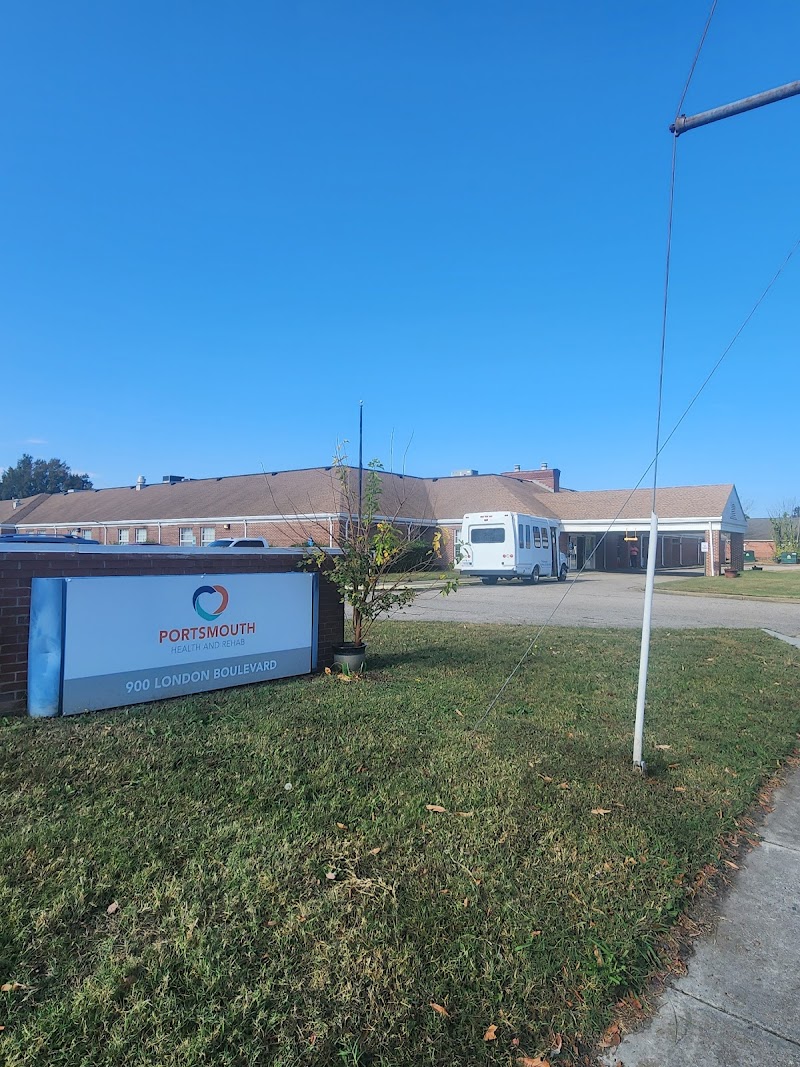
Who Owns and Operates Portsmouth Health And Rehab?

PORTSMOUTH HEALTH AND REHAB is owned by a for-profit company. For-profit facilities operate as businesses with obligations to shareholders or private owners. The facility is operated by TRIO HEALTHCARE, a chain that manages multiple nursing homes. With 120 certified beds and approximately 93 residents (about 78% occupancy), it is a mid-sized facility located in PORTSMOUTH, Virginia.
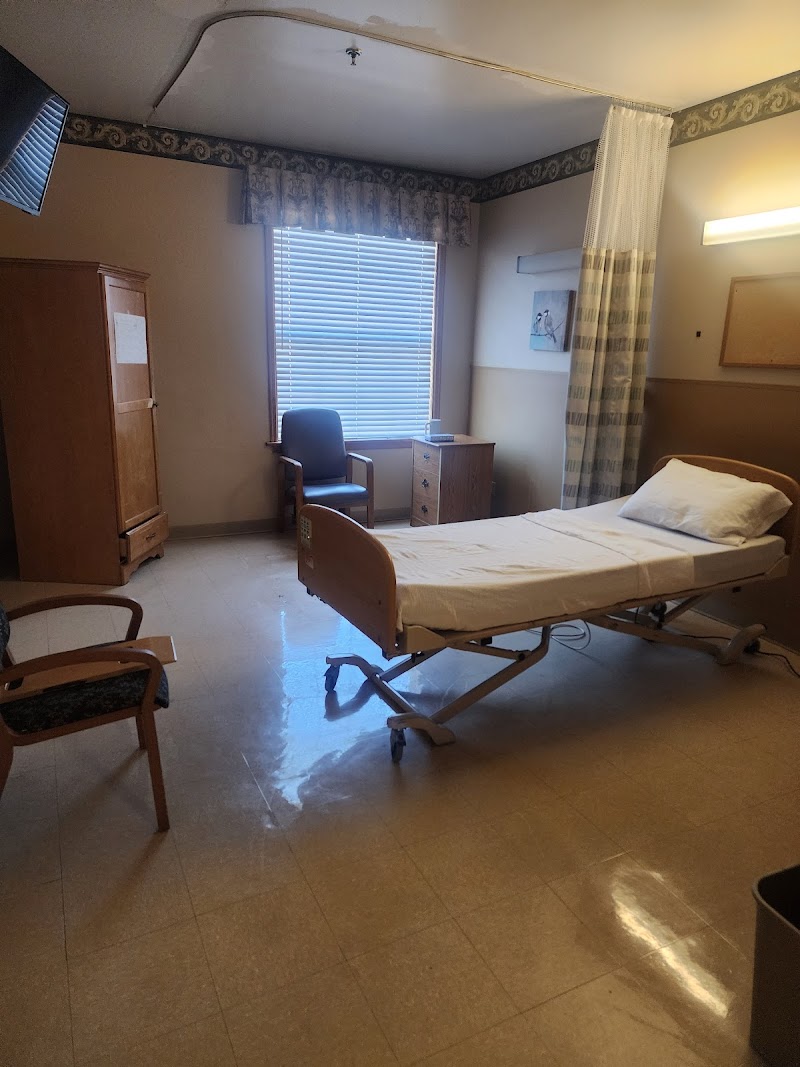
How Does Portsmouth Health And Rehab Compare to Other Virginia Nursing Homes?

Compared to the 100 nursing homes in Virginia, PORTSMOUTH HEALTH AND REHAB's overall rating (1 stars) is below the state average of 3.0, staff turnover (99%) is significantly higher than the state average of 47%, and health inspection rating (1 stars) is much below the national benchmark.

What Should Families Ask When Visiting Portsmouth Health And Rehab?

Based on this facility's data, families visiting should ask: "What changes have been made since the serious inspection findings, and how are you preventing similar issues?" "How do you ensure continuity of care given staff turnover, and what is your staff retention strategy?" "Can you walk me through typical staffing levels on day, evening, and night shifts?" "Can I visit during a mealtime to observe dining assistance and food quality?" These questions are particularly relevant given the facility's Immediate Jeopardy citations, the facility's high staff turnover rate, and the below-average staffing rating.

Is Portsmouth Health And Rehab Safe?

Based on CMS inspection data, PORTSMOUTH HEALTH AND REHAB has documented safety concerns. Inspectors have issued 3 Immediate Jeopardy citations (the most serious violation level indicating risk of serious injury or death). The facility has a 1-star overall rating and ranks #100 of 100 nursing homes in Virginia. Families considering this facility should ask detailed questions about what corrective actions have been taken since these incidents.

Do Nurses at Portsmouth Health And Rehab Stick Around?

Staff turnover at PORTSMOUTH HEALTH AND REHAB is high. At 99%, the facility is 53 percentage points above the Virginia average of 47%. Registered Nurse turnover is particularly concerning at 91%. RNs handle complex medical decisions and coordinate care — frequent RN changes can directly impact care quality. High turnover means new staff may not know residents' individual needs, medications, or preferences. It can also be disorienting for residents, especially those with dementia who rely on familiar faces. Families should ask: What is causing the turnover? What retention programs are in place? How do you ensure care continuity during staff transitions?

Was Portsmouth Health And Rehab Ever Fined?

PORTSMOUTH HEALTH AND REHAB has been fined $93,893 across 2 penalty actions. This is above the Virginia average of $34,018. Fines in this range indicate compliance issues significant enough for CMS to impose meaningful financial consequences. Common causes include delayed correction of deficiencies, repeat violations, or care failures affecting resident safety. Families should ask facility leadership what changes have been made since these penalties.

Is Portsmouth Health And Rehab on Any Federal Watch List?

PORTSMOUTH HEALTH AND REHAB is not on any federal watch list. The most significant is the Special Focus Facility (SFF) program, which identifies the bottom 1% of nursing homes nationally based on persistent, serious quality problems. Not being on this list means the facility has avoided the pattern of deficiencies that triggers enhanced federal oversight. This is a positive indicator, though families should still review the facility's inspection history directly.