JOHNSON CNTR/FALCONS LANDING
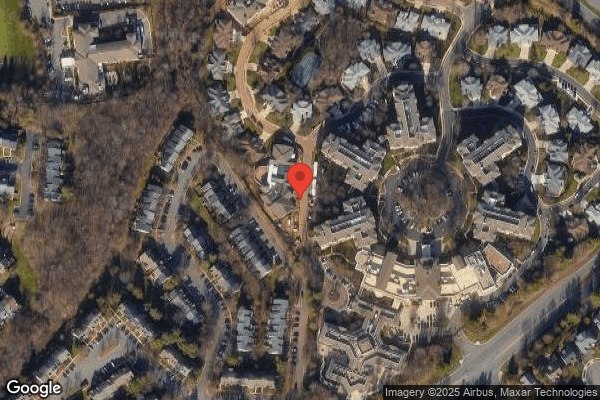
20535 EARHART PLACE, POTOMAC FALLS, VA 20165 (703) 404-5201
Non profit - Corporation 60 Beds Independent Data: November 2025
Trust Grade
90/100
#21 of 285 in VA
Last Inspection: May 2023

Over 2 years since last inspection. Current conditions may differ from available data.

Overview

Johnson Center/Falcons Landing in Potomac Falls, Virginia, has received a Trust Grade of A, indicating it is an excellent facility that is highly recommended. It ranks #21 out of 285 nursing homes in Virginia, placing it in the top half of facilities in the state, and #2 out of 5 in Loudoun County, meaning only one local option is better. However, the facility has shown a worsening trend, with the number of issues increasing from 1 in 2021 to 8 in 2023. Staffing is a strength, with a 5/5 star rating and a turnover rate of 42%, which is below the state average of 48%, suggesting that staff are experienced and familiar with the residents. On the downside, the facility has had some concerning incidents, such as failing to offer COVID-19 booster shots to several residents and not properly implementing infection control measures, which raises questions about safety protocols. Overall, while Johnson Center/Falcons Landing boasts strong staffing and an excellent trust grade, families should be aware of the recent increase in issues and specific areas that need improvement.

Trust Score
A
90/100
In Virginia
#21/285
Top 7%
Safety Record
Low Risk
No red flags
Inspections
Getting Worse
1 → 8 violations
Staff Stability
○ Average
42% turnover. Near Virginia's 48% average. Typical for the industry.
Penalties
✓ Good
No fines on record. Clean compliance history, better than most Virginia facilities.
Skilled Nurses
○ Average
Each resident gets 41 minutes of Registered Nurse (RN) attention daily — about average for Virginia. RNs are the most trained staff who monitor for health changes.
Violations
⚠ Watch
11 deficiencies on record. Higher than average. Multiple issues found across inspections.
★★★★★
5.0
Overall Rating
★★★★★
5.0
Staff Levels
★★★★★
5.0
Care Quality
★★★★☆
4.0
Inspection Score
Stable
2021: 1 issues
2023: 8 issues

The Good

  • 5-Star Staffing Rating · Excellent nurse staffing levels
  • 5-Star Quality Measures · Strong clinical quality outcomes
  • Full Sprinkler Coverage · Fire safety systems throughout facility
  • No fines on record
  • Staff turnover below average (42%)

    6 points below Virginia average of 48%

Facility shows strength in staffing levels, quality measures, fire safety.

The Bad

Staff Turnover: 42%

Near Virginia avg (46%)

Typical for the industry

The Ugly 11 deficiencies on record

May 2023 8 deficiencies
CONCERN (D)

Potential for Harm - no one hurt, but risky conditions existed

Accident Prevention (Tag F0689)

Could have caused harm · This affected 1 resident

**NOTE- TERMS IN BRACKETS HAVE BEEN EDITED TO PROTECT CONFIDENTIALITY** Based on observation, interview, record review, and review of facility policy, the facility failed to ensure the environment rem...

Read full inspector narrative →
**NOTE- TERMS IN BRACKETS HAVE BEEN EDITED TO PROTECT CONFIDENTIALITY** Based on observation, interview, record review, and review of facility policy, the facility failed to ensure the environment remained free of potential accident hazards (a portable heater) for one (Resident (R) 3) out of a survey sample of two. There was no evaluation of the resident's cognition, ambulatory status, and potential risks associated with the use of a portable heater completed prior to the use of the heater. Findings include: Review of a policy provided by the facility titled Incidents & Accidents, dated 01/09/23 failed to address potential environmental or equipment hazards. Review of a document provided by the facility titled Profile Face Sheet, indicated R3 was admitted to the facility on [DATE] with diagnoses that included generalized muscle weakness, difficulty walking, and dementia. Review of a document provided by the facility titled Care Plan dated 02/08/20 indicated R3 had impaired physical mobility and required assistance. In addition, the Care Plan indicated the resident had a decline in physical functioning due to weakness. The Care Plan dated 04/23/22, revealed the resident had impaired cognition related to memory impairment. Review of R3's quarterly Minimum Data Set (MDS) provided by the facility with an Assessment Reference Date (ARD) of 04/14/23 indicated the resident had a Brief Interview for Mental Status (BIMS) score of 10 out of 15 which indicated the resident was moderately cognitively impaired. The assessment indicated the resident required limited assistance of one staff member for bed mobility and transfers. The assessment revealed the resident could ambulate in her room with limited assistance of one staff member. The assessment revealed the resident used a walker or a wheelchair for ambulation. Review of documents provided by the facility titled Guardian Angel Rounding Tool for R3, dated 04/03/23, 04/10/23, 04/17/23, and 04/21/23 indicated the resident's room was cluttered and the resident would refuse assistance from staff to clean and to pick up her personal items. During an observation and interview on 05/02/23 at 11:50 AM, R3 had a portable heater located in her room and across from the foot of her bed. The heater was on. There was no clutter around the portable heating device. The resident stated she had the heater for multiple years. The resident did not want to be interviewed further. During an observation on 05/02/23 at 4:33 PM, R3's door was open, and the portable heater was still present. During an interview on 05/03/23 at 9:34 AM, Certified Nursing Assistant (CNA) B confirmed R3 had a portable heater in her room and stated the resident has directed staff not to touch her personal items and stated the resident turns the heater on herself. During an interview on 05/03/23 at 9:27 AM, Maintenance (Employee (Empl) D) confirmed there was a heater in R3's room and it was placed there when the heating went out. Empl D confirmed the facility purchased the heater. Empl D stated he did not check out the portable heater or monitor the heater after the heater was placed in the resident's room. During an interview on 05/03/23 at 9:46 AM, the Facility Operations Director (Empl F) stated he was not aware there was a portable heater in R3's room. Empl F stated he would expect the portable heater to be checked and inspected. Empl F stated he did not work with nursing to identify residents who may be at an increased safety risk with the use of a portable heater. During an interview on 05/03/23 at 10:15 AM, Empl D and Empl F both stated there were no other portable heaters in any resident rooms. Empl F stated there were no logs which would indicate which resident or residents who received a portable heater. A request was made on 05/03/23 at 10:34 AM for a purchase invoice for the portable heaters from the Administrator. No document was provided prior to the end of the survey. During an interview on 05/03/23 at 12:11 PM, the Facility's Maintenance/Housekeeping Director (Empl H) stated portable heaters were provided as long as they were used per manufacturer guidelines. Empl H stated the portable heaters had no heating elements and were tampered proof. Empl H stated there were no tags attached to the heaters which would indicate safety and inventory. Empl H stated he has not seen any data tracking on the heating devices which would indicate the date of purchase, date of installation, and date of inspection. During an interview on 05/03/23 at 12:54 PM, the Social Worker (Empl G) stated she entered R3's room on a daily basis to check on the resident. Empl G stated she remembered the resident with a portable heater and had reported this verbally to Empl D on a couple occasions. Empl G stated she was concerned about the safety of the heater in the resident's room. During an interview on 05/03/23 at 3:20 PM, the Medical Director (Empl K) stated R3's skin was fragile, had memory issues, and was at risk of falling. Empl K stated the resident did not comply with fall precautions and would not use her walker to assist her with ambulation. During an interview on 05/04/23 at 2:13 PM, the Director of Nursing (DON) and the Assistant Director of Nursing (ADON/Empl C) both confirmed there was no safety evaluation completed for R3 prior to the use of the portable heater. The DON stated the staff were responding to the lack of heat for the residents.
CONCERN (D)

Potential for Harm - no one hurt, but risky conditions existed

Pharmacy Services (Tag F0755)

Could have caused harm · This affected 1 resident

Based on observation, interview, clinical record review and facility documentation the facility staff failed to provide pharmaceutical services including procedures that assure accurate acquiring and ...

Read full inspector narrative →
Based on observation, interview, clinical record review and facility documentation the facility staff failed to provide pharmaceutical services including procedures that assure accurate acquiring and dispensing of medications, for 1 Resident, (#95) in a survey sample of 25 Residents. The findings included: For Resident # 95 the facility staff failed to secure hard scripts for narcotic medications, and they were accessible in the Resident's chart. On 5/3/23 during clinical record review a review of the hard (paper chart) was conducted and it was found that there were prescriptions for Oxycodone (narcotic pain medication and controlled substance), as well as Lyrica (used for neuropathic pain and also a controlled substance) in the chart. On 5/3/23 at 4:00 PM and interview was conducted with LPN B who was asked the procedure for admitting a Resident from the hospital with new prescriptions. LPN B stated that the prescriptions should be faxed to the pharmacy and placed in the folder in the medication room for the pharmacy to pick up. When asked if the prescriptions should be kept in the hard chart, she stated that they should not. When asked why it would not be kept there, she stated that it would prevent diversion of the script. On 5/3/23 at 5:00 PM an interview was conducted with the DON who stated that LPN B was correct the prescription should not be left in the chart for any reason. The prescription should be placed in the folder for pharmacy to pick up. On 5/4/23 during the end of day meeting the administrator was made aware of the concerns and no further information was provided.
CONCERN (D)

Potential for Harm - no one hurt, but risky conditions existed

Deficiency F0757 (Tag F0757)

Could have caused harm · This affected 1 resident

Based on interview, clinical record review and facility documentation the facility staff failed to ensure Residents were free from unnecessary medications for 1 Resident in a survey sample of 25 Resid...

Read full inspector narrative →
Based on interview, clinical record review and facility documentation the facility staff failed to ensure Residents were free from unnecessary medications for 1 Resident in a survey sample of 25 Residents. The findings included: For Resident #37 the Medical Director ordered several narcotic medications including duplicate orders for PRN Oxycodone. On 5/2/23 at approximately 3:30 PM an interview was conducted with Resident #37 she stated that she used to go to pain management but no longer wants to go there. She stated that the doctor at the facility will manage her pain medications now. Resident #37 had been recently re-admitted to the facility after a hospital stay. Resident #37 had diagnosis that included but were not limited to cervical spinal stenosis causing upper body pain, and osteoarthritis. On 5/3/23 a review of the clinical record was conducted, and it was found that Resident #37 was prescribed the following medications for pain when re-admitted back to the facility after a hospital stay. 5/1/23 - Lyrica - (Pregabalin) 75 mg by mouth three times daily for pain. (Lyrica is a seizure medication used for treatment of neuropathic pain) 5/2/23-Methocarbamol 500 mg tablet by mouth 4 times a day as needed for muscle spasm (Methocarbamol is a muscle relaxer) 5/1/23 - OxyContin 20 mg. tablet, crush resistant extended release, 1 tablet by mouth 3 times per day for pain (OxyContin is a narcotic pain medication) 5/3/23 - Oxycodone-acetaminophen 5/325 mg. one tablet by mouth twice daily (Oxycodone is a narcotic pain medication) 5/2/23 - Oxycodone acetaminophen 5/325 mg one tablet by mouth every 4 hours as needed for pain (Oxycodone is a narcotic pain medication) 5/2/23 - Oxycodone acetaminophen 5/325 mg one tablet by mouth every 6 hours as needed for pain (Oxycodone is a narcotic pain medication) 5/2/23 - Nucynta 75 mg 1 tablet by mouth every 6 hours PRN pain (Nucynta is a narcotic pain medication. On 5/4/23 at 3:00 PM an interview was conducted with the Medical Director who was asked about the duplicate medication therapy of narcotic pain medications. The Medical director explained that prior to coming to the facility the Resident was at another nursing facility and not happy with the care. He stated that she was seeing a Pain Management specialist however did not want to continue seeing them. The medical director stated that he would manage her pain however he did recommend that she see a neurosurgeon for her spinal stenosis and that she see another pain management specialist, and a rheumatologist. When asked about the duplicate Oxycodone orders he stated that he noticed Resident # 37 not making use of the PRN medication and suggested that LPN B offer it to her twice a day. He stated that the nurse must have put in the order for twice a day scheduled. He stated that he would discontinue the routine dose. The Medical Director also stated that he had discontinued some of her medications, but they restarted them at the hospital. On 5/4/23 at approximately 3:45 PM an interview was conducted with the LPN B who was asked the procedure for a resident who comes from the hospital to the facility. LPN B stated that when a Resident is admitted to the facility the nurse calls the MD or Nurse Practitioner and verifies the orders with them. When asked how the verification process works, she stated that the nurse reads off the medications and the doctor approves or disapproves. She stated at that time the MD has the choice to keep the orders from the hospital or change them. On 5/4/23 during the end of day meeting the Administrator was made aware of the concerns with the narcotic pain medications and no further information was provided.
CONCERN (D)

Potential for Harm - no one hurt, but risky conditions existed

Deficiency F0760 (Tag F0760)

Could have caused harm · This affected 1 resident

Based on record review, staff interview, and facility documentation review, the facility staff failed to ensure that one Resident (Resident #145) was free from a significant medication error, where in...

Read full inspector narrative →
Based on record review, staff interview, and facility documentation review, the facility staff failed to ensure that one Resident (Resident #145) was free from a significant medication error, where insulin was administered and was not ordered, in a survey sample of 25 Residents. The findings included: On 5/3/23, at approximately 8:30 AM, Resident #145 was visited in his room. During the interview, Resident #145 expressed concern over his blood sugars and said that he had several occurrences of hypoglycemia and was having difficulty managing his blood sugars. On 5/4/23, a clinical record review was conducted of Resident #145's chart. This review revealed that Resident #145 had orders for sliding scale insulin. The physician order read, Humalog Kwik Pen Insulin 100 unit/mL subcutaneous, Administer Humalog insulin per blood sugar sliding scale. Sliding scale subcutaneous 4 times a day at 7:30 AM; 11:30 AM; 4:30 PM and 10 PM as follows: Less than 70 follow hypoglycemic protocol and call MD. For BS [blood sugar] 70-150= No Insulin; 151-200= 3 units; 201-250= 6 units . Review of the Medication Record for Resident #145 for the month of April revealed that on 4/26/23, Resident #145's blood sugar was 137 at 7:30 AM. The nursing staff administered 3 units of insulin. According to the physician order, insulin was not to be administered with a blood sugar reading of 137. On 5/4/23 at approximately 10:30 AM, an interview was conducted with LPN B. LPN B stated that it is important to manage a person's blood sugar because you don't want them to get hypoglycemic, they can go into shock, or a coma and their kidneys can shut down as well. On 5/4/23 at 12:36 PM, an interview was conducted with the Assistant Director of Nursing (ADON). The ADON stated that when a person's blood sugar is too low, they can go into a coma and could die. The ADON was shown Resident #145's medication record and confirmed that on 4/26/23, with a blood sugar of 137 no insulin should have been administered. On the afternoon of 5/4/23, Surveyor C met with the attending physician of Resident #145, who was also the medical director for the facility. The doctor confirmed that Resident #145 had some challenges in managing his blood sugars at stable levels. When shown the orders for sliding scale the doctor confirmed that with a blood sugar of 137, no insulin was to be administered. The doctor also confirmed that this could cause the blood sugar to drop to dangerous levels that could be life threatening. A review was conducted of the facility policy titled, Blood Glucose Monitoring/Treatment. This policy read, . 2.2 The blood glucose will be obtained as ordered by physician or PRN [as needed] when the resident demonstrates symptoms of hypoglycemia or hyperglycemia . Review of the policy titled; Administration of Drugs was also reviewed. This policy read, .2.1 All medications shall be administered in accordance with the physicians' instructions and consistent with the standards of practice outlined in the current A Resource Guide for Medication Management for Persons Authorized Under the Drug Control Act, approved by the Virginia Board of Nursing . On the afternoon of 5/4/23, the Administrator and Director of Nursing were made aware of the above concerns. No additional information was provided.
CONCERN (D)

Potential for Harm - no one hurt, but risky conditions existed

Deficiency F0886 (Tag F0886)

Could have caused harm · This affected 1 resident

**NOTE- TERMS IN BRACKETS HAVE BEEN EDITED TO PROTECT CONFIDENTIALITY** Based on observation, staff interview, and facility documentation review, the facility staff failed to conduct COVID-19 testing ...

Read full inspector narrative →
**NOTE- TERMS IN BRACKETS HAVE BEEN EDITED TO PROTECT CONFIDENTIALITY** Based on observation, staff interview, and facility documentation review, the facility staff failed to conduct COVID-19 testing in accordance with CDC (Centers for Disease Control) and CMS (Centers for Medicare & Medicaid Services) guidance/requirements during a COVID-19 Outbreak within the facility for 2 out of 3 residential nursing units. The findings included: The facility staff failed to conduct COVID-19 testing on 1/11/23 and 1/13/23 on Nursing Units A and B, following the identification of a COVID-19 Outbreak on 1/9/23. All residents located on Nursing Unit C had tested positive for COVID-19 on 1/9/23. On 5/3/23, a group interview was conducted with the Director of Nursing (DON) and the Infection Preventionist (IP). The IP stated that 2 residents on Nursing Unit C had tested positive for COVID-19 on 1/8/23 and on 1/9/23, all residents located on Unit C had tested positive for COVID. Unit C was quarantined and COVID testing was also conducted on Units A and B on 1/9/23. The DON and IP stated that the facility's infection control program includes following all recommended CDC guidelines for COVID-19 testing. The facility's COVID-19 Outbreak testing records, including a timeline, along with the facility's COVID-19 testing policy was requested and received. On 5/3/23, review of the facility's COVID-19 Outbreak testing records and timeline was conducted and confirmed the COVID-19 outbreak within the facility on 1/9/23. All residents in the facility were tested on [DATE], however residents were not tested again until 1/16/23--7 days following the initial outbreak. The resident testing occurrences were provided and confirmed by the IP and DON on 5/3/23. On 5/4/23, a review of the facility policy titled, COVID-19 Testing Plan, date revised 1/9/2023, subtitle, 1.0--Policy Statement, was conducted and read, .testing will be conducted in a manner consistent with current standards of practice for COVID-19 to facilitate effective interventions for rapidly detecting and preventing the transmission of COVID-19 and The facility's Testing Plan will be reviewed frequently and will be modified as needed to reflect current updated guidance from CMS [Centers for Medicare & Medicaid Services], CDC [Centers for Disease Control and Prevention], and state health department recommendations. The CDC document entitled, Interim Infection Prevention and Control Recommendations for Healthcare Personnel During the Coronavirus Disease 2019 (COVID-19) Pandemic, updated September 23, 2022, page 11, subheading, Nursing Homes, item 6 Responding to a newly identified SARS-CoV-2 infection in any HCP [Healthcare Personnel] or resident, read, Perform testing for all residents and HCP Testing is recommended immediately (but not earlier than 24 hours after the exposure) and, if negative, again 48 hours after the first negative test and, if negative, again 48 hours after the second negative test, this will typically be at day 1 (where day of exposure is day 0), day 3, and day 5. On 5/4/23, the Medical Director, Facility Administrator, DON, and IP were updated on the findings. No further information was provided.
CONCERN (E)

Potential for Harm - no one hurt, but risky conditions existed

Deficiency F0582 (Tag F0582)

Could have caused harm · This affected multiple residents

**NOTE- TERMS IN BRACKETS HAVE BEEN EDITED TO PROTECT CONFIDENTIALITY** Based on staff interview, clinical record review and facility documentation review, the facility staff pre-selected the option o...

Read full inspector narrative →
**NOTE- TERMS IN BRACKETS HAVE BEEN EDITED TO PROTECT CONFIDENTIALITY** Based on staff interview, clinical record review and facility documentation review, the facility staff pre-selected the option on the SNF ABN notice (Skilled Nursing Facility Advance Beneficiary Notice) issued to 2 Residents (Resident #25 and #27) in a survey sample of 3 Residents, reviewed for such notices. The findings included: On 5/3/23, the facility Administrator was asked to provide a listing of Residents who were discharged from Medicare Part A services. From this listing a sample was selected which consisted of Resident #25 and #27. The notices issued to these Residents were reviewed and revealed the following: 1. For Resident #25, the facility staff provided a SNFABN notice prior to skilled care services ending, and below the options box had typed in, Additional information: I am choosing Option 3. Resident #25 was not afforded the opportunity to continue skilled care services and have Medicare make a determination about coverage of such services, as the facility had pre-selected/indicated the Resident chose option 3. Review of the clinical record revealed that Resident #25 was readmitted to the facility on [DATE], for skilled care, Medicare part A services. When skilled services were scheduled to end on 1/25/23, the Resident remained in the facility. The facility staff issued a NOMNC (Notice of Medicare Non-Coverage) form on 1/23/23. The facility staff provided Resident #25 with the second required notice, a SNF ABN, which allows the resident an option to continue to receive services, be notified of the expected cost, and have Medicare make the coverage determination once a bill is submitted to Medicare. 2. For Resident #27, the facility staff provided a SNFABN notice prior to skilled care services ending, with option 3 noted/pre-filled in, therefore eliminating the Resident's opportunity to have Medicare make the coverage determination. Review of the clinical record for Resident #27's skilled care ended on 12/21/22, and the Resident remained in the facility for long-term care. 5/4/23 at approximately 10 AM, an interview was conducted with Employee G, the facility social worker. Employee G was asked to explain the NOMNC and ABN forms and explain when they are issued. Employee G stated, For the ABN, if they stay long term care it is option 2. Option 3 is for people who don't want to stay here, and it is kind of irrelevant. Employee G had difficulty verbalizing what each of the 3 options on the ABN form represented and how that would affect the services provided to the Resident based on their selection. Employee G provided Surveyor C with a blank ABN form that is used by the facility. It was noted that under the 3 options for Residents to make a selection, it was pre-filled/typed with, Additional information. I choose option 3. Employee G said, option 3, Says you don't want our care and don't want to pay for it. Employee G also stated, That was on the form I was given, and I don't touch that. The facility policy titled, Advance Beneficiary Notice of Non-Coverage, was reviewed. This policy read, . Blanks (G)-(I) must be completed by the beneficiary when the ABN is issued and should not be pre-filled . The ABN may not be modified except as specifically allowed by these instructions. Notifiers must exercise caution before adding any customizations beyond these guidelines, since changing ABNs too much could result in invalid notice and healthcare provider or supplier liability for non-covered charges . In the CMS document, Form Instructions Skilled Nursing Facility Advanced Beneficiary Notice of Non-coverage (SNFABN). This instruction sheet read, .There are 3 options listed on the SNFABN with corresponding check boxes. The beneficiary must check only one option box. If the beneficiary is physically unable to make a selection, the SNF may enter the beneficiary's selection at his/her request and indicate on the notice that this was done for the beneficiary. Otherwise, SNFs are not permitted to select or pre-select an option for the beneficiary as this invalidates the notice . Accessed online at: https://www.cms.gov/Medicare/Medicare-General-Information/BNI/FFS-SNF-ABN- On 5/4/23 at approximately 10:30 AM, the facility Administrator was made aware of the above findings. No further information was provided.
CONCERN (E)

Potential for Harm - no one hurt, but risky conditions existed

Deficiency F0887 (Tag F0887)

Could have caused harm · This affected multiple residents

**NOTE- TERMS IN BRACKETS HAVE BEEN EDITED TO PROTECT CONFIDENTIALITY** Based on clinical record review, staff record review, staff interview and facility documentation review, the facility staff fail...

Read full inspector narrative →
**NOTE- TERMS IN BRACKETS HAVE BEEN EDITED TO PROTECT CONFIDENTIALITY** Based on clinical record review, staff record review, staff interview and facility documentation review, the facility staff failed to offer and/or provide up to date COVID-19 immunization for 5 residents, Residents #2, #16, #19, #39, and #96, in a survey sample of 7 residents reviewed for COVID-19 vaccination. The findings include: 1. The facility staff failed to offer and/or provide a COVID-19 bivalent booster vaccine for Residents #2, #16, #19, #39, and #96. On 5/3/23, clinical record reviews were performed and revealed the following: A. Resident #2 completed a primary COVID-19 vaccine series on 4/30/21, however there was no evidence that Resident #2 had been offered or received a COVID-19 bivalent booster dose. B. Resident #16 completed a primary COVID-19 vaccine series on 1/21/21, however there was no evidence that Resident #16 had been offered or received a COVID-19 bivalent booster dose. C. Resident #19 completed a primary COVID-19 vaccine series on 2/10/21, however there was no evidence that Resident #19 had been offered or received a COVID-19 bivalent booster dose. D. Resident #39 completed a primary COVID-19 vaccine series on 2/27/21 and a monovalent booster on 5/9/22, however there was no evidence that Resident #39 had been offered or received a COVID-19 bivalent booster dose. E. Resident #96 was admitted to the facility on [DATE]. There was no evidence that facility staff assessed the COVID-19 immunization status for Resident #96, including primary COVID vaccination and/or booster doses. On 5/3/23, an interview was conducted with the Director of Nursing (DON) and the Infection Preventionist (IP), both of whom confirmed the facility policies and procedures follow CDC (Centers for Disease Control and Prevention) guidance and recommendations for resident COVID-19 immunization. The DON stated there were no concerns with the facility's ability to provide COVID immunizations to residents. The DON stated that it is expected for all residents to be provided the opportunity to be up to date with COVID-19 immunizations, including the bivalent COVID booster. On 5/3/23, the DON accessed the clinical records for the residents sampled and verified the findings. The facility's COVID vaccination policy for residents was requested and received. On 5/4/23, review of the facility's policy titled, COVID-19 Vaccine, date reviewed 1/9/2023, subheading Policy, was conducted and read, To reduce morbidity and mortality from Coronavirus disease 2019 (COVID-19), [facility name redacted] will offer vaccination to all residents and employees . The CDC (Centers for Disease Control and Prevention) document titled, Interim Clinical Considerations for Use of COVID-19 Vaccines Currently Approved or Authorized in the United States, updated March 16, 2023, page 3, Recommendations for COVID-19 vaccine use, subtitle, Booster vaccination, read, People ages 6 months and older are recommended to receive 1 bivalent mRNA booster dose after completion of any FDA-approved or FDA-authorized primary series or previously received monovalent booster dose(s). The CDC (Centers for Disease Control and Prevention) document titled, Stay Up to Date with COVID-19 Vaccines Including Boosters, updated March 2, 2023, page 2, COVID-19 Boosters, subtitle, Updated Boosters, read, The updated boosters are called 'updated' because they protect against both the original virus that causes COVID-19 and the Omicron variant BA.4 and BA.5 .Updated COVID-19 boosters became available on: September 2, 2022, for people aged 12 years and older .You are up to date with your COVID-19 vaccines when you have completed a COVID-19 vaccine primary series and got the most recent booster dose. The CDC (Centers for Disease Control and Prevention) document titled, Interim Infection Prevention and Control Recommendations for Healthcare Personnel During the Coronavirus Disease 2019 (COVID-19) Pandemic, updated September 23, 2022, page 2, item 1, read, 1. Recommended routine infection prevention and control (IPC) practices during the COVID-19 pandemic .Encourage everyone to remain up to date with all recommended COVID-19 vaccine doses .HCP [Healthcare Personnel], patients, and visitors should be offered resources and counseled about the importance of receiving the COVID-19 vaccine. On 5/4/23, the Facility Administrator and Director of Nursing were made aware of the findings. No further information was provided.
MINOR (C)

Minor Issue - procedural, no safety impact

Staffing Information (Tag F0732)

Minor procedural issue · This affected most or all residents

Based on observation, staff interview, and facility documentation review, the facility staff failed to post daily staffing information for Residents, staff, and visitors to see, which has the potentia...

Read full inspector narrative →
Based on observation, staff interview, and facility documentation review, the facility staff failed to post daily staffing information for Residents, staff, and visitors to see, which has the potential to affect all Residents. The findings included: On 5/3/23 at approximately 11:00 AM, a facility tour was conducted to look for daily staffing posted. With the assistance of facility staff, the surveyor was taken to the unit manager office where on a table inside the office door, the daily staff posting was noted. The facility staff stated that the scheduler fills out the daily staffing and puts it in the office daily. On 5/5/23, during the mid-late morning, the Director of Nursing again confirmed that the daily staff posting is completed by the scheduler each day and placed in the unit manager office, which was vacant at the time of survey due to the unit manager position being vacant. The Director of Nursing (DON) further confirmed that the office is locked daily around 4:30-5:30 PM, therefore Residents and/or families have no access to the area in the evenings. A review of the facility policy titled, Nurse Staffing Posting was conducted. This policy read, The nurse staffing sheet will be posted in the nurses' station . The facility must, upon oral or written request, make nurse staffing data available to the public for review. On 5/5/23, during an end of day meeting with the facility Administrator and DON, were made aware of the above findings. No further information was provided.
Mar 2021 1 deficiency
CONCERN (E)

Potential for Harm - no one hurt, but risky conditions existed

Infection Control (Tag F0880)

Could have caused harm · This affected multiple residents

Based on observations, interviews, record review, and policy review, the facility failed to consistently implement Centers for Disease Control and Disease Prevention (CDC) infection control measures i...

Read full inspector narrative →
Based on observations, interviews, record review, and policy review, the facility failed to consistently implement Centers for Disease Control and Disease Prevention (CDC) infection control measures in the quarantine unit for six of six residents (Resident (R) 18, R82, R81, R78, R77, and R79) and failed to keep urinary catheter tubing off the floor for one of one resident (R15) reviewed for urinary catheters out of a sample of 16 residents. These failures increased the risk of transmission of COVID-19 to the residents on the quarantine unit and urinary tract infection to R15. The facility had one positive COVID-19 resident at time of survey. Findings include: 1. Review of CDC guidance, Preparing for COVID-19 in Nursing Homes, updated April 30, 2020, revealed, . Identify space in the facility that could be dedicated to care for residents with confirmed COVID-19. This could be a dedicated floor, unit, or wing in the facility or a group of rooms at the end of the unit that will be used to cohort residents with COVID-19 . Ideally the unit should be physically separated from other rooms or units housing residents without confirmed COVID-19. Create a plan for managing new admissions and readmissions whose COVID-19 status is unknown. Options include placement in a single room or in a separate observation area so the resident can be monitored for evidence of COVID-19. All recommended COVID-19 PPE should be worn during care of residents under observation, which includes use of an N95 or higher-level respirator (or facemask if a respirator is not available), eye protection (i.e., goggles or a disposable face shield that covers the front and sides of the face), gloves, and gown. Review of CDC, Interim Infection Prevention and Control Recommendations for Healthcare Personnel During the Coronavirus Disease 2019 (COVID-19) Pandemic, updated February 23, 2021, revealed, . The IPC [Infection Prevention and Control] recommendations described below also apply to patients who have met criteria for a 14-day quarantine based on prolonged close contact with someone with SARS-CoV-2 infection. Patients in this 14-day quarantine period should be isolated in a single-person room and cared for by HCP using all PPE recommended for a patient with suspected or confirmed SARS-CoV-2 infection . Put on a clean isolation gown upon entry into the patient room or area. Change the gown if it becomes soiled. Remove and discard the gown in a dedicated container for waste or linen before leaving the patient room or care area. Disposable gowns should be discarded after use . Put on clean, non-sterile gloves upon entry into the patient room or care area . Remove and discard gloves before leaving the patient room or care area, and immediately perform hand hygiene. Review of the facility policy, Pandemic Disease Policy, revised May 2020, revealed, . b. For residents on standard, contact and airborne isolation: Staff will don gloves, gown, eye protection and respirator (N95 or higher if available) prior to room entry . j. ii. 2. PPE is appropriately removed and discarded after resident care, prior to leaving the room . Review of the facility, Roster-Residents with Room Numbers, dated 03/16/21, provided by the Director of Nursing (DON), revealed six residents were housed on the warm (quarantine) unit due to being new admissions or readmissions. These six residents, R18, R82, R81, R77, R78, and R79, were within the 14-day quarantine and were being monitored for signs and symptoms of COVID-19. On 03/17/21 at 8:55 AM, housekeeper (HSK)1 was observed entering the quarantine unit from the COVID-19 unit through the zippered plastic barrier wall separating the units. HSK1 left the zipper opened in the plastic barrier. HSK1 had on a gown, face shield, N95 mask, and gloves. HSK1 walked past R18, R82, R81, R77, R78, and R79's rooms. The door of each room was open to the hallway. HSK1 proceeded to empty a linen cart placing towels in the clean linen room with the same PPE on that she had worn in the COVID unit. On 03/17/21 at 9:10 AM, HSK1 was observed leaving the quarantine unit through the zippered plastic barrier wall entering the COVID unit. Continued observation revealed HSK1 bringing empty trash containers from COVID unit to the quarantine unit. Continued observation revealed HSK1 placing bags of trash into the containers and taking them back through the zippered barrier wall into the COVID unit and out the exit door. On 03/17/21 at 9:14 AM, HSK1 was observed coming back from the COVID unit into the quarantine unit, walking down the hallway to the housekeeping cart where she removed the gown and gloves. During an interview on 03/17/21 at 9:20 AM, Licensed Practical Nurse (LPN) 2 verified that HSK1 came out of the COVID unit through the zippered plastic barrier wall into the quarantine unit walking through the hallway wearing the same PPE she had on in the COVID unit. LPN2 stated that staff were not to enter the quarantine unit from the COVID unit. Further observations on the quarantine unit on 03/17/21 at 9:30 AM revealed HSK1 entering R82's room wearing a gown, gloves, face shield, and mask to clean the room. On 03/17/21 at 9:40 AM, HSK1 was observed leaving R82's room wearing the same PPE, walking to her housekeeping cart, emptying the container of disinfectant, picking up clean trash can liners, and returning to R82's room. On 03/17/21 at 9:44 AM, HSK1 was observed leaving R82's room, returning to her cart, removing her gown and gloves in the hallway, and using Alcohol Based Hand Rub (ABHR) to sanitize her hands. On 03/17/21 at 9:50 AM, HSK1 was observed putting on a clean gown and gloves and entering R18's room with a container of disinfectant to clean the room. On 03/17/21 at 9:52 AM, HSK1 was observed leaving R18's room wearing the same gown and gloves, walking down the hallway to her cart, retrieving clean trash can liners, and walking back to R18's room. On 03/17/21 at 9:54 AM, HSK1 was observed leaving R18's room, returning to her cart, removing her gown and gloves in the hallway, and using ABHR to sanitize her hands. During an interview on 03/17/21 at 10:15 AM, HSK1 verified that she did enter and exit the quarantine unit from the COVID unit while taking out the containers of trash. HSK1 also verified that she had worn the PPE in and out of resident rooms as she was cleaning the rooms, including the bathrooms. HSK1 verified that she did not remove the gown and gloves prior to leaving R82 and R18's rooms. During an interview on 03/19/21 at 9:10 AM, the Housekeeping Manager (HM) stated that the housekeeping staff have had numerous infection control trainings throughout the COVID-19 pandemic. HM stated that housekeeping staff have been trained on where to don (put on) and doff (remove) PPE and what PPE is required on the quarantine unit. HM stated that housekeeping staff know to doff the gowns and gloves in the resident room and not to wear out into the hallway after cleaning rooms. HM stated that housekeeping staff are not to go on the COVID unit but instead the nursing staff on that unit clean the rooms. HM stated that the trash is to be taken to the double doors of quarantine unit for removal and not through the COVID unit. Review of undated inservice attendance logs, provided by the Housekeeping Manager, revealed HSK1 did receive training on infection control and PPE requirements for the quarantine units. On 03/17/21 at 9:00 AM in the quarantine unit, Certified Nursing Assistant (CNA) 1 was observed pulling the plastic barrier separating the quarantine unit from the COVID unit away from the wall to talk to LPN1 who was the nurse on the COVID unit. On 03/17/21 at 9:17 AM, CNA1 was then observed entering and exiting R79 and R82's rooms picking up breakfast trays wearing a face shield and mask but no gloves or gowns. During an interview on 03/17/21 at 10:00 AM, CNA1 stated that gowns and gloves were not required when picking up meal trays. During an interview on 03/17/21 at 11:30 AM, LPN1 verified that she was the nurse on the COVID unit that day. LPN1 stated that staff were not to go from the COVID unit to the warm unit but instead stay on the COVID unit for their shift and exit through the door on the COVID unit. LPN1 verified that HSK1 came in and out of the quarantine and COVID units to retrieve trash containers. LPN1 also verified that CNA1 pulled the plastic barrier away from the wall to ask her a question. LPN1 stated that the staff is to use a telephone to communicate to one another not to pull the plastic barrier away from the wall. During an interview on 03/17/21 at 2:30 PM, the Infection Control Preventionist (ICP) stated staff on the quarantine unit are to wear all PPE (gowns, gloves, face masks and shields) when entering resident rooms regardless of the amount of resident contact in the room. The ICP stated that included delivering and picking up meal trays. During the interview on 03/17/21 at 2:30 PM, the ICP verified that staff entering the quarantine unit from the COVID unit, wearing gowns and gloves out of resident rooms into the hallway, and pulling the plastic barrier from the wall to talk to staff on the COVID unit did not follow CDC guidance or the facility's infection control policy for resident care in the quarantine unit. 2. Review of the facility policy titled, Prevention of Catheter-Associated Urinary Tract Infections dated 03/16/21, indicated, .4. Procedure, b. vi .Do not rest the bag on the floor. Observation of Resident (R)15 on 03/16/21 at 12:20 PM in the Main Dining Room revealed R15 seated in a wheelchair at a table eating lunch, the tubing from her catheter was noted to be dragging on the floor under the wheelchair. Observation of R15 was perform on 03/16/21 at 12:34 PM in the Main Dining Room with the Director of Nursing (DON), the catheter tubing was noted to be dragging on the floor. On 03/16/21 at 12:34 PM in an interview with the DON the DON confirmed R15's catheter tubing was sitting on the floor, in the Main Dining Room. The DON stated the tubing should not be there. The tubing should not be on the floor due to germs and risk of infection. Observation of R15 on 03/16/21 at 02:50 PM in the Main Dining Room while R15 was participating in an activity revealed the catheter tubing on floor. A review of R15's Profile Face Sheet [a cover sheet to a multipage document that contains demographic information, insurance information, contact information and limited medical information] found in the Electronic Medical Record (EMR) under the profile tab, revealed an admission date of 02/19/21 with medical diagnoses that included neuromuscular dysfunction of bladder. A review of R15's Care Plan with a start date of 02/22/21, indicated, .Cover drainage bag when up to promote privacy.
Jul 2018 2 deficiencies
CONCERN (D)

Potential for Harm - no one hurt, but risky conditions existed

Food Safety (Tag F0812)

Could have caused harm · This affected 1 resident

Based on observation, policy review, and staff interview the facility failed to store frozen food in accordance with professional standards for food service safety. Findings: On 7/11/2018 at 8:10AM, ...

Read full inspector narrative →
Based on observation, policy review, and staff interview the facility failed to store frozen food in accordance with professional standards for food service safety. Findings: On 7/11/2018 at 8:10AM, an observation was made of the walk-in freezer. An open plastic bag containing 6 frozen sausage patties was noted as being unsealed and unlabeled. Employee A (the head Chef) was asked what the bag contained, and he stated it has the sausage from this morning that wasn't used. When asked for his observations of the food, Employee A stated it was on the tray line this morning. It should be put back in the original box, or sealed and labeled. A review of the provider's policy titled PROPER FOOD HANDLING AND SANITATION last revised March 2014 showed the following: 3.4 FREEZER STORAGE (walk-in and reach-in) 3.4.2 All stored food must be wrapped, stored in sealed containers or secured in a tied plastic bag. 3.4.3 All stored food must be properly labeled with date and product name. No further information was provided prior to exit.
MINOR (C)

Minor Issue - procedural, no safety impact

Deficiency F0577 (Tag F0577)

Minor procedural issue · This affected most or all residents

Based on observation, resident interview, and staff interview the facility failed to post, in a place readily accessible to residents, family members, and legal representatives, the results of the mos...

Read full inspector narrative →
Based on observation, resident interview, and staff interview the facility failed to post, in a place readily accessible to residents, family members, and legal representatives, the results of the most recent survey of the facility. Findings: On 7/10/2018, an observation was made of the nursing facility. Posted survey results were not found. On 7/11/2018 at 1:45PM, during the Resident Council interview, residents were asked if they knew where to find the most recent survey findings. Of the 6 residents in attendance, none could verbalize where the most recent survey findings could be located. On 7/11/2018 at 2:10PM, Administrative Employee B (the Director of Nursing) was asked where the most recent survey findings were posted. Administrative Employee B showed the surveyor an empty plastic chart holder mounted on the wall near the nurse's station. On observation, the chart holder was not labeled. There was no signage that survey findings were available at the location. Administrative Employee B was asked if a resident could locate the survey findings, and replied No. There isn't a sign. Administrative Employee B was asked where, specifically, the survey findings were located, and she replied They are supposed to be in this plastic holder. I don't know where they are. On 7/12/2018, at 8:00AM, an observation was made of the designated location for survey findings. A binder labeled Survey Results was in the plastic chart holder. The binder needed to be facing out towards the corridor with the top uppermost to read the label, and there was no signage directing residents, family members, and legal representatives to the binder containing the survey findings. Administrative Employee B was asked if a resident could locate the survey findings if the binder was in any other position than upright and facing forward, and replied No. There is a label on only one side. No further information was provided prior to exit.
Understanding Severity Codes (click to expand)
Life-Threatening (Immediate Jeopardy)
J - Isolated K - Pattern L - Widespread
Actual Harm
G - Isolated H - Pattern I - Widespread
Potential for Harm
D - Isolated E - Pattern F - Widespread
No Harm (Minor)
A - Isolated B - Pattern C - Widespread

Questions to Ask on Your Visit

  • "Can I speak with families of current residents?"
  • "What's your RN coverage like on weekends and overnight?"

Our Honest Assessment

Strengths
  • • Grade A (90/100). Above average facility, better than most options in Virginia.
  • • No major safety red flags. No abuse findings, life-threatening violations, or SFF status.
  • • No fines on record. Clean compliance history, better than most Virginia facilities.
  • • 42% turnover. Below Virginia's 48% average. Good staff retention means consistent care.
Concerns
  • • 11 deficiencies on record. Higher than average. Multiple issues found across inspections.
Bottom line: Generally positive indicators. Standard due diligence and a personal visit recommended.

About This Facility

What is Johnson Cntr/Falcons Landing's CMS Rating?

CMS assigns JOHNSON CNTR/FALCONS LANDING an overall rating of 5 out of 5 stars, which is considered much above average nationally. Within Virginia, this rating places the facility higher than 99% of the state's 100 nursing homes. This rating reflects solid performance across the metrics CMS uses to evaluate nursing home quality.

How is Johnson Cntr/Falcons Landing Staffed?

CMS rates JOHNSON CNTR/FALCONS LANDING's staffing level at 5 out of 5 stars, which is much above average compared to other nursing homes. Staff turnover is 42%, compared to the Virginia average of 46%. This relatively stable workforce can support continuity of care.

What Have Inspectors Found at Johnson Cntr/Falcons Landing?

State health inspectors documented 11 deficiencies at JOHNSON CNTR/FALCONS LANDING during 2018 to 2023. These included: 9 with potential for harm and 2 minor or isolated issues.

Who Owns and Operates Johnson Cntr/Falcons Landing?

JOHNSON CNTR/FALCONS LANDING is owned by a non-profit organization. Non-profit facilities reinvest revenue into operations rather than distributing to shareholders. The facility operates independently rather than as part of a larger chain. With 60 certified beds and approximately 40 residents (about 67% occupancy), it is a smaller facility located in POTOMAC FALLS, Virginia.

How Does Johnson Cntr/Falcons Landing Compare to Other Virginia Nursing Homes?

Compared to the 100 nursing homes in Virginia, JOHNSON CNTR/FALCONS LANDING's overall rating (5 stars) is above the state average of 3.0, staff turnover (42%) is near the state average of 46%, and health inspection rating (4 stars) is above the national benchmark.

What Should Families Ask When Visiting Johnson Cntr/Falcons Landing?

Based on this facility's data, families visiting should ask: "Can I visit during a mealtime to observe dining assistance and food quality?" "How do you handle medical emergencies, and what is your hospital transfer rate?" "Can I speak with family members of current residents about their experience?"

Is Johnson Cntr/Falcons Landing Safe?

Based on CMS inspection data, JOHNSON CNTR/FALCONS LANDING has a clean safety record: no substantiated abuse findings (meaning no confirmed cases of resident harm), no Immediate Jeopardy citations (the most serious violation level indicating risk of serious injury or death), and is not on the Special Focus Facility watch list (a federal program monitoring the lowest-performing 1% of nursing homes). The facility has a 5-star overall rating and ranks #1 of 100 nursing homes in Virginia. While no facility is perfect, families should still ask about staff-to-resident ratios and recent inspection results during their visit.

Do Nurses at Johnson Cntr/Falcons Landing Stick Around?

JOHNSON CNTR/FALCONS LANDING has a staff turnover rate of 42%, which is about average for Virginia nursing homes (state average: 46%). Moderate turnover is common in nursing homes, but families should still ask about staff tenure and how the facility maintains care continuity when employees leave.

Was Johnson Cntr/Falcons Landing Ever Fined?

JOHNSON CNTR/FALCONS LANDING has no federal fines on record. CMS issues fines when nursing homes fail to meet care standards or don't correct problems found during inspections. The absence of fines suggests the facility has either maintained compliance or corrected any issues before penalties were assessed. This is a positive indicator, though families should still review recent inspection reports for the full picture.

Is Johnson Cntr/Falcons Landing on Any Federal Watch List?

JOHNSON CNTR/FALCONS LANDING is not on any federal watch list. The most significant is the Special Focus Facility (SFF) program, which identifies the bottom 1% of nursing homes nationally based on persistent, serious quality problems. Not being on this list means the facility has avoided the pattern of deficiencies that triggers enhanced federal oversight. This is a positive indicator, though families should still review the facility's inspection history directly.