WESTMINSTER-CANTERBURY OF RICHMOND
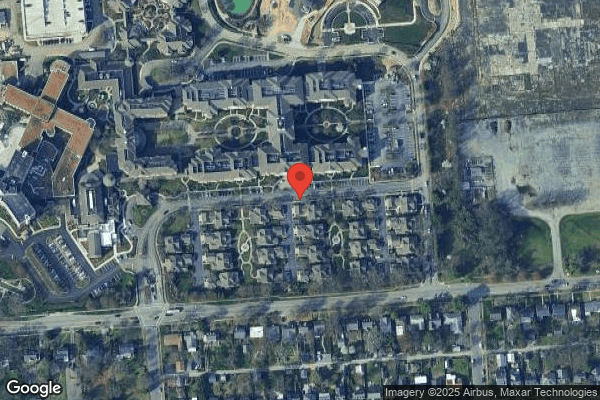

1600 WESTBROOK AVE, RICHMOND, VA 23227 (804) 264-6000
Non profit - Corporation 158 Beds Independent Data: November 2025
Trust Grade
85/100
#53 of 285 in VA
Last Inspection: June 2024

Within standard 12-15 month inspection cycle. Federal law requires annual inspections.

Overview

Westminster-Canterbury of Richmond has a Trust Grade of B+, which indicates that it is above average and recommended for families considering care options. It ranks #53 out of 285 facilities in Virginia, placing it in the top half, and is the top-rated facility among 11 in Henrico County. However, the facility is currently experiencing a worsening trend, with issues increasing from 4 in 2023 to 6 in 2024. Staffing is a notable strength, with a 5/5 star rating and a turnover rate of 45%, which is below the state average, indicating that staff are stable and familiar with residents. The facility has no fines on record, which is a positive sign, and features more RN coverage than 91% of Virginia facilities, ensuring better oversight of resident care. Specific incidents of concern include a failure to provide written notice about bed-hold policies for a resident transferred to the hospital, which could lead to confusion about their care. Another issue involved the facility not adequately varying meal options, leading to complaints from residents about repetitive food items, primarily chicken. Additionally, there were concerns regarding food safety practices, as items in refrigerators were not dated properly, which could potentially affect the health of residents. Overall, while the facility has strengths in staffing and RN coverage, it faces challenges that families should carefully consider.

Trust Score
B+
85/100
In Virginia
#53/285
Top 18%
Safety Record
Low Risk
No red flags
Inspections
Getting Worse
4 → 6 violations
Staff Stability
⚠ Watch
45% turnover. Above average. Higher turnover means staff may not know residents' routines.
Penalties
✓ Good
No fines on record. Clean compliance history, better than most Virginia facilities.
Skilled Nurses
✓ Good
Each resident gets 70 minutes of Registered Nurse (RN) attention daily — more than 97% of Virginia nursing homes. RNs are the most trained staff who catch health problems before they become serious.
Violations
⚠ Watch
14 deficiencies on record. Higher than average. Multiple issues found across inspections.
★★★★★
5.0
Overall Rating
★★★★★
5.0
Staff Levels
★★★★☆
4.0
Care Quality
★★★★☆
4.0
Inspection Score
Stable
2023: 4 issues
2024: 6 issues

The Good

  • 5-Star Staffing Rating · Excellent nurse staffing levels
  • 4-Star Quality Measures · Strong clinical quality outcomes
  • Full Sprinkler Coverage · Fire safety systems throughout facility
  • No fines on record

Facility shows strength in staffing levels, quality measures, fire safety.

The Bad

Staff Turnover: 45%

Near Virginia avg (46%)

Higher turnover may affect care consistency

The Ugly 14 deficiencies on record

Oct 2024 2 deficiencies
CONCERN (D) 📢 Someone Reported This

A family member, employee, or ombudsman was alarmed enough to file a formal complaint

Potential for Harm - no one hurt, but risky conditions existed

Deficiency F0658 (Tag F0658)

Could have caused harm · This affected 1 resident

Based on staff interview, facility document review, and clinical record review, the facility staff failed to follow professional standards of practice for documentation for one of four residents in th...

Read full inspector narrative →
Based on staff interview, facility document review, and clinical record review, the facility staff failed to follow professional standards of practice for documentation for one of four residents in the survey sample, Resident #1. The findings include: For Resident #1 (R1), the facility staff failed to document assessments, interventions, and vital signs in the clinical record on 10/19/24. A review of R1's nurses' progress notes revealed the following: 10/19/24 19:44 (7:44 p.m.) Resident remains lethargic. BP remains low 88/43. Resident responds to tactile and verbal stimuli. Has declined PO (by mouth) this evening. [Name of attending physician] updated. No new orders. 10/19/24 19:57 (7:57 p.m.) Per [name of attending physician] change Morphine to 15 mg (milligrams) every 8 hours and hold Metoprolol tonight. 10/20/24 01:15 (1:15 a.m.) Resident continues with lethargy, night medications of Morphine, Metoprolol held. Resident blood pressure decline 70/56 and repeat was 56/31. On call NP (nurse practitioner) notified. Gave order for transfer. This note was written by RN (registered nurse) #1. On 10/30/24 at 1:57 p.m., RN (registered nurse) #1 was interviewed. She was caring for R1 at the time of her transfer to the hospital. She stated this was her first time of taking care of R1. The day nurse told her that R1 had been responsive but lethargic, and that Morphine and Metoprolol should be held until the morning. R1 produced a notebook with her notes regarding R1 from the night shift of 10/19/24. She stated her notes indicated that around 9:00 p.m., the resident's blood pressure was 95/57, and that her O2 (blood oxygen saturations) were fluctuation in the low 80s. She applied oxygen at 2 liters per minute, and R1's O2 increased to 95%, She stated at around 10:10 p.m., R1's O2 was still 95%. She stated she looked in on the resident frequently, called her, name, and rubbed her face. She stated the resident always responded to her. She stated around 11:30 p.m., R1's blood pressure was 70/56, She rechecked it and it was 70/40. She notified her supervisor, who rechecked the blood pressure manually, and it was 56/31. At this time, she called the on-call nurse practitioner, who gave the order to send R1 to the hospital. RN #1 stated none of this information could be found in the resident's clinical record because she had not transcribed it from her personal notebook to the facility's electronic medical record. She said if she had it to do over again, she would have recorded this information in R1's clinical record. She stated it is important for the resident's continuation of care for all care that is given to be documented in the clinical record. On 10/30/24 at 2:58 p.m., ASM (administrative staff member) #1, the administrator, and ASM #2, the director of nursing, were informed of these concerns. ASM #2 stated RN #1 did not follow accepted nursing standards of practice for documentation when she did not include all of her assessments and interventions in R1's medical record for 10/19/24. She stated the clinical record is a primary method of relaying information from one nurse to another, and for providers to see what has and has not worked. A review of the facility policy, Charting and Documentation, revealed, in part: All services provided to the resident, or any changes in the resident's medical or mental condition, shall be documented in the resident's medical record .All observations, medications administered, services performed, etc., must be documented in the resident's electronic medical record or progress notes as indicated. No additional information was provided prior to exit.
CONCERN (D) 📢 Someone Reported This

A family member, employee, or ombudsman was alarmed enough to file a formal complaint

Potential for Harm - no one hurt, but risky conditions existed

Medical Records (Tag F0842)

Could have caused harm · This affected 1 resident

Based on staff interview, facility document review, and clinical record review, the facility staff failed to maintain a complete, accurate clinical record for one of four residents in the survey sampl...

Read full inspector narrative →
Based on staff interview, facility document review, and clinical record review, the facility staff failed to maintain a complete, accurate clinical record for one of four residents in the survey sample, Resident #1. The findings include: For Resident #1 (R1), the facility staff failed maintain a complete, accurate medical record by documenting assessments, interventions, and vital signs in the clinical record on 10/19/24. A review of R1's nurses' progress notes revealed the following: 10/19/24 19:44 (7:44 p.m.) Resident remains lethargic. BP remains low 88/43. Resident responds to tactile and verbal stimuli. Has declined PO (by mouth) this evening. [Name of attending physician] updated. No new orders. 10/19/24 19:57 (7:57 p.m.) Per [name of attending physician] change Morphine to 15 mg (milligrams) every 8 hours and hold Metoprolol tonight. 10/20/24 01:15 (1:15 a.m.) Resident continues with lethargy, night medications of Morphine, Metoprolol held. Resident blood pressure decline 70/56 and repeat was 56/31. On call NP (nurse practitioner) notified. Gave order for transfer. This note was written by RN (registered nurse) #1. On 10/30/24 at 1:57 p.m., RN (registered nurse) #1 was interviewed. She was caring for R1 at the time of her transfer to the hospital. She stated this was her first time of taking care of R1. The day nurse told her that R1 had been responsive but lethargic, and that Morphine and Metoprolol should be held until the morning. R1 produced a notebook with her notes regarding R1 from the night shift of 10/19/24. She stated her notes indicated that around 9:00 p.m., the resident's blood pressure was 95/57, and that her O2 (blood oxygen saturations) were fluctuation in the low 80s. She applied oxygen at 2 liters per minute, and R1's O2 increased to 95%, She stated at around 10:10 p.m., R1's O2 was still 95%. She stated she looked in on the resident frequently, called her, name, and rubbed her face. She stated the resident always responded to her. She stated around 11:30 p.m., R1's blood pressure was 70/56, She rechecked it and it was 70/40. She notified her supervisor, who rechecked the blood pressure manually, and it was 56/31. At this time, she called the on-call nurse practitioner, who gave the order to send R1 to the hospital. RN #1 stated none of this information could be found in the resident's clinical record because she had not transcribed it from her personal notebook to the facility's electronic medical record. She said if she had it to do over again, she would have recorded this information in R1's clinical record. She stated it is important for the resident's continuation of care for all care that is given to be documented in the clinical record. On 10/30/24 at 2:58 p.m., ASM (administrative staff member) #1, the administrator, and ASM #2, the director of nursing, were informed of these concerns. ASM #2 stated RN #1 did not follow accepted nursing standards of practice for documentation when she did not include all of her assessments and interventions in R1's medical record for 10/19/24, and that R1's clinical record was not complete. She stated the clinical record is a primary method of relaying information from one nurse to another, and for providers to see what has and has not worked. A review of the facility policy, Charting and Documentation, revealed, in part: All services provided to the resident, or any changes in the resident's medical or mental condition, shall be documented in the resident's medical record .All observations, medications administered, services performed, etc., must be documented in the resident's electronic medical record or progress notes as indicated. No additional information was provided prior to exit.
Jun 2024 4 deficiencies
CONCERN (D)

Potential for Harm - no one hurt, but risky conditions existed

Deficiency F0554 (Tag F0554)

Could have caused harm · This affected 1 resident

**NOTE- TERMS IN BRACKETS HAVE BEEN EDITED TO PROTECT CONFIDENTIALITY** Based on staff interview, resident interview, facility document review and clinical record review, it was determined the facilit...

Read full inspector narrative →
**NOTE- TERMS IN BRACKETS HAVE BEEN EDITED TO PROTECT CONFIDENTIALITY** Based on staff interview, resident interview, facility document review and clinical record review, it was determined the facility staff failed to ensure an assessment was completed for medication self-administration for one of 20 residents, Resident #30. The findings include: The facility staff failed to ensure Resident #30 was assessed for self-administration of medication. Resident #30 was admitted to the facility on [DATE] with diagnosis that included but were not limited to: osteoarthritis, spondylosis and bipolar disorder. The most recent MDS (minimum data set) assessment, a quarterly assessment, with an ARD (assessment reference date) of 4/21/24, coded the resident as scoring a 15 out of 15 on the BIMS (brief interview for mental status) score, indicating the resident was not cognitively impaired. A review of the comprehensive care plan dated 7/19/23, which revealed, FOCUS: The resident has pain due to osteoarthritis and gout. INTERVENTIONS: Assess need for pain medication on each contact. Assess effectiveness of pain medication. A review of the physician orders dated 6/4/23 revealed, Tylenol Extra Strength 500 mg tablet. 1000 mg by mouth every 8 hours as needed (may self-medicate Tylenol per physician). On 6/11/24 at 10:23 AM, in Resident #30's room, observation of one bottle of 500 milligram Tylenol caplets. Bottle had cap on with approximately one half full of the 100-caplet bottle. Resident was not in their room. On 6/11/24 at 11:30 AM, Resident #30 was in their room. A Tylenol bottle was still on bedside cabinet unsecured. When asked about the Tylenol, Resident #30 stated, yes, that is my Tylenol and the facility said I could have it but should keep it in the top drawer, I forgot to put it back in the drawer before I went to art class. Tylenol bottle still on bedside cabinet. On 6/12/24 at 8:00 AM, an interview was conducted with ASM (administrative staff member) #2, the director of nursing. ASM #2 stated, we realized that when the resident was readmitted a self-administration of medication evaluation was not done. We did it last night and made sure that the resident knew how to lock the Tylenol up. I have provided you a copy of the evaluation dated 6/11/24at 4:05 PM. On 6/12/24 at 9:05 AM an interview was conducted with LPN (licensed practical nurse) #2 when asked about Resident #30's Tylenol, LPN #2 stated, yes, we did not have the Tylenol locked up and yes, we should have done a self-administration of medication evaluation prior to her having it at the bedside. On 6/12/24 at 11:50 AM, ASM #1, the administrator, ASM #2, the director of nursing and ASM #3 the assistant director of nursing was made aware of the findings. On 6/12/24 at 12:00 PM, ASM #1 stated, we have no further evidence for the finding. A review of the facility's Self-administration of Medication policy revealed, Each resident desiring to self-administer medication is permitted to do so if the facility has determined that the practice would be clinically appropriate for the resident. The ability to self-administer medications will be documented in the physician's orders. The assessment will be completed by the nurse. No further information was provided prior to exit.
CONCERN (D)

Potential for Harm - no one hurt, but risky conditions existed

Comprehensive Care Plan (Tag F0656)

Could have caused harm · This affected 1 resident

Based on staff interview, facility document review, and clinical record review, the facility staff failed to implement the comprehensive care plan for one of 20 residents in the survey sample, Residen...

Read full inspector narrative →
Based on staff interview, facility document review, and clinical record review, the facility staff failed to implement the comprehensive care plan for one of 20 residents in the survey sample, Resident #76. The findings include: For Resident #76, (R76), the facility staff failed to implement the resident's comprehensive care plan for diabetic medication administration. A review of R76's clinical record revealed a physician's order dated 1/31/24 for Basaglar KwikPen U-100 insulin, 100 units/milliliter- 10 units once daily for diabetes. The order further documented to hold the insulin if the resident's blood sugar was less than 100. R76's comprehensive care plan dated 4/5/24 documented, (Name) is at risk for hypo/hyperglycemia and complications of diabetes will be minimized. Administer diabetic meds per MD (medical doctor) order. A review of R76's June medication administration record revealed that on 6/1/24, the insulin was administered although the resident's blood sugar was 94. On 6/12/24 at 10:07 a.m., an interview was conducted with LPN (licensed practical nurse) #1. LPN #1 stated the care plan is an action plan and includes the things staff sets in place for residents' care. LPN #1 stated the staff individualizes care for each resident and the nurses have to review the care plan monthly. LPN #1 stated that if a resident has a physician's order to hold insulin for a blood sugar less than 100 and the resident's blood sugar is 94 then the resident's insulin should be held because that is the physician's order. On 6/12/24 at 11:49 a.m., ASM (administrative staff member) #1 (the administrator) and ASM #2 (the director of nursing) were made aware of the above concern. The facility policy titled, Person-Centered Care Plans documented, (Name of facility) Nursing Staff will develop a person-centered comprehensive plan of care to provide the necessary care and services to attain or maintain the highest practicable physical, mental, and psychosocial well-being of the resident.
CONCERN (D)

Potential for Harm - no one hurt, but risky conditions existed

Quality of Care (Tag F0684)

Could have caused harm · This affected 1 resident

**NOTE- TERMS IN BRACKETS HAVE BEEN EDITED TO PROTECT CONFIDENTIALITY** Based on record review and staff interviews, the facility failed to monitor the neurological status post unwitnessed falls putti...

Read full inspector narrative →
**NOTE- TERMS IN BRACKETS HAVE BEEN EDITED TO PROTECT CONFIDENTIALITY** Based on record review and staff interviews, the facility failed to monitor the neurological status post unwitnessed falls putting the residents at risk for undetected neurological deterioration. This failure affected 2 of 6 residents reviewed for falls (Residents (R) #50 and #68). This deficient practice was evidenced by the following: 1. A review of the medical record revealed, R#50 was originally admitted to the facility on [DATE] with a current admission date of 01/26/2022. The diagnoses including but not limited to fractured shaft of right fibula, pain in right ankle and joints of right foot, Parkinson's Disease, unspecified dementia with unspecified severity, history of repeated falls, unspecified cerebral infarction (stroke) and abnormal posture. R#50's Minimum Data Set (MDS), Brief Interview for Mental Status (BIMS) score was 4 (The BIMS test presents a scoring scale that guides the interpretation: 0 to 7 points indicates severe cognitive impairment, 8 to 12 points indicates moderate cognitive impairment, 13 to 15 points indicates that cognition is intact). A report dated 10/16/2023 at 03:00 PM indicated R#50 was found in the room on the floor next to a wheelchair on their knees. A nurses note dated 10/16/2023, indicated R#50 had an unwitnessed fall in room around 03:00 PM. The Neurological Assessment Flowsheet dated 06/12/2024 indicated neurological assessments were started at 10/16/2023 at 03:00 PM. The neurological assessments for 10/16/2023 at 03:15 PM, 03:30 PM, and 10/17/2023 at 12:00 PM were omitted. 2. R#68 was originally admitted to the facility on [DATE] with the current admission date of 02/09/2024. The diagnoses including but not limited to unspecified Alzheimer's disease and muscle weakness (generalized). R#68's Minimum Data Set (MDS), Brief Interview for Mental Status (BIMS) score was 4 (The BIMS test presents a scoring scale that guides the interpretation: 0 to 7 points indicates severe cognitive impairment, 8 to 12 points indicates moderate cognitive impairment, 13 to 15 points indicates that cognition is intact). - A report dated 03/30/2024 at 04:50 PM indicated, CNA stated #### witness resident losing her balance after bumping into a piece of furniture in another resident room but was unable to brace resident's fall in time and witnessed resident falling onto floor bracing fall with #### left arm and hitting #### head. Per report, the R#68 stated, I hurt my head. The report further stated, nurse assessed resident noted 5.5cm (centimeter) x 4.5cm (centimeter) raised bump on forehead. The Neurological Assessment Flowsheet dated 03/30/2024 indicated neurological assessments were started at 03/30/2024 at 04:50 PM. The neurological assessments for 03/30/2024 at 05:17 PM, 05:35 PM, 06:20 PM, 06:50 PM, 09:50 PM, 03/31/2024 at 01:50 AM, 05:50 AM, 01:50 PM, 09:50 PM, and 04/01/2024 at 05:50 AM were omitted. - A report dated 04/02/2024 at 06:10 AM, staff heard a loud noise and entered the resident's room and resident was lying in front of #### recliner on #### right shoulder. Resident assessed for injuries no new ones were noted. Resident helped into #### bed and neuro checks (neurological assessment) were initiated. The Neurological Assessment Flowsheet dated 04/02/2024 indicated neurological assessments were started at 04/02/2024 at 06:10 AM. The neurological assessments, specifically, motor functions were omitted for 04/02/2024 at 06:25 AM, 06:55 AM, 07:40 AM, and 08:10 AM. Review of facility policy titled, Fall Prevention and Management Program dated 02/08/2022. Under Post Fall Management and Reporting, Section C. Post Fall Management, 3. Unwitnessed falls with unverifiable head trauma by resident and those with head trauma will have a neurological assessment according to Post-Fall management protocol. (Utilize the Post Fall management protocol under attachment A.) Under attachment A Section B Minor Head Trauma, 1. Use the same protocol outlined above and perform neurological assessments as followed: Q (every) 15 minutes x4 Q30 minutes x2 Q1 hour x1 Q2 hours x1 Q4 hours x2 Q8 hours x3 On 06/12/2024 at 03:42 PM, the administrative staff member (ASM)#2 and registered nurse (RN) #1 were interviewed. RN#1 stated that if a resident has experienced an unwitnessed fall or hits head neurological checks must be done. ASM#2 stated the expectation for nursing staff is fully complete neurological checks as prescribed in the facility policy.
CONCERN (D)

Potential for Harm - no one hurt, but risky conditions existed

Deficiency F0757 (Tag F0757)

Could have caused harm · This affected 1 resident

Based on staff interview, facility document review, and clinical record review, the facility staff failed to ensure a resident was free from an unnecessary medication for one of 20 residents in the su...

Read full inspector narrative →
Based on staff interview, facility document review, and clinical record review, the facility staff failed to ensure a resident was free from an unnecessary medication for one of 20 residents in the survey sample, Resident #76. The findings include: For Resident #76, (R76), the facility staff failed to hold the resident's insulin on 6/1/24, per a physician's order. A review of R76's clinical record revealed a physician's order dated 1/31/24 for Basaglar KwikPen U-100 insulin, 100 units/milliliter- 10 units once daily for diabetes. The order further documented to hold the insulin if the resident's blood sugar was less than 100. A review of R76's June medication administration record revealed that on 6/1/24, the insulin was administered although the resident's blood sugar was 94. On 6/12/24 at 10:07 a.m., an interview was conducted with LPN (licensed practical nurse) #1. LPN #1 stated that if a resident has a physician's order to hold insulin for a blood sugar less than 100 and the resident's blood sugar is 94 then the resident's insulin should be held because that is the physician's order. On 6/12/24 at 11:49 a.m., ASM (administrative staff member) #1 (the administrator) and ASM #2 (the director of nursing) were made aware of the above concern. The facility policy titled, Medication Administration, Including Administration Times documented, Medication will be administered according to best nursing practice for accuracy, timeliness, effectiveness and according to physician's order.
May 2023 4 deficiencies
CONCERN (D)

Potential for Harm - no one hurt, but risky conditions existed

Deficiency F0688 (Tag F0688)

Could have caused harm · This affected 1 resident

Based on observation, interview, clinical record review and facility documentation, the facility staff failed to ensure that Residents with limited range of motion receive appropriate treatment and se...

Read full inspector narrative →
Based on observation, interview, clinical record review and facility documentation, the facility staff failed to ensure that Residents with limited range of motion receive appropriate treatment and services to increase range of motion and/or to prevent further decrease in range of motion, for 1 Resident (#122) in a survey sample of 37 Residents. The findings included: For Resident # 122 the facility staff failed to ensure that the Resident's elbow protectors and resting hand splint were applied correctly as ordered by the physician. On 5/23/23 at approximately 11:30 am, an observation was made of Resident #122 in her wheelchair. Resident #112 was asleep, fully dressed, and she had elbow protectors on both elbows and a resting left hand splint applied over the elbow protector. A cork board in her room displayed written directions for the correct application of the splint as well as a photo Resident #122's left arm with the splint correctly applied. The instruction sheet and photo indicated that the elbow protector was to be over the splint not under the splint as it was observed. On 5/23/23 at 11:30 AM, Resident #122 was observed in her room dozing, eyes closed. Resident #122 had obvious contracture to her left arm and hand. She had elbow protectors on and a blue left hand splint applied over the elbow protector. On 5/23/23 at approximately 4:00 PM, Resident #122 was observed in her room with the splint in the same position over the elbow protector. On 5/24/23 at approximately 9:45 AM Resident # 122 was observed in her room with just palm protectors in her hands no elbow protectors or resting hand splint were applied. On 5/24/23 at approximately 2:20 PM Resident #122 was observed again with just palm protectors no splint or elbow protectors. A review of the clinical record revealed the following orders for the splint application: Posey Elbow protectors to bilateral elbows at all times (as tolerated) - remove every shift for skin check and reapply - Every shift (12 hr. shifts). A review of the clinical record revealed no mention of refusal or resistance to care. Resident #122 is nonverbal and has a BIMS (Brief Interview of Mental Status) of ninety-nine. On 5/23/23 at approximately 4:15 PM, an interview was conducted with RN B who stated that the picture and instruction sheet were the correct way to apply the splint and elbow protectors. When asked who placed that information on the board RN B stated that the OT (Occupational Therapy) department did that so that nurses would apply it correctly. On 5/24/23 at 2:06 PM, an interview was conducted with LPN C and she was asked who applies the splint for Resident #122. LPN C stated it was the nurses responsibility to apply the splints. On 5/24/23 at 2:45 PM, an interview was conducted with Employee E (OT) who was asked why the elbow protectors go over the splint. Employee E stated when we had them under the splint the pressure of the splint made the elbow protectors leave marks, like the elastic of a sock after you have been wearing it all day. When asked how long the splints were to be applied she stated as the physician ordered unless the Resident is not tolerating them. When asked what should be done if the Resident is resistant or not tolerating them she stated that the nursing staff should document that so that PT/OT and the MD will know. On 5/25/23 during the end of day meeting, the Administrator was made aware of the concerns and no further information was provided.
CONCERN (D)

Potential for Harm - no one hurt, but risky conditions existed

Medical Records (Tag F0842)

Could have caused harm · This affected 1 resident

Based on interview, clinical record review and facility documentation the facility staff failed to ensure an accurate medical record for 1 Resident (#69) in a survey sample of 37 Residents. The findin...

Read full inspector narrative →
Based on interview, clinical record review and facility documentation the facility staff failed to ensure an accurate medical record for 1 Resident (#69) in a survey sample of 37 Residents. The findings included: For Resident #69 the facility staff failed to correctly enter an order for morphine. On 5/25/23 during the clinical record review it was noted that on 12/11/22 an order was put in the system for Morphine 20 mg every hour PRN. The order stayed on the MAR (Medication Administration Record) as a valid order until 1/4/23 when a pharmacy review was conducted. At the time of the pharmacy review the pharmacy sent a notice that read: ***Clinically Urgent Recommendation Prompt Response Requested**** [Resident #69 name redacted] medication administration record (MAR) or prescriber order sheets (POS) items that need clarification: Current order on the MAR for PRN Morphine = 20 mg every hour PRN. Pharmacy records indicate Morphine 20 mg / ml give 0.25 ml q hour PRN. Recommendation: Please clarify with MD and adjust the dose on the MAR. The facility corrected the dose on 1/4/23 after being notified by the pharmacy. The correct dose should have been 0.25 ml (5 mg) not 20 mg every hour. On 5/25/23 at 11:00 AM interview was conducted with RN B who stated that she did not know how the mistake was made but that it was a transcription error, and she was glad the medication was not given. She stated had the medication been given it would have been an overdose of an opiate. When asked what could have happened with an opiate overdose, she stated the Resident could become lethargic, sleepy, have depressed respirations and become unresponsive. On 5/25/23 during the end of day meeting the Administrator was made aware of the concerns and no further information was provided.
MINOR (B)

Minor Issue - procedural, no safety impact

Deficiency F0582 (Tag F0582)

Minor procedural issue · This affected multiple residents

Based on staff interview, clinical record review and facility documentation review, the facility staff failed to continue skilled services and bill the Resident as requested on the SNF ABN notice (Ski...

Read full inspector narrative →
Based on staff interview, clinical record review and facility documentation review, the facility staff failed to continue skilled services and bill the Resident as requested on the SNF ABN notice (Skilled Nursing Facility Advance Beneficiary Notice) issued to 1 Resident (Resident #35) in a survey sample of 3 Residents, reviewed for such notices. The findings included: On 5/22/23, the facility Administrator was asked to provide a listing of Residents who were discharged from Medicare Part A services. From this listing a sample was selected which included Resident #35. The notices issued to these Residents were reviewed and revealed the following: 1. For Resident #35, the facility staff provided a SNF ABN notice prior to skilled care services ending. On the ABN form option 2 was selected which read, I want the care listed above, but don't bill Medicare. I understand that I may be billed now because I am responsible for payment of the care. I cannot appeal because Medicare won't be billed. On 5/24/23 at 2:58 PM, an interview was conducted with Employee E, the therapy manager. The therapy manager confirmed that Resident #35 was skilled until 2/1/23, and then continued physical therapy at a lower frequency under Medicare Part B services. The therapy manager went into detail explaining that speech therapy and occupational therapy ended but physical therapy decreased the frequency to three times a week, which was no longer a skilled care level of care. The therapy manager further confirmed that she was not aware that Resident #35 had selected that he wished for skilled therapy services to continue, and he would be financially responsible as per the ABN form. On 05/24/23 at 03:20 PM, Surveyor C met with Employee F, an accountant who provided copies of the UB04 [billing document submitted to Medicare for payment] for Resident #35. The UB04 was reviewed, and Employee F also confirmed that Resident #35 was skilled until February 1, 2023, and following that date only physical therapy was provided and billed to Medicare. On 05/24/23 at 04:04 PM, Surveyor C met with Employee H, the social worker. The social worker stated that, the ABN is if they are not appealing and are planning to stay with us, they get the ABN form. The social worker was asked to explain the 3 options available for Residents to select and she said, I've never seen the first one [option 1 selected] but it means they are appealing but maybe plan to stay and acknowledge if Medicare doesn't pay, they are still responsible. The second option is that they aren't appealing but want to stay with us beyond that day and the third option is that they wouldn't want the service and would be leaving. The social worker was shown the ABN form that Resident #35 signed and was asked who highlighted option 2. The social worker said, I probably highlighted it to remind myself that was the one if he wasn't appealing. The facility policy titled; Medicare Notice of Non-Coverage Advanced Beneficiary Notice was reviewed. This policy read, .The skilled nursing facility advanced beneficiary notice (SNFABN) and the Advance Beneficiary Notice (ABN) will offer the Resident or Responsible Party the option of agreeing or disagreeing with the decision . SNFABN and ABN will provide information on the Resident's financial liability for non-covered services and provide the Resident's with the opportunity to have their services billed to Medicare for a determination . In the CMS document, Form Instructions Skilled Nursing Facility Advanced Beneficiary Notice of Non-coverage (SNFABN). This instruction sheet read, .There are 3 options listed on the SNFABN with corresponding check boxes. The beneficiary must check only one option box. If the beneficiary is physically unable to make a selection, the SNF may enter the beneficiary's selection at his/her request and indicate on the notice that this was done for the beneficiary. Otherwise, SNFs are not permitted to select or pre-select an option for the beneficiary as this invalidates the notice . The CMS instructions regarding when a resident selects option 2, read: .When the beneficiary selects Option 2, the care is provided, and the beneficiary pays for it out-of-pocket. The SNF does not submit a claim to Medicare. Since there is no Medicare claim, the beneficiary has no appeal rights. Note: Although Option 2 indicates that Medicare will not be billed, SNFs must still adhere to the Medicare requirements for submitting no pay bills. See Chapter 6 of the Medicare Claims Processing manual for SNF claim submission guidance. Accessed online at: https://www.cms.gov/Medicare/Medicare-General-Information/BNI/FFS-SNF-ABN- On 5/25/23 at approximately 11:50 AM, the facility Administrator was made aware of the above findings. No further information was provided.
MINOR (B)

Minor Issue - procedural, no safety impact

Deficiency F0625 (Tag F0625)

Minor procedural issue · This affected multiple residents

Based on interview, clinical record review and facility documentation the facility staff failed to provide bed-hold notice at the time of transfer, for 1 Resident (#130) in a survey sample of 37 Resid...

Read full inspector narrative →
Based on interview, clinical record review and facility documentation the facility staff failed to provide bed-hold notice at the time of transfer, for 1 Resident (#130) in a survey sample of 37 Residents. The findings included: For Resident # 130 the facility staff failed to provide the bed hold policy notice at the time of transfer from facility to the ER. Resident #130 was system selected as a closed record for transfer to hospital. On 5/25/23, a review of the clinical record revealed that on 3/21/23, Resident #130 was sent to the emergency room due to low oxygen saturation via rescue squad at 8:40 PM. A review of the clinical record revealed that the Resident had a bed hold policy signed on 3/13/23 (8 days prior to the transfer to the hospital). The clinical record contained the copy of the transfer sheet that went to the hospital with the Resident however no bedhold policy was given at the time of transfer. There was no documentation of verbal or phone conversation about bed hold at the time of transfer. On 5/25/23, during the end of day meeting, the Administrator was made aware of the concern and no further information was provided.
Mar 2021 4 deficiencies
CONCERN (D)

Potential for Harm - no one hurt, but risky conditions existed

ADL Care (Tag F0677)

Could have caused harm · This affected 1 resident

**NOTE- TERMS IN BRACKETS HAVE BEEN EDITED TO PROTECT CONFIDENTIALITY** Based on observation, interviews, and record review, the facility failed to provide activities of daily living (ADL) care for on...

Read full inspector narrative →
**NOTE- TERMS IN BRACKETS HAVE BEEN EDITED TO PROTECT CONFIDENTIALITY** Based on observation, interviews, and record review, the facility failed to provide activities of daily living (ADL) care for one of two sampled residents reviewed for hospice care (Resident (R) 32). This failure has the potential of other residents in hospice care to not receive assistance with ADLs. Findings include: Review of R32's annual Minimum Data Set (MDS) with an assessment reference date (ARD) of 01/07/21, located in the resident's electronic medical record (EMR) under the MDS tab, revealed the resident was admitted to the facility on [DATE] with diagnoses which included Alzheimer's disease, dementia, and legal blindness. Continued review of the MDS revealed R32 was totally dependent on staff for bathing and all personal hygiene. R32's MDS also revealed the facility assessed the resident to have a Brief Interview for Mental Status (BIMS) score of nine out of 15 which indicated the resident was moderately cognitively impaired. Observation and interview with R32 on 03/22/21 at 11:30 AM, revealed the resident was dressed and her was hair combed; however, R32's hair appeared to be unwashed and greasy. Interview with R32 revealed she would like more care assistance. Review of R32's Care Plan located in the resident's EMR under the care plan tab, revealed R32 was not care planned for refusing care from staff. Continued review of R32's care plan also revealed the resident was to be washed daily. Interview on 03/22/21 at 11:30 AM with Family Member (FM)1 revealed that three weeks prior, while visiting R32, the resident had crusty skin along the hair line. FM1 stated she notified staff of this and then R32's face and hair were washed. Interview on 03/23/21 at 8:40 AM with Licenses Practical Nurse (LPN) 1 revealed R32 only received bed baths. LPN one stated that R32 had not been out of bed in the past few days. Observation on 03//23/21 at 8:29 AM, revealed R32's hair was combed back with the same greasy appearance. Observation on 03/24/21 at 11:00 AM, revealed R32 in a wheelchair with a FM2 present. Continued observation revealed R32 was dressed, and her hair was combed; however, the resident's hair still appeared unwashed with same greasy appearance. Additionally, R32's right eye lashes were thick and matted. Interview on 03/24/21 at 11:00 AM with FM2 revealed R32 would like more care assistance. Review of R32's Progress Notes, dated 03/23/21, located in the resident's EMR revealed R32 was cleaned up and dressed for the day.
CONCERN (F)

Potential for Harm - no one hurt, but risky conditions existed

Deficiency F0625 (Tag F0625)

Could have caused harm · This affected most or all residents

Based on interviews and record reviews, it was determined the facility failed to ensure residents were provided a written notice which specified the duration of the bed-hold policy at the time of tran...

Read full inspector narrative →
Based on interviews and record reviews, it was determined the facility failed to ensure residents were provided a written notice which specified the duration of the bed-hold policy at the time of transfer to the hospital for one of 25 sampled residents (Resident (R) 33). On 12/29/21, R33 was transferred to the hospital because she developed paralysis and hematuria; however, she was not given the written notice that addressed holding the resident's bed during her absence. Findings include: Review of R33's Physicians Progress Note, dated 12/29/21, located in the resident's EMR under the progress notes tab, revealed the resident was sent to the hospital per her physician's recommendation due to a change in condition. It was documented that the Physician notified the resident's' daughter. Review of R33's EMR showed a written notice of transfer to the emergency room was sent to the family by the Director of Nursing (DON). During an interview with the DON on 3/24/21 at 4:00 PM the bed hold notification was requested for R33's transfer to the hospital; however, the DON was not able to produce verification R33 was given a bed hold notice. Interview on 03/25/21 at 9:00 AM with the [NAME] President/Administrator, he stated the facility did not issue bed hold notices because they do not give the room away. The [NAME] President/Administrator stated the facility had a bed hold policy, but the policies were never used. The [NAME] President/Administrator also stated, We are not like an institution; the room is theirs; we just leave the furniture in the room and have it ready for their return. We are nice. We are a CCRC (continuing care retirement community). Review of an admission packet showed Bed Hold is addressed in the admission packet. The form labeled Bed Hold supplied by the VP shows. Bed holds will be in accordance with CMS and corporate protocol. The section #4 The resident's representative will be given the option of continuing payment or having the resident discharged . #5 If a resident's leave of absence is greater than the period for which they have already paid and the resident representative choose not to continue payment, the resident will be discharged . The VP said they never do this, so they do not give bed hold notifications.
CONCERN (F)

Potential for Harm - no one hurt, but risky conditions existed

Menu Adequacy (Tag F0803)

Could have caused harm · This affected most or all residents

**NOTE- TERMS IN BRACKETS HAVE BEEN EDITED TO PROTECT CONFIDENTIALITY** Based on observations, resident and staff interviews, and review of the facility menus, it was determined the facility failed to...

Read full inspector narrative →
**NOTE- TERMS IN BRACKETS HAVE BEEN EDITED TO PROTECT CONFIDENTIALITY** Based on observations, resident and staff interviews, and review of the facility menus, it was determined the facility failed to prepare menus to include portion sizes to ensure residents received adequate amounts of menu items to meet their nutritional needs. This failed practice had the potential to affect the nutritional status of the 125 residents in the facility. The facility also failed to ensure menus were not repetitive in food items. Review of the menus revealed chicken in some form was on the menu for lunch and dinner daily four of four residents (Resident (R) 12, R68, R19, and R110) who ccomplained about the lack of variety if food options. Findings include: 1. On 03/22/21 at 10:45 AM, during observation and interview with R12, the resident indicated she was unhappy with the menu. R12 stated they have chicken at every meal. The resident stated she was tired of the baked chicken and chicken entrées like casseroles. 2. On 03/22/21 at 12:10 PM, observation and interview of R68 revealed he was eating a chicken casserole. When asked how lunch was today, R68 stated they have chicken all the time. R68 stated he would like comfort foods, like meatloaf and beef stew. 3. Review of R19's Detailed Summary [Face Sheet], located in the resident's electronic medical record (EMR) revealed R19 was admitted on [DATE] with diagnoses that included acute embolism and thrombosis of unspecified femoral artery [blood clot], vitamin D deficiency, anxiety and hypertension. Review of R19's Physician Orders revealed the resident's diet order, dated 09/27/19 is for a regular diet. Review of R19's quarterly Minimum Data Set (MDS),) with an Assessment Reference Date (ARD) of 12/23/20, Brief Interview of Mental Status (BIMS) score was 15 out of 15, indicating no cognitive impairment. Further review of the MDS revealed R19 did not exhibit behaviors including refusing care and has not had any weight loss. The section for resident's preferences was not assessed. Review of R19's annual MDS with an ARD of 9/25/20, stated it was very important for the resident to make decisions on her preferences related to meals and snacks. Review of R19's Dietary Intake Report supplied by the facility for the period of 01/24/21 through 03/25/21 indicated the resident's intake was an average of 90-93 percent [%]. Review of R19's Care Plan for nutrition located in the EMR stated offer between meals snacks, give appropriate portions for appetite, offer food preferences and provide selective menu at each meal. During an interview conducted on 03/23/21 at 11:10 AM, while being questioned concerning the facility food, R19 stated have been eating a lot of chicken. I told my son I was going to turn into a chicken if I ate anymore of it. When questioned if she could ask for the alternative meal? R19 stated, yes, but it's just more chicken. After a while I just quit asking. 4. Review of R110's Detailed Summary located in the EMR, revealed the resident was initially admitted to the facility on [DATE], with a current readmission date of 02/23/21. R19's diagnoses included type 2 diabetes mellitus with unspecified complications, hypertensive heart disease with heart failure, chronic kidney disease, moderate. Review of R19's Physician Orders located in the EMR, revealed the resident's diet order dated 02/23/21 is cardiac, regular, no added salt (NAS). Review of R19's admission MDS with an ARD of 03/02/21, revealed the resident was assessed to have a BIMS score of 15 out of 15, indicating no cognitive impairment. The resident's behavioral and mood assessment revealed the resident was not resistant to care and the resident's preferences related to meals and snacks are very important to him. Review of the CAA Analysis for Nutritional Status, description of problem stated .current weight 93% Ideal Body Weight [IBW], Body Mass Index [BMI] 22, triggering for weight loss last 30/90/180 days .intake fair as he does not like the food . Review of the Dietary Intake Report from 01/24/21 through 03/25/21 stated the resident's average food intake was 25-35%. Review of R19's Care Plan located in the EMR revealed .intake 25-50% of meals as he dislikes the food . Approaches instructed staff to offer in between meal diet appropriate snacks and fluids .give appropriate portions per appetite .offer food preferences .prefers comfort foods . During an observation and interview with R19 on 03/22/21 at 12:45 PM in the dining area, R19 was observed to be eating a small piece of chicken, [a thigh approximately the size of a female's palm], one half a cup of mashed potatoes and a cup of green beans. The resident was observed pushing his food around his plate. R19 was asked what he thought of the food at the facility? R19 stated, well, look at this [pointing to his food], I always receive chicken, it's dried out and the skin is like rubber. We are always having chicken. R19 was asked if he could ask for the alternative instead? The resident stated, yes, I'll get the cheese sandwich, and I am tired of those too. The resident asked if he had discussed this with anyone? R19 stated, yes, I spoke to administration. Nothing changed, I bet they are all having steak right now. During an interview conducted with R19 on 03/23/21 at 1:33 PM. the resident was asked what he ate for lunch? The resident stated, they gave me chicken again, always chicken, lots of chicken. On 03/24/21 at 9:31 AM, the facility's weekly menus for four weeks were obtained and reviewed. Baked chicken was on the menu for lunch and dinner as the Healthy Alternative Entrée for the entire week. If chicken was the main entrée or in the main entrée, then chicken would be the only choice a resident would have. A test tray was obtained at 12:45 PM, with all hot food items. The baked chicken had skin that peeled off in one piece. The skin was rubbery and chewy to taste. The portion size of the chicken was very small once it had been removed from the bone. Observation of 11 kitchens in four days, noted very little chicken being consumed by residents. On 03/24/21 at 10:20 AM, the Registered Dietitian (RD) was interviewed. When questioned about the chicken on the menu for every meal, she stated the residents loved chicken. The RD stated they could not take chicken off the menu or the residents would complain. When asked if this has been brought up in Resident Council meetings, the RD stated they had not had them due to COVID. The RD was asked about the portion sizes and did not respond. The RD was asked how weight loss was determined if they did not have spoon/ladle sizes for portion control. The RD did not have an answer. The RD was asked how you determine a resident ate 50% of the meal when there were no portion sizes; however, the RD did not respond to the question. The RD stated that at any time a resident may ask for more food. It was revealed by the dietician the facility had no residents on specialized diets. Observations on 03/22/21, 03/22/23/21, and 03/24/21 starting at 11:45 each day, during the lunch meals of the 11 kitchen/dining areas revealed portion sizes served to the residents varied. During an interview on 03/24/21 at 4:23 PM with the RD and the Administrator, the RD explained that they run an intake list every day. When asked how they knew what a resident ate if there were no portion control, the RD stated it was subjective analysis. The RD was asked if a list of specialized diets could be obtained and again stated they did not have any residents who were on a specialized diet. When asked about the dialysis resident who resided at the facility, the RD stated the resident was on a regular diet with no concentrated sweets and the that the resident was noncompliant with the diet. When asked about the residents who could not convey their need for more or different food, the RD stated that the aides knew their residents. The RD further stated that due to COVID they had to downsize their menu and there would be a new Spring menu soon. The RD shared the manual used to prepare menu planning. The name of the book was Simplified Diet Manual published in 2007. The Administrator stated that they were different here in this community and the diets were liberalized and not institutionalized.
CONCERN (F)

Potential for Harm - no one hurt, but risky conditions existed

Food Safety (Tag F0812)

Could have caused harm · This affected most or all residents

Based on observations, interviews, and review of facility policies, the facility failed to date foods in the refrigerators according to the facility policy. The facility failed to air dry dishes and p...

Read full inspector narrative →
Based on observations, interviews, and review of facility policies, the facility failed to date foods in the refrigerators according to the facility policy. The facility failed to air dry dishes and pans before being stacked and stored. The facility also failed to date food in resident refrigerators located in the nursing lounge on three of three floors. These failed practices had the potential to affect the 125 residents in the facility. Findings include: 1. Labeling and Dating Review of facility's undated policy titled, Proper Labeling and Dating, all items in refrigerators were to have a date sticker on them. Also, the item must include the open date or prepared date, use by date, time opened or prepared, name of item, and initials of person opening or preparing. This facility had a main kitchen where all food is prepared and then brought to the three floors in large pans. Each floor, except the first floor, has a North, South, East, and [NAME] wing with their own kitchen. The first floor does not have a South wing. There are 11 kitchens on the three floors. On 03/22/21 at 9:00 AM, an initial tour of the main kitchen was made with the kitchen manager. Observation of the main freezer noted opened bags of donut bites and sausage that were not dated. Observation of the main refrigerator noted diced tomatoes and lemon vinaigrette that were also not dated. Storage room observation noted opened bags of grits, breadcrumbs, and polenta, with no dating. On 03/22/21 at 9:00 AM, an interview was conducted with the kitchen manager while touring the main kitchen. The Kitchen Manager (KM) confirmed that dating was not completed and that it would be investigated. On 03/22/21 at 1:45 PM, observation of first-floor [NAME] kitchen noted a pan of melon in the refrigerator with no date. On 03/22/21 at 2:14 PM, observation was made of the third-floor South kitchen. The ice cream freezer contained two glasses with food particles frozen onto them. On 03/22/21 at 2:25 PM, observation was made of the third-floor East kitchen. A bowl of ice cream was dipped and covered with no date. 2. Resident Refrigerators Resident refrigerators were located on each of the three floors in the nursing lounge. Review of the facility's undated policy titled, Use & Storage of Food Brought in by Family/Visitors, if food was not consumed immediately by resident, the resident refrigerator may be used for storage. Staff handling residents' food must label the food with the residents' name, room number and the date of storage. On 03/24/21 at 10:30 AM, observation of the first-floor resident refrigerator contained food with no dates. The food items only contained resident names. On 03/24/21 at 10:50 AM, the second-floor resident refrigerator contained food with no dates. The food items only contained resident names. On 03/24/21 at 11:03 AM, the third-floor resident refrigerator contained food with no dates. The food items only contained resident names. On 03/24/21 at 11:20 AM, an interview with the Director of Nursing indicated that the night shift Certified Nurse Aides (CNAs) were responsible for cleaning of the resident refrigerators and monitoring the temperature log. 3. Sanitization and Storage On 03/24/21 at 9:05 AM, observation was made of the main kitchen with the kitchen manager. Stacked pans were observed on a metal rack. The kitchen manager was asked to flip over a pan, and it was wet. Another stack of pans was turned over and they were also wet inside. The manager stated that all dishes and food preparation equipment are to be air dried before stacked. On 03/24/21 at 2:55 PM, observation was made of the second-floor [NAME] kitchen. A stack of clean plastic glasses was not air dried according to facility policy and was still visibly wet on the inside. On 03/24/21 at 9:15 AM, observation and interview with the KM of the upright ovens revealed the oven door was opened for the oven to cool down. Continued observations revealed cooked pieces of hotdogs were lying directly on the bottom of the oven. Hotdogs were not on the resident's menu this date. Interview with the kitchen manager noted that the Market Place that is open to the staff and independent living residents was having hot dogs and they were also made for staff as well.
Understanding Severity Codes (click to expand)
Life-Threatening (Immediate Jeopardy)
J - Isolated K - Pattern L - Widespread
Actual Harm
G - Isolated H - Pattern I - Widespread
Potential for Harm
D - Isolated E - Pattern F - Widespread
No Harm (Minor)
A - Isolated B - Pattern C - Widespread

Questions to Ask on Your Visit

  • "Can I speak with families of current residents?"
  • "What's your RN coverage like on weekends and overnight?"

Our Honest Assessment

Strengths
  • • Grade B+ (85/100). Above average facility, better than most options in Virginia.
  • • No major safety red flags. No abuse findings, life-threatening violations, or SFF status.
  • • No fines on record. Clean compliance history, better than most Virginia facilities.
Concerns
  • • 14 deficiencies on record. Higher than average. Multiple issues found across inspections.
Bottom line: Generally positive indicators. Standard due diligence and a personal visit recommended.

About This Facility

What is Westminster-Canterbury Of Richmond's CMS Rating?

CMS assigns WESTMINSTER-CANTERBURY OF RICHMOND an overall rating of 5 out of 5 stars, which is considered much above average nationally. Within Virginia, this rating places the facility higher than 99% of the state's 100 nursing homes. This rating reflects solid performance across the metrics CMS uses to evaluate nursing home quality.
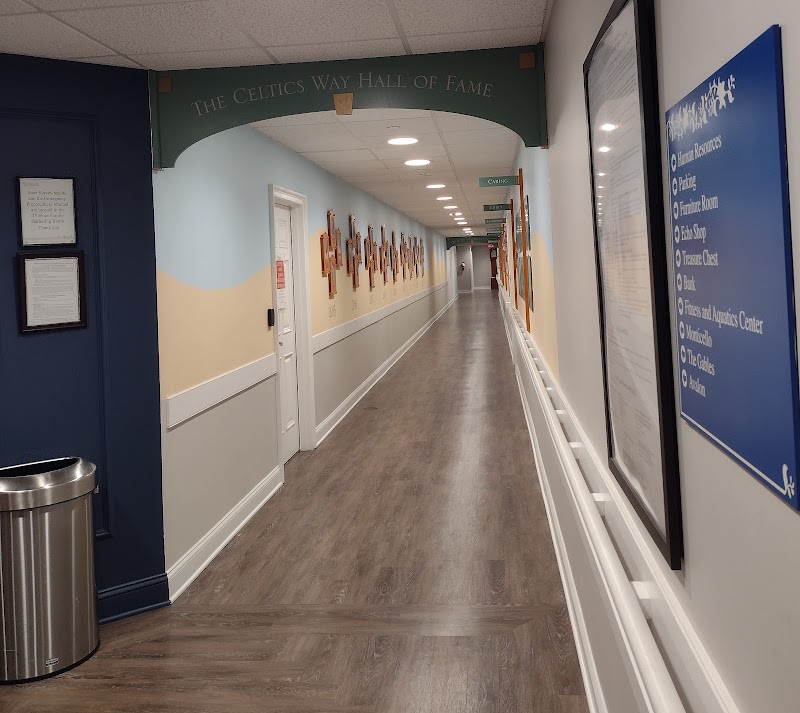
How is Westminster-Canterbury Of Richmond Staffed?

CMS rates WESTMINSTER-CANTERBURY OF RICHMOND's staffing level at 5 out of 5 stars, which is much above average compared to other nursing homes. Staff turnover is 45%, compared to the Virginia average of 46%. This relatively stable workforce can support continuity of care.

What Have Inspectors Found at Westminster-Canterbury Of Richmond?

State health inspectors documented 14 deficiencies at WESTMINSTER-CANTERBURY OF RICHMOND during 2021 to 2024. These included: 12 with potential for harm and 2 minor or isolated issues.
Who Owns and Operates Westminster-Canterbury Of Richmond?

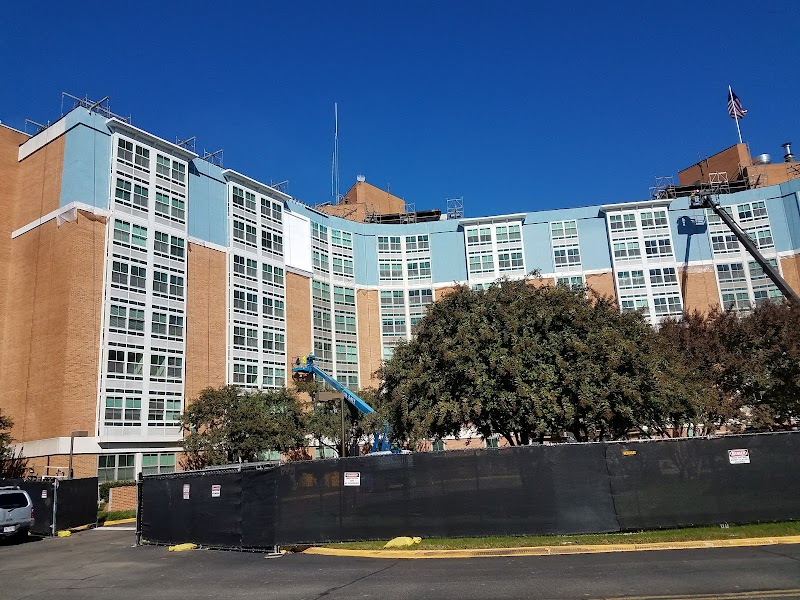
WESTMINSTER-CANTERBURY OF RICHMOND is owned by a non-profit organization. Non-profit facilities reinvest revenue into operations rather than distributing to shareholders. The facility operates independently rather than as part of a larger chain. With 158 certified beds and approximately 138 residents (about 87% occupancy), it is a mid-sized facility located in RICHMOND, Virginia.

How Does Westminster-Canterbury Of Richmond Compare to Other Virginia Nursing Homes?

Compared to the 100 nursing homes in Virginia, WESTMINSTER-CANTERBURY OF RICHMOND's overall rating (5 stars) is above the state average of 3.0, staff turnover (45%) is near the state average of 46%, and health inspection rating (4 stars) is above the national benchmark.

What Should Families Ask When Visiting Westminster-Canterbury Of Richmond?

Based on this facility's data, families visiting should ask: "Can I visit during a mealtime to observe dining assistance and food quality?" "How do you handle medical emergencies, and what is your hospital transfer rate?" "Can I speak with family members of current residents about their experience?"

Is Westminster-Canterbury Of Richmond Safe?

Based on CMS inspection data, WESTMINSTER-CANTERBURY OF RICHMOND has a clean safety record: no substantiated abuse findings (meaning no confirmed cases of resident harm), no Immediate Jeopardy citations (the most serious violation level indicating risk of serious injury or death), and is not on the Special Focus Facility watch list (a federal program monitoring the lowest-performing 1% of nursing homes). The facility has a 5-star overall rating and ranks #1 of 100 nursing homes in Virginia. While no facility is perfect, families should still ask about staff-to-resident ratios and recent inspection results during their visit.

Do Nurses at Westminster-Canterbury Of Richmond Stick Around?

WESTMINSTER-CANTERBURY OF RICHMOND has a staff turnover rate of 45%, which is about average for Virginia nursing homes (state average: 46%). Moderate turnover is common in nursing homes, but families should still ask about staff tenure and how the facility maintains care continuity when employees leave.

Was Westminster-Canterbury Of Richmond Ever Fined?

WESTMINSTER-CANTERBURY OF RICHMOND has no federal fines on record. CMS issues fines when nursing homes fail to meet care standards or don't correct problems found during inspections. The absence of fines suggests the facility has either maintained compliance or corrected any issues before penalties were assessed. This is a positive indicator, though families should still review recent inspection reports for the full picture.

Is Westminster-Canterbury Of Richmond on Any Federal Watch List?

WESTMINSTER-CANTERBURY OF RICHMOND is not on any federal watch list. The most significant is the Special Focus Facility (SFF) program, which identifies the bottom 1% of nursing homes nationally based on persistent, serious quality problems. Not being on this list means the facility has avoided the pattern of deficiencies that triggers enhanced federal oversight. This is a positive indicator, though families should still review the facility's inspection history directly.