FRIENDSHIP HEALTH AND REHAB CENTER
327 HERSHBERGER RD NW, ROANOKE, VA 24012 (540) 265-2100
Non profit - Corporation 253 Beds Independent Data: November 2025
Trust Grade
75/100
#76 of 285 in VA
Last Inspection: October 2024

Within standard 12-15 month inspection cycle. Federal law requires annual inspections.

Overview

Friendship Health and Rehab Center has a Trust Grade of B, indicating it is a good choice, scoring solidly above average. It ranks #76 out of 285 facilities in Virginia, placing it in the top half, and #3 out of 9 in Roanoke City County, meaning only two local facilities are rated better. Unfortunately, the facility is trending worse, with issues increasing from 1 in 2023 to 5 in 2024. Staffing is relatively stable with a rating of 4 out of 5 stars and a turnover rate of 44%, which is below the Virginia average of 48%, suggesting that staff members tend to stay and are familiar with the residents’ needs. While the facility has no fines, there are concerns about care quality, including a lack of meaningful activities for residents in the memory care unit and failure to maintain essential equipment, such as a toilet for one resident. Additionally, there was a reported incident where a medication was not administered as prescribed, which raises concerns about adherence to medical orders. Overall, while there are strengths in staff stability and absence of fines, the facility needs to address significant care issues.

Trust Score
B
75/100
In Virginia
#76/285
Top 26%
Safety Record
Low Risk
No red flags
Inspections
Getting Worse
1 → 5 violations
Staff Stability
○ Average
44% turnover. Near Virginia's 48% average. Typical for the industry.
Penalties
✓ Good
No fines on record. Clean compliance history, better than most Virginia facilities.
Skilled Nurses
⚠ Watch
Each resident gets only 27 minutes of Registered Nurse (RN) attention daily — below average for Virginia. Fewer RN minutes means fewer trained eyes watching for problems.
Violations
⚠ Watch
18 deficiencies on record. Higher than average. Multiple issues found across inspections.
★★★★☆
4.0
Overall Rating
★★★★☆
4.0
Staff Levels
★★★☆☆
3.0
Care Quality
★★★★☆
4.0
Inspection Score
Stable
2023: 1 issues
2024: 5 issues

The Good

  • 4-Star Staffing Rating · Above-average nurse staffing levels
  • Full Sprinkler Coverage · Fire safety systems throughout facility
  • No fines on record
  • Staff turnover below average (44%)

    4 points below Virginia average of 48%

Facility shows strength in staffing levels, fire safety.

The Bad

Staff Turnover: 44%

Near Virginia avg (46%)

Typical for the industry

The Ugly 18 deficiencies on record

Oct 2024 5 deficiencies
CONCERN (D)

Potential for Harm - no one hurt, but risky conditions existed

Safe Environment (Tag F0584)

Could have caused harm · This affected 1 resident

Based on observation, staff interview and family interview the facility staff failed to maintain essential equipment for one of 35 residents, Resident #201. The findings included: For Resident #201 th...

Read full inspector narrative →
Based on observation, staff interview and family interview the facility staff failed to maintain essential equipment for one of 35 residents, Resident #201. The findings included: For Resident #201 the facility staff failed to ensure the toilet was in proper working order. Resident #201's face sheet listed diagnoses which included but not limited to Alzheimer's disease and chronic kidney disease. Resident #201's most recent minimum data set with an assessment reference date of 08/14/24 coded the resident as having both and long- and short-term memory problems with severely impaired cognitive skills for daily decision making. Surveyor spoke with Resident #201's family member on 10/23/24 at 1:20 pm. Resident's family member stated to surveyor, Have you looked in her bathroom, there is sh** (word omitted) on the wall and everything. Surveyor observed Resident #201's bathroom on 10/23/24 at 4:10 pm. Surveyor observed a brownish substance on the toilet seat, front of toilet stool and wall in front of toilet. Surveyor pointed out brownish substance to unit manager, who stated they would have someone clean the bathroom. The concern of not providing a clean, comfortable and homelike environment was discussed with the administrator, director of nursing, and vice-president of operations on 10/29/24 at 1:30 pm. No further information was provided prior to exit.
CONCERN (D)

Potential for Harm - no one hurt, but risky conditions existed

Quality of Care (Tag F0684)

Could have caused harm · This affected 1 resident

Based on staff interviews and clinical record review, the facility staff failed to follow medical provider orders for one (1) of 35 sampled residents (Resident #88). The findings include: The facility...

Read full inspector narrative →
Based on staff interviews and clinical record review, the facility staff failed to follow medical provider orders for one (1) of 35 sampled residents (Resident #88). The findings include: The facility staff failed to administer Resident #88's Sevelamer as ordered by the medical provider. The medication had been scheduled to be administered during a time the resident was also scheduled to receive dialysis outside of the facility. (Sevelamer is medication given to individuals with chronic kidney disease. Sevelamer is used to manage an individual's phosphorus and/or calcium levels.) Resident #88's Minimum Data Set (MDS) assessment, with an Assessment Reference Date (ARD) of 10/2/24, was signed as completed on 10/8/24. Resident #88 was assessed as usually being able to make self understood and as being able to understand others. Resident #88's Brief Interview for Mental Status (BIMS) summary score was documented as a 15 out of 15; this indicated intact and/or borderline cognition. Resident #88's medical record included a medical provider order for the resident to receive Sevelamer 800 mg one (1) tablet by mouth with meals. Resident #88's care planned focused areas included end-stage renal disease and hemodialysis. Resident #88's care planned goals included: .will maintain lab values within therapeutic range . Resident #88's care plan included the following intervention: Give medications as ordered. Resident #88's clinical documentation indicated the following doses of sevelamer had not been administered as ordered by the medical provider: - On 10/18/24, the morning dose of Sevelamer was documented as not being given due to the resident being at dialysis. - On 10/21/24, the morning dose of Sevelamer was documented as not being given due to the resident being at dialysis. - On 10/23/24, the morning dose of Sevelamer was documented as not being given due to the resident being at dialysis. - On 10/25/24, the morning dose of Sevelamer was documented as not being given due to the resident being at dialysis. - On 10/28/24, the morning dose of Sevelamer was documented as not being given due to the resident being at dialysis. On 10/29/24 at 11:12 a.m., the surveyor discussed the facility's staff failure to administer Resident #88's aforementioned doses of Sevelamer with the facility's Director of Nursing (DON). The DON reported the morning dose of Sevelamer had been scheduled to be administered at 7:30 a.m., the DON stated the time for which Resident #88's Sevelamer is scheduled to be administered has been adjusted to allow for the resident to receive the medication prior to going to dialysis.
CONCERN (D)

Potential for Harm - no one hurt, but risky conditions existed

Medical Records (Tag F0842)

Could have caused harm · This affected 1 resident

Based on observations, staff interviews, clinical record review, and facility document review, the facility staff failed to ensure complete and/or accurate clinical records for three (3) of 35 sampled...

Read full inspector narrative →
Based on observations, staff interviews, clinical record review, and facility document review, the facility staff failed to ensure complete and/or accurate clinical records for three (3) of 35 sampled residents (Resident #5, Resident #29, and Resident #88). The findings include: 1. The facility staff failed to document complete and/or accurate information related to Resident #88's wound care. Resident #88's Minimum Data Set (MDS) assessment, with an Assessment Reference Date (ARD) of 10/2/24, was signed as completed on 10/8/24. Resident #88 was assessed as usually able to make self understood and as able to understand others. Resident #88's Brief Interview for Mental Status (BIMS) summary score was documented as a 15 out of 15; this indicated intact and/or borderline cognition. The following information was found in a facility policy titled Documentation Policy (with a date of March 2016): - Licensed Nurses and CNAs will document all pertinent nursing assessments, care interventions and follow up [sic] actions in the medical record. - Entries will be made as soon as possible after an event or observation is made. - Document all the facts and pertinent information related to an event . Resident #88's clinical record included provider orders for left lower extremity (LLE) wound care to be provided daily with a medication named Santyl applied to the wounds. Resident #88's treatment administration record (TAR) indicated the resident did not receive this LLE wound care on the following dates: 9/28/24, 9/29/24, and 9/30/24. Resident #88 was documented as refusing wound care on 9/28/24. On 9/29/24 and 9/30/24, nursing staff documented they were waiting on the medication Santyl to provide the wound care. On 10/24/24, the surveyor discussed, with the Administrator and the Director of Nursing (DON) the aforementioned three (3) days where documentation failed to provide evidence Resident #88's wound care had been provided. On 10/25/24 at 10:05 a.m., the DON provided late entry notes to indicate the wound care in question had been completed. A late entry note, dated 10/24/24 at 5:15 p.m., documented the wound care for 9/28/24 and 9/29/24 had been provided. A late entry note, dated 10/25/24 at 10:02 a.m., documented the wound care for 9/30/24 had been provided. 2. The facility staff failed to document what specific information was provided to the medical provider during a notification related to Resident #29. Resident #29's Minimum Data Set (MDS) assessment, with an Assessment Reference Date (ARD) of 10/16/24, was signed as completed on 10/23/24. Resident #29 was assessed as able to make self understood and as able to understand others. Resident #29's Brief Interview for Mental Status (BIMS) summary score was documented as a 12 out of 15; this indicated moderate cognitive impairment. Resident #29's clinical record included the following note dated 10/22/24 at 1:06 p.m.: This nurse notified MD (provider name omitted) and he gave no new orders at this time. This note did not detail what information had been shared with Resident #29's medical provider. The surveyor asked the administrative staff about what information was shared with the medical provider. The following clarification note was created on 10/23/24 at 10:39: Hemoglobin A 1 C was called in by this nurse. 3. Resident #5's clinical record included documentation that incorrectly indicated Resident #5 was on contact isolation precaution when the resident was on enhanced barrier precautions. Resident #5's Minimum Data Set (MDS) assessment, with an Assessment Reference Date (ARD) of 8/23/24, was signed as completed on 8/30/24. Resident #5 was assessed as able to make self understood and as able to understand others. Resident #5's Brief Interview for Mental Status (BIMS) summary score was documented as a nine (9) out of 15; this indicated moderate cognitive impairment. The following information was found in a facility policy titled Isolation Precautions: Implementation of Standard Precautions / Transmission-Based Precautions (dated 10/11/23): - Signage should be placed on the resident door or inside the clear pouch on the hanging caddy indicating the type of precautions. - Isolation caddy should be placed either as hanging caddy on the resident door or as stand-alone caddy outside the resident room. - All supplies should be gathered prior to entering room for care. Resident #5's clinical record included documentation, occurring every shift, that indicated Resident #5 was on contact isolation precautions from 10/19/24 through the day shift of 10/29/24. Observations on 10/23/24 and 10/29/24 failed to indicate Resident #5 was on contact isolation precautions; Resident #5 was noted to have a sign on their door indicating enhanced barrier precautions. On 10/29/24 at approximately 9:55 a.m., Registered Nurse (RN) #5 confirmed they were providing care for Resident #5. RN #5 denied being aware of Resident #5 being on contact isolation precautions. RN #5 directed the surveyor to the enhanced barrier precautions sign that had been posted on the frame of the door leading to Resident #5's room. On 10/29/24, interviews with the facility's Infection Preventionist and Resident #5's medical provider indicated contact isolation precautions were not needed for Resident #5 and that enhanced barrier precautions met the needs of Resident #5.
CONCERN (D)

Potential for Harm - no one hurt, but risky conditions existed

Deficiency F0849 (Tag F0849)

Could have caused harm · This affected 1 resident

Based on staff interview, clinical record review, and facility document review the facility staff failed to collaborate care with the contract Hospice company for 1 of 2 residents, Resident #331. The...

Read full inspector narrative →
Based on staff interview, clinical record review, and facility document review the facility staff failed to collaborate care with the contract Hospice company for 1 of 2 residents, Resident #331. The findings included: The facility staff failed to coordinate care with the contract Hospice company. The clinical record did not include Hospice visit notes. Resident #331's clinical record included the following diagnosis, malignant neoplasm of upper lobe, left bronchus or lung. There was no completed minimum data set (MDS) assessment for this resident. Resident #331's clinical record included provider orders to admit to Hospice 10/18/24. During the entrance conference the survey team requested information regarding the Hospice contracts. The facility staff provided the survey team with a copy of a Hospice contract that provided Resident 331's Hospice services. This document read in part, .Compliance of Records .Nursing facility and Hospice shall each prepare and maintain complete and detailed clinical records concerning each Residential Hospice Patient receiving Nursing Facility Services and Hospice Services .Each clinical record shall completely, promptly and accurately document all services provided to, and events concerning, each Residential Hospice Patient (including evaluations, treatments, progress notes . During a review of the electronic clinical record the surveyor was unable to locate any documentation from the Hospice provider. The facility nursing staff had documented that Hospice had been in to see this Resident on 10/19/24, 10/20/24, and 10/23/24. On 10/25/24 at 10:15 a.m., the surveyor and Licensed Practical Nurse (LPN) #3 reviewed Resident #331's hard chart and was unable to find documentation regarding Hospice visits. LPN #3 stated Hospice patients usually have 2 separate books, and the Hospice nurse should make a note when they visit. On 10/28/24 at 1:08 p.m., the surveyor and LPN #3 again checked Resident #331's hard chart for Hospice documentation. The hard chart did not include progress notes. On 10/28/24 at 4:30 p.m., during an end of the day meeting with the [NAME] President of Operations, Administrator, and Director of Nursing the issue with the missing Hospice documentation was reviewed. On 10/29/24 at approximately 9:30 a.m., the Administrator provided the surveyor with a copy of the Hospice notes that included a fax time/date/time stamp of 10/29/24 at 7:52 a.m. and included copies of Hospice visits from 10/19/24-10/25/24 No further information regarding this issue was provided to the survey team prior to the exit conference.
CONCERN (E)

Potential for Harm - no one hurt, but risky conditions existed

Deficiency F0679 (Tag F0679)

Could have caused harm · This affected multiple residents

Based on observation, staff interview, and family interview the facility staff failed to provide an activities program designed to meet the needs of the residents for one of 5 units, memory care unit....

Read full inspector narrative →
Based on observation, staff interview, and family interview the facility staff failed to provide an activities program designed to meet the needs of the residents for one of 5 units, memory care unit. The findings included: For the memory care unit, the facility staff failed to provide meaningful and engaging activities. Surveyor spoke with a family member on 10/23/24 at 1:20 pm. Resident's family member stated, They need more activities for these people, they just have them sitting in a room, waiting to die. They all just sit there and sleep. Surveyor made the following observations on the memory care unit: 10/23/24 at 2:05 pm-Residents seated in dining room, eating lunch. Staff stated lunch trays don't arrive on unit until around 1:00 pm. 10/23/24 at 4:10 pm-Residents sitting in dining room, music playing. No staff members observed in area. No activities observed. 10/24/24 at 9:50 am-Residents sitting in dining room, music playing. No activities observed and no staff members in area. 10/24/24 at 11:15 am-18 residents seated in dining room, around table or against the wall. Music playing, no activities. No staff in attendance. No activities observed. 10/24/24 at 2:15 pm-27 residents seated in dining room with 2 staff in attendance. Six residents being assisted with eating lunch, others just sitting. No engaging activities observed. 10/24/24 at 3:50-17 residents seated in dining room, with one staff person in attendance, not engaging with the residents. Residents seated at table and around the wall. 14 residents seated outside on patio, with activity staff in attendance, talking and engaging with residents. 10/25/24 at 8:20 am-15 residents and 2 staff in dining room. Residents eating breakfast. 10/25/24 at 10:10 am-14 residents seated in dining room. No staff in attendance. No activities observed. 10/28/24 at 11:05 am-17 residents in dining room, 16 seated at table/around wall. One wandering through area. PT (physical therapy) staff in area working with one resident, no other staff in area. No activities observed. 10/28/24 at 3:20 pm-19 residents seated in dining room, one wandering in room. 5 residents seated in hallway outside nurse's station, one resident seated at end of hallway, one resident seated in doorway to bedroom. No staff in attendance. No activities observed. Surveyor spoke with activities assistant on 10/28/24 at 3:40 pm. Activities assistant stated they provide activities daily, according to what is on the activities calendar. Surveyor asked activities assistant how many residents participate in activities, and they stated almost all enjoy balloon play and bingo. Surveyor asked activities assistant what activities they provide the residents, and they stated, parachute play, balloon volleyball, bingo, patio time, coloring and 1:1 activity for some residents. Surveyor asked activities assistant how long they are on the unit providing activities, and they stated, 30-40 minutes a day. Activities assistant stated they are currently providing activities for 2 units, and that the memory care unit has an active open position at this time. Surveyor reviewed the monthly activities calendars for the months of August, September and October 2024. For August there were 16 days with activities specifically for the memory care unit, for September there were 14 days with activities for memory care unit, and for October there were 12 days with activities for memory care unit. Surveyor spoke with the facility administrator on 10/29/24 at 9:15 am. Administrator stated that they have now moved a nurse's aide with prior activities experience onto that unit to help provide activities until a permanent replacement can be hired. Administrator also provided surveyor with a copy of the employment posting advertising for a full-time activity person. Surveyor observed residents on the memory care unit on 10/29/24 at 10:35 am. Surveyor observed 15 residents seated in dining room involved in an arts and crafts activity. Surveyor observed one staff person assisting the residents and engaging residents in conversation. The concern of not providing an activities program was discussed with the administrator, director of nursing, and vice-president of operations on 10/29/24 at 1:25 pm. No further information was provided prior to exit.
Mar 2023 1 deficiency
CONCERN (D) 📢 Someone Reported This

A family member, employee, or ombudsman was alarmed enough to file a formal complaint

Potential for Harm - no one hurt, but risky conditions existed

Deficiency F0658 (Tag F0658)

Could have caused harm · This affected 1 resident

**NOTE- TERMS IN BRACKETS HAVE BEEN EDITED TO PROTECT CONFIDENTIALITY** Based on staff interview and facility document review, it was determined the facility staff failed to meet professional standard...

Read full inspector narrative →
**NOTE- TERMS IN BRACKETS HAVE BEEN EDITED TO PROTECT CONFIDENTIALITY** Based on staff interview and facility document review, it was determined the facility staff failed to meet professional standards of nursing for one of three residents in the survey sample, Resident #1. The findings include: The facility staff failed to assess and monitor a change in Resident #1's blood pressure (BP). Resident #1 was admitted to the facility on [DATE] with diagnoses that included but were not limited to: NSTEMI (non-ST segment elevated myocardial infarction), TORSADES, coronary artery disease (CAD), and hypertension (HTN), The most recent MDS (minimum data set) assessment, a five-day Medicare assessment, with an ARD (assessment reference date) of 2/16/23, coded the resident as scoring a 08 out of 15 on the BIMS (brief interview for mental status) score, indicating the resident was moderately cognitively impaired. A review of the comprehensive care plan dated 2/23/23, which revealed, FOCUS: .who is here for skilled care following hospital stay for treatment of COVID/NSTEMI. Resident has altered respiratory status related to recent COVID pneumonia, NSTEMI and OSA (obstructive sleep apnea). INTERVENTIONS: Provide medications/treatments as ordered .Provide oxygen as ordered. Obtain vitals as per protocol. A review of the physician orders dated 2/10/23 revealed, Vital signs on admission Q (every) shift every shift. A review of Resident #1's documented blood pressure readings, evidenced a BP of 95/48 on 2/28/23 at 8:37 AM, and 94/52 on 2/22/23 at 10:13 AM. Resident #1's average systolic (1) BP from 2/10/23 at 1:56 PM to 2/28/23 at 8:37 AM was 130. There was no documentation of the staff rechecking Resident #1's blood pressure, of physician notification, or additional interventions or monitoring for signs or symptoms of hypotension (low blood pressure). An interview was conducted on 3/23/23 at 12:50 PM CNA (certified nursing assistant) #1. When asked the process for obtaining vital signs, CNA #1 stated they take the vital signs and then give them to the nurse to enter. When asked if the blood pressure were 95/48, what actions, if any, would be taken, CNA #1 stated, First, I would recheck the blood pressure and check it in a different arm. If it was still that BP reading, I would let the nurse know immediately. An interview was conducted on 3/23/23 at 1:15 PM with LPN (licensed practical nurse) #1. When asked if a resident's blood pressure was 95/48, what actions, if any, would be taken, LPN #1 stated, The resident's feet would be raised, I would recheck the BP and further assess for dizziness. Offer fluid and call the physician. When asked if she would administer an anti-hypertensive medication, LPN #1 stated, not before I notified the doctor. When asked if this would be documented, LPN #1 stated, yes, it would be documented in the progress notes. When asked why she would call the physician, LPN #1 stated, because we would need to know if we needed to hold the medicine or do anything else. An interview was conducted on 3/23/23 at 1:30 PM with LPN #4. When asked if the blood pressure were 95/48, what actions if any would be taken, LPN #4 stated, the BP would be retaken. I would offer the resident hydration and then call the doctor if the BP was still low. An interview was conducted on 3/23/23 at 3:21 PM with RN (registered nurse) #1 who was the nurse that administered Resident #1's medications on 2/28/23 at 8:48 AM. When asked if she had been aware of Resident #1's BP of 95/48 on 2/28/23 at 8:37 AM, RN #1 stated, No, if I would have known that BP, I would not have given that medication. I would have called the physician. When asked if one nurse enters the BP into the medical record while another nurse is administering medications, how BP information is communicated, RN #1 stated, The nurse documents the vital signs on the TAR (treatment administration record) and I am working in the MAR (medication administration record). I could have already given the medicine if the other nurse did not tell me. When asked why she would call the physician, RN #1 stated, because it was a low BP. On 3/23/23 at approximately 4:00 PM, ASM (administrative staff member) #1, the vice president of operations and ASM #2, the director of nursing, was made aware of the findings. A review of Lippincott's Essential Assessment Components revealed, Hypotension is blood pressure below 100/60 mm (millimeters) of Hg (mercury). Documenting vital signs: Nurses are responsible for ensuring accurate assessment and documentation of vital signs. It is essential to provide health care team members with clear guidelines so that abnormal readings can be reporting promptly. After assessing trends, report abnormal findings to the physician. No further information was provided prior to exit. (1) Blood pressure is measured using two numbers: The first number [top number], called systolic blood pressure, measures the pressure in your arteries when your heart beats. The second number [bottom number], called diastolic blood pressure, measures the pressure in your arteries when your heart rests between beats. https://www.cdc.gov/bloodpressure/about.htm#:~:text=Blood%20pressure%20is%20measured%20using,your%20heart%20rests%20between%20beats.
Mar 2022 5 deficiencies
CONCERN (D)

Potential for Harm - no one hurt, but risky conditions existed

Deficiency F0657 (Tag F0657)

Could have caused harm · This affected 1 resident

Based on staff interview and clinical record review, the facility staff failed to review and revise the residents CCP (comprehensive care plan) for 1 of 38 Residents, Resident #153. Resident #153's C...

Read full inspector narrative →
Based on staff interview and clinical record review, the facility staff failed to review and revise the residents CCP (comprehensive care plan) for 1 of 38 Residents, Resident #153. Resident #153's CCP was not revised when they were diagnosed with bilateral fractures and still included the intervention for TED hose. The findings included: Resident #153 clinical record included the diagnosis, periprosthetic fracture around internal prosthetic right and left knee joint, Alzheimer's disease, dementia, mixed receptive-expressive language disorder, muscle weakness, difficulty in walking, and cognitive communication deficit. Section C (cognitive patterns) of Resident #153's quarterly MDS (minimum data set) assessment with an ARD (assessment reference date) of 02/06/2022 was coded 1/1/3 to indicate the resident had problems with long and short term memory and was severely impaired in cognitive skills for daily decision making. Section G (functional status) was coded 3/3 to indicate the resident required extensive assistance of two persons for bed mobility and transfers. On 03/08/2022 a review of Resident #153's CCP revealed that the CCP did not include focus areas or interventions in regards to the resident's bilateral fractures. The CCP included the intervention TED hose per order with an initiation date of 05/28/2018. On 03/09/2022 at 8:40 a.m., Resident #153 was observed resting in bed, bilateral mats at bedside, bed in low position, bilateral wraps to legs, and bunny boots in place. On 03/09/2022 at 10:43 a.m., registered nurse (RN) #1 was interviewed and confirmed that Resident #153's CCP had been updated on 03/09/2022 and they were not sure why it had not been previously updated. RN #1 stated the CCP did include the diagnosis of fractures prior to the revisions on 03/09/2022. Page 23 of 23 included the diagnosis periprosthetic fracture around internal prosthetic right and left knee joints. On 03/09/2022 at 11:25 a.m., licensed practical nurse (LPN) #1 stated Resident #153's bandages had not been removed at the facility. On 03/09/2022 at 11:39 a.m., LPN #2 stated Resident #153 had fiberglass posterior splints in place that were wrapped with ace bandages and were not to be removed at the facility. On 03/10/2022 at 1:55 p.m., the interim administrator and DON (director of nursing) were made aware that Resident #153's CCP was not revised when they were diagnosed with fractures. On 03/10/2022 at 2:24 p.m., RN #3 reviewed physician orders for Resident #153 and was unable to locate anything in regards to TED hose. On 03/10/2022 at 2:32 p.m., CNA (certified nursing assistant) #4 stated Resident #153 did not wear TED hose. On 03/10/2022 at 2:34 p.m., LPN #1 stated Resident #153 did wear TED hose at one point but no longer did. No further information regarding this issue was provided to the survey team prior to the exit conference.
CONCERN (D)

Potential for Harm - no one hurt, but risky conditions existed

ADL Care (Tag F0677)

Could have caused harm · This affected 1 resident

Based on observation, resident interview, staff interview, and clinical record review, the facility staff failed to ensure that residents who are unable to carry out ADLs (activities of daily living) ...

Read full inspector narrative →
Based on observation, resident interview, staff interview, and clinical record review, the facility staff failed to ensure that residents who are unable to carry out ADLs (activities of daily living) receive the necessary care and services to maintain personal hygiene and grooming for 2 of 38 residents in the survey sample, Resident #32 and #74. For Resident #32, the facility staff failed to assist the resident with bathing. The facility staff failed to provide nail care for Resident #74. The findings included: 1. Resident #32's diagnosis list indicated diagnoses, which included, but not limited to Chronic Obstructive Pulmonary Disease, Chronic Kidney Disease Stage 4, Type 2 Diabetes Mellitus with Proliferative Diabetic Retinopathy, Chronic Congestive Heart Failure, and Pulmonary Fibrosis. The most recent admission MDS (minimum data set) with an ARD (assessment reference date) of 12/20/21 assigned the resident a BIMS (brief interview for mental status) summary score of 15 out of 15 indicating the resident was cognitively intact. Resident #32 was coded as requiring extensive assistance with personal hygiene and physical help in part of bathing activity. Resident #32's current comprehensive plan of care included a focus area stating, (Resident #32) has a self-care deficit in performing ADL/mobility/toileting tasks and needs hands on staff assistance with most self-performance. An intervention dated 12/30/21 was needs hands on staff assist/support with bathing self-performance, especially with lower extremities and back. On 3/08/22 during initial rounding, Resident #32 was interviewed and stated it had been two and a half weeks since they had a shower. When asked why, Resident #32 stated it was due to not having enough staff. Resident #32's bathing documentation from 2/01/22 through 3/09/22 documented the resident received partial baths on 2/08/22, 2/10/22, 2/11/22, 2/12/22, 2/17/22, 2/19/22, 2/20/22, 2/23/22, 3/01/22, 3/04/22, 3/08/22, and 3/09/22. During this time period, Resident #32 only received one (1) bed bath on 2/16/22 and two (2) showers on 2/09/22 and 2/26/22. The was no documentation of shower refusals. On 3/10/22 at 8:52 am, the UM (unit manager) was interviewed regarding Resident #32's showers. The UM stated it takes a long time to shower Resident #32 and they do not always have enough staff. The UM stated about a week and a half ago, they changed the resident's shower days from Wednesdays and Saturdays, to Wednesdays and Sundays, and now Resident #32 is the only one scheduled to receive a shower on Sundays. On 3/10/22 at 9:10 am CNA (certified nursing assistant) #2 was interviewed regarding resident showers. CNA #2 stated resident showers are assigned. CNA #2 was asked if they have time to complete their assigned showers and CNA #2 stated Sometimes, it depends on staffing. CNA #2 stated the unit usually has three (3) CNAs on dayshift but sometimes there are only two (2) and that was Pretty much on the weekends. CNA #2 was asked what was done if a shower cannot be completed as assigned, and CNA #2 stated they try to do a good bed bath. The concern of Resident #32 not receiving regular showers was discussed with the administrator and DON on 3/10/22 at 4:35 pm during a meeting with the survey team. No further information regarding this concern was presented to the survey team prior to the exit conference on 3/11/22. 2. Resident 74's facesheet listed their diagnoses to include, but not limited to, schizotypal disorder (a personality disorder), hypertensive heart and chronic kidney disease with heart failure, polyneuropathy (disorder of peripheral nervous system), vascular dementia with behavioral disturbance, dysphagia (difficulty swallowing), and repeated falls. Section C (cognitive patterns) of Resident #74's quarterly MDS (minimum data set) assessment with an ARD (assessment reference date) of 01/13/2022 included a BIMS (brief interview for mental status) summary score of 99 meaning the resident was unable to complete the interview. Resident #74 was coded as having both short and long-term memory impairment and his cognitive skills for daily decision making were severely impaired. Section G (functional status) was coded to indicate the resident required (3/2) extensive assistance of one person for personal hygiene. Resident #74's comprehensive care plan included the focus area of, resident required extensive assistance with ADLs (activities of daily living) and can be combative with staff when care is provided. Interventions included, but were not limited to, personal hygiene routine care: staff to provide assistance with shaving, and for bathing, staff to provide hands on assistance to bathe and provide bed bath when the resident refused a shower. On 03/08/2022, Resident #74's fingernails were observed long and jagged with dark-colored debris beneath his fingernails. On 03/10/2022 at approximately 9:10 a.m., accompanied by one of the unit's CNAs (certified nursing assistants), Resident #74's fingernails were observed again. The resident's nails remained long and jagged with dark-colored debris underneath the nails. The CNA stated it was the CNA's responsibility to cut fingernails and she would cut the resident's nails right away. The director of nursing (DON) and administrator were informed of the observation described above on 03/10/2022 at 4:45 p.m. No further information was provided prior to exit.
CONCERN (D)

Potential for Harm - no one hurt, but risky conditions existed

Quality of Care (Tag F0684)

Could have caused harm · This affected 1 resident

Based on observation, resident interview, staff interview, clinical record review, and facility document review, the facility staff failed to follow physician's orders for 3 of 38 residents in the sur...

Read full inspector narrative →
Based on observation, resident interview, staff interview, clinical record review, and facility document review, the facility staff failed to follow physician's orders for 3 of 38 residents in the survey sample, Residents #16, #32, and #98. For Resident #16, the facility staff failed to apply an abdominal binder as ordered by the physician. For Resident #32, the facility staff failed to administered insulin as ordered by the physician. For Resident #98, the facility staff failed to administer insulin as ordered by the physician. The findings included: 1. Resident #16's diagnosis list indicated diagnoses, which included, but not limited to Alzheimer's Disease, Bipolar Disorder, Hypertensive Heart Disease with Heart Failure, Dysphagia, Adult Failure to Thrive, and Cardiomegaly. The most recent quarterly MDS (minimum data set) with an ARD (assessment reference date) of 12/13/21 assessed the resident as being severely cognitively impaired with short-term and long-term memory problems. The resident was coded for the presence of a feeding tube in which they received 51% or more of total calories and 501 cc/day or more of average fluid intake. Resident #16's current physician's orders included an active order dated 9/03/21 for an abdominal binder every shift to protect PEG (percutaneous endoscopic gastrostomy) tube. A review of the resident's March 2022 TAR (treatment administration record) revealed the abdominal binder was coded with a 9 meaning Other/See Nurse Notes on 3/01/22 evening and night shift; and evening shift on 3/02/22, 3/03/22, 3/04/22, 3/07/22, and 3/08/22. A corresponding nursing progress note on 3/02/22 at 6:46 am stated no abdominal binder. All other TAR entries coded with a 9 did not include additional documentation in the nurse's notes related to the abdominal binder. On 3/09/22 at 10:37 am, accompanied by CNA (certified nursing assistant) #4, Resident #16 was observed for placement of the abdominal binder. Resident #16 did not have an abdominal binder in place covering the PEG tube. CNA #4 was asked if the resident should have an abdominal binder in place and CNA #4 responded I don't know. On 3/09/22 at 4:47 pm, RN (registered nurse) #1, Resident #16's nurse for the shift, was interviewed regarding the abdominal binder. RN #1 stated the resident did have an abdominal binder but it was not on now. RN #1 was asked why the resident was not wearing the abdominal binder and RN #1 stated some of the staff do not think Resident #16 needs it. RN #1 stated the nurses apply the abdominal binder. RN #1 was asked if Resident #16 should be wearing the abdominal binder and they stated yes it should be on, and they would put the binder on the resident today. RN #1 further stated Resident #16 has been out twice for dislodgement of their PEG tube. On 3/10/22 at 8:25 am, with the assistance of the UM (Unit Manager), Resident #16 was observed with the abdominal binder in place as ordered. The UM was asked if Resident #16 should be wearing the abdominal binder at all times and they stated I believe it is supposed to be on all the time. On 3/10/22 at 4:35 pm, a meeting was held with the administrator and director of nursing and the concern of Resident #16 observed without the ordered abdominal binder in place was discussed. No further information regarding this concern was presented to the survey team prior to the exit conference on 3/11/22. 2. Resident #32's diagnosis list indicated diagnoses, which included, but not limited to Chronic Obstructive Pulmonary Disease, Chronic Kidney Disease Stage 4, Type 2 Diabetes Mellitus with Proliferative Diabetic Retinopathy, Chronic Congestive Heart Failure, and Pulmonary Fibrosis. The most recent admission MDS (minimum data set) with an ARD (assessment reference date) of 12/20/21 assigned the resident a BIMS (brief interview for mental status) summary score of 15 out of 15 indicating the resident was cognitively intact. Resident #32 was coded for the active diagnosis of Diabetes Mellitus. Resident #32's current comprehensive plan of care included a focus area stating, (Resident #32) is at risk for hypo/hyperglycemia and other complications related to dx (diagnosis) of diabetes, with an intervention dated 12/30/21 stating in part, Administer medications and insulin per MD order. Resident #32's current physician's orders included an order dated 1/21/22 for Humalog (a fast-acting insulin) 8 units subcutaneously three times a day with meals, and an order dated 12/13/21 for Humulin N (an intermediate-acting insulin) 20 units subcutaneously one time a day scheduled at 5:00 pm. A review of the resident's March 2022 MAR (medication administration record) revealed the 5:00 pm dose of Humalog 8 units was not administered by RN (registered nurse) #1 on 3/01/22, 3/02/22, 3/03/22, 3/04/22, 3/07/22, 3/08/22, and 3/09/22. There was no additional documentation located in the resident's clinical record concerning the reason for Humalog not being administered as ordered on these dates. The resident's March 2022 MAR also included documentation that the 5:00 pm dose of Humulin N 20 units was not administered by RN #1 on 3/01/22, 3/02/22, 3/03/22, 3/04/22, 3/07/22, and 3/08/22. There was no additional documentation located in the resident's clinical record concerning the reason for Humalog N not being administered as ordered on these dates. On 3/10/22 at 8:35 am, Resident #32 was interviewed regarding their 5:00 pm insulins. Resident #32 stated, I don't take it sometimes, like when it's 115 I don't need it .the people on staff here listen to me. Resident #32 further stated staff will show them their blood sugar reading and question them about what they would like to do. Resident #32 was asked how RN #1 handled insulin administration and the resident responded, We sit down and discuss and RN #1 will give the amount that I ask for, we talk about it. Resident #32 stated they are satisfied with how the facility staff are handling their insulin administration. On 3/10/22 at 9:25 am, the DON (director of nursing) was interviewed about Resident #32's 5:00 pm insulin administration. The DON stated Resident #32 wanted to control their amount of insulin taken. On 3/10/22 at 4:12 pm, RN #1 and the DON were interviewed regarding Resident #32's insulin administration. RN #1 stated sometimes the resident's blood sugar is low and they will refuse and would rather have it at a later hour. RN #1 stated for the days in question, insulins were not given at 5:00 pm but may or may not have been given at a later time at the resident's request. RN #1 stated it was their error and they needed to start calling the doctor when the resident refuses to take their insulins at 5:00 pm but wanted to take at a later time. The facility policy entitled, Insulin Administration documented in part 2. Insulins must be administered in accordance with the orders, including any required time frame. 3. Medical record documentation of blood sugar results and insulin administration must be accurate and timely. On 3/10/22 at 4:35 pm, a meeting was held with the administrator and DON to discuss the concern of Resident #32's insulin administration. No further information regarding this concern was presented to the survey team prior to the exit conference on 3/11/22. 3. Resident #98's diagnoses included long term use of insulin and anticoagulants, insulin dependent diabetes mellitus with complications including bilateral lower limb amputations and vision impairment, lymphedema, post-colostomy status, and chronic kidney disease. On the Minimum Data Set assessment with Assessment Reference Date 1/25/2022, the resident scored 15/15 on the brief interview for mental status and was assessed as having no signs of delirium, psychosis, or behaviors affecting care. Clinical record review revealed a physician order for Humalog KwikPen solution Peninjector 100 unit/ml (Insulin Lispro 1 unit dial) Inject 5 unit subcutaneously before meals related to type II diabetes mellitus with neuropathy unspecified 15 minutes before meals. Start date 1/9/2022 at 0800. During an interview on 3/10/2022, Resident #98 reported being unhappy with insulin administration. Resident #98 wanted to have the blood sugar checked prior to the meal, but not receive the insulin until after the meal. The resident said that she liked to eat according to the blood sugar. On 3/8/2022, during the medication pass observation, Resident #98 was observed receiving the morning medications. The nurse did not administer the morning insulin during the observation. When questioned about the insulin, the nurse said Resident #98 won't take insulin until after she eats. On 3/10/22 at approximately 3:00 PM, the nurse about the practice of administering the ias interviewed about the insulin being given after meals. The nurse replied that the insulin was being administered after meals per resident request. The nurse stated it had not been reported to the doctor nor nurse practitioner that Resident #98 will not take insulin at the time ordered. The concern was reported to the director of nursing on 3/10/22 at approximately 4:00 PM. A new order for Humalog KwikPen solution Peninjector 100 unit/ml (Insulin Lispro 1 unit dial) Inject 5 unit subcutaneously WITH meals related to type II diabetes mellitus with neuropathy unspecified (E11.40) start date 3/10/2022 was entered on 3/10 at 17:30. The administrator and director of nursing were notified of the concern again during a summary meeting 3/11/2022.
CONCERN (D)

Potential for Harm - no one hurt, but risky conditions existed

Incontinence Care (Tag F0690)

Could have caused harm · This affected 1 resident

Based on resident interview, staff interview, clinical record review, and facility document review, the facility staff failed to provide urinary catheter care as ordered for 1 of 38 residents in the s...

Read full inspector narrative →
Based on resident interview, staff interview, clinical record review, and facility document review, the facility staff failed to provide urinary catheter care as ordered for 1 of 38 residents in the survey sample, Resident #165. The findings included: Resident #165's diagnosis list indicated diagnoses, which included, but not limited to Chronic Kidney Disease, Acute Kidney Failure with Tubular Necrosis, Retention of Urine, Dependence on Renal Dialysis, Benign Prostatic Hyperplasia with Lower Urinary Tract Symptoms, Atrial Fibrillation, Osteoarthritis Right Knee, and Type 2 Diabetes Mellitus with Diabetic Neuropathic Arthropathy. The most recent quarterly MDS (minimum data set) with an ARD (assessment reference rate) of 2/22/22 assigned the resident a BIMS (brief interview for mental status) summary score of 15 out of 15 indicating the resident was cognitively intact. Resident #165 was coded for the presence of an indwelling catheter. Resident #165's current comprehensive plan of care included focus areas stating in part, (Resident #165) requires extensive assistance with most of (his/her) ADL's (activities of daily living), transfers, Toileting/Incontinence and Foley care .(Resident #165) has an alteration in bladder elimination and utilize an Indwelling Foley R/T (related to) Obstructive Uropathy. Interventions included in part, provide Foley care per protocolsu .(Resident #165) requires extensive assistance with (his/her) toileting, Incontinence Care and Foley Care .(Resident #165) will refuse care/dialysis and having Foley catheter changed as per orders. On 3/08/22 at 3:47 pm, Resident #165 was interviewed regarding their indwelling urinary catheter. Resident #165 stated staff do not clean around the catheter every day and when they ask to have it cleaned it is a Lick and a promise. Resident #165's current physician's orders included an active order dated 2/18/22 stating Foley cath care q (every) shift. There was no documentation of foley catheter care on Resident #165's March 2022 TAR (treatment administration record). Resident #165's March 2022 CNA (certified nursing assistant) documentation of Catheter Care Provided documented the following: 3/01/22 - catheter care was not provided on 7-3 shift 3/02/22 - catheter care was not provided on 7-3, 3-11, or 11-7 shift 3/03/22 - catheter care was not provided on 7-3 shift 3/04/22 - catheter care was not provided on 11-7 shift 3/05/22 - catheter care was not provided on 7-3, 3-11, or 11-7 shift 3/06/22 - catheter care was not provided on 7-3, 3-11, or 11-7 shift 3/07/22 - catheter care was not provided on 7-3, 3-11, or 11-7 shift Resident #165's March 2022 CNA documentation of Catheter Care Provided did not include documentation of any refusals of catheter care. The facility policy entitled Foley Catheter Care documented in part, Catheter care is provided to keep the resident clean and comfortable and to help prevent urinary tract infections. On 3/09/22 at 12:53 pm, CNA #1 was interviewed and stated CNAs do catheter care every time the resident is changed and document it on the ADLs. On 3/10/22 at 9:10 am, CNA #2 was interviewed regarding catheter care. CNA #2 stated CNAs do catheter care during am care. On 3/10/22 at 2:45 pm, the DON (director of nursing) was interviewed regarding Resident #165's catheter care. The DON stated Resident #165 has non-compliance issues but staff need to document. The DON reviewed the resident's documentation of Catheter Care Provided and stated they need to report things like that if (Resident #165) refusing. On 3/10/22 at 4:35 pm, a meeting was held with the administrator and DON to discuss the concern of Resident #165's catheter care. On 3/11/22 at 9:09 am, the DON stated Resident #165's catheter care was not scheduled to be documented on the TAR. The DON was observed correcting the catheter care order to require TAR documentation. The DON stated the CNAs provide catheter care during bathing and when soiled and the nurses follow up with the CNAs to see if the care has been provided by the CNA. The DON stated it is ultimately the nurse's responsibility to see that catheter care is done. On 3/11/22 at 10:41 am, Resident #165 was interviewed again regarding catheter care and asked if they ever refused care. Resident #165 stated oh no and added they know it needs to be cleaned. Resident #165 further stated they Clean between legs and butt every morning but do not clean around the catheter. at 10:53 am, LPN (licensed practical nurse) #2, the nurse caring for Resident #165 was interviewed and stated catheter care is done by the CNAs. On 3/11/22 at 11:18 am, CNA #3 was interviewed and stated catheter care is done by the CNA after breakfast when doing rounds and is documented in the computer. CNA #3 stated sometimes Resident #165 refuses catheter care and when they do they try to talk the resident into allowing it but if not, they document the refusal in the computer. No further information regarding this concern was presented to the survey team prior to the exit conference on 3/11/22.
CONCERN (D)

Potential for Harm - no one hurt, but risky conditions existed

Deficiency F0761 (Tag F0761)

Could have caused harm · This affected 1 resident

Based on observation, resident interview, staff interview, clinical record review, facility document review, and during a medication pass and pour observation, the facility staff failed to ensure medi...

Read full inspector narrative →
Based on observation, resident interview, staff interview, clinical record review, facility document review, and during a medication pass and pour observation, the facility staff failed to ensure medications were secure and stored in locked compartments for 1 of 38 residents in the survey sample, Resident #189. For Resident #189, facility staff failed to ensure an AirDuo RespiClick inhaler (a medication used to treat asthma) was secure and stored in a locked compartment. The inhaler was stored in the resident's room on a bedside table. The findings included: Resident #189's diagnosis list indicated diagnoses, which included, but not limited to Chronic Obstructive Pulmonary Disease, Chronic Respiratory Failure, Pulmonary Fibrosis, Type 2 Diabetes Mellitus, Hypertensive Heart Disease with Heart Failure, Chronic Combined Systolic and Diastolic Heart Failure, Venous Insufficiency, and Chronic Pain Syndrome. The most recent quarterly MDS (minimum data set) with an ARD (assessment reference date) of 11/24/21 assigned the resident a BIMS (brief interview for mental status) summary score of 15 out of 15, indicating Resident #189 was cognitively intact. On 3/09/22 at 8:49 am, during a medication pass and pour observation, LPN (licensed practical nurse) #1 stated prior to entering Resident #189's room, the resident kept the AirDuo inhaler at the bedside. Once in the resident's room, LPN #1 picked up the AirDuo box from the bedside table and sat it near Resident #189. Resident #189 took one (1) inhalation from the inhaler. LPN #1 left the AirDuo inhaler in the resident's room. Resident #189's current physician's orders included an order dated 3/02/22 for AirDuo RespiClick 113/14 Aerosol Powder Breath Activated 113-14 mcg/act 1 inhalation every 12 hours for shortness of breath for 30 days. Resident #189's clinical record was reviewed. No provider order or an assessment for resident self-administration of medications was found in the clinical record. The resident's comprehensive plan of care did not address self-administration or storage of the inhaler in the resident's room. The facility policy entitled, Medication and Treatment Administration documented in part, 5. Medications including medicated creams, ointments, lotion, soaps, shampoos, eye/ear drops, etc., as well as p.o. (by mouth) or I.V. (intravenous) medications are not to be left in a resident's room or unattended anywhere except in the locked medication cart/treatment cart or medication room. 6. Medications to be used by the resident at the bedside must be assessed by the interdisciplinary team for resident knowledge and safety. A physician order must be obtained after approval by the interdisciplinary team. On 3/09/22 at 3:31 pm, the DON (director of nursing) was notified of the above observation. The DON stated the resident's pulmonologist said for Resident #189 to keep the inhaler at the bedside but there was no order and staff are calling the pulmonologist. DON stated the medication has been removed from the resident's room until an order is received. On 3/10/22 at 9:01 am, LPN #1 was interviewed regarding Resident #189's inhaler. LPN #1 stated they removed the inhaler from the resident's room and left a message with the pulmonologist and was awaiting a return call. On 3/10/22 at 9:04 am, Resident #189 was interviewed and stated they need the inhaler to cough stuff up and liked to cough and inhale the medication when they were ready and when you cock it (inhaler) the medicine dissipates. Resident #189 stated they do not think the nurses are familiar with this type of inhaler and one nurse cocked it when coming in the door. On 3/10/22 at 4:35 pm, a meeting was held with the administrator and DON regarding the concern of Resident #189 keeping the AirDuo inhaler at the bedside without an order or assessment for self-administration. The DON stated the pulmonologist has now sent in an order for the inhaler to be kept at the bedside along with a self-administration order. On 3/11/22, the DON provided a copy of Resident #189's Assessment for Self-Administration of Medications dated 3/10/22 stating in part the resident can demonstrate secure storage for medication kept in room and was granted approval for self-administration of medications. No further information regarding this concern was presented to the survey team prior to the exit conference on 3/11/22.
Jun 2021 7 deficiencies
CONCERN (D)

Potential for Harm - no one hurt, but risky conditions existed

Deficiency F0558 (Tag F0558)

Could have caused harm · This affected 1 resident

Based on observation, resident interview, staff interview, clinical record review, and facility document review, the facility staff failed to ensure accommodation of resident needs by failing to provi...

Read full inspector narrative →
Based on observation, resident interview, staff interview, clinical record review, and facility document review, the facility staff failed to ensure accommodation of resident needs by failing to provide a method to call for staff assistance for 1 of 36 residents in the survey sample, Resident #79. The findings included: For Resident #79, the facility staff failed to provide a method to call for staff assistance. Resident #79's diagnosis list indicated diagnoses, which included, but not limited to Alzheimer's Disease with Late Onset, Cognitive Communication Deficit, Dementia in Other Diseases Classified Elsewhere with Behavioral Disturbance, Chronic Diastolic Congestive Heart Failure, and Type 1 Diabetes Mellitus with Hyperglycemia. The most recent annual MDS (minimum data set) with an ARD (assessment reference date) of 4/23/21 assigned the resident a BIMS (brief interview for mental status) score of 3 out of 15 in section C, Cognitive Patterns. In section G, Functional Status, Resident #79 was coded as requiring extensive assistance with bed mobility and personal hygiene and supervision only in eating. On 6/15/21 at 12:10 pm, surveyor observed Resident #79 in bed without a corded call light or an alternative call method available. At 12:30 pm, surveyor spoke with CNA (certified nursing assistant) #1 and CNA #1 entered the resident's room and verified that there was no call light. Surveyor asked CNA #1 if the resident should have a call light and CNA #1 stated not really and that the resident was confused. At 12:43 pm, surveyor spoke with Unit Manager #1 and asked why Resident #79 did not have a call light, Unit Manager #1 stated some of the residents from 2 [NAME] did not have call lights for various reasons and this resident does not use a call light. Surveyor asked Unit Manager #1 if it would be care planned and they stated yes. Surveyor was unable to locate documentation within Resident #79's care plan concerning the reason for the resident not having a corded call light or an alternate method for calling for assistance. On 6/15/21 at 7:51 pm, surveyor spoke with the nursing supervisor and asked why Resident #79 did not have a call light as the care plan did not include documentation related to the call light. Nursing Supervisor stated I'm unable to answer that and stated they would check on it and take care of it. At 8:10 pm, surveyor again spoke with the Nursing Supervisor who stated I got (him/her) a call light and stated they did not see the reason for the resident not having a call light on the care plan. Surveyor asked Do you think (he/she) is safe with a call light? Nursing Supervisor stated yes ma'am and stated they talked to the nurse and the nurse is going to watch the resident. On 6/16/21 at 7:20 am, surveyor spoke with the DON (director of nursing) who stated they were unaware that the resident did not have a call light and the Nursing Supervisor called them last night and they investigated it and found no reason for Resident #79 not to have a call light even though the resident may not be able to use it. On 6/16/21 at 7:53 am, surveyor observed Resident #79 in bed with a corded call light within reach. Surveyor asked the resident how they would call for help if needed and they stated it's easy and you just go at it. Surveyor showed the resident the call light and asked if they knew what it was for and the resident shook their head no. Surveyor requested and received the facility policy entitled, Call Bell/Assistance Monitoring which states in part: Policy It is the policy of the facility to provide residents with a means of communicating with staff. A call system is installed in each resident room and toilet/bath areas. The facility responds to resident needs and requests. Procedure F. Alternative methods of calling for assistance may be needed due to Resident-specific needs or repairs to the system. In such cases; a. If a residents needs dictates an alternate method of calling for assistance, this will be care planned appropriately On 6/16/21 at 4:15 pm during a meeting with the administrator and DON, surveyor discussed the concern of Resident #79 not having access to a call light. No further information regarding this issue was presented to the survey team prior to the exit conference on 6/17/21.
CONCERN (D)

Potential for Harm - no one hurt, but risky conditions existed

Abuse Prevention Policies (Tag F0607)

Could have caused harm · This affected 1 resident

Based on staff interview, clinical record review, and facility document review, the facility staff failed to implement facility policy and procedures regarding reporting of all alleged violations invo...

Read full inspector narrative →
Based on staff interview, clinical record review, and facility document review, the facility staff failed to implement facility policy and procedures regarding reporting of all alleged violations involving abuse for 2 of 36 residents in the survey sample, Residents #173 and #131. The findings included: 1. For Resident #173, the facility staff failed to implement facility policy regarding reporting a resident to resident altercation occurring on 4/01/21. Resident #173's diagnosis list indicated diagnoses, which included, but not limited to Alzheimer's Disease Unspecified, Unspecified Psychosis not due to Substance or Known Physiological Condition, Chronic Atrial Fibrillation Unspecified, Peripheral Vascular Disease Unspecified, and Major Depressive Disorder Recurrent Unspecified. The most recent annual MDS (minimum data set) with an ARD (assessment reference date) of 5/29/21 assigned the resident a BIMS (brief interview for mental status) score of 4 out of 15 in section C, Cognitive Patterns. A review of Resident #173's clinical record revealed the following documentation: A progress note dated 4/01/21 19:55 (7:55 pm) states This writer assessed resident after altercation with other resident. No apparent injuries were noted upon assessment. Did state that (he/she) felt (his/her) tooth on (his/her) left side was loose. Assessed mouth and did not see any abnormalities at this time. Will monitor for any changes. On 6/15/21 at approximately 4:15 pm, survey team leader spoke with the administrator and requested all FRIs (facility reported incidents) for the past 6 months. The administrator stated that no FRIs have been sent in during the past 6 months except for COVID-19 reporting. At 4:20 pm, surveyor spoke with the DON (director of nursing) who stated they do not have an FRI because the incident was witnessed and there was no injury. The DON provided surveyor a copy of the facility incident investigation dated 4/01/21 20:30 (8:30 pm) which states in part, Observed resident on receiving side of an altercation. Other resident had hand over resident's mouth as (he/she) was screaming for (him/her) to stop. As resident was getting agitated (he/she) began to slap this resident in face multiple times and (He/she) stated that (he/she) wanted (him/her) to stop. (He/she) felt as if (his/her) tooth on left side of (his/her) mouth was loose and that (he/she) would later have a bruise to (his/her) face. On 6/16/21 at 12:30 pm, surveyor spoke with the DON who stated they submit FRIs for resident to resident altercations if there is an injury. DON further stated the administrator, physician, and herself discussed the incident involving Resident #173 and decided that because the altercation was witnessed and there was no injury they decided not it report it. DON stated if there is no injury they normally do not report it. Surveyor requested and received the facility policy entitled, Abuse which states in part: Definitions: Abuse is the willful infliction of injury, unreasonable confinement, intimidation, or punishment resulting in physical harm, pain or mental anguish. Abuse also includes the deprivation by an individual, including a caretaker, of goods or services that are necessary to attain or maintain physical, mental, and psychosocial well-being. Instances of abuse of all residents, irrespective of any mental or physical condition, can cause physical harm, pain or mental anguish. It includes verbal abuse, sexual abuse, physical abuse, and mental abuse including abuse facilitated or enabled through the use of technology. Willful, as used in this definition of abuse, means the individual must have acted deliberately, not that the individual must have intended to inflict injury or harm. 7) Reporting a) The organization will maintain systems to ensure that all alleged violations involving abuse, neglect, exploitation or mistreatment, including injuries of unknown source and misappropriation of resident property, are reported immediately, but not later than 2 hours after the allegation is made, if the events that cause the allegation involve abuse or result in serious bodily injury, or not later than 24 hours if the events that cause the allegation do not involve abuse and do not result in serious bodily injury, to the administrator of the facility, or his or her designee, and to other officials (including to the State Survey Agency and adult protective services where state law provides for jurisdiction in long-term care facilities) in accordance with State law through established procedures. On 6/17/21 at 10:00 am, during a meeting with the administrator and DON, surveyor discussed the concern of the facility not implementing facility policy regarding reporting the resident to resident altercation involving Resident #173. No further information regarding this issue was presented to the survey team prior to the exit conference on 6/17/21. 2. For Resident #131, the facility staff failed to implement facility policy regarding reporting a resident to resident altercation occurring on 4/01/21. Resident #131's diagnosis list indicated diagnoses, which included, but not limited to Alzheimer's Disease with Early Onset, Cognitive Communication Deficit, Dementia in Other Diseases Classified Elsewhere with Behavioral Disturbance, and Adult Failure to Thrive. The most recent annual MDS (minimum data set) with an ARD (assessment reference date) of 5/11/21 assigned the resident a BIMS (brief interview for mental status) score of 14 out of 15 in section C, Cognitive Patterns. A review of Resident #131's clinical record revealed the following documentation: A nursing progress note dated 4/02/21 21:27 (9:27 pm) states Resident was involved in physical altercation yesterday. No s/s (signs/symptoms) of injury or pain noted at this time. On 6/15/21 at approximately 4:15 pm, survey team leader spoke with the administrator and requested all FRIs (facility reported incidents) for the past 6 months. The administrator stated that no FRIs have been sent in during the past 6 months except for COVID-19 reporting. On 6/16/21 at 1:50 pm, surveyor spoke with the DON (director of nursing) and requested the facility's investigation and facility reported incident for the resident to resident altercation involving Resident #131. At approximately 2:00 pm, the DON returned and stated the incident was not reported. Surveyor was provided with an investigation report dated 4/01/21 17:34 (5:34 pm) stating in part, Resident was observed grabbing another resident by the hair and L (left) forearm pinning (him/her) to the table for trying to take (his/her) wheeled walker away, separated residents and assessed for injury, and no injuries observed at time of incident. Surveyor requested and received the facility policy entitled, Abuse which states in part: Definitions: Abuse is the willful infliction of injury, unreasonable confinement, intimidation, or punishment resulting in physical harm, pain or mental anguish. Abuse also includes the deprivation by an individual, including a caretaker, of goods or services that are necessary to attain or maintain physical, mental, and psychosocial well-being. Instances of abuse of all residents, irrespective of any mental or physical condition, can cause physical harm, pain or mental anguish. It includes verbal abuse, sexual abuse, physical abuse, and mental abuse including abuse facilitated or enabled through the use of technology. Willful, as used in this definition of abuse, means the individual must have acted deliberately, not that the individual must have intended to inflict injury or harm. 7) Reporting a) The organization will maintain systems to ensure that all alleged violations involving abuse, neglect, exploitation or mistreatment, including injuries of unknown source and misappropriation of resident property, are reported immediately, but not later than 2 hours after the allegation is made, if the events that cause the allegation involve abuse or result in serious bodily injury, or not later than 24 hours if the events that cause the allegation do not involve abuse and do not result in serious bodily injury, to the administrator of the facility, or his or her designee, and to other officials (including to the State Survey Agency and adult protective services where state law provides for jurisdiction in long-term care facilities) in accordance with State law through established procedures. On 6/17/21 at 10:00 am, during a meeting with the administrator and DON, surveyor discussed the concern of the facility not implementing facility policy regarding reporting the resident to resident altercation involving Resident #131 occurring on 4/01/21. The DON stated the incident was not reported due to the residents' dementia. No further information regarding this issue was presented to the survey team prior to the exit conference on 6/17/21.
CONCERN (D)

Potential for Harm - no one hurt, but risky conditions existed

Report Alleged Abuse (Tag F0609)

Could have caused harm · This affected 1 resident

Based on staff interview, clinical record review, and facility document review, the facility staff failed to ensure that all alleged violations involving abuse were reported for 2 of 36 residents in t...

Read full inspector narrative →
Based on staff interview, clinical record review, and facility document review, the facility staff failed to ensure that all alleged violations involving abuse were reported for 2 of 36 residents in the survey sample, Residents # 173 and #131. The findings included: 1. For Resident #173, the facility staff failed to report a resident to resident altercation occurring on 4/01/21. Resident #173's diagnosis list indicated diagnoses, which included, but not limited to Alzheimer's Disease Unspecified, Unspecified Psychosis not due to Substance or Known Physiological Condition, Chronic Atrial Fibrillation Unspecified, Peripheral Vascular Disease Unspecified, and Major Depressive Disorder Recurrent Unspecified. The most recent annual MDS (minimum data set) with an ARD (assessment reference date) of 5/29/21 assigned the resident a BIMS (brief interview for mental status) score of 4 out of 15 in section C, Cognitive Patterns. A review of Resident #173's clinical record revealed the following documentation: A progress note dated 4/01/21 19:55 (7:55 pm) states This writer assessed resident after altercation with other resident. No apparent injuries were noted upon assessment. Did state that (he/she) felt (his/her) tooth on (his/her) left side was loose. Assessed mouth and did not see any abnormalities at this time. Will monitor for any changes. On 6/15/21 at approximately 4:15 pm, survey team leader spoke with the administrator and requested all FRIs (facility reported incidents) for the past 6 months. The administrator stated that no FRIs have been sent in during the past 6 months except for COVID-19 reporting. At 4:20 pm, surveyor spoke with the DON (director of nursing) who stated they do not have an FRI because the incident was witnessed and there was no injury. The DON provided surveyor a copy of the facility incident investigation dated 4/01/21 20:30 (8:30 pm) which states in part, Observed resident on receiving side of an altercation. Other resident had hand over resident's mouth as (he/she) was screaming for (him/her) to stop. As resident was getting agitated (he/she) began to slap this resident in face multiple times and (He/she) stated that (he/she) wanted (him/her) to stop. (He/she) felt as if (his/her) tooth on left side of (his/her) mouth was loose and that (he/she) would later have a bruise to (his/her) face. On 6/16/21 at 12:30 pm, surveyor spoke with the DON who stated they submit FRIs for resident to resident altercations if there is an injury. DON further stated the administrator, physician, and herself discussed the incident involving Resident #173 and decided that because the altercation was witnessed and there was no injury they decided not it report it. DON stated if there is no injury they normally do not report it. Surveyor requested and received the facility policy entitled, Abuse which states in part: Definitions: Abuse is the willful infliction of injury, unreasonable confinement, intimidation, or punishment resulting in physical harm, pain or mental anguish. Abuse also includes the deprivation by an individual, including a caretaker, of goods or services that are necessary to attain or maintain physical, mental, and psychosocial well-being. Instances of abuse of all residents, irrespective of any mental or physical condition, can cause physical harm, pain or mental anguish. It includes verbal abuse, sexual abuse, physical abuse, and mental abuse including abuse facilitated or enabled through the use of technology. Willful, as used in this definition of abuse, means the individual must have acted deliberately, not that the individual must have intended to inflict injury or harm. 7) Reporting a) The organization will maintain systems to ensure that all alleged violations involving abuse, neglect, exploitation or mistreatment, including injuries of unknown source and misappropriation of resident property, are reported immediately, but not later than 2 hours after the allegation is made, if the events that cause the allegation involve abuse or result in serious bodily injury, or not later than 24 hours if the events that cause the allegation do not involve abuse and do not result in serious bodily injury, to the administrator of the facility, or his or her designee, and to other officials (including to the State Survey Agency and adult protective services where state law provides for jurisdiction in long-term care facilities) in accordance with State law through established procedures. On 6/17/21 at 10:00 am, during a meeting with the administrator and DON, surveyor discussed the concern of the facility not reporting the resident to resident altercation involving Resident #173. No further information regarding this issue was presented to the survey team prior to the exit conference on 6/17/21. 2. For Resident #131, the facility staff failed to report a resident to resident altercation occurring on 4/01/21. Resident #131's diagnosis list indicated diagnoses, which included, but not limited to Alzheimer's Disease with Early Onset, Cognitive Communication Deficit, Dementia in Other Diseases Classified Elsewhere with Behavioral Disturbance, and Adult Failure to Thrive. The most recent annual MDS (minimum data set) with an ARD (assessment reference date) of 5/11/21 assigned the resident a BIMS (brief interview for mental status) score of 14 out of 15 in section C, Cognitive Patterns. A review of Resident #131's clinical record revealed the following documentation: A nursing progress note dated 4/02/21 21:27 (9:27 pm) states Resident was involved in physical altercation yesterday. No s/s (signs/symptoms) of injury or pain noted at this time. On 6/15/21 at approximately 4:15 pm, survey team leader spoke with the administrator and requested all FRIs (facility reported incidents) for the past 6 months. The administrator stated that no FRIs have been sent in during the past 6 months except for COVID-19 reporting. On 6/16/21 at 1:50 pm, surveyor spoke with the DON (director of nursing) and requested the facility's investigation and facility reported incident for the resident to resident altercation involving Resident #131. At approximately 2:00 pm, the DON returned and stated the incident was not reported. Surveyor was provided with an investigation report dated 4/01/21 17:34 (5:34 pm) stating in part, Resident was observed grabbing another resident by the hair and L (left) forearm pinning (him/her) to the table for trying to take (his/her) wheeled walker away, separated residents and assessed for injury, and no injuries observed at time of incident. Surveyor requested and received the facility policy entitled, Abuse which states in part: Definitions: Abuse is the willful infliction of injury, unreasonable confinement, intimidation, or punishment resulting in physical harm, pain or mental anguish. Abuse also includes the deprivation by an individual, including a caretaker, of goods or services that are necessary to attain or maintain physical, mental, and psychosocial well-being. Instances of abuse of all residents, irrespective of any mental or physical condition, can cause physical harm, pain or mental anguish. It includes verbal abuse, sexual abuse, physical abuse, and mental abuse including abuse facilitated or enabled through the use of technology. Willful, as used in this definition of abuse, means the individual must have acted deliberately, not that the individual must have intended to inflict injury or harm. 7) Reporting a) The organization will maintain systems to ensure that all alleged violations involving abuse, neglect, exploitation or mistreatment, including injuries of unknown source and misappropriation of resident property, are reported immediately, but not later than 2 hours after the allegation is made, if the events that cause the allegation involve abuse or result in serious bodily injury, or not later than 24 hours if the events that cause the allegation do not involve abuse and do not result in serious bodily injury, to the administrator of the facility, or his or her designee, and to other officials (including to the State Survey Agency and adult protective services where state law provides for jurisdiction in long-term care facilities) in accordance with State law through established procedures. On 6/17/21 at 10:00 am, during a meeting with the administrator and DON, surveyor discussed the concern of the facility not reporting the resident to resident altercation involving Resident #131 and the DON stated the incident was not reported due to the residents' dementia. No further information regarding this issue was presented to the survey team prior to the exit conference on 6/17/21.
CONCERN (D)

Potential for Harm - no one hurt, but risky conditions existed

Quality of Care (Tag F0684)

Could have caused harm · This affected 1 resident

Based on staff interview, clinical record review, and facility document review, the facility staff failed to ensure the residents receive treatment and care in accordance with the comprehensive person...

Read full inspector narrative →
Based on staff interview, clinical record review, and facility document review, the facility staff failed to ensure the residents receive treatment and care in accordance with the comprehensive person-centered care plan for 1 of 36 residents in the survey sample, Resident #79. The findings included: For Resident #79, the facility staff failed to follow physician's orders for the administration of Hydralazine, a vasodilator used to treat high blood pressure. Resident #79's diagnosis list indicated diagnoses, which included, but not limited to Alzheimer's Disease with Late Onset, Cognitive Communication Deficit, Dementia in Other Diseases Classified Elsewhere with Behavioral Disturbance, Chronic Diastolic Congestive Heart Failure, Hypertensive Heart Disease with Heart Failure, and Type 1 Diabetes Mellitus with Hyperglycemia. The most recent annual MDS (minimum data set) with an ARD (assessment reference date) of 4/23/21 assigned the resident a BIMS (brief interview for mental status) score of 3 out of 15 in section C, Cognitive Patterns. Resident #79's physician's orders included an active order dated 5/25/21 stating Hydralazine HCI Tablet 10 mg give 1 tablet by mouth every 12 hours as needed for Htn (hypertension) give if SBP (systolic blood pressure) > than 160 or DBP (diastolic blood pressure) > 90. A review of Resident #79's June 2021 MAR (medication administration record) revealed that on two separate occasions the residents SBP was greater than 160 and Hydralazine was not administered. On 6/02/21 at 9:00 am the resident's blood pressure was 168/73 and on 6/03/21 at 9:00 am the resident's blood pressure was 163/70, Hydralazine was not initialed on the MAR as being administered on either occasion. Hydralazine was initialed on the June 2021 MAR as being administered on 6/08/21 at 8:50 am, however the resident's documented blood pressure was 134/62. On 6/16/21 at approximately 7:20 am, surveyor notified the DON (director of nursing) of Resident #79 not receiving Hydralazine on 6/02/21 and 6/03/21 as ordered and the medication being given on 6/08/21 with a documented blood pressure below the ordered parameters. On 6/16/21, the DON provided the surveyor with a copy of a Medication Error Report dated 6/16/21 7:59 am for Resident #79 for errors occurring on 6/03/21, 6/04/21, and 6/08/21. The Medication Error Report states in part, 6/08 Nurse administered prn hydralazine 10 mg for BP of 134/62 when perimeter is SBP > 160 or DBP > 90. On 6/03 and 6/04 Hydralazine not given for BP 168/73 and 163/70 with above perimeters. Surveyor requested and received the facility policy entitled Medication and Treatment Administration which states in part, the purpose of the policy is to ensure all medications and treatments are administered to each resident according to the correct dose, route and times as ordered by the provider. On 6/16/21 at 4:15 pm during a meeting with the administrator and DON, surveyor discussed the concern of Resident #79's medication errors for Hydralazine administration. No further information regarding this issue was presented to the survey team prior to the exit conference on 6/17/21.
CONCERN (D)

Potential for Harm - no one hurt, but risky conditions existed

Deficiency F0757 (Tag F0757)

Could have caused harm · This affected 1 resident

Based on staff interview and clinical record review, the facility staff failed to ensure 1 of 36 Residents was free of an unnecessary medication (Resident #77). The findings included: The facility n...

Read full inspector narrative →
Based on staff interview and clinical record review, the facility staff failed to ensure 1 of 36 Residents was free of an unnecessary medication (Resident #77). The findings included: The facility nursing staff administered the hypertensive medication Metoprolol without adequate indications for use. Resident #77 clinical record included a physician order to hold this medication for a (BP) blood pressure less than 100 systolic (top number) or less than 60 diastolic (bottom number). The (EHR) electronic health record included the diagnosis, hypertensive chronic kidney disease, vascular dementia, and type 2 diabetes. Section C (cognitive patterns) of Resident #77's quarterly (MDS) minimum data set assessment with an (ARD) assessment reference date of 04/16/2021 included a (BIMS) brief interview for mental status summary score of 9 out of a possible 15 points. Resident #77's clinical record included a physicians order for Metoprolol 25 mg give 1 tablet by mouth every 12 hours for hypertension. Hold for systolic BP less than 100 or diastolic blood pressure less than 60. A review of Resident #77's (EMARs) electronic medication administration records revealed that the nursing staff administered the medication on the following dates when the BP was out of the parameters set by the physician. 06/06/2021 9:00 p.m. BP documented as 122/58. 06/09/2021 9:00 p.m. BP documented as 130/58. 06/14/2021 9:00 a.m. BP documented as 119/58. 06/15/2021 9:00 a.m. BP documented as 109/55. 06/15/2021 9:00 p.m. BP documented as 121/57. 06/16/21 at 3:41 p.m., the administrator and (DON) director of nursing were made aware of the issue regarding Resident #77's BP medication. No further information regarding this issue was provided to the survey team prior to the exit conference.
CONCERN (D)

Potential for Harm - no one hurt, but risky conditions existed

Deficiency F0761 (Tag F0761)

Could have caused harm · This affected 1 resident

2. For Unit 3 Main, the facility staff failed to discard stored expired lab specimen tubes. On 6/16/21 at 2:55 pm, in the presence of Unit Manager #1, surveyor observed a basket of lab specimen tubes...

Read full inspector narrative →
2. For Unit 3 Main, the facility staff failed to discard stored expired lab specimen tubes. On 6/16/21 at 2:55 pm, in the presence of Unit Manager #1, surveyor observed a basket of lab specimen tubes located in an upper cabinet in the locked medication room on Unit 3 Main. Surveyor removed the basket from the cabinet and observed the expiration dates on each lab specimen tube. Surveyor noted the following: four (4) red top specimen tubes with expiration date of 11/30/20, two (2) red top specimen tubes with expiration date of 3/31/20, one (1) green top specimen tube with expiration date of 11/30/20, one (1) yellow top specimen tube with expiration date of 8/31/20, eight (8) blue top specimen tubes with expiration date of 7/31/20, and five (5) blue top specimen tubes with expiration date of 5/31/20. Unit Manager #1 stated these tubes were left over from the COVID-19 unit and they placed them in the cabinet because they did not know what to do with them and the lab would not take them back due to being on the COVID-19 unit. On 6/16/21 at approximately 4:15 pm, surveyor met with the administrator and DON (director of nursing) and notified them of the expired lab specimen tubes observed in the medication room on Unit 3 Main. No further information regarding this issue was presented to the survey team prior to the exit conference 6/17/21. Based on observation and staff interview the facility staff failed to dispose of stored expired laboratory tubes on 2 of 6 units, 2 South and 3 Main and failed to dispose of a stored expired medication on 1 of 6 units 2 North. The findings included: 1. The facility staff failed to dispose of stored expired laboratory tubes in the medication room on 2 South. 06/15/2021 at 12:10 p.m., the surveyor checked the medication room on 2 South with (LPN) licensed practical nurse #1. This medication room included 5 expired blue top laboratory tubes with an expiration date of 03/31/2021 and 1 expired purple top laboratory tube with an expiration date of 01/31/2021. LPN #1 stated she would dispose of the laboratory tubes. 06/16/21 at 3:41 p.m., the administrator and (DON) director of nursing were made aware of the expired laboratory tubes. No further information regarding this issue was provided to the survey team prior to the exit conference. 3. The facility staff failed to dispose of stored expired topical gel Ativan from a secure box within a medication refrigerator on the 2 North unit. The surveyor made observations in the 2 North medication storage room on 06/16/21. The 2 North unit's nurse manager, a licensed practical nurse (LPN #1) was present and opened the locked door to the room, the refrigeration and the narcotic box within the refrigerator. There were two clear bags with syringes containing single-dose topical gel Ativan (anti-anxiety) 0.5 mg/0.5cc. There were a total of 12 syringes, all of which were labeled to expire on 06/12/2021. The unit manager acknowledged the syringes had expired and reported that when expired medications were found, the staff member called either the wound care nurse or the infection preventionist to retrieve the medications. Shortly after the expired medication observation, LPN#1 reported the expired Ativan topical gel syringes were removed. The facility's administrator and director of nursing (DON) were notified of the expired Ativan observation on 06/17/21. No further information was provided prior to the exit conference.
CONCERN (D)

Potential for Harm - no one hurt, but risky conditions existed

Food Safety (Tag F0812)

Could have caused harm · This affected 1 resident

Based on observations and staff interviews the facility staff failed to maintain refrigerators in a safe and sanitary condition for 1 (one) of 6 (six) units (Unit 2 North). The findings: The facility ...

Read full inspector narrative →
Based on observations and staff interviews the facility staff failed to maintain refrigerators in a safe and sanitary condition for 1 (one) of 6 (six) units (Unit 2 North). The findings: The facility staff failed to maintain the medication refrigerator and the pantry refrigerator on unit 2 North in a safe and sanitary condition. On 06/15/21 at 1:39 p.m., the medication refrigerator and the pantry refrigerator on unit 2 North was observed. One of the unit's licensed practical nurses (LPN#2) was present for the observations. The unit manager (LPN #1) was present for some of the refrigerator observations. The medication refrigerator had visible dust and debris throughout the inside. The shelves on the door as well as the bottom shelf and walls of the main refrigerated area had smears and spills of unknown substances. The unit manager (LPN#1) acknowledged the areas inside the refrigerator could be cleaned and reported the outside of the refrigerator was recently wiped down but the discolored areas on the outside could not be removed. The refrigerator in the pantry had numerous unknown substances (brown, red, and orange in color) visible on the inside of the refrigerator. Dust and unknown substances were visible on the shelves on the door, the bottom shelf of the inside of the refrigerated area, and the side and back walls in the inside of the refrigerator. LPN#1 acknowledged there were substances that could be cleaned up within both refrigerators. On 06/16/21 at approximately 12:30 p.m., the refrigerators on unit 2 North were observed again along with LPN#1 (the unit manager - UM). The freezers had been wiped out and the refrigerators had some areas that had been cleaned. However, both refrigerators had visible substances that remained; had not been wiped clean. The medication refrigerator continued to have dust and debris visible on the shelves. The pantry refrigerator still had a brown substance on the side and back wall of the main refrigerated area. LPN#1 acknowledged the refrigerators needed more cleaning. On 06/16/21 at approximately 3:00 p.m., unit 2 North's refrigerators were observed for a third time. Both refrigerators had been cleaned with no visible substances, dust or debris noted. The aforementioned observations were reported to the administrator and director of nursing on 06/17/21. No further information was provided prior to the exit conference.
Understanding Severity Codes (click to expand)
Life-Threatening (Immediate Jeopardy)
J - Isolated K - Pattern L - Widespread
Actual Harm
G - Isolated H - Pattern I - Widespread
Potential for Harm
D - Isolated E - Pattern F - Widespread
No Harm (Minor)
A - Isolated B - Pattern C - Widespread

Questions to Ask on Your Visit

  • "Can I speak with families of current residents?"
  • "What's your RN coverage like on weekends and overnight?"

Our Honest Assessment

Strengths
  • • No major safety red flags. No abuse findings, life-threatening violations, or SFF status.
  • • No fines on record. Clean compliance history, better than most Virginia facilities.
  • • 44% turnover. Below Virginia's 48% average. Good staff retention means consistent care.
Concerns
  • • 18 deficiencies on record. Higher than average. Multiple issues found across inspections.
Bottom line: Generally positive indicators. Standard due diligence and a personal visit recommended.

About This Facility

What is Friendship Health And Rehab Center's CMS Rating?

CMS assigns FRIENDSHIP HEALTH AND REHAB CENTER an overall rating of 4 out of 5 stars, which is considered above average nationally. Within Virginia, this rating places the facility higher than 99% of the state's 100 nursing homes. This rating reflects solid performance across the metrics CMS uses to evaluate nursing home quality.
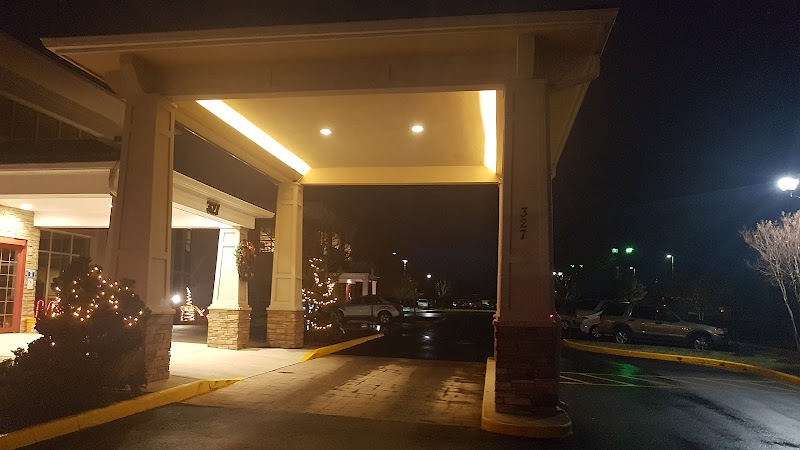
How is Friendship Health And Rehab Center Staffed?

CMS rates FRIENDSHIP HEALTH AND REHAB CENTER's staffing level at 4 out of 5 stars, which is above average compared to other nursing homes. Staff turnover is 44%, compared to the Virginia average of 46%. This relatively stable workforce can support continuity of care.

What Have Inspectors Found at Friendship Health And Rehab Center?

State health inspectors documented 18 deficiencies at FRIENDSHIP HEALTH AND REHAB CENTER during 2021 to 2024. These included: 18 with potential for harm.
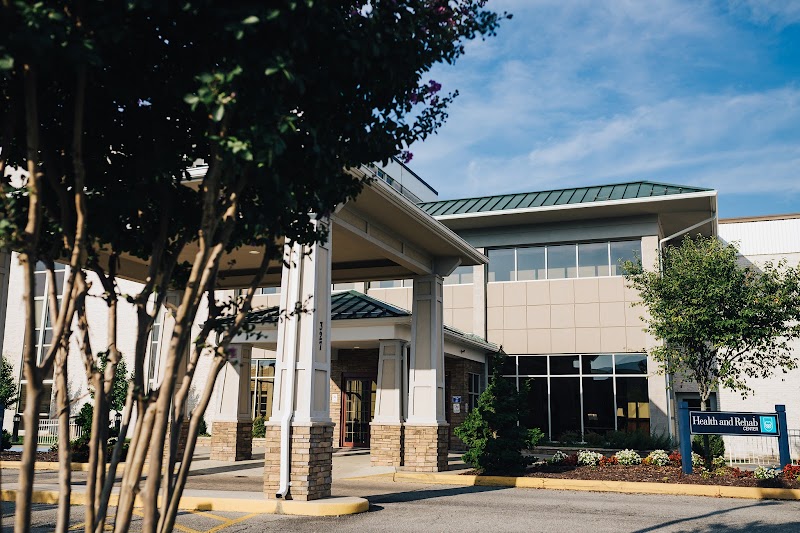
Who Owns and Operates Friendship Health And Rehab Center?

FRIENDSHIP HEALTH AND REHAB CENTER is owned by a non-profit organization. Non-profit facilities reinvest revenue into operations rather than distributing to shareholders. The facility operates independently rather than as part of a larger chain. With 253 certified beds and approximately 228 residents (about 90% occupancy), it is a large facility located in ROANOKE, Virginia.
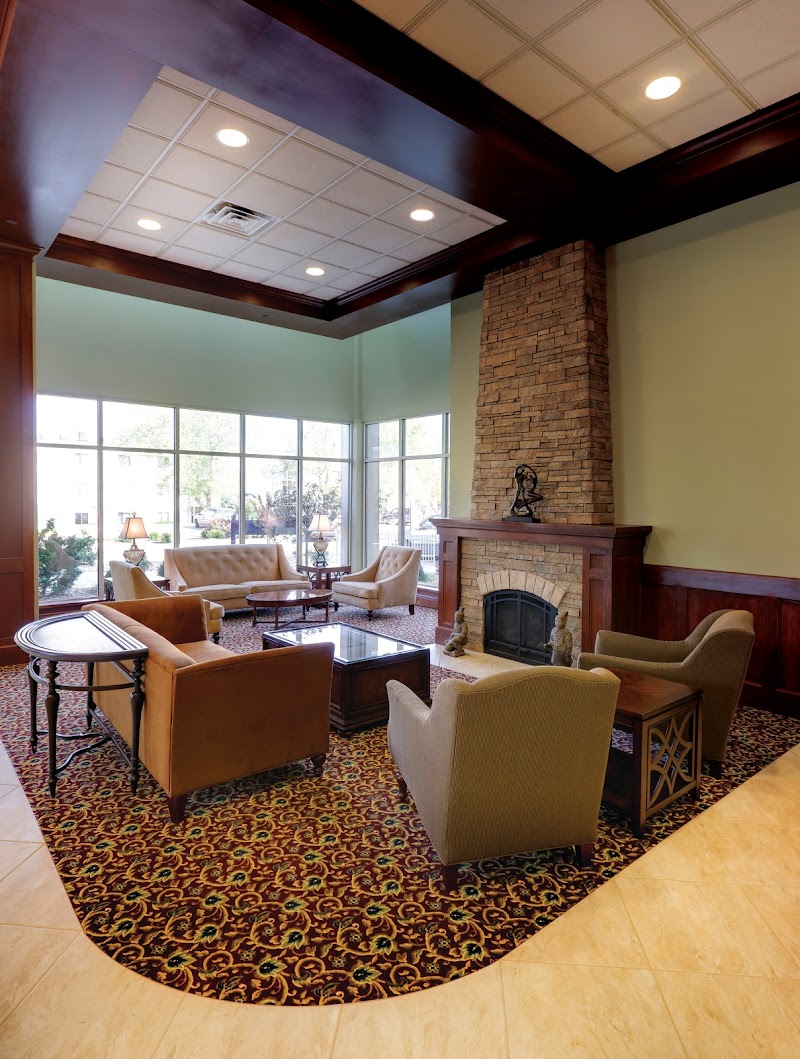
How Does Friendship Health And Rehab Center Compare to Other Virginia Nursing Homes?

Compared to the 100 nursing homes in Virginia, FRIENDSHIP HEALTH AND REHAB CENTER's overall rating (4 stars) is above the state average of 3.0, staff turnover (44%) is near the state average of 46%, and health inspection rating (4 stars) is above the national benchmark.

What Should Families Ask When Visiting Friendship Health And Rehab Center?

Based on this facility's data, families visiting should ask: "Can I visit during a mealtime to observe dining assistance and food quality?" "How do you handle medical emergencies, and what is your hospital transfer rate?" "Can I speak with family members of current residents about their experience?"

Is Friendship Health And Rehab Center Safe?

Based on CMS inspection data, FRIENDSHIP HEALTH AND REHAB CENTER has a clean safety record: no substantiated abuse findings (meaning no confirmed cases of resident harm), no Immediate Jeopardy citations (the most serious violation level indicating risk of serious injury or death), and is not on the Special Focus Facility watch list (a federal program monitoring the lowest-performing 1% of nursing homes). The facility has a 4-star overall rating and ranks #1 of 100 nursing homes in Virginia. While no facility is perfect, families should still ask about staff-to-resident ratios and recent inspection results during their visit.

Do Nurses at Friendship Health And Rehab Center Stick Around?

FRIENDSHIP HEALTH AND REHAB CENTER has a staff turnover rate of 44%, which is about average for Virginia nursing homes (state average: 46%). Moderate turnover is common in nursing homes, but families should still ask about staff tenure and how the facility maintains care continuity when employees leave.

Was Friendship Health And Rehab Center Ever Fined?

FRIENDSHIP HEALTH AND REHAB CENTER has no federal fines on record. CMS issues fines when nursing homes fail to meet care standards or don't correct problems found during inspections. The absence of fines suggests the facility has either maintained compliance or corrected any issues before penalties were assessed. This is a positive indicator, though families should still review recent inspection reports for the full picture.

Is Friendship Health And Rehab Center on Any Federal Watch List?

FRIENDSHIP HEALTH AND REHAB CENTER is not on any federal watch list. The most significant is the Special Focus Facility (SFF) program, which identifies the bottom 1% of nursing homes nationally based on persistent, serious quality problems. Not being on this list means the facility has avoided the pattern of deficiencies that triggers enhanced federal oversight. This is a positive indicator, though families should still review the facility's inspection history directly.