OUR LADY OF THE VALLEY
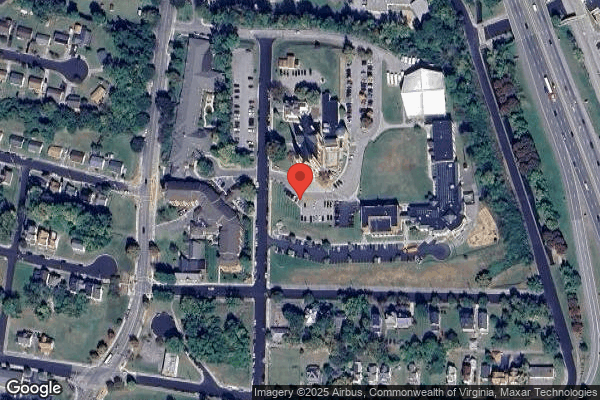
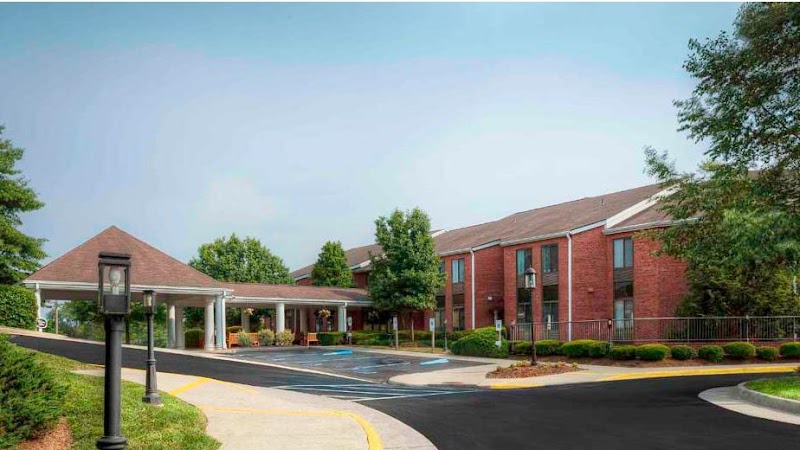
650 NORTH JEFFERSON STREET, ROANOKE, VA 24016 (540) 345-5111
Non profit - Church related 70 Beds Independent Data: November 2025
Trust Grade
85/100
#31 of 285 in VA
Last Inspection: August 2023

Over 2 years since last inspection. Current conditions may differ from available data.

Overview

Our Lady of the Valley has a Trust Grade of B+, which means it is recommended and above average compared to other nursing homes. It ranks #31 out of 285 facilities in Virginia, placing it in the top half, and it is the best option among 9 facilities in Roanoke City County. The facility's trend is stable, with the number of issues remaining consistent at 5 from 2021 to 2023. Staffing is rated average with a 3/5 star rating and a turnover rate of 49%, slightly above the state average, suggesting that while some staff stay, there is still room for improvement in retention. There have been no fines recorded, which is a positive sign, and the facility has more registered nurse coverage than many others. However, there are some areas of concern. Recent inspections found issues with food safety, including unclean serving pans and improperly stored food, which could pose health risks to residents. Additionally, care plan meetings for one resident were not held in a timely manner, indicating potential gaps in communication and care coordination. Overall, while Our Lady of the Valley has strengths in its ranking and staffing stability, families should consider these weaknesses when making their decision.

Trust Score
B+
85/100
In Virginia
#31/285
Top 10%
Safety Record
Low Risk
No red flags
Inspections
Holding Steady
5 → 5 violations
Staff Stability
⚠ Watch
49% turnover. Above average. Higher turnover means staff may not know residents' routines.
Penalties
✓ Good
No fines on record. Clean compliance history, better than most Virginia facilities.
Skilled Nurses
○ Average
Each resident gets 31 minutes of Registered Nurse (RN) attention daily — about average for Virginia. RNs are the most trained staff who monitor for health changes.
Violations
⚠ Watch
14 deficiencies on record. Higher than average. Multiple issues found across inspections.
★★★★★
5.0
Overall Rating
★★★☆☆
3.0
Staff Levels
★★★★★
5.0
Care Quality
★★★★☆
4.0
Inspection Score
Stable
2021: 5 issues
2023: 5 issues

The Good

  • 5-Star Quality Measures · Strong clinical quality outcomes
  • Full Sprinkler Coverage · Fire safety systems throughout facility
  • No fines on record

Facility shows strength in quality measures, fire safety.

The Bad

Staff Turnover: 49%

Near Virginia avg (46%)

Higher turnover may affect care consistency

The Ugly 14 deficiencies on record

Aug 2023 5 deficiencies
CONCERN (D) 📢 Someone Reported This

A family member, employee, or ombudsman was alarmed enough to file a formal complaint

Potential for Harm - no one hurt, but risky conditions existed

Deficiency F0657 (Tag F0657)

Could have caused harm · This affected 1 resident

Based on staff interview, clinical record review and facility document review the facility staff failed to ensure care plan meetings were held in a timely manner for one of 21 residents, Resident #221...

Read full inspector narrative →
Based on staff interview, clinical record review and facility document review the facility staff failed to ensure care plan meetings were held in a timely manner for one of 21 residents, Resident #221. The findings included: For Resident #221 the facility staff failed to hold care plan meetings after each minimum data set (MDS) assessment. Resident #221's face sheet listed diagnoses which included but not limited to dementia, anxiety, depression, psychotic disturbance, hypertension, arteriosclerotic heart disease and hypothyroidism. Resident #221's most recent MDS with an assessment reference date (ARD) of 09/26/22 assigned the resident a brief interview for mental status score of 8 out of 15 in section C, cognitive patterns. This indicates that the resident was moderately cognitively impaired. Resident #221's clinical record was reviewed and contained Care Plan Conference Summary forms dated 11/03/21, 01/26/22, 04/20/22, 07/20/22, 10/12/22 and 11/09/22. Resident #221's clinical record contained care plan progress notes dated 01/20/21, 02/16/21, 06/09/21 and 11/03/21. There was no documentation for care plan meetings from 02/16/21 until 06/09/21 and from 06/09/21 until 11/30/21. This surveyor spoke with the director of nursing (DON) on 08/24/23 at 11:30 am regarding Resident #221's care plan meetings. DON stated that MDS coordinator gives the social worker (SW) the ARD for each MDS, then SW schedules the care plan meetings. Surveyor asked the DON why there were no care plan meetings from 02/16/21 until 06/09/21 and from 06/09/21 until 11/30/21, and DON stated, We were between social workers at that time. This surveyor requested and was provided with a facility policy entitled RI (resident assessment instrument) and Plan of Care which read in part, Procedure: 10. A plan of care for resident will be completed to meet the assessed needs of the resident within 7 days of completion of the RI-i.e., no later than 21 days of admission. A comprehensive care plan will be developed by the Interdisciplinary Team and include participation of a nurse aide with responsibility for the resident, a member of food and nutrition services staff, the resident and/or their representative. If participation of the resident and their representative is determined not to be practicable for the development of the care plan, written explanation will be provided in the resident's medical record. XI. The plan of care is reviewed and evaluated within time references, but no less than every 90 days. The concern of not having care plan meetings was discussed with the administrator and DON on 08/25/23 at 3:50 pm. No further information was provided prior to exit.
CONCERN (D) 📢 Someone Reported This

A family member, employee, or ombudsman was alarmed enough to file a formal complaint

Potential for Harm - no one hurt, but risky conditions existed

Quality of Care (Tag F0684)

Could have caused harm · This affected 1 resident

Based on staff interview and clinical record review the facility staff failed to follow physician's orders for one of 21 residents, Resident #221. The findings included: For Resident #221, the facilit...

Read full inspector narrative →
Based on staff interview and clinical record review the facility staff failed to follow physician's orders for one of 21 residents, Resident #221. The findings included: For Resident #221, the facility staff failed to change the administration times for the medication Voltaren gel per the physician's order. Resident #221's face sheet listed diagnoses which included but not limited to dementia, anxiety, depression, psychotic disturbance, hypertension, arteriosclerotic heart disease and hypothyroidism. Resident #221's most recent MDS with an assessment reference date (ARD) of 09/26/22 assigned the resident a brief interview for mental status score of 8 out of 15 in section C, cognitive patterns. This indicates that the resident was moderately cognitively impaired. Resident #221's clinical record contained a physician's order summary for April 2022, which read in part 03/25/22 Change admin times on the Voltaren gel to 6 a, 12 noon, and 9 Per daughter request thank you. Resident #221's Treatment Administration History for April 2022 contained an entry which read in part, Order: Voltaren Arthritis Pain (diclofenac sodium) [OTC] gel 1 %; Amount to Administer: 1 Application; topical. Frequency: Three Times a Day. Start Date: 04/18/22. This entry contained administration times of 9:00 am, 1:00 pm, and 5:00 pm. Surveyor spoke with the director of nursing (DON) on 08/24/23 regarding Resident #221's Voltaren gel administration times. DON stated the order was entered under general which is considered a FYI (for your information). Surveyor asked DON if the administration times should have been changed, and DON stated they should have. The concern of not changing the administration times per the physician's orders was discussed with the administrator and DON on 08/25/23 at 3:50 pm. No further information was provided prior to exit.
CONCERN (D) 📢 Someone Reported This

A family member, employee, or ombudsman was alarmed enough to file a formal complaint

Potential for Harm - no one hurt, but risky conditions existed

Accident Prevention (Tag F0689)

Could have caused harm · This affected 1 resident

**NOTE- TERMS IN BRACKETS HAVE BEEN EDITED TO PROTECT CONFIDENTIALITY** Based on staff interview, clinical record review and facility document review, facility staff failed to ensure the resident rece...

Read full inspector narrative →
**NOTE- TERMS IN BRACKETS HAVE BEEN EDITED TO PROTECT CONFIDENTIALITY** Based on staff interview, clinical record review and facility document review, facility staff failed to ensure the resident received adequate supervision and assistance devices to prevent accidents for one of 21 residents in the survey sample, Resident # 222. The findings: For Resident #222, one facility staff member transferred the resident from the bed to a chair instead of utilizing a mechanical lift with two+ staff members as required per the resident's care plan. During the transfer, the resident sat on her right lower leg which caused discomfort. An X-ray two days after the incident was negative for fracture. A subsequent X-ray three days after the incident indicated the resident had a tibial fracture. Resident #222's diagnoses included but were not limited to multiple sclerosis, adult failure to thrive, anxiety disorder, narcolepsy (chronic sleep disorder), dysphagia and other speech disturbances, neuralgia and neuritis (inflammation and nerve pain), age-related osteoporosis, insomnia and unspecified voice and resonance disorder. The resident's care plan included but was not limited to a problem category of falls with a start date of 05/12/22 and an approach which read, Hoyer lift for transfer w/ 2 person assist with a start date of 05/12/22. Another problem category of toileting, with the same start date, read for the approach, Provide assistance for toileting as needed, uses hoyer lift for transfer, assist her on/off bedpan as needed. Keep call light in reach and encourage use. Resident #222's clinical record contained a licensed practical nurse (LPN #4) progress note that read on 12/24/22 at 9:33 p.m., Resident LOA for night with family. Left facility at 2000 (8:00 p.m.) picked up by daughter. Resident transferred to mobile chair by CNA (certified nursing assistant). Right knee mis [sic] positioned on side while placing in chair. Leg was then straightened into chair properly. Resident C/O (complained of) pain to right knee. This nurse inspected knee and noted intact skin, no swelling or redness to affected area. ROM (range of motion) normal to BIL (bilateral) knees. PRN (as needed) Moprhine [sic] given at 1950 (7:50 p.m.) d/t (due to) pain. Family arrived to pick resident up and was notified. This nurse told RP (responsible party) that hospice will be notified when rsd (resident) returns 12/25/22 and further action taken by (name of hospice omitted) if necessary. Overnight medications for 12/25 given to RP. Narcotics signed out by this nurse and RP. The next progress note by LPN #1 was dated 12/25/22 at 10:00 a.m. and read, Resident's RP called and stated resident's right leg was swollen with blisters and painful. Daughter called hospice and made aware. Hospice went to RP's house and ordered prednisone and antibiotic and X-ray. Resident on her way back here. Order for X-ray transcribed. LPN #4 wrote on 12/25/22 at 10:16 p.m. that Resident #222's right leg was warm to touch, swollen, red with large, intact fluid filled blisters. The resident's vital signs were shared with the hospice nurse and were blood pressure = 170/86, pulse = 111, respirations = 18, temperature = 99.4, and 96% oxygen saturation on room air. Pedal pulses were present bilaterally. Vital signs were reassessed one hour later and were blood pressure = 145/82, pulse = 90, respirations = 18, temperature = 98.9, and oxygen saturation = 99% on room air. The second set of vital signs and the resident's increased pain were shared with the hospice nurse. New orders from the provider for increased pain medication both scheduled (every 4 hours) and as needed (every 2 hours), a steroid daily, an antibiotic twice a day for seven days. The LPN called hospice for clarification on antibiotic order due to resident's allergy. The resident's RP was made aware of the resident's condition and new medication orders. On 12/26/22 at 11:26 a.m., LPN #1's progress note read the X-ray was done that morning with results negative for injury. The facility's medical doctor assessed Resident #222 with medications, labs and Doppler studies of the right lower extremity ordered. A message was left for the resident's RP to call back. An imaging report dated 12/26/22 read a two view TIB/FIB X-ray was completed. The findings read that the two views show no acute fracture or dislocation. There are degenerative changes of the knee as well as ankle joints. Postoperative changes are seen along the distal tibia and fibula. The alignment is anatomic and hardwares are intact. The soft tissues are normal. The impression read, 1. There is no acute fracture or dislocation. 2. There are degenerative changes and stable postoperative changes. LPN #4 was interviewed in person and reported CNA #2 was familiar with Resident #222 and was getting the resident out of bed and into a chair in preparation for going home with family for the holiday on 12/24/22. LPN #4 reported that although the resident had difficulty verbalizing, the nurse heard and understood the resident tell CNA #2 she would rather be lifted manually, without the Hoyer lift. The CNA denied needing the nurse's help with the transfer. LPN #4 left the room and when she returned, she witnessed the resident's right leg below the knee was underneath her body weight in the chair for approximately 4 to 5 seconds at the most. LPN #4 assisted CNA #2, who was holding Resident #222, to straighten the resident's leg. Resident #222 made a little grimace and sound when she sat in the chair on her right lower leg. When LPN #4 assessed the resident's knee and leg there were no open wounds, no swelling or discoloration. The resident moaned and cried with range of motion and the nurse stated since crying was a frequent behavior for the resident, it was difficult to determine whether the crying was from pain or not. LPN #4 administered pain medication in case the resident was experiencing pain. The resident's family arrived to take her home and LPN #4 informed them of the incident with her right leg and showed the family her leg which did not look unusual at the time. The nurse told the family to let us know' if they had any problems at home. The resident's family transferred Resident #222 from the chair at the facility and into the car prior to leaving for home. LPN #4 reported one of the family members was a registered nurse and facility staff would normally ask if they wanted help with the transfer into the car, but the nurse did not recall anyone at the facility assisted the family with transferring Resident #222 into the car. When LPN #4 returned on 12/25/22 at 3:00 p.m., Resident #222 had returned to the facility earlier than expected due to the resident's leg pain. LPN #4 (evening shift) and LPN #1 (day shift) observed the resident's right lower leg together, noting discoloration and blisters. LPN #1 reported to LPN #4 that when the family brought the resident back to the facility, the family denied anything happening while the resident was with them at home (i.e., denied applying creams, heating/cooling or applying anything at all). CNA #2 was on leave and not available for interview. LPN #1 was interviewed on 08/24/23 at 11:00 a.m. and stated that on day shift, they always used the Hoyer lift to transfer Resident #222 and even with lift, it could take three people to support her extremities because she was so flaccid. The resident did not like the lift and that was why she would stay in bed some days. LPN #1 stated she did not know how anyone could transfer her by themselves; she was dead weight. Resident #222's family transferred her by themselves all the time. The resident's medical doctor who provided care to Resident #222 was interviewed in person on 08/24/23 at 10:20 a.m. He reported assessing the resident on 12/26/22 and noted significant bruises localized to right lower leg with soft tissue swelling and blisters. The X-ray at the facility on 12/26/22 was negative. The resident's family took Resident #222 to the emergency room on [DATE] where a subsequent X-ray indicated a tibial fracture and possible nondisplaced fracture of the patella. The physician stated the hospital consulted orthopedics and dermatology who described the wound as traumatic blisters from the fracture. Due to the resident being a hospice patient, the family decided not to treat the fracture; a brace was applied. During a summary meeting with the administrator and DON on 8/24/23 at approximately 3:30 p.m., the DON reported her expectation was that staff would document in the clinical record the resident's refusal to have a Hoyer Lift transfer prior to transferring her without the lift. The DON acknowledged there was no clinical record documentation of the resident refusing the Hoyer Lift on 12/24/22 and there was documentation the resident was transferred by one person. The DON acknowledged Resident #222's care plan noted the resident required two+ persons with Hoyer lift for transfers. No further information was provided prior to the exit conference.
CONCERN (D)

Potential for Harm - no one hurt, but risky conditions existed

Deficiency F0692 (Tag F0692)

Could have caused harm · This affected 1 resident

Based on resident and staff interview, resident observation and clinical record review, the facility staff failed to ensure that residents maintain acceptable parameters of nutrition for one of 23 res...

Read full inspector narrative →
Based on resident and staff interview, resident observation and clinical record review, the facility staff failed to ensure that residents maintain acceptable parameters of nutrition for one of 23 residents in the survey sample, resident # 46. For resident # 46, the facility staff failed to follow the recommendations of the Registered Dietician (RD) to obtain another weight, and then do weekly weights if an actual weight loss is confirmed Additionally, the facility staff failed to ensure that resident # 46's weight loss was addressed by the physician. Resident # 46's diagnoses list included but was not limited to, Type II diabetes mellitus, gastro esophageal reflux disease, vitamin deficiency unspecified, mild protein calorie malnutrition, and chronic kidney disease. The most recent annual minimum data set (MDS) assessment with an assessment reference date (ARD) of 7/11/23 assigned resident # 46 a brief interview for mental status (BIMS) score of 14 indicating mild cognitive impairment. Under Section K, Swallowing and Nutritional Status, resident # 46 was coded as weighing 118 pounds with no significant weight loss over the last six months. A review of resident # 46's clinical record revealed the following resident weights: 8/4/23 102.8 pounds 7/3/23 118 pounds 6/5/23 120.1 pounds A progress note by the RD dated 8/4/23 read, RD referral due to wt [weight] loss. Wt. noted to go from 118 (7/3) to 102.8 (8/4). Reweight is pending. Currently on diabetic diet, po [by mouth] intake (approximately) 75%, which is slightly decreased from last RD review (7/14), but not enough to cause wt loss of this magnitude. No changes recommended at this time until reweight obtained. If reweight confirms wt loss, recommend adding to weekly weights for 4 weeks for closer monitoring. There was no reweight documented in the clinical record. The surveyor observed resident # 46 during the lunch meal on 8/23/23 at 1:48 PM. Lunch tray was at bedside and was untouched. Resident stated they didn't have much of an appetite and that the food provided, ain' t much good. Surveyor asked resident if they would like something different and they declined. On 8/24/23 at 9:22 AM surveyor observed resident in their room. When asked if they ate breakfast, they stated they did not. Resident stated they might eat a grilled cheese sandwich if it was hot. Resident ate a few bites of the sandwich. At 12:36 surveyor visited the resident during the lunch meal again. Resident was lying in bed with the lunch tray at bedside untouched. Resident stated, no when asked if they were going to eat. On 8/24/23 12:36 surveyor interviewed Licensed Practical Nurse (LPN) #2. When asked about resident # 46 not eating they stated, (name omitted) usually goes to the dining room but (omitted) is just going downhill lately. On 8/24/23 at 2:34 PM surveyor interview Certified Nursing Assistant #1. They stated that resident # 46 not eating is not normal but (resident) hasn't been feeling well. (Resident) used to come to the dining room and eat good. I don't know what happened. 8/24/23 at 3:45 PM surveyor interviewed the Director of Nursing (DON). Surveyor asked where re-weights would be documented, and if they would expect the re-weight to have been done and documented by now. They stated they would see if it were on the nurse's flow sheet, and just not in the record yet. They stated they would expect the reweight to have been done by now. The DON returned at approximately 4:30 PM and stated resident # 46's re-weight was not done on 8/4/23. Resident was weighed at this time and the weight was 105 pounds. The DON states that the weekly weights should have been ordered based on the RD recommendations. The DON stated that they had made a progress note about the weight loss on 8/4/23 but did not follow up to make sure the reweight was done timely. They indicated that they had notified the physician and resident # 46's responsible party of the weight loss according to their note. Surveyor asked for a copy of resident #46's meal percentages and the facility policy for weight loss. On 8/25/23 the surveyor interviewed the DON. They stated, we don't have (omitted) meal percentages. It wasn't set up correctly in Matrix (electronic medical record). It was set up for them to just review and not enter the amount of what he actually ate. I spoke to (responsible party) this morning and (they) are coming today. (They) said (their) (parent) is tired and is just done. We have ordered Boost (nutritional supplement), labs and daily weights for five days. Surveyor was unable to locate any evidence in the record to indicate the physician had addressed or acknowledged resident # 46's weight loss. On 8/25/23 at 11:30 AM surveyor met with RD. Surveyor asked if they would have expected that the reweight, they asked for on 8/4/23 for resident #46 would have been done before 8/24/23 and they stated yes, I would have. The DON was present and also acknowledged that the weight loss should have been addressed before 8/24/23. DON stated there is no facility policy for weight loss. Surveyor asked what the process was to follow up on weights and they stated, The process is that weights are reviewed in a weekly high-risk meeting and this one fell through the cracks. On 08/25/23 03:47 PM the survey team met with the Administrator and the DON, and this concern was discussed. No further information was provided to the survey team prior to the exit conference.
CONCERN (D)

Potential for Harm - no one hurt, but risky conditions existed

Drug Regimen Review (Tag F0756)

Could have caused harm · This affected 1 resident

Based on staff interview, facility document review and record review, the facility staff failed to ensure the physician reviewed the pharmacy recommendations for one of 21 residents in the survey samp...

Read full inspector narrative →
Based on staff interview, facility document review and record review, the facility staff failed to ensure the physician reviewed the pharmacy recommendations for one of 21 residents in the survey sample, Resident #4. The findings: The facility staff failed to ensure Resident #4's Medication Regimen Reviews (MRRs) was addressed by a medical provider. Resident #4's face sheet listed diagnoses included but were not limited to dementia, Alzheimer's disease with late onset, glaucoma, Bipolar II disorder, and traumatic subdural hemorrhage. The resident's minimum data set with an assessment reference date of 08/16/23 coded the resident a having a brief interview for mental status of 04 out of 15. Resident #4 was assessed as requiring assistance with bed mobility, transfers, dressing, toileting, and personal hygiene. Resident #4's clinical documentation included a pharmacy review for 03/14/23. The document read to see the pharmacist's review however the review was not found in the clinical record. The director of nursing (DON) was asked about the pharmacy recommendation and on 08/25/23 provided a pharmacy consultation report dated 03/14/23 which read, Please evaluate the continued use of prednisolone and taper to the lowest dose that reduces symptoms or discontinue. The document was signed by the pharmacist but had no signatures by the physician or the DON. The DON reported being unable to locate the document with physician signature/acknowledgment of pharmacist's recommendation and whether the physician agreed or declined the recommendation. The DON acknowledged Resident #4 remained on the same dose of prednisolone without tapering or discontinuation of the medication. The DON provided a referral form showing Resident #4 had an appointment on 04/16/23 which ordered a continuation of the prednisolone. During a summary meeting with the administrator and DON on 08/25/23 at 3:47 p.m., the concern regarding there being no evidence a provider reviewed the pharmacist's identified irregularity was discussed. No further information was provider prior to the exit conference.
Apr 2021 5 deficiencies
CONCERN (D)

Potential for Harm - no one hurt, but risky conditions existed

Quality of Care (Tag F0684)

Could have caused harm · This affected 1 resident

Based on staff interviews, clinical record reviews, and in the course of a complaint investigation, the facility staff failed to ensure that residents receive treatment and care by not following physi...

Read full inspector narrative →
Based on staff interviews, clinical record reviews, and in the course of a complaint investigation, the facility staff failed to ensure that residents receive treatment and care by not following physician's orders for one (1) of 16 sampled residents (Resident #105). The findings include: Facility staff members failed to ensure Resident #105's medical provider orders, for (a) a head CT and (b) the medication Zyprexa, were implemented in a timely manner. Resident #105's minimum data set (MDS) assessment, with an assessment reference date (ARD) of 1/10/21, had the resident assessed as able to make self understood and as able to under others. Resident #105's Brief Interview for Mental Status (BIMS) summary score was assessed as 13 out of 15. Resident #105 was assessed as requiring assistance with bed mobility, dressing, toilet use, personal hygiene, and bathing. Resident #105's diagnoses included, but were not limited to: anemia, heart disease, high blood pressure, anxiety, and vision problems. Resident #105 had a head CT scan ordered on 3/5/21 but this CT scan was not completed until 3/29/21. Resident #105's clinical record included an order for a CT scan of head (without) contrast entered on 3/5/21 at 12:44 p.m. This head CT scan was documented as being completed on 3/29/21. The facility's Director of Nursing (DON) was interviewed about this order on 4/14/21 at 11:10 a.m. The DON reported the order was entered on 3/5/21. The DON reported this order was revised on 3/8/21 to change how it was showing up in the facility's electronic records system so the nursing staff would be able to schedule the head CT scan. The DON reported the order was revised again on 3/16/21 when the head CT scan was scheduled. The DON reported that no evidence of provider communication related to the delay in scheduling and/or obtaining the head CT scan was found. Resident #105's clinical record included an order for Zyprexa dated 2/9/21. The Zyprexa was not started until 2/11/21. On 4/15/21 at 8:40 a.m., the facility's Director of Nursing (DON) was interviewed about the delay in implementing this Zyprexa order. The DON confirmed the Zyprexa had been ordered at 8:40 p.m. and scheduled to be started at 9:00 p.m. on 2/9/21. The DON reported the Zyprexa was not available at the facility. The DON stated the order should have been clarified with the medical provider to see if it could be started the following day (2/10/21). The DON stated no documentation of such medical provider clarification was found. Resident #105's Zyprexa was still not available on 2/10/21. The DON stated the medical provider and the pharmacy should have been contacted about this medication not being available. The DON reported no such documentation, of medical provider and/or pharmacy, was found. The following information was found in a facility policy and procedure titled Administration of Medications (with a revised date of August 14, 2019): All medications will be given per physician, Nurse Practitioner (NP) or Physician Assistant (PA) written, verbal or telephone order and shall not be started, changed or discontinued by the facility without an order from the physician, NP or PA . Medication fills and refills shall be timely to avoid missed dosages. Medications should be reordered according to the pharmacy procedures or electronic record vendor procedures. If a medication that is ordered does not arrive as scheduled, the Director of Nursing or designee shall be notified so that the pharmacy can be contacted via telephone for a stat delivery or follow electronic record policy for checking status. On 4/15/21 at 1:57 p.m., the failure of the facility to appropriately implement the aforementioned medical provider orders was discussed for a final time with the facility's Administrator and Director of Nursing; no additional information related to this issue was provided to the survey team prior to exit. This is a complaint deficiency.
CONCERN (D)

Potential for Harm - no one hurt, but risky conditions existed

Deficiency F0761 (Tag F0761)

Could have caused harm · This affected 1 resident

**NOTE- TERMS IN BRACKETS HAVE BEEN EDITED TO PROTECT CONFIDENTIALITY** Based on observation and staff interview, the facility staff failed to safely store medications in 1 of 2 medication rooms. This...

Read full inspector narrative →
**NOTE- TERMS IN BRACKETS HAVE BEEN EDITED TO PROTECT CONFIDENTIALITY** Based on observation and staff interview, the facility staff failed to safely store medications in 1 of 2 medication rooms. This medication room contained expired medications. The findings included: The facility staff failed to dispose of expired medications in medication room [ROOM NUMBER]. On 04/13/2021 at 2:30 p.m., the (DON) director of nursing accompanied the surveyor to medication room [ROOM NUMBER]. This medication room contained an unlocked plastic box. Inside this box, the surveyor observed the following expired medications. 200 ml IV bag of Ciprofloxacin expiration date 03/2021, Cefepime 2-1 gram vials expiration date 10/2020, Ivanz 1 vial expiration date 04/2020, Vancomycin 1 gram expiration date 05/2020, Vancomycin 1 gram expiration date 04/2020, Gentamicin 80 mg/2 ml 8 vials expiration date 09/2020. The box was labeled with a different pharmacy name then the one currently being used by the facility. The DON stated they would take the box to their office and call the pharmacy. On 04/14/2021 at 3:08 p.m., the expired medication was reviewed with the DON and administrator. The DON stated the pharmacy had picked up the expired medications. No further information was provided to the survey team prior to the exit conference.
CONCERN (D)

Potential for Harm - no one hurt, but risky conditions existed

Infection Control (Tag F0880)

Could have caused harm · This affected 1 resident

Based on observation, staff interview, clinical record review, and facility document review, the facility staff failed to maintain an effective infection prevention and control program for 1 of 16 res...

Read full inspector narrative →
Based on observation, staff interview, clinical record review, and facility document review, the facility staff failed to maintain an effective infection prevention and control program for 1 of 16 residents, Resident #12. The findings included: The facility staff failed to complete hand hygiene during a wound care observation. The (EHR) electronic health record included the diagnoses, adult failure to thrive, diabetes, and chronic kidney disease. Section C (cognitive patterns) of Resident #12's admission (MDS) minimum data set assessment with an (ARD) assessment reference date of 01/17/2021 included a (BIMS) brief interview for mental status summary score of 5 out of a possible 15 points. Section M (skin conditions) was coded to indicate the resident did not have any pressure ulcers or wounds to the feet. On 02/05/2021, the facility staff identified a wound to the residents left heel. The resident was seen by a wound physician and this wound was classified as an arterial wound. On 04/13/2021 at 1:42 p.m., the surveyor observed (LPN) licensed practical nurse #1 complete wound care. LPN #1 cleaned the wound with normal saline changed their gloves and applied a new pair of clean gloves but did not complete any hand hygiene. LPN #1 applied an alginate dressing (maxorb) and wrapped the wound with kerlix. On 04/13/2021 at 11:07 a.m., LPN #1 stated they should have hand sanitized. On 04/03/2021 at 4:11 p.m., the (IP) infection preventionist stated LPN #1 should have performed hand hygiene after removing their gloves and before applying a clean pair of gloves. The facility provided the surveyor with a copy of policy titled, Infection Control. This policy read in part, .In the absence of a true emergency, personnel should always wash their hands .after removing gloves . On 04/14/2021 at 3:08 p.m., the administrator and (DON) director of nursing were made aware of the infection control issue regarding wound care and hand hygiene. No further information regarding this issue was provided to the survey team prior to the exit conference.
CONCERN (F)

Potential for Harm - no one hurt, but risky conditions existed

Food Safety (Tag F0812)

Could have caused harm · This affected most or all residents

Based on observation, staff interview and facility document review the facility staff failed to store, prepare and serve food in a safe and sanitary manner. The findings included: The facility staff f...

Read full inspector narrative →
Based on observation, staff interview and facility document review the facility staff failed to store, prepare and serve food in a safe and sanitary manner. The findings included: The facility staff failed to ensure serving pans in the facility were dry and clean and failed to date an opened package of dried pasta. During initial tour of the facility kitchen, conducted on 04/13/21 at approximately 1:45 pm, surveyor observed an opened package of macaroni noodles located on a shelf in the dry storage area. Surveyor could not locate an opened on date on the package. Surveyor asked the dining services manager if there was a date on the package and dining services manager stated that there was not, and removed the package. While continuing initial tour of the kitchen, surveyor observed a rack containing metal serving pans, nested together. Surveyor asked the dining services manager to separate the pans to allow surveyor to observe inside of pans, and when dining services manager did so, water ran from between the pans. Dining services manager stated that should not happen. Surveyor also observed a dried yellowish debris on the inside of one of the pans. Dining services manager removed the pans from the rack, stating that the pans would be washed again. Surveyor requested and was provided with a facility policy entitled Food Service Infection Control, which read in part Procedures. The following activities of food serviced personnel may involve or have an effect on the risk of infection for residents and personnel. Infection prevention and control measures are: 5. Thorough washing and drying of all utensils, food contact surfaces, and equipment between preparations of food items. 15. Cleaning and sanitization of equipment, dishes, utensils, etc.: a. thoroughly washing and drying all utensils, food contact surfaces, and equipment between preparation of food items g. allowing all food preparation equipment, dishes, and eating utensils to air dry. The administrator and DON (director of nursing) were informed of the kitchen findings during a meeting on 04/14/21 at approximately 3:10 pm. Facility administrator provided the surveyor with an In-Service Record of Content and Attendance on 04/14/21 at approximately 11:05 am, with a title of Dishes-Properly Washing/Drying. Administrator stated that the dining services manager had started re-education of staff and would be providing training as staff come in to work. The concern of wet/dirty serving pans and unlabeled open food was discussed during a meeting on 04/15/21 at approximately 2:00 PM. No further information provided prior to exit.
MINOR (C)

Minor Issue - procedural, no safety impact

Deficiency F0868 (Tag F0868)

Minor procedural issue · This affected most or all residents

Based on staff interview and facility document review the facility staff failed to provided evidence that the facility QA (quality assurance) committee met at least quarterly for the last 2 quarters o...

Read full inspector narrative →
Based on staff interview and facility document review the facility staff failed to provided evidence that the facility QA (quality assurance) committee met at least quarterly for the last 2 quarters of 2020. The findings included: Surveyor reviewed the facility QA program on 04/15/21 at approximately 1:00 pm. The surveyor could not locate evidence that the facility QA committee had met during the last two quarters of 2020 (July-December). Surveyor informed the administrator that the information could not be located. On 04/14/21 at approximately 1:45 pm, the administrator stated the evidence of QA meetings could not be located. The concern of no having evidence of quarterly QA meetings was discussed with the administrator and director of nursing during a meeting on 04/15/21 at approximately 2:00 pm. No further evidence provided prior to exit.
Apr 2019 4 deficiencies
CONCERN (D)

Potential for Harm - no one hurt, but risky conditions existed

Quality of Care (Tag F0684)

Could have caused harm · This affected 1 resident

**NOTE- TERMS IN BRACKETS HAVE BEEN EDITED TO PROTECT CONFIDENTIALITY** Based on observation, staff interview, and clinical record review, the facility staff failed to follow physician's orders for 1 ...

Read full inspector narrative →
**NOTE- TERMS IN BRACKETS HAVE BEEN EDITED TO PROTECT CONFIDENTIALITY** Based on observation, staff interview, and clinical record review, the facility staff failed to follow physician's orders for 1 of 19 Residents in the survey sample, Resident # 14. The findings included: The facility staff failed to ensure that Resident # 14 was wearing physician ordered TED hose. Resident # 14 was an [AGE] year-old- female who was originally admitted to the facility on [DATE], with a readmission date of 3/26/19. Diagnoses included but were not limited to, congestive heart failure, type 2 diabetes mellitus, major depressive disorder, and hyperlipidemia. The clinical record for Resident # 14 was reviewed on 4/7/19 at 2:55 pm. The most recent MDS (minimum data set) assessment was a significant change assessment with an ARD (assessment reference date) of 4/2/19. Section C of the MDS assesses cognitive patterns. In Section C0500, the facility staff documented that Resident # 14 had a BIMS (brief interview for mental status) score of 10 out of 15, which indicated that Resident # 15's cognitive status was moderately impaired. The current plan of care for Resident # 14 was reviewed and revised on 4/5/19. The facility staff documented a focus area as, Self care deficit related to muscle weakness from long standing chronic medical conditions. Requires total assistance with: None Requires extensive assistance with: bed mobility, transfers, dressing, toileting, and personal hygiene and locomotion. Requires limited assistance with: eating at times. Requires set up assistance with: eating is independent with eating requires hands on assistance with: bathing Required 2 (#) staff members to assist with transfers and bed mobility. Interventions included but were not limited to, TED hose on in am off in pm. Resident # 14 had current orders that included but were not limited to, TED hose on in AM, off in PM, which was initiated by the physician on 3/26/19. On 4/7/19 at 11:06 am, the surveyor was in Resident # 14's room conducting a Resident interview. The surveyor observed that Resident # 14 was fully dressed and wearing nonskid socks. The surveyor did not observe and TED hose in place on Resident # 14. On 4/7/19 at 2:51 pm, the surveyor observed Resident #14 sitting in her room in wheelchair her wheelchair. The surveyor observed that Resident # 14 was wearing nonskid socks and no TED hose were in place. On 4/7/19 at 3:05 pm, the surveyor spoke with LPN #1 (licensed practical nurse) regarding the TED hose for Resident #14. The surveyor and LPN reviewed the physician's orders for Resident # 14 and LPN # 1 agreed that Resident # 14 had an active order for TED hose to be placed on in the AM off in PM. The surveyor informed LPN #1 that Resident # 14 was not wearing TED hose on 4/7/19 during observations. LPN # 1 along with the surveyor went into Resident # 14's room and observed that Resident # 14 was not wearing TED hose. LPN # 1 asked Resident # 14 where her TED hose were. Resident # 14 stated, They are in the drawer. LPN # 1 asked Resident # 14 if she would like to put on her TED hose. Resident # 14 stated, I don't see any point in putting them on, they haven't been on all day and I would be putting them on and have to take them right back off. The surveyor and LPN # 1 reviewed the treatment administration history for Resident # 14 and observed documentation that TED hose had been applied at 3:18 am in 4/7/19. On 4/8/19 at 3:24 pm, the administrator and director of nursing were made aware of the findings as stated above. No further information regarding this issue was presented to the survey team prior to the exit conference on 4/8/18.
CONCERN (D)

Potential for Harm - no one hurt, but risky conditions existed

Incontinence Care (Tag F0690)

Could have caused harm · This affected 1 resident

**NOTE- TERMS IN BRACKETS HAVE BEEN EDITED TO PROTECT CONFIDENTIALITY** Based on observation, staff interview, and clinical record review, facility staff failed to provide services to prevent urinary ...

Read full inspector narrative →
**NOTE- TERMS IN BRACKETS HAVE BEEN EDITED TO PROTECT CONFIDENTIALITY** Based on observation, staff interview, and clinical record review, facility staff failed to provide services to prevent urinary tract infections for 1 of 19 Residents in the survey sample, Resident # 52. The findings included: The facility staff failed to ensure that Resident # 52 Foley catheter was secure with a leg strap. Resident # 52 was an [AGE] year-old-female who was originally admitted to the facility on [DATE], with a readmission date of 5/25/17. Diagnoses included but were not limited to, obstructive and reflux uropathy, type 2 diabetes mellitus, dementia with behavioral disturbance, and hypertension. The most recent MDS (minimum data set) assessment for Resident # 52 was an annual assessment with an ARD (assessment reference date) of 3/16/19. Section C of the MDS assesses cognitive patterns. In Section C0500, the facility staff documented that Resident # 52 had a BIMS (brief interview for mental status) score of 5 out of 15, which indicated that Resident # 52's cognitive status was severely impaired. Section H of the MDS assesses bowel and bladder. In Section H0100, the facility staff documented that Resident # 52 had an indwelling catheter. The current plan of care for Resident # 52 was reviewed and revised on 4/1/19. The facility staff documented a focus area for Resident # 52 as, Resident # 52 is at risk for urinary tract infections due to chronic Foley cath use and disease process. Interventions included bit were not limited to, Follow principles of infection control and universal precautions. Resident # 52 had current orders that included but was not limited to, Check catheter strap placement q (every) shift. On 4/8/19 at 9:31 am, the surveyor was in Resident # 52's room conducting a Resident interview. During the interview, Resident showed the surveyor her Foley catheter. The surveyor observed that Resident # 52's catheter was not secured with a leg strap. On 4/8/19 at 10:06 am, the surveyor along with RN # 1 (registered nurse). The surveyor along with RN # 1 observed that Resident # 52's Foley catheter was not secured with a catheter strap. The surveyor asked RN # 1 if Resident # 52's Foley catheter should be secured with a strap. RN # 1 stated, Yes she is supposed to have one on. On 4/8/19 at 3:26 pm, the administrator and director of nursing were made aware of the findings as stated above. No further information regarding this issue was provided to the survey team prior to the exit conference on 4/8/19.
CONCERN (D)

Potential for Harm - no one hurt, but risky conditions existed

Deficiency F0761 (Tag F0761)

Could have caused harm · This affected 1 resident

**NOTE- TERMS IN BRACKETS HAVE BEEN EDITED TO PROTECT CONFIDENTIALITY** Based on observation and staff interview, facility staff failed to securely store medication in 1 of 2 medication rooms. On [DAT...

Read full inspector narrative →
**NOTE- TERMS IN BRACKETS HAVE BEEN EDITED TO PROTECT CONFIDENTIALITY** Based on observation and staff interview, facility staff failed to securely store medication in 1 of 2 medication rooms. On [DATE], when the surveyors arrived to the facility at 7:45 AM, the door to the medication room behind the nurse's station on [NAME] hall was open. The treatment cart was unlocked. No nursing staff were present in the room or at the nurse's station nearby. Two nurses were working medication carts in the hall and the nursing supervisor was in the dining room. The medication refrigerator was unlocked. There were no controlled substances in the refrigerator. None of the stored medications were expired. The door to the medication room was closed by 8:15 AM. The medication rooms were not observed open and unattended again during the survey. The director of nursing was notified of the concern during a discussion on [DATE] at approximately 3 PM. The director of nursing stated she would address the issue with nursing staff.
CONCERN (F)

Potential for Harm - no one hurt, but risky conditions existed

Food Safety (Tag F0812)

Could have caused harm · This affected most or all residents

Based on observation, staff interview and facility policy review it was determined the kitchen staff failed prepare food in a clean and sanitary manner for facility residents. Findings: The facility...

Read full inspector narrative →
Based on observation, staff interview and facility policy review it was determined the kitchen staff failed prepare food in a clean and sanitary manner for facility residents. Findings: The facility kitchen staff failed to prepare foods in a clean and sanitary manner. The initial tour of the kitchen environment began 4/7/19 at 8:00 AM. The surveyor entered the second floor dining room. A kitchenette at the rear of the dining section contained a steam table and refrigerator. A kitchen employee was stirring the breakfast foods on the steam table. None of the foods were covered with lids or wrap of any sort. The surveyor asked to see the temperature log on the foods contained in the steam table. The employee did not understand what the surveyor was asking about. When asked if she had obtained the temperatures on the food, the kitchen employee held up her hands and shook her head. She did not understand when the surveyor asked if she had a thermometer to take the food temperatures. At this point, another staff member called down to the kitchen to find someone to take the food temperatures of the steam table. [NAME] I appeared with alcohol swabs and a thermometer to take the temperatures of the foods ready to be served to the residents in the dining hall. The temperatures on the steam table were obtained. The hot cereal/grits were 130 degrees; scrambled eggs were 130 degrees; baked apples were 140 degrees. [NAME] I said the food had to be kept at 145 degrees on the steam table and removed all the food and took it back downstairs to the kitchen to reheat. The surveyor accompanied [NAME] I and the food cart downstairs to the regular kitchen. [NAME] I said the server had removed the plastic covers from the foods after placing them on the steam table and that is why they had cooled down so much. Inside the kitchen the surveyor observed a three bay sink with two bays full of raw chicken in the bottom of the basins. Water was running from the faucets across the chicken and back washing onto the surface of the sink before returning to the sink or splashing onto the floor. The surface of the sink was observed to have food debris and used, unwashed dishes on the surface surrounding the basins. The back washing water was running through/around the dishes and back into the basin. The surveyor asked [NAME] I about the facility policy for thawing out frozen chicken. [NAME] I said she was supposed to put the chicken into buckets and place it into the sink to thaw with water running over it. [NAME] I pointed out the two buckets that were to be used in this process. They were stored on a wire rack in the kitchen. Cook I said she was going to throw the chicken in the trash, since she had not followed the appropriate procedure to place in containers to thaw it under running water in the sink. The facility administrator was entering the kitchen and informed of the findings prior to the surveyor leaving the area. She said she would oversee the chicken being thrown in the trash. Other areas of concern in the kitchen included: 1. The staff use of styrofoam and refillable drink cups left in various areas of the food preparation area. Three white styrofoam cups with lids and one refillable mug-type cup were seen on the table tops in the food preparation area. They had staff names/initials on them. They were all moved back to one table in the rear of the kitchen out of the food preparation by the employees in the kitchen. 2. 36 baking pans were observed nested on wire racks for storage. All the pans were observed to have moisture between them and had been nested prior to drying, trapping the moisture inside. 3. Baking pans stored under food preparation tables were observed to have built-up food debris on them. [NAME] I said they had already been washed, and she removed them to run them back through the dishwasher. 4. The six burner gas stove top was crusted with built-up/blackened food debris. The eyes of the burners contained trash and food debris. [NAME] I said she didn't know what the schedule was to clean it. 5. The fire sprinkler system had four faucets over the cook stove top. The ends of the faucets were caked with dust and smut-taggles. A large open pan was placed on the stove top directly underneath the sprinkler system with food boiling in the pot. 6. The sugar bin on the floor was observed to have trash and debris on the lid which fell onto the surface of the sugar when the lid was opened. The inside of the sugar bin had what appeared to be splash marks on it. (Drops of something yellow had run down the inside.) 7. The kitchen floor was slippery with grease. This was pervasive throughout the kitchen and accumulated beside stoves, sinks and under countertops. Built-up food debris was observed throughout the kitchen at the base of the walls. On 4/7/19 at 12:44 PM the DM (dietary manager) was interviewed. She was informed about the surveyor's findings. The DM said thawing the chicken in the sink was appropriate and they had measures in place to ensure the sink was sanitized prior to the procedure. The surveyor asked to the see the policy and procedure for the sanitation process and requested proof of inservices that the staff had been trained in the process. (The kitchen staff members spoke very little-to-no English and it could not be established what they actually understood by interviewing them about the process.) The DM also told the surveyor the staff were not supposed to have their personal drinking cups in the food preparation area. They were provided with a table outside the food prep area for personal drinks and had to have their names and dates on them. The facility administrator provided a few pages of the facility dietary policy--which was computerized and over 200 pages long. On page 47 the policy referenced frozen foods being thawed under refrigeration or under cold running water. The policy did not reference the vessel the food should be contained in or the procedure for sanitizing the sink basins prior to water thawing food. There was no evidence presented that referred to any training the kitchen staff had to sanitize the basins and surround sink surface prior to placing food into it for thawing. No additional evidence was provided prior to the survey team exit.
Understanding Severity Codes (click to expand)
Life-Threatening (Immediate Jeopardy)
J - Isolated K - Pattern L - Widespread
Actual Harm
G - Isolated H - Pattern I - Widespread
Potential for Harm
D - Isolated E - Pattern F - Widespread
No Harm (Minor)
A - Isolated B - Pattern C - Widespread

Questions to Ask on Your Visit

  • "Can I speak with families of current residents?"
  • "What's your RN coverage like on weekends and overnight?"

Our Honest Assessment

Strengths
  • • Grade B+ (85/100). Above average facility, better than most options in Virginia.
  • • No major safety red flags. No abuse findings, life-threatening violations, or SFF status.
  • • No fines on record. Clean compliance history, better than most Virginia facilities.
Concerns
  • • 14 deficiencies on record. Higher than average. Multiple issues found across inspections.
Bottom line: Generally positive indicators. Standard due diligence and a personal visit recommended.

About This Facility

What is Our Lady Of The Valley's CMS Rating?

CMS assigns OUR LADY OF THE VALLEY an overall rating of 5 out of 5 stars, which is considered much above average nationally. Within Virginia, this rating places the facility higher than 99% of the state's 100 nursing homes. This rating reflects solid performance across the metrics CMS uses to evaluate nursing home quality.
How is Our Lady Of The Valley Staffed?

CMS rates OUR LADY OF THE VALLEY's staffing level at 3 out of 5 stars, which is average compared to other nursing homes. Staff turnover is 49%, compared to the Virginia average of 46%.

What Have Inspectors Found at Our Lady Of The Valley?

State health inspectors documented 14 deficiencies at OUR LADY OF THE VALLEY during 2019 to 2023. These included: 13 with potential for harm and 1 minor or isolated issues.
Who Owns and Operates Our Lady Of The Valley?

OUR LADY OF THE VALLEY is owned by a non-profit organization. Non-profit facilities reinvest revenue into operations rather than distributing to shareholders. The facility operates independently rather than as part of a larger chain. With 70 certified beds and approximately 64 residents (about 91% occupancy), it is a smaller facility located in ROANOKE, Virginia.
How Does Our Lady Of The Valley Compare to Other Virginia Nursing Homes?

Compared to the 100 nursing homes in Virginia, OUR LADY OF THE VALLEY's overall rating (5 stars) is above the state average of 3.0, staff turnover (49%) is near the state average of 46%, and health inspection rating (4 stars) is above the national benchmark.

What Should Families Ask When Visiting Our Lady Of The Valley?

Based on this facility's data, families visiting should ask: "Can I visit during a mealtime to observe dining assistance and food quality?" "How do you handle medical emergencies, and what is your hospital transfer rate?" "Can I speak with family members of current residents about their experience?"

Is Our Lady Of The Valley Safe?

Based on CMS inspection data, OUR LADY OF THE VALLEY has a clean safety record: no substantiated abuse findings (meaning no confirmed cases of resident harm), no Immediate Jeopardy citations (the most serious violation level indicating risk of serious injury or death), and is not on the Special Focus Facility watch list (a federal program monitoring the lowest-performing 1% of nursing homes). The facility has a 5-star overall rating and ranks #1 of 100 nursing homes in Virginia. While no facility is perfect, families should still ask about staff-to-resident ratios and recent inspection results during their visit.

Do Nurses at Our Lady Of The Valley Stick Around?

OUR LADY OF THE VALLEY has a staff turnover rate of 49%, which is about average for Virginia nursing homes (state average: 46%). Moderate turnover is common in nursing homes, but families should still ask about staff tenure and how the facility maintains care continuity when employees leave.

Was Our Lady Of The Valley Ever Fined?

OUR LADY OF THE VALLEY has no federal fines on record. CMS issues fines when nursing homes fail to meet care standards or don't correct problems found during inspections. The absence of fines suggests the facility has either maintained compliance or corrected any issues before penalties were assessed. This is a positive indicator, though families should still review recent inspection reports for the full picture.

Is Our Lady Of The Valley on Any Federal Watch List?

OUR LADY OF THE VALLEY is not on any federal watch list. The most significant is the Special Focus Facility (SFF) program, which identifies the bottom 1% of nursing homes nationally based on persistent, serious quality problems. Not being on this list means the facility has avoided the pattern of deficiencies that triggers enhanced federal oversight. This is a positive indicator, though families should still review the facility's inspection history directly.