RIVERSIDE LIFELONG HEALTH & REHABILITATION SALUD
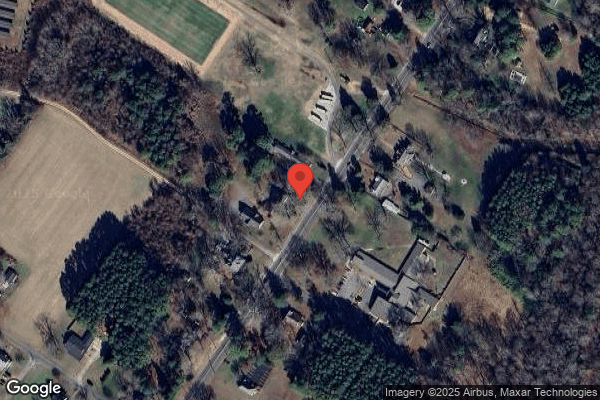
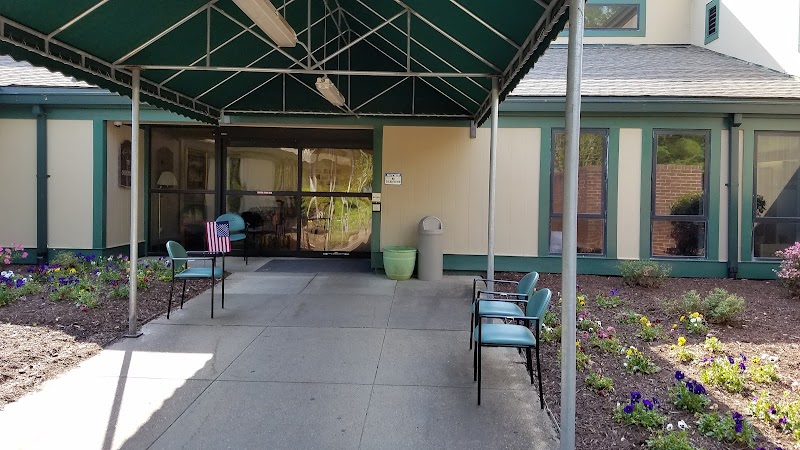
672 GLOUCESTER ROAD, SALUDA, VA 23149 (804) 758-2363
Non profit - Corporation 60 Beds RIVERSIDE HEALTH SYSTEM Data: November 2025
Trust Grade
65/100
#155 of 285 in VA
Last Inspection: December 2022

Over 2 years since last inspection. Current conditions may differ from available data.

Overview

Riverside Lifelong Health & Rehabilitation has a Trust Grade of C+, indicating it is slightly above average but not exceptional. Ranking #155 out of 285 facilities in Virginia places it in the bottom half, while its position as #2 of 2 in Middlesex County means there is only one other local option that is better. The facility's trend is worsening, with issues increasing from 9 in 2021 to 13 in 2022. Staffing is a strength, rated 4 out of 5 stars, with a low turnover rate of 22%, significantly better than the state average of 48%. Notably, there have been zero fines, which is a positive sign, and the facility provides more RN coverage than 94% of Virginia facilities, ensuring better oversight of resident care. However, there are concerning issues as well. Recent inspections revealed that staff failed to maintain privacy for residents on multiple occasions, including one instance where a resident was left unclothed and visible from the hallway. Additionally, staff improperly crushed an extended-release medication that should not have been altered, which could compromise the medication's effectiveness. These deficiencies highlight areas where the facility needs improvement, despite its strengths in staffing and compliance history.

Trust Score
C+
65/100
In Virginia
#155/285
Bottom 46%
Safety Record
Low Risk
No red flags
Inspections
Getting Worse
9 → 13 violations
Staff Stability
✓ Good
22% annual turnover. Excellent stability, 26 points below Virginia's 48% average. Staff who stay learn residents' needs.
Penalties
✓ Good
No fines on record. Clean compliance history, better than most Virginia facilities.
Skilled Nurses
✓ Good
Each resident gets 54 minutes of Registered Nurse (RN) attention daily — more than average for Virginia. RNs are trained to catch health problems early.
Violations
⚠ Watch
22 deficiencies on record. Higher than average. Multiple issues found across inspections.
★★★☆☆
3.0
Overall Rating
★★★★☆
4.0
Staff Levels
★★★★☆
4.0
Care Quality
★★★☆☆
3.0
Inspection Score
Stable
2021: 9 issues
2022: 13 issues

The Good

  • 4-Star Staffing Rating · Above-average nurse staffing levels
  • 4-Star Quality Measures · Strong clinical quality outcomes
  • Low Staff Turnover (22%) · Staff stability means consistent care
  • Full Sprinkler Coverage · Fire safety systems throughout facility
  • No fines on record
  • Staff turnover is low (22%)

    26 points below Virginia average of 48%

Facility shows strength in staffing levels, quality measures, staff retention, fire safety.

The Bad

3-Star Overall Rating

Near Virginia average (3.0)

Meets federal standards, typical of most facilities

Chain: RIVERSIDE HEALTH SYSTEM

Part of a multi-facility chain

Ask about local staffing decisions and management

The Ugly 22 deficiencies on record

Dec 2022 13 deficiencies
CONCERN (D)

Potential for Harm - no one hurt, but risky conditions existed

Notification of Changes (Tag F0580)

Could have caused harm · This affected 1 resident

Based on Resident and staff interviews, facility documentation review and clinical record review, the facility staff failed to notify the doctor and Resident representative timely of a Resident change...

Read full inspector narrative →
Based on Resident and staff interviews, facility documentation review and clinical record review, the facility staff failed to notify the doctor and Resident representative timely of a Resident change in condition for 1 Resident (Resident #51) in a survey sample of 26 Residents. The findings included: For Resident #51, who reported visual hallucinations, the facility staff failed to notify the doctor and resident representative until the following day. On 12/13/22 at 12:23 PM, Resident #51 reported to Surveyor C that she is having visual hallucinations. Resident #51 presented to be alert, oriented and an accurate historian. Resident #51 said that the hallucinations started over the weekend and they are really bad. Resident #51 described that she is seeing building and people but can't touch them. The Resident denied any auditory hallucinations and reports she notified the nurse. On 12/13/22 at approximately 12:30 PM, Surveyor C went to LPN B, who was the assigned nurse for Resident #51, and made her aware that Resident #51 was reporting visual hallucinations. LPN B stated that she was aware and said, She had COVID about 3 weeks ago and this is something we have been dealing with off and on since then, some days are worse than others. We are going to make the Dr. aware so they can keep an eye on her. Her vital signs are stable, her appetite is good, she still gets up and walks around in her room. We remind her to drink fluids, even though she has it there she doesn't always remember to drink them. On 12/14/22 at 10:42 AM, Resident #51 was observed sitting at nursing station. Surveyor C approached the Resident and asked how she was feeling. Resident #51 reported that she was still hallucinating and said, it has never been this bad for this long, it is 24/7, I see the people but can't touch them and know they are a spirit, I am waiting for them to decide what they are going to do. Review of the clinical record for Resident #51 revealed a behavior note: written 12/13/22 at 13:10 by LPN B. The note read, Resident reported to writer that she is having hallucinations, that are very strong like she has her sight back. Resident proceeded to tell writer while administering medication, that she seen 2 dogs sitting beside me, even though she knows there is nothing there. Resident stated these hallucinations having been happing since the weekend. Assured resident that writer would flag doctor, also advised resident to take in more water to increase hydration. There was no indication that the doctor was made aware of the reported hallucinations until 12/14/22. The doctor saw Resident #51 on 12/14/22 and ordered lab work. The resident representative was notified on 12/14/22 and visited the Resident after being notified. There was an entry into the clinical record of Resident #51 on 12/9/22, by Employee F, the social worker. The entry indicated that a brief interview for mental status (BIMS) was conducted, and Resident #51 scored 15 out of 15, which indicated she was cognitively intact. On 12/15/22 at 6:15 PM, Resident #51 was visited in her room. She reported that the facility staff took blood and urine, the urine test didn't take so they are going to get another one. I know they [hallucinations] aren't real but sometimes I don't know if I'm dreaming or hallucinating. On 12/15/22 at 6:23 PM, an interview was conducted with LPN B. LPN B was asked to discuss when the medical providers (doctor and nurse practitioner) visit the facility and how the staff communicate with them. LPN B explained that the doctor comes on Tuesday and Fridays and the nurse practitioner comes on Mondays and Thursdays. LPN B stated if they are not in the facility where staff can tell them of anything, we have their direct cell phone numbers and we can call them or message them via PCC [electronic health record system]. They are good about responding. LPN B went on to say that she always notifies the Resident's family member and then writes a progress note that everyone was notified. During the above conversation/interview with LPN B, LPN B access the electronic health record system and displayed to Surveyor C how she can use the system to send a message to the provider. A record of the conversation is maintained in the system for a period of time. LPN B then accessed Resident #51's chart and was asked to show/display the communication with the provider. There were no communications noted for Resident #51. LPN B then said, We got orders Tuesday and her labs were drawn yesterday, we are waiting on the cultures and urine results. Further review of the clinical record revealed that the order for labs was not received until Wednesday, 12/14/22. There was no indication that the doctor or nurse practitioner had been notified of Resident #51's report of hallucinations until 12/14/22. On 12/15/22, during an end of day meeting with the facility Director of Nursing (DON) and Corporate Staff, the DON was asked to explain how and when facility staff are to communicate Resident changes to the medical provider. The DON said, If it is urgent, we call the provider and if it is after hours, we call the on-call provider. We can also communicate via PCC and send messages to them. The DON was asked if the messages in PCC are part of the clinical record and she indicated they are not, they are only visible for 7-14 days. The DON said that when the nurse practitioner comes, she gives a detailed report on the Residents and reports any changes. When asked what she had reported to the nurse practitioner on 12/13/22, the DON stated one Resident, which was not Resident #51. The DON accessed the messages to the provider in the electronic health record system for Resident #51 and noted there were not any notes to the provider present. When asked about the timing of notifying the doctor of a Resident's change in condition she reported that it should be reported immediately. The DON also logged into the hospital-based record system, which is where their labs are processed and was able to access labs for Resident #51. Surveyor C was provided a copy. Review of the lab reports revealed the labs had been collected/drawn from the Resident on 12/15/22 at 6:44 AM. On 12/19/22, a review of Resident #51's clinical record revealed that on 12/15/22 at 15:45, the doctor had called the facility and ordered to decrease the Resident's Synthroid medication dose in response to the TSH (Thyroid Stimulating Hormone) lab results. On 12/19/22, the facility Administrator was asked to provide the survey team with the facility policy with regards to notification of doctor of Resident's change in condition. The Administrator indicated the facility uses the INTERACT Process and provided documents describing this process. The document titled, INTERACT Process was reviewed and it read, A. Change in Resident condition noted. B. Observer alerts LPN/RN using the Early Warning Stop and Watch Tool . C. LPN Observation/RN Evaluation. The nurse observes and evaluates reported change from the Stop and Watch .D. MD/NP/PA Notification- SBAR Form and Progress Notes. Fill out the SBAR Change in Condition form accurately and completely, as necessary. Call the provider. Document progress notes in the back of the SBAR form . Review of the clinical record of Resident #51 again on 12/19/22, revealed there was no SBAR form to indicate the provider and resident representative were notified of the change in condition on 12/13/22. On 12/19/22 at 4:32 PM, the facility Administration and Corporate Staff were made aware of the above findings. No further information was provided prior to the conclusion of the survey.
CONCERN (D)

Potential for Harm - no one hurt, but risky conditions existed

Safe Environment (Tag F0584)

Could have caused harm · This affected 1 resident

Based on observation, staff interview, and facility documentation review the facility staff failed to maintain a comfortable and homelike environment for 1 Resident (Resident #31) in a survey sample o...

Read full inspector narrative →
Based on observation, staff interview, and facility documentation review the facility staff failed to maintain a comfortable and homelike environment for 1 Resident (Resident #31) in a survey sample of 26 Residents. The findings included: For Resident #31, the facility staff failed to maintain a comfortable and homelike environment by not repairing the baseboard in the room that was pulled away from the wall. On 12/13/22 at 12:03 PM, during tour, Surveyor C observed Resident #31's room. It was noted that on the left side of the Resident, along the entire wall the cove base molding was peeling away from the wall exposing unfinished sheetrock that was not painted and in poor condition. Resident #31 was asked about it and how long it had been that way, but he didn't respond. On 12/15/22 at 11:30 AM, an interview was conducted with CNA B, who was assigned to Resident #31. CNA B was asked about the baseboard molding, and she said it had been that way a while. She couldn't define a while but said she had let maintenance know. On 12/15/22 at 12:35 PM, an interview was conducted with Employee H, the maintenance director. Employee H provided the survey team with his maintenance work order log, which was a paper form located at the nursing station where staff would indicate any repairs that were needed and in turn maintenance would log/indicate when the work was completed. This log was reviewed for the past 3 months with no notation of Resident #31's room. Employee H reported that he makes rounds within the facility daily to identify maintenance concerns or things that need repair in addition to the maintenance work order. Employee H also reported that the facility is in the process of doing some renovations/refurbishing of Resident rooms. He was able to recall the rooms that have been completed, none of which included Resident #31's room. When asked if there is a plan or system for which rooms would be scheduled next, Employee H indicated that he did not have a list and only knew that one specific room had been identified and the contractor made aware of, which was not Resident #31's room. Each day from 12/15/22-12/16/22, the baseboard molding was noted to have not been repaired. On 12/16/22, some of the molding had completely unadhered from the wall and was laying in the floor. On 12/19/22 at 11:38 AM, Resident #31's room was observed. The base board molding was observed to be taped to the wall using duct tape. On 12/19/22 at 2:10 PM, Employee H, the maintenance director reported the CNA told me she had knocked down the baseboard last week [referring to Resident #31's room]. I was putting it up with liquid nails but ran out. [Administrator's name redacted] has the credit card we use to make purchases so I will go this evening to get it. On 12/19/22, during the end of day meeting, the facility Administrator, Director of Nursing and corporate staff were made aware of the above findings. The facility policy regarding Resident Rights was requested and received. Review of the facility provided document read, Resident's Rights and Responsibilities .Safe Environment: The resident has a right to a safe, clean, comfortable and homelike environment, including but not limited to receiving treatment and supports for daily living safely . On 12/20/22, the facility Administrator stated they did not have a specific written policy with regards to facility maintenance, preventative maintenance program or maintenance work orders, following the request for such policies. The Administrator did provide an excerpt from the facility employee orientation training program that read, Promptly Report anything abnormal in the resident's room or unit such as: Burned out entrance or room lights (missing strings on lights, Inspection stickers missing from electrical equipment (all new admissions can't use electrical equipment until checked by maintenance., Loose or broken furniture (beds, over bed tables, chairs, side rails, bed locks), Wet or cracked ceiling tiles, Call bell system down (shower area, resident rooms), Call bells missing or pull string in bathroom, Loose grab bars, Leaks (faucets or commodes), Refrigerator temperatures > 41 degrees Fahrenheit, Holes in the walls . No additional information was provided.
CONCERN (D)

Potential for Harm - no one hurt, but risky conditions existed

ADL Care (Tag F0677)

Could have caused harm · This affected 1 resident

Based on observation, staff interview and clinical record review the facility staff failed to provide assistance to a Resident who was dependent upon staff assistance with activities of daily living f...

Read full inspector narrative →
Based on observation, staff interview and clinical record review the facility staff failed to provide assistance to a Resident who was dependent upon staff assistance with activities of daily living for one Resident (Resident #29) in a survey sample of 26 Residents. The findings included: For Resident #29, the facility staff failed to assist the Resident when she requested a shower. On 12/13/22 at 3:25 PM, Surveyor C observed Resident #29 in the hallway at the nursing station and asked if she could be showered. Resident #29 stated, I haven't had a shower since Monday before last and my body stinks. CNA C was at the nursing station and responded to Resident #29 by saying, I'm here tomorrow on women's day and will try to get you in there then. Today is men's day and you don't want to be in there with stinky men. Resident #29 responded, At this point I don't really care. CNA C said, I promise I will try to get you in there first thing tomorrow, I promise. Review of Resident #29's clinical record revealed a care plan initiated 12/6/22, that indicated the Resident required staff assistance with ADL's (activities of daily living). One of the associated interventions read, Staff to assist with ADLs as needed and document amount of assistance required per protocol. Resident #29 had a quarterly minimum data set assessment completed, which had an assessment reference date of 8/29/22. This assessment indicated Resident #29 had a brief interview for mental status score of 15, indicating she was cognitively intact. This same assessment noted Resident #29 as requiring physical help of staff for bathing. Review of the ADL record for December revealed Resident #29 had most recently received a bath on 12/7/22, prior to her request on 12/13/22. This document noted a refusal on 12/9/22. On 12/20/22, Surveyor C shared concern with regards to baths/showers for Residents with the facility Administration. No further information was provided.
CONCERN (D)

Potential for Harm - no one hurt, but risky conditions existed

Deficiency F0685 (Tag F0685)

Could have caused harm · This affected 1 resident

Based on observation, Resident and staff interviews, facility documentation review and clinical record review, the facility staff failed to provide vision services for 2 Residents (Resident #25 and #4...

Read full inspector narrative →
Based on observation, Resident and staff interviews, facility documentation review and clinical record review, the facility staff failed to provide vision services for 2 Residents (Resident #25 and #44) in a survey sample of 26 Residents. The findings included: 1. For Resident #25 the facility staff failed to 1) arrange for repair of the Resident's glasses which were broken and 2) failed to make an appointment for evaluation of cataract removal as recommended for over a year. On 12/14/22 at 11:32 AM, Resident #25 was visited in his room. Resident #25 presented as being alert and oriented. Surveyor C observed that Resident #25's glasses were broken. The left side stem was taped, despite the tape the stem of the glasses was hanging downside of the Resident's face/cheek and his glasses were sliding down to the tip of his nose as a result. When asked, Resident #25 reported they had been broken for a while but they were working to get him Medicaid so they can get them fixed. Resident #25 reported this has been going on for 3 months. On 12/19/22 at 2:17 PM, Resident #25 was visited again. His glasses were still noted to be broken with the left stem taped. On 12/20/22 at 9 AM, Resident #25 was observed in the dining room eating breakfast. His glasses remained broken with the stem on the left side hanging down the side of his cheek. A clinical record review was conducted of Resident #25's chart. This review revealed the following: i. On 9/13/22, a quarterly minimum data set assessment was conducted. On this assessment Resident #25 was coded as having scored 15 out of 15 on a brief interview for mental status, which indicated he was cognitively intact. This assessment also coded Resident #25 as having impaired vision and requiring the use of glasses. ii. Resident #25 was seen by an on-site eye doctor on 11/23/21, which indicated the Resident's vision was 10/10 with his glasses. The progress notes from the eye doctor read, Physician orders: Age-related nuclear cataract, bilateral- Cataracts- OU- moderate- recommend referral for cataract evaluation iii. Resident #25 was seen again by the on-site eye doctor on 6/27/22. During this visit the doctor noted Physician orders: .2. Cataracts-OU-moderate- recommend referral for cataract evaluation to: [name and phone number of provider redacted] . Plan and Treatment . Age-related nuclear cataract, bilateral- Cataracts-OU-moderate- patient was scheduled for cataract surgery but has not gone-- recommend referral for cataract evaluation. There was a nursing progress note written 6/27/22, in response to the eye doctor visit which made no mention of the recommendation for cataract evaluation . iv. On 10/19/22, Resident #25 was again seen by the on-site eye doctor. This visit again recommended a referral for cataract evaluation. This visit note also indicated, hyperopia/presbyopia- ordered new progressive addition glasses. There was no further information within the clinical chart as to the status of the glasses that had been ordered on 10/19/22, nor the status of or that an appointment for evaluation of his cataracts had been made. On 12/19/22 at 2 PM, an interview was conducted with Employee F, the social worker. The social worker confirmed that an eye doctor comes on-site but stated she is fairly new to this facility and just knows he is scheduled to return in January. The facility policy regarding consulting providers and physician orders was requested. The facility staff provided a document titled, JOB AID - MANAGING PROVIDER ORDERS. This document read, Procedure for Transcribing Physician Orders 1. Review the order for clarity and completeness. If the order is not clear or complete, contact the physician giving the order and obtain clarification. Discontinue the original order and write a new order that is clear and complete General Principles and Guidelines: Review the Pending and Queued Orders tabs of the EMR at least twice per shift to ensure that all orders have been transcribed/activated and the necessary actions for implementation have been done . On 12/19/22, during an end of day meeting held with the facility Administrator, Director of Nursing and Corporate staff, they were made aware of the above concerns. On 12/20/22 at 9:44 AM, the Director of Nursing (DON) met with Surveyor C and provided a copy of a progress note written 12/20/22. The DON said, we called this morning and made him an appointment and [Employee F's name redacted] is working on his glasses. The progress note indicated that Resident #25 had an appointment scheduled for 5/17/23 for follow-up regarding cataracts. On 12/20/22 at 10:50 AM, Surveyor C was provided a document and the DON stated they had been able to obtain Resident #25 an appointment for 1/12/22. The Corporate staff also stated they had ordered Resident #25 a pair of glasses from Amazon earlier that morning. No further information was provided. 2. For Resident #44, the facility staff failed to arrange for evaluation of cataracts as per recommendations from the eye doctor. On 12/14/22, an interview was conducted with Resident #44. Resident #44 mentioned that he has been waiting to get his eyes fixed for some time. On 12/14/22, an interview was conducted with the spouse of Resident #44. The spouse said that they have been waiting and waiting for him to get his cataracts taken care of, but nothing seems to be happening. A clinical record review was conducted of Resident #44's chart. This review revealed Resident #44 was seen by an on-site eye doctor on 11/23/21 and again on 6/27/22. Each of the progress notes from the eye doctor read, Physician orders: 1. Cataracts- OU-moderate/progressive- recommend referral for cataract evaluation to: [office name and phone number redacted] . A care plan note dated 8/4/22, read, .Ophthalmology appointment for cataract surgery remains pending . The attending physician of Resident #44 saw him on 10/7/22, and made the following note, .He also has had decline in his vision and optometry here has identified cataracts affecting both eyes. He would like to proceed with ophthalmology consult for cataract surgery .Have referred him to Ophthalmology to assess his candidacy for cataract surgery. In terms of preop evaluation will wait for ophthalmology opinion. Although he has multiple medical conditions and place him at high risk of major surgery a minor procedure like cataract surgery should be tolerated fairly well. Also, would like to get echocardiogram prior to doing assessment of risk of surgery. His EKG will be of little help for risk assessment of surgery given that he has a paced rhythm . There was no evidence within the clinical record of any upcoming appointment for cataract evaluation. The facility policy regarding vision services, consulting providers and physician orders was requested. The facility staff provided a document titled, JOB AID - MANAGING PROVIDER ORDERS. This document read, Procedure for Transcribing Physician Orders: 1. Review the order for clarity and completeness. If the order is not clear or complete, contact the physician giving the order and obtain clarification. Discontinue the original order and write a new order that is clear and complete General Principles and Guidelines: Review the Pending and Queued Orders tabs of the EMR at least twice per shift to ensure that all orders have been transcribed/activated and the necessary actions for implementation have been done . On 12/19/22, during an end of day meeting the facility Administrator and Director of Nursing were made aware of the above concerns with regards to the lack of follow-up for evaluation of cataract removal. On 12/20/22 at 9:43 AM, the DON provided a progress note that was written 12/19/22, and indicated it was a late entry for 10/14/22. It read that Resident #44 had an appointment on 3/24/23 for evaluation for cataract surgery. No further information was provided.
CONCERN (D)

Potential for Harm - no one hurt, but risky conditions existed

Pressure Ulcer Prevention (Tag F0686)

Could have caused harm · This affected 1 resident

Based on observation, Resident interview, staff interview, facility documentation review and clinical record review, the facility staff failed to apply palm protectors to prevent the development of sk...

Read full inspector narrative →
Based on observation, Resident interview, staff interview, facility documentation review and clinical record review, the facility staff failed to apply palm protectors to prevent the development of skin breakdown for one (1) Resident (Resident #31) in a survey sample of 26 Residents. The findings included: On 12/13/22 at 12:02 PM, Resident #31 was observed lying in bed. Resident #31 was noted with bilateral hand and wrist contractures and no splinting or device to prevent the development of wounds was noted. Resident #31 would not verbally respond to Surveyor C's questions. On 12/14/22 at approximately 10 AM, Resident #31 was observed lying in bed, no palm protector devices were noted. On 12/16/22 at 11:30 AM, Resident #31 was observed in bed, without a palm protector on. CNA B, who was assigned to Resident #31 was asked about splints or palm protectors and CNA B was able to find one palm protector in the chest of drawers. CNA B stated that Resident #31 will frequently refuse them. Resident #31 was asked about the palm protector and the Resident said, Please put it on. CNA B assisted Resident #31 in extension of his fingers so that Surveyor C could observe the skin integrity of the palms, the skin was noted to be intact. A review of the clinical record for Resident #31 was performed. This review revealed a physician order dated 7/19/22, that read, Hand Protectors Resident to have palm protectors to bilateral hands as tolerated two times a day. There were no nursing progress notes to indicate any Resident refusals. The ADL sheets for Resident #31 for the months of November and December were reviewed and there was no evidence of the palm protectors being refused. Review of the care plan for Resident #31 noted the following: A focus area initiated 11/10/22, with a revision on 11/12/22, that read, [Resident #31's name redacted] has actual skin impairment: PI [pressure injury] to R [right] hand . Interventions for this focus area made no mention of the palm protector. The facility Administrator was asked to provide facility policies related to assistive devices; no related policies were provided. On 12/19/22, the facility Administrator and Director of Nursing were made aware of the above findings. On 12/20/22 at 9:45 AM, the Director of Nursing provided Surveyor C with a copy of the physician order dated 7/19/22, that read, Hand Protectors: Resident to have palm protectors to bilateral hands as tolerated. Surveyor C explained she had seen this order but there was no documentation within the clinical record to indicate Resident #31 had instances of refusals. No further information was provided.
CONCERN (D)

Potential for Harm - no one hurt, but risky conditions existed

Pharmacy Services (Tag F0755)

Could have caused harm · This affected 1 resident

**NOTE- TERMS IN BRACKETS HAVE BEEN EDITED TO PROTECT CONFIDENTIALITY** Based on staff interview, clinical record review, and facility document review, the facility failed to provide medications as or...

Read full inspector narrative →
**NOTE- TERMS IN BRACKETS HAVE BEEN EDITED TO PROTECT CONFIDENTIALITY** Based on staff interview, clinical record review, and facility document review, the facility failed to provide medications as ordered by a physician for one Resident (Resident #262) in a sample of 26 residents. The findings included: For Resident #262, the facility staff failed to administer four medications as ordered because they were not available. Resident #262 was admitted to the facility on [DATE]. A review of Resident #262'S clinical record was conducted. This review revealed the following excerpts from the progress notes: i. Note dated 12/09/2022 at 16:41, read, hydralazine HCL Tablet 50 MG, Give 1 tablet via G-Tube every 8 hours for HTN. Pharmacy has not delivered, new admission. ii. Note dated 12/10/2022 at 09:53, read, levetiracetam Solution 100 MG/ML. Give 5 ml via G-Tube every morning and at bedtime for Seizure disorder. None available. iii. Note dated 12/10/2022 at 09:53, read, Famotidine Tablet 20 MG. Give 20 mg via G-Tube one time a day for Ulcer prevention. None available. iv. Note dated 12/10/2022 at 09:54, read, Metoprolol Tartrate Tablet 75 MG, Give 75 mg via G-Tube in the morning for HTN. None available. According to the December 2022 MAR (Medication Administration Record), the above noted medications were not provided/administered. There was no documentation of the facility staff using medication from the Stat box or calling the physician to notify of the unavailable medications. On 12/16/22 at 8:30 AM, an interview was conducted with the RN D, who was administering drugs on the unit. RN D stated, if meds (medications) are not available, staff are to try to get them out of the cubex (in-house stock of medications), if they aren't there, they call the pharmacy. On 12/16/22 at 9:23 AM, the DON (Director of Nursing) confirmed that if mediations are not available nurses are to go check the medication bank (in-house emergency box) and if it isn't available there, they are to notify the provider. The DON added that they can check the medications for that Resident in the next day's supply as well. The facility's medication administration policy was reviewed. This policy didn't address what the facility staff are to do if a medication is not available for administration. No further information was received prior to the conclusion of the survey.
CONCERN (D)

Potential for Harm - no one hurt, but risky conditions existed

Unnecessary Medications (Tag F0759)

Could have caused harm · This affected 1 resident

**NOTE- TERMS IN BRACKETS HAVE BEEN EDITED TO PROTECT CONFIDENTIALITY** Based on observation, staff interview, clinical record review, and facility documentation, the facility staff failed to ensure t...

Read full inspector narrative →
**NOTE- TERMS IN BRACKETS HAVE BEEN EDITED TO PROTECT CONFIDENTIALITY** Based on observation, staff interview, clinical record review, and facility documentation, the facility staff failed to ensure the medication error rate was less than 5%. There were 2 medication errors (medications crushed that are not to be crushed) in 32 opportunities, resulting in an 6.25% error rate. The findings included: On 12/16/22 at 7:54 AM, RN D, the nursing supervisor, was observed during medication administration of Resident #1's medication. RN D removed a Venlafaxine ER capsule 150 mg and a Venlafaxine ER capsule 75 mg from the pharmacy bag which was labeled and indicated Do Not Crush. RN D opened both capsules emptying the contents into a plastic bag along with other medications for Resident #1 and crushed them all. RN D then mixed the crushed medications into apple sauce and entered the room of Resident #1 and administered the medications. On 12/16/22 at 8:07 AM, RN D was observed during her medication administration of Resident #20's medications. RN D proceeded to remove Resident #20's medications from the pharmacy bag, which included but was not limited to: Duloxetine DR capsule 60 mg. RN D opened the Duloxetine capsule and poured the contents into a plastic bag with the other medications and proceeded to crush all the medications together. The pharmacy bag containing the medications was labeled as follows: .Duloxetine DR Cap 60 mg. sub for Cymbalta Dizzy/Drowsy, Do Not Crush . RN D then proceeded into Resident #20's room and administered the medications. Following the medication administration observation, Surveyor C asked RN D how she knew which medications to crush and which ones not to. RN D said they have a shift-to-shift report sheet that indicates how a Resident take their medications such as crushed, whole, with apple sauce, etc. When asked how they know if a medication can't be crushed, she said, If they get their medications crushed then all of them can be crushed. Between us and the pharmacy they make sure of that. If there is something that can't be crushed the pharmacy would call us. If it is something that can't be crushed, they would change it to liquid. When asked if she double checks if things can or cannot be crushed, RN D said, I wouldn't check each day, if it were something new, I probably would look. Surveyor C then asked about the medications that are ER (extended release), what this meant. RN D said, ER means extended release, meaning the medication is slowly released into the system. When asked what the potential problem is if an extended-release medication is released all at one, RN D said, It could result in overdose. RN D was shown the pharmacy package which contained Resident #1 and #20's medications that specifically read, Do Not Crush for medications that were crushed. RN D indicated she wasn't aware. A copy of the shift-to-shift report sheet was provided to the survey team. Review of this document revealed that Residents #1 and #20 were both noted as taking medications crushed. The medication cart contained a Nursing 2022 Drug Handbook from [NAME] Kluwer. This book was reviewed and gave the following information for Venlafaxine ER and Duloxetine DR: i. Page 1507-1508 read, Venlafaxine . Administration PO [by mouth] . For extended-release capsules and tablets, don't divide, crush, place in water, or allow patient to chew. May give pellet-filled capsules by carefully opening capsule and sprinkling the pellets on a spoonful of applesauce. Patient should swallow applesauce immediately without chewing, then follow with a glass of cool water to ensure that all pellets are swallowed . ii. Pages 479-480 read, Duloxetine hydrochloride .Administration PO, give whole; don't crush or open capsules . Review of the facility policy titled; Medication Administration was conducted. This policy read, .Crush only those meds that can be crushed. Refer to American Society of Consultant Pharmacists (ASCP) Crushed Medication list in each facility. Crushed meds can be thoroughly mixed individually with appropriate food to make swallowing easier . On 12/16/22 at 9:23 AM, a meeting was held with the Director of Nursing (DON) and corporate staff. The above observations and findings from the medication administration observation were shared. The DON was asked about extended-release medications and said, you can't crush those because they get more medication at one time if it is crushed. The facility staff were made aware of the medication error rate of 9.38%. No additional information was provided.
CONCERN (D)

Potential for Harm - no one hurt, but risky conditions existed

Dental Services (Tag F0791)

Could have caused harm · This affected 1 resident

Based on Resident and family interviews, facility documentation review and clinical record review, the facility staff failed to provide dental services for one Resident (Resident #44) in a survey samp...

Read full inspector narrative →
Based on Resident and family interviews, facility documentation review and clinical record review, the facility staff failed to provide dental services for one Resident (Resident #44) in a survey sample of 26 Residents. The findings included: For Resident #44, the facility staff failed to arrange for dental services to obtain dentures following extraction of his teeth. On 12/14/22 at 10:03 AM, during an interview with Resident #44, a nurse entered the room to provide the Resident with medication. One of the pills was chewable and Resident #44 was having difficulty chewing the pill. Resident #44 mentioned that he had his teeth removed and keeps waiting for dentures. On 12/14/22, an interview was conducted with the spouse of Resident #44. The spouse said that they have been waiting and waiting for him to get his dentures taken care of, but nothing seems to be happening. A clinical record review was conducted of Resident #44's chart. This review revealed the following: i. A progress note written by the registered dietician on 8/4/22, read, .Dental: Resident reports he has a DDS follow up appt next month to have dental extractions in prep for denture plates . ii. A care plan note written 8/25/22, read, .Resident reports inability to eat as much due to poor dentition. Dental appointment for extractions pending . iii. On 9/6/22, the nurse practitioner saw Resident #44 and her note stated, .patient attributes to poor dentition and dental pain. Dietary interventions. Dental issues. Looking for extraction and dentures. has appointment scheduled for dental follow-up some weight loss, has stabilized . iv. There was a handwritten note dated 9/13/22, from the provider who performed the extraction of 22 teeth. This noted indicated to follow up as needed. There was no further mention in the clinical chart with regards to any scheduled follow-up or scheduled appointments regarding dentures for Resident #44. On 12/19/22 at 2 PM, an interview was conducted with employee F, the social worker. Employee F stated that they do not have a dental provider that comes on-site, we use the [name redacted] free clinic, a packet has to be sent for them to determine if the person is eligible for free services. Employee F provided surveyor C with a list of Residents she is working to obtain dental services for. Resident #44 was not noted/listed. Surveyor C asked Employee F if the free clinic was the only way for a person to obtain dental services and she said the DON had just found another dentist that accepts Medicaid. Employee F was asked about the MAP adjustment process, which is where a patient's income can be approved to use for non-covered services. Employee F had no knowledge of this process. The facility policy regarding dental services and consulting providers was requested. No related policy was received. On 12/19/22, during the end of day meeting, the facility Administrator, Director of Nursing and Corporate staff were made aware of the above findings. On 12/19/22 at 2:31 PM, the DON stated they had made an appointment for Resident #44 for 12/27/22, to visit the free dental clinic to initiate the process for dentures. No further information was provided.
CONCERN (D)

Potential for Harm - no one hurt, but risky conditions existed

Deficiency F0883 (Tag F0883)

Could have caused harm · This affected 1 resident

**NOTE- TERMS IN BRACKETS HAVE BEEN EDITED TO PROTECT CONFIDENTIALITY** Based on staff interview, clinical record review, and facility documentation review, the facility staff failed to provide a pneu...

Read full inspector narrative →
**NOTE- TERMS IN BRACKETS HAVE BEEN EDITED TO PROTECT CONFIDENTIALITY** Based on staff interview, clinical record review, and facility documentation review, the facility staff failed to provide a pneumococcal and/or influenza vaccine for 2 residents, Resident #53 and Resident #258, out of 5 residents reviewed for pneumococcal and influenza immunization. The findings include: 1. The facility staff failed to provide pneumococcal immunization for Resident #53. On 12/14/22, clinical record review was performed for Resident #53 and revealed a document entitled, Pneumococcal Vaccine Informed Consent, dated 11/8/22, signed by Resident #53, with a check mark placed next to the statement which read, The undersigned does authorize the Center to administer the pneumococcal vaccine. There was no further documentation that indicated whether or not Resident #53 had received a pneumococcal vaccine. Resident #53 was admitted to the facility on [DATE]. On 12/14/22, an interview was conducted with the facility Director of Nursing (DON), also serving as the facility's Infection Preventionist (IP), who accessed the clinical record for Resident #53 and verified the findings. The DON/IP stated, I do not know why [name redacted, Resident #53] did not receive a pneumonia vaccination, he did consent to get one, it must have been an oversight. A facility policy on pneumococcal immunization was requested and received. Review of the facility policy entitled, Influenza and Pneumococcal Immunization For Residents Policy, last date of review: 9/28/2022, read: Policy Statement .This policy was created to prevent the occurrence of influenza and pneumonia that are vaccine-preventable .Each resident will be offered .lifetime immunization against pneumococcal disease . On 12/14/22, during the end of day meeting, the Facility Administrator and the DON/IP were made aware of the findings. No additional information was provided prior to the survey Exit Conference held on 12/20/22. 2. The facility staff failed to provide influenza and pneumococcal immunization for Resident #258. On 12/14/22, clinical record review was performed for Resident #258 and revealed a document entitled, Influenza Vaccine, Pneumococcal Vaccine Informed Consent, dated 11/28/22, signed by Resident #258's Responsible Party, with a check mark placed next to the statements which read, The undersigned does authorize the Center to administer the influenza vaccine and The undersigned does authorize the Center to administer the pneumococcal vaccine. There was no further documentation that indicated whether or not Resident #258 had received either the influenza or pneumococcal vaccine. Resident #258 was admitted to the facility on [DATE]. On 12/14/22, an interview was conducted with the facility Director of Nursing (DON), also serving as the facility's Infection Preventionist (IP), who accessed the clinical record for Resident #258 and verified the findings. The DON/IP stated, I do not know why [name redacted, Resident #258] did not receive the flu or pneumonia vaccination, I see the consent to get them, it was an oversight. A facility policy on influenza and pneumococcal immunization was requested and received. Review of the facility policy entitled, Influenza and Pneumococcal Immunization For Residents Policy, last date of review: 9/28/2022, read: Policy Statement .This policy was created to prevent the occurrence of influenza and pneumonia that are vaccine-preventable .Each resident will be offered immunization against influenza .and lifetime immunization against pneumococcal disease . On 12/14/22, during the end of day meeting, the Facility Administrator and the DON/IP were made aware of the findings. No additional information was provided prior to the survey Exit Conference held on 12/20/22.
CONCERN (D)

Potential for Harm - no one hurt, but risky conditions existed

Deficiency F0886 (Tag F0886)

Could have caused harm · This affected 1 resident

**NOTE- TERMS IN BRACKETS HAVE BEEN EDITED TO PROTECT CONFIDENTIALITY** Based on clinical record review, staff interview, and facility documentation review, the facility staff failed to conduct COVID-...

Read full inspector narrative →
**NOTE- TERMS IN BRACKETS HAVE BEEN EDITED TO PROTECT CONFIDENTIALITY** Based on clinical record review, staff interview, and facility documentation review, the facility staff failed to conduct COVID-19 testing in accordance with the Centers for Disease Control and Prevention (CDC) guidance for 1 resident, Resident #258, in a sample of 5 Residents reviewed for COVID-19 testing. The findings included: For Resident #258, facility staff failed to conduct a COVID-19 test on 12/2/22 and 12/4/22, following her admission to the facility on [DATE]. On 12/14/22, a clinical record review was conducted and revealed facility staff performed a COVID-19 test for Resident #258 on 11/29/22. There was no evidence of COVID-19 testing on Day 3 post-admission, 12/2/22, or Day 5 post-admission, 12/4/22. The COVID-19 Community Transmissibility Level for the facility was HIGH for the week 11/24/22 through 11/30/22. On 12/14/22, a group interview was conducted with the Director of Nursing (DON) who also serves as the facility's Infection Preventionist (IP) and the Corporate Director of Education, Employee C, both of whom confirmed that COVID-19 community transmissibility levels were high on 11/28/22. The DON/IP confirmed Resident #258 was tested for COVID-19 on 11/29/22 and not again until 12/6/22 due to COVID-19 outbreak testing being conducted on 12/6/22. The DON/IP stated that the facility's infection control program includes following all recommended CDC guidelines. A copy of the facility's COVID-19 Testing policy was requested and received Review of the facility policy titled, LLH-IP-Coronavirus Policy, last updated 10/6/2022, page 9, section VIII Admissions, item 1b, read, When the community transmission is high: i. Newly admitted , readmissions, and residents who have left the facility for >24 hours will be tested immediately on the day of admission/readmission when Community Transmission Rate is high, if negative, testing will be repeated in 48 hours (Day 3), if negative, 3rd and final test will be done in 48 hours (Day 5) prior to discontinuation of precautions. The CDC document entitled, Interim Infection Prevention and Control Recommendations for Healthcare Personnel During the Coronavirus Disease 2019 (COVID-19) Pandemic, updated September 23, 2022, page 11, subheading, Nursing Homes, item 3 Managing admissions and residents who leave the facility, read, In general, admissions in counties where Community Transmission levels are high should be tested upon admission .Testing is recommended at admission and, if negative, again 48 hours after the first negative test and, if negative, again 48 hours after the second negative test. On 12/14/22, during the end of day meeting, the Facility Administrator and DON/IP were made aware of the findings. No additional information was provided prior to the survey Exit Conference held on 12/20/22.
CONCERN (D)

Potential for Harm - no one hurt, but risky conditions existed

Deficiency F0887 (Tag F0887)

Could have caused harm · This affected 1 resident

**NOTE- TERMS IN BRACKETS HAVE BEEN EDITED TO PROTECT CONFIDENTIALITY** Based on staff interview, clinical record review, and facility documentation review, the facility staff failed to provide COVID-...

Read full inspector narrative →
**NOTE- TERMS IN BRACKETS HAVE BEEN EDITED TO PROTECT CONFIDENTIALITY** Based on staff interview, clinical record review, and facility documentation review, the facility staff failed to provide COVID-19 immunization for 1 resident, Resident #53, in a survey sample of 5 residents reviewed for COVID-19 immunization. The findings included: The facility staff failed to provide evidence that Resident #53 was offered, educated, and provided/or declined COVID-19 vaccination. On 12/14/22, clinical record review was performed for Resident #53, admitted to the facility on [DATE]. Resident #53 had no documentation with regard to COVID-19 immunization, to include the resident's current COVID-19 vaccination status, offer to provide immunization against COVID-19 infection, or documentation of resident refusal or medical contraindication. On 12/14/22, an interview was conducted with the Director of Nursing (DON), who was also the facility's Infection Preventionist (IP). The DON/IP verified the findings for Resident #53 and stated the COVID-19 immunization status should have been assessed at admission and The COVID-19 vaccine should have been offered. The DON/IP stated, This was an oversight. A facility policy regarding COVID-19 immunization for residents was requested and received. Review of the facility policy titled, LLH Resident COVID Vaccination, effective 9/16/2022, read, Up to Date COVID vaccination is strongly recommended unless contraindications exist and item 1, Upon admission, residents COVID vaccine status will be evaluated to determine if up to date. The CDC (Centers for Disease Control and Prevention) document titled, Interim Infection Prevention and Control Recommendations for Healthcare Personnel During the Coronavirus Disease 2019 (COVID-19) Pandemic, updated September 23, 2022, page 2, item 1, read, 1. Recommended routine infection prevention and control (IPC) practices during the COVID-19 pandemic .Encourage everyone to remain up to date with all recommended COVID-19 vaccine doses .HCP [Healthcare Personnel], patients, and visitors should be offered resources and counseled about the importance of receiving the COVID-19 vaccine. The CDC document titled, Interim Clinical Considerations for Use of COVID-19 Vaccines Currently Approved or Authorized in the United States, updated October 19, 2022, page 3, heading Recommendations for COVID-19 vaccine use, subheading Groups recommended for vaccination, read, COVID-19 vaccination is recommended for everyone ages 6 months and older in the United States for the prevention of COVID-19 .CDC recommends that people stay up to date with COVID-19 vaccination by completing a primary series and receiving the most recent booster dose recommended for them by the CDC. On 12/14/22, during the end of day meeting, the Facility Administrator and DON/IP were made aware of the findings. No additional information was provided prior to the survey Exit Conference held on 12/20/22.
CONCERN (E)

Potential for Harm - no one hurt, but risky conditions existed

Deficiency F0583 (Tag F0583)

Could have caused harm · This affected multiple residents

Based on observations, staff interview, facility documentation review and clinical record review, the facility staff failed to provide privacy for 4 Residents (Resident #31, 20, 1, 29) in a survey sam...

Read full inspector narrative →
Based on observations, staff interview, facility documentation review and clinical record review, the facility staff failed to provide privacy for 4 Residents (Resident #31, 20, 1, 29) in a survey sample of 26 Residents. The findings included: 1. For Resident #31, the facility staff failed to protect his personal privacy by leaving him unclothed and visible from the hallway wearing only an incontinence brief. On 12/13/22 at 12:03 PM, during tour, Surveyor C observed Resident #31 from the hallway. Resident #31 was observed lying in bed, no clothes on, wearing an incontinence brief and a urinary catheter was noted. Upon entry of the room, Resident #31 was interviewed but did not respond to Surveyor C. On 12/14/22, on numerous occasions throughout the day, Resident #31 was observed lying in bed with no clothes on and no covers. He was able to be observed from the hallway to have only an incontinence brief on. On 12/16/22 at 11:30 AM, Resident #31 was observed lying in bed with a blanket covering him. Upon further review, it was noted that there was no privacy curtain that could be pulled to protect his privacy, since it was a private room. On 12/16/22 at approximately 11:35 AM, an interview was conducted with CNA B, who was assigned to Resident #31. CNA B said it is important to protect a Resident's privacy for their dignity. When asked how she protects someone's privacy she said, tell them what you are going to do, close the door and pull the curtain during care. On 12/16/22, a review of Resident #31's clinical record was conducted. There was a care plan initiated 12/6/22, that read, [Resident #31's name redacted] has preference of only wearing his brief while in bed. The goal for this focus area was, Resident Preferences Will Be Considered When Providing Care. The intervention read, Choosing clothes to wear: Somewhat Important to Resident. There was no indication within the care plan of how the facility would honor this preference while maintaining the Resident's privacy and dignity. The facility policy regarding Resident Rights was requested and received. Review of the facility provided document read, Resident's Rights and Responsibilities .Privacy and Confidentiality: The Resident has a right to personal privacy and confidentiality of his or her personal and medical records . On 12/19/22, during an end of day meeting, the facility Administrator, Director of Nursing (DON) and corporate staff were made aware of the multiple observations of Resident #31 noted above. On 12/20/22 at 9:45 AM, the DON provided Surveyor C with a care plan for Resident #31 that was more elaborate than what Surveyor C had seen in the clinical record. The DON acknowledged that the care plan she provided was from the previous electronic health record (EHR) system. When asked if this was still the active care plan or the one in the electronic health record system/program currently being utilized by the facility, she said she didn't know. Surveyor C then interviewed RN B, the MDS (minimum data set) coordinator. RN B said that the one in the current EHR system was the current care plan. No further information was provided. 2. For Residents #1, #20, and #29, the facility staff failed to ensure their medical information was private and not accessible to others. On 12/16/22 from 7:45 AM until 8:30 AM, RN D, the nursing supervisor, was observed during Resident #1, #20 and #29's medication administration. Throughout the medication administration RN D would prepare the medications at the medication cart, in the hallway. RN D would then enter the Resident's room to administer medication, discard water not consumed by the Resident and trash, then RN D washed her hands before returning to the medication cart. Each time RN D left the Resident's information which included medications, diagnosis, and other protected health information on the computer screen, unattended in the hallway, where other Residents, visitors and staff could observe the information. On 2 occasions during this process, Surveyor C returned to the medication cart and was able to review the Resident information on the screen. Following the medication administration observation when RN D was asked about this and notified, she had left the Resident information on the screen she responded, I'm sorry. The facility policy titled; Medication Administration was reviewed. This policy didn't address ensuring Resident protected health information is not left accessible/visible when the information is left unattended. Review of the facility policy regarding Resident Rights was reviewed. The policy stated, .Privacy and Confidentiality: The Resident has a right to personal privacy and confidentiality of his or her personal and medical records. The resident has a right to secure and confidential personal and medical records. The resident has the right to refuse the release of personal and medical records except as provided under 483.70(i)(2) or other applicable federal or state laws . On 12/16/22 at 9:23 AM, a meeting was held with the Director of Nursing (DON) and corporate staff. The above observations and findings from the medication administration observation were shared. No additional information was provided.
CONCERN (E)

Potential for Harm - no one hurt, but risky conditions existed

Deficiency F0658 (Tag F0658)

Could have caused harm · This affected multiple residents

**NOTE- TERMS IN BRACKETS HAVE BEEN EDITED TO PROTECT CONFIDENTIALITY** Based on observation, staff interviews, facility documentation and clinical record review, the facility staff failed to follow s...

Read full inspector narrative →
**NOTE- TERMS IN BRACKETS HAVE BEEN EDITED TO PROTECT CONFIDENTIALITY** Based on observation, staff interviews, facility documentation and clinical record review, the facility staff failed to follow standards of nursing practice affecting 4 Residents (Resident #1, 20, 41 and 262) in a survey sample of 26 Residents. The findings included: 1. For Resident #1 the facility staff crushed an extended-release medication that is not to be crushed. On 12/16/22 at 7:54 AM, RN D, the nursing supervisor, was observed during medication administration of Resident #1's medication. RN D removed a Venlafaxine ER capsule 150 mg and a Venlafaxine ER capsule 75 mg from the pharmacy bag which was labeled and indicated Do Not Crush. RN D opened both capsules emptying the contents into a plastic bag along with other medications for Resident #1 and crushed them all. RN D then mixed the crushed medications into apple sauce and entered the room of Resident #1 and administered the medications. Following the medication administration observation, Surveyor C asked RN D how she knew which medications to crush and which ones not to. RN D said they have a shift-to-shift report sheet that indicates how a Resident take their medications such as crushed, whole, with apple sauce, etc. When asked how they know if a medication can't be crushed, she said, If they get their medications crushed then all of them can be crushed. Between us and the pharmacy they make sure of that. If there is something that can't be crushed the pharmacy would call us. If it is something that can't be crushed, they would change it to liquid. When asked if she double checks if things can or cannot be crushed, RN D said, I wouldn't check each day, if it were something new, I probably would look. Surveyor C then asked about the medications that are ER (extended release), what this meant. RN D said, ER means extended release, meaning the medication is slowly released into the system. When asked what the potential problem is if an extended-release medication is released all at one, RN D said, It could result in overdose. RN D was shown the pharmacy package which contained Resident #1 and #20's medications that specifically read, Do Not Crush for medications that were crushed. RN D indicated she wasn't aware. A copy of the shift-to-shift report sheet was provided to the survey team. Review of this document revealed that Residents #1 was noted as taking medications crushed. The medication cart contained a Nursing 2022 Drug Handbook from [NAME] Kluwer. This book was reviewed and gave the following information for Venlafaxine ER: i. Page 1507-1508 read, Venlafaxine . Administration PO [by mouth] . For extended-release capsules and tablets, don't divide, crush, place in water, or allow patient to chew. May give pellet-filled capsules by carefully opening capsule and sprinkling the pellets on a spoonful of applesauce. Patient should swallow applesauce immediately without chewing, then follow with a glass of cool water to ensure that all pellets are swallowed . Review of the facility policy titled; Medication Administration was conducted. This policy read, .Crush only those meds that can be crushed. Refer to American Society of Consultant Pharmacists (ASCP) Crushed Medication list in each facility. Crushed meds can be thoroughly mixed individually with appropriate food to make swallowing easier . On 12/16/22 at 9:23 AM, a meeting was held with the Director of Nursing (DON) and corporate staff. The above observations and findings from the medication administration observation were shared. The DON was asked about extended-release medications and said, you can't crush those because they get more medication at one time if it is crushed. No additional information was provided. 2. For Resident #20, the facility staff crushed a medication that is not supposed to be crushed. On 12/16/22 at 8:07 AM, RN D was observed during her medication administration of Resident #20's medications. RN D proceeded to remove Resident #20's medications from the pharmacy bag, which included but was not limited to: Duloxetine DR capsule 60 mg. RN D opened the Duloxetine capsule and poured the contents into a plastic bag with the other medications and proceeded to crush all the medications together. The pharmacy bag containing the medications was labeled as follows: .Duloxetine DR [delayed release] Cap 60 mg. sub for Cymbalta Dizzy/Drowsy, Do Not Crush . RN D then proceeded into Resident #20's room and administered the medications. Following the medication administration observation, Surveyor C asked RN D how she knew which medications to crush and which ones not to. RN D said they have a shift-to-shift report sheet that indicates how a Resident take their medications such as crushed, whole, with apple sauce, etc. When asked how they know if a medication can't be crushed, she said, If they get their medications crushed then all of them can be crushed. Between us and the pharmacy they make sure of that. If there is something that can't be crushed the pharmacy would call us. If it is something that can't be crushed, they would change it to liquid. When asked if she double checks if things can or cannot be crushed, RN D said, I wouldn't check each day, if it were something new, I probably would look. RN D was shown the pharmacy package which contained Resident #1 and #20's medications that specifically read, Do Not Crush for medications that were crushed. RN D indicated she wasn't aware. A copy of the shift-to-shift report sheet was provided to the survey team. Review of this document revealed that Resident #20 was noted as taking medications crushed. The medication cart contained a Nursing 2022 Drug Handbook from [NAME] Kluwer. This book was reviewed and gave the following information for Duloxetine DR: Pages 479-480 read, Duloxetine hydrochloride .Administration PO, give whole; don't crush or open capsules . Review of the facility policy titled; Medication Administration was conducted. This policy read, .Crush only those meds that can be crushed. Refer to American Society of Consultant Pharmacists (ASCP) Crushed Medication list in each facility. Crushed meds can be thoroughly mixed individually with appropriate food to make swallowing easier . On 12/16/22 at 9:23 AM, a meeting was held with the Director of Nursing (DON) and corporate staff. The above observations and findings from the medication administration observation were shared. The DON was asked about extended-release medications and said, you can't crush those because they get more medication at one time if it is crushed. No additional information was provided. 3. For Resident #41, the facility staff administered a nicotine patch per physician orders and provided the Resident cigarettes, which also contained nicotine, without a physician order or notification to the physician, to afford the practitioner the opportunity to make alterations to the Resident's treatment plan. On 12/13/22, during an entrance conference with the Administrator, it was reported that Resident #41 smokes and leaves the property to do so. On 12/13/22-12/15/22, Resident #41 was observed to exit the facility on several occasions to go smoke. On 12/14/22 at 6:50 PM, an interview was conducted with LPN B and RN C. Both nurses confirmed that when Resident #41 got stronger and was able to walk she started smoking again. Both LPN B and RN C explained that Resident #41's cigarettes are kept by staff, and she will ask any staff member to get them for her when she wants to go out. Resident #41 will then sign a sign-out book kept at the nursing station and will leave the premises to smoke. Both nurses report that Resident #41 has been smoking for about 6 months now and is very complaint with giving staff her cigarettes upon her return but that they do not remove the residents nicotine patch prior to smoking. On 12/14/22 at 7:10 PM, an interview was conducted with the Director of Nursing in the presence of the corporate nursing staff. The DON stated the risk of smoking while having a nicotine patch on is that if she gets too much nicotine she could die. The Corporate nurse expressed that the concern for smoking while on a nicotine patch is nicotine toxicity. On 12/14/22 at 8:02 PM, a telephone interview was conducted with the Nurse Practitioner (NP) and Surveyor B and C. The NP stated that she had spoken with Resident #41 about smoking while on the nicotine patch and was not aware that the Resident was smoking. The NP also stated that since nursing staff keep her cigarettes, she was expecting nursing staff to notify her if the Resident was smoking, however she had not given this instruction to nursing or written an order for such. The NP expressed that she had been made aware on the evening of 12/14/22, that Resident #41 was smoking. The NP said, you can overdose on nicotine, and she is managing to smoke quite a bit, she is not supposed to be smoking on the patch. We need to have a team meeting and I plan to speak with [name of the attending physician redacted]. A clinical record review was conducted of Resident #41's chart and revealed no indication that nursing staff had advised the nurse practitioner or doctor that Resident #41 was still continuing to smoke while on a nicotine patch. There was no indication that nursing staff were removing the patch prior to the Resident being given her cigarettes. Review of the facility policy regarding smoking indicated that they were a smoke free facility. No further information was provided. 4. For Resident #262, the facility staff failed to elevate the head of the bed in a 30-45-degree position while tube feeding was infusing, failed to date the feeding and on one occasion facility staff stopped the tube feeding for a period of time without a doctor's order. On 12/13/22 at 01:05 PM, Resident #262 was observed lying in bed. She was noted to have tube feeding (Isosource) running at 50 ml., the bag was noted to have no date as to when it was hung. The bag of water for flushes was also noted to have no date. On 12/13/22 at 03:02 PM, Resident #262 was observed to be lying flat in the bed, with the head of the bed not elevated. The tube feeding formula was still noted to not have a date. Surveyor C then went to get to the nurse, LPN B, who was assigned to Resident #262. LPN B reported that Resident #262 was new to the facility and was status post a stroke. LPN B stated, She has continuous feeding with Isosource, is total care and can move left arm. LPN B was asked about the tube feeding, she stated, we change it on our shift, usually it pops up to be done between 2-4 PM, we change all of the tubing, make sure the peg site is clean, put drain gauze is in place, and make sure tube is flowing. On 12/13/22 at 3:10 PM, LPN B accompanied Surveyor C to the room of Resident #262. LPN B confirmed that the Resident was lying flat in bed and stated the CNA's must have left her that way after providing care. LPN B said that the Resident's head to be elevated 30-40 degrees to prevent aspiration. LPN B also confirmed that the tube feeding, and water flushes were not dated and therefore it was unknown when they were hung/put in place. LPN B stated she had come on shift at 7 AM, this morning and had not changed it. LPN B said she would assume it was hung yesterday but without the date she couldn't confirm that. LPN B then said, I'm going to get one now so you can see the correct way it should be done. On 12/13/22 at 3:15 PM, LPN B proceeded to change the tube feeding, water flush bag and tubing of both. LPN B dated each bag and indicated the time. LPN B proceeded to state that the tubing and everything is to be changed daily because if it gets any solidification in it and that goes back up, it will contaminate the feeding and risk the Resident getting a bacterial infection. On 12/13/22 at 4:34 PM, an interview was conducted with the Director of Nursing (DON). The DON was asked to describe how to care for a tube feeding resident. The DON said, The head of the bed should be elevated 35-45 degrees. When asked what the purpose of this was, she said, to prevent aspiration. When asked about dating of the feeding and tubing, the DON said, We should label and date the bags and indicate the rate. When asked to explain the purpose of dating and the risks she indicated that tube feeding can spoil (go bad) after 24 hours. On 12/19/22 at 3:21 PM, Resident #262 was observed in bed, her tube feeding bag was empty and the pump was off. Surveyor C then asked LPN B about this. LPN B said, I try to give her a little rest, she gets fidgety at times. Review of the clinical record for Resident #262 revealed the following orders: i. Keep head of bed elevated at 30-45 degrees at all times during the administration of enteral feedings and 30 minutes after medication administration every shift for aspiration precaution, dated 12/9/22. ii. Tube feeding: Isosource 1.5 @ 50cc/hr. continuous document intake every shift every shift for nutrition, dated 12/9/22. The facility policy regarding the care of and administration of tube feeding was requested. An untitled document was provided which read, .23. Initiate enteral feedings as prescribed . 24. Elevate the head of the bed to a minimum of 30 degrees, but preferable to 45 degrees, when feedings are infusing. On 12/19/22 at 4:32 PM, during an end of day meeting, the facility Administrator, DON, and corporate staff were made aware of the above findings with regards to Resident #262. No further information was provided.
Mar 2021 9 deficiencies
CONCERN (D)

Potential for Harm - no one hurt, but risky conditions existed

Assessment Accuracy (Tag F0641)

Could have caused harm · This affected 1 resident

**NOTE- TERMS IN BRACKETS HAVE BEEN EDITED TO PROTECT CONFIDENTIALITY** Based on staff interview and clinical record review, the facility staff failed to accurately complete an assessment for 1 Reside...

Read full inspector narrative →
**NOTE- TERMS IN BRACKETS HAVE BEEN EDITED TO PROTECT CONFIDENTIALITY** Based on staff interview and clinical record review, the facility staff failed to accurately complete an assessment for 1 Resident ( Resident # 1) in a survey sample of 27 residents. Findings included: For Resident # 1, the facility staff failed to accurately code Section L for Oral/Dental Status on the Minimum Data Set Assessments. Resident #1 , a [AGE] year old male, was admitted to the facility on [DATE]. Diagnoses included but were not limited to chronic pain syndrome, cerebral infarction, dysphagia, anxiety disorder, hypokalemia, dysarthria, pain in left shoulder and vascular dementia. Resident #1's most recent MDS (Minimum Data Set) with an Assessment Reference Date of 03/2/2021 was coded as a Quarterly assessment. The Brief Interview for Mental Status was coded as 15 out of possible 15 indicating no cognitive impairment. Functional status for bed mobility, transfers, toileting, dressing, and personal hygiene were coded as requiring extensive to total assistance from one to two staff persons. For eating, Resident # 1 was coded as requiring supervision and set up only. Review of the MDS (Minimum Data Set) with an Assessment Reference Date of 12/20/2020 was coded as an Annual assessment. The MDS Section L (Oral/Dental Status) coded Resident # 1 as having no dental problems. Review of the admission assessment dated [DATE] revealed the MDS Section L (Oral/Dental Status) coded Resident # 1 as having no dental problems. Section L - L 0200 Options to choose were: A. Broken or loose fitting dentures, B. No natural teeth or tooth fragments C. Abnormal mouth tissue (ulcers, masses .) D. Obvious or likely cavity or broken natural teeth E. Inflamed or bleeding gums or loose natural teeth F. Mouth or facial pain G. Unable to examine H. None of the above were present Further review of the clinical record revealed no documentation of Resident # 1 being admitted with poor dentition. The admission MDS did not reflect a dental issue and the annual assessment did not either. The most recent MDS on 3/2/2021 was a quarterly assessment and did not address the oral/dental status. However, on 3/19/2021 at 1:03 PM during an interview, the Medical Director stated he saw the Resident on 2/26/2021 and during that visit he noted increasing dental pain and upper broken teeth. He stated Resident # 1 had poor dentition every since coming to the facility. My exam noted the broken teeth but no evidence of infection (sic) No other information was provided prior to exit.
CONCERN (D)

Potential for Harm - no one hurt, but risky conditions existed

Comprehensive Care Plan (Tag F0656)

Could have caused harm · This affected 1 resident

**NOTE- TERMS IN BRACKETS HAVE BEEN EDITED TO PROTECT CONFIDENTIALITY** Based on staff interview and clinical record review, the facility staff failed to ensure a comprehensive care plan for one resid...

Read full inspector narrative →
**NOTE- TERMS IN BRACKETS HAVE BEEN EDITED TO PROTECT CONFIDENTIALITY** Based on staff interview and clinical record review, the facility staff failed to ensure a comprehensive care plan for one resident (Resident # 1) in a survey sample of 27 residents. The findings included: For Resident # 1, the facility staff did not develop a comprehensive care plan to include plans for (A) limited range of motion and (B) did not develop measurable goals for the care area of dentition. Resident #1, a [AGE] year old male, was admitted to the facility on [DATE]. Diagnoses included but were not limited to chronic pain syndrome, cerebral infarction, dysphagia, anxiety disorder, hypokalemia, dysarthria, pain in left shoulder and vascular dementia. Resident #1's most recent Minimum Data Set with an Assessment Reference Date of 03/2/2021 was coded as a Quarterly assessment. The Brief Interview for Mental Status was coded as 15 out of possible 15 indicating no cognitive impairment. Functional status for bed mobility, transfers, toileting, dressing, and personal hygiene were coded as requiring extensive to total assistance from one to two staff persons. For eating, Resident # 1 was coded as requiring supervision and set up only. Review of the clinical record was conducted 3/17/2021 and 3/18/2021. (A) The care plan listed the focus Problem areas to include areas History of falls- (Resident's name) has risk for falls and/or history of falls related to falls since admission, weakness, hemiplegia, pain, side effects of medications, poor safety awareness, behaviors (placing self on floor) impaired gait/balance, alteration in cardiac output, anticoagulant use, compromised quality of life and other problems. (Resident's name) has potential for/ expressed/ demonstrated pain/discomfort related to: CVA (Cerebrovascular Accident), hemiplegia, Review of the care plan revealed no care plan for the limited Range of Motion due to hemiplegia. On 3/18/2021 at 12:02 PM, an interview was conducted with the Interim Director of Nursing who stated she would check to see if there was a care plan for Limited range of motion. The Director of Nursing looked at the care plan in the electronic medical record and stated the care plan talked about hemiplegia in the plans about falls and pain. The Administrator and Corporate Nurse were in the room with the Director of Nursing with the phone on speaker. The Corporate Nurse informed the surveyor of where to find specific requested notes in the electronic clinical record. The Director of Nursing stated there was not a specific plan written for Limited Range of Motion. The Corporate Nurse, Administrator and Director of Nursing were informed that there was no care plan for Limited Range of Motion. (B) On 3/19/2021 at 1:03 PM, the Administrator and administrative staff met with the surveyors. The Medical Director stated he wanted to discuss the dental issues of Resident # 1. The Medical Director stated Resident was seen on 2/26/2021 and during that visit he noted increasing dental pain and upper broken teeth. He stated Resident # 1 had poor dentition every since coming to the facility. A care plan was developed on 3/3/2021 to address the problem of dental problems and broken teeth. It was written as: Problem: ____ (Resident name) is at risk for dental problems r/t (related to) broken teeth effective 3/3/2021 Goals: Resident will not experience unavoidable decline/complications in oral hygiene through next review However, the goal was unclear and not measurable. During the end of day debriefing, the facility Administrator, Director of Nursing, Corporate Nurse were informed of the findings. No further information was provided.
CONCERN (D)

Potential for Harm - no one hurt, but risky conditions existed

Deficiency F0657 (Tag F0657)

Could have caused harm · This affected 1 resident

**NOTE- TERMS IN BRACKETS HAVE BEEN EDITED TO PROTECT CONFIDENTIALITY** Based on resident interview, staff interview, clinical record review, facility documentation review, the facility staff failed t...

Read full inspector narrative →
**NOTE- TERMS IN BRACKETS HAVE BEEN EDITED TO PROTECT CONFIDENTIALITY** Based on resident interview, staff interview, clinical record review, facility documentation review, the facility staff failed to review and revise the care plan for 1 resident (Resident # 1) in a survey sample of 27 residents. The findings included: For Resident # 1, the care plan was not reviewed and revised with the creation of a dental care plan until 3/3/2021 (9 days after the resident experienced the spontaneous loss of three teeth on 2/22/2021 and continued with sporadic pain.) The interdisciplinary care plan meeting was held on 3/11/2021. Resident #1, a [AGE] year old male, was admitted to the facility on [DATE]. Diagnoses included but were not limited to chronic pain syndrome, cerebral infarction, dysphagia, anxiety disorder, hypokalemia, dysarthria, pain in left shoulder and vascular dementia. Resident #1's most recent Minimum Data Set with an Assessment Reference Date of 03/2/2021 was coded as a Quarterly assessment. The Brief Interview for Mental Status was coded as 15 out of possible 15 indicating no cognitive impairment. Functional status for bed mobility, transfers, toileting, dressing, and personal hygiene were coded as requiring extensive to total assistance from one to two staff persons. For eating, Resident # 1 was coded as requiring supervision and set up only. Review of the clinical record was conducted on 3/17/2021 and 3/18/2021. Review of the Nurses Notes revealed documentation on 2/22/2021 at 15:47 (3:47 PM)-Resident is requesting a dental appointment. I told him I would look into it. He reports 3 teeth have exploded. No pain reported at this time. To follow up. The next Nurses Note about the dental issue was written on 2/26/2021 at 12:11 PM- Attempted to make resident an appointment at the (Name of Free Clinic) to see the dental department, this nurse was left on hold for 22 minutes. No answer at this time and no option for a voicemail; will call back at a later date .MD notified. 03/11/2021 13:13 (1:13 PM) Clinical Notes Care Plan Meeting held today with resident in his room. Present were: ___, RN (Registered Nurse),____ AD (Activities Director),___RD (Registered Dietitian), ___NP(Nurse Practitioner),____, Restorative CNA (Certified Nursing Assistant), ____ BSW(Social Worker). Discussed care, meals, medications, etc. Res requested info on dental care. Explained that few dentists are accepting Medicaid as payer & staff have attempted to contact the local free clinic to inquire about their dental services with no answer. RD & NP discussed ways to limit further problems, ie (example) brush teeth, rinse mouth after eating or drinking soda & eliminating full sugar soda. Res cont'd (Continued) to complain that not enough was being done. Attempted to reassure him that staff will cont to look for dental care for him. Review of the care plan revealed documentation of a dental care plan written on 3/3/2021. Then interdisciplinary care plan meeting was held and the care plan was reviewed on 3/11/2021. Care plan Problems: ____ (Resident name) is at risk for dental problems r/t (related to) broken teeth effective 3/3/2021 Goals: Resident will not experience unavoidable decline/complications in oral hygiene through next review Approaches: Dental consults/cleanings as ordered Staff to encourage/assist resident with dental hygiene as needed Praise positive efforts toward dental care/oral hygiene Medicated Mouth wash/oral rinse as ordered by MD: see MAT/TAR Notify MD of change in dental condition, gum irritation, etc On 3/18/2021 at 2:37 PM, an interview was conducted with the Social Worker who stated a care plan meeting was held in Resident # 1's room last week. Review of the interdisciplinary notes revealed documentation of the interdisciplinary care plan meeting on 3/11/2021. During the care plan meeting, it was documented that Resident # 1 complained of dental pain and again requested a dental appointment. On 3/19/2021 at 10:02 AM, an interview was conducted with Resident # 1 who stated he did have a care plan meeting. Resident # 1 stated he asked to see a dentist when his teeth first exploded and had to keep asking. Resident # 1 stated his teeth do hurt but not all of the time. During the end of day debriefing on 3/19/2021, the Administrative staff was informed of the findings. No further information was provided.
CONCERN (D)

Potential for Harm - no one hurt, but risky conditions existed

Pressure Ulcer Prevention (Tag F0686)

Could have caused harm · This affected 1 resident

**NOTE- TERMS IN BRACKETS HAVE BEEN EDITED TO PROTECT CONFIDENTIALITY** Based on resident interview, staff interview, clinical record review, and facility documentation review, the facility staff fail...

Read full inspector narrative →
**NOTE- TERMS IN BRACKETS HAVE BEEN EDITED TO PROTECT CONFIDENTIALITY** Based on resident interview, staff interview, clinical record review, and facility documentation review, the facility staff failed to provide necessary service associated with wound care for 1 resident (Resident #23) in a sample size of 27 residents. The findings included: For Resident #23, the facility staff failed to arrange for transportation to a wound clinic appointment on 03/16/2021. As a result, Resident #23's appointment for an evaluation by a wound physician was delayed by 13 days. Resident #23, Resident #23, a [AGE] year old female, was admitted to the facility on [DATE]. Diagnoses included but were not limited to heart failure and neurogenic bladder. Resident #23's most recent minimum data set with an assessment reference state of 01/19/2021 was coded as an annual assessment. The Brief Interview for Mental Status was coded as 15 out of possible 15 indicative of intact cognition. Functional status for bed mobility, transfers, dressing, and personal hygiene were coded as requiring extensive assistance from staff. On 03/16/2021 at approximately 2:35 P.M., Resident #23 was observed in her bed lying supine and leaning on her left side. When asked if she had any concerns about the care she receives at the facility, Resident #23 stated that there were transportation issues today and as a result, she couldn't go to her wound clinic appointment. Resident #23 stated that she has a wound vac on a wound and wants a second opinion. On 03/17/2021, the clinical record was reviewed. A nurse's note dated 03/16/2021 at 12:13 P.M. documented, Resident appointment for wound clinic at [name] rescheduled due to transportation issues. Appointment not [sic] set for March 29th at 10 am. All paperwork completed and sent to transportation center per facility protocol. MD [medical doctor] notified, RR [responsible representative] aware. On 03/18/2021 at approximately 9:30 A.M., an interview with Licensed Practical Nurse A (LPN A) was conducted. When asked about the process for making transportation appointments, LPN A stated that the nursing supervisor usually does it. LPN A also stated that the transportation information is kept in a binder at the nurse's station. LPN A and this surveyor went to look in the transportation binder for Resident #23's appointment. LPN A located a document for Resident #23 dated 03/08/2021 entitled, Transport Request. LPN A stated there should be a fax receipt to confirm the transport company was notified. LPN A then asked LPN B about it. LPN B looked through the documents in the binder and stated that the transport request never got faxed. LPN A stated that she made an appointment today to reschedule the appointment for March 29th. This surveyor observed the transport request and the fax confirmation document for the rescheduled appointment on 03/29/2021 at 10:00 A.M. On 03/18/2021 at approximately 10:00 A.M., the administrator was notified of findings. A copy of their policy on providing transportation was requested. On 03/19/2021 at approximately 10:30 A.M., a copy of their policy last reviewed on 11/24/2020 entitled, Business Continuity Plan. On page 25 of the policy under the header Transportation Strategies, an excerpt documented, [Facility] utilizes the system transfer center to coordinate transportation resources. [Facility] also holds a contract with [company name] transportation for routine transportation needs.
CONCERN (D)

Potential for Harm - no one hurt, but risky conditions existed

Unnecessary Medications (Tag F0759)

Could have caused harm · This affected 1 resident

**NOTE- TERMS IN BRACKETS HAVE BEEN EDITED TO PROTECT CONFIDENTIALITY** Based on observation, staff interview, clinical record review, and facility document review, the facility staff failed to ensure...

Read full inspector narrative →
**NOTE- TERMS IN BRACKETS HAVE BEEN EDITED TO PROTECT CONFIDENTIALITY** Based on observation, staff interview, clinical record review, and facility document review, the facility staff failed to ensure the medication pour and pass observation error rate was less than 5% for 1 Resident (Residents #29) in a sample size of 27 residents. There were 2 medication errors (wrong dose and expired medication administered) in 34 opportunities resulting in an 5.88% error rate. The findings included: Resident #29 was admitted to the facility on [DATE]. Diagnoses for Resident #29 included but were not limited to: atrial fibrillation, congestive heart failure, glaucoma, and late onset Alzheimer's. On [DATE] at 9:59 AM, LPN B was observed to prepare and administer medications to Resident #29. Medications administered included: Cartia, Forosemide, metoprolol, potassium chloride, Cosopt eye drops, acetaminophen, UTI stat, and Vitamin D3. During the medication administration observation, LPN B prepared the medications and provided Resident #29 with one Vitamin D3 tablet from the bottle. Surveyor B read the pharmacy label on the bottle which indicated Vitamin D3, 25mcg, chewable give 2 tablets. LPN B during medication preparation was asked how long are these drops good for when LPN B pulled out the Cosopt eye drops. LPN B stated, I am not sure I will have to look. Surveyor B observed the brown zip lock pouch the eye drops were in to have date opened [DATE] hand written. Prior to administration of medication, LPN B referenced a document titled medications with shortened expiration dates which stated, Cosopt: unused individual use containers can be stored in open foil pouch up to 15 days. LPN B then proceeded to administer one drop into Resident #29's left eye. At the conclusion of the administration of Resident #29's medication administration, Surveyor B asked LPN B to read the orders for the Vitamin D3 again. LPN B stated, I was supposed to give her two. Surveyor B then asked LPN B to read the medications with shortened expiration dates again for the Cosopt and reference the date they were opened. LPN B stated, I shouldn't have given them, they were out of date. LPN B stated she had misread the document. On [DATE], a review of Resident #29's electronic health record (EHR) was conducted which included the physician orders. An order dated [DATE], read: cholecalciferol (vitamin D3) 1,000 unit chewable tablet (2,000 units) one time daily for Vitamin D deficiency. An additional order read, Cosopt 22.3 mg-6.8 mg/mL eye drops (1 gtt) drops left eye two times daily which had a start date of [DATE]. On [DATE] at 02:32 PM, LPN C was asked how long are eye drops good for, LPN C stated, eye drops are good for 14 days after opening. When asked what is the importance of knowing when they are opened, LPN C stated, for us to know when they expire and so they don't run out. LPN C was asked what is the risk of giving eye drops beyond 14 days after opening, she stated, we could give them an infection. She was asked what to do if they are not dated? She said, if they don't have an open date and are beyond 14 days of receipt, I wouldn't give it, I would call pharmacy for STAT (immediate/urgent) reorder, we don't want them to go without. On [DATE] at 5:03 PM, Surveyor B interviewed the Director of Nursing (DON) and asked what her expectations are for medication administration. She stated, I would expect them (Residents) to receive them within the scheduled time frame, them to be in the correct position, in a private place, the correct dosage, route, the 5 rights of medication administration. When asked what her expectation is regarding the use multi-use items such as eye drops, insulin vials, etc., the DON stated, when they open it they should be labeled with the date opened. When asked how long those items are good for, the DON stated, it varies for each medication, we can reach out to the pharmacy and our rep (representative) helps us with meds that have shortened expiration dates. On [DATE], the facility policy titled Medication Administration was reviewed. This policy stated: preparing medications: refer to medication administration record (MAR) to review medication; verify medication strength, dose and labeled directions. Date all open medications. On [DATE] and again on [DATE], during the end of day meetings, the Administrator and DON were notified of findings and offered no further documentation or information throughout the survey.
CONCERN (D)

Potential for Harm - no one hurt, but risky conditions existed

Deficiency F0760 (Tag F0760)

Could have caused harm · This affected 1 resident

**NOTE- TERMS IN BRACKETS HAVE BEEN EDITED TO PROTECT CONFIDENTIALITY** Based on observation, staff interview, facility documentation review, and clinical record review, the facility staff failed to e...

Read full inspector narrative →
**NOTE- TERMS IN BRACKETS HAVE BEEN EDITED TO PROTECT CONFIDENTIALITY** Based on observation, staff interview, facility documentation review, and clinical record review, the facility staff failed to ensure Residents are free to significant medication errors for 3 Residents, (Resident #38, #16, and #13) in a survey sample of 27 Residents. 1. For Resident #38, the facility staff administered expired insulin [DATE]-[DATE]. 2. Resident #16 received expired insulin three times daily from [DATE]-[DATE], and once on [DATE]. 3. The facility staff failed to ensure Resident #13 did not receive expired insulin. The findings included: 1. Resident #38 was administered expired insulin from [DATE]-[DATE]. Resident #38 was admitted to the facility on [DATE]. Diagnoses for Resident #38 included but were not limited to: cerebral infarction, encephalopathy, aphasia, type 2 diabetes, and atrial fibrillation. On [DATE] at 2:15 PM, during medication storage review the following were identified: * A multi-dose vial of LISPRO, which was labeled as Resident #38's had an open date of [DATE]. This medication had a label from the pharmacy that read, store using directions provided throw away any medication that remains 28 days after first use. LPN A was asked how long insulin is good for and she stated, insulin is good for 45 days from opening date. * A multi-dose vial of Lantus was noted which had an open date of [DATE]. The label read, store using directions provided throw away any medication that remains 28 days after first use. Surveyor B pointed the label out to LPN A and said read it and said, oh 28 days, I was wrong, we are going to have to get rid of both of these, thank you for showing me that. LPN A confirmed Resident #38 had been administered both of these insulin's. On [DATE] at 02:21 PM, LPN A called the pharmacy to re-order Resident #38's insulin. Review of the medication administration record (MAR) for Resident #38 revealed the Lispro was last administered [DATE]. Review of the physician orders revealed that Resident #38 receives this insulin three times daily. Resident #38's orders revealed he receives 13 units every morning and 23 units at bed time daily. The MAR was signed off on administration twice daily as ordered. Review of the Lantus manufacturer prescribing information, package insert provided by the facility indicated on page 22 stated, in-use (opened) Lantus insulin is to be stored for 28 days. Page 4 of the manufacturer Instructions for Use stated, The Lantus vials you are using should be thrown away after 28 days, even if it still has insulin left in it. 2. Resident #16 received expired insulin three times daily from [DATE]-[DATE], and once on [DATE]. Resident #16 was admitted to the facility on [DATE]. Diagnoses for Resident #16 included but were not limited to: dementia, peripheral neuropathy, type 2 diabetes mellitus, hypertension and coronary artery disease. On [DATE] at 02:32 PM, LPN C assisted Surveyor B with observation of insulin on the medication cart 1. This observation revealed: * Resident #16's Lispro kwik 100U/ML pen, had an opened date of [DATE]. LPN C stated, I think that is a 14 day one, but most insulin is good for 28 days after opening. LPN C was asked if Resident #16 had been receiving the expired insulin and LPN C confirmed yes they have been receiving it daily. When asked what the risk associated with expired insulin is, LPN C stated, it wouldn't be effective and could cause them to go too high (referring to their blood sugar). Review of the facility's document titled Mediations with shortened expiration dates noted that Lispro kwik pen is only good for 10 days after being opened. Therefore, the Lispro kwik pen should have been discarded on [DATE]. On [DATE] a review of the clinical chart for Resident #16 was conducted. Review of the physician orders indicated on [DATE] the physician ordered Resident #16 to receive Lispro Kwik pen 4 units three times daily. The MAR revealed Resident #16 had continued to receive the expired insulin three times daily on 3/9-3/17, and one dose on [DATE]. 3. The facility staff failed to ensure Resident #13 did not receive expired insulin. Resident #13 was admitted to the facility on [DATE]. Diagnoses for Resident #13 included but were not limited to: cerebrovascular disease, ataxia, chronic obstructive pulmonary disease and type 2 diabetes mellitus with diabetic neuropathic arthropathy. On [DATE] at 02:32 PM, LPN C assisted Surveyor B with observation of insulin on the medication cart 1. This observation revealed: * Resident #13's Aspart Flex Pen 100U/ML (Novolog) had no opened date. The date it was filled was [DATE]. LPN C confirmed it has been opened and used but she doesn't know the date it was opened so she could only go by the date filled. * Resident #13's Basaglar Kwikpen 100U/ML had no open date, LPN C stated, it was filled 1/6. LPN C confirmed yes it has been opened and given. I don't see an open date either. LPN C was asked if Resident #13 had been receiving these expired insulin and LPN C confirmed yes they have been receiving it daily. When asked what the risk associated with expired insulin is, LPN C stated, it wouldn't be effective and could cause them to go too high (referring to their blood sugar). Review of the facility's document titled Mediations with shortened expiration dates noted that Aspart Flex Pen is only good for 14 days after being opened. The Basaglar Kwikpen is good for 28 days. On [DATE] a review of the clinical chart for Resident #13 was conducted. Review of the physician orders indicated the physician ordered Resident #13 to receive Aspart Flex pen by sliding scale four times daily. The Basaglar Kwik pen was ordered for 30 units to be administered twice daily. Resident #13 was noted on the MAR to receive both of these insulin's daily for the month of March as ordered. Review of the manufacturer Instructions for Use information provided by the facility staff for the Aspart Flex Pen read on page 5, The FlexPen you are using should be thrown away after 28 days, even if it still has insulin left in it. Review of the manufacturer Instructions for Use information provided by the facility staff for the Basaglar Kwik Pen read, the Pen you are using should be thrown away after 28 days, even if it still has insulin left in it. On [DATE] at 5:03 PM, Surveyor B interviewed the Director of Nursing (DON) and asked what her expectations are for medication administration. She stated, I would expect them (Residents) to receive them within the scheduled time frame, them to be in the correct position, in a private place, the correct dosage, route, the 5 rights of medication administration. When asked what her expectation is regarding the use multi-use items such as eye drops, insulin vials, etc., the DON stated, when they open it they should be labeled with the date opened. When asked how long those items are good for, the DON stated, it varies for each medication, we can reach out to the pharmacy and our rep (representative) helps us with meds that have shortened expiration dates. When asked why this is important she stated, so you know when to discard it. On [DATE] at 9:46 AM, an interview was held with LPN D. She said, there are many types of insulin but on average it is good for 28 days from the time we open it usually, but it depends on each insulin. She showed an insulin which had an open date written on it. She was asked what she would do if it didn't have an open date, LPN D responded I would throw it out. LPN D asked what the importance is of it having the date it was opened, she said so we know when it expires, everything has an expiration date for a reason. Review of the facility policy titled, Medication Storage read, 10. expired and discontinued medications are returned/destroyed in a timely manner, in accordance with facility policies and timeframes .19. All opened, multi-dose containers must be dated on both the box and the vial/bottle or on the bottle/vial (if not in a box) and discarded according to the Recommended Minimum Medication Storage Parameters. Insulin products (all vials) discard 28 days after opening (except Levemir (insulin detemir) which can be used up to 42 days after opening). On [DATE] and again on [DATE], during the end of day meetings, the Administrator and DON were notified of findings No further information was provided.
CONCERN (D)

Potential for Harm - no one hurt, but risky conditions existed

Deficiency F0761 (Tag F0761)

Could have caused harm · This affected 1 resident

Based on observation, staff interview and facility documentation review, the facility staff failed to date medications after opening them. Two medications were found to be opened, undated, and availab...

Read full inspector narrative →
Based on observation, staff interview and facility documentation review, the facility staff failed to date medications after opening them. Two medications were found to be opened, undated, and available for administration to Residents #38, and #13. The Findings included: On 3/17/21 at 1:57 P.M., a review was conducted of medication storage. Surveyor B was accompanied by LPN A. A vial of Tuberculin Purified Protein Derivative was opened and undated. Licensed Piratical Nurse A (LPN A) was asked about the importance of knowing the date it was opened. She stated, It's important to know when opened and if expired, we are supposed to date when we open it and initial it. On 3/17/21 at approximately 2:15 P.M., an audit was conducted of Medication Cart B. Resident #38's LISPRO insulin was opened and undated. LPN A stated, Insulin is good 45 days from opening date. The medication vial had a label on it that read, store using directions provided throw away any medication that remains 28 days after first use. When asked if she could locate the date that it was opened, LPN A stated, No ma'am I can not. I do not see an open date The facility's Pharmacy Medication with Shortened Expiration Dates document was on each medication cart, and accessible to all nurses. On 3/17/21 at 2:21 P.M., an audit was conducted of Medication Cart A. Resident #13's Novolog was opened and undated. LPN C confirmed that the Novolog had been opened. When asked about the possible risk of being undated, she stated, It wouldn't be effective and could cause them to go too high. On 1/19/21 at 9:46 A.M., an interview was conducted with LPN D. She stated, There are many types of insulin but on average it is good for 28 days from the time we open it usually, but it depends on each insulin. She then showed the surveyor a vial of insulin that had an open date written on it. When asked what she would do if it did not have an open date, she stated that she would throw it out. When asked about the importance of doing so, she stated, So we know when it expires, everything has an expiration date for a reason. On 3/17/21 in the afternoon an interview was conducted with the Director of Nursing (Employee B). When asked about her expectation regarding open dates, she stated, So you know when to discard it. ON 3/17/21 a review was conducted of facility documentation. An excerpt from the Medication Storage policy dated 2/28/21 read, Expired and discontinued medications are returned/destroyed in a timely manner .medication and treatment carts are free of expired medications and biologicals.
CONCERN (E)

Potential for Harm - no one hurt, but risky conditions existed

Resident Rights (Tag F0550)

Could have caused harm · This affected multiple residents

**NOTE- TERMS IN BRACKETS HAVE BEEN EDITED TO PROTECT CONFIDENTIALITY** Based on observation, resident interviews, staff interviews, clinical record review, and facility documentation review, the faci...

Read full inspector narrative →
**NOTE- TERMS IN BRACKETS HAVE BEEN EDITED TO PROTECT CONFIDENTIALITY** Based on observation, resident interviews, staff interviews, clinical record review, and facility documentation review, the facility staff failed to maintain resident dignity and privacy for 4 residents (Resident #18, Resident #250, Resident #23, Resident #24) in a sample of 27 residents. The findings included: 1. For Resident #18, the facility staff failed to get permission to enter his room on 03/16/2021 resulting in a breach of Resident #18's privacy and devaluing his private space. Resident #18, an [AGE] year old male, was admitted to the facility on [DATE]. Diagnoses included but were not limited to cerebral infarction, hypertension, and muscle weakness. Resident #18's most recent Minimum Data Set with an Assessment Reference Date of 01/12/2021 was coded as an annual assessment. The brief interview for mental status was coded as 14 out of possible 15 indicative of intact cognition. Functional status for transfers was coded as requiring extensive assistance from staff with 2+ persons physical assistance for support. Balance during transitions and walking and moving from ceded to standing position was coded as not steady, only able to stabilize with human assistance. Functional limitation and range of motion was coded as upper and lower extremity impairment on one side. Urinary continence was coded as occasionally incontinent. Bowel continence was coded as frequently incontinent. On 03/16/2021 at 1:38 P.M., this surveyor observed that Resident #18's call light was activated. Resident #18 gave this surveyor permission to enter the room and close the room door. Resident #18 was observed sitting up in his bed with the head of the bed elevated approximately 60 degrees. When asked about the call light, Resident #18 stated he had it on earlier to ask about his lunch. Resident #18 stated that staff brought his lunch but didn't turn off the call light. At 1:49 P.M., during the interview with Resident #18 and this surveyor, Certified Nurse Assistant A (CNA A) knocked on Resident #18's room door and immediately entered the room without Resident #18's permission. When asked about the process for entering rooms, CNA A stated she was entering the room to turn off the call light. CNA A then left the room, closed the door, knocked on the door, waited for a response, entered the room, turned off the call light, asked Resident #18 if he was done with lunch, then took his tray out of the room. When asked if staff entered the rooms without waiting for permission to enter, Resident #18 stated that staff, many times, enter the room without knocking. Resident #18 stated that one time he was using the urinal and they just walk right in. On 03/19/2021 at approximately 1:30 P.M., the administrator and interim Director of Nursing were notified of findings. When asked about expectations for entering rooms, the interim DON stated staff should wait for a response before entering resident rooms. 2. For Resident #250, the facility staff failed to get permission to enter his room on 03/16/2021 resulting in a breach of Resident #250's privacy and devaluing his private space. Resident #250, Resident #250, a [AGE] year old male, was admitted to the facility on [DATE]. Diagnoses included but were not limited to coronary artery disease and hypertension. Resident #250's most recent Minimum Data Set with an Assessment Reference Date of 12/29/2020 was coded as an admission assessment. The brief interview for mental status was coded as 15 out of possible 15 indicative of intact cognition. On 03/16/2021 at 1:38 P.M., this surveyor observed Resident #250 sitting up in his bed with the head of the bed elevated approximately 60 degrees. Resident #250 and his roommate, Resident #18, were engaged in conversation. When Resident #250 and Resident #18 saw this surveyor in the hall, they waved and invited this surveyor into the room. During the interview with Resident #18 and this surveyor, Resident #18 would ask Resident #250 questions and include him in the conversation. At 1:49 P.M., Certified Nurse Assistant A (CNA A) knocked on the room door and immediately entered the room without asking permission to enter the room from Resident #250 or Resident #18. When asked about the process for entering rooms, CNA A stated she was entering the room to turn off the call light. CNA A then left the room, closed the door, knocked on the door, waited for a response, entered the room, turned off the call light. Resident #250 stated that their room door is usually open so staff just enter the room. On 03/19/2021 at approximately 1:30 P.M., the administrator and interim Director of Nursing were notified of findings. When asked about expectations for entering rooms, the interim DON stated staff should wait for a response before entering resident rooms. 3. For Resident #23, the facility staff failed to get permission to enter his room on 03/16/2021 resulting in a breach of Resident #23's privacy and devaluing her private space. Resident #23, Resident #23, a [AGE] year old female, was admitted to the facility on [DATE]. Diagnoses included but were not limited to heart failure and neurogenic bladder. Resident #23's most recent minimum data set with an assessment reference state of 01/19/2021 was coded as an annual assessment. The brief interview for mental status was coded as 15 out of possible 15 indicative of intact cognition. Functional status for bed mobility, transfers, dressing, and personal hygiene were coded as requiring extensive assistance from staff. On 03/16/2021 at 2:35 P.M., Resident #23 was observed in her bed lying supine and leaning on her left side. Resident #23 invited this surveyor into her room and gave permission to close the room door. At 2:44 P.M., during the interview with Resident #23 and this surveyor, Certified Nursing Assistant (CNA B) knocked on the room door and then immediately entered the room without waiting for a response. When asked about the process for entering rooms, CNA B apologized and stated she came to check on Resident #23. Resident #23 then stated that the nurse knows her door is usually open so she probably wanted to come in and check on me. On 03/19/2021 at approximately 1:30 P.M., the administrator and interim Director of Nursing were notified of findings. When asked about expectations for entering rooms, the interim DON stated staff should wait for a response before entering resident rooms. 4. For Resident #24, the facility staff failed to get permission to enter his room on 03/16/2021 resulting in a breach of Resident #24's privacy and devaluing her private space. Resident #24, was admitted to the facility on [DATE]. Diagnoses included but were not limited to anxiety, depression, and bipolar disorder. Resident #24's most recent Minimum Data Set with an Assessment Reference Date of 01/19/2021 was coded as a quarterly assessment. The Brief Interview for Mental Status was coded as 9 out of possible 15 indicative of moderate cognitive impairment. On 03/16/2021 at 2:35 P.M., Resident #24 was observed seated in her wheelchair beside her bed. Resident #24 smiled and nodded when this surveyor asked for permission to enter the room. At 2:44 P.M., during the interview with Resident #23 (Resident #24's roommate) and this surveyor, Certified Nursing Assistant B (CNA B) knocked on the room door and then immediately entered the room without waiting for a response from Resident #24 or Resident #23. When asked about the process for entering rooms, CNA B apologized and stated she came to check on Resident #23. On 03/19/2021 at approximately 1:30 P.M., the administrator and interim Director of Nursing were notified of findings. When asked about expectations for entering rooms, the interim DON stated staff should wait for a response before entering resident rooms.
CONCERN (E)

Potential for Harm - no one hurt, but risky conditions existed

Accident Prevention (Tag F0689)

Could have caused harm · This affected multiple residents

**NOTE- TERMS IN BRACKETS HAVE BEEN EDITED TO PROTECT CONFIDENTIALITY** Based on observation, resident interview, staff interview, facility documentation review, and clinical record review, the facili...

Read full inspector narrative →
**NOTE- TERMS IN BRACKETS HAVE BEEN EDITED TO PROTECT CONFIDENTIALITY** Based on observation, resident interview, staff interview, facility documentation review, and clinical record review, the facility staff failed to mitigate accident hazards for 5 Residents (Resident #18, #23, #24, #27, #35) in a survey sample of 27 Residents. The facility staff failed to respond timely to Resident #18, #23, #24, #27, and #35's call for assistance, using the Resident call bell system. The findings included: On 3/16/21, during initial tour of the facility, multiple Residents (Resident #18, #23, #24, #27) expressed concerns of having to wait extended periods of time, (over an hour) for staff to respond to their calls for assistance. During the survey from 3/16/21 until 3/19/21, several occurrences of Resident's engaging their call bell were observed while Surveyor A was in the room with the Resident. Surveyor A observed the call bells to go off in excess of 15 minutes on each occurrence before the facility staff responded. On 03/17/21 02:30 PM, during a Resident Council group interview, multiple Residents verbalized concerns over the lack of staff's timely response to call bells and stated, one will come in ask what you want, turn your bell off and then they don't come back. they will say I'm not your aide, ill go get her but then no one shows up. Review of the Resident Council minutes from December, January, and February revealed call bell response time as a topic of ongoing concern. On 03/18/21 at 9:28 AM, while Surveyor B was in the front office, Surveyor B kept hearing a beeping noise. Surveyor B looked to see where it was coming from and saw on the computer screen several call bells were listed, one read, room [ROOM NUMBER] B PRS ATT (personal attention) 26 min and was actively counting time. On 03/18/21 at 10:48 AM, an interview was held with Resident #35, who resided in room [ROOM NUMBER] B. The Resident acknowledged he initiated his call bell this morning, I needed staff to open my butter packet for my breakfast. When asked about call bell response, Resident #35 said sometimes he has to wait a little while for assistance, but this morning was not unusually long. When asked if he ever has to wait over an hour he stated yes, but on average is isn't quite that long. The problem is how they do things and the lack of personnel. On 3/18/21, the facility Administrator was asked to provide call bell logs for the past 2 weeks for Residents #18, #23, #24, #27, and #35. Review of these logs revealed that Resident's requests for assistance went as long as, 1 hour and 45 minutes before staff responded and disengaged the call light. Additionally, the following was noted on the call bell logs: * Resident #18's request for assistance on 3/14/21 went 1 hour and 45 minutes, before it was responded to. * Resident #23's request for assistance on 3/8/21 went 41 minutes before it was responded to. * Resident #24's request for assistance on 3/11/21 went 1 hour and 4 minutes before it was responded to. * Resident #27's request for assistance on 3/11/21 went 57 minutes before it was responded to. * Resident #35's request for assistance on 3/18/21 went 45 minutes before it was responded to. On 3/18/21 at 11:41 AM, an interview was held with the facility Administrator. The Administrator was made aware of the concern of Resident's expressing concerns and the call logs showing delayed response to call bells. The Administrator stated, that's actually a QA (Quality Assurance) item, everyone is to respond to call bells, we go in, see what they need, cut the call light off and if we were not able to meet their need we will engage it (the call bell) again. Some people don't agree with this process. When shown the call bell logs she provided and some of the response times were pointed out, the Administrator stated, I think it has improved slightly, we still have opportunity. On 3/18/21 at 12:15 PM, the facility Administrator provided the survey team with some documents in an effort to allege past non-compliance. The provided documents included a QA meeting agenda dated 9/9/20, which noted call bells as a topic of discussion and a document titled Clinical Operations Report Healthcare 2021 which indicated the average monthly call bell response time was being monitored for the months of January and February. The Administrator stated, that the expectation is that call bells be answered in less than 5 minutes. The monitoring for January and February indicated the average call bell time exceeded their expectation of 5 minutes. On 3/18/21, review of the facility policy titled Call Systems- Call Bell/Signal Light was reviewed. This policy stated, Answer the call bell promptly. On 3/19/21 during an end of day meeting, the facility Administrator and Director of Nursing were made aware of the extended call-bell wait times and Resident's lack of accommodation of needs. They were also notified that since it is an ongoing issue at the time of survey, past-noncompliance would not be accepted. No further information was provided.
Understanding Severity Codes (click to expand)
Life-Threatening (Immediate Jeopardy)
J - Isolated K - Pattern L - Widespread
Actual Harm
G - Isolated H - Pattern I - Widespread
Potential for Harm
D - Isolated E - Pattern F - Widespread
No Harm (Minor)
A - Isolated B - Pattern C - Widespread

Questions to Ask on Your Visit

  • "Can I speak with families of current residents?"
  • "What's your RN coverage like on weekends and overnight?"

Our Honest Assessment

Strengths
  • • No major safety red flags. No abuse findings, life-threatening violations, or SFF status.
  • • No fines on record. Clean compliance history, better than most Virginia facilities.
  • • 22% annual turnover. Excellent stability, 26 points below Virginia's 48% average. Staff who stay learn residents' needs.
Concerns
  • • 22 deficiencies on record. Higher than average. Multiple issues found across inspections.
Bottom line: Mixed indicators with Trust Score of 65/100. Visit in person and ask pointed questions.

About This Facility

What is Riverside Lifelong Health & Rehabilitation Salud's CMS Rating?

CMS assigns RIVERSIDE LIFELONG HEALTH & REHABILITATION SALUD an overall rating of 3 out of 5 stars, which is considered average nationally. Within Virginia, this rating places the facility higher than 0% of the state's 100 nursing homes. This mid-range rating indicates the facility meets federal standards but may have areas for improvement.
How is Riverside Lifelong Health & Rehabilitation Salud Staffed?

CMS rates RIVERSIDE LIFELONG HEALTH & REHABILITATION SALUD's staffing level at 4 out of 5 stars, which is above average compared to other nursing homes. Staff turnover is 22%, compared to the Virginia average of 46%. This relatively stable workforce can support continuity of care.

What Have Inspectors Found at Riverside Lifelong Health & Rehabilitation Salud?

State health inspectors documented 22 deficiencies at RIVERSIDE LIFELONG HEALTH & REHABILITATION SALUD during 2021 to 2022. These included: 22 with potential for harm.
Who Owns and Operates Riverside Lifelong Health & Rehabilitation Salud?

RIVERSIDE LIFELONG HEALTH & REHABILITATION SALUD is owned by a non-profit organization. Non-profit facilities reinvest revenue into operations rather than distributing to shareholders. The facility is operated by RIVERSIDE HEALTH SYSTEM, a chain that manages multiple nursing homes. With 60 certified beds and approximately 53 residents (about 88% occupancy), it is a smaller facility located in SALUDA, Virginia.
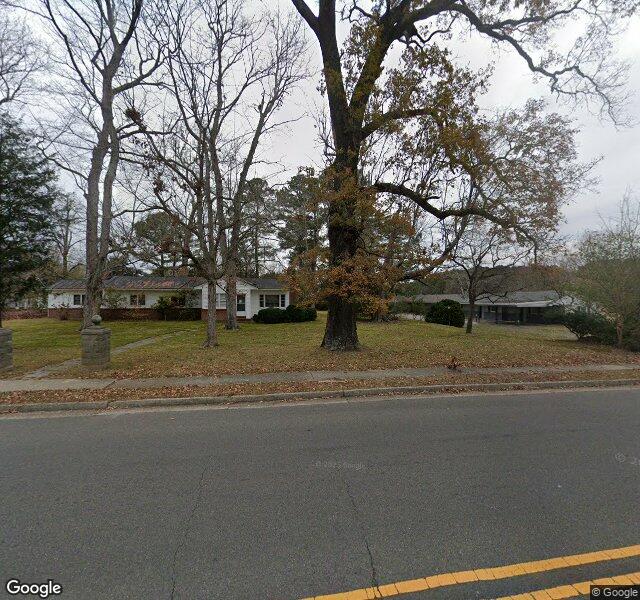
How Does Riverside Lifelong Health & Rehabilitation Salud Compare to Other Virginia Nursing Homes?

Compared to the 100 nursing homes in Virginia, RIVERSIDE LIFELONG HEALTH & REHABILITATION SALUD's overall rating (3 stars) is below the state average of 3.0, staff turnover (22%) is significantly lower than the state average of 46%, and health inspection rating (3 stars) is at the national benchmark.

What Should Families Ask When Visiting Riverside Lifelong Health & Rehabilitation Salud?

Based on this facility's data, families visiting should ask: "Can I visit during a mealtime to observe dining assistance and food quality?" "How do you handle medical emergencies, and what is your hospital transfer rate?" "Can I speak with family members of current residents about their experience?"

Is Riverside Lifelong Health & Rehabilitation Salud Safe?

Based on CMS inspection data, RIVERSIDE LIFELONG HEALTH & REHABILITATION SALUD has a clean safety record: no substantiated abuse findings (meaning no confirmed cases of resident harm), no Immediate Jeopardy citations (the most serious violation level indicating risk of serious injury or death), and is not on the Special Focus Facility watch list (a federal program monitoring the lowest-performing 1% of nursing homes). The facility has a 3-star overall rating and ranks #100 of 100 nursing homes in Virginia. While no facility is perfect, families should still ask about staff-to-resident ratios and recent inspection results during their visit.

Do Nurses at Riverside Lifelong Health & Rehabilitation Salud Stick Around?

Staff at RIVERSIDE LIFELONG HEALTH & REHABILITATION SALUD tend to stick around. With a turnover rate of 22%, the facility is 24 percentage points below the Virginia average of 46%. Low turnover is a positive sign. It means caregivers have time to learn each resident's needs, medications, and personal preferences. Consistent staff also notice subtle changes in a resident's condition more quickly. Registered Nurse turnover is also low at 10%, meaning experienced RNs are available to handle complex medical needs.

Was Riverside Lifelong Health & Rehabilitation Salud Ever Fined?

RIVERSIDE LIFELONG HEALTH & REHABILITATION SALUD has no federal fines on record. CMS issues fines when nursing homes fail to meet care standards or don't correct problems found during inspections. The absence of fines suggests the facility has either maintained compliance or corrected any issues before penalties were assessed. This is a positive indicator, though families should still review recent inspection reports for the full picture.

Is Riverside Lifelong Health & Rehabilitation Salud on Any Federal Watch List?

RIVERSIDE LIFELONG HEALTH & REHABILITATION SALUD is not on any federal watch list. The most significant is the Special Focus Facility (SFF) program, which identifies the bottom 1% of nursing homes nationally based on persistent, serious quality problems. Not being on this list means the facility has avoided the pattern of deficiencies that triggers enhanced federal oversight. This is a positive indicator, though families should still review the facility's inspection history directly.