SOUTH BOSTON HEALTH & REHAB CENTER

103 ROSEHILL DRIVE, SOUTH BOSTON, VA 24592 (434) 572-4906
For profit - Individual 216 Beds SABER HEALTHCARE GROUP Data: November 2025 2 Immediate Jeopardy citations
Trust Grade
19/100
#221 of 285 in VA
Last Inspection: May 2025

Inspected within the last 6 months. Data reflects current conditions.

Overview

South Boston Health & Rehab Center has received a Trust Grade of F, indicating significant concerns about the facility's care and operations. Ranking #221 out of 285 facilities in Virginia places them in the bottom half, and they are the second-best option out of two in Halifax County, meaning options are limited. Their performance is worsening, with issues rising from 3 in 2024 to 12 in 2025, and they have accumulated $17,189 in fines, which is higher than 75% of Virginia facilities, suggesting ongoing compliance problems. While staffing turnover is impressively low at 0%, indicating staff stability, the facility has received serious deficiencies, such as failing to notify a physician about a resident's critical treatment needs and not adequately protecting a resident from sexual abuse. Overall, while there are strengths in staffing, the facility's numerous issues and poor ratings raise serious concerns for potential residents and their families.

Trust Score
F
19/100
In Virginia
#221/285
Bottom 23%
Safety Record
High Risk
Review needed
Inspections
Getting Worse
3 → 12 violations
Staff Stability
○ Average
Turnover data not reported for this facility.
Penalties
⚠ Watch
$17,189 in fines. Higher than 77% of Virginia facilities, suggesting repeated compliance issues.
Skilled Nurses
○ Average
Each resident gets 38 minutes of Registered Nurse (RN) attention daily — about average for Virginia. RNs are the most trained staff who monitor for health changes.
Violations
⚠ Watch
49 deficiencies on record. Higher than average. Multiple issues found across inspections.
★★☆☆☆
2.0
Overall Rating
★★☆☆☆
2.0
Staff Levels
★★★★☆
4.0
Care Quality
★★☆☆☆
2.0
Inspection Score
Stable
2024: 3 issues
2025: 12 issues

The Good

  • 4-Star Quality Measures · Strong clinical quality outcomes
  • Full Sprinkler Coverage · Fire safety systems throughout facility
  • No fines on record

Facility shows strength in quality measures, fire safety.

The Bad

2-Star Overall Rating

Below Virginia average (3.0)

Below average - review inspection findings carefully

Federal Fines: $17,189

Below median ($33,413)

Minor penalties assessed

Chain: SABER HEALTHCARE GROUP

Part of a multi-facility chain

Ask about local staffing decisions and management

The Ugly 49 deficiencies on record

2 life-threatening 1 actual harm
May 2025 12 deficiencies
CONCERN (D)

Potential for Harm - no one hurt, but risky conditions existed

Deficiency F0605 (Tag F0605)

Could have caused harm · This affected 1 resident

**NOTE- TERMS IN BRACKETS HAVE BEEN EDITED TO PROTECT CONFIDENTIALITY** Based on observation, staff interview, clinical record review, and facility documentation review, the facility staff failed to e...

Read full inspector narrative →
**NOTE- TERMS IN BRACKETS HAVE BEEN EDITED TO PROTECT CONFIDENTIALITY** Based on observation, staff interview, clinical record review, and facility documentation review, the facility staff failed to ensure residents were free from chemical restraints and unnecessary psychotropic medications for one resident (Resident #63-R63) in a survey sample of 23 residents. The findings included: For R63, who had an increase in psychotropic medication doses and the addition of new psychotropic medications, the facility staff failed to have supporting documentation to warrant the increase in medications and failed to have adequate monitoring for psychotropic medication use, which resulted in R63 having unnecessary psychotropic medications. On 5/20/25, in the mid-morning, R63 was visited in her room. R63 was lying in bed, was observed to be very confused and unable to answer questions appropriately. On 5/21/25 and 5/22/25, a clinical record review was conducted of R63's chart. R63 was admitted to the facility on [DATE]. According to physician orders and medication administration records (MAR) from R63's admission, R63 was ordered Lorazepam 0.5 mg twice daily for generalized anxiety disorder. R63 was also ordered Citalopram 5 mg once daily for major depressive disorder, recurrent, mild. According to R63's MAR's, the facility did not initiate medication monitoring for the use of psychotropic medications on admission, and did not start monitoring the antianxiety and antidepression medications until 9/13/24. According to the August 2024 behavior monitoring, R63's only documented behaviors were on 8/27/24 and 8/31/24, which noted R63 was cursing at others. According to R63's progress notes, an entry, dated 8/29/24, read, Resident very aggressive towards staff this morning, combative, and verbally abusive while being changed this morning. In September, on 9/4/24 and 9/6/24, the facility noted they provided redirection and other interventions, but no details were noted as to the behavior for which they had provided the interventions. A progress note entry dated 9/11/24 noted, NP [nurse practitioner] in facility and seen resident today about increased agitation. Provider increased Ativan from 0.5 mg BID [twice daily] to 1 mg BID . On 9/16/24, R63 was seen by the psychiatric nurse practitioner, who gave orders to increase R63's Celexa from 5 mg to 10 mg daily. No documentation written by the psychiatric nurse practioner was found for the medication increases on those dates. According to the CNA documentation, on 9/20/24 it was noted, resident started hitting when trying to do ADL [activities of daily living/routine care] and on 9/23/24, it noted, hitting and yelling. R63 had one documented instance of cursing at others on 9/22/24 and the additional notes noted, hit CNA [certified nursing assistant] and tried to bite CNA. According to the nursing progress notes on 9/25/24, there was an entry that read, New order- start hydroxyzine 25mg po [by mouth] q [every] 6 hours prn [as needed] for agitation and anxiety . On 10/7/24, nursing progress notes had an entry that read, Psych NP in at this time. New orders d/c [discontinue] Hydroxyzine, start Depakote Sprinkles 250 mg po BOD for mood d/o [disorder] . On 10/23/25, the nurses documented, Staff attempted to get resident up for the day. Upon getting into wheelchair resident began kicking, cussing and screaming . Resident placed back in bed. Currently quiet and going back to sleep. According to the MARs, in October R63 had six occasions of behaviors, in November two occasions of behaviors, December two occasions, January three instances, February three instances, March three instances, April none, and in May one instance of having behaviors. All the instances of documented behaviors on R63's MAR were documented by the same nurse and had no accompanying progress note to detail the type of behaviors observed or non-medication interventions used. According to the ADL documentation by the certified nursing assistants, in October, R63 had 3 instances of behaviors that included cursing, combative, throwing items, and talking to self. In November, R63 had 2 instances of cursing. In December, there was one instance of disrobing and one instance of screaming. In January 2025, R63 had one instance of hitting and spitting and one instance of cursing. In February and March, the CNA's documented no behaviors. In April, the CNA documentation noted that R63 had one documented instance of cursing and in May, one instance of cursing, one instance of screaming, and one of being combative during a bath. Of the dates of the documented behaviors documented by the CNA, only one date coincided with the documentation by the nurse, which was 1/24/25. On 5/22/25, the facility provided the survey team with the psychiatry progress notes. According to the progress note dated 10/7/24, R64 was . alert and oriented x 1 and is unreliable historian to provide review of symptoms due to her severely advanced dementia, severe cognitive impairment and increased confusion. Her last mental health review was 9/16/24 where her Celexa was increased. Staff deny any issues with the previous medication change. On 9/25 she also started on Hydroxyzine PRN to help with anxiety and agitation. Staff report she is eating and sleeping well. They rate her anxiety and depression both as mild. Patient had behavior of hitting a CNA in the face; and has physical aggression with redirection almost daily per staff. Per staff her mood disorder is moderate, and these behaviors also occurred at previous facility . She continues to have poor memory, poor insight and judgment, disorganized thoughts, impaired reasoning, and difficulty answering all questions, but no distress was noted. At that time, the provider recommended to discontinue the Hydroxyzine and start Depakote sprinkles 250 mg BID for mood disorder. The progress notes from the psychiatric NP from 9/16/24 and 9/25/24, the dates when the antipsychotic medications were increased, were not provided. On 5/22/25 at 8:09 a.m., an interview was conducted with R63's attending physician, who is also the medical director. When asked about the use of psychotropic medications and the increase in doses and additional psychotropic medications when R64 was a new admission to the facility and adjusting to new surroundings, the medical director said, She does have some behaviors. She was falling a lot and acting out a lot. Lately, it is more depression, not so much behavioral. She hasn't had overt behavior in a while. She had behaviors when she first came in. When asked about adjustment to a new facility and new care providers, and about falls being an indication for psychotropic medications, the medical director stated that She [R63] had falls and medication refusals that were related to anxiety. When we increased her Ativan, the falls went away. In her case, it killed her anxiety. When asked about dose reductions, R63's doctor said, Usually we are keyed in by pharmacy recommendations and we haven't seen one on her. I don't know why. You are right, we haven't done one on her. On 5/22/25 at 10:24 a.m., an interview was conducted with the psychiatric nurse practitioner (psych NP). When asked about R63's increase in psychotropic medications and addition of Depakote, when there were only a few entries in R63's clinical record regarding any behaviors, the psych NP referenced her notes and said that the staff had reported daily aggression to her. When asked about gradual dose reductions, the psych NP stated that recommendations had been made but the medical doctor declined them and said in this facility she and the medical providers do both the gradual dose reductions and respond to pharmacy recommendations. According to the facility policy titled, Psychoactive Medication Policy, with a revision date of 5/10/24, which read in part, A. Residents receiving psychoactive medication will have a Behavior/Intervention Flow Record (BFR) initiated on admission or whenever psychoactive meds are ordered using the batch order process in the electronic record . B. Nurses will document on the following each shift: a. Number of behavior episodes b. Specific non-medication interventions used . C. The behavior/Intervention Flow Record will be updated with any changes in psychoactive medication, dosage, new behaviors, and/or side effects by the nurse on duty at the time of the change . D. The resident's plan of care will be reviewed and updated with any changes in behavior and/or treatment. E. Residents receiving psychoactive medications will be reviewed, at a minimum, every quarter by the IDT team to determine the effectiveness of the medication and interventions . e. If gradual dose reduction of the medication has not been attempted within the last six months, the provider will be contacted to consider a GDR . On 5/22/25 at 11 a.m., the above findings were reviewed with the facility administrator and director of nursing, specifically noting the lack of supporting documentation to warrant the increase in medications, the lack of adequate monitoring for psychotropic medication use, and that a gradual dose reduction had not been attempted to support continued use of either antipsychotic. No additional information was provided.
CONCERN (D)

Potential for Harm - no one hurt, but risky conditions existed

Deficiency F0655 (Tag F0655)

Could have caused harm · This affected 1 resident

**NOTE- TERMS IN BRACKETS HAVE BEEN EDITED TO PROTECT CONFIDENTIALITY** Based on staff interview, clinical record review and facility document review, the facility staff failed to include initial care...

Read full inspector narrative →
**NOTE- TERMS IN BRACKETS HAVE BEEN EDITED TO PROTECT CONFIDENTIALITY** Based on staff interview, clinical record review and facility document review, the facility staff failed to include initial care needs for a PICC (peripherally inserted central catheter) and a suprapubic catheter in the baseline care plan for one of twenty-three residents in the survey sample (Resident #145). The findings include: Resident #145 (R145) was admitted to the facility with diagnoses that included MRSA (methicillin resistant staphylococcus aureus), hematuria, history of sepsis, anemia, bladder cancer, diabetes, hypertension and rhabdomyolysis. The minimum data set (MDS) dated [DATE] assessed R145 as cognitively intact. R145's clinical record documented that the resident was admitted with a PICC for administration of intravenous antibiotics and that the resident had a suprapubic urinary catheter. The resident's baseline care plan dated 5/13/25 included no mention of the PICC or the suprapubic catheter. Initial care needs regarding bowel/bladder included toileting assistance but made no mention of the urinary catheter. The baseline plan listed R145 was on contact precautions for infection control but made no mention of care needs related to the PICC. On 5/21/25 at 11:05 a.m., the registered nurse unit manager (RN #3) was interviewed about R145's baseline care plan. RN #3 stated R145 was admitted with a PICC and a suprapubic catheter. RN #3 reviewed the baseline care plan and stated he did not see the PICC, or catheter listed on the baseline care plan. RN #3 stated the nurse that completed the admission assessment was responsible for initiating the baseline care plan. On 5/21/25 at 2:32 p.m., the director of nursing (DON) was interviewed about R145's baseline care plan. The DON stated the baseline care plan included initial care needs based upon items marked on the admission assessment. The facility's policy titled Interim/Baseline Care Planning Policy (revised 3/24/25) documented, .The baseline care plan will include the minimum heath care information necessary to care for a resident including, but not limited to .Initial goals based on admission orders .Physician orders .Dietary orders .Therapy/Rehab services .Social Services .Resident goals . This finding was reviewed with the administrator, DON and regional nurse consultant during a meeting on 5/21/25 at 4:30 p.m., with no further information presented prior to the end of the survey.
CONCERN (D)

Potential for Harm - no one hurt, but risky conditions existed

Quality of Care (Tag F0684)

Could have caused harm · This affected 1 resident

**NOTE- TERMS IN BRACKETS HAVE BEEN EDITED TO PROTECT CONFIDENTIALITY** 2. Resident #144 was not administered medications as ordered by the physician. Resident #144 (R144) was admitted with diagnoses ...

Read full inspector narrative →
**NOTE- TERMS IN BRACKETS HAVE BEEN EDITED TO PROTECT CONFIDENTIALITY** 2. Resident #144 was not administered medications as ordered by the physician. Resident #144 (R144) was admitted with diagnoses that included atrial fibrillation, COPD (chronic obstructive pulmonary disease), lung cancer, congestive heart failure, anxiety, depression, hypertension, respiratory failure and atherosclerotic heart disease. The minimum data set (MDS) dated [DATE] assessed R144 as cognitively intact. On 5/20/25 at 10:22 a.m., R144 was interviewed about quality of care since her admission to the facility. R144 stated she was admitted on [DATE] around 6:00 p.m. and that she did not receive her heart and sleep medications on the evening of her admission. R144 stated around 8:30 p.m., she asked the certified nurses' aide (CNA #3) caring for her about getting her medications. R144 stated the CNA told her that the nurse would be in shortly to give medications. R144 stated she never received the evening/bedtime medications. R144's clinical record documented physician orders for medications that included the following, with doses scheduled to start on the evening of 5/16/25. Trazadone 50 mg (milligrams) - take one table every night at bedtime. Eliquis 5 mg - administer one tablet twice per day. Midodrine 10 mg - one tablet three times per day, (scheduled to be administered at 6:00 a.m., 2:00 p.m. and 10:00 p.m.) R144's medication administration record (MAR) documented the trazadone, Eliquis and midodrine were not administered on the evening of 5/16/25. The MAR documented the midodrine was also not administered on 5/17/25 at 6:00 a.m. On 5/21/25 at 11:15 a.m., the registered nurse unit manager (RN #3) was interviewed about R144's concern about missing medications on the evening of 5/16/25. RN #3 reviewed the resident's MAR and stated the evening doses of trazadone, Eliquis and midodrine were not listed as given. RN #3 stated the medications orders were entered on 5/16/25 and some of the medications had to come from pharmacy. RN #3 reviewed the list of medications in the backup supply and stated that Eliquis, trazadone, and midodrine were available. RN #3 stated the nurse should have accessed the medications from the backup supply for administration on the evening of 5/16/25. On 5/21/25 at 7:35 p.m., the licensed practical nurse (LPN #5) caring for R144 on the evening/night of 5/16/25 was interviewed. LPN #5 stated R144 arrived on 5/16/25 around 6:00 p.m., prior to her shift starting at 7:00 p.m. LPN #5 stated she entered R144's orders into the electronic health record, with medication orders sent to the pharmacy. LPN #5 stated she knew the trazadone, Eliquis and midodrine were scheduled for evening/bedtime administration. LPN #5 stated when she went to access these medications from the backup supply, the Omnicell (backup medication supply) was not working. LPN #5 stated she was not sure what was wrong but that the unit would not turn on. LPN #5 stated, If I could have accessed them [medications], I would have given them. When asked if she called anyone about accessing the backup supply, LPN #5 stated she did not call anyone, as she thought the day shift was already aware the Omnicell was down. On 5/21/25 at 8:17 a.m., the unit manager (RN #3) was interviewed about LPN #5's report that she was unable to access R144's medications from the backup supply. RN #3 stated sometimes the Omnicell required a reset and that a reset button just needed to be pushed to reset the unit. RN #3 stated there was a service number posted on the Omnicell in case of any malfunction. RN #3 stated LPN #5 should have contacted the service number or supervisor so that the medications could have been accessed and given as ordered. The Omnicell inventory list dated 3/21/25 documented trazadone 50 mg, Eliquis 5 mg and midodrine 10 mg tablets were available in the backup supply. The facility's protocol for accessing the Omnicell automated dispensing unit for backup medications (undated) documented, .Contact the Pharmacy in the event of a power outage, software, or other issue that prohibits ADU [automatic dispensing unit] access by normal means . This finding was reviewed with the administrator, director of nursing and regional nurse consultant during a meeting on 5/21/25 at 4:30 p.m., with no further information presented prior to the end of the survey. Based on observation, staff interview and clinical record review, the facility staff failed to follow physicians orders for two of 23 residents. The Findings Include: 1. The nursing staff did not notify the physician of weight changes for Resident #19 (R19). Diagnoses for R19 included; Heart Failure, hypertension, acute kidney failure, Acute respiratory failure. The most current MDS (minimum data set) was a quarterly assessment with an ARD (assessment reference date) of 2/27/25. R19 was assessed with a cognitive score of 10 out of 15, indicating moderately impaired. An active physician order dated 12/10/24 for R19 read: Weights: Daily Special Instructions: Contact HHC [name of doctor] at [phone number given] if wt [weight] gain increases by 3# [pounds] in 1 day, or 5# [pounds] in 1 week. Once A Day. The physician named in the order was a cardiologist and was not part of the staff at the facility. R19's weights were then reviewed and indicated R19 had weight gain above parameters on 5/2/25, 5/3/25, and 5/8/25. Review of R19's progress notes did not indicate the physician named in the order was notified. On 5/22/25 9:25 a.m., license practical nurse (LPN #3) was interviewed. LPN #3 verbalized that notifications to physicians are documented in the residents progress notes. LPN #3 then reviewed R19's progress notes and could not find documentation regarding notification of change in weights. On 5/24/25, the above information was presented to the director of nursing and administrator and also was unable to find notification in regards to the dates presented above. No other information was presented prior to exit conference on 5/24/25.
CONCERN (D)

Potential for Harm - no one hurt, but risky conditions existed

Drug Regimen Review (Tag F0756)

Could have caused harm · This affected 1 resident

**NOTE- TERMS IN BRACKETS HAVE BEEN EDITED TO PROTECT CONFIDENTIALITY** 2. The facility did not provide a rationale for a gradual dose reduction of Seroquel for Resident #59 (R59). The Findings Inclu...

Read full inspector narrative →
**NOTE- TERMS IN BRACKETS HAVE BEEN EDITED TO PROTECT CONFIDENTIALITY** 2. The facility did not provide a rationale for a gradual dose reduction of Seroquel for Resident #59 (R59). The Findings Include: Diagnoses for R59 included; Dementia, major depression, and mood disorder. The most current MDS (minimum data set) was a quarterly assessment with an ARD (assessment reference date) of 3/8/25. R59 was assessed with a cognitive score of 8 out of 15, indicating moderately impaired. Review of R59's current medications indicated R59 was ordered 12.5 MG of Seroquel (antipsychotic) every night for mood disorder. The order was dated 11/6/25. Review of pharmacy recommendations indicated, through consultation reports, a gradual dose reduction (GDR) of seroquel on 2/18/25 and 5/16/25 had been recommended. On the Consultation Report, the physician had placed a check mark indicating not to do a GDR. The form asks for a patient-specific rationale descibing why a GDR attempt is likely to impair function or cause psychiatric instability . On the Consultation Report dated 2/18/25, the rationale for not doing a dose reduction was due to family request. There was no rationale provided on the Consultation Report dated 5/16/25. A policy titled Medication Regimen Review (MRR) read in part: For those issues that require physician/prescriber intervention, facility should encourage physician/prescriber to either accept and act upon the recommendations contained within the MRR or reject all or some of the recommendations contained in the MRR and provide an explanation as to why the recommendation was rejected, as outlined in the State Operations Manual Appendix PP. On 5/24/25, the above finding was presented to the director of nursing and administrator. No other information was presented prior to exit conference on 5/24/25. Based on staff interview, clinical record review, and facility documentation review, the facility staff declined a pharmacy recommendation for a dose reduction of a psychotropic medication but gave no rationale for the decline for two residents (Resident #63-R63 and Resident #59-R59) in a survey sample of 23 residents. The findings included: 1. For R63, who was on multiple psychotropic medications, the pharmacy consultant gave recommendations to conduct gradual dose reductions, which the doctor declined the recommendation but gave no reason for not conducting dose reductions. On 5/20/25 in the morning, R63 was visited in her room. R63 was observed lying in bed and was noted with significant cognitive impairments and was not able to answer questions appropriately, would respond with non-sensical responses. On 5/21/25, a clinical record review was conducted. This review revealed that R63's current and active physician orders included the following medications: Ativan 1 mg twice daily, Citalopram 10 mg/5 ml, give 7.5 ml (15 mg) every day, and Depakote Sprinkles 125 mg, give 2 capsules (250 mg) twice daily. According to the census tab and progress notes, R63 was admitted to the facility on [DATE]. R63 was on Ativan and Citalopram on admission, and the doses were increased within three weeks of R63's admission. Then on 10/7/24, the Depakote was added for mood disorder. According to the progress notes, the pharmacist made recommendations to the medical provider for medication changes on 10/28/24 and 3/17/25. The recommendation for 10/28/24 was not found in the clinical record. On 5/22/25 at 8:00 a.m., a request was made of the facility administrator to provide the surveyor with the pharmacy recommendation from 10/28/24 for R63. The pharmacy recommendation dated 3/17/25 read, [R63's name redacted] has received lorazepam 1mg bid [twice daily]. Recommendation: Please attempt a gradual dose reduction (GDR) to 0.5 mg bid if clinically appropriate. Rationale for Recommendation: Dose reductions should occur in modest increments over adequate periods of time to minimize withdrawal symptoms and to monitor symptom recurrence (e.g., GDR is attempted in 2 separate quarters, with at least 1 month between attempts . The Physician's response noted a check mark in the box that read, I decline the recommendation above because GDR is clinically contraindicated for this individual as indicated below. (NOTE: Please check option #1 or #2 AND provide patient-specific rationale on the lines below.) The box of option #1 was checked, which read, Continued use in accordance with the current standard of practice and a GDR attempt at this time is likely to impair this individual's function or cause psychiatric instability by exacerbating an underlying medical condition or psychiatric disorder AS DOCUMENTED BELOW . The patient specific rationale was blank. The medical doctor, who is also the medical director of the facility, signed the recommendation on 3/25/25. On 5/22/25 at 8:09 a.m., an interview was conducted with R63's primary care physician/doctor (MD), who was also the medical director of the facility. When asked about gradual dose reductions, the MD said, Usually the pharmacy recommends those, we haven't gotten one on her and I don't know why. When advised that R63 had only increases in medication shortly after her admission and no reductions had been attempted, the doctor said, You are right, we haven't done one on her. On 5/22/25 at 11 a.m., the facility administrator and director of nursing were made aware of the above findings. According to the facility policy titled, 9.1 Medication Regimen Review with a revision date of 6/1/24, read in part, 1. The consultant pharmacist will conduct MRRs if required under a Pharmacy Consultant Agreement and will make recommendations based on the information made available in the resident's health record . 6. Facility should independently review each resident's medication regime directly from the resident's medical chart and with interdisciplinary care team members, resident, or responsible party, as needed . 9. Facility should encourage physician/prescriber or other responsible parties receiving the MRR and the director of nursing to act upon the recommendations contained in the MRR . 9.2.1 If the attending physician/prescriber has decided to make no change in the medication, the attending physician should document the rationale in the resident's health record . No information regarding the recommendation dated 10/28/24 was provided prior to the conclusion of the survey and no additional information was provided.
CONCERN (D)

Potential for Harm - no one hurt, but risky conditions existed

Medical Records (Tag F0842)

Could have caused harm · This affected 1 resident

**NOTE- TERMS IN BRACKETS HAVE BEEN EDITED TO PROTECT CONFIDENTIALITY** Based on staff interview and clinical record review, the facility staff failed to maintain a complete clinical record for one re...

Read full inspector narrative →
**NOTE- TERMS IN BRACKETS HAVE BEEN EDITED TO PROTECT CONFIDENTIALITY** Based on staff interview and clinical record review, the facility staff failed to maintain a complete clinical record for one resident (Resident #63-R63) in a survey sample of 23 residents. The findings included: 1. For R63, the facility staff failed to maintain a complete clinical record to include pharmacy recommendations and the provider's response to the recommendation. On 5/20/25 in the morning, R63 was visited in her room. R63 was observed lying in bed and was noted with significant cognitive impairments and was not able to answer questions appropriately, responded with non-sensical responses. On 5/21/25, a clinical record review was conducted. This review revealed that R63's current and active physician orders included the following medications: Ativan 1 mg twice daily, Citalopram 10 mg/5 ml, give 7.5 ml (15 mg) every day, and Depakote Sprinkles 125 mg, give 2 capsules (250 mg) twice daily. According to the census tab and progress notes, R63 was admitted to the facility on [DATE]. R63 was on Ativan and Citalopram on admission, but the dose was increased within three weeks of R63's admission. Then on 10/7/24, the Depakote was added for mood disorder. According to the progress notes, the pharmacist made recommendations to the medical provider for medication changes on 10/28/24. The recommendation for 10/28/24 was not able to be located in the clinical record. On 5/22/25 at 8:10 a.m., a request was made to the facility administrator to provide the surveyor with the pharmacy recommendation from 10/28/24 for R63. On 5/22/25 at 11 a.m., the director of nursing acknowledged they were still working on the pharmacy recommendation for R63. On 5/22/25 at 11:30 a.m., the corporate staff inquired about any outstanding documents the survey team had requested and were made aware that the surveyor was waiting for a pharmacy recommendation from 10/28/24 for R63. No additional information was provided prior to the conclusion of the survey.
CONCERN (D)

Potential for Harm - no one hurt, but risky conditions existed

Deficiency F0883 (Tag F0883)

Could have caused harm · This affected 1 resident

Based on staff interview, clinical record review and facility documentation review, the facility staff failed to have evidence of residents being provided education and offered flu and pneumococcal im...

Read full inspector narrative →
Based on staff interview, clinical record review and facility documentation review, the facility staff failed to have evidence of residents being provided education and offered flu and pneumococcal immunizations for two residents (Resident #145-R145 and Resident #146-R146) in a survey sample of five residents reviewed for immunizations. The findings included: For R145 and R146, the facility staff failed to educate residents on the benefits and potential side effects of immunization and offer flu and pneumococcal immunizations as ordered by the physician. On 5/21/25, a sample of five residents was selected for review for immunization status. A clinical record review was conducted for each resident. The review revealed the following: According to the preventative health care tab of R145's clinical record, there was no information regarding R145's flu or pneumococcal vaccination status, that they had received any education or been offered the pneumococcal vaccine. R145's physician orders included orders dated 5/13/25 that read, Immunizations: Offer high dose flu vaccine annually unless the provider orders standard dose . May administer pneumococcal vaccine unless contraindicated. According to the preventative health care tab of R146's chart, there was no data regarding the flu vaccine, and it indicated R146 received a Prevnar 13 vaccine for pneumonia in 2010. R146's physician orders included orders dated 5/5/25 that read, Immunizations: Offer high dose flu vaccine annually unless the provider orders standard dose . May administer pneumococcal vaccine unless contraindicated. On 5/21/25 at 3 p.m., an interview was conducted with the facility's infection preventionist (IP), who was also a registered nurse. The IP stated immunizations are important because the residents live in a tight closed community and organisms can spread. The IP said, We want to keep them safe and up to date on vaccines because those microorganisms tend to spread rapidly. The IP went on to explain she looks up the Vaccination status of residents on the state of Virginia's immunization information system (VIIS) portal and then enters the data into the resident's electronic record under the preventative health care tab. When asked if she puts the other VIIS into the clinical record, she stated no. During the interview with the IP, the IP accessed the VIIS for each resident. According to the VIIS, R145 was past due for the pneumococcal 23 vaccine and had no record of being immunized for either pneumococcal immunizations. The IP confirmed that she had not provided any education or offered the pneumonia vaccine to R145. According to the VIIS, R146 was past-due for the pneumococcal 23 vaccine, the pneumococcal conjugate vaccines, and was eligible to receive both after 4/27/24. The record indicated R146 last received the pneumo-conjugate 13 and pneumococcal 23 vaccines on 3/29/2010. R146 was also due for the influenza immunization, and his last dose was administered 11/26/12. The facility had no evidence of providing any education regarding immunizations or offering either to R146. When asked about this, the IP stated that R146 has confusion and was waiting for the confusion to clear up to ask him. When asked who was making treatment decisions and consented to care and treatment for R146, she indicated his family. When asked why they had not been asked about immunizations and educated if they were being asked about other care decisions and authorizations, the IP didn't respond. On 5/22/25 at 9:30 a.m., the IP told the surveyor that she had talked to R146's family and they were coming in today to review/discuss immunizations with the resident. The IP stated that R145 had been sent to the hospital, so she wasn't able to talk with that resident. According to the facility policy titled, Resident Vaccination Policy with a revision date of 11/27/23, it read in part, The date of historical vaccinations will be documented in the health record immunization portal on admission and as information becomes available . The infection preventionist will track resident immunizations and holds the responsibility for ensuring resident's vaccination history is reviewed with/by their providers and that vaccines are administered timely when ordered . Consents/refusals/medical ineligibility will be documented in the health record . According to the Centers for Disease Control and Prevention (CDC), a document titled, Adult Immunization Standards was reviewed. The document read in part, The National Vaccine Advisory Committee developed the Standards for Adult Immunization Practice to reflect the critical need for all health care professionals - whether they provide immunization services or not - to take steps to ensure that adult patients get the vaccines they need. These standards are important because: Adult vaccination coverage is low. Many adults are not aware that they need vaccines. A health care professional's recommendation is the strongest predictor of whether a patient gets vaccinated. There are often missed opportunities for vaccination because many health care professionals are not assessing vaccination status. CDC encourages all health care professionals to implement these standards into their practice. 1. Assess the immunization status of all your patients at every clinical encounter . Stay informed. Get the latest CDC recommendations for adult immunization. Evaluate how your practice is doing. Review a sample of patients' charts or analyze electronic health record data for your practice to see whether your patients are receiving needed vaccines. Use reminders to help your practice stay on top of needed vaccines. Generate reminders using a computer system (electronic health record) or immunization registries or make a note of needed vaccines on a patient's chart. 2. Make clear recommendations for vaccines that patients need. For some patients, a recommendation may not be enough. Share important information to help patients make informed decisions about vaccinations . 3. Administer vaccines or refer your patients to a vaccination provider. Recommend and offer vaccines at the same visit. Research shows that when patients receive a vaccine recommendation and are offered the vaccine at the same time, they are more likely to be vaccinated. Implement standing orders or protocols.Ensure patients' vaccine needs are routinely reviewed, and patients get reminders about vaccines they need . 4. Document vaccines received by your patients in their medical records and in immunization information systems (IIS) . Accessed online at: https://www.cdc.gov/vaccines-adults/hcp/imz-standards/index.html On 5/22/25 at 11 a.m., the above findings were reviewed with the facility administrator and director of nursing. No additional information was provided.
CONCERN (E) 📢 Someone Reported This

A family member, employee, or ombudsman was alarmed enough to file a formal complaint

Potential for Harm - no one hurt, but risky conditions existed

Deficiency F0761 (Tag F0761)

Could have caused harm · This affected multiple residents

Based on observations, staff interviews and facility documentation, the facility staff failed to label and store medications properly on three of five medication carts inspected. The findings included...

Read full inspector narrative →
Based on observations, staff interviews and facility documentation, the facility staff failed to label and store medications properly on three of five medication carts inspected. The findings included: The facility staff was storing new insulin pens in the medication cart and not in the refrigerator per instructions on the label and was not putting an opened date on an eye drop bottle. On 5/20/25 at 3:40 p.m., an observation was made of the three medication carts on unit 300. A registered nurse, RN#1, assisted unlocking medication cart #1 on unit 300. Observed one bottle of eye drops that had no open date on the eye drop bottle. On medication cart #2, observed two unopened insulin pens that were being stored in cart instead of being in the refrigerator, according to the directions on the label. A licensed practical nurse, LPN#4 assisted with unlocking medication cart #3. Observed three insulin pens that were being stored in the medication cart and not in the refrigerator, as the label instructed. On 5/20/25 at 3:45 p.m., an interview was conducted with RN#1. RN#1 stated that she was aware that insulin pens should be stored in the refrigerator until needed. RN#1 stated she was aware that the eye drops are supposed to be dated when you open the bottle and she said, We usually put an open date and discard date on the bottle. On 5/20/25 at 3:50 p.m., an interview was conducted with LPN#4. LPN#4 said, The insulin pen should be stored in the refrigerator until needed and when opened then it can go in the cart and dated. LPN#4 stated opened dates was supposed to be on the insulin pens. LPN#4 opened and checked the insulin pen and she said, It was new and should be in the refrigerator until needed. On 5/21/25 at 3:25 p.m., an interview was conducted with LPN#2. LPN#2 stated any medications that was opened needs to be dated with the opened date. She stated that insulin pens were to be stored in the refrigerator until the insulin pen is needed, and then placed on medication cart, and when opened needs to be dated with the opened date. A review of facility documentation was conducted. The facility document titled, Common Medication Storage Guidance and Terminology, read in part, .safe and secure storage includes abiding by proper temperature controls as well as maintaining appropriate light and humidity exposure. On 5/21/25 at 4:48 p.m., an end of day meeting was conducted with the administrator, director of nursing and the regional nurse consultant and they were made aware of the above concerns. No additional information was provided prior to the exit conference.
CONCERN (E)

Potential for Harm - no one hurt, but risky conditions existed

Food Safety (Tag F0812)

Could have caused harm · This affected multiple residents

Based on observation, staff interview and facility document review, the facility staff failed to store and prepare food in a sanitary manner in the main kitchen. The findings include: On 5/20/25 at 9...

Read full inspector narrative →
Based on observation, staff interview and facility document review, the facility staff failed to store and prepare food in a sanitary manner in the main kitchen. The findings include: On 5/20/25 at 9:04 a.m., accompanied by the dietary manager (other staff #4), the main kitchen was inspected. Stored and available for use in the dry storage area were four 8-quart containers of dry cereal, not in the original packaging. The cereal had no label indicating the date opened or a discard date. There were two partially used packages of gravy mix and an opened package of corn meal with no date label indicating when opened. Eighty-four 8-ounce cartons of whole milk were stored and available for use in the walk-in refrigerator with expiration date of 5/18/25. The 3-compartment since was observed in use with pots/pan soaking in the wash and sanitizer sections of the sink. The dietary manager checked the sanitizer concentration at this time with the concentration measured at 100 ppm (parts per million). There was no supply of sanitizer connected to the sink pump at this observation. The dietary manager stated the sanitizer ran out and a new bucket had not been connected yet. A storage rack was observed with prep/service pans identified by the dietary manager as ready to use. Three 8-quart plastic containers were stored on this rack nested and wet. There was a large stainless pan stored wet with water standing on the pan rim. On 5/20/25 at 9:27 a.m., the dietary manager (other staff #4) was interviewed about the kitchen observations. The dietary manager stated all food items were supposed to be labeled when accessed with a date opened and a discard date. The dietary manager stated that out of date milk was supposed to be discarded when it expired. The dietary manager stated pans were not supposed to be stored nested and wet. On 5/20/25 at 4:12 p.m., the dietary manager was interviewed about the 3- compartment sink in use with the sanitizer concentration of 100 ppm. The dietary manager stated the sanitizer concentration was supposed to be between 200 ppm and 400 ppm. The dietary manager stated the sanitizer was low because the sanitizer ran out and a new supply had not been connected to the sink pump. The facility's policy titled Food Preparation and Handling Policy (revised 1/5/23) documented, .food items are prepared by methods designed to maintain safe temperatures, avoid cross-contamination, prevent food borne illness, conserve maximum nutritive value, and develop and enhance flavor .PHF/TCS [potentially hazardous food - time/temperature controlled for safety] foods are kept refrigerated except when being handled. Refrigerated foods will be .Appropriately labeled and dated . The facility's policy titled Dish Machine Use Policy (revised 5/17/21) documented, .Employees will follow standards of practice to ensure that all utensils and dishes are washed and sanitized .Dishes should not be nested unless they are completely dry . The facility's policy titled Manual Ware Washing Policy (revised 12/12/22) documented the recommended sanitizer concentration was 200 to 400 ppm with use of test strips. This policy documented that wet pans, dishes and other small wares should not be stacked or nested until allowed to air dry. These findings were reviewed with the administrator, director of nursing and regional nurse consultant during a meeting on 5/21/25 at 4:30 p.m. with no further information presented prior to the end of the survey.
CONCERN (E)

Potential for Harm - no one hurt, but risky conditions existed

Infection Control (Tag F0880)

Could have caused harm · This affected multiple residents

Based on staff interview and facility documentation review, the facility staff failed to implement an infection control program that included infection surveillance, affecting residents on 3 of 3 nurs...

Read full inspector narrative →
Based on staff interview and facility documentation review, the facility staff failed to implement an infection control program that included infection surveillance, affecting residents on 3 of 3 nursing units. The findings included: On 5/21/25 at 3 p.m., an interview and meeting was conducted with the facility's infection preventionist (IP), who was designated as the responsible person over the infection control program. Review of the facility's infection control management program and documentation revealed that the facility only a system of tracking residents who had infections treated with an antibiotic and completed logs titled, Antibiotic Use Tracking Sheet. The IP confirmed that no logs had been completed for the current month of May as it was their process and is only done as a look-back after the end of the month. The IP also confirmed that residents who develop signs or symptoms of infection are not tracked, only if they are prescribed an antibiotic is the antibiotic use tracked. When questioned about the purpose of infection surveillance and monitoring, the IP confirmed that it is to identify symptoms and identify trends and infections, so they can take measures to break the chain of infection and prevent it from spreading. The IP also stated it allows them to educate staff who may be a factor in the transmission of infections/bacteria. During the above interview, a discussion was held regarding if infection surveillance is not done and only the residents who are treated with antibiotics are reviewed at the conclusion of the month, it doesn't allow the facility to be pro-active and prevent the spread of infection as it is occurring. The IP verbalized understanding and agreement. The IP did state that she reviews the 24-hour report daily but had nothing to provide as evidence of infection surveillance. A review was conducted of the facility policy titled Infection Prevention and Control Program Policy. The policy read in part, . The Infection Preventionist's responsibilities for infection prevention and control include, but may not be limited to conducts surveillance of staff and residents for facility-associated or community associated infections and/or communicable diseases . On 5/22/25 at 11 a.m., the facility administrator and director of nursing were made aware of the above findings that facility staff had failed to develop and implement a system of surveillance designed to identify possible communicable diseases or infections before they can spread to others in the facility. No additional information was provided.
CONCERN (E)

Potential for Harm - no one hurt, but risky conditions existed

Antibiotic Stewardship (Tag F0881)

Could have caused harm · This affected multiple residents

Based on staff interview, clinical record reviews, and facility documentation review, the facility staff failed to implement an antibiotic stewardship program which affected residents on three of thre...

Read full inspector narrative →
Based on staff interview, clinical record reviews, and facility documentation review, the facility staff failed to implement an antibiotic stewardship program which affected residents on three of three units and failed to follow antibiotic stewardship for two residents (Resident #16-R16 and Resident #61-R61), who were actively receiving antibiotics. The findings included: 1. The facility staff failed to implement a facility wide antibiotic stewardship program to reduce the risk of development of antibiotic-resistant organisms. On 5/21/25 at 3:06 p.m., the surveyor met with the facility's Infection Preventionist (IP) who oversees the facility's infection control program. The antibiotic stewardship program was reviewed. The IP was asked to explain the purpose and importance of antibiotic stewardship and stated, If we suspect someone has a UTI [urinary tract infection] or other type of infection, we start an event in the computer, the nurse or unit manager can contact me and I will start the event, the event uses McGreer criteria and determines if we should start an antibiotic. If they don't meet the criteria, we can still ask the doctor if they want to treat them with antibiotic or not. Sometimes the doctor will want to treat based on clinical symptoms. When asked, what is the reason for the McGreer criteria being utilized? The IP said, We don't want to create these super bugs that become resistant to antibiotics. When asked if that is a concern, why does the doctor want to treat outside of that? The IP smiled and didn't respond. When asked how often that is happening that residents are being treated and do not meet criteria, the IP again smiled and didn't respond. The IP was asked if she found that a specific provider is prescribing outside of McGreer criteria more than the other, the IP said, No. The IP went on to explain that she discusses with the providers daily if the person meets criteria or not. She explained, I will go to them and say the results are less than 100,000 [referring to lab results] do you still want to proceed with doxycycline? When asked if that conversations should be held prior to treatment being started, the IP said, It should be. When asked if it is, the IP said, Sometimes. Sometimes they will start prophylactic ahead of culture results. The IP showed the surveyor tracking forms titled, Antibiotic Use Tracking Sheet that listed residents who had been prescribed antibiotics. On the spreadsheet it was noted that multiple residents were being treated with antibiotics prior to cultures being obtained and residents were being treated when they did not meet McGreer's criteria for antibiotic use. Review of the Antibiotic Use Tracking Sheets revealed the following: In September 2024, ten residents were treated with antibiotics and four of the ten did not meet McGeer criteria for treatment with an antibiotic. In October 2024, twenty-two residents were treated with antibiotics. According to the report/tracking form, sixteen had incomplete data and didn't indicate if they met criteria or not and two were noted to have not met criteria for antibiotic use. In November 2024, fourteen residents were treated with antibiotics and seven didn't meet the criteria for antibiotic use. In December 2024, nine of the nineteen residents did not meet McGeer criteria, and one resident's information was incomplete and didn't indicate if the criteria was met or not. For January 2025, eight of thirty residents did not meet McGeer criteria for antibiotic use. In February 2025, eleven of the twenty-seven residents did not meet criteria and there was one resident whose data was incomplete and noted a question mark for if McGeer's criteria were met. In March 2025, sixteen residents were prescribed antibiotics and half (eight) did not meet criteria. For April 2025, seventeen residents were prescribed antibiotics and seven were noted to have not met McGeer criteria. Two residents had no details about whether they met the criteria or not. The IP had no data for May and indicated that the form is completed after the month's end. 2. For R16, the facility staff failed to follow antibiotic stewardship with regards to the prescribing of antibiotics. On 5/21/25, the surveyor selected two residents from the survey sample that were currently being treated with antibiotics for review. According to Resident #16's (R16) clinical records, on 4/14/25, R16 complained of foul-smelling urine and pain during urination. There were no other documented symptoms following 4/14/25. A uranalysis was ordered and obtained on 4/15/25. According to physician orders and medication administration records, on 4/18/25, he was prescribed nitrofurantoin macrocrystal 100 mg, once daily from 4/18/25-4/22/25. According to the culture and sensitivity report which was reported on 4/17/25, the bacteria was susceptible to Nitrofurantoin. On 4/21/25, R16 was seen by his attending physician, who is also the medical director of the facility, and he ordered Bactrim DS 800-160mg, twice daily, which was added in addition to the nitrofurantoin macrocrystal, and was administered from 4/21/25-4/28/25. There was no indication that the IP or other facility staff had discussed duplicate therapy with the medical doctor. According to R16's clinical record, there were no other reported signs or symptoms of infection or discomfort following the physician's note dated 4/21/25. On 5/6/25, the nurse noted that an order was received to obtain a urinalysis with culture and sensitivity. The urinalysis was noted to be negative. On 5/19/25, there was an entry that the resident was out of the facility for an appointment with urology. Upon return he had an order for Cephalexin 250mg twice daily for seven days for positive nitrates. There was no documentation that R16 had any symptoms associated with this. On 5/22/25, the IP provided an Event Report for R16, dated 5/19/25. According to the form, R16 had no signs or symptoms, and the form noted, Does NOT meet McGeer's criteria. The IP had no evidence that she had reviewed and discussed R16's lack of meeting criteria for treatment with an antibiotic had been reviewed with the medical doctor/provider. 3. For Resident #61- R61, the facility prescribed antibiotics when the resident did not meet criteria for treatment and failed to test for COVID-19 when the resident displayed symptoms of COVID. On 5/21/25-5/22/25, a clinical record review was conducted of R61's chart. This review revealed that R61 was prescribed cefuroxime axetil tablet, 250 mg, twice daily on 5/19/25. According to the progress notes on 5/17/25, R61 had gone on leave of absence with family. On 5/19/25, there was a progress note entry that read, New orders received for guaifenesin 10ml every 6 hours as needed for cough. Loratadine 10mg PO [by mouth] daily. Cefuroxime 250 mg by mouth twice a day for 7 days for acute bronchitis . There were no preceding notes regarding any symptoms. On 5/19/25, the doctor saw R61 and noted, Patient seen for cough and congestion. Nonproductive cough has nasal congestion and sneezing. No Fever. No nausea vomiting. Appetite is good . Resp: [respiratory assessment] unlabored, ausc reveals nl [normal] breath sounds without wheezing, no rhonchi . On 5/20/25, R61 was seen again by the doctor, whose progress note read in part, . Patient seen for reevaluation of cough and congestion. Seems to be less congested today with a nonproductive cough . On 5/21/25, R61 was visited again by the medical provider and the note read in part, Patient seen for reevaluation of cough and congestion. Much less nasal congestion with a nonproductive cough . On 5/22/25, the medical provider note read in part, Patient seen for reevaluation of cough and congestion. Up in a chair in his room eating breakfast. Looking stronger and less congested but still with a cough . According to R61's physician orders there was an order dated 9/2/24, that remained an active order that read, May test for COVID-19 as needed. There was no indication within the progress notes or medication administration record that R61 was tested for COVID-19 following the development of symptoms. According to the Event Report dated 5/19/25, provided by the Infection Preventionist, it noted Does NOT meet McGeer's criteria. The IP had no evidence that she or any other staff had discussed the lack of meeting criteria with the physician. On 5/22/25 at 8:09 a.m., an interview was conducted with the facility's medical director/doctor. When asked about antibiotic stewardship, the doctor said, We follow McGeer criteria exclusively, you know it is required in long-term care. For a UTI [urinary tract infection] we have to have two symptoms and for a URI [upper respiratory infection] we usually want three symptoms, and we wait for culture results before we start antibiotics. The medical director was notified of the above findings specifically with regards to the antibiotic use tracking and that month over month, residents are being prescribed and treated with antibiotics when they do not meet criteria. The doctor said, I never do that! Maybe the nurse practitioners are doing it. When asked what the risks are of prescribing antibiotics when residents do not meet criteria, the medical director said, You develop antibiotic resistance. When asked if he had discussed antibiotic stewardship and McGeer criteria with the other providers, the medical director said, I have not talked to them, but I will. Review of the facility's policy titled, Antimicrobial Stewardship Program Policy with a revision date of 6/26/24, was conducted. According to the policy, which read in part, Antimicrobials stewardship will focus on improving antibiotic/antimicrobial use by avoiding unnecessary or inappropriate antibiotics .The antimicrobial stewardship process will be overseen and managed by the Infection Preventionist who works collaboratively with the medical director, consulting pharmacist, nursing and administrative leadership to also implement the Antimicrobial Stewardship Program . 2. Protocols for antibiotic use: Assessment of resident change in condition using standardized infection criteria (revised McGeer's Criteria), Notification of Physician/clinician by facility clinical staff . On 5/22/25 at 11 a.m., the above findings were reviewed with the facility administrator and director of nursing. No additional information was provided.
CONCERN (E)

Potential for Harm - no one hurt, but risky conditions existed

Deficiency F0887 (Tag F0887)

Could have caused harm · This affected multiple residents

Based on staff interview, clinical record review, and facility documentation review, the facility staff failed to provide education and offer the COVID-19 vaccines to three residents (Resident #147-R1...

Read full inspector narrative →
Based on staff interview, clinical record review, and facility documentation review, the facility staff failed to provide education and offer the COVID-19 vaccines to three residents (Resident #147-R147, Resident #145-R145, and Resident #146-R146) in a survey sample of five residents selected for immunization review. The findings included: For R145, R146, and R147, the facility staff failed to have evidence of providing education regarding the benefits and risks of the vaccine and offer the COVID-19 vaccine. On 5/21/25, a sample of five residents was selected for review for immunization status. A clinical record review was conducted for each resident. The review revealed the following: According to the preventative health care tab of R145, R146, and R147''s clinical record there was no information regarding their COVID-19 vaccination status or that they had received any education or been offered the COVID-19 vaccines. On 5/21/25 at 3 p.m., an interview was conducted with the facility's infection preventionist (IP), who was also a registered nurse. The IP stated immunizations are important because the residents live in a tight closed community and organisms can spread. The IP said, We want to keep them safe and up to date on vaccines because those microorganisms tend to spread rapidly. The IP went on to explain she looks up the Vaccination status of residents on the state of Virginia's immunization information system (VIIS) portal and then enters the data into the resident's electronic record under the preventative health care tab. When asked if she puts the VIIS into the clinical record, she stated no. During the interview with the IP, the IP accessed the VIIS for each resident. According to the VIIS for R145 he had not received any COVID-19 immunizations previously and was eligible to receive immunization. According to the VIIS for R146, he received the initial COVID-19 vaccines in March 2021, and was eligible/due for booster doses. According to the VIIS for R147, she had not received any COVID-19 vaccines and was past-due for vaccination. The IP stated that she had not discussed immunization with the residents. On 5/22/25 at 9:30 a.m., the IP told the surveyor that she had talked to R146's family and they were coming in that day to review/discuss immunizations with the resident. The IP stated that R145 had been sent to the hospital following the IP meeting with the surveyor on 5/21/25, so she wasn't able to talk with that resident. According to the facility policy titled, Resident Vaccination Policy with a revision date of 11/27/23, it read in part, The date of historical vaccinations will be documented in the health record immunization portal on admission and as information becomes available . The infection preventionist will track resident immunizations and holds the responsibility for ensuring resident's vaccination history is reviewed with/by their providers and that vaccines are administered timely when ordered . Consents/refusals/medical ineligibility will be documented in the health record . According to the Center's for Disease Control and Prevention (CDC) document titled, Staying Up to Date with COVID-19 Vaccines it read in part, .Who needs a COVID-19 vaccine: Reminder: Everyone ages 6 months and older should get the 2024-2025 COVID-19 vaccine. This includes people who have received a COVID-19 vaccine, people who have had COVID-19, and people with long COVID. Importance of staying up to date Getting the 2024-2025 COVID-19 vaccine is important because: Protection from the COVID-19 vaccine decreases with time. Immunity after COVID-19 infection decreases with time. COVID-19 vaccines are updated to give you the best protection from the currently circulating strains. Getting the 2024-2025 COVID-19 vaccine is especially important if you: Never received a COVID-19 vaccine. Are ages 65 years and older. Are at high risk for severe COVID-19. Are living in a long-term care facility. Are pregnant, breastfeeding, trying to get pregnant, or might become pregnant in the future. Want to lower your risk of getting Long COVID . Accessed online at: https://www.cdc.gov/covid/vaccines/stay-up-to-date.html On 5/22/25 at 11 a.m., the above findings were reviewed with the facility administrator and director of nursing. No additional information was provided.
CONCERN (F)

Potential for Harm - no one hurt, but risky conditions existed

Deficiency F0576 (Tag F0576)

Could have caused harm · This affected most or all residents

Based on resident interviews and staff interviews, the facility staff failed to ensure residents received mail timely and on weekends for three of three nursing units. The findings included: On 5/20/2...

Read full inspector narrative →
Based on resident interviews and staff interviews, the facility staff failed to ensure residents received mail timely and on weekends for three of three nursing units. The findings included: On 5/20/25 at 2:45 p.m., a group interview was conducted with fourteen residents in attendance. During the meeting, multiple residents residing on three of three nursing units, expressed concern and frustration that many times they do not receive mail on Fridays or weekends. One resident said that he doesn't get his Friday newspaper until Monday. On 5/20/25 at 3:27 p.m., an interview was conducted with the activities director (AD). The AD stated that her department is responsible for passing out resident mail. The AD said, On Fridays, the mail has been running later. So, the Saturday person passes it out, or they put the mail in my box, and the part-timer [part-time activity assistant] doesn't know where that is. So, sometimes it is Monday before it is passed out. AD confirmed that there are times that residents do not receive their newspaper from Friday until Monday. On 5/21/25 at 10:31 a.m., an interview was conducted with the activity assistant, (other employee #1- OE1). OE1 was asked about resident mail and said, I leave at 5 during the day and if it comes before we leave, I distribute it. If someone in the office gets it, they put it in the mailbox and lock the door and we don't have keys to that. The only key I have is to my office. When asked about mail delivery, OE1 stated that the mail delivery is very sporadic. OE1 explained that she always checks the mailbox and that sometimes on Sundays there is mail in the box from the prior day and she would distribute it. On 5/21/25 at 4:30 p.m., during an end of day meeting, the facility administrator, director of nursing and regional nurse consultant were made aware of the above concern. The facility policy regarding resident mail was requested. No further information was received prior to completion of the survey.
Oct 2024 3 deficiencies 1 Harm
SERIOUS (G) 📢 Someone Reported This

A family member, employee, or ombudsman was alarmed enough to file a formal complaint

Actual Harm - a resident was hurt due to facility failures

Free from Abuse/Neglect (Tag F0600)

A resident was harmed · This affected 1 resident

**NOTE- TERMS IN BRACKETS HAVE BEEN EDITED TO PROTECT CONFIDENTIALITY** Based on staff interview, clinical record review, and facility documentation review, the facility staff failed to protect a resi...

Read full inspector narrative →
**NOTE- TERMS IN BRACKETS HAVE BEEN EDITED TO PROTECT CONFIDENTIALITY** Based on staff interview, clinical record review, and facility documentation review, the facility staff failed to protect a resident's right to be free from sexual abuse for one resident (Resident #8 - R8) in a survey sample of 10 residents, which resulted in harm for R8. The findings included: On 10/22/24, during an entrance conference conducted at 1:45 p.m., the facility administrator was asked to provide any and all information the facility had with regards to a sexual assault. Following the entrance conference, the facility administrator stated that the incident binder with the facility's investigation and response to the sexual assault had been misplaced following a fire the facility had in August 2023. The administrator provided the surveyor with a binder and stated that it contained the information they had been able to re-create. According to the binder, R8 was the victim and R9 was the alleged perpetrator, identified as Resident #9 (R9). The survey team was also provided with a listing of current residents, it was noted that neither R8 or R9 were current residents of the facility and therefore were not able to be interviewed. On 10/23/24, a closed record review was conducted of R8's chart. This review revealed an entry by registered nurse #1 (RN #1) dated 12/17/22 at 12:25 p.m., that read, Recorder in room and observed male resident having sexual intercourse with resident in her bed with resident's legs spread open with one to each side of resident's waist. Bed noted to be at lowest position with cover on floor. Observed male resident with pants and brief down around his knees. Recorder stated for male resident to stop and get off of her. Male resident proceeded to stop engaging in the sexual activity, got off of resident and was noted be to be fully erect. No bodily fluid observed on penis. Male resident then stood up from bed, pulled up his pants and briskly walked out of resident's room and up hallway. Resident noted to have a flat affect to face. When asked what happened, resident stated, he hurt my breast and Pam [NAME] hurt. Resident observed lying flat in the bed with hospital gown raised up to her breasts exposing the underside of the breast. Resident's brief noted to be undone and exposing vagina. Resident assured that he would not be coming back into the room and covered with a sheet for privacy. Recorder called for staff member to stay with resident while recorder exited room and returned to nurse's station. There were multiple entries in R8's clinical record on 12/17/22, which included notification to the family of the incident, the doctor, who was on-site and gave an order to send R8 to the emergency room, as well as the police being notified. An entry dated 12/17/22 at 1:21 p.m., read, This writer called [hospital name redacted] ER [emergency room] to give report to nurse. After telling the nurse that the resident had been raped and would need a rape kit. This writer was told that [hospital name redacted] hospital could not accommodate the resident and could we send the resident to another facility. 911 transport was made aware of what the nurse had said. 911 driver stated that they could not bypass this hospital per their protocol and would first need to go to [hospital name redacted] ER. On 12/17/22 at 7:51 p.m., an entry was made by the physician into R8's chart that read in part, Pt [patient] raped by another resident this afternoon. No bleeding or injuries noted. The RP of both parties were notified, and pt was transferred to ED for forensic exam . A/P [active problem(s)]: 1. Non-consensual intercourse - forensic exam pending, but initial examination was normal. Perpetrator was turned over to legal authorities 2. OCD [obsessive compulsive disorder] with severe intellectual inability -chronic (food obsession); continue supportive care. Will continue to redirect behaviors. 3. Bipolar disorder - chronic, continue clomipramine and valproic acid . 6. MDD [major depressive disorder] chronic; continue sertraline; trazodone for sleep . Following R8's return to the facility on [DATE], there were multiple entries that indicated R8 appeared in no distress and was at baseline. According to a progress note dated 12/21/22, by a nurse practitioner, R8 was seen for abdominal pain. The note read in part, Asked to see re abd [abdominal] pain. Onset this morning. When queried she points to epigastric region as focus. Upon palp, flinches and guards to lower abd, suprapubic and pelvic palpation. Unable to do speculum exam. Outer vaginal canal, labia and surrounding skin w/o bleeding, discharge, skin tears or abrasions, no labial bruising . She does have significant cognitive and communication deficits . PMHx [past medical history]- Severe MR/DD [mental retardation and developmental disabilities], OCD/Bipolar/ anxiety . A/P [assessment/plan] Diffuse Abdominal pain, lower pelvic focus- no new GYN [gynecology] findings externally. Will obtain AXR [abdominal x-ray] r/o [rule out] GI/bowel issue, pelvic sono re pain, vaginal and urine cultures. #. Heartburn- will add Pepcid 20mg bid x 7 days then decr to qhs [every bedtime] (she does use prn topicals often). #. S/P [status post] sexual assault 12/18/22- forensic exam reportedly negative. No Sperm, no Trichomonas/fungal elements on vag swab/smear. Chlamydia/ Syphilis P per [hospital name redacted] documentation. Request results. On 10/23/24 at 4:03 p.m., an interview was conducted with RN #1. RN #1 reported that on 12/21/22, R8's roommate (resident #10- R10) came to the nursing station and was mumbling saying that she couldn't go to her room because . that man was on top of her roommate. RN #1 reported that she immediately went to R8's room and she observed R9 in the bed, on top of R8. R9 had his pants down, was on the bed on top of R8, and was making the . back and forth motion and was groping her breasts. RN #1 reported that R8's gown was pulled up; her breasts were exposed, and her incontinence brief was undone on one side. RN #1 reported that she told R9 to get off of her and when he stood up, she noted R9 had an erection. RN #1 said she was not aware if R9 made sexual penetration of R8 or not but it was sexual assault regardless. RN#1 stated that she observed R9 pull up his pants and exit the room. RN #1 reported that she called the following, the doctor, police, director of nursing, unit manager, administrator, and family of both residents. During the above interview with RN #1, she reported that R8 was cognitively impaired and would not have been able to give consent to any sexual activity. RN #1 reported that R9 was able to ambulate independently, would refuse medications and care at times, and that staff had to redirect him often. RN #1 reported that following the incident R9 was taken into custody by the police and did not return to the facility. RN #1 reported that she had to go to court numerous times because the case kept being postponed but the last time was told she didn't have to come back anymore because it was dismissed, and that they had said that they were both cognitively impaired. On 10/24/24, a clinical record review was conducted of R9's closed record. According to a progress note written by a psychiatric mental health nurse practitioner on 12/12/22, prior to the incident, the note indicated R9 had diagnosis to include but not limited to, PTSD (post-traumatic stress disorder), alcohol abuse, schizoaffective disorder, psychosis, anxiety disorder, and sexual dysfunction. The note read in part, Patient is a [AGE] year-old male seen for follow-up with a psychiatric history of schizoaffective disorder, insomnia, PTSD, and inappropriate sexual behavior . He is alert and oriented x 2 [to person and place] and is reliable historian . His last mental health review was on 11/28/22 where he was stable . Since last review, patient had documented behaviors of resistance to care and walking away from the facility and would not come back with guidance from the police officer or staff. Staff also requested that R9 be seen for increased agitation, verbal and physical abuse, and combativeness at times. Staff also indicated paranoid delusions and documented that the patient will frequently state everyone is trying to kill me . Patient's PTSD is stable per staff and states that he has had not any further inappropriate sexual behaviors other than remarks to staff that are not sexual but continuing to be complementing .Care plan: Recommendation: The patient's inappropriate sexual behaviors are controlled on Provera . Within the documents tab of R9's chart there was a document titled, [R9's name redacted] email about case requesting approval for BDWO [bad debt write off]. That document was email correspondence from the business office manager to the administrator dated 8/7/23. Within the email, it read in part, . [R9's name redacted] had a history of criminal behavior prior to his admission to our facility and according to what I can recall on this case, it took a long time to get his social security reinstated. It may have been that [R9's name redacted] owed money back to the social security office and this is why the check was short in the month of February. As you recall, he left our facility on December 17, 2022, due to assault to one of our residents and currently is waiting trail This is a special circumstance, and the ex-resident is not currently receiving social security since he is considered to be an inmate. On 12/17/22 at 12:50 p.m., there was an entry made by the facility administrator that read, Late Entry: Alerted by staff members by phone regarding sexual activity of resident with female resident of facility. Resident reportedly left room of involved resident and walked out of facility. Staff advised to keep resident in sight continually pending arrival of police to facility. RP Cousin- [name redacted] at facility at approximately 3 pm. Spoke with her briefly regarding personal belongings which she will pick up at a later date. Another progress note dated 12/17/22 at 1:32 p.m., read, Resident's RR [responsible representative], [name redacted], returned call to the facility. RR was made aware by Dr. [doctor's name redacted] that the resident [R9]was found having sex with another resident that could not give consent. RR stated that she is on her way to facility per Dr. [doctor's name redacted]. A note dated 12/17/22 at 3 p.m., read, Resident in back of police car under police custody. Officer stated that the resident [R9] will be charged and taken to local jail. On 10/24/24, the facility provided an as worked schedule for 12/17/22. Upon review, it was noted that two nurses and two certified nursing assistants (CNAs) worked that day on the unit where the sexual assault occurred. RN #1 was documented being one of them, but the other nurse was no longer employed by the facility. The two CNAs were identified as CNA #3 and CNA #4. A telephone call was placed to CNA #3 and a message left, but no return call was received prior to conclusion of the survey. On 10/24/24 at 10:51 a.m., an interview was conducted with the activities director (AD). The AD was asked about R8, and she reported that R8 .wanted food all the time and would attend activities. When asked if R8's demeanor or activity attendance changed following the incident on 12/17/22, the AD stated, No, not with us. The AD went on to say that R8 was . mentally challenged and didn't talk about it and I'm not sure she knew what was going on. On 10/24/24 at 10:58 a.m., an interview was conducted with the facility's former administrator (Administrative Employee #3- AE #3), who was the administrator on 12/17/22. AE #3 reported that following the incident R8 was sent to the hospital for evaluation and R9 left in handcuffs, never to return. AE #3 reported the facility compiled a full binder of information regarding the incident and it was . packed away nice and neat. AE #3 reported that following the fire that occurred in Aug. 2023, the binder was stored in a safe in the therapy gym and was not aware it was not able to be located following the facility re-opening. AE #3 reported that the social worker interviewed all alert residents, residents who were not interviewable had head to toe assessments conducted. When asked where that information was documented, the AE #3 stated, it was documented on paper and put in the binder, but she hoped it was also in the clinical records. When asked about the fire, AE #3 reported that there was no internal damage within the facility other than a panel box in the kitchen, but that the damage sustained was to an exterior electrical room and the generator. No smoke was inside the building and the sprinkler system did not engage within the facility; therefore the records were intact following the fire and were just stored away for safekeeping since the facility was going to be closed and not occupied. The AE #3 reported on 9/15/23, when her employment ended the binder with all of the information the facility did in response to the sexual assault was in the therapy gym. On 10/24/24 at 1:33 p.m., a telephone call was held with the adult protective services (APS) worker. The APS worker was aware of the sexual assault incident on 12/17/22. She stated that R9 was . arrested and put in jail but due to his cognitive deficits, charges may have been dropped, indicating that she wasn't completely sure. The APS worker stated that the incident never went to the investigation phase with her office because . he was arrested, a need no longer existed. The APS worker went on to state that both residents were incapacitated. On 10/24/24 at 1:58 p.m., an interview was conducted with CNA #4. CNA #4 was asked about the incident on 12/17/22 regarding R8 and R9. CNA #4 stated, she remembered bits and pieces. CNA #4 went on to report that R8's roommate had said, that crazy man is on top of [R8's name redacted]. CNA #4 reported that RN #1 started running to R8's room. CNA #4 said, when R9 came out of the room, he was trying to go out the front door and they had me stand at the door and the police pulled up then. CNA #4 reported that when the police asked R8 what happened she pointed to her breasts. CNA #4 reported that R9 used to get mad and throw tantrums, he was off that week, acting crazy like he wasn't taking his meds, calling people the B word. When asked about R9's behaviors CNA #4 reported the behaviors were only towards staff, not towards other residents until the incident on 12/17/22. When asked about R9's cognitive status, CNA #4 said, He was aware of things, but he was off a little bit. When asked about R8's functional status, CNA #4 said, She didn't talk too much, it was like a grown person in a kid's body, she had a kid mentality. When asked how R8 was following the incident, CNA #4 said, I don't think she was aware, but shortly after that, they sent her somewhere else. On 10/23/24-10/24/24, a review of the facility provided binder as evidence of their investigation and submission for consideration of past non-compliance was reviewed. Within the binder was a cover letter that read in part, This will serve as our plan of abatement for [facility name redacted] to: An allegation of sexual abuse made on 12/17/2022. Allegation background: An allegation of sexual abuse was made between resident #1 (female victim) and resident #2 (male perpetrator). Employee #1 observed resident #2 on top of resident #1 having sexual contact and she is unable to give consent. Employee #1 stopped the contact immediately. #2- Fire and building closed for over a year for remodeling and FRI investigations misplaced during the time . The document went on to list action that was conducted, which included R8 being sent to the hospital, R9 being taken into police custody. The document went on to read, To identify like residents that have the potential to be affected the SS [social services] director/designee completed interviews on capable residents to ensure no other resident had any sexual interactions. To identify like residents with cognitive deficits that have the potential to be affected, licensed nurses/designee had skin checks completed and observed for changes in behaviors, signs of withdrawal or change in normal activity for non-interview able residents. To prevent this from happening again the DON [director of nursing]/designee will educate current staff of the abuse policy and procedures with emphasis on types of abuse. Newly hired staff will be educated on abuse policy through the onboarding procedure. To monitor and maintain ongoing compliance, the DON/designee will conduct resident interviews on 10 capable residents weekly x 4 then monthly x 2 to identify any unreported incidents of abuse. Results will be taken to QAPI [quality assurance performance improvement] for review and revision as needed. (this monitoring is what is missing due to the fire and remodeling- validated that was completed by regional staff that are still in place). To monitor and maintain ongoing compliance the NHA [nursing home administrator]/designee will complete abuse questionnaires on five random employees weekly x 4 then monthly x 2 to determine continued education needs of staff. Results will be taken to QAPI for review and revision as needed. (this monitoring is what is missing due to the fire and remodeling- validated that was completed by regional staff that are still in place). Search was held by many of the regional staff and administrative staff at [facility name redacted] for the missing binder with all the evidence that demonstrated this imcident was properly investigated and mitigated. The binder is not able to be located after the fire last year in 2023 and the building being closed for over one year for remodeling. All contents of the building was packed up and moved or stored. Binder recreated on 9/10/2024 with the information that could be printed out of the system and any materials that could be found. An Ad hoc QAPI meeting was held on 12/19/2022 and again on 9/13/2024 to review event and QAPI plan with the medical director and IDT [interdisciplinary team] . Alleged DOC [date of compliance] 12/20/2022 . On 10/24/24, a sample of residents who were residents of the facility at the time of the 12/17/24 incident, was reviewed. This review revealed the following: 1. Resident #2 (R2) had BIMS (brief interview for mental status) score was 13 out of 15, which indicated she was cognitively intact according to the minimum data set (MDS) assessment with an assessment reference date (ARD) of 9/25/22. Within the clinical record there was no evidence that the social services staff conducted an interview with R2 following the incident on 12/17/22, to determine if she had been a victim of abuse. 2. Resident #3 (R3) had a BIMS score of 15 out of 15, indicating intact cognition, according to the MDS with an ARD of 11/6/22. There was no evidence within the clinical record that R3 was interviewed following the incident on 12/17/22. 3. Resident #7 (R7) had a BIMS score of 14 out of 15, indicating intact cognition, according to the MDS assessment with an ARD of 11/1/22. Within the clinical record, there was no evidence of R7 having been interviewed my social services staff regarding abuse. 4. For Resident #10 (R10), who was interviewable according to a BIMS score of 15 out of 15, indicating intact cognition, according to the MDS with an ARD of 9/24/22. There was no indication within the clinical record that R10 was interviewed following the incident on 12/17/22. 5. For Resident #5 (R5) who had a BIMS score of 9 out of 15, indicating moderate cognition, there was no indication that social services interviewed R5, and a weekly skin check was not performed until 12/22/22. On 10/24/24 at 11:35 a.m., the facility administration and Regional Director of Clinical Services were advised that the submission of evidence for past non-compliance was missing a lot of the material needed to verify that the facility had made the necessary corrections. On 10/24/24 at 1:24 p.m., the administration team presented the survey team with additional information they had gathered in an effort to show that the facility had achieved past non-compliance. The information provided included the following: 1. Forms titled, Weekly Skin Evaluations for various residents, which the RDCS said they had printed for some of the residents but didn't print all of them. The documents had dates of completion from 12/17/22-12/23/22. 2. Forms titled, Tub & Shower Audit Tool that read, F675- Quality of Care. These documents were dated 12/23/22-3/13/23 and each page listed 5 residents and was an audit of . documentation present for receiving tub or shower or documentation present for refusal of tub or shower. 3. Forms titled, Braden Scale/Weekly wound asmt/Weekly skin asmt [assessment] with dates from 12/23/22-3/13/23, listed 2-3 residents and was an audit to indicate if a Braden scale completed, weekly wound assessments completed, and a comment section. Throughout the audits were multiple occurrences where they noted the Braden scale had not been completed. Each of the entries noted that weekly skin assessments were being conducted as indicated by the response yes and the audit forms noted, F686 Treatment/Svcs to prevent/heal P/U [pressure ulcers]. 4. The administrator also provided a printout that she stated, . is Relias [computer based] training on abuse, which was completed in January and February 2023. On 10/24/24 at 2:15 p.m. through 2:45 p.m., interviews were conducted with licensed practical nurses (LPN) #1, #2, and #3, as well as registered nurses #3 and #4, which confirmed that skin assessments and Braden scales are conducted weekly on all residents as part of facility protocol. Review of the Relias computer-based abuse training was compared to a facility staff listing that the facility administrator provided, and it was noted that several employees had only received/taken training titled, Fraud, Waste, and Abuse while others had training titled, Preventing, Recognizing, and Reporting Abuse. There were a few staff members who were identified that had not received either training. According to the facility policy titled, Virginia Resident Abuse Policy which read in part, The facility will not tolerate the abuse, neglect, mistreatment, exploitation of residents, or misappropriation of resident property by anyone . Definitions: . Sexual abuse: includes, but is not limited to, non-consensual sexual contact of any type, sexual harassment, sexual coercion, or sexual assault .3. Prevention & Identification. Facility's procedures will include . f. The deployment of staff on each shift in sufficient numbers to meet the needs of the residents, and assure that the staff assigned have knowledge of the individual residents' care needs, g. The supervision of staff to identify inappropriate behaviors. h. The assessment, care planning, and monitoring of residents with needs and behaviors which might lead to conflict or neglect, such as residents with a history of aggressive behaviors, residents who have behaviors such as entering other residents' rooms, residents with self-injurious behaviors . On 10/24/24, during the exit conference the facility administrator, director of nursing, and RDCS were made aware that without the credible evidence of resident interviews, skin assessments conducted in response to the abuse incident, staff abuse education, and the audits for monitoring, the survey team would be unable to confirm past non-compliance. No additional information was provided.
CONCERN (D) 📢 Someone Reported This

A family member, employee, or ombudsman was alarmed enough to file a formal complaint

Potential for Harm - no one hurt, but risky conditions existed

Investigate Abuse (Tag F0610)

Could have caused harm · This affected 1 resident

**NOTE- TERMS IN BRACKETS HAVE BEEN EDITED TO PROTECT CONFIDENTIALITY** Based on staff interview, clinical record review and facility documentation review, the facility staff failed to have credible e...

Read full inspector narrative →
**NOTE- TERMS IN BRACKETS HAVE BEEN EDITED TO PROTECT CONFIDENTIALITY** Based on staff interview, clinical record review and facility documentation review, the facility staff failed to have credible evidence of a complete and thorough investigation being conducted following an incident of sexual assault involving two residents (Resident #8- R8 and resident #9-R9) in a survey sample of 10 residents. The findings included: For R8, who was sexually assaulted by R9, the facility staff failed to have credible evidence of a complete and thorough investigation of the incident. On 10/22/24, the survey team was provided with a listing of current residents, it was noted that R8 and R9, were neither a current resident of the facility and therefore were not able to be interviewed. On 10/22/24, during an entrance conference conducted at 1:45 p.m., the facility administrator was asked to provide all information the facility had with regards to a sexual assault. Following the entrance conference the facility administrator stated that the incident binder with the facility's investigation and response to the sexual assault had been misplaced following a fire the facility had in August 2023. The administrator provided the surveyor with a binder and stated that it contained the information they had been able to re-create. According to the binder R8 was the victim and R9 was the perpetrator. On 10/23/24, a closed record review was conducted of R8's chart. This review revealed an entry by registered nurse #1 (RN #1) dated 12/17/22 at 12:25 p.m., that read, Recorder in room and observed male resident having sexual intercourse with resident in her bed with resident's legs spread open with one to each side of resident's waist. Bed noted to be at lowest position with cover on floor. Observed male resident with pants and brief down around his knees. Recorder stated for male resident to stop and get off her. Male resident proceeded to stop engaging in the sexual activity, got off resident and was noted be to be fully erect. No bodily fluid observed on penis. Male resident then stood up from bed, pulled up his pants and briskly walked out of resident's room and up hallway. Resident noted to have a flat affect to face. When asked what happened, resident stated, he hurt my breast and Pam [NAME] hurt. Resident observed lying flat in the bed with hospital gown raised up to her breasts exposing the underside of the breast. Resident's brief noted to be undone and exposing vagina. Resident assured that he would not be coming back into the room and covered with a sheet for privacy. Recorder called for staff member to stay with resident while recorder exited room and returned to nurse's station. There were multiple entries in R8's clinical record on 12/17/22, which included notification to the family of the incident, the doctor, who was on-site and gave an order to send to the emergency room, and the police being notified. An entry dated 12/17/22 at 1:21 p.m., read, This writer called [hospital name redacted] ER [emergency room] to give report to nurse. After telling the nurse that the resident had been raped and would need a rape kit. This writer was told that [hospital name redacted] hospital could not accommodate the resident and could we send the resident to another facility. 911 transport was made aware of what the nurse had said. 911 driver stated that they could not bypass this hospital per their protocol and would first need to go to [hospital name redacted] ER. On 12/17/22 at 7:51 p.m., an entry was made by the physician into R8's chart that read in part, Pt [patient] raped by another resident this afternoon. No bleeding or injuries noted. The RP of both parties were notified, and pt was transferred to ED for forensic exam . A/P [active problem(s)]: 1. Non-consensual intercourse - forensic exam pending, but initial examination was normal. Perpetrator was turned over to legal authorities 2. OCD [obsessive compulsive disorder] with severe intellectual inability -chronic (food obsession); continue supportive care. Will continue to redirect behaviors. 3. Bipolar disorder - chronic, continue clomipramine and valproic acid . 6. MDD [major depressive disorder] chronic; continue sertraline; trazodone for sleep . On 10/23/24 at 4:03 p.m., an interview was conducted with RN #1. RN #1 reported that on 12/21/22, R8's roommate (resident #10- R10) came to the nursing station and was mumbling saying that she couldn't go to her room because that man was on top of her roommate. RN #1 reported she immediately went to R8's room and she observed R9 in the bed on top of R8. RN #1 reported she told R9 to get off her. RN #1 reported R8's gown was pulled up; her breasts were exposed, and her incontinence brief was undone on one side. R9 had his pants down and was on the bed on top of R8 and was making the back and forth motion and was groping her breasts. RN #1 told R9 to get off of her and when he stood up, she noted R9 had an erection. RN #1 said she was not aware if R9 made sexual penetration of R8 or not but it was sexual assault regardless, she observed R9 to put his pants on and he exited the room. RN #1 reported she called the following, the doctor, police, director of nursing, unit manager, administrator and family of both residents. During the above interview with RN #1, she reported that R8 was cognitively impaired and would not have been able to give consent to any sexual activity. She reported R9 was able to ambulate independently, would refuse medications and care at times and they had to redirect him often. RN #1 reported that following the incident R9 was taken into custody by the police and did not return to the facility. RN #1 reported she had to go to court numerous times because the case kept being postponed but the last time was told she didn't have to come back anymore because it was dismissed, and they said they were both cognitively impaired. On 10/24/24, a clinical record review was conducted of R9's closed record. According to a progress note written by a psychiatric mental health nurse practitioner on 12/12/22, prior to the incident, the note indicated R9 had diagnosis to include but not limited to, PTSD (post-traumatic stress disorder), alcohol abuse, schizoaffective disorder, psychosis, anxiety disorder, and sexual dysfunction. The note read in part, Patient is a [AGE] year-old male seen for follow-up with a psychiatric history of schizoaffective disorder, insomnia, PTSD, and inappropriate sexual behavior . He is alert and oriented x 2 [to person and place] and is reliable historian . His last mental health review was on 11/28/22 where he was stable . Since last review patient had documented behaviors of resistance to care and walking away from the facility and would not come back with guidance from the police officer or staff. Staff also request the patient to be seen for increased agitation, verbal and physical abuse and combativeness at times. Staff also indicate paranoid delusions and states that the patient will frequently state everyone is trying to kill me. Patient's PTSD is stable per staff and states that he has had not any further inappropriate sexual behaviors other than remarks to staff that are not sexual but continuing to be complementing .Care plan: Recommendation: The patient's inappropriate sexual behaviors are controlled on Provera . On 12/17/22 at 12:50 p.m., there was an entry made by the facility administrator that read, Late Entry: Alerted by staff members by phone regarding sexual activity of resident with female resident of facility. Resident reportedly left room of involved resident and walked out of facility. Staff advised to keep resident in sight continually pending arrival of police to facility. RP Cousin- [name redacted] at facility at approximately 3 pm. Spoke with her briefly regarding personal belongings which she will pick up at a later date. Another progress note dated 12/17/22 at 1:32 p.m., read, Resident's RR [responsible representative], [name redacted], returned call to the facility. RR was made aware by Dr. [doctor's name redacted] that the resident was found having sex with another resident that could not give consent. RR stated that she is on her way to facility per Dr. [doctor's name redacted]. A note dated 12/17/22 at 3 p.m., read, Resident in back of police car under police custody. Officer stated that resident will be charged and taken to local jail. On 10/24/24 at 10:58 a.m., an interview was conducted with the facility's former administrator (Administrative Employee #3- AE #3), who was the administrator on 12/17/22. AE #3 reported that following the incident R8 was sent to the hospital for evaluation and R9 left in handcuffs, never to return. AE #3 reported the facility conducted a full binder of information regarding the incident and it was packed away nice and neat. AE #3 reported that following the fire that occurred in Aug. 2023, the binder was stored in a safe in the therapy gym and was not aware it was not able to be located following re-opening of the facility. AE #3 reported that the social worker interviewed all alert residents, residents who were not interviewable had head to toe assessments conducted. When asked where that information was documented, the AE #3 stated, it was documented on paper and put in the binder, but she hoped it was also in the clinical records. When asked about the fire, AE #3 reported there was no internal damage within the facility other than a panel box in the kitchen, the damage sustained was to an exterior electrical room and the generator. No smoke was inside the building and the sprinkler system did not engage within the facility; therefore the records were intact following the fire and were just stored away for safekeeping since the facility was going to be closed and not occupied. The AE #3 reported on 9/15/23, when her employment ended the binder with all the information the facility did in response to the sexual assault was in the therapy gym. On 10/23/24-10/24/24, a review of the facility provided binder as evidence of their investigation and submission for consideration of past non-compliance was reviewed. Within the binder was a cover letter that read in part, This will serve as our plan of abatement for [facility name redacted] to: An allegation of sexual abuse made on 12/17/2022. Allegation background: An allegation of sexual abuse was made between resident #1 (female victim) and resident #2 (male perpetrator). Employee #1 observed resident #2 on top of resident #1 having sexual contact and she is unable to give consent. Employee #1 stopped the contact immediately. #2- Fire and building closed for over a year for remodeling and FRI investigations misplaced during the time . Within the facility provided binder, it read in part, .Search held by many of the regional staff and administrative staff at [facility name redacted] for the missing binder with all the evidence that this event was investigated. The binder is not able to be located after the fire last year in 2023 and the building being closed for over one year for remodeling. All contents of the building was packed up and moved or stored. Binder recreated on 9/10/2024 with the information that could be printed out of the system and any materials that could be found. An Ad hoc QAPI meeting was held on 12/19/2021 and again on 9/13/2024 to review event and QAPI plan with the medical director and IDT [interdisciplinary team] . Alleged DOC [date of compliance] 12/20/2022 . There was no evidence of any witness statements, staff or resident interviews, resident assessments, reports regarding the status of criminal charges for R9, etc. According to the facility policy titled, Virginia Resident Abuse Policy which read in part, . 7. Once the Administrator and DOH [department of health] are notified, an investigation of the allegation or suspicion will be conducted. a. Time frame for investigation. The investigation must be completed within five (5) working days from the alleged occurrence. b. Investigation protocol. The person investigating the incident should generally take the following actions: i. Interview the resident, the accused, and all witnesses. Witnesses generally include anyone who: witnessed or heard the incident; came in close contact with the resident the day of the incident (including other residents, family members); and employees who worked closely with the accused employee(s) and/or alleged victim the day of the incident. ii. If there are no direct witnesses, then the interviews may be expanded . iii. Obtain written statements from the resident, if possible, the accused, and each witness. iv. Obtain all medical reports and statements from physicians and/or hospitals, if applicable. Review the resident's records . c. Documentation: Evidence of the investigation should be documented . On 10/24/24 at 2:30 p.m., the facility administrator stated to the survey team, We aren't denying it occurred, we know it was reported and he [R9] went to jail. She [R8] went to the hospital. I remember hearing about the book. I know the investigation was done, [company name redacted] is good about sending nurse consultants to help with investigation. The building was closed for a year, and we only opened two months ago. I know everything is not in there but please take into consideration we had a fire and were closed for a year. I feel we have provided evidence that an investigation was done for past non-compliance. On 10/24/24, during the exit conference the facility administrator, director of nursing, and RDCS were made aware that without the credible evidence of an investigation, the survey team would be unable to accept past non-compliance. No additional information was provided.
CONCERN (D) 📢 Someone Reported This

A family member, employee, or ombudsman was alarmed enough to file a formal complaint

Potential for Harm - no one hurt, but risky conditions existed

Deficiency F0917 (Tag F0917)

Could have caused harm · This affected 1 resident

**NOTE- TERMS IN BRACKETS HAVE BEEN EDITED TO PROTECT CONFIDENTIALITY** Based on observations, staff interview, and facility documentation review, the facility failed to provide functional furniture a...

Read full inspector narrative →
**NOTE- TERMS IN BRACKETS HAVE BEEN EDITED TO PROTECT CONFIDENTIALITY** Based on observations, staff interview, and facility documentation review, the facility failed to provide functional furniture appropriate for resident use in 2 rooms (rooms 208 & 323), on 2 of 4 units. The findings included: On 10/24/24 a tour and observations of the nursing units 2 and 3 was conducted. The observation revealed that the closet door in room [ROOM NUMBER] had a broken hinge, preventing the closet door from closing. The closet door handle was also broken. During the tour, it was also observed that the closet door in room [ROOM NUMBER] was ajar. Closer inspection noted that the hinge was broken, preventing the closet door from being closed. On 10/24/24 at 11:45 a.m., a meeting with the administrator, director of nursing, and the regional director of clinical services was conducted. When these above findings were reported to the facility staff, the administrator stated, We have been painting the building and trying to replace the door handles and hinges as we go along. On 10/24/24 a review of facility documentation was conducted. The facility document titled, Resident Rights and Facility Responsibilities. read in part, .it is the facility's policy to comply with all resident rights, and to communicate these rights to residents and their designated representatives. No additional information was provided.
Jan 2022 22 deficiencies 2 IJ
CRITICAL (J)

Immediate Jeopardy (IJ) - the most serious Medicare violation

Notification of Changes (Tag F0580)

Someone could have died · This affected 1 resident

**NOTE- TERMS IN BRACKETS HAVE BEEN EDITED TO PROTECT CONFIDENTIALITY** Based on observation, resident interview, staff interview, clinical record review and facility document review, the facility sta...

Read full inspector narrative →
**NOTE- TERMS IN BRACKETS HAVE BEEN EDITED TO PROTECT CONFIDENTIALITY** Based on observation, resident interview, staff interview, clinical record review and facility document review, the facility staff failed to notify the physician for a need to alter treatment for one of 36 residents in the survey sample, Resident #313. The facility failed to notify the physician that Resident #313 had not received physician ordered IV (intravenous) antibiotics for 5 days, and failed to notify the physician that the IV antibiotic medication was not available for administration, which resulted in the identification of Immediate Jeopardy (Level 4-Isolated) on 01/25/2022 at 4:25 PM. Findings include: Resident #313 was admitted to the facility on [DATE]. Diagnoses for Resident #313 included, but were not limited to: cirrhosis of the liver without ascites, hypotension, collapsed vertebrae/fracture, acute kidney failure, moderate protein calorie malnutrition, hypothyroidism, compression fracture (L-5) secondary to discitis and osteomyelitis, discitis of lumbosacral region, and closed compression fracture of sacrum. The most current MDS (minimum data set) was the admission assessment, which was in progress and not complete for Resident #313. An admission nursing assessment dated [DATE] at 7:15 PM documented, .arrival date & time: 01/20/22 7:15 PM from hospital .Reason For admission: IV antibiotic administration .diagnoses/condition .infection .IV meds/fluids .antibiotics .alert and oriented to situation, able to make needs known . Resident #313's current CCP (comprehensive care plan) documented, .Resident is on antibiotic therapy .administer the full course of antibiotic as prescribed by physician .resident has infection .Administer antibiotics .per physician orders and monitor side effects .Resident is on intravenous therapy . On 01/25/22 at approximately 12:50 PM, during the initial tour of the facility, Resident #313 was observed in her room in bed. A central venous access device was observed in the resident's right upper chest area. Resident #313 was asked how she was doing. Resident #313 began to cry and stated that she was upset and felt as though she was getting worse instead of better. Resident #313 went on to explain that she had a fracture and infection in her spine and that she had been in the hospital receiving IV antibiotics (prior to admission to the facility) and was supposed to be receiving them here as well. Resident #313 stated that she had not received any IV antibiotics since she had arrived here. Resident #313 was asked when she was admitted to this facility. The resident stated that she came late Thursday evening (January 20, 2022). Resident #313 was asked if she had reported to anyone that she had not received the medication. The resident stated, Everyday, and further stated that the physician had come in to see her (she thought on Friday, 01/21/22) and that he had ordered the medication for her, but she still had not received it. Resident #313 stated that the nurses have kept telling her that the IV antibiotics were coming and that she wasn't sure what was going on. Resident #313 again stated that she was upset, she wanted to get better and was in fear of actually getting worse due to not having the antibiotic medication. Resident #313 stated that she thought she was supposed to have the IV medication therapy for about 4 to 6 weeks. On 01/25/22 at approximately 1:30 PM, Resident #313's clinical record was reviewed. The current physician's orders included an order for, .Ertapenem Sodium Solution Reconstituted 1 GM (gram) Use 1000 mg (milligrams) intravenously every 24 hours for discitis .Order Status: Active .Order Date: 01/20/22 .Start Date: 01/20/22 . The MARs (medication administration records) were reviewed for January 2022. The MARs documented, .Ertapenem Sodium Solution Reconstituted 1 GM Use 1000 mg intravenously every 24 hours for discitis .Start Date: 01/20/22 (2:30 PM) . Each day from 01/21/22 through 01/25/22 staff initials were documented with the time and the number 19 in each box for the IV medication. The number 19, on the legend (chart codes) indicated, 19=Other/See Nurse Notes. The MAR was blank on 01/20/22. Resident #313's nursing notes documented each day that the medication was on order. No nursing or progress notes were found to indicate the physician had been notified that the medication was on order, not available for administration, or that Resident #313 had not been receiving the medication as ordered. On 01/25/22 at 2:15 PM, Resident #313's physician was interviewed and was asked if he had been notified by staff that Resident #313 had not received the physician ordered IV antibiotic in the last five days. The physician stated, No, I got something from (name of pharmacy) today that they (pharmacy) were sending a 5 day supply because it's not covered, but I didn't know (she had not received it). The physician was asked if he was aware that the IV antibiotic for Resident #313 was not available for administration and on order per the nursing notes. The physician stated, No. The physician stated that Resident #313 was getting the medication for discitis and he thought she was to receive it for 6 weeks. The physician was asked about the potential implications of Resident #313 not receiving the IV antibiotic medications as ordered. The physician stated, .the infection may not be controlled, whether the infection will spread out of the disc or not, I don't know .It could result in hospitalization, prolonged treatment, prolonged stay (in the nursing home) .I don't think it would result in sepsis, but could increase her pain level and cause further deterioration of the disc. The physician was made aware of serious concerns regarding Resident #313 not receiving the IV antibiotics as ordered, and that the facility staff had not notified him that the medication was not administered and was not available for administration. The physician stated that the staff are usually good about contacting him. The physician was made aware of the serious concerns and the potential for harm to Resident #313. The physician stated, Unfortunately, I agree with you. The physician stated that staff usually let him know when a medication isn't administered or available and stated, I'm not sure where the breakdown occurred. The physician stated that he had received a note from the pharmacy this morning that the medication wasn't covered by insurance and that they sent a 5 day supply. The physician stated that he had spoken with RN (registered nurse) #3 [UM3 (unit 3 manager)] this morning about that, but the nurse did not mention to him that the medication had not been administered or that the medication wasn't available. On 01/25/22 at 3:05 PM, the physician was interviewed again. The physician stated that he just went to the unit at 3:00 PM to check to see if the IV medication was there. The physician stated that the IV medication, Meropenem was in the stat box (a different IV medication from what he had originally ordered). The physician stated, That's (Meropenem) what I would have switched her (Resident #313) to, had they (nursing staff) made me aware the (ordered) medication was unavailable or there was a problem getting the ordered medication. The physician then stated, The Ertapenem came in last night (01/24/22), it's in the medication room. The physician stated that he and RN #3 checked the stat box and that RN #3 found the IV antibiotic medication (Ertapenem) that was ordered in the med room and that it had come in last night. The physician was asked why the IV Ertapenem was not administered last night. The physician stated he wasn't sure, but RN #3 was going to check. The physician stated, I'm really disappointed, probably more than you are. On 01/25/22 at 4:25 PM, in a meeting with the survey team, the administrator and DON were notified that survey team had consulted and discussed the above information with the State Agency, and identified IJ (Immediate Jeopardy) (Level 4-Isolated) on 01/25/2022 at 4:25 PM, due to the facility's failure to notify the physician that IV antibiotics were not administered per the physician's order and that the IV antibiotics were not available for administration to Resident #313 for the treatment of L5 (lumbar spine vertebrae) discitis/osteomyelitis. The survey team advised the administrator and DON to develop and present a plan of removal regarding the facility's failure to notify the physician for Resident #313. A policy was requested for physician notification regarding unavailable medications at this time. The policy Medication shortages/Unavailable Medications documented, .upon discovery that the facility has an inadequate supply of medication to administer .should immediately initiate action to obtain the medication from pharmacy .nurse should call pharmacy to determine the status of the order .if the medication is not available in the emergency medication supply .notify pharmacy and arrange for an emergency delivery, if medically necessary .if an emergency delivery is unavailable .nurse should contact the attending physician to obtain orders or directives . On 01/25/22 at 5:00 PM, RN #3 (also known as the UM3) was interviewed. UM3 was asked if she was aware that Resident #313 had not received her IV antibiotic as ordered by the physician for 5 days. UM3 stated that the physician had brought it to her attention about an hour ago that the IV medication (Ertapenem) was not administered to Resident #313 as ordered. UM3 stated that she had not been made aware that Resident #313 had not received it until the physician told her. UM3 stated that she was not aware the medication was not available for administration. UM3 stated that the physician had come to the unit and gave her an order for an alternate IV antibiotic that was in the stat box (Meropenem). UM3 stated she had been in the medication room earlier today and saw that the original medication (Ertapenem) was in there, but didn't realize that Resident #313 had not received it. UM3 stated that after looking into it further, they had found the medication had arrived the night before (01/24/22). UM3 was asked why the medication wasn't administered last night. UM3 stated, I can't answer that. On 01/25/22 at 5:20 PM, RNA (Registered Nurse Applicant) #4 was interviewed. RNA #4 had documented on Resident #313's MAR under the IV antibiotic on 01/22/22 and 01/23/22. RNA #4 stated that she works day shift and the medication was scheduled for 2:30 PM. RNA #4 stated that on both days (01/22/22 and 01/23/22) she looked for the medication in the medication room and up front in the Q machine (a place for extra medications) and the Q machine said it wasn't available. RNA #4 stated that a pharmacy delivery guy came and she had asked him about the medication for Resident #313, and he told her it would be in the night shipment. RNA #4 stated that she did not receive the medication. RNA #4 stated that she did not pass this information on in report to the oncoming shift, she did not report it to UM3, and did not notify the physician. RNA #4 stated she did not document anything in the progress notes. RNA #4 stated that on Sunday, she went to the stock room and the medication had not come and she reached out again to the pharmacy delivery person. RNA #4 stated that she did not call the pharmacy directly, and again did not notify UM3 or the physician. RNA #4 stated that she thought the medication may be coming in on the next shipment. On 01/25/22 at approximately 5:45 PM, LPN (licensed practical nurse) #1 was interviewed. LPN #1 had documented on Resident #313's MAR under IV antibiotic on 01/21/22, 01/24/22 and 01/25/22. LPN #1 stated that she works day shift and the medication was scheduled for 2:00 to 2:30 PM. LPN #1 stated that on Friday (01/21/22) that she realized they didn't have it in stock and she went to the computer and ordered it. LPN #1 stated that she did not report to UM3 or the physician that the medication was not in stock. LPN #1 stated that she did not pass this information on in report to the next shift. LPN #1 stated, On Monday (01/24/22) the same thing, I realized we didn't have it. I called the pharmacy and they said IV meds don't come through (the computer) and has to be faxed, I don't know who I talked to, so I faxed it. When I spoke to the woman (at the pharmacy) she said as soon as we get it (fax) we'll send it out. LPN #1 stated that she assumed over the weekend Resident #313 didn't get the medication because the facility didn't have it. LPN #1 stated that she did not report to UM3 or the physician that the resident had not received the medication or that the medication was not available to administer, and she didn't pass it on in report, .because it was a day shift thing. LPN #1 stated, I didn't even realize it was an antibiotic to be honest. On 01/26/22 at 3:41 PM, the administrator and DON presented the following plan for IJ removal: 1) Resident missed 4 doses of IV Antibiotic and nurses did not notify MD. Medication administered on 01/25/22 at 1530 and MD was notified. Nurses who did not notify MD received 1:1 (one to one) education regarding MD notification on 01/25/22. 2) Audit of missed IV medications to be completed by Thursday 01/27/22 by 5:00PM to ensure MD was notified of missing medication to ensure no other residents affected. 3) LPN/RN staff to be educated by Thursday 01/27/22 by 5:00PM on prompt notification of MD when a medication has been missed or has not been administered. LPN/RN staff out on vacation, leave, or out with illness, will be educated immediately upon return, prior to the beginning of their shift. Education on prompt notification of physician will be added to new hire education. 4) DON/designee, to complete MD notification audit 5 times weekly for 8 weeks. Analysis of the audits will be submitted to QAPI monthly x 3 months for review and recommendations. The survey team accepted the plan of removal for the immediate jeopardy status on 01/26/22 at 4:00 PM. Resident #313 received Ertapenem 1000 mg IV per the physician's orders on 01/25/22 at 3:30 PM. On 01/27/22 between 7:30 AM and 12:00 noon, interviews were conducted with nurses on each nursing unit regarding education for notification of the physician when a resident does not receive medications as ordered and notification of the physician when medications are not available for administration. Telephone interviews were also conducted by the survey team of nurses off duty to ensure education was provided. The administrator and DON presented education in-service records for the education provided, along with sign in sheets and an audit form /tool to ensure that all nursing staff off duty would be educated upon return to work. On 01/27/22 at approximately 9:30 AM, Resident #313 was interviewed and stated, Thank you, I'm much better now that I'm getting my antibiotics. The survey team abated the IJ on 01/27/22 at 12:46 PM, reducing the scope and severity level of the remaining deficient practice to level 2, isolated. No further information and/or documentation was presented prior to the exit conference on 01/28/22.
CRITICAL (J)

Immediate Jeopardy (IJ) - the most serious Medicare violation

Quality of Care (Tag F0684)

Someone could have died · This affected 1 resident

**NOTE- TERMS IN BRACKETS HAVE BEEN EDITED TO PROTECT CONFIDENTIALITY** 5. Resident #102 was admitted to the facility on [DATE] with diagnoses that included type 2 diabetes, muscle weakness, chronic k...

Read full inspector narrative →
**NOTE- TERMS IN BRACKETS HAVE BEEN EDITED TO PROTECT CONFIDENTIALITY** 5. Resident #102 was admitted to the facility on [DATE] with diagnoses that included type 2 diabetes, muscle weakness, chronic kidney disease, congestive heart failure, dementia, and depression. The most recent minimum data set (MDS) dated [DATE] was a quarterly assessment and assessed Resident #102 as severely impaired for daily decision making with a score of 6 out 15. Resident #102's clinical record was reviewed on 01/27/2022. Observed on the order summary report was the following: Record fluid intake every shift for 1500 cc/day. Order Date 03/29/2021 Start Date 03/29/2021 Observed on Resident #102's care plans was the following focus area: Nutritional-Risk for wt (weight) Fluctuations/dehydration RT (related to) Diuretic use, CHF (congestive heart failure), DM (diabetes), Dementia, Fluid Restriction, CKD (chronic kidney disease), HTN (hypertension) . Resident gets snacks from snack machine frequently. Date Initiated: 05/23/2015. Created on: 12/22/2020. Revision on: 06/16/2021. Goal: Resident will have stable WT (weight) this qtr. (quarter) with review ongoing. Interventions: Record fluid intake every shift for 1500 cc/day Date Initiated: 06/15/2021, Revision 10/28/2021 . On 01/27/2022 at 5:45 p.m., the licensed practical nurse (LPN) #7 and unit manager, registered nurse (RN) #7 were interviewed regarding the location of the fluid intake documentation. LPN #7 stated, The nurses documents the fluid intake on the TAR (treatment administration records). We (nursing) enter the amount we give the resident for example Med Pass, etc. and then CNAs (certified nursing assistants) enter the amount they give the resident in the computer. These amounts are totaled and then placed on the TAR each shift. RN #7 stated, He (Resident #102) does go to the vending machines and gets snacks so we do have to monitor him to make sure he is complaint with his fluid intake as well. He enjoys snacking. A review of Resident #102's treatment administration record (TAR) for the period of October 2021 through January 2022 revealed staff nursing staff failed to record fluid intake per physician orders for Resident #102. For the period reviewed, first shift was missing 11 entries, second shift was missing 4 entries, and third shift was missing 2 entries. The above findings were discussed with the administrator, director of nursing (DON) and corporate nurse consultant during a meeting on 01/28/2022 at 11:00 a.m. The DON stated, (Resident #102) is independent and has been here a few years. I know staff monitors his intake because he likes to snack and goes to the vending machine frequently. They should be recording his fluid intake as well. No additional information was provided to the survey team prior to exit on 01/28/2022 at 1:00 p.m. Based on observation, resident interview, staff interview, clinical record review and facility document review, the facility staff failed to follow physician's orders for one of 36 residents in the survey sample, Resident #313. Resident #313 was not administered IV (intravenous) antibiotic medication as ordered by the physician, which resulted in the identification of Immediate Jeopardy (Level 4-Isolated) on 01/25/2022 at 4:25 PM. The facility also failed to follow physician's orders for four of 36 residents in the survey sample, Resident # 135, 149, 88, and 102. Resident # 135 and 149 were not administered the Shingrix vaccine as ordered by the physician. Resident #88 was administered Metformin without food when the physician's order required the medication to be taken with food. Resident #102's fluid restrictions were not documented as ordered by the physician. Findings include: 1. Resident #313 was admitted to the facility on [DATE]. Diagnoses for Resident #313 included, but were not limited to: cirrhosis of the liver without ascites, hypotension, collapsed vertebrae/fracture, acute kidney failure, moderate protein calorie malnutrition, hypothyroidism, compression fracture (L-5) secondary to discitis and osteomyelitis, discitis of lumbosacral region, and closed compression fracture of sacrum. The most current MDS (minimum data set) was the admission assessment, which was in progress and not complete for Resident #313. An admission nursing assessment dated [DATE] at 7:15 PM documented, .arrival date & time: 01/20/22 7:15 PM from hospital .Reason For admission: IV antibiotic administration .diagnoses/condition .infection .IV meds/fluids .antibiotics .alert and oriented to situation, able to make needs known . Resident #313's current CCP (comprehensive care plan) documented, .Resident is on antibiotic therapy .administer the full course of antibiotic as prescribed by physician .resident has infection .Administer antibiotics .per physician orders and monitor side effects .Resident is on intravenous therapy . On 01/25/22 at approximately 12:50 PM, during the initial tour of the facility, Resident #313 was observed in her room in bed. A central venous access device was observed in the resident's right upper chest area. Resident #313 was asked how she was doing. Resident #313 began to cry and stated that she was upset and felt as though she was getting worse instead of better. Resident #313 went on to explain that she had a fracture and infection in her spine and that she had been in the hospital receiving IV antibiotics (prior to admission to the facility) and was supposed to be receiving them here as well. Resident #313 stated that she had not received any IV antibiotics since she had arrived here. Resident #313 was asked when she was admitted to this facility. The resident stated that she came late Thursday evening (January 20, 2022). Resident #313 was asked if she had reported to anyone that she had not received the medication. The resident stated, Everyday, and further stated that the physician had come in to see her (she thought on Friday, 01/21/22) and that he had ordered the medication for her, but she still had not received it. Resident #313 stated that the nurses have kept telling her that the IV antibiotics were coming and that she wasn't sure what was going on. Resident #313 again stated that she was upset, she wanted to get better and was in fear of actually getting worse due to not having the antibiotic medication. Resident #313 stated that she thought she was supposed to have the IV medication therapy for about 4 to 6 weeks. On 01/25/22 at approximately 1:30 PM, Resident #313's clinical record was reviewed. The current physician's orders included an order for, .Ertapenem Sodium Solution Reconstituted 1 GM (gram) Use 1000 mg (milligrams) intravenously every 24 hours for discitis .Order Status: Active .Order Date: 01/20/22 .Start Date: 01/20/22 . The MARs (medication administration records) were reviewed for January 2022. The MARs documented, .Ertapenem Sodium Solution Reconstituted 1 GM Use 1000 mg intravenously every 24 hours for discitis .Start Date: 01/20/22 (2:30 PM) . Each day from 01/21/22 through 01/25/22 staff initials were documented with the time and the number 19 in each box for the IV medication. The number 19, on the legend (chart codes) indicated, 19=Other/See Nurse Notes. The MAR was blank on 01/20/22. Resident #313's nursing notes documented each day that the medication was on order. No nursing or progress notes were found to indicate the physician had been notified that the medication was on order, not available for administration, or that Resident #313 had not been receiving the medication as ordered. On 01/25/22 at 2:15 PM, Resident #313's physician was interviewed and was asked if he had been notified by staff that Resident #313 had not received the physician ordered IV antibiotic in the last five days. The physician stated, No, I got something from (name of pharmacy) today that they (pharmacy) were sending a 5 day supply because it's not covered, but I didn't know (she had not received it). The physician stated that Resident #313 was getting the medication for discitis and he thought she was to receive it for 6 weeks. The physician was asked about the potential implications of Resident #313 not receiving the IV antibiotic medications as ordered. The physician stated, .the infection may not be controlled, whether the infection will spread out of the disc or not, I don't know .It could result in hospitalization, prolonged treatment, prolonged stay (in the nursing home) .I don't think it would result in sepsis, but could increase her pain level and cause further deterioration of the disc. The physician was made aware of serious concerns regarding Resident #313 not receiving the IV antibiotics as ordered and of the serious concerns and the potential for harm to Resident #313. The physician stated, Unfortunately, I agree with you. The physician stated that staff usually let him know when a medication isn't administered and stated, I'm not sure where the breakdown occurred. The physician stated that he had received a note from the pharmacy this morning that the medication wasn't covered by insurance and that they sent a 5 day supply. The physician stated that he had spoken with RN (registered nurse) #3 [UM3 (unit 3 manager)] this morning about that, but the nurse did not mention to him that the medication had not been administered. On 01/25/22 at 3:05 PM, the physician was again interviewed. The physician then stated, The Ertapenem came in last night (01/24/22), it's in the medication room. The physician stated that he and RN #3 checked the stat box and that RN #3 found the IV antibiotic medication (Ertapenem) that was ordered in the med room and that it had come in last night. The physician was asked why the IV Ertapenem was not administered last night. The physician stated he wasn't sure, but RN #3 was going to check. The physician stated, I'm really disappointed, probably more than you are. On 01/25/22 at 4:25 PM, in a meeting with the survey team, the administrator and DON were notified that survey team had consulted and discussed the above information with the State Agency, and identified IJ (Immediate Jeopardy) (Level 4-Isolated) on 01/25/2022 at 4:25 PM, due to the facility's failure to ensure that the IV antibiotics were administered per the physician's order for Resident #313 for the treatment of L5 (lumbar spine vertebrae) discitis/osteomyelitis. The survey team advised the administrator and DON to develop and present a plan of removal regarding Resident #313 not receiving IV antibiotic medication as ordered by the physician. On 01/25/22 at 5:00 PM, RN #3 (also known as the UM3) was interviewed. UM3 was asked if she was aware that Resident #313 had not received her IV antibiotic as ordered by the physician for 5 days. UM3 stated that the physician had brought it to her attention about an hour ago that the IV medication (Ertapenem) was not administered to Resident #313 as ordered. UM3 stated that she had not been made aware that Resident #313 had not received it until the physician told her. UM3 stated that the physician had come to the unit and gave her an order for an alternate IV antibiotic that was in the stat box (Meropenem). UM3 stated she had been in the medication room earlier today and saw that the original medication (Ertapenem) was in there, but didn't realize that Resident #313 had not received it. UM3 stated that after looking into it further, they had found the medication had arrived the night before (01/24/22). UM3 was asked why the medication wasn't administered last night. UM3 stated, I can't answer that. On 01/25/22 at 5:20 PM, RNA (Registered Nurse Applicant) #4 was interviewed. RNA #4 had documented on Resident #313's MAR under the IV antibiotic on 01/22/22 and 01/23/22. RNA #4 stated that she works day shift and the medication was scheduled for 2:30 PM. RNA #4 stated that on both days (01/22/22 and 01/23/22) she looked for the medication in the medication room and up front in the Q machine (a place for extra medications) and the Q machine said it wasn't available. RNA #4 stated that a pharmacy delivery guy came and she had asked him about the medication for Resident #313, and he told her it would be in the night shipment. RNA #4 stated that she did not receive the medication. RNA #4 stated that she did not pass this information on in report to the oncoming shift, she did not report it to UM3, and did not notify the physician. RNA #4 stated she did not document anything in the progress notes. RNA #4 stated that on Sunday, she went to the stock room and the medication had not come and she reached out again to the pharmacy delivery person. RNA #4 stated that she did not call the pharmacy directly, and again did not notify UM3 or the physician. RNA #4 stated that she thought the medication may be coming in on the next shipment. On 01/25/22 at approximately 5:45 PM, LPN (licensed practical nurse) #1 was interviewed. LPN #1 had documented on Resident #313's MAR under IV antibiotic on 01/21/22, 01/24/22 and 01/25/22. LPN #1 stated that she works day shift and the medication was scheduled for 2:00 to 2:30 PM. LPN #1 stated that on Friday (01/21/22) that she realized they didn't have it in stock and she went to the computer and ordered it. LPN #1 stated that she did not report to UM3 or the physician that the medication was not in stock. LPN #1 stated that she did not pass this information on in report to the next shift. LPN #1 stated, On Monday (01/24/22) the same thing, I realized we didn't have it. I called the pharmacy and they said IV meds don't come through (the computer) and has to be faxed, I don't know who I talked to, so I faxed it. When I spoke to the woman (at the pharmacy) she said as soon as we get it (fax) we'll send it out. LPN #1 stated that she assumed over the weekend Resident #313 didn't get the medication because the facility didn't have it. LPN #1 stated that she did not report to UM3 or the physician that the resident had not received the medication or that the medication was not available to administer, and she didn't pass it on in report, .because it was a day shift thing. LPN #1 stated, I didn't even realize it was an antibiotic to be honest. On 01/26/22 at 3:41 PM, the administrator and DON presented the following plan for IJ removal: 1). Corrective Action: Resident #600537 (identified as Resident #313) received Ertapenem 1000 mg IV as MD ordered on 1/25/22 (3:30 PM). MD (medical doctor) and RR (resident representative) made aware of missed doses of medication on 1/25/22. MD assessed resident to find there were no ill effects. 2). Staff nurses that were responsible for carrying out MD orders received 1:1 (one to one) education regarding following MD orders on 1/25/22. 3). Identification: All residents residing in the facility have the potential to be affected by this practice. 4). Changes: All nurses LPNs and RNs (registered nurses) employed by facility will be re-educated on following physician's orders by 1/27/22. If an employee is out on FMLA (Family Medical Leave Act) or vacation that employee will be in-serviced immediately upon returning to work. 5). Monitoring: DON or designee will audit all MD orders for IV medications for compliance weekly x 4 then monthly x 90 days facility wide. Audit findings will be reported to the Quality Assurance (QA) Committee for additional oversight and recommendation. The QA Committee will determine when to discontinue this practice. The survey team reviewed the plan of removal and accepted the plan of removal for the immediate jeopardy status on 01/26/22 at 4:00 PM. Resident #313 received Ertapenem 1000 mg IV per the physician's orders on 01/25/22 at 3:30 PM. On 01/27/22 between 7:30 AM and 12:00 noon, interviews were conducted with nurses on each nursing unit regarding education for following physician orders. Telephone interviews were also conducted by the survey team with nurses off duty to ensure education was provided. The administrator and DON presented education in-service records for the education provided, along with sign in sheets and an audit form /tool to ensure that all nursing staff off duty would be educated upon return to work. On 01/27/22 at approximately 9:30 AM, Resident #313 was interviewed and stated, Thank you, I'm much better now that I'm getting my antibiotics. The survey team abated the IJ on 01/27/22 at 12:46 PM, reducing the scope and severity level of the remaining deficient practice to level 2, isolated. No further information and/or documetnation was presented prior to the exit conference on 01/28/22. 2. Resident #135 was admitted to the facility on [DATE]. Diagnoses for Resident #135 included, but were not limited to: diabetes mellitus, high blood pressure, anemia, anxiety, depression, and CHF (congestive heart failure). The most recent MDS (minimum data set) was a quarterly review, dated 12/25/21. This MDS assessed the resident with a cognitive score of 12, indicating the resident had moderate impairment in daily decision making skills. On 01/27/22 at 2:59 PM, Resident #135's clinical record was reviewed. Resident #135 had a current physician's order for, Shingrix 0.5 ml (milliliters) intramuscularly when available from pharmacy, with a second dose administered in 60 days. The date of the order was 10/23/21. No information was found in the resident's clinical record to indicate Resident #135 received the vaccine as ordered. On 01/27/22 at 3:45 PM, the pharmacy was called and interviewed regarding this vaccine. The pharmacist looked up Resident #135 in the system and stated that she did not see an order showing in the system for the vaccine. The pharmacist was made aware that the order was listed on the resident's current physician orders set, signed by the physician as a current order, and was ordered on 10/23/21. The pharmacist stated that the order may have been entered wrong by facility staff in the system and that may be why it wasn't showing for her. The pharmacist stated that there isn't a shortage of this vaccine and it's available and wasn't sure why the resident would not have received it, but stated that it was not showing as an order on her end. The pharmacist stated again, that it may have been entered wrong and if staff entered it in as other in the system, it doesn't come to the pharmacy, those orders have to actually be printed and faxed in. The physician's orders were again reviewed and the order was entered as Other. On 01/27/22 at 4:15 PM, the UM3 (unit 3 manager]) was interviewed regarding this medication being on order for Resident #135 since October and the resident not receiving the vaccine. UM3 stated that they should should be waiting on a consent. UM3 was asked if a consent had been obtained for Resident #135. The UM stated, Now that, I don't know. UM3 was asked if that should be documented, and stated that it should. On 01/27/22 at 5:45 PM, the administrator and DON were made aware of the above information and informed that Resident #135 had an order for the vaccine, but there was no evidence the resident had received it and that there was no information regarding consent. The DON was asked if this should be documented. The DON stated that it should. The DON was asked why an order would be given prior to consent. The DON stated that she wasn't sure. The DON and administrator were asked how long it takes to obtain consent, as the order for this vaccine was over three months ago. No response was given. No further information and/or documentation was presented prior to the exit conference on 01/28/22. 3. Resident #149 was admitted to the facility on [DATE]. Diagnoses for Resident #149 included, but were not limited to: diabetes mellitus type II, high blood pressure, history of tumor on kidney, history of ovarian cancer, history of pulmonary embolism, osteoarthritis, chronic pain, GERD (reflux), and increased lipids (hyperlipidemia). The most recent MDS (minimum data set) was a quarterly assessment dated [DATE]. This MDS assessed Resident #149 with a cognitive score of 13, indicating the resident was cognitively intact for daily decision making skills. Resident #149's clinical record was reviewed on 01/26/22. A pharmacy recommendation dated 10/13/21 documented, (Name of Resident #149) is [AGE] years of age or older .unless clinically contraindicated, please administer Shingrix 0.5 ml intramuscularly when available from the pharmacy, with a second does administered in 60 days .Physician's Response: (check mark) I accept the recommendation above, please implement as written signature of physician dated 10/21/21. The current physician's orders included, Shingrix 0.5 ml (milliliters) intramuscularly when available from pharmacy, with a second dose administered in 60 days. The date of order was 10/23/21. No information was found in the resident's clinical record to indicate Resident #149 received the vaccine as ordered. On 01/27/22 at 3:45 PM, the pharmacy was called and interviewed regarding this vaccine. The pharmacist looked up Resident #149 in the system and stated that she did not see an order showing in the system for the vaccine. The pharmacist was made aware that the order was listed on the resident's current physician orders set, signed by the physician as a current order, and was ordered on 10/23/21. The pharmacist stated that the order may have been entered wrong by facility staff in the system and that may be why it wasn't showing for her. The pharmacist stated that there isn't a shortage of this vaccine and it's available and wasn't sure why the resident would not have received it, but stated that it was not showing as an order on her end. The pharmacist stated again, that it may have been entered wrong and if staff entered it in as other in the system, it doesn't come to the pharmacy, those orders have to actually be printed and faxed in. On 01/27/22 at 4:15 PM, the UM3 (unit 3 manager]) was interviewed regarding this medication being on order for Resident #149 since October and the resident not receiving the vaccine. UM3 stated that they should should be waiting on a consent. UM3 was asked if a consent had been obtained for Resident #135. The UM stated, Now that, I don't know. On 01/27/22 at 5:45 PM, the administrator and DON were made aware of the above information and informed that Resident #149 had an order for the vaccine, but there was no evidence the resident had received it and that there was no information regarding consent. The DON was asked if this should be documented. The DON stated that it should. The DON was asked why an order would be given prior to consent. The DON stated that she wasn't sure. The DON and administrator were asked how long it takes to obtain consent, as the order for this vaccine was over three months ago. No response was given. A policy was requested at this time on vaccines. The policy was presented titled, Resident Vaccination Policy documented, .residents and/or their responsible party will be asked about prior to vaccinations at admission. Prior doses .and other other vaccines will be documented in the immunization portal (in computer) .All other vaccines: The provider will discuss the indication for any addition vaccines not covered above (Shingrix) with the resident/resident representative and such vaccines will be ordered and administered after informed consent is obtained. No further information and/or documentation was presented prior to the exit conference on 01/28/22.4. Resident #88 was admitted to the facility on [DATE] with diagnoses that included diabetes (type 2), chronic kidney disease, diabetic neuropathy, peripheral vascular disease, hyperlipidemia, major depressive disorder, macular degeneration, vascular dementia, left above knee amputation and urinary tract infection. The minimum data set (MDS) dated [DATE] assessed Resident #88 with moderately impaired cognitive skills. A medication pass observation was conducted on 1/26/22 at 7:41 a.m. with licensed practical nurse (LPN) #11 administering medications to Resident #88. Among the medications administered was metformin 500 mg (milligrams). Resident #88 took the medicines including the metformin orally with water but no food. LPN #11 did not prompt or offer food with the administration of the metformin. Resident #88 did not eat food until breakfast was served over an hour after the metformin administration. A breakfast tray was served to Resident #88 on 1/26/22 at approximately 8:45 a.m. On 1/26/22 at 8:49 a.m., Resident #88 was observed eating breakfast in bed. Resident #88's clinical record documented a physician's order dated 3/16/21 for metformin 500 mg to be administered each day for diabetes with instructions, *TAKE WITH FOOD*. The clinical record documented the resident's blood sugar on 1/26/22 at 5:25 a.m. was 117. Resident #88's plan of care (revised 12/7/21) documented the resident had diabetes mellitus. Interventions to prevent diabetic complications included, medication as ordered by doctor . On 1/26/22 at 10:04 a.m., LPN #11 was interviewed about the metformin administered to Resident #88 without food. LPN #11 stated Resident #88 did not like her morning medications with food. LPN #11 stated, We can't hold the medicine. The Nursing 2022 Drug Handbook on page 942 describes metformin as an antidiabetic agent used as an adjunct to diet for lower glucose levels in patients with type 2 diabetes. Instructions for administration on page 942 include to, Give drug with meals . Potential adverse reactions listed on page 943 included hypoglycemia. (1) This finding was reviewed with the administrator, director of nursing and nursing consultant on 1/27/22 at 5:30 p.m. (1) Woods, [NAME] Dabrow. Nursing 2022 Drug Handbook. Philadelphia: Wolters Kluwer, 2022.
CONCERN (D)

Potential for Harm - no one hurt, but risky conditions existed

Deficiency F0578 (Tag F0578)

Could have caused harm · This affected 1 resident

**NOTE- TERMS IN BRACKETS HAVE BEEN EDITED TO PROTECT CONFIDENTIALITY** Based on staff interview, facility document review, and in the course of a complaint investigation, the facility staff failed to...

Read full inspector narrative →
**NOTE- TERMS IN BRACKETS HAVE BEEN EDITED TO PROTECT CONFIDENTIALITY** Based on staff interview, facility document review, and in the course of a complaint investigation, the facility staff failed to ensure DNR (Do Not Resuscitate) status was followe for one of 36 residents in the survey sample, Resident # 213. Resident # 213 had an advance directive for a DNR and facility staff initiated emergency services for CPR (Cardiopulmonary Resuscitation). Findings include: Resident # 213 was admitted to the facility [DATE] with diagnoses including but not limited to: dementia, GERD, and hypertension. The annual MDS dated [DATE] had the resident assessed with long term and short term memory, and severely impaired in daily decision making skills. The resident expired in the facility [DATE]. On [DATE] at 3:30 p.m. the DON (director of nursing) was interviewed. The DON stated That absolutely happened. The nurse making rounds (who no longer works here) reported that she thought the resident was choking. It actually was the resident taking her last breath. We did a FRI (Facility Reported Incident) about that if you would like to see that. The DON then presented the FRI. The FRI, dated [DATE], and the final investigation dated [DATE] documented the following: Staff nurse (name of nurse) reported when she was rounding and walked into (name of resident) room, she indicated it appeared as if the resident had taken her last breath. When she assessed the resident she had an absence of pulse, respirations, and was unable to obtain a blood pressure reading. She then called out for help from co-workers and began the 'code process'. (Name of nurse) did not verify the resident's code status. When she entered the room and saw the resident take her last breath, she reacted with a caution of life. Interview conducted with staff nurse (name of nurse) stated she responded to call for help, followed her lead and called a Code Blue. She then proceeded to complete paperwork to send resident out of facility. EMS arrived at the facility and assisted with the code. Resident pronounced dead at facility. EMS did not remove remains from facility. Resident Representative was contacted and she came to facility to be with her mother before funeral home of choice arrived. Facility Administration met as part of the investigative process to review the facility Code policy to review whether it was a breakdown in the process or with staff. The facility identified that the policy was not followed by responding and involved staff. Summary of Findings: The facility investigation revealed that the facility did not follow its policy regarding the Code process (i.e. failure to check code status). In response, the facility has developed an action plan to correct the identified problem: (1). Re-educate nursing staff (RN, LPN) of Code Protocol; (2). Mandatory Refresher course of the Code Process for nursing staff; (3). A section addressing code status has been added to the facility's code debriefing form; and (4). A chart review will be performed as an administrative nursing function on expired residents. The Action Plan and corresponding audit findings will be reported to the Quality Assurance Process Improvement (QAPI) committee for additional oversight and recommendation; (5). The date of these actions will be [DATE]. The DON and Administrator shared these findings and plan with the resident representative (name). No additional issues were identified related to this requirement during this survey. This citation is past non-compliance. THIS IS A COMPLAINT DEFICIENCY.
CONCERN (D)

Potential for Harm - no one hurt, but risky conditions existed

Grievances (Tag F0585)

Could have caused harm · This affected 1 resident

**NOTE- TERMS IN BRACKETS HAVE BEEN EDITED TO PROTECT CONFIDENTIALITY** Based on resident interview, staff interview, clinical record review and facility document review, the facility staff failed to ...

Read full inspector narrative →
**NOTE- TERMS IN BRACKETS HAVE BEEN EDITED TO PROTECT CONFIDENTIALITY** Based on resident interview, staff interview, clinical record review and facility document review, the facility staff failed to respond to a resident grievance regarding lost and/or missing clothing for one of 36 residents in the survey sample, Resident #149. Findings include: Resident #149 was admitted to the facility on [DATE]. Diagnoses for Resident #149 included, but were not limited to: diabetes mellitus type II, high blood pressure, history of tumor on kidney, history of ovarian cancer, history of pulmonary embolism, osteoarthritis, chronic pain, GERD (reflux), and increased lipids (hyperlipidemia). The most recent MDS (minimum data set) was a quarterly assessment dated [DATE]. This MDS assessed the resident with a cognitive score of 13, indicating Resident #149 was cognitively intact for daily decision making skills. Resident #149 was assessed as requiring extensive assistance of one or two staff members for bed mobility, dressing, and personal hygiene, with total dependence upon staff for toileting, transfers, and bathing. On 01/26/22 at 2:50 PM, Resident #149 was interviewed regarding care and services in the facility. Resident #149 stated, Just like bras, I don't have no (sic) bra on right now. Resident #149 stated that staff help her get dressed and they haven't been putting a bra on her. Resident #149 stated that the staff told her she didn't have any bras. Resident #149 stated that she had three bras and all of them are gone. Resident #149 stated that last Thursday (01/20/22r) was the last time she had seen her bra, when staff took it off and it went to the wash. Resident #149 stated that she doesn't like to go without a bra on. Resident #149 stated that she had reported it, but staff told her they were either lost or in the laundry, and she hasn't had a bra on for a week. Resident #149 stated that no one followed up with her to let her know anything about her bras and that she has been doing without during this time. Resident #149's current CCP (comprehensive care plan) was reviewed and documented, .allow resident to choose what clothes to wear each day .help keep personal belongings taken care of in the room and facility .assist with .dressing, grooming .resident will be assisted with normal daily tasks . On 01/26/22 at approximately 3:00 PM, the UM3 [unit 3 manager] was interviewed regarding Resident #149's lost and/or missing bras. UM3 stated that Resident #149 had reported to her a week or two ago that she didn't have any bras and that she (UM3) reported to the laundry department, and that they (laundry) were supposed to get back with her about it. UM3 was asked if that had happened and she stated, that it had not. UM3 was asked if there was any documentation regarding this issue. UM3 stated that she didn't have anything. UM3 stated that she did not report it to the SW (social worker) or anyone, just laundry. UM3 stated that she had not documented anything about the missing/lost bras for Resident #149. On 01/27/22 at approximately 5:00 PM, the administrator and DON (director of nursing) were made aware of the above concerns. The administrator stated that he is the main person to contact, along with the SW for lost and or missing items and that they will ask the family if they have receipts for resident items and then will replace the items. The administrator stated that he was not aware the resident had any missing items (specifically bras), but would check on it. A policy on grievances, lost items, etc. was requested. On 01/28/22 at approximately 8:40 AM, the administrator presented two policies. A policy titled, Resident Personal Property Policy documented, .facility will take reasonable care to prevent loss, or theft of .personal property .lock up valuables .label items .all clothing and personal items with name .Immediately Report Loss .residents should report every loss or theft to facility immediately . A policy, titled, Social Services documented, .the grievance review will be completed in a reasonable time frame consistent with the type .but in no event will a review exceed 30 days .date of grievance .summary .steps taken to investigate .resident notification .administrator notification .corrective action .documentation .will keep evidence of .all grievances . The administrator was asked what should have been done concerning Resident #149. The administrator stated that the nurse should have reported it to the SW or to him regarding clothing. The administrator stated that they would go to laundry and search and try to do all of that in the same day, in an attempt to find the items, and if not, we'd replace. The administrator was asked if anything had been reported regarding Resident #149 that he was aware. The administrator stated, I would think I'd heard by now, but now that I know I'll look. No further information and/or documetnation was presented prior to the exit conference on 01/28/22 at 1:00 PM.
CONCERN (D)

Potential for Harm - no one hurt, but risky conditions existed

Free from Abuse/Neglect (Tag F0600)

Could have caused harm · This affected 1 resident

**NOTE- TERMS IN BRACKETS HAVE BEEN EDITED TO PROTECT CONFIDENTIALITY** Based on observation, resident interview, staff interview, facility document review and clinical record review, the facility sta...

Read full inspector narrative →
**NOTE- TERMS IN BRACKETS HAVE BEEN EDITED TO PROTECT CONFIDENTIALITY** Based on observation, resident interview, staff interview, facility document review and clinical record review, the facility staff failed to ensure one of 36 residents was free from verbal/mental abuse, Resident #121. A certified nurses' aide (CNA) made derogatory remarks/comments to and about Resident #121. CNA #1 berated Resident #121 along with use of a hand gesture regarding the resident's slow consumption of breakfast in the presence of a state surveyor and two roommates. The findings include: Resident #121 was admitted to the facility on [DATE] with diagnoses that included diabetes, dysphagia, protein-calorie malnutrition, glaucoma, peripheral vascular disease, left below knee amputation, history of osteomyelitis, hypertension, lymphedema, diabetic retinopathy with impaired vision, anemia, major depressive disorder, neuromuscular disorder of bladder, congestive heart failure and morbid obesity. The minimum data set (MDS) dated [DATE] assessed Resident #121 with moderately impaired cognitive skills. On 1/26/22 at 8:24 a.m., Resident #121 was observed in bed feeding himself breakfast that was positioned on the over-bed table. The resident was eating pureed food from bowls using a therapeutic spoon. The resident had consumed two of the three bowls and was working on the third bowl of food. Resident #121 was asked at this time if everyone was treating him ok and he stated, No. Resident #121 stated his CNA today (CNA #1) did not treat him good and he always had problems with him. At this time, without knocking or advanced notice, CNA #1 entered Resident #121's room and began removing the resident's breakfast tray from the over-bed table. Resident #121 stated that he was not finished with his breakfast. CNA #1 stated he needed to get the trays back to the kitchen and told the resident that he had had time enough to finish three little bowls of food. Resident #121 then stated, See this is what I'm talking about. CNA #1 stated to the resident that the trays needed to go back to the kitchen. CNA #1 was then asked if there was a time limit for eating meals. CNA #1 stated he had baths to give, the resident had had plenty of time to finish the food, that he had been a CNA for 30 years and knew what he was doing. CNA #1 stated he served Resident #121 the breakfast tray around 8:00 a.m. and the resident had already had 30 minutes to finish his breakfast. CNA #1 stated that the other residents in his room (two roommates) were already done with their breakfast and stated again that Resident #121 had had enough time to finish eating. CNA #1 stated, He's (Resident #121) a problem. When asked what the problem was, CNA #1 pointed his finger at Resident #121 and while moving his finger in a circular motion stated, This right here. This is the problem. CNA #1 then left the resident's room. Resident #121 stated at this time that CNA #1 was always like this when providing care for him. Resident #121 stated CNA #1 did not care for him often but always gave him a hard time. Resident #121 stated CNA #1 did not always get him out of bed when he wanted, and at times had cursed him during care. At this time, without knocking or advance notice, CNA #1 returned to Resident #121's bed and stated, Did he say I cussed him? CNA #1 stated that Resident #121 had cursed him and another CNA last Thursday for no reason. CNA #1 then stated he did not have time to argue and took the resident's tray from the over-bed table. Resident #121 asked to keep his glass of water. CNA #1 took the tray to the meal cart in the hallway and brought the water back to the over-bed table. CNA #1 stated at this time that this was all Resident #121's problem and said, I don't have to do this. I've done this for 30 years. CNA #1 stated he was retired and came out of retirement to help at the facility. CNA #1 stated while standing at the foot of Resident #121's bed, He (Resident #121) can't do nothing to me. CNA #1 stated that Resident #121 tells lies when he does not get his way and then left the resident's room. CNA #1 made these statements and gestures toward Resident #121 in the presence of the two roommates (Resident #65 and Resident #102). On 1/26/22 at 8:31 a.m., CNA #1 was interviewed at the meal cart about the just witnessed interactions with Resident #121. When the surveyor introduced herself, CNA #1 stated, I know who you are and you can write up whatever you want. When asked if he had been educated regarding abuse and treating residents with dignity and respect, CNA #1 stated that he had been a CNA for 30 years and that he did not have anything else to say. CNA #1 stated again Resident #121 was a liar and said, You can just believe everything he says. CNA #1 stated again he had nothing else to say and pushed the meal cart down the hallway. On 1/26/22 at 9:44 a.m., Resident #121 was interviewed again about CNA #1. When asked if he had reported how CNA #1 treated him to any other staff members, Resident #121 stated, No. We just argue. Resident #121 stated he did not feel reporting the situation would do any good. CNA #1 stated he had no problems with any other staff members except CNA #1. On 1/26/22 at 8:51 a.m., one of Resident #121's roommate (Resident #65) was interviewed about CNA #1. Resident #65 stated he was in the room this morning (1/26/22) and heard CNA #1 talk loudly to Resident #121. When asked if he had witnessed any interactions like that before, Resident #65 stated, Yea. It's happened before but not that bad. Resident #65 stated CNA #1 had never mistreated him, but CNA #1 and Resident #121 had words before. Resident #65 stated he had not seen anything physical between CNA #1 and Resident #121. Resident #65 stated he had heard CNA #1 and Resident #121 argue before during care. On 1/26/22 at 8:55 a.m., the other roommate (Resident #102) was interviewed about CNA #1 and Resident #121. Resident #102 stated, I heard that this morning and I've heard them have words. Resident #102 stated he had not witnessed any physical mistreatment of Resident #121 by CNA #1. Resident #102 stated, I try to stay to myself but I've heard words before kind of like today. Resident #121's clinical record documented treatment with the antidepressant medication sertraline 100 milligrams daily for treatment of depression. Resident #121 had routine mental health visits provided by a psychiatric consultant at least three to four times per month. The most recent psychiatric visits were documented on 12/7/21, 12/14/21, 12/21/21, 12/28/21, 1/4/22 and 1/11/22. Resident #121's plan of care (revised 12/23/21) documented the resident had impaired cognitive function, impaired thought processes due to short-term memory loss and history of trauma from accident or fire at the age of 20 and seeing someone being killed or seriously injured at age [AGE]. The plan of care listed the resident was at risk of depression due to placement in the facility and major depressive disorder. Interventions to minimize depression, communicate basic needs and promote coping with past trauma included, .Encourage involvement in/out of room activities and visits with family members/staff .assess, document and report to MD any changes in cognitive function .Break tasks into one step at a time. Do not rush or show annoyance/impatience .Encourage resident to make routine, daily decisions .Provide the resident with a homelike environment .Assist (Resident #121) to identifying strength, positive coping skills and reinforce .Be reassuring and listen to concerns .Encourage (Resident #121) to express feelings, listen with empathy and compassion . (Sic) On 1/26/22 at 10:16 a.m., the director of nursing (DON) and administrator were interviewed about Resident #121 and CNA #1. The DON stated she was aware that Resident #121 and CNA #1 did not get along but nothing abusive had been reported. The DON stated that a couple of weeks ago, Resident #121 told her that he did not like CNA #1. The DON stated she asked Resident #121 at that time if CNA #1 had done anything to him and the resident stated no. The DON stated she asked an alert/oriented resident that lived across the hall (Resident #128) about CNA #1 and Resident #128 stated he had previously heard Resident #121 cursing at CNA #1. The DON stated Resident #121 denied anything and just stated that he did not like CNA #1. The administrator stated he was not aware of any mistreatment or altercations between Resident #121 and CNA #1. On 1/26/22 at 10:20 a.m., the administrator and DON were informed of the verbal statements and hand gesture made by CNA #1 to Resident #1 witnessed on 1/26/22 at 8:24 a.m. On 1/26/22 at 10:33 a.m., the DON was interviewed about any previous reports of mistreatment or abuse investigations involving CNA #1. The DON stated nothing formal was documented involving CNA #1. The DON stated again, that Resident #121 had said to her, I don't like him and he (CNA #1) don't like me. The DON was not aware of any issues with CNA #1 and any other residents. On 1/26/22 at 1:39 p.m., the DON was interviewed again and stated this morning (1/26/22) that she approached CNA #1 about not wearing his facemask properly. The DON stated CNA #1 went off on me and told her she was not going to tell him what to do. The DON stated she asked CNA #1 for his badge and requested him to leave the building. The DON stated the administrator escorted CNA #1 out of the building and his employment was terminated. When asked again about any previous knowledge of conflicts between Resident #121 and CNA #1, the DON stated again, that Resident #121 came to her office about 3 to 4 weeks ago talking about wanting to go home and Resident #121 told her that CNA #1 got on his nerves. The DON stated she asked Resident #121 if CNA #1 had done anything to him and the resident said no. The DON stated she did not think the situation was reportable abuse and did not investigate any further. The DON had no documentation regarding this conversation with Resident #121 or the interview with the neighboring resident. The DON stated she did not interview CNA #1 about the conflict. On 1/26/22 at 1:41 p.m., the facility's social worker (other staff #4) was interviewed about Resident #121 and any known behaviors or conflicts with staff or other residents. The social worker stated Resident #121 had no history of behaviors with staff or other residents. The social worker stated the resident was usually out of his room daily and interacted appropriately with other residents. The social worker stated she was not aware of any conflicts between Resident #1 and CNA #1. On 1/27/22 at 3:26 p.m., the registered nurse unit manager (RN #2) was interviewed about Resident #121 and CNA #1. RN #2 stated she was not aware Resident #1 and CNA #1 did not get along or had any issues. On 1/28/22 at 8:20 a.m., the licensed practical nurse (LPN #9) routinely caring for Resident #121 was interviewed about CNA #1. LPN #9 stated she was not aware of any conflicts between CNA #1 and Resident #121. LPN #9 stated the only issue she had with CNA #1 was that he sometimes spoke loudly to residents. LPN #9 stated she had previously told CNA #1 to watch his volume because some residents might think he was getting on them. The facility's policy titled Virginia Resident Abuse Policy (revised 7/14/20) documented, This Facility will not tolerate abuse, neglect, mistreatment, exploitation of residents, and misappropriation of resident property by anyone . This policy defines abuse as, .actions such as the willful infliction of injury, unreasonable confinement, intimidation, or punishment with resulting physical harm, pain or mental anguish. Abuse also includes the deprivation by an individual, including a caretaker, of goods or services that are necessary to attain or maintain physical, mental, and psychosocial well-being. It includes verbal abuse, sexual abuse, physical abuse, mental abuse . This policy defined verbal abuse as, .the use of oral, written or gestured language that willfully includes disparaging and derogatory terms to residents or their families, or within hearing distance, regardless of their age, ability [to] comprehend, or disability. Examples of verbal abuse included but are not limited to: threats of harm; saying thing to frighten a resident . The policy defines mental abuse as, .includes, but is not limited to, humiliation, harassment, and threats of punishment or deprivation . CNA #1's orientation checklist documented review of policies regarding resident abuse and resident rights completed by the employee and his instructor on 10/20/21. The facility's abuse prevention policy was attached to the orientation checklist. CNA #1's annual training record documented completion of online training titled Preventing, Recognizing, and Reporting Abuse on 1/6/22. These findings were reviewed with the administrator, director of nursing and nursing consultant on 1/26/22 at 5:20 p.m.
CONCERN (D)

Potential for Harm - no one hurt, but risky conditions existed

Deficiency F0635 (Tag F0635)

Could have caused harm · This affected 1 resident

**NOTE- TERMS IN BRACKETS HAVE BEEN EDITED TO PROTECT CONFIDENTIALITY** Based on observation, resident interview, staff interview, clinical record review and facility document review, the facility sta...

Read full inspector narrative →
**NOTE- TERMS IN BRACKETS HAVE BEEN EDITED TO PROTECT CONFIDENTIALITY** Based on observation, resident interview, staff interview, clinical record review and facility document review, the facility staff failed to ensure physician's orders for care of a central venous access device was in place upon admission, for one of 36 residents, Resident #313. Findings include: Resident #313 was admitted to the facility on [DATE]. Diagnoses for Resident #313 included, but were not limited to: cirrhosis of the liver without ascites, hypotension, collapsed vertebrae/fracture, acute kidney failure, moderate protein calorie malnutrition, hypothyroidism, compression fracture (L-5) secondary to discitis and osteomyelitis, discitis of lumbosacral region, closed compression fracture of sacrum, and IV Ertapenem for prolonged therapy. The most current MDS (minimum data set) was an admission assessment, which was in progress and not complete. An admission assessment dated [DATE] at 7:15 PM documented, .arrival date & time: 01/20/22 7:15 PM from hospital .Reason For admission: IV antibiotic administration .diagnoses/condition .infection .IV meds/fluids .antibiotics .alert and oriented to situation, able to make needs known . On 01/25/22 at approximately 12:50 PM, during the initial tour of the facility, Resident #313 was observed in her room in bed. A central venous access device was observed in the resident's right upper chest area. Resident #313 stated that the access device had not been touched since she was admitted on [DATE]. A dressing dated 01/19/22 was over the access device. Resident #313's clinical records and current physician's orders were reviewed. The resident's hospital Discharge summary dated [DATE] documented, .[NAME] catheter placed yesterday (01/19/22) .discitis . The current physician's orders did not include any orders for the care and maintenance of the central venous access device ([NAME] catheter). The standing orders were reviewed and no orders were found for the central venous access device. Resident #313's CCP (comprehensive care plan) documented, .Resident is on antibiotic therapy .administer the full course of antibiotic as prescribed by physician .resident has infection .Administer antibiotics .per physician orders and monitor side effects .Resident is on intravenous therapy . On 01/26/22 at approximately 1:30 PM, Resident #313 was interviewed regarding care of the central venous access line. Resident #313 stated that the dressing had been in place since she left the hospital and that staff had flushed the central access device with saline before and after administering her antibiotic yesterday (01/25/22). The resident's MARs/TARs (medication/treatment administration records) were reviewed for January 2022. There were no care or maintenance orders for the central access device. The nursing notes were then reviewed. There were no nursing or progress notes regarding care of the Resident #313's central venous access device. On 01/26/22 at 2:15 PM, LPN (licensed practical nurse) #1 was observed flushing Resident #313's central venous access line with a 10 ml (milliliter) syringe of sterile saline before the administration of IV (intravenous) medication. At approximately 3:05 PM, LPN #1 stated that her shift was finished and she was leaving for the day. LPN #1 stated that LPN #3 was taking over for her and would disconnect Resident #313 when the medication was complete. On 01/26/22 at 4:40 PM, RN (registered nurse) #5 was interviewed regarding orders for Resident #313's access device. RN #5 stated that she had not trained on those yet. RN #5 was asked what she would need prior to caring for an access device. RN #5 stated, Orders. RN #5 was asked what she would do if she found that there were no orders for care of an access device. RN #5 stated, Contact the physician. On 01/26/22 at 4:45 PM, the UM3 (unit 3 manager) was interviewed. UM3 was asked if she was aware that Resident #313 did not have physician's orders for care and maintenance of the central venous access device. The UM3 stated, No, I wasn't. On 01/26/22 at 4:50 PM, LPN #3 was interviewed regarding Resident #313's central venous access device. LPN #3 was asked how she knew what to flush the resident's access device with. LPN #3 stated, I've had training. LPN #3 stated that she disconnected the IV, flushed with 10 ml of NS (normal saline) and stated, That's how I was trained. LPN #3 was asked where that order came from, as there were no orders on the resident's chart. LPN #3 stated, Standing orders. LPN #3 was made aware that there were no orders on the standing orders for care of the resident's access device. LPN #3 stated, It's not a problem, I'm sure I can call (name of physician) and get an order. LPN #3 was made aware that the physician's order should have been obtained prior to flushing the access device. LPN #3 stated, Would you rather I didn't flush it? At 5:00 PM, the physician was interviewed and asked if he was aware that there were no care orders for Resident #313's access device. The physician stated that he was not. The physician stated that the nurses do not draw blood from the access devices, only administer medications as ordered and that what they used to flush was the usual protocol. The physician was asked if it was ok for them to administer prior to obtaining physician orders. The physician stated, No, call for orders first. The administrator and DON (director of nursing) were made aware on 01/26/22 at 5:30 PM, that there were no physician orders for care of Resident #313's access device and that the nurses were flushing without orders. The DON stated that the physician's orders should be obtained prior. A policy was requested at this time or care orders for access devices. The policy titled, Central Vascular Access Devices documented, .Specific flush/lock orders must be obtained, documented, and submitted to the pharmacy .A prescriber order is required to flush/lock a catheter .must include: flushing/locking agent(s), strength/concentration, volume, frequency .lock per prescriber orders . No further information and/or documetnation was presented prior to the exit conference on 01/28/22.
CONCERN (D)

Potential for Harm - no one hurt, but risky conditions existed

Comprehensive Care Plan (Tag F0656)

Could have caused harm · This affected 1 resident

**NOTE- TERMS IN BRACKETS HAVE BEEN EDITED TO PROTECT CONFIDENTIALITY** 2. Resident #18 was originally admitted to the facility on [DATE] and readmitted on [DATE] with diagnoses that included hyperten...

Read full inspector narrative →
**NOTE- TERMS IN BRACKETS HAVE BEEN EDITED TO PROTECT CONFIDENTIALITY** 2. Resident #18 was originally admitted to the facility on [DATE] and readmitted on [DATE] with diagnoses that included hypertension, respiratory failure with hypoxia, neuromuscular dysfunction of bladder, paraplegia, depression, and congestive heart failure. The most recent minimum data set (MDS) dated [DATE] was a quarterly assessment and assessed Resident #18 as cognitively intact for daily decision making with a score of 14 out of 15. Resident #18's clinical record was reviewed on 01/27/22 at 9:30 a.m. Observed on the order summary report were the following orders: Humalog Solution 100 UNIT/ML (Insulin Lisper) Inject 10 unit subcutaneously three times a day for Diabetes Mellitus. Order Date 10/14/2021. Start Date 10/15/2021. Lantus SoloStar Solution Pen-injector 100 UNIT/ML (Insulin Glargine) Inject 40 unit subcutaneously two times a day for Diabetes Mellitus. Order Date: 10/14/2021 Start Date: 10/14/2021. A review of the medication administration reports (MAR) documented Resident #18 was receiving the Humalog and Lantus insulin as ordered since 10/14/2021. A review of the Resident #18's care plan was completed and it did not include a problem/focus area, goals, and interventions for the use of the Humalog or Lantus insulin. On 01/27/2022 at 5:00 p.m., the unit manager, registered nurse (RN) #7 was interviewed regarding the care plan. RN #7 stated, I know he (Resident #18) receives his insulin, but I'm not sure why it wasn't carried over on his care plan. He (Resident #18) had a couple of discharges and readmissions and it is possible it was missed during one of those times. It would be best to talk with the MDS coordinators about the care plans. The above findings were discussed with the administrator, director of nursing and corporate nurse consultant during a meeting on 01/27/2022 at 5:30 p.m. On 01/28/2022 at 8:54 a.m. the MDS coordinators, licensed practical nurse (LPN) #4 and RN #6, who were responsible for the care plans were interviewed. LPN #4 stated she had recently started and updated the care plan on 01/28/2022 during the care plan meeting. RN #6 stated based on the orders the insulin care plan focus area should have been added when Resident #18 was readmitted in October. A review of the facility's Comprehensive Care Planning policy (revised 07/19/2019) documented the following: B. An Interim Baseline Care plan must be developed within 48 hours of admission to insure that the resident's needs are met appropriately until the Comprehensive Care plan is completed. C. A Comprehensive Care Plan must be developed by the interdisciplinary Care Planning Team within seven (7) days after completion of the of the comprehensive assessment (MDS). F. The Comprehensive Care Plan is reviewed and updated at least every 90 days by the interdisciplinary team. No additional information was provided to the survey team prior to exit on 01/28/2022 at 1:00 p.m. Based on staff interview and clinical record review, the facility staff failed to develop a comprehensive plan of care for two of 36 residents in the survey sample, Resident #61 and #18. Resident #61 had no plan of care regarding a colostomy. Resident #18 had no plan of care developed regarding use of insulin. The findings include: 1. Resident #61 was admitted to the facility on [DATE] with diagnoses that included peripheral vascular disease, pneumonia, protein-calorie malnutrition, rectal cancer with colostomy, hypertension, benign prostatic hypertrophy, anemia, major depressive disorder, chronic kidney disease and heart failure. The minimum data set (MDS) dated 11/15/21 assessed Resident #61 with severely impaired cognitive skills. Section H of this MDS documented the resident had a colostomy. Resident #61's clinical record documented physician orders dated 3/10/21 for colostomy care every shift and a wafer change to the colostomy each week. The resident's treatment administration record for January 2022 documented colostomy care as ordered. Resident #61's plan of care 11/24/21 documented no problems, goals and/or interventions regarding the colostomy. The plan was updated on 5/19/21 stating the resident was at risk of pain/discomfort related to a cancer diagnosis and recent colostomy surgery but included no problems, goals or interventions regarding the care of the colostomy. On 1/27/22 at 4:00 p.m., the registered nurse (RN #9) responsible for care plan development was interviewed about Resident #61. RN #9 stated she developed care plans and plans were updated as needed by the interdisciplinary team. RN #9 stated colostomy care orders were in place but the care plan only mentioned the colostomy under the pain section. RN #9 stated the care plan should include a specific plan about the colostomy. This finding was reviewed with the administrator, director of nursing and nursing consultant on 1/27/22 at 5:30 p.m.
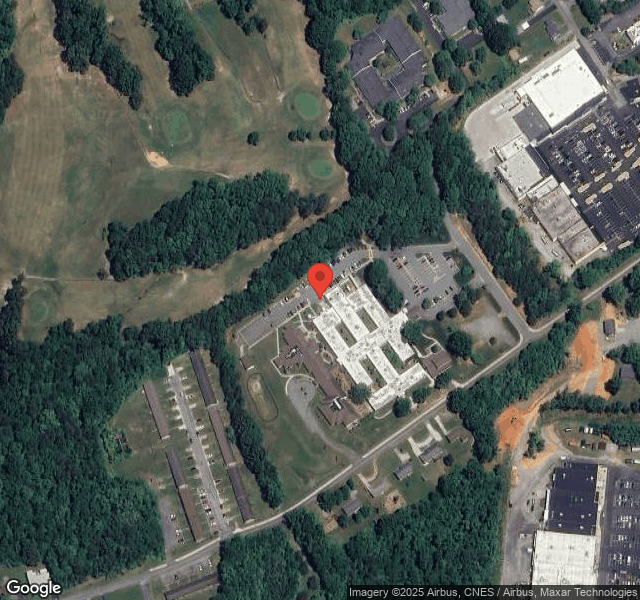
CONCERN (D)

Potential for Harm - no one hurt, but risky conditions existed

Deficiency F0657 (Tag F0657)

Could have caused harm · This affected 1 resident

**NOTE- TERMS IN BRACKETS HAVE BEEN EDITED TO PROTECT CONFIDENTIALITY** 2. Resident #13 was originally admitted to the facility on [DATE] and readmitted on [DATE] with diagnoses that included routine ...

Read full inspector narrative →
**NOTE- TERMS IN BRACKETS HAVE BEEN EDITED TO PROTECT CONFIDENTIALITY** 2. Resident #13 was originally admitted to the facility on [DATE] and readmitted on [DATE] with diagnoses that included routine healing of left humerus and left femur fractures, atrial fibrillation, anxiety disorder, depression, osteoarthritis, chronic obstructive pulmonary disease (COPD), pneumonia due to coronavirus disease, and acute respiratory failure. The most recent minimum data set (MDS) dated [DATE] was a significant change and assessed Resident #13 as cognitively intact for daily decision making with a score of 13 out of 15. Resident #13's clinical record was reviewed on 01/22/2022 at 2:30 p.m. Observed on the order summary report was the following: DNR (Do Not Resuscitate) Order Date 11/27/2021. Observed on the resident manager contact screen in the electronic health record was the following: Code Status: DNR. Observed on Resident #13's care plan was the following: Resident has advanced directives. Resident is a Full Code. Date Initiated/Created: 09/21/2021. On 01/27/2022 at 4:00 p.m., the MDS coordinator (RN #9) who was responsible for the care plans was interviewed. RN #9 reviewed Resident #13's clinical record which included the history and physical which documented Resident #13 was a DNR (do not resuscitate). RN #9 stated that Resident #13's care plans should have been reviewed and revised to reflect the code status change when Resident #13 was readmitted on [DATE]. The above findings were reviewed with the administrator, director of nursing and corporate nurse consultant during a meeting on 01/27/2022 at 5:30 p.m. A review of the facility's Comprehensive Care Planning policy (revised 07/19/2019) documented the following: B. An Interim Baseline Care plan must be developed within 48 hours of admission to insure that the resident's needs are met appropriately until the Comprehensive Care plan is completed. C. A Comprehensive Care Plan must be developed by the interdisciplinary Care Planning Team within seven (7) days after completion of the of the comprehensive assessment (MDS). F. The Comprehensive Care Plan is reviewed and updated at least every 90 days by the interdisciplinary team. No additional information was provided to the survey team prior to exit on 01/28/2022 at 1:00 p.m. Based on observation, staff interview and clinical record review, the facility staff failed to review and revise the comprehensive care plan for two of 36 residents in the survey sample, Resident #155 and #94. Resident #155's plan of care was not revised to reflect discontinued use of bed/chair alarms. Resident #94's plan of care was not updated to reflect a change in resuscitation status. The findings include: 1. Resident #155 was admitted to the facility on [DATE] with a readmission on [DATE]. Diagnoses for Resident #155 included cerebral palsy, cognitive communication deficit, left wrist contracture, cardiomyopathy, anemia, obstructive sleep apnea, restless leg syndrome, congestive heart failure, chronic kidney disease, atrial fibrillation, seizure disorder, fractured left femur, chest wall abscess and pneumonia. The minimum data set (MDS) dated [DATE] assessed Resident #155 with moderately impaired cognitive skills. Resident #155's clinical record documented the resident had a history of frequent falls. Nursing notes documented the resident fell attempting to get out of bed on 12/25/21 and was hospitalized for a fractured femur as a result of the fall. Resident #155's plan of care (revised 12/27/21) documented the resident was at risk of falls due to decreased mobility, weakness, history of falling, poor safety awareness. The plan documented, .Will attempt to transfer/walke (walk) without staff assist at times. Has Pressure/Alarm for bed/chair . Interventions listed to prevent falls and/or injuries included, .Education not to turn off alarm .Pressure alarm bed/chair . On 1/27/22 at 8:40 a.m., Resident #155 was observed on the bedside eating breakfast. No pressure alarm was observed in use. On 1/27/22 at 9:00 a.m., accompanied by certified nurses' aide (CNA) #11, Resident #155 was observed in bed with no bed alarm in use. CNA #11 was interviewed at this time about the alarm. CNA #11 stated she did not recall the resident using a bed alarm. CNA #11 stated she had cared for Resident #155 routinely since last March (2021) and no bed/chair alarm had been used. On 1/27/22 at 3:30 p.m., the registered nurse unit manager (RN) #2 was interviewed about Resident #155's plan of care indicating alarm use. RN #2 stated the facility did not routinely use bed/chair alarms and the resident's care plan must not have been updated to remove the alarms. On 1/27/22 at 4:00 p.m., RN #9 responsible for MDS and care plans was interviewed. RN #9 reviewed Resident #155's plan of care and stated the alarms were added to the plan on 1/4/21. RN #9 stated the alarms were no longer used with Resident #155. RN #9 stated Resident #155 had a care plan review most recently on 1/7/22 and the alarms should have been deleted from the plan. This finding was reviewed with the administrator, director of nursing and nursing consultant on 1/27/22 at 5:30 p.m.
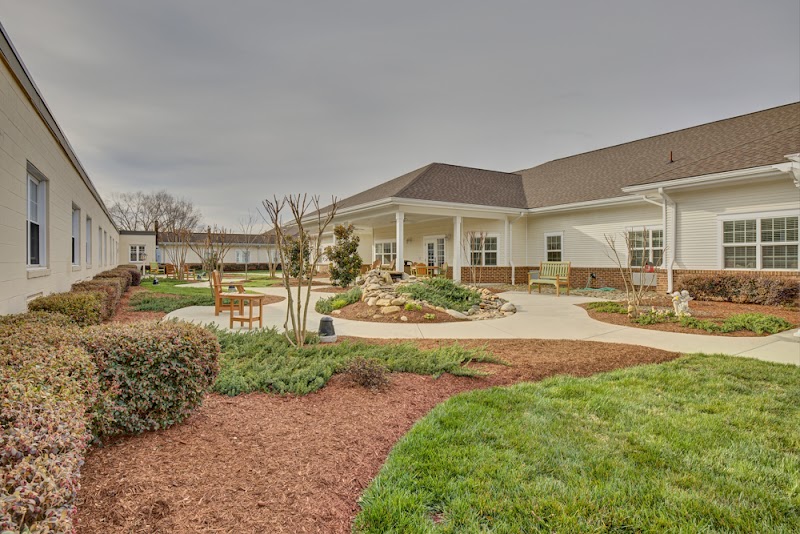
CONCERN (D)

Potential for Harm - no one hurt, but risky conditions existed

Pharmacy Services (Tag F0755)

Could have caused harm · This affected 1 resident

**NOTE- TERMS IN BRACKETS HAVE BEEN EDITED TO PROTECT CONFIDENTIALITY** Based on observation, resident interview, staff interview, clinical record review and facility document review, the facility sta...

Read full inspector narrative →
**NOTE- TERMS IN BRACKETS HAVE BEEN EDITED TO PROTECT CONFIDENTIALITY** Based on observation, resident interview, staff interview, clinical record review and facility document review, the facility staff failed to ensure physician ordered, IV (intravenous) antibiotic medication was available for administration for one of 36 residents in the survey sample, Resident #313. Findings include: Resident #313 was admitted to the facility on [DATE]. Diagnoses for Resident #313 included, but were not limited to: cirrhosis of the liver without ascites, hypotension, collapsed vertebrae/fracture, acute kidney failure, moderate protein calorie malnutrition, hypothyroidism, compression fracture (L-5) secondary to discitis and osteomyelitis, discitis of lumbosacral region, and closed compression fracture of sacrum. The most current MDS (minimum data set) was the admission assessment, which was in progress and not complete for Resident #313. An admission nursing assessment dated [DATE] at 7:15 PM documented, .arrival date & time: 01/20/22 7:15 PM from hospital .Reason For admission: IV antibiotic administration .diagnoses/condition .infection .IV meds/fluids .antibiotics .alert and oriented to situation, able to make needs known . On 01/25/22 at approximately 12:50 PM, during the initial tour of the facility, Resident #313 was observed in her room in bed. A central venous access device was observed in the resident's right upper chest area. Resident #313 stated that she had a fracture and infection in her spine, and that she had been in the hospital receiving IV antibiotics (prior to admission to the facility) and was supposed to be receiving them here as well. Resident #313 stated that she had not received any IV antibiotics since she had arrived here. Resident #313 was asked when she was admitted , and she stated that she came late Thursday evening (January 20, 2022). Resident #313 was asked if she had reported to anyone that she had not received the medication. The resident stated, Everyday, and further stated that the physician had come in to see her (she thought on Friday, 01/21/22) and that he had ordered the medication, but she still had not received it. Resident #313 stated that the nurses have kept telling her that the IV antibiotics were coming and that she wasn't sure what was going on. Resident #313 stated that she thought she was supposed to have the IV medication therapy for about 4 to 6 weeks. On 01/25/22 at approximately 1:30 PM, Resident #313's clinical record was reviewed. The current physician's orders included an order for, .Ertapenem Sodium Solution Reconstituted 1 GM (gram) Use 1000 mg (milligrams) intravenously every 24 hours for discitis .Order Status: Active .Order Date: 01/20/22 .Start Date: 01/20/22 . The MARs (medication administration records) were reviewed for January 2022. The MARs documented, .Ertapenem Sodium Solution Reconstituted 1 GM Use 1000 mg intravenously every 24 hours for discitis .Start Date: 01/20/22 (2:30 PM) . Each day from 01/21/22 through 01/25/22 staff initials were documented with the time and the number 19 in each box for the IV medication. The number 19, on the legend (chart codes) indicated, 19=Other/See Nurse Notes. The MAR was blank on 01/20/22. Resident #313's nursing notes documented each day that the medication was on order. No nursing or progress notes were found to indicate the physician had been notified that the medication was on order, not available for administration, or that Resident #313 had not been receiving the medication as ordered. The resident's current CCP (comprehensive care plan) documented, .Resident is on antibiotic therapy .administer the full course of antibiotic as prescribed by physician .resident has infection .Administer antibiotics .per physician orders and monitor side effects .Resident is on intravenous therapy . On 01/25/22 at 2:15 PM, Resident #313's physician was interviewed and was asked if he had been notified by staff that Resident #313 had not received the physician ordered IV antibiotic in the last five days. The physician stated, No, I got something from (name of pharmacy) today that they (pharmacy) were sending a 5 day supply because it's not covered, but I didn't know (she had not received it). On 01/25/22 at 4 :25 PM, the administrator and DON (director of nursing) were made aware of the above information. A policy was requested for unavailable medications. The policy was presented, Medication shortages/Unavailable Medications. The policy documented, .upon discovery that the facility has an inadequate supply of medication to administer .should immediately initiate action to obtain the medication from pharmacy .nurse should call pharmacy to determine the status of the order .if the medication is not available in the emergency medication supply .notify pharmacy and arrange for an emergency delivery, if medically necessary .if an emergency delivery is unavailable .nurse should contact the attending physician to obtain orders or directives . No further information and/or documetnation was presented prior to the exit conference on 01/28/22.
CONCERN (D)

Potential for Harm - no one hurt, but risky conditions existed

Dental Services (Tag F0791)

Could have caused harm · This affected 1 resident

**NOTE- TERMS IN BRACKETS HAVE BEEN EDITED TO PROTECT CONFIDENTIALITY** Based on resident interview, staff interview and clinical record review, the facility staff failed to provide dental services fo...

Read full inspector narrative →
**NOTE- TERMS IN BRACKETS HAVE BEEN EDITED TO PROTECT CONFIDENTIALITY** Based on resident interview, staff interview and clinical record review, the facility staff failed to provide dental services for one of 36 residents in the survey sample, Resident #57. Resident #57 had no follow-up dental services provided regarding acquisition of dentures. The findings include: Resident #57 was admitted to the facility on [DATE] with diagnoses that included diabetes, anxiety, schizophrenia, bipolar disorder, vertigo, hypertension, major depressive disorder and gastroesophageal reflux disease. The minimum data set (MDS) dated [DATE] assessed Resident #57 with moderately impaired cognitive skills. On 1/26/21 at 3:40 p.m., Resident #57 was interviewed about quality of care in the facility. Resident #57 stated she had seen a dentist a couple of months ago and had impressions made for dentures. Resident #57 stated she had heard nothing else about getting her dentures. Resident #57's clinical record documented a dental consultation dated 12/1/21 stating, Patient in need of Dentures. took impressions today to start process and needs to return in 3 + weeks for next step of process. The clinical record made no further mention of the resident's denture needs and documented no follow-up appointment to obtain the dentures. On 1/27/21 at 5:00 p.m., the facility's social worker (other staff #4) was interviewed about follow-up dental services for Resident #57. The social worker stated she was aware Resident #57 went to the dentist in December 2021 for dentures. The social worker stated the resident was supposed to have a follow-up appointment according to the consult report. The social worker stated she did not know why the appointment had not been scheduled. The social worker stated there were schedulers in the facility that usually made appointments for residents. On 1/27/22 at 5:13 p.m., the scheduler (other staff #5) was interviewed about any follow-up appointment or arrangements regarding Resident #57's dentures. The scheduler stated the dental office usually called with the follow-up appointments. The scheduler stated she had no record of any contact with the dental office and stated nobody had requested that she make the appointment for Resident #57. The scheduler stated, Nobody called me on this one. I don't have it down. This finding was reviewed with the administrator, director of nursing and nursing consultant on 1/27/22 at 5:30 p.m.
CONCERN (D)

Potential for Harm - no one hurt, but risky conditions existed

Food Safety (Tag F0812)

Could have caused harm · This affected 1 resident

Based on observation, staff interview, and facility document review, the facility staff failed to store and prepare food in a sanitary manner in the main kitchen of the facility. The findings include:...

Read full inspector narrative →
Based on observation, staff interview, and facility document review, the facility staff failed to store and prepare food in a sanitary manner in the main kitchen of the facility. The findings include: On 01/25/2022 at 12:03 p.m., accompanied by the dietary manager, the facility's main kitchen was inspected. Stored in the stand-up cooler #6 was one half-pint carton of Maola reduced fat milk with an expired date of 01/24/22 and one half-pint carton of Maola whole milk with an expired date of 01/22/22. . On 01/25/2022 at 12:15 p.m., the dietary manager was interviewed about the cartons of the expired milk. The dietary manager stated kitchen employees were supposed to check the refrigerators and stand-up coolers units daily for expired items and discard them as needed. The dietary manager was asked for a policy regarding food storage and expired items. A review of the policy Freezers and Refrigerators Policy (revised 06/09/2021) documented the following: .8. Food and Nutrition Services Director and Staff will be responsible for ensuring food items in refrigerators and freezers are not expired or past perish dates . On 01/26/2022 at 5:25 p.m., the above findings were discussed with the facility administrator, the director of nursing (DON) and the corporate nurse consultant. No additional information was provided to the survey team prior to exit on 01/28/2022 at 1:00 p.m.
CONCERN (D)

Potential for Harm - no one hurt, but risky conditions existed

Deficiency F0839 (Tag F0839)

Could have caused harm · This affected 1 resident

Based on observations, staff interviews, facility document review, and review of manufacturer's instructions, the facility staff failed to properly calibrate glucometers on two of four nursing units, ...

Read full inspector narrative →
Based on observations, staff interviews, facility document review, and review of manufacturer's instructions, the facility staff failed to properly calibrate glucometers on two of four nursing units, Butterfly Path and Serenity. The findings include: 1. On 1/27/2022 at approximately 8:50 a.m., during an inspection of a medication cart on the Butterfly Path Unit, LPN (Licensed Practical Nurse) # 1, who was using the cart, was asked about the glucometer in the cart. LPN # 1 said she had not used the glucometer, that Glucometer checks are done on third shift. Asked when the glucometer was calibrated, LPN # 1 said she did not know. At 9:30 a.m. on 1/27/2022, RN (Registered Nurse) # 3, the Unit Manager on the Butterfly Path Unit, was asked about the calibration of the glucometers on the unit. RN # 3 said there were two glucometers on the unit, one on each medication cart, and that glucometer checks are done on the third shift. Asked if she knew how to calibrate the glucometers, RN # 3 said she did not. RN # 3 was asked for the log documenting the calibration of the glucometers, but was unable to find it. A 9:45 a.m., RN # 3 was asked again if she knew how to calibrate a glucometer, and RN # 3 again replied that she did not. RN # 3 was then asked to get a staff member who did know how to calibrate a glucometer. At 10:10 a.m., RN # 1 came to the Butterfly Path Unit to assist RN # 3 in calibrating a glucometer. Going to one of the medication carts on the unit, RN # 1 took a glucometer (Assure Prism Multi Blood Glucose Monitoring System) and inserted a test strip into the test strip port. RN # 1 then opened a small box containing the Level 1 and Level 2 control solutions. Next, RN # 1 opened the Level 1 control solution bottle and applied one drop of solution to the tip (narrow edge) of the test strip. The control solution result displayed on the glucometer was 158. The test range on the Level 1 control solution was 113 to 170. RN # 1 then discarded the used test strip and inserted a new strip in the test strip port. She then opened the Level 2 control solution bottle and applied one drop of solution to the tip (narrow edge) of the test strip. The control solution result displayed on the glucometer was 237. The test range on the Level 2 control solution was 198 to 297. RN # 1 provided the User Instruction Manual for the Assure Prism Multi Blood Glucose Monitoring System. The Checking the System instructions began on page 19 of the Instruction Manual and noted the following: NOTE: Before using the control solution, shake the bottle, discard the first 1 or 2 drops and wipe the top of the control solution cap clean. Assure Prism Control Solution Testing Step 1 Insert a test strip into the meter's test strip port with the contact bars facing upwards. Gently push the test strip into the test strip port until the meter beeps. Be careful not to bend the strip while pushing it in. The (image) symbol will be displayed on the screen. Step 2 Shake the Assure Prism Control Solution bottle well before each test. Step 3 Remove the cap and discard the first 1 or 2 drops. Apply one drop of control solution to the top of the control solution cap. Step 4 After the (image) symbol appears on the display, touch the narrow edge of the test strip to the control solution until the meter beeps RN # 1 was the given the Instruction Manual and asked to read the test procedure, starting with page 19. After reading the instructions, RN # 1 was asked if that was what she did. No, I did not do that, RN # 1 replied. 2. At 10:30 a.m. on 1/27/2022, LPN # 6 on the Serenity Unit, was asked about calibrating the glucometers on the medication carts. LPN # 6 said there were two glucometers, one on each medication cart, and that she calibrates them every morning. LPN # 6 then produced a calibration log documenting the calibration of both glucometers. LPN # 6 was asked to calibrate one of the two glucometers. LPN # 6 calibrated the selected glucometer in the same way used by RN # 1 on the Butterfly Path Unit. The Level 1 reading was 120 with a test range of 113 to 170, and the Level 2 reading was 236, with a test range of 198 to 297. LPN # 6 was the given the Instruction Manual and asked to read the test procedure, starting with page 19. After reading the instructions, LPN # 6 was asked if that was what she did. That is not what I did. I did not shake the (test solution) bottles, but I did roll the box over several times before I took the bottles out, LPN # 6 said. Review of the facility's Glucometer/Point of Care Blood Testing and Disinfection Procedure, revised on 3/26/2021, and furnished by the Director of Nursing (DON), noted the following, Quality Control (QC) testing will occur according to manufacturer guidance and be documented on the QC log. During an end of day meeting at 5:00 p.m. on 1/27/2022, that included the Administrator, DON, Corporate Nurse Consultant, and the survey team, the findings regarding the calibration of the glucometers was discussed.
CONCERN (D)

Potential for Harm - no one hurt, but risky conditions existed

Medical Records (Tag F0842)

Could have caused harm · This affected 1 resident

Based on clinical record review and staff interview, the facility failed to ensure the accuracy and privacy of the resident's clinical record for one of 37 residents in the survey sample, Resident # 7...

Read full inspector narrative →
Based on clinical record review and staff interview, the facility failed to ensure the accuracy and privacy of the resident's clinical record for one of 37 residents in the survey sample, Resident # 76. A nursing Progress Note in Resident # 76's clinical record included the names of three other residents. The findings were: Resident # 76 was admitted to the facility with diagnoses that included atrial fibrillation, aphasia, Non-Alzheimer's dementia, seizure disorder, ataxia, tremors, and hypothyroidism. According to the most recent Minimum Data Set, a Quarterly review with an Assessment Reference Date of 11/23/2021, the resident was assessed under Section C (Cognitive Patterns) as being severely cognitively impaired, with a Summary Score of 00 out of 15. Review of the Progress Notes in the resident's Electronic Health Record revealed the following entry, dated 1/10/2011 at 15:15 (3:15 p.m.): Resident was attempting to take (name of first resident) walker and (name of first resident) was telling her to move and leave it alone but (name of Resident # 76) would not leave it alone, staff attempted to redirect (name of Resident # 76), she became agitate (sic) with staff and jerked away from staff, writer told staff to just watch her and let her calm down. At this time (name of Resident # 76) went to (name of second resident) and attempt (sic) to push her w/c (wheelchair) and (name of second resident) became agitated and began fussing at (name of Resident # 76) and telling her to leave me alone lady, again, attempts to redirect (name of Resident # 76) and she became really agitated. She told staff to kiss her ass, she began hitting at staff until staff had to intervene and take her by the arms and guide her away. While staff was having a meeting, (name of Resident # 76) grabbed the foot of (name of third resident) recliner and attempted to turn her chair over. Writer intervened and removed (name of Resident # 76). She began hitting writer and she spit in writer's face. Another staff member gave her ice cream and she sat down for awhile. At approximately 9:15 a.m. on 1/28/2022, the Progress Note entry was shared with the Director of Nursing (DON). Asked about the inclusion of other resident names in the Progress Note entry for Resident # 76, the DON said it was .not something I would expect to see. During a meeting at approximately 10:30 a.m. on 1/28/2022 that included the Administrator, DON, Corporate Nurse Consultant, and the survey team, the finding was discussed.
CONCERN (D)

Potential for Harm - no one hurt, but risky conditions existed

Deficiency F0849 (Tag F0849)

Could have caused harm · This affected 1 resident

**NOTE- TERMS IN BRACKETS HAVE BEEN EDITED TO PROTECT CONFIDENTIALITY** Based on staff interview, clinical record review, and facility document review, the facility staff failed to ensure professional...

Read full inspector narrative →
**NOTE- TERMS IN BRACKETS HAVE BEEN EDITED TO PROTECT CONFIDENTIALITY** Based on staff interview, clinical record review, and facility document review, the facility staff failed to ensure professional standards of practice by a hospice provider for one of 36 residents in the survey sample, Resident #122. Records of weekly hospice visits for Resident #122 were not provided to the facility as required in the hospice services agreement. The findings include: Resident #122 was admitted to the facility on [DATE] with diagnoses that included hemiplegia and hemiparesis, facial weakness, pneumonia, Alzheimer's disease, dementia, anxiety disorder, aphasia, and hospice care. The most recent minimum data set (MDS) dated [DATE] was a significant change and assessed Resident #122 as severely impaired for daily decision making having long and short term memory problems. Under Section O - Special Treatments and Programs, the MDS assessed Resident #122 as receiving hospice services. Resident #122's clinical record was reviewed on 01/26/22. Observed on the order summary report was the following: Admit to Hospice (Provider Name/Number) dx. Alzheimers. Order Date 12/21/2021. Observed on Resident #122's care plan was the following: Resident is on Hospice services for end of life care. (Provider Name/Number). Dated Initiated/Created: 12/21/2021. On 01/26/2022, Resident #122's hospice binder was reviewed. Observed in the binder were the hospice assessment, plan of care, and hospice nursing visit notes. The most recent hospice nursing visit note in the binder was 01/05/2022. There were no other updated/current notes in the binder since 01/05/2022. On 01/26/2022 at 2:30 p.m., the unit manager, registered nuse (RN) #7 was interviewed regarding the missing hospice visit notes. RN #7 was asked how often did someone from hospice visit and provide/coordinate care for Resident #122. RN #7 stated, Someone from hospice usually comes a couple times per week. RN #7 was asked how hospice notes were received by the facility once visits were completed. RN #7 stated, They have a liaison who usually comes the following week and she will bring the hospice notes to file in the binder. They don't have access to (electronic system) so they are not able to document there. RN #7 stated, When the hospice staff come they do talk with the floor nurse and discuss any concerns or updates to (Resident #122) plan of care. I will need to contact someone at hospice regarding the missing notes. RN #7 was asked how were the updates and/or concerns communicated between staff. RN #7 stated, We have the 24 hour report and also the hospice visits notes. On 01/26/2022 at 5:25 p.m., the above findings were discussed during a meeting with the administrator, director of nursing and the corporate nurse consultant. On 01/27/22 at 5:30 p.m., RN #7 stated, I spoke with hospice and the hospice liaison who normally printed and filed and notes has been out of work. Someone from hospice is going to fax or email me the missing notes. I may need to request them to do this in the future. A review of the Nursing Facility Services Agreement signed on June 3, 2021 between the facility and the hospice provider documented on page 9 the following.e. Provision of Information. Hospice shall promote open and frequent communication with Facility and shall provide Facility with sufficient information to ensure that the provision of Facility Services under this Agreement is in accordance with the Hospice Patient's Plan of Care, assessments, treatment planning and care coordination . No additional information was provided to the survey team prior to exit on 01/28/2022 at 1:00 p.m.
CONCERN (D)

Potential for Harm - no one hurt, but risky conditions existed

Deficiency F0943 (Tag F0943)

Could have caused harm · This affected 1 resident

Based on staff interview, facility document review, and facility training record review, the facility staff failed to ensure 2 of 182 employees were up-to-date for abuse, neglect, and exploitation tra...

Read full inspector narrative →
Based on staff interview, facility document review, and facility training record review, the facility staff failed to ensure 2 of 182 employees were up-to-date for abuse, neglect, and exploitation training. Findings include: Beginning 1/27/22/at 4:00 p.m. the facility training records for on abuse, neglect, and exploitation were reviewed for all staff. Two staff did not have proof of the required training. The DON (director of nursing) was present, and asked about the two employees with no record of yearly training for this requirement. The DON stated, The CNA (certified nursing assistant) tells me she has done that; the housekeeping staff doesn't think he completed it. The CNA says she can provide that information, so I told her to have it here as soon as possible. The DON was advised the CNA could provide the proof as soon as possible. The DON was also asked for a copy of the policy for the training. The housekeeping staff electronic signature for the training was dated 10/14/20. The CNA electronic signature was 10/16/20. The policy Virginia Resident Abuse Policy was reviewed and documented the following: 2). TRAINING (sic) The facility will educate it's staff upon orientation and periodically thereafter regarding the facility's policy concerning abuse, neglect, mistreatment, exploitation, involuntary seclusion and/or misappropriation of property and how to handle resident-to-resident abuse and injuries of unknown source. On 1/28/22 at 9:00 a.m. the DON stated, The CNA did not provide proof of the training, so I am going to have to say that neither employee is current on that particular training. No further information was provided prior to the exit conference.
CONCERN (D)

Potential for Harm - no one hurt, but risky conditions existed

Deficiency F0947 (Tag F0947)

Could have caused harm · This affected 1 resident

Based on staff interview and training hours review, the facility staff failed to ensure one of 44 CNA's (certified nursing assistant) had the required 12 training hours per year. Findings include: On...

Read full inspector narrative →
Based on staff interview and training hours review, the facility staff failed to ensure one of 44 CNA's (certified nursing assistant) had the required 12 training hours per year. Findings include: On 1/27/22 beginning at 4:00 p.m. training records for CNA staff were reviewed for 12 hours of training per year. The DON (director of nursing) was present during the review, and was advised of the CNA with only 10.25 hours of required training. The DON stated the CNA was sure she had documentation of the training, and would provide the documentation. On 1/28/22 at 9:30 a.m. the DON stated (Name of CNA) was not able to provide documentation of the training hours. All I have for her is what I gave you. No further information was provided prior to the exit conference.
CONCERN (E)

Potential for Harm - no one hurt, but risky conditions existed

Safe Environment (Tag F0584)

Could have caused harm · This affected multiple residents

**NOTE- TERMS IN BRACKETS HAVE BEEN EDITED TO PROTECT CONFIDENTIALITY** Based on observation, resident interview and staff interview, the facility staff failed to ensure a safe, clean, homelike enviro...

Read full inspector narrative →
**NOTE- TERMS IN BRACKETS HAVE BEEN EDITED TO PROTECT CONFIDENTIALITY** Based on observation, resident interview and staff interview, the facility staff failed to ensure a safe, clean, homelike environment on two of four units. Rooms on unit 1 and unit 3 had damaged call bell panel boxes that were loose and/or pulled from the wall in addition to, a dirty/damaged heat unit panel and scraped wall in room [ROOM NUMBER]. The findings include: On 1/25/22 at 12:51 p.m., the call bell box in room [ROOM NUMBER] above bed #3 was observed damaged. The box near the head of bed #3 was pulled completely from the wall leaving the inside of the wall visible. Conduit and wiring to the panel were visible in the gap between the wall and the displaced box. A stainless panel on the wall above the bedside table adjacent to this bed had an exposed black and yellow wire and a broken piece of plastic loosely attached beside the light switch. The front cover of the heat unit in this room was dislodged with a gap along the top right edge. The cover to the heat unit controls was bent and unable to close. The top of the heat unit and the louvered vents were covered with lint and debris. Additional observations in room [ROOM NUMBER] revealed an additional call bell box pulled from the wall beside bed #1. A section of dry wall on the outside right wall of the bathroom near the end of bed #4 was scraped and missing paint. On 1/25/22 at 1:35 p.m., accompanied by two maintenance employees (other staff #7 and #8), the broken call bell panel, damaged heat unit and exposed wiring were observed in room [ROOM NUMBER]. The maintenance employee (other staff #7) stated the frame holding the call bell box was cracked/broken. The maintenance employee stated the exposed wires were where a landline telephone was once attached. The maintenance employee stated some rooms had telephones but he did not know why this room did not have a phone. The maintenance employee (other staff #8) stated he kicked the panel on the heat unit and put it back in place. On 1/26/22 at 2:12 p.m., the call bell box in room [ROOM NUMBER] was observed. The panel box was on the wall above the resident's bed on the window side of the room and had the call bell plugged into the box. The box was loose and pulled from the wall. There was grooved and damaged dry wall present around the panel box in a circular pattern. On 1/28/22 at 8:30 a.m., Resident #78's room was observed. The call bell box was crooked, loose and pulled from the wall with patched dry wall around the panel. Resident #78 (assessed by the facility as cognitively intact) was interviewed at this time about the loose panel. Resident #78 stated the panel box had been loose and pulled from the wall since he had moved into the room. The clinical record documented Resident #78 moved into this room on 12/6/21. On 1/28/22 at 9:13 a.m., the maintenance supervisor (other staff #3) was interviewed about the damaged call bell boxes, scraped wall and bent heat unit. The maintenance supervisor stated each unit had a folder for documenting work orders and that any staff member could enter an order for repairs. The maintenance supervisor stated the orders were reviewed each day and assigned to staff. The maintenance supervisor stated the call bell panel boxes stuck out of the wall and when resident beds were moved up/down, the boxes and the walls were easily damaged. The maintenance supervisor stated her floor guys performed floor rounds every two weeks and damaged items were repaired. The maintenance supervisor reviewed work orders and stated she had no current orders for the above items. The maintenance supervisor stated the call bell box above bed #3 in room [ROOM NUMBER] had been previously repaired on 12/16/21. This finding was reviewed with the administrator and director of nursing on 1/28/22 at 11:15 a.m.r
CONCERN (E)

Potential for Harm - no one hurt, but risky conditions existed

Abuse Prevention Policies (Tag F0607)

Could have caused harm · This affected multiple residents

Based on review of employee personnel files, staff interview, and review of facility policy, the facility failed to implement their Virginia Resident Abuse Policy for the screening of new employees, f...

Read full inspector narrative →
Based on review of employee personnel files, staff interview, and review of facility policy, the facility failed to implement their Virginia Resident Abuse Policy for the screening of new employees, for 11 of 25 personnel files reviewed. Eleven of 25 employee personnel files did not include a Sworn Statement. The findings were: On 1/26/2022, the Director of Nursing (DON) was provided a list of 25 employees who were identified as new employees in the last two years. Information requested for each employee included the Sworn Statement, Criminal Record Check, License (if applicable), and References. Review of the personnel files revealed 16 of 25 did not have a Sworn Statement. The DON was given a list of the 16 employee files that were missing the Sworn Statement. The DON subsequently provided a Sworn Statement for five of the 16 employee files. The DON also provided a copy of an email addressed to the Human Resources Director of the facility's former owner asking for the Sworn Statements. Review of the facility's Virginia Resident Abuse Policy, revised on 7/14/2020, noted the following: Procedure: 1. Screening 1) It is the policy of the facility to undertake background checks of all employees and to retain on file applicable records of current employees regarding such checks. a. The facility will do the following prior to hiring a new employee: b. This Facility will generally require that all potential employees certify as a part of the employment application process that they have not been convicted of an offense or otherwise been found guilty of an offense that would preclude employment in a nursing facility. c. It is the ongoing obligation of all employees to alert the Facility administrator of any conviction or finding that would disqualify them from continued employment with Facility under State or Federal law, or the facility's policies. During an end of day meeting at 5:00 p.m. on 1/27/2022, that included the Administrator, DON, Corporate Nurse Consultant, and the survey team, the missing 11 Sworn Statements was discussed. At the time of the Exit Conference at 12:00 p.m. on 1/28/2022, no further information or additional Sworn Statements was provided.
CONCERN (E)

Potential for Harm - no one hurt, but risky conditions existed

Deficiency F0725 (Tag F0725)

Could have caused harm · This affected multiple residents

**NOTE- TERMS IN BRACKETS HAVE BEEN EDITED TO PROTECT CONFIDENTIALITY** 3. Resident #313 admitted to the facility on [DATE]. Diagnoses for Resident #313 included, but were not limited to: cirrhosis of...

Read full inspector narrative →
**NOTE- TERMS IN BRACKETS HAVE BEEN EDITED TO PROTECT CONFIDENTIALITY** 3. Resident #313 admitted to the facility on [DATE]. Diagnoses for Resident #313 included, but were not limited to: cirrhosis of the liver without ascites, hypotension, collapsed vertebrae/fracture, acute kidney failure, moderate protein calorie malnutrition, hypothyroidism, compression fracture (L-5) secondary to discitis and osteomyelitis, discitis of lumbosacral region, closed compression fracture of sacrum, and IV Ertapenem for prolonged therapy. No completed MDS (minimum data set) information was available yet for this resident. An admission nursing assessment for Resident #313 dated 01/20/22 at 7:15 PM documented, .arrival date &time: 01/20/22 7:15 PM .from hospital. Reason For admission: IV antibiotic administration .diagnoses/condition .infection .IV meds/fluids .antibiotics .alert and oriented to situation, able to make needs known .ADL (activities of daily living)/mobility: Limitation present: Yes .ambulation: two person assist .bathing, dressing: one person assist .toileting: one person assist .transfer: mechanical lift . On 01/26/22 at 2:12 PM, Resident #313 was interviewed and stated that the facility was short staffed. Resident #313 stated that sometimes you can ring the call bell and it may take 20 minutes or may take 2 hours and That's just since I've been here.' Resident #313 stated that she had only been at the facility a week and That's saying something. Resident #313 was asked why she felt that the facility was short staffed. Resident #313 stated it takes so long for them to respond and that she has heard the nurses in the halls saying that they are short staffed. The resident stated, If I call at night, it can be 2 hours wait and that she can't get up and go to the bathroom by herself. Resident #313 stated, I know they are short staffed .If it gets bad, I say the hell with it and end up wetting myself. Resident #313 was asked when that happens, how long does she have to wait to get cleaned up and dried. The resident stated, Maybe another half hour. Resident #313 stated that it happens at least three times a week. Resident #313's comprehensive care plan documented, .self care deficit .assist with .daily living, dressing, grooming, toileting .maintain call light in reach . 4. On 01/26/22 at 2:50 PM, Resident #149 was interviewed regarding care and services in the facility. Resident #149 was admitted to the facility on [DATE]. Diagnoses for Resident #149 included, but were not limited to: diabetes type II high blood pressure, history of tumor on kidney, history of ovarian cancer, history of pulmonary embolism, osteoarthritis, chronic pain and increased lipids (hyperlipidemia). The most recent MDS (minimum data set) was a quarterly review, dated 01/08/22. This MDS assessed the resident with a cognitive score of 13, indicating the resident was cognitively intact for daily decision making skills. Resident #149 was assessed as requiring extensive assistance of one or two staff members for bed mobility, dressing, and personal hygiene, with total dependence upon staff for toileting, transfers, and bathing. Resident #149 was assessed as having limited range of motion in both lower extremities, as occasionally incontinent of bladder and frequently incontinent of bowel. Resident #149 stated that sometimes she will ask for help and staff won't do it, and that she didn't know why they don't do it. Resident #149 stated that a whole lot of the staff were nice, but there were some that aren't. The resident did not provide any names of staff members. Resident #149 was asked what she meant about staff being nice, the resident stated, Getting the help you need. Resident #149 stated that in the morning time when she is laying in the bed, after laying a long time her back and leg starts hurting and she will ask staff to get her up, but they won't help. The resident stated, I don't know if they are short staffed or if they just don't help. Resident #149 stated that when she has to go to the bathroom, before you get to go to the bathroom, they have to get a lift and that takes more time and Sometimes I pee on myself, I can't hold it all time for that long. Resident #149 stated that she will call the staff using the call bell and it takes a long time, maybe an hour or more, and sometimes they come in and push the light off and go on back to whatever they were doing and don't help. Resident #149 stated that she has reported it and she told the manager and stated the unit manager fired one girl and talked to the other people about it. Resident #149 stated, Just like bras, I don't have no [sic] bra on right now. Resident #149 stated that staff help her get dressed and they haven't been putting a bra on her. Resident #149 stated that they told her she didn't have any bras. Resident #149 stated that she had three bras and all of them are gone. Resident #149 stated that last Thursday (01/20/22) was the last time she had seen it, when staff took it off and it went to the wash. The resident stated that she likes someone to help her get out of bed, and that she has fallen out of the bed twice. Resident #149 stated the most recent fall was about a month ago. The resident stated that she had pushed the call better and no one ever came or would help, so she had tried to get up on her own and fell. Resident #149's current comprehensive care plan documented, .allow resident to choose what clothes to wear each day .help keep personal belongings taken care of in the room and facility .assist with .dressing, grooming, toileting .keep skin clean and dry .at risk for falls .labs as ordered, contact MD with any abnormal values .meds as ordered, contact MD with any side effects .review medication list for adverse interactions per routine .keep room and hallways clear of clutter .call bell within reach . On 01/28/22 at 8:20 AM, Resident #149 was interviewed again regarding call bell response and staffing concerns. Resident #149 stated, They're doing a little better since they seen you in here the other day. On 01/28/22 at 7:15 AM, CNA (certified nursing assistant) # 2 and #3 were interviewed regarding staffing and call bell response times. Both CNAs worked the night shift. CNA #2 stated that a lot of times, it's just us (two CNAs) for almost 30 residents each. CNA #2 stated that they come in thinking they will have at least three CNAs, but if someone calls off or they are short on another unit, one will get pulled, leaving only two. CNA #2 stated, I was giving a resident a bath, the other CNA was doing care on one of my residents and a resident with an alarm got up on her own to go to the bathroom. CNA #2 stated that you can't always leave the resident you are with to go check on another. CNA #2 stated that if they have at least three CNAs it's doable, but stated that 2 to 3 days each week we only have two CNAs and it happens almost weekly. CNA #3 stated, It's when you are in a room and another resident's light goes on, we can't leave that resident. The CNAs' were asked if they are able to complete the tasks for resident's care. CNA #3 stated that some resident's don't like to get up so early, so you have to go on to the next and then go back to that one. CNA #3 stated that there are times when she hasn't been able to get everything done. CNA #3 stated that as far as call bell response time, that they try to get to them as soon as possible, but that isn't always the case, and it really depends on what all is going on and what you may be tied up with in another resident's room. On 01/28/22 at 8:10 AM, a day shift CNA (#4) was interviewed. CNA #4 stated that she has been there for about 15 years and that she did think call bell response can be slow and staffing could be better. CNA #4 stated that they do work together and do their best to get it all done and stated, I make sure I do, if I have to stay over. On 01/28/22 at 8:15 AM, CNA #5 was interviewed regarding call bell response and staffing. CNA #5 stated, If someone calls out. 5. Resident #78 was admitted in November 2021. Diagnoses for this resident included, but were not limited to: PVD (peripheral vascular disease), BPH (benign prostatic hypertrophy) with a history of UTIs (urinary tract infections), high blood pressure, partial surgical amputation of the foot with wound vac placement, and muscle weakness. The most recent MDS was an admission assessment completed November 2021 that assessed Resident #78 was assessed with a cognitive score of 14, indicating the resident is intact for daily decision making skills. Resident #78 was also assessed as requiring limited to extensive assistance of one staff person for ADL's (activities of daily living). On 01/28/22 at 8:30 AM, Resident #78 was interviewed regarding call bell response and staffing. Resident #78 stated that he wasn't sure if they were short of staff, but stated that they are slow on call bell response at times. The resident's current comprehensive care plan documented, .self care deficit .assist with .daily living, dressing, grooming, toileting . The administrator, DON (director of nursing) and the nurse consultant were made aware of the above information in a meeting with the survey team on 01/27/22 at approximately 5:00 PM and again on 01/28/22 at approximately 10:30 AM. No further information and/or documetnation was presented prior to the exit conference on 01/28/22 at 1:00 PM This is a complaint deficiency. Based on resident interview, group interview, facility document review and staff interview, the facility staff failed to ensure call bell response was timely on three of four nursing units. Interviews with residents from unit 1, unit 2 and unit 3 revealed call bell response times greater than 20 minutes. The findings include: 1. Resident #57 was admitted to the facility on [DATE] with diagnoses that included diabetes, anxiety, schizophrenia, bipolar disorder, vertigo, hypertension, major depressive disorder and gastroesophageal reflux disease. The minimum data set (MDS) dated [DATE] assessed Resident #57 with moderately impaired cognitive skills. On 1/25/21 at 1:49 p.m., Resident #57 requested to speak to a surveyor about poor call bell response on her unit (unit 1). Resident #57 stated she frequently waited from 30 minutes to an hour for staff response to call bells especially at night. Resident #57 stated she required assistance with brief changes and rang the bell frequently when she was wet. Resident #57 stated that at times there were not enough staff members working and at other times staff working did not respond quickly. 2. An interview was conducted on 1/25/22 at 4:30 p.m. with five members of the resident council (Residents #33, #109, #118, #128, #148). These residents represented three out of the four nursing units (units 1, 2 and 3). The residents expressed concerns about lack of staffing and slow call bell response. Resident #109 that lived on unit 2 stated he frequently experienced wait times greater than 30 minutes. Resident council meeting minutes dated 1/5/22 documented, .Call bell response needs works (work) .an acceptable wait time would be 10-15 min (minutes) . On 1/27/22 at 4:48 p.m., the licensed practical nurse (LPN) #8 working on unit 1 was interviewed about staff response to call bells. LPN #8 stated all staff members were supposed to respond to call bells/lights. LPN #8 stated response to call bells was expected to be no more than 5 to 10 minutes. On 1/27/22 at 4:53 p.m., the certified nurses' aide (CNA #9) caring for Resident #57 on the evening shift was interviewed about call bell response times. CNA #9 stated Resident #57 frequently rang her bell with most requests related to brief changes. CNA #9 stated all staff members were supposed to answer call lights. CNA #9 stated she had been told to respond As fast as we can. On 1/28/22 at 8:20 a.m., LPN #9 that routinely worked on unit 1 was interviewed about call bell response times. LPN #9 stated all staff members were supposed to respond to call bells. LPN #9 stated there were issues seeing the call bells on the short hall on unit 1. LPN #9 stated if all the aides and/or nurses were working on the front hall, staff did not always promptly see call lights on the short hall. LPN #9 stated she knew some of the short hall call lights were delayed because they were not always immediately visible. On 1/28/22 at 11:12 a.m., the reports of slow call bell response were reviewed with the administrator and director of nursing (DON). The DON stated at this time that all staff were supposed to respond to call lights but frequently residents wanted their assigned aide to help them instead of some other staff member.
CONCERN (E)

Potential for Harm - no one hurt, but risky conditions existed

Drug Regimen Review (Tag F0756)

Could have caused harm · This affected multiple residents

**NOTE- TERMS IN BRACKETS HAVE BEEN EDITED TO PROTECT CONFIDENTIALITY** Based on staff interview, clinical record review, and facility document review, the facility staff failed to provide a timely re...

Read full inspector narrative →
**NOTE- TERMS IN BRACKETS HAVE BEEN EDITED TO PROTECT CONFIDENTIALITY** Based on staff interview, clinical record review, and facility document review, the facility staff failed to provide a timely response to pharmacy recommendations for 4 of 36 residents in the survey sample, Residents #87, #110, #14, and #149. The facility staff failed to act upon pharmacy recommendations regarding the need for the shingles vaccine for Residents #87, #110, #14; for the use of the medication Singular with diagnosed psychiatric conditions that included major depression and anxiety for Resident #14; and a recommendation for a dose reduction and/or discontinuation of medications related to falls for Resident #149. The findings include: 1. Resident #87 was admitted to the facility on [DATE] with diagnoses that included healing for lumbar fracture, schizophrenia, edema, hypertension, hypokalemia, and muscle weakness. The most recent minimum data set (MDS) dated [DATE] was a quarterly assessment and assessed Resident #87 as severely impaired for daily decision making with a score of 3 out of 15. Resident #87's clinical record was reviewed on 01/27/2022. A pharmacy recommendation dated October 12, 2021 through October 16, 2021 documented the following: (Resident #87) is [AGE] years of age or older and documentation of vaccination with Shingrix (zoster vaccine, recombinant) was not found in the medical record. Recommendation: Unless clinically contraindicated, please administer Shingrix 0.5 ml intramuscularly when available from the pharmacy, with a second does administered in 60 days The physician accepted the pharmacy recommendation and signed and dated the form on 10/26/2021. A review of Resident #87's electronic clinical record including the immunization record, physician orders, and the medication administration records (MAR) were reviewed for the period of October 2021 through January 2022. There was no documentation evidencing the facility had acted upon the pharmacy recommendation and administered the Shingrix vaccine as approved and ordered by the physician on 10/26/2021. On 01/27/2022 at 3:30 p.m., the unit manager, RN #7 was interviewed regarding why the pharmacy recommendation was not acted upon. RN #7 reviewed the clinical record and stated, I don't see where the vaccine was administered. I do remember having a conversation with one of the floor nurses who said she had called the pharmacy and was advised they didn't keep the Shingrix vaccine in stock and we would need to wait a couple of weeks to get it in. RN #7 was asked if the order was ever submitted to the pharmacy. RN #7 stated, I don't think it was, but I'm not sure unless the nurse thought the pharmacy would notify the facility once they had it in stock and then she would order the vaccine. The nurse RN #7 referenced was not available during the survey. On 01/27/2022 at 4:02 p.m. the pharmacist (OS #10) was interviewed via telephone. OS #10 stated there was not a shortage of the Shingrix vaccine. During the telephone interview, OS #10 stated she reviewed resident specific and facility specific reports for the period of October 2021 through January 2022 and did not show any orders were received from the facility for the Shingrix vaccine. These findings were discussed with the administrator, director of nursing, and corporate nurse consultant during a meeting on 01/27/2022 at 5:30 p.m. 2. Resident #110 was admitted to the facility on [DATE] with diagnoses that included hypertension, history of falls, anorexia, dementia, and major depressive disorder. The most recent minimum data set (MDS) dated [DATE] was a quarterly assessment and assessed Resident #110 as severely impaired for daily decision making, having long and short term memory problems. Resident #110's clinical record was reviewed on 01/27/2022. A pharmacy recommendation dated October 12, 2021 through October 16, 2021 documented the following: (Resident #110) is [AGE] years of age or older and documentation of vaccination with Shingrix (zoster vaccine, recombinant) was not found in the medical record. Recommendation: Unless clinically contraindicated, please administer Shingrix 0.5 ml intramuscularly when available from the pharmacy, with a second does administered in 60 days The physician accepted the pharmacy recommendation and signed and dated the form on 10/24/2021. Observed on the bottom of the pharmacy recommendation form was the following handwritten note: Spoke with (resident representative). She gave permission for pt to get Shingrix injection. The note was dated 11/5/21. On 01/27/2022 at 3:30 p.m., the unit manager, RN #7 was interviewed regarding why the pharmacy recommendation was not acted upon. RN #7 reviewed the clinical record and stated, I don't see where the vaccine was administered. I do remember having a conversation with one of the floor nurses who said she had called the pharmacy and was advised they didn't keep the Shingrix vaccine in stock and we would need to wait a couple of weeks to get it in. RN #7 was asked if the order was ever submitted to the pharmacy. RN #7 stated, I don't think it was, but I'm not sure unless the nurse thought the pharmacy would notify the facility once they had it in stock and then she would order the vaccine. The nurse RN #7 referenced was not available during the survey. On 01/27/2022 at 4:02 p.m. the pharmacist (OS #10) was interviewed via telephone. OS #10 stated there was not a shortage of the Shingrix vaccine. During the telephone interview, OS #10 stated she reviewed resident specific and facility specific reports for the period of October 2021 through January 2022 and did not show any orders were received from the facility for the Shingrix vaccine. These findings were discussed with the administrator, director of nursing, and corporate nurse consultant during a meeting on 01/27/2022 at 5:30 p.m. 4. Resident #149 was admitted to the facility on [DATE]. Diagnoses for Resident #149 included, but were not limited to: diabetes mellitus type II, high blood pressure, history of tumor on kidney, history of ovarian cancer, history of pulmonary embolism, osteoarthritis, chronic pain, GERD (reflux), and increased lipids (hyperlipidemia). The most recent MDS (minimum data set) was a quarterly assessment dated [DATE]. This MDS assessed the resident with a cognitive score of 13, indicating the resident was cognitively intact for daily decision making skills. On 01/25/22 at approximately 1:30 PM, Resident #149 was observed sitting in her wheelchair. Resident #149 stated that she had pain in her legs and knees and that she had a recent fall without injury. Resident #149's clinical record was reviewed on 01/26/22. A pharmacy recommendation dated 11/13/21 documented, (Name of Resident #149) recently experienced a fall. A comprehensive review of the medical record was conducted, identifying the following medications which may contribute to falls: Amlodipine, Famotidine,, Hydrochlorithiazide, Metformin, Pravastatin .Recommendation: Please evaluate these medications as possibly causing or contributing to this fall and consider decreasing or discontinuing if clinically appropriate .If this therapy is to continue .document an assessment of risk versus benefit, indicating that the medication is not believed to be contributing to falls .Physician's Response: (check mark) I have re-evaluated this therapy and wish to implement the following changes: Check chem 7, Hgb A1C, lipid profile .signature of physician (dated 11/25/21) .signature of unit manager (dated 12/02/21). The physician's orders were reviewed from 11/13/21 to present. No orders were found to evidence a medication dose reduction or medication discontinuation had occurred for Resident #149. The progress notes were then reviewed from 11/13/21 to present. No progress notes were found regarding a medication dose reduction or medication discontinuation. No progress notes were found that addressed the pharmacy recommendation dated 11/13/21. Resident #149's current comprehensive care plan documented, .at risk for falls .labs as ordered, contact MD with any abnormal values .meds as ordered, contact MD with any side effects .review medication list for adverse interactions per routine . On 01/27/22 at approximately 8:30 AM, the UM3 (unit 3 manager) was interviewed regarding the pharmacy recommendation that had not been acted upon for Resident #149. UM3 stated that the physician ordered labs. The UM3 was made aware that the pharmacy recommendation specified a dose reduction or medication discontinuation and that the physician ordered labs and nothing was found regarding the medications. UM3 stated that she wasn't sure why it hadn't gone any further. The administrator and DON (director of nursing) were made aware in meeting with the survey team on 01/27/22 at approximately 4:00 PM. No further information and/or documetnation was presented prior to the exit conference. 3. Resident #14 was admitted to the facility on [DATE] with diagnoses that included dementia, diabetes, neuropathy, major depressive disorder, peripheral vascular disease, dysphagia, hypertension, blepharitis, glaucoma, emphysema, diaphragmatic hernia, history of COVID-19, anxiety and urinary tract infection. The minimum data set (MDS) dated [DATE] assessed Resident #14 with severely impaired cognitive skills. Resident #14's clinical record documented a physician's order dated 4/21/21 for the medication montelukast sodium 10 milligrams to be administered once per day for treatment of asthma. The resident's medication administration record for January 2022 documented the medication was administered as ordered. The clinical record documented a pharmacy consultation recommendation dated 5/20/21 documenting, (Resident #14) receives a leukotriene receptor antagonist, Montelukast Sodium, and has a diagnosed psychiatric condition, anxiety and MDD (major depressive disorder) .Recommendation: Please evaluate this medication as contributing to a worsening or development of this individual's behaviors (e.g., agitation, aggressive behavior/hostility, anxiousness, depression, dream abnormalities, hallucinations, insomnia, restlessness, sleepwalking, dream abnormalities, suicidal thinking and behavior) or severity of psychiatric condition. If appropriate, please consider discontinuing Montelukast Sodium at this time . There was no response from the physician or any provider to the pharmacy recommendation regarding montelukast sodium. There was no documented assessment listing risks versus benefits or provider statement indicating that the medication was not contributing to any changes in condition. The clinical record documented an additional pharmacy recommendation dated 10/15/21 stating, (Resident #14) is [AGE] years of age or older and documentation of vaccination with Shingrix (zoster vaccine, recombinant) was not found in the medical record. Recommendation: Unless clinically contraindicated, please administer a two dose series of Shingrix 0.5 mL (milliliter) intramuscularly. Administer the first dose when available from the pharmacy and schedule the second dose to be administered ideally in 2 months, but no later than 6 months after the first injection . Resident #14's clinical record documented no administration of the Shingrix vaccine and the provider documented no response to the 10/15/21 pharmacy recommendation for the vaccine. There were no indication to accept the recommendation or any rationale listed to decline the recommendation. There were no signatures from the provider or director of nursing on the form. On 1/27/22 at 3:32 p.m., the registered nurse unit manager (RN) #2 was interviewed about the lack of response to Resident #14's pharmacy recommendations. RN #2 stated the pharmacy recommendations were forwarded to the provider for review and response. RN #2 stated after the physician responded to the recommendation, orders were implemented as needed. RN #2 stated she did not know why the physician did not response to the 5/20/21 and 10/12/21 recommendations for Resident #14. RN #2 stated the providers usually responded to the recommendations in a timely manner. On 1/27/22 at 3:40 p.m., the director of nursing (DON) was interviewed about Resident #14's pharmacy recommendations with no response. The DON stated the physician usually got the consultant psychiatrist to review recommendations regarding psychoactive medications. No other information was presented regarding response to Resident #14's pharmacy recommendations. The 2022 Nursing Drug Handbook on page 1002 describes montelukast sodium as an antiasthmatic used to treat asthma and seasonal allergies. This reference documents on page 1003 that montelukast sodium has a black box warning stating, The neuropsychiatric events reported in patients taking montelukast include, but are not limited to, agitation, aggressive behavior or hostility, anxiousness, depression, disorientation, disturbance in attention, dream abnormalities, hallucinations, insomnia, irritability, memory impairment, restlessness, somnambulism, suicidal thinking and behavior (including suicide), and tremor . (1) These findings were reviewed with the administrator, director of nursing and nursing consultant on 1/27/22 at 5:30 p.m.
CONCERN (E)

Potential for Harm - no one hurt, but risky conditions existed

Medication Errors (Tag F0758)

Could have caused harm · This affected multiple residents

**NOTE- TERMS IN BRACKETS HAVE BEEN EDITED TO PROTECT CONFIDENTIALITY** Based on clinical record review, staff interview and facility document review, the facility staff failed to ensure a pharmacy re...

Read full inspector narrative →
**NOTE- TERMS IN BRACKETS HAVE BEEN EDITED TO PROTECT CONFIDENTIALITY** Based on clinical record review, staff interview and facility document review, the facility staff failed to ensure a pharmacy recommendation for a gradual dose reduction (GDR) was completed for one of 36 in the survey sample, Resident #110. Resident #110's physician signed a GDR pharmacy recommendation for the antidepressant, Escitalopram (Lexapro) to be decreased from 15 mg (milligrams) daily to 10 milligrams daily. The order was not completed for over 4 months. The findings include: Resident #110 was admitted to the facility on [DATE] with diagnoses that included hypertension, history of falls, anorexia, dementia, and major depressive disorder. The most recent minimum data set (MDS) dated [DATE] was a quarterly assessment and assessed Resident #110 as severely impaired for daily decision making, having long and short term memory problems. Resident #110's clinical record was on 01/27/2022. A pharmacy recommendation dated September 13, 2021 through September 15, 2021 documented the following: (Resident #102) has received Escitalopram (Lexapro) 15 mg (milligrams) daily for depression. Recommendation: Please attempt a gradual does reduction while concurrently monitoring for reemergence of depressive and/or withdrawal symptoms The physician's response was I accept the recommendation(s) above WITH THE FOLLOWING MODIFICATION(S): decrease Lexapro to 10 mg (milligrams) q (every) day. The physician signed and dated the pharmacy recommendation on 09/20/21. Resident #102's current physician orders were reviewed. Observed on the order summary report was the following: ESCITALOPRAM OXALATE F/C (Lexapro) 10 MG Give 1.5 tablet by mouth one time a day. Order Date: 12/12/2020. A review of Resident #102's medication administration records (MAR) for the period of September 2021 through January 2022 documented Resident #102 has receiving the Lexapro 15 mg daily instead of the Lexapro 10 mg as ordered by the physician on 9/20/21. Resident #102 was still receiving the Lexapro 15 mg every day. The pharmacy recommendation that was signed and dated by the physician on 09/20/21 had not been carried out and completed. On 01/27/2022 at 4:30 p.m., the unit manager, registered nurse (RN) #7 was interviewed regarding the pharmacy recommendation not being carried out as ordered by the physician. RN #7 reviewed the pharmacy recommendation form and stated, It doesn't have a nurse's initials and date so I'm not sure who received the order to decrease the medication from (Physician Name). RN #7 was asked if as the unit manager she received and reviewed the pharmacy recommendations orders to verify they were carried out/completed. RN #7 stated, No, I don't have to receive the signed recommendation back for review. Once the physician completes and signs the recommendation form it is given back to the floor nurse and they are supposed to carry out/complete the order. Proof of them completing the order is they initial and date the pharmacy recommendation form. Since this doesn't have any initials I'm not sure which nurse was responsible to carry out the order. The above findings were reviewed with the administrator, director of nursing and corporate nurse consultant during a meeting on 01/27/2022 at 5:30 p.m. No additional information was provided to the survey team prior to exit on 01/28/2022 at 1:00 p.m.
CONCERN (E)

Potential for Harm - no one hurt, but risky conditions existed

Infection Control (Tag F0880)

Could have caused harm · This affected multiple residents

**NOTE- TERMS IN BRACKETS HAVE BEEN EDITED TO PROTECT CONFIDENTIALITY** Based on observation, staff interview, resident interview, facility document review and clinical record review, the facility sta...

Read full inspector narrative →
**NOTE- TERMS IN BRACKETS HAVE BEEN EDITED TO PROTECT CONFIDENTIALITY** Based on observation, staff interview, resident interview, facility document review and clinical record review, the facility staff failed to follow infection control practices on one of four units, and failed to store respiratory equipment in a sanitary manner for one of 36 residents in the survey sample, Resident #121. Facility staff failed to don required personal protective equipment (PPE) and perform required hand hygiene during meal tray service on the yellow (warm) quarantine section of unit 1. On multiple days of the survey, Resident #121's nebulizer mask was observed on the floor with no protective cover. The findings include: 1. A meal observation was conducted on 1/25/22 at starting at 12:30 p.m. on unit 1. Staff were observed at this time, serving meal trays to residents on the warm COVID-19 quarantine unit. The warm unit included rooms 104 to 109 and had signs stating full PPE (gown, gloves, N95 mask, face shield) was required when going into resident rooms. On 1/25/22 at 12:34 p.m., patient care aid (PCA #7) was observed delivering and setting up a meal tray for the resident in room [ROOM NUMBER]. PCA #7 had on a N95 mask and face shield but no gown or gloves on when entering the room. PCA #7 performed no hand hygiene upon exit from the room. PCA #7 then went to the tray cart, and took a meal tray to the resident in room [ROOM NUMBER], who was not on quarantine. Without performing hand hygiene, PCA #7 retrieved the next tray and took that tray to the resident in room [ROOM NUMBER]. PCA #7 had on no gown or gloves when delivering this tray and she touched the resident's bed remote and bed table when setting up the tray. On 1/25/22 at 12:40 p.m., certified nurses' aide (CNA) #8 was observed delivering trays to quarantined residents in rooms [ROOM NUMBERS]. CNA #8 had on a N95 mask, eye protection but no gown or gloves. On 1/25/22 at 12:38 p.m., PCA #7 and CNA #8 were interviewed about the required PPE when going into rooms on the quarantine warm unit. CNA #8 stated, We are supposed to put on PPE when we go into rooms and use hand sanitizer. CNA #8 stated she was nervous. PCA #7 made no comment about the PPE or lack of hand hygiene. On 1/27/22 at 3:07 p.m., the registered nurse infection preventionist (RN #1) was interviewed about required PPE on the warm quarantine unit. RN #1 stated the residents on the warm unit were new admissions that had not been vaccinated for COVID-19 and were on contact/droplet precautions for COVID-19 prevention. RN #1 stated staff members were supposed to perform hand hygiene upon exit from each room and PPE to be worn into rooms included gown, gloves, N95 mask and eye goggles or face shield. RN #1 stated all staff had been educated on contact/droplet precautions. The facility's infection policy titled admission Covid Protocol (revised 1/4/22) documented the warm yellow unit was for new admissions from the hospital that had not previously been COVID positive in past 90 days and documented residents remaining asymptomatic would be moved to a standard room after 14 days. The facility's policy titled Procedure for Creation of Separation-Quarantine Zone (revised 4/10/20) documented anyone on the observation (yellow/warm) unit was required to use the following PPE: N95 respirator, eye protection, gown (if entering resident room), gloves (if entering resident room). The policy titled Transmission-Based Precautions Policy (revised 5/20/21) documented required PPE for residents on droplet precautions included mask, gloves, gown, eye protection worn according to standard precaution guidelines. This finding was reviewed with the administrator, director of nursing and nursing consultant on 1/27/22 at 5:30 p.m. 2. Resident #121 was admitted to the facility on [DATE] with diagnoses that included diabetes, dysphagia, protein-calorie malnutrition, glaucoma, peripheral vascular disease with left below knee amputation, history of osteomyelitis, hypertension, lymphedema, diabetic retinopathy with impaired vision, anemia, major depressive disorder, neuromuscular disorder of bladder, congestive heart failure and morbid obesity. The minimum data set (MDS) dated [DATE] assessed Resident #121 with moderately impaired cognitive skills. On 1/25/22 at 12:53 p.m., Resident #121 was observed in bed. There was a nebulizer machine positioned on the bedside table. The nebulizer mask and tubing were in the floor under the resident's bed with no protective cover to prevent contamination. On 1/26/22 at 8:23 a.m., the nebulizer mask was observed in the floor under the resident's bed. Resident #121 was interviewed at this time about the mask. The resident stated he had nebulizer treatments several times each day and he did not know why the mask was in the floor. Resident #121's clinical record documented a physician's order dated 7/21/21 for Ipratropium-Albuterol solution 0.5-2.5 (3) milligrams/3 milliliters via nebulizer with instructions to inhale four times per day for wheezing and aspiration. The medication administration record documented the medication was administered as ordered. On 1/27/22 at 8:43 a.m., the licensed practical nurse (LPN) #10 working on Resident #121's unit was interviewed about the nebulizer mask storage. LPN #10 stated the mask/tubing should be discarded if found in the floor. LPN #10 stated the masks were supposed to cleaned and stored in a plastic bag after use to prevent contamination. On 1/27/22 at 3:04 p.m., the registered nurse infection preventionist (RN #1) was interviewed about storage of nebulizer masks. RN #1 stated masks were supposed to be dated and stored in a plastic bag attached to the wall to prevention contamination. RN #1 stated masks and tubing for nebulizers were changed each week. On 1/27/22 at 3:27 p.m., the unit manager (RN #2) was interviewed about Resident #121's nebulizer mask found in the floor. RN #2 stated the mask should have been cleaned, stored in a plastic bag and discarded if found in the floor. The facility's policy titled Nebulizer Administration Policy (revised 12/16/2019) documented in procedure at completion of treatment, .Empty nebulizer cup, rinse with sterile water/sterile saline and air dry. Wipe mask with alcohol wipe and store the neb set in a plastic bag labeled with the patient's name when dried . This finding was reviewed with the administrator, director of nursing and nursing consultant on 1/27/22 at 5:30 p.m.
Oct 2019 12 deficiencies
CONCERN (D)

Potential for Harm - no one hurt, but risky conditions existed

Safe Environment (Tag F0584)

Could have caused harm · This affected 1 resident

**NOTE- TERMS IN BRACKETS HAVE BEEN EDITED TO PROTECT CONFIDENTIALITY** Based on observation, resident interview and staff interview, the facility staff failed to ensure a safe, homelike environment o...

Read full inspector narrative →
**NOTE- TERMS IN BRACKETS HAVE BEEN EDITED TO PROTECT CONFIDENTIALITY** Based on observation, resident interview and staff interview, the facility staff failed to ensure a safe, homelike environment on two of five nursing units. A resident room on unit 2 had constantly running water in the sink, a malfunctioning bathroom door, holes in the bathroom wall and a broken air freshener holder. A resident room on unit 1 had a broken/missing toilet paper holder and holes in the bathroom wall. The findings include: On 10/8/19 at 11:30 a.m., the bathroom in room [ROOM NUMBER] was inspected. There were multiple holes in the bathroom wall. The toilet paper bracket was broken and missing on one side with the toilet paper positioned in the floor. A private sitter (other staff #2) working in this room was interviewed about the broken bathroom item. The sitter stated the toilet paper bracket had been broken for about 3 weeks. The sitter stated she previously reported the broken bracket but it had not been fixed. On 10/8/19 at 11:53 a.m., Resident #135 was interviewed about quality of life in the facility. The resident stated the bathroom door in his room scraped on the floor each time it was opened/closed making a screeching sound. Resident #135 stated the bathroom door did not close all the way and required a hard push to get the door latched. The door was inspected at this time and was observed to scrape the floor when opened/closed making a harsh sound. The door did not close all the way when shut, hanging on the door frame. There were multiple holes in Resident #135's bathroom wall where brackets had been removed and not repaired. There was also an air freshener holder near the ceiling over the commode. The cover on the holder was hanging open and broken. With spigot handles turned off, water was constantly running in the sink in Resident #135's room. On 10/10/19 at 9:38 a.m., accompanied by the maintenance supervisor (other staff #4), the above items were observed. The maintenance director stated he was not aware of the broken items or needed repairs. The maintenance supervisor stated staff members were supposed to enter work orders for any needed repairs or verbally report broken items to maintenance staff. The maintenance supervisor stated no work orders had been previously entered regarding the broken and/or malfunctioning items on unit 1 and unit 2. The maintenance supervisor attempted to close the air freshener holder but the cover would not stay shut. This finding was reviewed with the administrator and director of nursing during a meeting on 10/10/19 at 12:45 p.m.
CONCERN (D)

Potential for Harm - no one hurt, but risky conditions existed

Deficiency F0655 (Tag F0655)

Could have caused harm · This affected 1 resident

**NOTE- TERMS IN BRACKETS HAVE BEEN EDITED TO PROTECT CONFIDENTIALITY** Based on staff interview and clinical record review, the facility failed to develop a baseline care plan for tube feeding for on...

Read full inspector narrative →
**NOTE- TERMS IN BRACKETS HAVE BEEN EDITED TO PROTECT CONFIDENTIALITY** Based on staff interview and clinical record review, the facility failed to develop a baseline care plan for tube feeding for one of 37 Residents, Resident #396. The findings Include: Resident #396 was admitted to the facility on [DATE]. Diagnoses for Resident #396 included; Alzheimer's disease, dementia, diabetes, and placement of a gastrostomy tube (feeding tube). The most current MDS (minimum data set) was not completed at the time of the survey due to Resident #396 being a new admission. On 10/9/19 Resident #396's medical record was reviewed and indicated that Resident #396 was newly admitted with a feeding tube. Review of Resident #396's baseline care plan documented a check mark beside feeding tube, but did not indicate any goals or interventions for the care of Resident #396's feeding tube. On 10/09/19 at 9:26 AM, MDS coordinator (registered nurse, RN #1) was interviewed. RN #1 stated that an initial MDS had not been completed as Resident #396 was a new admission and that after the MDS was complete then a comprehensive care plan would also be completed. Until the comprehensive care plan was complete, the facility was to be using Resident #396's baseline care plan. On 10/09/19 at 4:12 PM, the survey team met with the administrator and director of nursing (DON). The DON was shown a copy of Resident #396's baseline care plan. After review of the care plan the DON stated that the care plan was not complete. No there information was presented prior to exit on 10/10/19.
CONCERN (D)

Potential for Harm - no one hurt, but risky conditions existed

Pressure Ulcer Prevention (Tag F0686)

Could have caused harm · This affected 1 resident

**NOTE- TERMS IN BRACKETS HAVE BEEN EDITED TO PROTECT CONFIDENTIALITY** Based on observation, staff interview, and clinical record review, the facility staff failed to follow physician's orders for tr...

Read full inspector narrative →
**NOTE- TERMS IN BRACKETS HAVE BEEN EDITED TO PROTECT CONFIDENTIALITY** Based on observation, staff interview, and clinical record review, the facility staff failed to follow physician's orders for treatment and care of skin integrity for two of 37 resident's. Resident #86 did not have heels floated or elbow protector while in bed per physician o5rders, and Resident #13 did not have a properly functioning air matress in place. The Findings Include: 1. Resident #86 was admitted to the facility on [DATE]. Diagnoses for Resident #86 included: Hemiplegia, sepsis, bed confinement status, and cerebrovascular accident. The most current MDS (minimum data set) was a significant change assessment with an ARD (assessment reference date) of 8/13/19. Resident #86 was assessed as moderately cognitively intact. On 10/9/19 Resident #86's medical record was reviewed. An active physician's order set dated 10/1/19 through 10/31/19 included orders to use heel protectors on while in bed and to apply an Elbow Protector to LT [left] Elbow While In Bed. On 10/9/19 at 9:30 AM and again at 1:50 PM Resident #86 was observed laying in bed without heel protectors or left elbow protector. On 10/09/19 at 2:45 PM, certified nursing assistant (CNA #1, assigned to Resident #86) was asked to observe Resident #86. Resident #86's heels did not show signs of skin break down. Resident #86's left elbow did show some redness and Resident #86 complained of some pain when the elbow was moved. CNA #1 then looked around the room and was not able to find the heel protectors or the elbow protector. CNA #1 stated that she was unaware that Resident #86 needed the protectors and the nurses usually ensures treatments were in place. On 10/09/19 at 3:03 PM, license practical nurse (LPN #2, assigned to do treatments) was interviewed. LPN #2 stated she did not realize that the protectors were not in place and thought they had been put on. On 10/09/19 at 4:12 PM, the above information was presented to the administrator and director of nursing. No other information was presented prior to exit conference on 10/10/19. 2. Resident #13 was admitted to the facility on [DATE] with diagnoses that included coronary artery disease, congestive heart failure, dementia, high blood pressure and chronic knee pain. The minimum data set (MDS) dated [DATE] assessed Resident #13 with severely impaired cognitive skills. On 10/8/19 at 4:20 p.m., Resident #13 was in bed. The control box for the resident's alternating mattress pad was switched on but there was no light indicating the unit was functioning. Resident #13 was observed in bed again on 10/9/19 at 2:00 p.m. with the alternating air mattress not functioning. Resident #13's clinical record documented a physician's order dated 9/30/19 for an alternating pressure pad to bed for the prevention of pressure ulcers. The resident's plan of care (revised 10/3/19) listed the resident had a history of pressure ulcers, including a healed pressure ulcer on her sacrum. Interventions for pressure ulcer prevention included an alternating air mattress pad to bed and avoidance of pressure to any bony prominence for extended time. On 10/9/19 at 2:08 p.m., the certified nurses' aide (CNA #3) was interviewed about the functioning of the resident's alternating air mattress. CNA #3 stated she knew the green light was supposed to be on the mattress control box. CNA #3 stated sometimes the light was not on but it usually came back on if she shoved the plug back into the wall outlet. On 10/9/19 at 2:21 p.m., accompanied by licensed practical nurse (LPN #6), Resident #13 was observed in bed with the alternating air mattress not functioning. LPN #6 stated the green light was supposed to be on, indicating the unit was functioning. The green light on the mattress control box went on and off when the plug was manipulated in the wall outlet. LPN #6 stated the malfunctioning mattress needed to be reported to maintenance. This finding was reviewed with the administrator and director of nursing during a meeting on 10/9/19 at 4:00 p.m.
CONCERN (D)

Potential for Harm - no one hurt, but risky conditions existed

Deficiency F0687 (Tag F0687)

Could have caused harm · This affected 1 resident

**NOTE- TERMS IN BRACKETS HAVE BEEN EDITED TO PROTECT CONFIDENTIALITY** Based on observation, staff interview, family interview, resident interview and clinical record review, the facility staff faile...

Read full inspector narrative →
**NOTE- TERMS IN BRACKETS HAVE BEEN EDITED TO PROTECT CONFIDENTIALITY** Based on observation, staff interview, family interview, resident interview and clinical record review, the facility staff failed to ensure podiatry services for one of 37 residents, Resident #110. Findings were: Resident #110 was admitted to the facility on [DATE], with the following diagnoses, but not limited to: Alzheimer's, Parkinson's, hypertension, and peripheral vascular disease. A quarterly MDS (minimum data set) with an ARD (assessment reference date) of 08/19/2019, assessed Resident #110 as severely impaired in his cognitive status with a summary score of 05. On 10/08/2019 at approximately 11:55 a.m., Resident #110 was observed sitting in the day room with his wife. They were interviewed regarding life at the facility. Resident #110's wife stated, It is lovely here, we are very pleased with his care. The staff is wonderful. The only problem I have is that they ordered him new shoes and they haven't gotten here yet. They've been at the foot doctor's office for five weeks .they said his shoes he has are too tight and he can't walk in them .they split them down the side and now she [foot doctor] wont bring his shoes .I don't know if she [foot doctor] is on vacation or what, but he needs those shoes .the nurses here told me that the doctor has to put the shoes and socks that she said he needs on him to be sure they are right. Resident #110 was wearing a pair of brown shoes. He and his wife were asked about them. She stated, Those are his .she [foot doctor] said those are no good, that he needs a softer sole shoe to help him walk better .I don't understand why if it is so important it is taking so long to get them here to him. Resident #110 stated, my right foot hurts below my little toe .it feels like it is going to fall off. On 10/09/19 at approximately 11:30 a.m., the clinical record was reviewed. LPN (licensed practical nurse) # 1 and the unit manager were interviewed regarding Resident #110's shoes that had been discussed the previous day and she was asked if she was aware of anything on his right foot that would cause him pain. LPN #1 called the doctor's office and stated that she had been told that the doctor had been in the facility last week but had run out of time to see Resident #110 due to add-ons to her schedule. She stated that the doctor had 3-4 different types of shoes here last week for Resident #110 to try but had been at the facility until after 6:00 p.m., and just didn't get to him. The doctor was scheduled to return to the facility on [DATE] and would bring the resident his shoes at that time. At approximately 11:45 a.m., Resident #110's feet were observed with the unit manager. An area was observed on the padding of his right foot below his right pinky toe. The area was tannish in color with an area on the outer edge and in the center that was a darker brown. The unit manager stated, That looks like a callus to me. The podiatry notes were reviewed. The area observed on the right foot was not mentioned in the notes. Both podiatry notes, 08/09/2019 and 08/27/2019 contained the following entry: NO CALLUSES/CORNS . The podiatry notes were discussed with the unit manager. She stated, I'll get the wound nurse to look at it. The wound nurse came to the unit at approximately 11:50 a.m., and looked at Resident #110's foot. She felt around the area, the edges were slightly lifted. She stated, I think that is a callus .I would recommend using skin prep on it. The wound nurse was asked what she thought had caused the callus since it was not mentioned on the podiatry notes. She reviewed the record and stated, I think it was probably caused by his shoes .the podiatrist recommended a wider toebox and a softer sole shoe .he is ambulating with restorative so his shoes may be rubbing that area. The above information was discussed during an end of the day meeting on 10/09/2019 with the DON (director of nursing) and the administrator. On 10/10/2019 during an end of the day meeting the administrator stated that Resident #110's wife had been contacted and was agreeable for Resident #110 to wait until the podiatrist returned on 10/17/2019 with Resident #110's shoes. The DON stated, We are also looking at her schedule to make sure that she doesn't have add-ons that will interfere with her seeing the residents she is scheduled to see on the days of her visit. No further information was obtained prior to the exit conference on 10/10/2019.
CONCERN (D)

Potential for Harm - no one hurt, but risky conditions existed

Accident Prevention (Tag F0689)

Could have caused harm · This affected 1 resident

**NOTE- TERMS IN BRACKETS HAVE BEEN EDITED TO PROTECT CONFIDENTIALITY** Based on observation, staff interview, and clinical record review, the facility staff failed to implement fall interventions to ...

Read full inspector narrative →
**NOTE- TERMS IN BRACKETS HAVE BEEN EDITED TO PROTECT CONFIDENTIALITY** Based on observation, staff interview, and clinical record review, the facility staff failed to implement fall interventions to prevent accidents for 1 of 37 in the survey sample. Resident #15, who was identified as having a history of falls was observed without a fall mat beside the bed. The findings include: Resident #15 was admitted to the facility on [DATE] with diagnoses that included hypertension, diabetes, Non-Alzheimer's Dementia, left-side hemiplegia, and seizures. The most recent minimum data set (MDS) dated [DATE] was a quarterly assessment and assessed Resident #15 has having long and short term memory problems, severely impaired for daily decision making, and having continuous periods of inattention and disorganized thinking. Further review of the 09/25/19 MDS revealed under Section G - Functional Status, Resident #15 was assessed as not ambulating in his room or on the unit; as being total dependent for transfers, bed mobility, dressing, eating, hygiene, bathing and locomotion on and off the unit. Resident #15's clinical record was reviewed on 10/09/19 at 9:45 a.m. Observed was a fall assessment dated [DATE] which assessed Resident #19 with a score of 26. The assessment documented a score of 16 or higher indicated a risk of falling. A review of the comprehensive care plans documented the following: 04/2/19. Fall from bed. Interventions included the following: .4/2/19. Sent to ER (emergency room) for eval (evaluation) post fall, low bed, fall matt) . On 10/09/19 at 10:28 a.m., Resident #15 was observed in bed sleeping with the right side of the bed against the wall. There was one fall mat observed propped against the wall behind the door leading into the resident's room. There was no mat observed on the left side of the bed. On 10/09/19 at 10:30 a.m., the licensed practical nurse (LPN #3) was asked who was providing care for Resident #15. LPN #3 identified the certified nursing assistant (CNA) #2 and stated he was assisting another resident at the time. LPN #3 stated she would be able to assist with any concerns regarding Resident #15. LPN #3 entered Resident #15's room and was asked if Resident #15 was a fall risk and she replied yes. LPN #3 was interviewed regarding the fall mat as an intervention. LPN #3 stated the fall mat was an intervention, however she wasn't sure if it was required all the time when the resident was in the bed. LPN #3 was observed removing the fall mat from behind the door of the room and placing it on the floor of the left side of Resident #15's bed. LPN #3 stated she would find out how often the mat was supposed to be used and would follow-up. On 10/09/19 at 12:30 p.m., CNA #2 was interviewed regarding the fall intervention for Resident #15. CNA #2 stated he forgot to put the fall mat down after providing care to Resident #15 and the fall mat was supposed to be used at all times when Resident #15 was in the bed. These findings were reviewed with the administrator and director of nursing during a meeting on 10/09/19 at 3:45 p.m. No additional information was provided to the survey team prior to exit on 10/10/19.
CONCERN (D)

Potential for Harm - no one hurt, but risky conditions existed

Deficiency F0694 (Tag F0694)

Could have caused harm · This affected 1 resident

**NOTE- TERMS IN BRACKETS HAVE BEEN EDITED TO PROTECT CONFIDENTIALITY** Based on observation, staff interview, clinical record review and facility document review, the facility staff failed to ensure ...

Read full inspector narrative →
**NOTE- TERMS IN BRACKETS HAVE BEEN EDITED TO PROTECT CONFIDENTIALITY** Based on observation, staff interview, clinical record review and facility document review, the facility staff failed to ensure physician's orders for the care and maintenance of a PICC (Peripherally inserted central catheter) line for one of 37 residents, Resident #346. Findings include: Resident #346 was admitted to the facility on [DATE] with diagnoses including, but not limited to: CAD (coronary artery disease), high blood pressure, cellulitis of the right foot, osteomyelitis of the right foot, positive MRSA (methicillin resistant staphylococcus aureus) screen and diabetes mellitus. The most current MDS (minimum data set) was an entry assessment dated [DATE], this MDS did not provide complete information on the resident. Resident #346's admission assessment dated [DATE] and timed 5:00 PM was reviewed and documented, .reason of admission: therapy/ABT [antibiotics] .osteomyelitis (R) foot, PAD [peripheral artery disease] .MRSA . Resident #346 was assessed as being alert and oriented to person, place, time and situation. A medication pass and pour observation was conducted on 10/09/19, which included Resident #346. LPN (Licensed Practical Nurse) #5 stated that the resident was on contact isolation and that a gown and gloves must be worn when entering into the room. LPN #5 prepared the medications, donned gloves and gown and entered the room. Resident #346 was observed with a PICC line in his right antecubital area. LPN #5 stated that the resident gets his vancomycin through the PICC. Resident #346's physician's orders were reviewed and did not include any orders for the care and/or maintenance of the resident's PICC line. The CCP (comprehensive care plan) was reviewed and documented, .IV [intravenous] medication: Type: antibiotic vanc, fortaz as ordered .Location: PICC line .dressing change: q [every] 7 days .Antibiotic: for osteomyelitis IV .nursing to provide patient centered care at receiving IV antibiotic therapy for osteomyelitis .Resident is on isolation related to MRSA in wound . On 10/10/19 at 8:44 AM, RN (Registered Nurse) #3, who was the UM (unit manager) was interviewed and asked if the resident had any other physician's orders. RN #3 stated that Resident #346 did have routine and emergency standing orders. The orders were reviewed and did not include any orders for the care and maintenance of a PICC line. The telephone orders were reviewed and did not include any orders for the care and maintenance of a PICC line for Resident #346. RN #3 was asked for the resident's MARs/TARs (medication administration/treatment administration records). The MARs and TARs were reviewed for Resident #346 and did not reveal any orders or instructions for the care and maintenance of the resident's PICC line. On 10/10/19 at 9:01 AM, the UM and LPN #5 were interviewed and asked about care for the resident's PICC line. The UM stated, We have a policy. The UM and LPN #5 were asked about physician's orders for the PICC line. The UM and LPN #5 both stated that there were no orders for the care and maintenance of the resident's PICC line. The UM again stated that they have the facility policy that pharmacy gives to take care of a PICC line or central line and that is kept at the nurses station. The UM stated that each unit has the policy. Again, the UM stated, We don't have any orders for the PICC line and we don't get PICC lines very often. LPN #5 was asked how she cared for the residents PICC line when administering medication. LPN #5 stated, that she will clean the port, flush with a 10 ml (milliliter) prefilled normal saline syringe. LPN #5 stated that she will then hook the IV medication and when the medication is finished, she will unhook, clean again and attach a new cap on port. LPN #5 was asked how she knew to do that; where did the instruction come from. The LPN stated, I was trained to do that as a nurse, not here, as a nurse in general. On 10/10/19 at 09:10 AM, the policy was presented and reviewed. The policy titled, Peripherally Inserted Central (PICC) documented, .Flush orders must be obtained from physician .flush with 0.9% sodium chloride 10 ml before and after each use and every 12 hours when catheter is not in use .flush with 5 ml heparin (10 unit/ml) after each use and every 12 hours when catheter is not in use .Use 10 ml or larger syringes to prevent accidental rupture of catheter .lumens not in use should be clamped .if the daily amount .flushes exceed 30 ml/24 hours the use of preservative free .sodium chloride is recommended . The administrator and DON (director of nursing) were made aware of the above information and concerns that Resident #346 was not getting the correct flushes per LPN #5 and there was no evidence to determine what other nurses were doing for the care and maintenance of the PICC line. No further information and/or documentation was presented prior to the exit conference on 10/10/19.
CONCERN (D)

Potential for Harm - no one hurt, but risky conditions existed

Medical Records (Tag F0842)

Could have caused harm · This affected 1 resident

**NOTE- TERMS IN BRACKETS HAVE BEEN EDITED TO PROTECT CONFIDENTIALITY** Based on observation, staff interview and clinical record review, the facility staff failed to ensure an accurate clinical recor...

Read full inspector narrative →
**NOTE- TERMS IN BRACKETS HAVE BEEN EDITED TO PROTECT CONFIDENTIALITY** Based on observation, staff interview and clinical record review, the facility staff failed to ensure an accurate clinical record for one of 37 residents in the survey sample. Resident #13's clinical record inaccurately documented a physician's order for restorative dining services. The findings include: Resident #13 was admitted to the facility on [DATE] with diagnoses that included coronary artery disease, congestive heart failure, dementia, high blood pressure and chronic knee pain. The minimum data set (MDS) dated [DATE] assessed Resident #13 with severely impaired cognitive skills. On 10/9/19 at 8:30 a.m., Resident #13 was observed eating breakfast in her room, unattended by staff. Resident #13's clinical record documented a physician's order signed by the physician on 9/30/19 for restorative dining services. The MDS assessment dated [DATE] listed the resident required set up and cueing only for eating. On 10/9/19 at 2:08 p.m., the certified nurses' aide (CNA #3) caring for Resident #13 was interviewed about restorative dining. CNA #3 stated Resident #13 usually ate meals in her room and had not been in restorative dining recently. CNA #3 stated residents in restorative dining were taken to the dining room and assisted with eating by restorative aides. CNA #3 stated Resident #13 was not currently included in restorative dining. On 10/10/19 at 8:00 a.m., the licensed practical nurse (LPN #7) responsible for restorative services was interviewed about Resident #13's physician order for restorative dining. LPN #7 stated Resident #13 had been out of restorative for a long, long time. LPN #7 stated the order for restorative dining was in error. On 10/10/19 at 8:17 a.m., the registered nurse unit manager (RN #8) was interviewed about the restorative order for Resident #13. RN #8 stated the order was inaccurate as the resident was no longer a candidate for restorative dining. This finding was reviewed with the administrator and director of nursing during a meeting on 10/10/19 at 12:45 p.m.
CONCERN (D)

Potential for Harm - no one hurt, but risky conditions existed

Infection Control (Tag F0880)

Could have caused harm · This affected 1 resident

**NOTE- TERMS IN BRACKETS HAVE BEEN EDITED TO PROTECT CONFIDENTIALITY** Based on observation, staff interview, clinical record review and facility document review, the facility staff failed to ensure ...

Read full inspector narrative →
**NOTE- TERMS IN BRACKETS HAVE BEEN EDITED TO PROTECT CONFIDENTIALITY** Based on observation, staff interview, clinical record review and facility document review, the facility staff failed to ensure appropriate infection control practices to identify and control infections for two of 37 residents, Resident #195 and Resident #346. Findings include: Resident #195 was admitted to the facility on [DATE]. Diagnoses for this resident included, but were not limited to: High blood pressure, osteoporosis, history of prostate cancer, high blood pressure, history of colon cancer, BPH (benign prostatic hypertrophy) with obstructive uropathy, chronic indwelling Foley catheter and ESBL (extended spectrum beta-lactamase) infection. The most current MDS (minimum data set) was a 14 day admission assessment dated [DATE]. This MDS assessed the resident as having a cognitive score of 9, indicating the resident had moderate impairment in daily decision making skills. The resident was also assessed as requiring extensive assistance of one for toileting and hygiene. The resident was also assessed as having an indwelling catheter. Resident #346 was admitted to the facility on [DATE]. Diagnoses included, but were not limited to: CAD (coronary artery disease), high blood pressure, DM (diabetes mellitus), PAD (peripheral artery disease), cellulitis of the right foot, osteomyelitis of the right foot, and a positive MRSA (methicillin resistant staphylococcus aureus) screen upon admission. The most current MDS (minimum data set) was an entry assessment dated [DATE], this MDS did not provide complete information on the resident. Resident #346 admission assessment dated [DATE] and timed 5:00 PM was reviewed and documented, .reason of admission: therapy/ABT [antibiotics] .osteomyelitis (R) foot, PAD [peripheral artery disease] .MRSA . Resident #346 was assessed as being alert and oriented to person, place, time and situation. Resident #346 was assessed as being continent of bowel and bladder and as using the toilet for elimination. On 10/08/19 at approximately 11:00 AM, during the initial tour of the facility, Resident #195 and #346 were observed in the same semi-private room. A contact isolation sign was posted outside of the residents' room and an isolation cart was at the entrance of the door. CNA (certified nursing assistant) #6 was asked which resident was on isolation. CNA #6 stated that she thought that it was Resident #195. At approximately 11:20 AM, LPN (Licensed Practical Nurse) #4 was then asked which resident was on isolation. LPN #4 stated that Resident #346 was on isolation. At approximately 3:35 PM, Resident #195 was observed in the hallway, in a wheelchair, along with his wife and daughter. Resident #195 had a Foley catheter in a privacy bag hanging on the wheelchair frame. The resident's wife stated that she did not know if the isolation was for her husband or for the other resident. The wife was asked if she and her daughter had been educated regarding entering the isolation room and what was expected. The resident's wife stated that staff had called her on Saturday (October 5th) and told her that her husband had an infection in his urine, but wasn't exactly sure what that meant. The wife stated that staff instructed them on wearing the PPE (personal protective equipment) prior to entering the room and hand washing. The resident's wife again stated that she wasn't sure if the isolation was for her husband or the other resident and stated, I guess if it was for him [her husband] they [staff] wouldn't allow him to roam up and down the halls. Resident # 195's clinical record was observed and documented that an order was written for a urine culture and sensitivity on 10/02/19. The urine specimen was collected on 10/03/19 and the resident was started on an antibiotic at that time. According to nursing notes, the following was documented: 10/06/19 12 PM MD [medical doctor] made aware of resident's final urine results that stated urine was growing escherichia coli .consult pharmacy . 10/06/19 1 PM Pharmacy called .resident should be [intravenous antibiotics] obtain a urinalysis after 10 days . 10/06/19 4:16 PM MD gave order to d/c [discontinue] bactrim .RR [resident representative] aware . 10/08/19 7 PM .Foley intact and draining. IV intact to L [left] AC [antecubital] . Resident # 195's final lab result was reviewed dated 10/07/19 and time 6:58 AM documented, .ESBL .should be considered resistant to penicillin .unusual resistance pattern .consult pharmacy or an infectious disease specialist . Resident #346's clinical record revealed this resident was admitted on [DATE] at approximately 5:00 PM for osteomyelitis of the right foot. Resident #346's CCP (comprehensive care plan) was reviewed and documented, .IV [intravenous] medication: Type: antibiotic vanc, fortaz as ordered .Location: PICC line .dressing change: q [every] 7 days .Antibiotic: for osteomyelitis IV .nursing to provide patient centered care at receiving IV antibiotic therapy for osteomyelitis .Resident is on isolation related to MRSA in wound . On 10/09/19 at 8:30 AM, a medication pass and pour observation was completed on Resident #346. LPN #5 was asked where Resident #346's roommate Resident #195, was since he was not in the room. LPN #5 stated that he had been moved to another room, that the family had concerns. The infection control policy was presented and reviewed. The policy documented, .Isolation Precautions .to protect other residents, employees and visitors from the spread of confirmed or suspected infection or contagious disease .will be instituted if there is risk of spreading infection .controlling the spread will be determined by the characteristics of the pathogen .will be explained to the resident and family .A private room with a toilet is desirable if resident has an enteric pathogen and is on contact precautions and uses the toilet for isolation .appropriate resident placement is a significant component of isolation precautions .when possible a resident that is highly contagious should be placed in a private room with a bathroom to reduce opportunities .residents infected with the same organism can share a room .when an infected resident shares a room with a non infected resident, it is also important that residents, staff and visitors take care .roommates are carefully selected .Contact precautions .MRSA .ESBL .Resident placement .place resident in a room with a resident(s) who has active infection with the same microorganism, but with no other infection (cohorting) .limit the movement and transport of the resident from room to essential purposes only .A resident with a multidrug resistant organism may need to be separated from a roommate who has any of the following: a device as an indwelling catheter .intravenous access line, a ulcer or other open wound .ESBL's often emerge in those receiving extensive antibiotic therapy .prompt identification and physician notification of the presence of an ESBL organism . On 10/09/19 at 4:24 PM, LPN #5 and RN (Registered Nurse) #4, were interviewed regarding residents admitted from the hospital with active infections. Resident #346's hospital discharge summary and D/C (discharge) orders were reviewed with LPN #5 and RN #4. Resident #346 had a diagnosis of acute osteomyelitis in the right 5th toe and also had a status post debridement of ulcers and incision and drainage of the right lateral foot abscess, MRSA screen was positive on the D/C instructions. This D/C summary was noted by RN #5. LPN #5 was asked who that was. LPN #5 stated that she was in the infection control department. RN #4 and LPN #5 both stated that looking at these orders and D/C summary for Resident #346 with the above information listed, indicated that the resident is to be put on isolation precautions. On 10/10/19 at 8:19 AM, RN #5 was interviewed. RN #5 was asked what the sign off meant on Resident #346's D/C summary and orders. RN #5 stated that she will sign off then fax the orders to pharmacy. RN #5 stated that for orders from the hospital that have MRSA listed, she will tell RN #6, who is the infection control preventionist. RN #6 stated that this tells us to put the resident on isolation/contact precautions. RN #5 stated Resident #346 got to the facility during second shift. RN #6 stated that staff didn't get the results of Resident #195's urine until Monday, October 7th and that they moved Resident #195 late on Tuesday evening. Resident #195's nursing notes documented the move to another room on 10/08/19 at 5:00 PM. RN #6 stated that it is protocol to keep them on contact isolation until they have completed antibiotics and also to get three negative cultures, one a week for three weeks after completion of antibiotics. RN #6 was asked about these two residents co-horting. RN #6 stated that unfortunately it was an oversight. RN #6 stated that Resident #195's Foley catheter had been taken out and then put back in and they didn't realize it had been put back in. RN #6 was asked about the policy. RN #6 stated that it didn't make a difference if Resident #195 had a Foley catheter or not, he also had an infection, and that they needed to be separated. RN #6 stated that should not have happened and went on to say the infection control department doesn't assign rooms. No further information and/or documentation was presented prior to the exit conference on 10/10/19 to evidence the facility staff appropriately identified infections for Resident #195 and Resident #346 to prevent the spread of infections.
CONCERN (D)

Potential for Harm - no one hurt, but risky conditions existed

Deficiency F0909 (Tag F0909)

Could have caused harm · This affected 1 resident

**NOTE- TERMS IN BRACKETS HAVE BEEN EDITED TO PROTECT CONFIDENTIALITY** Based on observation, staff interview, facility document review and clinical record review, the facility staff failed to perform...

Read full inspector narrative →
**NOTE- TERMS IN BRACKETS HAVE BEEN EDITED TO PROTECT CONFIDENTIALITY** Based on observation, staff interview, facility document review and clinical record review, the facility staff failed to perform a bed safety inspection prior to installation of a specialty mattress for one of 37 residents in the survey sample. A specialty air mattress was installed and in use by Resident #13 without a prior inspection for bed safety to minimize entrapment risks. The findings include: Resident #13 was admitted to the facility on [DATE] with diagnoses that included coronary artery disease, congestive heart failure, dementia, high blood pressure and chronic knee pain. The minimum data set (MDS) dated [DATE] assessed Resident #13 with severely impaired cognitive skills. On 10/10/19 at 7:50 a.m., Resident #13 was observed in bed with specialty air mattress in use. Quarter length side rails were in the raised position on both sides near the head of the bed. Resident #13's clinical record documented a physician's order dated 10/9/19 to discontinue use of an alternating air pressure pad and initiate use of an air mattress. A nursing assessment for bed rails use was documented on 9/6/19. The record documented no review for bed safety prior to installation of the physician ordered air mattress on 10/9/19. On 10/10/19 at 9:53 a.m., the environmental services director (other staff #3) was interviewed about any inspection for bed safety prior to Resident #13's use of the air mattress. The environmental services director stated Resident #13's air mattress was installed by her staff around 5:00 to 6:00 p.m. yesterday (10/9/19). The environmental services director stated the shop performed annual checks for all beds regarding safety including entrapment risks and checks were performed as requested by nursing when special mattresses were installed. On 10/10/19 at 10:00 a.m., the environmental services director obtained the bed number from Resident #13's bed frame. The environmental services director checked her records and stated Resident #13's air mattress was installed on the evening of 10/9/19 but had not been inspected yet for safety and/or entrapment risks. On 10/10/19 at 8:17 a.m., the administrator was interviewed about bed safety checks. The administrator stated the bed/mattress inspections were supposed to be performed at the time of installation and prior to resident use. The facility's policy titled Bed Entrapment Assessment (effective 11/28/17) documented, .Prior to using any model of bed in the facility, the bed is evaluated by a designated, appropriately trained staff member. The staff member is responsible to .Ensure compatibility of the bed, mattresses intended to use with the bed, side rails and any accessories .Confirm that the mattress fits relative to the width and height of any rails on the bed according to manufacturer or FDA guidelines .resident beds, mattresses and attached equipment (including side rails) are assessed on an annual or as needed basis . This finding was reviewed with the administrator and director of nursing during a meeting on 10/10/19 at 12:45 p.m.
CONCERN (E)

Potential for Harm - no one hurt, but risky conditions existed

Resident Rights (Tag F0550)

Could have caused harm · This affected multiple residents

**NOTE- TERMS IN BRACKETS HAVE BEEN EDITED TO PROTECT CONFIDENTIALITY** Based on dining observation, resident interview, and staff interview, the facility staff failed to ensure a dignified dining exp...

Read full inspector narrative →
**NOTE- TERMS IN BRACKETS HAVE BEEN EDITED TO PROTECT CONFIDENTIALITY** Based on dining observation, resident interview, and staff interview, the facility staff failed to ensure a dignified dining experience in one of three dining room in the facility. Approximately twelve residents residing on the Season's unit (a memory care unit), were seated together at two tables and served at different times. Findings were: On 10/08/2019 at approximately 11:30 a.m., during initial tour of the facility, the dining room/kitchen area of the Season's unit was observed. The dining area contained two rectangular tables. There was a kitchen area with a warming table used to keep food hot when brought from the main kitchen. LPN (licensed practical nurse) #4, was asked how meal time was handled. She stated, The trays for the 'feeders' come down from the kitchen already prepared. We bring them to the dining room first and give them their trays. Then the kitchen brings down pans of food for everyone else. We plate that up and serve it in the dining room. At approximately 1:00 p.m., the trays and food in pans was delivered from the main kitchen. Residents needing assistance/supervision were in the dining room and seated at various places around the two rectangular tables. Approximately six residents were brought to the dining room for the initial seating. At approximately 1:05 p.m., additional residents were assisted to the dining area. Those residents were seated at empty chairs/spaces around the two tables. The residents were seated with other residents who were either eating or being fed by facility staff. Resident #75 raised her hand and said, Feed me!. She was asked if she was hungry. She stated, Yes, I want some food. Resident #166 was sat next to Resident #167 who was already eating. Resident #166 reached over Resident #167's plate and took her coffee. She then proceeded to sip the coffee. Resident #166 then slid Resident #167's plate over to herself and started to eat. She was redirected by staff and a new plate was obtained for Resident #167. Resident #164 was brought in and seated at the head of the table between two residents (#167 and #151) who had already been served. She sat with her hands folded on the table and looked back and forth between the two residents who were eating. She stated, I'm going to be polite and not eat, I don't think there is enough. She then pushed her utensils towards the center of the table. She then looked over at Resident#151's food which was in individual bowls. She reached over and took his bowl of lima beans and his coffee. She picked up her fork and began to eat the lima beans and drink the coffee. LPN #4 was informed of the above observation. She took the [NAME] and coffee and told a CNA (certified nursing assistant) to serve Resident #164 next. After all of the residents were served, at approximately 1:20 p.m lemonade was served to the residents who did not have coffee. LPN #4 was asked if the dining observations regarding the way residents were served was the norm. She asked, What do you mean? The observations of residents taking other residents food and drink was discussed. She stated, You saw that we served them next after they did that .do you know a better way? On 10/09/2019 at approximately 9:00 a.m., breakfast was observed on the Season's Unit. Resident #166 was observed using her fork to scrape the remaining crumbs off of her plate. She then licked her finger and ran it al over her plate to pick up the remaining crumbs and put them in her mouth. She was asked if she was still hungry. She stated Yes. Ten residents were seated around the two tables. The first table had four residents seated, three were eating, one was not served. The other table had six residents, two eating, four had not yet been served. Resident #76 stated, I'm hungry! Where's mine? Resident #164 was observed sitting in the common area by herself, facing a book case. She was eating alone. During an end of day meeting on 10/09/2019 the above dining observations were discussed with the DON (director of nursing) and the administrator. On 10/10/2019 during an end of the day meeting the administrator and the DON were asked if they had observed the dining concerns. The administrator stated, We did go over there and look at it. We have some ideas about maybe getting different tables, maybe sitting all of the residents who need assistance at the same table so the other residents aren't watching them eat as they wait for their food. No further information was obtained prior to the exit conference on 10/10/2019.
CONCERN (E)

Potential for Harm - no one hurt, but risky conditions existed

Quality of Care (Tag F0684)

Could have caused harm · This affected multiple residents

**NOTE- TERMS IN BRACKETS HAVE BEEN EDITED TO PROTECT CONFIDENTIALITY** 2. Resident #346 was admitted to the facility on [DATE] with diagnoses including, but not limited to: CAD (coronary artery disea...

Read full inspector narrative →
**NOTE- TERMS IN BRACKETS HAVE BEEN EDITED TO PROTECT CONFIDENTIALITY** 2. Resident #346 was admitted to the facility on [DATE] with diagnoses including, but not limited to: CAD (coronary artery disease), high blood pressure, diabetes mellitus-insulin dependent, cellulitis of the right foot, osteomyelitis of the right foot, and a positive MRSA (methicillin resistant staphylococcus aureus) screen. The most current MDS (minimum data set) was an entry assessment dated [DATE], this MDS did not provide complete information on the resident. The resident's admission assessment dated [DATE] and timed 5:00 PM was reviewed and documented, .reason of admission: therapy/ABT [antibiotics] .osteomyelitis (R) foot, PAD [peripheral artery disease] .MRSA [Methicillin-resistant Staphylococcus Aureus] . The resident was assessed as being alert and oriented to person, place, time and situation. A medication pass and pour observation was conducted on 10/09/19. LPN (licensed practical nurse) #5 prepared the medications, which included two separate insulin injections. Also prepared were two vials, 1 mg (milligram) per vial of Ceftazidime (antibiotic). The Ceftazidime box had a pink piece of paper taped on top with a hand written label that documented, Ceftazidime 2gm (#2, 1 gm vials) Reconstitute each 1 gram vial w/ 3ml of sterile water OR 1% lidocaine. Use 2 of the 1 GM vials to equal the 2 GM dose. The hand written label was not signed. LPN #5 stated that she did not know who wrote the label and taped it to the box. LPN #5 reconstituted each vial with 3 ml (milliliters) of 1% Lidocaine, prepared the two syringes for IM (intramuscular) injection, donned gloves and gown and entered the room. Resident #346 was observed with a single lumen PICC line in his right antecubital area. LPN #5 stated that the resident gets his vancomycin through the PICC. LPN #5 administered the insulin injections first into the resident's abdomen and then asked the resident to turn over on his side for the two IM injections of the antibiotic. Resident #346 turned on his side and made the comment that he did not know how many more of these IM injections he would be able to take as he was getting a lot and they hurt. LPN #5 reassured the resident that these two injections should be better as she reconstituted with the Lidocaine. The resident agreed to the injections and the LPN gave both IM injections into the resident's right hip area. LPN #5 was asked how many injections the resident was getting and LPN #5 stated that he was getting six IM injections daily, along with his insulin injections. On 10/09/19 at 11:54 AM, LPN #5 was interviewed regarding Resident #346 complaining of pain with the IM injections and that the antibiotic being reconstituted with Lidocaine on the earlier observation. LPN #5 stated that the resident had been complaining of the injections hurting and stinging and that is why she mixed it with the lidocaine. LPN #5 was asked to look at the MARs (medication administration records). The medication was listed on the MAR as an IM injection, but did not have any reconstitution instructions for the medication. LPN #5 was asked how anyone would know what the previously administered injections were mixed with if there are no instructions on the MAR or orders, and no a place to document what reconstitution was used. LPN #5 stated, You wouldn't. The actual pharmacy label included Resident #346's name along with the following: .2 gm IM use 2 vials of the 1 gm to equal 2 gm every 8 hours d/t osteomyelitis right foot. The pharmacy label did not provide reconstitution instructions for an IM injection. The medication box with manufacturer's instructions documented, For IM or IV use to prepare IM, add 3 ml of an approved diluent, IV add 10 ml of sterile solution. No package insert was located in the box or in the medication cart for this medication to provide instructions on specific IM reconstitution. On 10/09/19 at 2:25 PM, Resident #346 was interviewed. The resident stated that the injections hurt, but he knew he had to have them. Resident #346 again stated that he didn't know how much longer he would be able to take all of the injections, as they are painful. Resident #346 was asked about this morning's injections that included the lidocaine. Resident #346 stated that it was a lot better, not as painful, and stated that he thought today was the first day that anyone had used lidocaine because it didn't hurt as bad as before. Resident #346's physician's orders were then reviewed and included an order for: vancomycin HCL 1 gram 1.75 gram IV (intravenous) every 12 hours for osteomyelitis and an order for Ceftazidime 1 gram/2 gram IM every 8 hours for osteomyelitis. There were no orders for reconstitution of the medication. The resident's hospital Discharge summary dated [DATE] documented both antibiotics, but did not document any adverse reactions and/or contraindications for administering both of the antibiotic medications through the PICC line (either together or separately). The resident's CCP (comprehensive care plan) was reviewed and documented, .IV [intravenous] medication: Type: antibiotic vanc, fortaz as ordered .Location: PICC line .dressing change: q [every] 7 days .Antibiotic: for osteomyelitis IV .nursing to provide patient centered care at receiving IV antibiotic therapy for osteomyelitis .Resident is on isolation related to MRSA in wound . On 10/10/19 at 9:01 AM, the UM (unit manager) and LPN (Licensed Practical Nurse) #5 were interviewed and asked why this resident was receiving so many IM injections and why this antibiotic medication was not also given IV through the resident's PICC line. LPN #5 stated that is how it was ordered and she didn't think to question it and that is how the pharmacy supplied it. LPN #5 stated that the pharmacy was not able to provide a 2 mg vial, so they received two, 1 mg vials. The UM stated that she did not know why the resident was getting so many IM injections. LPN #5 was asked how long the medication was ordered for and the LPN stated that the resident was supposed to receive both antibiotics (IV and IM) through 11/25/19. The UM was asked if they had a drug reference book. The UM stated there was and presented the drug reference book. Both antibiotics were referenced and no documentation was found to evidence any type of reaction between the two medications. LPN #5 stated she would call the pharmacy to see if there may be an interaction between the medications. On 10/10/19 at approximately 09:30 AM, LPN #5 called the pharmacy and spoke with the pharmacist. LPN #5 stated that the pharmacist confirmed that there were no interactions between the medications and did not see why both of these medications couldn't be given through the PICC line at separate intervals. LPN #5 stated that the pharmacy requires a physician's order to give the ordered IM antibiotic medication in IV form. On 10/10/19 at 12:40 PM, the administrator and DON (director of nursing) were made aware of concerns in a meeting with the survey team. At approximately 1:30 PM, the administrator stated that the resident's attending physician while at the hospital was called for clarification of the above orders. The administrator stated that the attending physician did not discharge the resident, and therefore did not write the discharge orders, but stated that the Ceftazidime should have been ordered IV instead of IM. No further information and/or documentation was presented prior to the exit conference on 10/10/19 at 2:15 PM. Based on observation, resident interview, staff interview and clinical record review, the facility staff failed to apply physician ordered protective sleeves for one of 37 residents in the survey sample (Resident #13); and failed to follow professional standards of practice for medication administration for one of 37 residents in the survey sample (Resident #345). The findings include: 1. Resident #13 was admitted to the facility on [DATE] with diagnoses that included coronary artery disease, congestive heart failure, dementia, high blood pressure and chronic knee pain. The minimum data set (MDS) dated [DATE] assessed Resident #13 with severely impaired cognitive skills and as requiring the extensive assistance of one person for dressing. On 10/8/19 at 1:45 p.m., Resident #13 was observed in bed. The resident had no protective geri-sleeves on her forearms. The resident was observed again on 10/8/19 at 4:20 p.m. and on 10/9/19 at 2:00 p.m. without geri-sleeves in place. Resident #13's clinical record documented a physician's order dated 9/30/19 for gerisleeves on arms as tolerated for skin protection. The resident's plan of care (revised 10/3/19) listed the resident was at risk of skin breakdown, bruises and skin tears. The plan listed the resident had experienced skin tears to her arms and/or hands on 10/3/18, 11/14/18, 2/5/19, 3/31/19, 7/16/19, and 7/30/19. Interventions listed for prevention of skin tears/bruising included, Geri-sleeves for arms as tolerated. There was no documentation indicating the resident refused to wear the geri-sleeves. On 10/9/19 at 2:08 p.m., the certified nurses' aide (CNA #3) caring for Resident #13 was interviewed about the geri-sleeves. CNA #3 stated the resident wore geri-sleeves at one time but she was not sure if she still required them. On 10/9/19 at 2:19 p.m., accompanied by CNA #3, Resident #13 was observed in her room without the protective geri-sleeves in use. CNA #3 looked in Resident #13's room for the protective sleeves, finding only one sleeve in the bedside table drawer. CNA #3 stated she did not know where the other sleeve was located and was not sure if the resident still required the sleeves. On 10/9/19 at 2:21 p.m., the licensed practical nurse (LPN #6) caring for Resident #13 was interviewed. LPN #6 stated the resident was supposed to wear the geri-sleeves to protect her from skin tears. This finding was reviewed with the administrator and director of nursing during a meeting on 10/9/19 at 4:00 p.m.
MINOR (B)

Minor Issue - procedural, no safety impact

Deficiency F0657 (Tag F0657)

Minor procedural issue · This affected multiple residents

**NOTE- TERMS IN BRACKETS HAVE BEEN EDITED TO PROTECT CONFIDENTIALITY** Based on observation, staff interview, and clinical record review, the facility staff failed to review and revise a comprehensiv...

Read full inspector narrative →
**NOTE- TERMS IN BRACKETS HAVE BEEN EDITED TO PROTECT CONFIDENTIALITY** Based on observation, staff interview, and clinical record review, the facility staff failed to review and revise a comprehensive care plan for 1 of 37 in the survey sample. Resident #15's care plan was not revised to reflect the discontinued nutritional shake. The findings include: Resident #15 was admitted to the facility on [DATE] with diagnoses that included hypertension, diabetes, Non-Alzheimer's Dementia, left-side hemiplegia, and seizures. The most recent minimum data set (MDS) dated [DATE] was a quarterly assessment and assessed Resident #15 has having long and short term memory problems, severely impaired for daily decision making, and having continuous periods of inattention and disorganized thinking. Resident #15's clinical record was reviewed on 10/09/19 at 9:45 a.m. Observed on the current physician order sheet was the following order: TX: HIGH KCAL SHAKE W/LUNCH FOR WT MANAGEMENT. A line was drawn through the order and D/C 9/27/19 was handwritten beside the order. A telephone order was observed dated 09/27/19 to discontinue the high-kcal shake at lunch. A review of Resident #15's comprehensive care plan (CCP) documented the following: Original Date: 06/20/18. MT015-NUTRITIONAL-IBW (ideal body weight) 140#. Updated 10/4/19. The CCP included goals and interventions for Resident #15 to have a stable weight. Observed was the following handwritten intervention: 07/26/ .High cal shake with lunch. Resident #15's CCP had not been reviewed and revised to reflect the changes in the plan of care. On 10/09/19 at 2:00 p.m., the unit manager (RN #2) who was responsible for updating the care plans was interviewed. RN #2 stated the high kcal shake had been discontinued on 09/27/19 and the care plan should have been updated to reflect the change in the plan of care. These findings were reviewed with the administrator and director of nursing during a meeting on 10/09/19 at 3:45 p.m. No additional information was provided to the survey team prior to exit on 10/10/19 at 2:00 p.m.
Understanding Severity Codes (click to expand)
Life-Threatening (Immediate Jeopardy)
J - Isolated K - Pattern L - Widespread
Actual Harm
G - Isolated H - Pattern I - Widespread
Potential for Harm
D - Isolated E - Pattern F - Widespread
No Harm (Minor)
A - Isolated B - Pattern C - Widespread

Questions to Ask on Your Visit

  • "What changes have you made since the serious inspection findings?"
  • "Can I speak with families of current residents?"
  • "What's your RN coverage like on weekends and overnight?"

Our Honest Assessment

Strengths
  • • Licensed and certified facility. Meets minimum state requirements.
Concerns
  • • Multiple safety concerns identified: 2 life-threatening violation(s), 1 harm violation(s). Review inspection reports carefully.
  • • 49 deficiencies on record, including 2 critical (life-threatening) violations. These warrant careful review before choosing this facility.
  • • $17,189 in fines. Above average for Virginia. Some compliance problems on record.
  • • Grade F (19/100). Below average facility with significant concerns.
Bottom line: Trust Score of 19/100 indicates significant concerns. Thoroughly evaluate alternatives.

About This Facility

What is South Boston Health & Rehab Center's CMS Rating?

CMS assigns SOUTH BOSTON HEALTH & REHAB CENTER an overall rating of 2 out of 5 stars, which is considered below average nationally. Within Virginia, this rating places the facility higher than 0% of the state's 100 nursing homes. A rating at this level reflects concerns identified through health inspections, staffing assessments, or quality measures that families should carefully consider.

How is South Boston Health & Rehab Center Staffed?

CMS rates SOUTH BOSTON HEALTH & REHAB CENTER's staffing level at 2 out of 5 stars, which is below average compared to other nursing homes.

What Have Inspectors Found at South Boston Health & Rehab Center?

State health inspectors documented 49 deficiencies at SOUTH BOSTON HEALTH & REHAB CENTER during 2019 to 2025. These included: 2 Immediate Jeopardy (the most serious level, indicating potential for serious harm or death), 1 that caused actual resident harm, 45 with potential for harm, and 1 minor or isolated issues. Immediate Jeopardy findings are rare and represent the most serious regulatory concerns. They require immediate corrective action.

Who Owns and Operates South Boston Health & Rehab Center?

SOUTH BOSTON HEALTH & REHAB CENTER is owned by a for-profit company. For-profit facilities operate as businesses with obligations to shareholders or private owners. The facility is operated by SABER HEALTHCARE GROUP, a chain that manages multiple nursing homes. With 216 certified beds and approximately 96 residents (about 44% occupancy), it is a large facility located in SOUTH BOSTON, Virginia.

How Does South Boston Health & Rehab Center Compare to Other Virginia Nursing Homes?

Compared to the 100 nursing homes in Virginia, SOUTH BOSTON HEALTH & REHAB CENTER's overall rating (2 stars) is below the state average of 3.0 and health inspection rating (2 stars) is below the national benchmark.

What Should Families Ask When Visiting South Boston Health & Rehab Center?

Based on this facility's data, families visiting should ask: "What changes have been made since the serious inspection findings, and how are you preventing similar issues?" "Can you walk me through typical staffing levels on day, evening, and night shifts?" "Can I visit during a mealtime to observe dining assistance and food quality?" "How do you handle medical emergencies, and what is your hospital transfer rate?" These questions are particularly relevant given the facility's Immediate Jeopardy citations and the below-average staffing rating.

Is South Boston Health & Rehab Center Safe?

Based on CMS inspection data, SOUTH BOSTON HEALTH & REHAB CENTER has documented safety concerns. Inspectors have issued 2 Immediate Jeopardy citations (the most serious violation level indicating risk of serious injury or death). The facility has a 2-star overall rating and ranks #100 of 100 nursing homes in Virginia. Families considering this facility should ask detailed questions about what corrective actions have been taken since these incidents.

Do Nurses at South Boston Health & Rehab Center Stick Around?

SOUTH BOSTON HEALTH & REHAB CENTER has not reported staff turnover data to CMS. Staff turnover matters because consistent caregivers learn residents' individual needs, medications, and preferences. When staff frequently change, this institutional knowledge is lost. Families should ask the facility directly about their staff retention rates and average employee tenure.

Was South Boston Health & Rehab Center Ever Fined?

SOUTH BOSTON HEALTH & REHAB CENTER has been fined $17,189 across 1 penalty action. This is below the Virginia average of $33,251. While any fine indicates a compliance issue, fines under $50,000 are relatively common and typically reflect isolated problems that were subsequently corrected. Families should ask what specific issues led to these fines and confirm they've been resolved.

Is South Boston Health & Rehab Center on Any Federal Watch List?

SOUTH BOSTON HEALTH & REHAB CENTER is not on any federal watch list. The most significant is the Special Focus Facility (SFF) program, which identifies the bottom 1% of nursing homes nationally based on persistent, serious quality problems. Not being on this list means the facility has avoided the pattern of deficiencies that triggers enhanced federal oversight. This is a positive indicator, though families should still review the facility's inspection history directly.