STAUNTON POST ACUTE & REHABILITATION
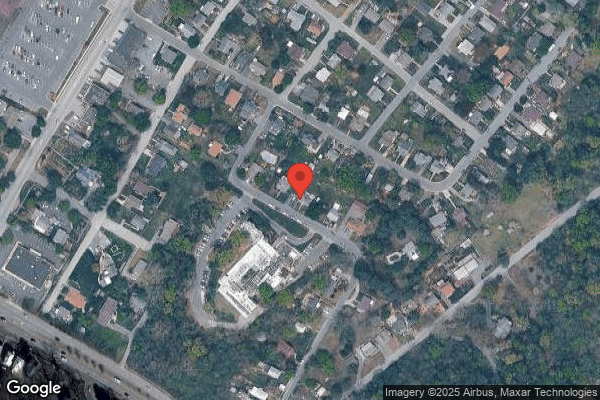
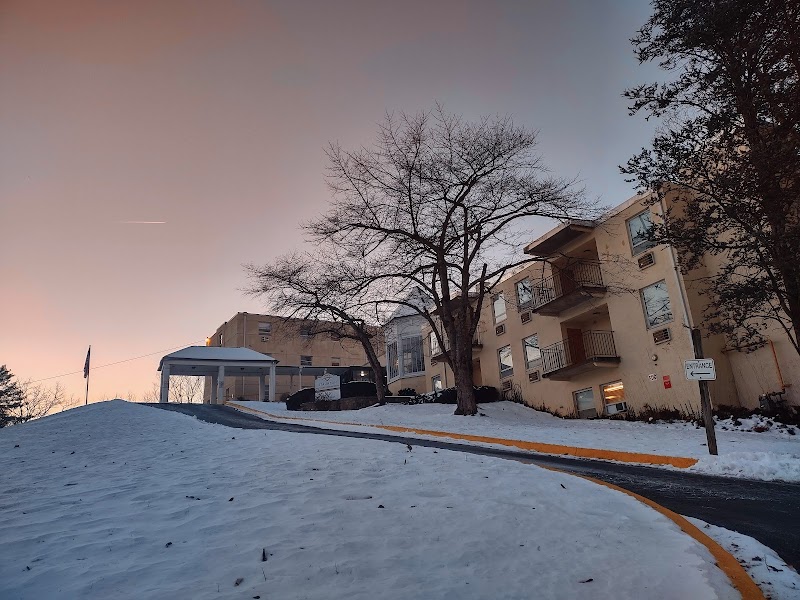
512 HOUSTON STREET, STAUNTON, VA 24401 (540) 886-2335
For profit - Corporation 170 Beds HILL VALLEY HEALTHCARE Data: November 2025
Trust Grade
23/100
#223 of 285 in VA
Last Inspection: June 2023

Over 2 years since last inspection. Current conditions may differ from available data.

Overview

Families considering Staunton Post Acute & Rehabilitation should be aware that the facility has received an F grade, indicating significant concerns and a poor reputation. Ranked #223 out of 285 facilities in Virginia, it is in the bottom half, though it is the top option in Staunton City County. Unfortunately, the facility's situation is worsening, with issues increasing from 8 in 2022 to 12 in 2023. Staffing is a mixed bag; while turnover is at 43%, below the state average, the overall staffing rating is only 2 out of 5 stars, showing there is room for improvement. The facility has been fined $17,501, which is higher than 77% of Virginia facilities, raising concerns about compliance. Specific incidents of concern include a resident who left the facility unsupervised and suffered injuries including a broken clavicle and femur. Another resident sustained a second-degree burn from a heating element that lacked safety features. These incidents highlight serious lapses in care and safety. While there is slightly better RN coverage than average, families should weigh these strengths against the troubling deficiencies when making their decision.

Trust Score
F
23/100
In Virginia
#223/285
Bottom 22%
Safety Record
High Risk
Review needed
Inspections
Getting Worse
8 → 12 violations
Staff Stability
○ Average
43% turnover. Near Virginia's 48% average. Typical for the industry.
Penalties
✓ Good
$17,501 in fines. Lower than most Virginia facilities. Relatively clean record.
Skilled Nurses
⚠ Watch
Each resident gets only 23 minutes of Registered Nurse (RN) attention daily — below average for Virginia. Fewer RN minutes means fewer trained eyes watching for problems.
Violations
⚠ Watch
35 deficiencies on record. Higher than average. Multiple issues found across inspections.
★★☆☆☆
2.0
Overall Rating
★★☆☆☆
2.0
Staff Levels
★★★☆☆
3.0
Care Quality
★★☆☆☆
2.0
Inspection Score
Stable
2022: 8 issues
2023: 12 issues

The Good

  • Full Sprinkler Coverage · Fire safety systems throughout facility
  • No fines on record
  • Staff turnover below average (43%)

    5 points below Virginia average of 48%

Facility shows strength in fire safety.

The Bad

2-Star Overall Rating

Below Virginia average (3.0)

Below average - review inspection findings carefully

Staff Turnover: 43%

Near Virginia avg (46%)

Typical for the industry

Federal Fines: $17,501

Below median ($33,413)

Minor penalties assessed

Chain: HILL VALLEY HEALTHCARE

Part of a multi-facility chain

Ask about local staffing decisions and management

The Ugly 35 deficiencies on record

5 actual harm
Aug 2023 1 deficiency 1 Harm
SERIOUS (G) 📢 Someone Reported This

A family member, employee, or ombudsman was alarmed enough to file a formal complaint

Actual Harm - a resident was hurt due to facility failures

Accident Prevention (Tag F0689)

A resident was harmed · This affected 1 resident

**NOTE- TERMS IN BRACKETS HAVE BEEN EDITED TO PROTECT CONFIDENTIALITY** Based on observation, staff interview, facility document review and clinical record review, it was determined the facility staff...

Read full inspector narrative →
**NOTE- TERMS IN BRACKETS HAVE BEEN EDITED TO PROTECT CONFIDENTIALITY** Based on observation, staff interview, facility document review and clinical record review, it was determined the facility staff failed to provide supervision for, one of two residents in the survey sample, Resident #2, that resulted in harm to the resident. The resident left the building at 2:50 a.m. on 7/13/2023 and fell while outside the building. The resident was treated for a lacerations over his left eye and back of left side of head. In the days following the fall it was discovered the resident also had suffered a broken clavicle and a broken femur since the fall of 7/13/2023 with no other falls after 7/13/2023. The findings include: For Resident #2 (R2), the resident eloped out of the facility on 7/13/2023 at 2:50 a.m., with a fall requiring medical attention. On 7/19/2023 the resident was discovered to have a fractured clavicle and on 7/27/2023 the resident complained of pain in his right leg, an x-ray was ordered and the resident was found to have an acute fracture of his right femoral neck with slight shortening and abduction of the femoral head. The resident, age [AGE], was admitted on [DATE] with diagnoses that included but were not limited to: encephalopathy, diabetes, pancreatitis, anxiety disorder, recent right hip fracture without replacement, gastroesophageal reflux disease, alcohol abuse, history of falls, insomnia and wandering. On the MDS (minimum data set) assessment, prior to the fall, with an assessment reference date of 7/14/2023, an admission assessment, the resident was coded as having both short and long memory difficulties and being severely cognitively impaired for making daily decisions. In Section E - Behaviors, the resident was coded as having inattention and disorganized thinking. In Section E, it further coded the resident as having physical and verbal behavioral symptoms towards others on one to three days of the lookback period. R2 was coded as resisting care on four to six days but less than daily of the lookback period. The resident was coded as wandering behaviors that occurred four to six days of the look back period. R2 was coded, does the wandering place the resident at significant risk of getting to a potentially dangerous place, it was coded, yes. In Section G - Functional Status, the resident was coded as requiring supervision on one staff member for transfers, walking in the room or corridor, and eating. R2 was coded as requiring extensive assistance of one staff member for toileting and personal hygiene. Section G0300 - Balance During Transition and Walking, coded the resident in walking that he was not steady but able to stabilize without staff assistance. Observation was made of Resident #2 on 8/16/2023 at 11:40 a.m. R2 was in a wheelchair with his head on the table in the day room. Unable to see where Code Alert band was. A second observation was made of R2 on 8/17/2023 at approximately 9:30 a.m., the resident was in bed sleeping. Code Alert bracelet noted on left wrist. The Safety - Resident Evaluation dated, 7/8/2023, documented in part, Elopement Risk Evaluation: Mental Status - Alert with cognitive impairment (confusion, cognitive deficits, disorientation, poor decision making skills, decreased safety awareness, disturbances in judgement). Mobility: ambulatory. Predisposing Diagnosis: Does the resident have a diagnosis of dementia, organic brain syndrome, Alzheimer's disease, delusions, hallucinations, Bipolar disorder, Schizophrenia, anxiety disorder and/or depression? The resident was coded as having one or more predisposing diagnoses present. Facility Adjustment: the resident was coded as being no verbal expressions to leave facility. Elopement history: Does the resident have a history elopement attempts (at home, other facility, or current facility) in the past 6 months? The resident was coded as, no. Does the resident have a history of wandering? R2 was coded as, yes. Has the family/ responsible party voiced concerns that would indicate the resident may try to leave? The resident was coded as, no. Elopement Risk Determination: Recommendations: Based on the above evaluation, determination is as follows: the resident was coded as being at risk for elopement. WAs a wander bracelet placed on the resident? it was documented as, yes. Location of wander guard? LUE (left upper extremity). The nurse's note dated, 7/8/2023 at 3:46 a.m. documented, Res(resident) kept wandering all through the night despite several attempts to redirect him to bed. He enters into other resident rooms and attempts to pick their stuff to eat. The nurse's note dated, 7/9/2023 at 10:45 a.m. documented, Resident notes to be wandering the hallways this shift. Resident went out to he courtyard to walk, ground noted to be damp, staff attempted to have resident put his slippers on. He began yelling at staff and became combative, striking staff. Staff allowed the resident to calm down and offered him a snack. Resident sitting calmly now in the courtyard. Will continue with increased supervision r/t (related to) behaviors. The nurse's note dated, 7/9/2023 at 2:22 p.m. documented in part, Resident noted to have a witnessed fall in the courtyard at 1130 (11:30 a.m.) Resident stood when his family walked into the courtyard and lost his footing, falling onto his buttocks and hitting his head on a chair. Head to toe assessment completed. No injuries or skin issues noted. ROM (range of motion) WNL (within normal limits) .Resident noted to have grippy socks. Resident had refused per staff to not put his slippers on. Resident's mother brought a pair of tennis shoes in and assisted to putting them on. The nurse's note dated, 7/9/2023 at 4:32 p.m. documented, Resident urinated in courtyard, staff attempted to redirect and resident refused. The nurse's note dated, 7/10/2023 at 12:15 p.m. documented in part, IDT (interdisciplinary team) met to review falls. Resident had stood up from a chair and lost his footing causing him to fall. No injuries were noted after the incident. Neuro (neurological) checks were started, and resident's mother brought the resident a pair of shoes. The nurse's note dated, 7/10/2023 at 7:03 p.m. documented, Resident wondering (sic) around unit and outside, staff attempted to redirect resident, resident refused. The nurse's note dated, 7/12/2023 at 1:51 p.m. documented, Resident wandering around unit exit seeking. Redirected by staff x2. Resident was easily redirected with offering a second meal tray for lunch. The nurse's note dated, 7/12/2023 at 7:42 p.m. documented, Resident is wandering during this shift and was able to open side door. Alarm sounded and staff were able to redirect resident. All safety measures in place, call bell and fluids within reach. The nurse's note dated, 7/13/2023 at 3:42 a.m. documented, At approximately 0250 (2:50 a.m.) Resident was found outside in parking lot by staff member. This write was alerted and observed resident sitting on the floor (ground) with blood noted on face and head. Resident had grippy socks on. Unable to give a description of how he fell. Resident with two persons assisted back to his feet and redirected back in the building for further assessment. Head to toe assessment completed. Rom (range of motion) wnl (within normal limits), pupil perrla (pupil equal reactive to light). VS (vital signs) obtained wnl. Injuries noted to top of scalp, and deep laceration above lt (left) eyebrow. 911 called d/t deep laceration noted above lt eyebrow. Resident picked up by squad at around 0315 (3:15 a.m.) and transported to (initial of hospital), UM (unit manager), NP (nurse practitioner), RP (responsible party) made aware. The nurse's note dated, 7/13/2023 at 3:53 a.m. documented, Res (resident) was constantly wandering around, and trying to go out through the stair door. Was resisting every form of redirection. All efforts to get him sit down or be on his bed proved abortive. He enters into other residents' room, and each time he will be redirected to the hallway and to his room and most times to the dining room. The nurse's note dated 7/13/2023 at 8:15 a.m. documented, Resident returned from (name of hospital) ER (emergency room), 3 sutures to left eyebrow, one staple back of head left side. Multiple abrasions to bilateral arms, neuro checks continuing. Provider aware of sutures and staples. The nurse's note dated, 7/13/2023 at 2:10 p.m. documented, I notified residents mother about residents' behaviors of refusing care and wandering today. I asked mother is there were other family living close that could come see resident. She stated she would speak to family members to see if they could come visit resident more often. The physician note dated, 7/17/2023 documented in part, Chief complaint: right hand swelling and discomfort History of Present Illness: [AGE] year old recently admitted male for long-term care services was seen today after staff reported his right hand being swollen with accompanying slight discomfort. Of note the resident speaks very little and it is very difficult to engage in meaningful conversation. He continues to wander in the hallways and on the Courtyard but is reported by the staff as 'less aggressive' and directable compared to last week. He also had a fall last week after which he was sent to the emergency room and received a staple on his scalp laceration and 3 sutures on the left eyebrow laceration .Ordered x-ray of the write complete review along with x-ray of hand. The activities note dated, 7/17/2023 at 3:02 p.m. documented, Resident walks the halls and, in the courtyard, shows no interest in offered activities. Spoke very little during initial assessment and very difficult to engage in conversation. The nurse's note dated, 7/19/2023 at 6:03 a.m. documented, Res was awake and pacing in the hallway all through the night, and was un redirectable. The nurses' note dated, 7/19/2023 at 5:49 p.m. documented in part, X-ray results received for the left shoulder, humerus, and forearm. Results showed unremarkable left shoulder, normal humerus, and unremarkable left forearm. X-Ray results received for the right shoulder, humerus and forearm. Results showed unremarkable forearm, no osseous abnormality seen involving the right humerus. An acute looking distal clavicular fracture with caudad angulation, NP (nurse practitioner) made aware of the result and gave new orders for a sling to right extremity every s shift for 2 weeks as resident allows, non-weight bearing to right extremity every shift for 6 weeks as resident allows, a repeat X-ray of the right shoulder to be completed in 2 weeks, and a ortho (orthopedic) referral. The acute looking distal clavicular fracture with caudad angulation is r/t the resident's last fall. The nurse's note dated, 7/24/2023 at 5:52 a.m. documented, Res maintained a calm shift. Slept almost throughout the night. Paced the hallway at the early part of the night shift. The nurse practitioner's note dated, 7/26/2023 at 10:37 a.m. documented in part, Today I am seeing the resident for follow-up as he was recently diagnoses with right clavicular fracture. His right arm is in a sling currently. Nursing reports he was up all night and did not fall asleep until this morning. He reports pain all throughout the night. His mother is also visiting and reports that his left leg seems more swelled than usual. He does have slightly worsened edema to the left instead of right. He does endorse calf pain with dorsiflexion. The nurse's note dated, 7/26/2023 at 12:47 p.m. documented, Resident was sitting in dining room. Resident put himself on floor and laid down with sheet. Resident was assisted back to chair denied any c/o (complaints of) pain. Resident requested to lay down in bed due to being tired. Resident was assisted back to bed. Nurse from previous shift had passed along in report resident had not been to bed all night. all safety measures in place, call bell and fluids within reach. The nurse's note dated, 7/26/2023 at 12:50 p.m. documented, This nurse called and scheduled a venous doppler US (ultrasound) for LLE (left lower extremity) r/t pain and edema. ETA (estimated time of arrival) was not provided. All safety measures in place, call bell and fluids within reach. The physician note dated, 7/27/2023 at 11:11 a.m. documented, Chief Complaint: c/o pain. Reports on this [AGE] years old male resident being in pain in LLE after which a venous doppler was requested which is pending at the moment. This morning during stand - up it was brought to my attention that the resident's mom is requesting to x-ray his hips as he is having pain and having difficulty standing and walking. the resident himself is a poor historian d/t encephalopathy .ordered bilateral hip x-rays complete views. The nurse's note dated, 7/28/2023 at 9:08 a.m. documented in part, Resident and RP/mother notified of x-ray results showing right hip fx (fracture). MD/UM (medical doctor/unit manager) aware, new order to send resident to (initials of hospital) ER [NAME] Priority transport. The nurse's note dated, 7/28/2023 at 10:10 a.m. documented, Resident admitted to (initials of hospital) r/t right hip fracture. The physician order dated, 7/7/2023, documented, Wander Bracelet, check function daily every night shift. The TAR (treatment administration record) for July 2023 documented the above order. It was documented as having been checked each night shift. The comprehensive care plan dated, 7/7/2023, documented in part, Focus (R2) has a behavior problem of wandering, yelling out and being combative with staff, urinating in inappropriate places, defecating in public places, refusing meds, treatments and care, placing self on floor. The Interventions documented, 7/7/2023 - Administer medications as ordered. Monitor/document for side effect s and effectiveness. 7/12/2023 - Caregivers to provided opportunity for positive interaction, attention. Stop and talk with him/her as passing by. 7/7/2023 - If reasonable, discuss the resident's behavior. Explain/reinforce why behavior is inappropriate and/or unacceptable to the resident. 7/7/2023 - Intervene as necessary to protect the right and safety of others. Approach/Speak in a calm manner. Divert attention. Remove from situation and take to alternate location as needed. 7/20/2023 - offer coloring supplies. 7/12/2023 - offer snacks. 7/12/2023 - Praise any indication of the resident's progress, improvement in behavior. An interview was conducted with ASM (administrative staff member) #3, R2's physician, on 8/16/2023 at 2:09 p.m. When asked to speak of R2, ASM #2 stated, the resident came to the facility after having surgery to his neck and repair of a fractured right hip. She stated she saw R2 on 7/10/2023, he was ambulating on the unit. He had had a fall on 7/13/2023 requiring staples to the back of his head and stitches to his left eyebrow. She said the documentation indicated the resident was a nocturnal wanderer, and he was observed to be defecating and urinating on the floors and outside. She stated that on 7/17/2023 the resident had right hand swelling and discomfort, she stated the resident doesn't speak much but staff told me about it. He continues to wander. She stated she ordered an x-ray of his right hand, in light of his fall on 7/13/2023. ASM #3 stated the nurse practitioner saw the resident on 7/17/2023 for an abrasion and swelling now to the entire arm. An x-ray of the entire arm and shoulder was ordered. ASM #3 stated she saw the resident on 7/18/2023 for the left elbow abrasion and now the swelling was to the entire arm. She ordered an x-ray of the entire arm and shoulder. On 7/20/2023 the record indicated the resident had a right clavicular fracture. ASM #3 stated they sent him to the ER, and he came back with a sling to his arm and to follow up with the orthopedist. ASM #3 further reviewed the clinical record and stated, on 7/26/2023, he was seen by the nurse practitioner for increased pain, his pain medications were increased. There was noted slightly increase in his edema to his left lower extremity. A venous doppler was ordered. ASM #3 stated she saw the resident on 7/27/2023 for the left lower extremity pain and edema, the doppler results were still pending. She ordered x-rays of bilateral hips. The results of the x-rays indicated the resident had an acute fracture to his right hip. We sent him to the ER. When asked if the resident had a diagnosis of osteoporosis or osteopenia, ASM #3 reviewed the x-ray results and stated the radiologist did not mention anything regarding the bone density. When asked if the fracture of the hip was related to his fall on 7/13/2023, stated, yes. When asked why, in her professional opinion, did the resident not exhibit any symptoms of the clavicular or hip fracture prior to the dates they were discovered, ASM #3 stated the resident was on scheduled Tylenol and Oxycontin after the fall and that could have masked the symptoms of the other fractures. On 8/16/2023 at 3:13 p.m. OSM #1, the maintenance director, and this writer observed all doors in the facility. All outside doors were outfitted with the 15 second delay as per the fire code. The stairwell, in which the resident went down, had the 15 second delay to the door. R2 had to go down 10 steps to get to the outside door. This outside door, at the time of the elopement, did not have the 15 second delay lock on it. OSM #1 stated that door had the old Wander Guard system attached to it but it was not connected. The outside steps were observed. There were 11 steps to the first landing, 14 steps to the second landing, 10 steps to the next landing, seven steps to the next landing and five steps to the sidewalk. The resident went down 10 steps inside the building and 47 steps outside the building. All doors off the units had a keypad system to unlock the doors in addition to the 15 second requirement for Fire Safety Code. Every time OSM #1 triggered the alarm on all of the doors, a staff member came to check why the alarm was going off. An interview was conducted with ASM #1, the administrator and ASM #4, the regional director of operations, on 8/16/2023 at 3:40 p.m. When asked how R2 was able to get down the steps, ASM #1 stated the resident was able to push the door open as it releases after the 15 second delay for fire code. ASM #1 stated R2 was a walker. He had been in an assisted living facility prior and wandering had been a challenge for them. She stated they had hoped they could provide a safer environment. It happened the first week he was here she stated, they were getting to know him. When asked if the doors or wander guard misfunctioned, ASM #1 stated as she could recall, he was on the unit and was able to push the door. He went into the stairwell. There are a few options off that stairwell to go to the stairway to the outside and to enter the lower lever of the building. ASM #1 stated the resident went outside and down the steps to the employee parking lot. She stated the doors he got through worked the way they were supposed to. The first door he went through did not take him to the outside. They looked at all doors. They realized that we had two systems in place that were not communicating with each other. They had a Wander Guard system and a Code Alert System. They got the companies involved and got the Code Alert system to be the only system in use. ASM #1 and ASM #4 were made aware of the concern for harm for R2 on 8/16/2023 at 4:00 p.m. An interview was conducted with LPN (licensed practical nurse) #1, on 8/17/2023 at 7:17 a.m. When asked to explain what he observed on 7/13/2023 regarding R2, LPN #1 stated he was working on the other floor. The nurse assigned to the other floor was on lunch break as they tell each other when they leave the floor. A CNA (certified nursing assistant) (CNA #2) called me on the phone and told me R2 was outside in the parking lot. He stated he went down there, it was dark, R2 was sitting on the ground. He asked him (R2) to stand up. R2 stood up. When R2 stood up, LPN #1 noted the blood on him. (CNA #2) and LPN #1 assisted the resident into the building. LPN #1 stated he brought him to the nurse's station on the second floor and he did an assessment of the resident. That's when he found the laceration on the back of the head and above the eyebrow. LPN #1 stated he called 911 because the laceration above the eye looked deep. LPN #1 and this writer toured the stairwell and the outside steps. LPN #1 stated he found R2 across the parking lot sitting on a storm drain cover. An interview was conducted with CNA #1 on 8/17/2023 at 7:37 a.m. When asked if she worked the floor, R2 was on, the night he went outside, CNA #1 stated yes she did work that night but she was not his assigned aide. CNA #1 was asked if she saw R2 that night, CNA #1 stated she had seen him up and walking the unit. She further stated that when he is up walking, someone walks with him. When asked why someone was not with him when he got outside, CNA #1 stated she had gone to help another aide provide care for a resident that needed two people to care for them. CNA #1 further stated the other aide and herself were at the opposite end of the unit from where R2 went out the door, they didn't hear the alarm as they were in another resident's room, providing care. When asked if R2 is easily redirectable, CNA #1 stated she didn't know about with other people, but she and R2 get along well. She asks him to sit down with her, watch TV with her, he liked to listen to music on her phone. CNA #1 was asked if the resident had a Code Alert/wander guard on that night, CNA #1 stated, yes, he had one and believed it was on his wrist, but really can't recall. When asked if R2 was alert and oriented, CNA #1 stated he was alert, but he can be a little hard to understand at times. Description of the unit. The unit is on the second floor. It is in the shape of a 90-degree angle with the nurse's station being at the point of the angle where the two halls meet. R2 resided in a room near the exit door where he had exited from near the end of the one angle of the hallway. An interview was conducted with CNA #2, the CNA that found the resident in the parking lot, on 8/17/2023 at 9:03 a.m. When asked to describe what happened the night she came to work and found R2 in the parking lot, CNA #2 stated she comes to work at 3:00 a.m. for a 12-hour shift. She stated it was 2:50 a.m. when she pulled into the parking lot and her lights flashed on him (R2) sitting on the ground. CNA #2 parked her car and went immediately over to the resident to make sure he was okay. She called into the facility and (name of LPN #1) came outside. She stated they stood the resident up and they redirected him back into the building. When asked if the resident said anything, CNA #2 stated they had asked if he was okay, and he said yes. She stated, they asked him how he got out in the parking lot, he never answered that question. An interview was conducted with RN (registered nurse) #2, the nurse assigned to R2 the night he exited the building, on 8/17/2023 at 9:06 a.m. When asked to describe the night R2 exited the building, RN #2 stated she had two CNAs that night and all of them were on their feet all night. He (R2) was busy moving, never went to bed. She stated they tried to redirect him, and he would attempt to slap us. They took turns watching him. R2 made several attempts to open the door (door to the stairwell). RN #2 stated the CNAs, and she were doing their every two-hour checks on the residents. She went on her lunch break. RN #2 stated she last saw R2 at 2:45 a.m. She stated when she got back from her break, they told her what had happened. RN #2 further stated the CNAs were attending to another resident. When asked if R2 could move quickly, RN #2 stated, R2 moves very fast, if you blink, he's gone. RN #2 stated they track him every 15 minutes. [NAME] can keep an eye on him all the time. He is one of 20 residents on the floor. An interview was conducted with LPN #2 on 8/17/2023 at 9:43 a.m., a nurse who has cared for R2. When asked to describe R2, LPN #2 stated he is incontinent of both bowel and bladder. He is extensive assistance for all his care. She stated she hasn't had any issues with him with taking him medications or insulin. R2 does require a lot of being with him. LPN #2 stated they switch out throughout the day; someone needs to be always with him. She stated, That little man is quick. LPN #2 stated before he fell outside, he was walking everywhere, and they followed him around. They attempted to redirect him. She stated he now is dependent on the wheelchair, but he still can stand up. LPN #2 stated he can still be hostile with staff and scream into your face. He can be short tempered at times, but he can be very sweet too. She stated when he is ready to go, he's ready to go now. The facility policy, Elopement/Unsafe Wandering Risk Evaluations, documented in part, Policy: The organization is committed to ensuring that all reasonable measures are in place to ensure that each resident receives adequate supervision and assistance devices to prevent accidents, including elopement and unsafe wandering .Wandering and Elopement: Wandering is random or repetitive locomotion. This movement may be goal-directed (e.g., the person appears to be searching for something such as an exit) or may be non-goal-directed or aimless .This goal directed wandering should also require staff supervision and a facility response to address safety issues. Specific Procedures/Guidance; 1. The Elopement Risk evaluation in PCC be completed by a licensed nurse/designee on admission, re-admission, and quarterly and as needed for a change in resident status. 2. If the resident is determined to be at risk for elopement or unsafe wandering, the staff will notify the resident's attending physician/practitioner and the resident' representative of the risk. 3. If the resident is determined to be at risk for elopement or unsafe wandering, preventive interventions will be implemented. a. Interventions may include but are not limited to: i. 1:1 supervision or frequent visual checks on the resident. ii. Use of 'alert' system device. iii. Placement on a secured unit/neighborhood. iv. Re-direction and diversional activities. 4. The resident's care plan will be reflective of identified risk and include person-centered interventions. 5. The medical record will document the resident's behavior including attempts and actual events of elopement or unsafe wandering and preventive interventions being implemented. The facility presented the following plan of correction: 1. (R2) exited the facility unattended 7/13/2023. (R2) was located within approximately 5 minutes. (R2) was transferred to the local hospital and treated for a laceration prior to returning to the facility. (R2) remains a resident at (Name of Facility). 2. All residents on the facility can be affected. A check of all doors was performed by the administrator, DON (director of nursing) & Maintenance. The exit door the resident used was equipped with a motion-activated camera system which alerts leadership staff when someone is near the door. A vendor was onsite 7/17/2023 and 7/18/2023 to assess door alarm functioning and plan for installation of additional alarms or updates as indicated. A keypad lock was installed on the Terrace egress door (door R2 exited building from) on 8/11/2023. 3. Maintenance staff were educated on checking exterior doors daily to ensure proper functioning of alarm systems to include wander alert systems on 8/11/2023. 4. The Medical Director was notified of the incident on 7/13/2023. 5. The facility conducted an ad hoc QAPI (Quality Assurance and Performance Improvement) meeting reviewing the abatement plan on 7/14/2023 and updated the team on 8/11/2023. 6. Date of Compliance: 8/11/2023. All the credible evidence was reviewed. Verification of above was made through observation, resident interview, and staff interviews. Past Non-Compliance
Jun 2023 11 deficiencies 1 Harm
SERIOUS (G) 📢 Someone Reported This

A family member, employee, or ombudsman was alarmed enough to file a formal complaint

Actual Harm - a resident was hurt due to facility failures

Accident Prevention (Tag F0689)

A resident was harmed · This affected 1 resident

Based on observation, staff interview, clinical record review, and facility document review, the facility failed to ensure a resident's room was free of an accident hazard for one of 25 residents, res...

Read full inspector narrative →
Based on observation, staff interview, clinical record review, and facility document review, the facility failed to ensure a resident's room was free of an accident hazard for one of 25 residents, resulting in harm at past noncompliance. Resident #210 received a second degree burn from a heating element with a missing heat guard. The Findings Include: Diagnoses for Resident #210 included: Dementia, anemia, brain injury, and seizure disorder. The most current MDS (minimum data set) was an annual assessment with an ARD (assessment reference date) of 9/28/22. Resident #210 was assessed with moderate cognitive impairment. On 6/12/23 review of a facility synopsis dated 11/27/22 was reviewed and read in part that Resident #210 had 4 seizures back-to-back on 11/26/22 and during the seizures Resident #210's arm had flailed, causing the arm to drop over the side of the bed, landing on a baseboard heating system resulting in a burn. It was also noted that corrective action had taken place by repositioning the bed and placing a cover guard over the baseboard heater. Review of Resident #210's closed record documented via nursing progress notes that Resident #210 had several seizures on 11/26/23, 911 was called, and Resident #210 was sent to the emergency department due to the multiple seizures. The nursing notes did not describe Resident #210's burn to right arm. Review of Resident #210's hospital records documented that Resident #210 had a Right forearm, second degree burn with partial thick skin loss and surrounding blisters. Small amount of serous drainage. Three individual statements (two nurses and one certified nursing assistant) were reviewed from the staff taking care of Resident #210 at the time of the incident. All statements indicated that Resident #210 received a burn and was being cared for but did not document condition of the baseboard heater. Only one of the staff members taking care of Resident #210 at the time of the incident, was currently working at the facility. On 6/13/23 at 8:30 AM, license practical nurse (LPN #3, unit manager) was interviewed. LPN #3 said that although not working at the time of the incident and unable to speak to exactly what happened, but did say that as a result an inservice was done about uncovered baseboard heaters and all beds were moved away from the heating units and turned so that the bed is no longer parallel to the heating system. On 6/13/23 at 10:00 AM, the regional maintenance director (other staff, OS #8) was interviewed. OS #8 said that the heating guard was tore off and voiced uncertainty of how the guard had gotten torn off. Questioned further, OS #8 verbalized that Resident #210 had behaviors and could have torn the guard off or that the bed was against the heating system and the guard could have possibly been torn off while moving the bed. When asked if there was a repair order for the missing guard, OS #8 verbalized that there probably wasn't, as that would be something that would be repaired as soon as seen and reported. Questioned further, OS #8 expressed doubt that the guard had been off for very long, stating that the staff and maintenance review and observe rooms daily. OS #8 was asked the purpose off a heating guard. OS #8 verbalized the guard is in place to prevent direct access to the heating element to prevent possible burns. On 6/13/23 at 10:10 AM, LPN #4 was interviewed. Confirming being present in the room during Resident #210's seizure activity, LPN #4 stated that Resident #210's right arm fell between the bed and wall, landing on the baseboard heater, burning Resident #210's arm. LPN #4 stated that the burn wound was cleaned, dressed, and ice applied, before sending Resident #210 to the hospital due to the multiple seizures. When asked about the guard to the baseboard heater, LPN #4 verbalized that the guard was neither seen on the heater or in the room. LPN #4 verbalized that since this incident all baseboard heaters have been reinforced with bigger guards and the beds have all been repositioned away from the heating system. On 6/13/23 at 4:35 PM, the above information was presented to the administrator and director of nursing. The administrator verbalized that although the incident happened prior to her employment and while under another company's ownership, the incident was somewhat familiar and agreed that it happened. The administrator stated that corrections had been put in place at the time and that employees were in-serviced about bed positioning, along with the baseboard guards, and that the incident continues to be part of the facility's quality assurance program and plan. On 6/14/23, a summary of the plan of correction, along with supporting evidence that the plan of correction was carried out was presented. The plan of correction included: - Facility wide audit of heaters completed to ensure bed is appropriate distance from heater. - Cover placed over Resident #210's heater. - maintenance staff, environmental staff and clinical staff to be educated on ensuring appropriate distance between bed and heater. - Skin sweeps to be completed on everyone to ensure no burns to skin in rooms with baseboard heaters. - IDT will complete quality review weekly on bed/heater spacing and will address any issues immediately. - the plan of correction date of completion was 11/28/22. Observations of bed placement in regards to appropriate distance to baseboard heaters were completed by the survey team. Also, interviews of staff evidenced knowledge of appropriate distance from heaters, along with placement of the bed not being parallel with the heating systems. Review of Resident records, along with accident logs and interviews, did not evidence other residents with concerns regarding burns from baseboard heaters. On 6/14/23 at 10:45 AM, a maintenance staff person (OS #12) accompanied this surveyor to Resident #210's former room and explained the updated heating guards. The baseboard heaters were affixed to the wall at ground level and extended approximately 6 to 8 inches up the wall. The new guards surrounded the baseboard heaters completely. Resident rooms throughout the facility were also observed and had the same new guards placed. The plan of correction was accepted. This deficiency was cited as past non-compliance. No current deficiencies were cited under the concerned regulation during the survey. No other information was presented prior to exit conference on 6/14/23.
CONCERN (D)

Potential for Harm - no one hurt, but risky conditions existed

Deficiency F0578 (Tag F0578)

Could have caused harm · This affected 1 resident

**NOTE- TERMS IN BRACKETS HAVE BEEN EDITED TO PROTECT CONFIDENTIALITY** Based on interview and record review, the facility failed to ensure Power of Attorney (POA) for healthcare document was located ...

Read full inspector narrative →
**NOTE- TERMS IN BRACKETS HAVE BEEN EDITED TO PROTECT CONFIDENTIALITY** Based on interview and record review, the facility failed to ensure Power of Attorney (POA) for healthcare document was located in the medical record for one sampled resident reviewed for advance directives (Resident (R)11). This failure had the potential for an unauthorized person to enter a Do Not Resuscitate (DNR) directive for the resident. Findings include: Review of R11's POA dated [DATE] revealed R11's daughter (F11) and another individual appointed as attorneys-in-fact by R11. The document revealed in part the power to act on R11's behalf as follows: .1.To demand, hold and generally deal with any monies, securities and other property which now or hereafter belongs to me, or in which I may have interest. 2. To sign any note, check, security or other instrument, negotiable or nonnegotiable, whether or not the check or other instrument is drawn to the order of my Attorney, for deposit, discount, collection or otherwise. 3. To write checks upon, or otherwise withdraw, all funds or account balances now or hereafter outstanding to my credit or to the credit of my Attorneys, and to open accounts of whatever nature in my name or my Attorneys' name. 4. To vote in person or by proxy, to sell or otherwise dispose of, to cause to be registered in the name of a nominee selected by my Attorneys, and to transfer, redeem, convert or exchange any security that now belongs to me or may belong to me in the future or in which I may have interest, and to make, execute and deliver any endorsement, assignment, certification, or other document in connection with any security. 5. To buy, acquire or in property, real or personal, or intangible, including without limitation any security, option or other type of investment. Further review of the POA document failed to reveal any power to make healthcare decisions on behalf of R11. Review of the admission Agreement dated [DATE], signed by F11 revealed: If the Patient is unable to make decisions for himself or herself, a Resident Representative should be available to make certain decisions on behalf of the Patient. Patient hereby agrees that the Resident Representative is the person selected by the Patient as the Patient's responsible person or as the person recognized under state law as having the authority to make health care and/or financial decisions for the Patient. If the Resident Representative has authority specifically conferred by a court of law or other document. Verification of such status must be provided to the Center at the time of admission. Such verification includes providing the Center with a copy of any court order, or a validly executed Power of Attorney or other legal document imbuing the representative to act on the resident's behalf. The Resident Representative authority will be limited to scope of the delegated authority by the resident, state law, or court mandated order. All rights not explicitly delegated by the Resident, state law, or the court will be reserved to the Resident. Review of the Profile tab of the electronic medical record (EMR) revealed R11's daughter was listed as Daughter, Responsible Party, POA - Financial, POA - Care, and Care Conference Person. Review of R11's Minimum Data Set (MDS) with an Assessment Reference Date (ARD) of [DATE] revealed R11 was admitted to the facility on [DATE] with diagnoses that included dementia, spinal stenosis, cerebral atherosclerosis, adult failure to thrive, and abnormal weight loss. R11 had a Brief Interview for Mental Status (BIMS) score of five out of 15, which indicated the resident was severely cognitively impaired. Interview with the Administrator on [DATE] at 1:27 PM revealed R11's medical POA was R11's father who was now deceased . The Administrator acknowledged that the family informed the facility upon admission that a POA for healthcare existed, but the facility failed to follow up with obtaining the document and was unaware the POA on record did not cover healthcare decisions.
CONCERN (D)

Potential for Harm - no one hurt, but risky conditions existed

Deficiency F0637 (Tag F0637)

Could have caused harm · This affected 1 resident

**NOTE- TERMS IN BRACKETS HAVE BEEN EDITED TO PROTECT CONFIDENTIALITY** Based on staff interview and clinical record review, the facility failed to ensure a significant change assessment was completed...

Read full inspector narrative →
**NOTE- TERMS IN BRACKETS HAVE BEEN EDITED TO PROTECT CONFIDENTIALITY** Based on staff interview and clinical record review, the facility failed to ensure a significant change assessment was completed for one of 25 residents. Resident #61 did not have a significant change assessment completed, after a functional decline in ADL's (Activities of Daily Living). The Findings Include: Diagnoses for Resident #61 included: Dementia, schizophrenia, anxiety, Alzheimer's disease and malignant neoplasm. The most current MDS (minimum data set) was an annual assessment with an ARD (assessment reference date) of 5/31/23. Resident #61 was assessed with short and long-term memory problems and as severely cognitively impaired. On 6/13/23, a comparison of Resident #61's quarterly MDS dated [DATE] and an annual MDS dated [DATE] indicated (in section G) Resident #61 had a decline in the following: Bed mobility from extensive with one person assist to total dependence with two person assist, dressing from extensive assist to total dependence one person assist, eating from extensive assist to total dependence with one person, toilet use from extensive assist one person to total dependence two person assist, and personal hygiene from extensive assist to total dependence one person assist. Resident #61's ADL flow sheets were also reviewed for 5/1/23 through 6/14/23, which verified the decline in Resident #61's ADL abilities. On 6/13/23 at 9:51 AM, MDS coordinator (registered nurse, RN #2) was interviewed and was asked what prompted a significant change assessment. RN #2 verbalized several things can prompt a significant change assessment including changes in two or more areas of ADL assistance. RN #2 then reviewed section G of both MDS's and agreed that there should have been a significant change assessment completed, but would look into the concern to make sure. On 6/13/23 at 10:29 AM, RN #2 returned and verbalized that it would be appropriate to have done a significant change and that she would make the necessary changes. On 6/13/23 at 4:22 PM the above information was provided to the administrator and director of nursing. No other information was provided prior to exit conference on 6/14/23.
CONCERN (D)

Potential for Harm - no one hurt, but risky conditions existed

PASARR Coordination (Tag F0644)

Could have caused harm · This affected 1 resident

**NOTE- TERMS IN BRACKETS HAVE BEEN EDITED TO PROTECT CONFIDENTIALITY** Based on record review, interview, and review of facility policy, the facility failed to ensure the required Level II Preadmissi...

Read full inspector narrative →
**NOTE- TERMS IN BRACKETS HAVE BEEN EDITED TO PROTECT CONFIDENTIALITY** Based on record review, interview, and review of facility policy, the facility failed to ensure the required Level II Preadmission Screening and Resident Review (PASRR) was completed for one of 24 residents (Resident (R) 4). Potentially, this impedes R4 from receiving the appropriate treatments/services for mental illness. Findings include: Review of facility's undated document titled ''Virginia Long-Term Services and Supports (LTSS) Screening, Preadmission Screening and Resident Review (PASRR) Policy'' reads in part, ''Level 2 Referral When a resident has a positive Level I screening, the facility will initiate the Level II screening request by faxing (do not e-mail PHI [protected health information]) the following materials to the state-designated authority (Ascend): Level 1 Screening (DMAS-95), indicating if the resident has a serious mental illness, intellectual disability, or related condition .'' Review of R4's ''admission Record'' revealed that R4 was admitted to the facility on [DATE] with diagnoses that included schizoaffective disorder, delusional disorders, major depressive disorders, anxiety disorders, unspecified mood affective disorders, and unspecified depression. Review of R4's ''Physicians Orders'' for June 2023 revealed R4 was to receive: Vraylar [an atypical antipsychotic] three milligrams (mg.) for schizoaffective disorder; Seroquel [an antipsychotic] 100 mg. for delusions; Trintellix [an antidepressant] 20 mg for depression; melatonin three mg for insomnia; Trazadone [an antidepressant and sedative] 150 mg for depression; psychology and psychiatry as needed. Review of R4's Minimum Data Set (MDS) with an Assessment Reference Date (ARD) 03/30/23 revealed R4 had a Brief Interview for Mental Status (BIMS) score of 15 out 15, indicating the resident's cognition was intact. Review of R4's Level I PASRR dated 07/29/16 provided by the Social Services Director (SSD6) revealed R4 resided in a long-term care facility (for psychosis) for approximately a year and was released to live in an apartment in the community. The Level I history included that in less than a month, R4 experienced a decline in self-care and taking the psychotropic medications. According to the Level 1 PASRR, R4 had a long history of chronic mental illness and would require a structured environment. The reviewer who completed this Level I assessment documented that R4 did not require a Level II assessment. During an interview on 06/14/23 at 12:08 PM, SSD6 stated that R4 was admitted to the facility some time ago, should have been admitted with the Level I PASRR, and believed that a Level II assessment should have also been completed. During an additional interview on 06/14/23 at 12:30 PM, SSD6 revealed she had reviewed R4's Level 1 PASRR and discovered that it was coded wrong. SSD6 stated that the reviewer should have completed the section in which R4 did require a Level II assessment. SSD6 stated given R4's history with mental illnesses and current diagnoses, R4 should have a Level II PASRR completed.
CONCERN (D)

Potential for Harm - no one hurt, but risky conditions existed

Deficiency F0657 (Tag F0657)

Could have caused harm · This affected 1 resident

**NOTE- TERMS IN BRACKETS HAVE BEEN EDITED TO PROTECT CONFIDENTIALITY** Based on interviews, record review, and review of facility policy, the facility failed to revise the comprehensive care plan to ...

Read full inspector narrative →
**NOTE- TERMS IN BRACKETS HAVE BEEN EDITED TO PROTECT CONFIDENTIALITY** Based on interviews, record review, and review of facility policy, the facility failed to revise the comprehensive care plan to ensure accuracy for two of 21 residents (Resident (R) 89 and R54) reviewed for care plan revision. Specifically, the facility failed to revise R89's care plan to address weight loss and failed to revise R54's care plan to identify use of a catheter safety strap. Findings include: Review of the undated facility policy titled Care Planning - Comprehensive Person-Centered, revealed, A person centered comprehensive care plan that includes measurable objectives and timetables to meet the resident's medical, nursing . needs shall be developed for each resident . comprehensive care plan means an interdisciplinary communication tool developed after completion of a comprehensive MDS [Minimum Data Set] . The Care Planning/Interdisciplinary Team is responsible for the review and updating of care plans: when the desired outcome is not met, when goals, needs and preferences change . 1. Review of R89's Face Sheet revealed an admission date of 09/03/22 with medical diagnoses that included vascular dementia, depressive disorder, and cerebral infarction. Review of R89's annual MDS, dated 05/09/23, revealed a Brief Interview for Mental Status (BIMS) score of one out of 15, indicating R89 was severely cognitively impaired. The MDS revealed R89 required extensive physical assistance of one person for assistance with eating. Review of R89's Quarterly Dietician/Sig[significant] Wt [Weight] Change note, dated 06/09/23, read in part: Wt: 106.8 lb [pound] 06/05/23, Sig wt change 5.3% loss in 30 days, 13.7% loss in 180 day[s] . BMI [Body Mass Index]: 19.5 -underweight for age . PO [by mouth] intake: Avg [average] 72% of meals in past 14 days . Recommendations: Continue current POC [plan of care], PO intake meeting increased estimated needs, significant weight loss in 30 days. RD [Registered Dietitian] to continue to monitor weight trends. Will reassess qrtly [quarterly]/PRN [as needed]. Review of R89's Care Plan last updated 06/01/23 read in part, R89 . has potential nutritional problem r/t [related to] hx [history] of alcohol dependence, dementia . advanced age. Interventions included, Monitor/record/report to MD [Medical Director] s/sx [signs/symptoms] of malnutrition . muscle wasting, significant weight loss: 3lbs in 1 week, >5% in 1 month, >7.5% in 3 months, > 10% in 6 months. There was no additional information related to the actual weight loss or additional interventions to address this decline. During an observation on 06/13/23 at 10:22 PM, R89 was observed sitting on the floor, scooting back and forth. R89 had a bed with a mattress next to the wall and a mattress on the floor. While scooting on the floor, R89's arms and legs appeared to be thin, bony, and without visible muscle. R89's ribs were visible through her shirt. Staff offered R89 water and held a washcloth to wipe her face. R89 was grabbing at the washcloth, attempting to put it into her mouth. Staff were encouraging R89 to get on the mattress and R89 was talking but could not be understood. R89 took a drink of water, staff did not offer anything else to eat or drink. During an interview on 06/14/23 at 9:50 AM, the RD (Registered Dietician) stated R89 was currently on monthly weights. The RD stated that a review of residents included a look at their intake and that R89 was eating approximately 75% of all meals. The RD stated R89 should be on weekly weights because of her recent weight loss. The RD stated when R89's weight loss was first identified, the weight loss, goals, and interventions should have been added to the care plan. During an interview with the ADON and the Director of Nursing (DON), on 6/14/23 at 10:25 AM, the ADON stated R89's first weight loss was in March 2023. The ADON stated R89 should have been discussed in the Resident at Risk meeting. The ADON and the DON stated the RD should have notified them of the weight loss, as they would have notified the doctor or nurse practitioner to implement interventions. The DON confirmed that the nutrition care plan should have been updated to indicate the weight loss and that new interventions should have been added. The DON confirmed the care plan had not been updated. During an interview on 06/14/23 at 10:52 AM, the MDS Coordinator (MDSC) stated each department was responsible for updating their own care plans. The MDSC stated the RD triggered a Care Area Assessment (CAA) in the annual MDS for weight loss, so the Care Plan should have been updated to reflect the weight loss and any new interventions that had been implemented. The MDSC stated that as the signing Registered Nurse (RN), she should always verify the care plan reflects the MDS but confirmed she had not. During an interview on 06/14/23 at 11:07 AM, Registered Nurse (RN) 4, who managed the secure unit, stated she was responsible for reviewing the care plans and making sure interventions were in place. RN4 stated she would monitor any changes in level of care and add to the care plan accordingly. During an interview on 06/14/23 at 12:09 PM, the Administrator stated the RD, nursing, and the Physician and/or Nurse Practitioner should have done more. The Administrator stated, As a facility we missed [R89]. Then Administrator stated that Quality Assurance Performance Improvement (QAPI) had reviewed weight loss but had not reviewed R89's weight loss. 2. Observation 06/14/23 at 11:05 AM of R54's catheter care revealed that the resident was not wearing a catheter strap to secure the tubing. Review of R54's ''admission Record'' revealed R54 was admitted on [DATE] with diagnoses that included obstructive and reflux uropathy. Review of R54's current ''Physician's Orders'' revealed that R54's Foley drainage bag and catheter securement device were to be changed every seven days. Review of R54's significant change MDS'', with an ARD 02/28/23, revealed R54's Brief Interview for Mental Status (BIMS) score was 15 out of 15, indicating the resident's cognition was intact. The MDS also assessed R54 to have an indwelling urinary catheter. Review of R54's ''Care Plan'', dated 05/26/23, revealed that the interventions did not include the wearing of a securement device for the urinary catheter. During an interview on 06/14/23 at 11:05 AM, R54 revealed that he had never worn a catheter securement device. During an interview on 06/14/23 at 11:41 AM, the Minimum Data Set (MDS) Registered Nurse (RN)2 stated that she was responsible for developing and the revising of the nursing care plans. RN2 stated that she did not normally include wearing the securement devices as an intervention for residents wearing catheter. RN2 agreed that wearing the securement device was a means to prevent the catheter from becoming dislodged. During an interview on 06/14/23 12:10 PM, the Director of Nursing stated that it was an expectation for residents with indwelling catheters to wear a securement device and that it should be included in the care plan interventions.
CONCERN (D)

Potential for Harm - no one hurt, but risky conditions existed

Incontinence Care (Tag F0690)

Could have caused harm · This affected 1 resident

**NOTE- TERMS IN BRACKETS HAVE BEEN EDITED TO PROTECT CONFIDENTIALITY** Based on observations, interview, record review, and review of facility policy, the facility failed to ensure one of one residen...

Read full inspector narrative →
**NOTE- TERMS IN BRACKETS HAVE BEEN EDITED TO PROTECT CONFIDENTIALITY** Based on observations, interview, record review, and review of facility policy, the facility failed to ensure one of one resident (Resident (R)54) reviewed for catheter care was wearing a securement device. This failure increased the potential for the catheter to become dislodged or cause injury. Findings include: Review of facility's undated policy titled ''Urinary Catheter Care'' read in part'' Changing Catheters: indwelling catheters will be changed in accordance with physician/ nurse practitioner's orders by a licensed nurse. Ensure that the catheter remains secured with a leg strap to reduce friction and movement at the insertion site. (Note: Catheter tubing should be strapped to the resident's inner thigh.)'' During an observation on 06/14/23 at11:05 AM of R54's catheter care, it was noted R54's catheter was not secured to her upper thigh area. R54's catheter was draining yellow color urine with slight amount of sediment noted in the tubing. Review of R54's ''admission Record'' located in the resident's EMR under the ''Profile'' tab revealed R54 was admitted on [DATE] with diagnoses that obstructive and reflux uropathy. Review of R54's current ''Physician's Orders'' located in the resident's EMR under the ''Orders'' tab revealed R54's foley drainage bag and catheter securement device were to be changed every seven days. Review of R54's significant change Minimum Data Set (MDS)'' with an assessment reference date (ARD) of 02/28/23, located in the resident's EMR under the ''MDS'' tab, revealed R54's Brief Interview for Mental Status (BIMS) score was 15 out of 15, indicating R54's cognition was intact. R54 was assessed to have an indwelling catheter. During an interview on 06/14/23 at 11:05 AM, Certified Nursing Assistant (CNA) 6 revealed R54 was not wearing a catheter securement device. CNA6 stated the facility had securement devices in the storeroom but was not aware R54 needed one. During an interview on 06/14/23 at 11:15 AM, the Unit Manager Registered Nurse (RN) 1 revealed residents with foley catheters should wear leg securement device to secure the catheter and avoid the catheter being pulled out. RN1 further stated she was unaware R54 did not have securement device in place. RN1 confirmed R54 was recently diagnosed with urinary tract infection. During an interview on 06/14/23 at 12:10 PM, the Director of Nursing revealed it was an expectation for residents with indwelling catheters to wear a securement device.
CONCERN (D)

Potential for Harm - no one hurt, but risky conditions existed

Garbage Disposal (Tag F0814)

Could have caused harm · This affected 1 resident

Based on observation, facility document review and staff interview, the facility staff failed to properly dispose of garbage/refuse. The findings include: On 6/12/23 at 11:30 a.m., accompanied by the ...

Read full inspector narrative →
Based on observation, facility document review and staff interview, the facility staff failed to properly dispose of garbage/refuse. The findings include: On 6/12/23 at 11:30 a.m., accompanied by the cook (other staff #2), the garbage disposal area/dumpsters were observed. The doors on the two dumpsters were open with visible/exposed refuse in both containers. On the ground around and in front of the dumpsters were several blue gloves, a plastic drink bottle, an empty trash bag, and small trash items/debris. The cook stated that garbage was supposed to be placed inside the dumpsters and the doors kept closed. On 6/13/23 at 11:45 a.m., the regional dietary director (other staff #3), serving as interim kitchen manager, was informed about the open dumpsters with trash/debris on the ground. The regional dietary director had no comment about the dumpsters but stated that kitchen staff were responsible for daily cleaning and disposal of waste. The facility's policy titled Food Safety - Director of Dinging Services' Responsibilities (Chapter 4: Sanitation and Infection Control 4-3) documented under procedures that the director of food and nutrition services would conduct regular inspections to ensure proper food handling. Procedures listed in this policy included, Proper waste disposal methods will be used. During a meeting on 6/13/23 at 4:25 p.m., this finding was reviewed with the administrator, director of nursing, and unit managers, with no other information provided regarding garbage disposal.
CONCERN (E) 📢 Someone Reported This

A family member, employee, or ombudsman was alarmed enough to file a formal complaint

Potential for Harm - no one hurt, but risky conditions existed

Safe Environment (Tag F0584)

Could have caused harm · This affected multiple residents

Based on observation, facility document review, resident interview and staff interview, the facility staff failed to provide a clean, homelike environment on three of four living units. The findings ...

Read full inspector narrative →
Based on observation, facility document review, resident interview and staff interview, the facility staff failed to provide a clean, homelike environment on three of four living units. The findings include: The shower rooms on 2 new west, 2 west side, and 3 new west had black stains along caulking lines on/around the shower stall seats, black stains under the stall floor mats, missing drain covers, and deteriorated flooring at the thresholds to the stalls. On 6/12/23 at 4:22 p.m., accompanied by licensed practical nurse (LPN) #1, the shower room on 2 new west unit was inspected. There were three shower stalls. The caulked area around the seat base, back, and flooring was black on each of the three seats. The entrances to the shower stalls had deteriorated flooring and black stains around the safety strips. The shower stall floors had black stains under and around the floor mats and safety strips. LPN #1 stated at this time that certified nurses' aides (CNAs) disinfected the shower stalls after each resident and housekeeping was responsible for daily cleaning of the shower rooms. On 6/13/23 at 9:15 a.m., accompanied by CNA #2, the 2 west side unit shower room was inspected. The ceiling light was out near the entrance to the room. There were two shower stalls with black discoloration along the caulking lines around the base and back of the shower seats. There was no drain cover in the right stall and used/dirty towels were on the floor near the right stall and the sink. On 6/13/23 at 9:23 a.m., accompanied by a housekeeper (other staff #13), the 3 new west unit shower room was inspected. There were three shower stalls with black stained caulking around the base and bottom of the shower seats. The shower seat on the left stall was cracked with missing caulking at the back of the seat. The housekeeper was interviewed at this time about cleaning of the shower rooms. The housekeeper stated showers were supposed to be cleaned daily or as requested. The housekeeper stated that the cleaners they had did not remove the black stains along the caulking and flooring. On 6/13/23 at 9:33 a.m., Resident #84 was interviewed about quality of life in the facility. Resident #84 stated that the shower room on his unit .had black mold around the seats and on the floors. Resident #84 stated that since admission to the facility for almost a year now, the shower room has been stained like that. On 6/13/23 at 10:43 a.m., the housekeeping supervisor (other staff #1) was interviewed about the above shower room observations. The housekeeping supervisor stated that housekeepers were expected to thoroughly clean/disinfect the showers at least once daily and as needed. The housekeeping supervisor stated that a bathroom cleaner was used for the shower stalls, a multi-surface cleaner for the counters, and a toilet cleaner for areas in/around the commodes. The housekeeping supervisor stated that there were issues where the shower seats were attached to the stalls/flooring, in that the caulked areas had become black and deteriorated in places. The housekeeping supervisor stated that the cleaning agents used did not remove the black stains along the caulking and if too much pressure was applied, the caulking came off. When questioned, the housekeeping supervisor stated that the shower rooms were not homelike, did not have a clean appearance, and needed a remedy. The facility's housekeeping guidelines (undated) documented shower rooms were to be cleaned prior to 4:00 p.m. each day. These findings were reviewed with the administrator, director of nursing and unit managers during a meeting on 6/13/23 at 4:25 p.m. The administrator stated administration recognized that the shower rooms needed repair and upgrades. No further information was presented regarding the condition of the shower rooms prior to the end of the survey.
CONCERN (E)

Potential for Harm - no one hurt, but risky conditions existed

Food Safety (Tag F0812)

Could have caused harm · This affected multiple residents

Based on observation, facility document review, and staff interview, the facility staff failed to store, prepare and distribute food in a sanitary manner. The findings include: 1. Food preparation/ser...

Read full inspector narrative →
Based on observation, facility document review, and staff interview, the facility staff failed to store, prepare and distribute food in a sanitary manner. The findings include: 1. Food preparation/service equipment and the overall kitchen environment were dirty. Undated, out of date, and unsealed food items were stored in the refrigerator and available for use. The dishwasher was dirty and operated by staff members not using hair restraints. Stainless steel serve pans were stored nested and wet. On 6/12/23 at 11:05 a.m., the initial tour of the main kitchen was conducted accompanied by the cook (other staff #2). Two dietary aides (other staff #14, #15) were observed operating the dishwasher with no hair restraints in use. The dishwasher had crumbs and food particles on the top surface of the machine along with streaks of a white/orange colored substance down the front of the dishwasher panels. There was an empty, broken spray bottle on top of the machine. The hand sink near the dishwashing area was dirty with brown stains in the sink bowl. The dry storage room had a five-gallon bucket of puffed wheat cereal that was not sealed/covered. The overall storage area had a messy/disorganized appearance with food wrappers, empty boxes, and paper debris on the shelves and on the floor. The kitchen's stove was dirty with heavy, black buildup on the stove eyes and grates, along with dried food particles. During the stove inspection, the cook stated that the evening cook was responsible for cleaning the stove, which included the grates being soaked and run through the dishwasher. The knobs on the stove, convection ovens, and tilt skillet were dirty with stains/food debris. The doors to the convection oven were dirty with brown stains. The tilt skillet had accumulated brown stains at the base and at the hinges. The floor under the steam table was covered with spilled puffed cereal that the cook stated was spilled that morning during breakfast preparation. On 6/12/23 at 11:22 a.m., accompanied by OS #2, the walk-in refrigerator was inspected. The glass door to the reach-in portion of the refrigerator was dirty and covered with fingerprints/stains. A container of tuna salad was stored partially covered with loose plastic wrap. There was a 10-liter bucket of lemonade that had no label indicating a preparation or discard date. There was a quart container of whipped topping marked 4/10. The manufacturer's label for the topping read, Keep frozen until ready to use. There was a cucumber laying on the floor under the front rack with a white, puffy substance on the surface. On 6/12/23 at 11:30 a.m., the walk-in freezer was then inspected. There was debris, trash, food wrappers on the floor. Frozen condensation was observed on the freezer ceiling and on the floor near the entrance. Condensation was dripping from the ceiling near the top door seal. Further inspection during this initial tour included the 3-compartment sink area and pan storage. Fifteen large stainless steel serve pans were on the ready-to-use rack, stored nested and wet. Water was visible along the pan rims and moisture on the inside pan surfaces. On top of the pan rack were two opened bottles of lemon juice. A stainless prep bowl stored on the clean rack had food debris along the rim. The sanitizer dispenser at the 3-compartment sink area had the cover off. The cover, on a nearby shelf, was dirty with food debris/residue. The ice machine near the sink area had brown stains on the side panel and outside of the door. On 6/12/23 at 12:42 p.m., the tray line/steam table service was observed. There was an opened Pepsi bottle, cell phone, and keys positioned in the prep area near the end of the steam table. There were several plastic glasses/cups observed with white looking residue giving the containers a cloudy appearance. On 6/13/23 at 11:45 a.m., the regional dietary director (other staff #3) who was the interim kitchen manager, was interviewed about the kitchen observations. The regional dietary director stated that staff were supposed to clean the steamers, ovens, stove eyes/grates at least every other day. The dietary director stated that he looked at the stove eyes/grates and he agreed they had not been cleaned. The regional dietary director stated the kitchen was staffed from 5:00 a.m. until 8:00 p.m. each day and that staff were expected to provide daily generalized cleaning, with duties divided between two cooks and the remaining dietary aides. The dietary director stated that leftover food items were supposed to be dated when prepared, marked with a discard date, and discarded when expired. The dietary director provided the following policies used by the facility for food safety, sanitation, storage, and service. The facility's policy titled Food Safety and Sanitation (Chapter 4: Sanitation and Infection Control 4-2) documented, Food stored in dry storage is placed on clean racks .The room should be clean, dry and cool .All time and temperature control for safety (TCS) foods (including leftovers) should be labeled, covered, and dated when stored .When a food package is opened, the food item should be marked to indicate the open date. This date is used to determine when to discard the food. Leftovers are used within 72 hours (or discarded) . The facility's policy titled Food Safety - Director of Dining Services' Responsibilities (Chapter 4: Sanitation and Infection Control 4-3) documented, .The director of food and nutrition services will be responsible for providing safe foods to all individuals .The director of food and nutrition services assures all of the following .Sanitary conditions will be maintained in the food storage, preparation, and serving areas .All refrigerated and frozen foods will be stored and handled properly .Employees will follow sanitary practices .The director of food and nutrition services or designee will conduct regular inspections to assure proper food handling .Cleaning schedules will be posted and followed . The facility's policy titled Employee Sanitary Practices (Chapter 4: Sanitation and Infection Control 4-4) documented, All food nutrition services employees will practice good personal hygiene and safe food handling procedures .All employees will .Wear hair restraints (hairnet, hat, and/or beard restraints) to prevent hair from contacting exposed food .Clean and sanitize equipment and work areas after use .Follow all federal, state and local requirements . The facility's procedure PM5 - Daily Assignments (undated) documented, .absoutley [absolutely] no cell phones allowed in the work areas. This is to include all kitchen and prep, storerooms . (Sic) The 2022 Food Code in chapter 4 on page 28 documents, .Clean equipment and utensils .shall be stored .in a self-draining position that allows air drying .Covered or inverted . (1) 2. The nourishment refrigerators on the second floor units were dirty with leftover and opened food items that had no identification or discard/use by dates. On 6/12/23 at 11:43 a.m., the nourishment/snack refrigerator on the 2 west side unit was inspected. The inside of the freezer section was dirty with black buildup/debris and dried liquid spills on the rack/bottom of the freezer. Stored in the refrigerator was an opened bag of lettuce that was discolored (brown/yellow) with no discard date, an opened container of guacamole dip unsealed and undated, an opened container of spinach/artichoke dip with no date, an opened container of humus spread with no date labels, and a sub-sandwich wrapped in paper. There was no name and/or date on the sandwich. On 6/13/23 at 9:09 a.m., accompanied by certified nurses' aide (CNA) #2, the snack/nourishment refrigerator on 2 new west unit was inspected. There was a box of leftover pizza and a McDonald's meal labeled for a current resident but with no discard date. There were two pint jars of a white semi-liquid labeled for a current resident. The jars were not labeled to identify the food product and had no use-by or discard dates marked on them. There was an opened bottle of Pepsi and a Styrofoam cup containing liquid, neither were labled with a name and/or dates. CNA #2 was interviewed at this time about the food items. CNA #2 stated that the food was supposed to be dated when placed in the refrigerator and discarded when expired. CNA #2 was unsure what the white product was in the pint jars but thought it was mayonnaise. On 6/13/23 at 3:00 p.m., the regional dietary director (other staff #3), serving as interim kitchen manager, was interviewed. The regional dietary director stated that kitchen staff placed snacks and juices in the unit refrigerators, but dietary staff were not responsible for resident food items. The regional dietary director stated, We do not take care of the food or refrigerators [on units]. We only put snacks in them. The facility's policy titled Food: Safe Handling for Foods from Visitors (9/2017) documented, Residents will be assisted in properly storing and safely consuming food brought into the facility for residents .When food items are intended for later consumption, the responsible facility staff member will .Ensure that the food is stored separate or easily distinguishable from the facility food .Ensure that foods are in a sealed container to prevent cross contamination .Label foods with the resident name and the current date Refrigerators/freezers for storage of foods brought in by visitors will be properly maintained and .Daily monitoring for refrigerated storage duration and discard of any food items that have been stored for [greater than or equal to] 7 days .Cleaned weekly .The unconsumed portion of foods that have been re-heated will be discarded . These findings were reviewed with the administrator, director of nursing and unit managers during a meeting on 6/13/23 at 4:25 p.m. No further information was presented prior to the survey exit regarding food service concerns in the main kitchen and unit refrigerators. (1) Food Code 2022. U.S. Public Health Service. U.S. Food &Drug Administration. U.S. Department of Health and Human Services. January 18, 2023 version.
CONCERN (E)

Potential for Harm - no one hurt, but risky conditions existed

Room Equipment (Tag F0908)

Could have caused harm · This affected multiple residents

Based on observation and staff interview, the facility staff failed to ensure proper function of the freezer in the main kitchen. The findings include: On 6/12/23 at 11:30 a.m., accompanied by the coo...

Read full inspector narrative →
Based on observation and staff interview, the facility staff failed to ensure proper function of the freezer in the main kitchen. The findings include: On 6/12/23 at 11:30 a.m., accompanied by the cook (other staff #2), the walk-in freezer in the main kitchen was inspected. Upon opening the door, there was water and ice on the floor, at the threshold to the unit. Water was noted dripping along the top of the freezer door. There was frozen condensation visible on the entire ceiling of the freezer. The cook was interviewed at this time about the water/ice. The cook stated that the freezer had been worked on but not repaired and that the water/ice had been there for weeks. On 6/13/23 at 11:45 a.m., the maintenance director (other staff #4) was interviewed about the freezer with condensation/ice. The maintenance director stated that he thought the kitchen manager had contacted an outside vendor for repair. The maintenance director stated that he was not sure if the vendor worked on the freezer or the outcome of the repair. The maintenance director denied knowledge of a work order for his department to assess/repair the freezer. On 6/13/23 at 12:06 p.m., the regional dietary director (other staff #3) serving as interim kitchen manager, was interviewed about the freezer. The regional dietary director stated, [Name of vendor] has been here a bunch of times. The dietary director denied knowing when the freezer was last looked at for repair. During a meeting on 6/13/23 at 4:25 p.m., this finding was reviewed with the administrator, director of nursing, and unit managers, with no other information provided regarding the freezer condensation/ice.
CONCERN (F)

Potential for Harm - no one hurt, but risky conditions existed

Infection Control (Tag F0880)

Could have caused harm · This affected most or all residents

**NOTE- TERMS IN BRACKETS HAVE BEEN EDITED TO PROTECT CONFIDENTIALITY** Based on review of facility's records, interviews, and policy review, the facility failed to maintain a legionella prevention pr...

Read full inspector narrative →
**NOTE- TERMS IN BRACKETS HAVE BEEN EDITED TO PROTECT CONFIDENTIALITY** Based on review of facility's records, interviews, and policy review, the facility failed to maintain a legionella prevention program to protect residents from contracting water-borne pathogens as part of the facility's infection prevention and control program. This failure had the potential to affect all residents residing in the facility. Additionally, the facility failed to ensure staff follow infection prevention practices for hand hygiene during dining observation. This has the potential for facility wide spread of infection and/or contamination. Findings: 1. Review of the facility's policy revised July 2017 and titled Legionella Water Management Program revealed .Facility is committed to the prevention, detection and control of water-borne contaminants, including legionella . 1. As part of the infection prevention and control program, our facility has a water management program, which is overseen by the water management team. 2.The water management team will consist of at least the following personnel: The infection preventionist. The administrator. The medical director (or designee). The director of maintenance; and The director of environmental services. The purposes of the water management program are to identify areas in the water system where Legionella bacteria can grow and spread, and to reduce the risk of Legionnaire's disease. The water management program used by our facility is based on the Centers for Disease Control and Prevention and ASHRAE [American Society of Heating, Refrigerating and Air-Conditioning Engineers] recommendations for developing a Legionella water management program . Review of the CDC website titled Legionella . Prevention and Control, dated 03/25/21, indicated . The key to preventing Legionnaires' disease is to reduce the risk of Legionella growth and spread. Building owners and managers can do this by maintaining building water systems and implementing controls for Legionella . Key Elements . Seven key elements of a Legionella water management program are to . Establish a water management program team . Describe the building water systems using text and flow diagrams . Identify areas where Legionella could grow and spread . Decide where control measures should be applied and how to monitor them . Establish ways to intervene when control limits are not met . Make sure the program is running as designed (verification) and is effective (validation) . Document and communicate all the activities . Principles . In general, the principles of effective water management include . Maintaining water temperatures outside the ideal range for Legionella growth . Preventing water stagnation . Ensuring adequate disinfection . Maintaining devices to prevent sediment, scale, corrosion, and biofilm, all of which provide a habitat and nutrients for Legionella . Once established, water management programs require regular monitoring of key areas for potentially hazardous conditions and the use of predetermined responses to respond when control measures are not met. Review of website for ASHRAE titled Risk Management For Legionellosis, dated 10/15, indicated . The design engineer first needs to evaluate which requirements of the standard apply to their project. This evaluation determines if the project contains any of the following building risk factors . Health-care facility with patient stays over 24 hours . Facilities designated for housing occupants over age [AGE] . The risk of disease or illness from exposure to Legionella bacteria is not as simple as the bacteria being present in a water system. Other factors that contribute to the risk are environmental conditions that promote the growth and amplification of the bacteria in the system, a means of transmitting this bacteria (via water aerosols generated by the system), and the ultimate exposure of susceptible persons to the colonized water that is inhaled or aspirated by the host providing a pathway to the lungs. The bacteria are not transmitted person-to-person, or from normal ingestion of water. Susceptible persons at high risk for legionellosis include, among others, the elderly, dialysis patients, persons who smoke, and persons with medical conditions that weaken the immune system . Review of the facility's legionella folder provided by the facility revealed documents titled Water Temp Log detailing monthly water temperature logs of multiple water sources in the facility dating back 2 years. The last document was titled Water Temp Log 03/06/23---03/12/23. Further review of the Legionella binder failed to reveal any documentation of water temperatures beyond March 2023. No other documentation of a water program was provided. During an interview on 06/13/23 at 2:03 PM, the Infection Control Preventionist (ICP, Registered Nurse (RN) 3) stated she did not know the details of the facility's Legionella prevention program and would find out. During an interview on 06/14/23 at 1:55 pm, when asked about the legionella prevention program since March, the Administrator stated she did not have the latest documentation on the facility's legionella prevention program because the maintenance supervisor who performed the task was no longer with the facility. The Administrator did not have access to the previous maintenance records. The Administrator further admitted that there were no records of the facility's ongoing legionella prevention program. 2. Review of the facility's undated document titled ''Hand Hygiene'' read in part ''The facility promotes hand hygiene as a simple and effective method for preventing the spread of infection Glove use is not a substitute for hand hygiene. All staff are to perform hand hygiene during all care activities and while working in all locations within the facility.'' Review of the facility's undated document titled ''Standard Precautions'' reads in part ''Hand hygiene is performed with ABHR [alcohol based hand rub] . before and after contact with the resident . after contact with items in the resident's room; before eating and after using the restroom.'' During the lunch meal observation on 06/13/23 at 12:40 PM on unit three North West, Certified Nursing Assistant (CNA) 7 pulled a meal tray from the cart without performing hand hygiene. CNA7 served the meal tray to R19 in his room. After arranging R19's meal tray CNA7 left R19's room and went to the meal cart and removed another meal tray without performing hand hygiene. CNA7 served this meal tray to R8 who was sitting in the dining room. CNA7 prepared R8's meal tray, opening the condiment packets for R8. CNA7 left the dining room to obtain a clothing protector and placed it around R8's neck. CNA7 returned to the meal cart without performing hand hygiene and pulled another meal tray. CNA7 took this tray to R46's room. CNA7 rolled up the head of R46's bed and positioned the overbed table within the R46's reach. CNA7 left R46's room and returned to the meal cart without performing hand hygiene. CNA7 obtained a milk carton from the meal cart and placed it on a meal tray for R54. CNA7 took the meal tray to R54 and set up the meal tray and positioned the overbed table so R54 could reach the tray. CNA7 returned to the meal cart and obtained another meal tray without performing hygiene. During an Interview on 06/13/23 at 12:43 PM, CNA8 revealed it was an expectation to either wash hands or use hand sanitizer between each resident contact either in the dining room or when taking resident trays. During an interview on 06/13/23 at 1:07 PM, the ICP/RN3 stated it was an expectation for staff to perform hand hygiene between each resident contact either in the dining room or resident's room during meal service. During an interview on 06/13/23 at 1:10 PM, CNA7 revealed that she had received training to perform hand hygiene between each resident contact during meal services. CNA7 acknowledged she had not performed hand hygiene and could not explain why she did not do it.
Jun 2022 8 deficiencies
CONCERN (D)

Potential for Harm - no one hurt, but risky conditions existed

Free from Abuse/Neglect (Tag F0600)

Could have caused harm · This affected 1 resident

**NOTE- TERMS IN BRACKETS HAVE BEEN EDITED TO PROTECT CONFIDENTIALITY** Based on complaint investigation, clinical record review, facility document review, and staff interview, the facility failed to ...

Read full inspector narrative →
**NOTE- TERMS IN BRACKETS HAVE BEEN EDITED TO PROTECT CONFIDENTIALITY** Based on complaint investigation, clinical record review, facility document review, and staff interview, the facility failed to ensure three of 31 residents in the survey sample, Residents # 169, 24, and 168 were free from abuse. Resident # 169 was physically abused and Residents # 24 and 168 were verbally abused by a facility staff member. The findings include: 1. Resident # 169 was admitted to the facility with diagnoses that included Non-Alzheimer's Dementia, dementia with behavioral disturbance, anxiety disorder, depression, hypothyroidism, Vitamin-D deficiency, dysphagia, and history of COVID-19. According to a Quarterly Minimum Data Set (MDS), with an Assessment Reference Date (ARD) of 4/15/2022, the resident was unable to respond to questions and be assessed under Section C (Cognitive Patterns). Under Section G (Functional Status), the resident was assessed as totally dependent with one person physical assist for eating. Review of the Progress Notes in the resident's closed Electronic Health Record (EHR) revealed the following: 10/29/2021 - Nursing Progress Note - Resident was involved in an incident with a CNA (Certified Nursing Assistant) at dinner time. An investigation has been initiated A written statement given by CNA # 6 during the facility's investigation included the following regarding Resident # 169: .Then during dinner (Resident # 169) grabbed (Resident # 168's) food (sandwich). CNA # 7 grabbed (Resident # 169's) wrist bent it fighting over the sandwich. Also forced (Resident # 169) to sit down so she could have the sandwich then she shoved the sandwich in her mouth and laughed about it . A written statement given by LPN (Licensed Practical Nurse) # 9 included the following: .(CNA # 7) grabbed resident (Resident # 169) by wrist and bent it back to grab food out of (Resident # 169's) hands. (CNA # 7) then took resident (Resident # 169) to a chair and forced her to sit and crammed a sandwich into resident's (Resident # 169) mouth. Further review of the Progress Notes in Resident # 169's closed EHR revealed the following: 11/1/2021 - Social Service Progress Note - This writer up to check on resident following an incident with a staff member. Resident is basically nonverbal but was showing no signs or symptoms of distress. Resident at baseline, babbling and smiling with this writer. Staff to continue to monitor. 2. Resident # 24 in the survey sample was admitted with diagnoses that included dementia with behavioral disturbance, cerebrovascular disease, epilepsy, frontotemporal dementia, schizoaffective disorder, major depressive disorder, polyosteoarthritis, anxiety disorder, thrombocytopenia, psychosis, Vitamin D deficiency, acute cystitis, convulsions, anorexia, hypotension, dysphagia, difficulty walking, history of COVID-19, and altered mental status. According to a Significant Change MDS with an ARD of 3/17/2022, the resident was assessed under Section C (Cognitive Patterns) as being severely cognitively impaired, with a Summary Score of 00 out of 15. Review of the Progress Notes in the resident's EHR revealed the following entry: 10/29/2021 - Nursing Progress Note - Resident was involved in an incident with a CNA at dinner time. An investigation has been initiated A written statement given by CNA # 6 during the facility's investigation included the following regarding Resident # 24: In the beginning of the shift I heard (CNA # 7) yelling and cussing and telling (Resident # 24) to sit down, continuously telling staff she is gonna (sic) punch residents . Further review of the Progress Notes in Resident # 24's EHR revealed the following entry: 11/1/2021 - Social Service Progress Note - This writer up to speak with resident after incident with staff member. Resident found sitting at the breakfast table, eating. Resident unable to express any recollection of incident due to her impaired cognition. Resident was not tearful or crying and when ask (sic) how she was she stated 'fine'. Staff to continue to monitor. 3. Resident # 168 in the survey sample as admitted with diagnoses that included dementia with behavioral disturbance, Alzheimer's Disease, hypothyroidism, depressive disorder, dysphagia, urinary incontinence, nocturia, and history of COVID-19. According to a Quarterly MDS with an ARD of 12/9/2021, the resident was assessed under Section C (Cognitive Patterns) as being severely cognitively impaired, with a Summary Score of 01 out of 15. Under Section G (Functional Status), the resident was assessed as not walking in the unit corridor or having locomotion off the unit; as only walking in the room with one person physical assist only once or twice; as needing supervision with one person physical assist for transfer and eating; as needing extensive assistance with one person physical assist for locomotion on the unit, dressing, and personal hygiene; and as totally dependent with one person physical assist for bathing. Review of the Progress Notes in the resident's closed EHR revealed the following entry: 10/29/2021 - Nursing Progress Note - Resident was involved in an incident with a CNA at dinner time. An investigation has been initiated A written statement given by LPN # 9 during the facility's investigation included the following regarding Resident # 168: (Resident # 168) was observed reaching for a pudding on top of nursing cart. This nurse heard (CNA # 7) scream 'No'. This nurse looked up and saw (CNA # 7) with a hand up in the air in an attempt to strike resident . A written statement by CNA # 6 included the following: .during dinner (CNA # 7) whispered in my ear to confirm that she did smack (Resident # 168's) hand. Further review of the Progress Notes in Resident # 168's closed EHR revealed the following: 11/1/2021 - Social Service Progress Note - This writer up to check on resident following incident with CNA. Resident unable to express remembering the incident due to cognitive impairment. Resident sitting in the dayroom, yelling out at staff and banging on the table, which is normal behavior for resident. Staff to continue to monitor. The Policy and Procedure on Abuse, Neglect, Exploitation & Misappropriation furnished by the facility included the following Definitions: Abuse: Abuse in the willful infliction of injury, unreasonable confinement, intimidation, or punishment Willful, as used in this definition of abuse means the individual must have acted deliberately, not that the individual must have intended to inflict injury or harm: Physical Abuse includes but is not limited to: hitting, slapping Mental and Verbal Abuse include, but are not limited to: Harassing a resident, Yelling or hovering over a resident, with the intent of intimidate The facility's investigation report of the incident involving CNA # 7 and Residents # # 169, 24, and 168, included the following action taken: 1. (CNA # 7's) employment with Envoy of [NAME] was terminated on November 3, 2021. 2. A report was made to the Virginia Department of Health Professions Enforcement Division regarding the abuse allegations on November 3, 2021. 3. Social Services staff have spoken with (Residents # 169, 24, and 168) to ensure that there is no psychosocial sequela from this incident. 4. (Name psychiatrist) evaluated (Residents # 169, 24, and 168) for any signs of psychological sequela, with none noted in her notes. 5. All staff are receiving re-education on Abuse, The Elder Justice Act and signs and symptoms of abuse. The target date for completion of this is 11/8/2021. 6. All personnel files have been reviewed by (name), Director of Human Resources, ensuring all current staff have background checks completed. 7. (Name), LPN Unit Manager and (name), LPN have been re-educated on abuse and reporting requirements, and will receive written disciplinary action on their next scheduled work days. At approximately 8:45 a.m. on 6/9/2022, the Administrator was interviewed regarding the incident involving Residents # 169, 24, and 168. Asked when he was notified of the incident, the Administrator stated he was not the Administrator at the time, that he has only been at the facility since January of 2022. The Director of Nursing who conducted the investigation was no longer employed at the facility. The above concern was discussed during a meeting at 9:30 a.m. on 6/9/2021 that included the Administrator, the incoming Administrator, Director of Nursing, Director of Social Services, and the survey team. COMPLAINT DEFICIENCY - Past Non-compliance
CONCERN (D)

Potential for Harm - no one hurt, but risky conditions existed

Comprehensive Care Plan (Tag F0656)

Could have caused harm · This affected 1 resident

**NOTE- TERMS IN BRACKETS HAVE BEEN EDITED TO PROTECT CONFIDENTIALITY** Based on observation, staff interview and clinical record review, the facility staff failed to develop a comprehensive care plan...

Read full inspector narrative →
**NOTE- TERMS IN BRACKETS HAVE BEEN EDITED TO PROTECT CONFIDENTIALITY** Based on observation, staff interview and clinical record review, the facility staff failed to develop a comprehensive care plan for one of thirty-one residents in the survey sample, Resident #23. Resident #23 had no care plan regarding care of a gastrostomy. The findings include: Resident #23 was admitted to the facility with diagnoses that included cerebral infarction, dysphagia with gastrostomy, chronic pulmonary embolism, severe protein-calorie malnutrition, history of COVID-19, dementia, anemia and diaphragmatic hernia. The minimum data set (MDS) dated [DATE] assessed Resident #23 with severely impaired cognitive skills. This MDS listed the resident received 51% or more of total caloric intake through a feeding tube. Resident #23's clinical record documented a physician's order dated 3/2/22 to cleanse the resident's PEG (percutaneous endoscopic gastrostomy) with wound cleanser each day along with a drain sponge. The record documented a physician's order dated 3/15/22 for bolus administration of Osmolite formula four times per day through a feeding tube for nutrition. Resident #23's plan of care (revised 4/6/22) included no problems, goals and/or interventions regarding the resident's gastrostomy. The nutrition section of the plan listed the resident received part of his calories via the PEG but there were no goals and/or interventions regarding care/maintenance of the PEG. On 6/8/22 at 11:00 a.m., accompanied by licensed practical nurse (LPN) #4, Resident #23's gastrostomy site/tube were observed. The site had no signs of complications and a clean drain sponge was in place as ordered On 6/8/22 at 1:20 p.m., the registered nurse (RN #1) responsible for MDS and care plan development was interviewed about Resident #23's gastrostomy. RN #1 reviewed the resident's plan of care and stated she did not see a plan specifically about the PEG. RN #1 stated the care plan should include a separate entry regarding the care and maintenance of the gastrostomy. This finding was reviewed with the administrator and director of nursing during a meeting on 6/8/22 at 5:00 p.m.
CONCERN (D)

Potential for Harm - no one hurt, but risky conditions existed

Quality of Care (Tag F0684)

Could have caused harm · This affected 1 resident

**NOTE- TERMS IN BRACKETS HAVE BEEN EDITED TO PROTECT CONFIDENTIALITY** Based on staff interview and clinical record review, the facility staff failed to follow physician orders for one of thirty-one ...

Read full inspector narrative →
**NOTE- TERMS IN BRACKETS HAVE BEEN EDITED TO PROTECT CONFIDENTIALITY** Based on staff interview and clinical record review, the facility staff failed to follow physician orders for one of thirty-one residents in the survey sample, Resident #72. Notification was not made to the provider regarding weight gain for Resident #72 as ordered by the physician. The findings include: Resident #72 was admitted to the facility with diagnoses that included dementia, ventricular fibrillation, tachycardia, cervical disc disorder, COPD (chronic obstructive pulmonary disease), hypertension, chronic kidney disease, heart failure, atrial fibrillation, depression, anxiety, sleep apnea and benign prostatic hyperplasia. The minimum data set (MDS) dated [DATE] assessed Resident #72 with severely impaired cognitive skills. Resident #72's clinical record documented a physician's order dated 5/18/22 for daily weights (same scale before breakfast) with instructions to notify the nurse practitioner of weight gain greater than 2 pounds (lbs.) in one day or 5 lbs. in one week. Resident #72's clinical record documented the resident weighed 207 lbs. on 6/1/22 and weighed 212 lbs. on 6/2/22 indicating a 5 lb. increase in one day. There was no notification to the provider regarding the weight gain. On 6/8/22 at 11:06 a.m., the licensed practical nurse unit manager (LPN #6) was interviewed about any notification regarding Resident #72's weight gain. LPN #6 stated nurses were supposed to notify the provider with a phone call and document the notification in the clinical record. LPN #6 reviewed Resident #72's clinical record and stated she did not see anything in the notes about the weight gain or notification to the provider regarding the gain. This finding was reviewed with the administrator and director of nursing during a meeting on 6/8/22 at 5:00 p.m.
CONCERN (D)

Potential for Harm - no one hurt, but risky conditions existed

Deficiency F0692 (Tag F0692)

Could have caused harm · This affected 1 resident

**NOTE- TERMS IN BRACKETS HAVE BEEN EDITED TO PROTECT CONFIDENTIALITY** Based on observation, staff interview and clinical record review the facility staff failed to implement interventions to prevent...

Read full inspector narrative →
**NOTE- TERMS IN BRACKETS HAVE BEEN EDITED TO PROTECT CONFIDENTIALITY** Based on observation, staff interview and clinical record review the facility staff failed to implement interventions to prevent weight loss for one of 31 residents in the survey sample, Resident #117. Findings include: Resident #117's diagnoses included, but were not limited to: cerebral infarction, Vitamin D deficiency, localized edema, pre-diabetes, vascular dementia, insomnia, and major depression. The most recent MDS (minimum data set) was a quarterly assessment dated [DATE]. This MDS assessed the resident with a cognitive score of 3 indicating the resident had severe impairment in daily decision making skills. The resident was assessed as requiring supervision with one person physical assistance for eating. Resident #117's weight was documented as 163.0 pounds. The resident was also coded as having weight loss (not physician prescribed). On 06/07/22 at 12:48 PM, Resident #117 was observed eating in the dining room, feeding himself. The resident ate 100 % of his meal. When asked if the food was good and Resident #117 stated, yes. Resident #117's physician's orders included, Regular diet, regular texture, Regular/Thin liquids .active 06/21/21 . No additional diet or supplement orders were found in the current physician's orders. Resident #117's weights were documented as follows: 05/01/22 - 172.4 pounds 05/24/22 - 162.8 (a difference of 9.6 lbs in less than 30 days). Resident #117's clinical records documented the following: On 05/14/22, Resident #117 was seen by RD (Registered Dietitian) #1. RD #1 documented the following, . most recent weight 172.4 on 05/01/22 . Diet order: regular with large portions, Supplements Ordered: none at this time. Other Food interventions in place: Large portions as noted above, continue to monitor as above . An RD progress note by RD #2 dated 05/25/22 at 9:12 am documented, Weight Warning: 162.8 .-5.0% change (5.6%, 9.6 LBS) Please refer to 05/25/22 nutritional review per the RD which addresses nutrition and weight status. The RD Nutritional Review assessment dated [DATE] (referred to above) documented, .162.8 .Significant weight loss x 30 days, regular diet .tolerating diet as ordered .Summary Review: Resident .is on a regular diet .resident is noted for 9% .weight loss x 30 days .Resident is at risk for weight change related to heart disease diagnosis. Resident continues with adequate PO intake .RD updates as needed, updated care plan .signature of RD #2. Resident #117's current care plan documented, .is at risk for weight changes and altered nutrition/fluid status .will maintain adequate nutrition status .stable weight without change through next review .monitor and record weight per policy .provide and serve diet as ordered .provide, serve diet as ordered. Monitor intake and record every meal .RD to evaluate and make diet change recommendations PRN (as needed) .(03/29/21) .revision on 04/15/22 . There were no interventions or changes listed for the revision date, only a review date. On 06/08/22 at 2:30 PM, the DON (director of nursing) was interviewed regarding the RDs and how often they are in the facility. The DON stated that RD #1 was a new RD and came each week on Wednesdays, but had called out this morning and as of today, would be out due to illness. The DON stated that she did not know when RD #1 would return from sick leave. The DON stated that RD #2 had been coming from another facility to help out. The DON was made aware of the above information regarding Resident #117's weight loss of 9.6 pounds and that neither RD (#1 or #2) had addressed the weight loss or implemented any interventions regarding the weight loss. On 06/08/22 at 2:41 PM, RD #2 was interviewed regarding Resident #117. RD #2 was asked about any interventions implemented for Resident #117 regarding the weight loss. RD #2 stated, That's a very valid question, I understand completely. A very good question and a very good point. Thank you for bringing that to my attention and going forward .I'll try to see what I can find and I will have to investigate it some. On 06/08/22 at 3:32 PM, the DON stated that RD #1 was hired on 05/04/22 and that RD #2 had been helping out the facility prior to and during this transition. On 06/08/22 at 4:50 PM, RD #2 stated that RD #1 would address any issues and/or concerns regarding Resident #117, when RD #1 returned back from sick leave. On 06/09/22 at 8:20 AM, RD #2 was interviewed again and asked why were there no interventions implemented for weight loss for Resident #117. The RD stated, Um, I understand your question, how I justified it, it was because I'm not in the facility, and due to CHF (congestive heart failure), with the heart failure is how I justified it. I wasn't able to see him, I am remote and at that time I didn't think any interventions needed to be implemented. I didn't think that (name of RD #1) needed to implement any interventions. Resident #117's clinical record did not reveal an active diagnosis of CHF. The physician's orders did not reveal that the resident was on any type of diuretic and/or antihypertensive medication or any medications for CHF. The resident's CCP (comprehensive care plan) was did not address any concerns related to CHF. On 06/09/22 at approximately 9:45 AM, the administrator, DON and corporate nurse were made aware of the above concerns. No further information and/or documentation was presented prior to the exit conference on 06/10/22.
CONCERN (D)

Potential for Harm - no one hurt, but risky conditions existed

Deficiency F0761 (Tag F0761)

Could have caused harm · This affected 1 resident

Based on observation, staff interview, and facility document review, the facility staff failed to ensure drugs and biological's were labeled appropriately on one of two nursing units. The facility fai...

Read full inspector narrative →
Based on observation, staff interview, and facility document review, the facility staff failed to ensure drugs and biological's were labeled appropriately on one of two nursing units. The facility failed to appropriately label a multi- dose vial of Tuberculin on unit 3 New West. Findings include: On 06/08/22 at 8:41 AM, the 3 New [NAME] unit medication storage refrigerator was observed with license practical nurse (LPN #3, unit manager). The refrigerator had one vial of tuberculin medication in it's original box. The vial of Tuberculin had been opened with approximately half of the medication remaining in the vial. Neither the vial of Tuberculin, nor the original box had an open date, indicating when the medication had been opened/accessed. LPN #3 stated the vial of Tuberculin should have an open date on it and should be discarded after 30 days of being opened, and since there was no open date it would be discarded. A policy titled, Storage and Expiration Dating of Medications documented, .Once any medication or biological package is opened .follow manufacturer/supplier guidelines with respect to expiration dates for opened medication. Facility should record the date opened on the primary medication container (vial, bottle, inhaler) when the medication has a shortened expiration date once opened . If a multidose vial of an injectable has been opened or accesses, the vial should be dated and discarded within 28 days unless the manufacturer specifies a different date for that opened vial. On 6/8/22 at 4:45 PM the administrator and DON (director of nursing) were made aware of the above finding. No other information was presented prior to exit conference on 6/9/22.
CONCERN (E)

Potential for Harm - no one hurt, but risky conditions existed

Abuse Prevention Policies (Tag F0607)

Could have caused harm · This affected multiple residents

Based on review of employee files, facility policy review, and staff interview, the facility failed to implement their policy for Abuse, neglect, and Exploitation. Six of 25 employee files reviewed di...

Read full inspector narrative →
Based on review of employee files, facility policy review, and staff interview, the facility failed to implement their policy for Abuse, neglect, and Exploitation. Six of 25 employee files reviewed did not contain either a criminal record check, a sworn statement, or references, The findings were: Twenty-five employee files were reviewed on 06/08/2022 beginning at approximately 3:30 p.m. The files were reviewed for sworn statements, criminal background checks, license verification, and references. Four of the files reviewed did not have a criminal background check completed, three of the files did not have sworn statements, and two of the files did not have reference checks. The six files included the following: 1. HR (human resources) Coordinator/Payroll: Hired 05/27/2021. No criminal record check. 2. LPN (Licensed practical nurse): Hired 03/09/2021. No criminal record check. 3. LPN/MDS (Minimum data set): Hired 12/01/2020. No sworn statement, no criminal record check, and no references. 4. NA (nursing assistant): Hired 10/13/2020. No reference checks. 5. Activities: Hired 10/27/2020. No sworn statement or criminal background check. 6. RN (registered nurse): Hired 01/26/2021. No sworn statement. The facility policy, Abuse, Neglect, Exploitation & Misappropriation contained the following: Persons applying for employment with the center will be screened for a history of abuse, neglect, exploitation, or misappropriation of resident property. This included but is not limited to: Employment history, Criminal Background check, Abuse check with appropriate licensing board and registries, prior to hire, Sworn Disclosure Statement prior to hire, Licensure or Registration verification prior to hire .Information from former employers . The facility policy Background Checks contained the following: It is the policy of The Company to conduct background checks to include criminal background checks .required by federal regulation Each care center or office will maintain a copy of and comply with their respective state law requiring criminal background checks. Criminal background inquiries shall be maintained in a secure file At approximately 4:00 p.m. OS (other staff) #8 was interviewed. She stated, I haven't been here long .there is a box with papers in it that we are going through trying to find what is needed . The above information was discussed during an end of the day meeting on 06/08/2022 at approximately 4:45 p.m.
CONCERN (E)

Potential for Harm - no one hurt, but risky conditions existed

Tube Feeding (Tag F0693)

Could have caused harm · This affected multiple residents

**NOTE- TERMS IN BRACKETS HAVE BEEN EDITED TO PROTECT CONFIDENTIALITY** Based on observation, staff interview and clinical record review, the facility staff failed to provide gastrostomy care as order...

Read full inspector narrative →
**NOTE- TERMS IN BRACKETS HAVE BEEN EDITED TO PROTECT CONFIDENTIALITY** Based on observation, staff interview and clinical record review, the facility staff failed to provide gastrostomy care as ordered for one of thirty-one residents in the survey sample, Resident #23. A physician's order to cleanse and apply a daily dressing to Resident #23's gastrostomy site was not implemented for over three months. The findings include: Resident #23 was admitted to the facility with diagnoses that included cerebral infarction, dysphagia with gastrostomy, chronic pulmonary embolism, severe protein-calorie malnutrition, history of COVID-19, dementia, anemia and diaphragmatic hernia. The minimum data set (MDS) dated [DATE] assessed Resident #23 with severely impaired cognitive skills. This MDS listed the resident received 51% or more of total caloric intake through a feeding tube. Resident #23's clinical record documented a physician's order dated 3/2/22 to cleanse the resident's PEG (percutaneous endoscopic gastrostomy) with wound cleanser and apply a drain sponge each day for care of the PEG site. Resident #23's clinical record documented no implementation of the order for daily cleansing and dressing application to the gastrostomy site. The resident's treatment administration records (TARs) from 3/3/22 through 6/8/22 included no entries or order listing for the daily cleansing/dressing for the PEG. Resident #23's plan of care included no problems, goals and/or interventions regarding care and maintenance of the PEG. On 6/8/22 at 11:00 a.m., accompanied by licensed practical nurse (LPN) #4, Resident #23's gastrostomy site was observed. An undated gauze was in place around the tube site. The PEG site and surrounding skin had no signs of irritation, infection or complications. LPN #4 was interviewed at this time about the care orders for the PEG. LPN #4 stated she thought there was an order on the TAR for daily care. LPN #4 reviewed the clinical record and stated she did not see a current order on the TAR regarding the cleansing and dressing application to the PEG. On 6/8/22 at 11:03 a.m., LPN #5 that routinely cared for Resident #23 was interviewed about care provided to the PEG site. LPN #5 reviewed the clinical record and stated an order was entered on 3/2/22 for daily cleansing and dressing application to the PEG site. LPN #5 stated the order was listed but did not get put on the TAR. LPN #5 stated the resident was readmitted from the hospital on 3/2/22 and the order had not been added to the TAR since the readmission. LPN #5 stated no schedule was designated for the order when entered. On 6/8/22 at 11:05 a.m., the unit manager (LPN #6) was interviewed about the care orders for Resident #23's gastrostomy. LPN #6 stated the order had not been implemented because it was not entered correctly in the electronic health record. LPN #6 stated she thought the nurses checked the site but there was nothing showing that the daily cleansing and dressing changes were implemented as ordered. This finding was reviewed with the administrator and director of nursing during a meeting on 6/8/22 at 5:00 p.m.
CONCERN (F)

Potential for Harm - no one hurt, but risky conditions existed

Deficiency F0727 (Tag F0727)

Could have caused harm · This affected most or all residents

Based on staff interview and facility document review, the facility staff failed to ensure a registered nurse was onsite at the facility for 8 consecutive hours on 06/05/2022. Findings were: The facil...

Read full inspector narrative →
Based on staff interview and facility document review, the facility staff failed to ensure a registered nurse was onsite at the facility for 8 consecutive hours on 06/05/2022. Findings were: The facility as worked schedule for the week of the survey and the week prior to the survey. On 06/01/2022, 06/03/2022, and 06/05/2022, there was no RN (registered nurse) scheduled. CNA (certified nursing assistant) #1 who did staffing was interviewed on 06/08/2022 at 10:00 a.m. She stated, The MDS (minimum data set) nurses are RNs and they are here for at least 8 hours a day Monday through Friday, so they were here on June 1st and June 3rd .they aren't on the schedule but they are in the building and here if needed .June 5th was a Sunday so there was not an RN here that day. She was asked why no RN was scheduled. She stated, There are only three PRN (as needed) nurses who work here .two are on nights, one is on dayshift. They are required to work at least 20 hours per month, 1 weekend per month and one holiday per year. There are no full time RNs here right now .we are trying to hire some . The above information was discussed during an end of the day meeting on 06/08/2022. No further information was obtained prior to the exit conference on 06/09/2022.
Feb 2020 15 deficiencies 3 Harm
SERIOUS (G)

Actual Harm - a resident was hurt due to facility failures

Pressure Ulcer Prevention (Tag F0686)

A resident was harmed · This affected 1 resident

**NOTE- TERMS IN BRACKETS HAVE BEEN EDITED TO PROTECT CONFIDENTIALITY** 2. Resident #112 was admitted to the facility on [DATE] with a readmission of 2/7/20. Diagnoses for Resident #112 included; Pneu...

Read full inspector narrative →
**NOTE- TERMS IN BRACKETS HAVE BEEN EDITED TO PROTECT CONFIDENTIALITY** 2. Resident #112 was admitted to the facility on [DATE] with a readmission of 2/7/20. Diagnoses for Resident #112 included; Pneumonia, septicemia, UTI, quadriplegia, stage four pressure ulcer to buttocks. The most current MDS (minimum data set) was a quarterly assessment with an ARD (assessment reference date) of 1/13/20. Resident #112 was assessed with a cognitive score of 15 indicating cognitively intact. On 02/10/20 at 9:10 AM, Resident #112's dressing changes wre observed with three license practical nurses identified as LPN #4 (unit manager), LPN #5, LPN #6. Resident #112 was turned, then LPN #5 washed hands, put on gloves, removed a dressing to the buttocks, then applied wound cleanser to all three wounds using the same gauze. LPN #5 then removed gloves, and put on new gloves without washing hands between glove changes. LPN #5 then applied Dakin's solution and sure prep to the outer buttock wound, and applied Hydrogel Collegen mixture to the outer wound. LPN #5 then applied sure prep to middle and inner wound, applied Collogen powder to the middle and inner wound using the same applicator, then applied a cover dressing to all three wounds. LPN #5 then moved to the left foot wounds without changing gloves or washing hands. LPN #5 removed the dressing, applied skin prep to outer foot and wound cleanser to outer heel, opened up a Calcium Alginate dressing without washing hands or changing gloves, cut a piece of the dressing, handled the dressing with the same unclean gloves and applied it to the cover dressing, then applied Collagen powder to the heel wound and applied the dressing. On 02/10/20 at 9:40 AM, LPN #5 and LPN #4 were interviewed concerning not washing hands when discarding unclean gloves and applying new gloves, cleaning three buttocks wounds using the same gauze, using the same applicator to distribute treatment to the middle and inner buttock wounds, moving to Resident #112's left foot wound without washing hands or putting on clean gloves and handling Calcium Alginate dressing with unclean gloves and applying the dressing directly to the wound. LPN #4 and #5 stated understanding. The facility's policy titled Dressing Change (effective 11/30/14) documented, A clean dressing will [be] applied by a nurse to a wound as ordered to promote healing . This policy included in procedures for a dressing change, .Assemble equipment as needed for dressing change .Place supplies on prepped work surface .Perform hand hygiene .Apply gloves .Remove and dispose of soiled dressing .Remove gloves .Perform hand hygiene .Apply gloves .Cleanse wound as ordered .Remove gloves and perform hand hygiene .Apply treatment as order and clean dressing .Discard gloves and perform hand hygiene . (Sic) On 02/10/20 at 5:21 PM, the above finding was discussed with the the administrator and director of nursing (DON). On 02/11/20 at 9:04 AM, the DON was interviewed regarding the dressing change observation. The DON stated that it was wrong to perform a dressing change that way. No other information was provided prior to exit conference on 2/11/20. Based on observation, staff interview, facility document review and clinical record review, the facility staff failed to assess and implement care for treatment of a blister for one of 34 residents (Resident #122) resulting in the development of an infected, necrotic pressure ulcer and failed to provide pressure ulcer dressing changes in a manner to prevent infection for two of 34 residents (Residents #122 and #112). The findings include: 1a) Resident #122 was admitted to the facility on [DATE] and re-admitted to the facility on [DATE]. Diagnoses for Resident #122 included end stage renal disease with hemodialysis, schizoaffective disorder, dementia, hypotension, dysphagia, anemia, neurocognitive disorder and gastroesophageal reflux disease. The minimum data set (MDS) dated [DATE] assessed Resident #122 as cognitively intact, requiring the extensive assistance of two people for bed mobility and one person for dressing and daily hygiene. Resident #112's clinical record documented the resident was re-admitted to the facility on [DATE] following a hospitalization. The re-admission nursing assessment dated [DATE] documented, .Edema noted to LUE [left upper extremity]. Resident has ace wrap in place to LUE . This re-admission assessment documented the resident's only skin impairments were scabs on his right toes and bruises to the right hand. The re-admission physician orders dated 10/25/19 included no orders regarding the ACE wrap to the left arm. The clinical record documented a physician's order dated 10/28/19 for an occupational therapy (OT) consult to fit the resident for a left arm compression sleeve with instructions to, Apply ACE wrap uniformly to left forearm and elbow and upper arm until compression sleeve arrives. A nursing note and skin evaluation sheet dated 10/29/19 documented the resident was assessed with a blister on his left hand. The nursing note dated 10/29/19 at 5:24 p.m. documented, .Intact blister in, (Thenar webspace) on left hand. 0 [No] tx [treatment] @ this time is needed Once the blister opens tx will begin if needed . There was no notification to the physician and/or provider about the blister and no treatment ordered or implemented. An occupational therapy (OT) note dated 10/30/19 documented, MD [physician] orders for left arm compression sleeve. Facility had ACE bandage in place this date. The ACE bandage has rubbed areas of pressure in thumb web space and opposite side lateral of pinky finger. Thumb web space has large intact blister from pressure of ACE wrap. Also area of pressure from ACE wrap at lateral aspect of wrist crease. Nursing notified of areas of pressure. It is recommended by the CLT [certified lymphedema therapist] for nursing not to replace ACE bandage. Measurements taken for left arm compression sleeve .Communication with nursing regarding this therapist recommendation with ACE as the potential for further skin breakdown and blisters to open is great. Resident #122's nursing notes from 10/30/19 through 1/9/20 included no assessment or mention of the intact blister and rubbed areas on the left hand as reported by OT. The ACE remained in use for four days after the OT recommendation to discontinue the wrap due to pressure areas on the left hand. The record documented a physician's order dated 11/4/19 to discontinue the ACE wrap to the left forearm. A physician's order dated 11/22/19 documented, Compression arm sleeve and gauntlet (glove) to be donned [put on] after breakfast & doff [take off] after dinner for max 12 hrs [hours]/day with skin checks during & after wear Except on Tues/Thur/Sat - glove donned after dialysis + doff before 12 AM w/ [with] skin checks during and after wear. There were no skin assessments documented related to putting on and/or taking off the compression sleeve. Ten out of eighteen weekly skin audits for Resident #122 from 10/29/19 through 1/7/20 documented a skin impairment on the resident's left hand. The 10/29/19 skin check documented an intact blister on the left hand. The skin diagrams on assessments dated 11/8/19, 11/12/19, 11/29/19, 12/6/19, 12/10/19, 12/13/19, 12/20/19, 12/24/19, 1/3/20 and 1/7/20 marked a skin impairment on the resident's left hand but documented no description of the appearance, size, color or status of the impairment. These sheets listed the marked impairments as previously identified. The 11/12/19 assessment marked the resident with a scab on the left hand. The other weekly assessments (dated 11/1/19, 11/5/19, 11/15/19, 11/19/19, 11/26/19, 12/3/19 and 12/27/19) did not document a wound on the resident's left hand. The clinical record from 10/29/19 through 1/8/20 documented no notification to the physician regarding the left hand blister and pressure areas identified by OT. There were no physician's orders for treatment of the left hand blister when identified by nursing on 10/29/19 and assessed/reported by OT on 10/30/19. There were no documented assessments of the left hand blister after the OT note dated 10/30/19 other than scab on 11/12/19. A nursing note dated 1/9/20 documented the resident was sent to the emergency room (ER) from dialysis due to a change in condition. The resident was assessed at the emergency room with an infected, malodorous wound on the left hand. The emergency room record dated 1/9/20 documented the resident was received from dialysis after the resident became lethargic and had low blood pressure. The ER physician's examination dated 1/9/20 documented, .left hand between thumb and second index finger has open wound with purulent exudate malodorous . This ER physician's assessment documented, .with end-stage renal disease on hemodialysis, at baseline bedbound, debilitated presents with hypotension, lactic acidosis, hypoxia when he presented for dialysis today. A primary concern would be sepsis related to left hand wound that appears to be infected, versus complicated UTI [urinary tract infection] with chronic indwelling Foley catheter and history of complicated antibiotic resistant UTI in the past .Treat for sepsis with broad-spectrum antibiotics . The ER report listed, Infection of left hand .Patient with wound of left hand between first and second digit, purulent exudate .Broad-spectrum antibiotics with vancomycin and Zosyn IV [intravenous] . The resident was hospitalized for treatment of the infections and then re-admitted to the facility on [DATE]. readmission orders included daily dressing changes to the ulcer along with a topical debriding agent (Santyl). The physician's progress note dated 1/16/20 documented, .at dialysis was found to be hypotensive, encephalopathic, lethargic, and febrile and was admitted .He was found to have a left hand wound likely infected .Open wound of hand .this was felt to be infected status post 4 days of IV antibiotics now better . The resident was referred to a wound clinic for ongoing treatment of the left hand ulcer. The wound physician's progress notes dated 1/16/20 documented the wound measured 1.6 x 0.8 x 0.4 (length x width x depth in centimeters), with moderate serosanguineous exudate, 30% thick devitalized necrotic tissue, 30% slough, 30% granulation tissue. The physician performed surgical debridement of the devitalized necrotic tissue with removal of 0.5 cm depth of tissue. The wound clinic physician documented additional assessments as follows. 1/30/20 - measured 1.5 x 0.7 x 0.4 cm with moderate serosanguineous exudate, 20% necrotic tissue, 40% slough, 30% granulation, additional surgical debridement performed to remove necrotic tissue and slough 2/6/20 - measured 2.0 x 0.5 x 0.5 cm with moderate serous exudate with scab in place, treatment orders changed to collagen powder each day with daily dressing changes Resident #122's plan of care (initiated 8/5/19; revised 2/5/20) listed the resident had left arm edema, was totally dependent on staff for hygiene/dressing and was at risk of skin impairment. Interventions to prevent skin breakdown included, Observed for redness, open areas, scratches, cuts, bruises and report changes to the Nurse .Monitor/document/report PRN [as needed] any changes in skin status . There was no revision to the care plan about the left hand blister and/or scab until 1/17/20, after the resident's return from the hospital following IV antibiotic treatment for the infected ulcer and UTI. On 2/10/20 at 8:41 a.m., the licensed practical nurse (LPN #2) unit manager was interviewed about assessment and treatment for Resident #122's left hand pressure ulcer. LPN #2 stated the resident returned from the hospital in October 2019 with an ACE wrap on the left hand that was too tight. LPN #2 stated the blister at some point became a scab. LPN #2 stated the scab came off at dialysis (1/9/20) and there was a hole under it and dialysis sent him to the emergency room. LPN #2 stated the facility was not previously treating the scabbed area because it was not open. LPN #2 stated she was not sure when the scab started. On 2/10/20 at 9:00 a.m., LPN #1 that routinely cared for Resident #122 was interviewed about the left hand blister. LPN #1 stated the resident's left hand had a scab and when the scab came off there was a wound underneath. LPN #1 stated she was not sure what the scab was from or how the resident got the left hand ulcer. On 2/10/20 at 9:16 a.m., unit manager (LPN #2) stated she reviewed the clinical record and found a note on 10/29/19 indicating the wound started as a blister. LPN #2 stated she did not see any notification or treatment orders for the blister. On 2/10/20 at 10:00 a.m., LPN #2 stated she looked through all the notes again from 10/25/19 through 12/31/19. LPN #2 stated the only documentation about the blister was the 10/29/19 note listing an intact blister on the left hand. LPN #2 stated she found nothing about notification to the physician/provider of the left hand blister. LPN #2 stated again that the resident got the ulcer after his return from the hospital on [DATE] from an ACE wrap on the left hand that was too tight. On 2/10/20 at 11:00 a.m., the certified nurses' aide (CNA #2) that routinely cared for Resident #122 was interviewed. CNA #2 stated the resident had a scab on the left hand between his thumb and index finger. CNA #2 stated the resident had edema in the left arm and wore a compression sleeve/glove. CNA #2 stated the scab was on the left hand maybe a month before it came off and there was an open place under the scab. CNA #2 stated the scab was a little smaller than dime size and she reported it to the nurse but did not remember when she reported it. On 2/10/20 at 4:25 p.m., the physician's assistant (PA) that cared for Resident #122 was interviewed about the resident's left hand ulcer. The PA stated he was not aware of a wound on the resident's left hand until after he returned from the hospital on 1/13/20. On 2/11/20 at 9:40 a.m., accompanied by LPN #14, Resident #122's left hand ulcer was observed. The resident's pressure ulcer was in the space between the resident's left thumb and index finger. The ulcer was slightly smaller than the size of a quarter with irregular edges. There was black necrotic tissue along the wound edge near the thumb side with most of the remaining wound bed covered with light yellow colored slough. The visible wound bed was moist and beefy red in color. There was a small amount of reddish colored drainage on the removed dressing. On 2/11/20 at 8:40 a.m., the director of nursing (DON) was interviewed about any assessment and/or treatments for Resident #122's left hand ulcer. The DON stated the wound was identified by nursing as an intact blister on 12/29/19. The DON stated OT also assessed a large, intact pressure injury on 10/30/19 resulting from application of an ACE wrap. The DON stated she had no other documentation regarding the wound until it was identified at the emergency room on 1/9/20. The DON stated the intact blister should have been assessed as a stage 2 pressure injury. The DON stated the physician should have been notified and treatment initiated when found. The DON stated from talking with the floor nurses, the wound waxed and waned from a blister to a scab. The DON stated the resident had chronic swelling in the left arm and her review indicated this was a pressure injury resulting from the ACE wrap in place for edema. The DON stated some of the skin assessments marked an impairment on the left hand but documented no description and/or assessment of the wound. The facility's policy titled Performance Improvement Skin Meeting (effective 11/30/14) documented, .The Interdisciplinary team will review residents weekly with the following: Any resident with Pressure wounds .team will review each resident to ensure that interventions are established to improve the clinical condition and outcome of the resident, and review the clinical documentation for the resident to ensure that it is completed .team will review the progress of healing and develop any additional interventions as need [needed] to facilitate continue healing Current treatment effectiveness will be reviewed and revised as indicated. Review of the Pressure Ulcer/Non-Pressure Ulcer Record, the resident's care plan, nutritional status and progress notes . The National Pressure Ulcer Advisory Panel (NPUAP) defines a pressure ulcer as, .localized damage to the skin and underlying soft tissue usually over a bony prominence or related to a medical or other device. The injury can present as intact skin or an open ulcer and may be painful. The injury occurs as a result of intense and/or prolonged pressure or pressure in combination with shear . The NPUAP defines a stage 2 pressure injury as, .Partial-thickness loss of skin with exposed dermis. The wound bed is viable, pink or red, moist, and may also present as an intact or ruptured serum-filled blister. Adipose (fat) is not visible and deeper tissues are not visible. Granulation tissue, slough and eschar are not present . The NPUAP defines an unstageable pressure injury as, .Full-thickness skin and tissue loss in which the extent of tissue damage within the ulcer cannot be confirmed because it is obscured by slough or eschar [necrotic tissue]. If slough or eschar is removed, a Stage 3 or Stage 4 pressure injury will be revealed . NPUAP defines a medical device related pressure injury as, .injuries result from the use of devices designed and applied for diagnostic or therapeutic purposes. The resultant pressure injury generally conforms to the pattern or shape of the device. The injury should be staged using the staging system . (1) The NPUAP includes in best practices for the prevention of medical device-related pressure injuries (MDRPI), .Remove or move removable devices to assess skin at least daily .Educate staff on correct use of devices and prevention of skin breakdown .Be aware of edema under device(s) and potential for skin breakdown . (2) These findings were reviewed with the administrator, director of nursing and regional nurse consultant during a meeting on 2/10/20 at 5:00 p.m. and on 2/11/20 at 11:10 a.m. (1) NPUAP Pressure Injury Stages. National Pressure Injury Advisory Panel. 2/12/20. www.npiap.com (2) Long-Term Care Prevention of MDRPIs. 2017. National Pressure Injury Advisory Panel. 2/12/20. www.npiap.com 1b) On 2/11/20 at 9:40 a.m., licensed practical nurse (LPN #14) was observed performing a dressing change to the pressure ulcer on Resident #122's left hand. LPN #14 placed a plastic bag with dressing supplies on Resident #122's bed covers. LPN #14 removed the supplies (gauze pads, bottle of Dakin's cleansing solution, scissors) from the bag and placed them directly onto the bedspread. LPN #14 washed her hands, put on gloves and removed the soiled dressing from the ulcer located between the resident's left thumb and index finger. LPN #14 changed gloves, applied Dakin's solution to a clean gauze pad and cleansed the wound. LPN #14 put on new gloves and cut the prescribed alginate dressing with scissors. LPN #14 changed gloves again and placed opened gauze packages on the bed covers, cut the border gauze in half and then applied collagen powder to the wound bed. LPN #14 made an additional cut of the alginate dressing with scissors that had been placed directly onto the resident's bedspread. LPN #14 put on new gloves, applied the alginate dressing to the wound and then the border gauze. LPN #14 then placed the bottle of Dakin's solution into the plastic storage bag, discarded supplies in the treatment room, placed the bag of supplies back into the treatment cart and washed her hands. The resident's pressure ulcer was in the space between the resident's left thumb and index finger. The ulcer was slightly smaller than the size of a quarter with irregular edges. There was black necrotic tissue along the wound edge near the thumb side with most of the remaining wound bed covered with light yellow colored slough. The visible wound bed was moist and beefy red in color. There was a small amount of reddish colored drainage on the removed dressing. LPN #14 prepared no clean space for the clean dressing change supplies as items, including scissors were placed directly on the resident's bedspread. LPN #14 performed no hand hygiene after removing the soiled dressing and prior to cleansing the wound. LPN #14 performed no hand hygiene after or between any of the glove changes during the dressing change observation. The scissors were not sanitized prior to cutting the dressing that was placed directly onto the wound and the scissors were placed on the resident's bed covers during the dressing change. On 2/11/20 at 9:50 a.m., LPN #14 was interviewed about lack of hand hygiene and placing supplies on the bedspread during the dressing change. LPN #14 stated she typically performed glove changes during dressing changes and did not think hand hygiene was required after removing gloves. LPN #14 stated she sanitized her scissors at times. Regarding placing clean supplies on the bedspread, LPN #14 stated the supplies were in a plastic bag and the opened gauze dressings were kept on the gauze papers. On 2/11/20 at 10:25 a.m., the director of nursing (DON) was interviewed about Resident #122's observed pressure ulcer dressing change. The DON stated hand hygiene was expected after removing soiled dressings, prior to cleaning the wound and before applying clean dressings. The DON stated hand hygiene was expected after glove changes and clean supplies were not supposed to be placed on the resident's bed. This finding was reviewed with the administrator and director of nursing during a meeting on 2/11/20 at 11:10 a.m.
SERIOUS (G)

Actual Harm - a resident was hurt due to facility failures

Accident Prevention (Tag F0689)

A resident was harmed · This affected 1 resident

**NOTE- TERMS IN BRACKETS HAVE BEEN EDITED TO PROTECT CONFIDENTIALITY** Based on resident interview, staff interview, and clinical record review, the facility staff failed to provide supervision to pr...

Read full inspector narrative →
**NOTE- TERMS IN BRACKETS HAVE BEEN EDITED TO PROTECT CONFIDENTIALITY** Based on resident interview, staff interview, and clinical record review, the facility staff failed to provide supervision to prevent accidents for one of 34 residents, Resident #51. Kitchen staff opened a locked door giving Resident #51 access to the outside. The door locked behind her and she was unable to reenter the building. Findings were: Resident #51 was admitted to the facility on [DATE] with the following diagnoses, including, but not limited to: Cellulitis, Lupus, Chronic pain syndrome, hepatitis C, emphysema, and lung cancer. The admission MDS (minimum data set) with an ARD (assessment reference date) of 12/09/2019, assessed Resident #51 as cognitively intact with a summary score of 15. The clinical record was reviewed on 02/09/2020. The following information was observed in the nurse's notes section: 11/28/2019 6 A [6:00 a.m.] Resident rested will in bed .s/p [status post] fall this shift Pt [patient] reports she used her tight hand to break her fall. No skin break. Pt wrapped her need [sic-knee] per her choice. 12/02/2019 IDT [interdisciplinary team] met to discuss resident fall with abrasion to knees. Resident went outside after being let out by staff and fell.reeducated staff to courtyard smoking area and educate staff to identify persons before letting them outside . 12/04/2019 IDT met to review residents recent fall with abrasions to knees. Resident was let outside by staff and resident fell outside. Interventions included neuros and reeducate resident to courtyard and educate staff to check with nurse before letting a resident outside . An SBAR (Situation/Background/Appearance/Review) form dated 11/27/2019 at 8:30 p.m. was observed in the clinical record and contained the following: Skin Evaluation: Skinned knee; Pain Evaluation: New pain, left knee-Intensity-8 Resident #51 was interviewed on 02/10/2020 at approximately 8:15 a.m. about her fall. She stated,Yea, that happened right after I got here. I got turned around, this place is a [NAME]. I thought I was going out to the courtyard to smoke. I went up the hall to the door there .that's the kitchen but I didn't know that. Somebody up there opened the door for me and I went outside. When I got out there I realized I wasn't in the courtyard. The door was locked behind me and I couldn't get back in. It was dark and I fell down. I hurt my wrist and tore my knee up. I walked around to the front of the building and came back inside. The unit manager, LPN (licensed practical nurse) #9 was interviewed on 02/10/2020 at approximately 8:30 a.m. She was asked about the door leading outside at the kitchen. She stated, It is locked, and it has a sensor on it if someone with a wander guard gets too close to it. She was asked if someone went out the door if it shut behind them and locked. She stated, Yes, it locks automatically when you shut it. A report of the incident was requested and received from the DON (director of nursing) on 02/11/2020. Per the investigation: Event date 11/27/2019 20:23 PM [8:23 p.m.] Per nursing staff, resident was let out the side door of 2NS by the kitchen staff who mistook her as a family member. Resident returned back inside and reported she fell. Skin tear to left knee Was the resident who fell attended by an employee: No; Location of event: Outside building on premises; Activity at time of event: Wandering aimlessly; Was the resident injured: Yes; What was the severity level of the injury? Minor injury . The above information was discussed during an end of the day meeting with the DON, the administrator, and corporate consultants on 02/10/2020. No further information was obtained prior to the exit conference on 02/11/2020.
SERIOUS (G)

Actual Harm - a resident was hurt due to facility failures

Deficiency F0760 (Tag F0760)

A resident was harmed · This affected 1 resident

**NOTE- TERMS IN BRACKETS HAVE BEEN EDITED TO PROTECT CONFIDENTIALITY** Based on record review, staff interview and facility document review, the facility staff failed to prevent a significant medicat...

Read full inspector narrative →
**NOTE- TERMS IN BRACKETS HAVE BEEN EDITED TO PROTECT CONFIDENTIALITY** Based on record review, staff interview and facility document review, the facility staff failed to prevent a significant medication error for one of 34 Residents. Resident #147 was given an extra dose of Methadone (classified as an opioid) which resulted in harm. The Findings Include: Resident #147 was admitted to the facility on [DATE] with a readmission of 2/7/20. Diagnoses for Resident #147 included; Osteoporosis, dementia, seizure disorder, and chronic pain. The most current MDS (minimum data set) was a significant change assessment with an ARD (assessment reference date) of 1/27/20. Resident #147 was assessed with a cognitive score of 7 indicating severe cognitive impairment. On 2/09/20 Resident #147's medical record was reviewed and evidenced a physician's progress note dated 1/20/20 that read [AGE] year old male who I am seeing today because of medication error. Patient was given double the dose of his methadone morning dose by mistake. This was quickly addressed and I was notified to monitor vitals. Patient had decreased respirations about 2 hours later, with a reported rate of 8 [per minute]. A stat order of 0.2 mg [milligrams] of naloxone [Narcan, opioid antagonist used for opioid overdoses] was given IM [intramuscularly], and this perked the patient immediately. He was back to his baseline the rest of the afternoon. His afternoon dose of methadone was skipped. He is now resting in his bed this evening. A physician's order for the time period of the incident indicated that Resident #147 was to receive Methadone 5 milligrams at 6:00 AM and at 5:00 PM for chronic pain syndrome. Resident #147's nursing notes or medication administration record (MAR) did not evidence any information regarding Resident #147's receiving an extra dose of Methadone. On 02/10/20 at 2:24 PM, unit manager (license practical nurse, LPN #4) was interviewed. LPN #4 said a nurse gave an extra dose of Methadone in error. When asked why the extra dose was given, LPN #4 said the night shift nurse gave the medication (Methadone) when it was scheduled then the day shift nurse gave another dose at around 9:30 AM. LPN #4 said that Resident #147 had already been declining and was lethargic prior to the extra medication dose, the physician was called did not come into assesses Resident #147 at that time but did order Narcan. LPN #4 was asked if an investigation was done. LPN #4 was not sure of an investigation but did say a medication error sheet was completed. On 02/10/20 at 4:12 PM the physician's assistant who wrote the physician's progress note (Other Staff, OS #2), was interviewed. OS #2 said, he was contacted via phone because an extra dose of Methadone had been given and Resident #147's respiratory rate was at 8 and Resident #147 was lethargic. OS #2 said because Resident #147's respiratory rate was not at baseline, he decided to give Narcan. OS #2 stated that Resident #147 responded quickly. OS #2 was asked if he knew how the medication was given in error. OS #2 took out his phone and read part of a text message indicating that a nurse had misread the MAR and gave the medication (Methadone) at 9:00 AM not realizing that a scheduled dose had been given prior. On 02/11/20 at 9:45 AM, staff provided a Medication Discrepancy Report that indicated Methadone was given at the wrong time. A narrative describing the incident read This nurse misread time beside of medication on MAR. Rsd [Resident] had scheduled dose Methadone 5 mg @ 6 AM, gave another dose @ 9:00 AM. Outcome to Resident, read in part [ .] Rsd assessed @ 2 pm and Resp [respiratory] decreased to 8 [breaths per minute] with periods of apnea [cessation of breathing]. Corrective action taken, read in part Naloxone [Narcan] gave STAT dose 0.5 ml [milliliter] IM, rsd [Resident] alert and verbal 1 min [minute] after administration. Measures taken to prevent reoccurrence, read Pay closer attention to MAR. A policy titled General Dose Preparation and Medication Administration was obtained and read in part 4. Prior to administration of medication, facility staff should take all measures required by facility policy and applicable law, including, but not limited to the following: Verify each time a medication is administered that it is the correct medication, at the correct dose, at the correct route, at the correct rate, at the correct time, [ .] No other information was provided prior to exit conference on 2/11/20.
CONCERN (D)

Potential for Harm - no one hurt, but risky conditions existed

Deficiency F0578 (Tag F0578)

Could have caused harm · This affected 1 resident

**NOTE- TERMS IN BRACKETS HAVE BEEN EDITED TO PROTECT CONFIDENTIALITY** Based on staff interview, facility document review and clinical record review, the facility staff failed to complete a valid Dur...

Read full inspector narrative →
**NOTE- TERMS IN BRACKETS HAVE BEEN EDITED TO PROTECT CONFIDENTIALITY** Based on staff interview, facility document review and clinical record review, the facility staff failed to complete a valid Durable Do Not Resuscitate Order (DDNR) for one of 34 residents in the survey sample. No resident representative signed the state approved DDNR form for Resident #122. The findings include: Resident #122 was admitted to the facility on [DATE] and re-admitted to the facility on [DATE]. Diagnoses for Resident #122 included end stage renal disease with hemodialysis, schizoaffective disorder, dementia, hypotension, dysphagia, anemia, neurocognitive disorder and gastroesophageal reflux disease. The minimum data set (MDS) dated [DATE] assessed Resident #122 as cognitively intact. Resident #122's clinical record documented a DDNR order form dated 1/16/20 indicating the resident was incapable of making an informed decision about providing, withholding, or withdrawing a specific medical treatment or course of medical treatment. This form also documented the patient had not executed a written advance directive so signature of an authorized patient representative to consent to the DNR status was required. This DDNR form had the signature of a physician's assistant but no signature from an authorized resident representative. In the space for the authorized person's signature was documented, Verbal consent from [Resident #122's spouse]. Witness signatures were listed at the bottom of the DDNR by the facility's social worker (other staff #1) and a licensed practical nurse (LPN #1) caring for Resident #122. The resident's plan of care (revised 2/5/20) listed the resident's resuscitation status as DNR. On 2/10/20 at 8:38 a.m., LPN #1 caring for Resident #122 was interviewed about the resuscitation status. LPN #1 stated Resident #122 was a DNR. When asked about the lack of a representative's signature on the DDNR form, LPN #1 stated there was a verbal discussion with the resident's spouse and the social worker was responsible for getting signatures on the forms. Resident #122's Advance Directives Discussion Document dated 1/16/20 listed to withhold cardiopulmonary resuscitation but included no signature from the resident's representative indicating receipt of a copy of the Advance Directives policy. The form listed Verbal consent from [Resident #122's spouse] with signature by the facility's social worker. On 2/10/20 at 3:00 p.m., the social worker (other staff #1) was interviewed about no signature from an authorized representative on Resident #122's DDNR form or the discussion sheet. The social worker stated she completed an advanced directive discussion sheet with Resident #122's spouse on 1/16/20. The social worker stated since the spouse wanted the DNR status, a yellow/gold DDNR form was required. The social worker stated the physician and/or provider signed the gold DDNR form after discussion with the spouse and then she usually got the family representative to sign the form. The social worker stated Resident #122 was previously a full code and was changed to DNR on 1/16/20. The social worker stated she and the charge nurse verified the DNR status with the spouse over the telephone but did not get the spouse's signature. The social worker stated the resident's spouse did not drive and did not know when she would get to the facility to sign the forms. On 2/10/20 at 4:25 p.m., the physician's assistant (PA) that signed Resident #122's DDNR form was interviewed. The PA stated the form required a signature from the resident's representative in order to be valid. The PA stated he typically signed the form after a discussion with the family and then the facility staff got the family and/or representative's signature on the form. The facility's policy titled Advanced Directives (revised 11/14/18) documented, The center will abide by state and federal laws regarding advance directives. The center will honor all properly executed advance directives that have been provided by the resident and/or resident representative .No Center employee shall act as a witness or notary for advance directive forms, but staff can assist in ensuring documentation is properly executed .Upon completion of Advanced Directives Discussion Document, Social Services or nurse will notify the Physician of the resident's wishes and procure a state approved Do Not Resuscitate Order, if necessary . The instructions for completion of a durable do not resuscitate order include (Virginia code 12VAC5-66-70), .If the option of a Durable DNR Order is agreed upon, the physician shall have the following responsibilities .Obtain the signature of the patient or the person authorized to consent on the patient's behalf . (1) This finding was reviewed with the administrator, director of nursing and regional nurse consultant during a meeting on 2/11/20 at 11:10 a.m. (1) Durable DNR. How to Complete a Durable Do Not Resuscitate Order. Virginia Department of Health. 2/12/20. www.vdh.virginia.gov/emergency-medical-services/durable-dnr/
CONCERN (D)

Potential for Harm - no one hurt, but risky conditions existed

Deficiency F0657 (Tag F0657)

Could have caused harm · This affected 1 resident

**NOTE- TERMS IN BRACKETS HAVE BEEN EDITED TO PROTECT CONFIDENTIALITY** Based on staff interview and clinical record review, the facility staff failed to ensure a CCP (comprehensive care plan) was rev...

Read full inspector narrative →
**NOTE- TERMS IN BRACKETS HAVE BEEN EDITED TO PROTECT CONFIDENTIALITY** Based on staff interview and clinical record review, the facility staff failed to ensure a CCP (comprehensive care plan) was reviewed and revised for two of 34 residents in the survey sample, Resident #66 and Resident #86. Findings include: Resident #86 was admitted to the facility on [DATE] with diagnoses that included diabetes II, muscle weakness, dementia without behavioral disturbance, depression, Alzheimer's disease, adult failure to thrive, hypertension and venous insufficiency. The most recent minimum data set (MDS) dated [DATE] was the annual assessment and assessed Resident #86 as severely impaired for daily decision making with a score of 7 out of 15. Resident #86's clinical record was reviewed on 02/10/20. Observed on the physician order sheet was the following order: 10/14/19: TX (treatment) - Compression Stockings for Bilateral Lower Extremities Ankle High. A review of Resident #86's care plans did not document the orders for the compression stockings. On 02/10/20 at 4:05 p.m., the MDS coordinator (RN #1) who was responsible for updating the care plans was interviewed. RN #1 stated the compression stockings should have been included on the care plan. These findings were reviewed with the Administrator, Director of Nursing (DON) and corporate staff during a meeting on 02/10/20 at 4:57 p.m. No additional information was provided to the survey team prior to the exit on 02/11/20.
CONCERN (D)

Potential for Harm - no one hurt, but risky conditions existed

Quality of Care (Tag F0684)

Could have caused harm · This affected 1 resident

**NOTE- TERMS IN BRACKETS HAVE BEEN EDITED TO PROTECT CONFIDENTIALITY** Based on observation, staff interview and clinical record review, the facility staff failed to follow physician orders for the u...

Read full inspector narrative →
**NOTE- TERMS IN BRACKETS HAVE BEEN EDITED TO PROTECT CONFIDENTIALITY** Based on observation, staff interview and clinical record review, the facility staff failed to follow physician orders for the use of compression stockings for one of 34 in the survey sample, Resident #86. The findings include: Resident #86 was admitted to the facility on [DATE] with diagnoses that included diabetes II, muscle weakness, dementia without behavioral disturbance, depression, Alzheimer's disease, adult failure to thrive, hypertension and venous insufficiency. The most recent minimum data set (MDS) dated [DATE] was the annual assessment and assessed Resident #86 as severely impaired for daily decision making with a score of 7 out of 15. Resident #86's clinical record was reviewed on 02/10/20. Observed on the physician order sheet was the following order: 10/14/19: TX (treatment) - Compression Stockings for Bilateral Lower Extremities Ankle High. A review of Resident #86's treatment administration record (TAR) documented the application of the stockings dated 02/10/20. On 02/10/20 at 8:45 a.m., Resident #86 was observed sitting in a geri-chair on the 3rd floor New-West dining room. Resident #86 was observed reclined in the geri-chair with black ankle socks on; no compression stockings were observed. On 02/10/20 at 10: 45 a.m., Resident #86 was observed reclined in the geri-chair in her room, with black ankle socks on; no compression stockings were observed. On 02/10/20 at 10:50 a.m., Resident #86 was observed reclined in the geri-chair in her room, with black ankle sock on; no compression stockings were observed. Licensed practical nurse (LPN #6) who routinely provided care for Resident #86 was present in the resident's room. LPN #6 was interviewed about the order for the compression stockings. LPN #6 stated Resident #86 did have a current order for compression stockings and the third shift certified nursing assistant (CNA) who assisted the resident with dressing was responsible for placing the compression stockings on the resident. LPN #6 was asked about the signed TAR record documenting the compression stockings had been applied on 02/10/20. LPN #6 stated she had signed the TAR because she thought the compression stockings had been applied by the CNA. These findings were reviewed with the Administrator, Director of Nursing (DON) and corporate staff during a meeting on 02/10/20 at 4:57 p.m. No additional information was provided to the survey team prior to the exit on 02/11/20.
CONCERN (D)

Potential for Harm - no one hurt, but risky conditions existed

Deficiency F0685 (Tag F0685)

Could have caused harm · This affected 1 resident

**NOTE- TERMS IN BRACKETS HAVE BEEN EDITED TO PROTECT CONFIDENTIALITY** Based on observation, staff interview, and clinical record review, the facility staff failed to ensure proper treatment and assi...

Read full inspector narrative →
**NOTE- TERMS IN BRACKETS HAVE BEEN EDITED TO PROTECT CONFIDENTIALITY** Based on observation, staff interview, and clinical record review, the facility staff failed to ensure proper treatment and assistive devices to maintain vision for one of 34 residents, Resident #66. Resident #66 was assessed and care planned for needing glasses, but the resident was not provided visual aids to assist and/or maintain vision. Findings include: Resident #66 was admitted to the facility on [DATE]. Diagnoses for this resident included, but were not limited to: dementia with behavioral disturbances, high blood pressure, Alzheimer's dementia, atrial fibrillation, depression and anxiety disorder. The most recent MDS (minimum data set) was a quarterly assessment dated [DATE]. This MDS assessed the resident as having short and long term memory impairment with severe impairment in daily decision making skills. This MDS also assessed the resident as having highly impaired vision, in addition to not having corrective lenses. A significant change assessment dated [DATE] was reviewed for comparison and for CAAS (care area assessment summary). This MDS assessed the resident with the same cognitive score. The resident was assessed as having highly impaired vision (as above), and documented that the resident did have corrective lenses. The CAAS worksheet for vision documented, .Visual Function .Blindness, visual field deficit, decreased vision acuity .unable to take vision test .peripheral vision or other visual problems .difficulty negotiating the environment .use of visual appliances .[no visual aids/appliances were marked as used or implemented] . Resident #66 was observed throughout the survey from 02/9/20 through 02/11/20, on the dementia unit. On 02/10/20 at 9:24 AM, Resident #66 was observed sitting in dining room area, in her wheelchair at a table. Resident #66 was attempting to stand up from her wheelchair and reach toward another resident's tray. CNA (certified nursing assistant) #10 went to Resident #66 and requested that she sit back down. Resident #66 stated, .what, I can't see you. CNA #10 then moved directly in front of Resident #66 and again called the resident's name and stated, Here I am. Resident #66 said, Oh and sat down after being prompted several more times. On 02/10/20 at 4:15 PM, the UM (unit manager), licensed practical nurse (LPN) #8 was interviewed regarding Resident #66 and her ability to see. LPN #8 stated that Resident #66 had glasses, but she doesn't anymore. LPN #8 was asked why? LPN #8 stated that Resident #66 had glasses at one time and that the resident misplaced them, they were found, and then after that the resident's family wanted to take them home. LPN #8 stated that was about three months ago and Resident #66 hasn't had glasses for about three months, if she had to guess. LPN #8 was asked if that information was documented. LPN #8 stated that it should be. LPN #8 was made aware that the no information was found regarding this and was asked for assistance in locating any information regarding the resident's glasses or when Resident #66 was last seen by the optometry. LPN #8 stated that she didn't know when Resident #66 was last seen. LPN #8 looked in the resident's chart and stated that if Resident #66 had been seen for vision, then it would have been before March of last year (2019), as there was nothing in the resident's chart. No other information and/or documentation as found regarding Resident #66 losing her glasses, misplacing her glasses or not wearing her glasses. There was no information or documentation regarding Resident #66's family taking the resident's glasses home. No information was found to evidence Resident #66 had any type of blindness as documented on the CAAS worksheet. Resident #66 had no diagnoses related to blindness or visual disease. On 02/10/20 at approximately 4:50 PM, the administrator, DON (director of nursing), corporate nurse and VP (vice president) of operations were made aware of the above information and were asked for any information about Resident #66's glasses and any information regarding the last time Resident #66 was seen by optometry. The resident's current physician's orders were reviewed and documented, .Treatments: 06/13/18 OPT/OPTH [optometry/ophthalmology], DENTIST, PODIATRY, PSYCH AS NEEDED . The resident's current CCP (comprehensive care plan) plan was reviewed and documented, .is at risk for impaired vision related to she is unable to take vision test .has glasses but does not always wear .monitor/document/report as needed any signs/symptoms of acute eye problems .remind resident to wear glasses when up .ensure resident is wearing glasses which are clean free from scratches and in good repair .Report any damage to nurse . On 02/11/20 at approximately 11:45 AM, the DON and corporate nurse were again asked for any additional information regarding Resident #66 and her glasses. On 02/11/20 at approximately 1:15 PM, the DON stated that no other information was found for Resident #66. The administrator stated that the resident would be seen next month for vision. No further information and/or documentation was presented prior to the exit conference on 02/11/20.
CONCERN (D)

Potential for Harm - no one hurt, but risky conditions existed

Deficiency F0692 (Tag F0692)

Could have caused harm · This affected 1 resident

**NOTE- TERMS IN BRACKETS HAVE BEEN EDITED TO PROTECT CONFIDENTIALITY** Based on observation, staff interview and clinical record review, the facility staff failed to ensure interventions were impleme...

Read full inspector narrative →
**NOTE- TERMS IN BRACKETS HAVE BEEN EDITED TO PROTECT CONFIDENTIALITY** Based on observation, staff interview and clinical record review, the facility staff failed to ensure interventions were implemented to prevent weight loss for one of 34 residents in the survey sample, Resident #22. Resident #22 was not weighed for three months by facility staff. A weight was obtained on 02/11/20 and the resident had lost 5.45 % since the last weight completed in November 2019 (3 months). Findings include: Resident #22 was admitted to the facility on [DATE]. Diagnoses for this resident included, but were not limited to: dementia, anxiety disorder, depression, psoriasis, and hypothyroidism. The most recent MDS (minimum data set) was a quarterly assessment dated [DATE]. This MDS assessed the resident with short and long term memory impairment with severe impairment in daily decision making skills. The resident was assessed as requiring extensive assistance of one staff member for most all ADL's (activities of daily living), including consuming meals. The resident resident's height and weight on this MDS was documented as 65 inches tall and 178 lbs (pounds). Resident #22 was not assessed as having had a weight loss or a weight gain. Resident #22's last annual MDS assessment dated [DATE] documented that Resident #22 had a cognitive score of 1, indicating severe impairment in daily decision making skills. Resident #22 was assessed on this MDS as requiring supervision with set up only for consuming meals. Resident #22 was assessed as 66 inches tall and as 185 lbs. The CAAS (care assessment summary) were reviewed and triggered for cognitive loss, behavioral symptoms, and nutritional status. Resident #22 was not assessed as weight gain or weight loss on this MDS. The current CCP (comprehensive care plan) documented that Resident #22 was able to feed self after set (August 2019) .weight monitoring as ordered (02/20/19) .RD to evaluate and make diet change recommendations as needed (02/20/19) .provide, serve diet as ordered (02/20/19) . On 02/10/20 at 8:31 AM, Resident #22 was observed in the dining room. Resident #22 ate her breakfast meal, but did not use utensils. Resident #22 picked her food up with her hands and ate. Staff were observed to prompt Resident #22 to use utensils, but Resident #22 continued to eat with her hands. At approximately 9:45 AM the clinical record was reviewed. Resident #22's weight record revealed that no weight had been obtained since November 2019. The weight record documented that Resident #22 refused to be weighed on 12/03/19, 01/02/20, and on 02/04/20. There was no documentation that Resident #22 refused to be weighed more than once. There was no additional information in the nursing notes. On 02/10/20 at 3:41 PM, LPN (Licensed Practical Nurse) #8 was asked about Resident #22 being weighed. LPN #8 stated that Resident #22 gets agitated and will refuse. LPN #8 was asked if staff attempt to weigh Resident #22 more than once, or is it just one time. LPN #8 stated that they will usually attempt to weigh more than once, but they document it only once. LPN #8 was asked how would you know how many times the staff attempted to weigh the resident. LPN #8 did not comment. LPN #8 was asked how often Resident #22 was supposed to be weighed. LPN #8 stated that for residents that do not have a specific physician's order, those residents get weighed monthly. LPN #8 was asked if Resident #22 was a monthly weight. LPN #8 stated, Yes. LPN #8 was asked if Resident #22 had been seen by the RD (Registered Dietitian). No RD notes were found, only CDM (certified dietary manager) notes. Resident #22 was last seen by the CDM on 11/15/19 and there were no documented issues or concerns. On 02/10/20 at 5:15 PM, the administrator, DON and corporate nurse were made aware of the above information. The staff were asked for documentation of when the resident was last seen by the RD. The staff were also asked for policy on nutritional management and the responsibilities of the RD. On 02/11/20 at 8:39 AM, Resident #22 was observed in dining room. OS [other staff] #12 stated that she would attempt to get a weight on Resident #22. On 02/11/20 at 9:00 AM, the clinical record was reviewed. A nursing note written by LPN #8 on 02/10/20 timed 10:00 PM documented, .resident spoke to about the importance of being weighed . The resident's nutritional records were again reviewed and included a RD note dated 02/10/20, which documented, .dementia, anxiety, depression .alert, confused .diet order: Regular .eating ability: varies .swallowing ability: within normal limits .SLP [speech language pathology] screen request 02/10/20 .1/29/20 DM [dietary manager] data shows food held in cheeks .1 isolated instance, will advise SLP .clothes fitting in usual manner .request BMP [basic metabolic panel], medpass 60 ml [milliliters] TID [three times daily] X 60 days .weekly weight attempt X 4 . The CDM had last documented on 11/15/19, which included that Resident #22 weighed 176 pounds and that the resident's weight was stable. It was also documented that there were no changes. No information or documentation was found in the resident's clinical records regarding the resident holding food in her cheeks. Resident #22 was weighed on 02/11/20, at approximately 10:00 AM. Her weight was 166.4 pounds, a 5.45% weight loss since her last weight in November 2019. The current CCP (comprehensive care plan) was documented, .is at nutritional risk related to self care deficit, dementia as evidenced by is dependent upon staff for provision of all foods and fluids .assist to dine as needed .monitor, document, report as needed signs and symptoms of dysphagia, pocketing, choking, holding food in mouth .several attempts to swallow .refusing to eat .appears concerned during meals .serve diet as ordered .RD to evaluate and make diet change recommendations .weight monitoring as ordered On 02/11/20 at 11:00 AM, a policy on nutritional management was presented and reviewed. The staff did not present any information regarding when Resident #22 was last seen the RD. The corporate nurse stated that they would look for that information. The policy titled, Medical Nutrition Therapy: Assessment and Care Planning documented, .A Registered Dietitian/Nutritionist or other clinically qualified nutritional professional is responsible for .a comprehensive nutrition assessment for all residents .needs, goals, and preferences .status will be assessed upon admission and monitoring at least quarterly thereafter .changes in the nutrition plan of care will be communicated to .nursing team .ensuring follow up and appropriate documentation . No further information and/or documentation was presented prior to the exit conference on 02/11/20 to evidence that facility staff provided care and nutritional interventions for the prevention of weight loss for Resident #22.
CONCERN (D)

Potential for Harm - no one hurt, but risky conditions existed

Pharmacy Services (Tag F0755)

Could have caused harm · This affected 1 resident

**NOTE- TERMS IN BRACKETS HAVE BEEN EDITED TO PROTECT CONFIDENTIALITY** Based on staff interview, family interview, clinical record review, facility document review, and in the course of a complaint i...

Read full inspector narrative →
**NOTE- TERMS IN BRACKETS HAVE BEEN EDITED TO PROTECT CONFIDENTIALITY** Based on staff interview, family interview, clinical record review, facility document review, and in the course of a complaint investigation, the facility staff failed to ensure that medication (Methadone) was available for administration for one of 34 residents, Resident #48. Findings were: Resident #48 was originally admitted to the facility on [DATE]. His current diagnoses included, but were not limited to: Dementia, Parkinson's Disease, Chronic Pain Syndrome, Cerebral Atherosclerosis, Hypothyroidism, and Depressive Disorder. A quarterly MDS (minimum data set) with an ARD (assessment reference date) of [DATE], assessed Resident #48 as cognitively intact with a summary score of 14. The complainant was interviewed on [DATE] at approximately 10:55 a.m., she voiced concerns that the pharmacy had not delivered Resident #48's methadone. She stated, He gets it twice a day and he hasn't had it since yesterday morning. At approximately 11:15 a.m., LPN (licensed practical nurse) #11 was interviewed. She was asked if Resident #48 had been given his morning dose of Methadone. She stated, No. It wasn't delivered from the pharmacy. She was asked when he had received his last dose. She stated, Yesterday morning. She was asked how the medications were ordered. She stated, We take the sticker off of the card and send it to pharmacy, the sticker is off so I know it has been reordered. She was asked if Methadone was available in any of the stat boxes at the facility. She stated, No, it isn't. The unit manager, LPN #2 was then interviewed. She stated, The pharmacy says the prescription has run out they never called us or let us know that when we sent for the refill .we contacted the PA [physician assistant] [OS (other staff) #10] on call last night and she said she wasn't going to reorder it last night and it would be handled this morning .[Name of a different PA-OS #2] took care of it today. She was asked when the medication would be delivered and what was being given to Resident #48 in the meantime for pain. She stated, It will be here this evening, probably around 5:00 [p.m.]. We are giving him Tylenol for pain if he needs it. The PA (OS #2) was interviewed at approximately 11:30 a.m. regarding Resident #48's unavailable methadone and whether or not withdrawal was a possibility for the resident. He stated, He is on a very low dose, I think he will be okay. I haven't interviewed him yet today so I don't know about his pain. The clinical record was reviewed and contained the following physician orders: [DATE] Methadone 5 mg tablet. Take 0.5 [1/2] tablet (s) [2.5 mg dosage] twice a day by oral route for 80 days. Dx: Chronic Pain Syndrome. The nurse's notes contained the following: [DATE] 2300 [11:00 p.m.] Resident's methadone 2.5 mg finished, the prescription was faxed to the pharmacy in the afternoon. When it didn't come with the night supply, pharmacy was called. They said that the refill order has expired. Dr on call was notified to reorder it, but she refused, said she will fax the order in the morning. [DATE] 2340 [11:40 p.m.] Dr. on call was called back to get a verbal order for pt [patient] to miss 2 doses of methadone since she was not reordering it. At 0100 [1:00 a.m.], Dr called back, stated that she will not be able to order the med at this time as it's already 0100 am or give verbal order to hold meds till tomorrow. She stated that she will order it in the morning. Resident was notified. No c/o [complaints of] pain or sign of distress noted. A meeting was held with the DON (director of nursing), the administrator, and the corporate consultants. The DON was asked when medications should be reordered from the pharmacy to make sure they were in house when needed. She stated, I would order it when we got down to a couple of doses. She was asked if there was a policy. She stated, I'll see what we have. The above information regarding the unavailability of Resident #48's methadone was discussed. The DON stated, I heard about that yesterday evening. The pharmacy never let us know that the prescription had expired. They called the PA on call and she wouldn't do anything. The DON was asked if the medical director should have been called if the PA was not of assistance. She stated, He brushes us off too. The DON was asked if the nurse giving the last dose yesterday ([DATE]) morning should have followed up with the pharmacy at that time. She stated, That's nursing judgement, but I would have. The PA [OS #2] came to the conference room at approximately 1;20 p.m. and stated, I ordered Norco 5 mg every 8 hours PRN [as needed] for the resident. He was asked if the resident was having pain. He stated, Yes, they are giving the Norco. He was asked about possible withdrawal since Resident #48 had gone over 24 hours without his Methadone and it was not expected to arrive until 5:00 p.m., or later. He stated, He won't go into withdrawal. The policy, Reordering, Changing, and Discontinuing Orders did not include guidance regarding a timeframe for the facility to reorder needed medications to ensure they were always available. The following was observed: [Pharmacy name] will indicate if the re-order is confirmed, if Pharmacy follow-up is required .If [name of pharmacy] indicates that Pharmacy follow-up is required, Pharmacy will contact Facility . The DON also presented verification that the medication had been ordered electronically on [DATE]. She stated, It was ordered on the computer .the pharmacy never contacted us that the prescription had run out. No further information was received prior to the exit conference on [DATE]. This is a complaint deficiency.
CONCERN (D)

Potential for Harm - no one hurt, but risky conditions existed

Unnecessary Medications (Tag F0759)

Could have caused harm · This affected 1 resident

Based on a medication pass and pour observation, clinical record reviewed, staff interview and facility document review, the facility staff failed to ensure a medication error rate of less than 5% (fi...

Read full inspector narrative →
Based on a medication pass and pour observation, clinical record reviewed, staff interview and facility document review, the facility staff failed to ensure a medication error rate of less than 5% (five percent). The medication pass and pour observation consisted of 25 (twenty- five) medication opportunities with four medication errors, resulting in a medication error rate of 16% (sixteen percent). Findings include: On 02/09/20 at 04:19 PM, a medication pass and pour observation was conducted on Unit 3 NW (NorthWest) with LPN (Licensed Practical Nurse) #7. LPN #7 used hand sanitizer and began to prepare medications for Resident # 138. Medications prepared included the following: (1) Three Tegretol 100 mg (milligram) tablets for a total of 300 mg. (2) One calcium with vitamin D 600/400 mg tablet. (3) One ethosuximide 250 mg tablet. (4) One pravastatin 20 mg tablet. The medication pills were counted and verified with LPN #7; a total of six pills were counted. Resident #138 took the medications whole with water. LPN #7 cleansed his hands and exited the room. On 02/09/20 at 4:35 PM, LPN #7 then prepared medications for Resident #12. The medications prepared included: (1) One Namenda 10 mg tablet. (2) One metformin 1000 mg tablet. (3) Two pepcid 10 mg tablets for a total of 20 mg. The pills were counted and verified with LPN #7; a total of four pills were counted. LPN #7 administered the medications, washed his hands with soap and water and then exited the room. On 02/09/20 at 4:48 PM, LPN #7 then prepared medications for Resident #41. The medications prepared included: (1) One clonidine 0.2 mg tablet. (2) One colace 100 mg capsule. (3) Two pepcid 10 mg tablets for a total of 20 mg. (4) One metoprolol 25 mg tablet. The pills were counted and verified with the LPN #7; a total of five pills were counted. On 02/10/20 at 11:02 AM the medications for the above residents were reconciled. Resident #138's physician's orders documented that the resident was ordered pravastatin 20 mg to be administered at 9:00 PM. The Medication Administration Records (MARs) revealed that the medication pravastatin 20 mg was ordered to be given at 9:00 PM, but that was marked out and the number '5' was written in over top of the 9. This medication was administered at 5:00 PM, not 9:00 PM as ordered by the physician. This resulted in one medication error. Resident #12's physician's orders documented that the resident was ordered pepcid 20 mg at 9:00 AM and 9:00 PM. The MARS documented the same, but 9:00 PM was amrked thorugh and a 5 was written in over top of it. The resident was also ordered Buspar 5 mg at 9:00 AM and 5:00 PM. The MARs documented the same, but again the 5:00 PM dose was marked through and a number 9 was written over top of it. The resident was not administered the pepcid or the Buspar as ordered by the physician. This resulted in two medication errors. Resident # 41's physician's orders were reviewed. The resident was ordered Gabapentin 100 mg (two capsules = 200 mg) at 9:00 AM and 5:00 PM. The MARs documented the same, but for the 5:00 PM dose was marked through the 5 and the number 1 written over top of it. Resident #41 did not get this medication as ordered at 5:00 PM, it was documented that the resident received the medication at 1:00 PM. The resulted in one medication error. LPN (Licensed Practical Nurse) #5 was the medication nurse for these residents. LPN #5 was asked to look at Resident #41's MAR and physician's order. LPN #5 stated that he didn't know what happened or how it got changed. LPN #5 stated, I came in one day and it was 1:00 PM and then it was changed to 5:00 PM. The LPN stated that he didn't know when that was or who did it. LPN #5 stated that he did not verify the physician's order to the MAR when he noticed it. On 02/10/20 at 2:49 PM, an interview with the UM (Unit manager), LPN #4, was conducted. The UM stated, We actually looked at this with one of the [Name of pharmacy] staff a few hours ago and she said that when it is prescribed as a BID [twice daily] order, it is automatically 9AM and 5PM. The UM stated that Resident # 41 had been taking the Gabapentin at 9:00AM and 1:00PM previously and wasn't sure who made that change. The UM stated, We should follow the physician's order. The UM stated that she did not know who keeps changing the times on the MARs, as they don't match the physician's orders. The UM stated, We [the unit manager/night shift nurse] will usually check the physician's orders and the MARs each month prior to putting them on the chart to ensure that the orders are correct and match, but these changes were made after the orders and MARs were checked. The UM stated that in regards to Resident #12's (Pepcid 20 mg order) that she (the UM) was the one who wrote that order on the order sheet and on the MARs for the medication to be administered at 9AM and 9PM. The UM stated, .but, I don't know who changed that [9PM] to a 5, I honestly don't. The UM stated that as far as the Buspar order, I don't' know anything about that one. The UM stated, I don't know who keeps changing it. On 02/10/20 at 5:41 PM, the administrator, DON (acting director of nursing), corporate nurse and corporate administrative staff were informed of the above information in a meeting with the survey team. The medication error rate was 16%, this included 25 opportunities with 4 medications errors. A policy was requested on medication administration and medication times. The policy titled, General Dose Preparation and Medication Administration documented, .should comply with applicable law and state operations manual when administering medications .should comply with facility policy .Verify each time a medication is administered that it is the correct medication, at the correct dose, at the correct route, at the correct rate, at the correct time, for the correct resident, as set forth .Confirm that the MAR reflects the most recent medication order .Administer medications within timeframes specified by facility policy . A policy Medication Administration Times documented, .administer medications according to times of administration as determined by facility's pharmacy .physician/prescriber .within 60 minutes before .60 minutes after the designated times . No further information and/or documentation was presented prior to the exit conference on 02/11/20.
CONCERN (D)

Potential for Harm - no one hurt, but risky conditions existed

Dental Services (Tag F0791)

Could have caused harm · This affected 1 resident

**NOTE- TERMS IN BRACKETS HAVE BEEN EDITED TO PROTECT CONFIDENTIALITY** 2. Resident #59 was admitted to the facility on [DATE] with a re-admission on [DATE]. Diagnoses for Resident #59 included urinar...

Read full inspector narrative →
**NOTE- TERMS IN BRACKETS HAVE BEEN EDITED TO PROTECT CONFIDENTIALITY** 2. Resident #59 was admitted to the facility on [DATE] with a re-admission on [DATE]. Diagnoses for Resident #59 included urinary tract infection, chronic pain, hyponatremia, hepatic encephalopathy, sciatica and liver failure. The minimum data set (MDS) dated [DATE] assessed Resident #59 as cognitively intact. On 2/9/20 at 3:20 p.m., Resident #59 was interviewed about quality of care in the facility. Resident #59 stated she had cavities, broken teeth and a damaged partial plate and had not seen a dentist in over six months. Resident #59 was observed at this time with missing upper and lower teeth and decayed edges on her lower front teeth. Resident #59 stated she saw a dentist last summer (2019) but the dentist that came to the facility only cleaned teeth and did not perform any repairs or extractions. Resident #59 stated she wanted to fix her teeth before they became painful. Resident #59's clinical record documented the resident's last dentist visit was 7/18/19. The resident was assessed with a broken front tooth. The dentist placed a composite restoration on the tooth. No further dental visits were documented since 7/18/19. Resident #59's annual MDS dated [DATE] assessed the resident with obvious or likely cavity or broken teeth. The resident's plan of care (revised 9/6/19) documented the resident had oral/dental problems and had experienced a toothache. Interventions for dental problems included, Coordinate arrangements for dental care, transportation as needed/as ordered. The clinical record documented a physician's order dated 10/16/19 for dentist consultation as needed. On 2/10/20 at 2:50 p.m., the licensed practical nurse (LPN #1) caring for Resident #59 was interviewed. LPN #1 stated a dentist came to the facility periodically but she did not know what services were performed. On 2/10/20 at 3:00 p.m., the facility's social worker (other staff #1) was interviewed about dental services for Resident #59. The social worker stated the transportation coordinator was responsible for dental consults/visits. On 2/10/20 at 3:11 p.m., the transportation assistant (other staff #3) was interviewed about dental services for Resident #59. The transportation assistant stated Resident #59's payer source was Medicaid and they currently had no local providers that would take Medicaid residents. The transportation assistant stated the dentist that periodically came to the facility performed exams and cleanings and did not provide extractions, repairs or denture work. The transportation assistant stated, We are in-limbo with getting people seen. The transportation assistant stated the facility was working to find a new provider but had been unsuccessful. This finding was reviewed with the administrator, director of nursing and regional nurse consultant during a meeting on 2/10/20 at 5:00 p.m. Based on observations, clinical record review, resident interview, staff interview, the facility staff failed, for two of 34 residents in the survey sample (Residents # 59 and 137), to provide routine and emergency dental services. Resident # 137 lost a natural tooth and was not provided with emergency dental services to treat the loss. Resident # 59 was not provided routine dental care for tooth decay and a broken partial plate. The findings include: 1. Resident # 137 was admitted to the facility on [DATE], and most recently readmitted on [DATE] with diagnoses that included coronary artery disease, deep vein thrombosis, heart failure, hypertension, cirrhosis, diabetes mellitus, gastroesophageal reflux disease, Non-Alzheimer's dementia, chronic obstructive pulmonary disease, and palliative care. According to an Annual Minimum Data Set (MDS) with an Assessment Reference Date (ARD) of 1/22/2020, the resident was assessed under Section C (Cognitive Patterns) as being cognitively intact, with a Summary Score of 15 out of 15. At 2:30 p.m. on 2/9/2020, Resident #137 was interviewed. While talking with Resident #137, the resident was observed covering her mouth with her left hand as she spoke. After several minutes of conversation, Resident #137 moved her left hand to reveal a missing front tooth. Asked if those were her natural teeth, the resident said, Yes. Asked when the tooth went missing, Resident #137 said, About six months ago. When asked if she had seen a dentist since she lost the tooth, Resident #137 said, No, Asked what the facility had done for her, she replied, They haven't done anything. They said it would cost too much, about $2000. Resident # 137 went on to say that she has occasional pain, but that the facility doesn't give her anything. It (the lost tooth) is embarrassing. That's why I hold my hand in front of my mouth. Resident # 137's care plan, initiated and revised on 8/7/19, included the following problem, (Name of resident) has loose front tooth and cavities. Refused to have tooth extracted. The goal for the problem was, (Name of resident) will be free of infection, pain or bleeding in the oral cavity by review date. Interventions to the stated problem were, Administer medications as ordered. Monitor/document for side effects and effectiveness; Coordinate arrangements for dental care, transportation as needed/as ordered; Diet as ordered. Consult with dietitian and change if chewing/swallowing problems are noted; Monitor/document/report PRN (as needed) any s/sx (signs/symptoms) of oral/dental problems needing attention; Provide mouth care as per ADL (Activities of Daily Living) personal hygiene. At 9:00 a.m. on 2/10/2020, LPN # 10 (Licensed Practical Nurse), the Charge Nurse on the section of Unit 2 North-South where the resident's room was located, was interviewed about the missing tooth. Asked when the resident lost the tooth, LPN # 10 said, It has been a while. I couldn't say for sure. When asked about the lack of documentation in the Nurse's Notes section of the resident's clinical record, LPN # 10 said, It has been long enough, they (the Nurse's Notes) may have been thinned out of the chart. LPN # 10 was then asked who schedules dental appointments for residents. Us (nursing) and transportation. LPN # 10 was unable to say if the resident had seen the dentist for the missing tooth, but did say that, I know she has seen the dentist. At 10:35 a.m. on 2/10/2020, LPN # 9 (Licensed Practical Nurse), the Unit Manager on the 2 North-South Unit where Resident # 137's room was located, was interviewed. Asked when Resident # 137 lost the tooth, LPN # 9 said, The tooth came out in the last couple of weeks. LPN # 9 agreed there there was no documentation in the resident's clinical record about the loss of the tooth. Asked specifically if the MD and the resident's RP were notified, LPN # 9 said, No. LPN # 9 went on to say that, She was put on the list to see the dentist, they come to the facility. I will check the list to see when she was put on. At approximately 2:30 p.m. on 2/10/2020, the Director of Nursing (DON) provided a copy of the facility's Policies and Procedures for Dental Services. Review of the policy noted the following: The center will contract with a dentist licensed by the Board of Dentistry to provide routine and 24-hour emergency dental services. The policy also included the following procedures: Obtain order for dental consult. The nurse or designee will if necessary or if requested assist the patient/resident in making the appointment and arranging for transportation to and from the dentist's office. If a referral does not occur within 3 days the nurse will evaluate and document changes in ability to eat and drink. Review ability with physician and obtain orders as indicated. Medicare and private pay residents may be charged for the services. The facility will provide Medicaid residents services and routine services covered under the State plan at no charge. If any resident of the facility is unable to pay for needed dental services, the facility will attempt to find alternate funding sources or alternative service delivery systems to ensure the resident maintains his/her highest practicable level of well-being. The DON also provided a copy of a handwritten page containing the names of residents scheduled for a Dental, Podiatry, or Eye exam, and the date of the exam. Resident #137 was scheduled to see the dentist on February 18 or 19, 2020. The following notation was next to her name, 2-7-20 lost front tooth. The DON was unable to say when the resident's name was added to the list. The DON also said, The dentist who comes to the facility does not do any treatment, only examines, does fluoride treatments. During a meeting at 5:15 p.m. on 2/10/2020, that included the facility's administrative staff, the matter of dental services was discussed. The Administrator said The resident (Resident # 137) is a Medicaid recipient. It is difficult to find a dentist to do any work. We don't have a dentist at the present time that could provide the services the resident needs. We have a dental service, but they do not provide treatment services.
CONCERN (D)

Potential for Harm - no one hurt, but risky conditions existed

Food Safety (Tag F0812)

Could have caused harm · This affected 1 resident

Based on observation, facility document review and staff interview, the facility staff failed to store food in a sanitary manner. Two large pans of plain cake were stored in the walk-refrigerator unco...

Read full inspector narrative →
Based on observation, facility document review and staff interview, the facility staff failed to store food in a sanitary manner. Two large pans of plain cake were stored in the walk-refrigerator uncovered. The findings include: On 2/9/20 at 2:23 p.m., accompanied by a dietary employee (other staff #5), the food items in the walk-in refrigerator were inspected. Stored near the bottom of a portable food tray rack were two large pans of plain cake. The cakes were not covered or sealed to protect against contamination. The dietary employee was interviewed at the time of the observation about the uncovered cakes. The dietary worker stated she made the cakes yesterday (2/8/20) for use tomorrow (2/10/20). The dietary worker stated the cakes were usually covered with another pan to protect them from contamination. On 2/9/20 at 2:45 p.m., the dietary manager (other staff #6) was interviewed about the cakes stored in the refrigerator without a seal or cover. The dietary manager stated food items were supposed to be covered and dated when made. The facility's policy titled Food Storage: Cold Foods (revised 4/2018) documented regarding storage of refrigerated foods, All foods will be stored wrapped or in covered containers, labeled and dated, and arranged in a manner to prevent cross contamination. This finding was reviewed with the administrator, director of nursing and regional nurse consultant during a meeting on 2/10/20 at 5:00 p.m.
CONCERN (D)

Potential for Harm - no one hurt, but risky conditions existed

Medical Records (Tag F0842)

Could have caused harm · This affected 1 resident

**NOTE- TERMS IN BRACKETS HAVE BEEN EDITED TO PROTECT CONFIDENTIALITY** Based on observations, clinical record review, resident interview, and staff interview, the facility staff failed, for one of 34...

Read full inspector narrative →
**NOTE- TERMS IN BRACKETS HAVE BEEN EDITED TO PROTECT CONFIDENTIALITY** Based on observations, clinical record review, resident interview, and staff interview, the facility staff failed, for one of 34 residents in the survey sample (Resident # 137), to maintain a complete and accurate clinical record. Facility staff failed to document Resident # 137's loss of a natural tooth in the clinical record. The findings were: Resident # 137 was admitted to the facility on [DATE], and most recently readmitted on [DATE] with diagnoses that included coronary artery disease, deep vein thrombosis, heart failure, hypertension, cirrhosis, diabetes mellitus, gastroesophageal reflux disease, Non-Alzheimer's dementia, anxiety disorder, depression, bipolar disorder, chronic obstructive pulmonary disease, and palliative care. According to an Annual Minimum Data Set with an Assessment Reference Date of 1/22/2020, the resident was assessed under Section C (Cognitive Patterns) as being cognitively intact, with a Summary Score of 15 out of 15. At 2:30 p.m. on 2/9/2020, Resident #137 was interviewed. While talking with Resident #137, the resident was observed covering her mouth with her left hand as she spoke. After several minutes of conversation, Resident #137 moved her left hand to reveal a missing front tooth. Asked if those were her natural teeth, the resident said, Yes. Asked when the tooth went missing, Resident #137 said, About six months ago. At 9:00 a.m. on 2/10/2020, LPN # 10 (Licensed Practical Nurse), the Charge Nurse on the section of Unit 2 North-South where the resident's room was located, was interviewed about the missing tooth. Asked when the resident lost the tooth, LPN # 10 said, It has been a while. I couldn't say for sure. When asked about the lack of documentation in the Nurse's Notes section of the resident's clinical record, LPN # 10 said, It has been long enough, they (the Nurse's Notes) may have been thinned out of the chart. A thorough review of Resident # 137's thinned clinical record, including Nurse's Notes dating back to September 2019, failed to reveal any documentation of the lost tooth. At 10:35 a.m. on 2/10/2020, LPN # 9, the Unit Manager on the 2 North-South Unit where Resident # 137's room was located, was interviewed. Asked when Resident # 137 lost the tooth, LPN # 9 said, The tooth came out in the last couple of weeks. LPN # 9 agreed there there was no documentation in the resident's clinical record about the loss of the tooth. At approximately 2:30 p.m. on 2/10/2020, the Director of Nursing (DON) provided a copy of the facility's Policies and Procedures for Dental Services. Review of the policy noted the following: The center will contract with a dentist licensed by the Board of Dentistry to provide routine and 24-hour emergency dental services. The policy also included the following procedures: Obtain order for dental consult. The nurse or designee will if necessary or if requested assist the patient/resident in making the appointment and arranging for transportation to and from the dentist's office. If a referral does not occur within 3 days the nurse will evaluate and document changes in ability to eat and drink. Review ability with physician and obtain orders as indicated. During a meeting at 5:15 p.m. on 2/10/2020, that included the facility's administrative staff and the survey team, the lack of documentation regarding Resident # 137's loss of a tooth was discussed.
CONCERN (D)

Potential for Harm - no one hurt, but risky conditions existed

Infection Control (Tag F0880)

Could have caused harm · This affected 1 resident

**NOTE- TERMS IN BRACKETS HAVE BEEN EDITED TO PROTECT CONFIDENTIALITY** 2. Resident #112 was admitted to the facility on [DATE] with a readmission of 2/7/20. Diagnoses for Resident #112 included; Pneu...

Read full inspector narrative →
**NOTE- TERMS IN BRACKETS HAVE BEEN EDITED TO PROTECT CONFIDENTIALITY** 2. Resident #112 was admitted to the facility on [DATE] with a readmission of 2/7/20. Diagnoses for Resident #112 included; Pneumonia, septicemia, UTI, quadriplegia, stage four pressure ulcer to buttocks. The most current MDS (minimum data set) was a quarterly assessment with an ARD (assessment reference date) of 1/13/20. Resident #112 was assessed with a cognitive score of 15 indicating cognitively intact. On 02/10/20 at 9:10 AM, Resident #112's dressing changes wre observed with three license practical nurses identified as LPN #4 (unit manager), LPN #5, LPN #6. Resident #112 was turned, then LPN #5 washed hands, put on gloves, removed a dressing to the buttocks, then applied wound cleanser to all three wounds using the same gauze. LPN #5 then removed gloves, and put on new gloves without washing hands between glove changes. LPN #5 then applied Dakin's solution and sure prep to the outer buttock wound, and applied Hydrogel Collegen mixture to the outer wound. LPN #5 then applied sure prep to middle and inner wound, applied Collogen powder to the middle and inner wound using the same applicator, then applied a cover dressing to all three wounds. LPN #5 then moved to the left foot wounds without changing gloves or washing hands. LPN #5 removed the dressing, applied skin prep to outer foot and wound cleanser to outer heel, opened up a Calcium Alginate dressing without washing hands or changing gloves, cut a piece of the dressing, handled the dressing with the same unclean gloves and applied it to the cover dressing, then applied Collagen powder to the heel wound and applied the dressing. On 02/10/20 at 9:40 AM, LPN #5 and LPN #4 were interviewed concerning not washing hands when discarding unclean gloves and applying new gloves, cleaning three buttocks wounds using the same gauze, using the same applicator to distribute treatment to the middle and inner buttock wounds, moving to Resident #112's left foot wound without washing hands or putting on clean gloves and handling Calcium Alginate dressing with unclean gloves and applying the dressing directly to the wound. LPN #4 and #5 stated understanding. The facility's policy titled Dressing Change (effective 11/30/14) documented, A clean dressing will [be] applied by a nurse to a wound as ordered to promote healing . This policy included in procedures for a dressing change, .Assemble equipment as needed for dressing change .Place supplies on prepped work surface .Perform hand hygiene .Apply gloves .Remove and dispose of soiled dressing .Remove gloves .Perform hand hygiene .Apply gloves .Cleanse wound as ordered .Remove gloves and perform hand hygiene .Apply treatment as order and clean dressing .Discard gloves and perform hand hygiene . (Sic) On 02/10/20 at 5:21 PM, the above finding was discussed with the the administrator and director of nursing (DON). On 02/11/20 at 9:04 AM, the DON was interviewed regarding the dressing change observation. The DON stated that it was wrong to perform a dressing change that way. No other information was provided prior to exit conference on 2/11/20. Based on observation, facility document review, staff interview and clinical record review, the facility staff failed to follow infection control practices during dressing changes for two of 34 residents in the survey sample (Residents #122 and #112). The findings include: 1. Resident #122 was admitted to the facility on [DATE] and re-admitted to the facility on [DATE]. Diagnoses for Resident #122 included end stage renal disease with hemodialysis, schizoaffective disorder, dementia, hypotension, dysphagia, anemia, neurocognitive disorder and gastroesophageal reflux disease. The minimum data set (MDS) dated [DATE] assessed Resident #122 as cognitively intact. On 2/11/20 at 9:40 a.m., licensed practical nurse (LPN #14) was observed performing a dressing change to the pressure ulcer on Resident #122's left hand. LPN #14 placed a plastic bag with dressing supplies on Resident #122's bed covers. LPN removed supplies (gauze pads, bottle of Dakin's cleansing solution, scissors) from the bag and placed them directly onto the bedspread. LPN #14 washed her hands, put on gloves and removed the soiled dressing from the ulcer located between the resident's left thumb and index finger. LPN #14 changed gloves, applied Dakin's solution to a clean gauze pad and cleansed the wound. LPN #14 put on new gloves and cut the prescribed alginate dressing with scissors. LPN #14 changed gloves again and placed opened gauze packages on the bed covers, cut the border gauze in half and then applied collagen powder to the wound bed. LPN #14 made an additional cut of the alginate dressing with scissors that had been placed directly onto the resident's bedspread. LPN #14 put on new gloves, applied the alginate dressing to the wound and then the border gauze. LPN #14 then placed the bottle of Dakin's solution into the plastic storage bag, discarded supplies in the treatment room, placed the bag of supplies back into the treatment cart and washed her hands. LPN #14 prepared no clean space for the clean dressing change supplies as items, including scissors were placed directly on the resident's bedspread. LPN #14 performed no hand hygiene after removing the soiled dressing and prior to cleansing the wound. LPN #14 performed no hand hygiene after and/or between any of the glove changes during the dressing change observation. The scissors were not sanitized prior to cutting the dressing that was placed directly onto the wound and the scissors were placed on the resident's bed covers during the dressing change. On 2/11/20 at 9:50 a.m., LPN #14 was interviewed about lack of hand hygiene and placing supplies on the bedspread during the dressing change. LPN #14 stated she typically performed glove changes during dressing changes and did not think hand hygiene was required after removing gloves. LPN #14 stated she sanitized her scissors at times. Regarding placing clean supplies on the bedspread, LPN #14 stated the supplies were in a plastic bag and the opened gauze dressings were kept on the gauze papers. On 2/11/20 at 10:25 a.m., the director of nursing (DON) was interviewed about Resident #122's observed pressure ulcer dressing change. The DON stated hand hygiene was expected after removing soiled dressings, prior to cleaning the wound and before applying clean dressings. The DON stated hand hygiene was expected after glove changes and clean supplies were not supposed to be placed on the resident's bed. This finding was reviewed with the administrator and director of nursing during a meeting on 2/11/20 at 11:10 a.m.
CONCERN (E)

Potential for Harm - no one hurt, but risky conditions existed

Deficiency F0761 (Tag F0761)

Could have caused harm · This affected multiple residents

**NOTE- TERMS IN BRACKETS HAVE BEEN EDITED TO PROTECT CONFIDENTIALITY** Based on observation, staff interview, and facility document review, facility staff failed to store drugs and biologicals approp...

Read full inspector narrative →
**NOTE- TERMS IN BRACKETS HAVE BEEN EDITED TO PROTECT CONFIDENTIALITY** Based on observation, staff interview, and facility document review, facility staff failed to store drugs and biologicals appropriately on two of four units in the facility. Findings included: Medication storage on 2-New [NAME] was observed on [DATE] at 8:10 a.m. In the locked, medication refrigerator behind the nurse's desk was a blue, plastic box with a black handle, not permanently affixed. The box was closed with a green zip tie. Labeling on the box included, Lorazepam Box. LPN (licensed practical nurse) #2, the unit manager, was interviewed regarding the box and verified the box did contain Lorazepam. LPN #2 stated, It just showed up on our unit. They [pharmacy] said [physician name] just wanted it in the building in case we needed it. We have never opened it. In a locked cabinet behind the nurse's desk, where the stat medication boxes were stored, was a red, plastic box with a black handle, not permanently affixed. The box was closed with a green zip tie and a small combination lock. Enclosed in the box was: Gabapentin 100 mg (milligrams) - 8, Gabapentin 300 mg - 8, Gabapentin 400 mg - 2, Gabapentin 600 mg - 2, Hydroc/APAP 5-325 mg (Norco) - 4, Hydromorphone 2 mg Tablet - 4, Lorazepam 0.5 mg Tablet - 5, Morphine Sulfate 20 mg/ml (milliliter) 15 ml (2), Oxycodone 5 mg Tablet - 6, Oxycodone/APAP 5-325 mg (Perco) - 4, Tramadol 50 mg Tablet - 5, Zolpidem 5 mg Tablet - 4. LPN #2 was interviewed regarding the red medication box. LPN #2 stated, It is the only stat narcotic box in the building. All the nurse's know it is kept on this unit. The medication cart being used by LPN #11 was observed on [DATE] at 8:25 a.m. Located inside the medication cart were two, opened insulin pens without dates. The first was Humalog 100u/ml (units per milliliter). LPN #11 stated, I think I opened that over the weekend, the seventh, no the eighth. LPN #11 proceeded to write [DATE] on the insulin pen with a permanent marker. The second was Lantus 100u/ml (3ml). LPN #11 also dated this insulin pen [DATE] with a permanent marker. The third opened medication without a date was a pen of Victoza with directions on the pen to Discard 30 days after opening. The pen was half empty. All three medication pens were placed back into the medication cart by LPN #11. Medication storage on 3-New [NAME] was observed at 8:45 a.m. Behind the nurse's desk was two cabinet doors with locks. These doors were not locked. Inside the unlocked cabinets was a large, plastic box of stat medications from the pharmacy and an open bin with cards of medications needing return to the pharmacy. At that time, LPN #4, Unit Manager, stated, If you want to see any of them, I don't have keys, the nurse's do. LPN #4 gestured towards the nurses working the medication carts. LPN #4 stated, I'm not sure if the cabinet needs to be locked, but I will find out for you. I know the fridge is locked. LPN #6 opened the locked refrigerator at 8:55 a.m. Inside the medication refrigerator was a bottle of Tuberculin, Purified Protein Derivative, dated [DATE]. The following statement was observed on the bottle of Tuberculin, Once entered, vial should be discarded after 30 days. The current date was [DATE]. A second bottle of Tuberculin was noted with the plastic cap removed and no date on the open container. LPN #6 stated, I don't think it's been used. LPN #4 viewed the two bottles of Tuberculin and stated, I agree this one is expired. I don't think the other has been used, but the plastic cap is gone and there is no date. Both bottles of Tuberculin were discarded by LPN #4. Facility policy 6.0 General Dose Preparation and Medication Administration, Effective Date: [DATE], Revision Date: XXX[DATE] . included .3. Dose Preparation: .3.11 Facility staff should enter the date opened on the label of medications with shortened expiration dates (e.g., insulins, .etc.). 3.11.1 Facility staff may record the expiration date based on date opened on the label of medications with shortened expiration dates . Facility policy 5.3 Storage and Expiration of Medications, Biologicals, Syringes and Needles, Effective Date: [DATE], Revision Date: XXX[DATE] . included .3. General Storage Procedures: .3.3 Facility should ensure that all medications and biologicals, .are securely stored in a locked cabinet/cart or locked medication room that is inaccessible by residents and visitors .4. Facility should ensure that medications and biologicals that: .(2) have been retained longer than recommended by manufacturer or supplier guidelines; .are stored separate from other medications until destroyed or returned to the pharmacy or supplier. 5. Once any medication or biological package is opened, Facility should follow manufacturer/supplier guidelines with respect to expiration dates for opened medications. Facility staff should record the date opened on the medication container when the medication has a shortened expiration date once opened. 5.1 Facility staff may record the calculated expiration date based on date opened to the medication container .9. Facility should ensure that resident medication and biological storage areas are locked .12. Controlled Substances Storage: 12.1 Facility should ensure that Schedule II - V controlled substances are only accessible to licensed nursing, Pharmacy, and medical personnel designated by Facility. 12.2 After receiving controlled substances and adding to inventory, Facility should ensure that Schedule II-V controlled substances are immediately placed into a secured storage area .in all cases in accordance with Applicable Law) . The Administrator and DON (director of nursing) were informed of the above findings during a meeting with survey team on [DATE] at approximately 11:10 a.m. No further information was received prior to the exit conference.
Understanding Severity Codes (click to expand)
Life-Threatening (Immediate Jeopardy)
J - Isolated K - Pattern L - Widespread
Actual Harm
G - Isolated H - Pattern I - Widespread
Potential for Harm
D - Isolated E - Pattern F - Widespread
No Harm (Minor)
A - Isolated B - Pattern C - Widespread

Questions to Ask on Your Visit

  • "Can I speak with families of current residents?"
  • "What's your RN coverage like on weekends and overnight?"

Our Honest Assessment

Strengths
  • • 43% turnover. Below Virginia's 48% average. Good staff retention means consistent care.
Concerns
  • • Multiple safety concerns identified: 5 harm violation(s). Review inspection reports carefully.
  • • 35 deficiencies on record, including 5 serious (caused harm) violations. Ask about corrective actions taken.
  • • $17,501 in fines. Above average for Virginia. Some compliance problems on record.
  • • Grade F (23/100). Below average facility with significant concerns.
Bottom line: Trust Score of 23/100 indicates significant concerns. Thoroughly evaluate alternatives.

About This Facility

What is Staunton Post Acute & Rehabilitation's CMS Rating?

CMS assigns STAUNTON POST ACUTE & REHABILITATION an overall rating of 2 out of 5 stars, which is considered below average nationally. Within Virginia, this rating places the facility higher than 0% of the state's 100 nursing homes. A rating at this level reflects concerns identified through health inspections, staffing assessments, or quality measures that families should carefully consider.
How is Staunton Post Acute & Rehabilitation Staffed?

CMS rates STAUNTON POST ACUTE & REHABILITATION's staffing level at 2 out of 5 stars, which is below average compared to other nursing homes. Staff turnover is 43%, compared to the Virginia average of 46%. This relatively stable workforce can support continuity of care. RN turnover specifically is 62%, which is notably high. RNs provide skilled clinical oversight, so turnover in this role can affect medical care quality.

What Have Inspectors Found at Staunton Post Acute & Rehabilitation?

State health inspectors documented 35 deficiencies at STAUNTON POST ACUTE & REHABILITATION during 2020 to 2023. These included: 5 that caused actual resident harm and 30 with potential for harm. Deficiencies causing actual harm indicate documented cases where residents experienced negative health consequences.
Who Owns and Operates Staunton Post Acute & Rehabilitation?

STAUNTON POST ACUTE & REHABILITATION is owned by a for-profit company. For-profit facilities operate as businesses with obligations to shareholders or private owners. The facility is operated by HILL VALLEY HEALTHCARE, a chain that manages multiple nursing homes. With 170 certified beds and approximately 127 residents (about 75% occupancy), it is a mid-sized facility located in STAUNTON, Virginia.
How Does Staunton Post Acute & Rehabilitation Compare to Other Virginia Nursing Homes?

Compared to the 100 nursing homes in Virginia, STAUNTON POST ACUTE & REHABILITATION's overall rating (2 stars) is below the state average of 3.0, staff turnover (43%) is near the state average of 46%, and health inspection rating (2 stars) is below the national benchmark.

What Should Families Ask When Visiting Staunton Post Acute & Rehabilitation?

Based on this facility's data, families visiting should ask: "Can you walk me through typical staffing levels on day, evening, and night shifts?" "Can I visit during a mealtime to observe dining assistance and food quality?" "How do you handle medical emergencies, and what is your hospital transfer rate?" "Can I speak with family members of current residents about their experience?" These questions are particularly relevant given the below-average staffing rating.

Is Staunton Post Acute & Rehabilitation Safe?

Based on CMS inspection data, STAUNTON POST ACUTE & REHABILITATION has a clean safety record: no substantiated abuse findings (meaning no confirmed cases of resident harm), no Immediate Jeopardy citations (the most serious violation level indicating risk of serious injury or death), and is not on the Special Focus Facility watch list (a federal program monitoring the lowest-performing 1% of nursing homes). The facility has a 2-star overall rating and ranks #100 of 100 nursing homes in Virginia. While no facility is perfect, families should still ask about staff-to-resident ratios and recent inspection results during their visit.

Do Nurses at Staunton Post Acute & Rehabilitation Stick Around?

STAUNTON POST ACUTE & REHABILITATION has a staff turnover rate of 43%, which is about average for Virginia nursing homes (state average: 46%). Moderate turnover is common in nursing homes, but families should still ask about staff tenure and how the facility maintains care continuity when employees leave.

Was Staunton Post Acute & Rehabilitation Ever Fined?

STAUNTON POST ACUTE & REHABILITATION has been fined $17,501 across 2 penalty actions. This is below the Virginia average of $33,254. While any fine indicates a compliance issue, fines under $50,000 are relatively common and typically reflect isolated problems that were subsequently corrected. Families should ask what specific issues led to these fines and confirm they've been resolved.

Is Staunton Post Acute & Rehabilitation on Any Federal Watch List?

STAUNTON POST ACUTE & REHABILITATION is not on any federal watch list. The most significant is the Special Focus Facility (SFF) program, which identifies the bottom 1% of nursing homes nationally based on persistent, serious quality problems. Not being on this list means the facility has avoided the pattern of deficiencies that triggers enhanced federal oversight. This is a positive indicator, though families should still review the facility's inspection history directly.