NORTHERN CARDINAL REHABILITATION AND NURSING
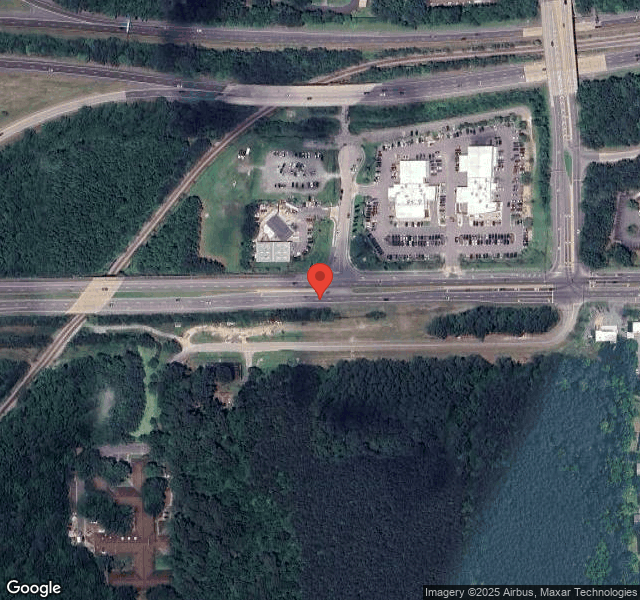
4775 BRIDGE ROAD, SUFFOLK, VA 23435 (757) 686-0488
For profit - Corporation 120 Beds EASTERN HEALTHCARE GROUP Data: November 2025 1 Immediate Jeopardy citation
Trust Grade
23/100
#265 of 285 in VA
Last Inspection: April 2023

Over 2 years since last inspection. Current conditions may differ from available data.

Overview

Northern Cardinal Rehabilitation and Nursing has received a Trust Grade of F, indicating significant concerns about the quality of care provided. They rank #265 out of 285 facilities in Virginia, placing them in the bottom half of nursing homes in the state, and #4 out of 4 in Suffolk City County means there are no local options that rank lower. Although the facility is showing an improving trend, with issues reducing from 17 in 2023 to 1 in 2025, the staffing situation is troubling, with a 62% turnover rate that is much higher than the state average of 48%. Fortunately, the facility has not received any fines, which is a positive sign, and the RN coverage is considered average, meaning there is some oversight available for resident care. However, there are serious concerns, including unsecured oxygen tanks in residents' rooms that posed immediate dangers and failures to properly document advance directives for residents, which could impact their end-of-life care preferences.

Trust Score
F
23/100
In Virginia
#265/285
Bottom 8%
Safety Record
High Risk
Review needed
Inspections
Getting Better
17 → 1 violations
Staff Stability
⚠ Watch
62% turnover. Above average. Higher turnover means staff may not know residents' routines.
Penalties
✓ Good
No fines on record. Clean compliance history, better than most Virginia facilities.
Skilled Nurses
○ Average
Each resident gets 34 minutes of Registered Nurse (RN) attention daily — about average for Virginia. RNs are the most trained staff who monitor for health changes.
Violations
⚠ Watch
45 deficiencies on record. Higher than average. Multiple issues found across inspections.
★☆☆☆☆
1.0
Overall Rating
★☆☆☆☆
1.0
Staff Levels
★★★☆☆
3.0
Care Quality
★★☆☆☆
2.0
Inspection Score
Stable
2023: 17 issues
2025: 1 issues

The Good

  • Full Sprinkler Coverage · Fire safety systems throughout facility
  • No fines on record

Facility shows strength in fire safety.

The Bad

1-Star Overall Rating

Below Virginia average (3.0)

Significant quality concerns identified by CMS

Staff Turnover: 62%

16pts above Virginia avg (46%)

Frequent staff changes - ask about care continuity

Chain: EASTERN HEALTHCARE GROUP

Part of a multi-facility chain

Ask about local staffing decisions and management

Staff turnover is elevated (62%)

14 points above Virginia average of 48%

The Ugly 45 deficiencies on record

1 life-threatening
Jan 2025 1 deficiency
CONCERN (D) 📢 Someone Reported This

A family member, employee, or ombudsman was alarmed enough to file a formal complaint

Potential for Harm - no one hurt, but risky conditions existed

Medical Records (Tag F0842)

Could have caused harm · This affected 1 resident

**NOTE- TERMS IN BRACKETS HAVE BEEN EDITED TO PROTECT CONFIDENTIALITY** Based on staff interview, clinical record review and facility document review, it was determined the facility staff failed to pr...

Read full inspector narrative →
**NOTE- TERMS IN BRACKETS HAVE BEEN EDITED TO PROTECT CONFIDENTIALITY** Based on staff interview, clinical record review and facility document review, it was determined the facility staff failed to provide complete and accurate documentation for one of eight residents, R3. The findings include: The facility staff failed to evidence complete and accurate documentation for turning and repositioning for R3. R3 was admitted to the facility on [DATE] with diagnosis that included but were not limited to fracture right femur, CVA (cardiovascular accident) and hemiplegia/hemiparesis. R3's most recent MDS (minimum data set) assessment, an admission assessment, with an ARD (assessment reference date) of 10/7/24, coded the resident as scoring a 11 out of 15 on the BIMS (brief interview for mental status) score, indicating the resident was moderately cognitively impaired. A review of the MDS Section G-functional status coded the resident as maximal assist for bed mobility/transfer, toileting and eating/hygiene. A review of R3's comprehensive care plan dated 10/7/24 revealed, FOCUS: The resident is at risk for weight loss or malnutrition related to CVA, hemiplegia, hemiparesis and loss of mobility. INTERVENTIONS: Monitor for trouble chewing/swallowing and amount of meal eaten. A review of the physician progress notes 10/12/22 at 1:00 AM revealed, SKIN: No redness, rashes, or ulcerations, temperature is warm and dry. Poor appetite. Severe protein-calorie malnutrition. A review of the progress note dated 10/12/22 at 9:04 PM revealed, SKIN Are their changes in residents skin integrity? No. ADLs: bed mobility - how residents move to/from lying position, turns side to side and positions body while in bed alternate sleep furniture: Extensive Assistance - Staff Support Provided, One-person physical assist. A review of the progress note dated 10/18/22 at 11:29 AM revealed, SKIN: Are there changes in residents skin integrity? No. ADLs- bed mobility - how residents move to/from lying position, turns side to side and positions body while in bed alternate sleep furniture, Total Dependence - Two+ persons physical assist. A review of two current resident medical records, R6 (BIMS of 14, indicating no cognitive impairment) and R7 (BIMS of 9, indicating moderate cognitive impairment), documentation of wound care, skin assessments and turning, repositioning were all documented without issues. Both R6 and R7 wounds were resolved during survey. An interview was conducted on 1/8/25 at approximately 8:15 AM with ASM (administrative staff member) #1, the administrator. When asked about documentation for turning and repositioning R3, ASM #1 stated, we had bought this facility and they changed from the previous EMR to our current EMR, we found out in auditing the documentation after the install that not all of the ADL (activities of daily living) documentation fields were installed. An interview was conducted on 1/8/25 at approximately 8:40 AM with R6. When asked about wound care, R6 stated, they have done a really good job with wound care and turning me, which is not easy as I have cerebral palsy and I cannot stay in one position too long. An interview was conducted on 1/8/25 at approximately 9:24 AM with RN (registered nurse) #1, when asked about the EMR, RN #1 stated, we were changing EMR systems on 10/1/22 to PCC and it evidently was not set up with all pieces. An interview was conducted on 1/8/25 at 1:25 PM with CNA (certified nursing assistant) #1. When asked about turning residents, CNA #1 stated, we turn every 2 hours and document in the ADL record, if it is not documented it could be documentation issue, instead of it not being done. An interview was conducted on 1/8/25 at 1:45 PM with CNA #2. When asked about turning residents, CNA #2 stated, the residents are turned every two hours. If there is missing documentation, the care was probably provided but just not charted. No, the chart is not complete and accurate. On 1/8/25 at approximately 3:25 PM, ASM (administrative staff member) #1, the administrator and ASM #5, the regional director of clinical services was made aware of the findings. No further information was provided prior to exit.
Apr 2023 17 deficiencies
CONCERN (D)

Potential for Harm - no one hurt, but risky conditions existed

Deficiency F0625 (Tag F0625)

Could have caused harm · This affected 1 resident

Based on interview, record review, and review of facility policy, the facility failed to provide the resident and/or resident representative with a written bed hold notice upon transfer to the hospita...

Read full inspector narrative →
Based on interview, record review, and review of facility policy, the facility failed to provide the resident and/or resident representative with a written bed hold notice upon transfer to the hospital for two (Resident (R) 19 and R69) of three residents reviewed for hospitalization. Findings include: Review of the facility policy titled, Bed Hold Notice Upon Transfer, revised 12/01/22, revealed the facility will provide the resident and/or representative with a written notice which specifies the duration of the bed-hold policy and addresses information explaining the return of the resident to the next available bed. 1.Review of the Progress Note tab in R69's electronic medical record (EMR) revealed a progress note, dated 09/23/22 and timed 12:23 AM, which stated that at 10:45 PM, the resident was having a seizure that lasted 10 minutes. As a result, 911 was called and the resident was sent to the emergency room. An additional progress note, dated 09/23/22 and timed 8:07 AM, revealed the resident was admitted to the hospital. An admission progress note, dated 09/30/22 at 8:35 PM, revealed the resident was readmitted from the hospital. The resident's EMR was reviewed in its entirety and there was no evidence that a written bed-hold notice was provided at the time of the transfer to the hospital. Review of R69's quarterly Minimum Data Set (MDS) with an Assessment Reference Date (ARD) of 03/03/23 revealed the resident was moderately cognitively impaired, based on a Brief Interview for Mental Status (BIMS) score of 8/15. Based on the resident's cognition, on 04/14/23 at 5:21 PM, R69's daughter/responsible party was called for an interview. She stated she did not receive any written notices when her father went to the hospital. On 04/13/23 at 3:56 PM the Director of Nursing confirmed a written bed hold notice was not provided when the resident was transferred to the hospital. The DON stated that she did not know the reason the required notice was not provided, adding that she, the Administrator, and Social Worker were all new to the facility. 2. Review of the Progress Note tab in R19's EMR revealed she had a nursing note, dated 03/27/23 at 12:54 AM, which stated 911 was called because the resident could not breathe. An additional progress note, dated 03/27/23 at 5:35 AM, revealed the resident was admitted to the hospital due to dyspnea. A progress note dated 03/29/23 at 6:16 PM revealed the resident was readmitted from the hospital. The resident's EMR was reviewed in its entirety and there was no evidence that a written bed-hold notice was provided for the time of the transfer to the hospital. Review of R19's quarterly MDS, with an ARD of 04/02/23, revealed R19 had a BIMS of 13/15, indicating the resident was cognitively intact. On 04/11/23 at 02:01 PM, R19 was interviewed. During the interview R19 stated she had been in the hospital recently. When asked if she received a written bed-hold notice, she stated she had not. On 04/13/23 at 3:56 PM the Director of Nursing confirmed a written bed hold notice was not provided to the resident/resident representative when the resident was transferred to the hospital.
CONCERN (D) 📢 Someone Reported This

A family member, employee, or ombudsman was alarmed enough to file a formal complaint

Potential for Harm - no one hurt, but risky conditions existed

Assessment Accuracy (Tag F0641)

Could have caused harm · This affected 1 resident

**NOTE- TERMS IN BRACKETS HAVE BEEN EDITED TO PROTECT CONFIDENTIALITY** Based on record review and interview, the facility failed to ensure the Minimum Data Set assessment accurately reflected the res...

Read full inspector narrative →
**NOTE- TERMS IN BRACKETS HAVE BEEN EDITED TO PROTECT CONFIDENTIALITY** Based on record review and interview, the facility failed to ensure the Minimum Data Set assessment accurately reflected the resident's status for three (Resident (R) 28, R73 and R211) of 55 sampled residents. The facility failed to ensure that alarm use, oxygen therapy, and falls were accurately coded to reflect the residents' devices, needs, and/or history. This failure placed the resident at risk for unmet care needs. Findings include: 1. Review of the Resident Assessment Instrument (RAI) 3.0 User's Manual revised 10/2019, stated The intent of this section [Section P] is to record the frequency that the resident was restrained by any of the listed devices or an alarm was used, at any time during the day or night, during the 7-day look-back period. Assessors will evaluate whether or not a device meets the definition of a physical restraint or an alarm and code only the devices that meet the definitions in the appropriate categories . Steps for Assessment: 1. Review the resident's medical record (e.g., physician orders, nurses' notes, nursing assistant documentation) to determine if alarms were used during the 7-day look-back period. 2. Consult the nursing staff to determine the resident's cognitive and physical status/limitations. 3. Evaluate whether the alarm affects the resident's freedom of movement when the alarm/device is in place. For example, does the resident avoid standing up or repositioning himself/herself due to fear of setting off the alarm . Coding Instructions: Identify all alarms that were used at any time (day or night) during the 7-day look-back period. After determining whether or not an item listed in P0200 was used during the 7-day look-back period, code the frequency of use . Code 0, not used: if the device was not used during the 7-day look-back period. Code 1, used less than daily: if the device was used less than daily. Code 2, used daily: if the device was used on a daily basis during the look-back period . Coding Tips .Wander/elopement alarm includes devices such as bracelets, pins/buttons worn on the resident's clothing, sensors in shoes, or building/unit exit sensors worn by/attached to the resident that activate an alarm and/or alert the staff when the resident nears or exits a specific area or the building. This includes devices that are attached to the resident's assistive device (e.g., walker, wheelchair, cane) or other belongings. Review of R73's admission Record, located in the electronic medical record (EMR) located under the Profile tab, indicated the resident was admitted to the facility on [DATE] with diagnoses that included Alzheimer's Disease with late onset. Review of R73's Health Status Note dated 11/12/21 indicated a wander guard was placed to the resident's left ankle. Review of R73's Order Summary Report located in the EMR under the Orders tab revealed that since 11/16/21, the resident had an order for staff to Apply Secure Care Bracelet/WanderGuard for safety (Check for placement every shift. Check for functioning once per week [sic]. Review of R73's current Care Plan, located in the EMR under the Care Plan tab, revealed that since 11/29/21, the resident was assessed as at risk for elopement as evidenced by wandering and that he had a Secure Care Wander Guard in place for safety. Review of R73's quarterly Minimum Data Set (MDS) located in the EMR under the MDS tab with an Assessment Reference Date (ARD) of 03/20/23, revealed the resident was severely cognitively impaired, as evidenced by a Brief Interview for Mental Status (BIMS) score of three out of 15. Section G of the MDS indicated the resident required one personal limited assistance with transfers, and supervision for locomotion off/on the unit. Per Section P (Restraints and Alarms) of the MDS, a wander/elopement alarm was not used. Observations on 04/11/23 at 6:01 PM, 04/13/23 at 12:19 PM, and 04/14/23 at 10:14 PM revealed the current physician orders and care plan were being followed and R73 continued to have a wanderguard bracelet alarm in place to the left ankle. Interview with Registered Nurse (RN) 1 on 04/13/23 at 9:46 AM, Licensed Practical Nurse (LPN) 7 on 04/14/23 at 10:14 AM, and the Director of Nursing (DON) on 04/14/23 at 1:38 PM, confirmed that R32 had a wanderguard in place. During an interview on 04/14/23 at 10:05 AM, the MDS nurse (LPN10) stated that the facility uses the RAI manual for its policies and procedures. During the interview, LPN10 stated she overlooked R73 having a wanderguard in place (when coding the MDS) because its placement was not being signed off by nurses. LPN10 indicated that when the order was initially entered in the EMR, it was not marked for the nurses to document on the medication administration record (MAR) or treatment administration record (TAR) The MDS was not coded to indicate an alarm as it was their practice to review the MAR/TAR but not the physician's orders. 2. Review of the RAI 3.0 User's Manual, dated 10/2019, under Section J1800 revealed, Any Falls since Admission/Entry or Reentry or Prior Assessment, whichever is more recent- Coding Instructions-Code 1, yes: if the resident has fallen since the last assessment. The RAI [NAME] further indicated, on Section J1900: Number of Falls Since Admission/Entry or Reentry or Prior Assessment- Steps for Assessment: Review all available sources for any fall since the last assessment .include medical records .nursing home incident reports .for falls and level of injury. Coding Instructions- Code 1, one: if the resident had non-injurious fall since .prior assessment. Review of a Face Sheet, found in R211's EMR under the Face Sheet tab, revealed R211 was admitted to the facility on [DATE] with diagnoses to include hemiplegia, unspecified affecting left nondominant side, cerebral infarction, and weakness. Review of R211's Quarterly MDS found in the EMR under the RAI tab with and ARD of 03/19/22 revealed the resident had no falls since admission to the facility. Review of a Progress Note found in R211's EMR under the Prog Note tab dated 04/22/22 indicated, Note Text: @ around 0930 [9:30 AM] resident found sitting on the floor in front of his wheelchair. Stated he tried to get OOB [out of bed] to wheelchair and it rolled from him. No apparent injury. Denied hitting head. 3 staff members to get up with sit and stand .Reeducated on importance if [sic] calling for help OOB also reeducated on making sure brakes engaged on wheelchair with transfer. Review of R211's Quarterly MDS found in the EMR under the RAI tab with an ARD date of 06/19/22 revealed on Section J1800- Any Falls since .Prior Assessment. No. The MDS further indicated on Section J1900- Number of falls since Admission/Entry or Prior Assessment: None. The MDS did not include reflect the fall that R211 sustained on 04/22/22. During a phone interview on 04/12/23 at 2:30 PM, regarding the fall that took place on 04/22/22, R211 stated, I had a stroke. From what I recall, I was falling. I fell off the bed once and I needed help off the floor. I don't remember any specifics of that fall. During an interview on 04/13/23 at 10:21 AM, regarding the inaccurate coding of the MDS, the MDS Coordinator stated, If we are doing a quarterly MDS, we are supposed to look at all information such as nurse's notes, and any risk management notes that are completed. If the resident is alert and oriented, we will talk with them as well. We try to keep it as factual what was actually seen. The MDS Coordinator then stated, With the Quarterly MDS dated [DATE] on Section J, it says no falls. We would expect to see that fall he [referring to R211] had on 04/22/22 coded on the 06/19/22 quarterly assessment. A modification will need to be done to the MDS because it's incorrectly coded. The MDS Coordinator stated, Our process is, if that resident was still here and I were here at the time, I would have had a correction made. She then indicated, I didn't see any additional notes and this quarterly should have been coded correctly. 3. Review of the RAI 3.0 User's Manual revised 10/2019, stated O0100C, Oxygen therapy - Code continuous or intermittent oxygen administered via mask, cannula, etc., delivered to a resident to relieve hypoxia in this item. Code oxygen used in Bi-level Positive Airway Pressure/Continuous Positive Airway Pressure (BiPAP/CPAP) here. Do not code hyperbaric oxygen for wound therapy in this item. This item may be coded if the resident places or removes his/her own oxygen mask, cannula. Observations on 04/11/23 at 1:12 PM, 04/12/23 at 10:35 AM, 04/12/23 at 11:22 AM, and 04/13/23 at 11:13 AM revealed R28 was receiving oxygen via nasal cannula. Review of R28's current Order Summary Report located in the EMR under the Orders tab revealed an order since 12/22/22, for oxygen continuous at two liters per minute (LPM) via nasal cannula every shift for medical diagnosis of wheezing and shortness of breath. Review of R28's quarterly Minimum Data Set (MDS) with an Assessment Reference Date (ARD) of 03/14/23 revealed it did not include the use of oxygen therapy. During an interview on 04/12/23 at 11:22 AM with R28's family member, they stated that R28 had had a stroke prior to admission in 2022, then was hospitalized from [DATE]-[DATE] with a diagnosis of pneumonia. The family member confirmed that R28 had been on oxygen prior to his initial admission in 2022 and continued on oxygen throughout his stay in the facility. During an interview on 04/14/23 at 10:05 AM, the MDS nurse (LPN10) stated that the facility uses the RAI manual for its policies and procedures.
CONCERN (D) 📢 Someone Reported This

A family member, employee, or ombudsman was alarmed enough to file a formal complaint

Potential for Harm - no one hurt, but risky conditions existed

ADL Care (Tag F0677)

Could have caused harm · This affected 1 resident

**NOTE- TERMS IN BRACKETS HAVE BEEN EDITED TO PROTECT CONFIDENTIALITY** 2. The facility failed to ensure that one (Resident (R) 74) resident who was dependent on staff for assistance with Activities o...

Read full inspector narrative →
**NOTE- TERMS IN BRACKETS HAVE BEEN EDITED TO PROTECT CONFIDENTIALITY** 2. The facility failed to ensure that one (Resident (R) 74) resident who was dependent on staff for assistance with Activities of Daily Living (ADL) received care in accordance with assessed preferences and needs. R74, who needed assistance from staff with bathing, did not receive showers as scheduled. Review of the policy titled, Activities of Daily Living, dated 12/1/22, revealed, A resident who is unable to carry out activities of daily living will receive the necessary services to maintain .grooming, and personal and oral hygiene. Review of the policy titled, Bathing a Resident, dated 12/1/22, revealed It is the practice of this facility to assist residents with their choice of bathing/hygiene options to maintain proper hygiene and help prevent skin issues .Complete the Resident Body Scan Tool and give to nurse .Record care provided in Point Click Care Point of Care. Review of R74's electronic medical record (EMR) admission Record, located under the Profile tab. indicated the resident was admitted to the facility on [DATE] with diagnoses including colostomy, morbid (severe) obesity due to excess calories, muscle weakness, difficulty in walking, chronic obstructive pulmonary disease, and anxiety disorder. Review of R74's annual 09/21/22 Minimum Data Set (MDS), with an Assessment Reference Date (ARD) located under the MDS tab, revealed that the resident's bathing preferences (choice between showers, bed baths, etc.) were very important. A quarterly MDS with an ARD of 02/27/23 revealed a Brief Interview for Mental Status (BIMS) score of 15/15, indicating R74 was cognitively intact. The assessment indicated R74 required extensive assistance for showering/bathing. Per the MDS, the resident had no rejection of care during the assessment period. Review of R74's Progress Notes under the Progress Notes tab from 04/14/23 through 03/01/22 (over one year) revealed R74 has only refused a shower on two occasions. During an interview on 04/11/23 at 5:20 PM, R74 and his wife both stated they have a concern regarding him not receiving enough showers. R74 stated I feel like I've only had about two or three full showers since I was admitted . R74's wife stated she had brought this concern to the attention of staff on at least one other occasion. R74 stated he had probably received a bed bath approximately fifty percent of the days he was supposed to. R74 stated he would like to have more showers. During the interview, the resident was observed to be wearing clean clothes. He had no odor but was observed to need a shave. Interview on 04/13/23 at 9:26 AM with Registered Nurse (RN) 1, (the Unit Manager), revealed R74 is to receive a shower on Mondays and Thursdays between the hours of 7:00 AM and 7:00 PM. RN1 stated the Certified Nurse Aides (CNAs) are supposed to offer R74 a bath/shower and document the outcome on the resident's shower sheet (Resident Body Scan Tool). RN1 stated the CNAs are supposed to write on the form if the resident refused a shower, or if a bed bath was preferred. RN1 stated that if the form has no additional documentation, that means the resident received a shower. RN1 observed there were only three shower sheets in the binder for R74, indicating he received a shower on 03/30/23, 04/03/23, and 04/06/23. RN1 stated the facility just recently started completing these forms again, so she then looked up R74's showers/baths in his EMR under the Tasks tab titled, Showering/Bathing. Review of this tab revealed R74 had only had nine showers/baths since 09/15/21. RN1 stated, Well that's not good. She stated she had only been at this facility since 03/06/23 and was aware the CNAs were not good at documenting showers prior to her arrival. When RN1 was asked if she thought this was an acceptable number of showers to receive, she stated Maybe. During an interview on 04/13/23 at 9:45 AM with CNA7 and CNA8, they stated they are both responsible for R74's showers. Both CNA7 and CNA8 stated R74 gets a bed bath every day per his choice. They stated R74 will sometimes refuse showers due to his colostomy bag because he doesn't want to get it wet. CNA8 said [the showers] get documented on the shower sheets if it's on his scheduled shower day. If it's in between [R74's] scheduled shower days, it gets documented in PCC [Point Click Care]. CNA8 stated that [R74's] PCC is all messed up because there's no ADLs in there. Both confirmed there were only 3 shower sheets for this resident in the binder. During an additional interview on 04/14/23 at 8:15 AM with R74, he stated he did not get his scheduled shower on Monday, 04/10/23. R74 stated that he did not get one on Thursday, 04/13/23 either because staff told him We can't find the shower bed. The shower bed was observed in the hallway on 04/13/22 throughout the morning, including 10:30 AM, on the day R74 was scheduled for his shower. During an interview on 04/14/23 at 5:32 PM, the Director of Nursing (DON) stated the facility has recently discussed the topic of properly documenting showers. The DON stated R74's chart was not set up properly to document showers in his EMR. The DON stated the facility recently re-implemented the shower sheets in March, so perhaps that was why there are only three forms. She stated the only time shower/bathing information gets documented in a resident's Progress Notes is when they refuse their shower/bath. The DON verified there were only nine showers/bath documented under the Tasks tab under Showers or Bathing for R74 since 09/15/21 and confirmed there was very little documentation in R74's EMR or shower binder to dispute the resident's claim that he was not getting his showers. Based on observation, staff interview and clinical record review the facility staff failed to ensure 2 residents out of 57 (Resident #57 and 74) in the survey sample who was unable to carry out activities of daily living receives the necessary services to maintain fingernail care and showers. The findings included: 1. Resident #57 was admitted to the facility on [DATE]. Diagnosis included but not limited to Alzheimer's disease, dementia, cerebrovascular accident (CVA) with right sided hemiplegia and hemiparesis. The current Minimum Data Set (MDS) a quarterly assessment with an Assessment Reference Date (ARD) of 02/03/23 coded the resident with a 00 out of a possible score of 15 on the Brief Interview for Mental Status (BIMS), indicating severe cognitive impairment. The MDS coded Resident #57 required total dependence of one with dressing and bathing, extensive assistance of one with bed mobility, transfer, toilet use and personal hygiene and supervision with eating for Activities of Daily Living (ADL) care. Resident #57's comprehensive care plan revised on 07/30/22 indicated the resident has ADL care performance deficit related to CVA with left and right hemiparesis and hemiplegia. The goals the facility staff set for the resident will improve current level of functioning in bed mobility, transfers, eating, dressing, toilet use and personal hygiene. Some of the interventions included but are not limited the resident requires extensive staff participation with personal hygiene and oral care. During the initial tour on 04/11/23 at approximately 2:11 p.m., Resident #57 was in her wheelchair sitting in the doorway of her room. The residents' fingernails were very long and rigged with a brown substance under each fingernail. The resident held out her hands while shaking her head back and forth. When asked if she wanted her fingernails cut and cleaned, she stated, Oh yes. On 04/12/23 at 10:15 a.m., Resident #57's fingernails remained unchanged. On 04/13/23 at 9:30 a.m., Resident #57's fingernails remained long and rigged with a brown substance under each fingernail. On the same day at approximately 3:00 p.m., the resident fingernails were assessed with Certified Nursing Assistant (CNA) #3. The CNA said Resident #57's fingernails are long and dirty; she will take care of them right now. The resident replied, Thank you, thank you, thank you. An interview was conducted with the Director of Nursing (DON) on 04/14/23 at 1:05 p.m. She stated the CNAs are to inspect the resident's fingernails during ADL care every day; that is part of the resident daily hygiene. On 04/14/23 at 7:45 p.m., the Administrator was informed of the above findings. No further information was provided prior to exit. The facility's policy titled Activities of Daily Living (ADL's) revised on 12/01/22. Policy: The facility will ensure a resident's abilities in ADL's do not deteriorate unless deterioration is unavoidable this included but is not limited to bathing, dressing, and grooming. Policy Explanation and Compliance Guidelines: 3. A resident who is unable to carry out activities of daily living will receive the necessary services to maintain good nutrition, grooming, and personal care oral hygiene.
CONCERN (D)

Potential for Harm - no one hurt, but risky conditions existed

Respiratory Care (Tag F0695)

Could have caused harm · This affected 1 resident

**NOTE- TERMS IN BRACKETS HAVE BEEN EDITED TO PROTECT CONFIDENTIALITY** Based on observation, interview, record review, and facility policy review, the facility failed to provide oxygen therapy as nee...

Read full inspector narrative →
**NOTE- TERMS IN BRACKETS HAVE BEEN EDITED TO PROTECT CONFIDENTIALITY** Based on observation, interview, record review, and facility policy review, the facility failed to provide oxygen therapy as needed for one (Resident (R) 28) of two residents reviewed who required respiratory care received out of a total sample of 57 residents. Oxygen was not continuously delivered at the rate ordered by the physician and was removed by staff who were not qualified to perform this task. Findings include: Review of the facility's policy titled, Oxygen Administration, revised 12/01/22, revealed, Oxygen is administered to residents who need it, consistent with professional standards of practice, the comprehensive person-centered care plans, and the residents' goals and preferences . 2. Personnel authorized to initiate oxygen therapy include physicians, RNs [Registered Nurse], LPNs,[Licensed Practical Nurse] and respiratory therapists. Review of R28's admission Record, located in the electronic medical record (EMR) under the Profile tab, indicated R28 was originally admitted to the facility on [DATE] and readmitted to the facility on [DATE]. The resident had primary diagnosis of protein calorie malnutrition and co-morbidities including cerebral infarction, congestive heart failure, dependence on supplemental oxygen, and pulmonary disease. Review of R28's current Order Summary Report located in the EMR under the Orders tab revealed an order dated 12/22/22 for oxygen continuous at two LPM via nasal cannula every shift for medical diagnosis of wheezing and shortness of breath. Review of R28's initial admission Minimum Data Set (MDS) with an Assessment Reference Date (ARD) RD of 12/27/22 indicated the resident required oxygen therapy prior to admission and while a resident at the facility. Review of R28's quarterly Minimum Data Set (MDS) located in the EMR under the MDS tab with an Assessment Reference Date (ARD) of 03/14/23 had a Brief Interview for Mental Status (BIMS) score of 11 out of 15 indicating the resident was moderately cognitively impaired. The quarterly MDS did not include the use of oxygen therapy. (Cross-reference F641.) Review of R28's Care Plan revised on 01/03/23 included use of oxygen therapy related to ineffective gas exchange. Interventions included monitoring for signs/symptoms of respiratory distress, use of accessory muscles, oxygen settings at 2 liters per minute (LPM) via nasal cannula, positioning resident to facilitate ventilation, and proper positioning. Review of R28's AHR- Admission/re-admission Screening- V5 document located in the EMR under the Assessment tab and dated 04/01/23 revealed R28 required oxygen at 3 LPM via nasal cannula. During an observation on 04/11/23 at 1:12 PM, R28 was in bed receiving wearing oxygen via nasal cannula at 3.5 LPM. A therapist was working with R28 at the time of this observation. During an observation and interview on 04/12/23 from 10:35 AM-11:17, AM R28 was receiving wound care from LPN1. Certified Nursing Assistant (CNA) 1 had just finished providing a bed bath to R28. R28 was noted to be lying on his left side, unclothed, with the bed flat. The resident's oxygen concentrator was on; however, the oxygen tubing with the nasal cannula was lying on the mattress near the side rail to the resident's right side and was not in use. LPN1 completed wound care, and the two staff members dressed the resident, and repositioned him in bed. When LPN1 was asked how long R28 had been without his oxygen, she stated she did not know. CNA1 stated the resident had been off of his oxygen for approximately 20 minutes prior to the nurse arriving in the room at 10:35AM. CNA1 stated she had removed the resident's oxygen tubing so she could provide a bed bath and forgot to put it back on. At 11:02 AM, LPN1 obtained a pulse oximeter from the nursing cart, checked R28's oxygen saturation levels, and obtained a reading of 83%. At 11:07 AM R28's oxygen saturation levels had increased to 93% when he was provided 4 LPM oxygen via nasal cannula. At 11:17 AM, LPN1 stated she had not noticed R28's oxygen was not in place due to him being turned over for wound care. Interview with the two staff revealed that neither staff was familiar with the oxygen policy at the time of this interview. During an interview on 04/13/23 at 11:05 AM, CNA4 stated that CNAs are not allowed to disconnect or reconnect oxygen tubing for any resident and that this was a nursing task only. Per CNA4, CNAs were allowed to reposition the cannula if it was loose in the nares, but that was the only exception. During an interview on 04/11/23 at 11:08 AM, CNA5 also stated that CNAs are not allowed to disconnect any oxygen tubing from residents. During an interview on 04/13/23 at 4:00 PM, CNA2 stated that CNAs are not allowed to disconnect any oxygen tubing from residents and if needed, it would need to be done by a nurse. During an interview on 04/13/23 at 4:09 PM, LPN3 stated that only nurses are allowed to connect and disconnect oxygen for a resident, and CNAs are not allowed to do so. During an interview on 04/13/23 at 4:37 PM, CNA3 stated that CNAs were allowed to temporarily remove oxygen tubing from a resident and then immediately put it back on, such as when they are changing their shirt/hospital gown; otherwise, the nurse would have to start or stop oxygen administration. During an additional interview on 04/13/23 at 4:51 PM with CNA1, she stated that the facility allows for the CNAs to remove and reapply oxygen tubing. When asked about the observation on 04/12/23, CNA1 confirmed that R28 was off of his oxygen for at least 20 minutes while she was performing a bed bath. CNA1 stated that after the bath, the wound care nurse and surveyor came into the room and she forgot to put the oxygen back on R28. During an interview on 04/14/23 at 1:30 PM, the Director of Nursing (DON) stated that CNAs were not allowed to connect or disconnect oxygen tubing for any resident and that was a clinical nurse's responsibility.
CONCERN (D)

Potential for Harm - no one hurt, but risky conditions existed

Drug Regimen Review (Tag F0756)

Could have caused harm · This affected 1 resident

**NOTE- TERMS IN BRACKETS HAVE BEEN EDITED TO PROTECT CONFIDENTIALITY** Based on interview, record review, and facility policy review, the facility failed to ensure that medication irregularities iden...

Read full inspector narrative →
**NOTE- TERMS IN BRACKETS HAVE BEEN EDITED TO PROTECT CONFIDENTIALITY** Based on interview, record review, and facility policy review, the facility failed to ensure that medication irregularities identified by the consultant pharmacist were acted upon for two (Resident (R)35 and R80) of five residents reviewed for unnecessary medication use. The failure to ensure that the physician reviewed and responded to the pharmacist's recommendations placed the residents at risk for unnecessary medications and associated side effects. Findings include: Review of an undated document provided by the facility titled Addressing Pharmacy Recommendations revealed Step 1: Pharmacy recommendations are given to the prescriber/physician. The Director of Nursing (DON) or designee ensure that pharmacy recommendations are delivered to the prescriber/attending physician in a timely manner .Step 2: Nursing to follow through per prescriber's response. DON or designee ensures that recommendations signed by the prescriber are acted upon in the medical record .Step 3: Maintaining a record of addressed pharmacy recommendations. DON or designee ensures that all pharmacy recommendations, once acted upon, are included in the patient's medical record .A copy of all pharmacy recommendations, once acted upon, should also be maintained by the DON. 1. Review of R35's admission Record, located in the electronic medical record (EMR) under the Profile Tab, indicated the resident was admitted to the facility on [DATE] with medical diagnosis of encephalopathy and dementia with other behavioral disturbances. Review of R35's Pharmacy Notes under the Progress Notes tab revealed the following statement under every monthly medication review for the last year: Pharmacy Note: MRR [Medication Regimen Review] completed: Medical Record Reviewed including orders, progress notes, labs: See consultant pharmacist report for consult on any noted irregularities and/or recommendations. There was no other documentation found in R35's EMR to indicate the specifics of what the pharmacist recommended or the physician's response. 2. Review of R80's admission Record, located in the EMR under the Profile tab indicated the resident was admitted to the facility on [DATE] with diagnosis of paraplegia, acute kidney failure, anxiety disorder, and major depressive disorder. Review of R80's Pharmacy Notes under the Progress Notes tab revealed the following statement under every monthly medication review for the last year: Pharmacy Note: MRR completed: Medical Record Reviewed including orders, progress notes, labs: See consultant pharmacist report for consult on any noted irregularities and/or recommendations. There was no other documentation found in R80's EMR to indicate what the recommendations were or the physician's response to each recommendation. During an interview on 04/13/23 at 10:29 AM with the Director of Nursing (DON), she was asked to provide the consultant pharmacy reports that were referenced in the resident's EMRs. Interview with the DON revealed that the facility did not have evidence of any pharmacy recommendations for these residents. An additional interview was conducted with the DON on 04/13/23 at 4:07 PM during which the facility's Regional Director of Clinical Services (RDCS) was also present. The DON confirmed that the facility could not find any evidence of physician response to pharmacy recommendations prior to March 2023, when the DON began employment. The DON stated that in response to the survey team's request for pharmacy recommendation, they contacted the pharmacist, who was able to provide some documentation regarding her recommendations. Review of the documentation the DON provided from the pharmacist revealed that a recommendation for a gradual dose reduction (GDR) was made on 12/21/22 to reduce R35's Seroquel 25 milligrams from twice to once a day. The DON stated that The doctor must not have agreed to this because [R35's] medications have not changed. However, the DON could provide no evidence that the physician responded to this recommendation and provided a rationale as to why a GDR was clinically contraindicated. Review of R35's EMR revealed no documentation to determine the doctor's response and R35 continued to take the Seroquel as originally prescribed from December 2022 through the present. During the interview on 04/13/23 at 4:07 PM, the DON also provided information from the pharmacist that a GDR recommendation was made on 12/21/22 to reduce R80's Xanax, Effexor, and Risperdal. The DON stated the doctor must not have agreed with the Xanax recommendation because there was no change to the medication; however, the DON could provide no evidence that the physician responded to this recommendation and documented why a GDR was not indicated. During an interview on 04/14/23 at 10:38 AM, the Administrator confirmed the importance of having documentation of the physician's response to pharmacy recommendations, stating, I know. They really need a system. During a phone interview on 04/14/23 at 2:29 PM with the facility's pharmacist, she stated that the process for her recommendations should go as follows: She completes the medication review and gives it to the facility. The facility then gives it to the physician, and he will agree or disagree with the recommendation and respond on the document the pharmacist gave to the facility. The facility is then supposed to either keep the signed response in a binder or scan it into the resident's EMR. During a phone interview on 04/14/23 at 3:55 PM with the facility's Medical Director (MD), he revealed how he responds to the pharmacist's MMRs. He stated he receives the reports monthly and either agrees or disagrees with the recommendations and documents his rationale on the form provided by the pharmacy. The MD stated either the DON or pharmacist places the forms in folders located behind the receptionist's desk until he signs them. The forms are then given to the DON to scan or file. During an additional interview on 04/14/23 at 4:15 PM with the DON, she verified the physician's folder did not contain the physician's responses to the pharmacist's recommendations. The DON provided a binder she began when she started employment; however, it only contained one physician response. The DON verified she did not have the other physician's responses requested.
CONCERN (D)

Potential for Harm - no one hurt, but risky conditions existed

Deficiency F0760 (Tag F0760)

Could have caused harm · This affected 1 resident

Based on resident and staff interview, clinical record review and facility document review, the facility staff failed to ensure 1 of 57 residents (Resident #312) in the survey sample were free of sign...

Read full inspector narrative →
Based on resident and staff interview, clinical record review and facility document review, the facility staff failed to ensure 1 of 57 residents (Resident #312) in the survey sample were free of significant medication errors. The findings included: The facility staff failed to ensure the following significant medication Seroquel was administered as ordered to Resident #312. Diagnosis included but not limited to dementia without behavioral disturbance, psychotic disturbance, mood disturbance and anxiety. A review of the Brief Interview for Mental Status (BIMS) admission assessment scored a 13 out of a possible 15 indicating moderate cognitive skills for daily decision-making. Resident #312's care plan created on 04/11/23 identified the resident uses anti-psychotropic medications. The goal set for the resident by the staff was that the resident will be/remain free of psychotropic drug related complications, including movement disorder, discomfort, hypotension, gait disturbance, constipation/impaction, or cognitive/behavioral impairment. Some of the interventions/approaches the staff would use to accomplish this goal is to administer psychotropic medications as ordered by the physician, monitor for side effects and effectiveness every shift. During the review of Resident #312's Medication Administration Record (MAR) for April 2023 revealed the following medication (Seroquel) to be administered twice a day at 9:00 a.m., and 9:00 p.m. Further review of the April 2023 MAR, revealed evidence the medication Seroquel was not administered on 04/08/23 at 9:00 a.m., 04/09/23 at 9:00 a.m., and 9:00 p.m. An interview was conducted with the Director of Nursing (DON) on 04/14/23 at 12:30 p.m. She stated when a new admission comes into the facility and pharmacy had not delivered the residents medication, the first thing the nurse should do is check the Cubex machine to see if the medication is available. She stated if the medication is available, the medication is to be pulled and administered to the resident. If the medication is not available in the Cubex, pharmacy is to be contacted to see when the medication is going to be delivered. She said the physician is to be informed the medication was not available to be administered. She said Resident #312 is taking an antipsychotic medication which cannot be suddenly stopped especially with her admitting diagnosis. The DON reviewed the list of all medications in the Cubex. After the list was reviewed, the DON stated there were 14 tablets of Seroquel 25 mg available to be administered. On 04/14/23 at 7:45 p.m., the Administrator was informed of the above findings. No further information was provided prior to exit. The facility's polity titled Medication Administration revised on 12/01/22. It is the facility policy for medications are administered by license nurses, or other staff who are legally authorized to do so in the state, as ordered by the physician and in accordance with professional standards of practice, in a manner to prevent contamination or infection. Definitions: -Seroquel tablets and extended-release tablets are also used alone or with other medications to treat episodes of mania (frenzied, abnormally excited or irritated mood) or depression in patients with bipolar disorder (manic depressive disorder; a disease that causes episodes of depression, episodes of mania, and other abnormal moods) ( (https://medlineplus.gov/ency/article/007365.htm).
CONCERN (D)

Potential for Harm - no one hurt, but risky conditions existed

Deficiency F0761 (Tag F0761)

Could have caused harm · This affected 1 resident

Based on observation, staff interviews and facility documentation review the facility staff failed to ensure a bottle of medication (Aspirin 81 mg) was stored in a secured location, accessible to desi...

Read full inspector narrative →
Based on observation, staff interviews and facility documentation review the facility staff failed to ensure a bottle of medication (Aspirin 81 mg) was stored in a secured location, accessible to designated staff only. The findings included: On 04/12/23 at 11:25 a.m., a bottle of medication was observed on top of Medication Cart two (2) on the Chesapeake Unit. The nurse assigned to Cart 2 was not in view of the medication cart. The bottle of medication was observed for 4 minutes on top of the medication cart as residents, staff and visitors walked past. On the same day, the Assistant Director of Nursing (ADON) and Unit Manager arrived at the medication cart at 11:29 a.m. They were asked if the bottle of medication left on top of the cart unattended contained any medication. The ADON picked up the bottle of medication; shook the bottle and stated, Yes, there's medication inside the bottle. The ADON stated the medication was Aspirin 81 mg tablets. The ADON stated mediation should never be left on top of the medication when not in direct view. She stated the medication should have been placed inside the medication cart and the cart always locked when in view of the nurse. The ADON stated by the medication left on top of the medication cart and not in view of the nurse puts the residents at risk for harm. An interview was conducted with the Director of Nursing (DON) on 04/14/23 at 12:30 p.m. She was informed that a bottle of Aspirin was left unattended on top of the medication cart of the Chesapeake Unit. On 04/14/23 at 7:45 p.m., the Administrator was informed of the above findings. No further information was provided prior to exit. The facility's policy titled Medication Storage revised on 12/01/22. It is the policy of the facility to ensure all medications housed on our premises will be store in the pharmacy and/or medication rooms. Policy Explanation and Compliance Guidelines 1. General Guidelines: (a.) All drugs and biological's will be stored in locked compartments) i.e., medications carts, cabinets, drawers, refrigerators, medications rooms.)
CONCERN (D)

Potential for Harm - no one hurt, but risky conditions existed

Deficiency F0883 (Tag F0883)

Could have caused harm · This affected 1 resident

**NOTE- TERMS IN BRACKETS HAVE BEEN EDITED TO PROTECT CONFIDENTIALITY** Based on interview, record review, and facility policy reviews, the facility failed to ensure that three (Resident (R) 38, R62, ...

Read full inspector narrative →
**NOTE- TERMS IN BRACKETS HAVE BEEN EDITED TO PROTECT CONFIDENTIALITY** Based on interview, record review, and facility policy reviews, the facility failed to ensure that three (Resident (R) 38, R62, and R414) of five residents reviewed for vaccine administration, were offered and/or received the pneumococcal series and/or influenza vaccination. Specifically, R38 was not educated or offered the pneumococcal series or influenza vaccination, R62 was not educated or offered the pneumococcal series, and R414 was not offered the influenza vaccination. Findings included: Review of the facility's Immunization Informed Consent Record, revised 2020, revealed a statement that said, I certify that I have received relevant Vaccine Information Statements (VIS) that provide current CDC [Center for Disease Control] information about the vaccine(s) I have elected to receive. I further certify that the benefits and potential side effects of such immunization(s) have been thoroughly explained to me and I do understand such information . Place the original signed and dated copy of this form in the individual's permanent medical record. If requested, provide photocopy of this record to the individual or his/her legal representative. Review of the facility's policy titled, Influenza Vaccination, revised 12/01/22, revealed, It is the policy of this facility to minimize the risk of acquiring, transmitting or experiencing complications from influenza by offering our residents, staff members, and volunteer workers annual immunization against influenza . 2. Influenza vaccinations will be routinely offered annually from October 1st through March 31st unless such immunization is medically contraindicated, the individual has already been immunized during this time period or refuses to receive the vaccine . 4. Prior to the administration of the influenza vaccine, the person receiving the immunization, or his/her legal representative, will be provided with a copy of CDC's current vaccine information statement relative to the influenza vaccination . 6. Individuals receiving the influenza vaccine, or their legal representative, will be required to sign a consent form prior to the administration of the vaccine. The completed, signed, and dated record will be filed in the individual's medical record . 8. The resident's medical record will include documentation that the resident and/or the resident's representative was provided education regarding the benefits and potential side effects of immunization, and that the resident received or did not receive the immunization due to medical contraindication or refusal . Education regarding immunizations has been implemented. Review of the facility's policy titled, Pneumococcal Vaccine (Series), revised 12/01/22, revealed, It is our policy to offer our residents and staff immunization against pneumococcal disease in accordance with current CDC (Center for Disease Control) guidelines and recommendations . 8. The resident's medical record shall include documentation that indicates at a minimum, the following: a. The resident or resident's representative was provided education regarding the benefits and potential side effects of pneumococcal immunization. b. The resident received the pneumococcal immunization or did not receive due to medical contraindication or refusal. Review of the facility's admission Packet provided by the facility revealed it did not include information provided to the resident or responsible party regarding immunizations. 1. Review of R38's admission Record, located in the electronic medical record (EMR), under the Profile tab, revealed the resident was admitted to the facility on [DATE] with a primary diagnosis of sepsis. Review of R38's EMR under the Immunizations tab revealed no immunization history. Review of documents under the Misc[ellaneous] tab also revealed no evidence that this resident was offered, accepted, or declined the influenza or pneumococcal vaccine series. Review of R38's Snapshot, located in the EMR under the Misc tab, indicated that the influenza vaccine and pneumococcal series were never given while the resident was hospitalized [DATE]-[DATE]. On 04/12/23 at 8:31 AM, R38 declined an interview. During an interview on 04/14/23 at 5:29 PM, the Assistant Director of Nurses/Infection Preventionist (ADON/IP) was unable to locate R38's admission packet or declination forms to determine if R38 was educated and offered the influenza vaccine and pneumococcal series. The ADON/IP confirmed that R38 should have been offered and educated on the influenza vaccine due to her being admitted before March 31st. In addition, per the ADON/IP, the resident should have been offered the pneumococcal series due to her being over age [AGE]. 2. Review of R62's admission Record, located in the EMR under the Profile tab, indicated that the resident was admitted to the facility on [DATE] with a primary diagnosis of sepsis. Review of R62's EMR under the Immunizations tab revealed that a tuberculosis screening was given on 04/04/23. There was no documentation to indicate that the resident was offered, accepted, or declined the pneumococcal series. Review of R62's Hospital History and Physical, located in the EMR, under the Misc tab and dated 04/03/23, did not contain any immunization history. R62 was lethargic and unable to be interviewed regarding immunization status on 04/11/23 at 1:33 PM, 04/11/23 at 5:12 PM, and 04/12/23 at 2:55 PM. During an interview on 04/14/23 at 6:27 PM, the ADON/IP was unable to locate R62's admission packet or declination forms to determine if R62 was educated and offered the pneumococcal series. The ADON/IP confirmed that R62 should have been offered and educated on the pneumococcal series due to him being over age [AGE]. 3. Review of R414's admission Record, located in the EMR under the Profile tab, indicated the resident was admitted to the facility on [DATE] with a primary diagnosis of fractured left femur. Review of R414's Snapshot, located in the EMR under the Misc tab, indicated that the influenza vaccine was never provided while hospitalized [DATE]-[DATE]. Review of R414's EMR under the Immunizations tab revealed no immunization history. In addition, review of documents under the Misc tab revealed no evidence that the resident was offered, accepted, or declined the influenza vaccine. R414 was not available for interview on 04/14/23 during immunization review due to having been discharged from the facility on 04/13/23. During an interview on 04/14/23 at 6:39 PM, the ADON/IP confirmed that R414 had no documentation available to confirm that she had been educated or offered the influenza immunization. The ADON/IP confirmed that R414 should have been offered and educated on influenza immunizations. During the interview conducted on 04/14/23 at 6:39 PM, the ADON/IP stated that the admission Coordinator who works off-site was responsible for asking new admissions if they would like to receive immunizations to include pneumococcal and influenza vaccinations Additionally, the clinical nurse performing the resident's admission would ask the resident or their responsible party if they would like to receive any appropriate immunizations to include pneumococcal, and influenza vaccines. The ADON/IP stated that it had not been her practice to offer pneumococcal or influenza immunizations for residents that were not currently vaccinated against the viruses. The ADON/IP did not give an explanation as to why she did not follow up with residents regarding their immunization status. During an interview on 04/14/23 at 6:46 PM, Licensed Practical Nurse/ Unit Manager (LPN2) stated that any resident that agreed to receiving an immunization would sign a consent form; if the resident was non-verbal the family would be contacted to receive consent or declination of vaccinations, Per LPN2, during flu season all residents are offered the influenza immunization, and all residents over 65 are offered the pneumococcal vaccine. LPN2 stated that, in addition, the Social Worker or admission Coordinator would have the resident fill out the consent or declination forms; however, she was not sure where the forms were kept after obtaining signatures from residents or responsible parties. LPN2 was not able to locate R414's admission packet to determine if education or declination of the and influenza immunization was provided. The admission Coordinator was not available for interview during the survey process. During an interview on 04/13/23 at 2:46 PM, the Social Worker stated that she had only worked at the facility for about a week and was supposed to be receiving training this week regarding her responsibilities during the new admission process. As of the time of the interview, the Social Worker stated that she had not been involved in the admission process.
CONCERN (D) 📢 Someone Reported This

A family member, employee, or ombudsman was alarmed enough to file a formal complaint

Potential for Harm - no one hurt, but risky conditions existed

Deficiency F0885 (Tag F0885)

Could have caused harm · This affected 1 resident

Based on interview, record review, and review of facility policy, the facility failed to timely notify the families of two (Resident (R) 63 and R73) of 57 sampled residents by 5:00 PM the following da...

Read full inspector narrative →
Based on interview, record review, and review of facility policy, the facility failed to timely notify the families of two (Resident (R) 63 and R73) of 57 sampled residents by 5:00 PM the following day when the residents tested positive for COVID-19. Findings include: Review of the facility policy titled, Coronavirus Prevention and Response revised 07/18/22, stated, Notify physician, Director of Nursing, Infection Preventionist, and family. Review of the facility's document titled COVID-19 Action Plan revised 02/15/22. stated, Facility will notify and document Medical Director, attending physician, resident and family of positive COVID-19 case/s in the facility as well as emergency plans initiated. Notifications to be documented in PCC [Point Click Care electronic medical record] for residents . Communication plan is activated, and staff are assigned to contact family members at least weekly with updates. Review of the policy titled Notification of Changes with a revised date of 12/01/22 revealed it was the facility's policy to notify the family member/legal representative when there is a change in the resident's condition. 1. Review of the facility document titled Resident Line List of resident's testing positive for COVID-19 revealed R73 tested COVID-19 positive on 02/21/22. Review of R73's Progress Note located in the EMR under the Progress Notes tab, dated 02/24/22 and 02/25/22 indicated R73's spouse was notified that all staff tested negative for COVID-19 and that two residents tested positive for COVID-19. However, there was no evidence that R73's spouse was notified by 5:00 PM the following day when the resident tested positive for COVID-19 on 02/21/22. During an interview on 04/11/23 at 3:03 PM with R73's responsible party, she stated she was not informed when her husband testing positive for COVID-19 in February 2022. She stated she did not find out about the results until her son told her about it. The RP stated that currently the facility sends out notifications via text messages when there is a positive COVID-19 case in the building. During an interview on 04/12/23 at 9:29 AM with the Director of Nursing (DON), she stated the facility was currently using the Care Feed program through the Electronic Medical Record (EMR) that calls the phone number on file for the resident's responsible party, also has option to send a text message. During an interview on 04/14/23 at 3:32 PM, the Assistant Director of Nurses (ADON) confirmed that R73 tested positive for COVID-19 on 02/21/22. The ADON also confirmed that although the spouse was notified on 02/24/22 that all staff tested negative and two other residents tested positive, there was no evidence to indicate staff notified the spouse when her husband tested positive for COVID-19 on 02/21/22. The ADON stated that it was the facility's policy for the nurses to report any changes in condition/COVID-19 cases on the 24 hour report document and to report to the responsible party (as well as the physician) any positive results. During an interview on 04/14/23 at 4:00 PM, the Regional Director of Operations (RDOR) stated that the facility started using Care Feed on 08/26/22 (after R73's COVID-19 diagnosis.). Per the RDOR, prior to that date, Eastern Healthcare Group purchased the facility on 12/01/21 and they were doing phone notifications when a resident or staff was diagnosed with COVID-19. During an interview on 04/14/23 at 4:14 PM with the Administrator, she stated she would provide a copy of the 24 hour report to see if there was evidence that the nurse on duty reported when R73 tested positive for COVID-19. However, the document was not provided prior to exit. 2. Review of the Progress Notes tab in the EMR revealed that on 03/14/23 at 12:13 PM, a nurse stated that R63 tested positive for COVID 19 and the physician was notified. There was no evidence that the family/responsible party was also notified that the resident tested positive. Interview on 04/14/23 at 9:30 AM with R63's responsible party confirmed that on 03/14/23, her mother tested positive for COVID and no one called her and informed her. On 04/14/23 at 10:48 AM the Administrator stated the family/responsible party should have been notified when the resident tested positive for COVID 19, and confirmed there was no documentation available to show that this occurred.
CONCERN (D)

Potential for Harm - no one hurt, but risky conditions existed

Deficiency F0887 (Tag F0887)

Could have caused harm · This affected 1 resident

**NOTE- TERMS IN BRACKETS HAVE BEEN EDITED TO PROTECT CONFIDENTIALITY** Based on interview, record review, and facility policy review, the facility failed to provide required education and offer immun...

Read full inspector narrative →
**NOTE- TERMS IN BRACKETS HAVE BEEN EDITED TO PROTECT CONFIDENTIALITY** Based on interview, record review, and facility policy review, the facility failed to provide required education and offer immunization to one (Resident (R) 414) of five residents reviewed for immunizations. Specifically, the facility failed to provide education and offer the COVID-19 vaccine to the resident. Findings include: Review of the facility's policy titled, Coronavirus Prevention and Response, revised 07/18/22, revealed, 11. Vaccination Planning a. All facility staff and residents will be encouraged to get vaccinated against SARS-CoV-2. Review of the facility's policy titled, COVID-19 Action Plan, revised 02/15/22, revealed, All residents are to be offered and provided a COVID-19 vaccination(s) as indicated. Any resident who refuses vaccination must have a declination form documented. Education regarding vaccinations must also be offered and recorded in the medical record. Review of R414's admission Record, located in the electronic medical record (EMR) under the Profile tab, indicated the resident was admitted to the facility on [DATE] with a primary diagnosis of fractured left femur. Review of R414's Snapshot, located in the EMR under the Misc[ellaneous] tab, indicated that the COVID-19 vaccine was never provided while the resident was hospitalized [DATE]-[DATE]. Review of R414's EMR under the Immunizations tab revealed no immunization history; review of documents under the Misc tab revealed no evidence that the resident was offered, accepted, or declined the COVID-19 vaccine. R414 was not available for interview on 04/14/23 during immunization review due to having been discharged from the facility on 04/13/23. During an interview on 04/14/23 at 6:39 PM, the Assistant Director of Nurses (ADON)/ Infection Preventionist (IP) stated that the admission Coordinator that works off-site was responsible for asking new admission residents if they would like to receive immunizations, including the COVID-19 vaccination. Additionally, the clinical nurse performing the resident's admission was to ask the resident or their responsible party if they would like to receive any appropriate immunizations, including the COVID-19 vaccine. The ADON/IP stated that it had not been her practice to offer COVID-19 immunizations for residents that were not currently vaccinated against the virus. The ADON/ IP confirmed that R414 had no documentation available to confirm that she had been educated or offered the COVID-19 vaccine. The Admissions Coordinator was not available for interview on 04/14/23 at 6:39PM. During an interview on 04/14/23 at 6:46 PM, Licensed Practical Nurse (LPN) 2 stated that any resident that had agreed to receiving an immunization would sign a consent form; if the resident was non-verbal the family would be contacted to receive consent or declination of vaccinations. Additionally, the Social Worker or admission Director would have the resident fill out the consent or declination forms; however, she was not sure where the forms were kept after obtaining signatures from residents or responsible parties. LPN2 was not able to locate R414's admission packet to determine if education was provided, the vaccine was offered, and the resident accepted or declined the vaccine. During an interview on 04/13/23 at 2:46 PM, the Social Worker stated that she had only worked at the facility for about a week and was supposed to be receiving training this week regarding her responsibilities during the new admission process. As of the time of the interview, the Social Worker stated that she had not been involved in the admission process.
CONCERN (E)

Potential for Harm - no one hurt, but risky conditions existed

Deficiency F0578 (Tag F0578)

Could have caused harm · This affected multiple residents

**NOTE- TERMS IN BRACKETS HAVE BEEN EDITED TO PROTECT CONFIDENTIALITY** Based on interview, record review, and facility policy review, the facility failed to ensure that the facility accurately reflec...

Read full inspector narrative →
**NOTE- TERMS IN BRACKETS HAVE BEEN EDITED TO PROTECT CONFIDENTIALITY** Based on interview, record review, and facility policy review, the facility failed to ensure that the facility accurately reflected the advance directive status for three of 12 sampled residents (Resident (R) 1, R73, and R109) reviewed for advance directives. Advance directive forms were not present for residents who were identified as DNR (do not resuscitate) status. Although physicians signed forms indicating code status, the forms were not signed by the resident or a health care surrogate named in an advance directive form. The failure to ensure that the facility has current, complete advance directive documentation places residents at risk of not receiving the end of life care they desire and/or having their wishes for code status honored. Findings include: Review of the facility's policy titled, Advance Directives, revised on [DATE], revealed, It is the policy of this facility to support and facilitate a resident's right to request, refuse and/or discontinue medical or surgical treatment and to formulate an advance directive .Upon admission, should the resident have an advance directive, copies will be made and placed on the chart as well as communicated to the staff .Decisions regarding advance directives and treatment will be periodically reviewed as part of the comprehensive care planning process, the existing care instructions and whether the resident wishes to change or continue these instructions. 1. Review of the Face Sheet, found in R109'2 electronic medical record (EMR) under the Face Sheet tab, revealed R109 was admitted to the facility on [DATE] with diagnoses including syncope and collapse, low back pain, falls, malaise, adult failure to thrive, and muscle weakness. Review of the previous hospital records in the Misc[ellaneous] tab revealed R109 was a Full Code prior to being admitted to the facility. Review of R109's admission Minimum Data Set (MDS), found in the EMR under the RAI (Resident Assessment Instrument) tab, with an Assessment Reference Date (ARD) of [DATE] revealed the resident had a Brief Interview for Mental Status (BIMS) score of 14/15, indicating the resident had no cognitive impairment regarding daily decision making. Review of a Physician Progress Note, under the Misc tab dated [DATE], indicated Code Status of: Full Scope of Treatment. Review of quarterly MDS assessments with ARDs of [DATE] and [DATE] revealed the resident continued to be cognitively intact, based on BIMS scores of 13/15. Review of Progress Notes under the Prog. Note tab dated [DATE] indicated, Pt. [patient] seen today for overall decline, no interventions have been successful .continued with failure to thrive and overall decline .Palliative care options were discussed. Review of the Misc tab revealed no evidence an Advanced Directive for R109 was in place. However, review of a Physician Order under the Orders tab dated [DATE] indicated a new order for, DNR [Do Not Resuscitate] with the Order Type listed as: Advanced Directives. Review of Progress Notes under the Prog. Note tab dated [DATE] indicated, Nurse was called into resident room at 1032. Resident was unresponsive. No heart or breath sound noted. No code was called due to resident DNR order sign in resident chart .Postmortem performed. Dr. [Doctor] was notified and next of kin notified. Review of Progress Notes under the Prog. Note tab dated [DATE] indicated, Resident assessed by writer. Absent pulse and respirations. Time of death 1039. DNR/Comfort care. During an interview on [DATE] at 9:03 AM, the Medical Records Director was questioned regarding any evidence of an Advanced Directive in R109's medical record. The Medical Records Director stated, We don't have any thinned charts. If the Advanced Directive has not already been scanned in, then we don't have it. She then stated, I don't know why we don't have anything. The nurses are responsible for getting that paperwork. Our Admissions person usually gets all paperwork from the hospital, then it goes to the nurse's station and the nurses go through that information. She stated, If there is any DNR (Do Not Resuscitate) documentation that is not uploaded, then I will check the computer to see if it's uploaded. I think it's the nurse's job to get that information. I don't see any advanced directives scanned into the chart. No During an interview on [DATE] at 9:11 AM, the Director of Nursing (DON) stated, When someone is admitted to the facility, they come with orders from the hospital, and we make sure what their code status is. We would clarify with the RP [Responsible Party] or POA [Power of Attorney]. The DON then stated, If the hospital paperwork says a full code, then they are a full code. Regarding the code status change for R109, the DON stated, The doctor orders for her code status was changed to a DNR on [DATE]. Prior to that she was a full code until it was changed on [DATE]. The DON stated, It was entered into our system on [DATE] as full code. She came in with a full code status and the doctor changed it on [DATE]. The DON then stated, When someone goes from a full code to a DNR, we usually have a DNR form that is filled out. If the resident is not cognitively aware, then we will talk to the POA. I don't see any further documentation such as the DNR form, any Advanced Directive, or a Power of Attorney in her chart. I just see a note where the family agreed to it [changing the resident's code status]. When asked what documentation the facility staff would use in the event there was an emergency (need to determine code status), the DON stated, We will rely on the physician order. That is what we will go by. During an interview on [DATE] at 9:55 AM, the admission Concierge stated, Our process is, I give them a form regarding code status and Advanced Directives, and they sign it when they come in. If there is an Advanced Directive, we will have a copy of it. When asked if she could locate any documentation of an Advanced Directive for R109, she stated that she was unable to find any documentation of an Advanced Directive in R109's medical record. During an interview on [DATE] at 10:42 AM, regarding Advanced Directives for R109, the Social Worker (SW) stated, I know we obtain code status from our admissions. They are supposed to scan them in along with any doctor orders. We should be obtaining POA, living will and any Advanced Directives. The SW then stated, An Advanced Directive is a document that would explain what the wishes are of a person. What they want or don't want. Regarding R109, the SW stated, I don't see an Advanced Directive in her file. 2. Review of R73's admission Record, located in the EMR under the Profile tab, indicated the resident was admitted to the facility on [DATE] with diagnoses that included Alzheimer's Disease with late onset. The Advance Directive status on the admission Record stated, Advanced Directive: Do Not Resuscitate (DNR). Review of R73's Care Plan, dated [DATE], located in the EMR under the Care Plan tab, indicated he had an advanced directive in place for DNR status. Review of R73's Physician Orders, located in the EMR under the Orders tab and dated [DATE], stated, Advanced Directive: Do Not Resuscitate (DNR). Review of R73's Durable Do Not Resuscitate Order located in the EMR under the Misc [miscellaneous] tab, dated [DATE], stated, The patient is INCAPABLE of making an informed decision about providing, withholding, or withdrawing a specific medical treatment or course of medical treatment because he/she is unable to understand the nature, extent or probable consequences of the proposed medical decision, or to make a rational evaluation of the risks and benefits of alternatives to that decision .While capable of making an informed decision, the patient has executed a written advanced directive which directs that life-prolonging procedures be withheld or withdrawn . The document was dated [DATE] and was signed by a physician; however, there was no resident or responsible party's signature. R73 was not interviewed regarding advance directive status due to severe cognitive impairment. During an interview on [DATE] at 2:57 PM, the DON confirmed that R73 had an order for DNR and that the form titled, Durable Do Not Resuscitate Order signed by the physician and dated [DATE] did not include a resident or responsible party signature. The DON stated that this form was only a communication tool used by transportation services in the event the resident had a medical emergency. The DON stated that as long as the facility had a Do Not Resuscitate order on file, signed by the physician, it was acceptable to not have a signed advanced directive document signed by the resident/responsible party on file. During an interview on [DATE] at 3:40 PM, the SW confirmed that a Durable Do Not Resuscitate Order was not an advanced directive. During an interview on [DATE] at 3:40 PM, R73's responsible party stated that upon admission, she provided a copy of the resident's advanced directive to the Social Worker of the hospice agency he received services from, and they were supposed to pass it along to the facility. During multiple interviews on [DATE] between 4:00 PM-4:51 PM with Certified Nursing Assistant (CNA) 1, CNA2, and CNA3, they stated that if they found a resident unresponsive, they would call for a nurse immediately. During an interview on [DATE] at 4:09 PM, Licensed Practical Nurse (LPN3) stated if she found a resident unresponsive, she would call the clinical manager, a staff nurse, or look in the EMR to locate the resident's code status. If the resident had DNR listed as their code status, no cardiopulmonary resuscitation (CPR) would be performed. During an interview on [DATE] at 4:19 PM, LPN4 stated if she found a resident unresponsive, she would look in the EMR to locate the resident's code status. If the resident had DNR listed as their code status, no CPR would be performed. During an interview with the Administrator and Registered Nurse (RN1) on [DATE] at 12:39 PM, they stated they were both fairly new to the facility and that there was not a binder or paper copies of advance directives for each resident on the unit at this time, however, copies should be uploaded into the EMR for any resident's that have a signed advance directive. If there is no advance directive on file and a resident was having a medical emergency or was found unresponsive, the nurse would need to call the emergency contact/responsible party to let them know the facility would have to send the resident to the hospital. Neither the Administrator nor RN1 stated if the residents would receive CPR without a signed advance directive on file indicating DNR code status. During an interview on [DATE] at 12:57 PM, the SW stated code status should be obtained during the admission process and confirmed within 48 hours of admission. The SW stated the resident's advance directive should be scanned into the EMR and verified during quarterly care conferences, and all advance directives should match the physician's order in the EMR. The SW added that she was new to the facility, and she was in the process of starting a binder to include paper copies of all resident's advance directives. The SW confirmed that R73 did not have advance directives on file in the EMR. 3. Review of R1's admission Record, located in the EMR under the Profile tab, indicated the resident was admitted to the facility on [DATE] with diagnoses that included metabolic encephalopathy, stage three chronic kidney disease, anxiety disorder, and dementia with other behavioral disturbances. The Advance Directive status on the admission Record stated, Advanced Directive: Do Not Resuscitate (DNR). Review of R1's Care Plan dated [DATE], located in the EMR under the Care Plan tab indicated she had an advanced directive in place for DNR. Review of R1's Physician Orders, located in the EMR under the Orders tab and dated [DATE], stated, Advanced Directive: Do Not Resuscitate (DNR). Review of R1's Durable Do Not Resuscitate Order, located in the EMR under the Misc tab and dated [DATE], stated The patient is INCAPABLE of making an informed decision about providing, withholding, or withdrawing a specific medical treatment or course of medical treatment because he/she is unable to understand the nature, extent or probable consequences of the proposed medical decision, or to make a rational evaluation of the risks and benefits of alternatives to that decision. There was no other documentation to indicate R1 had executed a written Advanced Directive that directs whether life-prolonging procedures should be withheld or withdrawn, whether she appointed another responsible party to make those decisions on her behalf, or if she had chosen to not execute a written Advanced Directive. This section of the document was left blank. The document was signed by a physician, had no resident signature, and had written on it verbal consent by [her daughter (Power of Attorney) and grandson]. During an interview on [DATE] at 12:57 PM, the SW confirmed that R1 did not have advance directives on file in the EMR.
CONCERN (E)

Potential for Harm - no one hurt, but risky conditions existed

Transfer Notice (Tag F0623)

Could have caused harm · This affected multiple residents

Based on interview, record review, and review of facility policy, the facility failed to notify the resident and/or the resident's representative, as well as the Ombudsman of transfers and the reason ...

Read full inspector narrative →
Based on interview, record review, and review of facility policy, the facility failed to notify the resident and/or the resident's representative, as well as the Ombudsman of transfers and the reason for the move in writing for two (Resident (R) 19 and R69) of three residents reviewed for hospitalization. The facility failed to provide a written notice, containing all required information, including the reason, date, and location to which the resident was transferred, as well as information about appeal rights, when R19 and R69 were transferred to the hospital for emergency care. Findings include: 1.Review of the Progress Note tab in R69's electronic medical record (EMR) revealed a progress note dated 09/23/22 and timed 12:23 AM. The note stated that at 10:45 PM, the resident was having a seizure that lasted 10 minutes and, as a result, 911 was called and the resident was sent to the emergency room. An additional progress note dated 09/23/22 and timed 8:07 AM revealed the resident was admitted to the hospital. An admission progress note, dated 09/30/22 at 8:35 PM, revealed the resident was readmitted from the hospital. The resident's EMR was reviewed in its entirety and provided no evidence that the facility provided a written transfer notice when the resident was transferred to the hospital. Review of R69's quarterly Minimum Data Set (MDS), with an Assessment Reference Date (ARD) of 03/03/23, revealed the resident was moderately cognitively impaired, based on a Brief Interview for Mental Status (BIMS) score of 8/15. On 04/14/23 at 5:21 PM, a telephone interview was conducted with R69's daughter/responsible party, based on the resident's cognition. She stated she did not receive any written notices when her father went to the hospital. On 04/13/23 at 3:56 PM, interview with the Director of Nursing (DON) confirmed a written transfer notice was not sent to the resident's representative, nor to the Ombudsman, when the resident was transferred to the hospital. The DON stated they did not know the resident and their representatives were not being notified in writing about the transfers. The DON stated that she, the Administrator, and the Social Worker were all fairly new and did not know who was supposed to send the notices out. 2. Review of the Progress Note tab in R19's EMR revealed she had a nursing note, dated 03/27/23 and timed 12:54 AM, which stated that 911 was called because the resident could not breathe. A further note, dated 03/27/23 and timed 5:35 AM, revealed the resident was admitted to the hospital due to dyspnea. A Progress Note, dated 03/29/23 and timed 6:16 PM, revealed the resident arrived back to the facility via stretcher and was readmitted from the hospital. The resident's EMR was reviewed in its entirety and provided no evidence that the facility provided a written transfer notice when the resident was transferred to the hospital. Review of the quarterly MDS, with an ARD of 04/02/23, revealed R19 had a BIMS of 13/15, indicating the resident was cognitively intact. On 04/11/23 at 02:01 PM, an interview with R19 revealed that she had been in the hospital recently. When asked if she received a written notice at the time she was transferred to the hospital, she stated she had not. On 04/13/23 at 3:56 PM the DON confirmed a written transfer notice was not sent to the resident's representative nor the Ombudsman. Review of the Transfer and Discharge policy, with a revised date of 12/01/22, revealed it did not address that a written notice was required when a resident experiences an emergency/nonplanned transfer to the hospital.
CONCERN (E) 📢 Someone Reported This

A family member, employee, or ombudsman was alarmed enough to file a formal complaint

Potential for Harm - no one hurt, but risky conditions existed

Deficiency F0657 (Tag F0657)

Could have caused harm · This affected multiple residents

**NOTE- TERMS IN BRACKETS HAVE BEEN EDITED TO PROTECT CONFIDENTIALITY** Based on resident and staff interviews, clinical record review and facility documentation review, the facility staff failed to i...

Read full inspector narrative →
**NOTE- TERMS IN BRACKETS HAVE BEEN EDITED TO PROTECT CONFIDENTIALITY** Based on resident and staff interviews, clinical record review and facility documentation review, the facility staff failed to invite 3 residents to attended their person-centered care plan and failed to update and revise one resident care plan who had a change in their code status for 4 of 57 residents (Resident #73, #63, #161 and #109) in the survey sample. PARTICIPATION IN CARE PLANNING 1. a. Review of R73's admission Record, located in the electronic medical record (EMR) under the Profile tab, indicated the resident was admitted to the facility on [DATE] with diagnoses that included Alzheimer's Disease with late onset. Review of R73's quarterly Minimum Data Set (MDS) located in the EMR under the MDS tab with an Assessment Reference Date (ARD) of 03/20/23, revealed the resident had a Brief Interview for Mental Status (BIMS) score of three out of 15, indicating the resident was severely cognitively impaired. Review of R73's AHR- Multidisciplinary Care Conference- V 2 document located in the EMR under the Assessments tab, revealed it was dated 10/23/22 and 03/30/23 to indicate that care conferences were held. Review of R73's Care Conference invitation record located in the EMR under the Misc [miscellaneous] tab indicated a care conference was held on 03/30/23. No other invitations to care conferences were available for review. Because R73 could not be interviewed regarding frequency of care conferences due to severe cognitive impairment, an interview was conducted on 04/11/23 at 3:03 PM with R73's responsible party (RP). The RP indicated she had one care conference on 07/31/22 and no others since that time. During an interview on 04/14/23 at 12:39 PM, the Director of Nursing (DON) stated that residents and their representatives have the right to attend and participate in their care, including care conferences. All care conferences are coordinated by the Social Worker (SW) who is responsible for verbally notifying the resident and providing a printed invitation. The DON stated that prior to her employment starting 02/27/23, she was not sure what system was in place for care conferences, but since that time they had started having care plan meetings. During an additional interview on 04/14/23 at 1:47 PM, the DON stated that documentation of any care conferences that were held would be located in the EMR under the assessments tab. The DON confirmed that a care conference was held on 10/13/22 and on 03/30/23 for R73, adding that every resident should have a care conference quarterly. During an interview on 04/14/23 at 12:12 PM with the Administrator, she stated that during the COVID-19 epidemic, the facility's care conferences were hit and miss, and she was not sure if the facility quit doing them all together. b. Review of R63's quarterly MDS, with an ARD of 01/27/23, revealed the resident was admitted to the facility on [DATE]. On 04/14/23 at 9:30 AM, an interview with R63's responsible party revealed she had only been invited to one care conference and that was over one year ago. She stated she would like to be invited so she could attend the meetings. R63's EMR was reviewed in its entirety. There was no information related to the facility holding care conferences in the past year nor evidence that either the resident or their responsible party was invited to participate in care planning. On 04/14/23 at 10:37 AM, an interview with the Administrator confirmed there was no information in the record to indicate the facility held a care conference for the resident in the past year or invited the resident and responsible parties to participate in care planning. She stated she, the DON, and the SW were all new to the facility and they were unable to locate any information related to a care conference. c. During a telephone interview on 04/13/23 at 2:00 PM, an interview with R161's daughter revealed she was not invited to any care conferences for the resident after the COVID-19 pandemic. Review of R161's 07/07/22 quarterly MDS with an ARD of 07/07/22 revealed the resident was admitted to the facility on [DATE]. Review of R161's discharge EMR revealed he passed away on 08/29/22. R161's EMR was reviewed in its entirety. There was no information related to the resident or their family member being invited to participate in care planning in the year prior to his death. On 04/14/23 at 10:37 AM the Administrator verified there was no information in the record to indicate the facility invited the resident and their responsible party to participate. She stated that she, the DON, and the SW were all new to the facility and they were unable to locate any information related to this issue. REVISION OF CARE PLANS 2. Review of the facility's policy titled, Care Plan Revisions Upon Status Change, revised 12/01/22, revealed, The purpose of this procedure is to provide a consistent process for reviewing and revising the care plan for those residents experiencing a status change. It further indicated, 1. The comprehensive care plan will be reviewed and revised as necessary . 2. Upon identification of a change in status, the nurse or any member of the interdisciplinary team will notify the MDS Coordinator, the physician, and the resident representative .The team meeting discussion will be documented in the nursing progress notes .The care plan will be updated with the new or modified interventions .Care Plans will be modified as needed by the MDS Coordinator or other designated staff member . Review of the Face Sheet found in R109's EMR, under the Face Sheet tab, revealed R109 was admitted to the facility on [DATE]. Review of a Care Plan found in R109's EMR under the Care Plan tab, initiated on 07/27/22, revealed, Advance Directive- Full Code, indicating the resident was to receive life saving measures, including cardiopulmonary resuscitation, if needed. Review of a Physician Progress Note under the Misc[llaneous] tab dated 08/17/22 confirmed the resident's Code Status of: Full Scope of Treatment. Review of a Physician Order under the Orders tab dated 01/20/23 the resident's code status was changed, with an order given for, DNR [Do Not Resuscitate]. Further review of the Care Plan found in R109's EMR under the Care Plan tab revealed no evidence of revisions or updates to the care plan to reflect R109's changed code status from Full Code Status to DNR. Review of the care plan revealed, Full Code was still listed. Review of additional Nursing Progress Notes under the Prog Note tab, dated 02/21/23, indicated, Nurse was called into resident room at 1032 [10:32 AM]. Resident was unresponsive. No heart or breath sound noted. No code was called due to resident DNR order sign in resident chart. (Cross-reference F578.) During an interview on 04/14/23 at 9:11 AM regarding the care plan for R109, the DON stated, The doctor orders for code status were changed on 01/20/23 to DNR. Prior to 01/20/23, she was a Full Code. The DON then stated, With her care plan, I see where she was listed as a full code on the care plan dated 07/26/22, but the care plan was not updated to reflect the new orders and code status of a DNR. During an interview on 04/14/23 at 10:42 AM, regarding care plan revisions, the Administrator stated, When we have our morning meetings every day, our MDS Coordinator should be making those revisions when we are talking about them. They are supposed to be updating the care plans. During a second interview on 04/14/23 at 12:42 PM, regarding care plan revisions, the DON, who indicated she was new to the facility, stated, The care plans should be updated and/or revised during our IDT [Interdisciplinary Team] meetings. The nurse managers and MDS are the ones who would revise the care plans. We would review any notes, then update the care plan during that meeting because that would be a change. That is our process now. I can't speak to what the process was before. When the DON was asked if there was any documentation to show the care plan for R109 was ever updated/revised to reflect the change in code status, the DON stated that there was none and confirmed the care plan was not updated and/or revised.
CONCERN (E)

Potential for Harm - no one hurt, but risky conditions existed

Deficiency F0658 (Tag F0658)

Could have caused harm · This affected multiple residents

Based on interview, record review, and review of facility policy, the facility failed to ensure one (Resident (R) 63) of five residents reviewed for unnecessary medications received their medication i...

Read full inspector narrative →
Based on interview, record review, and review of facility policy, the facility failed to ensure one (Resident (R) 63) of five residents reviewed for unnecessary medications received their medication in accordance with accepted professional standards. The facility failed to administer medications in a timely manner as ordered on four of four weekends that were reviewed. Findings include: Review of the Medication Administration policy, revised 12/01/22, revealed it is the facility policy to administer medications within 60 minutes prior to or after the scheduled time. On 04/14/23 at 9:30 AM, a telephone interview with R63's family member (FM63) revealed her mother called her about her medications being late on the weekends. FM63 stated her mother frequently gets her 9:00 AM medications at 12:00 PM on the weekends. Review of the Diagnosis tab in R63's electronic medical record (EMR) revealed her diagnoses included chronic obstructive pulmonary disease, hypertension, Diastolic (congestive) heart failure, major depressive disorder, anxiety disorder, peripheral vascular disease, pain, and diabetes mellitus with diabetic neuropathy. Review of R63's quarterly Minimum Data Set (MDS). with an Assessment Reference Date (ARD) of 01/27/23, located in the MDS tab of the EMR. revealed she had a Brief Interview for Mental Status (BIMS) score of 15/15. indicating she was cognitively intact. Review of Medication Administration Audit Reports for four weekends verified the resident was not given her medications in a timely manner in accordance with physician's orders and the facility policy. Review of the Medication Administration Audit Reports revealed the following: a. On 03/18/23, R63 was scheduled/ordered to receive Xarelto tablet 2.5 milligrams (mg), Metoprolol Tartrate Tablet 25mg, Fluticasone Propionate nasal suspension nose spray, Januvia oral tablet 100 mg, Lexapro tablet 10 mg, and amlodipine besylate 5 mg at 9:00 AM. According to the Medication Administration Audit Report, the resident did not receive each of these medications until 11:57 AM, 2 hours and 57 minutes past the ordered time. b. On 03/25/23, R63 was scheduled/ordered to receive Xarelto, Metoprolol Tartrate, Fluticasone Propionate nasal suspension, Januvia, Lexapro, amlodipine besylate, and Roflumilast. According to the Medication Administration Audit Report the resident did not receive the Metoprolol Tartrate, Fluticasone Propionate, Januvia, Lexapro, and amlodipine besylate until 11:54 AM, 2 hours and 54 minutes past the ordered time. The resident did not receive the Xarelto and Roflumilast until 12:05 PM, 3 hours and 5 minutes past the physician ordered time. c. On 03/25/23, R63 was scheduled/ordered to receive Meclizine HCL tablet 25 mg, Duloxetine HCL capsule delayed release particles 60 mg, Anor Ellipta aerosol powder breath activated, Plavix tablet 75mg, and Brimonidine Tartrate eye drops at 2:00 PM. Review of the Medication Administration Audit Report revealed she did not receive each of the medications until 3:35 PM, 1 hour and 35 minutes past the ordered times. d. On 03/25/23, R63 was scheduled/ordered to receive Xarelto, a Lidoderm patch 5%, Mirtazapine tablet 7.5 mg, Lipitor tablet 20 mg, Vitamin C 250 mg, zinc oral tablet 50 mg, and Vitamin D 1000 unit at 9:00 PM. Review of the Medication Administration Audit Report revealed she did not receive each of the medications until 11:54 PM, 2 hours and 54 minutes past the ordered times. e. On 03/26/23. R63 was scheduled/ordered to receive Januvia, Fluticasone Propionate nasal suspension, amlodipine besylate, Lexapro, Xarelto, and Metoprolol Tartrate at 9:00 AM. Review of the Medication Administration Audit Report revealed she did not receive each of the medications until 10:41 AM, 1 hour and 41 minutes past the ordered times. f. On 03/26/23, R63 was scheduled/ordered to receive Xarelto, a Lidoderm patch, Lipitor, and Mirtazapine at 9:00 PM. Review of the Medication Administration Audit Report revealed she did not receive these medications until 11:05 PM, 2 hours and 5 minutes past the ordered time. g. On 03/31/23 R63 was scheduled/ordered to receive Xarelto at 9:00 AM. According to the Medication Administration Audit Report, she did not receive the Xarelto until 2:59 PM, 5 hours and 59 minutes past the ordered time. h. On 03/31/23, R63 was scheduled/ordered to receive Roflumilast at 10:00 AM. According to the Medication Administration Audit Report, she did not receive it until 2:59 PM, 4 hours and 59 minutes past the ordered time. i. On 03/31/23, R63 was scheduled/ordered to receive Humalog solution 100 units/milliliters (ml) on a sliding scale. According to the Medication Administration Audit Report she did not receive it until 2:59 PM, 2 hours and 29 minutes past the ordered time. j. On 03/31/23, R63 was scheduled/ordered to receive Xarelto, a Lidoderm patch, Mirtazapine, Lipitor, Brimonidine tartrate eye drops, and Meclizine HCL at 9:00 PM. According to the Medication Administration Audit Report, she did not receive each of the medications until 04/01/23 at 5:01 AM, 8 hours and one minute past the ordered time. k. On 04/08/23, R63 was scheduled to receive Xarelto, a Lidoderm patch, Mirtazapine, Lipitor, and Brimonidine eye drops at 9:00 PM. Review of the Medication Administration Audit Report, she did not receive each of these medications until 04/09/23 at 3:10 AM, 6 hours and 10 minutes past the ordered time. l. On 04/09/23, R63 was scheduled/ordered to receive Xarelto, Metoprolol Tartrate, amlodipine besylate, Lexapro, and Januvia at 9:00 AM. Review of the Medication Administration Audit Report revealed she did not receive each of these medications until 10:27 AM, 1 hour and 27 minutes past the ordered time. m. On 04/09/23, R63 was scheduled/ordered to receive Plavix 75 mg, Duloxetine HCL 60 mg, and Meclizine HCL 25 mg at 2:00 PM. According to the Medication Administration Audit Report, she did not receive the medications until 4:31 PM, 2 hours and 31 minutes past the ordered time. On 4/14/23 at12:47 PM, the Director of Nursing (DON) was interviewed and said she expected resident medications to be administered within one hour of the ordered time (per the facility policy.). The above Medication Administration Audit Reports were reviewed with the DON and the EMR was reviewed with the DON for possible documented reasons to explain why the medications were not administered timely. The DON verified the medications were not administered timely and there was no documented reason for the delay. She stated that she did not even know that the facility had Medication Administration Audit sheets (prior to surveyor intervention) and this was the first time she was made aware that medications were not administered timely.
CONCERN (E) 📢 Someone Reported This

A family member, employee, or ombudsman was alarmed enough to file a formal complaint

Potential for Harm - no one hurt, but risky conditions existed

Accident Prevention (Tag F0689)

Could have caused harm · This affected multiple residents

**NOTE- TERMS IN BRACKETS HAVE BEEN EDITED TO PROTECT CONFIDENTIALITY** Based on observation, interview, record review, and policy review, the facility failed to ensure that three of 57 sampled reside...

Read full inspector narrative →
**NOTE- TERMS IN BRACKETS HAVE BEEN EDITED TO PROTECT CONFIDENTIALITY** Based on observation, interview, record review, and policy review, the facility failed to ensure that three of 57 sampled residents (Resident (R) 32, R73, and R94) were free of potential accidents while residing in the facility. Specifically, the facility failed to verify placement and function of wander guards (device worn to prevent elopements) for the three residents, who had wandering and/or exit-seeking behaviors. This failure placed the resident at risk for elopement and potential injury. In addition, the facility failed to thoroughly assess one resident (R211) after a fall, as well as conduct a thorough investigation with a root cause analysis to determine the reason for the resident's fall so as to initiate steps to prevent further accidents. Findings include: 1. Review of the facility's policy titled, Elopements and Wandering Residents, revised on 12/01/22, stated, This facility ensures that residents who exhibit wandering behavior and/or are at risk for elopement receive adequate supervision to prevent accidents, and receive care in accordance with their person-centered plan of care addressing the unique factors contributing to wandering or elopement risk .4. Monitoring and Managing Residents at Risk for Elopement or Unsafe Wandering a. Residents will be assessed for risk of elopement and unsafe wandering upon admission and throughout their stay by the interdisciplinary care plan team e. Charge nurses and unit managers will monitor the implementation of interventions, response to interventions, and document accordingly. F. The effectiveness of interventions will be evaluated, and changes will be made as needed. Any changes or new interventions will be communicated to relevant staff. a. During observations on 04/11/23 at 6:01, 04/13/23 at 12:19 PM, and 04/14/23 at 10:14 PM, R73 was noted to have a wanderguard bracelet in place to the left ankle. During an interview on 04/13/23 at 9:46 AM, Registered Nurse (RN)1 confirmed the presence of a wander guard to R73's left ankle. RN1 stated she had not seen him attempt to wander or elope from the premises. Review of R73's admission Record, located in the electronic medical record (EMR) located under the Profile tab, indicated the resident was admitted to the facility on [DATE] with diagnoses that included Alzheimer's Disease with late onset. Review of R73's current Order Summary Report, located in the EMR under the Orders tab, revealed that since 11/16/21, staff were to, Apply Secure Care Bracelet/WanderGuard for safety (Check for placement every shift. Check for functioning once per week [sic] Review of R73's Care Plan, dated 11/29/21, located in the EMR under the Care Plan tab, indicated the resident was at risk for elopement as evidenced by wandering and that he had a Secure Care Wander Guard in place for safety. Interventions included checking the device for functioning weekly and checking the device for placement every shift. Review of R73's Treatment Administration Record (TAR) for the months of 03/2023 and 04/2023 did not include documentation for placement of the wanderguard every shift and checking the functioning once weekly. b. During observations on 04/11/23 at 6:01, 04/13/23 at 12:19 PM, and 04/14/23 at 10:14 PM, R94 was noted to have a wanderguard bracelet in place to the left ankle. Review of R94's admission Record located in the EMR under the Profile tab indicated the resident was admitted to the facility on [DATE] with diagnoses that included dementia and comorbidities including metabolic encephalopathy, restlessness, and agitation. Review of R94's Care Plan dated 03/06/23, located in the EMR under the Care Plan tab indicated the resident had a behavior problem related to wandering through the hallways. Interventions included medication administration and positive interactions with caregivers. The care plan did not include use of a wanderguard bracelet. Review of R94's current Order Summary Report located in the EMR under the Orders tab revealed orders to check wanderguard placement every shift and to check wanderguard functioning every Monday as of 04/14/23. Review of R94's Treatment Administration Record (TAR) for the month of April 2023 did not include documentation for placement of the wanderguard every shift and checking the functioning once weekly During an interview 04/14/23 at 10:14 AM, Licensed Practical Nurse (LPN) 7 demonstrated that the TAR was where the nurses were to document verification of wander guard placement every shift. Further interview with LPN7 confirmed that R73's and R94's TARs did not have a prompt to document the wander guard's functioning or placement. During an interview on 04/14/23 at 10:21 AM, LPN8 reviewed the TARs for R73 and R94 and confirmed that no monitoring was in place for their wander guards even though there were orders in place to monitor the placement and functioning of their devices. During an interview on 04/14/23 at 1:38 PM, the Director of Nursing (DON) verified that R73, and R94 had wander guards in place. The DON confirmed that R73's progress note dated 11/12/21 indicated a wanderguard was placed to the left ankle; she was not aware that the orders for wanderguard monitoring were not added to the TAR. The DON also confirmed that R94 had a wander guard in place since 04/03/23; however, there was no evidence that they had monitored for its placement or function, and the need to do this monitoring had not been added to the TAR until 04/14/23, after the initiation of the survey. 2. During observations on 04/11/23 at 6:01, 04/13/23 at 12:19 PM, and 04/14/23 at 10:14 PM, R32 was noted to have a wanderguard bracelet in place to the left ankle. Review of R32's admission Record, located in the EMR under the Profile tab, indicated the resident was admitted to the facility on [DATE] with diagnoses that included chronic obstructive pulmonary disease and comorbidities including schizophrenia and dementia. Review of R32's quarterly Minimum Data Set (MDS) located in the EMR under the MDS tab with an Assessment Reference Date (ARD) of 01/20/23 had a Brief Interview for Mental Status (BIMS) score of six out of 15, indicating the resident was severely cognitively impaired. The MDS indicated the resident required one personal physical assistance with transfers, supervision for locomotion off/on the unit, and a wander/elopement alarm was used daily. Review of R32's current Order Summary Report, located in the EMR under the Orders tab, revealed an order dated 08/09/21 which stated, Apply and Secure Care Wander Guard for safety (Check for placement every shift) Check for functioning once per week, every shift for Elopement and Wandering [sic] Review of R32's Treatment Administration Record (TAR) for the months of March and April 2023 included documentation for placement of the wanderguard every shift and checking the functioning once weekly. Although R32's TAR documented that staff were checking the wander guard's function each week, interviews with staff revealed that this could not be verified: During an interview 04/14/23 at 10:14 AM, LPN 7 stated that once weekly, the nurse assigned to the resident was to check the functioning of the wanderguard bracelet. However, LPN7 continued, she did not have a device to check the functioning of any of the residents' wander guards. LPN7 stated she had not notified anyone of not having device for monitoring of wanderguard functioning. LPN7 also stated that she was not aware of any other means of checking the devices for proper functioning. During an interview on 04/14/23 at 10:29 AM, LPN5 stated she was an agency nurse and she was not familiar with R32, R73, or R94. LPN5 checked the nursing cart for a device to check the wanderguard's functioning and was not able to locate the device. LPN5 indicated she was not familiar with which residents were at risk for elopement/wandering or how to check their wander guard devices, should they have one. During an interview on 04/14/23 at 1:38 PM, the DON verified that R32 had a wander guard in place. The DON stated she was not aware that the nurses did not have a device to check the functioning of wander guards, and stated they should have to ensure that the devices are functioning properly. Further interview with DON revealed she was not aware of any other means of checking the devices for proper functioning and could provide no evidence that the facility had checked the devices for proper functioning. During an interview on 04/14/23 at 10:45 AM, the Administrator stated that the floor nurses should have a device to check the functioning of the wanderguard, and she was not aware that they did not have a device for verifying proper functioning. The Administrator stated that the Maintenance Director should have a way to check the doors proper functioning for alarms to sound when a wanderguard bracelet sets off the alarm. However, the Administrator could not provide evidence that the Maintenance Department was checking for proper functioning of alarms. Additionally, the Administrator could provide no evidence, prior to exit from the facility, that the facility had checked the functioning of the alarms to ensure that residents were free from the risk of elopement. 2. Review of the facility's policy titled, Fall Risk Assessment, revised on 12/01/22, indicated, The Morse Fall Scale risk assessment will be completed by the MDS [Minimum Data Set] Coordinator or designee upon admission, quarterly. The policy further indicated, An Actual Fall will result in a Post Fall assessment tool in [name of facility computer charting] along with a Post Fall Follow up note. Review of the facility's policy titled, Fall Prevention Program, revised on 12/02/22, indicated, Each resident will be assessed for the risks of falling and will receive care and services in this facility with the level of risk to minimize the likelihood of falls. Definitions: A fall is an event in which an individual unintentionally comes to rest on the ground, floor, or other level. The event may be witnessed, reported, or presumed when a resident is found on the floor or ground, and can occur anywhere. The policy further indicated, When any resident experiences a fall, the facility will: a. Assess the resident. b. Complete a Post-fall review and a Post Fall Follow Up note in [name of facility computer charting]. c. Complete an incident report. d. Notify the physician and family. e. Review the resident's care plan and update as indicated. f. Document all assessment and actions .i. Begin neurologic assessment using Neurologic Record assessment tool in [name of computer charting]. Review of a Face Sheet, found in R211's EMR under the Face Sheet tab, revealed R211 was admitted to the facility on [DATE] with diagnoses to include hemiplegia, unspecified affecting left nondominant side, cerebral infarction, and weakness. Review of an AHR-Morse Fall Scale Assessment found in R211's EMR under the Assessment tab dated 12/19/21, indicated R211 was identified as a Low Risk for Falling upon admission. Review of R211's quarterly MDS, found in the EMR under the RAI (Resident Assessment Instrument) tab with an ARD of 03/19/22, revealed the resident had a BIMS score of 15/15, indicating no cognitive impairment. The MDS further indicated R211 required limited assistance with one-person physical assist for bed mobility, toilet use and transfers. The MDS indicated R211 was Not steady, and only able to stabilize with staff assistance for moving from a seated to standing position, walking, surface-to-surface transfers, and moving on and off the toilet. Review of a Progress Note, found in R211's EMR under the Prog Note tab and dated 04/22/22, indicated, Note Text: @ around 0930 [9:30 AM] resident found sitting on floor in front of his wheelchair. Stated he tried to get OOB [out of bed] to wheelchair and it rolled from him. No apparent injury denied hitting head. 3 staff members to get up with sit and stand Reeducated on importance if [sic] calling for help OOB also reeducated on making sure brakes engaged on wheelchair with transfer. Review of the EMR revealed no documentation of additional progress notes regarding this fall. Review of the EMR revealed no evidence of an incident report, post-fall assessment, AHR-Morse Fall Scale assessment, or root cause analysis completed to determine the possible cause of the fall and identify steps needed to prevent further accidents after the fall on 04/22/22. In addition, there was no evidence that neuro checks were completed per facility policy. During a phone interview on 04/12/13 at 2:30 PM, R211 stated, I had a stroke. From what I recall, I was falling. I fell off the bed once and I needed help off the floor. I don't remember any specifics of that fall. During an interview on 04/13/22 at 8:35 AM, when reviewing R211's medical record with the DON, she stated, It says he [R211] had a fall at around 9:30 AM on 04/22/22 where he was found sitting on the floor in front of his wheelchair. The DON stated, Our process is there should be a Morse Fall scale assessment completed upon admission and after each fall. I see one was completed on 12/19/21, but not any others completed. The DON stated, I'm seeing he had a fall on 04/22/22. When asked if there was an incident report, neuro checks completed, post fall assessments or any root cause analysis completed after this fall, she stated, I'm not seeing anything. The DON stated, The process is, an assessment should be done at the time of a fall, a skin assessment completed, pain assessment, and a post fall review attached to our IDT [Interdisciplinary team] team. The DON stated, If it was an unwitnessed fall, we automatically do neurochecks q [every] 15 minutes, then q [every] 30 minutes, then every 4 hours x4 for three days. We should be doing post fall documentation. That would be under our post fall assessment to show what they [the resident] was doing at the time of the fall, when was the last time staff saw them, footwear they were wearing, any devices used at the time of the fall and any interventions we have. Then we take it to the IDT team and start our investigation. We are supposed to do a post review of the fall as to what happened, and if neurochecks were done. The DON stated, R211 had no further falls since 04/22/22 and since it was unwitnessed and we don't know what happened, it would be my expectation staff initiate neurochecks because we don't know if he hit his head or not. I'm not seeing anything documented in the chart. That would be my expectation of the staff to be documenting. There was also no incident report that I could find. No root cause analysis of the fall. Nothing.
CONCERN (E)

Potential for Harm - no one hurt, but risky conditions existed

Infection Control (Tag F0880)

Could have caused harm · This affected multiple residents

**NOTE- TERMS IN BRACKETS HAVE BEEN EDITED TO PROTECT CONFIDENTIALITY** Based on observation, interview, record review, and review of facility policy, the facility failed to ensure staff washed their ...

Read full inspector narrative →
**NOTE- TERMS IN BRACKETS HAVE BEEN EDITED TO PROTECT CONFIDENTIALITY** Based on observation, interview, record review, and review of facility policy, the facility failed to ensure staff washed their hands/performed hand hygiene as required during wound care for one (Resident (R) 28) of 57 sampled residents. In addition, soap dispensers needed for handwashing in three resident bathrooms were not functioning properly. This failure involved six (Resident (R) R3, R5, R17, R19, R69, and R162). Findings include: 1. Review of the facility's policy titled, Hand Hygiene, provided by the facility and revised 12/01/22 stated, All staff will perform proper hand hygiene procedures to prevent the spread of infection to other personnel, residents, and visitors. This applies to all staff working in all locations within the facility .Hand hygiene is indicated and will be performed under the conditions listed in, but not limited to, the attached hand hygiene table .The use of gloves does not replace hand hygiene. If your task requires gloves, perform hand hygiene prior to donning gloves, and immediately after removing gloves. Review of the facility's document titled, Hand Hygiene Table, provided by the facility and dated 2020, stated to use alcohol based hand rub (ABHR) before and after handling clean or soiled dressings . before performing resident care procedures . after handling items potentially contaminated with blood, body fluids, secretions, or excretions .when, during resident care, moving from a contaminated body site to a clean body site. Review of R28's admission Record, located in the electronic medical record (EMR) under the Profile tab, indicated R28 was originally admitted to the facility on [DATE] and readmitted to the facility on [DATE]. with a primary diagnosis of protein calorie malnutrition and co-morbidities including cerebral infarction, congestive heart failure, dependence on supplemental oxygen, and pulmonary disease. Review of R28's quarterly Minimum Data Set (MDS), located in the EMR under the MDS tab with an Assessment Reference Date (ARD) of 03/14/23, had a pressure ulcer/injury, and had one or more unhealed pressure ulcers/injuries, and had two Stage III pressure ulcers. Review of R28's Care Plan, revised on 04/11/23, indicated the resident was at risk for pressure ulcer development related to history of stroke and had interventions including maintaining universal precautions while providing care, included skin treatment and preventative as ordered, follow facility protocols for treatment of injury. Review of R28's Order Summary Report, located in the EMR under the Orders tab and dated 04/12/23 included: 1. 04/08/23- cleanse behind left ear with normal saline, pat dry, apply bacitracin ointment (antibacterial ointment) and cover with a small foam dressing every day shift for skin tear until healed then discontinue. 2. 03/24/23- Santyl External Ointment 250 UNIT/GM [gram] (Collagenase) Apply to Right Heel topically every day shift for Stage 3 Pressure Injury. Cleanse area to Right heel with Dakins solution, pat dry, apply nickel thick layer of Santyl, followed by Dakin's moist gauze, gently wrap with kerlix daily and as needed for soiling or removal AND apply to right heel topically as needed for Stage 3 Pressure Injury. 3. 04/08/23- Calcium Alginate External Miscellaneous (Calcium Alginate) Apply to left buttock topically every day shift for wound care. Cleanse open area with Dermal wound cleanser, pat dry, gently pack with Calcium Alginate daily, cover dry dressing or foam dressing. 4. 04/08/23 Apply to left buttock topically as needed for soiled or loose dressing Cleanse open area with Dermal wound cleanser, pat dry, gently pack with Calcium Alginate daily and cover dry dressing or foam dressing. During an observation on 04/12/23 at 10:35 AM, Licensed Practical Nurse (LPN) 1 was providing wound care to R28. LPN1 used hand sanitizer prior to placing all wound care supplies on R28's over the bed table. A barrier was placed on the table, supplies were laid on the table, and LPN1 then removed a soiled dressing from R28's left buttock, removed soiled gloves, donned clean gloves, and cleansed the wound with dermal wound cleanser. LPN1 then doffed soiled gloves, donned clean gloves, applied calcium alginate dressing, and covered the area with a dry dressing. LPN1 then doffed the soiled gloves, donned clean gloves, checked R28's posterior [NAME] (ear), applied bacitracin ointment, applied a dry dressing to the area, doffed soiled gloves, donned clean gloves, and then dressed the resident in his personal clothing. LPN1 exited the room to obtain wound care materials for a wound to the heel, and at that time she used hand sanitizer that was in a dispenser on the wall next to the door. During an interview on 04/12/23 at 11:17 AM with LPN1, she confirmed that she did not perform hand hygiene (either handwashing or sanitizing) between glove changes but should have while performing wound care for R28 on 04/12/23 at 10:35 AM. During an interview on 04/14/23 at 6:40 PM, the Assistant Director of Nurses/Infection Preventionist (ADON/IP) confirmed that nurses should perform hand hygiene between donning and doffing gloves during routine patient care and during wound care. 2. a. On 04/11/23 at 1:17 PM, R162 stated the soap dispenser in her bathroom had not worked since she was admitted five days prior and, as a result, she could not wash her hands. Observation revealed the soap dispenser was an electronic dispenser which should have dispensed hand soap when an individual's hand was placed under it. The soap dispenser did not function/dispense soap on 04/11/23 at 1:17 PM and 5:26 PM, on 04/12/23 at 10:35 AM, and on 04/13/23 at 10:46 AM. The bathroom with this non-functioning soap dispenser was off of R162 and R19's room. b. Observations on 04/11/23 at 1:08 PM, 04/12/23 at 9:19 AM and 12:07 PM and on 04/13/23 at 10:46 AM revealed the soap dispenser in R69 and R3's bathroom did not function properly, as it did not dispense soap. c. Observation on 04/11/23 at 1:10 PM, on 04/12/23 at 9:26 AM, and on 04/13/23 at 4:00 PM, revealed the soap dispenser in R5 and R17's bathroom did not function properly, as it did not dispense soap. On 04/13/23 at 10:46 AM, the Registered Nurse (RN) Manager for the 200 unit (RN1) verified the soap dispensers in R162 and R19' room, as well as R69 and R3's room, were not dispensing soap when her hand was placed under them. She stated the aides and nurses should have been using them and should have reported the dispensers did not work. She stated she was not aware of the broken dispensers prior to 04/13/23 at 10:46 AM, after surveyor intervention. On 04/13/23 at 4:02 PM, the Director of Nursing (DON) verified the soap dispenser in R5 and R17's room was not working and did not dispense soap when she placed her hand under it. She stated the staff should have noticed and reported it because they are expected to wash their hands after assisting the residents with toileting and/or after completing incontinence care. On 04/13/23 at 9:20 AM, the Maintenance Supervisor stated he was made aware of the issue with the soap dispenser in R162's bathroom and he was planning to put a battery in it. He stated it was the responsibility of the Housekeepers to check the soap and sanitizer dispensers and to report to him if they were not working. He stated he was not made aware of any malfunctioning soap dispensers until that morning. On 04/14/23 at 3:04 PM, LPN10 stated R162 used the bathroom independently; R17 and R19 were assisted with toileting by staff; and R3, R5, and R69 were incontinent and receive incontinent care.
CONCERN (E)

Potential for Harm - no one hurt, but risky conditions existed

Deficiency F0947 (Tag F0947)

Could have caused harm · This affected multiple residents

Based on interview, record review, and review of the Facility Assessment, the facility failed to provide training/education on the required topic of dementia for five of five Certified Nurse Assistant...

Read full inspector narrative →
Based on interview, record review, and review of the Facility Assessment, the facility failed to provide training/education on the required topic of dementia for five of five Certified Nurse Assistants (CNAs) reviewed under the Sufficient and Competent Nursing Staff facility task. This failure had the potential to leave staff unprepared to meet the needs of residents in the facility with a diagnosis of dementia. Findings include: Review of the Facility Assessment-Northern Cardinal, reviewed 02/2023, revealed, The purpose of the assessment is to determine what resources are necessary to care for residents competently during both day-to-day operations and emergencies. Use this assessment to make decisions about your direct care staff needs, as well as your capabilities to provide services to the residents in your facility. Using a competency-based approach focuses on ensuring that each resident is provided care that allows the resident to maintain or attain their highest practicable physical, mental, and psychosocial well-being .it is to document common diagnoses or conditions in order to identify the types of human and material resources necessary to meet the needs of resident's living with these conditions or combinations of these conditions .Alzheimer's Disease, Non-Alzheimer's Dementia. During an interview on 04/14/23 at 12:30 PM, the Administrator stated the facility utilizes an online training system titled SNF [Skilled Nursing Facilities] Clinic to assist in providing the nursing staff with their annual and competency trainings. The Administrator provided training documentation for five sampled CNAs to be reviewed. Review of the training records for CNA8, CNA9, CNA10, CNA11, and CNA12 revealed these staff did not complete training on dementia care/management. The Administrator was asked to review and confirm if this documentation was correct. During an additional interview on 04/14/23 at 4:15 PM, the Administrator confirmed that there was no dementia training for the five sampled CNAs whose files were reviewed. Further interview with the Administrator revealed that she had been in the position since 11/2022 and there had not been any dementia trainings completed since she had been there because it was not included on the list of topics that staff were required to be trained on.
Oct 2019 9 deficiencies
CONCERN (D)

Potential for Harm - no one hurt, but risky conditions existed

Deficiency F0554 (Tag F0554)

Could have caused harm · This affected 1 resident

**NOTE- TERMS IN BRACKETS HAVE BEEN EDITED TO PROTECT CONFIDENTIALITY** Based on observation, resident interview, staff interviews, clinical record review and facility document review, the facility st...

Read full inspector narrative →
**NOTE- TERMS IN BRACKETS HAVE BEEN EDITED TO PROTECT CONFIDENTIALITY** Based on observation, resident interview, staff interviews, clinical record review and facility document review, the facility staff failed to determine that it was safe for one of 42 residents in the survey sample to self-administer medications, Resident #7. The findings include: Resident #7 was admitted to the facility on [DATE] with diagnoses to include but not limited to, unspecified dementia, gastro-esophageal reflux disease (GERD), anxiety disorder, major depression and chronic pain syndrome. The current MDS (Minimum Data Set) a quarterly with an assessment reference date of 9/23/19, coded Resident #7 as scoring a 15 out of a possible 15, indicating the resident's cognition was intact. The resident required supervision for all activities of daily living. The pain assessment coded the resident as having experienced pain almost constantly making it difficult to sleep at night and limiting day-to-day activities with a pain level score of 10 out of a possible 10 (zero being no pain and ten as the worst pain you can imagine.) A physician order dated 7/10/18 included: Asper-Flex Cream 10% apply to affected area topically as needed for joint pain twice daily/patient may keep at bedside and administer (self-administer). Physician orders dated 11/19/18 included: Simethicone Tablet 80 mg (milligrams) give 2 tablets by mouth before meals for heartburn/gas (1 hour before meals) unsupervised self-administration. On initial tour conducted 10/1/19 at 1:10 p.m., the Resident #7 was observed sitting up in a wheelchair at the bedside. A blister pack of medication was observed stored inside a plastic three drawer bin. The medication was labeled as MI acid 80 mg tabs chew, take two tablets by mouth before meals-unsupervised self administration. The resident stated she takes these before meals for her reflux, and stated she also applies a cream to her knee when she needs it. She then took out a tube of Arthricream stored inside the top drawer of the bedside drawer, when asked when was the last time she applied the cream, she stated, Last night around 11 or 12 for my right knee. When asked to rate the pain to her right knee at that time she said, 9. The resident then took out from the same drawer a small vial of refresh eye drops with instructions to apply two drops to both eyes as needed. She stated she has had multiple eye surgeries for cataracts and the drops help. A second review of the physician orders included one dated 1/28/19 for LiquiTears Solution 1.4% instill 1 drop in both eyes every 6 hours as needed for dry eyes, but did not include an order for unsupervised self-administration. The clinical record failed to evidence that an assessment for self-administration of medications was conducted for Resident #7. Also, there was no revision of the comprehensive person-centered care plan to include self-administration of medications. On 10/3/19 at approximately 3:30 p.m., the Licensed Practical Nurse (LPN) Nansemond unit manager and the Registered Nurse (RN#2) who was orientating the LPN unit manager were interviewed. When asked about the self-administration of medication assessment for residents RN #2 stated, We educate them for right med, right time, how and when to notify staff of side effects, we do an observation of the resident administering the medication. When asked if they were aware of a self-administration assessment, they could not provide information of where this could be found. When asked if they where aware of the three medications Resident #7 self-administered unsupervised, the RN stated, I was aware of the cream to her knees. The above findings was shared with the Administrator and the Director of Nursing during the pre-exit meeting on 10/3/19 at 7:30 p.m. Prior to exit the facility provided a copy of a completed Self Administration Safety Screen for Resident #7 dated 10/3/19. The facility policy titled Medication-Resident Self-Administration dated May 2018 read, in part: * The competency of the resident is assessed prior to allowing the resident to self-administer medications. A resident felt to be mentally or physically incompetent or incapacitated shall not be allowed to self-administer medications. Periodic re-evaluation of the resident shall be performed. *Specific orders for self-administration of medication by the resident must be documented in the resident's medical record and care plan. Tool to assess resident's competency to self administer medications is located in Point Click Care (PCC) EMR (electronic medical record) and is titled Medication:BSHSI Self Administration Safety Screen.
CONCERN (D)

Potential for Harm - no one hurt, but risky conditions existed

Comprehensive Care Plan (Tag F0656)

Could have caused harm · This affected 1 resident

**NOTE- TERMS IN BRACKETS HAVE BEEN EDITED TO PROTECT CONFIDENTIALITY** Based on observation, resident interview, staff interviews, clinical record review and facility document review the facility sta...

Read full inspector narrative →
**NOTE- TERMS IN BRACKETS HAVE BEEN EDITED TO PROTECT CONFIDENTIALITY** Based on observation, resident interview, staff interviews, clinical record review and facility document review the facility staff failed to revise the comprehensive person-centered care plan to include medication self-administration for one of 42 residents in the survey sample, Resident #7. The findings include: Resident #7 was admitted to the facility on [DATE] with diagnoses to include but not limited to, unspecified dementia, gastro-esophageal reflux disease (GERD), anxiety disorder, major depression and chronic pain syndrome. The current MDS (Minimum Data Set) a quarterly with an assessment reference date of 9/23/19 coded the resident as scoring a 15 out of a possible 15, indicating the resident's cognition was intact. The resident required supervision for all activities of daily living. The pain assessment coded the resident as having experienced pain almost constantly making it difficult to sleep at night and limiting day-to-day activities with a pain level score of 10 out of a possible 10 (zero being no pain and ten as the worst pain you can imagine.) A physician's order dated 7/10/18 was for Asper-Flex Cream 10% apply to affected area topically as needed for joint pain twice daily/patient may keep at bedside and administer (self-administer). A physician's order dated 11/19/18, was for Simethicone Tablet 80 mg (milligrams) give 2 tablets by mouth before meals for heartburn/gas (1 hour before meals) unsupervised self-administration. On initial tour conducted 10/1/19 at 1:10 p.m., Resident #7 was observed sitting up in a wheelchair at the bedside. A blister pack of medication was observed stored inside a plastic three drawer bin. The medication was labeled as MI acid 80 mg tabs chew, take two tablets by mouth before meals-unsupervised self administration. The resident stated she takes these before meals for her reflux, the resident stated she also applies a cream to her knee when she needs it. She then took out a tube of Arthricream stored inside the top drawer of the bedside drawer, when asked when was the last time she applied the cream, she stated, Last night around 11 or 12 for my right knee. When asked to rate the pain to her right knee at that time she said, 9. The resident then took out from the same drawer, a small vial of refresh eye drops with instructions to apply two drops to both eyes as needed. She stated she has had multiple eye surgeries for cataracts and the drops help. A second review of the physician orders included one dated 1/28/19 for LiquiTears Solution 1.4% instill 1 drop in both eyes every 6 hours as needed for dry eyes, but did not include an order for unsupervised self-administration. The clinical record failed to evidence that Resident #7's comprehensive person-centered care plan was revised to include self-administration of medications. On 10/3/19 at approximately 2:00 p.m., the MDS Coordinator, Registered Nurse #4 was interviewed. When asked who was responsible for the revision of care plans she stated the MDS Coordinators and unit managers. The MDS Coordinator was asked to review the care plan for Resident #7 to find a revision to include the self-administration of medications. After reviewing the care plan she stated It's not there, I'll do it now. She also stated that she was not aware that the resident was self-administering medications. The above findings was shared with the Administrator and the Director of Nursing during the pre-exit meeting on 10/3/19 at 7:30 p.m. The facility policy titled Medication-Resident Self-Administration dated May 2018 read, in part: *Specific orders for self-administration of medication by the resident must be documented in the resident's medical record and care plan.
CONCERN (D)

Potential for Harm - no one hurt, but risky conditions existed

Deficiency F0658 (Tag F0658)

Could have caused harm · This affected 1 resident

**NOTE- TERMS IN BRACKETS HAVE BEEN EDITED TO PROTECT CONFIDENTIALITY** Based on resident interview, staff interviews, clinical record review and facility documentation review the facility staff faile...

Read full inspector narrative →
**NOTE- TERMS IN BRACKETS HAVE BEEN EDITED TO PROTECT CONFIDENTIALITY** Based on resident interview, staff interviews, clinical record review and facility documentation review the facility staff failed to meet professional standards for the administration of medications for 1 of 42 residents (Resident #25) in the survey sample. Resident #25 was administered her roommate's medications in error. The findings included: Resident #25 was admitted to the facility on [DATE] with diagnoses to include Type II Diabetes and Depressive Disorder. The current Minimum Data Set (MDS), a quarterly assessment with an Assessment Reference Date (ARD) of 07/29/19, coded the resident with a 12 out of a possible score of 15 on the Brief Interview for Mental Status (BIMS), indicating moderate cognitive impairment. During the Resident Council Meeting held on 10/02/19 at approximately 10:00 a.m., Resident #25 reported she was given her roommates medication. An interview was conducted with the Director of Nursing (DON) on 10/03/19 at approximately 10:05 a.m. The DON said she completed a Medication Error Report on Resident #25; the nurse Registered Nurse (RN) #1 gave Resident #25 her roommate's medication while being observed by the pharmacist. The surveyor requested the Medication Error Report that was completed on Resident #25. On the same day, the DON presented the following documents dated 08/21/19: 1. Review of the Medication Error Report completed by the DON included the following documentation: Medication Error report: When passing medication identification of a resident should be by two forms of identity, picture/name band. This nurse failed to double check that she was giving medications to the correct resident. RN #1 will remain on orientation to continue proper medication administration and will be checked off by the pharmacist before passing medications independently. The RN will be placed back into orientation for 2 more weeks but this could change based on her success to pass. 2. Medication Pass Observation completed by the pharmacist on 08/21/19 included the following documentation: (Meds prepared for patient in A-Bed; given in hallway to patient in B-Bed (Resident #25): -Ensure Plus (used as a nutritional supplement) -Aspirin 81 mg 1 tab (for antithrombotic & anti-inflammatory) -Colace 100 mg 1 tab (for treatment of constipation) -Iron 325 mg 1 tab (used as a supplement) -Tylenol 325 mg 2 tabs (for pain/fever) -Isosorbide 20 mg 1 tab (for treatment of high blood pressure). An interview was conducted with the Director of Nursing (DON) on 10/03/19 at approximately 3:30 p.m. The DON said RN #1 should have rechecked Resident #25's picture that is in the computer and her ID bracelet before giving Resident #25 her medication. On the same day at approximately 3:45 p.m., the surveyor asked the DON, Was education provided to the other nursing staff on how identify resident prior to administering their medication to ensure the residents are not receiving the wrong medication. The DON reviewed her paperwork but was unable to provide evidence that education was provided to the other nursing staff to include Staffing Resources. The DON said the staff should be checking the resident's armband along with reviewing the picture to make sure the nurses are administering the medication to the right patient. On 10/03/19 at approximately 3:50 p.m., a phone interview was conducted with Registered Nurse (RN) #1. The RN said I made a medication error on (Resident #25) but not sure of the actual date. RN #1 said she gave Resident #25 her roommate's medications and stated I mixed up the two residents. The RN said I had mistaken Resident #25 (B-Bed) for the resident in A-Bed. She said when Resident #25 was being rolled out of the room by therapy, I thought it was the resident in A-bed but it was the resident in B-bed (Resident #25). The surveyor asked, When did you realized the medication you administered to Resident #25 (Bed-B) was prepared for her roommate (Bed-A) she replied, When the resident stated, I don't drink Ensure my roommate does. The RN said she should have rechecked the resident's ID bracelet and her picture to make sure the right resident received the right medication especially because the resident was removed from the room. The RN said she had just started working at the facility, I did not know the residents so a double check prior to giving the resident could have prevented Resident #25 from receiving the wrong medication. The RN said The pharmacist was with me when I made the medication error. She said I was placed back on orientation but could not pass medications independently until the pharmacist signed me off. An interview was conducted with Resident #25 on 10/03/19 at approximately 4:10 p.m., who said therapy was rolling me out of my room when the nurse stopped me at the door to give me my morning medication. She said the nurse gave me my medication then offered me some Ensure. The resident said she told the nurse, I do not drink Ensure, my roommate does. The resident said, my daughter called soon after I took my medication and asked if I had taken the wrong medication this morning. The resident said she told her daughter, I did not take the wrong medications, if anything I was given the wrong medication. The resident said she told her daughter the nurse offered me Ensure to drink and I told her my roommate drinks Ensure; not me, so I guess the nurse then realized she had given me my roommate medications. The Administrator and Director of Nursing were informed of the finding during a briefing on 10/03/19 at approximately 7:35 p.m. The facility did not present any further information about the findings. The facility's policy titled Medication-Administration of Medications (Review date: April 2019). -Policy: Medications shall be administered in a safe and timely manner, and as prescribed. -Scope- Applies to all staff authorized to administer medications to residents. Procedure to include but not limited to: 8. The individual administering medications must verify the resident identify before giving the resident his/her medications. Methods of identifying the resident include: -Checking identification band. -Checking photographs attached to medical record; and -If necessary, verifying resident identification with other facility personnel. 22. Medications ordered for a particular resident may not be administered to another resident.
CONCERN (D)

Potential for Harm - no one hurt, but risky conditions existed

ADL Care (Tag F0677)

Could have caused harm · This affected 1 resident

**NOTE- TERMS IN BRACKETS HAVE BEEN EDITED TO PROTECT CONFIDENTIALITY** Based on observations, resident interview, staff interviews and clinical record review the facility staff failed to ensure 3 res...

Read full inspector narrative →
**NOTE- TERMS IN BRACKETS HAVE BEEN EDITED TO PROTECT CONFIDENTIALITY** Based on observations, resident interview, staff interviews and clinical record review the facility staff failed to ensure 3 residents (Resident #15, #57, #288) out of 42 residents in the survey sample, received the necessary services to maintain good personal hygiene. The findings included: 1. For Resident #15, the facility staff failed to provide fingernail care. Resident #15 was admitted to the facility on [DATE]. Diagnosis included but were not limited to, Functional Quadriplegia and Dementia. Resident #15's admission Minimum Data Set (MDS-an assessment protocol) with an Assessment Reference Date of 07/16/2019 coded Resident #15 with a BIMS (Brief Interview for Mental Status) score of 02 indicating severely impaired cognitive skills for daily decision making. In addition, the Minimum Data Set coded Resident #15 as requiring limited assistance of 1 with eating, extensive assistance of 1 with toilet use, extensive assistance of 2 with personal hygiene, dressing, bed mobility and transfer and total dependence of 2 for bathing. During the initial facility tour on 10/01/2019 at 01:27 p.m., Resident #15 was observed lying in bed and her fingernails were noted to be a brownish yellow color and approximately a quarter inch in length past the tip of the fingertips. Resident #15 was asked, Do you like your fingernails this length? Resident #15 stated, No, not this long. They look yellow. On 10/02/2019 at 11:20 a.m., Resident #15's fingernails were observed and they remained unchanged. On 10/03/2019 at 10:45 a.m., an interview was conducted with Certified Nursing Assistant (CNA) #1. The surveyor asked CNA #1 to look at Resident #15's fingernails. CNA #1 was asked, What do you see? CNA #1 stated, Her nails need to be cut. The surveyor asked CNA #1, What is the process when you notice that a resident needs their fingernails cut? CNA #1 stated, I soak the fingernails then clean them and cut them if they are not diabetic. The CNA was asked, Were you (Resident Name) CNA yesterday? CNA #1 stated, Yes. I noticed that her fingernails needed cutting yesterday. On 10/03/2019 at approximately 11:00 a.m., an interview was conducted with Licensed Practical Nurse (LPN) #1. The surveyor asked LPN #1 to look at Resident #15's fingernails. LPN #1 was asked, What do you see? LPN #1 stated, The residents nails need to be cut. LPN #1 was asked, Does (Residents Name) fingernails look clean or dirty? LPN #1 stated, They look yellow. An interview was conducted with the Director of Nursing (DON) on 10/03/2019 at approximately 4:00 p.m. The DON stated, I expect the staff to provide the residents ADL (Activities of Daily Living) care everyday, clean and trim their nails and file them if they don't want them cut. The [NAME] stated that she would check to ensure that Resident #15's nails had been cut. The surveyor requested a copy of the facility policy and procedure on ADL Care on 10/03/2019. At approximately 5:00 p.m., the DON stated that she was unable to locate a policy on ADL Care. The Administrator and Director of Nursing were made aware of the finding at the pre-exit meeting on 10/03/2019 at approximately 7:30 p.m. The facility did not present any further information about the finding. 3. The facility staff failed to ensure Resident #288 was offered and/or received a scheduled twice-weekly showers to maintain good personal hygiene. The resident's Minimum Data Set (MDS) assessment was not due to be completed. Resident #288 was admitted to the facility on [DATE]. Diagnosis for Resident #288 included but not limited to *Cerebral Infarction with right hemiplegia. Resident #288 had a Baseline Care Plan completed on 09/2319. The Baseline care Plan under Level of Consciousness/Cognition coded Resident #288 as being alert but cognitively impaired. In addition, under Functional Abilities and Goals-Self Care coded Resident #288 requiring limited assistance of one with eating, personal hygiene, toilet use, dressing, bathing, bed mobility, transfer and ambulation for Activities of Daily Living (ADL). Review of Resident #admission: Nursing admission Assessment completed on 09/23/19 included the following under deficits: -Short term memory loss -Paralysis/paresis -Incoordination -Alteration in sensation -Unsteady Gait An interview was conducted with Resident #288 on 10/01/19 at approximately 1:10 p.m., who stated I'm not getting my showers; I have not received a shower since I've been here. The surveyor asked, Do you want showers? He replied, Of course I would, they give them to my roommate but no one has offered one to me. The surveyor reviewed the shower schedule for Resident #288. Resident #288 was scheduled for showers twice weekly on Monday and Thursday on the 7 PM-7 AM shift. Review of Resident 288's ADL Verification Worksheet for bathing revealed the following: Showers were not given on the following days: September 2019 (9/23, 9/26 and 9/30/19). A phone interview was conducted with Certified Nursing Assistant (CNA) #2 on 10/02/19 at approximately 8:22 p.m. The CNA said she gave Resident #288 his shower but it will not always show up in the computer as being given. While on the phone with the CNA, she reviewed her shower documentation on Resident #288 for 9/23/19, 9/26/19 and 09/30/19. After she reviewed the documentation the CNA stated, Oh, I thought because it was PRN (as needed) I did not have to document showers was given but now I know; I have to chart when I give a shower. An interview was conducted with the Director of Nursing (DON) on 10/03/19 at approximately 3:43 p.m., who stated, The CNA's are two give showers at least twice a week and more often if requested. The DON also stated, If a resident refuses their shower, the CNA is inform the nurse of their refusal and document in the refusal in their ADL flow sheet under baths. The Administrator and Director of Nursing were informed of the finding during a briefing on 10/03/19 at approximately 7:35 p.m. The facility did not present any further information about the findings. The facility's policy titled Shower/Tub Bath (Revision 08/2002). Purpose: The purpose of this procedure are to promote cleanliness, provide comfort to the resident and to observe the condition of the resident's skin. Documentation: The following information should be recorded on the resident's ADL record and/or in the resident's medical record included but not limited to: -The date and time the shower/tub bath was performed. -The name and title of the individual(s) who assisted the resident with the shower/tub bath. 2. The facility staff failed to provide fingernail care for Resident #57 who was a dependent resident. Resident #57 was admitted to the facility on [DATE] with diagnoses to include but not limited to, traumatic subdural hemorrhage, dysphagia (difficulty swallowing), and functional quadriplegia (paralysis of all four extremities.) The current MDS (Minimum Data Set) an annual with an assessment reference date of 8/26/19 coded the resident as scoring a 2 out of a possible 15 on the brief interview for mental status (BIMS), indicating the resident had severely impaired cognition. The resident was dependent on staff for all activities of daily living (ADL)to include personal hygiene/ grooming such as nail care and dressing. The resident had functional limitation of range of motion to both upper and lower extremities and was bed bound. The resident was dependent on a tube feeding for all nutrition. On 10/1/19 during the initial tour at 12:00 p.m., on 10/2/19 at 1:00 p.m. and on 10/3/19 at 10:30 a.m., the resident was observed in bed and awake. The resident was observed with long jagged fingernails to both hands extending approximately one centimeter past the nail bed, under the second and third finger nail beds on the right hand was a white substance that was similar to the paint chips from the wall where the resident was observed chipping at with her right hand fingernails. Review of the comprehensive person-centered care plan for Resident #57 evidenced an ADL care plan that read; I have ADL Self Care Performance Deficit related to the diagnoses of traumatic subdural hemorrhage, dysphagia (difficulty swallowing), hemiparesis (paralysis). The goal was that the resident would maintain current level of function in ADL care needs through the next review date of 12/5/19. The interventions included toilet use, transfers, bed mobility, personal hygiene/oral care, dressing, and eating. The care plan was not revised to include fingernail care such as trimming/ filing and cleaning under the fingernails as needed. On 10/3/19 at approximately 2:00 p.m., the MDS Coordinator registered nurse #4 was interviewed. When asked who was responsible for the revision of care plans she stated the MDS Coordinators and unit managers. On 10/3/19 at approximately 3:30 p.m.,the above findings was shared with the Licensed Practical Nurse (LPN) Nansemond unit manager and the Registered Nurse (RN#2) who was orientating the LPN unit manager. They escorted this inspector into Resident # 57's room and observed the resident chipping away at the chipped paint with her right hand fingernails. They observed the resident's fingernails and then stated the resident's fingernails would be taking care of right now. On 10/3/19 at 6:00 p.m., the Director of Nursing stated Everyone should provide ADL care, checking nails every day, clean, trim, file them down, if they don't want them cut we need to care plan that. The above findings was shared with the Administrator and the Director of Nursing during the pre-exit meeting on 10/3/19 at 7:30 p.m. The facility policy titled Nail Care dated May 2018 read, in part: The purpose of this procedure are to clean the nail bed, to keep nails trimmed, and to prevent infections. 1. Nail care includes daily cleaning and regular trimming. 2. Proper nail care can aid in the prevention of skin problems around the nail bed. 3. Trimmed and smooth nails prevent the resident from accidentally scratching and injuring his or her skin.
CONCERN (D)

Potential for Harm - no one hurt, but risky conditions existed

Deficiency F0688 (Tag F0688)

Could have caused harm · This affected 1 resident

**NOTE- TERMS IN BRACKETS HAVE BEEN EDITED TO PROTECT CONFIDENTIALITY** Based on observation, staff interview and clinical record review the facility staff failed to ensure 1 of 42 residents in the su...

Read full inspector narrative →
**NOTE- TERMS IN BRACKETS HAVE BEEN EDITED TO PROTECT CONFIDENTIALITY** Based on observation, staff interview and clinical record review the facility staff failed to ensure 1 of 42 residents in the survey sample received the appropriate treatment and services to prevent further decrease in range of motion, Resident #57. The facility staff failed to consistently apply the left comfy knee orthosis as ordered. The findings included: Resident #57 was admitted to the facility on [DATE] with diagnoses to include but not limited to, contracture of the left leg and functional quadriplegia (paralysis of all four extremities). The current MDS (Minimum Data Set) an annual assessment with an assessment reference date of 8/26/19 coded the resident as scoring a 2 out of a possible 15 on the brief interview for mental status (BIMS), indicating the resident had severely impaired cognition. The resident was dependent on staff for all activities of daily living (ADL) to include personal hygiene/grooming such as nail care and dressing. The resident had functional limitation of range of motion to both upper and lower extremities and was bed bound. The resident was dependent on a tube feeding for all nutrition. A physician order dated 9/26/19 was for the resident to wear a left comfy knee orthosis at all times except hygiene. Skin checks to be performed every 8 hours to check for signs of irritation/redness. Minor redness is acceptable. Remove brace/orthosis if blister formation is noted, redness is significant or if patient complains of pain. Contact Rehab Department with any questions. Review of the comprehensive person-centered care plan for Resident #57 evidenced a care plan that identified the potential for impairment of skin integrity related to mobility issues, diabetes and contractures. The goal was that the resident would be free of skin related injuries through the next review date of 12/5/19. One of the interventions listed was that the resident is to wear left comfy knee orthotic at all times except during hygiene. On 10/1/19 during the initial tour at 12:00 p.m., on 10/2/19 at 1:00 p.m. and on 10/3/19 at 10:30 a.m., the resident was observed in bed and awake. The resident did not have the left knee orthotic in place. Posted on the wall near the foot of the bed were instructions to the staff to apply the left comfy knee orthotic at all times except during hygiene care. On 10/3/19 at approximately 3:30 p.m., the Licensed Practical Nurse (LPN) Nansemond unit manager and the Registered Nurse (RN#2) who was orienting the LPN unit manager escorted this inspector into Resident # 57's room, the blue comfy left knee orthotic was observed at the foot of the bed. On 10/3/19 at approximately 4:00 p.m., the Rehab Director was asked to escort this inspector to the resident's room to assess for the use of the orthotic device. Upon entering the room the left comfy knee orthotic device was in use. The Rehab Director was asked about the posted sign on the wall near the foot of the bed, she stated it was there to remind the staff to apply the device. The above findings was shared with the Administrator and the Director of Nursing during the pre-exit meeting on 10/3/19 at 7:30 p.m. No further information was provided by the facility staff.
CONCERN (D)

Potential for Harm - no one hurt, but risky conditions existed

Deficiency F0757 (Tag F0757)

Could have caused harm · This affected 1 resident

**NOTE- TERMS IN BRACKETS HAVE BEEN EDITED TO PROTECT CONFIDENTIALITY** Based on resident interview, staff interviews, clinical record review and facility documentation review, the facility staff fail...

Read full inspector narrative →
**NOTE- TERMS IN BRACKETS HAVE BEEN EDITED TO PROTECT CONFIDENTIALITY** Based on resident interview, staff interviews, clinical record review and facility documentation review, the facility staff failed to ensure 1 out of 42 residents, Resident #25 was free from the use of unnecessary medications. Resident #25 was administered another resident's medications in error. The findings included: Resident #25 was admitted to the facility on [DATE] with diagnoses to include Type II Diabetes and Depressive Disorder. The current Minimum Data Set (MDS) a quarterly assessment with an Assessment Reference Date (ARD) of 07/29/19, coded the resident with a 12 out of a possible score of 15 on the Brief Interview for Mental Status (BIMS), indicating no cognitive impairment. During Resident Council Meeting held on 10/02/19 at approximately 10:00 a.m., Resident #25 reported she was given her roommates medication. An interview was conducted with the Director of Nursing (DON) on 10/03/19 at approximately 10:05 a.m. The DON said she completed a Medication Error Report on Resident #25; the nurse Registered Nurse (RN) #1 gave Resident #25 her roommate medication while being observed by the pharmacist. The surveyor requested the Medication Error Report that was completed on Resident #25. On the same day, the DON presented the following documents dated 08/21/19: 1. Review of the Medication Error Report completed by the DON included the following documentation: Medication Error report: When passing medication identification of a resident should be by two forms of identity, picture/name band. This nurse failed to double check that she was giving medications to the correct resident. RN #1 will remain on orientation to continue proper medication administration and will be checked off by the pharmacist before passing medications independently. The RN will be placed back into orientation for 2 more weeks but this could change based on her success to pass. 2. Medication Pass Observation completed by the pharmacist on 08/21/19 included the following documentation: (Meds prepared for patient in A-Bed; given in hallway to patient in B-Bed (Resident #25), -Ensure Plus (used as a nutritional supplement) -Aspirin 81 mg 1 tab (for antithrombotic & anti-inflammatory) -Colace 100 mg 1 tab (for treatment of constipation) -Iron 325 mg 1 tab (used as a supplement) -Tylenol 325 mg 2 tabs (for pain/fever) -Isosorbide 20 mg 1 tab (for treatment of high blood pressure). An interview was conducted with the Director of Nursing (DON) on 10/03/19 at approximately 3:30 p.m. The DON said RN #1 should have rechecked Resident #25's picture that is in the computer and her ID bracelet before giving Resident #25 her medication. On the same day at approximately 3:45 p.m., the surveyor asked the DON, Was education provided to the other nursing staff on how identify resident prior to administering their medication to ensure the residents are not receiving the wrong medication. The DON reviewed her paperwork but was unable to provide evidence that education was provided to the other nursing staff to include Staffing Resources. The DON said the staff should be checking the resident's armband along with reviewing the picture to make sure the nurses are administering the medication to the right patient. On 10/03/19 at approximately 3:50 p.m., a phone interview was conducted with Registered Nurse (RN) #1. The RN said I made a medication error on (Resident #25) but not sure of the actual date. RN #1 said she gave Resident #25 her roommate's medications and stated I mixed up the two residents. The RN said I had mistaken Resident #25 (B-Bed) for the resident in A-Bed. She said when Resident #25 was being rolled out of the room by therapy, I thought it was the resident in A-bed but it was the resident in B-bed (Resident #25). The surveyor asked, When did you realized the medication you administered to Resident #25 (Bed-B) was prepared for her roommate (Bed-A) she replied, When the resident stated, I don't drink Ensure my roommate does. The RN said she should have rechecked the resident's ID bracelet and her picture to make sure the right resident received the right medication especially because the resident was removed from the room. The RN said she had just started working at the facility, I did not know the residents so a double check prior to giving the resident could have prevented Resident #25 from receiving the wrong medication. The RN said The pharmacist was with me when I made the medication error. She said I was placed back on orientation but could not pass medications independently until the pharmacist signed me off. An interview was conducted with Resident #25 on 10/03/19 at approximately 4:10 p.m., who said therapy was rolling me out of my room when the nurse stopped me at the door to give me my morning medication. She said the nurse gave me my medication then offered me some Ensure. The resident said she told the nurse, I do not drink Ensure, my roommate does. The resident said, my daughter called soon after I took my medication and asked if I had taken the wrong medication this morning. The resident said she told her daughter, I did not take the wrong medications, if anything I was given the wrong medication. The resident said she told her daughter the nurse offered me Ensure to drink and I told her my roommate drinks Ensure; not me, so I guess the nurse then realized she had given me my roommate medications. The Administrator and Director of Nursing were informed of the finding during a briefing on 10/03/19 at approximately 7:35 p.m. The facility did not present any further information about the findings. The facility's policy titled Medication-Administration of Medications (Review date: April 2019). -Policy: Medications shall be administered in a safe and timely manner, and as prescribed. -Scope- Applies to all staff authorized to administer medications to residents. Procedure to include but not limited to: -22. Medications ordered for a particular resident may not be administered to another resident.
CONCERN (D)

Potential for Harm - no one hurt, but risky conditions existed

Deficiency F0761 (Tag F0761)

Could have caused harm · This affected 1 resident

Based on general observations of the nursing facility, the facility failed to ensure medications were labeled in accordance with currently accepted professional principles in 1 out of 5 medication car...

Read full inspector narrative →
Based on general observations of the nursing facility, the facility failed to ensure medications were labeled in accordance with currently accepted professional principles in 1 out of 5 medication carts. The findings included: The facility staff failed to ensure medication that was taken out of its original package was identified in a medication cup inside the medication cart. On 10/02/19 at 2:45 p.m., an inspection of the medication cart was made on the Nansemond Unit. The surveyor inspected the cart with Licensed Practical Nurse (LPN) #1. The LPN opened the medication cart and located inside the medication cart was a white plastic medication cup containing 6 pink pills. The LPN had written Aspirin 81 mg on the outside of the medication cup. The LPN stated, No one else is getting (Aspirin) on this shift. The LPN stated, I did not have any Aspirin on this cart so I borrowed from another cart and placed them in the medication cart. When asked if the Aspirin should be in its original container, LPN #1 replied, Yes, the aspirin should be in its original container when stored inside the medication cart. An interview was conducted with the Director of Nursing (DON) on 10/03/19 who said aspirin is a house stock item and there are plenty in the medication room. She said the LPN should have never pulled from another medication cart, she should have gotten a new bottle of Aspirin from the medication storage room. The Administrator and Director of Nursing was informed of the finding during a briefing on 10/03/19 at approximately 7:25 p.m. The facility did not present any further information about the findings. The facility's policy titled Storage and Expiration Dating of Medications, Biologicals, Syringes and Needles (Revision: 07/23/19.) Procedure: -Facility should ensure that the medications and biologicals for each resident are stored in the containers in which they were originally received. Facility should ensure that no transfers between containers are performed by non-Pharmacy personnel.
CONCERN (D)

Potential for Harm - no one hurt, but risky conditions existed

Deficiency F0947 (Tag F0947)

Could have caused harm · This affected 1 resident

Based on staff interview and documentation review the facility staff failed to ensure 2 out of 6 Certified Nursing Assistants (CNA) received their required annual dementia training. The findings incl...

Read full inspector narrative →
Based on staff interview and documentation review the facility staff failed to ensure 2 out of 6 Certified Nursing Assistants (CNA) received their required annual dementia training. The findings included: On 10/03/19 at approximately 10:15 a.m., the surveyor requested evidence that Certified Nursing Assistant (CNA) #4 and CNA #5 received their annual mandatory training on dementia. On the same day at approximately 5:25 p.m., the Director of Nursing (DON) said the Staff Development Coordinator (SDC) had the facility's annual Skills Fair on July 15-16 2019. The DON said she reviewed the Program/Course Title from the Skills Fair but it did not include education on dementia. The DON stated, I'm not able to provide evidence that CNA #4 and CNA #5 received their yearly mandatory dementia training. The DON stated the Skills Fair should have consisted of all the mandatory training required by the CNA's. The DON presented a list of the training from the Skills Fair presented on 07/15-07/16/19, which consisted of the following training: -Point Click Care Documentation -Transfers -Activities of Daily Living (ADL's) -Skin (Pressure ulcer prevention) -IV (Working around IV lines) -Blood Glucose (S/S of Hypoglycemia) -Abuse (Preventing and Reporting) -Resident Rights -Code Blue/drill (Who to call, who does what) -Respiratory (Oxygen use, storage, cleaning, maintenance) -Dining -Speech -Falls (Purposeful Rounding) -Grievances (Process and Procedures) The Administrator and Director of Nursing was informed of the finding during a briefing on 10/03/19 at approximately 7:35 p.m. The facility did not present any further information about the findings.
CONCERN (E)

Potential for Harm - no one hurt, but risky conditions existed

Pharmacy Services (Tag F0755)

Could have caused harm · This affected multiple residents

**NOTE- TERMS IN BRACKETS HAVE BEEN EDITED TO PROTECT CONFIDENTIALITY** 2. The facility staff failed to ensure Resident #25 received the correct medication while under direct supervision of the pharma...

Read full inspector narrative →
**NOTE- TERMS IN BRACKETS HAVE BEEN EDITED TO PROTECT CONFIDENTIALITY** 2. The facility staff failed to ensure Resident #25 received the correct medication while under direct supervision of the pharmacist during a medication pass observation with Registered Nurse (RN) #1. Resident #25 was admitted to the facility on [DATE] with diagnoses to include Type II Diabetes and Depressive Disorder. The current Minimum Data Set (MDS) a quarterly assessment with an Assessment Reference Date (ARD) of 07/29/19, coded the resident with a 12 out of a possible score of 15 on the Brief Interview for Mental Status (BIMS), indicating moderate cognitive impairment. During the Resident Council Meeting held on 10/02/19 at approximately 10:00 a.m., Resident #25 reported she was given her roommate's medication. An interview was conducted with the Director of Nursing (DON) on 10/03/19 at approximately 10:05 a.m. The DON said she completed a Medication Error Report on Resident #25; the nurse Registered Nurse (RN) #1 gave Resident #25 her roommate medication while being observed by the pharmacist. The surveyor requested the Medication Error Report that was completed on Resident #25. On the same day, the DON presented the following documents dated 08/21/19: 1. Review of the Medication Error Report completed by the DON included the following documentation: Medication Error report: When passing medication identification of a resident should be by two forms of identity, picture/name band. This nurse failed to double check that she was giving medications to the correct resident. (RN #1) will remain on orientation to continue proper medication administration and will be checked off by the pharmacist before passing medications independently. The RN will be placed back into orientation for 2 more weeks but this could change based on her success to pass. 2. Medication Pass Observation completed by the pharmacist on 08/21/19 included the following documentation: (Meds prepared for patient in A-Bed; given in hallway to patient in B-Bed (Resident #25): -Ensure Plus (used as a nutritional supplement) -Aspirin 81 mg 1 tab (for antithrombotic & anti-inflammatory) -Colace 100 mg 1 tab (for treatment of constipation) -Iron 325 mg 1 tab (used as a supplement) -Tylenol 325 mg 2 tabs (for pain/fever) -Isosorbide 20 mg 1 tab (for treatment of high blood pressure) An interview was conducted with the Director of Nursing (DON) on 10/03/19 at approximately 3:30 p.m. The DON said RN #1 should have rechecked Resident #25's picture in the computer and her ID bracelet before giving administering medications to Resident #25. The surveyor asked, What is the purpose for rechecking the residents arm bands along with reviewing their picture prior to administering medication to a resident? She said to make sure the right resident is receiving the right medication. On 10/03/19 at approximately 3:50 p.m., a phone interview was conducted with Registered Nurse (RN) #1. The RN said I made a medication error on Resident #25 but not sure of the actual date. The RN said she gave Resident #25 her roommate's medications and stated I mixed up the two residents. The RN said I had mistaken Resident #25 (B-Bed) for resident in A-Bed. She said when Resident #25 was being rolled out of the room by therapy, I thought it was the resident in A-bed but it was the resident in B-bed (Resident #25). The surveyor asked, When did you realized the medication you administered to Resident #25 (Bed-B) was prepared for her roommate (Bed-A)? She replied, When the resident stated, I don't drink Ensure my roommate does. The RN said she should have rechecked the resident's ID bracelet and her picture to make sure the right resident received the right medication especially because the resident was removed from the room. The RN said she had just started working at the facility, and stated I did not know the residents so a double check prior to giving the resident could have prevented (Resident #25) from receiving the wrong medication. The RN said The pharmacist was with me when I made the medication error and She said I was placed back on orientation but could not pass medications independently until the pharmacist signed me off. An interview was conducted with the Pharmacist on 10/03/19 at approximately 3:00 p.m. She said RN #1 went into Resident #25's room who resided in B-Bed. The pharmacist said the RN spoke with the resident in A-Bed. She said the RN and myself returned to the medication cart, the RN pulled the medications for the resident in A-Bed. She (pharmacist) said the therapist was rolling Resident #25 out of the room; the nurse thought it was the resident in A-Bed. The pharmacist said the RN administered the pulled medications to Resident #25 but the medications were pulled for the resident residing in A-Bed. The surveyor asked the pharmacist, When did you and the RN realize the medications pulled for A-Bed was given to the wrong resident (Resident #25)? She said when the nurse offered Resident #25 the nutritional supplement and the resident stated, I don't drink Ensure, my roommate does. The pharmacist said she Did not know the residents so I was not able to identify them. The pharmacist said if you do not know the resident then the resident's armband should have been checked prior to administering the medication especially if they are being removed from their room. An interview was conducted with Resident #25 on 10/03/19 at approximately 4:10 p.m., who said therapy was rolling me out of my room when the nurse stopped me at the door to give me my morning medication. She said the nurse gave me my medication then offered me some Ensure. The resident said she told the nurse, I do not drink Ensure, my roommate does. The resident said, my daughter called soon after I took my medication and asked if I had taken the wrong medication this morning. The resident said she told her daughter, I did not take the wrong medications, if anything I was given the wrong medication. The resident said she told her daughter the nurse offered me Ensure to drink and I told her my roommate drinks Ensure; not me, so I guess the nurse then realized she had given me my roommate medications. The Administrator and Director of Nursing was informed of the finding during a briefing on 10/03/19 at approximately 7:35 p.m. The facility did not present any further information about the findings. Based on resident interviews, staff interviews, and clinical record review the facility staff failed to administer medications as ordered by the physician for 2 of 42 residents in the survey sample, Resident #3 and #25. The findings included: 1. The facility staff failed to administer medications at the correct time for Resident #3. Resident #3 was admitted to the facility on [DATE] with diagnoses to include, but not limited to, chronic obstructive pulmonary disease (COPD), restless leg syndrome, heart failure and high blood pressure. The current MDS (Minimum Data Set) an annual with an assessment reference date of 8/5/19, coded the resident as scoring a 15 out of a possible 15, indicating the resident's cognition was intact. On 10/1/19 during the initial tour of the facility, the resident was observed in bed and reading a letter. The resident was interviewed on the care and serviced provided by the facility . The resident stated that the staff often administer his medications late. He stated this occurred often. Review of the clinical record physician orders evidenced a drug regimen consisting of multiple medications to include the following: 1. Albuterol Sulfate Nebulization Solution (2.5 milligram/3 milliliters) inhale 3 ml inhale orally via nebulizer every 4 hours for shortness of breath. Hold if resident is asleep for COPD. Scheduled to be administered at 12 midnight, 4 a.m., 8 a.m., 12 p.m., 4 p.m., and 8 p.m. 2. Guaifenesin 600 milligram extended release tablet give one tablet every 12 hours for congestion. Scheduled at 9 a.m., and 9 p.m. 3. Mirapex tablet 0.25 milligram, give 0.5 mg by mouth every 12 hours for restless leg syndrome, scheduled at 9 a.m., and 9 p.m. 4. Neurontin 100 mg by mouth every 8 hours, scheduled at 6 a.m., 2 p.m., and 10 p.m. Review of the Medication Administration Record's for August and September 2019 evidenced the following medications were not administered at the correct times. They were administered at least one hour after the scheduled times: 1. Albuterol Sulfate Nebulization Solution- eighteen occurrences-8/1/19-4 p.m. given at 5:36 p.m., 8/6-8 a.m. given at 11:04 a.m., 12 p.m. given at 2:11 p.m. and 4 p.m. given at 6:25 p.m., 8/14- 12 p.m. given at 2:33 p.m., 8/20-8 a.m. given at 10:51 a.m., 8/29-8 a.m. given at 10:25 a.m., 8/30- 8 a.m. given at 10:55 a.m., and 4 p.m. given at 6:22 p.m., 8/31-8 a.m. given at 9:23 a.m., 9/3-4 p.m. given at 5:36 p.m., 9/4- 8 a.m. given at 11:41 a.m., 9/10- 4 p.m. given at 6:30 p.m., 9/11-4 p.m. given at 6:19 p.m., 9/12-12 p.m. given at 2:05 p.m., 9/15- 12 p.m. given at 3:10 p.m., 9/17- 12 p.m. given at 3:30 p.m., and 9/29- 8 a.m. given at 10:16 a.m. 2. Guaifenesin-three occurrences-8/20- 9 a.m. given at 10:51 a.m., 8/29- 9 a.m. given at 10:26 a.m., 9/1- 9 a.m. given at 10:48 a.m. 3. Mirapex-three occurrences-8/20- 9 a.m. given 10:15 a.m., 9/1-9 a.m. given at 10:48 a.m., and 9/1-9 a.m. given at 10:49 a.m. 4. Neurontin-on 9/9 the 2 p.m. dose was administered at 4:41 p.m. The above findings was shared with the Director of Nursing 10/2/19 and again during the pre-exit survey conducted with the Administrator and Director of Nursing on 10/19 at 7:30 p.m. No additional information was provided to the survey team for this finding prior to exit. The facility policy titled Medication-Administration of Medications dated March 2019 read, in part as follows: Policy-Medications will be administered in a safe and timely manner, and as prescribed. 3. Medications must be administered in accordance with the orders, including any required time frame. 4. Medications must be administered within one (1) hour of their prescribed time, unless otherwise specified (for example, before and after meal orders).
Mar 2018 18 deficiencies 1 IJ
CRITICAL (J)

Immediate Jeopardy (IJ) - the most serious Medicare violation

Accident Prevention (Tag F0689)

Someone could have died · This affected 1 resident

**NOTE- TERMS IN BRACKETS HAVE BEEN EDITED TO PROTECT CONFIDENTIALITY** Based on observation, resident interview, staff interview, facility documentation review, and clinical record review, the facili...

Read full inspector narrative →
**NOTE- TERMS IN BRACKETS HAVE BEEN EDITED TO PROTECT CONFIDENTIALITY** Based on observation, resident interview, staff interview, facility documentation review, and clinical record review, the facility staff failed to maintain a safe environment for 2 of 41 residents in the survey sample (Resident #25 and Resident #4). This citation was originally found at a level four isolated and upon acceptance of the plan of correction, it was lowered to a level two isolated. During initial tour, an oxygen E tank was observed in Resident #40's room. The tank was unsecured. There was approximately 2000 PSI (pounds-force per square inch) reading on the gauge of the tank. It was sitting, without a stand or holder, left of the door going out to the hall. The observation constituted the notification of immediate jeopardy. An additional unsecured oxygen tank was observed sitting in the corner of Resident #4's room. There was approximately 2000 PSI reading on the gauge of the tank. The oxygen tank was in a black sleeve but was not secured at the time of the observation. The findings included: 1. Resident #25 was admitted to the facility on [DATE]. Diagnoses for Resident #25 included but were not limited to COPD (Chronic Obstructive Pulmonary Disease). Resident #5's Quarterly Minimum Data Set (MDS) with an Assessment Reference Date of assessed the resident with 15 out of a possible 15 BIMS (Brief Interview for Mental Status), indicating no cognitive impairment. The Resident required two staff person assistance with bed mobility and required one staff person assistance with transfers, locomotion on unit, dressing, toilet use and personal hygiene. The Comprehensive Person Centered Care Plan revised on 10/27/17 identified a focus area of oxygen therapy related to COPD. The goal was to have no signs/symptoms of poor oxygen absorption through the review date. Two interventions included oxygen via nasal canula 2 Liters continuously and oxygen supplies and tubing changes/cleaning per facility protocol. Physician Orders of 1/8/18 documented the following: Oxygen at 2 L/hr (liters/hour) by nasal canula continuously every shift for COPD. On 03/12/18 at approximately 11:40 AM, during the initial tour, Resident #25 stated he gets short of breath when going to the bathroom because his portable oxygen tank for his wheel chair is not in the holder. An oxygen concentrator was observed in the Resident's room. Resident #25 was asked where his portable tank was. He stated he didn't know, that it was over there somewhere. A free standing oxygen type E tank was found to the left of the door going out to the hall. The tank was not secured in a holder to prevent it from falling over. On 03/12/18 at approximately 11:45 AM, two additional surveyors were asked to come into the room. The surveyors turned on the portable oxygen tank and found there to be 2000 PSI left in tank. On 03/12/18 at approximately 12:05 PM, the survey team met and a call was placed to the State Agency. After discussion with the State Agency Supervisors, the decision was made to call Immediate Jeopardy. On 03/12/18 at approximately 12:10 PM the Survey Team met with the Administrator and the Director of Nursing (DON) to discuss concern of Immediate Jeopardy. On 03/12/18 at approximately 12:20 PM, this surveyor walked to Resident #25's room and showed the freestanding oxygen E tank to the Administrator and Director of Nursing (DON). It remained sitting in the corner by the door going to the exit, without a stand to secure it. The oxygen E tank was lifted by the DON and taken to the nurses station where LPN#31 took the oxygen E tank and held it while the DON was directing her to take the tank and place in in the Resident's wheel chair oxygen caddy. On 03/12/18 at approximately 4:35 PM, the facility's initial Plan of Correction (POC) was received from Administrator and DON was reviewed by the Surveyor. On 03/12/18 at approximately 4:37 PM the DON and Administrator were informed of changes required prior to the acceptance of POC and at 4:45 PM, the POC was denied due to being incomplete. On 3/13/18 at approximately 11:05 AM, the POC was received from the Administrator and DON. The POC was reviewed by survey team but not accepted after interviewing 7 staff members who stated they were never in-serviced on the proper storage of oxygen E tanks as part of the POC. On 3/13/18 at 11:30 AM, the supervisor at the State Agency was informed that the POC was received from Administrator but not accepted by survey team. On 3/13/18 at 11:59 AM, two staff members were interviewed about being in-serviced on proper storage of oxygen E tanks. Staff stated they were not in-serviced. On 3/13/18 at approximately 12:04 PM, the POC was again denied. On 3/13/18 at approximately 12:46 PM, the Survey Team received the POC from the Administrator and DON. The POC was reviewed by survey team and denied and returned to the Administrator for additional information. On 3/13/18 at approximately 1:00 PM, the POC was accepted and the Immediate Jeopardy was abated. The POC documented the following: 1. 3/12/18 surveyor noted that unsecured oxygen cylinder was left in resident room, said tank was removed from resident room by DON at 1220 PM. Resident's oxygen tank will be secured in an oxygen tank holder or oxygen tank cart, designed for carrying and storage of oxygen E cylinder canisters. Surveyor identified that oxygen tank was found to be sitting in corner of room unsecured, was in black sleeve to secure to wheelchair was found not to be at this time, was removed from corner of room by DON and secured to back of wheelchair at 1226 PM. 2. All residents with orders for oxygen will be reviewed to determine if oxygen tanks are in use on a continuous basis or as needed basis, completed 3/12/18 at 1400 (2:00 PM); 100% physical inspection of facility to identify and remove unsecured oxygen canisters in all areas, completed 3/12/18 at 1300 (1:00 PM). 3. Nursing, housekeeping, facilities, activities, therapies will be in-serviced in the safe use of portable E oxygen cylinders including the securing of tank in device designed for that use per policy, 3/12/18; staff coming into facility through agency will read and sign policy for proper use and storage of oxygen prior to start of their shift beginning 3/12/18; new employee orientation will include review of safe oxygen storage procedures and securement in alignment with policy - records of signatures to be kept by education department. 4. Nursing Supervisor and/or Charge Nurse will make rounds on residents with portable oxygen tanks and will observe each designated oxygen storage area on their unit every shift for 7 days. Any observed variances will be immediately corrected and noted as such on audit sheet; daily audit sheet will be given to DON who is responsible for ensuring that audits are completed and will analyze for trends, patterns and further actions necessary; upon completion of the first 7 day audits, the trends will be analyzed and audits may be reduced to 3 times per week for 7 days. The results of the 2 week audits will be reported to QAPI (Quality Assurance and Performance Improvement) Committee for additional oversight and recommendation for the frequency of continued audits. 5. Responsible - DON/Night Supervisor/Nurse Administrator 6. Implementation 3/12/18 On 03/15/18 at approximately 04:13 PM, Resident # 25 was observed lying in bed, oxygen E tank cylinder was observed in a secure location in the wheelchair oxygen tank holder. On 3/16/18 at approximately 3:49 PM, Resident #25 was observed in his room, oxygen E tank cylinder safely secured in wheel chair oxygen holder. The facility administration was informed of the findings during a pre-exit briefing on 3/20/18 at approximately 3:55 PM. The facility did not present any further information about the finding. 2. On 3/12/18 at 12:20 P.M. an unsecured oxygen tank was observed sitting in the corner of Resident #4's room. The oxygen tank was in a black sleeve which to be secured to a wheelchair. The oxygen tank was found not to be secured at the time. Resident #4 was admitted to the facility on [DATE] with diagnoses which included major laceration of spleen, Hypo-osmolality and hyponatremia, history of falling, elevated white blood cell count, reflux, anxiety, depression, Chronic Obstructive Pulmonary Disease, hypertension, hypothyroidism, arteriosclerotic heart disease of native coronary artery without angina pectoris, vitamin B 12 deficiency, anemia, and chronic atrial fibrillation. Resident #4's unsecured oxygen tank was noted to have 2000 PSI remaining in the tank. A Quarterly Minimum Data Set (MDS) dated [DATE] assessed this resident in the areas of Hearing, and Speech as having no concerns. This resident was assessed in the area of Vision as requiring glasses. In the area of Cognitive Patterns this resident was coded in the area of Brief Interview for Mental Status (BIMS) as a 15. This resident had no concerns in the area of Mood, or Behaviors. In the area of Activities of Daily Living (ADL) this resident was assessed as requiring supervision or limited assistance in the areas of transfer, dressing, eating, toilet use and personal hygiene. This resident was assessed as using a walker and wheelchair as mobility devices. In the area of Special Treatments, Procedures and Programs no concerns were assessed. A Revised Care Plan dated 10/16/17 indicated: Focus- History of Congestive Heart Failure Intervention- Oxygen 2 L (liters) via nasal canula PRN (as needed) as ordered. O/2 sats (oxygen saturation) to be obtained every shift as ordered. Focus- History of falls Interventions- The Resident needs a safe environment with even floors free from spills and or clutter. Focus- I use Oxygen Therapy at times because of Emphysema and History of CHF. Sometimes I have shortness of breath. Goal- I will have no s/sx (signs/symptoms) of poor oxygen absorption. Intervention- Change residents position every 2 hours to facilitate lung secretion movement and drainage. Give medications as ordered by physician. Monitor/document side effects and effectiveness. If the resident is allowed to eat, oxygen still must be given to the resident but in a different manner (e.g. changing from mask to a nasal canula). Return resident to usual oxygen delivery method after the meal. Oxygen Settings -Oxygen 2 L via nasal canula to keep SpO2 > 93% as needed as ordered. Oxygen supplies and tubing changes /cleaning per facility protocol. A physician's order dated 10/2/17 indicated: Check O 2 sats Q (every) shift. oxygen 2/L via nasal canula (Dyspnea) to keep Sp02>93% as needed. The Administrator and the Director of Nursing were called to Resident #4's room on 3/12/18 at 12:26 P.M. at which time the oxygen tank was removed from the room. During an interview on 3/12/18 at 12:30 P.M. with the Administrator and the Director of Nursing, they were asked if the oxygen tank was secured as first observed. They both stated, No. The DON stated the oxygen tank should have been secured in the black sleeve and attached to Resident #4's wheelchair. 03/13/18 at 1:04 PM the facility Policy and Procedure titled, Oxygen Tank Storage with an effective date of 1/2018 ws reviewed and documented the following: Oxygen tanks will be stored in compliance with safety regulations, thus keeping residents and staff safety at a priority. Rationale The facility establishes and maintains a safe, functional environment: interior spaces meet the need of the resident population and are safe and suitable to the care, treatment and services provided. The primary source of oxygen for resident use is the oxygen concentrator. However, there are times when the resident may require the use of an oxygen e-cylinder for transportation to appointments within or outside the facility. Procedure: O2 (Oxygen) tanks must be stored in a safe and consistent manner. 1. All O2 tanks must be stored in an approved Ox tank storage rack. 2. All O2 tank storage racks must be approved by Facility Services. 3. Empty O2 tanks must be in a separate rack from Full or Mid-Range filled O2 tanks. B. Other O2 tank safety items: 1. All O2 tanks are to be placed only in an approved O2 tank holder when in use. a. Wheelchair holders as appropriate or in wheeled storage devices if resident is ambulatory. 5. O2 tanks will not be left in free-standing position.
CONCERN (D)

Potential for Harm - no one hurt, but risky conditions existed

Deficiency F0553 (Tag F0553)

Could have caused harm · This affected 1 resident

**NOTE- TERMS IN BRACKETS HAVE BEEN EDITED TO PROTECT CONFIDENTIALITY** Based on resident interview, staff interview, clinical record review and facility documentation review, the facility staff faile...

Read full inspector narrative →
**NOTE- TERMS IN BRACKETS HAVE BEEN EDITED TO PROTECT CONFIDENTIALITY** Based on resident interview, staff interview, clinical record review and facility documentation review, the facility staff failed to invite 2 of 41 residents in the survey sample, to attend their person centered care plan meeting (Resident #10 and #75). The findings included: 1. Resident #10 was originally admitted to the facility on [DATE]. Diagnosis for Resident #10 included but not limited to Heart Failure and Diabetes Mellitus. The current Minimum Data Set (MDS), a quarterly assessment with an Assessment Reference Date (ARD) of 2/26/18 coded the resident with an 11 out of a possible score of 15 on the Brief Interview for Mental Status (BIMS), indicating moderate cognitive impairment. In addition, the MDS coded Resident #75 with total dependence of two with bathing, transfer, and personal hygiene, and total dependence of one with toilet, extensive assistance of two with bed mobility and dressing. During the initial tour on 3/12/18 at approximately 3:19 p.m., an interview was conducted with Resident #75 who stated, I never received a letter to attend a care plan meeting. An interview was conducted with the Social Worker (SW) on 3/14/18 at approximately 1:45 p.m., who stated, The receptionist issues out all the care plan letters to the residents and their representative. An interview was conducted with the receptionist on 3/14/18 at approximately 2:00 p.m., who stated, I gave the care plan letter to the resident's representative and not the resident. On 3/14/18 at approximately 2:07 p.m., a second interview was conducted with the SW. The SW said moving forward the care plan invitation letter will include the date the resident was issued the care plan letter and the date the care plan letter was mailed to the resident's representative but as of right now, we are unable to show that the resident was invited to attend her care plan meeting. The above information was shared with Administration staff during a pre-exit meeting on 3/19/18 at 4:00 p.m. No additional information was provided. 2. Resident #75 was admitted to the facility on [DATE]. Diagnosis for Resident #75 included but not limited to Type II Diabetes and Hypertension. The current Minimum Data Set (MDS), a quarterly assessment with an Assessment Reference Date (ARD) of 2/9/18 coded the resident with a 15 out of a possible score of 15 on the Brief Interview for Mental Status (BIMS) indicating no cognitive impairment. In addition, the MDS coded Resident #75 with extensive assistance of one transfers, bed mobility, dressing, toilet use, personal hygiene and bathing. During the initial tour on 3/12/18 at approximately 2:11 p.m., an interview was conducted with Resident #75 who stated, I have never been invited to attend a care plan meeting. An interview was conducted with the Social Worker (SW) on 3/14/18 at approximately 1:45 p.m., who stated, The receptionist issues out all the care plan letters to the residents and their representative. An interview was conducted with the receptionist on 3/14/18 at approximately 2:00 p.m., who stated, I gave the resident as well the resident's representative a copy of the care plan letter but I'm not able to provide documentation. On 3/14/18 at approximately 2:07 p.m., a second interview was conducted with the SW. The SW said moving forward the care plan invitation letter will include the date the resident was issued the care plan letter and the date the care plan letter was mailed to the resident's representative but as of right now, we are unable to show that the resident was invited to attend their care plan meeting. The above information was shared with Administration staff during a pre-exit meeting on 3/19/18 at 4:00 p.m. No additional information was provided. The facility's policy: Patient Centered Care plan (Effective November 2017) -Purpose: To provide necessary care planning that results in care and services to attain or maintain the highest practicable physical, mental and psychosocial well-being consistent with the resident comprehensive assessment and plan of care and based on regulations as outlined in the 2016 Final Rule. Procedure: -The resident and/or resident's representative will be included in the care planning process. This will be accomplished through interactions with resident and/or resident's representative prior to final completion of the care plan. Social Services or designated IDT member will document in the resident's medical record if it is determined that a participation of the resident and/or resident' representative was not practicable or necessary for the development of the resident's care plan.
CONCERN (D)

Potential for Harm - no one hurt, but risky conditions existed

Notification of Changes (Tag F0580)

Could have caused harm · This affected 1 resident

**NOTE- TERMS IN BRACKETS HAVE BEEN EDITED TO PROTECT CONFIDENTIALITY** Based on staff interview, resident interview, and facility documentation review, the facility staff failed notify the physician ...

Read full inspector narrative →
**NOTE- TERMS IN BRACKETS HAVE BEEN EDITED TO PROTECT CONFIDENTIALITY** Based on staff interview, resident interview, and facility documentation review, the facility staff failed notify the physician and resident representative of an abuse allegation with injury for one (1) of 41 residents (Resident #75) in the survey sample. The finding included: Resident #75 was admitted to the facility on [DATE]. Diagnosis for Resident #75 included but not limited to Type II Diabetes and Hypertension The current Minimum Data Set (MDS), a quarterly assessment with an Assessment Reference Date (ARD) of 2/9/18 coded the resident with a 15 out of a possible score of 15 on the Brief Interview for Mental Status (BIMS) indicating no cognitive impairment. In addition, the MDS coded Resident #75 with extensive assistance of one transfers, bed mobility, dressing, toilet use, personal hygiene and bathing. The resident was coded to have verbal behaviors directed at others, and other behaviors directed at others, 4 to 6 days out of the 7-day assessment period. She was also coded for reject care 1 to 3 days out of the seven-day assessment period. Resident #75's comprehensive care plan documented Resident #75 as having impaired Activities of Daily Living (ADL's) related to generalized weakness/debility. The goal: the resident will attain maximum level of functioning in ADL care needs. Some of the intervention/approaches to manage the goal included but not limited to extensive assistance of one with transfers, dressing and toilet use. During the initial tour on 3/12/18 at approximately 2:07 p.m., an interview was conducted with Resident #75 who stated, On the night shift a Certified Nursing Assistant (CNA) was being mean and abusive to me; I'm scared of her and don't trust her at night but she's gone now. The surveyor asked, What do you mean by CNA was mean and abusive to you? The resident replied, The CNA took me to the bathroom, my leg got caught under the wheel chair, the CNA pushed the wheel chair hard hitting my hand causing a skin tear and bruising. The resident stated, That is nothing but abuse and I reported her to the nurse. The surveyor observed a large bruise and skin tear to the top of Resident #75's right hand. An interview was conducted with License Practical Nurse (LPN) #1 on 3/15/18 at approximately 2:50 p.m., who stated, CNA #1 came to her and asked if she would come into Resident #75's room because she will not allow me to help her. The LPN went into Resident #75's room and asked, What is wrong the resident replied, Last night (on 3/7/18), CNA #1 was taking me to the bathroom, hit my hand against the wall; that's abuse isn't it, she abused me. The LPN stated she reported the abuse allegation to the Registered Nurse (RN) #1 but only after, she returned to work on 3/9/18. The surveyor asked if she had notified the MD or resident's representative of the allegation of abuse, the LPN replied No. An interview was conducted with RN #1 on 3/15/18 at approximately 3:10 p.m. She said on 3/9/18 she was assisting Resident #75 to the bathroom and while getting her ready for bed when she observed a large foam dressing to the top of her right hand. When the nurse asked the resident what happened to her hand, she replied, The CNA pushed me into the bathroom while in my wheel chair and hit my hand on the bathroom door. The nurse said she removed the dressing from the resident's right hand and observed her hand swollen with a gash (open area). The nurse said she cleaned the open area to residents hand with Dermal Wound Cleanser, applied Bacitracin ointment and covered it with a dressing. The RN stated, LPN #1 was working on another unit, she asked her if she know anything about the alleged abuse allegations between Resident #75 and CNA #1, the LPN said, Yes. The surveyor asked RN#1, When is an allegation of abuse reported the RN replied, Within 2 hours but no later than 24 hours. I should have reported the incident once I found out - I dropped the ball on that one. The survey asked when was the Administrator or Director of Nursing (DON) informed about the allegation of abuse; she replied, I told the DON on the morning of 3/12/18. I informed her that I was doing an investigation on Resident #75 because the resident told me that CNA #1 abused her on 3/8/17. The surveyor asked if the physician or resident's representative was notified of the alleged allegation of abuse with injury. The RN stated, The physician was not made aware until the request for an X-ray of resident right hand on 3/13/18 and the resident's representative wasn't notified until today. Doing the record review did not reveal that the Resident #75's representative was every notified. An X-ray was completed on 3/13/18 with negative results for a fracture. A phone interview conducted with CNA #2 on 3/16/18 at approximately 6:45 a.m., who stated, I was orienting with CNA #1 but was helping Resident #75's roommate while CNA #1 was assisting Resident #75. The CNA stated she helped CNA #1 transfer Resident #75 from the bed to the wheelchair then proceeded to help the roommate get ready for bed while CNA #1 rolled Resident #75 into the bathroom. The CNA stated she pulled the curtain for privacy but did hear Resident #75 say that CNA #1 was hurting her foot and you did it on purpose. CNA#2 stated she did not hear CNA #1 say anything out of the way to Resident #75. CNA #2 also said that Resident #75 made the comment that CNA #1 was not going to take her to the bathroom until the nurse checked out her foot. CNA #2 said that CNA #1 left the room to get the nurse. The CNA stated she completed Resident #75's care by taking her to the bathroom, putting her to bed then got her get dressed for the morning. On 3/16/18 at approximately 10:23 a.m., a phone interview was conducted with CNA #1 who said she worked the (7p/7a) shift on 3/7/18. The CNA stated she cared for Resident #75 starting at 7 p.m., with CNA #2 who I was training at that time. She said she and CNA #2 together went in Resident #75's room, they both transferred the resident from the bed to the wheel chair then I rolled Resident #75 into the bathroom. We passed the first towel rack as you enter the bathroom, the resident yelled out, you hurt me, you abused me. The CNA said she asked the resident, What's wrong; the resident said you hurt my foot. The CNA asked how did I hurt you, the resident replied, You hurt me. The CNA said the trainee finished providing care for the resident that night. CNA #1 said, the next night I had Resident #75 all night but that morning, the resident stated, You are not supposed to be taking care of me, I reported you. The CNA said she immediately left the room to go get LPN #1 who went into the Residents room. The above information was shared with Administration during a pre-exit meeting on 3/19/18 at 4:00 p.m. No additional information was provided. The facility's policy: Change in Condition (Effective January 2018) Policy: Bon Secours Nursing Facilities shall promptly notify the resident, his or her Attending Physician, and Resident Representative of changes in the resident's medial/mental condition and /or status. Procedure: The Nurse Supervisor/Charge Nurse will notify the resident's Attending Physician or On-call Physician when there has been: -An accident or incident involving the resident -A discover of injuries of an unknown source Unless otherwise instructed by the resident, the Nurse Supervisor/Charge Nurse will notify the resident's family or representative (sponsor) when: -The resident is involved in any accident or incident that resulting in an injury including injuries of an unknown source.
CONCERN (D)

Potential for Harm - no one hurt, but risky conditions existed

Deficiency F0582 (Tag F0582)

Could have caused harm · This affected 1 resident

**NOTE- TERMS IN BRACKETS HAVE BEEN EDITED TO PROTECT CONFIDENTIALITY** Based on clinical record review, staff interviews, and facility documentation, the facility staff failed to ensure Medicare Bene...

Read full inspector narrative →
**NOTE- TERMS IN BRACKETS HAVE BEEN EDITED TO PROTECT CONFIDENTIALITY** Based on clinical record review, staff interviews, and facility documentation, the facility staff failed to ensure Medicare Beneficiary Notices were issued to 2 of 41 residents (Residents #75 and #94) in the survey sample. The findings included: 1. Resident #75 was admitted to the nursing facility on 1/11/18 with a diagnosis of congestive heart failure (CHF), neuropathy and difficulty walking. The Minimum Data Set (MDS) admission assessment dated [DATE] coded the resident with a 15 out of a possible score of 15 on the Brief Interview for Mental Status (BIMS) which indicated the resident was intact in the skills needed for daily decision making. On review of the Beneficiary Notification Checklists provided by the facility to surveyors it was noted that Resident #75 was not listed for having been issued the SNF ABN (Skilled Nursing Facility-Advanced Beneficiary Notice, form CMS-10055). The resident had received a NOMNC (Notice of Medicare Provider Non-Coverage- form CMS-10123), however no copies of the SNF ABN(CMS-10055) were provided. Resident #75 started a Medicare Part A stay on 1/11/18, and the last covered day of this stay was 2/15/18. Resident #75 was discharged from Medicare Part A services when benefit days were not exhausted and should have been issued a SNF ABN(CMS-10055) and an NOMNC(CMS-10123). Resident #75 had only used 36 days of her Medicare Part A services. Only an NOMNC was issued, with verbal notification to the resident on 2/13/18. 2. Resident #94 was admitted to the nursing facility on 9/22/17 with a diagnosis of falling and post operative left hip fracture. The Minimum Data Set (MDS) assessment dated [DATE] coded the resident with an 11 out of a possible score of 15 on the Brief Interview for Mental Status (BIMS) which indicated the resident was moderately impaired in the skills needed for daily decision making. On review of the Beneficiary Notification Checklists provided by the facility to surveyors it was noted that Resident #94 was not listed for having been issued the SNF ABN (Skilled Nursing Facility-Advanced Beneficiary Notice, form CMS-10055). The resident had received a NOMNC (Notice of Medicare Provider Non-Coverage- form CMS-10123), however no copies of the SNF ABN(CMS-10055) were provided. Resident #94 started a Medicare Part A stay on 9/23/17, and the last covered day of this stay was 11/22/17. Resident #94 was discharged from Medicare Part A services when benefit days were not exhausted and should have been issued a SNF ABN(CMS-10055) and an NOMNC(CMS-10123). Resident #94 only used 61 days of his Medicare Part A services. Only an NOMNC was issued, with verbal notification to the resident on 11/20/17. On 3/16/18 at 10:30 a.m., the facility Administrator and the social worker stated they were not aware of the issuance of a SNF ABN when Medicare Part A is discontinued by the provider. They only issued the NOMNC to the residents. No additional information was provided prior to exit. The facility's policy and procedures titled SNF Advanced Beneficiary Notice dated 2/2018 indicated a a skilled ABN of non-coverage form CMS-10055 is issued to SNFs to inform the resident or resident representative when Medicare Part A coverage is expected to be denied for service in order to give option to appeal the denial of coverage.
CONCERN (D)

Potential for Harm - no one hurt, but risky conditions existed

Deficiency F0583 (Tag F0583)

Could have caused harm · This affected 1 resident

**NOTE- TERMS IN BRACKETS HAVE BEEN EDITED TO PROTECT CONFIDENTIALITY** Based on record review, staff and resident interview, and the investigation of a Facility Reported Incident (FRI), The facility ...

Read full inspector narrative →
**NOTE- TERMS IN BRACKETS HAVE BEEN EDITED TO PROTECT CONFIDENTIALITY** Based on record review, staff and resident interview, and the investigation of a Facility Reported Incident (FRI), The facility staff failed to ensure privacy and confidentiality was maintained for two residents (Resident #34 and #163) in the survey sample of 41 residents. The findings included: 1. Resident #163 was admitted to the facility on [DATE] with diagnoses which included quadriparesis due to severe spinal canal stenosis with advanced cord compression at C2-3 and C3-4. This resident had diagnoses of Cervical spine DJD and neck pain, prerenal azotemia, type 2 diabetes, hypertension, thrombocytopenia. No Minimum Data Set information was available due to the resident's short stay in the facility. During the investigation of a FRI dated 2/14/18 Resident #163's roommate complained of staff treating him roughly. The roommate stated to the nursing staff, You are on camera. Resident #163 was discharged from the facility on 2/12/18. During an interview on 3/16/18 at 2:15 P.M. with the Director of Nursing (DON) and the Administrator, the DON stated, she had purchased a Digital Video Baby Monitor and placed it in the room to apease Resident #163 who was complaining of staff ignoring him and not providing timely assistance. The DON stated, she purchased the Video Baby Monitor because Resident #163 was not resting and was very anxious. According to the manufacturer guide lines, the Video Monitor was capable of having audio when the screen was off so nurses could monitor resident. The camera or viewing devices were given to nursing staff and placed on the nursing cart. The nurses would then be able to monitor Resident #163 at all times. The DON and the Administrator were asked if Resident #163 or his Representative had given verbal or written consent for the use of the Digital Video Baby Monitor. They both stated, No. 2. Resident #34 was admitted to the facility on [DATE]. This resident was admitted with diagnoses which included benign prostatic hyperplasia with lower urinary tract symptoms, Type 2 Diabetes Mellitus, dependence on renal dialysis, chronic obstructive pulmonary disease, severe protein - calorie malnutrition, acute embolism and thrombosis, chronic kidney disease, and cognitive communication deficit. An Initial Minimum Data Set (MDS) dated [DATE] assessed this resident in the area of Hearing, Speech and Vision as having no concerns. In the area of Cognitive Patterns this resident was assessed as having a Brief Interview for Mental Status (BIMS) as having a score of (13). In the area of Cognitive Patterns this resident was coded as having no concerns. In the area of Mood, this resident was coded as having no concerns. In the area of Behaviors this resident was coded as having no concerns. Resident #34 was the roommate to Resident #163 during the time of his stay at the facility. During this time period a Digital Video Baby Monitor was placed in their room. During the investigation of a FRI submitted by the facility, Resident #34 complained to Nursing staff that he was being treated roughly by a CNA (Certified Nursing Assistant). During the facilities investigation a staff member references a camera being in the room in her written statement to the facility staff conducting the internal investigation. A written statement from the CNA during the FRI investigation indicated: Resident #34 stated You are on camera, [and the CNA who was treating him roughly] was going to get it. During an interview on 3/16/18 at 9:30 A.M. with Resident #34 he stated, he had spoken to his family about the rough treatment of one CNA. When asked about the camera being in the room and whether he gave verbal or written consent this resident stated, No, I did not give consent for a camera to be in the room. Policy: This policy is to define allowable purposes for obtaining film and digital photographs, video images or recordings and/or audio recordings of patients created using a camera or other device (defined collectively as Photography) within the agency standards for the creation, use and retention of the images. Definition(S) Audio Recording - For the purposes of this policy, audio recording refers to recording an individual's voice using video recording (e.g., video cameras, cellular telephones), tape recorders, wearable technology (e.g., Google Glass), or other technologies capable of capturing audio. Consent - Written documentation of the patient's agreement to the photography process (e.g., admission consent, specialized consent, or documentation of verbal consent). Personal Representative: The person authorized by law to act on behalf of the patient, such as the parent of a minor, a court -appointed guardian or a person appointed by the patient in a Power of Attorney Document. Photography: For the purposes of this policy, photography refers to recording an individual's likeness (e.g., image, picture) using photography (e.g., cameras, cellular telephones, tablets, wearable technology and other devices now or in the future that may be capable of retaining such images), video recording (e.g., video cameras, cellular telephones), digital imaging (e.g., digital cameras, web cameras), wearable technology (e.g., Google Glass), or other technologies capable of capturing an image (e.g., Skype). This does not include medical imaging including, but not limited to MRIs, CTs, laparoscopy equipment,etc. or images of specimens.
CONCERN (D)

Potential for Harm - no one hurt, but risky conditions existed

Report Alleged Abuse (Tag F0609)

Could have caused harm · This affected 1 resident

**NOTE- TERMS IN BRACKETS HAVE BEEN EDITED TO PROTECT CONFIDENTIALITY** Based on staff interview, resident interview, and review facility documentation, the facility staff failed to notify the State S...

Read full inspector narrative →
**NOTE- TERMS IN BRACKETS HAVE BEEN EDITED TO PROTECT CONFIDENTIALITY** Based on staff interview, resident interview, and review facility documentation, the facility staff failed to notify the State Survey Agency of an allegation of abuse in a timely manner for 2 of 41 residents (Resident #75 and 34) in survey sample. 1. The facility staff failed to report to the State Survey Agency an allegation of abuse involving Resident #75 within 24 hours of their knowledge of the incident. 2. 1. The facility staff failed to ensure the results of an investigation of alleged abuse involving Resident #34 was reported to the State Survey Agency within 5 days. The finding include: 1. Resident #75 was admitted to the facility on [DATE]. Diagnosis for Resident #75 included but not limited to Type II Diabetes and Hypertension. The current Minimum Data Set (MDS), a quarterly assessment with an Assessment Reference Date (ARD) of 2/9/18 coded the resident with a 15 out of a possible score of 15 on the Brief Interview for Mental Status (BIMS) indicating no cognitive impairment. In addition, the MDS coded Resident #75 with extensive assistance of one transfers, bed mobility, dressing, toilet use, personal hygiene and bathing. The resident was coded to have verbal behaviors directed at others, and other behaviors directed at others, 4 to 6 days out of the 7-day assessment period. She was also coded for reject care 1 to 3 days out of the seven-day assessment period. Resident #75's comprehensive care plan documented Resident #75 as having impaired Activities of Daily Living (ADL's) related to generalized weakness/debility. The goal: the resident will attain maximum level of functioning in ADL care needs. Some of the intervention/approaches to manage goal included but not limited to extensive assistance of one with transfers, dressing and toilet use. During the initial tour on 3/12/18 at approximately 2:07 p.m., an interview was conducted with Resident #75 who stated, On the night shift a Certified Nursing Assistant (CNA) was being mean and abusive to me; I'm scared of her and don't trust her at night but she's gone now. The surveyor asked, What do you mean by the CNA was mean and abusive to you? The resident replied, The CNA took me to the bathroom, my leg got caught under the wheel chair, the CNA pushed the wheel chair hard hitting my hand causing a skin tear and bruising. The resident stated, That is nothing but abuse and I reported her to the nurse. The surveyor observed a large bruise and skin tear to the top of Resident #75's right hand. An interview was conducted with the Director of Nursing (DON) on 3/12/18 at approximately 3:05 p.m., who stated, I was informed this morning by RN #1 who stated she was getting employee statements because Resident #75 accused CNA #1 of abusing her. The surveyor requested the facility reported incident indicating the State survey agency was informed of the abuse allegation. A facility reported incident was faxed to the State survey agency on Monday 3/12/18 at 5:40 p.m., and indicated it was reported to the Director of Nursing (DON) on 3/12/18 an allegation of abuse. The facility reported incident revealed Resident #75 indicated on 3/8/18 on the night shift a Certified Nursing Assistant (CNA) pushed her into the bathroom using her wheelchair, her right hand was bumped on the doorjamb causing an open area with bruising to her right hand near base of her middle finger. The final report with the outcome of the investigation dated 3/16/18 indicated CNA #1 was terminated from employment for not following the care practices that are the standard of (Healthcare System). An interview was conducted with License Practical Nurse (LPN) #1 on 3/15/18 at approximately 2:50 p.m., who stated, CNA #1 came to her and asked if she could come into Resident #75's room because she would not allow me to help her. The LPN went into Resident #75's room and asked, What is wrong the Resident replied, Last night on 3/7/18, CNA #1 was taking me to the bathroom, hit my hand against the wall; that's abuse isn't it, she abused me. The LPN stated she reported the abuse allegation to the RN #1 but only after she returned to work on 3/9/18. The surveyor asked the LPN, When do you report an allegation of abuse she replied, Right away. An interview was conducted with RN #1 on 3/15/18 at approximately 3:10 p.m. She said on 3/9/18 she was assisting Resident #75 to the bathroom and while getting her ready for bed when she observed a large foam dressing to the top of her right hand. The nurse asked the resident what happened to her hand, she replied, The CNA pushed me into the bathroom while in my wheel chair and hit my hand on the bathroom door. The nurse said she removed the dressing from the resident's right hand and observed her hand swollen with a gash (open area). The nurse said she cleaned the open area to residents hand with Dermal Wound Cleanser, applied Bacitracin ointment and covered it with a dressing. The RN stated, LPN #1 was working on another unit. She asked her if she know anything about the alleged abuse allegations between Resident #75 and CNA #1 and the LPN said, Yes. The surveyor asked RN#1, When is an allegation of abuse reported? The RN replied, Within 2 hours but no later than 24 hours. I should have reported the incident once I found out - I dropped the ball on that one. The surveyor asked when did you inform the Administrator or Director of Nursing (DON) about the allegation of abuse? She replied, I told the DON on the morning of 3/12/18. I informed her that I was doing an investigation on Resident #75 because the resident told me that CNA #1 abused her on 3/8/17. On 03/16/18 at approximately 8:55 a.m., an interview was conducted with the Administrator and DON who stated, We were told by our Cooperate Nurse that we should not send the final report to the state office until they get the final report from Adult Protection Services. The surveyor requested the APS report, the Administrator stated, We still do not have the final report. The Administrator and DON both stated, They know now they must send their completed investigation even if they do not have the final report for APS. The DON stated, The incident should have been reported with 2 hours after the incident occurred. The above information was shared with Administration during a pre-exit meeting on 3/19/18 at 4:00 p.m. No additional information was provided. 2. Resident #34 was admitted to the facility on [DATE]. This resident was admitted with diagnoses which included benign prostatic hyperplasia with lower urinary tract symptoms, Type 2 Diabetes Mellitus, dependence on renal dialysis, chronic obstructive pulmonary disease, severe protein - calorie malnutrition, acute embolism and thrombosis, chronic kidney disease, and cognitive communication deficit. An Initial Minimum Data Set (MDS) dated [DATE] assessed this resident in the area of Hearing, Speech and Vision as having no concerns. In the area of Cognitive Patterns this resident was assessed as having a Brief Interview for Mental Status (BIMS) as having a score of (13). In the area of Cognitive Patterns this resident was coded as having no concerns. In the area of Mood, this resident was coded as having no concerns. In the area of Behaviors this resident was coded as having no concerns. Resident #34 made an allegation of abuse concerning a staff (CNA) certified nursing assistant was treating him roughly. A review of the Facility Reported Incident (FRI) dated 2/14/18 indicated the following: Resident Involved: Resident #34. Injuries: None apparent Incident Type: Physical Abuse Name of employee (s) involved: Employee action initiated or taken: Sent home pending investigation Date notification provided to: Responsible Party 2/14/18 Physician 2/14/18 APS 2/14/18 DHP 2/14/18 Ombudsman 2/14/18 Facility Internal investigation 2/14/18 Will completed report forward to (State Agency) 2/20/14 (sic). Name and Title of reporting person: Director of Nursing Summary: [AGE] year old gentleman admitted to facility on 12/19/17. Is alert, pleasant and cooperative, family is attentive. Primary diagnoses are perforated intestine, DM, BPH, ESKD, weakness, CKD, ARD, Dysphagia, Cognitive communication deficit. Incident: At approx. 10:30 A.M. resident stated to his family that CNA was very rough with him when rolling him over as he was not turning himself fast enough and CNA was noted to have pushed resident over roughly which caused resident resident to complain of right hip pain after encounter. Family reported to Nurse Manager the concern, CNA was sent home pending further investigation. During an interview on 3/16/18 at 2:15 P.M. with the Director of Nursing (DON) and the Administrator, they were asked if the Facility Reported Incident (FRI) had been investigated and results reported to the State Agency. The Administrator stated, the investigation had not been completed. She was waiting on the final investigative report from Adult Protective Services (APS). The facility's policy: Abuse Prohibition (Effective 10/23/17). -Each resident has the right to be free from abuse, neglect, exploitation; verbal, sexual, physical, mental, corporal punishment and involuntary seclusion. -Report Time/Response: Allegations of abuse, neglect, or exploitation are to be reported to the Administrator of the facility immediately, but not later than 2 hours after forming the suspicion, if the events that cause the suspicion involve abuse or result in serious bodily injury, or not later than 24 hours if the events that cause the suspicion do not involve abuse and do not result in serous bodily injury. -All allegations of abuse, neglect, injuries of unknown sources and misappropriation of resident property are reported immediately to the Administrator, the State Survey Agency, local abuse agency and to other officials in accordance with state law, by the Abuse Coordinator or designee. -If the resident sustains serious bodily injury, the reports must be made within 2 hours of the event. If there is no serious bodily injury, the reports must be filed within 24 hours of the event. -In accordance with Section 1150B of the Social Act (the Elder Justice Act), if there is reasonable suspicion of a crime, a report must be made to the state survey agency and to one or more local law enforcement entities. -The results of all investigations will be report to the Administrator or designee and to the State Survey Agency within 5 days of the incident.
CONCERN (D)

Potential for Harm - no one hurt, but risky conditions existed

Investigate Abuse (Tag F0610)

Could have caused harm · This affected 1 resident

**NOTE- TERMS IN BRACKETS HAVE BEEN EDITED TO PROTECT CONFIDENTIALITY** Based on record reviews, and staff interviews the facility staff failed complete a thorough investigation of a Facility Reported...

Read full inspector narrative →
**NOTE- TERMS IN BRACKETS HAVE BEEN EDITED TO PROTECT CONFIDENTIALITY** Based on record reviews, and staff interviews the facility staff failed complete a thorough investigation of a Facility Reported Incident (FRI) for 1 resident (Resident #34) in the survey sample of 41 residents. The findings included: Resident #34 was admitted to the facility on [DATE]. This resident was admitted with diagnoses which included benign prostatic hyperplasia with lower urinary tract symptoms, Type 2 Diabetes Mellitus, dependence on renal dialysis, chronic obstructive pulmonary disease, severe protein - calorie malnutrition, acute embolism and thrombosis, chronic kidney disease, and cognitive communication deficit. An Initial Minimum Data Set (MDS) dated [DATE] assessed this resident in the area of Hearing, Speech and Vision as having no concerns. In the area of Cognitive Patterns this resident was assessed as having a Brief Interview for Mental Status (BIMS) as having a score of (13). In the area of Cognitive Patterns this resident was coded as having no concerns. In the area of Mood, this resident was coded as having no concerns. In the area of Behaviors this resident was coded as having no concerns. Resident #34 made an allegation of abuse concerning a staff (CNA) certified nursing assistant was treating him roughly. A review of the Facility Reported Incident (FRI) dated 2/14/18 indicated the following: Resident Involved: Resident #34. Injuries: None apparent Incident Type: Physical Abuse Name of employee (s) involved: Employee action initiated or taken: Sent home pending investigation Date notification provided to: Responsible Party 2/14/18 Physician 2/14/18 APS 2/14/18 DHP 2/14/18 Ombudsman 2/14/18 Facility Internal investigation 2/14/18 Will completed report forward to VDH/OLC 2/20/14 (sic). Name and Title of reporting person: Director of Nursing Summary: [AGE] year old gentleman admitted to facility on 12/19/17. Is alert, pleasant and cooperative, family is attentive. Primary diagnoses are perforated intestine, DM, BPH, ESKD, weakness, CKD, ARD, Dysphagia, Cognitive communication deficit. Incident: At approx. 10:30 A.M. resident stated to his family that CNA was very rough with him when rolling him over as he was not turning himself fast enough and CNA was noted to have pushed resident over roughly which caused resident resident to complain of right hip pain after encounter. Family reported to Nurse Manager the concern, CNA was sent home pending further investigation. During an interview on 3/16/18 at 2:15 P.M. with the Director of Nursing (DON) and the Administrator, they were asked if the Facility Reported Incident (FRI) had been investigated and results reported to the State Agency. The Administrator stated, the investigation had not been completed. She was waiting on the final investigative report from Adult Protective Services (APS).
CONCERN (D)

Potential for Harm - no one hurt, but risky conditions existed

Deficiency F0625 (Tag F0625)

Could have caused harm · This affected 1 resident

**NOTE- TERMS IN BRACKETS HAVE BEEN EDITED TO PROTECT CONFIDENTIALITY** Based on staff interviews, clinical record review, and facility documentation review, the facility staff failed send a copy of t...

Read full inspector narrative →
**NOTE- TERMS IN BRACKETS HAVE BEEN EDITED TO PROTECT CONFIDENTIALITY** Based on staff interviews, clinical record review, and facility documentation review, the facility staff failed send a copy of the Bed-Hold Policy for 1 of 41 residents in the survey sample (Resident #109). The facility staff failed to provide Resident #109 or the resident's representative, with a written or a copy of the bed hold policy after being transferred to the hospital on 1/20/18. The finding include: Resident #109 was originally admitted to the facility on [DATE]. Diagnosis for Resident #10 included but not limited to Heart Failure and Seizures. The current Minimum Data Set (MDS), a comprehensive assessment with an Assessment Reference Date (ARD) of 02/26/18 coded the resident with a 02 out of a possible score of 15 on the Brief Interview for Mental Status (BIMS) indicating severe cognitive impairment. In addition, the MDS coded Resident #109 with total dependence of with eating and bathing, extensive assistance of two with bed mobility and toilet use, extensive assistance of one with dressing and personal hygiene. The clinical note revealed the following: on 1/20/18, Resident #109 was observed breathing rapidly and using accessory muscle. The resident's vital signs were: (BP 131/78), (P-128), (R-28) with oxygen saturation at 85% on room air and (T-97.5). The resident was started on oxygen at 2 liters. The physician was notified of change in condition with an order to send out to the emergency room (ER) for evaluation and treatment. Resident #109 was admitted to the hospital with a diagnosis of hypoxia. The resident was readmitted to the facility on [DATE]. On 03/15/18 at approximately 2:55 p.m., a request was made to the Administrator for evidence that the facility provided written information of the Notice of Bed-Hold Policy to the resident or resident representative prior to or after being transferred to the hospital. An interview was conducted with the Administrator on 3/15/18 at approximately at 1:35 p.m., who stated, We could not find evidence that Resident #109 or his family member were ever informed of the facility's bed hold policy. On 3/15/18 at approximately at 1:50 p.m., an interview was conducted with admission who stated, I did not contact the family related to the bed hold policy because the family came into the building and pick up his personal belongings. The above information was shared with the Director of Nursing during a pre-exit meeting on 3/19/18 at 4:00 p.m. No additional information was provided. The facility's policy: Virginia Bed Hold Policy (Effective 12/22/17). Policy: (Healthycare System) located in (State) (hereafter called Facility) shall provide a written information to the resident and his/her family member or legal representative about the bed hold policy upon admission to the Facility, and a second notice will be provided at the time a resident is transferred to the hospital or goes on a therapeutic leave. -In the care of an emergency transfer, the resident's representative/family shall be provided with written notice within 24 hours after the transfer. This requirement is met if the resident's copy of the Bed Hold notice is sent with the other papers accompanying the resident to the hospital. The written notice shall include the following information: -The duration of the state (Medicaid) bed hold policy -The facility's policies regarding bed hold periods permitting a resident to return.
CONCERN (D)

Potential for Harm - no one hurt, but risky conditions existed

Deficiency F0657 (Tag F0657)

Could have caused harm · This affected 1 resident

**NOTE- TERMS IN BRACKETS HAVE BEEN EDITED TO PROTECT CONFIDENTIALITY** Based on observation, resident interviews, staff interviews, facility documentation review, and clinical record review, the faci...

Read full inspector narrative →
**NOTE- TERMS IN BRACKETS HAVE BEEN EDITED TO PROTECT CONFIDENTIALITY** Based on observation, resident interviews, staff interviews, facility documentation review, and clinical record review, the facility staff failed to review and revise the comprehensive care plan for 1 of 41 residents in the survey sample (Residents #263 and #34). The facility failed to include painful thickened toenails on the care plan for Resident # 263. The findings included: Resident #263 was admitted to the facility on [DATE]. Diagnoses for Resident #263 included but are not limited to Chronic Pain Syndrome, Anxiety and Mycotic Toenails. Resident #263's Significant Change Minimum Data Set (an assessment protocol) with an Assessment Reference Date of 1/22/18 scored Resident #263 with a BIMS (Brief Interview for Mental Status) score of 15 of a possible 15 indicating no cognitive impairment. The Resident was dependent on one staff person for dressing, toilet use, and hygiene needs. The Comprehensive Person Centered Care Plan last revised 1/29/18 did not include a focus area of thickened, long, painful toenails. Review of the Resident's Clinical Record last documented a Podiatrist visit on 5/10/17. A Podiatry note dated 3/19/18 documented the following: Reason for Consultation: Mycotic Toenails The Podiatry note documented under Plan: Debrided 10 nails. The website (https://oig.hhs.gov/[NAME]/reports/[NAME]-04-99-00460.pdf) documented the following: Nail debridement involves removal of a diseased toenail bed or viable nail plate. This may be performed manually with an instrument, or with an electric grinder. Podiatrists generally provide nail debridement to patients diagnosed with onychomycosis (i.e., mycosis or mycotic toenails). The Director of Nursing (DON) stated on 3/13/18 at approximately 3:45 PM that the facility was currently without a Podiatrist to make visits in the facility. The facility was not able to state the last date a Podiatrist made visits in the Facility. When the DON was asked why the facility could not assist the Resident to make an outside Community Podiatrist, the DON stated, that they facility could assist the Resident with making an appointment and had reached out to the daughter and had been unsuccessful. On 3/19/18 at approximately 1:30 PM, Resident #263 stated that she had just come from the Podiatrist where she had her toenails trimmed and stated that they felt so much better. Resident #263 stated that the Doctor told me my toenails were curled under and getting ready to grow into my skin. Resident #263 demonstrated by holding up her hands and curled her fingers under until the fingertips touched the palm. The Facility Policy and Procedure titled, Nail Care with an effective date of 12/17 documented the following: Purpose: The purposes of this procedure are to clean the nail bed, to keep nails trimmed, and to prevent infections. Refer diabetic residents or residents with circulatory impairment, curved, mycotic or other nail abnormalities to podiatrist PRN (as needed). Notify attending MD (Medical Doctor) to obtain order for podiatry consult. The facility administration was informed of the findings during a pre-exit briefing on 3/20/18 at approximately 3:55 PM. The facility did not present any further information about the finding. The facility staff failed to revise a care plan for Resident #34 2. Resident #34 was admitted to the facility on [DATE]. This resident was admitted with diagnoses which included benign prostatic hyperplasia with lower urinary tract symptoms, Type 2 Diabetes Mellitus, dependence on renal dialysis, chronic obstructive pulmonary disease, severe protein - calorie malnutrition, acute embolism and thrombosis, chronic kidney disease, and cognitive communication deficit. The facility staff failed to revise Resident #34's care plan to include interventions for the use of a Video Monitor. An Initial Minimum Data Set (MDS) dated [DATE] assessed this resident in the area of Hearing, Speech and Vision as having no concerns. In the area of Cognitive Patterns this resident was assessed as having a Brief Interview for Mental Status (BIMS) as having a score of (13). In the area of Cognitive Patterns this resident was coded as having no concerns. In the area of Mood, this resident was coded as having no concerns. In the area of Behaviors this resident was coded as having no concerns. Resident # 34 was the roommate to Resident #163 during his stay at the facility and during the time a Digital Video Baby Monitor was placed in their room. Facility staff had placed the Video Monitor in the room to a please Resident #163. During the investigation of a FRI submitted by the facility, Resident #34 complained to Nursing staff that he was being treated roughly by a CNA (Certified Nursing Assistant). During the facilities investigation a staff member references a camera being in the room in her written statement to the facility staff conducting the internal investigation. A written statement from one CNA during the FRI investigation indicated: Resident #34 stated You are on camera, [and the CNA who was treating him roughly] was going to get it. During an interview on 3/16/18 at 9:30 A.M. with Resident #34 he stated, he had spoken to his family about the rough treatment of one CNA. When asked about the camera being in the room and whether he gave consent this resident stated, No, I did not give consent for a camera to be in the room. During an interview on 3/16/18 at 2:15 P.M. with the Director of Nursing (DON) and the Administrator, the DON stated, she had purchased a Digital Video Baby Monitor and placed it in the room to a please Resident #163 who was complaining of staff ignoring him and not providing timely assistance. The DON stated, she purchased the Video Baby Monitor because Resident #163 was afraid. The Video Monitor was capable of having audio when the screen is off so nurses could monitor resident. The camera or viewing devices were given to nursing staff and placed on nursing cart. The nurses would then be able to monitor Resident #163 at all times. A review of the clinical records did not indicate that a Care Plan for the use of the Video Monitor. During an interview on 3/16/18 at 2:15 P.M. with the DON and the Administrator they stated, there was no Care Plan for the use of the Video Monitor. The facility staff failed to ensure the comprehensive care was revised to include the use of a Video Monitor
CONCERN (D)

Potential for Harm - no one hurt, but risky conditions existed

Quality of Care (Tag F0684)

Could have caused harm · This affected 1 resident

**NOTE- TERMS IN BRACKETS HAVE BEEN EDITED TO PROTECT CONFIDENTIALITY** Based on observation, resident interview, staff interview, facility documentation review, clinical record review, and in the cou...

Read full inspector narrative →
**NOTE- TERMS IN BRACKETS HAVE BEEN EDITED TO PROTECT CONFIDENTIALITY** Based on observation, resident interview, staff interview, facility documentation review, clinical record review, and in the course of a complaint investigation, the facility staff failed to follow physician orders and to ensure insulin and glucometer checks were done per plan of care for 1 resident of 41 Residents in the survey sample (Resident #267). The findings included: Resident #267 was admitted to the facility on [DATE]. Diagnoses for Resident #267 included but are not limited to Diabetes Mellitus. Resident #261's admission Minimum Data Set (MDS) with an Assessment Reference Date of 3/28/17 scored Resident #267 with a BIMS score of 14 of a possible 15, indicating no cognitive impairment. Resident #267's Patient Centered Care Plan documented a 3/23/17 Focus Area of Diabetes. The Goal documented the resident would be free from signs and symptoms of hyperglycemia throughout the review date. One intervention documented was Sliding Scale Insulin as ordered. Resident #267's 3/21/17 Physician orders documented the following: Humalog Solution 100 UNIT/ML (Insulin Lispro) Inject as per sliding scale: If 151-200 inject 6 Units 201-250 inject 8 Units 251-300 inject 10 Units 301-350 inject 12 Units subcutaneously before meals and at bedtime for Diabetes Mellitus. Call Medical Doctor less that 60 or greater that 350 Resident #267's Face Sheet documented discharge date of 4/1/17 at 11:42 AM. Resident #267's 4/1/17 11:42 AM, Progress note documented the following: Resident left AMA (against medical advice) today at 11:42 a.m. Resident was alert and oriented times 3. Resident and her daughter was upset and had multiple complaints Before she left the facility AMA she was changed and dressed by the CNA (certified Nursing Assistant) and her blood sugar was checked and insulin given. Resident had no signs or symptoms of distress. Review of Resident #267's Clinical Record March and April 2017 Medication Administration Records and Medication Audit reports documented the following: March 31, 2017 9 PM Blood glucose was not documented and no sliding scale insulin coverage was documented. April 1, 2017 6 AM and 11:30 AM Blood glucose was not documented and no sliding scale insulin coverage was documented. An interview with the Facility Director of Nurses on 3/19/18 at approximately 1:05 PM was conducted. The DON and surveyor reviewed March and April 2017 Medication Administration Report. The DON was asked if the Blood Glucoses and Insulin were administered on 3/31/17 9:00 PM and 4/1/17 6:00 AM and she stated, If it ain't documented it ain't done. Phone calls to the Resident on 3/13/18, 3/14/18 and 3/15/18 were placed without return calls. The Facility document titled, Preparation for Medication Administration with no date, documented the following: Page 42: Policy: Medications are administered as prescribed in accordance with good nursing principles and practices and only by persons legally authorized to do so. Personnel authorized to administer medications do so only after they have familiarized themselves with the medication. Page 43: k. Medications are administered at the time they are prepared. Medications are not pre-poured. Page 44: p. Medications are administered within (60 minutes) of scheduled time, except before or after meal orders, which are administered based on mealtimes. Unless otherwise specified by the prescriber, routine medications are administered according to the established medication administration schedule for the facility. Page 44: Documentation: v. The individual who administers the medication dose records the administration on the resident's MAR directly after the medication is given. At the end of each medication pass, the person administering the medications reviews the MAR to ensure necessary doses were administered and documented. In no case should the individual who administered the medications report off-duty without first recording the administration of any medications. y. The resident's MAR is initialed by the person administering the medication, in the space provided under the date, and on the line for that specific medication dose administration. Initials on each MAR are verified with a full signature in the space provided. On 3/12/18 during the Task of Medication Administration, it was observed that at 11:26 AM, 9 AM medications were still being passed by Licensed Practical Nurse #25. The facility administration was informed of the findings during a pre-exit briefing on 3/20/18 at approximately 3:55 PM. The facility did not present any further information about the finding. COMPLAINT DEFICIENCY
CONCERN (D)

Potential for Harm - no one hurt, but risky conditions existed

Deficiency F0687 (Tag F0687)

Could have caused harm · This affected 1 resident

**NOTE- TERMS IN BRACKETS HAVE BEEN EDITED TO PROTECT CONFIDENTIALITY** Based on observation, resident interviews, staff interviews, facility documentation review, and clinical record review, the faci...

Read full inspector narrative →
**NOTE- TERMS IN BRACKETS HAVE BEEN EDITED TO PROTECT CONFIDENTIALITY** Based on observation, resident interviews, staff interviews, facility documentation review, and clinical record review, the facility staff failed to ensure Podiatry services were provided in a timely manner for 1 Resident of 41 Residents in the survey sample (Resident # 263). The findings included: Resident #263 was admitted to the facility on [DATE]. Diagnoses for Resident #263 included but are not limited to Chronic Pain Syndrome, Anxiety, and Mycotic Toenails. Resident #263's Significant Change Minimum Data Set (MDS) with an Assessment Reference Date of 1/22/18 scored Resident #263 with a BIMS (Brief Interview for Mental Status) score of 15 of a possible 15 indicating no cognitive impairment. The Resident was dependent on one staff person for dressing, toilet use, and hygiene needs. The Comprehensive Person Centered Care Plan last revised 1/29/18 did not include a focus area of thickened, long, painful toenails. Resident #263's last documented Podiatrist visit was on 5/10/17. A Podiatry note dated 3/19/18 documented the following: Reason for Consultation: Mycotic Toenails. The Podiatry note documented under Plan: Debrided 10 nails. The website (https://oig.hhs.gov/[NAME]/reports/[NAME]-04-99-00460.pdf) documented the following: Nail debridement involves removal of a diseased toenail bed or viable nail plate. This may be performed manually with an instrument, or with an electric grinder. Podiatrists generally provide nail debridement to patients diagnosed with onychomycosis (i.e., mycosis or mycotic toenails). On 3/12/18 at approximately 1:45 PM, during the initial tour, the resident complained of painful toenails. The Resident removed her shoes and her toenails were observed thickened and long. She stated the great toe nails were painful. Resident #263 stated that she had informed the staff several times. On 3/14/18 at approximately 1 PM, Resident #263 was observed sitting in her wheelchair and she stated that her toenails continued to hurt and that she had no Podiatry appointment. On 3/15/18 at approximately 4:45 PM, the Resident reported that she had an appointment with a Podiatrist on Monday and reported that her daughter was concerned about having difficulty getting her in and out of the car. On 3/13/18 at approximately 3:45 PM the Director of Nursing (DON) stated that the facility was currently without a Podiatrist to make visits in the facility. The facility was not able to state the last date a Podiatrist made visits in the facility. When the DON was asked why the facility could not assist the Resident to make an outside community Podiatrist, the DON stated, that the facility could assist the Resident with making an appointment and had reached out to the daughter and had been unsuccessful. On 3/19/18 at approximately 1:30 PM, Resident #263 stated that she had just come from the Podiatrist where she had her toenails trimmed and stated that they felt so much better. Resident #263 stated that the Doctor told me my toenails were curled under and getting ready to grow into my skin. Resident #263 demonstrated by holding up her hands and curled her fingers under until the fingertips touched the palm. The Facility Policy and Procedure titled, Nail Care with an effective date of 12/17 documented the following: Purpose: The purposes of this procedure are to clean the nail bed, to keep nails trimmed, and to prevent infections. Refer diabetic residents or residents with circulatory impairment, curved, mycotic or other nail abnormalities to podiatrist PRN (as needed). Notify attending MD (Medical Doctor) to obtain order for podiatry consult. The facility administration was informed of the findings during a pre-exit briefing on 3/20/18 at approximately 3:55 PM. The facility did not present any further information about the finding.
CONCERN (D)

Potential for Harm - no one hurt, but risky conditions existed

Deficiency F0697 (Tag F0697)

Could have caused harm · This affected 1 resident

**NOTE- TERMS IN BRACKETS HAVE BEEN EDITED TO PROTECT CONFIDENTIALITY** Based on observation, resident interviews, staff interviews, facility documentation review, and clinical record review, the faci...

Read full inspector narrative →
**NOTE- TERMS IN BRACKETS HAVE BEEN EDITED TO PROTECT CONFIDENTIALITY** Based on observation, resident interviews, staff interviews, facility documentation review, and clinical record review, the facility staff failed to ensure pain management with prescribed Fentanyl Patch after Hospice services were discontinued for 1 Resident of 41 residents in the Survey Sample (Resident # 263). The findings included: Resident #263 was admitted to the facility on [DATE]. Diagnoses for Resident #263 included but are not limited to Chronic Pain Syndrome, Anxiety and Mycotic Toenails. Resident #263's Significant Change Minimum Data Set (an assessment protocol) with an Assessment Reference Date of 1/22/18 scored Resident #263 with a BIMS (Brief Interview for Mental Status) score of 15 of a possible 15 indicating no cognitive impairment. The Resident was dependent on one staff person for dressing, toilet use, and hygiene needs. The Comprehensive Person Centered Care Plan last revised 1/30/18 identified the Resident at risk for pain related to the diagnosis of Chronic Pain Syndrome, Anxiety, Chronic Inflammation of the Pancreas, Lupus, Osetoarthritis, status post acute upper gastro-intestinal bleed, GERD (gastro-esophageal refulx disease), discomfort with current dentition. The goal was I will voice a level of comfort through the review date. Interventions included but are not limited to the following: Apply and remove Duragesic* (1) patch as ordered Administer medications as ordered for pain. Monitor/Document for side effects and effectiveness. Anticipate the resident's need for pain relief and respond immediately to any complaint of pain. Evaluate the effectiveness of pain interventions. Review for compliance, alleviating of symptoms, dosing schedules and resident satisfaction with results, impact on functional ability and impact on cognition. Monitor/document for probable cause of each pain episode. Remove/limit causes where possible. Staff to Assess pain every 4 hours for pain management and document in Nursing Progress notes: include intervention and Responses as ordered. Resident #263's Clinical Record documented the following Physician Order: 1/16/18 Physician ordered Fentanyl Patch 72 Hour 75 MCG/HR Apply 1 patch transdermally one time a day every 3 days related to Chronic Pain Syndrome and remove per schedule. 1/16/18 Physician ordered Oxycodone HCl Tablet 5 MG Give 1 tablet by mouth every 6 hours as needed for pain Review of Resident #263 January 2018 Medication Administration Record documented the last applied Duragesic 100 Patch 72 hour 100 MCG/HR was applied on 1/9/18 21:00 (9 PM) and removed 1/12/18 20:59 (8:59 PM). The Duragesic 75 MCG/HR patch was applied on 1/20/18 at 21:00 (9 PM) Resident #263's Clinical Record progress notes documented the following: 1/15/18 15:00 (3 PM) Received call from .hospice stating that patient was discharged from hospice services as of 1/14/17 (sic - 2017 was date documented) 1/15/18 18:28 (6:28 PM) This writer called Dr. (Physician Name) office requesting scripts for Duragesic patch and Oxycodone. 1/15/18 20:17 (8:17 PM) Duragesic 100 Patch 72 Hour 100 MCG/HR (micrograms per hour) Apply 1 patch trandermally every 72 hours for pain and remove per schedule. No patch available in E stat (emergency stat) Call placed to MD (Medical Doctor) per off going nurse. 1/15/18 20:19 (8:19 PM) No patch on resident. 1/16/18 19:01 On cal MD notified that fentanyl patches are not on site and is not available from back-up pharmacy. Order received to hold Fentanyl patches until arrive on 1/17/18. 1/17/18 00:10 (12:10 AM) Oxycodone HCl Tablet 5 MG (milligrams) Give 1 tablet by mouth every 6 hours as needed for pain 1/17/18 08:21 (8:21 AM) Fentanyl Patch 72 hour 75 MCG/HR Apply 1 patch transdermally one time a day every 3 day(s) related to Chronic Pain Syndrome and remove per schedule. nothing to remove d/t (due to) no old patch noted on resident's body prior to placing a new fentanyl. 1/17/18 08:25 (8:25 AM) A new fentanyl 75 mcg/hr patch was placed to right upper arm near area. Resident thanked this writer for applying the patch. Review of Resident #263 January 2018 MAR documented the following pain assessments 1/12/18 20:00 8 PM - 5 of 10 pain scale with 10 being worst pain ever 1/13/18 00:00 12 AM - 5 of 10 pain scale 1/13/18 08:00 8 AM - 10 pain scale of 10 1/13/18 12:00 12 PM - 3 pain scale of 10 1/13/18 16:00 4 PM - 6 pain scale of 10 1/14/18 12:00 12 PM - 10 pain scale of 10 1/14/18 20:00 8 PM - 5 pain scale of 10 1/15/18 00:00 12 AM - pain scale 2 of 10 1/15/18 04:00 4 AM - pain scale 2 of 10 1/15/18 20:00 8 PM - pain scale 10 of 10 1/16/18 00:00 12 AM - pain scale 5 of 10 1/16/18 04:00 4 AM - pain scale 8 of 10 1/16/18 08:00 8 AM - pain scale 8 of 10 1/16/18 12:00 12 PM - pain scale 8 of 10 1/16/18 16:00 4 PM - pain scale 8 of 10 1/17/18 00:00 12 AM - pain scale 4 of 10 1/17/18 08:00 8 AM - pain scale 6 of 10 1/17/18 12:00 12 PM - pain scale 5 of 10 1/17/18 16:00 4 PM - pain scale 2 of 10 A Medication Audit report showing times of Duragesic/Fentanyl patch applied documented the following: Duragesic 100 MCG/HR Patch last applied 1/12/18 20:59 (8:59 PM) Fentanyl 75 MCG/HR Patch began 1/20/18 21:00 (9 PM) On 03/14/18 at approximately 1:30 PM, during group meeting, Resident #263 stated her nerve patch was stopped for days. The Resident reported increased pain during this time. On 3/15/18, the Director of Nursing (DON) confirmed that Resident #263 did go several days without her Fentanyl Patch. She stated that the resident was on Hospice Services at one point and Hospice had discontinued care and the facility was not aware until the Fentanyl Patches were no longer provided. The Facility Policy and Procedure titled, Pain Assessment, Reassessment and Management with an effective date of 2/2018 documented the following: Policy: .(facility) shall respect and support the resident's right to optimal pain assessment and management. Pain shall be assessed in all residents in the organization. The organization shall also address the appropriateness and effectiveness of pain management. Rationale: Effective pain assessment and management can remove the adverse psychological and physiological effects of unrelieved pain. Optimal management of the resident experiencing pain enhances healing and promotes both physical and psychological wellness. It is beneficial for the resident and his or her family and/or support structure, as appropriate, to be involved in all aspects of his or her care, including pain management. During the assessment process, information shall be gathered on the existence of pain and its effect on many aspects of the resident. Since pain is rarely a static process, the assessment process shall be ongoing, not simply a one-time event. The information obtained in the assessment shall allow for the formulation of a plan of care with goals related to pain management. The facility administration was informed of the findings during a pre-exit briefing on 3/20/18 at approximately 3:55 PM. The facility did not present any further information about the finding. Definitions: 1. Fentanyl/Duragesic Patch: Medline plus documented the following: Fentanyl patches are used to relieve severe pain in people who are expected to need pain medication around the clock for a long time and who cannot be treated with other medications. Fentanyl is in a class of medications called opiate (narcotic) analgesics. It works by changing the way the brain and nervous system respond to pain. Transdermal fentanyl comes as a patch to apply to the skin. The patch is usually applied to the skin once every 72 hours. Change your patch at about the same time of day every time you change it. Follow the directions on your prescription label carefully, and ask your doctor or pharmacist to explain any part you do not understand. Apply fentanyl patches exactly as directed.
CONCERN (D)

Potential for Harm - no one hurt, but risky conditions existed

Deficiency F0698 (Tag F0698)

Could have caused harm · This affected 1 resident

**NOTE- TERMS IN BRACKETS HAVE BEEN EDITED TO PROTECT CONFIDENTIALITY** Based on observation, staff interview and clinical record review, the facility staff failed to communicate ongoing assessments o...

Read full inspector narrative →
**NOTE- TERMS IN BRACKETS HAVE BEEN EDITED TO PROTECT CONFIDENTIALITY** Based on observation, staff interview and clinical record review, the facility staff failed to communicate ongoing assessments of condition and monitoring for complications before and after dialysis treatments for 1 of 41 residents in the survey sample (Resident #51). The Facility staff failed to communicate ongoing assessments for Resident #51 who attended outpatient dialysis three days per week on Tuesday, Thursday and Saturday. The findings include: Resident #51 was admitted to the nursing facility on 1/17/18 with diagnoses that included end stage renal disease (ESRD), high blood pressure and gastroesophageal reflux disease (GERD). The most recent Minimum Data Set (MDS) assessment dated [DATE] assessed the resident on the Brief Interview for Mental Status (BIMS) with a score of 15 out of a possible 15, which indicated the resident was fully intact with cognitive skills for daily decision making. The resident was coded to receive outpatient dialysis treatments. Resident #51's physician orders contained an order, signed and dated on 1/17/18, for outpatient dialysis services three days a week on Tuesday, Thursday and Saturday. The dialysis binder reviewed from 1/18/18 to 3/17/18 indicated the licensed nurses recorded vital signs and weight on the Dialysis Communication Sheet when the resident left out for dialysis, but there was no return information recorded from the dialysis center. No information was observed in the clinical record, the electronic chart, or in the binder, that indicated a record of a resident assessment from the dialysis center. On 3/16/18 at 9:00 a.m., Resident #51 was interviewed about the facility and his trips to dialysis. The resident was asked if he took any documentation (such as a notebook) over with him from the facility to share with the dialysis clinic or if the dialysis clinic ever sent anything back to the facility staff with him. Resident #51 said a book goes with him on dialysis days and he comes back with the same binder. On 3/16/18 at 11:30 a.m., the assigned Licensed Practical Nurse (LPN) #6 was asked about dialysis communication sheets. She said she was a traveling nurse, and always saw return information from the dialysis center regarding weight, vital signs, dressings and a note regarding the toleration of the dialysis treatment, as well as any other pertinent information. She stated based on the examination of Resident #51's Dialysis Communication Sheet, the communication was only one way. On 3/19/18 at 1:00 p.m., the Director of Nursing and Unit Manager were interviewed and indicated they expected dialysis to utilize the communication process to document resident assessment details to include vital signs, medications given, condition of the access, bruit and thrill and especially the post dialysis weight upon the resident's completion of dialysis treatment. On 3/19/18 at 4:00 p.m., the facility's Administrator was not present in the facility for the pre-exit debriefing, thus the debriefing was held with the DON, Director of Long-Term Care project Administrator and Clinical Analyst. No further information was provided prior to exit. The facility's policy and procedure titled ESRD and Dialysis dated 2/2018 indicated a dialysis communication sheet will be utilized for pre, current and post care of the dialysis resident. The intent of this policy was that the facility assures that each resident receives care and services for the provision of hemodialysis consistent with professional standards of practice including the ongoing assessment of the resident's condition and monitoring for complications before and after dialysis treatments received at a certified dialysis facility; ongoing assessment and oversight of the resident before and after dialysis treatments; and ongoing communication and collaboration with the dialysis facility regarding dialysis care and services.
CONCERN (D)

Potential for Harm - no one hurt, but risky conditions existed

Pharmacy Services (Tag F0755)

Could have caused harm · This affected 1 resident

**NOTE- TERMS IN BRACKETS HAVE BEEN EDITED TO PROTECT CONFIDENTIALITY** Based on observation, staff interview, facility documentation review, and clinical record review, the facility staff failed to e...

Read full inspector narrative →
**NOTE- TERMS IN BRACKETS HAVE BEEN EDITED TO PROTECT CONFIDENTIALITY** Based on observation, staff interview, facility documentation review, and clinical record review, the facility staff failed to ensure medications accepted from family or outside sources were reconciled by the facility for 1 of 41 residents in the survey sample (Resident #5). The findings included: Resident #5 was admitted to the facility on [DATE]. Diagnoses for Resident #5 included but are not limited to Parkinson's disease. Resident #5's Quarterly Minimum Data Set (MDS) with an Assessment Reference Date of 2/19/18 scored Resident #5 with a BIMS score of 15 out of a possible 15, indicating no cognitive impairment. The Resident was dependent on staff for dressing, toilet use, personal hygiene, bed mobility and transfers. The Comprehensive Person Centered Care Plan last revised 10/23/17 identified the Resident used a Duopa Pump via PEG Tube for Parkinson's disease. The goal was to not have discomfort or complications related to Parkinson's disease through review date. One intervention included: Administer Duopa Suspension per orders. Suspension is to be infused with external infusion pump per orders. Take out of refrigerator 20 minutes before infusions. 5/11/17 Physician orders documented the following: Duopa Suspension 4.63-20 MG/ML (milligrams/milliliter) Give 12 ml via J-Tube in the morning for Parkinson's disease. 3 ml/hr for 4.3 hours equals 13 ml to be infused with external infusion pump, one cassette daily. The Facility Pharmacist stated on 3/19/18 at approximately 2 PM, that she had once looked at the Duopa Suspension as requested to do so by the Unit Nurses. The Facility Pharmacist stated that the Resident's daughter brings in the medication. The Pharmacist stated that the Daughter brought in the medication as it is a high cost medication. The Pharmacist was asked how the facility confirmed that the medication was kept refrigerated appropriately.The Pharmacist stated that it was the Resident's daughter, so she would hope she would store the medication appropriately. A page 26 document provided by the facility documented the following: 12. MEDICATIONS BROUGHT TO FACILITY BY RESIDENT OR FAMILY MEMBER Policy: Medications brought into the facility by a resident or family member are used only upon written order by the resident's attending physician, after the contents are verified, and if the packaging meets the facility's guidelines. Other unauthorized medications are not accepted by the facility. Procedures a. Use of medications brought to the facility by a resident or family member is allowed only when the following conditions are met. 1. The medication name, dosage form, and strength have been verified by: a. consulting a tablet identification reference, e.g., Physicians's Desk Reference, or b. calling the dispensing pharmacy for a physical description of the medication. 2. The medication was ordered by the resident's physician and entered in the resident's medical record for bedside storage and self-administration by the resident. 3. The medication container is clearly labeled in accordance with facility procedures for medication labeling and packaged in a manner consistent with facility guidelines for medications. 4. The medications are received directly from another health care facility, e.g., discharge medications arriving with the resident from an acute hospital in the interim until medications for the resident are received from the provider pharmacy. b. Medications not ordered by the resident's physician, or unacceptable for other reasons, are returned to the family or designated agent. If unclaimed within thirty days, the medications are disposed of in accordance with facility medication destruction/disposal procedures. A Facility Policy and Procedure Manual documented with a revision date of 5/25/16 titled, Medication Management - Medications Brought to facility by Resident/Family documented the following: Policy: It is the policy of this facility that all medications brought into the facility by the Resident or responsible party/family only be used if permitted by the State regulations and that they are verified before use in the facility. Procedure: 1. Medication brought into the facility may not be administered until the following conditions have been met: a. State regulations allow such use in the facility b. Medications must be ordered by the Resident's physician on the order form c. The contents of each container must be labeled in accordance with State regulations and pharmacy policies d. The contents of each container must have been positively identified by a licensed pharmacist. 3. Medications not identified by the pharmacist or ordered by the physician must be returned to the family. The facility administration was informed of the findings during a pre-exit briefing on 3/20/18 at approximately 3:55 PM. The facility did not present any further information about the finding.
CONCERN (D)

Potential for Harm - no one hurt, but risky conditions existed

Medical Records (Tag F0842)

Could have caused harm · This affected 1 resident

**NOTE- TERMS IN BRACKETS HAVE BEEN EDITED TO PROTECT CONFIDENTIALITY** Based on observations, record review, and staff interview, the facility staff failed to ensure medical records were accurately d...

Read full inspector narrative →
**NOTE- TERMS IN BRACKETS HAVE BEEN EDITED TO PROTECT CONFIDENTIALITY** Based on observations, record review, and staff interview, the facility staff failed to ensure medical records were accurately documented for 1 of 41 residents in the survey sample (Resident #413). Facility staff failed to maintain accurate Treatment Administration Record (TAR). The findings included: Resident #413 was admitted to the facility on [DATE], diagnoses included but not limited to GI bleed, hyperlipidemia, hereditary hemochromatosis, essential hypertension, atherosclerotic heart disease, acute embolism and thrombosis of left lower extremity, metabolic encephalopathy, and chronic liver disease. This resident was admitted on [DATE] and discharged on [DATE] and did not have an MDS completed. A Care Plan dated [DATE] indicated: Focus - Diuretic therapy related to edema. Goal - Resident will be free of discomfort or adverse side effects of diuretic therapy through the next review date. Interventions - Administer Lasix as ordered, Administer medications as ordered, Monitor dose, Report pertinent lab results to MD (Especially HCT, Na+, K+). Focus - Activities of Daily Living needs related to impaired mobility, Goal - Will attain maximum level of functioning in ADL care needs, Intervention - Occupational and Physical Therapy to evaluate and treat as ordered. Physician order review included: Diet LCS, NAS diet regular consistency, Full Code CPR, Accu checks 2x a day, daily weights x 14 days due to increased fluid load, licensed nurse rounding, OT/PT/ST to evaluate and treat, apply TED (Thrombo-Embolic Deterrent) hose in the morning for edema and remove per schedule (ordered [DATE]). On [DATE] at 1:40 PM resident #413 was observed resting in bed with his daughter at his side. The resident was noted to have pitting edema in bilateral lower extremities. The resident was observed without TED hose in place. On [DATE] at 11:30 AM Resident #143 was observed in the therapy gym working with the Physical Thrapy. Resident #143 was not wearing TED hose. The TAR was reviewed on [DATE] at 11:40 AM. TED hose was signed off at 0600 (6:00 AM) as having been applied. RN #2 was interviewed on [DATE] at 11:35 AM and was asked to check to see if the resident had his TED hose on. She stated no. On [DATE] at 11:40 AM, RN#2 was observed reviewing the TAR which has been signed off at 0600 on [DATE]. When asked how the process for documenting Resident #413 application of TED hose is to work RN#2 said she should not have signed the TED hose off if she did not apply them. RN#2 went with another nurse to find a pair of TED hose for the resident. On [DATE] at 11:30 AM Resident #413 was observed in his room and was not wearing his TED hose as ordered. A review of the TAR noted the TED stockings were signed off at [DATE] at 0600 by nursing. RN#2 was made aware by the surveyor. A review of policy for Physician orders: Receiving and Recording notes: Procedure # 6 Treatment Orders - When recording treatment orders, specify: a.) The specific treatment, frequency, specific location/site, and duration of the treatment.
CONCERN (E)

Potential for Harm - no one hurt, but risky conditions existed

Deficiency F0655 (Tag F0655)

Could have caused harm · This affected multiple residents

**NOTE- TERMS IN BRACKETS HAVE BEEN EDITED TO PROTECT CONFIDENTIALITY** 4. Resident #96 was admitted to the facility on [DATE], diagnoses include but are not limited to pneumonia, cognitive communicat...

Read full inspector narrative →
**NOTE- TERMS IN BRACKETS HAVE BEEN EDITED TO PROTECT CONFIDENTIALITY** 4. Resident #96 was admitted to the facility on [DATE], diagnoses include but are not limited to pneumonia, cognitive communication deficit, Vitamin B deficiency anemia, gout, atrial flutter, and primary hypertension. An initial Minimum Data Set (MDS) assessment for resident #96 was completed on [DATE] which assessed the resident in the area of Cognitive patterns with a Brief Interview for Mental Status (BIMS) score of 11 indicating moderately impaired cognition. Activities of Daily Living (ADL) section indicated resident #96 needed limited assistance with self-performance and support of one staff member provided for bed mobility, transfers, locomotion on the unit, and toilet use. Physician orders include: LCS, NAS diet, Glucerna Shake two times a day, Full Code status, F/U with Cardiovascular doctor for pacemaker check, Floor mat while in bed, licensed nurse rounding, may participate in restorative nursing program, non-pharmacological, pain management, OT/PT/ST evaluate and treat, skin care per MNCC protocol, vital signs every shift for HTN, and weekly skin assessment on Monday7a - 7p. An interview on [DATE] 12:15PM with resident #96 determined there had been no summary of her care plan given within 48 hours to or reviewed with either the resident or her representative. 5. Resident #103 was admitted to the facility on [DATE], diagnoses include but are not limited to acute on chronic right heart failure, anemia, diabetes type II, hyperlipidemia, dementia- unspecified, obstructive sleep apnea, primary hypertension, and atrial fibrillation. An admission Minimum Data Set (MDS) assessment was completed on [DATE] for the resident. In the area of Cognitive patterns with a Brief Interview for Mental Status (BIMS) score of 12 indicating moderately impaired cognition. Activities of Daily Living (ADL) section indicated resident #103 needed extensive assistance with self-performance in bed mobility, transfers, dressing, toilet use, and personal hygiene and support of two staff member provided. Resident #103 Physician orders include: Diet NAS regular texture, fluid restriction 1800ml per day, Full Code CPR, May have C-Pap machine from home at home settings at bedtime for sleep apnea. Please apply O2 to C-Pap machine at night ([DATE]), PT & OT to evaluate and treat as indicated, turn and reposition Q2hrs while in bed or chair documented q shift, weekly skin assessment Thursday 7a - 7p. An interview on [DATE] at 3:13PM with resident #103 determined there had been no summary of his care plan given within 48 hours to or reviewed with either the resident or his representative. 7. Resident #57 was admitted to the facility on [DATE]. Diagnosis for Resident #57 included but not limited to Cardiovascular Accident (CVA) and Muscle Weakness. The current Minimum Data Set (MDS), a comprehensive assessment with an Assessment Reference Date (ARD) of [DATE] coded the resident with a 15 out of a possible score of 15 on the Brief Interview for Mental Status (BIMS) indicating no cognitive impairment. In addition, the MDS coded Resident #57 with total dependence of one with bathing, extensive assistance of one with bed mobility, transfer, dressing, toilet use and personal hygiene and limited assistance of one with eating. An interview was conducted with the Administrator on [DATE] at approximately 6:15 p.m., who stated We did not have a real understanding that a baseline summary report needed to be done and reviewed the resident. The surveyor asked, Who are you referring to as we'' she replied, Our MDS Coordinators, let me get them so they can explain. On [DATE] at approximately 6:30 p.m., an interview was conducted with the Infection Control Nurse, MDS Coordinator #1 and MDS Coordinator #2, the Infection Control Nurse stated, We didn't know anything about the baseline care plan summary. The resident's base line care plan was completed within 48 hours in Point Click Care and then updated later by MDS Coordinator with resident's goals. The MDS Coordinator #1 stated, The process is to give the initial baseline care plan with the medication review to the resident if appropriate or Resident Representative (RR). The surveyor asked for documentation that the baseline care plan was reviewed with the resident or RR, MDS Coordinator #1 stated, We do not have any documentation showing to the care plan ever being reviewed with the resident or representative. The surveyor asked if a baseline summary should have been reviewed with the resident or RR, she replied, the MDS Coordinator replied, Yes. The above information was shared with the Director of Nursing and the Unit Manager on the Chesapeake Unit during a pre-exit meeting on [DATE] at 4:00 p.m. No additional information was provided. The Facility Policy: Patient Centered Care Plan (Effective [DATE]). Purpose: To provide necessary care planning that results in care and services to attain or maintain the highest practicable physical, mental and psychosocial well-being consistent with the resident comprehensive assessment and plan of care and based on regulations as outlines in the 2016 Final Rule. -Procedure: A comprehensive care plan will be established in place of the baseline care plan if it is developed within 48 hours of the resident's admission. -A summary of the baseline care plan will be provided to the resident and/or representative per guidelines. The summary will include, but is not limited to the initial goals for the resident, medications, dietary instructions and any services and treatments to be administered. The summary will also include any update information based on changes made to the comprehensive care plan, as necessary. Based on clinical record review, resident interview, and staff interview, the facility failed to provide baseline care plan summaries to the resident or the resident's respresentative; and failed to document in the medical record that summaries were provided for 7 of 41 residents in the survey sample (Residents #25, #64, #213, #96, #103, #51, and #57). The findings included: 1. Resident #25 was admitted to the facility on [DATE]. Diagnoses for Resident #25 included but were not limited to COPD (Chronic Obstructive Pulmonary Disease. Resident #5's Quarterly Minimum Data Set (MDS) with an Assessment Reference Date of scored Resident #5 with a score of 15 out of a possible 15 BIMS (Brief Interview for Mental Status) indicating no cognitive impairment. The Resident required two staff person assistance with bed mobility and required one staff person assistance with transfers, locomotion on unit, dressing, toilet use and personal hygiene. The Comprehensive Person Centered Care Plan revised on [DATE] identified a focus area of oxygen therapy related to COPD. The goal was to have no signs/symptoms of poor oxygen absorption through the review date. Two interventions included oxygen via nasal canula 2 Liters continuously and oxygen supplies and tubing changes/cleaning per facility protocol. Review of the Resident's clinical record did not indicate that a baseline summary care plan was provided to the Resident. Resident #25 on [DATE] at approximately 2 PM stated that he did not recall receiving a summary baseline careplan. The Facility's Director of Nursing stated on [DATE] at approximately 2:30 PM that Residents were not given baseline careplan summaries. She stated that residents were given a copy of their baseline careplans. The facility administration was informed of the findings during a pre-exit briefing on [DATE] at approximately 3:55 PM. The facility did not present any further information about the finding. 2. Resident #64 was admitted to the facility on [DATE]. Diagnoses for Resident #64 included but are not limited to Unspecified fracture of right femur. Resident #64's 14 day Minimum Data Set (MDS) with an Assessment Reference Date of [DATE] scored Resident #64 with a 2 out of a possible 15 BIMS score indicating impaired cognition. Review of the Resident's clinical record did not indicate that a baseline summary care plan was provided to the Resident. Resident #64 on [DATE] at approximately 1:45 PM was not able to respond when asked if she received a summary baseline careplan. The Facility's Director of Nursing stated on [DATE] at approximately 2:30 PM that Residents were not given baseline careplan summaries. She stated that residents were given a copy of their baseline careplans. The facility administration was informed of the findings during a pre-exit briefing on [DATE] at approximately 3:55 PM. The facility did not present any further information about the finding. 3. Resident #213 was a [AGE] year old admitted to the facility on [DATE] with diagnoses to include (1) Right Fibula Fracture, (2) Diabetes Mellitus, and (3) Hypertension. The most recent comprehensive Minimum Data Set (MDS) assessment was a 5 Day admission with an Assessment Reference Date (ARD) of [DATE]. The Brief Interview for Mental Status (BIMS) was a 15 out of a possible 15 which indicated Resident #213 was cognitively intact and capable of daily decision making. On [DATE] at 12:40 PM during the initial facility tour the resident informed this surveyor that she was a new admission here for rehab because of a fractured ankle. The resident asked if she was provided a 48 baseline care plan summary that was reviewed with her by the facility. Resident #213 stated, No, I wasn't given anything like that and no plan was reviewed with me. Resident #213's Baseline Care Plan was reviewed and indicated that it had been initiated on [DATE]. On [DATE] at 2:00 p.m. an interview was conducted with both MDS Coordinators Licensed Practical Nurse (LPN) #4, Licensed Practical Nurse (LPN) #5, and the Infection Control Nurse Registered Nurse (RN) #5. This group was asked who was responsible for doing the 48 hour baseline care plan and summary with the residents. Infection Control Nurse Registered Nurse #5 stated, I do the 48 hour baseline care plan but we have not been doing the baseline summary and we have no documentation in the medical record to show what we were doing. LPN #5 stated, No, we didn't do the summaries but we gave them a copy of the initial care plan and a copy of the physician orders. We should have given the patient a 48 hour baseline care plan summary in layman's terms and have documented in the medical record. On [DATE] at 3:55 p.m. a pre-exit conference was held with the Director of Nursing and RN #2 were the above information was shared. No further information was provide by the facility. 6. Resident #51 was admitted to the nursing facility on [DATE] with diagnoses that included acute kidney failure on dialysis, high blood pressure and gastroesophageal reflux disease (GERD. The most recent Minimum Data Set (MDS) assessment dated [DATE] assessed the resident on the Brief Interview for Mental Status (BIMS) with a score of 15 out of a possible 15 which indicated the resident was fully intact with cognitive skills for daily decision making. Resident #51 had a care plan developed within 48 hours ([DATE]) that included the minimum healthcare information necessary to properly provide care: -Initial goals based on admission orders -Physician orders -Dietary orders -Therapy services -social services During an interview with the resident on [DATE] at 9:30 a.m., he stated he was not issued a copy of his care plan nor a summary of the baseline care plan that included the aforementioned requirements of the 48 hour care plan. An interview was conducted with the Administrator on [DATE] at approximately 6:15 p.m., who stated We did not have a real understanding that a baseline summary report needed to be done and reviewed the resident. the surveyor asked, Who are you referring to as we'' she replied, Our MDS Coordinators, let me get them so they can explain. On [DATE] at approximately 6:30 p.m., an interview was conducted with the Infection Control Nurse, MDS Coordinator #1 and MDS Coordinator #2, the Infection Control Nurse stated, We didn't know anything about the baseline care plan summary. The resident's base line care plan was completed within 48 hours in Point Click Care and then updated later by MDS Coordinator with resident's goals. The MDS Coordinator #1 stated, The process is to give the initial baseline care plan with the medication review to the resident if appropriate or Resident Representative (RR). The surveyor asked for documentation that the baseline care plan was reviewed with the resident or RR, MDS Coordinator #1 stated, We do not have any documentation showing to the care plan ever being reviewed with the resident or representative. The surveyor asked if a baseline summary should have been reviewed with the resident or RR, she replied, the MDS Coordinator replied, Yes. The above information was shared with the Director of Nursing and the Unit Manager on the Chesapeake Unit during a pre-exit meeting on [DATE] at 4:00 p.m. No additional information was provided.
CONCERN (E)

Potential for Harm - no one hurt, but risky conditions existed

Deficiency F0730 (Tag F0730)

Could have caused harm · This affected multiple residents

Based on an extended survey task, a review of the facility's competencies for the Certified Nursing Assistants (CNA) was completed. The facility staff failed to demonstrate the required 12 hours conti...

Read full inspector narrative →
Based on an extended survey task, a review of the facility's competencies for the Certified Nursing Assistants (CNA) was completed. The facility staff failed to demonstrate the required 12 hours continual competencies were completed for 6 CNAs. The findings included: During an interview with the Staff Development Coordinator (SDC) on 3/19/18 at 10:45 a.m., she stated she and the Director of Nursing (DON) discovered problems existed with the transference of an old paper system of recording required educational competencies to the new electronic portal system. They stated they had not recognized the problem existed until the CNA competencies were requested by this surveyor. They further said, after several days of cross referencing and analysis of educational requirements, as well as interviews, they identified 6 CNA's that had not completed any of their mandatory annual competencies to equal 12 hours. All 6 had 0 hours. The SDC presented a list of the facilities required training that included the following mandatory annual competencies: -Client rights and promotion of independence -Basic restorative services -Communication and interpersonal skills -Safety and emergency procedures -Rules and regulations that affect CNA practice -Mandatory reporting related to client or resident abuse, neglect, abandonment and exploitation -Basic technical skills -Personal care skills -Mental health and social service needs -Care of cognitively impaired residents -Infection control During the pre-exit debriefing conducted on 3/19/18 at 4:00 p.m. with the Director of Long-Term Care project Administrator, the DON stated she removed the CNAs from the schedule until they completed the mandatory competencies because they were not newly hired CNAs and failed to attempt any of the required trainings. She stated there was no system in place to track CNA training and one would have to be created.
CONCERN (E)

Potential for Harm - no one hurt, but risky conditions existed

Infection Control (Tag F0880)

Could have caused harm · This affected multiple residents

**NOTE- TERMS IN BRACKETS HAVE BEEN EDITED TO PROTECT CONFIDENTIALITY** 4. Resident #96 was admitted to the facility on [DATE], diagnoses include but are not limited to pneumonia, cognitive communicat...

Read full inspector narrative →
**NOTE- TERMS IN BRACKETS HAVE BEEN EDITED TO PROTECT CONFIDENTIALITY** 4. Resident #96 was admitted to the facility on [DATE], diagnoses include but are not limited to pneumonia, cognitive communication deficit, Vitamin B deficiency anemia, gout, atrial flutter, and primary hypertension. An initial Minimum Data Set (MDS) assessment for resident #96 was completed on 3/7/18 which assessed the resident in the area of Cognitive patterns with a Brief Interview for Mental Status (BIMS) score of 11, indicating moderately impaired cognition. Activities of Daily Living (ADL) section indicated resident #96 needed limited assistance with self-performance and support of one staff member provided for bed mobility, transfers, locomotion on the unit, and toilet use. A Care Plan initiated 2/11/18 indicated: Focus -Diagnosed with Mycobacterium Avium Complex (MAC), Goal - none listed. Intervention - administer Rifampin and Zithromax daily on Monday. Wednesday, and Friday as ordered. Auscultate ling sounds. Listen for crackles and diminished breath sounds due to atelectasis (In aspiration pneumonia rhonchi and wheezing are also present), Monitor vital signs, Monitor/document mental changes, stupor, and s/sx of congestive heart failure. Also Care Planned for, Focus- Recent episode of wheezing (2/22/18) Goal - Have no complications related to SOB (shortness of breath) though the review date. Interventions - Obtain chest x-ray as ordered, Administer DuoNeb via inhalation every 6 hours as ordered, monitor and document changes in orientation, increased restlessness, anxiety, and air hunger. Monitor breathing patterns and abnormalities, report to MD. Obtain vital signs with O2 (oxygen) sats every shift x 5 days as ordered. Resident #96 was observed on 03/12/18 at 12:15 with a nebulizer machine at the bedside. The mouthpiece was attached and placed on top of the machine (not in a bag). The mouthpiece was dated 3/12/18. On 03/12/18 at 2:55 PM, the Nebulizer was observed out and open resting on top of the machine. On 03/13/18 at 2:35 PM, the Nebulizer mouthpiece was observed resting on top of the machine, not in a bag. On 03/14/18 at 12:35 PM Resident #96's nebulizer mouthpiece, and tubing were observed placed on the bedside table, not in a bag. On 3/13/18 at 2:40PM with Registered Nurse (RN) #2 was asked to observe resident #96's nebulizer equipment. RN#2 was observed to walk to the nebulizer machine and mouthpiece which was located on the bedside table, to the right of the resident's bed. RN#2 picked up the equipment and stated this should be in a bag, I will take care of this. During an interview with RN #2 at 3/14/18 at 2:44 PM when the surveyor asked why it should be in a bag, RN#2 stated to prevent the spread of infection. The facility policy (#SNF-030) for Respiratory Equipment - Use and Maintenance noted under the subtitle Medication Nebulizer/Continuous Aerosol: Procedure # 7. Store circuit in plastic bag, marked with the date and resident's name, between uses. 5. Resident #103 was admitted to the facility on [DATE], diagnoses include but are not limited to acute on chronic right heart failure, anemia, diabetes type II, hyperlipidemia, dementia- unspecified, obstructive sleep apnea, primary hypertension, and atrial fibrillation. An admission Minimum Data Set (MDS) assessment was completed on 3/2/18 for the resident. In the area of Cognitive patterns with a Brief Interview for Mental Status (BIMS) score of 12 indicating moderately impaired cognition. Activities of Daily Living (ADL) section indicated resident #103 needed extensive assistance with self-performance in bed mobility, transfers, dressing, toilet use, and personal hygiene and support of two staff member provided. A Care Plan initiated 2/22/18 indicated: Focus -Use of oxygen therapy. Goal - will have no s/sx of poor oxygen absorption through the review date. Interventions - Encourage or assist with ambulation as indicated. Resident who should be ambulatory, provide extension tubing or portable oxygen apparatus. Give medications as ordered by physician, monitor/document side effects and effectiveness. Monitor for s/sx of respiratory distress and report to MD PRN: Respirations, Pulse oximetry, increased heart rate (tachycardia) Restlessness, Diaphoresis, Headaches, Lethargy, Confusion, Atelectasis, Hemoptysis, Cough, Pleuritic pain, Accessory muscle usage, skin color. Also Care Planned for- Focus -Obstructive Sleep Apnea. Goal- be free of any complications related to OSA through the review date. Interventions - May have C-PAP (Continuous Positive Airway Pressure) machine from home at home settings. Apply at HS (bedtime) as ordered. Resident #103 Physician orders included: May have C-Pap machine from home @ home settings at bedtime for sleep apnea. Please apply O2 to C-Pap machine at night (3/9/18), PT & OT to evaluate and treat as indicated, turn and reposition Q2hrs while in bed or chair documented q shift, weekly skin assessment Thursday 7a - 7p. On 03/12/18 at 12:30 PM, Resident #103 was observed with an O2 concentrator administering oxygen via nasal cannula at 2 liters. The CPAP mask and tubing were onbserved on top of the machine (not in a bag). On 03/13/18 at 3:13 PM the CPAP mask was observed on top of the machine, not placed in a bag. On 03/14/18 at 11:34 AM, during an interview with Resident #103 and his wife, it was determined that the resident wears a CPAP mask at night for sleep apnea. The mask and tubing were observed placed directly on the bedside table and had not been placed in a plastic bag. On 03/14/18 at 12:30 PM the CPAP mask was observed on the bedside visitor chair, not in a bag. On 3/14/18 at 12:35 PM, Registered Nurse (RN) #2 was asked to come to Resident #103's room to observe his CPAP. RN #2 was observed to walk to the machine, mask and tubing which were located in the guest chair, to the right of the resident's bed. RN#2 was observed to pick up the apparatus and place it on the bedside table. On 3/14/18 at 12:40 PM, RN#2 was asked how the CPAP should be stored. RN#2 stated this should be in a bag, I will fix this. The surveyor then asked why it should be in a bag and RN#2 stated to prevent the spread of infection. A review of the facility policy #SNF-030 for Respiratory Equipment - Use and Maintenance noted under the subtitle CPAP: PROCEDURE #2. Store mask in a plastic bag when not in use. Facility failed to store CPAP respiratory equipment in a sanitary manner for resident #103. 2. On 3/15/18 at approximately 4:04 PM, LPN #26 was observed to gather supplies to perform a glucometer check. The LPN gathered the glucometer and glucometer box and entered the Resident's room. The LPN placed a barrier on the bedside table and placed the glucometer on top of the paper barrier. The LPN placed a plastic box containing glucometer supplies, lancets, alcohol wipes on top of the Resident's bed. The LPN sanitized the glucometer and proceeded with obtaining the glucose check after the glucometer was dry. The LPN proceeded to obtain the glucose check, and then gathered her supplies to return to the medication cart. The LPN sanitized the glucometer. The LPN was asked what her thoughts were about placing the glucometer box on top of a resident's bed. LPN #26 stated, It's an infection control issue. When asked the specific reason for it being an infection control issue, LPN #26 stated, It can possibly spread infection from one resident to another. The Facility Policy and Procedure with an effective date of 3/28/17 titled, Equipment and Supplies Handling, Storage and Cleaning Of documented the following: All resident equipment and supplies will be stored, handled and cleaned according to Joint Commission and Infection Control Standards. The Director of Nurses (DON) was asked her expectation of the glucometer box being placed on a resident bed and then returned to the medication cart on 3/16/18 at approximately 10:46 AM. The DON stated that equipment should be cleaned and placed on barrier when in a resident room and after use to prevent the potential spread of infection. The facility administration was informed of the findings during a pre-exit briefing on 3/20/18 at approximately 3:55 PM. The facility did not present any further information about the finding. 3. An observation was made on 3/13/18 at approximately 12 noon, in the main dining room of CNA #5 sitting between two residents feeding a female resident and then turning around and feeding the second resident without handwashing. CNA #5 was observed sitting at a table of 4 residents. The CNA was observed assisting two residents during lunch. The CNA was observed on occasion get up from the table and observed to sanitize hands prior to returning to the table. The CNA was observed on multiple occasions while sitting between a female and male resident to assist the female and then turn around and assist the male resident without being observed to perform hand hygiene. On one occasion the CNA assisted the male patient to blow his nose, then place the soiled napkin on the table and turn around and take a utensil and feed the female resident and then turn around pick up a utensil and feed the male resident without hand hygiene between the care of the two residents. On 03/13/18 at approximately 12:23 PM, the CNA was asked if she always sanitized hands between her two residents she stated, No. She stated she did sanitize during their meal. Asked if she sanitized after feeding one every time prior to feeding the next resident, the CNA stated, No. The Facility Policy and Procedure titled, Hand Hygiene with an effective date of 1/2012,documented the following: Indications for Hand Hygiene CDC Recommendations are: 1. Before and after having direct contact with patient. 8. After contact with body fluids, excretions, mucous membranes, non-intact skin and wound dressings. Proper hand hygiene is a basic expectation of job performance in the health care environment. The Director of Nursing on 3/16/18 at approximately 2:49 PM, was asked the expectations of handwashing between residents during feeding two residents. The DON stated that her expectation was to either wash hands or sanitize hands between resident care. The facility administration was informed of the findings during a pre-exit briefing on 3/20/18 at approximately 3:55 PM. The facility did not present any further information about the finding. Based on observation,clinical record review, facility document review, and staff interviews, the facility staff failed to ensure an effective infection control program to help prevent the development and transmission of communicable diseases and infections. 1. The facility staff failed to report and track infection control data for months. 2. The facility staff failed to ensure infection control measures were implemented during a glucometer check to prevent the potential of cross contamination. 3. The facility staff failed to ensure handwashing between feeding of residents in the dining room was implemented to prevent the potential of cross contamination. 4. Facility failed to ensure resident # 96 nebulizer was stored in a sanitary manner. 5. Facility failed to store respiratory equipment in a sanitary manner for resident #103. The findings included: 1. On 3/16/18 at approximately 2:00 p.m. the facility Infection Control Program was reviewed with the Infection Control Nurse RN (Registered Nurse) #5. The review indicated that the facility was missing infection data in the program data books. RN #5 stated, I just took over the infection control program in January. On 3/19/18 at 1:10 PM an interview with the Infection Control Nurse, RN #5 was conducted. The surveyor asked if there was an effective infection control program in place. RN #5 stated, No, not the entire year. I did find months with no data. I now have the pathway and we have done a PIP (Performance Improvement Plan) for compliance. I have a much better understanding of what is need and how to do the tracking from here forward. RN #5 provided the surveyor with a timeline from January 2017 through February 2018 of the facility infection control program months that had no infection control data reported or tracked which in documented in part, as follows: April 2017: Chesapeake Unit: No Data Nansemond Unit: No Data September 2017: Chesapeake Unit: No Data Nansemond Unit: No Data October 2017: Chesapeake Unit: No Data Nansemond Unit: No Data November 2017: Chesapeake Unit: No Data Nansemond Unit: No Data December 2017: Chesapeake Unit: Listing Report Only Nansemond Unit: Listing Report Only January 2018: Chesapeake Unit: Listing Report Only Nansemond Unit: Listing Report Only February 2018: Chesapeake Unit: Listing Report Only Nansemond Unit: Listing Report Only The facility policy titled, Infection Control Plan 2017-2018 is documented in part, as follows: Plan Document: *The Infection Prevention and Control Plan shall ensure that this organization develops, implements and maintains an active, organization wide program for the prevention, control and investigation of infections and communicable diseases in order to reduce the risks of endemic and epidemic infections in residents, visitors and healthcare workers,and to optimize use of resources. *Once the risks are identified, prioritized and documented, the Infection Prevention and Control Committee and Infection Preventionist(s) shall establish goals and measurable objectives based on the identified risks which will be used to develop an Infection Prevention and Control Plan. On 3/19/18 at 3:55 p.m. a pre-exit conference was held with the Director of Nursing and RN #2 where the above information was shared. The Director of Nursing was asked if the facility had an effective Infection Control Program in place. The Director of Nursing stated, No, we did not, but Infection Control Nurse RN #5 just took over this program. The surveyor asked, Why should the facility have an effective infection control program in place. The Director of Nursing stated, In order to track infections to see if they are any commonalities and provide education and prevent the spread of infections. Prior to exit no further information was shared.
Understanding Severity Codes (click to expand)
Life-Threatening (Immediate Jeopardy)
J - Isolated K - Pattern L - Widespread
Actual Harm
G - Isolated H - Pattern I - Widespread
Potential for Harm
D - Isolated E - Pattern F - Widespread
No Harm (Minor)
A - Isolated B - Pattern C - Widespread

Questions to Ask on Your Visit

  • "What changes have you made since the serious inspection findings?"
  • "Why is there high staff turnover? How do you retain staff?"
  • "Can I speak with families of current residents?"
  • "What's your RN coverage like on weekends and overnight?"

Our Honest Assessment

Strengths
  • • No fines on record. Clean compliance history, better than most Virginia facilities.
Concerns
  • • Multiple safety concerns identified: 1 life-threatening violation(s). Review inspection reports carefully.
  • • 45 deficiencies on record, including 1 critical (life-threatening) violation. These warrant careful review before choosing this facility.
  • • Grade F (23/100). Below average facility with significant concerns.
  • • 62% turnover. Above average. Higher turnover means staff may not know residents' routines.
Bottom line: Trust Score of 23/100 indicates significant concerns. Thoroughly evaluate alternatives.

About This Facility

What is Northern Cardinal Rehabilitation And Nursing's CMS Rating?

CMS assigns NORTHERN CARDINAL REHABILITATION AND NURSING an overall rating of 1 out of 5 stars, which is considered much below average nationally. Within Virginia, this rating places the facility higher than 0% of the state's 100 nursing homes. A rating at this level reflects concerns identified through health inspections, staffing assessments, or quality measures that families should carefully consider.
How is Northern Cardinal Rehabilitation And Nursing Staffed?

CMS rates NORTHERN CARDINAL REHABILITATION AND NURSING's staffing level at 1 out of 5 stars, which is much below average compared to other nursing homes. Staff turnover is 62%, which is 16 percentage points above the Virginia average of 46%. High turnover can affect care consistency as new staff learn residents' individual needs. RN turnover specifically is 73%, which is notably high. RNs provide skilled clinical oversight, so turnover in this role can affect medical care quality.

What Have Inspectors Found at Northern Cardinal Rehabilitation And Nursing?

State health inspectors documented 45 deficiencies at NORTHERN CARDINAL REHABILITATION AND NURSING during 2018 to 2025. These included: 1 Immediate Jeopardy (the most serious level, indicating potential for serious harm or death) and 44 with potential for harm. Immediate Jeopardy findings are rare and represent the most serious regulatory concerns. They require immediate corrective action.
Who Owns and Operates Northern Cardinal Rehabilitation And Nursing?

NORTHERN CARDINAL REHABILITATION AND NURSING is owned by a for-profit company. For-profit facilities operate as businesses with obligations to shareholders or private owners. The facility is operated by EASTERN HEALTHCARE GROUP, a chain that manages multiple nursing homes. With 120 certified beds and approximately 105 residents (about 88% occupancy), it is a mid-sized facility located in SUFFOLK, Virginia.
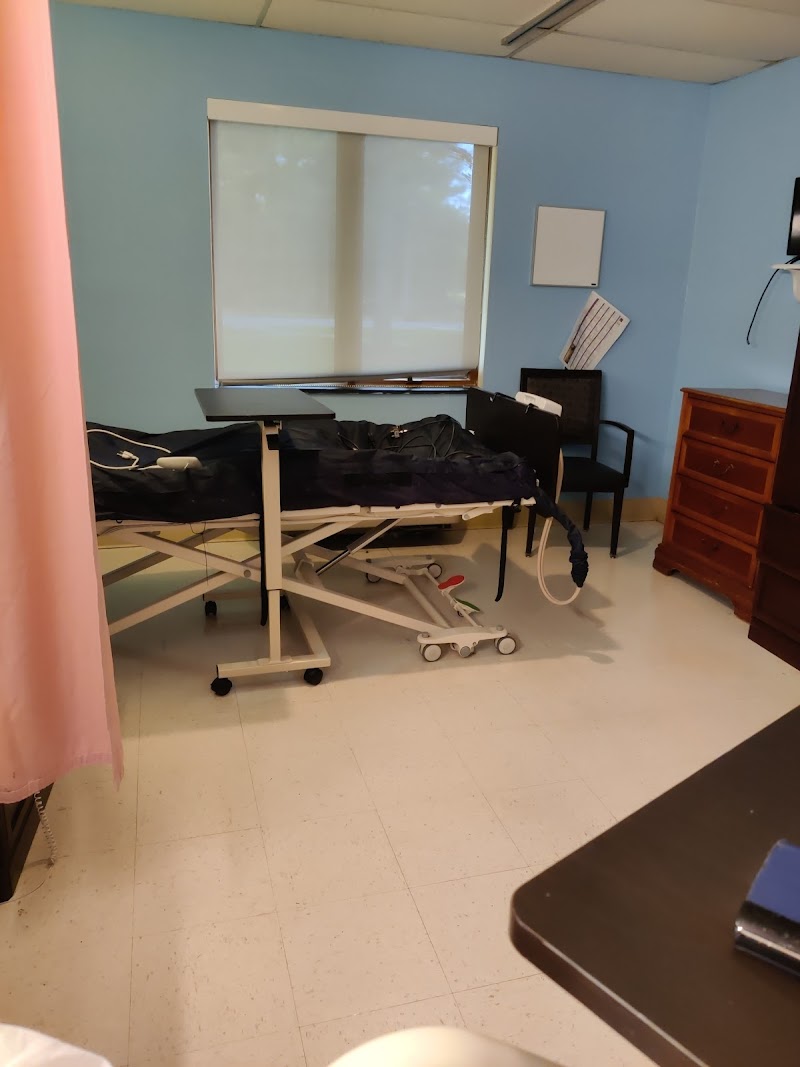
How Does Northern Cardinal Rehabilitation And Nursing Compare to Other Virginia Nursing Homes?

Compared to the 100 nursing homes in Virginia, NORTHERN CARDINAL REHABILITATION AND NURSING's overall rating (1 stars) is below the state average of 3.0, staff turnover (62%) is significantly higher than the state average of 46%, and health inspection rating (2 stars) is below the national benchmark.

What Should Families Ask When Visiting Northern Cardinal Rehabilitation And Nursing?

Based on this facility's data, families visiting should ask: "What changes have been made since the serious inspection findings, and how are you preventing similar issues?" "How do you ensure continuity of care given staff turnover, and what is your staff retention strategy?" "Can you walk me through typical staffing levels on day, evening, and night shifts?" "Can I visit during a mealtime to observe dining assistance and food quality?" These questions are particularly relevant given the facility's Immediate Jeopardy citations, the facility's high staff turnover rate, and the below-average staffing rating.

Is Northern Cardinal Rehabilitation And Nursing Safe?

Based on CMS inspection data, NORTHERN CARDINAL REHABILITATION AND NURSING has documented safety concerns. Inspectors have issued 1 Immediate Jeopardy citation (the most serious violation level indicating risk of serious injury or death). The facility has a 1-star overall rating and ranks #100 of 100 nursing homes in Virginia. Families considering this facility should ask detailed questions about what corrective actions have been taken since these incidents.

Do Nurses at Northern Cardinal Rehabilitation And Nursing Stick Around?

Staff turnover at NORTHERN CARDINAL REHABILITATION AND NURSING is high. At 62%, the facility is 16 percentage points above the Virginia average of 46%. Registered Nurse turnover is particularly concerning at 73%. RNs handle complex medical decisions and coordinate care — frequent RN changes can directly impact care quality. High turnover means new staff may not know residents' individual needs, medications, or preferences. It can also be disorienting for residents, especially those with dementia who rely on familiar faces. Families should ask: What is causing the turnover? What retention programs are in place? How do you ensure care continuity during staff transitions?

Was Northern Cardinal Rehabilitation And Nursing Ever Fined?

NORTHERN CARDINAL REHABILITATION AND NURSING has no federal fines on record. CMS issues fines when nursing homes fail to meet care standards or don't correct problems found during inspections. The absence of fines suggests the facility has either maintained compliance or corrected any issues before penalties were assessed. This is a positive indicator, though families should still review recent inspection reports for the full picture.

Is Northern Cardinal Rehabilitation And Nursing on Any Federal Watch List?

NORTHERN CARDINAL REHABILITATION AND NURSING is not on any federal watch list. The most significant is the Special Focus Facility (SFF) program, which identifies the bottom 1% of nursing homes nationally based on persistent, serious quality problems. Not being on this list means the facility has avoided the pattern of deficiencies that triggers enhanced federal oversight. This is a positive indicator, though families should still review the facility's inspection history directly.