HERITAGE HALL TAZEWELL
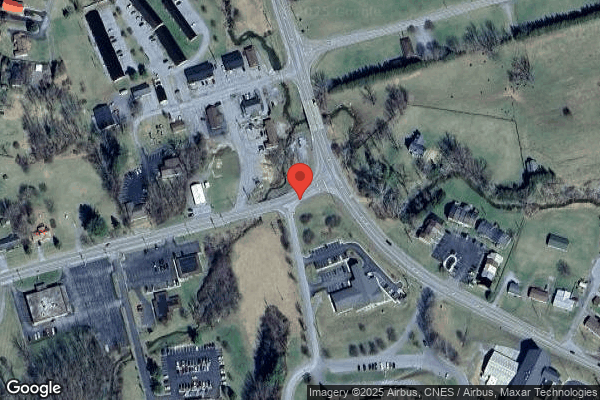

282 BEN BOLT AVENUE, TAZEWELL, VA 24651 (276) 988-2515
For profit - Limited Liability company 180 Beds HERITAGE HALL Data: November 2025 1 Immediate Jeopardy citation
Trust Grade
13/100
#257 of 285 in VA
Last Inspection: March 2024

Within standard 12-15 month inspection cycle. Federal law requires annual inspections.

Overview

Heritage Hall Tazewell has received a Trust Grade of F, indicating significant concerns about the facility's quality of care. They rank #257 out of 285 in Virginia, placing them in the bottom half of nursing homes statewide, and #2 out of 3 in Tazewell County, meaning only one local option is better. While the facility’s trend is improving-issues decreased from 13 in 2024 to 4 in 2025-there are still serious concerns, including $107,650 in fines, which is higher than 92% of Virginia facilities, suggesting compliance problems. Staffing is a relative strength with a turnover rate of 39%, lower than the state average of 48%, but RN coverage is concerning, as they have less RN support than 88% of similar facilities. Specific incidents include a failure to ensure smoking safety for several residents, improper storage of expired medications, and not administering prescribed treatments to residents, all of which raise red flags about the overall care and attention residents receive.

Trust Score
F
13/100
In Virginia
#257/285
Bottom 10%
Safety Record
High Risk
Review needed
Inspections
Getting Better
13 → 4 violations
Staff Stability
○ Average
39% turnover. Near Virginia's 48% average. Typical for the industry.
Penalties
✓ Good
$107,650 in fines. Lower than most Virginia facilities. Relatively clean record.
Skilled Nurses
⚠ Watch
Each resident gets only 18 minutes of Registered Nurse (RN) attention daily — below average for Virginia. Fewer RN minutes means fewer trained eyes watching for problems.
Violations
⚠ Watch
21 deficiencies on record. Higher than average. Multiple issues found across inspections.
★☆☆☆☆
1.0
Overall Rating
★☆☆☆☆
1.0
Staff Levels
★☆☆☆☆
1.0
Care Quality
★★☆☆☆
2.0
Inspection Score
Stable
2024: 13 issues
2025: 4 issues

The Good

  • Full Sprinkler Coverage · Fire safety systems throughout facility
  • No fines on record
  • Staff turnover below average (39%)

    9 points below Virginia average of 48%

Facility shows strength in fire safety.

The Bad

1-Star Overall Rating

Below Virginia average (3.0)

Significant quality concerns identified by CMS

Staff Turnover: 39%

Near Virginia avg (46%)

Typical for the industry

Federal Fines: $107,650

Well above median ($33,413)

Significant penalties indicating serious issues

Chain: HERITAGE HALL

Part of a multi-facility chain

Ask about local staffing decisions and management

The Ugly 21 deficiencies on record

1 life-threatening
Jun 2025 4 deficiencies 1 IJ (1 affecting multiple)
CRITICAL (K) 📢 Someone Reported This

A family member, employee, or ombudsman was alarmed enough to file a formal complaint

Immediate Jeopardy (IJ) - the most serious Medicare violation

Accident Prevention (Tag F0689)

Someone could have died · This affected multiple residents

**NOTE- TERMS IN BRACKETS HAVE BEEN EDITED TO PROTECT CONFIDENTIALITY** Based on observation, resident interview, staff interview, clinical record review, and facility document review, the facility st...

Read full inspector narrative →
**NOTE- TERMS IN BRACKETS HAVE BEEN EDITED TO PROTECT CONFIDENTIALITY** Based on observation, resident interview, staff interview, clinical record review, and facility document review, the facility staff failed to: (a) ensure a resident identified as a smoker was assessed for capability and safety needs regarding smoking, (b) provide adequate monitoring and supervision of residents who smoke, ensure lighters, cigarettes, and/or electronic cigarettes (vapes) were stored in a manner to prevent misuse from other vulnerable residents and/or a fire hazard, and/or (c) ensure smoking safety precautions were in place for the resident's individual safety, as well as the safety of others for five (5) of 19 sampled residents (Resident #3, Resident #7, Resident #8, Resident #9, and Resident #10). The survey team informed the facility on 6/12/25 at 11:26 AM of the Immediate Jeopardy situation for Resident #3, Resident #7, Resident #8, and Resident #9. The scope and severity were originally cited at a Level IV, pattern. On 6/12/25 at 6:15 PM, the Immediate Jeopardy was abated and lowered to a Level III, isolated. The findings included: For Resident #3, the facility staff failed to assess the resident for safe smoking capability and safety needs regarding smoking and failed to provide adequate monitoring and supervision following knowledge that the resident had a history of smoking unsupervised and attempting to go outside to smoke with an oxygen tank on his wheelchair. Resident #3's diagnosis list indicated diagnoses, which included, but not limited to Schizoaffective Disorder Bipolar Type, Chronic Obstructive Pulmonary Disease, Asthma, and Generalized Muscle Weakness. The admission minimum data set (MDS) with an assessment reference date (ARD) of 4/18/25 assigned the resident a brief interview for mental status (BIMS) summary score of 12 out of 15 indicating the resident was moderately cognitively impaired. Resident #3's After Visit Summary at admission stated the resident was a former one (1) pack per day smoker for 47 years. Resident #3's clinical record included a Safe Smoking Assessment dated 4/09/25 which documented the resident stated he does not smoke, and the assessment was not completed. A review of Resident #3's comprehensive person-centered care plan revealed a focus area dated 4/28/25 stating The resident has a behavior problem r/t [related to] resident places oxygen tank in his bed or tries to go outside to smoke with tank on his wheelchair. Attempts made to redirect behavior. Education on safety and oxygen use has been provided. An additional focus area dated 4/28/25 stated The resident is a smoker. He is often noncompliant with smoking policy and procedures. He has been educated on the risks associated with non-compliance and has voiced understanding. This care plan documentation indicated the facility was aware of the resident's smoking and non-compliance with smoking safety as early as 4/28/25. Resident #3's clinical record included nursing progress notes dated 5/25/25 9:43 AM and 5/25/25 1:22 PM indicating the resident was outside smoking at these times. A nursing progress note dated 6/02/25 at 6:42 AM read in part Approximately 0610 [6:10 AM] resident brought self up to station behind his wheelchair. Noted resident to have black soot to his face and right hand. Upon asking resident what happened he stated he had took [sic] himself outside to smoke and forgot his oxygen was on and it just 'went up'. Resident was unsupervised when event happened, no staff present outside at the time of event. Resident was assisted into his wheelchair. Both eyebrows, eyelashes, front of hair and some of beard are all singed, both eyelids appear red and burnt. Both nares burnt, some blood noted to left mucous membrane. Right hand appears to have blisters forming, area cleaned as best possible. Resident complaining of pain. Face cleaned with wound cleaner to best of availability [sic] due to pain. DON [Director of Nursing] notified at 0615 [6:15 AM]. MD notified at 0635 [6:35 AM] with orders given to send resident to ER for eval [evaluation] .EMS in facility at 0650 [6:50 AM] to transfer resident . On 6/12/25 at 6:15 AM, surveyor spoke with Licensed Practical Nurse (LPN) #4, the writer of the 6/02/25 6:42 AM nursing progress note. LPN #4 stated she had stepped over to another station and when she came back around the corner the resident told her what had happened. LPN #4 stated Resident #3 had a lighter and he smoked all the time and he knew about the facility smoking rules, but he did not follow them. LPN #4 stated for a while he followed the rules and then saw other residents not following the rules and he followed suit. She stated Resident #3 had previously cussed one of the CNAs [certified nursing assistants] who tried to redirect him from going out to smoke telling the CNA they were not his boss and to mind their own business. LPN #4 stated everyone knew the resident went out whenever he wanted to smoke. LPN #4 stated most of the time the resident did not wear oxygen while in facility. When asked if it was known that residents went out unsupervised to smoke, LPN #4 stated yes. According to Resident #3's clinical record, at the time of the incident, he had a medical provider order for oxygen at 2 liters per minute as needed for shortness of breath. Resident #3 returned from the emergency department (ED) on 6/02/25 with a provider order for Bacitracin Ointment to face, nares, and right hand topically every day and night shift until healed. After returning from the ED, a 6/02/25 10:30 AM nursing progress note read in part Resident outside smoking unsupervised at this time after just returning from ED for burns to face and right hand from smoking with oxygen on . According to nursing documentation the resident was not wearing oxygen at that time. Despite the facility staff's awareness of Resident #3 being a smoker as early as 4/28/25, a safe smoking assessment was not completed until 6/04/25, two days following the injury. This assessment indicated the Resident #3's decision-making was moderately impaired, he was non-compliant with smoking policy consistently/frequently, had a history of skin burns from smoking material, demonstrated unsafe smoking in the past 3 months, had highly/severely impaired vision, used continuous oxygen with recommendations for a smoking apron/protector, cigarette holder, and assistance with smoking. A care plan intervention to remove oxygen prior to taking smoke breaks was added to the resident's care plan on 6/05/25. According to Resident #3's clinical record, on 6/05/25, Resident #3 began having difficulty breathing and stridor which progressed to respiratory distress despite treatment with Duo Neb and Solumedrol and resident was transferred to the ED where he was intubated and transferred to [hospital name omitted] intensive care unit for further treatment. Resident #3 remained hospitalized at the time of the investigation. Resident #3's clinical record included a Risk Management Department Smoking Consent and Release dated 4/09/25 and signed by the resident and facility admission Director. This document read in part .unsupervised smoking is not allowed .The designated times for supervised smoking times are: 9:00am, 1:00pm, 3:00pm, 7:30pm, 8:30pm. By signing below, the resident and their responsible party .2-Consent and agree to abide by the smoking policy and procedures .6-Understand that violation of the contract will be considered a breach of the contract. 7-Understand that if the resident violates the agreement, he/she will lose the privilege of supervised smoking and the continued or serious violations may also result in our facilitating alternative placement. Surveyor requested and received the facility policy titled Resident Smoking Policy and Procedure with an effective date of 2/21/2024 which read in part .3. Oxygen use is prohibited in smoking areas .6. The resident will be evaluated on admission to determine if he or she is a smoker or non-smoker. If a smoker, the evaluation will include: the level of assistance and the type of equipment needed to smoke safely. All residents that smoke traditional cigarettes, cigars, etc. will be required to wear a smoking apron and are encouraged to utilize a cigarette holder both to be provided by the facility .8. A resident's ability to smoke safely will be re-evaluated quarterly, upon significant change (physical or cognitive) and as determined by the staff .11. All residents that smoke will do so only while being supervised during scheduled smoke breaks. Failure to adhere will result in the suspension of smoking privileges. 12. All smoking paraphernalia cigarettes, cigars, e cigs, vapes, etc. will not be left in the possession of any resident at any time. These items must be kept at the nurse's station or locked inside the med room or additional locked safe area designated by the facility .17. This facility maintains the right to confiscate smoking articles found in violation of our smoking policies, to include a safety search of the resident's room upon resident permission . Surveyor spoke with Resident #7 outside in the rear courtyard on 6/10/25 at 12:57 PM. Resident #7 stated the smoking policy recently changed and now residents can not keep their own cigarettes or lighters, and they must be supervised. At 1:08 PM, surveyor observed Resident #7 take a cigarette from his shirt pocket and a lighter from his pants pocket and light his own cigarette and begin smoking. A staff member was present in the courtyard but did not intervene or appear to notice the resident had a lighter and lit his own cigarette. Resident #7's BIMS summary score was documented as 15 out of 15 indicating the resident was cognitively intact. Resident #7's safe smoking assessment dated [DATE] recommended the use of a smoking apron/protector, cigarette holder and supervision while smoking. The survey team spoke with Resident #7 again on 6/11/25 at 5:38 PM, at this time the resident stated prior to the current Administrator, the smoking rules were strict. The resident stated the current Administrator began to allow two residents to smoke out of the posted smoking times and that started something. On 6/11/25 at 5:59 PM surveyors observed Resident #8 sitting alone in his room using an electronic cigarette/vape. Resident #8's BIMS summary score was documented as a 15 out of 15 indicating the resident was cognitively intact. Resident #8's safe smoking assessment dated [DATE] indicated the resident has had combative behavior, was non-compliant with the smoking policy and recommended the use of a smoking apron/protector, cigarette holder and assistance while smoking. Surveyor was unable to locate evidence of assessment and safety education regarding vape use. On 6/11/25 at 6:00 PM, surveyors noted the smell of cigarette smoke in the hall outside of the rear courtyard and observed Resident #9 in his wheelchair smoking unsupervised in the courtyard near the doors. The resident was actively smoking a cigarette with a blue lighter visible in the wheelchair seat. The resident was not wearing an apron or using a cigarette holder. After finishing his cigarette, the resident returned inside, and surveyors observed ashes present in his wheelchair seat. Observation was immediately reported to the Director of Nursing (DON). The DON approached the resident and asked if he had cigarettes or a lighter and he stated no and proceeded down the hall out of sight. Resident #9's BIMS summary score was documented as a 14 out of 15 indicating the resident was cognitively intact. Resident #9's safe smoking assessment dated [DATE] indicated the resident was non-compliant with the smoking policy and recommended a smoking apron/protector, cigarette holder and supervision while smoking. On 6/11/25 at 6:05 PM, the survey team met with the DON, Regional [NAME] President of Clinical Services (RVPCS), and the Regional Nurse Consultant (RNC) and discussed the observations of Resident #8 and Resident #9. On 6/12/25 at 10:47 AM, surveyors spoke with Ancillary Aide (AA) #1 who stated she was currently assigned to rotate out with another staff member every 30 minutes to be outside and monitor the rear courtyard. When asked when this began, she stated a couple days ago. The surveyors entered the facility on the morning of 6/10/25. AA #1 stated prior to the incident, residents were allowed to come out to the courtyard and smoke unsupervised anytime they wanted as long as they wore an apron. Surveyors were unable to locate a fire blanket in the smoking area and AA #1 stated she had never seen a fire blanket. Surveyors spoke with Resident #10 on 6/12/25 at 10:50 AM regarding resident smoking. Resident #10 stated up until a week ago they could keep their own lighters and cigarettes and smoke anytime they wanted. On 6/12/25 at 10:57 AM, the DON confirmed the facility did not have a fire blanket available. On 6/12/25 at 11:26 AM, the survey team notified the DON, Assistant DON, RVPCS, and RNC of the Immediate Jeopardy situation regarding Resident #3, Resident #7, Resident #8, Resident #9 and the on-going concerns regarding residents smoking unsupervised, having lighters and smoking supplies. On 6/12/25 at 12:00 PM, surveyors again observed Resident #9 smoking unsupervised. The resident was outside on the sidewalk in the front of the building smoking without an apron. Surveyors immediately notified facility staff. On 6/12/25 at 1:30 PM, surveyors observed Resident #10 outside unsupervised on the sidewalk in the front of the building with a cigarette. The resident pulled out a lighter from the back pocket of his wheelchair and lit the cigarette and began smoking. Resident #10 did not have an apron on and was wearing a surgical mask that was pulled down under his chin. Surveyors immediately notified facility staff. Resident #10's BIMS summary score was documented as a 15 out of 15 indicating the resident was cognitively intact. The resident's safe smoking assessment dated [DATE] indicated the resident was non-compliant with the smoking policy and recommended use of a smoking apron/protector, cigarette holder, and supervision while smoking. On 6/12/25 at 3:27 PM, the RVPCS presented the following immediate jeopardy abatement plan: Corrective Action: Courtyard doors are locked and will require a staff member to open and assist residents out. - Maintenance Reviewed all Smoking assessments and care plans for accuracy. - MDS Coordinator Letter and copy of safe smoking policy given to residents that smoke regarding them following the safe smoking policy and 30-day discharge if not in compliance. - DON and/or designee Letter being sent to all residents' representatives asking them to not provide smoking items to residents and to give them to the staff of (facility name omitted). - DON and/or Designee Sign posted on front entrance to hallway for visitors: For the safety of all residents no smoking items are to be given to residents. Items are to be given to staff to be used at designated supervised times. - DON Fire Blanket has been ordered. - Maintenance Residents that smoke have been asked to search their rooms/personal self for smoking items/electronic devices (vapes) and items collected then placed on smoking cart. ADHOC Meeting held with Medical Director to discuss IJ F689 - facility resident being non-compliant with safe smoking policy. Discussed corrective actions taken and monitoring measures. Medical Director (name omitted) in agreeance to POC. Identification of Deficient Practice(s) and Corrective Action(s): All other residents who smoke may have potentially been affected. All residents who smoke have been educated and given a copy of the safe smoking policy and signed a letter saying they will comply with the policy. - DON and/or Designee Systematic Change(s): The facility's smoking policy and procedure has been reviewed no changes are warranted at this time. - DON Re-educated staff on the safe smoking policy, residents are not allowed to be outside in courtyard without supervision. Staff will not return to work until education completed. - DON and/or Designee Corrective action will be taken if staff allow residents outside without supervision in courtyard and safety items needed. - DON and/or Designee Monitoring: The Administrator is responsible for maintaining compliance. The Administrator +/ designee will observe resident smoking period activities three [sic] weekly to monitor for compliance. Any negative findings will be addressed at the time of discovery and appropriate disciplinary action taken. Detailed findings of these results will be reported to the Quality Assurance Committee for review, analysis, and recommendations for change in the facility policy, procedure, and/or practice. Completion Date: 6/12/25 4:00 PM On 6/12/25 at 3:28 PM, the survey team informed the RVPCS that the facility's immediate jeopardy abatement plan was accepted. The facility presented credible evidence that the abatement plan had been implemented, including evidence of staff education as outlined in the plan, locks installed to front and rear courtyard doors, review of all safe smoking assessments and care plans of residents who smoke, safe smoking guidelines reviewed with all residents who smoke, letters sent to all residents or resident representatives regarding smoking guidelines, signs posted on front entrance regarding no smoking items are to be given directly to residents, fire blanket was ordered, and residents who smoke were asked to allow staff to search their rooms/personal self for smoking items and items were collected and placed on smoking cart. Interviews were conducted with Registered Nurse (RN) #1, RN #2, LPN #2, LPN #5, LPN #6, CNA #2, CNA #3, CNA #4, CNA #5, and CNA #6. On 6/12/25 at 6:21 PM, the survey team met with the RNC, RVPCS, and DON and notified them that as of 6:15 PM the immediate jeopardy was abated. No further information regarding this concern was presented to the survey team prior to the exit conference on 6/12/25.
CONCERN (D) 📢 Someone Reported This

A family member, employee, or ombudsman was alarmed enough to file a formal complaint

Potential for Harm - no one hurt, but risky conditions existed

Quality of Care (Tag F0684)

Could have caused harm · This affected 1 resident

Based on resident interview, staff interview, clinical record review, and facility document review, the facility staff failed to ensure residents receive treatment and care according to the medical pr...

Read full inspector narrative →
Based on resident interview, staff interview, clinical record review, and facility document review, the facility staff failed to ensure residents receive treatment and care according to the medical provider orders for 2 of 19 sampled residents (Resident #3 and Resident #1). The findings included: 1. For Resident #3, the facility staff failed to provide Bacitracin ointment to burns on the face, nares, and right hand. Resident #3's diagnosis list indicated diagnoses, which included, but not limited to Schizoaffective Disorder Bipolar Type, Chronic Obstructive Pulmonary Disease, Asthma, and Generalized Muscle Weakness. The most recent minimum data set (MDS) with an assessment reference date (ARD) of 4/18/25 assigned the resident a brief interview for mental status (BIMS) summary score of 12 out of 15 indicating the resident was moderately cognitively impaired. Resident #3 returned from the emergency department (ED) on 6/02/25 with a new medical provider order dated 6/02/25 for Bacitracin Ointment apply to face, nares, right hand topically every day and night shift for burns until healed. A review of Resident #3's June 2025 Medication Administration Record revealed Bacitracin was not administered on 6/03/25 day shift, the nurse documented a code of 9 indicating other/see progress notes. A 6/03/25 9:28 AM nursing progress note read in part Bacitracin External Ointment .waiting on arrival from pharmacy. On 6/11/25 at 10:10 AM, surveyor spoke with the Director of Nursing (DON) and the Regional Nurse Consultant (RNC) regarding the Bacitracin omission. The DON stated Bacitracin was house stock and they had spoken with the nurse working that night and the nurse did not know it was house stock. The RNC confirmed that the treatment was not administered on 6/03/25 day shift. Surveyor requested and received the facility policy titled Administering Medications which read in part .4. Medications are administered in accordance with prescriber orders . On 6/12/25 at 6:21 PM, the survey team met with the RNC, DON, and Regional [NAME] President of Clinical Services and discussed the concern of staff failing to administer Bacitracin as ordered for Resident #3. No further information regarding this concern was presented to the survey team prior to the exit conference on 6/12/25. 2. For resident # 1 (R1) the facility staff failed to follow physicians orders for a colonoscopy prep. R1's minimum data set (MDS) assessment with an assessment reference date of 4/9/25 assigned the resident a brief interview for mental status score (BIMS) of 15 out of 15 indicating intact cognition. On 6/10/25 this surveyor interviewed R1. They stated that the facility had sent them for a colonoscopy but had failed to follow orders and the procedure could not be done because, I wasn't cleaned out good, they didn't do things right, they were supposed to give me a clear liquid diet but they didn't. I had to go through it all over again. R1 could not recall the date but said they thought it was in December on 2024 and the second time was in February 2025. This surveyor was unable to find any documentation of a colonoscopy in December 2024. There was a report from February 14, 2025. The results read, Uncomplicated mild diverticulosis and the report stated that the prep was suboptimal. Under the heading Recommendations the document read, Repeat colonoscopy within one to two years with more extensive prep. The December 2024 medication administration record (MAR) for R1 was reviewed. On 12/5/24, R1 was started on dulcolax tablets give one tablet twice daily for seven days. There was only one dose administered on 12/5/25 according to the MAR. On 6/12/25 at 12:20 PM this surveyor interviewed the Director of Nursing. When asked about the first colonoscopy they stated, The first time they weren't able to do it because he wasn't clean out but that wasn't our fault, we followed the orders. (R1 name omitted) goes out to town and pretty much does his own thing so he may not have followed the orders for clear liquids and to be NPO (nothing by mouth) after midnight. The DON provided surveyor with a copy of the colonoscopy instructions provided to the facility for R1. The instructions included a clear liquid diet to start the day before the procedure on 12/10/24. There was a diet order in the record that indicated resident was ordered a clear liquid diet on 12/10/24. The instructions included an order that read, Patient will start taking Dulcolax laxative tablets 1 week prior to the procedure. Start taking 2 tablets daily on 12/5/24 and stop on 12/11/24. This surveyor showed the MAR to the DON indicating that resident only received one tablet on 12/5/24. The DON also provided the surveyor a copy of a consult note dated 12/18/24 that read in part, We recently sent him for a colonoscopy but unfortunately the prep was poor. He lives in a nursing home at this time and they failed to administer the proper prep according to the patient. The survey team met with the DON, Assistant Director of Nursing, Regional Nurse Consultant and the Regional [NAME] President of Clinical Services on 6/12/25. This concern was discussed with then at that time. No further information was provided to the survey team prior to the exit conference.
CONCERN (D) 📢 Someone Reported This

A family member, employee, or ombudsman was alarmed enough to file a formal complaint

Potential for Harm - no one hurt, but risky conditions existed

Pressure Ulcer Prevention (Tag F0686)

Could have caused harm · This affected 1 resident

**NOTE- TERMS IN BRACKETS HAVE BEEN EDITED TO PROTECT CONFIDENTIALITY** Based on resident and staff interview and clinical record review the facility staff failed to provide wound care as ordered to o...

Read full inspector narrative →
**NOTE- TERMS IN BRACKETS HAVE BEEN EDITED TO PROTECT CONFIDENTIALITY** Based on resident and staff interview and clinical record review the facility staff failed to provide wound care as ordered to one of 19 residents in the survey sample, resident #1 (R1). The findings included: R1's minimum data set (MDS) assessment with an assessment reference date of 4/9/25 assigned the resident a brief interview for mental status score of 15/15 indicating intact cognition. On 6/10/25 at 2:15 PM this surveyor interviewed R1. They stated that the former wound nurse refused to take care of him and he had to, Chase different ones down to get my dressings changed. She said I supposedly said something dirty to her but that isn't true, she just doesn't like me. When asked if the wound is improving R1 stated, Oh yeah, it's much better than it was. R1 stated that it used to go up his leg and showed this surveyor a scar that ended at the back of the knee. The treatment administration record (TAR) was reviewed for the past year. Wound is chronic in nature. In June of 2024 the order read, Arterial ulcer right lower leg cleanse with wound cleanser, pat dry, apply [NAME] boot, applying calamine [NAME] boot followed by coban wrap twice weekly and PRN (as needed). There were holes of the TAR for 6/10/24, 6/13/24 and 6/17/24. The orders for March 2025 were reviewed. The order read, Santyl apply to right heel topically every shift. There were blanks noted for the day shift on 3/22/25, 3/23/25 and 3/26/25. Another order on the March TAR read, Clean DTI left heel with wound cleanser, pat dry, apply santyl and cover with ABD (abdominal pad) wrap with kerlix and secure with tape. There were holes for 3/3/25 and 3/26/25. The TAR for May 2025 was reviewed with an order that read, May clean stage IV pressure right heel with wound cleanser, pat dry, apply collagen sheet and cover with ABD pad wrap with kerlix and secure with tape daily and as needed. There were holes noted 5/7/25, 5/9/25, 5/10/25, and 5/11/25. On 6/11/25 at 1:16 PM this surveyor interviewed the Director of Nursing (DON) regarding R1's wound to the right heel. They stated the wound started out as arterial and extended from the heel up the calf to almost the bend of the knee. The DON stated, Where now it's just on the heel and he is constantly walking on it and wearing shoes, it is considered pressure now. The DON went on to say, Those days last June, the 10th and 13th, he was out of the facility. He sometimes leaves in the morning and stays gone all day. Surveyor asked if the next shift should have done the wound care and they stated, I feel like they probably did but since it was scheduled for day shift, they couldn't see it to sign it off. He won't let anybody not take care of what he needs. He would have ranted and raved until it got done. Surveyor asked if it should have been documented in the notes or on a PRN order and they agreed that it should. The survey team met with the DON, Assistant Don, Regional Nurse Consultant and Regional [NAME] President of Clinical Services on 6/11/25 at 4:00 PM. This concern was discussed with them at that time. No further information was provided to the survey team prior to the exit conference.
CONCERN (D) 📢 Someone Reported This

A family member, employee, or ombudsman was alarmed enough to file a formal complaint

Potential for Harm - no one hurt, but risky conditions existed

Pharmacy Services (Tag F0755)

Could have caused harm · This affected 1 resident

Based on resident interview, staff interview, clinical record review, and facility document review, the facility staff failed to ensure medical provider ordered medication was available for administra...

Read full inspector narrative →
Based on resident interview, staff interview, clinical record review, and facility document review, the facility staff failed to ensure medical provider ordered medication was available for administration for 1 of 19 sampled residents (Resident #2). The findings included: For Resident #2, the facility staff failed to ensure the narcotic pain medication, Oxycontin was available for administration on six (6) separate occasions. Resident #2's diagnosis list indicated diagnoses, which included, but not limited to Hemiplegia and Hemiparesis following Cerebral Infarction, Generalized Muscle Weakness, Chronic Kidney Disease, Conversion Disorder with Seizures, Irritable Bowel Syndrome, and Constipation. The resident's most recent minimum data set (MDS) with an assessment reference date (ARD) of 5/29/25 assigned the resident a brief interview for mental status (BIMS) summary score of 15 out of 15 indicating the resident was cognitively intact. On 6/10/25 at 2:09 PM, surveyor spoke with Resident #2 who stated staff have previously let their scheduled pain medication run out. Resident #2's current comprehensive person-centered care plan included a focus area stating The resident is at risk for pain r/t [related to] mobility. Ordered Oxycodone and Oxycontin. Resident #2's current medical provider orders included an order dated 11/30/24 for Oxycontin Oral Tablet Extended Release 12 Hour Abuse-Deterrent 10 mg give 1 tablet by mouth two times a day. Surveyor reviewed Resident #2's clinical record which revealed Oxycontin 10 mg was not administered on 4/05/25 5:34 PM, 4/06/25 5:04 AM, 4/06/25 6:49 PM, 4/15/25 6:33 PM, 5/08/25 6:01 PM, and 5/30/25 6:40 PM. Corresponding nursing progress notes documentation indicated: 4/05/25 5:34 PM - not available 4/06/25 5:04 AM - pending arrival, unavailable in Pyxis 4/06/25 6:49 PM - held pending arrival 4/15/25 6:33 PM - unavailable from pharmacy 5/08/25 6:01 PM - not available 5/30/25 6:40 PM - awaiting pharmacy On 6/11/25 at 10:15 AM, surveyor spoke with the Director of Nursing (DON) and the Regional Nurse Consultant (RNC) who verified Resident #2 did not receive Oxycontin at these times because it was not sent by the pharmacy and Oxycontin was not available in the Pyxis (onsite medication supply system). RNC stated they did not know why the medication was not sent. Surveyor requested and received the facility policy titled Administering Medications which read in part .4. Medications are administered in accordance with prescriber orders . On 6/11/25 at 4:00 PM, the survey team met with the DON, Assistant DON, RNC, and the Regional [NAME] President of Clinical Services and discussed the concern of staff failing to ensure Resident #2's Oxycontin was available for administration. No further information regarding this concern was presented to the survey team prior to the exit conference on 6/12/25.
Mar 2024 10 deficiencies
CONCERN (D) 📢 Someone Reported This

A family member, employee, or ombudsman was alarmed enough to file a formal complaint

Potential for Harm - no one hurt, but risky conditions existed

Deficiency F0583 (Tag F0583)

Could have caused harm · This affected 1 resident

Based on observations, staff interviews, and facility document review, the facility staff failed to ensure personal privacy related to written communications for one (1) of 35 sampled residents (Resid...

Read full inspector narrative →
Based on observations, staff interviews, and facility document review, the facility staff failed to ensure personal privacy related to written communications for one (1) of 35 sampled residents (Resident #132). The findings include: The facility staff opened Resident #132's mail prior to providing it to the resident. Resident #132's Minimum Data Set (MDS) assessment, with an Assessment Reference Date (ARD) of 1/25/24, was signed as completed on 1/29/24. Resident #132 was assessed as able to make self understood and as able to understand others. Resident #132's Brief Interview for Mental Status (BIMS) summary score was documented as a 15 out of 15; this indicated intact and/or borderline cognition. Resident #132 was assessed as requiring assistance with bathing and dressing. On the afternoon of 3/5/24, Resident #132 reported their mail was being opened prior to being given to them. On 3/6/24 at 10:07 a.m., the facility's Social Worker (SW) reported two (2) items of mail addressed to Resident #132 had been opened and placed in the SW's mailbox to be given to Resident #132. The SW reported they did not know who had opened the mail. On 3/6/24 at 10:15 a.m., the facility's Business Office Associate (BOA) reported if a resident was their own responsible party, then their mail (such as, junk mail and financial mail) is opened and placed in a folder instead of being given to the resident. The BOA showed the surveyor the folders which contained resident mail. The following information was found in a facility policy titled Resident Rights (with a revised date of February 2021): Federal and state laws guarantee certain basic rights to all residents of this facility. These rights include the resident's right to: . access to a telephone, mail, and email . communicate in person and by mail, email and telephone with privacy . On 3/6/24 at 4:41 p.m., the survey team met with the facility's Administrator, Director of Nursing, Regional Director of Clinical Services, and Regional Nurse Consultant. During this meeting the finding of facility staff opening residents' mail prior to giving it to the residents was discussed.
CONCERN (D)

Potential for Harm - no one hurt, but risky conditions existed

Comprehensive Assessments (Tag F0636)

Could have caused harm · This affected 1 resident

Based on staff interview and clinical record review, the facility staff failed to complete an annual (comprehensive) Minimum Data Set (MDS) assessment within 12 months or 366 days of the previous annu...

Read full inspector narrative →
Based on staff interview and clinical record review, the facility staff failed to complete an annual (comprehensive) Minimum Data Set (MDS) assessment within 12 months or 366 days of the previous annual assessment for 1 of 32 residents, Resident #51. The findings included: The facility staff failed to complete an annual MDS assessment within 12 months or 366 days of the previous annual assessment. Resident #51's diagnoses included, but were not limited to, atrial fibrillation, diabetes, and malignant neoplasm of bladder. Section C (cognitive patterns) of Resident #51's annual MDS assessment with an Assessment Reference Date (ARD) of 02/28/24 included a Brief Interview for Mental Status (BIMS) score of 15 out of a possible 15 points. Resident #51's clinical record included an annual MDS assessment with an ARD of 01/31/23. The next annual assessment included an ARD of 02/28/24. Indicating the facility staff did not complete an annual assessment within 12 months or 366 days of the previous annual assessment. On 03/06/24 at 4:46 p.m., during an end of the day meeting with the Administrator, Director of Nursing (DON), Regional Director of Clinical Services, and Nurse Consultant the issue with the MDS assessment was reviewed. On 03/07/24 at 9:00 a.m., during an interview with the MDS coordinator this staff stated they had changed over their software system in October and this residents MDS assessment was missed. No further information regarding this issue was provided to the survey team prior to the exit conference.
CONCERN (D)

Potential for Harm - no one hurt, but risky conditions existed

Deficiency F0638 (Tag F0638)

Could have caused harm · This affected 1 resident

Based on staff interview and clinical record review the facility staff failed to complete a quarterly Minimum Data Set (MDS) assessment within 3 months or 92 days of the previous quarterly MDS assessm...

Read full inspector narrative →
Based on staff interview and clinical record review the facility staff failed to complete a quarterly Minimum Data Set (MDS) assessment within 3 months or 92 days of the previous quarterly MDS assessment for 1 of 32 Residents, Resident #18. The findings included: The facility staff failed to complete a quarterly MDS assessment within 3 months or 92 days of the previous quarterly assessment. Resident #18's diagnoses included, but were not limited to, diabetes, anxiety, and hypertension. Section C (cognitive patterns) of Resident #18's quarterly MDS assessment with an Assessment Reference Date (ARD) of 10/13/23 included a Brief Interview for Mental Status (BIMS) score of 12 out of possible 15 points. A review of Resident #18's clinical record revealed that the facility staff completed a quarterly MDS assessment on 10/13/23. As of 03/06/24 the facility staff had not completed any further MDS assessments. On 03/06/24 at 4:46 p.m., during an end of the day meeting with the Administrator, Director of Nursing, Regional Director of Clinical Services, and Nurse Consultant. the issue with the missing MDS assessment was reviewed. On 03/07/24 at 9:00 a.m., during an interview with the MDS coordinator this staff stated they had changed over their software system in October and this residents MDS assessment was missed. The MDS coordinator stated they were currently in the process of completing a MDS assessment. No further information regarding this issue was provided to the survey team prior to the exit conference.
CONCERN (D)

Potential for Harm - no one hurt, but risky conditions existed

Assessment Accuracy (Tag F0641)

Could have caused harm · This affected 1 resident

Based on staff interviews, facility document review, and clinical record review, the facility staff failed to accurately document the completion dates of resident interview sections of Minimum Data Se...

Read full inspector narrative →
Based on staff interviews, facility document review, and clinical record review, the facility staff failed to accurately document the completion dates of resident interview sections of Minimum Data Set (MDS) assessments for two (2) of 35 residents (Resident #120 and Resident #132). The findings include: 1. The facility staff failed to ensure Resident #120's MDS assessments were documented in a manner that accurately reflected the facility staff members assessment of the resident. Resident #120's Minimum Data Set (MDS) assessment, with an Assessment Reference Date (ARD) of 2/8/24, was signed as completed on 2/13/24. Resident #120 was assessed as able to make self understood and as able to understand others. Resident #120's Brief Interview for Mental Status (BIMS) summary score was documented as a 5 out of 15; this indicated severe cognitive impairment. Resident #120 was assessed as requiring assistance with oral hygiene, toileting hygiene, bathing, and dressing. Resident #120's MDS assessment with an ARD of 2/8/24 indicated multiple parts of the MDS was completed after the ARD. Staff members who were responsible for completing resident interview items documented their assessment with a date later than the 2/8/24 ARD date. (The facility Social Worker signed their section was completed on 2/12/24. A Licensed Practical Nurse (LPN) and a Registered Nurse (RN) signed their sections were completed on 2/13/24.) The following instruction was found in the Long-Term Care Facility Resident Assessment Instrument 3.0 User Manual (October 2019): If a staff member cannot sign Z0400 on the same day that he or she completed a section or portion of a section, when the staff member signs, use the date the item originally was completed. On 3/8/24 at 12:22 p.m., the survey team met with the facility's Administrator, DON, RDCS, and Regional Nurse Consultant. During this meeting, the documentation indicating that MDS interviews were completed after the ARD date was discussed. 2. The facility staff failed to ensure Resident #132's MDS assessments were documented in a manner that accurately reflected the facility staff members assessment of the resident. Resident #132's Minimum Data Set (MDS) assessment, with an Assessment Reference Date (ARD) of 1/25/24, was signed as completed on 1/29/24. Resident #132 was assessed as able to make self understood and as able to understand others. Resident #132's Brief Interview for Mental Status (BIMS) summary score was documented as a 15 out of 15; this indicated intact and/or borderline cognition. Resident #132 was assessed as requiring assistance with bathing and dressing. Resident #132's MDS assessment with an ARD of 1/25/24 indicated multiple parts of the MDS was completed after the ARD. Staff members who were responsible for completing resident interview items documented their assessment with a date later than the 1/25/24 ARD date. (The facility Social Worker signed their section was completed on 1/29/24. A facility Registered Nurse (RN) signed their sections were completed on 1/26/24.) The following instruction was found in the Long-Term Care Facility Resident Assessment Instrument 3.0 User Manual (October 2019): If a staff member cannot sign Z0400 on the same day that he or she completed a section or portion of a section, when the staff member signs, use the date the item originally was completed. On 3/7/24 at 9:56 a.m., the Regional Director of Clinical Services (RDCS) stated MDS interviews should not be completed after the ARD date. On 3/7/24 at 1:11 p.m., the Director of Nursing (DON) and the RDCS reported no documentation was found to indicate the aforementioned MDS interviews were completed on or before the ARD date. On 3/8/24 at 12:22 p.m., the survey team met with the facility's Administrator, DON, RDCS, and Regional Nurse Consultant. During this meeting, the documentation indicating that MDS interviews were completed after the ARD date was discussed.
CONCERN (D)

Potential for Harm - no one hurt, but risky conditions existed

Deficiency F0655 (Tag F0655)

Could have caused harm · This affected 1 resident

Based on clinical record review and facility document review, the facility staff failed to ensure the baseline care plan included dietary orders for 1 of 32 residents in the survey sample, Resident #1...

Read full inspector narrative →
Based on clinical record review and facility document review, the facility staff failed to ensure the baseline care plan included dietary orders for 1 of 32 residents in the survey sample, Resident #152. This was a closed record review. The findings included: For Resident #152, the facility staff failed to include dietary orders on the resident's baseline care plan. Resident #152's diagnosis list indicated diagnoses, which included, but not limited to Metabolic Encephalopathy, Pneumonia, Non-ST Elevation Myocardial Infarction, Persistent Atrial Fibrillation, Heart Failure, Type 2 Diabetes Mellitus, Chronic Kidney Disease, and Adult Failure to Thrive. A minimum data set (MDS) with an assessment reference date (ARD) of 12/25/23 coded the resident as being severely impaired in cognitive skills for daily decision making with short-term and long-term memory problems. Resident #152's closed clinical record included a Baseline Care Plan dated 12/22/23 and a Baseline Care Plan Summary dated 12/22/23, neither document included diet orders or dietary instructions. The medical provider orders present with the baseline care plan documents, also did not include a diet order. Surveyor requested and received the undated facility policy titled Care Plans-Baseline which read in part .1. The baseline care plan includes instructions needed to provide effective, person-centered care of the resident that meet professional standards of quality care and must include the minimum healthcare information necessary to properly care for the resident including, but not limited to the following .c. Dietary Orders . On 3/08/24 at 12:22 PM, the survey team met with the Administrator, Director of Nursing, Assistant Director of Nursing, Regional Nurse Consultant, and the Regional Director of Clinical Services and discussed the concern of Resident #152's baseline care plan failing to include dietary orders. No further information regarding this concern was presented to the survey team prior to the exit conference on 3/08/24.
CONCERN (D) 📢 Someone Reported This

A family member, employee, or ombudsman was alarmed enough to file a formal complaint

Potential for Harm - no one hurt, but risky conditions existed

Deficiency F0657 (Tag F0657)

Could have caused harm · This affected 1 resident

Based on interviews, clinical record review, and facility document review, the facility staff failed to include the resident in their care plan meeting for one (1) of 35 sampled residents (Resident #1...

Read full inspector narrative →
Based on interviews, clinical record review, and facility document review, the facility staff failed to include the resident in their care plan meeting for one (1) of 35 sampled residents (Resident #132). The findings include: The facility staff failed to include Resident #132 as part of the interdisciplinary team for the development of the resident's care plan. Resident #132's Minimum Data Set (MDS) assessment, with an Assessment Reference Date (ARD) of 1/25/24, was signed as completed on 1/29/24. Resident #132 was assessed as able to make self understood and as able to understand others. Resident #132's Brief Interview for Mental Status (BIMS) summary score was documented as a 15 out of 15; this indicated intact and/or borderline cognition. Resident #132 was assessed as requiring assistance with bathing and dressing. On 3/6/24 at 1:43 p.m., the facility's Social Worker (SW) reported residents who are their own responsible party (RP) are provided a letter with instructions to schedule involvement in the Interdisciplinary Team (IDT) care plan meeting. On 3/6/24 at 1:50 p.m., the SW provided copies of letters provided to Resident #132 on 11/6/23 and 1/22/24. Resident #132's clinical record included documentation of the resident's involvement in the November 2023 care plan development. No documentation was found to address the resident's decision to or not to be involved in the January 2024 care plan meeting. The SW reported Resident #132's clinical record did not include information to address if the resident decided to be involved in the January 2024 care plan development meeting. The following information was found in a facility policy titled Care Planning - Interdisciplinary Team (with a revised date of March 2022): - The interdisciplinary team is responsible for the development of resident care plans. - The IDT includes but is not limited to: . to the extent practicable, the resident and/or the resident's representative . On 3/8/24 at 8:45 a.m., the surveyor met with the facility's Director of Nursing (DON), Administrator, Regional Director of Clinical Services, and the Assistant DON. During this meeting, the absence of documentation to show Resident #132's involvement or choice to not be involved in the IDT care plan development for August 2023 and January 2024 was discussed. The DON reported no documentation related to Resident #132's choice related to involvement in the aforementioned care plan development meetings was found.
CONCERN (D)

Potential for Harm - no one hurt, but risky conditions existed

Deficiency F0658 (Tag F0658)

Could have caused harm · This affected 1 resident

**NOTE- TERMS IN BRACKETS HAVE BEEN EDITED TO PROTECT CONFIDENTIALITY** 2. For Resident #152, the facility staff failed to complete a nursing assessment, address code status, or obtain a weight follow...

Read full inspector narrative →
**NOTE- TERMS IN BRACKETS HAVE BEEN EDITED TO PROTECT CONFIDENTIALITY** 2. For Resident #152, the facility staff failed to complete a nursing assessment, address code status, or obtain a weight following admission to the facility. Facility staff also documented the administration of medications on [DATE] and [DATE] on 19 separate occasions after the resident was discharged to the hospital. This was a closed record review. Resident #152's diagnosis list indicated diagnoses, which included, but not limited to Metabolic Encephalopathy, Pneumonia, Non-ST Elevation Myocardial Infarction, Persistent Atrial Fibrillation, Heart Failure, Type 2 Diabetes Mellitus, Chronic Kidney Disease, and Adult Failure to Thrive. A minimum data set (MDS) with an assessment reference date (ARD) of [DATE] coded the resident as being severely impaired in cognitive skills for daily decision making with short-term and long-term memory problems. According to Resident #152's demographic face sheet, the resident was admitted to the facility on [DATE] from an acute care hospital. Surveyor reviewed the resident's clinical record and was unable to locate an admission progress note documenting the resident's arrival time or general condition at time of admission. Resident #152's clinical record did not include a nursing assessment of the resident upon admission or at any point during their stay at the facility. Resident #152's clinical record did not include a documented weight or address the resident's code status. A review of Resident #152's clinical record progress notes revealed four (4) separate auto-generated progress notes alerting of drug interactions on [DATE] and the next documented progress note was dated [DATE] at 7:05 AM stating in part Resident's HR [heart rate] in the 30s and resident is not responding to verbal stimuli. Crackles noted bilaterally in lung fields, [name omitted], FNP [family nurse practitioner] notified. Order received to send resident to [name omitted] ER [emergency room] . Resident #152 subsequently expired at the hospital. On [DATE] at approximately 5:00 PM, surveyor spoke with the Director of Nursing (DON) and requested assistance locating any additional admission documentation for Resident #152. Surveyor spoke with the DON again on [DATE] at 8:15 AM and the DON stated they could not find any additional documentation. When asked the reason for the lack of admission assessments and documentation, the DON stated they did not know the reason. Surveyor reviewed Resident #152's [DATE] Medication Administration Record (MAR) and noted the following medications were signed off as being administered by Registered Nurse (RN) #4, however, the resident was no longer in the facility: Atorvastatin [DATE] 9:00 AM, [DATE] 9:00 AM; Ferrous Sulfate [DATE] 8:00 AM, Augmentin [DATE] 9:00 AM, [DATE] 9:00 AM; Budesonide [DATE] 9:00 AM, [DATE] 9:00 AM; Carvedilol [DATE] 9:00 AM, [DATE] 5:00 PM, [DATE] 9:00 AM; Pantoprazole [DATE] 9:00 AM, [DATE] 9:00 AM; Dronabinol [DATE] 9:00 AM, [DATE] 1:00 PM, [DATE] 9:00 AM, Sucralfate [DATE] 12:00 PM, [DATE] 4:00 PM, [DATE] 8:00 AM. Levothyroxine was signed as administered on [DATE] at 6:00 AM, however, this was documented by a nurse other than RN #4. On [DATE] at 10:16 AM, surveyor spoke with RN #4 regarding their documentation on Resident #152's MAR indicating that medications were administered following the resident's discharge. RN #4 stated the medications were signed off in error as the hold button was directly beside the administration button on the computer and the charting system was new at that time. Surveyor requested and received the undated facility policy titled Administering Medications which read in part .22. The individual administering the medication initials the resident's MAR on the appropriate line after giving each medication . Surveyor also requested and received the undated facility policy titled admission Notes which read in part .1. When a resident is admitted to the nursing unit, the admitting nurse must document the following information (as each may apply) in the nurses' notes, admission form, or other appropriate place, as designated by facility protocol: a. The date and time of the resident's admission .f. The general condition of the resident upon admission .m. A brief description of any disabilities (i.e., blind, deaf, hemiplegia, speech impairment, paralysis, mobility, etc.) .p. The height and weight of the resident; q. A statement indicating that the nursing history and preliminary assessment is completed or has been started . s. Notation as to whether or not advance directives apply . The following information was obtained from a professional reference provided to the survey team by the DON on [DATE] at 10:34 AM, A nursing assessment must be completed for each client at the time of admission to a health care agency (Nursing Interventions & Clinical Skills (4th Edition), [NAME], [NAME], and [NAME], 2007, p. 14). On [DATE] at 12:22 PM, the survey team met with the Administrator, DON, Assistant DON, Regional Nurse Consultant, and the Regional Director of Clinical Services and discussed the concern of staff failing to assess Resident #152 upon admission, obtain a weight, or address code status. Surveyor also discussed the concern of staff documenting the administration of medications after the resident had been discharged from the facility. No further information regarding this concern was presented to the survey team prior to the exit conference on [DATE]. Based on interviews and the review of documents, the facility staff failed to provide services that met professional standards of practice related to admission assessments and/or documenting resident assessments for two (2) of 35 sampled residents (Resident #152 and Resident #154). The findings include: 1. The facility staff documentation indicated that assessments were completed after Resident #154 had died. Resident #154's Minimum Data Set (MDS) assessment, with an Assessment Reference Date (ARD) of [DATE], was signed as completed on [DATE]. Resident #154 was assessed as able to make self understood and as able to understand others. Resident #154's Brief Interview for Mental Status (BIMS) summary score was documented as a 13 out of 15; this indicated intact and/or borderline cognition. Resident #154 was assessed as requiring assistance with oral hygiene, toileting hygiene, dressing, and bathing. Resident #154's clinical record had a skin assessment documented as being completed approximately 40 hours after the resident had died. On [DATE] at 3:46 p.m., a Registered Nurse (RN #3) stated the assessment could have occurred prior to the date documented. RN #3 stated sometimes the assessments are completed and then documented at a later date. Resident #154's clinical record had a depression screen assessment documented as being completed approximately 87 hours after the resident had died. On [DATE] at 3:30 p.m., the Social Worker (SW) stated the assessment could have occurred prior to the date it was documented. On [DATE] at 10:34 a.m., the Director of Nursing (DON) provided the survey team with a nursing reference book that was housed on Unit 4 of the facility; the book was titled Nursing Interventions & Clinical Skills 4th Edition ([NAME], [NAME] & [NAME], 2007). The following information was obtained from this professional reference: Making prompt entries is essential in effective documentation . Delays in documentation result in serious omissions and untimely client care delays (Nursing Interventions & Clinical Skills (4th Edition), [NAME], [NAME] and [NAME], 2007, p. 13). The following information was found in a facility policy titled Charting and Documentation (with a revised date of [DATE]): - All services provided to the resident, progress toward the care plan goals, or any changes in the resident's medical, physical, functional or psychosocial condition, shall be documented in the resident's medical record. The medical record should facilitate communication between the interdisciplinary team regarding the resident's condition and response to care. - Documentation of procedures and treatments will include care-specific details, including: . the date and time the procedure/treatment was provided . On [DATE] at 4:38 p.m., the survey team met with the facility's Administrator, Director of Nursing (DON), Regional Director of Clinical Services, and Regional Nurse Consultant. During this meeting, the failure of the facility staff to follow professional standards of practice related to documentation was discussed. The DON stated the aforementioned assessments should have been documented when they were completed; the DON stated that assessment completed at a later time should be documented as a late entry.
CONCERN (D)

Potential for Harm - no one hurt, but risky conditions existed

Quality of Care (Tag F0684)

Could have caused harm · This affected 1 resident

Based on observation, resident interview, staff interview, clinical record review, and facility document review, the facility staff failed to provide care and treatment according to medical provider o...

Read full inspector narrative →
Based on observation, resident interview, staff interview, clinical record review, and facility document review, the facility staff failed to provide care and treatment according to medical provider orders for 2 of 32 residents (Resident #152 and #96) reviewed and failed to ensure care for a percutaneous cholecystectomy drain for 1 of 1 residents (Resident #62) reviewed with a percutaneous drain. The findings included: 1. For Resident #62, the facility staff failed to obtain provider orders directing the care to a percutaneous cholecystectomy drain present on admission. Resident #62's diagnosis list indicated diagnoses, which included, but not limited to Chronic Respiratory Failure with Hypoxia, Acute Cholecystitis, Enterocolitis due to Clostridium Difficile, Peripheral Vascular Disease, Paroxysmal Atrial Fibrillation, Chronic Obstructive Pulmonary Disease, Chronic Ischemic Heart Disease, and Type 2 Diabetes Mellitus. The most recent minimum data set (MDS) with an assessment reference date (ARD) of 1/28/24 assigned the resident a brief interview for mental status (BIMS) summary score of 14 out of 15 indicating the resident was cognitively intact. Resident #62's comprehensive person-centered care plan included a focus area dated 2/09/24 stating in part The resident has an alteration in gastrointestinal status r/t (related to) DX (diagnosis) cholecystitis, sepsis, and has a biliary drain . A 1/23/24 Clinical Admission assessment documented a biliary drain to the right abdomen. The resident's Discharge Summary from the transferring hospital documented the presence of a percutaneous cholecystectomy tube. On 3/06/24, surveyor reviewed Resident #62's current medical provider orders and was unable to locate orders for the care and/or monitoring of the resident's percutaneous cholecystectomy drain tube. On 3/06/24 at 4:46 PM, the survey team met with the Administrator, Director of Nursing, Regional Nurse Consultant, and the Regional Director of Clinical Services and discussed the concern of Resident #62 having no orders directing care of the percutaneous cholecystectomy drain tube. As the surveyor approached the nurse's station on 3/07/24 at 8:23 AM, the Unit Manager (UM) was on the telephone requesting directions for care for the resident's percutaneous cholecystectomy drain tube. A nursing progress note dated 3/07/24 at 9:10 AM read This nurse called and spoke with (name omitted) the charge nurse at (name omitted) Hospital. This nurse questioned in regards to Chole (cholecystectomy) Drain, whether it needs flushed or not and to clarify the dsg (dressing) changes. She stated that they flushed it while (he/she) was in their care, butthat [sic] it doesn't need flushed daily, but may flush Chole Drain only if drain becomes clogged and doesn't drain properly. Also stated that dsg doesn't have to be changed qd (every day), but qwk (every week). Thus new orders as follows: May flush Chole Drain only if drain becomes clogged and doesn't drain properly with 3ML (milliliters) of Normal Saline flush 0.9%. Change Chole Drain dsg Qwk & (and) PRN (as needed). cleanse [sic] with wound cleaner, pat dry, cover with split gauze and secure with tape. On 3/07/24 at 9:09 AM, surveyor spoke with Licensed Practical Nurse (LPN) #8 who stated the resident went out to an appointment with the surgeon on 2/01/24 and the only care instructions were to cover the area with a dry dressing weekly and when needed. On 3/07/24 at 9:20 AM, surveyor spoke with Resident #62 who stated staff had changed the dressing twice since they were admitted , and staff flush the tube with saline and empty the collection bag about once a week. The resident pulled up their clothing revealing the drain tube with a clean, intact, dry dressing surrounding the area. No date was visible on the dressing. The Regional Director of Clinical Services was informed of the resident's statement. No further information regarding this concern was presented to the survey team prior to the exit conference on 3/08/24. 2. For Resident #152, the facility staff failed to administer the following medications as ordered by the provider on 12/24/23: Atorvastatin (statin used to lower cholesterol), Ferrous Sulfate (iron supplement), Budesonide Inhalation (corticosteroid used to treat/prevent inflammation in the lungs), Carvedilol (beta-blocker used to treat heart failure and high blood pressure), Pantoprazole (proton-pump inhibitor used to decrease stomach acid), Dronabinol (cannabinoid used to treat nausea, vomiting, and loss of appetite), and Sucralfate (protectant used to treat and prevent intestinal ulcers). This was a closed record review. Resident #152's diagnosis list indicated diagnoses, which included, but not limited to Metabolic Encephalopathy, Pneumonia, Non-ST Elevation Myocardial Infarction, Persistent Atrial Fibrillation, Heart Failure, Type 2 Diabetes Mellitus, Chronic Kidney Disease, and Adult Failure to Thrive. A minimum data set (MDS) with an assessment reference date (ARD) of 12/25/23 coded the resident as being severely impaired in cognitive skills for daily decision making with short-term and long-term memory problems. Resident #152's medical provider orders included the following medication orders: Atorvastatin 10 mg one tablet by mouth in the morning for lipidemia; Ferrous Sulfate 325 milligrams by mouth in the morning for anemia; Budesonide Inhalation Suspension 0.25 mg/2ml, inhale 4ml every morning and at bedtime for dyspnea (shortness of breath); Carvedilol 12.5 mg one tablet by mouth two times a day for hypertension; Pantoprazole 40 mg one tablet by mouth every morning and bedtime for Gastroesophageal Reflux Disease; Dronabinol 2.5 mg one capsule by mouth three times a day for appetite; and Sucralfate 1 gm one tablet by mouth four times a day for Gastroesophageal Reflux Disease. According to Resident #152's December 2023 Medication Administration Record (MAR) documentation for 12/24/23, Ferrous Sulfate was not administered at 8:00 AM, Atorvastatin, Budesonide, and Pantoprazole were not administered at 9:00 AM, Carvedilol was not administered at 9:00 AM and 5:00 PM, Dronabinol was not administered at 9:00 AM and 1:00 PM, and Sucralfate was not administered at 8:00 AM, 12:00 PM, and 4:00 PM. Surveyor was unable to locate documentation on the MAR or in the resident's clinical record explaining the reason for the medication omissions. According to Resident #152's December 2023 MAR documentation for 12/24/23, Sucralfate was not administered at 8:00 PM and Budesonide, Pantoprazole, and Dronabinol were not administered at 9:00 PM due to the resident sleeping. Surveyor requested and received the undated facility policy titled Administering Medications which read in part .4. Medications are administered in accordance with prescriber orders, including any required time frame . On 3/08/24 at 12:22 PM, the survey team met with the Administrator, Director of Nursing, Assistant Director of Nursing, Regional Nurse Consultant, and Regional Director of Clinical Services and discussed the concern of Resident #152 not receiving medications as ordered by the provider on 12/24/23. No further information regarding this concern was presented to the survey team prior to the exit conference on 3/08/24. 3. For Resident #96, the facility nursing staff failed to administer the medication Gabapentin per the providers order. Resident #96's diagnoses included, but were not limited to, diabetes and chronic pain. Section C (cognitive patterns) of Resident #96's quarterly Minimum Data Set (MDS) assessment with an Assessment Reference Date (ARD) of 12/26/23 included a Brief Interview for Mental Status (BIMS) score of 15 out of a possible 15 points. Resident #96's clinical record included a provider order for Gabapentin 800 mg four times a day for neuropathy. The order date was documented as 09/11/23. A review of the Medication Administration Records (MARs) for 02/24 revealed that on 02/14/24 at 9:00 a.m. Registered Nurse (RN) #5 documented a 9 for this medication. Per the MAR a 9=other see progress note. Resident #96's clinical record included a progress note dated 02/14/24 transcribed by RN #5 that read, Gabapentin Oral Tablet 800 MG Give 1 tablet by mouth four times a day for Neuropathy On order. Waiting on pharmacy to deliver. A review of the backup supply of medication list revealed this medication would have been available onsite for administration. On 03/07/24 at 11:30 a.m., the Director of Nursing (DON) was notified that Resident #96's Gabapentin was not administered and was available in the stat box (cubex) for administration. The DON identified the nurse that failed to administer the medication as RN #5 and stated they were not working today and only worked PRN (as needed). On 03/07/24, the facility staff provided the surveyor with a copy of their policy titled, Administering Medications. This policy read in part, .Medications are administered in accordance with prescriber orders, including any required time frame . No further information regarding this issue was provided to the survey team prior to the exit conference.
CONCERN (D)

Potential for Harm - no one hurt, but risky conditions existed

Deficiency F0760 (Tag F0760)

Could have caused harm · This affected 1 resident

Based on clinical record review and facility document review, the facility staff failed to ensure residents were free of significant medication errors for 1 of 35 residents in the survey sample, Resid...

Read full inspector narrative →
Based on clinical record review and facility document review, the facility staff failed to ensure residents were free of significant medication errors for 1 of 35 residents in the survey sample, Resident #152. This was a closed record review. The findings included: For Resident #152, the facility staff failed to administer the antibiotic, Augmentin on two separate occasions on 12/24/23. Resident #152's diagnosis list indicated diagnoses, which included, but not limited to Metabolic Encephalopathy, Pneumonia, Non-ST Elevation Myocardial Infarction, Persistent Atrial Fibrillation, Heart Failure, Type 2 Diabetes Mellitus, Chronic Kidney Disease, and Adult Failure to Thrive. A minimum data set (MDS) with an assessment reference date (ARD) of 12/25/23 coded the resident as being severely impaired in cognitive skills for daily decision making with short-term and long-term memory problems. Resident #152's provider orders included an order dated 12/23/23 for Augmentin 500-125 mg give one (1) tablet by mouth every 12 hours for Pneumonia for five (5) days. According to Resident #152's December 2023 Medication Administration Record (MAR), the resident did not receive the scheduled 9:00 AM dose of Augmentin on 12/24/23. Surveyor was unable to locate documentation on the MAR or in the clinical record explaining the reason for the 9:00 AM omission. The 12/24/23 9:00 PM scheduled dose of Augmentin was documented on the MAR as not being administered because the resident was sleeping. Surveyor requested and received the undated facility policy titled Administering Medications which read in part .4. Medications are administered in accordance with prescriber orders, including any required time frame . On 3/08/24 at 12:22 PM, the survey team met with the Administrator, Director of Nursing, Assistant Director of Nursing, Regional Nurse Consultant, and Regional Director of Clinical Services and discussed the concern of Resident #152 not receiving the Augmentin as ordered on 12/24/23. No further information regarding this concern was presented to the survey team prior to the exit conference on 3/08/24.
MINOR (B)

Minor Issue - procedural, no safety impact

Staffing Information (Tag F0732)

Minor procedural issue · This affected multiple residents

Based on staff interview and facility document review, the facility staff failed to ensure the daily nurse staffing postings included the required resident census information for 11 of 36 days reviewe...

Read full inspector narrative →
Based on staff interview and facility document review, the facility staff failed to ensure the daily nurse staffing postings included the required resident census information for 11 of 36 days reviewed. The findings included: Surveyor reviewed the daily nurse staffing sheets from 2/01/24 through 3/07/24 and the daily resident census was not documented on the following days: 2/03/24, 2/04/24, 2/10/24, 2/11/24, 2/17/24, 2/18/24, 2/24/24, 2/25/24, 3/01/24, 3/02/24, and 3/03/24. On 3/07/24 at 4:38 PM, the survey team met with the Administrator, Director of Nursing (DON), Regional Nurse Consultant, and the Regional Director of Clinical Services and discussed the concern of the nurse staffing postings failing to include the resident census on 11 separate days. On 3/08/24 at 1:42 PM, surveyor spoke with the DON and asked if there was any additional information regarding this concern, DON stated the staff member did not write the census on the form for those days. No further information regarding this concern was presented to the survey team prior to the exit conference on 3/08/24.
Feb 2024 3 deficiencies
CONCERN (D) 📢 Someone Reported This

A family member, employee, or ombudsman was alarmed enough to file a formal complaint

Potential for Harm - no one hurt, but risky conditions existed

Pharmacy Services (Tag F0755)

Could have caused harm · This affected 1 resident

Based on resident interview, staff interview, clinical record review and facility document review the facility staff failed to ensure medications were available for administration for 1 of 5 residents...

Read full inspector narrative →
Based on resident interview, staff interview, clinical record review and facility document review the facility staff failed to ensure medications were available for administration for 1 of 5 residents, Resident #4. The findings included: For Resident #4 the facility staff failed to ensure the medication Klonopin (clonazepam) was available for administration. Klonopin is a medication used treat anxiety. Resident #4's face sheet listed diagnoses which included but not limited to anxiety and depression. Resident #4's most recent minimum data set with an assessment reference date of 01/25/24 assigned the resident a brief interview for mental status score of 15 out of 15 in section C, cognitive patterns. Resident #4's clinical record was reviewed and contained a physician's order summary for the month of January 2024 which read in part, Klonopin Oral Tablet 2 MG (Clonazepam). Give 1 tablet by mouth every 8 hours for anxiety. Resident #4's electronic medication administration record (eMAR) was reviewed and contained an entry as above. This entry was coded 9 on 01/14/24 at 6 am and 10 pm, on 01/18/24 at 6 am, on 01/17/24 at 2 pm and 10 pm, on 01/18/24 at 6 am and 10 pm, and on 01/19/24 at 6 am. Chart code 9 is equivalent to other/see progress notes. Resident #4's nurse's notes were reviewed and contained notes which read in part, 01/14/24 06:19 Note Text: Klonopin Oral Tablet 2 MG. Give 1 tablet by mouth every 8 hours for anxiety. waiting for medication, 01/16/2024 5:46 Note Text: Klonopin Oral Tablet 2 MG. Give 1 tablet by mouth every 8 hours for anxiety. Awaiting on arrival form pharmacy not given, 01/17/24 13:50 Note Text: Klonopin Oral Tablet . waiting for medication, and 01/18/24 5:58 Note Text: Klonopin Oral Tablet . med not available. Surveyor spoke with pharmacy technician on 01/05/24 at 1:40 pm regarding Resident #4's Klonopin. Surveyor asked pharmacy technician when the medication was delivered to the facility, and pharmacy technician stated, We sent 30 on December 11 and another 30 on January 18. Surveyor spoke with the director of nursing (DON) on 01/06/24 at 8:15 am regarding Resident #1's Klonopin. Surveyor pointed out the coding on the eMAR, and DON stated, And it's in the Cubex (emergency medication supply). DON stated they would see if they could find any more information. Surveyor spoke with Resident #4 on 02/06/24 at 8:55 am. Surveyor asked Resident #4 if they got their medications like they should, and Resident #4 stated they did. Surveyor asked Resident #4 if there were ever times when their medications were not available, and Resident #4 stated, Sometimes they have to order them, then I don't have them until they come in. Surveyor spoke with the DON and licensed practical nurse (LPN) #1 on 01/06/24 at 9:18 am regarding Resident #1's Klonopin. LPN stated there was an issue getting the Klonopin from the pharmacy due to the physician not sending a hard script. DON stated since there was no hard script, the medication could not be pulled from the Cubex. Surveyor requested and was provided with a facility policy entitled Ordering and Receiving Controlled Medications which read in part, Policy: Medication included in the Drug Enforcement Administration (DEA) classification as controlled substances, and medications classified as controlled substances by law, are subject to special ordering, receipt, and record keeping requirements in the nursing care cent, in accordance with federal and state laws and regulations. 4. The Drug Enforcement Agency (DEA) requires that a pharmacy must have a valid prescriber signed prescription in order to dispense controlled substances. The concern of not ensuring Resident #1's medication was available for administration was discussed with the administrator, DON, assistant director of nursing, regional nurse consultant, and regional director of clinical services on 01/06/24 at 11:00 am. No further information was provided prior to exit.
CONCERN (D) 📢 Someone Reported This

A family member, employee, or ombudsman was alarmed enough to file a formal complaint

Potential for Harm - no one hurt, but risky conditions existed

Laboratory Services (Tag F0770)

Could have caused harm · This affected 1 resident

Based on staff interview and clinical record review the facility staff failed to obtain a physician order laboratory test for 1 of 5 residents, Resident #4. The finding included: For Resident #1 the f...

Read full inspector narrative →
Based on staff interview and clinical record review the facility staff failed to obtain a physician order laboratory test for 1 of 5 residents, Resident #4. The finding included: For Resident #1 the facility staff failed to obtain weekly complete blood count's (CBC), comprehensive metabolic panel (CMP), magnesium, and phosphate levels and a one-time CBC per the physician's orders. Resident #4's face sheet listed diagnoses which included but not limited to severe protein-calorie malnutrition, anxiety and depression. Resident #4's most recent minimum data set with an assessment reference date of 01/25/24 assigned the resident a brief interview for mental status score of 15 out of 15 in section C, cognitive patterns. Resident #4's comprehensive care plan was reviewed and contained a care plan for Resident has a DX (diagnosis) of anxiety, MDD (major depressive disorder), Adult failure to thrive and is ordered Marinol to stimulate appetite. Interventions for this care plan include Labs per order. Resident #4's clinical record was reviewed and contained a physician's order summary for the month January 2024 which read in part, obtain weekly cbc, cmp, mag (magnesium), phos (phosphate) on Monday and fax results to pharmacy every night shift every Sun for TPN (total parenteral nutrition) monitoring. Start Date-11/19/2023. Resident #4's clinical record also contained physician's order dated 01/09/24 which read in part, Obtain cbc x1 every night shift for cough, hypoxia, elevated wbc (white blood count) for 1 Day. Surveyor reviewed Resident #4's clinical record and could not locate laboratory reports for two of the weekly lab tests (12/03/23 and 01/14/24) or for the one-time CBC on 01/09/24. Surveyor spoke with the director of nursing (DON) on 01/06/24 at 8:15 am regarding Resident #1's lab reports. DON informed surveyor they could not locate the lab reports for the above referenced dates, and that they had entered the one-time CBC order, but it didn't flag on the MAR (medication administration record). The concern on not obtaining physician order labs was discussed with the administrator, DON, assistant DON, regional nurse consultant, and regional director of clinical services on 01/06/24 at 11:00 am. No further information was provided prior to exit.
CONCERN (D) 📢 Someone Reported This

A family member, employee, or ombudsman was alarmed enough to file a formal complaint

Potential for Harm - no one hurt, but risky conditions existed

Medical Records (Tag F0842)

Could have caused harm · This affected 1 resident

Based on staff interview, clinical record review and facility document review the facility staff failed to ensure a complete and accurate clinical record for 2 of 5 residents, Resident #4 and Resident...

Read full inspector narrative →
Based on staff interview, clinical record review and facility document review the facility staff failed to ensure a complete and accurate clinical record for 2 of 5 residents, Resident #4 and Resident #1. The findings included: 1. For Resident #4 the facility staff failed to document medications as administered, failed to document weekly weights, and documented a treatment as administered when it was not. Resident #4's face sheet listed diagnoses which included but not limited to severe protein calorie malnutrition, anxiety and depression. Resident #4's most recent minimum data set with an assessment reference date of 01/25/24 assigned the resident a brief interview for mental status score of 15 out of 15 in section C, cognitive patterns. Resident #4's clinical record was reviewed and contained a physician's order summary for the month of January 2024 which read in part, Weigh Q (every) week every day shift every Wed. Start Date-11/22/23 and TPN Electrolytes Intravenous Concentrate (Parenteral Electrolytes) Use 42 ml/hr intravenously every 24 hours for PROTEIN ENERGY MALNUTRITION 80 meq sodium chloride, 10 meq potassium chloride, 1 ml trace metals, 1,000 ml amino acids 5% dextrose 20% linimix 5%-20% solution. Resident #4's electronic medication administration record (eMAR) for the month of January 2024 was reviewed and contained entries as above. The entry for weigh every week was marked N/A (not applicable) on 01/03/24 and 01/10/24. The entry for TPN was documented as administered on 01/28/24. All medications scheduled for 9 am, 2 pm, 4 pm and 6 pm were not documented on 01/14, 01/15, 01/20, 01/21, 01/22, 01/27 or 01/29/24. Resident #4's clinical record was reviewed and contained a nurse's progress note dated 01/28/24 which read in part, 01/28/2024 20:56 Note Text: Res (resident) has declined TPN since 1000 this am . Physician notified. Surveyor spoke with the director of nursing (DON) on 01/06/24 at 8:15 am regarding Resident #4's missing documentation on the eMAR. DON stated they would look into it. Surveyor spoke with DON and licensed practical nurse (LPN) #1 on o1/06/24 at 9:18 am. LPN #1 stated, We had to do a re-weigh due to her losing weight. By the time we done it, it was the next week and I just failed to put it on the TAR (treatment administration record). DON stated they had spoken with the nurse that marked the TPN as administered and they said they did not administer the TPN, because the resident refused it, and they don't recall marking the eMAR. DON provided the surveyor with a phone number for the nurse working on the dates the medications were not documented (registered nurse [RN]) #2). Surveyor spoke with RN #2 on 01/06/24 via telephone at 9:30 am. RN #2 stated they were having issues with PCC (point click care-electronic record software) not saving MAR. RN #2 stated, I thought I got them in there. If she didn't get her meds, then there would be a note. Surveyor requested and was provided with a facility policy entitled Documentation of Medication Administration which read in part, 2. Administration of medication is documented immediately after it is given. The concern of failing to document correctly in the resident's clinical record was discussed with the administrator, DON, assistant DON, regional nurse consultant, and regional director of clinical services on 01/06/24 at 11:00 am. 2. For Resident #1, the facility nursing staff failed to document for the administration of the medication Alprazolam (Xanax). This was a closed record review. Resident #1's diagnoses included, but were not limited to, anxiety disorder and chronic pain. Section C (cognitive patterns) of Resident #1's quarterly minimum data set (MDS) assessment with an assessment reference date (ARD) of 08/19/22 included a brief interview for mental status (BIMS) score of 12 out of a possible 15 points. Resident #1's comprehensive care plan included the area of psychotropic drug use. Interventions included to administer medications per orders. Resident #1's clinical record included a provider order for Alprazolam 0.25 mg tablet three times a day. The diagnosis was documented as anxiety. A review of the Medication Administration Records (MARs) for 10/22 revealed that the facility nursing staff had failed to document they administered this medication on 10/14/22 at 6:00 a.m. The administration block on the MAR was blank. During interviews with the facility nursing staff no staff was able to recall a time when this resident did not receive their medications. The facility staff provided the survey team with a copy of a policy titled, Documentation of Medication Administration. This policy read in part, .Administration of medication is documented immediately after it is given . No further information regarding this issue was provided to the survey team prior to the exit conference.
May 2022 2 deficiencies
CONCERN (D)

Potential for Harm - no one hurt, but risky conditions existed

ADL Care (Tag F0677)

Could have caused harm · This affected 1 resident

Based on observation, staff interview, and clinical record review, the facility staff failed to provide activities of daily living care (ADL) for 1 of 27 residents, Resident #138. Resident #138's fin...

Read full inspector narrative →
Based on observation, staff interview, and clinical record review, the facility staff failed to provide activities of daily living care (ADL) for 1 of 27 residents, Resident #138. Resident #138's fingernails were observed to be long with debris present and their toenails were observed to be long and thick. The findings included: Resident #138's clinical record included the diagnoses, diabetes, major depressive disorder, and bipolar disorder. Resident #138's annual minimum data set (MDS) assessment with an assessment reference date (ARD) of 05/08/22 had been coded 1/1/2 to indicate the resident had problems with long and short-term memory and had modified independence in cognitive skills for daily decision-making. Section G (functional status) was coded 3/3 for personal hygiene to indicate the resident required extensive assistance of two persons to complete this task. Resident #138's comprehensive care plan included the problem area ADL's requires total assist with bathing, extensive assist with dressing and personal hygiene. 05/24/22, during initial tour of the facility Resident #138 was observed to have long fingernails and toenails. 05/26/22 8:28 a.m., Resident #138's fingernails were observed to be long with debris present. When asked who cut their nails the resident shook their head from side to side. Unlicensed aide #1 removed Resident #138's socks. Resident #138's bilateral great toenails were observed to long and thick with debris present under the nails. 05/26/22 8:32 a.m., Licensed Practical Nurse (LPN) #1 stated they normally cut the resident's nails and stated the last time they tried to cut this resident's nails the resident threw a fit and they had not worked for a couple of days. 05/26/22 9:10 a.m., the administrator was made aware of the issues regarding Resident #138's toenails and fingernails and information was requested related to any podiatry visits. 05/26/22 9:38 a.m., the administrator stated Resident #138 was on the list to see the podiatrist on 06/10/22 and they did not have any information to indicate this resident had previously seen the podiatrist. No further information regarding this issue was provided to the survey team prior to the exit conference.
CONCERN (E)

Potential for Harm - no one hurt, but risky conditions existed

Deficiency F0761 (Tag F0761)

Could have caused harm · This affected multiple residents

Based on observation and staff interview, the facility staff failed to dispose of expired medications stored in 2 of 4 medication storage rooms and 1 of 6 medication carts. The facility staff failed ...

Read full inspector narrative →
Based on observation and staff interview, the facility staff failed to dispose of expired medications stored in 2 of 4 medication storage rooms and 1 of 6 medication carts. The facility staff failed to dispose of expired medications including Loratadine, Cranberry supplements, Omeprazole, Vitamin D-3, Vitamin B-6, Bisacodyl suppositories, Vitamin C, Atenolol and a bottle of Hydrogen Peroxide. The findings included: On 5/26/22 at 10:30 am, in the presence of licensed practical nurse (LPN) #1, surveyor observed the following unopened bottles of medication located in storage cabinets in the Unit 2 medication room: Loratadine 10 mg tablets with an expiration date of October 2021; Loratadine 10 mg tablets with an expiration date of January 2022; Cranberry Supplement 450 mg tablets with a best by date of February 2022; Vitamin D-3 400 IU with an expiration date of February 2022; Vitamin B-6 50 mg with an expiration date of March 2022; 2 bottles of Omeprazole 20 mg with an expiration date of February 2022; 16 ounce bottle of Hydrogen Peroxide 3% with an expiration date of January 2022; and 2 12-count boxes of Bisacodyl 10 mg suppositories with the expiration date of 12/31/21. LPN #1 stated they would dispose of the expired medications. On 5/26/22 at 10:55 am, in the presence of LPN #3, surveyor observed an open bottle of Atenolol 50 mg tablets for Resident #154 with a use by date of 4/06/22 located in the Unit 1 medication cart. LPN #3 took the bottle of Atenolol from the medication cart and LPN #4, who was also present at the time, stated the resident brought the medication from home. On 5/26/22 at 11:05 am, in the presence of LPN #2, surveyor observed an open bottle of Vitamin C 500 mg tablets with a best by date of February 2022 located in a storage cabinet in the Unit 4 medication room. On 5/26/22 at approximately 11:15 am, surveyor notified the administrator, corporate nurse, and the regional director of clinical services of the observations of the expired medications. No further information regarding this concern was presented to the survey team prior to the exit conference on 5/26/22.
Sept 2019 2 deficiencies
CONCERN (D)

Potential for Harm - no one hurt, but risky conditions existed

Quality of Care (Tag F0684)

Could have caused harm · This affected 1 resident

**NOTE- TERMS IN BRACKETS HAVE BEEN EDITED TO PROTECT CONFIDENTIALITY** Based on staff interview, clinical record review, and during a medication pass and pour observation, the facility staff failed t...

Read full inspector narrative →
**NOTE- TERMS IN BRACKETS HAVE BEEN EDITED TO PROTECT CONFIDENTIALITY** Based on staff interview, clinical record review, and during a medication pass and pour observation, the facility staff failed to ensure that a resident received treatment and care by following physician orders for 1 of 30 Residents, Resident #98. The findings included: The facility staff failed to administer the Resident's tricor. The Resident had a physicians order for this medication to be administered daily. A review of the Resident's face sheet revealed that this Resident had been admitted to the facility on [DATE]. The diagnoses on this face sheet included, but were not limited to, chronic kidney disease, malignant neoplasm of bladder, type 2 diabetes, hyperlipidemia, and chronic atrial fibrillation. Section C (cognitive patterns) of the Residents admission MDS (Minimum Data Set) assessment with an ARD (Assessment Reference Date) of 06/21/19 included a BIMS (Brief Interview for Mental Status) summary score of 15 out of a possible 15 points. On 09/11/19 at 8:27 a.m., the surveyor observed LPN (licensed practical nurse) #3 prepare and administer Resident #98's morning medications. After the medication administration, the surveyor reviewed the Residents clinical record. The clinical record included Physicians Orders for the month of September 2019. Page 2 of 6 of these orders included the order TRICOR 145 MG TABLET 1 tab p.o. (by mouth) QD (everyday) Dx (diagnosis) hyperlipidemia. The surveyor did not observe LPN #3 prepare and/or administer this medication to Resident #98. On 09/11/19 at 9:27 a.m., LPN #3 and the surveyor checked the medication cart and this medication was available for administration. LPN #3 verbalized to the surveyor that she did not usually work this station (unit) and stated she could not confirm that she gave this medication. On 09/11/19 at 3:34 p.m., during a meeting with the survey team the administrator and nurse consultant were made aware that LPN #3 did not administer the Residents tricor per the physician order. No further information regarding this issue was provided to the survey team prior to the exit conference on 09/12/19.
CONCERN (D)

Potential for Harm - no one hurt, but risky conditions existed

Deficiency F0761 (Tag F0761)

Could have caused harm · This affected 1 resident

Based on observation, staff interview, clinical record review, and facility document review, the facility staff failed to ensure a medication was labeled per their policy and procedure on 1 of 4 stati...

Read full inspector narrative →
Based on observation, staff interview, clinical record review, and facility document review, the facility staff failed to ensure a medication was labeled per their policy and procedure on 1 of 4 station's, station #1. The findings included: The medication administration cart on station #1 included a Tresiba flex touch pen (insulin) that was not labeled with a Residents name or any identifying information. On 09/11/19 at 8:27 a.m., during a medication pass and pour observation on station #1 LPN #3 removed a Tresiba flex touch pen from the medication cart. This Tresiba flex touch pen was not labeled with any identifying information to indicate whom this medication was for. When asked how you would know who this medication was for LPN #3 verbalized to the surveyor that since it was not labeled she did not know for sure who it was for and stated this was not the medication cart she usually worked. The facility policy/procedure titled, Labeling of Medication Containers read in part, .Labels for individual drug containers shall include all necessary information, such as .The Resident's name . On 09/11/19 at 3:34 p.m., during a meeting with the survey team the administrator and nurse consultant were made aware that the medication cart on station #1 included a Tresiba flex touch pen that was not labeled with any identifying information to include a Resident's name. On 09/12/19 at 10:30 a.m., during an interview with the unit manager on station #1. The unit manager stated he had discarded the unlabeled Tresiba. On 09/12/19 at 11:10 a.m., surveyor #2 checked the medication carts on station #1, station #4, and the middle cart. Surveyor #2 also checked the medication rooms on station #1 and #4 with no further issues identified. No further information regarding this issue was provided to the survey team prior to the exit conference on 09/12/19.
Understanding Severity Codes (click to expand)
Life-Threatening (Immediate Jeopardy)
J - Isolated K - Pattern L - Widespread
Actual Harm
G - Isolated H - Pattern I - Widespread
Potential for Harm
D - Isolated E - Pattern F - Widespread
No Harm (Minor)
A - Isolated B - Pattern C - Widespread

Questions to Ask on Your Visit

  • "What changes have you made since the serious inspection findings?"
  • "Can I speak with families of current residents?"
  • "What's your RN coverage like on weekends and overnight?"

Our Honest Assessment

Strengths
  • • 39% turnover. Below Virginia's 48% average. Good staff retention means consistent care.
Concerns
  • • Multiple safety concerns identified: 1 life-threatening violation(s), $107,650 in fines. Review inspection reports carefully.
  • • 21 deficiencies on record, including 1 critical (life-threatening) violation. These warrant careful review before choosing this facility.
  • • $107,650 in fines. Extremely high, among the most fined facilities in Virginia. Major compliance failures.
  • • Grade F (13/100). Below average facility with significant concerns.
Bottom line: Trust Score of 13/100 indicates significant concerns. Thoroughly evaluate alternatives.

About This Facility

What is Heritage Hall Tazewell's CMS Rating?

CMS assigns HERITAGE HALL TAZEWELL an overall rating of 1 out of 5 stars, which is considered much below average nationally. Within Virginia, this rating places the facility higher than 0% of the state's 100 nursing homes. A rating at this level reflects concerns identified through health inspections, staffing assessments, or quality measures that families should carefully consider.

How is Heritage Hall Tazewell Staffed?

CMS rates HERITAGE HALL TAZEWELL's staffing level at 1 out of 5 stars, which is much below average compared to other nursing homes. Staff turnover is 39%, compared to the Virginia average of 46%. This relatively stable workforce can support continuity of care. RN turnover specifically is 67%, which is notably high. RNs provide skilled clinical oversight, so turnover in this role can affect medical care quality.

What Have Inspectors Found at Heritage Hall Tazewell?

State health inspectors documented 21 deficiencies at HERITAGE HALL TAZEWELL during 2019 to 2025. These included: 1 Immediate Jeopardy (the most serious level, indicating potential for serious harm or death), 19 with potential for harm, and 1 minor or isolated issues. Immediate Jeopardy findings are rare and represent the most serious regulatory concerns. They require immediate corrective action.
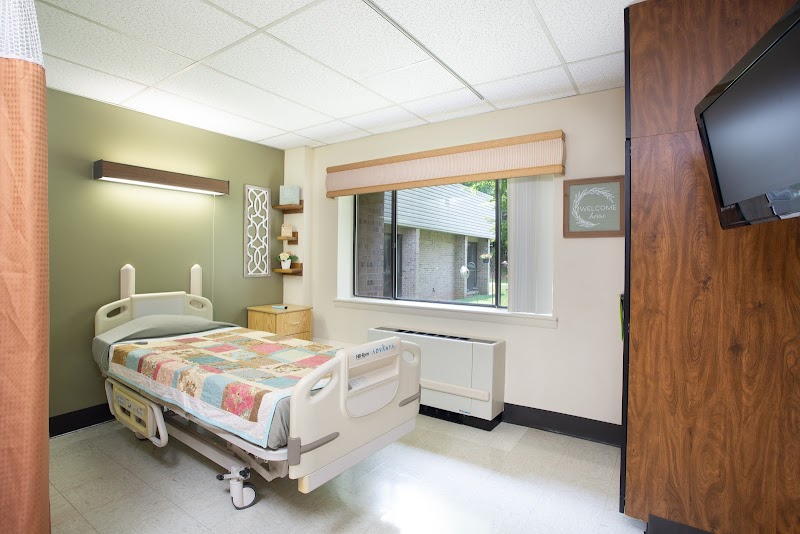
Who Owns and Operates Heritage Hall Tazewell?

HERITAGE HALL TAZEWELL is owned by a for-profit company. For-profit facilities operate as businesses with obligations to shareholders or private owners. The facility is operated by HERITAGE HALL, a chain that manages multiple nursing homes. With 180 certified beds and approximately 157 residents (about 87% occupancy), it is a mid-sized facility located in TAZEWELL, Virginia.
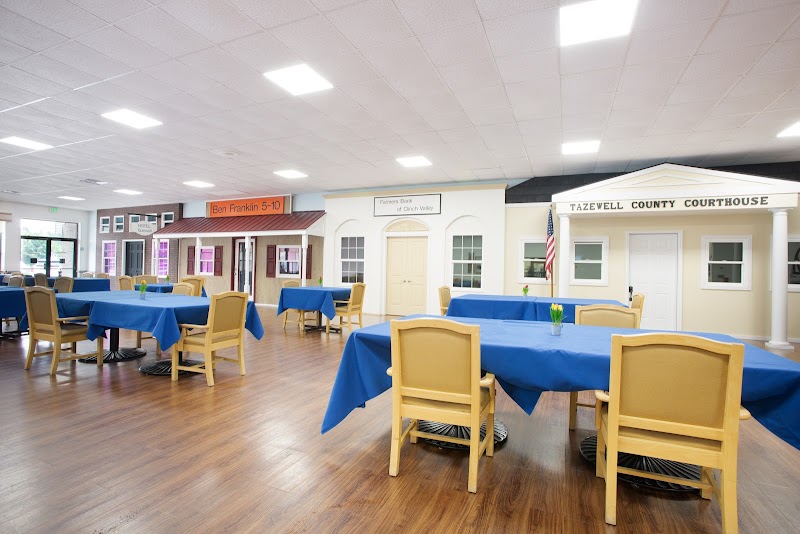
How Does Heritage Hall Tazewell Compare to Other Virginia Nursing Homes?

Compared to the 100 nursing homes in Virginia, HERITAGE HALL TAZEWELL's overall rating (1 stars) is below the state average of 3.0, staff turnover (39%) is near the state average of 46%, and health inspection rating (2 stars) is below the national benchmark.

What Should Families Ask When Visiting Heritage Hall Tazewell?

Based on this facility's data, families visiting should ask: "What changes have been made since the serious inspection findings, and how are you preventing similar issues?" "Can you walk me through typical staffing levels on day, evening, and night shifts?" "Can I visit during a mealtime to observe dining assistance and food quality?" "How do you handle medical emergencies, and what is your hospital transfer rate?" These questions are particularly relevant given the facility's Immediate Jeopardy citations and the below-average staffing rating.

Is Heritage Hall Tazewell Safe?

Based on CMS inspection data, HERITAGE HALL TAZEWELL has documented safety concerns. Inspectors have issued 1 Immediate Jeopardy citation (the most serious violation level indicating risk of serious injury or death). The facility has a 1-star overall rating and ranks #100 of 100 nursing homes in Virginia. Families considering this facility should ask detailed questions about what corrective actions have been taken since these incidents.

Do Nurses at Heritage Hall Tazewell Stick Around?

HERITAGE HALL TAZEWELL has a staff turnover rate of 39%, which is about average for Virginia nursing homes (state average: 46%). Moderate turnover is common in nursing homes, but families should still ask about staff tenure and how the facility maintains care continuity when employees leave.

Was Heritage Hall Tazewell Ever Fined?

HERITAGE HALL TAZEWELL has been fined $107,650 across 1 penalty action. This is 3.2x the Virginia average of $34,155. Fines at this level are uncommon and typically indicate a pattern of serious deficiencies, repeated violations, or failure to correct problems promptly. CMS reserves penalties of this magnitude for facilities that pose significant, documented risk to resident health or safety. Families should request specific documentation of what issues led to these fines and what systemic changes have been implemented.

Is Heritage Hall Tazewell on Any Federal Watch List?

HERITAGE HALL TAZEWELL is not on any federal watch list. The most significant is the Special Focus Facility (SFF) program, which identifies the bottom 1% of nursing homes nationally based on persistent, serious quality problems. Not being on this list means the facility has avoided the pattern of deficiencies that triggers enhanced federal oversight. This is a positive indicator, though families should still review the facility's inspection history directly.