COLONIAL HEALTH & REHAB CENTER, LLC

1604 OLD DONATION PKWY, VIRGINIA BEACH, VA 23454 (757) 496-3939
For profit - Corporation 90 Beds SABER HEALTHCARE GROUP Data: November 2025
Trust Grade
0/100
#243 of 285 in VA
Last Inspection: September 2024

Within standard 12-15 month inspection cycle. Federal law requires annual inspections.

Overview

Colonial Health & Rehab Center has received a Trust Grade of F, indicating significant concerns about the quality of care provided. Ranking #243 out of 285 facilities in Virginia places it in the bottom half, and #10 out of 13 in Virginia Beach City County suggests only a couple of local options are better. Unfortunately, the facility is worsening, with issues increasing from 1 in 2023 to 29 in 2024. Staffing is a major concern, with a low rating of 1 star and an alarming turnover rate of 81%, far exceeding the state average. There are also substantial fines totaling $78,455, which are higher than 95% of Virginia facilities, indicating repeated compliance issues. On a positive note, the facility offers more RN coverage than 82% of state facilities, which is beneficial for catching potential problems. However, serious incidents were noted, such as a resident being given medication without proper verification and another resident experiencing inadequate pain management after being admitted with broken bones. Overall, while there are some strengths, the numerous issues and poor ratings raise significant concerns for families considering this facility.

Trust Score
F
0/100
In Virginia
#243/285
Bottom 15%
Safety Record
High Risk
Review needed
Inspections
Getting Worse
1 → 29 violations
Staff Stability
⚠ Watch
81% turnover. Very high, 33 points above average. Constant new faces learning your loved one's needs.
Penalties
⚠ Watch
$78,455 in fines. Higher than 83% of Virginia facilities, suggesting repeated compliance issues.
Skilled Nurses
○ Average
Each resident gets 41 minutes of Registered Nurse (RN) attention daily — about average for Virginia. RNs are the most trained staff who monitor for health changes.
Violations
⚠ Watch
62 deficiencies on record. Higher than average. Multiple issues found across inspections.
★☆☆☆☆
1.0
Overall Rating
★☆☆☆☆
1.0
Staff Levels
★★★☆☆
3.0
Care Quality
★☆☆☆☆
1.0
Inspection Score
Stable
2023: 1 issues
2024: 29 issues

The Good

  • Full Sprinkler Coverage · Fire safety systems throughout facility
  • No fines on record

Facility shows strength in fire safety.

The Bad

1-Star Overall Rating

Below Virginia average (3.0)

Significant quality concerns identified by CMS

Staff Turnover: 81%

35pts above Virginia avg (46%)

Frequent staff changes - ask about care continuity

Federal Fines: $78,455

Well above median ($33,413)

Moderate penalties - review what triggered them

Chain: SABER HEALTHCARE GROUP

Part of a multi-facility chain

Ask about local staffing decisions and management

Staff turnover is very high (81%)

33 points above Virginia average of 48%

The Ugly 62 deficiencies on record

4 actual harm
Sept 2024 29 deficiencies 3 Harm
SERIOUS (G) 📢 Someone Reported This

A family member, employee, or ombudsman was alarmed enough to file a formal complaint

Actual Harm - a resident was hurt due to facility failures

Quality of Care (Tag F0684)

A resident was harmed · This affected 1 resident

**NOTE- TERMS IN BRACKETS HAVE BEEN EDITED TO PROTECT CONFIDENTIALITY** 5. The facility failed to clarify diuretic medication prior to administering it for Resident #32. Resident #32 was admitted to t...

Read full inspector narrative →
**NOTE- TERMS IN BRACKETS HAVE BEEN EDITED TO PROTECT CONFIDENTIALITY** 5. The facility failed to clarify diuretic medication prior to administering it for Resident #32. Resident #32 was admitted to the facility on [DATE] with diagnosis that included CHF (congestive heart failure), diabetes and dementia. The most recent MDS (minimum data set) assessment, a quarterly assessment, with an ARD (assessment reference date) of 8/2/24, coded the resident as scoring a 02 out of 15 on the BIMS (brief interview for mental status) score, indicating the resident was severely cognitively impaired. A review of the MDS Section GG-functional abilities and goals coded the resident as being dependent for mobility/transfers, dressing, hygiene toileting and set up for eating. A review of the comprehensive care plan dated 3/14/24 revealed, FOCUS: Resident has impairment a potential for fluid deficit related to diuretic. INTERVENTIONS: Administer medication as directed by physician. A review of the physician orders dated 3/13/24 revealed Furosemide 20 mg po twice a day. Furosemide 40 mg po twice a day on Friday. A review of the June-September MAR (medication administration record) reveals the unnecessary medication administration on the following dates: Lasix 20 mg po twice a day given on 7/12, AM med pass, Lasix 40 mg po twice a day on Friday given on 7/12 8AM. Lasix 20 mg po twice a day given on 8/16, AM med pass, Lasix 40 mg po twice a day on Friday given on 8/16 8AM. Lasix 20 mg po twice a day given on 8/30, AM med pass, Lasix 40 mg po twice a day on Friday given on 8/30 8AM. Lasix 20 mg po twice a day given on 9/6, AM med pass, Lasix 40 mg po twice a day on Friday given on 9/6 8AM. An interview was conducted on 9/17/24 at 9:00 AM with LPN (licensed practical nurse) #1. When asked about the Lasix order for Resident #32, LPN #1 stated, usually they do not write the order like that. It is usually split up such as Lasix 20 mg po twice a day Saturday through Thursday and Lasix 40 mg po twice a day on Friday. When asked if nursing should have called to clarify the order, LPN #1 stated, yes, they should have called. An interview was conducted on 9/18/24 at 1:00 PM with ASM (administrative staff member) #6, the medical director. When shown the MAR with Lasix 60 mg given, ASM #6 was asked if that was the intended order for Lasix. ASM #6 stated, no, it was meant for Lasix 40 mg po twice a day on Friday and Lasix 20 mg po twice a day the other days of the week. On 9/18/24 at 3:00 PM, ASM (administrative staff member) #1, the administrator and ASM #2, the director of nursing was made aware of the findings. According to the facility, the facility's professional standards are based on their policies. The facility's Medication Administration policy reveals, Administer medications within time specified by physician's order, facility policy or manufacturer's information. No further information was provided prior to exit. 6. The facility staff failed to administer medications per physician orders for Resident #48. Resident #48 was admitted to the facility on [DATE] with diagnosis that included but were not limited to: ICH (intracranial hemorrhage), hemiplegia, hemiparesis and DM (diabetes mellitus). The most recent MDS (minimum data set) assessment, a quarterly assessment, with an ARD (assessment reference date) of 7/20/24, coded the resident as scoring a 07 out of 15 on the BIMS (brief interview for mental status) score, indicating the resident was severely cognitively impaired. A review of the MDS Section GG-functional abilities and goals coded the resident as being dependent for bed mobility, transfer, hygiene and set up for eating. A review of Section O-Special Treatments, Procedures and Programs: K1. Hospice care-coded 'no'. A review of the comprehensive care plan dated 10/31/23 revealed, FOCUS: The resident is at risk for unstable blood glucose related to diabetes. INTERVENTIONS: Administer insulin as directed by the physician. A review of the physician orders dated 3/8/24 revealed Insulin Lispro 100 units/milliliter SQ, administer 3 units with meals, hold if blood sugar less than 120. A review of the physician orders dated 8/5/24 revealed, Amoxicillin-875/125 tablet, give 1 tablet twice a day x 10 days for UTI. A review of the August MAR (medication administration record) revealed, Insulin Lispro 100 units/milliliter not given on 8/27 at 5:00 PM-no insulin syringe. Amoxicillin-875/125 tablet not given on 8/12 at 8:00 AM-drug unavailable, 8/13 at 8:00 AM-drug unavailable and 8/13 8:00 PM-drug unavailable. A review of the September MAR revealed, Insulin Lispro 100 units/milliliter not given 9/2 at 8:00 AM due to no login. An interview was conducted on 9/17/24 at 10:40 AM with LPN (licensed practical nurse) #12. When asked how medications are delivered, LPN #12 stated, there are two runs a day I believe. When asked when medications are delivered, LPN #12 stated, it should be either delivered on the next run or the next day at the latest. I am not sure of the cut off time to get medication orders in for the next run. When asked if there is an emergency drug supply, LPN #12 stated, yes, the Omnicell, we should get the medications from there if they are on the list. When asked if not administering medications as ordered is following the standard of care, LPN #12 stated, no. When asked if the physician should be notified of missed medications, LPN #12 stated, yes. When asked where this would be documented, LPN #12 stated in the progress notes. No progress note documented informing the RP. An interview was conducted on 9/18/24 at 8:50 AM with ASM (administrative staff member) #2, the director of nursing. When asked the process for medication delivery, ASM #2 stated, they deliver twice a day. If they are not delivered, the nurse should check the Omnicell and if it is there, give it. The OTC (over the counter) drugs are located in the top drawer of the medication cart. When asked if medications not administered as ordered is following the standard of care, ASM #2 stated, no, it is not. On 9/18/24 at 3:00 PM, ASM (administrative staff member) #1, the administrator and ASM #2, the director of nursing was made aware of the findings. According to the facility, the facility's professional standards are based on their policies. The facility's Medication Administration policy reveals, Administer medications within time specified by physician's order, facility policy or manufacturer's information. No further information was provided prior to exit. 7. The facility staff failed to administer medications as ordered for Resident #16. Resident #16 was admitted to the facility on [DATE] with diagnosis that included but were not limited to: myelodispastic syndrome, seizures and paroxysmal atrial fibrillation. The most recent MDS (minimum data set) assessment, a quarterly assessment, with an ARD (assessment reference date) of 8/31/24, coded the resident as scoring a 09 out of 15 on the BIMS (brief interview for mental status) score, indicating the resident was moderately cognitively impaired. A review of the MDS Section GG-functional abilities and goals coded the resident as being dependent for bed mobility, transfer, hygiene and set up for eating. A review of the comprehensive care plan dated 6/14/22 revealed, FOCUS: The resident has potential for pain. INTERVENTIONS: Administer pharmacological interventions as ordered by physician and monitor the effectiveness. A review of the physician orders dated 1/10/24 revealed, Acetaminophen 500 mg, give 2 tablets by mouth three times a day for pain. Orders dated 3/7/24: Amiodarone 200 mg give 1 tablet every day for atrial fibrillation. Order 3/21/24: Midodrine 5 mg, give 1 tablet three times a day for hypotension. A review of the physician orders dated 4/15/24 revealed Revlimid capsule 5 mg po, give 1 capsule daily for 21 days. Hold 7 days, repeat. Order 6/1/24: Gabapentin 100 mg give 1 capsule three times a day. Levetiracetam 500 mg po give 1 twice a day. A review of the August MAR (medication administration record) revealed these medications not administered: Gabapentin 100 mg on 8/21 at 2:00 PM, 8:00 PM, 8/22 at 8:00 AM and 8:27 at 2:00 PM. Amiodarone 200 mg on 8/8 at 9:00 AM, 8/14 at 9:00 AM, 8/18 at 9:00 AM and 8/21 at 9:00 AM. Levetiracetam 500 mg on 8/2 at 9:00 PM. A review of the September MAR revealed these medications not administered: Revlimid capsule 5 mg on 9/1 AM med pass, 9/2 AM med pass, 9/11 AM med pass, 9/13 AM med pass and 9/17 AM med pass. Gabapentin 100 mg on 9/1 8:00 PM, 9/2 8:00 AM due to no log in code, 9/12 8:00 PM, 9/13 8:00 AM, 9:13 2:00 PM, 9/13 8:00 PM, 9/14 8:00 AM, 9/14 2:00 PM and 9/14 8:00 PM. Acetaminophen 500 mg on 9/2 at 8:00 AM-no login code. Midrodine 5 mg on 9/2 8:00 AM no login code. An interview was conducted on 9/17/24 at 10:40 AM with LPN (licensed practical nurse) #12. When asked how medications are delivered, LPN #12 stated, there are two runs a day I believe. When asked when medications are delivered, LPN #12 stated, it should be either delivered on the next run or the next day at the latest. I am not sure of the cut off time to get medication orders in for the next run. When asked if there is an emergency drug supply, LPN #12 stated, yes, the Omnicell, we should get the medications from there if they are on the list. When asked if not administering medications as ordered is following the standard of care, LPN #12 stated, no. When shown the current Omnicell Inventory list which revealed the following drugs available on site: Amiodarone 200 mg tablet par 10, Gabapentin 100 mg capsule par 10, Levetiracetam 500 mg tablet par 10, Acetaminophen 500 mg tablet po OTC in top med cart drawer and Midrodine 5 mg tablet par 10; LPN #12 was asked what should have occurred to administer the residents prescribed medications, LPN #12 stated, they should have taken them out of the Omnicell. When asked if the physician should be notified of missed medications, LPN #12 stated, yes. When asked where this would be documented, LPN #12 stated in the progress notes. No progress note documented informing the RP. An interview was conducted on 9/18/24 at 8:50 AM with ASM (administrative staff member) #2, the director of nursing. When asked the process for medication delivery, ASM #2 stated, they deliver twice a day. If they are not delivered, the nurse should check the Omnicell and if it is there, give it. The OTC (over the counter) drugs are located in the top drawer of the medication cart. When asked if medications not administered as ordered is following the standard of care, ASM #2 stated, no, it is not. On 9/18/24 at 3:00 PM, ASM (administrative staff member) #1, the administrator and ASM #2, the director of nursing was made aware of the findings. According to the facility, the facility's professional standards are based on their policies. The facility's Medication Administration policy reveals, Administer medications within time specified by physician's order, facility policy or manufacturer's information. No further information was provided prior to exit. 8. The facility staff failed to provide pharmacy services by administering medications as ordered for Resident #88. Resident #88 was admitted to the facility on [DATE] with diagnosis that included but were not limited to: respiratory failure, hypertension, diverticulitis and coronary artery disease. The most recent MDS (minimum data set) assessment, a Medicare 5-day assessment, with an ARD (assessment reference date) of 10/30/23, coded the resident as scoring a 15 out of 15 on the BIMS (brief interview for mental status) score, indicating the resident was not cognitively impaired. A review of the MDS Section GG-functional abilities and goals coded the resident as max assist for bed mobility, transfer, hygiene and set up for eating. Section O-Special Procedures: coded the resident for antibiotic, midline and isolation. A review of the comprehensive care plan dated 10/27/23 revealed, FOCUS: The resident has infection related to diverticulitis. Resident is on antibiotics for Pneumonia. INTERVENTIONS: Administer antibiotics/antiviral as ordered by the physician. A review of the physician orders dated 10/24/23 revealed Meropenem 1 gram intravenously every 8 hours for diverticulitis for 6 days. A review of the October 2023 MAR (medication administration record) revealed, Meropenem 1 gram IV not administered on 10/25 6:00 AM, 2:00 PM and 10:00 PM; 10/26 6:00 AM, 2:00 PM. An interview was conducted on 9/17/24 at 10:40 AM with LPN (licensed practical nurse) #12. When asked how medications are delivered, LPN #12 stated, there are two runs a day I believe. When asked when medications are delivered, LPN #12 stated, it should be either delivered on the next run or the next day at the latest. I am not sure of the cut off time to get medication orders in for the next run. When asked if there is an emergency drug supply, LPN #12 stated, yes, the Omnicell, we should get the medications from there if they are on the list. When asked if the physician should be notified of missed antibiotics, LPN #12 stated, yes. When asked where this would be documented, LPN #12 stated in the progress notes. No progress note documented informing the RP. An interview was conducted on 9/18/24 at 8:50 AM with ASM (administrative staff member) #2, the director of nursing. When asked the process for medication delivery, ASM #2 stated, they deliver twice a day. If they are not delivered, the nurse should check the Omnicell and if it is there, give it. The OTC (over the counter) drugs are located in the top drawer of the medication cart. On 9/18/24 at 3:00 PM, ASM (administrative staff member) #1, the administrator and ASM #2, the director of nursing was made aware of the findings. According to the facility, there is no policy regarding pharmacy delivery. No further information was provided prior to exit. 4. For Resident #63 (R63), the facility staff failed to administer medications as ordered by the physician on multiple dates in August and September of 2024. These medications and supplies were available in the facility in-house medication supply. On the most recent MDS (minimum data set), a quarterly assessment with an ARD (assessment reference date) of 8/16/24, the resident scored 10 out of 15 on the BIMS (brief interview for mental status) assessment, indicating the resident was moderately impaired for making daily decisions. The assessment documented R63 receiving insulin injections. On 9/15/24 at 6:05 p.m., an interview was conducted with R63 in their room. R63 stated that they had concerns regarding the facility staff running out of their medications and they were missing doses of medications. R63 stated that they had recently gone days without their fentanyl patch because they had to wait for the pharmacy to deliver it and they had missed other medications because the nurses told them they were out. A review of R63's clinical record revealed the following physician's orders: - Fentanyl- Schedule II patch 72hour; 25mcg/hr; amt: 1 patch; transdermal once a day every 3 days. Order Date: 03/06/2024. - Humulin R Regular U-100 Insulin (insulin regular human) [OTC] solution; 100 unit/ml; amt: Per sliding scale; If blood sugar is 201 to 250, give 2 units. If blood sugar is 251 to 300, give 4 units. If blood sugar is 301 to 350, give 6 units. If blood sugar is 351 to 400, give 8 units. If blood sugar is 401 to 450, give 10 units .Before meals and at bedtime. Order Date: 03/06/2024. A review of R63's August 2024 eMAR (electronic medication administration record) failed to evidence the fentanyl patch administered as ordered on 8/24/24 and 8/27/24. The eMAR notes documented the reason for the medication not being administered on 8/24/24 being BLE (bilateral lower extremities) wrapped and 8/27/24 being Drug/item unavailable comment: follow up with pharmacy. A review of the in-house medication inventory documented a par level of five fentanyl 25mcg/hr patches available in house. Further review of the August 2024 eMAR failed to evidence the sliding scale insulin administered as ordered on 8/7/24, 8/20/24 and 8/27/24 at the 11:30 a.m. doses. The eMAR for 8/7/24 and 8/20/24 were observed to be blank and the eMAR notes documented the reason for the medication not being administered on 8/27/24 being Not administered: other comment: no insulin syringe. A review of R63's September 2024 eMAR failed to evidence the fentanyl patch administered as ordered on 9/11/24. The eMAR notes documented the reason for the medication not being administered on 9/11/24 being Drug/item unavailable comment: awaiting from pharmacy, resident and md aware. A review of the in-house medication inventory documented a par level of five fentanyl 25mcg/hr patches available in house. Further review of the September 2024 eMAR failed to evidence the sliding scale insulin administered as ordered on 9/3/24 at 11:30 a.m. The eMAR for 9/3/24 was observed to be blank. On 9/17/24 at 11:08 a.m., an interview was conducted with LPN (licensed practical nurse) #1. LPN #1 stated that medications were evidenced as given by the nurse signing off on the eMAR and if they were not given it was documented in the progress note why and that the physician was notified. She stated that if the medication was not available from the pharmacy the staff should contact the pharmacy and see if it could be sent over and notify the physician if not available to see if an alternate was appropriate or held. She stated that there was an in-house medication stock that all staff should have access to. She stated that the director of nursing gave access to the agency staff to the in-house medication stock, and some had it and some did not. She stated that they had been working to get everyone access. She stated that if a standing order ran out the pharmacy was called, and they would either send the medication over stat or the staff would pull it from the in-house medication supply. She stated that she was not aware of any insulin syringes running out and they were always available to borrow from their sister facility if needed. She stated that the manager on duty had access to the extra supplies each day. She stated that she remembered R63 running out of the fentanyl patch in the past but was not sure of the details. LPN #1 stated that she could not say why the fentanyl patch was not administered due to the lower extremities being wrapped and thought that it may be a charting error. She stated that it was not a reason to hold the medication. On 9/17/24 at 2:58 p.m., an interview was conducted with OSM (other staff member) #6, central supply. OSM #6 stated that there were medication rooms on each unit that were stocked three times a week with supplies including insulin syringes. She stated that the on-call nurse had a key to the main supply closet and there was always someone to get supplies if anything ran out. She stated that there was a par level of three boxes of insulin syringes kept on each unit and she had not heard of anyone reporting that they ran out of syringes since she had been stocking the supplies. On 9/17/24 at 3:19 p.m., an interview was conducted with RN (registered nurse) #6. RN #6 stated that they had not had any issues with running out of insulin syringes since they had worked at the facility. He stated that there was always someone available to pull supplies from the storage if needed. RN #6 reviewed R63's eMAR notes and stated that there were other areas to place the fentanyl patch and the extremity being wrapped would not be an excuse to not give the medication. He stated that if a medication was not available on the cart the staff were supposed to call the physician and the pharmacy to see if they could get an alternate. He stated that the nurses were able to pull narcotics from the in-house stock supply when the pharmacy gave them a special code that allowed them to take the medication out. On 9/18/24 at 2:59 p.m., ASM (administrative staff member) #1, the interim administrator, ASM #2, the director of nursing, ASM #3, the regional director of clinical services, ASM #4, the administrator in training, and ASM #5, the regional vice president of operations were made aware of the concern. No further information was provided prior to exit. Based on resident interview, staff interview, facility document review, and clinical record review, the facility staff failed to maintain residents' highest level of well-being for eight of 35 residents in the survey sample, Residents #5, #138, #139, #63, #32, #48, #16, and #88. The findings include: 1. For Resident #5 (R5), the facility staff failed to obtain and verify physician orders for blood sugar checks and insulin (used to treat diabetes) when the resident was re-admitted to the facility on [DATE] at 2:00 p.m. This resulted in harm: on 5/13/24 at approximately 1:15 a.m., R5's blood sugar was documented as 579 (1). The resident was transferred to the hospital, diagnosed with diabetic ketoacidosis (2) and required an insulin drip (insulin that is intravenously infused). R5 was admitted to the facility on [DATE] with a diagnosis of diabetes. A review of R5's clinical record revealed a nurse's note dated 6/5/24 that documented the resident sustained a fall and was transferred to the hospital. R5 was discharged from the hospital back to the facility on 5/11/24. The hospital discharge medication list dated 5/11/24 documented, CONTINUE taking these medications: -Insulin Lispro 100 unit/mL (milliliter) insulin pen- two units beneath the skin Three Times Daily with Meals. If eats at least 50% of meal or drinks a supplement shake. -Insulin Lispro 100 unit/mL insulin pen- Inject 0-3 Units beneath the skin 4 Times a Day Before Meals & at Bedtime. Per sliding scale (based on the resident's blood sugars): 250-350=1 unit 351-400=2 units 401-800=3 units Call & notify MD (Medical Doctor) if BG (Blood Glucose) > (greater than) 400. -LEVEMIR 100 unit/mL (3 mL) insulin pen- Inject 9 Units beneath the skin Every Night at Bedtime. Further review of R5's clinical record failed to reveal any physician's medication orders when the resident was re-admitted on [DATE]. A review of R5's MAR (medication administration record) for 5/11/24 and 5/12/24 failed to reveal any medication orders. A nurse's note dated 5/11/24 at 4:13 p.m. documented, Pt (Patient) returned from (name of hospital) at 1400 (2:00 p.m.) via stretcher. Received report from hospital. Pt is alert and oriented. Generalized bruising visible on face, scalp and both legs. Dried blood on face and scalp. Left side of hair line has 2 sutures. Bridge of nose with 3 sutures intact. Rt (Right) knee with honeycomb dressing bilaterally. Abrasion lower rt leg front. Left hip with Honeycomb dressing dry and intact. Petal pulse present bilaterally. Left side weaker than right, chronic issue. Lungs clear, abd (abdomen) soft with bowel sounds all 4 quads (quadrants). Pt has script for Neurontin q (every) 8 hours prn (as needed) for pain. BS (Blood sugar) 132. Vitals 139/63 (blood pressure), 92 (pulse), 16 (respirations), 98 (temperature), 96% (oxygen level). A nurse's note dated 5/12/24 at midnight (5/11/24 into 5/12/24) documented, During hand off report, previous nurse reports to this nurse that patient arrived to facility at 1400 but she did not confirm orders with MD (Medical Doctor)/enter orders in MAR (medication administration record). Writer contacted (name of physician group) on call to confirm orders. Writer spoke with (name of a nurse practitioner). (Name of the nurse practitioner) refuses to confirm orders with nurse because patient came to facility at 1400. Writer attempted to explain to On call (name of nurse practitioner) that this nurse shift started at 1900 (7:00 p.m.) and this nurse just finished passing medication on unit and just needed to confirm the orders because previous nurse did not. (Name of nurse practitioner) states, 'I am not doing that. I am not approving medications after 8pm.' Due to (name of physician group) (name of nurse practitioner) refusing to confirm orders for patient, writer cannot enter patients [sic] orders/treatments into MAR at this time. Will endorse oncoming nurse. Will make management aware of clinical situation. There were no nurses' notes documented in R5's clinical record during the 7:00 a.m. to 7:00 p.m. shift on 5/12/24. A nurse's note dated 5/12/24 at 10:58 p.m. (recorded as a late entry on 5/13/24), documented, Received care of resident at 22:40 (10:40 p.m.) Resident had been released from the hospital a day before after falling face first on concrete. Resident states she is in a severe pain. This nurse looked at resident's MAR which was inadequately updated since resident has been back. It was noted that the last time resident received insulin or glucose checks was on 05/08/2024. This nurse noted that the only pain medicine ordered is Tylenol 1000mg (milligrams). This nurse called nurse on 3West in (name of hospital) to get more information about resident's stay in the hospital. The only discharge papers were a list of medications. No Dx (diagnoses), tests, test results were noted. Nurse at (name of hospital) was not able to give any information since the resident had already been released. On call doctor was noted; on call doctor advised nurse to either administer Tylenol or send resident to the hospital if pain gets too intense. Resident's brother was noted and he drove to be at his sister's bedside at 0030 (12:30 a.m.). Tylenol was not effective. Resident was repositioned; ineffective. Blood glucose 579. Lispro and Levemir administered. 911 was called per brother's request. Resident was transferred to (name of hospital) at 0115 (1:15 a.m.) via stretcher. Resident has been admitted to the hospital unit. A hospital Discharge summary dated [DATE] documented, Per patient, since discharge (from the hospital on 5/11/24) was not able to get her insulin and noted increased pain on bilateral lower ext (extremities) .EMS reported BS (Blood Sugar) 600. The discharge summary further documented a diagnosis of diabetic ketoacidosis, and the resident was administered an insulin drip at the hospital. A facility synopsis of events dated 5/22/24 documented, (R5's) brother, (name), called the DON (Director of Nursing) to inquire about prescribed medications and administration. Based upon this concern, the facility immediately started an internal investigation. The facility interviewed all nurses responsible for (R5's) care, the physician on-call upon the resident's return to the community and reviewed the resident's medical record. (R5) returned to the facility on 5/11/24 after an unrelated hospitalization. A review of the physician orders revealed medication errors regarding transcription of new orders upon return to the facility. Interviews of the nursing team members responsible for (R5's) care revealed unsuccessful attempts to verify the medications with the resident provider group via telephone upon return. Upon the orders being unsuccessfully verified (R5) to return to the ER (Emergency Room) for evaluation. The resident returned to the facility on 5/17/24 .Based on the schedule, the nurses that would have completed her admission and or delivered medications. The nurses who assumed care for the resident were placed on a do not return list and are not allowed to work in the facility . The synopsis contained multiple statements by facility staff as documented below. A statement signed on 5/15/24 by RN (registered nurse) #3 (the nurse who worked the 7:00 a.m. to 7:00 p.m. shift on 5/12/24 on another unit) documented, On Sunday 5/12/24 on Day shift provider for (R5) called unit one inquiring about resident if she had returned from hospital. Updated provider that resident returned but did not have any pain medication. Provider reporting that they would escribe (electronically prescribe) pain medication to (name of pharmacy), did not specify what medication, dose, or frequency. RN #3 was available for interview during the survey. A statement signed by LPN (licensed practical nurse) #7 (the nurse who worked the 7:00 p.m. to 7:00 a.m. shift on another unit 5/12/24 into 5/13/24) (no signature date) documented, To Whom it may concern: I, (name of LPN #7) was approached by (LPN #6), regarding patient, (R5) on Unit 1 nurses station. (LPN #6) stated, '(R5) is having uncontrolled pain and she has no pain medications.' (LPN #6) continued, 'Oh! and her blood sugar is around 600.' This nurse then replied, 'Send her out.' (LPN #6) then replied, 'Well I gave her Levemir for her sugar.' I again stated, 'Send her out.' (LPN #6) walked to her computer to print off (R5's) paperwork for transfer. (R5's) brother was in her room. When (LPN #6) stated, 'She has only 1 or 2 medications, so I didn't print it off.' This nurse then went to computer and there were no medications under (R5's) orders. This nurse stated to EMTs (Emergency Medical Technicians) that patient 'does not have any medications on her orders.' This nurse stated, 'I don't know of any medications being administered, other than Levemir (LPN #6) gave her.' This nurse then left the room and the unit. Another statement signed by LPN #7 (no signature date) documented, To Whom it may concern: I, (name of LPN #7), had no interaction with nurse on unit 2, until 1020 PM on May 12th 2024. Said nurse on unit 2 (RN #2) approached the nurses station on unit 1 @ 1020 PM regarding her relief. On call nurse (LPN #8) was notified and there was no other interaction after 1030 PM.- Regarding (RN #2) (the nurse who cared for R5 during the 7:00 a.m. to 7:00 p.m. shift on 5/12/24). LPN #7 was not available for interview during the survey. A statement signed by LPN #8 (R5's unit manager) on 5/13/24 documented, On Monday 5/13/24, I came in to relieve the nurse (LPN #6) because she needed to leave by 630 am. (LPN #6) gave me report on the unit, she told me that she sent (R5) out because of the pain she was having. I asked her did she let anyone know. She stated no it was late it was 1 am. I then stated two residents went to the hospital on your watch, on call should have been called. I explained that and proceeded to take report. A statement signed by LPN #8 on 5/15/24 documented, On 5/12/24 at 12:32 am, nurse (LPN #5) text my phone to state the nurse during the day did not get the meds approved at 2 pm when the resident was admitted on 5.11.24. (LPN #5) stated she called (name of physician group) on call to get the meds verified but the on call (name of nurse practitioner) refused to verify the meds because she stated she doesn't verify meds after 8pm. Once I woke up to the text at 0738 (7:38 a.m.) I contacted (LPN #5) and she explained what she wrote in her text. I then called (name of medical director) explaining what happened, he stated this was not the first time on call has done this that he would be reaching out. Resident meds still needed to be verified, (name of medical director) stated to call on call and have them verify the meds. (Name of medical director) was contacted by me on 5/12/24 at 0838 (8:38 a.m.). This writer then called the building x (times) 4, no one answered. I then called the housekeeper supervisor to check all phones in the building because no one was picking up, she took phone to nurse. I told (RN #2- the nurse who cared for R5 during the 7:00 a.m. to 7:00 p.m. shift on 5/12/24) to place the orders in (name of computer system) because she stated to me that (RN #3), the nurse on unit one already verified the meds. (RN #2) stated she had one more resident to give meds to and she was going to put the orders in. LPN #8 was not available for interview during the survey. On 9/17/24 at 2:10 p.m., a telephone interview was conducted with LPN #5. LPN #5[TRUNCATED]
SERIOUS (G) 📢 Someone Reported This

A family member, employee, or ombudsman was alarmed enough to file a formal complaint

Actual Harm - a resident was hurt due to facility failures

Deficiency F0697 (Tag F0697)

A resident was harmed · This affected 1 resident

**NOTE- TERMS IN BRACKETS HAVE BEEN EDITED TO PROTECT CONFIDENTIALITY** Based on resident interview, staff interview, facility document review, and clinical record review, the facility staff failed to...

Read full inspector narrative →
**NOTE- TERMS IN BRACKETS HAVE BEEN EDITED TO PROTECT CONFIDENTIALITY** Based on resident interview, staff interview, facility document review, and clinical record review, the facility staff failed to implement an effective pain management program for two of 35 residents in the survey sample, Residents #5 and #138. The findings include: 1. For Resident #5 (R5), the facility staff failed to obtain and verify physician orders for pain medications when the resident was re-admitted to the facility at 2:00 p.m. on 5/11/24 with two broken femurs (thigh bones). This resulted in harm: on 5/13/24 at approximately 1:15 a.m., R5 was transferred to the hospital for inadequate pain control. A review of R5's clinical record revealed a nurse's note dated 6/5/24 that documented the resident sustained a fall and was transferred to the hospital. R5 was discharged from the hospital back to the facility on 5/11/24. The hospital Discharge summary dated [DATE] documented a primary discharge diagnosis of bilateral distal femur fractures secondary to osteoporosis and a mechanical fall. The hospital discharge medication list documented, CONTINUE taking these medications: gabapentin (used to treat seizures and pain) 400 mg (milligrams)- one capsule every eight hours for five days. Further review of R5's clinical record failed to reveal any physician's medication orders when the resident was re-admitted on [DATE]. A review of R5's MAR (medication administration record) for 5/11/24 and 5/12/24 failed to reveal any medication orders. A nurse's note dated 5/11/24 at 4:13 p.m. documented, Pt (Patient) returned from (name of hospital) at 1400 (2:00 p.m.) via stretcher. Received report from hospital. Pt is alert and oriented. Generalized bruising visible on face, scalp and both legs. Dried blood on face and scalp. Left side of hair line has 2 sutures. Bridge of nose with 3 sutures intact. Rt (Right) knee with honeycomb dressing bilaterally. Abrasion lower rt leg front. Left hip with Honeycomb dressing dry and intact. Petal pulse present bilaterally. Left side weaker than right, chronic issue. Lungs clear, abd (abdomen) soft with bowel sounds all 4 quads (quadrants). Pt has script for Neurontin (gabapentin) q (every) 8 hours prn (as needed) for pain. BS (Blood sugar) 132. Vitals 139/63 (blood pressure), 92 (pulse), 16 (respirations), 98 (temperature), 96% (oxygen level). A nurse's note dated 5/12/24 at midnight (5/11/24 into 5/12/24) documented, During hand off report, previous nurse reports to this nurse that patient arrived to facility at 1400 but she did not confirm orders with MD (Medical Doctor)/enter orders in MAR (medication administration record). Writer contacted (name of physician group) on call to confirm orders. Writer spoke with (name of a nurse practitioner). (Name of the nurse practitioner) refuses to confirm orders with nurse because patient came to facility at 1400. Writer attempted to explain to On call (name of nurse practitioner) that this nurse shift started at 1900 (7:00 p.m.) and this nurse just finished passing medication on unit and just needed to confirm the orders because previous nurse did not. (Name of nurse practitioner) states, 'I am not doing that. I am not approving medications after 8pm.' Due to (name of physician group) (name of nurse practitioner) refusing to confirm orders for patient, writer cannot enter patients [sic] orders/treatments into MAR at this time. Will endorse oncoming nurse. Will make management aware of clinical situation. An admission/readmission observation dated 5/12/24 at 2:59 a.m. documented R5 reported pain or hurting almost constantly over the last five days, the pain almost constantly made it hard to sleep, the pain almost constantly limited day-to-day activities, the pain was rated as an eight on a scale from zero to ten, and the intensity of the pain was severe. There were no nurses' notes documented in R5's clinical record during the 7:00 a.m. to 7:00 p.m. shift on 5/12/24. R5's May 2024 MAR documented the resident's pain as a ten (on a scale from zero to ten) during the day shift on 5/12/24 and the resident's pain as an eight during the night shift on 5/12/24. A nurse's note dated 5/12/24 at 10:58 p.m. (recorded as a late entry on 5/13/24), documented, Received care of resident at 22:40 (10:40 p.m.) Resident had been released from the hospital a day before after falling face first on concrete. Resident states she is in a severe pain. This nurse looked at resident's MAR which was inadequately updated since resident has been back .This nurse noted that the only pain medicine ordered is Tylenol 1000mg (milligrams). This nurse called nurse on 3West in (name of hospital) to get more information about resident's stay in the hospital. The only discharge papers were a list of medications. No Dx (diagnoses), tests, test results were noted. Nurse at (name of hospital) was not able to give any information since the resident had already been released. On call doctor was noted; on call doctor advised nurse to either administer Tylenol or send resident to the hospital if pain gets too intense. Resident's brother was noted and he drove to be at his sister's bedside at 0030 (12:30 a.m.). Tylenol was not effective. Resident was repositioned; ineffective .911 was called per brother's request. Resident was transferred to (name of hospital) at 0115 (1:15 a.m.) via stretcher. Resident has been admitted to the hospital unit. A hospital Discharge summary dated [DATE] documented, Per patient, since discharge (from the hospital on 5/11/24) was not able to get her insulin and noted increased pain on bilateral lower ext (extremities) .Started insulin drip per DKA (diabetic ketoacidosis) protocol and pain meds and admitted . A facility synopsis of events dated 5/22/24 documented, (R5's) brother, (name), called the DON (Director of Nursing) to inquire about prescribed medications and administration. Based upon this concern, the facility immediately started an internal investigation. The facility interviewed all nurses responsible for (R5's) care, the physician on-call upon the resident's return to the community and reviewed the resident's medical record. (R5) returned to the facility on 5/11/24 after an unrelated hospitalization. A review of the physician orders revealed medication errors regarding transcription of new orders upon return to the facility. Interviews of the nursing team members responsible for (R5's) care revealed unsuccessful attempts to verify the medications with the resident provider group via telephone upon return. Upon the orders being unsuccessfully verified (R5) to return to the ER (Emergency Room) for evaluation. The resident returned to the facility on 5/17/24 .Based on the schedule, the nurses that would have completed her admission and or delivered medications. The nurses who assumed care for the resident were placed on a do not return list and are not allowed to work in the facility . The synopsis contained multiple statements by facility staff as documented below. A statement signed on 5/15/24 by RN (registered nurse) #3 (the nurse who worked the 7:00 a.m. to 7:00 p.m. shift on 5/12/24 on another unit) documented, On Sunday 5/12/24 on Day shift provider for (R5) called unit one inquiring about resident if she had returned from hospital. Updated provider that resident returned but did not have any pain medication. Provider reporting that they would escribe (electronically prescribe) pain medication to (name of pharmacy), did not specify what medication, dose, or frequency. RN #3 was available for interview during the survey. A statement signed by LPN (licensed practical nurse) #7 (the nurse who worked the 7:00 p.m. to 7:00 a.m. shift on another unit 5/12/24 into 5/13/24) (no signature date) documented, To Whom it may concern: I, (name of LPN #7) was approached by (LPN #6), regarding patient, (R5) on Unit 1 nurses station. (LPN #6) stated, '(R5) is having uncontrolled pain and she has no pain medications.' (LPN #6) continued, 'Oh! and her blood sugar is around 600.' This nurse then replied, 'Send her out.' (LPN #6) then replied, 'Well I gave her Levemir for her sugar.' I again stated, 'Send her out.' (LPN #6) walked to her computer to print off (R5's) paperwork for transfer. (R5's) brother was in her room. When (LPN #6) stated, 'She has only 1 or 2 medications, so I didn't print it off.' This nurse then went to computer and there were no medications under (R5's) orders. This nurse stated to EMTs (Emergency Medical Technicians) that patient 'does not have any medications on her orders.' This nurse stated, 'I don't know of any medications being administered, other than Levemir (LPN #6) gave her.' This nurse then left the room and the unit. Another statement signed by LPN #7 (no signature date) documented, To Whom it may concern: I, (name of LPN #7), had no interaction with nurse on unit 2, until 1020 PM on May 12th 2024. Said nurse on unit 2 (RN #2) approached the nurses station on unit 1 @ 1020 PM regarding her relief. On call nurse (LPN #8) was notified and there was no other interaction after 1030 PM.- Regarding (RN #2) (the nurse who cared for R5 during the 7:00 a.m. to 7:00 p.m. shift on 5/12/24). LPN #7 was not available for interview during the survey. A statement signed by LPN #8 (R5's unit manager) on 5/13/24 documented, On Monday 5/13/24, I came in to relieve the nurse (LPN #6) because she needed to leave by 630 am. (LPN #6) gave me report on the unit, she told me that she sent (R5) out because of the pain she was having. I asked her did she let anyone know. She stated no it was late it was 1 am. I then stated two residents went to the hospital on your watch, on call should have been called. I explained that and proceeded to take report. A statement signed by LPN #8 on 5/15/24 documented, On 5/12/24 at 12:32 am, nurse (LPN #5) text my phone to state the nurse during the day did not get the meds approved at 2 pm when the resident was admitted on 5.11.24. (LPN #5) stated she called (name of physician group) on call to get the meds verified but the on call (name of nurse practitioner) refused to verify the meds because she stated she doesn't verify meds after 8pm. Once I woke up to the text at 0738 (7:38 a.m.) I contacted (LPN #5) and she explained what she wrote in her text. I then called (name of medical director) explaining what happened, he stated this was not the first time on call has done this that he would be reaching out. Resident meds still needed to be verified, (name of medical director) stated to call on call and have them verify the meds. (Name of medical director) was contacted by me on 5/12/24 at 0838 (8:38 a.m.). This writer then called the building x (times) 4, no one answered. I then called the housekeeper supervisor to check all phones in the building because no one was picking up, she took phone to nurse. I told (RN #2- the nurse who cared for R5 during the 7:00 a.m. to 7:00 p.m. shift on 5/12/24) to place the orders in (name of computer system) because she stated to me that (RN #3), the nurse on unit one already verified the meds. (RN #2) stated she had one more resident to give meds to and she was going to put the orders in. LPN #8 was not available for interview during the survey. On 9/17/24 at 2:10 p.m., a telephone interview was conducted with LPN #5. LPN #5 stated she could not recall details and to refer to her note. RN #2 was not available for interview during the survey. A printed text message from LPN #6 (the nurse who sent R5 to the hospital on the night of 5/12/24) to ASM (administrative staff member) #2 (the Director of Nursing) (no date) documented, Hello (ASM #2), I need to talk to you about last night. So much happened and I just came in trying to help. Seems like there are so many miscommunications about the events that took place. This morning I left the building feeling like the unit manager (LPN #8) and I were on the same page about how things went. Please call me at your earliest convenience. Thank you, (LPN #6). Another printed text message from LPN #6 to ASM #2 (no date) documented, Hello (ASM #2), I need to talk to you about last night. So much happened and I just came in trying to help. Seems like there are so many miscommunications about the events that took place. This morning I left the building feeling like the unit manager (LPN #8) and I were on the same page about how things went. Please call me at your earliest convenience. Thank you, (LPN #6). ASM #2, I have been waiting for a phone call from you. Since I haven't, I am going to write an incident report to my agency and I will report you to the VA (Virginia) board of nursing. The patient I sent to the hospital hadn't got her insulin for a day and a half because the dr (doctor) on call refused to verify the meds since (R5) didn't return to the facility while she was on call . LPN #6 was not available for interview during the survey. A statement signed by ASM #2 (the Director of Nursing) (no date) documented, On 5/13/2024, 11 a.m. I called (name of nursing staff agency) to request (RN #1's) telephone number and reported Nurse's failure to initiate an admission nor verify medications to treat resident. Resident arrived at 2pm. Staffing agency, stated that they would contact Nurse and have her return my call. Upon return call, I inquired of the reason (RN #1- the nurse who cared for R5 when the resident was re-admitted on [DATE]) did not initiate the admission process for the readmission. Nurse verbalized, she was extremely busy. 'I had to discharge a resident and was not sure of the process, and that the Unit Manager (who was on call and in the building) assisted her with printing discharge paperwork. 'I am not familiar with your version of (name of computer software), I use (name of computer software) at another facility, and however I am more familiar with (name of another computer software). I did ask (LPN #7) on the other unit, what I needed to do for the admission, and she told me the resident was a regular resident and all the medications for her were on the cart.' I went on to ask the Nurse had she received a discharge packet from the Medical transportation personnel, her response was, 'yes.' I continued by referencing her admission note and resident's script upon her return and inquired about the failure to call MD (medical doctor) for verification of orders. Nurse (RN #1) stated, she was unaware of the need to call since, she was told her medications were on the cart. I followed up by asking, Did you see a MAR (medication administration record) for the resident? 'No.' Did you ask the Unit Manager for assistance? 'No.' When you completed your assessment [sic] the resident and noted the script for Gabapentin (used to treat seizures and pain), why did you not input the new script? 'I continued to pass the other medications to the other residents.' Have you ever performed an admission? 'Yes, your system is different, and in (name of another computer system) after putting the resident in the system the admission assessments automatically populates [sic].' 'I informed the oncoming nurse that I had an admission but did not finish it and she said she would finish it, I offered to stay if she would walk me through the process, but she told me she would complete it.' Interviewed (LPN #5- the nurse who cared for R5 during the 7:00 p.m. to 7:00 a.m. shift 5/11/24 into 5/12/24), via telephone. She verbalized she did inform the nurse that she would complete the admission, but initially was not aware of that the medications were not transcribed nor verified. (LPN #5), during her medication pass noted (R5) did not have a MAR, immediately after her medication pass, she made an attempt to call to verify orders, and after speaking with the On call Physician, who would not verify the orders. She texted the On Call Nurse. (LPN #5) was asked, why she did not call (name of the medical director) and she verbalized that she was not aware that she could since there was an On Call system in place. I educated (LPN #5), to call instead of text the On Call Nurse management team member or myself, and in cases of this importance (name of the medical director) can be called. (LPN #5) added that she did inform the oncoming Nurse to call to have the orders verified. However, the oncoming Nurse stated, 'I will not be doing that because it [sic] Mother's Day.' Called (name of nurse staffing agency), informed that of (RN #2- the nurse who cared for R5 during the 7:00 a.m. to 7:00 p.m. shift on 5/12/24), failure to complete Medication Administration Record documentation, failure to follow up on a readmission, and failure to complete skilled documentation. Interviewed via telephone, (RN #2), stated she 'thought' she signed off her medications, 'I was constantly on the cart, tending to residents, answering questions for family members, and made attempts to control (R5's) pain since the resident only came back with gabapentin. They called in Tramadol (used to treat pain) to the pharmacy and it did not come in, then I got an order for Tylenol 1000 mg (milligrams) and gave it to resident.' I inquired of why the orders were not transcribed on the MAR nor documented in the system and was she aware that (R5's) medication were not verified? 'There was a lot going on and I planned to do it.' Why did you did [sic] not call the On call Nurse for assistance? 'I do not have anyone's number and like I said it was a lot going on.' (RN #2) was informed that there is a calendar at the desk with all On Call Nurses numbers attached. (RN #2) said she did not have time to look for anyone's numbers, but she did ask (LPN #7) for assistance. On 9/17/24 at 9:33 a.m., an interview was conducted with LPN #4 (the current unit manager). LPN #4 stated that when a resident is re-admitted from the hospital, he or she returns with a package that contains a medication list and discharge instructions, and the admitting nurse should call the doctor to verify the medication list. LPN #4 stated sometimes the doctor changes medication orders and after medications have been verified, the nurse should put all orders into the computer system. LPN #4 stated that after orders are put into the computer system, they are transmitted to the pharmacy and transcribed onto a MAR. LPN #4 stated she would not stop in the middle of a medication pass to complete this process, but it should be done as soon as the resident arrives. LPN #4 stated, That's the first thing they should do because we need the meds. LPN #4 stated if the physician or nurse practitioner will not verify medications upon re-admission, the admitting nurse should call the medical director and inform the Director of Nursing. On 9/17/24 at 10:46 a.m., an interview was conducted with ASM #2 (the Director of Nursing). ASM #2 stated that when a resident is re-admitted , the nurse should greet the resident, make sure the resident is comfortable, then go to the desk and open the packet of information and orders from the hospital. ASM #2 stated the nurse should enter/transcribe the orders into the queue in the computer system then verify the orders with the physician because the physician may want to change the orders. ASM #2 stated that after the orders are verified with the physician, the nurse should make the orders active in the computer system so the orders are activated onto the MAR and sent to the pharmacy. ASM #2 stated she was not made aware of the above incident regarding R5 until the resident was being sent back to the hospital on [DATE] into 5/13/24). ASM #2 stated it was the middle of the night and she received a phone call from R5's brother. ASM #2 stated the facility staff could not manage R5's pain. ASM #2 stated R5's brother said R5 was in significant pain and had not received any pain medications in over 24 hours. ASM #2 stated that at that point, all she could do was agree that pain medications should have been obtained for R5 then she called the facility staff to make sure they sent R5 to the hospital and documented a note. ASM #5 stated that when R5 was re-admitted to the facility on [DATE], the first nurse should have queued the medications in the computer system, called the physician to verify the medications, sent the medication orders to the pharmacy, and if the resident was in pain, the nurse should have contacted the pharmacy and obtained medications from the box in the facility. ASM #2 stated that if the nurse didn't know what to do, she should have called the on-call nurse or ASM #2. ASM #2 stated that if the nurse practitioner refused to verify the medications, then the nurse should have notified her so she could have notified the medical director. On 9/17/24 at 11:23 a.m., an interview was conducted with ASM #6 (the medical director). ASM #6 stated the responsibilities of the on-call physician or nurse practitioner are to take care of the patient, verify orders, and send the pharmacy an e-script (electronic prescription) if needed. In regard to the above incident involving R5, ASM #6 stated that if he recalled, there were errors on multiple sides. ASM #6 stated the orders should have been called in to the on-call nurse practitioner as soon as R5 arrived to the facility but it was the responsibility of the on-call nurse practitioner to verify orders and send e-scripts whenever called, regardless of the time. ASM #6 stated, It is our responsibility to make sure it happens with as little delay as possible. ASM #6 stated he should have been notified when the on-call nurse practitioner refused to verify R5's orders but he was not notified until the next day. ASM #6 stated the on-call nurse practitioner does not round at the facility and is only on-call for the group, but he escalated the incident to the chief medical officer because the patient actually came to some harm and had to go the emergency room for a lack of order verification and pain management. On 9/18/24 at 1:11 p.m. another interview was conducted with ASM #6. ASM #6 was made aware of the statement signed by LPN #8 on 5/13/24 that documented he (ASM #6) was notified on 5/12/24 at 8:38 a.m. ASM #6 stated he went back through his phone records. ASM #6 stated that during the morning on 5/12/24, LPN #8 made him aware that R5 was admitted at 2:00 p.m. on the previous day and the medications were not called to the on-call nurse practitioner until midnight and the nurse practitioner declined to verify the medications because she thought they should have been called to her earlier in the day. ASM #6 stated he told LPN #8 to call the on-call nurse practitioner back since it was not after 8:00 p.m., and if the nurse practitioner did not verify the medications, call him back. ASM #6 stated he was not notified again until R5 was sent to the hospital. On 9/17/24 at 1:25 p.m., ASM (administrative staff member) #1 (the interim administrator) and ASM #2 (the director of nursing) were made aware of the above concern. The facility policy titled, Pain Management Protocol documented, It is the policy of this community to ensure any resident that is admitted to the facility is assessed for pain and/or the potential for pain in order for the resident to reach and maintain his/her highest practicable level of physical, mental and psychosocial well-being in accordance with the comprehensive assessment and plan of care. 2. For Resident #138 (R138), the facility staff failed to administer physician prescribed pain medications. The Brief Interview for Mental Status (BIMS) form dated, 9/12/24, the resident scored a 12 out of 15 on the BIMS score, indicating the resident was not cognitively impaired for making daily decisions. R138 was admitted to the facility on [DATE] at 6:21 p.m. An interview was conducted with R138 on 9/15/24 at 5:06 p.m. R138 stated he had pain upon admission, and they didn't give him his pain medications. It took a while to get his pain under control because he stated he got behind the curve with it. The physician orders dated 9/10/24, documented, Morphine tablet extended release; 15 mg (milligrams); 3 tabs (tablets) every 12 hours for malignant neoplasm of prostate. The September 2024 MAR (medication administration record) documented the above order. There were blanks on the MAR for 9/10/24 at 9:00 p.m., 9/11/24 at 9:00 p.m. and 9/12/24 at 9:00 p.m. The Controlled Medication Utilization Record documented the medication was received at the facility on 9/12/24. Review of the Omnicell (on site emergency medication system) inventory list failed to evidence the Morphine extended release was stocked in it. The Baseline Care plan dated 9/10/24, documented in part, Approach: Pain - evaluation of pain will be performed routinely to address pain management needs. I will receive pain medication per physician/NP (nurse practitioner) orders. Paim medication effectiveness will be documented and recorded as needed. An interview was conducted with LPN (licensed practical nurse) #12 on 9/17/24 at 10:32 a.m. When asked how you get narcotics for a new admission, LPN #12 stated if they don't have the medications here, there's the Omnicell. You need two nurses to get out narcotics and the pharmacy must give you a code to get into it. LPN #12 stated, when she gets report from the hospital, she asks them to medicate the resident for pain, if indicated, as transfers can be rough on the resident. LPN #12 further stated if you don't tell the pharmacy, you want them on the first run, then you don't get them until the night run. When asked about R138, LPN #12 stated she had done his admission, the narcotics should have come that night, unless there was an insurance delay. She stated someone had added (R138) to the system but can't transmit the orders to the pharmacy until the resident is actually in the building. ASM (administrative staff member) #1, the interim administrator and ASM #2, the director of nursing, were made aware of the above findings on 9/17/24 at 5:13 p.m. No further information was provided prior to exit.
SERIOUS (G) 📢 Someone Reported This

A family member, employee, or ombudsman was alarmed enough to file a formal complaint

Actual Harm - a resident was hurt due to facility failures

Deficiency F0710 (Tag F0710)

A resident was harmed · This affected 1 resident

**NOTE- TERMS IN BRACKETS HAVE BEEN EDITED TO PROTECT CONFIDENTIALITY** Based on staff interview, facility document review, and clinical record review, the facility staff failed to provide physician s...

Read full inspector narrative →
**NOTE- TERMS IN BRACKETS HAVE BEEN EDITED TO PROTECT CONFIDENTIALITY** Based on staff interview, facility document review, and clinical record review, the facility staff failed to provide physician services for one of 35 residents in the survey sample, Resident #5. The findings include: For Resident #5 (R5), the on-call nurse practitioner failed to verify medication orders when the resident was re-admitted on [DATE]. This resulted in harm: on 5/13/24 at approximately 1:15 a.m., R5 was transferred to the hospital for inadequate pain control. Also, the R5's blood sugar was documented as 579 (1), the resident was diagnosed with diabetic ketoacidosis (2), and the resident required an insulin drip (insulin that is intravenously infused). A review of R5's clinical record revealed a nurse's note dated 6/5/24 that documented the resident sustained a fall and was transferred to the hospital. R5 was discharged from the hospital back to the facility on 5/11/24. The hospital Discharge summary dated [DATE] documented a primary discharge diagnosis of bilateral distal femur fractures secondary to osteoporosis and a mechanical fall. The hospital discharge medication list documented, CONTINUE taking these medications: -gabapentin (used to treat seizures and pain) 400 mg (milligrams)- one capsule every eight hours for five days. -Insulin Lispro 100 unit/mL (milliliter) insulin pen- two units beneath the skin Three Times Daily with Meals. If eats at least 50% of meal or drinks a supplement shake. -Insulin Lispro 100 unit/mL insulin pen- Inject 0-3 Units beneath the skin 4 Times a Day Before Meals & at Bedtime. Per sliding scale (based on the resident's blood sugars): 250-350=1 unit 351-400=2 units 401-800=3 units Call & notify MD (Medical Doctor) if BG (Blood Glucose) > (greater than) 400. -LEVEMIR 100 unit/mL (3 mL) insulin pen- Inject 9 Units beneath the skin Every Night at Bedtime. Further review of R5's clinical record failed to reveal any physician's medication orders when the resident was re-admitted on [DATE]. A review of R5's MAR (medication administration record) for 5/11/24 and 5/12/24 failed to reveal any medication orders. A nurse's note dated 5/11/24 at 4:13 p.m. documented, Pt (Patient) returned from (name of hospital) at 1400 (2:00 p.m.) via stretcher. Received report from hospital. Pt is alert and oriented. Generalized bruising visible on face, scalp and both legs. Dried blood on face and scalp. Left side of hair line has 2 sutures. Bridge of nose with 3 sutures intact. Rt (Right) knee with honeycomb dressing bilaterally. Abrasion lower rt leg front. Left hip with Honeycomb dressing dry and intact. Petal pulse present bilaterally. Left side weaker than right, chronic issue. Lungs clear, abd (abdomen) soft with bowel sounds all 4 quads (quadrants). Pt has script for Neurontin q (every) 8 hours prn (as needed) for pain. BS (Blood sugar) 132. Vitals 139/63 (blood pressure), 92 (pulse), 16 (respirations), 98 (temperature), 96% (oxygen level). A nurse's note dated 5/12/24 at midnight (5/11/24 into 5/12/24) documented, During hand off report, previous nurse reports to this nurse that patient arrived to facility at 1400 but she did not confirm orders with MD (Medical Doctor)/enter orders in MAR (medication administration record). Writer contacted (name of physician group) on call to confirm orders. Writer spoke with (name of a nurse practitioner). (Name of the nurse practitioner) refuses to confirm orders with nurse because patient came to facility at 1400. Writer attempted to explain to On call (name of nurse practitioner) that this nurse shift started at 1900 (7:00 p.m.) and this nurse just finished passing medication on unit and just needed to confirm the orders because previous nurse did not. (Name of nurse practitioner) states, 'I am not doing that. I am not approving medications after 8pm.' Due to (name of physician group) (name of nurse practitioner) refusing to confirm orders for patient, writer cannot enter patients [sic] orders/treatments into MAR at this time. Will endorse oncoming nurse. Will make management aware of clinical situation. There were no nurses' notes documented in R5's clinical record during the 7:00 a.m. to 7:00 p.m. shift on 5/12/24. A nurse's note dated 5/12/24 at 10:58 p.m. (recorded as a late entry on 5/13/24), documented, Received care of resident at 22:40 (10:40 p.m.) Resident had been released from the hospital a day before after falling face first on concrete. Resident states she is in a severe pain. This nurse looked at resident's MAR which was inadequately updated since resident has been back. It was noted that the last time resident received insulin or glucose checks was on 05/08/2024. This nurse noted that the only pain medicine ordered is Tylenol 1000mg (milligrams). This nurse called nurse on 3West in (name of hospital) to get more information about resident's stay in the hospital. The only discharge papers were a list of medications. No Dx (diagnoses), tests, test results were noted. Nurse at (name of hospital) was not able to give any information since the resident had already been released. On call doctor was noted; on call doctor advised nurse to either administer Tylenol or send resident to the hospital if pain gets too intense. Resident's brother was noted and he drove to be at his sister's bedside at 0030 (12:30 a.m.). Tylenol was not effective. Resident was repositioned; ineffective. Blood glucose 579. Lispro and Levemir administered. 911 was called per brother's request. Resident was transferred to (name of hospital) at 0115 (1:15 a.m.) via stretcher. Resident has been admitted to the hospital unit. A hospital Discharge summary dated [DATE] documented, Per patient, since discharge (from the hospital on 5/11/24) was not able to get her insulin and noted increased pain on bilateral lower ext (extremities) .EMS reported BS (Blood Sugar) 600. Started insulin drip per DKA (diabetic ketoacidosis) protocol and pain meds and admitted . A facility synopsis of events dated 5/22/24 documented, (R5's) brother, (name), called the DON (Director of Nursing) to inquire about prescribed medications and administration. Based upon this concern, the facility immediately started an internal investigation. The facility interviewed all nurses responsible for (R5's) care, the physician on-call upon the resident's return to the community and reviewed the resident's medical record. (R5) returned to the facility on 5/11/24 after an unrelated hospitalization. A review of the physician orders revealed medication errors regarding transcription of new orders upon return to the facility. Interviews of the nursing team members responsible for (R5's) care revealed unsuccessful attempts to verify the medications with the resident provider group via telephone upon return. Upon the orders being unsuccessfully verified (R5) to return to the ER (Emergency Room) for evaluation. The resident returned to the facility on 5/17/24 .Based on the schedule, the nurses that would have completed her admission and or delivered medications. The nurses who assumed care for the resident were placed on a do not return list and are not allowed to work in the facility . The synopsis contained multiple statements by facility staff as documented below. A statement signed on 5/15/24 by RN (registered nurse) #3 (the nurse who worked the 7:00 a.m. to 7:00 p.m. shift on 5/12/24 on another unit) documented, On Sunday 5/12/24 on Day shift provider for (R5) called unit one inquiring about resident if she had returned from hospital. Updated provider that resident returned but did not have any pain medication. Provider reporting that they would escribe (electronically prescribe) pain medication to (name of pharmacy), did not specify what medication, dose, or frequency. RN #3 was available for interview during the survey. A statement signed by LPN (licensed practical nurse) #7 (the nurse who worked the 7:00 p.m. to 7:00 a.m. shift on another unit 5/12/24 into 5/13/24) (no signature date) documented, To Whom it may concern: I, (name of LPN #7) was approached by (LPN #6), regarding patient, (R5) on Unit 1 nurses station. (LPN #6) stated, '(R5) is having uncontrolled pain and she has no pain medications.' (LPN #6) continued, 'Oh! and her blood sugar is around 600.' This nurse then replied, 'Send her out.' (LPN #6) then replied, 'Well I gave her Levemir for her sugar.' I again stated, 'Send her out.' (LPN #6) walked to her computer to print off (R5's) paperwork for transfer. (R5's) brother was in her room. When (LPN #6) stated, 'She has only 1 or 2 medications, so I didn't print it off.' This nurse then went to computer and there were no medications under (R5's) orders. This nurse stated to EMTs (Emergency Medical Technicians) that patient 'does not have any medications on her orders.' This nurse stated, 'I don't know of any medications being administered, other than Levemir (LPN #6) gave her.' This nurse then left the room and the unit. Another statement signed by LPN #7 (no signature date) documented, To Whom it may concern: I, (name of LPN #7), had no interaction with nurse on unit 2, until 1020 PM on May 12th 2024. Said nurse on unit 2 (RN #2) approached the nurses station on unit 1 @ 1020 PM regarding her relief. On call nurse (LPN #8) was notified and there was no other interaction after 1030 PM.- Regarding (RN #2) (the nurse who cared for R5 during the 7:00 a.m. to 7:00 p.m. shift on 5/12/24). LPN #7 was not available for interview during the survey. A statement signed by LPN #8 (R5's unit manager) on 5/13/24 documented, On Monday 5/13/24, I came in to relieve the nurse (LPN #6) because she needed to leave by 630 am. (LPN #6) gave me report on the unit, she told me that she sent (R5) out because of the pain she was having. I asked her did she let anyone know. She stated no it was late it was 1 am. I then stated two residents went to the hospital on your watch, on call should have been called. I explained that and proceeded to take report. A statement signed by LPN #8 on 5/15/24 documented, On 5/12/24 at 12:32 am, nurse (LPN #5) text my phone to state the nurse during the day did not get the meds approved at 2 pm when the resident was admitted on 5.11.24. (LPN #5) stated she called (name of physician group) on call to get the meds verified but the on call (name of nurse practitioner) refused to verify the meds because she stated she doesn't verify meds after 8pm. Once I woke up to the text at 0738 (7:38 a.m.) I contacted (LPN #5) and she explained what she wrote in her text. I then called (name of medical director) explaining what happened, he stated this was not the first time on call has done this that he would be reaching out. Resident meds still needed to be verified, (name of medical director) stated to call on call and have them verify the meds. (Name of medical director) was contacted by me on 5/12/24 at 0838 (8:38 a.m.). This writer then called the building x (times) 4, no one answered. I then called the housekeeper supervisor to check all phones in the building because no one was picking up, she took phone to nurse. I told (RN #2- the nurse who cared for R5 during the 7:00 a.m. to 7:00 p.m. shift on 5/12/24) to place the orders in (name of computer system) because she stated to me that (RN #3), the nurse on unit one already verified the meds. (RN #2) stated she had one more resident to give meds to and she was going to put the orders in. LPN #8 was not available for interview during the survey. On 9/17/24 at 2:10 p.m., a telephone interview was conducted with LPN #5. LPN #5 stated she could not recall details and to refer to her note. RN #2 was not available for interview during the survey. A printed text message from LPN #6 (the nurse who sent R5 to the hospital on the night of 5/12/24) to ASM (administrative staff member) #2 (the Director of Nursing) (no date) documented, Hello (ASM #2), I need to talk to you about last night. So much happened and I just came in trying to help. Seems like there are so many miscommunications about the events that took place. This morning I left the building feeling like the unit manager (LPN #8) and I were on the same page about how things went. Please call me at your earliest convenience. Thank you, (LPN #6). Another printed text message from LPN #6 to ASM #2 (no date) documented, Hello (ASM #2), I need to talk to you about last night. So much happened and I just came in trying to help. Seems like there are so many miscommunications about the events that took place. This morning I left the building feeling like the unit manager (LPN #8) and I were on the same page about how things went. Please call me at your earliest convenience. Thank you, (LPN #6). ASM #2, I have been waiting for a phone call from you. Since I haven't, I am going to write an incident report to my agency and I will report you to the VA (Virginia) board of nursing. The patient I sent to the hospital hadn't got her insulin for a day and a half because the dr (doctor) on call refused to verify the meds since (R5) didn't return to the facility while she was on call . LPN #6 was not available for interview during the survey. A statement signed by ASM #2 (the Director of Nursing) (no date) documented, On 5/13/2024, 11 a.m. I called (name of nursing staff agency) to request (RN #1's) telephone number and reported Nurse's failure to initiate an admission nor verify medications to treat resident. Resident arrived at 2pm. Staffing agency, stated that they would contact Nurse and have her return my call. Upon return call, I inquired of the reason (RN #1- the nurse who cared for R5 when the resident was re-admitted on [DATE]) did not initiate the admission process for the readmission. Nurse verbalized, she was extremely busy. 'I had to discharge a resident and was not sure of the process, and that the Unit Manager (who was on call and in the building) assisted her with printing discharge paperwork. 'I am not familiar with your version of (name of computer software), I use (name of computer software) at another facility, and however I am more familiar with (name of another computer software). I did ask (LPN #7) on the other unit, what I needed to do for the admission, and she told me the resident was a regular resident and all the medications for her were on the cart.' I went on to ask the Nurse had she received a discharge packet from the Medical transportation personnel, her response was, 'yes.' I continued by referencing her admission note and resident's script upon her return and inquired about the failure to call MD (medical doctor) for verification of orders. Nurse (RN #1) stated, she was unaware of the need to call since, she was told her medications were on the cart. I followed up by asking, Did you see a MAR (medication administration record) for the resident? 'No.' Did you ask the Unit Manager for assistance? 'No.' When you completed your assessment [sic] the resident and noted the script for Gabapentin (used to treat seizures and pain), why did you not input the new script? 'I continued to pass the other medications to the other residents.' Have you ever performed an admission? 'Yes, your system is different, and in (name of another computer system) after putting the resident in the system the admission assessments automatically populates [sic].' 'I informed the oncoming nurse that I had an admission but did not finish it and she said she would finish it, I offered to stay if she would walk me through the process, but she told me she would complete it.' Interviewed (LPN #5- the nurse who cared for R5 during the 7:00 p.m. to 7:00 a.m. shift 5/11/24 into 5/12/24), via telephone. She verbalized she did inform the nurse that she would complete the admission, but initially was not aware of that the medications were not transcribed nor verified. (LPN #5), during her medication pass noted (R5) did not have a MAR, immediately after her medication pass, she made an attempt to call to verify orders, and after speaking with the On call Physician, who would not verify the orders. She texted the On Call Nurse. (LPN #5) was asked, why she did not call (name of the medical director) and she verbalized that she was not aware that she could since there was an On Call system in place. I educated (LPN #5), to call instead of text the On Call Nurse management team member or myself, and in cases of this importance (name of the medical director) can be called. (LPN #5) added that she did inform the oncoming Nurse to call to have the orders verified. However, the oncoming Nurse stated, 'I will not be doing that because it [sic] Mother's Day.' Called (name of nurse staffing agency), informed that of (RN #2- the nurse who cared for R5 during the 7:00 a.m. to 7:00 p.m. shift on 5/12/24), failure to complete Medication Administration Record documentation, failure to follow up on a readmission, and failure to complete skilled documentation. Interviewed via telephone, (RN #2), stated she 'thought' she signed off her medications, 'I was constantly on the cart, tending to residents, answering questions for family members, and made attempts to control (R5's) pain since the resident only came back with gabapentin. They called in Tramadol (used to treat pain) to the pharmacy and it did not come in, then I got an order for Tylenol 1000 mg (milligrams) and gave it to resident.' I inquired of why the orders were not transcribed on the MAR nor documented in the system and was she aware that (R5's) medication were not verified? 'There was a lot going on and I planned to do it.' Why did you did [sic] not call the On call Nurse for assistance? 'I do not have anyone's number and like I said it was a lot going on.' (RN #2) was informed that there is a calendar at the desk with all On Call Nurses numbers attached. (RN #2) said she did not have time to look for anyone's numbers, but she did ask (LPN #7) for assistance. On 9/17/24 at 9:33 a.m., an interview was conducted with LPN #4 (the current unit manager). LPN #4 stated that when a resident is re-admitted from the hospital, he or she returns with a package that contains a medication list and discharge instructions, and the admitting nurse should call the doctor to verify the medication list. LPN #4 stated sometimes the doctor changes medication orders and after medications have been verified, the nurse should put all orders into the computer system. LPN #4 stated that after orders are put into the computer system, they are transmitted to the pharmacy and transcribed onto a MAR. LPN #4 stated she would not stop in the middle of a medication pass to complete this process, but it should be done as soon as the resident arrives. LPN #4 stated, That's the first thing they should do because we need the meds. LPN #4 stated if the physician or nurse practitioner will not verify medications upon re-admission, the admitting nurse should call the medical director and inform the Director of Nursing. On 9/17/24 at 10:46 a.m., an interview was conducted with ASM #2 (the Director of Nursing). ASM #2 stated that when a resident is re-admitted , the nurse should greet the resident, make sure the resident is comfortable, then go to the desk and open the packet of information and orders from the hospital. ASM #2 stated the nurse should enter/transcribe the orders into the queue in the computer system then verify the orders with the physician because the physician may want to change the orders. ASM #2 stated that after the orders are verified with the physician, the nurse should make the orders active in the computer system so the orders are activated onto the MAR and sent to the pharmacy. ASM #2 stated she was not made aware of the above incident regarding R5 until the resident was being sent back to the hospital on [DATE] into 5/13/24). ASM #2 stated it was the middle of the night and she received a phone call from R5's brother. ASM #2 stated the facility staff could not manage R5's pain. ASM #2 stated R5's brother said R5 was in significant pain and had not received any pain medications in over 24 hours. ASM #2 stated that at that point, all she could do was agree that pain medications should have been obtained for R5 then she called the facility staff to make sure they sent R5 to the hospital and documented a note. ASM #2 stated she could not recall what facility staff she talked to or if she was made aware of R5's blood sugar. ASM #5 stated that when R5 was re-admitted to the facility on [DATE], the first nurse should have queued the medications in the computer system, called the physician to verify the medications, sent the medication orders to the pharmacy, and if the resident was in pain or required insulin, the nurse should have contacted the pharmacy and obtained medications from the box in the facility. ASM #2 stated that if the nurse didn't know what to do, she should have called the on-call nurse or ASM #2. ASM #2 stated that if the nurse practitioner refused to verify the medications, then the nurse should have notified her so she could have notified the medical director. On 9/17/24 at 11:23 a.m., an interview was conducted with ASM #6 (the medical director). ASM #6 stated the responsibilities of the on-call physician or nurse practitioner are to take care of the patient, verify orders, and send the pharmacy an e-script (electronic prescription) if needed. In regard to the above incident involving R5, ASM #6 stated that if he recalled, there were errors on multiple sides. ASM #6 stated the orders should have been called in to the on-call nurse practitioner as soon as R5 arrived to the facility but it was the responsibility of the on-call nurse practitioner to verify orders and send e-scripts whenever called, regardless of the time. ASM #6 stated, It is our responsibility to make sure it happens with as little delay as possible. ASM #6 stated he should have been notified when the on-call nurse practitioner refused to verify R5's orders but he was not notified until the next day. ASM #6 stated the on-call nurse practitioner does not round at the facility and is only on-call for the group, but he escalated the incident to the chief medical officer because the patient actually came to some harm and had to go the emergency room for a lack of order verification and pain management. On 9/18/24 at 1:11 p.m. another interview was conducted with ASM #6. ASM #6 was made aware of the statement signed by LPN #8 on 5/13/24 that documented he (ASM #6) was notified on 5/12/24 at 8:38 a.m. ASM #6 stated he went back through his phone records. ASM #6 stated that during the morning on 5/12/24, LPN #8 made him aware that R5 was admitted at 2:00 p.m. on the previous day and the medications were not called to the on-call nurse practitioner until midnight and the nurse practitioner declined to verify the medications because she thought they should have been called to her earlier in the day. ASM #6 stated he told LPN #8 to call the on-call nurse practitioner back since it was not after 8:00 p.m., and if the nurse practitioner did not verify the medications, call him back. ASM #6 stated he was not notified again until R5 was sent to the hospital. On 9/17/24 at 1:25 p.m., ASM (administrative staff member) #1 (the interim administrator) and ASM #2 (the director of nursing) were made aware of the above concern. The facility policy titled, Physician/Provider Orders documented, admission ORDERS: All information received from the referring facility or agency shall be reviewed. 1. Transcribe all orders from the transfer form to the facility admission physician order form. 2. The attending physician shall review and confirm the orders. References: (1) A blood sugar test measures the amount of a sugar called glucose in a sample of your blood. If you had a fasting blood glucose test, a level of 70 to 99 mg (milligrams)/dL (deciliter) is considered normal. If you had a random blood glucose test, a normal result depends on when you last ate. Most of the time, the blood glucose level will be 125 mg/dL or lower . (2) Diabetic ketoacidosis (DKA) is a life-threatening problem that affects people with diabetes. It occurs when the body starts breaking down fat at a rate that is much too fast. The liver processes the fat into a fuel called ketones, which causes the blood to become acidic. This information was obtained from the website: https://medlineplus.gov/ency/article/000320.htm
CONCERN (D)

Potential for Harm - no one hurt, but risky conditions existed

Resident Rights (Tag F0550)

Could have caused harm · This affected 1 resident

Based on resident interview, staff interview, facility document review and clinical record review, it was determined the facility staff failed to promote dignity for one of 35 residents in the survey ...

Read full inspector narrative →
Based on resident interview, staff interview, facility document review and clinical record review, it was determined the facility staff failed to promote dignity for one of 35 residents in the survey sample, Resident #137. The findings include: For Resident #137 (R137), the facility staff instructed the resident to pee in her pants, thus not providing dignified care. On 9/15/24 at 4:53 p.m. an interview was conducted with R137. R137 stated that the staff would not get her up from the bed until therapy had screened her. When asked how she was going to the bathroom, the staff told her to pee in her pant. R137 was asked how that made her feel, she stated it made her feel like an idiot and was embarrassed. A second interview was conducted with R137 on 9/16/24 at 8:44 a.m. When asked how her night was, she stated she was told to 'pee' in her diaper through the night as she hadn't been evaluated by therapy. When asked if she was offered the use of a bedpan, R137 stated no. The admission Assessment dated, 9/14/24 at 6:46 p.m. documented in part, Resident is alert, oriented, memory is intact, had clear organized thinking. The Continence and Retraining/Scheduled Toileting and Decision/Determination form dated 9/14/24 at 7:02 p.m. documented in part, Resident's mental status and communication - no problems. Physical condition/functioning - unable to walk to bathroom. What is resident's mental awareness of toileting needs - completely aware. Based on the review above, initiate 72 - hour bowel & bladder tracking/log - no tracking indicated; continent at present. An interview was conducted with CNA (certified nursing assistant) #2 on 9/17/24 at 3:00 p.m. When asked when a new admission comes, can you get them out of bed to use the restroom, CNA #2 stated you have to first check with the nurse to see what the discharge paperwork says. When asked if she's been told not to get a resident out of bed until therapy screens them, CNA #2 stated, no. CNA #2 was asked if she has or has ever told a resident to pee in their pants, CNA #2 stated, no. When asked how she thought that would make a resident feel, CNA #2 stated, lack of dignity. An interview was conducted with RN (registered nurses) #6 on 9/17/24 at 3;12 p.m. When asked when a new admission comes, how is it determined if a resident could get out of bed, RN #6 stated, he would see the resident first to see if they can get up and depending on what my report from the hospital said and my assessment he would determine if the resident could get up. When asked if the resident cannot get up how do they go to the bathroom, RN #6 stated, if they are continent, then a bedpan should be offered, if incontinent then changing their brief as needed. When asked if he has ever heard a staff member tell the resident to 'pee' in your pants, RN #6 stated, he hadn't witnessed that. RN #6 was asked how it would make a resident feel if they were told that, RN #6 stated it would make them feel bed, disappointed, if they could use a bed pan, they would feel belittled. The facility policy, Resident Rights Inservice, documented in part, The Nursing Home Reform Act established the following rights for nursing home residents: The right to be treated with dignity. ASM (administrative staff member) #1, the interim administrator and ASM #2, the director of nursing, were made aware of the above findings on 9/17/24 at 5:13 p.m. No further information was provided prior to exit.
CONCERN (D)

Potential for Harm - no one hurt, but risky conditions existed

Abuse Prevention Policies (Tag F0607)

Could have caused harm · This affected 1 resident

Based on resident interview, staff interview, clinical record review and facility document review, it was determined that the facility failed to implement their abuse policy for reporting an allegatio...

Read full inspector narrative →
Based on resident interview, staff interview, clinical record review and facility document review, it was determined that the facility failed to implement their abuse policy for reporting an allegation of abuse within two hours after the allegation was made, for one of 35 residents in the survey sample, Resident #21 (R21). The findings include: For R21, the facility staff failed to implement their abuse policy by not reporting an allegation of abuse reported to staff on 7/1/24 until 7/2/24. The facility policy Virginia Resident Abuse Policy revised 10/03/2022 documented in part, .Facility staff must immediately report all such allegations to the Administrator/Abuse Coordinator. The Administrator/Abuse Coordinator will immediately begin an investigation and notify the applicable local and state agencies in accordance with the procedures in this policy . If the event that caused the allegation involves an allegation of Abuse or serious bodily injury, it should be reported to the DOH (department of health) immediately, but not later than 2 hours after the allegation is made . On the most recent MDS (minimum data set), a quarterly assessment with an ARD (assessment reference date) of 7/20/24, R21 scored 13 out of 15 on the BIMS (brief interview for mental status) assessment, indicating the resident was cognitively intact for making daily decisions. On 9/15/24 at 5:14 p.m., an interview was conducted with R21. R21 stated that they had recently filed a police report against another resident at the facility for threatening them. R21 stated that they had been in the hallway near the dining room and another resident [Name of Resident #64] had started arguing with them and threatened to kick her [expletive] and stab them. R21 stated that Resident #64 (R64) had threatened them and at first, they had not wanted to call the police but had changed their mind and called the police later to file a report. R21 stated that R64 was no longer allowed to come on the unit and resided on the other unit and they did not see each other anymore. R21 stated that they had reported this to the social worker who had called the police for the report. Review of R21's progress notes documented in part, - 07/01/2024 13:29 (1:29 p.m.) Resident reported being threatened over the weekend by another resident, grievance form filed and resident was asked if she wanted to press charges, resident said no, that she did not want the police involved. - 07/02/2024 15:00 (3:00 p.m.) Completed skin assessment resident's skin intact, no discolorations nor bruising noted. Able to make needs known. Shower was given this afternoon. - 07/03/2024 10:21 (10:21 a.m.) Resident was crying and clearly upset in the hallway and stated she would now like to press charges on another resident for a previous incident that occurred. See prior SS (social service) note. Non-emergency called and police report taken. A facility concern form dated 7/1/24 for R21 documented in part, .Describe concern using factual terms: resident stated that over the weekend she got into a verbal argument with another resident from unit 2. Resident stated she called APS (adult protective services) to report it and did not want to press criminal charges at this time. Individual(s) designated to take action on this concern: [Name of OSM (other staff member) #10, the director of social services/admissions coordinator] and admin. Date assigned: 7/1/24 . Review of the facility synopsis of event for R21 dated 7/2/24 documented in part, Report Date: July 2, 2024 . [Name of R21] reported another resident threatened to harm her, on an unknown day or time the past weekend. Head to toe assessment completed with no noted injuries. RP (responsible party) and MD (medical doctor) made aware. [Name of sheriff's office] contacted with report received. Final outcome to follow . The fax confirmation documented the report sent to the state agency on 7/2/24 at 3:05 p.m. On 9/17/24 at 11:32 a.m., an interview was conducted with OSM #10, the director of social services/admissions coordinator. OSM #10 stated that someone reported to him that R21 had reported R64 wandering over to the unit and threatening to stab them after they had gotten into a verbal altercation. He stated that he had completed the grievance form and reported it to the former administrator at that time. OSM #10 stated that they had spoken to R21 who did not want to file a police report at that time but then later decided to file a report after speaking with the family. He stated that he had contacted the non-emergency police number who had come out and taken the information. He stated that no one had witnessed the incident that R21 reported and R64 did not recall the incident. He stated that both residents were evaluated by psychiatric services and R64 had never had any threatening behaviors prior to that accusation and had not had any behavior issues since that incident. He stated that R21 had a history of attention seeking behaviors and other behaviors and they were unable to prove that it had happened. He stated that R64 wandered but did not exit seek and was confused but was not banned from coming on the unit but stayed away from R21. On 9/17/24 at 2:22 p.m., an interview was conducted with ASM (administrative staff member) #2, the director of nursing. ASM #2 stated that she did the investigation of the event between R21 and R64 initially reported on 7/2/24. She stated that the reporting time frame was two hours for an allegation of abuse. She stated that the allegation of abuse should have been reported on 7/1/24 when the resident reported it. On 9/18/24 at 10:43 a.m., ASM #5, the regional vice president of operations presented an action plan binder for the allegation of abuse reported by R21 on 7/1/24 and not reported until 7/2/24. She stated that they had implemented the plan after discovering that R21 had reported the allegation of abuse on 7/1/24 and it had not been reported until 7/2/24. Review of the action plan binder documented the concern form dated 7/1/24, facility synopsis of events dated 7/2/24, a resident risk tool completed 7/2/24, an investigation analysis, staff statements, a root cause analysis, staff and resident abuse audits and an ad hoc QAPI (quality assessment performance improvement) meeting regarding reporting abuse and timely reporting. The binder documented actions taken for R21 and R64, audits of five resident and five staff interviews weekly for four weeks, then monthly for two months to ensure there were no further issues with behaviors/abuse/neglect. The plan documented abuse policy education of current employees by telephone or in person dated 7/8/24. The plan documented an alleged date of compliance of 7/31/2024. Abuse education and training was reviewed and verified by multiple staff interviews. Implementation of the education was verified with additional resident interviews and observations. No current concerns were identified. On 9/18/24 at 2:59 p.m., ASM #1, the interim administrator, ASM #2, the director of nursing, ASM #3, the regional director of clinical services, ASM #4, the administrator in training, and ASM #5, the regional vice president of operations were made aware of the concern recommended at past non-compliance. No further information was provided prior to exit. PAST NONCOMPLIANCE
CONCERN (D)

Potential for Harm - no one hurt, but risky conditions existed

Report Alleged Abuse (Tag F0609)

Could have caused harm · This affected 1 resident

Based on resident interview, staff interview, clinical record review and facility document review, it was determined that the facility failed to report an allegation of abuse in a timely manner for on...

Read full inspector narrative →
Based on resident interview, staff interview, clinical record review and facility document review, it was determined that the facility failed to report an allegation of abuse in a timely manner for one of 35 residents in the survey sample, Resident #21 (R21). The findings include: For R21, the facility staff failed to report an allegation of abuse that was reported to staff on 7/1/24 until 7/2/24. On the most recent MDS (minimum data set), a quarterly assessment with an ARD (assessment reference date) of 7/20/24, R21 scored 13 out of 15 on the BIMS (brief interview for mental status) assessment, indicating the resident was cognitively intact for making daily decisions. On 9/15/24 at 5:14 p.m., an interview was conducted with R21. R21 stated that they had recently filed a police report against another resident at the facility for threatening them. R21 stated that they had been in the hallway near the dining room and another resident [Name of Resident #64] had started arguing with them and threatened to kick her [expletive] and stab them. R21 stated that Resident #64 (R64) had threatened them and at first, they had not wanted to call the police but had changed their mind and called the police later to file a report. R21 stated that R64 was no longer allowed to come on the unit and resided on the other unit and they did not see each other anymore. R21 stated that they had reported this to the social worker who had called the police for the report. Review of R21's progress notes documented in part, - 07/01/2024 13:29 (1:29 p.m.) Resident reported being threatened over the weekend by another resident, grievance form filed and resident was asked if she wanted to press charges, resident said no, that she did not want the police involved. - 07/02/2024 15:00 (3:00 p.m.) Completed skin assessment resident's skin intact, no discolorations nor bruising noted. Able to make needs known. Shower was given this afternoon. - 07/03/2024 10:21 (10:21 a.m.) Resident was crying and clearly upset in the hallway and stated she would now like to press charges on another resident for a previous incident that occurred. See prior SS (social service) note. Non-emergency called and police report taken. A facility concern form dated 7/1/24 for R21 documented in part, .Describe concern using factual terms: resident stated that over the weekend she got into a verbal argument with another resident from unit 2. Resident stated she called APS (adult protective services) to report it and did not want to press criminal charges at this time. Individual(s) designated to take action on this concern: [Name of OSM (other staff member) #10, the director of social services/admissions coordinator] and admin. Date assigned: 7/1/24 . Review of the facility synopsis of event for R21 dated 7/2/24 documented in part, Report Date: July 2, 2024 . [Name of R21] reported another resident threatened to harm her, on an unknown day or time the past weekend. Head to toe assessment completed with no noted injuries. RP (responsible party) and MD (medical doctor) made aware. [Name of sheriff's office] contacted with report received. Final outcome to follow . The fax confirmation documented the report sent to the state agency on 7/2/24 at 3:05 p.m. On 9/17/24 at 11:32 a.m., an interview was conducted with OSM #10, the director of social services/admissions coordinator. OSM #10 stated that someone reported to him that R21 had reported R64 wandering over to the unit and threatening to stab them after they had gotten into a verbal altercation. He stated that he had completed the grievance form and reported it to the former administrator at that time. OSM #10 stated that they had spoken to R21 who did not want to file a police report at that time but then later decided to file a report after speaking with the family. He stated that he had contacted the non-emergency police number who had come out and taken the information. He stated that no one had witnessed the incident that R21 reported and R64 did not recall the incident. He stated that both residents were evaluated by psychiatric services and R64 had never had any threatening behaviors prior to that accusation and had not had any behavior issues since that incident. He stated that R21 had a history of attention seeking behaviors and other behaviors and they were unable to prove that it had happened. He stated that R64 wandered but did not exit seek and was confused but was not banned from coming on the unit but stayed away from R21. On 9/17/24 at 2:22 p.m., an interview was conducted with ASM (administrative staff member) #2, the director of nursing. ASM #2 stated that she did the investigation of the event between R21 and R64 initially reported on 7/2/24. She stated that the reporting time frame was two hours for an allegation of abuse. She stated that the allegation of abuse should have been reported on 7/1/24 when the resident reported it. On 9/18/24 at 10:43 a.m., ASM #5, the regional vice president of operations presented an action plan binder for the allegation of abuse reported by R21 on 7/1/24 and not reported until 7/2/24. She stated that they had implemented the plan after discovering that R21 had reported the allegation of abuse on 7/1/24 and it had not been reported until 7/2/24. Review of the action plan binder documented the concern form dated 7/1/24, facility synopsis of events dated 7/2/24, a resident risk tool completed 7/2/24, an investigation analysis, staff statements, a root cause analysis, staff and resident abuse audits and an ad hoc QAPI (quality assessment performance improvement) meeting regarding reporting abuse and timely reporting. The binder documented actions taken for R21 and R64, audits of five resident and five staff interviews weekly for four weeks, then monthly for two months to ensure there were no further issues with behaviors/abuse/neglect. The plan documented abuse policy education of current employees by telephone or in person dated 7/8/24. The plan documented an alleged date of compliance of 7/31/2024. Abuse education and training was reviewed and verified by multiple staff interviews. Implementation of the education was verified with additional resident interviews and observations. No current concerns were identified. The facility policy Virginia Resident Abuse Policy revised 10/03/2022 documented in part, .Facility staff must immediately report all such allegations to the Administrator/Abuse Coordinator. The Administrator/Abuse Coordinator will immediately begin an investigation and notify the applicable local and state agencies in accordance with the procedures in this policy . If the event that caused the allegation involves an allegation of Abuse or serious bodily injury, it should be reported to the DOH (department of health) immediately, but not later than 2 hours after the allegation is made . On 9/18/24 at 2:59 p.m., ASM #1, the interim administrator, ASM #2, the director of nursing, ASM #3, the regional director of clinical services, ASM #4, the administrator in training, and ASM #5, the regional vice president of operations were made aware of the concern recommended at past non-compliance. No further information was provided prior to exit. PAST NONCOMPLIANCE
CONCERN (D)

Potential for Harm - no one hurt, but risky conditions existed

Deficiency F0625 (Tag F0625)

Could have caused harm · This affected 1 resident

**NOTE- TERMS IN BRACKETS HAVE BEEN EDITED TO PROTECT CONFIDENTIALITY** Based on staff interview, clinical record review and facility document review, it was determined that the facility staff failed ...

Read full inspector narrative →
**NOTE- TERMS IN BRACKETS HAVE BEEN EDITED TO PROTECT CONFIDENTIALITY** Based on staff interview, clinical record review and facility document review, it was determined that the facility staff failed to evidence a written bed hold notice was provided to the resident and/or resident representative upon a hospital transfer for two of 35 residents in the survey sample; Residents #36 and #9. The findings include: 1. For Resident #36, the facility staff failed to evidence that a written bed hold notice was provided to the resident and/or representative upon a hospital transfer. A nurse's note dated 6/20/24 documented, Resident assessed by PA (physician's assistant) and NP (nurse practitioner) and new orders given and noted to send to (hospital) for further eval (evaluation) for possible TIA/CVA (stroke) due to symptoms. Resident noted with delayed reaction during conversation The resident was readmitted on [DATE]. Further review failed to reveal any evidence that a written bed hold notice was provided. On 9/17/24 at 2:31 PM, an interview was conducted with LPN #10 (Licensed Practical Nurse). When asked about sending a bed hold notice, she stated, You are supposed to provide a bed hold but each facility is different. When asked how does she evidence what is sent to the hospital, she stated it would be in a nurse's note. The facility policy, Resident Discharge / Transfer Letter documented, G. The resident or responsible party will receive a bed hold notice along with the discharge/transfer letter, when applicable. Bed Hold notices can be found in the electronic chart . On 9/17/24 at 4:50 PM, ASM #1 (Administrative Staff Member) the Administrator, and ASM #2 the Director of Nursing were made aware of the findings. No further information was provided by the end of the survey. 2. For Resident #9, the facility staff failed to evidence that a written bed hold notice was provided to the resident and/or representative upon a hospital transfer. A nurse's note dated 6/8/24 documented, Alerted by aid that resident had episode of vomiting, resident assessed and has a change in LOC (level of consciousness), elevated B/P (blood pressure) 188/103 Resident not responding appropriately to questions, EMS (emergency medical services) called. The resident was readmitted on [DATE]. Further review failed to reveal any evidence that a written bed hold notice was provided. A nurse's note dated 6/13/24 documented, Received resident in bed, alert and verbal. During AM (morning) med pass CNA (Certified Nursing Assistant) witnessed resident have two consecutive seizures approximately 90 seconds in duration 10 minutes apart. Resident was assessed and repositioned to prevent injury. Resident cold/dry to touch, Resident had drainage from both nostrils blood and mucous mixed. Resident sent to ED (emergency department) for further evaluation. On call provider and family notified. The resident was readmitted on [DATE]. Further review failed to reveal any evidence that a written bed hold notice was provided. On 9/17/24 at 2:31 PM, an interview was conducted with LPN #10 (Licensed Practical Nurse). When asked about sending a bed hold notice, she stated, You are supposed to provide a bed hold but each facility is different. When asked how does she evidence what is sent to the hospital, she stated it would be in a nurse's note. The facility policy, Resident Discharge / Transfer Letter documented, G. The resident or responsible party will receive a bed hold notice along with the discharge/transfer letter, when applicable. Bed Hold notices can be found in the electronic chart . On 9/17/24 at 4:50 PM, ASM #1 (Administrative Staff Member) the Administrator, and ASM #2 the Director of Nursing were made aware of the findings. No further information was provided by the end of the survey.
CONCERN (D) 📢 Someone Reported This

A family member, employee, or ombudsman was alarmed enough to file a formal complaint

Potential for Harm - no one hurt, but risky conditions existed

Deficiency F0635 (Tag F0635)

Could have caused harm · This affected 1 resident

**NOTE- TERMS IN BRACKETS HAVE BEEN EDITED TO PROTECT CONFIDENTIALITY** Based on staff interview, facility document review and clinical record review, it was determined the facility staff failed to en...

Read full inspector narrative →
**NOTE- TERMS IN BRACKETS HAVE BEEN EDITED TO PROTECT CONFIDENTIALITY** Based on staff interview, facility document review and clinical record review, it was determined the facility staff failed to ensure admission orders were put in place to provide immediate care for one of 35 residents in the survey sample, Resident #139. The findings include: For Resident #139(R139), the resident was admitted on [DATE] at 5:09 p.m. The admission orders were not entered into the computer until 3/22/24, 20 hours after the resident was admitted . Review of the clinical record, failed to evidence a nursing admission assessment for 3/21/24. The Discharge documents from the hospital documented the following orders: Tylenol 650 mg (milligrams)/20 ml (milliliters) soln (solution): 20.3 ml by po/g-tube (by mouth/gastrostomy tube) every 4 hours as needed for fever - pain. - entered into the medical record on 3/22/24 at 1:45 p.m. Amlodipine 5 mg tablets: instill 1 tab (tablet) into tube once a day. Indications: high blood pressure. Entered into the medical record on 3/22/24 at 1:41 p.m. Finasteride 5 mg tab; take 1 tab by mouth once a day. Entered into the medical record on 3/22/24 at 1:51 p.m. Ipratropium-albuterol 0.5 mg-3 mg/3 ml Nebu (nebulizer): take 3 ml inhaled by mouth every 6 hours as needed. Entered into the medical record on 3/22/24. Lidocaine 4% patch; apply 1 patch as directed daily as needed for mild pain (pain score 1 - 3) moderate pain (pain score 4-6) severe pain (pain score 7-10). Entered into the medical record on 3/22/24. Magnesium oxide 400 mg; instill 2 tabs into tube once a day. Entered into the medical record on 3/22/24 at 2:04 p.m. Metoprolol 25 mg; instill 1 tab into tube twice a day. Entered into the medical record on 3/22/24 at 2:10 p.m. multivitamins - minerals- lutein tab: 1-tab po/g-tube route once a day. Entered into the medical record on 3/22/24 at 2:12 p.m. Omeprazole 2 mg/ml suspension; 10 ml by po/g-tube route once a day. Entered into the medical record on 3/22/24 at 7:22 p.m. Polyethylene glycol 17-gram packet; 1 packet by po/g-tube route once a day. Entered into the medical record on 3/22/24 at 2:30 p.m. Potassium Chloride ER 20 mEq (milliequivalent) tablet - take 1 tab by mouth once a day, indications: low potassium in the blood. Entered into the medical record on 3/22/24 at 2:33 p.m. Sodium chloride 1000 mg Tab - instill 1 tab into tube three times daily with meals. Entered into the medical record on 3/22/24 at 2:37 p.m. tamsulosin 0.4 mg caps; 1 cap by mouth daily after supper. Entered into the medical record on 3/22/24 at 2:38 p.m. TF (tube feeding) - Jevity 1.5 KCAL/ML Dose: 300 ml. Frequency: 4 times daily. Entered into the medical record on 3/22/24 at 2:41 p.m. Trimethoprim-sulfamethoxazole 160 - 800 mg tabs: 1 tab po/g-tube route twice a day for 180 days. Can be crushed. Entered into the medical record on 3/22/24 at 1:51 p.m. Warfarin 1 mg tabs; 6 tabs by po/g-tube route once a day. Entered into the medical record on 3/22/24 at 2:44 P.M. Discharge Procedure Orders: NPO TF only - nothing by mouth tube feeding only. Further review of the clinical record failed to evidence these orders were instituted and entered into the electronic medical record until 3/22/24. A request was made for documentation of care provided to R139 from 3/21/24 until 3/22/24 at approximately 1:00 p.m. A copy of the Vital Signs, documented the resident received a dinner tray, took in 240 ml of fluid, and ate 76-100% of his meal. An interview was conducted with LPN (licensed practical nurse) #12 on 9/17/24 at 10:32 a.m. When asked the process for a new admission and their admission orders, LPN #12 stated, most of the time we have the orders before the resident gets here. We can verify them with the physician, but we can't enter them into the computer until they are physically in the building. When asked how soon the orders should be entered into the computer, LPN #12 stated, as soon as you can. LPN #12 asked if the orders can wait 20 hours before they are entered into the computer, LPN #12 stated, no, the resident would need medications by then. The facility policy, New Admission/readmission Process Policy, documented in part, 6. Review of orders: a. Physician verification of orders noted. b. Transmitted to pharmacy. c. Transcribed to eMAR/eTAR .14. Enteral feedings orders to contain the following: a. Route and Rate of solution[s] b. Amount to be infused, per shift and/or 24hr total. c. Flushes entered on eMAR. d. Checks for residuals. e. Verification of placement. f. HOB elevated 30-450 and/or as directed by physician. ASM (administrative staff member) #1, the interim administrator and ASM #2, the director of nursing, were made aware of the above findings on 9/17/24 at 5:13 p.m. No further information was provided prior to exit.
CONCERN (D)

Potential for Harm - no one hurt, but risky conditions existed

Assessment Accuracy (Tag F0641)

Could have caused harm · This affected 1 resident

**NOTE- TERMS IN BRACKETS HAVE BEEN EDITED TO PROTECT CONFIDENTIALITY** Based on observations, staff interview, clinical record review and facility document review, it was determined the facility staf...

Read full inspector narrative →
**NOTE- TERMS IN BRACKETS HAVE BEEN EDITED TO PROTECT CONFIDENTIALITY** Based on observations, staff interview, clinical record review and facility document review, it was determined the facility staff failed to provide an accurate MDS (minimum data set) assessment for two out of 35 residents in the survey sample, Resident #48 and Resident #58. The findings include: 1.The facility staff failed to complete an accurate MDS (minimum data set), a quarterly assessment for Resident #48. Resident #48 was admitted to the facility on [DATE] with diagnosis that included but were not limited to: ICH (intracranial hemorrhage), hemiplegia, hemiparesis and DM (diabetes mellitus). The most recent MDS (minimum data set) assessment, a quarterly assessment, with an ARD (assessment reference date) of 7/20/24, coded the resident as scoring a 07 out of 15 on the BIMS (brief interview for mental status) score, indicating the resident was severely cognitively impaired. A review of the MDS Section GG-functional abilities and goals coded the resident as being dependent for bed mobility, transfer, hygiene and set up for eating. A review of Section O-Special Treatments, Procedures and Programs: K1. Hospice care-coded 'no'. A review of the comprehensive care plan dated 12/20/23 revealed, FOCUS: The resident is on hospice services. INTERVENTIONS: Contact hospice for changes in resident condition. A review of the physician orders dated 5/8/24, revealed Admit to hospice. An interview was conducted on 9/18/24 at 11:20 AM with RN #5 and RN #7, the MDS coordinators, when asked to review Resident #48's MDS for 7/20/24, Section O-hospice. RN #5 stated he is coded as a 'no', RN #7 stated, ''this will be modified now. When asked what standard is followed for MDS completion, RN #5 stated, the RAI (resident assessment instrument). On 9/18/24 at 3:00 PM, ASM (administrative staff member) #1, the administrator and ASM #2, the director of nursing was made aware of the findings. According to the RAI (resident assessment instrument) MDS Section K100. Reevaluation of special treatments and procedures the resident received or performed, or programs that the resident was involved in during the 14-day look-back period is important to ensure the continued appropriateness of the treatments, procedures, or programs. O0100K, Hospice care: Code residents identified as being in a hospice program for terminally ill persons where an array of services is provided for the palliation and management of terminal illness and related conditions. The hospice must be licensed by the state as a hospice provider and/or certified under the Medicare program as a hospice provider. No further information was provided prior to exit. 2. For Resident #58, the facility staff failed to accurately code the MDS for the resident's smoking status. A review of the clinical record revealed a smoking assessment dated [DATE] that documented the resident intends to smoke, does not wish to quit, and was assessed as a safe smoker. Further review of the clinical record revealed a care plan dated 7/18/22 that documented, (Resident #58) is a smoker. At risk for health issues. This care plan included interventions dated 7/18/22 for Orient/review with resident smoking policy, times and places to smoke and Staff to complete smoking assessment to ensure safety. On 9/16/24 at approximately 8:00 AM, Resident #58 was observed outside smoking with others. A review of the annual MDS (Minimum Data Set) dated 2/24/24, revealed in section J1300 Current Tobacco Use that No was marked. On 9/17/24 at 2:49 PM, an interview was conducted with RN #7 (Registered Nurse) the MDS nurse. She stated that the MDS should have been coded as a smoker / tobacco user since they did the assessment and he smokes. She stated the MDS was not coded accurately. A review of the RAI Manual (Resident Assessment Instrument) dated October 2023, page 388, documented, The negative effects of smoking can shorten life expectancy and create health problems that interfere with daily activities and adversely affect quality of life This item opens the door to negotiation of a plan of care with the resident that includes support for smoking cessation. If cessation is declined, a care plan that allows safe and environmental accommodation of resident preferences is needed On 9/17/24 at 4:50 PM, ASM #1 (Administrative Staff Member) the Administrator, and ASM #2 the Director of Nursing were made aware of the findings. No further information was provided by the end of the survey.
CONCERN (D)

Potential for Harm - no one hurt, but risky conditions existed

Deficiency F0658 (Tag F0658)

Could have caused harm · This affected 1 resident

**NOTE- TERMS IN BRACKETS HAVE BEEN EDITED TO PROTECT CONFIDENTIALITY** Based on staff interview, facility document review, and clinical record review, the facility staff failed to follow professional...

Read full inspector narrative →
**NOTE- TERMS IN BRACKETS HAVE BEEN EDITED TO PROTECT CONFIDENTIALITY** Based on staff interview, facility document review, and clinical record review, the facility staff failed to follow professional standards of practice for one of 35 residents in the survey sample, Resident #5. The findings include: For Resident #5 (R5), the facility staff failed to obtain a physician's order prior to administering insulin (used to treat diabetes) to the resident on 5/12/24. R5 was readmitted to the facility on [DATE]. A review of R5's clinical record failed to reveal any physician's medication orders when the resident was re-admitted on [DATE]. A review of R5's MAR (medication administration record) for 5/11/24 and 5/12/24 failed to reveal any medication orders. A nurse's note dated 5/12/24 at 10:58 p.m. (recorded as a late entry on 5/13/24), documented, Received care of resident at 22:40 (10:40 p.m.) Resident had been released from the hospital a day before after falling face first on concrete. Resident states she is in a severe pain. This nurse looked at resident's MAR which was inadequately updated since resident has been back. It was noted that the last time resident received insulin or glucose checks was on 05/08/2024 .Blood glucose 579. Lispro (insulin) and Levemir (insulin) administered. 911 was called per brother's request. Resident was transferred to (name of hospital) at 0115 (1:15 a.m.) via stretcher. Resident has been admitted to the hospital unit. The nurse who documented the above note was not available for interview during the survey. On 9/18/24 at 8:28 a.m., an interview was conducted with LPN (licensed practical nurse) #1. LPN #1 stated nurses should have a physician's order to administer insulin because they would be practicing out of their scope if they did otherwise. On 9/18/24 at 3:25 p.m., ASM (administrative staff member) #1 (the interim administrator) and ASM #2 (the director of nursing) were made aware of the above concern. The facility document titled, Skills Checklist 1: Oral Medication Administration documented, 3 Check Medication Record for order. No further information was presented prior to exit.
CONCERN (D)

Potential for Harm - no one hurt, but risky conditions existed

ADL Care (Tag F0677)

Could have caused harm · This affected 1 resident

**NOTE- TERMS IN BRACKETS HAVE BEEN EDITED TO PROTECT CONFIDENTIALITY** 2.The facility staff failed to provide evidence of incontinence care for dependent Resident #46. Resident #46 was admitted to th...

Read full inspector narrative →
**NOTE- TERMS IN BRACKETS HAVE BEEN EDITED TO PROTECT CONFIDENTIALITY** 2.The facility staff failed to provide evidence of incontinence care for dependent Resident #46. Resident #46 was admitted to the facility on [DATE] with diagnosis that included but were not limited to: dementia, hypertension and CKD (chronic kidney disease). The most recent MDS (minimum data set) assessment, a quarterly assessment, with an ARD (assessment reference date) of 7/24/24, coded the resident as scoring a 09 out of 15 on the BIMS (brief interview for mental status) score, indicating the resident was moderately cognitively impaired. A review of the MDS Section G-functional status coded the resident as being dependent for toileting, bathing and hygiene. A review of the comprehensive care plan with a revision date of 2/16/24, revealed, FOCUS: The resident has a self-care deficit related to age related mobility. INTERVENTIONS: Resident requires 1 person assist for ADLs: toileting, hygiene, dressing and bathing. A review of the June-September 2024 ADL (activities of daily living) record revealed missing documentation for incontinence care/toileting on the following dates: 6/30, 7/7, 7/9, 7/13, 7/19, 7/26, 7/27, 8/2, 8/6, 8/7, 8/11, /8/15, 8/17, 8/20, 8/21, 8/22, 8/24, 8/29, 8/31, 9/2, 9/3, 9/4, 9/7 and 9/13. An interview was conducted on 9/16/24 at 6:50 AM with CNA (certified nursing assistant) #1. When asked the process for incontinence care, CNA #1 stated, we round every two to three hours and provide the incontinence care. When asked where the incontinence care would be evidenced, CNA #1 stated, we document it in the ADL record in Matrix. An interview was conducted on 9/17/24 at 11:15 AM with Resident #46. Resident #46 stated she had not been changed since night shift. I requested Resident #46 put on call light. LPN (licensed practical nurse) #1 entered the room. Resident #46 informed LPN #1 that she had not seen a CNA (certified nursing assistant) on day shift and she had not been changed. LPN #1 was interviewed by surveyor regarding expectations for incontinence care, LPN #1 stated, it should be done every two hours. At 11:35 AM, CNA #4 provided incontinence care for Resident #46. Adult depends was saturated but had not leaked onto sheets. CNA #4 stated, she is not my patient, but I am happy to take care of her. When asked the frequency of incontinence rounds, CNA #4 stated, it should be every 2-3 hours. On 9/18/24 at 3:00 PM, ASM (administrative staff member) #1, the administrator and ASM #2, the director of nursing was made aware of the findings. According to the facility, no specific policy related to incontinence care is found. No further information was provided prior to exit. 3. For Resident #42 (R42), the facility staff failed to get the resident out of bed per the resident's request. On the most recent MDS (minimum data set), a quarterly assessment with an ARD (assessment reference date) of 6/13/24, the resident was assessed as being severely impaired for making daily decisions, not rejecting care, being dependent on staff for transfers and having a feeding tube. On 9/15/24 at 5:24 p.m., an observation was conducted of R42 in their room. R42 was observed in bed watching television with tube feeding observed hanging beside them on a feeding tube pump. At that time, an interview was conducted with R42 who was able to verbalize some words and use a communication board. R42 stated that they had the feeding tube for about six months and had problems with it recently. R42 stated that they liked to get up in their wheelchair every day and had not been up in five days. When asked if they had asked the staff to get them up, R42 nodded and stated, They won't get me up. On 9/16/24 at 8:22 a.m., R42 was observed in their room in bed. R42 stated again that they wanted to get out of bed in the wheelchair and had not been up in five days. A CNA (certified nursing assistant) in the hallway outside of R42's room was made aware of R42's request who stated that the CNA assigned to R42 was in the dining room at that time and they would be sure that R42 got out of bed as soon as she got back. Additional observations of R42 on 9/16/24 at 11:08 a.m., 12:36 p.m., and 3:15 p.m. revealed R42 remained in bed. At 12:36 p.m., R42 pointed at the clock and stated, See what time it is? They won't get me up. Review of the ADL (activities of daily living) documentation for R42 for 9/16/24 under How did the resident transfer? documented Activity did not occur. Review of the ADL documentation for R42 documented R42 transferring last on 9/14/24. The progress notes for R42 failed to evidence documentation of refusal to get out of bed on 9/16/24. The comprehensive care plan for R42 documented in part, [Name of R42] has an ADL Self Care Performance Deficit r/t (related to) Activity Intolerance, Fatigue, Hemiplegia with right sided weakness, Musculoskeletal impairment - DJD (degenerative joint disease), right arm pain, neuropathy, respiratory failure . Date Initiated: 09/28/2021. Under Interventions it documented in part, .Resident's preference is to get out of bed before lunch. Encourage him to get up daily. Date Initiated: 09/29/2021 . Up daily by 11am if refuses place note in chart. Date Initiated: 09/26/2022 . On 9/17/24 at 11:08 a.m., an interview was conducted with LPN (licensed practical nurse) #1. LPN #1 stated that all residents should be getting out of bed unless they did not want to. She stated that R42 got up at least four times a week and required a mechanical lift to get them up. She stated that R42 was alert and oriented and she was able to communicate with them and understand them. She stated that R42 also had a communication board to use if needed. She stated that R42 wanted to get up every day and she knew that he was up on Saturday because she had come to the facility for something. She stated that she was not aware that R42 had requested to get out of bed and not gotten up on 9/16/24. She stated that they had a lot of agency staff at the facility, and it was very hard to manipulate the staffing. On 9/17/24 at 11:25 a.m., an interview was conducted with CNA #5. CNA #5 stated that residents should be offered to get out of bed each day and if they refused, they reported it to the nurse. She stated that they encouraged the residents to get out of bed to help prevent bed sores and to socialize with other residents. The facility provided document Resident Rights Inservice documented in part, .All residents in long term care facilities have rights guaranteed to them under Federal and State law. The facility must promote the exercise of rights for each resident, including any who face barriers (such as communication problems, hearing problems and cognition limits) in the exercise of these rights .Right to make independent choices. Make personal decisions, such as what to wear and how to spend free time. Reasonable accommodation of one's needs and preferences . On 9/17/24 at 5:11 p.m., ASM (administrative staff member) #1, the interim administrator, ASM #2, the director of nursing, ASM #3, the regional director of clinical services, ASM #4, the administrator in training, and ASM #5, the regional vice president of operations were made aware of the concern. No further information was provided prior to exit. Based on resident interview, staff interview, facility document review, and clinical record review it was determined the facility staff failed to provide ADL (activities of daily living) care for three of 35 residents in the survey sample, Residents #33, 46, and #42. The findings include: 1. For Resident #33 (R33), the facility staff failed to provide oral care. An interview was conducted with R33 on 9/15/24 at 5:29 p.m. The resident was in bed. R33 stated she has to ask for help in brushing her teeth. She stated she had asked someone to assist her this afternoon but no one has responded. A second interview was conducted with R33 on 9/16/24 at 8:47 a.m. She stated she was never offered to brush her teeth after this writer left on 9/15/24. On the most recent MDS (minimum data set) assessment, an annual assessment, with an assessment reference date of 8/30/24, the resident scored a 14 out of 15 on the BIMS (brief interview for mental status) score, indicating the resident was not cognitively impaired for making daily decisions. In Section GG - Functional Abilities and Goals, the resident was coded as requiring set up or clean up assistance for oral hygiene, the resident completes the activity. Review of the ADL documentation from 9/9/24 through 9/16/24, the column for Personal Hygiene was blank. There was no documented evidence the resident received personal hygiene care. The comprehensive care plan dated, 1/30/23 documented in part, Focus: (R33) has ADL/self-care deficit related to hand assisted feeding with all meals. The Interventions documented in part, Assist with activities of daily living, dressing, grooming, toileting, oral care. An interview was conducted with CNA (certified nursing assistant) #2 on 9/17/24 at 3:00 p.m. When asked when a resident is offered to brush their teeth, CNA #2 stated, it should be daily. She stated if a resident wants it then you assist them. When asked if R33 asks for oral care, CNA #2 stated when she is assigned to the resident, she many times is in the bathroom, and I assist her in setting up and she brushes her teeth at the sink. CNA #2 was asked if the resident is in bed and wishes to brush her teeth, CNA #2 stated, she would set her up with the supplies on the over bed table and assist if needed. CNA #2 stated, she can do it herself, she just needs to be set up to do it. When asked where it is documented that oral care was provided, CNA #2 stated, in (name of electronic medical records system). The facility policy, Morning Care/AM Care. documented in part, Morning care will be offered each day to promote resident comfort, cleanliness, grooming, and general wellbeing. Residents who are capable of performing their own personal care are encouraged to do so but will be provided with setup assistance if needed . 4. Assist with/provide oral hygiene. Assist with dentures; clean and replace. The facility policy, Evening Care/PM Care, documented in part, Nursing staff will offer evening/PM care to residents to promote personal hygiene, comfort, relaxation and safety. Residents who are capable of performing their own care are encouraged to do so, with assistance as needed. PM care may be performed at the bedside or in the bathroom, according to resident preference .7. Assist resident with oral care. ASM (administrative staff member) #1, the interim administrator, and ASM #2, the director of nursing, were made aware of the above findings on 9/18/24 at 3:00 p.m. No further information was obtained prior to exit.
CONCERN (D) 📢 Someone Reported This

A family member, employee, or ombudsman was alarmed enough to file a formal complaint

Potential for Harm - no one hurt, but risky conditions existed

Tube Feeding (Tag F0693)

Could have caused harm · This affected 1 resident

**NOTE- TERMS IN BRACKETS HAVE BEEN EDITED TO PROTECT CONFIDENTIALITY** 2. For Resident #42 (R42), the facility staff failed to address and notify the physician of feeding tube complications in a time...

Read full inspector narrative →
**NOTE- TERMS IN BRACKETS HAVE BEEN EDITED TO PROTECT CONFIDENTIALITY** 2. For Resident #42 (R42), the facility staff failed to address and notify the physician of feeding tube complications in a timely manner. On the most recent MDS (minimum data set), a quarterly assessment with an ARD (assessment reference date) of 6/13/24, the resident was assessed as being severely impaired for making daily decisions and having a feeding tube. On 9/15/24 at 5:24 p.m., an observation was conducted of R42 in their room. R42 was observed in bed watching television with tube feeding observed hanging beside them on a feeding tube pump. At that time, an interview was conducted with R42 who was able to verbalize some words and use a communication board. R42 stated that they had the feeding tube for about six months and had problems with it recently. The progress notes for R42 documented in part, 05/04/2024 16:09 (4:09 p.m.) This nurse notified by off going nurse peg (percutaneous endoscopic gastrostomy) tube is clogged. This nurse exhausted all efforts to unclog patients peg tube patient complains of 5/10 pain. Patient was apparently not connected to his tube feeding throughout the day. Patient is complaining of hunger pain. Called [Name of physician group] on-call and was given instructions to send patient out. Patient and emergency contact [Name of emergency contact] notified. Provider to be notified via on-call nurse. EMS (emergency medical services) notified. The eMAR (electronic medication administration record) dated 5/1/24-5/31/24 for R42 documented the resident receiving no tube feeding on day shift 5/3/24 or night shift 5/3/24. The eMAR documented R42 being out due to a clogged g-tube on 5/4/24 at 6:00 p.m. Review of the clinical record for R42 failed to evidence documentation of why the resident did not receive feeding on 5/3/24, the physician being notified or an order to hold the tube feeding on 5/3/24. It further failed to evidence documentation of the feeding tube being clogged on day shift on 5/4/24 or notification of the physician of the feeding tube concerns until evening shift on 5/4/24. The comprehensive care plan for R42 documented in part, Problem Start Date: 06/05/2024. Category: Nutritional Status. [Name of R42] is at increased nutrition/hydration risk r/t (related to) dx/pmhx (diagnoses/primary medical history) of hemiplegia & hemiparesis on R side . Enteral nutrition support via G (gastrostomy) Tube. Hx (history) of sig (significant) wt (weight) chnages [sic]. Under Interventions it documented in part, .Provide tube feed per order . Telephone interviews were attempted with the LPN's (licensed practical nurses) who worked with R42 on day and evening shift of 5/4/24 however the calls were not returned. The nurses who worked with R42 on 5/3/24 day and night shift no longer worked at the facility and could not be interviewed, this was verified by ASM (administrative staff member) #2, the director of nursing. On 9/18/24 at 9:45 a.m., an interview was conducted with LPN #1. LPN #1 stated that if a residents feeding tube became clogged, they attempted to unclog the tube and if they were not successful, they called the doctor to see what they wanted them to do. She stated that they called the doctor right then because there could be an obstruction and the resident needed their medications and the feedings. On 9/18/24 at 12:06 p.m., an interview was conducted with ASM #2, the director of nursing. ASM #2 stated that they would expect nursing staff to have another staff member assist them if the feeding tube was clogged and if they were unsuccessful in opening the tube, they should call the physician right away to get further guidance. She stated that she would not expect the resident to go a day without feeding or until the next shift to have the tube unclogged. The facility policy Enteral Feeding Tube[s] Policy revised 12/22/2023 documented in part, Nurses should monitor the condition of the tube with each use and inform the physician if the tube becomes unusable, leaks, or may need replacement . On 9/18/24 at 2:59 p.m., ASM #1, the interim administrator, ASM #2, the director of nursing, ASM #3, the regional director of clinical services, ASM #4, the administrator in training, and ASM #5, the regional vice president of operations were made aware of the concern. No further information was provided prior to exit. Based on staff interview, facility document review, and clinical record review, the facility staff failed to provide care and services for a feeding tube for two of 35 residents in the survey sample, Residents #139 and #42. The findings include: 1. For Resident #139, the facility staff failed to administer tube feedings per the physician orders and as documented, let the resident eat a meal tray upon admission to the facility, the resident was to be NPO (nothing by mouth). Resident #139 (R139), the resident was admitted on [DATE] at 5:09 p.m. The hospital discharge orders documented in part, TF (tube feeding) - Jevity 1.5 KCAL/ML (calories per milliliter) Dose: 300 ml. Frequency: 4 times daily. Discharge Procedure Orders: NPO TF only (nothing by mouth tube feeding only). Entered into the medical record on 3/22/24 at 2:41 p.m. The MAR (medication administration record) for March 2024, documented the above order. The resident did not receive any tube feedings on 3/21/24 at 8:00 p.m., 3/22/24 at 8:00 a.m. and 12:00 p.m. The ADL (activities of daily living) documentation, dated 3/21/24 at 7:55 p.m. documented, Fluids - 240 ml (milliliters); Dinner - 76-100%. This indicated the resident received a meal tray for dinner. There was no documentation for ADL care on 3/22/24 so it is unknown if the resident got a breakfast or lunch tray of food on 3/22/24. There was no nursing documentation related to care and condition of the resident on 3/21/24. An interview was conducted with LPN (licensed practical nurse) #12 on 9/17/24 at 10:32 a.m. When asked the process for a new admission and their admission orders, LPN #12 stated, most of the time we have the orders before the resident gets here. We can verify them with the physician, but we can't enter them into the computer until they are physically in the building. When asked how soon the orders should be entered into the computer, LPN #12 stated, as soon as you can. LPN #12 asked if the orders can wait 20 hours before they are entered into the computer, LPN #12 stated, no, the resident would need medications by then. When asked should the nurse and/or CNA (certified nursing assistant) verify the resident's diet before giving them a meal tray, LPN #12 stated, yes. The facility policy, New Admission/readmission Process Policy, documented in part, 6. Review of orders: a. Physician verification of orders noted. b. Transmitted to pharmacy. c. Transcribed to eMAR/eTAR .14. Enteral feedings orders to contain the following: a. Route and Rate of solution[s] b Amount to be infused, per shift and/or 24hr total. c. Flushes entered on eMAR. d. Checks for residuals. e. Verification of placement. f. HOB elevated 30-450 and/or as directed by physician. ASM (administrative staff member) #1, the interim administrator and ASM #2, the director of nursing, were made aware of the above findings on 9/17/24 at 5:13 p.m. No further information was provided prior to exit.
CONCERN (D) 📢 Someone Reported This

A family member, employee, or ombudsman was alarmed enough to file a formal complaint

Potential for Harm - no one hurt, but risky conditions existed

Deficiency F0694 (Tag F0694)

Could have caused harm · This affected 1 resident

**NOTE- TERMS IN BRACKETS HAVE BEEN EDITED TO PROTECT CONFIDENTIALITY** Based on staff interview, facility document review and clinical record review, it was determined the facility staff failed to pr...

Read full inspector narrative →
**NOTE- TERMS IN BRACKETS HAVE BEEN EDITED TO PROTECT CONFIDENTIALITY** Based on staff interview, facility document review and clinical record review, it was determined the facility staff failed to provide care and services for a midline for one of 35 residents, Residents #88. The findings include: Resident #88 was admitted to the facility on [DATE] with diagnosis that included but were not limited to: respiratory failure, hypertension, diverticulitis and coronary artery disease. The most recent MDS (minimum data set) assessment, a Medicare 5-day assessment, with an ARD (assessment reference date) of 10/30/23, coded the resident as scoring a 15 out of 15 on the BIMS (brief interview for mental status) score, indicating the resident was not cognitively impaired. A review of the MDS Section GG-functional abilities and goals coded the resident as max assist for bed mobility, transfer, hygiene and set up for eating. Section O-Special Procedures: coded the resident for antibiotic, midline and isolation. A review of the comprehensive care plan dated 10/27/23 revealed, FOCUS: The resident has infection related to diverticulitis. Resident is on antibiotics for Pneumonia. INTERVENTIONS: Administer antibiotics/antiviral as ordered by the physician. A review of the physician orders dated 10/25/23 revealed Change IV dressing every 7 days as well as needed for soiling and/or dislodgement for midline left arm. Monitor for signs/symptoms of infiltrations or infection. Document abnormal findings in progress note and notify provider every shift and report any changes to physician. A review of the October 2023 MAR (medication administration record) revealed, IV dressing changed 10/25 and midline discontinued 11/1/23. Monitoring for signs/symptoms of infiltrations or infection, was not evidenced on 10/27, 10/28, 10/29 or 10/30 day shift, midline discontinued 11/1/23. An interview was conducted on 9/16/24 at 3:15 PM with LPN (licensed practical nurse) #3. When asked the care of a midline catheter, LPN #3 stated, we monitor it for signs/symptoms of infection and if any infiltration occurs. We notify the physician if any of that happens. When asked where this care would be evidenced, LPN #3 stated, it is documented on the MAR. An interview was conducted on 9/17/24 at 10:40 AM with LPN #12. When asked where evidence of midline care would be found, LPN #12 stated, we document it on the MAR. On 9/18/24 at 3:00 PM, ASM (administrative staff member) #1, the administrator and ASM #2, the director of nursing was made aware of the findings. According to the facility, there is no midline care policy. No further information was provided prior to exit.
CONCERN (D)

Potential for Harm - no one hurt, but risky conditions existed

Deficiency F0700 (Tag F0700)

Could have caused harm · This affected 1 resident

Based on observation, staff interview, facility document review and clinical record review, it was determined the facility staff failed to complete an accurate bed rail assessment for two of 35 reside...

Read full inspector narrative →
Based on observation, staff interview, facility document review and clinical record review, it was determined the facility staff failed to complete an accurate bed rail assessment for two of 35 residents in the survey sample, Residents #137 and #138. The findings include: 1. For Resident #137(R137), the facility staff failed to accurately document the side rails on the assessment tool. R137 was observed on 9/15/24 at 4:53 p.m. in bed, with grab bars on both sides of the bed. The Enabler/Physical Restraint/Side Rail Review dated, 9/14/24 at 7:36 p.m. documented in part, Does resident currently use a device that could be considered a restraint (side rail, seat belt, lap buddy, trunk restraint, etc.)? A mark was made next to, no. An interview was conducted with LPN (licensed practical nurse) #1, on 9/18/24 at 9:42 a.m. When asked why a side rail assessment is completed, LPN #1 stated that they could be considered a restraint, so a side rail assessment is done to determine if they need them or want them for mobility. LPN #1 was asked if a grab bar or halo bar are considered side rails, LPN #1 stated, no, that's what she always thought. An interview was conducted with ASM (administrative staff member) #2, the director of nursing, on 9/18/24 at 12:07 p.m. The above Assessment was reviewed with ASM #2. ASM #2 stated she was not familiar with the resident, but the beds have rails unless they are removed. The facility policy, Bed Identification and Safety Inspection Policy, documented in part, The use of bed rails will be limited to circumstances where they are used to treat a medical condition and enhance the resident's functional abilities. Whenever a bed/side rail or grab/enabler bar or anything else is attached to the bedframe or added to the bed environment/system, evaluation of the entrapment zones as laid out below will occur. ASM #1, the interim administrator, and ASM #2, the director of nursing, were made aware of the above findings on 9/18/24 at 3:00 p.m. No further information was obtained prior to exit. 2. For Resident #138 (R138), the facility staff failed to accurately document the side rails on the assessment tool. Observation was made of R138 on 9/15/24 at 5:06 p.m. The resident was in his bed with halo bars attached to both sides of the bed. The Enabler/Physical Restraint/Side Rail Review dated, 9/10/24 at 6:32 p.m. documented in part, Does resident currently use a device that could be considered a restraint (side rail, seat belt, lap buddy, trunk restraint, etc.)? A mark was made next to, no. An interview was conducted with LPN (licensed practical nurse) #1, on 9/18/24 at 9:42 a.m. When asked why a side rail assessment is completed, LPN #1 stated that they could be considered a restraint, so a side rail assessment is done to determine if they need them or want them for mobility. LPN #1 was asked if a grab bar or halo bar are considered side rails, LPN #1 stated, no, that's what she always thought. An interview was conducted with ASM #2 on 9/18/24 at 12:04 p.m. The above assessment was reviewed with ASM #2. ASM #2 stated the assessment was not correct as the resident did have halo bars on the bed that were removed today. ASM #1, the interim administrator, and ASM #2, the director of nursing, were made aware of the above findings on 9/18/24 at 3:00 p.m. No further information was obtained prior to exit.
CONCERN (D)

Potential for Harm - no one hurt, but risky conditions existed

Staffing Information (Tag F0732)

Could have caused harm · This affected 1 resident

Based on staff interview, clinical record review and facility document review, it was determined the facility staff failed to post daily staffing for one of four days reviewed. The findings include: D...

Read full inspector narrative →
Based on staff interview, clinical record review and facility document review, it was determined the facility staff failed to post daily staffing for one of four days reviewed. The findings include: During the Sufficient and Competent Staffing facility task review started on 9/15/24 and ending on 9/18/24, a review of the daily staffing evidenced the following: On 9/15/24 at 3:00 PM entered the facility for the survey. On the receptionist area in the main lobby the staff posting with a date of 9/13/24 on form. The daily staffing was posted correctly on 9/15/24 by 6:00 PM. On 9/18/24 at 8:50 AM, an interview was conducted with ASM (administrative staff member) #2, the director of nursing. When asked to describe the staff posting process, ASM #2 stated, we just hired a staffing coordinator last week, it will be her responsibility. When asked the process for the weekends, ASM #2 stated, it is the manager on call's responsibility to post the staffing. The manager on call came in both days this weekend, but to deal with emergency situations, so the posted staffing was not changed. On 9/18/24 at 3:00 PM, ASM (administrative staff member) #1, the administrator and ASM #2, the director of nursing was made aware of the findings. According to the facility there is no policy. No further information was provided prior to exit.
CONCERN (D)

Potential for Harm - no one hurt, but risky conditions existed

Drug Regimen Review (Tag F0756)

Could have caused harm · This affected 1 resident

Based on clinical record review, staff interview and facility document review, it was determined that the facility staff failed to act upon pharmacy recommendations in a timely manner for two of 35 re...

Read full inspector narrative →
Based on clinical record review, staff interview and facility document review, it was determined that the facility staff failed to act upon pharmacy recommendations in a timely manner for two of 35 residents in the survey sample, Residents #21 and #63. The findings include: 1. For Resident #21 (R21), the facility staff failed to act upon the pharmacy recommendations dated 5/6/24 that the physician approved and ordered lab studies to be completed on the next lab day. Review of the pharmacy consultation report for R21 dated 5/6/24 documented a recommendation to monitor labs (TSH- thyroid stimulating hormone) due to the use of the medication amiodarone on the next convenient lab day and every six months thereafter. The consultation report documented the physician review completed on 5/14/24 with the recommendations accepted and physician's order to check BMP, CBC, TSH (basic metabolic panel, complete blood count, TSH) next lab day. Review of the clinical record failed to evidence the laboratory tests completed or results of the BMP, CBC, or TSH. On 9/18/24 at approximately 10:00 a.m., a request was made to ASM (administrative staff member) #1, the administrator for evidence of the BMP, CBC and TSH ordered by the physician on the 5/6/24 pharmacy consultation. On 9/18/24 at 12:47 p.m., an interview was conducted with RN (registered nurse) #6. RN #6 stated that someone from the lab came in each day. He stated that if an order stated on the next lab day it would be drawn the day after the lab was ordered. He stated that the process was for a lab slip to be completed based on the physician's order and the slip was placed in the lab book at the nurse's station behind the corresponding date tab for the date it needed to be drawn. He stated that when the phlebotomist came in each day, they checked the book and pulled the lab slips behind the date and drew the labs as ordered. He stated that if the labs were not able to be drawn that day the lab notified them before they left, and the nurse documented it in the progress notes and notified the physician. On 9/18/24 at 2:02 p.m., ASM #2 stated that R21 had not had any labs since February of 2024, and they had received an order to have them drawn today. She stated that the process in May of 2024 was for the pharmacy to email the recommendations to her and she would print them out to put them in the folder for the physician who would review and then the former assistant director of nursing would enter orders and act on the recommendations based on the physician response. She stated that there was a new team now. The facility policy Medication Regimen Review revised 6/1/24, documented in part, .Facility should encourage physician/prescriber or other responsible parties receiving the MRR (medication regimen review) and the director of nursing to act upon the recommendations contained in the MRR . On 9/18/24 at 2:59 p.m., ASM #1, the interim administrator, ASM #2, the director of nursing, ASM #3, the regional director of clinical services, ASM #4, the administrator in training, and ASM #5, the regional vice president of operations were made aware of the concern. No further information was provided prior to exit. 2. For Resident #63 (R63), the facility staff failed to act upon the pharmacy recommendations dated 5/6/24 for a HbA1c (hemoglobin A1c) lab study that the physician approved and ordered to be completed on the next lab day. Review of the pharmacy consultation report for R63 dated 5/6/24 documented a recommendation to monitor the HbA1c due to the diagnosis of diabetes on the next convenient lab day and every six months if meeting treatment goals, or every three months if therapy has changed or goals are not being met. The consultation report documented the physician review completed on 5/14/24 with the recommendations accepted and physician's response I accept the recommendation(s) above, please implement the following order(s): Order(s): BMP, CBC, Hgb A1c next lab day. Review of the clinical record failed to evidence a Hb A1c lab test completed for R63. On 9/18/24 at approximately 10:00 a.m., a request was made to ASM (administrative staff member) #1, the administrator for evidence of the lab results as ordered by the physician on the 5/6/24 pharmacy consultation. On 9/18/24 at approximately 2:00 p.m., ASM #2, the director of nursing provided a BMP and CBC completed on 6/28/24 for R63. The lab report failed to evidence results of a Hb A1c test. The progress notes for R63 documented in part, 06/28/2024 12:39 (12:39 p.m.) [Name of lab service] STAT team arrived and collected CBC and BMP for generalized weakness. On 9/18/24 at 12:47 p.m., an interview was conducted with RN (registered nurse) #6. RN #6 stated that someone from the lab came in each day. He stated that if an order stated on the next lab day it would be drawn the day after the lab was ordered. He stated that the process was for a lab slip to be completed based on the physician's order and the slip was placed in the lab book at the nurse's station behind the corresponding date tab for the date it needed to be drawn. He stated that when the phlebotomist came in each day, they checked the book and pulled the lab slips behind the date and drew the labs as ordered. He stated that if the labs were not able to be drawn that day the lab notified them before they left, and the nurse documented it in the progress notes and notified the physician. On 9/18/24 at 2:02 p.m., an interview was conducted with ASM #2, the director of nursing. ASM #2 stated that R63 had only had the BMP and CBC done on 6/28/24 and had not had a Hb A1c done. She stated that they had received an order to have one drawn today. She stated that the process in May of 2024 was for the pharmacy to email the recommendations to her and she would print them out to put them in the folder for the physician who would review and then the former assistant director of nursing would enter orders and act on the recommendations based on the physician response. She stated that there was a new team now. On 9/18/24 at 2:59 p.m., ASM #1, the interim administrator, ASM #2, the director of nursing, ASM #3, the regional director of clinical services, ASM #4, the administrator in training, and ASM #5, the regional vice president of operations were made aware of the concern. No further information was provided prior to exit.
CONCERN (D) 📢 Someone Reported This

A family member, employee, or ombudsman was alarmed enough to file a formal complaint

Potential for Harm - no one hurt, but risky conditions existed

Deficiency F0805 (Tag F0805)

Could have caused harm · This affected 1 resident

**NOTE- TERMS IN BRACKETS HAVE BEEN EDITED TO PROTECT CONFIDENTIALITY** Based on observation, resident interview, staff interview and clinical record review, it was determined that the facility staff ...

Read full inspector narrative →
**NOTE- TERMS IN BRACKETS HAVE BEEN EDITED TO PROTECT CONFIDENTIALITY** Based on observation, resident interview, staff interview and clinical record review, it was determined that the facility staff failed to prepare food in a form to meet the resident's needs for one of 35 residents, Resident #46. The findings include: Resident #46 was admitted to the facility on [DATE] with diagnosis that included but were not limited to: dementia, hypertension, CKD (chronic kidney disease). The most recent MDS (minimum data set) assessment, a quarterly Medicare assessment, with an ARD (assessment reference date) of 7/24/24, coded the resident as scoring a 09 out of 15 on the BIMS (brief interview for mental status) score, indicating the resident was moderately cognitively impaired. A review of the MDS Section G-functional status coded the resident as requiring supervision for eating. MDS Section L-Dental codes the resident as missing/broken or loose teeth-yes. A review of the comprehensive care plan dated 3/14/24, which revealed, FOCUS: The resident has oral/dental health needs due to edentulous. Resident is at risk for malnutrition. INTERVENTIONS: Dietician to assess per protocol. Respect/honor resident's dietary choices. A review of the physician's orders dated 2/26/24 revealed, Regular Diet. A review of the progress note dated 9/17/24 at 12:34 PM revealed. Varied intake recorded at meals ranging from 25-100%. Met with resident and her son to update food preference and discuss chewing issues. Resident reports chewing issues due to poor dentition. Discussed the idea of a trial mechanical soft tray. Resident and son agreeable. Discussed options that were naturally soft that resident already enjoys. Food Services Director spoke with daughter who requested no lettuce with meals. Facility registered dietician made aware and will follow. A review of the progress note dated 9/17/24 at 6:30 PM revealed, Resident provided mechanical soft trial tray at lunch, however, was too full from eating her soup to try the mechanical soft meat. Observed resident eating mechanical soft tray at dinner and resident reports that she liked it and would like to continue with mechanical soft. Daughter agreeable to downgrade. An interview was conducted on 9/15/24 at approximately 4:00 PM with Resident #46 and grandson. When asked about food, Resident #46 stated, it is too hard for me. I do not have teeth and they serve me pizza and hard chicken tenders. I cannot eat a lot of the food. When asked if the dietician had addressed her concerns, Resident #46 stated, no, the food has not changed. Grandson stated, the food she is eating now is food I brought, rice noodles, soup and soft food. Resident #46 stated, yes, it is good. An interview was conducted on 9/16/24 at 10:05 AM with OSM (other staff member) #1, the regional dietician. When asked about Resident #46's diet and her concerns, OSM #1 stated, I will go and talk with her about it. Resident #46's 9/16/24 lunch tray included turkey, mashed potatoes no gravy and greens. On 9/16/24 at 3:00 PM, Resident #46 was asked how her lunch was, Resident #46 stated, the turkey was not able to be eaten, I ate the mashed potatoes and a little of the greens. When asked if the dietician had talked with her, Resident #46 stated, no, she has not. On 9/18/24 at 3:00 PM, ASM (administrative staff member) #1, the administrator and ASM #2, the director of nursing was made aware of the findings. A review of the facility's Meal Identification and Preference policy reveals, The permanent meal ID card/ticket should include the name of the individual, diet order, beverage preferences, food dislikes and any other applicable diet information. No further information was provided prior to exit.
CONCERN (D) 📢 Someone Reported This

A family member, employee, or ombudsman was alarmed enough to file a formal complaint

Potential for Harm - no one hurt, but risky conditions existed

Deficiency F0836 (Tag F0836)

Could have caused harm · This affected 1 resident

Based on observation, staff interview and facility document review, it was determined the facility staff failed to be in compliance with state laws and regulations in regard to maintaining emergency m...

Read full inspector narrative →
Based on observation, staff interview and facility document review, it was determined the facility staff failed to be in compliance with state laws and regulations in regard to maintaining emergency medical equipment on one of two units. The findings include: Observation was made of the Emergency Carts on both units on 9/16/24 at 3:18 p.m. Both carts had a locking device in place, the carts could not be opened without breaking the lock. The Emergency Cart Daily Checklist was reviewed on both carts. The Unit 2 March 2024 Emergency Cart Daily Checklist was reviewed. The cart was signed off as being checked on 3/1/24. From 3/2/24 through 3/31/24, the form was checked off by the same person with their signature on 3/2/24 and a line drawn down for the entire month, ending on 3/31/24. The nurse, the unit manager, that signed the Checklist was no longer employed at the facility and unavailable for interview. An interview was conducted with ASM (administrative staff member) #2, the director of nursing, on 9/17/24 at 9:58 a.m. The above checklist was reviewed with ASM #2. When asked why the nurse would have signed off the checklists for the entire month at a time, ASM #2 stated she could not give an honest answer as to why the nurse documented it that way. ASM #2 stated the nurse did not work every day in March. ASM #2 was asked whose responsibility it is to check the emergency carts, ASM #2 stated, it is the night shift that is to do it and if it isn't done, then the unit manager is responsible. ASM #2 stated, however, the facility have a lot of agency nurses working here and the nurse who signed it off was responsible for checking it. When asked when the locking system was put in place, ASM #2 stated, the facility just started that in June 2024. No further information was provided prior to exit.
CONCERN (D)

Potential for Harm - no one hurt, but risky conditions existed

Deficiency F0840 (Tag F0840)

Could have caused harm · This affected 1 resident

Based on staff interview, facility policy review and clinical record review, it was determined the facility staff failed to have a contract with a dialysis center where one of 35 residents in the surv...

Read full inspector narrative →
Based on staff interview, facility policy review and clinical record review, it was determined the facility staff failed to have a contract with a dialysis center where one of 35 residents in the survey sample was getting treatment from, Resident #33. The findings include: Resident #33 attended the dialysis center three times a week. There was no contract between the dialysis center and the facility. The physician orders dated, 8/15/24, documented, Resident to have dialysis on days: M-W-F (Mondays - Wednesdays - Fridays) Dialysis Center name: (name of dialysis center with address), Chair time: 2 p.m. Catheter Site: RUC (right upper chest), Dialysis Transport: (name of transport company with phone number) Bag meal/snack to go with resident to Dialysis. Once a day on Mon, Wed, Fri. A request was made for the contract with the dialysis center documented in the resident's clinical record, on 9/17/24 at 5:13 p.m. and then again on 9/18/24 at 3:00 p.m. No contract was provided prior to exit. The facility policy, Contract Administration and Management Policy, documented in part, A. A Contract must be approved by a Contract Responsible Party before a Vendor provides goods and/or services. B. Upon approval by a Contract Responsible Party, a Contract must be in writing and signed by the Vendor and Facility Administrator. C. A Contract must be amended and restated if a Vendor requests changes in an already existing Contract (instead of creating a new Contract with the same Vendor). ASM (administrative staff member) #1, the interim administrator, and ASM #2, the director of nursing, were made aware of the above findings on 9/18/24 at 3:00 p.m. No further information was obtained prior to exit.
CONCERN (D) 📢 Someone Reported This

A family member, employee, or ombudsman was alarmed enough to file a formal complaint

Potential for Harm - no one hurt, but risky conditions existed

Medical Records (Tag F0842)

Could have caused harm · This affected 1 resident

Based on staff interview, facility document review and clinical record review, it was determined the facility staff failed to maintain an accurate clinical record for one of 35 residents in the survey...

Read full inspector narrative →
Based on staff interview, facility document review and clinical record review, it was determined the facility staff failed to maintain an accurate clinical record for one of 35 residents in the survey sample, Resident #18. The findings include: For Resident #18 (R18), the facility staff failed to accurate document the administration of a medication. The physician order dated, 3/19/24, documented, Micafungin recon (reconcentrated) soln (solution) (used to treat fungal infections) (1); Amount to Administer: 2 vials of 100 mg (milligram) intravenous. The March 2024 MAR (medication administration record) documented the above order. For the 9:00 a.m. dose on 3/21/24, the initials documented were those of ASM (administrative staff member) #2, the director of nursing. An interview was conducted with ASM #2 on 9/17/24 8:56 a.m. The above MAR was reviewed with ASM #2. When asked if she administered the medication above on 3/21/24, ASM #2 stated she did not. ASM #2 stated she had started to pass medications on the hallway as there was not a nurse to do so. She had logged into the computer and when the ADON (assistant director of nursing) came in, he must not have signed me off when he took over the cart. When asked if the resident received the above medication, ASM #2 stated, R18 did get the dose on 3/21/24 - the ADON had restarted the IV and then it infiltrated later and was pulled out. The facility did not provide a policy on an accurate medical record. ASM #1, the interim administrator, and ASM #2 were made aware of the above findings on 9/18/24 at 3:00 p.m. No further information was provided prior to exit. (1) This information was obtained from the following website: https://medlineplus.gov/druginfo/meds/a623021.html
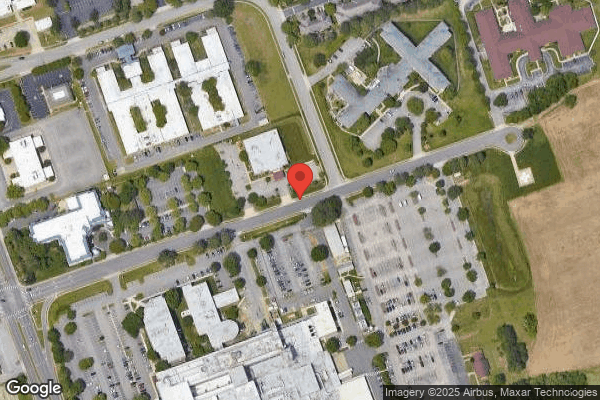
CONCERN (D) 📢 Someone Reported This

A family member, employee, or ombudsman was alarmed enough to file a formal complaint

Potential for Harm - no one hurt, but risky conditions existed

Deficiency F0849 (Tag F0849)

Could have caused harm · This affected 1 resident

**NOTE- TERMS IN BRACKETS HAVE BEEN EDITED TO PROTECT CONFIDENTIALITY** Based on staff interview, clinical record review, and review of facility documents, the facility's staff failed to provide a Hos...

Read full inspector narrative →
**NOTE- TERMS IN BRACKETS HAVE BEEN EDITED TO PROTECT CONFIDENTIALITY** Based on staff interview, clinical record review, and review of facility documents, the facility's staff failed to provide a Hospice Care Plan for 1 of 25 residents (Resident #106), in the survey sample. The findings included: Resident #106 was originally admitted to the facility 02/06/23 and readmitted [DATE] after an acute care hospital stay. The current diagnoses included; Hemiplegia, Type 1 diabetes mellitus with diabetic neuropathy and Cerebral Vascular disease. The significant change, Minimum Data Set (MDS) assessment with an assessment reference date (ARD) of 10/18/24 coded the resident as completing the Brief Interview for Mental Status (BIMS) and scoring 7 out of a possible 15. This indicated Resident #106 cognitive abilities for daily decision making were severely impaired. In Section O Special Treatments and Programs. K1= Coded resident as receiving Hospice Care. The Physician's Order Summary (POS) for October 2024 read: Hospice Evaluation and Treat, 10/03/24. The person-centered care plan dated 10/05/24 read that resident requires hospice related to Cerebral Vascular Disease (CVD). The Goal for Resident #106 is Resident will experience death with dignity and physical comfort. Advanced directive wishes will be honored. The Interventions for Resident #106-Communicate with hospice when any changes are indicated to the plan of care and Coordinate plan of care with hospice agency reflecting the hospice philosophy (10/07/24). A review of a nurses note dated 11/07/24 at 1:46 PM., read that resident continues under hospice care. On 11/14/24 a review of the medical records revealed no Hospice care plan was available for review. On 11/14/24 at approximately 2:30 PM., a hospice care plan was requested from Corporate Staff #1 (Vice President of Operations). On 11/14/24 at approximately 3:20 PM., Corporate Staff #1, presented with a hospice care plan. Corporate Staff #1 was asked where she received the Hospice care plan the Hospice Care Plan was located. On 11/14/24 at approximately 3:30 PM., an interview was conducted with the DON concerning the Hospice Care Plan received earlier. The DON said that the Resident's Hospice Care Plan was faxed by the Hospice agency earlier. The DON also mentioned that the Hospice Care Plan should have been uploaded to the Resident's Medical Record. On 11/14/24 at approximately 4:35 PM., the above findings were shared with the Administrator, Director of Nursing and Corporate Staff (Vice President of Operations). An opportunity was offered to the facility's staff to present additional information, but no additional information was provided.
CONCERN (E)

Potential for Harm - no one hurt, but risky conditions existed

Transfer Requirements (Tag F0622)

Could have caused harm · This affected multiple residents

Based on staff interview, clinical record review and facility document review, it was determined that the facility staff failed to evidence that all hospital transfer documentation requirements were i...

Read full inspector narrative →
Based on staff interview, clinical record review and facility document review, it was determined that the facility staff failed to evidence that all hospital transfer documentation requirements were implemented for three of 35 residents in the survey sample; Residents #36, #9 and #11. The findings include: 1. For Resident #36, the facility staff failed to evidence what, if any, documents were sent to the receiving facility upon a hospital transfer and/or ensure that the physician wrote a note regarding a hospital transfer. A review of the clinical record revealed the following: A. 6/20/24 - no evidence of what, if any, documents were sent: A nurse's note dated 6/20/24 documented, Resident assessed by PA (physician's assistant) and NP (nurse practitioner) and new orders given and noted to send to (hospital) for further eval (evaluation) for possible TIA/CVA (stroke) due to symptoms. Resident noted with delayed reaction during conversation Further review revealed no evidence of what, if any, documents were sent to the hospital, including contact information of the practitioner who was responsible for the care of the resident; resident representative information, including contact information; advance directive information; all special instructions and/or precautions for ongoing care, as appropriate such as: treatments and devices (oxygen, implants, IVs, tubes/catheters); transmission-based precautions; special risks such as risk for falls, elopement, bleeding, or pressure injury and/or aspiration precautions; the resident ' s comprehensive care plan goals; and all other information necessary to meet the resident ' s needs, which includes, but may not be limited to: resident status, including baseline and current mental, behavioral, and functional status, reason for transfer, recent vital signs; diagnoses and allergies; medications (including when last received); and most recent relevant labs, other diagnostic tests, and recent immunizations. B. 7/6/24 - no evidence of what, if any, documents sent, a nurse's note documenting the circumstances for the hospital transfer, and a physician's note regarding the transfer: A nurse's note dated 7/6/24 at 12:14 AM documented, Resident very confused and yelling denies pain. Attempted to calm him down but after staff left from the he will start yelling. Stayed with him for awhile. Ativan 1 mg (milligram) given with positive effects. Continues on Augmentin Resident resting comfortably awake but calm and cooperative, Will continue to monitor. The very next nurse's note was dated 7/6/24 at 10:38 PM and documented, Resident returned the facility from (hospital) at about 2120 (9:20 PM) received new orders to continue Augmentin 875/123 mg po (by mouth) twice a day. Foley was replaced from the hospital All HS (bedtime) meds given taking without difficulty. Will continue to monitor. There was nothing documented at the time of transfer to the hospital regarding the circumstances that necessitated the hospital transfer. In addition, there was no evidence of what, if any, documents were sent to the hospital, including contact information of the practitioner who was responsible for the care of the resident; resident representative information, including contact information; advance directive information; all special instructions and/or precautions for ongoing care, as appropriate such as: treatments and devices (oxygen, implants, IVs, tubes/catheters); transmission-based precautions; special risks such as risk for falls, elopement, bleeding, or pressure injury and/or aspiration precautions; the resident ' s comprehensive care plan goals; and all other information necessary to meet the resident ' s needs, which includes, but may not be limited to: resident status, including baseline and current mental, behavioral, and functional status, reason for transfer, recent vital signs; diagnoses and allergies; medications (including when last received); and most recent relevant labs, other diagnostic tests, and recent immunizations. Further review also failed to evidence any physician's note related to the hospital transfer, to include the specific resident needs the facility could not meet; the facility efforts to meet those needs; and the specific services the receiving facility will provide to meet the needs of the resident which cannot be met at the current facility. C. 7/18/24 - no evidence of a physician's note regarding the transfer: A nurse's note dated 7/18/24 documented, Resident experienced witnessed fall event as evidenced by resident was sitting in his wheelchair in the Community area and fell from w/c (wheelchair) at 2:00 p.m. Upon assessment, resident has an opened area under his right eye, two opened areas to his nose, one small, opened area to his forehead, and a laceration to his left middle finger. Resident transferred via lift and appropriate number of staff members back to wheelchair, then to bed. Areas cleansed and pressure applied. EMS (emergency medical services) called for transfer to ED (emergency department). EMS arrived at facility to transport resident and Face sheet, CCD, Transfer form, Care plan, Bed hold all sent with resident. Call placed to (hospice agency) and message left notifying them of fall with injury and transfer to ED. Further review failed to evidence any physician's note related to the hospital transfer, to include the specific resident needs the facility could not meet; the facility efforts to meet those needs; and the specific services the receiving facility will provide to meet the needs of the resident which cannot be met at the current facility. On 9/17/24 at 2:25 PM, ASM #1 (Administrative Staff Member) stated that they do not have any of the evidence requested. On 9/17/24 at 2:31 PM, an interview was conducted with LPN #10 (Licensed Practical Nurse). When asked what documents are sent to the hospital, she stated that a facesheet and a medication list. When asked about the care plan, she stated not usually. When asked about a bed hold notice, she stated, You are supposed to provide a bed hold but each facility is different. When asked how does she evidence what is sent to the hospital, she stated it would be in a nurse's note. When asked about ensuring the physician writes a note about the hospital transfer, she stated, We notify the physician and they usually try interventions and we document what we did and that the provider was notified but she did not ensure that the provider writes a note. The facility policy, Resident Discharge / Transfer Letter provided by the facility did not address hospital transfer requirements related to required nursing and physician documentation regarding the resident's change in condition necessitating a hospital transfer and what documents are to be provided to the hospital. On 9/17/24 at 4:50 PM, ASM #1 (Administrative Staff Member) the Administrator, and ASM #2 the Director of Nursing were made aware of the findings. No further information was provided by the end of the survey. 2. For Resident #9, the facility staff failed to evidence what, if any, documents were sent to the receiving facility upon a hospital transfer. A. 6/8/24 - no evidence of what, if any, documents were sent: A nurse's note dated 6/8/24 documented, Alerted by aid that resident had episode of vomiting, resident assessed and has a change in LOC (level of consciousness), elevated B/P (blood pressure) 188/103 Resident not responding appropriately to questions, EMS (emergency medical services) called. A second note dated 6/8/24 documented, Resident's emergency contact called and left voice mail to call back for update and status. A third nurse's note dated 6/8/24 documented, Author called (hospital) for update on resident. Resident being admitted for observations r/t (related to) stroke like symptoms. No other information present at this time. There were no further notes until 6/12/24 documenting the resident's readmission. There was no evidence of what, if any, documents were sent to the hospital, including contact information of the practitioner who was responsible for the care of the resident; resident representative information, including contact information; advance directive information; all special instructions and/or precautions for ongoing care, as appropriate such as: treatments and devices (oxygen, implants, IVs, tubes/catheters); transmission-based precautions; special risks such as risk for falls, elopement, bleeding, or pressure injury and/or aspiration precautions; the resident ' s comprehensive care plan goals; and all other information necessary to meet the resident ' s needs, which includes, but may not be limited to: resident status, including baseline and current mental, behavioral, and functional status, reason for transfer, recent vital signs; diagnoses and allergies; medications (including when last received); and most recent relevant labs, other diagnostic tests, and recent immunizations. B. 6/13/24 - no evidence of what, if any, documents were sent: A nurse's note dated 6/13/24 documented, Received resident in bed, alert and verbal. During AM (morning) med pass CNA (Certified Nursing Assistant) witnessed resident have two consecutive seizures approximately 90 seconds in duration 10 minutes apart. Resident was assessed and repositioned to prevent injury. Resident cold/dry to touch, Resident had drainage from both nostrils blood and mucous mixed. Resident sent to ED (emergency department) for further evaluation. On call provider and family notified. There were no further notes until 7/1/24 documenting the resident's readmission. There was no evidence of what, if any, documents were sent to the hospital, including contact information of the practitioner who was responsible for the care of the resident; resident representative information, including contact information; advance directive information; all special instructions and/or precautions for ongoing care, as appropriate such as: treatments and devices (oxygen, implants, IVs, tubes/catheters); transmission-based precautions; special risks such as risk for falls, elopement, bleeding, or pressure injury and/or aspiration precautions; the resident ' s comprehensive care plan goals; and all other information necessary to meet the resident ' s needs, which includes, but may not be limited to: resident status, including baseline and current mental, behavioral, and functional status, reason for transfer, recent vital signs; diagnoses and allergies; medications (including when last received); and most recent relevant labs, other diagnostic tests, and recent immunizations. On 9/17/24 at 2:25 PM, ASM #1 (Administrative Staff Member) stated that they do not have any of the evidence requested. On 9/17/24 at 2:31 PM, an interview was conducted with LPN #10 (Licensed Practical Nurse). When asked what documents are sent to the hospital, she stated that a facesheet and a medication list. When asked about the care plan, she stated not usually. When asked about a bed hold notice, she stated, You are supposed to provide a bed hold but each facility is different. When asked how does she evidence what is sent to the hospital, she stated it would be in a nurse's note. The facility policy, Resident Discharge / Transfer Letter provided by the facility did not address hospital transfer requirements related to required nursing and physician documentation regarding the resident's change in condition necessitating a hospital transfer and what documents are to be provided to the hospital. On 9/17/24 at 4:50 PM, ASM #1 (Administrative Staff Member) the Administrator, and ASM #2 the Director of Nursing were made aware of the findings. No further information was provided by the end of the survey. 3. For Resident #11, the facility staff failed to evidence what, if any, documents were sent to the receiving facility upon a hospital transfer and/or ensure that the physician wrote a note regarding a hospital transfer. A nurse's note dated 6/2/24 documented, Resident was complaining of pain peri suprapubic site. Morphine was given at 2103 (9:03 PM). (Hospice) nurse was called to exam site. Resident continued to call 911 (emergency number) x3 (three times). Informed resident nurse was coming to exam area. Resident continued to pull on the catheter. Hospice nursed arrived at 2130 (9:30 PM). Nurse tried changing the catheter, however, catheter was stuck from resident tugging at tube. Resident sent out to ER (emergency room) by paramedics on stretcher at 2200 (10:00 PM). A nurse's note dated 6/3/24 documented, Resident arrived from ER on a stretcher with paramedics at 0205 (2:05 AM). Catheter was changed, resident is stable. There were no further notes on this hospital transfer. There was no evidence of what, if any, documents were sent to the hospital, including contact information of the practitioner who was responsible for the care of the resident; resident representative information, including contact information; advance directive information; all special instructions and/or precautions for ongoing care, as appropriate such as: treatments and devices (oxygen, implants, IVs, tubes/catheters); transmission-based precautions; special risks such as risk for falls, elopement, bleeding, or pressure injury and/or aspiration precautions; the resident ' s comprehensive care plan goals; and all other information necessary to meet the resident ' s needs, which includes, but may not be limited to: resident status, including baseline and current mental, behavioral, and functional status, reason for transfer, recent vital signs; diagnoses and allergies; medications (including when last received); and most recent relevant labs, other diagnostic tests, and recent immunizations. Further review failed to evidence any physician's note related to the hospital transfer, to include the specific resident needs the facility could not meet; the facility efforts to meet those needs; and the specific services the receiving facility will provide to meet the needs of the resident which cannot be met at the current facility. On 9/17/24 at 2:25 PM, ASM #1 (Administrative Staff Member) stated that they do not have any of the evidence requested. On 9/17/24 at 2:31 PM, an interview was conducted with LPN #10 (Licensed Practical Nurse). When asked what documents are sent to the hospital, she stated that a facesheet and a medication list. When asked about the care plan, she stated not usually. When asked about a bed hold notice, she stated, You are supposed to provide a bed hold but each facility is different. When asked how does she evidence what is sent to the hospital, she stated it would be in a nurse's note. When asked about ensuring the physician writes a note about the hospital transfer, she stated, We notify the physician and they usually try interventions and we document what we did and that the provider was notified but she did not ensure that the provider writes a note. The facility policy, Resident Discharge / Transfer Letter provided by the facility did not address hospital transfer requirements related to required nursing and physician documentation regarding the resident's change in condition necessitating a hospital transfer and what documents are to be provided to the hospital. On 9/17/24 at 4:50 PM, ASM #1 (Administrative Staff Member) the Administrator, and ASM #2 the Director of Nursing were made aware of the findings. No further information was provided by the end of the survey.
CONCERN (E)

Potential for Harm - no one hurt, but risky conditions existed

Transfer Notice (Tag F0623)

Could have caused harm · This affected multiple residents

Based on staff interview, clinical record review and facility document review, it was determined that the facility staff failed to evidence that written notification of a hospital transfer was provide...

Read full inspector narrative →
Based on staff interview, clinical record review and facility document review, it was determined that the facility staff failed to evidence that written notification of a hospital transfer was provided to the resident representative and the Ombudsman for three of 35 residents in the survey sample; Residents #36, #9 and #11. The findings include: 1. For Resident #36, the facility staff failed to evidence that a written notice was provided to the resident representative and Ombudsman upon hospital transfers on 6/20/24, 7/6/24 and 7/18/24. A review of the clinical record revealed that the resident was transferred to the hospital for change in condition concerns on 6/20/24, 7/6/24 and 7/18/24. Further review failed to reveal any evidence of a written notice to the resident representative and Ombudsman for the above hospital transfers. On 9/17/24 at 2:18 PM, an interview was conducted with OSM #8 (Other Staff Member) the Director of Social Services and Admissions. He stated that for the above hospital transfers, he ran the wrong report when he was doing my hospital transfers report faxed to the Ombudsman. Regarding written notification to the resident representative, he stated that he does not send a written notice. On 9/17/24 at 2:31 PM, an interview was conducted with LPN #10 (Licensed Practical Nurse). She stated that nurses do not have a role in sending written notifications to the Ombudsman or resident representatives. The facility policy, Resident Discharge / Transfer Letter documented, .Social Service or designee will assure the original discharge/transfer letter is given to resident or guardian/sponsor, if applicable. Copies will be sent to Department of Health, Ombudsman Office and filed in the business file and/or scanned into the electronic chart with administrator/designee signature, with the certified receipt if applicable. For emergency transfers, one list can be sent to the Ombudsman at the end of month On 9/17/24 at 4:50 PM, ASM #1 (Administrative Staff Member) the Administrator, and ASM #2 the Director of Nursing were made aware of the findings. No further information was provided by the end of the survey. 2. For Resident #9, the facility staff failed to evidence that a written notice was provided to the resident representative and Ombudsman upon hospital transfers on 6/8/24 and 6/13/24. A review of the clinical record revealed that the resident was transferred to the hospital for change in condition concerns on 6/8/24 and 6/13/24. Further review failed to reveal any evidence of a written notice to the resident representative and Ombudsman for the above hospital transfers. On 9/17/24 at 2:18 PM, an interview was conducted with OSM #8 (Other Staff Member) the Director of Social Services and Admissions. He stated that for the above hospital transfers, he ran the wrong report when he was doing my hospital transfers report faxed to the Ombudsman. Regarding written notification to the resident representative, he stated that he does not send a written notice. On 9/17/24 at 2:31 PM, an interview was conducted with LPN #10 (Licensed Practical Nurse). She stated that nurses do not have a role in sending written notifications to the Ombudsman or resident representatives. The facility policy, Resident Discharge / Transfer Letter documented, .Social Service or designee will assure the original discharge/transfer letter is given to resident or guardian/sponsor, if applicable. Copies will be sent to Department of Health, Ombudsman Office and filed in the business file and/or scanned into the electronic chart with administrator/designee signature, with the certified receipt if applicable. For emergency transfers, one list can be sent to the Ombudsman at the end of month On 9/17/24 at 4:50 PM, ASM #1 (Administrative Staff Member) the Administrator, and ASM #2 the Director of Nursing were made aware of the findings. No further information was provided by the end of the survey. 3. For Resident #11, the facility staff failed to evidence that a written notice was provided to the resident representative and Ombudsman upon hospital transfers on 6/2/24. A review of the clinical record revealed that the resident was transferred to the hospital for change in condition concerns on 6/2/24. Further review failed to reveal any evidence of a written notice to the resident representative and Ombudsman for the above hospital transfers. On 9/17/24 at 2:18 PM, an interview was conducted with OSM #8 (Other Staff Member) the Director of Social Services and Admissions. He stated that for the above hospital transfers, he ran the wrong report when he was doing my hospital transfers report faxed to the Ombudsman. Regarding written notification to the resident representative, he stated that he does not send a written notice. On 9/17/24 at 2:31 PM, an interview was conducted with LPN #10 (Licensed Practical Nurse). She stated that nurses do not have a role in sending written notifications to the Ombudsman or resident representatives. The facility policy, Resident Discharge / Transfer Letter documented, .Social Service or designee will assure the original discharge/transfer letter is given to resident or guardian/sponsor, if applicable. Copies will be sent to Department of Health, Ombudsman Office and filed in the business file and/or scanned into the electronic chart with administrator/designee signature, with the certified receipt if applicable. For emergency transfers, one list can be sent to the Ombudsman at the end of month On 9/17/24 at 4:50 PM, ASM #1 (Administrative Staff Member) the Administrator, and ASM #2 the Director of Nursing were made aware of the findings. No further information was provided by the end of the survey.
CONCERN (E)

Potential for Harm - no one hurt, but risky conditions existed

Comprehensive Care Plan (Tag F0656)

Could have caused harm · This affected multiple residents

Based on observation, resident interview, staff interview, clinical record review and facility document review, it was determined that the facility staff failed to implement the comprehensive care pla...

Read full inspector narrative →
Based on observation, resident interview, staff interview, clinical record review and facility document review, it was determined that the facility staff failed to implement the comprehensive care plan for four of 35 residents in the survey sample, Residents #42, #21, #138 and #11. The findings include: 1. For Resident #42 (R42), the facility staff failed to implement the comprehensive care plan to A) get the resident out of bed and B) provide tube feeding as ordered. On the most recent MDS (minimum data set), a quarterly assessment with an ARD (assessment reference date) of 6/13/24, the resident was assessed as being severely impaired for making daily decisions, not rejecting care, being dependent on staff for transfers and having a feeding tube. A) On 9/15/24 at 5:24 p.m., an observation was conducted of R42 in their room. R42 was observed in bed watching television with tube feeding observed hanging beside them on a feeding tube pump. At that time, an interview was conducted with R42 who was able to verbalize some words and use a communication board. R42 stated that they had the feeding tube for about six months and had problems with it recently. R42 stated that they liked to get up in their wheelchair every day and had not been up in five days. When asked if they had asked the staff to get them up, R42 nodded and stated, They won't get me up. On 9/16/24 at 8:22 a.m., R42 was observed in their room in bed. R42 stated again that they wanted to get out of bed in the wheelchair and had not been up in five days. A CNA (certified nursing assistant) in the hallway outside of R42's room was made aware of R42's request who stated that the CNA assigned to R42 was in the dining room at that time and they would be sure that R42 got out of bed as soon as she got back. Additional observations of R42 on 9/16/24 at 11:08 a.m., 12:36 p.m., and 3:15 p.m. revealed R42 remained in bed. At 12:36 p.m., R42 pointed at the clock and stated, See what time it is? They won't get me up. The comprehensive care plan for R42 documented in part, [Name of R42] has an ADL Self Care Performance Deficit r/t (related to) Activity Intolerance, Fatigue, Hemiplegia with right sided weakness, Musculoskeletal impairment - DJD (degenerative joint disease), right arm pain, neuropathy, respiratory failure . Date Initiated: 09/28/2021. Under Interventions it documented in part, .Resident's preference is to get out of bed before lunch. Encourage him to get up daily. Date Initiated: 09/29/2021 . Up daily by 11am if refuses place note in chart. Date Initiated: 09/26/2022 . Review of the ADL (activities of daily living) documentation for R42 for 9/16/24 under How did the resident transfer? documented Activity did not occur. Review of the ADL documentation for R42 documented R42 transferring last on 9/14/24. The progress notes for R42 failed to evidence documentation of refusal to get out of bed on 9/16/24. On 9/17/24 at 11:08 a.m., an interview was conducted with LPN (licensed practical nurse) #1. LPN #1 stated that the purpose of the care plan was to provide them with the plan of care for the resident. She stated that the care plan should be implemented. She stated that all residents should be getting out of bed unless they did not want to. She stated that R42 got up at least four times a week and required a mechanical lift to get them up. She stated that R42 was alert and oriented and she was able to communicate with them and understand them. She stated that R42 also had a communication board to use if needed. She stated that R42 wanted to get up every day and she knew that he was up on Saturday because she had come to the facility for something. She stated that she was not aware that R42 had requested to get out of bed and not gotten up on 9/16/24. She stated that they had a lot of agency staff at the facility, and it was very hard to manipulate the staffing. On 9/17/24 at 11:25 a.m., an interview was conducted with CNA #5. CNA #5 stated that residents should be offered to get out of bed each day and if they refused, they reported it to the nurse. She stated that they encouraged the residents to get out of bed to help prevent bed sores and to socialize with other residents. B) The comprehensive care plan for R42 documented in part, Problem Start Date: 06/05/2024. Category: Nutritional Status. [Name of R42] is at increased nutrition/hydration risk r/t (related to) dx/pmhx (diagnoses/primary medical history) of hemiplegia & hemiparesis on R side . Enteral nutrition support via G (gastrostomy) Tube. Hx (history) of sig (significant) wt (weight) chnages [sic]. Under Interventions it documented in part, .Provide tube feed per order . The progress notes for R42 documented in part, 05/04/2024 16:09 (4:09 p.m.) This nurse notified by off going nurse peg tube is clogged. This nurse exhausted all efforts to unclog patients peg tube patient complains of 5/10 pain. Patient was apparently not connected to his tube feeding throughout the day. Patient is complaining of hunger pain. Called [Name of physician group] on-call and was given instructions to send patient out. Patient and emergency contact [Name of emergency contact] notified. Provider to be notified via on-call nurse. EMS (emergency medical services) notified. The eMAR (electronic medication administration record) dated 5/1/24-5/31/24 for R42 documented the resident receiving no tube feeding on day shift 5/3/24 or night shift 5/3/24. The eMAR documented R42 being out due to a clogged g tube on 5/4/24 at 6:00 p.m. Review of the clinical record for R42 failed to evidence documentation of why the resident did not receive feeding on 5/3/24, the physician being notified or an order to hold the tube feeding on 5/3/24. It further failed to evidence documentation of the feeding tube being clogged on day shift on 5/4/24 or notification of the physician of the feeding tube concerns until evening shift on 5/4/24. On 9/17/24 at 11:08 a.m., an interview was conducted with LPN #1. LPN #1 stated that the purpose of the care plan was to provide them with the plan of care for the resident. She stated that the care plan should be implemented. On 9/18/24 at 9:45 a.m., a follow-up interview was conducted with LPN #1. LPN #1 stated that if a residents feeding tube became clogged, they attempted to unclog the tube and if they were not successful, they called the doctor to see what they wanted them to do. She stated that they called the doctor right then because there could be an obstruction and the resident needed their medications and the feedings. On 9/18/24 at 12:06 p.m., an interview was conducted with ASM (administrative staff member) #2, the director of nursing. ASM #2 stated that they would expect nursing staff to have another staff member assist them if the feeding tube was clogged and if they were unsuccessful in opening the tube, they should call the physician right away to get further guidance. She stated that she would not expect the resident to go a day without feeding or until the next shift to have the tube unclogged. The facility policy Comprehensive Care Planning Policy revised 3/2/2021 documented in part, .All staff must be familiar with each resident's Care Plan and all approaches must be implemented . All direct care staff must always know, understand, and follow their Resident's Care Plan. If unable to implement any part of the plan, notify your Charge Nurse or MDS Coordinator, so that this can be documented, or the Care Plan changed if necessary. On 9/17/24 at 5:11 p.m., ASM #1, the interim administrator, ASM #2, the director of nursing, ASM #3, the regional director of clinical services, ASM #4, the administrator in training, and ASM #5, the regional vice president of operations were made aware of the concern regarding not implementing the care plan to get R42 out of bed. On 9/18/24 at 2:59 p.m., ASM #1, the interim administrator, ASM #2, the director of nursing, ASM #3, the regional director of clinical services, ASM #4, the administrator in training, and ASM #5, the regional vice president of operations were made aware of the concern regarding not implementing the care plan to provide tube feeding. No further information was provided prior to exit. 2. For Resident #21 (R21), the facility staff failed to implement the comprehensive care plan to obtain labs as ordered. The comprehensive care plan for R21 documented in part, Resident has potential for fluid deficit r/t (related to) diuretic use. Created Date: 6/26/2023. Under Interventions it documented in part, .Medications/labs per physician order. Created Date: 6/26/2023 . Review of the pharmacy consultation report for R21 dated 5/6/24 documented a recommendation to monitor labs (TSH- thyroid stimulating hormone) due to the use of the medication amiodarone on the next convenient lab day and every six months thereafter. The consultation report documented the physician review completed on 5/14/24 with the recommendations accepted and physician's order to check BMP, CBC, TSH (basic metabolic panel, complete blood count, TSH) next lab day. Review of the clinical record failed to evidence the laboratory tests completed or results of the BMP, CBC, or TSH. On 9/17/24 at 11:08 a.m., an interview was conducted with LPN (licensed practical nurse) #1. LPN #1 stated that the purpose of the care plan was to provide them with the plan of care for the resident. She stated that the care plan should be implemented. On 9/18/24 at approximately 10:00 a.m., a request was made to ASM (administrative staff member) #1, the administrator for evidence of the BMP, CBC and TSH ordered by the physician on the 5/14/24 pharmacy consultation. On 9/18/24 at 2:02 p.m., ASM #2 stated that R21 had not had any labs since February of 2024, and they had received an order to have them drawn today. She stated that the process in May of 2024 was for the pharmacy to email the recommendations to her and she would print them out to put them in the folder for the physician who would review and then the former assistant director of nursing would enter orders and act on the recommendations based on the physician response. She stated that there was a new team now. On 9/18/24 at 2:59 p.m., ASM #1, the interim administrator, ASM #2, the director of nursing, ASM #3, the regional director of clinical services, ASM #4, the administrator in training, and ASM #5, the regional vice president of operations were made aware of the concern. No further information was provided prior to exit. 4. For Resident #11, the facility staff failed to implement the comprehensive care plan for the administration of oxygen. On 9/15/24 at 4:59 PM, 9/16/24 at 11:20 AM, and 9/17/24 at 2:39 PM, Resident #11 was observed in bed, wearing a nasal cannula for oxygen and the oxygen concentrator was set at 2 liters per minute. A review of the clinical record revealed a physician's order dated 5/8/24 for oxygen at 4 liters per minute. A review of the comprehensive care plan revealed one dated 5/8/24 and revised 8/8/24, that documented, (Resident #11) requires oxygen therapy R/T (related to) COPD and emphysema. An intervention dated 8/28/24 documented, Administer oxygen at 4L (4 liters) via nasal cannula. Observed oxygen precautions. On 9/17/24 at 2:57 PM an interview was conducted with LPN #3 (Licensed Practical Nurse) who was the assigned to Resident #11. When asked about the oxygen rate vs the ordered rate, she stated that the order was not being followed. When asked if the care plan documented to administer oxygen at 4 liters and the resident was receiving 2 liters, was the care plan being followed, she stated that it was not. The facility policy, Comprehensive Care Planning documented, All staff must be familiar with each resident's Care Plan and all approaches must be implemented On 9/17/24 at 4:50 PM, ASM #1 (Administrative Staff Member) the Administrator, and ASM #2 the Director of Nursing were made aware of the findings. No further information was provided by the end of the survey. 3. For Resident #138, the facility staff failed to implement the comprehensive care plan for treating a resident's pain and anxiety. The baseline care plan dated, 9/10/24 documented in part, Approach: Behaviors: behavioral needs will be evaluated for impact on quality of life, safety and safety of others. Behavioral management plan will be addressed in needed with physician/NP (nurse practitioner) IDT (interdisciplinary team) and resident/resident representative .Approach: Pain: evaluation of pain will be performed routinely to address pain management needs. I will receive medication per physician/NP orders. Pain medication effectiveness will be documented and reported as needed. An interview was conducted with R138 on 9/15/24 at 5:06 p.m. R138 stated he got to the facility on 9/10/24 at 6:00 p.m. He didn't get any medications for over 12 hours. The physician orders dated 9/10/24, documented the following: Gabapentin capsule 300 mg (milligrams) (used to treat pain) (1); Administer 1 cap (capsule) by mouth three times a day. Dx (diagnosis) neuralgia and neuritis. Buspirone tablet 5 mg (used to treat anxiety) (2); administer 1 tab (tablet) by mouth three times a day, Dx - anxiety. Baclofen tablet 10 mg (used to treat anxiety) (3); administer 1 tab by mouth three times a day, DX - no listed. Review of the September 2024 MAR (medication administration record) documented the above orders. For the Gabapentin the first dose received was on 9/11/24 at 9:00 a.m. There was a blank for the dose on 9/10/24 at 9:00 p.m. For the Buspirone the first dose received was on 9/11/24 at 9:00 a.m. There was a blank for the dose on 9/10/24 at 9:00 p.m. For the Baclofen the first dose administered was on 9/11/24 at 9:00 a.m. There were blanks for the 9:00 p.m. dose on 9/10/24, 9/11/24 and 9/12/24. Review of the contents of the Omnicell (emergency backup medication system) revealed Gabapentin, Buspirone, and Baclofen were in the system and available for administration. An interview was conducted with RN (registered nurse) #6 on 9/17/24 at 3:12 p.m. When asked what the purpose of the care plan and should it be followed, RN #6 stated the care plan is to give you a good idea of what the patient is here for, the plan of care in relations to physical therapy, occupational therapy and speech therapy, and the plan for discharge. RN #6 stated the care plan should be followed. ASM (administrative staff member) #1, the interim administrator, and ASM #2, the director of nursing, were made aware of the above findings on 9/18/24 at 3:00 p.m. No further information was obtained prior to exit.
CONCERN (E)

Potential for Harm - no one hurt, but risky conditions existed

Respiratory Care (Tag F0695)

Could have caused harm · This affected multiple residents

3. For Resident #42 (R42), the facility staff failed to store a nebulizer in a sanitary manner when not in use. On 9/15/24 at 5:24 p.m., an observation was conducted of R42 in their room. R42 was obse...

Read full inspector narrative →
3. For Resident #42 (R42), the facility staff failed to store a nebulizer in a sanitary manner when not in use. On 9/15/24 at 5:24 p.m., an observation was conducted of R42 in their room. R42 was observed in bed watching television. A metal cart was observed beside R42 to the left side of the bed with a nebulizer machine on the top. A nebulizer mask was observed uncovered sitting on top of the cart on the metal surface. Additional observation of the nebulizer mask uncovered on the metal cart was made on 9/15/24 at 5:57 p.m. The physician orders for R42 documented in part, Start Date: 09/10/2024. Ipratropium-albuterol solution for nebulization 0.5mg-3mg (2.5mg base)/3ml three times a day . The order documented the medications to be given at 8:00 a.m., 2:00 p.m. and 8:00 p.m. The eMAR (electronic medication administration record) dated 9/1/24-9/30/24 for R42 documented the resident last receiving the ipratropium-albuterol nebulizer treatment on 9/15/24 at 2:00 p.m. and scheduled for the next dosage at 8:00 p.m. The comprehensive care plan for R42 documented in part, Problem Start Date: 07/26/2024. Category: Respiratory. [Name of R42] requires oxygen therapy R/T (related to) COPD (chronic obstructive pulmonary disease) and respiratory failure. Created: 07/31/2024. On 9/17/24 at 11:08 a.m., an interview was conducted with LPN (licensed practical nurse) #1. LPN #1 stated that nebulizer masks were supposed to be stored in a bag when they were not in use. She stated that the nebulizer masks and bags were supposed to be changed every Sunday and this was done for infection control purposes to keep them clean. She stated that they had a lot of agency staff at the facility, and it was very hard. The facility policy Nebulizer Administration Policy revised 8/10/23 documented in part, . Empty nebulizer cup, rinse with sterile water/sterile saline and air dry. Wipe mask with alcohol wipe and store the neb set in a plastic bag labeled with the patient's name when dried . On 9/17/24 at 5:11 p.m., ASM (administrative staff member) #1, the interim administrator, ASM #2, the director of nursing, ASM #3, the regional director of clinical services, ASM #4, the administrator in training, and ASM #5, the regional vice president of operations were made aware of the concern. No further information was provided prior to exit. Based on observation, staff interview, clinical record review and facility document review, it was determined that the facility staff failed to provide oxygen related care and services for three of 35 residents in the survey sample; Residents #60, #11, and #42. The findings include: 1. For Resident #60, the facility staff failed to ensure an order was in place for the administration of oxygen. On 9/15/24 at 5:01 PM, Resident #60 was observed in bed, wearing a nasal cannula for oxygen and the oxygen concentrator was set at 3 liters per minute. On 9/16/24 at 11:19 AM, Resident #60 was observed in bed, wearing a nasal cannula for oxygen and the oxygen concentrator was set at 3.5 liters per minute. On 9/17/24 at 2:42 PM, Resident #60 was observed in bed, wearing a nasal cannula for oxygen and the oxygen concentrator was set at 3.5 liters per minute. A review of the clinical record failed to reveal any evidence of a physician's order for the use of oxygen. On 9/17/24 at 2:57 PM an interview was conducted with LPN #3 (Licensed Practical Nurse) who was the assigned to Resident #60. When asked about his order for oxygen, she reviewed the record and stated that she did not see any orders for it. She stated that there has to be a physician's order in place for oxygen. The facility policy, Oxygen Administration documented, Policy: Licensed clinicians with demonstrated competence will administer oxygen via the specified route as ordered by a provider Procedure: 1. Verify provider order . On 9/17/24 at 4:50 PM, ASM #1 (Administrative Staff Member) the Administrator, and ASM #2 the Director of Nursing were made aware of the findings. No further information was provided by the end of the survey. 2. For Resident #11, the facility staff failed to administer oxygen at the physician ordered rate. On 9/15/24 at 4:59 PM, 9/16/24 at 11:20 AM, and 9/17/24 at 2:39 PM, Resident #11 was observed in bed, wearing a nasal cannula for oxygen and the oxygen concentrator was set at 2 liters per minute. A review of the clinical record revealed a physician's order dated 5/8/24 for oxygen at 4 liters per minute. On 9/17/24 at 2:57 PM an interview was conducted with LPN #3 (Licensed Practical Nurse) who was the assigned to Resident #11. When asked about the oxygen rate vs the ordered rate, she stated that the order was not being followed. A review of the comprehensive care plan revealed one dated 5/8/24 and revised 8/8/24, that documented, (Resident #11) requires oxygen therapy R/T (related to) COPD and emphysema. An intervention dated 8/28/24 documented, Administer oxygen at 4L (4 liters) via nasal cannula. Observed oxygen precautions. The facility policy, Oxygen Administration documented, Policy: Licensed clinicians with demonstrated competence will administer oxygen via the specified route as ordered by a provider Procedure: 1. Verify provider order . On 9/17/24 at 4:50 PM, ASM #1 (Administrative Staff Member) the Administrator, and ASM #2 the Director of Nursing were made aware of the findings. No further information was provided by the end of the survey.
CONCERN (E) 📢 Someone Reported This

A family member, employee, or ombudsman was alarmed enough to file a formal complaint

Potential for Harm - no one hurt, but risky conditions existed

Pharmacy Services (Tag F0755)

Could have caused harm · This affected multiple residents

**NOTE- TERMS IN BRACKETS HAVE BEEN EDITED TO PROTECT CONFIDENTIALITY** 3. The facility staff failed to provide pharmacy services by administering medications as ordered, specifically Insulin Lispro 1...

Read full inspector narrative →
**NOTE- TERMS IN BRACKETS HAVE BEEN EDITED TO PROTECT CONFIDENTIALITY** 3. The facility staff failed to provide pharmacy services by administering medications as ordered, specifically Insulin Lispro 100 units/milliliter and Insulin Lispro 100 units/milliliter, for Resident #48. Resident #48 was admitted to the facility on [DATE] with diagnosis that included but were not limited to: ICH (intracranial hemorrhage), hemiplegia, hemiparesis and DM (diabetes mellitus). The most recent MDS (minimum data set) assessment, a quarterly assessment, with an ARD (assessment reference date) of [DATE], coded the resident as scoring a 07 out of 15 on the BIMS (brief interview for mental status) score, indicating the resident was severely cognitively impaired. A review of the MDS Section GG-functional abilities and goals coded the resident as being dependent for bed mobility, transfer, hygiene and set up for eating. A review of Section O-Special Treatments, Procedures and Programs: K1. Hospice care-coded 'no'. A review of the comprehensive care plan dated [DATE] revealed, FOCUS: The resident is at risk for unstable blood glucose related to diabetes. INTERVENTIONS: Administer insulin as directed by the physician. A review of the physician orders dated [DATE] revealed Insulin Lispro 100 units/milliliter SQ, administer 3 units with meals, hold if blood sugar less than 120. A review of the physician orders dated [DATE] revealed, Amoxicillin-875/125 tablet, give 1 tablet twice a day x 10 days for UTI. A review of the August MAR (medication administration record) revealed, Insulin Lispro 100 units/milliliter not given on 8/27 at 5:00 PM-no insulin syringe. Amoxicillin-875/125 tablet not given on 8/12 at 8:00 AM-drug unavailable, 8/13 at 8:00 AM-drug unavailable and 8/13 8:00 PM-drug unavailable. An interview was conducted on [DATE] at 10:40 AM with LPN (licensed practical nurse) #12. When asked how medications are delivered, LPN #12 stated, there are two runs a day I believe. When asked when medications are delivered, LPN #12 stated, it should be either delivered on the next run or the next day at the latest. I am not sure of the cut off time to get medication orders in for the next run. When asked if there is an emergency drug supply, LPN #12 stated, yes, the Omnicell, we should get the medications from there if they are on the list. An interview was conducted on [DATE] at 8:50 AM with ASM (administrative staff member) #2, the director of nursing. When asked the process for medication delivery, ASM #2 stated, they deliver twice a day. If they are not delivered, the nurse should check the Omnicell and if it is there, give it. The OTC (over the counter) drugs are located in the top drawer of the medication cart. On [DATE] at 3:00 PM, ASM (administrative staff member) #1, the administrator and ASM #2, the director of nursing was made aware of the findings. According to the facility, there is no policy regarding pharmacy delivery. No further information was provided prior to exit. 4. The facility staff failed to provide pharmacy services by administering medications as ordered, specifically Revlimid capsule 5 mg po (milligram), for Resident #16. Resident #16 was admitted to the facility on [DATE] with diagnosis that included but were not limited to: myelodispastic syndrome, seizures and paroxysmal atrial fibrillation. The most recent MDS (minimum data set) assessment, a quarterly assessment, with an ARD (assessment reference date) of [DATE], coded the resident as scoring a 09 out of 15 on the BIMS (brief interview for mental status) score, indicating the resident was moderately cognitively impaired. A review of the MDS Section GG-functional abilities and goals coded the resident as being dependent for bed mobility, transfer, hygiene and set up for eating. A review of the comprehensive care plan dated [DATE] revealed, FOCUS: The resident has potential for pain. INTERVENTIONS: Administer pharmacological interventions as ordered by physician and monitor the effectiveness. A review of the physician orders dated [DATE] revealed Revlimid capsule 5 mg po, give 1 capsule daily for 21 days. Hold 7 days, repeat. A review of the September MAR (medication administration record) revealed, Revlimid capsule 5 mg po not given on 9/1 AM med pass, 9/2 AM med pass, 9/11 AM med pass, 9/13 AM med pass and 9/17 AM med pass. An interview was conducted on [DATE] at 10:40 AM with LPN (licensed practical nurse) #12. When asked how medications are delivered, LPN #12 stated, there are two runs a day I believe. When asked when medications are delivered, LPN #12 stated, it should be either delivered on the next run or the next day at the latest. I am not sure of the cut off time to get medication orders in for the next run. When asked if there is an emergency drug supply, LPN #12 stated, yes, the Omnicell, we should get the medications from there if they are on the list. An interview was conducted on [DATE] at 8:50 AM with ASM (administrative staff member) #2, the director of nursing. When asked the process for medication delivery, ASM #2 stated, they deliver twice a day. If they are not delivered, the nurse should check the Omnicell and if it is there, give it. The OTC (over the counter) drugs are located in the top drawer of the medication cart. On [DATE] at 3:00 PM, ASM (administrative staff member) #1, the administrator and ASM #2, the director of nursing was made aware of the findings. According to the facility, there is no policy regarding pharmacy delivery. No further information was provided prior to exit. 5. The facility staff failed to provide pharmacy services by administering medications as ordered for Resident #88. Resident #88 was admitted to the facility on [DATE] with diagnosis that included but were not limited to: respiratory failure, hypertension, diverticulitis and coronary artery disease. The most recent MDS (minimum data set) assessment, a Medicare 5-day assessment, with an ARD (assessment reference date) of [DATE], coded the resident as scoring a 15 out of 15 on the BIMS (brief interview for mental status) score, indicating the resident was not cognitively impaired. A review of the MDS Section GG-functional abilities and goals coded the resident as max assist for bed mobility, transfer, hygiene and set up for eating. Section O-Special Procedures: coded the resident for antibiotic, midline and isolation. A review of the comprehensive care plan dated [DATE] revealed, FOCUS: The resident has infection related to diverticulitis. Resident is on antibiotics for Pneumonia. INTERVENTIONS: Administer antibiotics/antiviral as ordered by the physician. A review of the physician orders dated [DATE] revealed Meropenem 1 gram intravenously every 8 hours for diverticulitis for 6 days. A review of the [DATE] MAR (medication administration record) revealed, Meropenem 1 gram IV not administered on 10/25 6:00 AM, 2:00 PM and 10:00 PM; 10/26 6:00 AM, 2:00 PM. An interview was conducted on [DATE] at 10:40 AM with LPN (licensed practical nurse) #12. When asked how medications are delivered, LPN #12 stated, there are two runs a day I believe. When asked when medications are delivered, LPN #12 stated, it should be either delivered on the next run or the next day at the latest. I am not sure of the cut off time to get medication orders in for the next run. When asked if there is an emergency drug supply, LPN #12 stated, yes, the Omnicell, we should get the medications from there if they are on the list. An interview was conducted on [DATE] at 8:50 AM with ASM (administrative staff member) #2, the director of nursing. When asked the process for medication delivery, ASM #2 stated, they deliver twice a day. If they are not delivered, the nurse should check the Omnicell and if it is there, give it. The OTC (over the counter) drugs are located in the top drawer of the medication cart. On [DATE] at 3:00 PM, ASM (administrative staff member) #1, the administrator and ASM #2, the director of nursing was made aware of the findings. According to the facility, there is no policy regarding pharmacy delivery. No further information was provided prior to exit.2. For Resident #63 (R63), the facility staff failed to ensure medications were available for administration as ordered by the physician on multiple dates in August and September of 2024. On the most recent MDS (minimum data set), a quarterly assessment with an ARD (assessment reference date) of [DATE], the resident scored 10 out of 15 on the BIMS (brief interview for mental status) assessment, indicating the resident was moderately impaired for making daily decisions. The assessment documented R63 receiving insulin injections. On [DATE] at 6:05 p.m., an interview was conducted with R63 in their room. R63 stated that they had concerns regarding the facility staff running out of their medications and they were missing doses of medications. R63 stated that they had missed medications because the nurses told them they were out. A review of R63's clinical record revealed the following physician's orders: - Humalog Mix 75-25(U-100) Insulin (insulin lispro protamin-lispro) suspension; 100 unit/ml (75-25); amt: 20 units: subcutaneous once a morning. 0900. Order Date: [DATE]. A review of R63's [DATE] eMAR (electronic medication administration record) failed to evidence the humalog mix 75/25 insulin administered as ordered on [DATE], [DATE], [DATE], [DATE], and [DATE] for the 9:00 a.m. doses. The eMAR notes documented the reason for the medication not being administered on [DATE] being BLE (bilateral lower extremities) wrapped and [DATE] being Not administered: other comment: waiting for insulin syringe. The eMAR dates for [DATE] and [DATE] were observed to be blank. A review of R63's [DATE] eMAR failed to evidence the humalog mix 75/25 insulin administered as ordered on [DATE] and [DATE] for the 9:00 a.m. doses. The eMAR notes documented the reason for the medication not being administered on [DATE] being Not administered: other comment: was not given due to not having a log in. The [DATE] eMAR date was observed to be blank. Review of the clinical record failed to evidence documentation of notification of the pharmacy or the physician for the dates listed above. On [DATE] at 11:08 a.m., an interview was conducted with LPN (licensed practical nurse) #1. LPN #1 stated that medications were evidenced as given by the nurse signing off on the eMAR and if they were not given it was documented in the progress note why and that the physician was notified. She stated that if the medication was not available from the pharmacy the staff should contact the pharmacy and see if it could be sent over and notify the physician to see if an alternate was appropriate or held. She stated that there was an in-house medication stock that all staff should have access to. She stated that the director of nursing gave access to the agency staff to the in-house medication stock, and some had it and some did not. She stated that they had been working to get everyone access. She stated that if a standing order ran out the pharmacy was called, and they would either send the medication over stat or the staff would pull it from the in-house medication supply. She stated that the humalog 75/25 insulin for R63 was an insulin pen and was resident specific. She stated that this was not kept in the in-house medication supply and the nurse should call the pharmacy to have it sent over stat if they were out. LPN #1 stated that she could not say why the insulin was not administered due to the lower extremities being wrapped and thought that it may be a charting error. She stated that it was not a reason to hold the medication because there were multiple sites to administer insulin. On [DATE] at 3:19 p.m., an interview was conducted with RN (registered nurse) #6. RN #6 reviewed R63's eMAR notes and stated that they would not administer insulin in the lower extremities so them being wrapped would not be an excuse to not give the medication. He stated that if a medication was not available on the cart the staff were supposed to call the physician and the pharmacy to see if they could get an alternate. On [DATE] at 2:59 p.m., ASM (administrative staff member) #1, the interim administrator, ASM #2, the director of nursing, ASM #3, the regional director of clinical services, ASM #4, the administrator in training, and ASM #5, the regional vice president of operations were made aware of the concern. No further information was provided prior to exit. 6. For unit two, the facility staff failed to evidence reconciliation of controlled substances during shift change on [DATE]. A review of the unit two, med cart two shift change controlled substance inventory count sheet failed to reveal a reconciliation of controlled substances on [DATE]. The nurses responsible for reconciliation of controlled substances on unit two on [DATE] were not available for interview during the survey. On [DATE] at 3:25 p.m., an interview was conducted with RN (registered nurse) #2. RN #2 stated that during shift change, the on-coming and off-going nurses are supposed to count the controlled substances then sign the shift change controlled substance sheet to evidence the count was done. On [DATE] at 9:30 p.m., ASM (administrative staff member) #1 (the interim administrator) and ASM #2 (the director of nursing) were made aware of the above concern. A facility PowerPoint presentation titled, Detection of Drug Diversion in a Long Term Care Facility documented, Keys to Prevention: Chain of custody procedures; Inventory & record keeping; Custody of keys from one authorized nurse to another, Chain of key custody recoded at each shift .CS (Controlled Substances) are counted by the on-coming with the Off-going nurse; both sign. No further information was presented prior to exit. Based on resident interview, staff interview, facility document review and clinical record review, it was determined the facility staff failed to provide pharmacy services for five of 35 residents in the survey sample and on one of two units, Residents #138, #63, #48, #16, #88 and Unit 2. The findings include: 1. For Resident #138, the facility staff failed to provide physician prescribed medications, Morphine Sulfate, in a timely manner. An interview was conducted with R138 on [DATE] at 5:06 p.m. R138 stated he got to the facility on [DATE] at 6:00 p.m. He didn't get any medications for over 12 hours. The physician order dated, [DATE] at 3:59 p.m. documented, Morphine tablet extended release; 15 mg (milligrams); administer 3 tabs (tablets) every 12 hours for malignant neoplasm of prostate. The [DATE] MAR (medication administration record) documented the above order. There were blanks on the MAR for the administration of the Morphine on [DATE], [DATE] and [DATE] at 9:00 p.m. The Controlled Medication Utilization Record documented the above physician order. The date the facility received the medication was documented as [DATE]. An interview was conducted with LPN (licensed practical nurse) #12 on [DATE] at 10:32 a.m. When asked how you obtain medications for a new admission or when medications are not on the medication cart, LPN #12 stated, for the new admissions, you have to send them to the pharmacy and ask for the medications early, then it takes a bit for the medication to come. LPN #12 was asked if the nurses can cover any of the medications before they come from the pharmacy, LPN #12 stated, you can get them from the Omnicell, including some narcotics. If it's a narcotic the pharmacy sends a code, and you need two nurses to pull it out. LPN #12 stated she was an agency nurse before coming as a permanent employee and had a code for the Omnicell, but it expired in two weeks and had to be renewed. She stated she currently did not have a code for the Omnicell. ASM (administrative staff member) #1, the interim administrator, and ASM #2, the director of nursing, were made aware of the above on [DATE] at 5:13 p.m. No further information was provided prior to exit.
CONCERN (E)

Potential for Harm - no one hurt, but risky conditions existed

Deficiency F0757 (Tag F0757)

Could have caused harm · This affected multiple residents

Based on staff interview, clinical record review and facility document review, it was determined the facility staff failed to ensure residents were free of unnecessary medications for one of 35 reside...

Read full inspector narrative →
Based on staff interview, clinical record review and facility document review, it was determined the facility staff failed to ensure residents were free of unnecessary medications for one of 35 residents in the survey sample, Resident #39. The findings include: For Resident #39 (R39), the physician ordered furosemide (used to treat swelling) 20mg (milligrams)- one tablet two times a day and to administer an additional tablet if the resident presented with a weight gain greater than two pounds in one day. The facility staff failed to weigh the resident daily to determine if an additional tablet was needed. A review of R39's clinical record revealed a physician's order dated 7/20/24 for furosemide 20 mg- one tablet twice a day for congestive heart failure. The physician ordered special instructions documented to administer an additional one tablet for a weight gain greater than two pounds in one day. Further review of R39's clinical record failed to reveal any weights for 9/1/24 through 9/14/24. A facility document titled, Sept Monthly weights documented multiple residents' names and documented R39 refused a monthly weight but failed to reveal staff attempted to obtain daily weights. On 9/17/24 at 3:25 p.m., an interview was conducted with RN (registered nurse) #6. The above physician's order was reviewed with RN #6. RN #6 stated that R39 should receive an additional tablet of furosemide if the resident gains more than two pounds in one day. RN #6 stated that if a resident has that type of order, staff should obtain that person's weight during the morning every day to differentiate if there is an increase in weight. RN #6 stated the daily weights should be documented and a resident's refusal of a daily weight should be documented. On 9/17/24 at 9:30 p.m., ASM (administrative staff member) #1 (the interim administrator) and ASM #2 (the director of nursing) were made aware of the above concern. No further information was presented prior to exit.
CONCERN (E) 📢 Someone Reported This

A family member, employee, or ombudsman was alarmed enough to file a formal complaint

Potential for Harm - no one hurt, but risky conditions existed

Deficiency F0804 (Tag F0804)

Could have caused harm · This affected multiple residents

Based on observation, resident interview, staff interview, and facility document review, it was determined the facility staff failed to serve food at a palatable temperature for five of 35 residents i...

Read full inspector narrative →
Based on observation, resident interview, staff interview, and facility document review, it was determined the facility staff failed to serve food at a palatable temperature for five of 35 residents in the survey sample, Residents #21, #63, #46, #39 and #59. The findings include: On the most recent MDS (minimum data set), a quarterly assessment with an ARD (assessment reference date) of 7/20/24, Resident #21 (R21) scored 13 out of 15 on the BIMS (brief interview for mental status), indicating the resident was cognitively intact for making daily decisions. On 9/15/24 at 5:14 p.m., an interview was conducted with R21. The resident stated the facility food was nasty and cold when it arrived. On the most recent MDS, a quarterly assessment with an ARD of 8/16/24, Resident #63 (R63) scored 10 out of 15 on the BIMS, indicating the resident was moderately impaired for making daily decisions. On 9/15/24 at 6:05 p.m., an interview was conducted with R63. The resident stated the facility food was often cold. On the most recent MDS, a quarterly assessment with an ARD of 7/24/24, Resident #46 (R46) scored 9 out of 15 on the BIMS, indicating the resident was moderately impaired for making daily decisions. On 9/15/24 at 5:33 p.m., an interview was conducted with R46 and their family member at the bedside. The resident stated that some of the facility food was cold when it was served, and the family member stated that R46 had lost weight due to the food being overcooked and inedible. On the most recent MDS, a quarterly assessment with an ARD of 7/9/24, Resident #39 (R39) scored 15 out of 15 on the BIMS, indicating the resident was cognitively intact for making daily decisions. On 9/15/24 at 5:02 p.m., an interview was conducted with R39. The resident stated the facility food was cold. On the most recent MDS, a quarterly assessment with an ARD of 8/14/24, Resident #59 (R59) scored 15 out of 15 on the BIMS, indicating the resident was cognitively intact for making daily decisions. On 9/15/24 at 5:12 p.m., an interview was conducted with R59. The resident stated the facility food was cold. On 9/16/24 during lunch service test trays were conducted. The test trays left the kitchen on 9/16/24 at 12:20 p.m. with the final food cart. The last resident tray was served at 12:35 p.m. The test tray was then tested. The temperatures of the food were as follows: - mechanical soft roasted red potatoes: 108.2. - regular roasted red potatoes: 102.3. - pureed seasoned greens: 104.8. The test tray was tasted by OSM (other staff member) #10 and the surveyors. When asked how the roasted potatoes and seasoned greens tasted regarding the temperature, OSM #10 stated that they were warm but could be warmer. OSM #10 stated that she would prefer the potatoes to be warmer. On 9/17/24 at 2:15 p.m., an interview was conducted with OSM #1, the regional dietician. OSM #1 stated that the kitchen staff utilized domes and bases, hot plates and steam tables to serve food at a palatable temperature. She stated that food temperatures had been a concern brought up recently in resident council and had been a focus for them. She stated that they had been doing test trays randomly and they were addressing resident concerns and were working to resolve temperature concerns. The facility policy, Food Temperatures Policy revised 8/28/2019, documented in part, . Hot food should be palatable at point of delivery . 5. Food should be transported as quickly as possible to maintain temperatures for delivery and service . On 9/17/24 at 5:11 p.m., ASM (administrative staff member) #1, the interim administrator, ASM #2, the director of nursing, ASM #3, the regional director of clinical services, ASM #4, the administrator in training, and ASM #5, the regional vice president of operations were made aware of the concern. No further information was provided prior to exit.
CONCERN (F)

Potential for Harm - no one hurt, but risky conditions existed

Infection Control (Tag F0880)

Could have caused harm · This affected most or all residents

Based on staff interview and facility document review, it was determined the facility staff failed to maintain a complete infection control program. The findings include: The facility staff failed t...

Read full inspector narrative →
Based on staff interview and facility document review, it was determined the facility staff failed to maintain a complete infection control program. The findings include: The facility staff failed to maintain infection control surveillance for December 2023 and February 2024 and incomplete tracking for March, April and May 2024. The infection control surveillance tracking was reviewed. There was nothing documented for December 2023 and February 2024, it was blank. The tracking logs for March, April and May 2024 had attached the Antibiotic Medications Reports only. There was no documentation of date symptoms started, culture results, or radiology reports. An interview was conducted with ASM (administrative staff member) #2, the director of nursing, on 9/18/24 at 2:18 p.m. The above documents were reviewed with ASM #2. When asked about the December 2023 tracking, ASM #2 stated the book was given to the previous ADON (assistant director of nursing) to take care of. The documentation for March, April and May 2024 were reviewed. When asked if this was accurate documentation of surveillance of infections in the facility, ASM #2 stated, no. The facility policy, Infection Prevention and Control Program Policy, documented in part, POLICY: It is our policy to maintain an organized, effective facility-wide program designed to systematically prevent, identify, control and reduce the risk of acquiring and transmitting infections among employees, volunteers, visitors, and contract healthcare workers; to conduct surveillance of communicable disease and infectious outbreaks; and to monitor employee health. This program involves the intersection of many programs, policies and services within the facility and is designed to meet the intent of regulatory guidance .Particular focus of the program will be on conducting risk assessment, surveillance, reducing healthcare associated infections, limiting transmission of disease, immunization, promoting antibiotic stewardship, and reporting as necessary .The Infection Preventionist's responsibilities for infection prevention and control include, but may not be limited to: Conducts surveillance of staff and residents for facility-associated or community associated infections and/or communicable diseases. ASM #1, the interim administrator, and ASM #2 were made aware of the above findings on 9/18/24 at 3:00 p.m. No further information was provided prior to exit.
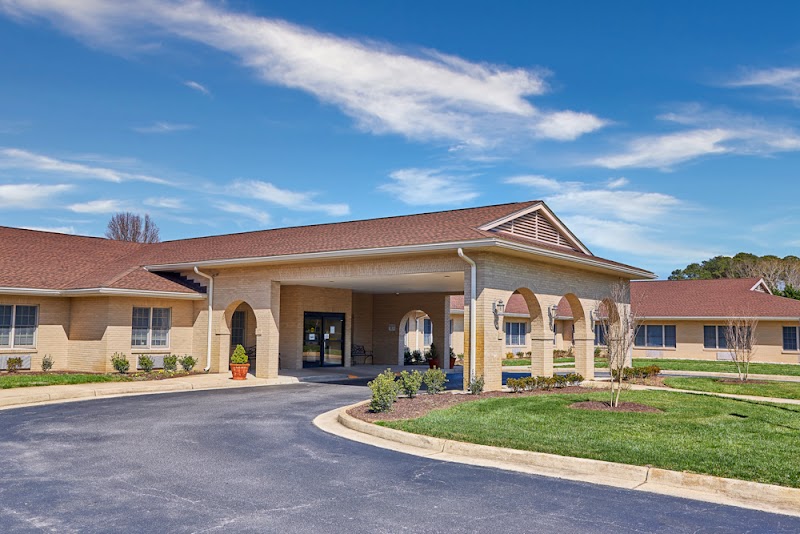
Jun 2023 1 deficiency
CONCERN (E) 📢 Someone Reported This

A family member, employee, or ombudsman was alarmed enough to file a formal complaint

Potential for Harm - no one hurt, but risky conditions existed

Pharmacy Services (Tag F0755)

Could have caused harm · This affected multiple residents

**NOTE- TERMS IN BRACKETS HAVE BEEN EDITED TO PROTECT CONFIDENTIALITY** Based on staff interviews, clinical record review and facility's documentation, the facility's pharmacy failed to ensure One (1)...

Read full inspector narrative →
**NOTE- TERMS IN BRACKETS HAVE BEEN EDITED TO PROTECT CONFIDENTIALITY** Based on staff interviews, clinical record review and facility's documentation, the facility's pharmacy failed to ensure One (1) out of two (2) residents (Resident #2), in the survey sample, pain medications (Dilaudid and Lyrica) were delivered timely. The facility also failed to ensure the medications (Dilaudid and Lyrica) were pulled from the facility's Omnicell (automated medication dispensing machine) and administered. This deficiency is cited as past non-compliance (PNC.) The findings included: Resident #2 was admitted the nursing facility on 03/03/22. Diagnosis for Resident #2 included but not limited to spondylosis with radiculopathy (cervical region), spondylosis with myelopathy (lumbar region) and after care left shoulder replacement. A review of Resident #2's admission assessment dated [DATE] indicated the resident alert and oriented x four (4) indicating no cognitive impairment for daily decision-making. The resident was documented as requiring assistance of one with bathing and dressing and independent with bed mobility, eating, toilet use and transfer for Activities of Daily Living (ADL). The care plan with a created on 03/04/22 identified Resident #2 with acute/chronic pain and potential for pain related to recent shoulder and arthritis pain. The goal set for the resident by the staff was to have adequate relief of pain or the ability to cope with incomplete pain through the next review date of 06/15/22. Some of the interventions/approaches the staff would use to accomplish this goal was to administer medication as ordered by physician and monitor the effectiveness; notify MD if ineffective, assess for verbal and nonverbal signs and symptoms related to pain: grimacing, guarding, crying, moaning, increased anxiety, changes in usual routine, sleep patterns, functional abilities, decreased range of motion (ROM), loss of appetite and withdrawal/resistance to care. A review of Resident #2's Medication Administration Record (MAR) for March 2022 revealed the following medication orders: -Pregabalin (Lyrica) 150 mg capsule - give 2 capsules twice a day at 10:00 a.m., and 10:00 p.m., starting on 03/09/22. Further review of the MAR indicated the resident's medication was not administered on 03/14 at 10:00 p.m., 03/15 at 10:00 a.m., and 10:00 p.m., and 03/18/22 at 10:00 a.m. -Dilaudid 2 mg tablet - give 2 tablets by mouth every 4 hours for pain starting 03/07/22. Further review of the MAR indicated the resident's pain medication was not administered on 03/09/22 at 8:00 a.m., and 12:00 p.m., 03/14/22 at 4:00 p.m., and 8:00 p.m., 03/15/22 at 12:00 a.m., and 4:00 a.m. A review of the Omnicell medication list included the following medications: Dilaudid 2 mg (10 tablets) and Lyrica 50 mg (6 tablets.) A phone interview was conducted with License Practical Nurse (LPN) #2 on 06/02/23 at 12:11 p.m. The LPN was assigned to administer Resident #2's pain medication (Dilaudid 2 mg) on 03/09/22 at 8:00 a.m., and 12:00 p.m., and on 03/14/22 at 4:00 p.m. The LPN stated she was not sure why she did not administer Resident #2 her pain medication. She stated if the pain medication was in the Omnicell, the medication should have been pulled and administered to Resident #2. A phone call was placed to LPN #1 on 06/02/23 at 12:17 p.m. The LPN was assigned to administer Resident #2's pain medication (Dilaudid 2 mg) on the following days in March 2022: 03/14/22 at 8:00 p.m., 03/15/22 at 12:00 a.m., and 4:00 a.m. The LPN was also scheduled to administer Resident #2's (Lyrica 150 mg) on 03/14/22 and 03/15/22 at 10:00 p.m. A message was left, the LPN never returned the call. A review of Resident #2's clinical note dated 03/15/22 at 6:37 a.m., indicated the facility had contacted the pharmacy on 03/15/22 at approximately 6:30 a.m., related to Resident #2 being out of her Lyrica 150 mg. The pharmacy informed the nurse it was too early for a refill and the medication was scheduled to be delivered on 03/17/22. An interview was conducted with the Director of Nursing (DON) and Regional Director of Clinical Services (RDCS) on 06/01/23 at approximately 11:30 a.m. The DON stated every nurse had access to pull the medications mentioned above from the Omnicell. She said the nurses should have pulled Resident #2's medications from the Omnicell and administered as ordered by the physician. The RDCS stated the pharmacy was contacted this morning and medications mentioned were never pulled from the Omnicell machine. The RDCS stated that on 05/31/22, the facility identified a problem with another resident, after Resident #2 had been discharged from the facility related to medications not being available, and not being pulled from the Omnicell to be administered as ordered by the physician. The RDCS once the facility identified there was a problem with the process for ordering and administering medication, an Action Plan was put in place. He stated in-services/education was started immediately. The RDCS presented in-services that started on 6/1/22 titled: Obtaining medications as ordered, the process to follow if medications are not available, failure to follow physician orders, nurses will know the process and follow processing procedures for administering medication if medications are not available. Another in-service was provided on 06/07/22 to ensure best practice/policy and procedures are followed when medication is not available, calling/faxing pharmacy, pulling from Stat/Omnicell and notifying the physician. During the above interview with the DON and RDCS, it was determined the facility had sufficient evidence to show they identified and corrected a deficient practice before the current survey and neither were there any current issues identified during the survey, thus past non-compliance (PNC) is supported at F755. Action plan dated 5/31/22: Step 1b. What immediate interventions were for affected residents? License nurses were educated on medication availability and process of obtaining medications starting and educated on physician notification for missing medications and changes in condition starting on 06/02/22. Step 2a. What immediate actions were taken to identify all potential affected? MAR/Cart audit to ensure all medications were available. All residents admitted in last 30 days were audited for missing medication starting on 06/01/22. Step 2b. What continued and immediate interventions were implemented for identified resident or systems? Unit Manager or designee will complete audits 5 x week x 3 months to ensure medication available starting on 06/01/22. All new admissions will be audited to ensure all medications have been delivered x 3 months starting on 06/01/22. Step 2c. Results of the audits submitted to QAPI Committee for review on 06/06/22, 06/20/22 and 07/08/22 with no identified concerns.
Jul 2021 15 deficiencies 1 Harm
SERIOUS (G)

Actual Harm - a resident was hurt due to facility failures

Pressure Ulcer Prevention (Tag F0686)

A resident was harmed · This affected 1 resident

**NOTE- TERMS IN BRACKETS HAVE BEEN EDITED TO PROTECT CONFIDENTIALITY** 2. Resident #74 was admitted to the facility on [DATE] and discharged to the hospital on [DATE]. Diagnosis included but were not...

Read full inspector narrative →
**NOTE- TERMS IN BRACKETS HAVE BEEN EDITED TO PROTECT CONFIDENTIALITY** 2. Resident #74 was admitted to the facility on [DATE] and discharged to the hospital on [DATE]. Diagnosis included but were not limited to, Cellulitis of left lower limb and Type 2 Diabetes Mellitus without complications. Resident #74's Minimum Data Set (an assessment protocol) with an Assessment Reference Date of 11/26/2020 was coded with a BIMS (Brief Interview for Mental Status) score of 09 indicating moderate cognitive impairment. In addition, the Minimum Data Set coded Resident #74 as requiring supervision with setup help only with eating, limited assistance of 1 with bed mobility, extensive assistance of 1 with transfer and personal hygiene and total dependence of 1 with bathing. On 07/06/2021 review of Resident #74's clinical record revealed the following: admission Progress Note dated 11/20/2020 15:10 was reviewed and revealed the following: .has MASD (Moisture Associated Skin Damage) to the buttocks area with redness and excoriation, with an open area to the rt (Right) buttocks 0.5 x 1 x 0 MD (Medical Doctor) notified, moisture barrier cream applied . Braden: 13.0 Pressure / Non Pressure Skin Assessment Progress Note dated 11/20/2020 15:10 was reviewed and revealed and is documented in part, as follows: Note Text: Wound type is MASD Wound Location buttocks Length (cm) (Centimeter) 0.5 Width (cm) 1 Depth (cm) 0 Area is community acquired, no skin impairment was present on admission. 11/20/2020 Drainage type: No Drainage Wound bed appearance is Pink No odor Periwound appearance is Pink. Area is a new wound. Pain levels 0 11/20/2020 12:00 AM Treatment: moister [sic] barrier cream waiting on further orders from MD. Review of Physician Orders revealed the following: ORDERS Admit To Colonial Health & Rehab Diagnosis: CHF (Congestive Heart Failure) Allergies: Bactrim, Cymbalta, Amoxicillin, Latex Diet: Cardiac Diet Code Status: DNR (Do Not Resuscitate) / DNI (Do Not Intubate) Verified By (Name of Medical Doctor) Other #1. 11/20/20 Medications Treatments Wound MD eval (Evaluate) and treat. Review of orders did not evidence a treatment order for buttocks or sacrum. On 07/07/2021 requested copies of the Medication Administration Records (MAR) and Treatment Administration Records (TAR) for November 2020 and December 2020 and Braden scores for Resident #74. On 07/07/2021 requested copy of Resident #74's wound measurement from admission to discharge. Copy of Weekly Wound Assessment v1 - V5 was received. Review of assessment revealed the following: Effective Date: 11/20/2020 15:10 admission: [DATE] 1. Wound Overview 1. Wound Type 10. Other; 1a. Other Wound Type MASD; 2. Wound Location: buttocks; 3. Length (cm) 0.5; 4. Width (cm) 1; 5. Depth (cm) 0; 6. Location Where Wound Was Acquired? 2. Community Acquired 2. Wound 1. Was the skin impairment present on admission 1? Yes; 3. Date Wound Identified 11/20/2020 6. Wound Bed Appearance 1. Pink; 8. Periwound Appearance 1. Pink; 10. Wound Status 1. New Wound; 4. Comments and Treatment 2a. Date and Time Physician Notified: 11/20/2020 00:00; 3. Treatment moister [sic] barrier cream; 4. Comments waiting on further orders from MD. On 07/07/2021 at 6:30 p.m., received copies of Resident #74's MAR and TAR for December 2020 from the Director of Nursing (DON). The Director of Nursing stated, We are still looking for November MAR and TAR. Resident #74's TAR received for the Month of December was reviewed on 07/07/2021 and revealed the following: Medications - Calmoseptine after each incont (Incontinent) episode. In the column under HOUR, Day, Night is documented. Resident #74's admission / readmission Evaluation - V 2 completed on 11/21/2020 was reviewed on 07/07/2021 and revealed the following: Skin Risk Score: 13 Skin Risk Category: Moderate risk. On 07/07/2021 review of Physician / PA (Physician Assistant) / NP (Nurse Practitioner) Progress Note dated 11/23/2021 14:19 in Resident #74's clinical record revealed the following: genitourinary: genitals unremarkable, there is some moisture associated skin damage with erythema on most of the buttocks area it's completely covered with calmoseptine there is some mild skin breakdown on the right buttocks it only appears to be about one or 2 cm but I could not get the calmoseptine off at this time she said it was too uncomfortable and wish to just leave it on. Did not see any other lesions. Review of Resident #74's Nursing Progress Note dated 11/24/2021 revealed and is documented in part, as follows: Note Text: Wound Doctor in to see patient today. MASD to bottom healing, no open areas just redness, barrier cream and calmoseptine applied. Resident #74's Braden Scale Pressure Ulcer Risk Assessment with an Effective date of 11/27/2021 was reviewed on 07/07/2021 and revealed the following: Braden Score: 18 Braden Category: Low Risk. On 07/07/2021 Resident #74's Bi-Weekly Skin Check 1 with a date of 11/29/2021 was reviewed and revealed the following: 1. Does the resident have current Skin Issues 1. Yes Document current Skin Issues Site 53) Sacrum Description redness. On 07/07/2021 Resident #74's Bi-Weekly Skin Check 1 with a date of 12/2/2021 was reviewed and revealed the following: 1. Does the resident have current Skin Issues 1. Yes Document current Skin Issues Site 53) Sacrum Description redness. On 07/08/2021 at approximately 10:00 a.m., an interview was conducted with (Name of Doctor) Medical Doctor (MD) Other #6. When MD was told that surveyor had a couple questions for him regarding Resident #74, MD stated, I think I saw her maybe one time. When asked about Resident #74's admission orders, MD stated, We order what the hospital recommends, whatever the hospital ordered. When asked what the process for ordering resident medications is, MD stated, The nurse sends the orders from the discharge summary to the doctor, these are the medicines the hospital placed the patient on. If the doctor is not in the facility the staff would have to read the orders from the Discharge Summary over the telephone and not all medications are approved for different reasons. MD stated the last time he saw Resident #74 was December 2. MD stated, She had calmoseptine on every time I saw her. When asked was Calmoseptine an acceptable treatment for her buttocks, MD stated, Yes, it is a barrier cream. MD also stated, It keeps urine and poop off of the skin and it makes it slower for the skin to dry out. Review of Resident #74's clinical record for the period of 11/20/2020 through 11/30/2020 revealed documentation that staff applied barrier cream and /or Calmoseptine to resident on 11/20/2020, 11/23/2020 and 11/24/2020. There is no evidence that the resident was provided treatment to wounds consistently or had a wound treatment order during this time. On 07/08/2021 Resident #74's hospital records was reviewed and revealed the following: (Name of hospital) Emergency Department Time of Arrival: 12/03/20 0806 ED (Emergency Department) Provider Note Physical Exam Skin: Comments: Stage II decubitus ulcer in the sacral area this appears overall to be well - healed with some surrounding areas of erythema and stage I ulceration.; Progress Notes by (Name of Nurse) RN (Registered Nurse), Other #7 at 12/4/2020 0203 Skin Image 5: Large area skin breakdown with several open areas. Non-blanching redness. Received patient from ED alert and oriented . Skin assessment completed, skin care provided. (Review of Skin Image Diagram indicates 5 is in the sacral region.) On 07/08/2021 at approximately 3:45 p.m., an interview was conducted with the Director of Nursing. When asked do you have any other wound measurements or Weekly Wound Assessments for Resident #74 buttocks or back, Director of Nursing stated, No. When asked do you have the MAR and TAR for November 2020, DON stated, We cannot find the MAR and TAR for November. When asked what is the MAR and TAR, DON stated, They are records to document what medications were administered and what treatments were given. When asked do you have the Physician Order Summary (POS) for November 2020, DON stated, I don't see a treatment for the buttocks on the POS. When the DON asked for a copy of the POS provided a copy of the Physician admission orders. When asked were there any orders written for treatments to the buttocks after the admission order, DON stated, No, I don't see anything in here. When asked should the resident had a treatment ordered for her MASD and wound on her buttocks, DON stated, Yes. When asked what your expectations of nurses are when a resident has a wound, DON stated, See if treatment came over from the hospital and if it did not then to obtain a treatment order from the physician. When asked why should wounds and impaired skin integrity have a treatment, DON stated, to help promote healing. On 07/08/2021 at approximately 6:00 p.m. Administrator and Director of Nursing was informed of findings at pre-exit meeting. The facility did not present any further information about the finding. Complaint Deficiency Based on observation, resident interview, staff interview, facility document review and clinical record review, it was determined that facility staff failed to obtain a treatment for pre-existing pressure ulcer* that had later declined to an unstageable (1) pressure ulcer for one of 41 residents in the survey sample; Resident #35 AND failed to provide treatment and services to promote the healing of a pressure sore for one of 41 residents; Resident #74. *Pressure Injury (ulcer) - A pressure injury is localized damage to the skin and underlying soft tissue usually over a bony prominence or related to a medical or other device. The injury can present as intact skin or an open ulcer and may be painful. The injury occurs as a result of intense and/or prolonged pressure or pressure in combination with shear. The tolerance of soft tissue for pressure and shear may also be affected by microclimate, nutrition, perfusion, co-morbidities and condition of the soft tissue. https://npuap.org/page/PressureInjuryStages. The findings included: Resident #35 was admitted to the facility on [DATE] and readmitted on [DATE] with diagnoses that included but were not limited to chronic heart failure, spinal stenosis, and chronic embolism and thrombosis of unspecified deep veins of lower extremity (bilateral). Resident #35's most recent MDS (Minimum Data Set Assessment) was a quarterly assessment with an ARD (assessment reference date) of 5/20/21. Resident #35 was coded as being intact in cognitive function scoring 15 out of possible 15 on the BIMS (Brief Interview for Mental Status exam). Resident #35 was coded in Section M (Skin Conditions) as having a stage 4 (2) pressure ulcer. On 7/6/21 during an interview with Resident #35; Resident #35 had stated that he had come into the facility with a pressure ulcer but that he didn't feel that the facility was doing dressing changes like they should have been and that the wound had worsened. Review of Resident #35's facility admission note dated 12/9/20 documented in part, the following: Resident Arrival Date and Time: 12/09/2020 6:00 PM .Open area to coccyx present 1.5 X 2.5 cm (centimeters) x 0.1 cm .Braden: 13.0 (3). The next note dated 12/9/20 documented the following: Note Text: Wound type is pressure. Stage: 2 (4) Wound Location coccyx. Length (cm) 1.5, Width (cm) 2.5, Depth (cm) 0.1 Area is community acquired. Skin impairment was present on admission. 12/09/2020 Drainage type: Serosanguineous Drainage Small Drainage, Wound bed is Red No odor, Area is a new wound. Pain Level is 0 Family notified 12/10/2020 9:00 AM. Physician Aware: 12/10/21 .Treatment: (No treatment was documented). Review of a physician note dated 12/10/20 revealed that the physician was aware of Resident #35's wound to his sacral area. The following was documented: .new sacral lesion about 2 x 1 cm stage II it was noted by the staff . There was no evidence that orders for a treatment were obtained. Review of the physician order summary for December 20201 revealed that an order for the sacral wound was not put into place until 12/14/20 (5 days later). The following was documented: Treatment as follows: cleanse sacrum area with normal saline, apply skin barrier wipe to periwound area, apply Dermagel Hydrogel Sheet dressing, cover with gauze and tape or non-adherent dressing. Change every three days and prn (as needed). There was no evidence on the December 2020 TARs (Treatment Administration Record) or MARS (Medication Administration Record) that the 12/14/20 order was implemented. On 12/12/20 there was evidence that the primary physician had conducted a partial assessment on the sacral wound on 12/12/20. The following was documented in part, a sacral stage II skin breakdown about 1 x 2 cm with no secondary infection cellulitis or tunneling . Description of the wound bed, periwound etc. was not mentioned in the above assessment. Review of a weekly wound assessment dated [DATE]; revealed that Resident #35's sacral wound had deteriorated. The following was documented: Wound Type: Pressure. Stage: Unstageable. Wound Location: sacrum. Length: 7 (cm) by Width (13 cm) Depth nonmeasure .was skin condition present upon admission? Yes .Drainage: Serous. Drainage Amount: Scant. Odor. None. Wound Bed appearance: necrotic .Odor: none. Peri wound appearance: Red .DRESSING TREATMENT PLAN. Primary Dressing(s) Dakin's solution (5) apply once daily. Santyl (6) apply once daily. Secondary Dressing(s) Gauze Island (w/bdr) apply once daily. Peri Wound Treatment Skin prep apply once daily .This wound is in an inflammatory stage and is unable to progress to a healing phase because of the presence of a biofilm. Review of the Resident #35's December 2020 MAR (Treatment Administration Record) revealed that this order was implemented on 12/17/20. Review of a note by the wound care physician dated 12/22/20 documented in part, the following: At the request of (Name of physician) a thorough wound care assessment and evaluation was performed today. He has an unstageable (due to necrosis) sacrum for at least 8 days in duration. There is light serous exudate .Wound Stage: 8.0 x 10.0 x Not Measurable cm. Periwound radius: Odor .Thick adherent black tissue: 50 % (percent) Thick adherent devitalized tissue: 20 % Granulation tissue: 20 % Skin: 10 % (percent). Wound progress: Deteriorated. Review of Resident #35's care plan dated 12/9/20 through 6/2/21 revealed a skin integrity care plan was not put into place until 12/30/21. The following was documented, in part: Resident has impaired skin integrity- Unstageable PU (pressure ulcer) to sacrum present on admission .administer treatments as ordered, Encourage (Name of Resident #35) to turn and reposition while in bed, monitor nutritional status. Consult dietician. Review of Resident #35's December 2020 POS (Physician Order Summary) also revealed that no skin prevention measures were put into place until 12/16/20 when he was ordered an alternating pressure mattress and double protein meat from the dietician. On 7/8/21 at 10:00 a.m., an interview was conducted with LPN (Licensed practical nurse) #1, a nurse who worked with Resident #35 on occasion. When asked who was responsible for assessing a wound upon admission into the facility, LPN #1 stated that it was the floor nurse who was responsible for measuring the wound and providing a description of the wound. LPN #1 stated that LPNs could not stage but that an RN could stage a wound. LPN #1 stated that if the resident is not admitted with a treatment order on the hospital discharge instructions, it is up to the nurse to call the MD (medical doctor) for an order. LPN #1 was shown the admission note for Resident #35 on 12/9/21. LPN #1 was then shown the December 2020 POS (physician order summary) and the December MARs and TARS for 2020. LPN #1 confirmed that she did not see that a treatment was put into place once his wound was identified upon admission as a stage two. When asked the consequence for not doing a dressing to an identified stage two ulcer, LPN #1 stated that the wound could get worse. LPN #1 was then shown that on 12/15/20 (Next weekly wound assessment) Resident # 35's wound had gotten bigger and was found to have necrotic tissue to the wound bed. LPN #1 stated, Yes, it looked like it had deteriorated. When asked what necrotic tissue was, LPN #1 stated that necrotic tissue was dead tissue that was black in color. LPN #1 stated that necrotic tissue has to be debrided in order for healing to occur. On 7/8/21 at 12:16 p.m., an interview was conducted with RN (Registered Nurse) #2, the unit manager for unit one and two. When asked if nursing staff were expected to assess and obtain a treatment order for a newly admitted resident who is admitted to the facility with an existing pressure ulcer, RN #2 stated, Yes, I expect the nurses to assess get a treatment order for that wound. When asked the consequence if an order for a treatment is not obtained for a pressure ulcer, RN #2 stated that it could lead to the wound deteriorating. When asked what necrotic tissue meant to the wound bed, RN #2 stated that necrotic tissue was dead tissue. RN #2 stated that if necrotic tissue is in the wound bed, the wound will not heal until it has been removed. When asked if necrotic wounds are considered advanced stage wounds, RN #2 stated that they were. This writer had discussed the above findings with RN #2. RN #2 was asked to present any additional information regarding Resident #35's sacral wound. RN #2 was made aware that if this information was not found; this citation could lead to a serious scope and severity level. On 7/8/21 at 12:30 p.m., ASM #1, the Administrator was made aware of what was discussed with RN #2 and that documentation was needed to show that a treatment was put into place and implemented on 12/9/20 through 12/14/20 prior to the wound deteriorating. On 7/8/21 at approximately 3:00 p.m., RN #3, the MDS nurse presented Section M (Skin Conditions) of Resident #35's MDS assessment with an ARD date of 12/15/20. RN #3 stated that the look back period for this particular MDS was on 12/8/20 through 12/15/21. RN #3 stated that there had to have been an order in place if she had checked that Resident #35 was receiving dressings and ointments. The following was documented on this MDS and signed by the MDS nurse on 12/29/20: A. Resident has a pressure ulcer/injury, a scar over a bony prominence, or a non-removable dressing/device: Yes; B. Formal Assessment: Yes. C. Clinical Assessment: Yes M0210. Unhealed pressure Ulcers/Injuries: Yes. M0300. Current number of unhealed pressure ulcers/injuries: F1. Number of unstageable pressure ulcers due to coverage of wound bed by slough and/or eschar: (1) .F2. Number of these unstageable pressure ulcers that were present upon admission or reentry: (1). Section F2 was inaccurate as it was documented in the clinical record that Resident #35 was admitted to the facility with a stage two ulcer. Further review of the Section M of Resident #35's MDS documented the following: .Application of nonsurgical dressing (with or without topical medications) other than to feet: Yes. H. Application of ointments medications other than to feet: Yes. There was no still no evidence that a treatment order was obtained and implemented after Resident #35 was admitted to the facility with a stage two pressure ulcer; AND there was no evidence that Resident #35 was receiving any type of ointment or barrier cream. On 7/8/21 at 3:15 p.m., a phone interview was conducted with the nurse who admitted Resident #35 on 12/9/20. She could not recall if Resident #35 had been admitted with a wound and if an order was obtained or not. On 7/8/21 at 4:00 p.m., ASM #1, the Administrator; ASM #3 and #4 the Corporate Nurses were made aware of the concern for harm. ASM #4 stated that they still could not find the treatment order for the stage II wound during 12/9/20 through 12/14/20 or a TAR showing that the order was implemented. ASM #4 stated that the orders and TAR were probably written on paper back when they were doing paper charting. ASM #4 stated that the 12/15/20 MDS however reflected that Resident #35 had an order in place because the MDS RN had signed and locked the MDS which indicated that all information on the MDS was accurate. This writer informed ASM #4 that the signature means that the section was completed, not that the information was accurate. On 7/8/21 at the exit conference held at 6:30 p.m., ASM #4 stated that she was still looking for TAR and order. This information could not be presented prior to exit. No further information was presented prior to exit. Facility Policy titled, Pressure Injury Prevention and Treatment Policy, documents the following: Resident's will be assessed for pressure injury risk on admission, quarterly, and with significant change of condition using the Braden Scale for Predicting Pressure Ulcer Risk. Wounds identified will be assessed initially and at least weekly thereafter, until closed. To include the following elements: Location and stage Size (perpendicular measurements of the greatest extent of length and width of the ulceration), depth and the presence, location and extent of any undermining or tunneling/sinus tract; Exudate, if present: type (such as purulent/serous), color, odor, and appropriate amount; Pain, if present: nature and frequency (e.g., whether episodic or continuous); Wound bed: Color and type of tissue/character including evidence of healing (e.g. granulation tissue, maceration) as appropriate; Appearance of surrounding tissue; Any evidence of infection If a PU (Pressure Ulcer)/Pressure Injury) fails to show some evidence of progress towards healing within 2-4 weeks, the area and the resident's overall clinical condition will be reassessed. B. Treatment: Pressure injuries identified will be documented and orders obtained from providers for treatment. C. Monitoring: At least weekly (and more often when indicated by wound complications or changes in wound characteristics), an evaluation of the PU/PI will be documented. At a minimum, documentation will include the elements listed in Section A. D. Notification: The facility will notify family/resident representative[s] and the provider of any newly acquired or worsening pressure injuries and any changes in treatment[s]. (1) Unstageable pressure ulcer- Full thickness tissue loss in which the base of the ulcer is covered by slough (yellow, tan, gray, green or brown) and/or eschar (tan, brown or black) in the wound bed. Further description: Until enough slough and/or eschar is removed to expose the base of the wound, the true depth, and therefore stage, cannot be determined. Stable (dry, adherent, intact without erythema or fluctuance) eschar on the heels serves as the body's natural (biological) cover and should not be removed. National Pressure Ulcer Advisory Panel website at http://www.npuap.org/pr2.htm. (2) Stage 4 pressure ulcer- Stage IV: Full thickness tissue loss with exposed bone, tendon or muscle. Slough or eschar may be present on some parts of the wound bed. Often include undermining and tunneling. Further description: The depth of a stage IV pressure ulcer varies by anatomical location. The bridge of the nose, ear, occiput and malleolus do not have subcutaneous tissue and these ulcers can be shallow. Stage IV ulcers can extend into muscle and/or supporting structures (e.g., fascia, tendon or joint capsule) making osteomyelitis possible. Exposed bone/tendon is visible or directly palpable. National Pressure Ulcer Advisory Panel website at http://www.npuap.org/pr2.htm. (3) The Braden Scale for Predicting Pressure Sore Risk is a clinically validated tool that allows nurses and other health care providers to reliably score a patient/client's level of risk for developing pressure ulcers. It measures functional capabilities of the patient that contribute to either higher intensity and duration of pressure or lower tissue tolerance for pressure. Lower levels of functioning indicate higher levels of risk for pressure ulcer development .The Braden Scale is a summated rating scale made up of six subscales scored from 1-4 (1 for low level of functioning and 4 for the highest level or no impairment). Total scores range from 6-23 (one subscale is scored with values of 1-3, only). The subscales measure functional capabilities of the patient that contribute to either higher intensity and duration of pressure, or lower tissue tolerance for pressure. A lower Braden Scale Score indicates lower levels of functioning and, therefore, higher levels of risk for pressure ulcer development. This information is taken from the website https://www.nlm.nih.gov/research/umls/sourcereleasedocs/current/LNC_BRADEN/ (4) Stage 2 pressure ulcer- Partial thickness loss of dermis presenting as a shallow open ulcer with a red pink wound bed, without slough. May also present as an intact or open/ruptured serum-filled blister. National Pressure Ulcer Advisory Panel website at http://www.npuap.org/pr2.htm. (5) Dakin's solution is used to prevent and treat skin and tissue infections that could result from cuts, scrapes and pressure sores. This information was obtained from: https://www.webmd.com/drugs/2/drug-62261/dakins-solution/details. (6) Santyl- *SANTYL® Ointment is an FDA-approved active enzymatic therapy that continuously removes necrotic tissue from wounds at the microscopic level. This works to free the wound bed of microscopic cellular debris, allowing granulation to proceed and epithelialization to occur. (<http://www.santyl.com/about>)
CONCERN (D)

Potential for Harm - no one hurt, but risky conditions existed

Resident Rights (Tag F0550)

Could have caused harm · This affected 1 resident

Based on observation, clinical record review, staff and resident interviews, the facility staff failed to ensure dignity was maintained for 1 of 41 residents (Resident #25) in the survey sample to wea...

Read full inspector narrative →
Based on observation, clinical record review, staff and resident interviews, the facility staff failed to ensure dignity was maintained for 1 of 41 residents (Resident #25) in the survey sample to wear personal clothing, wash and cut hair. The findings included: Resident #25 was admitted to the nursing facility on 3/23/17 with diagnoses that included type II diabetes mellitus, stroke with right sided hemiplegia and hemiparesis and expressive aphasia, depression, high blood pressure and non-Alzheimer's dementia. The resident's most recent Minimum Data Set (MDS) assessment was a quarterly and coded Resident #25 with clear speech, able to understand the staff and was understood by them. She was coded on the Brief Interview for Mental Status (BIMS) with a score of 15 out of a possible score of 15, which indicated she was cognitively intact with the skills needed for daily decision-making. She was coded as having no problems with behavior and mood. The resident required extensive assistance of one staff for personal hygiene. She was impaired on one side, upper and lower, in range of motion. The wheelchair was her primary mode of transportation. The resident was coded not to reject care. The care plan dated 5/11/21 identified that resident was showing depression. The goal set for the resident by the staff included the resident would initiate and engage in positive experience and maintain psychological well-being, positive expressions and positive body language. Some of the interventions the staff would implement to accomplish this goal included encourage expressing feelings, listening with empathy and non-judgmental acceptance and compassion, encouraging self-expression and timing to do so as needed. The following observations were made of Resident #25: On 7/6/21 at approximately 11:30 a.m., Resident #25 was in bed and it was obvious she did not have use of her right arm and right leg. The assigned Certified Nursing Assistant (CNA) #3 stated she had just finished AM care. The resident wore a hospital/facility gown, a head cap and a right hand splint, and her right leg was in an abducted (spread outward) position elevated on a pillow. She took time to respond when spoken to and if questions were asked of her. She stated in a slow hesitated voice (expressive aphasia), Excuse my appearance, I have no clothing and my hair is not done. The clothes closet was opened to reveal ample clothing, mostly winter type. Again, in a slow hesitated speech pattern she stated she wanted someone to go to (Name of a major clothing store) to purchase lighter weight clothing and bras. When asked if the large suit cases belonged to her near the foot of her bed against the wall she stated, Yes, those are mine, but I don't want them out because if they go down to the lady to wash, I may never see them again. It was clarified with her that if she were assured her clothes would be safe; she would have someone help her transfer some lighter weight clothing out of her suitcase to her closet. She also said she wanted to wear her own gowns at night and regular clothes during the day. It was obvious that the resident had a lot of long thick hair that was matted, as evident around the resident's nape of her neck. When asked to see her hair, she shook her head from side to side and with her left hand, pulled up the front of the cap, which validated matted hair. She stated she could not remember how long it had been since her hair was washed and she wanted it cut to better manage. The resident remained in a hospital gown the remainder of the day with this surveyor's last observation on 7/6/21 at approximately 5:00 p.m. On 7/7/21 at approximately 12:15 p.m., the resident was observed in her bed with a hospital/facility issued gown on, same winter type clothes in her closet, cap on her head with the condition of her hair unchanged. The resident stated she did not want to get out of bed without clothes on. The same CNA (#3) from 7/6/21 had provided AM care for the resident. The CNA said she was not told in report that the resident got out of bed or wore regular clothing. She stated it was her second day and she did not know too much about the resident and she did not ask her about whether she wanted to wear any of her personal clothing. The CNA said the resident was mostly non-verbal, but she could nod yes or no. The MDS coordinator was in the resident's room assisting to pass lunch trays. The resident remained in a hospital gown the remainder of the day with this surveyor's last observation on 7/7/21 at approximately 5:00 p.m. The aforementioned concerns were voiced to the Unit Manager Registered Nurse (RN) #2. On 7/8/21 at approximately 12:00 p.m., the aforementioned concerns from the resident was shared with the Administrator. On 7/8/21 at approximately 1:15 p.m., the MDS coordinator and Patient Care Associate (PCA) #2 was in the resident's room. It was asked if they were aware the resident wanted to wear her personal gowns and have some of her existing heavier type clothing changed out to lightweight clothing. PCA #2 opened the closet and asked the resident if she wanted all the clothes on the left side taken out or what did she want to keep. The resident lifted her left hand and tried to speak, as the PCA repeated what she previously said. She did not give the resident time to express herself in which she was fully capable of doing, but in a slow and deliberate pace. The MDS coordinator then took one item at a time and asked the resident if she wanted to keep in the closet or take out. The resident was able to focus and say, Yes or No. It was mentioned by both the MDS Coordinator and the PCA that this technique of communicating, allowing the resident to make choices with her clothing had never been explored. On 7/8/21 at approximately 1:30 p.m., the Administrator was in the resident's room following up on the resident concerns that were shared with her from this surveyor. The MDS Coordinator was brought into the room, as well as the assigned Patient Care Associate (PCA) #2. It was demonstrated that the resident was able to select her personal clothing to sort. The Administrator asked to see the resident's hair that was hanging out of the left side of her head cap; the resident flipped up the front and nodded from side to side, no. The resident told the Administrator she wanted her hair washed and cut, she was okay with someone going through her clothing and trading out the winter clothes for some lighter weight clothing and she did not want to wear only hospital gowns. The Administrator responded that she would work a plan and set up several sessions at a time to sort through her clothing, as well as time to wash and cut the resident's hair. She stated that was evident that the resident could communicate, but the staff needed to be trained to ask the question and give the resident a chance to answer, not to guess what she wants or speak for her. The facility's resident rights document posted throughout the facility and presented and explained to all residents upon admission identified that every resident had the right to dignity, respect and freedom related to exercising self-determination and treated with consideration, respect and dignity.
CONCERN (D)

Potential for Harm - no one hurt, but risky conditions existed

Deficiency F0551 (Tag F0551)

Could have caused harm · This affected 1 resident

**NOTE- TERMS IN BRACKETS HAVE BEEN EDITED TO PROTECT CONFIDENTIALITY** Based on observation, clinical record review, staff and resident interviews, the facility staff failed to honor choices for 1 of...

Read full inspector narrative →
**NOTE- TERMS IN BRACKETS HAVE BEEN EDITED TO PROTECT CONFIDENTIALITY** Based on observation, clinical record review, staff and resident interviews, the facility staff failed to honor choices for 1 of 41 residents (Resident #25) in the survey sample and assist to change out seasonal clothing from winter to spring and summer. The findings included: Resident #25 was admitted to the nursing facility on 3/23/17 with diagnoses that included type II diabetes mellitus, stroke with right sided hemiplegia and hemiparesis and expressive aphasia, high blood pressure and non-Alzheimer's dementia. The resident's most recent Minimum Data Set (MDS) assessment was a quarterly and coded Resident #25 with clear speech, able to understand the staff and was understood by them. She was coded on the Brief Interview for Mental Status (BIMS) with a score of 15 out of a possible score of 15, which indicated she was cognitively intact with the skills needed for daily decision-making. She was coded as having no problems with behavior and mood. The resident required extensive assistance of one staff for bed mobility, dressing, toilet use, bathing and personal hygiene. She was impaired on one side, upper and lower, in range of motion. The wheelchair was her primary mode of transportation. The resident was coded not to reject care. The Significant Change in Status assessment dated [DATE] coded the resident as responding very important related to choosing what clothes to wear and taking care of her belongings. Quarterly MDS assessments do not code for daily preferences. The care plan dated 3/7/21 or 5/11/21 did not identify choices related to allowing the resident to choose clothing or a plan with goals and interventions to honor her choices, which was very important to her per the last full assessment of 11/11/20. The last Psychological services visit was dated 6/23/21. One of the concerns related to the provider included, Pt. presented guarded; with expressions of stress related to her gown being too big. The following observations were made of Resident #25: On 7/6/21 at approximately 11:30 a.m., Resident #25 was in bed and it was obvious she did not have use of her right arm and right leg. The assigned Certified Nursing Assistant (CNA) #3 stated she had just finished AM care. The resident wore a hospital/facility gown. She took time to respond when spoken to and if questions were asked of her. She stated in a slow hesitated voice (expressive aphasia) to excuse her appearance and she had no clothing. The clothes closet was opened to reveal ample clothing, mostly winter type. Again, in a slow hesitated speech pattern she stated she wanted someone to go to (Name of a major clothing store) to purchase lighter weight clothing and bras. When asked if the large suit cases belonged to her near the foot of her bed against the wall she stated, Yes, those are mine, but I don't want them out because if they go down to the lady to wash, I may never see them again. It was clarified with her that if she were assured her clothes would be safe; she would have someone help her transfer some lighter weight clothing out of her suitcase to her closet. She also said she wanted to wear her own gowns at night and regular clothes during the day. The resident remained in a hospital gown the remainder of the day with this surveyor's last observation on 7/6/21 at approximately 5:00 p.m. On 7/7/21 at approximately 12:15 p.m., the resident was observed in her bed with a hospital/facility issued gown on and the same winter type clothes in her closet. The resident stated she did not want to get out of bed without clothes on. The same CNA (#3) from 7/6/21 had provided AM care for the resident. The CNA said she was not told in report that the resident got out of bed or wore regular clothing. She stated it was her second day and she did not know too much about the resident and she did not ask her about whether she wanted to wear any of her personal clothing. The CNA said the resident was mostly non-verbal, but she could nod yes or no. The MDS coordinator was in the resident's room assisting to pass lunch trays. The resident remained in a hospital gown the remainder of the day with this surveyor's last observation on 7/7/21 at approximately 5:00 p.m. The aforementioned concerns were voiced to the Unit Manager Registered Nurse (RN) #2. On 7/8/21 at approximately 12:00 p.m., the aforementioned concerns from the resident was shared with the Administrator. On 7/8/21 at approximately 1:15 p.m., the MDS coordinator and Patient Care Associate (PCA) #2 was in the resident's room. It was asked if they were aware the resident wanted to wear her personal gowns and have some of her existing heavier type clothing changed out to lightweight clothing. PCA #2 opened the closet and asked the resident if she wanted all the clothes on the left side taken out or what did she want to keep. The resident lifted her left hand and tried to speak, as the PCA repeated what she previously said. She did not give the resident time to express herself in which she was fully capable of doing, but in a slow and deliberate pace. The MDS coordinator then took one item at a time and asked the resident if she wanted to keep in the closet or take out. The resident was able to focus and say, Yes or No. It was mentioned by both the MDS Coordinator and the PCA that this technique of communicating, allowing the resident to make choices with her clothing had never been explored. On 7/8/21 at approximately 1:30 p.m., the Administrator was in the resident's room following up on the resident concerns that were shared with her from this surveyor. The MDS Coordinator was brought into the room, as well as the assigned Patient Care Associate (PCA) #2. It was demonstrated that the resident was able to select her personal clothing to sort through. The resident told the Administrator it was okay with someone going through her clothing and trading out the winter clothes for some lighter weight clothing and she did not want to wear only hospital gowns. The Administrator responded that she would work a plan and set up several sessions at a time to sort through her clothing, and make sure they were labeled in order to secure them. She stated that was evident that the resident could communicate, but the staff needed to be trained to ask the question and give the resident a chance to answer, not to guess what she wants or speak for her. The facility's resident rights document posted throughout the facility and presented and explained to all residents upon admission identified that every resident had the right to be treated with consideration, respect, and freedom to exercise self-determination and that their possessions were secure. The facility's AM care policy, revised 6/15/20, indicated that residents would be dressed appropriate to the time of day, season of the year and activity.
CONCERN (D)

Potential for Harm - no one hurt, but risky conditions existed

Transfer Requirements (Tag F0622)

Could have caused harm · This affected 1 resident

**NOTE- TERMS IN BRACKETS HAVE BEEN EDITED TO PROTECT CONFIDENTIALITY** Based on staff interviews, clinical record review and facility documentation review the facility staff failed to send a copy of ...

Read full inspector narrative →
**NOTE- TERMS IN BRACKETS HAVE BEEN EDITED TO PROTECT CONFIDENTIALITY** Based on staff interviews, clinical record review and facility documentation review the facility staff failed to send a copy of the Resident's Care Plan to include their goals after being transferred and admitted to the hospital for one resident (Resident #27) in a survey sample of 41 residents. The findings included: Resident #27 was admitted to the facility on [DATE] and readmitted to the facility on [DATE]. The current diagnoses included; Essential Hypertension and Arthritis Due To Other Bacteria, Right Knee. The quarterly, Minimum Data Set (MDS) assessment with an assessment reference date (ARD) of 05/11/21 coded the resident as completing the Brief Interview for Mental Status (BIMS) and scoring 15 out of a possible 15. This indicated Resident #27 cognitive abilities for daily decision making were intact. A review of the clinical record on 7/07/21 revealed there were no advance directives in the clinical record on the above residents. A nursing note dated 3/30/2021(6:44 PM) Reads: Resident sent to ER this morning for n/v (Nausea/Vomiting). A nursing note dated 4/03/21 revealed that Resident #27 was sent to the ER (Emergency Room) via stretcher. The Discharge MDS assessments was dated for 03/30/21 - discharged with return anticipated. On 07/08/21 at approximately 11:24 AM an interview was conducted with RN (Registered Nurse) #2 concerning Resident #27's admissions documents and Care Plan Summary sent to the local hospital. She stated, If it's not in the chart, they didn't do it. On 07/08/21 at approximately, 2:50 PM an interview was conducted with LPN (Licensed Practical Nurse) #6 concerning hospital admissions packets to include the Care Plan summary sent from the nursing facility when a resident is admitted to the hospital. He stated, We arrange for transport, find out if resident is DNR (Do Not Resuscitate),print the bed hold policy, face sheet, demographics, doctor's orders, treatments and the Care Plan. We document in the chart, contact family, notify the doctor. We then put the documents in envelope to hand to transport and call the nurse at the hospital where resident is being sent and give the report. On 7/08/21 at approximately 4:19 PM an interview was conducted with the Administrator, the DON (Director of Nursing) and with the Corporate Clinical Nurse concerning the above issues. No comments were voiced at this time.
CONCERN (D)

Potential for Harm - no one hurt, but risky conditions existed

Deficiency F0657 (Tag F0657)

Could have caused harm · This affected 1 resident

**NOTE- TERMS IN BRACKETS HAVE BEEN EDITED TO PROTECT CONFIDENTIALITY** Based on resident interview, staff interview, facility document review and clinical record review, it was determined that the fa...

Read full inspector narrative →
**NOTE- TERMS IN BRACKETS HAVE BEEN EDITED TO PROTECT CONFIDENTIALITY** Based on resident interview, staff interview, facility document review and clinical record review, it was determined that the facility staff failed to provide evidence that one out of 41 residents was invited to attend a care plan meeting, Resident #35. The findings included: Resident #35 was admitted to the facility on [DATE] and readmitted on [DATE] with diagnoses that included but were not limited to chronic heart failure, spinal stenosis, and chronic embolism and thrombosis of unspecified deep veins of lower extremity (bilateral). Resident #35's most recent MDS (Minimum Data Set Assessment) was a quarterly assessment with an ARD (assessment reference date) of 5/20/21. Resident #35 was coded as being intact in cognitive function scoring 15 out of possible 15 on the BIMS (Brief Interview for Mental Status exam). On 7/6/21 at 3:32 p.m., an interview was conducted with Resident #35. He could not recall receiving a recent invitation for a care plan meeting. Resident #35 stated that it had been awhile. Review of Resident #35's clinical record revealed care plan invitations for 12/23/20 and 3/3/21. There was no evidence that Resident #35 had been recently invited to attend a care plan meeting or that a recent care plan meeting had been held. On 7/8/21 at 9:17 a.m., an interview was conducted with OSM (Other Staff Member) #3, Social Services. When asked if residents were invited to their own care plan meetings; OSM #3 stated, Yes. When asked how often care plan meetings were held; OSM #3 stated that care plan meetings were held every 90-92 days unless there was a significant change. OSM #3 stated that if a resident is alert and oriented; it would be appropriate for them to attend their own care plan meeting. When asked when invitations were sent out; OSM #3 stated, A couple of days prior to the meeting. This writer showed OSM #3 that Resident #35's last care plan meeting was held on 3/3/21. When asked if she had evidence that another care plan meeting had been held; OSM #3 stated that Resident #35 had a meeting scheduled in August 2021 but that she would check to see if one was done in-between then. OSM #3 stated that a care plan meeting should have been done around June time frame. On 7/8/21 at 9:50 a.m., OSM #3 could not find any evidence that a care plan meeting was held in June of 2021. OSM #3 stated she couldn't figure out why one was not held. On 7/8/21 at 4:07 p.m., ASM (Administrative Staff Member) #1, the Administrator, ASM #2, the DON (Director of Nursing), and ASM #3 the corporate nurse were made aware of the above concerns. No further information was presented prior to exit. Facility policy titled, Comprehensive Care Planning, documented in part, the following: J) Resident scheduled for the Resident Care conference include: 1) New admissions who are MDS was completed within the previous 7 days. 2) Residents who have returned from the hospital in the past week. Their previous MDS and Care Plan must be reviewed and updated. 3. Residents who have had 90-day review assessments or an annual full assessment completed within the previous 7 days. A facility designee is responsible for preparing and updating a list of those residents scheduled for each conference. The list is generated ten (10) days prior to each meeting. Copies of this list are distributed to each Department Head Discipline, each Nursing Unit, each Rehabilitation Service and the Resident Care Plan Coordinator. Revisions to the distributed list are made daily. The facility designee is responsible for delivering to each resident who is scheduled for conference an invitation to attend the meeting. The letter of requested participation (Original) is presented to the resident at least (5) days prior to the conference date. A designated time of meeting is given to each resident .A copy of the letter is maintained for reference.
CONCERN (D)

Potential for Harm - no one hurt, but risky conditions existed

Deficiency F0676 (Tag F0676)

Could have caused harm · This affected 1 resident

Based on observations, a complaint investigation, resident and staff interview and review of facility documentation, the facility staff failed to ensure 2 of 41 residents (Resident #25 and #49) were a...

Read full inspector narrative →
Based on observations, a complaint investigation, resident and staff interview and review of facility documentation, the facility staff failed to ensure 2 of 41 residents (Resident #25 and #49) were able to continue to maintain their ability to independently perform mouth care. The findings included: 1. The facility staff failed to provide Resident #25 her electric toothbrush that she independently uses to maintain good oral hygiene. Resident #25 was admitted to the nursing facility on 3/23/17 with diagnoses that included type II diabetes mellitus, stroke with right sided hemiplegia and hemiparesis and expressive aphasia, high blood pressure and non-Alzheimer's dementia. The resident's most recent Minimum Data Set (MDS) assessment was a quarterly and coded Resident #25 with clear speech, able to understand the staff and was understood by them. She was coded on the Brief Interview for Mental Status (BIMS) with a score of 15 out of a possible score of 15, which indicated she was cognitively intact with the skills needed for daily decision-making. She was coded as having no problems with behavior and mood. The resident required extensive assistance of one staff for bed mobility, dressing, toilet use, bathing and personal hygiene. She was impaired on one side, upper and lower, in range of motion. The wheelchair was her primary mode of transportation. The resident was coded not to reject care. The care plan dated 5/11/21 identified that the resident had a self-care deficit and the goal set by the staff for the resident was that her needs would be met. Some of the interventions the staff would implement to accomplish this goal included assist with oral care and to promote independence, providing positive re-enforcement for all activities attempted. The following observations were made of Resident #25: On 7/6/21 at approximately 11:30 a.m., Resident #25 was in bed and it was obvious she did not have use of her right arm and right leg. The assigned Certified Nursing Assistant (CNA) #3 stated she had just finished AM care. The resident had a right hand splint in place. The resident stated she was not able to use her right hand, which was her dominant hand, but could use her battery-operated toothbrush with her left hand. She stated, I brush my teeth better when I do it myself with that (pointed to the electric toothbrush). I just need a new brush head. They said no I could not use it and had to use that one (pointed to the manual toothbrush in the package on top of her over bed table). The resident's teeth were covered with plaque and what appeared to be food particle residue. Resident #25 was not quick to respond and spoke with slow deliberate speech. She could not be rushed during conversation, which was important in order to ascertain her needs. On 7/7/21 at approximately 12:15 p.m., the resident was observed in her bed and stated she had to use the same manual toothbrush. Her teeth remained unchanged and in need of further adequate brushing. This surveyor asked the resident if the nursing staff checked her teeth after they remove the basin and cup, she responded, No, I want the other toothbrush. On 7/7/21 at 5:00 p.m., the aforementioned issue was brought the attention of the Unit Manager, Registered Nurse (RN) #2. On 7/8/21 at approximately 1:15 p.m., Patient Care Associate (PCA) #2 was in the resident's room. She stated she gave the resident a cup of water along with a toothbrush, sat the small basin on the resident's over bed table and the resident brushed her own teeth with a regular toothbrush. On 7/8/21 at approximately 1:30 p.m., the Administrator was in the resident's room following up on the resident concerns that were shared with her from this surveyor. The Administrator was shown the resident's battery operated toothbrush and told that the resident stated she could brush her teeth more effectively with the battery operated toothbrush, but would needed a new brush head that no one would obtain for her. The Administrator looked at the toothbrush and said, This is a pretty inexpensive one, I can go out and get that one without a problem. The Administrator stated that it was evident that the resident could communicate, but the staff needed to be trained to ask the question and give the resident a chance to answer, not to guess what she wants or speak for her. 2. The facility staff failed to provide Resident #49 with a toothbrush who was able to independently use to maintain good oral hygiene. Resident #49 was admitted to the nursing facility on 8/1/19 with diagnoses that included incomplete paraplegia, bipolar disorder, type 2 diabetes mellitus, restless leg syndrome and age related osteoporosis. The most recent Minimum Data Set (MDS) assessment was a quarterly dated 4/6/21 and coded the resident on the Brief Interview for Mental Status (BIMS) with a score of 11 out of a possible score of 15, which indicated she was moderately impaired in the skills for daily decision-making. Resident #49 was assessed to require extensive assistance from one staff for personal hygiene. The resident was coded to not reject care. The care plan dated 4/3/21 identified Resident #49 had an ADL self-care performance deficit. The goal set by the staff for the resident was that she would maintain current level of function through the next review date. The interventions the staff would implement to accomplish this goal included that the resident was able to perform personal/oral care with set-up assistance. On 7/6/21 at 12:02 p.m., Resident #49 was being transferred from bed to wheelchair via a sit-to-stand mechanical lift by two CNAs, #3 and #4. After the resident was transferred to the wheelchair and pushed up to the sink, she stated in the presence of her assigned CNA #3 that she had not brushed her teeth in a couple of days and felt like eggs were stuck in her teeth, especially the bottom. The resident showed the CNA and this surveyor the condition of her teeth, which revealed thick adhered yellow substance across all of her teeth, especially on the bottom teeth. She stated that her basin, toothbrush and toothpaste was always kept in the medicine cabinet lowest shelf, but when she asked the CNA the previous day (7/5/21) to give her the toothbrush, she was told it was in the basin, but it was not and she was not provided a replacement. The resident opened the cabinet and it was as the resident stated; there was a basin, toothpaste and no toothbrush. The current CNA #3 stated it was her first day in the facility and it was the resident's lucky day because she was going to immediately get the resident a toothbrush. The resident was independently able to apply toothpaste, brush her teeth and rinse her mouth. The resident smiled to show the CNA and this surveyor her teeth, which were completely absent of the previously observed thick yellow substance. The resident clapped her hands. On 7/7/21 at approximately 5:00 p.m., the aforementioned issue was shared with the Unit Manager Registered Nurse (RN) #2. The facility's policy and procedures dated 1/2011 and last revised on 6/15/20 indicated that morning care would be offered each day to promote resident comfort, cleanliness, grooming and general well-being. Residents who are capable of performing their own personal care are encouraged to do so, but will be provided set up assistance if needed. COMPLAINT DEFICIENCY
CONCERN (D)

Potential for Harm - no one hurt, but risky conditions existed

Quality of Care (Tag F0684)

Could have caused harm · This affected 1 resident

**NOTE- TERMS IN BRACKETS HAVE BEEN EDITED TO PROTECT CONFIDENTIALITY** Based on resident interview, staff interview, facility document review and clinical record review, it was determined that the fa...

Read full inspector narrative →
**NOTE- TERMS IN BRACKETS HAVE BEEN EDITED TO PROTECT CONFIDENTIALITY** Based on resident interview, staff interview, facility document review and clinical record review, it was determined that the facility staff failed to assess and monitor two additional skin areas that were observed by the hospice aide during incontinence care on 7/7/21 to Resident #35's bilateral feet. The findings included: Resident #35 was admitted to the facility on [DATE] and readmitted on [DATE] with diagnoses that included but were not limited to chronic heart failure, spinal stenosis, and chronic embolism and thrombosis of unspecified deep veins of lower extremity (bilateral). Resident #35's most recent MDS (Minimum Data Set Assessment) was a quarterly assessment with an ARD (assessment reference date) of 5/20/21. Resident #35 was coded as being intact in cognitive function scoring 15 out of possible 15 on the BIMS (Brief Interview for Mental Status exam). On 7/6/21 at 3:32 p.m., an interview was conducted with Resident #35. Resident #35 had mentioned to this writer that facility staff do not provide him with incontinence care when they know his hospice aide will be in the building. Resident #35 stated that his hospice aide usually shows up at 9:50 AM three times a week. Resident #35 stated that his brief will not be checked the entire morning by facility staff if it's a scheduled hospice day. On 7/7/21 at 8:52 a.m., Resident #35 was sitting up in his bed eating breakfast. Resident #35 stated that the last time he was changed was at 4 a.m. Resident #35 stated that staff have not been in his room to check him since then. Resident #35 stated that his hospice aide should be coming in to bathe him at 9:50 a.m. Resident #35 stated that he was wet at that time. On 7/7/21 at 9:52 a.m., bathing and incontinence care was observed with the hospice aide. Resident #35 had a BM (Bowel Movement) but was not heavily soiled. During bathing care; the hospice CNA lifted the sheets off Resident #35's feet. Resident #35's feet were laying directly on his pillows rather than being floated off the pillows. Resident #35 already had two documented known pressure sores to his bilateral heels. Resident #35's bandages were in place. A tiny open area with a pink wound bed was observed to the bony prominence of the right and left foot, near the pinky toes. These areas were not covered with a dressing. Both areas were draining a scant amount of serous drainage onto the pillows. The hospice aide stated that at that moment, was the first time she had noticed the areas to his bilateral feet. The hospice aide stated that she was in the facility the day prior (7/6/21) but that facility staff had bathed him already. Resident #35 then stated, Ma'am they (facility staff) only did this area (pointing to perineal area) yesterday, so they wouldn't have seen my feet. The hospice nurse then stated that she would let the assigned floor nurse know when she was done providing care. The hospice aide was asked to let this writer know when she notified the floor nurse. Resident #35 then stated to the hospice aide that he wanted to wear his socks because he was going to get out of the bed. The hospice aide then asked if he was sure because she didn't want the socks to stick to his open wounds. On 7/7/21 from 10:45 a.m. until 12:30 p.m., this writer was on the hallway making observations. At 11:01 a.m., the hospice aide was observed telling the floor nurse (LPN Licensed Practical Nurse) #1 that two new areas were found to Resident #35's feet. The hospice aide then came to this writer and stated that she had told the floor nurse about Resident #35's open areas. Review of Resident #35's clinical record, failed to evidence any recent treatment orders or record of the open areas to his bilateral feet. On 7/7/21 at 6:00 p.m., there was still no evidence of any nursing assessment or follow up for Resident #35's bilateral open areas to his feet. On 7/8/21 at 8:30 a.m. further review of Resident #35's clinical record was completed. A nursing note dated 7/8/21 at 12:49 a.m. documented the following: Dressing to fee (sic) changed due to soiling. There was no additional evidence that the two new skin areas had been assessed. On 7/8/21 at 10:00 a.m., an interview was conducted with LPN (Licensed Practical Nurse) #1, the nurse who was assigned to Resident #35 on 7/7/21. When asked the process if a staff member makes her aware of a new skin area to a resident, LPN #1 stated that she would assess the area, make sure the MD (Medical Doctor) was made aware and then obtain a treatment order from the physician. LPN #1 then stated she would fill out a Risk Management icon on the computer system that identifies a new skin area. LPN #1 then stated she would alert her supervisors. When asked if LPN's can stage wounds, LPN #1 stated that she can describe the appearance but not stage. LPN #1 stated that a wound nurse or RN would stage the wounds. When asked if the same process was true for a hospice resident, LPN #1 stated that she would alert the hospice provider regarding a new skin area and then they would alert the hospice MD. LPN #1 stated that she would document that she notified the hospice provider and still do her own assessment. When asked what she did for Resident #35's open areas to his bilateral feet when hospice had made him aware on 7/7/21 at 11:01 a.m., LPN #1 stated, I don't recall. I know the aide was there. LPN #1 then stated that she did not look at Resident #35's feet at all on 7/7/21. LPN #1 then stated that she hadn't worked the section Resident #35 had resided in a few months. LPN #1 stated that she may have been distracted with passing out medications that she may not have been hearing what the hospice aide was telling her. LPN #1 stated that if she wasn't distracted and heard the aide, she would have addressed it. On 7/8/21 at 3:10 p.m., an interview was conducted with LPN #3, Resident #35's floor nurse. When asked if she was made aware that Resident #35 had two new areas to his bilateral feet; LPN #3 stated that she was not made aware. LPN #3 stated that she hadn't looked at his feet on her shift. This writer asked her to assess Resident #35's feet. Upon observation of Resident #35's feet; the two new areas appeared to have scabbed over. His feet were again laying directly on his pillows rather than floated. LPN #3 stated that his areas appeared to be closed now. LPN #3 then stated to this writer, Do you want me to put anything on it? This writer informed the nurse that advice could not be given. On 7/8/21 at 3:15 p.m., an interview was conducted with LPN #4, the nurse who dressed Resident #35 bilateral heels at midnight that morning. LPN #4 was not made aware of any new skin areas to his bilateral feet at the bony prominences. LPN #4 stated that she did not notice any new open areas while doing his dressings that morning. When asked if she is supposed to look at the entire foot when doing a dressing change; LPN #4 stated that she was supposed to assess the skin of the entire foot when providing a dressing change. On 7/8/21 at 4:07 p.m., ASM (Administrative Staff Member) #1, the Administrator, ASM #2, the DON (Director of Nursing), and ASM #3 the corporate nurse were made aware of the above concerns.
CONCERN (D)

Potential for Harm - no one hurt, but risky conditions existed

Accident Prevention (Tag F0689)

Could have caused harm · This affected 1 resident

**NOTE- TERMS IN BRACKETS HAVE BEEN EDITED TO PROTECT CONFIDENTIALITY** 2. Resident #37 was admitted to the facility on [DATE] with diagnoses that included but were not limited to muscle weakness, uns...

Read full inspector narrative →
**NOTE- TERMS IN BRACKETS HAVE BEEN EDITED TO PROTECT CONFIDENTIALITY** 2. Resident #37 was admitted to the facility on [DATE] with diagnoses that included but were not limited to muscle weakness, unspecified abnormalities of gait and mobility, and sepsis. Resident #37's most recent MDS (minimum data set) assessment was a significant change assessment with an ARD (assessment reference date) of 5/19/21. Resident #37 was coded as being intact in cognitive function scoring 14 out of possible 15 on the BIMS (Brief Interview for Mental Status) exam. Resident #37 was coded as requiring supervision only with transfers, and ambulation; AND limited assistance with one staff with bed mobility. Resident #37 was coded in section J1900. (Falls) as having 2 falls since admission; one with no injury and one with injury (but not major). Review of Resident #37's clinical record revealed that Resident #37 had fallen on the following dates: 1/28/21 with no injury; 5/6/21 with no injury; 6/08/21 with injury; and 6/17/21 with no injury. Review of Resident #37's comprehensive care plan dated 2/2/21, documented in part, the following: (Name of Resident #37) is at risk for falls . (Name of Resident 37) will have no injuries related to falls over the next review. Interventions: Fall mats date initiated (2/2/21) . On 7/6/21 at 4:22 p.m., an observation was made of Resident #37. Resident #37 was lying in bed. A large purple bruise was noted to Resident #37's left eye and cheekbone. She did not have a fall mat in place while she was in bed. On 7/7/21 at 8:30 a.m. and 11:15 a.m., observations were made of Resident #37 laying up in bed. Fall mats were not on the floor per plan on care. On 7/8/21 at 10:46 a.m., an observation was made of Resident #37 lying in bed. She did not have a fall mat on the floor per plan of care. On 7/8/21 at 10:48 a.m., an interview was conducted with CNA #3, the CNA assigned to Resident #37 that day and an agency CNA. When asked how should would determine what each of her resident's needed as far as ADL care, fall prevention interventions etc.; CNA #3 stated that she started working at the facility on Tuesday and that her PCC access code was not working until that day 7/8/21. CNA #3 stated that this was her first morning working on the one side of the 100 hall unit. When asked how she knew if someone was a fall risk; CNA #3 stated that that information was usually in the care plan or [NAME] for aides to use but since she did not have access to those items prior to that day; she was asking the nurses and looking for a sign that was usually in front of the door. CNA #3 stated that facilities will usually put a leaf sign in front of the rooms for residents who at risk for falls. When asked if Resident #37 was a fall risk; CNA #3 stated, I am not quite sure. I did see that bruise. I think she fell out of her wheelchair for that fall. When asked if Resident #37 required fall mats while in bed, CNA #3 stated that she was not positive; that she would check the [NAME] now. CNA #3 then with this surveyor checked Resident #37's nursing [NAME]. CNA #3 then stated that the [NAME] was showing that Resident #37 was supposed to have a fall mat. CNA #3 stated, I am just now getting this information. I didn't even see a mat in her room. CNA #3 denied the nurse making her aware that Resident #37 needed a fall mat down while she was in bed. On 7/8/21 at 12:16 p.m., an interview was conducted with RN (Registered Nurse) #2, the unit manager for unit one and two. When asked how it was determined what was put into place for a resident who has a had a fall; RN #2 stated that the IDT (Interdisciplinary team) will review falls, and come up with an intervention that makes sense; that is specific to that resident. RN #2 stated that the care plan and the [NAME] will then be updated. When asked if agency nurses had access to the care plan or [NAME]; RN #2 stated that they received a code from human resources at the start of their shift to access PCC (Point Click Care). When asked if these access coded always functioned properly; RN #2 stated, Not always but that the employee can go back to human resources for a code reset. When asked if Resident #37 was supposed to have fall mats down while she was in bed, RN #2 looked at the care plan and stated, Yes, fall mats should be down. This writer informed her of the above observations. On 7/8/21 at approximately 12:30 p.m., an interview was conducted with OSM (Other Staff Member) #4, human resources. OSM #4 stated that all agency staff receive an access code prior to the start of their shift to access the computer charting system. OSM #4 stated that there has been instances where the code was not working but that if she is made aware right away; she can ask for a reset code. OSM #4 stated that a reset code can be obtained within a few minutes but she has to be made aware of a code not working. Facility policy titled Incidents/Accident Report, did not address the above concerns. No further information was presented prior to exit. Based on observations, clinical record reviews, staff and resident interviews, the facility staff failed to ensure 2 of 41 residents (Resident #49 and #37) were free of accident hazards. The sit-to-stand mechanical lift was not used in accordance to assessed need to prevent possible accidents for Resident #49, and that fall preventative measures, to include fall mats, were consistently in place to protect from potential fall injuries for Resident #37. The findings include: 1. Resident #49 was admitted to the nursing facility on 8/1/19 with diagnoses that included bipolar disorder, type 2 diabetes mellitus, depression, age related osteoporosis, restless leg syndrome and incomplete paraplegia. The most recent Minimum Data Set (MDS) was a quarterly dated 4/6/21 that coded Resident #49 on the Brief Interview for Mental Status (BIMS) with an 11 out of a possible score of 15 that indicated the resident was moderately impaired in the skills for daily decision-making. The resident was assessed to require extensive assistance of two staff for transfers nor was she able to balance herself during transitions without staff assistance and had impairment on both sides of lower extremities in range of motion. The resident used a wheelchair as the normally used mobility device. The care plan dated 4/3/21 identified that the resident had an ADL self-care performance deficit related to lower extremity paraplegia. The goal set by the staff for the resident was that she would maintain current level of function. Some of the interventions to accomplish this goal included transfers with the sit-to-stand mechanical lift with two staff members. The last physical therapy evaluation and plan of treatment was dated 2/4/20 and identified Resident #49 was a fall risk, unable to perform dynamic or static standing balance; totally dependent on staff. The resident had her own sliding board and preferred to use it for transfers to safely perform functional transfers in order to facilitate increased participation with functional daily activities. The evaluation indicated the resident had the ability to use a slide board for transfers and transitioned to a [NAME] (sit-to-stand) mechanical lift by nursing staff decision. The following observations were made of Resident #49 during transfers with the sit-to-stand mechanical lift: On 7/6/21 at 2:29 p.m., Resident #49 was transferred via the sit-to-stand mechanical lift from the bed to her wheelchair by her assigned CNA #3, assisted by CNA #4. The sling was attached around the patient's back just above the base of the spine with her arms outside of the sling. There were no belt placed around the resident's waist. There were two top straps connected to sling with interval color coded loops. The CNAs attached the top straps at the blue loop to the each of the two center knobs. There were three colored loops, blue, green and purple. When asked why the blue loop was used, CNA #3 stated, I am not sure, it is the one I think pulls her forward in the best position because she does not bear weight at all with her legs. The resident's feet were placed on the platform of the lift and her knees touched the kneepads. The resident placed her hands on each of the handlebars. The leg straps were not utilized and hung free on each side. As the CNAs used the remote control to raise the resident, she never came to a standing position, but stayed in a sitting position with her body hanging as the CNA's transported the resident to the wheelchair. On 7/7/21 at 12:45 p.m., CNA #3 assisted by CNA #7 transferred Resident #49 as previously observed, but used the green loop attached to each of the two center knobs. On 7/8/21 at approximately 12:00 p.m., the aforementioned concerns from the resident was shared with the Administrator. On 7/8/21 at 2:30 p.m., CNA #2 and another CNA transferred Resident #49 via the sit-to-stand mechanical lift from the bed to her wheelchair as observed in previous transfers, but this time the purple loop was attached to each of the two center knobs. When asked why the purple loop was chosen, the CNA stated, I used it before. CNA#2 said the resident was not able to stand or bear weight and that was the reason she used the sit-to-stand lift. During all of the transfers, the resident never came to any form of standing, but hung in the sling during the transfer process. On 7/8/21 at 2:45 p.m., an interview was conducted with the Director of Rehabilitation (Rehab). She stated, I do not make assessments for the use of mechanical lifts. I evaluate their upper and lower body strengths, muscle testing and balance. The Director of Rehab printed the last Physical Therapy PT) evaluation dated 2/4/20 which indicated the optimal transfer method for the resident at that time was with a sliding board, but nursing was using the Sara lift for transfers. The Director of Rehab also printed the lift program skills check-off sheet for the sit-to-stand and said staff persons using any lift were required to complete and keep in their training records. On 7/8/21 at 3:00 p.m., the Director if Rehab along with the Director of Housekeeping/Laundry located all the slings, but could not locate one specific to the [NAME] sit-to stand. They located the sit-to-stand lift and the sling was hanging on the lift. Another PCA (#1) was asked if she could demonstrate how to place the sling on a resident and utilize the lift. She demonstrated on the body of the Director of Rehab. The CNA placed the sling on the Director of Rehab as had been observed with the previous CNAs. The Director of Rehab grabbed the leg straps and began to bring them under each leg to secure to the knobs on the sit-to-stand. This surveyor asked why she proceeded with that process and responded, It looks like this would provide support for the resident if they were not able to stand to facilitate the transfer safely. PCA#1 stated he used the leg straps for the very same reason and said, I have one resident who needs them because of weakness, but the other resident stood well enough to bare some of her weight. It is a safety issue. Most of the time it is okay to use the top straps and attach to the sit-to stand as long as the resident can bear some weight and hold on. They should never look like they are hanging from the sling, may lose grip and slip through. The Rehab Director agreed with the PCA and stated she was going to screen and evaluate Resident #49 for her upper and lower body muscle strength and determine if she experience any decline. She stated the resident might need the full mechanical lift to ensure her safety with transfers. The Director of Rehab stated, I don't know anything if I am not told by the nursing staff. Neither the PCA could explain the significance of the loop colors. On 7/8/21 at 3:25 p.m., the Director of Nursing (DON) was asked for the training on the sit-to stand for the CNA #3 and PCA#2. The DON was shown the lift program, skills check off sheet for the [NAME] 3000 that was presented by the Director of Rehab. The DON responded, She believed the facility used the [NAME] 3000. On 7/8/21 at 4:30 p.m. The DON was not able to locate those training records nor the training for all staff on the sit-to stand. On 7/8/21 at 6:00 p.m., a debriefing was conducted with the Administrator, the Director of Nursing and Corporate Nurse #3. The DON stated she expected the therapy department to assess residents and determine the safest method for transfers. It was shared by this surveyor that the Director of Rehab stated she did not assess for the use of lifts; she assesses the resident's functional strengths. No further information was provided prior to survey exit. The Lift information provided by the Director of Rehab was a skills check off sheet with instructions for the use of the [NAME] 3000 was not dated, but indicated it was used for extensive assist or partial weight bearing patients, taking patients from a seated position to a standing position to assist with transfers. The sheet asked the question, Can the patient bear weight through at least one leg? If answered no possible alternatives include the (names of total lifts). Other questions included, Does the patient have adequate upper body strength and ROM? The lift education included how to attach the sling to the resident and operate the lift. One essential detail included raising the resident to a standing position on the platform of the lift and to fasten both of the leg supports if added security was desired or needed which was not used for Resident #49's safety in that she did not bear weight on either leg. There was no information regarding the significance of the color-coding of the variable loops. The Director of Rehab included the recommended general sling selections for the total lift with color-coding of the slings, which was based on weight of the resident.
CONCERN (D)

Potential for Harm - no one hurt, but risky conditions existed

Respiratory Care (Tag F0695)

Could have caused harm · This affected 1 resident

Based on observation, resident and staff interviews, clinical record review, the facility staff failed to follow the physician order for the oxygen flow rate for 1 of 41 residents (Resident # 63) in t...

Read full inspector narrative →
Based on observation, resident and staff interviews, clinical record review, the facility staff failed to follow the physician order for the oxygen flow rate for 1 of 41 residents (Resident # 63) in the survey sample. The findings included: Resident #63 was originally admitted to the nursing facility on 03/11/21. Diagnosis for Resident #63 included but not limited to Acute Upper Respiratory Infection. Resident #63's Minimum Data Set (MDS-an assessment protocol) a significant change assessment with an Assessment Reference Date (ARD) of 06/15/21 coded Resident #63 a 15 out of a possible score of 15 on the Brief Interview for Mental Status (BIMS), indicating no impaired cognitive skills for daily decision-making. In addition, under respiratory treatments was coded for the use of oxygen therapy. Resident #63's person centered care plan dated 06/10/21 had a focus which read; Resident #63 is on oxygen therapy. The goal read; will be free from signs and symptoms of hypoxia. One of the intervention included; administer oxygen as ordered. Review of Resident #63's Order Summary Report for July 2021 included the following order: Oxygen @ 2 liters minute via nasal cannula with a start date of 06/09/21. During the initial on 7/06/21 at approximately 12:41 p.m. Resident #63 was observed lying in bed with oxygen on at 4 liters minute via nasal cannula (n/c) with humidification. On the same day at approximately 2:51 p.m., Resident #63's oxygen remains on at 4 liter minute via nasal cannula (n/c) with humidification. On 07/07/21 at approximately 4:12 p.m., Resident lying in bed with her oxygen at 4 liters minute via n/c with humidification. On 07/08/21 at approximately 9:43 a.m., the Unit Manager and this surveyor went to Resident #63's room. The Unit Manager went into the room to check Resident #63's oxygen setting. After checking Resident oxygen setting, she replied, Resident #63 is supposed to be on 2 liters, let me check her orders to make sure she is on the right setting. The Unit Manager returned, then stated, The order reads for 2 liters not 4 liters, the Unit Manger decreased the oxygen flow rate to 2 liters. A pre-exit conference was conducted with the Administrator, Director of Nursing and Regional Director of Clinical Services on 07/08/21 at approximately 2:40 p.m. The facility did not present any further information about the findings. The facility's policy titled Oxygen Administration (revision date: 12/16/19). -Policy: Licensed clinicians with demonstrated competence will administer oxygen via the specific route as ordered by a provider.
CONCERN (D)

Potential for Harm - no one hurt, but risky conditions existed

Dental Services (Tag F0791)

Could have caused harm · This affected 1 resident

**NOTE- TERMS IN BRACKETS HAVE BEEN EDITED TO PROTECT CONFIDENTIALITY** Based on observation, staff interview, resident interview and clinical record review it was determined that facility staff faile...

Read full inspector narrative →
**NOTE- TERMS IN BRACKETS HAVE BEEN EDITED TO PROTECT CONFIDENTIALITY** Based on observation, staff interview, resident interview and clinical record review it was determined that facility staff failed to obtain dental services for one of 41 residents, Resident #30. The findings included: Resident #30 was admitted to the facility on [DATE] with diagnoses that included but were not limited to heart failure, peripheral vascular disease, neurogenic bladder, dementia without behavioral disturbance and quadriplegia. Resident #30's most recent MDS (minimum data set) assessment was a quarterly assessment with an ARD (assessment reference date) of 1/18/21. Resident #30 was coded as being moderately impaired in cognitive function, scoring 08 out of possible 15 on the BIMS (Brief Interview for Mental Status) exam. On 7/6/21 at 2:58 p.m., an interview was conducted with Resident #30. Resident #30 was observed to have some natural teeth; with other missing. Resident #30 stated that his bottom front left tooth was painful, that it felt like his tooth was going into his gums. Resident #30 stated that he could still eat his meals, and that maybe it was contributing to him not eating that much but that he really just didn't feel like eating. Resident #30 stated that he has made staff aware in the past; though he could not specify who he had told. Resident #30 stated, They know. Resident #30 stated that he has not seen a dentist since he has been in the facility. Review of Resident #30's clinical record revealed that the physician had seen Resident #30 regarding his tooth on 3/22/21. The following in part, was documented: .Next he's had a fractured left lower incisor that used to have a cap or a crown that fell off a long time ago. We been trying to get dentistry to see him there is no secondary infection I can see where it would be painful though .dental referral, hopefully we can still get the dentist come back in the center again. There's no secondary infection to the tooth but it needs to be removed. He is considering asking the dentist if he can have all of his teeth removed and have dentures. Review of Resident #30's July POS (Physician Order Summary) 2021 revealed the following order: MAY SEE DENTIST No directions specified for order. This order was initiated on 12/13/20. There was no evidence that after 3/22/21, any attempts were made to get a dental appointment for Resident #30. On 7/8/21 at 11:21 a.m., an interview was conducted with OSM (Other Staff Member) #3, the social worker. When asked who was responsible for coordinating dental visits; OSM #3 stated that she was. When asked how she was made aware that a resident needed to see a dentist; OSM #3 stated that she was usually made aware via a verbal report by nursing. OSM #3 stated that she will then contact the facility dentist. OSM #3 stated that the facility dentist will see any resident regardless of payer status. When asked why Resident #30 had not yet seen the dentist, OSM #3 stated that she was not made aware that Resident #30 had to be seen by the dentist and therefore had not made him an appointment. OSM #3 stated that she will follow up with that. On 7/8/21 at approximately 12:00 p.m., an interview was conducted with RN (Registered Nurse) #2, the unit manager for both Unit one and two. When asked how she is made aware that a resident needs a dental appointment or any other appointment; RN #2 stated that she will get that information through the floor nurse. RN #2 stated that she will then the MD (medical doctor) know and he will assess the patient to let us know if the resident needs a consult. RN #3 stated that the information then goes to the social worker to set up an appointment. When asked when she started as the unit manager in the facility, RN #2 stated she started as the unit manager on 3/15/21 this year. This writer read the MD's note dated 3/22/21 regarding Resident #30's tooth. When asked if an appointment had been made to address his tooth pain, RN #2 stated that she was not aware that Resident #30 needed a dental consult. RN #2 could not recall this information being conveyed to her. When asked if she reads the physician notes, RN #2 stated she will sometimes but will usually go by any physician orders. This writer made the RN aware that a standing order for dental consult was already in place. On 7/8/21 at 4:07 p.m., ASM (Administrative Staff Member) #1, the Administrator, ASM #2, the DON (Director of Nursing), and ASM #3 the corporate nurse were made aware of the above concerns.
CONCERN (D)

Potential for Harm - no one hurt, but risky conditions existed

Medical Records (Tag F0842)

Could have caused harm · This affected 1 resident

**NOTE- TERMS IN BRACKETS HAVE BEEN EDITED TO PROTECT CONFIDENTIALITY** Based on staff interview, clinical record review and in the course of a complaint investigation, it was determined that facility...

Read full inspector narrative →
**NOTE- TERMS IN BRACKETS HAVE BEEN EDITED TO PROTECT CONFIDENTIALITY** Based on staff interview, clinical record review and in the course of a complaint investigation, it was determined that facility staff failed to maintain a complete record for one of 41 residents in the survey sample; Resident #73. The findings included: Resident #73 was admitted to the facility on [DATE] with diagnoses that included but were not limited to heart failure, Alzheimer's disease, high blood pressure and age related osteoporosis. Resident #73's most recent comprehensive MDS (Minimum data set) assessment was a quarterly assessment with an ARD (assessment reference date) of 9/5/20. Resident #73 was coded as being severely impaired in cognitive function scoring 06 out of 15 on the BIMS (Brief Interview for Mental Status) exam. Resident #73 was coded as requiring total dependence on one staff member with most ADLS (activities of daily living); and supervision only with meals. Review of Resident #73 clinical record revealed she was sent to the hospital on [DATE] at 8:30 a.m. for poor nutrition and not easily aroused. The following note was documented: At 08:30 AM resident lying in bed with eyes closed and breakfast tray at bedside. 118 ml (milliliters) cranberry juice with coaching and encouragement. Attempted to give resident a bite of oatmeal. Residents lips puckered and sucking. Resident unable to open mouth and take food off fork. Attempted several times with biscuit and gravy and oatmeal. At 0910 resident assessed. BP (Blood Pressure) 112/54, 54 (pulse), 18 (res), 02 sats: T 98.7. Resident moaning and restless. Denies pain .Administered all other medications ordered in pudding. Coughing noted when administered. Attempted to assist resident with lunch. No intake unable to drink from straw and hard to arouse. Resident repositioned and ADL care provided. At 1400 (2 p.m.) 46 (pulse), 16 (Respirations), 99 % T (temp) 98. At 1420 Notified NP (nurse practitioner) of change in condition. Orders to send resident to ED (Emergency Department) for evaluation. Notified manager on call and (Name of RP (Responsible Party) at 1445 (2:45 p.m.) called (Name of transport). Resident left facility at 1524 (3:54 p.m.) via stretcher with (Name of transport). Sent with bed hold policy, clinical summary, face sheet, and DNR (Do not Resuscitate) Order. Review of Resident #73's September 2020 meal intake report revealed that her appetite ranged from 25 to 75 percent for all three meals. Resident #73 was coded as requiring set up help only. Further review of Resident #73's September 2020 meal intake reports revealed that Resident #73 consumed zero percent on 9/30/21 for lunch and dinner. There was no evidence that Resident #73 had consumed any meals from 9/30/20 through 10/12/20 as Resident #73's October 2020 meal intake report revealed blanks (nothing documenting) for meal intakes from 10/1/20 through 10/12/20, when Resident #73 was sent to the hospital. Review of Resident #73's note from the dietician directly prior to hospitalization documented the following on 9/16/20: Current weight: 115.6 weight stable: x 30 days, -2.4 percent x 3 months. -11.1 x 6 months however suspect 3/6/20 weight to be an outlier. Resident eating 25-75 percent of meals, depending on the day, on regular diet with health shakes in place at lunch and dinner. Prostat AWC (protein), ensure enlive (supplement) BID (two times a day) and fortified foods in place to promote wound healing/skin integrity and weight stability. Notify RD (Registered Dietician) if any changes. Review of Resident #73's care plan dated 9/11/20 documented the following for ADL (Activities of Daily Living): Encourage (Name) to feed self with use of verbal cues. Resident #73's last recorded weight prior to hospitalization was 111.60 on 10/8/20. Review of Resident #73's hospital d/c (discharge) summary dated 10/14/20 documented the following: admit date : [DATE]; Hospital course: Acute Cystitis without hematuria (blood in urine), high blood pressure, Alzheimer's dementia, dehydration, moderate malnutrition .Acute cystitis without hematuria (blood in urine): IV (intravenous) Rocephin (antibiotics)- change to oral Keflex (antibiotic). Stop IV fluids. Cultures multiple bacteria. Finish course for total of 5 days .Alzheimer's Dementia with behavioral disturbance: Stepwise deterioration (meaning symptoms stay the same for a while and then suddenly get worse) daughter aware, moderate malnutrition. BMI (Body Mass Index) 16 . Review of Resident #73's weight upon readmission into the facility was documented as 109.20 on 10/16/20. Review of a physician note dated 10/21/20, documented the following: Extended conversation with daughter we planned on doing a post form but she already has one that clarifies no feeding tube but no other restrictions she is already DNR. Alzheimer's Dementia, gradually becoming worse after her last hospitalization. Anorexia, not really eating as much food daughter does not want a feeding tube and I agree .Clarified from hospital discharge notes in the hospital zone lab that her lab never indicated significant dehydration or a urinary tract infection by lab criteria. I explained that they were treating by their own judgement. The following note was documented by the physician on 10/26/20: .Dementia is unchanged. Poor appetite is unchanged as far as solids she is drinking slightly more fluids .Spoke at length with daughter today .if she continues to not eat the daughter would speak with hospice. Review of a physician note dated 10/28/20 revealed that the daughter was allowed to visit once on 10/28/20 to make a determination if she wanted to place her mom on hospice. The following was documented in part: Anorexia daughter was allowed in to see patient even she could only get her to drink some water. Patient seemed enthusiastic but then would stop after a certain amount and would not eat much food. No feeding tubes just encouragement. Failure to thrive: She is dwindling quickly with no oral intake many discussions had over the phone with the daughter this is the first time I met her in person. - Advanced Directive: We went over a new post form. The daughter has agreed to principal to no more labs or IV's ER visits or hospitalizations. She is already DNR .Dementia is unchanged . Review of Resident #73's October POS (Physician Order Summary) revealed an order for Hospice Services starting on 10/29/20. A note from the physician dated 11/9/20 documented in part, the following: .When I examine her she is unable to talk it (sic) all hardly .It's getting drier by the day because memories (sic) are not moist at all anymore .currently in (sic) hospice dehydrated not eating or drinking .less responsive nonverbal today . The following nursing note was written on 11/10/20 at 2:12 p.m.: Responded to LPN (licensed practical nurse) reports of resident without pulse or respiration. This RN noted no audible heart rate or respiration after one full minute and pronounces TOD (Time of Death) at 2:05 p.m . On 7/8/21 at 12:55 p.m., an interview was conducted with OSM (Other Staff Member) #8, the former dietician. OSM #8 stated that Resident #73's normal for meal intakes was typically 25 to 75 percent of food consumed at each meal. OSM #8 stated that Resident #73's daughter was well aware that her mother's intake varied and had varied for some time. OSM #8 stated that initially Resident #73's weights were monthly until she arrived back from the hospital and started having weekly weights until she was placed on hospice on 10/29/20. OSM #8 stated that the last time she had evaluated Resident #73 prior to hospitalization was on 9/16/20 and that the resident was receiving supplements at that time. OSM #8 stated that her weight at that time was recorded at 115.60. OSM #8 stated that on 10/8/20 her weight was recorded as 111.60. OSM #8 stated that this weight loss was not significant at that time directly prior to hospitalization. When asked how she monitors Residents for appetite, weight loss; OSM #8 stated that she will ask nursing staff who frequently work with her, look at monthly or weekly weights, and also look at the meal intake reports. When asked how she would determine how a resident was eating if the meal intake reports were blank for a substantial amount of time (10/1/20 through 10/12/20); OSM #8 stated that she would look at the resident's trending weights. OSM #8 stated that Resident #73's weight loss would have been more significant if she really was not eating anything for that length of time. OSM #8 stated that she believed staff were just not documenting meals consumed. OSM #8 stated that staff were good at alerting her if there was a change in appetite or if the resident was not consuming any meals. On 7/8/21 at 1:15 p.m., an interview was conducted with CNA (Certified Nursing Assistant) #6, a CNA who worked with Resident #73 September through November 2020. CNA #6 could not remember anything regarding Resident #73 during that time. When asked the process for documenting meal intakes, CNA #6 stated that meal intakes should be documented on the ADL (Activities of Daily Living) flow sheets. CNA #6 stated that meal percentages were documented or if the resident refused meals. CNA #6 stated that the nurse is alerted with all meal refusals. CNA #6 stated that she and the nurse would then try to encourage the resident to eat. CNA #6 stated that she would also alert the nurse if a resident started to decline in functional status with eating. CNA #6 stated that blanks on the ADL sheets could mean that the nursing aide forgot to document meal intakes consumed. On 7/8/21 at approximately 1:45 p.m., an interview was conducted with ASM (Administrative Staff Member) #2, the DON (Director of Nursing). ASM #2 stated that she expected nursing aides to document at each meal percentages consumed; however Resident #72's weight trends did not show any evidence of a significant decline and that staff had probably failed to document meals percentages 10/1/20 through 10/12/21. On 7/8/21 at 4:07 p.m., ASM (Administrative Staff Member) #1, the Administrator, ASM #2, the DON (Director of Nursing), and ASM #3 the corporate nurse were made aware of the above concerns. No further information was presented prior to exit. A policy could not be provided. COMPLAINT DEFICIENCY
CONCERN (E)

Potential for Harm - no one hurt, but risky conditions existed

Deficiency F0558 (Tag F0558)

Could have caused harm · This affected multiple residents

Based on observation, resident and staff interviews and clinical record review the facility staff failed to provide the accommodation needed for 1 of 41 residents (Resident #69) in the survey sample. ...

Read full inspector narrative →
Based on observation, resident and staff interviews and clinical record review the facility staff failed to provide the accommodation needed for 1 of 41 residents (Resident #69) in the survey sample. The findings included: The facility staff to ensure Resident #24's call bell remained within reach. Resident #24 was admitted to the nursing facility on 05/11/21. Diagnosis for Resident #24 included but not limited Cerebral Infarction with hemiplegia (paralysis on one side of the body). The current Minimum Data Set (MDS), a quarterly assessment with an Assessment Reference Date (ARD) of 04/24/19 coded Resident #69 with a 13 out of a possible score of 15 on the Brief Interview for Mental Status (BIMS) indicating no cognitive impairment. In addition, the MDS coded Resident #69 total dependence of two with bathing, extensive assistance of two with bed mobility, dressing, toilet use and personal hygiene with Activities of Daily Living care. Resident #69's comprehensive care plan documented Resident #69 ask risk for falls, requires assist with transfers and have above left knee amputation. The goal set by the staff: minimize risks for falls/minimize injuries related to falls. Some of the approaches to manage goal is to implement preventative fall interventions/devices and maintain call light within reach. Educate resident to use call light. During the initial tour on 06/15/21 at approximately 12:00 p.m., Resident #24 was observed lying in bed. Resident observed with severe contracture to his left hand. Resident #69's pancake call bell was located on the floor underneath his bed. On the same day at approximately 2:30 p.m., and 4:15 p.m., Resident #24's pancake call light remains on the floor underneath his bed. On 07/07/21 at approximately 9:15 a.m., Resident #24's pancake call light remains on the floor underneath his bed (same location on 07/07/21). Resident #24 stated, I have not had my call bell in a couple of days now. LPN #8 went into Resident #24's room along with surveyor. The LPN removed Resident #24's call light off the floor, placed it across without attaching. When asked, What is the purpose for keeping Resident #2's call light within reach and attached, The LPN replied, If the resident need something he can call to call for assistance. A pre-exit conference was conducted with the Administrator, Director of Nursing and Regional Director of Clinical Services on 07/09/21 at approximately 2:40 p.m. The facility did not present any further information about the findings. The facility titled: Resident Communication System and Call Light policy with a revision date of 06/30/17. Policy: It is the policy of the facility to provide residents with a means of communicating with staff. A call light is installed in each resident room and toilet/bath areas. The facility responds to resident needs and requests. Answering call lights - General Guidelines: 5. When the resident is in bed or confined to a chair, be sure the call light is within easy reach.
CONCERN (E)

Potential for Harm - no one hurt, but risky conditions existed

Deficiency F0578 (Tag F0578)

Could have caused harm · This affected multiple residents

**NOTE- TERMS IN BRACKETS HAVE BEEN EDITED TO PROTECT CONFIDENTIALITY** 2. The facility staff failed to execute the opportunity to provide an advance directive for Resident #9. 3. The facility staff f...

Read full inspector narrative →
**NOTE- TERMS IN BRACKETS HAVE BEEN EDITED TO PROTECT CONFIDENTIALITY** 2. The facility staff failed to execute the opportunity to provide an advance directive for Resident #9. 3. The facility staff failed to execute the opportunity to provide an advance directive for Resident #22. 4. The facility staff failed to execute the opportunity to provide an advance directive for Resident #27. 5. The facility staff failed to execute the opportunity to provide an advance directive for Resident #32. The findings include: 2. Resident #9 was admitted to the facility on [DATE] and readmitted to the facility on [DATE]. The current diagnoses included; Essential Hypertension and Chronic Respiratory Failure with Hypoxia. The current Minimum Data Set (MDS) a Quarterly Assessment with an Assessment Reference Date (ARD) of 4/14/21 coded the resident as completing the Brief Interview for Mental Status (BIMS) and scoring 14 out of a possible 15. This indicated Resident #9 cognitive abilities for daily decision making were intact. A review of the clinical record on 7/07/21 revealed there were no advance directives in the clinical record on the above residents. 3. Resident #22 was admitted to the facility on [DATE] and has never been discharged . The current diagnoses included; Dementia with Unspecified Behavioral Disturbance and Cognitive Communication Deficit. A review of the clinical record on 7/07/21 revealed there were no advance directives in the clinical record on the above residents. The admission Minimum Data Set (MDS) assessment with an assessment reference date (ARD) of 03/02/21 coded the resident as completing the Brief Interview for Mental Status (BIMS) and scoring a 3. This indicated Resident #22 cognitive abilities for daily decision making were severely impaired. 4. Resident #27 was admitted to the facility on [DATE] and readmitted to the facility on [DATE]. The current diagnoses included; Essential Hypertension and Arthritis Due To Other Bacteria, Right Knee. The quarterly, Minimum Data Set (MDS) assessment with an assessment reference date (ARD) of 05/11/21 coded the resident as completing the Brief Interview for Mental Status (BIMS) and scoring 15 out of a possible 15. This indicated Resident #27 cognitive abilities for daily decision making were intact. A review of the clinical record on 7/07/21 revealed there were no advance directives in the clinical record on the above residents. 5. Resident #32 was admitted to the facility on [DATE] and never discharged . The current diagnoses included; Chronic Respiratory Failure and Unspecified Dementia without Behavioral Disturbance. The Annual Minimum Data Set (MDS) assessment with an assessment reference date (ARD) of 05/13/21 coded the resident as completing the Brief Interview for Mental Status (BIMS) and scoring 15 out of a possible 15. This indicated Resident #32 cognitive abilities for daily decision making were intact. A review of the clinical record on 7/07/21 revealed there were no advance directives in the clinical record for the above residents. During an interview with the Unit Manager (Registered Nurse/RN) #2 on 07/07/21 at approximately 4:42 p.m., concerning the above Resident's Advanced Directives she stated, I don't see any advance directives. They should have had an advance directive. Policy: Titled: Your Path Advance Care Planning Meeting Protocol. Effective Date: 5/01/14. Date Revised: 09/01/15. Purpose: It is the policy of this facility to ensure Your Path - Advance Care Planning is conducted upon each patient's admission to the facility. The Your Path-Advance Care Planning meeting will be completed within 5 days of admission prior to completing and or/updating the plan of care. Procedure: 1. admission care planning conferences will be available with each resident and family member(s) upon admission to the facility. 2. The Your Path team consisting of Administrator, DON/Unit Manager, BOM (Business Office Manager), MDS/Case Manager, SW (Social Worker) will meet with the resident and family members within a reasonable timeframe (3-5 days) for an Your Path meeting to discuss pertinent information regarding the patient's wishes. 3. Upon Admission, the patient, family and/or responsible party will be informed of the times for the Your Path meeting. (Please utilize Your Path meeting notification postcard). 4. During the Your Path, the resident's end of life wishes will be discussed with a healthcare professional. On 7/08/21 at approximately 4:19 pm an interview was conducted with the Administrator, the DON (Director of Nursing) and with the Corporate Clinical Nurse concerning the above issues. No comments were voiced at this time. Based on staff interviews, clinical record review and facility documentation review, the facility staff failed to ensure 1 of 41 residents (Resident #63) had an accurate medical record for an advanced directive and failed to ensure 4 out of 41 residents (Resident #27, Resident #22, Resident #9 and Resident #32) in the survey sample were given the opportunity to formulate an advance directive. The findings included: 1. The facility staff failed to ensure Resident #63 had an accurate medical record for an advanced directive. Resident #63 was originally admitted to the nursing facility on 03/11/21. Diagnosis for Resident #63 included but not limited to Acute Upper Respiratory Infection. Resident #63's Minimum Data Set (MDS-an assessment protocol) a significant change assessment with an Assessment Reference Date (ARD) of 06/15/21 coded Resident #63 a 15 out of a possible score of 15 on the Brief Interview for Mental Status (BIMS), indicating no impaired cognitive skills for daily decision-making. Resident #63's person centered care plan dated 03/03/21 had a focus which read; Resident #63 as chosen Do Not Resuscitate Comfort Care (DNRCC). The goal read; code status wish will be honored daily. Some of the interventions included; if resident/responsible party chosen to change code status, necessary protocol will be completed as evidence by new order, update documentation/care plan and review code status annually, quarterly and as needed. Review of Resident #63's Order Summary Report for July 2021 revealed the following order: Full Code which means if person's heart stop beating and/or they stopped breathing, all resuscitation procedures will be provided to keep them alive. The review of Resident #63's clinical record revealed the following document Durable Do Not Resuscitate (DDNR) order. An interview was conducted with the Unit Manager on 07/08/21 at approximately 9:36 a.m. She reviewed Resident's #63 current physician orders and stated, Resident #63 is a Full Code. When asked, What will happen if Resident #63 stop breathing she replied, Cardiopulmonary resuscitation (CRP) would be initiated because her binder reads (Full Code). The Unit Manager was asked to review Resident #63's Advance Directive. After she reviewed Resident #63's Advance Directive, she replied, 'Resident #63 has a signed DNR form so, CRP should not have been initiated. The Administrator, Director of Nursing and Regional Director of Operations were informed of finding during a pre-exist meeting on 07/08/21 at approximately 2:40 p.m. The facility staff did not present any further information about the findings.
CONCERN (E)

Potential for Harm - no one hurt, but risky conditions existed

ADL Care (Tag F0677)

Could have caused harm · This affected multiple residents

**NOTE- TERMS IN BRACKETS HAVE BEEN EDITED TO PROTECT CONFIDENTIALITY** The findings included: 2. Resident #22 was admitted to the facility on [DATE] and has never been discharged . The current diagno...

Read full inspector narrative →
**NOTE- TERMS IN BRACKETS HAVE BEEN EDITED TO PROTECT CONFIDENTIALITY** The findings included: 2. Resident #22 was admitted to the facility on [DATE] and has never been discharged . The current diagnoses included; Dementia with Unspecified Behavioral Disturbance and Cognitive Communication Deficit. The admission Minimum Data Set (MDS) assessment with an assessment reference date (ARD) of 03/02/21 coded the resident as completing the Brief Interview for Mental Status (BIMS) and scoring a 3. This indicated Resident #22 cognitive abilities for daily decision making were severely impaired. In section G (Physical functioning) the resident was coded as requiring limited assistance of one person for transfers, walking in the room, corridor and locomotion on the unit. Requiring extensive assistance of one person for dressing, toilet use, personal hygiene and requires supervision set up help with eating. Requires the help of one person physical assistance with bathing. The Care Plan dated 2/24/21 reads: Focus: The resident has an ADL Self-Care Performance Deficit r/t activity intolerance, generalized weakness, cognitive deficits, behavioral patterns. Goal: The resident will maintain current level of function through the next review date. Interventions: Check nail length and trim and clean on bath day and as necessary. Report any changes to the nurse. On 07/07/21 at approximately 4:44 PM an observation of Resident #22 fingernails were made with LPN #6. Fingernails (All 10 fingernails) on both hands had black debris under them. LPN #3 stated, I will get her CNA to clean her nails. On 7/07/21 at approximately 5:32 PM an interview was conducted with CNA #7 (CNA assigned to Resident #22 today) concerning Resident #22's fingernails. She stated, We groom residents on shower days or when they need it. I was off yesterday. On 7/08/21 at approximately 2:40 PM concerning nail care. CNA (Certified Nursing Assistant) #3 she stated, Nail care is provided to residents during bath time especially if residents' nails are dirty. Requested ADL policy was not received from facility staff. On 7/08/21 at approximately 4:19 PM an interview was conducted with the Administrator, the DON (Director of Nursing) and with the Corporate Clinical Nurse concerning the above issues. No comments were voiced at this time. Based on observation, resident and staff interviews and clinical record review the facility staff failed to ensure 3 of 41 residents (Resident #67, Resident #22 and Resident #30) who were unable to carry out activities of daily living (ADL) receives the necessary services to maintain fingernail care and failed to ensure 1 resident 41 residents (Resident #25) in the survey sample was provide personal grooming that included to wash and cut hair. The findings included: 1. The facility staff failed to ensure that fingernail care was provided to Resident #64. Resident #67 was admitted to the facility on [DATE]. Diagnosis for Resident #67 included but not limited Cerebral Infarction. Resident #67's Minimum Data Set (MDS-an assessment protocol) a quarterly assessment with an Assessment Reference Date (ARD) of 06/17/21 coded Resident #67 a 09 out of a possible score of 15 on the Brief Interview for Mental Status (BIMS), indicating moderate cognitive skills for daily decision-making. In addition, the MDS under section G (functional status) coded Resident #67 with activity only occurred once or twice with personal hygiene and activity did not occur with bathing. Resident #67's comprehensive care plan documented Resident #67 total dependence from grooming, bathing and dressing. The goal set by the staff: resident will not show no signs or symptoms of poor hygiene or skin breakdown. One of the approaches to manage goal is to perform personal hygiene routinely and as needed. In addition, the care plan documented Resident #67 has self-care deficit. The goal set by staff: needs will be met and the intervention to manage goal is to assist with activities of daily living, dressing and grooming. During the initial tour on 07/06/21 at approximately 12:25 p.m., Resident #67 was observed lying in bed with his hands placed outside of the covers. The surveyor observed Resident #67 fingernails were long with brown substance under his fingernails. On the same day at approximately 4:10 p.m., Resident 67's fingernails remained unchanged. On 07/07/21 at approximately 8:55 a.m., Resident #67's fingernails remains unchanged; long with brown substance under his fingernails. An interview was conducted with Resident #67 who stated, I have asked nursing to cut my fingernails but it never happened. On 07/08/21 at approximately 10:15 a.m., the Unit Manager and this surveyor went into Resident #67's room. The Unit Manager stated, Yes, his nails need to be cut and trimmed. The Unit Manager spoke with Resident #67's Certified Nursing Assistant (CNA) instructing her to cut and trimmed Resident #67's fingernails. The CNA stated, I need a pair of nail clippers; the Unit Manager stated, I will get them for you right now. On the same day at approximately 2:00 p.m., Resident #67's fingernails remains unchanged, long with brown substance under his fingernails. A pre-exit conference was conducted with the Administrator, Director of Nursing and Regional Director of Clinical Services on 07/08/21 at approximately 2:40 p.m. The facility did not present any further information about the findings. 3. Resident #30 was admitted to the facility on [DATE] with diagnoses that included but were not limited to heart failure, peripheral vascular disease, neurogenic bladder, dementia without behavioral disturbance and quadriplegia. Resident #30's most recent MDS (minimum data set) assessment was a quarterly assessment with an ARD (assessment reference date) of 1/18/21. Resident #30 was coded as being moderately impaired in cognitive function, scoring 08 out of possible 15 on the BIMS (Brief Interview for Mental Status) exam. Resident #30 was coded as requiring extensive assistance from one staff member with personal hygiene and bathing. Resident #30 was coded as having impairments that affected ROM (Range of Motion) to his bilateral upper extremities. Resident #30's ADL (Activity of Daily Living) care plan dated 12/30/21 documented the following: (Name of Resident #30 requires extensive assistance with dressing and total assistance from staff with bathing and hygiene . (Name of Resident #30) will be assisted with bathing, dressing, and personal hygiene over the next review period . (Name of Resident #30) will be provided bathing, dressing, and personal hygiene tasks by staff. On 7/6/21 at 2:50 p.m., during an interview with Resident #30, his nails were observed. Resident #30's nails were long approximately 1/2 inch long with black debris underneath each nail. Resident #30 stated that staff did not help him clean his hands after meals or offer to cut his nails. Resident #30 stated that he wanted his nails cut and that he didn't have the hand strength to cut his nails himself. Resident #30 stated that staff have only recently handed him a nail clipper. On 7/7/21 at 9:05 a.m. and 11:10 a.m., Resident #30's nails were in the same condition as they were on 7/6/21; approximately 1/2 inch long with food debris underneath each nail. On 7/7/21 at 1:00 p.m., Resident #30 was finally washed up for the day. Bathing was observed with CNA (Certified Nursing Assistant) #3 on Resident #30. Resident #30 stated to his nursing aide that his finger nails were dirty. CNA #3 stated that she noticed that yesterday and will clean up his hands as well cut his nails. On 7/7/21 at 6:00 p.m., another observation was made of Resident #30. His nails were trimmed and clean. On 7/8/21 at 8:53 a.m., an interview was conducted with CNA #3, Resident #30's CNA. When asked what was usually observed during bathing/ADL care; CNA #3 stated that she will the resident's check skin, nails etc. CNA #3 stated that she will wash hands real good and clip nails that need to be trimmed. When asked if she was assigned to Resident #30 on Tuesday 7/6/21, CNA #3 stated that she was. When asked if Resident #30's nails were long and debris underneath them on 7/6/21, CNA #3 stated, Yes, his nails were dirty then. When asked why she did not address his nails on Tuesday, CNA #3 stated that nail clippers were not in the utility room at that time and that Resident #30 did not have nail clippers in his room. CNA #3 also stated that she did not have access to the central supply closet which is kept locked. CNA #3 stated that she did wash Resident #30's hands on Tuesday, but that she couldn't get the debris out of his nails. CNA #3 stated that she did not ask central supply to get her nail clippers. On 7/8/21 at 4:07 p.m., ASM (Administrative Staff Member) #1, the Administrator, ASM #2, the DON (Director of Nursing), and ASM #3 the corporate nurse were made aware of the above concerns. Facility policy titled, Morning Care/AM Care, documented in part, the following: Morning Care will be offered each day to promote resident comfort, cleanliness, grooming, and general well-being. Residents who are capable of performing their own personal care are encouraged to do so but will be provided with setup assistance if needed. Procedure .provide fingernail care . No further information was presented prior to exit. 4. The facility staff failed to provide personal hygiene for Resident #25 who was dependent on the staff to wash her hair. Resident #25 was admitted to the nursing facility on 3/23/17 with diagnoses that included type II diabetes mellitus, stroke with right sided hemiplegia and hemiparesis and expressive aphasia, high blood pressure and non-Alzheimer's dementia. The resident's most recent Minimum Data Set (MDS) assessment was a quarterly and coded Resident #25 with clear speech, able to understand the staff and was understood by them. She was coded on the Brief Interview for Mental Status (BIMS) with a score of 15 out of a possible score of 15, which indicated she was cognitively intact with the skills needed for daily decision-making. She was coded as having no problems with behavior and mood. The resident required extensive assistance of one staff for personal hygiene. She was impaired on one side, upper and lower, in range of motion. The wheelchair was her primary mode of transportation. The resident was coded not to reject care. The care plan dated 5/11/21 identified that the resident had a self-care deficit and the goal set by the staff for the resident was that her needs would be met. Some of the interventions the staff would implement to accomplish this goal included assist with daily grooming. The following observations were made of Resident #25: On 7/6/21 at approximately 11:30 a.m., Resident #25 was in bed and it was obvious she did not have use of her right arm and right leg. The assigned Certified Nursing Assistant (CNA) #3 stated she had just finished AM care. The resident wore a head cap and a right hand splint, and her right leg was in an abducted (spread outward) position elevated on a pillow. She took time to respond when spoken to and if questions were asked of her. She stated in a slow hesitated voice (expressive aphasia) to excuse her appearance because her hair was not done. It was obvious that the resident had a lot of long thick hair that was matted, as evident around the resident's nape of her neck. When asked to see her hair, she shook her head from side to side and with her left hand, pulled up the front of the cap, which validated matted hair. She stated she could not remember how long it had been since her hair was washed and she wanted it cut to manage it better. On 7/7/21 at approximately 12:15 p.m., the resident was observed in her bed with the same cap on her head with the condition of her hair unchanged. The same CNA (#3) from 7/6/21 had provided AM care for Resident #25. The CNA said she was not told in report that the resident would have wanted her hair washed even if it was her bath day. She stated it was her second day and she did not know too much about the resident, but could see the resident's hair was matted. The CNA said the resident was mostly non-verbal, but she could nod yes or no. The MDS coordinator was in the resident's room assisting to pass lunch trays. The aforementioned concerns about the resident's hair was voiced to the Unit Manager Registered Nurse (RN) #2. On 7/8/21 at approximately 12:00 p.m., the aforementioned concerns from the resident was shared with the Administrator. On 7/8/21 at approximately 1:15 p.m., the MDS coordinator and Patient Care Associate (PCA) #2 was in the resident's room. The PCA stated she did not ask the resident about the condition of her hair, but would not be able to attempt to wash it without help from another aide or nurse. On 7/8/21 at approximately 1:30 p.m., the Administrator was in the resident's room following up on the resident concerns that were shared with her from this surveyor. The Administrator asked to see the resident's hair that was hanging out of the left side of her head cap; the resident flipped up the front and nodded from side to side, no. The resident told the Administrator she wanted her hair washed and cut. The Administrator stated she would set up a time to wash and cut the resident's hair. She stated that was evident that the resident could communicate, but the staff needed to be trained to ask the question and give the resident a chance to answer, not to guess what she wants or speak for her. The facility's policy and procedures dated 1/11 and last revised on 6/15/20 indicated that morning care would be offered each day to promote resident comfort, cleanliness, grooming and general well-being. Procedures included to brush and comb hair daily, sign up for haircuts as necessary through the barber/hairdresser service available. COMPLAINT DEFICIENCY
CONCERN (F)

Potential for Harm - no one hurt, but risky conditions existed

Food Safety (Tag F0812)

Could have caused harm · This affected most or all residents

Based on observation, staff interview and facility document review the facility staff failed to store food in accordance with professional standards for food service safety. The findings included: The...

Read full inspector narrative →
Based on observation, staff interview and facility document review the facility staff failed to store food in accordance with professional standards for food service safety. The findings included: The food service staff failed to ensure foods stored in the freezer were labeled and dated when open. On 10/19/21 at 2:45 p.m., during the inspection of the kitchen with the Dietary Manager and Regional Dietitian, the following were observed: Inside the walk-in-freezer was a bag of French Toast, 1 bag of blueberries, 1 bag of strawberries, 1 bag of vegetable blend, 1 bag of broccoli and 1 bag green of peas were open; not labeled and dated. An interview was conducted with the Dietary Manager and the Regional Director on 10/19/21 at approximatley 3:15 p.m. The Dietary Manager stated, Most of our staff are new hires and we have a lot of coaching issues. He said the open bags of frozen food located inside the walk-in-freezer should have been labeled and dated once open. On the same day at approximately 1019/21 at approximately 3:35 p.m., the Dietary Manager provided an in-service document titled Food Nutritional Service (FNS). The document was signed by the five (5) dietary staff members who currently working in the kitchen. The document included the following information: Topic: educate on importance of proper food/spices and seasoning - sealing, labeling and dating and dis items past use by date with review of policy, expectations of compliance to policy. All items must be resealed and labeled immediately after use. The Administrator, Director of Nursing and Corporate support nurses were informed of the finding during a debriefing on 10/21/21 at approximately 1:40 p.m. The facility staff did not present any further information about the findings. The facility policy titled Storage of Frozen Foods Policy. Frozen foods will be stored at appropriate temperatures and methods which promote food quality and food safety. Procedure: 11. Food stored in the freezer shall be covered, labeled and dated.
Nov 2019 17 deficiencies
CONCERN (D)

Potential for Harm - no one hurt, but risky conditions existed

Safe Environment (Tag F0584)

Could have caused harm · This affected 1 resident

**NOTE- TERMS IN BRACKETS HAVE BEEN EDITED TO PROTECT CONFIDENTIALITY** Based on observation, staff interviews and facility documentation, the facility staff failed to maintain a clean, sanitary and h...

Read full inspector narrative →
**NOTE- TERMS IN BRACKETS HAVE BEEN EDITED TO PROTECT CONFIDENTIALITY** Based on observation, staff interviews and facility documentation, the facility staff failed to maintain a clean, sanitary and homelike environment for 2 of 38 residents (Resident #6 and #27) in the survey sample. The findings included: 1. For Resident #6, the wheel chair was observed with worn, torn and cracked armrest pads. Resident #6 was admitted to the facility on [DATE]. Diagnoses for Resident #6 included but not limited to, Dementia with behavioral disturbances. The current Minimum Data Set (MDS), quarterly assessment with an Assessment Reference Date (ARD) of 08/01/19 coded the resident with a 00 out of a possible score of 15 on the Brief Interview for Mental Status (BIMS) indicating severe cognitive impairment. In addition, the MDS coded Resident #6 requiring total dependence of one hygiene and bathing, extensive assistance of two with bed mobility and transfer, extensive assistance of one with dressing and toilet use. The MDS was coded under section G 0600 (mobility devices) was coded for wheel chair usage. On initial tour of the facility on 11/12/19 at approximately 11:32 a.m., Resident #6 was observed lying in bed. Resident #6's wheel chair was observed with worn, torn and cracked armrest pads. On 11/13/19 at approximately 10:09 a.m., Resident #6 was observed in the day lounge sitting in her wheel chair. The wheel chair armrest pads to Resident #6's wheel chair remains unchanged; worn, torn and cracked. On the same day at approximately 10:34 a.m., the Director of Maintenance with the surveyor present assessed Resident #6's wheel chair's armrest pad. He stated, Her arm rest pads most definitely need to be replaced. He said no one ever informed maintenance that Resident's #6's rest needed to be replaced; I will take care of this right away. On 11/13/19 at approximately 11:00 a.m., Resident #6's bilateral armrest pads to her wheelchair were replaced. A briefing was held with the Administrator and Director of Nursing on 11/14/19 at approximately 4:25 p.m. The facility did not present any further information about the findings. 2. For Resident #27, the wheel chair was observed with worn, torn and cracked armrest pads. Resident #27 was admitted to the facility on [DATE]. Diagnoses for Resident #27 included but not limited to, muscle weakness. The current Minimum Data Set (MDS), an annual assessment with an Assessment Reference Date (ARD) of 09/05/19 coded the resident with a 15 out of a possible score of 15 on the Brief Interview for Mental Status (BIMS) indicating no cognitive impairment. In addition, the MDS coded Resident #27 requiring extensive assistance of one with transfer, dressing, hygiene, bathing, bed mobility and toilet use. The MDS also included extensive assistance of one on and off the unit. The MDS was coded under section G 0600 (mobility devices) was coded for wheel chair usage. During the initial tour of the facility on 11/12/19 at approximately 11:38 a.m., Resident #27 was lying in his bed. His wheel chair was observed with worn, torn and cracked armrest pads. On 11/13/19 at approximately 9:18 a.m., the armrest pads to Resident #27's wheel chair remains unchanged; worn, torn and cracked. On the same day at approximately 11:15 a.m., the Director of Maintenance and surveyor went to Resident #27's room to assess his wheel chair's armrest pads. The Maintenance Director stated, Those armrest pads should not look like this, they need to be replaced. He stated, The plastic is cracked and coming apart. He said the Certified Nursing Assistant (CNA) or nursing should have put a work order in the computer to have the armrests replaced and stated I will replace them right now. On 11/13/19 at approximately 1:00 p.m., Resident #2's bilateral wheelchair armrests were replaced. A briefing was held with the Administrator and Director of Nursing on 11/14/19 at approximately 4:25 p.m. The facility did not present any further information about the findings.
CONCERN (D)

Potential for Harm - no one hurt, but risky conditions existed

Free from Abuse/Neglect (Tag F0600)

Could have caused harm · This affected 1 resident

**NOTE- TERMS IN BRACKETS HAVE BEEN EDITED TO PROTECT CONFIDENTIALITY** Based on staff interview, clinical record review and facility document review, it was determined that facility staff failed to e...

Read full inspector narrative →
**NOTE- TERMS IN BRACKETS HAVE BEEN EDITED TO PROTECT CONFIDENTIALITY** Based on staff interview, clinical record review and facility document review, it was determined that facility staff failed to ensure one resident (Resident #14), was free from a sexual encounter initiated by another resident (Resident #44) that occurred on two occasions on 8/30/19. The findings included: Resident #14 was admitted to the facility on [DATE] with diagnoses that included but were not limited to dementia with behavioral disturbance and muscle weakness. Resident #14's most recent MDS assessment was a quarterly assessment with an ARD (assessment reference date) of 8/20/19. Resident #14 was coded as being severely impaired in cognitive function scoring 01 out of possible 15 on the BIMS (Brief Interview for Mental Status) exam. Resident #14 was coded in Section B as sometimes being understood by staff and sometimes understanding staff. Resident #14 was coded as requiring extensive assistance with one staff member with bed mobility, and dressing; and total dependence on staff with personal hygiene. Resident #44 was admitted to the facility on [DATE] with diagnoses that included but were not limited to Schizophrenia, major depressive disorder, anxiety disorder and dementia with Lewy Bodies (1). Resident #44's most recent MDS (minimum data set) assessment was a quarterly assessment with an ARD (assessment reference date) of 9/30/19. Resident #44 was coded as being intact in cognitive function scoring 15 out of 15 on the BIMS (Brief Interview for Mental Status) exam. Resident #44 was coded as requiring limited assistance with one staff member with transfers, locomotion, dressing, and personal hygiene; and independent with bed mobility and meals. Review of Resident #44's clinical record revealed a nursing note dated 8/30/19 that documented the following: At 2110 (9:10 p.m.) this evening this nurse was grabbed by another staff worker and brought to a different resident's room to find this resident (Resident #44) face down on top of another resident (Resident #14). Neither resident appeared to have any injuries. This resident is at baseline and was questioned about what happened but will not answer. Will continue to monitor. A second nursing note dated 8/30/19 revealed a second incident with Resident #14 that documented the following: Resident (Resident #44) observed by 2 staff pushing paper into another resident's mouth (Resident #14) while she was sitting in wheelchair at bedside 10:30 p.m. When nurse checked the other resident's mouth-was a ten-dollar bill in her mouth that belonged to resident. When questioned why she put the money in the resident's mouth-would not answer but was laughing. Was placed as nurse's station for close observation as was still awake. Currently sitting quietly in wheelchair at nurse's station. There was no evidence that Resident #44 had any previous history of sexual behaviors prior to 8/30/19. Review of the FRI (facility reported incident) revealed that the facility did not submit a FRI to the appropriate state agencies until 9/4/19. The following was documented: Incident date 9/1/19; Report date: 9/3/19: Staff reported that resident (Resident #44) was discovered in resident (Resident #14) room on two occasions and that she appeared to be making sexual advances towards her. The fax confirmation on top of the FRI documented the following: 9-3-19 4:06 p.m. This fax confirmation revealed that the fax had failed to send and the FRI was submitted a second time on 9-4-19 at 8:30 a.m. Review of witness statements collected from staff documented the following: Witness statement collected by CNA (CNA #1) who witnessed incidents: 8/30/19 Friday @ (at) 9:30 p.m., I saw (Name of Resident #44) at the room of (Name of Resident #14) face down in front of (Name of Resident #14) with open brief up to her knee. Called (Name of LPN #3) to help me get her up. At 10:15 p.m. after my rounds I went to the room to check (Name of Resident #14) and I saw (Name of Resident #44) sitting in (Resident #14's) bed trying to open (Name of Resident #14's) brief and money on (Resident #14's) mouth. Witness statement collected by LPN (Licensed Practical Nurse) #3: 8/3019: At approx. (approximately) 2120 (9:20 p.m.) a CNA came up to me and said she needed my help STAT. So we ran down the hall to enter (room of Resident #14) and find (Resident #44) lying on top of residents legs and her brief undone. We assisted her into her chair and helped her into her room. At approximately 2230 (10:30 p.m.). (Resident #44) as found again in (Resident #14's room); again brief undone but this time she was shoving a $10 dollar bill down her throat. I pulled it out and asked what she was doing and she just giggled. (Resident #44) was brought to nurses station for monitoring. We again asked her what she was doing and she stated, She called me in there. the (sic) started to giggling again. Will keep at nurses station. An email was attached the witness statements from the LPN #1, the nurse assigned to Resident #44 on 8/30/19 to the Facility [NAME] President of Operations (not the facility administrator) and the DON (Director of Nursing). The email was written on 8/31/19 at 4:08 a.m. The following was documented: .I wanted to make you aware of an incident -actually 2 that happened on my shift 8/30, at 9 p.m.- staff found (Name of Resident #44) lying in bed on top of (Name of Resident #14). No apparent injuries and (Name of Resident #44) was taken back to her room. Then at 10:30 pm- staff again found (Resident #44) sitting in her wheelchair besides (Resident #14) bed stuffing a 10 dollar bill into her mouth while laughing. (Name of Resident #14) not harmed and again we took (Resident #14) out of the room and kept her with staff all night-either at the nurses station or in small dining room. I was unsure what to do besides chart incidents, put in doctor's book and I did write a STARS (name of internal incident reporting system) reports. (Name of Resident #44 has (Name of Healthcare organization) as #1 contact- she is more confused now & (and) maybe dangerous to the residents? Let me know if there is anything else to be done . There was no evidence that the facility Administrator was made aware of the above two incidents until 9/2/19 (when an investigation was initiated). The five-day follow up to the FRI was completed and faxed to the appropriate state agencies on 9/6/19. The following was documented in part by the facility administrator; This writer (facility administrator) interviewed (Resident #44) regarding event. (Name of Resident #44) appeared to have difficulty with her recall but stated she remembered being in the room and that she had followed (Name of Resident #14) there. She stated she was trying to help her. When asked whether she was attempting to make sexual advances towards (Name of Resident #14), Resident #44 stated that she was not. Based on the observations of staff and the context of the two events it appears that (Name of Resident #44) was making sexual advances towards (Name of Resident #14). Sexual abuse is not substantiated due to the inability to assign intent to (Resident #44's) actions due to her psychiatric history of delusions. (Name of Resident #44) does not have a history of behaviors but has not demonstrated sexual aggressiveness or inappropriateness since her admission. This new behavior does present a risk and the appropriate follow up action will be taken. Review of Resident #44's clinical record revealed the physician had evaluated Resident #44 on 9/1/19. The following in part, was documented: I was called over the weekend because the patient had severe inappropriate behavior of a sexual nature where she was grabbing people (staff) by the genitals when they were trying to bathe her. She was going into other patient's room and touching them. She remembers none of this .we ordered some basic labs but the patient refused to have a urinalysis done .There would be no changes in her medications that account for this. The only behavioral change we can think of is that her sons apparently stopped communicating with her and they blocked her phone from being able to call .We have asked psychiatry to see her I think that is important. I think this is psychiatric not medical. She is not harmful or suicidal. Review of Resident #44's clinical record revealed that psychiatry services evaluated Resident #44 on 9/10/19. The following was documented in part by the psych NP (nurse practitioner): Patient seen today at staff request. Reason: Resident involved in sexually inappropriate behavior .Residenty (sic) reprots (sic) she does not think the behavior was inappropriate. Nobedoy (sic) actually had sex. Reprots (sic) that she is not going to hurt anyone or do anything to make anyone feel bad. Rewident (sic) reprotsw (sic) she is having (sic) visual and auditory aghllucinations (sic), but denies that the voices had anything to do with incident .Staff reports frequent concerns expressed related to lonliness (sic) .Current Medications: Perphenazine (2) 2 mg tablet Reason: schizophrenia BID (two times a day), Mirtazapine (3) 30 mg tablet Reason: depression QHS (every night) .Assessment/Plan: 1. Schizophrenia with treatment currently not treating to target. Add Risperdol (4) 0.25 mg (milligrams) PO (by mouth) BID (two times a day) for additional treatment. 2. Depression features have increased. Add Zoloft (5) 50 mg po qd (every day). Also used to improve restraint for sexually inappropriate behaviors. Review of Resident #44's September 2019 physician order summary revealed that these medications changes were implemented by staff. Review of Resident #44's behavioral care plan dated 7/23/19 and revised 9/18/19, revealed the following new interventions: Educate (Name of Resident #44) on inappropriate behaviors and consequences of exhibiting inappropriate behaviors. Redirect (Name of Resident #44) as needed. Medication as ordered. Review of Resident #14's comprehensive care plan dated 8/21/19 revealed that her care plan was not revised to reflect this incident. There was no evidence of any further incidents with Resident #44. On 11/14/19 at 10:13 a.m., an interview was conducted with RN (registered nurse) #1, the unit manager. When asked the process if she were to find a resident on top of another resident with their brief undone, RN #1 stated that she would immediately separate the residents, do an assessment on both residents looking for any signs of physical issues. RN #1 stated that she would make the physician aware and interview the residents if able. RN #1 stated that she would also report this incident immediately to the DON (Director of Nursing) and Administrator. RN #1 stated that she would start an investigation soon after the residents were separated because the incident could end up being sexual abuse. RN #1 stated that she would document the incident in a progress notes as well as the head to toe assessment. RN #1 stated that the care plan should also be revised for both residents to alert staff on the incident between the two residents. RN #1 stated that frequent monitoring would also be initiated for both residents. When asked why frequent monitoring would be initiated, RN #1 stated to prevent the resident from doing it again. RN #1 stated that psych maybe be consulted if needed as well. RN #1 stated that monitoring was usually kept in a paper soft file, not in the clinical record. RN #1 stated that she believed the administrator reported any incidents of alleged abuse to the appropriate state agencies. When asked who was the abuse coordinator, RN #1 stated that it was the facility administrator. When asked if could define sexual abuse, RN #1 stated that sexual abuse was any type of forced sexual encounter that was not consensual. RN #1 stated that she was not involved in the above incident with Resident #44 and Resident #14. RN #1 stated that she was the unit manager for a different unit (unit one) and that the facility currently did not have a unit manager for the unit that both residents reside on (unit two). RN #1 was asked if she could provide any evidence that q 15 minute checks were conducted after these two incidents on 8/30/19. On 11/14/19 at 11:19 a.m., RN #1 presented q 15 minute checks for Resident #44. Review of Resident #44's visual check audits revealed that Resident #44 was placed on every 15 minute visual checks starting from 9/1/19 until 10/1/19. There was no evidence that safety checks were initiated after the first incident between Resident #44 and Resident #14 on 8/30/19. On 11/14/19 at 1:39 p.m., an interview was conducted with CNA (certified nursing assistant) #1, the CNA who witnessed both incidents. When asked what she could recall about that shift 8/30/19, CNA #1 stated that while making her rounds on Resident #14 at approximately 9:15 p.m., she went into Resident #14's room and saw Resident #44 laying across Resident #14's legs, face down in front of Resident #14. CNA #1 first stated that Resident #14 still had her gown in place and her brief was intact. When shown CNA #1 her witness statement written on 8/30/19, CNA #1 then stated that she was having a hard time remembering but that if she had written that Resident #14's brief was undone, than it must have been undone. CNA #1 stated that Resident #44 was lying face down on Resident #14; her face in contact with Resident #14's skin because her brief was undone. CNA #1 could not recall exactly where Resident #44's head aligned with Resident #14. CNA #1 then stated at this moment she called for the nurse (LPN #3), and both her and the nurse assisted Resident #44 back into her wheelchair. CNA #1 stated that they brought Resident #44 back into her room. CNA #1 stated she fixed Resident #14's brief. CNA #1 stated that she asked Resident #44 what she was doing but did not get an answer. CNA #1 stated that after that incident she continued to do rounds on her residents and remembered seeing Resident #44 at the nurses station but could not remember the time. CNA #1 stated that at approximately 10:45 p.m., she checked on Resident #14 and saw Resident #44 again in Resident #14's room. CNA #1 stated that Resident #14's gown and brief were open and that Resident #44 had her hand in Resident #14's private area. CNA #1 stated that she had also saw money in Resident #14's mouth. CNA #1 stated that Resident #44 was asked what she was doing and that Resident #44 had just giggled. CNA #1 stated that Resident #14 was also smiling. When asked if she felt that Resident #14 was capable of consenting to inappropriate touching, CNA #1 stated she didn't think so. When asked who was responsible for ensuring Resident #14 was safe from Resident #44, CNA #1 stated that it was a team effort, that everyone was responsible for ensuring Resident #44 did not re-enter Resident #44's room. CNA #1 stated that she tried to watch Resident #44 after the first encounter but that she had to rounds on her residents. CNA #1 stated that she did not recall signing any q (every) 15 minute check sheet after the first incident. CNA #1 could not recall much after the second incident because she gave report and went home shortly after. CNA #1 stated that she did write a statement of the two incidents that same day. On 11/14/19 at 12:30 p.m., an interview was conducted with LPN #3, the nurse who witnessed both incidents on 8/30/19. When asked what she could recall that shift, LPN #3 stated that the CNA came and grabbed her and looked frantic. LPN #3 stated that she was told that Resident #44 had fallen on top of Resident #14. LPN #3 stated that she thought Resident #44 had gotten up from her wheelchair, lost balance and fallen on Resident #14. When asked how Resident #14 presented when she saw Resident #44 on top of her, LPN #3 stated that she couldn't recall what Resident #14 looked like, but that she didn't look disheveled or in distress. LPN #3 stated that she could not remember if Resident #14's brief was undone but if, she wrote that her brief was undone in her witness statement, then her brief was probably undone. When asked if Resident #14 had the capacity to open her open brief, LPN #3 stated that Resident #14 had never done that before, but if she is combative, she had a tendency to become disheveled. LPN #3 stated that she did a head to toe assessment on both residents for any injury because she had thought Resident #44 had fallen on Resident #14. When asked if Resident #14 was able to consent to any sexual activity, LPN #3 stated, Our brains didn't go there. LPN #3 stated that after the first incident, she and the CNA brought Resident #44 back to her room. LPN #3 then stated shortly after the CNA grabbed her again and when she went into the Resident #14's room, she saw Resident #44 actively putting money in Resident #14's mouth and Resident #14's brief was undone. LPN #3 stated that they did not start rounding on Resident #44 until after the second incident. LPN #3 stated that they did not think the first incident was sexual in nature but then thought the second incident was a weird situation. LPN #3 stated that looking back now, the first incident could have been a sexual encounter. LPN #3 stated that she had conducted an assessment after the second incident on both residents and there were no obvious injuries. LPN #3 stated that Resident #44 was kept at the nurse's station after the second encounter. When asked if she documented safety checks anywhere, LPN #3 stated that she just documented what she had done during her shift, that she did not initiate a paper q (every) 15 minute check audit. When asked if she had reported the two incidents, LPN #3 stated that she was not the assigned nurse for Resident #14 or Resident #44 and that she had let the assigned nurse know. LPN # 3 also stated that she wrote a witness statement that shift. LPN #3 confirmed that she did not report these incidents to the administrator or DON (Director of Nursing). When asked who the abuse coordinator was, LPN #3 stated that DON or clinical manager was the abuse coordinator. When asked when to report an allegation of any type of abuse, LPN #3 stated that allegations of abuse should be reported immediately, even in the middle of the night. LPN #3 confirmed that her witness statement was left at the facility for the DON when she returned to work the following Monday. On 11/14/19 at approximately 3:00 p.m., an interview was conducted with ASM (administrative staff member) #1, the administrator. When asked when she was made aware of the two incidents between Resident #14 and Resident #44, ASM #1 stated that she became aware on 9/2/19 when the interim VP (Vice President) of Operations had notified her. ASM #1 stated that the nurse on shift (LPN #1) had filled out a STARS report (incident reporting system) on 8/30/19 that alerted the VP of Operations about the incidents. When asked if the VP of Operations is checking the STARS reports after hours on the weekend, ASM #1 stated that she was not sure. ASM #1 also stated that she was not sure if staff were checking email after hours. When asked if she expected her staff to report these two incidents sooner, ASM #1 stated that in this particular situation, the staff did not feel that the first incident was abuse, they just felt that the situation was weird. ASM #1 stated that the staff went through the normal incident reporting process. ASM #1 stated that Resident #44 also had no previous history of sexual behaviors. When asked about reporting the second incident, ASM #1 stated that the second incident probably should have been reported to me but then stated it was reported to her through the incident management system. ASM #1 stated that maybe reporting through the incident management system was not the most efficient. When asked when staff should report any allegations of abuse, ASM #1 stated that allegations of abuse should be reported immediately to her (the abuse coordinator). ASM #1 stated that abuse should be reported within two hours to the appropriate state agencies if abuse had caused bodily harm or within 24 hours. When asked why Resident #44 was placed on safety checks starting 9/1/19, ASM #1 stated to prevent any further episodes of sexual behavior with other residents. On 11/14/19 at 9:59 a.m., and 3:07 p.m., interviews were attempted with LPN #1, the assigned nurse that shift on 8/30/19. She could not be reached for an interview. A message was left asking for a return call. On 11/14/19 at 4:27 p.m., ASM #1, the administrator and ASM #2, the DON (Director of Nursing) were made aware of the above concerns. No further information was presented prior to exit. The facility's abuse policy documents in part, the following: . Sexual abuse: is non consensual sexual contact of any type with a resident. Identification: It is the policy that all staff monitor residents/participants and will know how to identify potential signs and symptoms of abuse. Occurrences, patterns and trends that may constitute abuse will be investigated .Protection: Abuse policy requirements. It is the policy the resident/participant will be protected from the alleged offender . The alleged perpetrator will be immediately removed and the resident/participant protected. If the alleged perpetrator is a resident/participant, the staff members will immediately remove the perpetrator from the situation and another staff member will stay with the alleged perpetrator and wait for further instruction from the administrator, if possible. Examine, assess, and interview the resident/participant and other residents/participants potentially affected immediately to determine any injury and identify immediate clinical interventions necessary. (1) Lewy body dementia (LBD) is a disease associated with abnormal deposits of a protein called alpha-synuclein in the brain. These deposits, called Lewy bodies, affect chemicals in the brain whose changes, in turn, can lead to problems with thinking, movement, behavior, and mood. Lewy body dementia is one of the most common causes of dementia. This information was obtained from The National Institutes of Health. https://www.nia.nih.gov/health/what-lewy-body-dementia#what. (2) Perphenazine is an antipsychotic used to treat schizophrenia. This information was obtained from The National Institutes of Health. https://www.ncbi.nlm.nih.gov/books/NBK548366/. (3) Mirtazapine is an antidepressant used to treat major depressive disorder. This information was obtained from The National Institutes of Health. https://www.ncbi.nlm.nih.gov/books/NBK548216/. (4) Risperdol (Risperidone) is an atypical antipsychotic that is used widely in the treatment of mania and schizophrenia. This information was obtained from The National Institutes of Health. https://www.ncbi.nlm.nih.gov/books/NBK548906/ (5) Zoloft (Sertraline) is a selective serotonin reuptake inhibitor (SSRI) used in the therapy of depression, anxiety disorders and obsessive-compulsive disorder. This information was obtained from The National Institutes of Health. https://www.ncbi.nlm.nih.gov/books/NBK548513/.
CONCERN (D)

Potential for Harm - no one hurt, but risky conditions existed

Abuse Prevention Policies (Tag F0607)

Could have caused harm · This affected 1 resident

**NOTE- TERMS IN BRACKETS HAVE BEEN EDITED TO PROTECT CONFIDENTIALITY** Based on staff interview, facility document review, and clinical record review, it was determined that facility staff failed to ...

Read full inspector narrative →
**NOTE- TERMS IN BRACKETS HAVE BEEN EDITED TO PROTECT CONFIDENTIALITY** Based on staff interview, facility document review, and clinical record review, it was determined that facility staff failed to implement abuse policies for 2 of 38 residents in the survey sample to ensure Resident #14 was free from a second sexual encounter by Resident #44 that occurred on 8/30/19; and failed to report an allegation of abuse to the facility administrator and to the appropriate state agencies in a timely manner. The findings included: Resident #14 was admitted to the facility on [DATE] with diagnoses that included but were not limited to dementia with behavioral disturbance and muscle weakness. Resident #14's most recent MDS assessment was a quarterly assessment with an ARD (assessment reference date) of 8/20/19. Resident #14 was coded as being severely impaired in cognitive function scoring 01 out of possible 15 on the BIMS (Brief Interview for Mental Status) exam. Resident #14 was coded in Section B as sometimes being understood by staff and sometimes understanding staff. Resident #14 was coded as requiring extensive assistance with one staff member with bed mobility, and dressing; and total dependence on staff with personal hygiene. Resident #44 was admitted to the facility on [DATE] with diagnoses that included but were not limited to Schizophrenia, major depressive disorder, anxiety disorder and dementia with Lewy Bodies (1). Resident #44's most recent MDS (minimum data set) assessment was a quarterly assessment with an ARD (assessment reference date) of 9/30/19. Resident #44 was coded as being intact in cognitive function scoring 15 out of 15 on the BIMS (Brief Interview for Mental Status) exam. Resident #44 was coded as requiring limited assistance with one staff member with transfers, locomotion, dressing, and personal hygiene; and independent with bed mobility and meals. Review of Resident #44's clinical record revealed a nursing note dated 8/30/19 that documented the following: At 2110 (9:10 p.m.) this evening this nurse was grabbed by another staff worker and brought to a different resident's room to find this resident (Resident #44) face down on top of another resident (Resident #14). Neither resident appeared to have any injuries. This resident is at baseline and was questioned about what happened but will not answer. Will continue to monitor. A second nursing note dated 8/30/19 revealed a second incident with Resident #14 that documented the following: Resident (Resident #44) observed by 2 staff pushing paper into another resident's mouth (Resident #14) while she was sitting in wheelchair at bedside 10:30 p.m. When nurse checked the other resident's mouth-was a ten-dollar bill in her mouth that belonged to resident. When questioned why she put the money in the resident's mouth-would not answer but was laughing. Was placed as nurse's station for close observation as was still awake. Currently sitting quietly in wheelchair at nurses' station. There was no evidence that Resident #44 had any previous history of sexual behaviors prior to 8/30/19. Review of the FRI (facility reported incident) revealed that the facility did not submit a FRI to the appropriate state agencies until 9/4/19. The following was documented: Incident date 9/1/19; Report date: 9/3/19: Staff reported that resident (Resident #44) was discovered in resident (Resident #14) room on two occasions and that she appeared to be making sexual advances towards her. The fax confirmation on top of the FRI documented the following: 9-3-19 4:06 p.m. This fax confirmation revealed that the fax had failed to send and the FRI was submitted a second time on 9-4-19 at 8:30 a.m. Review of witness statements collected from staff documented the following: Witness statement collected by CNA (CNA #1) who witnessed incidents: 8/30/19 Friday @ (at) 9:30 p.m., I saw (Name of Resident #44) at the room of (Name of Resident #14) face down in front of (Name of Resident #14) with open brief up to her knee. Called (Name of nurse) to help me get her up. At 10:15 p.m. after my rounds I went to the room to check (Name of Resident #14) and I saw (Name of Resident #44) sitting in (Resident #14's) bed trying to open (Name of Resident #14's) brief and money on (Resident #14's) mouth. Witness statement collected by LPN (Licensed Practical Nurse) #3: 8/3019: At approx. (approximately) 2120 (9:20 p.m.) a CNA came up to me and said she needed my help STAT. So we ran down the hall to enter (room of Resident #14) and find (Resident #44) lying on top of residents legs and her brief undone. We assisted her into her chair and helped her into her room. At approximately 2230 (10:30 p.m.). (Resident #44) as found again in (Resident #14's room); again brief undone but this time she was shoving a $10 dollar bill down her throat. I pulled it out and asked what she was doing and she just giggled. (Resident #44) was brought to nurses station for monitoring. We again asked her what she was doing and she stated, She called me in there. the (sic) started to giggling again. Will keep at nurses station. An email was attached the witness statements from the nurse (LPN #1) assigned to Resident #44 on 8/30/19 to the Facility [NAME] President of Operations (not the administrator) and the DON (Director of Nursing). The was written on 8/31/19 at 4:08 a.m. The following was documented: .I wanted to make you aware of an incident -actually 2 that happened on my shift 8/30, at 9 p.m.- staff found (Name of Resident #44) lying in bed on top of (Name of Resident #14). No apparent injuries and (Name of Resident #44) was taken back to her room. Then at 10:30 pm- staff again found (Resident #44) sitting in her wheelchair besides (Resident #14) bed stuffing a 10 dollar bill into her mouth while laughing. (Name of Resident #14) not harmed and again we took (Resident #14) out of the room and kept her with staff all night - either at the nurses station or in small dining room. I was unsure what to do besides chart incidents, put in doctor's book and I did write a STARS (name of internal incident reporting system) reports. (Name of Resident #44 has (Name of Healthcare organization) as #1 contact- she is more confused now & (and) maybe dangerous to the residents? Let me know if there is anything else to be done . There was no evidence that the facility administrator was made aware of the above two incidents until 9/2/19 (when an investigation was initiated). The five-day follow up FRI was completed and faxed to the appropriate state agencies on 9/6/19. The following was documented in part; This writer (facility administrator) interviewed (Resident #44) regarding event. (Name of Resident #44) appeared to have difficulty with her recall but stated she remembered being in the room and that she had followed (Name of Resident #14) there. She stated she was trying to help her. When asked whether she was attempting to make sexual advances towards (Name of Resident #14), Resident #44 stated that she was not. Based on the observations of staff and the context of the two events it appears that (Name of Resident #44) was making sexual advances towards (Name of Resident #14). Sexual abuse is not substantiated due to the inability to assign intent to (Resident #44's) actions due to her psychiatric history of delusions. (Name of Resident #44) does not have a history of behaviors but has not demonstrated sexual aggressiveness or inappropriateness since her admission. This new behavior does present a risk and the appropriate follow up action will be taken. On 11/14/19 at 10:13 a.m., an interview was conducted with RN (Registered Nurse) #1, the unit manager. When asked the process if she were to find a resident on top of another resident with his or her brief undone, RN #1 stated that she would immediately separate the residents, do an assessment on both residents looking for any signs of physical issues. RN #1 stated that she would make the physician aware and interview the residents if able. RN #1 stated that she would also report this incident immediately to the DON (Director of Nursing) and Administrator. RN #1 stated that she would start an investigation soon after the residents were separated because the incident could end up being sexual abuse. RN #1 stated that frequent monitoring would also be initiated for both residents. When asked why frequent monitoring would be initiated, RN #1 stated to prevent the resident from doing it again. RN #1 stated that she believed the administrator reported any incidents of alleged abuse to the appropriate state agencies. When asked who was the abuse coordinator, RN #1 stated that it was the facility administrator. When asked if could define sexual abuse, RN #1 stated that sexual abuse was any type of forced sexual encounter that was not consensual. There was no evidence that safety checks were initiated after the first incident between Resident #44 and Resident #14 on 8/30/19. Every 15 minute checks were not initiated until 9/1/19. On 11/14/19 at 1:39 p.m., an interview was conducted with CNA (certified nursing assistant) #1, the CNA who witnessed both incidents. When asked who was responsible for ensuring Resident #14 was safe from Resident #44, CNA #1 stated that it was a team effort, that everyone was responsible for ensuring Resident #44 did not re-enter Resident #44's room. CNA #1 stated that she tried to watch Resident #44 after the first encounter but that she had to round on her residents. CNA #1 stated that she did write a statement of the two incidents that same day that was left for the Director of Nursing. On 11/14/19 at 12:30 p.m., an interview was conducted with LPN #3, the nurse who witnessed both incidents on 8/30/19. When asked if Resident #14 was able to consent to any sexual activity, LPN #3 stated, Our brains didn't go there. LPN #3 stated that after the first incident, her and the CNA brought Resident #44 back to her room. LPN #3 then stated shortly after the CNA grabbed her again and when she went into the Resident #14's room, she saw Resident #44 actively putting money in Resident #14's mouth and Resident #14's brief was undone. LPN #3 stated that they did not start rounding on Resident #44 until after the second incident. LPN #3 stated that they did not think the first incident was sexual in nature but then thought the second incident was a weird situation. LPN #3 stated that looking back now, the first incident could have been a sexual encounter. LPN #3 stated that Resident #44 was kept at the nurse's station after the second encounter. When asked if she documented safety checks anywhere, LPN #3 stated that she just documented what she had done during her shift, that she did not initiate a paper q (every) 15 minute check audit. When asked if she had reported the two incidents, LPN #3 stated that she was not the assigned nurse for Resident #14 or Resident #44 and that she had let the assigned nurse know. LPN # 3 also stated that she wrote a witness statement that shift. LPN #3 confirmed that she did not report these incidents to the administrator or DON (Director of Nursing). When asked who was the abuse coordinator, LPN #3 stated that DON or clinical manager was the abuse coordinator. When asked when to report an allegation of any type of abuse, LPN #3 stated that allegations of abuse should be reported immediately, even in the middle of the night. LPN #3 confirmed that her witness statement was left at the facility for the DON when she returned to work the following Monday. On 11/14/19 at approximately 3:00 p.m., an interview was conducted with ASM (administrative staff member) #1, the Administrator. When asked when she was made aware of the two incidents between Resident #14 and Resident #44, ASM #1 stated that she became aware on 9/2/19 when the interim VP (Vice President) of Operations had notified her. ASM #1 stated that the nurse on shift (LPN #1) had filled out a STARS report (incident reporting system) on 8/30/19 that alerted the VP of Operations about the incidents. When asked if the VP of Operations checks the STARS reports after hours on the weekend, ASM #1 stated that she was not sure. ASM #1 also stated that she was not sure if staff were checking email after hours. When asked if she expected her staff to report these two incidents sooner, ASM #1 stated that in this particular situation, the staff did not feel that the first incident was abuse, they just felt that the situation was weird. ASM #1 stated that the staff went through the normal incident reporting process. ASM #1 stated that Resident #44 also had no previous history of sexual behaviors. When asked about reporting the second incident, ASM #1 stated that the second incident probably should have been reported to me but then stated it was reported to her through the incident management system. ASM #1 stated that maybe reporting through the incident management system was not the most efficient. When asked when staff should report any allegation of abuse, ASM #1 stated that allegations of abuse should be reported immediately to her (the abuse coordinator). ASM #1 stated that abuse should be reported within two hours to the appropriate state agencies if abuse had caused bodily harm or within 24 hours. When asked why Resident #44 was placed on safety checks starting 9/1/19, ASM #1 stated to prevent any further episodes of sexual behavior with other residents. On 11/14/19 at 9:59 a.m., and 3:07 p.m., interviews were attempted with LPN #1, the assigned nurse that shift on 8/30/19. She could not be reached for an interview. A message was left asking for a return call. On 11/14/19 at 4:27 p.m., ASM #1, the administrator and ASM #2, the DON (Director of Nursing) were made aware of the above concerns. No further information was presented prior to exit. The facility's abuse policy documents in part, the following: . Sexual abuse: is non consensual sexual contact of any type with a resident. Identification: It is the policy that all staff monitor residents/participants and will know how to identify potential signs and symptoms of abuse. Occurrences, patterns and trends that may constitute abuse will be investigated .Protection: Abuse policy requirements. It is the policy the resident/participant will be protected from the alleged offender . The alleged perpetrator will be immediately removed and the resident/participant protected. If the alleged perpetrator is a resident/participant, the staff members will immediately remove the perpetrator from the situation and another staff member will stay with the alleged perpetrator and wait for further instruction from the administrator, if possible. Examine, assess, and interview the resident/participant and other residents/participants potentially affected immediately to determine any injury and identify immediate clinical interventions necessary .The facility will ensure that all alleged violations of involving abuse, neglect, exploitation or mistreatment .are reported to the administrator of the facility and to other officials (including to the state survey agency and adult protective services where state law provides jurisdiction in long term care facilities) in accordance with State law through established procedures. Reporting must occur immediately, but not later than 2 hours after the allegation is made if the events that cause the allegation involve abuse or result in serious bodily injury, or not later than 24 hours if the events that cause the allegation did not involve abuse or do not result in serious bodily injury. (1) Lewy body dementia (LBD) is a disease associated with abnormal deposits of a protein called alpha-synuclein in the brain. These deposits, called Lewy bodies, affect chemicals in the brain whose changes, in turn, can lead to problems with thinking, movement, behavior, and mood. Lewy body dementia is one of the most common causes of dementia. This information was obtained from The National Institutes of Health. https://www.nia.nih.gov/health/what-lewy-body-dementia#what.
CONCERN (D)

Potential for Harm - no one hurt, but risky conditions existed

Report Alleged Abuse (Tag F0609)

Could have caused harm · This affected 1 resident

**NOTE- TERMS IN BRACKETS HAVE BEEN EDITED TO PROTECT CONFIDENTIALITY** Based on staff interview, facility document review and clinical record review, it was determined that facility staff failed to r...

Read full inspector narrative →
**NOTE- TERMS IN BRACKETS HAVE BEEN EDITED TO PROTECT CONFIDENTIALITY** Based on staff interview, facility document review and clinical record review, it was determined that facility staff failed to report an allegation of abuse that occurred between two residents of 38 sampled residents (Resident #44 and Resident #14) to the facility Administrator and to the appropriate State Agencies in a timely manner. The findings included: Resident #44 was admitted to the facility on [DATE] with diagnoses that included but were not limited to Schizophrenia, major depressive disorder, anxiety disorder and dementia with Lewy Bodies (1). Resident #44's most recent MDS (minimum data set) assessment was a quarterly assessment with an ARD (assessment reference date) of 9/30/19. Resident #44 was coded as being intact in cognitive function scoring 15 out of 15 on the BIMS (Brief Interview for Mental Status) exam. Resident #44 was coded as requiring limited assistance with one staff member with transfers, locomotion, dressing, and personal hygiene; and independent with bed mobility and meals. Resident #14 was admitted to the facility on [DATE] with diagnoses that included but were not limited to dementia with behavioral disturbance and muscle weakness. Resident #14's most recent MDS assessment was a quarterly assessment with an ARD (assessment reference date) of 8/20/19. Resident #14 was coded as being severely impaired in cognitive function scoring 01 out of possible 15 on the BIMS (Brief Interview for Mental Status) exam. Resident #14 was coded in Section B as sometimes being understood by staff and sometimes understanding staff. Resident #14 was coded as requiring extensive assistance with one staff member with bed mobility, and dressing; and total dependence on staff with personal hygiene. Review of Resident #44's clinical record revealed a nursing note dated 8/30/19 that documented the following: At 2110 (9:10 p.m.) this evening this nurse was grabbed by another staff worker and brought to a different resident's room to find this resident (Resident #44) face down on top of another resident (Resident #14). Neither resident appeared to have any injuries. This resident is at baseline and was questioned about what happened but will not answer. Will continue to monitor. A second nursing note dated 8/30/19 revealed a second incident with Resident #14 that documented the following: Resident (Resident #44) observed by 2 staff pushing paper into another resident's mouth (Resident #14) while she was sitting in wheelchair at bedside 10:30 p.m. When nurse checked the other resident's mouth-was a ten-dollar bill in her mouth that belonged to resident. When questioned why she put the money in the resident's mouth-would not answer but was laughing. Was placed as nurse's station for close observation as was still awake. Currently sitting quietly in wheelchair at nurses's station. Review of the FRI (facility reported incident) revealed that the facility did not submit a FRI to the appropriate state agencies until 9/4/19. The following was documented: Incident date 9/1/19; Report date: 9/3/19: Staff reported that resident (Resident #44) was discovered in resident (Resident #14) room on two occasions and that she appeared to be making sexual advances towards her. The fax confirmation on top of the FRI documented the following: 9-3-19 4:06 p.m. This fax confirmation revealed that the fax had failed to send and the FRI was submitted a second time on 9-4-19 at 8:30 a.m. Review of witness statements collected from staff documented the following: Witness statement collected by CNA (CNA #1) who witnessed incidents: 8/30/19 Friday @ (at) 9:30 p.m., I saw (Name of Resident #44) at the room of (Name of Resident #14) face down in front of (Name of Resident #14) with open brief up to her knee. Called (Name of nurse) to help me get her up. At 10:15 p.m. after my rounds I went to the room to check (Name of Resident #14) and I saw (Name of Resident #44) sitting in (Resident #14's) bed trying to open (Name of Resident #14's) brief and money on (Resident #14's) mouth. Witness statement collected by Licensed Practical Nurse (LPN) #3: 8/3019: At approx.(approximately) 2120 (9:20 p.m.) a CNA came up to me and said she needed my help STAT. So we ran down the hall to enter (room of Resident #14) and find (Resident #44) lying on top of residents legs and her brief undone. We assisted her into her chair and helped her into her room. At approximately 2230 (10:30 p.m.). (Resident #44) as found again in (Resident #14's room); again brief undone but this time she was shoving a $10 dollar bill down her throat. I pulled it out and asked what she was doing and she just giggled. (Resident #44) was brought to nurses station for monitoring. We again asked her what she was doing and she stated, She called me in there. the (sic) started to giggling again. Will keep at nurses station. An email was attached the witness statements from the nurse (LPN #1) assigned to Resident #44 on 8/30/19 to the Facility [NAME] President of Operations (not the facility administrator) and the DON (Director of Nursing). The email was written on 8/31/19 at 4:08 a.m. The following was documented: .I wanted to make you aware of an incident -actually 2 that happened on my shift 8/30, at 9 p.m.- staff found (Name of Resident #44) lying in bed on top of (Name of Resident #14). No apparent injuries and (Name of Resident #44) was taken back to her room. Then at 10:30 pm- staff again found (Resident #44) sitting in her wheelchair besides (Resident #14) bed stuffing a 10 dollar bill into her mouth while laughing. (Name of Resident #14) not harmed and again we took (Resident #14) out of the room and kept her with staff all night - either at the nurses station or in small dining room. I was unsure what to do besides chart incidents, put in doctors book and I did write a STARS (name of internal incident reporting system) reports. (Name of Resident #44 has (Name of Healthcare organization) as #1 contact- she is more confused now & (and) maybe dangerous to the residents? Let me know if there is anything else to be done . There was no evidence that the facility administrator was made aware of the above two incidents until 9/2/19 (when an investigation was initiated). The five-day follow up FRI was completed and faxed to the appropriate state agencies on 9/6/19. The following was documented in part; This writer (facility administrator) interviewed (Resident #44) regarding event. (Name of Resident #44) appeared to have difficulty with her recall but stated she remembered being in the room and that she had followed (Name of Resident #14) there. She stated she was trying to help her. When asked whether she was attempting to make sexual advances towards (Name of Resident #14), Resident #44 stated that she was not. Based on the observations of staff and the context of the two events it appears that (Name of Resident #44) was making sexual advances towards (Name of Resident #14). Sexual abuse is not substantiated due to the inability to assign intent to (Resident #44's) actions due to her psychiatric history of delusions. (Name of Resident #44) does not have a history of behaviors but has not demonstrated sexual aggressiveness or inappropriateness since her admission. This new behavior does present a risk and the appropriate follow up action will be taken. On 11/14/19 at 10:13 a.m., an interview was conducted with RN (Registered Nurse) #1, the unit manager. When asked the process if she were to find a resident on top of another resident with his or her brief undone, RN #1 stated that she would immediately separate the residents, do an assessment on both residents looking for any signs of physical issues. RN #1 stated that she would make the physician aware and interview the residents if able. RN #1 stated that she would also report this incident immediately to the DON (Director of Nursing) and Administrator. RN #1 stated that she believed the administrator reported any incidents of alleged abuse to the appropriate state agencies. When asked who was the abuse coordinator, RN #1 stated that it was the facility administrator. When asked if could define sexual abuse, RN #1 stated that sexual abuse was any type of forced sexual encounter that was not consensual. On 11/14/19 at 12:30 p.m., an interview was conducted with LPN #3, the nurse who witnessed both incidents on 8/30/19. When asked if Resident #14 was able to consent to any sexual activity, LPN #3 stated, Our brains didn't go there. LPN #3 stated that after the first incident, her and the CNA brought Resident #44 back to her room. LPN #3 then stated shortly after the CNA grabbed her again and when she went into the Resident #14's room, she saw Resident #44 actively putting money in Resident #14's mouth and Resident #14's brief was undone. LPN #3 stated that they did not start rounding on Resident #44 until after the second incident. LPN #3 stated that they did not think the first incident was sexual in nature but then thought the second incident was a weird situation. LPN #3 stated that looking back now, the first incident could have been a sexual encounter. When asked if she had reported the two incidents, LPN #3 stated that she was not the assigned nurse for Resident #14 or Resident #44 and that she had let the assigned nurse know. LPN # 3 also stated that she wrote a witness statement that shift. LPN #3 confirmed that she did not report these incidents to the administrator or DON (Director of Nursing). When asked who was the abuse coordinator, LPN #3 stated that DON or clinical manager was the abuse coordinator. When asked when to report an allegation of any type of abuse, LPN #3 stated that allegations of abuse should be reported immediately, even in the middle of the night. LPN #3 confirmed that her witness statement was left at the facility for the DON when she returned to work the following Monday. On 11/14/19 at approximately 3:00 p.m., an interview was conducted with ASM (administrative staff member) #1, the Administrator. When asked when she was made aware of the two incidents between Resident #14 and Resident #44, ASM #1 stated that she became aware on 9/2/19 when the interim VP (Vice President) of Operations had notified her. ASM #1 stated that the nurse on shift (LPN #1) had filled out a STARS report (incident reporting system) on 8/30/19 that alerted the VP of Operations about the incidents. When asked if the VP of Operations is checking the Stars report after hours on the weekend, ASM #1 stated that she was not sure. ASM #1 also stated that she was not sure if staff were checking email after hours. When asked if she expected her staff to report these two incidents sooner, ASM #1 stated that in this particular situation, the staff did not feel that the first incident was abuse, they just felt that the situation was weird. ASM #1 stated that the staff went through the normal incident reporting process. ASM #1 stated that Resident #44 also had no previous history of sexual behaviors. When asked about reporting the second incident, ASM #1 stated that the second incident probably should have been reported to me but then stated it was reported to her through the incident management system. ASM #1 stated that maybe reporting through the incident management system was not the most efficient. When asked when staff should report any allegations of abuse, ASM #1 stated that allegations of abuse should be reported immediately to her (the abuse coordinator). ASM #1 stated that abuse should be reported within two hours to the appropriate state agencies if abuse had caused bodily harm or within 24 hours. On 11/14/19 at 9:59 a.m., and 3:07 p.m., interviews were attempted with LPN #1, the assigned nurse that shift on 8/30/19. She could not be reached for an interview. A message was left asking for a return call. On 11/14/19 at 4:27 p.m., ASM #1, the administrator and ASM #2, the DON (Director of Nursing) were made aware of the above concerns. No further information was presented prior to exit. The facility's abuse policy documents in part, the following: .The facility will ensure that all alleged violations of involving abuse, neglect, exploitation or mistreatment .are reported to the administrator of the facility and to other officials (including to the state survey agency and adult protective services where state law provides jurisdiction in long term care facilities) in accordance with State law through established procedures. Reporting must occur immediately, but not later than 2 hours after the allegation is made if the events that cause the allegation involve abuse or result in serious bodily injury, or not later than 24 hours if the events that cause the allegation did not involve abuse or do not result in serious bodily injury. (1) Lewy body dementia (LBD) is a disease associated with abnormal deposits of a protein called alpha-synuclein in the brain. These deposits, called Lewy bodies, affect chemicals in the brain whose changes, in turn, can lead to problems with thinking, movement, behavior, and mood. Lewy body dementia is one of the most common causes of dementia. This information was obtained from The National Institutes of Health. https://www.nia.nih.gov/health/what-lewy-body-dementia#what.
CONCERN (D)

Potential for Harm - no one hurt, but risky conditions existed

Assessment Accuracy (Tag F0641)

Could have caused harm · This affected 1 resident

**NOTE- TERMS IN BRACKETS HAVE BEEN EDITED TO PROTECT CONFIDENTIALITY** Based on clinical record review, staff interview and facility documentation, the facility staff failed to ensure that 1 of 38 re...

Read full inspector narrative →
**NOTE- TERMS IN BRACKETS HAVE BEEN EDITED TO PROTECT CONFIDENTIALITY** Based on clinical record review, staff interview and facility documentation, the facility staff failed to ensure that 1 of 38 residents (Resident #30) in the survey sample received a complete and accurate Minimum Data Set (MDS) assessment. Resident #30's quarterly MDS assessment with an Assessment Reference Date (ARD) of 09/09/19 was coded incorrectly under Section G (Functional Limitations of Range of Motion). The findings included: Resident #30 was originally admitted to the facility on [DATE]. Diagnoses for Resident #30 included but not limited to Cerebrovascular Accident (CVA-stroke) with left hemiparesis (weakness on one side of the body). The current Minimum Data Set (MDS), a quarterly assessment with an Assessment Reference Date (ARD) of 09/09/19 coded the Resident #30 with a 15 out of a possible score of 15 on the Brief Interview for Mental Status (BIMS) indicating no cognitive impairment. In addition, the MDS coded Resident #30 requiring total extensive assistance of one with transfer, dressing, personal hygiene, bathing, toilet use and bed mobility for Activities of Daily Living (ADL) care. Review of Resident #30's quarterly MDS assessment with the ARD of 09/09/19, under (Functional Limitation in Range of Motion) was coded for no impairment to Resident #30's upper or lower extremity. Resident #30's comprehensive care plan with a revision date of 09/12/19 documented resident with self-care deficit - assistance required with bathing, hygiene dressing and grooming related to left hemiparesis status post CVA. The goal: resident will continue to assist with ADL care as able with staff assist. Some of the interventions to manage goals include but not limited to provide hands on assist for affected side. On 11/12/19 at approximately 11:21 a.m., an interview was conducted with Resident #30. During the interview, Resident #30 used her right hand to remove her left hand from underneath her bed covers. Resident #30 stated I haven't been able to move my left side like anything since my stroke years ago. An interview was conducted with MDS Coordinator on 11/13/19 at approximately 9:05 a.m. She reviewed the quarterly MDS with the ARD of 09/09/19 and stated I think the MDS may have been coded incorrectly, but I will do an assessment on Resident #30 and get back with you. On the same day at approximately 9:25 a.m., the MDS Coordinator stated I assessed Resident #30 for ROM (range of motions) limitations, the MDS for 09/09/19 was coded incorrectly. She said Resident #30 has ROM (limitation) to her left side (upper and lower extremity). The MDS Coordinator stated, I will modify the 09/09/19 quarterly MDS and correct section the under functional limitation in range of motion to include limitations on one side to both upper and lower extremity. A briefing was held with the Administrator and Director of Nursing on 11/14/19 at approximately 4:25 p.m. The facility did not present any further information about the findings. CMS' RAI Version 3.0 Manual (Chapter 1: Resident assessment Instrument (RAI) 1). 1.3 Completion of the RAI (1) the assessment accurately reflects the resident's status. Goals: The goal of the MDS 3.0 revision are to introduce advances in assessment measures, increase the clinical relevance of items, improve the accuracy and validity of the tool, increase the resident's voice by introducing more resident interview items. Providers, consumers, and other technical experts in the nursing home care requested that MDS 3.0 revision focus on improving the tool's clinical utility, clarity, and accuracy.
CONCERN (D)

Potential for Harm - no one hurt, but risky conditions existed

Deficiency F0657 (Tag F0657)

Could have caused harm · This affected 1 resident

**NOTE- TERMS IN BRACKETS HAVE BEEN EDITED TO PROTECT CONFIDENTIALITY** Based on staff interview and clinical record review the facility staff failed to revise the comprehensive care plan for 2 of 38 ...

Read full inspector narrative →
**NOTE- TERMS IN BRACKETS HAVE BEEN EDITED TO PROTECT CONFIDENTIALITY** Based on staff interview and clinical record review the facility staff failed to revise the comprehensive care plan for 2 of 38 residents in the survey sample, Residents #40 and #14. The findings included: 1. The facility staff failed to revise Resident #40's care plan to include a DNR (do not resuscitate) order. Resident #40 was admitted to the facility on [DATE] with diagnoses that included but were not limited to, Chronic Kidney Disease, Stage 3 and Acute Diastolic (Congestive) Heart Failure. Resident #40's Minimum Data Set (MDS-an assessment protocol) with an Assessment Reference Date of 09/24/2019 coded Resident #40 with a BIMS (Brief Interview of Mental Status) score of 08 indicating moderate cognitive impairment. In addition, the Minimum Data Set coded Resident #40 as requiring total dependence of 1 with transfer, dressing, toilet use, personal hygiene and bathing and total dependence of 2 with bed mobility. On 11/13/2019 Resident #40's Comprehensive Care Plan was reviewed and revealed the following: (Resident Name) is a Full Code. On 11/14/2019 review of Resident #40's Physician Order Sheet For November 2019 revealed the following order: Do Not Resuscitate Order Date: 11/06/2019. On 11/14/2019 at approximately 9:00 a.m., a copy of Resident #40's Advance Directives was requested and at approximately 11:00 a.m., a copy of Resident #40's Advance Medical Directive and a Durable Do Not Resuscitate Order dated 11/06/2019 was received. An interview was conducted with the Director of Nursing (DON) on 11/14/2019 at 4:00 p.m. and she was asked what Resident #40's code status was. The DON stated, She has an order for Do Not Resuscitate. Resident #40's care plan was reviewed with the DON. The DON stated, The care plan should have been revised and changed to Do Not Resuscitate. The Administrator and Director of Nursing were informed of the finding at the pre-exit meeting on 11/14/2019 at 4:25 p.m. The facility staff did not present any further information about the finding. 2. For Resident #14, facility staff failed to revise her care plan after she was involved in an incident of inappropriate sexual behaviors from Resident #44 on 8/30/19. Resident #14 was admitted to the facility on [DATE] with diagnoses that included but were not limited to dementia with behavioral disturbance and muscle weakness. Resident #14's most recent MDS assessment was a quarterly assessment with an ARD (assessment reference date) of 8/20/19. Resident #14 was coded as being severely impaired in cognitive function scoring 01 out of possible 15 on the BIMS (Brief Interview for Mental Status) exam. Resident #14 was coded in Section B as sometimes being understood by staff and sometimes understanding staff. Resident #14 was coded as requiring extensive assistance with one staff member with bed mobility, and dressing; and total dependence on staff with personal hygiene. Resident #44 was admitted to the facility on [DATE] with diagnoses that included but were not limited to Schizophrenia, major depressive disorder, anxiety disorder and dementia with Lewy Bodies (1). Resident #44's most recent MDS (minimum data set) assessment was a quarterly assessment with an ARD (assessment reference date) of 9/30/19. Resident #44 was coded as being intact in cognitive function scoring 15 out of 15 on the BIMS (Brief Interview for Mental Status) exam. Resident #44 was coded as requiring limited assistance with one staff member with transfers, locomotion, dressing, and personal hygiene; and independent with bed mobility and meals. Review of Resident #14's nursing notes documented two incidents of sexual behaviors from Resident #44. The following notes were documented in Resident #14's chart: 8/30/19: At 21:10 (9:10 p.m.) this nurse was frantically grabbed by CNA (certified nursing assistant) and asked for my help. I was brought to resident's room to find another resident (Resident #44) face down on top of her legs with her brief undone. Other resident was assisted off this resident. Resident was given a full skin inspection; resident did not grimace or complain of pain during inspection. Will continue to monitor for possible injury. 8/30/19 at 1120 p.m.: 2 staff observed another resident (Resident #44) in wheelchair at bedside placing paper object into her mouth. When investigated- there was a ten-dollar bill in resident's mouth, which was removed whole. No s/s (signs and symptoms) SOB (shortness of breath) or difficulty breathing. On examination, resident appears to have no apparent injury from either incident. Very awake, and alert with confusion. Talking to herself, and able to move all extremities with no c/o (complaints) of discomfort. Will continue to monitor closely. Review of Resident #14's comprehensive care plan dated 8/21/19 revealed that her care plan was not revised to reflect this incident with Resident #44 (Resident #44's care plan was revised). On 11/14/19 at 10:13 a.m., an interview was conducted with RN (Registered Nurse) #1, the unit manager. The interview is documented in part: When asked the process if she were to find a resident on top of another resident with their brief undone, RN #1 stated that she would immediately separate the residents, do an assessment on both residents looking for any signs of physical issues .RN #1 stated that she would document the incident in a progress notes as well as the head to toe assessment. RN #1 stated that the care plan should also be revised for both residents to alert staff on the incident between the two residents. When asked the purpose of the care plan, RN #1 stated that the care plan was personalized to identify specific needs of each resident. RN #1 stated that the care plan should be revised if needed. When asked who could revise the care plan, RN #1 stated that any floor nurse could revise the care plan as well as MDS. On 11/14/19 at 4:27 p.m., ASM #1, the Administrator and ASM #2, the DON (Director of Nursing) were made aware of the above concerns. No further information was presented prior to exit. (1) Lewy body dementia (LBD) is a disease associated with abnormal deposits of a protein called alpha-synuclein in the brain. These deposits, called Lewy bodies, affect chemicals in the brain whose changes, in turn, can lead to problems with thinking, movement, behavior, and mood. Lewy body dementia is one of the most common causes of dementia. This information was obtained from The National Institutes of Health. https://www.nia.nih.gov/health/what-lewy-body-dementia#what.
CONCERN (D)

Potential for Harm - no one hurt, but risky conditions existed

ADL Care (Tag F0677)

Could have caused harm · This affected 1 resident

**NOTE- TERMS IN BRACKETS HAVE BEEN EDITED TO PROTECT CONFIDENTIALITY** Based on observation, resident interview, staff interview, clinical record review and facility document review, it was determine...

Read full inspector narrative →
**NOTE- TERMS IN BRACKETS HAVE BEEN EDITED TO PROTECT CONFIDENTIALITY** Based on observation, resident interview, staff interview, clinical record review and facility document review, it was determined that facility staff failed to provide fingernail care for a dependent resident for one of 38 residents in the survey sample, Resident #45. The findings included: Resident #45 was admitted to the facility on [DATE] and readmitted on [DATE] with diagnoses that included but were not limited to unspecified dementia without behavioral disturbance, cervical spinal cord injury, and polyneuropathy (1). Resident #45's most recent MDS (minimum data set) assessment was an annual assessment with an ARD (assessment reference date) of 9/30/19. Resident #45 was coded as being moderately impaired in cognitive function scoring 12 out of possible 15 on the BIMS (Brief Interview for Mental Status) exam. Resident #45 was coded as being totally dependent on one staff member with all ADLs (activities of daily living), except with meals. On 11/13/19 at approximately 10:36 a.m., an interview was conducted with Resident #45. Resident #45 expressed concern that he would like his nails cut and that the staff did not cut nails. Resident #45 stated that staff never offer to cut his nails. When asked if he was able to cut his own nails, Resident #45 stated that he may be able to but that his hands are stiff and was sometimes hard to move his fingers or open his hands. When asked if he has asked staff to cut his nails, Resident #45 stated that the staff wouldn't do it if he asked. An observation was made of Resident #45's fingernails at that time. His nails on both hands were approximately 1/2 inch long. Resident #45 had black debris under the left thumbnail. Review of Resident #45's CNA (certified nursing assistant) -ADL tracking form, revealed a section that documented Nail Care. This section was blank for the months of October and November 2019. On 11/14/19 at 10:20 a.m., an interview was conducted with Registered Nurse (RN) #1, the unit manager. When asked who was responsible for providing nail care including cutting fingernails, RN #1 stated that CNA (certified nursing assistants) can cut fingernails if the resident was not diabetic. When asked when fingernails were cut, RN #1 stated that she was not sure. RN #1 stated that if the nurses see that fingernails are long, that they can also cut nails. RN #1 stated that overall the floor nurse was in charge of the resident. When asked if refusals for nail care should be documented, RN #1 stated that the nurse was supposed to document if a resident refuses nail care and the care plan should be revised if the resident frequently refuses nail care. Review of Resident #45's care plan dated 10/8/19 failed to evidence any refusals of fingernail care. There was no evidence that Resident #45 had an ADL (activities of daily living) care plan. On 11/14/19 at 10:30 a.m., an interview was conducted with CNA #2, the nursing assistant assigned to Resident #45. When asked who was responsible for cutting fingernails, CNA #2 stated that nursing aides did not cut any nails, that the aide alerts the nurse if a resident needs nails cut. When asked if she frequently worked with Resident #45, CNA #2 stated that she usually worked with Resident #45 on weekends and periodically during the week. When asked if she noticed that his fingernails were long, CNA #2 stated that she didn't notice that day but that she had noticed his toenails were very long. When asked the timeframe (approximately how long) Resident #45's toenails were long, CNA #2 stated that she was not sure and that day (11/13/19) was the first day in two weeks she was assigned to Resident #45. On 11/14/19 at 10:45 a.m., an interview was conducted with LPN (Licensed Practical Nurse) #2, Resident #45's assigned nurse. When asked who was responsible for fingernail and toenail care, LPN #2 stated that if a resident is diabetic, they will send the resident out to podiatry as the facility, from what he heard, did not have an in-house podiatrist. LPN #2 stated that nurses can cut fingernails for a diabetic resident. LPN #2 stated that CNAs can also cut fingernails in an non-diabetic resident. When asked who cuts toenails for a resident who is not diabetic, LPN #2 stated that nurses can cut toenails. LPN #2 also stated that sometimes a volunteer group will sometimes come in to do manicures for residents. When asked if he frequently works with Resident #45, LPN #2 stated that he has only been working for a few months and that he has been working with Resident #45 for approximately two weeks. When asked if he had noticed that his fingernails were long, LPN #2 stated that he did not. When asked if he had worked with Resident #45 the day prior 11/13/19 and that day, LPN#2 stated that he has been working with Resident #45 but that he did not notice his fingernails. LPN #2 was then asked to follow this writer to Resident #45's room. On 10:46 a.m., another observation was made of Resident #45's nails. Resident #45's fingernails remained to be 1/2 inch long, this time with no debris underneath the left thumbnail. Resident #45 stated at this time in front of the nurse that he wanted his fingernails cut. On 11/14/19 at 4:27 p.m., ASM (administrative staff member) #1, the Administrator, and ASM #2, the Director of Nursing were made aware of the above concerns. Facility policy titled, Resident Hygiene and Grooming, documents in part, the following: Staff will ensure that each resident will be: 1. Given proper daily personal attention and care, including skin, nail, and oral hygiene, in addition to any specific care ordered by the attending physician. Provision of daily, personal care will be documented in the clinical record.
CONCERN (D)

Potential for Harm - no one hurt, but risky conditions existed

Deficiency F0687 (Tag F0687)

Could have caused harm · This affected 1 resident

**NOTE- TERMS IN BRACKETS HAVE BEEN EDITED TO PROTECT CONFIDENTIALITY** Based on observation, resident interview, staff interview, facility document review and clinical record review, it was determine...

Read full inspector narrative →
**NOTE- TERMS IN BRACKETS HAVE BEEN EDITED TO PROTECT CONFIDENTIALITY** Based on observation, resident interview, staff interview, facility document review and clinical record review, it was determined that facility staff failed to provide podiatry services for one of 38 residents in the survey sample, Resident #45. The findings included: Resident #45 was admitted to the facility on [DATE] and readmitted on [DATE] with diagnoses that included but were not limited to unspecified dementia without behavioral disturbance, cervical spinal cord injury, and polyneuropathy (1). Resident #45's most recent MDS (minimum data set) assessment was an annual assessment with an ARD (assessment reference date) of 9/30/19. Resident #45 was coded as being moderately impaired in cognitive function scoring 12 out of possible 15 on the BIMS (Brief Interview for Mental Status) exam. Resident #45 was coded as being totally dependent on one staff member with all ADLs (activities of daily living), except with meals. On 11/13/19 at approximately 10:36 a.m., an interview was conducted with Resident #45. Resident #45 expressed concern that he would like his finger nails cut and that the staff did not cut nails. Resident #45 stated that staff never offer to cut his nails. When asked if he was able to cut his own nails, Resident #45 stated that he may be able to but that his hands are stiff and it was sometimes hard to move his fingers or open his hands. When asked if he has asked staff to cut his nails, Resident #45 stated that the staff wouldn't do it if he asked. An observation was made of Resident #45's fingernails at this time. His nails on both hands were approximately 1/2 inch long. Resident #45 had black debris under left thumbnail. Resident #45 did not express any concerns regarding toenails at that time. His feet were covered by his blankets. On 11/14/19 at 10: 30 a.m., an interview was conducted with CNA #2, the nursing assistant assigned to Resident #45. When asked who was responsible for cutting fingernails, CNA #2 stated that nursing aides did not cut any nails, that the aide alerts the nurse if a resident needs nails cut. When asked if she frequently worked with Resident #45, CNA #2 stated that she usually worked with Resident #45 on weekends and periodically during the week. When asked if she noticed that his fingernails were long, CNA #2 stated that she didn't notice that day but that she had noticed his toenails were very long. When asked the timeframe (approximately how long) Resident #45's toenails were long, CNA #2 stated that she was not sure that that day (11/13/19) was the first day in two weeks she was assigned to Resident #45. CNA #2 stated that Resident #45 had just recently that day complained of toenail pain. On 11/14/19 at 10:45 a.m., an interview was conducted with LPN (Licensed Practical Nurse) #2, Resident #45's assigned nurse. When asked who was responsible for fingernail and toenail care, LPN #2 stated that if a resident is diabetic, they will send the resident out to podiatry as the facility, from what he heard, did not have an in-house podiatrist. LPN #2 stated that nurses can cut fingernails for a diabetic resident. LPN #2 stated that CNAs can also cut fingernails in an non-diabetic resident. When asked who cuts toenails for a resident who is not diabetic, LPN #2 stated that nurses can cut toenails. LPN #2 also stated that sometimes a volunteer group will sometimes come in to do manicures for residents. When asked if he frequently works with Resident #45, LPN #2 stated that he has only been working for a few months and that he has been working with Resident #45 for approximately two weeks. When asked if he had noticed that his toenails were long, LPN #2 stated that he did not. When asked if he had worked with Resident #45 the day prior 11/13/19 and that day, LPN#2 stated that he has been working with Resident #45 but that he did not notice his toenails. LPN #2 was then asked to follow this writer to Resident #45's room. On 10:46 a.m., another observation was made of Resident #45's nails. Resident #45's toenails were observed to be very long and his right toe thumbnail was thickened. At this time Resident #45 was complaining that his right toenail was causing him pain. Resident #45 stated that he didn't know how long it had been since his toenails were cut. On 11/14/19 at 4:27 p.m., ASM (administrative staff member) #1, the Administrator, and ASM #2, the DON (Director of Nursing) were made aware of the above concerns. Facility policy titled, Podiatry Services, documents in part, the following: The facility ensures that podiatry services are available to patients and residents as necessary. The facility will provide or obtain podiatry services as ordered by the attending physician, physician assistant, nurse practitioner, or clinical nurse specialist in accordance with applicable State law. Qualified personnel means that professional staff are licensed, certified, or registered to provide podiatry care services in accordance with applicable Federal and State laws and professional standards of practice including to minimize complications from the resident's medical condition(s). (1) Polyneuropathy- Peripheral neuropathy refers to the many conditions that involve damage to the peripheral nervous system, the vast communication network that sends signals between the central nervous system (the brain and spinal cord) and all other parts of the body. This information was obtained from The National Institutes of Health. https://www.ninds.nih.gov/Disorders/Patient-Caregiver-Education/Fact-Sheets/Peripheral-Neuropathy-Fact-Sheet.
CONCERN (D)

Potential for Harm - no one hurt, but risky conditions existed

Deficiency F0688 (Tag F0688)

Could have caused harm · This affected 1 resident

**NOTE- TERMS IN BRACKETS HAVE BEEN EDITED TO PROTECT CONFIDENTIALITY** Based on staff interview, facility document review and clinical record review, it was determined that facility staff failed to f...

Read full inspector narrative →
**NOTE- TERMS IN BRACKETS HAVE BEEN EDITED TO PROTECT CONFIDENTIALITY** Based on staff interview, facility document review and clinical record review, it was determined that facility staff failed to follow physician's orders and plan of care for the application of a hand splint for one of 38 residents in the survey sample, Resident #44. The findings included: Resident #44 was admitted to the facility on [DATE] with diagnoses that included but were not limited to post stroke, muscle weakness, Schizophrenia, major depressive disorder, and dementia with Lewy Bodies. Resident #44's most recent MDS (Minimum Data Set) assessment was a quarterly assessment with an ARD (assessment reference date) of 9/30/19. Resident #44 was coded as being intact in cognitive function scoring 15 out of 15 on the BIMS (Brief Interview for Mental Status) exam. Resident #44 was coded as requiring limited assistance with one staff member with transfers, locomotion, dressing, and personal hygiene; and independent with bed mobility and meals. Resident #44 was coded is Section G0400. (Functional status) as having impairments to one side of the body (upper and lower). Review of Resident #44's Occupational Therapy Discharge Summary revealed that Resident #44 was discharged from therapy services on 5/9/19. The following in part was documented: PT (patient) and caregiver training: patient's caregivers engaged in education on proper donning/doffing split (sic) and importance of skin integrity checks. Discharge Recommendations: 24 hour care and Splint/brace .RNP (restorative nursing program) n/a (not applicable). Review of Resident #44's November 2019 POS (physician order summary) documented the following active order: Apply hand roll to right hand in AM & (and) take off during evening hours R/T (related to) contractures. Review of Resident #44's care plan dated 7/23/19 and revised 10/8/19 documented the following: (Name of Resident #44) has contracture of right hand and right side weakness .Hand roll to right hand. On 11/13/19 at 9:53 a.m., 10:12 a.m., 12:17 p.m., 1:36 p.m., and 3:00 p.m. observations were made of Resident #44. She did not have her hand roll in place to her right hand. There was no evidence in the clinical record that she refused her hand roll (splint) that day. There was no evidence in Resident #44's care plan that she refused the hand roll or removed the hand roll. Review of Resident #44's November 2019 TAR (treatment administration record) revealed that Resident #44's nurse had documented that Resident #44's right hand splint was in place during the day shift on 11/13/19. On 11/14/19 at 11:34 a.m., an interview was conducted with CNA (certified nursing assistant) #3, Resident #44's CNA. When asked who was responsible for putting on splints (hand rolls) on residents, CNA #3 stated that if a resident is on restorative, the restorative aides place the splints or the assigned nursing aide can place the splints. CNA #3 stated that Resident #44 was on restorative for ambulation and that her regular assigned aide (usually CNA #3) places her splint. When asked if Resident #44 had her right hand splint in place on 11/13/19, CNA #3 stated that Resident #44 has refused so much in the past that she stopped offering to place it on Resident #44. CNA #3 stated that she did not even offer on 11/13/19 to place her hand splint. When asked the process if a resident continues to refuse hand splints, CNA #3 stated that she would alert the nurse. CNA #3 stated that she was not even sure if Resident #44 still had an active order for the hand splint. When asked how CNAs are made aware of any changes in a residents status such as pertinent orders, CNA #3 stated she is made aware in a verbal report, that she did not have a CNA guide or reference to check to see if a resident had an active order for splints. CNA #3 stated that she did not have access to the care plan. On 11/14/19 at 11:40 a.m., an interview was conducted with a nurse on the unit, LPN (Licensed Practical Nurse) #4. When asked who was responsible for ensuring splints were in place, LPN #4 stated that it was ultimately the nurses responsibility for ensuring splints are in place per physician's order. LPN #4 stated that nursing aides may be able to place a splint depending on the order. When asked how nursing aides were made aware that a splint needs to be put on a resident, LPN #4 stated that it should be on the ADL (activities of daily living) chart for that specific resident. LPN #4 stated that the ADL chart was a guide for CNAs to follow on how to care for each resident. LPN #4 stated that the ADL guides were kept at the nurses station. On 11/14/19 at 11:45 a.m., Resident #44's ADL chart dated 11/2019, did not address her right hand splint. On 11/14/19 at 11:56 a.m., an interview was conducted with RN (Registered Nurse) #1, the unit manager. When asked who was responsible for ensuring a splint was in place per physician's order, RN #1 stated that she was not sure if nursing aides were able to place splints, but that the nurse was ultimately responsible. RN #1 confirmed that a splint should be on if there is a physician's order for to to be on. RN #1 stated that if a resident refuses to wear a splint, it must be clearly documented in the clinical record and care planned if refusals are frequent. RN #1 stated that frequent refusals may indicate that the order needs to be changed. RN #1 stated that she was not familiar with Resident #44. On 11/14/19 at approximately 2:00 p.m., an interview was conducted with LPN #2, Resident #44's nurse. When asked who was responsible for placing and splints on residents, LPN #2 stated that the CNAs will put on splints. When asked about Resident #44's hand splint, LPN #2 stated, CNAs put it on in the morning if she lets them. When asked if she was wearing her hand splint on 11/13/19, LPN #2 stated that he was not sure if she was wearing it. LPN #2 stated that if he documented on the TAR (treatment administration record) that she was wearing it then she was. When told LPN #2 about the above observations and that her assigned CNA did not offer to place the splint, LPN #2 stated that his documentation on the November TAR must have been an accident. When asked if he placed her splint, LPN #2 stated that he did not. LPN #2 also stated that Resident #44 did not put her splint on herself. On 11/14/19 at 4:27 p.m., ASM (administrative staff member) #1, the Administrator, and ASM #2, the Director of Nursing were made aware of the above concerns. A facility policy was requested but not received.
CONCERN (D)

Potential for Harm - no one hurt, but risky conditions existed

Medication Errors (Tag F0758)

Could have caused harm · This affected 1 resident

**NOTE- TERMS IN BRACKETS HAVE BEEN EDITED TO PROTECT CONFIDENTIALITY** Based on staff interview, clinical record review and facility document review, it was determined that facility staff failed to e...

Read full inspector narrative →
**NOTE- TERMS IN BRACKETS HAVE BEEN EDITED TO PROTECT CONFIDENTIALITY** Based on staff interview, clinical record review and facility document review, it was determined that facility staff failed to ensure one of 38 sampled residents, Resident #47, was free from unnecessary psychotropic drugs. The findings included: Resident #47 was admitted to the facility on [DATE] with diagnoses that included but were not limited to Dementia without behavioral disturbance, Alzheimer's disease with late onset, mental disorder and anxiety disorder. Resident #47's most recent MDS (Minimum Data Set) assessment was a quarterly assessment was an ARD (assessment reference date) of 10/8/19. Resident #47 was coded as being severely impaired in cognitive function scoring 09 out of possible 15 on the BIMS (Brief Interview for Mental Status) exam. Resident #47 was coded in Section D (Mood) as having a mood score of 00. Resident #47 was coded in Section E0200 (Behaviors) as having one episode of verbal behaviors. Resident #47 was coded in Section I (Active Diagnoses) as having Dementia. Resident #47 was not coded as having any active psychiatric or mood disorders. Resident #47 was coded in Section N (Medications) as receiving an antipsychotic for 7 days during the seven day look back period. Review of Resident #47's November 2019 POS (physician order summary) revealed that Resident #47 was on the following medication: 1) Olanzapine (Zyprexa) (1) 2.5 mg (milligrams) Tablet oral for Mental Disorders Frequency Hour of Sleep. This order was initiated upon admission on [DATE]. There was no evidence in Resident #47's clinical record indicating what Mental Disorder Resident #47 had. Review of Resident #47's hospital discharge instructions dated 7/17/19, failed to evidence an appropriate diagnosis for the use of Zyprexa. The following was documented: Continue these medications which have not changed .Olanzipine 2.5 mg PO (by mouth) TABS (tablets). Review of Resident #47's comprehensive care plan dated 8/6/19 and revised 10/18/19 failed to reflect that Resident #47 was taking an antipsychotic, targeted behaviors associated with antipsychotic use and an appropriate diagnosis for the use of an antipsychotic. Review of Resident #47's clinical record failed to evidence any behavior monitoring. Review of Resident #47's monthly pharmacy reports since August 2019, revealed no irregularities. On 11/14/19 at 10:13 a.m., an interview was conducted with RN (Registered Nurse) #1, the unit manger. When asked the process if a resident is admitted to the facility on an anti-psychotic medication, RN #1 stated that if a resident is admitted to the facility on an anti-psychotic, nursing will first ensure a proper diagnosis is attached to the order. RN #1 stated that an AIMS (abnormal involuntary movement scale) assessment will also be completed to determine if the resident is presenting with any long term side effects from the use of anti-psychotics and if these side effects are the resident's baseline. RN #1 stated that nursing staff should Do a deeper dive to see how long the resident has been on an anti psychotic. When asked if nursing should monitor for behaviors or any targeted behaviors for the use of the anti-psychotic, RN #1 stated that every nursing unit has behavioral monitoring sheets for each resident who is on psychotropic drugs. RN #1 stated that behaviors should be documented if a resident is exhibiting a behavior. When asked if a resident is on a psychotropic drug, if that medication should be reflected on the care plan, RN #1 stated that all psychotropic drugs should be addressed on the care plan to alert staff to monitor for behaviors, side effects of the medication etc. When asked what the diagnosis of Mental Disorder means, RN #1 stated that this diagnosis should be clarified. RN #1 stated that Mental Disorder could mean anything. RN #1 stated that there has to be a specific diagnosis for the use of an anti-psychotic. When asked if she knew why Resident #47 was on Zyprexa, RN #1 stated that she was not familiar with Resident #47 and was not sure. RN #1 was asked to find out why Resident #47 was on Zyprexa and any behavior monitoring sheets she could find. On 11/14/19 at 11:15 a.m., further interview was conducted with RN #1. RN #1 presented a behavior monitoring sheet dated 11/2019 that documented the following targeted behavior delusions. RN #1 stated that she still could not figure out why Resident #47 was on Zyprexa. When asked what Resident #47's delusions were, RN #1 stated she didn't know. zeros were documented on her behavior monitoring sheet indicating that Resident #47 did not have any delusions in November so far. When asked about Resident #47's other behavior monitoring sheets, RN #1 stated she could only find November so far. On 11/14/19 at 11:30 a.m., an interview was conducted with CNA (certified nursing assistant) #3, Resident #47's frequent CNA. When asked if Resident #47 had exhibited any behaviors since her admission, CNA #3 stated that maybe one time Resident #47 hollered at friends visiting but was not aware of any other behaviors. CNA #3 stated that she was not aware that she had to monitor for any type of behaviors for Resident #47. On 11/14/19 at 11:46 a.m., an interview was conducted with LPN (Licensed Practical Nurse) #4, Resident #47's frequent nurse. When asked if Resident #47 ever exhibited any behaviors, LPN #4 stated that sometimes Resident #47 was worried when she didn't understand something about her care, but she wouldn't say Resident #47 had anxiety. LPN #4 stated, It's more if she's confused about a treatment she [NAME] on it until she gets all the answers. When asked why Resident #47 was taking Zyprexa, LPN #4 stated she was not sure why she was on Zyprexa and she was not aware that she had to monitor for any targeted/specific behaviors. When asked if she usually monitors behaviors for Residents on antipsychotics, LPN #4 stated that she would monitor for behaviors specific to that person. When asked she would know to monitor for behaviors, LPN #4 stated that she would get that information in report and it should be documented on the care plan. On 11/14/19 at 11:55 a.m., RN #1 presented the rest of Resident #47's behavior monitoring sheets August 2019 through October 2019. Review of the behavior monitoring sheets revealed that Resident #47 had no delusions. On 11/14/19 at 12:50 p.m., an interview was conducted with ASM (administrative staff member) #3, Resident #47's physician and the medical director. When asked why Resident #47 was taking Zyprexa, ASM #3 stated that she was discharged from the hospital on the medication. ASM #3 checked the hospital computer system with this writer and found that between 2017 and 2018, Resident #47 was placed on the medication (not in the facility) and was on it prior to her recent hospital admission. ASM #3 stated that Resident #47 was on the medication for a long period of time and was doing well so he did not see a reason to change it and stated Why, someone started her on it, I don't know. When asked what targeted behaviors staff should be monitoring Resident #47 for, ASM #3 stated that Resident #47 had dementia and some memory deficits, but it was hard to say what her behaviors were because she hadn't displayed any behaviors. ASM #3 stated that if they stopped the medication, whatever behaviors she had prior to admission may come back. ASM #3 stated, Why mess with it? ASM #3 stated that he could get (name of a psych group) to come in and evaluate Resident #47 but that it was hard to get psych into nursing facilities. ASM #3 then stated that maybe the psych group should come in if there were questions as to why she was taking the medication. ASM #3 stated that maybe he could also talk to the family to see if anyone knew why she was taking the medication. When asked what the diagnosis of Mental Disorder means, ASM #3 stated that that diagnosis could mean anything, such as depression. On 11/14/19 at 4:27 p.m., ASM #1, the Administrator and ASM #2, the Director of Nursing were made aware of the above concerns. The AIMS assessment could not be provided to this writer for Resident #47. No further information was presented prior to exit. A facility policy could not be provided. (1) Zyprexa atypical antipsychotic that is used currently in the treatment of schizophrenia and bipolar illness. This information was obtained from The National Institutes of Health. https://search.nih.gov/search?utf8=%E2%9C%93&affiliate=nih&query=Zyprexa.
CONCERN (D)

Potential for Harm - no one hurt, but risky conditions existed

Medical Records (Tag F0842)

Could have caused harm · This affected 1 resident

**NOTE- TERMS IN BRACKETS HAVE BEEN EDITED TO PROTECT CONFIDENTIALITY** Based on observations, staff interview, facility document review, and clinical record review, it was determined that facility st...

Read full inspector narrative →
**NOTE- TERMS IN BRACKETS HAVE BEEN EDITED TO PROTECT CONFIDENTIALITY** Based on observations, staff interview, facility document review, and clinical record review, it was determined that facility staff inaccurately documented that one of 38 residents (Resident #44), had a right hand roll/splint in use. The findings included: Resident #44 was admitted to the facility on [DATE] with diagnoses that included but were not limited to post stroke, muscle weakness, Schizophrenia, major depressive disorder, and dementia with Lewy Bodies. Resident #44's most recent MDS (minimum data set) assessment was a quarterly assessment with an ARD (assessment reference date) of 9/30/19. Resident #44 was coded as being intact in cognitive function scoring 15 out of 15 on the BIMS (Brief Interview for Mental Status) exam. Resident #44 was coded as requiring limited assistance with one staff member with transfers, locomotion, dressing, and personal hygiene; and independent with bed mobility and meals. Resident #44 was coded is Section G0400. (Functional status) as having impairments to one side of the body (upper and lower). Review of Resident #44's Occupational Therapy Discharge Summary revealed that Resident #44 was discharged from therapy services on 5/9/19. The following in part was documented: PT (patient) and caregiver training: patient's caregivers engaged in education on proper donning/doffing split (sic) and importance of skin integrity checks. Discharge Recommendations: 24 hour care and Splint/brace .RNP (restorative nursing program) n/a (not applicable). Review of Resident #44's November 2019 POS (physician order summary) documented the following active order: Apply hand roll to right hand in AM & (and) take off during evening hours R/T (related to) contractures. Review of Resident #44's care plan dated 7/23/19 and revised 10/8/19 documented the following: (Name of Resident #44) has contracture of right hand and right side weakness .Hand roll to right hand. On 11/13/19 at 9:53 a.m., 10:12 a.m., 12:17 p.m., 1:36 p.m., and 3:00 p.m. observations were made of Resident #44. She did not have her hand roll/splint in place to her right hand. There was no evidence in the clinical record that she refused her hand roll (splint) that day. There was no evidence in Resident #44's care plan that she refused the hand roll or removed the hand roll. Review of Resident #44's November 2019 TAR (treatment administration record) revealed that Resident #44's nurse had documented that Resident #44's right hand splint was in place during the day shift on 11/13/19. On 11/14/19 at 11:56 a.m., an interview was conducted with RN (Registered Nurse) #1, the unit manager. When asked who was responsible for ensuring a splint was in place per physician's order, RN #1 stated that she was not sure if nursing aides were able to place splints, but that the nurse was ultimately responsible. RN #1 confirmed that a splint should be on if there is a physician's order for to to be on. RN #1 stated that if a resident refuses to wear a splint, it must be clearly documented in the clinical record and care planned if refusals are frequent. RN #1 stated that frequent refusals may indicate that the order needs to be changed. RN #1 stated that she was not familiar with Resident #44. On 11/14/19 at 11:34 a.m., an interview was conducted with CNA (certified nursing assistant) #3, Resident #44's CNA. When asked who was responsible for putting on splints (hand rolls) on residents, CNA #3 stated that if a resident is on restorative, the restorative aides place the splints or the assigned nursing aide can place the splints. CNA #3 stated that Resident #44 was on restorative for ambulation and that her regular assigned aide (usually CNA #3) places her splint. When asked if Resident #44 had her right hand splint in place on 11/13/19, CNA #3 stated that Resident #44 has refused so much in the past that she stopped offering to place it on Resident #44. CNA #3 stated that she did not even offer on 11/13/19 to place her hand splint. When asked the process if a resident continues to refuse hand splints, CNA #3 stated that she would alert the nurse. CNA #3 stated that she was not even sure if Resident #44 still had an active order for the hand splint. When asked how CNAs are made aware of any changes in a residents status such as pertinent orders, CNA #3 stated she is made aware in a verbal report, that she did not have a CNA guide or reference to check to see if a resident had an active order for splints. CNA #3 stated that she did not have access to the care plan. On 11/14/19 at 11:40 a.m., an interview was conducted with a nurse on the unit, LPN (Licensed Practical Nurse) #4. When asked who was responsible for ensuring splints were in place, LPN #4 stated that it was ultimately the nurses responsibility for ensuring splints are in place per physician's order. LPN #4 stated that nursing aides may be able to place a splint depending on the order. When asked how nursing aides were made aware that a splint needs to be put on a resident, LPN #4 stated that it should be on the ADL (activities of daily living) chart for that specific resident. LPN #4 stated that the ADL chart was a guide for CNAs to follow on how to care for each resident. LPN #4 stated that the ADL guides were kept at the nurses station. Resident #44 ADL chart dated 11/2019, did not address her right hand splint. On 11/14/19 at approximately 2:00 p.m., an interview was conducted with LPN #2, Resident #44's nurse. When asked who was responsible for placing and splints on residents, LPN #2 stated that the CNAs will put on splints. When asked about Resident #44's hand splint, LPN #2 stated, CNAs put it on in the morning if she lets them. When asked if she was wearing her hand splint on 11/13/19, LPN #2 stated that he was not sure if she was wearing it. LPN #2 stated that if he documented on the TAR (treatment administration record) that she was wearing it then she was. When told LPN #2 about the above observations and that her assigned CNA did not offer to place the splint, LPN #2 stated that his documentation on the November TAR must have been an accident. When asked if he placed her splint, LPN #2 stated that he did not. LPN #2 also stated that Resident #44 did not put her splint on herself. When asked if nursing should ever document that a treatment or medication was administered when it was not, LPN #2 stated, I don't know, should it? LPN #2 then stated that he would find out. On 11/14/19 at 4:27 p.m., ASM (administrative staff member) #1, the Administrator, and ASM #2, the DON (Director of Nursing) were made aware of the above concerns. Facility policy titled documentation, did not address the above concerns. .
CONCERN (D)

Potential for Harm - no one hurt, but risky conditions existed

Infection Control (Tag F0880)

Could have caused harm · This affected 1 resident

Based on observations and staff interview the facility staff failed to perform appropriate hand hygiene after removing dirty gloves for 1 of 38 residents in the survey sample (Resident #321). The find...

Read full inspector narrative →
Based on observations and staff interview the facility staff failed to perform appropriate hand hygiene after removing dirty gloves for 1 of 38 residents in the survey sample (Resident #321). The findings included: On 11/13/2019 at 4:36 p.m., Licensed Practical Nurse (LPN) #6 was observed applying clean gloves and remove a glucometer and blood testing supplies from the medication cart. LPN #6 and the Surveyor entered Resident #321's room and LPN #6 obtained a blood sample from Resident #321 and checked the resident's blood sample with the glucometer. LPN #6 returned to the medication cart with the glucometer. LPN #6 removed her dirty gloves, performed hand hygiene with hand sanitizer and applied clean gloves. LPN #6 obtained germicidal wipes from the container and cleaned the glucometer. LPN #6 removed her dirty gloves and applied clean gloves. LPN #6 failed to perform hand hygiene after removing her dirty gloves. LPN #6 drew up insulin into a syringe and went back to Resident #321's bedside and administered the insulin to Resident #321. LPN #6 went back to the medication cart, disposed of the insulin syringe and removed her dirty gloves and performed hand hygiene with hand sanitizer. On 11/13/2019 at 4:45 p.m., an interview was conducted with LPN #6. The above observations were reviewed with LPN #6. LPN #6 was asked what should have done after you removed your dirty gloves and before you applied your clean gloves? LPN #6 stated, I don't know. The Surveyor asked LPN #6, Should you have performed hand hygiene after removing your dirty gloves and prior to applying the clean gloves? LPN #6 stated, Yes. The Administrator and Director of Nursing was informed of the finding at the pre-exit meeting on 11/14/2019 at 4:25 p.m. The facility staff did not present any further information about the finding.
CONCERN (E)

Potential for Harm - no one hurt, but risky conditions existed

Transfer Requirements (Tag F0622)

Could have caused harm · This affected multiple residents

**NOTE- TERMS IN BRACKETS HAVE BEEN EDITED TO PROTECT CONFIDENTIALITY** 3. Resident #67's latest admission was 8/1/2019 with a transfer to the hospital occurring on 10/15/2019. The latest diagnosis in...

Read full inspector narrative →
**NOTE- TERMS IN BRACKETS HAVE BEEN EDITED TO PROTECT CONFIDENTIALITY** 3. Resident #67's latest admission was 8/1/2019 with a transfer to the hospital occurring on 10/15/2019. The latest diagnosis included, but not limited to, acute posthemorrhagic, gram-negative sepsis, adult failure to thrive, and cardiomyopathy. Resident #67's most recent MDS (Minimum Data Set) assessment was a 14 day Scheduled Assessment with an ARD (assessment reference date) of 8/14/2019. Resident #67 was coded as moderate cognitive impairment scoring 14 out of possible 15 on the BIMS (brief interview for mental status) exam. A review of Resident #67's clinical record revealed she was transferred to the hospital on [DATE] due to bloody BM and black tarry stools, observed during change. Clinical record reviews conducted yielded no evidence that care plan goals were submitted to the hospital upon transfer. An interview conducted with the Unit Secretary (Other Staff Member #4) on 11/14/2019 at approximately 3:35 p.m. inquiring about the status of the transfer of care plan goals for Resident #67. Other Staff Member #4 stated We did not send the care plan goals when she went out. We were not aware that we needed to do that The Facility Administrator was informed of the findings during a briefing on 11/14/2019 at approximately 4:15 p.m. The Facility did not present any further information about the findings. 4. Resident #4 was initially admitted to the facility on [DATE]. Resident #4's most recent discharge to the hospital was on 10/02/2019 and readmitted to the facility on [DATE]. Diagnosis included but were not limited to, End Stage Renal Disease, Dependence on Renal Dialysis and Type 2 Diabetes Mellitus. Resident #4's Minimum Data Set (an assessment protocol) with an Assessment Reference Date of 11/04/2019 coded Resident #4 with a BIMS (Brief Interview for Mental Status) of 13 indicating no cognitive impairment. In addition the Minimum Data Set coded Resident #4 as requiring extensive assistance of 1 for bed mobility, dressing and personal hygiene and total dependence of 1 with toilet use and bathing. On 11/13/2019 at approximately 9:00 a.m., the surveyor requested evidence that the comprehensive care plan goals were sent with the resident upon discharge to the hospital on [DATE]. On 11/13/2019 at approximately 12:00 p.m., the Administrator stated, The resident was transferred to the hospital from the dialysis center. The Surveyor asked, Were the care plan goals faxed or provided to the hospital? The Administrator stated, I will check. On 11/14/2019 at approximately 1:00 p.m., the Administrator stated, The care plan goals were not provided to the hospital. The nursing staff on Unit 2 have more experience than the nurses on Unit 1 with sending the care plan goals to the hospital when residents are discharged . The nurses should have sent the care plan goals to the hospital. The Administrator and Director of Nursing was informed of the finding at the pre-exit meeting on 11/14/2019 at 4:25 p.m. The facility staff did not present any further information about the finding. Based on staff interviews, clinical record review and facility documentation review, the facility staff failed to send a copy of the comprehensive care plan to include the residents goals after being transferred to the hospital for 6 of 38 residents in the survey sample (Residents #55, #70, #67, #4, #45, & #12). The findings included: 1. Resident #55 was originally admitted to the facility on [DATE] and readmitted on [DATE]. The current diagnoses included: Hypercalcemia and Alzheimer's disease. The quarterly Minimum Data Set (MDS) an admissions assessment with an assessment reference date (ARD) of 10/17/19, coded the resident with a 6 of a total possible score of 15 on the Brief Interview for Mental Status (BIMS), indicating Cognitive skills for decision making shows resident as being severely impaired for daily decision making. On 11/04/19, according to the facility's documentation, Resident #55 departed the facility with transport to the local hospital. On 11/14/19 at approximately, 12:16 PM an interview was conducted with Licensed Practical Nurse (LPN) #6. She was asked what documents are sent when a resident is being admitted to the hospital. LPN #6 stated, I usually send the face sheet, medication list, the bed hold policy, DNR paper work and the vital signs. When asked if she would normally include the care plan summary with her documents, she stated, No. The above findings were shared with the Administrator and Director of Nursing on 11/14/19 at approximately 4:30 PM. No further comments were made. 2. Resident #70 was originally admitted to the facility on [DATE] and discharged on 10/18/19. The current diagnoses included: Repeated Falls and Spondylolisthesis. The quarterly Minimum Data Set (MDS) an admissions assessment with an assessment reference date (ARD) of 10/13/19, coded the resident with a 15 of a total possible score of 15 on the Brief Interview for Mental Status (BIMS), indicating Cognitive skills for decision making is intact. The Discharge MDS assessment dated [DATE] - discharge return not anticipated. On 10/18/19, according to the facility's documentation, Resident #70 departed facility with transport to the local hospital. On 11/14/19 at approximately, 12:16 PM an interview was conducted with Licensed Practical Nurse (LPN) #6. She was asked what documents are sent when a resident is being admitted to the hospital. LPN#6 stated, I usually send the face sheet, medication list, the bed hold policy, DNR paper work and the vital signs. When she was asked if she would normally include the care plan summary with her documents, LPN #6 stated No. The above findings were shared with the Administrator and Director of Nursing on 11/14/19 at approximately 4:30 PM. No further comments were made. 5. Resident #45 was admitted to the facility on [DATE] and readmitted on [DATE] with diagnoses that included but were not limited to unspecified dementia without behavioral disturbance, and cervical spinal cord injury. Resident #45's most recent MDS (minimum data set) assessment was an annual assessment with an ARD (assessment reference date) of 9/30/19. Resident #45 was coded as being moderately impaired in cognitive function scoring 12 out of possible 15 on the BIMS (Brief Interview for Mental Status) exam. Resident #45 was coded as being totally dependent on one staff member with all ADLs (activities of daily living), except with meals. Review of Resident #45's clinical record revealed that he was transferred to the hospital on [DATE]. The following nursing note was documented: Resident is LOA (leave of absence) due to having ab (abdominal pains) the whole day, and at the 6 pm the pains were 30 mins (minutes) apart . There was no evidence in the clinical record that Resident #45's care plan or care plan goals were sent with the resident upon transfer to the hospital. Resident #45 returned to the facility on [DATE]. On 11/14/19 at 10:27 a.m., an interview was conducted with RN (Registered Nurse) #1, the unit manager. When asked what documents were sent with residents upon transfer to the hospital for an acute change in condition, RN #1 stated that nursing staff should send the face sheet, a copy of medications, and the bed hold notification. RN #1 stated that documents sent with the resident should be documented in a nursing note. RN #1 stated that she wasn't sure if nurses were supposed to send the care plan or care plan goals. RN #1 stated that she wasn't aware of that. On 11/14/19 at 4:27 p.m., ASM #1, the Administrator and ASM #2, the Director of Nursing were made aware of the above concerns. No further information could be presented prior to exit. 6. Resident #12 was admitted to the facility on [DATE] and readmitted on [DATE] with diagnoses that included but were not limited to, heart failure, dementia and diabetes. Resident #12's most recent MDS (minimum data set) assessment was a quarterly assessment with an ARD (assessment reference date) of 8/14/19. Resident #12 was coded as being moderately impaired in cognitive function scoring 11 out of possible 15 on the BIMS (Brief Interview for Mental Status) exam. Review of Resident #12's clinical record revealed that he had been sent to the hospital on [DATE]. The following nursing note was documented in part: .1400 (2:00 p.m.) Resident presented with confusion .Resident refused order for straight cath. Pending CBC (complete blood count) and BMP (basic metabolic panel). Placed on 02 (oxygen) via NC (nasal cannula) at 2 LPM (liters per minute). 911 called. Transported to (name of hospital) at 1530 (3:30 p.m.) via ambulance There was no evidence in the clinical record that Resident #12's care plan or care plan goals were sent with the resident upon transfer to the hospital. On 11/14/19 at 10:27 a.m., an interview was conducted with RN (Registered Nurse) #1, the unit manager. When asked what documents were sent with residents upon transfer to the hospital for an acute change in condition, RN #1 stated that nursing staff should send the face sheet, a copy of medications, and the bed hold notification. RN #1 stated that documents sent with the resident should be documented in a nursing note. RN #1 stated that she wasn't sure if nurses were supposed to send the care plan or care plan goals. RN #1 stated that she wasn't aware of that. On 11/14/19 at 4:27 p.m., ASM #1, the Administrator and ASM #2, the Director of Nursing were made aware of the above concerns. No further information could be presented prior to exit. Facility policy titled, Transfer to emergency room of Hospital, did not address care plan goals or the comprehensive care plan.
CONCERN (E)

Potential for Harm - no one hurt, but risky conditions existed

Deficiency F0625 (Tag F0625)

Could have caused harm · This affected multiple residents

**NOTE- TERMS IN BRACKETS HAVE BEEN EDITED TO PROTECT CONFIDENTIALITY** Based on staff interview, clinical record review, and facility documentation review, the facility staff failed to provide 4 of 3...

Read full inspector narrative →
**NOTE- TERMS IN BRACKETS HAVE BEEN EDITED TO PROTECT CONFIDENTIALITY** Based on staff interview, clinical record review, and facility documentation review, the facility staff failed to provide 4 of 38 residents in the survey sample, and/or the resident representative, a written bed hold notice when discharged to the hospital (Residents #4, #45, #12, #55). The findings included: The facility policy titled-Life Care-Bed Hold included: Policy Statement: It is the facility policy to inform the resident or resident representative of the durations of the bed-hold policy, if any, during which the resident is permitted to return and resume residence when admitted to an acute care facility or goes on therapeutic leave. .Resident or Resident Representative will be provided a 'Notice of Bed Hold Policy' letter at time of transfer; if not immediately possible, notification will be at first available opportunity. .Notice of bed hold policy will be provided with transfer documents. 1. Resident #4 was initially admitted to the facility on [DATE]. Resident #4's most recent discharge to the hospital was on 10/02/2019 and readmitted to the facility on [DATE]. Diagnoses included but were not limited to, End Stage Renal Disease, Dependence on Renal Dialysis and Type 2 Diabetes Mellitus. Resident #4's Minimum Data Set (an assessment protocol) with an Assessment Reference Date of 11/04/2019 coded Resident #4 with a BIMS (Brief Interview for Mental Status) of 13 indicating no cognitive impairment. In addition the Minimum Data Set coded Resident #4 as requiring extensive assistance of 1 for bed mobility, dressing and personal hygiene and total dependence of 1 with toilet use and bathing. On 11/13/2019 at approximately 12:00 p.m., after a request for evidence that the bed hold policy was provided to the resident, the Administrator stated, The resident was transferred to the hospital from the dialysis center. On 11/14/2019 at approximately 1:00 p.m., the Administrator stated, The bed hold notice was not provided to the resident or resident representative. The nursing staff on Unit 2 have more experience than the nurses on Unit 1 with sending the bed hold notice to the hospital when residents are discharged . The bed hold notice should have been sent to the hospital. The Administrator and Director of Nursing was informed of the finding at the pre-exit meeting on 11/14/2019 at 4:25 p.m. The facility staff did not present any further information about the finding. 4. Resident #55 was originally admitted to the facility on [DATE] and readmitted on [DATE]. The current diagnoses included: Hypercalcemia and Alzheimer's disease. The quarterly Minimum Data Set (MDS) an admissions assessment with an assessment reference date (ARD) of 10/17/19, coded the resident with a 6 of a total possible score of 15 on the Brief Interview for Mental Status (BIMS), indicating Cognitive skills for decision making shows resident as being severely impaired for daily decision making. Review of the clinical record revealed a nurse's note dated 11/04/19 at 12:36 AM which included that the Resident's Daughter was present in the room and updated about transfer to the hospital. Left via stretcher at 8 PM was awake and alert at that time. No documentation was observed in the clinical record which stated the facility staff provided written information about the bed hold notice to the resident and/or the resident representative prior to and/or upon transfer or within 24 hours. The above findings were shared with the Administrator and Director of Nursing (DON) on 11/14/19 at approximately 4:30 PM. The DON stated that no bed hold notice was issued. 2. Resident #45 was admitted to the facility on [DATE] and readmitted on [DATE] with diagnoses that included but were not limited to unspecified dementia without behavioral disturbance, and cervical spinal cord injury. Resident #45's most recent MDS (minimum data set) assessment was an annual assessment with an ARD (assessment reference date) of 9/30/19. Resident #45 was coded as being moderately impaired in cognitive function scoring 12 out of possible 15 on the BIMS (Brief Interview for Mental Status) exam. Resident #45 was coded as being totally dependent on one staff member with all ADLs (activities of daily living), except with meals. On 11/13/19 at approximately 10:36 a.m., an interview was conducted with Resident #45. Resident #45 stated that he had recently come back from the hospital. Resident #45 stated that he did not receive bed hold notification at the time of his transfer. Review of Resident #45's clinical record revealed that he was transferred to the hospital on [DATE]. There was no evidence in the clinical record that written bed hold notification was sent with Resident #45 upon transfer to the hospital on [DATE]. Resident #45 returned to the facility on [DATE]. On 11/14/19 at 10:27 a.m., an interview was conducted with RN (Registered Nurse) #1, the unit manager. When asked what documents were sent with residents upon transfer to the hospital for an acute change in condition, RN #1 stated that nursing staff should send the face sheet, a copy of medications, and the bed hold notification. RN #1 stated that documents sent with the resident should be documented in a nursing note. RN #1 was asked to find evidence that a bed hold notice was sent with Resident #45 upon transfer to the hospital. This information could not be provided. On 11/14/19 at 4:27 p.m., ASM #1, the administrator and ASM #2, the DON (Director of Nursing) were made aware of the above concerns. No further information could be presented prior to exit. 3. Resident #12 was admitted to the facility on [DATE] and readmitted on [DATE] with diagnoses that included but were not limited to heart failure, dementia and diabetes. Resident #12's most recent MDS (minimum data set) assessment was a quarterly assessment with an ARD (assessment reference date) of 8/14/19. Resident #12 was coded as being moderately impaired in cognitive function scoring 11 out of possible 15 on the BIMS (Brief Interview for Mental Status) exam. Review of Resident #12's clinical record revealed that he had been sent to the hospital on [DATE]. The following nursing note was documented in part: .1400 (2:00 p.m.) Resident presented with confusion .911 called. Transported to (name of hospital) at 1530 (3:30 p.m.) via ambulance There was no evidence in the clinical record that written bed hold notification was sent with Resident #12 upon transfer to the hospital on [DATE]. Resident #12 returned to the facility on [DATE]. On 11/14/19 at 10:27 a.m., an interview was conducted with RN (Registered Nurse) #1, the unit manager. When asked what documents were sent with residents upon transfer to the hospital for an acute change in condition, RN #1 stated that nursing staff should send the face sheet, a copy of medications, and the bed hold notification. RN #1 stated that documents sent with the resident should be documented in a nursing note. RN #1 was asked to find evidence that a bed hold notice was sent with Resident #12 upon transfer to the hospital. This information could not be provided. On 11/14/19 at 4:27 p.m., ASM #1, the administrator and ASM #2, the DON (Director of Nursing) were made aware of the above concerns. No further information could be presented prior to exit.
CONCERN (E)

Potential for Harm - no one hurt, but risky conditions existed

Comprehensive Care Plan (Tag F0656)

Could have caused harm · This affected multiple residents

**NOTE- TERMS IN BRACKETS HAVE BEEN EDITED TO PROTECT CONFIDENTIALITY** 4. For Resident #28, the facility staff failed to develop a comprehensive person-centered care plan to include anticoagulant me...

Read full inspector narrative →
**NOTE- TERMS IN BRACKETS HAVE BEEN EDITED TO PROTECT CONFIDENTIALITY** 4. For Resident #28, the facility staff failed to develop a comprehensive person-centered care plan to include anticoagulant medication. Resident #28 was admitted to the facility on [DATE]. Diagnoses included but were not limited to, Atrial Fibrillation and Diabetes Mellitus. Resident #28's Minimum Data Set (MDS - an assessment protocol) with an Assessment Reference Date of 09/07/2019 was coded with a BIMS (Brief Interview of Mental Status) score of 14 indicating no cognitive impairment. In addition, the MDS coded Resident #28 as requiring limited assistance of 1 with dressing and personal hygiene, extensive assistance of 1 with bed mobility, transfer and toilet use and total dependence of 1 with bathing. On 11/14/2019 review of Resident #28's MDS in Section N under Medications Received read as follows: Indicate the number of days the resident received the following medications during the last 7 days . The MDS was coded for receiving anticoagulant for 7 days. Review of Resident #28's Physician Order Sheet on 11/14/2019 revealed an order for Xarelto 20 MG (Milligram) tablet 1 tab (Tablet) Oral - One Time Daily. Order Date: 08/05/2019. On 11/14/2019 review of Resident #28's comprehensive care plan did not include a care plan for the use of an anticoagulant. On 11/14/2019 at approximately 1:29 p.m., an interview was conducted with MDS Coordinator #1 and she was asked, Is Resident #28 on an anticoagulant? MDS Coordinator #1 stated, Yes. When asked if the anticoagulant on the resident's care plan, MDS Coordinator #1 stated, No. It should be on his care plan. I will revise the care plan and provide you a copy of the updated care plan. MDS Coordinator #1 was asked, What is the purpose of the care plan? MDS Coordinator #1 stated, It's what we use to know what care to provide to the resident. The Administrator and Director of Nursing was informed of the finding at the pre-exit meeting on 11/14/2019 at 4:25 p.m. The facility staff did not present any further information about the finding. Definitions: * Xarelto - Xarelto is approved by the FDA (Food and Drug Administration) to help reduce the risk of blood clots in common conditions like atrial fibrillation (Afib), deep vein thrombosis (DVT), and pulmonary embolism (PE). It is also approved for conditions for which no other anticoagulant has been approved before, such as coronary artery disease (CAD) and peripheral artery disease (PAD). Important Safety Information: Xarelto may cause serious side effects, including: Increased risk of bleeding. Xarelto can cause bleeding which can be serious, and may lead to death. This is because Xarelto is a blood thinner medicine (anticoagulant) that lowers blood clotting. During treatment with Xarelto you are likely to bruise more easily, and it may take longer for bleeding to stop. You may be at higher risk of bleeding if you take Xarelto and have certain other medical problems. (https://www.xarelto-us.com/). 5. For Resident #31, the facility staff failed to develop a comprehensive person-centered care plan to include Diabetes Mellitus. Resident #31 was admitted to the facility on [DATE]. Diagnoses included but were not limited to, Type 2 Diabetes Mellitus* without complications and Vascular Dementia. Resident #31's Minimum Data Set (MDS - an assessment protocol) with an Assessment Reference Date of 09/04/2019 was coded with a BIMS (Brief Interview of Mental Status) score of 3 indicating severe cognitive impairment. In addition, the MDS coded Resident #31 as requiring limited assistance of 1 with eating, total dependence of 1 with dressing, toilet use, personal hygiene and bathing, and total dependence of 2 with bed mobility and transfer. On 11/14/2019 review of Resident #31's Physician Order Sheet for November 2019 revealed the following: Trulicity 0.75 mg (Milligram)/0.5 ml (Milliliter) subcutaneous pen injector (0.75 mg) Pen Injector (ML) Subcutaneous Frequency: One Time Weekly. ICD - 10 E11.9 - Type 2 Diabetes Mellitus without complications. Order Date: 08/09/2019. Review of Resident #31's comprehensive person-centered care plan on 11/14/2019 did not reveal a care plan for Diabetes Mellitus. On 11/14/2019 at 3:30 p.m., an interview was conducted with MDS Coordinator #1 and she was asked if Resident #31 had a diagnosis of Diabetes Mellitus. MDS Coordinator #1 stated, Yes. MDS Coordinator #1 was asked if Diabetes Mellitus was addressed in his care plan; the MDS Coordinator stated, No, nothing. When asked if Diabetes Mellitus should be included in his care plan, MDS Coordinator #1 stated, Yes. I will revise his care plan and provide you a copy. MDS Coordinator #1 was asked what the purpose of the care plan is. MDS Coordinator #1 stated, It's what we use to know what care to provide to the resident. The Administrator and Director of Nursing was informed of the finding at the pre-exit meeting on 11/14/2019 at 4:25 p.m. The facility staff did not present any further information about the finding. Definitions: * Type 2 Diabetes Mellitus - Diabetes means your blood glucose, or blood sugar, levels are too high. With type 2 diabetes, the more common type, your body does not make or use insulin well. Insulin is a hormone that helps glucose get into your cells to give them energy. Without insulin, too much glucose stays in your blood. Over time, high blood glucose can lead to serious problems with your heart, eyes, kidneys, nerves, and gums and teeth. (https://medlineplus.gov/diabetes.type2.html) * Trulicity - Once weekly Trulicity is not insulin. It helps your body do what it is supposed to do naturally-release its own insulin, responding when your blood sugar rises. It's used along with diet and exercise to help lower your blood sugar and A1C numbers. Serious side effects: Low blood sugar (hypoglycemia) - Signs and symptoms of low blood sugar may include dizziness or light headedness, confusion or drowsiness, headache, blurred vision, slurred speech, fast heartbeat, sweating, hunger, shakiness, feeling jittery, weakness, anxiety, irritability or mood changes. Common side effects: The most common side effects of Trulicity include nausea, diarrhea, vomiting, abdominal pain and decreased appetite. (https://www.trulicity.com/about-trulicity/) Based on staff interview, clinical record review and facility document review the facility staff failed to develop a comprehensive care plan for 5 of 38 residents (Resident #6, #45, #47, #28 and #31) in the survey sample. The findings included: Facility policy titled, Comprehensive Care Plan documented the following: Purpose: establishment, periodic review of current patient-centered plan of care for each resident to assure a systematic, comprehensive approach to assessing, planning, and periodic review in meeting resident's needs .Comprehensive Care Plan will: Identify problem areas and address associated risk factors, Culturally competent and trauma-informed if applicable, Sound and established goals, timetables, and objectives monitored through measurable objectives and outcomes. 1. The facility staff failed to develop a care plan for Resident #6 who was receiving an anticoagulation medication (Coumadin-blood thinner). Resident #6 was originally admitted to the nursing facility on 11/23/15. Diagnoses included but not limited to, Acute Embolism and Thrombus of right lower extremity. The current Minimum Data Set (MDS) a quarterly assessment with an Assessment Reference Date (ARD) of 08/01/19 coded the resident with a 00 of a total possible score of 15 on the Brief Interview for Mental Status (BIMS), indicating severe cognitive impairment. The residents MDS was coded for the usage of anticoagulant. The section N on the MDS under medications read as follows: Indicate the number of DAYS the resident receiving the medication during the last 7 days, the MDS was coded for receiving an anticoagulant for 7 days. The review of Resident #6's Physician Order Sheet (POS) indicated the original order for Coumadin was started on 01/31/19; Resident #6's comprehensive care plan did not include a care plan for the use of an anticoagulation medication. An interview was conducted with MDS Coordinator #1 on 11/13/19 at approximately 11:55 a.m. She reviewed Resident #6's, MDS with an ARD date of 08/01/19, current physician orders and her care plan. When asked if there should have been an anticoagulation care plan created since the resident was taking the medication Coumadin, she replied, Yes, it appears we did not put an anticoagulation care plan in place. She said, I will develop an anticoagulation care plan now. An anticoagulation care plan was given to the surveyor that was created on 11/13/19 at 4:40 p.m., but only created after it was requested by the surveyor from the MDS Coordinator on 11/13/19 at 11:55 a.m. The review of the anticoagulation care plan included but not limited to following information: Resident is at risk for adverse bleeding related to anticoagulant /Coumadin use to manage a diagnosis of Deep Vein Thrombus (DVT - blood clot). Goal: to prevent and promptly detect and report bleeding over the next review period 1/10/20. Some interventions to manage goal include but not limited to: give medication as ordered, report bruising or bleeding to charge nurse, monitor for signs and symptoms (s/s) of bleeding, review quarterly in care plans, monitor labs as ordered and to make physician aware of abnormal lab results and complaints. A briefing was held with the Administrator and Director of Nursing on 11/14/19 at approximately 4:25 p.m. The facility did not present any further information about the findings. 2. Facility staff failed to develop an ADL (activities of daily living) functional status care plan for Resident #45. Resident #45 was admitted to the facility on [DATE] and readmitted on [DATE] with diagnoses that included, but were not limited to, unspecified dementia without behavioral disturbance, and cervical spinal cord injury. Resident #45's most recent MDS (Minimum Data Set) assessment was an annual assessment with an ARD (assessment reference date) of 9/30/19. Resident #45 was coded as being moderately impaired in cognitive function scoring 12 out of possible 15 on the BIMS (Brief Interview for Mental Status) exam. Resident #45 was coded as being totally dependent on one staff member with all ADLs (activities of daily living), except with meals. In Section V (Care Area Assessment ) (CAA) Summary, care area ADL Functional/Rehabilitation Potential was triggered on the assessment. A 1 was coded under Section B. Care Planning Decision indicating this care area would be care planned. Review of Resident #45's comprehensive care plan dated 10/8/19 failed to reflect Resident #45's ADL status. Review of Resident #45's November 2019 CNA (Certified Nursing Assistant) -ADL tracking form revealed that Resident #45 was extensive assist to totally dependent on one staff member with most ADLs. Resident #45 needed supervision only with meals. On 11/14/19 at 3:19 p.m., an interview was conducted with OSM (other staff member) #1, the MDS nurse. When asked what a one means under Section B Care Planning Decision of the CAA summary, OSM #1 stated that a one indicated that that triggered area would be care planned. When asked if ADL function should be care planned for Resident #45, OSM #1 stated that ADL function was typically on every care plan to inform staff on how to provide assistance with resident care. OSM #1 confirmed that ADL function was missing from Resident #45's care plan. OSM #1 stated, It's not there. On 11/14/19 at 4:27 p.m., ASM #1, the Administrator and ASM #2, the Director of Nursing were made aware of the above concerns. 3. Facility staff failed to develop a care plan to reflect the use of an antipsychotic medication for Resident #47. Resident #47 was admitted to the facility on [DATE] with diagnoses that included, but were not limited to, Dementia without behavioral disturbance, Alzheimer's disease with late onset, mental disorder and anxiety disorder. Resident #47's most recent MDS (Minimum Data Set) assessment was a quarterly assessment with an ARD (assessment reference date) of 10/8/19. Resident #47 was coded as being severely impaired in cognitive function scoring 09 out of possible 15 on the BIMS (Brief Interview for Mental Status) exam. Resident #47 was coded in Section D (Mood) as having a mood score of 00. Resident #47 was coded in Section E0200 (Behaviors) as having one episode of verbal behaviors. Resident #47 was coded in Section I (Active Diagnoses) as having Dementia. Resident #47 was not coded as having any active psychiatric or mood disorders. Resident #47 was coded in Section N (Medications) as receiving an antipsychotic for 7 days during the seven day look back period. Review of Resident #47's November 2019 POS (physician order summary) revealed that Resident #47 was on the following medication: 1) Olanzapine (Zyprexa) (1) 2.5 mg (milligrams) Tablet oral for Mental Disorders Frequency Hour of Sleep. This order was initiated upon admission on [DATE]. There was no evidence in Resident #47's clinical record indicating what Mental Disorder Resident #47 had. Review of Resident #47's hospital discharge instructions dated 7/17/19, failed to evidence an appropriate diagnosis for the use of Zyprexa. The following was documented: Continue these medications which have not changed .Olanzipine 2.5 mg PO (by mouth) TABS (tablets). Review of Resident #47's comprehensive care plan dated 8/6/19 and revised 10/18/19 failed to reflect that Resident #47 was taking an antipsychotic, targeted behaviors associated with antipsychotic use and an appropriate diagnosis for the use of an antipsychotic. Review of Resident #47's clinical record failed to evidence any behavior monitoring. On 11/14/19 at 10:13 a.m., an interview was conducted with RN (Registered Nurse) #1, the unit manger. When asked if a resident is on a psychotropic drug, should that medication be reflected on the care plan, RN #1 stated that all psychotropic drugs should be addressed on the care plan to alert staff to monitor for targeted behaviors, side effects of the medication etc. When asked the purpose of the care plan, RN #1 stated that the care plan was personalized to identify specific needs of each resident. On 11/14/19 at 11:46 a.m., an interview was conducted with LPN (Licensed Practical Nurse) #4, the nurse who frequently cared for Resident #47. When asked if Resident #47 ever exhibited any behaviors, LPN #4 stated that sometimes Resident #47 was worried when she didn't understand something about her care, but she wouldn't say Resident #47 had anxiety. LPN #4 stated, It's more if she's confused about a treatment she [NAME] on it until she gets all the answers. When asked why Resident #47 was taking Zyprexa, LPN #4 stated she was not sure why she was on Zyprexa and she was not aware that she had to monitor for any targeted/specific behaviors. When asked if she usually monitors behaviors for Residents on antipsychotics, LPN #4 stated that she would monitor for behaviors specific to that person. When asked she would know to monitor for behaviors, LPN #4 stated that she would get that information in report and it should be documented on the care plan. On 11/14/19 at 4:27 p.m., ASM #1, the Administrator and ASM #2, the Director of Nursing were made aware of the above concerns. No further information was presented prior to exit. (1) Zyprexa atypical antipsychotic that is used currently in the treatment of schizophrenia and bipolar illness. This information was obtained from The National Institutes of Health. https://search.nih.gov/search?utf8=%E2%9C%93&affiliate=nih&query=Zyprexa.
CONCERN (E)

Potential for Harm - no one hurt, but risky conditions existed

Safe Environment (Tag F0921)

Could have caused harm · This affected multiple residents

Based on observations and staff interview the facility staff failed to provide a sanitary environment in the kitchen which could potentially affect most of the 35 current residents in the survey sampl...

Read full inspector narrative →
Based on observations and staff interview the facility staff failed to provide a sanitary environment in the kitchen which could potentially affect most of the 35 current residents in the survey sample. The findings included: On 11/13/2019 at 11:30 a.m., while dietary staff were observed preparing lunch trays, under the metal sink which is located next to the steam table and tray line cob webs and dust was observed on the pipes. On 11/13/2019 at 1:05 p.m., the Surveyor observed cob webs and dust on the pipes under the metal sink in the kitchen. The Surveyor asked the Dietary Manager, What do you see? The Dietary Manager stated, I will get someone to clean the pipes. The Dietary Manager was asked if cob webs should be on the pipes under the sink? The Dietary Manager stated, No, I will get someone to clean the pipes now. The Dietary Manager stated that cleaning the pipes under the sink and counter was not on the cleaning schedule and would have to add it to the schedule. The Administrator and Director of Nursing was informed of the finding at the pre-exit meeting on 11/14/2019 at 4:25 p.m. The facility staff did not present any further information about the finding.
MINOR (B)

Minor Issue - procedural, no safety impact

MDS Data Transmission (Tag F0640)

Minor procedural issue · This affected multiple residents

Based on staff interview and clinical record review the facility staff failed to ensure a discharge assessment (MDS) was completed for 1 of 38 residents (Residents #2), in the survey sample. The find...

Read full inspector narrative →
Based on staff interview and clinical record review the facility staff failed to ensure a discharge assessment (MDS) was completed for 1 of 38 residents (Residents #2), in the survey sample. The findings included: The facility staff failed to complete a discharge MDS assessment for Resident #2. Resident #2 was discharged from the facility and admitted to another nursing facility on 07/18/19. The diagnoses for Resident #2 included but not limited to Dislocation of the right hip. Resident #2's last Minimum Data Set (MDS) was an Annual Assessment with an Assessment Reference Date of 07/25/19 coded Resident #2's Brief Interview for Mental Status (BIMS) scoring a 15 out of a possible 15 indicating no cognitive impairment. In addition, the MDS coded Resident #2 requiring total dependence of one with transfer, dressing, bathing and toilet use, extensive assistance of one with personal hygiene and bed mobility for Activities of Daily Living (ADL) care. Review of Resident #2's clinical note dated 07/18/19 read in part: Resident discharged to another facility via transport in a wheel chair. Resident stable upon discharge. An interview was conducted with MDS Coordinator #1 on 11/14/19 at approximately 3:25 p.m. She reviewed Resident #2's clinical record then stated, Resident #2 was discharged to another facility on 07/18/19. She said a discharge MDS was not completed. She said I will do a discharge MDS assessment right now. On the same day at approximately 4:10 p.m., the MDS Coordinator presented a validation report of the transmission of the assessment showing a discharge MDS was created on 11/14/19 for a discharge out of the facility on 07/18/19. A briefing was held with the Administrator and Director of Nursing on 11/14/19 at approximately 4:25 p.m. The facility did not present any further information about the findings. CMS's RAI Version 3.0 Manual (Chapter 1: Resident assessment Instrument (RAI). -Discharge Assessment-return not anticipated: Must be completed when the resident is discharge from the facility and the resident is not expected to return to the facility within 30 days. -Must be completed (Item Z0500B) within 14 days after the discharge date (A200 + 14 calendar days). -Must be submitted within 14 days after the MDS completion date (Z0500B + 14 calendar days).
Understanding Severity Codes (click to expand)
Life-Threatening (Immediate Jeopardy)
J - Isolated K - Pattern L - Widespread
Actual Harm
G - Isolated H - Pattern I - Widespread
Potential for Harm
D - Isolated E - Pattern F - Widespread
No Harm (Minor)
A - Isolated B - Pattern C - Widespread

Questions to Ask on Your Visit

  • "Why is there high staff turnover? How do you retain staff?"
  • "Can I speak with families of current residents?"
  • "What's your RN coverage like on weekends and overnight?"

Our Honest Assessment

Strengths
  • • Licensed and certified facility. Meets minimum state requirements.
Concerns
  • • Multiple safety concerns identified: 4 harm violation(s), $78,455 in fines. Review inspection reports carefully.
  • • 62 deficiencies on record, including 4 serious (caused harm) violations. Ask about corrective actions taken.
  • • $78,455 in fines. Extremely high, among the most fined facilities in Virginia. Major compliance failures.
  • • Grade F (0/100). Below average facility with significant concerns.
Bottom line: Trust Score of 0/100 indicates significant concerns. Thoroughly evaluate alternatives.

About This Facility

What is Colonial Health & Rehab Center, Llc's CMS Rating?

CMS assigns COLONIAL HEALTH & REHAB CENTER, LLC an overall rating of 1 out of 5 stars, which is considered much below average nationally. Within Virginia, this rating places the facility higher than 0% of the state's 100 nursing homes. A rating at this level reflects concerns identified through health inspections, staffing assessments, or quality measures that families should carefully consider.

How is Colonial Health & Rehab Center, Llc Staffed?

CMS rates COLONIAL HEALTH & REHAB CENTER, LLC's staffing level at 1 out of 5 stars, which is much below average compared to other nursing homes. Staff turnover is 81%, which is 35 percentage points above the Virginia average of 46%. High turnover can affect care consistency as new staff learn residents' individual needs. RN turnover specifically is 85%, which is notably high. RNs provide skilled clinical oversight, so turnover in this role can affect medical care quality.

What Have Inspectors Found at Colonial Health & Rehab Center, Llc?

State health inspectors documented 62 deficiencies at COLONIAL HEALTH & REHAB CENTER, LLC during 2019 to 2024. These included: 4 that caused actual resident harm, 57 with potential for harm, and 1 minor or isolated issues. Deficiencies causing actual harm indicate documented cases where residents experienced negative health consequences.

Who Owns and Operates Colonial Health & Rehab Center, Llc?

COLONIAL HEALTH & REHAB CENTER, LLC is owned by a for-profit company. For-profit facilities operate as businesses with obligations to shareholders or private owners. The facility is operated by SABER HEALTHCARE GROUP, a chain that manages multiple nursing homes. With 90 certified beds and approximately 82 residents (about 91% occupancy), it is a smaller facility located in VIRGINIA BEACH, Virginia.

How Does Colonial Health & Rehab Center, Llc Compare to Other Virginia Nursing Homes?

Compared to the 100 nursing homes in Virginia, COLONIAL HEALTH & REHAB CENTER, LLC's overall rating (1 stars) is below the state average of 3.0, staff turnover (81%) is significantly higher than the state average of 46%, and health inspection rating (1 stars) is much below the national benchmark.

What Should Families Ask When Visiting Colonial Health & Rehab Center, Llc?

Based on this facility's data, families visiting should ask: "How do you ensure continuity of care given staff turnover, and what is your staff retention strategy?" "Can you walk me through typical staffing levels on day, evening, and night shifts?" "Can I visit during a mealtime to observe dining assistance and food quality?" "How do you handle medical emergencies, and what is your hospital transfer rate?" These questions are particularly relevant given the facility's high staff turnover rate and the below-average staffing rating.

Is Colonial Health & Rehab Center, Llc Safe?

Based on CMS inspection data, COLONIAL HEALTH & REHAB CENTER, LLC has a clean safety record: no substantiated abuse findings (meaning no confirmed cases of resident harm), no Immediate Jeopardy citations (the most serious violation level indicating risk of serious injury or death), and is not on the Special Focus Facility watch list (a federal program monitoring the lowest-performing 1% of nursing homes). The facility has a 1-star overall rating and ranks #100 of 100 nursing homes in Virginia. While no facility is perfect, families should still ask about staff-to-resident ratios and recent inspection results during their visit.

Do Nurses at Colonial Health & Rehab Center, Llc Stick Around?

Staff turnover at COLONIAL HEALTH & REHAB CENTER, LLC is high. At 81%, the facility is 35 percentage points above the Virginia average of 46%. Registered Nurse turnover is particularly concerning at 85%. RNs handle complex medical decisions and coordinate care — frequent RN changes can directly impact care quality. High turnover means new staff may not know residents' individual needs, medications, or preferences. It can also be disorienting for residents, especially those with dementia who rely on familiar faces. Families should ask: What is causing the turnover? What retention programs are in place? How do you ensure care continuity during staff transitions?

Was Colonial Health & Rehab Center, Llc Ever Fined?

COLONIAL HEALTH & REHAB CENTER, LLC has been fined $78,455 across 1 penalty action. This is above the Virginia average of $33,863. Fines in this range indicate compliance issues significant enough for CMS to impose meaningful financial consequences. Common causes include delayed correction of deficiencies, repeat violations, or care failures affecting resident safety. Families should ask facility leadership what changes have been made since these penalties.

Is Colonial Health & Rehab Center, Llc on Any Federal Watch List?

COLONIAL HEALTH & REHAB CENTER, LLC is not on any federal watch list. The most significant is the Special Focus Facility (SFF) program, which identifies the bottom 1% of nursing homes nationally based on persistent, serious quality problems. Not being on this list means the facility has avoided the pattern of deficiencies that triggers enhanced federal oversight. This is a positive indicator, though families should still review the facility's inspection history directly.