SEASIDE HHC @ ATLANTIC SHORE
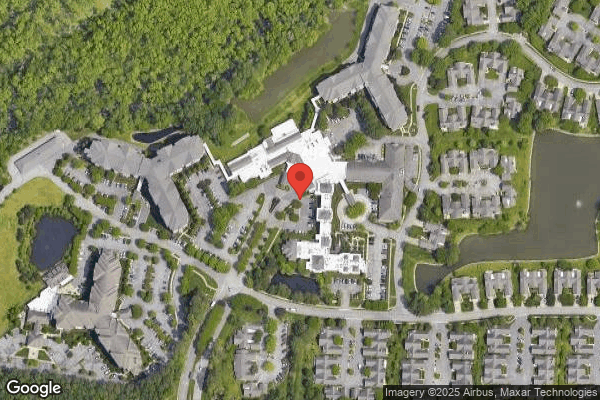

1200 ATLANTIC SHORES DRIVE, VIRGINIA BEACH, VA 23454 (757) 716-2060
For profit - Limited Liability company 50 Beds Independent Data: November 2025
Trust Grade
60/100
#156 of 285 in VA
Last Inspection: January 2022

Over 2 years since last inspection. Current conditions may differ from available data.

Overview

Seaside HHC at Atlantic Shore has a Trust Grade of C+, which means it is slightly above average but not outstanding. It ranks #156 out of 285 facilities in Virginia, placing it in the bottom half, although it is #3 out of 13 in Virginia Beach City County, indicating that there are only two local options that are better. The facility's trend is worsening, with issues increasing from 6 in 2019 to 8 in 2022. Staffing is a strength here, with a 4/5 star rating and a turnover rate of 45%, which is below the state average of 48%, suggesting that staff members are more likely to stay and build relationships with residents. On the downside, the facility has had 23 issues identified, including concerns about food safety, such as failing to properly label and date food items stored in the kitchen, which could affect residents' health. Additionally, there were incidents where a resident's care plan was not sent to the hospital upon discharge, which could have led to a lack of appropriate follow-up care. Overall, while there are some strengths in staffing and no fines recorded, families should weigh these against the facility's increasing issues and specific incidents of care concerns.

Trust Score
C+
60/100
In Virginia
#156/285
Bottom 46%
Safety Record
Low Risk
No red flags
Inspections
Getting Worse
6 → 8 violations
Staff Stability
○ Average
45% turnover. Near Virginia's 48% average. Typical for the industry.
Penalties
✓ Good
No fines on record. Clean compliance history, better than most Virginia facilities.
Skilled Nurses
○ Average
Each resident gets 33 minutes of Registered Nurse (RN) attention daily — about average for Virginia. RNs are the most trained staff who monitor for health changes.
Violations
⚠ Watch
23 deficiencies on record. Higher than average. Multiple issues found across inspections.
★★★☆☆
3.0
Overall Rating
★★★★☆
4.0
Staff Levels
★★★★☆
4.0
Care Quality
★★★☆☆
3.0
Inspection Score
Stable
2019: 6 issues
2022: 8 issues

The Good

  • 4-Star Staffing Rating · Above-average nurse staffing levels
  • 4-Star Quality Measures · Strong clinical quality outcomes
  • Full Sprinkler Coverage · Fire safety systems throughout facility
  • No fines on record
  • Staff turnover below average (45%)

    3 points below Virginia average of 48%

Facility shows strength in staffing levels, quality measures, fire safety.

The Bad

3-Star Overall Rating

Near Virginia average (3.0)

Meets federal standards, typical of most facilities

Staff Turnover: 45%

Near Virginia avg (46%)

Typical for the industry

The Ugly 23 deficiencies on record

Jan 2022 8 deficiencies
CONCERN (D)

Potential for Harm - no one hurt, but risky conditions existed

Deficiency F0582 (Tag F0582)

Could have caused harm · This affected 1 resident

Based on interview, record review, and facility policy review, the facility failed to provide Form CMS-10055 (Centers for Medicaid and Medicare Services) Skilled Nursing Facility Advance Beneficiary N...

Read full inspector narrative →
Based on interview, record review, and facility policy review, the facility failed to provide Form CMS-10055 (Centers for Medicaid and Medicare Services) Skilled Nursing Facility Advance Beneficiary Notice (SNFABN) to two of three residents (Residents (R) 16 and R22) reviewed for liability notices out of a total sample of 17 residents. The form should have included the type of service provided and the estimated cost to continue receiving the services. The failure to provide the SNFABN prevented the responsible party the ability to make an informed decision related to the cost of continued therapy services. Findings include: On 01/04/22 the facility provided the directions to complete the ABN printed from the Centers for Medicare and Medicaid Services (CMS) website. The directions stated, . Medicare inpatient hospitals and skilled nursing facilities (SNFs) use other approved notices for Part A items and services when notice is required to shift potential financial liability to the beneficiary . 1. Review of the electronic medical record (EMR) Profile tab revealed R16 was admitted to Medicare part A therapy services on 11/15/21. Further review revealed R16's last covered day of Part A therapy services was 12/17/21. The SNFABN was not issued by the Social Worker (SW). R16 had days remaining of Part A Medicare services. 2. Review of the EMR Profile tab revealed R22 was admitted to Medicare part A therapy services on 11/22/21. Further review revealed R22's last covered day of Part A therapy services was 12/10/21. The SNFABN was not able to be located by the SW; R22 had remaining and remained in the facility. During interview on 01/03/22 at 5:15 PM, the SW stated she did not issue R16 the SNFABN form as the resident would begin skilled services once she was released to a weight bearing status. The SW stated she could not locate the SNFABN issued to R22. The SW was asked to provide a copy of the facility policy and procedure for the SNFABN.
CONCERN (D)

Potential for Harm - no one hurt, but risky conditions existed

Comprehensive Care Plan (Tag F0656)

Could have caused harm · This affected 1 resident

**NOTE- TERMS IN BRACKETS HAVE BEEN EDITED TO PROTECT CONFIDENTIALITY** Based on observation, interview, record review, and facility policy review, the facility failed to develop and implement a comp...

Read full inspector narrative →
**NOTE- TERMS IN BRACKETS HAVE BEEN EDITED TO PROTECT CONFIDENTIALITY** Based on observation, interview, record review, and facility policy review, the facility failed to develop and implement a comprehensive person-centered care plan to address functional limited range of motion (ROM) for one (Resident (R) 15) reviewed for mobility/positioning in a total sample of 17 residents. Findings include: Review of the facility's policy titled Care Plans, Comprehensive Person-Centered with a revision date of December 2016 directed A comprehensive, person-centered care plan that includes measurable objectives and timetables resident's physical, to meet the psychosocial and functional needs is developed and implemented for each resident .The Interdisciplinary Team (IDT), in conjunction with the resident and his/her family or legal representative, develops and implements a comprehensive, person-centered care plan for each resident. The care plan interventions are derived from a thorough analysis of the information gathered as part of the comprehensive assessment. Review of R15's Profile located under the Profile tab in the electronic medical record (EMR) revealed R15 was admitted to the facility on [DATE]. Review of the admission Minimum Data Set (MDS) with an Assessment Reference Date (ARD) of 11/17/21 revealed the resident had a Brief Interview for Mental Status (BIMS) score of eight out of 15, indicating moderate cognitive impairment. The assessment also documented R15 had a functional limitation in range of motion on an upper extremity on one side. Review of the Care Area Assessment (CAA) triggers from this admission MDS revealed, ADL Functional/Rehabilitation Potential triggered for inclusion on the resident's care plan. Review of the Care Plan tab in R15's EMR revealed a Care Plan initiated on 11/12/21 and identified as current. The care plan did not address the resident's limited range of motion in his left hand and did not include any interventions related to this functional limitation. During a concurrent observation and resident interview on 01/03/22 at 5:03 PM, R15's left hand was close fisted tightly and R15 stated that his left hand was permanently damaged from a nerve problem. He further explained he could not move his left hand/fingers independently and that no staff at the facility had assessed and/or discussed any treatment for his hand. During the observation, the surveyor asked the resident to open his left-hand fingers with his right hand. When the resident opened his left-hand fingers slightly, there were finger depressions in the palms of his left hand from the pressure. R15 stated that the fist did bother him slightly and he would be willing to wear a splint. During an interview on 01/05/22 at 3:22 PM, the Physical Therapist (PT)1 acknowledged that the resident had received physical therapy treatment; however, he did not receive occupational therapy or any treatment for a functional impairment of an upper extremity. During a concurrent interview and record review on 01/06/22 at 10:30 AM, the MDS Coordinator acknowledged that she documented the resident's functional upper extremity impairment on the admission MDS with an ARD of 11/17/21 based on review of physician records; however, she did not perform a visual assessment of R15 at that time. At 10:40 AM the MDS Coordinator went to R15's bedside with the surveyor. R15 sat in a chair with his left-hand fingers tightly fisted. When the surveyor asked the resident to again open his left hand/fingers with his right hand, depressions on the palm of his hand were present and the MDS Coordinator said, Oh my! The MDS Coordinator confirmed R15's comprehensive care plan should have encompassed his limited range of motion and included interventions to reduce further decline in range of motion and potential skin breakdown.
CONCERN (D)

Potential for Harm - no one hurt, but risky conditions existed

Pressure Ulcer Prevention (Tag F0686)

Could have caused harm · This affected 1 resident

**NOTE- TERMS IN BRACKETS HAVE BEEN EDITED TO PROTECT CONFIDENTIALITY** Based on observation, record review, interview statements and policy review, the facility failed to ensure that two (Resident (R...

Read full inspector narrative →
**NOTE- TERMS IN BRACKETS HAVE BEEN EDITED TO PROTECT CONFIDENTIALITY** Based on observation, record review, interview statements and policy review, the facility failed to ensure that two (Resident (R) 85 and R8) of three residents reviewed for pressure sores received necessary treatment and services to promote healing. R85 had a delay in treating and completing an assessment of a known pressure ulcer upon admission and R8 did not receive a physician ordered treatment for an existing pressure ulcer. Findings include: Review of the facility's policy titled, Pressure Ulcer Prevention and Management dated June 2021 directed that, Each resident's skin condition is assessed upon admission. The assessment is documented in the clinical record .The resident representative is notified of any new wound or worsening wound and this is documented in the clinical record .Every effort is to be made to complete the skin evaluation within two (2) hours of admission .Pressure ulcers are assessed to location, type, stage, size, shape, depth, size and depth of sinus track, surrounding tissue, and drainage (type, color, odor, and amount), wound bed, wound edges, progress toward healing, signs of infection, treatment plan, and related pain Initial status is documented in the medical record .Daily monitoring is to be in place to assess the effectiveness of the plan and to ensure the care plan is followed i.e.: wound status pain, s/s [signs and symptoms] infection or change and the need to notify the physician .Weekly progress will be documented by the nurse to assess to type, location, stage, size, shape, depth size and depth of sinus track, surrounding tissue, and drainage (type, color, odor, amount), wound bed, wound edges, progress toward healing, signs of infection, treatment plan, and related pain. 1. Review of R85's Profile located under the Profile tab in the electronic medical record (EMR) revealed R85 was admitted to the facility on [DATE] and discharged on 12/07/20. Review of the admission Minimum Data Set (MDS) with an Assessment Reference Date (ARD) of 11/12/20 revealed the resident had a Brief Interview for Mental Status (BIMS) score of 15, indicating intact cognition. The assessment also documented the resident was always incontinent of urine, frequently incontinent of bowel, and had one Stage 2 pressure ulcer that was present on admission to the facility. Review of the Nursing admission Assessment dated 11/05/20 located in the Assessments tab in the EMR revealed the resident had sacral pressure ulcer identified, however, there was no further assessment of the sacral pressure ulcer documented. Review of physician Orders in the Orders tab in the EMR revealed there was no skin treatment ordered upon admission. Review of R85's Medication Administration Record (MAR) and Treatment Administration Record (TAR) for November 2020 located in the Reports tab of the EMR confirmed that there was a four-day delay in initiating treatment for the pressure ulcer that was present on admit. Review of a nursing Progress Note dated 11/09/20 (four days following admission to the facility) located in the Progress Note tab of the EMR revealed, Wound measures 1.9 x 1 cm. [centimeter] Received orders from . NP [Nurse Practitioner] to dress the wound w/ [with] calcium alginate [dressing used in the treatment of moderately to heavily exuding partial- and full-thickness draining wounds] and an a sacral allevyn [dressings designed specifically for the management of chronic and exuding wounds] Q72 [every 72] Hours. The note did not include documentation of stage, depth, or presence/absence of exudate related to the pressure injury. Review of physician orders and Treatment Administration Record for November 2020 and December 2020 located in the EMR revealed R85 received the treatments as planned by the Family Nurse Practitioner (FNP) beginning 11/09/20. Review of the Care Plan revealed a care plan problem that included interventions and identification of R85's actual impairment to skin integrity was not initiated until 11/23/20. During an interview on 01/05/22 at 12:22 PM, the FNP stated she first saw R85's wound on 11/18/20. She stated she assessed the pressure ulcer as a full thickness wound verses a Stage III and acknowledged that the wound deteriorated over the course of the resident's stay. The FNP stated that the tan, purple color was indicative of deep tissue injury (DTI) within the wound. The FNP acknowledged R85 had a delay in treatment upon admission to the facility. 2. Review of R8's Profile located under the Profile tab of the EMR revealed R8 was admitted to the facility on [DATE]. Review of the admission MDS with an ARD of 11/04/21 revealed the resident BIMS score 15 out of 15, indicating intact cognition. The assessment also documented R8 had two unstageable pressure ulcers with suspected deep tissue injury. Review of the 11/03/21 FNP Progress Note, located under the Progress Note tab of the EMR revealed the pressure ulcers were described as follows: Left heel eschar [dead tissue] measures 1.5 x 2.5 cm [centimeter] wound edged separated and draining purulent drainage .Right heel eschar measures 3.5 x 3.2 cm. Eschar is stable, no drainage. Review of physician Orders dated 01/02/22 located in the Orders tab of the EMR revealed, Dakins [solution is used to prevent and treat skin and tissue infections that could result from cuts, scrapes and pressure sores -1/4 strength] Solution 0.125 % (Sodium Hypochlorite) Apply to left heel only topically every day shift for wound infection Clean with Dakins, apply hydrogel, cover with dry dressing and Hydrogel Gel (Carbomer Gel Base) Apply to left foot topically every day shift for wound care cleanse L [left] foot with Dakins, apply Hydrogel, cover with dry dressing. During a concurrent observation and interview on 01/05/22 at 2:01 PM, the FNP performed the wound treatments for R8 while the resident was in bed. Prior to starting, the resident stated that the treatments were last done on 01/03/22 when she went to the vascular clinic. The FNP removed a 4 cm x 4 cm methylplex (soft and highly conformable antimicrobial foam dressing that absorbs and maintains a moist wound environment) dressing from R8's left heel and acknowledged that the facility did not have that type of dressing. When the FNP visualized a 4 cm x 4 cm methylplex dressing on the R8's right heel, the FNP sighed and acknowledged there is no order for this. The FNP stated the right heel eschar was stable and was supposed to be open to air so it did not accumulate moisture and destabilize saying it would heal itself if it remained intact. The FNP acknowledged that the resident's wound treatment orders were for daily treatments. Review of Treatment Administration Record (TAR) dated 01/04/22 in the orders tab reports of the EMR revealed a nurse signed that the treatment for Dakins (1/4 strength) Solution 0.125 % (Sodium Hypochlorite) Apply to left heel only topically every day shift for wound infection Clean with Dakins, apply hydrogel, cover with dry dressing and Hydrogel Gel (Carbomer Gel Base) Apply to left foot topically every day shift for wound care cleanse L foot with Dakins, apply Hydrogel, cover with dry dressing was completed on 01/04/21 by Registered Nurse (RN)1. During an interview on 01/06/22 at 1:09 PM, RN1 reported that although he signed for the administration of R8's wound treatment on 01/04/22 prior to performing it, he was called away to do something else on the way to the resident's room and forgot to perform the treatment.
CONCERN (D)

Potential for Harm - no one hurt, but risky conditions existed

Deficiency F0727 (Tag F0727)

Could have caused harm · This affected 1 resident

Based on interviews, review of the staffing records, and facility policy review, the facility failed to ensure the services of a Registered Nurse (RN) for at least eight consecutive hours a day, seven...

Read full inspector narrative →
Based on interviews, review of the staffing records, and facility policy review, the facility failed to ensure the services of a Registered Nurse (RN) for at least eight consecutive hours a day, seven days a week for one of the 67 days reviewed (12/26/21). Findings include: Review of the facility policy titled Staffing, dated 04/07, indicated, .facility maintains adequate staffing on each shift to ensure that our resident's needs and services are met. Licensed registered nursing and licensed nursing staff are available to provide and monitor the delivery of resident care services .Staffing includes an RN onsite at least eight consecutive hours a day, seven days a week . Review of the facility-provided Staffing Records, dated 11/01/21 through 01/06/22, revealed the records disclosed the names, titles, and hours worked for each staff person on the unit. Continued review of the staffing records revealed that an RN was present for one hours and not in the facility for eight consecutive hours on 12/26/21. Interview on 01/05/22 at 1:00 PM with the Assistant Administrator of Assisted Living Facility (ALF), stated, an RN had been scheduled for that day, called off and was not replaced. During an interview with the Nurse Consultant on 01/06/22 at 9:03 AM, she stated, the regulations should have been followed for an RN to be on the unit eight hours a day, seven days a week.
CONCERN (D)

Potential for Harm - no one hurt, but risky conditions existed

Staffing Information (Tag F0732)

Could have caused harm · This affected 1 resident

Based on observations, interviews, and review of posted staffing information, the facility failed to ensure that staffing information included hours for all types of licensed nursing staff on duty, do...

Read full inspector narrative →
Based on observations, interviews, and review of posted staffing information, the facility failed to ensure that staffing information included hours for all types of licensed nursing staff on duty, documented the current census, and was readily available to residents and visitors daily. Findings include: On 01/03/22 at 2:51 PM, observation was made of the posted daily staffing. The daily staffing post included all shifts and coverage hours for Licensed Practical Nurses (LPN), and Certified Nursing Assistants (CNA). It also included the resident census. The posting did not contain coverage hours for Registered Nurses (RNs) or the resident census. Interview with the Interim Director of Nursing (IDON) at the time of observation revealed that he did not know why RNs were not included on the daily staff posting. He stated, an RN was on duty. Observations on 01/04/22 at 9:30 AM, 11:12 AM, 1:34 PM, and 4:05 PM revealed the daily staffing information was not posted. On 01/05/22 at 8:15 AM, the daily staffing information was posted and included RN hours. The resident census was not included. Interview on 01/06/22 at 9:03 AM with the Nurse Consultant revealed the staff posting should be completed daily at the beginning of the shift.
CONCERN (D)

Potential for Harm - no one hurt, but risky conditions existed

Infection Control (Tag F0880)

Could have caused harm · This affected 1 resident

Based on observation, interview, and facility policy review, the facility failed to ensure face coverings were worn by all those who entered the facility to include vendors that made deliveries to the...

Read full inspector narrative →
Based on observation, interview, and facility policy review, the facility failed to ensure face coverings were worn by all those who entered the facility to include vendors that made deliveries to the kitchen. On 1/6/22 at 11:45 AM observation of the lunch tray line was conducted with the Registered Dietician (RD) present. An outside bread vendor entered the kitchen without a mask, walked past the tray line and went into the storage room. The RD was asked why the vendor did not have on a mask to which the vendor had no response. The RD asked the vendor to put on a mask and he walked by the tray line and went into an office to obtain a mask. Interview on 1/6/22 at 11:53 AM with the vendor revealed that he always came through the back delivery door to enter the kitchen. He said he had never been asked to wear a mask. During an interview on 1/6/22 at 3:13 PM the Nurse Consultant stated that masks were required by everyone entering the building.
CONCERN (D)

Potential for Harm - no one hurt, but risky conditions existed

Deficiency F0883 (Tag F0883)

Could have caused harm · This affected 1 resident

**NOTE- TERMS IN BRACKETS HAVE BEEN EDITED TO PROTECT CONFIDENTIALITY** Based on staff interview, record review, facility policy review, and review of guidance from the Centers for Disease Control and...

Read full inspector narrative →
**NOTE- TERMS IN BRACKETS HAVE BEEN EDITED TO PROTECT CONFIDENTIALITY** Based on staff interview, record review, facility policy review, and review of guidance from the Centers for Disease Control and Prevention (CDC), the facility failed to offer and administer the pneumococcal vaccination in a manner consistent with CDC recommendations and professional standards. The failure affected three of five residents (Resident (R) 8, R15, and R17) reviewed for immunizations. Findings include: Review of the facility's policy titled, Pneumococcal Vaccine, with a revision date of October 2019, revealed, 1. Prior to or upon admission, residents will be assessed for eligibility to receive the pneumococcal vaccine series, and when indicated, will be offered the vaccine series within thirty (30) days of admission to the facility unless medically contraindicated or the resident has already been vaccinated .2. Assessments of pneumococcal vaccination status will be conducted within five (5) working days of the resident's admission if not conducted prior to admission .7. Administration of the pneumococcal vaccines or revaccinations will be made in accordance with current Centers for Disease Control and Prevention (CDC) recommendations at the time of the vaccination. Review of the Centers for Disease Control (CDC), website https://www.cdc.gov/vaccines/vpd/pneumo/hcp/recommendations.html, CDC recommends routine administration of pneumococcal polysaccharide vaccine (PPSV23) for all adults 65 years or older. In addition, CDC recommends PCV13 based on shared clinical decision-making for adults 65 years or older who do not have an immunocompromising condition, cerebrospinal fluid leak, or cochlear implant and have never received a dose of PCV13. Clinicians should consider discussing PCV13 vaccination with these patients to decide if vaccination might be appropriate . For adults 65 years or older who do not have an immunocompromising condition, cerebrospinal fluid leak, or cochlear implant and want to receive PCV13 AND PPSV23: Administer 1 dose of PCV13 first, then give 1 dose of PPSV23 at least 1 year later. If the patient already received PPSV23, give the dose of PCV13 at least 1 year after they received the most recent dose of PPSV23. Anyone who received any doses of PPSV23 before age [AGE] should receive 1 final dose of the vaccine at age [AGE] or older. Administer this last dose at least 5 years after the prior PPSV23 dose. 1. Review of R17's Profile located under the Profile tab in the electronic medical record (EMR) revealed R17 was over [AGE] years old and was admitted to the facility on [DATE] and re-admitted on [DATE]. Review of the Quarterly Minimum Data Set (MDS) with an Assessment Reference Date (ARD) of 11/24/21, located under the EMR MDS tab, revealed the R17 had severe impaired cognitive skills for daily decision making. Review of R17's active physician Orders, located in the orders tab of the EMR, dated 05/14/20 directed, Pneumococcal and Influenza vaccines per facility policy. Review of the Immunizations under the Immunizations tab in the EMR revealed R17 had historical documentation of receiving pneumovax dose 1 on 02/01/16. There was no other information in the record regarding pneumococcal vaccination, indicating the resident did not receive the Pneumococcal Polysaccharide Vaccine (PPV23) and Prevnar 13 per the CDC guidelines. 2. Review of R8's Profile located under the Profile tab in the EMR revealed R8 was over [AGE] years old and was admitted to the facility on [DATE]. Review of the admission MDS with an ARD of 11/04/21 located in the EMR MDS tab revealed the resident had a Brief Interview for Mental Status (BIMS) score of 15 out of 15, indicating the resident was cognitively intact. Review of R8's active physician Orders, located in the orders tab of the EMR, dated 12/12/21 directed, Pneumococcal and Influenza vaccines per facility policy. Review of the Immunizations under the Immunizations tab in the EMR revealed R15 had received the PPV23 on 02/02/17. There was no further information available regarding R8's pneumococcal vaccination series, indicating the resident did not receive PPV23 and Prevnar 13 per the CDC guidelines. 3. Review of R15's Profile located under the Profile tab in the EMR revealed R15 the resident was over [AGE] years old and was admitted to the facility on [DATE]. Review of the admission MDS with an ARD of 11/17/21 located in the EMR MDS tab revealed the resident had a BIMS score of eight out of 15, indicating the resident had moderate cognitive impairment. Review of R15's active physician Orders, located in the orders tab of the EMR, dated 11/05/21 directed, Pneumococcal and Influenza vaccines per facility policy. Review of the Update Immunization report provided by the facility's Infection Control Preventionist (ICP) documented R15 had consented to receive the influenza vaccine on 11/09/21. Review of the Immunizations under the Immunizations tab in the EMR revealed no documentation showing the facility provided the influenza vaccine after obtaining consent on 11/09/21. Documentation showed R15 had the PPV23 administered on 11/15/20 but no evidence Prevnar 13 had been discussed and/or offered by the facility. The resident did not receive PPV 23 and Prevnar 13 per the CDC guidelines. During an interview on 01/06/22 at 2:55 PM, the Infection Control Preventionist (ICP) stated it was facility policy for all residents to have the influenza and pneumococcal vaccination offered upon admission. The ICP stated that this was accomplished by the admitting nurse and Unit Manager ensuring that the residents were offered the vaccinations. All residents had a standing order to receive the flu and pneumococcal vaccination in accordance with facility policy and CDC guidelines. She confirmed R8, R15, and R17 did not receive pneumococcal vaccination in accordance with CDC and facility guidelines. She confirmed there was a delay in administering the influenza vaccine to R17 and was unsure as to why he had not received it since consent had been obtained.
CONCERN (F)

Potential for Harm - no one hurt, but risky conditions existed

Food Safety (Tag F0812)

Could have caused harm · This affected most or all residents

Based on observation, staff interview, and review of facility policy, the facility failed to ensure foods stored in the kitchen were labeled, dated when opened, sealed closed, and outdated food dispos...

Read full inspector narrative →
Based on observation, staff interview, and review of facility policy, the facility failed to ensure foods stored in the kitchen were labeled, dated when opened, sealed closed, and outdated food disposed. Also, employees failed to wash their hands when entering the kitchen and wear a hair covering. These failures had the potential to affect all 38 residents in the facility who ate food from the kitchen. Findings include: Review of the facility's policy titled, Food Labels, dated October 1997, documented . All prepared and leftover food intended for storage will be covered, labeled, and dated according to posted FDA guidelines and department standard. The day food item is opened or prepared is considered day one. Item is to be placed in proper refrigerator, freezer, or dry storage. 1. On 01/03/22 at 10:00 AM, the following observations were made with and verified by the Food and Beverage Director (FBD). The dry storage room contained one bag of brown rice with a use-by-date of 11/13/21, one bag of white rice with a use-by-date of 10/20/21, one bag of potato chips with a use-by-date of 12/24/21, and one bag of pretzels with a use-by-date of 12/26/21. The dry storage also contained one box of stuffing mix, one box of rice pilaf, dried croutons on a baking sheet, one box of crackers, one bag of white chocolate chips, and strawberry/banana pudding that were opened, not sealed, and had not been labeled with a use by date. The FBD confirmed food items should be discarded when out-of-date, open foods should be labeled with a use by date, and open food items should be sealed. 2. On 01/03/22 at 10:15 AM, the walk-in freezer contained six slices of frozen bread on the floor. The freezer also contained one box of frozen white bread, one box of pumpernickel bread, and one tray of pecan crusted salmon was not covered and open to air. The FBD confirmed foods should be covered in the freezer. 3. On 01/03/22 at 10:25 AM, the walk-in refrigerator contained one tray of sweet potatoes not covered and open to air. The refrigerator also contained a package of Havarti cheese with a use-by-date of 12/11/21 and one package of Feta cheese with a use-by-date of 12/29/21. 4. Observation in the kitchen on 01/03/22 at 10:40 AM with the FBD present revealed two dietary employees walked through the kitchen without hair coverings in place. The FBD confirmed the observation, and the employees were prompted to put on a hat or hair net.
Jan 2019 6 deficiencies
CONCERN (D)

Potential for Harm - no one hurt, but risky conditions existed

Safe Environment (Tag F0584)

Could have caused harm · This affected 1 resident

**NOTE- TERMS IN BRACKETS HAVE BEEN EDITED TO PROTECT CONFIDENTIALITY** Based on observation, staff interview, facility documentation review, and in the course of a complaint investigation, the facili...

Read full inspector narrative →
**NOTE- TERMS IN BRACKETS HAVE BEEN EDITED TO PROTECT CONFIDENTIALITY** Based on observation, staff interview, facility documentation review, and in the course of a complaint investigation, the facility staff failed to provide reasonable care for the protection of residents' property from loss for 1 of 22 residents (Resident #88) in the survey sample. The facility staff disposed of Resident #88's cards that had sentimental value. The findings included: Resident #88 was originally admitted to the facility on [DATE]. Diagnoses for Resident #88 included but not limited to Urinary Tract Infection and Altered Mental Status. The current Minimum Data Set (MDS) with an Assessment Reference Date (ARD) of 7/2/18 coded Resident #88 with 13 out of possible 15 score for Brief Interview for Mental Status (BIMS) which indicated no cognitive impairment. Based on a complaint investigation, the complainant alleged facility staff threw away Resident #88's most sentimental valuables when he did not return to the facility. An interview was conducted on 1/28/19 at approximately 1:30 P.M. with the facility administration who stated, Yea, I believe housekeeping went in to clean the room and threw out some cards that were in a drawer. I believe it was a very special card to him. The facility policy titled Resident's Personal Belongings effective date 12/24/17 and revised 7/13/18 was reviewed and is documented in part, as follows: Procedure: 1. Upon discharge, if the family has not picked up the belongings, all resident's item will be packed up neatly by housekeeping staff and placed in the office. All residents' items include, but are not limited to notes, papers, tissues, care items, toiletries, cards, clothing, electronics, and any items that do not belong to the facility. The facility Administrator was informed of the findings during the pre-exit meeting on 1/28/19 at approximately 7:00 P.M. The facility did not have any further questions or present any further information at that time. Complaint Deficiency.
CONCERN (D)

Potential for Harm - no one hurt, but risky conditions existed

Incontinence Care (Tag F0690)

Could have caused harm · This affected 1 resident

**NOTE- TERMS IN BRACKETS HAVE BEEN EDITED TO PROTECT CONFIDENTIALITY** Based on staff interview, facility documentation review, and in the course of a complaint investigation, the facility staff fail...

Read full inspector narrative →
**NOTE- TERMS IN BRACKETS HAVE BEEN EDITED TO PROTECT CONFIDENTIALITY** Based on staff interview, facility documentation review, and in the course of a complaint investigation, the facility staff failed to provide appropriate indwelling Foley catheter care for 1 of 22 residents (Resident #88) in the survey sample. 1. The facility staff failed to provide appropriate indwelling Foley catheter care for Resident #88 daily for 5 days in June 2018. The findings included: Resident #88 was originally admitted to the facility on [DATE]. Diagnosis for Resident #88 included but not limited to Urinary Tract Infection and Altered Mental Status. Resident #88 no longer resided in the facility. The most recent Minimum Data Set (MDS) with an Assessment Reference Date (ARD) of 7/2/18 coded Resident #88 with 13 out of possible 15 score for Brief Interview for Mental Status (BIMS) indicating minimal cognitive impairment. Based on a complaint, the complainant alleged facility staff did not provide catheter hygiene. The review of resident's Physician Orders and Care Plan revealed the following: Perform appropriate cleaning of entry point of catheter tubing as well as the tip of the penis. A review of the resident's Treatment Administration Record (TAR) Assist report dated 6/6/18 through 6/23/18 revealed no daily catheter care was provided on 6/10/18, 6/11/18, 6/16/18, 6/17/18, and 6/20/18. An interview was conducted on 1/28/19 at approximately 1:30 P.M. with the facility administration who stated, It looks like the resident did not get catheter care for 5 different days while he was here in our facility. The expectation is Foleys are cleaned and cared for daily. The facility policy titled Catheter Care, Urinary with issue date 2/2018 was reviewed and is documented in part, as follows: Purpose: The purpose of this procedure is to prevent infection of the resident's urinary tract. The facility Administrator was informed of the findings during the pre-exit meeting on 1/28/19 at approximately 7:00 P.M. The facility did not have any further questions or present any further information at that time. Complaint Deficiency.
CONCERN (D)

Potential for Harm - no one hurt, but risky conditions existed

Pharmacy Services (Tag F0755)

Could have caused harm · This affected 1 resident

**NOTE- TERMS IN BRACKETS HAVE BEEN EDITED TO PROTECT CONFIDENTIALITY** Based on the observation of 2 medication carts and 1 medication room; the facility staff failed to dispose of medications on a d...

Read full inspector narrative →
**NOTE- TERMS IN BRACKETS HAVE BEEN EDITED TO PROTECT CONFIDENTIALITY** Based on the observation of 2 medication carts and 1 medication room; the facility staff failed to dispose of medications on a discharged Resident # 191. The facility staff failed to dispose of an expired controlled medication (Fentanyl patch) and unidentified medications for Resident #191. The findings include: Resident # 191 was admitted to the facility [DATE] from an acute care facility with diagnoses that included but not limited to Diabetes mellitus, hyperlipidemia, and chronic pain. Resident # 191 admission assessment with an assessment reference date (ARD) of [DATE] coded the resident as being able to complete the Brief Interview of Mental Status (BIMS). On [DATE] at approximately 11:27 AM an inspection was being conducted in the medication room. There was a locked box located on the wall in the medication room, consisting of two locks. Licensed Practical Nurse # 4 was asked what was inside of the box and she stated that she didn't know but thought it might be empty. She then stated that the Director of Nursing (DON) was the only person with the keys to open it. Registered Nurse # 1 was also asked if she knew what was in the box, she stated that she was new to the facility and didn't know what was in the locked box. A brief interview was conducted with LPN # 2 (Licensed Practical Nurse) on [DATE] at approximately 11:35 AM concerning the locked medication box on the wall in the medication room. She stated that she will get the DON (Director of Nursing) to open the locked box, because she was the only person with access. On [DATE] at approximately 11:45 AM, The DON entered the medication room with the keys to the wall mounted medication box. Once she unlocked the box she removed 2 unopened fentanyl 25 mcg/HR patches with an expiration date of [DATE]. Attached with the fentanyl patches was a controlled medication utilization record dated [DATE] with 2 nursing signatures. She also pulled out 2 zip locked bags of loose pills. One bag had 4 round, white pills and the other bag had 36 round, white pills. There were no medication records found. The DON (Director Of Nursing) stated that the locked box was mostly for keeping discharged patient medications, jewelry or other valuable items. She stated that the pills were brought from home by the resident's family and that she just forgot to waste the pills. On [DATE] at approximately 11:00 AM, the DON stated that she and LPN # 1, had destroyed the expired fentanyl patches and two zip locked bags of pills that were brought in by the resident's family. She presented the Controlled Medication Utilization Record which stated that the above medications were destroyed on [DATE] at 12 noon. A brief interview was held with License Practical Nurse # 3 on [DATE] at approximately 3:35 PM. She was asked what should be done if a Resident brought in medication from home to the facility. She stated that she would lock up the medication in her medication cart if the Director Of Nursing wasn't available. She also stated that if the medication was a narcotic that she would count it with another license nurse and put the information on the medication inventory sheet. On [DATE] at approximately 3:40 PM an interview was held with License Practical Nurse # 1 concerning her receiving medications brought in from the resident's family on [DATE]. She stated that a nurses aide caring for the resident informed her that Resident #191 had a bag of pills in her room that her family brought in for her. LPN #1 stated that she took the medications from the resident and locked them in her cart until the DON (Director Of Nursing) was available. She was asked if she had documented the incident in her nursing notes but stated that she didn't. She was also asked if she tried to contact the resident's family to pick up the medication, but stated that she never contacted anyone to pick up the medications. On [DATE] at approximately 12:56 PM The facility's policy was provided by the DON and reviewed. Policy: Titled Disposal Of Medications. PURPOSE: To ensure safely, legally and properly dispose of all outdated or discontinued medications. To ensure that controlled substances are not diverted. To comply with state and federal DEA regulations. RESPONSIBLE PERSONNEL: Licensed Nursing. PROCEDURE: For Narcotics and Liquid Medication Destruction: All narcotics and liquid medications must be hand delivered to the Director Of Nursing for destruction. Two people must witness the crushing of the narcotic and/ or liquid medication and placing it into a sharp's container for destruction. PRIVATE RESIDENTS LTC-If family is requesting for medications not to be disposed of: (1.) If family is requesting for us not to dispose of the medications because the doctor may prescribe again they must pick up within 72 hours of med. Being discontinued. (2.) Until family picks up medication nursing staff must place all discontinued medications into plastic bag labeled D/C meds. With name date and time and person contacted and pick up. (3.) If family does not pick up within 72 hours, medication will be disposed of per current policy. On [DATE] at approximately 12:50 PM a phone call was made to the facility Pharmacist #4 with concerns involving the facility's medication disposal procedures. She stated that she would like to talk in person concerning the matter. A brief interview was held on [DATE] at approximately, 1:26 PM with the facility Pharmacist # 4 and Pharmacist # 5 concerning procedures involving medications brought in to the facility by residents. Pharmacy # 4 stated that the nursing staff should try to send the medications home within the required time frame. The Pharmacist agreed they are not involved in the destruction of narcotics, but the Director of Nursing should destroy the meds. Pharmacist # 5 stated that if the resident brought in other medications such as inhalers, eye drops etc. they would have licensed staff list medications on the count sheet so they would be aware of what the resident is taking. Pharmacist # 4 stated that the medication was placed in a secure double locked box which was important. On [DATE] at approximately 3:00 PM a debriefing was held with the DON (Director Of Nursing) and facility Administrator concerning the medication incident. The DON stated that the nurse gave her the medication because the resident was self-medicating. She said that she should have put the incident in her nursing note, contacted a family member to pick up the medications, and/or destroyed the medication if family member hadn't showed up in 72 hours. The administration had no comment at this time. On [DATE] at approximately 4:36 PM, received policy from facility administrator titled Proper Medication Disposal. Policy: The facility adheres to all federal, state and local regulations regarding, drug destruction when discarding medication and medical waste. Purpose: (1.)To safely, legally and properly dispose of all outdated or unwanted controlled substances. (2.) To ensure that controlled substances are not diverted. (3.) To comply with state and federal DEA regulations. Procedure: If the medication is supplied in a bubble pack or prescription bottle from another pharmacy, you must do the following: Have another staff witness the destruction, document the amount of pills being destroyed, crush all pills and put in sharps container, crush all pills and place in a sharps container to make sure both staff members witness the destruction and sign the medication destruction form. On [DATE] at approximately 7 PM a pre-exit interview was conducted. The Director Of Nursing (DON) and the Administrator were present. The DON stated that she rarely uses the lock box, and that the medications should have been destructed in 72 hours. On [DATE] the facility Administrator handed surveyor a copy of the following: Title 21 of the Code of Federal Regulations (CFR), 21 CFR 1307.21 (Disposal of Unused or Unwanted Medications). 18VAC110-20-211. Disposal of Drugs by Authorized Collectors. She stated this is what the facility follows.
CONCERN (E)

Potential for Harm - no one hurt, but risky conditions existed

Transfer Requirements (Tag F0622)

Could have caused harm · This affected multiple residents

**NOTE- TERMS IN BRACKETS HAVE BEEN EDITED TO PROTECT CONFIDENTIALITY** 2. The facility staff failed to send Resident #19's care plan summary when discharged to the hospital. Resident #19 was admitted...

Read full inspector narrative →
**NOTE- TERMS IN BRACKETS HAVE BEEN EDITED TO PROTECT CONFIDENTIALITY** 2. The facility staff failed to send Resident #19's care plan summary when discharged to the hospital. Resident #19 was admitted to the facility on [DATE]. Diagnosis included but were not limited to, Aphasia and Encephalopathy. The admission Minimum Data Set (an assessment protocol) with an Assessment Reference Date of 01/10/2019 coded Resident #19 with a BIMS (Brief Interview for Mental Status) score of zero (0) indicating severe cognitive impairment. In addition, the Minimum Data Set coded Resident #19 as requiring extensive assistance with Activities of Daily Living. On 01/28/2019 at approximately 6:10 p.m., an interview was conducted with the Director of Nursing (DON). The DON was asked, When was Resident #19 discharged from the facility? The DON provided copy of a nurse note stating that Resident #19's caretaker signed Resident #19 out of the facility on 12/24/2018 and took him to the hospital. Resident #19 was admitted to the hospital with a diagnosis of sepsis. The DON was asked, Was a care plan summary sent to the hospital? The DON could not produce any evidence that the care plan was sent. The facility does not have a policy regarding issuing a care plan at time of transfer or discharge. On 01/28/2019 at approximately 7:15 p.m., at pre-exit meeting the Administrator and the Director of nursing was informed of the findings. The facility did not present any further information about the findings. 3. The facility staff failed to ensure Resident #88 plan of care summary was sent upon transfer to the hospital on 6/23/18 and 6/30/18. Resident #88 was originally admitted to the facility on [DATE]. Diagnosis for Resident #88 included but not limited to Urinary Tract Infection and Altered Mental Status. A closed record review was conducted. The most recent Minimum Data Set (MDS) with an Assessment Reference Date (ARD) of 7/2/18 coded the Resident #88 with 13 out of possible 15 score for Brief Interview for Mental Status (BIMS) indicating minimal cognitive impairment. The clinical note dated 6/23/18 at 6:48 P.M. revealed the following: received resident in bed. a&o x4. Thirty minutes later unable to speak. Out of bed up in wc bedside, refused to eat any dinner. Found with his chin in his chest drooling. BS 0815 230. Manual BP 90/45. This nurse call for assistance getting him into bed. Observed he is cold clammy and still unable to speak. Opened his eyes and looked when his name was spoken. Hand grasps average strength equal. Smile unable to be checked. 95% o2 sat on ra, no sob noted. On call md notified. 911 called. Supervisor notified and family made aware. Manual bp 140/70 lying flat in Trendelenburg. EMT responds and resident unable to verbalize. Transported to (Hospital Name), family made aware. admission confirmed with hospital and family. Oof (out of facility) to hospital 0900. The clinical note dated 6/30/18 at 4:26 P.M. revealed the following: Called to room approximately 12:45 pm. Patient had just had a small amount of emesis noted right after lunch. This emesis was not observed via this nurse. MDS nurse was in room and Social Worker was bringing a v/s machine. Resident had a b/p of 149/66, heart rate 58, POX 97% on room air. Noted to be diaphoretic, BS was checked and noted 194. Patient was lethargic, but able to be aroused. He then had noted to have a very thick white emesis (large amount). It was projectile. Patient was then in and out of responsiveness. Sternum rub performed several times. Social worker called on-call, no return call. 911 was called, patients' blood pressure was noted to be 87/37, still in and out of consciousness. Left facility at 1:20 pm to (Hospital Name) ER. An interview was conducted with the facility Director of Nursing on 1/28/19 at 1:30 P.M. who stated, We send out a patient summary that includes face sheet, meds, treatments, but not a care plan. The facility policy titled Required Documentation for a Planned Discharge with issued date 4/2002 and revised date 2/2018 was reviewed and is documented in part, as follows: Purpose: To ensure that all residents upon discharge receive the information required for a safe discharge. Procedure: 3. Complete discharge paperwork is resident is going home. If the resident is being transferred to another facility, you are required to complete a transfer summary and provide discharge paperwork. Facility could not provide policy or procedure specific to care plan included with resident transfer. The facility Administrator was informed of the findings during the pre-exit meeting on 1/28/19 at approximately 7:00 P.M. The facility did not have any further questions or present any further information at that time. Based on medical record review, staff interviews and facility document review the facility staff failed to ensure that individual plan of care summary was sent with 3 of 22 Residents in the survey sample upon transfer to the hospital, Resident #22, #19, and #88. 1. The facility staff failed to ensure that Resident #22's plan of care summary was sent upon transfer to the hospital on 1/27/19. 2. Facility staff failed to send Resident #19's care plan summary when discharged to the hospital. 3. The facility staff failed to ensure Resident #88 plan of care summary was sent upon transfer to the hospital on 6/23/18 and 6/30/18. The findings included: 1. Resident #22 was a [AGE] year old admitted to the facility on [DATE] with diagnoses to include but not limited to Diabetes Mellitus, Congestive Heart Failure, and Peripheral Vascular Disease. The most recent comprehensive Minimum Data Set (MDS) assessment was a 60 day with an assessment reference date (ARD) of 1/10/19. Resident #22's Brief Interview for Mental Status (BIMS) was a 10 out of a possible 15 which indicated that the resident had moderate cognitive impairment but capable of daily decision making most days. Resident #22's most recent Minimum Data Set (MDS) assessment was a Discharge Assessment with assessment reference date (ARD) of 1/27/19. Resident #22's Comprehensive Care Plan was reviewed and revealed the following facility identified problems for the resident: Nutrition, Allergies, Diabetes, Foley Catheter, Gastro-Esophageal Reflux Disease, Psychotropic -Anxiety, Skin Integrity, Potential for Urinary Tract Infection, Vision, Pneumonia, Constipation, Risk for Dehydration, Congestive Heart Failure, Activities of Daily Living, Pain Management, Risk for falls, Psychotropic-Antipsychotic, Dementia, and Social Services. Resident #22's Skilled Assessment Note dated 1/27/19 at 6:45 AM was reviewed and is documented in part, as follows: Patient had combative behaviors this am. She spit out all her medications, she threw her prostat and Miralax on this nurse. She tried to hit this nurse in the face with a water pitcher. She was crying out Mommy at times. Her daughter was in this shift as this nurse was calling the oncall to inform of behaviors and temperature of 101.2- then recheck was 100.5. Daughter stated she was trying to hit her several times and yelling at her. Clinching teeth. NP (Nurse Practitioner) was requested about maybe extending antibiotic for UTI (urinary tract infection), since today was last day for Keflex. NP only wanted STAT labs as they were done this am anyway and vital signs every 4 hours. Informed daughter of NP orders she stated no, she wanted her mother to be checked in the ER (emergency room) d/t (due to) increasing behaviors and wanting her urine rechecked as well as medicated for behaviors since she was seeing how combative her mother was. Called 911 after calling NP oncall back and telling them of her daughter request to send out. Called 911 and gate house to inform them of calling, called (Hospital Name) ER at 12:45 P.M. and spoke to RN (Registered Nurse) on duty to give them report. Called at 4:15 pm to check on patient being admitted or not, she was still being evaluated. She left facility via Stretcher at 12:50 PM. The facility Model Transfer Form: Nursing Facility to Emergency Department/Hospital for Resident #22 was reviewed and is documented in part, as follows: Date: 1/27/19 Time of Transfer: 12:50 PM Reason for Transfer/Actions Taken Prior to transfer: Last day of UTI medications, increased behaviors noted-severe combativeness this am-refused all meds. this am. Needs Eval. Verbal Communication to ED (emergency department) staff: (Name) Time: 12:45 PM On 1/28/19 at approximately 1:30 P.M. an interview was conducted with the Director of Nursing regarding Resident #22's hospital transfer on 1/27/19. The Director of Nursing was asked if the facility had send an individual plan of care summary with Resident #22 when she was transferred to the hospital on 1/27/19. The Director of Nursing stated, We send the transfer form with them but not the care plan. On 1/28/19 at 7:00 P.M. a pre-exit de-briefing was conducted with the Administrator and the Director of Nursing where the above information was shared. Prior to exit no further information was provided.
CONCERN (E)

Potential for Harm - no one hurt, but risky conditions existed

Deficiency F0625 (Tag F0625)

Could have caused harm · This affected multiple residents

**NOTE- TERMS IN BRACKETS HAVE BEEN EDITED TO PROTECT CONFIDENTIALITY** 2. The facility staff failed to provide Resident #19 and/or Resident Representative a written Bed Hold Notice upon transfer to t...

Read full inspector narrative →
**NOTE- TERMS IN BRACKETS HAVE BEEN EDITED TO PROTECT CONFIDENTIALITY** 2. The facility staff failed to provide Resident #19 and/or Resident Representative a written Bed Hold Notice upon transfer to the hospital on [DATE]. Resident #19 was discharged to the hospital on [DATE]. Resident #19 was re-admitted to the facility on [DATE]. Diagnosis included but were not limited to Aphasia and Encephalopathy. Resident #19's admission Minimum Data Set (an assessment protocol) with an Assessment Reference Date of 01/10/2019 coded Resident #19 with a BIMS (Brief Interview for Mental Status) score of zero (0) indicating severe cognitive impairment. In addition, the Minimum Data Set coded Resident #19 as requiring extensive assistance with Activities of Daily Living. An interview was held with the Administrator and Director of Nursing by another surveyor on 01/28/19 at 1:30 p.m. They stated, When a resident is sent out, we get a computer alert and find out they are admitted to the hospital. I call the family the next day to ask them if they want to hold the bed. If they want to hold the bed I get them to come in and sign the bed hold agreement. (are bed holds given out when resident leaves facility) No. No bed hold goes out when resident leaves. On 01/28/2019 at approximately 6:00 p.m., an interview was conducted with the Administrator. The Administrator was asked, Was a Bed Hold Notice issued to the resident or the resident's representative? The Administrator stated, The Admissions Coordinator called the resident's representative but did not issue the notice. The Administrator was unable to provide any evidence that Bed Hold Notice was provided. On 01/28/2019 at approximately 7:15 p.m., at the pre-exit meeting the Administrator and the Director of Nursing was informed of the findings. The facility did not present any further information about the findings. The facility staff failed to issue a bed hold notice at time of transfer and discharge to the local hospital for three residents. 3. The facility staff failed to provide Resident #88 or resident representative with a written notice of the bed hold policy upon transfer to the hospital on 6/23/18 and 6/30/18. Resident #88 was originally admitted to the facility on [DATE]. Diagnosis for Resident #88 included but not limited to Urinary Tract Infection and Altered Mental Status. The current Minimum Data Set (MDS) with an Assessment Reference Date (ARD) of 7/2/18 coded the Resident #88 with 13 out of possible 15 score for Brief Interview for Mental Status (BIMS) indicating minimal cognitive impairment. The clinical note dated 6/23/18 at 6:48 P.M. included the following: received resident in bed. a&o x4. Thirty minutes later unable to speak. Out of bed up in wc bedside, refused to eat any dinner. Found with his chin in his chest drooling. BS 0815 230. Manual BP 90/45. This nurse call for assistance getting him into bed. Observed he is cold clammy and still unable to speak. Opened his eyes and looked when his name was spoken. Hand grasps average strength equal. Smile unable to be checked. 95% o2 sat on ra, no sob noted. On call md notified. 911 called. Supervisor notified and family made aware. Manual bp 140/70 lying flat in Trendelenburg. EMT responds and resident unable to verbalize. Transported to (Hospital Name), family made aware. admission confirmed with hospital and family. Oof (out of facility) to hospital 0900. The clinical note dated 6/30/18 at 4:26 P.M. revealed the following: Called to room approximately 12:45 pm. Patient had just had a small amount of emesis noted right after lunch. This emesis was not observed via this nurse. MDS nurse was in room and Social Worker was bringing a v/s machine. Resident had a b/p of 149/66, heart rate 58, POX 97% on room air. Noted to be diaphoretic, BS was checked and noted 194. Patient was lethargic, but able to be aroused. He then had noted to have a very thick white emesis (large amount). It was projectile. Patient was then in and out of responsiveness. Sternum rub performed several times. Social worker called on-call, no return call. 911 was called, patients' blood pressure was noted to be 87/37, still in and out of consciousness. Left facility at 1:20 pm to (Hospital Name) ER. An interview was conducted with the facility admission Coordinator on 1/28/19 at 1:30 P.M. who stated, When a resident is sent out, we get a computer alert and find out they are admitted to the hospital. I call the family the next day to ask them if they want to hold the bed. If they want to hold the bed I get them to come in and sign the bed hold agreement. When asked are bed hold notifications provided when resident leaves the facility the admission Coordinator stated, No. No bed hold goes out when resident leaves. The facility policy titled Notice of Bed Hold effective date 12/15/11 was reviewed and is documented in part, as follows: General Information. When transferring nursing facility residents to the hospital, it is important that the resident and their family or legal representative receive timely notification of the facility's bed hold practices while the resident is in the hospital. The facility Administrator was informed of the findings during the pre-exit meeting on 1/28/19 at approximately 7:00 P.M. The facility did not have any further questions or present any further information at that time. Based on medical record review, staff interviews and facility document review the facility staff failed to ensure that a written notice of the Bed-Hold Policy was sent with 3 of 22 Residents in the survey sample upon transfer to the hospital, Resident #22, #19 and #88. 1. The facility staff failed to ensure that Resident #22 received a written notice of the Bed-Hold Policy upon transfer to the hospital on 1/27/19. 2. The facility staff failed to provide Resident #19 and/or Resident Representative a written Bed Hold Notice upon transfer to the hospital on [DATE]. 3. The facility staff failed to provide Resident #88 or resident representative with a written notice of the bed hold policy upon transfer to the hospital on 6/23/18 and 6/30/18. The findings included: 1. Resident #22 was a [AGE] year old admitted to the facility on [DATE] with diagnoses to include but not limited to *Diabetes Mellitus, *Congestive Heart Failure, and * Peripheral Vascular Disease. The most recent comprehensive Minimum Data Set (MDS) assessment was a 60 day with an assessment reference date (ARD) of 1/10/19. Resident #22's Brief Interview for Mental Status (BIMS) was a 10 out of a possible 15 which indicated that the resident was cognitively intact and capable of daily decision making most days. Resident #22's most recent Minimum Data Set (MDS) assessment was a Discharge Assessment with assessment reference date (ARD) of 1/27/19. Resident #22's Skilled Assessment Note dated 1/27/19 at 6:45 AM was reviewed and is documented in part, as follows: Patient had combative behaviors this am. She spit out all her medications, she threw her prostat and Miralax on this nurse. She tried to hit this nurse in the face with a water pitcher. She was crying out Mommy at times. Her daughter was in this shift as this nurse was calling the oncall to inform of behaviors and temperature of 101.2- then recheck was 100.5. Daughter stated she was trying to hit her several times and yelling at her. Clinching teeth. NP (Nurse Practitioner) was requested about maybe extending antibiotic for UTI (urinary tract infection), since today was last day for Keflex. NP only wanted STAT labs as they were done this am anyway and vital signs every 4 hours. Informed daughter of NP orders she stated no, she wanted her mother to be checked in the ER (emergency room) d/t (due to) increasing behaviors and wanting her urine rechecked as well as medicated for behaviors since she was seeing how combative her mother was. Called 911 after calling NP oncall back and telling them of her daughter request to send out. Called 911 and gate house to inform them of calling, called (Hospital Name) ER at 12:45 P.M. and spoke to RN (Registered Nurse) on duty to give them report. Called at 4:15 pm to check on patient being admitted or not, she was still being evaluated. She left facility via Stretcher at 12:50 PM. The facility Model Transfer Form: Nursing Facility to Emergency Department/Hospital for Resident #22 was reviewed and is documented in part, as follows: Date: 1/27/19 Time of Transfer: 12:50 PM Reason for Transfer/Actions Taken Prior to transfer: Last day of UTI medications, increased behaviors noted-severe combativeness this am-refused all meds. this am. Needs Eval. Verbal Communication to ED (emergency department) staff: (Name) Time: 12:45 PM On 1/28/19 at approximately 1:30 P.M. an interview was conducted with the Admissions Coordinator regarding the Resident #22's hospital transfer on 1/27/19. The Admissions Coordinator was asked if the facility had sent a written notice of the Bed-Hold Policy upon Resident #22's transfer to the hospital on 1/27/19. The Admissions Coordinator stated, When a resident is sent out, we get a computer alert and find out they are admitted to the hospital. I call the family the next day to ask them if they want to hold the bed. If they want to hold the bed I get them to come in and sign the bed-hold agreement. No bed-hold goes out when resident leaves. On 1/28/19 at 7:00 P.M. a pre-exit de-briefing was conducted with the Administrator and the Director of Nursing where the above information was shared. The Administrator was asked if she was aware of the new regulation for bed-holds upon transfer to out of the facility. The Administrator stated, Yes, I must have misinterpreted the new bed-hold policy. Prior to exit no further information was provided.
CONCERN (E)

Potential for Harm - no one hurt, but risky conditions existed

Food Safety (Tag F0812)

Could have caused harm · This affected multiple residents

Based on observations, staff interviews and facility document review, the facility staff failed to store and label food in accordance with food service safety guidelines. The findings included: On 1/2...

Read full inspector narrative →
Based on observations, staff interviews and facility document review, the facility staff failed to store and label food in accordance with food service safety guidelines. The findings included: On 1/24/19 at approximately 2:30 P.M. on the way to the main kitchen staff members were observed in the Seaside Grill kitchen area with the refrigerator open. The Seaside Grill is the main dining room for the facility residents. The area has a kitchenette with 2 refrigerators. The first refrigerator had 4 doors on it. The Director of Health Care Food Services was also in the kitchenette. The refrigerator was inspected with the following observations noted: 1. 2 full chocolate cheese cakes covered but not labeled with date. 2. Half a chicken salad sandwich on a plate wrapped but not labeled with date. 3. 1 small fruit cup covered but not labeled with date. The Director of Health Care Food Services was asked about the unlabeled items and stated, These came over today from the kitchen and would be served tonight. Surveyor asked if they should be labeled when they were prepared and if so why. She stated, Definitely, to make sure they are safe for the resident's. On 01/24/19 2:45 PM the Initial Kitchen Inspection was completed with the Head Chef. In the Dry Storage Room the following observations were made: 1. One bottle of regular and one bottle of white balsamic vinegar opened but not labeled with date opened or use by date. 2. Half a bag of whole pecans opened but not labeled with date opened or use by date. 3. One Box of Penne Pasta opened but not labeled with date opened or use by date. In the open kitchen area there were 3-25 gallon closed bins noted, 2 bins contained flour and 1 bin contained sugar. There was no label as to when the dry ingredients were added or a use by date on the 3 bins. On 1/24/19 at approximately 3:15 P.M. the Head Chef was asked if the open items in the dry storage room should have been labeled when opened/use by dates and if so why. The Head Chef stated, Yes everything that is opened should be labeled so that we will know when is expires and to protect the resident from any food born illnesses. I agree we have a labeling issue with opened items we will get right on it. The facility policy titled Food Labels revised June 2018 was reviewed and is documented in part, as follows: POLICY: To establish a system for handling food items while in storage. Procedure: 1. All prepared and leftover food intended for storage will be covered, labeled, and dated according to posted FDA Guidelines and department standard. Dating charts are available in each area. 2. Day item is opened or prepared is considered day one. 3. Item is to placed in proper refrigerator, freezer or dry storage. On 1/28/19 at 7:00 P.M. a pre-exit de-briefing was conducted with the Administrator and the Director of Nursing where the above information was shared. The Administrator was asked what where her expectations regarding the labeling and storage of foods in the facility kitchens. The Administrator stated, I expect that if foods are opened for then to be labeled with the date they were made or opened and the use by date as well. Prior to exit no further information was shared.
Jul 2017 9 deficiencies
CONCERN (D)

Potential for Harm - no one hurt, but risky conditions existed

Deficiency F0151 (Tag F0151)

Could have caused harm · This affected 1 resident

**NOTE- TERMS IN BRACKETS HAVE BEEN EDITED TO PROTECT CONFIDENTIALITY** Based on group and resident interviews, staff interview and facility documentation, the facility staff failed to ensure three (3...

Read full inspector narrative →
**NOTE- TERMS IN BRACKETS HAVE BEEN EDITED TO PROTECT CONFIDENTIALITY** Based on group and resident interviews, staff interview and facility documentation, the facility staff failed to ensure three (3) residents (Resident # 12, #13 and #14) were given the opportunity to vote in the November 2016 presidential election. The finding included: On 07/19/17 at 1:30 p.m., during a group meeting with the residents, the surveyor asked the group about their rights such as voting; three (3) out of 9 cognitive residents stated they were never given the opportunity to vote in the November 2016 presidential election. 1. Resident #14 was originally admitted to the facility on [DATE] with diagnosis that included but not limited to Atrial Fibrillation (1). Resident #14's Minimum Data Set (MDS) with an Assessment Reference Date (ARD) of 05/17/17 coded Resident #14 on the Brief Interview for Mental Status (BIMS) a score of 15 out of a possible 15 indicating no cognitive impairment. On 07/20/17 at approximately 8:40 a.m., an interview was conducted with Resident #14 who stated everyone should have the opportunity to vote; all I needed is for someone to say, Here's an absentee ballot so you can vote; it was just that simple. Resident #14 stated, I didn't realize once you come into a facility, your voting rights could be taken away from you. Resident #14 then stated, I really don't understand why no one even talked about the presidential election around election time, my vote may not have made a difference but dear GOD give me the opportunity to vote; that should have been my decision and not the facilities. 1.) A-Fib is a problem with the speed or rhythm of the heartbeat. A-Fib is the most common type of arrhythmia. The cause is a disorder in the heart's electrical system (https://medlineplus.gov/ency/article/007365.htm). 2. Resident #12 was admitted to the facility on [DATE]. Diagnoses for Resident # 12 included, but not limited to, high blood pressure. The most recent Minimum Data Set with an assessment reference date of 7/8/17 coded Resident #12 with a score of 12 out of possible 15 on the Brief Interview for Mental Status (BIMS), indicating moderately impaired in the skills needed for daily decision making. On 7/19/17 at 4:25 pm, Resident #12 was in her room and was interviewed in regards to resident voting rights. Resident #12 stated that she had not voted during the past presidential election and stated, I very much wanted to vote; I very badly wanted to. She also stated that she was incapacitated in bed and the facility could have aided her to vote. Resident #12 also stated that she did not receive any information from the facility about voting. 3. Resident #13 was admitted to the facility on [DATE]. Diagnoses for Resident #13 included, but not limited to, depression and heart failure. The most recent Minimum Data Set with an assessment reference date of 6/25/17 coded Resident #13 with a score of 14 out of possible 15 on the Brief Interview for Mental Status (BIMS), indicating Resident # 13's cognitive abilities for daily decision making were intact. On 7/19/17 at 4:50 pm, Resident #13 was in her room and was interviewed in regards to resident voting rights. Resident #13 stated that she was not given an opportunity to vote while residing at the facility. She stated that she hated missing the last presidential election in November 2016. She did not know who to contact then; the facility did not offer her any information in regards to voting. She stated, If staff had assisted, I certainly would have voted. An interview was conducted with the Administrator, Activities Director (AD) and Social Worker on 07/20/17 at approximately 10:55 a.m.; the AD stated voting is a part of the resident's admission package. She proceed to say everyone is asked verbally if they wanted to vote but during the election time period I should have done more; put up posters, issued out the absentee ballots so the resident themselves could have filled out the ballots or even receive assistance from their families. The AD was asked if she spoke about the 2016 presidential election during the election time in resident's council and she replied, No, I should have made sure that everyone was given the opportunity to vote. The Administrator stated, Everyone has the right to vote. The facility administration was informed of the finding during a briefing on 07/20/17 at approximately 3:15 p.m. The facility did not present any further information about the findings. The facility's policy: Voting Policy (Revised 07/14/2007) Policy: In compliance with the Residents Rights, it is Seaside Health Center's responsibility to provide all necessary papers and information in regards for all patients to vote as per their wishes. It is up the Recreation Department to give support during this time. Definition: All residents who request to vote in any and all elections will be able to do so by either private transportation or absentee ballot. Procedure: 1. The voter Registrar Office of Virginia Beach will be notified so all paperwork will be sent. 2. Residents/Family members will be asked to make sure residents are registered voters and at what address. If the residents need to change to the health center the forms will be provided. 3. Absentee ballots will be filled out and/or transportation will be found for the resident (therapeutic passes will be obtained as needed). 4. If a resident is unable to fill out or sign, the Recreation Department will fill out the forms so that they may assist the resident fulfill their right. 5. If the resident has a diagnosis that consists of memory impairment this will be discussed with the family representative and the resident will be deterred from voting. 6. Residents will be provided an opportunity to review information on candidates. Policy: Residents Rights - last revision (10/20/16) Purpose: To support our residents in experiencing a person-centered quality of life, to provide a level of care and services to our residents that will honor and protect their rights as residents of Seaside and to uphold the resident rights as set forth by Federal and State Regulatory Agencies.
CONCERN (D)

Potential for Harm - no one hurt, but risky conditions existed

Deficiency F0280 (Tag F0280)

Could have caused harm · This affected 1 resident

Based on staff interview, facility documentation review and clinical record review the facility staff failed to update the comprehensive care plan after a fall for 1 of 17 residents (Resident #2) in t...

Read full inspector narrative →
Based on staff interview, facility documentation review and clinical record review the facility staff failed to update the comprehensive care plan after a fall for 1 of 17 residents (Resident #2) in the survey sample. The facility staff failed to revise Resident #2's comprehensive care plan to include a fall on 07/11/17. The findings included: Resident #2 was admitted to the nursing facility on 03/31/17. Diagnoses for Resident #2 included but not limited to Physical Debility (1) and Dementia (2). The current Minimum Data Set (MDS) a quarterly assessment with an Assessment Reference Date (ARD) of 07/06/17 coded the resident with an 11 out of a possible score of 15 on the Brief Interview for Mental Status (BIMS), indicating moderate cognitive impairment. In addition, the MDS coded Resident #2 with extensive assistance of two with transfers, extensive assistance of one with dressing, hygiene, bathing, bed mobility and toilet use and supervision with eating. Resident was also coded as having an indwelling Foley (3) catheter and always incontinent bowel. The comprehensive care plan was reviewed on 07/19/17; the care plan did not address Resident #2's fall on 07/11/17 to include new interventions to prevent another fall. An interview was conducted with the MDS Coordinator on 07/20/17 at approximately 10:00 a.m., who stated she was responsible for updating Resident #2's care plan after his fall on 07/11/17. The MDS Coordinator proceeded to say she was not aware of the resident's fall until the Administrator informed her on 07/19/17. The MDS Coordinator stated Residents #2's fall on 07/11/17 is now care planned but I truly should have care planned the fall prior to 7/19/17; I totally missed it. The surveyor asked the MDS Coordinator, what is the process for updating residents care plans, and she replied, We don't have a set in stone process but we are working on it; we no longer have clinical meetings in the morning. MDS Coordinator stated, she usually got to work around 5 a.m., and the night shift nurse would report be her from the past three (3) shifts. The MDS Coordinator also stated she would run the documentation and incident report at least once a week but sometimes twice weekly and would care plan anything new that needs to be care planned at that time. The facility administration was informed of the finding during a briefing on 07/20/17 at approximately 3:15 p.m. The facility did not present any further information about the findings. The facility's policy: Care Planning (Effective Date: 06/11/17). Procedure: An Interdisciplinary Care Plan identifies patient's needs and establishes goals in collaboration with the patient/family/caregivers. An opportunity individualized plan is developed, reviewed, and modified throughout the patients stay to ensure optimum levels of function and independence are achieved, and discharge plans are enacted where possible. The Interdisciplinary care Plan is revised when there is a change in condition. 1. Physical Debility is the feeling of feebleness, weakness, or loss of strength (Mosby's Dictionary of Medicine, Nursing & Health Professions 7th Edition). 2. Dementia is a progressive organic mental disorder characterized by chronic personality disintegration, confusion, disorientation, stupor, deterioration of intellectual capacity and function, and impairment of control of memory, judgment, and impulses (Mosby's Dictionary of Medicine, Nursing & Health Professions 7th Edition). 3. Foley catheter is a tube placed in the body to drain and collect urine from the bladder (https://medlineplus.gov/druginfo/meds/a682514.html).
CONCERN (D)

Potential for Harm - no one hurt, but risky conditions existed

Deficiency F0314 (Tag F0314)

Could have caused harm · This affected 1 resident

Based on observation, clinical record review, staff interviews and review of facility documentation, the facility failed to ensure the necessary treatment was provided to prevent infection and promote...

Read full inspector narrative →
Based on observation, clinical record review, staff interviews and review of facility documentation, the facility failed to ensure the necessary treatment was provided to prevent infection and promote healing for 1 of 17 Residents (Resident # 2) in the survey sample. Resident #2 was admitted to the nursing facility on 03/31/17. Diagnosis for Resident #2 included but not limited to Physical Debility (1) and Dementia (2) and Pressure ulcer (3) Left Heel. The current Minimum Data Set (MDS), a quarterly assessment with an Assessment Reference Date (ARD) of 07/06/17, coded Resident #2 11 out of a possible score of 15 on the Brief Interview for Mental Status (BIMS), indicating moderate cognitive impairment. In addition, the MDS coded Resident #2 with extensive assistance of two with transfers, extensive assistance of one with dressing, hygiene, bathing, bed mobility and toilet use and supervision with eating. Resident #2 was also coded as having an indwelling Foley catheter (4) and always incontinent bowel. A Braden scale for predicting pressure sore risk was completed on 06/23/17 with the following: sensory perception - ability to respond meaningfully to pressure-related discomfort coded completely limited, moisture degree to which skin is exposed to moisture coded occasionally moist, activity degree of physical activity coded bedfast and mobility to change and control body position coded very limited, nutrition coded probably inadequate and friction an shear coded as a problem. Resident #2's revised Comprehensive Care Plan documented Resident #2 with potential for complications related to sacral wound ulcer and Deep Tissue Injury (DTI) (5) to left heel. The goal: wound will demonstrate healing without complications over the next 90 days. Some of the intervention/approaches to manage goal included: Treatment to areas as ordered, resident to be turned every hour due to sacral ulcer, keep linens clean, dry and wrinkle free. Monitor for and provide incontinent care 2-3 every shift and as needed. On 07/12/17 the wound care specialist documented the wound to sacral area Stage III (6). The wound measured 3.5 x 3.0 x 0.2 cm (centimeter), with moderate amount of serosanguineous drainage. Necrotic tissue 15% with 55% granulation and 30% skin. On 07/19/17 at approximately 9:20 a.m., Resident #2 was observed lying in bed on a specialty mattress in a supine position with Foley catheter to bedside drainage to right side of bed and Prevalon boots (7) applied to both feet. LPN #1 positioned resident on his left side , moved Foley catheter over to the left side of bed and catheter anchored in place. Prior to starting wound care LPN #1 washed her hands x 23 seconds; applied gloves, removed dressing from sacral wound, removed gloves then washed hands x 25 seconds. Wound doctor was at bedside to do an assessment of wounds. The Wound MD assessed the sacral wound by observation of wound and palpating around wound. The surrounding tissue around the wound was dark red into color but skin intact. The Wound MD removed her gloves then washed her hands x 21 seconds. LPN #1 proceeded to do wound care to sacral wounds: washed hands x 19 seconds then applied gloves, cleansed wounds to sacral area with wound cleanser and wiped with 4 x 4 gauze, gloves removed, wounds cleansed again with wound cleanser, wiped with 4 x 4 gauze, Santyl (8) applied to tip of Q-tip then applied to sacral wound bed then covered with Alleyvn dressing. The LPN placed all dressings into small red bag and put in solid utility room. Review of Resident #2's current treatment order dated 05/24/17 indicated to cleanse sacral lesion with wound cleanser, apply Santyl to base of wound lesion, cover with Calcium Alginate (9) and Allevyn (10) every day and as needed. The sacral wound treatment order was reviewed with LPN #1 on 07/19/17 at approximately 10:40 a.m., LPN #1 stated, I looked at Resident #2's orders before I started, I but did not see the Calcium Alginate in the order, I guessed I overlooked it. The facility administration was informed of the finding during a briefing on 07/20/17 at approximately 3:15 p.m. The facility did not present any further information about the findings. The facility's policy: Wound Care (Revised July 2017) Purpose: The purpose of this procedure guidelines for the care of wounds to promote healing. Preparation: To include but not limited to: Verify that there is a physician's order for this procedure. Procedure: To include but not limited to: Apply treatment as ordered. Definitions: 1. Physical Debility is the feeling of feebleness, weakness, or loss of strength (Mosby's Dictionary of Medicine, Nursing & Health Professions 7th Edition). 2. Dementia is a progressive organic mental disorder characterized by chronic personality disintegration, confusion, disorientation, stupor, deterioration of intellectual capacity and function, and impairment of control of memory, judgment, and impulses (Mosby's Dictionary of Medicine, Nursing & Health Professions 7th Edition). 3. Pressure ulcer is localized damage to the skin and underling soft tissue usually over a body prominence or related to a medical or other device. The injury can present as an intact skin or an open ulcer and may be painful. The injury can present as intact skin or an open ulcer and may be painful. The injury occurs as a result of intense and/or prolonged pressure or pressure in combination with shear (http://www.npuap.org/resources/educational-and-clinical-resources/npuap-pressure-injury-stages/). 4. Foley catheter is a tube placed in the body to drain and collect urine from the bladder (https://medlineplus.gov/druginfo/meds/a682514.html). 5. Deep Tissue Pressure Injury (DTI): Persistent non-blanchable deep red, maroon or purple discoloration. Intact or non-intact skin with localized area of persistent non-blanchable deep red, maroon, purple discoloration or epidermal separation revealing a dark wound bed or blood filled blister. Pain and temperature change often precede skin color changes. Discoloration may appear differently in darkly pigmented skin. This injury results from intense and/or prolonged pressure and shear forces at the bone-muscle interface. The wound may evolve rapidly to reveal the actual extent of tissue injury, or may resolve without tissue loss. If necrotic tissue, subcutaneous tissue, granulation tissue, fascia, muscle or other underlying structures are visible, this indicates a full thickness pressure injury (Unstageable, Stage 3 or Stage 4). Do not use DTPI to describe vascular, traumatic, neuropathic, or dermatologic conditions (http://www.npuap.org/resources/educational-and-clinical-resources/npuap-pressure-injury-stages). 6. Stage 3 Pressure Injury: Full-thickness skin loss Full-thickness loss of skin, in which adipose (fat) is visible in the ulcer and granulation tissue and epibole (rolled wound edges) are often present. Slough and/or eschar may be visible. The depth of tissue damage varies by anatomical location; areas of significant adiposity can develop deep wounds. Undermining and tunneling may occur. Fascia, muscle, tendon, ligament, cartilage and/or bone are not exposed. If slough or eschar obscures the extent of tissue loss this is an Unstageable Pressure Injury (http://www.npuap.org/resources/educational-and-clinical-resources/npuap-pressure-injury-stages). 7. Prevalon boots give patients the most advanced protection against heel pressure ulcers and foot drop. Prevalon helps minimize pressure, friction and shear on your patient's feet, heels and ankles. By elevating the foot and separating the heel from the mattress, it delivers total heel pressure relief (http://www.sageproductsglobal.com/en/prevalon.cfm). 8. Santyl is used to help the healing of burns and ulcers. Collagenase is an enzyme. It works by helping to break up and remove dead skin and tissue. This effect may also help to work better and speed up your body's natural healing process (anitbiotics<http://www.webmd.com/cold-and-flu/rm-quiz-antibiotics-myths-facts. 9. Alginate Dressings are composed of calcium alginate, a gelatinous and water-insoluble substance. When in contact with a wound, the calcium alginate in the dressing reacts with sodium chloride from the wound. This turns the dressing into a hydrophilic gel that maintains a moist environment for the wound (www.medicaldepartmentstore.com/Alginate-Dressings-s/286.htm). 10. Allevyn Adhesive Hydrocellular Foam Dressing allows for the formation and maintenance of a moist wound healing environment, preventing eschar formation and promoting rapid, trouble-free healing (http://www.hightidehealth.com/allevyn-adhesive-foam-dressings-home.html).
CONCERN (D)

Potential for Harm - no one hurt, but risky conditions existed

Deficiency F0322 (Tag F0322)

Could have caused harm · This affected 1 resident

**NOTE- TERMS IN BRACKETS HAVE BEEN EDITED TO PROTECT CONFIDENTIALITY** Based on observation, staff interview, clinical record review and facility document review, the facility staff failed to ensure ...

Read full inspector narrative →
**NOTE- TERMS IN BRACKETS HAVE BEEN EDITED TO PROTECT CONFIDENTIALITY** Based on observation, staff interview, clinical record review and facility document review, the facility staff failed to ensure proper placement of a gastrostomy tube (G Tube) (1) for 1 of 17 sampled residents (Resident #5) prior to tube feeding and administration of medication. The facility staff failed to check proper placement of Resident #5's gastrostomy tube prior to tube feeding and administration of a medication. The findings included: Resident #5 was admitted to the facility on [DATE]. Diagnoses for Resident #5 included but not limited to, dementia (2) and heart disease. The most recent Minimum Data Set with an assessment reference date of 7/13/17, coded Resident #5 with a score of 3 out of possible 15 on the Brief Interview for Mental Status (BIMS), indicating severe impairment in decision making abilities. Resident #5 was assessed as having a feeding tube. During a medication pass observation on 7/19/19 at 12:25 pm, LPN (Licensed Practical Nurse) #1 administered Resident #5's tube feeding and medication as follows: Washed hands; prepared the tube feeding formula, medication and water, per physician order; placed the supplies on the overbed table; explained the procedure to the resident; positioned the resident; uncapped the tube; flushed the tube with water; administered the tube feeding; flushed the tube with water; added water to the crushed medication; administered the medication via tube; flushed the tube with water and capped the tube; removed and discarded used supplies table; cleaned the overbed table; and washed hands. LPN #1 did not check G tube placement prior to administering the tube feeding and medication. When asked how she would check for proper placement of a G Tube, she replied, I would place the stethoscope (3) on the stomach and listen for the swoosh sound. When asked if this was a facility policy she stated, It is standard of care. She also stated, If the tube is not in place, food could go where it's not supposed to go; could go to a different area. I should have checked placement. On 7/19/17 at 2:25 pm, LPN #3 was interviewed and was asked how she would check for G Tube placement and she replied, Check for placement by aspiration or by injecting air to prevent aspiration. This is standard of practice. 0n 7/19/17 at 5:25 pm, an interview was conducted with LPN #2, Nurse Manager. She was asked about her expectations in regards to nurses administering tube feedings and medications through G Tube. She stated, First, they need to do hand hygiene, then check for tube placement. She was then asked how tube is checked for placement and she stated, Aspirate with a syringe, push secretions back, and listen for gurgly noise with a stethoscope. The Comprehensive Resident Centered Plan of Care of 7/13/17 stated, in part, as follows, Problem: Tube feeding related to poor ability to swallow and chew related to CVA (stroke); Goal: Resident will have no aspiration, choking, signs of infection, abdominal distress/distention or weight changes of >5% per month: Approach: .Check placement and patency of tube before feeding . The Physician Order Sheet had the following orders written: Tube Feeding: Give 300 cc (centimeters) (Brand name - feeding formula) 1.5 bolus feeds, 4 times daily. Flush tube with 50 ml. (milliliters) water before and after each feeding (8:00 am, 12:00 pm, 4:00 pm, 8:00 pm). Start date - 7/13/17. (Brand name - pain medication) 650 mg, give 2 tablets via G Tube every 8 hours (1:00 pm, 9:00 pm, 5:00 am). Start date - 7/19/17. On 7/19/17, the facility provided a copy of the policy titled Gastrostomy-Jejunostomy Tube, Jejunostomy (4) Tube with no effective date documented. It stated, Procedure: II. To Check Placement of Tube: .3) The placement of the tube will be checked and compare with the baseline measurement prior to each tube feeding or the administration of medication or water through a G-J tube or J tube. The Administrator and the Managing Director of Healthcare were made aware of these findings on 7/20/17 at approximately 3:30 pm. No further information was provided Definition: (1) Gastrostomy tube - A gastrostomy feeding tube insertion is the placement of a feeding tube through the skin and the stomach wall. It goes directly into the stomach. (Source: https://medlineplus.gov/ency/article/002937.htm) (2) Dementia - Dementia is a loss of brain function that occurs with certain diseases. It affects memory, thinking, language, judgment, and behavior. (Source: NIH U.S. National Library of Medicine : Medline Plus) (3) Stethoscope - an instrument used to detect and study sounds produced in the body that are conveyed to the ears of the listener through rubber tubing connected with a usually cup-shaped piece placed upon the area to be examined. (Source: http://c.merriam-webster.com/medlineplus/stethoscope) (4) Jejunostomy - the surgical formation of an opening through the abdominal wall into the jejunum, a section of the small intestine. (Source: http://c.merriam-webster.com/medlineplus/jejunostomy
CONCERN (D)

Potential for Harm - no one hurt, but risky conditions existed

Deficiency F0323 (Tag F0323)

Could have caused harm · This affected 1 resident

**NOTE- TERMS IN BRACKETS HAVE BEEN EDITED TO PROTECT CONFIDENTIALITY** Based on observation, staff interview, clinical record review and facility document review, the facility staff failed to ensure ...

Read full inspector narrative →
**NOTE- TERMS IN BRACKETS HAVE BEEN EDITED TO PROTECT CONFIDENTIALITY** Based on observation, staff interview, clinical record review and facility document review, the facility staff failed to ensure follow-up assessments were completed post-fall for 2 of 17 residents in the survey sample (Resident #2 and Resident #7). The facility staff failed to complete the follow-up assessments post fall for Resident #2 and Resident #7. There was no documentation of these assessments in the Nurses Notes. The findings included: 1. Resident #7 was admitted to the facility on [DATE]. Diagnoses for Resident #7 included but not limited to, depression, anxiety disorder and high blood pressure. The annual Minimum Data Set with an assessment reference date of [DATE], coded Resident #7 with a score of 5 out of possible 15 on the Brief Interview for Mental Status (BIMS), indicating severe impairment in decision making abilities. Resident #7 was assessed as needing extensive assistance and one person physical assist in bed mobility, transfer, dressing, toilet use and hygiene; total dependence with one person physical assist with bathing. Resident #7 was always incontinent of bowel and bladder. Resident #7's Fall Risk assessment dated [DATE] indicated that Resident #7 had a total score of 9 out of 10 (a total score above 10 represents high risk for falls). On [DATE] at 6:30 pm, the Administrator was interviewed and stated that she couldn't produce the follow-up documentation for Resident #7's fall on [DATE]. She stated, If it's not documented, it's not done. I can't prove that it was done. The facility practice, according the Administrator, was for nurses to document follow-up notes every shift for 72 hours after a fall. On [DATE] at 9:30 am, LPN (Licensed Practical Nurse) #2, Nurse Manager, was interviewed regarding the facility fall process. She stated, When a resident falls, the nurse checks the vital signs and assesses the resident for any injuries. For unwitnessed falls, the nurses do neuro checks (1) on the resident initially and three days after the fall. The nurse continues to follow up and monitor the resident for changes in condition on the day of the fall and on the following 3 days. The nurses should document the incident in the Nurses Notes including the follow up assessments every shift for the entire 4 days. LPN #2 was asked to describe Resident #7's fall incident. She stated that on [DATE] at 8:40 am, Resident #7 was reaching for something and slid off his chair. The chair alarm went off and the CNA (Certified Nurse Aide) responded and found Resident #7 on the floor. The Comprehensive Resident Centered Plan of Care was updated on [DATE]. It noted that on [DATE], Resident #7 was transferred to the local Emergency Department and found no fracture. The plan of care documented the following: Goal: The resident will have no avoidable falls over the next 90 days; Approach: .Keep needed items, water, etc. in reach; Call light close and answer promptly; Ensure resident's call light is within reach and encourage the resident to use it for assistance as needed; Anticipate and meet the resident's needs with frequent monitoring to ensure wants/needs are met . The facility Fall Risk Policy with an effective date of [DATE], stated, Purpose: To protect and safeguard residents from injury and decrease the incidence of falls. It stated, in part, as follows, Procedure: .3) In the event a fall does occur, : a) Complete and document a thorough assessment and determine if any injuries are present; b) Initiate and complete neuro checks for suspected head or other injuries; .e) Document fall incident in (brand name of an electronic medical record). The above findings were discussed with the Administrator and Managing Director of Healthcare on [DATE] at approximately 3:30 pm. No further information was provided. Definition: (1) Neuro check - neurological assessments include (at a minimum) pulse, respiration, and blood pressure measurements; assessment of pupil size and reactivity; and equality of hand grip strength. (Source: http://www.hcpro.com/LTC-287387-10704/Neurological-checks-for-head-injuries.htm 2. Resident #2 was admitted to the nursing facility on [DATE]. Diagnosis for Resident #2 included but not limited to Physical Debility (1) and Dementia (2). The current Minimum Data Set (MDS), a quarterly assessment with an Assessment Reference Date (ARD) of [DATE], coded the resident with an 11 out of a possible score of 15 on the Brief Interview for Mental Status (BIMS), indicating moderate cognitive impairment. In addition, the MDS coded Resident #2 with extensive assistance of two with transfers, extensive assistance of one with dressing, hygiene, bathing, bed mobility and toilet use and supervision with eating. Resident #2 was also coded as having an indwelling Foley (3) catheter and always incontinent bowel. A Fall Assessment was completed on [DATE]; a resident is determined high risk if score of 10 or above, Resident #2's score was 12. The comprehensive care plan documented Resident #2 with the potential for injury related to (r/t) falls secondary to dementia with decreased safety awareness along with daily medications and overall disease and aging processes. The goal: the resident will not sustain serious injury r/t fall through next review. Some of the intervention/approaches to manage goal included: keep needed items, water, etc. in reach, monitor resident for steadiness and balance and monitor for side effects from medications, labs, appetite and as a cause for falls. Review of the facility's fall report for the past 60 days indicated that Resident #2 had a fall on [DATE]. The review of Resident #2's clinical record was absent for any documentation that a fall occurred on [DATE]. On [DATE] at approximately 3:15 p.m., the Administrator stated, Resident #2 had a fall on [DATE] but was unable to locate any documentation in his clinical recording indicating the nurses followed up with an assessment after his fall on [DATE]. The Administrator stated, I expect for all nurses do complete an assessment with a follow up nurses' note every shift x 72 hours after any fall. The facility's policy: Fall Risk (Effective Date: [DATE]). Purpose: To protect and safeguard residents from injury and decrease the incidents of falls. Procedure: 3. In the event of a fall does occur: a. Complete and document a thorough assessment and determine if any injuries are present. b. Initiate and complete neuro checks for suspected head or other injuries. c. Notify MD d. Notify family representative. e. Document fall in incident in Blue Step. 4. Review circumstances of the event to determine what additional interventions should be implemented.
CONCERN (D)

Potential for Harm - no one hurt, but risky conditions existed

Deficiency F0431 (Tag F0431)

Could have caused harm · This affected 1 resident

Based on observation, staff interviews and facility documentation review the facility staff failed to ensure an opened multidose vial (Purified Protein Derivative) PPD-Aplisol (for tuberculosis testin...

Read full inspector narrative →
Based on observation, staff interviews and facility documentation review the facility staff failed to ensure an opened multidose vial (Purified Protein Derivative) PPD-Aplisol (for tuberculosis testing) was stored in its designated area and one (1) medication cart was locked when not in direct site. 1. The facility staff failed to ensure PPD solution was stored in the medication refrigerator on Unit 1. 2. The facility staff failed to ensure medication cart was locked when not in direct site (Unit 1). The findings include: 1. On 07/18/17 at approximately 4:45 p.m., an open multi-dose vial of PPD solution dated 07/16/17 when open was observed on medication cart 3. RN #1 stated, PPD solution should not be stored on the medication cart, it's usually in the medication refrigerator; not sure why it's on this cart. An interview was conducted with the Director of Nursing (DON) on 07/18/17 at approximately 5:30 p.m., who stated she expected for the nurses to store the PPD solution in the medication refrigerator in the container labeled just for PPD solution only. The surveyor asked if the medication cart held a temperature between 36 to 46 degrees Fahrenheit (F), she replied, No, it does not. On 07/18/17 at approximately 5:45 p.m., the surveyor and DON went into the medication room, opened up the medication refrigerator and there was a purple plastic container labeled just for PPD serum only. The facility administration was informed of the finding during a briefing on 07/20/17 at approximately 3:15 p.m. No additional information was provided. PPD Manufactures guidelines: This product should be stored between 36 to 46 degrees F and protect from light. The facilities policy titled: Tuberculin Storage Policy: To ensure the tuberculin (sometimes called PPD) is stored as per manufacture's guidelines. Procedure: 1. Store tuberculin at 35 to 46 degrees F and protect it from the light (keep in original packaging). 2. Use a stand-alone refrigerator designated for storing tuberculin, vaccine, and medical. General Storage Procedures: 3.3 Facility should ensure that all medications and biologicals, including treatment items, are securely stored in a locked cabinet/cart or locked medication room that is inaccessible by residents and visitors. 2. On 07/19/17 at approximately 9:10 a.m., LPN #4's medication cart was unlocked and left unattended when not in direct site of the nurse. The surveyor and the Administrator were standing at the medication cart when LPN #4 returned to cart, the LPN stated I thought my cart was locked when I walked away; I should have made sure my cart was locked. The surveyor asked the Administrator, What is your expectation for your nurses when the medication cart is not in their direct view, the Administrator stated she expected for all nurses to double check their medication cart prior to walking away to make sure their carts are lock. The facility administration was informed of the finding during a briefing on 07/20/17 at approximately 3:15 p.m. No additional information was provided. The facility's policy: 5.3 Storage and Expiration Dating of Medications, Biologicals, Syringes and Needles (Last Revision Date: 10/31/16). 3. General Storage Procedures: 3.3 Facility should ensure that all medications and biologicals, including treatment items, are securely stored in a locked cabinet/cart or locked medication room that is inaccessible by residents and visitors.
CONCERN (D)

Potential for Harm - no one hurt, but risky conditions existed

Deficiency F0441 (Tag F0441)

Could have caused harm · This affected 1 resident

**NOTE- TERMS IN BRACKETS HAVE BEEN EDITED TO PROTECT CONFIDENTIALITY** Based on observation, and staff interview, the facility staff failed to implement infection control practices to prevent the tra...

Read full inspector narrative →
**NOTE- TERMS IN BRACKETS HAVE BEEN EDITED TO PROTECT CONFIDENTIALITY** Based on observation, and staff interview, the facility staff failed to implement infection control practices to prevent the transmission of disease and infections for two of 17 residents in the survey sample, Resident #10 and #11; and the proper disposal of trash. 1. On 07/18/17 during a medication pass and pour observation RN (registered nurse) #1 failed to clean and disinfect the glucometer (1) before placing the glucometer back in the medication cart and between blood sugar checks obtained for Resident # 10 and #11. 2. On 07/18/17 CNA (certified nursing assistant) # 1 was observed exiting a resident room carrying a bag of trash. CNA #1 was then observed placing the bag of trash directly on the floor of another resident's room. The findings included: 1. On 07/18/17 at approximately 4:35 p.m., during a medication pass and pour observation RN (registered nurse) #1 was observed entering Resident #10's room carrying alcohol pads, 4 x 4 gauzes, one (1) lancet, test strips and a glucometer machine. RN #1 cleaned Resident #10's finger with an alcohol pad, pricked the residents finger with a lancet and then used the glucometer to obtain the residents blood sugar reading. After obtaining the blood sugar check, RN #1, placed the glucometer in the medication cart without cleaning and disinfecting the glucometer. On 07/18/17 at approximately 4:45 p.m., RN #1 was observed removing the glucometer machine (that had not been cleaned after obtaining Resident #10's blood sugar), alcohol pads, 4 x 4 gauzes, one (1) lancet, test strips. RN #1 entered Resident #11's room carrying the above supplies. RN #1 then sat down in the chair by Resident #11 and placed the alcohol pad, lancet, 4 x 4 gauzes and glucometer machine in her lap on her clothes. RN #1 cleaned Resident #11's finger with an alcohol pad, pricked the residents finger with a lancet and then used the glucometer to obtain the residents blood sugar reading. After obtaining the blood sugar check, RN #1, placed the glucometer in the medication cart without cleaning or disinfecting the glucometer. An interview was conducted with Director of Nursing (DON) on 07/18/17 at approximately 5:30 p.m. When the DON was informed of the above observations, she stated an area should have been cleaned, and the items for blood sugar checks should have been placed on the clean surface. The DON stated the glucometer should have been wiped down before placing the machine back in the treatment cart. Resident #10 was admitted to the facility on [DATE]. Diagnosis included but not limited to: Type II Diabetes (2). The current Minimum Data Set (MDS) a quarterly assessment with an assessment reference date (ARD) of 07/07/17 coded Resident #10 as scoring a 14 out of a possible score of 15 on the Brief Interview for Mental Status (BIMS), indicating Resident #10 had no cognitive impairment. Resident #11 was admitted to the facility on [DATE]. Diagnosis included but not limited to: Type II Diabetes. The current Minimum Data Set (MDS) a quarterly assessment with an Assessment Reference Date (ARD) of 03/30/17 coded Resident #11 with a 09 out of a possible score of 15 on the Brief Interview for Mental Status (BIMS), indicating moderate cognitive impairment. The facility administration was informed of the finding during a briefing on 7/20/17 at approximately 3:15 p.m. The facility did not present any further information about the findings. 2. On 07/18/17 at approximately 4:50 p.m., CNA (certified nursing assistant) # 1 was observed exiting room [ROOM NUMBER] carrying a bag of trash in her left hand. CNA #1 then walked into room [ROOM NUMBER] and threw the bag of trash in the corner next to the bathroom. When asked if there is a designated area for trash, CAN #1 replied, I should have taken the trash directly to the trash room. At approximately 4:53 p.m., RN (registered nurse) #1 was interviewed and informed of the above observation. When asked about the process or procedure for handling a bag of trash, RN #1 stated, The CNA should have taken the trash immediately to the soiled utility room, trash never goes on the floor. On 07/18/17 approximately 5:35 p.m., an interview was conducted with the DON. When informed of the above observations, the DON stated the CNA should have taken the bag of trash to the biohazard room for disposal. The facility administration was informed of the finding during a briefing on 7/20/17 at approximately 3:15 p.m. The facility did not present any further information about the findings. Definitions: 1. Glucometer is a device that uses a small drop of blood to measure your blood sugar level. Some glucose meters measure a drop of blood taken from your finger using a special lancet device (https://www.drugs.com/cg/how-to-check-your-blood-sugar-aftercare-instructions.html). 2. Type II Diabetes Mellitus is a lifelong (chronic) disease in which there is a high level of sugar (glucose) in the blood (https://medlineplus.gov/ency/article/007365.htm).
CONCERN (D)

Potential for Harm - no one hurt, but risky conditions existed

Deficiency F0518 (Tag F0518)

Could have caused harm · This affected 1 resident

Based on staff interviews and facility documentation the facility staff failed to ensure all staff member were able to verbalize the proper use of a fire extinguisher. The findings included: On 07/19...

Read full inspector narrative →
Based on staff interviews and facility documentation the facility staff failed to ensure all staff member were able to verbalize the proper use of a fire extinguisher. The findings included: On 07/19/17 at approximately 4:20 p.m., an interview was conducted with the Social Worker (SW) on emergency preparedness. The SW was asked how to use a fire extinguisher, she replied, Honestly, I don't know, I should definitely know how to use a fire extinguisher but I definitely don't know. The facility administration was informed of the finding during a briefing on 7/20/17 at approximately 3:15 p.m. The Administrator stated the social worker received education during her new employee orientation on Disaster Preparedness. The Administrator presented the surveyor the SW's Evacuation Chair Training and Disaster Preparedness form that was signed and dated as completed on 05/10/17. The facility's Fire Plan for Seaside Health Center included but not limited to: 1. Rescue anyone in immediate danger while protecting the safety of the rescuing staff member(s). Follow the facility's procedure for RACE, PASS and other urgent response to fire. Appendix G - Fire Emergency The two most important actions employees are familiar with in the initial moments of fire used as easy to remember acronyms. The first step is R.AC.E., and the second, if time permits is P.A.S.S. P.A.S.S. Pull the pin Aim at the base of the fire Squeeze the handle, and Sweep
MINOR (C)

Minor Issue - procedural, no safety impact

Deficiency F0156 (Tag F0156)

Minor procedural issue · This affected most or all residents

**NOTE- TERMS IN BRACKETS HAVE BEEN EDITED TO PROTECT CONFIDENTIALITY** Based on observation, resident group interview, staff interview, clinical record review and facility document review, the facili...

Read full inspector narrative →
**NOTE- TERMS IN BRACKETS HAVE BEEN EDITED TO PROTECT CONFIDENTIALITY** Based on observation, resident group interview, staff interview, clinical record review and facility document review, the facility staff failed to ensure the information for Ombudsman and other advocacy agencies posted in the facility was accessible and readable for 1 of 17 sampled residents (Resident #12). The facility staff failed to ensure Resident #12 was able to access and read the information for the Ombudsman and other advocacy agencies posted in the facility. Resident #12 was unable to walk and was wheelchair bound. The findings included: Resident #12 was admitted to the facility on [DATE]. Diagnoses for Resident # 12 included, but not limited to, high blood pressure. The most recent Minimum Data Set with an assessment reference date of 7/8/17 coded Resident #12 with a score of 12 out of possible 15 on the Brief Interview for Mental Status (BIMS), indicating moderately impaired in the skills needed for daily decision making. On 7/19/17 at approximately 1:30 pm, during a group meeting with the residents, 5 of 9 cognitive residents verbalized they were unaware of how to reach the Ombudsman if they had any issues. They proceeded to say that they were not aware of the positing location of the Ombudsman number. The information about the Ombudsman and Advocacy Agencies posting was located on the wall at the second entrance to the facility. The framed posting was not low enough for residents in wheelchairs to see or read at eye level. On 7/19/17 at approximately 4:35 pm, an interview with Resident #12 was conducted in regards to posting of information for Ombudsman and other advocacy agencies. She stated that the information was posted at the level of people standing up but not for those in wheelchairs like her. She also stated, If I'm sitting in my wheelchair, I'm not able to see it; It's up too high and I cannot read it. On 7/20/17 at 9:40 am, LPN #2, Nurse Manager, was taken to the lobby to look at the posting. She stated, Yes, it's high for residents in wheelchairs and it has tiny print. The residents will not be able to see or read these letters. On 7/20/17 at 10:40 am, the Administrator looked at the posting and stated that they will make it larger, lower and presentable. On 7/20/17, a policy addressing posting of information for advocacy agencies was requested. The Administrator stated that the facility did not have a policy. The Administrator and the Managing Director of Healthcare were made aware of these findings on 7/20/17 at approximately 3:30 pm, no further information was provided.
Understanding Severity Codes (click to expand)
Life-Threatening (Immediate Jeopardy)
J - Isolated K - Pattern L - Widespread
Actual Harm
G - Isolated H - Pattern I - Widespread
Potential for Harm
D - Isolated E - Pattern F - Widespread
No Harm (Minor)
A - Isolated B - Pattern C - Widespread

Questions to Ask on Your Visit

  • "Can I speak with families of current residents?"
  • "What's your RN coverage like on weekends and overnight?"

Our Honest Assessment

Strengths
  • • No major safety red flags. No abuse findings, life-threatening violations, or SFF status.
  • • No fines on record. Clean compliance history, better than most Virginia facilities.
  • • 45% turnover. Below Virginia's 48% average. Good staff retention means consistent care.
Concerns
  • • 23 deficiencies on record. Higher than average. Multiple issues found across inspections.
Bottom line: Mixed indicators with Trust Score of 60/100. Visit in person and ask pointed questions.

About This Facility

What is Seaside Hhc @ Atlantic Shore's CMS Rating?

CMS assigns SEASIDE HHC @ ATLANTIC SHORE an overall rating of 3 out of 5 stars, which is considered average nationally. Within Virginia, this rating places the facility higher than 0% of the state's 100 nursing homes. This mid-range rating indicates the facility meets federal standards but may have areas for improvement.

How is Seaside Hhc @ Atlantic Shore Staffed?

CMS rates SEASIDE HHC @ ATLANTIC SHORE's staffing level at 4 out of 5 stars, which is above average compared to other nursing homes. Staff turnover is 45%, compared to the Virginia average of 46%. This relatively stable workforce can support continuity of care. RN turnover specifically is 71%, which is notably high. RNs provide skilled clinical oversight, so turnover in this role can affect medical care quality.

What Have Inspectors Found at Seaside Hhc @ Atlantic Shore?

State health inspectors documented 23 deficiencies at SEASIDE HHC @ ATLANTIC SHORE during 2017 to 2022. These included: 22 with potential for harm and 1 minor or isolated issues.

Who Owns and Operates Seaside Hhc @ Atlantic Shore?

SEASIDE HHC @ ATLANTIC SHORE is owned by a for-profit company. For-profit facilities operate as businesses with obligations to shareholders or private owners. The facility operates independently rather than as part of a larger chain. With 50 certified beds and approximately 38 residents (about 76% occupancy), it is a smaller facility located in VIRGINIA BEACH, Virginia.

How Does Seaside Hhc @ Atlantic Shore Compare to Other Virginia Nursing Homes?

Compared to the 100 nursing homes in Virginia, SEASIDE HHC @ ATLANTIC SHORE's overall rating (3 stars) is below the state average of 3.0, staff turnover (45%) is near the state average of 46%, and health inspection rating (3 stars) is at the national benchmark.

What Should Families Ask When Visiting Seaside Hhc @ Atlantic Shore?

Based on this facility's data, families visiting should ask: "Can I visit during a mealtime to observe dining assistance and food quality?" "How do you handle medical emergencies, and what is your hospital transfer rate?" "Can I speak with family members of current residents about their experience?"

Is Seaside Hhc @ Atlantic Shore Safe?

Based on CMS inspection data, SEASIDE HHC @ ATLANTIC SHORE has a clean safety record: no substantiated abuse findings (meaning no confirmed cases of resident harm), no Immediate Jeopardy citations (the most serious violation level indicating risk of serious injury or death), and is not on the Special Focus Facility watch list (a federal program monitoring the lowest-performing 1% of nursing homes). The facility has a 3-star overall rating and ranks #100 of 100 nursing homes in Virginia. While no facility is perfect, families should still ask about staff-to-resident ratios and recent inspection results during their visit.

Do Nurses at Seaside Hhc @ Atlantic Shore Stick Around?

SEASIDE HHC @ ATLANTIC SHORE has a staff turnover rate of 45%, which is about average for Virginia nursing homes (state average: 46%). Moderate turnover is common in nursing homes, but families should still ask about staff tenure and how the facility maintains care continuity when employees leave.

Was Seaside Hhc @ Atlantic Shore Ever Fined?

SEASIDE HHC @ ATLANTIC SHORE has no federal fines on record. CMS issues fines when nursing homes fail to meet care standards or don't correct problems found during inspections. The absence of fines suggests the facility has either maintained compliance or corrected any issues before penalties were assessed. This is a positive indicator, though families should still review recent inspection reports for the full picture.

Is Seaside Hhc @ Atlantic Shore on Any Federal Watch List?

SEASIDE HHC @ ATLANTIC SHORE is not on any federal watch list. The most significant is the Special Focus Facility (SFF) program, which identifies the bottom 1% of nursing homes nationally based on persistent, serious quality problems. Not being on this list means the facility has avoided the pattern of deficiencies that triggers enhanced federal oversight. This is a positive indicator, though families should still review the facility's inspection history directly.