MAIMONIDES HEALTH CENTER OF VIRGINIA BEACH
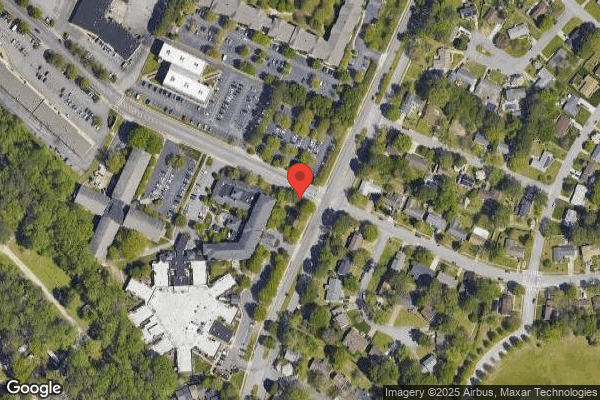
6401 AUBURN DR, VIRGINIA BEACH, VA 23464 (757) 420-2512
Non profit - Other 120 Beds GREEN TREE HEALTHCARE MANAGEMENT Data: November 2025
Trust Grade
43/100
#203 of 285 in VA
Last Inspection: January 2023

Over 2 years since last inspection. Current conditions may differ from available data.

Overview

Maimonides Health Center of Virginia Beach has received a Trust Grade of D, indicating below-average performance with some concerns. It ranks #203 out of 285 facilities in Virginia, placing it in the bottom half, and #5 out of 13 in Virginia Beach City County, meaning only four local options are better. The facility's trend is worsening, with issues increasing from 2 in 2024 to 12 in 2025. Staffing is a concern, as the turnover rate is 61%, significantly higher than the state average of 48%, indicating instability among caregivers. While the facility has an average RN coverage, there were specific incidents noted, such as staff failing to recognize worsening symptoms of heart failure in a resident and not managing a pressure ulcer properly, which raises concerns about the quality of care. Additionally, the facility has fines totaling $4,938, which is considered average, but underscores ongoing compliance issues.

Trust Score
D
43/100
In Virginia
#203/285
Bottom 29%
Safety Record
Low Risk
No red flags
Inspections
Getting Worse
2 → 12 violations
Staff Stability
⚠ Watch
61% turnover. Above average. Higher turnover means staff may not know residents' routines.
Penalties
✓ Good
$4,938 in fines. Lower than most Virginia facilities. Relatively clean record.
Skilled Nurses
⚠ Watch
Each resident gets only 29 minutes of Registered Nurse (RN) attention daily — below average for Virginia. Fewer RN minutes means fewer trained eyes watching for problems.
Violations
⚠ Watch
43 deficiencies on record. Higher than average. Multiple issues found across inspections.
★★☆☆☆
2.0
Overall Rating
★★☆☆☆
2.0
Staff Levels
★★★☆☆
3.0
Care Quality
★★☆☆☆
2.0
Inspection Score
Stable
2024: 2 issues
2025: 12 issues

The Good

  • Full Sprinkler Coverage · Fire safety systems throughout facility
  • No fines on record

Facility shows strength in fire safety.

The Bad

2-Star Overall Rating

Below Virginia average (3.0)

Below average - review inspection findings carefully

Staff Turnover: 61%

15pts above Virginia avg (46%)

Frequent staff changes - ask about care continuity

Federal Fines: $4,938

Below median ($33,413)

Minor penalties assessed

Chain: GREEN TREE HEALTHCARE MANAGEMENT

Part of a multi-facility chain

Ask about local staffing decisions and management

Staff turnover is elevated (61%)

13 points above Virginia average of 48%

The Ugly 43 deficiencies on record

Apr 2025 12 deficiencies
CONCERN (D) 📢 Someone Reported This

A family member, employee, or ombudsman was alarmed enough to file a formal complaint

Potential for Harm - no one hurt, but risky conditions existed

Notification of Changes (Tag F0580)

Could have caused harm · This affected 1 resident

**NOTE- TERMS IN BRACKETS HAVE BEEN EDITED TO PROTECT CONFIDENTIALITY** Based on interview, clinical record review and facility documentation, the facility staff failed to immediately notify the physi...

Read full inspector narrative →
**NOTE- TERMS IN BRACKETS HAVE BEEN EDITED TO PROTECT CONFIDENTIALITY** Based on interview, clinical record review and facility documentation, the facility staff failed to immediately notify the physician and also notify the Resident's Representative when there is a significant change in the resident condition for one Resident (#1) in a survey sample of 20 Residents. The findings included: For Resident #1 the facility staff failed to notify the Resident Representative of changes in skin condition, (injury of unknown origin, skin tear, possible pressure areas, and open area on shoulder). Resident #1 was admitted to the facility on [DATE] with diagnoses that included but are not limited to dementia, severe protein calorie malnutrition, major depressive disorder, age related physical debility, restlessness, dysphagia, insomnia, osteoporosis, rheumatoid arthritis and pain. Resident #1's Minimum Data Set (an assessment protocol) with an Assessment Reference Date of [DATE] coded Resident #1 as unable to assess, indicating Resident #1 has severe cognitive impairment. In addition, the Minimum Data Set, coded Resident #1 as requiring 4- total dependence, on staff, for Activities of Daily Living care. Resident #1 expired in the facility on [DATE]. On [DATE] a review of the clinical record revealed that on several occasions changes in Resident #1's condition were not reported to the Resident Representative. On [DATE] a review of the clinical record revealed the following notes from RN#1: [DATE] 10:35 a.m. The above resident has an area to her chest which is black and blue will notify the nurse practitioner. [DATE] 2:27 a.m.- This nurse noted skin tears/skin flaps on bilateral posterior wrist that had dried blood on the areas. Resident crosses arms and has been noted scratching self at times, Areas cleaned and steri strips applied, booked for medical. [DATE] 10:05 p.m. - Redden [sic] blisters noted to outside of both feet no discomfort noted. [DATE] 2:04 a.m. -Open area noted on left posterior shoulder. New treatment initiated. Left posterior shoulder- Cleanse with DWC [Dermal Wound Cleanser], pat dry, apply bacitracin and cover with a foam dressing or border gauze, Q Day. Every evening shift for wound care. Referred to medical for further orders. Will have on coming shift notify POA. On the morning of [DATE] an interview was conducted with the Administrator who stated that when he started working at the facility, he cleaned house. When asked what was meant by the phrase cleaned house, he stated that they had gotten rid of staff that were not performing to facility expectations. [DATE] at 4:00 p.m. an interview was conducted with the ADON who stated that she has only been working in the facility a month but reviewed the record and was unable to find documentation of immediate Physician and / or RP notification of changes in condition for [DATE], [DATE], [DATE], and [DATE]. A review of Resident#1's care plan revealed the following: FOCUS: Resident is at risk for impaired skin integrity r/t incontinence, r/t impaired mobility. Date Initiated: [DATE] GOAL: Resident skin will remain intact throughout the review period. Date Initiated: [DATE] Revision on: [DATE] Target Date: [DATE] Keep skin dry, clean and well lubricated Date Initiated: [DATE] Monitor skin condition daily during care and report changes Date Initiated: [DATE] INTERVENTIONS: Report to MD any signs of deterioration or significant change to area of impairment Date Initiated: [DATE] Skin Observation Date Initiated: [DATE]. A review of the policy entitled Notification of Changes dated 9/2024 read: Page 1: Policy: The purpose of this policy is to ensure the facility promptly consults the resident's physician and notified consistent with his or her authority the residents representative when there is a change requiring notification. Compliance Guidelines: Circumstances requiring notification include: 1. Accidents a. Resulting in injury b. Potential to require physician intervention. 2. Significant change in the residents physical, mental or psychosocial Condition such as deterioration in health, mental or psychosocial status that may include: a. Life -threatening conditions or b. Clinical complications 3. Circumstances that require a need to alter treatment This may include: a. New treatment b. Discontinuation of current treatment due to: i. Adverse consequences. ii. Acute condition iii. Exacerbation of a chronic condition . On [DATE] during the end of day meeting the Administrator was notified of the concerns and no further information was provided.
CONCERN (D) 📢 Someone Reported This

A family member, employee, or ombudsman was alarmed enough to file a formal complaint

Potential for Harm - no one hurt, but risky conditions existed

Abuse Prevention Policies (Tag F0607)

Could have caused harm · This affected 1 resident

**NOTE- TERMS IN BRACKETS HAVE BEEN EDITED TO PROTECT CONFIDENTIALITY** Based on interview, clinical record review and facility documentation the facility staff failed to implement the abuse, neglect ...

Read full inspector narrative →
**NOTE- TERMS IN BRACKETS HAVE BEEN EDITED TO PROTECT CONFIDENTIALITY** Based on interview, clinical record review and facility documentation the facility staff failed to implement the abuse, neglect policy for one (1) Resident (#1) in a survey sample of 20 Residents. The findings included: For Resident #1 the facility staff failed to implement the abuse policy when an injury of unknown origin was found. Resident #1 was admitted to the facility on [DATE]. Diagnoses for Resident #1 included but are not limited to dementia, severe protein calorie malnutrition, major depressive disorder, age related physical debility, restlessness, dysphagia, insomnia, osteoporosis, rheumatoid arthritis and pain. Resident #1 ' s Minimum Data Set (an assessment protocol) with an Assessment Reference Date of [DATE] coded Resident #1 as unable to assess, indicating Resident #1 has severe cognitive impairment. In addition, the Minimum Data Set Coded Resident #1 as requiring 4- total dependence, on staff, for Activities of Daily Living care. Resident #1 expired in the facility on [DATE]. On [DATE] a review of the clinical record revealed the following note from RN#1: [DATE] 10:35 a.m. The above resident has an area to her chest which is black and blue will notify the nurse practitioner. Between [DATE] - [DATE] attempts times three were made to contact RN #1 (who discovered the black and blue to Resident #1's chest) were met with a recording stating the phone number was unable to accept calls at this time. On the morning of [DATE] an interview was conducted with the Administrator who was asked who the Abuse Coordinator is, and he responded that he was. When asked if an injury of unknown origin should be reported to the physician, Resident Representative and the appropriate state agencies, he stated that it should be investigated and reported. At that time a request was made to the Administrator to for the investigation into this injury of unknown origin, the Administrator stated that he did not have any investigations related to the Resident #1 and an injury of unknown origin. On [DATE] at approximately 2 p.m. an interview was conducted with CNA #2 who stated that if the CNA's find any new skin areas, either injury or skin breakdown they are supposed to immediately report it to the nurse on the floor. On [DATE] at 3:00 pm an interview was conducted with LPN #4 who stated that the facility policy is to notify the physician, and family of any injury or changes in condition for all Residents. When asked if a discolored area is described as black and blue would that be something that should be reported to the physician and family she stated that it should. When asked if a black and blue area to the chest, is found on a Resident who is nonverbal, should be of concern, she stated that it would be a bigger concern. When asked why this would be a bigger concern she stated that it could possibly be from abuse or neglect. On [DATE] at approximately 5 p.m. an interview was conducted the ADON who stated that it is the expectation of the facility to notify the physician and Resident Representative of any changes in the condition of the Resident to include any injury of unknown origin. The ADON was asked to provide any documents related to the injury of unknown origin [DATE] at 4:00 p.m. an interview was conducted with the ADON who stated that she has only been working in the facility a month but reviewed the record and was unable to find documentation of immediate Physician and Resident Representative notification of changes in condition for [DATE]. On [DATE] a review of the policy, entitled Unexplained Injuries dated 09/2024 24 revealed the following excerpts. All unexplained injuries, including bruises, and injuries of unknown source will be investigated. Policy explanation and compliance: 1. observations of any unexplained injuries shall be reported immediately to the residence nurse. 2. Care and treatment shall be provided to the resident as needed. This includes physician, notification, implementation of physician, orders, or facility protocols. 3. An incident report shall be completed. If an allegation of abuse is made or if the injury is of unknown source reporting and investigating procedures shall be implemented in accordance with the facilities, abuse policies, and procedures. 4. An injury should be classified as injury of unknown source when both of the following conditions are met: a. The source of the injury was not observed by any person, or the source of injury could not be explained by the Resident; and b. The injury is suspicious because of: I. The extent of the injury or ii. The location of the injury (e.g , the injury is located in an area not generally vulnerable to trauma) or: iii. The number of injuries observed in one particular point of time or: iv. The incidents of injuries overtime 5. Relevant information shall be documented in the residence, medical record, including, but not limited to: a physical assessment, findings, including objective description of the injury. b. Risk factors and conditions that could cause or predisposed someone to similar signs and symptoms. c. Notification of physician and his or her response. d. Actions taken to meet the residence, immediate needs and implementation of physician orders. e. notification of resident representative. 6. The facility shall modify the residence care plan as needed to prevent reoccurrence or to stabilize, reduce, or remove underlying risk factors contributing to the injury. A review of the facility policy for Abuse Neglect and Exploitation revealed the following excerpt from page 5: Pg 5: A. The facility will have written procedures to assist staff in identifying the different types of abuse- mental/verbal abuse, sexual abuse, physical abuse and the deprivation by an individual of goods and or services. This includes staff to resident abuse and certain resident to resident altercations. Possible indicators of abuse include, but are not limited to: 1. Resident, staff or family member report of abuse 2. Physical marks such as bruises or patterned appearances such as a handprint, blet or ring mark on a residents body. 3. Physical injury of a resident, of unknown source. On [DATE] during the end of day meeting the Administrator was made aware of the findings and no further information was provided.
CONCERN (D) 📢 Someone Reported This

A family member, employee, or ombudsman was alarmed enough to file a formal complaint

Potential for Harm - no one hurt, but risky conditions existed

Report Alleged Abuse (Tag F0609)

Could have caused harm · This affected 1 resident

**NOTE- TERMS IN BRACKETS HAVE BEEN EDITED TO PROTECT CONFIDENTIALITY** Based on interview, clinical record review and facility documentation the facility staff failed to ensure the timely reporting o...

Read full inspector narrative →
**NOTE- TERMS IN BRACKETS HAVE BEEN EDITED TO PROTECT CONFIDENTIALITY** Based on interview, clinical record review and facility documentation the facility staff failed to ensure the timely reporting of allegations of abuse and neglect, to include injury of unknown source, for one (1) Resident (#1) in a survey sample of 20 Residents. The findings included: For Resident #1 the facility did not report an injury of unknown origin in the required timeframes. Resident #1 was admitted to the facility on [DATE]. Diagnoses for Resident #1 included but are not limited to dementia, severe protein calorie malnutrition, major depressive disorder, age related physical debility, restlessness, dysphagia, insomnia, osteoporosis, rheumatoid arthritis and pain. Resident #1's Minimum Data Set (an assessment protocol) with an Assessment Reference Date of [DATE] coded Resident #1 as unable to assess, indicating Resident #1 has severe cognitive impairment. In addition, the Minimum Data Set, coded Resident #1 as requiring 4 total dependence, on staff, for Activities of Daily Living care. Resident #1 expired in the facility on [DATE]. On [DATE] a review of the clinical record revealed the following note from RN#1: [DATE] 10:35 a.m. The above resident has an area to her chest which is black and blue will notify the nurse practitioner. Between [DATE] - [DATE] attempts times three were made to contact RN #1 (who discovered the black and blue to Resident #1's chest) were met with a recording stating the phone number was unable to accept calls at this time. On the morning of [DATE] an interview was conducted with the Administrator who was asked who the Abuse Coordinator is, and he responded that he was. When asked if an injury of unknown origin should be reported to the physician, Resident Representative and the appropriate state agencies, he stated that it should be investigated and reported. At that time a request was made to the Administrator to for the investigation into this injury of unknown origin, the Administrator stated that he did not have any FRI's (Facility Reported Incidents) related to the Resident #1 and an injury of unknown origin. On [DATE] at approximately 2 p.m. an interview was conducted with CNA #2 who stated that if the CNA's find any new skin areas, either injury or skin breakdown they are supposed to immediately report it to the nurse on the floor. On [DATE] at 3:00 pm an interview was conducted with LPN #4 who stated that the facility policy is to notify the physician, and family of any injury or changes in condition for all Residents. When asked if a discolored area is described as black and blue would that be something that should be reported to the physician and family she stated that it should. When asked if a black and blue area to the chest, is found on a Resident who is nonverbal, should be of concern, she stated that it would be a bigger concern. When asked why this would be a bigger concern she stated that it could possibly be from abuse or neglect. On [DATE] at approximately 5 p.m. an interview was conducted the ADON who stated that it is the expectation of the facility to notify the physician and Resident Representative of any changes in the condition of the Resident to include any injury of unknown origin. The ADON was asked to provide any documents related to the injury of unknown origin [DATE] at 4:00 p.m. an interview was conducted with the ADON who stated that she has only been working in the facility a month but reviewed the record and was unable to find documentation of immediate Physician and Resident Representative notification of changes in condition for [DATE]. On [DATE] a review of the policy, entitled Unexplained Injuries dated 09/2024 24 revealed the following excerpts. Policy: All unexplained injuries, including bruises, and injuries of unknown source will be investigated. Policy explanation and compliance: 1. observations of any unexplained injuries shall be reported immediately to the residence nurse. 2. Care and treatment shall be provided to the resident as needed. This includes physician, notification, implementation of physician, orders, or facility protocols. 3. An incident report shall be completed. If an allegation of abuse is made or if the injury is of unknown source reporting and investigating procedures shall be implemented in accordance with the facilities, abuse policies, and procedures. 4. An injury should be classified as injury of unknown source when both of the following conditions are met: a.The source of the injury was not observed by any person, or the source of injury could not be explained by the Resident; and b.The injury is suspicious because of: i.The extent of the injury or ii.The location of the injury (e.g , the injury is located in an area not generally vulnerable to trauma) or: iii.The number of injuries observed in one particular point of time or: iv.The incidents of injuries overtime. A review of the facility policy for Abuse Neglect and Exploitation revealed the following excerpt from page 5: Pg 5. A. The facility will have written procedures to assist staff in identifying the different types of abuse- mental/verbal abuse, sexual abuse, physical abuse and the deprivation by an individual of goods and or services. This includes staff to resident abuse and certain resident to resident altercations. Possible indicators of abuse include, but are not limited to: 1. Resident, staff or family member report of abuse 2. Physical marks such as bruises or patterned appearances such as a handprint, blet or ring mark on a residents body. 3. Physical injury of a resident, of unknown source. Pg 5. VII. Reporting / Response A. The facility will have written procedures that include: 1. Reporting of all alleged violations to the Administrator, state agency, adult protective services and to all other required agencies (e.g., law enforcement when applicable) within specified timeframes: a. Immediately but not later than 2 hours if the allegation is made, if the events that cause the allegation, involve abuse OR result in serious bodily injury, or b. Not later than 24 hours if the events that cause the allegation do not involve abuse and do not result in serious bodily injury . On [DATE] during the end of day meeting the Administrator was made aware of the findings and no further information was provided.
CONCERN (D) 📢 Someone Reported This

A family member, employee, or ombudsman was alarmed enough to file a formal complaint

Potential for Harm - no one hurt, but risky conditions existed

Investigate Abuse (Tag F0610)

Could have caused harm · This affected 1 resident

**NOTE- TERMS IN BRACKETS HAVE BEEN EDITED TO PROTECT CONFIDENTIALITY** Based on interview, clinical record review and facility documentation the facility staff failed to ensure allegations of abuse ...

Read full inspector narrative →
**NOTE- TERMS IN BRACKETS HAVE BEEN EDITED TO PROTECT CONFIDENTIALITY** Based on interview, clinical record review and facility documentation the facility staff failed to ensure allegations of abuse and neglect to include injuries of unknown origin, are thoroughly investigated for one (1) Resident (#1) in a survey sample of 20 Residents. The findings included: For Resident #1 the facility staff failed to thoroughly investigate a black and blue bruise to the Resident's chest area. Resident #1 was admitted to the facility on [DATE]. Diagnoses for Resident #1 included but are not limited to dementia, severe protein calorie malnutrition, major depressive disorder, age related physical debility, restlessness, dysphagia, insomnia, osteoporosis, rheumatoid arthritis and pain. Resident #1 ' s Minimum Data Set (an assessment protocol) with an Assessment Reference Date of [DATE] coded Resident #1 as unable to assess, indicating Resident #1 has severe cognitive impairment. In addition, the Minimum Data Set, coded Resident #1 as requiring 4- total dependence, on staff, for Activities of Daily Living care. Resident #1 expired in the facility on [DATE]. On [DATE] a review of the clinical record revealed the following note from RN#1: [DATE] 10:35 a.m. The above resident has an area to her chest which is black and blue will notify the nurse practitioner. Between [DATE] - [DATE] attempts times three made to contact RN #1 (who discovered the black and blue to Resident #1's chest) were met with a recording stating the phone number was unable to accept calls at this time. On the morning of [DATE] an interview was conducted with the Administrator who was asked who the Abuse Coordinator is, and he responded that he was. When asked if an injury of unknown origin should be reported to the physician, Resident Representative and the appropriate state agencies, he stated that it should be investigated and reported. At that time a request was made to the Administrator to for the investigation into this injury of unknown origin, the Administrator stated that he did not have any FRI's (Facility Reported Incidents) related to the Resident #1 and an injury of unknown origin. On [DATE] at approximately 2 p.m. an interview was conducted with CNA #2 who stated that if the CNA's find any new skin areas, either injury or skin breakdown they are supposed to immediately report it to the nurse on the floor. On [DATE] at 3:00 pm an interview was conducted with LPN #4 who stated that the facility policy is to notify the physician, and family of any injury or changes in condition for all Residents. When asked if a discolored area is described as black and blue would that be something that should be reported to the physician and family she stated that it should. When asked if a black and blue area to the chest, is found on a Resident who is nonverbal, should be of concern, she stated that it would be a bigger concern. When asked why this would be a bigger concern she stated that it could possibly be from abuse or neglect. On [DATE] at approximately 5:00 p.m. an interview was conducted the ADON who stated that it is the expectation of the facility to notify the physician and Resident Representative of any changes in the condition of the Resident to include any injury of unknown origin. The ADON was asked to provide any documents related to the injury of unknown origin. A review of the policy entitled Abuse, Neglect and Exploitation revealed the following excerpt from page 5: V. Investigation of alleged, abuse, neglect, and exploitation. A. An immediate investigation is warranted when suspicion of abuse, neglect, or exploitation, or reports of abuse, neglect or exploitation occur. B. Written procedures for investigations include: 1. identifying staff responsible for investigation. 2. Two. Caution and handle evidence that could be used in a criminal investigation (e.g., not tampering or destroying evidence) 3. Investigating different types of alleged violation. 4. Identifying an interviewing, all involved persons, including the alleged victim, alleged, perpetrator, witnesses, and others who might have knowledge of allegations. 5. Focusing the investigation on determining if abuse, neglect, exploitation, and/or mistreatment has occurred, the extent, and cause, and 6. Providing complete and thorough documentation of the investigation. On [DATE] during the end of day meeting the Administrator was made aware of the concerns and no further information was provided.
CONCERN (D) 📢 Someone Reported This

A family member, employee, or ombudsman was alarmed enough to file a formal complaint

Potential for Harm - no one hurt, but risky conditions existed

Deficiency F0655 (Tag F0655)

Could have caused harm · This affected 1 resident

**NOTE- TERMS IN BRACKETS HAVE BEEN EDITED TO PROTECT CONFIDENTIALITY** Based on observation, Resident interview, staff interview and clinical record review, the facility staff failed to ensure that t...

Read full inspector narrative →
**NOTE- TERMS IN BRACKETS HAVE BEEN EDITED TO PROTECT CONFIDENTIALITY** Based on observation, Resident interview, staff interview and clinical record review, the facility staff failed to ensure that the baseline care plan was person-centered and effective for one Resident ( Resident # 15) in a survey sample of 20 Residents. 1. For Resident # 15, the facility staff failed to address communication needs for a Spanish speaking resident. The findings included: For Resident #15, the facility staff failed to address communication needs for a Spanish speaking resident. Resident #15 was admitted to the facility on [DATE] with the diagnoses of, but not limited to, Sepsis, Type 2 Diabetes Mellitus, Chronic Kidney Disease Stage 3B, Essential Hypertension and Peripheral Vascular Disease, anemia. Resident #15 was admitted the day prior to the start of the survey. Therefore,no Minimum Data Set (MDS) Assessment was completed because it was too soon. indicating no cognitive impairment. Review of the clinical record was conducted on 4/92025-4/10/2025. Review of the baseline care plan revealed there was no mention of the fact that Resident # 15 spoke Spanish. There were no concerns, goals nor interventions listed for communication. During rounds on 4/8/2025 at 1:15 p.m., Resident # 15 was observed lying in the bed and facing the door. When the surveyor said hello, Resident # 15 turned to the visitor in the room and spoke in another language. The visitor stated he was the son of Resident # 15 and could translate for Resident # 15. On 4/9/2025 at approximately 1:10 p.m., Resident # 15 was observed sitting up in bed. The lunch tray was on the overbed table located at the foot of the bed. There was a staff member standing in the room. The staff member identified herself as Therapy staff and stated the resident did not want to eat. The therapy staff person stated the resident spoke Spanish but that she did not speak Spanish. The Therapy staff member pulled out her cellular phone while stating that she guessed she could try to use the phone to translate. The Resident's son was not in the room. In Spanish, the surveyor asked Resident #15 if she wanted to eat. Resident # 15 responded no. When the surveyor asked Resident #15 if she saw what was on the tray, Resident # 15 stated no. The surveyor lifted the cover on the tray and described in Spanish the foods that were on the tray, Resident # 15 said yes to the fish and potatoes that were on the tray. When the surveyor asked Resident # 15 in Spanish what she wanted to drink, she replied agua (water). She stated she did not want the tea that was on the lunch tray. There was a cup of water on the bedside table Resident # 15 was observed eating some of the fish and potatoes. On 4/9/2025 at 2:10 p.m., Resident # 15 was in the room alone. The son was not in the room. On 4/9/2025 at 4:45 p.m., Resident # 15 was observed sitting was up in the chair by the bed. The son was not in the room. On 4/10/2025 at 9:11 a.m., an interview was conducted with the Certified Nursing Assistant # 2 who stated Resident # 15 spoke Spanish but did say some words in English. Certified Nursing Assistant # 2 stated that Resident # 15's son stated he was available to translate anytime the staff needed him to do it. On 4/10/2025 at 9:18 a.m., an interview was conducted with the Certified Nursing Assistant # 6 stated she was aware that the Resident # 15 spoke Spanish and that she tried to communicate with her by pointing to objects and letting the nurses know if there was something the son needed to help convey. On 4/10/2025 at 1:15 p.m., an interview was conducted with Licensed Practical Nurse # 4 who stated it was important for the staff to be able to communicate with the Resident. Licensed Practical Nurse # 4 stated she had an app on her phone that could help to translate. On 4/10/2025 during the end of day debriefing, the Administrator, Assistant Director of Nursing and Regional Nurse Consultant were informed of the findings. The Administrator stated the facility staff could communicate with Resident # 15 by consulting with the son. The Administrator stated the staff posted the telephone number to a Translation Services line after the surveyor questioned how the staff communicated with the resident. The Regional Nurse Consultant (Corporate-1) stated it was not appropriate for the staff to utilize the son for translation of some of the concerns that might be medical or sensitive to Resident # 15. She stated the staff should use the Translation services line provided by the facility. She also stated that the couple of words Resident # 15 spoke in English did not ensure the resident understood what the staff members were saying. They stated communication needs should be addressed on the care plan. No further information was provided.
CONCERN (D) 📢 Someone Reported This

A family member, employee, or ombudsman was alarmed enough to file a formal complaint

Potential for Harm - no one hurt, but risky conditions existed

Deficiency F0657 (Tag F0657)

Could have caused harm · This affected 1 resident

**NOTE- TERMS IN BRACKETS HAVE BEEN EDITED TO PROTECT CONFIDENTIALITY** 2. The facility staff failed to review and revise the person centerd care plan as the resident's condition changed for Resident ...

Read full inspector narrative →
**NOTE- TERMS IN BRACKETS HAVE BEEN EDITED TO PROTECT CONFIDENTIALITY** 2. The facility staff failed to review and revise the person centerd care plan as the resident's condition changed for Resident #10. Resident #10 was originally admitted to the facility 3/6/2025 after an acute care hospital stay. The current diagnoses included chronic non-occlusive DVT and congestive heart failure with a reduced ejection factor of 30 percent. The admission Minimum Data Set (MDS) assessment with an assessment reference date (ARD) of 3/12/2025 coded the resident as completing the Brief Interview for Mental Status (BIMS) and scoring 5 out of a possible 15. This indicated Resident #10's cognitive abilities for daily decision making were severely impaired. An interview was conducted with Resident #10 on 4/9/25 at approximately 12:10 PM. Resident #10 stated she had an opened sore on her bottom and it was painful and itched, although the nurses put a bandage on it daily. The resident also stated she used a wheelchair to get around but several hours each day she sits in a reclining chair beside her window and watches the people outside. A review on the resident's person centered care plan revealed the following problem dated 3/6/25: Resident is at risk for impaired skin integrity related to deconditioning, the goal stated, the resident's skin will remain intact through out the review period, 6/17/25, the interventions stated, apply moisturizer as needed to the skin, do not massage over bony prominences and use mild cleansers for peri care/washing. The care plan failed to address the opened area to the resident's sacrum identified on 3/17/25. On 4/10/25 at approximately 11:00 AM an observation was made of Resident #10's sacral pressure ulcer with the Assistant Director of Nursing (ADON) and Licensed Practical Nurse (LPN) #4. The observation revealed the resident had three small openings in the crack of the buttock, the injured tissue was pink, without drainage and measured 2.5 cm by 1 cm. The sacral pressure ulcer was assessed to be a stage two. On 4/10/24 at approximately 5:43 PM, a final interview was conducted with the Administrator, the ADON and a Corporate Consultant. The above information was reviewed, and the Administrator stated Resident #10's care plan would be revised to address the pressure ulcer. Based on interview, clinical record review and facility documentation the facility staff failed to develop and implement a person-centered care plan that is reviewed and revised for one (1) Resident (#1) in a survey sample of 20 Residents. The findings included: For Resident #1 the facility staff failed to review and revise the care plan after injuries, skin tear, pressure areas, and failed to have the required members of interdisciplinary team input on one care plan meeting. Resident #1 was admitted to the facility on [DATE]. Diagnoses for Resident #1 included but are not limited to dementia, severe protein calorie malnutrition, major depressive disorder, age related physical debility, restlessness, dysphagia, insomnia, osteoporosis, rheumatoid arthritis and pain. Resident #1's Minimum Data Set (an assessment protocol) with an Assessment Reference Date of 1/9/25 coded Resident #1 as unable to assess, indicating Resident #1 has severe cognitive impairment. In addition, the Minimum Data Set, coded Resident #1 as requiring 4- total dependence, on staff, for Activities of Daily Living care. Resident #1 expired in the facility on 2/14/25. A review of the clinical record revealed the following progress notes: 10/22/24 2:27 a.m.- This nurse noted skin tears/skin flaps on bilateral posterior wrist that had dried blood on the areas. Resident crosses arms and has been noted scratching self at times, Areas cleaned and steri strips applied, booked for medical. 1/3/25 10:05 p.m. - Redden [sic] blisters noted to outside of both feet no discomfort noted. 1/25/25 2:04 a.m. -Open area noted on left posterior shoulder. New treatment initiated. Left posterior shoulder- Cleanse with DWC [Dermal Wound Cleanser], pat dry, apply bacitracin and cover with a foam dressing or border gauze, Q Day. Every evening shift for wound care. Referred to medical for further orders. Will have on coming shift notify POA. 2/9/25 9:42 p.m. - Call [sic] to room by CNA noted darken [sic] area under resident [sic] left foot great toe. left [sic] message for on call NP no pain noted. spoke to resident POA Daughter concern [sic] about resident [sic] health condition. Appetite poor. Drinking small sips of water. Reposition for comfort. A review of Resident #1's care plan for skin integrity read: FOCUS: Resident is at risk for impaired skin integrity r/t incontinence, r/t impaired mobility. Date Initiated: 01/23/2025 GOAL: Resident skin will remain intact throughout the review period. Date Initiated: 01/23/2025 Revision on: 02/18/2025 Target Date: 04/23/2025 Keep skin dry, clean and well lubricated Date Initiated: 01/23/2025 Monitor skin condition daily during care and report changes Date Initiated: 01/23/2025 INTERVENTIONS: Report to MD any signs of deterioration or significant change to area of impairment Date Initiated: 01/23/2025 Skin Observations Date Initiated: 01/23/2025 4/10/25 at 4:00 p.m. an interview was conducted with the ADON who stated that she has only been working in the facility a month but reviewed the record and was unable to find documentation of immediate Physician and / or RP notification of changes in condition for 10/15/24, 10/22/24, 1/3/25, and 1/25/25. When asked when care plans should be updated, she stated that when there are changes in a Resident's condition, treatment or new diagnoses the care plan should be updated, and also quarterly with the care plan meetings. A review of the policy, entitled Comprehensive Care Plans dated September 2024 read as follows: Policy: It is the policy of this facility to develop and implement a comprehensive person-centered care plan for each resident, consistent with the resident rights that include measurable objectives, and time frames to meet a residents. Medical, nursing, and mental and psychosocial needs that are identified in the comprehensive assessment. Policy Explanation and Compliance Guidelines: 4. The comprehensive care plan will be prepared by an interdisciplinary team, that includes, but is not limited to: a. The attending physician or non-physician practitioner design involved in the president and the residence care if the physician is unable to participate in the development of the care plan. b. A registered nurse with the responsibility for the resident. c. A member of food and nutrition services staff d. The resident and the resident representative to the extent practical. e. Staff or professionals in disciplined as determined by the residents needs or as requested by the resident. Examples include but are not limited to: I. The RAI coordinator ii. Activities Director / staff iii. Social Services Director / Social Worker iv. Licensed therapist v. Family member, surrogate or others desired by the resident. vi. Administrator vii. Discharge coordinator 5. The comprehensive care plan will be reviewed and revised by the interdisciplinary team after each comprehensive and quarterly MDS assessment. 6.The comprehensive care plan will include measurable objectives, and time frames to meet the residence needs as an identified in the residence comprehensive assessment. The objectives will be utilized to monitor the residence progress alternative interventions will be documented as needed. On 4/10/25 during the end of day meeting the Administrator was made aware of the findings and no further information was provided.
CONCERN (D) 📢 Someone Reported This

A family member, employee, or ombudsman was alarmed enough to file a formal complaint

Potential for Harm - no one hurt, but risky conditions existed

Deficiency F0692 (Tag F0692)

Could have caused harm · This affected 1 resident

**NOTE- TERMS IN BRACKETS HAVE BEEN EDITED TO PROTECT CONFIDENTIALITY** Based on interview, clinical record review, and facility documentation, the facility staff failed to ensure adequate nutrition t...

Read full inspector narrative →
**NOTE- TERMS IN BRACKETS HAVE BEEN EDITED TO PROTECT CONFIDENTIALITY** Based on interview, clinical record review, and facility documentation, the facility staff failed to ensure adequate nutrition to prevent significant weight loss for 1 Resident (#1) in a survey sample of 20 Residents. The findings included: For Resident #1 the facility failed to obtain recognize signs of significant weight loss and consult with the Registered dietician for recommendations as ordered by physician on several occasions, resulting in 29 lb. weight loss from 12/31/24 - 2/11/25. Resident #1 was admitted to the facility on [DATE]. Diagnoses for Resident #1 included but are not limited to dementia, severe protein calorie malnutrition, major depressive disorder, age related physical debility, restlessness, dysphagia, insomnia, osteoporosis, rheumatoid arthritis and pain. Resident #1 ' s Minimum Data Set (an assessment protocol) with an Assessment Reference Date of 1/9/25 coded Resident #1 as unable to assess, indicating Resident #1 has severe cognitive impairment. In addition, the Minimum Data Set, coded Resident #1 as requiring 4- total dependence, on staff, for Activities of Daily Living care. Revealed the following excerpts from the medical provider: 6/16/24 BMI 17.4-Underweight Consider dietary consult for further recs re weight/nutritional. 10/4/24 1p.m. continues to avg. 2 meals/day, weight loss, 89-->85lbs . 12/12/24 11:15 a.m.: BMI 17.2, indicating severe malnutrition. Decline in oral intake reported by nursing, 50-75%, previously75-100%. Measures to sustain intake maintained, including appropriate consistency of food/food preferences. Patient requires assistance to feed. Continue to monitor weight closely. Dietitian to follow regarding potential for weight loss and provide recommendations for nutritional support. Encourage oral intakes tolerated and assist with meals as needed. 1/10/25 - Follow up within 1 week for monitoring- Continue to monitor BMI - Consider dietary consult for further recommendations regarding weight and nutritional status. 1/15/25 GENERAL- Frail/cachectic elderly female, In no acute distress, Limited due to impaired cognition . Follow up within 1 week for monitoring- Continue to monitor BMI (19 - Underweight) - Consider dietary consult for further recommendations regarding weight and nutritional status. A review of the document entitled Nutrition Evaluation dated 1/9/25 signed by the Registered Dietician (other employee#15) revealed the following excerpts: 1 C. Most recent wt. -. [left blank] date [left blank] 3 E. BMI: Underweight/Normal weight/Obese I, II, III/ - Unable to determine Last BMI was 17.2 indicating she is underweight. F. Usual body wt. 85 lbs. G. Ideal body wt. >/= 120 lbs. L. Malnutrition Diagnosis: Detail if not present or if present detail signs/symptoms: Severe PCM [Protein Calorie Malnutrition] as noted. M. At Risk for Malnutrition: NO O. Comments: Additional notes from interview/general appearance/nursing notes/summary/etc. - Unable to determine if there have been any recent wt. changes. Documented PO intakes exceed needs making it likely that resident has maintained wt. or possibly gained. Gain would be beneficial with underweight BMI. Hx of dysphagia with no difficulties tolerating current texture documented. Current nutrition dx of severe PCM remains appropriate. 4. A Recommendations: Provide nutrition recommendation changes, diet order changes, supplement changes, enteral feed changes, etc . -No recommendations as current intake meets/exceeds EEN. Continue plan of care. On the afternoon of 4/9/25 an interview was conducted with Other #7 the current Registered Dietician, who stated that she began in [DATE]. The RD stated that she reviewed the Resident's chart and started house supplements and magic cup. A review of the clinical record revealed that Resident #1 had already been on magic cups with meals since 8/29/23 and the house shakes were not ordered until 2/14/25 the day of the Residents death. Review of the document entitled Care Plan Acknowledgement Form dated 1/17/25 at 1 p.m. signed only by the Social Worker (Other employee #3) boxes checked off were Quarterly / Annual and Comprehensive Care Plan. Written in handwriting on the upper half of the form was the following: [Resident Representative name] Via phone Are the CNA's taking time to feed her? - She takes a while. A review of the policy, entitled Comprehensive Care Plans dated September 2024 read as follows: Policy: It is the policy of this facility to develop and implement a comprehensive person-centered care plan for each resident, consistent with the resident rights that include measurable objectives, and time frames to meet a residents. Medical, nursing, and mental and psychosocial needs that are identified in the comprehensive assessment Policy explanation and compliance guidelines 4. The comprehensive care plan will be prepared by an interdisciplinary team, that includes, but is not limited to: a. The attending physician or non-physician practitioner design involved in the president and the residence care if the physician is unable to participate in the development of the care plan. b. A registered nurse with the responsibility for the resident. c. A member of food and nutrition services staff d. The resident and the resident representative to the extent practical. e. Other appropriate staff or professionals in disciplines as determined by the residence needs or as requested by the resident. Examples include but not limited to: 1. RAI coordinator 2. Activities Director/staff 3. Social Services Director / Social Worker 4. Licensed Therapist 5. Family member surrogate or others desired by the resident. 6. Administration 7. Discharge coordinator A review of the clinical record revealed the following excerpts from Resident #1's care plan: Focus: The resident has nutritional problem or potential nutritional problem r/t underweight, poor POI, on hospice. On hospice w/ orders for no routine weights Date Initiated: 08/01/2024 GOAL: The resident will have gradual weight gain (1-2 lbs. per month) through review date. Date Initiated: 08/01/2024 Revision on: 02/13/2025 Target Date: 04/23/2025 Cancelled Date: 02/13/2025 INTERVENTIONS: Monitor/record/report to MD PRN s/sx of malnutrition: Emaciation (Cachexia), muscle wasting, significant weight loss: 3lbs in 1 week, >5% in 1 month, >7.5% in 3 months, >10% in 6 months. Date Initiated: 08/01/2024. RD to evaluate and make diet change recommendations PRN. Date Initiated: 08/01/2024 Revision on: 02/18/2025 As evidenced by documentation of Skilled Nursing Notes in the electronic health record Resident #1 was on skilled care at the time the Focus area was entered (8/1/24) stating she was on hospice. This Resident had previously graduated from Hospice due to lack of decline and was not put back on Hospice until 2-11-25. The Goal is unattainable if you are not checking weights. The interventions are not possible without checking weights and following physician recommendations for dietary consults. On 4/10/25 during the end of day meeting the Administrator was made aware of the concerns and no further information was provided.
CONCERN (D) 📢 Someone Reported This

A family member, employee, or ombudsman was alarmed enough to file a formal complaint

Potential for Harm - no one hurt, but risky conditions existed

Deficiency F0760 (Tag F0760)

Could have caused harm · This affected 1 resident

**NOTE- TERMS IN BRACKETS HAVE BEEN EDITED TO PROTECT CONFIDENTIALITY** Based on observation, resident interview, staff interview, and a clinical record review, the facility staff failed to ensure med...

Read full inspector narrative →
**NOTE- TERMS IN BRACKETS HAVE BEEN EDITED TO PROTECT CONFIDENTIALITY** Based on observation, resident interview, staff interview, and a clinical record review, the facility staff failed to ensure medications were administered in accordance to accepted professional standards for 1 of 20 residents (Resident #9), in the survey sample. The findings included: Resident #9 was originally admitted to the facility 7/27/2023 and readmitted [DATE] after an acute care hospital stay. The current diagnoses included afib, diabetes and high blood pressure. The admission significant change annual quarterly Minimum Data Set (MDS) assessment with an assessment reference date (ARD) of 2/17/2025 coded the resident as completing the Brief Interview for Mental Status (BIMS) and scoring 14 out of a possible 15. This indicated Resident #9's cognitive abilities for daily decision making were intact. On 4/8/25 at approximately 10:54 AM, Resident #9 was observed in bed asleep. The resident did not answered when the door was knocked on. Upon entrance into the room to awaken the resident it was observed that a medication cup with approximately ten pills of various sizes and colors was on the bedside table. The resident stated he could not take them when the nurse brought them in because he had a piece of candy in his mouth and it was still in the roof of his mouth. The resident was reminded of the time and the wound care observation and he stated he would take them as soon as he finished his candy. An interview was conducted with Licensed Practical Nurse (LPN) #7 on 4/8/25 at 11:04 AM regarding the medication observed at Resident #9's bedside. LPN #7 stated the resident is non-compliant with all aspects of care and he would not accept the medications when she went in to administer them therefore they were left upon his request. LPN #7 went into the residents room and returned with an empty medication cup in her hand. She stated he had taken them. On 4/9/25 at approximately 5:43 PM, a final interview was conducted with the Administrator, the Assistant Director of Nursing (ADON) and a Corporate Consultant. The above information was reviewed, and the Administrator stated LPN #7 should not have left the resident's medications at the bedside, she should have returned them to the medication cart.
CONCERN (D) 📢 Someone Reported This

A family member, employee, or ombudsman was alarmed enough to file a formal complaint

Potential for Harm - no one hurt, but risky conditions existed

Deficiency F0849 (Tag F0849)

Could have caused harm · This affected 1 resident

**NOTE- TERMS IN BRACKETS HAVE BEEN EDITED TO PROTECT CONFIDENTIALITY** Based on interview, clinical record review and facility documentation the facility staff failed to have a written agreement with...

Read full inspector narrative →
**NOTE- TERMS IN BRACKETS HAVE BEEN EDITED TO PROTECT CONFIDENTIALITY** Based on interview, clinical record review and facility documentation the facility staff failed to have a written agreement with hospice before hospice care is furnished for 1 Resident in a survey sample of 20 Residents. The findings included: For Resident #1 the facility staff failed to have a hospice contract before providing hospice services to the Resident and also failed to maintain hospice records within the clinical record. Resident #1 was admitted to the facility on [DATE]. Diagnoses for Resident #1 included but are not limited to dementia, severe protein calorie malnutrition, major depressive disorder, age related physical debility, restlessness, dysphagia, insomnia, osteoporosis, rheumatoid arthritis and pain. Resident #1's Minimum Data Set (an assessment protocol) with an Assessment Reference Date of [DATE] coded Resident #1 as unable to assess, indicating Resident #1 has severe cognitive impairment. In addition, the Minimum Data Set, coded Resident #1 as requiring 4- total dependence, on staff, for Activities of Daily Living care. On [DATE] at approximately 1 p.m., a review of the clinical record revealed that Resident #1 was started on hospice services on [DATE] with Hospice Provider Other #13. The clinical revealed that the Hospice provider #13 provided services to Resident #1 from [DATE] - until she expired at the facility on [DATE]. Hospice care plan, visit notes, and medication and treatment orders initiated by hospice could not be located in the electronic health record. Employe other #8 (Medical Records) contacted the Hospice provider and obtained paper copies of all the hospice notes and orders not in the EHR. On [DATE] during the end of day meeting the Administrator (who started working at the facility in [DATE]) the ADON (who started on [DATE]) and the Corp Nurse Consultant ant were present. The Administrator stated that there were 3 hospice companies servicing the facility. A review of the three Hospice provider contracts revealed the following: Hospice Provider (Other # 11) had a contract that was signed on [DATE], Hospice Provider (Other #12)'s contract was signed on [DATE] and the third Hospice provider (Other #13)'s contract was signed on [DATE] (the first day of survey). When asked why the contract was signed only 2 days prior, the Administrator stated that he did not know where the previous Administrator had put the Hospice Contracts. He states that he reached out to the hospice company, and they did not have it, so he told them to send a new one. When asked what the communication process is, between the facility and the hospice provider, to ensure that the needs of the resident are addressed, the ADON stated that the nurses communicate with the Hospice company verbally when the nurses and cna's come to the facility and also by telephone. The Corporation Nurse Consultant stated that they needed to look into giving hospice access to the EHR On [DATE] during the end of day meeting the Administrator was made aware of the concerns and no further information was provided.
CONCERN (D) 📢 Someone Reported This

A family member, employee, or ombudsman was alarmed enough to file a formal complaint

Potential for Harm - no one hurt, but risky conditions existed

Infection Control (Tag F0880)

Could have caused harm · This affected 1 resident

**NOTE- TERMS IN BRACKETS HAVE BEEN EDITED TO PROTECT CONFIDENTIALITY** Based on observation and staff interviews, the facility staff failed to adhere to hand hygiene practices to help prevent the dev...

Read full inspector narrative →
**NOTE- TERMS IN BRACKETS HAVE BEEN EDITED TO PROTECT CONFIDENTIALITY** Based on observation and staff interviews, the facility staff failed to adhere to hand hygiene practices to help prevent the development infections for 1 of 20 residents (Resident #9), in the survey sample. The findings included: Resident #9 was originally admitted to the facility 7/27/2023 and readmitted [DATE] after an acute care hospital stay. The current diagnoses included afib, diabetes and high blood pressure. The admission significant change annual quarterly Minimum Data Set (MDS) assessment with an assessment reference date (ARD) of 2/17/2025 coded the resident as completing the Brief Interview for Mental Status (BIMS) and scoring 14 out of a possible 15. This indicated Resident #9's cognitive abilities for daily decision making were intact. On 4/9/25 approximately at 11:24 AM, an observation of wound care to the resident's sacral pressure ulcer was conducted. Licensed Practical Nurse (LPN) #7 positioned the resident on his left side with help of Certified Nursing Assistant (CNA) #7. LPN #7 sprayed the sacral wound with the dermal wound cleanser, patted the wound with four by fours, sprinkled Nyastatin powder around the wound bed, put the Hydrofera Blue on the border gauze and placed the border gauze to the resident's sacral wound. The bottom edges of the border gauze folded therefore it had to be removed and another applied to adhere to the resident's skin. LPN #7 failed to remove the gloves used to clean the wound and she failed to wash or sanitize her hand prior to handling the clean wound care supplies. An interview was conducted with LPN #7 immediately after she completed the sacral wound dressing, she acknowledged that she failed to adhere to best practice hand hygiene. On 4/10/25 at approximately 5:43 PM, a final interview was conducted with the Administrator, the Assistant Director of Nursing (ADON) and a Corporate Consultant. The above information was reviewed, and the Administrator stated that LPN #7 had been educated on hand hygiene during pressure ulcer care. Using a clean dressing technique. Step one Assemble all of your wound care supplies that you will need to change the dressing. Clean gloves (sterile gloves are not needed) A clean surface to place everything on (such as a clean piece of aluminum foil or clean paper The new bandage to be applied Saline or wound cleanser to clean the wound Several pieces of gauze to use in cleaning or wiping the wound Trash bag Step two Wash your hands with soap and warm water for 20-30 seconds. After washing and drying your hands, put on clean gloves to remove the old dressing and perform the dressing removal step. Observe if there is fluid or drainage and note the drainage or wound fluid that is on the gauze. Wounds with a lot of fluid draining from them are exuding wounds. Now clean the wound by wiping with some gauze pads and saline or wound cleanser. Wipe the wound in small circles this from the middle of the wound outward and finally the skin around the wound edge. You may need several pieces of gauze. Dispose of the dirty bandage, gauze used to clean the wound, and dirty gloves in the trash. Step three Measure the wound and record the length and width and the depth of the wound. Measuring should occur anytime the wound looks different and at least once per week. Write the measurements down so you can give them to your doctor or nurse. Step four Rewash your hands with soap and water for 20-30 seconds and dry them. Put on a new pair of clean gloves (you do not need sterile gloves). Now you will apply the new wound treatment and dressing. Your doctor may prescribe a medication to apply, such as an ointment, a gel, a liquid, or a spray. The medication should be applied as directed and, if needed, to spread it across the wound, clean cotton-tipped applicator like a Q-tip should be used. After any medication has been applied, you will place the primary dressing (this is the one that is placed in contact with the wound bed first). The primary dressing will then be covered by a secondary dressing (if one is recommended by your doctor). The dressing may have a part that sticks to the skin to hold it in place, or you may need to use tape to secure the secondary dressing. If no secondary dressing is used, you may need to secure the primary dressing with bandage tape. There are several types of dressings, each used for different reasons, and we will describe them below with some tips for correctly applying them to the wound (https://cert.vohrawoundcare.com/how-to-change-a-wound-dressing/). Hydrofera Blue CLASSIC® is a PVA foam that improves epithelialization while wicking exudate and debris from the wound bed, resulting in a multifaceted, non-toxic healing environment that kills bacteria and reduces bioburden. (https://www.woundsource.com/product/hydrofera-blue-classic)
CONCERN (E) 📢 Someone Reported This

A family member, employee, or ombudsman was alarmed enough to file a formal complaint

Potential for Harm - no one hurt, but risky conditions existed

Quality of Care (Tag F0684)

Could have caused harm · This affected multiple residents

Based on observations, resident interviews, staff interviews, and a clinical record review, the facility staff failed to recognize and act on symptoms of an exacebation of heart failure for 1 of 20 re...

Read full inspector narrative →
Based on observations, resident interviews, staff interviews, and a clinical record review, the facility staff failed to recognize and act on symptoms of an exacebation of heart failure for 1 of 20 residents (Resident #10), in the survey sample. The findings included: Resident #10 was originally admitted to the facility 3/6/2025 after an acute care hospital stay. The current diagnoses included chronic non-occlusive DVT and congestive heart failure with a reduced ejection factor of 30 percent. The admission Minimum Data Set (MDS) assessment with an assessment reference date (ARD) of 3/12/2025 coded the resident as completing the Brief Interview for Mental Status (BIMS) and scoring 5 out of a possible 15. This indicated Resident #10's cognitive abilities for daily decision making were severely impaired. An interview was conducted with Resident #10 on 4/9/25 at approximately 12:10 PM. Resident #10 stated she was with a dry cough and she needed to take some cough syrup her mother taught her to make and she had passed the recipe on to her daughter. The resident further stated the cold was not getting any better and it was unusual for the homemade cough syrup not to work. The resident stated the cough syrup normally clears a cold in just a few days and this had been going on for weeks. Resident #10 also stated the edema to her left leg was the results of a blood clot and she did not know why the right leg was swelling. An observation of the left leg, ankle and foot revealed plus two to three pitting edema and the right leg, ankle and foot revealed plus two pitting edema. The resident stated she had compression hose at one time but was told the fit was not good therefore more would be obtained but currently she did not have any. The resident was observed wearing non-skid socks which were leaving indentations into both legs. The resident stated she had not been weighed on 4/9/25 or for a few days therefore she was unaware of her current weight. An interview was conducted with the Assistant Director of Nursing (ADON) on 4/9/25 at approximately 4:40 PM. The ADON weighed the resident and the resident's weight was 149 pounds, an increase of over 3 pounds in one day. A physician's order dated 4/10/25 revealed an additional diuretic, Metolazone Oral Tablet 5 MG, Give 1 tablet by mouth one time a day for CHF, edema for 3 days, was added to the resident's treatment plan. On 4/10/25 at approximately 5:43 PM, a final interview was conducted with the Administrator, the Assistant Director of Nursing (ADON) and a Corporate Consultant. The above information was reviewed, and the ADON stated that the resident wound have ongoing assessments with interventions if needed. If you have heart failure, your heart can't supply enough blood to meet your body's needs. Symptoms may develop slowly. Sometimes, heart failure symptoms start suddenly. Heart failure symptoms may include: Shortness of breath with activity or when lying down. Fatigue and weakness. Swelling in the legs, ankles and feet. Rapid or irregular heartbeat. Reduced ability to exercise. Wheezing. A cough that doesn't go away or a cough that brings up white or pink mucus with spots of blood. Swelling of the belly area. Very rapid weight gain from fluid buildup. Nausea and lack of appetite. Difficulty concentrating or decreased alertness. Chest pain if heart failure is caused by a heart attack. (https://www.mayoclinic.org/diseases-conditions/heart-failure/symptoms-causes/syc-20373142)
CONCERN (E) 📢 Someone Reported This

A family member, employee, or ombudsman was alarmed enough to file a formal complaint

Potential for Harm - no one hurt, but risky conditions existed

Pressure Ulcer Prevention (Tag F0686)

Could have caused harm · This affected multiple residents

Based on observations, resident interviews, staff interviews, and a clinical record review, the facility staff failed to prevent a pressure ulcer and manage care of an avoidable pressure ulcer after i...

Read full inspector narrative →
Based on observations, resident interviews, staff interviews, and a clinical record review, the facility staff failed to prevent a pressure ulcer and manage care of an avoidable pressure ulcer after it was acquired for 1 of 20 residents (Resident #10), in the survey sample. The findings included: Resident #10 was originally admitted to the facility 3/6/2025 after an acute care hospital stay. The current diagnoses included chronic non-occlusive DVT and congestive heart failure with a reduced ejection factor of 30 percent. The admission Minimum Data Set (MDS) assessment with an assessment reference date (ARD) of 3/12/2025 coded the resident as completing the Brief Interview for Mental Status (BIMS) and scoring 5 out of a possible 15. This indicated Resident #10's cognitive abilities for daily decision making were severely impaired. An interview was conducted with Resident #10 on 4/9/25 at approximately 12:10 PM. Resident #10 stated she had an opened sore on her bottom and it was painful and itched, although the nurses put a bandage on it daily. The resident also stated she used a wheelchair to get around but several hours each day she sits in a reclining chair beside her window and watches the people outside. A review on the resident's person centered care plan revealed the following problem dated 3/6/25: Resident is at risk for impaired skin integrity related to deconditioning, the goal stated, the resident's skin will remain intact through out the review period, 6/17/25, the interventions stated, apply moisturizer as needed to the skin, do not massage over bony prominences and use mild cleansers for peri care/washing. The care plan failed to address the opened area to the resident's sacrum identified on 3/17/25. Based on information from a weekly skin observation tool completed on 3/12/25 Resident #10 had intact skin. The resident was identified to have a sacral pressure ulcer on the weekly skin observation tool completed on 3/17/25. The pressure ulcer measure 4.0 centimeters (cm) by 4.5 cm by 0, but the stage of the pressure ulcer was not documented. The weekly skin observation tool completed on 3/19/25 revealed the resident had an ongoing pressure ulcer to the sacrum and no further documentation was included. The 3/26/25 weekly skin observation tool revealed the resident continued to have an ongoing pressure ulcer to the sacrum and again there was no documentation such as measurements, stage, characteristics or extent of the tissue injury. No further weekly skin observation tools were observed in the clinical record, therefore an interview was conducted with Licensed Practical Nurse (LPN) #4 on 4/9/25 at approximately 12:18 PM. LPN #4 stated the resident's skin assessment was due to be performed on the next shift. An interview was also conducted with the Assistant Director of Nursing (ADON) on 4/9/25 at approximately 4:40 PM. The ADON reviewed the resident's weekly skin observation tools and stated the resident should have had a weekly skin observation completed on 4/2/25 but she was unable to locate it in the clinical record. The ADON further stated she would ensure the weekly skin observation tool was completed that evening. A weekly skin observation tool was completed on 4/9/25 and the documentation stated Resident #10's skin was intact. On 4/10/25 at approximately 11:00 AM an observation was made of Resident #10's sacral pressure ulcer with the ADON and LPN #4. The observation revealed the resident had three small openings in the crack of the buttock, the injured tissue was pink, without drainage and measured 2.5 cm by 1 cm. The sacral pressure ulcer was assessed to be a stage two. On 4/10/25 at approximately 5:43 PM, a final interview was conducted with the Administrator, the ADON and a Corporate Consultant. The above information was reviewed, and the ADON stated that the resident should have ongoing weekly skin observations and the findings should be documented on the tool, The ADON also stated the an order had been obtained for the pressure ulcer to be assessed weekly and the characteristics documented in the nurse's notes.
Jul 2024 2 deficiencies
CONCERN (D) 📢 Someone Reported This

A family member, employee, or ombudsman was alarmed enough to file a formal complaint

Potential for Harm - no one hurt, but risky conditions existed

Resident Rights (Tag F0550)

Could have caused harm · This affected 1 resident

**NOTE- TERMS IN BRACKETS HAVE BEEN EDITED TO PROTECT CONFIDENTIALITY** Based on family interview, staff interview, facility documentation review, and clinical record review, the facility staff failed...

Read full inspector narrative →
**NOTE- TERMS IN BRACKETS HAVE BEEN EDITED TO PROTECT CONFIDENTIALITY** Based on family interview, staff interview, facility documentation review, and clinical record review, the facility staff failed to respect and honor a resident's right to remain a full code for 1 of 7 residents in the survey sample, Resident #6. The findings included: For Resident #6, the facility staff entered an order for the resident to become a do not resuscitate/do not intubate (DNR/DNI) after the resident was admitted from the hospital as a full code and expressed wishes to remain a full code. On 7/11/24 at 3:35 PM the Administrator and The Director of Nursing were not able to find a signed DNR to support the order placed on 10/18/23-10/23/23 for Resident #6 being a DNR/DNI. Resident #6 was admitted to the facility on [DATE], status post right hip replacement from an acute care hospital. Diagnoses for Resident #6 included but are not limited to right hip replacement, hypertension, diabetes mellitus, and seizure disorder. The quarterly Minimum Data Set (MDS) assessment with an assessment reference date (ARD) of 10/24/23 coded the resident as completing the Brief Interview for Mental Status (BIMS) and scoring 15 out of a possible 15. This indicated Resident #6 cognitive abilities for daily decision-making were independent. Resident #6's personal centered care plan dated 10/18/2023, did not include a code status focus, intervention, or goal. Review of Resident #6's discharge summary from the hospital, discharge instructions from the hospital, and report sheet from the facility all dated 10/17/23 and notes the resident was a full code. The order summary for Resident #6 included an order dated 10/18/23 to change the resident to a DNR/DNI and an order dated 10/23/23 to change the resident back to a full code. An interview was conducted over the phone with Family Member (FM) #2 on 7/10/24 at approximately 3:05 PM. FM #2 shared that the doctor spoke with Resident #6 on 10/18/23 about changing her code status from full code to DNR/DNI. Resident #6 replied no thanks. FM #2 said the doctor proceeded to tell the resident that 30% of hip replacements ends up dying anyway. FM #2 said the resident told the doctor No repeatedly and the doctor left the unsigned DNR/DNI document with the resident. FM #2 asked facility staff for a printout of Resident #6 orders on 10/23/23 to verify medication compliance and saw that Resident #6 was listed as being a DNR/DNI. When FM #2 asked staff to see the signed DNR/DNI document to support the order, they did not have one.FM #2 shared with the nursing staff that Resident #6 did not agree to be a DNR/DNI. The resident's order was changed back to her wishes of being a full code. Resident #6 was receiving dialysis at the time of this interview and was unavailable. An interview was conducted with Licensed Practical Nurse (LPN) #1 on 7/11/24 at approximately 10:50 AM. When asked who speaks with new residents about their code status and advanced directives, she replied, the social worker. An interview was conducted with The Admissions Director on 7/11/24 at approximately 11:15 AM. Who shared her part in residents admissions does not require her to know code status. An interview was conducted with Assistant Director of Nursing (ADON) on 7/11/24 at approximately 12:30 AM. The ADON shared that residents usual come in as a full code from the hospital unless they have a DNR already complete. The ADON voiced that the Doctor would have the conversation with the resident about code status and not the social worker. When asked had she ever witnessed any doctor suggest to a resident that they should change their code status to a DNR, the ADON shared that she had never witnessed it, but in meetings it has been discussed that a doctor may make that suggestion. An interview was held on 7/11/23 at approximately 1:05 PM with one of the facilities medical doctors. This doctor hared that she would not make a suggestion for a resident to become a DNR, but she would make their options very clear. An interview was conducted on 7/11/24 at approximately 2:40 PM with the Social Service Director who shared she does not see the residents until 72 hours after they are admitted to the facility. The facility's your rights and protections as a nursing home resident policy was reviewed with an effective date of 4/14/2003. The policy read, .The right to participate in the decisions that affect your care .To create advanced directives. The above findings were shared with the Administrator and the Director of Nursing on 7/11/2024 at approximately 5:25 PM. No further information was provided prior to the conclusion of the survey.
CONCERN (D) 📢 Someone Reported This

A family member, employee, or ombudsman was alarmed enough to file a formal complaint

Potential for Harm - no one hurt, but risky conditions existed

Deficiency F0760 (Tag F0760)

Could have caused harm · This affected 1 resident

**NOTE- TERMS IN BRACKETS HAVE BEEN EDITED TO PROTECT CONFIDENTIALITY** 2) For Resident #6 the facility failed to administer ordered anti-seizure medication for three (3) days which was a significant ...

Read full inspector narrative →
**NOTE- TERMS IN BRACKETS HAVE BEEN EDITED TO PROTECT CONFIDENTIALITY** 2) For Resident #6 the facility failed to administer ordered anti-seizure medication for three (3) days which was a significant medication error. Resident #6 was admitted to the facility on [DATE], status post right hip replacement from an acute care hospital. Diagnoses for Resident #6 included but are not limited to right hip replacement, hypertension, diabetes mellitus, and seizure disorder. Resident #6's personal centered care plan dated 10/18/2023, noted a focus on seizure disorder with an intervention to administer medications per order. Resident #6's order summary dated 10/17/23 has Phenobarbital (luminal) 32.4 mg to be administered at bedtime for seizure disorder. Review of Resident #6's medical administration record (MAR) for October 2023, documented the medication not being available on 10/17/23, 10/18/23, and 10/19/23. On 10/20/23 at 4:19 AM a progress note was written and indicated that nursing staff called and left a message for pharmacy on 10/20/23 at 8:30 PM about phenobarbital not being available for medication administration. Pharmacy called back at on 10/20/23 3:45 AM and stated they did not have a script on file to dispense medication. Review of a pharmacy shipping manifest reflects Resident #6's medication being shipped on 10/20/23 at 12:23 PM and signed for by facility staff on 10/20/23. Resident #6 received the first dose of Phenobarbital the night of 10/20/23. Resident #6 missed three (3) doses of Phenobarbital. Review of the facility emergency cubex contents were reviewed and Phenobarbital was not available at the facility. An interview was held on 7/11/24 at approximately 12:30 PM with the Assistant Director of Nursing/Educator (ADON). The ADON shared that the process when a resident is admitted with a medication requiring a script to be sent to the pharmacy is: 1) day shift, the onsite provider will fax the script to the pharmacy or 2) off shift, the nurse must call the on-call provider and they have the capability to send the script to the pharmacy. The ADON indicated, either way, the nurse should call the pharmacy to confirm that the script was received. The ADON shared that the turnaround time to receive medications should be no longer than 12 hours and in the interim the nursing staff should see if the needed medication is in the emergency medication supply The ADON shared if it is not in the emergency medication supply the nurse should notify the practitioner that the medication is unavailable, get an order to discontinue the medication or put it on hold, and/or get a substitute. The ADON also shared that nursing staff should notify the resident and responsible party if applicable of all changes made. An interview was held on 7/11/24 at approximately 1:05 PM with one of the facilities Medical Doctors. When asked what the risk were for a resident missing anticonvulsive medication for 2-5 days. The Doctor shared that it depends based on the resident's current medical condition, comorbidities, etc., but having a seizure was certainly possible. The facility Medication Administration Policy was reviewed. There was no noted approved by, effective, or revision dates. The policy read, .medications will be administered in accordance with the orders . Phenobarbital is used to control seizures. (https://medlineplus.gov/druginfo/meds/a682007.html) The above findings were shared with the Administrator and the Director of Nursing on 7/11/2024 at approximately 5:25 PM. No further information was provided prior to the conclusion of the survey. Based on resident interview, staff interview, clinical record review, the facility's staff failed to ensure residents were free of significant medication errors for 2 of 7 residents in the survey sample, Resident #7 and Resident #6. The findings included: 1. Resident #7, a post kidney transplant resident was administered 8 days of the wrong medication, Cyclophosphamide, a chemotherapy drug, instead of the prescribed Cyclosporine, a drug used to prevent organ rejection in people who have received a kidney transplant, during his short term stay for rehabilitation. Resident #7 was originally admitted to the facility 4/08/24 after an acute care hospital stay. The current diagnoses included encounter for aftercare following kidney transplant and malignant neoplasm of unspecified kidney except renal pelvis. The admission Minimum Data Set (MDS) assessment with an assessment reference date (ARD) of 04/14/24 coded the resident as completing the Brief Interview for Mental Status (BIMS) and scoring 9 out of a possible 15. This indicated Resident #7 cognitive abilities for daily decision making were moderately impaired. The Person-Centered Care Plan dated 4/10/24 read Resident #7 was receiving antibiotic therapy related to post kidney transplant. The goal for Resident #7 was for the resident to be free of any discomfort or adverse side effects of antibiotic therapy through the review date of 4/26/24. The Interventions for Resident #7 included monitor/document/report as needed (PRN) adverse reactions to antibiotic therapy: diarrhea, nausea, vomiting, anorexia, and hypersensitivity/allergic reactions (rashes, welts, hives, swelling face/throat). A review of the April 2024 Physician's order Summary (POS) read Cyclophosphamide Oral Tablet 25 MG (Cyclophosphamide) Give 4 tablet by mouth two times a day for aftercare following a kidney transplant to start on 4/09/24. A review of the April 2024 Medication Administration Record (MAR) revealed that Resident #7 received Cyclophosphamide Oral Tablet 25 MG (Cyclophosphamide) 4 tablets by mouth two times a day in error. A review of the MAR revealed that Resident #7 received a total of 8 doses of Cyclophosphamide (32 tablets) from 4/10/24-4/17/24 at 9:00 AM., and from 4/09/24-4/15/24 Resident received 7 doses of Cyclophosphamide (28 tablets) in error, at 9:00 PM., A review of the MAR revealed that Resident #7 received his first dose of the correct medication, Cyclosporine Capsule 25 MG Give 5 capsule by mouth two times a day for antirejection on 4/17/24 at 9:00 PM. Resident #7 started receiving his correct anti-rejections medication, Cyclosporine for his new Kidney 8 days after being admitted to the long-term care facility. **Cyclosporine and cyclosporine (modified) are used with other medications to prevent transplant rejection (attack of the transplanted organ by the immune system of the person who received the organ) in people who have received kidney, liver, and heart transplants. Cyclosporine is a class of medication called immunosuppressants. They work by decreasing the activity of the immune system ( https://medlineplus.gov/druginfo/meds/a601207.html#:~:text=Cyclosporine). ***Cyclophosphamide is used to treat cancer of the ovaries, breast, blood and lymph system, and nerves (mainly in children). Cyclophosphamide is also used for retinoblastoma (a type of eye cancer mainly in children), multiple myeloma (cancer in the bone marrow), and mycosis fungoides (tumors on the skin). It belongs to the group of cancer medicines called alkylating agents. Cyclophosphamide is also used for some kinds of kidney disease. Cyclophosphamide interferes with the growth of cancer cells, which are then destroyed by the body. Since the growth of normal body cells may also be affected by cyclophosphamide, other effects will also occur. Some of these may be serious and must be reported to your doctor (https://www.mayoclinic.org/drugs-supplements/cyclophosphamide-oral-route-intravenous-route/description/drg-20063307). On 7/10/24 at approximately 3:15 PM., during a phone conversation with the State Long Term Care Ombudman, it was said that the resident was admitted to the facility on [DATE], with orders for Cyclosporine. The attending physician put in the order to the pharmacy for Cyclophosphamide. The Cyclophosphamide was administered until the staff was able to verify the medication with the kidney doctor on April 17, 2024. The kidney doctor noticed the wrong med and had the resident sent to the hospital for evaluation. The hospital in turn made the change in the medication list and returned the resident to the facility. A review of the Hospital Discharge summary dated [DATE], did not list Cyclosporine as a discharged medication, but read that Resident #7 was transitioned from taking one prescribed medication (Prograf) to start Cyclosporine on 3/25/24. An interview was conducted on 7/11/24 at approximately 10:45 AM., with Licensed Practical Nurse (LPN)/Unit Manager #1. LPN #1 said that the resident was admitted after 5:00 PM., on 4/08/24, the nurse that admitted the resident verified his orders and conducted an admission assessment. LPN #1 also said that the Cyclosporine was not initially listed on the resident's discharge summary until the family member asked them to call the transplant clinic on 4/16/24 concerning the resident's appointment. The Transplant Nurse asked to verify the resident's medication. It was verified as being cyclophosphamide instead Cyclosporine and were asked to send the resident immediately to the hospital so that they could conduct labs, which were okay. On 7/11/24 at approximately 1:15 PM., an interview was conducted with The Medical Doctor (MD)/Other Staff member (OSM) #3. OSM #3 said that as she was re-ordering the new medication, it was written correctly, but ordered incorrectly. The OSM stated,I ordered Cyclophosphamide instead of Cyclosporine. I made a mistake. A review of the above MD's (OSM) #3 History and Physical (H&P) dated 4/09/24 was written correctly as Cyclosporine 100mg twice daily (bid) started. When the medication was being selected, Cyclophosphamide was selected in error from the medications listed in Point Click Care (PCC) per OSM #3. On 7/11/24 at approximately 1:50 PM., an interview was conducted with Family Member (FM) #1. FM #1 said that the anti-rejection medicine was given to her on the night of Resident #7's discharge. FM #1 also said that the resident didn't get to the facility until 9:00 PM., because she transported him to the nursing facility. FM#1 said, I walked in the facility and handed the medications to the nurse giving the medications at the med cart. She assured me that she would give the medications to the resident. I found out later the facility did not take medications from the outside. FM #1 said that the following day she showed the after-visit summary to OSM #3 because the initial documentation from the hospital showed a discontinued medication on the list that had caused an adverse reaction to Resident #7 in the past. FM #1 also mentioned that she spoke to the Unit Manager (LPN #1), alerting them that the Transplant Center was trying to contact them by phone to increase the Cyclosporine. FM #1 also said the nurse called the transplant center concerning the increased Cyclosporine, and LPN#1 said he was on a chemo medication called Cyclophosphamide. The Transplant Center nurse said to send the resident to the ER. An interview was conducted on 7/11/24 at approximately, 3:15 PM., with the Medical Director. The Medical Director said the resident should have been on Cyclosporine but there was a provider error because the correct medication did not appear on the Medication Reconciliation Form from the hospital. The Medical Director said, The wife's list was accurate. We caught the error within 12 hours and sent the resident to the hospital to get labs, labs were good. On 7/11/24 at approximately 4:08 PM., a phone call was made to Resident #7 concerning the above complaint. Resident #7 said that he felt awkward about receiving the wrong medication for his new kidney, It was a rough ride. According to the DON and Administration, no one had been admitted to the facility with transplant organs. On 7/11/24 at approximately 4:25 PM., a phone call was made to Other Staff Member/OSM #6 at the pharmacy company. OSM #6 said that they received a request to process Cyclophosphamide from the facility on 4/09/24, but in turn had to clarify the medication for tablets because the pharmacy needed to change the medication to capsules. A review of the electronic shipping manifest dated 4/09/24 read Cyclophosphamide 25 mg, give 4 tablets by mouth twice daily Permission to change to capsules. On 4/15/24 at 2:00 PM., an order was reviewed/written by the Kidney Transplant Center that read, increase Cyclosporin 125 mg twice daily. According to the MAR Resident #7 was still receiving Cyclophosphamide in error even after the Transplant Center had verified the correct medication. A review of the After-visit Summary Medication list dated on 4/08/24 at 7:00 PM., read Cyclosporine 25 mg 4 capsules by mouth twice daily (Morning and Evening). The last time given at the hospital was on 4/08/24 at 10:50 AM. A review of the Medication Error Report dated 4/16/24 read that during medication verification with the kidney transplant nurse, a medication error was identified. The medication in error was Cyclophosphamide 25 mg, give 4 tablets twice daily. The correct medication Cyclosporine 25 mg, give 4 tabs to equal 100mg twice daily. The Transplant Medical Doctor (MD), and the facility MD were notified as well as family member. Resident #7 was taken to the hospital for further testing. According to the progress report dated 4/16/24 at 12:36 PM., Resident #7 was sent to the local hospital due to a medication discrepancy to be evaluated with ongoing monitoring, family was made aware. According to the progress note dated on 4/17/24 at 12:18 AM., Resident #7 returned from the hospital with a new prescription for Cyclosporine 25 mg take 5 capsules twice daily. On 7/11/24 at approximately 5:25 PM., the above findings were shared with the Administrator and Director of Nursing. An opportunity was offered to the facility's staff to present additional information, but no additional information was provided.
Jan 2023 7 deficiencies
CONCERN (D)

Potential for Harm - no one hurt, but risky conditions existed

Deficiency F0557 (Tag F0557)

Could have caused harm · This affected 1 resident

Based on resident interview, observations, staff interview, clinical record review, and facility document review it was determined the facility staff failed to promote dignity for one of 39 residents ...

Read full inspector narrative →
Based on resident interview, observations, staff interview, clinical record review, and facility document review it was determined the facility staff failed to promote dignity for one of 39 residents in the survey sample, Resident #96. The findings include: For Resident #96 (R96), the facility staff failed to maintain a urinary catheter bag in a manner to prevent the contents from being seen from the hallway. On the most recent MDS (minimum data set) assessment, an admission assessment with an ARD (assessment reference date) of 11/19/2022, the resident scored eight out of 15 on the BIMS (brief interview for mental status) assessment, indicating that the resident was moderately impaired for making daily decisions. The assessment documented the resident having a urinary catheter. On 1/24/2023 at 2:25 p.m., an observation was made of R96 in their room. R96 was observed asleep in bed, a urinary catheter bag was observed attached to the bed frame on the right side of the bed facing the doorway. Approximately 300 ml (milliliter) of yellow urine was observed in the bag from the hallway. On 1/24/2023 at 3:12 p.m., an interview was conducted with R96, when asked about the urine being visible in the catheter bag, R96 stated that the nurses cared for the catheter and the bag and they did not know a lot about it. Observation of the urinary catheter bag revealed the bag attached to the bed frame on the right side of the bed facing the doorway with yellow urine observed in the bag from the hallway. Additional observations on 1/24/2023 at 5:30 p.m. and 1/25/2023 at 9:28 a.m., revealed the urinary catheter bag attached to the bed frame on the right side of the bed facing the doorway with yellow urine observed in the bag from the hallway. The physician orders for R96 documented, Indwelling catheter r/t (related to) urinary retention. Original order date: 11/07/2022. The comprehensive care plan documented in part, Catheter: Indwelling r/t urinary retention. Foley cath (catheter) size: 16 FR (french) Balloon size: 10 cc (cubic centimeters). Effective: 11/08/2022. On 1/25/2023 at 5:10 p.m., an interview was conducted with LPN (licensed practical nurse) #2. LPN #2 stated that urinary catheter bags should be placed below the belly and off of the floor. LPN #2 stated that the bag should have a dignity cover over it. When asked why the bag should have a dignity cover, LPN #2 stated that the purpose was to maintain privacy for the resident and protect their dignity by covering the urine. LPN #2 observed R96 in bed in their room with the urinary catheter bag attached to the bed frame on the right side of the bed facing the doorway with yellow urine visible from the hallway and stated that the bag needed to be covered. LPN #2 stated that R96's dignity was not being maintained with the urinary catheter bag visible to visitors, staff and other residents from the hallway. The facility policy, Foley Catheter Care with Night and Leg Bags documented in part, .8. Place urinary drainage bag cover 'dignity cover' over the urinary collection bag . On 1/25/2023 at 6:00 p.m., ASM (administrative staff member) #1, the president/CEO, ASM #2, the director of executive administration and ASM #3, the director of nursing were made aware of the above concern. No further information was provided prior to exit.
CONCERN (D)

Potential for Harm - no one hurt, but risky conditions existed

Assessment Accuracy (Tag F0641)

Could have caused harm · This affected 1 resident

Based on clinical record review and staff interview it was determined that the facility staff failed to maintain an accurate MDS (minimum data set) resident assessment for one of 39 residents in the s...

Read full inspector narrative →
Based on clinical record review and staff interview it was determined that the facility staff failed to maintain an accurate MDS (minimum data set) resident assessment for one of 39 residents in the survey sample, Resident #84. The findings include: For Resident #84 (R84), the facility staff failed to code the quarterly MDS assessment with an ARD (assessment reference date) of 12/28/2022 for a urinary catheter. On the most recent MDS assessment, a quarterly assessment, with an ARD (assessment reference date) of 12/28/2022, the resident scored 15 out of 15 on the BIMS (brief interview for mental status) assessment, indicating the resident was cognitively intact for making daily decisions. Section H0100 failed to evidence documentation of use of an indwelling catheter. The physician orders for R84 documented in part, Indwelling catheter r/t (related to) urinary retention d/t (due to) BPH (benign prostatic hypertrophy). Original order date: 9/14/2022 . The comprehensive care plan for R84 documented in part, Catheter: Indwelling r/t BPH with obstruction, Foley cath (catheter) size: 16 FR (french), Balloon size: 10 cc (cubic centimeters). Effective: 9/14/2022 . On 1/26/2023 at 11:11 a.m., an interview was conducted with RN (registered nurse) #1, MDS coordinator. RN #1 stated that they followed the RAI (resident assessment instrument) manual as their guide when completing the MDS assessments. RN #1 stated that if residents have a indwelling catheter during the assessment period it should be coded on the MDS assessment. RN #1 reviewed the quarterly assessment with the ARD of 12/28/2022 and stated that an indwelling catheter was not coded. RN #1 stated that they would review the clinical record to determine if R84 had the catheter during that time and if it should have been coded. On 1/26/2023 at 12:14 p.m., RN #2, MDS coordinator stated that they and RN #1 had reviewed R84's quarterly assessment with the ARD of 12/28/2022 and the clinical record and determined that it should have been coded for the indwelling catheter. RN #2 stated that they were updating the assessment to reflect the catheter. According to the RAI Manual, Version 1.16, dated October 2018, section H0100 documented in the steps for assessment, 1. Examine the resident to note the presence of any urinary or bowel appliances. 2. Review the medical record, including bladder and bowel records, for documentation of current or past use of urinary or bowel appliances . On 1/26/2023 at 1:37 p.m., ASM (administrative staff member) #1, the president/CEO, ASM #2, the director of executive administration and ASM #3, the director of nursing were made aware of the findings. No further information was provided prior to exit.
CONCERN (D)

Potential for Harm - no one hurt, but risky conditions existed

Comprehensive Care Plan (Tag F0656)

Could have caused harm · This affected 1 resident

**NOTE- TERMS IN BRACKETS HAVE BEEN EDITED TO PROTECT CONFIDENTIALITY** Based on observation, clinical record review, staff interview and facility document review it was determined that the facility s...

Read full inspector narrative →
**NOTE- TERMS IN BRACKETS HAVE BEEN EDITED TO PROTECT CONFIDENTIALITY** Based on observation, clinical record review, staff interview and facility document review it was determined that the facility staff failed to implement the comprehensive care plan for one of 39 residents, Resident #21. The findings include: For Resident #21 (R21), the facility staff failed to implement the comprehensive care plan for the use of floor mats as ordered. On the most recent MDS (minimum data set), a quarterly assessment with an ARD (assessment reference date) of 11/30/2022, the resident scored nine out of 15 on the BIMS (brief interview for mental status) assessment, indicating the resident was moderately impaired for making daily decisions. Section G documented R21 being totally dependent on two or more staff for transfers and requiring extensive assistance from one staff member for toileting and personal hygiene. Section J documented R21 having one fall with no injury since the prior assessment. On 1/24/2023 at 1:33 p.m., an observation was made of R21 in their room. R21 was observed in bed with a fall mat in place on the floor to the right side of the bed. A fall mat was observed folded and placed against the wall behind the entry door to R21's room. At this time, an interview was conducted with R21. R21 stated that they were doing well and denied any recent falls. When asked about fall mats, R21 did not answer appropriately due to their level of cognition. Additional observations of R21 on 1/24/2023 at 2:22 p.m. and 3:44 p.m. revealed R21 in bed with a fall mat in place on the floor to the right side of the bed only. The fall mat remained folded and placed against the wall behind the entry door to the room. The comprehensive care plan for R21 documented in part, Fall: Actual Related to: 7/25/22 Lowed [sic] to floor, 11/4/22 resident found sitting on floor. Effective 7/25/2022 . Under Interventions it documented in part, 11/4/22- Floor mats per order. Effective 11/04/2022 . The physician orders for R21 documented in part, Falling leaf program 11/4/2022. Original order date: 11/4/2022 . The orders further documented, Floor mats to each side of the bed when in bed. Original Order date: 11/04/2022 . The fall risk assessment dated [DATE] documented R21 being a high fall risk. On 1/25/2023 at 5:10 p.m., an interview was conducted with LPN (licensed practical nurse) #2. LPN #2 stated that the purpose of the care plan was to serve as a guide for the residents care and should be followed to provide the best care and meet the needs of the resident. LPN #2 stated that resident who required fall mats had a physicians order for them and they were documented on the care plans. LPN #2 stated that the nurse and the CNA (certified nursing assistant) caring for any resident were able to see the care plan to know if the resident used fall mats or not. LPN #2 stated that staff took the fall mats up when they got the resident out of bed and then put them back down after they put the residents back into the bed. LPN #2 was made aware of the observations on 1/24/2023 of R21 in bed with the fall mat on the floor on the right side of the bed only and the other floor mat folded and placed against the wall behind the entry door to the room. LPN #2 stated that the staff may have forgotten to put the mat back down after putting the resident back to bed and should be following the care plan and the physician orders. LPN #2 stated that if the staff were not putting both fall mats down when R21 was in bed they were not implementing the care plan. The facility policy, Fall Management revised 12/22/2021, documented in part, .Implement patient focused care plan interventions as appropriate upon admission and following an actual fall . On 1/25/2023 at 6:00 p.m., ASM (administrative staff member) #1, the president/CEO, ASM #2, the director of executive administration and ASM #3, the director of nursing were made aware of the above concern. No further information was provided prior to exit.
CONCERN (D)

Potential for Harm - no one hurt, but risky conditions existed

Accident Prevention (Tag F0689)

Could have caused harm · This affected 1 resident

**NOTE- TERMS IN BRACKETS HAVE BEEN EDITED TO PROTECT CONFIDENTIALITY** Based on observation, clinical record review, staff interview and facility document review it was determined that the facility s...

Read full inspector narrative →
**NOTE- TERMS IN BRACKETS HAVE BEEN EDITED TO PROTECT CONFIDENTIALITY** Based on observation, clinical record review, staff interview and facility document review it was determined that the facility staff failed to implement fall interventions as ordered for one of 39 residents, Resident #21. The findings include: For Resident #21 (R21), the facility staff failed to implement fall mats as ordered. On the most recent MDS (minimum data set), a quarterly assessment with an ARD (assessment reference date) of 11/30/2022, the resident scored nine out of 15 on the BIMS (brief interview for mental status) assessment, indicating the resident was moderately impaired for making daily decisions. Section G documented R21 being totally dependent on two or more staff for transfers and requiring extensive assistance from one staff member for toileting and personal hygiene. Section J documented R21 having one fall with no injury since the prior assessment. On 1/24/2023 at 1:33 p.m., an observation was made of R21 in their room. R21 was observed in bed with a fall mat in place on the floor to the right side of the bed. A fall mat was observed folded and placed against the wall behind the entry door to R21's room. At this time, an interview was conducted with R21. R21 stated that they were doing well and denied any recent falls. When asked about fall mats, R21 did not answer appropriately due to their level of cognition. Additional observations of R21 on 1/24/2023 at 2:22 p.m. and 3:44 p.m. revealed R21 in bed with a fall mat in place on the floor to the right side of the bed only. The fall mat remained folded and placed against the wall behind the entry door to the room. The physician orders for R21 documented in part, Falling leaf program 11/4/2022. Original order date: 11/4/2022 . The orders further documented, Floor mats to each side of the bed when in bed. Original Order date: 11/04/2022 . The comprehensive care plan for R21 documented in part, Fall: Actual Related to: 7/25/22 Lowed [sic] to floor, 11/4/22 resident found sitting on floor. Effective 7/25/2022 . Under Interventions it documented in part, 11/4/22- Floor mats per order. Effective 11/04/2022 . The fall risk assessment dated [DATE] documented R21 being a high fall risk. On 1/25/2023 at 5:10 p.m., an interview was conducted with LPN (licensed practical nurse) #2. LPN #2 stated that resident who required fall mats had a physicians order for them and they were documented on the care plans. LPN #2 stated that the nurse and the CNA (certified nursing assistant) caring for any resident were able to see the care plan to know if the resident used fall mats or not. LPN #2 stated that staff took the fall mats up when they got the resident out of bed and then put them back down after they put the residents back into the bed. LPN #2 was made aware of the observations on 1/24/2023 of R21 in bed with the fall mat on the floor on the right side of the bed only and the other floor mat folded and placed against the wall behind the entry door to the room. LPN #2 stated that the staff may have forgotten to put the mat back down after putting the resident back to bed and should be following the care plan and the physician orders. The facility policy, Fall Management revised 12/22/2021, documented in part, To prevent, minimize or eliminate the risk and/or occurrence of falls within the facility. The goal of this policy is to reduce the severity of injury or prevent injury related falls . On 1/25/2023 at 6:00 p.m., ASM (administrative staff member) #1, the president/CEO, ASM #2, the director of executive administration and ASM #3, the director of nursing (DON) were made aware of the above concern. No further information was provided prior to exit.
CONCERN (D)

Potential for Harm - no one hurt, but risky conditions existed

Drug Regimen Review (Tag F0756)

Could have caused harm · This affected 1 resident

Based on clinical record review, staff interview and facility document review it was determined that the facility staff failed to ensure that pharmacy recommendations were reviewed and implemented in ...

Read full inspector narrative →
Based on clinical record review, staff interview and facility document review it was determined that the facility staff failed to ensure that pharmacy recommendations were reviewed and implemented in a timely manner for one of 39 residents, Resident #21. The findings include: For Resident #21 (R21), the facility staff failed to implement physician approved pharmacy recommendations in a timely manner. On the most recent MDS (minimum data set), a quarterly assessment with an ARD (assessment reference date) of 11/30/2022, the resident scored nine out of 15 on the BIMS (brief interview for mental status) assessment, indicating the resident was moderately impaired for making daily decisions. A review of the monthly pharmacy medication regimen reviews for R21 documented a consultation report for R21 dated July 13, 2022 through July 14, 2022. The report documented in part, .Recommendation: Please consider Paroxetine (1) 10 mg (milligram) QD (every day). Rationale for Recommendation: The manufacturer recommends dosing modification in individuals with kidney disease .Physician's Response: I accept the recommendation(s) above, please implement as written . The recommendation documented the physician's acceptance of the recommendation with their signature and the date 7/15/22. The pharmacy consultation report dated 8/17/2022 through 8/18/2022 documented in part, .Clinically urgent recommendation: Prompt response requested. [R21]'s prescriber accepted a pharmacy recommendation in July to consider a decrease of Paxil to 10 mg QD. The MD (medical doctor) agreed on 7-15-22 but the order has not yet been processed. Recommendations: Please process the accepted pharmacy recommendation and update the medical record accordingly . The report contained a hand-written note documenting the order changed on 8/23/22 to 10 mg QD. The physician orders for R21 documented in part, Paroxetine 10 mg tablet, give 1 tablet (10 mg) by oral route once daily. Original order date: 08/23/2022 . On 1/26/2023 at 10:34 a.m., an interview was conducted with ASM (administrative staff member) #3, the director of nursing. ASM #3 stated that the pharmacist reviewed the resident records offsite and then securely email them their recommendations. ASM #3 stated that they printed out the recommendations and placed them in a basket on the physician's desk for them to review and afterwards the physician would give them to the unit manager, the assistant director of nursing or the director of nursing to make any changes to the orders and scan the document in the medical record. ASM #3 stated that the recommendation for R21 to decrease the Paroxetine to 10 mg had not gotten changed after the physician approved it in July and the pharmacist had discovered it when they did the next monthly review in August. On 1/26/2023 at approximately 2:00 p.m., ASM #3 provided a medication/transcription error report dated 9/1/22 for R21 which documented in part, .Order involved in transcription error: Paroxetine 20 mg [right pointing arrow] 10 mg .14. Other: med dose not changed .30. Other contributing factors causing confusion (state factors) did not follow through . The facility policy, Medication therapy and regimen review (MRR) updated December 2017 documented in part, 1. The facility shall prevent or minimize adverse consequences related to medication therapy to the extent possible by providing oversight by a licensed pharmacist, attending physician, medical director, and the director of nursing (DON) . On 1/26/2023 at 1:37 p.m., ASM #1, the president/CEO, ASM #2, the director of executive administration and ASM #3, the director of nursing were made aware of the above concern. No further information was provided prior to exit. Reference: (1) Paroxetine Paroxetine tablets, suspension (liquid), and extended-release (long-acting) tablets are used to treat depression, panic disorder (sudden, unexpected attacks of extreme fear and worry about these attacks), and social anxiety disorder (extreme fear of interacting with others or performing in front of others that interferes with normal life). This information was obtained from the website: https://medlineplus.gov/druginfo/meds/a698032.html
CONCERN (E)

Potential for Harm - no one hurt, but risky conditions existed

Pharmacy Services (Tag F0755)

Could have caused harm · This affected multiple residents

Based on clinical record review, staff interview and facility document review it was determined that the facility staff failed to ensure that the pharmacy provided one of 39 residents with the correct...

Read full inspector narrative →
Based on clinical record review, staff interview and facility document review it was determined that the facility staff failed to ensure that the pharmacy provided one of 39 residents with the correct dosage of medication, Resident #15. The findings include: For Resident #15 (R15), the facility staff failed to ensure that the pharmacy provided 100 mg (milligram) of Gabapentin (1) as ordered. On the most recent MDS (minimum data set), an admission assessment with an ARD (assessment reference date) of 11/27/2022, the resident scored 12 out of 15 on the BIMS (brief interview for mental status) assessment, indicating the resident was moderately impaired for making daily decisions. The physician orders for R15 documented in part, Gabapentin 100 mg capsule, give 1 capsule (100 mg) by oral route every 12 hours. Schedule: Every day at 6:00 am; 6:00 pm; Original Order Date: 11/14/2022 . The progress notes for R15 documented in part, - 1/21/2023 6:01 a.m. Nursing. Note: During morning med pass, writer observed that gabapentin pills were incorrect dose. MD (medical doctor) order and sticker on card states 100 mg, however actual card states 300 mg. Spoke with [Name of staff member] from [Name of pharmacy] and correct dosage will be sent out stat (right away) once [Name of pharmacy] opens at 11 am. SBAR (situation, background, assessment, recommendations) initiated and VM (voicemail) left for MD [Name of physician] answering service. Will pass on to oncoming nurse . - 1/24/2023 12:17 a.m. Medical .Last evening, the nurse assigned to the patient noted his Gabapentin looked different. He is supposed to receive Gabapentin 100 mg po (by mouth) bid (twice a day), however he was given Gabapentin 300 mg bid as the card of pills from the pharmacy was mislabeled. He received 7 doses of the 300 mg caps before the issue was noted. Pharmacy has corrected the dosing issue. The patient appears to have tolerated the 300 mg bid dose, however will check labs for kidney function as his weight and systolic BP (blood pressure) have been up . - 1/25/2023 8:12 p.m. Nursing. Note: Lab results reviewed with MD (medical doctor). No new orders received . The comprehensive care plan for R15 documented in part, Pain: potential for r/t (related to) edema, PVD (peripheral artery disease), arterial insufficiency, diabetes and joint pain. Effective: 11/14/2022 . On 1/26/2023 at 10:34 a.m., an interview was conducted with ASM (administrative staff member) #3, the director of nursing. ASM #3 stated that the Gabapentin came from the pharmacy with a label on the card of pills for the resident. ASM #3 stated that the nurses used the narcotic book sheets to sign out the medication and compared the label on the medication with the eMAR (electronic medication administration record) and the narcotic sheet in the book. ASM #3 stated that the Gabapentin for R15 had come from the pharmacy mislabeled and was actually 300 mg tablets rather than the ordered 100 mg tablets. ASM #3 stated that the pharmacy label on the medication card was 100 mg however on the back of the tablets they were 300 mg. ASM #3 stated that a seasoned nurse had observed the coloring of the tablets when administering them to R15 and questioned them. ASM #3 stated that upon investigation they had determined R15 had received 7 doses of the Gabapentin 300 mg. On 1/26/2023 at 2:25 p.m., an interview was conducted with OSM (other staff member) #1, pharmacy general manager/pharmacist. OSM #1 stated that they had reported the incident of mislabeling the Gabapentin and done and in depth investigation. OSM #1 stated that when they get orders in from the facility, they have a department that puts the orders in for the pharmacy to review them for appropriateness. OSM #1 stated that after the medication was deemed appropriate, the label printed and it went to the pharmacy to be filled. OSM #1 stated that for Gabapentin it went to the controlled drug department. OSM #1 stated that ideally the medication comes prepackaged with the dose with the label on the bubble back and the pharmacist double checks the dose on the bubble back prior to dispensing. OSM #1 stated that they felt that in R15's case there was a bar code scanning issue and they thought that the bottle had been scanned with the label rather than the bubble pack. OSM #1 stated that normally the label is already on the bubble pack when it gets to fulfillment and the pharmacist double checks the medication. The facility policy, Administering Medications revised 10/25/2022 failed to evidence guidance for pharmacy labeling of medications. On 1/26/2023 at 1:37 p.m., ASM (administrative staff member) #1, the president/CEO, ASM #2, the director of executive administration and ASM #3, the director of nursing were made aware of the above concern. No further information was provided prior to exit. Reference: (1) Gabapentin Gabapentin capsules, tablets, and oral solution are used along with other medications to help control certain types of seizures in people who have epilepsy. Gabapentin capsules, tablets, and oral solution are also used to relieve the pain of postherpetic neuralgia (PHN; the burning, stabbing pain or aches that may last for months or years after an attack of shingles). Gabapentin extended-release tablets (Horizant) are used to treat restless legs syndrome (RLS; a condition that causes discomfort in the legs and a strong urge to move the legs, especially at night and when sitting or lying down). Gabapentin is in a class of medications called anticonvulsants. Gabapentin treats seizures by decreasing abnormal excitement in the brain. Gabapentin relieves the pain of PHN by changing the way the body senses pain. It is not known exactly how Gabapentin works to treat restless legs syndrome. This information was obtained from the website: https://medlineplus.gov/druginfo/meds/a694007.html
CONCERN (E)

Potential for Harm - no one hurt, but risky conditions existed

Medication Errors (Tag F0758)

Could have caused harm · This affected multiple residents

Based on clinical record review, staff interview and facility document review it was determined that the facility staff failed to ensure that one of 39 residents was free from unnecessary psychotropic...

Read full inspector narrative →
Based on clinical record review, staff interview and facility document review it was determined that the facility staff failed to ensure that one of 39 residents was free from unnecessary psychotropic medications, Resident #21. The findings include: For Resident #21 (R21), the facility staff failed to implement physician approved pharmacy recommendations to reduce Paroxetine (1) in a timely manner resulting in the resident receiving 38 doses of 20 mg (milligrams) between 7/16/22 until 8/22/2022 instead of 10mg. On the most recent MDS (minimum data set), a quarterly assessment with an ARD (assessment reference date) of 11/30/2022, the resident scored nine out of 15 on the BIMS (brief interview for mental status) assessment, indicating the resident was moderately impaired for making daily decisions. The assessment documented R21 receiving an antidepressant. A review of the monthly pharmacy medication regimen reviews for R21 documented a consultation report for R21 dated July 13, 2022 through July 14, 2022. The report documented in part, .Recommendation: Please consider Paroxetine 10 mg QD (every day). Rationale for Recommendation: The manufacturer recommends dosing modification in individuals with kidney disease .Physician's Response: I accept the recommendation(s) above, please implement as written . The recommendation documented the physician's acceptance of the recommendation with their signature and the date 7/15/22. The pharmacy consultation report dated 8/17/2022 through 8/18/2022 documented in part, .Clinically urgent recommendation: Prompt response requested. [R21]'s prescriber accepted a pharmacy recommendation in July to consider a decrease of Paxil to 10 mg QD. The MD (medical doctor) agreed on 7-15-22 but the order has not yet been processed. Recommendations: Please process the accepted pharmacy recommendation and update the medical record accordingly . The report contained a hand-written note documenting the order changed on 8/23/22 to 10 mg QD. The physician orders for R21 documented in part, Paroxetine 10 mg tablet, give 1 tablet (10 mg) by oral route once daily. Original order date: 08/23/2022 . The eMAR (electronic medication administration record) dated July 2022 for R21 documented Paroxetine 20 mg tablet given each day at 9:00 a.m. from 7/1/2022-7/31/2022. The eMAR dated August 2022 for R21 documented Paroxetine 20 mg tablet given each day at 9:00 a.m. from 8/1/2022-8/22/2022. The eMAR further documented Paroxetine 10 mg tablet given each day at 9:00 a.m. beginning on 8/23/2022-8/31/2022. On 1/26/2023 at 10:34 a.m., an interview was conducted with ASM (administrative staff member) #3, the director of nursing. ASM #3 stated that the pharmacist reviewed the resident records offsite and then securely email them their recommendations. ASM #3 stated that they printed out the recommendations and placed them in a basket on the physician's desk for them to review and afterwards the physician would give them to the unit manager, the assistant director of nursing or the director of nursing to make any changes to the orders and scan the document in the medical record. ASM #3 stated that the recommendation for R21 to decrease the Paroxetine to 10 mg had not gotten changed after the physician approved it in July and the pharmacist had discovered it when they did the next monthly review in August. On 1/26/2023 at approximately 2:00 p.m., ASM #3 provided a medication/transcription error report dated 9/1/22 for R21 which documented in part, .Order involved in transcription error: Paroxetine 20 mg [right pointing arrow] 10 mg .14. Other: med dose not changed .30. Other contributing factors causing confusion (state factors) did not follow through . The facility policy, Medication therapy and regimen review (MRR) updated December 2017 documented in part, 1. The facility shall prevent or minimize adverse consequences related to medication therapy to the extent possible by providing oversight by a licensed pharmacist, attending physician, medical director, and the director of nursing (DON) .Medication use shall be consistent with an individual's condition, prognosis, values, wishes, and responses to such treatments . On 1/26/2023 at 1:37 p.m., ASM (administrative staff member) #1, the president/CEO, ASM #2, the director of executive administration and ASM #3, the director of nursing were made aware of the above concern. No further information was provided prior to exit. Reference: (1) Paroxetine Paroxetine tablets, suspension (liquid), and extended-release (long-acting) tablets are used to treat depression, panic disorder (sudden, unexpected attacks of extreme fear and worry about these attacks), and social anxiety disorder (extreme fear of interacting with others or performing in front of others that interferes with normal life). This information was obtained from the website: https://medlineplus.gov/druginfo/meds/a698032.html
Oct 2019 15 deficiencies
CONCERN (D)

Potential for Harm - no one hurt, but risky conditions existed

Deficiency F0638 (Tag F0638)

Could have caused harm · This affected 1 resident

**NOTE- TERMS IN BRACKETS HAVE BEEN EDITED TO PROTECT CONFIDENTIALITY** Based on record review and staff interview the facility staff failed to conduct quarterly assessments for one resident (Resident...

Read full inspector narrative →
**NOTE- TERMS IN BRACKETS HAVE BEEN EDITED TO PROTECT CONFIDENTIALITY** Based on record review and staff interview the facility staff failed to conduct quarterly assessments for one resident (Resident #2) in the survey sample of 48 residents. The findings included: Resident #2 was admitted to the facility on [DATE] with diagnoses that included, but not limited to, previous stroke and history of progressive MS (multiple sclerosis), depression and neuropathic bladder. The Initial Minimum Data Set (MDS) dated [DATE], coded this resident in the area of Cognitive Patterns - Brief Interview Minimum Status (BIMS) score as a 9 which indicated moderate cognitive impairment. A Care Plan updated 04/16/19 indicated: Cognition- potential late effects of comorbidities, forgetfulness, potential effects of current medication regimen. - Intervention- Staff to anticipate needs. Limit/structure choices to avoid frustration. The clinical record was reviewed and the initial MDS was performed on 01/15/19, however there were no Quarterly MDS's for April or July 2019. During an interview on 10/09/19 with the MDS Coordinator she stated, she missed the assessments and did not assess Resident #2. No further information was presented by facility staff.
CONCERN (D)

Potential for Harm - no one hurt, but risky conditions existed

Deficiency F0645 (Tag F0645)

Could have caused harm · This affected 1 resident

**NOTE- TERMS IN BRACKETS HAVE BEEN EDITED TO PROTECT CONFIDENTIALITY** Based on staff interviews, facility documentation review and clinical record review the facility staff failed to ensure a level ...

Read full inspector narrative →
**NOTE- TERMS IN BRACKETS HAVE BEEN EDITED TO PROTECT CONFIDENTIALITY** Based on staff interviews, facility documentation review and clinical record review the facility staff failed to ensure a level I PASRR (Preadmission Screening and Resident Review) screening was completed prior to admission for 1 of 48 residents in the survey sample, Resident #95. The findings included: Resident #95 was originally admitted to the facility on [DATE] and readmitted on [DATE] with diagnoses to include but not limited to, Anxiety Disorder, Major Depressive Disorder and Bipolar Disorder. The most recent Minimum Data Set (MDS) assessment was a quarterly dated 08/21/19 which coded the resident with having short-term and long-term memory problems and the resident's cognitive skills for decision making moderately impaired. In Section A1500-Preadmission Screening and Resident Review, it was not coded. On 10/10/19 at approximately 2:18 PM an interview was conducted with the Admissions Director (Other Staff #10). She was asked for a copy of Resident #95's Level 1 PASRR screening. She stated, We don't have the PASRR. I'm going to do a QA (Quality Assurance) on that. She was asked if the facility had a PASRR Policy? She stated, I'll check. On 10/10/19 at approximately, 4:47 PM the Administrator was asked if they have a policy on PASRR. She stated, No. On 10/11/19 at approximately 5:15 p.m. a pre-exit interview was conducted with the Administrator concerning the above resident. No further information was provided by the facility staff.
CONCERN (D)

Potential for Harm - no one hurt, but risky conditions existed

Deficiency F0658 (Tag F0658)

Could have caused harm · This affected 1 resident

**NOTE- TERMS IN BRACKETS HAVE BEEN EDITED TO PROTECT CONFIDENTIALITY** Based on observations, staff interview, and facility documentation review, the facility staff failed to follow professional stan...

Read full inspector narrative →
**NOTE- TERMS IN BRACKETS HAVE BEEN EDITED TO PROTECT CONFIDENTIALITY** Based on observations, staff interview, and facility documentation review, the facility staff failed to follow professional standards of quality for 1 (Resident #95) of 48 residents in the survey sample. The facility staff failed to follow physician orders by administering oxygen without a Physician's order. The findings include: Resident #95 was originally admitted to the facility on [DATE] and readmitted on [DATE]. Diagnoses for Resident #95 included but not limited to Anxiety Disorder, Major Depressive Disorder and Bipolar Disorder. The most recent Minimum Data Set (MDS) assessment was a quarterly dated 08/21/19 and coded the resident with having short-term and long-term memory problems and cognitive skills for decision making moderately impaired. Section O, Special Treatments and Programs, 0100C, Respiratory Treatments, on the MDS was not coded for Resident #95 receiving oxygen. A review of the MAR (Medication Administration Record) for the month of October, 2019 revealed no oxygen orders where included. On 10/08/19 12:58 PM, Resident #95 was observed resting quietly in bed. Resident #95 was receiving oxygen at 2 liters per minute via nasal cannula. On 10/09/19 12:00 PM the Resident was observed resting comfortably in bed. Resident #95 was receiving oxygen at 2 liters per minute via nasal cannula. On 10/10/19 at approximately, 11:20 AM an interview was conducted with Licensed Practical Nurse (LPN) #5 concerning oxygen verification. He was asked to verify if Resident #95 was receiving oxygen and the amount. Resident #95 was resting quietly as LPN #5 entered the room. He verified that resident was receiving oxygen at 2 liters via nasal cannula. A review of the physician order summary conducted on 10/09/19 listed no oxygen orders for Resident #95. On 10/10/19 at approximately 2:35 PM an interview was conducted with the Clinical Manager, LPN #6 concerning oxygen orders for Resident #95. She stated, There were no orders written. On 10/1019 at approximately 2:56 PM an interview was conducted with LPN #5. He was asked what should have been done concerning Resident #95 oxygen order. LPN #5 stated, I should have notified the doctor to make sure the order was put in when resident came in for re-admission. On 10/11/19 at approximately 5:15 PM a pre-exit interview was conducted. The Administrator was informed of the findings.
CONCERN (D)

Potential for Harm - no one hurt, but risky conditions existed

ADL Care (Tag F0677)

Could have caused harm · This affected 1 resident

**NOTE- TERMS IN BRACKETS HAVE BEEN EDITED TO PROTECT CONFIDENTIALITY** Based on observation, staff interviews and clinical record review the facility staff failed to ensure 1 of 48 residents (Residen...

Read full inspector narrative →
**NOTE- TERMS IN BRACKETS HAVE BEEN EDITED TO PROTECT CONFIDENTIALITY** Based on observation, staff interviews and clinical record review the facility staff failed to ensure 1 of 48 residents (Resident #33) in the survey sample who were unable to carry out activities of daily living (ADL) received the necessary services to maintain fingernail care. The findings included: The facility staff failed to ensure that fingernail care was provided to Resident #33. Resident #33 was originally admitted to the facility on [DATE]. Diagnosis for Resident #33 included but not limited to Anxiety and Depression. The current Minimum Data Set (MDS), an annual assessment with an Assessment Reference Date (ARD) of 06/19/19, coded Resident #33 with a 05 out of a possible score of 15 on the Brief Interview for Mental Status (BIMS) indicating severe cognitive impairment. In addition, the MDS coded Resident #33 requiring total dependence of one with bathing and limited assistance of one with hygiene. Resident #33's comprehensive care plan with a revision date of 11/04/19, under loss of ADL function, included decreased ability to complete ADL's without assistance related to history of compression fracture to spine, pain, depression, anxiety, decreased mobility, poor cognition and decreased vision. The goal: will have needs met by staff during the next period to promote optimal level of comfort. The interventions included but not limited to: assist with ADL's as needed. During the initial tour of the facility on 10/08/19 at approximately 11:43 a.m., Resident #33 was observed lying bed with her hands placed outside of the covers. Resident #33's fingernails were observed to be long with jagged edges and brown substance under her fingernails. On the same day at approximately 3:23 p.m., Resident #33's fingernails remained unchanged. On 10/09/19 at approximately 10:08 a.m., Resident #33's fingernails remains unchanged. On the same day at approximately 1:17 p.m., License Practical Nurse (LPN) #1 assessed Resident #33's fingernails with the surveyor present. The LPN stated, Yes, her fingernails need to be cut and trimmed; I'll take care of it today. The surveyor asked, When do the staff trim and cut the resident's fingernails? She replied, As needed and when their fingernails are long and sharp. The LPN said the Certified Nursing Assistants (CNA's) should be assessing the resident fingernails daily during ADL care and on their shower days. The shower assignment on the Blue Unit scheduled Resident #33 to receive her showers every Monday and Thursday, 11-7 shift. On 10/10/19 at approximately 11:50 p.m., Resident #33 was observed with her fingernails cut, trimmed and clean. A briefing was held with the Chief Executive Officer (CEO) and Administrator on 10/10/19 at approximately 4:25 p.m. The facility did not present any further information about the findings. The facility's policy titled Activities of daily Living (ADLs), Supporting (revision: March 28, 2019). -Policy statement: Residents will provided with care, treatment and services as services as appropriate to maintain or improve their ability to carry out activities of daily living (ADL's). -Residents who are unable to carry out activities of daily living independently will receive the services necessary to maintain good nutrition, grooming and oral hygiene. Policy Interpretation and Implementation include but not limited to: 2. Appropriate care and services will be provided for residents who are unable to carry out ADL's independently, with the consent of the resident and in accordance with the plan of care, including appropriate support and assistance with hygiene (bathing, dressing, grooming, and oral care). Complaint deficiency
CONCERN (D)

Potential for Harm - no one hurt, but risky conditions existed

Deficiency F0687 (Tag F0687)

Could have caused harm · This affected 1 resident

**NOTE- TERMS IN BRACKETS HAVE BEEN EDITED TO PROTECT CONFIDENTIALITY** Based on observation, staff interviews, clinical record review,and in the course of a complaint investigation, the facility staf...

Read full inspector narrative →
**NOTE- TERMS IN BRACKETS HAVE BEEN EDITED TO PROTECT CONFIDENTIALITY** Based on observation, staff interviews, clinical record review,and in the course of a complaint investigation, the facility staff failed to ensure 1 of 48 residents (Resident #44) in the survey sample who were unable to carry out activities of daily living, received the necessary services for toenail care. The findings included: The facility staff failed to ensure that podiatry services was provided to Resident #44. Resident #44's Minimum Data Set (MDS), a quarterly assessment with an Assessment Reference Date of 07/17/19 coded Resident #44's Brief Interview for Mental Status (BIMS) score of 00 out of a possible score of 15 indicating severe cognitive impairment. In addition, the MDS coded Resident #44 total dependence of two with transfer, toilet dependence of one with dressing, hygiene and bathing, extensive assistance of two with bed mobility and toilet use and extensive assistance of one with eating for Activities of Daily Living (ADL) care. Resident #44's comprehensive care plan with a revision date of 01/14/19 documented resident with Onychomycosis toenails. The goal: decreased risk for complications from onychomycosis (nail fungus). Some of the intervention/approaches to manage goal included: follow up with podiatrist as indicated, monitor/report need for changes in treatment, medicate for discomfort as needed and monitor/report sign/symptoms of infection. On 10/08/19 at approximately 2:12 p.m., Resident #44 was observed sitting up in geri chair in the day lounge. Resident #44's fingernails were cut short, trimmed and cleaned. An interview was conducted with Chief Executive Officer (CEO) on 10/10/19 at approximately 11:40 a.m., who stated, I had a phone conversation with Resident #44's son related to having an issue with one toenail but nothing about her fingernails. The CEO said he spoke with the Administrator and nursing and the issue was taken care. The CEO said a podiatry appointment was made and Resident #44 was seen right away. On 01/14/19, according to the facility documentation, on 01/12/19, Resident #44's left great toe was reddened and painful to touch. The physician was notified, and order received to start *Keflex 500 mg daily for 5 days and to start bacitracin (antibiotic) ointment to the left great toe until healed. An order also received to make an appointment on Monday, 1/14/19, with the podiatrist. On 1/14/19, according to the facility's documentation, Resident #44 returned from her podiatry appointment; toenails trimmed with no new orders. Resident denied pain or discomfort. Review of consultation report from the podiatrist visit on 01/14/19 included the following: -Findings: Elongated and loose from nail bed with subungual debris. No signs of infection. -Diagnosis: [NAME] Unguium. Definition: -[NAME] unguium is the most common fungus infection of the nails, also called onychomycosis. Onychomycosis makes the nails look white and opaque, thickened and brittle (www.medicineNet.com). On 10/09/19 at approximately 9:43 a.m., Certified Nursing Assistant (CNA) #1 and this surveyor went to Resident #44's room. The CNA removed Resident #44's socks from both feet. The resident's toenails were short, trimmed, clean and without redness or swelling. An interview was conducted with the Clinical Manager on Blue Unit on 10/10/19 at approximately 2:00 p.m. She stated, I do remember Resident #44 having an issue with her left great toe. The clinical manager said Resident #44's left great toe was elongated, red and swollen. The Clinical Manager said the CNA's should be checking the resident's fingernail and toenails daily while providing ADL care and the nurses when performing the weekly skin assessments. Review of Resident #44's Nursing-Weekly Summary/Clinical Documentation Report completed on 01/11/19 included the following under section 2: inspect entire body from head to toe. Note any abnormalities or skin breakdown on figures below. Any new areas of skin breakdown must be accompanied by new treatment as appropriate. The nurse documented skin intact. The Licensed Practical Nurse (LPN) who completed the assessment is no longer employed at the facility. An interview was conducted with the Director of Nursing (DON) on 10/10/19 at approximately 2:24 p.m. The surveyor requested the last podiatry visit prior to 01/14/19. On the same day at approximately 2:31 p.m., the DON stated, This is the last podiatry visit found in Resident #44's clinical record. The DON presented a consultation report showing evidence that Resident #44 was last seen by the podiatrist on 08/16/17. The surveyor asked, How often should a resident receive podiatry services she replied, At least every 2-3 months. A briefing was held with the Chief Executive Officer (CEO) and Administrator on 10/10/19 at approximately 4:25 p.m. The facility did not present any further information about the findings. The facility's policy titled Activities of daily Living (ADLs), Supporting (revision: March 28, 2019). -Policy statement: Residents will provided with care, treatment and services as services as appropriate to maintain or improve their ability to carry out activities of daily living (ADL's). -Residents who are unable to carry out activities of daily living independently will receive the services necessary to maintain good nutrition, grooming and oral hygiene. Policy Interpretation and Implementation include but not limited to: 2. Appropriate care and services will be provided for residents who are unable to carry out ADL's independently, with the consent of the resident and in accordance with the plan of care, including appropriate support and assistance with hygiene (bathing, dressing, grooming, and oral care). Definitions: Keflex is an antibiotic. It works by fighting bacteria in your body. Keflex is used to treat infections caused by bacteria, including upper respiratory infections, ear infections, skin infections, urinary tract infections, and bone infections. Complaint deficiency
CONCERN (D)

Potential for Harm - no one hurt, but risky conditions existed

Deficiency F0688 (Tag F0688)

Could have caused harm · This affected 1 resident

Based on observations, resident interview, staff interview, and clinical record review the facility's staff failed to obtain a physician's order prior to applying bilateral arm/hand splints for 1 of 4...

Read full inspector narrative →
Based on observations, resident interview, staff interview, and clinical record review the facility's staff failed to obtain a physician's order prior to applying bilateral arm/hand splints for 1 of 48 residents (Resident #60), in the survey sample. The findings included: Resident #60 was originally admitted to the facility 10/28/18 and has never been discharged from the facility. The current diagnoses included; polyosteoarthritis with stiffness of the elbows and pain to bilateral hands. The quarterly, Minimum Data Set (MDS) assessment with an assessment reference date (ARD) of 8/7/19 coded the resident as completing the Brief Interview for Mental Status (BIMS) and scoring 8 out of a possible 15. This indicated Resident #60 cognitive abilities for daily decision making were moderately impaired. In section G (physical functioning) the resident was coded as requiring extensive assistance of one person with bed mobility and personal hygiene, total care of two with transfers and toileting, and total care of two with locomotion, dressing, eating, and bathing. Resident #60 was observed in her room having lunch 10/8/19 at approximately 12:30 p.m., she stated she wears the arm/hand splints observed on her dresser overnight only and the staff removes them before breakfast so she can use her hands during the day to feed herself, dial the phone, answer the phone, etc. Resident #60's was observed on 10/26/19 at approximately 1:10 p.m., and the arm/hands splints were on her bedside table. The resident again stated she doesn't wear arm/hand splints during the day because they would prevent her from using her hands. Review of Resident #60's physician orders revealed no order for use of bilateral hand/arm splints. An interview was conducted with Assistant Director of Nursing (ADON) on 10/10/19 at approximately 2:00 p.m., she stated after reviewing the resident's orders they noticed there was no order and likely the staff was applying and removing the splints based on what the resident stated. The ADON further stated at the time of Resident #60's admission there was an order for the arm/hand splints but they failed to transcribe it. The original order the resident transferred to the facility with read: Resident should wear bilateral splints 2-4 hours daily (one at a time) from 7:00 a.m., to 7:00 p.m. The ADON stated since learning there was no current order, an order was obtained for Occupational Therapy to assess the resident for appropriateness and to determine a wearing schedule if the splints use should be continued. On 10/10/19, at approximately 3:30 p.m., the above findings were shared with the Administrator and Director of Nursing. An opportunity was given for the facility to present additional information but none was provided.
CONCERN (D)

Potential for Harm - no one hurt, but risky conditions existed

Deficiency F0761 (Tag F0761)

Could have caused harm · This affected 1 resident

**NOTE- TERMS IN BRACKETS HAVE BEEN EDITED TO PROTECT CONFIDENTIALITY** Based on observations, staff interviews and facility documentation review the facility staff failed to ensure 1 of 8 medication ...

Read full inspector narrative →
**NOTE- TERMS IN BRACKETS HAVE BEEN EDITED TO PROTECT CONFIDENTIALITY** Based on observations, staff interviews and facility documentation review the facility staff failed to ensure 1 of 8 medication carts ([NAME] Unit) was kept locked or under direct observation of authorized staff in an area where residents could access it; and failed to remove expired biological's from 1 of 3 Medication Storage Rooms (Sholom Unit). The findings included: 1. On [DATE] at 12:45 p.m., the Surveyor observed Licensed Practical Nurse (LPN) #4 prepare medications while standing in front of the medication cart in the hallway outside of room [ROOM NUMBER]. The LPN and Surveyor walked into room [ROOM NUMBER]; the medication cart was left unlocked. The LPN closed the door to room [ROOM NUMBER]. On [DATE] at approximately 1:00 p.m., an interview was conducted with LPN #4. The above observation was reviewed with LPN #4 and she was asked, Should you have left the medication cart unlocked and unsupervised when you went into room [ROOM NUMBER] and closed the door? LPN #4 stated, No, I should have locked the cart. I guess I'm nervous. I don't usually leave it unlocked. On [DATE] at 4:30 p.m., a copy of the Medication Storage Policy was requested. On [DATE] at approximately 9:00 a.m., a copy of the facility policy, titled Storage of Medications, was received and reviewed: Policy Statement: The facility shall store all drugs and biological's in a safe, secure, and orderly manner. Policy Interpretation and Implementation: The facility shall not use discontinued, outdated, or deteriorated drugs or biological's. All such drugs shall be returned to the dispensing pharmacy or destroyed. The Director of Nursing was made aware of the finding during a briefing on [DATE] at 5:35 p.m. The Director of Nursing was asked, What are your expectations of the nurse when the medication cart is out of their sight? The Director of Nursing stated, When the cart is out of their sight it should be locked. No further information was provided. 2. On [DATE] at 11:30 a.m., this Surveyor inspected the Medication Storage Room on the Sholom Unit with Licensed Practical Nurse (LPN) #5 and observed BBL CultureSwab - Collection and Transport Systems with a expiration date of [DATE]. LPN #5 was asked to look at the BBL CultureSwab package and he was asked, What do you see on the package? LPN #5 stated, It is expired. The Surveyor asked LPN #5, How many BBL CultureSwabs are expired? LPN #5 stated, There are 15 swabs that are expired. They should have been checked. LPN #5 removed the CultureSwabs from the Medication Storage Room. LPN #5 stated, I will notify the Supervisor and contact the lab for more to be sent. The Director of Nursing was made aware of the finding during a briefing on [DATE] at 5:35 p.m. The Director of Nursing was asked, What are your expectations of nurses and the monitoring of biological's? The Director of Nursing stated, The nurses do rounds for Infection Control and biological's and the Unit Managers are to check their Medication Storage Rooms weekly. Expectations are that the Unit Manager will check med rooms for expired biological's. No further information was provided.
CONCERN (D)

Potential for Harm - no one hurt, but risky conditions existed

Deficiency F0810 (Tag F0810)

Could have caused harm · This affected 1 resident

Based on observations, resident interview, staff interview, and clinical record review the facility's staff failed to provide a handled cup at meal times for 1 of 48 residents (Resident #60), in the s...

Read full inspector narrative →
Based on observations, resident interview, staff interview, and clinical record review the facility's staff failed to provide a handled cup at meal times for 1 of 48 residents (Resident #60), in the survey sample. The findings included: Resident #60 was originally admitted to the facility 10/28/18 and has never been discharged from the facility. The current diagnoses included: polyosteoarthritis with stiffness of the elbows and pain to bilateral hands. The quarterly, Minimum Data Set (MDS) assessment with an assessment reference date (ARD) of 8/7/19 coded the resident as completing the Brief Interview for Mental Status (BIMS) and scoring 8 out of a possible 15. This indicated Resident #60 cognitive abilities for daily decision making were moderately impaired. In section G (Physical functioning) the resident was coded as requiring extensive assistance of one person with bed mobility and personal hygiene, total care of two with transfers and toileting, and total care of two with locomotion, dressing, eating, and bathing. Resident #60 was observed in her room having lunch 10/8/19 at approximately 12:30 p.m., she stated They are not sending my handled cup on the trays; I need it because I can hold it better. These containers are too large for me to grip. Resident #60's tray was observed 10/8/19 at approximately 1:10 p.m., the resident stated they still aren't sending my handled cup. The resident also stated the cup is clear in color, has a top and handles I can easily grasp and hold. Review of Resident #60's physician orders revealed an order dated 10/7/19 which read; Regular consistency, Regular special, pre-cut meats, Provide raised lip plate for all meals, built up utensils, May use a two handled safety cup. Review of Resident #60's care plan dated 10/26/18 revealed the following intervention; provide assistive devices; pre-cup meats, raised lip plate for all meals and built up utensils. A care plan note dated 9/20/19, read; chart audit completed meal ticket matched; regular diet, cut up meats, raised lip plate, weighted utensils and other personal preferences. An interview was conducted with the Food Service Manager on 10/10/19, at approximately 2:40 p.m. The Food Service Manager stated the resident should have a handled cup (a personal preference) on her trays and he addressed the concern with the staff. He stated their response was it was an oversight. The Food Service Manager stated they are meticulous with ensuring the dietary care are accurate and items are color coded to bring attention to the staff of assistive devices and preferences. On 10/10/19, at approximately 3:30 p.m., the above findings were shared with the Administrator and Director of Nursing. An opportunity was given for the facility to present additional information but none was provided.
CONCERN (D)

Potential for Harm - no one hurt, but risky conditions existed

Infection Control (Tag F0880)

Could have caused harm · This affected 1 resident

Based on observations, staff interviews and facility documentation review the facility staff failed to have a water management plan for the facility; and failed to perform appropriate hand hygiene aft...

Read full inspector narrative →
Based on observations, staff interviews and facility documentation review the facility staff failed to have a water management plan for the facility; and failed to perform appropriate hand hygiene after removing dirty gloves for 1 of 48 residents in the survey sample (Resident #342). The findings included: 1. On 10/08/2019 at approximately 3:00 p.m., an interview was conducted with the Maintenance Director and he was asked for the facility's Legionella protocol. The Maintenance Director stated, We don't do any testing for Legionella. We do not have a problem with Legionella because we have a closed loop system, chiller system, and it is chemically treated. On 10/09/2019 at approximately 11:30 p.m., the facility risk assessment was reviewed and revealed the Probability of Water Contamination was scored as low. On 10/09/2019 at 12:55 p.m., an interview was conducted with the Maintenance Director and he was asked, Do you have a water management policy and procedure? The Maintenance Director stated, No, we do not. The Maintenance Director was asked, Do you have any water testing protocols to test for potential pathogens in the water? The Maintenance Director stated, We have a company that comes out every three months. During a briefing on 10/09/2019 at 2:20 p.m., the Administrator was asked, Do you have a water management plan for the facility? The Administrator stated, No, but I will tomorrow. The Administrator was asked, Should you have already had a water management plan? The Administrator stated, Yes. The Maintenance Director asked, Is this something new? The Administrator stated, No. No further information was provided. 2. On 10/08/2019 at 12:45 p.m., the Surveyor observed Licensed Practical Nurse (LPN) #4 apply clean gloves and remove a glucometer and blood testing supplies from the medication cart. LPN #4 and the Surveyor entered Resident # 342's room and LPN #4 obtained a blood sugar sample and checked the resident's blood sample with the glucometer. LPN #4 returned to the medication cart with the glucometer and removed a Micro-Kill wipe from the container and cleaned the glucometer. LPN #4 removed her dirty gloves and applied clean gloves. LPN #4 failed to perform hand hygiene after removing her dirty gloves. LPN #4 drew up insulin into a syringe and went back to into Resident #342 room and administered the insulin to Resident #342. LPN #4 then went back to the medication cart, disposed of the insulin syringe, removed her dirty gloves and performed hand hygiene with hand sanitizer. On 10/08/2019 at approximately 1:00 p.m., an interview was conducted with LPN #4 and she was asked, Should you have performed hand hygiene after you removed your dirty gloves and before applying the clean gloves? LPN #4 stated Yes I should have. On 10/08/2019 at 4:30 p.m., policy on hand hygiene was requested. On 10/09/2019 at approximately 9:00 a.m., a copy of the facility policy, Handwashing / Hand Hygiene, was received and included: Policy Statement: This facility considers hand hygiene the primary means to prevent the spread of infection. Policy Interpretation and Implementation: Use an alcohol - based hand rub; or, alternatively, soap (antimicrobial or non-microbial) and water for the following situations: After removing gloves. The Director of Nursing was made aware of the finding during a briefing on 10/09/2019 at 5:35 p.m. The Director of Nursing was asked, What are your expectations of nurses and performing hand hygiene? The Director of Nursing stated, I expect the nurses to wash their hands or use hand sanitizer when going from clean to dirty. No further information was provided by the facility staff.
CONCERN (D)

Potential for Harm - no one hurt, but risky conditions existed

Safe Environment (Tag F0921)

Could have caused harm · This affected 1 resident

**NOTE- TERMS IN BRACKETS HAVE BEEN EDITED TO PROTECT CONFIDENTIALITY** Based on observation, staff interviews and facility documentation, the facility staff failed to maintain a safe, clean, comforta...

Read full inspector narrative →
**NOTE- TERMS IN BRACKETS HAVE BEEN EDITED TO PROTECT CONFIDENTIALITY** Based on observation, staff interviews and facility documentation, the facility staff failed to maintain a safe, clean, comfortable and sanitary environment and for 1 of 48 residents (Resident #43) in the survey sample. The finding included: The facility staff failed to ensure Resident #43's personal wheel chair was maintained in a sanitary condition. Resident #43 was originally admitted on [DATE]. Diagnoses for Resident #43 included but not limited to Glaucoma. The current Minimum Data Set (MDS) a quarterly assessment with an Assessment Reference Date (ARD) of 07/17/19 coded Resident #43 with a 15 out of a possible score of 15 on the Brief Interview for Mental Status (BIMS) indicating no cognitive impairment. In addition, the MDS coded Resident #43 requiring extensive assistance of one with transfers. The MDS was coded under section G 0600 for the use of a wheel chair for mobility devices. During the initial tour of the facility on 10/08/19 at approximately 12:10 p.m., Resident #43 was observed sitting up in her wheel chair. Her wheel chair was observed with dust, dirt and hair on the both wheels and the metal bar on the back of the wheel chair was covered with a white substance. On 10/09/19 at approximately 10:03 a.m., Resident #43 was sitting up in her wheel chair. The wheel chair remained unchanged, observed with dust, dirt and hair on the both wheels and the metal bar on the back of the wheel chair remain covered with a white substance. Resident #43 said her wheel chair has not been cleaned for a while now. On 10/09/19 at approximately 1:17 p.m., the Clinical Manager on Blue Unit and surveyor went to Resident #43's room. The surveyor asked, Does Resident #43's wheel chair need cleaning? She looked at the wheel chair and replied, Absolutely, her wheel chair should be clean twice a week on her shower days and as needed. The shower assignment on the Blue Unit scheduled Resident #43 to receive her showers every Tuesday and Friday, 3 PM-11 PM shift. A briefing was held with the Chief Executive Officer (CEO) and Administrator on 10/10/19 at approximately 4:25 p.m. The facility did not present any further information about the findings. The facility's policy titled Cleaning and Disinfection of Resident Wheelchairs and Gerichairs (revised 05/07/18). -Policy Statement: Resident-care equipment, durable medical equipment will be cleaned and disinfected according to current Center for Disease Control (CDC) and the Occupational Safety and Health Administration (OSHA) Bloodborne Pathogens Standard. Policy Interpretation and Implementation include but not limited to: 4. Wheelchairs and gerichairs will be cleaned in the shower room on resident's bath days. Disinfectants will be used for cleaning wheelchairs and gerichairs. If chairs are extremely soiled, environmental services will pressure wash.
CONCERN (E)

Potential for Harm - no one hurt, but risky conditions existed

Transfer Notice (Tag F0623)

Could have caused harm · This affected multiple residents

**NOTE- TERMS IN BRACKETS HAVE BEEN EDITED TO PROTECT CONFIDENTIALITY** 3. Resident #107 was admitted to facility on 8/5/2019 with a transfer occurring on 8/9/2019. The latest diagnosis included, but ...

Read full inspector narrative →
**NOTE- TERMS IN BRACKETS HAVE BEEN EDITED TO PROTECT CONFIDENTIALITY** 3. Resident #107 was admitted to facility on 8/5/2019 with a transfer occurring on 8/9/2019. The latest diagnosis included, but not limited to, chronic systolic (congestive) heart failure, peripheral vascular disease, unspecified, type 2 diabetes mellitus with other specified complication, chronic kidney disease, essential (primary) hypertension and malignant neoplasm of prostate. Resident #107's most recent MDS (Minimum Data Set) assessment was a Quarterly Review Assessment with an ARD (assessment reference date) of 9/14/2019. Resident #107 was coded as moderate cognitive impairment scoring 11 out of possible 15 (brief interview for mental status) exam. A review of Resident #107's clinical record revealed he was transferred to the hospital on 8/9/2019. Clinical record reviews conducted yielded no evidence that a notification of transfer was submitted to the ombudsman for hospitalization occurring on 8/9/2019. An interview was conducted with the Social Worker (Other Staff Member #3) on 10/10/2019 at approximately 1:29 p.m. regarding the status of the ombudsman notification of transfer for Resident #107, responding, We were not aware that we needed to do that. We are not doing that across the board. Based on resident record review, staff interviews and facility document review, the facility staff failed to notify the Office of the State Long-Term Care Ombudsman in writing of resident discharges for 5 of 48 residents (Resident #11, #95, #107, #2, and #114) after being transferred to the hospital. The findings included: 1. Resident #11 was originally admitted to the facility on [DATE]. The resident was re-admitted to the facility on [DATE]. Diagnosis for Resident #11 included but not limited to Heart Failure Unspecified and Orthostatic Hypertension. Resident #11's current Minimum Data Set (MDS), a quarterly revision with an Assessment Reference Date (ARD) of 06/12/19 coded the resident with a 7 out of a possible score of 15 on the Brief Interview for Mental Status (BIMS) indicating severe cognitive impairment. The Discharge MDS assessment dated [DATE] - discharge return anticipated, resident re-admitted on [DATE]. The was no evidence that the Ombudsman was notified of the discharge. On 10/10/19 at approximately, 1:29 PM an interview was conducted with the facility Social Worker (Other Staff #3) concerning Ombudsman notifications of transfers and discharges. She stated, We don't notify the Ombudsman of transfers and discharges. We were not aware that we needed to do that. We are not doing that across the board. On 10/11/19 at approximately 5:15 p.m. a pre-exit interview was conducted with the administrator concerning the above residents. No comments were made. 2. Resident #95 was originally admitted to the facility on [DATE] and readmitted on [DATE]. Diagnoses for Resident #95 included but not limited to Anxiety Disorder, Major Depressive Disorder and Bipolar Disorder. The most recent Minimum Data Set (MDS) assessment was a quarterly dated 08/21/19 coded the resident with having short-term and long-term memory problems which indicated the resident's cognitive skills for decision making is moderately impaired. The Discharge MDS assessment dated [DATE] - discharge return anticipated, resident re-admitted on [DATE]. The was no evidence that the Ombudsman was notified of the discharge. On 10/10/19 at approximately, 1:29 PM an interview was conducted with the facility Social Worker (Other Staff #3) concerning Ombudsman notifications of transfers and discharges. She stated, We don't notify the Ombudsman of transfers and discharges. We were not aware that we needed to do that. We are not doing that across the board. On 10/11/19 at approximately 5:15 p.m. a pre-exit interview was conducted with the administrator concerning the above residents. No comments were made.5. Resident #114 was admitted to the facility on [DATE]. Diagnosis for Resident #114 included but not limited to Congestive Heart Failure. Resident #114's Discharge MDS with an Assessment Reference Date of 08/07/19 coded resident with a BIMS score of 15 out of a possible 15 indicating no cognitive impairment. The Discharge MDS assessments was dated for 08/07/19-return not anticipated. On 08/07/19, according to the facility's documentation, Resident #114 was discharged home accompanied by her daughter; transported via a private vehicle. An interview was conducted with the Discharge Planner on 10/10/19 at approximately 1:27 p.m. She said she did not know the Ombudsman was to be notified of any resident discharges; as the Discharge Planner, which is something she should have known but was never told. A briefing was held with the Chief Executive Officer (CEO) and Administrator on 10/10/19 at approximately 4:25 p.m. The surveyor reviewed the facility's policy titled Discharging the Resident (revision date 04/16/19) with the CEO and Administrator. The policy did not contain any information related to notifying the Ombudsman of resident discharges from the facility. The Administrator stated, I will be revising the policy to include notification of the Ombudsman of all discharges from the facility. 4. Resident #2 was admitted to the facility on [DATE] with diagnoses that included, but not limited to, history previous stroke and progressive MS (multiple sclerosis), depression and neuropathic bladder. A 01/15/19 Initial Minimum Data Set (MDS) coded this resident in the area of Cognitive Patterns - Brief Interview Minimum Status (BIMS) score as a 9 which indicated moderate cognitive impairment. A nursing note dated 12:01 PM on 04/11/19 indicated: PA (physician assistant) in to see resident and order was given to send resident to ER (emergency room). Resident left facility at 12:30 via medical transport. During an interview on 10/09/19 at 4:15 PM with the Social Worker, she stated, the Ombudsman had not been notified regarding Resident #2's discharge to the hospital on [DATE].
CONCERN (E)

Potential for Harm - no one hurt, but risky conditions existed

MDS Data Transmission (Tag F0640)

Could have caused harm · This affected multiple residents

**NOTE- TERMS IN BRACKETS HAVE BEEN EDITED TO PROTECT CONFIDENTIALITY** Based on a facility document, clinical record reviews and staff interviews, the facility staff failed to encode and/or electroni...

Read full inspector narrative →
**NOTE- TERMS IN BRACKETS HAVE BEEN EDITED TO PROTECT CONFIDENTIALITY** Based on a facility document, clinical record reviews and staff interviews, the facility staff failed to encode and/or electronically transmit discharge Minimum Data Set (MDS) assessments to the Centers for Medicare/Medicaid System, for 9 of 48 residents in the survey sample, Resident #216, #217, #218, #219, #220, #221, #222, #223, & #224). The findings include: Review of the MDS 3.0 Missing Omnibus Budget Reconciliation Act (OBRA) Assessment report obtained by the facility's staff from the CMS website revealed no MDS OBRA assessments and/or MDS Discharge Assessment had been submitted for the following residents in greater than 92 days. Resident #216 was admitted to the facility 5/25/18, and was discharged from the facility with return not anticipated 7/3/18. The last assessment accepted into the MDS databank was dated 6/1/18. An interview was conducted with the MDS Coordinator on 10/10/19, at approximately 10 a.m., she stated the resident's discharge MDS was completed and transmitted to CMS 7/9/18, but CMS rejected the MDS. The MDS Coordinator further stated the discharge MDS wasn't corrected, resubmitted and accepted by CMS until 10/10/19. Resident #217 was admitted to the facility 7/24/18, and was discharged [DATE], with return anticipated. The last assessment accepted into the MDS databank was dated 7/24/18. An interview was conducted with the MDS Coordinator on 10/10/19, at approximately 10 a.m., she stated the resident's discharge MDS was completed and transmitted to CMS but CMS rejected the MDS. The MDS Coordinator further stated the discharge MDS wasn't corrected, resubmitted and accepted by CMS until 10/10/19. Resident #218 was admitted to the facility 6/11/18, and was discharged [DATE], with return anticipated The last assessment accepted into the MDS databank was dated 6/20/18. An interview was conducted with the MDS Coordinator on 10/10/19, at approximately 10 a.m., she stated the resident's discharge MDS was completed and transmitted to CMS 7/9/18, but CMS rejected the MDS. The MDS Coordinator further stated the discharge MDS wasn't corrected, resubmitted and accepted by CMS until 10/10/19. Resident #219 was admitted to the facility 8/15/18, and was discharged [DATE], with return not anticipated. The last assessment accepted into the MDS databank was dated 8/15/18. An interview was conducted with the MDS Coordinator on 10/10/19, at approximately 10 a.m., she stated the resident's discharge MDS was completed and transmitted to CMS 8/28/18, but CMS rejected the MDS. The MDS Coordinator further stated the discharge MDS wasn't corrected, resubmitted and accepted by CMS until 10/10/19. Resident #220 was admitted to the facility 5/25/18, and was discharged [DATE], with return not anticipated. The last assessment accepted into the MDS databank was dated 5/25/18. An interview was conducted with the MDS Coordinator on 10/10/19, at approximately 10 a.m., she stated the resident's discharge MDS was completed and transmitted to CMS 6/18/18, but CMS rejected the MDS. The MDS Coordinator further stated the discharge MDS wasn't corrected, resubmitted and accepted by CMS until 10/10/19. Resident #221 was admitted to the facility 5/30/18, and was discharged [DATE], with return not anticipated. The last assessment accepted into the MDS databank was dated 6/6/18. An interview was conducted with the MDS Coordinator on 10/10/19, at approximately 10 a.m., she stated the resident's discharge MDS was not completed, transmitted and submitted to CMS until 10/10/19. Resident #222 was admitted to the facility 1/29/18, and was discharged [DATE], with return not anticipated. The last assessment accepted into the MDS databank was dated 2/5/18. An interview was conducted with the MDS Coordinator on 10/10/19, at approximately 10 a.m., she stated the resident's discharge MDS was not completed, transmitted and submitted to CMS until 10/10/19. Resident #223 was admitted to the facility 6/9/18, and was discharged [DATE], with return not anticipated. The last assessment accepted into the MDS databank was dated 6/15/18. An interview was conducted with the MDS Coordinator on 10/10/19, at approximately 10 a.m., she stated the resident's discharge MDS was not completed, transmitted and submitted to CMS until 10/10/19. Resident #224 was admitted to the facility 1/25/18, and was discharged [DATE], with return not anticipated. The last assessment accepted into the MDS databank was dated 2/1/18. An interview was conducted with the MDS Coordinator on 10/10/19, at approximately 10 a.m., she stated the resident's discharge MDS was not completed, transmitted and submitted to CMS until 10/10/19. On 10/10/19, at approximately 3:30 p.m., the above findings were shared with the Administrator and Director of Nursing. The Administrator stated in-servicing on MDS assessments had been set-up for next week.
CONCERN (E)

Potential for Harm - no one hurt, but risky conditions existed

Food Safety (Tag F0812)

Could have caused harm · This affected multiple residents

Based on observations and staff interviews, the facility staff failed to ensure that food was prepared, stored and served under sanitary conditions. During an inspection of the Facility kitchen occur...

Read full inspector narrative →
Based on observations and staff interviews, the facility staff failed to ensure that food was prepared, stored and served under sanitary conditions. During an inspection of the Facility kitchen occurring 10/08/2019 through 10/10/2019, it was found that the Facility staff: 1. Stored unlabeled, expired food in the refrigerator and freezer. 2. Kept and served food under the required temperature. The findings included: During an initial inspection of the facility kitchen on 10/8/2019 at approximately 11:37 a.m., a reading of pureed quiche showed a holding temperature of 111 degrees. Further observation yielded that the quiche was served on trays to be distributed to residents. During an interview with the Dietary Manager on 10/10/2019 at approximately 2:45 p.m., when asked about serving pureed quiche under required temperatures, his response was, According to our policy, the quiche was served just under the required temperature of 115 degrees. During an inspection of the facility dairy kitchen refrigerator on 10/8/2019 at approximately 11:40 a.m., it was noted that the label on an opened bag of bagels showed 9/24/2019. Additionally, an opened jar of grape jelly was not labeled with use by dates. During an interview with the Dietary Manager on 10/10/2019 at approximately 11:21 p.m., when asked about the bagels and grape jelly, he responded, The bag of bagels had the expiration date of the tab. The jar of grape jelly showed an expiration date of 10/9/2019, so we threw it out. The Facility Dietary Manager was unable to produce the bagels to verify the expiration date upon request. An inspection of the facility meat kitchen freezer on 10/8/2019 at approximately 11:45 a.m., yielded, meals frozen in containers, and a bag of frozen, french-fry potatoes that were not labeled with use-by expiration dates and a bag of frozen meatballs had a use-by date of 10/4/2019. An interview held with the Dietary Manager on 10/10/2019 at approximately 11:25 a.m., responded, We threw those out and replaced them with newer meals. Facility policies regarding Food Preparation and Service stated the following: Food Preparation Cooking and Holding Temperatures and Times: 1. The danger zone for food temperatures is between 41 degrees Fahrenheit and 135 degrees Fahrenheit. This temperature range promotes the rapid growth of pathogenic microorganisms that cause food borne illness. 3. The longer foods remain in the danger zone the greater the risk for growth of harmful pathogens. Therefore, PHF (Potentially Hazardous Foods) must be maintained below 41 degrees Fahrenheit or above 135 degrees Fahrenheit. 5. The following internal cooking temperatures/times for specific foods must be reached to kill or sufficiently inactivate pathogenic microorganisms: b. Ground meat, ground fish and eggs held for service - at least 115 degrees Fahrenheit. e. Unpasteurized eggs - until all parts of the egg (yolks and whites) are completely firm (160 degrees Fahrenheit). These findings were reviewed with the Facility Administrator during a meeting on 10/10/2019 at 3:19 p.m.
CONCERN (E)

Potential for Harm - no one hurt, but risky conditions existed

Deficiency F0925 (Tag F0925)

Could have caused harm · This affected multiple residents

Based on observations and staff interviews, the facility staff failed to ensure that food storage, preparation, dining, and conference areas were free of visible signs of flies. The findings included...

Read full inspector narrative →
Based on observations and staff interviews, the facility staff failed to ensure that food storage, preparation, dining, and conference areas were free of visible signs of flies. The findings included: During an initial inspection of the kitchen and dining area on 10/8/2019 at approximately 11:37 a.m., flies were observed on covered dishes of peach cobbler and dining room tables. Additionally, flies were observed within the volunteer conference room. An interview was conducted on 10/10/2019 at approximately 2:26 p.m. with the Dietary Manager regarding observations of flies in the kitchen, dining area and volunteer conference room. The Dietary Manager responded, We have a fly deterrent system that uses ultra-violet lights to attract flies. We also have an air curtain at the back door to deter flies. The ultra-violet lights attract the flies and then glue sticks inside the light fixtures, kill them. Facility provided Pest Control Policy & Procedure: 1. Monitor access to the facility by pests and insects. 2. Deny pests food, water, and hiding/nesting places. 3. Wet towels and mop heads should be taken to the laundry area at the end of each shift to minimize the risk of infestation by pests. 4. A log book of visualized pests will be maintained by the Environmental Services Department. The log will be used by the exterminator to identify areas for targeted treatment and follow up. These findings were reviewed with the facility Administrator during a meeting on 10/10/2019 at 3:19 p.m. No further information was provided by the facility staff.
CONCERN (E)

Potential for Harm - no one hurt, but risky conditions existed

Deficiency F0948 (Tag F0948)

Could have caused harm · This affected multiple residents

Based on observation, staff interviews and facility documentation review, the facility staff failed to certify an individual feeding residents participated in a state approved feeding assistant progra...

Read full inspector narrative →
Based on observation, staff interviews and facility documentation review, the facility staff failed to certify an individual feeding residents participated in a state approved feeding assistant program. The findings included: During the initial tour of the dining room observation on the dementia care unit located on Sholom Hall a Unit Secretary was observed feeding residents on three occasions. On 10/08/19 at approximately 12:40 PM, the Unit Secretary (Other Staff #6) was observed feeding two residents in the dining area on Sholom Hall. On 10/09/19 at approximately 12:41 PM, the Unit Secretary (Other Staff #6) was observed feeding a resident in the dining area on Sholom Hall. Other Staff #6 was asked how long has she been assisting residents with feeding. She stated that she's been assisting residents for fours years. She voluntarily made a copy of a Certificate of Completion. The reading on the certificate stated that she had successfully completed the Assisted Oral Feedings in Adults dated August 01, 2015. The following interviews were conducted: On 10/10/19 at approximately 10:03 AM an interview was conducted with the Staff Development Nurse (Other Staff #5). She was asked if the above staff had completed a state approved Feeding Assistant Program. She stated, I Don't Know. On 10/10/19 at approximately, 10:04 AM an interview was conducted with The Director of Human Resources (Other Staff #9). She was asked if the Feeding Assistant Program taught at the facility was state approved? She stated, I Don't know. She was also asked if the program still exist at the facility? She stated, No. On 10/10/19 at approximately,10:08 AM an interview was conducted with the clinical nurse liaison, LPN #3 (Licensed Practical Nurse). She was asked if the feeding program in 2015 was a state approved program. She stated, We haven't had a feeding program in maybe four or five years. On 10/10/19 at approximately,10:10 AM an interview was conducted with the Unit Secretary, (Other Staff #6). She was asked to explain the training that she had received at the facility in 2015 and if any future training was received. I received my training from a Speech Therapist. She is no longer employed here. I received a Certificate of Completion. I received a few days training. Since August 2015, I started assisting with feeding only on the Dementia Unit. She said that she is also receiving yearly training. On 10/10/19 at approximately, 10:40 AM an interview was conducted with the Director of Nursing and the Administrator. The above concerns were discussed. No comments were voiced. They were asked for a copy of the Unit Secretary's job description and policy on feeding On 10/10/19 at approximately, 12:21 PM a phone interview was conducted with former Speech Therapy Director (Other Staff #8). She was asked if the feeding program at the facility was state approved. She stated, It was not a state sponsored program and We did not have enough people to train so speech therapy started doing the training. Other Staff #8 stated I was not her instructor, a former speech therapist taught her the class. She was asked if it was a state approved class. She stated I have no idea. She was also asked if any other staff participated in the training; she stated, I have no idea. On 10/10/19 at approximately, 12:31 PM an interview was conducted with the Rehab. Director (Other Staff #7) concerning the above issues. She stated, I was not here doing that time period. She was also asked if she was aware there was a Unit Secretary assisting with feeding residents on the Dementia Care unit. She stated, No. She was then asked if the feeding assistant program still existed at the facility. She stated, No not that I know of. On 10/10/19 at approximately, 2:41 PM an interview was conducted with CNA (Certified Nursing Assistant) #2. She was asked how long has the unit secretary (Other Staff #6) been assisting with feeding? She stated, I've been here at least a month, she's been helping out since. She was also asked if the above staff assisted with feeding all residents on the dementia unit. CNA #2 stated, Whoever is available at the time. . On 10/10/19 at approximately, 2:56 PM an interview was conducted with LPN (Licensed Practical Nurse) #5. He was asked how long has the Unit Secretary (Other Staff #6) been assisting with feeding the residents? He stated, More than a year. Staff worked in housekeeping first It may be longer than that. He was also asked if she feeds all residents on this unit; he stated, We let her assist feeding with those who can't help themselves. He was then asked if they had any resident experiencing choking while being fed by the above staff member. LPN #5 stated, I can't recall. When asked if he remembers when she received her Feeding Assistant training, he stated I can't remember. She does a good job with feeding and will ask questions if needed. Unit Secretary Job Description: Greeting visitors in a positive and friendly manner, while ensuring that they sign in and out of out guest log system. Provides general office support to nursing staff and residents with a variety of clerical activities and related tasks. Feeding Program Policy: Revision date: January 14, 2015. 1. Feeding assistants provide dining assistance only for residents with no complicated feeding problems. 2. Feeding assistants must successfully complete an approved training course taught by qualified professionals (as defined by state law) before being permitted residents. 3. The administrative office will maintain a record of each individual's completion of the Feeding Assistant Training Course and a record of all individuals used as feeding assistants.
Apr 2018 7 deficiencies
CONCERN (D)

Potential for Harm - no one hurt, but risky conditions existed

Deficiency F0657 (Tag F0657)

Could have caused harm · This affected 1 resident

**NOTE- TERMS IN BRACKETS HAVE BEEN EDITED TO PROTECT CONFIDENTIALITY** Based on observations, clinical record review, staff interviews, and facility document review, the facility staff failed to revi...

Read full inspector narrative →
**NOTE- TERMS IN BRACKETS HAVE BEEN EDITED TO PROTECT CONFIDENTIALITY** Based on observations, clinical record review, staff interviews, and facility document review, the facility staff failed to revise person-centered comprehensive care plan for 1of 27 sample residents (Resident #12). The facility staff failed to revise Resident #12's person-centered comprehensive care plan to include Oxygen therapy. The finding include: Resident #12 was readmitted on [DATE] with diagnosis to include but not limited to Bipolar Disorder, Dementia, Hypothyroidism. The most recent Minimum Data Set (MDS) for Resident #12 was a quarterly with Assessment Reference Date (ARD) of 1/17/2018. The Brief Interview for Mental Status (BIMS) was a 6 out of a possible 15, which indicated that resident #12 has severe cognitive impairment. Resident #12's Physicians Order was reviewed on 4/18/2018. An order dated 3/22/2018 was written to administer Oxygen 2Liter/min via nasal cannula: Every day at 7:00 am -3:00 pm; 3:00 pm -11:00 pm; 11:00 pm - 7:00 am. The Person-Centered Comprehensive Care Plan initiated on 5/14/2016 for Resident #12 listed the focus as Pneumonia, intervention: administer oxygen as ordered prn (resolved 5/14/2016). On 3/10/2017 a focus was added for cold symptoms/upper respiratory symptoms, intervention: may use PRN Oxygen for comfort. On 4/13/2017 person-centered comprehensive care plan listed focus Hospice Care, end of life care -HPCT Hospice. Goals: Resident will maintain the highest quality of life during the review. Interventions: Administer medications per order, provide support for family and Patient as needed, report changes in condition to Hospice company. A nursing note dated 4/13/2018 at 9:37 p.m. documented Resident #12 on 2Liters/min via nasal cannula. On 4/20/2018 at 9:38 a.m. an interview was conducted with Unit Manager (UM #15). UM #15 was asked, Who is responsible to update care plans? UM #15 stated, Any nurse can update a care plan. Whoever takes the order should update the care plan. UM #15 was also asked, Should Resident #12's care plan be updated to include Oxygen therapy? UM #15 stated, Yes, we have been having in-services about updating of care plans. On 4/20/2018 at 9:58 a.m. an interview was conducted with Director of Nursing (DON) #2 concerning the updating of care plans. DON #2 stated All nurses are responsible to update care plans. The DON was asked, Should resident #12's care plan been updated to include Oxygen? The DON #2 stated, I thought the Oxygen was care planned under the focus of Hospice for Resident #12. On 4/20/2018 at approximately 11:00 a.m. an interview was conducted with the Administrator #1 and DON #2 concerning Quality Assessment and Assurance (QAA) and Quality Assurance and Performance Improvement (QAPI) Plan Review. Administrator #1 was asked for any identified issues that the facility has or is experiencing. Administrator #1 stated One identified issue is the lack of care plans revision. Each department has been identified with this issue. The Facilities policy and Procedures titled Care Plan, Comprehensive Person-Centered with a revision date of November 2017, documented the following: A comprehensive, person-centered care plan that includes measurable objective and timetables to meet the resident's physical, psychosocial and functional needs is developed and implemented for each resident. Number 13. Assessments of residents are ongoing and care plans are revised as information about the residents and the resident's condition changes. On 4/20/2018 at 3:30 p.m. a pre-exit was conducted with the Administrator, the DON. The above findings were shared. No further information was shared at this time.
CONCERN (D)

Potential for Harm - no one hurt, but risky conditions existed

Medical Records (Tag F0842)

Could have caused harm · This affected 1 resident

**NOTE- TERMS IN BRACKETS HAVE BEEN EDITED TO PROTECT CONFIDENTIALITY** Based on staff interviews, resident observation, clinical record review, and facility documentation review, the facility staff f...

Read full inspector narrative →
**NOTE- TERMS IN BRACKETS HAVE BEEN EDITED TO PROTECT CONFIDENTIALITY** Based on staff interviews, resident observation, clinical record review, and facility documentation review, the facility staff failed ensure the clinical record was accurate for one (1) of 27 residents (Resident #88) in the survey sample. The facility staff failed to ensure the Resident's Medication Administration Record (MAR) for April 2018 was accurate for the removal of Resident #88's Lidocaine Patch. The findings included: Resident #88 was admitted to the facility on [DATE]. Diagnosis for Resident #88 included but not limited to *Pain (unspecified). *Pain is an unpleasant sensation that can range from mild, localized discomfort to agony (https://www.medicinenet.com). The current Minimum Data Set (MDS), a comprehensive assessment with an Assessment Reference Date (ARD) of 4/06/18 coded the resident with a 15 out of a possible score of 15 on the Brief Interview for Mental Status (BIMS) indicating no cognitive impairment. The resident required extensive assistance of one with toilet use, personal hygiene and bathing, limited assistance of one with bed mobility and transfers. In addition, the MDS under section J (Health Conditions) was coded for pain management. During the medication pass and tour on 4/18/17 with License Practical Nurse (LPN) #17 on the skilled unit, the LPN removed two Lidocaine 5% topical patches from the medication cart. Resident #88 positioned himself to his right side; the LPN removed a Lidocaine 5 % topical patch from his left hip dated 4/17/18. The resident then positioned himself on his left side; the LPN removed a Lidocaine 5% topical patch from his right hip dated 4/17/18. The review of Resident #88's physician orders for April 2018 revealed the following order: Lidocaine 5% topical patch - apply two patches by topical route daily to bilateral hips. Protocol: on in the AM (9:00 a. m.) and OFF in the PM (9:00 p.m.). Review of clinical record revealed: nurse signed off on 4/17/18 at 9:45 p.m., that she had removed Lidocaine patches from left and right hip. The review of Resident's #88's Medication Administration Audit Report for April 17, 2018 revealed the following: License Practical Nurse (LPN) #11 had signed off at approximately 9:45 p.m., that she had removed the Lidocaine patch from Resident #88's left and right hip. An interview was conducted with the Director of Nursing (DON) on 4/19/18 at approximately 1:20 p.m., who stated, I expect for the nurses to sign off on the Medication Record after their treatments are done. On 4/21/18 at approximately 8:50 a.m., an interview was conducted with LPN #11 who stated, Well, when I took him to the bathroom, I didn't see a patch so I thought they had rolled up and fell off; I forgot to go back and sign off that I did not remove his Lidocaine patches, that is my fault. The above information was shared with Administration staff during a pre-exit meeting on 4/20/18. No additional information was provided. The facility's policy titled Charting and Documentation (Revision Date: 5/17). -Policy statement: All services provided to the resident, progress toward the care plan goals, or any changes in the resident's medical, physical, functional or psychosocial condition, shall be documented in the resident's medical record. The medical record should facilitate communication between the interdisciplinary tem regarding he resident is condition and response to care. Policy Interpretation and Implementation include but not limited to, -Documentation in the medical record will be objective (on opinionated or speculative), complete, and accurate.
CONCERN (E)

Potential for Harm - no one hurt, but risky conditions existed

Deficiency F0698 (Tag F0698)

Could have caused harm · This affected multiple residents

**NOTE- TERMS IN BRACKETS HAVE BEEN EDITED TO PROTECT CONFIDENTIALITY** Based on staff interviews and record review, the facility staff failed to obtain a written agreement with the dialysis center an...

Read full inspector narrative →
**NOTE- TERMS IN BRACKETS HAVE BEEN EDITED TO PROTECT CONFIDENTIALITY** Based on staff interviews and record review, the facility staff failed to obtain a written agreement with the dialysis center and failed to maintain communication with the dialysis center providing services for 1 of 27 residents in the survey sample (Resident #87). Findings included: Resident #87 was admitted to the facility on [DATE]. Diagnoses included, but were not limited too, hypertension, GERD (gastroesophageal reflux disease), syncope with collapse, unspecified systolic (congestive) heart failure, End Stage Renal Disease (ESRD), dependence on renal dialysis, and gout. Resident #87 had an admission Minimum Data Set (MDS) completed on [DATE]. The assessment indicated resident #87 has a BIMS (Brief Interview for Mental Status) assessment score of 10, indicating moderate cognitive impairment. Section O0100 J. indicated the resident received dialysis services. Resident #87's functional status was coded as limited assistance needed for self-performance and staff assistance of one staff member for bed mobility, transfers, locomotion on and off the unit, dressing, toilet use, and personal hygiene. A care plan dated [DATE] indicated: Focus - Dehydration/Fluid imbalance: Risk for R/T (related to) fluid restriction, variable PO (by mouth) intake, CHF (congestive heart failure), ESRD with hemodialysis, medication regimen/potentials side effects. Goal - Resident will receive adequate hydration during this review period. Interventions - Medications as ordered, Encourage PO fluids within the fluid restriction, Labs as ordered, Determine resident preferences, Monitor vitals per protocol. Focus - Resident requires dialysis chronic kidney disease. Goals - Resident will be without complications related to dialysis during this review period. Interventions - Monitor and document intake and output each shift, Diet per order, Fluid restriction per order, Monitor for fluid volume overload and report, Monitor and Report difficulty breathing, wet lung sounds and wheezing, Monitor bruit and thrill each shift and pm - Report concerns to MD/NP/PA (medical doctor/nurse practitioner/physician assistant). Physician order review included: Diet NAS (no added salt) regular consistency, Fluid restriction 960cc/24hr Dietary (480ml/day) 160 ml with breakfast, 160 ml with lunch, 160 ml with dinner. Nursing (480ml/day) 7a/7p = 240ml, 7p/7a = 240ml. Advance Directive -Full Cardiopulmonary Resuscitation (CPR). Dialysis Monday, Wednesday, Friday, and Saturday. Laboratory - weekly labs: CBC and BMP. Monitoring - daily weights before breakfast. Monitoring - Monitor I&O's every shift due to primary diagnosis of CHF. Monitoring - Monitor Bruit and thrill to LUE fistula every shift and before/after dialysis. On [DATE] at 9:10 AM Resident #87 was observed well groomed, sitting on the side of her bed eating breakfast. Resident #87 had dialysis four times each week Monday, Wednesday, Friday, and Saturday. The medical record was reviewed on [DATE] at 11:00 AM. There was no communication noted between the dialysis center and the facility. During staff Interview with Unit Manager LPN #18 when asked about communication with the dialysis center she stated she had no notes from the dialysis center for resident #87. The LPN #18 stated we should have communication with her dialysis center. This is something we can work on. On [DATE] at 11:22 AM, LPN #18 obtained faxed copies dated [DATE] at 11:21 AM, consisting of two pages of Nurse Practitioner's assessments and 9 pages of lab reports for resident #87 from the dialysis center after the facility requested communication from the dialysis provider. On [DATE] at 09:30 AM, during a review of the facility contracts provided to the survey team, there was no written agreement between the facility and the dialysis center that was providing hemodialysis for resident #87. On [DATE] at 10:00 AM, during an interview with the administrator, the surveyor asked for a copy of the current dialysis contract used to cover services provided by the specific dialysis center for Resident #87. On [DATE] at 11:00 Am, the Administrator was asked a second time for the dialysis contract and she stated she had requested a copy of the contract be faxed to her. On [DATE] at 1:06 PM, the Administrator was asked to provide a copy of the faxed contract which was received by facility on [DATE] at 11:01AM with signature/execution date of [DATE], effective date February 12, 2018. On [DATE] at 1:55 PM the Administrator was asked about the date the contract was signed. The Administrator stated that she had faxed over a month ago and requested the dialysis center to please sign it. The administrator stated that the dialysis center was supposed to send over information for the resident each week too, but they didn't. On [DATE] at 02:20 PM the Administrator was asked who was responsible to follow up and maintain contracts for services. The Administrator responded the CEO, CFO, and the attorneys as well as myself for corrections as needed. A review of the policy for End-Stage Renal Disease, Care of a Resident with dated [DATE] noted: 4. Resident's care and communication will be managed between [NAME] Sholom and the dialysis center, All written communications will be scanned into the resident's record. Pre-exit was conducted [DATE] at 3:24pm with the administrator and DON to review above information. No further information was provided.
CONCERN (E)

Potential for Harm - no one hurt, but risky conditions existed

Deficiency F0761 (Tag F0761)

Could have caused harm · This affected multiple residents

**NOTE- TERMS IN BRACKETS HAVE BEEN EDITED TO PROTECT CONFIDENTIALITY** Based on observation, record review, resident interview, and staff interviews, the facility staff failed to obtain a physician's...

Read full inspector narrative →
**NOTE- TERMS IN BRACKETS HAVE BEEN EDITED TO PROTECT CONFIDENTIALITY** Based on observation, record review, resident interview, and staff interviews, the facility staff failed to obtain a physician's order for self-administration of medications for 1 of 27 residents in the survey sample (Resident#63), and failed to ensure medications obtained from outside of the facility were properly labeled and stored. 1. The facility staff failed to obtain a physician's order for self-administration of Pepto-Bismol and Tylenol for Resident #63. 2. Facility staff failed to date multiple bottles of medication after opening on two of three medication carts inspected, and one medication room. 3. The facility staff failed to ensure 1 open multi-dose vial of Aplisol (tuberculin skin test serum) was dated correctly when opened. A review of the facility policy for: Bulk Medications, Dispensing of dated February 2017 notes: 4. Date and time each container when opened. The findings included: 1. Resident #63 was admitted to the facility on [DATE] with diagnoses that included but not limited to, Respiratory failure, COPD (Chronic Obstructive Pulmonary Disease), Hypertension, Retention of urine, Polyneuropathy, Protein-calorie malnutrition, GERD (gastroesophageal reflux disease), and Anxiety. Resident #63 had a Quarterly Minimum Data Set (MDS) assessment completed on 4/5/18. The assessment indicated resident #63 had a BIMS (Brief Interview for Mental Status) assessment score of 15, indicating no cognitive impairment. Resident #63's functional status was coded as limited assistance needed for self-performance and staff assistance of one staff member for bed mobility, transfers, locomotion on and off the unit, dressing, toilet use, and personal hygiene. Resident #63's care plan initiated on 12/6/17 had been reviewed and updated periodically. There was no care plan for self-administration of medications. On 04/17/18 at 11:20 AM, resident #63 was observed with unsecured medications on her over bed table. Open bottles of un-labeled Pepto-Bismol and Tylenol were on resident's over bed table. On 04/17/18 at 1:30 PM Resident #63 was interviewed and she stated the staff moved her meds to her bedside table and she takes them by herself. Observed in the drawer were the open bottles of Pepto-Bismol and Tylenol. On 04/17/18 at 3:00 PM the Pepto-Bismol and Tylenol were again observed at the bedside. On 04/17/18 at 03:10 PM, a review of the medical record and physician's orders noted that there was no physician order for Pepto-Bismol, and no order for self-administration of medications. On 04/18/18 at 1:15 PM during an interview with the unit manager LPN #18 she stated she had met with resident #63 and told her she cannot bring medications from home. 2. On 04/19/18 12:03 PM during observation of the medication cart (Low side cart) used by LPN #12 on Blue Unit, the following items open and undated: 10 Polyethylene glycol 255gr powder bottles, 2 Polyethylene glycol 527gr bottles, 1 Diphenhist liquid 473ml bottle, 1 Milk of Magnesia 473ml bottle, 1 Bismatrol 236ml bottle, 1 Mintox 355ml bottle. On 04/19/18 at 12:11 PM, the medication cart (High side cart) used by LPN #13 on the Blue Unit was observed and noted the following items open and undated: 4 Polyethylene glycol 255gr powder bottles, 2 Polyethylene glycol 527gr powder bottles, 3 Milk of Magnesia 473ml bottle, 1 bottle Lactulose liquid, 1 bottle Potassium Chloride oral solution USP 10%, 3 bottles of Chlorhexidine Gluconate 0.12% oral rinse. Staff interviews on 4/19/18 at 12:15 PM with LPN #12 and LPN #13 were conducted. When asked about open yet undated bottles of medication found in the medication carts they responded that they should be dated when they are opened. When asked who's job it was to date the medications when opened they responded, the nurse is to date the bottle when they open the bottle with the date it is opened. LPN #12 and LPN #13 were asked what they would do with these open/undated bottles of medication. They responded that they would notify the DON, destroy these medications, and re-order them for the residents. Pre-exit conference was conducted 4/20/18 at 3:24pm with the administrator and DON to review above information. A review of the facility policy for: Bulk Medications, Dispensing of dated February 2017 notes: 4. Date and time each container when opened. 3. On 04/19/18 at 12:27 P.M. the medication room on the blue unit was observed with LPN (Licensed Practical Nurse) #13 and Unit Manager LPN #15. One open multi-dose vial of tuberculin purified Protein Derivative, Diluted Aplisol LOT #307583 EXPIRATION DATE 08/19 was identified and open dated 4/28/18. Unit Manager LPN #15 was asked what was the written date on vial. LPN #15 stated, It appears to say 4/28/18. LPN #15 asked if that would be correct open date and LPN #15 stated, Obviously not because today is the only April 19th. LPN #15 was then asked what date should be on the vial, and when does the vial expire after it is opened. LPN #15 stated, The date the vial is opened and 30 days after it is opened. Aplisol: is a sterile aqueous solution of a purified protein fraction for intradermal administration as an aid in the diagnosis of tuberculosis. www.fda.gov/downloads, Food and Drug Administration The facility Pharmacy medication insert for Aplisol was reviewed and documented in part, as follows: Aplisol Injection (tuberculin test) Storage Recommendations: Store in refrigerator at 36 to 46 degrees Fahrenheit. protect from light. Vials in use more than 30 days should be discarded. On 04/19/18 at 2:24 P.M. and interview was conducted with the Director of Nursing (DON). The DON was made aware of open Aplisol vial and the date on the vial. The DON was asked what would she have expected the nurses to do when vials were opened. The DON stated, If the date is incorrect they need to discard it and reorder from the pharmacy and when they open a new vial they should date the vial when opened. The facility policy titled Dispensing of Bulk Medications last revised February 2017 was reviewed and is documented in part, as follows: Policy Statement: To provide a means of dispensing bulk medications safely. Policy Interpretation and Implementation: 4. Date and time each container opened. On 4/20/18 at 4:23 P.M. a pre-exit interview was conducted with the Administrator and the Director of Nursing where the above information was shared. The Director of Nursing stated, I educated the nurse that opened the vial it was the Staff Development Coordinator and she put the date on the vial it was going to expire to remind her. It should have been the date it was opened. Prior to exit no further information was shared.
CONCERN (E)

Potential for Harm - no one hurt, but risky conditions existed

Safe Environment (Tag F0921)

Could have caused harm · This affected multiple residents

**NOTE- TERMS IN BRACKETS HAVE BEEN EDITED TO PROTECT CONFIDENTIALITY** Based on observations, clinical record review, staff interviews, and facility documentation review, the facility staff failed to...

Read full inspector narrative →
**NOTE- TERMS IN BRACKETS HAVE BEEN EDITED TO PROTECT CONFIDENTIALITY** Based on observations, clinical record review, staff interviews, and facility documentation review, the facility staff failed to maintain a sanitary environment for four residents in a survey sample of 27 Residents (#37, #11, #68, #67). 1. The facility staff failed to clean Oxygen concentrator filters for resident #37. 2. The facility staff failed to clean Oxygen concentrator filters for resident #11. 3. The facility staff failed to clean Oxygen concentrator filters for resident #68. 4. The facility staff failed to maintain Resident #67's wheelchair in a sanitary condition. The findings include: 1. Resident # 37 was originally admitted on [DATE] with a diagnosis of *Chronic Obstructive Pulmonary Disease. *Chronic obstructive pulmonary disease makes it hard for a resident to breath. Source: (https://medlineplus.gov/copd.html). The most recent Minimum Data Set (MDS) was a quarterly assessment with an Assessment Reference Date (ARD) date of 1/3/2018. The Brief Interview for Mental Status (BIMS) was a 5 out of a possible 15 which indicated that Resident #37 had severe cognitive impairment. The Person-Centered Comprehensive Care Plan initiated on 10/23/2014 identified that Resident #37 had chronic obstructive pulmonary disease. Impaired gas exchange. Interventions: Oxygen per as ordered. Change tubing and mask/nasal cannula weekly per facility protocol. On 4/17/2018 at approximately 11:45 a.m. an observation was made of resident #37's Oxygen concentrator filter. The filter was covered with dust particles. On 4/17/2018 at 4:15 p.m. an observation was made of resident #37's Oxygen concentrator filter. The filter was covered with dust particles. On 4/18/2018 at 9:15 a.m. an observation was made of resident #37's Oxygen concentrator filter. The filter was covered with dust particles. Resident #37's Treatment Administration Record (TAR) was reviewed on 4/18/18. The order was renewed on 3/20/2018 to increase Oxygen to 3 Liter via nasal cannula to maintain O2 saturation > 95% for disease of chronic obstructive pulmonary disease. On 4/19/2018 at 11:42 a.m. an interview was conducted with Licensed Practical Nurse (LPN) #14. LPN #14 was asked, What is your process for cleaning the oxygen concentrator's filter? LPN #14 stated, We clean the filters. When asked if the concentrator filter for Resident #37 been cleaned, LPN # 14, stated, No, it has not been cleaned. I will get on it today. On 4/19/2018 at approximately 1:15 p.m. an interviewed was conducted with Unit Manager (LPN) #15 concerning cleaning of the oxygen concentrator's filters. LPN #15 stated, The unit secretary changes them on Fridays with the tubing. On 4/20/2018 at 3:30 p.m. a pre-exit was conducted with the Administrator, the Director of Nursing (DON). The above findings were with Administrator and DON. At 3:36 p.m. the Administrator stated, And, I would agree regarding the dirty Oxygen filters. The facility did not present any further information about the findings. 2. Resident # 11 was readmitted on [DATE] with a diagnoses of *Pulmonary fibrosis, Shortness of breath and Chronic Obstructive Pulmonary disease. *Pulmonary fibrosis is a condition were the lungs becomes scarred over time. This tissue gets thick and stiff. That makes it hard for someone with this diagnosis to catch their breath. Source: (https://medlineplus.gov/pulmonaryfibrosis.html) The most recent Minimum Data Set (MDS) was a significant change assessment with an Assessment Reference Date (ARD) date of 3/7/2018. The Brief Interview for Mental Status (BIMS) was a 10 out of a possible 15 which indicated that Resident #11 had moderate cognitive impairment. The Person-Centered Comprehensive Care Plan initiated on 10/23/2014 identified that Resident #11 had COPD: Impaired gas exchange. Pulmonary fibrosis since 2012, on 6 Liter per minute home oxygen. Interventions: Oxygen per as ordered. Change tubing and mask/nasal cannula weekly per facility protocol. My utilize oxygen concentrator when in plaza and in room. Resident #11's Treatment Administration Record (TAR) was reviewed. The order for 6L/min was initiated on 4/3/2018, Oxygen to 6 Liter per minute via nasal cannula. On 4/17/2018 at approximately 11:45 a.m. an observation was made of resident #11's oxygen concentrator filter. The filter was covered with dust particles. On 4/17/2018 at 4:15 p.m. an observation was made of resident #11's oxygen concentrator filter. The filter was covered with dust particles. On 4/18/2018 at 9:15 a.m. an observation was made of resident #11's oxygen concentrator filter. The filter was covered with dust particles. On 4/19/2018 at 11:42 a.m. an interview was conducted with Licensed Practical Nurse (LPN) #14. LPN #14 was asked, What is your process for cleaning the oxygen concentrator's filter? LPN #14 stated, We clean the filters. When asked if the concentrator filter for Resident #37 been cleaned, LPN # 14, stated, No, it has not been cleaned. I will get on it today. On 4/19/2018 at approximately 1:15 p.m. an interviewed was conducted with Unit Manager (LPN) #15 concerning cleaning of the oxygen concentrator's filers. She stated, The unit secretary changes them on Fridays with the tubing. On 4/20/2018 at 3:30 p.m. a pre-exit was conducted with the Administrator, and the DON. The above findings were shared. At 3:36 p.m. the Administrator stated, And I would agree regarding the dirty Oxygen filters. The facility did not present any further information about the findings. 3. Resident #68 was admitted on [DATE] with a diagnosis of *Cardiomyopathy. *Cardiomyopathy, the heart muscle becomes enlarged, thick, or rigid. In rare cases, the muscle tissue in the heart is replaced with scar tissue. Source: (https://www.nhlbi.nih.gov/health-topics/cardiomyopathy). The most recent Minimum Data Set (MDS) was a quarterly assessment with an Assessment Reference Date (ARD) date of 2/4/2018. The Brief Interview for Mental Status (BIMS) was a 5 out of a possible 15 which indicated that Resident #68 had severe cognitive impairment. The Person-Centered Comprehensive Care Plan initiated on 11/21/2017 identified a focus area as chronic obstructive pulmonary disease: Impaired gas exchange. Interventions: oxygen as ordered (continuous O2). Change tubing and mask/nasal cannula weekly per facility protocol. Resident #68's Treatment Administration Record (TAR) was reviewed. The order for 2 Liter per minute via nasal cannula was renewed on 3/12/2018. On 4/17/2018 at approximately 11:45 a.m. an observation was made of resident #68's oxygen concentrator filter. The filter was covered with dust particles. On 4/17/2018 at 4:15 p.m. an observation was made of resident #68 Oxygen concentrator filter. The filter was covered with dust particles. On 4/18/2018 at 9:15 a.m. an observation was made of resident #68's oxygen concentrator filter. The filter was covered with dust particles. On 4/19/2018 at 11:42 a.m. an interview was conducted with Licensed Practical Nurse (LPN) #14. LPN #14 was asked, What is your process for cleaning the oxygen concentrator's filter? LPN #14 stated, We clean the filters. When asked if the concentrator filter for Resident #37 been cleaned, LPN # 14, stated, No, it has not been cleaned. I will get on it today. On 4/19/2018 at approximately 1:15 p.m. an interviewed was conducted with Unit Manager (LPN) #15 concerning cleaning of the oxygen concentrator's filers. She stated, The unit secretary changes them on Fridays with the tubing. The Facilities policy and Procedures titled Oxygen Concentrators, Care/Maintenance of with a revision date of May 2017, documented the following: While a concentrator is being used by a resident, the unit secretary will be responsible for washing the filter with hot water on both sides weekly while changing tubing on Fridays. Filters will be dry before replacing. Filters may be washed more frequently as needed. Replace filter if unable to clean. On 4/20/2018 at 3:30 p.m. a pre-exit was conducted with the Administrator, and the DON. The above findings were shared. At 3:36 p.m. the Administrator stated, And I would agree regarding the dirty Oxygen filters. The facility did not present any further information about the findings. 4. Resident # 67 was a [AGE] year old admitted to the facility on [DATE] with diagnoses to include Alzheimer's Disease and Osteoporosis. The most recent comprehensive Minimum Data Set (MDS) assessment was an Annual assessment with an Assessment Reference Date (ARD) of 12/27/17. The Brief Interview for Mental Status (BIMS) indicated that Resident #67 was moderately cognitively impaired in daily decision making and had long and short memory issues. Under Section G0600 Mobility Devices Resident #67 was coded as normally uses a wheelchair. On Tuesday 04/17/18 at 12:15 PM, Resident #67 was observed up in her wheelchair eating in the main dining room with daughter and spouse present. The wheelchair was observed with large amounts of dust and heavy debris on the wheels and on the metal bars under the wheelchair. On Tuesday 04/17/18 at 12:45 PM an interview was conducted with Resident #67's Daughter/Power of Attorney in the resident's room. Resident #67's daughter was asked if she had any concerns about her mother's wheelchair. Resident #67's daughter stated, It's filthy they never clean it. On Wednesday 04/18/18 at 09:15 AM, Resident #67 was observed up in her wheelchair with spouse at her side. The resident's wheelchair remained dirty. On Thursday 04/19/18 at 10:30 AM, Resident#67 was observed in her room up in her wheelchair. The wheelchair was observed still dirty. On Friday 04/20/18 at 9:12 AM, Resident #67's wheelchair was observed in her bathroom and was still dirty. Her spouse stated, Oh they haven't cleaned it, it's still dirty. On Friday 04/20/18 at 9:20 AM, the Sholom Unit Manager LPN (Licensed Practical Nurse) #16 was asked to walk to Resident #67's room. While in room LPN #16 was asked to look at Resident #67's wheelchair and see if she saw anything wrong with it. LPN #16 stated, It's dirty and needs to be cleaned, we have a wheelchair cleaning schedule. LPN #16 copied the unit wheelchair cleaning schedule which was observed taped at the nurse's station in view. The 11-7 Wheelchair Cleaning Schedule for the Sholom Unit was reviewed and is documented that Resident #67's room was scheduled to be cleaned on Thursday night. The facility's policy titled Cleaning and Disinfection of Resident Wheelchairs and Gerichairs was reviewed and is documented in part, as follows: Policy Statement: Resident-care equipment , including durable medical equipment will be cleaned and disinfected according to current CDC (Center for Disease Control) and the OSHA (Occupational Safety and Health Administration) Bloodborne Pathogens Standard. Policy Interpretation and Implementation: 4. Wheelchairs and gerichairs will be cleaned in the shower room on resident's days. Disinfectants will be used for cleaning wheelchairs and gerichairs. If chairs are extremely soiled, environmental services will pressure wash. On 4/20/18 at 4:23 P.M. a pre-exit interview was conducted with the Administrator and the Director of Nursing where the above information was shared. Prior to exit no further information was shared.
CONCERN (F)

Potential for Harm - no one hurt, but risky conditions existed

Food Safety (Tag F0812)

Could have caused harm · This affected most or all residents

Based on observation, resident interview, staff interview, facility documentation review, the facility staff failed to store and prepare food in a sanitary manner. The findings included: On 4/17/18 at...

Read full inspector narrative →
Based on observation, resident interview, staff interview, facility documentation review, the facility staff failed to store and prepare food in a sanitary manner. The findings included: On 4/17/18 at approximately 11:15 AM during the initial Kitchen tour, the Dietary Manager was asked the use by date on one 5 pound package of Mozzarella cheese in the walk-in refrigerator. The Dietary Manager looked for an expiration date on the cheese and she did not find one. The Dietary Manager stated she still had the box the cheese came in. The Dietary Manager was asked if all boxes that food product came in were saved and she stated, No. The Dietary Manager was asked if it was her expectation for her staff to go in search of boxes to find out the use by date and she stated, No. There was not posting observed in the walk in refrigerator of Use by dates. On 4/18/18 at approximately 10:50 AM, the Dietary Manager showed the box the cheese came in. The Dietary Manager again was asked if it was her expectation for dietary staff to go in hunt of boxes to determine a use by date. The Dietary Manager stated, No. The Dietary Manager showed a sticker that included spaces for the dietary aide to document date and time food opened and a use by date. The Dietary Manager was asked if the Kitchen is currently using these stickers or any specific way to determine use by dates. The Dietary Manager stated, No. On 4/18/18 at approximately 10:55 AM, the Dietary [NAME] #24 was observed preparing food with his mustache not covered with a hair net. On 4/18/18 at approximately 11:30 AM, Dietary employee #25 was observed preparing food with his mustache and partial beard not covered with a hairnet. The Dietary Manager #26 was asked if she saw anything wrong after each occurrence of seeing a Dietary employee preparing food. Initially, the Dietary Manager said nothing. The Dietary Manager was asked to look at their face. At that time, the Dietary Manager directed both employees to cover their mustache hair with their net. The Facility Policy and Procedure with a revision date of 1/2017, and tiled, Preventing Foodborne Illness - Employee Hygiene and Sanitary Practices documented the following: Hair nets are caps and/or beard restraints must be worn to keep hair from contacting exposed food, clean equipment, utensils and linens. According to the Food and Drug Administration 2017 Food Code, section 3-501.17(A) Ready-to-Eat, Time/Temperature Control for Safety Food .refrigerated, READY-TOEAT, TIME/TEMPERATURE CONTROL FOR SAFETY FOOD prepared and held in a FOOD ESTABLISHMENT for more than 24 hours shall be clearly marked to indicate the date or day by which the FOOD shall be consumed on the PREMISES, sold, or discarded when held at a temperature of 5ºC (41ºF) or less for a maximum of 7 days . Mozzarella cheese is not a soft cheese listed as exempt from date marking (due to high moisture percentage). The facility administration was informed of the findings during a pre-exit meeting on 4/20/18 at approximately 3:24 PM. The facility did not present any further information about the findings.
MINOR (B)

Minor Issue - procedural, no safety impact

Assessment Accuracy (Tag F0641)

Minor procedural issue · This affected multiple residents

**NOTE- TERMS IN BRACKETS HAVE BEEN EDITED TO PROTECT CONFIDENTIALITY** Based on observations, clinical record review, staff interviews, and facility document review, the facility staff failed to accu...

Read full inspector narrative →
**NOTE- TERMS IN BRACKETS HAVE BEEN EDITED TO PROTECT CONFIDENTIALITY** Based on observations, clinical record review, staff interviews, and facility document review, the facility staff failed to accurately code a quarterly Minimum Data Set (MDS) for one of 27 residents in the survey sample (Resident #27). The facility staff failed to accurately code a Quarterly MDS assessment for Resident #37 to include Oxygen therapy. The Finding include: Resident #37 was admitted on [DATE] with a diagnosis of *Chronic Obstructive Pulmonary disease. *Chronic obstructive pulmonary disease makes it hard for a resident to breath. Source: (https://medlineplus.gov/copd.html). The most recent Minimum Data Set (MDS) was a quarterly assessment with an Assessment Reference Date (ARD) date of 1/3/2018. The Brief Interview for Mental Status (BIMS) was a 5 out of a possible 15 which indicated that Resident #37 had severe cognitive impairment. The Person-Centered Comprehensive Care Plan initiated on 10/23/2014 identified that Resident #37 had COPD: Impaired gas exchange. Interventions: Oxygen per as ordered. Change tubing and mask/nasal cannula weekly per facility protocol. Resident #3's7 Treatment Administration Record (TAR) was reviewed on 4/18/18. The order was renewed on 3/20/2018 to increase Oxygen to 3L(liters) via nasal cannula to maintain O2 (oxygen) saturation > 95% for disease of chronic obstructive pulmonary disease. On 4/19/2018 at 2:30 p.m. an interview was conducted with MDS coordinator's #22 and #23 concerning Resident #37's oxygen therapy. MDS coordinator #22 was asked if she was aware that Resident #37 was on oxygen. MDS Coordinator #22 stated, Yes. Surveyor asked was Resident #37 coded for oxygen on her last MDS. MDS Coordinator #23, stated I am the one who did not code that correctly. MDS Coordinator #23 stated, We will be doing a correction for the MDS dated [DATE]. A modified MDS was provided on 4/19/2018 at approximately 4:00 p.m. The Facilities policy and Procedures titled Care Area Assessments with a revision date of May 2017, documented the following: Care Area Assessments (CAAs) will be used to help analyze data obtained from the MDS and to develop individualized care plans. CAA's are the link between assessment and care planning. 3. The IDT will employ tools and resources during the CAA process, including evidence-based research and clinical practice guidelines, along with the sound clinical decision making and problem-solving. On 4/20/2018 at 3:30 p.m. a pre-exit interview was conducted with the Administrator, the DON. The above findings were shared. The facility did not present any further information about the findings.
Understanding Severity Codes (click to expand)
Life-Threatening (Immediate Jeopardy)
J - Isolated K - Pattern L - Widespread
Actual Harm
G - Isolated H - Pattern I - Widespread
Potential for Harm
D - Isolated E - Pattern F - Widespread
No Harm (Minor)
A - Isolated B - Pattern C - Widespread

Questions to Ask on Your Visit

  • "Why is there high staff turnover? How do you retain staff?"
  • "Can I speak with families of current residents?"
  • "What's your RN coverage like on weekends and overnight?"

Our Honest Assessment

Strengths
  • • No major safety red flags. No abuse findings, life-threatening violations, or SFF status.
  • • $4,938 in fines. Lower than most Virginia facilities. Relatively clean record.
Concerns
  • • 43 deficiencies on record. Higher than average. Multiple issues found across inspections.
  • • Grade D (43/100). Below average facility with significant concerns.
  • • 61% turnover. Above average. Higher turnover means staff may not know residents' routines.
Bottom line: Trust Score of 43/100 indicates significant concerns. Thoroughly evaluate alternatives.

About This Facility

What is Maimonides Of Virginia Beach's CMS Rating?

CMS assigns MAIMONIDES HEALTH CENTER OF VIRGINIA BEACH an overall rating of 2 out of 5 stars, which is considered below average nationally. Within Virginia, this rating places the facility higher than 0% of the state's 100 nursing homes. A rating at this level reflects concerns identified through health inspections, staffing assessments, or quality measures that families should carefully consider.
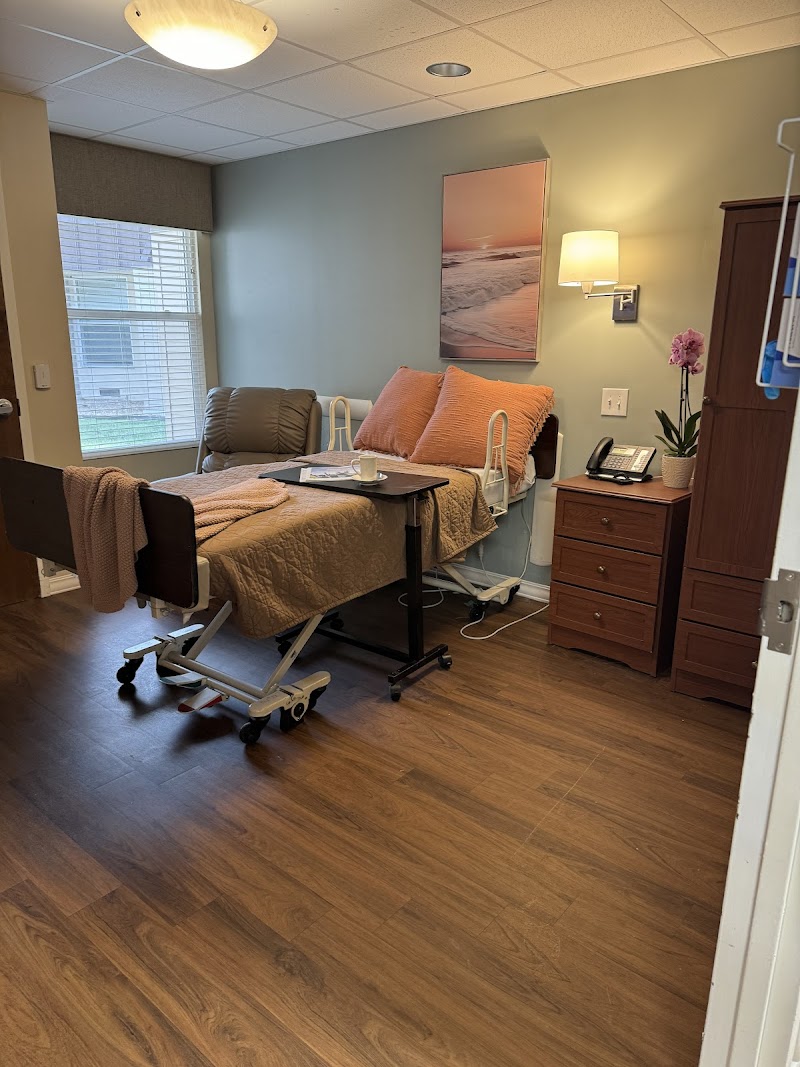
How is Maimonides Of Virginia Beach Staffed?

CMS rates MAIMONIDES HEALTH CENTER OF VIRGINIA BEACH's staffing level at 2 out of 5 stars, which is below average compared to other nursing homes. Staff turnover is 61%, which is 15 percentage points above the Virginia average of 46%. High turnover can affect care consistency as new staff learn residents' individual needs. RN turnover specifically is 77%, which is notably high. RNs provide skilled clinical oversight, so turnover in this role can affect medical care quality.

What Have Inspectors Found at Maimonides Of Virginia Beach?

State health inspectors documented 43 deficiencies at MAIMONIDES HEALTH CENTER OF VIRGINIA BEACH during 2018 to 2025. These included: 42 with potential for harm and 1 minor or isolated issues.
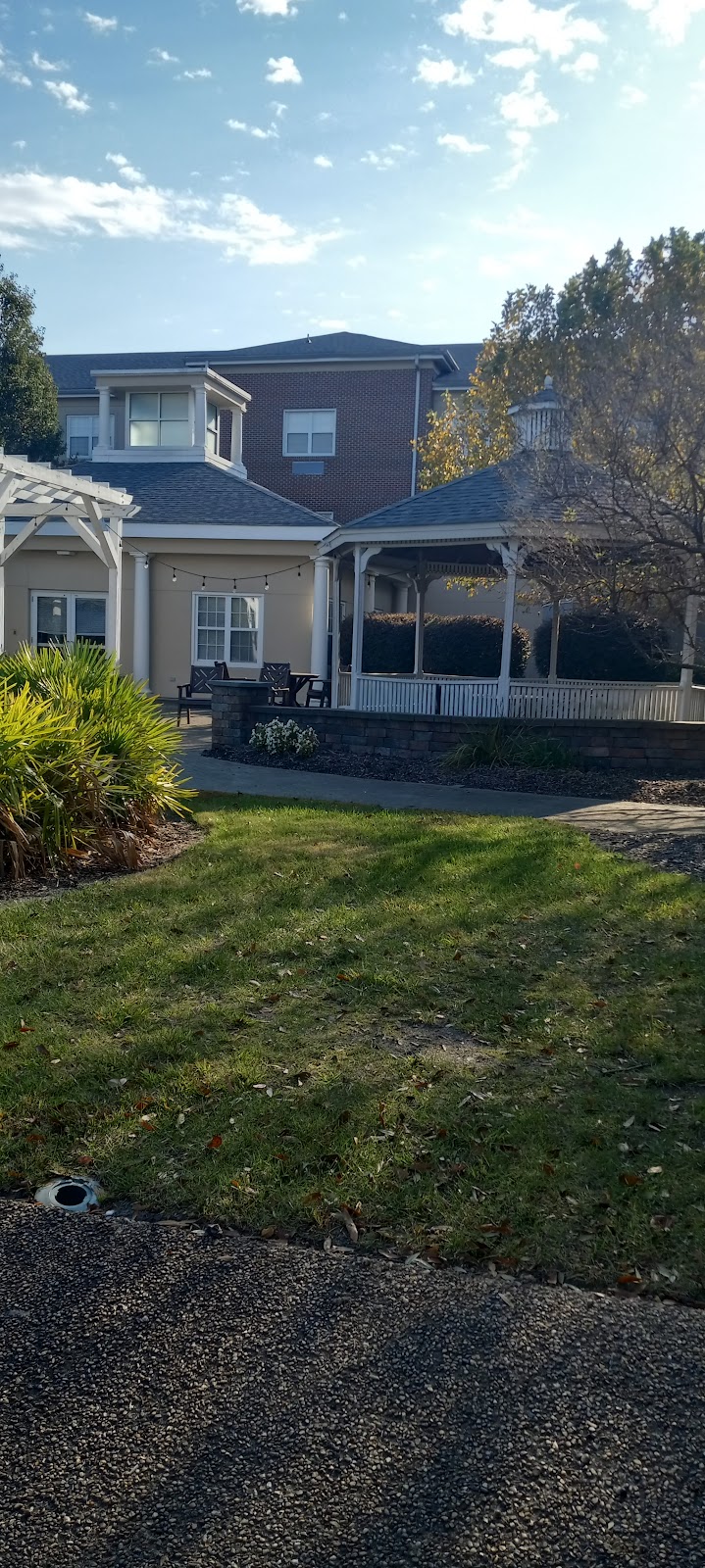
Who Owns and Operates Maimonides Of Virginia Beach?

MAIMONIDES HEALTH CENTER OF VIRGINIA BEACH is owned by a non-profit organization. Non-profit facilities reinvest revenue into operations rather than distributing to shareholders. The facility is operated by GREEN TREE HEALTHCARE MANAGEMENT, a chain that manages multiple nursing homes. With 120 certified beds and approximately 110 residents (about 92% occupancy), it is a mid-sized facility located in VIRGINIA BEACH, Virginia.
How Does Maimonides Of Virginia Beach Compare to Other Virginia Nursing Homes?

Compared to the 100 nursing homes in Virginia, MAIMONIDES HEALTH CENTER OF VIRGINIA BEACH's overall rating (2 stars) is below the state average of 3.0, staff turnover (61%) is significantly higher than the state average of 46%, and health inspection rating (2 stars) is below the national benchmark.

What Should Families Ask When Visiting Maimonides Of Virginia Beach?

Based on this facility's data, families visiting should ask: "How do you ensure continuity of care given staff turnover, and what is your staff retention strategy?" "Can you walk me through typical staffing levels on day, evening, and night shifts?" "Can I visit during a mealtime to observe dining assistance and food quality?" "How do you handle medical emergencies, and what is your hospital transfer rate?" These questions are particularly relevant given the facility's high staff turnover rate and the below-average staffing rating.

Is Maimonides Of Virginia Beach Safe?

Based on CMS inspection data, MAIMONIDES HEALTH CENTER OF VIRGINIA BEACH has a clean safety record: no substantiated abuse findings (meaning no confirmed cases of resident harm), no Immediate Jeopardy citations (the most serious violation level indicating risk of serious injury or death), and is not on the Special Focus Facility watch list (a federal program monitoring the lowest-performing 1% of nursing homes). The facility has a 2-star overall rating and ranks #100 of 100 nursing homes in Virginia. While no facility is perfect, families should still ask about staff-to-resident ratios and recent inspection results during their visit.

Do Nurses at Maimonides Of Virginia Beach Stick Around?

Staff turnover at MAIMONIDES HEALTH CENTER OF VIRGINIA BEACH is high. At 61%, the facility is 15 percentage points above the Virginia average of 46%. Registered Nurse turnover is particularly concerning at 77%. RNs handle complex medical decisions and coordinate care — frequent RN changes can directly impact care quality. High turnover means new staff may not know residents' individual needs, medications, or preferences. It can also be disorienting for residents, especially those with dementia who rely on familiar faces. Families should ask: What is causing the turnover? What retention programs are in place? How do you ensure care continuity during staff transitions?

Was Maimonides Of Virginia Beach Ever Fined?

MAIMONIDES HEALTH CENTER OF VIRGINIA BEACH has been fined $4,938 across 2 penalty actions. This is below the Virginia average of $33,128. While any fine indicates a compliance issue, fines under $50,000 are relatively common and typically reflect isolated problems that were subsequently corrected. Families should ask what specific issues led to these fines and confirm they've been resolved.

Is Maimonides Of Virginia Beach on Any Federal Watch List?

MAIMONIDES HEALTH CENTER OF VIRGINIA BEACH is not on any federal watch list. The most significant is the Special Focus Facility (SFF) program, which identifies the bottom 1% of nursing homes nationally based on persistent, serious quality problems. Not being on this list means the facility has avoided the pattern of deficiencies that triggers enhanced federal oversight. This is a positive indicator, though families should still review the facility's inspection history directly.