ROSEMONT HEALTH & REHAB CENTER, LLC
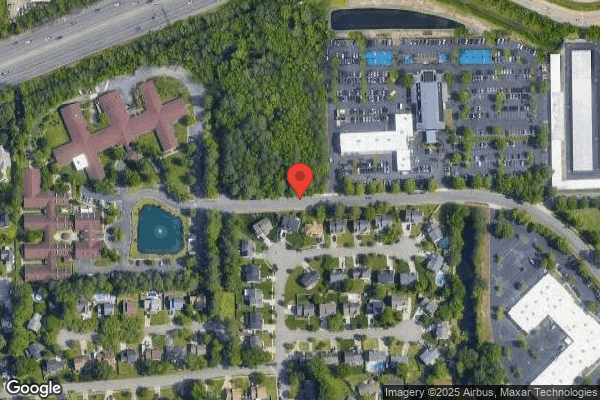
3750 SENTARA WAY, VIRGINIA BEACH, VA 23452 (757) 306-2700
For profit - Corporation 116 Beds SABER HEALTHCARE GROUP Data: November 2025
Trust Grade
18/100
#216 of 285 in VA
Last Inspection: September 2022

Over 2 years since last inspection. Current conditions may differ from available data.

Overview

Rosemont Health & Rehab Center in Virginia Beach has received a Trust Grade of F, indicating significant concerns about its care quality. It ranks #216 out of 285 nursing homes in Virginia, placing it in the bottom half of facilities in the state, and #6 out of 13 in Virginia Beach City County, meaning only five local options are worse. The facility's issues have remained stable, with three serious problems reported in recent inspections. Staffing is a relative strength, with a turnover rate of 43%, which is below the state average, but the overall staffing rating is only 2 out of 5 stars. However, the facility has faced $9,311 in fines, which is concerning and higher than 76% of Virginia facilities, indicating compliance issues. Specific incidents include a resident suffering a serious fall due to a lack of supervision and another resident being harmed by sexual assault, with evidence mishandled afterward, raising significant safety concerns. Overall, while there are some strengths in staffing, the facility's serious deficiencies and low trust grade highlight a need for caution.

Trust Score
F
18/100
In Virginia
#216/285
Bottom 25%
Safety Record
High Risk
Review needed
Inspections
Holding Steady
1 → 1 violations
Staff Stability
○ Average
43% turnover. Near Virginia's 48% average. Typical for the industry.
Penalties
✓ Good
$9,311 in fines. Lower than most Virginia facilities. Relatively clean record.
Skilled Nurses
⚠ Watch
Each resident gets only 24 minutes of Registered Nurse (RN) attention daily — below average for Virginia. Fewer RN minutes means fewer trained eyes watching for problems.
Violations
⚠ Watch
36 deficiencies on record. Higher than average. Multiple issues found across inspections.
★★☆☆☆
2.0
Overall Rating
★★☆☆☆
2.0
Staff Levels
★★★★☆
4.0
Care Quality
★★☆☆☆
2.0
Inspection Score
Stable
2023: 1 issues
2024: 1 issues

The Good

  • 4-Star Quality Measures · Strong clinical quality outcomes
  • Full Sprinkler Coverage · Fire safety systems throughout facility
  • No fines on record
  • Staff turnover below average (43%)

    5 points below Virginia average of 48%

Facility shows strength in quality measures, fire safety.

The Bad

2-Star Overall Rating

Below Virginia average (3.0)

Below average - review inspection findings carefully

Staff Turnover: 43%

Near Virginia avg (46%)

Typical for the industry

Federal Fines: $9,311

Below median ($33,413)

Minor penalties assessed

Chain: SABER HEALTHCARE GROUP

Part of a multi-facility chain

Ask about local staffing decisions and management

The Ugly 36 deficiencies on record

3 actual harm
Mar 2024 1 deficiency
CONCERN (D) 📢 Someone Reported This

A family member, employee, or ombudsman was alarmed enough to file a formal complaint

Potential for Harm - no one hurt, but risky conditions existed

Quality of Care (Tag F0684)

Could have caused harm · This affected 1 resident

**NOTE- TERMS IN BRACKETS HAVE BEEN EDITED TO PROTECT CONFIDENTIALITY** Based on staff and resident interview, clinical record review, review of facility documents, the facility staff failed to admini...

Read full inspector narrative →
**NOTE- TERMS IN BRACKETS HAVE BEEN EDITED TO PROTECT CONFIDENTIALITY** Based on staff and resident interview, clinical record review, review of facility documents, the facility staff failed to administer physician ordered medications for 1 of 7 residents (Resident #1), in the survey sample. The findings included: Resident #1 was admitted to the facility 2/16/22 and readmitted on [DATE]. The resident's diagnoses include Diabetes Mellitus without complications and Depression Unspecified. The quarterly Minimum Data Set (MDS) assessment with an assessment reference date (ARD) of 1/10/24 coded the resident as completing the Brief Interview for Mental Status (BIMS) and scoring 15 out of a possible 15. This indicated Resident #1's cognitive abilities for daily decision making were intact. In section GG (Functional Abilities Goal) the resident was coded as requiring supervision with eating, requiring partial or moderate assistance with oral hygiene, requiring substantial/maximal assistance with toileting/hygiene, dependent with showering/bathing. According to the Medication Administration Record (MAR) Resident #1 had a scheduled eye appointment on 9/19/23. The MAR listed a chart code of #13 which indicated that Resident #1 was absent from home and didn't receive his morning medications or treatment on 9/19/23 at 9:00 AM. The following medications were not administered on 9/19/23 at 9:00 AM: Baclofen Tablet 5 MG Give 1 tablet by mouth one time a day for spasms. Cetirizine HCl Tablet 10 MG Give 1 tablet by mouth one time a day for allergic rhinitis. Bacitracin External Ointment 500 UNIT/GM (Bacitracin (Topical) Apply to scalp topically two times a day for sores to scalp. Carvedilol Tablet 6.25 MG Give 1 tablet by mouth two times a day for hypertension. Combigan Solution 0.2-0.5 % (Brimonidine Tartrate- Timolol) Instill 1 drop in both eyes two times a day for eye care. Eliquis Tablet 5 MG (Apixaban) Give 1 tablet by mouth two times a day for DVT prevention. Fluticasone Propionate Suspension 50 MCG/ACT 2 spray in both nostrils two times a day for allergies. Metformin HCl Tablet 500 MG Give 1 tablet by mouth two times a day for Diabetes Mellitus (DMII). Tylenol Extra Strength Oral Tablet 500 MG (Acetaminophen) Give 1 tablet by mouth two times a day for pain. Voltaren External Gel 1 % (Diclofenac Sodium (Topical) Apply to bilateral knees topically two times a day for pain. Gabapentin Oral Capsule (Gabapentin) Give 400 mg by mouth three times a day for neuropathy. On 3/27/24 an interview was conducted with Licensed Practical Nurse (LPN) #2 at approximately 2:45 PM. LPN #2 said that she is not aware of the resident not getting medications nor a lunch tray but said that Resident #1 did get nauseated and was vomiting at his appointment on 9/19/23. LPN #2 also said that the resident will get lightheaded when sitting up in the wheel chair. LPN #2 also mentioned that he should have received his lunch tray but the family usually orders food out. He came back from his appointment with fried chicken. According to the MAR/TAR and medical records LPN #2 was his nurse on 9/19/23 On 3/27/24 at approximately 3:30 PM., The DON was asked for a medication audit record to ensure the time the medications were given on 9/19/23. On 3/28/24 at approximately 9:30 AM., an interview was conducted with Resident #1 concerning his eye appointment on 9/19/23. Resident #1 mentioned that on 9/19/23 he did not receive his breakfast or morning medications because the staff was running late on getting him ready for his eye appointment. Resident #1 also stated that the staff is now checking his blood sugars and providing meals when he returns from appointments. On 3/28/24 at approximately 10:10 AM., an interview was conducted with the unit manager LPN #1 concerning missed medications and treatment. LPN #1 said that she's not sure if the resident received his medications on 9/19/23. On 3/28/24 at approximately 1:40 PM., an interview was conducted with the Medical Director concerning missed treatments. The Medical Director said that the Skin prep is used to dry the area out on the residents skin. On 3/29/24 at approximately 3:39 PM, a final interview was conducted remotely with the Administrator, Director of Nursing, and Regional Nurse Consultant. The DON said she would look into it (missed medications). A medication audit record was requested for the second time to ensure if medications were given to Resident on 9/19/23 when he returned from his appointment. The DON was not able to provide the audit record to validate medications were administered. No further information was given from the DON concerning the missed medications prior to survey exit.
Jun 2023 1 deficiency 1 Harm
SERIOUS (G) 📢 Someone Reported This

A family member, employee, or ombudsman was alarmed enough to file a formal complaint

Actual Harm - a resident was hurt due to facility failures

Accident Prevention (Tag F0689)

A resident was harmed · This affected 1 resident

Based on family interviews, staff interviews and a clinical record review, the facility staff failed to provide the required supervision for 1 resident (Resident #1) which resulted in an unwitnessed f...

Read full inspector narrative →
Based on family interviews, staff interviews and a clinical record review, the facility staff failed to provide the required supervision for 1 resident (Resident #1) which resulted in an unwitnessed fall that caused facial contusion and a closed displaced phalanx (fracture) of the left ring finger, which constituted harm at past non-compliance. The findings included: Resident #1 was originally admitted to the facility 5/22/2015 and was current resident in the facility. Resident #1's diagnoses included a stroke with left hemiparesis and dementia. The quarterly Minimum Data Set (MDS) assessment with an assessment reference date (ARD) of 3/24/23 coded the resident as completing the Brief Interview for Mental Status (BIMS) and scoring 2 out of a possible 15. This indicated Resident #1's cognitive abilities for daily decision making were severely impaired. In section G (Physical functioning) the resident was coded as requiring total care of one person with bathing and locomotion, extensive assistance of one person with bed mobility, transfers, walking, personal hygiene, dressing, and toileting and supervision after set-up with eating. A nurse's note date 4/27/23 read, the resident fell out of her wheel chair while outside and hit the right side of her face. The resident was transported to the hospital and diagnosed with a contusion to her face and a closed displaced phalanx (fracture) of the left ring finger. A splint was applied and an order to follow up with an orthopedist or hand surgery specialist. The resident's care plan with a revision date of 5/5/23 had a problem which read, (name of resident) is at risk for falls. A fall mat is in place for safety. The resident had falls 6/18/21 and 4/27/23. The goal read, minimize risks for falls/minimize injuries related to falls through 6/22/23. The interventions included, Ensure resident not outside unsupervised. Implement preventative fall interventions/devices. Fall mat at bedside for safety. Maintain needed items within reach. Offer assistance with toileting during care opportunities. An interview was conducted with Resident #1's daughter by telephone on 6/7/23 at approximately 9:14 a.m. The daughter elaborated on her mother being left in a wheel chair outside unsupervised, and falling from the wheel chair onto the driveway. An interview was also conducted with daughter #2 on 6/7/23 at 9:40 a.m., she talked about the fall outside while the resident was unsupervised as well of the injuries sustained. On 6/7/23 at approximately 2:20 p.m., an interview was conducted with certified nursing assistant (CNA) #1. CNA #1 stated Resident #1 attends the PACE program one day each week, she feeds herself well, is totally incontinent of her bladder and bowels, can self propel her wheel chair some days short distances and when she is in bed her bed is kept in the lowest position. An interview was conducted with CNA #2 on 6/7/23 at approximately 2:55 p.m. CNA #2 stated she had been employed with the facility for about three months. She also stated Resident #1 asked her to take her outside and she took her outside and left her for she had to return to her unit to care for other residents. CNA #2 stated since the fall of Resident #2 she has been educated to notify the nurse prior to allowing a resident to go outside and she has been re-inserviced on the facility's fall prevention program. An interview was conducted with the Front Desk Receptionist (FDR) on 6/8/23 at 2:45 p.m. The FDR stated on 4/27/23 at approximately 2:00 p.m., she observed a resident was on the ground near the bench in the parking lot with the wheel chair she was sitting in nearby. The FDR also stated another resident was observed nearby but there was not any staff present. She stated she immediately came into the facility and called for help and nursing staff responded to her call. The FDR stated the PACE transporter did not leave her outside for they always bring the resident inside the building. An interview was conducted with CNA #3 on 6/8/23 at 10:55 a.m. CNA #2 stated if a resident desires to go out to smoke, it is required that they sign out in the book at the nurse's station and notify the nurse on duty. If the resident is independent, they may go out unassisted but if they are not independent a staff member must stay outside with the resident. CNA #3 stated also all staff are to monitor residents for fall potentials. An interview was conducted with Licensed Practical Nurse (LPN) #1 on 6/8/23 at 11:25 a.m. LPN #1 stated all staff are to identify fall risk and hazards, spills, positioning/sloughing, in the chair keeping personal possession nearby, toileting, and rounding frequently to know where abouts of the resident. All residents who had experienced falls since 4/27/23 were reviewed during the survey. There was one resident who should utilize a wheel chair for locomotion who fell walking without a wheel chair. A lack of supervision wasn't identified as the root cause. Eighteen additional falls were also reviewed, but lack of supervision was not identified as a root cause Date of Corrective action plan, 4/28/23. The facility developed a five-point plan secondary to Resident #1's fall with facial bruising a left ring finger fracture. 1. The facility determined based on Resident #1's cognition she should have been supervised while outside. 2. The facility completed a 100 percent review of all falls in the facility for the previous 30 days to determine like-residents (residents with a BIMS score below 12), had prior unwitnessed falls outside and a 100 percent of environmental conditions was completed there were no environmental hazards outside. 3. One hundred (100) percent education for all nurses by the Director of Nursing and Staff Development Coordinator to educate on resident supervision while outside and Resident with BIMS under 12 to require visual observation while outside of the community front doors. 4. The Administrator, Director of Nursing and Staff Development Coordinator to complete weekly audits 5 times per week for 5 weeks that include environmental observations, staff interviews regarding the education above and resident interviews. All Quality Assurance and Performance Improvement (QAPI) finding will be forwarded to the QAPI committee. 5. Corrective action was completed on 5/4/23. On 6/8/23 at approximately 1:40 p.m., the above allegations were shared with the Administrator, Director of Nursing and two corporate consultants. An opportunity was offered to the facility's staff to present additional information, but no additional information was provided, and no concerns were voiced. It was determined that the facility implemented its Corrective Action Plan, and there was sufficient evidence that the facility corrected the noncompliance and was in substantial compliance at the time of the current survey for the regulatory requirement, F-689.
Nov 2022 3 deficiencies
CONCERN (D) 📢 Someone Reported This

A family member, employee, or ombudsman was alarmed enough to file a formal complaint

Potential for Harm - no one hurt, but risky conditions existed

Deficiency F0567 (Tag F0567)

Could have caused harm · This affected 1 resident

Based on information gleamed during a complaint investigation, family interview, staff interview, and review of facility documents, the facility staff failed the facility staff failed to ensure the re...

Read full inspector narrative →
Based on information gleamed during a complaint investigation, family interview, staff interview, and review of facility documents, the facility staff failed the facility staff failed to ensure the resident's personal funds which exceeded $100.00 were kept in an interest bearing account until it was distributed to the Resident and/or Representative for 1 of 21 residents (Resident #121), in the survey sample. The findings included: Resident #121 was originally admitted to the facility 10/18/2021 and was discharged from the facility 6/30/22, return anticipated. The Resident's diagnoses included; dysphagia, malnutrition, quadriplegia, a seizure disorder and a neurogenic bladder. The quarterly Minimum Data Set (MDS) assessment with an assessment reference date (ARD) of 5/6/22 coded the resident as not having the ability to complete the Brief Interview for Mental Status (BIMS). The staff interview was coded for long and short term memory problems, an inability to recall and severely impaired daily decision making abilities. In section B (Hearing Speech, Vision) the resident was coded as rarely to never capable of making her needs known. In section G (Physical functioning) the resident was coded as requiring total care of two people with bed mobility, transfers, toileting, personal hygiene and dressing, and total care of one person with eating and bathing. In section H (Bladder and Bowel) the resident was coded as requiring the use of an indwelling catheter and always incontinent of her bowels. An interview was conducted with the Resident Representative on 11/17/22 at approximately 10:13 a.m. The Resident Representative stated she hadn't received the monies from her sister's personal fund account which the facility had held since her discharge 6/30/22. An interview was conducted with the Business Officer Manager (BOM) on 11/17/22 at approximately 11:30 a.m. The BOM stated she thought she had sent a request for Resident #121's funds to be conveyed to the Resident and/or Representative but after reviewing the records she recognized she had only froze the account. The BOM presented a document at approximately 4:10 p.m. which indicated a request was sent to the financial department to have $3,556.51 sent to the Resident Representative. No interest accrued on the monies in the Resident's account because it had been frozen. The facility policy titled Resident Personal Funds Management with a revision date of 4/9/21 read the the facility will deposit in excess of $50.00 in an interest-bearing account (at a rate of return equal to or above the rate at local banking institutions) account insured by FDIC that is separate from any Facility operating account. All interest earned will be credited to the Resident account. On 11/17/22 at approximately 2:30 p.m., the above findings were shared with the Administrator, Director of Nursing and Corporate Consultant. An opportunity was offered to the facility's staff to present additional information but no additional information was provided and no further concerns were voiced. COMPLAINT DEFICIENCY
CONCERN (D) 📢 Someone Reported This

A family member, employee, or ombudsman was alarmed enough to file a formal complaint

Potential for Harm - no one hurt, but risky conditions existed

Dental Services (Tag F0791)

Could have caused harm · This affected 1 resident

Based on resident interview, staff interviews and clinical record review, the facility staff failed to ensure 1 out of 3 residents (Resident #118) in the survey sample received the services needed to ...

Read full inspector narrative →
Based on resident interview, staff interviews and clinical record review, the facility staff failed to ensure 1 out of 3 residents (Resident #118) in the survey sample received the services needed to meet their dental needs. The findings included: The facility staff failed to follow-up with a dental visit recommended by the dentist on 07/31/22 for Resident #118. Diagnosis for Resident #118 included but not limited to Type II Diabetes. The most recent Minimum Data Set (MDS) was a quarterly assessment with an Assessment Reference Date (ARD) of 10/20/22 coded the resident on the Brief Interview for Mental Status (BIMS) with a score of 15 out of a possible score of 15, which indicated no cognitive impairment for daily decision-making. The MDS coded Resident #118 supervision with setup help only with eating. Under section L0200 (Dental) coded Resident #118 being without mouth or facial pain, discomfort, or difficulty with chewing. An interview was conducted with Resident #118 on 11/15/22 at approximately 12:15 p.m. He stated he was seen by the dentist about 3-4 months ago and should have had a follow up appointment which never happened. He stated he needs dentures but his teeth on the bottom are rotten down to the gumline. The resident also stated no one at the facility had spoken to him regarding his dental issues related to having his teeth pulled or receiving dentures. The resident denies dental pain or discomfort currently. A review of Resident #118 clinical record revealed a dental note dated 07/31/22 that stated the staff reported Resident #118 needed to be seen for multiple mandibular fractured (broken) teeth. All the fractured teeth are at the bottom gumline. The note included Resident #118 voiced difficulty eating and would like to have dentures. The note also stated the resident was advised that he (dentist) does not make dentures for the facility and will need to locate a Medicaid provider who will do teeth extractions and fabricate complete dentures. On 11/16/22 at approximately 3:25 p.m., an interview was conducted with the Business of Manager (BOM). She stated she was not aware the dentist office had put Resident #1's progress note inside his bill until 09/21/22. She said she notified the nursing staff on 09/21/22 that there were dental notes in the some of the resident's charts. She stated she did not tell anyone that Resident #118 had a dental note from his dental visit on 07/31/22. She stated she took ownership of her mistake. A debriefing was held with the Administrator, Director of Nursing and Regional Director of Clinical Services on 11/17/22 at approximately 4:15 p.m., who were informed of the above findings. No further information was provided prior to exit. The facility's policy titled Dental Services revised on 08/11/20. It is the facility policy that the facility will assist in obtaining routine and 24-hour emergency dental care/services to meet the needs of each resident. -Procedure: -Dental services are available to meet the resident's needs. -Failure of a dentist to provide follow-up services will result in the facility's right to use its Consult Dentist to provide the resident's dental needs. -The Director of Nursing, or his/her designee, or any clinical staff member is responsible for notifying Social Services of a resident's need for dental services. -If the referral cannot be made within 3 days, the facility will document what was done to ensure the resident could still eat and drink adequately while awaiting dental services and the extenuating circumstances that lead to the delay. COMPLAINT DEFICIENCY
CONCERN (E) 📢 Someone Reported This

A family member, employee, or ombudsman was alarmed enough to file a formal complaint

Potential for Harm - no one hurt, but risky conditions existed

Deficiency F0569 (Tag F0569)

Could have caused harm · This affected multiple residents

Based on information gleamed during a complaint investigation, family interview, staff interview, and review of facility documents, the facility staff failed to convey within 30 days after the residen...

Read full inspector narrative →
Based on information gleamed during a complaint investigation, family interview, staff interview, and review of facility documents, the facility staff failed to convey within 30 days after the resident's discharge from the facility the resident's funds, and a final accounting of those funds, to the Resident and/or Representative for 1 of 21 residents (Resident #121), in the survey sample. The findings included: Resident #121 was originally admitted to the facility 10/18/2021 and was discharged from the facility 6/30/22, return anticipated. The Resident's diagnoses included; dysphagia, malnutrition, quadriplegia, a seizure disorder and a neurogenic bladder. The quarterly Minimum Data Set (MDS) assessment with an assessment reference date (ARD) of 5/6/22 coded the resident as not having the ability to complete the Brief Interview for Mental Status (BIMS). The staff interview was coded for long and short term memory problems, an inability to recall and severely impaired daily decision making abilities. In section B (Hearing Speech, Vision) the resident was coded as rarely to never capable of making her needs known. In section G (Physical functioning) the resident was coded as requiring total care of two people with bed mobility, transfers, toileting, personal hygiene and dressing, and total care of one person with eating and bathing. In section H (Bladder and Bowel) the resident was coded as requiring the use of an indwelling catheter and always incontinent of her bowels. An interview was conducted with the Resident Representative on 11/17/22 at approximately 10:13 a.m. The Resident Representative stated she hadn't received the monies from her sister's personal fund account which the facility had held since her discharge 6/30/22. An interview was conducted with the Business Officer Manager (BOM) on 11/17/22 at approximately 11:30 a.m. The BOM stated she thought she had sent a request for Resident #121's funds to be conveyed to the Resident and/or Representative but after reviewing the records she recognized she had only froze the account. The BOM presented a document at approximately 4:10 p.m. which indicated a request was sent to the financial department to have $3,556.51 sent to the Resident Representative. On 11/17/22 at approximately 2:30 p.m., the above findings were shared with the Administrator, Director of Nursing and Corporate Consultant. An opportunity was offered to the facility's staff to present additional information but no additional information was provided and no further concerns were voiced. COMPLAINT DEFICIENCY
Sept 2022 17 deficiencies 2 Harm
SERIOUS (G)

Actual Harm - a resident was hurt due to facility failures

Free from Abuse/Neglect (Tag F0600)

A resident was harmed · This affected 1 resident

**NOTE- TERMS IN BRACKETS HAVE BEEN EDITED TO PROTECT CONFIDENTIALITY** Based on closed record review, complaint investigation, and family and staff interviews, the facility staff failed to ensure one...

Read full inspector narrative →
**NOTE- TERMS IN BRACKETS HAVE BEEN EDITED TO PROTECT CONFIDENTIALITY** Based on closed record review, complaint investigation, and family and staff interviews, the facility staff failed to ensure one resident (Resident #297), in the survey sample of 46 residents, was free from sexual assault which resulted in harm. The findings included: Resident #297 was admitted to the facility on [DATE] with a diagnosis of dementia, anemia, diabetes, cardiovascular disease, aphasia, and cerebrovascular disease. In the most recent Minimum Data Set (MDS) dated [DATE], it was coded that this resident had a BIMS score of 3 out of a possible score of 15 which indicated severe impairment in the cognitive skills necessary for daily decision-making. Resident #297 required extensive assistance for bed mobility and was dependent on staff for transfers, dressing, grooming, eating, toileting and bathing. A Care Plan dated 06/07/21 indicated: Focus- Altered or at risk for altered behaviors and/or mood due to acute confusion. Goal- resident will display a positive affect. Interventions- Ensure the resident feels safe in her environment. Resident History: The perpetrator, Resident #145 was admitted on [DATE] with diagnoses that included PVD, AFib, anxiety, a history of gangrene above the knee (AKA) with orthopedic aftercare, neuropathy, malnutrition, HTN, and weakness. On the resident's most recent MDS with ARD of 6/11/21, the resident's BIMS was a 13 in a possible score of 15 which indicated intact cognition with the necessary skills needed for daily decision-making. The resident did not trigger for wandering or other behaviors. The resident required extensive assistance for bed mobility, transfers, dressing, toileting, and hygiene. He was independent in eating. The resident used a wheelchair for mobility. Resident #145 was on the following medications: Voltaren gel, Ultram, cholecalciferol, omeprazole, gabapentin, Lexapro, metoprolol, and apixaban. The Sex offender's database did not have him listed as an offender. A nursing note dated 8/24/21 at 05:10 a.m. indicated, While CNA was (sic) doing there 2 hour rounding the CNA a (sic) patient in Resident #297 room with her gown up and brief slid to the side. Immediately removed the other party involved to his room and did a thorough head to toe assessment on patient. Resident #297 had scant light pink blood on chuck that was under her but no physical trauma to the vagina that (writer) was able to see externally. Authorities were made aware and all responsible parties were notified. A Facility Incident/Accident Report (FRI) dated 08/24/21 at (14:02) indicated, Incident Description: On August 24, 2021, at 5:10 a.m., Resident #145 was spotted in Resident #297 room. CNA #4 cracked door and saw Resident #145 with his hands down Resident #297 brief. Resident #145 was immediately separated and put in his room. A staff member was put outside his room to watch him. Former LPN #9 agency nurse immediately called the police. The police showed up around 8:00 a.m. Police officers questioned both residents. Resident #297 was sent to the hospital. At 9:00 am. Police Officer detective showed up and interviewed Resident #145. She left after interviewing Resident #145 at facility to speak with Resident #297 family at the hospital. Immediate Action Taken-Description: Resident separated, Police called. Resident sent to hospital. Resident #145 arrested from facility. Interviews started and skin assessments started. Immediate discharge given to resident. Injuries Observed at Time of Incident: No injuries observed at time of incident. A Local Police Incident Report dated 08/24/21 at 09:22 AM indicated: Last Known Secure: 08/24/21 at 05:00 AM At Found: 08/24/21 at 7:06 AM Crime: 1: Sexual Battery Weapons/Tools - 1. (Hands, ETC.) The FRI indicated: Two Police Officers arrived at approximately 0800. They interviewed both residents. Resident #297's family member had already arrived at the Center. The FRI indicated: A Detective interviewed Resident #145 and also went to local hospital to meet with Resident #297's and her family. During this initial police investigation, Resident #145 remained on 1:1 observation with staff. The FRI indicated: Nursing Supervisor reports going to Resident #145 after providing care for Resident #297. Nursing Supervisor reports asking Resident #145 what did you do. Nursing Supervisor reports he answered I am sorry and I touched her. The FRI indicated : At approximately 0930 Officer called center and said to continue to secure Resident #145, and that they would be out to arrest him. Local Police arrived at 1330 and removed him from center. During a phone interview on 9/20/22 at 6:11 a.m. with CNA #4, she stated during her shift rounds on 8/24/21, she noticed Resident #297 door was open which she usually keeps closed at night. CNA #4 stated she went into the room and observed Resident #145 with his hand in Resident #297's brief. CNA #4 stated she asked Resident #145 to leave the room. CNA #4 stated she called for the (former ADON Staff #7) who was working during the shift. CNA #4 was asked if Resident #145 was a wanderer. CNA #4 stated, No. CNA #4 was asked if Resident #4 had been caught in Resident #297 room before and she stated, No. CNA #4 was asked if Resident #145 had been seen in other female resident rooms and she stated, No. A Review of a written statement given by the former Assistant Director of Nursing (ADON) #7 dated 8/24/21 indicated: At 5:10 called to room [ROOM NUMBER] by CNA #4. On arrival to Resident #247 room where Resident #145 (Perpetrator) was in his wheelchair facing the door saying 'I'm sorry.' Observed Resident #247 laying on her back with her gown up around her neck exposing her breast, abdomen, and legs. Her diaper was opened on the right side. Her eyes were open and she was following our movements around the bed. We [name of former agency LPN #9 and former ADON#7] examined Resident #247 for any injuries. None were noted. There was a smear of blood on the disposable pad beneath her. Our exam did not reveal any bleeding. [Name of CNA #4] bathed and dressed Resident #247. [Name of former ADON #7] checked her 15 minutes later and she was resting comfortably with eyes closed. Excerpts from the above-written statement of former ADON Staff #7 included .Went into Resident #145's room and asked him what he was doing and he stated, 'I was in someone's room but I don't know why.' Asked what he was doing in the room with Resident #297 and he stated, 'I don't know.' You do know what you were doing in there; he shook his head yes. Tell me what you did, and he said 'I touched her.' I asked him where he touched her and he said 'down there' pointing to his groin. He again stated he was sorry. The statement indicated that on 8/24/21 at 5:40 a.m., the former ADON staff #7 called Resident #297's daughter and explained the incident to her. She said she would be at the facility in a little while. After the incident, Resident #145 (perpetrator) remained in his room in the bed for the remainder of the shift. During a phone interview on 9/21/22 at 3:59 p.m., former ADON Staff #7 stated CNA #4 called her to Resident #297's room and reported that Resident #145 was observed with his hands inside Resident 297's brief. After removing Resident #145 from the room, the Former ADON Staff #7 stated she asked CNA #4 to clean Resident #297 up. She stated she called the Administrator, DON, Family, and physician. An aide was assigned to watch Resident #145 and sit outside of his room. Former ADON Staff #7 was asked to describe Resident #145. She stated he was usually up near the nursing station during the day. He was not a wanderer nor had he had behaviors of seeking out female residents. During a phone interview on 9/22/22 at 10:13 a.m., the former DON Staff #8 stated she received a call from the Former ADON Staff #7 regarding CNA #4 observing Resident #145 in Resident #297 room with his hands in the brief of Resident #297. The Former DON Staff #8 stated she arrived around 5:30 a.m. the family arrived around 6:30 am. She stated Agency staff LPN #9 called the police, but she was not sure what time the police were called. She said the police arrived around 8:00 a.m. Former DON Staff #8 was asked to describe Resident #145. She stated she did not know much about the resident. She said she had only been working at the facility for about two weeks and was not aware of him going into other resident rooms. A written statement given by agency staff LPN #7 indicated: To Whom It May Concern (writer Agency Staff LPN #7 name) worked on 8/24/21 when it was reported to her that one of the patients had been sexually assaulted by another resident. A thorough head-to-toe exam was performed and noticed scant light pink blood on chux under Resident #297. The male who was involved was immediately removed and asked what happened and he admitted to putting his hands up Resident #297's vagina. All parties were notified. During an interview on 9/22/22 at 4:59 p.m. with agency Staff LPN #7, she stated Resident #297 was assessed after the sexual assault was reported by CNA #4. She said a scant amount of blood was on her brief. The family was notified, the Administrator was notified, and the physician was notified. She said the family came and the rest of the resident's daughters arrived and asked that 911 be called. The Agency Staff LPN Other #7 was asked to describe Resident #145. She stated she did not know the resident, it was her first time at the facility. During a phone interview on 9/22/22 at 4:35 p.m., former Administrator #10 was asked to describe Resident #145. He stated, as far as he knew, the resident was not a wanderer. He would come to the nursing station and talk with the staff. A sex registry background check did not indicate he had committed any previous acts of sexual assault. The former Administrator #10 stated, all parties were notified and a follow-up FRI report was submitted to the State survey and certification agency. During a phone interview on 9/20/22 at 11:39 a.m., Resident #297's daughter stated she received a call from the facility after 5:00 am on 8/24/21 and when she arrived at the facility, her mother had been cleaned up and given a bath. She asked the former ADON #7 to call 911 and send her mother to the hospital. The resident's daughter stated, after her sisters arrived they went to the hospital and were met there later on by the police. She stated her mother was not able to talk or call out for help nor was she able to defend herself against any type of assault. A facility policy for Abuse, Neglect, and Exploitation dated 5/6/21 indicated: Sexual abuse -includes, but is not limited to, non-consensual sexual contact of any type, sexual harassment, sexual coercion, or sexual assault. Complaint Deficiency
SERIOUS (G)

Actual Harm - a resident was hurt due to facility failures

Investigate Abuse (Tag F0610)

A resident was harmed · This affected 1 resident

**NOTE- TERMS IN BRACKETS HAVE BEEN EDITED TO PROTECT CONFIDENTIALITY** Based on a closed record review, complaint investigation, family and staff interviews, the facility staff failed to preserve evi...

Read full inspector narrative →
**NOTE- TERMS IN BRACKETS HAVE BEEN EDITED TO PROTECT CONFIDENTIALITY** Based on a closed record review, complaint investigation, family and staff interviews, the facility staff failed to preserve evidence following an incident of sexual abuse for one resident (Resident #297) in the survey sample of 46 residents. The findings included: Resident #297 was admitted to the facility on [DATE] with a diagnosis of dementia, anemia, diabetes, cardiovascular disease, aphasia, and cerebrovascular disease. In the most recent Minimum Data Set (MDS) dated [DATE], it was noted this resident had a BIMS score of 3 which indicated the resident was severely impaired in the skills needed for daily decision-making. Resident #297 required extensive assistance for bed mobility and was dependent on staff for transfers, dressing, grooming, eating, toileting and bathing. A Care Plan dated 06/07/21 indicated: Focus- Altered or at risk for altered behaviors and/or mood due to acute confusion. Goal- resident will display a positive affect. Interventions- Ensure the resident feels safe in her environment. The perpetrator, Resident #145 was admitted on [DATE]. He had a diagnosis of PVD, AFib, anxiety, a history of gangrene with AKA with orthopedic aftercare, neuropathy, malnutrition, HTN, and weakness. On the resident's most recent MDS with ARD of 6/11/21, the resident's BIMS was a 13 which indicated he was cognitively intact with the skills for daily decision-making. He did not trigger for wandering or other behaviors. The resident required extensive assistance for bed mobility, transfers, dressing, toileting, and hygiene. He was independent in eating. The resident was coded to use a wheelchair for mobility. Resident #145 was on the following medications: Voltaren gel, Ultram, cholecalciferol, omeprazole, gabapentin, Lexapro, metoprolol, and apixaban. The Sex offender's database does not have him listed as an offender. A nursing note dated 8/26/21 -Late Entry - Indicated: Late Entry for the incident on 8/24/21 at 5:10 am: Male resident was immediately removed from residents room when he was found in her room, by a CNA (certified nursing assistant), with his hands between her legs. He was escorted to his room where he went to bed and remained on 1:1 surveillance. Patient did not appear to be upset. She was lying in bed with her eyes open and following (sic) writers (movements). Physical exam was completed, No bruising noted and no scratches or other signs of injury noted to back, buttocks or vaginal area. There was no discharge or drainage noted from vaginal area. Breast appeared to be untouched and had no s/s of any bruising, scratches etc. There was a smear of blood located on her diaper however the exam did not reveal any signs of trauma or blood visible at time of exam. Patient did not voice any discomfort nor pain with words or facial expressions. She was given a bed bath, gown changed and bedding changed. She was resting comfortably in bed with eyes closed when her family arrived. A Review of a written statement given by the former Assistant Director of Nursing (ADON) #7 dated 8/24/21 indicated: At 5:10 called to room [ROOM NUMBER] by CNA #4. On arrival to Resident #247 room where Resident #145 (Perpetrator) was in his wheelchair facing the door saying 'I'm sorry.' Observed Resident #247 laying on her back with her gown up around her neck exposing her breast, abdomen, and legs. Her diaper was opened on the right side. Her eyes were open and she was following our movements around the bed. We [former agency LPN #9 and former ADON#7] examined Resident #247 for any injuries. None were noted. There was a smear of blood on the disposable pad beneath her. Our exam did not reveal any bleeding. [Name of CNA #4] bathed and dressed Resident #247. [Name of former ADON #7] checked her 15 minutes later and she was resting comfortably with eyes closed. During a phone interview on 9/21/22 at 3:59 p.m., former ADON#7 stated that CNA #4 cleaned up Resident #247 up at her request. She said the bed was messy and her diaper was changed. The former ADON #7 stated, she had the assigned CNA #4 to wash Resident #247's peri area, put on a new diaper and a clean gown, change the linen, and change her blanket. She stated during the interview that she instructed staff to make sure to clean Resident #247 up before law enforcement was contacted and before Resident #247 was transferred to the emergency room for examination. She was asked if this incident was investigated as a sexual assault and she stated, Yes. She was also asked if she had sexual abuse training and responded that she had, but her personal training folder did not have evidence of abuse training or what to do in cases of suspected sexual assault. During the above interview, former ADON #7 was asked if Resident #145 (Perpetrator) was examined for potential evidence to which she said she did not know. She was asked bathing or clean the resident, and washing linens and or clothing before the resident had been examined would impede the investigation, and responded that she messed up. The former ADON #7 was also asked if the bed linens, diapers, are gowns were preserved for evidence and responded, No, the disposable items were discarded and the linens were sent to laundry to be washed. During a phone interview on 9/20/22 at 6:11 a.m., the assigned CNA #4 stated she was instructed by former ADON#7 to clean up Resident #247, give her a bed bath to include the peri-area, change her brief and place the resident in a clean gown. CNA#4 also said she was also instructed to change the resident's bed linens. During a phone interview on 9/20/22 at 11:39 a.m., Resident #247's daughter stated she received a call from the facility after 5:00 a.m. on 8/24/21. When she arrived at the facility, her mother had been cleaned up and given a bath. She asked the former ADON #7 to call 911 and send her mother to the hospital. A facility Abuse policy dated 5/26/21 indicated: Sexual abuse- Includes, but is not limited to, non-consensual sexual contact of any type, sexual harassment, sexual coercion, or sexual assault. Protection of Resident: In Allegations of Sexual Abuse every effort will be made to preserve evidence on both the resident and the perpetrator. Resident and perpetrator: a. Will not be bathed or cleaned b. Will not receive incontinence care c. The Incontinence brief will not be changed e. No oral care will be provided f. Both resident and perpetrator will be evaluated in the ER. g. Linens will be bagged and provided as evidence if applicable h. Police to be notified. Complaint Deficiency
CONCERN (D)

Potential for Harm - no one hurt, but risky conditions existed

Deficiency F0553 (Tag F0553)

Could have caused harm · This affected 1 resident

**NOTE- TERMS IN BRACKETS HAVE BEEN EDITED TO PROTECT CONFIDENTIALITY** Based on observation, resident interview, staff interview, clinical record review, and review of facility documents, the facilit...

Read full inspector narrative →
**NOTE- TERMS IN BRACKETS HAVE BEEN EDITED TO PROTECT CONFIDENTIALITY** Based on observation, resident interview, staff interview, clinical record review, and review of facility documents, the facility's staff failed to afford two residents (R#62 and R#38) in the survey sample the opportunity to participate in the care planning process. The findings included: Resident #62 was originally admitted to the facility 04/25/19 and readmitted [DATE] after an acute care hospital stay. The current diagnoses included; End Stage Renal Disease and Anxiety Disorder. The quarterly, Minimum Data Set (MDS) assessment with an assessment reference date (ARD) of 08/18/22 coded the resident as completing the Brief Interview for Mental Status (BIMS) and scoring 15 out of a possible 15. This indicated Resident #62 cognitive abilities for daily decision making were intact. In sectionG(Physical functioning) of the MDS the resident was coded as requiring total dependence of two persons with bed mobility, toileting and bathing. Requires total dependence of one person with dressing and personal hygiene. Requires supervision with set-up help only with eating. The Care Plan read: FOCUS: Resident #62 is long term placement at the facility related to hands with ADL's Goals: FOCUS: Resident will express need and acceptance of placement through next review Date Initiated: 12/15/2020 Created on: Target Date: 10/27/2022 INTERVENTIONS: Encourage family and/or responsible party to assist with adjustment by bringing in items from home that the resident enjoys Date Initiated: 12/15/2020 Created. On 09/19/22 at approximately 11:44 AM., an interview was conducted with Resident #62. He could not recall receiving a recent invitation for a care plan meeting. He stated, They never tell me anything. Resident #62 also said that he attended Dialysis three days a week every Tuesday, Thursday and Saturday. On 9/19/22 at approximately 5:30 PM., an interview was conducted with the SW (Social Worker) concerning Care Plan meetings and invitations. She said that Resident #62's brother attended the meetings and would usually fill him in when he returned from Dialysis. A review of the quarterly Care Plan Conference Summary dated 3/08/22 (Tuesday) revealed that Resident #62 did not attend the meeting due to him being at dialysis but his Resident Representative (RP) was in attendance. A review of the quarterly Care Plan Conference Summary dated 6/08/22 (Thursday) did not indicate if Resident #62 was present but did indicated the RP was in attendance. On 9/22/22 at approximately 2:00 PM an interview was conducted with LPN (MDS, Coordinator) #1 concerning Resident #62. She said that the social worker has to notify the family and resident about care plan meetings. She said that his next scheduled Care Plan meeting was scheduled for 11/28/22 which fell on a Wednesday. On 9/22/22 at approximately 3:10 PM., a pre-exit was with the DON (Director of Nursing) and Corporate staff member #1 and Corporate staff member #2. An opportunity was offered to the facility's staff to present additional information but no additional information was provided. 2. The facility staff failed to invite Resident #38 to attend their person-centered care plan meeting. Diagnosis for Resident #38 included but are not limited to major depression and anxiety. The most recent Minimum Data Set (MDS) was a quarterly assessment with an Assessment Reference Date (ARD) of 07/20/22 coded the resident on the Brief Interview for Mental Status (BIMS) with a score of 15 out of a possible score of 15, which indicated no cognitive impairment for daily decision-making. An interview was conducted with Resident #38 on 09/19/22 at approximately 10:34 a.m., who stated he is never been invited to attend a care plan meeting nor given a care plan invitation letter. An interview was conducted with the MDS Coordinator #1 on 09/22/22 at approximately 10:17 a.m. She stated she provides the Social Worker (SW) with the care plan date but the SW will invite the resident to attend their care plan meeting. She stated Resident #38 should have been invited to attend his care plan meetings on 02/28/22, 04/18/22 and 07/20/22. An interview was conducted with the SW on 09/21/22 at 2:53 p.m. She stated she was not able to locate where Resident #38 was ever invited to attend his care plan meeting on the days mentioned above. A debriefing was held with the Interim Administrator, Director of Nursing and Regional Director of Clinical Services on 09/22/22 at approximately 3:00 p.m., who were informed of the above findings; no further information was provided prior to exit. The facility's policy titled Comprehensive Care Planning revised on 07/19/19. It is the facility policy that the interdisciplinary plan of care will be established for every resident and updated in accordance with state and federal regulatory requirements and on an as needed basis. -Procedure read in part: L. The facility designee is responsible for preparing and updating a list of those residents scheduled for each conference. The list is generated ten (10) days prior to each meeting. M. The facility designee is responsible for delivering to each resident who is scheduled for conference an invitation to attend the meeting. The letter of requested participation (original) is presented to the resident at least five (5) days prior to the date of conference. A copy of the letter is maintained for reference.
CONCERN (D)

Potential for Harm - no one hurt, but risky conditions existed

Deficiency F0567 (Tag F0567)

Could have caused harm · This affected 1 resident

Based on information gleamed during a complaint investigation, family interview, staff interview, and review of facility documents, the facility staff failed the facility staff failed to ensure the re...

Read full inspector narrative →
Based on information gleamed during a complaint investigation, family interview, staff interview, and review of facility documents, the facility staff failed the facility staff failed to ensure the resident's personal funds which exceeded $100.00 were kept in an interest bearing account until it was distributed to the Resident and/or Representative for 1 of 21 residents (Resident #121), in the survey sample. The findings included: Resident #121 was originally admitted to the facility 10/18/2021 and was discharged from the facility 6/30/22, return anticipated. The Resident's diagnoses included; dysphagia, malnutrition, quadriplegia, a seizure disorder and a neurogenic bladder. The quarterly Minimum Data Set (MDS) assessment with an assessment reference date (ARD) of 5/6/22 coded the resident as not having the ability to complete the Brief Interview for Mental Status (BIMS). The staff interview was coded for long and short term memory problems, an inability to recall and severely impaired daily decision making abilities. In section B (Hearing Speech, Vision) the resident was coded as rarely to never capable of making her needs known. In section G (Physical functioning) the resident was coded as requiring total care of two people with bed mobility, transfers, toileting, personal hygiene and dressing, and total care of one person with eating and bathing. In section H (Bladder and Bowel) the resident was coded as requiring the use of an indwelling catheter and always incontinent of her bowels. An interview was conducted with the Resident Representative on 11/17/22 at approximately 10:13 a.m. The Resident Representative stated she hadn't received the monies from her sister's personal fund account which the facility had held since her discharge 6/30/22. An interview was conducted with the Business Officer Manager (BOM) on 11/17/22 at approximately 11:30 a.m. The BOM stated she thought she had sent a request for Resident #121's funds to be conveyed to the Resident and/or Representative but after reviewing the records she recognized she had only froze the account. The BOM presented a document at approximately 4:10 p.m. which indicated a request was sent to the financial department to have $3,556.51 sent to the Resident Representative. No interest accrued on the monies in the Resident's account because it had been frozen. The facility policy titled Resident Personal Funds Management with a revision date of 4/9/21 read the the facility will deposit in excess of $50.00 in an interest-bearing account (at a rate of return equal to or above the rate at local banking institutions) account insured by FDIC that is separate from any Facility operating account. All interest earned will be credited to the Resident account. On 11/17/22 at approximately 2:30 p.m., the above findings were shared with the Administrator, Director of Nursing and Corporate Consultant. An opportunity was offered to the facility's staff to present additional information but no additional information was provided and no further concerns were voiced.
CONCERN (D)

Potential for Harm - no one hurt, but risky conditions existed

Deficiency F0578 (Tag F0578)

Could have caused harm · This affected 1 resident

2. The facility staff failed to ensure Resident #81 was given the opportunity to formulate an Advance Directive. Resident #81 was originally admitted to the nursing facility on 04/12/22. Diagnosis for...

Read full inspector narrative →
2. The facility staff failed to ensure Resident #81 was given the opportunity to formulate an Advance Directive. Resident #81 was originally admitted to the nursing facility on 04/12/22. Diagnosis for Resident #81 included but are not limited to Diabetes Mellitus and anxiety. The current Minimum Data Set (MDS) an admission assessment with an Assessment Reference Date (ARD) of 08/31/22 coded Resident #81 with as completing the Brief Interview for Mental Status (BIMS) and scoring 9 out of a possible 15. This indicated Resident #81 cognitive abilities for daily decision making were moderately impaired. A review of the clinical record revealed that there was no advance directive for Resident #81. On 9/22/22 at approximately 1:10 PM ., an interview was conducted with Corporate staff member #2 concerning advanced directives. She said that no advance directive was completed. On 9/22/22 at approximately 3:10 PM., a pre-exit was held with the DON (Director of Nursing) and Corporate staff member #1 and Corporate staff member #2. An opportunity was offered to the facility's staff to present additional information but no additional information was provided. Based on staff interviews, clinical record review and facility documentation review, the facility staff failed to ensure 2 of 40 residents in the survey sample, (Resident #32 and 81) were given the opportunity to formulate an advance directive. The findings included: 1. The facility staff failed to ensure Resident #32 was given the opportunity to formulate an Advance Directive. Resident #32 was originally admitted to the nursing facility on 09/25/21. Diagnosis for Resident #32 included but are not limited to Parkinson's disease, dementia and heart disease. The current Minimum Data Set (MDS) a significant change assessment with an Assessment Reference Date (ARD) of 07/13/22 coded Resident #32 with short and long-term memory problems and cognitive skills severely impaired-never/rarely made decisions. Resident #32's person-centered care plan created on 09/27/21 with a revision date of 07/11/2022 identified the resident has an advance directive as a full code. The goal set for the resident by the staff is to follow the residents' wishes. Some of the interventions to manager goal include but not limited to review advanced directives with resident/family periodically and involve the Physician/Nurse Practitioner (NP) in advanced directives conversations. A review of the clinical record revealed that there was no advance directive for Resident #32. Review of Resident #32's Physician Order Sheet (POS) for September 2022 revealed the following order: Full Code (starting on 09/27/21). An interview was conducted with the admission Director on 09/21/22 at approximately 1:35 p.m. He stated he was not responsible for advance directives. He said he would ask the resident or their representative on admission if they have an advance directive and if they do, it's forwarded to the Social Worker (SW). He stated if the resident did not have an advance directive then the social worker is informed. An interview was conducted with the SW on 09/21/22 at 2:53 p.m., who stated, she guess she was responsible for ensuring Resident #32 had an advance directive. When asked if Resident #32 was given the opportunity to formulate an advance directive, she stated, No. A debriefing was held with the Interim Administrator, Director of Nursing and Regional Director of Clinical Services on 09/22/22 at approximately 3:00 p.m., who were informed of the above findings. No further information was provided prior to exit. Definitions: Parkinson's disease is a progressive disease of the nervous system marked by tremor, muscular rigidity, and slow, imprecise movement, chiefly affecting middle-aged and elderly people (https://www.webmd.com). -Dementia is the name for a group of symptoms caused by disorders that affect the brain. People with dementia may not be able to think well enough to do normal activities, such as getting dressed or eating. They may lose their ability to solve problems or control their emotions. Their personalities may change. They may become agitated or see things that are not there (https://medlineplus.gov/ency/article/007365.htm). -Heart failure is a condition in which the heart cannot pump enough blood to meet the body's needs (https://medlineplus.gov/druginfo/meds/a695002.html). The facility's policy titled Your Path Advance Care Planning Meeting Protocol revised on 09/01/15. It is the policy of this facility to ensure Your path - Advance Care Planning is conducted upon each patient's admission to the facility. The Your Path - Advancing Care Planning meeting will be completed within 5 days of admission, prior to completing and/or updating dating the plan of care.
CONCERN (D)

Potential for Harm - no one hurt, but risky conditions existed

Deficiency F0582 (Tag F0582)

Could have caused harm · This affected 1 resident

Based on clinical record review, staff interview and facility documentation, the facility staff failed to ensure Medicare Beneficiary Notices in accordance with applicable Federal regulations, were is...

Read full inspector narrative →
Based on clinical record review, staff interview and facility documentation, the facility staff failed to ensure Medicare Beneficiary Notices in accordance with applicable Federal regulations, were issued to 2 of 4 residents (Resident #39 and #64) in the survey sample. The findings included: 1. The facility staff failed to issue an Advanced Beneficiary Notice (ABN) letter to Resident #39 who was discharged from skilled services with Medicare days remaining. Resident #39 was admitted to the nursing facility on 07/14/22. Diagnosis for Resident #39 included but are not limited to Congestive Heart Failure (CHF) and COVID-19. The Minimum Data Set (MDS) a quarterly assessment with an Assessment Reference Date (ARD) date of 09/18/22 coded Resident #39 a 08 out of a possible score of 15 on the Brief Interview for Mental Status (BIMS), indicated moderate cognitive impairment. Review of the SNF Beneficiary Notification provided by the facility was noted that Resident #39 was not issued a SNF ABN letter. Resident #39 started Medicare Part A stay on 07/14/22 and the last covered day was on 07/27/22. Resident #39 was discharged from Medicare Part A services when benefit days were not exhausted. Resident #39 had only used 13 days of her Medicare Part A services with 87 days remaining. Resident #39 should have been issued a SNF ABN letter. An interview was conducted with the Social Worker on 09/21/22 at approximately 2:53 p.m. She stated Resident #39 should have been issued an ABN letter but could not locate where the ABN letter was ever issued. 2. The facility staff failed to issue an Advanced Beneficiary Notice (ABN) letter to Resident #64 who was discharged from skilled services with Medicare days remaining. Resident #64 was admitted to the nursing facility on 08/18/22. Diagnosis for Resident #64 included but not limited to Congestive Heart Failure and Stage III kidney disease. Resident #64's Minimum Data Set (MDS) an admission assessment with an Assessment Reference Date (ARD) date of 08/24/22 coded Resident #64 a 07 out of a possible score of 15 on the Brief Interview for Mental Status (BIMS), indicated severe cognitive impairment. Resident #64 started Medicare Part A stay on 08/18/22 and the last covered day was on 09/01/22. Resident #64 was discharged from Medicare Part A services when benefit days were not exhausted. Resident #64 had only used 13 days of her Medicare Part A services with 87 days remaining. Resident #64 should have been issued a SNF ABN letter. An interview was conducted with the Social Worker on 09/21/22 at approximately 2:53 p.m. She stated Resident #64 should have been issued an ABN letter but could not locate where the ABN letter was ever issued. A debriefing was held with the Interim Administrator, Director of Nursing and Regional Director of Clinical Services on 09/22/22 at approximately 3:00 p.m., who were informed of the above findings; no further information was provided prior to exit. The facility's policy titled Medicare Cut Letter revised on 01/29/21. It is the policy of this facility to assure all rights receive timely and appropriate notification of Medicare non-coverage for services in accordance with State and Federal guidelines.
CONCERN (D)

Potential for Harm - no one hurt, but risky conditions existed

Transfer Requirements (Tag F0622)

Could have caused harm · This affected 1 resident

**NOTE- TERMS IN BRACKETS HAVE BEEN EDITED TO PROTECT CONFIDENTIALITY** Based on observation, resident interview, staff interview, clinical record review, and review of facility documents, the facilit...

Read full inspector narrative →
**NOTE- TERMS IN BRACKETS HAVE BEEN EDITED TO PROTECT CONFIDENTIALITY** Based on observation, resident interview, staff interview, clinical record review, and review of facility documents, the facility's staff failed to send a care plan to include their goals when discharged and admitted to the hospital for 1 of 46 residents (Resident #50), in the survey sample. The findings included; The facility staff failed to send a copy of Resident #50's care plan to include their goals when discharged and admitted to the hospital on [DATE]. Resident #50 was originally admitted to the nursing facility on 10/22/21. Diagnosis for Resident #50 included but are not limited to Cerebrovascular accident (stroke) with left hemiparesis (weakness or inability to move one side of the body). Resident #50's Minimum Data Set (MDS-an assessment protocol) a quarterly assessment with an Assessment Reference Date (ARD) of 08/03/22 coded a 13 out of a possible score of 15 on the Brief Interview for Mental Status (BIMS), indicating no impaired cognitive skills for daily decision-making. A review of Resident #50's quarterly MDS assessment on 08/03/22, under Section G (Functional Status) was coded requiring extensive assistance of one with bathing and supervision with bed mobility, transfer, dressing, eating, toilet use and personal hygiene for Activities of Daily Living (ADL) care. The Discharge MDS assessments was dated for 09/04/22 - discharge return anticipated. Resident #50 was re-admitted to the nursing facility on 09/07/22. The nursing note dated 09/04/22 at approximately 11:22 p.m., revealed Resident #50 noted with constant chest pain. A new order was given to send Resident #50 to the emergency room (ER) for evaluation and treatment. A phone call was placed to License Practical Nurse (LPN) #1 on 09/21/22 at approximately 11:10 a.m. The LPN sent Resident #50 to the hospital on [DATE] at 11:22 p.m. A message was left, the LPN never returned the call. An interview was conducted with LPN #2 on 09/21/22 at approximately 5:00 p.m. She said when a resident is discharged to the hospital, a copy of the resident's care plan is to be sent with them along with other required documents. A debriefing was held with the Interim Administrator, Director of Nursing and Regional Director of Clinical Services on 09/22/22 at approximately 3:00 p.m., who were informed of the above findings. No further information was provided prior to exit. The facility provided a document titled Discharge/Transfer Documentation Check List guide for Nursing and Social Services read in part: when transferring a resident to the emergency room (ER), home, or another facility; the facility must send their entire comprehensive care plan.
CONCERN (D)

Potential for Harm - no one hurt, but risky conditions existed

Transfer Notice (Tag F0623)

Could have caused harm · This affected 1 resident

**NOTE- TERMS IN BRACKETS HAVE BEEN EDITED TO PROTECT CONFIDENTIALITY** Based on observation, resident interview, staff interview, clinical record review, and review of facility documents, the facilit...

Read full inspector narrative →
**NOTE- TERMS IN BRACKETS HAVE BEEN EDITED TO PROTECT CONFIDENTIALITY** Based on observation, resident interview, staff interview, clinical record review, and review of facility documents, the facility's staff failed to send a notice to a representative of the Ombudsman office for 1 of 46 residents (Resident #77), in the survey sample. The findings included: The facility staff failed to send a notice to a representative of the Ombudsman office for Resident #77's discharge to the hospital. Resident #77 was admitted to the facility on [DATE]. Diagnoses for this resident included COPD, sepsis, CVA, dysphagia and hypotension. A review of the clinical records indicated this resident was admitted to the hospital on [DATE]. Resident #77 was observed in bed with his eyes closed during the survey at 9:33 a.m. on 09/19/22. Resident #77 was also observed observed in bed watching television at 2:15 p.m. on 09/19/22. A Quarterly Minimum Data Set (MDS) dated [DATE] assessed this resident as having a BIMS score of 1. This resident was assessed as total care in the areas of Activities of Daily Living. A Care Plan dated 8/30/22 indicated: Focus- Resident at increased risk for malnutrition due to recurrent hospitalizations. Goals- Enteral feeding/supplements to support normal lab levels. Interventions-monitor resident for sign and symptoms of dehydration such as poor skin turgor, cracked lips, thirst, fever, abnormal labs. A hospital admission history and physical assessment plan indicated Resident #77 was admitted to the hospital on [DATE]. During an interview at 1: 38 p.m. on 9/22/22 the Social Service Director stated she had not submitted a notice of transfer to the Ombudsman office regarding Resident #77's admission to the hospital on [DATE].
CONCERN (D)

Potential for Harm - no one hurt, but risky conditions existed

Deficiency F0625 (Tag F0625)

Could have caused harm · This affected 1 resident

**NOTE- TERMS IN BRACKETS HAVE BEEN EDITED TO PROTECT CONFIDENTIALITY** Based on observation, resident interview, staff interview, clinical record review, and review of facility documents, the facilit...

Read full inspector narrative →
**NOTE- TERMS IN BRACKETS HAVE BEEN EDITED TO PROTECT CONFIDENTIALITY** Based on observation, resident interview, staff interview, clinical record review, and review of facility documents, the facility's staff failed to send a copy of the facility's bed hold policy for 1 of 46 residents (Resident #50), in the survey sample. The findings included: The facility staff failed to provide Resident #50 or resident's representative a copy of the bed hold policy when discharged and admitted to the hospital on [DATE]. Resident #50 was originally admitted to the nursing facility on 10/22/21. Diagnosis for Resident #50 included but are not limited to Cerebrovascular accident (stroke) with left hemiparesis (weakness or inability to move one side of the body). Resident #50's Minimum Data Set (MDS-an assessment protocol) a quarterly assessment with an Assessment Reference Date (ARD) of 08/03/22 coded a 13 out of a possible score of 15 on the Brief Interview for Mental Status (BIMS), indicating no impaired cognitive skills for daily decision-making. A review of Resident #50's quarterly MDS assessment on 08/03/22, under Section G (Functional Status) was coded requiring extensive assistance of one with bathing and supervision with bed mobility, transfer, dressing, eating, toilet use and personal hygiene for Activities of Daily Living (ADL) care. The Discharge MDS assessments was dated for 09/04/22 - discharge return anticipated. Resident #50 was re-admitted to the nursing facility on 09/07/22. The nursing note dated 09/04/22 at approximately 11:22 p.m., revealed Resident #50 noted with constant chest pain. A new order was given to send Resident #50 to the emergency room (ER) for evaluation and treatment. A phone call was placed to License Practical Nurse (LPN) #1 on 09/21/22 at approximately 11:10 a.m. The LPN sent Resident #50 to the hospital on [DATE] at 11:22 p.m. A message was left, the LPN never returned the call. An interview was conducted with LPN #2 on 09/21/22 at approximately 5:00 p.m. She said when a resident is discharged to the hospital, a copy of the bed hold policy is to be sent with them along with other required documents. A debriefing was held with the Interim Administrator, Director of Nursing and Regional Director of Clinical Services on 09/22/22 at approximately 3:00 p.m., who were informed of the above findings; no further information was provided prior to exit. The facility's policy titled Bed Hold Letter Policy revised on 09/26/20. It is the policy of this facility to track Medicaid bed hold days and notify appropriate parties via Medicaid Bed Hold Letter.
CONCERN (D)

Potential for Harm - no one hurt, but risky conditions existed

Comprehensive Care Plan (Tag F0656)

Could have caused harm · This affected 1 resident

Based on staff interview and clinical record review, the facility staff failed to include anticoagulation in the comprehensive care plan, for 1 of 40 resident (Resident #32), in the survey sample. Th...

Read full inspector narrative →
Based on staff interview and clinical record review, the facility staff failed to include anticoagulation in the comprehensive care plan, for 1 of 40 resident (Resident #32), in the survey sample. The findings included: The facility staff failed to develop a care plan for Resident #32 who was receiving an anticoagulant medication (Coumadin). Resident #32 was originally admitted to the nursing facility on 09/25/21. Diagnosis for included but are not limited to Atrial Fibrillation (A-Fib). The current Minimum Data Set (MDS) a significant change assessment with an Assessment Reference Date (ARD) of 07/13/22 coded Resident #32 with short and long-term memory problems and cognitive skills severely impaired-never/rarely made decisions. The residents MDS was coded for the usage of anticoagulant. The section N on the MDS under medications read as follows: Indicate the number of DAYS the resident receiving the medication during the last 7 days, the MDS was coded for receiving an anticoagulant for 6 days. The review of Resident 32's comprehensive care plan did not include a care plan for the use of an anticoagulant. The current physician order dated 09/16/22 read to give Coumadin (anticoagulant) 5 mg by mouth in the evening every Tues, Thurs, Fri, Sun and Coumadin 4 mg by mouth in the evening every Mon, Wed and Sat related to A-Fib. An interview was conducted with both MDS Coordinator's on 09/21/22 at approximately 9:06 a.m. She stated if a resident is on Coumadin therapy, there should be an anticoagulation care plan. On the same day, at approximately 1:00 p.m., the MDS Coordinator stated, Resident #32 did not have an anticoagulant care plan but one has been created. A debriefing was held with the Interim Administrator, Director of Nursing and Regional Director of Clinical Services on 09/22/22 at approximately 3:00 p.m., who were informed of the above findings; no further information was provided prior to exit. Definitions: -Atrial Fibrillation is the most common type of arrhythmia. An arrhythmia is a problem with the rate or rhythm of the heartbeat. During an arrhythmia, the heart can beat too fast, too slow, or with an irregular rhythm. (Source: www.Nhlbl.nih.gov).
CONCERN (D)

Potential for Harm - no one hurt, but risky conditions existed

Deficiency F0688 (Tag F0688)

Could have caused harm · This affected 1 resident

Based on observations, staff interviews, and clinical record review, the facility staff failed to ensure a resident received the application of his right hand splint as ordered by the physician to pre...

Read full inspector narrative →
Based on observations, staff interviews, and clinical record review, the facility staff failed to ensure a resident received the application of his right hand splint as ordered by the physician to prevent further decrease in range of motion for 1 of 40 residents, (Resident #35), in the survey sample. The findings included: Resident #35 was originally admitted to the facility 07/14/22. Diagnosis for Resident #35 included but are not limited to Cerebral Infarction (stroke) with right hemiparesis (weakness or inability to move one side of the body). Resident #35's Minimum Data Set (MDS-an assessment protocol) a quarterly assessment with an Assessment Reference Date (ARD) of 07/14/22 coded a 15 out of a possible score of 15 on the Brief Interview for Mental Status (BIMS), indicating no impaired cognitive skills for daily decision-making. In section G (Physical limitation in Range of Motion) the resident was coded for limitation one side to both upper and lower extremity. Resident #35's person-centered care plan initiated on 11/13/20 identified the resident requires the use of a splint/brace to right palm to delay or avoid loss of independence. The goal set for the resident by the staff is the resident will have no further loss of function to extremity through next review of 10/12/22. Some of the interventions/approaches the staff would use to accomplish this goal is to provide education to the resident why splint/brace is necessary for care and follow on/off schedule for brace/splint. A review of Resident #35's Treatment Administration Record (TAR) for September 2022 revealed an order with a start date of 12/15/20 to apply right palm guard on for 8 hours maximum, apply in the morning (6 a.m.) and remove per schedule (2:00 p.m.) On 09/19/22 at approximately 9:52 a.m., Resident #35 was observed lying in bed with his right hand on top of the covers. Resident #35's right hand/fingers were contracted. Sitting on top of the night stand was a hand splint. On the same day at approximately 11:54 a.m., Resident #35 was observed in the hallway without the hand splint on. On 09/20/22 at approximately 9:52 a.m., Resident #35 observed lying in bed with hand splint sitting on the night stand. On the same day at approximately 11:51 a.m., hand splint remain on night stand. On 09/21/22 at approximately 9:48 a.m., Resident #35 observed lying in bed with hand splint sitting on the night stand. The Director of Rehab was interviewed on 09/21/22 at approximately 9:48 a.m., who stated Resident #35's splint was instituted on 08/08/22. She stated the resident is to wear the right hand splint for 8 hours then remove. She said the nurses are responsible for apply the splint to prevent further contracture to his right hand. An interview was conducted with License Practical Nurse (LPN) #6 on 09/21/22 at approximately 10:31 a.m. She stated that the LPN clearly signed off she had applied the hand splint when she did not on 09/20/22 and 09/21/22 at 6:00 a.m. When asked if she removed Resident #35's hand splint at 2:00 p.m., as ordered by the physician, she replied I can't remember. She stated she attempted to apply Resident #35's splint around 9:00 a.m., but he refused. She stated she forgot to document the refusal in the residents' clinical record. A phone call was placed to LPN #1 on 09/21/22 at approximately 11:10 a.m. The LPN was assigned to apply Resident #35's right hand splint on 09/19/22 and 09/20/22 at 6:00 a.m. A message was left, the LPN never returned the call. On 09/22/22 at approximately 9:54 a.m., an interview was conducted with the Director of Nursing who stated she expected for the nurses to apply Resident #35's right hand splint as ordered by the physician. She said if the resident refuses to wear the splint, the nurses are to document the refusal in the resident's clinical record and notify the physician. A debriefing was held with the Interim Administrator, Director of Nursing and Regional Director of Clinical Services on 09/22/22 at approximately 3:00 p.m., who were informed of the above findings; no further information was provided prior to exit. The facility's policy titled Splint Issuance revised on 03/11/22. It is the facility's policy that splints shall be issued or fabricated with a provider's order and therapist must evaluate patient to determine need for splint, fit and issuance. -Procedure: Client will be instructed in wearing schedule, precautions a splint care. The splint schedule will be communicated to the multidisciplinary team and documented in the care plan. A splint check will be performed to determine patient satisfaction and adequate splint fit and splint function.
CONCERN (D)

Potential for Harm - no one hurt, but risky conditions existed

Medication Errors (Tag F0758)

Could have caused harm · This affected 1 resident

**NOTE- TERMS IN BRACKETS HAVE BEEN EDITED TO PROTECT CONFIDENTIALITY** Based on observation, resident interview, staff interview, clinical record review, and review of facility documents, the facilit...

Read full inspector narrative →
**NOTE- TERMS IN BRACKETS HAVE BEEN EDITED TO PROTECT CONFIDENTIALITY** Based on observation, resident interview, staff interview, clinical record review, and review of facility documents, the facility's staff failed to ensure one resident did not receive PRN Psychoactive medications for more than 14 days for 1 of 46 residents (Resident #91), in the survey sample. The findings included; Resident #91 received a PRN anti-psychotic drug for more than 14 days without a new order and first evaluating the resident. Resident #91 was admitted to the facility on [DATE] with diagnoses which included adjustment disorder with mixed anxiety, depressed mood, and insomnia. A Quarterly Minimum Data Set (MDS) dated [DATE] assessed this resident as having a BIMS score of 15 out of a possible score of 15 which indicated the resident was cognitively intact. In the area of Activities of Daily Living this resident was assessed as requiring extensive assistance of two persons to transfer. In the area of dressing this resident required extensive assistance of one person to dress. In the area of eating this resident required set-up only. A Care plan dated 09/07/22 indicated: Focus- Resident has history of diagnosis of depression and anxiety/angered at placement/care, hopelessness, refuses care. Goals- Resident will make decisions on a consistent basis despite depressive behaviors. Interventions- medications as ordered by physician. A physician order dated 08/02/22 indicated: Lorazepam tablet 0.5 mg - give 1 tablet by mouth every 24 hours as needed for anxiety/ severe anger until 09/07/22. A Pharmacy Consultation Report dated 8/27/22 indicated: Resident #91 has a PRN order for an anxiolytic, which has been in place for greater than 14 days without a stop date: Lorazepam. In the Recommendation area of the report, the Physician's Response area was blank. There was no physician's signature or date on the pharmacy Consultation Report. A review of the August 2022 Medication Administration Record documented the following: Resident #91 received Lorazepam tablet 0.5 mg (milligram) every 24 hours as needed on the following dates: 8/3/22, 8/6/22, 8/9/22, 8/10/22, 8/14/22, 8/16/22, 8/17/22, 8/18/22, 8/19/22, 8/22/22, 8/24/22, 8/25/22, 8/26/22, 8/27/22, 8/28/22 and 8/30/22. During an interview at 2:45 p.m. on 9/21/22 the Director of Nursing stated, Resident #91 had received PRN Lorazepam 0.5 mg for more than 14 days without a stop date and new physician order. An Un-necessary medication policy dated 8/17/17 indicated: Policy- The goal of the facility is to improve management of behaviors and move closer to the goal of ending any inappropriate or unnecessary use of anti-psychotic medication.
CONCERN (D)

Potential for Harm - no one hurt, but risky conditions existed

Dental Services (Tag F0791)

Could have caused harm · This affected 1 resident

Based on resident interviews, staff interviews and clinical record review, the facility staff failed to ensure 1 out of 46 residents (Resident #38) in the survey sample received the services needed to...

Read full inspector narrative →
Based on resident interviews, staff interviews and clinical record review, the facility staff failed to ensure 1 out of 46 residents (Resident #38) in the survey sample received the services needed to meet their dental needs. The findings included: The facility staff failed to follow-up with a dental visit recommended by the dentist on 07/31/22 for Resident #38. Diagnosis for Resident #38 included but not limited to depression and anemia. The most recent Minimum Data Set (MDS) was a quarterly assessment with an Assessment Reference Date (ARD) of 07/20/22 coded the resident on the Brief Interview for Mental Status (BIMS) with a score of 15 out of a possible score of 15, which indicated no cognitive impairment for daily decision-making. The MDS coded Resident #38 supervision with eating. Under section L0200 (Dental) was coded for having his own teeth. The MDS was also coded for Resident #38 being without mouth or facial pain, discomfort or difficulty with chewing. The current physician order dated 05/20/21 read Dental services as needed. An interview was conducted with Resident #38 on 09/19/22 at approximately 10:28 a.m. He said he currently had bleeding gums due to peritoneal disease so dental care was really important to maintain healthy gums. Resident #38 denied pain or discomfort at this time. The resident stated he was seen by the dentist a couple of months ago and should have had a follow up appointment but it never happen. On 09/21/22 at approximately 1:49 p.m., an interview was conducted with the Business of Manager (BOM). She stated she was not aware the dentist progress note was included with Resident #38's bill from the dental visit on 07/31/22. She stated she reviewed the bill but was unaware the progress note for Resident #38's follow-up visit was attached. She said the dentist office has been notified and is in the process of setting up a follow-up dentist appoint. The BOM said she was not aware there was an issue with Resident #38's missing his follow up dental appointment until today. A debriefing was held with the Interim Administrator, Director of Nursing and Regional Director of Clinical Services on 09/22/22 at approximately 3:00 p.m., who were informed of the above findings; no further information was provided prior to exit. The facility's policy titled Dental Services revised on 08/11/20. It is the facility policy that the facility will assist in obtaining routine and 24-hour emergency dental care/services to meet the needs of each resident. -Procedure: -Dental services are available to meet the resident's needs. -Failure of a dentist to provide follow-up services will result in the facility's right to use its Consult Dentist to provide the resident's dental needs. -The Director of Nursing, or his/her designee, or any clinical staff member is responsible for notifying Social Services of a resident's need for dental services. -If the referral cannot be made within 3 days, the facility will document what was done to ensure the resident could still eat and drink adequately while awaiting dental services and the extenuating circumstances that lead to the delay.
CONCERN (D)

Potential for Harm - no one hurt, but risky conditions existed

QAPI Program (Tag F0867)

Could have caused harm · This affected 1 resident

Based on a revisit survey conducted 11/15/22 through 11/17/22 to the standard survey that was conducted on 09/18/22 through 09/22/22, the facility staff failed to correct identified quality deficienci...

Read full inspector narrative →
Based on a revisit survey conducted 11/15/22 through 11/17/22 to the standard survey that was conducted on 09/18/22 through 09/22/22, the facility staff failed to correct identified quality deficiencies. The findings included: During a revisit survey conducted 11/15/22 through 11/17/22 uncorrected deficiencies were cited as follows: F- tag 791 Routine/emergency Dental services. A review of the QA (Quality Assurance) indicated that weekly meeting were held in October 2022. During an interview on 11/17/22 at 2:22 PM the administrator stated (QA) meetings were held weekly during the month of October. All staff were educated on the cited deficiency. The administrator stated all residents were screened for dental services.
CONCERN (D)

Potential for Harm - no one hurt, but risky conditions existed

Deficiency F0882 (Tag F0882)

Could have caused harm · This affected 1 resident

Based on observation, staff interview and facility documentation, the facility staff failed to designate at least one qualified staff member as the facility's Infection Preventionist (IP). The findin...

Read full inspector narrative →
Based on observation, staff interview and facility documentation, the facility staff failed to designate at least one qualified staff member as the facility's Infection Preventionist (IP). The finding included: An interview was conducted with the Director of Nursing (DON) and Infection Preventionist (IP) Registered Nurse (RN) #2 on 09/21/22 at approximately 10:22 a.m. When asked who is responsible for the Infection Prevention and Control Program (IPCP), the DON stated RN #2 but she has not completed the specialized training in infection prevention and control. RN #2 stated she took over being the IP after the previous DON. The RN stated she haven't had time to complete the specialized training in infection prevention and control. A debriefing was held with the Interim Administrator, Director of Nursing and Regional Director of Clinical Services on 09/22/22 at approximately 3:00 p.m., who were informed of the above findings; no further information was provided prior to exit. The facility provided a document titled Infection Preventionist. -The Infection Preventionist is to oversee the planning, organization, development, direction, and evaluation of the infection prevention and control program throughout the Community in accordance with current federal, state, and local regulations. Minimum Qualifications - Education and Training: -The IP will have completed (or complete within first week of hire) specialized training in infection prevention and control (ex. CDC's infection and control modules or other qualified infection control education). Any additional state-specific training required for the position will be completed at the earliest available opportunity.
CONCERN (E)

Potential for Harm - no one hurt, but risky conditions existed

Deficiency F0569 (Tag F0569)

Could have caused harm · This affected multiple residents

Based on information gleamed during a complaint investigation, family interview, staff interview, and review of facility documents, the facility staff failed to convey within 30 days after the residen...

Read full inspector narrative →
Based on information gleamed during a complaint investigation, family interview, staff interview, and review of facility documents, the facility staff failed to convey within 30 days after the resident's discharge from the facility the resident's funds, and a final accounting of those funds, to the Resident and/or Representative for 1 of 21 residents (Resident #121), in the survey sample. The findings included: Resident #121 was originally admitted to the facility 10/18/2021 and was discharged from the facility 6/30/22, return anticipated. The Resident's diagnoses included; dysphagia, malnutrition, quadriplegia, a seizure disorder and a neurogenic bladder. The quarterly Minimum Data Set (MDS) assessment with an assessment reference date (ARD) of 5/6/22 coded the resident as not having the ability to complete the Brief Interview for Mental Status (BIMS). The staff interview was coded for long and short term memory problems, an inability to recall and severely impaired daily decision making abilities. In section B (Hearing Speech, Vision) the resident was coded as rarely to never capable of making her needs known. In section G (Physical functioning) the resident was coded as requiring total care of two people with bed mobility, transfers, toileting, personal hygiene and dressing, and total care of one person with eating and bathing. In section H (Bladder and Bowel) the resident was coded as requiring the use of an indwelling catheter and always incontinent of her bowels. An interview was conducted with the Resident Representative on 11/17/22 at approximately 10:13 a.m. The Resident Representative stated she hadn't received the monies from her sister's personal fund account which the facility had held since her discharge 6/30/22. An interview was conducted with the Business Officer Manager (BOM) on 11/17/22 at approximately 11:30 a.m. The BOM stated she thought she had sent a request for Resident #121's funds to be conveyed to the Resident and/or Representative but after reviewing the records she recognized she had only froze the account. The BOM presented a document at approximately 4:10 p.m. which indicated a request was sent to the financial department to have $3,556.51 sent to the Resident Representative. On 11/17/22 at approximately 2:30 p.m., the above findings were shared with the Administrator, Director of Nursing and Corporate Consultant. An opportunity was offered to the facility's staff to present additional information but no additional information was provided and no further concerns were voiced.
CONCERN (E)

Potential for Harm - no one hurt, but risky conditions existed

Deficiency F0658 (Tag F0658)

Could have caused harm · This affected multiple residents

**NOTE- TERMS IN BRACKETS HAVE BEEN EDITED TO PROTECT CONFIDENTIALITY** Based on resident interview, staff interviews and clinical record review, the facility staff failed to follow professional stand...

Read full inspector narrative →
**NOTE- TERMS IN BRACKETS HAVE BEEN EDITED TO PROTECT CONFIDENTIALITY** Based on resident interview, staff interviews and clinical record review, the facility staff failed to follow professional standards of nursing practices for 1 out of 40 residents (Resident #51) in the survey sample. The findings included: The facility staff failed to obtained daily weights per physician orders for Resident #51. Resident #51 was admitted to the facility on [DATE]. Diagnosis for Resident #51 included but are not limited to Congestive Heart Failure (CHF). The current Minimum Data Set (MDS), a quarterly assessment with an Assessment Reference Date (ARD) of 07/12/22 coded the resident with a 15 out of a possible score of 15 on the Brief Interview for Mental Status (BIMS) indicating no cognitive impairment. In addition, the MDS coded Resident #51 total dependence of one with toilet use, personal hygiene and bathing, extensive assistance of one with bed mobility, transfer and dressing and supervision with eating with Activities of Daily Living (ADL) care. Resident #51's person-centered care plan initiated on 11/25/20 identified the resident with a diagnoses of CHF. The goal set for the resident by the staff is the resident's body weight will remain within normal limits through the next review date of 11/02/22. Some of the interventions/approaches the staff would use to accomplish this goal is to monitor weights per routine and as needed and to notify the physician of any abnormalities. An interview was conducted with Resident #51 on 09/18/22 at approximately 5:37 p.m. He stated his heart doctor gave orders for the nurses to check his weight every day but it's not being done. A review of Physician Order Summary (POS) revealed an order written by the cardiologist to obtain and monitor Resident #51's weights daily starting on 8/30/22 daily at 6:00 a.m. A review of Resident's #51's Treatment Administration Record (TAR) for September 2022 indicated the following missing weights: 09/02 through 09/06 and 09/16 through 09/19/22. A phone call was placed to LPN #1 on 09/21/22 at approximately 11:10 a.m. The LPN was assigned to obtain Resident #51's weight on 09/02/22, 09/16/22 and 09/19/22 at 6:00 a.m. A message was left, the LPN never returned the call. An interview was conducted with the Director of Nursing (DON) on 09/22/22 at approximately 9:35 a.m. The DON said she expect for the nurses to obtained weights as ordered by the physician. She stated if the resident refuse to be weighed, the resident is to be educated on the importance of being weighed and if they still refuse then the refusal is documented in the resident's clinical record and the physician is to be notified. A debriefing was held with the Interim Administrator, Director of Nursing and Regional Director of Clinical Services on 09/22/22 at approximately 3:00 p.m., who were informed of the above findings; no further information was provided prior to exit. The facility's policy titled Weights revised on 02/01/20. It is the policy of the facility that obtaining accurate weights is vital for the nutritional assessment of each resident and can be used as a basis for medical and nutritional intervention. Nursing is responsible for the determination of each individual's weight. Definitions: -Congestive Heart Failure means that your heart can't pump enough oxygen-rich blood to meet your body's needs. Heart failure doesn't mean that your heart has stopped or is about to stop beating. But without enough blood flow, your organs may not work well, which can cause serious problems (https://medlineplus.gov). .
Oct 2019 7 deficiencies
CONCERN (D)

Potential for Harm - no one hurt, but risky conditions existed

Deficiency F0582 (Tag F0582)

Could have caused harm · This affected 1 resident

**NOTE- TERMS IN BRACKETS HAVE BEEN EDITED TO PROTECT CONFIDENTIALITY** Based on a record review, facility document review and staff interviews the facility staff failed to ensure a Notice of Medicare...

Read full inspector narrative →
**NOTE- TERMS IN BRACKETS HAVE BEEN EDITED TO PROTECT CONFIDENTIALITY** Based on a record review, facility document review and staff interviews the facility staff failed to ensure a Notice of Medicare Non-Coverage was given timely prior to the last covered skilled day for 2 of 39 residents in the survey sample, Resident # 238 and Resident #239. The findings included: 1. Resident #238 was a [AGE] year old that was admitted to the facility on [DATE] with a diagnosis of Diabetes Mellitus. Resident #238's Notice of Medicare Non-Coverage was reviewed and is documented in part, as follows: The Effective Date Coverage of Your Skilled Therapy or Nursing Services Will End: 9/16/19 Resident #238's signed and dated the notice on 9/16/19. On 10/17/19 at approximately 3:19 P.M. an interview was conducted with the facility Social Worker regarding the Resident #238's Medicare Notices of Non-Coverage and if it was given timely in order for the resident to appeal if so desired. The Social Worker stated, The Notice of Non-Coverage should be given 48 hours prior to the last covered day. I am new to this position, I only transitioned to this position on 8/5/19. I don't know why they weren't given sooner. 2. Resident #239 was a [AGE] year old that was admitted to the facility on [DATE] with a diagnosis of Diabetes Mellitus. Resident #239's Notice of Medicare Non-Coverage was reviewed and is documented in part, as follows: The Effective Date Coverage of Your Skilled Therapy or Nursing Services Will End: 8/21/19 Date: 8/21/19 Time: 11:20 A.M. Spoke to: Name (Resident #239's Son) via phone. On 10/17/19 at approximately 3:19 P.M. an interview was conducted with the facility Social Worker regarding the Resident #239's Medicare Notices of Non-Coverage and if it was given timely in order for the resident to appeal if so desired. The Social Worker stated, The Notice of Non-Coverage should be given 48 hours prior to the last covered day. I am new to this position, I only transitioned to this position on 8/5/19. I don't know why they weren't given sooner. The facility policy titled Generic Notice of Medicare Provider Non-Coverage last revised 8/15/2018 was reviewed and is documented in part, as follows: Policy Statement: Skilled Nursing Facilities must provide the Notice of Medicare Provider Non-Coverage (Generic Notice) to Medicare Beneficiaries No Later than two days (48 hours) before the effective date of the end of the coverage that their Medicare coverage will be ending. On 10/18/19 at 3:47 P.M. a pre-exit debriefing was held with the Administrator and the Director of Nursing where the above information was shared. Prior to exit no further information was provided by the facility.
CONCERN (D)

Potential for Harm - no one hurt, but risky conditions existed

Deficiency F0655 (Tag F0655)

Could have caused harm · This affected 1 resident

**NOTE- TERMS IN BRACKETS HAVE BEEN EDITED TO PROTECT CONFIDENTIALITY** Based on staff interview, facility document review, and clinical record review, it was determined that facility staff failed to ...

Read full inspector narrative →
**NOTE- TERMS IN BRACKETS HAVE BEEN EDITED TO PROTECT CONFIDENTIALITY** Based on staff interview, facility document review, and clinical record review, it was determined that facility staff failed to develop a baseline care plan for one of 39 residents in the survey sample, Resident #288. The findings include: Resident #88 was admitted to the facility on [DATE] with diagnoses that included but were not limited to, Parkinson's Disease, and Alzheimer's Disease. Resident #288's most recent MDS (Minimum Data Set) assessment was an entry assessment with an ARD (assessment reference date) of 10/14/19. Resident #288 did not have a completed comprehensive assessment. Resident #288 was documented in a nursing note dated 10/14/19 as being pleasantly confused. Review of Resident #288 nursing notes revealed that Resident #288 was admitted to the facility for Respite Care. The following note was documented on 10/14/19: Received Resident via stretcher .Resident is here for Respite stay until 10/19/19. Resident is alert to self. Pleasantly confused at this time . Further review of Resident #288's clinical record revealed he was also admitted with Hospice Services. There was no evidence of a baseline care plan for Resident #288. Further review of Resident #288's clinical record revealed that he had a care plan from his hospice provider. This care plan was not patient centered and did not reflect the care the facility would provide while he was a resident at the facility. On 10/18/19 at 11:45 a.m., an interview was conducted with RN (Registered Nurse) #3, the unit manager. When asked who was responsible for creating the baseline care plan, RN #3 stated that the nurse doing the admission was also responsible for creating a baseline care plan. When asked when the baseline care plan would be put into place, RN #3 stated that the baseline care plan should be created within 24 hours. When asked what type of areas would be on the baseline care plan, RN #3 stated care areas such as cognitive status, mobility, vision etc. would be on the baseline care plan. When asked if a baseline care plan should be created for every resident admitted to the facility, RN #3 stated that a baseline care plan should be created for every resident. When asked the purpose of the care plan, RN #3 stated that the care plan was a guide on how to care for the patient. When asked if a resident was being admitted to the facility on hospice services, if that would be on the baseline care plan, RN #3 stated that it should be. When asked who has access to the care plan, RN #3 stated all direct care staff had access. When asked if Resident #288 has a baseline care plan, RN #3 stated that Resident #288 was respite and that the facility just went by the hospice care plan. When asked if his care plan should reflect the care he is receiving while at the facility, RN #3 stated that it should. When asked if he is admitted to the facility, if the facility is responsible for his care, RN #3 stated that they were. RN #3 confirmed that Resident #288's hospice care plan from the hospice provider did not reflect the care he was to receive while a resident at the facility. When asked if Resident #288's hospice provider had been at the facility for a visit, RN #3 stated that they had and documented services rendered. RN #3 stated that hospice will send a copy of their notes so that it can be scanned into his clinical record. RN #3 stated that hospice also write orders for the facility to implement while he is a resident at the facility. When asked if a hospice care plan should be in place and initiated by the facility to reflect the care the facility was to provide to Resident #288 while he was a current resident, RN #3 stated that the facility usually develops a hospice care plan for all other residents admitted to hospice services. On 10/18/19 at 4 p.m., ASM (administrative staff member) #1, the Administrator and ASM #2, the DON (Director of Nursing) were made aware of the above concerns. The facility policy regarding care plans did not address the above concerns. Facility policy titled, Hospice-Guidelines of Care, documented in part, the following: The plan of care will be based on an assessment of the resident's individual needs and unique living situation while at the facility. No further information was presented prior to exit.
CONCERN (D)

Potential for Harm - no one hurt, but risky conditions existed

Deficiency F0658 (Tag F0658)

Could have caused harm · This affected 1 resident

**NOTE- TERMS IN BRACKETS HAVE BEEN EDITED TO PROTECT CONFIDENTIALITY** Based on interview and review of the facility's Medication Administration Record (MAR), the facility failed to administer medica...

Read full inspector narrative →
**NOTE- TERMS IN BRACKETS HAVE BEEN EDITED TO PROTECT CONFIDENTIALITY** Based on interview and review of the facility's Medication Administration Record (MAR), the facility failed to administer medications as ordered for 1 of 39 residents in the survey sample, Resident #52. The findings included: Resident #52 was admitted to the facility on [DATE], with a readmission occurring on 8/29/2019 with diagnoses including, but not limited to, chronic systolic (congestive) heart failure, diabetes mellitus with hyperglycemia, and chronic kidney disease. Resident #52's most recent MDS (Minimum Data Set) was a Quarterly review scheduled assessment with an ARD (Assessment Reference Date) of 9/10/2019. Resident #52 was coded as being intact in cognitive function scoring 15 out of possible 15 on the BIMS (brief interview for mental status) exam. A review of Resident #52's physician's orders dated 9/4/2019 for the administration of NovoLOG U-100 insulin, aspart 100 unit/ml (milliliter) subcutaneous solution sliding scale insulin (SSI) three times daily, for blood sugar readings greater than 150 read: 150-200 = 1 unit 201-250 = 2 units 251-300 = 3 units 301-350 = 4 units 351-400 = 5 units On 10/17/2019 during a clinical record review it was discovered per the Medication Administration Record (MAR) review, that Resident #52's blood glucose level measured 170 at the 11:30 a.m. reading. The MAR physician's orders prescribed a sliding scale, scheduled order of 1 unit for blood glucose levels of 151-200. The MAR indicated LPN #2 administered 2 units of NovoLOG U-100. A reading of blood sugar level taken at 4:30 p.m. on 10/6/2019 was 208. An interview conducted with Licensed Practical Nurse (LPN) #2 on 10/18/2019 at approximately 12:24 p.m. and asked if the administration of 2 units of NovoLOG U-100 at 11:30 was an error, he responded Yes, it was an error. When asked what actions should have been taken, he responded, Notify the family and let the doctor know. On 10/18/2019 at approximately 3:45 p.m., the Director of Nursing was presented with the findings of the administration of 2 units of NovoLOG, in lieu of the prescribed 1 unit. No further information was provided by the facility staff. Facility Policy guiding Medication Administration included: The RIGHTS shall be verified prior to EACH administration of EACH medication: RIGHT RESIDENT RIGHT DRUG RIGHT ORDER RIGHT ROUTE RIGHT DOSE RIGHT TIME RIGHT REASON (indication) RIGHT to REFUSE In addition, post administration, the RIGHT DOCUMENTATION should be in place as well as the RIGHT RESPONSE (pain relief, blood glucose lowering, blood pressure lowering, chest pain relief, etc) shall be assessed when appropriate. Subcutaneous Administration: 1. Calculate the correct amount of medication-For correctional insulin orders, validate the blood sugar value corresponds with the correct insulin dose.
CONCERN (D)

Potential for Harm - no one hurt, but risky conditions existed

Incontinence Care (Tag F0690)

Could have caused harm · This affected 1 resident

**NOTE- TERMS IN BRACKETS HAVE BEEN EDITED TO PROTECT CONFIDENTIALITY** Based on observation, staff interview, facility document review and clinical record review, it was determined that facility staf...

Read full inspector narrative →
**NOTE- TERMS IN BRACKETS HAVE BEEN EDITED TO PROTECT CONFIDENTIALITY** Based on observation, staff interview, facility document review and clinical record review, it was determined that facility staff failed to obtain an order for the use of a Foley catheter for one of 39 residents in the survey sample, Resident #55. The findings include: Resident #55 was admitted to the facility on [DATE] and readmitted on [DATE] with diagnoses that included but were not limited to, enlarged prostate and urinary obstruction. Resident #55's most recent MDS (Minimum Data Set assessment) was an admission assessment with an ARD (assessment reference date) of 9/2/19. Resident #55 was coded as being intact in cognitive function scoring 15 out of possible 15 on the BIMS (Brief Interview for Mental Status) exam. Resident #55 was coded in Section H (Bowel and Bladder) as having a urinary catheter. On 10/16/19 at 12:29 p.m., an observation was made of Resident #55. He was sitting up in his wheelchair with a Foley catheter in place. The catheter collection bag was covered in a dignity bag. Review of Resident #55's October 2019 POS (physician order summary) revealed the following catheter orders: 8/27/19: Urinary Catheter Care one time daily. 8/27/19: Urinary Catheter Care as needed. 8/27/19: Change Catheter every thirty days. 8/27/19: Change Catheter as needed. An order for the use of the Foley catheter including an appropriate diagnosis and size of the catheter could not be found in the clinical record. Review of Resident #55's comprehensive care plan dated 9/9/19 documented the following: Alteration in bladder elimination R/T (related to) Foley catheter: Elimination will be maintained through indwelling Foley catheter without s/s (signs/symptoms) of UTI (urinary tract infection) through out the next 90 days .Check tubing for kinks several times each shift, Assess resident for pain, discomfort due to catheter. Clean peri- area from front to back. Change indwelling every month or per MD (medical doctor) order. Change drainage bag and tubing every 2 weeks and PRN (as needed). Position catheter bag and tubing below the level of the bladder and keep out of view with use of cover. Further review of Resident #55's clinical record revealed that he was initially admitted to the facility on [DATE] with an order for a Foley catheter. This order was discontinued when Resident #55 was transferred to the hospital on 8/9/19. A new order for the use of the Foley catheter was never re-instated. Further review of Resident 55's admission nursing note dated 8/27/19, revealed that Resident #55 had 16 Fr (french) 10 cc Foley Catheter in place . On 10/18/19 at 11:45 a.m., an interview was conducted with RN (Registered Nurse) #3, the unit manager. When asked if an order should be obtained for the use of a Foley catheter, RN #3 stated that there should be an order. When asked what a catheter order usually included, RN #3 stated that a catheter order should include the diagnosis for catheter use and the size of the catheter. When asked how nurses would know what size catheter to use when they need to change the catheter, RN #3 stated that nurses would look at the physician's order. When asked if Resident #55 had an order for his catheter, RN #3 stated that she wasn't sure and would have to check. RN #3 did not return to follow up. On 10/18/19 at 4 p.m., during the pre exit meeting, ASM (administrative staff member) #2, the Director of Nursing, was made aware of the above concern. ASM #2 stated she would have to check to see if there was an order. On 10/18/19 at 4:15 p.m., further interview was conducted with ASM #2 and RN # 4, the staff development coordinator. When asked if ASM #2 was able to find a catheter order for Resident #55, ASM #2 presented the above catheter orders for changing every thirty days and catheter care every shift. When asked if there should be an order for the catheter itself, including size of the catheter and the diagnosis for use, RN #4 stated, I see what you are saying. RN #4 presented the admission note dated 8/27/19 documenting the size of the catheter. When asked if there should be an order for the use of the catheter, RN #4 stated that there should be. No further information was presented prior to exit. A policy could not be presented by the facility staff regarding the above concerns.
CONCERN (D)

Potential for Harm - no one hurt, but risky conditions existed

Respiratory Care (Tag F0695)

Could have caused harm · This affected 1 resident

**NOTE- TERMS IN BRACKETS HAVE BEEN EDITED TO PROTECT CONFIDENTIALITY** Based on observation, staff interview and clinical record review it was determined that facility staff failed to administer oxyg...

Read full inspector narrative →
**NOTE- TERMS IN BRACKETS HAVE BEEN EDITED TO PROTECT CONFIDENTIALITY** Based on observation, staff interview and clinical record review it was determined that facility staff failed to administer oxygen per physician's order for one of 39 residents in the survey sample, Resident #291. The findings include: Resident #291 was admitted to the facility on [DATE] with diagnoses that included but not limited to acute respiratory failure, hypoxia and chronic obstructive pulmonary disease. Resident #291's did not have a completed MD'S (minimum data set) assessment. Review of Resident #291's POS (physician order summary) dated October 2019 documented the following order: 02 (oxygen) at 2 AL (liters) /min (minute) per nasal annular continuously. This order was initiated on 10/8/19. On 10/16/19 at 11:48 a.m., an observation was made of Resident #291. Resident #291 was lying up in bed with his nasal annular in place. His oxygen flow meter was set to 2.5 liters of oxygen. On 10/16/19 at 12:31 p.m., a second observation was made of Resident #291. Resident #291 was lying up in bed with his nasal annular in place. His oxygen concentrator was off. On 10/16/19 at 2:08 p.m., an observation was made of Resident #291. Resident #291 was lying up in bed with his nasal annular in place. His oxygen concentrator was off. When asked Resident #291 how he was breathing, Resident #291 stated he was breathing fine but that sometimes it was difficult because he had emphysema. On 10/16/19 at 2:08 p.m., this writer went to RN (registered nurse) #1, the RN supervisor. RN #1 followed this writer to Resident #291's room. RN #1 turned on Resident #291 concentrator and confirmed it had been off. When RN #1 turned on his concentrator, his flow meter was set to 2.5 liters of oxygen. RN #1 left the room. On 10/16/19 at 2:10 p.m., RN #1 re-entered Resident #291's room and stated that Resident #291 was supposed to be on 2 liters. RN #1 then adjusted Resident #291's flow meter from 2.5 to 2 liters of oxygen. On 10/18/19 at 4:00 p.m., SAM (administrative staff member) #1, the Administrator and SAM #2, the Director of Nursing were made aware of the above concerns. No further information was provided prior to exit.
CONCERN (D)

Potential for Harm - no one hurt, but risky conditions existed

Deficiency F0757 (Tag F0757)

Could have caused harm · This affected 1 resident

**NOTE- TERMS IN BRACKETS HAVE BEEN EDITED TO PROTECT CONFIDENTIALITY** Based on interview and review of the facility's Medication Administration Record (MAR), the facility failed to ensure 1 of 39 re...

Read full inspector narrative →
**NOTE- TERMS IN BRACKETS HAVE BEEN EDITED TO PROTECT CONFIDENTIALITY** Based on interview and review of the facility's Medication Administration Record (MAR), the facility failed to ensure 1 of 39 residents in the survey sample was free from unnecessary medication, Resident #52. The findings included: Resident #52 was admitted to the facility on [DATE], with a readmission occurring on 8/29/2019 with diagnoses including, but not limited to diabetes mellitus with hyperglycemia, and chronic kidney disease. Resident #52's most recent MDS (Minimum Data Set) was a Quarterly assessment with an ARD (Assessment Reference Date) of 9/10/2019. Resident #52 was coded as being intact in cognitive function scoring 15 out of possible 15 on the BIMS (brief interview for mental status) exam. A review of Resident #52's physician's orders dated 9/4/2019 for the administration of NovoLOG U-100 insulin, aspart 100 unit/ml (milliliter) subcutaneous solution sliding scale insulin (SSI) three times daily, for blood sugar readings greater than 150 mg/dL (milligrams per deciliter) read: 150-200 = 1 unit 201-250 = 2 units 251-300 = 3 units 301-350 = 4 units 351-400 = 5 units On 10/17/2019 Resident #52's Medication Administration Record (MAR) was reviewed and revealed that on 10/6/19, Resident #52's blood glucose level measured 170 mg/dL at the 11:30 a.m. reading. The MAR revealed that Licensed Practical Nurse (LPN) #2 administered 2 units of NovoLOG U-100 rather than the 1 unit per physician order. A reading of the blood sugar level taken at 4:30 p.m. on 10/6/2019 was 208. An interview conducted with LPN #2 on 10/18/2019 at approximately 12:24 p.m. and asked if the administration of 2 units of NovoLOG U-100 at 11:30 was an error, he responded Yes, it was an error. When asked what actions should have been taken, he responded, Notify the family and let the doctor know. On 10/18/2019 at approximately 3:45 p.m., the Director of Nursing was presented with the findings of the administration of 2 units of NovoLOG, in lieu of the prescribed 1 unit. No further information was provided by the facility staff. Facility Policy guiding Medication Administration included: The RIGHTS shall be verified prior to EACH administration of EACH medication: RIGHT RESIDENT RIGHT DRUG RIGHT ORDER RIGHT ROUTE RIGHT DOSE RIGHT TIME RIGHT REASON (indication) RIGHT to REFUSE In addition, post administration, the RIGHT DOCUMENTATION should be in place as well as the RIGHT RESPONSE (pain relief, blood glucose lowering, blood pressure lowering, chest pain relief, etc) shall be assessed when appropriate. Subcutaneous Administration: 1. Calculate the correct amount of medication-For correctional insulin orders, validate the blood sugar value corresponds with the correct insulin dose.
MINOR (B)

Minor Issue - procedural, no safety impact

MDS Data Transmission (Tag F0640)

Minor procedural issue · This affected multiple residents

**NOTE- TERMS IN BRACKETS HAVE BEEN EDITED TO PROTECT CONFIDENTIALITY** Based on the facility's Missing Assessment Report, facility document review and staff interviews the facility staff failed to en...

Read full inspector narrative →
**NOTE- TERMS IN BRACKETS HAVE BEEN EDITED TO PROTECT CONFIDENTIALITY** Based on the facility's Missing Assessment Report, facility document review and staff interviews the facility staff failed to ensure that Discharge Assessments were completed and transmitted timely for 3 of 39 residents in the survey sample, Resident #3, Resident #4 and Resident #5. The findings included: 1. Resident #3 was a [AGE] year old that was admitted to the facility on [DATE] with diagnoses to include but not limited to, Hypertension and Anxiety. On 10/17/19 at 1:51 P.M. the facility's Missing Assessment Report showing late assessments for Resident #3 was reviewed with the facility's traveling MDS (Minimum Data Set) Coordinator. After the MDS Coordinator had time to review and investigate the Missing Assessment Report for the resident the following interview was conducted: On 10/17/19 at 3:51 P.M. the MDS Coordinator stated., Name (Resident #3's) discharge assessment for 5/14/19 was not completed or transmitted. We have completed it and it has be submitted today. I am not sure how the assessment was missed. The facility's MDS Validation Report dated 10/17/19 was reviewed and is documented in part, as follows: Submit D/C (Discharge) 5/14/2019 Accepted. Assessment Date: 10/17/19 2. Resident #4 is a [AGE] year old that was admitted to the facility on [DATE] with diagnoses to include but not limited to Hypertension and Diabetes Mellitus. On 10/17/19 at 1:51 P.M. the facility's Missing Assessment Report showing late assessments for Resident #4 was reviewed with the facility's traveling MDS (Minimum Data Set) Coordinator. After the MDS Coordinator had time to review and investigate the Missing Assessment Report for the resident the following interview was conducted: On 10/17/19 at 3:51 P.M. the MDS Coordinator stated., Name (Resident #4's) discharge assessment for 6/10/19 was not completed or transmitted. We have completed it and it has be submitted today. I am not sure how the assessment was missed. The facility's MDS Validation Report dated 10/17/19 was reviewed and is documented in part, as follows: Submit D/C (Discharge) 6/10/2019 Accepted. Assessment Date: 10/17/19 3. Resident #5 was a [AGE] year old that was admitted to the facility on [DATE] with a diagnosis of Peripheral Vascular Disease. On 10/17/19 at 1:51 P.M. the facility's Missing Assessment Report showing late assessments for Resident #5 was reviewed with the facility's traveling MDS (Minimum Data Set) Coordinator. After the MDS Coordinator had time to review and investigate the Missing Assessment Report for the resident the following interview was conducted: On 10/17/19 at 3:51 P.M. the MDS Coordinator stated., Name (Resident #5's) discharge assessment for 8/30/19 was completed but got transmitted to an insurance company instead of CMS(Center for Medicare and Medicaid Services. It has be submitted today. I am not sure why the assessment was sent to the insurance company instead of CMS. The facility's MDS Validation Report dated 10/17/19 was reviewed and is documented in part, as follows: Submit D/C (Discharge) 8/30/2019 Accepted. Assessment Date: 10/17/19 The facility's Missing Assessment Report was reviewed prior to exit and it was clear of any further missing assessments On 10/18/19 at 3:47 P.M. a pre-exit debriefing was held with the Administrator and the Director of Nursing where the above information was shared. Prior to exit no further information was provided by the facility.
May 2018 7 deficiencies
CONCERN (D)

Potential for Harm - no one hurt, but risky conditions existed

Notification of Changes (Tag F0580)

Could have caused harm · This affected 1 resident

**NOTE- TERMS IN BRACKETS HAVE BEEN EDITED TO PROTECT CONFIDENTIALITY** Based on staff interview, closed record review, facility documentation review, and in the course of a complaint investigation, t...

Read full inspector narrative →
**NOTE- TERMS IN BRACKETS HAVE BEEN EDITED TO PROTECT CONFIDENTIALITY** Based on staff interview, closed record review, facility documentation review, and in the course of a complaint investigation, the facility staff failed for one (Resident #379) of 34 residents in the survey sample to notify the responsible party of a fall. The findings included: Resident #379 was admitted to the facility on [DATE] with diagnoses included but were not limited to cerebral vascular accident (CVA or stroke), COPD (Chronic Obstructive Pulmonary Disease), major depressive disorder, unspecified injury of head, difficulty in walking, and muscle weakness. Resident #379 was discharged from the facility on 2/10/17. An initial care plan dated 2/6/17 included, Problems: At risk for falls, Goals: Resident #379 will demonstrate the ability to ambulate/transfer without fall related injuries over the next 90 days, Interventions: Keep areas free from obstruction to reduce the risk of falls or injury, Place call bell within easy reach, Remind Resident #379 to call for assistance before moving from bed-to-chair and from chair-to-bed, Use alarm to monitor attempts to rise, Footwear will fit properly and had on non-skid soles, Provide reminders to use ambulation and transfer assist devices. On 5/23/18 at 4:30 PM Resident #379's medical record was reviewed. Nurses notes written 1/25/17 at 4:17 AM included Received resident in bed at start of shift, alert and oriented to self, confusion noted during shift vs [vital signs] wnl [within normal limits] at start of shift resident attempted to get out of bed on her own and fell on floor. CNA (Certified Nursing Assistant) and LPN (Licensed Practical Nurse) assessed resident vs normal. Resident stood up on her own and got back in bed. Bed alarm was in place. Resident removed battery so not to set off alarm. LPN informed resident importance of not taking apart alarm and need to stay in bed. Resident attempted to get out of bed multiple more times, resident placed in wheelchair at nurse's station during shift. Resident needed to be redirected multiple times. RN made aware of resident fall. MD made aware of resident fall. 1/25/17 2:32 pm nurses note included Resident [#379] transported to ED (Emergency Department) for evaluation, husband notified of the above, daughter at facility when resident left. 1/25/17 7:33 PM nurses note read Patient [#379] returned from the ED [Emergency Department] via family transport CT [computed tomography] scan negative. No paperwork received from hospital, negative result confirmed with nurse in ED. Patient transferred to room (number) closer to nurse's station for safety. Fall mats and bed alarm in place. A Review of the Incident Report dated 1/25/17 associated with the fall for Resident #379 noted: Date of incident 1/24/17 Date of Report was written on 1/31/18 On 5/24/18 at 2:10 PM Interview with the Director of Nursing (DON) revealed that the practice expected is the nurse who wrote the nurses note should have written the incident report the same day. The DON was asked how it was that the dates of the incident and the date of the report are 7 days apart. The DON stated that incidents are reviewed weekly and if the incident report must not have been written by the nurse, [on the day of the fall] a report was written during that meeting. The DON was asked if the incident report indicated that Resident #379's representative was notified of the fall and she replied it's not documented on the form. On 5/24/18 at 1:20 PM the Medical record and facility documentation were reviewed and there is no documentation that the responsible party was notified about the fall on either the nursing notes or on the incident report. On 5/24/18 at 1:42 attempted to call the LPN who wrote the nurse's note about the fall in 1/25/18 the number is not in service. On 5/25/18 at 11:39 AM the Administrator and DON met with the survey team to review the complaint. During the interview they were asked about the nurse's notes and incident report and whether there would be documentation showing the resident's representative was notified of the fall. The DON stated it should be in the notes. On 5/25/18 at approximately 3:45 PM the facility policy regarding change in condition or following an accident was reviewed and included: Life Care - Notification of Changes in Condition, Revised 06/02/2017 stated in part: Required Action Steps 1. The nurse on duty will notify the Practitioner and Resident/Legal Representative/Family Member when there is an occurrence of an accident involving the resident which results in injury and has the potential for requiring physician intervention. On 5/25/18 a pre exit review was conducted with the Administrator, the DON, two corporate representatives where these and other concerns were discussed. No further information was provided. Complaint deficiency.
CONCERN (D)

Potential for Harm - no one hurt, but risky conditions existed

Deficiency F0657 (Tag F0657)

Could have caused harm · This affected 1 resident

**NOTE- TERMS IN BRACKETS HAVE BEEN EDITED TO PROTECT CONFIDENTIALITY** Based on observation, resident interview, staff interview, facility documentation review, clinical record review, the facility s...

Read full inspector narrative →
**NOTE- TERMS IN BRACKETS HAVE BEEN EDITED TO PROTECT CONFIDENTIALITY** Based on observation, resident interview, staff interview, facility documentation review, clinical record review, the facility staff failed to review and revise the comprehensive care plan for 1 resident (#8) in the survey sample of 34 residents. Facility staff failed to maintain an accurate person centered care plan related to transfer needs for Resident #8. The findings included: Resident #8 was admitted to the facility on [DATE] with diagnoses that include and are not limited to: Acute post hemorrhagic anemia, cirrhosis of the liver, liver failure, alcohol abuse, coagulation deficit (bleeds easily) and sepsis (infection). A care plan for Resident #8 prepared 5/14/18 included: Problems: Bathing - Resident #8 requires extensive assistance, Goals: Resident #8 will be bathed/showered with the assistance of 1-2 people, Interventions: Bathe/shower Resident #8 Use lifts/transfer devices. A quarterly MDS 3.0 (Minimum Data Set) assessment for resident #8 was dated 5/14/18 was coded with a BIMS (Brief Interview for Mental Status) score of 14, indicating cognitively intact. Resident #8's ADL (Activities of Daily Living) status was coded as supervision only needed for self-performance and staff assistance of one staff members for bed mobility, toilet use, and personal hygiene; and supervision for self-performance with supervision with transfers, walking dressing, and eating. The MDS 3.0 dated 5/14/18 section for bathing was coded as Physical help in part of bathing needed. On 5/23/18 9:00 AM an interview was conducted with resident #8. Resident #8 was observed ambulating in his room without the assistance of staff or assistive devices (walker/cane) without any difficulty. When Resident #8 was asked about his need for assistance from staff he stated he needs help with scheduling appointments. On 05/23/18 at 12:36 PM a record review of the residents care plan included: needed extensive assistance with his bath, and the intervention states Resident uses lifts/transfer devices. Observation of resident #8 found that he ambulated without any assistive devices and did not need the use of mechanical lift devices. On 5/23/18 at 11:05 AM an interview with the unit manager was conducted and the care plan was reviewed. She stated he needs supervision but has no need for transfer [mechanical lift] assistance. On 5/23/18 at 12:00 PM an interview was conducted with the MDS Registered Nurse (RN#2). RN# 2 stated we take the information form the MDS to formulate the care plan. When asked, the MDS nurse if Resident #379 was physically observed prior to completing the MDS he said yes, and he is very ambulatory and I will update his care plan. The information was incorrect and we will correct the care plan. On 5/25/18 a pre exit review was conducted with the Administrator, the DON, two corporate representatives where these were discussed. No further information was provided.
CONCERN (D)

Potential for Harm - no one hurt, but risky conditions existed

Incontinence Care (Tag F0690)

Could have caused harm · This affected 1 resident

**NOTE- TERMS IN BRACKETS HAVE BEEN EDITED TO PROTECT CONFIDENTIALITY** Based on observation, staff interviews, clinical document and facility documentation review the facility staff failed to maintai...

Read full inspector narrative →
**NOTE- TERMS IN BRACKETS HAVE BEEN EDITED TO PROTECT CONFIDENTIALITY** Based on observation, staff interviews, clinical document and facility documentation review the facility staff failed to maintain proper infection control practices for indwelling Foley catheter maintenance for 2 residents (#23) and (#129) in the survey sample of 34 residents. 1. The facility staff failed to ensure Resident #23's indwelling Foley catheter urine collection bag was not in contact with the floor. 2. The facility staff failed to ensure Resident #129's indwelling catheter bedside drainage bag was emptied and prevented from making contact with the floor. The findings included: 1. Resident # 23 was admitted to the facility on [DATE] with diagnoses that include but are not limited to bladder neck obstruction, CVA (cerebral vascular accident or stroke), unspecified dementia, hypertension, and Alzheimer's disease. Resident #23's care plan was prepared, reviewed and updated on 5/22/18 and included: Problem: At risk for infection R/T (related to) indwelling catheter. Goals: Res #23 will remain free from urinary tract infections during period of catheterization. Interventions: Change drainage bag, Clean around catheter with soap and water, Keep tubing below the level of the bladder and free from kinks or twists, Record output per shift, Report ant sigh of infection (temperature, pain, urine that looks cloudy, dark, or with blood). Wash hands before and after procedure. Resident # 23 had a Quarterly MDS 3.0 (minimum data set) was completed on 5/17/18. The assessment coded Resident # 23 with a BIMS (Brief Interview for Mental Status) of 3 which indicated significant cognitive impairment. Resident #23 's ADL (Activities of Daily Living) status was coded as extensive assistance needed for self-performance and staff assistance of one staff member for bed mobility; transfers, dressing, toilet use, and personal hygiene. He needed supervision and set up assistance for eating. On 05/22/18 11:57 AM observation of Resident #23's Foley catheter bag was on the floor on the right side of his bed. A dignity bag was nearby but the Foley urine collection bag was not placed inside the dignity bag. On 05/23/18 01:32 PM observation noted Resident #23's Foley catheter urine drainage bag was observed placed on the floor and not in a dignity bag. On 5/23/18 at 1:53 Met with LPN# 2 in Resident #23's room and asked her to observe his catheter bag and she said it's on the floor and it should be in the bag. On 05/23/18 at 3:25 PM observed resident in low bed, Foley catheter bag is in a dignity bag yet resting on the floor. Spoke with LPN# 2 who stated he is in a low bed. Asked if she thought there was an increased risk of infection with the catheter and dignity bag on the floor and she said it would be best practice to have it off the floor. On 5/25/18 at 11:00 AM a medical record review for Resident #23 was conducted which noted a laboratory report for a urine sample collected on 2/13/18 which had a result of positive for Staphylococcus Aurous (bacteria) greater than 100,000 colony forming units which indicated high bacterial presence in his urine. Findings by the laboratory indicate this was an Abnormal result. A review of the physician's orders noted Resident #23 had an order for a Foley 16 French 30 ml (milliliter) balloon started on 4/10/18 The facility was asked for their policy regarding maintenance of Foley catheters and urine collection bags as it related to infection control practices. The DON stated the facility does not use a policy per se, but instead uses Nursing Reference Center Plus. The section titled How to Care for Your Foley Catheter - Male included (in part): Steps to Take: Step 4 To empty the urine bag, open the outlet and drain urine into the toilet, or an appropriate container if you have been asked to measure the urine volume DO NOT let the outlet touch your hand, the urine bag, or the sides of the container. You do not want any germs to get into the bag. After clamping the outlet tube, use an alcohol wipe or mild soap and water to clean it. Do this every time you empty the bag. Step 5 Be sure the urine bag you are using is always kept lower than your bladder so no germs can travel up the catheter into your body. On 5/25/18 a pre exit review was conducted with the Administrator, the DON, two corporate representatives where these and other concerns were discussed. No further information was provided. 2. Resident #129 was originally admitted to the nursing facility 5/15/18 from an in-patient Hospice facility has never been discharged from the nursing facility. The current diagnoses included; dementia with major depressive disorder, cerebrovascular disease, contractures and multiple pressure ulcers. No Minimum Data Set (MDS) assessment had been completed by the nursing facility for Resident #129. Review of the May 2018 Physician's order Summary revealed an order dated 5/16/18 which read; Foley catheter care every shift. 16 french, 10 milliliter (ml) balloon. Change Foley catheter as needed if compromised. The interim care plan dated, 5/15/18 revealed a care plan problem which read; Elimination related to incontinence. The goal read; Adequate elimination as evidenced by voiding every 6-8 hours, no bladder distension, bowel sounds present, bowel movement every 3 days or normal for the resident. The interventions included; Monitor voiding and stool elimination pattern. Assess for bladder distension as needed. Assess bowel movements. Assess urine and stool for abnormalities. Encourage mobility, Medications/treatments per physician's orders. Resident #129 was observed during the initial screening of residents on 5/22/18 at approximately 11:40 a.m., in a specialty bed, facing the doorway with her arms extended upwards. The resident's eyes were open and she looked at the surveyor as the surveyor spoke to her but closed her eyes and didn't respond. The indwelling catheter bedside drainage bag was observed inside a dignity bag but it was heavy and touched the floor. Bilateral fall mats were also observed at bedside. On 5/23/18 at approximately 10:20 a.m., Resident #129 was again observed in a specialty bed facing the doorway with her arms extended upwards. The surveyor again introduced herself to the resident and asked her name, slowly the resident stated her name but answered no further questions. Again the bedside drainage bag was observed inside a dignity bag which touched the floor. The bedside drainage bag contained 600 milliliters of cloudy tea colored urine. On 5/24/18 at approximately 12:10 p.m., Resident #129 was observed in a specialty bed with her back to the door. As the surveyor walked around to face the resident the bedside drainage bag was again observed inside a dignity bag which touched the floor. An interview was conducted with Registered Nurse (RN) #1 on 5/24/18 at approximately 2:45 p.m. RN #1 stated she was not aware Resident's #129 bedside drainage bag had been touching the floor for the last 3 days but she would follow-up on a resolution because the resident's bed was low to the floor. An interview was conducted with the Hospice Agency RN on 5/24/18 at approximately 4:25 p.m. The Hospice Agency RN stated the diagnosis for use of the indwelling catheter was unstageable pressure ulcers. On 5/25/18 at approximately 10:00 a.m., Resident #129 was observed in a specialty bed. The resident faced the door but didn't respond when spoken to. The indwelling catheter's bedside drainage bag was suspended and not touching the floor. On 5/25/18 at approximately 5:55 p.m. the above information was shared with the Administrator and DON. The DON stated they hadn't had a catheter related urinary tract infection in the facility in 2 years and the facility doesn't loop the drainage tubing which can decrease urine flow therefore; preventing the dignity bag from touching the floor poses a problem. The DON strategies if using a basin would be feasible to preventing the bag from touching the floor. The DON stated the facility does not have a policy on indwelling catheter management but information from the Nursing Reference Center (NRC) is referenced as their Professional Standard. Such information recommended included; keep the bedside drainage bag below the bladder, secure the catheter tubing to the patient's inner thigh using a commercial tube holder, avoid dependent loops or kinks in the tubing. Other best practice recommendations stated by the Nurse Educator included; Ensure the catheter bag hangs freely without touching the floor and Ensure Foley bags remain less than half full at all times to prevent back flow. On 5/25/18 at approximately 5:55 p.m., the above findings were shared with the Administrator, Director of Nursing and Corporate Educator. No additional information was provided.
CONCERN (D)

Potential for Harm - no one hurt, but risky conditions existed

Deficiency F0697 (Tag F0697)

Could have caused harm · This affected 1 resident

**NOTE- TERMS IN BRACKETS HAVE BEEN EDITED TO PROTECT CONFIDENTIALITY** Based on observation, resident interview, staff interview, facility documentation review, clinical record review the facility st...

Read full inspector narrative →
**NOTE- TERMS IN BRACKETS HAVE BEEN EDITED TO PROTECT CONFIDENTIALITY** Based on observation, resident interview, staff interview, facility documentation review, clinical record review the facility staff failed to ensure non-pharmacological measures were offered prior to the administration of analgesic medications. The facility staff failed to ensure non-pharmacological measures were offered prior to the administration of analgesic medications for one Resident (Resident # 11) of 34 residents in the survey sample. The findings included: Resident observations were made on the following dates in her room: 5/22/18 at approximately 6 PM: Resident well groomed in her room and without complaints of pain 5/23/18 at approximately 6:30 PM: Resident in her room and without complaints 5/24/18 at approximately 6:45 PM: Resident well groomed and without complaints Resident #11 was admitted to the facility on [DATE]. Diagnoses for Resident #11 included but are not limited to Left Shoulder Pain, Alzheimer's Disease, Arthritis, Osteoporosis and Hemiplegia (paralysis) following Cerebral Infarction (Stroke). Resident #11's Quarterly Minimum Data Set (an assessment protocol) with an Assessment Reference Date of 2/23/18, scored Resident #11 with a Brief Interview for Mental Status (BIMS) of 15 of a possible 15 indicating no cognitive impairment. Resident #11's 5/17/18 to present Person Centered Comprehensive Care Plan documented the following: Focus Area: Pain Management related to chronic pain, arthritis, migraines and history of fracture Goal: The resident's pain will be assessed and managed. Interventions included but were not limited to: Implement the following non-pharmacological pain management program, specifically: distraction, massage, imagery, relaxation, aromatherapy, and application of heat or cold. Resident #11's Current Physician orders included but were not limited to: 1/14/18 Physician ordered Oxycodone 5 milligrams (mg) tablet one tablet orally as needed for pain every six hours. The May 2018 Medication Administration Record (TAR) documented the following as needed Oxycodone 5 mg given. 5/1/18 14:19 (2:19 PM) Pain level 9 (Pain scale 1-10 with 10 being the worst pain) 5/2/18 2:56 (2:56 AM) Pain level 6 5/2/18 16:08 (4:08 PM) Pain level 5 5/3/18 19:12 (7:12 PM) Pain level 10 5/5/18 19:42 (7:42 PM) Pain level 8 5/6/18 16:01 (4:01 PM) Pain level 10 5/7/18 14:17 (2:17 PM) Pain level 8 5/7/18 20:19 (8:19 PM) Pain level 10 5/8/18 4:10 (4:10 AM) Pain level 6 5/8/18 19:24 (7:24 PM) Pain level 10 5/9/18 14:05 (2:05 PM) Pain level 8 5/10/18 13:38 (1:38 PM) Pain level 6 5/12/18 15:26 (3:26 PM) Pain level 5 5/13/18 13:00 (1:00 PM) Pain level 9 5/14/18 19:29 (7:29 PM) Pain level 10 5/15/18 16:20 (4:20 PM) Pain level 10 5/18/18 2:39 (2:39 AM) Pain level 7 5/18/18 16:59 (4:59 PM) Pain level 9 5/19/18 3:31 (3:31 AM) Pain level 3 5/19/18 13.24 (1:24 PM) Pain level 13 5/19/18 19:37 (7:37 PM) Pain level 10 5/20/18 4:55 (4:55 AM) Pain level 9 5/20/18 22:03 (10:03 PM) Pain level 10 5/21/18 4:11 (4:11 AM) Pain level 8 5/21/18 15:37 (3:37 PM) Pain level 10 5/22/18 5:25 (5:25 AM) Pain level 9 5/22/18 15:19 (3:19 PM) Pain level 8 5/23/18 18:58 (6:58 PM) Pain level 10 5/24/18 16:12 (2:12 PM) Pain level 10 5/25/18 14:21 (2:21 PM) Pain level 9 All of the above as needed hydrocodone medication administrations were assessed as effective. The Director of Nursing on 5/25/18 at approximately 2:45 PM that the facility has acknowledged that there are currently no means to document non-pharmacological nursing measures prior to the administration of pain medications. Corporate Educator #4 RN stated on 5/25/18 at approximately 2:50 PM that efforts are being made to add a component into the computer system for nurses to document non-pharmacological measures prior to the administration of pain medications. The Facility Policy titled, Life Care - Pain Management with a revision of 1/22/18 documented the following: Policy Statement: It is the standard of this facility based on the comprehensive assessment to provide a pain management plan of care and treatment in accordance with professional standards of practice, the comprehensive person-centered care plan and residents' goals and preferences. The Facility Procedure titled, Life Care - Pain Management Guidelines with a revision date of 1/22/18 documented the following: Action Steps: A pain assessment will be completed on each resident upon admission, quarterly, with significant change, and/or onset of new pain or change in condition. Assessment and intervention will include but not limited to Pain Assessment Tool. The Facility will provide the patient and/or resident medication per physician order to include but not limited to: Licensed Nurse will document pain level and assessment prior to medication administration to determine proper treatment. Upon medication administration the nurse will re-assess medication effectiveness and document assessment findings. Nursing and/or physician will provide pain management education to the patient, resident, and/or resident representative as necessary to include but not limited to: . c. available pain control mechanisms The facility administration was informed of the findings during a briefing on 5/25/18 at approximately 7:15 PM. The facility did not present any further information about the findings.
CONCERN (D)

Potential for Harm - no one hurt, but risky conditions existed

Medication Errors (Tag F0758)

Could have caused harm · This affected 1 resident

**NOTE- TERMS IN BRACKETS HAVE BEEN EDITED TO PROTECT CONFIDENTIALITY** Based on observation, resident interview, staff interview, facility documentation review, clinical record review facility staff ...

Read full inspector narrative →
**NOTE- TERMS IN BRACKETS HAVE BEEN EDITED TO PROTECT CONFIDENTIALITY** Based on observation, resident interview, staff interview, facility documentation review, clinical record review facility staff failed to ensure 2 residents (Resident #7 and #52) were free from unnecessary psychotropic medications. 1. The facility staff failed to ensure Resident #7's as needed Trazodone was reassessed and extended for another 14 days. 2. The facility staff failed to ensure Resident #52 received gradual dose reductions in an effort to decrease and/or discontinue psychotropic drugs use. The findings included: 1. Resident #7 was admitted to the facility on [DATE]. Diagnoses for Resident #7 included but were not limited to Non Alzheimer's Dementia and Depression. Resident #7's Re-entry Quarterly Minimum Data Set (MDS) (an assessment protocol) with an Assessment Reference Date of 5/15/18 scored him with a 15 out of a possible 15 on his Brief Interview for Mental Status (BIMS) indicating no cognitive impairment. In addition, the Quarterly MDS coded Resident #7 as needing supervision with set up only for Bed Mobility, Toilet Use and Dressing. Review of the MDS did not document behaviors. Review of the Resident's clinical record did not reveal any Physician orders to extend Resident #7's Trazadone. The Corporate Educator on 5/27/18 at approximately 1:45 PM after being asked to show any proof that the Physician made any notes or orders to extend the Trazadone for another 14 days, stated that there was no prescribing practitioner orders to extend Resident #7's as needed Trazadone. The Corporate Educator did present the surveyor with Physician Dates of the following stating to continue medications. The following dates are not every 14 days. She stated that it was something the Facility needed to work on. 12/6/17 1/8/18 2/14/18 3/5/18 3/16/18 3/28/18 4/12/18 5/1/18 5/3/18 The Director of Nursing on 5/27/18 at approximately 4:10 PM presented the surveyor with a 3/18/18 dated document titled, Ad Hoc QAPI (quality assurance performance improvement) that documented the following: Identified Opportunity for Improvement/Deficient Practice: F758 The IDT (interdisciplinary team) team has identified an opportunity to promote the highest quality of care and service by validating adherence to the established practice standards for Unnecessary Drugs and Psychotropic Drugs The intent of adherence to the organization's established standards of practice is to ensure that a residents with psychotropic medications are monitored for any adverse drug reactions. The facility will achieve the established threshold for Antipsychotic medications of or less than 3.8 % for Short stay residents and 5.3 % for LTC (Long Term Care) residents. Immediate Corrective Action for those affected by the deficient practice: In reviewing processes for giving PRN (as needed) psychotropic medication, revealed that documentation for non-pharmacological interventions were not in place. The Ad Hoc QAPI 3/18/18 document did not address prn antipsychotic medications being reassessed and either reordered or discontinued by the prescribing practitioner. The facility's Pharmacy service policy with a revision dated of 10/26/17 read at bullet #5; Provide GDR and other recommendations surrounding psychotropic and antipsychotic medications The facility's Psychoactive Medications policy with a revision date of 1/17/17 read; The facility will develop and maintain a system for assuring the proper use and monitoring of psychoactive agents. Psychoactive agents can only be used on receipt of a physician's order to eliminate or reduce identified behavioral symptoms or to treat a specific diagnosis. The facility administration was informed of the findings during a briefing on 5/27/18 at approximately 7:15 PM. The facility did not present any further information about the findings. 2. Resident #52 was originally admitted to the facility 5/25/15 and readmitted [DATE] after an acute care hospital stay. The current diagnoses included; major depressive disorder, and dementia with behavioral disturbances. The quarterly Minimum Data Set (MDS) assessment with an assessment reference date (ARD) of 4/12/18 coded the resident as completing the Brief Interview for Mental Status (BIMS) and scoring 14 out of a possible 15. This indicated Resident #52 cognitive abilities for daily decision making were intact. In section; D (Mood), the resident was coded without mood problems. In section; E (Behaviors), the resident was coded for exhibiting verbal behaviors towards others 1-3 days per week. In section; G (Physical functioning) the resident was coded as requiring extensive assistance of 1 person with out of room locomotion, personal hygiene and dressing, extensive assistance of 2 or more persons with bed mobility, transfers, and toileting, and total care with bathing. The May 2018 Physician's Order summary included orders for the following medications to be administered to Resident #52; Risperdal (an antipsychotic medication), 0.25 milligrams (mg) two times daily orally for vascular dementia with behavioral disturbances, dated 2/8/18. Cymbalta (an antidepressant medication) 60 mg delayed release, one time daily orally for a major depressive disorder, dated 12/18/17. Lorazepam (an antianxiety medication) 0.5 mg orally as needed every 8 hours for vascular dementia with behavioral disturbances, dated 2/14/18. Resident #52's active care plan dated 4/20/18, included a problem which read; Behavioral symptoms: (name of resident) has verbal behavioral symptoms directed towards patient in room. The goal read; Number of verbal incidents will decrease over the next 90 days as evidenced on the medical record, 7/5/18. The interventions included; Encourage activities to participate in activities with (name of resident) separately from other resident to promote positive interactions. Gently remind (name of resident) that screaming/cursing is not appropriate. Respond in a calm voice; maintain eye contact. Remove from area if (name of resident) is verbally abusive to other residents. Another care plan problem dated 4/20/18 read; (name of resident) has a history of verbally aggressive behaviors as evidenced by chart. The goal read; (name of resident) will remain free of verbally aggressive behaviors over the next 90 days, 7/5/18. The interventions included; Encourage caregivers to participate in activities with (name of resident) to promote positive interactions. Record behaviors, monitor pattern of behaviors (time of day, factors and specific time). Respond in a calm voice, maintain eye contact. Remove resident from area if she becomes verbally abusive. Remind (name of resident) that behaviors are not appropriate. A care plan problem dated 4/20/18 also read; Risk for adverse reactions related to medication use. (name of resident) is receiving antipsychotic drugs on a regular basis. The goal read; (name of resident) will not cause harm or injury to self or others over the next 90 days, 7/5/18. The interventions include; Administer medication as ordered, noting effectiveness and side effects. A final care plan problem related to use of psychotropic medications dated 4/20/18 read; Risk for adverse reactions related to medication use. (name of resident) is receiving antidepressant drugs on a regular basis due to a diagnosis of depression. The goal read; Symptoms of depression will be controlled managed with minimal side effects over the next 90 days, 7/5/18 Gradual Dose Reduction (GDR) is the stepwise tapering of a dose to determine if symptoms, conditions, or risks can be managed by a lower dose or if the dose or medication can be discontinued. Resident #52 was observed seated in her room [ROOM NUMBER]/24/18 at approximately 6:10 p.m. The resident answered questions appropriately but was easily distracted by sounds coming in from the hallway. The resident responded with commands and cursing. A Licensed Clinical Social (LCSW), progress note dated 5/25/18 revealed, Resident #52 had been aggressive towards another resident at the Program of All-inclusive Care for the Elderly (PACE) program therefore; a follow-up was necessary. The progress note stated Resident #52 stated she did not like the person and the resident needed to leave her alone. The LCSW further stated Resident #52 was not awake enough for her to discuss the incident further. An interview was conducted with the Director of Nursing (DON), on 5/25/18 at approximately 3:15 p.m., regarding gradual dose reduction attempts for residents residing in the facility. The DON stated those who required GDR didn't get them because they were not doing them. The DON further stated they hadn't had mental health professionals available to provide needed service but recently a new group of provider have been contacted and will begin servicing the facility. Pharmacy reviews were also requested and were to be faxed to the Office of Licensure and Certification from the nursing facility. I were not available at the time this report was written. The facility's Pharmacy service policy with a revision dated of 10/26/17 read at bullet #5; Provide GDR and other recommendations surrounding psychotropic and antipsychotic medications The facility's Psychoactive Medications policy with a revision date of 1/17/17 read; The facility will develop and maintain a system for assuring the proper use and monitoring of psychoactive agents. Psychoactive agents can only be used on receipt of a physician's order to eliminate or reduce identified behavioral symptoms or to treat a specific diagnosis. Page 2 of this policy bullet #7 read; If a resident is admitted on an antipsychotic medication or the facility initiates antipsychotic therapy, the facility must attempt a GDR in two separate quarters (with at least one month between the attempts) within the first year, unless clinically contraindicated. After the first year, a GDR must be attempted annually, unless clinically contraindicated. On 5/25/18 at 5:55 p.m., the above findings were shared with the Administrator, Director of Nursing, and Corporate Educator. The DON stated they identified the problem (no GDRs) and presented it in Quality Assurance but had no information to present to the survey team prior to the team exiting the facility.
CONCERN (D)

Potential for Harm - no one hurt, but risky conditions existed

Deficiency F0761 (Tag F0761)

Could have caused harm · This affected 1 resident

**NOTE- TERMS IN BRACKETS HAVE BEEN EDITED TO PROTECT CONFIDENTIALITY** Based on general observation of the nursing facility, staff interviews, the facility failed to ensure medications were labeled a...

Read full inspector narrative →
**NOTE- TERMS IN BRACKETS HAVE BEEN EDITED TO PROTECT CONFIDENTIALITY** Based on general observation of the nursing facility, staff interviews, the facility failed to ensure medications were labeled and stored in accordance with currently accepted professional principles in 1 out of 8 facility medication carts. The facility staff failed to ensure one *Humalog (insulin) vial was dated once open and one Humalog vial was removed from medication cart once expired. *Humalog is a fast-acting insulin that starts to work about 15 minutes after injection, peaks in about 1 hour, and keeps working for 2 to 4 hours. Insulin is a hormone that works by lowering levels of glucose (sugar) in the blood (https://www.drugs.com/humalog.html). On [DATE] at approximately 12:25 p.m., this surveyor inspected the medication cart on Unit 2 (Front Hall) with LPN #1. During the inspection of the insulin stored inside the medication cart; one Humalog vial was open with no open date and one Humalog vial dated open on [DATE] with an expiration date of [DATE] remained inside the cart. An interview was conducted with LPN #1 who stated, The Humalog insulin vial should have been dated once open and the Humalog insulin should have been removed from the medication cart once it had expired. An interview was conducted with Director of Nursing (DON) on at [DATE] at approximately 12:30 p.m., who stated, I expect for the nurses to date all insulin's once open and to remove expired insulin from the medication cart. The facility administration was informed of the finding during a briefing on [DATE]. The facility did not present any further information about the findings. The facility's policy titled Life Care - Storage of Medications (Last Revision [DATE]). Policy Statement: Medications, treatments, and biological are stored safely, securely, and properly following manufacture's recommendations or facility policy. The medication supply is accessible only to licensed nursing personnel, pharmacy personnel, or staff members lawfully authorized to administer medications. -Outdated, contaminated, or deteriorated medications and those in containers that are cracked, soiled, unlabeled, or without secure closures are immediately removed from stock, disposed of according to procedures for medication destruction, and reorder from the pharmacy if a current order exists The facility's policy titled Life-Care medication: Expiration Dates ([DATE]). -Clarify medications that are dated when opened. -Insulin: once opened, ALL insulin kept in the refrigerator or in the medication cart expires 28 days after opening.
CONCERN (D)

Potential for Harm - no one hurt, but risky conditions existed

Deficiency F0849 (Tag F0849)

Could have caused harm · This affected 1 resident

Based on staff interview, clinical record review, and review of the Hospice policy; the facility staff failed to ensure the Hospice Agency provided a written agreement describing the provision of serv...

Read full inspector narrative →
Based on staff interview, clinical record review, and review of the Hospice policy; the facility staff failed to ensure the Hospice Agency provided a written agreement describing the provision of services for 1 of 34 residents (Resident #129), in the survey sample. The facility staff failed to ensure the Hospice Agency provided the facility staff with the coordinated plan of care for Resident #129, to identify which services the Hospice Agency would provide, when the services would be provided, the communication process, and when or why the nursing facility staff should notify the Hospice Agency. The findings included; Resident #129 was originally admitted to the nursing facility 5/15/18 from an in-patient Hospice facility has never been discharged from the nursing facility. The current diagnoses included; dementia with major depressive disorder, cerebrovascular disease, contractures and multiple pressure ulcers. No Minimum Data Set (MDS) assessment had been completed by the nursing facility for Resident #129. Review of the May 2018 Physician's order Summary revealed an order dated 5/20/18 which read; Admit to (name of the hospice agency) service 5/16/18. The facility's interim care plan dated 5/15/18 problem read; Adjustment to nursing home placement: transition from hospice house. The goal red; Adjust to nursing home placement as evidenced by positive verbal and non-verbal expressions. The interventions read; Evaluate mood by verbal and non-verbal expressions. Monitor for aberrant behavior. Encourage family involvement. Encourage small possessions from home. Medications as ordered by the physician. Resident #129 was observed during the initial screening of residents on 5/22/18 at approximately 11:40 a.m., in a specialty bed, facing the doorway with her arms extended upwards. The resident's eyes were open and she looked at the surveyor as the surveyor spoke to her but; closed her eyes and didn't respond. The indwelling catheter bedside drainage bag was observed inside a dignity bag but it was heavy and touched the floor. Bilateral fall mats were also observed at bedside. On 5/23/18 at approximately 10:20 a.m., Resident #129 was again observed in a specialty bed facing the doorway with her arms extended upwards. She was again dressed in a green striped hospital gown with a ponytail on top of her head. The surveyor again introduced herself to the resident and asked her name, slowly the resident stated her name but answered no further questions. Again the bedside drainage bag was observed inside a dignity bag which touched the floor. The bedside drainage bag contained 600 milliliters of cloudy tea colored urine. An interview was conducted with Registered Nurse (RN) #1 on 5/24/18 at approximately 2:45 p.m. RN #1 stated she was unable to locate in the facility the requested hospice agency documents which describes Resident #129 diagnosis for admission to the hospice program, which disciplines would make visits and what services they would provide, the hospice plan of care and treatment plan, how and what the nursing facility staff was to communicate with the hospice staff, when and if to transfer the resident if a change in condition was identified. RN#1 then stated the Hospice Agency had been contacted and the information would arrive soon. An interview was conducted with the Hospice Agency RN on 5/24/18 at approximately 4:25 p.m. The Hospice Agency RN stated the chief diagnosis for the resident's admission to hospice services was Alzheimer's dementia but upon review of the nursing facility order and diagnosis Alzheimer's dementia was not a diagnosis. The Hospice Agency RN stated documents should have been available to the facility staff in the nursing facility and that will be done today. She also stated normally a communication book for family is kept at the residents bedside but; upon observation it was not there. On 5/25/18 at approximately 10:00 a.m., Resident #129 was observed in a specialty bed dressed in a hospital gown with 1 ponytail on top of her head. The resident faced the door but didn't respond when spoken to. The indwelling catheter's bedside drainage bag was suspended and not touching the floor. An interview was conducted with the Certified Nursing Assistant (CNA) #2 on 5/25/18 at approximately 10:00 a.m. CNA #2 stated she was assigned to Resident #129 that day and this was approximately the third time she was assigned to the resident. CNA #1 stated the resident answered simple questions when she desired to and required total care with all Activities of Daily Living (ADLs). The CNA further stated she was aware the resident received hospice services but she was unaware when the Hospice agency staff would arrive. She further stated she was told by other CNA staff that the hospice CNA visits on the evening shift therefore; when the resident was assigned to her she provided services as she did for all residents. CNA #2 also stated she was given a dress to put on Resident #129 that day but prior to that she had no clothing in her closet and hospital gowns were what she put on the resident. CNA #2 then stated she was instructed on 5/25/18 to get the resident up out of bed in the recliner chair provided. The facility's Hospice agreement dated 5/15/18 read under; III. Initiation and Coordination of services: B. Hospice shall furnish to HOME, at the time of the patient's admission, a copy of the patients plan of care, an assessment of the patient's and family needs, a current physical examination, the last visit note from the attending physician's office, orders for diet, medications, activity and treatments. Under the supervision Hospice, HOME shall implement the plan of care and will promptly communicate to Hospice any changes in the patient's condition which would necessitate a revision or alteration in the plan of care. Hospice shall promptly communicate orally or in writing any changes in the plan of care to HOME. C. Hospice shall furnish to HOME the most recent plan of care specific to each hospice patient; Hospice election form and any advanced directives specific to each patient; physician certification, recertification of the terminal illness specific to each patient, names and contact information for Hospice personnel involved in the hospice care of each patient; instructions on how to access Hospice's 24 hour on call system; Hospice medication information specific to each patient; and Hospice physician and attending physician orders specific to each patient. On 5/25/18 at approximately 5:55 p.m., the above findings were shared with the Administrator, Director of Nursing and Corporate Educator. No additional information was provided.
Understanding Severity Codes (click to expand)
Life-Threatening (Immediate Jeopardy)
J - Isolated K - Pattern L - Widespread
Actual Harm
G - Isolated H - Pattern I - Widespread
Potential for Harm
D - Isolated E - Pattern F - Widespread
No Harm (Minor)
A - Isolated B - Pattern C - Widespread

Questions to Ask on Your Visit

  • "What safeguards are in place to prevent abuse and neglect?"
  • "Can I speak with families of current residents?"
  • "What's your RN coverage like on weekends and overnight?"

Our Honest Assessment

Strengths
  • • 43% turnover. Below Virginia's 48% average. Good staff retention means consistent care.
Concerns
  • • Multiple safety concerns identified: Federal abuse finding, 3 harm violation(s). Review inspection reports carefully.
  • • 36 deficiencies on record, including 3 serious (caused harm) violations. Ask about corrective actions taken.
  • • Grade F (18/100). Below average facility with significant concerns.
Bottom line: This facility has a substantiated abuse finding. Extreme caution advised. Explore alternatives.

About This Facility

What is Rosemont Health & Rehab Center, Llc's CMS Rating?

CMS assigns ROSEMONT HEALTH & REHAB CENTER, LLC an overall rating of 2 out of 5 stars, which is considered below average nationally. Within Virginia, this rating places the facility higher than 0% of the state's 100 nursing homes. A rating at this level reflects concerns identified through health inspections, staffing assessments, or quality measures that families should carefully consider.
How is Rosemont Health & Rehab Center, Llc Staffed?

CMS rates ROSEMONT HEALTH & REHAB CENTER, LLC's staffing level at 2 out of 5 stars, which is below average compared to other nursing homes. Staff turnover is 43%, compared to the Virginia average of 46%. This relatively stable workforce can support continuity of care.

What Have Inspectors Found at Rosemont Health & Rehab Center, Llc?

State health inspectors documented 36 deficiencies at ROSEMONT HEALTH & REHAB CENTER, LLC during 2018 to 2024. These included: 3 that caused actual resident harm, 32 with potential for harm, and 1 minor or isolated issues. Deficiencies causing actual harm indicate documented cases where residents experienced negative health consequences.
Who Owns and Operates Rosemont Health & Rehab Center, Llc?

ROSEMONT HEALTH & REHAB CENTER, LLC is owned by a for-profit company. For-profit facilities operate as businesses with obligations to shareholders or private owners. The facility is operated by SABER HEALTHCARE GROUP, a chain that manages multiple nursing homes. With 116 certified beds and approximately 109 residents (about 94% occupancy), it is a mid-sized facility located in VIRGINIA BEACH, Virginia.

How Does Rosemont Health & Rehab Center, Llc Compare to Other Virginia Nursing Homes?

Compared to the 100 nursing homes in Virginia, ROSEMONT HEALTH & REHAB CENTER, LLC's overall rating (2 stars) is below the state average of 3.0, staff turnover (43%) is near the state average of 46%, and health inspection rating (2 stars) is below the national benchmark.

What Should Families Ask When Visiting Rosemont Health & Rehab Center, Llc?

Based on this facility's data, families visiting should ask: "What safeguards and monitoring systems are in place to protect residents from abuse or neglect?" "Can you walk me through typical staffing levels on day, evening, and night shifts?" "Can I visit during a mealtime to observe dining assistance and food quality?" "How do you handle medical emergencies, and what is your hospital transfer rate?" These questions are particularly relevant given the substantiated abuse finding on record and the below-average staffing rating.

Is Rosemont Health & Rehab Center, Llc Safe?

Based on CMS inspection data, ROSEMONT HEALTH & REHAB CENTER, LLC has documented safety concerns. The facility has 1 substantiated abuse finding (meaning confirmed case of resident harm by staff or other residents). The facility has a 2-star overall rating and ranks #100 of 100 nursing homes in Virginia. Families considering this facility should ask detailed questions about what corrective actions have been taken since these incidents.

Do Nurses at Rosemont Health & Rehab Center, Llc Stick Around?

ROSEMONT HEALTH & REHAB CENTER, LLC has a staff turnover rate of 43%, which is about average for Virginia nursing homes (state average: 46%). Moderate turnover is common in nursing homes, but families should still ask about staff tenure and how the facility maintains care continuity when employees leave.

Was Rosemont Health & Rehab Center, Llc Ever Fined?

ROSEMONT HEALTH & REHAB CENTER, LLC has been fined $9,311 across 1 penalty action. This is below the Virginia average of $33,172. While any fine indicates a compliance issue, fines under $50,000 are relatively common and typically reflect isolated problems that were subsequently corrected. Families should ask what specific issues led to these fines and confirm they've been resolved.

Is Rosemont Health & Rehab Center, Llc on Any Federal Watch List?

ROSEMONT HEALTH & REHAB CENTER, LLC is not on any federal watch list. The most significant is the Special Focus Facility (SFF) program, which identifies the bottom 1% of nursing homes nationally based on persistent, serious quality problems. Not being on this list means the facility has avoided the pattern of deficiencies that triggers enhanced federal oversight. This is a positive indicator, though families should still review the facility's inspection history directly.