THALIA GARDENS REHABILITATION AND NURSING
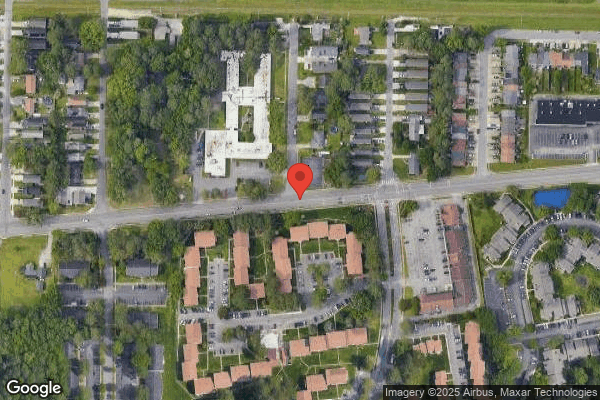
4142 BONNEY ROAD, VIRGINIA BEACH, VA 23452 (757) 340-0620
For profit - Corporation 138 Beds EASTERN HEALTHCARE GROUP Data: November 2025
Trust Grade
25/100
#278 of 285 in VA
Last Inspection: June 2022

Over 2 years since last inspection. Current conditions may differ from available data.

Overview

Thalia Gardens Rehabilitation and Nursing has received a Trust Grade of F, indicating poor performance with significant concerns about care quality. It ranks #278 out of 285 facilities in Virginia, placing it in the bottom half, and #12 out of 13 in Virginia Beach City County, meaning only one local option is better. Although the facility is improving, with a decrease in reported issues from 14 in 2022 to 12 in 2023, it still has serious deficiencies, including failing to prevent pressure ulcers in residents, which can lead to severe harm. Staffing is rated 2 out of 5 stars, reflecting below-average conditions, and turnover is around 50%, which is typical for the state. On a positive note, the facility has no fines on record, suggesting compliance with regulations, but incidents like a resident falling due to inadequate supervision raise significant concerns about resident safety.

Trust Score
F
25/100
In Virginia
#278/285
Bottom 3%
Safety Record
High Risk
Review needed
Inspections
Getting Better
14 → 12 violations
Staff Stability
⚠ Watch
50% turnover. Above average. Higher turnover means staff may not know residents' routines.
Penalties
✓ Good
No fines on record. Clean compliance history, better than most Virginia facilities.
Skilled Nurses
○ Average
Each resident gets 34 minutes of Registered Nurse (RN) attention daily — about average for Virginia. RNs are the most trained staff who monitor for health changes.
Violations
⚠ Watch
59 deficiencies on record. Higher than average. Multiple issues found across inspections.
★☆☆☆☆
1.0
Overall Rating
★★☆☆☆
2.0
Staff Levels
★★★★☆
4.0
Care Quality
★☆☆☆☆
1.0
Inspection Score
Stable
2022: 14 issues
2023: 12 issues

The Good

  • 4-Star Quality Measures · Strong clinical quality outcomes
  • Full Sprinkler Coverage · Fire safety systems throughout facility
  • No fines on record

Facility shows strength in quality measures, fire safety.

The Bad

1-Star Overall Rating

Below Virginia average (3.0)

Significant quality concerns identified by CMS

Staff Turnover: 50%

Near Virginia avg (46%)

Higher turnover may affect care consistency

Chain: EASTERN HEALTHCARE GROUP

Part of a multi-facility chain

Ask about local staffing decisions and management

The Ugly 59 deficiencies on record

3 actual harm
Aug 2023 6 deficiencies
CONCERN (E) 📢 Someone Reported This

A family member, employee, or ombudsman was alarmed enough to file a formal complaint

Potential for Harm - no one hurt, but risky conditions existed

Food Safety (Tag F0812)

Could have caused harm · This affected multiple residents

Based on observations, staff interviews, and a review of facility documents, the facility staff failed to ensure the drainage pipes connected to the three-compartment sink did not allow overflow onto ...

Read full inspector narrative →
Based on observations, staff interviews, and a review of facility documents, the facility staff failed to ensure the drainage pipes connected to the three-compartment sink did not allow overflow onto the floor as the water was draining from the compartments. The findings included: On 8/15/23 at approximately 3:39 PM an inspection of the kitchen was conducted because a concern was voiced that the local health department had closed the facility's kitchen due to sanitation, floor drains in the kitchen failing to drain, and standing water on the kitchen floors. The kitchen was observed to be operational to include food preparation for facility residents at the time of the current survey, 8/15/23. An inspection of the stated concerns was completed on 8/15/23 at 3:39 PM. The inspection revealed that pipes leading from the three-compartment sink dumped into a pipe that carried the water out to the sewer system. The pipe which carried the water out to the sewer system was unable to manage the rapid flow from the three-compartment sink therefore, water overflowed onto the kitchen floor and splashed beyond the three-compartment sink. Some of the overflowed water drained to the floor drainage system and approximately 50% of the water required staff to mop it up. A small amount of food particles was observed left behind on the floor after mopping up the soiled water. An interview was conducted with the Maintenance Assistant (MA) on 8/15/23 at approximately 3:45 PM. The MA stated all new pipes were installed in the kitchen during the renovation yet there is now a problem with the three-compartment sink pipes at the junction of the outside drainage system pipe which resulted in the overflows. The MA stated the contractors who installed the pipes should be notified to come back out and assess the cause of the overflow. At approximately 3:52 PM the Administrator went into the kitchen to conduct an observation of the three-compartment sink concern. As the Dietary Manager filled the third sink to allow the Administrator to see what happens when the drains are opened to empty the sink, the Administrator stated she did not need to see what happens because she was aware of the mess which occurs. The Administrator stated she was unaware of when the problem would be resolved and to remember she had only been employed with the company for forty days. On 8/15/23 at approximately 6:00 PM, a final interview was conducted with the Administrator, the Wound Care Nurse, and the Staff Development Coordinator. The Administrator stated she had no additional information to provide, and she voiced no concerns related to the findings. The Facility's Plan of Correction for the abbreviated survey that ended on 5/10/23 read that the plumbing, cleaning, and pest concerns in the kitchen would be corrected by 6/17/23.
CONCERN (E) 📢 Someone Reported This

A family member, employee, or ombudsman was alarmed enough to file a formal complaint

Potential for Harm - no one hurt, but risky conditions existed

Deficiency F0868 (Tag F0868)

Could have caused harm · This affected multiple residents

**NOTE- TERMS IN BRACKETS HAVE BEEN EDITED TO PROTECT CONFIDENTIALITY** Based on staff interviews, clinical record reviews, and review of facility documents, the facility staff failed to adequately id...

Read full inspector narrative →
**NOTE- TERMS IN BRACKETS HAVE BEEN EDITED TO PROTECT CONFIDENTIALITY** Based on staff interviews, clinical record reviews, and review of facility documents, the facility staff failed to adequately identify, keep systems functioning properly, and implement necessary action plans to assure the provisions of quality care for the residents using the Quality Assessment and Assurance (QA&A) committee to identify and implement action plans for the physical environment for 3 out of 3 units ([NAME], [NAME], and Fine) of the facility. The findings included: A review of the quarterly QAPI dated 9/19/23 read: In the maintenance section, the discussion was left blank. In the Environmental section, discussed Janki Line Shortage. A review of the monthly QAPI dated 10/17/23 read: In the maintenance Section-5 yr. sprinkler inspection completed. Under the Environmental services section, the discussion was left blank. On 10/20/23 at approximately 1:15 PM, an interview was conducted with the SDC/Staff Development Coordinator. She said that she was present at the QAPI meeting held on 10/17/23 and on 9/19/23. She was asked if there was a discussion on environmental and pest control issues during the meeting. She said, Looking at the October and September QAPI meeting discussion notes, there were no environmental issues discussed concerning the facility, but they should have been discussed. On 10/20/23 at approximately 2:00 p.m., the above findings were shared with the Acting Administrator and the Director of Nursing. An opportunity was offered to the facility's staff to present additional information, but no additional information was provided.
CONCERN (E) 📢 Someone Reported This

A family member, employee, or ombudsman was alarmed enough to file a formal complaint

Potential for Harm - no one hurt, but risky conditions existed

Safe Environment (Tag F0921)

Could have caused harm · This affected multiple residents

**NOTE- TERMS IN BRACKETS HAVE BEEN EDITED TO PROTECT CONFIDENTIALITY** Based on observation, staff interviews, and review of facility documents, the facility failed to provide a safe, functional, san...

Read full inspector narrative →
**NOTE- TERMS IN BRACKETS HAVE BEEN EDITED TO PROTECT CONFIDENTIALITY** Based on observation, staff interviews, and review of facility documents, the facility failed to provide a safe, functional, sanitary, and comfortable environment for the facility residents. The findings included: On 8/15/23 observations were made of the facility's 3 of 3 shower rooms with the Maintenance Assistant (MA). On [NAME] Hall were shower rooms [ROOM NUMBERS]. Shower room [ROOM NUMBER] was totally out of service because of drainage concerns, shower room [ROOM NUMBER] had one operational shower stall and the other stall in shower room [ROOM NUMBER] was without a hose and had drainage issues. Observations were made of the spa shower room [ROOM NUMBER] on the refurbished hall, ([NAME]) with the MA at approximately 5:15 PM and with the Administrator at approximately 5:55 PM. The room appeared to be a storage room for it contained two recliner chairs, four bedside commodes, multiple shower chairs, and a trash can three-fourths full of clothing and used depends. There were also cracked tiles on the floor in one of the two shower stalls. The other shower stall exhibited storage items. The MA stated the shower room was out of service, but the Administrator stated it was in use, until she walked inside the shower room, after which the Administrator stated she would have to get additional information on spa shower room [ROOM NUMBER] because she thought it was operational. The Administrator did not provide additional information on spa shower room [ROOM NUMBER]. On 8/15/23 at approximately 4:16 PM an observation was made of room [ROOM NUMBER], an inhabited room. The floor of 315 revealed a large amount of black debris and peeling paint on the walls. An interview was conducted with the Administrator on 8/15/23 at approximately 5:20 PM. The Administrator stated over time all resident rooms would be refurbished. A plan for the refurbishment was not provided. The Administrator also stated room [ROOM NUMBER] was out of service because of plumbing/drainage concerns. The Administrator stated she only had in her possession plumbing invoices for last year and she did not know when current plumbing and drainage concerns would be repaired. On 8/15/23 at approximately 5:20 PM the Administrator also stated the fire drill logbook was missing because it was removed by the previous Maintenance Director and she did not have access to the contract with the Fire and Sprinkler system. The Administrator further stated she was unable to provide the June report or the quarterly maintenance reports for the Fire and Sprinkler system. The Administrator also stated on 8/15/23 at 5:20 PM, related to the generator company, she was able to produce invoices for service provided on 3/14/23 when they replaced the keypad and on 4/24/23 when they replaced the battery due to age, but she was unable to locate the annual report. The MA stated the weekly generator test is on Fridays and everything was fine on 8/12/23. The MA also stated the generator's fuel was replenished on 8/15/23. On 8/15/23 at approximately 6:00 PM, a final interview was conducted with the Administrator, the Wound Care Nurse, and the Staff Development Coordinator. The Administrator stated she had no additional information to provide, and she voiced no concerns related to the findings. The facility was not able to provide invoices or contacts from any vendors as was stated prior to the survey exit. The Facility's Plan of Correction for the abbreviated survey that ended on 5/10/23 read, that the facility will achieve compliance for a safe, functional, sanitary, and comfortable environment for all residents by 6/30/23.
CONCERN (F) 📢 Someone Reported This

A family member, employee, or ombudsman was alarmed enough to file a formal complaint

Potential for Harm - no one hurt, but risky conditions existed

Safe Environment (Tag F0584)

Could have caused harm · This affected most or all residents

**NOTE- TERMS IN BRACKETS HAVE BEEN EDITED TO PROTECT CONFIDENTIALITY** 2. [NAME] Hall: a. On 10/17/23 at approximately 1:40 PM., an interview was conducted with Resident #111 on the [NAME] Unit in ro...

Read full inspector narrative →
**NOTE- TERMS IN BRACKETS HAVE BEEN EDITED TO PROTECT CONFIDENTIALITY** 2. [NAME] Hall: a. On 10/17/23 at approximately 1:40 PM., an interview was conducted with Resident #111 on the [NAME] Unit in room [ROOM NUMBER]B. The resident was concerned because his window had an approximately ¼ inch gap that prevented the window from closing all the way. He said that he would feel the air blowing through the window and wanted it fixed before it got too cold. He also said that he was afraid that bugs might crawl in his room through the window. The resident also stated that he had trouble sleeping at night when he saw water bugs crawling on the ceiling and was afraid they would fall in his mouth. He was also concerned about a hole in his wall that had cable wire running out of it. He mentioned that the maintenance man removed the cover from over the hole weeks ago but never returned to place it. The resident's annual Minimum Data Set (MDS) assessment dated [DATE] coded the resident with a BIMS score of 15 out of a possible score of 15. This indicated that the resident's daily decision-making ability was intact. A tour of the [NAME] Unit was conducted with the Maintenance Supervisor On 10/20/23 at approximately 10:32 AM., an observation of room [ROOM NUMBER] was made on the [NAME] unit. Resident #111 told the maintenance supervisor that there was a cover on the wall that was taken off by him (Maintenance Supervisor) and about the gap in the window. The resident said, The window is falling apart and will not close. I feel cold air and I am worried about the winter months. The Maintenance Supervisor responded, You need a new window. The Maintenance Supervisor stated he did not receive a concern from the staff or through the TELS system about the above issues. b. During the tour with the Maintenance Supervisor, on 10/20/23 at approximately, 10:40 AM., Resident #121 who resided in the [NAME] unit in room [ROOM NUMBER]A with the maintenance supervisor, in room [ROOM NUMBER]A asked the maintenance staff if he had any bug spray because he saw large bugs in his room. He then said, It makes me uncomfortable. The bugs can get on my head and in my mouth. The Maintenance Supervisor stated he was not aware of a bug problem in room [ROOM NUMBER]. c. On 10/17/23 at approximately 1:35 PM., an interview was conducted with Resident #106 on the [NAME] Unit in room [ROOM NUMBER]A. She said that there are plenty of bugs at night crawling on my bed. They are big and scare me to death. d. On 10/17/23 at approximately 1:30 PM., an interview was conducted with Resident #107, in the [NAME] unit in room [ROOM NUMBER]. He said that Occasionally he saw water bugs in his room mostly at night. e. On 10/17/23 at approximately 12:40 PM., an interview was conducted with Resident #108 in the [NAME] Unit. She said that when she was first admitted to her room (202B) a few weeks ago, she saw a water bug at 3:00 AM., in her restroom. Observed on the floor was a can of Raid Ant and Roach Killer, a can of Lysol, and one container of Clorox wipes. Resident #108 said that she used the Lysol spray and Clorox wipes to keep her room clean and to keep the bugs away. f. During the initial tour on 10/17/23 at approximately 12:05 PM., on the [NAME]/Refurbished Unit an interview was conducted with Resident #109. She said that water bugs were seen crawling on the wall in her room (219). She stated, I can't stand Them. g. On 10/18/23 at approximately 10:00 AM., an observation was made of room [ROOM NUMBER] which was a private room. The ceiling tiles were removed with exposed wires. On 10/18/23 at approximately 10:05 AM., an interview was conducted with LPN #2 concerning room [ROOM NUMBER]. She said that the staff removed the tiles 2-3 weeks ago due to issues with the adjourning shower room in the [NAME] Unit. h. On 10/17/23 at approximately 12:05 PM., in room [ROOM NUMBER]B, in the [NAME] Unit the emergency (ER) pull cord by the toilet in the restroom was not operable. Resident #109 who resided in this room had an annual Minimum Data Set Assessment (MDS) dated [DATE] that coded the resident using a walker and utilizing the bathroom to the toilet. i. On 10/17/23 at approximately 1:30 PM., in room [ROOM NUMBER], in the [NAME] Unit the ER pull cord in the restroom was not operable. Resident #107 coded as walking with supervision. The resident stated that he did not think the pull cord had ever worked. The resident's annual Minimum Data Set Assessment (MDS) dated [DATE] coded the resident BIMS score as 15 out of 15. This indicates the resident's daily decision-making abilities were intact. j. On 10/17/23 at approximately 1:35 PM., in room [ROOM NUMBER]B, in the [NAME] Unit the ER pull cord in the restroom is not operable. Resident 112 who resided in this room was observed ambulating without difficulty in his room. He stated, The call bell in the bathroom does not work and I did not break it. It stays in a down position. The resident's annual Minimum Data Set Assessment (MDS) dated [DATE] coded the resident with a BIMS score of 15 out of 15. This indicates his daily decision-making abilities were intact. On 10/17/23 at approximately 10:45 AM., the Maintenance Director stated that he had not received a notice from the staff or through the TELS system that the bathroom ER pull cords in rooms [ROOM NUMBER] were inoperable, but that he would fix them immediately for the resident's safety in case they needed to alert the nurses in an emergency. On 10/20/23 at approximately 2:00 p.m., the above findings were shared with the Acting Administrator and the Director of Nursing. Opportunities were offered to the facility's staff to present additional information, but no additional information was provided. 3. Fine Hall: a. Resident #124 was originally admitted to the facility on [DATE]. Diagnoses for Resident #124 included anxiety, major depression, and Chronic Obstructive Pulmonary Disease (COPD). The most recent Minimum Data Set (MDS - an assessment protocol) a quarterly with an Assessment Reference Date (ARD) of 08/16/23 coded Resident #124 with a 04 possible out of 15 on the Brief Interview for Mental Status (BIMS), indicating severe cognitive impairment. An interview was conducted with Resident #224 on 10/18/23 at 9:51 a.m. Resident #124 resided in room [ROOM NUMBER]-B. She stated she sees black roaches in her room at least 3-4 times a week. She stated on several occasions she has tried to kill them, but they were too fast. She stated she had seen roaches in her bed which caused her to stay up all night. The resident stated she wished someone would take care of the problem with these roaches. She stated once she gets a chance to go to the store, she's going to purchase spray to kill the roaches herself. b. Resident #117 was admitted to the facility on [DATE]. Diagnoses for Resident #117 included but were not limited to chronic post-traumatic stress disorder, generalized anxiety disorder, and depression. The most recent MDS, an annual assessment with an ARD of 07/22/23 coded Resident #117 with a 15 out of a possible 15 on the BIMS, indicating no cognitive impairment for daily decision-making. An interview was conducted with Resident #117 on 10/18/23 at 1:43 p.m. Resident #117 resided in room [ROOM NUMBER]-B. She stated they call her the Bug Slayer. She stated there are always big roaches crawling on the floor. Resident #117 stated whenever she sees a roach on the floor, she's up all night looking at the floor wondering where the roach(s) are to ensure they do not crawl up into her bed. c. On 10/18/23 at 2:15 p.m., an interview was conducted with Resident #115 who resided in room [ROOM NUMBER]-B. He stated large black bugs/roaches come from under his air conditioning unit; they only come out at night. He stated he saw bugs/roaches that were so large they made his skin crawl. The resident stated he had never seen an exterminator come and spray for the bugs in his room. d. Resident #116 was originally admitted to the facility on [DATE]. Diagnoses for Resident #116 included but were not limited to anxiety and depression disorder. The most recent MDS, a quarterly assessment with an ARD of 09/07/23 coded Resident #116 with a 09 out of a possible 15 on the BIMS, indicating moderate cognitive impairment for daily decision-making. On 10/18/23 at 1:48 p.m., an interview was conducted with Resident #116 who resided in room [ROOM NUMBER]. When asked if I could go into the bathroom, she replied, Yes, but it's nasty. She stated she only uses the bathroom to wash her hands. Under the bathroom sink was cracked tile with missing plaster. The corner walls were noted with build-up dirt and debris. e. Resident #126 was admitted to the facility on [DATE]. Diagnoses for Resident #126 included but were not limited to insomnia. The most recent MDS, a quarterly assessment with an ARD of 09/21/23 coded Resident #126 with a 15 out of a possible 15 on the Brief Interview for Mental Status (BIMS), indicating no cognitive impairment for daily decision-making. On 10/18/23 at 2:15 p.m., an interview was conducted with Resident #126 who resided in room [ROOM NUMBER]. He stated he sees bugs/roaches all the time. He stated they were in his room and in the hallway. He said, If they are seen in the hallway, I will go into the hallway and kill them so they will not go into my room. He stated he has a problem having roaches in his room. Resident #126 stated he has a problem falling asleep at times and having roaches in his room doesn't help. f. Resident #115 was admitted to the facility on [DATE]. Diagnoses for Resident #115 included but were not limited to depression and Chronic Obstructive Pulmonary Disease (COPD). The most recent MDS, a quarterly assessment with an ARD of 08/23/23 coded Resident #115 with a 09 out of a possible 15 on the BIMS, indicating moderate cognitive impairment for daily decision-making. On 10/20/23 at 9:35 a.m., an observation of room [ROOM NUMBER] including his bathroom was made with the Maintenance Director. The resident utilized all areas of his room. The Maintenance Director pressed the wall around the air conditioning (AC) unit. As he touched the AC unit with his finger, pieces of the wall fell off. He walked into the bathroom and stated, Wow. He stated the calking around the sink was falling apart and needed to be replaced. In the corner of the bathroom under the sink, the floor tiles were chipped and needed to be replaced and the wall directly under the sink was rotted. Resident #115 would not comment on the condition of his room but stated, Thank you for noticing all of this. g. On 10/17/23 at approximately 1:45 p.m., during an interview with the Housekeeping Supervisor, unsolicited he stated, I know you are wanting to know the problem we had in room [ROOM NUMBER]. The wife of the resident was upset that her husband was brought from a cleaner room to a room full of roaches on the floor, but we had the room fumigated the previous day and the roaches on the floor were because of the fumigation of that room. He further stated that the family member used extremely foul language that he could not repeat in her upset about the condition of the room and that she could not see how anyone in their right mind could put a resident in a room full of roaches with most of them dead. He stated he proceeded to thoroughly clean the room, including the bathroom and changed out linens, toilet paper, etc. as well as dispose of the roaches. The account of the incident was documented in the nurse's progress notes and the social worker's progress notes. Resident #127 was admitted on [DATE] with a primary diagnosis of stroke. The resident was not due for a full Minimum Data Set (MDS) assessment. The resident was discharged from the facility on 10/18/23. During an interview with the Maintenance Supervisor on 10/17/23 at approximately 2:15 p.m., he stated he was not aware of the roach problem in room [ROOM NUMBER] and that no one had told him about it. He stated, There may be documentation in the Fine Unit's Pest Control Log, but there was not one in the TELS system. A review of the Pest Control Log demonstrated that room [ROOM NUMBER] was on the log as having roaches identified in the room on 10/13/23 and that the Pest Control specialist serviced the room as well as room [ROOM NUMBER] (roaches), 313 (ants) and 305 (roaches) for pests. On 10/18/23 at 4:00 p.m., an interview was conducted with the Administrator. She stated that there were sightings of bugs including roaches and ants in the aforementioned rooms and that the Pest Control Specialist was scheduled to complete routine service on 10/13/23, thus she informed the specialist to specifically treat those rooms. She stated that Resident #127 was not originally in room [ROOM NUMBER] and had to be moved there from the [NAME] Unit to be in proximity of the nurse's station for closer supervision due to behavioral problems. A final meeting was held with the acting Administrator and Director of Nursing on 10/20/23 at 4:00 p.m., who were informed of the above findings. No further information was provided prior to exit. The facility's policy titled Resident Environmental Quality revised 12/01/22 indicated the facility was designed, constructed, equipped, and maintained to provide a safe, functional, sanitary, and comfortable environment for residents, staff, and the public. Policy: 2. Maintain all essential mechanical, electrical, and patient care equipment in safe operating condition. 5. The facility must provide each resident with: (f). A nurse call system in the resident's room and toilet/bathing facilities, which relays the call directly to a staff member or to a centralized staff work area. 9. Equip corridors with firmly secured handrails on each side. 10. Maintain an effective pest control program so the facility is free of pests and rodents. General Guidelines: 1. Preventative maintenance schedules, for the maintenance of the building and equipment, should be followed to maintain a safe environment. 12. All facility personnel are responsible for reporting broken, defective, or malfunctioning equipment or furnishings immediately upon identification of the issue. Based on observations, resident interviews, staff interviews, facility record reviews, and facility policy, the facility staff failed to provide a safe, sanitary, comfortable homelike environment on 3 of 3 units ([NAME] Hall, [NAME] Hall, and Fine Hall), which represented a widespread deficient practice, Substandard Quality of Care. The findings included: 1. [NAME] Hall a. In room [ROOM NUMBER] B a progressive wall crack was observed in the corner above the B bed. The wall with the crack attaches to the facility's outside wall and the crack had moved midway the length of the window. Resident #120 was observed in bed and an interview was conducted with him on 10/19/23 at 12:45 PM. The resident stated the crack in the wall had been there for a while. The resident's quarterly Minimum Data Set Assessment (MDS) dated [DATE] coded the resident Brief Interview for Mental Status (BIMS) score as 14 out of 15. This indicated his daily decision-making ability was intact. On 10/20/23 at 10:04 AM, an observation of the cracked wall was made with the Maintenance Director and an interview was conducted at that time. The Maintenance Director stated room [ROOM NUMBER] has foundation problems and at one time all residents were removed from the room for safety concerns, but it was reopened after being deemed safe. The Maintenance Director stated he did not have access to the documents deeming the room appropriate for residents to reside in and he doubted if the Administrator had documentation because the problem had occurred prior to her coming on board. At the time of the survey team's exit, the documentation stating the room was safe to have residents reside in was not provided. b. On 10/19/23 at 12:50 PM, an observation of the bathroom wall was made with the Maintenance Director and an interview was conducted at that time. The observations were made of the bathroom utilized by Resident #118 who resided in room [ROOM NUMBER] B. Resident #118 reported that tiles had fallen off the wall in the bathroom at the base of the wall below the call light. Resident #118 stated he was worried that snakes, mice, or other things may come through the hole. Resident #118 stated the new Environmental Services (EVS) crew uses a mop that bangs against the wall and knocks the tiles off the wall. The resident's Annual MDS assessment dated [DATE] coded the resident's BIMS score as 15 out of 15. This indicated his daily decision-making ability was intact. On 10/19/23 at 12:50 PM, the Maintenance Director stated he was unaware of the tiles not being in place and of the hole in the lower wall where the tiles had previously been attached. A review of the TELS (the facility's primary system to report maintenance needs) logs failed to reveal documentation of the bathroom tiles not being in place and the hole in the wall. c. On 10/19/23 at 12:31 PM observations were made of room [ROOM NUMBER] with the Maintenance Director. Resident #105 stated that the discolored ceiling tiles (over the A bed, B bed, and the entranceway into the room) are there because whenever there is heavy rain, the water leaks into the room, and the staff replaces the tiles but does not go into the ceiling to fix the problem. He stated he has had water dripping from the ceiling onto him during heavy rains. Resident #105 also stated the EVS staff is not doing a good job cleaning the bathroom and often the toilet is dirty. On 10/18/23 at 11:59 AM an interview was conducted with Resident #105. Resident #105 stated, There are big and small roaches in my room, and I see them crawling along the floor at any time, they bother me. The resident's quarterly MDS dated [DATE] coded the resident's coded the resident's BIMS score as 15 out of 15. The resident's quarterly MDS assessment dated [DATE] coded the resident's BIMS score as 15 out of 15. This indicated his daily decision-making ability was intact. d. On 10/19/23 at 11:36 AM, Resident #128 stated he was unable to see the stains on the ceiling tiles because of his vision loss but he was fully aware water leaks in because during a heavy rain, his bed becomes wet. Resident 128 stated they should have repaired the roof two years ago when the problem began. The resident's quarterly Minimum Data Set Assessment (MDS) dated [DATE] coded the resident BIMS score as 15 out of 15. This indicated his daily decision-making ability was intact. On 10/19/23 at 1:00 PM, an interview was conducted with the Maintenance Director. The Maintenance Director stated he was aware of the ceiling leaks in room [ROOM NUMBER]. He stated there is a roofing problem and sometimes debris gathers in the area over room [ROOM NUMBER]. The Maintenance Director stated there is a special bracket which is applied to the head of the beds to prevent bumping the walls but staff are removing them for some reason. He picked up the bracket and applied it to Resident #128's bed. A review of the TELS logs failed to reveal documentation of the stained ceiling tiles or the torn walls at the head of the bed for both residents. e. On 10/19/23 at 1:00 PM, an observation of the tiles on the floor of the bathroom which Resident #119 utilizes in room [ROOM NUMBER] B was made with the Maintenance Director. The observation revealed a large amount of black substance between the floor tiles. The door jam next to the sink was without the bottom (the jam was rusted and hollow at the bottom) and the missing wall tiles that were supposed to be on the same side as the defective door jamb were also missing. f. On 10/18/23 at 12:10 PM an interview was conducted with Resident #101. Resident #101 stated she sees roaches and spiders in her room and she whacks them with her shoe. g. On 10/18/23 at 12:30 PM an interview was conducted with Resident #102. Resident #102 stated he has seen lizards running up and down the hall and every day he sees a lot of roaches in the hallway and in his room. h. On 10/18/23 at 11:25 AM an interview was conducted with Resident #103. Resident #103 requested to let the Facility know that the roaches are sickening. i. On 10/18/23 at 11:28 AM an interview was conducted with Resident #104. Resident #104 stated she requested to let the Facility know that the roaches gross me out. The resident's quarterly MDS dated [DATE] coded the resident's BIMS score as 11 out of a possible score of 15. This indicated the Resident's daily decision-making abilities were moderately impaired. On 10/19/23 at 1:00 PM, an interview was conducted with the Maintenance Director. The Maintenance Director stated he was unaware of the condition of Resident #119 bathroom. A review of the TELS logs failed to reveal documentation of the black substances between the floor tiles, the rusted door jamb, and the missing wall ceramic tiles. A review of staff education regarding the TELS system was conducted with the [NAME] Unit Manager on 10/20/23 at 12:00 PM. The review revealed that only one staff member who worked the [NAME] Hall on the 3:00 PM through 11:00 PM shift and the 11:00 PM through 7:00 AM shift received the TELS in-service.
CONCERN (F) 📢 Someone Reported This

A family member, employee, or ombudsman was alarmed enough to file a formal complaint

Potential for Harm - no one hurt, but risky conditions existed

Deficiency F0838 (Tag F0838)

Could have caused harm · This affected most or all residents

Based on a review of facility documents and a staff interview, the facility staff failed to conduct and document a facility-wide assessment to determine what resources are necessary to care for its re...

Read full inspector narrative →
Based on a review of facility documents and a staff interview, the facility staff failed to conduct and document a facility-wide assessment to determine what resources are necessary to care for its residents competently during both day-to-day operations and emergencies and to ensure the physical environment and other physical plant considerations that are necessary to care residents living in their Center. The Findings Included: An extended survey was conducted from 10/19/23 through 10/20/23 because Substandard Quality of Care was identified in the area Resident Rights, Safe/Clean/Comfortable/Homelike Environment. An interview was conducted with the Interim Administrator on 10/20/23 at approximately 10:45 AM. The Interim Administrator stated the facility had not conducted a Facility Assessment since 5/13/21 and there were no other documents available to support a facility-wide assessment was conducted. The Facility Assessment provided by the facility was last reviewed and updated on 5/31/2021 and reviewed by the Quality Assurance Committee on 6/18/21. As a result of not reviewing and updating the Facility Assessment annually, the facility did not identify factors that required changes to the assessment which could potentially place the residents at risk. The frequent drain problems, the ongoing infestation of pests on all three units, and repairs to the physical environment were not addressed. The Facility Assessment Policy with a revision date of 12/1/22 read: The facility conducts and documents a facility-wide assessment to determine what resources are necessary to care for our residents competently during both day-to-day operations and emergencies. The purpose of this policy is to establish responsibilities and procedures for the facility assessment process. Number Nine (9) read that based on the assessment of the physical environment and physical resources, the facility will determine what additional resources are needed to meet the needs of our residents. Action plans will be implemented as necessary.
CONCERN (F) 📢 Someone Reported This

A family member, employee, or ombudsman was alarmed enough to file a formal complaint

Potential for Harm - no one hurt, but risky conditions existed

Deficiency F0925 (Tag F0925)

Could have caused harm · This affected most or all residents

**NOTE- TERMS IN BRACKETS HAVE BEEN EDITED TO PROTECT CONFIDENTIALITY** Based on observations, staff interviews, and review of facility documents, the facility staff failed to maintain an effective pe...

Read full inspector narrative →
**NOTE- TERMS IN BRACKETS HAVE BEEN EDITED TO PROTECT CONFIDENTIALITY** Based on observations, staff interviews, and review of facility documents, the facility staff failed to maintain an effective pest control program so that the facility is free of pests in 3 of 3 units and the dining room. The findings included: On 8/15/23 at approximately 4:00 PM an inspection, of the facility was conducted related to a concern that rats and roaches were throughout the facility. After an inspection of the kitchen for rats and rodents the dining room was inspected, no evidence of them including droppings were identified. In the dining room on the back wall directly behind the kitchen wall, many dried insects of various sized were observed beside and behind the portable popcorn machine. At 4:07 PM the dining room observations were shared with the Maintenance Assistant (MA). The MA looked at the insects near and behind the popcorn machine and identified them as dead and dried roaches. On 8/15/23 at approximately 4:16 PM accompanied by the MA and the Administrator observations were made in room [ROOM NUMBER] for pest. Two very large roaches were observed in the room, one was dead and dried while the other was lying on its back with the legs wiggling. Two residents resided in this room, one who spoke very little English and the other resident was not in the room at the time of this observation. An observation was made in room [ROOM NUMBER] on 8/15/23 at approximately 4:10 PM with the MA. The MA stated the resident had been removed from the room and the room was closed because of an infestation of roaches and it would remain closed until they could resolve the roach issue. An interview was also conducted with the Administrator regarding room [ROOM NUMBER] on 8/15/23 at approximately 5:55 PM. The Administrator stated the room had been treated by the pest control company which services the facility, but the infestation of this room was not resolved. The Administrator stated the pest control company stated the roach described by her was a German roach and they were not using a roach formula for the German roach therefore the German roach would not die and on the next scheduled treatment, the company would begin treatment for the German roach. An observation was made in room [ROOM NUMBER] on 8/15/23 at approximately 4:34 PM with the MA. No roaches, rats, or droppings were observed in this room, but an interview was conducted with Resident #1. Resident #1 was admitted to the facility on [DATE] and the quarterly Minimum Data Set (MDS) assessment with an assessment reference date (ARD) of 5/5/2023 coded the resident as completing the Brief Interview for Mental Status (BIMS) and scoring 15 out of a possible 15. This indicated Resident #1's cognitive abilities for daily decision-making were intact. Resident #1 stated she had seen both roaches and rats in her room at night. An observation was also made in room [ROOM NUMBER] on 8/15/23 at approximately 4:40 PM with the MA. Two large roaches were observed on the wall behind the TV. Resident #2 was admitted to the facility on [DATE]. The quarterly MDS assessment with an assessment reference date (ARD) of 7/14/2023 coded the resident as completing the Brief Interview for Mental Status (BIMS) and scoring 15 out of a possible 15. This indicated Resident #2's cognitive abilities for daily decision-making were intact. Resident #2 stated that huge roaches at times have flown from behind the TV to the windowsill. During general observations made on 8/15/23 with the MA at approximately 5:15 PM, the spa shower room [ROOM NUMBER] exhibited, a trash can that was three-fourths full of clothing and used depends with small and medium sized roaches crawling on the items in the trash can and on the floor at the base of the trash can. The Administrator stated on 8/15/23 at approximately 5:55 PM that she was unable to provide the pest control logs and invoices from the pest control company, but she had reached out to the pest control company to obtain invoices and the pest control log. She stated the books were not available because the former Maintenance Director had taken the log books. On 8/15/23 at approximately 6:00 PM, a final interview was conducted with the Administrator, the Wound Care Nurse, and the Staff Development Coordinator. The Administrator stated she had no additional information to provide, and she voiced no concerns related to the findings. The Facility's Plan of Correction for the abbreviated survey that ended on 5/10/23 indicated that the facility would have an effective pest control program in place by 6/30/23.
May 2023 6 deficiencies
CONCERN (D) 📢 Someone Reported This

A family member, employee, or ombudsman was alarmed enough to file a formal complaint

Potential for Harm - no one hurt, but risky conditions existed

Deficiency F0557 (Tag F0557)

Could have caused harm · This affected 1 resident

Based on observation, staff interview clinical record review and facility documentation, the facility staff failed to ensure residents be treated with dignity and respect for 1 Resident (# 1) in a sur...

Read full inspector narrative →
Based on observation, staff interview clinical record review and facility documentation, the facility staff failed to ensure residents be treated with dignity and respect for 1 Resident (# 1) in a survey sample of 4 Residents. The findings included: For Resident #1 the facility staff failed to use a privacy bag over the suprapubic catheter drainage bag. Resident #1 had a history of stroke, as well as dementia and was unable to be interviewed. The following observations were made on 5/10/23: At 10:30 AM, Resident #1 was observed, in room, in bed, dressed in hospital gown, mattress on the floor beside bed, supra pubic catheter urine collection bag was uncovered and filled halfway with urine. This was visible from the hallway. At 12:00 PM, Resident #1 was observed, in room, in bed dressed in hospital gown, mattress on the floor beside bed, catheter drainage bag was uncovered although the bag had been emptied. This was visible from hallway. At 1:00 PM, Resident #1 was observed still in bed, dressed in hospital gown, mattress on floor beside bed, catheter drainage bag was not covered small amount of urine in the bag. This was visible from the hallway. On 5/10/23 at 1:00 PM, an interview was conducted with CNA B who was asked if Resident #1 should have a privacy bag over his drainage bag, she stated that the Resident doesn't need one in his room. On 5/10/23 at 1:15 PM, an interview was conducted with RN C who stated it is our expectation and our policy that dignity bags are provided to Residents with urine collection bags. When asked why that was important, she stated that it was for the privacy and dignity of the Resident. On 5/10/23 at 1:40 PM an interview was conducted with the Administrator who was asked if the facility expected catheter drainage bags to be covered with a privacy cover. The Administrator stated it was the expectation of the facility to use privacy bags over any catheter bag and stated they are readily available to staff. A review of the policy dated 10/1/22 entitled, Catheter Care was conducted, and excerpts are as follows: Policy: It is the policy of this facility that residents with indwelling catheters receive appropriate catheter care and maintain their dignity and privacy when indwelling catheters are in use. Policy Explanation: 2. Privacy bags will be available and catheter drainage bags will always be covered while in use. On 5/10/23 at 2:00 PM, Resident #1 was observed in room, in bed, dressed in hospital gown, mattress on the floor beside bed, supra pubic catheter urine collection bag was uncovered. This was visible from the hallway. A review of the care plan for Resident #1 revealed that the section for urinary catheter did not mention using a privacy bag. On 5/10/23 during the end of day meeting, the Administrator was made aware of the concerns and no further information was provided
CONCERN (D) 📢 Someone Reported This

A family member, employee, or ombudsman was alarmed enough to file a formal complaint

Potential for Harm - no one hurt, but risky conditions existed

Safe Environment (Tag F0584)

Could have caused harm · This affected 1 resident

**NOTE- TERMS IN BRACKETS HAVE BEEN EDITED TO PROTECT CONFIDENTIALITY** Based on observation, interview, and facility record review the facility staff failed to maintain a clean comfortable and homeli...

Read full inspector narrative →
**NOTE- TERMS IN BRACKETS HAVE BEEN EDITED TO PROTECT CONFIDENTIALITY** Based on observation, interview, and facility record review the facility staff failed to maintain a clean comfortable and homelike environment for 1 Resident (#2) in a survey sample of 4 Residents. The findings include: For Resident #2 the facility staff failed to adequately ensure the IV pole was clean and sanitary, failed to ensure the oxygen tubing was kept off of the floor, failed to ensure that the floor was properly cleaned, failed to fix sections of missing cove base, failed fix to paint peeling on a hallway double door, and failed to dispose of dead roaches in the hallway. On 5/10/23 at 10:00 AM, an observation of Resident #2 who has a trach, showed the resident was lying in bed with eyes closed and dressed in a hospital gown. The floor of Resident #2's room was dirty with black stains and there was a visible tan colored area which was located near the head of the bed. The tan stain is located below the area where Resident #2's tube feeding was hanging and appeared the same color as the tube feeding. Sections of the cove base, where the wall meets the floor, were missing. In the hall just outside the room, paint can be seen peeled off of half of the double doors. The IV pole that holds the tube feeding pump has dust and dirt and dried tube feed splashes on the base. There was a gray wash basin on the floor that contained the clear humidification drainage bag from the humidified oxygen line that goes into the tracheostomy collar. At 1:45 PM an interview was held with LPN B who was asked about the stains on the floor and droplet splashes on the IV pole. LPN B stated that it looked like someone spilled tube feeing and didn't clean it up. When asked if the Residents floor was always this dirty, he stated that the facility has issues with housekeeping and if you look around hers is not the only room, they are all a mess. When asked about the humidification drainage bag LPN B stated its not on the floor it's in the basin and other facilities have Velcro strips, they can attach it to the rail or the bed, however this facility does not provide that. During the time at the facility housekeeping was observed sweeping up piles of trash and debris from the rooms and hallways. There were dead roaches in the hallway near the kitchen as well as next to the double doors leading to the [NAME] Unit. On 5/10/23 during the end of day meeting the Administrator was made aware of the concerns and no further information was provided.
CONCERN (D) 📢 Someone Reported This

A family member, employee, or ombudsman was alarmed enough to file a formal complaint

Potential for Harm - no one hurt, but risky conditions existed

Respiratory Care (Tag F0695)

Could have caused harm · This affected 1 resident

Based on observation, interview, clinical record review, and facility documentation the facility staff failed to provide respiratory care for 1 Resident (#2) in a survey sample of 4 Residents. The fin...

Read full inspector narrative →
Based on observation, interview, clinical record review, and facility documentation the facility staff failed to provide respiratory care for 1 Resident (#2) in a survey sample of 4 Residents. The findings included: For Resident #2 the facility staff failed to date and initial the oxygen tubing, or humidification bottle and failed to change the humidification bottle for 3 hours after it was empty. On 5/10/23 the following observations were made. At 10 AM, the humidification bottle was not dated, there was no date on the oxygen tubing or collar. Also, the humidification bottle was empty. At 11 AM, the humidification bottle was empty and not dated. At 12 PM, the humidification bottle was empty and not dated At 1:15 PM, the humidification bottle had no initials or date on the bottle or tubing. On 5/10/23 at 1:30 the TAR for May read as follows: Change O2/humidification tubing, humidification bottle and clean filter every week every night shift every Wed, Fri for infection prevention -Start Date- 05/10/2023 2200 (Note: this order was put in on 5/10/22 after the surveyor interviewed staff.) On 5/10/23, an interview was conducted with RN C who stated the purpose for humidification bottle is to keep the secretions thin so they don't get thick and block airway. When asked how often they are changed, she stated that it is changed weekly when they also change the tubing. She stated she was unaware of which day it was done but it was done on night shift. When asked should it be dated, she stated the date and initials of person who change it as well as the shift or time should be on the bottle and tubing. On 5/10/23 at 1:38 PM an interview was conducted with the Administrator who was asked, what the expectation is with regards to oxygen tubing and humidification bottles, she stated that they should be changed as ordered by the physician and they should be dated and initialed when done. On 5/10/22 a review of the oxygen policy conducted, and excerpts were as follows: Policy: Oxygen is administered to residents who need it, consistent with professional standards of practice, the comprehensive person-centered care plan and the residents' goals and preferences. 5. Staff shall perform hand hygiene don gloves when administering oxygen or when in contact with oxygen equipment. Other infection control measures include: a. Follow manufacturer recommendations for the frequency of cleaning equipment filters. b. Change oxygen tubing and mask/cannula weekly and as needed if it becomes soiled or contaminated. c. Change humidifier bottle when empty, every 72 hours or as recommended by the manufacturer. Use only sterile water for humidification. On 5/10/23 during the end of day meeting, the Administrator was made aware of the concerns and no further information was provided.
CONCERN (E) 📢 Someone Reported This

A family member, employee, or ombudsman was alarmed enough to file a formal complaint

Potential for Harm - no one hurt, but risky conditions existed

Safe Environment (Tag F0921)

Could have caused harm · This affected multiple residents

**NOTE- TERMS IN BRACKETS HAVE BEEN EDITED TO PROTECT CONFIDENTIALITY** Based on observation, interview, and facility documentation the facility staff failed to provide functional and comfortable envi...

Read full inspector narrative →
**NOTE- TERMS IN BRACKETS HAVE BEEN EDITED TO PROTECT CONFIDENTIALITY** Based on observation, interview, and facility documentation the facility staff failed to provide functional and comfortable environment for residents, staff and the public on the 300 hall. The findings included: For the 300's hallway, the facility staff failed to finish the repairs to the floor after having a plumber come in to dig up the area in front of the room to fix a leak in a water line. On 5/10/23 at approximately 10 AM in front of room [ROOM NUMBER] there were observed 2 yellow plastic Wet Floor signs with a piece of plywood in between the 2 signs. At 10:10 AM an interview was conducted with Employee F who was asked why the plywood was there with the yellow wet floor signs. Employee F stated that they had a leak in the hot water pipe, and they had to open the floor to get to it. When asked when the pipe was repaired, Employee F stated that it was fixed on the 4th, and they had to wait for the plumbers to come and fix the floor. On 5/10/23 at 11:30 an interview was conducted with the Administrator and Employee E. Employee E was asked about the area in front of room [ROOM NUMBER] and he stated that the pipe that goes to the hot water had developed a pinhole in it and they had to call out a plumber to fix the leak. The Administrator was asked for the documentation to show when the pipe was fixed. According to documentation provided by the Administrator, the plumbers came on 4/19/23 and gave an estimate to the facility; excerpt from that invoice is as follows: Leak in Slab - Recommend [leak detection company name redacted]. Repair estimate will be provided for repairs after [leak detection company name redacted] provides location. The leak detection company came out on 4/25/23. Excerpt from the leak detection company invoice is as follows: Work Completed - Leak detection on a commercial building after regular business hours. Leak located on the hot water line under slab in hallway of Fine Hall in front of room [ROOM NUMBER]. Marked on floor at leak location. According to a second invoice the leak repair was completed on 4/26/26. At the time of survey 14 days after the repair the hole in the floor covered by the plywood and wet floor signs still has not been repaired. He stated that the plumbers were scheduled to arrive between 10:00 AM - 1:00 PM the day of survey to finish the work. As of end of survey on 5/10/23 at 5:15 PM, the floor had still not been repaired. On 5/10/23 during the end of day meeting the Administrator was made aware of the concern and no further information was provided.
CONCERN (F) 📢 Someone Reported This

A family member, employee, or ombudsman was alarmed enough to file a formal complaint

Potential for Harm - no one hurt, but risky conditions existed

Food Safety (Tag F0812)

Could have caused harm · This affected most or all residents

Based on observation, interview, and facility record review the facility staff failed to maintain food safety, for all Residents who received meals from the kitchen. The findings included: For all res...

Read full inspector narrative →
Based on observation, interview, and facility record review the facility staff failed to maintain food safety, for all Residents who received meals from the kitchen. The findings included: For all residents receiving food service, the facility staff failed to maintain food safety, including proper plumbing, to prevent contamination, standing water, and pest control. On 5/10/23 at 10:00 AM an interview was conducted with Employee C. Employee C stated that since 5/5/23 the facility she works for has been preparing meals for this facility and transporting them to the facility three times daily. Employee C stated there was a problem at this facility with plumbing and it was not yet resolved. Employee C stated that she had come back into the kitchen in the evening on 5/9/22 and spotted a rat coming through an open hole in the ceiling tile near the steam tables. On 5/10/23 at 10:05 AM, the kitchen was observed to have standing water under the refrigerator with dead fruit flies floating in it. The dry storage area had evidence of rodent droppings. The plumbing was still not repaired. There was evidence of roach infestation. On 5/10/23 at 10:35 AM an interview was conducted with RN C who stated she did not see any rodent activity she stated however she could hear them in the ceiling when she was in a quiet room. She also stated the facility had a problem with Roaches, big roaches. On 5/10/23 at 11:30, an interview was conducted with Employee E who stated that there is a clog or a collapsed pipe in the kitchen and they must first use cameras to find the blockage or collapsed area of the sewer pipe then pull up the kitchen floor and do the repairs and replace the floor. He stated they had an appointment with the plumber for 5/10/23 (date of survey) from 10 AM-1 PM. On 5/10/23 at 3:40 PM. the local Food Safety Inspector was interviewed, and she stated that the kitchen would not re-open until all the issues were addressed including plumbing, pest control, and housekeeping issues. As of 5/10/23 there was no definitive date to have the repairs done. On 5/10/23 during the end of day meeting the Administrator was made aware of the concerns and no further information was provided.
CONCERN (F) 📢 Someone Reported This

A family member, employee, or ombudsman was alarmed enough to file a formal complaint

Potential for Harm - no one hurt, but risky conditions existed

Deficiency F0925 (Tag F0925)

Could have caused harm · This affected most or all residents

**NOTE- TERMS IN BRACKETS HAVE BEEN EDITED TO PROTECT CONFIDENTIALITY** Based on observation, interview, and facility documentation the facility staff failed to maintain an effective pest control prog...

Read full inspector narrative →
**NOTE- TERMS IN BRACKETS HAVE BEEN EDITED TO PROTECT CONFIDENTIALITY** Based on observation, interview, and facility documentation the facility staff failed to maintain an effective pest control program so that facility is free of pests for all Residents in the facility. The findings included: For all facility Residents the facility failed to keep the building free from roaches, flies, fruit flies, rats, and mice. On 5/10/23 at 10:00 AM, an interview was conducted with Employee C. Employee C stated that she had come into the kitchen on 5/9/22 in the evening and looked in the kitchen and spotted a rat coming through an open hole in the ceiling tile near the steam tables. On 5/10/23 facility housekeeping was observed sweeping up piles of trash and debris from the rooms and hallways. There were dead roaches in the hallway near the kitchen as well as next to the double doors leading to the [NAME] Unit. On 5/10/23 at 11:30 an interview was conducted with Employee E who stated that the facility has a pest control company that was coming twice a month, but they now have started coming once a week. The facility pest control invoices were provided from the invoice from November 2022 to May 2023. Excerpts are as follows: 11/11/22 - Target Issues - Mice / Rats. Interior treatment performed in kitchen, entry ways and in units 212, 214, 229, 302. Refilled bait stations along exterior 4 were active. 1/27/23- Target Issues - American roaches, ants, beetles, brown banded roaches, centipedes, cockroaches, crickets, earwigs, oriental roaches, pharaoh ants, pill bugs, silverfish, smokey brown roaches, spiders, springtail weevils. All common areas treated also 301, 311, 211. 212. 3/7/23 - Rodent in kitchen and dining room. - Placed 2 traps behind coffee area where droppings were seen. Will come back next week to check traps. 3/14/23 - Rodent stations were cleaned and refilled. 3/22/23 - American roaches, ants, and spiders. Treated common areas, biohazard room, 312 and 314. Checked traps in dining room, no activity. Placed 4 traps in kitchen. Told maintenance about possible entry points. 3/31/23 - MR-stating they have a lot of activity w/ roaches, and one lady said she saw mice. Interior treatment performed in kitchen and in units 301,302, 303, 304, 255, 256, 257, 258. Rebaited traps and added one in dining room behind the tv. 4/18/22 - Appointment Note- Call ahead ACTIVE rodent situation. Treatment performed along accessible baseboards in common areas and all units on the 300 halls. Removed dead rodent from kitchen. 4/20/23 Appointment Notes - Traps caught mice please bring more. Removed and replaced traps with rodents in the kitchen. Gave maintenance supervisor 4 traps he will install later this afternoon states he's gotta clean up areas before placing them. 5/6/23 - Appointment Notes: Spoke with a representative at the rehab center in regard to what I was going to be doing today, arrived on site went around sealed up all areas that were on the account with pictures. Those areas have been sealed up with concrete to prevent any new rodent activity from getting into those areas. As I was walking around the perimeter and came around to the kitchen area, I noticed there was some rodent bait that was just scattered along the foundation I went ahead and picked those up and spoke with the representative at the front desk in regard to what I found. That is a big no-no to be doing. Spoke to manager and let him know what was going on. The facility failed to provide credible evidence of pest control treatment for December 2022 and February 2023. The facility was informed in writing on 3/22/23 of the Entry Points and yet they were not sealed up until 5/6/23. On 5/10/23 the during the end of day meeting the Administrator was made aware of the concerns and no further information was provided.
Jun 2022 14 deficiencies 1 Harm
SERIOUS (G)

Actual Harm - a resident was hurt due to facility failures

Pressure Ulcer Prevention (Tag F0686)

A resident was harmed · This affected 1 resident

**NOTE- TERMS IN BRACKETS HAVE BEEN EDITED TO PROTECT CONFIDENTIALITY** Based on observations, staff interviews, and clinical record review, the facility staff failed to provide services to prevent de...

Read full inspector narrative →
**NOTE- TERMS IN BRACKETS HAVE BEEN EDITED TO PROTECT CONFIDENTIALITY** Based on observations, staff interviews, and clinical record review, the facility staff failed to provide services to prevent development of a pressure ulcer for a resident with a known moderate risk for pressure ulcer development and to identify the left heel pressure ulcer prior to progression to a stage three (3) which measured 4 centimeters by 4 centimeters by 0.1 centimeters, and presenting with 40 percent slough and 60 percent of dermis, for 1 of 5 residents (Resident #50), with facility acquired pressure ulcer, which constituted harm. The findings included: Resident #50 was originally admitted to the facility 4/15/2022 and had not been discharged from the facility. The current diagnoses included; heart failure, atrial fibrillation, hypothyroidism and a left buttock abscess. The admission Minimum Data Set (MDS) assessment with an assessment reference date (ARD) of 4/17/2022 coded the resident as completing the Brief Interview for Mental Status (BIMS) and scoring 10 out of a possible 15. This indicated Resident #50's cognitive abilities for daily decision making were moderately impaired. In section G (Physical functioning) the resident was coded as requiring total care of one person with dressing, toileting, and bathing, extensive assistance of one person with bed mobility and personal hygiene, supervision of one person with eating. On 6/7/22 at approximately 3:05 p.m., an interview was conducted with Resident #50. The resident stated she had obtained an open area to her left heel since she was admitted to the facility and it had been present for approximately one month. The resident stated the staff works on it every day but she didn't know if it was getting better or not because she hadn't been informed. A review of the facility's matrix reveal Resident #50 was coded for having a facility acquired stage three pressure ulcer. The following observations were made of Resident #50; on 6/7/22 at approximately 3:05 p.m., the resident was observed in bed lying on her back, looking out the doorway. On 6/8/22 at approximately 11:10 a.m. the resident was again observed in bed lying on her back. She remained talkative and answered appropriately. Another observation was made of Resident #50 on 6/9/22 at approximately 4:50 p.m., the resident was again in bed without any positioning devices in place. Resident #50 stated the pressure ulcer was always to the left heel, she complies with the staff whenever they provide care and follows instructions but she stated no one informed her to avoid lying on her left side. No pressure reducing devices were ordered or care planned for use. The 4/29/22 the completed Braden Scale for Predicting Pressure Sore Risk (BRADEN) assessment revealed Resident #50 had a moderate risk for pressure ulcer development secondary to responding only to painful stimuli or she had a sensory impairment which limited the ability to feel pain or discomfort over half of her body, her skin is occasionally moist, requiring an extra linen change approximately once a day, she is confined to the bed, and during movement her skin probably slides to some extent against sheets or other devices. A Dietary/Nutrition progress note dated 4/19/2022 at 3:16 p.m., read that the resident was aew resident is on regular mechanical soft with ground meat diet and that there was an area to the left buttock. The progress note indicate that the Intake barely met her needs for calories and protein and to help with wound healing would recommend adding ProMod, multivitamin, vitamin C and Zinc 220mg for 14 days and reassess after 2 weeks for a follow up with the Registered Dietitian (RD). The weekly skin assessment dated [DATE] revealed Resident #50 had only a left buttock abscess. The weekly skin assessment dated [DATE] revealed Resident #50 was with a new opened area to the right heel. A review of the active care plan revealed a problem dated 5/5/2022 which read; (name of the resident) has a pressure ulcer to the right heel related to Immobility. (On 5/31/22 the site for the heel pressure ulcer was updated to the left heel). The goal read; the resident's pressure ulcer will show signs of healing and remain free from infection by/through review date. The interventions included; administer treatments as ordered and monitor for effectiveness. The resident requires supplemental protein, amino acids, vitamins, minerals as ordered to promote wound healing. Weekly treatment documentation to include measurement of each area of skin breakdown's width, length, depth, type of tissue and exudate. The wound care Nurse Practitioner (NP) assessment dated [DATE] revealed Resident #50 had an initial exam for a new opened area and the resident was identified with a Stage 3 pressure ulcer of the right heel which measured 4 centimeters by (x) 4 centimeters by 0.1 centimeters (cm), had a small amount of serous drainage, 40 percent (% ) slough and 60% of dermis. The wound care NP ordered; Medihoney and dry dressing, every three days and as needed. Recommendations offered included; facility pressure ulcer prevention protocol, pressure redistribution mattress per facility protocol, turn and reposition per facility protocol per resident's plan of care, float heels, and keep the resident off of her left side. The 5/13/22, wound care NP assessment revealed the following; a stage 3 pressure ulcer of the right heel which measured 3 cm x 4.5 cm x 0.1 cm, it presented with a moderate amount of serosanguinous drainage, 40 % slough, 60% of dermis and maceration of the peri-wound. The wound care NP stated the pressure ulcer was improving. The wound care NP ordered; Santyl on Dakin's gauze and dry dressing, every day and as needed. The 5/19/22, wound care NP assessment revealed the following; a stage 3 pressure ulcer of the right heel which measured 2 cm x 4.5 cm x 0.3 cm, it presented with a moderate amount of serosanguinous drainage, 50 % slough and 50% of dermis plus maceration and conservative sharp debridement was necessary to remove 4.5 square centimeters of nonviable tissue. The wound care NP stated the pressure ulcer was deteriorating. The wound care NP ordered; Santyl on Dakin's gauze, (Only put Santyl and Dakin's gauze on open wound bed.), skin prep to the periwound and a dry dressing every day and as needed. The 5/26/22, wound care NP assessment revealed the following; a stage 3 pressure ulcer of the right heel which measured 1.6 cm x 3 cm x 0.9 cm, it presented with a moderate amount of serous drainage, 40% slough, 20% dermis and 40% epithelial tissue. Conservative sharp debridement was necessary to remove 1.92 square centimeters of nonviable tissue. The wound care NP stated the pressure ulcer was improving. The wound care NP ordered; Santyl on Dakin's gauze, (Only put Santyl and Dakin's gauze on open wound bed.), skin prep to periwound and a dry dressing every day and as needed. The 6/2/22, wound care NP assessment revealed the following; a stage 3 pressure ulcer of the left heel which measured 1.4 cm x 2.5 cm x 0.4 cm, it presented with a moderate amount of sanguinous drainage, 50% slough and 50% granulation tissue plus periwound maceration and conservative debridement was completed to remove 1.75 square centimeters of nonviable tissue. The wound care NP stated the pressure ulcer was improving. The wound care NP ordered; Santyl on Dakin's gauze, (Only put Santyl and Dakin's gauze on open wound bed.), skin prep to periwound and a dry dressing every day and as needed. The 6/9/22, wound care NP assessment revealed the following; a stage 3 pressure ulcer of the left heel which measured 1.4 cm x 2.5 cm x 0.3 cm, a moderate amount of sanguinous drainage, 40% slough and 60% granulation tissue plus periwound maceration. The wound care NP stated the pressure ulcer was improving. The wound care NP ordered; Santyl on Dakin's gauze, (Only put Santyl and Dakin's gauze on open wound bed.), skin prep to periwound and dry dressing two times each day(every AM and every PM), and as needed. Review of the Physician's Order Summary revealed two treatment orders were obtained on 5/6/22; one at 9:30 a.m., to cleanse the right heel pressure ulcer with wound cleaner, apply betadine and dry dressing daily and as needed for wound care and another at 2:30 p.m., to cleanse the right heel pressure ulcer with wound cleaner, apply Medihoney and a dry dressing every three days and as needed for wound care. Neither order was signed off as completed on the Treatment Administration Record (TAR). On 5/8/22 at 7:00 a.m., another order was obtained for the right heel; it read; cleanse the right heel pressure ulcer with wound cleaner, apply Medihoney and a dry dressing every three days for wound care. This order was signed off as completed as ordered on 5/8/22, 5/11/22 and 5/14/22. On 5/17/22 an order was obtained for Santyl Ointment (Collagenase), apply to right heel pressure ulcer topically every day shift for wound care. This order was signed off as completed 5/17/22 through 5/20/22, 5/21/22 through 5/23/22 and 5/25/22 through 5/27/22, then the order was discontinued 5/28/22. The wound care wasn't signed off as completed on 5/22/22 and 5/24/22. On 5/29/22 at 10:30 a.m., a new order was obtained which read; Santyl Ointment (Collagenase) apply to the left heel pressure ulcer topically as needed for wound care. This was the first order to treat the opened pressure ulcer to the left heel the affected heel. The 5/29/22 order was discontinued on 6/9/22. A review of the staff's documentation and orders prior to 6/2/22 indicated there was a pressure ulcer to the right heel therefore an interview was conducted with the Director of Nursing and the Administrator on 6/9/22 at approximately 6:30 p.m. The Administrator stated all the documentation and orders for the pressure ulcer of the right heel was an error. The Administrator stated she made an observation to determine the exact location of the pressure ulcer and it was to the left heel. The Administrator stated after her observation she instructed the staff to correct all documentation to reflect the accurate location of the heel pressure ulcer was the left and not the right heel. The Director of Nursing stated she was out of work when Resident #50's left heel pressure ulcer was identified but she stated during direct care the staff should focus on monitoring a resident's elbows, heels, the sacrum and bony areas. The Director of Nursing also stated pressure ulcer shouldn't be identified at a stage three or above for optimally changes in skin should be identified when there is continuous redness, definitely prior to the skin opening. The Director of Nursing further stated they don't write orders for pressure reducing devices, they simple use what's necessary to prevent prolonged pressure. The Administrator stated the Interdisciplinary Team didn't conduct a root-cause-analysis of the left heel pressure ulcer. On 6/9/22 at approximately 7:30 p.m., the above findings were shared with the Administrator and the Director of Nursing. An opportunity was offered to the facility's staff to present additional information but no additional information was provided and no concerns were voiced. A stage three pressure ulcer is a full thickness skin loss involving damage or necrosis of subcutaneous tissue that may extend down to, but not through, underlying fascia. The ulcer presents clinically as a deep crater with or without undermining of adjacent tissue. (https://www.ncbi.nlm.nih.gov/books/NBK2650/table/ch12.t2/) Medihoney is used to clean and remove necrotic tissue to promote wound healing. (https://mms.[NAME].com/product/699433/[NAME]-Brand-31515) Collagenase Santyl Ointment is indicated for debriding chronic dermal ulcers and severely burned areas. (https://santyl.com/sites/default/files/2019-12/SANTYL-PI.pdf) Dakin solution is a strong topical antiseptic widely used to clean infected wounds, ulcers, and burns. (https://www.ncbi.nlm.nih.gov/books/NBK507916/) Debridement is the removal of nonviable tissue within the wound. (https://www.ncbi.nlm.nih.gov/books/NBK507882/) ProMod is a liquid protein/medical food that provides a concentrated source of protein for people with increased protein needs. (https://abbottstore.com/therapeutic-nutrition/promod/prodmod/promod-liquid-protein/promod-liquid-protein-1-qt-59721e.html)
CONCERN (D)

Potential for Harm - no one hurt, but risky conditions existed

Deficiency F0553 (Tag F0553)

Could have caused harm · This affected 1 resident

**NOTE- TERMS IN BRACKETS HAVE BEEN EDITED TO PROTECT CONFIDENTIALITY** Based on resident interviews, staff interview, facility document review and clinical record review, it was determined that the f...

Read full inspector narrative →
**NOTE- TERMS IN BRACKETS HAVE BEEN EDITED TO PROTECT CONFIDENTIALITY** Based on resident interviews, staff interview, facility document review and clinical record review, it was determined that the facility staff failed to provide evidence that two out of 51 residents were invited to attend a care plan meeting, Resident #68 and Resident #59. The findings included; 1. Resident #68 was originally admitted to the facility 3/30/2017 and readmitted [DATE] after an acute care hospital stay. The current diagnoses included; Major Depressive Disorder and Anxiety Disorder. The Quarterly Revision Minimum Data Set (MDS) assessment with an assessment reference date (ARD) of 5/10/22 coded the resident coded the resident as completing the Brief Interview for Mental Status (BIMS) and scoring 13 out of a possible 15. This indicated Resident #68 cognitive abilities for daily decision making were intact. In sectionG(Physical functioning) the resident was coded as requiring extensive assistance of two person for bed mobility and toileting. Requiring extensive assistance of one person with eating. Requiring Total dependence of one person with dressing, personal hygiene and bathing. The care plan indicates Resident has an ADL Self Care Performance Deficit r/t weakness and decreased mobility, Impaired cognition, psychosis, Dementia with behaviors, CVA, Muscle wasting/atrophy, intervertebral disc. disorder with radiculopathy, Mood/anxiety disorder, and anemia. Date Initiated: 03/31/2017 Revision on: 09/23/2021. Goal: Resident will maintain current. level of function in Bed Mobility, Transfers, Eating, Dressing, Toilet Use and Personal Hygiene, ADL Score through the review date. Date Initiated: 03/31/2017. Revision on: 02/11/2020. Target Date: 05/09/2022. Resident will be clean, dry, odor free and well groomed daily thru next review Date Initiated: 02/10/2021 Target Date: 05/09/2022. Interventions: Place personal items and assistive devices within reach. Date Initiated: 03/31/2017. On 6/07/22 at approximately 2:03 PM an interview was conducted with Resident #68 concerning attending care plan meetings. She stated, I think I used to go. On 6/09/22 at approximately 10:55 AM an interview was conducted with the Social Worker (ASM/Administrative Staff Member) #6 concerning Resident #68. She said, Her last care plan meeting attendance and invite was sent on 1/19/21. On 06/09/22 at approximately 5:49 PM an exit interview was conducted with the administrator concerning Resident #68. She stated, The care plan invites should be done quarterly and they should invite the guardian or RP (Responsible Party). 2. The facility staff failed to ensure Resident #59 was invited to participate in her person-centered care plan meetings on 11/3/21, 2/10/22 and 3/28/22. The findings included: Resident #59 was admitted to the facility on [DATE]. Resident #59's diagnoses included but were not limited to; Bilateral above the knee amputations, Diabetes Mellitus and Depression. Resident #59's most recent Minimum Data Set (MDS) was a quarterly with an Assessment Reference Date of 3/8/22. The Brief Interview for Mental Status (BIMS) was coded as a 15 out of a possible 15 for Resident #59, indicating she was cognitively intact and capable of daily decision making. On 6/7/22 at 12:46 p.m. an interview was conducted with Resident #59 regarding her care plan meetings. Resident #59 stated, I haven't been to any of my care plan meetings, but would like to go to them. On 6/7/22 at 10:00 a.m. an interview was conducted with the Social Worker about Resident #59's care plan meeting. The Social Worked stated, The MDS department sends me the dates of the up coming care plans and I send out the invites. I only found one care plan invite that was given to her. She didn't get invited to 3 of her care plan meetings. Resident #59's progress notes were reviewed and there was no documentation of the resident attending her care plan meeting. The facility policy titled Care Planning-Resident and/or Resident Representative participation dated 10/1/21 was reviewed and is documented in part, as follows: .Policy: This facility supports the resident's and/or resident's representative right to be informed of, and participate in, his or her care planning and treatment (implementation of care). Policy Explanation and Compliance Guidelines: 1. The facility will inform the resident and/or resident representative, in a language he or she can understand, of his or her rights regarding planning and implementing care, including the right to be informed of his or her total health status. 10. The facility will make every effort possible to schedule the conference at the best time of the day for the resident/resident's representative. The facility will obtain a signature from the resident and/or resident representative after discussion or viewing of the care plan . 6/9/22 at 4:17 p.m. during a pre-exit debriefing with the Administrator the above information was shared. The Administrator stated, Residents should be invited to all care plan meeting which are done quarterly. Prior to exit No further information was shared.
CONCERN (D)

Potential for Harm - no one hurt, but risky conditions existed

Deficiency F0557 (Tag F0557)

Could have caused harm · This affected 1 resident

**NOTE- TERMS IN BRACKETS HAVE BEEN EDITED TO PROTECT CONFIDENTIALITY** Based on observation, resident interview, and staff interviews the facility staff failed to treat a resident's clothing with res...

Read full inspector narrative →
**NOTE- TERMS IN BRACKETS HAVE BEEN EDITED TO PROTECT CONFIDENTIALITY** Based on observation, resident interview, and staff interviews the facility staff failed to treat a resident's clothing with respect and dignity for 1of 51 residents (Resident #48), in the survey sample with laundry concerns. The findings included: Resident #48 was originally admitted to the facility 02/19/2016 and readmitted [DATE] after an acute care hospital stay. The current diagnoses included; stroke, peripheral vascular disease and bilateral above the knee amputations. The quarterly Minimum Data Set (MDS) assessment with an assessment reference date (ARD) of 04/21/2022 coded the resident as completing the Brief Interview for Mental Status (BIMS) and scoring 12 out of a possible 15. This indicated Resident #48's cognitive abilities for daily decision making were moderately impaired. In section G (Physical functioning) the resident was coded as requiring extensive assistance of one person with personal hygiene, physical help of one person with bathing, supervision of one person with bed mobility, locomotion, dressing, and toileting, supervision of two or more with transfers, supervision after set-up with eating. On 6/7/22 at approximately 2:35 p.m., Laundry aide #1 delivered Resident #48's processed laundry to him. The laundry was unfolded and jumbled in a clear plastic bag when the Laundry aide handed it to the resident. Resident #48 asked why were his clothing returned in such a manner and Laundry aide #1 stated she returned his clothing as requested and she left the room. As Resident #48 began removing his clothing from the bag he stated he cared about his clothing and his appearance and he gestured for the surveyor to look at him. The resident was well groomed and matching in unwrinkled attire. After which the resident removed a light green polo shirt from the bag the laundry aide handed him and the collar was severely torn, the resident stated this shirt wasn't sent to the laundry torn or wrinkled like this and he didn't expect it to be returned in such a condition. The resident then stated if he was allowed to he would sew the collar back on the shirt but the staff wouldn't allow him to use a needle. Resident #48 was observed speaking to Licensed Practical Nurse (LPN) #2 about his dissatisfaction with his laundered clothing and he asked for assistance to prevent further problems when his clothing is laundered. LPN #2 stated to the resident that she would inform the Environmental Service's Supervisor. On 6/9/22 at approximately 5:10 p.m., an interview was conducted the Administrator. The Administrator stated it was unacceptable for the resident to receive his laundered clothing as they were returned and every effort would be instituted to prevent this from occurring again. An interview was also conducted with the Environmental Service's Supervisor on 6/9/22 at approximately 5:20 p.m. The Environmental Service's Supervisor stated Resident #48 had discussed the manner to her and she would be working with the staff members to ensure this event wasn't repeated. She also explained the resident's clothing are not placed on hangers because of his preference although they shouldn't have been delivered in the condition reported by the resident. On 6/9/22 at approximately 7:30 p.m., the above findings were shared with the Administrator, Director of Nursing and Corporate Consultant. An opportunity was offered to the facility's staff to present additional information but no additional information was provided and no concerns were voiced.
CONCERN (D)

Potential for Harm - no one hurt, but risky conditions existed

Deficiency F0578 (Tag F0578)

Could have caused harm · This affected 1 resident

**NOTE- TERMS IN BRACKETS HAVE BEEN EDITED TO PROTECT CONFIDENTIALITY** 3. For Resident #68 the facility staff failed to execute the opportunity to provide an advance directive. Resident #68 was origi...

Read full inspector narrative →
**NOTE- TERMS IN BRACKETS HAVE BEEN EDITED TO PROTECT CONFIDENTIALITY** 3. For Resident #68 the facility staff failed to execute the opportunity to provide an advance directive. Resident #68 was originally admitted to the facility 3/30/2017 and readmitted [DATE] after an acute care hospital stay. The current diagnoses included; Major Depressive Disorder and Anxiety Disorder. The Quarterly revision Minimum Data Set (MDS) assessment with an assessment reference date (ARD) of 5/10/22 coded the resident coded the resident as completing the Brief Interview for Mental Status (BIMS) and scoring 13 out of a possible 15. This indicated Resident #68 cognitive abilities for daily decision making were intact. In sectionG(Physical functioning) the resident was coded as requiring extensive assistance of two person for bed mobility and toileting. Requiring extensive assistance of one person with eating. Requiring Total dependence of one person with dressing, personal hygiene and bathing. A review of the clinical record on revealed there were no advance directives in the clinical record on the above resident. On 6/09/22 at approximately 3:40 PM an interview was conducted with the Social Worker (ASM/Administrative Staff Member) #6 concerning Resident #68. She stated, The resident does not have an advance directive at this time. On 6/09/22 at approximately 7:45 PM., the above findings were shared with the Administrator, and the DON (Director of Nursing). No comments were voiced at this time. Based on clinical record review, resident interviews, staff interviews and facility document review the facility staff failed to ensure 3 of 51 residents in the survey sample were given the opportunity to formulate and Advance Directive upon admission, Resident #10, Resident #37 and Resident #68. The findings included: 1. The facility staff failed to ensure Resident #10 was given the opportunity to formulate and Advance Directive upon admission. Resident #10 was admitted to the facility on [DATE] with diagnosis to include but not limited to Alzheimer's Disease. Resident #10's most recent Minimum Data Set (MDS) was a Quarterly assessment with an Assessment Reference Date (ARD) of 3/1/22. The Brief Interview for Mental Status (BIMS) was coded as the resident being rarely/never understood. Resident #10 was also coded as being severely cognitively impaired and incapable of daily decision making. Resident #10's medical record was reviewed and there was no advance directive document located. Resident #10's current comprehensive care plan was review and is documented in part, as follows: Focus: Name (Resident #10) is a DNR (do not resuscitate) Date Initiated: 12/4/2017 Resident #10's current Physician Orders were reviewed and are documented in part, as follows: Do Not Resuscitate. Order Status: Active Order Date: 8/23/17 On 6/8/22 at 11:00 a.m. an interview was conducted with the Social Worker regarding Resident #10's Advance Directive. The Social Worker stated, I was unable to locate an advance directive for Name (Resident #10) in the medical record. We don't have one but, I do review the code status during the care plan meeting. The facility policy titled Advance Directives last revised 10/1/21 was reviewed and is documented in part, as follows: .Policy: It is the policy of this facility to support and facilitate a resident's right to request, refuse and/or discontinue medical or surgical treatment and to formulate an advance directive. Policy Explanation and Compliance Guidelines: 1. On admission, the facility will determine if the resident has executed an advance directive, and if not determine whether the resident would like to formulate an advance directive . On 6/9/22 at 4:17 p.m. a pre-exit debriefing was held with the Administrator and the above findings were shared. The Administrator stated, The resident should be asked on admission if they have an advance directive or if they want help to formulate one and it should be reviewed quarterly. 2. The facility staff failed to ensure Resident #37 was given the opportunity to formulate and Advance Directive upon admission. Resident #37 was admitted to the facility on [DATE] with diagnoses to include but not limited to Stroke, Left Hemiparesis, Hypertension and Depression. Resident #37's most recent Minimum Data Set (MDS) was an admission assessment with an Assessment Reference Date (ARD) of 3/24/22. The Brief Interview for Mental Status (BIMS) was coded as a 13 out of a possible 15 for Resident #37, indicating she was cognitively intact and capable of daily decision making. Resident #37's medical record was reviewed and there was no advance directive document located. Resident #37's current comprehensive care plan was review and is documented in part, as follows: Focus: Advance Directive - Full code status. Date Initiated: 04/04/2022. Resident #10's current Physician Orders were reviewed and are documented in part, as follows: Full Code. Order Status: Active Order Date: 3/21/22 On 6/8/22 at 11:00 a.m. an interview was conducted with the Social Worker regarding Resident #37's Advance Directive. The Social Worker stated, I was unable to locate an advance directive for Name (Resident #37) in the medical record. We don't have one but, I do review the code status during the care plan meeting. The facility policy titled Advance Directives last revised 10/1/21 was reviewed and is documented in part, as follows: .Policy: It is the policy of this facility to support and facilitate a resident's right to request, refuse and/or discontinue medical or surgical treatment and to formulate an advance directive. Policy Explanation and Compliance Guidelines: 1. On admission, the facility will determine if the resident has executed an advance directive, and if not determine whether the resident would like to formulate an advance directive . On 6/9/22 at 4:17 p.m. a pre-exit debriefing was held with the Administrator and the above findings were shared. The Administrator stated, The resident should be asked on admission if they have an advance directive or if they want help to formulate one and it should be reviewed quarterly. Prior to exit no further information was shared.
CONCERN (D)

Potential for Harm - no one hurt, but risky conditions existed

Deficiency F0582 (Tag F0582)

Could have caused harm · This affected 1 resident

Based on clinical record review, staff interview and facility documentation, the facility staff failed to ensure 1 of 3 residents reviewed for Medicare Beneficiary Notices in accordance with applicabl...

Read full inspector narrative →
Based on clinical record review, staff interview and facility documentation, the facility staff failed to ensure 1 of 3 residents reviewed for Medicare Beneficiary Notices in accordance with applicable Federal regulations, were issued the notices per the requirement. The findings included: The facility staff failed to issue an Advanced Beneficiary Notice (ABN) letter to Resident #305 who was discharged from skilled services with Medicare days remaining. Resident #305 was admitted to the nursing facility on 02/24/22. Diagnosis for Resident #305 included but not limited to muscle weakness. Resident #305's Minimum Data Set (MDS) an admission assessment with an Assessment Reference Date (ARD) date of 03/03/22 coded Resident #305, a 15 out of a possible score of 15 on the Brief Interview for Mental Status (BIMS), indicated no cognitive impairment. Review of the SNF Beneficiary Notification provided by the facility was noted that Resident #305 was not issued a SNF ABN letter. Resident #305 started Medicare Part A stay on 02/24/22 and the last covered day was on 03/25/22. Resident #305 was discharged from Medicare Part A services when benefit days were not exhausted. Resident #305 had only used 30 days of her Medicare Part A services with 70 days remaining. Resident #305 should have been issued a SNF ABN letter. An interview was conducted with the Business Office Manager (BOM) on 06/09/22 at approximately 3:50 p.m. She stated, Resident #305 was not issued an ABN letter because it was my understanding that the ABN notification is to notify the resident of the potential financial liability in advance of providing any care that the facility doesn't believe that Medicare A will cover upon admission or end of stay. The facility presented a document titled Beneficiary Notice Guidelines the included to issue an ABN letter if Medicare A stay will end because SNF determines the beneficiary no longer required daily skilled services. Resident has days remaining in benefit period and the resident will remain in the facility. A debriefing was held with the Administrator and Director of Nursing on 06/10/22 at approximately 7:40 p.m., who were informed of the above findings; no further information was provided prior to exit. The facility's policy titled Advance Beneficiary Notices revised on 02/11/22. It is the policy of this facility to provide timely notice regarding Medicare eligibility and coverage.
CONCERN (D)

Potential for Harm - no one hurt, but risky conditions existed

Safe Environment (Tag F0584)

Could have caused harm · This affected 1 resident

Based on observation, resident interview, staff interview and facility document review, it was determined that facility staff failed to ensure a clean comfortable and homelike environment for 1 of 51 ...

Read full inspector narrative →
Based on observation, resident interview, staff interview and facility document review, it was determined that facility staff failed to ensure a clean comfortable and homelike environment for 1 of 51 residents in the survey sample, Resident #8. The findings included: Resident #8 was originally admitted to the facility 12/04/2021 after an acute care hospital stay. The resident has never been discharged from the facility. The current diagnoses included; COGNITIVE COMMUNICATION DEFICIT and APHASIA FOLLOWING CEREBRAL INFARCTION. The quarterly Minimum Data Set (MDS) assessment with an assessment reference date (ARD) of 6/05/2022 coded the resident as completing the Brief Interview for Mental Status (BIMS) and scoring 12 out of a possible 15. This indicated Resident #8 cognitive abilities for daily decision making were moderately impaired. In sectionG(Physical functioning) the resident was coded as requiring extensive assistance of one person with bed mobility, transfers, dressing and personal hygiene. Total dependence of one person with toilet use and bathing. Set-help only with eating. The care plan revised on 4/20/21 identified Resident #8 as needing help with Activities of Daily Living relating to a diagnosis of CVA (Cerebral Vascular Disease), weakness, and cognitive deficit. The care plan also indicated the goal set by the staff was to ensure staff anticipate the resident's needs. Interventions: Requires staff assistance with transfer, dressing, eat, toilet, bath, reposition and turn in bed. On 06/07/22 at approximately 2:41 PM, Resident #8 was observed propelling himself in his wheel chair in hallway. He expressed discontent with the condition of his room. I don't want to be in my room. He (Roommate) throws trash and food on the floor. I told them don't like him. I want my room to stay clean. He keeps flies in my room. On 6/07/22 at approximately 2:50 PM an observation was made of resident's room. The floor had food particles that were from his roommate's side (window bed) to Resident #8's side of the room. There appeared to be an orange substance in the floor on the roommate's side of the room. On 06/08/22 at approximately 10:38 AM a room observation showed dark colored food particles on the fall mat between the resident's bed. The Orange substance remained on the floor from yesterday as well as the food on the floor from yesterday. A member of the staff was observed walking on the food particles as she entered and left the room. On 06/09/22 at approximately 1:29 PM a room observation was made. No changes since previous observations. On 06/09/22 at approximately1:30 PM an interview was conducted with CNA (Certified Nurse's Aide) #1 concerning Resident #8's room. She said, I will call the house keeper. One day it was dirty but mostly the rooms are clean. On 06/09/22 at approximately 1:40 PM an interview was conducted with (ASM/Administrative Staff Member/Environmental Supervisor) #3.concerning Resident #8's room. She stated, We come once a day. It depends on the times. We try to come in the morning. If the CNA see anything they should get it up. We don't come after dinner. My staff is done at 4:00 PM., but if a nurse says there's a spill we tend to it. On 6/09/22 at approximately 1:50 PM., an interview was conducted with CNA #2. Concerning cleaning resident rooms. He said, We let housekeeping know if the floors or rooms need cleaning. On 06/09/22 at approximately 5:55 PM a debriefing was conducted with the administrator concerning the above issue. She stated, We will continue to work on this.
CONCERN (D)

Potential for Harm - no one hurt, but risky conditions existed

Transfer Notice (Tag F0623)

Could have caused harm · This affected 1 resident

**NOTE- TERMS IN BRACKETS HAVE BEEN EDITED TO PROTECT CONFIDENTIALITY** Based on resident record review, staff interviews and facility document review, the facility failed to notify the Office of the ...

Read full inspector narrative →
**NOTE- TERMS IN BRACKETS HAVE BEEN EDITED TO PROTECT CONFIDENTIALITY** Based on resident record review, staff interviews and facility document review, the facility failed to notify the Office of the State Long-Term Care Ombudsman in writing of hospital discharges for 2 of 51 residents (Resident #79 and Resident #36) in the survey sample. The findings included; 1. Resident #79 was originally admitted to the facility on [DATE] and discharged on 2/23/2022 to an acute care facility. The current diagnoses included; HEMIPLEGIA AND HEMIPARESIS FOLLOWING CEREBRAL INFARCTION AFFECTING RIGHT DOMINANT SIDE The quarterly Minimum Data Set (MDS) assessment with an assessment reference date (ARD) of 5/17/22 coded the resident as completing the Brief Interview for Mental Status (BIMS) and scoring 12 out of a possible 15. This indicated Resident #79 cognitive abilities for daily decision making were moderately impaired. In section G(Physical functioning) the resident was coded as requiring extensive assistance of two persons with bed mobility and transfers. Requiring total dependence of two persons with dressing, toilet use and bathing. Requires supervision of one person physical assist with eating. The care plan indicated that Resident has a self- care deficit and a performance deficit r/t dx, Focus: of Cerebral Infarct, Hypertensive Heart Disease Date Initiated: 09/01/2021 Revision on: 09/03/2021. Goal: Resident will maintain current level of function in ADL's through the review date. Date Initiated: 09/01/2021. Interventions: Resident will be clean, dry, odor free and well- groomed daily thru next review Date Initiated: 09/01/2021 Target Date: 04/27/2022. The Discharge MDS assessments was dated for 4/18/22 - discharged with return anticipated. A review of progress notes dated 4/18/2022 at 10:13 AM revealed that Resident #79 was sent to the hospital on this date. A review of progress notes dated 4/23/2022 at 2:54 PM revealed that Resident #79 returned from the hospital on this date. On 06/08/22 at approximately 10:57 AM, Resident #79 stated that he was treated two weeks ago at the hospital. On 06/09/22 at approximately 10:55 AM, an interview was conducted with the Social Worker (ASM/Administrative Staff Member) #6 concerning the Ombudsman notification. She stated, I usually send the notice once every three months. I was told by the Ombudsman over a year and a half ago not to send them to him. So I send the notices to the main office. On 06/09/22 at approximately 5:51 PM, an interview was conducted with the administrator concerning Resident #79. She stated, We did get something saying send the notifications to the state ombudsman. 2. The facility staff failed to notify the Office of the State Long-Term Care Ombudsman in writing of Resident #36's hospital discharge on [DATE]. Resident #36 was originally admitted to the facility 10/16/2014 and readmitted [DATE] after an acute care hospital stay. The current diagnoses included; dementia and PTSD. The annual Minimum Data Set (MDS) assessment with an assessment reference date (ARD) of 03/23/2022 coded the resident as completing the Brief Interview for Mental Status (BIMS) and scoring 4 out of a possible 15. This indicated Resident #36's cognitive abilities for daily decision making were severely impaired. A review of a nurse's note dated 03/01/22, at 4:40 p.m., revealed Resident #36 was transferred to a local emergency room for increased confusion, cussing and hitting at staff. The hospital's Discharge summary dated [DATE] revealed the resident was admitted for metabolic encephalopathy and altered mental status likely due to a urinary tract infection. A review of the resident's MDS history revealed the resident was discharged return anticipated on 3/1/22. On 6/8/22, at approximately 5:25 p.m., an interview was conducted with the Social Worker. The Social Worker stated she was instructed to submit the discharge information to the State Long-Term Care Ombudsman's office every ninety days therefore the report including Resident #36's discharge on [DATE] wasn't submitted until 6/7/22. On 6/9/22 at approximately 7:30 p.m., the above findings were shared with the Administrator and the Director of Nursing. An opportunity was offered to the facility's staff to present additional information but no additional information was provided and no concerns were voiced.
CONCERN (D)

Potential for Harm - no one hurt, but risky conditions existed

Assessment Accuracy (Tag F0641)

Could have caused harm · This affected 1 resident

**NOTE- TERMS IN BRACKETS HAVE BEEN EDITED TO PROTECT CONFIDENTIALITY** 2. The facility staff failed to ensure Resident #10's Quarterly Minimum Data Set, dated [DATE] was accurately coded under Sectio...

Read full inspector narrative →
**NOTE- TERMS IN BRACKETS HAVE BEEN EDITED TO PROTECT CONFIDENTIALITY** 2. The facility staff failed to ensure Resident #10's Quarterly Minimum Data Set, dated [DATE] was accurately coded under Section P0100 Physical Restraints. Resident #10 was admitted to the facility on [DATE] with diagnosis to include but not limited to Alzheimer's Disease. Resident #10's most recent Minimum Data Set (MDS) was a Quarterly assessment with an Assessment Reference Date (ARD) of 3/1/22. The Brief Interview for Mental Status (BIMS) was coded as the resident being rarely/never understood. Resident #10 was also coded as being severely cognitively impaired and incapable of daily decision making. Under Section P0100 Physical restraints the resident was coded as using daily bed rail restraints. Resident 78's current Physician Orders were reviewed. There was no physician order for Resident #10 to have daily bed rail restraints. On 6/9/22 at 10:30 a.m. an interview was conducted with MDS Coordinator Registered Nurse(RN) #2 and the Corporate Director of MDS regarding Resident #10's Quarterly MDS dated [DATE]. The Corporate Director of MDS stated, I looked at this MDS last night and realized we need to do a modification. She does not meet the criteria to be coded for restraints. The MDS Coordinator RN #2 stated, I see where she was coded inaccurately under restraints and I will do a modification. The facility policy titled MDS 3.0 Completion revised 10/1/21 was reviewed and is documented in part, as follows: .Policy: Resident's are assessed, using a comprehensive assessment process, in order to identify care needs, strengths and preference to develop an interdisciplinary care plan, and ensure appropriate reimbursement. Policy Explanation and Compliance Guideline: 1. According to federal regulations, the facility conducts initially and periodically a comprehensive, accurate and standardized assessment of each resident's clinical condition, cognitive and functional status, and use of services specified by the State . On 6/9/22 at 4:17 p.m. during a pre-exit debriefing the above findings were shared with the Administrator. The Administrator stated, The MDS should be accurate to reflect the resident. Prior to exit no further information was shared. Based on information obtained during a closed record review, staff interviews, and a clinical record review, the facility staff failed to accurately code the Minimum Data Set (MDS) assessment for 2 of 51 residents (Resident #103 and #10), in the survey sample. The findings included: 1. Resident #103 was originally admitted to the facility 4/15/2022 and she was discharged from the facility on 5/10/2022. The diagnoses included; rheumatoid arthritis, left above the knee amputation with phantom pain. The discharge MDS with an assessment reference date (ARD) of 5/10/2022 coded the resident as discharged return not anticipated to the community and the staff interview was coded for short term memory problems as well as modified independence with daily decision making. A nurse's note dated 5/10/22 at 5:04 p.m., read the resident's daughter called 911 to have the resident go to the emergency room against medical advice and the resident left the facility 911 via stretcher with no new skin issues noted. The nurse's note also read the daughter removed all of the resident's personal property. An interview was conducted with the MDS Coordinator on 6/9/22 at approximately 5:40 p.m. The MDS Coordinator stated the MDS should have stated the resident was discharged to the hospital instead of the community and the assessment was modified to reflect the correct information. On 6/9/22 at approximately 7:30 p.m., the above findings were shared with the Administrator, Director of Nursing and Corporate Consultant. An opportunity was offered to the facility's staff to present additional information but no additional information was provided and no concerns were voiced.
CONCERN (D)

Potential for Harm - no one hurt, but risky conditions existed

ADL Care (Tag F0677)

Could have caused harm · This affected 1 resident

**NOTE- TERMS IN BRACKETS HAVE BEEN EDITED TO PROTECT CONFIDENTIALITY** 2. For Resident #69 the facility staff failed to assist a resident who is unable to carry out activities of daily living receive...

Read full inspector narrative →
**NOTE- TERMS IN BRACKETS HAVE BEEN EDITED TO PROTECT CONFIDENTIALITY** 2. For Resident #69 the facility staff failed to assist a resident who is unable to carry out activities of daily living receives the necessary services to maintain good personal hygiene to include showers. Resident #69 was admitted to the facility on [DATE] and was readmitted on [DATE] with diagnoses that included but were not limited to CHRONIC RESPIRATORY FAILURE WITH HYPOXIA and OTHER ABNORMALITIES OF GAIT AND MOBILITY. Resident #69's most recent MDS (minimum data set) assessment was a quarterly assessment with an ARD (assessment reference date) of 5/11/22. Resident #69 was coded as scoring 14 out of possible 15 on the BIMS (Brief Interview for Mental Status) exam. This indicated Resident #69 cognitive abilities for daily decision making were intact. In sectionG(Physical functioning) the resident was coded as requiring extensive assistance of one person with bed mobility, transfers, dressing, toileting and personal hygiene. Requires supervision of one person with eating. Total dependence of one person with bathing. Resident #69's ADL (Activity of Daily Living) care plan dated 12/01/21 documented the following: The care plan dated 12/01/21 indicates that Resident #69 has an ADL self-care performance deficit r/t Cerebral Infarct (Stroke) Hemiplegia, weakness lower extremity/rt. upper ext. weakness, low back pain, Obesity, COPD, AMS. Resident requires assistance with bathing/showering as necessary. A review of Resident #69's ADL documentation for the month of May 2022 revealed that he only received bed baths. A review of Resident #69's ADL documentation from June 1st to June the 9th 2022 revealed that he only received bed baths. A review of the shower schedule revealed that Resident #69 should receive showers on the 3-11 shift on Tuesdays and Fridays. On 6/08/22 at approximately 12:42 PM an interview was conducted with Resident #69 concerning showers. He stated. I wouldn't mind getting a couple of showers a week. I need to get my hair washed. It's been 2 months since I got it washed. I use a rag and soap now. On 6/09/22 at 7:00 PM an interview with CNA (Certified Nurses Aide) #3 Resident #69's receiving showers. She stated, (Resident #69's name) has never complained to me. I'm caring for him tonight. On 6/09/22 at 7:05 PM., an interview was conducted with LPN (Licensed Practical Nurse) #2 concerning Resident #69. She said, I've never received shower refusals from (Resident #69's name). Based on observations, clinical record review, resident interviews, staff interviews and facility document review the facility staff failed to ensure that 2 of 51 residents in the survey sample who were unable to carry out grooming activities of daily living (ADL) were provided showers, Resident #37 and Resident # 69. 1. The facility staff failed to ensure Resident #37 who was unable to carry out activities of daily living was offered and received a scheduled twice-weekly shower to maintain good personal hygiene since admission. Resident #37 was admitted to the facility on [DATE] with diagnoses to include but not limited to Stroke, Left Hemiparesis, Hypertension and Depression. Resident #37's most recent Minimum Data Set (MDS) was an admission assessment with an Assessment Reference Date (ARD) of 3/24/22. The Brief Interview for Mental Status (BIMS) was coded as a 13 out of a possible 15 for Resident #37, indicating she was cognitively intact and capable of daily decision making. Under Section G Functional Status Resident #37 was coded as being total dependent with two-person physical assist for bathing. Resident #37's facility shower schedule was reviewed and indicated her shower days to be Tuesdays and Fridays. Resident #37's Comprehensive Care Plan last revised 4/2/22 was reviewed. The Comprehensive Care Plan indicated the resident was at risk for ADL Self Care performance deficit related to CVA (cerebrovascular accident) with hemiparesis, depression, muscle weakness and immobility. Facility interventions put in place for Resident #37 included that the staff would provide assistance with bathing/showering as necessary. Resident #37's Bathing Documentation Survey Reports for March, April, May and June 2022 were reviewed. The documentation indicated that the resident had only received bed baths by facility staff since admission. There was no documentation to show the resident was offered or given a shower since she was admitted to the facility on [DATE]. Resident #37's hair was observed to be greasy and matted during the survey. 06/08/22 1:42 p.m. an interview was conducted with Resident #37 and her spouse regarding showers. Resident #37's spouse stated, She gets bed baths because of her condition I was told she can't go the the shower. Resident #37 stated that she had not had a shower since her admission and that she would like a shower. Resident #37 mainly uses 1 word answers. On 6/8/22 at 3:20 p.m. and interview was conducted with the Unit Manager RN(Registered Nurse) #1 regarding Resident #37's showers. The Unit Manager RN #1 stated, Name (Resident #37) is on the shower schedule for Tuesdays and Fridays. Based on her CNA(certified nursing assistant) bathing documentation from March to June, I only see where she has received bed baths. I don't see where she had received any showers. The CNA's should follow the shower schedule for each resident. The facility policy titled Activities of Daily Living (ADL) last revised 3/8/22 was reviewed and is documented in part, as follows: .Policy: The facility will ensure a resident's abilities in ADL's do not deteriorate unless deterioration is unavoidable. Policy Explanation and Compliance Guidelines: 3. A resident who is unable to carry out activities of daily living will receive the necessary services to maintain good nutrition, grooming, and personal and oral hygiene to include denture care and incontinence care . On 6/9/22 at 4:17 p.m. the above findings were shared with the Administrator. The Administrator stated, We have shower chairs and a shower stretcher the staff to use with dependent residents. I expect the staff to follow the shower schedule. They should to offer and give showers 2 times a week or more often based on resident request. Prior to exit no further information was shared. This is a Complaint Deficiency.
CONCERN (D)

Potential for Harm - no one hurt, but risky conditions existed

Respiratory Care (Tag F0695)

Could have caused harm · This affected 1 resident

**NOTE- TERMS IN BRACKETS HAVE BEEN EDITED TO PROTECT CONFIDENTIALITY** Based on observations, resident interview, staff interviews, and clinical record review the facility staff failed to provide nec...

Read full inspector narrative →
**NOTE- TERMS IN BRACKETS HAVE BEEN EDITED TO PROTECT CONFIDENTIALITY** Based on observations, resident interview, staff interviews, and clinical record review the facility staff failed to provide necessary respiratory care and services for 1 of 48 residents (Resident #11), in the survey sample for the use of a BiPap machine. The findings included: Resident #11 was originally admitted to the facility on [DATE]. Diagnosis for Resident #11 included but are not limited to Obstructive Sleep Apnea. Resident #1's Minimum Data Set (an assessment protocol) a quarterly assessment with an Assessment Reference Date (ARD) of 03/06/22 coded the resident's Brief Interview for Mental Status (BIMS) score 15 of a possible 15 with no cognitive impairment for daily decision-making. In section O (Special Treatment and Programs) was not coded for the use of a CPAP or BiPap machine. Resident #11's person-centered care plan created on 04/22/21 identified the resident has potential for respiratory distress due to history of respiratory failure with hypoxia, obstructive sleep apnea with the use of Bi-pap machine. The goal set for the resident by the staff was that the resident will be maintain without complications at his respiratory baseline status with a patient airway and unlabored respirations. Some of the interventions/approaches the staff would use to accomplish this goal is to administer oxygen as ordered and to apply Bi-PAP machine as per physician orders. An interview was conducted with Resident #11 on 06/08/22 at approximately 10:24 a.m., who stated, My sleeping machine (BiPap) was brought in from home and I use it pretty much every night at bedtime. The resident further stated, the nurse's clean my machine at night and place the mask in a plastic bag. A review of Resident #11's Physician Order Summary (POS) for June 2022 did not reveal an order for the use of a BiPap machine. On 06/09/22 at approximately 4:00 p.m., an interview was conducted with the Director of Nursing (DON) who stated, The nurses should have made sure there was an order to apply Resident #11's BiPap machine at bedtime. An interview was conducted with License Practical Nurse (LPN) on 06/09/22 at approximately 4:25 p.m., who stated. Resident #11's BiPap machine was brought in by his wife. She said the setting is already set on the machine, so all we have to do is make sure there is distilled water in the machine and turn it on. The LPN checked the current POS then stated, I do not see and order but we should have one. A debriefing was held with the Administrator and Director of Nursing on 06/10/22 at approximately 7:40 p.m., who were informed of the above findings; no further information was provided prior to exit. The facility's policy titled Oxygen Administration revised on 10/01/21. Oxygen is administered to resident who need it, consistent with professional standards of practice, the comprehensive person-centered care plans, and the resident's goals and preferences. Policy Explanation and Compliance Guidelines: 1. Oxygen is administered under orders of the physician, except in the case of an emergency. Definitions: -BiPap is only one type of positive pressure ventilator. While using BiPap, you receive positive air pressure when you breathe in and when you breathe out. But you receive higher air pressure when you breathe in (https://www.hopkinsmedicine.org/ ./bipap). -Obstructive Sleep Apnea is the most common sleep-related breathing disorder. It causes you to repeatedly stop and start breathing while you sleep (https://www.mayoclinic.org/diseases-conditions).
CONCERN (D)

Potential for Harm - no one hurt, but risky conditions existed

Deficiency F0727 (Tag F0727)

Could have caused harm · This affected 1 resident

The facility staff failed to ensure RN coverage for 8 consecutive hours for 24 days. The findings included: On 06/09/22 at approximately 7:32 PM., the facility's actual as worked schedule was reviewe...

Read full inspector narrative →
The facility staff failed to ensure RN coverage for 8 consecutive hours for 24 days. The findings included: On 06/09/22 at approximately 7:32 PM., the facility's actual as worked schedule was reviewed with Other Staff Member (OSM/ Staffing Coordinator) #3 and revealed there was no RN coverage for the following days: 5/09/2021 and 12/25/21. On 6/09/22 at approximately 7:45 PM., the above findings were shared with the Administrator, and the DON (Director of Nursing). No comments were voiced at this time.
CONCERN (D)

Potential for Harm - no one hurt, but risky conditions existed

Medication Errors (Tag F0758)

Could have caused harm · This affected 1 resident

**NOTE- TERMS IN BRACKETS HAVE BEEN EDITED TO PROTECT CONFIDENTIALITY** Based on clinical record review, staff interviews and facility document review the facility staff failed to ensure the PRN (as n...

Read full inspector narrative →
**NOTE- TERMS IN BRACKETS HAVE BEEN EDITED TO PROTECT CONFIDENTIALITY** Based on clinical record review, staff interviews and facility document review the facility staff failed to ensure the PRN (as need) psychotropic medication Lorazepam was not administered for more than 14 days for 1 of 51 residents in the survey sample, Resident #37. The findings included: Resident #37 was admitted to the facility on [DATE] with diagnoses to include but not limited to Stroke, Left Hemiparesis, Anxiety and Depression. Resident #37's most recent Minimum Data Set (MDS) was an admission assessment with an Assessment Reference Date (ARD) of 3/24/22. The Brief Interview for Mental Status (BIMS) was coded as a 13 out of a possible 15 for Resident #37, indicating she was cognitively intact and capable of daily decision making. Resident #37's Physician Orders were reviewed and are documented in part, as follows: Lorazepam tablet 0.5 mg (milligrams) give 1 tablet every 8 hours as needed for Anxiety. Start Date: 3/21/22 D/C (discontinue date) 5/11/22. Resident #37 Medication Administration Records (MAR) for March, April and May 2022 were reviewed. The MAR's indicated that the resident's prn Lorazepam order was in place for 52 days and was administered 16 times from 3/21/22 through 5/11/22. On 4/9/22 at 3:00 p.m. an interview was conducted with the Unit Manager RN(Registered Nurse) #1 regarding Resident #37's prn Lorazepam. Unit Manager RN #1 stated, According to our protocol resident's should not be on a prn psychotropic longer than 14 days. We realized that we missed this for her and we corrected it in may. The facility policy titled Use OF PSYCHOTROPIC DRUGS last revised 10/1/21 was reviewed and is documented in part, as follows: .Policy: Residents are not given psychotropic drugs unless the medication is necessary to treat a specific condition, as diagnosed and documented in the clinical record, and the medication is beneficial to the resident, as demonstrated by monitoring and documentation of the resident's response to the medication. Policy Explanation and Compliance Guidelines: 8. PRN orders for psychotropic drugs shall be used only when the medication is necessary to treat a diagnosed specific condition that is documented in the clinical record, and for a limited duration (14 days) . On 6/9/22 at 4:17 p.m. the above findings were shared with the Administrator. The Administrator stated, PRN psychotropic medications are only to be given for 14 days then discontinued or changed to a standing order for the resident. Prior to exit no further information was shared.
CONCERN (E)

Potential for Harm - no one hurt, but risky conditions existed

Safe Environment (Tag F0921)

Could have caused harm · This affected multiple residents

**NOTE- TERMS IN BRACKETS HAVE BEEN EDITED TO PROTECT CONFIDENTIALITY** Based on observations, a resident council meeting, staff interviews and facility document review the facility staff failed to pr...

Read full inspector narrative →
**NOTE- TERMS IN BRACKETS HAVE BEEN EDITED TO PROTECT CONFIDENTIALITY** Based on observations, a resident council meeting, staff interviews and facility document review the facility staff failed to provide an environment for resident, staff and visitors that was safe, sanitary and comfortable. The findings included: On 6/7/22 at 3:57 p.m. a Resident Council meeting was held with 6 residents present. During the meeting the resident's expressed that housekeeping was not occurring on a daily basis. There were complaints of torn and dirty floors, torn wallpaper, and dirty PTAC (packaged terminal air condition) room units. During the survey the following observation were made: Resident room [ROOM NUMBER]: A one foot long tear in the linoleum was observed between the two resident beds. Also there was a six inch linoleum tear under the resident's bed near the door. Resident room [ROOM NUMBER]: There were clumps of black hair on the floor behind the window bed and white paint missing for the baseboards in the room. Resident room [ROOM NUMBER]: The resident room was noted with torn wall paper and the baseboards behind the beds had a large amount of brown dirt and buildup. Resident room [ROOM NUMBER]: The ceiling tile above the door bed was noted to have a one foot tear in the ceiling tile. Under the window bed there was a large amount of debris and dried food under the bed. Also the PTAC unit has a large amount of lint and black debris in the filter. Resident room [ROOM NUMBER]: The wall behind the bed near the door was observed with dried red spots all over it. Resident room [ROOM NUMBER]: The baseboard behind the door bed had a large amount of caked-up black debris and dirt on it. Also the floor going into the bathroom was noted with a large amount of brown and black debris throughout. Resident room [ROOM NUMBER]: This room was noted with a tear in the linoleum from the wall to the door and was dirty with stains. On 6/9/22 at 9:00 a.m. an interview was conducted with the Maintenance Director where the above observation were shared. The Maintenance Director stated, Yes, I am aware of some of these issues. We were in the process of a refrib then covid came and it stopped. We have been going to all of the room that didn't get the refrib and working on those rooms. The PTAC units should be cleaned two times a month. We have a lot of rooms with a lot of issues. On 6/9/22 at 9:20 a.m. an interview was conducted with the Director of Housekeeping where the above observations were shared. The Director of Housekeeping stated, I have only been here alittle over a month and I see what you see. I'm working on cleaning it up. We have been short staffed and I have been helping on the floors as well. The rooms should be detailed every day. My goal is to get every room clean. The facility policy titled Environmental Specialist Job Description revised 6/20 was reviewed and is documented in part, as follows: .Job Summary: The Environmental Specialist is responsible for: Upholding Next Level's mission statement and attending to our facilities with integrity and attention to detail. The goal is to create a clean and orderly environment for our residents that will become a critical factor in maintaining and strengthening our reputation . On 6/9/22 at 4:17 p.m. the above findings were shared with the Administrator. The Administrator stated, I expect for the room to be cleaned daily and the PTAC's are to be cleaned monthly as well. I anticipate for our refrib to start back soon. Prior to exit no further information was shared. This is a Complaint Deficiency
CONCERN (F)

Potential for Harm - no one hurt, but risky conditions existed

Deficiency F0925 (Tag F0925)

Could have caused harm · This affected most or all residents

**NOTE- TERMS IN BRACKETS HAVE BEEN EDITED TO PROTECT CONFIDENTIALITY** Based on observation, staff interview and facility policy, the facility staff failed to maintain an effective pest control progr...

Read full inspector narrative →
**NOTE- TERMS IN BRACKETS HAVE BEEN EDITED TO PROTECT CONFIDENTIALITY** Based on observation, staff interview and facility policy, the facility staff failed to maintain an effective pest control program. The findings included: During the days of the survey 06/07/22 through 06/09/22 fruit fly's and gnats were observed in the kitchen, facility conference room, [NAME] Hall, Fine Hall, [NAME] Hall, The Physical Therapy Gym, and dining room. During an interview on 06/09/22 at 2:33 P.M. the Maintenance Director stated, our pest control company was just in the building two weeks ago. As the weather has warmed up the fly's have started to come out more. A facility Pest Control Policy revised 10/01/21 indicated: Policy: It is the policy of this facility to maintain an effective pest control program that eradicates and contains common household pests and rodents. Definition: Effective pest control program is defined as measures to eradicate and contain common household pests (e.g. bed bugs, lice, roaches, ants, mosquitos, flies, mice and rats). 4. Facility will utilize a variety of methods in controlling certain seasonal pests, i.e. flies, These will involve indoor and outdoor methods that are deemed appropriate by the outside pest service and state and federal regulations.
Aug 2019 21 deficiencies
CONCERN (D)

Potential for Harm - no one hurt, but risky conditions existed

Resident Rights (Tag F0550)

Could have caused harm · This affected 1 resident

**NOTE- TERMS IN BRACKETS HAVE BEEN EDITED TO PROTECT CONFIDENTIALITY** Based on observations, staff interviews, and facility document review the facility staff failed to ensure 1 of 66 residents in t...

Read full inspector narrative →
**NOTE- TERMS IN BRACKETS HAVE BEEN EDITED TO PROTECT CONFIDENTIALITY** Based on observations, staff interviews, and facility document review the facility staff failed to ensure 1 of 66 residents in the survey sample (Resident #78) had footwear and clothing other than the facility's hospital gowns to wear. The findings included: Resident #78 was originally admitted to the facility 3/5/19 and readmitted [DATE] after an acute care hospital stay. The current diagnoses include anemia, and a seizure disorder. The significant change Minimum Data Set (MDS) assessment with an assessment reference date (ARD) of 7/26/19 coded the resident as completing the Brief Interview for Mental Status (BIMS) and scoring 10 out of a possible 15. This indicated Resident #78's cognitive abilities for daily decision making was moderately impaired. In section G (Physical functioning) the resident was coded as requiring extensive assistance of two people with bed mobility, extensive assistance of one person with dressing, eating, toileting, personal and hygiene and total care with bathing. Resident #78 was observed in bed on 8/27/19, at approximately 2:00 p.m., dressed in a blue and white hospital gown with the ties untied and exposing her upper chest area. She was also wearing light pink booties. There were no top bed linens either. The resident stated she had not been out of bed and she didn't know why she was still wearing a gown and she would prefer to dress in street clothing and wear shoes instead of slippers. Observation of the resident's closet revealed three cardigans and the dresser drawer contained only odd socks and incontinence briefs. On 8/27/19 at approximately 4:00 p.m., an interview was conducted with certified nursing assistant (CNA) #3 who was providing care to Resident #78 before dinner. She stated she would go to the laundry and bring the residents clothing to her room for she was aware a washer was out of service and it was likely the reason there was no clothing in the resident's closet or drawers. Again on 8/28/19 at approximately 11:15 a.m., Resident #78 was observed dressed in a hospital gown and pink booties; an interview was conducted with CNA #1 who stated when Resident #78 was admitted to the facility she was wearing a hospital gown and no personal belongings came with her. She stated the staff got clothing from the clothes closet to dress the resident in on a daily basis but there was no longer a clothes closet therefore she wore only hospital gowns. CNA #1 further stated they reported this concern to the charge nurses multiple times yet the resident remained without clothing except the sweaters in the closets which were obtained from the clothing closet but were not worn by the resident. On 8/28/19 at approximately 3:30 p.m., an interview was conducted with the laundry supervisor who stated he had obtained some donated clothes from the laundry for Resident #78 and her name was labeled inside the items so they would be returned to her after they are laundered. The laundry supervisor stated most likely the previous items the staff obtained from the clothing closet when it existed had not be labeled with her name therefore; they were not returned to her after they were laundered for they didn't know they were her items. An observation was made of Resident #78's closet on 8/29/19 at approximately 11:45 a.m. and revealed approximately 4 outfits labeled with her name. The resident was seated bedside her bed dressed in street appropriate attire but she was still wearing only socks no shoes. An interview was conducted with the Social Worker on 8/29/19 at approximately 2:30 p.m., the Social Worker stated no one had told him that Resident #78 didn't have her own clothing and footwear. He further stated the resident's authorized representative was not very active in her care but he would reach out and make attempts to obtain Resident #78 needed clothing and shoes. On 8/29/19 at approximately 6:00 p.m., the above findings were shared with the Administrator and Director of Nursing. The Administrator stated staff was working on resolving Resident #78's clothing and footwear concerns.
CONCERN (D)

Potential for Harm - no one hurt, but risky conditions existed

Deficiency F0582 (Tag F0582)

Could have caused harm · This affected 1 resident

Based on clinical record review, staff interviews and facility documentation, the facility staff failed to ensure Medicare Beneficiary Notices were issued in accordance with applicable Federal regulat...

Read full inspector narrative →
Based on clinical record review, staff interviews and facility documentation, the facility staff failed to ensure Medicare Beneficiary Notices were issued in accordance with applicable Federal regulations to 2 of 3 residents (Resident #7 and #93) in the survey sample. The findings included: 1. The facility staff failed to issue an Advanced Beneficiary Notice (ABN) letter to Resident #7 who was discharged from skilled services with Medicare days remaining. Resident #7 was admitted to the nursing facility on 05/17/19. Diagnosis for Resident #7 included but not limited to Dementia without behavior disturbances. Resident #7's Minimum Data Set (MDS), a quarterly assessment with an Assessment Reference Date (ARD) of 05/24/19 coded Resident #7 with short and long-term memory problems and with severe cognitive impairment - never/rarely made decisions. During review of the Beneficiary Notification Checklists provided by the facility it was noted that Resident #7 was not listed for having been issued the SNF ABN (Skilled Nursing Facility-Advanced Beneficiary Notice, form CMS-10055). The resident had received a NOMNC (Notice of Medicare Provider Non-Coverage- form CMS-10123) issued to Resident #7 on 02/08/19, however no copies of the SNF ABN (CMS-10055) were provided. Resident #7 started a Medicare Part A stay on 01/23/19 and the last covered day of this stay was 02/11/19. Resident #7 was discharged from Medicare Part A services when benefit days were not exhausted and should have been issued a SNF ABN (CMS-10055) and an NOMNC (CMS-10123). Resident #7 had only used 20 days of her Medicare Part A services. An interview was conducted with Social Worker (SW) #1 on 08/28/19 at approximately 8:57 a.m. He (SW) stated, I was not able to find an ABN for Resident #7. He stated, I do not know what an ABN is or the purpose for the ABN. The Administrator was informed of the finding on 08/29/19 at approximately 3:30 p.m. The facility did not present any further information about the findings. 2. Resident #93 was admitted to the nursing facility on 04/08/19. Diagnoses for Resident #93 included but not limited to Muscle Wasting. Resident #93's Minimum Data Set (MDS) a quarterly assessment with an Assessment Reference Date (ARD) of 07/29/19 coded Resident #93 a 12 out of a possible score of 15 on the Brief Interview for Mental Status (BIMS) which indicated the resident with moderate cognitive impairment. During review of the Beneficiary Notification Checklists provided by the facility to surveyors it was noted that Resident #93 was not listed for having been issued the SNF ABN (Skilled Nursing Facility-Advanced Beneficiary Notice, form CMS-10055). The resident had received a NOMNC (Notice of Medicare Provider Non-Coverage- form CMS-10123) on 05/11/19, however no copies of the SNF ABN (CMS-10055) were provided. Resident #93 started a Medicare Part A stay on 04/08/19, and the last covered day of this stay was 05/13/19. Resident #93 was discharged from Medicare Part A services when benefit days were not exhausted and should have been issued a SNF ABN (CMS-10055) and a NOMNC (CMS-10123). Resident #93 only used 37 days of his Medicare Part A services. An interview was conducted with Social Worker (SW) #1 on 08/28/19 at approximately 8:57 a.m. He (SW) stated, I was not able to find a ABN for Resident #93. He stated, I do not know what an ABN is or the purpose for the ABN. The Administrator was informed of the finding on 08/29/19 at approximately 3:30 p.m. The facility did not present any further information about the findings.
CONCERN (D)

Potential for Harm - no one hurt, but risky conditions existed

Assessment Accuracy (Tag F0641)

Could have caused harm · This affected 1 resident

**NOTE- TERMS IN BRACKETS HAVE BEEN EDITED TO PROTECT CONFIDENTIALITY** Based on staff interview, facility document review, and clinical record review, it was determined that facility staff failed to ...

Read full inspector narrative →
**NOTE- TERMS IN BRACKETS HAVE BEEN EDITED TO PROTECT CONFIDENTIALITY** Based on staff interview, facility document review, and clinical record review, it was determined that facility staff failed to ensure an accurate MDS (Minimum Data Set) assessment was completed for one of 66 residents in the survey sample, Resident #220. The findings included: Resident #220 was admitted to the facility on [DATE] and readmitted on [DATE] with diagnoses that included but were not limited to chronic respiratory failure, pneumonia, stroke, tracheostomy status, quadriplegia (paralysis all four limbs), and gastrostomy status (feeding tube). Resident #220's most recent comprehensive MDS assessment was an admission assessment with an ARD (assessment reference date) of [DATE]. Resident #220 was coded as being severely impaired in cognitive function on the Staff Interview for Mental Status exam. Review of Resident #220's clinical record revealed that she had gone into cardiac arrest on [DATE] in between the 11 PM-7 AM and 7 AM-3 PM shift. The following was documented by the unit manager: Charge nurse on 11-7 walked to resident charts, stated resident is a full code and that she was unresponsive this writer instructed nurse to start CPR (cardiopulmonary resuscitation) this writer @645 (a.m.) called code blue to room @645 this writer called 911 and updated with resident condition. @650 this writer meet EMT at door with resident info @652 fire dept. arrived @738 resident left facility with CPR still being performed and breathing to (Name of hospital). R/P (responsible party) was called several times with no answer next of was called @747 spoke with (Name of Resident's daughter) with updated (sic) stated she will contact (Name of RP (responsible party)) to return call back. The emergency room records dated [DATE] documented the following: 0800 pt (patient) arrived via EMS (emergency medical services) .trached with ETT (endotracheal tube), pt bagged by EMS .Pt Hx (history) of pneumonia, CVA (stroke), nonverbal with trach and G (gastrostomy) tube. Per EMS report patient found at 0650 a.m. with occluded trach, aprox (approximately) 50-60 mins (minutes) downtime .pulse felt and lost in field .in room for airway management .Sputum bright red and took over bagging .8:39 a.m. Time of Death per (Name of emergency room MD (medical doctor)). Review of Resident #220's MDS (minimum data set) assessments revealed that a Death in Facility MDS was completed on [DATE]. This MDS was inaccurate as Resident #220 had been transferred to the hospital and had expired in the emergency room. On [DATE] at 4:05 p.m., an interview conducted with OSM (other staff member) #5, the MDS nurse. When asked if a Death in Facility MDS should be completed for a resident who had coded but was still breathing when going out of the building; OSM #5 stated that she was not sure and would have to look at the RAI (Resident Assessment Instrument) manual (the reference for MDS coding). On [DATE] at 4:30 p.m., further interview was conducted with OSM #5. OSM #5 stated that if the resident was not pronounced dead at the facility then a Discharge/Returned Anticipated assessment should have been completed, not a Death in Facility MDS assessment. OSM #5 stated that she was not the MDS nurse at this time. On [DATE] at approximately 5:30 p.m., ASM (administrative staff member) #1, the administrator, was made aware of the above concerns. A policy could not be provided regarding the above concerns. The RAI 3.0 MDS manual documents in part, the following: Death in Facility Assessment- Must be completed when the resident dies in the facility or when on LOA. · Must be completed within 7 days after the resident's death, which is recorded in item A2000, discharge date (A2000 + 7 calendar days). · Must be submitted within 14 days after the resident's death, which is recorded in item A2000, discharge date (A2000 + 14 calendar days). · Consists of demographic and administrative items. · May not be combined with any type of assessment.
CONCERN (D)

Potential for Harm - no one hurt, but risky conditions existed

Deficiency F0655 (Tag F0655)

Could have caused harm · This affected 1 resident

**NOTE- TERMS IN BRACKETS HAVE BEEN EDITED TO PROTECT CONFIDENTIALITY** Based on staff interview, clinical record review, and facility documentation review, the facility stafff failed to develop a bas...

Read full inspector narrative →
**NOTE- TERMS IN BRACKETS HAVE BEEN EDITED TO PROTECT CONFIDENTIALITY** Based on staff interview, clinical record review, and facility documentation review, the facility stafff failed to develop a baseline care plan for 2 of 66 residents in the survey sample, Resident #418 and #419. The findings included: 1. The facility staff failed to develop a baseline care plan within forty-eight (48) hours of Resident #418's admission. Resident #418 was admitted to the facility on [DATE] with diagnoses to include but not limited to, end stage renal disease requiring hemodialysis and liver failure. At the time of the survey the admission MDS (Minimum Data Set) required by day 14 had not been completed as the resident was still in the look back period. On 8/28/19 at 5:30 p.m., the clinical record failed to evidence that the baseline care plan was developed. The [NAME] Hall unit manager was interviewed. She stated the baseline care plan is initiated upon admission by the admission nurse. She stated the baseline care plan has to be signed by a registered nurse. When asked if Resident #418's baseline care plan has been initiated or completed, she reviewed the electronic record and stated, No. She then began to initiate the baseline care plan. On 8/29/19 at 1:15 p.m., an interview was conducted with the Director on Nursing (DON). The DON was asked if Resident #418's baseline care plan was developed and signed by the resident. The DON reviewed the electronic medical record and stated that it had not been signed by the resident. She stated the nurse opens the baseline care plan the day the resident is admitted and it is signed during the meeting, she further stated that the facility had been doing the baseline care plans within 72 hours of admission. She stated she did not know they had to be developed within 48 hours of admission. She stated, Sorry, we screwed up, I'm going to delegate someone to see that it get's done within 48 hours. 2. The facility staff failed to develop a baseline care plan within forty-eight (48) hours of Resident #419's admission. Resident #419 was admitted to the facility on [DATE] with diagnoses to include but not limited to, stroke effecting the right dominant side. At the time of the survey the admission MDS (Minimum Data Set) required by day 14 had not been completed as the resident was still in the look back period. On 8/28/19 at 5:30 p.m., the clinical record failed to evidence that the baseline care plan was developed. On 8/29/19 at 1:15 p.m., an interview was conducted with the Director on Nursing (DON). The DON was asked if Resident #419's baseline care plan had been developed. The DON reviewed the electronic medical record and stated, Nope, it's not there. When asked if it should have been completed, she stated, Of course. She stated the nurse opens the baseline care plan the day the resident is admitted and it is signed during the meeting, she further stated that the facility had been doing the baseline care plans within 72 hours of admission. She stated she did not know they had to be developed within 48 hours of admission. She stated, Sorry, we screwed up, I'm going to delegate someone to see that it get's done within 48 hours. The above findings was shared with the Administrator during the pre-exit meeting conducted on 8/29/19. The facility's policy titled Care Plans-Baseline with a revised date of December 2016 read, in part: Policy Statement- A baseline plan of care to meet the resident's immediate needs shall be developed for each resident within forty-eight (48) hours of admission. Policy Interpretation and Implementation 1. To assure that the resident's immediate care needs are met and maintained, a baseline care plan will be developed within forty-eight (48) hours of the resident's admission. 3. The baseline care plan will be used until the staff can conduct the comprehensive assessment and develop an interdisciplinary person-centered care plan. 4. The resident and their representative will be provided a summary of the baseline care plan that includes but is not limited to: a. The initial goals of the resident; b. A summary of the resident's medications and dietary restrictions; c. Any services and treatments to be administered by the facility and personnel acting on behalf of the facility; and d. Any updated information based on the details of the comprehensive care plan, as necessary.
CONCERN (D)

Potential for Harm - no one hurt, but risky conditions existed

Comprehensive Care Plan (Tag F0656)

Could have caused harm · This affected 1 resident

**NOTE- TERMS IN BRACKETS HAVE BEEN EDITED TO PROTECT CONFIDENTIALITY** 2. The facility staff failed to develop a comprehensive person-centered care plan for Resident #98 to include the following: Atr...

Read full inspector narrative →
**NOTE- TERMS IN BRACKETS HAVE BEEN EDITED TO PROTECT CONFIDENTIALITY** 2. The facility staff failed to develop a comprehensive person-centered care plan for Resident #98 to include the following: Atrial Fibrillation with the use of anticoagulation, Psychosis and Major depressive disorder with the use of antipsychotic medication use. Resident #98 was admitted to the facility on [DATE]. Diagnoses for Resident #98 included but are not limited to Morbid (severe) obesity. Resident #98's Minimum Data Set (MDS-an assessment protocol) a quarterly with an Assessment Reference Date of 08/05/19 coded the resident with a 15 out of a possible score of 15 on the Brief Interview for Mental Status (BIMS), indicating no cognitive impairment. In addition, the MDS coded Resident #98 extensive assistance of one with transfer, dressing, hygiene, bathing, bed mobility and toilet use for Activities of Daily Living (ADL) care. The MDS was also coded for the use of indwelling Foley catheter and frequently incontinent of bowel. Review of Resident #98's care plan created on 05/18/19 with a revision date of 05/27/19 included the following focus problems/areas: -Code Status -Falls -Nutrition and Pain On 08/29/19 at approximately 11:18 a.m., an interview was conducted with MDS Coordinator #1. She reviewed Resident #98's care plan then stated This is definitely not a comprehensive care plan for (Resident #98). She said a comprehensive care plan should be developed within 14 days after being admitted to the facility. On the same day at approximately 5:23 p.m., MDS Coordinator #2 present a newly developed care plan with a revision date of 08/29/18. The new comprehensive care plan included the following focus problems: -Full Code Status. -Allergic to Aspirin and Benadryl. -At risk for bleeding/bruising associated with use of anticoagulant. -Potential/actual impairment to skin integrity r/t decrease in mobility, CVA and pain. -At risk for respiratory distress associated with obesity, CVA, obstructive sleep apnea, COPD and Heart Failure, -At risk for hypo/hyperglycemia d/t Diabetes Mellitus. -Has ADL self-care performance deficit r/t limited mobility, stroke and pain. -Will be free of complications associated with indwelling catheter d/t urine retention. -At risk for weight loss/gain. -At risk for falls. -Potential for pain. An interview was conducted with the Director of Nursing (DON) on 08/29/19 at approximately 11:19 a.m. The DON stated A comprehensive care plan should have been completed by day 14 after admission for (Resident #98). The Administrator was informed of the finding during a briefing on 08/29/19 at approximately 7:15 p.m. The facility did not present any further information about the findings. Based on staff interview, facility document review and clinical record review, it was determined that facility staff failed to develop the comprehensive care plan for 2 of 66 residents in the survey sample, Residents #67 and 98. The findings included: 1. For Resident #67, facility staff failed to develop an ADL (activities of daily living) care plan that was a triggered area on his CAA (care area assessment) worksheet from his annual MDS (Minimum Data Set) assessment with an ARD (assessment reference date) of 2/28/19. Resident #67 was admitted to the facility on [DATE] with diagnoses that included but were not limited to high blood pressure, difficulty walking, chronic kidney disease, and altered mental status. Resident #67's most recent MDS (minimum data set) assessment was a quarterly assessment with an ARD (assessment reference date) of 7/23/19. Resident #67 was coded as being severely impaired in cognitive function scoring 02 out of possible 15 on the BIMS (Brief Interview for Mental Status) exam. Resident #67 was coded as requiring extensive assistance from one person with bed mobility, locomotion on and off the unit, dressing, toileting, personal hygiene and bathing; and extensive assistance from two persons with transfers. Review of Resident #67's annual MDS assessment with an ARD of 2/28/19 revealed in Section V (Care Area Assessment (CAA) Summary), ADL Functional/Rehabilitation Potential was a care area triggered. An X was also marked under section: Care Planning Decision, indicating that ADL's would be care planned. The following was also documented: (Name of Resident #67) had impaired cognitive function or impaired thought processes r/t (related to) alteration in mental status. The CAA worksheet signed and dated 3/12/19 documented the following for ADLS: 1. Cognitive skills for daily decision making has a value of 0 through 2 or BIMS summary score is 5 or greater, while ADL assistance for bed mobility was needed as indicated by: Bed mobility: self-performance 1 - Supervision. Review of Resident #67's comprehensive care plan dated 3/22/19 with the latest revision on 6/21/19, failed to indicate a care plan for ADL's and more specifically reflecting bed mobility. On 8/29/19 at 8:59 a.m., an interview was conducted with OSM (other staff member) #5, an MDS nurse. When asked if ADL's should be on the comprehensive care plan if this was an area triggered on the CAA and a decision was made to care plan ADL's, OSM #5 stated that ADL's should be a part of the comprehensive care plan if a decision was made to care plan the area. OSM #5 stated that she uses the RAI (Resident Assessment Instrument) manual as a guide when completing the MDS. OSM #5 stated that she had started in June of 2019 and the previous MDS nurse was no longer an employee at the facility. When asked the purpose of the care plan, OSM #5 stated that the purpose of the care plan was to serve as a guide to determine a resident's needs. When asked if it was important that the care plan be accurate, OSM #5 stated that it was. On 8/29/19 at approximately 5:30 p.m., ASM (administrative staff member) #1, the Administrator was made aware of the above concern. No further information was presented prior to exit. The following is taken from Section V of the MDS-Version 3.0: Section V: Care Area Assessment: V0200. CAAs and Care Planning 1. Check column A if Care Area is triggered. 2. For each triggered Care Area, indicate whether a new care plan, care plan revision, or continuation of current care plan is necessary to address the problem(s) identified in your assessment of the care area. The Addressed Care Plan column must be completed within 7 days of completing the RAI [MDS and CAA(s)]. Check column B if the triggered care area is addressed in the care plan.
CONCERN (D)

Potential for Harm - no one hurt, but risky conditions existed

Deficiency F0657 (Tag F0657)

Could have caused harm · This affected 1 resident

**NOTE- TERMS IN BRACKETS HAVE BEEN EDITED TO PROTECT CONFIDENTIALITY** 2. The facility staff failed to revise Resident #37's comprehensive person-centered care plan to include the use of the antipsyc...

Read full inspector narrative →
**NOTE- TERMS IN BRACKETS HAVE BEEN EDITED TO PROTECT CONFIDENTIALITY** 2. The facility staff failed to revise Resident #37's comprehensive person-centered care plan to include the use of the antipsychotic medication (Seroquel) and an anticoagulation medication (Coumadin). Resident #37 was originally admitted to the facility on [DATE]. Diagnosis for Resident #37 included but not limited to Schizophrenia. The current Minimum Data Set (MDS), a 30-day PPS assessment with an Assessment Reference Date (ARD) of 06/14/19 coded the resident with a 15 out of a possible score of 15 on the Brief Interview for Mental Status (BIMS) indicating no cognitive impairment. In addition, the MDS coded Resident #37 total dependence of two with transfer, total dependence of one with toilet use, personal hygiene and bathing and extensive assistance of one with dressing with Activities of Daily Living (ADL). The physician Order Sheet (POS) for August 2019 included the following orders: -08/20/19-start Seroquel 25 mg daily at bedtime. -08/20/19-start Coumadin 2.5 mg daily with 3 mg tablet daily to equal 5.5 mg for Deep Vein Thrombosis (DVT). Resident #37's comprehensive person-centered care plan did not include the use of an antipsychotic or anticoagulation usage. An interview was conducted with the MDS Coordinator on 08/29/19 at approximately 11:10 a.m. MDS Coordinator reviewed Resident #37's care and stated, Most definitely, the use of an antipsychotic and anticoagulation use of medications should be care planned. On 08/29/19 at approximately 3:33 p.m., the following care plans was provided to the surveyor with a revision date of 08/29/19 which included but not limited to: Use of an anticoagulation care plan include but not limited to: -Focus: At risk for abnormal bleeding, bruising or hemorrhage due to anticoagulation use related to history of acute embolism and thrombus. -Goal: will be free from complication associated with abnormal bleeding through next review date of 11/29/19. -Interventions/tasks: monitor for and report to nurse any of the following signs and symptoms of bleeding: bleeding gums, nose bleeds, unusual bruising, tarry/black stools, pink or discolored urine and administer anticoagulation are currently prescribed by the physician. Use of a psychotropic care plan include but not limited to: -Focus: Psychotropic medication use related to Psychosis, Depression and Bipolar. -Goal: resident will not result in adverse effected through next review date of 11/29/19. -Interventions/tasks: administer medication as ordered; assess for continued need for psychoactive medications through facility Gradual Dose Reduction (GDR) process. -Pharmacy to review medication and make recommendations. -Utilized psychiatric services as needed and per MD order. The Administrator was informed of the finding during a briefing on 08/29/19 at approximately 7:15 p.m. The facility did not present any further information about the findings. Definitions: -Seroquel tablets and extended-release tablets are also used alone or with other medications to treat episodes of mania (frenzied, abnormally excited or irritated mood) or depression in patients with bipolar disorder (manic depressive disorder; a disease that causes episodes of depression, episodes of mania, and other abnormal moods) (https://medlineplus.gov/ency/article/007365.htm). -Coumadin is used prevent blood clots from forming or growing larger in your blood and blood vessels (https://medlineplus.gov/ency/article/007365.htm). Based on staff interview, facility document review and clinical record review, it was determined that facility staff failed to review and revise the care plan for two of 66 residents in the survey sample, Resident #15, and 37. 1a. For Resident #15, facility staff failed to revise his care plan after he was admitted back to the facility on 6/29/19 with a diagnosis of a urinary tract infection requiring antibiotic therapy. 1b. For Resident #15, facility staff failed to revise his care plan after a fall on 1/20/19. The findings included: 1a. Resident #15 was admitted to the facility on [DATE] and readmitted on [DATE] with diagnoses that included but were not limited to dementia, HIV (Human Immunodeficiency virus), and weakness. Resident #15's most recent MDS (minimum data set) assessment was a quarterly assessment with an ARD (assessment reference date) of 5/31/19. Resident #15 was coded as being severely impaired in cognitive function scoring 02 out of possible 15 on the BIMS (Brief Interview for Mental Status) exam. Review of Resident #15's clinical record revealed that he went out to the hospital on 6/27/19. The following in part, was documented: At 9:25 p.m. resident was in bed throwing up x 2 (two times) and continued to state that he did not feel good. vital signs were obtained blood pressure 101 over 56 pulse 103 respiration 18 temperature 99.4 and O2 (oxygen) stats (saturation) 96% clients appearance was pale sweating . Staff/writer called 911 and sent to (Name of Emergency room). Further review of the clinical record revealed that Resident #15 arrived back to the facility on 6/28/19 with a diagnosis of a UTI (urinary tract infection) and an order for antibiotics. Review of Resident #15's physician orders revealed the following order: Keflex (1)(Antibiotic) 500 mg (milligrams) for uti for 7 days. Review of Resident #15's comprehensive care plan dated 3/26/19 with revisions failed to evidence that his care plan was revised to reflect his urinary tract infection at that time. A resolved care plan could not be found for his UTI. On 8/29/19 at 10:37 a.m., an interview was conducted with LPN (licensed practical nurse) #4. When asked the purpose of the care plan, LPN #4 stated that the purpose of the care plan was to serve as a guide for providing care. LPN #4 stated that the care plan alerted staff on what care areas to focus on. When asked if a resident was started on antibiotic therapy for an infection if she would expect the care plan to reflect that information, LPN #4 stated that she would. On 8/29/19 at 11:00 a.m., an interview was conducted with LPN #6. When asked when the care plan was revised, LPN #6 stated that the care plan was revised with any new change such as antibiotic therapy, any decline in status, falls etc. LPN #6 stated that floor nurses can revise the care plan. On 8/29/19 at approximately 5:30 p.m., ASM (administrative staff member) #1, the administrator was made aware of the above concerns. No further information was presented prior to exit. (1) This information was obtained from The National Institutes of Health https://dailymed.nlm.nih.gov/dailymed/fda/fdaDrugXsl.cfm?setid=37ec3f8b-51d1-4d74-a4ee-9240c734b1a6. 1b. Resident #15 was admitted to the facility on [DATE] and readmitted on [DATE] with diagnoses that included but were not limited to dementia, HIV (Human Immunodeficiency virus), and weakness. Resident #15's most recent MDS (minimum data set) assessment was a quarterly assessment with an ARD (assessment reference date) of 5/31/19. Resident #15 was coded as being severely impaired in cognitive function scoring 02 out of possible 15 on the BIMS (Brief Interview for Mental Status) exam. Review of Resident #15's clinical record revealed that he had fallen on 1/20/19. The following nursing note was documented: At 1645 (4:45 p.m.) this resident was found on the floor in his room. Asked him what happened he could not tell me in detail, except that he fell. Passive ROM (range of motion) performed and vital signs taken. Neuro checks initiated, which were all wnl (within normal limits). Staff assisted to the bed and he was educated on to ask for help and to utilize call bell. He appeared to understand . Review of Resident #15's comprehensive care plan dated failed to evidence that the care plan was reviewed or revised after his all on 1/20/19. On 8/28/19 at 4:21 p.m., an interview was conducted with LPN (licensed practical nurse) #2. When asked process when a resident has a fall, LPN #2 stated that nurses will assess the resident; perform ROM (range of motion) with all extremities and if the resident is not hurting, nurses will try to assist them off the floor to safety. LPN #2 stated that nurses would alert the medical doctor and responsible party and complete an incident report. LPN #2 stated that nurses should be updating the care plan with a new intervention to prevent falls. LPN #2 stated that floor nurses can revise the care plan. When asked the process if all fall interventions were exhausted; nurse stated that a note would be documented that the care plan was reviewed and no new interventions were needed. On 8/29/19 at approximately 5:30 p.m., ASM (administrative staff member) #1, the administrator was made aware of the above concerns. No further information was presented prior to exit.
CONCERN (D)

Potential for Harm - no one hurt, but risky conditions existed

Quality of Care (Tag F0684)

Could have caused harm · This affected 1 resident

**NOTE- TERMS IN BRACKETS HAVE BEEN EDITED TO PROTECT CONFIDENTIALITY** Based on observation, staff interview, and clinical record review the facility staff failed to ensure appropriate care and servi...

Read full inspector narrative →
**NOTE- TERMS IN BRACKETS HAVE BEEN EDITED TO PROTECT CONFIDENTIALITY** Based on observation, staff interview, and clinical record review the facility staff failed to ensure appropriate care and services were provided to 1 of 66 residents in the survey sample, Resident #86. The facility staff failed to assess the resident's self inflicted wound to the left buttock on a weekly basis and failed to apply dressing changes as ordered. The findings included: Resident #86 was admitted to the facility on [DATE] and re-admitted on [DATE] with diagnoses to include but not limited to, paraplegia (paralysis of the lower portion of the body and of both legs). The current MDS (Minimum Data Set) was an annual with an assessment reference date of 7/24/19. The MDS coded the resident as a 15 out of a possible 15 on the Brief Interview for Mental Status (BIMS) indicating the resident's cognition was intact. The comprehensive person-center care plan, revised on 7/24/19, evidenced the resident had an alteration in skin integrity related to a self inflicted excoriation to the left buttock. The goals listed were that the resident will have improved skin integrity as evidenced by area healed, will have signs of healing and or resolution of non-pressure skin issue, wound will be free of infection, and skin will remain intact and free of non-pressure skin issues. The goals were listed as to assess for pain/comfort level every shift and as needed/prior to dressing change, discuss non-compliance and educate, and heels off loaded when in bed. The clinical record evidenced the resident had a self inflicted excoriation that was identified on 8/7/18 as an abrasion to the left buttock. On 9/15/18 the wound was then identified on the Weekly Skin Alteration Report as a self inflicted wound to the left buttock that was not measurable at that time with pink tissue and bloody. The wound was assessed on a weekly basis from 9/1/18 through 5/14/19. The clinical record evidenced there were no weekly assessments of the wound from 5/14/19 through 7/1/19, and 8/5/19 through 8/29/19. The 5/14/19 Weekly Skin alteration Report documented the self inflicted left buttock excoriation measured 7.5 cm (centimeters) in length, 6.5 cm in width and 0.1 cm in depth, with full thickness skin loss. The note read, Resident continues to self-inflict by scratching area to L buttocks and reopen area despite covering. Decline noted this week d/t resident refusals of daily dressing changes. Resident is non-compliant with daily dressing changes despite being educated. MD/RP (Medical Doctor/Responsible Party) updated. On 5/29/19 a culture of the left buttock wound was obtained. On 5/31/19 the lab reported the wound was positive for the following micro-organisms: heavy growth of pseudomonas aeruginosa and heavy growth of proteus mirabilis. The resident was treated per the physician orders with IV antibiotics therapy of ceftazidime 6/4/19 through 6/9/19 and Tobramycin 6/9/19 through 6/14/19. The wound nurse was interviewed on 8/29/19 at 11:25 a.m., and asked about the missing Weekly Skin Alteration Reports from 5/14/19 through 7/1/19. She stated she was behind on her documentation and was able to provide a Non-Pressure Wound Report dated 7/1/19 through 8/5/19. On this report was a line list of eight residents wound measurements to include Resident #86. When asked where were the Weekly Skin Alteration Reports from 5/14/19 through 7/1/19 for Resident #86 she was not able to produce them, stating they did not get done, she stated she is often pulled from her duties as the wound nurse to work the medication cart due to staffing issues. She stated, I am required to see him (Resident #86) at least once a week, I look at every wound. When asked if the wound should have been assessed weekly, she stated, Correct. The documentation on the Non-Pressure Wound Report evidenced that on 8/5/19 the wound measured 6.0 cm x 7.0 cm, there was no description of the wound bed. The wound nurse did not provide weekly wound assessments from 8/5/19 through 8/29/19. The current wound treatment was to cleanse the wound with wound cleanser, apply calcium alginate with silver to the wound bed, skin prep surrounding intact skin and cover with foam dressing daily, start date 7/25/19. The blank entries for the administration of the dressings for July and August 2019 was shared with the wound nurse. She stated the resident often refuses to have the dressing change, as noted on the treatment administration records (TAR) and coded as a 2-refused. She stated for the blank entries, If it wasn't documented than it was not done, period. Blank entries on the July and August 2019 TAR's were as follows: July 8, 9, 31, and August 11and 18. A wound change observation was declined by the resident on 8/29/19 at approximately 2:00 p.m., however the resident did allow this inspector to see the dressing. The left buttock dressing was dated as last changed on 8/27/19. Documentation on the TAR evidenced the nurse initialed that the dressing change to the left buttock was done on 8/28/19. An interview with this nurse (Licensed Practical Nurse #1) on 8/29/19 was conducted, she stated she did not do the treatment on 8/28/19 but documented that it was administered prior to the resident refusing, and forgot to go back and code it correctly. The above findings was shared with the Administrator during the pre-exit meeting conducted on 8/29/19. No further information was provided by the facility staff.
CONCERN (D)

Potential for Harm - no one hurt, but risky conditions existed

Respiratory Care (Tag F0695)

Could have caused harm · This affected 1 resident

**NOTE- TERMS IN BRACKETS HAVE BEEN EDITED TO PROTECT CONFIDENTIALITY** Based on observation, staff interview, facility document review and clinical record review, it was determined that facility staf...

Read full inspector narrative →
**NOTE- TERMS IN BRACKETS HAVE BEEN EDITED TO PROTECT CONFIDENTIALITY** Based on observation, staff interview, facility document review and clinical record review, it was determined that facility staff failed to follow orders and the comprehensive care plan for oxygen administration for one of 66 residents in the survey sample, Resident #114. The findings included: Resident #114 was admitted to the facility on [DATE] and readmitted on [DATE] with diagnoses that included but were not limited to heart failure, chronic respiratory failure type two diabetes, and bipolar disorder. Resident #114's most recent MDS (Minimum Data Set) assessment was a quarterly assessment with an ARD (assessment reference date) of 8/15/19. Resident #114 was coded as being intact in cognitive function scoring 14 out of possible 15 on the BIMS (Brief Interview for Mental Status) exam. Resident #114 was coded in section O, Special Treatments and Programs, as receiving respiratory therapy. Review of Resident #114's POS (physician order summary) dated August 2019, revealed the following oxygen orders: Oxygen @ 3 L (liters) via N/C (nasal cannula) every 8 hours as needed for sob (shortness of breath). Resident #114's care plan dated 1/8/19 documented in part, the following: (Name of Resident #114) has potential for Alteration in Gas exchange r/t (related to) asthma, heart disease, chronic respiratory failure .Administer oxygen per physician order. On 8/27/19 at 12:20 p.m., an observation was made of Resident #114's oxygen concentrator. The flow meter was set in-between the 2 and 2.5 line (top of ball at the 2.5 liter mark) and the oxygen was in use via nasal cannula. On 8/28/19 at 11:14 a.m., an observation was made of Resident #114's oxygen concentrator. The flow meter was set in-between the 2 and 2.5 line and the oxygen was in use via nasal cannula. On 8/28/19 at 4:30 p.m., an interview was conducted with LPN (Licensed Practical Nurse) #2, the unit manager. When asked how to properly read and set an oxygen flow meter; LPN #2 stated that the top of the flow meter ball should be set on the line (liters of 02 ordered). LPN #2 stated, So if an order was for 3 liters, the top of the ball should hit the 3 line. When asked if oxygen orders should be followed, LPN #2 stated Yes, it should be followed. Oxygen is a medication. LPN #2 followed this writer to Resident #114's room. LPN #2 stated that Resident #114 was receiving 2.5 liters. LPN #2 stated, It should be at 2 liters right? LPN #2 stated that she better go check the order. LPN #2 checked Resident #114's order and stated that her order was for 3 liters. LPN #2 stated that she will adjust Resident #114's oxygen. On 8/29/19 at approximately 5:30 p.m., ASM (administrative staff member) #1, the Administrator was made aware of the above concerns. No further information was presented prior to exit. A policy on reading oxygen flow rate could not be provided. The following was obtained from The American Federation of Medical Research 2019: Respiratory therapists and nurses were more likely than physicians of any level of training to interpret the flowmeter correctly. Only respiratory therapists universally read the ball in the middle, as recommended by the flow meter manufacturer for accurate flow interpretation. The most common error in interpretation by physicians and nurses was to read the ball at the bottom.
CONCERN (D)

Potential for Harm - no one hurt, but risky conditions existed

Deficiency F0745 (Tag F0745)

Could have caused harm · This affected 1 resident

**NOTE- TERMS IN BRACKETS HAVE BEEN EDITED TO PROTECT CONFIDENTIALITY** Based on staff interview and clinical record review, it was determined that facility staff failed to provide medically related s...

Read full inspector narrative →
**NOTE- TERMS IN BRACKETS HAVE BEEN EDITED TO PROTECT CONFIDENTIALITY** Based on staff interview and clinical record review, it was determined that facility staff failed to provide medically related social services following the loss of a loved one for one of 66 residents in the survey sample, Resident #64. The findings included: Resident #64 was admitted to the facility on [DATE] and readmitted on [DATE] with diagnoses that included but were not limited to cardiovascular disease, high blood pressure, adult failure to thrive, and Alzheimer's disease. Resident #64's most recent MDS (Minimum Data Set) assessment was a quarterly assessment with an ARD (assessment reference date) of 7/23/19. Resident #64 was coded as being severely impaired in cognitive function scoring 00 out of possible 15 on the BIMS (Brief Interview for Mental Status) exam. On 8/27/19 at 2:12 p.m., an interview was attempted with Resident #64's emergency contact, her sister. The phone number was disconnected. On 8/28/19 at 9:49 a.m., an interview was conducted with LPN (Licensed Practical Nurse) #2, the unit manager. When asked if she had a different number on file for Resident #64's emergency contact, LPN #2 stated, Her sister passed away I believe. LPN #2 also stated that social services had been working to get another emergency contact for Resident #64. Review of Resident #64's clinical record failed to evidence any documentation regarding her recent loss of her sister. There was no evidence of any monitoring for depression or behaviors related to her loss. There was no evidence that emotional support was provided to Resident #64. There was no evidence of a recent loss on Resident #64's comprehensive care plan dated 4/17/19. On 8/28/19 at 10:00 a.m., an interview was conducted with OSM (other staff member) #1, the social worker. OSM #1 stated that recently he has had a hard time getting in touch with Resident #64's sister. When asked if the sister had passed away, OSM #1 stated, I have heard that. When asked where he heard that from, OSM #1 stated that the sister's caregiver had called to say she had passed away in response to the facility sending mail to her address. When asked when the sister had passed away, OSM #1 stated sometime in July of 2019. When asked if he had documented this information in the clinical record, OSM #1 stated that he did not. OSM #1 stated that he has not seen any other family member in to see Resident #64. OSM #1 stated that he had no other family contact information for Resident #64. When asked if Resident #64 was aware of her sister's passing, OSM #1 stated that he had told her. When asked if he had documented this conversation as well as her response in the clinical record, OSM #1 stated that he did not. When asked how Resident #64 had responded to this news, OSM #1 stated that she seemed okay but wasn't sure how much she comprehended due to her dementia. When asked if there was also a language barrier due to her first language being Vietnamese, OSM #1 stated that he had used the language hotline. When asked if any type of monitoring is usually put into place after a resident suffers a loss of a loved one, OSM #1 stated that he did monitor Resident #64 for depression but that he did not document this monitoring in her clinical record. When asked if emotional support should also be provided, OSM #1 stated that emotional support is also provided after a resident suffers a loss. OSM #1 stated that he did not document that he had provided emotional support to Resident #64 after her loss. On 8/28/19 at 4:40 p.m., further interview was conducted with LPN (Licensed Practical Nurse) #2, the unit manager. When asked again about the recent passing of Resident #64's sister, LPN #2 stated that she had heard that information from social services but could not recall when the sister had passed. When asked if she would expect to see a progress note reflecting that information and any type of monitoring of the resident's mood, LPN #2 stated that the social worker would usually watch for depression. LPN #2 stated that she would expect to see monitoring documented by the social worker. When asked if nursing would monitor a resident after a loss, LPN #2 stated that they would monitor and only document if there was a change in the resident's mood or behavior. When asked if the care plan would be revised to reflect a recent loss and to monitor for mood/behaviors, LPN #2 stated, Something like that would not be on the care plan. When asked how staff would know to monitor for depression or an increase in behaviors, LPN #2 stated that it would be passed on in a verbal report. When asked if Resident #64 was aware that her sister had passed, LPN #2 stated that she was not sure. On 8/29/19 at 10:00 a.m., further interview was conducted with OSM #1. When asked if the care plan would be revised to reflect Resident #64's loss, OSM #1 stated that he would probably expect to see a care plan reflecting a loss and to monitor for behaviors or mood. OSM #1 stated that he did not revise the care plan. When asked how staff are made aware of a loss and to monitor for an increase in moods or behaviors, OSM #1 stated that he told the unit manager (LPN #2) that she can revise the care plan if needed. On 8/29/19 at approximately 5:30 p.m., ASM (administrative staff member) #1, the Administrator, was made aware of the above concerns. A policy could not be provided regarding the above concerns. The social worker job description was requested by administration on several occasions on 8/28/19 and 8/29/19 but was not provided.
CONCERN (D)

Potential for Harm - no one hurt, but risky conditions existed

Medication Errors (Tag F0758)

Could have caused harm · This affected 1 resident

**NOTE- TERMS IN BRACKETS HAVE BEEN EDITED TO PROTECT CONFIDENTIALITY** Based on record review and staff interview the facility staff failed to ensure one resident (Resident #110) in the survey sample...

Read full inspector narrative →
**NOTE- TERMS IN BRACKETS HAVE BEEN EDITED TO PROTECT CONFIDENTIALITY** Based on record review and staff interview the facility staff failed to ensure one resident (Resident #110) in the survey sample of 66 residents was provided with a gradual dose reduction (GDR) of the psychotropic medication Seroquel. The finding included: Resident #110 was initially admitted to the facility on [DATE] and readmitted to the facility on [DATE]. Diagnoses for this resident included Bipolar disorder, delusional disorder, major depression, dementia without behavioral disturbance, psychosis not due to a substance or known physiological condition and anxiety. A 8/19/19 Significant Change Minimum Data Set (MDS) assessed this resident in the area of Cognitive Patterns (Brief Interview for Mental Status) BIMS as a (15). In the area of Mood this resident was assessed as having little interest in activities. In the area of behaviors this resident assessed as not having any behaviors. In the area of Medications this resident was assessed as receiving Antipsychotic and Antianxiety medications. A revised care plan dated 8/21/19 indicated Resident #110 uses psychotropic medication due to unspecified psychosis/Bipolar disorder. Interventions- Monitor for side effects and adverse reactions of psychoactive medications: A physician's order dated 8/6/19 included: Seroquel tablet 100 MG (milligrams) give 1 tablet by mouth one time a day for Unspecified Psychosis/Bipolar disorder. related to unspecified psychosis not due to a substance or known physiological. The order indicated a start date of 05/23/18 at 100 mg one tablet one time a day. A review of the pharmacy review dated 5/24/19 indicated no recommendations for a (GDR). A pharmacy Gradual Dose Reduction Tracking Report dated March 31, 2019 included: Resident #110 - medication-Seroquel-Therapeutic Class-Antipsychotic-Diagnosis-Bipolar Disorder-Therapy Start- 11/4/2016-last GDR Attempt (Blank)- Next GDR Eval- (Blank). During an interview on 8/30/19 at 9:30 A.M. with the Director of Nursing (DON) she stated, there was no (GDR) attempted or recommended for the use of Seroquel for Resident #110. A Gradual Dose Reduction policy was requested from the DON. As of exit, the facility did not provide a policy for Gradual Dose Reduction of psychoactive medications.
CONCERN (E)

Potential for Harm - no one hurt, but risky conditions existed

Deficiency F0553 (Tag F0553)

Could have caused harm · This affected multiple residents

**NOTE- TERMS IN BRACKETS HAVE BEEN EDITED TO PROTECT CONFIDENTIALITY** Based on resident interview, staff interviews, clinical record review and facility documentation review the facility staff faile...

Read full inspector narrative →
**NOTE- TERMS IN BRACKETS HAVE BEEN EDITED TO PROTECT CONFIDENTIALITY** Based on resident interview, staff interviews, clinical record review and facility documentation review the facility staff failed to invite 2 (Resident #37 and 64) of 66 residents in the survey sample, to attend their person centered care plan meeting. The findings included: 1. The facility staff failed to invite Resident #37 to participate in her person centered care plan meeting. Resident #37 was originally admitted to the facility on [DATE]. Diagnosis for Resident #37 included but not limited to, Cerebral Palsy. The current Minimum Data Set (MDS), a 30-day PPS assessment with an Assessment Reference Date (ARD) of 06/14/19 coded the resident with a 15 out of a possible score of 15 on the Brief Interview for Mental Status (BIMS) indicating no cognitive impairment. During the initial tour of the facility on 08/26/19 at approximately 3:04 p.m., an interview was conducted with Resident #37 who stated when asked about care plan meetings, No one has ever given me a care plan letter or invited me to attend a care plan meeting. An interview was conducted with Social Worker (SW) #2 on 08/28/19 at approximately 4:00 p.m., who stated, I am unable to provide evidence that Resident #37 was invited to attend her care plan meetings. She said a care plan meeting was held for Resident #37 on March 18, 2019 and another care plan meeting should have been in June 2019. The SW stated, (Resident #37) has only had one care plan meeting since her admission and there should have been two care plan meetings held. When asked should Resident #37 attend her person-centered care plan meeting, she replied, Absolutely. On 08/28/19 at approximately 4:52 p.m., an interview was held with MDS Coordinator #1. She said Resident #98 should have had a care plan meeting scheduled for 14 days after admission. An interview was conducted with the Administrator on 08/29/19 at approximately 3:30 p.m. She said all residents are to be invited to attend their care plan meeting. The surveyor asked, What is the purpose of inviting a resident to attend their person-centered care plan meeting? She stated, So the resident can have say over their own care and make changes to toward their own goals. The Administrator was informed of the finding during a briefing on 08/29/19 at approximately 7:15 p.m. The facility did not present any further information about the findings. 2. For Resident #64, facility staff failed to provide evidence that the resident and/or family member was invited to attend the quarterly care plan meetings and the facility staff failed to provide evidence that the quarterly care plan meetings were actually taking place. Resident #64 was admitted to the facility on [DATE] and readmitted on [DATE] with diagnoses that included but were not limited to cardiovascular disease, high blood pressure, adult failure to thrive, and Alzheimer's disease. Resident #64's most recent MDS (minimum data set) assessment was a quarterly assessment with an ARD (assessment reference date) of 7/23/19. Resident #64 was coded as being severely impaired in cognitive function scoring 00 out of possible 15 on the BIMS (Brief Interview for Mental Status) exam. Review of Resident #64's clinical record failed to evidence notes from the social worker regarding quarterly care plan meetings. Further review of the clinical record revealed that Resident #64 had been her own responsible party. On 8/27/19 at 2:12 p.m., an interview was attempted with Resident #64's emergency contact, her sister. The phone number was disconnected. On 8/28/19 at 8:51 a.m., an interview was attempted with Resident #64. Resident #64 stated that she didn't speak English. Resident #64's breakfast was then delivered to her. A language pamphlet with a translator hotline was located on the back wall behind the bed. Review of Resident #64's care plan dated 4/17/19 documented that Resident #64 spoke Chinese and/or Vietnamese. The following intervention was documented: language interpreter hotline. On 8/28/19 at approximately 9:30 a.m., this writer called the translator on the telephone to conduct a second interview attempt in language (Vietnamese). This writer asked the translator if she was being invited to care plan meetings, where staff make her aware of the care that she is receiving. The translator stated that the resident was having a hard time understanding what was being asked. Resident #64 could however understand some questions regarding activities and food. On 8/28/19 at 9:49 a.m., an interview was conducted with LPN (Licensed Practical Nurse) #2, the unit manager. When if she had a different number on file for Resident #64's emergency contact, LPN #2 stated, Her sister passed away I believe. LPN #2 also stated that social services had been working to get another emergency contact for Resident #64. On 8/28/19 at 10:00 a.m., an interview was conducted with OSM (other staff member) #1, the social worker. When asked how often care plan meetings were held, OSM #1 stated quarterly. When asked who was responsible for inviting the resident and/or family, OSM #1 stated that he was responsible. OSM #1 stated that if the resident cannot attend he will send a letter to the family to RSVP. When asked who attended the care plan meetings for Resident #64, OSM #1 stated that her sister would attend by phone conference. When asked if Resident #64 would ever attend, OSM #1 stated that Resident #64 had severe dementia and that she could not understand what was going on in the meetings. When asked if her language made it hard for the resident to understand her care plan meetings, OSM #1 stated that they have used the translator phone in the past and the resident still could not understand. OSM #1 stated that recently he has had a hard time getting in touch with the sister. When asked if the sister had passed away, OSM #1 stated, I have heard that. When asked where did he hear that from, OSM #1 stated that the sister's caregiver had called to say she had passed away in response to the facility sending mail to her address. When asked when the sister had passed away, OSM #1 stated sometime in July of 2019. OSM #1 was asked to provide evidence that the resident and/or sister was invited to the care plan meetings since last survey (5/4/18). On 8/29/19 at 9:35 a.m., further interview was conducted with OSM #1. OSM #1 could only provide a care plan invitation to Resident #64 on 7/23/19. OSM #1 could only provide a quarterly dietary note dated 7/23/19. OSM #1 could not provide any additional evidence that care plan meetings were actually taking place. OSM #1 stated that he could not find any documentation since 5/4/2018. On 8/29/19 at approximately 5:30 p.m., ASM (administrative staff member) #1, the Administrator, was made aware of the above concerns. A policy could not be provided regarding the above concerns. Facility policy titled, How to Care Plan, documents in part, the following: Meeting; Best Practices 7 days following ARD (assessment reference date). Off of Quarterly Calendar Provided by MDS. SS (social services) to send letter to family, resident, and make a note. Disciplines needed in the meeting: SS, MDS, DON (Director of Nursing) (or designee, Activities, Dietary. Care plans need to be reviewed and updated as needed every Quarterly and Annual (and as needed).
CONCERN (E)

Potential for Harm - no one hurt, but risky conditions existed

Safe Environment (Tag F0584)

Could have caused harm · This affected multiple residents

**NOTE- TERMS IN BRACKETS HAVE BEEN EDITED TO PROTECT CONFIDENTIALITY** During an environment observation held on 8/27/2019, the observations concluded that the facility failed to provide services to ...

Read full inspector narrative →
**NOTE- TERMS IN BRACKETS HAVE BEEN EDITED TO PROTECT CONFIDENTIALITY** During an environment observation held on 8/27/2019, the observations concluded that the facility failed to provide services to maintain a safe and sanitary environment. On 8/27/2019 beginning at 10:50 a.m., an inspection of the resident rooms, corridors, and shower room was conducted with the Director of Maintenance yielding the following observations and responses: At 10:50 a.m., the surveyor observed displaced ceiling tile within corridor of the 300 resident hallway. When asked about the displaced tile the Director of Maintenance responded. The tiles are in the process of being remodeled i don't have an ETA they are in process. At 11:01 a.m., the surveyor observed a dead bug in a hallway light fixture. When asked about the dead bug, the Director of Maintenance responded, I will get that out quickly. At 11:04 a.m., the surveyor observed plaster chipping off a wall within resident bedroom [ROOM NUMBER]. When asked about the chipped plaster, the Director of Maintenance responded, We will scrape it down and paint over it. We can get it done this week. At 11:07 a.m. the surveyor observed damaged, jagged edges on the entry door of resident room [ROOM NUMBER]. When asked about associating potential hazards, the Director of Maintenance responded, We will put some wood glue there. Injuries like cuts, scrapes and scratches would result. We make CAN's aware to inform us of structure issues. At 11:13 a.m., the surveyor observed chipping on a wooden shoe railing between resident rooms [ROOM NUMBERS] of the Fine Hall corridor. When asked about potential hazards, the Director of Maintenance responded, That is a potential hazard. We need to replace that today. The surveyor also pointed out water stained ceiling tiles throughout the Fine Hall corridor near the nurse's station. The Director of Maintenance resident hallway responded, We would normally replace those .but the rippling is caused by condensation. We will change tiles out this week .it will be addressed. At 1:45 p.m., the surveyor observed within the shower room located on Fine Hall, chipped tile on a column wall, exposed, dead roaches and gnats within a light fixture and an exposed, rusted bracket on the wall. The Director of Maintenance responded, Someone could get hurt from that. The observations referenced above were shared with the Facility Administrator. The facility maintenance policy was requested from the Administrator and Director of Maintenance however none was provided. 4. The facility staff failed to provide a comfortable homelike environment for Resident #40's room from 8/27/19 to 8/28/19. The findings include: Resident #40 was originally admitted to the facility on [DATE] with a readmission date of 06/28/18. Diagnoses for Resident #40 included but not limited to Sepsis and Anemia. The most recent Minimum Data Set (MDS) was a quarterly assessment with an Assessment Reference Date (ARD) of 04/25/19 coded the resident on the Brief Interview for Mental Status as not able to complete the interview. Resident coded as having Short term and Long term memory problems. Indicating a severe impairment for daily decision-making. Resident #40 was coded total dependence, two person physical assistance staff with personal hygiene. On 8/27/19 at 11:06 AM a small to moderate amount of dry tube feeding was observed on the left side rail as well as on the floor and TV table. On 08/27/19 at approximately 1:05 PM, the Resident's side rail had a small to moderate amount of dry tube feeding on it. There was a small to moderate amount of dry tube feeding on the floor and TV stand. On 08/28/19 at approximately, 11:43 AM, the Resident's side rail had a small to moderate amount of dry tube feeding on it. The resident's floor had a small to moderate amount of dry tube feeding observed. On 08/28/19 at approximately 12:53 PM. a room observation was made. The TV table was now cleaned. The side rails on the left still had a small to moderate amount of tube feeding as well as on the floor. On 08/29/19 at approximately 10:25 AM an interview was conducted with (Certified Nursing Assistant) CNA #6. She was asked what would she do if she saw dried up tube feeding on the side rails and the floor in a resident's room? She stated I would clean it up. On 08/28/19 at approximately, 11:55 AM (Licensed Practical Nurse) LPN #8 was asked who was responsible for making sure a resident's side rails were cleaned off if enteral (tube) feeding was spilled on the side rails, floor or TV stand. She stated, Housekeeping should do the cleaning. On 08/29/19 at approximately 7:13 PM a pre-exit interview was conducted with the Administrator. The above findings were discussed. No comments were made. 5. The facility staff failed ensure Resident #109's footboard was in good working condition, safe and secure. Resident #109 was admitted to the facility on [DATE]. Diagnosis for Resident #109 included but not limited to Cognitive communication deficit. The current Minimum Data Set (MDS), a quarterly assessment with an Assessment Reference Date (ARD) of 08/14/19 coded the resident with a 07 out of a possible score of 15 on the Brief Interview for Mental Status (BIMS) indicating severe impairment. In addition, the MDS coded Resident #109 with extensive assistance of one with bed mobility, bathing, limited assistance of one with transfer, dressing, hygiene and bed mobility with Activities of Daily Living (ADL). During the initial tour of the facility on 08/27/19 at approximately 3:31 p.m., Resident #109's footboard was loose and leaning forward toward to his bed. The surveyor asked Resident #109, How long has your footboard bed been leaning forward, he replied, I don't know but it's been like that this for a long time now. On 08/28/19 at approximately 9:30 a.m., the footboard remained loose and leaning forward toward to his bed. On the same day at approximately 3:25 p.m., the footboard remained unchanged. On the same day at approximately 3:35 p.m., an interview was conducted with the Maintenance Director. The Maintenance Director said the bolts attached to the footboard is very loose which at any time the footboard could fall off into the resident's bed. He said the footboard is probably over [AGE] years old. He said The staff should be checking the resident furniture to include the footboards when they are doing around for furniture that needs repair. He said The staff should have put in a work order ticket through our ReQQer program system. He said with this type of system the staff will put in a work ticket; it will automatically come through to my work phone and my computer desktop. On the same day at approximately 4:10 p.m., the Maintenance Director approached this surveyor with another footboard in his hand. He said this is a good footboard; it nice and sturdy. At approximately 4:28 p.m., the Maintenance Director stated, I have removed the old footboard from Resident #109's bed and have replaced it with another one. The footboard is now safe and secure. An interview was conducted with the Administrator on 08/29/19 6:36 p.m. The Administrator said the nursing staff should be checking the resident's furniture/equipment on a daily basis to make sure they are in good working condition and good repair. She said the nursing staff should put in a work ticket, which goes straight into our ReQQer program. The information will go straight to the maintenance departments desktop and the work phone. The Administrator was informed of the finding on 08/29/19 at approximately 3:30 p.m. The facility did not present any further information about the findings. The facility's policy titled Bedrooms (Revised May 2017). Policy statement: All residents are provided with clean, comfortable and safe bedrooms that meet federal and state requirements. Policy Interpretation and Implementation include but not limited to: 4 (a). Each resident is provide with functioning furnishings appropriate to his or her needs. Definitions: -ReQQer is a centralized system that tracks and prioritizes all maintenance tasks (reqqer.com). 3. For Resident #14, facility staff failed to ensure her wheelchair was free from disrepair. Resident #14 was admitted to the facility on [DATE] and readmitted on [DATE] with diagnoses that included but were not limited to Alzheimer's disease, dementia without behavioral disturbance, and high blood pressure. Resident #14's most recent MDS (minimum data set) assessment was a quarterly assessment with an ARD (assessment reference date) of 5/31/19. Resident #14 was coded as being severely impaired scoring 06 out of a possible 15 on the BIMS (Brief Interview for Mental Status) exam. On 8/27/19 at 11:14 a.m., 1:35 p.m., and 3:41 p.m., and on 8/28/19 at 9:02 a.m., and 4:19 p.m., observations were made of Resident #14. Her wheelchair arm rest to the left arm was torn up exposing yellowing padding. On 8/27/19 at 1:35 p.m. an interview was conducted with Resident #14. When asked if the torn up rest had bothered her, she stated, It is what it is. Resident #14 could not say how long her wheelchair rest was in that condition. On 8/28/19 at 5:26 p.m., an interview was conducted with OSM (other staff member) #3, the Director of Maintenance. When asked how he is made aware of a wheelchair that needs repair, OSM #3 stated that any staff member can fill out a work order and the work order would alert him to repair a wheelchair or anything else on the unit. When asked if he would expect staff to report a ripped up wheelchair arm, OSM #3 stated that he would expect nursing staff to report that. When asked if he had a work order for Resident #14's wheelchair, OSM #3 checked his work orders and stated that he did not. When told OSM #3 about the above observations, OSM #3 stated that her wheelchair arm was probably like that for awhile if the whole arm was ripped up exposing the yellow padding. On 8/29/19 at approximately 5:30 p.m., ASM (administrative staff member) #1, the Administrator, was made aware of the above concerns. A policy could not be provided regarding the above concerns. Based on observations, record review, complaint investigation and staff interviews the facility staff failed to ensure the environment was safe, clean and comfortable for potentially all residents in the facility and specifically for 3 of 66 residents in the survey sample, Residents #14, #40, #109). The findings included: 1. During a complaint investigation indicating the facility was without linens it was determined that one of two facility washing machines became inoperable. A review of a facility email dated June 24, 2019 indicated that a request for the purchase of a washer was instituted on June 24, 2019 at 7:48 A.M. by the Administrator. The washer was not installed until 8/30/19. During an interview with the Housekeeping Director on August 28, 2019 at 2:15 P.M. he stated, The washer had been out for about two months. When asked what out meant he stated The washer was not operating properly and was not in operating condition. When asked how he was keeping up with the linen and resident clothing, the Housekeeping Director stated, we were behind about a week to two weeks in keeping resident clothing and facility linen clean. When asked when was the washer to be replaced, the Housekeeping Director stated, The washer was scheduled to be installed on August 29, 2019. On August 29, 2019 at 8:30 A.M. the new washer was observed being installed by an outside vendor. A review of the Service Work Order dated 8/28/19 indicated the washer was purchased on 8/28/19. The Laundry room was observed to have bags of soiled clothing and facility linen stored in a pile measuring around seven feet wide, ten feet long and six feet high. During an interview on 8/30/19 at 3:30 P.M. with the Administrator she stated, the washer was out of service for about two months. The washer was installed on 8/29/19. A facility Maintenance Service policy indicated: Maintenance service shall be provided to all areas of the building, grounds and equipment. 1. The Maintenance Department is responsible for maintaining the buildings, grounds, and equipment in a safe and operable manner at all times. 2. Functions of maintenance personnel include, but are not limited to: a. Maintaining the building in compliance with current federal. state and local laws, regulations, and guidelines. b. Maintaining the building in good repair and free from hazards. d. Maintaining the heat/cooling system, plumbing fixtures, wiring,etc. in good working order.
CONCERN (E)

Potential for Harm - no one hurt, but risky conditions existed

Transfer Requirements (Tag F0622)

Could have caused harm · This affected multiple residents

**NOTE- TERMS IN BRACKETS HAVE BEEN EDITED TO PROTECT CONFIDENTIALITY** 3. Resident #102 was initially admitted to the facility on [DATE]. Resident #102 was discharged to the hospital on [DATE] and re...

Read full inspector narrative →
**NOTE- TERMS IN BRACKETS HAVE BEEN EDITED TO PROTECT CONFIDENTIALITY** 3. Resident #102 was initially admitted to the facility on [DATE]. Resident #102 was discharged to the hospital on [DATE] and readmitted to the facility on [DATE]. Diagnoses included but were not limited to, Seizure Disorder and Chronic Obstructive Pulmonary Disease. Resident #102's Minimum Data Set (an assessment protocol) with an Assessment Reference Date of 08/13/2019 coded Resident #102 with a BIMS (Brief Interview for Mental Status) score of 02 indicating severe cognitive impairment. In addition, the Minimum Data Set coded Resident #102 as requiring supervision with set up help only with eating, extensive assistance of 1 with bed mobility, dressing, toilet use and personal hygiene and total dependence of 1 with transfer and bathing. On 08/28/2019 at 3:30 p.m., an interview was conducted with the Director of Nursing (DON) and she was asked for evidence that Resident #102's care plan goals were sent with the resident upon discharge to the hospital on [DATE]. The DON stated, I wasn't aware that the care plan goals were to be sent to the hospital when the residents are discharged . Nursing has not been sending the care plan goals to the hospital when the residents are discharged . The DON stated that the nursing staff would start sending the care plan goals with the residents when they are discharged to the hospital. On 08/28/2019 at 3:45 p.m., an interview was conducted with Licensed Practical Nurse (LPN) #1 and she was asked, What documents do you send out with a resident when they are discharged to the hospital? LPN #1 stated, I send their face sheet, medication list and then I will call their report. LPN #1 was asked, Do you send the residents care plan goals when they are discharged to the hospital? LPN #1 stated, No. The Administrator was informed of the finding at the pre-exit meeting on 08/29/2019 at approximately 7:15 p.m. The facility did not present any further information about the finding. 5. The facility staff failed to ensure that Resident #71's Plan of Care Summary to include his care plan goals was sent upon transfer/discharge to the hospital on [DATE]. Resident #71 was admitted to the facility on [DATE] and readmitted to the facility on [DATE]. Diagnoses for Resident #71 included but not limited to Sepsis and Multiple Sclerosis. The current Minimum Data Set (MDS), a discharged assessment with an Assessment Reference Date (ARD) of 07/10/19. Staff assessment of mental status coded the resident as having short term memory problems with severely impaired cognition. In section G (Physical functioning) the resident was coded as requiring total dependence of one person physical assistance with personal hygiene, locomotion off the unit, eating, locomotion on the unit, dressing, bathing, bed mobility, transfers, and toileting. The Discharge MDS assessments was dated for 07/10/19 - discharge return anticipated. On 08/29/19 at approximately 1:55 PM an interview was conducted with the ADON (Assisting Director of Nursing) concerning nurses notes on hospital transfers. There were no notes written and transfer notices sent with resident according to the ADON facility's documentation. On 08/29/19 received the facility policy titled Transfer Form. It included the following: Policy Statement: This facility provides a completed and accurate Transfer Form to a resident transferred or discharged or from our facility. Policy Interpretation and Implementation: 1. Should it become necessary to transfer a resident from the facility, a Transfer Form will be executed and forwarded with the resident. 2. The transfer form will be completed by nursing services and will include: a. Current medical findings; b. Diagnosis; c. Medications at time of discharge. d. Rehabilitative potential; e. Nursing/dietary information; f. ADL functions; g. Ambulation status; h. Summary of the course of treatment followed; i. The basis for the transfer or discharge. j. Contact information of the practitioner responsible for the care of the resident. k. Resident representative information including contact information. l. Advanced Directive information. m. All special instructions or precautions for ongoing care, as appropriate. n. Comprehensive care plan goals; and. o. All other necessary information, including a copy of the residents discharge summary, and any other documentation, as applicable, to ensure a safe and effective transition of care. On 08/29/19 at approximately 7:10 PM an interview was conducted with (Licensed Practical Nurse) LPN #11. She was asked what documents are sent with residents when they are transferred to the hospital. She stated, I send the MAR (Medication Administration Record), TAR (Treatment Administration Record), the H&P (History and Physical), the E-Interact, the Order Summary and the Face sheet. On 08/29/19 at approximately 7:13 PM a pre-exit interview was conducted with the Administrator concerning the above issues. No further information was provided by facility staff. 4. The facility staff failed to ensure that Resident #37's Plan of Care Summary to include her care plan goals was sent upon transfer/discharge to the hospital on [DATE] and 08/06/19. Resident #37 was originally admitted to the facility on [DATE]. Diagnosis for Resident #37 included but not limited to Cerebral Palsy. The current Minimum Data Set (MDS), a 30-day PPS assessment with an Assessment Reference Date (ARD) of 06/14/19 coded the resident with a 15 out of a possible score of 15 on the Brief Interview for Mental Status (BIMS) indicating no cognitive impairment. According to the facility's documentation on 04/28/19, Resident #37 complained of pain to her abdomen incision but refused alternative medication for pain. The open area to abdomen observed with brown mucous like drainage. Resident #37 was transferred to the local hospital emergency room (ER) via EMR transport. An interview was conducted with License Practical Nurse (LPN) #1 on 08/28/19 at approximately 3:45 p.m. The surveyor asked, What paperwork is sent with the resident when they are being sent out to the hospital. The nurse replied, I will send the resident's face sheet, medication list, and bed hold policy. The surveyor asked, Should the items sent to the hospital be documented in the resident clinical record to include the bed hold policy being sent upon discharge she replied, Yes. An interview was conducted with the Administrator on 08/29/19 at approximately 3:30 p.m. She said the care plan should be sent with the resident when being discharged to the hospital. The surveyor asked, What is the purpose of sending the resident care plan. The Administrator stated, It gives the receiving provider, knowledge on how to care for the resident and to maintain their care plan goals that has been set by the sending facility. The Administrator said there is no documentation to show evidence the bed hold policy was sent with Resident #37 when discharged to the hospital on [DATE] and 08/06/19. The Administrator was informed of the finding during a briefing on 08/29/19 at approximately 7:15 p.m. The facility did not present any further information about the findings. Based on staff interview, facility document review, and clinical record review, it was determined that facility staff failed to provide the required documentation upon transfer to the hospital for five of 66 residents in the survey sample, Residents #15, #78, #102, #37 and #71. The findings included: 1. Resident #15 was admitted to the facility on [DATE] and readmitted on [DATE] with diagnoses that included but were not limited to dementia, HIV (Human Immunodeficiency virus), and weakness. Resident #15's most recent MDS (minimum data set) assessment was a quarterly assessment with an ARD (assessment reference date) of 5/31/19. Resident #15 was coded as being severely impaired in cognitive function scoring 02 out of possible 15 on the BIMS (Brief Interview for Mental Status) exam. Review of Resident #15's clinical record revealed that he went out to the hospital on 6/27/19. The following in part, was documented: At 9:25 p.m. resident was in bed throwing up x 2 (two times) and continued to state that he did not feel good. vital signs were obtained blood pressure 101 over 56 pulse 103 respiration 18 temperature 99.4 and O2 (oxygen) stats (saturation) 96% clients appearance was pale sweating . Staff/writer called 911 and sent to (Name of Emergency room). Further review of the clinical record revealed that Resident #15 arrived back to the facility on 6/28/19 with diagnoses of a UTI (urinary tract infection). There was no evidence that the required documentation, i.e. contact information of the practitioner responsible for the care of the resident, Resident representative information including contact information, Advance Directive information, all special instructions or precautions for ongoing care, as appropriate nor the comprehensive care plan goals were sent with the resident upon transfer to the hospital. On 8/28/19 at 4:30 p.m., an interview was conducted with LPN (Licensed Practical Nurse) #2, the unit manager. When asked what documents were sent with residents at the time of a transfer to the hospital, LPN #2 stated that the face sheet, pertinent labs, and the medication list were sent with the resident upon transfer to the hospital. When asked if the care plan or care plan goals were sent with the resident upon transfer, LPN #2 stated that they have never done that. LPN #2 stated she didn't know that was a requirement. LPN #2 stated that advanced directives and physician and responsible party contact information would be located on the face sheet. When asked how to know that the face sheet was sent with the resident upon transfer to the hospital, LPN #2 stated that a note should be documented saying that all paperwork was sent. On 8/29/19 at approximately 5:30 p.m., ASM (administrative staff member) #1, the Administrator was made aware of the above concerns. No further information was presented prior to exit. 2. The facility staff failed to convey Resident #78's comprehensive care plan goals upon transfer to the acute care hospital on 7/11/19. Resident #78 was originally admitted to the facility 3/5/19 and readmitted [DATE] after an acute care hospital stay. The current diagnoses include anemia, and a seizure disorder. The significant change Minimum Data Set (MDS) assessment with an assessment reference date (ARD) of 7/26/19 coded the resident as completing the Brief Interview for Mental Status (BIMS) and scoring 10 out of a possible 15. This indicated Resident #78's cognitive abilities for daily decision making was moderately impaired. In section G (Physical functioning) the resident was coded as requiring extensive assistance of two people with bed mobility, extensive assistance of one person with dressing, eating, toileting, personal and hygiene and total care with bathing. Review of the clinical record revealed no nurse's note dated 7/11/19, which stated Resident #78 was transferred to the local acute care hospital's emergency room. An interview was conducted with the Assistant Director of Nursing (ADON) on 8/29/19, at approximately 3:15 p.m. The ADON stated a nurse's note should have been written including why the resident was being sent to the emergency room, all information sent with the resident and to the hospital staff. The ADON further stated, likely the transferring nurse sent the Hospital Transfer Form, a face sheet and the Physician's Order summary but, Not the care plan for we were not aware of the requirement. On 8/29/19, at approximately 6:00 p.m., the above findings were shared with the Administrator, and the Director of Nursing. No further information was provided by the facility staff.
CONCERN (E)

Potential for Harm - no one hurt, but risky conditions existed

Deficiency F0625 (Tag F0625)

Could have caused harm · This affected multiple residents

**NOTE- TERMS IN BRACKETS HAVE BEEN EDITED TO PROTECT CONFIDENTIALITY** 3. Resident #102 was initially admitted to the facility on [DATE]. Resident #102 was discharged to the hospital on [DATE] and re...

Read full inspector narrative →
**NOTE- TERMS IN BRACKETS HAVE BEEN EDITED TO PROTECT CONFIDENTIALITY** 3. Resident #102 was initially admitted to the facility on [DATE]. Resident #102 was discharged to the hospital on [DATE] and readmitted to the facility on [DATE]. Diagnosis included but were not limited to, Seizure Disorder and Chronic Obstructive Pulmonary Disease. Resident #102's Minimum Data Set (an assessment protocol) with an Assessment Reference Date of 08/13/2019 coded Resident #102 with a BIMS (Brief Interview for Mental Status) score of 02 indicating severe cognitive impairment. In addition, the Minimum Data Set coded Resident #102 as requiring supervision with set up help only with eating, extensive assistance of 1 with bed mobility, dressing, toilet use and personal hygiene and total dependence of 1 with transfer and bathing. On 08/28/2019 at 3:30 p.m., an interview was conducted with the Director of Nursing (DON) and she was asked for evidence that a written bed hold notice was sent with the resident upon discharge to the hospital on [DATE]. The DON stated, I wasn't aware that a written bed hold notice was to be sent to the hospital when the resident was discharged . Nursing has not been sending the bed hold notice to the hospital when the residents are discharged . The DON stated that the nursing staff would start sending the bed hold notice with the residents when they are discharged to the hospital. On 08/28/2019 at 3:45 p.m., an interview was conducted with Licensed Practical Nurse (LPN) #1 and she was asked, What documents do you send out with a resident when they are discharged to the hospital? LPN #1 stated, I send their face sheet, medication list and then I will call their report. LPN #1 was asked, Do you send the bed hold notice when the resident is discharged to the hospital? LPN #1 stated, No. The Administrator was informed of the finding at the pre-exit meeting on 08/29/2019 at approximately 7:15 p.m. The facility did not present any further information about the finding. 5. The facility staff failed to ensure that Resident #71 was provided a written copy of the facility's bed hold and reserve bed payment policy upon transfer/discharge to the hospital on [DATE]. Resident #71 was admitted to the facility on [DATE] and readmitted to the facility on [DATE]. Diagnoses for Resident #71 included but not limited to Alzheimer's disease and Anxiety Disorder. The current Minimum Data Set (MDS), a discharged assessment with an Assessment Reference Date (ARD) of 07/23/19. Staff assessment of mental status coded the resident as having short term and long term memory problems. The Discharge MDS assessments was dated for 07/10/19 - discharge return anticipated; re-admitted to the facility on [DATE]. On 08/29/19 at approximately, 1:55 PM an interview was conducted with the ADON (Assisting Director of Nursing) concerning bed hold notifications. She stated there were no bed hold notices on the above resident. On 08/29/19 at approximately, 7:13 PM an exit interview was conducted with the Administrator concerning the failure to issue a bed hold notice. No further information was provided by the facility staff. Facility policy: Titled- Notice of Bed Hold Policy. Stated the following: In the event a resident is transferred to a hospital or for a therapeutic leave, MEDICARE does not pay the center to hold a resident's bed. If a Medicare beneficiary is not Medicaid eligible, the resident's bed will be held if the resident requests the bed to be held and agrees to pay the Center the daily private pay rate for the days the bed is on hold. 4. The facility staff failed to ensure that Resident #37 was provided a written copy of the facility's bed-hold and reserve bed payment policy upon transfer/discharge to the hospital on [DATE] and 08/06/19. Resident #37 was originally admitted to the facility on [DATE]. Diagnosis for Resident #37 included but not limited to Cerebral Palsy. The current Minimum Data Set (MDS), a 30-day PPS assessment with an Assessment Reference Date (ARD) of 06/14/19 coded the resident with a 15 out of a possible score of 15 on the Brief Interview for Mental Status (BIMS) indicating no cognitive impairment. The Discharge MDS assessments dated 04/28/19 - discharge return anticipated, resident readmitted on [DATE]. The Discharge MDS assessments dated 08/06/19 - discharge return anticipated, resident readmitted on [DATE]. According to the facility's documentation on 04/28/19, Resident #37 complained of pain to abdomen incision; refused alternative medication for pain. The open area to her abdomen observed with brown mucous like drainage. Resident #37 was transferred to the local hospital emergency room (ER) via EMR transport. According to the facility's documentation on 08/06/19, Resident #37 left for local ER for evaluation. She was transported by Fast Track EMS at approximately 1:30 p.m. Report called to ER charge nurse. Review of Resident #37's clinical record for 04/28/19 and 08/06/19 did not reveal evidence that the bed hold policy was sent upon discharge to the local ER or shortly after. An interview was conducted with License Practical Nurse (LPN) #1 on 08/28/19 at approximately 3:45 p.m. The surveyor asked, What paperwork is sent with the resident when they are being sent out to the hospital. The nurse replied, I will send the resident's face sheet, medication list, and the bed hold policy. The surveyor asked, 'Should the resident's clinical record include the bed hold policy was sent upon discharge to the facility she replied, Yes, if it is not documented, then you have know way of knowing it was actually sent. The Administrator was informed of the finding during a briefing on 08/29/19 at approximately 7:15 p.m. The facility did not present any further information about the findings.Based on staff interview, facility document review, and clinical record review, it was determined that facility staff failed to provide written bed hold notification upon transfer to the hospital for five of 66 residents in the survey sample, Residents #15, #78, #102, #37, & #71. The findings included: 1. Resident #15 was admitted to the facility on [DATE] and readmitted on [DATE] with diagnoses that included but were not limited to dementia, HIV (Human Immunodeficiency virus), and weakness. Resident #15's most recent MDS (minimum data set) assessment was a quarterly assessment with an ARD (assessment reference date) of 5/31/19. Resident #15 was coded as being severely impaired in cognitive function scoring 02 out of possible 15 on the BIMS (Brief Interview for Mental Status) exam. Review of Resident #15's clinical record revealed that he went out to the hospital on 6/27/19. Further review of the clinical record revealed that Resident #15 arrived back to the facility on 6/28/19 with diagnoses of a UTI (urinary tract infection). There was no evidence that written bed hold notification was sent with Resident #15 upon transfer to the hospital. On 8/28/19 at 4:30 p.m., an interview was conducted with LPN (Licensed Practical Nurse) #2, the unit manager. When asked what documents were sent with residents at the time of a transfer to the hospital, LPN #2 stated that the face sheet; pertinent labs, and the medication list were sent with the resident upon transfer to the hospital. When asked if the bed hold notice was sent with the resident, LPN #2 stated that bed hold was something that was addressed with the admissions department when first admitted . LPN #2 stated that nurses did not send the bed hold with the other paperwork. On 8/29/19 at 9:09 a.m., an interview was conducted with OSM (other staff member) #4, the Director of Admissions. When asked if she sends written bed hold notification with residents at the time of a transfer to the hospital, OSM #4 stated that she presented the bed hold policy when a resident is admitted . OSM #4 stated that she believed nursing sent written bed hold notification upon transfer to the hospital. On 8/29/19 at approximately 5:30 p.m., ASM (administrative staff member) #1, the Administrator was made aware of the above concerns. No further information was presented prior to exit. 2. For Resident #78, the facility staff failed to provide written information to the resident or resident representative which specifies the duration of the bed-hold policy upon transfer to the local acute care hospital on 7/11/19. Resident #78 was originally admitted to the facility 3/5/19 and readmitted [DATE] after an acute care hospital stay. The current diagnoses include anemia, and a seizure disorder. The significant change Minimum Data Set (MDS) assessment with an assessment reference date (ARD) of 7/26/19 coded the resident as completing the Brief Interview for Mental Status (BIMS) and scoring 10 out of a possible 15. This indicated Resident #78's cognitive abilities for daily decision making was moderately impaired. Review of the clinical record revealed no nurse's note dated 7/11/19 that a bed hold notice was provided to the resident or resident representative. An interview was conducted with the Assistant Director of Nursing (ADON) on 8/29/19, at approximately 3:15 p.m. The ADON stated a nurse's note should have been written including why the resident was being sent to the emergency room, all information sent with the resident and to the hospital staff. The ADON further stated, likely the transferring nurse sent the Hospital Transfer Form, a face sheet and the Physician's Order summary but, not the written bed-hold notice. On 8/29/19, at approximately 6:00 p.m., the above findings were shared with the Administrator, and the Director of Nursing. An opportunity was given for the facility to provide additional information but they did not.
CONCERN (E)

Potential for Harm - no one hurt, but risky conditions existed

ADL Care (Tag F0677)

Could have caused harm · This affected multiple residents

**NOTE- TERMS IN BRACKETS HAVE BEEN EDITED TO PROTECT CONFIDENTIALITY** 4. The facility staff failed to ensure Resident #31's hands were clean and free of odor. Resident #31 was admitted to the facil...

Read full inspector narrative →
**NOTE- TERMS IN BRACKETS HAVE BEEN EDITED TO PROTECT CONFIDENTIALITY** 4. The facility staff failed to ensure Resident #31's hands were clean and free of odor. Resident #31 was admitted to the facility on [DATE]. Diagnosis included but were not limited to, Central Cord Syndrome at C4 Level of Cervical Spinal Cord, sequela, and Hypertension. Resident #31's Quarterly Minimum Data Set (MDS an assessment protocol) with an Assessment Reference Date of 06/12/2019 was coded with a BIMS (Brief Interview for Mental Status) score of 00 indicating severely impaired cognitive skills for daily decision making. In addition, the Minimum Data Set coded Resident #31 as requiring extensive assistance of 1 with dressing and eating, extensive assistance of 2 with bed mobility and total dependence of 2 with transfer, toilet use, personal hygiene and bathing. On 08/28/2019 at 10:55 a.m., Resident #31 was observed lying in bed. Resident was noted to have dried, yellowish discolored skin in the palms of his hands. On 08/28/2019 at 12:05 p.m., Resident #31 was observed lying in bed and noted to have dried, yellowish discolored skin in the palms of his hands. On 08/29/2019 at 11:00 a.m., observed dried, yellowish skin in the palms of Resident #31's hands. A foul, sour odor was detected coming from his hands. On 08/29/2019 at 11:10 a.m., RN #1 was asked to accompany the surveyor at Resident #31's bedside and to view Resident #31's hands. RN #1 was asked, What do you see in Resident #31's hands? RN #1 stated, Crust. RN #1 was asked, Do you smell a foul, sour odor coming from his hands? RN #1 stated, Yes. I will get someone to clean his hands. On 08/29/2019 at 1:15 p.m., the Director of Nursing was informed of the observations. The Administrator was informed of the finding at the pre-exit meeting on 08/29/2019 at approximately 7:15 p.m. The facility did not present any further information about the finding. 5. The facility staff failed to ensure Resident #102 received showers/baths per schedule as care planned. Resident #102 was initially admitted to the facility on [DATE]. Resident #102's most recent discharge to the hospital was on 08/04/2019 and readmitted to the facility on [DATE]. Diagnoses included but were not limited to, Seizure Disorder, Chronic Obstructive Pulmonary Disease and Dementia. Resident #102's Minimum Data Set (an assessment protocol) with an Assessment Reference Date of 08/13/2019 coded Resident #102 with a BIMS (Brief Interview for Mental Status) score of 02 indicating severe cognitive impairment. In addition, the Minimum Data Set coded Resident #102 as requiring supervision with set up help only with eating, extensive assistance of 1 with bed mobility, dressing, toilet use and personal hygiene and total dependence of 1 with transfer and bathing. On 08/29/2019 review of Resident #102's comprehensive care plan revealed the following: Staff to assist (Resident Name) with shower/bath per schedule to include shampoo, bathing, and nail care. On 08/29/2019 at approximately 5:00 p.m., the surveyor requested CNA (Certified Nursing Assistant) ADL (Activities of Daily Living) logs documenting showers/baths for July and August 2019. CNA ADL logs were received. Review of the July 2019 log revealed no documentation for the period of July 13, 2019 through July 31, 2019. (Resident #102 was in the hospital for the period of July 15, 2019 through July 19, 2019.) The surveyor reviewed CNA ADL log for August 2019 and unable to evidence that Resident #102 received a shower or bath. Nursing staff documented that Resident #102 was provided twenty (20) bed baths out of 27 days on the Day shift; seven (7) bed baths out of 27 days on the Evening shift; and five (5) bed baths out of 28 days on the Night shift. On 08/29/2019 at approximately 5:45 p.m., the surveyor reviewed the CNA ADL documentation logs with the DON (Director of Nursing) and she was asked, Why are all the spaces blank on the July 2019 ADL log?' The DON stated, I don't know. I know we have changed over to a new system. The DON was asked, Can you provide any evidence that Resident #102 received a shower or tub bath during that time in July? The DON stated, No. The surveyor reviewed August 2019 ADL log with the DON. The DON was asked, Should Resident #102 receive showers or tub baths? The DON stated, She should be receiving a shower. The DON was asked, According to the ADL log is Resident #102 getting showers? The DON stated, No. The DON was asked, Is there any documentation stating that Resident #102 refused showers? The DON stated, No. The DON stated, Everyone is down for a shower 3 times a week. The staff just aren't giving them. The DON was asked, What are your expectations of the nursing staff giving residents showers? The DON stated, I expect the aides to give the showers as ordered. The DON stated, I will inservice the staff on how to approach the residents to encourage them to take a shower and also educate them on the process of giving showers. The surveyor asked LPN #7 on 08/29/2019 at approximately 6:00 p.m., What are Resident #102's shower days? LPN #7 stated, (Resident Name) is ordered to receive showers on Monday and Thursdays on the 11-7 shift. The Administrator was informed of the finding at the pre-exit meeting on 08/29/2019 at approximately 7:15 p.m. The facility did not present any further information about the finding. Complaint deficiency. 3. The facility staff failed to ensure Resident #218 was provided personal hygiene. Resident #218 was originally admitted to the facility 08/16/18 and discharged from the facility on 12/15/18. The current diagnoses included; Anemia and Hypertension. Being the resident was no longer in the facility a closed record review was conducted. The admission Minimum Data Set (MDS) assessment with an assessment reference date (ARD) of 08/23/18, coded the resident as completing the Brief Interview for Mental Status (BIMS) and scoring 15 out of a possible 15. In section G (Physical functioning) the resident was coded as requiring the assistance of one person with personal hygiene, bathing and locomotion off the unit. Eating and locomotion requiring set-up help only. Extensive assistance of two people with bed mobility, transfers, and toileting. According to the documentation summary from the ADL record Resident #218 was not provided personal hygiene on the following dates: 12/01/18 (3-11 shift) 12/04/18 (7-3 shift) 12/13/18 (11-7 shift). On 08/29/19 at approximately 6:30 PM, Licensed Practical Nurse #11 was asked to view the ADL documentation and to commented on the document not being signed off. She stated, If it's not signed off, it wasn't done. On 08/29/19 at approximately, 7:30 PM, the above findings were shared with the Administrator. No comments were made. Based on observation, staff interview, facility document review, clinical record review, and in the course of a complaint investigation, it was determined that the facility staff failed to provide ADL (activities of daily living) care to dependent residents for five of 66 residents in the survey sample; Residents #67, #15, #218, #31 and #102. The findings included: 1. For Resident #67, facility staff failed to provide fingernail care. Resident #67 was admitted to the facility on [DATE] with diagnoses that included but were not limited to high blood pressure, difficulty walking, chronic kidney disease, and altered mental status. Resident #67's most recent MDS (minimum data set) assessment was a quarterly assessment with an ARD (assessment reference date) of 7/23/19. Resident #67 was coded as being severely impaired in cognitive function scoring 02 out of possible 15 on the BIMS (Brief Interview for Mental Status) exam. Resident #67 was coded as requiring extensive assistance from one person with bed mobility, locomotion on and off the unit, dressing, toileting, personal hygiene and bathing; and extensive assistance from two persons with transfers. On 8/28/19 at 10:59 a.m., and 12:08 p.m., an observation was made of Resident #67. His fingernails to both hands were about 2-3 centimeters (cm) in length. Resident #67 had dark debris under his right thumbnail. There was no evidence in Resident #67's clinical record of a history of refusing nail care. Resident #67 did not have an ADL (activities of daily living) care plan. On 8/28/19 at 4:21 p.m., an interview was conducted with CNA (certified nursing assistant) #4. When asked who was responsible for providing nail care, CNA #4 stated the nursing aides were responsible for cutting nails, unless a resident is diabetic and then the nurses were responsible. CNA #4 stated that nails were cut on shower days (two times a week). CNA #4 stated that if resident refuses nail care, they will document a customized note in the POC (point of care) charting. CNA #4 stated that will alert the nurses if a resident refuses nail care. When asked if Resident #67 ever refused nail care, CNA #4 stated, I am pretty sure, no. CNA #4 could not recall the last time Resident #67's nails were cut. On 8/28/19 at 4:28 p.m. an interview was conducted with LPN (Licensed Practical Nurse) #2, the unit manager. When asked who was responsible for providing nail care, LPN #2 stated that the nurses will cut nails if a resident is diabetic and the CNAs will cut nails on assigned shower days if needed if the residents are not diabetic. LPN #2 stated that nails are cleaned as needed; when staff see that nails are dirty. On 8/28/19 at 4:50 p.m. LPN #2 followed surveyor to Resident #67's room. LPN #2 confirmed that Resident #67's nails were long and needed to be cut. On 8/29/19 at approximately 5:30 p.m., ASM (administrative staff member) #1, the Administrator was made aware of the above concerns. No further information was presented prior to exit. 2. For Resident #15, the facility staff failed to provide fingernail care. Resident #15 was admitted to the facility on [DATE] and readmitted on [DATE] with diagnoses that included but were not limited to dementia, HIV (Human Immunodeficiency virus), and weakness. Resident #15's most recent MDS (minimum data set) assessment was a quarterly assessment with an ARD (assessment reference date) of 5/31/19. Resident #15 was coded as being severely impaired in cognitive function scoring 02 out of possible 15 on the BIMS (Brief Interview for Mental Status) exam. On 8/28/19 at 9:35 a.m., and at 1:00 p.m., observations were made of Resident #15. His fingernails to both hands were long and jagged and approximately 2-3 cms (centimeters) long. He had black debris under each fingernail. There was no evidence in Resident #15's clinical record of a history of refusing nail care. Resident #15's ADL (activities of daily living) care plan dated 3/30/19, did not address fingernail care or grooming. On 8/28/19 at 4:21 p.m., an interview was conducted with CNA (certified nursing assistant) #4. When asked who was responsible for providing nail care, CNA #4 stated the nursing aides were responsible for cutting nails, unless a resident is diabetic and then the nurses were responsible. CNA #4 stated that nails were cut on shower days (two times a week). CNA #4 stated that if resident refuses nail care, they will document a customized note in the POC (point of care) charting. CNA #4 stated that will alert the nurses if a resident refuses nail care. On 8/28/19 at 4:28 p.m. an interview was conducted with LPN (Licensed Practical Nurse) #2, the unit manager. When asked who was responsible for providing nail care, LPN #2 stated that the nurses will cut nails if a resident is diabetic and the CNAs will cut nails on assigned shower days if needed if the residents are not diabetic. LPN #2 stated that nails are cleaned as needed;when staff see that nails are dirty. On 8/28/19 at 4:30 p.m., Resident #15 was observed up in his wheelchair at nurses station. His fingernails were in the same condition; long and jagged with black debris underneath each nail. CNA #4 was at the nurses station at this time. CNA #4 was asked to look at Resident #15's nails. CNA #4 confirmed this writer's observations. CNA #4 stated that she usually stays on top of her residents to make sure nails are clean and short. CNA #4 stated that she didn't notice Resident #15's nails. On 8/29/19 at approximately 5:30 p.m., ASM (administrative staff member) #1, the administrator was made aware of the above concerns. No further information was presented prior to exit. Facility policy titled, Care of Fingernails and Toenails, documents in part, the following: Nail care includes daily cleaning and regularly trimming.
CONCERN (E)

Potential for Harm - no one hurt, but risky conditions existed

Pharmacy Services (Tag F0755)

Could have caused harm · This affected multiple residents

**NOTE- TERMS IN BRACKETS HAVE BEEN EDITED TO PROTECT CONFIDENTIALITY** Based on a complaint investigation, record review and staff interviews it was determined that the facility staff failed to ensur...

Read full inspector narrative →
**NOTE- TERMS IN BRACKETS HAVE BEEN EDITED TO PROTECT CONFIDENTIALITY** Based on a complaint investigation, record review and staff interviews it was determined that the facility staff failed to ensure medications for the treatment of scabies was available from the pharmacy for 10 of 66 residents in the survey sample, Residents #43, #75, #82, #219, #56, #224, #66, #115, #92, and #22 The findings included: The facility staff failed to obtain medications to treat residents during a Scabies outbreak. Two residents were initially identified as having Scabies on 11/8/18 and admitted to the hospital. On 11/8/18 the Director of Nursing received a call from the hospital informing the confirmation of Norwegian Scabies. The facility identified ten active residents on two different living units and three active staff between 11/6/18 through 11/15/18. The first order was placed to the pharmacy on 11/7/18 which included 20 tubes of permethrin cream and 480 tablets of Ivermectin 3 mg each. The local Health Department recommended Ivermectin po (by mouth-tablet) weekly, times 4 weeks, and topical permethrin cream qod (every other day) x 1 week, then twice weekly until healed. The medication start dates for each Resident was as follows: Resident #43-11/6/18-cream and tablet, Resident #75 -11/8/18-cream and tablets, Resident #82- 11/8/18-cream and tablets, Resident #219-11/8/18-cream and tablets, Resident #56 -11/12/18-cream and tablets, Resident #224-11/6/18-cream and tablets, Resident #66-11/15/18-cream and tablets, Resident #115-11/15/18-cream and tablets, Resident #92-11/14/18-cream and tablets, Resident #22-11/9/18-cream and tablets. A facility Performance Improvement Action Plan dated 11/7/18 Indicated: Ensure affected residents and staff are treated and placed on contact isolation throughout period of treatment. A Note from the Medical Director dated November 13, 2018 Indicated: Continue with isolating all patients to one part of the building to lessen spread. Keep trying to get the Ivermectin (medication to treat scabies) as the crusted scabies are very difficult to eliminate. A follow-up note dated November 13, 2018 from the Assistant Director of Nursing (ADON) indicated: This is an update on scabies on scabies treatment in facility. Ivermectin in (sic) on back order per pharmacy. Writer called pharmacy 11/9/18 and was informed that medication was on back order until 11/12/18, residents did receive initial dose per order, dosages calculated as prescribed. Pharmacy 11/12/18 informed writer stating medication would come from back up stock that day, facility still has not received medication, called again this morning, was informed that medication had not been obtain from back stock and they would need to investigate, continuing with creams and showers, currently have 7 resident (sic) with rashes in the building. All appear to be resolving. 1 room on [NAME] Hall, remaining are contained to back of Fine Hall, need advice on how to proceed until Ivermectin obtained. During an interview on 8/29/19 at 11:11 A.M. with the ADON, she stated, The initial break out involved two residents. They received their initial dose of medication. The initial order was placed on 11/7/18. A second order was made on 11/14/18. The medication did not arrive until 11/15/18. A review of the facility's medication purchase order/invoice indicated: date order 11/7/18 please send stat delivery. A second request dated 11/14/18 indicated: please send ASAP. A shipment order statement indicated: 11/15/18 1:18 PM delivered. Shipment Orders : House Stock Ivermectin 3 mg tablet quantity 480-date filled 11/14/18. A second Shipment Order indicated: Permethrin 5 % cream, quantity 3600-date filled 11/14/18. A request for a facility Pharmacy Policy was made to the ADON and the Administrator, no pharmacy policy was made available prior to exit. The facility staff failed to ensure medications were available to residents through pharmaceutical services.
CONCERN (E)

Potential for Harm - no one hurt, but risky conditions existed

Food Safety (Tag F0812)

Could have caused harm · This affected multiple residents

Based on observations, and staff interview it was determined that the facility staff failed to store and prepare food under sanitary conditions. The findings included: During the kitchen inspection co...

Read full inspector narrative →
Based on observations, and staff interview it was determined that the facility staff failed to store and prepare food under sanitary conditions. The findings included: During the kitchen inspection conducted on 8/28/19 at 11:45 A.M. the facility staff was observed to take clean steam table tray tops from the bottom of the steam table. The bottom shelf of the steam table was observed to have copious amounts of debris and dried food particles. The tray tops were observed to be stored face down with the tops outer surface contacting the debris and dried food particles. The back kitchen wall extending from the three compartment sink to the free standing refrigerator in the kitchen was observed to have dirt, debris, and black-green substance not easily removed, on the floor and on the wall. The soiled utility room utilized to store soiled aprons and towels was observed to be dirty and having a black-green substance on the floor. The floor was observed to have an open drain with trash, debris and a black gooey substance in it. The drain was noted to have a pungent order emitting from it. A hole was noted behind the dish wash machine. Floor tiles and loose baseboards was observed around the the base of the kitchen area. A wooden board was observed under the three compartment sink where a hose bib was leading to the outside. Two lights in the overhead service area were noted to be out. An accumulation of dust, dirt, food residue or other debris was observed on the wall behind the ice dispenser. The wall appeared to have water damage and a black-green substance. During an interview with the Dietary Manager on 8/29/19 at 12:45 P.M. he stated, he had only been assigned the kitchen for about two months. A request was made for policy and procedure regarding storing and preparing food under sanitary conditions. The policy and procedure was not provided prior to exit.
CONCERN (E)

Potential for Harm - no one hurt, but risky conditions existed

Medical Records (Tag F0842)

Could have caused harm · This affected multiple residents

**NOTE- TERMS IN BRACKETS HAVE BEEN EDITED TO PROTECT CONFIDENTIALITY** 4. For Resident #87, the facility staff failed to have a current order for Hospice Care. Resident #87 was admitted to the facil...

Read full inspector narrative →
**NOTE- TERMS IN BRACKETS HAVE BEEN EDITED TO PROTECT CONFIDENTIALITY** 4. For Resident #87, the facility staff failed to have a current order for Hospice Care. Resident #87 was admitted to the facility on [DATE]. Diagnosis included but were not limited to, Dementia and Heart Disease. Resident #87's Minimum Data Set (MDS an assessment protocol) with an Assessment Reference Date of 07/25/2019 was coded with a BIMS (Brief Interview for Mental Status) score of 00 indicating severely impaired cognitive skills for daily decision making. On 08/28/2019 review of Resident #87's MDS, Section O - Special Treatments and Programs, revealed that the resident was coded as receiving Hospice Care as a resident. The Physician Order Summary for August 2019 was reviewed and did not evidence that Resident #87 had an order for Hospice Care. On 08/28/2019 at approximately 3:00 p.m., an interview was conducted with the Director of Nursing (DON) and she was asked, Is Resident #87 on Hospice? The DON stated, Yes. The DON was asked, Does Resident #87 have an order for Hospice Care? The Director of Nursing stated, Yes. The Surveyor made the DON aware that the Physician Order Summary was reviewed and the inability to locate evidence of a current order for Hospice Care. The DON stated, I will check and get back to you. On 08/28/2019 at 4:15 p.m., the [NAME] stated, On July 7 and 8 of this year the facility switched the medical records over to PCC (Point Click Care) and (resident name) order for Hospice Care did not carry over. The DON was asked, Does Resident #87 have a current order for Hospice Care? The DON stated, No, but I will go ahead and write an order for Hospice. On 08/29/2019 at approximately 7:15 p.m., the Administrator was informed of the finding at the pre-exit meeting. The facility did not present any further information about the finding. Definitions: Point Click Care - Point Click Care is a EHR (Electronic Health Record) Software https://pointclickcare.com 5. The facility staff failed to ensure Resident #31 had a complete order for the brace to left hand, failed to include order to apply brace to left hand with parameters indicating when to be worn. Resident #31 was admitted to the facility on [DATE]. Diagnoses included but were not limited to, Central Cord Syndrome at C4 Level of Cervical Spinal Cord, sequela, and Hypertension. Resident #31's Quarterly Minimum Data Set (MDS-an assessment protocol) with an Assessment Reference Date of 06/12/2019 was coded with a BIMS (Brief Interview for Mental Status) score of 00 indicating severely impaired cognitive skills for daily decision making. In addition, the Minimum Data Set coded Resident #31 as requiring extensive assistance of 1 with dressing and eating, extensive assistance of 2 with bed mobility and total dependence of 2 with transfer, toilet use, personal hygiene and bathing. On 08/27/2019 at approximately 2:00 p.m., Resident #31 was observed without a hand brace on his left hand. On 08/28/2019 review of Resident #31's Physician Order Summary for August 2019, revealed an order with an order date of 02/06/2019, Remove brace to left hand to provide skin care and monitor skin integrity every shift for monitoring. Review of Physician Order Summary did not reveal an order to apply hand brace to left hand. On 08/28/2019 review of Resident #31's comprehensive care plan did not address hand brace on left hand. On 08/28/2019 at 10:55 a.m., Resident #31 was observed lying in bed, no hand brace on left hand. On 08/28/2019 at 12:05 p.m., Resident #31 was observed lying in bed, no hand brace on left hand. On 08/29/2019 at 11:10 a.m., Resident #31 was observed lying in bed, no hand brace was on the left hand. An interview was conducted with Registered Nurse (RN) #1 and she was asked, Does Resident #31 wear a brace on his left hand? RN #1 stated, I think it was D/C'd (Discontinued). On 08/29/2019 a copy of Resident #31's Treatment Administration Record (TAR) was requested and received. Review of TAR revealed the following treatment: Remove brace to left hand to provide skin care and monitor skin integrity every shift for monitoring. Review of the TAR for the period of August 1 through August 28, 2019 revealed checkmarks and the initials of Licensed Nurses in 80 of 84 boxes. Review of the chart code on the TAR revealed that the checkmarks indicated that the treatment was administered indicating that the brace was removed from the left hand for skin care and monitoring. The Surveyor did not observe Resident #31 wearing the hand brace during the survey. On 08/29/2019 at 1:15 p.m., the above was reviewed with the Director of Nursing (DON) and an interview was conducted. The DON was asked to review the Physician Order Summary for August 2019 and she was asked, Does Resident #31 have an order for staff to apply a brace to his left hand? The DON stated, No. The DON stated, I will check with therapy and clarify the order and will include when to don and doff the brace. The TAR was reviewed with the DON and she was asked, Why are the boxes checked and initialed that the brace was removed from the hand if the staff didn't have an order to apply the brace? The DON stated, They probably just went down and clicked on the boxes. The DON was asked, Should the Nurses document on the TAR that they removed the hand brace if they did not remove it? The DON stated, No, they should not document doing something that they did not do. The DON was asked, What are your expectations of the nurses when they note an incomplete order? The DON stated, The nurses should have clarified the order and referred to therapy. On 08/29/2019 at approximately 7:15 p.m., the Administrator was informed of the findings at the pre-exit meeting. The facility staff did not present any further information about the finding. Based on resident interview, staff interview, facility document review, and clinical record review, it was determined that facility staff failed to ensure a complete and accurate clinical record for five of 66 residents in the survey sample, Resident #114, #418, #86, #87 and #31. The findings included: 1. For Resident #114, the facility staff failed to document treatments that were performed. Resident #114 was admitted to the facility on [DATE] and readmitted on [DATE] with diagnoses that included but were not limited to heart failure, chronic respiratory failure, type two diabetes, and bipolar disorder. Resident #114's most recent MDS (Minimum Data Set) assessment was a quarterly assessment with an ARD (assessment reference date) of 8/15/19. Resident #114 was coded as being intact in cognitive function scoring 14 out of possible 15 on the BIMS (Brief Interview for Mental Status) exam. Review of Resident #114's clinical record revealed that she had obtained a DTI (deep tissue injury) (1) on 5/30/19. The following was documented: DTI noted to L (left) heel purplish, red and intact. Dx: type II DM (diabetes mellitus) w/ (with) diabetic neuropathy . morbid obesity due to excess calories, HTN (high blood pressure), edema, hypothyroidism. Diet: Controlled carb (carbohydrates)/NAS (No added salt) mechanical soft diet . Resident is on an air mattress. MD (medical doctor)/RP (responsible party) updated. Review of Resident #114's physician order sheet revealed the following active order: L heel DTI: Skin prep (liquid barrier dressing) (2) q (every) shift for DTI. Review of Resident #114's August 2019 TAR (treatment administration record) revealed several blanks (holes) on the following dates: 8/23/19, 8/24/19, 8/25/19, and 8/26/19 all 7 AM-3 PM shift. On 8/28/19 at 4:20 p.m., an interview was conducted with Resident #114. When asked if staff put a treatment on her left heel every shift, Resident #114 stated that they did. When clarified if staff put the treatment on three times a day, Resident #114 again stated that they did. On 8/28/19 at 4:31 p.m., interview was conducted with LPN (Licensed Practical Nurse) #2, the unit manager. When asked what blanks (no initials) meant on TAR, LPN #2 stated that it meant treatment was not completed or the nurse forgot to document. When asked if care given should be documented, LPN #2 stated that it should. On 8/29/19 at approximately 5:30 p.m., ASM (administrative staff member) #1, the Administrator was made aware of the above concerns. No further information was presented prior to exit. (1) Deep Tissue Injury- A pressure-related injury to subcutaneous tissues under intact skin. Initially, these lesions have the appearance of a deep bruise, and they may herald the subsequent development of a Stage III-IV pressure ulcer, even with optimal treatment. This information was obtained from The National Institutes of Health. https://www.ncbi.nlm.nih.gov/books/NBK2650/table/ch12.t2/. (2) This information was obtained from https://www.edgepark.com/ostomy/skin-prep-and-adhesive-removers/skin-prep-wipes/[NAME]-and-nephew-skin-prep-protective-barrier-wipes/p/54420400. 2. The clinical record for Resident #418 was incomplete; there was no order for the resident's dialysis treatments. Resident #418 was admitted on [DATE] with diagnoses to include but not limited to, end stage renal disease requiring hemodialysis and liver failure. At the time of the survey the admission MDS (Minimum Data Set) required by day 14 had not been completed as the resident was still in the look back period. On 8/27/19 the resident was noted to not be in the facility, per the nurses notes timed at 12:08 p.m., the resident was at the dialysis center. A review of the physician orders did not evidence an order for dialysis. On 8/29/19 at 9:45 a.m., the resident was noted to not be in the facility. The nurses notes for 8/29/19 entered at 2:06 p.m., documented the resident was at dialysis. The resident returned at 4:00 p.m. 08/29/19 at 5:24 p.m., the Director of Nursing (DON) was interviewed, the missing physician order for Resident #418's dialysis was shared. She reviewed the electronic record and stated the resident did not have an order for dialysis. At 6:05 p.m., a copy of a physician order was provided to this inspector and the DON stated, She does have one now. The physician order for dialysis was dated 8/29/19 and read, Pt is to receive hemodialysis every Tuesday, Thursday and Saturday at (name and address of dialysis center) chair time 11 a.m. This order was obtained after it was brought to the attention of the DON earlier. The above findings was shared with the Administrator during the pre-exit meeting conducted on 8/29/19. 3. The treatment administration record (TAR) for Resident # 86 had incomplete documentation entries for July and August 2019. Resident #86 was admitted to the facility on [DATE] and re-admitted on [DATE] with diagnoses to include but not limited to, paraplegia (paralysis of the lower portion of the body and of both legs). The current MDS (Minimum Data Set) an annual with an assessment reference date of 7/24/19 coded the resident as scoring a 15 out of a possible 15 on the Brief Interview for Mental Status (BIMS) indicating the resident's cognition was intact. The clinical record evidenced the resident had a self inflicted excoriation that was identified on 8/7/18 as an abrasion to the left buttock. On 9/15/18 the wound was then identified on the Weekly Skin Alteration Report as a self inflicted wound to the left buttock. The 5/14/19 Weekly Skin alteration Report documented the self inflicted left buttock excoriation measured 7.5 cm (centimeters) in length, 6.5 cm in width and 0.1 cm in depth, with full thickness skin loss. The note read, Resident continues to self-inflict by scratching area to L buttocks and reopen area despite covering. Decline noted this week d/t resident refusals of daily dressing changes. Resident is non-compliant with daily dressing changes despite being educated. MD/RP updated. The current wound treatment was to cleanse the wound with wound cleanser, apply calcium alginate with silver to the wound bed, skin prep surrounding intact skin and cover with foam dressing daily, start date 7/25/19. A review of the TAR (treatment administration record) for June and August 2019 was reviewed. There were no nurse initials to evidence/record the administration of the treatments on the following dates: July 8, 9, 31, and August 11th, and 18th. In addition, there were multiple entries on the TAR that were coded a 2 (chart code 2 = refused). The wound nurse was interviewed on 8/29/19 at 11:25 a.m., the multiple blank entries for the administration of the dressings for July and August 2019 was shared with the wound nurse. She stated the resident often refuses to have the dressing change, as noted on the treatment administration records (TAR) and coded as a 2-refused. She stated for the blank entries, If it wasn't documented than it was not done, period. Blank entries on the TAR were as follows: July 8, 9, 31, and August 11th, and 18th. There was no accompanying documentation in the nurses notes for those dates on why the treatment was not done. A wound change observation was declined by the resident on 8/29/19 at approximately 2:00 p.m., however the resident did allow this inspector to see the dressing. The left buttock dressing was dated as last changed on 8/27/19. Documentation on the TAR evidenced the nurse initialed that the dressing change to the left buttock was done on 8/28/19. An interview with this nurse (licensed practical nurse #1) on 8/29/19 was conducted, she stated she did not do the treatment on 8/28/19 but documented that it was administered prior to the resident refusing, and forgot to go back and code it correctly. The above findings was shared with the Administrator during the pre-exit meeting conducted on 8/29/19.
CONCERN (E)

Potential for Harm - no one hurt, but risky conditions existed

Infection Control (Tag F0880)

Could have caused harm · This affected multiple residents

**NOTE- TERMS IN BRACKETS HAVE BEEN EDITED TO PROTECT CONFIDENTIALITY** Based on observations, staff interviews, facility documentation and clinical record review, it was determined that facility staf...

Read full inspector narrative →
**NOTE- TERMS IN BRACKETS HAVE BEEN EDITED TO PROTECT CONFIDENTIALITY** Based on observations, staff interviews, facility documentation and clinical record review, it was determined that facility staff failed to implement effective infection control practices for 4 of 66 residents in the survey sample. For Resident #31, the facility staff failed to prevent the indwelling catheter drainage bag from touching the floor. The facility staff failed to follow infection control practices as evidenced by not performing hand hygiene before and after medication administration for three residents in the medication administration observation, Resident #114, #24, and #113. The findings included: 1. Resident #31 was admitted to the facility on [DATE]. Diagnosis included but were not limited to, Central Cord Syndrome at C4 Level of Cervical Spinal Cord, sequela, and Neuromuscular Dysfunction of Bladder, Unspecified. Resident #31's Quarterly Minimum Data Set (MDS an assessment protocol) with an Assessment Reference Date of 06/12/2019 was coded with a BIMS (Brief Interview for Mental Status) score of 00 indicating severely impaired cognitive skills for daily decision making. In addition, the Minimum Data Set coded Resident #31 as requiring extensive assistance of 1 with dressing and eating, extensive assistance of 2 with bed mobility and total dependence of 2 with transfer, toilet use, personal hygiene and bathing. On 08/27/2019 at 11:51 a.m., Resident #31 was observed lying in bed and the bed was in the lowest position. The residents indwelling Foley catheter (a catheter inserted into the bladder to drain urine) drainage bag was hanging from the frame of the bed and resting on the floor. On 08/27/2019 at 1:36 p.m., Resident #31 was observed lying in bed and the bed was in the lowest position. The resident's indwelling Foley catheter drainage bag was hanging from the frame of the bed and resting on the floor. On 08/28/2019 at 5:00 p.m., Resident #31 was observed lying in bed and the bed was in the lowest position. The resident's indwelling catheter drainage bag was hanging from the frame of the bed and resting on the floor. The surveyor asked Licensed Practical Nurse (LPN) #10 to accompany her at the residents bedside. LPN #10 was asked, Should the Foley drainage bag be touching the floor? LPN #10 stated, No, it needs to be below the resident but should not be touching the floor. LPN #10 was asked, Why shouldn't the drainage bag be on the floor? LPN #10 stated, Because of infection control issues. The LPN stated that she would hang the bag to prevent it from touching the floor. A copy of the Infection Control Policy was requested but was not received. The Administrator was informed of the finding at the pre-exit meeting on 08/29/2019 at approximately 7:15 p.m. The facility did not present any further information about the finding.2. Facility staff failed to follow effective infection control practices as evidenced by not washing hands before and after medication administration for three residents in the medication administration observation; Resident #114, #24 and #113. Resident #114 was admitted to the facility on [DATE] and readmitted on [DATE] with diagnoses that included but were not limited to heart failure, chronic respiratory failure type two diabetes, and bipolar disorder. Resident #114's most recent MDS (minimum data set) assessment was a quarterly assessment with an ARD (assessment reference date) of 8/15/19. Resident #114 was coded as being intact in cognitive function scoring 14 out of possible 15 on the BIMS (Brief Interview for Mental Status) exam. Resident #24 was admitted to the facility on [DATE] with diagnoses that included but were not limited to high blood pressure, type two diabetes, and neuropathy. Resident #24's most recent MDS (minimum data set) assessment was a quarterly assessment with an ARD (assessment reference date) of 6/4/19. Resident #24 was coded as being intact in cognitive function scoring 15 out of possible 15 on the BIMS (Brief Interview for Mental Status) exam. Resident #113's was admitted to the facility on [DATE] with diagnoses that included but were not limited to fracture of the left leg, heart failure, type two diabetes and neuropathy. Resident #113's most recent MDS assessment was an admission assessment with an ARD (assessment reference date) of 8/15/19. Resident #113 was coded as being intact in cognitive function scoring 15 out of possible 15 on the BIMS (Brief Interview for Mental Status) exam. On 8/27/19 at 12:37 p.m., a medication administration observation was conducted with LPN (Licensed Practical Nurse) #3. At approximately 12:50 p.m., LPN #3 prepared the following medications for Resident #114: Colace, gabapentin capsule and valproic acid. LPN #3 did not wash or sanitize her hands prior to preparing these medications. At approximately 12:55 p.m., LPN #3 administered these medications to Resident #114. LPN #3 did not wash or sanitize her hands after the administering these medications. On 8/27/19 at 12:57 p.m., LPN #3 prepared a Gabapentin Capsule for Resident #24. LPN #3 was not observed to wash or sanitize her hands prior to preparing this medication. At approximately 12:58 p.m., LPN #3 administered the gabapentin capsule to Resident #24. LPN #3 was not observed to wash or sanitize her hands after administration. On 8/27/19 at 1:04 p.m., LPN #3 prepared an ensure liquid supplement for Resident #114. LPN #3 walked into Resident #114's room and handed her the supplement. LPN #3 did not wash or sanitize her hands prior to leaving the room. On 8/27/19 at approximately 1:06 p.m., LPN #3 prepared the following medications for Resident #113: Gabapentin Capsule and Lyrica. LPN #3 did not wash or sanitize her hands prior to preparing these medications. At approximately 1:10 p.m., LPN #3 administered these medications to Resident #113. LPN #3 was not observed to wash or sanitize her hands after administration. On 8/29/19 at 11:21 a.m., an interview was conducted with LPN #3. When asked how to maintain infection control practices when administering medications, LPN #3 stated that she should wash or sanitize her hands before and after patient contact or in between resident rooms. LPN #3 stated, I know. I am aware. I just totally forgot because people (residents) were talking to me but I know what I am supposed to do. On 8/29/19 at approximately 5:30 p.m., ASM (administrative staff member) #1, the administrator was made aware of the above concerns. Facility policy titled, Hand Washing/Hand Hygiene,documents in part, the following: Use an alcohol-based hand rub containing at least 62 percent alcohol; or, alternatively, soap (antimicrobial or non-antimicrobial) and water for the following situations: .b. Before and after direct contact with residents; c. Before preparing or handling medications . No further information was presented prior to exit.
CONCERN (E)

Potential for Harm - no one hurt, but risky conditions existed

Deficiency F0925 (Tag F0925)

Could have caused harm · This affected multiple residents

Based on observations and staff interview it was determined that the facility staff failed to maintain an effective pest control system. The findings included: During the kitchen inspection on 8/28/19...

Read full inspector narrative →
Based on observations and staff interview it was determined that the facility staff failed to maintain an effective pest control system. The findings included: During the kitchen inspection on 8/28/19 at 11:45 A.M. house flies were observed in the kitchen area. Drain flies were observed in the mop room and dishwasher room. Fruit flies were observed in the conference room. Mice dropping's were observed in the kitchen area under the three compartment sink and in the dry storage room area. During an interview on 8/29/19 at 12:50 P.M. with the Dietary Manager, he stated, the drain flies have been a concern and there is a new pest control company that is servicing the facility. The pest control company came monthly and as needed. A review of the Pest Management policy indicated: Mission-We shall first seek to understand the unique needs of each customer, formulate effective solutions, and implement the actions in a timely professional manner. The facility staff failed to maintain and effective pest control program. Complaint deficiency.
CONCERN (F)

Potential for Harm - no one hurt, but risky conditions existed

Room Equipment (Tag F0908)

Could have caused harm · This affected most or all residents

Based on observations, staff interview,and in the course of a complaint investigation, the facility staff failed to maintain equipment to include an ice dispenser in the kitchen and a washing machine ...

Read full inspector narrative →
Based on observations, staff interview,and in the course of a complaint investigation, the facility staff failed to maintain equipment to include an ice dispenser in the kitchen and a washing machine in safe operating conditions. The findings included: During the Kitchen Inspection on 8/28/19 at 11:45 A.M. the ice dispenser located in the kitchen was observed to be in poor repair. The ice dispenser was noted not able to dispense ice. During an interview on 8/28/19 at 12:45 P.M. with the Dietary Manager, he was asked how long the ice dispenser had been inoperable. The Dietary Manager stated, the ice dispenser had not operated properly for several weeks. During a complaint investigation indicating the facility was without linens it was determined that one of two facility washing machines had been inoperable. A review of a facility email dated June 24, 2019 indicated that a request for the purchase of a washer was instituted on June 24, 2019 at 7:48 A.M. by the Administrator. During an interview with the Housekeeping Director on August 28, 2019 at 2:15 P.M. he stated, The washer had been out for about two months. When asked what out meant he stated, The washer was not operating properly and was not in operating condition. When asked how he was keeping up with the linen and resident clothing, the Housekeeping Director stated, we were behind about a week to two weeks in keeping resident clothing and facility linen clean. When asked when was the washer to be replaced, the Housekeeping Director stated, The washer was scheduled to be installed on August 29, 2019. On August 29, 2019 at 8:30 A.M. the new washer was observed being installed by an outside vendor. A review of the Service Work Order dated 8/28/19 indicated the washer was purchased on 8/28/19. The laundry room was observed to have bags of soiled clothing and facility linen stored in a pile measuring approximately seven feet wide, ten feet long and six feet high. During an interview on 8/30/19 at 3:30 P.M. with the Administrator she stated, the washer was out of service for about two months. The washer was installed on 8/29/19. A facility Maintenance Service policy indicated: Maintenance service shall be provided to all areas of the building, grounds and equipment. 1. The Maintenance Department is responsible for maintaining the buildings, grounds, and equipment in a safe and operable manner at all times. 2. Functions of maintenance personnel include, but are not limited to: a. Maintaining the building in compliance with current federal. state and local laws, regulations, and guidelines. b. Maintaining the building in good repair and free from hazards. d. Maintaining the heat/cooling system, plumbing fixtures, wiring,etc. in good working order. Complaint deficiency.
May 2018 12 deficiencies 2 Harm
SERIOUS (G)

Actual Harm - a resident was hurt due to facility failures

Pressure Ulcer Prevention (Tag F0686)

A resident was harmed · This affected 1 resident

Based on information obtained from the local Adult Protection Service (APS) representative, clinical record review, staff interviews and facility documentation, the facility staff failed to ensure the...

Read full inspector narrative →
Based on information obtained from the local Adult Protection Service (APS) representative, clinical record review, staff interviews and facility documentation, the facility staff failed to ensure the necessary care and services were provided to prevent pressure injury development for 1 of 46 residents in the survey sample, Resident #103. The facility staff failed to identify Resident #103 had developed a left buttock pressure injury until it had advanced to a stage 3 pressure injury and presented with non-viable tissue, which constitutes harm. The findings included: Resident #103 was originally admitted to the facility 7/9/13 and was discharged to a local acute care hospital on 4/27/18 but had not return to the nursing facility at the time of the survey. The resident's diagnoses in the nursing facility included; dementia, stroke, hemiparesis, a seizure disorder, hypothyroidism, contractures, adult failure to thrive and dysphagia. The quarterly Minimum Data Set (MDS) assessment with an assessment reference date (ARD) of 4/4/18 coded the resident as completing the Brief Interview for Mental Status (BIMS) and scoring 2 out of a possible 15. This indicated Resident #103's cognitive abilities for daily decision making were severely impaired. The resident was coded for no mood or behavior problems. In section G(Physical functioning) the resident was coded as requiring extensive assistance of 2 people with bed mobility and transfers, total care of 1 person with locomotion, personal hygiene, bathing, dressing and eating and total care of 2 people with toileting. In section K (Swallowing/Nutritional Status) of the 4/4/18 MDS assessment the resident was coded at K0200B weight, 86 pounds. K0300; resident coded for no weight loss of 5% or more in the last month or loss of 10% or more in 6 months. An interview was conducted with the APS representative on 5/2/18 at approximately 3:30 p.m. The APS representative stated the daughter of Resident # 103 contacted their office on 4/30/17 concerning the resident's food and fluid consumption while in the nursing facility as well as the status of the resident's pressure injuries. Review of the clinical record revealed a nurses' note dated 4/27/18 at 12:21 p.m. It stated; Resident #103 was observed with changes in her breathing, sounding wet and an elevated temperature of 100.5 axillary (under the armpit). The physician was notified and ordered a chest x-ray. The x-ray company was made aware and the daughter was in informed, for she was in the facility. Another nurses' note dated 4/27/18 at 13:30 p.m., stated the resident was transferred to a local hospital per request of the daughter. Further review of the clinical record revealed Resident #103 had 2 pressure injuries present. Pressure injury #1, was to the right buttock was identified as shearing 3/29/18 and progressed by 4/12/18, to a stage 3 pressure injury, measuring 3.0 x 2.0 x 1 centimeters and presented with white/grey non-viable tissue. During an interview with the new wound care nurse on 5/3/18 at approximately 10 a.m., the wound care nurse stated pressure injury #2, was identified 4/5/18, by herself and the wound care nurse who was training her. The new wound care nurse stated the two of then turned Resident #103 after completing the dressing change to the right buttock, revealing the first observation of the pressure injury to the left buttock. The newly identified left buttock pressure injury, upon initial observation and assessment measured 3.5 x 4.5 x 0.2 centimeters. It also presented with 10% white/grey non-viable tissue in the center of the wound bed and was surrounded by pink scar tissue from a previously healed pressure ulcer. The left buttock pressure injury was staged by the two wound care nurses as a stage 3 pressure injury. An order was obtained to treat the left buttock pressure injury with Calcium Alginate (a highly absorbent dressing), every other day. During the 10 a.m., interview with the new wound care nurse 5/3/18, she stated it is the facility's expectation for pressure injuries to be identified at an early stage, not a stage 3 or 4. She further stated skin integrity education is ongoing to ensure the nursing staff is well informed. She also stated the first line of detecting skin impairment should be from direct care observations during daily care and skin checks/assessments. On 5/4/18 at approximately 10:45 a.m., the Director of Nursing (DON) was asked if an investigation of the in-house acquired left buttock stage 3 pressure injury identified 4/5/18 was conducted and if she cared to share the findings. She stated it was investigated and presented the investigation document. The document stated the resident's risk status were impaired transfer or bed mobility only. Comatose, malnutrition and end stage disease were also options but not chosen as Resident #103's risk factors. Under clinical status the following were selected; chronic urinary incontinence, poor food/fluid intake. Under Lab Data no information was selected. The heading clinical signs of inadequate nutrition/hydration cachexia or muscle wasting was noted. The investigation also noted the following under facility interventions; preventive skin care - clean, protect and moisture, utilization of appropriate pressure reduction support surfaces, evidence of consistently monitoring skin/body, Registered Dietitian consult to address nutrition needs, prevention addressed on care plan to manage identified risk factors. The facility's determination stated facility interventions are checked- area unavoidable. An interview was conducted with Registered Nurse (RN) #1 on 5/3/18 at approximately 11:00 a.m. RN #1 stated Resident #103 required total care with incontinence care, showers/bathing and dressing and meal consumption. RN #1 also stated the resident was out of bed daily in a recliner chair with a basic cushion and sometimes accepted meals in the dining room. RN #1 further stated Resident #103 was doing better with meal consumption up until the week prior to transferring to the hospital. The most recent Braden Scale for Predicting Pressure Sore Risk dated 2/5/18 revealed Resident #103's score of 10. This indicated the resident had a high risk for pressure ulcer development because of a limited ability to feel pain over most of her body surface, constant moisture to the skin, chair-fastness, and complete immobility. Resident #103 Nutrition Therapy Review dated 4/6/18 revealed there was a change in the diet order since the last nutritional review. The current diet consistency was pureed and fortified foods were ordered, all liquids were served spoon/pudding thick. The nutritional review read the resident averaged intake was more than 50% in the past 7 days. The resident's weight have ranged from 2/20/18 (92 pounds) to 4/16/18 (83.5 pounds) 4/23/18 (85.3 pounds). The active care plan with a revision dated of 4/7/16 had a problem which read; potential for impaired skin integrity related to generalized weakness, muscle atrophy, poor appetite, weight loss, dementia, failure to thrive and incontinence. The goal read; skin will remain intact through next review. The interventions were; Assess resident's skin weekly and as needed. Dietary consult as needed. Encourage resident to get up and attend activities. Obtain rehab consult as needed. Offload heels as tolerated when in bed. Provide fortified cereal at breakfast. Provide house supplements as ordered. Provide skin care per physician's order. Resident is to be fed by staff. Stat two mattress as ordered. Turn and reposition as needed. Another active care plan problem was initiated 4/5/18 and revised 4/25/18 to reflect Resident #103's newly identified pressure ulcer. The problem read (name of resident) has a pressure ulcer to the left buttock. The goals read; (name of resident) pressure ulcer will show signs of healing and remain free from infection through next review and (name of resident) will have interventions in place to prevent altered skin integrity through next review. The interventions were; Administer treatments as ordered and monitor for effectiveness. Assess/record/monitor wound healing per protocol. Measure length, width and depth where possible. Assess and document status of wound perimeter, wound bed and healing progress. Report improvements and declines to the physician. Monitor dressing per protocol to ensure it is intact and adhering. Report lose dressing to the treatment nurse. Monitor/document/report to physician as needed changes in skin status, appearance, color, wound healing, signs/symptoms of infection, wound size and stage. Offload heels while in bed. Treat pain as per orders prior to treatment/turning, etc., to ensure resident's comfort. Also an active care plan problem dated 4/5/18 and revised 4/25/18. The problem read; (name of resident) has pressure ulcer to the right buttock. The goal read; (name of resident) pressure ulcer will show signs of healing and remain free from infection through review date. (name of resident) will have interventions in place to prevent altered skin integrity. (name of resident) will not develop any new skin breakdown through next review. The interventions were the same as in care plan problem above with a revision date of 4/25/18. The above information was shared with the Administrator and Director of Nursing during the pre-exit meeting at 3:00 p.m., on 5/4/18. The Director of Nursing stated the facility staff had identified the above information also and a Quality Assurance Performance Improvement (QAPI) plan was developed and on 2/28/18 and assessment for compliance was ongoing. The QAPI tool presented by the DON stated 20 residents were identified with a high risk for skin breakdown based on their Braden scores. The 20 identified residents would receive twice weekly skin assessments to ensure no new or worsen skin breakdown and to verify accuracy of weekly skin assessments. The QAPI plan stated during March 2018, three in-house wounds were acquired, 1 resident with a previously vascular wound reopened and 2 high risk residents developed wounds. An interview was conducted with the Primary care physician 5/4/18 at approximately 5:35 p.m. The physician stated it was his expectation for pressure injuries to be identified at an early stage as 1 or 2 but he has known pressure injuries to develop within a few hours. The physician also stated a person in the emergency room has no one to turn and reposition them on a gurney and may be left for many hours without repositioning. The physician was reminded that we were reviewing Resident #103's care while she was a resident in the nursing facility for it was within the nursing facility she was identified with a stage 3 pressure ulcer of the left buttock on 4/5/18. The physician further stated the resident was with poor nutritional intake and a low weight and for her to develop a pressure injury within 2 hours was a possibility. The physician was asked if he felt since the resident was frail and could develop a pressure injury so quickly were every 1 hour turning and repositioning prudent interventions. The physician replied (name of physician) looked at the resident's pressure injuries and agreed with the treatment plan. The National Pressure Ulcer Advisory Panel (NPUAP) NOTE: Based on current reported data, Stage I PrU likely began 12-24 hours prior Stage II PrU likely began 24 hours prior Stage III - IV PrU likely began at least 72 hours prior sDTI PrU purple tissue without epidermal loss likely began 48 hours prior (file:///C:/Users/eyz54832/AppData/Local/Microsoft/Windows/INetCache/IE/NTPQV9PP/UPDATED-3-9-2014-RCA-Template.pdf) The facility policy with a revision date of 11/28/17 titled Prevention and Treatment of Pressure Ulcers and other Skin Alterations read; The facility has a system in place to promote skin integrity, prevent pressure ulcer development/other skin alterations, promote healing of existing wounds and prevent further development of additional skin alterations. Prevention steps: 1. A risk assessment is completed upon admission and at designated intervals throughout the resident's stay. a. Residents at risk for developing pressure ulcers are identified by using the Braden scale. b. Residents are identified as at risk for skin related issues such as;: moisture associated skin damage, skin tears, or other non-pressure skin related issues upon admission and at designated intervals throughout the resident's stay. c. Pressure ulcer and other wound and skin related interventions are created in collaboration with the interdisciplinary team and implemented in other to identify, prevent or reduce the risk of acquiring pressure and/or non-pressure related wounds or skin issues: 2. Treatment of new or existing pressure and non-pressure related wounds are initiated following the principles of wound healing. 3. Nutritional status is addressed upon admission or when there is a change in the resident's skin status. 4. The interdisciplinary team, resident/family collaborates to establish goals and interventions to address resident specific risk factors for the prevention of skin alteration. 5. The Interdisciplinary team and resident/family collaborates to establish goals and interventions to promote the healing of wounds and/or prevent further breakdown. Multiple request were make to the DON for the twice skin assessments or weekly skin assessments but they were not provided. Pressure Injury: A pressure injury is localized damage to the skin and underlying soft tissue usually over a bony prominence or related to a medical or other device. The injury can present as intact skin or an open ulcer and may be painful. The injury occurs as a result of intense and/or prolonged pressure or pressure in combination with shear. The tolerance of soft tissue for pressure and shear may also be affected by microclimate, nutrition, perfusion, co-morbidities and condition of the soft tissue. Stage 3 Pressure Injury: Full-thickness skin loss Full-thickness loss of skin, in which adipose (fat) is visible in the ulcer and granulation tissue and epibole (rolled wound edges) are often present. Slough and/or eschar may be visible. The depth of tissue damage varies by anatomical location; areas of significant adiposity can develop deep wounds. Undermining and tunneling may occur. Fascia, muscle, tendon, ligament, cartilage and/or bone are not exposed. If slough or eschar obscures the extent of tissue loss this is an Unstageable Pressure Injury. Debridement - Debridement is the removal of devitalized/necrotic tissue and foreign matter from a wound to improve or facilitate the healing process.
SERIOUS (G)

Actual Harm - a resident was hurt due to facility failures

Accident Prevention (Tag F0689)

A resident was harmed · This affected 1 resident

**NOTE- TERMS IN BRACKETS HAVE BEEN EDITED TO PROTECT CONFIDENTIALITY** Based on a complaint investigations, observations, clinical record review, staff and family interview, and facility documentatio...

Read full inspector narrative →
**NOTE- TERMS IN BRACKETS HAVE BEEN EDITED TO PROTECT CONFIDENTIALITY** Based on a complaint investigations, observations, clinical record review, staff and family interview, and facility documentation interview the facility staff failed to provide adequate supervision to prevent avoidable accidents for 1 of 46 residents (Resident #475) in the survey sample. The facility staff failed to adequately supervise Resident #475, leaving her alone at the nurse's station. The resident fell and sustained an acute subpial intracranial hemorrhage with a left periorbital and left frontal hematoma. The findings include: Resident #475 was initially admitted to the nursing facility on [DATE] with diagnoses that included Alzheimer's disease and status post fall with left hip fracture repair. The resident was transferred to the local hospital on [DATE] after a fall in the facility and was admitted with a diagnosis of *acute (recent onset) subpial intracranial hemorrhage with a left periorbital (around the eye) and left frontal hematoma. Resident #475 was readmitted to the nursing facility on [DATE] and expired on [DATE], thus a closed record review was conducted. *Subpial tissue is situated beneath the [NAME] mater (https://www.merriam-webster.com/medical/subpial). [NAME] mater is the delicate and highly vascular membrane of connective tissue investing the brain and spinal cord (https://www.merriam-webster.com/dictionary/[NAME]%20mater). Intracranial hemorrhage is a type of bleeding that occurs inside the skull (cranium) (https://my.clevelandclinic.org/ ./14480-intracranial-hemorrhage-cerebral-hemorrhage). A hematoma is a mass of clotted or coagulated blood. It differs from a simple bruise or contusion because the area becomes swollen, raised, or painful. Hematomas may occur after an injury or impact to the skin (https://my.clevelandclinic.org/health/diseases/15235-bruises). The Minimum Data Set (MDS) assessment dated [DATE] instrumental at the time of the [DATE] fall was a quarterly and coded the resident with a score of 1 out of a possible score of 15 on the Brief Interview for Mental Status (BIMS) which indicated the resident was severely impaired in the cognitive skills necessary for daily decision making. The resident required extensive assistance from two staff for transfers and toileting. She was totally dependent on one staff for bathing. The resident required set up and supervision for eating. She was assessed to have balance problems and not steady without the assistance of staff to move from a seated to a standing position, move on and off the toilet, and surface to surface transfers. Resident #475 was coded with range of motion limitations of the lower extremity on one side. The MDS coded the resident to have fallen, without injury, once since admission. The MDS assessment dated [DATE] was a discharge and coded the resident to have fallen two or more times since admission with one of the falls resulting in non-major injury. The MDS assessment dated [DATE] was a quarterly and did not code the resident for any falls. A curser symbol was in the blocks for falls with no injury, non major falls and falls with major injury. The resident had been in the facility four days at the time of this assessment and there were no MDS corrections made to this assessment. The admission fall risk assessment dated [DATE] indicated Resident #475 was at high risk for falls based on fall history, functional status and dementia. The care plan dated initiated on [DATE] and revised on [DATE] identified Resident #475 was at risk for falls related to confusion, gait/balance problems, history of falls and actual falls. The goals set by the staff for the resident remained the same, the resident would not sustain serious injury related to falls. Some of the approaches to accomplish this goal included continue to assess risk for falls, bring to nurse's station for short periods when restless, close observation and supervision while at nurse's station, use chair pressure pad alarm when in chair/wheelchair, and review information on past falls and attempt to determine cause of falls and follow fall protocol which is inherent in the facility's policy and procedures to prevent falls, fall response and management. Record possible root causes. After remove any potential causes if possible. Educate resident, family, caregivers and interdisciplinary team members as to causes. Resident #475 had multiple falls since her admission to the nursing facility without injury where she was found either on the floor mat beside her bed or attempting to rise and walk while in her room sitting in the wheelchair. The care plan indicated when restless keep at the nurse's station for close supervision and observation to redirect when attempting to stand in order to prevent fall with subsequent injury. The resident also had a chair sensor pad that would alarm to alert staff of her movement, thus abort a fall that could subsequently result in injury. The nurse's notes dated [DATE] at 7:21 p.m. indicated the following: Resident fell from wheelchair at nurse's station, have a large hematoma on the left side of her head. Resident says she is in no pain. Area cleaned and dressing applied. She also has a skin tear to her left elbow. Area cleaned and bacitracin ointment applied and wrapped with dressing. POA (power of attorney) notified. (Attending physician's name) notified, ordered her to be sent out to ER to be evaluated and treated. 911 arrived at 6:20 p.m. and left at 6:30 p.m. Resident was alert and nonverbal, but confused when left the facility, was transported to (local hospital name). The fall investigation report dated [DATE], filled out by Licensed Practical Nurse (LPN) #7 indicated the resident had a witnessed fall that occurred at 6:30 p.m. from the wheelchair at the nurse's station, but the circumstances of the fall were unknown. Injuries included a hematoma of the left side of the head. First aid was applied to the left side of the head and left eye. The documented measures implemented included to continue 1:1 care in that patient does not comprehend due to dementia. The post fall investigation dated [DATE] at 6:33 p.m., filled out by LPN #7, evidenced the same information as the fall investigation report with the addition that the resident was standing up and lost her balance and vital signs were obtained, all within normal range. Neither the fall investigation report or the post fall investigation report indicated whether the chair sensory alarm sounded to alert the staff at the nurse's station of the resident's movement in the wheelchair in her attempts to stand. The local hospital admission information dated [DATE] indicated the resident's primary diagnosis was a closed head injury after sustaining a fall out of her wheelchair and hitting her head which resulted in an intracranial hemorrhage as validated through CT. The resident also sustained a left periorbital and left frontal hematoma. Based on a follow-up CT, the resident was stable enough to transfer back to the nursing facility on [DATE]. The following interviews were conducted some of the facility's IDT members: On [DATE] at 5:00 p.m., an interview was conducted with the Director of Rehabilitation (Rehab) department. He presented screening, evaluation and treatment records that were applicable to physical functioning status of the resident, Physical Therapy (PT) and Occupational Therapy (OT). He stated PT concentrated on gait/balance and therapeutic strengthening exercises and OT's concentration was on activity tolerance, strength and safety in order to maximize activities of daily living (ADL). He said the resident was screened and provided the aforementioned therapies based on her repeated falls and basically did not meet the long term goals, thus she was discharged from OT and PT. He stated the resident was picked up again for PT on [DATE] and discharged again on [DATE] for therapy exercises to improve strength, endurance and gait. He stated the resident was evaluated for therapies again after she returned from the hospital on [DATE]. He further said, they provided a hip abductor pillow between her legs, but it irritated the resident and she frequently removed it. He also stated it was not traditional to implement a helmet to protect her from head injuries as a result of falls because that would be an added irritant to the resident. The Director of Rehab stated the best course of action for the resident was to closely supervise her when out of bed 1:1 with nursing staff and or to keep her in activities. He stated Dycem (a non-slip mat) was also placed in her seat to prevent sliding, as well as bed and chair alarms to alert staff of resident movement. He stated if the resident happened to fall out of bed, she was protected from injury due to the fall mat on the floor beside the bed, with the other side of the bed positioned against the wall. On [DATE] at 5:20 p.m., an interview was conducted with LPN #8, who stated Resident #475 had to be closely supervised by nursing staff and was mostly kept at the nurse's station when out of bed so staff could provide 1:1 supervision otherwise she would try to stand. She added the chair alarm would sound when the resident attempted to stand, and by her positioned with staff at the nurse's station you would be able to reposition her back in the chair. On [DATE] at 5:30 p.m., an interview was conducted with LPN #7 who filled out the investigation report as well as the post fall report related to the [DATE] fall. The LPN stated she left the resident with LPN #6 when she went around the corner to get a bag of potato chips and when she came back to the nurse's station LPN #6 was coming out of another patient's room and they met each other in the hallway. Once back at the nurse's station they found the resident in the floor, turned her over to see a large goose egg on the left side of her head. She said the alarm was not sounding. She stated she immediately called the physician and the resident was sent to the ER for evaluation. When asked why didn't she record this information on the incident report, she was silent, became tearful and asked, Are we going to be in trouble for this? On [DATE] at 5:45 p.m., an interview was conducted with LPN #6 regarding Resident #475's fall on [DATE]. He took this surveyor to the nurse's station where the fall occurred. This nurse's station floor area was not carpeted and was a concrete linoleum type floor. He stated he was sitting at the computer and the resident was sitting sort of behind him, when LPN #7 stated she was leaving the nurse's station to get a bag of potato chips. The LPN stated he stayed at the nurse's station with Resident #475. This surveyor asked since he was with her; how did she fall, did he hear the chair alarm sound, did he hear her moving, did he hear her hit the floor and did he see her hit the floor. LPN #7 responded to all the aforementioned questions, I cannot recall. On [DATE] at 5:55 p.m., an interview was conducted with both LPN#6 and #7. LPN #7 shared with LPN #6 that on her way back to the nurse's station they met each other in the hall and he was coming out of a resident's room. They looked over into the nurse's station and found Resident #475 on the floor. It was at this time LPN #6 stated he had left the resident unsupervised and did not have anyone replace him to provide the necessary supervision for Resident #475 when he left the nurse's station. On [DATE] at 11:15 a.m., and interview was conducted with the [NAME] unit's Registered Nurse (RN) #1. RN#1 stated the resident resided on the [NAME] unit and was best supervised when out of bed at the nurse's station desk with staff at the desk. She stated, I would call it 1:1, but other staff observed and supervised her. We needed to keep her in eyesight if she attempted to stand up we could intervene quickly before an accident could occur. We would see her get up or hear the alarm sound. The unit manager added they would give her magazines at the nurse's station or give her wash cloths to fold to keep her occupied. She stated from her understanding the resident fell at the nurse's station and hit her head, but she did not know the circumstances surrounding the fall. She stated all falls are discussed at the morning meeting and during the weekly standards of care meeting. She stated if there are any further recommendations to prevent falls they are discussed during those times and interventions updated on the care plan. She said the nurse who filled out the fall investigation should have thorough and complete information about the fall and that information would be brought forward to the aforementioned meetings. On [DATE] at 10:57 p.m., interviews were conducted with the Director of Nursing and the Assistant Director of Nursing. They both stated although they did not hire a nurse or aide to be 1:1 with Resident #475 or had a policy for 1:1, the staff established 1:1 supervision for the resident among themselves in order to keep the resident safe. The DON stated different nursing staff provided 1:1 supervision for Resident #475 because she would try to rise from her wheelchair which could result in a fall. They stated the resident had a bed and chair sensor pad to alert staff of her movement in order to redirect and position her back in the chair. The DON also stated the staff would offer picture magazines and drinks as interventions to divert her from trying to stand. The DON stated she reviewed the fall investigation report and the post fall investigation report of the fall incident on [DATE] and concluded that the resident stood from her wheelchair and fell. Both the fall investigation report and post fall investigation report indicated the fall was unwitnessed. She stated she did not interview any of the staff on duty that night to include the ones at the desk when the resident fell, but took the information as documented by Licensed Practical Nurse (LPN) #7 and saw it as an unfortunate accident and everything had been done to avoid the fall. The DON stated she was aware that the resident had a closed head injury and an intracranial bleed as a result of the fall on [DATE]. She presented a Root Cause Analysis (RCA) of the fall and stated the information to generate the RCA came from the investigation report that was filled out by LPN #7 and saw no need to investigate further or conduct any further interviews. The RCA (no date) that the DON referred to indicated the resident fell and sustained a hematoma and skin tear at the nurse's station on the evening shift and that the human factors relevant to the outcome involved supervision. The RCA indicated supervision was missing and the cause of the incident, and documented the staff had the resident in supervised area at the time of the incident and it was questionable as to how the incident happened. It was documented there were no uncontrollable external factors and her physical environment was appropriate. The RCA did not include whether the chair alarm sounded at the time of the fall or any interviews specific to who saw the fall and if it was questionable about the supervision aspect, why weren't further inquires and staff interviews conducted. This surveyor chose not go over the findings from the interviews that were conducted with LPN #6 and #7 at this time. On [DATE] at 12:48 p.m., an interview was conducted with Certified Nursing Assistant (CNA) #4. The CNA stated the resident loved to coordinate her clothes everyday and would be excited every morning to pick her clothes out. She stated she and other CNAs would trade off to provide 1:1 supervision because she would try to stand from her wheelchair and walk. The CNA stated they also placed the resident at the nurse's station's desk to be 1:1 with them when they were at the desk. She added the sensor pad alarm in the resident's chair alerted the staff if she was trying to stand and they would catch her before she attempted to try to walk. The CNA stated, When she came back after that last fall with the head injury, she no longer was her lively self and was not interested in coordinating her clothes. She was different. On [DATE] at 1:15 p.m., the activities assistant presented activity logs from [DATE] through [DATE], where the resident participated in many activities on a daily basis. The activities assistant stated the resident's sister visited everyday and came to activities with her. She stated when she was pulled up to the table participating in activities, especially Bingo, and was with her sister, she did not attempt to stand up from her wheelchair. On [DATE] at 11:30 a.m., an interview was conducted with Resident #475's Resident Representative (RR). She stated, because she did not drive, she visited mostly on Sunday afternoons when a friend could offer transportation. She said she made telephone calls to the nurse's station and asked to talk to the resident. The RR stated although the resident had Alzheimer disease with confusion, the resident knew who she was and was full of lively chatter, and never left a conversation without calling her little girl and asking where's your daddy, did you bring your daddy. She said when she went to the hospital on [DATE], she was shocked to see the huge bump on the resident's head and her left eye swollen shut. She continued to say, when she visited the following weekend after the fall, the resident did not participate in lively chatter nor did she call her little girl or where's your daddy, did you bring your daddy. During the debriefing with the Administrator and the DON on [DATE] at 2:50 p.m., the above information from LPN #6 and #7 was shared with them. The DON stated she expected the resident to have been supervised per the plan when she was up and out of bed with either CNA staff or licensed staff. She stated although it was not an ordered 1:1, the staff provided it in order to keep her safe. The DON said she thought there was only one nurse involvement in the incident of [DATE] and could not answer why the one nurse left the resident alone. Other unanswered questions, during this interview, were the same ones this surveyor posed to LPN #6 (if she was with a nurse), how did she fall, did you hear the chair alarm sound, did you hear her moving, did you hear her hit the floor and did you see her hit the floor? On [DATE] at 6:00 p.m., the DON brought in the attending physician and asked the survey team if we had any questions. The attending physician asked, I understand there may be concerns about (Resident #475's name) fall on [DATE]. This survey shared the aforementioned details about the staff's failure to properly supervise the resident on [DATE]. The attending physician was not aware of all of the circumstances surrounding the fall and was in agreement that the resident sustained an acute closed head injury with a intracranial bleed, left frontal hematoma and left periorbital hematoma as a result of the [DATE] fall. No further information was brought forth prior to survey exit.
CONCERN (D)

Potential for Harm - no one hurt, but risky conditions existed

Deficiency F0553 (Tag F0553)

Could have caused harm · This affected 1 resident

Based on resident interview, staff interviews, clinical record review, and review of the facility's policy the facility staff failed to ensure the resident was involved in the person centered care pla...

Read full inspector narrative →
Based on resident interview, staff interviews, clinical record review, and review of the facility's policy the facility staff failed to ensure the resident was involved in the person centered care plan meeting for 1 of 46 residents (Resident #57), in the survey sample. The facility's staff failed to afford Resident #57 the opportunity to actively participate in revising and exploring ongoing care alternatives of the person centered care plan. The findings included; Resident #57 was originally admitted to the facility 7/25/15 and was discharged from the facility to a local acute care facility 12/31/17, returning 1/2/18. The resident's diagnoses include; high blood pressure, reflux disease, heart failure, diabetes anemia, an anxiety disorder, bipolar disease, arthritis, coronary artery disease, hip fracture and a thyroid disorder. The Brief Interview for Mental Status (BIMS) interview dated 2/25/18 revealed the resident scored 9 out of a possible 15. This indicated Resident #57's cognitive abilities for daily decision making were moderately impaired. The quarterly Minimum Data Set (MDS) assessment with an assessment reference date (ARD) of 2/25/18 coded the resident as requiring total care of two with transfers, toileting and bathing, extensive assistance of two persons with bed mobility and dressing, extensive assistance of one with personal hygiene and locomotion on unit and independent after set-up with eating. During an interview with Resident #57 on 5/2/18 at approximately 11:00 a.m., the resident was fully alert and oriented and was asked if she participated in meetings; meetings in-which the staff assists her to plan her activities, medical/nursing care and any other activities which she or the team deemed important to her life. Resident #57 stated she was not aware of such a meeting and she couldn't imagine why someone other than herself would address such concerns on her behalf. The resident then stated she would like to talk with the team about getting her out of bed more often for she had experienced too may falls attempting to self- transfer and to let them know she would like to attend musical activities because she enjoys singing is not out of bed to attend the activities. An interview was conducted with the Social Service Director (SSD) on 5/3/18 at approximately 1:50 p.m. The SSD stated he takes letters to each resident informing them of their care plan meeting but he doesn't document information such as; attendance, what was discussed in the care plan meeting or if a resident representative participated. The SSD presented a copy of the resident invitation letter he stated Resident #57 received. It was a typed letter with a sent date handwritten in the top right corner. The SSD was asked if the facility utilizes a sign-in form for participants in the care plan meeting; he stated they did and returned later stating the resident had not signed in as a participant for the 4/23/18 or 1/22/18 care plan meetings. An interview was also conducted with the Director of Nursing (DON) on 5/3/18 at approximately 3:40 p.m. The DON stated if a resident doesn't come to the care plan meeting then the interdisciplinary team should go to the resident. On 5/4/18 at approximately 11:45 a.m., the resident invitation to participate in your care plan meeting was shown to Resident #57; the resident denied receiving the letter and stated the facility staff had not met with her in a room or at bedside for a care plan meeting. The above information was shared with the Administrator and Director of Nursing during the pre-exit meeting at 3:00 p.m., on 5/4/18. No additional information was provided. The facility's policy titled Comprehensive Plan of Care with a revision date of 11/28/17 stated, Under Procedure . notify the resident and or family of the scheduled date and time for the care plan conference. Resident and family invitations to care plan conferences are made in writing, in the form of a letter or card. It is recommended that invitation letters be sent out a month in advance. Document the notification in the patients' active medical record.
CONCERN (D)

Potential for Harm - no one hurt, but risky conditions existed

Deficiency F0558 (Tag F0558)

Could have caused harm · This affected 1 resident

**NOTE- TERMS IN BRACKETS HAVE BEEN EDITED TO PROTECT CONFIDENTIALITY** Based on observations, staff interviews, medical record review and facility documents the facility staff failed to provide for t...

Read full inspector narrative →
**NOTE- TERMS IN BRACKETS HAVE BEEN EDITED TO PROTECT CONFIDENTIALITY** Based on observations, staff interviews, medical record review and facility documents the facility staff failed to provide for the accommodation of needs to maintain independence and to ensure the safety for 1 of 46 residents in the survey sample, Resident #29. The facility staff failed to ensure the call bell was placed within reach of Resident #29 to maintain some independence and ensure her safety. The findings included: Resident #29 was a [AGE] year old admitted to the facility on [DATE] with diagnoses to include Diabetes Mellitus, Seizures, Congestive Heart Failure, Anxiety and Transient Alteration of Awareness. The most recent Minimum Data Set (MDS) was a Quarterly Assessment with an Assessment Reference Date (ARD) of 2/4/18. The Brief Interview for Mental Status (BIMS) for Resident #29 was a 7 out of 15 which indicated that the resident mild to moderate cognitive deficits. Also on the MDS under Section B Self Hearing, Speech, and Vision, B0700 Making Self Understood ( Ability to express ideas and wants) Resident #29 was coded as a 1(Usually understood). Resident #29's current Comprehensive Patient-Centered Care Plan was reviewed and is documented in part, as follows: Focus: Name (Resident #29) has an ADL (Activities of Daily Living) Self Care Performance Deficit related to Confusion, Impaired balance. Date Initiated: 01/12/18 Revision on: 1/12/18 Interventions: *Encourage Name (Resident #29) to complete tasks and provide positive reinforcement for activities attempted and/or partially achieved. Date Initiated: 01/12/18 *Place personal items and assistive devices within reach. Date Initiated: 01/12/18 Focus: Gait Balance problems. Date Initiated: 01/12/18 Revision on: 1/12/18 Interventions: *Be sure the call light is within reach and encourage Name (Resident #29) to use it for assistance as needed. Date Initiated: 01/12/18 Revision on: 1/12/18 During the survey the following observations were made: On 05/01/18 01:18 PM Call bell was observed on the floor behind Resident #29's bed. On 05/02/18 11:29 AM In to see resident in room, call bell remains on floor behind bed. Resident lying on left side and alert to person, able to squeeze surveyors hand with her right hand. Left hand contracted. On 05/02/18 05:28 PM Resident lying in bed answers to name being called. Resident's call bell remains on floor behind bed. On 05/03/18 03:34 PM Into residents room call bell remains on the floor behind bed. On 05/04/18 9:45 AM Entered residents room, Resident #29 was lying on her back dressed and well groomed. Call bell noted lying across residents abdomen within her reach. On 05/04/18 9:50 AM an interview was conducted with CNA (Certified Nursing Assistant) #1. CNA #1 was asked if she had been the caregiver for the Resident #29 any this week. CNA #1 stated, No I haven't had her this week today is my first day having her. CNA #1 was asked if she was the one that placed the resident's call bell within her reach this morning and if so where did she fine the resident's call bell when she assumed care of the resident this morning. CNA #1 stated, Yes, I put her call bell across her this morning and it was on the floor behind the bed this morning when I got here this morning. The surveyor asked where should the call bell be placed. CNA #1 stated, The call bell should be in her reach. The surveyor made CNA #1 aware the call bell had been observed on the floor behind the resident's bed for the past 3 days and CNA #1 stated, That makes me so sad just knowing she hasn't had it all week , it upsets me. (CNA #1 teared up) The Administrator acknowledged to this surveyor that the facility did not have a written policy for the placement of call bells in regards to the residents. However, the Administrator provided the surveyor with a CNA Tips sheet that was given to the CNA during orientation and was to be attached to their badges. The CNA Tips sheet was reviewed and is documented in part, as follows: 3. Call light within reach and clipped in place. On 5/4/18 at 2:58 PM a pre-exit interview was conducted with the Administrator and the Director of Nursing where the above information was shared. The Administrator was asked what he would have expected his staff to do with Resident #29's call bell. The Administrator stated, They should have picked it up and clipped it to the resident within her reach. Prior to exit no further information was shared.
CONCERN (D)

Potential for Harm - no one hurt, but risky conditions existed

Report Alleged Abuse (Tag F0609)

Could have caused harm · This affected 1 resident

**NOTE- TERMS IN BRACKETS HAVE BEEN EDITED TO PROTECT CONFIDENTIALITY** Based on an Adult Protective Services Report dated 11/ 7/17, staff interviews, medical record review, and facility document revi...

Read full inspector narrative →
**NOTE- TERMS IN BRACKETS HAVE BEEN EDITED TO PROTECT CONFIDENTIALITY** Based on an Adult Protective Services Report dated 11/ 7/17, staff interviews, medical record review, and facility document review the facility staff failed to complete and submit a Facility Reported Incident regarding an allegation of abuse within 24 to the appropriate State Agencies for 1 of 46 resident in the survey sample, Resident #20. The facility failed to complete and submit a Facility Reported Incident regarding an allegation of abuse within 24 to the appropriate State Agencies for Resident #20 after being informed by Adult Protective Services on 11/7/17. The findings included: Resident #20 was a [AGE] year old admitted to the facility on [DATE] with diagnoses to include Right Above the Knee Amputation, Aphasia (difficulty speaking or no speech) and a Right Hand Contracture. The most recent Minimum Data Set (MDS) was an Annual Assessment with an Assessment Reference Date (ARD) of 1/26/18. The Brief Interview for Mental Status (BIMS) was coded as 0, not attempted because the resident is rarely/never understood. Under Section C Cognitive Patterns Resident #20 was coded to have long and short term memory deficits and was severely impaired in cognition for daily decision making. An Adult Protective Services Report Investigation dated 11/7/17 regarding Resident #20 that was sent to the Office of Licensure and Certification was reviewed and is documented in part, as follows: REFERRAL FOR INVESTIGATION FROM ADULT PROTECTIVE SERVICES (APS) Virginia Beach Department of Social Services Date 11/7/17 An APS report received by this local department alleges that adult abuse, neglect, or exploitation occurred/occurring or there is risk of abuse, neglect, or exploitation. The investigation status is: FROM: Virginia Beach Department of Health Services received an adult protective services report on 11/6/17 concerning: The individual who was the subject of the APS investigation: Name (Resident #20) The individual who was the alleged perpetrator is: Unknown male attendant. Description of the Incident of Abuse, Neglect or Exploitation: Caller reported on 11/6/17 client was seen with a black eye. Name (Resident #20) told caller that a male attendant was drunk at work and punched client in the eye and kicked client in the ribs. Caller reported that client was in her mid-50's and right leg amputated and little use of right arm. Caller reported client has limitation with speech. Caller reported taking a picture of client's black eye. Intake worker contacted Domestic Violence Unit. Detective (Name) agreed to meet assigned worker. The case is being assigned as Emergency due to alleged unknown prep. (perpetrator) has access to client. PLEASE NOTE THAT REPORT WAS NOT RECEIVED FROM THE FACILITY. On 5/2/18 at approximately 11:00 A.M. the Director of Nursing (DON) was asked if she was aware of the APS Investigation regarding Resident #20 on 11/7/17. The Director of Nursing stated, Yes, APS came in and made me aware because I started an investigation as well. The Director of Nursing handed the surveyor four different documents that she acknowledged as her investigation regarding the allegation of abuse for Resident #20. Surveyor then asked the DON for a copy of the Facility Reported Incident (FRI) that she submitted to the Office of Licensure and Certification regarding the allegation of abuse reported to her by APS on 11/7/17 for Resident #20. The DON stated, I didn't submit a FRI because by the time I was notified by APS it was already past the 24 hours for reporting and APS had already began an investigation and I didn't think I needed to report it. I also did an investigation and there was no abuse. Surveyor responded by telling DON that her 24 hour clock began to submit a FRI to the Office of Licensure and Certification as soon as she was alerted by APS on 11/7/17 that there was an allegation of abuse for Resident #20. A blank copy of a Facility Reported Incident (FRI) by the Virginia Department of Health(VDH) Office of Licensure and Certification was reviewed and is documented in part, as follows: Use of this form is optional. Reporting as required is not optional. Failure to provide credible protective/preventive measures at the time of an initial report or failure to provide evidence of a thorough investigation with corrective measures in the final report may result in VDH conducting an on-site investigation to determine if acceptable practices are in place to protect residents. Incident Type: Allegation of abuse/mistreat Describe incident, including location, and action taken: If applicable, date notification provided to: Responsible Party: Physician: APS: DHP (Department Health Professions): Law Enforcement: Facility internal investigation: Completed on: Will be conducted/Report forwarded to VDH/OLC (Office of Licensure and Certification) For 5-working day and final reports, include a summary of the investigation and corrective measures implemented to prevent recurrence. The following facility documents of the DON's investigation regarding the allegation of abuse for Resident #20 reported by APS were reviewed and are documented in part, as follows: 1. Facility Fax Cover Sheet dated 11/8/17 that was sent to the APS worked that was conducting the investigation sent by the DON: I checked her leg and her=right stump along with (Name) RN (Registered Nurse), ADON(Assistant Director of Nursing) and (Name) CNA (Certified Nursing Assistant) no bruising, discoloration, or swelling noted. Thanks (Name) DON. 2. Physician Progress Note for Resident #20 dated 11/7/17: Pt.(patient) seen for DNS (Director Nursing Service)- Another resident stated she had been assaulted with unk (unknown) person and had broken ribs and black eye. No evidence of any trauma to face and bilateral X-rays of her ribs negative for fracture. No contusions seen. Pt. nonverbal-can shake head yes and no-denies pain by No-head shake, right AKA (above the knee amputation) . Impression: No evidence of trauma Plan Continue to monitor Name (Medical Doctor) 3. Hand-written note by DON: 11/7/17-APS came to building and stated they rec'd (received) a call alleging abuse against (Name) Resident #20. Stated caller reported that resident had 2 black eyes and was kicked in the shin and had a bruise. Stated an employee had abused the resident. APS worker and 2 Detectives went to courtyard and observed (Name) Resident #20 sitting up in W/C (wheelchair)-resident did not have any bruising around her eyes. Writer took resident to room and checked ribs for bruises none noted. APS and detectives spoke to (Name) Resident who made the allegation, and she then stated another resident did it. (Name) Resident who made the allegation has a history of fabricating events. Radiology Report for Resident #20 dated 11/7/17 at 8:06 P.M. Examination: RIBS Bi-Lateral Conclusion: No displaced acute fracture is visualized. MD (Medical Doctor) notified 11/7/17. The facility policy titled Detecting Abuse, Neglect, Misappropriation and Injuries of Unknown Origin revised 11/28/17 was reviewed and is documented in part, as follows: POLICY: [NAME] Care facilities have processes in place to assist in prohibiting, preventing, detecting and investigating allegations of abuse, neglect, exploitation, misappropriation and injuries of unknown origin. PROCEDURE: Identification of Events and Occurrences that may Constitute or Contribute to Abuse and Neglect: 1. Review reports of grievances, complaints, and allegations of abuse, neglect, exploitation, injuries of unknown injury, and misappropriation for patterns or isolated incidents of unexplained functional regression, or other evidence of physical, verbal, sexual or psychological abuse or punishment posing a serious and immediate threat to individuals. INVESTIGATE: 15. Upon the conclusion of the investigation, prepare a summary report of the findings and conclusions. 16. Submit the findings to the State Survey Agency within 5 working days of the initial incident or per state regulations, if applicable. Report/Response: 1. The center staff reports any alleged violations involving mistreatment, neglect, or abuse, including injuries of unknown source and misappropriation of resident property, immediately to: d. Other officials in accordance with State regulations through established procedures (including to the State survey and certification agency, Adult Protective Services and local law enforcement). 7. Per the Elder Justice Act, if the reportable event does not result in serous bodily injury, report the suspicion not later than 24 hours after forming the suspicion. 9. Report the alleged crime to the appropriate state agencies in accordance with state law. The DON also provided the surveyor with the following facility document algorithm which was reviewed and is documented in part, as follows: MISCONDUCT AND INJURIES OF UNKNOWN ORIGIN FACILITY INVESTIGATION AND REPORTING REQUIREMENTS EVENT: INCIDENT Facility learns of an incident of possible misconduct (mistreatment, abuse or neglect of a resident, or misappropriation of a resident's property) or any injury of unknown origin. ACTION: Facility protects resident(s) from further possible misconduct or injury. (Arrow Down to next box) ACTION: Facility files an initial written report with the OLC (Office of Licensure and Certification) (Arrow Down to next box) ACTION: Facility thoroughly investigates incident. After investigating, facility must make the following decisions. Algorithm now branches off into multiple questions. On 5/4/18 at 2:58 PM a pre-exit interview was conducted with the Administrator and the Director of Nursing where the above information was shared. The Director of Nursing was asked if allegations of abuse should be report to the State Agency and if so when. The Director of Nursing stated, Yes they should be and within 24 hours. In the future I will report and do my FRI. Prior to exit no further information was shared.
CONCERN (D)

Potential for Harm - no one hurt, but risky conditions existed

Deficiency F0625 (Tag F0625)

Could have caused harm · This affected 1 resident

**NOTE- TERMS IN BRACKETS HAVE BEEN EDITED TO PROTECT CONFIDENTIALITY** Based on staff interviews and clinical record review the facility staff failed to provide notice of bed hold information to the ...

Read full inspector narrative →
**NOTE- TERMS IN BRACKETS HAVE BEEN EDITED TO PROTECT CONFIDENTIALITY** Based on staff interviews and clinical record review the facility staff failed to provide notice of bed hold information to the resident or responsible party after a facility initiated discharge to the hospital on 3/25/18 for one (resident #110) in the survey sample of 46. Findings included: Resident #110 was initially admitted to the facility on [DATE], diagnoses included but were not limited to cardiovascular accident, non-Alzheimer's dementia, cognitive communication deficit, visual impairment, encephalopathy, muscle wasting and atrophy, renal insufficiency, and Diabetes Mellitus. Resident #110 was readmitted to the facility on [DATE]. Resident #110's quarterly MDS (Minimum Data Set 3.0) was completed on 3/1/18. The assessment coded resident #110 with a BIMS (Brief Interview for Mental Status) score of 5, indicating severe cognitive impairment. Resident #110's ADL (Activities of Daily Living) status was coded as limited assistance needed for self-performance and staff assistance of one staff member for bed mobility, transfers, locomotion on and off the unit, dressing, toilet use, and personal hygiene. He needed supervision and set up assistance for eating. On 5/1/18 at 1:00 PM Resident #110's clinical record was reviewed and revealed documentation that resident #110 sustained a fall on 3/25/18, was discharged to the hospital and was admitted with a fractured left femur. An interview with the Social Service Director #4 was conducted on 5/4/18 at 1:15 PM regarding a bed hold notice issuance for Resident #110 when discharged to the hospital on 3/25/18. When asked if a bed hold notice was issued the Social Service Director stated he did not know he was supposed to do that. (Provide bed hold information). Review of the facility policy, titled Bed Hold Policy had no policy number nor date. The policy did not include a provision of written notice which was to be given to a resident or representative at the time of discharge. Pre-Exit review with Administrator, Regional nurse consultant, and DON was held on 5/4/18 at approximately 4:00 p.m. they were informed of the lack of notice of bed hold for resident #110. No additional information was provided by the facility.
CONCERN (D)

Potential for Harm - no one hurt, but risky conditions existed

Assessment Accuracy (Tag F0641)

Could have caused harm · This affected 1 resident

**NOTE- TERMS IN BRACKETS HAVE BEEN EDITED TO PROTECT CONFIDENTIALITY** 2. Resident #103 was originally admitted to the facility [DATE] and was discharged to a local acute care hospital on [DATE] but ...

Read full inspector narrative →
**NOTE- TERMS IN BRACKETS HAVE BEEN EDITED TO PROTECT CONFIDENTIALITY** 2. Resident #103 was originally admitted to the facility [DATE] and was discharged to a local acute care hospital on [DATE] but had not return to the nursing facility at the time of the survey. The resident's diagnoses in the nursing facility included; dementia, cerebrovascular accident (stroke), hemiparesis, a seizure disorder, hypothyroidism, contractures, adult failure to thrive and dysphagia. The quarterly MDS assessment with an assessment reference date (ARD) of [DATE] coded the resident as completing the Brief Interview for Mental Status (BIMS) and scoring 2 out of a possible 15. This indicated Resident #103's cognitive abilities for daily decision making were severely impaired. The resident was coded for no mood or behavior problems. In section G(Physical functioning) the resident was coded as requiring extensive assistance of 2 people with bed mobility and transfers, total care of 1 person with locomotion, personal hygiene, bathing, dressing and eating and total care of 2 people with toileting. Review of the clinical record also revealed a physician's progress note dated [DATE] revealing Resident #103 had a diagnosis of stroke which resulted in hemiparesis. The MDS was not coded for CVA in (Active Diagnoses) at I4500 on the [DATE] quarterly MDS assessment. Rationale: The physician note within the last 30 days indicates stroke. (Resident Assessment Instrument; Chapter 3 page I-10. In section K (Swallowing/Nutritional Status) of the [DATE] MDS assessment the resident was coded at K0200B weight, 86 pounds (lbs). K0300; resident coded for no weight loss of 5% or more in the last month or loss of 10% or more in 6 months. Review of Resident #103's weight revealed the following; [DATE] (98.5 lbs), [DATE] (100.5 lbs), [DATE] (100.1 lbs), [DATE] (101.2 lbs ), [DATE] (94.2 lbs), [DATE] (97.2 lbs), [DATE] (92 lbs), [DATE] (90.0 lbs), [DATE] (91.0 lbs), [DATE] (86.0 lbs), [DATE] (87.2 lbs), [DATE] (86.5 lbs), [DATE] (86.0 lbs). The high weight of [DATE] of 101.2 lbs and the low weight of [DATE] (86.0 lbs) results in a significant weight loss of 10.1% over 180 days for a total of loss of 15.2 lbs over 180 days therefore K0300 wasn't coded, yes for weight loss, not on a physician-prescribed weight-loss regimen on the [DATE] quarterly MDS assessment. 10% WEIGHT LOSS IN 180 DAYS: Start with the resident's weight closest to 180 days, go and multiply it by .90 (or 90%). The resulting figure represents a 10% loss from the weight 180 days ago. If the resident's current weight is equal to or less than the resulting figure, the resident has lost 10% or more body weight. (Resident Assessment Instrument; Chapter 3 pages K 4-5). The facility has policy for the completion of the MDS assessments. They follow the instructions as outlined in the MDS 3.0 RAI manual. Based on clinical record review, staff interviews and facility documentation review, the facility staff failed to accurately code Minimum Data Set assessments to reflect the resident's status for 2 of 46 residents (Residents #475 and #103) in the survey sample. 1. Resident #475's falls were not accurately coded in sections J1800 and J1900 on MDS assessment dated . 2. The facility staff failed to accurately code Resident #103's, [DATE] quarterly (MDS) assessment to reflect the resident's status at I4500 and K0300. The findings include: 1. Resident #475 was initially admitted to the nursing facility on [DATE] with diagnoses that included Alzheimer's disease and status post fall with left hip fracture repair. The resident was transferred to the local hospital on [DATE] after a fall in the facility and was admitted with a diagnosis of *acute (recent onset) subpial intracranial hemorrhage with a left periorbital (around the eye) and left frontal hematoma. Resident #475 was readmitted to the nursing facility on [DATE] and expired on [DATE], thus a closed record review was conducted. *Subpial tissue is situated beneath the [NAME] mater (https://www.merriam-webster.com/medical/subpial). [NAME] mater is the delicate and highly vascular membrane of connective tissue investing the brain and spinal cord (https://www.merriam-webster.com/dictionary/[NAME]%20mater). Intracranial hemorrhage is a type of bleeding that occurs inside the skull (cranium) (https://my.clevelandclinic.org/ ./14480-intracranial-hemorrhage-cerebral-hemorrhage). A hematoma is a mass of clotted or coagulated blood. It differs from a simple bruise or contusion because the area becomes swollen, raised, or painful. Hematomas may occur after an injury or impact to the skin (https://my.clevelandclinic.org/health/diseases/15235-bruises). The admission Minimum Data Set (MDS) assessment dated [DATE] in section J1800 failed to code the resident for falls prior to the OBRA assessment. Under J1900, this assessment also failed to code the resident for the recent hip fracture (major injury) she sustained prior to admission to the facility. The MDS assessment dated [DATE] instrumental at the time of the [DATE] fall was a quarterly and coded the resident with a score of 1 out of a possible score of 15 on the Brief Interview for Mental Status (BIMS) which indicated the resident was severely impaired in the cognitive skills necessary for daily decision making. The MDS coded the resident to have fallen, without injury, once since admission. The nurse's notes indicated the resident had at least five falls that should have been coded on this assessment in section J1900: [DATE], two on [DATE], [DATE] and [DATE]. The MDS assessment dated [DATE] was a discharge and coded the resident to have fallen two or more times since admission with one of the falls resulting in non-major injury. The MDS assessment dated [DATE] was an entry and failed to code the resident in section J1800 with falls prior to the readmission, nor were there any falls recorded in section J1900 in light of the most recent fall on [DATE] with major injury. The MDS assessment dated [DATE] was a quarterly and did not code the resident for any falls. A curser symbol was in the blocks for falls with no injury, non major falls and falls with major injury. The resident had been in the facility four days at the time of this assessment and there were no MDS corrections made to this assessment. An interview was conducted with the Director of Nursing (DON) on [DATE] at 9:30 a.m. The DON stated the falls should have been accurately coded on the MDS and they used the Resident Assessment Instrument as their guidance to complete MDS assessments. The RAI 3.0 manual guidance indicated in section J1800 report of falls should be captured in this section. Available sources to code accurately in this section could come from medical records, resident and or family. Code 0 (no) if the resident had no falls since last assessment or prior to the OBRA or PPS, whichever is more recent. Code 1 (yes) if the resident had falls since last assessment or prior to the OBRA or PPS, whichever is more recent. The RAI 3.0 manual guidance indicated in section J1900 report of falls should be captured in this section. Available sources to code accurately in this section could come from medical records, resident and or family. CMS's RAI Version 3.0 Manual dated 5/2010 (the facility's guidance/policy for completing MDS assessments) Coding Instructions for J1900A, No injury: Code 0, none: if the resident had no injurious fall since the admission or prior assessment. Code 1, one: if the resident had one injurious fall since admission or prior assessment. Code 2, two or more: if the resident had two or more injurious falls since admission or prior assessment. Coding Instructions for J1900B, Injury (Except Major): Code 0, none: if the resident had no injurious fall (except major) since admission orprior assessment. Code 1, one: if the resident had one injurious fall (except major) since admission or prior assessment. Code 2, two or more: if the resident had two or more injurious falls (except major) since admission or prior assessment. Coding Instructions for J1900C, Major Injury: Code 0, none: if the resident had no major injurious fall since admission or prior assessment. Code 1, one: if the resident had one major injurious fall since admission or prior assessment. Code 2, two or more: if the resident had two or more major injurious falls since On [DATE] at 2:50 p.m., a debriefing was conducted with the Administrator and the DON. No further information was brought forth prior to exit.
CONCERN (D)

Potential for Harm - no one hurt, but risky conditions existed

Deficiency F0657 (Tag F0657)

Could have caused harm · This affected 1 resident

**NOTE- TERMS IN BRACKETS HAVE BEEN EDITED TO PROTECT CONFIDENTIALITY** Based on observation, staff interview, facility documentation review and clinical record review, the facility staff failed for o...

Read full inspector narrative →
**NOTE- TERMS IN BRACKETS HAVE BEEN EDITED TO PROTECT CONFIDENTIALITY** Based on observation, staff interview, facility documentation review and clinical record review, the facility staff failed for one (Resident #86) of 46 residents in the survey sample to revise the comprehensive care plan. The facility staff failed to revise Resident #86's Person-Centered Comprehensive Care Plan when his condition changed. Resident #86 was admitted on [DATE] with diagnosis to include but not limited to * Malignant Neoplasm of tongue, difficulty in walking and weakness. The most recent Minimum Data Set (MDS) for Resident #86 was an End of Therapy Comprehensive Assessment with Assessment Reference Date (ARD) of 4/7/2018. The Brief Interview for Mental Status (BIMS) was an 11 out of a possible 15, which indicated that resident #86 has moderate cognitive impairment. Initial review of Resident #86's Person-Centered Comprehensive Care Plan was conducted on 5/2/18 at approximately 8:40 a.m. The Care Plan was dated as initiated on 2/24/2018 and listed the focus as Activities of Daily Living (ADL) Self-care Performance deficit related to Activity intolerance. Goal for Resident #86, will improve level of function in Bed Mobility, Transfers, Eating, Dressing, Toilet use and Personal Hygiene, ADL score through the review date. On 5/2/2018 at approximately 8:30 a.m. two surveyors observed Resident #86 seated in a wheelchair in front of the closet and only wearing a tee shirt. Resident #86 was naked from the waist down. On 5/2/2018 at 8:36 a.m. the surveyor observed Activities Director and Registered Dietitian walking into Resident #86's room and talking to the Resident in first bed. The door was open, privacy curtain was not pulled between two beds and Resident #86 was naked from waist down. There was no interaction with Resident #86. On 5/2/2018 at 8:43 a.m. observation was of Resident #86's room. The door was wide open, privacy curtain not pulled and Resident #86 still naked from the waist down. On 5/2/2018 at approximately 8:44 a.m. an interview was conducted with the Activities Director. The surveyor asked, I observed you and another person going into Resident #86's room, the door was open and the privacy curtain was not drawn. The surveyor asked, Did you notice Resident #86 in the corner wearing a tee shirt and naked from the waist down. Activities Director stated, No, We were not focused on Resident #86. Surveyor asked, Is that an issue for a resident to be naked from the waist down and the door open and the privacy curtain not pulled? Activities director stated, Yes. On 5/2/2018 at approximately 8:45 a.m. Surveyor walked down to nursing station and informed License Practical Nurse #2 that Resident # 86 was observed for approximately 20 minutes, naked from waist down and needing assistance with ADL's. Observation was made of Licensed Practical Nurse #2 and CNA #3 going into Resident # 86's room. On 5/2/18 at approximately 9:00 a.m. Resident #86's care plan had the following information added: Interventions/Tasks: Resident chooses to dress and wash with curtain/door to be open as is his right to do so. (Date initiated 5/2/2018). On 5/2/2018 at approximately 9:05 a.m. surveyor was approached by LPN #2. LPN #2 stated, what is your name?' Surveyor stated name. LPN #2 stated, Resident #86, will not let us close the door or pull the curtain for privacy while dressing. Surveyor stated, Is it appropriate for Resident #86 to be exposed and naked for anyone to see while dressing? LPN #2 walked away without responding to surveyor's question. On 5/2/2018 at 9:12 a.m. an interviewed was conducted with registered dietitian. The Surveyor asked, did you notice Resident #86 seated in the corner, wearing a tee shirt and naked from the waist down. The registered dietitian stated, What did you do about it? Surveyor stated, I am here to observe. Registered dietitian stated, On one hand you have dignity and on the other hand you have resident rights, how can you balance them out. The Surveyor stated, Resident have their rights, but is it not a dignity issue for someone to be naked and exposed to anyone walking past their open door? The registered dietitian had no additional response The Facilities policy and Procedures titled Care Plan with a revision date of 11/28/2017, documented the following: A comprehensive care plan is developed consistent with the resident's specific conditions, risks, needs, behaviors, preferences and with standards of practice including measurable objectives, interventions/services, and timetables to meet the resident's needs as identified in the resident's assessment or as identified in relation to the resident's response to the interventions or changes in the resident's condition. 6. (c). Change in resident condition, ability to make decisions, cognition, medications, behavioral symptoms or visual changes. On 5/4/2018 at 2:58 p.m. a pre-exit was conducted with the Administrator, and the DON. The above findings were shared. Surveyor asked, what are the expectations for updating or revising person-centered comprehensive care plans?' Director of Nursing stated, I would expect my staff to update the care plans as needed. The facility did not present any further information about the findings.
CONCERN (D)

Potential for Harm - no one hurt, but risky conditions existed

ADL Care (Tag F0677)

Could have caused harm · This affected 1 resident

**NOTE- TERMS IN BRACKETS HAVE BEEN EDITED TO PROTECT CONFIDENTIALITY** Based on observation, staff interviews and clinical record review the facility staff failed to ensure 2 of 46 residents (Residen...

Read full inspector narrative →
**NOTE- TERMS IN BRACKETS HAVE BEEN EDITED TO PROTECT CONFIDENTIALITY** Based on observation, staff interviews and clinical record review the facility staff failed to ensure 2 of 46 residents (Resident #115 and 29) in the survey sample who were unable to carry out activities of daily living receives the necessary services to maintain fingernail care. 1. The facility staff failed to ensure that fingernail care was provided to Resident #115. 2. The facility staff failed to ensure the necessary care and services of nail care were provided for Resident #29. The findings include: 1. Resident #115 was admitted to the facility on [DATE]. Diagnosis for Resident #115 included but not limited to *Dementia and right hand *contracture. *Dementia is the name for a group of symptoms caused by disorders that affect the brain. People with dementia may not be able to think well enough to do normal activities, such as getting dressed or eating. They may lose their ability to solve problems or control their emotions. Their personalities may change. They may become agitated or see things that are not there (https://medlineplus.gov/ency/article/007365.htm). *Contracture is an abnormal, usually permanent condition of a joint, characterized by flexion and fixation (Mosby's Dictionary of Medicine, Nursing & Health Professions 7th edition). The current Minimum Data Set (MDS) a quarterly assessment with an Assessment Reference Date (ARD) of 04/07/18 coded the resident with short and long term memory problems. Resident was also coded under cognitive skill for daily decision making as severely impaired - never/rarely made decision. In addition, the MDS coded Resident #115 requiring total dependence of one personal hygiene. Resident #115's comprehensive care plan indicated alteration in musculoskeletal status and ADL self care performance deficit r/t hx. of bilateral hip fractures with hip contractures, right hand contracture and dementia. The goals the facility staff set for the resident will remain free from complications related to right hand fracture and daily needs will be anticipated and met by staff through the next review. Some of the interventions included but not limited to: anticipate and meet needs, apply right hand wash cloth and or kling roll to hand, provide hand hygiene as ordered, resident is total care in all areas and keep residents nail cut short. On 05/01/18 at 11:35 a.m., doing the initial tour resident was observed lying bed with both hands on top of his covers. His fingernails were observed to be long, thick with jagged edges and a dark substance under them. On 05/02/18 at approximately 8:00 a.m., and 5:10 p.m., the resident's fingernails remained unchanged. On the same day at 5:25 p.m., License Practical Nurse (LPN) #9 and this surveyor went into Resident #115's room. LPN #9 stated, Yes, his fingernails need to be cut, I will get them cleaned and cut tonight. Review of the resident's medical record on 5/3/18 revealed that the podiatrist came in on 5/2/18 and provided fingernail care to Resident #115. On the same day at approximately 8:35 a.m., this surveyor observed Resident #115's fingernails were clean, cut and trimmed. The facility administration was informed of the finding during a briefing on 5/04/18 at approximately 3:30 p.m. The Administrator stated he expect the staff to check nail care daily while providing care. The facility's policy titled (Nail Care - Revision date: 11/28/17). -Rationale: Nail care pertains to looking after fingernails and toenails, nail cuticles and the area surrounding the nails. Manicure and pedicure are procedures used to keep the finger and toe nails in good shape. The most common and mild nail problems are caused due to lack of proper care, cleanliness, and hygiene of the fingernails. Good nail care provides cleanliness, prevents the spread of infection such as fungal infections and preventions. Procedure to include but not limited to: -After the resident's shower or bath, use an orange stick or nail brush to remove any soil underneath the nails. -Trim and clean nails; file smoothly Responsible Disciplines -Nursing 2. Resident #29 was a [AGE] year old admitted to the facility on [DATE] with diagnoses to include Diabetes Mellitus, Seizures, Congestive Heart Failure, Anxiety and Transient Alteration of Awareness. The most recent Minimum Data Set (MDS) was a Quarterly Assessment with an Assessment Reference Date (ARD) of 2/4/18. The Brief Interview for Mental Status (BIMS) for Resident #29 was a 7 out of 15 which indicated that the resident mild to moderate cognitive deficits. Also on the MDS under Section G Functional Status G0110 Activities of Daily Living (ADL) Assistance J. Personal Hygiene Resident #29 was coded 4,2 indicating she was totally dependent and requiring 2 person physical assist. Resident #29's current Comprehensive Patient-Centered Care Plan was reviewed and is documented in part, as follows: Focus: Name (Resident #29) has an ADL (Activities of Daily Living) Self Care Performance Deficit related to Confusion, Impaired balance. Date Initiated: 01/12/18 Revision on: 1/12/18 Interventions: *PERSONAL HYGIENE/ORAL CARE: Name (Resident #29) requires staff participation with personal hygiene and oral care. Date Initiated: 01/12/18 Revision on: 1/12/18 During the survey the following observations were made: On 05/01/18 01:18 PM Resident's fingernails on both hands are long with debris noted under nail beds. On 05/02/18 11:29 AM In to see resident in room. Resident lying on left side and alert to person, able to squeeze surveyors hand with her right hand. Left hand contracted. Fingernails on both hands remain long with continued debris noted under nail beds. On 05/02/18 05:28 PM Resident lying in bed answers to name being called. Fingernails on both hands remain long with continued debris noted under nail beds. On 05/03/18 03:34 PM Entered into residents room and resident's fingernails on both hands remain long with debris noted under nails. On 05/04/18 9:45 AM In residents room, Resident lying on back dressed and well groomed. Fingernails remain long with noted debris under nails. On 05/04/18 9:50 AM an interview was conducted with CNA (Certified Nursing Assistant) #1. CNA #1 was asked if she had been the caregiver for the Resident #29 any this week. CNA #1 stated, No I haven't had her this week, today is my first day having her. CNA #1 was asked who was responsible for providing nail care fro the residents. CNA #1 stated, The nurses, CNA's and the podiatrist do nail care. I will take care of her nails today. On 05/04/18 10:30 AM CNA #1 came to surveyor and stated, The resident's nails have been taken care of. Resident #29's nails were observed and have been cut and are clean. The facility policy titled Nail Care revised 11/28/17 was reviewed and is documented in part, as follows: Rationale: Nail care pertains to looking after finger nails and toe nails, nail cuticles and the area surrounding the nails. Manicure and pedicure are procedures used to keep the finger and toe nails in good shape. The most common and mild nail problems are caused due to the lack of proper care, cleanliness, and hygiene of the fingernails. Good nail care provides cleanliness, prevents the spread of infection such as fungal infections and prevents skin problems. Responsible Disciplines: Nursing Procedure: 1. Perform hand hygiene and don gloves if there is a risk of contact with blood or body fluids. 2. Soak hands for five minutes in basin of warm water, temperature not to exceed 105 degrees Fahrenheit. 3. Use an orange stick or nail brush to remove any soil underneath the nails and remove hands from basin. 4. Put hands on towel. Trim and clean nails; file smoothly. 5. Discard water, clean equipment and wash hands. or 9. After the resident's shower or bath, use an orange stick or nail brush to remove any soil underneath the nails. 10. Trim and clean nails; file smoothly. 11. Apply lotion to hands and feet. 12. Remove gloves, if applicable and perform hand hygiene. On 5/4/18 at 2:58 PM a pre-exit interview was conducted with the Administrator and the Director of Nursing where the above information was shared. The Director of Nursing was asked what she would have expected her staff to do about Resident #29's fingernails. The Director of Nursing stated, Fingernails should be done as needed. The Administrator stated, The resident's nails should be checked daily during care. Prior to exit no further information was shared.
CONCERN (D)

Potential for Harm - no one hurt, but risky conditions existed

Deficiency F0761 (Tag F0761)

Could have caused harm · This affected 1 resident

**NOTE- TERMS IN BRACKETS HAVE BEEN EDITED TO PROTECT CONFIDENTIALITY** 2. Resident #27 was readmitted to the facility on [DATE] with a diagnosis of *Urethro cutaneous fistula and penile ulcer. The m...

Read full inspector narrative →
**NOTE- TERMS IN BRACKETS HAVE BEEN EDITED TO PROTECT CONFIDENTIALITY** 2. Resident #27 was readmitted to the facility on [DATE] with a diagnosis of *Urethro cutaneous fistula and penile ulcer. The most recent Minimum Data Set (MDS) was an Annual assessment with an Assessment Reference Date (ARD) date of 2/3/2018. The Brief Interview for Mental Status (BIMS) was a 15 out of a possible 15, which indicates that Resident #27 has no cognitive impairment. The Person-Centered Comprehensive Care Plan initiated on 02/12/2018 and revised on 2/24/2018 identified that Resident #27 has Actual impairment to skin integrity related to open area penile shaft, uretherocutaneous fistula and penis ulcer. Goal: The resident will have no complications related to the skin injury by the review date. Interventions/Tasks: Follow physician's orders for skin care and treatment. Observe location, size and treatment of skin injury. Report abnormalities, failure to heal, signs and symptoms, maceration etc., to MD. Resident #27's Treatment Administration Record (TAR) was reviewed on 5/4/2018 and revealed an order was renewed on 2/27/2018. The treatment order for the penile wound read as follows: cleanse with Normal Saline and pack with Alginate AG packing rope. Cover with secondary dressing every other day, but may need to change as needed for drainage. On 5/4/2018 at approximately 10:35 a.m. a wound dressing observation for Resident #27 was conducted with Registered Nurse (RN) #2. After the dressing change was completed RN #2 pulled open the treatment cart, placed the opened Alginate package in and sealed the gallon zip lock bag and placed it back into the cart. The surveyor asked RN #2, are you done?' RN #2 stated, Yes. On 5/4/2018 at approximately 11:15 a.m. the surveyor asked RN #2 to reopen the treatment cart and pull out the bag of supplies used to change Resident #27's dressing. Surveyor asked if the Alginate dressing for Resident # 27 was going to be used again. RN #2 stated, Yes, we pull out what we need and put the package back into the zip lock bag. Surveyor asked, Would you turn over the package of Alginate. There are directions or symbol you recognized. RN #2 pointed to the symbol of two in circle with line through it. I never paid any attention to that symbol before. Surveyor stated, The symbol indicates that the item is for single use only and must not be used more than once. The RN stated, I did not know that. On 5/4/2018 at approximately 11:25 a.m. an interview was conducted with the wound nurse Licensed Practical Nurse #2. Surveyor showed LPN #2 the Alginate dressing package. Surveyor asked, Do you know what this symbol it means? LPN #2 (wound nurse) stated, No. Surveyor informed LPN #2 (wound nurse), This is a single use package. LPN #2 stated, Our normal practice is to close the package and reuse them. On 5/4/2018 at approximately 11:35 a.m. an interview was conducted with Director of Nursing. Surveyor showed the Alginate package to DON and asked, Do you know what this symbol means? DON stated, I do not know what that means. Surveyor stated, I asked RN #2 and LPN #2 and neither were made aware of what the symbol means. DON stated, Let me check with LPN #1. LPN #1 knows better than those two. Surveyor stated, Per manufactures instructions the Alginate packages used in this facility are for single use only and not to be reused. DON stated, Someone needs to educate these nurses on that. On 5/4/2018 at approximately 2:58 p.m. a pre-exit was conducted with the Administrator, and the Director of Nursing. The above findings were shared. The surveyor asked the Director of Nursing What are your expectations concerning packaged dressing materials? The Director of Nursing stated, I would expect my staff to follow the manufactures recommendations and we will be educating the staff The facility did not present any further information about the findings. The facility's policy titled: 5.3 Storage and Expiration of Medications, Biologicals, Syringes and Needles (Last revision date: 12/01/17). 5. Once any medication or biological package is opened, Facility should follow manufacture/supplier guidelines with respect to expiration dates for opened medications. Facility staff should record the date opened on the medication container when the medication has a shortened expiration date once opened. 6. Facility should destroy and reorder medications and biologicals with soiled, illegible, worn, makeshift, incomplete, damaged or missing labels or cautionary instructions. 10. Facility should ensure that the medications and biolgoicals for reach resident are stored in the containers in which they are originally received. Facility should ensure that no transfers between containers are performed by non-Pharmacy personnel. Based on general observations of the nursing facility, staff interviews, the facility failed to ensure medications were labeled in accordance with currently accepted professional principles in 1 out of 6 facility medication carts and failed to follow the manufacturer's guidelines for a single use wound medication dressing for one (1) of 44 residents (Resident #27) in the survey sample. 1. The facility staff failed to ensure one (1) insulin Lantus pen was correctly labeled with the correct resident's name and located in the resident's original package on the [NAME] Unit -back hall medication cart. 2. The facility staff failed to follow the manufacture's guidelines for a single use wound medication dressing for one (1) resident (Resident #27) in the survey sample. The finding include: 1. On 05/03/18 at approximately 11:30 a.m., this surveyor inspected the back hall medication cart on [NAME] Unit with LPN #4. Doing the inspection of the Lantus pens located inside the medication cart; one Lantus pen did not have the original label to include the resident's name but had a hand written name on it; the Lantus pen located inside the medication package did not match and name on the outside label of the medication package. The LPN verified that the Lantus medication package and the hand written name on the Lantus pen that was located inside the medication package did not match. The nurse stated, I checked the insulin's this morning for the open date but did not look at the insulin pens. The nurse proceeded to say, The night nurse should be looking for the right patient and right dose before administering the insulin. The LPN also stated, The medication should not be in the cart with someone's name on it if it does not belong to them. The LPN removed the Lantus pen with the hand written name on it. An interview was conducted with Administrator and DON on 5/3/18 at approximately 3:25 p.m., who stated, I expect for all nurses to administer medication according to the 5 rights of medication administration: Right patient, dose, time, route and medication. The facility administration was informed of the finding during a briefing on 5/04/18 at approximately 3:30 p.m. The facility did not present any further information about the findings.
CONCERN (E)

Potential for Harm - no one hurt, but risky conditions existed

Transfer Notice (Tag F0623)

Could have caused harm · This affected multiple residents

**NOTE- TERMS IN BRACKETS HAVE BEEN EDITED TO PROTECT CONFIDENTIALITY** 3. The facility staff failed to notify the State Ombudsman's office after Resident #110 was discharged to the hospital on 3/25/1...

Read full inspector narrative →
**NOTE- TERMS IN BRACKETS HAVE BEEN EDITED TO PROTECT CONFIDENTIALITY** 3. The facility staff failed to notify the State Ombudsman's office after Resident #110 was discharged to the hospital on 3/25/18. Resident #110 was initially admitted to the facility on [DATE], diagnoses included but were not limited to cardiovascular accident, non-Alzheimer's dementia, cognitive communication deficit, visual impairment, encephalopathy, muscle wasting and atrophy, renal insufficiency, and Diabetes Mellitus. Clinical record review for Resident #110 noted a quarterly MDS (Minimum Data Set 3.0) was completed on 3/1/18 was completed. The assessment indicates resident #110 has a BIMS (Brief Interview for Mental Status) assessment score of 5, indicating severe cognitive impairment. Resident #110's ADL (Activities of Daily Living) status was coded as limited assistance needed for self-performance and staff assistance of one staff member for bed mobility, transfers, locomotion on and off the unit, dressing, toilet use, and personal hygiene. He needed supervision and set up assistance for eating. On 5/1/18 at 1:00 PM the clinical record was reviewed and revealed documentation that resident #110 sustained a fall on 3/25/18 and was discharged to the hospital. An interview with the Social Service Director #4 on 5/4/18 at 1:15 PM regarding notice issuance to the Ombudsman's office for resident #110 after facility initiated discharge the hospital on 3/25/18. When asked if the Ombudsman's office had been notified of the discharge of resident #110 the Social Service Director stated he did not know he was supposed to do that. (Provide notice of discharge). A request was made for the facility policy for Ombudsman notice for discharged residents and surveyor was told there was no policy. Pre-Exit review with Administrator, Regional nurse consultant, and DON was held on 5/4/18 at approximately 4:00 p.m. and they were informed of the lack of notice to the Ombudsman's office for resident #110's discharge. No additional information was provided by the facility. 4. The facility staff failed to notify the Office of the State Long-Term Care Ombudsman of Resident #57's discharge to an acute care hospital 12/31/17. Resident #57 was originally admitted to the facility 7/25/15 and was discharged from the facility to a local acute care facility 12/31/17, returning 1/2/18. The resident's diagnoses include; high blood pressure, reflux disease, heart failure, diabetes anemia, an anxiety disorder, bipolar disease, arthritis, coronary artery disease, hip fracture and a thyroid disorder. The Brief Interview for Mental Status (BIMS) interview dated 2/25/18 revealed the resident scored 9 out of a possible 15. This indicated Resident #57's cognitive abilities for daily decision making were moderately impaired. The quarterly Minimum Data Set (MDS) assessment with an assessment reference date (ARD) of 2/25/18 coded the resident as requiring total care of two with transfers, toileting and bathing, extensive assistance of two persons with bed mobility and dressing, extensive assistance of one with personal hygiene and locomotion on unit and independent after set-up with eating. Review of the clinical record revealed Resident #57 was transferred to the hospital on [DATE] for an acute illness but; there was no documentation the ombudsman was notified. During the interview with the Social Service Director (SSD) on 5/3/18 at approximately 10:55 a.m., information was obtained to determine how Resident #57's transfer to the acute care hospital was managed in relation to notification of the Ombudsman. Consideration was given that the notification may have been sent when practicable, such as in a list of residents on a monthly basis. The SSD stated he was not aware such notifications were necessary and he had not been notifying the Office of the State Long-Term Care Ombudsman of any types of transfers/discharges and neither did he have knowledge that any personnel in the facility was fulfilling the mandate. An interview was also conducted with the Admissions Director to ascertain if possibly she may be fulfilling the regulation. The Admissions Director stated on 5/4/18 at approximately 1:20 p.m., that she had been employed by the facility for two weeks and she only notified the resident/resident representative of the bed hold policy after a transfer to an acute care facility and she was not aware documentation of the notifications was necessary. The above information was shared with the Administrator and Director of Nursing during the pre-exit meeting at 3:00 p.m., on 5/4/18. No additional information was provided. Based on clinical record review, staff interviews,and facility document review the facility staff failed to notify the Office of the State Long-Term Care Ombudsman in writing of applicable discharges for 4 of 46 residents (Resident #475, #474, #110 and #57 ) in the survey sample. 1. The facility staff failed to notify the Office of the State Long-Term Care Ombudsman of Resident #475's discharge to the hospital on 3/11/18. 2. The facility staff failed to notify the Office of the State Long-Term Care Ombudsman of Resident #474's discharge home on 3/31/18. 3. The facility staff failed to notify the Office of the State Long-Term Care Ombudsman of Resident #110's discharge to the hospital. 4. The facility staff failed to notify the Office of the State Long-Term Care Ombudsman of Resident #57's discharge to the hospital. The finding include: 1. The facility staff failed to notify the Office of the State Long-Term Care Ombudsman of Resident #475's discharge to the hospital on 3/11/18. Resident #475 was initially admitted to the nursing facility on 9/17/17 with diagnoses that included Alzheimer's disease and status post fall with left hip fracture repair. The resident was transferred and admitted to the local hospital on 3/11/18 after a fall in the facility. The entry tracking Minimum Data Set (MDS) assessment was dated 9/17/17. The admission MDS assessment dated [DATE] coded the resident on the Brief Interview for Mental Status (BIMS) with a score of 01 out of a possible score of 15 which indicated the resident was severely impaired in the cognitive skills for daily decision making. The discharge tracking MDS assessment was dated 3/11/18. The nurse's notes dated 3/11/18 at 7:21 p.m., indicated the resident was discharged to the local hospital. On 5/2/18 at 3:15 p.m., an interview was conducted with the facility's social worker. He stated he was not aware of the mandate dated 11/28/17 to report applicable discharges to the Ombudsman, thus he had not reported any of them. A debriefing was conducted with the Administrator and Director of Nursing (DON) on 5/4/18 at 2:50 p.m. The Administrator stated he was not aware of the criteria used to report any of the facility's discharges to Ombudsman office. He stated it would be the Social Worker's responsibility to send the notices to the Ombudsman and they would set up a process to start reporting the required discharges as soon as possible. 2. The facility staff failed to notify the Office of the State Long-Term Care Ombudsman of Resident #474's discharge home on 3/31/18. Resident #474 was admitted to the nursing facility on 2/21/18 with diagnoses that included weakness and difficulty walking. The entry tracking Minimum Data Set (MDS) assessment was dated 2/21/18. The admission MDS assessment dated [DATE] coded the resident on the Brief Interview for Mental Status (BIMS) with a score of 15 out of a possible score of 15 which indicated the resident was intact in the cognitive skills necessary for daily decision making. The discharge tracking MDS assessment was dated 3/31/18. The nurse's notes dated 3/31/18 p.m., indicated the resident was discharged home. On 5/2/18 at 3:15 p.m., an interview was conducted with the facility's social worker. He stated he was not aware of the mandate dated 11/28/17 to report applicable discharges to the Ombudsman, thus he had not reported any of them. A debriefing was conducted with the Administrator and Director of Nursing (DON) on 5/4/18 at 2:50 p.m. The Administrator stated he was not aware of the criteria used to report any of the facility's discharges to Ombudsman office. He stated it would be the Social Worker's responsibility to send the notices to the Ombudsman and they would set up a process to start reporting the required discharges as soon as possible.
CONCERN (E)

Potential for Harm - no one hurt, but risky conditions existed

Medication Errors (Tag F0758)

Could have caused harm · This affected multiple residents

**NOTE- TERMS IN BRACKETS HAVE BEEN EDITED TO PROTECT CONFIDENTIALITY** Based on staff interview and clinical record review the facility staff failed to ensure Residents did not receive unnecessary me...

Read full inspector narrative →
**NOTE- TERMS IN BRACKETS HAVE BEEN EDITED TO PROTECT CONFIDENTIALITY** Based on staff interview and clinical record review the facility staff failed to ensure Residents did not receive unnecessary medications for 1 of 46 residents (Resident #57), in the survey sample. Facility staff failed to obtain an order to discontinue Heparin (an blood thinner) after Resident #57 was determined not have a blood clot to the right leg and once the right femur fracture healed. The findings included; Resident #57 was originally admitted to the facility 7/25/15 and was discharged from the facility to a local acute care facility 12/31/17, returning 1/2/18. The resident's diagnoses include; high blood pressure, reflux disease, heart failure, diabetes anemia, an anxiety disorder, bipolar disease, arthritis, coronary artery disease, hip fracture and a thyroid disorder. The Brief Interview for Mental Status (BIMS) interview dated 2/25/18 revealed the resident scored 9 out of a possible 15. This indicated Resident #57's cognitive abilities for daily decision making were moderately impaired. The quarterly Minimum Data Set (MDS) assessment with an assessment reference date (ARD) of 2/25/18 coded the resident as requiring total care of two with transfers, toileting and bathing, extensive assistance of two persons with bed mobility and dressing, extensive assistance of one with personal hygiene and locomotion on unit and independent after set-up with eating. The clinical record revealed on 12/9/17, Resident #57's right leg was with swelling and the resident complained of right leg pain therefore; the physician assessed the resident and ordered a Venous Duplex Ultrasound (a test which provides pictures of the veins) of the right leg, Ultram (a pain medication) extended release tablets 100 milligrams (mg) by mouth every 2 hours and Heparin (a medication used to treat and/or prevent blood clots) 5,000 units subcutaneously two times per day. Review of the physician's order summary for May 2018, the following orders were present; Order date 2/1/18; Aspirin tablet 81 milligrams- Give 1 tablet by mouth in the morning related to fracture of lower end of the right femur. Order date 1/12/18; Heparin Sodium solution 5000 units/5 milliliters- Inject 5000 units subcutaneously every 12 hours for non ambulatory. The results of the Venous Duplex Ultrasound were reported to the facility staff 12/10/17 at 2:22 p.m. The impression read; no evidence of deep venous thrombosis within the right lower extremity. The nurse's note written on the Venous Duplex Ultrasound report stated the physician was notified 12/11/17 but it doesn't state the response from the physician. The physician assessed the resident on 12/13/17 and stated to continue the Heparin for a right fracture of the distal femur. The physician again assessed Resident #57 on 12/16/17 A physicians progress noted dated 12/13/17 read; right distal femur fracture, right DVT continue subcutaneous Heparin. The local hospital Discharge summary dated [DATE] stated the resident fell while hospitalized [DATE], sustaining the right femur fracture. Another physician's progress note dated 12/16/17 didn't address the DVT or Heparin but addressed pain management of the right femur fracture. No further documentation on the fracture or use of the Heparin was observed or provided by the facility staff. Registered Nurse (RN) #1 was interviewed on 5/2/18 at approximately 10:15 a.m. RN #1 stated three reasons were documented for Resident #57 to receive the Heparin. They included none ambulatory, a right femur fracture sustained in the hospital 11/14/17 and a deep vein thrombosis (DVT) of the right leg. As RN#1 reviewed each rationale by documented information the following was ascertained. The 12/9/17 physician order for Heparin was written with a request for a Venous Duplex Ultrasound which revealed on 12/10/17, the resident was without a blood clot to the right leg. RN #1 also stated the May 2018 physician's order summary read; Heparin Sodium 5,000 units/5 milliliters. Inject 5,000 units subcutaneous every 12 hours for none ambulatory. RN #1 stated it was not a common practice to have a resident on Heparin because they were not ambulating, neither was it customary for a resident to continue Heparin after the fracture was healed. An orthopedic progress note dated 3/20/18 read; Her fracture appears healed on x-ray and on exam. The 3/2/18 orthopedic progress note also stated; she was bed bound prior to this injury and at this point has been in bed for the last 4 months. She and her daughter are accepting to her staying wheelchair bound. On 5/4/18, RN #1 presented a a nurses' note which stated the physician for Resident #57 was contacted regarding the Heparin order and if indeed it was still necessary to continue the medication. The physician gave an order to discontinue the Heparin. A rationale for discontinuation was not provided. The above information was shared with the Administrator and Director of Nursing during the pre-exit meeting at 3:00 p.m., on 5/4/18. No additional information was provided. Heparin and aspirin both increase anticoagulation. Modify Therapy/Monitor Closely. aspirin, heparin. Either increases toxicity of the other by anticoagulation. Use Caution/Monitor. The need for simultaneous use of low-dose aspirin and anticoagulant or antiplatelet agents are common for patients with cardiovascular disease; monitor closely. (https://reference.medscape.com/drug/calciparine-monoparin-heparin-342169#3)
Understanding Severity Codes (click to expand)
Life-Threatening (Immediate Jeopardy)
J - Isolated K - Pattern L - Widespread
Actual Harm
G - Isolated H - Pattern I - Widespread
Potential for Harm
D - Isolated E - Pattern F - Widespread
No Harm (Minor)
A - Isolated B - Pattern C - Widespread

Questions to Ask on Your Visit

  • "Can I speak with families of current residents?"
  • "What's your RN coverage like on weekends and overnight?"

Our Honest Assessment

Strengths
  • • No fines on record. Clean compliance history, better than most Virginia facilities.
Concerns
  • • Multiple safety concerns identified: 3 harm violation(s). Review inspection reports carefully.
  • • 59 deficiencies on record, including 3 serious (caused harm) violations. Ask about corrective actions taken.
  • • Grade F (25/100). Below average facility with significant concerns.
Bottom line: Trust Score of 25/100 indicates significant concerns. Thoroughly evaluate alternatives.

About This Facility

What is Thalia Gardens Rehabilitation And Nursing's CMS Rating?

CMS assigns THALIA GARDENS REHABILITATION AND NURSING an overall rating of 1 out of 5 stars, which is considered much below average nationally. Within Virginia, this rating places the facility higher than 0% of the state's 100 nursing homes. A rating at this level reflects concerns identified through health inspections, staffing assessments, or quality measures that families should carefully consider.

How is Thalia Gardens Rehabilitation And Nursing Staffed?

CMS rates THALIA GARDENS REHABILITATION AND NURSING's staffing level at 2 out of 5 stars, which is below average compared to other nursing homes. Staff turnover is 50%, compared to the Virginia average of 46%.

What Have Inspectors Found at Thalia Gardens Rehabilitation And Nursing?

State health inspectors documented 59 deficiencies at THALIA GARDENS REHABILITATION AND NURSING during 2018 to 2023. These included: 3 that caused actual resident harm and 56 with potential for harm. Deficiencies causing actual harm indicate documented cases where residents experienced negative health consequences.

Who Owns and Operates Thalia Gardens Rehabilitation And Nursing?

THALIA GARDENS REHABILITATION AND NURSING is owned by a for-profit company. For-profit facilities operate as businesses with obligations to shareholders or private owners. The facility is operated by EASTERN HEALTHCARE GROUP, a chain that manages multiple nursing homes. With 138 certified beds and approximately 119 residents (about 86% occupancy), it is a mid-sized facility located in VIRGINIA BEACH, Virginia.

How Does Thalia Gardens Rehabilitation And Nursing Compare to Other Virginia Nursing Homes?

Compared to the 100 nursing homes in Virginia, THALIA GARDENS REHABILITATION AND NURSING's overall rating (1 stars) is below the state average of 3.0, staff turnover (50%) is near the state average of 46%, and health inspection rating (1 stars) is much below the national benchmark.

What Should Families Ask When Visiting Thalia Gardens Rehabilitation And Nursing?

Based on this facility's data, families visiting should ask: "Can you walk me through typical staffing levels on day, evening, and night shifts?" "Can I visit during a mealtime to observe dining assistance and food quality?" "How do you handle medical emergencies, and what is your hospital transfer rate?" "Can I speak with family members of current residents about their experience?" These questions are particularly relevant given the below-average staffing rating.

Is Thalia Gardens Rehabilitation And Nursing Safe?

Based on CMS inspection data, THALIA GARDENS REHABILITATION AND NURSING has a clean safety record: no substantiated abuse findings (meaning no confirmed cases of resident harm), no Immediate Jeopardy citations (the most serious violation level indicating risk of serious injury or death), and is not on the Special Focus Facility watch list (a federal program monitoring the lowest-performing 1% of nursing homes). The facility has a 1-star overall rating and ranks #100 of 100 nursing homes in Virginia. While no facility is perfect, families should still ask about staff-to-resident ratios and recent inspection results during their visit.

Do Nurses at Thalia Gardens Rehabilitation And Nursing Stick Around?

THALIA GARDENS REHABILITATION AND NURSING has a staff turnover rate of 50%, which is about average for Virginia nursing homes (state average: 46%). Moderate turnover is common in nursing homes, but families should still ask about staff tenure and how the facility maintains care continuity when employees leave.

Was Thalia Gardens Rehabilitation And Nursing Ever Fined?

THALIA GARDENS REHABILITATION AND NURSING has no federal fines on record. CMS issues fines when nursing homes fail to meet care standards or don't correct problems found during inspections. The absence of fines suggests the facility has either maintained compliance or corrected any issues before penalties were assessed. This is a positive indicator, though families should still review recent inspection reports for the full picture.

Is Thalia Gardens Rehabilitation And Nursing on Any Federal Watch List?

THALIA GARDENS REHABILITATION AND NURSING is not on any federal watch list. The most significant is the Special Focus Facility (SFF) program, which identifies the bottom 1% of nursing homes nationally based on persistent, serious quality problems. Not being on this list means the facility has avoided the pattern of deficiencies that triggers enhanced federal oversight. This is a positive indicator, though families should still review the facility's inspection history directly.