CONSULATE HEALTHCARE OF WILLIAMSBURG
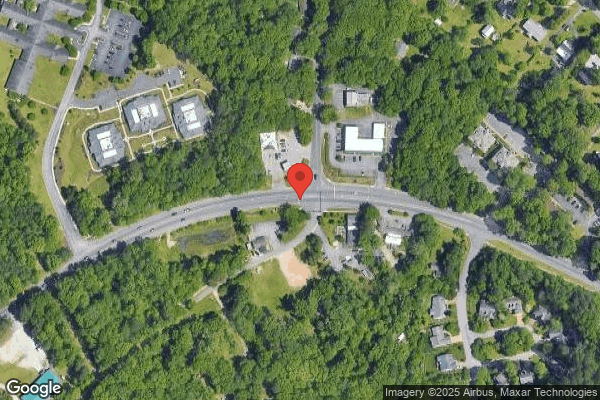
1811 JAMESTOWN ROAD, WILLIAMSBURG, VA 23185 (757) 229-9991
For profit - Limited Liability company 90 Beds CONSULATE HEALTH CARE/INDEPENDENCE LIVING CENTERS/NSPIRE HEALTHCARE/RAYDIANT HEALTH CARE Data: November 2025
Trust Grade
65/100
#68 of 285 in VA
Last Inspection: April 2024

Within standard 12-15 month inspection cycle. Federal law requires annual inspections.

Overview

Consulate Healthcare of Williamsburg has a Trust Grade of C+, which means the facility is decent and slightly above average. It ranks #68 out of 285 nursing homes in Virginia, placing it in the top half of facilities statewide, and #2 out of 5 in James City County, indicating that only one other local option is better. The trend is improving, with the number of issues reported decreasing from 14 in 2022 to 6 in 2024. Staffing is a weakness here, with a rating of 2 out of 5 stars and a turnover rate of 52%, which is about average for the state. On a positive note, the facility has no fines recorded, suggesting good compliance, but it does have less RN coverage than 82% of Virginia facilities, which could impact care quality. Specific incidents of concern include a serious incident where a resident suffered a fracture due to improper transfer practices by staff, which indicates a failure to follow safety protocols. Additionally, the facility did not adequately ensure that residents were informed about survey results, as many residents were unaware of where they were located. There was also a failure to implement immunization policies for some residents, which could leave them vulnerable to preventable illnesses. Overall, while the facility has strengths such as a good quality measures rating, these incidents highlight areas that require attention.

Trust Score
C+
65/100
In Virginia
#68/285
Top 23%
Safety Record
Moderate
Needs review
Inspections
Getting Better
14 → 6 violations
Staff Stability
⚠ Watch
52% turnover. Above average. Higher turnover means staff may not know residents' routines.
Penalties
✓ Good
No fines on record. Clean compliance history, better than most Virginia facilities.
Skilled Nurses
⚠ Watch
Each resident gets only 22 minutes of Registered Nurse (RN) attention daily — below average for Virginia. Fewer RN minutes means fewer trained eyes watching for problems.
Violations
⚠ Watch
29 deficiencies on record. Higher than average. Multiple issues found across inspections.
★★★★☆
4.0
Overall Rating
★★☆☆☆
2.0
Staff Levels
★★★★★
5.0
Care Quality
★★★☆☆
3.0
Inspection Score
Stable
2022: 14 issues
2024: 6 issues

The Good

  • 5-Star Quality Measures · Strong clinical quality outcomes
  • Full Sprinkler Coverage · Fire safety systems throughout facility
  • No fines on record

Facility shows strength in quality measures, fire safety.

The Bad

Staff Turnover: 52%

Near Virginia avg (46%)

Higher turnover may affect care consistency

Chain: CONSULATE HEALTH CARE/INDEPENDENCE

Part of a multi-facility chain

Ask about local staffing decisions and management

The Ugly 29 deficiencies on record

1 actual harm
Apr 2024 6 deficiencies
CONCERN (D) 📢 Someone Reported This

A family member, employee, or ombudsman was alarmed enough to file a formal complaint

Potential for Harm - no one hurt, but risky conditions existed

ADL Care (Tag F0677)

Could have caused harm · This affected 1 resident

Based on interviews, clinical record reviews, and facility documentation, it was found that the facility staff failed to ensure residents were provided with necessary services to maintain good nutriti...

Read full inspector narrative →
Based on interviews, clinical record reviews, and facility documentation, it was found that the facility staff failed to ensure residents were provided with necessary services to maintain good nutrition, grooming, and personal and oral hygiene for one resident in a survey sample of 25 residents. The findings included: For Resident #190, the facility failed to provide timely incontinent care for a resident with dementia and incontinence. On April 22, 2024, at approximately 2:00 PM, an interview was conducted with Resident #190's representative, who stated that on July 1, 2023, Resident #190 was found sitting in her wheelchair and was obviously wet and smelled of feces. The representative stated it was evident she had not been changed for a long time. When she complained to staff, she was told, Lunch trays have to be picked up first before we can make rounds to change people. Although interviews with current residents revealed that things are getting better, a review of the grievance log and the Resident Council minutes reflected that during that time frame (June-July 2023), there were many complaints of a lack of incontinent care. A review of the grievance logs revealed the following: 1. On June 12, 2023, Resident #32 complained to the social worker that when he asked to use the restroom, he was told by a CNA to just use his brief. The grievance was acknowledged and staff was educated. 2. On June 13, 2023, a resident complained that he did not have his call bell within reach and was calling for help for 5 hours overnight. The grievance was acknowledged and staff was educated to ensure call bells were in reach and making rounds. 3. On June 16, 2023 - A resident complained that Staff is taking up to 2 hours to answer call lights. Staff was educated on customer service and timely answering of call lights. 4. On June 28, 2023, a resident complained that they did not receive ADL care in a timely manner. The resident stated that he used the call bell multiple times, and a family member called the facility 3 times on that day. The complaint was acknowledged and staff was educated on timely answering of call lights 5. On July 12, 2023, Resident #27 complained that she only gets changed 1 time per shift if she doesn't have her 2 regular CNAs. On April 25, 2024, an interview with the Administrator revealed that the facility identified the issue and held a Town Hall Meeting on July 19, 2023, where Customer Service was among the topics discussed. The facility provided a QAPI document identifying the problem; however, they did not have a documented plan for performance improvement identifying all at-risk residents, monitoring/auditing, and an expected completion date. While the grievances identified responsible staff members and the facility addressed them, there was no evidence of a comprehensive plan to prevent recurrence. Despite acknowledging the issue and taking some corrective actions, the facility failed to implement a structured plan for improvement and monitoring, as well as a completion date, thus rendering them ineligible for past non-compliance status for this tag. On April 25, 2024, the Administrator was made aware of the concerns, and no further information was provided.
CONCERN (D) 📢 Someone Reported This

A family member, employee, or ombudsman was alarmed enough to file a formal complaint

Potential for Harm - no one hurt, but risky conditions existed

Deficiency F0697 (Tag F0697)

Could have caused harm · This affected 1 resident

**NOTE- TERMS IN BRACKETS HAVE BEEN EDITED TO PROTECT CONFIDENTIALITY** Based on interviews, clinical record review, and facility documentation, it was determined that the facility staff failed to ens...

Read full inspector narrative →
**NOTE- TERMS IN BRACKETS HAVE BEEN EDITED TO PROTECT CONFIDENTIALITY** Based on interviews, clinical record review, and facility documentation, it was determined that the facility staff failed to ensure that pain management services were provided to residents who required such services, specifically for Resident #190, within a survey sample of 25 residents. The findings included: For Resident #190, the facility staff failed to implement physician orders regarding pain medication / pain management. Resident #190 was admitted on [DATE], with various diagnoses including CKD (Chronic Kidney Disease), DJD (degenerative joint disease) status post right total knee replacement, dementia, depression, anxiety, COPD (Chronic Obstructive Pulmonary Disease), restless leg syndrome, hearing loss, history of breast cancer, history of uterine cancer, and history of scoliosis with spinal fusion. On April 23, 2024, a review of the clinical record revealed that the resident was admitted to the facility on [DATE], with orders that included, among others: - Tramadol HCl Oral Tablet 50 MG: Give 0.5 tablet by mouth every 12 hours as needed for pain - Start Date: June 29, 2023 - Discontinued: June 30, 2023 - Acetaminophen Tablet 500 MG: Give 2 tablets by mouth every 8 hours related to LOW BACK PAIN - Start Date: June 28, 2023 The Tramadol 50 mg was not initiated until June 29, 2023, leaving the resident without the prescribed narcotic pain medication throughout the evening and night. An interview with LPN C on the afternoon of 4/23/24, revealed that if the medication was not available, the facility would set the start date for the next day when pharmacy could bring it. When asked if this meant the resident was without pain medication until the medication arrived the following day, LPN C stated that Residents usually have an order for Tylenol that they can use. LPN C was asked if she felt that Tylenol may was adequate pain control for all types of pain and she stated that it was not. A note from the Medical Director on June 30, 2024, indicated that Resident #190 had Pain associated with the injury that was improved with Tramadol but did not seem to last the prescribed 12-hour interval. New orders for Tramadol were then issued to be administered every 8 hours with an additional dose every 4 hours as needed for pain. A review of the clinical record revealed that on June 30, 2023, Resident #190 had a BIMS (Brief Interview of Mental Status) score of 7/15, indicating Severe cognitive impairment, which may have hindered their ability to verbalize a request for pain medication as needed, requiring nurses to gather non-verbal cues of pain. On April 25, 2024, during the end-of-day meeting, the Administrator was made aware of the findings, and no further information was provided.
CONCERN (D) 📢 Someone Reported This

A family member, employee, or ombudsman was alarmed enough to file a formal complaint

Potential for Harm - no one hurt, but risky conditions existed

Pharmacy Services (Tag F0755)

Could have caused harm · This affected 1 resident

**NOTE- TERMS IN BRACKETS HAVE BEEN EDITED TO PROTECT CONFIDENTIALITY** Based on observation, interview, clinical record review and facility documentation, the facility staff failed to provide routine...

Read full inspector narrative →
**NOTE- TERMS IN BRACKETS HAVE BEEN EDITED TO PROTECT CONFIDENTIALITY** Based on observation, interview, clinical record review and facility documentation, the facility staff failed to provide routine and emergency drugs and biologicals to 1 Residents, (# 240) in a survey sample of 25 Residents. The findings included: For Resident #240 the facility staff failed to provide the IV Antibiotic ordered on admission, causing the Resident to miss 4 consecutive doses of antibiotic therapy, the facility also failed to provide the Latanoprost eye drops for glaucoma instead having family bring in personal supply to use. On 4/23/24 at 1:25 PM Resident #240 was observed sitting up in wheelchair with his lunch tray in front of him. His IV pole sat near bed with empty iv bag/antibiotic hanging from it. Since Resident #240 was a new admission, he was questioned about his admission process. Resident #240 stated that when he arrived at the facility They didn't have my medicines. When asked to elaborate on that he stated Well I came here, and I missed a few doses of my IV antibiotic because they didn't have it in stock. I just started getting it Saturday, I think. Also, they didn't have the eye drops for my glaucoma and my wife brought mine here from home. They put it in the cart and said when the meds come in from pharmacy, we will give yours back to you. I still haven't gotten them back. On 4/23/24 a review of the clinical record revealed that Resident #240 was admitted to the facility on [DATE] with diagnoses that included but were not limited to, Acute Hematogenous Osteomyelitis Left ankle and foot with recent surgery for 5th metatarsal head resection, type 2 diabetes mellitus with CKD (Chronic Kidney Disease) Stage 3A, asthma, glaucoma, systolic and diastolic CHF (Congestive Heart Failure), hypertension, chronic atrial fibrillation, anemia in CKD, obstructive and reflux uropathy, gout, and history of CVA (Cerebrovascular Accident) with deficits. A review of the orders revealed that Resident #240 had admission orders from the hospital and approved by the facility Nurse Practitioner that included but were not limited to: Latanoprost Ophthalmic Solution 0.005 % Instill 1 drop in both eyes at bedtime for increased pressure in eyes Start Date 4/19/2024 [scheduled for 9:00 PM] 4/19/24 6:00 PM - Piperacillin Sodium Tazobactam So -Intravenous Solution Reconstituted 4.5 (4-0.5) GM Use 4.5 gram intravenously every 6 hours related to cellulitis. start date 4-19-24 6:00 PM end date 4/23/24 2:33 PM [scheduled for 12:00 AM - 6:00 AM- 12 Noon -6:00 PM] On 4/24/24 a review of the MAR (Medication Administration Record) revealed that 4/19/24 6:00 PM dose had been signed off as given, the 12:00 AM dose had been signed out as given, the 6:00 AM dose was left blank no signature, the 12 Noon dose was coded as #9 and the 6 PM dose was coded as #9. A review of the Progress notes reveals no documentation other than notes related to orders that were entered. There was no documentation for 4/19/24 at 6:00 PM that the antibiotics were unavailable or not given. On 4/20/24 there was no documentation that the 12 AM dose was not given or not available. On 4/20/24 there was no documentation that the 6:00 AM dose was not given or not available and it was not signed out as given the space was left blank on the MAR. On 4/20/24 the 12 Noon dose was coded sat #9 (see progress note) and the progress notes read: 4/20/2024 12:39 PM -Medication Administration Note- Note Text: Drug not here yet pharmacy called, and order faxed over to pharmacy. Waiting for pharmacy to deliver. 4/20/2024 4:14 PM-Nursing Progress Note - Note Text: It was reported to undersigned that the patient is pending antibiotic treatment, and the drug is not in house. Undersigned called and left a message on the answering machine for the medication to be sent stat. On 4/20/24 the 6:00 PM dose was coded as #9 (see progress note) and the progress notes read: 4/20/2024 5:05 PM -Nursing Progress Note Text: Nurse manager in house and made aware of request for medication IV antibiotic to be sent stat. 4/20/2024 7:02 PM - Administration Note - Note Text: Undersigned spoke with [NAME] Pharmacy tech who reported that the patient antibiotic would come on the night run. She was told to send the medication stat as he has missed doses. She continued to explain that it would be at least a 2-4-hour window for stat drugs.' 4/21/2024 1:02 AM -Note Text: contacted pharmacy and medication is pending arrival. 4/21/2024 12:59 AM -Note Text: Medication administered at 2100 and left message about retiming drug for [physician practice name redacted] on call x2 no response. On the afternoon of 4/24/24, an interview was conducted with the DON and the Administrator regarding conflicting documentation that the medication was not available, and Resident #240 missed for doses however a review of the MAR revealed that 2 of the 4 missing doses were signed off as given. The facility Administrator and DON stated that they would investigate the issue and get back to the survey team with the results. On the afternoon of 4/25/24 the Administrator presented the survey team with an Ad Hoc QAPI document dated 4/25/24 at 12:27 PM. Excerpts are as follows: Opportunity for Improvement: Failure to follow med administration policy regarding meds that are unavailable. Data: Resident noted with order upon admission for IV antibiotics that was documented in error as given X 2 doses. Resident missed 4 doses of antibiotic. Analysis: Lack of education. Plan: All nurses will be educated regarding medication administration policy and procedure for medications that are unavailable. Audit will be conducted in AM meeting 5X per week for compliance and reported weekly at SOC and monthly to QAPI committee for further recommendations. Responsible Team Members: DON or Designee. On 4/24/24 at approximately 2PM an interview was conducted with LPN B who was asked if Resident #240 was supplying his own eye drops. LPN B stated that the pharmacy had not sent them, and the eye drops were for glaucoma, and it was very important for the Resident to maintain his scheduled dose so the family brought in his bottle from home and as soon as the pharmacy delivers his drops, they would return the Residents home supply to him. On 4/24/24 an interview was conducted with the DON who stated that it is not usually the policy for Residents to supply their home medications to the facility. She stated that she was unaware of this and would check into it and get the team an update. On 4/25/24 a statement was submitted to the survey team that read: Latanoprost eye drops for Resident #240 - The medication is on the way. Facility paid for it while we wait for a prior authorization from the insurance company. Resident provided his own medication while we waited to receive the medication from the pharmacy. The remaining personal med will be returned to the resident today. A review of the Medication administration policy revealed the following excerpts: Policy Statement: Medications are administered in a safe and timely manner, and as prescribed. 4. Medications are administered in accordance with prescriber orders, including any required time frame. 6. Medication errors are documented, reported, and reviewed by the QAPI committee to inform process changes and or the need for additional staff training. 7. Medications are administered within (1) one hour of prescribed time, unless otherwise specified (for example before and after meals.) On 4/25/24 during the end of day meeting, the Administrator was made aware of the concerns and no further information was provided.
CONCERN (D) 📢 Someone Reported This

A family member, employee, or ombudsman was alarmed enough to file a formal complaint

Potential for Harm - no one hurt, but risky conditions existed

Deficiency F0760 (Tag F0760)

Could have caused harm · This affected 1 resident

**NOTE- TERMS IN BRACKETS HAVE BEEN EDITED TO PROTECT CONFIDENTIALITY** Based on observation, interview, clinical record review and facility documentation the facility staff failed ensure Residents we...

Read full inspector narrative →
**NOTE- TERMS IN BRACKETS HAVE BEEN EDITED TO PROTECT CONFIDENTIALITY** Based on observation, interview, clinical record review and facility documentation the facility staff failed ensure Residents were free from significant medication errors for 2 Residents in a survey sample of 25 Residents. The findings included: For Resident #240 the facility staff failed to administer medications as ordered by physician causing the Resident to miss 4 consecutive doses of antibiotics. On 4/23/24 a review of the clinical record revealed that Resident #240 was admitted to the facility on [DATE] with diagnoses that included but were not limited to, Acute Hematogenous Osteomyelitis Left ankle and foot with recent surgery for 5th metatarsal head resection, type 2 diabetes mellitus with CKD (Chronic Kidney Disease) Stage 3A, asthma, glaucoma, systolic and diastolic CHF (Congestive Heart Failure), hypertension, chronic atrial fibrillation, anemia in CKD, obstructive and reflux uropathy, gout, and history of CVA (Cerebrovascular Accident) with deficits. A review of the orders revealed that Resident #240 had admission orders from the hospital and approved by the facility Nurse Practitioner that included but were not limited to: 4/19/24 6:00 PM - Piperacillin Sodium Tazobactam So -Intravenous Solution Reconstituted 4.5 (4-0.5) GM Use 4.5 gram intravenously every 6 hours related to cellulitis. start date 4-19-24 6:00 PM end date 4/23/24 2:33 PM [scheduled for 12:00 AM - 6:00 AM- 12 Noon -6:00 PM] On 4/24/24 a review of the MAR (Medication Administration Record) revealed that 4/19/24 6:00 PM dose had been signed off as given, the 12:00 AM dose had been signed out as given, the 6:00 AM dose was left blank no signature, the 12 Noon dose was coded as #9 (#9 = See Progress Note) and the 6 PM dose was also coded as #9. A review of the Progress notes revealed no documentation on 4/19/24/ at 6:00 PM that the antibiotics were unavailable or not given. On 4/20/24 there was no documentation that the 12 AM dose was not given or not available. On 4/20/24 there was no documentation that the 6:00 AM dose was not given or not available and it was not signed out as given the space was left blank on the MAR. On 4/20/24 the 12 Noon dose was coded as #9 (see progress note) and the progress notes read: 4/20/2024 12:39 PM -Medication Administration Note- Note Text: Drug not here yet pharmacy called, and order faxed over. to pharmacy. Waiting for pharmacy to deliver. 4/20/2024 4:14 PM-Nursing Progress Note - Note Text: It was reported to undersigned that the patient is pending antibiotic treatment, and the drug is not in house. Undersigned called and left a message on the answering machine for the medication to be. sent stat. On 4/20/24 the 6:00 PM dose was coded as #9 (see progress note) and the progress notes read: 4/20/2024 5:05 PM -Nursing Progress Note Text: Nurse manager in house and made aware of request for medication IV antibiotic to be sent stat. 4/20/2024 7:02 PM - Administration Note - Note Text: Undersigned spoke with [NAME] Pharmacy tech who reported that the patient antibiotic would come on the night run. She was told to send the medication stat as he has missed doses. She continued to explain that it would be at least a 2-4-hour window for stat drugs.' 4/21/2024 1:02 AM -Note Text: contacted pharmacy and medication is pending arrival. 4/21/2024 12:59 AM -Note Text: Medication administered at 2100 and left message about retiming drug for [physician practice name redacted] on call x2 no response. (This is a contradiction to the previous note that said the medication was pending arrival) On the afternoon of 4/24/24, an interview was conducted with the DON and the Administrator regarding conflicting documentation that the medication was not available, and Resident #240 missed for doses however a review of the MAR revealed that 2 of the 4 missing doses were signed off as given. The facility Administrator and DON stated that they would investigate the issue and get back to the survey team with the results. On the afternoon of 4/25/24 the Administrator presented the survey team with an Ad Hoc QAPI document dated 4/25/24 at 12:27 PM. Excerpts are as follows: Opportunity for Improvement: Failure to follow med administration policy regarding meds that are unavailable. Data: Resident noted with order upon admission for IV antibiotics that was documented in error as given X 2 doses. Resident missed 4 doses of antibiotic. Analysis: Lack of education. Plan: All nurses will be educated regarding medication administration policy and procedure for medications that are unavailable. Audit will be conducted in AM meeting 5X per week for compliance and reported weekly at SOC and monthly to QAPI committee for further recommendations. Responsible Team Members: DON or Designee. On 4/24/24 at approximately 2PM an interview was conducted with LPN who was asked if Resident #240 was supplying his own eye drops. LPN stated that the pharmacy had not sent them, and the eye drops were for glaucoma, and it was very important for the Resident to maintain his scheduled dose so the family brought in his bottle from home and as soon as the pharmacy delivers his drops, they would return the Residents home supply to him. On 4/24/24 an interview was conducted with the DON who stated that it is not usually the policy for Residents to supply their home medications to the facility. She stated that she was unaware of this and would check into it and get the team an update. On 4/25/24 a statement was submitted to the survey team that read: Latanoprost eye drops for Resident #240 - The medication is on the way. Facility paid for it while we wait for a prior authorization from the insurance company. Resident provided his own medication while we waited to receive the medication from the pharmacy. The remaining personal med will be returned to the resident today. A review of the Medication administration policy revealed the following excerpts: Policy Statement: Medications are administered in a safe and timely manner, and as prescribed. 4. Medications are administered in accordance with prescriber orders, including any required time frame. 6. Medication errors are documented, reported, and reviewed by the QAPI committee to inform process changes and or the need for additional staff training. 7. Medications are administered within (1) one hour of prescribed time, unless otherwise specified (for example before and after meals.) On 4/25/24 during the end of day meeting, the Administrator was made aware of the concerns and no further information was provided.
CONCERN (D)

Potential for Harm - no one hurt, but risky conditions existed

Deficiency F0807 (Tag F0807)

Could have caused harm · This affected 1 resident

**NOTE- TERMS IN BRACKETS HAVE BEEN EDITED TO PROTECT CONFIDENTIALITY** Based on observations, interviews, clinical record reviews, and facility documentation, it was found that the facility staff fai...

Read full inspector narrative →
**NOTE- TERMS IN BRACKETS HAVE BEEN EDITED TO PROTECT CONFIDENTIALITY** Based on observations, interviews, clinical record reviews, and facility documentation, it was found that the facility staff failed to provide drinks, other than water, consistent with the needs and preferences of one resident in a survey sample of 25 residents. The findings included: For Resident #240, the facility staff failed to provide decaf coffee and tea as the resident has health concerns related to caffeine consumption. On April 23, 2024, at 1:25 PM, Resident #240 was observed in his room, sitting up in his wheelchair with his overbed table in front of him, and his lunch tray was on the overbed table. Resident #240, a new admission, was asked about the admission process. He mentioned encountering a couple of issues, stating, When I was admitted , I was supposed to have a diabetic or heart-healthy diet. I was given a regular diet until Monday (4/22/24), and I am not supposed to have caffeine due to my health conditions. I would like to have coffee and tea, but I need decaf. When questioned if someone from the dietary department met with him during admission to discuss preferences, allergies, and intolerances, he responded, No. If they did, I would have told them no caffeine, and I'm supposed to have a diabetic or heart-healthy diet. Resident #240 pointed to his glass of iced tea, stating that he could not drink it because it's caffeinated. He mentioned having nothing but water to drink unless family comes to visit. On April 24, 2024, at approximately 5:00 PM, an observation was made of Resident #240's dinner tray, which again contained iced tea and water. A review of the baseline care plan revealed that on page 1, under Orders and Services, the section entitled Dietary Orders/Instructions was not filled out. The box was unchecked for the type of diet, TPN (Total Parenteral Nutrition), TF (Tube Feeding), IV/Fluids, or other. The section entitled Dietary Preferences was left blank, and the section for Dietary Goals was also left blank. On 4/24/24 an interview with Employee E was conducted and she stated that the Residents usually meet with the dietician who will go over diets with them. She also stated We have decaf tea and coffee if he requests it we can certainly get it for him. She stated that on admission the nurses usually will put in the physician order for the proper diet and then any allergies or intolerances. A review of the clinical record revealed that on admission [DATE]), Resident #240 had the following diet order: 4/19/2024 - Regular diet, Regular texture, Regular/Thin Liquids consistency. On 4/22/24, Resident #240 was seen by the attending physician, and the order was changed as follows: 4/22/24 - Consistent Carbohydrates (CCD) diet, Dysphagia Advanced texture, Regular/Thin Liquids consistency. On April 25, 2024, during the end-of-day meeting, the Administrator was made aware of the concerns, but no further information was provided.
CONCERN (D)

Potential for Harm - no one hurt, but risky conditions existed

Deficiency F0808 (Tag F0808)

Could have caused harm · This affected 1 resident

**NOTE- TERMS IN BRACKETS HAVE BEEN EDITED TO PROTECT CONFIDENTIALITY** Based on interview, clinical record review, and facility documentation, it was determined that the facility staff failed to prov...

Read full inspector narrative →
**NOTE- TERMS IN BRACKETS HAVE BEEN EDITED TO PROTECT CONFIDENTIALITY** Based on interview, clinical record review, and facility documentation, it was determined that the facility staff failed to provide a therapeutic diet as ordered by the physician for 1 Resident (#240) in a survey sample of 25 residents. The findings included: For Resident #240, the facility did not implement the heart-healthy or diabetic diet as ordered by the physician upon admission. On April 23, 2024, at 1:25 PM, Resident #240 was observed in his room sitting up in his wheelchair with his overbed table in front of him, and his lunch tray was on the overbed table. Resident #240, a new admission, mentioned encountering issues with the admission process. He stated, When I was admitted , I was supposed to have a diabetic or heart-healthy diet. I was given a regular diet until Monday (4/22/24), and I am not supposed to have caffeine due to my health conditions. I would like to have coffee and tea, but I need decaf. When asked if someone from the dietary department met with him during admission to discuss preferences, allergies, and intolerances, he responded, No. If they did, I would have told them no caffeine, and I'm supposed to have a diabetic or heart-healthy diet. A review of the clinical record revealed that on the baseline care plan where it read dietary orders/instructions, no boxes were checked for regular or other. Nothing was entered in the box for dietary preferences, and dietary goals were also left blank. A review of the discharge record from the hospital revealed that Resident #240 was on a heart-healthy diet in the hospital. On the afternoon of April 24, 2024, an interview was conducted with Employee E, who stated that the CCD (Consistent Carbohydrate Diet) is usually given to diabetics to maintain stable blood sugar levels. When asked if this differs from the regular diet, she stated that it is different. The dysphagia advanced diet does not allow very hard, crunchy, or sticky foods that may be difficult to chew and swallow. A review of the clinical record revealed that on admission [DATE]), Resident #240 had the following order for diet: 4/19/2024 - Actions: Regular diet, Regular texture, Regular/Thin Liquids consistency. On 4/22/24, Resident #240 was seen by the attending physician, and the order was changed as follows: 4/22/24 - Consistent Carbohydrates (CCD) diet, Dysphagia Advanced texture, Regular/Thin Liquids consistency. On April 25, 2024, during the end-of-day meeting, the Administrator was made aware of the concerns, but no further information was provided.
May 2022 14 deficiencies 1 Harm
SERIOUS (G)

Actual Harm - a resident was hurt due to facility failures

Accident Prevention (Tag F0689)

A resident was harmed · This affected 1 resident

**NOTE- TERMS IN BRACKETS HAVE BEEN EDITED TO PROTECT CONFIDENTIALITY** 2) For Resident #32, the facility staff failed to utilize a mechanical lift during a transfer from the wheelchair to the bed on ...

Read full inspector narrative →
**NOTE- TERMS IN BRACKETS HAVE BEEN EDITED TO PROTECT CONFIDENTIALITY** 2) For Resident #32, the facility staff failed to utilize a mechanical lift during a transfer from the wheelchair to the bed on 04/28/2022 resulting in a left distal tibial fracture. This is harm. On 05/10/2022 at 5:00 P.M., the administrator was interviewed. When asked about the investigation and five-day follow up of an incident involving Resident #32, The administrator stated that Resident #32 got a broken distal tibia fracture from an inappropriate transfer by nursing aide trainees. A copy of the investigation was requested. On 05/11/2022, Resident #32's clinical record was reviewed. Diagnoses included but were not limited to nondisplaced fracture of left tibial spine dated 05/03/2022 and hemiplegia and hemiparesis following cerebral infarct affecting right dominant side dated 09/22/2017. According to Resident #32's care plan, an intervention initiated on 01/14/2021 associated with ADL [activities of daily living] Self-care performance deficit related to decreased mobility, under the header Transfer documented, The resident requires mechanical lift- full - with two staff assistance for transfers. A change in Condition form dated 04/28/2022 at 1:00 P.M. under the header Situation documented, Resident reports twisting left ankle during transfer from chair to the bed. In Section 9 under the sub-header Pain Evaluation it was documented that [Resident #32] had a new onset of pain in the left ankle at an intensity of 5 out of 10 meaning moderate intensity. Under the sub-header Review and Notify, it was documented that the primary care clinician was notified and recommended an ace wrap. A Change in Condition form dated 04/28/2022 at 10:45 P.M. under the header Situation documented ? [complaint of] left ankle and foot pain, slight swelling noted. In Section 9 under the sub-header Pain Evaluation it was documented that [Resident #32] had a new onset of throbbing pain at an intensity of 8 out of 10 meaning severe intensity. Under the sub-header Review and Notify, it was documented that the primary care clinician was notified and recommended an x-ray. A progress note dated 04/29/2022 at 8:20 A.M. documented, Resident reports twisting left ankle during transfer from the wheelchair to the bed. On call physician and family notified. Physician recommends ace wrap to ankle. X-ray scheduled. A progress note dated 05/01/2022 at 7:24 A.M. documented, Resident C/O [complains of] pain in her lower left extremity when staff was giving care, she moaned and groaned whenever the extremity was touched or moved. She is unable to wiggle the toes or move the left foot. Pain medication given, N/P [nurse practitioner] contacted regarding the pain. An x-ray report dated 05/01/2022 under the header Conclusion documented, Nondisplaced distal tibial fracture. An excerpt of a progress note dated 05/01/2022 at 1:18 P.M. documented, EXRAY [sic] results in, resident has a fractured ankle. Order obtained from the N/P to send resident to the ER [emergency room] for further evaluation . On 05/11/2022, the administrator provided a copy of the investigation involving Resident #32. A written statement dated 05/02/2022 by Temporary Nursing Aide G (TNA G) documented, On Thursday [Resident 32] was in her wheelchair when coming from the beauty shop. I was not aware of how she had gotten into the wheelchair. Me and another aide put her back in the bed. I took one side of her and the aid took the other side to put her back in bed. Resident 32 didn't have a Hoyer pad under her. There was no way of getting a Hoyer pad under her. A written statement written by Temporary Nurse Aide H (TNA H) documented, I and another CNA [sic] was going to put [Resident 32] in her bed after coming back from a hair appointment, and there was not a Hoyer [mechanical lift] pad under her. Me and another CNA [sic] thought it would be best to lift the patient [name] under her arms, also putting the bed down as far as it could and stand and pivot her onto the bed, when we first tried it the patient did say 0W so we put her back onto her chair and waited a few minutes, and tried lifting her again putting her onto the bed. A written statement by Registered Nurse B (RN B) dated 05/02/2022 documented, On 04/28/2022 [Resident #32] returned from dialysis and the transport company transferred her to the wheelchair from the stretcher. By the time I could inform them she is a hoyer lift, they had left the building. A written statement dated 05/02/2022 by Licensed Practical Nurse C (LPN C), unit manager, documented, When interviewing [Resident 32], Resident stated during transfer that two staff members assisted her back to bed by going under her arms. Resident stated she then twisted her leg when the staff transferred her back to bed. On 05/11/2022 at approximately 2:25 P.M., Resident #32 was interviewed. When asked about how her left ankle was broken, Resident #32 stated that it happened when 2 staff members tried to lift her to stand and her leg got twisted. When asked if she fell to the floor, Resident #32 indicated the 2 staff members put her in the bed and she did not fall to the floor. On 05/11/2022 at 5:00 P.M., the administrator and Director of Nursing (DON) were interviewed. When asked about the incident involving Resident #32, the DON stated they began the investigation on 05/01/2022 once the xray results were known. The administrator stated once they learned about the inappropriate transfer by the two nurse aide trainees, the nurse aide trainees were terminated. Based on staff interview, clinical record review, facility documentation review, and in the course of a complaint investigation, the facility staff failed to mitigate a fall hazard for 1 Resident (Resident #135) and failed to utilize a mechanical lift during a transfer from the wheelchair to the bed for 1 resident (Resident #32) in a sample of 33 Residents, resulting in harm for both Residents. The findings included: 1) Resident #135 fell while left alone in the shower room on 2-4-22 at 5:45 a.m., resulting in a fractured upper femur (hip area). This is harm. Resident #135 was sent out to the emergency room on 2-4-22 after the fall and fracture, and returned on 2-14-22 after a 10 day stay. The fractured hip was deemed inoperable at the hospital, and the Resident was sent back to the facility for convalescence. The Resident was no longer in the facility at the time of survey, and so a closed record review was conducted. The Resident's MDS assessment revealed that the Resident required extensive assistance, or was totally dependent for all activities of daily living with 1 to 2 staff member assistance due to stroke and left sided hemiparesis (paralysis). The Resident required extensive assistance with bathing, and was always incontinent of bowel and bladder. The Resident was cognitively impaired and suffered from seizures. The Resident's Nursing care plan and CNA (Certified Nursing Assistant) [NAME] care plan were reviewed and revealed that staff were aware of the Resident's needs and deficits. The documents revealed A Hoyer/mechanical lift was utilized for all surface transfers. The Resident was a known fall risk, with a history of falls, and required hands on staff assistance for all activities of daily living. A Report of Resident Fall investigation document was requested and received. The document revealed the following description of the incident: 2-4-22 at 5:45 a.m., Resident was found on the shower floor next to her shower chair. Resident states she was reaching for soap on the floor when she fell out of the chair onto her left hip. The Hoyer lift was used to return her to her chair and then returned to bed. Fall to floor unwitnessed. was the Resident attended by an employee - No. Location - In her shower chair in the shower Wearing slippers and gripper socks Was the Resident injured - Yes, Major injury left hip, Pain Physician notified at 6:00 a.m. 2-4-22, sent to emergency room Mother of Resident notified at 7:00 a.m. on 2-4-22. The investigation also showed that Staff moved the Resident from the floor, and lifted her in a mechanical lift, to place her back in the shower chair. The Resident was transferred down the hallway in the shower chair while complaining of pain, and put in bed after the fall and fracture. The Resident was then left in bed for nursing to contact the doctor, family, and call EMS. On 5-12-22 at 10:45 a.m., a meeting was held with the Administrator and DON (Director of Nursing). They were asked if they were aware of the incident and both answered we are now. They were asked what happened as a result of the staff leaving the Resident alone in the shower room. They stated the employee was terminated. The DON was asked if it was a standard practice to leave Residents unattended in the shower room, and she stated No, that should have never happened. The DON stated All of our interventions for falls are on the Resident's care plans. When asked what the course of events are after a Resident falls, the DON replied We assess the Resident, seek medical intervention as needed, supervise, write a plan in the care plan, and educate staff on the change. The facility Fall Protocol and policy were requested and supplied. Review of the facility documents revealed that the Resident would be evaluated for fall risk, and precautions, needs, and supervision care planned appropriately. On 5-12-22 at the end of day meeting at 4:45 p.m., Resident #135's fall and lack of supervision was reviewed again with the Administrator and Director of Nursing (DON). No further information was provided.
CONCERN (D)

Potential for Harm - no one hurt, but risky conditions existed

Resident Rights (Tag F0550)

Could have caused harm · This affected 1 resident

Based on observation, Resident interview, staff interview, facility documentation review, and clinical record review, the facility staff failed to ensure a Resident's right to a dignified existence fo...

Read full inspector narrative →
Based on observation, Resident interview, staff interview, facility documentation review, and clinical record review, the facility staff failed to ensure a Resident's right to a dignified existence for 1 Resident (#24) in a survey sample of 33 Residents. For Resident #24, the facility staff failed to dress the Resident in her own clothing, and instead dressed her in a hospital gown. The Resident expressed embarrassment and requested her own clothing for appointments and anytime she was out of her room or out of the facility. The findings included; Resident #24's most recent MDS (minimum data set) assessment was dated 3-17-22. The document coded the Resident continent of bowel and bladder, No Cognitive impairment, and required extensive assistance from one staff member for bathing, however, with set up help could dress herself. On 5-11-22 at approximately 11:30 a.m., during Resident Council meeting, the Resident stated her clothing had been removed to the laundry 2 weeks prior and she had not received them back. After the meeting, the surveyor went to the Resident's room and inspected the chest of drawers, and closet. There were no clothes in either place. After the inspection of the Resident's room, the surveyor proceeded to the laundry and interviewed Employee (H), and Employee (F). The employees described the clean personal laundry as being housed in a particular room after it was laundered. They proceeded to the room which was located in the old therapy department, and some distance from the laundry. There they found a large laundry bin piled with unfolded laundry, and racks full of Resident clothing mixed together so that no one Resident's clothing could be distinguished from another Resident's clothing. The employees were asked why the clean laundry was not in the Resident rooms, and further asked where Resident #24's laundry was in particular. They stated they could not tell which was hers, and that staffing was short and the laundry had not been folded or delivered because of that, but the Laundry Manager Employee (F) stated she had developed a new system, and was implementing a new house keeping system as well, she went on to say she had only worked in the facility for about 4 months, and she had come from a well known hotel chain. When asked how long it would be before Resident #24 could get her clothing, as she complained it had been 2 weeks since she sent it to laundry, and Employee (F) stated we will get it to her this week. On 5-11-22 at the end of day debrief at 4:30 PM, the DON (Director of Nursing) was asked her expectation of clothing for residents to wear in public. The DON stated the residents should be dressed in their own clothing every day if they wished. On 5-12-22 at 11:30 a.m. the Administrator told the surveyor that clothing articles had been purchased for Resident #24, and that the laundry services would be fixed immediately so that clothing is returned to Residents the day after they were received for service. On 5-12-22 during the end of day meeting the Administrator and DON were made aware of the concerns and no further information was provided.
CONCERN (D)

Potential for Harm - no one hurt, but risky conditions existed

Deficiency F0582 (Tag F0582)

Could have caused harm · This affected 1 resident

**NOTE- TERMS IN BRACKETS HAVE BEEN EDITED TO PROTECT CONFIDENTIALITY** Based on staff interview, facility documentation review and clinical record review, the facility staff failed to complete a SNF ...

Read full inspector narrative →
**NOTE- TERMS IN BRACKETS HAVE BEEN EDITED TO PROTECT CONFIDENTIALITY** Based on staff interview, facility documentation review and clinical record review, the facility staff failed to complete a SNF ABN (Skilled Nursing Facility Advance Beneficiary Notice) for 1 Resident (Resident #286) in a survey sample of 3 Residents reviewed for Beneficiary Notifications. For Resident #286, the facility staff failed to provide a SNF ABN notice prior to skilled care services ending. As a result of this deficient practice Resident #286 was not afforded the opportunity to continue skilled care services and have Medicare make a determination about coverage of such services, known as a demand bill. The findings included: Resident #286, was admitted to the facility on [DATE], for skilled care following a hospitalization for a fall resulting in a right hip fracture. Resident #286 was discharged from a Medicare covered Part A stay on 4/6/22, she remained in the facility. Review of the clinical record revealed the facility staff issued a NOMNC (notice of Medicare non-coverage) which contained Resident #286's signature of receipt of the notice on 4/4/22. The clinical record revealed no evidence of an ABN (Advanced Beneficiary Notice) being issued. The progress notes made no reference with regards to an ABN. However, a blank ABN form was scanned into the electronic health record under the miscellaneous tab. On 05/12/22 at 9:55 AM, an interview was conducted with the facility Administrator, in the absence of the social worker. The Administrator stated the ABN is issued if a Resident files for an appeal and loses their second level of appeal on the NOMNC. He went on to say, That is when we issue the ABN. We have not had any demand bills or ABN's. The Administrator was informed that the ABN is a separate document that is issued and is not based upon a NOMNC response. A review of the facility policy titled, Advance Beneficiary Notice-ABN, was conducted. It read, An ABN will be utilized to notify resident of the possibility that Medicare will not pay for the item(s) or service(s) that are described on the form 1. The facility will give a completed copy of the ABN far enough in advance that the beneficiary or representative has time to consider the options and make an informed choice 2. The resident must comprehend the contents. If the resident is unable to comprehend the contents of the notice, it must be delivered to and signed by an authorized representative . CMS identifies when the ABN is required to be issued in their document titled Form Instructions Skilled Nursing Facility Advanced Beneficiary Notice of Non-coverage (SNFABN) read, Medicare requires SNFs to issue the SNFABN to Original Medicare, also called fee-for-service (FFS), beneficiaries prior to providing care that Medicare usually covers, but may not pay for in this instance because the care is: Not medically reasonable and necessary; or Considered custodial. The SNFABN provides information to the beneficiary so that s/he can decide whether or not to get the care that may not be paid for by Medicare and assume financial responsibility. SNFs must use the SNFABN when applicable for SNF Prospective Payment System services (Medicare Part A). SNFs will continue to use the ABN Form CMS-R-131 when applicable for Medicare Part B items and services. Accessed online at: https://www.cms.gov/search/cms?keys=ABN The Administrator was informed on 5/12/22 at 11:20 AM, of the failure of facility staff to provide Resident #286 with a SNFABN notice prior to skilled care services ending, which would have allowed Resident #286, to make a decision about continuation of services and have Medicare make the coverage determination. On 5/12/22, during an end of day meeting the facility Administrator, Director of Nursing and Corporate staff were made aware of the above concern. The Administrator stated they had no further information to provide with regards to this. No further information was provided.
CONCERN (D)

Potential for Harm - no one hurt, but risky conditions existed

Safe Environment (Tag F0584)

Could have caused harm · This affected 1 resident

Based on observation, Resident interview, staff interview, and clinical record review the facility staff failed to provide one Resident (Resident #28) with a homelike environment, in a survey sample o...

Read full inspector narrative →
Based on observation, Resident interview, staff interview, and clinical record review the facility staff failed to provide one Resident (Resident #28) with a homelike environment, in a survey sample of 33 Residents. For Resident # 28, the facility staff failed to hang a framed picture (a portrait of the resident as a young child drawn by her brother). The findings included: Resident # 28's most recent MDS (minimum data set) (an assessment tool) with an ARD (assessment reference date) of 3/22/2022 was coded as a quarterly assessment. Resident # 28 was coded as having a BIMS (brief interview for mental status) score of 15 indicating no cognitive impairment. Resident # 28 was coded as being totally dependent on one to two staff persons for activities of daily living. On 5/10/2022 at 12: 15 p.m.during the initial tour, there was an observation of a large framed personal picture sitting on the floor behind the wardrobe. It was not hanging up on the wall. A Resident interview was conducted with Resident # 28 who stated her brother drew it (the picture for her as a Christmas gift and framed it. Resident # 28 stated it was a picture of her as a young child. Resident # 28 stated she would like to have it on the wall but Maintenance has been busy, he will get to it. Resident # 28 stated it had been on the floor for a long time. On 5/11/2022 at 9:30 a.m., the framed picture was observed still sitting on the floor behind the wardrobe. On 5/11/2022 at 4:00 p.m., the picture was still on the floor. On 5/11/2022 at 5:05 p.m., during the end of day debriefing, the Administrator and Director of Nursing were informed of the findings. The Director of Nursing stated she would have the Maintenance Director hang the picture immediately. On 5/12/2022 at 9:00 a.m., Licensed Practical Nurse H was observed in the doorway of Resident # 28's room preparing to pass medications. Resident # 28 was lying in the bed. The framed picture was observed hanging on the wall to the right of the bed. Resident # 28 was smiling and stated the Maintenance Director hung the picture on the wall the previous evening. Resident # 28 stated she was very happy to have it on the wall. LPN-H stated as soon as she made rounds that morning, Resident # 28 told her that her picture had been hung up on the wall. LPN- H stated Resident # 28 was really happy. No further information was provided.
CONCERN (D)

Potential for Harm - no one hurt, but risky conditions existed

Deficiency F0657 (Tag F0657)

Could have caused harm · This affected 1 resident

Based on observation, resident interview, staff interview, clinical record review, and facility documentation review facility staff failed to revise the resident's care plan for one resident (Resident...

Read full inspector narrative →
Based on observation, resident interview, staff interview, clinical record review, and facility documentation review facility staff failed to revise the resident's care plan for one resident (Resident 7) in a sample size of 33 residents. Resident #7's care plan was not re-evaluated or additional interventions added related to the ongoing complaints of tooth pain. The findings included: On 05/12/22, at approximately 1:43 p.m. Surveyor E asked Resident 7 how was lunch. Resident 7 stated that he could not eat that. The basis for not being able to eat the lunch as served according to Resident 7 was explained as having been served a piece of beef that was too tough and caused the resident's tooth to hurt. Resident 7 went on to state I could not eat that beef, my tooth is still hurting from trying to eat it. The resident was observed to be eating chocolate candy to supplement the meal that resident felt unable to eat to being too tough. Resident 7 stated he keeps snacks at the bedside because the food is too tough to eat. Resident 7 went on to explain that the food is often too tough and the tough food bothered (hurt) the resident's tooth when attempting to chew the tough food presented by the facility. On 05/12/22 at approximately 11:00 a.m. the electronic health record (EHR) was reviewed. Resident 7's care with a target completion date of 3/1/22 was noted to be the most current care plan on record. The care plan addressed the resident's concern and treatment for tooth pain. That is, the care plan has a focus that states: has an infection of the mouth, chief complaint of tooth pain. The goal: will minimize the risk of complications related to infection through the review. Interventions included: Will monitor oral cavity for inability to tolerate foods. Subsequently, there was no re-evaluation or additional interventions related to the ongoing complaints of tooth pain. Resultantly, resident has experience on-going oral pain for a period of approximately two months. The facility's Policies and Procedures for Dentist Services (last revised 11/27/17) stipulates if dental consult/referral unable to be obtained within 3 days the nurse will evaluate and document changes in ability to eat and drink. Review ability with physician and obtain orders as indicated. On 5/12/22 the EHR does not exhibit a plan of care that demonstrates a 3-day reassessment as to resident's ability to eat; nor, is there evidence of review of ability with physician within a 3 day interval with new orders. The Administrator and Director of Nursing were notified of findings on 5/12/22 at approximately 2:00 p.m. and stated they had no other findings to submit.
CONCERN (D)

Potential for Harm - no one hurt, but risky conditions existed

Deficiency F0658 (Tag F0658)

Could have caused harm · This affected 1 resident

Based on staff interview, facility documentation review, and clinical record review, the facility staff failed to provide care and services based on the professional standards of nursing practice for ...

Read full inspector narrative →
Based on staff interview, facility documentation review, and clinical record review, the facility staff failed to provide care and services based on the professional standards of nursing practice for Two Residents (Resident # 168 & Resident #7) in a survey sample of 33 residents. Findings included: For Resident # 168, the facility staff failed to obtain neurological checks per policy after a fall with a head injury. Resident # 168's diagnoses included but were not limited to: Unsteadiness on Feet, Difficulty Walking, Hypertension, and Syncope. The most recent MDS (Minimum Data Set) was an initial assessment, dated 4/10/2022 was reviewed. Resident # 168 was coded as having a Brief Interview of Mental Status Score of 15, indicating no cognitive impairment. Resident # 168 was coded as requiring limited physical assistance of 1 staff person for Activities of Daily Living except required total assistance of one staff person for bathing. Review of the closed clinical record was conducted on 5/10/2022 -5/12/2022. Review of the Progress Notes revealed documentation of: 4/13/2022 a 07:06 a.m.- Nursing Progress Note Residents bathroom call light was on, answered call light and found Resident lying on floor of bathroom in room #_______ (room number redacted) . Resident was lying on stomach with head facing wall and feet and legs in bathroom doorway. Resident was assessed for injuries could move all extremities WNL's (within normal limits) without c/o (complaint of) pain or discomfort voiced. Pupils reactive. Resident hit head on floor, obtained laceration over eye brow with light bruising and goose egg. Resident was awake and alert answering questions appropriately. Resident helped staff roll him over on hoyer lift pad and hoyer lifted to bed. Resident with c/o pain to left side of forehead rated pain an 5/10,medicated with Tylenol 1000 mg._______of (name of physicians group redacted) notified of fall and injuries to forehead ________(name redacted) LPN (Licensed Practical Nurse) 11-7 Supervisor and ______ (name redacted) notified of fall and injuries to forehead. Continuing to monitor. The next Progress Note was a Medication Administration Note on 4/13/2022 at 8:07 AM documenting the administration of Tramadol 50 milligrams one tablet (ordered for one tablet every 6 hours as needed for pain.) Then Medication Administration Note on 4/13/2022 at 9:07 AM documenting the administration of SalonPas Pain Patch-apply to back topically one time a day for pain. Medication Administration Note on 4/13/2022 at 13:51 (1:51 PM) documenting the administration of Tramadol 50 Milligrams one tablet-effective- Follow up pain scale was rated as 2. The next Nursing Progress Note was dated 4/13/2022 at 17:05 (5:05 PM) and stated Resident # 168's granddaughter called the facility and inquired about Resident # 168's fall. The nurse informed the granddaughter that the facility staff could not discuss anything with her since she was not the RP (Responsible Party) listed in the clinical record. The nurse documented that the granddaughter became upset and stated she was going to call the cops and hung up the phone. Minutes later rescue squad showed up, and resident was taken to the ER (Emergency Room) for eval & TX (evaluation and treatment. RP made aware. MD (medical doctor) was here in facility and supervisor called and made aware. According to the Progress Notes, on 4/13/2022 at 2252 (10:52 PM), Resident # 168 returned to the facility via stretcher. Resident alert and verbal. Review of the Nurse Practitioner's Progress note dated 4/13/2022 revealed the following excerpts: Chief complaint: Headache, recent fall Had a fall today. Slipped in bathroom and hit left side of face. Has bruise of left eye Complains of headache, moderate intensity Headache has improved No change in mental status No vomiting Complains of intermittent blurry vision States he feels okay right now Under PLAN was written: While plan of care was being discussed, the EMT (Emergency Medical Technicians) showed up. Granddaughter had called 911 as she felt the patient was in urgent need of evaluation. Given blurry vision and headache, CT scan of head may be beneficial. On 5/11/2022 at 11:15 AM, an interview was conducted with the Administrator who stated the facility had written a summary of the events surrounding the fall and the transport to the Emergency Room. Review of the Summary report revealed the following documentation: Resident # 168 was found on the floor of the bathroom at midnight on 4/13/2022. Neurochecks were done at 1:05, 1:20, 1:35 and 150 AM. From 2:15-2:23 AM: the nurse performed a fall risk assessment, administered pain medication (Tylenol 500 milligrams two tablets) for complaints of pain in the left side of the head, pain rated as a 5 out of ten. When reassessed for pain, Resident # 186 reported the pain medication helped and rate the pain at 2 out of 10. The next Neurocheck was conducted at 4:50 AM. There was no documentation of any other Neurochecks being done prior to Resident # 186 being transported to the emergency room after 5 PM on 4/13/2022. On 5/12/2022 at 9:50 AM, a copy of the Facility's policy on Neurological checks was requested from the Director of Nursing and received. Review of the Facility Policy and Procedure on Neurological Evaluation, effective 11/30/2014, Revision 09/14/2021 revealed the following Procedures: 4. Perform neurological checks as follows unless otherwise ordered by the physician. a. Every 15 minutes x 8 then, b. Every 30 minutes x 4 then, c. Every 60 minutes x 4 then, d. Every 8 hours x 8 or until 72 hours is completed. 5. Document neurological checks, vital signs and observations on the appropriate form or electronic equivalent. 6. Notify Physician of changes in condition 7. Place completed form in medical record. During the end of day debriefing on 5/12/2022, the facility Administrator, Corporate Nurse consultant and Director of Nursing were informed of the findings. The documentation showed Neurochecks were completed 5 times from 1:05- 4:50 AM. No other Neurochecks were documented. The Director of Nursing stated the nurses should have completed the neurological checks as per the facility's policy and procedure. The Director of Nursing stated that was deficient and that the staff had been educated about the policy on Neurochecks. No further information was provided. COMPLAINT DEFICIENCY For Resident #7 the facility staff failed to ensure physician orders for applying Thrombo-Embolic Deterrent (TED) hose were followed. On 05/10/22 at approximately 1:43 p.m. Resident 7's TED hose were noted to be at the bedside. Surveyor E asked Resident 7 as to the frequency that the [NAME] hose were worn. Resident 7 stated that they were applied for therapy. In addition, Resident 7 stated that the TED hose are to be worn daily. Resident 7 granted Surveyor E permission to view both legs. No TED Hose were seen. Both legs were edematous (swollen with an excessive accumulation of fluid). On 05/11/22 at approximately 2:18 p.m. per direct observation, Resident 7 did not have TED hose applied to either leg. Both legs demonstrated edema. Resident 7 stated the TED are only applied like two to three times per week when I go to therapy. On 05/12/22 at approximately 9:00 a.m. per review of the electronic health record (EHR) of physician orders last reviewed on 5/10/22 noted an active order with a start date of 6/03/22 at 7 a.m. prescribing: TED hose apply every morning remove at night. On 5/12/22 at approximately 10:22 a.m. per direct observation of Surveyor E, Resident 7 did not have TED hose applied to either leg. Both legs were edematous. On 5/12/22 an interview with Registered Nurse (RN) B was conducted. RN B stated that she is aware of the need for residents to have TED hose applied per the electronic health record (EHR). RN B proceeded to make known that she does not apply the TED hose for the resident(s). Accordingly, the TED hose, per RN B - are applied by the certified nursing assistant (CNA). RN B stated that the CNAs are not aware of the need to have TED hose applied without notification of licensed nurse. RN B stated that the licensed nurse is aware of the resident's need to have TED hose applied based on review of the EHR. RN B stated that the CNA duty caring for Resident 7 was not made aware of the need to place the TED hose to the legs of Resident 7 this morning. The Administrator and Director of Nursing were notified of findings on 5/12/22 at approximately p.m. and stated they had no other findings to submit.
CONCERN (D)

Potential for Harm - no one hurt, but risky conditions existed

Pressure Ulcer Prevention (Tag F0686)

Could have caused harm · This affected 1 resident

**NOTE- TERMS IN BRACKETS HAVE BEEN EDITED TO PROTECT CONFIDENTIALITY** Based on observation, Resident interview, staff interview, clinical record review, and facility document review, the facility st...

Read full inspector narrative →
**NOTE- TERMS IN BRACKETS HAVE BEEN EDITED TO PROTECT CONFIDENTIALITY** Based on observation, Resident interview, staff interview, clinical record review, and facility document review, the facility staff failed to treat a pressure sore for one Resident (Resident #84) of the 33 residents in the survey sample. For Resident #84, the staff failed to assess, and treat, an unstageable coccyx pressure sore. The findings included; For Resident #84, the staff failed to provide a baseline assessment and treatment for an unstageable coccyx pressure sore from 4-27-22 through 5-3-22 (7 days). Resident #84 was originally admitted on [DATE]. Diagnoses for Resident #84 included but were not limited to; an unstageable coccyx pressure sore. Resident #84's admission Minimum Data Set (an assessment protocol) was not submitted at the time of survey as the Resident was a new admission. Staff stated Resident #84 was completely dependent, on 1-2 staff members for all Activities of Daily Living care. The Resident was incontinent with an indwelling foley urinary catheter for the pressure sore, and able to answer questions appropriately when questioned. On initial tour of the facility on 5-10-22 at approximately 11:30 a.m., Resident #84 was sleeping, and her husband and daughter were in the room with her. They were interviewed. The Resident was laying on an alternating air mattress bed meaning that the bed is constantly filled with blowing air to help reduce pressure points on the body of a user. The Resident's daughter and spouse stated the facility had not treated the pressure sore for approximately a week when she first arrived, however, she had a dressing on it now. The Resident woke during the interview and stated she was in pain, and her bottom hurt all the time. A review of Resident #84's clinical record was conducted during the survey. The review revealed no treatment orders for the pressure area from admission until 5-3-22, when they were added to the treatment record to be instituted on 5-4-22 by staff for a dressing, Prostat supplement for wound healing, and weekly skin checks. The only Weekly Skin Integrity Review document in the clinical record was signed as complete on 5-6-22, and documented Site - Sacrum - treatment in place, Skin not intact. No description, nor measurement was documented on the form, even though those areas were available on the form, they were left blank. The only Pressure Ulcer Wound Rounds document in the clinical record was signed as complete on 5-6-22, and documented Present on admission, Sacrum, Pressure, length 5.5 centimeters (cm), width 2.0 cm, depth unknown, unstageable, tissue type yellow slough, drainage sero-sanguinous (clear blood tinged). The first Wound physician visit occurred during survey on 5-11-22. The wound physician notes revealed the first evaluation of the pressure sore by the wound doctor and documented Length 5.2 cm, width 6.2 cm, depth 1.5 cm, moderate serous drainage, 70% slough, 30% granulation tissue, and the wound was surgically debrided with a scalpel, and a new dressing order was issued (15) days after admission, and the wound had worsened. Treatment and Medication Administration records (TAR's/MAR's) as well as physician orders were reviewed and revealed no treatment orders for the month of April 2022. On 5-12-22 wound observations were conducted with the Unit manager nurse, and ADON (Assistant Director of Nursing). Muscle was observed centrally in the wound. The wound was beefy red and dry, no slough was present in the wound. The Unit manager nurse measured the wound, and it was noted that there was a 2 centimeter undermining present under the distal base of the wound toward the anus. The wound measured 5.2 cm length, 6.2 cm width, and 2.0 cm depth. The wound was full thickness, stage 4, with exposed muscle, and bone seen protruding under a thin covering of tissue. The nursing Care plan describes to nursing staff what interventions should be provided during care for each resident. The care plan must be person centered and give measurable specific interventions and goals. The original admission baseline care plan for pressure sores was focus dated for 5-4-22, was obtained and reviewed . The document was found to be revised on 5-10-22. The 5-4-22 care plan was the first document derived for the Resident in the facility after 8 days in the facility. No direction was given as to use of the air mattress. Facility policies were reviewed and revealed that weekly skin assessments were to be performed. As previously stated, Body audits wound evaluation documents available in the clinical record appear to show these assessments were not being performed until a week after admission. The facility Administrator, and DON (Director of Nursing) were asked for the April treatment record for this Resident and they stated there was no treatments in April of 2022 for this Resident. They were informed of the findings during an end of day briefing on 5-11-22, at approximately 5:00 p.m. They were again notified of findings on 5-12-22 at the end of day debrief at approximately 4:00 p.m The facility stated they had no further information to present at the time of exit at 5:15 p.m.
CONCERN (D)

Potential for Harm - no one hurt, but risky conditions existed

Respiratory Care (Tag F0695)

Could have caused harm · This affected 1 resident

Based on observation, Resident interview, staff interview, clinical record review, and facility documentation review, the facility staff failed to provide consistent oxygen therapy for one Resident (R...

Read full inspector narrative →
Based on observation, Resident interview, staff interview, clinical record review, and facility documentation review, the facility staff failed to provide consistent oxygen therapy for one Resident (Resident #29) in a survey sample of 33 Residents. The findings included: On 05/10/2022 at 3:30 P.M., Resident #29 was observed in his wheelchair in his room. Resident #29 was receiving oxygen via nasal cannula from the oxygen tank situated on the back of the wheelchair. The oxygen tank gauge indicated the oxygen level in the tank was in the red zone (meaning it was nearly or actually empty). When asked if the oxygen was flowing, Resident #29 removed the nasal cannula and determined there was no airflow coming out of the ports. At approximately 3:40 P.M., Licensed Practical Nurse G (LPN G) and this surveyor entered the room for an observation. LPN G observed Resident #29's oxygen tank and verified the oxygen tank was empty. LPN G checked Resident #29's oxygen saturation level and it was 97%. LPN G then went to get a new oxygen tank. On 05/10/2022, Resident #29's clinical record was reviewed. A physician's order dated 06/12/2021 documented, Respiratory: Oxygen -Continuous 2liters/min [2 liters per minute] every shift. The care plan was reviewed. A focus with a revision date of 02/18/2022 entitled [Resident #29] has COPD [chronic obstructive pulmonary disease] AEB [as evidenced by] oxygen use and inability to lay flat in bed included but was not limited to the following intervention: OXYGEN SETTINGS: O2 via NC 2L/Min [oxygen via nasal cannula at 2 liters per minute] continuously. On 05/11/2022 at approximately 8:15 A.M., the administrator was notified of findings. On 05/11/2022 at approximately 2:10 P.M., Resident #29 was observed in his wheelchair in his room. The oxygen tank on the back of his wheelchair was again observed to be in the red zone (meaning it was nearly or actually empty). When asked if the oxygen was flowing, Resident #29 stated the oxygen was flowing through the ports. At approximately 2:15 P.M., LPN C and this surveyor entered Resident #29's room for an observation. LPN C verified the oxygen was nearly empty and needed to be changed again. LPN C stated that she had been checking on it all morning but now that it was in the red zone, it should be changed. LPN C then exchanged the oxygen tank for a full tank. On 05/11/2022 at 5 P.M., the administrator and Director of Nursing were notified of findings. The facility staff provided a copy of their policy entitled, Oxygen therapy. However, the policy did not address the process of monitoring portable oxygen tanks to ensure continuous oxygen therapy.
CONCERN (D)

Potential for Harm - no one hurt, but risky conditions existed

Deficiency F0745 (Tag F0745)

Could have caused harm · This affected 1 resident

**NOTE- TERMS IN BRACKETS HAVE BEEN EDITED TO PROTECT CONFIDENTIALITY** Based on observation, Resident interview, staff interview, clinical record review, and facility documentation review, the facili...

Read full inspector narrative →
**NOTE- TERMS IN BRACKETS HAVE BEEN EDITED TO PROTECT CONFIDENTIALITY** Based on observation, Resident interview, staff interview, clinical record review, and facility documentation review, the facility staff failed to provide consistent social services for one Resident (Resident #14) in a sample size of 33 Residents. The findings included: On 05/10/2022 at 12:25 P.M., Resident #14 was observed in bed in her room. During the course of a brief interview, Resident #14 indicated that she was feeling depressed and stated, I got personal problems. Resident #14 also indicated she was on medication for depression. On 05/11/2022, Resident #14's clinical record was reviewed. One medical diagnosis listed for Resident #14 included but was not limited to major depressive disorder. A review of Resident #14's physician's orders revealed an order dated 03/22/2022 for the medication Wellbutrin for depression. The social services notes were reviewed. The most recent social services note was dated 12/28/2020 [over 16 months ago]. A document entitled, Trauma Informed Care Evaluation ([NAME]) dated 04/19/2022 documented in Part I, Section 1 a traumatic event that happened to Resident #14 on Mother's Day. In Part II dated 04/21/2022 entitled, Social Services: Complete during initial evaluation and update care plan as indicated in Section 5 indicated that, per Resident #14's response, Mother's Day is a trigger that worsens the traumatic event recorded in Part I, Section 1. The social services care plan was reviewed. The care plan did not address the traumatic event documented on the [NAME] form or the trigger (Mother's Day). The progress notes for May 2022 were reviewed. There were no notes associated with psychosocial assessment or monitoring on or around Mother's day [05/08/2022]. On 05/12/2022 at 12:40 P.M., Employee L, the Director of Social Services, was interviewed. When asked how often Residents are seen by Social Services, the Director of Social Services stated she will see Residents if they call for her, if there is a big change with the care plan, or annually. When asked why there were no social services notes since December 2020 for Resident #14, the Director of Social Services stated that she just started working at the facility in March 2022. The Director of Social Services also stated that this has been one of her concerns that Residents were not seen often enough by Social Services. The Director of Social Services also stated that she spends a lot of her time on the skilled nursing unit as opposed to long term care [Resident #14 is a long-term care Resident]. The Director of Social Services then referred to Resident #14's clinical record and stated that there was a psychosocial evaluation by Social Services on 02/24/2022 and the care plan was last updated on 03/08/2022. When asked about the [NAME] form for Resident #14, the Director of Social Services stated that the [NAME] form was completed for all Residents in April 2022 as part of a Plan of Correction for a previous survey. When asked about the content of the [NAME] form for Resident #14, the Director of Social Services stated that We concluded there was nothing we could do to help her regarding the traumatic event listed on the document. On 05/12/2022 at approximately 1:15 P.M., the administrator and Director of Nursing were notified of findings. At 4:20 P.M., the administrator confirmed there were no social services notes since December 2020 and one psychosocial evaluation since then dated 02/24/2022. The facility staff provided a copy of the job functions for the Director of Social Services. In Section 12 under the header Duties and Responsibilities, it was documented, Provide/arrange for social work services as indicated by resident/family needs. The facility staff provided a copy of their policy entitled, Assessments - Social History and Psychosocial Assessment. In Section 4, it was documented, Social Services will complete the Social Services Progress Review quarterly, with significant changes, and as needed. On 05/12/2022 by the end of the survey, the administrator stated they had no further information or documentation to submit.
CONCERN (D)

Potential for Harm - no one hurt, but risky conditions existed

Infection Control (Tag F0880)

Could have caused harm · This affected 1 resident

Based on observation, staff interview, and facility documentation review, the facility staff failed to adhere to infection control practices to minimize the spread of COVID-19 within the facility base...

Read full inspector narrative →
Based on observation, staff interview, and facility documentation review, the facility staff failed to adhere to infection control practices to minimize the spread of COVID-19 within the facility based on CDC (Centers for Disease Prevention and Control) recommendations and facility policy, on one of three nursing units, having the potential to affect multiple Residents residing on that unit. The findings included: 1. CNA B, who was not vaccinated for COVID-19 failed to wear an N-95 mask and eye protection while passing meal trays and interacting with multiple Residents. On 5/10/22 and 5/11/22, a review of the staff vaccination record revealed that CNA B had an approved non-medical exemption for COVID-19 and therefore was not vaccinated for COVID-19. On 5/11/22 at 2PM, CNA B, who is not vaccinated for COVID-19, was observed passing meal trays to Residents, wearing a procedure mask and no eye protection. CNA B was interviewed, she stated that the mask she was wearing she had purchased herself because she can't breathe while wearing an N-95 (medical respirator). When asked, what is the facilities expectation regarding PPE (personal protective equipment) since you are not vaccinated? CNA B said, To wear an N-95. On 5/11/22 at approximately 2:05 PM, the facility Administrator was made aware of the above observation and interview with CNA B. On 5/11/22 at 2:14 PM, during an interview with the Administrator, he stated he had gone to the unit and observed CNA B wearing an N-95 and goggles. When the Administrator questioned CNA B about the surveyor's observation CNA B told the Administrator that she had just come back from lunch and had forgotten to change her mask. The Administrator stated that CNA B was immediately re-educated on the PPE requirements. A copy of the in-service education was provided to the survey team. Review of the facility policy titled, Employee COVID-19 Vaccinations, with a revision date of 3/23/22, was conducted. This policy read, .4. Exempted Employees and Reasonable Accommodation: a. Individuals who request and are granted a medical or religious exemption through the company's exemption review process, or who need to delay vaccination due to CDC recommendations, will receive reasonable accommodations. b. These accommodations will include the need for additional precautions to mitigate the transmission and spread of COVID-19, in compliance with CDC, CMS, and other applicable regulatory guidance. c. Current guidance, which is subject to change, requires the use of Universal Source Control depending on Community Transmission rates and regular testing for all unvaccinated personnel working in Care Centers. i. Testing will occur at least weekly unless community transmission dictates more frequent testing ii. Staff will use Respirators as source control . The CMS (Centers for Medicare and Medicaid Services) memo Ref: QSO-22-07-ALL, Revised 4/05/2.: SUBJECT: Revised Guidance for the Interim Final Rule -Medicare and Medicaid Programs; Omnibus COVID-19 Health Care Staff Vaccination, was reviewed. In the Long-Term Care and Skilled Nursing Facility Attachment A-Revised document, it read, .§483.80(i) COVID-19 Vaccination of facility staff. The facility must develop and implement policies and procedures to ensure that all staff are fully vaccinated for COVID-19 (iii) A process for ensuring the implementation of additional precautions, intended to mitigate the transmission and spread of COVID-19, for all staff who are not fully vaccinated for COVID-19 . On 5/11/22, during an end of day meeting, the facility Administrator and Director of Nursing notified the survey team that CNA B was no longer employed with the facility. No additional information was provided. 2. LPN B failed to wear a mask/face covering in a manner to cover the nose and mouth. On 5/11/22 at approximately 2:00 PM, LPN B was observed at the nursing station with her procedure mask pulled below her chin, not covering her nose or mouth. On 5/11/22 at approximately 2:05 PM, the facility Administrator was made aware of the above observation and interview with LPN B. Review of the facility policy titled, COVID-19 Pandemic Plan, was conducted. This policy read, .Implement universal source control for all staff per CDC guidance . CDC (Centers for Disease Control and Prevention) gives guidance in their document titled, Interim Infection Prevention and Control Recommendations for Healthcare Personnel During the Coronavirus Disease 2019 (COVID-19) Pandemic. This document read, .Implement Source Control Measures: Source control refers to use of respirators or well-fitting facemasks or cloth masks to cover a person's mouth and nose to prevent spread of respiratory secretions when they are breathing, talking, sneezing, or coughing . Accessed online 5/11/22 at web address: https://www.cdc.gov/coronavirus/2019-ncov/hcp/infection-control-recommendations.html On 5/12/22, during an end of day meeting the facility Administrator and Director of Nursing were made aware of the above concern. No additional information was provided.
CONCERN (D)

Potential for Harm - no one hurt, but risky conditions existed

Deficiency F0919 (Tag F0919)

Could have caused harm · This affected 1 resident

Based on observation, Resident interviews, staff interviews, and clinical record reviews, the facility staff failed to maintain a functioning call bell system for two Residents (Resident #30, Resident...

Read full inspector narrative →
Based on observation, Resident interviews, staff interviews, and clinical record reviews, the facility staff failed to maintain a functioning call bell system for two Residents (Resident #30, Resident #34) in the sample size of 33 Residents. 1) For Resident #30, the facility staff failed to ensure the call light was functioning on 05/10/2022. 2) For Resident #34 (roommate of Resident #30), the facility staff failed to ensure the call light was functioning on 05/10/2022. Also, the outer covering at the distal end of the call light cord was torn exposing the inner wire insulation. The findings included: 1) On 05/10/2022 at approximately 12:30 PM, Resident #30 was interviewed. When asked about any concerns about the care received at the facility, Resident #30 stated her call light was not working. This surveyor observed Resident #30 press the call button to activate the call light. No overhead sound was made and the central light near Resident #30's room did not light up. Resident #30's most recent Minimum Data Set with an Assessment Reference Date of 03/25/2022 was coded as a quarterly assessment. The Brief Interview for Mental Status was coded as 15 out of possible 15 indicative of intact cognition. Functional status for transfers, toileting, and bed mobility were coded as requiring extensive assistance from staff. 2) On 05/10/2022 at approximately 12:45 P.M., Resident #34 was interviewed. When I asked about any concerns about the care received at the facility, Resident #34 stated her call light had not been working since she arrived a few months ago. This surveyor observed the call light and noted that the cord was broken/torn exposing the inner wire insulation near the hub of the call light. When asked if the facility staff were aware the call light was not functioning, Resident #34 stated she notified staff a long time ago. Resident #34's most recent Minimum Data Set with an Assessment Reference Date of 03/29/2022 was coded as a quarterly assessment. The Brief Interview for Mental Status was coded as 15 out of possible 15 indicative of intact cognition. Functional status for personal hygiene was coded as 2 meaning requiring limited assistance from staff. On 05/10/2022 at approximately 12:50 P.M., Certified Nursing Assistant F (CNA F) was notified. CNA F entered the room of Resident #30 and Resident #34, checked the call lights, and verified both call lights were not functioning. CNA F stated that sometimes they don't work. On 05/11/2022 at approximately 8:15 A.M., the administrator was notified the call lights are not functioning for Resident #30 and Resident #34 (sharing a room). The administrator stated that once their shared bathroom cord was reset, both the call lights in the room are now functioning.
CONCERN (E)

Potential for Harm - no one hurt, but risky conditions existed

Deficiency F0577 (Tag F0577)

Could have caused harm · This affected multiple residents

Based on observation, Resident interview, and staff interview, the facility failed to post survey results in a place readily accessible to Residents. The findings included: On 05/11/2022 at approximat...

Read full inspector narrative →
Based on observation, Resident interview, and staff interview, the facility failed to post survey results in a place readily accessible to Residents. The findings included: On 05/11/2022 at approximately 10:30 A.M., a resident Council meeting was conducted. There were six residents in attendance. When the group was asked if they knew where the survey results were located, all of the residents in the meeting indicated they did not know where the survey results were located. On 05/11/2022 11:04 A.M., the binder containing the survey results was observed in a glasstop display table in the front lobby. The glass top display was situated in the corner with a chair and a side table on each side. There was approximately 18 clearance to approach the glass top display table which is not wheelchair accessible. Also, the glass top display table had a heavy, glass frame positioned on the top making it difficult to open. The Health survey and Emergency Preparedness survey result binders were both in the case making it difficult to lift either binder out of the display box. On 05/11/2022 at 11:09 A.M., the administrator was notified of findings. The administrator stated the binders will be put in a more accessible place.
CONCERN (E)

Potential for Harm - no one hurt, but risky conditions existed

Deficiency F0883 (Tag F0883)

Could have caused harm · This affected multiple residents

Based on staff interview, facility documentation review, and clinical record review, the facility staff failed to implement their immunization policy and ensure each Resident is offered influenza and ...

Read full inspector narrative →
Based on staff interview, facility documentation review, and clinical record review, the facility staff failed to implement their immunization policy and ensure each Resident is offered influenza and pneumococcal immunization, for 3 Residents (Resident #9, #81, and #287), in a sample of 5 Residents reviewed for immunizations. The findings included: On 5/10/22, clinical record reviews were conducted for the sampled Residents with regards to immunization for flu and pneumonia. This review revealed the following: 1. In Resident #9 electronic health record (EHR) there was no documentation with regards to the pneumonia vaccine status of Resident #9. There was evidence that Resident #9 had refused the flu vaccine for the 2020-2021 flu season. There was no evidence of her being offered the flu shot for the 2021-2022 flu season. Review of the misc. (miscellaneous) tab revealed no evidence of vaccine administration or offering of the vaccine for flu and pneumonia. Review of the Medication Administration Records (MAR) revealed no evidence of the pneumonia or flu immunization being provided to Resident #9. 2. On Resident #81's EHR, there was no recorded information with regards to pneumonia immunization(s). Review of the misc. tab, nursing notes and MAR(s) revealed no evidence of the pneumonia vaccine being offered to Resident #81. 3. On Resident #287's EHR there was no information recorded with regards to flu or pneumonia immunization status. Review of the remainder of the EHR revealed no evidence of Resident #287 being asked or offered either of the immunizations. The miscellaneous tab of the EHR contained a document from the Virginia Immunization Information System that indicated Resident #287 was not up to date with flu or pneumonia immunizations. On 5/11/22 at approximately 2:20 PM, an interview was conducted with the Director of Nursing (DON). During this interview, the DON accessed the clinical record of Resident #9, 81, and 287 and confirmed the above findings. The DON further stated that vaccines have been ordered and will be in on Friday. A review was conducted of the facility policy titled, Influenza, Prevention and Control of Seasonal. This policy read, .Vaccination: 2. all residents and staff are offered the vaccine unless there is a medical contraindication . The facility policy titled, Pneumococcal Vaccine was reviewed. This policy stated, .1. Prior to or upon admission, residents will be assessed for eligibility to receive the pneumococcal vaccine series, and when indicated, will be offered the vaccine series within thirty (30) days of admission to the facility 2. Assessments of pneumococcal vaccination status will be conducted within five (5) working days of the resident's admission if not conducted prior to admission . The facility policy titled, Vaccination of Residents was reviewed. This policy said, Policy Statement. All residents will be offered vaccines that aid in preventing infectious diseases unless the vaccine is medically contraindicated or the resident has already been vaccinated. 1. Prior to receiving vaccinations, the resident or legal representative will be provided information and education regarding the benefits and potential side effects of the vaccinations. 2. Provision of such education shall be documented in the Resident's medical record . On 5/11/22 at 4:54 PM, during an end of day meeting, the facility Administrator and Director of Nursing were made aware of the above concerns. On 5/11/22, following the end of day meeting, the DON communicated to Surveyor F that she had talked to the pharmacy and confirmed that pneumonia vaccines were not part of the order that had been placed for immunizations. No further information was provided.
CONCERN (E)

Potential for Harm - no one hurt, but risky conditions existed

Deficiency F0886 (Tag F0886)

Could have caused harm · This affected multiple residents

**NOTE- TERMS IN BRACKETS HAVE BEEN EDITED TO PROTECT CONFIDENTIALITY** Based on staff interviews and facility documentation review, the facility staff failed to conduct routine COVID-19 testing in ac...

Read full inspector narrative →
**NOTE- TERMS IN BRACKETS HAVE BEEN EDITED TO PROTECT CONFIDENTIALITY** Based on staff interviews and facility documentation review, the facility staff failed to conduct routine COVID-19 testing in accordance with the CDC recommendations for 5 facility staff (RN D, CNA B, CNA D, LPN D and LPN E), who were not up-to-date with COVID vaccinations, in a survey sample of 5 staff reviewed for COVID testing. The findings included: The facility staff failed to conduct routine testing of facility staff who were not fully vaccinated for COVID-19 as per the guidance from CDC and the facility policy. On 5/10/22, during the entrance conference, the facility Administrator was provided a copy of the entrance conference worksheet and asked to submit documentation related to COVID-19 testing, to include the facility's testing plan, log of the level of community transmission, and if there were any testing issues and contact with the local and state health departments with regards to testing issues. On 5/10/22, the facility submitted an employee vaccination matrix and employee testing records for the month of April 2022 and May 2022. On 5/10/22 and 5/11/22, video calls were held with the Director of Nursing (DON) and the Corporate Nurse Consultant. During the video calls, COVID vaccination cards for the sampled employees was reviewed. It revealed: * RN D received COVID vaccinations on 1/13/21 and 2/3/21. RN D had not received any COVID-19 vaccine boosters. * CNA B, had an approved non-medical exemption on file and had not received any doses of a COVID-19 vaccine. * CNA D had received 2 doses of a multi-dose primary vaccine for COVID-19 and was not boosted, but eligible for a booster dose. * LPN D had received 2 doses of a multi-dose primary vaccination series and was not boosted and was eligible for a booster dose. * LPN E, had also received 2 doses to complete the primary vaccination series but had not received a booster dose, even though eligible. Review of the facility submitted document indicating the tracking of the community rate of COVID transmission revealed the following: 4/17/22, community rate of transmission was substantial which indicated twice weekly testing for all staff who were not up-to-date with COVID vaccinations. 4/24/22, the community rate of transmission was moderate, which would still indicate the facility should test twice weekly since they have not been at a lower rate for two consecutive weeks. 5/1/22, the community rate of transmission was high, which required twice weekly testing of staff who were not up-to-date. 5/8/22, the community rate of transmission remained high, which would indicate twice weekly testing of staff who were not up-to-date with COVID vaccinations. Review of the testing logs revealed the following: * RN D was tested for COVID-19 on the following dates: 4/7, 4/12, 4/14, 4/19, and 4/22. * CNA B was tested for COVID-19 on the following dates: 4/7, 4/12, 4/14, 4/19, 4/22, 4/29, and 5/6 * CNA D was tested on : 4/19 * LPN D was tested on : 4/7, 4/12, 4/14, 4/19, and 4/22. * LPN E was not on the staff testing log. On 5/12/22 at 9:26 AM, an interview was conducted with the DON and the Corporate Nurse Consultant. They both indicated that routine testing is performed based on the community transmission rate and is performed on all staff who are eligible for a booster and have not received it. During this same call, the DON accessed the COVID-19 testing log and confirmed the above testing dates for each of the employees as noted above. During the above interview, the DON also stated, [RN D's name redacted] is a prn [as needed] person and came in to help me during the outbreak. [CNA D's name redacted] is prn, she may be out on leave, but she is not a regular worker. [LPN E's name redacted] has only been here a couple of weeks. On 5/12/22 at 1:12 PM, the DON provided Surveyor F with additional testing occurrences which were as follows: RN D was also tested on [DATE]. CNA B was also tested on [DATE]. CNA D was tested on [DATE]. LPN D was tested on 4/26 and 5/11 LPN E was tested on [DATE]. On 5/12/22, timecards for the above employees were requested and received. They revealed the employees worked the following dates and therefore were available for testing during the week prior to this survey. RN D worked 4/14, 4/19, 4/22, 4/26, 4/29, 5/5, and 5/11 CNA B worked 4/21, 4/22, 4/24, 4/25, 4/27, 4/28, 4/30, 5/1, 5/2, 5/3, 5/4, 5/5, 5/6, 5/9, 5/10, and 5/11. CNA D worked 4/23, 4/24, 4/25, 4/26, 4/27, 4/30, 5/1, 5/2, 5/3, 5/7, 5/8, 5/9, 5/10, and 5/11. LPN D worked 4/21, 4/22, 4/23, 4/24, 4/25, 4/26, 4/27, 4/29, 5/3, 5/4, 5/5, 5/7, and 5/11. LPN E worked 5/7, 5/8, 5/9, and 5/11. The only occurrence of LPN E being tested was after the facility was made aware that LPN E was not up to date and had not evidence of any testing. A review of the facility policy titled, COVID-19- Pandemic Plan with an effective date of 3/11/22, was conducted. This policy on page 11 read, .Expanded Screening Testing of Asymptomatic Staff: Test all staff who are not up to date with the recommended COVID-19 vaccine doses based on the extent of the virus in the community, using the community transmission level available from the CDC .If staff work infrequently in centers with substantial to high community transmission, the staff member should be tested within 3 days before their shift (including the day of the shift) .If the community transmission level decreases to a lower level of activity, the center should continue testing staff at the higher frequency level until the community transmission level has remained at the lower activity level for at least two weeks before reducing testing frequency . A review of the CMS (Centers for Medicare and Medicaid Services) QSO Memo 20-38-NH, with a revision date of 3/10/22, was conducted. This memo stated, Up-to-Date means a person has received all recommended COVID-19 vaccines, including any booster dose(s) when eligible . Routine testing of staff, who are not up-to-date, should be based on the extent of the virus in the community. Routine Testing Intervals by County COVID-19 Level of Community Transmission Level of COVID-19 Community Transmission Minimum Testing Frequency of Staff who are not up-to-date: Low (blue) = Testing Not recommended, Moderate (yellow) = Once a week testing, Substantial (orange) = Twice a week testing, High (red) = Twice a week testing . The CMS memo went on to read, .The facility should test all staff, who are not up-to-date, at the frequency prescribed in the Routine Testing table based on the level of community transmission reported in the past week. Facilities should monitor their level of community transmission every other week (e.g., first and third Monday of every month) and adjust the frequency of performing staff testing according to the table above. o If the level of community transmission increases to a higher level of activity, the facility should begin testing staff at the frequency shown in the table above as soon as the criteria for the higher activity level are met. o If the level of community transmission decreases to a lower level of activity, the facility should continue testing staff at the higher frequency level until the level of community transmission has remained at the lower activity level for at least two weeks before reducing testing frequency. The guidance above represents the minimum testing expected . On 5/12/22, during the end of day meeting the facility Administrator and DON were made aware that facility staff who are not up-to-date with COVID immunizations were not being tested twice weekly as per their facility policy and CDC guidance. No further information was provided.
Mar 2020 9 deficiencies
CONCERN (D)

Potential for Harm - no one hurt, but risky conditions existed

Resident Rights (Tag F0550)

Could have caused harm · This affected 1 resident

**NOTE- TERMS IN BRACKETS HAVE BEEN EDITED TO PROTECT CONFIDENTIALITY** Based on observation, interview, facility documentation and clinical record review the facility staff failed to maintain the Res...

Read full inspector narrative →
**NOTE- TERMS IN BRACKETS HAVE BEEN EDITED TO PROTECT CONFIDENTIALITY** Based on observation, interview, facility documentation and clinical record review the facility staff failed to maintain the Resident dignity for 1 Resident (#7) in a survey sample of 26 Residents. The findings include: For Resident #7 the facility staff left Resident #7 dressed only in a hospital gown, no incontinence brief, no blanket or sheet and the door open and curtains open. Resident #7 a [AGE] year old man admitted to the facility on [DATE] with diagnoses of but not limited to diabetes, chronic kidney disease stage 2, major depressive disorder, dementia and contractures of multiple sites. Resident #7's most recent MDS (Minimum Data Set) labeled as a quarterly assessment, with an ARD (assessment reference date) of 12/9/19, coded Resident #7 as having a BIMS (Brief Interview of Mental Status) score of 3 indicating severe cognitive impairment. In the MDS section G - Functional Status the Resident is coded as requiring (4) Total dependence on staff with (2) one person physical assistance for bed mobility, dressing, toileting and personal hygiene. For transfers he is coded as requiring (4) Total dependence on staff with (3) Two person physical assistance as well as the use of mechanical lift. On 3/3/20 at 12:00 PM, this surveyor observed Resident # 7 in room with door open. The Resident was dressed only in a hospital gown no sheet or blanket covering him, heels up positioner in place and resident was laying on a cloth bed pad. It was visible from the hallway that the Resident did not have any incontinent brief on. Upon entering room observed the Resident chewing on his hospital gown, the left side of the gown was twisted up and wet where the Resident was chewing on it. On 3/3/20 at 12:04 PM an interview was conducted with LPN A, she stated that Resident A has PICA. She stated that he chews on everything and that is why he is in bed with just the gown and no brief on. She stated He will eat the diaper if we put it on him. She further elaborated that the Resident was care planned for it. She also stated that the Resident gets out of bed a couple of times a week. When asked if chewing on the gown was acceptable she stated that it was not and had the CNA assigned to him go and check on him. On 3/4/20 at approximately 1:15 PM observation was made of Resident #7 lying in bed hospital gown on, no blanket or sheet covering the Resident and door open. On 3/3/20 at approximately 2:00 PM a review of the care plan excerpts are as follows: FOCUS: [Resident name redacted] has bladder incontinence r/t BPH (enlarged prostate), decreased mobility, Date initiated 11/22/18 INTERVENTIONS: BRIEF USE: The resident uses disposable briefs. Change prn Date initiated 11/22/18 FOCUS: [Resident name redacted] has behavior problem r/t depressive d/o [disorder], Dementia AEB [as evidenced by] refuses oob [out of bed] at times, refuses showers, talks to self, cursing at staff, refuses shave at times, refuses meds at times, refuses FSBS [Fasting Blood Sugar] at times, playing in BM at times, puts hands down his pants, stripping off his clothes, picking and tearing off the his brief, puts bed linens and his clothes in his mouth and refuses labs at times. INTERVENTIONS: Brief off at bedtime and have absorbent pad under him Date initiated 12/1/19 On 3/4/20 during the end of day conference the DON was made aware of the issues and request was made for any screenings or evaluations for an alternative to chewing on clothing. The facility provided PT screening and PT notes, the Resident has no ST screening or evaluation for alternative to chewing behaviors. On 3/5/20 during the end of day meeting the Administrator was made aware of the concerns and no further information was provided.
CONCERN (D)

Potential for Harm - no one hurt, but risky conditions existed

Deficiency F0561 (Tag F0561)

Could have caused harm · This affected 1 resident

Based on resident interview, staff interview and clinical record review and facility documentation review, the facility staff failed to accommodate the needs of one Resident (Resident # 46) in a surve...

Read full inspector narrative →
Based on resident interview, staff interview and clinical record review and facility documentation review, the facility staff failed to accommodate the needs of one Resident (Resident # 46) in a survey sample of 26 Residents. The Findings Include: 1. For Resident # 46, the facility staff failed to ensure the opportunity to vote on 3/3/2020. Resident #46 was admitted to the facility in 2018 with diagnoses that included, but were not limited to: Chronic Obstructive Pulmonary Disease, Diabetes, Gastroesophageal Reflux Disease, Chronic Congestive Heart Failure, and Hypertension. Resident #46's most recent Minimum Data Set (MDS) Assessment was a Quarterly Assessment with an Assessment Reference Date (ARD) of 1/21/2020. The Brief Interview for Mental Status (BIMS) coded Resident #46 at 15 out of 15, indicating no cognitive impairment. Resident #46 was coded as requiring limited assistance of 1 person for transfers, bed mobility, ambulation, dressing, and hygiene, and requiring setup and assistance of one staff person for eating. Review of the clinical record was conducted on 3/3/2020 and 3/4/2020. Review of the record revealed documentation that Resident # 46 had contractures and difficulty walking. Resident # 46 required assistance with ambulation. Resident # 46 was unable to go to the voting precinct without assistance. On 3/4/2020 at 11:00 AM during the Group Interview, Resident # 46 complained of not being allowed to vote on the day before for Super Tuesday. Other residents stated they did not vote either. On 3/4/2020 at 2:15 PM, an interview was conducted with Resident # 46 who stated the facility staff did not help the residents vote on the day before (3/3/2020). Resident # 46 reported the desire to vote during all elections. On 3/4/2020 at 3:09 PM, an interview was conducted with the Activities Director who stated she was responsible for ensuring residents who wanted to exercise their right to vote were afforded the opportunity to do so. The Activities Director stated usually, every year, residents are afforded the opportunity to vote through absentee ballots. The Activities Director stated this year is the first year that residents did not get a chance to vote. She stated none of the residents voted during the Super Tuesday Election on 3/3/2020. The Activities Director stated a representative from the Board of Elections usually comes every year but did not do so this year. The Activities Director stated the issue this year was due to reduced staffing. She stated there was no part time help to get to voting. The Activities Director stated she felt really bad about it and it would not happen again. On 3/4/2020 during the end of day debriefing, the facility Administrator and Director of Nursing were informed of the findings. The Administrator stated the Activities Director was responsible for making sure residents could vote. The Administrator stated he would find out what happened on the day before that caused the residents not to vote. On 3/5/2020 at 10:45 AM, copies of facility documentation were presented. Review of the policy on Voting revealed documentation of Policy: The Community Life Director and/or Social Services Director will provide access to the necessary material and means to vote all residents wishing to do so in local, state and federal elections. Procedure: 1. On admission, residents' voting information will be obtained and documented in the medical record. 2. The Community Life Director and Social Services Director will review necessary tasks and assume responsibility for accomplishment of the voting process. 3. The Community Life Director and Social Services Director will establish contact with the Board of Supervisors of Elections, securing from them: a. change of address forms, b. dates of elections, c. deadlines for registration, d. absentee ballots and their required due dates, e. any voting material available for the visually and hearing impaired, and f. a list of polling places and times. 4. The Community Life Department and Social Services staff will inform residents of upcoming elections in the time frame necessary for them to execute their vote through: a. daily announcements, b. Resident Council, c. posters, d. the center newsletter, e. current events discussions, and f. one-to-one visits. 5. Community Life Department and Social Services staff will supply residents wishing to vote with the material and means necessary to cast and deliver their ballot to the Board of Elections in the appropriate time frame. 6. Community Life Department and Social Services staff may arrange for voting assistance in any necessary capacity with nonpartisan volunteer services. 7. Community Life Department and Social Services will assist Resident Council with any voting necessary. Copies of a Certified Mail receipt to the Secretary of the Electoral Board and emails to and from the Administrator and the Activities Director were presented. Review revealed the Certified Mail receipt was dated November 4, 2019 and the emails regarding voting were from April 2018. On 3/5/2020 during the end of day debriefing, the facility Administrator and Director of Nursing were informed again of the findings. The Administrator stated facility staff should help to ensure that all residents who want to vote have the opportunity to vote. No further information was provided.
CONCERN (D)

Potential for Harm - no one hurt, but risky conditions existed

Respiratory Care (Tag F0695)

Could have caused harm · This affected 1 resident

Based on observation, staff interview and clinical record review, the facility staff failed to provide respiratory care according to the professional standards of care for two Residents (Residents # 4...

Read full inspector narrative →
Based on observation, staff interview and clinical record review, the facility staff failed to provide respiratory care according to the professional standards of care for two Residents (Residents # 44 and # 46) in a survey sample of 26 residents. The findings include: 1. For Resident # 44, the facility staff failed to administer oxygen at the rate as ordered by the physician. During the initial tour of the facility on 3/3/2020 at 12:26 PM, Resident # 44 was observed sitting up in bed with oxygen infusing at 1.5 liters per minute via nasal cannula. ON 3/3/2020 at 12:51 PM, after concluding the initial tour, the surveyor went to the nurses station to ask for assistance in Resident # 44's room. An interview was conducted with LPN (Licensed Practical Nurse) A who stated she was not assigned to work with Resident # 44 but could help. LPN A went to Resident # 44's room with the surveyor, looked at the oxygen concentrator and stated the oxygen was infusing at 1.5 liters per minute. When asked how much oxygen was ordered by the physician, LPN A stated she would check the physicians orders and come back to inform the surveyor. LPN A stated Resident # 44 had an order for oxygen as needed and that she did not receive it often. On 3/3/2020 at 12:57 PM, LPN A reported that the Physicians order was for 2 liters per minute. LPN A stated she was going to change the oxygen immediately to the correct dosage. Review of the clinical record was conducted on 3/3/2020. Review of the Physicians Orders revealed an order for Oxygen As Needed PRN 2L (2 liters) via NC (nasal cannula) every 8 hours as needed for Shortness of Breath Order status: Active, Order date 9/2/2019, Review of the Care plan revealed Focus: _____(Resident # 1) has oxygen therapy related to Respiratory failure, Congestive Heart Failure, AEB (as evidenced by) Shortness of breath at times Date initiated: 1/16/2020 Goal: The resident will have no s/sx [signs or symptoms] of poor oxygen absorption Dated initiated: 1/16/2020, Revision on 1/29/2020 Interventions included: Check pulse ox every shift as ordered Dated initiated: 1/16/2020, Revision on 1/29/2020 Oxygen Settings: O2 (oxygen) via NC (nasal cannula) 2L/min PRN (as needed) for SOB (shortness of breath) Another Focus Area: _____(Resident # 1) has altered respiratory status/difficulty breathing related to Asthma, Respiratory failure, Congestive Heart Failure Shortness of Breath Goal: The resident will have minimal risk of complications related to Shortness of Breath through the review date Dated initiated: 1/16/2020, Revision 1/24/2020 Interventions included: Oxygen Settings: O2 (oxygen) via NC (nasal cannula) 2L/min PRN (as needed) for SOB (shortness of breath) On 3/3/2020 during the end of day debriefing, the Administrator and Director of Nursing were informed of the observation of oxygen being administered at the wrong dosage during the initial tour. The Director of Nursing stated the nurses should follow Physicians Orders and administer oxygen at 2 Liters per minute as needed as ordered. At the time of exit, a copy of the facility policy on Respiratory Therapy had not been presented. No further information was provided. 2 . Resident #46, facility staff failed to store a nebulizer mask in a sanitary manner according to professional standards of practice and failed to change the sterile water on the oxygen concentrator every 7 days. During the initial tour of the facility on 3/3/2020, Resident #46's mask attachment for the nebulizer was observed, uncovered sitting on Resident #46's night stand and the sterile water bottle for humidification on the oxygen concentrator was dated 2/24/2020. Resident #46 was admitted to the facility in 2018 with diagnoses that included, but were not limited to: Chronic Obstructive Pulmonary Disease, Diabetes, Gastroesophageal Reflux Disease, Chronic Congestive Heart Failure, and Hypertension. Resident #46's most recent Minimum Data Set (MDS) Assessment was a Quarterly Assessment with an Assessment Reference Date (ARD) of 1/21/2020. The Brief Interview for Mental Status (BIMS) coded Resident #46 at 15 out of 15, indicating no cognitive impairment. Resident #46 was coded as requiring limited assistance of 1 person for transfers, bed mobility, ambulation, dressing, and hygiene, and requiring setup and assistance of one staff person for eating. Review of the clinical record was conducted on 3/3/2020 and 3/4/2020. Resident #46's room was observed during initial tour of the facility on 3/3/2020 at 12:34 p.m. At that time, it was noted that Resident # 46 had a Nebulizer on the nightstand by the bed. The mask attachment for the nebulizer was observed sitting, uncovered, on Resident # 46's nightstand. The mask and tubing were dated 3/1/2020. There was an oxygen concentrator next to the bed with a sterile water bottle for humidification attached. The label on sterile water bottle was dated 2/24/2020. There was nasal cannula tubing attached to the sterile water bottle and dated 3/1/2020. On 3/3/2020 at 12:52 p.m., an interview was conducted with Licensed Practical Nurse (LPN) A regarding nebulizer treatments. LPN A stated that nebulizer equipment should always be kept in a bag when not in use. LPN A also stated all respiratory equipment, such as nebulizer masks and oxygen tubing, were supposed to be changed weekly by the night shift. LPN A stated she was unsure of which night the respiratory equipment was changed but knew the night shift should do it weekly, at least every 7 days. LPN A stated that sometime the nursing staff had to change the respiratory equipment more often if there were problems with infection control such as the equipment was on the floor or uncovered. LPN A stated she would tell the nurse working with Resident # 46 about the issues with the respiratory equipment. On 3/3/2020 at 2:30 p.m., an interview was conducted with LPN B who stated the equipment had been changed, dated and covered in plastic bags. LPN B stated respiratory equipment should be changed weekly and that nebulizer masks should be kept covered when not in use. The next day, on 3/4/2020, it was noted that the nebulizer tubing and mask had been replaced, and were in a Ziploc bag dated 3/4/2020. The sterile water bottle and tubing were dated 3/3/2020. Review of the Physicians Orders revealed orders: Oxygen Settings: O2 (oxygen) PRN (as needed) for SOB (shortness of breath) 2L/min (2 Liters per minute) via NC (nasal cannula) to keep oxygen above 92% Order Date 1/4/2017 Change nebulizer mask and O2 tubing every Saturday every night shift every Saturday for Hygine [sic] Order Date 3/30/2017 On 3/4/2020 during the end of day debriefing, the facility administrator and Director of Nursing were informed of the findings of the opened sterile water container attached to the oxygen concentrator and dated 2/24/2020 and the uncovered nebulizer mask sitting on the nightstand. The Director of Nursing stated the respiratory equipment should be changed every 7 days and the nebulizer mask should be covered when not in use. Copies of the care plan, Physicians Orders and facility policy on Respiratory Therapy were requested. The next day, 3/4/2020, it was noted that the sterile water bottle and tubing were dated 3/3/2020. The nebulizer mask was in a bag and dated 3/3/2020. Review of the Physicians Orders revealed orders: Oxygen Settings: O2 (oxygen) PRN (as needed) for SOB (shortness of breath) 2L/min (2 Liters per minute) via NC (nasal cannula) to keep oxygen above 92% Order Date 1/4/2017 Change nebulizer mask and O2 tubing every Saturday every night shift every Saturday for Hygine [sic] Order Date 3/30/2017 The Administrator and Director of Nursing again were informed of the findings at the end of day meeting on 03/04/2020. The Director of Nursing stated the opened bottle of sterile water should have been changed at least every 7 days and that the of 2/24/2020 was more than 7 days when observed on tour on 3/3/2020. The Director of Nursing also stated the nebulizer mask should be covered when not in use. At the time of exit, a copy of the facility policy on Respiratory Therapy had not been presented. No further documentation was provided.
CONCERN (D)

Potential for Harm - no one hurt, but risky conditions existed

Medication Errors (Tag F0758)

Could have caused harm · This affected 1 resident

**NOTE- TERMS IN BRACKETS HAVE BEEN EDITED TO PROTECT CONFIDENTIALITY** Based on interview, facility documentation and clinical record reviews the facility staff failed to ensure Residents were free f...

Read full inspector narrative →
**NOTE- TERMS IN BRACKETS HAVE BEEN EDITED TO PROTECT CONFIDENTIALITY** Based on interview, facility documentation and clinical record reviews the facility staff failed to ensure Residents were free from unnecessary psychotropic medications for 1 Resident (#5) in a survey sample of 26 Residents. There findings include: For Resident #5 the facility staff failed to address the Pharmacy recommended Gradual Dose Reduction (GDR). Resident #5 a [AGE] year old woman admitted to the facility on [DATE] with diagnoses of but not limited to chronic kidney disease stage III, generalized anxiety disorder, bipolar disorder, major depressive disorder, diabetes and dementia. Resident #5's last MDS (minimum data set) with an ARD (assessment reference date) of 12/9/19, a quarterly assessment coded the Resident as having a BIMS (brief interview of mental status) score of 13 indicating mild cognitive impairment. On 3/5/19 the Aspen program selected this Resident as an unnecessary medication review. Upon review of the clinical record it was discovered that on 11/11/19 the pharmacy recommendation read: Comment: Forward to psych if appropriate. [Resident #5] receives two or more anxiolytic medications concomitantly Lorazepam and Buspirone Hydrochloride, Last psych note suggests that Ativan [Lorazepam] undergo a GDR once Buspar [Buspirone Hydrochloride] has stabilized her anxiety. Recommendation: Please reduce lorazepam with the end goal of discontinuation while concurrently monitoring for reemergence of target behaviors and or withdrawal symptoms. Rationale for recommendation: Duplicate anxiolytic therapy can have additive central nervous system effects and complicates the regimen. [signature of pharmacist redacted] the date signed was 11/11/19 (The MD signature was left blank) On 2/21/20 the pharmacy recommendation read: REPEATED RECOMMENDATION FROM 11/11/19- Please respond promptly to assure facility compliance with Federal regulations. Comment: Forward to psych if appropriate. [Resident #5 name redacted] receives two or more anxiolytic medications concomitantly Lorazepam and Buspirone Hydrochloride, Last psych note suggests that Ativan [Lorazepam] undergo a GDR once Buspar [Buspirone Hydrochloride] has stabilized her anxiety. Recommendation: Please reduce lorazepam with the end goal of discontinuation while concurrently monitoring for reemergence of target behaviors and or withdrawal symptoms. Rationale for recommendation: Duplicate anxiolytic therapy can have additive central nervous system effects and complicates the regimen. [signature of pharmacist redacted] the date signed was 02/21/20 (The MD signature was left blank) On 3/5/20 at approximately 3:30 PM an interview was conducted with the DON who submitted a psych note from 1/9/20 which did not address a GDR. On 3/5/20 during the end of day meeting the Administrator was made aware of the concerns and no further information was provided.
CONCERN (D)

Potential for Harm - no one hurt, but risky conditions existed

Laboratory Services (Tag F0770)

Could have caused harm · This affected 1 resident

**NOTE- TERMS IN BRACKETS HAVE BEEN EDITED TO PROTECT CONFIDENTIALITY** Based on interview, facility documentation and clinical record review and in the course of an investigation the facility staff f...

Read full inspector narrative →
**NOTE- TERMS IN BRACKETS HAVE BEEN EDITED TO PROTECT CONFIDENTIALITY** Based on interview, facility documentation and clinical record review and in the course of an investigation the facility staff failed to provide laboratory services that were timely for one (resident #133) of 26 sampled residents. The findings included: For Resident #133 the facility staff failed to obtain STAT bloodwork as ordered. Resident # 133 an [AGE] year old woman admitted to the facility on [DATE] with diagnoses of but not limited to acute and chronic respiratory failure, chronic renal failure Stage 3, pain in legs, unsteady on feet, hypertension, Alzheimer's dementia, COPD (Chronic Obstructive Pulmonary Disease) and a history of falls with hip fracture. The Resident's code status was DNR. Resident #133's most recent MDS with an ARD (Assessment Reference Date) of 11/21/19 coded Resident #133 as having a BIMS (Brief Interview of Mental Status) score of 3 indicating severe cognitive impairment. On 3/4/20 at approximately 3:00 PM a review of the clinical record was conducted and it was discovered that Resident #133 had been hospitalized for a repair of a fractured hip. The progress notes revealed the Resident was admitted with blood pressures that fluctuated between 117/66 on 11/21/19 to 143/82 on 11/26/19. It continued to steadily rise until on 11/29/19 her blood pressure was 165/68 at 2:45 PM. At this time LPN G entered the following note: Resident arouse [sic] when staff call her name or touch to arouse resident offered meds refuse [sic] to wake up and take meds appeared very tired and noted leaning to the left side, NP [name redacted] in facility made aware that resident was in bed and in w/c [wheel chair] with eyes closed throughout the day and refuse to eat during meals, received verbal order to D/C Ativan. At 11:06 AM on 11/30/19 LPN D entered a note in the chart stating that New orders noted for Stat Blood work, CBC, CMP, ProBNP [ProBNP is a cardiac biomarker test to detect heart stress and damage] Clysis D 5 1/2 NS [Clysis is fluids administered subcutaneously] at 60 cc/hr. At 8:36 PM LPN D entered a note that Lab results in awaiting on the on-call. A review of the progress notes revealed no notes reflecting what time the lab was drawn and or sent out to the lab. Lab report reveals Collection Date & Time: 11/30/19 at 4:15 PM. On 3/5/19 in an interview with the DON she was asked what her definition of STAT was and she stated within an hour. When asked then the order to obtain labs STAT should have been completed by 12:06 PM on 11/30/19 she answered yes. On 3/5/20 during the end of day meeting the Administrator was made aware of the concerns no further information was provided.
CONCERN (D)

Potential for Harm - no one hurt, but risky conditions existed

Deficiency F0804 (Tag F0804)

Could have caused harm · This affected 1 resident

**NOTE- TERMS IN BRACKETS HAVE BEEN EDITED TO PROTECT CONFIDENTIALITY** Based on observation, resident interview, staff interview, clinical record review, and facility documentation review, the facili...

Read full inspector narrative →
**NOTE- TERMS IN BRACKETS HAVE BEEN EDITED TO PROTECT CONFIDENTIALITY** Based on observation, resident interview, staff interview, clinical record review, and facility documentation review, the facility staff failed to provide food prepared to conserve appearance for one resident (Resident #69) in a sample size of 26 residents. The findings included: For Resident #69, the facility staff failed to provide grits at his preferred consistency on 3/05/2020. Resident #69, a [AGE] year old male, was admitted to the facility on [DATE]. Diagnoses included but not limited to paraplegia, chronic kidney disease, major depressive disorder, and generalized anxiety disorder. Resident #69's most recent Minimum Data Set with an Assessment Reference date of 02/17/2020 was coded as a discharge assessment. The Brief Interview for Mental Status was coded as 15 out of possible 15 indicative of intact cognition. Functional status for eating was coded as requiring supervision - oversight, encouragement, or cueing from staff. On 03/05/2020 at approximately 8:45 AM, Resident #69 was observed awake in bed. The breakfast tray was on the tray table within reach of Resident #69. Resident #69 lifted the lid off his breakfast meal to show that he poured his grits out from the bowl to the plate to demonstrate how watery the grits were. Resident #69 stated, I can't eat this. Resident #69 also stated he prefers grits to be a thicker consistency than what was served. Resident #69 also stated that he feels upset and disrespected and he feels like the staff doesn't care about him due to the quality of food that is served; namely, how the grits were served this day. Resident #69 also stated that he has told the staff about this before but it doesn't make a difference. On 03/05/2020 at 9:55 AM, an interview with Licensed Practical Nurse E (LPN E) caring for Resident #69 was conducted. When asked about Resident #69's grits, she stated she saw they were watery this morning. When asked if they appeared palatable, LPN E stated Yes, some people like them watery. When asked if [Resident #69] preferred them watery, she stated, No, he likes them thicker. A copy for the recipe for grits used by the dietary cook was requested and the facility provided a document entitled, Cereal, Hot (Oatmeal, Grits). The following headers and options were documented: Portion size: 6 oz/ld [ounce/ladle] Servings: 1 Ingredient: water Amount: 1-1/4 unit: cup Ingredient: cereal, grits Amount: ½ unit: srv [serving] Under the header Procedures, it was documented, Prepare hot cereals according to separate recipes [sic] instructions. Under the header, Notes, Part 2, it was documented, Note: Liquid and thickener measurements are approximate and slightly more or less may be required to achieve desired pureed consistency. On 03/05/2020 at 1:50 PM, an interview with Employee I from dietary and Employee H, the dietary cook, was conducted. When asked about the recipe for grits provided by the facility, Employee I stated that is just for one serving. Employee I provided a copy of their document entitled, Production Counts. Employee I stated this informs the cook how many servings of grits need to be made on any given day. Employee I stated that for this day, the cook needed to make 70 servings of grits. When Employee H was asked about her process for preparing grits, Employee H stated she fills the long steam table pan about 1/4 the way up the pan with water and then adds the entire 5-pound bag of grits to it. Employee H stated she will then add butter and add water or grits to make the consistency not too loose, not too thick. When asked about the ratio of water to grits, she stated she did not measure it. Employee I provided a bag of grits used by the facility and the instructions on the side of the bag to make one serving was ¼ cup of grits in 1 cup water. When asked if everyone is served grits the same consistency, she stated, yes. When asked if a resident had a preference for different consistency, Employee I stated that residents' preferences are on their food preference assessment. A copy of the food preference assessment for Resident #69 was requested and the facility staff provided a document entitled, Diet History and Food Preference. Resident #69's preference for consistency of grits was not addressed on the assessment. A physician's order dated 02/20/2020 documented, Regular diet, Regular texture, Regular/thin liquids consistency. In summary, Resident #69's grits were not prepared according to his personal preference. There was conflicting information with the recipe for grits provided by the facility and the recipe on the grits bag. Also, the cook did not prepare grits according to either recipe ratio and did not measure ingredients. On 03/05/2020 at approximately 3:30 PM, the administrator and DON were informed of findings and they offered no further information or documentation.
CONCERN (D)

Potential for Harm - no one hurt, but risky conditions existed

Infection Control (Tag F0880)

Could have caused harm · This affected 1 resident

**NOTE- TERMS IN BRACKETS HAVE BEEN EDITED TO PROTECT CONFIDENTIALITY** Based on observation, staff interview, clinical record review, and facility documentation review, the facility staff failed to i...

Read full inspector narrative →
**NOTE- TERMS IN BRACKETS HAVE BEEN EDITED TO PROTECT CONFIDENTIALITY** Based on observation, staff interview, clinical record review, and facility documentation review, the facility staff failed to implement an effective infection control & isolation program concerning handwashing during medication pour and pass, and for 3 specific Residents (Residents #284, 70, and #72) in a survey sample of 26 residents. The findings included: 1. For Resident #284, contact isolation precautions were not maintained for a Resident with a communicable infection. On 3-4-2020 at 10:00 a.m., surveyors observed the following incident; An isolation cart was in the hallway by the door of Resident #284. The cart held personal protective equipment (PPE) to be worn by staff entering the room because of a communicable infection in the room. The cart included gloves, gowns, and biohazardous waste red trash bags in a clear rolling cart with 3 drawers. There was a sign which read see nurse before entering. The Registered charge nurse (RN-A) was in the hallway, as was the Activities Director (Employee F), and the physical therapy (PTA) assistant. The PTA was donning a yellow gown, and gloves, and entered the room, leaving the door open. The PTA went over to the Resident who was laying in bed and introduced herself and told her she was going to get the Resident's picture for her clinical record. The PTA touched the Resident, the Resident's bed, and the over bed table, while helping the Resident to sit up. The PTA then returned to the door where employee F was standing. Employee F handed the PTA a tablet type electronic device measuring approximately 8 inches by 11 inches, and the PTA carried it into the room wearing the same gloves and took a picture of the resident using the tablet. The PTA then returned the device to employee F, into her bare hands. At that time employee F and RN A were asked if they noticed a problem with the interaction which had just taken place. RN-A stated yes, that the tablet needed to be cleaned, and Employee F stated no problem and proceeded to the medication administration cart at the end of the hallway which was being used by another nurse to administer medications. The medication nurse was in another resident's room administering medications, and was unaware of the infection control breach. Employee F laid the tablet on top of the cart and pulled an alcohol pledget (normally used to clean skin prior to an injection) out of a bulk box of many individually wrapped pledgets with her bare hands. She opened the individually wrapped 2 inch by 2 inch square gauze pledget impregnated with alcohol, and began to rapidly wipe the tablet in a haphazard manner, for approximately 5 seconds. Employee F never applied gloves, and then proceeded back out of the nursing unit with the tablet in her bare hands, which had not been properly disinfected, and never washed her hands. RN-A did not try to stop employee F, and at that point it is unknown where the tablet or Employee F went, and what she touched. RN-A was asked what kind of isolation Resident #284 required, and she stated Contact precautions for C-Diff. RN-A stated the she was herself a labor pool employee, and only here when needed. RN-A stated she would follow employee F and have her wash her hands, and clean the tablet with the correct disinfecting agent. On 3-4-2020, the clinical records were reviewed for Resident #284. The Resident had been admitted the day before, on 3-3-2020, after a hospitalization. Diagnoses included; sepsis from urinary tract infection, multiple myeloma, gastrointestinal bleeding, and Clostridium Difficile infection diagnosed (2-28-2020), and contracted while in the hospital 4 days before admission to the skilled nursing facility. The Resident was currently receiving Vancomycin antibiotic administration for the Clostridium Difficile in the skilled nursing facility. Resident #284's most recent admission assessment, and baseline care plan were reviewed, and revealed that the Resident was completely dependant on staff for all activities of daily living. The Resident was on 3 liters of oxygen via a nasal cannula continuously and was generally weak, and unable to move her extremities. Resident #284 was documented as having no memory deficits and was able to make all daily life decisions. On 3-4-2020 at 5:00 p.m., at the end of day debrief, the Administrator and the DON (director of nursing) were notified of above findings. The DON stated, they (staff) told me. The DON stated the CDC (Centers for Disease Control) as their professional standard resource for all isolation and infection control needs. On 3-5-2020 at 5:00 p.m., at the end of day debrief, the Administrator and the DON supplied the guidance used in the facility for infection control, and isolation requirements sent from their Medical Director. The title was Healthcare Associated Infections. Strategies to Prevent Clostridioides Difficile (CDI) infection in Acute Care Facilities. The reference document was from the CDC. The reference document revealed at item #3 heading; Perform Environmental Cleaning to Prevent CDI. Under the heading it read; Perform daily cleaning of CDI patient rooms using a C. Difficile sporicidal agent (EPA list K agent). The document goes on to say that the patient care environment, high touch surfaces, and all shared equipment must be disinfected using the EPA list K agent sporicidal prior to use with another patient. 2. For Resident #70, contact isolation precautions were not maintained for a Resident with a communicable infection. Resident #70 was admitted on [DATE]. The Resident had a current diagnosis of recurrent Clostridium Difficile (C-dif). The Resident was able to use a walker and wheel chair for ambulation. The clinical record was reviewed to include physician's orders. The review revealed that the Resident was currently receiving Vancomycin antibiotic for recurrent C-dif. The Resident's room was visited from the hallway on 3-5-2020 at 11:00 a.m., by surveyors and found to have the door open with the Resident laying on top of the bed reading. There was no infection control cart outside of the door, and no signage to indicate there was an infection in the room. LPN-E (licensed practical nurse) was approached at the nursing station and asked if Resident #70 had any kind of isolation precautions. She stated yes, she was on contact precautions for C-diff. LPN-E was asked why there was no PPE (personal protective equipment) such as gowns, gloves and biohazard trash bags at the room. She stated It should be, someone may be refilling it, I will get a cart down there immediately. On 3-5-2020 at 5:00 p.m., the Administrator and DON were made aware of the findings. They stated no further information was available. 3. For Resident #7, the facility staff failed to administer medications in a manner to prevent the spread of infection. The facility staff did not exercise proper handwashing technique. Resident #7 was a [AGE] year old. Resident #7's diagnoses included Chronic Kidney Disease, Diabetes Mellitus-Type 2, Hypertension, and Heart Failure. On 3/5/20 at 5:00 P.M., an observation was conducted of medication administration as Licensed Practical Nurse D was administering medications to Resident #7. LPN D poured the following medications into a cup: Aspirin 81 MG-1 tab., Lasix 40 MG-1 tab, and Potassium 20 MG-1 tab. LPN D then stated that she didn't have enough water in her pitcher to administer the medications. She then went into the medication room, touched the door with her bare right hand both when entering and then leaving the room. She also touched the faucet with her bare right hand when turning the water on, and then off after filling the pitcher. LPN D then returned to the medication cart and used her bare right hand to pick up a drinking cup, and filled it with water. Her fingers were near the top rim of the cup. She then entered Resident # 7's room, and sat the cup of water, along with the cup of medications down on the bedside table. LPN D then went to the sink and washed her hands for only 7 seconds before rinsing them. She then administered Resident #7's medications using the contaminated cup of water. When asked to describe the appropriate handwashing technique, LPN stated that she didn't know how long she should have washed her hands, but stated that she'd appreciate learning the information. On 3/5/20 a review was conducted of facility documentation, revealing a Handwashing policy dated 11/30/14. An excerpt read, An essential component of infection control is hand washing. The policy did not state the amount of time hands should be washed before rinsing. Handwashing guidance is provided at CDC.gov/handwashing: Wet your hands with clean, running water (warm or cold), turn off the tap, and apply soap. Lather your hands by rubbing them together with the soap. Lather the backs of your hands, between your fingers, and under your nails. Scrub your hands for at least 20 seconds. Rinse your hands well under clean, running water. Dry your hands using a clean towel or air dry them. On 5/5/20 at approximately 4:00 P.M., the facility Administrator (Employee A) was informed of the findings. No further information was received.
MINOR (B)

Minor Issue - procedural, no safety impact

Deficiency F0558 (Tag F0558)

Minor procedural issue · This affected multiple residents

**NOTE- TERMS IN BRACKETS HAVE BEEN EDITED TO PROTECT CONFIDENTIALITY** Based on observation, resident interview, staff interview, clinical record review, and in the course of a complaint investigatio...

Read full inspector narrative →
**NOTE- TERMS IN BRACKETS HAVE BEEN EDITED TO PROTECT CONFIDENTIALITY** Based on observation, resident interview, staff interview, clinical record review, and in the course of a complaint investigation, the facility staff failed to accommodate for individualized need and preference for two residents (Resident #78 and #2) in a sample size of 26 residents. This happened over multiple days. The findings included: 1. For Resident #78, the facility staff failed to provide a device so he could independently move himself up in bed. Resident #78, a [AGE] year old male, was admitted to the facility most recently on 01/28/2020. Diagnoses included but not limited to displaced fracture of base of neck right femur, epilepsy, muscle weakness, heart failure, and end stage renal failure. Resident #78's most recent Minimum Data Set with an Assessment Reference Date of 02/21/2020 was coded as a quarterly review. The Brief Interview for Mental Status (BIMS) was coded as 14 out of possible 15 indicative of intact cognition. Functional status for bed mobility was coded as requiring limited assistance from staff meaning resident highly involved in activity; staff provide guided maneuvering of limbs or other non-weight-bearing assistance. On 03/03/2020 at approximately 12:00 PM, Resident #78 was observed awake lying in his bed. When asked if he had any concerns about the care he received at the facility, Resident #78 stated that he would prefer to have bed rails or something to grab on to so he could pull himself up in bed. When asked if he told staff, he stated that he told a therapist and she said she would look into it. There were no side rails on Resident #78's bed. On 03/03/2020 at 3:30 PM, an interview with Employee E from the maintenance department was conducted. When asked about side rails on the bed, Employee E stated that about three months ago there was a concern about resident safety related to side rails and he was told to remove all the side rails. Employee E then stated he also had to put most of the side rails back on due to complaints from family and residents. On 03/03/2020 at approximately 4:00 PM, an interview with the administrator was conducted. When asked about the side rail policy, the administrator stated the process is to obtain a side rail assessment. The administrator also stated that if the resident was cognitively intact and deemed to need side rails then the resident would sign a consent and an order would be obtained to have side rails on the bed. When asked about cognition parameters, the administrator stated that residents with a BIMS of 12 or less we question their ability to make the decision. The administrator stated residents would not get side rails unless they were cognitively intact and have the upper body strength to use it to move themselves in bed. A copy of the side rail assessment for [Resident #78] was requested. On 03/03/2020 at approximately 5:00 PM, an interview with certified nursing assistant A (CNA A) was conducted. CNA A verified she was familiar with the care for Resident #78. When asked about bed mobility, CNA A stated that Resident #78 needs one person assisting him when moving side-to-side in bed and he needs 2 people to move him up in bed. When asked about upper body strength, CNA A stated that Resident #78 has strength in his arms and added that he uses a slide board with transfers. On 03/03/2020 at approximately 6:05 PM, an interview with Employee D, an occupational therapist, was conducted. When asked if Resident #78 was receiving therapy, Employee D referred to the electronic health record and stated that Resident #78 was discharged from physical therapy services on 02/26/2020 and discharged from occupational therapy services on 02/12/2020. Employee D was asked about bed mobility and upper body strength for Resident #78 and she stated that Resident #78 was able to roll on his side independently. When informed of Resident #78's preference for side rails to pull himself up in bed, Employee D stated that Resident #78 has the strength to do it and that he would benefit from having side rails. When asked if Resident #78 was at risk for strength decline, Employee D stated Absolutely and added that it is important to be independent and not rely on other people to move up in bed. The facility staff provided a copy of Resident #78's side rail assessment on a document dated 02/17/2020 at 6:59 AM entitled, Side Rail Evaluation. Excerpts of the complete assessment included the following sections and selections: In Section F entitled, Bed mobility, it was documented, Will the bedrails(s) assist the resident in turning side to side/holding self to one side? and no was selected. Will the bed rail(s) assist the resident in moving up and down in bed? and no was selected. Will the bed rail(s) assist the resident in pulling self from laying to sitting position? and no was selected. In Section J Part 1 entitled, Recommendations, the option Siderails not indicated was selected. On 03/04/2020 at 6:30 PM, the DON was informed [Resident #78] prefers side rails. The DON stated that the side rails assessment needs to be re-done and stated I'll get him some side rails or a trapeze. On 03/05/2020 at approximately 8:35 AM, Resident #78 was observed awake in his bed. There were no side rails on the bed. When asked if the facility staff spoke to him about bed rails, Resident #78 confirmed that staff spoke with him and stated that they would be providing something overhead. On 03/05/2020 at 3:30 PM, the DON presented an updated side rails assessment dated [DATE] at 8:00 AM entitled, Side Rail Evaluation. Excerpts of the complete assessment included the following sections and selections: In Section F entitled, Bed mobility, it was documented, Will the bedrails(s) assist the resident in turning side to side/holding self to one side? and no was selected. Will the bed rail(s) assist the resident in moving up and down in bed? and no was selected. Will the bed rail(s) assist the resident in pulling self from laying to sitting position? and no was selected. In Section J Part 1 entitled, Recommendations, the option Siderails not indicated was selected. In Section J, part 2 entitled, Comments, it was documented, Discussed with resident request to have side rails, reviewed potential risks associated vs. [versus] benefits. Resident verbalizes understanding and states willing to use overhead trapeze as an alternative. On 03/04/2020 at approximately 3:30 PM, the administrator and DON were notified of concerns and offered no further documentation or information. 2. For Resident #2 the facility staff failed the facility staff failed to provide a device so she could turn and get in and out of bed. Resident #2 a [AGE] year old woman admitted to the facility on [DATE] with diagnoses of but not limited to metabolic encephalopathy, arthritis, dementia, hypertension, and unsteadiness on feet. On 3/3/20 at 11:00 AM Resident # 2 was observed resting in bed eyes closed, dressed in hospital gown and had 1/4 side rail up. On 3/3/20 at approximately 11:00 AM an interview was conducted with LPN H who stated that Resident #2 used the side rail safely to turn over in bed and to get up to a standing position and get her walker. On 3/4/20 at approximately 8:50 AM the Resident was observed in bed resting with 1/4 side rail up. On 3/4/20 at approximately 10:30 AM the Resident was observed awake and ready to get up. LPN C spoke to the Resident and asked her if she was ready to get up. Resident #2 was observed to safely use the side rail to turn in bed and hold on to the rail with both hands while going from sitting to standing before grabbing on to her walker. On 3/4/20 at 11:45 AM an interview was conducted with LPN C who stated I think all residents are dangerous with side rails. I've seen what they can do. On 3/5/20 at approximately 2:00 PM an interview was conducted with the maintenance director who denied that the Resident had bed rails. The Maintenance director was accompanied to the unit and the LPN G stated she doesn't have the side rails anymore, he took them off after you came in this morning. Resident #2's chart reflected that the Responsible family member had signed the Informed consent for use of side rails and the physician's order dated 2/13/20 was current and active. The last two Side Rail Evaluations that were completed 9/17/19 and 12/27/19 both have boxes checked side rails are recommended. On 3/5/20 at approximately 3:50 PM an interview was conducted with the Administrator. The Administrator stated that the corporate office thinks they should remove side rails from Residents who have a cognitive deficit. He stated that if the Resident cannot understand and sign for themselves they cannot have a bed rail. On 3/5/20 during the end of day meeting the Administrator was made aware of the concerns but no further information was provided.
MINOR (B)

Minor Issue - procedural, no safety impact

Safe Environment (Tag F0584)

Minor procedural issue · This affected multiple residents

Based on observation, resident interview, staff interview, the facility staff failed to ensure a clean comfortable home environment for two residents (Residents # 65 and # 46) in a survey sample of 26...

Read full inspector narrative →
Based on observation, resident interview, staff interview, the facility staff failed to ensure a clean comfortable home environment for two residents (Residents # 65 and # 46) in a survey sample of 26 residents. This happened over multiple days. The Findings Include: 1. For Resident # 65, the facility staff failed to fix a hole in the wall behind the door across from the bed. During the initial tour on 3/3/2020, a large hole was observed behind the door to the room where Resident # 65 resided. The hole measured approximately 8 inches wide and 3 inches tall. On 3/4/2020 at 10:30 AM, an interview was conducted with Resident # 65 who stated she didn't like seeing the hole behind the door. Resident # 65 stated she complained about it a few weeks before but the Maintenance Director works on his own schedule. Resident # 65 stated there had been a hole in the wall behind her bed that was not fixed for several weeks. Resident # 65 stated the hole behind the bed was even more upsetting than the hole behind the door. Resident # 65 stated the hole behind the door was obvious when the door was half open or closed. 2. For Resident # 46, the facility staff failed to fix a large hole in the wall behind the door. Resident #46 was admitted to the facility in 2018 with diagnoses that included, but were not limited to: Chronic Obstructive Pulmonary Disease, Diabetes, Gastroesophageal Reflux Disease, Chronic Congestive Heart Failure, and Hypertension. Resident #46's most recent Minimum Data Set (MDS) Assessment was a Quarterly Assessment with an Assessment Reference Date (ARD) of 1/21/2020. The Brief Interview for Mental Status (BIMS) coded Resident #46 at 15 out of 15, indicating no cognitive impairment. Resident #46 was coded as requiring limited assistance of 1 person for transfers, bed mobility, ambulation, dressing, and hygiene, and requiring setup and assistance of one staff person for eating. On 3/3/2020 at 12:34 PM during the initial tour of the facility, a large hole was observed behind the door of the room where Resident # 46 resided. The hole was large and gaping. Resident # 46 was not in the room during the initial observation. On 3/4/2020 at 11:15 AM during another observation, Resident # 46 was observed sitting in a wheelchair in the room. When asked if there were any problems with the room, Resident # 46 pointed and stated there was a hole in the wall behind the door to the room. Resident # 46 stated I don't like it. Resident # 46 stated the facility staff was aware of the hole in the wall but it had not been fixed yet. On 3/4/2020 at 2:30 PM, an interview was conducted with the Maintenance Director who stated he was aware that there were holes in some of the walls generally behind the doors but he was a one man show. The Maintenance Director stated he was the only person working in the Maintenance department at the time of survey and had to prioritize the projects that needed to be repaired. The Maintenance Director stated his first priority was for the safety of the residents in the facility. He stated the facility Administrator had been trying to hire someone for the last year and a half to help to stay on top of all of the repairs needed for the walls. The Maintenance Director stated a temporary person was hired a few weeks prior that helped to patch and paint holes on some of the units. The Maintenance Director stated that the rooms on the skilled care unit were easier to keep control of because the rooms would be empty at times. He stated the long term care unit was harder to keep a handle of repairs. The Maintenance Director stated that sometimes as fast as repairs were completed, another hole was in that same area in a short period of time. He stated it was constant work needed to stay on top of the problem. On 3/4/2020 during the end of day debriefing, the Administrator and Director of Nursing were informed of the findings. The Administrator stated within a week, facility repairs should be completed. We have a part time position available at this time. The Administrator stated one month prior, the facility had a temporary part time employee who was hired to patch and paint the holes in the walls. No further information was provided.
Understanding Severity Codes (click to expand)
Life-Threatening (Immediate Jeopardy)
J - Isolated K - Pattern L - Widespread
Actual Harm
G - Isolated H - Pattern I - Widespread
Potential for Harm
D - Isolated E - Pattern F - Widespread
No Harm (Minor)
A - Isolated B - Pattern C - Widespread

Questions to Ask on Your Visit

  • "Can I speak with families of current residents?"
  • "What's your RN coverage like on weekends and overnight?"

Our Honest Assessment

Strengths
  • • No fines on record. Clean compliance history, better than most Virginia facilities.
Concerns
  • • 29 deficiencies on record, including 1 serious (caused harm) violation. Ask about corrective actions taken.
Bottom line: Mixed indicators with Trust Score of 65/100. Visit in person and ask pointed questions.

About This Facility

What is Consulate Healthcare Of Williamsburg's CMS Rating?

CMS assigns CONSULATE HEALTHCARE OF WILLIAMSBURG an overall rating of 4 out of 5 stars, which is considered above average nationally. Within Virginia, this rating places the facility higher than 99% of the state's 100 nursing homes. This rating reflects solid performance across the metrics CMS uses to evaluate nursing home quality.

How is Consulate Healthcare Of Williamsburg Staffed?

CMS rates CONSULATE HEALTHCARE OF WILLIAMSBURG's staffing level at 2 out of 5 stars, which is below average compared to other nursing homes. Staff turnover is 52%, compared to the Virginia average of 46%.

What Have Inspectors Found at Consulate Healthcare Of Williamsburg?

State health inspectors documented 29 deficiencies at CONSULATE HEALTHCARE OF WILLIAMSBURG during 2020 to 2024. These included: 1 that caused actual resident harm, 26 with potential for harm, and 2 minor or isolated issues. Deficiencies causing actual harm indicate documented cases where residents experienced negative health consequences.

Who Owns and Operates Consulate Healthcare Of Williamsburg?

CONSULATE HEALTHCARE OF WILLIAMSBURG is owned by a for-profit company. For-profit facilities operate as businesses with obligations to shareholders or private owners. The facility is operated by CONSULATE HEALTH CARE/INDEPENDENCE LIVING CENTERS/NSPIRE HEALTHCARE/RAYDIANT HEALTH CARE, a chain that manages multiple nursing homes. With 90 certified beds and approximately 86 residents (about 96% occupancy), it is a smaller facility located in WILLIAMSBURG, Virginia.

How Does Consulate Healthcare Of Williamsburg Compare to Other Virginia Nursing Homes?

Compared to the 100 nursing homes in Virginia, CONSULATE HEALTHCARE OF WILLIAMSBURG's overall rating (4 stars) is above the state average of 3.0, staff turnover (52%) is near the state average of 46%, and health inspection rating (3 stars) is at the national benchmark.

What Should Families Ask When Visiting Consulate Healthcare Of Williamsburg?

Based on this facility's data, families visiting should ask: "Can you walk me through typical staffing levels on day, evening, and night shifts?" "Can I visit during a mealtime to observe dining assistance and food quality?" "How do you handle medical emergencies, and what is your hospital transfer rate?" "Can I speak with family members of current residents about their experience?" These questions are particularly relevant given the below-average staffing rating.

Is Consulate Healthcare Of Williamsburg Safe?

Based on CMS inspection data, CONSULATE HEALTHCARE OF WILLIAMSBURG has a clean safety record: no substantiated abuse findings (meaning no confirmed cases of resident harm), no Immediate Jeopardy citations (the most serious violation level indicating risk of serious injury or death), and is not on the Special Focus Facility watch list (a federal program monitoring the lowest-performing 1% of nursing homes). The facility has a 4-star overall rating and ranks #1 of 100 nursing homes in Virginia. While no facility is perfect, families should still ask about staff-to-resident ratios and recent inspection results during their visit.

Do Nurses at Consulate Healthcare Of Williamsburg Stick Around?

CONSULATE HEALTHCARE OF WILLIAMSBURG has a staff turnover rate of 52%, which is 6 percentage points above the Virginia average of 46%. Moderate turnover is common in nursing homes, but families should still ask about staff tenure and how the facility maintains care continuity when employees leave.

Was Consulate Healthcare Of Williamsburg Ever Fined?

CONSULATE HEALTHCARE OF WILLIAMSBURG has no federal fines on record. CMS issues fines when nursing homes fail to meet care standards or don't correct problems found during inspections. The absence of fines suggests the facility has either maintained compliance or corrected any issues before penalties were assessed. This is a positive indicator, though families should still review recent inspection reports for the full picture.

Is Consulate Healthcare Of Williamsburg on Any Federal Watch List?

CONSULATE HEALTHCARE OF WILLIAMSBURG is not on any federal watch list. The most significant is the Special Focus Facility (SFF) program, which identifies the bottom 1% of nursing homes nationally based on persistent, serious quality problems. Not being on this list means the facility has avoided the pattern of deficiencies that triggers enhanced federal oversight. This is a positive indicator, though families should still review the facility's inspection history directly.