WINDSORMEADE OF WILLIAMSBURG
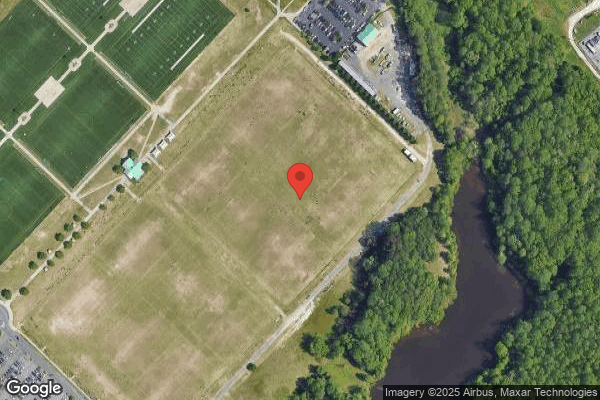
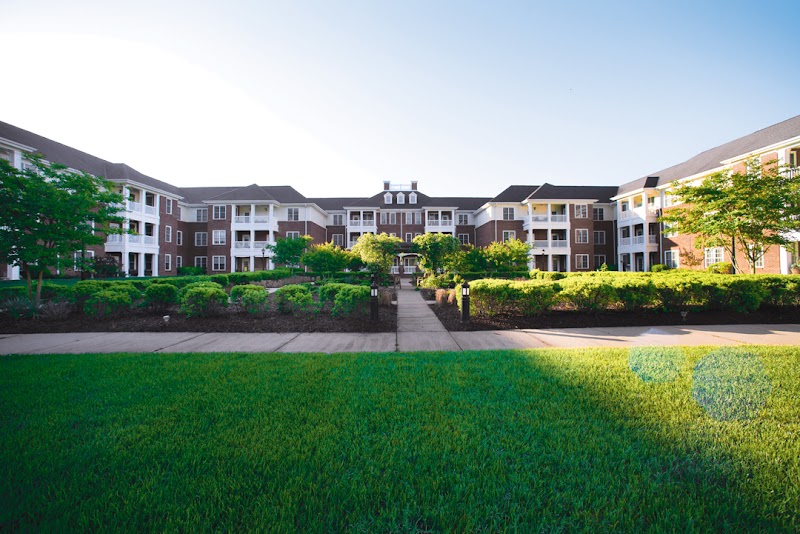
3900 WINDSOR HALL DRIVE, WILLIAMSBURG, VA 23188 (757) 941-3600
Non profit - Church related 22 Beds Independent Data: November 2025
Trust Grade
95/100
#55 of 285 in VA
Last Inspection: April 2023

Over 2 years since last inspection. Current conditions may differ from available data.

Overview

WindsorMeade of Williamsburg has received an impressive Trust Grade of A+, indicating it is an elite facility with top-tier quality. It ranks #55 out of 285 nursing homes in Virginia, placing it in the top half, and is the best option among five facilities in James City County. However, the facility is trending worse, with issues increasing from 2 in 2022 to 3 in 2023. Staffing is a strong point, with a 5/5 star rating and a low turnover rate of 21%, significantly below the state average of 48%. While there have been no fines, indicating compliance, there are some concerns, such as food items not being labeled and dated in the refrigerator, and a failure to conduct timely COVID-19 testing for new residents, which could put their safety at risk. Overall, WindsorMeade has notable strengths but also faces challenges that families should consider.

Trust Score
A+
95/100
In Virginia
#55/285
Top 19%
Safety Record
Low Risk
No red flags
Inspections
Getting Worse
2 → 3 violations
Staff Stability
✓ Good
21% annual turnover. Excellent stability, 27 points below Virginia's 48% average. Staff who stay learn residents' needs.
Penalties
✓ Good
No fines on record. Clean compliance history, better than most Virginia facilities.
Skilled Nurses
✓ Good
Each resident gets 128 minutes of Registered Nurse (RN) attention daily — more than 97% of Virginia nursing homes. RNs are the most trained staff who catch health problems before they become serious.
Violations
○ Average
9 deficiencies on record. Average for a facility this size. Mostly minor or procedural issues.
★★★★★
5.0
Overall Rating
★★★★★
5.0
Staff Levels
★★★★☆
4.0
Care Quality
★★★★★
5.0
Inspection Score
Stable
2022: 2 issues
2023: 3 issues

The Good

  • 5-Star Staffing Rating · Excellent nurse staffing levels
  • 4-Star Quality Measures · Strong clinical quality outcomes
  • Low Staff Turnover (21%) · Staff stability means consistent care
  • Full Sprinkler Coverage · Fire safety systems throughout facility
  • No fines on record
  • Staff turnover is low (21%)

    27 points below Virginia average of 48%

Facility shows strength in staffing levels, quality measures, staff retention, fire safety.

The Bad

No Significant Concerns Identified

This facility shows no red flags. Among Virginia's 100 nursing homes, only 1% achieve this.

The Ugly 9 deficiencies on record

Apr 2023 3 deficiencies
CONCERN (D)

Potential for Harm - no one hurt, but risky conditions existed

Deficiency F0883 (Tag F0883)

Could have caused harm · This affected 1 resident

Based on clinical record review, staff interview and facility documentation review, the facility staff failed to provide education and/or offer influenza vaccination for 2 residents, Resident #13 and ...

Read full inspector narrative →
Based on clinical record review, staff interview and facility documentation review, the facility staff failed to provide education and/or offer influenza vaccination for 2 residents, Resident #13 and Resident #120, in a survey sample of 5 residents reviewed for influenza immunization. The findings included: The facility staff failed to provide education to Resident #13 and Resident #120. On 4/5/23, clinical record review was performed for Resident #13 and Resident #120. For both residents, a progress note read that the resident had refused a flu vaccine. There was no documentation which noted that either resident or their representatives had received education to consider the risks and benefits of influenza immunization. On 4/5/23, an interview was conducted with the Director of Nursing (DON) and the Infection Preventionist (IP) who confirmed the findings. The IP stated that it is expected, upon refusal of any immunization, for residents and/or their responsible parties to be provided with education and handouts in order to consider the risks and benefits of vaccination. Review of the facility policy revised 4/1/23 and entitled, Influenza and Pneumonia Vaccine, subheading Procedure, item #1A read: .Residents and/or their POA's will be educated on the vaccination risks and benefits . No further information was provided.
CONCERN (D)

Potential for Harm - no one hurt, but risky conditions existed

Deficiency F0887 (Tag F0887)

Could have caused harm · This affected 1 resident

Based on staff record review, staff interview and facility documentation review, the facility staff failed to offer and/or provide up to date COVID-19 immunization for 1 resident, Resident #120, in a ...

Read full inspector narrative →
Based on staff record review, staff interview and facility documentation review, the facility staff failed to offer and/or provide up to date COVID-19 immunization for 1 resident, Resident #120, in a survey sample of 5 residents reviewed for COVID-19 vaccination. The findings include: The facility staff failed to offer and/or provide a COVID-19 bivalent booster vaccine for Resident #120. On 4/5/23, a clinical record review was performed and revealed that Resident #120 completed a primary COVID-19 vaccine series on 2/17/21 and a monovalent booster on 10/13/21 but had not received a bivalent booster dose. On 4/5/23, an interview was conducted with the Facility Administrator and the Infection Preventionist (IP), both of whom confirmed the facility policies and procedures follow CDC (Centers for Disease Control and Prevention) guidance and recommendations for resident COVID-19 immunization. The IP did not verbalize any concern with the facility's ability to provide COVID immunizations to residents. The facility COVID vaccination policy was requested and received. Review of the facility's policy titled, COVID-19 Immunizations, subheading Policy, read, It is the policy of [name redacted] to provide its team members and residents with a safe and healthy environment. This will be accomplished, to the extent possible, by offering the COVID-19 Immunization to all team members and residents and providing education regarding the benefits and risks and potential side effects associated with the vaccine. The CDC (Centers for Disease Control and Prevention) document titled, Interim Clinical Considerations for Use of COVID-19 Vaccines Currently Approved or Authorized in the United States, updated March 16, 2023, page 3, Recommendations for COVID-19 vaccine use, subtitle, Booster vaccination, read, People ages 6 months and older are recommended to receive 1 bivalent mRNA booster dose after completion of any FDA-approved or FDA-authorized primary series or previously received monovalent booster dose(s). The CDC (Centers for Disease Control and Prevention) document titled, Stay Up to Date with COVID-19 Vaccines Including Boosters, updated March 2, 2023, page 2, COVID-19 Boosters, subtitle, Updated Boosters, read, The updated boosters are called 'updated' because they protect against both the original virus that causes COVID-19 and the Omicron variant BA.4 and BA.5 .Updated COVID-19 boosters became available on: September 2, 2022, for people aged 12 years and older .You are up to date with your COVID-19 vaccines when you have completed a COVID-19 vaccine primary series and got the most recent booster dose. The CDC (Centers for Disease Control and Prevention) document titled, Interim Infection Prevention and Control Recommendations for Healthcare Personnel During the Coronavirus Disease 2019 (COVID-19) Pandemic, updated September 23, 2022, page 2, item 1, read, 1. Recommended routine infection prevention and control (IPC) practices during the COVID-19 pandemic .Encourage everyone to remain up to date with all recommended COVID-19 vaccine doses .HCP [Healthcare Personnel], patients, and visitors should be offered resources and counseled about the importance of receiving the COVID-19 vaccine. On 4/5/23, an interview was conducted with the Director of Nursing (DON) and the Infection Preventionist (IP) who confirmed the findings for Resident #120. The IP stated that it is expected for all residents to be provided the opportunity to be up to date with COVID-19 immunizations, including the bivalent COVID booster. No further information was provided.
CONCERN (E)

Potential for Harm - no one hurt, but risky conditions existed

Food Safety (Tag F0812)

Could have caused harm · This affected multiple residents

Based on observation, interview, and review of facility policy, the facility failed to ensure foods stored in the refrigerator were labeled and dated when opened. They also failed to make sure pans we...

Read full inspector narrative →
Based on observation, interview, and review of facility policy, the facility failed to ensure foods stored in the refrigerator were labeled and dated when opened. They also failed to make sure pans were clean when they came out of the dishwasher before stacking them. Findings include: Review of the facility's policy titled, Storage of Refrigerated Foods, dated 04/01/22, stated All prepared food that is leftover, should be labeled, dated, and used within three days. All raw food items should be labeled, dated, and used within six days. Review of the facility's policy titled, Temperature Log, dated 04/01/22, stated All food preparation equipment, dishes, and silverware, should be effectively sanitized and cleaned to destroy potential disease. On 04/04/23 at 10:30 AM, the following observations in the kitchen were made with and verified by Employee E. 1. The refrigerator contained four salads, six bowls of cottage cheese, six bowls of coleslaw, and six pieces of apple pie that were not labeled and/or dated with a use-by-date. 2. The dry storage shelf contained a metal baking pan and a loaf pan that had dried food particles on the inside and outside of the pans. An interview with Employee E on 04/04/23 at 10:47 AM revealed, That all food in the refrigerator should be labeled and dated. These items were dated labeled or dated. An interview with the Director of Nursing on 04/06/23 at 10:52 AM revealed, All food items should be labeled and dated. The kitchen staff should be checking for visible signs that pans are washed correctly before storing for future use.
May 2022 2 deficiencies
CONCERN (D)

Potential for Harm - no one hurt, but risky conditions existed

Deficiency F0883 (Tag F0883)

Could have caused harm · This affected 1 resident

Based on staff interview, clinical record review, and facility documentation review, the facility staff failed to provide an influenza vaccine for 1 resident out of 5 residents reviewed for influenza ...

Read full inspector narrative →
Based on staff interview, clinical record review, and facility documentation review, the facility staff failed to provide an influenza vaccine for 1 resident out of 5 residents reviewed for influenza immunization. The findings included: The facility staff failed to provide influenza immunization for Resident #16. On 5/18/22, clinical record review was performed for Resident #16 and revealed a progress noted dated 2/1/22 which read, .she [Resident #16] was offered the flu vaccine and agreed to that one [flu vaccine]. A physician's order dated 2/7/22 read, Afluria preservative free suspension prefilled syringe 0.5 ml .inject 0.5 ml intramuscularly one time only for flu prevention. There was no documentation of the flu vaccine being administered. An interview was conducted with the Infection Preventionist who accessed the clinical records for Resident #16 and verified the findings. A facility policy on influenza immunization was requested and received. Review of the facility policy revised 4/1/22 and entitled, Influenza and Pneumonia Vaccine, subheading Policy, read: To establish and maintain an infection control program designed to minimize the risk of developing and transmission of the influenza and pnemonia virus. The Facility Administrator and Director of Nursing were updated and verified the findings. No further information was provided.
CONCERN (E)

Potential for Harm - no one hurt, but risky conditions existed

Deficiency F0886 (Tag F0886)

Could have caused harm · This affected multiple residents

Based on clinical record review, staff interview, and facility documentation review, the facility staff failed to conduct COVID-19 testing in accordance with the Centers for Disease Control and Preven...

Read full inspector narrative →
Based on clinical record review, staff interview, and facility documentation review, the facility staff failed to conduct COVID-19 testing in accordance with the Centers for Disease Control and Prevention (CDC) guidance for 2 Residents, Residents #168 and #170, in a sample of 3 Residents reviewed for new admission COVID-19 testing. The findings included: 1. For Resident #168, the facility staff failed to conduct a second COVID-19 test following her admission to the facility. On 5/18/22, a clinical record review was conducted and revealed facility staff performed and documented a negative COVID-19 test for Resident #168 on 5/9/22, the date of admission to the facility. There was no evidence of any further COVID-19 testing for Resident #168. On 5/18/22 at approximately 2:30 PM, an interview was conducted with the facility Infection Preventionist (IP) who confirmed the facility conducts COVID-19 testing for all residents in accordance with CDC (Centers for Disease Control and Prevention) recommendations. The IP was asked about the facility's protocol for testing newly admitted residents for COVID-19 and she stated, we test all new admits within 1-2 hours after arrival, if the result is negative, then it is business as usual, we don't have to quarantine them and we do not test them any further. The IP verified the findings for Resident #168. The IP provided a copy of the CDC document entitled, Interim Infection Prevention and Control Recommendations to Prevent SARS-CoV-2 Spread in Nursing Homes, updated February 2, 2022, and confirmed it was utilized in facility's COVID-19 policies and practices. The IP was asked to review page 4 of the previously referenced CDC document, subheading, Testing, item 3, which read, Newly-admitted residents and residents who have left the facility for (greater than) 24 hours, regardless of vaccination status, should have a series of two viral tests for SARS-CoV2 infection; immediately and, if negative, again 5-7 days after their admission. Following her review, the IP stated, This [lack of follow-up testing] has been an oversight, a second test should have been performed, I am correcting our protocols right now. On 5/18/22, during the end of day meeting, the Facility Administrator and Director of Nursing were made aware of the findings. 2. For Resident #170, the facility staff failed to conduct a second COVID-19 test following her admission to the facility. On 5/18/22, a clinical record review was conducted and revealed facility staff performed and documented a negative COVID-19 test for Resident #170 on 4/29/22, the date of admission to the facility. There was no evidence of any further COVID-19 testing for Resident #170. On 5/18/22 at approximately 2:30 PM, an interview was conducted with the facility Infection Preventionist (IP) who confirmed the facility conducts COVID-19 testing for all residents in accordance with CDC (Centers for Disease Control and Prevention) recommendations. The IP was asked about the facility's protocol for testing newly admitted residents for COVID-19 and she stated, we test all new admits within 1-2 hours after arrival, if the result is negative, then it is business as usual, we don't have to quarantine them and we do not test them any further. The IP verified the findings for Resident #170. The IP provided a copy of the CDC document entitled, Interim Infection Prevention and Control Recommendations to Prevent SARS-CoV-2 Spread in Nursing Homes, updated February 2, 2022, and confirmed it was utilized in facility's COVID-19 policies and practices. The IP was asked to review page 4 of the previously referenced CDC document, subheading, Testing, item 3, which read, Newly-admitted residents and residents who have left the facility for (greater than) 24 hours, regardless of vaccination status, should have a series of two viral tests for SARS-CoV2 infection; immediately and, if negative, again 5-7 days after their admission. Following her review, the IP stated, This [lack of follow-up testing] has been an oversight, a second test should have been performed, I am correcting our protocols right now. On 5/18/22, during the end of day meeting, the Facility Administrator and Director of Nursing were made aware of the findings. No further information was provided.
Dec 2020 4 deficiencies
CONCERN (E)

Potential for Harm - no one hurt, but risky conditions existed

Deficiency F0679 (Tag F0679)

Could have caused harm · This affected multiple residents

**NOTE- TERMS IN BRACKETS HAVE BEEN EDITED TO PROTECT CONFIDENTIALITY** Based on observation, staff interview, Resident interview, facility documentation review, and clinical record review, the facili...

Read full inspector narrative →
**NOTE- TERMS IN BRACKETS HAVE BEEN EDITED TO PROTECT CONFIDENTIALITY** Based on observation, staff interview, Resident interview, facility documentation review, and clinical record review, the facility staff failed to provide and document an ongoing activity program based on the preferences of the Resident, to support the physical, mental and psychosocial well-being for 4 Residents (Resident #7 , Resident #10, Resident #13, and Resident #16 ) in a survey sample of 16 Residents. The findings included: 1. For Resident #7 the facility staff failed to document in the clinical record, an ongoing program of activities based on the Resident's preferences to support the physical, mental and psychosocial well-being. Resident #7 was admitted to the facility on [DATE]. Diagnoses for this Resident included but were not limited to: dementia without behavioral disturbance, chronic kidney disease stage 3, major depressive disorder and anxiety disorder. Resident #7's most recent MDS (minimum data set) (an assessment tool) with an ARD (assessment reference date) of 9/15/20, was coded as a quarterly assessment. Resident #7 was coded as having had a BIMS (brief interview for mental status) score of 9, which indicated moderately impaired cognitive skills. Resident #7 was coded as having required assistance of one staff member for help with transfers, dressing, toileting, personal hygiene and bathing. On 12/3/2020 at approximately 11:00 AM, Resident #7 was observed in his room with a word search puzzle. When asked if he does these often, Resident #7 stated, this is the first one I've seen in a long time. His telephone was noted on his over bed table with no receiver or cord being in place. When asked what he does to pass by time during the day, Resident #7 replied nothing really, just sit here. Resident #7 was asked if staff come in and talk with him and he replied no. When asked if he plays bingo, cards, does any kind of exercise, Resident #7 said, no they don't do that here. A television was observed in the room, no radio was observed. A newspaper was noted on the bed. No other reading material was noted. On 12/3/2020, a review of the clinical record for Resident #7 revealed a therapeutic recreation assessment that was conducted 3/16/2020. This assessment revealed Resident #7 stated the following items were current recreation pursuits: reading, news, 1:1's [one on one], visitors, telephone, exercise, sports, music, bible study, and worship. This assessment also indicated, Resident needs assistance from staff to participate in leisure activities: encouragement, verbal cues. The MDS conducted with an ARD of 3/18/20 revealed that Resident #7 found the following items very important to him: use the phone in private, have books, newspapers and magazines to read, music, to keep up with the news and religious services. Review of the entire clinical record revealed no evidence of activity attendance. Review of the careplan for Resident #7 revealed a focus area which read, 3/18/20 I am at risk for increased anxiety, fear, and/or depression related to implementation of CMS [Centers for Medicare and Medicaid Services] guidelines to limit exposure to COVID-19 and from news media on the outbreak. An intervention for this focus area read, 3/18/20 provide 1:1 activities as indicated/requested. On 12/3/2020 at 4:22 PM, Employee H, the household leader, provided the surveyor with a 3-ring binder which is used to log activity attendance. Review of Resident #7's records revealed no records for December. November revealed Resident #7 participated in 3 activities which were held on 11/4-11/5. October revealed Resident #7 attended 1 activity, in Sept. he was recorded as having participated in 10 activities. In the 94 days from Sept. 1- Dec. 3, and of the 268 activities scheduled during this time, Resident #7 had only attended 14 activities and there was no record of any 1:1 visits. On 12/4/2020 at approximately 11:00 AM, additional records for Resident #7 were received by the survey team. These records included a December activity calendar which now had Resident #7 recorded for participating in 5 activities 12/1-12/5. Additional records of visits and calls with family were also provided, none of which was included in the clinical record for Resident #7. 2. For Resident #10 the facility staff failed to provide and document in the clinical record, an ongoing program of activities based on the Resident's preferences to support the physical, mental and psychosocial well-being. Resident #10 was admitted to the facility on [DATE]. Diagnoses for this Resident included but were not limited to: unspecified fracture of lower end of right humerus, fracture of right pubis, acute cystitis without hematuria, and Alzheimer's disease with late onset. Resident #10's most recent MDS, with an ARD of 10/15/2020, was coded as an admission assessment. Resident #10 was coded as having had a BIMS score of 9, which indicated moderately impaired cognitive skills. Resident #10 was also coded on this same assessment as having required, limited assistance of staff for ADL's (activities of daily living), including: bed mobility, transfers, walking, dressing, eating, toilet use and personal hygiene. On 12/2/2020 during initial tour, Resident #10 was observed to be in her room, asleep in her recliner chair. On 12/2/2020 at 2:40 PM, Resident #10 was observed sitting in the doorway of her room. On 12/4/2020, mid-morning, Resident #10 was observed laying in bed. Surveyor E entered into the room to talk with Resident #10, and observed magazines and word search puzzles in the window sill, and a television and telephone. No other activity supplies were noted and no other materials for sensory stimulation. Review of the clinical record for Resident #10 revealed no activity attendance records. A therapeutic recreation assessment that was conducted 11/16/2020 and indicated Resident #10's current interests were: reading, news, 1:1's, small groups, visitors, telephone, trivia, word games, exercise, bible study and worship. On 12/3/2020 review of the activity attendance calendars Employee H provided, revealed no records for October or December for Resident #10. November records revealed Resident #10 had attended 2 group activities. In the 56 days Resident #10 had resided at the facility and of the 168 activity sessions, Resident #10 had only participated in 2. Review of the careplan for Resident #10 revealed a focus area which read, 10/9/20 I am at risk for increased anxiety, fear, and/or depression related to implementation of CMS [Centers for Medicare and Medicaid Services] guidelines to limit exposure to COVID-19 and from news media on the outbreak. An intervention for this focus area read, 10/09/20 provide 1:1 activities as indicated/requested. On 12/4/2020 at approximately 11:00 AM, additional records for Resident #10 were received by the survey team. These records included a December activity calendar which now had Resident #10 recorded for participating in 2 activities 12/1-12/5. 3. For Resident #13 the facility staff failed to provide and document in the clinical record, an ongoing program of activities based on the Resident's preferences to support the physical, mental and psychosocial well-being. Resident #13 was re-admitted to the facility on [DATE]. Diagnoses for this Resident included but were not limited to: acute systolic congestive heart failure, fracture of superior rim of right pubis, left ventricular failure, and mild cognitive impairment. Resident #13's most recent MDS, with an ARD of 11/17/2020, was coded as an annual assessment. Resident #13 was coded as having had a BIMS score of 15, which indicated no cognitive impairment. Resident #13 was also coded on this same assessment as having required, limited assistance of staff for ADL's, including: bed mobility, transfers, and toileting. On 12/3/2020 Resident #13 was visited in her room. She reported that she likes to watch the news and has some audio books that her family and friends help coordinate getting for her. Resident #13 did acknowledge that the facility staff will turn them on and change the CD for her due to her vision impairment she is unable to do so. When asked if she attends activities, Resident #13 said no. When asked if she participates in things like bingo she says I can't because I can't see, before we were quarantined I had a friend from independent that would come help me. When asked if she ever gets bored, she said yes, all the time. When advised that her assessment showed religion is important to her, Resident #13 said yes, but I can't see to read. My pastor and deacon used to come but they can't now due to the quarantine. When asked if someone comes by to pray with her or read the Bible with her, she said no, never. Review of the clinical record for Resident #13 revealed no activity attendance records. A therapeutic recreation assessment that was conducted 11/20/2020 and indicated Resident #13's current interests were: news, 1:1's, small groups, visitors, telephone, music, sensory stimulation and audio tapes. There was evidence of the social worker visiting Resident #13 on a regular basis (several times per month). Activity progress notes are observed on a quarterly basis that read, staff will encourage resident to attend hallway activities and provide 1:1 visits as needed. Review of the careplan for Resident #13 revealed a focus area which read, 3/18/20 I am at risk for increased anxiety, fear, and/or depression related to implementation of CMS guidelines to limit exposure to COVID-19 and from news media on the outbreak. An intervention for this focus area read, 3/18/20 provide 1:1 activities as indicated/requested. An additional careplan read, I require prompting with engaging in social and leisure activities. The goal for this focus area read, I will participate in social and leisure activities at a minimum of 3x/week. Interventions read, encourage me to participate in hallway activities such as trivia, music, refreshments and games. Inform me of upcoming activities as I many want to participate. On 12/4/2020 review of the activity attendance calendars revealed from September 1-December 3 the following: in the 94 days reviewed, Resident #13 participated in activities on 8 days (3 of which was Dec. 1-3 where books on tape was written in. Of the 268 activities provided Resident #13 only participated in 5. There was no indication that she had been offered to attend and declined, nor was there any evidence of 1:1 activities being provided. 4. For Resident #16 the facility staff failed to provide and document in the clinical record, an ongoing program of activities based on the Resident's preferences to support the physical, mental and psychosocial well-being. Resident #16 was admitted to the facility on [DATE]. Diagnoses for this Resident included but were not limited to: Alzheimer's disease, vascular dementia with behavioral disturbance, major depressive disorder, anxiety disorder, and insomnia. Resident #16's most recent MDS, with an ARD of 11/18/2020, was coded as an admission assessment. Resident #16 was coded as having had a BIMS score of 6, which indicated severe cognitive impairment. Resident #16 was also coded on this same assessment as having required, extensive to total assistance of staff for ADL's, including: bed mobility, transfers, toileting, dressing, eating, personal hygiene, and bathing. This assessment on section F, preferences for customary routine and activities was conducted by staff interview. The staff indicated that listening to music, doing things with groups of people, spending time outdoors and participating in religious activities or practices were important. On 12/2/2020 Resident #16 was observed mid-morning and again in the afternoon and was asleep both times. On 12/3/2020 Resident #16 was observed to be asleep and not easily awakened. On 12/4/2020 Resident #16 was observed to be in bed, asleep. On all 3 days of observation at no point was any sensory stimulation noted. There was no reading material in the room, no radio, the only personal items identified other than clothing was 2 photo books. Review of the clinical record for Resident #16 revealed no activity attendance records. A therapeutic recreation assessment that was initiated 11/18/2020 but had never been filled out. Therefore, Resident #16's past and current interests were unknown. Review of the careplan for Resident #13 revealed a focus area which read, 11/12/20 I am at risk for increased anxiety, fear, and/or depression related to implementation of CMS guidelines to limit exposure to COVID-19 and from news media on the outbreak. An intervention for this focus area read, 11/12/20 provide 1:1 activities as indicated/requested. On 12/4/2020 review of the activity attendance calendars revealed no activity attendance logs for Resident #16, from the time of admission through the date of survey. There was no indication that he had been offered to attend and declined, nor was there any evidence of 1:1 activities being provided. The only records were Social Services progress notes where she visited with the Resident on 2 occasions, met with the spouse of Resident #16 on admission to complete the paperwork and also talked with the family to coordinate careplan meetings. On 12/3/2020 at 4:01 PM, a telephone call was placed to Employee I, the certified recreational therapist. Employee I stated, up until November we did small group activities that were socially distanced. Sometime in Nov. we had to restrict small group activities and we are going a lot of rounds. When asked how activity attendance and offerings are documented, Employee I stated, we document on loose leaf paper that has a calendar of events and we highlight what they attend, if they do 1:1 or something separate I write it in the block for that day. Employee I stated, activities are provided daily, throughout the week, if they do not participate in groups each team member is responsible for life engagement and I document it. On 12/3/2020 at approximately 4:30 PM, Employee H was interviewed. Employee H stated, we usually do 3-4 activities per day, they last about 30 minutes each depending upon the activity. When asked about the weekend, Employee H stated [Employee I, name redacted] [the recreational therapist] comes in on weekends. We instruct the CNA's [certified nursing assistants] to do 1:1 and encourage activities on the weekends as well. Employee H was asked what her understanding of the requirements are for activities and Employee H acknowledged, one group activity per week in the evenings, activities are to be held on the weekends as well as during the week and if Resident's do not attend 2 group activities per week, then 1:1 visits/activities are to be provided. Employee H was asked what the importance of activities is, she stated, it is extremely important for life enhancement and quality of life. Employee H was asked to verify how they record activities with each Resident and she stated, we should be documenting all activities, this is a great method [referring to the monthly calendar and high lighting the groups they attend and then writing in any 1:1's on the date they were conducted]. Employee H confirmed that these logs were locked in Employee I's office and Employee I had not been at work this week. On 12/3/2020 at approximately 5:15 PM, Employee H provided the survey team with a December activity calendar which had group activities listed, and on the reverse side she had written notes indicating 1:1 word games has been provided on 12/1/2020, with 2 Residents and hallway bingo had been provided with 1 Resident. On 12/2/2020 sittercise [sitting exercise] had been performed with 3 Residents, reminiscing with 1 Resident and 3 received hand massages. On 12/3/2020 Employee H had written that 1:1 word games were handed out to 6 Residents and bingo was offered with no Residents being interested. On 12/3/2020 at approximately 5:30 PM, an interview was conducted with the 2 CNA's (CNA C & CNA D) working on the non-COVID unit. They were observed to be sitting at a round table together, at the end of the hallway, talking. When asked, who is responsible for providing activities to Residents? CNA D stated, [employee I]. CNA C stated, [Employee H] helps too. When asked if they provide any activities, CNA C and CNA D stated, no, they are tired from appointments and things during the day so we let them rest. On 12/4/2020 time records were reviewed for Employees H & I. Employee A, the facility Administrator indicated [Employee H] works one weekend a month, [Employee I] works one weekend per month. On a third weekend there is [another household leader] that works and then on the fourth weekend of the month no staff that are specifically assigned the roles of activities are scheduled but that all staff do activities since we do the household model. On 12/4/2020 at 10 AM, CNA B was interviewed. When asked who is responsible for activities, CNA B stated, [Employee I's]. When asked if the CNA's provide activities, CNA B stated, I'm not sure. CNA B was asked if she does activities with the Residents, she replied I don't know, I will have to get back to you. Surveyor E commented on how quiet it is, CNA B stated, yeah, it's a little quiet, when asked if this is normal, CNA B stated, yeah, its always quiet. Surveyor E inquired as to how often they play bingo or do things in the hallway since the Residents can't come out of their rooms due to COVID, CNA B stated, not that often. On 12/4/2020 at 11:29 AM, an interview was conducted with CNA A. CNA A was asked what kind of activities she does with the Residents, CNA A stated, I like to do what they are interested in, I pray with [Resident #7], someday's I cut nails, do showers, put lotion on them. When asked how often Employees H and Employee I do activities, CNA A stated, every other day. Review of the facility policy titled Life Enhancement Opportunities with a revision date of 6/1/20 read, [facility name redacted] will provide opportunities designed to meet the specialized needs and interests of the residents and to promote maximum functioning. 1. The household team will meet with all residents and families upon move in to obtain information about the resident [sic] past and present leisure interests and daily routines. 4. In addition to the required scheduled activities, there shall be unscheduled team and resident interaction throughout the day. 8. Participation in activities will be documented for each resident. On 12/4/2020 during an end of day meeting, the facility staff to include the Administrator, Director of Nursing, Assistant Director of Nursing, Household leader, and Social Worker were made aware of the lack of evidence of ongoing activity programing in the clinical records for Residents. The facility staff provided the survey team with photos that they indicated were of various activities they have provided to include, staff dressing up, theme days, Veteran's Day celebration, acknowledgement of birthdays, and Residents with their hair styled. The facility staff agreed that these events are not documented in the clinical record. The survey team revealed there was no evidence of a consistent and ongoing activities program observed. Resident interviews did not indicate it is occurring, and staff interviews didn't collaborate this. No further information was provided.
MINOR (B)

Minor Issue - procedural, no safety impact

Deficiency F0657 (Tag F0657)

Minor procedural issue · This affected multiple residents

**NOTE- TERMS IN BRACKETS HAVE BEEN EDITED TO PROTECT CONFIDENTIALITY** Based on observation, staff interview, facility documentation review, and clinical record review, the facility staff failed to r...

Read full inspector narrative →
**NOTE- TERMS IN BRACKETS HAVE BEEN EDITED TO PROTECT CONFIDENTIALITY** Based on observation, staff interview, facility documentation review, and clinical record review, the facility staff failed to review and revise the careplan for 2 Residents (Resident #10 and Resident #13) in a survey sample of 16 Residents. 1. For Resident #10, the facility staff failed to revise the careplan to remove the intervention of one on one observation, when this service was discontinued. 2. For Resident #13 the facility staff failed to review and revise careplan to reflect Resident #13's Foley catheter was removed on 12/4/19. The findings included: 1. For Resident #10, the facility staff failed to revise the careplan to remove the intervention of one on one observation, once this service was discontinued. Resident #10 was admitted to the facility on [DATE]. Diagnoses for this Resident included but were not limited to: unspecified fracture of lower end of right humerus, fracture of right pubis, acute cystitis without hematuria, and Alzheimer's disease with late onset. Resident #10's most recent MDS (minimum data set) (an assessment tool), with an ARD (assessment reference date) of 10/15/2020, was coded as an admission assessment. Resident #10 was coded as having had a BIMS (brief interview for mental status) score of 9, which indicated moderately impaired cognitive skills. Resident #10 was also coded on this same assessment as having required, limited assistance of staff for ADL's (activities of daily living), including: bed mobility, transfers, walking, dressing, eating, toilet use and personal hygiene. On 12/2/2020 during initial tour, Resident #10 was observed to be in her room, asleep in her recliner chair. No other persons were observed in the room. On 12/2/2020 at 2:40 PM, Resident #10 was observed sitting in the doorway of her room, no other people were observed with her. On 12/4/2020, mid-morning, Resident #10 was observed laying in bed. Surveyor E entered into the room to talk with Resident #10, no other people were noted in the room. On 12/4/2020 during a record review, Resident #10's fall careplan had an intervention that read, 10/11/20 Family going to provide a private sitter due to impaired cognition. Review of the progress notes for Resident #10 revealed no entries to indicate 1:1 was being provided, why or when this service ended. On 12/4/2020 at 11:29 AM, an interview was conducted with CNA A. CNA A stated, she [referring to Resident #10] is doing much better now, when she came here, she was very confused and would come out of her room saying, where is my car, I don't know what happened, or why am I here. CNA A confirmed that Resident #10 no longer has a sitter or 1:1. On 12/4/2020, review of the requested copies of the clinical record, revealed that the facility had provided Surveyor E with a schedule of the times Resident #10 had a sitter. These documents revealed Resident #10's 1:1 took place from 10/13/2020 at 10:30 PM and ended on 11/16/2020 at 10:00 PM. Resident #10's careplan had not been reviewed and revised since this service ended on 11/16/2020. Review of the facility policy titled Care Planning with a revision date of 6/1/20, read: A person-centered comprehensive care plan that includes measurable objectives and timetables to meet the resident's medical, nursing, mental and psychosocial needs shall be developed for each resident. 8. The resident will receive the services and/or items included in the plan of care. On 12/4/2020, during an end of day meeting, the facility Administrator and Director of Nursing were made aware of the findings. During this meeting, Employee F confirmed Resident #10 no longer has 1:1. No further information was provided. 2. For Resident #13 the facility staff failed to review and revise care plan to reflect Resident #13's Foley catheter was removed by facility staff on 12/4/19. Resident #13, a [AGE] year old woman, was admitted to the facility on [DATE] with diagnoses of but not limited to CHF, fracture right pubis, muscle weakness, macular degeneration, osteoporosis, UTI, dysphagia and left ventricular failure. Resident #13's most recent MDS with an ARD date 11/17/20 coded the Resident as requiring limited assistance with bed mobility and most aspects of ADL's. The Resident uses a walker and wheelchair with assistance for mobility. On 12/3/30 a review of the care plan revealed that Resident #13 was care planned for Foley Catheter since admission. During the investigation into this matter it was discovered that the Resident's MDS's from 2/26/20, 8/18/20 and 11/17/20 all reflect no catheter present. A review of the progress notes revealed the Resident was admitted to the facility from hospital with the Foley catheter on 11/6/19 and it was removed by facility nursing staff on 12/4/19 per physician order. On 12/4/20 an interview was conducted with the LPN A who stated she did not remember Resident #13 ever having a catheter, however she explained I used to work PRN and maybe that is when she had it. On 12/4/20 at approximately 11:00 AM an interview was conducted with the DON and the MDS Coordinator. The MDS Coordinator stated It's my mistake that the Foley didn't get removed from the care plan. I overlooked it and didn't assign it to Nursing so it got missed. The DON was asked how often the care plans reviewed and she are stated quarterly unless there are any changes in condition. When asked her expectation of her nurses when documenting changes in care, she stated they should document a Foley being discontinued and they can update care plans as well. On 12/4/20 during the end of day conference the Administrator was made aware of the concerns with the care plans and no further information as provided.
MINOR (B)

Minor Issue - procedural, no safety impact

Medical Records (Tag F0842)

Minor procedural issue · This affected multiple residents

**NOTE- TERMS IN BRACKETS HAVE BEEN EDITED TO PROTECT CONFIDENTIALITY** Based on interview, observation, clinical record review, and facility documentation the facility staff failed to maintain an acc...

Read full inspector narrative →
**NOTE- TERMS IN BRACKETS HAVE BEEN EDITED TO PROTECT CONFIDENTIALITY** Based on interview, observation, clinical record review, and facility documentation the facility staff failed to maintain an accurate clinical record for 1 Resident (#13) in a survey sample of 16 Residents. The findings included: For Resident #13 the facility staff failed to document in chart the correct number of days the resident was under quarantine, the room change and notification of POA of move back to room after being quarantined on the Covid Unit for 10 days. Resident #13, a [AGE] year old woman, was admitted to the facility on [DATE] with diagnoses of but not limited to CHF, fracture right pubis, muscle weakness, macular degeneration, osteoporosis, UTI, dysphagia and left ventricular failure. Resident #13's most recent MDS with an ARD date 11/17/20 coded the Resident as requiring limited assistance with bed mobility and most aspects of ADL's. The Resident uses a walker and wheelchair with assistance of staff for mobility. On 12/2/20 during the entrance conference the Administrator made reference to Resident #13, Moving back to her room today, when giving surveyors the census on the Covid and Non Covid positive rooms. On 12/2/20 at approximately 100 PM observed Resident #13 receiving assistance from staff to transfer from her wheelchair to her recliner. At that time an interview was conducted with the Resident who stated. I feel just as good now as I did when they took me to the other room. I didn't even know I was sick I was a little tired that's all, but I'm glad to be back in my room. On 12/3/20 a review of the progress notes read: 12/1/20 at 10 53 PM General Note Resident is on quarantine 9/14 [day 9 of 14] for transmission based precaution for COVID 19. She remains without symptoms of the virus at this time to include fever, cough, SOB, difficulty breathing, chills, muscle pain, headaches, sore throat, or new loss of taste or smell. PPE being utilized for care as recommended by the CDC. Vital signs continue to be monitored daily and any abnormalities will be reported to the MD and DON immediately. 12/ 3/20 at 4:15 PM SW [Social Worker] spoke with resident to see how she was adjusting after the move back to her regular room yesterday; resident was sitting up in her chair and listening to the news; resident was smiling and chatting and engaged in a robust discussion of the day's current events, she remains alert and oriented and says she is happy to be back in the familiar surroundings of her regular room. On 12/3/20 at approximately 2:00 PM an interview with the DON was conducted. When asked how long Resident #13 had been quarantined she stated 10 days because we have 2 negative tests on her she went back to her room on the 2nd. The DON was then asked if it was her expectation that staff record room changes and quarantine time changes in the electronic health record. She indicated that the staff were expected to document any room changes, changes in treatment including quarantine and notifications of those changes in the chart. On 12/4/20 review of the clinical record was conducted, and the following note was found: 12/4/20 at 9:49 AM - Social Services SW visited with resident this morning to assess her readjustment to retuning to their regular room two days ago. Resident remains alert and oriented to her surroundings. Resident stated she feels settled back in and is her routine of listening to her audio books, and is also enjoying daily phone calls with her daughters. Resident exhibits clear cognition, aware of the month and year and knowledgeable in great detail national current events. Resident stated that on 12/2/20, the day she moved back to her regular room, she spoke to her daughter by phone and her daughter was made aware of resident's return to her regular room [Unit name redacted] Rm #3. On 12/4/20 during the end of day conference the Administrator was made aware of the concern and no further information was provided.
MINOR (C)

Minor Issue - procedural, no safety impact

Deficiency F0773 (Tag F0773)

Minor procedural issue · This affected most or all residents

Based on observation, interview, clinical record review and facility documentation the facility staff failed to obtain physician orders for labs for all 16 Residents (#'s 1-#16) in a survey sample of ...

Read full inspector narrative →
Based on observation, interview, clinical record review and facility documentation the facility staff failed to obtain physician orders for labs for all 16 Residents (#'s 1-#16) in a survey sample of 16 Residents. The findings included: For all residents in the sample (#'s 1-2-3-4-5-6-7-8-9-10-11-12-13-14-15 and 16) the facility staff failed to obtain physicians orders prior to performing routine weekly Covid testing for facility Residents. On 12/3/20 during clinical record reviews it was noted that the Residents did not have orders for Covid testing on their physician order sheets. On 12/4/20 at approximately 10:00 AM the DON was asked to provide proof of physician orders for testing. She attempted to find it in the EHR and was unable to do so. She brought in the Administrator and Infection Preventionist who stated that they had each Resident and or Responsible Party sign a consent. She submitted a form entitled COVID-19 Testing - Resident Consent A review of the form revealed that these forms were not signed by a physician they were only informed consent from Resident and Resident Family members giving consent to test and report results to physicians and VDH. The DON stated that this is the form they use. When asked by surveyor to they usually obtain physician orders prior to ordering lab tests and she indicated that they do. In an end of day meeting, the Administrator asked if it was ok to have a blanket or standing order to cover all the Residents and have them sign it on admission. The Administrator submitted the Outbreak and Communicable Disease Policy which read: Page 2 # 8 & #9 8. Medical Director is responsible for: a. Working with the Attending Physician(s) and the health department to determine the need for laboratory specimens; and b. Overseeing the management of the outbreak. 9. The Attending Physicians will be responsible for: a. Ordering isolation barriers as needed. b. Working with the Medical Director and the Health Department to determine the need for laboratory Specimens. The Centers for Medicare and Medicaid Services (CMS) gave direction by way of a memo QSO memo 38,page 7, for facilities to follow the mandated instruction of the memo in regard to the associated regulation. The excerpt follows; Conducting Testing In accordance with 42 CFR § 483.50(a)(2)(i), the facility must obtain an order from a physician, physician assistant, nurse practitioner, or clinical nurse specialist in accordance with State law, including scope of practice laws to provide or obtain laboratory services for a resident, which includes COVID-19 testing (see F 773). This may be accomplished through the use of physician approved policies (e.g., standing orders), or other means as specified by scope of practice laws and facility policy. NOTE: Concerns related to orders for laboratory and/or POC testing should be investigated under F 773. On 12/4/20 during the end of day meeting the Administrator was made aware of the concerns and no further information was provided.
Understanding Severity Codes (click to expand)
Life-Threatening (Immediate Jeopardy)
J - Isolated K - Pattern L - Widespread
Actual Harm
G - Isolated H - Pattern I - Widespread
Potential for Harm
D - Isolated E - Pattern F - Widespread
No Harm (Minor)
A - Isolated B - Pattern C - Widespread

Questions to Ask on Your Visit

  • "Can I speak with families of current residents?"
  • "What's your RN coverage like on weekends and overnight?"

Our Honest Assessment

Strengths
  • • Grade A+ (95/100). Above average facility, better than most options in Virginia.
  • • No major safety red flags. No abuse findings, life-threatening violations, or SFF status.
  • • No fines on record. Clean compliance history, better than most Virginia facilities.
  • • 21% annual turnover. Excellent stability, 27 points below Virginia's 48% average. Staff who stay learn residents' needs.
Concerns
  • • No significant concerns identified. This facility shows no red flags across CMS ratings, staff turnover, or federal penalties.
Bottom line: Generally positive indicators. Standard due diligence and a personal visit recommended.

About This Facility

What is Windsormeade Of Williamsburg's CMS Rating?

CMS assigns WINDSORMEADE OF WILLIAMSBURG an overall rating of 5 out of 5 stars, which is considered much above average nationally. Within Virginia, this rating places the facility higher than 99% of the state's 100 nursing homes. This rating reflects solid performance across the metrics CMS uses to evaluate nursing home quality.

How is Windsormeade Of Williamsburg Staffed?

CMS rates WINDSORMEADE OF WILLIAMSBURG's staffing level at 5 out of 5 stars, which is much above average compared to other nursing homes. Staff turnover is 21%, compared to the Virginia average of 46%. This relatively stable workforce can support continuity of care.

What Have Inspectors Found at Windsormeade Of Williamsburg?

State health inspectors documented 9 deficiencies at WINDSORMEADE OF WILLIAMSBURG during 2020 to 2023. These included: 6 with potential for harm and 3 minor or isolated issues.
Who Owns and Operates Windsormeade Of Williamsburg?

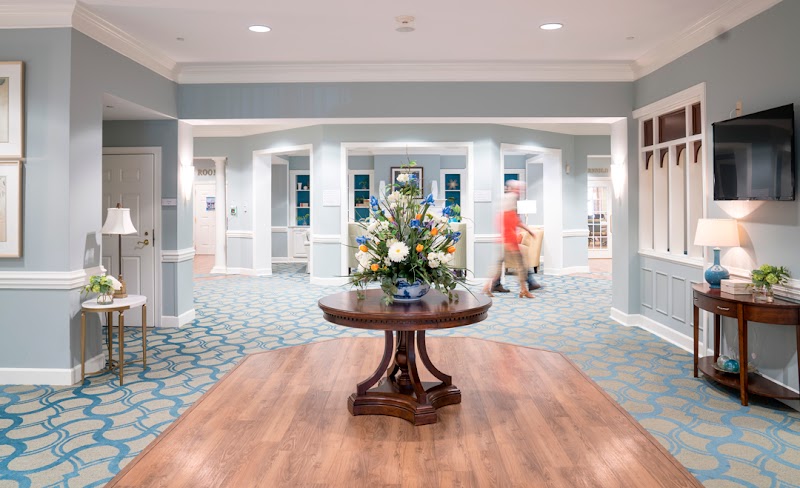
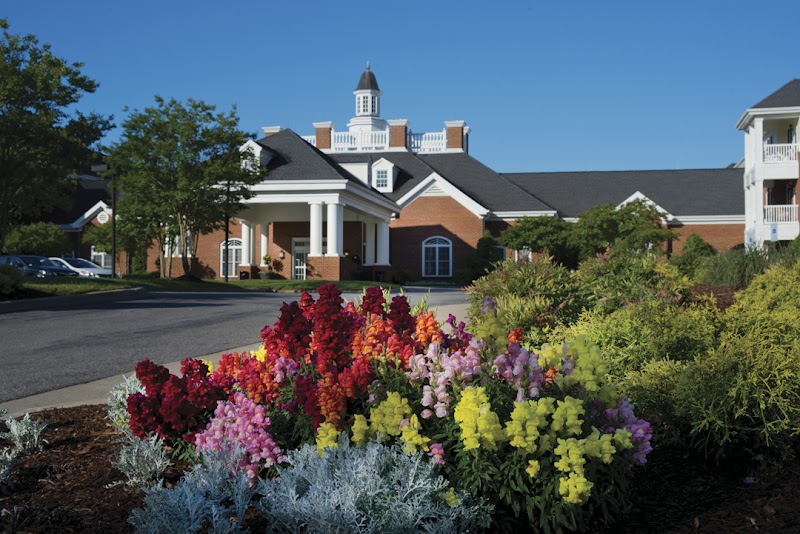
WINDSORMEADE OF WILLIAMSBURG is owned by a non-profit organization. Non-profit facilities reinvest revenue into operations rather than distributing to shareholders. The facility operates independently rather than as part of a larger chain. With 22 certified beds and approximately 18 residents (about 82% occupancy), it is a smaller facility located in WILLIAMSBURG, Virginia.
How Does Windsormeade Of Williamsburg Compare to Other Virginia Nursing Homes?

Compared to the 100 nursing homes in Virginia, WINDSORMEADE OF WILLIAMSBURG's overall rating (5 stars) is above the state average of 3.0, staff turnover (21%) is significantly lower than the state average of 46%, and health inspection rating (5 stars) is much above the national benchmark.

What Should Families Ask When Visiting Windsormeade Of Williamsburg?

Based on this facility's data, families visiting should ask: "Can I visit during a mealtime to observe dining assistance and food quality?" "How do you handle medical emergencies, and what is your hospital transfer rate?" "Can I speak with family members of current residents about their experience?"

Is Windsormeade Of Williamsburg Safe?

Based on CMS inspection data, WINDSORMEADE OF WILLIAMSBURG has a clean safety record: no substantiated abuse findings (meaning no confirmed cases of resident harm), no Immediate Jeopardy citations (the most serious violation level indicating risk of serious injury or death), and is not on the Special Focus Facility watch list (a federal program monitoring the lowest-performing 1% of nursing homes). The facility has a 5-star overall rating and ranks #1 of 100 nursing homes in Virginia. While no facility is perfect, families should still ask about staff-to-resident ratios and recent inspection results during their visit.

Do Nurses at Windsormeade Of Williamsburg Stick Around?

Staff at WINDSORMEADE OF WILLIAMSBURG tend to stick around. With a turnover rate of 21%, the facility is 24 percentage points below the Virginia average of 46%. Low turnover is a positive sign. It means caregivers have time to learn each resident's needs, medications, and personal preferences. Consistent staff also notice subtle changes in a resident's condition more quickly. Registered Nurse turnover is also low at 12%, meaning experienced RNs are available to handle complex medical needs.

Was Windsormeade Of Williamsburg Ever Fined?

WINDSORMEADE OF WILLIAMSBURG has no federal fines on record. CMS issues fines when nursing homes fail to meet care standards or don't correct problems found during inspections. The absence of fines suggests the facility has either maintained compliance or corrected any issues before penalties were assessed. This is a positive indicator, though families should still review recent inspection reports for the full picture.

Is Windsormeade Of Williamsburg on Any Federal Watch List?

WINDSORMEADE OF WILLIAMSBURG is not on any federal watch list. The most significant is the Special Focus Facility (SFF) program, which identifies the bottom 1% of nursing homes nationally based on persistent, serious quality problems. Not being on this list means the facility has avoided the pattern of deficiencies that triggers enhanced federal oversight. This is a positive indicator, though families should still review the facility's inspection history directly.