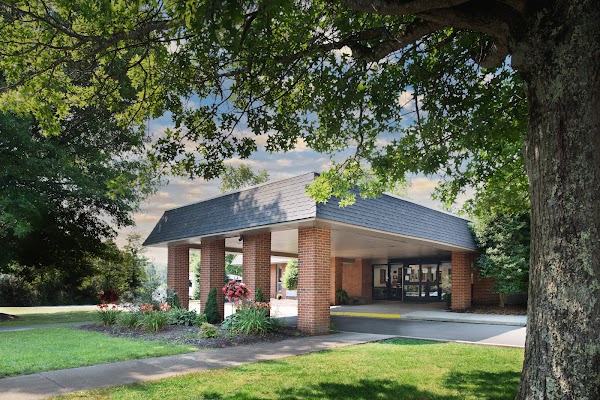
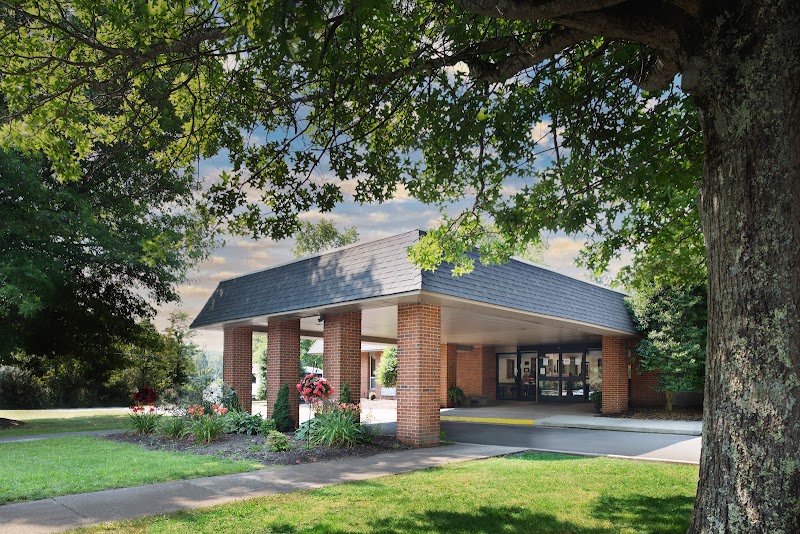
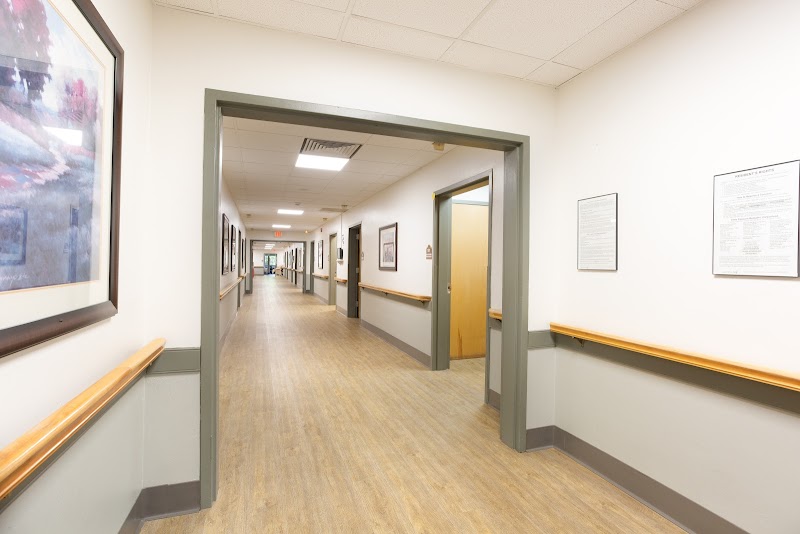

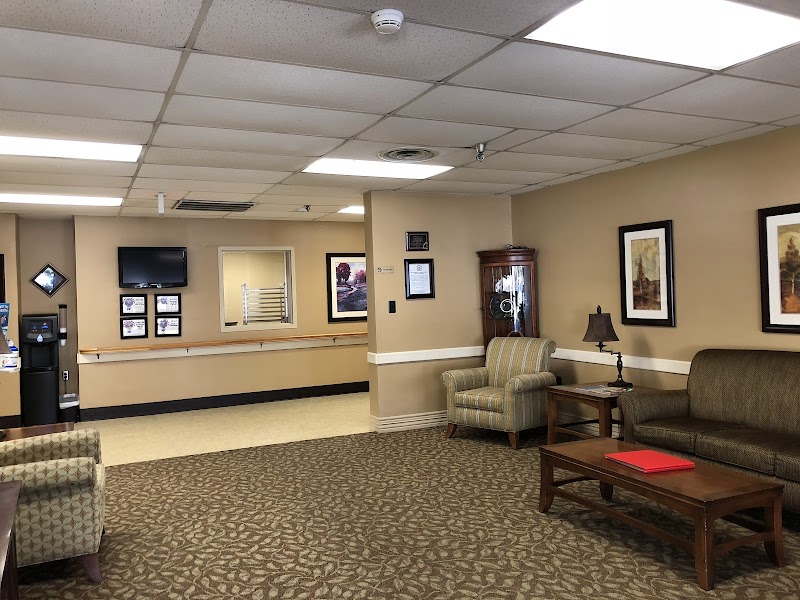
HERITAGE HALL WISE

9434 COEBURN MOUNTAIN ROAD, WISE, VA 24293 (276) 328-2721
For profit - Limited Liability company 97 Beds HERITAGE HALL Data: November 2025
Trust Grade
80/100
#85 of 285 in VA
Last Inspection: August 2024

Within standard 12-15 month inspection cycle. Federal law requires annual inspections.

Overview

Heritage Hall Wise has a Trust Grade of B+, which means it is recommended and above average compared to other facilities. It ranks #85 out of 285 in Virginia, placing it in the top half of state facilities, and is #1 out of 3 in Wise County, indicating it is the best local option. The facility is improving, with issues decreasing from 8 in 2021 to just 3 in 2024. Staffing is average with a 3/5 rating and a low turnover rate of 24%, which is much better than the Virginia average of 48%. Notably, there have been no fines, which is a positive sign of compliance. However, there are some concerns to consider. Recent inspections found issues such as staff failing to accurately complete medication assessments for two residents, which could lead to serious health risks. Additionally, the care plan for one resident was not updated to reflect current treatment orders, and another resident did not receive prescribed oxygen, which is critical for their condition. While the facility has strengths, these specific incidents highlight areas needing improvement.

Trust Score
B+
80/100
In Virginia
#85/285
Top 29%
Safety Record
Low Risk
No red flags
Inspections
Getting Better
8 → 3 violations
Staff Stability
✓ Good
24% annual turnover. Excellent stability, 24 points below Virginia's 48% average. Staff who stay learn residents' needs.
Penalties
✓ Good
No fines on record. Clean compliance history, better than most Virginia facilities.
Skilled Nurses
⚠ Watch
Each resident gets only 26 minutes of Registered Nurse (RN) attention daily — below average for Virginia. Fewer RN minutes means fewer trained eyes watching for problems.
Violations
⚠ Watch
20 deficiencies on record. Higher than average. Multiple issues found across inspections.
★★★★☆
4.0
Overall Rating
★★★☆☆
3.0
Staff Levels
★★★★☆
4.0
Care Quality
★★★★☆
4.0
Inspection Score
Stable
2021: 8 issues
2024: 3 issues

The Good

  • 4-Star Quality Measures · Strong clinical quality outcomes
  • Low Staff Turnover (24%) · Staff stability means consistent care
  • Full Sprinkler Coverage · Fire safety systems throughout facility
  • No fines on record
  • Staff turnover is low (24%)

    24 points below Virginia average of 48%

Facility shows strength in quality measures, staff retention, fire safety.

The Bad

Chain: HERITAGE HALL

Part of a multi-facility chain

Ask about local staffing decisions and management

The Ugly 20 deficiencies on record

Aug 2024 3 deficiencies
CONCERN (D)

Potential for Harm - no one hurt, but risky conditions existed

Assessment Accuracy (Tag F0641)

Could have caused harm · This affected 1 resident

Based on staff interview and clinical record review, the facility staff failed to accurately complete Minimum Data Set (MDS) assessments for 2 of 23 residents (Residents #32 and #85). The findings in...

Read full inspector narrative →
Based on staff interview and clinical record review, the facility staff failed to accurately complete Minimum Data Set (MDS) assessments for 2 of 23 residents (Residents #32 and #85). The findings included: 1. For Resident #32, the facility staff coded the MDS assessment to indicate this resident was receiving anticoagulant medications when in fact they were receiving antiplatelet medications. Resident #32's diagnoses included hemiplegia and hemiparesis following cerebral infarction and heart failure. Section C (cognitive patterns) of Resident #32's annual MDS assessment with an assessment reference date (ARD) of 05/01/24 included a brief interview for mental status (BIMS) score of 15 out of a possible 15 points. Per the MDS manual a score of 15=cognitively intact. Section N (medications) was coded to indicate Resident #32 was receiving anticoagulant medication and was not receiving antiplatelet medication. Resident #32's clinical record included provider orders dated 12/01/23 for aspirin 81 mg and Plavix 75 mg every morning. Both medications are classified as antiplatelet's. On 07/30/24 at 5:00 p.m., during an end of the day meeting with the Administrator, Administrator in Training, Director of Nursing (DON), Nurse Consultant, and Assistant Director of Nursing the issue with the inaccurate MDS assessment was reviewed. On 07/31/24 at 8:37 a.m., the Nurse Consultant and DON verified the MDS had been coded incorrectly regarding the medication and provided the surveyor with information indicating the MDS had been corrected. No further information regarding this issue was provided to the survey team prior to the exit conference. 2. For Resident #85, the facility staff coded a discharge MDS to indicate the resident was discharged to a short-term general hospital when in fact they were discharged home. Resident #85's diagnoses included aftercare following surgery for neoplasm and dysphagia. Section C (cognitive patterns) of Resident #85's discharge MDS assessment with an assessment reference date (ARD) of 05/06/24 included a brief interview for mental status (BIMS) score of 15 out of a possible 15 points. Per the MDS manual a score of 15=cognitively intact. Section A (identification information) was coded to indicate the resident had a planned discharge and was discharged to a short-term general hospital. Resident #85's clinical record included a progress note dated 05/06/24 that read in part, Resident is being discharged from facility at this time. All paperwork and belongings are signed for. Discharge paperwork sent with resident. On 07/31/24 at 1:30 p.m., the Director of Nursing (DON) reviewed the discharge MDS assessment and progress note with the surveyor and confirmed Resident #85 had been discharged home. The issue with the inaccurate MDS was reviewed with the Administrator, Administrator in Training, DON, Assistant Director of Nursing, and Nurse Consultant on 07/31/24 at 3:30 p.m. No further information regarding this issue was provided to the survey team prior to the exit conference.
CONCERN (D)

Potential for Harm - no one hurt, but risky conditions existed

Deficiency F0657 (Tag F0657)

Could have caused harm · This affected 1 resident

Based on staff interview and clinical record review, the facility staff failed to review and revise the comprehensive care plan (CCP) for 2 of 23 residents (Residents #35 and #63). The findings inclu...

Read full inspector narrative →
Based on staff interview and clinical record review, the facility staff failed to review and revise the comprehensive care plan (CCP) for 2 of 23 residents (Residents #35 and #63). The findings included: 1. For Resident #35, the facility staff failed to review and revise the CCP to capture the current treatment orders to the residents lower legs. Resident #35's diagnoses included type 2 diabetes, edema, and hypertension. Section C (cognitive patterns) of Resident #35's quarterly minimum data set (MDS) assessment with an assessment reference date (ARD) of 07/03/24 included a brief interview for mental status (BIMS) score of 8 out of a possible 15 points. Per the MDS manual a score of 8=moderately impaired. Section M (skin) was coded to indicate Resident #35 was receiving application of nonsurgical dressings (with or without topical medications) other than to feet and applications of ointments/medications other than to feet. Resident #35's current medication summary included a provider order dated 06/19/24 to cleanse bilateral lower extremities with soap and water, then apply Unna boots from toes to knees (calamine/zinc) every day shift every 7 day(s) for Edema/Weeping. Resident #35's CCP included the focus area of skin the facility staff had documented the following interventions. Cleanse venous ulcer on right inner shin with wound cleanser, apply Iodosorb gel with calcium alginate. Cover with bordered gauze. Every day shift for Venous ulcer. Date Initiated: 03/26/2024 Cleanse venous ulcer on right inner shin with wound cleanser. Apply Calcium alginate. cover with bordered gauze every day shift for venous ulcer. Date Initiated: 03/13/24. This CCP did not include any information regarding the Unna boots. On 07/30/24 at 1:39 p.m., during an interview with the MDS coordinator this staff reviewed Resident #35's CCP and confirmed the CCP still included Resident #35's previous treatment orders. The MDS coordinator stated they only knew about changes when the staff made them aware. During an end of the day meeting on 07/30/24 at 5:00 p.m., the issue with Resident #35's CCP not being revised to include their current treatment order was reviewed with the Administrator, Administrator in Training, Director of Nursing (DON), Nurse Consultant, and Assistant Director of Nursing. Prior to the exit conference on 08/01/24 the DON and Nurse Consultant provided the survey team with a copy of an updated CCP that had been revised to include the current Unna boot treatment. No further information regarding this issue was provided to the survey team prior to the exit conference. 2. Resident #63's CCP included the intervention for 6 liters of Oxygen via nasal cannula for shortness of breath. The provider order was for Oxygen at 4 liters per minute. Resident #63's diagnoses included acute respiratory failure with hypoxia and hypercapnia, chronic obstructive pulmonary disease, and history of other malignant neoplasm of bronchus and lung. Section C (cognitive patterns) of Resident #63's quarterly minimum data set (MDS) assessment with an assessment reference date (ARD) of 07/03/24 included a brief interview for mental status (BIMS) score of 4 out of a possible 15 points. Per the MDS manual a score of 4=severe impairment. Section O (special treatments, procedures, programs) was coded to indicate this resident used Oxygen. Resident #63's medication summary report included an order dated 06/24/24 for Oxygen at 4 liters per minute. Resident #63's CCP included the focus area of cardiovascular/respiratory. Interventions included Oxygen at 6 liters per minute via nasal cannula continuous. Diagnosis shortness of breath. Date Initiated: 03/07/24. Throughout the course of the survey the surveyor did not observe Resident #63 with their provider ordered Oxygen in use. During these observations Resident #63 was never observed to have any respiratory issues. On 07/30/24 at 3:15 p.m., during an interview with Licensed Practical Nurse (LPN) #1, this nurse stated they had worked at the facility for 2 years and this resident never wore Oxygen. The Nurse Consultant stated this unit was LPN #1's routine assignment. During an end of the day meeting on 07/30/24 at 5:00 p.m., the issue with Resident #63's CCP not being revised to include their current Oxygen order was reviewed with the Administrator, Administrator in Training, Director of Nursing (DON), Nurse Consultant, and Assistant Director of Nursing. On 07/30/24 the Nurse Consultant transcribed an order for the Oxygen to be discontinued. Prior to the exit conference on 08/01/24 the DON provided the surveyor with a copy of an updated CCP indicating the intervention of Oxygen had been resolved. No further information regarding this issue was provided to the survey team prior to the exit conference.
CONCERN (D)

Potential for Harm - no one hurt, but risky conditions existed

Respiratory Care (Tag F0695)

Could have caused harm · This affected 1 resident

**NOTE- TERMS IN BRACKETS HAVE BEEN EDITED TO PROTECT CONFIDENTIALITY** Based on observation, staff interview, clinical record review, and facility document review, the facility staff failed to ensure...

Read full inspector narrative →
**NOTE- TERMS IN BRACKETS HAVE BEEN EDITED TO PROTECT CONFIDENTIALITY** Based on observation, staff interview, clinical record review, and facility document review, the facility staff failed to ensure that 1 of 23 residents were utilizing provider ordered Oxygen (Resident #63). The findings included: The facility staff failed to follow the providers orders for Oxygen administration. Resident #63's diagnoses included acute respiratory failure with hypoxia and hypercapnia, chronic obstructive pulmonary disease, and history of other malignant neoplasm of bronchus and lung. Section C (cognitive patterns) of Resident #63's quarterly minimum data set (MDS) assessment with an assessment reference date (ARD) of 07/03/24 included a brief interview for mental status (BIMS) summary score of 4 out of a possible 15 points. Per the MDS manual a score of 0-7=severe impairment. Section O (special treatments, procedures, programs) was coded to indicate this resident used Oxygen. Resident #63's current medication summary report/physician order summary included a current (active) physician order dated 06/24/24 for Oxygen at 4 liters per minute. During a review of Resident #63's medication administration records (MARs) and treatment administration records (TARs) for July 2024 the surveyor was unable to locate the order for Oxygen. Resident #63's comprehensive care plan (CCP) included the focus area of cardiovascular/respiratory. Interventions included Oxygen at 6 liters per minute via nasal cannula continuous. Diagnosis shortness of breath. Date Initiated: 03/07/24. Per the Nurse Consultant the facility staff failed to update the CCP when the resident was readmitted on [DATE] to the current order of 4 liters a minute. Throughout the course of the survey the surveyor did not observe Resident #63 with their provider ordered Oxygen in use. During these observations Resident #63 was never observed to have any respiratory issues. On 07/30/24 at 3:15 p.m., during an interview with Licensed Practical Nurse (LPN) #1 this nurse reviewed Resident #63's clinical record and confirmed the Oxygen was not on the residents MAR. LPN #1 stated they had worked at the facility for 2 years and this resident never wore Oxygen. The Nurse Consultant stated this unit was LPN #1's routine assignment. On 07/30/24, the nursing staff notified the physician that the resident refused to wear their Oxygen and the physician discontinued the order. On 07/30/24, during an end of the day meeting with the Administrator, Administrator in Training, Nurse Consultant, Director of Nursing (DON), and Assistant Director of Nursing, the issue with the residents' Oxygen not being in place and the order not being on the MAR and/or TAR was reviewed. On 07/31/24 at 8:30 a.m., the DON and Nurse Consultant stated the Oxygen had been discontinued by the provider and the care plan had been updated. The facility administrative staff provided the surveyor with a copy of their policy titled, Oxygen Administration. This policy read in part, .The purpose of this procedure is to provide guidelines for safe oxygen administration .Verify that there is a physician's order for this procedure. Review the physician's orders or facility protocol for oxygen administration. Review the resident's care plan to assess for any special needs of the resident . No further information regarding this issue was provided to the survey team prior to the exit conference.
Aug 2021 8 deficiencies
CONCERN (D)

Potential for Harm - no one hurt, but risky conditions existed

Quality of Care (Tag F0684)

Could have caused harm · This affected 1 resident

Based on staff interview and clinical record review, the facility staff failed to ensure the residents receive treatment and care in accordance with the comprehensive person-centered care plan for 1 o...

Read full inspector narrative →
Based on staff interview and clinical record review, the facility staff failed to ensure the residents receive treatment and care in accordance with the comprehensive person-centered care plan for 1 of 21 residents in the survey sample, Resident #67. The findings included: For Resident #67, the facility staff failed to follow the physician's order for the administration of Norvasc, a calcium channel blocker used to treat hypertension and coronary artery disease. Resident #67's diagnosis list indicated diagnoses, which included, but not limited to Essential (Primary) Hypertension, Heart Failure Unspecified, Cerebral Infarction Unspecified, Unspecified Dementia without Behavioral Disturbance, Cerebrovascular Disease Unspecified, and Chronic Obstructive Pulmonary Disease Unspecified. The most recent quarterly MDS (minimum data set) with an ARD (assessment reference date) of 7/23/21 assigned the resident a BIMS (brief interview for mental status) score of 3 out of 15 in section C, Cognitive Patterns. In section I, Active Diagnoses, Resident #67 was coded for the presence of Heart Failure and Hypertension. Resident #67's current physician's orders included an active order dated 5/12/21 stating Norvasc 10 mg tablet admin (administer) 10 mg tablet PO (by mouth) Q (every) HS (bedtime) if systolic <150 hold med DX: HTN. A review of Resident #67's August 2021 MAR (medication administration record) on 8/15/21 revealed Norvasc was administered with the resident's systolic blood pressure below 150 on 13 separate occasions: 8/01/21 given with BP (blood pressure) of 128/80 8/02/21 given with BP of 136/80 8/03/21 given with BP of 130/72 8/04/21 given with BP of 140/80 8/05/21 given with BP of 138/80 8/06/21 given with BP of 138/74 8/08/21 given with BP of 135/89 8/09/21 given with BP of 149/83 8/10/21 given with BP of 144/70 8/11/21 given with BP of 142/86 8/12/21 given with BP of 142/86 8/13/21 given with BP of 133/61 8/14/21 given with BP of 132/76 On 8/15/21 at 11:40 am, surveyor notified the DON (director of nursing) of Resident #67 receiving Norvasc with a systolic blood pressure below 150 on 13 occasions thus far during August. Resident #67's current comprehensive person-centered care plan included a problem area stating in part Cardiovascular/Respiratory: (Resident #67)'s vital signs have been stable. No s/s (signs/symptoms) of JVD (jugular vein distension), Edema or SOB (shortness of breath) have been noted since admission. DX: COPD (chronic obstructive pulmonary disease), CVA (cerebrovascular accident), Type 2 DM (diabetes mellitus), Heart Failure . An approach states medications/labs as ordered. Inform MD of any changes. On 8/15/21 at 4:30 pm during a meeting with the administrator, DON, and regional nurse consultants, surveyor discussed the concern of Resident #67's medication errors for Norvasc administration. No further information regarding this issue was presented to the survey team prior to the exit conference on 8/16/21.
CONCERN (D)

Potential for Harm - no one hurt, but risky conditions existed

Accident Prevention (Tag F0689)

Could have caused harm · This affected 1 resident

Based on observation, resident interview, staff interview, and clinical record review, the facility staff failed to ensure the resident environment remains as free of accident hazards as is possible f...

Read full inspector narrative →
Based on observation, resident interview, staff interview, and clinical record review, the facility staff failed to ensure the resident environment remains as free of accident hazards as is possible for 1 of 21 residents in the survey sample, Resident #7. The findings included: For Resident #7, the facility staff failed to dispose of the resident's excess topical medication in a manner to prevent the resident from gaining access. Resident #7's diagnosis list indicated diagnoses, which included, but not limited to Acute Kidney Failure Unspecified, Chronic Kidney Disease Stage 4 (Severe), Chronic Obstructive Pulmonary Disease Unspecified, Heart Failure Unspecified, Unspecified Osteoarthritis Unspecified Site, Pain in Left Knee, Pain in Right Knee, and Essential Hypertension. The most recent quarterly MDS (minimum data set) with an ARD (assessment reference date) of 5/28/21 assigned the resident a BIMS (brief interview for mental status) score of 15 out of 15 in section C, Cognitive Patterns. On 8/14/21 at 2:48 pm during initial rounding in Resident #7's room, surveyor observed five (5) medicine cups each containing a small amount of a white cream substance. The cups were sitting on a nightstand located directly across from the foot of the Resident #7's bed. Surveyor observed Resident #7's roommate walk by the nightstand with the medicine cups; the roommate is independently mobile and must pass by the nightstand in order to exit the room. Resident #7 was not in their room at the time of the observation. At 2:50 pm, LPN (licensed practical nurse) #1 accompanied the surveyor to Resident #7's room and observed the five medicine cups containing the white cream substance. Surveyor asked LPN #1 what the substance was in the cups and LPN #1 stated that's a good question, I'll get (his/her) nurse. At 2:52 pm, LPN #2 entered Resident #7's room and stated the medicine cups contained Aspercreme and Resident #7 gets the medicine cups out of the trash and if there is any left in them (he/she) keeps them. LPN #2 proceeded to collect the five medicine cups and threw them away in Resident #7's trash can. On 8/15/21 at 10:08 am, surveyor met with Resident #7 in their room and asked the resident about the medicine cups containing the white cream substance observed the day prior. Resident #7 stated that's for my knees. Surveyor asked the resident if staff leave the cups in their room for them to use and Resident #7 stated yeah and it helps my knees. Surveyor spoke with the DON (director of nursing) on 8/15/21 at 11:40 am and notified them of the surveyor's observation on 8/14/21. Surveyor reviewed Resident #7's clinical record and was unable to locate a physician's order for Aspercreme. However, Resident #7's current physician's orders included an active order dated 10/19/20 stating Diclofenac Sodium 1% gel apply 2 GM to left foot four times daily and an active order dated 2/15/21 stating Diclofenac Sodium 1% gel apply 2 gm to bilateral knees four times daily. On 8/15/21 at 4:30 pm during a meeting with the administrator, DON, and Regional Nurse Consultants, surveyor discussed the concern of the observation of the five medicine cups containing a white cream substance in Resident #7's room. Surveyor spoke with the DON the following day at approximately 11:00 am and the DON stated they did not think Resident #7 had a self-administration of medications assessment and this morning they have went around to the nurses and instructed them to throw away medicine cups outside of the resident's room. No further information regarding this issue was presented to the survey team prior to the exit conference on 8/16/21.
CONCERN (D)

Potential for Harm - no one hurt, but risky conditions existed

Unnecessary Medications (Tag F0759)

Could have caused harm · This affected 1 resident

Based on observations, interviews, the review of documents, and during medication pass observations, it was determined the facility staff failed to ensure a medication error rate of less than 5%. Ther...

Read full inspector narrative →
Based on observations, interviews, the review of documents, and during medication pass observations, it was determined the facility staff failed to ensure a medication error rate of less than 5%. There were two (2) errors in 31 opportunities resulting in a medication error rate of 6.45%. The findings include: Medications errors were observed while completing the Medication Administration Task. There were two (2) errors in 31 opportunities resulting in a medication error rate of 6.45%. On 8/15/21 at 8:52 a.m., Employee #21 (a licensed practical nurse) was observed administering medications to Resident #57. The following medications were ordered but not administered: Calcium 600-Vit D3 800 one tablet by mouth every day and Olopatadine eye drops one drop to each eye every day. On 8/15/21 at 9:59 a.m., Employee #21 was asked about the failure to administer Resident #57's Calcium/Vit D tablet and Olopatadine eye drops. Employee #21 confirmed the Calcium/Vit D tablet had not been administered because it was not available; Employee #21 stated they would have to call the medical provider to obtain an order to hold this medication. Employee #21 also confirmed they did not administer eye drops to Resident #57. Review of Resident #57's medication administration records (MARs) revealed documentation indicating the Calcium/Vit D tablet and the Olopatadine eye drops had been administered on the morning of 8/15/21; Employee #21 confirmed the documentation of the medications being administered was incorrect and would need to be corrected. The following information is found in a facility policy titled Administering Medications (with a revised date of April 2019): Medications are administered in a safe and timely manner, and as prescribed . Medications are administered in accordance with prescriber orders, including any required time frame. The aforementioned medication errors resulting in a greater than 5% medication error rate was discussed with the facility's Administrator, Director of Nursing (DON), and two Nurse Consultants, during a survey team meeting, on 8/16/21 at 5:30 p.m.
CONCERN (D)

Potential for Harm - no one hurt, but risky conditions existed

Deficiency F0761 (Tag F0761)

Could have caused harm · This affected 1 resident

2. For Resident #7, the facility staff failed to secure an individual unlabeled container of clear nebulizer medication solution. The nebulizer solution was observed on the resident's over bed table i...

Read full inspector narrative →
2. For Resident #7, the facility staff failed to secure an individual unlabeled container of clear nebulizer medication solution. The nebulizer solution was observed on the resident's over bed table in their room. Resident #7's diagnosis list indicated diagnoses, which included, but not limited to Acute Kidney Failure Unspecified, Chronic Kidney Disease Stage 4 (Severe), Chronic Obstructive Pulmonary Disease Unspecified, Heart Failure Unspecified, Unspecified Osteoarthritis Unspecified Site, Pain in Left Knee, Pain in Right Knee, and Essential Hypertension. The most recent quarterly MDS (minimum data set) with an ARD (assessment reference date) of 5/28/21 assigned the resident a BIMS (brief interview for mental status) score of 15 out of 15 in section C, Cognitive Patterns. On 8/15/21 at 10:08 am, while speaking to Resident #7 in their room, the surveyor observed an individual unlabeled container of clear nebulizer medication solution standing in a cup on the resident's over bed table. Surveyor asked the resident what the medication was and they stated that's for my smoking pipe pointing to a nebulizer located on the nightstand. Resident #7 stated they use it twice a day. At 10:13 am, the UM (unit manager) accompanied the surveyor to the resident's room and observed the container of nebulizer solution. At 10:17 am, the UM stated they tossed it and the nurse working now did not leave it in there. UM further stated they would talk to the other nurses about it. Resident #7's current physician's orders included an active order dated 7/25/21 stating Iprat-Albut 0.5-3(2.5) MG/3 ML via inhalation Q (every) 6 H (hours) PRN (as needed) Dx (diagnosis): COPD (chronic obstructive pulmonary disease) Generic: Ipratropium Bromide/Albuterol Sulfate. A review of Resident #7's July and August 2021 MARs (medication administration record) revealed the medication was last initialed as being administered on 7/24/21. On 8/15/21 at 11:40 am, surveyor notified the DON (director of nursing) of the observation of the individual unlabeled container of clear nebulizer medication solution observed in Resident #7's room. On 8/15/21 at 4:30 pm, surveyor notified the administrator, DON, and Regional Nurse Consultants of the observation of the container of nebulizer medication solution observed in Resident #7's room. No further information regarding this issue was presented to the survey team prior to the exit conference on 8/16/21. Based on observations, interviews, clinical record review, and the review of documents, it was determined the facility staff failed to ensure medications were correctly stored on 2 of 2 units and in one (1) resident's room (Resident #7). The findings include: 1. The facility staff failed to ensure open vials of Tuberculin Purified Protein Derivative (PPD) injectable solution was correctly labeled and stored on two (2) of two (2) nursing units. Tuberculin PPD solution is an intradermal injection used to assist with diagnosing tuberculosis (TB). The facility staff provided the survey team with a Medication Storage Guidance document which included the following information about the Tuberculin PPD injectable solution: Date when opened and discard unused portion after 30 days. On 8/16/21 at 10:40 a.m., the facility's medication storage refrigerator, on Unit #2, was observed with Employee #22 (a registered nurse (RN)). One (1) open vial of Tuberculin PPD injectable solution was noted to not be dated; and one (1) open vial of Tuberculin PPD injectable solution was noted to be dated 5/18/21. On 8/16/21 at 10:56 a.m., the facility's medication storage refrigerator, on Unit #1, was observed with Employee #23 (a licensed practical nurse (LPN)). One (1) open vial of Tuberculin PPD injectable solution was noted to not be dated. During an interview on 8/16/21 at 4:00 p.m., Employee #24 (a nurse consultant) reported the aforementioned vials of Tuberculin PPD injectable solution will be discarded. The incorrect storage of the aforementioned vials of Tuberculin PPD injectable solution was discussed with the facility's Administrator, Director of Nursing (DON), and two (2) Nurse Consultants, during a survey team meeting, on 8/16/21 at 5:30 p.m.
CONCERN (D)

Potential for Harm - no one hurt, but risky conditions existed

Deficiency F0808 (Tag F0808)

Could have caused harm · This affected 1 resident

Based on interviews and the review of documents, it was determined the facility staff failed to provide an ordered therapeutic diet for 1 of 21 sampled resident (Resident #37). The findings include: F...

Read full inspector narrative →
Based on interviews and the review of documents, it was determined the facility staff failed to provide an ordered therapeutic diet for 1 of 21 sampled resident (Resident #37). The findings include: Facility staff members failed to provide Resident #37 with the medical provider ordered and care planned six (6) small meals a day. Resident #37's minimum data set (MDS) assessment, with an assessment reference date (ARD) of 6/30/21, was signed as completed on 7/1/21. Resident #37 was assessed as rarely or never able to make self understood and as rarely or never able to understand others. Resident #37 was assessed as having short-term and long-term memory problems. Resident #37 was assessed as being totally depended on others for bed mobility, transfers, dressing, eating, personal hygiene, and bathing. Resident #37's diagnoses included, but were not limited to: heart disease, Alzheimer's disease, malnutrition, anxiety, and depression. Resident #37 was documented as receiving hospice care. The following information was found in the facility's Dietary Policy and Procedure Manual under the heading of Accurate Diet Service: POLICY: Each resident will receive proper nutrition as prescribed by their physician. PROCEDURE: 1. Before each meal service a dietary employee will check the tray cards with a master list to assure the correct diet order is on the card . 4. The Director of Nursing Services and the Food Service Director with input from the consultant dietitian must review the resident's nutritional problems and coordinate all resolutions. Recommendations must be presented to the attending physician for his or her approval. Employee #26 (the Dietary Manager) reported there was no policy/procedure that specifically addressed providing six (6) small meals a day. Resident #37's provider orders included the following dietary orders: - Magic cup with meals dated 4/10/20, and - Resident is to receive six small meals a day dated 10/7/20. The following information was found on Resident #37's tray card: Diet Order: Pureed, Meals 6 Times A Day, Nectar Thick Liquid. Resident #37's nutritional care plan included the following approach: SIX SMALL MEALS A DAY AS ORDERED. On 8/16/21 at 1:22 p.m., Employee #26 (the Dietary Manager) was asked about Resident #37's six (6) meals a day order. Employee #26 stated the facility staff provided three regular meals and snacks at 10:00 a.m., 2:00 p.m., and 4:00 p.m. On 8/16/21 at 1:36 p.m., Employee #27 (a Registered Dietitian) was interviewed via telephone. Employee #27 confirmed Resident #37 was provided three (3) regular meals a day with snacks three (3) times a day. Employee #27 reported a menu for six (6) small meals a day had not been created. On 8/16/21 at 1:54 p.m., Resident #37's personal sitter was interviewed; the personal sitter was provided by the resident's family. The personal sitter reported Resident #37 was provided three (3) meals a day and that snacks are available. The personal sitter also stated the family brought snacks for the resident. The failure of the facility staff to provide Resident #37 with the ordered six (6) small meals a day was discussed for a final time with the facility's Administrator, Director of Nursing (DON), and two (2) Nurse Consultants, during a survey team meeting, on 8/16/21 at 5:30 p.m.
CONCERN (D)

Potential for Harm - no one hurt, but risky conditions existed

Medical Records (Tag F0842)

Could have caused harm · This affected 1 resident

**NOTE- TERMS IN BRACKETS HAVE BEEN EDITED TO PROTECT CONFIDENTIALITY** Based on interviews and the review of documents, it was determined the facility staff failed to maintain complete and accurate c...

Read full inspector narrative →
**NOTE- TERMS IN BRACKETS HAVE BEEN EDITED TO PROTECT CONFIDENTIALITY** Based on interviews and the review of documents, it was determined the facility staff failed to maintain complete and accurate clinical record for two (2) of 21 sampled residents (Resident #77 and Resident #82) and one (1) resident (Resident #57) observed during the Medication Administration Task. The findings include: 1. Resident #57's clinical record included documentation that indicated two (2) medications were administered when they had not been administered. On [DATE] at 9:59 a.m., Employee #21 as asked about the documentation that Resident #57 had been administered a Calcium/Vit D tablet and Olopatadine eye drops on the morning of [DATE] when the medications had not been administered. Employee #21 confirmed the Calcium/Vit D tablet had not been administered because it was not available. Employee #21 also confirmed they did not administer eye drops to Resident #57. Review of Resident #57's medication administration records (MARs) included documentation that the Calcium/Vit D tablet and the Olopatadine eye drops had been administered on the morning of [DATE]; Employee #21 confirmed the documentation of the aforementioned medications being administered was incorrect and would need to be corrected. The following information was found in the facility document titled DOCUMENTATION NURSING CLINICAL RECORDS (this document was not dated): Following the required components for nursing documentation a permanent medical record is maintained for each resident . Accurate documentation that correspond with the physician's orders. The aforementioned incorrect medication administration documentation was discussed during a meeting, on [DATE] at 4:42 p.m., with the facility's Administrator, Director of Nursing (DON), and two (2) Nurse Consultants. 2. Resident #77's provider orders failed to include a code status for the resident. Resident #77's minimum data set (MDS) assessment, with an assessment reference date (ARD) of [DATE], was signed as completed on [DATE]. Resident #77 was assessed as able to make self understood and as usually able to understand others. Resident #77's Brief Interview for Mental Status (BIMS) summary score was a 13 out of 15. Resident #77 was assessed as requiring assistance of two (2) or more individuals with bed mobility, transfers, dressing, and personal hygiene. Resident #77's diagnoses included, but were not limited to: cancer, heart disease, high blood pressure, diabetes, and malnutrition. Review of Resident #77's clinical record failed to reveal a provider order to address the resident's code status. Resident #77's medical provider orders were reviewed with Employee #29 (a registered nurse) on the afternoon of [DATE]. Employee #29 confirmed Resident #77's clinical record did not include a medical provider order addressing the resident's code status. Employee #29 was asked if the facility's admission orders should have included a code status order; Employee #29 nodded their head in an affirmative manner. Resident #77's clinical record included documentation from a prior medical facility that indicated the resident had been a full code at the prior facility. During a telephone interview on [DATE] at 4:30 p.m., the facility's Medical Director (MD) was asked about medical provider orders for a resident's code status. The MD reported residents should have an order for either a full code or a DNR. During a meeting, on [DATE] at 4:42 p.m. with the facility's Administrator, Director of Nursing (DON), and two (2) Nurse Consultants, a policy to guide admission orders was discussed. The survey team had been provided a policy that addressed admission Criteria but no policy to detail what should be included in a resident's admission orders. It was discussed that Employee #24 (a nurse consultant) had reported that a policy detailing what should be included in a resident's admission orders was unavailable. No policy detailing what should be included as part of a resident's admission orders was provided to the survey team prior to the conclusion of the survey. The facility policy titled SELF-DETERMINATION RIGHTS POLICIES stated in the absence of a valid Do Not Resuscitate (DNR) order that cardiopulmonary resuscitation (CPR) would be initiated if a resident was found in cardiopulmonary arrest. Interviews with facility staff members confirmed that CPR would be provided if there were no DNR order for a resident experiencing cardiopulmonary arrest. The absence of a medical provider code status order for Resident #77 was discussed during a meeting, on [DATE] at 5:30 p.m., with the facility's Administrator, Director of Nursing (DON), and two (2) Nurse Consultants. 3. Resident #82's provider orders failed to include a code status for the resident. Resident #82's minimum data set (MDS) assessment, with an assessment reference date (ARD) of [DATE], was signed as completed on [DATE]. Resident #82 was assessed as able to make self understood and as able to understand others. Resident #82's Brief Interview for Mental Status (BIMS) summary score was a 12 out of 15. Resident #82 was assessed as being dependent on others for bed mobility, transfers, dressing, and personal hygiene. Resident #82's diagnoses included, but were not limited to: anemia, high blood pressure, kidney disease, diabetes, and anxiety. Review of Resident #82's clinical record failed to reveal a provider order to address the resident's code status. Resident #82's medical provider orders were reviewed with Employee #29 (a registered nurse) on the afternoon of [DATE]. Employee #29 confirmed Resident #82's clinical record did not include a medical provider order addressing the resident's code status. Employee #29 was asked if the facility's admission orders should have included a code status order; Employee #29 nodded their head in an affirmative manner. Resident #82's clinical record included documentation from a prior medical facility that indicated the resident had been a 'DNR (do not resuscitate) but allowed to be intubated' at the prior facility. During a telephone interview on [DATE] at 4:30 p.m., the facility's Medical Director (MD) was asked about medical provider orders for a resident's code status. The MD reported residents should have an order for either a full code or a DNR. During a meeting, on [DATE] at 4:42 p.m. with the facility's Administrator, Director of Nursing (DON), and two (2) Nurse Consultants, a policy to guide admission orders was discussed. The survey team had been provided a policy that addressed admission Criteria but no policy to detail what should be included in a resident's admission orders. It was discussed that Employee #24 (a nurse consultant) had reported that a policy detailing what should be included in a resident's admission orders was unavailable. No policy detailing what should be included as part of a resident's admission orders was provided to the survey team prior to the conclusion of the survey. The facility policy titled SELF-DETERMINATION RIGHTS POLICIES stated in the absence of a valid Do Not Resuscitate (DNR) order that cardiopulmonary resuscitation (CPR) would be initiated if a resident was found in cardiopulmonary arrest. Interviews with facility staff members confirmed that CPR would be provided if there were no DNR order for a resident experiencing cardiopulmonary arrest. The absence of a medical provider code status order for Resident #82 was discussed during a meeting, on [DATE] at 5:30 p.m., with the facility's Administrator, Director of Nursing (DON), and two (2) Nurse Consultants.
CONCERN (D)

Potential for Harm - no one hurt, but risky conditions existed

Deficiency F0849 (Tag F0849)

Could have caused harm · This affected 1 resident

Based on interviews and the review of documents, it was determined the facility staff failed to inclued intergrating the hospice plan of care services and clinical documentation into the facility's c...

Read full inspector narrative →
Based on interviews and the review of documents, it was determined the facility staff failed to inclued intergrating the hospice plan of care services and clinical documentation into the facility's clinical documentation for 1 of 21 sampled patients (Resident #37). The findings include: Resident #37's clinical documentation, maintained at the facility, failed to include the hospice's plan of care and hospice staff visit notes. Resident #37's minimum data set (MDS) assessment, with an assessment reference date (ARD) of 6/30/21, was signed as completed on 7/1/21. Resident #37 was assessed as rarely or never able to make self understood and as rarely or never able to understand others. Resident #37 was assessed as having short-term and long-term memory problems. Resident #37 was assessed as being totally depended on others for bed mobility, transfers, dressing, eating, personal hygiene, and bathing. Resident #37's diagnoses included, but were not limited to: heart disease, Alzheimer's disease, malnutrition, anxiety, and depression. Resident #37 was documented as receiving hospice care. Resident #37's provider orders included an order for hospice care dated 6/1/21. Review of Resident #37's clinical documentation maintained by facility staff failed to include copies of hospice staff visit notes and failed to include a copy of the hospice care plan for Resident #37. The following information was found in a facility policy titled Hospice Program (with a revised date of July 2017): Coordinated care plans for residents receiving hospice services will include the most recent hospice plan of care as well as the care and services provided by our facility (including the responsible provider and discipline assigned to specific tasks) in order to maintain the resident's highest practicable physical, mental and psychosocial well-being. During an interview on 8/16/21 at 2:50 p.m., the facility's Director of Nursing (DON) reported the hospice documentation was not in the resident's clinical record; the DON reported the hospice documentation had been faxed to the facility on 8/15/21. On 8/16/21 at 3:06 p.m., a copy of the hospice care plan for Resident #37 was requested from the facility's DON. On 8/16/21 at 3:43 p.m., Employee #28 (a licensed practical nurse (LPN)) provided a copy of the hospice care plan to the survey team. Employee #28 reported the care plan had to be faxed from the hospice. The faxed machine had dated the hospice care plan as being faxed on 8/16/21 at 3:30 p.m. The facility's written agreement with the hospice providing care to Resident #37 included the following information: - HOSPICE'S RESPONSIBILITIES . Hospice shall furnish to Facility a copy of its recommended Plan of Care for each Hospice Patient. - RECORDS . Facility and Hospice shall each prepare and maintain accurate and complete clinical records concerning each Hospice Patient in accordance with prudent record keeping procedures and as required by law. Facility and Hospice shall each retain such records for such time periods as required by applicable law. Facility and Hospice shall coordinate record keeping. The failure of the facility staff to ensure Resident #37's hospice care plan and hospice notes were maintained as part of the resident's clinical documentation at the facility was discussed with the facility's Administrator, Director of Nursing (DON), and two (2) Nurse Consultants, during a survey team meeting, on 8/16/21 at 5:30 p.m.
CONCERN (D)

Potential for Harm - no one hurt, but risky conditions existed

Infection Control (Tag F0880)

Could have caused harm · This affected 1 resident

Based on observations, interviews, and the review of documents, it was determined the facility staff failed to follow handwashing procedures during Medication Administration Task observations. The fin...

Read full inspector narrative →
Based on observations, interviews, and the review of documents, it was determined the facility staff failed to follow handwashing procedures during Medication Administration Task observations. The findings include: A facility staff member (Employee #25) (a licensed practical nurse (LPN)) failed to perform hand hygiene when changing gloves during the process of checking Resident #9's blood sugar and subsequently administering an insulin injection to the resident. On 8/14/21 at 4:50 p.m., Employee #25 was observed to check Resident #9's blood sugar and to provide Resident #9 an insulin injection. Employee #25 was observed to wash their hands at the beginning of the episode of care and at the conclusion of the episode of care. Employee #25 was observed to change their gloves, without performing hand hygiene, three (3) times during the process of checking the resident's blood sugar and the administration of insulin. Employee #25 changed their gloves without performing hand hygiene at the following steps of the process: (a) after cleaning the glucometer, (b) after performing the finger stick blood sugar (FSBS) test and prior to cleaning the glucometer, and (c) after cleaning the glucometer and prior to administering the insulin. The following information was found in a facility document titled Handwashing/Hand Hygiene (with a revised date of August 2019): - This facility considers hand hygiene the primary means to prevent the spread of infections. - Use an alcohol-based hand rub containing at least 62% alcohol; or, alternatively, soap (antimicrobial or non-antimicrobial) and water for the following situations . Before preparing or handling medications . After handling used dressing, contaminated equipment . After removing gloves . The failure of a facility staff member to perform hand hygiene when changing gloves was discussed during a survey team meeting, with the facility's Administrator, Director of Nursing (DON), and two Nurse Consultants, on 8/16/21 at 5:30 p.m.
Sept 2019 9 deficiencies
CONCERN (D)

Potential for Harm - no one hurt, but risky conditions existed

Deficiency F0563 (Tag F0563)

Could have caused harm · This affected 1 resident

**NOTE- TERMS IN BRACKETS HAVE BEEN EDITED TO PROTECT CONFIDENTIALITY** Based on clinical record review, Resident interview, staff interview, family interview, facility document review, and during the...

Read full inspector narrative →
**NOTE- TERMS IN BRACKETS HAVE BEEN EDITED TO PROTECT CONFIDENTIALITY** Based on clinical record review, Resident interview, staff interview, family interview, facility document review, and during the course of a complaint investigation, it was determined that the facility staff failed to allow 1 of 26 Residents in the survey sample to receive visitors of choice, Resident # 20. The findings included The facility staff failed to allow Resident # 20 to visit with her son at the facility. Resident # 20 was an [AGE] year-old-female who was originally admitted to the facility on [DATE] and had a readmission date of 7/70/19. Diagnoses included but were not limited to, major depressive disorder, anxiety, hypertension, and muscle weakness. The clinical record for Resident # 20 was reviewed on 9/25/19 at 10:00 am. The most recent MDS assessment (minimum data set) for Resident # 20 was a quarterly assessment with an ARD (assessment reference date) of 7/31/19. Section C of the MDS assesses cognitive patterns. In Section C0500, the facility staff documented that Resident # 20 had a BIMS (brief interview for mental status) score of 7 out of 15, which indicated that Resident # 20's cognitive status was severely impaired. The current plan of care for Resident # 20 was reviewed and revised on 8/6/19. The facility staff documented a Problem/Need for Resident # 20 as, Resident # 20 is invited and encouraged to attend and participate in activities, however she does refuse on most days. Resident # 20 remains active by music, interacting with others etc. Resident # 20 has very good family support and contact as family visits daily. Her favorite activity is spending time with family. On 9/26/19 at 9:06 am, the surveyor conducted an interview with Resident # 20 in her room. The surveyor asked Resident # 20 if her son (name withheld) had visited her lately. The surveyor observed Resident # 20 as she became tearful. Resident # 20 stated, No I haven't seen (name withheld) in a while. Maybe about three months or so, maybe even longer than that. He was my first born. The surveyor asked Resident # 20 why she had not seen her son in a while. Resident # 20 stated, He and (name withheld) are not allowed to come here. I guess they got in some trouble and are not allowed to come here. On 9/26/19 at 9:10 am, the surveyor spoke with Resident # 20's son via telephone. The surveyor asked Resident # 20's son if he was allowed to visit Resident # 20 at the facility. Resident # 20's son informed the surveyor that he was not allowed to visit Resident # 20 in the facility. Resident # 20's son stated, That said I caused trouble and I never opened my mouth. I am in a wheelchair. I am paraplegic. They just sent me a letter and said I can't come to the nursing home or any of their other properties, and if I do, I would be arrested. I just hate that I am not allowed to see my mother. She is [AGE] years old. She won't be here much longer. On 9/26/19 at 9:22 am, the surveyor interviewed the facility administrator. The surveyor asked the facility administrator if Resident # 20's son and daughter had been banned from the facility. The facility administrator informed the surveyor that Resident # 20's son and daughter had been banned from the facility. The surveyor asked the facility administrator what happened that warranted the decision. The facility administrator explained that Resident # 20's son and daughter would visit Resident # 20 around 7:30pm or 8:00pm when she would be getting ready to go to sleep for the night. The administrator stated they would come in threatening the nurses, and that one of the nurses brought pepper spray. The surveyor asked if both Resident # 20's son and daughter threatened the nurses. The administrator stated that Resident # 20's daughter would. The administrator stated that Resident # 20's daughter would want information on Resident # 20. The administrator stated the facility would provide information to Resident # 20's other daughter who was the responsible party. The administrator stated that the facility explained the process, offered social work assistance, and set up a special care plan meeting for all of the children. The administrator stated, (Daughter's name withheld) took the meeting and turned it into a bashing session. The administrator informed the surveyor that after the care plan meeting Resident # 20's daughter continued to come in making threats, which caused the facility nurses to cry. The administrator stated, After several discussions with them I decided to go the route to ask them to leave and they would not. The facility then contacted the police to have Resident # 20's son and daughter escorted out of the facility. The administrator stated that Resident # 20's son and daughter asked if they could visit Resident # 20 one last time and were allowed to, but that Resident # 20's daughter got Resident # 20 upset. The surveyor informed the administrator following the interview that the information that he provided during the interview supported that Resident # 20's daughter caused issues within the facility, but none of the information provided by the administrator reflected that Resident # 20's son had caused any issues that would support him being banned from the facility. The surveyor asked the administrator to provide documentation of any incidents that occurred when Resident # 20's family had caused any disturbances within the facility to create an unsafe environment. On 9/26/19 at 4:30 pm, the administrator provided the surveyor with a copy of the Care Plan Meeting Summary that was held on 3/5/19. The surveyor observed documentation on the care plan meeting summary that Resident # 20's son was Unable to attend the meeting. The administrator also provided the surveyor with copies of two Resident/Visitor Incident Witness Statement sheets that were documented on 5/17/19. After the surveyor reviewed the resident/visitor incident witness statement sheets, the surveyor did not observe any documentation that supported that Resident # 20's son caused any disturbances that would warrant him being banned from the facility. The administrator also provided the surveyor with a copy of a No Trespassing Notification that had been sent to Resident # 20's son that was dated 5/20/19. The no trespassing notification contained documentation that included but was not limited to, .You are hereby notified pursuant to Virginia Code §18.2-119 that you are forbidden to entering upon the building or grounds of any (Facility name withheld) Nursing Center for any reason whatsoever. You are further notified that violation of this notice will subject you to immediate arrest as a trespasser or a warrant will be sworn for your arrest and prosecution. Court appointed guardianship papers in the clinical Record for Resident # 20 contained documentation that included but was not limited to, .Ordered that all of the other children of the Respondent being (four of Resident # 20's children's name withheld) shall have reasonable access to the care providers and health care records of the Respondent. In addition said adult children shall have access to and visitation with the Respondent which shall be exercised only in accordance with any instructions and/or limitations or restrictions imposed by the Respondent's health care providers. The facility Visitation policy contained documentation that included but was not limited to, .Policy statement Our facility permits residents to receive visitors subject to the resident's wishes and the protection of the rights of the other residents in the facility. Policy Interpretation and Implementation 1. We recognize the resident's need to maintain contact with the community in which he or she has lived or is familiar. Therefore, the resident is permitted to have visitors as he/she wishes. 13. Incidents of any visitor's disruptive behavior must be documented in the resident's medical record or other facility approved form. On 9/26/19 at 5:01 pm, the administrator, director of nursing, and corporate nurse consultant were informed that after the interview with the administrator, review of Resident # 20's clinical record, the facility policy, and statements that had been provided by the facility, there was no documentation that supported the facility banning Resident # 20's son from the facility, which violated Resident # 20 right to have her son visit. The surveyor provided the administrative team with the opportunity to ask questions and to provide any additional information to support banning the son from entering the facility. The administrative team stated they had no further questions to ask. No further information regarding this issue was presented to the survey team prior to the exit conference on 9/26/19.
CONCERN (D)

Potential for Harm - no one hurt, but risky conditions existed

Notification of Changes (Tag F0580)

Could have caused harm · This affected 1 resident

**NOTE- TERMS IN BRACKETS HAVE BEEN EDITED TO PROTECT CONFIDENTIALITY** Based on resident interview, staff interview, and clinical record review, the facility staff failed to notify the physician of a...

Read full inspector narrative →
**NOTE- TERMS IN BRACKETS HAVE BEEN EDITED TO PROTECT CONFIDENTIALITY** Based on resident interview, staff interview, and clinical record review, the facility staff failed to notify the physician of a change in the status concerning pain management for 1 of 23 residents in the survey sample (Resident #85). The findings included: Resident #85 reported to the surveyor that she was experiencing increased pain that was not relieved by medication that was previously given to the resident. LPN (licensed practical nurse) #1 did not notify the physician in a timely manner after notification of pain not being relieved by medication given and the resident having increased pain. Resident #85 was readmitted to the facility on [DATE] with the following diagnoses of, but not limited to anemia, high blood pressure, Peripheral Vascular Disease, diabetes, Parkinson's disease and depression. On the annual MDS (Minimum Data Set) with an ARD (Assessment Reference Date) of 9/18/19, the resident was coded as having a BIMS (Brief Interview for Mental Status) score of 9 out of a possible score of 15. Resident #85 was also coded as requiring extensive assistance of 2 staff members for dressing and personal hygiene and was totally dependent on 2 staff members for bathing. On 9/25/19 at 9:25 am, the surveyor went into the resident's room. Resident #85 stated to the surveyor at 9:30 am that she was in pain and it was constant. Surveyor asked if she had let the nurse know about this and she stated, I have and I took something earlier but it just still hurts, nothing relieves it. Surveyor spoke to the LPN (licensed practical nurse) #1 and notified her of the statements that the resident just made to the surveyor. LPN #1 stated, She gets Lortab every 6 hours and the next time she gets it is 12 noon. They increased her Gabapentin for that reason of break through pain. I guess if she keeps hurting, I can call the doctor. At 10:10 am, the Surveyor went back in to resident's room and asked if the nurse had come to assess her pain since the surveyor was here earlier. The resident stated, No, no one has been in here except for you. I thank you for checking on me. And if you pray please pray for me. At approximately 10:20 am, the surveyor requested the following: Resident's current physician orders, current care plan, September MAR (medication administration record), and nursing notes from 6 am this morning (9/25/19) to the present time of this request and facility policy on pain management from the administrator. At 10:24 am, the surveyor reviewed the clinical record of Resident #85. It was noted by the surveyor that Resident #85 had the following physician orders for pain which included: Norco 7.5 mg (milligram) every 6 hours that had been in effect since the physician ordered the medication on 1/1/19 and Gabapentin 300 mg TID (three times a day) which was noted to had been increased to this dosage on 9/23/19 by the physician. There was no nursing documentation in the resident's clinical record dated for 9/25/19 concerning the resident being assessed for increased pain or the physician being notified of the findings of this assessment. The last nursing documentation was documented for 9/25/19 at 3:10 AM. At 10:45 am, the surveyor interviewed LPN #1. The surveyor asked LPN #1 if she had assessed the pain of Resident #85 since the surveyor had notified her of the resident having complaints of pain and no relief of pain from pain medication as documented per the surveyor's interview with the resident at 9:25 am. LPN #1 stated, No, but I can. The surveyor then asked if the doctor had been notified of the above documented findings. LPN #1 stated, No, he hasn't. I will call him after I assess the resident if needed. At 11:22 am, the surveyor interviewed the unit manager of the above documented findings and asked when is the staff to assess and notify the physician for a resident experiencing increased pain with no relief received from prescribed medication as voiced by the resident to a nurse. Unit manager replied, You go and assess the pain right when you are notified of anyone having pain. If there is a change in pain levels or the resident is not having pain control with medications already administrated to the resident then the nurse should call the physician and notify him of this. The unit manager then stated, The nurse has called the doctor and has received orders for Tramadol 50 mg (milligram) to be given twice a day for pain. I have also put a corrective action in place concerning this issue. On 9/25/19 at 4:14 pm, the surveyor notified the administrative team, which consisted of the administrator, DON and the regional nurse consultant of the above documented findings. The surveyor again notified the administrative team of the above documented findings and issues concerning Resident #85 on 9/26/19 at 1:00 pm. No further information was provided to the surveyor or the survey team prior to the exit conference on 9/26/19.
CONCERN (D)

Potential for Harm - no one hurt, but risky conditions existed

Quality of Care (Tag F0684)

Could have caused harm · This affected 1 resident

**NOTE- TERMS IN BRACKETS HAVE BEEN EDITED TO PROTECT CONFIDENTIALITY** Based on clinical record review, staff interview, and facility document review, the facility staff failed to provide services ma...

Read full inspector narrative →
**NOTE- TERMS IN BRACKETS HAVE BEEN EDITED TO PROTECT CONFIDENTIALITY** Based on clinical record review, staff interview, and facility document review, the facility staff failed to provide services maintaining professional standards of practice for one of 26 Residents in the survey sample, Resident # 28. The findings included The facility staff documented administration of Marinol for Resident # 28 that had not arrived in the facility. Resident # 28 was an [AGE] year-old-female that was originally admitted to the facility on [DATE], and had a readmission date of 2/22/19. Diagnoses included but were not limited to, dementia, muscle weakness, vitamin D deficiency, and hypothyroidism. The clinical record for Resident # 28 was reviewed on 9/25/19 at 9:43 am. The most recent MDS (minimum data set) assessment for Resident # 28 was a quarterly assessment with an ARD (assessment reference date) of 8/7/19. Section C of the MDS assesses cognitive patterns. In Section C0500, the facility staff documented that Resident # 28 had a BIMS (brief interview for mental status) score of 7 out of 15, which indicated that Resident # 28's cognitive status was severely impaired. Section K of the MDS assesses swallowing and nutritional status. In Section K0300, the facility staff documented that Resident # 28 had weight loss and was not on physician prescribed weight loss regimen. The current plan of care for Resident # 28 was reviewed and revised on 8/12/19. The facility staff documented a problem area for Resident # 28 as, Resident # 28 has no problems at this time with chewing/swallowing. She is fed by staff. She has top and bottom dentures but doesn't wear them at all times. Resident # 28 has fair intake and her weight is within normal range at this time. DX: (diagnoses) hypothyroidism, hypokalemia, dementia, depression, old MI (heart attack), GERD (gastroesophageal reflux disease). Interventions included but were not limited to, Meds/Labs as ordered inform MD/RP (medical doctor/responsible party) of wt (weight) changes. Resident # 28 had orders that included but were not limited to, Marinol 5 mg (milligram) capsule give one po (by mouth) Q (every) day DX decreased appetite, which was initiated by the physician on 8/16/19. The surveyor reviewed the August 2019 medication administration record for Resident # 28. The surveyor observed documentation of N on the medical record, which meant not administered on the following dates: On 8/21/19 documentation in the clinical record reflected that Marinol was refused by resident. On 8/25/19 documentation in the clinical record reflected that Marinol was not administered-Other. Pending provider clarification. On 8/31/19 documentation in the clinical record reflected that Marinol was unavailable. The surveyor observed that facility staff documented Marinol 5 mg as having been administered to Resident # 28 on 8/22/19, 8/23/19, 8/24/19, 8/26/19, 8/27/19, 8/28/19, 8/29/19, and 8/30/19. The surveyor reviewed the September 2019 medication administration record for Resident # 28. The surveyor observed documentation of N on the medical record, which meant not administered on the following dates: On 9/5/19 documentation in the clinical record reflected that Marinol was not available. On 9/8/19 documentation in the clinical record reflected that Marinol was not administered Pending Rx (prescription). On 9/9/19 documentation in the clinical record reflected that Marinol was refused by resident. Refused x3. The surveyor observed that the facility staff documented that Marinol 5 mg as having been administered to Resident # 28 on 9/1/19, 9/2/19, 9/3 /19, 9/4/19, 9/6/19, 9/7/19. On 9/26/19 at 11:53 am, the surveyor informed the director of nursing that Marinol 5 mg had been documented as being unavailable on the dates listed above. The surveyor requested additional information as to why the Marinol 5 mg was unavailable for Resident # 28 and requested to see the Marinol controlled substance log from August and September 2019 for Resident # 28. On 9/26/19 at 2:00 pm, the director of nursing informed the surveyor that there were no Marinol controlled substance logs for Resident # 28 for August 2019. The director of nursing informed the surveyor that the physician had written a prescription on 8/16/19 for Marinol 5 mg, but did not specify a quantity so the medication never came into the facility. The director of nursing stated that the facility nurses attempted to contact the physician to no avail to get a new prescription with a quantity. The director of nursing provided the surveyor with a copy of a prescription for Marinol 5 mg that was written on 9/9/19 that specified a quantity of 30 capsules to be sent. The director of nursing informed the surveyor that even though the order was written on 8/16/19 the Marinol was not delivered to the facility until 9/10/19. The director of nursing acknowledged that facility staff documented Marinol 5 mg as having been administered to Resident # 28 when the medication was not in the building available for administration. The facility policy and standard of practice on Administering Medications contained documentation that included but was not limited to, .Policy Interpretation and Implementation 19. The individual administering the medication must initial the resident's MAR (medication administration record) on the appropriate line after giving each medication and before administering the next ones. On 9/26/19 at 5:01 pm, the administrator, the director of nursing, and corporate nurse consultant were made aware of the deficient practice as stated above and provided the opportunity to ask questions and submit additional information to dispute the deficient practice. The administrative team had no further questions and no further information regarding this issue was presented to the survey team prior to the exit conference on 9/26/19.
CONCERN (D)

Potential for Harm - no one hurt, but risky conditions existed

Respiratory Care (Tag F0695)

Could have caused harm · This affected 1 resident

**NOTE- TERMS IN BRACKETS HAVE BEEN EDITED TO PROTECT CONFIDENTIALITY** Based on observation, staff interview, facility document review and clinical record review, the facility staff failed to adminis...

Read full inspector narrative →
**NOTE- TERMS IN BRACKETS HAVE BEEN EDITED TO PROTECT CONFIDENTIALITY** Based on observation, staff interview, facility document review and clinical record review, the facility staff failed to administer oxygen as ordered by the physician for 1 of 23 residents in the survey sample (Resident #84). The findings included: The facility staff failed to administer Resident #84's oxygen at 3 l/min (liters/minute) as ordered by the physician. Resident #84 was readmitted to the facility on [DATE] with the following diagnoses of, but not limited to heart failure, high blood pressure, depression, respiratory failure and chronic obstructive pulmonary disease. On the admission MDS (Minimum Data Set) with an ARD (assessment reference date) of 9/17/19, the resident was coded as having a BIMS (Brief Interview for Mental Status) score of 15 out of a possible score of 15. Resident #84 was also coded as requiring extensive assistance of 2 staff members for dressing and personal hygiene and being totally dependent on 2 staff members for bathing. On 9/25/19 at 9:02 am, the surveyor observed that the resident's oxygen concentrator was set to deliver oxygen at 4 to 4 ½ l/min by nasal cannula. The surveyor observed the resident lying in bed with her nasal cannula in place and receiving oxygen at this time on this setting. CNA (certified nursing assistant) #1 was asked if she knew what the resident's oxygen should be setting on for Resident #84. CNA #1 replied, I don't really know, ask ______ (name of nurse that was assigned to this resident). The surveyor went and asked RN (registered nurse) #1 to come into the resident's room with the surveyor. RN #1 went into room with surveyor and stated after she observed the oxygen setting on the contractor and stated, This is on between 4 and 4 and 1/2 instead of 3 like it is ordered. The surveyor reviewed the clinical record for Resident #84 at approximately 11:50 am. The surveyor noted a physician's order, which was for Oxygen to be administrated at 3 l/min by nasal cannula continuous. On 9/25/19 at 09/25/19 3:15 pm and the surveyor requested and received the facility's policy titled Oxygen Administration from the DON (director of nursing). This policy read in part .Verify that there is a physician's order for this procedure. Review the physician's orders .for oxygen administration . At 4:14 pm, the surveyor notified the administrative team, which consisted of the administrator, DON and the regional nurse consultant, of the above documented findings. The surveyor notified the administrative team of the above documented findings again on 9/26/19 at 1:00 pm. No further information was provided to the surveyor or survey team prior to the exit conference on 9/26/19.
CONCERN (D)

Potential for Harm - no one hurt, but risky conditions existed

Deficiency F0697 (Tag F0697)

Could have caused harm · This affected 1 resident

**NOTE- TERMS IN BRACKETS HAVE BEEN EDITED TO PROTECT CONFIDENTIALITY** Based on staff interview, resident interview and clinical record review, the facility staff failed to ensure that pain managemen...

Read full inspector narrative →
**NOTE- TERMS IN BRACKETS HAVE BEEN EDITED TO PROTECT CONFIDENTIALITY** Based on staff interview, resident interview and clinical record review, the facility staff failed to ensure that pain management is provided to a resident by assessing and managing the pain for 1 of 23 residents in the survey sample (Resident #85). The findings included: Resident #85 was readmitted to the facility on [DATE] with the following diagnoses of, but not limited to anemia, high blood pressure, Peripheral Vascular Disease, diabetes, Parkinson's disease and depression. On the annual MDS (Minimum Data Set) with an ARD (Assessment Reference Date) of 9/18/19, the resident was coded as having a BIMS (Brief Interview for Mental Status) score of 9 out of a possible score of 15. Resident #85 was also coded as requiring extensive assistance of 2 staff members for dressing and personal hygiene and was totally dependent on 2 staff members for bathing. On 9/25/19 at 9:25 am, the surveyor went into the resident's room. Resident #85 stated to the surveyor at 9:30 am that she was in pain and it was constant. Surveyor asked if she had let the nurse know about this and she stated, I have and I took something earlier but it just still hurts, nothing relieves it. Surveyor spoke to the LPN (licensed practical nurse) #1 and notified her of the statements that the resident just made to the surveyor. LPN #1 stated, She gets Lortab every 6 hours and the next time she gets it is 12 noon. They increased her Gabapentin for that reason of break through pain. I guess if she keeps hurting, I can call the doctor. At 10:10 am, the surveyor went back in to resident's room and asked if the nurse had come to assess her pain since the surveyor was here earlier. The resident stated, No, no one has been in here except for you. I thank you for checking on me. And if you pray please pray for me. At approximately 10:20 am, the surveyor requested the following: Resident's current physician orders, current care plan, September MAR (medication administration record), and nursing notes from 6 am this morning (9/25/19) to the present time of this request and facility policy on pain management from the administrator. At 10:24 am, the surveyor reviewed the clinical record of Resident #85. It was noted by the surveyor that Resident #85 had the following physician orders for pain which included: Norco 7.5 mg (milligram) every 6 hours that had been in effect since the physician ordered the medication on 1/1/19 and Gabapentin 300 mg TID (three times a day) which was noted to had been increased to this dosage on 9/23/19 by the physician. At 10:45 am, the surveyor interviewed LPN #1. The surveyor asked LPN #1 if she had assessed the pain of Resident #85 since the surveyor had notified her of the resident having complaints of pain and no relief of pain from pain medication as documented per the surveyor's interview with the resident at 9:25 am. LPN #1 stated, No, but I can. The surveyor reviewed the September MAR (medication administration record) and the nursing notes for Resident #85 at 10:55 am. On the MAR, Lortab had been documented as last dose being given was at 6 am on 9/25/19 and Gabapentin had been documented as last being given at 6 am on 9/25/19. The next scheduled dose of Lortab was scheduled to be given to the resident at 12 noon and the Gabapentin was scheduled to be given at 2 pm on 9/25/19. According to the MAR, the surveyor did not note documentation of the resident receiving any other pain medication since the 2 above medications were administrated. The last nursing note in the clinical record was documentation at 3:10 am on 9/25/19. At 11:22 am, the surveyor interviewed the unit manager of the above documented findings and asked when is the staff to assess a resident for pain. Unit manager replied, You go and assess the pain right when you are notified of anyone having pain. The surveyor requested copies of the facility policy regarding pain management. The unit manager stated, The nurse has called the doctor and has received orders for Tramadol 50 mg (milligram) to be given twice a day for pain. I have also put a corrective action in place concerning this issue. The DON (director of nursing) provided copies of the facility's policy titled Administering Pain Medications to the surveyor. This policy read in part: .4. Conduct an abbreviated pain assessment if there has been no change in condition since the previous assessment . On 9/25/19 at 4:14 pm, the surveyor notified the administrative team, which consisted of the administrator, DON and the regional nurse consultant of the above documented findings. The surveyor again notified the administrative team of the above documented findings and issues concerning Resident #85 on 9/26/19 at 1:00 pm. No further information was provided to the surveyor or the survey team prior to the exit conference on 9/26/19.
CONCERN (D)

Potential for Harm - no one hurt, but risky conditions existed

Deficiency F0698 (Tag F0698)

Could have caused harm · This affected 1 resident

**NOTE- TERMS IN BRACKETS HAVE BEEN EDITED TO PROTECT CONFIDENTIALITY** Based on staff interview and clinical record review, the facility staff failed to ensure that a resident who require dialysis re...

Read full inspector narrative →
**NOTE- TERMS IN BRACKETS HAVE BEEN EDITED TO PROTECT CONFIDENTIALITY** Based on staff interview and clinical record review, the facility staff failed to ensure that a resident who require dialysis receive such services through collaborating with the dialysis care for 1 of 23 residents in the survey sample (Resident #87). The findings included: The facility staff failed to have communication sheets for Resident #87 that collaborated the resident's dialysis care. Resident #87 was admitted to the facility on [DATE] with the following diagnoses of, but not limited to anemia, diabetes, anxiety disorder and end stage renal disease. On the admission MDS (Minimum Data Set) with an ARD (assessment reference date) of 9/19/19, the resident was coded as having a BIMS (Brief Interview for Mental Status) score of 15 out of a possible score of 15. Resident #87 was also coded as requiring extensive assistance of 2 staff members for dressing and personal hygiene and bathing. On 9/25/19 and 9/26/19, the surveyor reviewed the clinical record for Resident #87. During this review, the surveyor reviewed the dialysis communication sheet and nursing notes for the month of September 2019. There was a dialysis communication sheet missing for 9/25/19. The surveyor noted that on a dialysis communication sheet dated for 9/11/19, the sheet was not completed by the dialysis center to communicate back to facility how and what occurred with the resident while on dialysis for this date. On 9/26/19 at 11:45 am, the DON (director of nursing) provided the surveyor the nurses' notes for this resident concerning dialysis. The DON stated, Staff are to make an assessment of the shunt when she returns from dialysis and make a notation that she has returned from dialysis. The surveyor asked the DON, Was this done for this resident? The DON replied, Not for every time that she had returned back to the facility from dialysis. At 1:00 pm, the surveyor notified the administrative team of the above documented findings as documented above. No further information was provided to the surveyor or to the survey team prior to the exit conference on 9/26/19.
CONCERN (D)

Potential for Harm - no one hurt, but risky conditions existed

Pharmacy Services (Tag F0755)

Could have caused harm · This affected 1 resident

**NOTE- TERMS IN BRACKETS HAVE BEEN EDITED TO PROTECT CONFIDENTIALITY** Based on clinical record review, staff interview, and facility document review, the facility staff failed to provide routine dr...

Read full inspector narrative →
**NOTE- TERMS IN BRACKETS HAVE BEEN EDITED TO PROTECT CONFIDENTIALITY** Based on clinical record review, staff interview, and facility document review, the facility staff failed to provide routine drugs by ensuring medications were available in the facility for administration for two of 26 Residents in the survey sample, Resident # 28, # 193. The findings included 1. The facility staff failed to ensure that Marinol was available in the facility for administration for Resident # 28. Resident # 28 was an [AGE] year-old-female that was originally admitted to the facility on [DATE], and had a readmission date of 2/22/19. Diagnoses included but were not limited to, dementia, muscle weakness, vitamin D deficiency, and hypothyroidism. The clinical record for Resident # 28 was reviewed on 9/25/19 at 9:43 am. The most recent MDS (minimum data set) assessment for Resident # 28 was a quarterly assessment with an ARD (assessment reference date) of 8/7/19. Section C of the MDS assesses cognitive patterns. In Section C0500, the facility staff documented that Resident # 28 had a BIMS (brief interview for mental status) score of 7 out of 15, which indicated that Resident # 28's cognitive status was severely impaired. Section K of the MDS assesses swallowing and nutritional status. In Section K0300, the facility staff documented that Resident # 28 had weight loss and was not on physician prescribed weight loss regimen. The current plan of care for Resident # 28 was reviewed and revised on 8/12/19. The facility staff documented a problem area for Resident # 28 as, Resident # 28 has no problems at this time with chewing/swallowing. She is fed by staff. She has top and bottom dentures but doesn't wear them at all times. Resident # 28 has fair intake and her weight is within normal range at this time. DX: (diagnoses) hypothyroidism, hypokalemia, dementia, depression, old MI (heart attack), GERD (gastroesophageal reflux disease). Interventions included but were not limited to, Meds/Labs as ordered inform MD/RP (medical doctor/responsible party) of wt (weight) changes. Resident # 28 had orders that included but were not limited to, Marinol 5 mg (milligram) capsule give one po (by mouth) Q (every) day DX decreased appetite, which was initiated by the physician on 8/16/19. The surveyor reviewed the August 2019 medication administration record for Resident # 28. The surveyor observed documentation of N on the medical record, which meant not administered on the following dates: On 8/21/19 documentation in the clinical record reflected that Marinol was refused by resident. On 8/25/19 documentation in the clinical record reflected that Marinol was not administered-Other. Pending provider clarification. On 8/31/19 documentation in the clinical record reflected that Marinol was unavailable. The surveyor observed that facility staff documented Marinol 5 mg as having been administered to Resident # 28 on 8/22/19, 8/23/19, 8/24/19, 8/26/19, 8/27/19, 8/28/19, 8/29/19, and 8/30/19. The surveyor reviewed the September 2019 medication administration record for Resident # 28. The surveyor observed documentation of N on the medical record, which meant not administered on the following dates: On 9/5/19 documentation in the clinical record reflected that Marinol was not available. On 9/8/19 documentation in the clinical record reflected that Marinol was not administered Pending Rx (prescription). On 9/9/19 documentation in the clinical record reflected that Marinol was refused by resident. Refused x3. The surveyor observed that the facility staff documented that Marinol 5 mg as having been administered to Resident # 28 on 9/1/19, 9/2/19, 9/3 /19, 9/4/19, 9/6/19, 9/7/19. On 9/26/19 at 11:53 am, the surveyor informed the director of nursing that Marinol 5 mg had been documented as being unavailable on the dates listed above. The surveyor requested additional information as to why the Marinol 5 mg was unavailable for Resident # 28 and requested to see the Marinol controlled substance log from August and September 2019 for Resident # 28. On 9/26/19 at 2:00 pm, the director of nursing informed the surveyor that there were no Marinol controlled substance logs for Resident # 28 for August 2019. The director of nursing informed the surveyor that the physician had written a prescription on 8/16/19 for Marinol 5 mg, but did not specify a quantity so the medication never came into the facility. The director of nursing stated that the facility nurses attempted to contact the physician to no avail to get a new prescription with a quantity. The director of nursing provided the surveyor with a copy of a prescription for Marinol 5 mg that was written on 9/9/19 that specified a quantity of 30 capsules to be sent. The director of nursing informed the surveyor that even though the order was written on 8/16/19 the Marinol was not delivered to the facility until 9/10/19. The director of nursing acknowledged that facility staff documented Marinol 5 mg as having been administered to Resident # 28 when the medication was not in the building available for administration. The facility policy and standard of practice on Administering Medications contained documentation that included but was not limited to, .Policy Interpretation and Implementation 19. The individual administering the medication must initial the resident's MAR (medication administration record) on the appropriate line after giving each medication and before administering the next ones. The facility policy on Medication Shortages/Unavailable Medications contained documentation that included but was not limited to, .Procedure 7. If facility nurse is unable to obtain a response from the attending physician/prescriber in a timely manner, facility nurse should notify the nursing supervisor and contact the facility's Medical Director for orders/direction making sure to explain the circumstances of the medication shortage. On 9/26/19 at 5:01 pm, the administrator, the director of nursing, and corporate nurse consultant were made aware of the deficient practice as stated above and provided the opportunity to ask questions and submit additional information. The administrative team had no further questions and no further information regarding this issue was presented to the survey team prior to the exit conference on 9/26/19. 2. The facility staff failed to ensure that Memantine was available in the facility for administration for Resident # 193. Resident # 193 was an [AGE] year-old-female who was admitted to the facility on [DATE]. Diagnoses included but were not limited to, Alzheimer's disease, hypertension, pneumonia, and heart disease. The clinical record for Resident # 193 was reviewed on 9/25/19 at 10:23 am. There was no complete MDS (minimum data set) assessment during the time of the survey. The baseline plan of care for Resident # 193 that was initiated on 9/24/19 had a focus area of Medication/Treatment Orders The surveyor observed a handwritten mark next to See MAR/TAR (medication administration record/treatment administration record). Resident # 193 had orders that included but were not limited to, Memantine HCL 10 mg (milligram) tablet 1 tablet via peg tube BID (two times a day) every morning and at bedtime. The surveyor reviewed the September 2019 medication administration record for Resident # 193. The surveyor observed documentation on Resident # 193's medication administration record that Memantine was not administered on 9/24/19 at 9:00 am and 5:00 pm. On 9/26/19 at 11:11 am, the surveyor spoke with RN (registered nurse) unit manager #1 and asked why Mamantine had not been administered to Resident # 193 on 9/24/19 at 9:00 am and 5:00. RN unit manager #1 stated that the Mamantine for Resident # 193 had not arrived from the pharmacy and was not in the stat box. The surveyor asked RN unit manager # 1 if the facility usually notified a backup pharmacy if meds are not available. RN unit manager # 1 stated that the facility used a backup pharmacy but did not utilize the backup pharmacy to obtain Memantine for Resident # 193. The facility policy on Medication Shortages/Unavailable Medications contained documentation that included but was not limited to, .Procedure 1. Upon discovery that facility has an inadequate supply of a medication to administer to a resident, facility staff should immediately initiate action to obtain the medication from the pharmacy. If the medication shortage is discovered at the time of medication administration, facility staff should immediately take the action specified in Sections 2 or 3 of this Policy 7.0 as applicable. 2. If a medication shortage is discovered during normal pharmacy hours: 2.1 Facility nurse should call pharmacy to determine the status of the order. If the medication has not been ordered, the licensed facility nurse should place the order or reorder for the next scheduled delivery. 2.2 If the next available delivery causes delay or a missed dose in the resident's medication schedule, facility nurse should obtain the medication from the Emergency Medication Supply to administer the dose. 2.3 If the medication is not available in the Emergency Medication Supply, facility staff should notify pharmacy to arrange for an emergency delivery. 3. If a medication shortage is discovered after normal pharmacy hours: 3.1 A licensed facility nurse should obtain the ordered medications from the Emergency Medication Supply. 3.2 If the ordered medication is not available in the Emergency Medication Supply, the licensed facility nurse should call pharmacy's emergency answering service and request to speak with the registered pharmacist on duty to manage the plan to action. Action may include: 3.2.1 Emergency delivery; or 3.2.2 Use of an emergency (back-up) third party pharmacy. On 9/26/19 at 5:01 pm, the administrator, the director of nursing, and corporate nurse consultant were made aware of the deficient practice as stated above and provided the opportunity to ask questions and submit additional information. The administrative team had no further questions and no further information regarding this issue was presented to the survey team prior to the exit conference on 9/26/19.
CONCERN (D)

Potential for Harm - no one hurt, but risky conditions existed

Deficiency F0760 (Tag F0760)

Could have caused harm · This affected 1 resident

**NOTE- TERMS IN BRACKETS HAVE BEEN EDITED TO PROTECT CONFIDENTIALITY** Based on clinical record review, staff interview, and facility document review, the facility staff failed to ensure that one of ...

Read full inspector narrative →
**NOTE- TERMS IN BRACKETS HAVE BEEN EDITED TO PROTECT CONFIDENTIALITY** Based on clinical record review, staff interview, and facility document review, the facility staff failed to ensure that one of 26 Residents were free of significant medication errors, Resident # 28. The findings included: The facility staff failed to administer physician ordered Marinol to Resident # 28 from 8/16/19 through 9/9/19. Resident # 28 was an [AGE] year-old-female that was originally admitted to the facility on [DATE], and had a readmission date of 2/22/19. Diagnoses included but were not limited to, dementia, muscle weakness, vitamin D deficiency, and hypothyroidism. The clinical record for Resident # 28 was reviewed on 9/25/19 at 9:43 am. The most recent MDS (minimum data set) assessment for Resident # 28 was a quarterly assessment with an ARD (assessment reference date) of 8/7/19. Section C of the MDS assesses cognitive patterns. In Section C0500, the facility staff documented that Resident # 28 had a BIMS (brief interview for mental status) score of 7 out of 15, which indicated that Resident # 28's cognitive status was severely impaired. Section K of the MDS assesses swallowing and nutritional status. In Section K0300, the facility staff documented that Resident # 28 had weight loss and was not on physician prescribed weight loss regimen. The current plan of care for Resident # 28 was reviewed and revised on 8/12/19. The facility staff documented a problem area for Resident # 28 as, Resident # 28 has no problems at this time with chewing/swallowing. She is fed by staff. She has top and bottom dentures but doesn't wear them at all times. Resident # 28 has fair intake and her weight is within normal range at this time. DX: (diagnoses) hypothyroidism, hypokalemia, dementia, depression, old MI (heart attack), GERD (gastroesophageal reflux disease). Interventions included but were not limited to, Meds/Labs as ordered inform MD/RP (medical doctor/responsible party) of wt (weight) changes. Resident # 28 had orders that included but were not limited to, Marinol 5 mg (milligram) capsule give one po (by mouth) Q (every) day DX decreased appetite, which was initiated by the physician on 8/16/19. The surveyor reviewed the August 2019 medication administration record for Resident # 28. The surveyor observed documentation of N on the medical record, which meant not administered on the following dates: On 8/21/19 documentation in the clinical record reflected that Marinol was refused by resident. On 8/25/19 documentation in the clinical record reflected that Marinol was not administered-Other. Pending provider clarification. On 8/31/19 documentation in the clinical record reflected that Marinol was unavailable. The surveyor observed that facility staff documented Marinol 5 mg as having been administered to Resident # 28 on 8/22/19, 8/23/19, 8/24/19, 8/26/19, 8/27/19, 8/28/19, 8/29/19, and 8/30/19. The surveyor reviewed the September 2019 medication administration record for Resident # 28. The surveyor observed documentation of N on the medical record, which meant not administered on the following dates: On 9/5/19 documentation in the clinical record reflected that Marinol was not available. On 9/8/19 documentation in the clinical record reflected that Marinol was not administered Pending Rx (prescription). On 9/9/19 documentation in the clinical record reflected that Marinol was refused by resident. Refused x3. The surveyor observed that the facility staff documented that Marinol 5 mg as having been administered to Resident # 28 on 9/1/19, 9/2/19, 9/3 /19, 9/4/19, 9/6/19, 9/7/19. Upon review of Resident # 28's weights in the clinical record, Resident # 28 has a 14.20% weight loss over a six month period. Resident # 28 had a weight on 8/6/19 of 148.6 and a weight on 9/4/19 of 142.6. On 9/26/19 at 11:53 am, the surveyor informed the director of nursing that Marinol 5 mg had been documented as being unavailable on the dates listed above. The surveyor requested additional information as to why the Marinol 5 mg was unavailable for Resident # 28 and requested to see the Marinol controlled substance log from August and September 2019 for Resident # 28. On 9/26/19 at 2:00 pm, the director of nursing informed the surveyor that there were no Marinol controlled substance logs for Resident # 28 for August 2019. The director of nursing informed the surveyor that the physician had written a prescription on 8/16/19 for Marinol 5 mg, but did not specify a quantity so the medication never came into the facility. The director of nursing stated that the facility nurses attempted to contact the physician to no avail to get a new prescription with a quantity. The director of nursing provided the surveyor with a copy of a prescription for Marinol 5 mg that was written on 9/9/19 that specified a quantity of 30 capsules to be sent. The director of nursing informed the surveyor that even though the order was written on 8/16/19 the Marinol was not delivered to the facility until 9/10/19. The director of nursing acknowledged that facility staff documented Marinol 5 mg as having been administered to Resident # 28 from 8/16/19 through 9/9/19, when the Marinol was not in the building available for administration. The facility policy and standard of practice on Administering Medications contained documentation that included but was not limited to, .Policy Interpretation and Implementation 19. The individual administering the medication must initial the resident's MAR (medication administration record) on the appropriate line after giving each medication and before administering the next ones. On 9/26/19 at 5:01 pm, the administrator, the director of nursing, and corporate nurse consultant were made aware of the deficient practice as stated above and provided the opportunity to ask questions and submit additional information. The administrative team had no further questions and no further information regarding this issue was presented to the survey team prior to the exit conference on 9/26/19.
CONCERN (D)

Potential for Harm - no one hurt, but risky conditions existed

Medical Records (Tag F0842)

Could have caused harm · This affected 1 resident

Based on observation, staff interview and clinical record review the facility failed to ensure a complete and accurate clinical record for 1 of 23 Residents, Resident #21. The findings included: For ...

Read full inspector narrative →
Based on observation, staff interview and clinical record review the facility failed to ensure a complete and accurate clinical record for 1 of 23 Residents, Resident #21. The findings included: For resident #21, the facility staff failed to accurately transcribe a physician's order correctly. Resident #21's face sheet listed an admission date of 12/16/10 and a readmission date of 1/18/19. The Resident's diagnosis list indicated diagnoses, which included, but not limited to Multiple Sclerosis, Anemia, Hypothyroidism, Type 2 Diabetes Mellitus, Major Depressive Disorder, Anxiety Disorder, Hemiplegia, Essential Hypertension and Gastro-esophageal Reflux Disease. The most recent annual MDS (minimum data set) with an ARD (assessment reference date) of 8/01/19 assigned the Resident a BIMS (brief interview for mental status) score of 15 out of 15 in section C, cognitive patterns. The discharge medications list from the 1/18/19 hospital discharge summary was reviewed and contained a physician's order for Ferrous Sulfate 325 mg (65 mg iron) Tablet: 1 tablet oral twice a day for anemia. The resident's physician order entered in the medical record dated 1/18/19 stated Ferrous Sulf EC 324 mg tablet, one PO BID. On 8/26/19 at approximately 8:29 am, surveyor observed RN #1 administer Ferrous Sulfate 325 mg to Resident #21. The surveyor spoke with pharmacist #1 on 9/26/19 at approximately 11:09 am regarding Resident #21's order for Ferrous Sulfate. Pharmacist #1 stated the order received by the pharmacy on 1/18/19 was transcribed for Ferrous Sulfate 324 mg twice daily and the medication is an OTC (over the counter) medication and is not supplied by the pharmacy. The concern of not transcribing a physician's order correctly was discussed with the administrative staff (administrator, director of nursing, and regional nurse consultant) during a meeting on 9/26/19 at approximately 5:30 pm. No further information was provided prior to exit.
Understanding Severity Codes (click to expand)
Life-Threatening (Immediate Jeopardy)
J - Isolated K - Pattern L - Widespread
Actual Harm
G - Isolated H - Pattern I - Widespread
Potential for Harm
D - Isolated E - Pattern F - Widespread
No Harm (Minor)
A - Isolated B - Pattern C - Widespread

Questions to Ask on Your Visit

  • "Can I speak with families of current residents?"
  • "What's your RN coverage like on weekends and overnight?"

Our Honest Assessment

Strengths
  • • Grade B+ (80/100). Above average facility, better than most options in Virginia.
  • • No major safety red flags. No abuse findings, life-threatening violations, or SFF status.
  • • No fines on record. Clean compliance history, better than most Virginia facilities.
  • • 24% annual turnover. Excellent stability, 24 points below Virginia's 48% average. Staff who stay learn residents' needs.
Concerns
  • • 20 deficiencies on record. Higher than average. Multiple issues found across inspections.
Bottom line: Generally positive indicators. Standard due diligence and a personal visit recommended.

About This Facility

What is Heritage Hall Wise's CMS Rating?

CMS assigns HERITAGE HALL WISE an overall rating of 4 out of 5 stars, which is considered above average nationally. Within Virginia, this rating places the facility higher than 99% of the state's 100 nursing homes. This rating reflects solid performance across the metrics CMS uses to evaluate nursing home quality.

How is Heritage Hall Wise Staffed?

CMS rates HERITAGE HALL WISE's staffing level at 3 out of 5 stars, which is average compared to other nursing homes. Staff turnover is 24%, compared to the Virginia average of 46%. This relatively stable workforce can support continuity of care.

What Have Inspectors Found at Heritage Hall Wise?

State health inspectors documented 20 deficiencies at HERITAGE HALL WISE during 2019 to 2024. These included: 20 with potential for harm.

Who Owns and Operates Heritage Hall Wise?

HERITAGE HALL WISE is owned by a for-profit company. For-profit facilities operate as businesses with obligations to shareholders or private owners. The facility is operated by HERITAGE HALL, a chain that manages multiple nursing homes. With 97 certified beds and approximately 88 residents (about 91% occupancy), it is a smaller facility located in WISE, Virginia.

How Does Heritage Hall Wise Compare to Other Virginia Nursing Homes?

Compared to the 100 nursing homes in Virginia, HERITAGE HALL WISE's overall rating (4 stars) is above the state average of 3.0, staff turnover (24%) is significantly lower than the state average of 46%, and health inspection rating (4 stars) is above the national benchmark.

What Should Families Ask When Visiting Heritage Hall Wise?

Based on this facility's data, families visiting should ask: "Can I visit during a mealtime to observe dining assistance and food quality?" "How do you handle medical emergencies, and what is your hospital transfer rate?" "Can I speak with family members of current residents about their experience?"

Is Heritage Hall Wise Safe?

Based on CMS inspection data, HERITAGE HALL WISE has a clean safety record: no substantiated abuse findings (meaning no confirmed cases of resident harm), no Immediate Jeopardy citations (the most serious violation level indicating risk of serious injury or death), and is not on the Special Focus Facility watch list (a federal program monitoring the lowest-performing 1% of nursing homes). The facility has a 4-star overall rating and ranks #1 of 100 nursing homes in Virginia. While no facility is perfect, families should still ask about staff-to-resident ratios and recent inspection results during their visit.

Do Nurses at Heritage Hall Wise Stick Around?

Staff at HERITAGE HALL WISE tend to stick around. With a turnover rate of 24%, the facility is 21 percentage points below the Virginia average of 46%. Low turnover is a positive sign. It means caregivers have time to learn each resident's needs, medications, and personal preferences. Consistent staff also notice subtle changes in a resident's condition more quickly. Registered Nurse turnover is also low at 22%, meaning experienced RNs are available to handle complex medical needs.

Was Heritage Hall Wise Ever Fined?

HERITAGE HALL WISE has no federal fines on record. CMS issues fines when nursing homes fail to meet care standards or don't correct problems found during inspections. The absence of fines suggests the facility has either maintained compliance or corrected any issues before penalties were assessed. This is a positive indicator, though families should still review recent inspection reports for the full picture.

Is Heritage Hall Wise on Any Federal Watch List?

HERITAGE HALL WISE is not on any federal watch list. The most significant is the Special Focus Facility (SFF) program, which identifies the bottom 1% of nursing homes nationally based on persistent, serious quality problems. Not being on this list means the facility has avoided the pattern of deficiencies that triggers enhanced federal oversight. This is a positive indicator, though families should still review the facility's inspection history directly.