YORK NURSING & REHABILITATION CENTER
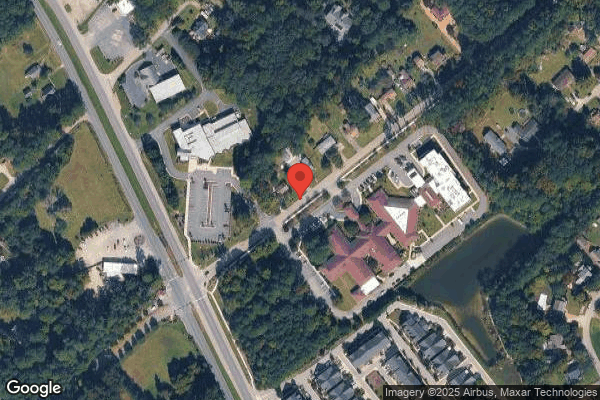
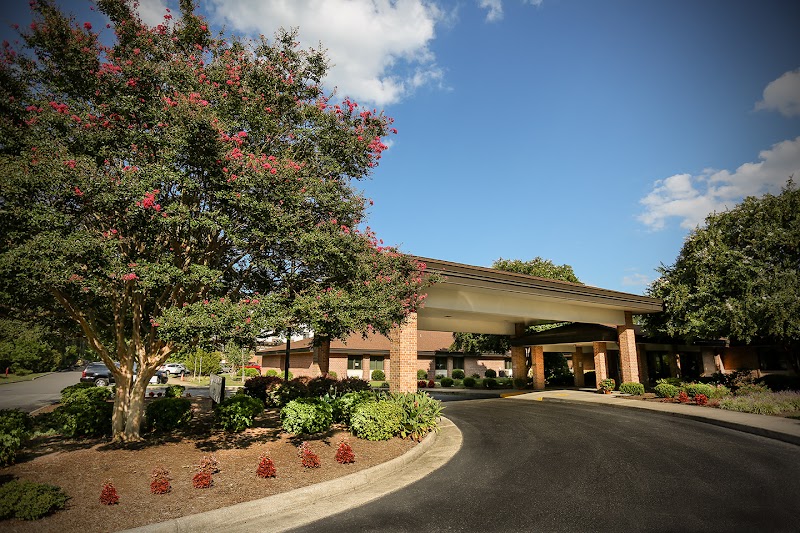
113 BATTLE ROAD, YORKTOWN, VA 23692 (757) 898-1491
For profit - Corporation 80 Beds VIRGINIA HEALTH SERVICES Data: November 2025 2 Immediate Jeopardy citations
Trust Grade
0/100
#231 of 285 in VA
Last Inspection: June 2023

Over 2 years since last inspection. Current conditions may differ from available data.

Overview

York Nursing & Rehabilitation Center has received a Trust Grade of F, indicating significant concerns about its overall quality and care. It ranks #231 out of 285 facilities in Virginia, placing it in the bottom half of nursing homes in the state, and is the second-best option out of only two in York County. Unfortunately, the facility is worsening; it reported a troubling increase in issues from 2 in 2022 to 15 in 2023. Staffing is a concern as well, with a rating of 2 out of 5 stars and a high turnover rate of 63%, which is above the state average. The facility also faces significant fines totaling $56,732, which is higher than 94% of Virginia facilities, suggesting ongoing compliance problems. While it has average RN coverage, specific incidents raise alarm, such as failing to notify a physician about a resident's critical changes in condition, which resulted in immediate jeopardy, and not initiating CPR when a resident was found without a pulse, causing serious concerns about end-of-life care. Additionally, a resident sustained a serious injury due to unsafe conditions during a transfer, further highlighting the facility's weaknesses. Overall, while there are some positive aspects, the serious shortcomings make it a concerning choice for families.

Trust Score
F
0/100
In Virginia
#231/285
Bottom 19%
Safety Record
High Risk
Review needed
Inspections
Getting Worse
2 → 15 violations
Staff Stability
⚠ Watch
63% turnover. Above average. Higher turnover means staff may not know residents' routines.
Penalties
○ Average
$56,732 in fines. Higher than 67% of Virginia facilities. Some compliance issues.
Skilled Nurses
○ Average
Each resident gets 32 minutes of Registered Nurse (RN) attention daily — about average for Virginia. RNs are the most trained staff who monitor for health changes.
Violations
⚠ Watch
28 deficiencies on record. Higher than average. Multiple issues found across inspections.
★★☆☆☆
2.0
Overall Rating
★★☆☆☆
2.0
Staff Levels
★★★★☆
4.0
Care Quality
★★☆☆☆
2.0
Inspection Score
Stable
2022: 2 issues
2023: 15 issues

The Good

  • 4-Star Quality Measures · Strong clinical quality outcomes
  • Full Sprinkler Coverage · Fire safety systems throughout facility
  • No fines on record

Facility shows strength in quality measures, fire safety.

The Bad

2-Star Overall Rating

Below Virginia average (3.0)

Below average - review inspection findings carefully

Staff Turnover: 63%

17pts above Virginia avg (46%)

Frequent staff changes - ask about care continuity

Federal Fines: $56,732

Above median ($33,413)

Moderate penalties - review what triggered them

Chain: VIRGINIA HEALTH SERVICES

Part of a multi-facility chain

Ask about local staffing decisions and management

Staff turnover is elevated (63%)

15 points above Virginia average of 48%

The Ugly 28 deficiencies on record

2 life-threatening 3 actual harm
Nov 2023 2 deficiencies 1 Harm
SERIOUS (G) 📢 Someone Reported This

A family member, employee, or ombudsman was alarmed enough to file a formal complaint

Actual Harm - a resident was hurt due to facility failures

Accident Prevention (Tag F0689)

A resident was harmed · This affected 1 resident

**NOTE- TERMS IN BRACKETS HAVE BEEN EDITED TO PROTECT CONFIDENTIALITY** Based on staff interview, facility documentation review and clinical record review, the facility staff failed to ensure a safe e...

Read full inspector narrative →
**NOTE- TERMS IN BRACKETS HAVE BEEN EDITED TO PROTECT CONFIDENTIALITY** Based on staff interview, facility documentation review and clinical record review, the facility staff failed to ensure a safe environment resulting in harm for one resident (Resident # 1) in a survey sample of 4 residents. This was cited at past non-compliance. Findings included: For Resident # 1, the facility staff failed to ensure the bed frame was free of jagged edges resulting in a large laceration on the right lower leg requiring stitches and hospitalization that was sustained during a transfer from Geri-chair to bed on 10/28/2023, resulting in harm for Resident #1. The facility staff failed to use a gait belt during transfer per the plan of care. Resident # 1 was admitted to the facility on [DATE] for skilled nursing care services with diagnoses that included but were not limited to: Chronic Obstructive Pulmonary Disease with Chronic Hypoxic Respiratory Failure, Atrial Fibrillation on Eliquis, and history of Stroke. Review of the clinical record was conducted 11/20/2023-11/21/2023. Review of Nurses Notes revealed documentation of an incident on 10/28/2023 when Resident # 1 received a deep laceration on the right lower leg contact with the lower bed frame. Resident # 1 was transferred to the hospital. Further review revealed the laceration required stitches and Resident # 1 was admitted to the hospital for 4 days. (Resident # 1 returned to the facility on [DATE]) It was determined that the bed frame had a jagged edge that caused the injury. The Nurses note written on 10/28/2023 at 7:38 p.m. by LPN (Licensed Practical Nurse)-B stated around 6:50 p.m., while pt was being transferred from geri chair to bed the residents right leg came into contact with the lower bed frame. writer then observed a deep laceration into the right lower anterior/lateral of leg shin area. site wrapped Review of the handwritten witness statement by LPN (Licensed Practical Nurse) -B revealed the following documentation: On 3-11 around the 6:50 time, Resident was being transferred to room in geri chair with legs up. when go to room__ ( room number redacted) rolled in resident feet first, past 1st (first) bed and partially past 2nd bed, then backed pt as closest to wall next to bed. 3-11 CNA stood to side behind geri chair when stopped and in position. lowered legs of chair. (geri chair was closest to bed as could get) and IV pole was moved to the right side of pt. had resident scoot forward in chair and with writers arm under pts armpit and right leg between pts R & L (right and Left) feet/legs lifted Pt to standing position and pivoted to bed. Writer noticed wound to the right leg/shin area of pt. Sat pt to bed, assessed deep laceration to R (right) leg/shin area. The handwritten witness statement by the Certified Nursing Assistant (CNA)-C who assisted with the transfer stated While transferring patient to bed, patient received injury in the process. 3-11 nurse was made away [sic] of the incident. The note was signed and dated by CNA-C. Review of Resident # 1's care plan revealed documentation on page 10 of 55 that stated: Goal: Maintain safety through appropriate assistance and safety measures. Interventions: Provide transfer assistance when transferring to and from different surfaces. Gait belt attended by at least 1 staff member. The Plan of Correction (POC) Required Elements document was reviewed and revealed: 1. Address how corrective action will be accomplished for those residents found to have been affected by the deficient practice. Employee had received verbal education on 11/3/23, signed on 11/5/23 regarding monitoring resident arms and legs placement before transfers to ensure that limbs are not too close to hard surfaces that may cause injury. Administrator met with direct care staff during huddles to discuss resident safe transfers and repositioning. Once the bed frame was identified as the source of injury, the resident bed was immediately assessed and repaired 10/31/2022. Before the resident's return to the facility, a different bed was provided to the resident. 2. Address how the facility will identify other residents having the potential to be affected by the same deficient practice. On 11/2/2023, all bed frames for resident use had been inspected to ensure there are no potential hazards to residents. Any potential hazards identified were addressed with either a permanent or temporary solution. Facility has purchased 15 new beds on 10/11/2023 with delivery expected on 11/30/2023. 3. Address what measures will be put into place or systemic changes made to ensure that the deficient practice will not recur. The Operations Assistant Administrator or designee will include bed frames, headboard and foot board inspection as part of quarterly bed management inspection. 4. Indicate how the facility plans to monitor its performance to make sure that solutions are sustained, and Operations Assistant Administrator or designee will perform bedframe checks weekly for 8 weeks and per bed management inspection schedule thereafter to ensure there are no potential hazards to residents. Incident reports are being reviewed to ensure no additional resident injuries occurred from bed frames. Administrator designee will review the audit results for any patterns or trends and report any findings to our Quality Assurance Performance Improvement Committee. 5. Include dates when the corrective action will be completed. (The outside date by which all corrections must be made is the 45th calendar day after the survey ended. Date of compliance will be November 5, 2023. The form was signed by the Administrator. In addition, the Licensed Practical Nurse-B was counseled/educated on monitoring resident arms and legs placement before transfers to ensure that limbs are not too close to hard surfaces that may cause injury. On 11/21/2023 at 11:38 a.m., an interview was conducted with Licensed Practical Nurse-B who stated they transferred Resident # 1 from the Geri-chair to the bed on 10/28/2023. LPN-B stated CNA (Certified Nursing Assistant)-C was present during the transfer. On 11/21/2023 at 1:20 p.m., an interview was conducted with the Director of Nursing who stated all of the beds were examined for any sharp edges. She stated the facility nursing staff have been educated to protect the limbs of the residents from contact with the bed frames. On 11/21/2023 at 2:15 p.m., the Corporate Consultant stated Resident # 1 sustained a laceration on the right lower leg when he was transferred from the Geri-chair to the bed. The laceration was caused by a sharp edge on the bed frame when Resident # 1's leg came in contact with the jagged edge during the transfer technique to the bed. The Corporate Consultant stated she participated (along with the administrative team) in reenactments to determine exactly how the injury could have happened, She stated she felt pressure on her own skin from the sharp edge that was consistent with where the injury was sustained by Resident #1. The Corporate Consultant stated the facility's administrative team immediately checked all of the beds in search of any other hazards. She stated 15 beds had already been ordered for the facility and were scheduled for delivery on 11/30/2023. On 11/21/2023 during the end of day debriefing, the Administrator, Director of Nursing and Corporate Consultants were informed of the findings. The jagged edge of the bed frame caused the injury. The plan of correction for past non-compliance was accepted after review of the facility's documentation and staff interviews were conducted. Protective Caps were placed on the edge of the bed frame and the bed was taken out of circulation. All beds were examined for any hazards or safety concerns. Audits of the beds were conducted weekly. The Administrator stated audits would continue. Interviews were conducted with staff members who all stated they had been educated on checking beds for safety hazards and protecting limbs from contact with bed frames. There was documentation of temporary and permanent fixes being applied to any beds that were found to have safety hazards. Evidence showed that the nurse, LPN-B, was counseled and educated about ensuring limbs were protected during transfers. During the 2 days of survey, residents were observed in beds. Interviews were conducted with alert residents and staff. There was no deficient practice identified regarding accidents/hazards at the time of survey or since the allegation of compliance. No further information was provided.
CONCERN (D) 📢 Someone Reported This

A family member, employee, or ombudsman was alarmed enough to file a formal complaint

Potential for Harm - no one hurt, but risky conditions existed

Comprehensive Care Plan (Tag F0656)

Could have caused harm · This affected 1 resident

**NOTE- TERMS IN BRACKETS HAVE BEEN EDITED TO PROTECT CONFIDENTIALITY** Based on staff interview, facility documentation review and clinical record review, the facility staff failed to implement the p...

Read full inspector narrative →
**NOTE- TERMS IN BRACKETS HAVE BEEN EDITED TO PROTECT CONFIDENTIALITY** Based on staff interview, facility documentation review and clinical record review, the facility staff failed to implement the person-centered care plan for one resident (Resident # 1) in a survey sample of 4 residents. Findings included: For Resident # 1, the facility staff failed to implement the care plan intervention of use of a gait belt during a transfer from the Geri-chair to bed on 10/28/2023. Resident # 1 was admitted to the facility on [DATE] for skilled nursing care services with diagnoses that included but were not limited to: Chronic Obstructive Pulmonary Disease with Chronic Hypoxic Respiratory Failure, Chronic Heart Failure, Atrial Fibrillation on Eliquis, history of Stroke. Review of the clinical record was conducted on 11/20/2023 and 11/21/2023. Review of Nurses Notes revealed documentation of an incident on 10/28/2023 when Resident # 1 received a deep laceration on the right lower leg from a jagged edge on the bed frame. The Nurses note written on 10/28/2023 at 7:38 p.m. by LPN (Licensed Practical Nurse)-B stated around 6:50 p.m., while pt was being transferred from geri chair to bed the residents right leg came into contact with the lower bed frame. writer then observed a deep laceration into the right lower anterior/lateral of leg shin area. site wrapped Review of the handwritten witness statement by LPN (Licensed Practical Nurse) -B revealed the following documentation: On 3-11 around the 6:50 time, Resident was being transferred to room in geri chair with legs up. when go to room__ ( room number redacted) rolled in resident feet first, past 1st (first) bed and partially past 2nd bed, then backed pt as closest to wall next to bed. 3-11 CNA stood to side behind geri chair when stopped and in position. lowered legs of chair. (geri chair was closest to bed as could get) and IV pole was moved to the right side of pt. had resident scoot forward in chair and with writers arm under pts armpit and right leg between pts R & L (right and Left) feet/legs lifted Pt to standing position and pivoted to bed. Writer noticed wound to the right leg/shin area of pt. Sat pt to bed, assessed deep laceration to R (right) leg/shin area. The handwritten witness statement by the Certified Nursing Assistant (CNA)-C who assisted with the transfer stated While transferring patient to bed, patient received injury in the process. 3-11 nurse was made away [sic] of the incident. The note was signed and dated by CNA-C. Review of Resident # 1's care plan revealed documentation on page 10 of 55 that stated: Goal: Maintain safety through appropriate assistance and safety measures. Interventions: Provide transfer assistance when transferring to and from different surfaces. Gait belt attended by at least 1 staff member. For transfers, a gait belt should be used. Review of the Facility's Transfer Assistance Program Policy, reviewed and approved on 07/24/2023 revealed the following excerpts: Policy: All staff will be responsible for utilizing mechanical lifting devices, transferring devices, proper body mechanics to lift, transfer and/or pivot non-ambulatory residents as indicated. Employees should avoid manually lifting any resident, except in life threatening situations. Any employee in violation of this policy will be subject to disciplinary action, up to and including termination Under Procedure: All direct care staff members are responsible for knowing and following the transfer method determined by the residents' plan of care. Direct care staff should notify the nurse immediately if there is a change in the residents' ability to transfer with the evaluated transfer method an/or if the resident requests to use an alternative transfer method. Under Mechanical Lifting Device Selection: 3/ Gait Belt will be used when: a. The resident can bear weight on at least one foot, AND b. The resident is able to follow simple instructions, AND c. The resident can maintain trunk control in the sitting position, and requires minimal assistance with this task; On 11/21/2023 at 11:38 a.m., an interview was conducted with Licensed Practical Nurse-B who stated they transferred Resident # 1 from the Geri-chair to the bed on 10/28/2023. LPN-B stated CNA (Certified Nursing Assistant)-C was present during the transfer. LPN-B stated they did not use a gait belt. LPN-B stated Resident # 1 could stand and had no resistance during the transfer. On 11/21/2023 at 1:20 p.m., an interview was conducted with the Director of Nursing who stated care plans should be tailored for each resident and staff should follow the plan of care. The Director of Nursing stated that for transfers, a gait belt should have been used for Resident #1. The Director of Nursing stated that she assessed Resident # 1 after he returned to the facility using the transfer assistance evaluation and determined that a total lift (Hoyer lift) would be utilized in all future transfers. On 11/21/2023 at 2:15 p.m., the Corporate Consultant stated a gait belt was not used by the staff on the day a laceration on the right lower leg was sustained by Resident # 1 when he was transferred from the Geri-chair to the bed. The laceration was caused by a sharp edge on the bed frame when Resident # 1's leg came in contact with the jagged edge during the transfer technique to the bed. On 11/21/2023 during the end of day debriefing, the Administrator, Director of Nursing and Corporate Consultants were informed of the findings that the staff did not utilize the proper method of transfer utilizing the gait belt. They all agreed that a gait belt should have been used as written in the care plan. The nurse, LPN-B, was counseled and educated about ensuring limbs were protected during transfers. The nurse was also educated about following the plan of care. No further information was provided.
Jun 2023 13 deficiencies 2 IJ
CRITICAL (J) 📢 Someone Reported This

A family member, employee, or ombudsman was alarmed enough to file a formal complaint

Immediate Jeopardy (IJ) - the most serious Medicare violation

Notification of Changes (Tag F0580)

Someone could have died · This affected 1 resident

**NOTE- TERMS IN BRACKETS HAVE BEEN EDITED TO PROTECT CONFIDENTIALITY** Based on staff interview, record review, and policy review, the facility failed to ensure the physician was notified for a chang...

Read full inspector narrative →
**NOTE- TERMS IN BRACKETS HAVE BEEN EDITED TO PROTECT CONFIDENTIALITY** Based on staff interview, record review, and policy review, the facility failed to ensure the physician was notified for a change of condition for one of 44 residents (Resident (R) 129). This failure to notify the physician when R129 was found to have low blood pressure, shallow breathing, and lethargy, resulted in Immediate Jeopardy at level 4 isolated on [DATE]. A Plan of Correction was reviewed for Past non-compliance and the Immediate Jeopardy was removed on [DATE]. Findings include: Review of R129's printed Face Sheet from the electronic medical record (EMR) Reports tab showed a facility admission date of [DATE] with medical diagnoses that included acute and chronic respiratory failure, chronic obstructive pulmonary disease, type II diabetes, hypertension, pneumonia, abnormal electrocardiogram (EKG), heart failure, long term steroid use, interstitial pulmonary disease, heart disease, atrioventricular block, deep vein embolism and thrombosis, major depressive disorder, and urine retention. Review of R129's EMR Notes tab showed that Licensed Practical Nurse (LPN) E documented at 9:33 PM on [DATE] the resident arrived at the facility for admission at 5:01 PM with a blood pressure (BP) of 114/84. Review of R129's EMR Vital Signs tab showed the following BP were documented on [DATE]. At 11:48 AM the BP was recorded at 152/88 and 154/77 at 4:24 PM. On [DATE] at 1:09 AM, LPN G documented Went to check on [R129] at 12:00 AM, checked his vitals BP was 82/30 breathing was shallow [R129] was lethargic but talking. At 12:45 AM, I checked on [R129] and he had no pulse no respirations. Wife was notified and on call and DON [Director of Nursing] called. During an interview on [DATE] at 2:43 PM regarding the BP of 82/30, the DON expressed an expectation would be that the nurse would have notified the practitioner. It was her first time working with us so I don't know what her thoughts about the BP was, she might have thought it was fine. In a telephone interview on [DATE] at 3:07 PM, LPN G identified a normal adult blood pressure from 120/70 to about 134/74 and stated 82/30 would not be considered a normal adult blood pressure. When asked what she would do if she had a patient with a BP like that, LPN G responded If the patient is conscious, have them sit up and elevate their legs, give water, anything like that to elevate the blood pressure, and I'd contact the doctor. If the patient is unconscious, if I was in the nursing home, I would call 911 then call the doctor. After reviewing LPN G's charting, she confirmed she did not contact the doctor. Review of the facility's policy titled, Notification of Changes, revised [DATE], showed, Policy: The facility must immediately inform the resident; consult with the resident's physician or other professional (ex. Physician assistant, nurse practitioner, clinical nurse specialist, etc); and if known, notify the residents representative when there is: .A significant change in the resident's physical, mental, or psychosocial status (i.e., a deterioration in health, mental, or psychosocial status in either life-threatening conditions or clinical complications). The facility was notified of Immediate Jeopardy on [DATE] @5:07pm. The facility presented the following plan. 1. The nurse involved in Resident #129 care, on [DATE], is no longer employed. Resident #129 expired in the facility on [DATE]. 2. The clinical notes for all residents were reviewed for the past 24 hours to ensure the nursing staff had notified the provider of a change in condition. Any variances were immediately corrected. 3. Registered and Licensed Nurses will be re-educated on Notification of Change, including but not limited to, the importance of notifying the physician of any change in condition to include abnormal blood pressures, breathing or lethargy. 4. The DON/designee review the morning meeting report including clinical notes at least weekly for 8 weeks to ensure any change in condition had appropriate notification of changes. Any variances will be corrected immediately, and audit findings will be reported to the Quality Assurance Performance Improvement Committee. 5. Our allegation of compliance is [DATE] The survey team reviewed the documentation provided and verified the agency nurse involved with care was no longer working at the facility. The survey team interviewed staff from all three shifts regarding physician notification of change in condition. The survey team reviewed the education provided to the staff, to ensure in included reasons for notification of change in condition such as Respiratory status change in vital signs, blood glucose (hyper or hypoglycemic) altered mental status, and pain. The survey team verified that the monitoring of clinical notes was completed. Immediate Jeopardy was removed on [DATE], past non-compliance.
CRITICAL (J) 📢 Someone Reported This

A family member, employee, or ombudsman was alarmed enough to file a formal complaint

Immediate Jeopardy (IJ) - the most serious Medicare violation

Deficiency F0678 (Tag F0678)

Someone could have died · This affected 1 resident

**NOTE- TERMS IN BRACKETS HAVE BEEN EDITED TO PROTECT CONFIDENTIALITY** Based on staff interview and record review, the facility failed to ensure a resident's end of life wishes were clarified and con...

Read full inspector narrative →
**NOTE- TERMS IN BRACKETS HAVE BEEN EDITED TO PROTECT CONFIDENTIALITY** Based on staff interview and record review, the facility failed to ensure a resident's end of life wishes were clarified and consistent in the medical record for one of 44 residents (Resident (R) 129). The facility staff did not initiate CPR or call Emergency Medical Services (EMS) when R129 was found without a pulse or respirations. This resulted in Immediate Jeopardy at level 4 isolated on [DATE]. A Plan of Correction was reviewed for Past non-compliance and the Immediate Jeopardy was removed on [DATE]. Findings include: Review of R129's printed Face Sheet from the electronic medical record (EMR) Reports tab showed a facility admission date of [DATE] with medical diagnoses that included acute and chronic respiratory failure, chronic obstructive pulmonary disease, type II diabetes, hypertension, pneumonia, abnormal electrocardiogram (EKG), heart failure, long term steroid use, interstitial pulmonary disease, heart disease, atrioventricular block, deep vein embolism and thrombosis. A review of R129's hospital discharge information (paper file) printed on [DATE] on page 26 of 87 stated Code Status: Full Code. A review of R129's Resident Info tab showed a POST [Physician Orders for Scope of Treatment] form the resident signed for a full code status to sustain life signed by R129, a Nurse Practitioner, and a facility witness in March of 2021. Review of R129's Notes tab showed on [DATE] at 9:25 PM the admitting nurse charted, arrived to facility around 501pm. pt A&Ox3 [alert and oriented to person, place, and time]. Review of R129's EMR Orders tab showed Nurse Practitioner (NP), Employee G, gave an order for a DNR status on [DATE]. In response to a request for where the documentation was located that R129 changed his code status, on [DATE] at 10:05 AM, the Director of Nursing (DON) stated, I can't find anything else. When clarified if she meant regarding the NP (Employee G) writing the DNR order, the DON responded Yes. During a telephone interview on [DATE] at 11:11 AM, NP Employee G stated she was reviewing her note in GeriMed (the EMR used) and noted she did not have access to the hospital or facility EMR. Employee G continued that When the nurse calls after hours to verify orders, when they are reading a code status, if they give me a DNR status I expect that they have the documentation in front of them that states that. When asked what she reviewed, Employee G stated, The orders via telephone. The nurse would read me the medication orders, wound care orders, and diet. My triage note showed the nurse called at 1701 [she clarified 5:01 PM]. Employee G clarified she was not at the facility and did not see or talk to the resident or family. In a telephone interview on [DATE] at 12:03 PM, the admitting Licensed Practical Nurse (LPN) E was asked the process for admission orders and verifying code status, LPN E responded, We now go off the paperwork and ask the resident and put in our notes that the patient confirmed the code status. If [the resident is] not cognitive we talk to the resident representative and chart that. LPN E was queried if he remembered speaking with R129 about his code status, he stated, No, not really. It [discussion] should be in my note if I did. LPN E's documented notes for [DATE] and [DATE] were read from the EMR, and LPN E responded No, it's not in there. I probably asked and didn't put it in my notes. I probably asked him and confirmed it with family, that's the way I usually work it. On [DATE] at 1:09 AM, LPN G documented Went to check on [R129] at 12:00 AM, checked his vitals BP was 82/30 breathing was shallow [R129] was lethargic but talking. At 12:45AM, I checked on [R129] and he had no pulse no respirations. Wife was notified and on call and DON [Director of Nursing] called. The note did not say if CPR was initiated or EMS was called. Review of the facility's policy titled, Advance Directive revised [DATE], indicated, Advance Directive will be discussed with the resident and/or family member upon admission as soon as clinically appropriate so the resident wishes, with respect to life prolonging treatments can be documented in the medical record The facility staff should attempt to obtain Advance Directives information from the resident, family, and/or hospital staff during the admission process. If advance directive information is provided, then this information will be placed in the resident medical record . The facility was notified of Immediate Jeopardy on [DATE] @5:07pm. The facility presented the following plan. 1. Resident expired on [DATE] therefore no corrective action can be taken with resident at this time. The provider and resident representative were made aware of resident's condition at the time of discharge. 2. The Director of Nursing / designee will review the medical records of all current residents to ensure accuracy of transcription of advance directive orders. Any variances noted will be addressed and provider / resident representative will be notified. 3. The Director of Nursing / designee will educate RN's and LPN's on comparing the code status from the Discharge Summary that is sent prior to admission with the discharge paperwork that accompanies the resident upon admission. Education will include but is not limited to the importance of proper transcription of code status orders and the nursing admission process which includes accurate code status. 4. The Director of Nursing / designee will review 100 % of newly admitted residents' medical records weekly for the next three months to ensure code status orders have been accurately transcribed and verified with resident / resident representative. The Director of Nursing / designee will identify any patterns or trends and report to the Quality Assurance and Performance Improvement committee at least quarterly. 5. The date of our allegation of compliance for this plan of correction is [DATE]. The survey team reviewed all the medical records of the residents to ensure accuracy of transcription of Advanced Directives. The survey team reviewed the documentation that the facility provided on any discrepancies they found and corrected. The survey team reviewed the education provided and interviewed staff about the education provided. The survey team reviewed the weekly monitoring for accuracy and completion. Immediate Jeopardy was removed on [DATE], past non-compliance.
SERIOUS (G) 📢 Someone Reported This

A family member, employee, or ombudsman was alarmed enough to file a formal complaint

Actual Harm - a resident was hurt due to facility failures

Free from Abuse/Neglect (Tag F0600)

A resident was harmed · This affected 1 resident

Based on interview, record review, and review of facility policy, the facility failed to protect the resident's right to be free from physical abuse by staff CNA C and CNA D for one (Resident (R) 42) ...

Read full inspector narrative →
Based on interview, record review, and review of facility policy, the facility failed to protect the resident's right to be free from physical abuse by staff CNA C and CNA D for one (Resident (R) 42) of two residents reviewed for abuse. CNA C and CNA D caused bruising on R42's lower arms. This is harm. Findings include: Review of R42's Face Sheet printed from the electronic medical record (EMR) Resident Info tab showed medical diagnoses that included generalized muscle weakness, abnormalities of gait and mobility, and dementia. Review of a facility investigation showed that on 12/04/22 CNA C and CNA D were going to change R42 using a blue brief (incontinent product). R42 requested a pull up style product and relayed she was told No and that she would be changed whether she liked it or not. R42 stated that she tried to fight them by hitting and clawing but the aides held her arms. The bruising to the lower arms was photographed and included in the facility investigation. The facility investigation showed the two certified nurse aides had been suspended during the investigation; terminated at the end of the investigation and reported to the regulatory board. In a interview on 06/14/23 at 2:00 PM, R42's Resident Representative (RR42) stated she had met with the Administrator and the CNAs involved were terminated and no longer work here. Everything is good. During an interview on 06/14/23 at 9:09 PM regarding the incident described by R42, the Administrator stated, Yes, it's substantiated the aides held the resident down causing bruises [to the lower arms]. Review of the facility's policy titled, Resident Abuse Policy and Procedure, revised 10/31/22, showed, Policy: It is the policy of this facility to ensure the resident will be free from abuse, neglect, misappropriation of resident property, and exploitation. This includes but is not limited to freedom from corporal punishment, involuntary seclusion and any physical or chemical restraint not required to treat the resident's symptoms. The facility will: -Not tolerate the use of verbal, sexual, physical or mental abuse, corporal punishment or involuntary seclusion, neglect, misappropriation of resident property, and exploitation towards the facilities residents by any individual Although the facility presented a plan with evidence for Past non-compliance, Past non-compliance could not be considered because the facility failed to fully implement their plan. Cross reference to F943.
CONCERN (D) 📢 Someone Reported This

A family member, employee, or ombudsman was alarmed enough to file a formal complaint

Potential for Harm - no one hurt, but risky conditions existed

Deficiency F0658 (Tag F0658)

Could have caused harm · This affected 1 resident

**NOTE- TERMS IN BRACKETS HAVE BEEN EDITED TO PROTECT CONFIDENTIALITY** Based on observation, staff interview, clinical record review, facility documentation review, and in the course of a complaint i...

Read full inspector narrative →
**NOTE- TERMS IN BRACKETS HAVE BEEN EDITED TO PROTECT CONFIDENTIALITY** Based on observation, staff interview, clinical record review, facility documentation review, and in the course of a complaint investigation, the facility staff failed to provide care and services in accordance with professional standards for 2 residents, Residents #229 and #6, in a survey sample of 44 residents. The findings included: 1. For Resident #229, facility staff failed to administer medications as ordered by the physician on 4/1/22 and 4/5/22. On 6/14/23, Resident #229's clinical record was reviewed and revealed physician orders, schedule times, and actual administration times as follows: *Carbidopa 25mg-levodopa 100mg tablet (1/2 tab) TABLET Oral, Two times daily for Five Days--scheduled for 4/1/22 at 6:00 PM--documented as given at 8:07 PM *Carbidopa 25mg-levodopa 100mg tablet (1/2 tab) TABLET Oral, Three times daily for Five Days--scheduled for 4/5/22 at 6:00 PM--documented as given at 8:47 PM On 6/15/23, an interview was conducted with the Director of Nursing (DON) who confirmed the findings and stated that medications are expected to be given as ordered by the physician. She stated that medications can be given within an hour before or an hour after of the scheduled time and verified the previously referenced administration times did not meet her expectation. The DON stated that the facility's professional nursing standards reference was [NAME]. A facility policy on medication administration was requested and received. Review of the facility policy entitled, Medication Administration Guidelines, revised 9/8/2017, heading Medication Administration read, Medications are administered in accordance with written orders of attending physicians, manufacturer's specifications, and professional standards of practice and Medications are administered within one hour before or within one hour after the schedules time . According to [NAME] Nursing Procedures, Seventh Edition, 2016, section entitled, Oral Drug Administration, steps in the implementation of medication administration included but were not limited to: Verify the medication is being administered at the proper time .to reduce the risk of medication errors. On 6/15/23, the Facility Administrator was updated on the findings. No further information was provided. 2. For Resident #6, the facility staff failed to perform a dressing change to a peripherally inserted central catheter (PICC) intravenous access site as ordered by the physician. On 6/13/23 at approximately 1:30 PM, Resident #6 was interviewed and a double lumen PICC line (peripherally inserted central catheter/line with two access ports) covered with a semipermeable dressing at the insertion site dated 6/5 was observed to her right upper arm. Resident #6 stated I'm not sure what this thing is for in reference to the PICC line. On 6/14/23 at approximately 3:30 PM, a second observation, with the Director of Nursing (DON) present, revealed that the PICC dressing had not been changed and was still dated 6/5. The DON stated, These dressings are expected to be changed at least once every seven days or as needed if the dressing becomes soiled, this dressing should have been changed on the 12th at minimum. On 6/14/23, review of Resident #6's clinical record revealed a physician's order dated 5/31/23 which read, Change Catheter Site Dressing on admission, then q [every] week and PRN [as needed]. The physician's order also read, PICC Catheters: Measure arm circumference on admission, with each dressing change, & PRN and PICC Catheters: Measure external catheter length on admission, with each dressing change & PRN. There was no evidence in the clinical record for any PICC dressing changes and no measurements for arm circumference and external catheter length. These findings were confirmed by the DON. A facility policy was requested and received. On 6/14/23, review of the facility policy entitled, 6.4 Peripherally Inserted Central Catheter (PICC) Dressing Change, last revised on 8/15/08, subtitle, Considerations, item 1, read, The catheter insertion site is a potential entry site for bacteria that may cause a catheter-related infection. Subtitle Guidance, item 1, read, Dressing changes using transparent dressings are performed: 24 hours post-insertion or upon admission, at least weekly, and if the integrity of the dressing has been compromised. Item 7 read, Length of external catheter and upper arm circumference (3 inches or 10 centimeters above insertion site) is obtained: Upon admission, during dressing changes, and if signs or symptoms of complications are present. On 6/14/23, the DON stated that [NAME]'s was the basis for nursing standards utilized within the facility. According to The Lippincott Manual of Nursing Practice, 11th edition, Nursing Role in Intravenous Therapy, Catheter-Associated Bloodstream Infections, Preventative Measures, item 9b read, Transparent semipermeable dressing should be changed every 7 days. According to the Centers for Disease Control and Prevention (CDC) publication entitled Checklist for Prevention of Central Line Associated Blood Stream Infections, based on 2011 CDC guidelines for prevention of intravascular catheter-associated bloodstream infections: https://www.cdc.gov/infectioncontrol/guidelines/bsi/index.html, For Clinicians: Handle and maintain central lines appropriately Immediately replace dressings that are wet, soiled, or dislodged, perform routine dressing changes using aseptic technique with clean or sterile gloves, change gauze dressings at least every two days or semipermeable dressings at least every seven days. On 6/14/23, the Facility Administrator was updated on the findings. No further information was provided.
CONCERN (D)

Potential for Harm - no one hurt, but risky conditions existed

ADL Care (Tag F0677)

Could have caused harm · This affected 1 resident

Based on observation, interview, and record review, the facility failed to provide the care and assistance for personal grooming for one of 44 residents (Resident (R) 35). Findings include: Observati...

Read full inspector narrative →
Based on observation, interview, and record review, the facility failed to provide the care and assistance for personal grooming for one of 44 residents (Resident (R) 35). Findings include: Observation of R35 on 06/14/23 at 9:06 AM showed the female resident had minimum half inch long facial hair on the lower right cheek and chin. In an interview on 06/14/23 at 12:54 PM, R35's family member stated, As of March 1 she was put on hospice and a CNA [certified nurse aide] was assigned she did things like that [shaving]. The CNA had shoulder surgery and the facility has not done it [shaved R35]. In an interview and observation on 06/14/23 at 4:45 PM, CNA B confirmed R35 had facial hair and stated She can switch on you and may or may not let you shave her. She's hospice also and they also help out. At 4:50 PM on 06/14/23, the Director of Nursing [DON] entered R35's room, observed R35 and asked her if she wanted the facial hair shaved off. R35 responded Yes. The DON exited the room and confirmed that R35 needed to be shaved. Review of the facility policies titled, Bath (Bed), Bath (Partial), and Activities of Daily Living (ADL) (Daily Life Functions) did not address the dignity of shaving unwanted facial hair for residents.
CONCERN (D)

Potential for Harm - no one hurt, but risky conditions existed

Deficiency F0761 (Tag F0761)

Could have caused harm · This affected 1 resident

Based on observation, staff interview, and facility documentation review, the facility staff failed to store controlled medications appropriately in 1 of 3 medication carts within the facility. The f...

Read full inspector narrative →
Based on observation, staff interview, and facility documentation review, the facility staff failed to store controlled medications appropriately in 1 of 3 medication carts within the facility. The findings included: The facility staff failed to secure controlled medications in a separately locked, permanently affixed compartment. On 6/13/23 at 2PM, the pharmacy delivery arrived. LPN C was observed to receive and sign for controlled medications from the delivery person. While Surveyor C was conducting medication administration observations with LPN B, LPN C approached with several packets of controlled medications and said she would secure them in her (LPN C's medication cart) until LPN B was able to receive them and log them. On 6/13/23 at 2:40 PM, LPN C was asked about the controlled medications. LPN C said she still had them secured in her medication cart. Surveyor C asked to see them. LPN C opened one of her drawers on the medication cart and received 4 cards of controlled medications. When asked why they were not secured under double lock, she said she was just holding them until LPN B could obtain them. The medications included: a. Oxycodone 5 mg, 30 tablets for Resident #181. b. Hydrocodone/apap tab 5/325 mg, 30 tablets for Resident #10. c. Clonazepam tablet 0.5 mg, 30 tablets for Resident #10. d. Tramadol HCL 50 mg tablets, 30 tablets for Resident #23. On 06/15/23 at 08:44 AM, an interview was conducted with LPN B. LPN B was asked about the storage of controlled medications, and she stated that they should be stored separate from other medications. LPN B went on to say that controlled medications are kept under two locks because people could misuse them. On 06/15/23 at 08:48 AM, an interview was conducted with RN B. RN B was asked about the storage of controlled medications. She said, They are double locked for extra protection because they are scheduled medications. The facility policy titled; Medication Administration Guidelines was reviewed. This policy read, . Controlled Substances: Controlled substances are secured under double locks and counted at the end of each shift with the incoming and outgoing nurse . The facility staff provided the facility policy titled, Storage and Expiration Dating of Medications, Biologicals, Syringes, and Needles. This policy was reviewed and an excerpt from it read, .General Storage Procedures: Facility should store Schedule II-V Controlled Substances and other medications deemed by facility to be at risk for abuse or diversion in a separate compartment within the locked medication carts and should have a different key or access device . During the end of day meeting held on 6/13/23, the facility Administrator and Director of Nursing were made aware of the above findings. No further information was received.
CONCERN (D)

Potential for Harm - no one hurt, but risky conditions existed

Deficiency F0883 (Tag F0883)

Could have caused harm · This affected 1 resident

**NOTE- TERMS IN BRACKETS HAVE BEEN EDITED TO PROTECT CONFIDENTIALITY** Based on staff interview, clinical record review, and facility documentation review, the facility staff failed to provide an inf...

Read full inspector narrative →
**NOTE- TERMS IN BRACKETS HAVE BEEN EDITED TO PROTECT CONFIDENTIALITY** Based on staff interview, clinical record review, and facility documentation review, the facility staff failed to provide an influenza vaccine for 1 resident, Resident #69, out of 5 residents reviewed for influenza immunization. The findings included: The facility staff failed to provide influenza immunization for Resident #69. On 6/14/23 at approximately 10:30 AM, a clinical record review was performed and revealed Resident #69, who was admitted to the facility on [DATE], had no documentation with regard to influenza immunization, to include the resident's current influenza vaccination status, offer to provide immunization against influenza infection, or documentation of resident refusal or medical contraindication. On 6/14/23 at approximately 2:30 PM, an interview was conducted with the Director of Nursing (DON) who accessed the clinical record for Resident #69 and verified the findings. The DON confirmed there was no additional information. A facility policy was requested and received. On 6/15/23 at approximately 3:00 PM, a review of the facility policy entitled, Infection Control, Influenza Vaccine was conducted. It stated under the subtitle, Policy, .All residents should receive the influenza immunization unless medically contraindicated or refused. On 6/15/23 at approximately 4:00 PM, the Facility Administrator and Director of Nursing were made aware of the findings. No further information was provided.
CONCERN (D)

Potential for Harm - no one hurt, but risky conditions existed

Deficiency F0887 (Tag F0887)

Could have caused harm · This affected 1 resident

Based on staff record review, staff interview and facility documentation review, the facility staff failed to offer and/or provide up to date COVID-19 immunization for 1 resident, Resident #69, in a s...

Read full inspector narrative →
Based on staff record review, staff interview and facility documentation review, the facility staff failed to offer and/or provide up to date COVID-19 immunization for 1 resident, Resident #69, in a survey sample of 5 residents reviewed for COVID-19 vaccination. The findings include: The facility staff failed to offer and/or provide a COVID-19 bivalent booster vaccine for Residents #69. On 6/14/23 at approximately 10:30 AM, a clinical record review was performed and revealed Resident #69 completed a primary COVID-19 vaccine series on 9/27/21, however there was no evidence that Resident #69 had been offered or received a COVID-19 bivalent booster dose. On 6/14/23 at approximately 4:15 PM, an interview was conducted with the Director of Nursing (DON) who confirmed the facility policies and procedures follow CDC (Centers for Disease Control and Prevention) guidance and recommendations for resident COVID-19 immunization. The DON stated there were no concerns with the facility's ability to provide COVID-19 immunizations to residents. The DON stated that it is expected for all residents to be provided the opportunity to be up to date with COVID-19 immunizations, including the bivalent COVID-19 booster. The DON accessed the clinical records for Resident #69 and verified the findings. The facility's COVID-19 vaccination policy for residents was requested and received. On 6/15/23 at approximately 11:00 AM, a review of the facility's policy titled, COVID-19 Vaccine was conducted. It stated under the subheading Purpose, Maximizing COVID-19 vaccination rates in the facility will help reduce the risk residents and staff have of contracting and spreading COVID-19 and subheading Offering the COVID-19 Vaccine read, COVID-19 vaccinations will be offered to all staff and residents .per CDC [Centers for Disease Control and Prevention] and/or FDA [Food and Drug Administration] guidelines . The CDC (Centers for Disease Control and Prevention) document titled, Interim Clinical Considerations for Use of COVID-19 Vaccines Currently Approved or Authorized in the United States, updated March 16, 2023, page 3, Recommendations for COVID-19 vaccine use, subtitle, Booster vaccination, read, People ages 6 months and older are recommended to receive 1 bivalent mRNA booster dose after completion of any FDA-approved or FDA-authorized primary series or previously received monovalent booster dose(s). The CDC (Centers for Disease Control and Prevention) document titled, Stay Up to Date with COVID-19 Vaccines Including Boosters, updated March 2, 2023, page 2, COVID-19 Boosters, subtitle, Updated Boosters, read, The updated boosters are called 'updated' because they protect against both the original virus that causes COVID-19 and the Omicron variant BA.4 and BA.5 .Updated COVID-19 boosters became available on: September 2, 2022, for people aged 12 years and older .You are up to date with your COVID-19 vaccines when you have completed a COVID-19 vaccine primary series and got the most recent booster dose. The CDC (Centers for Disease Control and Prevention) document titled, Interim Infection Prevention and Control Recommendations for Healthcare Personnel During the Coronavirus Disease 2019 (COVID-19) Pandemic, updated September 23, 2022, page 2, item 1, read, 1. Recommended routine infection prevention and control (IPC) practices during the COVID-19 pandemic .Encourage everyone to remain up to date with all recommended COVID-19 vaccine doses .HCP [Healthcare Personnel], patients, and visitors should be offered resources and counseled about the importance of receiving the COVID-19 vaccine. On 6/15/23 at approximately 3:00 PM, the Facility Administrator and Director of Nursing were made aware of the findings. No further information was provided.
CONCERN (D)

Potential for Harm - no one hurt, but risky conditions existed

Deficiency F0942 (Tag F0942)

Could have caused harm · This affected 1 resident

Based on staff interview and facility documentation review, the facility staff failed to ensure employees received Resident Rights training and education for 1 employee, (Employee #28), in a sample of...

Read full inspector narrative →
Based on staff interview and facility documentation review, the facility staff failed to ensure employees received Resident Rights training and education for 1 employee, (Employee #28), in a sample of 5 employees reviewed for training. The findings included: For Employee #28, the facility staff failed to provide any evidence of Resident Rights training. On 6/14/23, the facility Administrator was asked to provide in-service training for 5 employees. On the afternoon of 6/14/23, the facility administrator submitted training records for 4 of the 5 employees being sampled. The Administrator stated they were still looking for Employee #28's records. On the morning of 6/15/23, the facility Administrator acknowledged they were still trying to pull together Employee #28's training records. On 6/15/23 at 12:15 PM, the facility administrator was asked to provide the facility policy with regards to annual training needs of staff. The Administrator let the survey team know they do not have a policy with regards to annual in-service/training of facility staff. The facility administration submitted no further documentation prior to the conclusion of the survey.
CONCERN (D)

Potential for Harm - no one hurt, but risky conditions existed

Deficiency F0943 (Tag F0943)

Could have caused harm · This affected 1 resident

Based on staff interview and facility documentation review, the facility staff failed to ensure employees received training on abuse, neglect and exploitation for 1 employee, (Employee #28), in a samp...

Read full inspector narrative →
Based on staff interview and facility documentation review, the facility staff failed to ensure employees received training on abuse, neglect and exploitation for 1 employee, (Employee #28), in a sample of 5 employees reviewed for training. The findings included: For Employee #28 who had been an employee for greater than 2 years, the facility staff failed to provide any evidence of training on abuse, neglect and exploitation. On 6/14/23, the facility Administrator was asked to provide in-service training for 5 employees. On the afternoon of 6/14/23, the facility administrator submitted training records for 4 of the 5 employees being sampled. The Administrator stated they were still looking for Employee #28's records. On the morning of 6/15/23, the facility Administrator acknowledged they were still trying to pull together Employee #28's training records. On 6/15/23 at 12:15 PM, the facility administrator was asked to provide the facility policy with regards to annual training needs of staff. The Administrator let the survey team know they do not have a policy with regards to annual in-service/training of facility staff. The facility administration submitted no further documentation prior to the conclusion of the survey.
CONCERN (D)

Potential for Harm - no one hurt, but risky conditions existed

Deficiency F0945 (Tag F0945)

Could have caused harm · This affected 1 resident

Based on staff interview and facility documentation review, the facility staff failed to ensure employees received training on infection prevention and control for 1 employee, (Employee #28), in a sam...

Read full inspector narrative →
Based on staff interview and facility documentation review, the facility staff failed to ensure employees received training on infection prevention and control for 1 employee, (Employee #28), in a sample of 5 employees reviewed for training. The findings included: For Employee #28, the facility staff failed to provide any evidence of infection prevention and control training. On 6/14/23, the facility Administrator was asked to provide in-service training for 5 employees. On the afternoon of 6/14/23, the facility administrator submitted training records for 4 of the 5 employees being sampled. The Administrator stated they were still looking for Employee #28's records. On the morning of 6/15/23, the facility Administrator acknowledged they were still trying to pull together Employee #28's training records. On 6/15/23 at 12:15 PM, the facility administrator was asked to provide the facility policy with regards to annual training needs of staff. The Administrator let the survey team know they do not have a policy with regards to annual in-service/training of facility staff. The facility administration submitted no further documentation prior to the conclusion of the survey.
CONCERN (E)

Potential for Harm - no one hurt, but risky conditions existed

Deficiency F0700 (Tag F0700)

Could have caused harm · This affected multiple residents

Based on observation, interview, and record review, the facility failed to ensure that four of four residents (Resident (R) 19, R35, R54, and R65) reviewed for bed rail use, had documented alternative...

Read full inspector narrative →
Based on observation, interview, and record review, the facility failed to ensure that four of four residents (Resident (R) 19, R35, R54, and R65) reviewed for bed rail use, had documented alternatives to the use of bed rails before the rails were used. Findings include: 1. Review of R19's quarterly Minimum Data Set (MDS) assessment reference date (ARD) of 05/18/23 showed a Brief Interview for Mental Status (BIMS) score of 15 out of 15, or indicative of being cognitively intact. During an interview on 06/13/23 at 1:51 PM, it was noted that R19 had bilateral upper side rails on her bed. Review of Bed Rail Entrapment Risk Evaluation forms, dated 02/15/23 and 05/23/23, found no documentation regarding what alternatives were attempted prior to the use of bed rails. A review of the facility admission packet showed the Bed Rail Consent was included as a blank form to be completed with the other admission forms. In an interview on 06/15/23 at 12:50 PM the Admission/Resident Navigator, Employee J, stated, The form is in the admission packet and is signed and then nursing staff is to go in to evaluate for function and mobility. When asked to clarify if everybody signs the Bed Rail Consent form, Employee J stated, Yes. 2. Review of R35's quarterly MDS with an ARD of 06/02/23 showed a BIMS score of 06 out of a possible 15, indicative of severe cognitive impairment. During an interview on 06/14/23 at 12:59 PM bilateral upper rails were noted on R35's bed. Review of Bed Rail Entrapment Risk Evaluation forms, dated 06/06/23, found no documentation regarding what alternatives were attempted prior to the use of bed rails. 3. Review of R54's five-day readmission MDS with an ARD of 06/05/23 showed a BIMS score of 14 out of 15, or indicative of being cognitively intact. During an interview on 06/13/23 at 1:58 PM it was noted that R54 had bilateral upper bed rails. A review of the Bed Rail / Entrapment Risk Evaluation, dated 02/08/23, showed no bed rails were recommended and no alternatives attempted. 4. Review of R65's Face Sheet from the EMR Resident Info tab showed medical diagnoses that included hemiplegia affecting the dominant side and altered mental status. Review of R65's quarterly MDS with an ARD of 04/06/23 showed a BIMS score of 04 out of 15, or indicative of severe cognitive impairment. A review of the Bed Rail / Entrapment Risk Evaluation, dated 04/04/23, showed no documented attempted alternatives. During an interview on 06/05/23 at 1:05 PM regarding bed rail assessments, Registered Nurse (RN) B stated, We usually see how they move in the bed and use the rails for mobility. When asked if mobility is attempted without the rails, RN B responded For some, but residents prefer the rails. Responding to the query if alternates to bed rails were attempted were documented, RN B stated, No, not that I am aware of. Review of the facility's policy titled, Bed Rail Policy, revised 02/18/18, indicated, Policy: Residents are assessed for appropriate alternatives prior to installing a bed rail. If a bedrail is indicated, the facility will take measures to develop and implement a strategy to minimize the possibility of resident entrapment while using side rails-.This will include assessment of residents who have a need for or desire to use side rails and that may have characteristics that place them at special risk for entrapment. The assessment will also include inspection of the bed, mattress and side rail for risk of entrapment.
CONCERN (F)

Potential for Harm - no one hurt, but risky conditions existed

Food Safety (Tag F0812)

Could have caused harm · This affected most or all residents

Based on observation, staff interview and facility documentation review, the facility staff failed to store, prepare, and distribute food in accordance with professional standards for food service saf...

Read full inspector narrative →
Based on observation, staff interview and facility documentation review, the facility staff failed to store, prepare, and distribute food in accordance with professional standards for food service safety in the main kitchen, which had the potential to affect Residents on 2 of 2 nursing units. The findings included: 1. The facility staff failed to wear proper hair restraints when in food preparation areas. On 6/13/23 at 11:30 AM, during an inspection of the kitchen, Surveyor C observed the Assistant Administrator/Employee F enter the kitchen and walk halfway into the kitchen which was around the steam table area. The Dietary Manager/Employee D noticed that the Assistant Administrator did not have any type of hair restraint (hair net or hat) on and immediately asked him to exit the kitchen. Employee F did leave the kitchen and did not re-enter. On 6/13/23 at approximately 11:45 AM, while conducting an inspection of the kitchen Employee E, who was a dietary aide, was observed working the tray line, assisting with meal trays for the lunch meal. Employee E did not have a beard guard on and did have facial hair. The Dietary Manager, who was accompanying Surveyor C was asked what is required for hair restraints and she said, He had one on earlier and proceeded to obtain a beard guard and assisted Employee E with putting it on. 2. Facility staff failed to air dry dishes in a manner to prevent wet nesting and the growth of bacteria. On 6/14/23 at 10:00 AM, Employee E, a dietary aide was observed in the dish room/dishwasher area. Employee E removed plates from the dishwasher, stacked them and took them to a cart where they were stacked while wet. On 6/14/23 at approximately 10:10 AM, Surveyor C interviewed the dietary manager. She was asked how dishes are dried? The dietary manager said, everything is to be air dried, we don't want wet nesting, it can harbor bacteria. The dietary manager and Surveyor C then went to stack of plates and plate covers and confirmed they had water on the surface and were stacked wet, which is wet nesting and not permissible. Review of the facility policy titled, Dining Service, Food Service and Meal Distribution was reviewed. The policy didn't address how dishes are to be dried to prevent wet nesting. The U.S. Public Health Service, 2017 Food Code, published by the U.S. Department of Health and Human Services, Public Health Service, Food and Drug Administration was reviewed. An excerpt from this document on page 151 read, . After cleaning and sanitizing, equipment, and utensils: (A) Shall be air-dried or used after adequate draining as specified in the first paragraph of 40 CFR 180.940 . On 6/15/23, around 11:30 AM, the facility Administrator was made aware of the above findings. No additional information was provided.
Dec 2022 2 deficiencies 1 Harm
SERIOUS (G) 📢 Someone Reported This

A family member, employee, or ombudsman was alarmed enough to file a formal complaint

Actual Harm - a resident was hurt due to facility failures

Accident Prevention (Tag F0689)

A resident was harmed · This affected 1 resident

Based on observation, Resident interview, staff interview, clinical record review, facility documentation review, and in the course of a complaint investigation, the facility staff failed to provide s...

Read full inspector narrative →
Based on observation, Resident interview, staff interview, clinical record review, facility documentation review, and in the course of a complaint investigation, the facility staff failed to provide safe assistance for transfers for 2 Residents (Resident #1, Resident #2) in a sample size of 3 Residents. Resulting in harm for Resident #1. The findings included: 1) For Resident #1, the facility staff failed to safe transfer from the bed to the wheelchair on 11/10/2022 resulting in right distal femoral fracture which required surgical intervention. This is harm. On 12/28/2022 and 12/29/2022, Resident #1's clinical record was reviewed. According to Resident #1's annual Minimum Data Set with an Assessment Reference Date of 09/01/2022, Resident #1's Brief Interview for Mental Status was coded as 15 out of possible 15 indicative of intact cognition. Functional status for transfers was coded as requiring extensive assistance from staff with 2+ persons for physical assistance and support. Diagnoses included but were not limited to hemiplegia following cerebral infarction affecting the right dominant side and a left below-the-knee amputation. A care plan problem dated 08/03/2021 entitled, [Resident #1] is at risk for impaired Quality of Life included but was not limited to the following intervention: Encourage resident to allow use of lift x 2 staff for transfers out of bed. On 12/28/2022 at approximately 10:55 A.M., Resident #1 was interviewed. When asked about the fall that occurred in November 2022, Resident #1 stated that the CNA (certified nursing assistant) entered the room and told Resident #1 that they needed to be weighed in a weight chair. Resident #1 stated that she informed the CNA (CNA B) she wanted to use the slide board to transfer from the bed to her wheelchair and then transfer to the weight chair. Resident #1 then stated that the CNA didn't listen to her and tried to transfer Resident #1 from the bed to the weight chair without using a slide board or first donning Resident #1's prosthetic leg. Resident #1 then stated she fell to the floor. Resident #1 stated she was in a lot of pain (right leg) after the fall and eventually went to the hospital and had to have surgery. On 12/28/2022 at approximately 11:00 A.M., Resident #1 called a family member to discuss the incident with the surveyor. When asked about the fall that occurred in November 2022, the family member stated that (Resident #1) told the CNA there should be 2 people to conduct the transfer but the CNA attempted the transfer alone. On 12/28/2022 at 11:30 A.M., CNA B was interviewed. CNA B verified they have worked at the facility approximately 6 months. When asked about the fall that occurred in November 2022 involving Resident #1, CNA B stated that the nurse told her to weigh (Resident #1). CNA B then stated that (Resident #1) refused to don the leg prosthesis and that Resident #1 told the CNA she could stand and get in the chair without it. CNA B stated she then assisted Resident #1 to stand and pivot but that Resident #1 missed the chair and went to the floor. CNA B stated that Resident #1's right leg bent under her and the CNA was unable to hold (Resident #1) up. CNA B stated that after the incident, staff told her she should've used a hoyer (which is a mechanical lift). When asked about the process for knowing how to transfer each Resident, CNA B stated that, after the incident, she was told about a worksheet that listed how each Resident is to be safely transferred but she was unaware of the worksheet at the time. When asked if she currently had a worksheet, CNA B indicated she did not have a worksheet but they're kept in a book at the nurse's station. When asked to see the book, CNA B was unable to locate it. On 12/28/2022 at approximately 12:00 P.M., Registered Nurse B (RN B) was interviewed. When asked about the worksheets, RN B verified that nurses are supposed to print out the CNA Worksheet and give it to the CNA's. When asked if this was done today, RN B stated she printed some out yesterday and put them in the book at the (Liberty) nurse's station. When asked to see the book, it did not contain any CNA worksheets. A staff member nearby then printed out a CNA worksheet. For Resident #1 under Transfer Notes, it was documented, Hoyer lift only when resident declining to use prosthetic. Under the column entitled, Minimum Transfer Assist it was documented, Total lift, Assist x 2 [meaning 2 people]. On 12/28/2022 at approximately 12:25 P.M., Employee G, occupational therapy assistant, was interviewed. When asked about transfer options for Resident #1 prior to the fall in November 2022, Employee G stated that therapy was working with Resident #1 to use a sliding board with moderate assistance (meaning Resident #1 needed cues for leaning forward) or a step and shift over (when prosthetic was on) and only with therapy staff. Employee G stated that nursing staff was told to use a mechanical lift for safety. When asked about the weight chair, Employee G stated that weights can be obtained on the mechanical lift and the weight chair should not be used for anyone who cannot safely transfer. An excerpt of a physician's progress note dated 11/10/2022 under the header History of Present Illness documented, .being seen today for fall which resulted in RT [right] knee pain and lower leg pain. She fell while transferring. A radiology report dated 11/10/2022 documented the following excerpts: History: Fall. Findings: a distal femoral fracture is seen with lateral positioning and shortening. The fracture looks acute. An excerpt of a physician's progress note dated 11/10/2022 under the header History of Present Illness documented, .presents following hospitalization at [hospital name redacted] on 11/10/2022 after mechanical fall that resulted in a right distal femoral fracture. She underwent a nailing procedure for this. She does have some pain associated with the injury aggravated with activity and relieved adequately with her current pain management regimen. On 12/29/2022 at approximately 12:15 P.M., the Assistant Administrator and Director of Clinical Support were notified of findings. When asked if staff were supposed to use a mechanical lift to transfer Resident #1 prior to the fall on 11/10/2022, the Director of Clinical Support referred to a CNA Worksheet dated 11/09/2022 and stated a hoyer should've been used if the Resident (#1) refused to wear the leg prosthetic. The Director of Clinical Support also referred to a quarterly Transfer Assistance Evaluation dated 09/02/2022 which documented the following excerpt: Based on the above evaluation, the resident will be transferred with the minimum assistance of: Total lift with at least two staff members. On 12/29/2022 at approximately 1:45 P.M., the Assistant Administrator and the Director of Clinical Support stated there was no further documentation or information to submit. 2) For Resident #2, the facility staff failed to operate the mechanical lift according to manufacturers instructions while transferring Resident #2 from the shower chair to the bed on 12/28/2022. On 12/28/2022 at approximately 11:15 A.M., Resident #2 was observed seated in a shower chair in her room. Certified Nursing Assistant C (CNA C) and another CNA were positioning the mechanical lift in preparation to transfer Resident #2 to her bed. CNA C moved the mechanical lift legs under the shower chair from the left side of the chair. CNA C and the other CNA activated the lift, rolled the lift away from the shower chair, transferred Resident #2 to the bed, and lowered the lift. At no time in the process (lifting/lowering) did the facility staff open the lift legs to widen the base. After the procedure and exiting the room, CNA C was interviewed. When asked about the process for opening the lift legs, CNA C explained that if the shower chair was approached from the front of the chair, the lift legs would need to be opened but since the chair was approached from the side, it wasn't necessary to open the lift legs. On 12/28/2022, the facility staff provided a copy of the manufacturers instructions for the lift. On pg 4 of the instructions under the header, Warnings an excerpt documented, Patient lift may tip over if used incorrectly. Read and adhere to the operating instructions prior to lifting anyone. On page 5, an excerpt documented, Warning: During lifting or lowering, whenever possible, always keep the patient lift legs in maximum open position. On 12/28/2022 at approximately 5:00 P.M., the Director of Clinical Support was notified of findings. The Director of Clinical Support stated the expectation is to spread the base of the mechanical lift for stability.
CONCERN (D) 📢 Someone Reported This

A family member, employee, or ombudsman was alarmed enough to file a formal complaint

Potential for Harm - no one hurt, but risky conditions existed

Deficiency F0726 (Tag F0726)

Could have caused harm · This affected 1 resident

Based on interview, clinical record review, and facility documentation the facility staff failed to show competency of the comprehensive care plan for 1 Resident (#12) in a survey sample of 3 Resident...

Read full inspector narrative →
Based on interview, clinical record review, and facility documentation the facility staff failed to show competency of the comprehensive care plan for 1 Resident (#12) in a survey sample of 3 Residents. The findings include: Resident # 12's CNA incorrectly stated that Resident #12 transfers by stand and pivot. However, the CNA worksheet and the care plan read that the resident was to use a sit to stand lift for transfers. On 2-10-23 at approximately 11:20 PM Resident #12 was observed in her wheelchair in the area near the nurses station. Attempts at interview were unsuccessful as Resident was unable to follow the conversation and or questions that were asked. A review of the most recent BIMS (Brief Interview of Mental Status) dated 12-12-22 revealed the Resident scored a 10/15 indicating moderate cognitive impairment. On 2-10-23 at approximately 11:40 AM, an interview was conducted with CNA D who was asked if Resident #12 was on her assignment and she stated that she was. She was then asked how Resident #12 transfers from bed to chair or wheel chair. CNA D stated, [Resident #12 name redacted] transfers by stand and pivot. When asked if she was sure of this information she stated that she was. When asked where she would locate information on how a resident is to transfer, she stated that The CNA Worksheet has all of that information. When asked if she has a CNA worksheet she stated that she did and indicated some folded papers sticking out of her pocket. When asked where she gets the CNA Worksheet she stated that they are given a copy at the beginning of each shift. When asked if she has anyone on her assignment that uses the sit to stand lift she stated that she did not. On 2-10-23 a review of the clinical record revealed that Resident #12's most recent MDS (Minimum Data Set) with an ARD (Assessment Reference Date) of 12-12-22, coded the Resident as follows in section G 0110: Transfers - #3-Extensive assistance with #2 One-person physical assistance. The Resident was also coded as using a wheelchair with assistance of 1 person for mobility. Section G 0300 coded as follows: A - Moving seated to standing - #2 Not steady only able to stabilize with human assistance. D - Moving on and off toilet -#2 Not steady only able to stabilize with human assistance. E - Surface to Surface - #2 Not steady only able to stabilize with human assistance. Resident #12's care plan read as follows: FOCUS: Restorative Nursing - Transfer Potential for decline in ability to ambulate or transfer STATUS: Active (Current) GOAL: [Resident #12 name redacted] will maintain the ability to transfer self independently [Resident #12 name redacted] will maintain ability to assist with transfers with use of sit to stand lift STATUS: Active (Current) Interventions: PT, OT screen as indicated STATUS: Active (Current) Notify nurse of any change in participation or endurance STATUS: Active (Current) Provide cues and assist as needed STATUS: Active (Current) A review of the CNA Worksheet Revealed that Resident #12 is listed as requiring a sit to stand lift. On 2/10/23 at approximately 11:55 AM an interview was conducted with LPN C, who was asked if she had a copy of the CNA Worksheet. She indicated that she did when asked to look at Worksheet and see how Resident #12 transfers. She was asked how the Resident transfers and she stated that she uses a sit to stand lift. When asked if the CNA assigned to her should be aware of this information if they are in possession of the worksheet she stated that they should. When asked if the CNA should be following the guidelines of the worksheet she stated that they should. When asked what could happen if they do not follow the guidelines, she stated they could be injured or fall. On 2/10/23 at approximately 12:45 PM an interview was conducted with the DON who was asked about the CNA Worksheet and if it should align with the care plan for each resident. The DON stated that the Worksheet was developed to aid the CNA's in knowing how to care for each Resident. She stated that among other things it outlines the type of transfers and equipment used with each Resident. On 2/10/23 during the end of day meeting the Administrator was made aware of the findings and no further information was provided.
Apr 2021 7 deficiencies
CONCERN (D)

Potential for Harm - no one hurt, but risky conditions existed

Resident Rights (Tag F0550)

Could have caused harm · This affected 1 resident

**NOTE- TERMS IN BRACKETS HAVE BEEN EDITED TO PROTECT CONFIDENTIALITY** Based on observation, interview, and review of the facility's policy, the facility failed to ensure a resident's dignity for one...

Read full inspector narrative →
**NOTE- TERMS IN BRACKETS HAVE BEEN EDITED TO PROTECT CONFIDENTIALITY** Based on observation, interview, and review of the facility's policy, the facility failed to ensure a resident's dignity for one of 37 sampled residents (Resident (R) 33. Observation revealed the resident had remnants of breakfast foods on the front of his shirt. Additionally, the resident had not been shaved and his face was peeling and scaly. This failure had the potential to affect the resident's self-esteem, self-worth, and enhance his quality of life. Findings include: Review of the facility's policy titled, Resident Rights Policy, revised 04/06/05, revealed, . Resident rights. The facility protects and promotes the rights of each resident admitted providing a dignified existence, self-determination . Review of R33's admission Record, revealed the resident was admitted to the facility on [DATE] with diagnoses of metabolic encephalopathy, UTI (urinary tract infection), diabetes, and peripheral vascular disease. R33's Brief Interview for Mental Status (BIMS) score was 11 out of 15 which indicated the resident had a moderately impaired cognition level. R 33's Care Plan dated 09/15/2020 states that the resident required extensive assist with activities of daily living (ADL). Observation on 04/13/21 at 9:15 AM, revealed R33's face to be scaly and unshaven. The resident was sleeping and his shirt was visibly soiled. Bath records were pulled for one month and they do not record if a resident was shaved. R33 does receive bed baths. Records indicate that from 03/13/21 to 04/13/21, R33 had 19 complete bed baths, four partial bed baths, and nine days of no bathing. Interview with R33 on 04/13/21 at 11:53 AM, revealed that he had not received a bath or was washed up that morning. When asked the last time he was shaved, he could not remember. R33 stated that he would like to be shaved. Observation on 04/14/21 at 11:32 AM, R33 revealed eyes closed and resting in his bed with remnants of breakfast food all over his shirt. He is shaved and his face is no longer scaly. Resident awakes and I ask when he was shaved, and he stated yesterday. I asked if the CNA offered to shave him and he said no that he asked to be shaved. R33 was pleased and asked how do I look. Interview on 04/14/21 at 11:45 AM, with the DON revealed that R33's CNA was pulled from the floor at 10:55 AM to help transport a resident to [NAME] Hospital. I asked her to accompany me to the resident's room. R33 was sleeping and the DON put on gloves and woke him up. Eggs and oatmeal were present on his shirt. She removed the food and told R33 that someone would be in to get him cleaned up. When asked who was responsible for R33's care in the absence of his CNA, the DON stated that everyone should help. Breakfast trays are delivered to the unit at 7:45 AM. R33's tray had been removed from his room.
CONCERN (D)

Potential for Harm - no one hurt, but risky conditions existed

Deficiency F0558 (Tag F0558)

Could have caused harm · This affected 1 resident

Based on observations, staff interviews, and record review, the facility failed to provide reasonable accommodations for resident needs essential in creating an individualized, home-like environment. ...

Read full inspector narrative →
Based on observations, staff interviews, and record review, the facility failed to provide reasonable accommodations for resident needs essential in creating an individualized, home-like environment. This affected two residents (Resident (R) 13 and R23 of 24 sampled residents. These failures had the potential to decrease the resident's abilities to maintain and/or achieve independent functioning, dignity, and well-being to the extent possible in accordance with the resident's needs. Findings include: 1. On 04/12/21 at 2:20 PM, observation of R13's bathroom revealed the soap dispenser on the wall was hanging crooked and ready to fall off the wall. The medicine cabinet was rusted, and the mirror was missing. Cardboard had been taped over the missing mirror. Additionally, the handrail is on the left-hand side of the commode. Review of the Minimum Data Assessment, (MDS) with an Assessment Reference Date (ARD) of 11/06/20 the Brief Interview for Mental Status revealed the resident's cognition was intact with a score of 15 of 15. R13's admitting diagnosis was listed as hemiplegia from a cerebral infarction. Review of the functional status of the MDS revealed R13 had left sided weakness that affected the use his left hand and left leg. Additionally, when R13 is transferred to the commode, he does not have a handrail to hold onto for stability. Interview on 04/12/21 at 2:20 PM, of R13 revealed him to express he was unhappy with his room accommodations. He stated his wheelchair will not fit close enough to the sink for him to brush his teeth. He has no mirror to use and stores nothing in the medicine cabinet due to the rust. R13 stated that he does not use the soap dispenser due to the fear of it falling off the wall. R13 stated that he would like to be moved to another room to accommodate his needs. Review of the maintenance logs dated from 01/22/21 through 04/10/21 with no record of the above issues being reported to maintenance for repair. Interview on 04/13/21 at 8:56 AM with the Director of Nursing (DON) revealed, that she did not know of any issues with R13's bathroom. The DON walked to R13's room with the surveyor where the resident explained and demonstrated his issues related to the handrail was located on his affected side and he was not able to use the rail for assistance. The DON tried to help R13 with his wheelchair and it was very difficult to get up to the sink in his bathroom. The DON verified the soap dispenser and his medicine cabinet would need to be replaced and/or fixed. Additionally, the DON stated that she would work on getting R13 another room where the handrail by the commode was on the right side of his body. 2. On 04/14/21 at 2:15 PM, observation of R23's bathroom revealed a loud noise when the light switch was turned on. The bathroom light on the ceiling did not have a cover and the light bulbs and wires were exposed. On 04/14/21 at 3:39 PM, the Assistant Administrator, identified as responsible for Environmental Services, stated that the facility has one custodial worker for the building. If the repairs cannot be completed by the custodial worker, then corporate maintenance will be called for the repair. A log is kept on each unit to record repairs that are needed. Four months of logs were reviewed and did not contain any of the documented issues for repair. When asked why the light fixture and noise had never been addressed the Assistant Administrator had no response. Further interview of the Assistant Administrator/Environment Services on 04/14/21 at 3:39 PM, revealed that she did not know that there was an issue with R13's bathroom until the DON informed her of the bathroom issues. When asked why no one reported the maintenance issues in the bathroom she had no response. She stated that reminders to the staff to document facility maintenance issues would be helpful. A Preventive Maintenance Policy (no date) was received from the assistant administrator. Policy states that staff members are responsible for recording any noted maintenance problems in the maintenance log books. Any noted maintenance problem, which are of immediate concern should be reported to the Administrator/designee as soon as possible. Facility maintenance personnel should check the logbook on a regular basis. Quarterly inspections are performed and maintenance concerns found during these inspections should be documented .
CONCERN (D)

Potential for Harm - no one hurt, but risky conditions existed

Deficiency F0657 (Tag F0657)

Could have caused harm · This affected 1 resident

**NOTE- TERMS IN BRACKETS HAVE BEEN EDITED TO PROTECT CONFIDENTIALITY** Based on record review, interview, and the facility policy review, the facility failed to ensure that the comprehensive care pla...

Read full inspector narrative →
**NOTE- TERMS IN BRACKETS HAVE BEEN EDITED TO PROTECT CONFIDENTIALITY** Based on record review, interview, and the facility policy review, the facility failed to ensure that the comprehensive care plan was revised and implemented for one (Resident (R) 23) reviewed for care plan intervention for behaviors in a sample of 37 residents. The care plan failed to identify and provide individualized nonpharmacological interventions related to behaviors. Findings include: Review of R23's face sheet revealed R23 was admitted on [DATE] with multiple diagnoses of unspecified dementia without behavioral disturbance, and Alzheimer's disease. Resident 23's husband could no longer manage her behavioral issues as well as the progressive decline in physical function, and cognition. Review of the quarterly Minimum Data Assessment, (MDS) with an Assessment Reference Date (ARD) of 02/24/21, revealed R23 had an active diagnosis of dementia and Alzheimer's disease. The assessment identified on the Brief Interview of Mental Status, (BIMS), a score of 6 out of 15 which indicated severe cognitive impairment. Review of the medication section of the quarterly MDS revealed R23 received antidepressant and antipsychotic medications seven of seven days in the assessment period. Review of the facility's Mood and Behavior worksheets revealed that from 11/06/20 to 04/13/21, R23 had nine episodes of documented mood behaviors. Documentation included examples of verbally abusive, physically abusive, socially inappropriate behavior, and other resists and rejects care. Review of R23's care plan in the EMR under care plan section, dated 11/24/20 revealed no specific nonpharmacological interventions for behavior were noted. This was verified by the MDS Coordinator on 04/15/21 at 1:05 PM. Interview on 04/15/21 at 12:30 PM, CNA 14 stated that she has extensive knowledge of R23. R23 is not a morning person. She does not like her blinds to be closed and will become agitated. When R23 is told why the blinds are being closed for bathing or dressing, she will calm down if she knows they will be reopened. CNA 14 states that R23 takes her medications, and the CNA does not have any problems with the resident. Interview on 04/15/21 at 1:05 PM, MDS coordinator stated that the nonpharmacological interventions related to behaviors should be specific to the resident and she does not always get updated information from the front-line staff. She confirmed that R23's care plan should identify individualized nonpharmacological interventions related to behaviors and this was not part of the care plan. Review of the Behavior Management policy dated 07/10/2016, states that Non-pharmaceutical interventions are strongly preferred and should be individualized based upon potential underlying cause of the behavior. Examples of non-pharmaceutical interventions include redirection, offering a snack, toileting, backrub, ambulating with the resident or providing a stroll in wheelchair/Geri lounger, etc. Review of the facility's policy titled, Behavior Management reviewed and approved on 07/10/2016, revealed .if the resident experienced a decline in function, an increased or worsening behavior, or less than anticipated level of improvement in response to interventions, or refused or resisted the interventions, the care plan approaches should be reviewed and revised/updated as appropriate.
CONCERN (D)

Potential for Harm - no one hurt, but risky conditions existed

Deficiency F0679 (Tag F0679)

Could have caused harm · This affected 1 resident

Based on observations, interviews and record review, the facility failed to provide an ongoing resident centered activities program that maintains and/or improves a resident's physical, mental, and ps...

Read full inspector narrative →
Based on observations, interviews and record review, the facility failed to provide an ongoing resident centered activities program that maintains and/or improves a resident's physical, mental, and psychosocial well-being and independence. This affected 1 of 37 residents in the survey sample, Resident #51. Findings include: On 04/12/21 at 11:00 AM, Observed R51 in bed resting with eyes closed and no response when name called. Observation and interview on 04/13/21 at 10:47 AM, R51 was in bed with no television, books, or magazines available for the resident to use. R51 when asked stated that no activities are offered. There was no activity schedule in the room of R51. Review of the Minimum Data Assessment (MDS), with an Assessment Reference Date (ARD) of 03/24/21 revealed R51 has a Brief Interview of Mental Status, (BIMS) score of 7 out of 15 which indicated R51 was cognitively impaired. Review of R51's Care Plan, dated 3/19/21 to present, revealed the following: Problem: R51 recognizes feelings of boredom. Intervention: Discuss methods of identifying/participating in divisional activities. Problem: R51 has been observed to have little interest or pleasure in doing things. Goals: R51 will participate in three small group activities per week and socialize with one resident during group activities over the next 90 days. Interventions: provide a copy of activity schedule and allow R51 to choose activities, assist R51 to attend/participate as needed. R51 to eat all meals in the dining room as tolerated. Interview with the Activities Director on 04/14/21 at 8:42 AM in the conference room revealed she stated in relation to the facility residents in bed or with a low BIMS score, she would make rounds and see if they needed or wanted anything. But that she had no formal designated activities for them to do. Additionally, she stated that she did not track each resident's daily activities. She confirmed it would be best practice to track the daily activities according to each resident's preferences. She stated she was responsible for completion of the MDS Section Preferences for Customary Routine and Activities, of the MDS and for developing care plans and would develop individual care plan activities for residents who mainly remained in their room and in bed according to their history of likes and dislikes. She stated she would obtain that information from the resident's family if they were cognitively impaired and could not make decisions or needs known. She confirmed the facility should have planned daily activities for all residents and not just residents who were alert and oriented and could participate independently. In relation to R51, she stated she had assessed him for activity preferences and care planned but had not done any tracking and trending of what if any activities that had been provided to R51. She confirmed this process should have been done. Continued interview with the Activities Director on 04/14/21 at 8:42 AM, in the conference room revealed that the Independent Activity on the activity calendar is for Saturdays and Sundays when she does not work. She stated that she would leave packets such as puzzles or books available at the nurse's station for residents that requested them. She stated she was the only activity employee for the entire facility. Prior to COVID she stated that she had lots of volunteers to help with activities. When asked about the activity for 04/12/21 (Monday), she stated that she had to help with outdoor visits and the activity (Manicures) did not take place. When asked about the activity for 4/13/21 (Tuesday), she stated she was out sick and the (Sing a Long) did not take place since no one fills in when she is out. The facility Recreation Services Program that was revised on 01/16/2011, stated .that the facility provides for an ongoing program of activities, on a regularly scheduled basis, designed to meet, in accordance with the comprehensive assessment and plan of care, the interests and the physical, mental, and psychosocial well-being of each resident. Documentation of activities shall be included in the resident's clinical record. The Activities Director should review the resident's admission application for activity preferences as well as evaluate those activities regularly when reviewed with the resident/designee with their care plans/assessments.
CONCERN (D)

Potential for Harm - no one hurt, but risky conditions existed

Deficiency F0740 (Tag F0740)

Could have caused harm · This affected 1 resident

**NOTE- TERMS IN BRACKETS HAVE BEEN EDITED TO PROTECT CONFIDENTIALITY** Based on observations, interviews, and medical record review, the facility failed to provide the necessary behavioral healthcare...

Read full inspector narrative →
**NOTE- TERMS IN BRACKETS HAVE BEEN EDITED TO PROTECT CONFIDENTIALITY** Based on observations, interviews, and medical record review, the facility failed to provide the necessary behavioral healthcare services for one of five residents (Resident (R) 23 reviewed for unnecessary medications. This failure had the potential to prevent the highest practicable physical, mental, and psychosocial well-being that is an integral part of the person-centered environment for the resident. Findings include: Resident (R) 23 was admitted on [DATE] with a history of unspecified dementia without behavioral disturbance and Alzheimer's disease documented on the resident's face sheet under admission section. Review of the admission Minimum Data Assessment (MDS) with an Assessment Reference Date (ARD),of 11/12/20 revealed the Brief Interview of Mental Status (BIMS), stated a score of 06 out of 15 which indicated the resident was severely cognitively impaired. Review of the facility's Mood and Behavior worksheets found under behavior tab in the medical record revealed that from 11/06/20 to 04/13/21, R23 had nine episodes of documented mood behaviors. Documentation included examples of verbally abusive, physically abusive, socially inappropriate behavior, and other resists and rejects care. Review of the Physician's Order Sheet for R23 dated December 2020 thru April 2021, revealed an order for: Duloxetine 30 mg T1C PO BID [take 1 capsule orally two times a day] - major depressive disorder. Trazodone 100 mg T1T PO QHS [take one tablet orally every hour sleep] - major depressive disorder. Citalopram Hydrobromide 10 mg T1T PO QD [take 1 tablet orally every day] - major depressive disorder. Quetiapine Fumarate (Seroquel) 50 mg T1T PO QHS [take 1 tablet orally at hour sleep]- major depressive disorder. The Physician of record for R23 ordered a Psychiatrist Consultation on 11/13/2020. This was not carried out by the facility. Review of the semi-annual assessment visit of 02/22/21, reveals that again a psychological evaluation was ordered and not completed as ordered. Interview with the DON on 04/15/21 at 10:06 AM, verified with review of the medical record for R23 the ordered Psychiatrist Consults were not provided as ordered on 11/13/20 or as ordered on 02/22/21.
CONCERN (D)

Potential for Harm - no one hurt, but risky conditions existed

Medication Errors (Tag F0758)

Could have caused harm · This affected 1 resident

**NOTE- TERMS IN BRACKETS HAVE BEEN EDITED TO PROTECT CONFIDENTIALITY** Based on observation, interviews, record review, and review of the facility's policies and procedures, the facility failed to do...

Read full inspector narrative →
**NOTE- TERMS IN BRACKETS HAVE BEEN EDITED TO PROTECT CONFIDENTIALITY** Based on observation, interviews, record review, and review of the facility's policies and procedures, the facility failed to document clinical rationale and diagnosis for the use of psychotropic medications to include antidepressants and antipsychotic medications for one of five residents (Resident (R) 23. Additionally, they failed to implement non-pharmacological approaches and interventions designed to meet the individual needs and control behaviors. Findings include: Review of the Behavior Management policy dated 07/10/2016 included the following: For routinely scheduled psycho-pharmacological medications, the target behaviors should be persistent, i.e., the behavior continues or recurs over time. Document indication/rationale for use, specific target behaviors and expected outcomes . The resident and family/representatives should be informed about the use of individualized approaches, the proposed course of treatment, potential risks and benefits of a psychopharmacological medication (e.g., FDA black box warnings), expected duration of use of the medication, plans to evaluate the effects of the treatment, and pertinent alternatives. The discussion should be documented in the resident's record . An antipsychotic medication should generally be used only for the following conditions/diagnoses: Schizophrenia, Schizo-affective disorder, Schizophreniform disorder, Delusional disorder, Mood disorders (etc. bipolar disorder, severe depression refractory to other therapies and/or with psychotic features), Psychosis in the absence of dementia . Medical illnesses with psychotic symptoms (e.g., neoplastic disease or delirium) and,/or treatment related psychosis or mania (e.g., high-dose steroids) Tourette's Disorder, Huntington disease, Hiccups (not induced by other medications) Nausea and vomiting associated with cancer or chemotherapy. Antipsychotic medications may only be used to treat Behavioral or Psychological Symptoms of Dementia (BPSD) when the behavioral symptoms present a danger to the resident or others AND one or both of the following: The symptoms are identified as being due to mania or psychosis (such as: auditory, visual, or other hallucinations; delusions, paranoia or grandiosity); OR Behavioral interventions have been attempted and included in the plan of care, except in an emergency . Review of R23's Face Sheet found in the electronic medical record (EMR) admission tab, revealed R23 was admitted on [DATE] with multiple diagnoses of unspecified dementia without behavioral disturbance, Alzheimer's disease and her husband could no longer manage her behavioral issues as well as progressive decline, physical, functional and cognitive. Review of admission Minimum Data Set (MDS) assessment with an assessment reference date (ARD) of 11/12/20 revealed cognition status to show a Brief Interview of Mental Status, (BIMS) score of 6 out of 15 which indicated severe cognitive impairment. Review of the behavior status documented verbal behaviors and wandering behaviors. Review of the functional status revealed the need for extensive assist of staff for activity of daily living. Review of the medication section of the MDS showed R23 was prescribed antidepressants medications six of seven days in the assessment period. Review of the quarterly MDS assessment dated [DATE], revealed R23 had an active diagnosis of dementia and Alzheimer's disease. The section reviewed for cognition, showed R23 scored a 6 out of 15 on the BIMS assessment which indicated the resident was cognitively impaired. Review of the section for medication use, it was documented that R23 received antidepressant and antipsychotic medication seven of seven days during the assessment period. Review of the facility's Mood and Behavior worksheets revealed that from 11/06/20 to 04/13/21, R23 had nine episodes of documented behaviors. Review of the documentation revealed R23 exhibited verbally abusive behaviors, physically abusive behaviors, had socially inappropriate/behaviors, and resists and rejects care. Review of the Physician's Order Sheet for R23 dated December 2020 thru April 2021, revealed an order for: Duloxetine 30 mg T1C PO BID [take 1 capsule orally two times a day] - major depressive disorder. Trazodone 100 mg T1T PO QHS [take one tablet orally every hour sleep] - major depressive disorder. Citalopram Hydrobromide 10 mg T1T PO QD [take 1 tablet orally every day] - major depressive disorder. Quetiapine Fumarate (Seroquel) 50 mg T1T PO QHS [take 1 tablet orally at hour sleep]- major depressive disorder. Review of R23's care plan in the EMR under care plan section, dated 11/24/21 revealed no specific nonpharmacological interventions for behavior were noted. This was verified by the MDS Coordinator on 04/15/21 at 1:05 PM. Review of the Medical Doctor (MD) progress notes dated 02/22/21 revealed the physician documented that no GDR of any Psychoactive medication is indicated. Any dose reduction would be detrimental to R23's health and well-being (no specifics identified). Review of manufacturer's instructions for Seroquel recommendation states that it is contraindicated in the elderly with a box warning to cause irreversible adverse effects. Observations made of R23 on 04/12/21 at 10:52 AM, noted resident in bed eyes closed. On 4/13/21 at 9:46 AM, resident was in bed eyes closed. On 04/14/221 at 2:53 PM, revealed R23 to be in bed eyes closed. On 4/15/21 at 2:05 PM, resident was again in bed with eyes closed. Interview on 04/15/21 at 12:17 PM, revealed that Licensed Practical Nurse (LPN) 15 stated that R23 is very stubborn and yells if she does not want to do what you want her to do. R23 at times can be redirected. Interview on 04/15/21 at 12:30 PM, Certified Nurse Aide (CNA) 14 stated that she has extensive knowledge of R23. R23 is not a morning person. She does not like her blinds to be closed and will become agitated. When R23 is told why the blinds are being closed for bathing or dressing, she will calm down if she knows they will be reopened. CNA 14 states that R23 takes her medications, and the CNA does not have any problems with the resident. Interview 04/13/21 at 4:22 PM, the Pharmacist Consultant stated that when she reviews the medical record (MRR) she looks at the H&P from the hospital and compares medications against the admission orders, reviews the labs, diagnoses, age of the resident, monitoring of the labs and medications. She stated she reviews for drug interactions. She stated she does not make recommendations automatically just because a resident is on a psychotropic medication even if it is contraindicated for the elderly with a box warning as R23 was. She stated, if the resident were on an antipsychotic in the hospital for delirium and it had resolved then she would recommend to dc [discontinue] the medication. She stated if the resident were on an antipsychotic for behaviors even if there was not an appropriate psychiatric diagnosis, she would not automatically recommend a GDR or alert the box warning to the MD. She stated she would review the behavioral tracking logs and nurses' notes, documentation of behaviors, and if there were behaviors then the resident was on the appropriate medication. She stated related to the MD documenting clinical rationale, she reviews the progress notes if the MDs write one. She stated at this facility the MDs never write what is required. She stated in relation to R23's Seroquel order - The resident was having episodes of screaming, verbally abusive, and combativeness. She stated that was why the MD prescribed the medication to the resident. She stated she would not make a recommendation for discontinuing a medication or reducing a medication if the resident was having behaviors even though Seroquel was not recommended for long term care residents diagnosed with Dementia or Alzheimer's. She stated she made a recommendation for the next review of July 2021 for the MD to consider dose reduction. She stated again, these doctors do not write clinical rationale . and we can barely get them to write progress notes in general. She stated, We have been reduced to babysitters for psychotropics. When asked, is it your practice to send MD recommendations related to box warnings for psychotropics she stated, No, not on a routine basis. Pharmacy Consulting Services policy dated 07/29/11, states .The consultant will provide a written report regarding the inspections and the drug regimen reviews, noting any irregularities or areas which might need attention. Facility agrees to cause the DON and the attending physician to act upon the reports by indicating acceptance or rejection of the reports pursuant to the applicable legal requirements. Interview on 04/14/21 at 1:30 PM, the Medical Director stated that the point of using an antipsychotic for a long-term care resident would be to provide the best possible care for the resident and their condition. In relation to prescribing Seroquel for a resident it would not be the first drug of choice. However, if the resident had a history of psychosis or developed psychosis and it was negatively affecting the resident than an antipsychotic would be the first choice to decrease the symptoms to further determine the cause of the psychosis. If a resident was admitted on an antipsychotic, then the goal would be to obtain a history of why along with if they ever had a mental diagnosis and if it were warranted to continue the medication. Then either discontinue it or attempt a GDR immediately. To sum it up, it would depend on the situation and the resident if an antipsychotic would be prescribed. He stated the goal is to not utilize antipsychotics in the long-term care elderly residents. On 04/14/21 at 2:00 PM, interview with the residents Primary Physician, he stated R23 had an extensive history prior to being admitted to the facility. He stated her husband could not handle her at home and her behaviors were increasing with her decline. He stated when she first was admitted , the nurse called and reported the resident had tried to elope and was confused about her husband picking her up and that is why she was prescribed Seroquel. He stated she had already been on multiple psychotropics along with Aricept. He stated, she would have delusional thoughts. Regarding attempting a GDR, she is on my list to review tomorrow and it had been discussed to GDR the Seroquel and prescribe another medication. He stated currently the nurses call and report she refuses her medication. He stated, prescribing an antipsychotic would not be the first drug of choice typically in the long-term care setting and non-pharm interventions should be used prior to meds.
CONCERN (E)

Potential for Harm - no one hurt, but risky conditions existed

Food Safety (Tag F0812)

Could have caused harm · This affected multiple residents

Based on observations, staff interviews, and record review, the facility failed to ensure foods stored in the kitchen were labeled, dated when opened, and sealed closed. These failures had the potenti...

Read full inspector narrative →
Based on observations, staff interviews, and record review, the facility failed to ensure foods stored in the kitchen were labeled, dated when opened, and sealed closed. These failures had the potential to increase the spread of infection to any resident who received meals from the kitchen. Findings include: On 04/12/21 at 9:39 AM, during the initial tour of the kitchen with the facility Kitchen Manager, the following were observed and verified: In the dry storage pantry, there was an open bag of cereal that was not sealed closed or dated when opened. There were three bags of cereal that did not have dates when opened. Additionally, there was one bag on long grain rice that did not have a date when opened. On 04/14/21 at 7:23 AM, the Dietary Manager (DM) stated that she had disposed of the opened bag of cereal that was in the dry storage pantry. She stated that all staff were supposed to date foods when they were opened, and seal opened food. The DM stated that she reminded all staff to date opened food.
Aug 2018 4 deficiencies
CONCERN (D)

Potential for Harm - no one hurt, but risky conditions existed

Deficiency F0645 (Tag F0645)

Could have caused harm · This affected 1 resident

**NOTE- TERMS IN BRACKETS HAVE BEEN EDITED TO PROTECT CONFIDENTIALITY** Based on interview, clinical record review and facility record review, the facility failed to ensure a PASARR screening was cond...

Read full inspector narrative →
**NOTE- TERMS IN BRACKETS HAVE BEEN EDITED TO PROTECT CONFIDENTIALITY** Based on interview, clinical record review and facility record review, the facility failed to ensure a PASARR screening was conducted on or prior to admission to facility for 1 Resident (Resident # 22) in a survey sample of 30 Residents. The findings include Resident #22 was a [AGE] year old woman admitted to the facility on [DATE] with diagnoses of but not limited to DVT (deep vein thrombosis) Schizophrenia, Anxiety disorder, Bipolar disorder and Major depressive disorder. Her latest (Minimum Data Set) MDS (a screening tool) was a quarterly with an (Assessment Reference Date) ARD of 06/14/2018 coded resident as having a (Brief Interview of Mental Status) BIMS score of 5 indicating severe cognitive impairment. On 8/14/18 at 9:20 AM, a record review was conducted and found that Resident #22 did not have a PASARR completed prior to or on admission. On 8/15/18 at 4:30 PM, this surveyor requested copy of PASARR from the DON and was told I will have that document in the morning when you arrive. On 8/16/18 at 10:00 AM, the Assistant Administrator (Employee D) stated We are looking for the document. Resident #22 has been here since 2008 and has had a few admissions and discharges so we are trying to locate the original PASARR. On 8/16/18 at 11:30 AM, the Assistant Administrator (Employee D) brought in PASARR Level 1 document dated 8/16/2018. The Assistant Administrator (Employee D) stated We could not locate the original PASARR so we have filled out a new one. Administration was aware of documentation and no further information was provided.
CONCERN (D)

Potential for Harm - no one hurt, but risky conditions existed

Comprehensive Care Plan (Tag F0656)

Could have caused harm · This affected 1 resident

**NOTE- TERMS IN BRACKETS HAVE BEEN EDITED TO PROTECT CONFIDENTIALITY** Based on observation, staff interview, and record review the provider failed to develop a comprehensive care plan for 1 of 30 sa...

Read full inspector narrative →
**NOTE- TERMS IN BRACKETS HAVE BEEN EDITED TO PROTECT CONFIDENTIALITY** Based on observation, staff interview, and record review the provider failed to develop a comprehensive care plan for 1 of 30 sampled residents (Resident #4). Findings: Resident #4 was admitted [DATE] with diagnoses that include: cerebral vascular accident with dysphagia, muscle weakness, and muscle weakness. Her most recent Minimum Data Set(MDS) assessment was a quarterly assessment dated 510/2018, which showed that Resident #4 was moderately cognitively impaired and required assistance of 2 staff members for bed mobility and transfers, and assistance of 1 staff member for eating and dressing. Review of the medical record showed: A clinical note dated 5/31/2018 stating Podiatry in to see resident an concerned with infection of right foot second toe, callous noted under second toe and MD shaved it down and drainage noted. Pa made aware new orderes [sic] received and resident representative has been notified. A clinical noted dated 6/1/2018 stating PA given X-ray results, right foot second toe assessed, small open area from where podiatry has shaved down callous, wound care protocol initiated. A clinical noted dated 6/27/2018 stating Right foot second toe dry and scabbed no TX needed at this time. PA and resident representative are aware. A clinical note dated 7/24/2018 stating Area to right foot second toe reopened when resident was getting feet washed when in the shower. Wound care protocol initiated and resident representative made aware. The June 2018 Treatment record shows treatments to Resident #4's right second toe from 6/2/2018 through 6/27/2018. The July 2018 Treatment record shows treatments to Resident #4's right second toe from 7/24/2018 through 7/31/2018. The August 2018 Treatment record shows treatments to Resident #4's right second toe from 8/1/2018 through 8/15/2018. A review of the resident's care plan showed interventions and goals for skin in general, but not specifically for the right second toe. Observation of Resident #4's right second toe on 8/15/2018 at 11:30AM showed intact skin. An interview was held on 8/16/2018 at 8:00AM with Administrator C and RN B. The medical record was reviewed. Administrator C and RN B were asked if the resident's recurrent skin issues for her right second toe had been addressed in the care plan, and both staff members replied No. When asked if the skin issue should have been addressed on the care plan, Administrator C replied Yes. No further information was provided prior to exit.
CONCERN (E)

Potential for Harm - no one hurt, but risky conditions existed

Respiratory Care (Tag F0695)

Could have caused harm · This affected multiple residents

**NOTE- TERMS IN BRACKETS HAVE BEEN EDITED TO PROTECT CONFIDENTIALITY** Based on observation, staff interview, facility documentation review and clinical record review, the facility failed to provide ...

Read full inspector narrative →
**NOTE- TERMS IN BRACKETS HAVE BEEN EDITED TO PROTECT CONFIDENTIALITY** Based on observation, staff interview, facility documentation review and clinical record review, the facility failed to provide oxygen therapy consistent with infection control measures for 3 Residents (Resident # 16 #18 and #50) in a survey sample of 30 Residents. 1. For resident # 16, the facility failed to date oxygen and nebulizer tubing. 2. For Resident #18, the facility failed to date oxygen and nebulizer tubing. 3. For Resident #50, the facility failed to label and date oxygen tubing. The findings included: 1. For Resident # 16, the facility failed to date oxygen and nebulizer tubing. Resident # 16 was a [AGE] year old female admitted to the facility on [DATE] with diagnoses of but not limited to COPD (Chronic Obstructive Pulmonary Disease) Dementia, Bipolar Disorder, and Anxiety disorder. Most recent (Minimum Data Set) MDS was a quarterly with an (Assessment Reference Date ) ARD of 5/31/2018 coded Resident as having a (Brief Interview of Mental Status) BIMS score of 4 indicating Severe Cognitive Impairment. On 8/14/2018 during initial tour of facility at 6:40 AM, the resident was noted to be receiving oxygen and neither tubing the nor the mask were dated. There was a Nebulizer with Resident 16's name on it sitting on the table next to her bed. This tubing had also not been dated. During the debriefing with Administrative staff on 8/15/2018 at 1:30 PM, the Assistant Administrator, Director of Nursing, and Corporate Nursing Consultants (Employee C and Employee F) were informed of the findings. The Corporate Consultants stated the facility's policy was to document the date the tubing was changed on the Treatment Administration Records but not to label the oxygen tubing. The Corporate Consultants (Employee C and Employee F) and the Director of Nursing stated the facility would rectify the problem immediately. The Corporate Nurse Consultant (Employee C) presented a copy of the facility policy on Oxygen Administration and Safety Guidelines, Revised 1/30/2018 Review of the document revealed statements on page 2 of 2 : Documentation Guidelines: Treatment Administration Record Other Documentation May Include: Date, time, method of administration and liter flow as ordered. When asked about the documentation, the Corporate nurse consultant reiterated that the facility documented on the TAR, not on the tubing itself. On 8/16/2018 at 8:15 AM, this surveyor observed the oxygen tubing was dated. On 8/16/2018 at 12: 15 PM during the end of day debriefing, the facility Administrative staff stated the oxygen tubing for all residents receiving oxygen had been changed on 8/15/2018 and dated/ labeled. No further information was provided. 2. For Resident #18, the facility failed to date oxygen and nebulizer tubing. Reside# 18 was an [AGE] year old female admitted to the facility on [DATE] with diagnoses of but not limited to reduced mobility, weakness, left knee replacement, fatigue, and unsteadiness on feet. Her most recent (Minimum Data Set) MDS with an (Assessment Reference Date) ARD of 6/13/2018 coded her has having a (Brief Interview of Mental Status ) BIMS Score of 15 indicating no cognitive impairment. On 8/14/2018 during initial tour of facility at 6:45 AM resident was noted to be receiving oxygen and neither tubing the nor the mask were dated. Resident #18 also had a nebulizer with tubing connected to it sitting on the bedside table and the tubing was not dated . On 8/14/2018 a review of clinical record found Resident #18 was diagnosed with pneumonia on 8/6/2018 via chest x-ray and started on antibiotics, Oxygen and Nebulizer treatments During the debriefing with Administrative staff on 8/15/2018 at 1:30 PM, the Assistant Administrator, Director of Nursing, and Corporate Nursing Consultants (Employee C and Employee F) were informed of the findings. The Corporate Consultants stated the facility's policy was to document the date the tubing was changed on the Treatment Administration Records but not to label the oxygen tubing. The Corporate Consultants (Employee C and Employee) and the Director of Nursing stated the facility would rectify the problem immediately. The Corporate Nurse Consultant (Employee C) presented a copy of the facility policy on Oxygen Administration and Safety Guidelines, Revised 1/30/2018 Review of the document revealed statements on page 2 of 2 : Documentation Guidelines: Treatment Administration Record Other Documentation May Include: Date, time, method of administration and liter flow as ordered. When asked about the documentation, the Corporate nurse consultant reiterated that the facility documented on the TAR, not on the tubing itself. On 8/16/2018 at 8:15 AM, the surveyor observed the oxygen tubing was dated. On 8/16/2018 at 12: 15 PM during the end of day debriefing, the facility Administrative staff stated the oxygen tubing for all residents receiving oxygen had been changed on 8/15/2018 and dated/ labeled. No further information was provided. 3. For Resident # 50, the facility staff failed to label and date the oxygen tubing. Resident # 50 was an [AGE] year-old female who was admitted to the facility on [DATE] with diagnoses of but not limited to: Sarcoidosis, Atrial Fibrillation, Pneumonia, Bronchitis, Dysphagia, Edema, Pulmonary Embolism and Hypertension. The most recent Minimum Data Set (MDS) was a quarterly assessment with an Assessment Reference Date (ARD) of 10/11/2017. The MDS coded Resident # 50 with a BIMS (Brief Interview for Mental Status) of 15/15 indicating no cognitive impairment; the resident required extensive assistance of 1 staff person with Activities of Daily Living. Resident # 50 was coded as frequently incontinent of bowel and bladder. During initial tour on 8/14/2018 at 6:50 AM, Resident # 50 was observed with oxygen via nasal cannula at 2 liters per minute. There was no date noted on the tubing. On 8/15/2018 at 8:45 AM, there was no date noted on the oxygen tubing. On 8/15/2018 at 8:55 AM, an interview was conducted with nurse LPN (Licensed Practical Nurse) A, who stated the facility did not place dates on tubing. LPN A stated the facility changed the tubing weekly and documented the date changed on the Treatment Administration Records(TAR) for each resident receiving oxygen. On 8/15/2018 at 9:11 AM, LPN A presented a copy of the August 2018 Treatment Administration Record which revealed an order for Oxygen: Change oxygen cannula/mask and tubing weekly when in use. Every one week. Starting 5/23/2017. There was documentation of signatures on 8/7/2018 and 8/14/2018. During the debriefing with Administrative staff on 8/15/2018 at 1:30 PM, the Assistant Administrator, Director of Nursing, and Corporate Nursing Consultants (Employee C and Employee F) were informed of the findings. The Corporate Consultants stated the facility's policy was to document the date the tubing was changed on the Treatment Administration Records but not to label the oxygen tubing. The Corporate Consultants (Employee C and Employee F) and the Director of Nursing stated the facility would rectify the problem immediately. The Corporate Nurse Consultant (Employee C) presented a copy of the facility policy on Oxygen Administration and Safety Guidelines, Revised 1/30/2018 Review of the document revealed statements on page 2 of 2 : Documentation Guidelines: Treatment Administration Record Other Documentation May Include: Date, time, method of administration and liter flow as ordered. When asked about the documentation, the Corporate nurse consultant reiterated that the facility documented on the TAR, not on the tubing itself. On 8/16/2018 at 8:15 AM, the oxygen tubing was observed to be dated. On 8/16/2018 at 12: 15 PM during the end of day debriefing, the facility Administrative staff stated the oxygen tubing for all residents receiving oxygen had been changed on 8/15/2018 and dated/ labeled. No further information was provided.
MINOR (B)

Minor Issue - procedural, no safety impact

MDS Data Transmission (Tag F0640)

Minor procedural issue · This affected multiple residents

**NOTE- TERMS IN BRACKETS HAVE BEEN EDITED TO PROTECT CONFIDENTIALITY** Based on staff interview and record review, the provider failed to transmit(within 14 days of death) a Death in Facility trackin...

Read full inspector narrative →
**NOTE- TERMS IN BRACKETS HAVE BEEN EDITED TO PROTECT CONFIDENTIALITY** Based on staff interview and record review, the provider failed to transmit(within 14 days of death) a Death in Facility tracking form for 1 of 30 surveyed residents. Resident #1 was admitted for hospice services on [DATE]. Her diagnoses included: Cerebral Palsy, adult failure to thrive, hemiplegia, and hydrocephalus. Resident #1 expired on [DATE]. A Death in Facility tracking form with a discharge date (Minimum Data Set field A2000) of [DATE] should have been transmitted by [DATE]. Facility staff transmitted the Death in Facility record on [DATE]. The Resident Assessment Instrument (RAI) Manual (which lists requirements for the Minimum Data Set), on page 2-36, states: Death in Facility Tracking Record (A0310F=12) · Must be completed when the resident dies in the facility or when on LOA. · Must be completed within 7 days after the resident's death, which is recorded in item A2000, discharge date (A2000 + 7 calendar days). · Must be submitted within 14 days after the resident's death, which is recorded in item A2000, discharge date (A2000 + 14 calendar days). · Consists of demographic and administrative items. · May not be combined with any type of assessment. On [DATE] at 12:15PM, an interview was conducted with RN B, the facility Minimum Data Set coordinator. When asked if the Death in Facility record was transmitted timely, she replied No. No further information was provided prior to exit.
Understanding Severity Codes (click to expand)
Life-Threatening (Immediate Jeopardy)
J - Isolated K - Pattern L - Widespread
Actual Harm
G - Isolated H - Pattern I - Widespread
Potential for Harm
D - Isolated E - Pattern F - Widespread
No Harm (Minor)
A - Isolated B - Pattern C - Widespread

Questions to Ask on Your Visit

  • "What changes have you made since the serious inspection findings?"
  • "What safeguards are in place to prevent abuse and neglect?"
  • "Why is there high staff turnover? How do you retain staff?"
  • "Can I speak with families of current residents?"
  • "What's your RN coverage like on weekends and overnight?"

Our Honest Assessment

Strengths
  • • Licensed and certified facility. Meets minimum state requirements.
Concerns
  • • Multiple safety concerns identified: Federal abuse finding, 2 life-threatening violation(s), 3 harm violation(s), $56,732 in fines. Review inspection reports carefully.
  • • 28 deficiencies on record, including 2 critical (life-threatening) violations. These warrant careful review before choosing this facility.
  • • $56,732 in fines. Extremely high, among the most fined facilities in Virginia. Major compliance failures.
  • • Grade F (0/100). Below average facility with significant concerns.
Bottom line: This facility has a substantiated abuse finding. Extreme caution advised. Explore alternatives.

About This Facility

What is York Nursing & Rehabilitation Center's CMS Rating?

CMS assigns YORK NURSING & REHABILITATION CENTER an overall rating of 2 out of 5 stars, which is considered below average nationally. Within Virginia, this rating places the facility higher than 0% of the state's 100 nursing homes. A rating at this level reflects concerns identified through health inspections, staffing assessments, or quality measures that families should carefully consider.
How is York Nursing & Rehabilitation Center Staffed?

CMS rates YORK NURSING & REHABILITATION CENTER's staffing level at 2 out of 5 stars, which is below average compared to other nursing homes. Staff turnover is 63%, which is 17 percentage points above the Virginia average of 46%. High turnover can affect care consistency as new staff learn residents' individual needs.

What Have Inspectors Found at York Nursing & Rehabilitation Center?

State health inspectors documented 28 deficiencies at YORK NURSING & REHABILITATION CENTER during 2018 to 2023. These included: 2 Immediate Jeopardy (the most serious level, indicating potential for serious harm or death), 3 that caused actual resident harm, 22 with potential for harm, and 1 minor or isolated issues. Immediate Jeopardy findings are rare and represent the most serious regulatory concerns. They require immediate corrective action.
Who Owns and Operates York Nursing & Rehabilitation Center?

YORK NURSING & REHABILITATION CENTER is owned by a for-profit company. For-profit facilities operate as businesses with obligations to shareholders or private owners. The facility is operated by VIRGINIA HEALTH SERVICES, a chain that manages multiple nursing homes. With 80 certified beds and approximately 75 residents (about 94% occupancy), it is a smaller facility located in YORKTOWN, Virginia.
How Does York Nursing & Rehabilitation Center Compare to Other Virginia Nursing Homes?

Compared to the 100 nursing homes in Virginia, YORK NURSING & REHABILITATION CENTER's overall rating (2 stars) is below the state average of 3.0, staff turnover (63%) is significantly higher than the state average of 46%, and health inspection rating (2 stars) is below the national benchmark.

What Should Families Ask When Visiting York Nursing & Rehabilitation Center?

Based on this facility's data, families visiting should ask: "What changes have been made since the serious inspection findings, and how are you preventing similar issues?" "What safeguards and monitoring systems are in place to protect residents from abuse or neglect?" "How do you ensure continuity of care given staff turnover, and what is your staff retention strategy?" "Can you walk me through typical staffing levels on day, evening, and night shifts?" These questions are particularly relevant given the facility's Immediate Jeopardy citations, the substantiated abuse finding on record, the facility's high staff turnover rate, and the below-average staffing rating.

Is York Nursing & Rehabilitation Center Safe?

Based on CMS inspection data, YORK NURSING & REHABILITATION CENTER has documented safety concerns. The facility has 1 substantiated abuse finding (meaning confirmed case of resident harm by staff or other residents). Inspectors have issued 2 Immediate Jeopardy citations (the most serious violation level indicating risk of serious injury or death). The facility has a 2-star overall rating and ranks #100 of 100 nursing homes in Virginia. Families considering this facility should ask detailed questions about what corrective actions have been taken since these incidents.

Do Nurses at York Nursing & Rehabilitation Center Stick Around?

Staff turnover at YORK NURSING & REHABILITATION CENTER is high. At 63%, the facility is 17 percentage points above the Virginia average of 46%. High turnover means new staff may not know residents' individual needs, medications, or preferences. It can also be disorienting for residents, especially those with dementia who rely on familiar faces. Families should ask: What is causing the turnover? What retention programs are in place? How do you ensure care continuity during staff transitions?

Was York Nursing & Rehabilitation Center Ever Fined?

YORK NURSING & REHABILITATION CENTER has been fined $56,732 across 3 penalty actions. This is above the Virginia average of $33,646. Fines in this range indicate compliance issues significant enough for CMS to impose meaningful financial consequences. Common causes include delayed correction of deficiencies, repeat violations, or care failures affecting resident safety. Families should ask facility leadership what changes have been made since these penalties.

Is York Nursing & Rehabilitation Center on Any Federal Watch List?

YORK NURSING & REHABILITATION CENTER is not on any federal watch list. The most significant is the Special Focus Facility (SFF) program, which identifies the bottom 1% of nursing homes nationally based on persistent, serious quality problems. Not being on this list means the facility has avoided the pattern of deficiencies that triggers enhanced federal oversight. This is a positive indicator, though families should still review the facility's inspection history directly.