SOUNDVIEW REHABILITATION AND HEALTH CARE INC
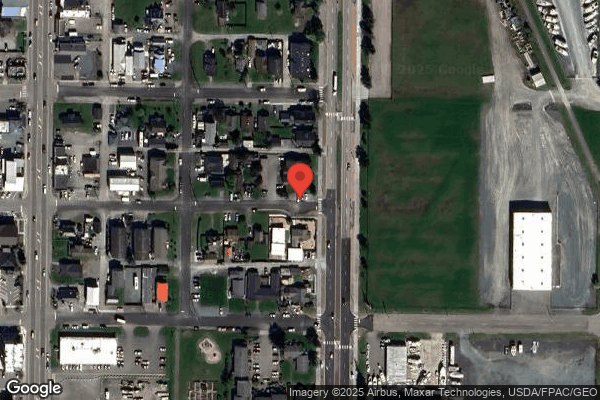
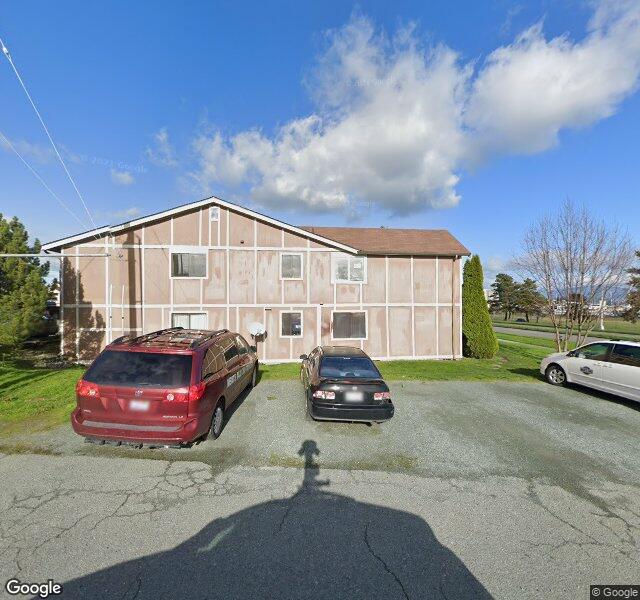
1105 27TH STREET, ANACORTES, WA 98221 (360) 293-3174
For profit - Corporation 44 Beds HYATT FAMILY FACILITIES Data: November 2025
Trust Grade
38/100
#154 of 190 in WA
Last Inspection: May 2025

Inspected within the last 6 months. Data reflects current conditions.

Overview

Soundview Rehabilitation and Health Care Inc has received a Trust Grade of F, indicating significant concerns about the care provided, which places it in the poor category. In Washington, it ranks #154 out of 190 facilities, putting it in the bottom half, and it is the least favorable option in Skagit County at #4 out of 4. The facility's trend is improving, as it reduced issues from 32 in 2024 to 12 in 2025, but there are still serious concerns. Staffing is average with a rating of 3 out of 5 stars and a turnover rate of 56%, which is about the state average. However, the facility has incurred $15,000 in fines, indicating some compliance problems, and while RN coverage is average, it is crucial for catching potential issues. Specific incidents noted by inspectors include a resident experiencing discomfort and psychological harm due to a caregiver's physical force during care, as well as delays in seeking needed continence care. Additionally, the facility failed to have a qualified dietary manager, risking the quality of food services, and there were issues with improper food storage that could lead to foodborne illnesses. Overall, while there are some improvements, the facility has significant weaknesses that families should consider carefully.

Trust Score
F
38/100
In Washington
#154/190
Bottom 19%
Safety Record
Moderate
Needs review
Inspections
Getting Better
32 → 12 violations
Staff Stability
⚠ Watch
56% turnover. Above average. Higher turnover means staff may not know residents' routines.
Penalties
✓ Good
$15,000 in fines. Lower than most Washington facilities. Relatively clean record.
Skilled Nurses
✓ Good
Each resident gets 47 minutes of Registered Nurse (RN) attention daily — more than average for Washington. RNs are trained to catch health problems early.
Violations
⚠ Watch
61 deficiencies on record. Higher than average. Multiple issues found across inspections.
★★☆☆☆
2.0
Overall Rating
★★★☆☆
3.0
Staff Levels
★★★☆☆
3.0
Care Quality
★★☆☆☆
2.0
Inspection Score
Stable
2024: 32 issues
2025: 12 issues

The Good

  • Full Sprinkler Coverage · Fire safety systems throughout facility
  • No fines on record

Facility shows strength in fire safety.

The Bad

2-Star Overall Rating

Below Washington average (3.2)

Below average - review inspection findings carefully

Staff Turnover: 56%

Near Washington avg (46%)

Frequent staff changes - ask about care continuity

Federal Fines: $15,000

Below median ($33,413)

Minor penalties assessed

Chain: HYATT FAMILY FACILITIES

Part of a multi-facility chain

Ask about local staffing decisions and management

Staff turnover is elevated (56%)

8 points above Washington average of 48%

The Ugly 61 deficiencies on record

1 actual harm
May 2025 11 deficiencies
CONCERN (D)

Potential for Harm - no one hurt, but risky conditions existed

Deficiency F0554 (Tag F0554)

Could have caused harm · This affected 1 resident

**NOTE- TERMS IN BRACKETS HAVE BEEN EDITED TO PROTECT CONFIDENTIALITY** Based on observation, interview, and record review, the facility failed to ensure residents were evaluated and assessed for safe...

Read full inspector narrative →
**NOTE- TERMS IN BRACKETS HAVE BEEN EDITED TO PROTECT CONFIDENTIALITY** Based on observation, interview, and record review, the facility failed to ensure residents were evaluated and assessed for safe administration of medications for 2 of 3 residents (Residents 26, and 134), reviewed for self-medication administration. The failure to complete a self-administration of medication assessment placed the residents at risk for medication errors, adverse medication interactions, and complications. Findings included . Review of the facility policy titled, Self-Administration of Medications, undated stated as part of the evaluation comprehensive assessment the resident will be assessed for cognition and physical ability to determine self-administration would be safe or clinically appropriate .once resident was assessed and deemed safe and appropriate, the medical record will be documented and the care plan updated . self-administered medications will be stored in a safe and secure place, not accessible to other residents. <RESIDENT 26> Resident 26 admitted to the facility on [DATE] with diagnoses that included depression, muscle weakness, and cognitive communication deficit. The admission Minimum Data Set (MDS- an assessment tool) assessment dated [DATE] showed that the resident had intact cognition. In an observation and interview on 05/08/2025 at 11:05 AM, Resident 26 was observed to have a respiratory inhaler (handheld medical device that delivers medication directly into the lungs through inhalation) on their over-the-bed table at the bedside. The resident stated that they had recently recovered from a respiratory infection and were still using their inhaler (they pointed to the one on the table) to help with their breathing. In an observation on 05/09/2025 at 8:04 AM, Resident 26 was observed to have their inhaler on the over-the-bed table at the bedside. In an observation on 05/12/2025 at 8:12 AM, Resident 26 was observed to have their inhaler on the over-the-bed table at the bedside. <RESIDENT 134> Resident 134 admitted to the facility on [DATE] with diagnoses that included pneumonia, and disease of the digestive system. The admission MDS assessment had not been completed as of 05/12/2025. Review of Resident 134's medical record showed on 05/07/2025 the resident was alert and orientated to person, place, time and situation, able to make all their needs known. In an observation and interview on 05/08/2025 at 2:52 PM, Resident 134 stated they use a respiratory inhaler due to recent respiratory infection and pointed to their shirt pocket and stated they keep it there. Review of Resident 134's medical record showed a progress note dated 05/10/2025, the nurse documented that the resident had a respiratory inhaler at their bedside. In an interview on 05/13/2025 at 12:11 PM, Staff L, Licensed Practical Nurse (LPN) stated residents were allowed to self-administer medications. Staff L stated the facility must ensure the residents understand the appropriate use of the medication, and they must keep them locked up. In an interview on 05/14/2025 at 11:59 AM, Staff B, Director of Nursing Services stated that they were notified that Resident 134 had a respiratory inhaler at bedside on 05/10/2025. Staff B stated they were not aware that Resident 26 had a respiratory inhaler at bedside. Staff B confirmed that the expectation was that any resident that would like to self-administer medications must have a safety and physical assessment, and the medications should be kept secure. Reference WAC 388-97-1060(3)(l), 0440
CONCERN (D)

Potential for Harm - no one hurt, but risky conditions existed

Deficiency F0558 (Tag F0558)

Could have caused harm · This affected 1 resident

**NOTE- TERMS IN BRACKETS HAVE BEEN EDITED TO PROTECT CONFIDENTIALITY** Based on observation and interview, the facility failed to ensure call lights (an alerting device for staff to assist residents ...

Read full inspector narrative →
**NOTE- TERMS IN BRACKETS HAVE BEEN EDITED TO PROTECT CONFIDENTIALITY** Based on observation and interview, the facility failed to ensure call lights (an alerting device for staff to assist residents in need) were within reach for 2 of 3 residents (Residents 4, and 6), reviewed for accommodation of needs. This failure placed the residents at risk for delayed care, accidents/falls, anxiety, and a diminished quality of life. <Resident 4> Resident 4 was a long-term resident at the facility. According to the quarterly MDS (an assessment tool), dated 02/18/2025, Resident 4 was severely cognitively impaired. During an observation on 05/09/2025 at 10:44 AM, Resident 4 was in bed with no call light within reach. During an observation on 05/09/2025 11:21 AM, Resident 4 was in bed with no call light within reach. During an observation on 05/09/2025 at 11:43 AM, Resident 4 was in bed with no call light within reach. During multiple observations on 05/12/2025 at 8:45 AM, 9:08 AM, 10:17 AM, 10:41 AM, 12:11 PM, 1:31 PM, and 1:53 PM, Resident 4 was in bed, with no call light within reach. The call light was noted to be hanging on a curtain. During an interview on 05/09/2025 at 11:43 AM, Staff P, Nursing Assistant Certified (NAC), stated that all residents should have their call light within reach. Staff P then indicated that they had forgotten to ensure that Resident 4 had a call light within reach. <Resident 6> Resident 6 was a long-term resident of the facility. According to the quarterly MDS assessment dated [DATE], Resident 6 was severely cognitively impaired. During an observation on 05/12/2025 at 8:42 AM, Resident 6 was in bed, and the call light was out of reach. Resident 6 was yelling at the time of this observation. During an observation on 05/12/2025 at 1:29 PM, Resident 6 was in bed, and the call light was out of reach. Resident 6 was yelling at the time of this observation. During an interview on 05/13/2025 at 1:46 PM, Staff B, Interim Director of Nursing Services, stated that all residents should always have a call light in reach, even if they are unsure of how to use it. Reference WAC 388-97-0860 (2)
CONCERN (D)

Potential for Harm - no one hurt, but risky conditions existed

Deficiency F0730 (Tag F0730)

Could have caused harm · This affected 1 resident

Based on interviews and record reviews, the facility failed to complete annual staff performance reviews as required for 3 of 5 sampled staff (Staff N, S, and T). The facility also did not ensure that...

Read full inspector narrative →
Based on interviews and record reviews, the facility failed to complete annual staff performance reviews as required for 3 of 5 sampled staff (Staff N, S, and T). The facility also did not ensure that the required 12 hours of education based on these evaluations were completed for 2 of 5 staff members (Staff S and T). This failure placed residents at risk of receiving care from inadequately trained and/or underqualified staff, which diminished the quality of life. Findings Included . Review of the document titled 'CNA_hours_HCA_12mos', documented that from April 2024 to May 2025, Staff M was missing 5 of 12 hours of annual education, and Staff T was missing 2 of 12 hours of yearly education. A review of employee files on 05/12/2025, provided by the Facility Administrator, revealed that there were no annual evaluations for staff members N, S, and T. During an interview on 05/14/2025 at 10:52 AM, Staff A, Administrator, stated that Staff T was missing 2 of the 12 required hours of education and annual evaluations, Staff S was missing 5 of the required 12 hours of education and annual evaluations, and Staff N was missing annual evaluations. Reference WAC 388-97-1680 (2) (a-c)
CONCERN (D)

Potential for Harm - no one hurt, but risky conditions existed

Unnecessary Medications (Tag F0759)

Could have caused harm · This affected 1 resident

**NOTE- TERMS IN BRACKETS HAVE BEEN EDITED TO PROTECT CONFIDENTIALITY** <RESIDENT 134> Resident 134 admitted to the facility on [DATE] with diagnoses that included pneumonia, and disease of the ...

Read full inspector narrative →
**NOTE- TERMS IN BRACKETS HAVE BEEN EDITED TO PROTECT CONFIDENTIALITY** <RESIDENT 134> Resident 134 admitted to the facility on [DATE] with diagnoses that included pneumonia, and disease of the digestive system. Review of Resident 134's physician orders showed the resident had an order for Zosyn solution (antibiotic) given through an intravenous (IV - into the vein) line, given every eight hours, scheduled at 8:00 AM, 4:00 PM, and 12:00 AM. In an observation and interview on 05/12/2025 at 9:35 AM, Staff G was observed to administer Resident 134's IV antibiotic. The medication was given one and half hours late after the physician orders indicated it was to be administered. Staff G stated they administered the medications to residents down the hallway in order, not by a set time. In an interview on 05/14/2025 at 11:59 AM, Staff B, Director of Nursing Services stated the facility policy was that all medications should be given within an hour time that they are due. Staff B was unaware that Resident 134's IV antibiotic was given late. Reference WAC 388-97-1060 (3)(k)(ii) Based on observation, interview, and record review, the facility failed to ensure a medication error rate of less than 5 percent (%, unit of measure). During observation of 25 opportunities for error, 2 of the 25 medications were administered late, resulting in an error rate of 8 %. These failures placed residents at risk for side effects, unnecessary medications, and/or reduced medication effectiveness due to improper administration. Findings included . <Resident 24> Resident 24 was a short-term resident at the facility. According to the admission MDS assessment dated [DATE], the resident was not cognitively impaired. According to the National Institute of Health (NIH), Levothyroxine, which was a medication administered for thyroid issues, is absorbed better in the body when it is taken on an empty stomach and should be administered 30 to 60 minutes before breakfast. During an observation on 05/12/2025 at 8:32 AM, Staff G, Agency Licensed Practical Nurse (LPN), administered Resident 24's 7:00 AM dose of Levothyroxine 1.5 hours after it was scheduled.
CONCERN (D)

Potential for Harm - no one hurt, but risky conditions existed

Deficiency F0761 (Tag F0761)

Could have caused harm · This affected 1 resident

**NOTE- TERMS IN BRACKETS HAVE BEEN EDITED TO PROTECT CONFIDENTIALITY** Based on observation, interview and record review, the facility failed to properly label and/or discard undated, opened vials of...

Read full inspector narrative →
**NOTE- TERMS IN BRACKETS HAVE BEEN EDITED TO PROTECT CONFIDENTIALITY** Based on observation, interview and record review, the facility failed to properly label and/or discard undated, opened vials of aplisol (solution used to test for persons with possible Tuberculosis- an infectious respiratory disease) and ensure refrigerated drugs were stored at proper temperatures in 1 of 1 medication rooms. This failure placed the residents at risk of receiving compromised or ineffective medications. Findings included . Review of a facility policy titled, Storage of Medications, dated [DATE], Documented that the facility should maintain a temperature log and record temperatures at least once a day. <REFRIGERATOR TEMPERATURE LOGS> Review of the temperature log for the medication refrigerator in the medication room for [DATE] showed no temperature was recorded for [DATE], [DATE], [DATE] or [DATE]. Review of the temperature log for the medication refrigerator in the medication room for [DATE]-13th, 2025, showed no temperature was recorded for [DATE], [DATE], [DATE], [DATE] or [DATE]. During an interview on [DATE] at 2:29 PM, Staff B, interim Director of Nursing, stated the facility practice was to check the temperature of the refrigerator once daily and that the night shift staff should be doing it. <UNDATED VIAL> During an observation on [DATE] at 11:48 AM, there were two open vials of aplisol solution inside the refrigerator in the medication room. The label on the vial documented the product expired 30 days after opening. The label did not have a date when it was opened. During an observation and interview on [DATE] at 12:04 PM, Staff G, Licensed Practical Nurse, stated the aplisol vial was only good for 30 days after opening. Staff G stated that the vials were not dated when they were opened, and they needed to be discarded. Reference WAC 388-97-1300 (2)
CONCERN (D)

Potential for Harm - no one hurt, but risky conditions existed

Medical Records (Tag F0842)

Could have caused harm · This affected 1 resident

**NOTE- TERMS IN BRACKETS HAVE BEEN EDITED TO PROTECT CONFIDENTIALITY** <RESIDENT 11> Resident 11 was admitted to the facility on [DATE], with diagnoses that include bipolar disorder with depres...

Read full inspector narrative →
**NOTE- TERMS IN BRACKETS HAVE BEEN EDITED TO PROTECT CONFIDENTIALITY** <RESIDENT 11> Resident 11 was admitted to the facility on [DATE], with diagnoses that include bipolar disorder with depression, and anxiety disorder. Review of Resident 11's physician orders showed an order dated 11/16/2024, to monitor for adverse side effects related to the use of an antipsychotic medication such as sedation, drowsiness, dry mouth, blurred vision, constipation, shuffling gait, drooling, weight gain, tremors, postural hypotension, sweating, loss of appetite, and urinary retention three times a day. The following was missing documentation: - March 2025: 03/26/2025, and 03/28/2025, - April 2025: 04/06/2025, and 04/21/2025, - May 2025: 05/01/2025, 05/02/2025, 05/05/2025, and 05/08/2025. Review of Resident 11's physician orders showed an order dated 11/26/2024, to monitor adverse side effects related to the use of an antidepressant medication such as isolation, suicidal thoughts, withdrawal; decline in ability, constipation, fecal impaction, diarrhea; gait changes, rigid muscles, balance problems, movement problems, tremors, muscle cramps, falls, dizziness/vertigo, fatigue, insomnia, appetite loss, and weight loss three times a day. The following was missing documentation: - March 2025: 03/26/2025, and 03/28/2025, - April 2025: 04/06/2025, and 04/21/2025, - May 2025: 05/01/2025, 05/02/2025, 05/05/2025, and 05/08/2025. Review of Resident 11's physician orders showed an order dated 01/28/2025, to document targeted behaviors related to the resident's bipolar disorder such as hallucinations, delusions, and mood swings three times a day. The following was missing documentation: - March 2025: 03/02/2025, 03/26/2025, and 03/28/2025, - April 2025: 04/06/2025, and 04/21/2025, - May 2025: 05/01/2025, 05/02/2025, 05/05/2025, and 05/08/2025. Review of Resident 11's physician orders showed an order dated 11/25/2024, to document targeted behaviors related to the resident's depression such as refusing care, tearfulness, and angry outburst three times a day. The following was missing documentation: - March 2025: 03/02/2025, 03/26/2025, and 03/28/2025, - April 2025: 04/06/2025, and 04/21/2025, - May 2025: 05/01/2025, 05/02/2025, 05/05/2025, and 05/08/2025. In an interview on 05/13/2025 at 12:11 PM, Staff L, LPN stated the expectation was that all licensed staff are to complete their documentation by the end of their shift, and if not, they are to notify the DNS. In an interview on 05/14/2025 at 11:59 AM, Staff B, DNS stated they were not aware that the licensed staff had not been completing their documentation at the end of each shift, and that the expectation was that all licensed staff are to complete their documentation at the end of the shift. Reference WAC 388-97-1720 (1)(a)(i)(ii)(iii)(j) Based on interview and record review, the facility failed to ensure a system in which resident's records were complete, accurate, and accessible for 1 of 5 residents (Resident 11) reviewed for unnecessary medications and 1 of 3 residents (Resident 383) reviewed for pain. The facility failed to ensure the residents' medical records had active orders and complete and accurate Medical Administration Records (MAR) which placed the residents at risk for medical complications, unmet care needs, and diminished quality of life. Findings included . Review of the facility policy titled Medication and Flexible Pass Time, revised 10/27/2023, stated to double check the MAR prior to giving medication and to follow the ten rights of medication administration. Review of a facility's undated policy titled, Ten Rights of Medication Administration, documented right response and right documentation were part of the ten rights. <Resident 383> During a review of the narcotic book (record of medication administration of medications with high risk of addiction), Resident 383 had a dose of Hydromorphone (pain medication) signed out on 05/09/2025 at 12:15 AM. Review of Resident 383's orders showed no active physician order for the Hydromorphone and the May 2025 MAR showed no documentation that the pain medication was administered to the resident at that date and time. During a joint interview on 05/13/2025 at 2:31 PM with Staff B, Director of Nursing Services (DNS) and Staff G, Licensed Practical Nure (LPN), reviewed Resident 383's electronic medical record (EMR) and MAR. They confirmed no dose was documented as administered on the MAR or in the progress note, the only documentation was in the narcotic book. During a follow up interview on 05/13/25 at 3:15 PM with Staff F, Registered Nurse (RN) and Staff G, LPN, Staff F reported the order for the pain medication was not confirmed in the orders until 05/09/2025 at 5:03 PM, which was after the pain medication was signed out of the narcotic book on 05/09/2025 at 12:15 AM. Staff F and Staff G confirmed that the pain medication did not have documentation for the dose given on 05/09/2025 at 12:15 AM in Resident 383's clinical record.
CONCERN (E)

Potential for Harm - no one hurt, but risky conditions existed

Deficiency F0658 (Tag F0658)

Could have caused harm · This affected multiple residents

**NOTE- TERMS IN BRACKETS HAVE BEEN EDITED TO PROTECT CONFIDENTIALITY** Based on observation, interview, and record review, the facility failed to ensure professional standards were met for 1of 1 samp...

Read full inspector narrative →
**NOTE- TERMS IN BRACKETS HAVE BEEN EDITED TO PROTECT CONFIDENTIALITY** Based on observation, interview, and record review, the facility failed to ensure professional standards were met for 1of 1 sampled residents (Resident 134) reviewed for intravenous (IV - into the vein) medication administration, 3 of 5 residents (Residents 18, 19, and 29) reviewed for unnecessary medication review, and for 1 of 2 residents (Resident 19) reviewed for pressure ulcers. These failures placed the residents at risk of complications, worsening infections, delay in healing, and adverse outcomes. Findings include . Review of the facility policy titled, Introduction and Intravenous Policies, undated states the nursing staff should review physician orders, evaluate the appropriateness of the orders, verify medication compatibility prior to administration, maintain the IV site and system .all IV administration tubing should be labeled with date, time, and nurse initials .tubing should be changed every twenty-four hours for intermittent infusions . all dressing should be assessed and documented every eight hours as needed, and should be labeled with date, time, gauge and length .short peripheral catheter should have a access site assessment, skin integrity, type of therapy and patency of device. Review of facility policy titled, Medication and Flexible Pass Time, revised 10/27/2023 stated that all medications will be passed according to physician orders, and medication guidelines .facility will assess vitals prior to administration of certain medications. <INTRAVENOUS THERAPY> Resident 134 admitted to the facility on [DATE] with diagnoses that included pneumonia, and disease of the digestive system. The admission Minimum Data Set (MDS- an assessment tool) assessment had not been completed as of 05/12/2025. Review of Resident 134 medical record showed on 05/07/2025 the resident was alert and orientated to person, place, time and situation, able to make all their needs known. Review of Resident 134 physician orders dated 05/06/2025, showed the following: - Zosyn (antibiotic) IV solution every eight hours for infection till 05/16/2025, - central line (PICC - IV inserted into arm that goes directly to central large vein above the heart), - flush with saline, and heparin (blood thinning), - monitor the PICC for complications, - change dressing to PICC line every 7 days and as needed. In an observation on 05/08/2025 at 11:12 AM, Resident 134 was lying asleep in their bed, there was an IV pump on, and a medication bag was hanging from the pump, fluid could be seen dripping into tubing chamber. The tubing was attached to an IV peripheral device in the right crease of the elbow of the resident. The IV tubing was not dated. In an observation and interview on 05/08/2025 at 2:52 PM, Resident 134 stated that they went to the emergency room at the local hospital and stayed in the emergency room for about 24 hours, then they were transferred to this facility. The resident stated they had put the IV in their right arm when they went to the emergency room on [DATE]. Resident 134 had a peripheral IV device to right arm, the dressing was not dated, or timed, the edges of the dressing were frayed, and the tape was peeling off the skin of the resident. The IV tubing end was connected to a port on the same line, there was no safety cap used at the end for infection control safety. In observations on 05/09/2025 at 8:03 AM, and 10:46 AM, Resident 134 was observed to have the same IV device to the right arm, dressing was discolored, not dated or timed, and edges were frayed and peeling. In an observation and interview on 05/12/2025 at 8:05 AM, Resident 134 was observed to have the same IV device to the right arm, dressing was discolored, not dated or timed, and edges were frayed and peeling. Resident 134 stated that over the weekend the IV was leaking at the insertion site of their skin and they had to hold the IV in place with their fingers to keep it from leaking while they were administering the IV antibiotic. The IV tubing end was connected to a port on the same line, there was no safety cap used at the end for infection control safety. In an observation and interview on 05/12/2025 at 9:35 AM, Staff G, Licensed Practical Nurse (LPN) was observed to administer a dose of the IV antibiotic to Resident 134. Staff G was cleaning the IV tube insertion site of the resident's device, the resident explained to Staff G that the IV site had been leaking all weekend and that they had been using their finger to hold it down to keep it from leaking out on their skin. Staff G disconnected the end of the IV tubing from a port on the same tubing line. Staff G was asked if that was standard nursing practice to have the IV line attached to a port when not in use, and they stated there should not be a safety cap, however here at this facility that's what they had seen done. Staff G connected the tubing to the resident's IV device and started to administer the medication and stated it appeared fine now. Staff G stated that the resident had a peripheral device that should only be used for a few days then replaced. Staff G stated they were unsure why Resident 134's physician orders indicated the resident had a PICC line, when they did not. Staff G was asked if they assessed the dressing site of the IV device, and they replied, that was horrible, and it should be changed and that they would notify someone to change the dressing. In an interview on 05/13/2025 at 12:11 PM, Staff L, LPN stated that the standard of practice for use of a peripheral IV device was that they are only good for about a few days. Staff L confirmed Resident 134 had a peripheral IV device to their right arm, that appeared old and needed to be replaced. Staff L also stated the physician orders for maintenance and management of the IV device were incorrect and that the resident did not have a PICC line. In an interview on 05/14/2025 at 11:59 AM, Staff B, Director of Nursing Services (DNS) stated they were not aware of the old, frayed peripheral IV device to Resident 134 till they were notified on 05/13/2025. Staff B confirmed the residents did have a peripheral IV device in their right arm that had been placed previously in the emergency room on [DATE]. Staff B also confirmed the orders for PICC management were not accurate. <UNNECESSARY MEDICATIONS> RESIDENT 18 Resident 18 admitted to the facility on [DATE] with diagnoses that included type two diabetes, and degeneration of the brain. The Significant Change in Condition MDS dated [DATE] showed the residents had sever cognitive impairment and were receiving insulin injections for blood sugar management. Review of Resident 18's electronic medication administration record (EMAR) for March 2025 showed the resident an order for Humalog insulin injections for managing their blood sugar, with parameter to not give if the residents blood sugar level was less than 140. On 03/13/2025, 03/30/2025, and 03/31/2025 the residents blood sugar level was less than 140 and the insulin was documented as given outside of the parameters. In a review of Resident 18's electronic medication administration record (EMAR) for April 2025, documented the resident had an order dated 04/01/2025 - 04/11/2025 for Humalog insulin injections to manage their blood sugar, with parameter to not give if the residents blood sugar level was less than 130. On 04/03/2025, 04/04/2025, and 04/08/2025 the residents blood sugar level was less than 140 and the insulin was documented as given outside of the parameters. Review of Resident 18's electronic medication administration record (EMAR) dated April 2025 showed the resident an order dated 04/13/2025 - 04/30/2025 for Humalog insulin injections for managing their blood sugar, with parameter to not give if the residents blood sugar level was less than 140. On 04/14/2025, 04/22/2025, 04/23/2025, 04/24/2025, 04/27/2025, 04/28/2025, twice on 04/30/2025 the blood sugar level was less than 140 and the insulin was documented as given outside of the parameters. In an interview on 05/13/2025 at 12:11 PM, Staff L stated parameters for residents and insulin are usually resident specific, and the expectation if they are followed, and they should notify the provider whenever they must hold a medication. In an interview on 05/14/2025 at 11:59 AM, Staff B stated that the pharmacist reviewed the medications and administration monthly and they will usually notify them if there are any errors. Staff B stated they were not aware that Resident 18 was given insulin outside of the physician established parameters. <RESIDENT 19> Review of Resident 19's physician order summary, dated 05/09/2025, showed an order for Oxycodone (strong pain medication that can cause addition) Oral Tablet 5 MG-Give by mouth as needed every four hours for Pain: Severe (7-10), initiated on 03/05/2025. Review of the March 2025 eMAR showed the following doses were administered outside of the pain rating of 7-10: 03/07/2025 at 7:20 AM rating of 4, 03/07/2025 at 1:40 PM rating of 5, 03/10/2025 at 8:42 AM rating of 5, 03/07/2025 at 7:39 PM rating of 4, 03/11/2025 at 7:47 AM rating of 5, 03/11/2025 at 12:08 PM rating of 5, 03/14/2025 at 7:53 AM rating of 5, 03/17/2025 at 8:18 AM rating of 4, 03/17/2025 at 2:25 PM rating of 5, 03/18/2025 at 5:42 AM rating of 6, 03/18/2025 at 12:33 PM rating of 5, 03/19/2025 at 2:01 PM rating of 4, 03/20/2025 at 4:36 PM rating of 6, 03/21/2025 at 7:42 AM rating of 5, 03/23/2025 at 8:33 AM rating of 4, 03/24/2025 at 7:00 AM rating of 5, 03/24/2025 at 5:09 PM rating of 5, 03/24/2025 at 9:09 PM rating of 5, 03/25/2025 at 7:57 AM rating of 4, 03/26/2025 at 4:25 PM rating of 5, 03/27/2025 at 7:44 AM rating of 4, 03/27/2025 at 3:34 PM rating of 6, 03/28/2025 at 7:39 AM rating of 4, 03/29/2025 at 1:29 AM rating of 6, 03/30/2025 at 7:19 AM rating of 5, 03/30/2025 at 6:59 PM rating of 6, 03/31/2025 at 7:48 AM rating of 5 and 03/31/2025 at 4:08 AM rating of 3. Review of the April 2025 eMAR showed the following doses were administered outside of the pain rating of 7-10: 04/01/2025 8:28 AM rating of 5, 04/01/2025 7:38 AM rating of 4, 04/02/2025 7:39 AM rating of 4, 04/02/2025 12:41 PM rating of 4, 04/07/2025 7:03 AM rating of 5, 04/08/2025 7:15 PM rating of 5, 04/09/2025 12:43 AM rating of 6, 04/09/2025 6:46 AM rating of 5, 04/09/2025 3:12 PM rating of 6, 04/10/2025 7:15 AM rating of 5, 04/11/2025 6:48 AM rating of 5, 04/12/2025 8:09 AM rating of 6, 04/12/2025 12:20 PM rating of 6, 04/12/2025 8:18 PM rating of 6, 04/13/2025 12:30 PM rating of 6, 04/13/2025 4:50 PM rating of 6, 04/14/2025 8:50 AM rating of 5, 04/15/2025 3:09 PM rating of 6, 04/16/2025 1:55 PM rating of 6, 04/17/2025 3:23 PM rating of 5, 04/17/2025 8:14 PM rating of 3, 04/18/2025 8:47 AM rating of 6, 04/18/2025 6:40 PM rating of 5, 04/19/2025 8:07 AM rating of 6, 04/19/2025 12:06 PM rating of 6, 04/19/2025 4:31 PM rating of 6, 04/19/2025 8:28 PM rating of 6, 04/20/2025 6:00 AM rating of 6, 04/20/2025 9:33 AM rating of 6, 04/20/2025 1:13 PM rating of 6, 04/20/2025 5:20 PM rating of 6, 04/21/2025 5:00 AM rating of 6, 04/21/2025 4:29 PM rating of 5, 04/25/2025 6:44 AM rating of 5, 04/25/2025 10:44 AM rating of 5, 04/25/2025 3:04 PM rating of 5, 04/25/2025 7:50 PM rating of 5, 04/26/2025 7:33 AM rating of 6, 04/26/2025 11:23 AM rating of 6, 04/26/2025 5:11 PM rating of 6, 04/27/2025 6:29 AM rating of 6, 04/27/2025 12:01 PM rating of 6, and 04/27/2025 5:31 PM rating of 6. Review of the May 2025 eMAR from 05/01-05/09/2025, showed the following doses were administered outside of the pain rating of 7-10: 05/01/2025 8:16 PM rating of 4, 05/02/2025 6:52 AM rating of 6, 05/02/2025 12:17 PM rating of 6, 05/03/2025 6:41 AM rating of 6, 05/03/2025 12:18 PM rating of 6, 05/03/2025 4:20 PM rating of 6, 05/03/2025 8:34 PM rating of 6, 05/04/2025 6:29 AM rating of 6, 05/04/2025 4:15 PM rating of 6, 05/04/2025 8:15 PM rating of 5, 05/05/2025 10:47 PM rating of 5, 05/07/2025 10:17 AM rating of 5, 05/07/2025 3:33 PM rating of 4, 05/07/2025 8:03 PM rating of 6, 05/08/2025 7:38 AM rating of 5, 05/08/2025 1:34 PM rating of 4, 05/09/2025 5:23 AM rating of 5, and 05/09/2025 9:29 AM rating of 6. During an interview on 05/13/2025 at 2:43 PM, Staff F, LPN, stated that Resident 19's physician order for oxycodone showed it should be given for pain rating of 7-10. Staff F reported that they had given Resident 19 oxycodone on 05/12/2025 with a pain rating of 6 and that they should have contacted the provider to update the orders. During an interview on 05/14/2025 at 10:50 AM, Staff B stated they expected the nurses to give oxycodone within the doctor's parameters and giving oxycodone for a rating of 4-6 was not appropriate. <PRESSURE RELIEVING DEVICES> Resident 19 readmitted to the facility on [DATE]. Review of Resident 19's physician order summary, dated 05/09/2025, showed an order for APM (Alternating pressure mattress- specialty mattress to promote skin health) on bed for pressure relief/redistribution. Check for proper inflation and function every shift. The order was initiated on 03/18/2025. During an observation on 05/08/2025 at 3:20 PM, Resident 19 had a standard mattress on their bed. During an observation on 05/09/2025 at 8:27 AM,10:40 AM, and 2:11 PM, Resident 19 had a standard mattress on their bed. During an observation and interview on 05/12/2025 at 11:33 AM, Resident 19 was lying in bed and was noted to have a standard mattress in place. Staff F stated that Resident 19 currently had a standard mattress but did have an alternating pressure mattress when they resided in the other hallway. Review of the May 2025 Treatment administration sheets documented that staff had been checking the APM for proper inflation and function every shift from 05/01/2025- 05/11/2025, including when observations were made that Resident 19 had a standard mattress in place. During an interview on 05/12/2025 at 2:13 PM, Staff B stated that Resident 19 had the APM removed as the wound was healing and the nurses were documenting in error. <Resident 29> Resident 29 was a short-term resident of the facility. According to the admission MDS assessment dated [DATE], Resident 29 was mildly cognitively impaired. Review of May 2025 eMAR documented that blood pressure medication was not to be administered if the resident's pulse rate was 60 or less or the systolic blood pressure (the lower number on blood pressure reading) was 100 or less. In May 2025, the eMAR documented that doses were administered outside of parameters. On 05/05/2025, the morning dose was given when the pulse rate was 45, and on 05/09/2025, the morning dose was given with a pulse rate of 50. The noon dose was administered on 05/04/2025 with a pulse rate of 49, on 05/05/2025 with a pulse rate of 45, and on 05/06/2025 with a pulse rate of 48. For the PM evening dose, it was given on 05/05/2025 when the pulse rate was 44, and again on 05/08/2025 when the pulse rate was 49. The bedtime dose was administered on 05/05/2025 with a pulse rate of 44. Reference WAC 388-97-1060(3)(a)(k)
CONCERN (E)

Potential for Harm - no one hurt, but risky conditions existed

Infection Control (Tag F0880)

Could have caused harm · This affected multiple residents

**NOTE- TERMS IN BRACKETS HAVE BEEN EDITED TO PROTECT CONFIDENTIALITY** <HAND HYGIENE> During an observation on 05/12/2025 at 12:45 PM, Staff R, NAC and Staff M, NAC provided incontinent care t...

Read full inspector narrative →
**NOTE- TERMS IN BRACKETS HAVE BEEN EDITED TO PROTECT CONFIDENTIALITY** <HAND HYGIENE> During an observation on 05/12/2025 at 12:45 PM, Staff R, NAC and Staff M, NAC provided incontinent care to Resident 12. Staff M applied gloves, then cleansed the perineum the resident. Staff R then assisted the resident to turn onto their side so Staff M could cleanse the buttocks and remove the soiled brief. Staff M then opened the clean brief with their contaminated gloves and placed it under the resident. Staff M opened the drawer of the nightstand with their contaminated gloved hand, removed a packet of skin barrier, squeezed the contents into their gloved hand and rubbed it onto the resident's buttocks. Staff M then used the contaminated gloved hand to secure the brief in place and then removed the used gloves. During an interview on 05/12/2025 at 12:54 PM, Staff M stated they realized that they had not removed their gloves or did hand hygiene while providing incontinent care. Staff M reported they normally wear multiple gloves and remove a pair in between tasks. Based on observation, interview, and record review, the facility failed to ensure staff were com-pliant with Infection Prevention and Control Guidelines and standards of practice for 2 of 2 units (Ship Harbor and Portage) reviewed for transmission-based precautions (TBP) for residents (Residents 4, 12, and 28) who had tested positive for Coronavirus Disease 2019 (COVID-19 -an infectious disease-causing respiratory illness with symptoms) The facility failed to ensure licensed staff implemented the use of Enhanced Barrier Precautions (EBP) for 2 of 2 residents (Residents 19, and 134) while they provided direct care to residents on EBP, failed to ensure staff were compliant with appropriate hand hygiene practices during perineal care (process of cleaning genitals and anal area) for 1 of 1 resident (Resident 12), and failed to ensure they had a system in place for the transport of clean linens for 1 of 1 laundry rooms. These failures placed all residents and staff at risk of potential infection. Findings included . Review of the facility policy titled, COVID-19 Policy & Procedure, undated stated minimum personal protection equipment (PPE) for care of residents with COVID-19 included gown, gloves, National Institute for Occupational Safety and Health (NIOSH) approved respirator such as an N95 (specialize mask that provides greater protection that a surgical mask), and eye protection, the facility was to follow the current Center for Disease and Control (CDC) standards. Review of facility document titled, Aerosol Isolation Precautions revised 10/09/2020 documented everyone must clean hands before and after leaving the room, use an N95 respirator, eye protection, gown and glove when exiting remove all items, and perform hand hygiene. Review of the facility policy titled, Enhanced Barrier Precautions, dated 04/01/2024 stated that EBP was used to reduce the spread of potential multi-drug resistant organisms to residents .and was implemented through use of gown and gloves during high contact resident care activities when contact precautions do not apply such as device care, and wound care .EBP was indicated in residents who have wounds, and/or indwelling medical devices such as intravenous (IV) lines, and catheters. Review of the facility policy titled, Handwashing/Hand Hygiene, undated documented all staff shall follow the handwashing/hand hygiene procedures to help prevent the spread of infections, examples of when to implement hand hygiene are before and after contact with residents, before and after donning (wearing) gloves, and before and after handling soiled objects. Review of a facility procedure, titled Perineal care procedure (cleansing of genital and anal area), dated 2017, documented staff were to provide peri-care and remove soiled gloves before touching the residents' clothing, privacy curtain, etc. <TRANSMISSION BASED PRECAUTIONS> RESIDENT 12 Resident 12 admitted to the facility on [DATE] with diagnoses that included dementia, and history of stroke. Review of Resident 12's medical record they tested positive for COVID-19 on 04/30/2025 and the resident was placed on aerosol isolation precautions. In a continuous observation on 05/05/2025 at 10:01 AM, Staff H, Nursing Assistant Certified (NAC) was observed to have a surgical mask on their face as they approached room [ROOM NUMBER] (Resident 12 resided). Staff H was observed to place an isolation gown, gloves and eye protection over their surgical mask. Staff I, NAC approached the door with an N95 respirator on their face, and proceeded to place an isolation gown, gloves and eye protection on, they both entered the room of Resident 12. At 10:09 AM, Staff H exited the room, removed their surgical mask and placed it in the trash and placed a new surgical mask on their face. Staff I continued to wear their same N95 and did not replace with a new one. Staff I then proceeded to enter the room of another resident that was not infected with COVID-19. In an interview on 05/08/2025 at 10:19 AM, Staff H stated they were educated to wear gown, goggles, gloves and mask when they provide care to COVID-19 residents. Staff H stated they were recently fit tested for a proper N95 respirator. Staff H was asked when they wear N95 respirators, and they responded when they provide care to COVID-19 positive residents. Staff H then stated they should have worn an N95 when they entered the room for Resident 12 and that a surgical mask was not appropriate PPE. In an interview on 05/08/2025 at 10:20 AM, Staff I stated they had only worked at the facility for three days. Staff I stated they had education on infection control policies and procedures for the facility. Staff I stated they had been fit-tested for a N95 respirator. Staff I was asked what the procedure was after they provided care to a COVID positive resident, and stated they are to remove all the PPE. Staff I stated they forgot to remove and replace their N95 respirator after they provided care to Resident 12. <RESIDENT 28> Resident 28 was admitted to the facility on [DATE] and resided in room [ROOM NUMBER]-1. Review of Resident 28's progress note, dated 05/02/2025 at 8:19 AM, showed that they had tested positive for Covid-19, and isolation precautions were put into place. During an observation on 05/09/2025 at 11:04 AM, Staff Q, Physical Therapy Assistant, was observed standing in the doorway of room [ROOM NUMBER] wearing a surgical mask. There was a sign on the door to room [ROOM NUMBER] that showed aerosol isolation precautions were in place. Staff Q applied a disposable gown and gloves and entered the room. Staff Q did not wear an N-95 or eye protection as the sign showed. During an interview on 05/09/2025 at 11:29 AM, Staff Q reviewed the sign on the doorway that showed they should have worn a N-95 and eye protection when entering the room. Staff Q stated they did not have a good reason why they had not followed the precautions. During an observation on 05/09/25 at 12:22 PM, Staff H, NAC delivered a lunch tray to room [ROOM NUMBER]. Staff H entered the room wearing their surgical mask, dropped the tray off, exited the room and left the door open. Staff H did not put on an N95 mask gown, gloves, or eye protection before entering the room as the sign indicated. The sign also documented to keep the door closed. During an interview on 05/09/25 at 12:43 PM, Staff H reviewed the sign on the door with the surveyor. Staff H stated they had not worn a respirator, gown, eye protection or gloves prior to entering the room and did not close the door after exiting as they had not read the sign. <ENHANCED BARRIER PRECAUTIONS> <RESIDENT 134> Resident 134 admitted to the facility on [DATE] with diagnoses that included pneumonia, and disease of the digestive system. Review of medical provider note dated 05/07/2025 resident was receiving IV antibiotics for diverticulitis (infection of the wall lining) of the large intestine and had IV indwelling device to their right arm for administration of IV antibiotics. In an observation on 05/08/2025 at 11:12 AM, room [ROOM NUMBER] had an EBP sign on the door that stated if the staff were to provide direct care such as device care or use, all staff are required to wear gowns and gloves for that care. In an observation and interview on 05/12/2025 at 9:35 AM, Staff G, Licensed Practical Nurse (LPN) stated they were going to administer the residents' IV antibiotics. Staff G stated they were going to gather their supplies, which included IV antibiotic medication to infuse, saline flush, alcohol wipes, and gloves. Staff G entered the room, performed hand hygiene and placed gloves on, Staff G did not place a gown on to provide direct care to the residents. Staff G continued to clean the IV valve insertion site on Resident 134, prepared the medication on the IV pump, and connected the tubing to the resident's IV insertion site. Staff G was asked what EBP sign on the door meant, they stated Resident 134 was on EBP for their IV device to their right arm. Staff G then stated they should have worn more PPE like a gown while they had administered Resident 134's IV antibiotic. <RESIDENT 19> Resident 19 re-admitted to the facility on [DATE] into room [ROOM NUMBER]-1. Review of the MDS, dated [DATE], showed Resident 19 had two pressure ulcers (bed sores). During an observation on 05/12/2025 at 11:33 AM, there was a sign posted on the door to room [ROOM NUMBER] that showed EBP, and staff were to wear gowns and gloves for high contact care activities including wound care. During an observation on 05/12/2025 at 11:33 AM, Staff F, LPN, applied gloves prior to completing wound care for Resident 19. Staff F did not wear a gown. During an interview on 05/12/2025 at 11:52 AM, Staff F stated they did not use a gown during wound care as they had not realized that Resident 19 was on EBP. <LINEN MANAGEMENT> In an observation on 05/09/2025 at 11:52 AM, Staff J, Laundry was observed to transport clean linen from outside of the building where the laundry room was located, into the building with their bare hands. Linen was exposed and not covered. In an interview on 05/13/2025 at 9:15 AM, Staff K, Housekeeping Manager stated that staff are instructed to transport clean linen's covered when going to and from the facility. In an interview on 05/14/2025 at 9:47 AM, Staff D, LPN/Infection Preventionist (IP) stated they just stated as the IP in February. Staff D stated their role was to ensure all the staff were following the facility infection control policies and procedures, including staff performing proper hand hygiene practice, TBP, isolation requirements, EBP, and proper transport and storage of linens. Staff G stated the expectation for all staff was for any resident that was COVID positive all staff were to wear a gown, eye protection, gloves, and their fit tested N95 respirator. Staff D stated that when they had the first resident test positive in April, they completed education with the staff on proper PPE that was required for the care of COVID positive residents. Staff D stated they had not been able to educate the staff on EBP in detail. Staff D stated they thought that the staff probably did not fully understand the guidance for EBP and were planning on providing more education with them. In a joint interview on 05/14/2025 at 11:59 AM, Staff A, Administrator and Staff B, Director of Nursing Services (DNS), Staff B stated that they had not educated the staff completely on EBP, and they needed to work on some of the confusion that may lead to non-compliance with it. Staff A they were not aware of the non-compliance with infection control procedures, and that they are working on purchasing a covered linen cart that would be useful for staff for transporting. <TRANSMISSION BASED PERCAUTIONS> Resident 4 Resident 4 was a long-term resident at the facility. According to the Quarterly MDS assessment dated [DATE], Resident 4 was severely cognitively impaired. Record review of the document titled Progress Note, printed on 05/09/2025 at 3:02 PM, indicated that Resident 4 was on alert due to a COVID-19 diagnosis. The resident was to remain on precautions until 05/15/2025, which required staff to wear N95 masks, gowns, eye protection, and gloves. During an observation on 05/12/2025 at 08:58 AM, Staff O entered Resident 4's room without eye protection or an N95 mask. During an interview on 05/12/2025 at 01:30 PM, Staff O stated that the resident had just tested positive for COVID-19. Staff O then stated that upon entering the resident's room, they were supposed to wear an N95 mask, gown, and gloves; however, there were no N95 masks in the supply drawer, so she did not wear one. Additionally, she was unaware that eye protection should have been worn. During the observation on 05/12/2025 at 1:30 PM, Staff O was seen exiting Resident 4's room with an N95 mask partially covering a surgical mask. She then removed the N95 and placed it in her pocket. Reference WAC 388-97- 1320(1)(a)(c)(3)
CONCERN (F)

Potential for Harm - no one hurt, but risky conditions existed

Deficiency F0801 (Tag F0801)

Could have caused harm · This affected most or all residents

Based on interviews and record reviews, the facility failed to designate a person to serve as the director of food and nutrition services with the proper qualifications. This failure placed all reside...

Read full inspector narrative →
Based on interviews and record reviews, the facility failed to designate a person to serve as the director of food and nutrition services with the proper qualifications. This failure placed all residents at risk of receiving dietary services from staff without the required competencies and skills to carry out food and nutrition services. Findings included . Review of the key personnel list, provided by the facility during the entrance conference meeting on 05/08/2025, showed no staff names were listed under the dietary manager. During an interview on 05/08/2025 at 8:53 AM, Staff E, Dietary Services, stated that the kitchen did not currently have a dietary manager. Staff E stated there had been a dietary manager with certification, but they no longer work for the company. During an interview on 05/12/2025 at 11:15 AM, Staff A, Administrator, stated the facility did not have a dietary manager and the person filling in did not have dietary credentials. Reference WAC 388-97-1160 (1)
CONCERN (F)

Potential for Harm - no one hurt, but risky conditions existed

Food Safety (Tag F0812)

Could have caused harm · This affected most or all residents

Based on observation and interviews, the facility failed to properly store, distribute and serve food in accordance with professional standard for food service safety. The facility failed to store per...

Read full inspector narrative →
Based on observation and interviews, the facility failed to properly store, distribute and serve food in accordance with professional standard for food service safety. The facility failed to store perishable foods properly and failed to dispose of outdated foods timely in 2 of 2 storage areas. These failures placed residents at risk of food borne illness. Findings included . During an observation and interview of the dry food storage room on 05/08/2025 at 9:18 AM, individual 1.5-ounce containers of honey mustard dressing were noted in a cardboard box on a shelf. The cardboard box documented must be refrigerated. The individual containers showed keep refrigerated on the label. Staff E, Dietary services, stated they would need to dispose of the dressing as it was not kept in the refrigerator. On 05/08/2025 at 12:27 PM, the pantry area in the resident dining room was reviewed. A plastic container of shredded cheese was noted in the refrigerator with a sticker that showed exp date May 3rd, a bin of individual 1.5 ounce containers of honey mustard dressing was sitting on the counter, the label showed to Keep refrigerated, a half loaf of bread had a sticker that showed exp date May 4th, and individual packages of chocolate chip cookies had a manufacturer expiration date of 05/05/2025. During an interview on 05/08/2025 at 12:31 PM, Staff H, Nursing Assistant Certified, stated the kitchen was to stock the pantry daily. Staff H stated the bread, and the dressing needed to be disposed of. Staff H stated the shredded cheese needed to be disposed of and placed it into the garbage can. During an observation and interview on 05/08/2025 at 12:35 PM, Staff E reviewed the panty and stated the bread, and the chocolate chip cookies were expired and needed to be discarded. Staff E stated the dressing needed to be disposed of as it had not been kept refrigerated. Reference WAC 388-97-1100(2)(3)
CONCERN (F)

Potential for Harm - no one hurt, but risky conditions existed

Garbage Disposal (Tag F0814)

Could have caused harm · This affected most or all residents

Based on observation and interview, the facility failed to dispose of garbage properly for 2 of 2 dumpsters. Failure to ensure garage was disposed of properly and the area was clean and free of litter...

Read full inspector narrative →
Based on observation and interview, the facility failed to dispose of garbage properly for 2 of 2 dumpsters. Failure to ensure garage was disposed of properly and the area was clean and free of litter, placed residents at risk for contamination of their environment by attracting bugs, rodents, birds and other germ carrying vectors. Findings included . During an observation on 05/08/25 at 3:04 PM, there were two dumpsters outside the facility. Neither dumpster had the lids closed. An unnamed staff person was observed placing garbage inside the dumpster, and did not close the lid. Surrounding the dumpsters, there were plastic bags of garbage, one of which had a tin can inside, protein drink carton with straw sticking out the top, scattered debris behind the dumpsters and two 5-gallon buckets filled with a thick sludge material with water sitting on top of the sludge. Beside the dumpster area was a knee-high pile of yard waste (branches and pinecones,) three mattresses, a cloth recliner chair and four mini refrigerators. There were flies noted flying around the area. During an observation on 05/08/25 at 4:23 PM, observed a seagull inside one of the dumpsters and then flew off with a piece of garbage in its beak. None of the lids were closed on either dumpster. During an observation on 05/09/25 at 8:19 AM, the lids to both dumpsters were open. During an observation on 05/12/25 at 8:14 AM, the lids to the dumpster on the left side were closed. The lids to the dumpster on the right side were open. During an observation on 05/12/25 at 4:40 PM, the lids to both dumpsters were open. During an observation on 05/12/25 at 7:40 AM, the lids to both dumpsters were open. During an interview and observation on 05/13/25 at 12:40 PM, Staff A, Administrator, observed the dumpsters and surrounding area with surveyor. Around the dumpsters were plastic bags of garbage, a protein drink carton with a straw sticking out the top, scattered debris of random papers, used gloves behind the dumpsters and two 5-gallon buckets filled with thick sludge material. Beside the dumpster area was a pile of yard waste, three mattresses, a cloth recliner chair and four mini refrigerators. Staff A stated that the facility has had some issues with squirrels and mice around the dumpsters which was why they had the rodent trap behind the dumpster. Staff A did not know what the sludge material inside the 5-gallon buckets was. Staff A stated the lids to the dumpsters should be kept closed and they needed to clean up the area. Reference WAC 388-97-1320 (4)
Jan 2025 1 deficiency
CONCERN (D) 📢 Someone Reported This

A family member, employee, or ombudsman was alarmed enough to file a formal complaint

Potential for Harm - no one hurt, but risky conditions existed

Quality of Care (Tag F0684)

Could have caused harm · This affected 1 resident

**NOTE- TERMS IN BRACKETS HAVE BEEN EDITED TO PROTECT CONFIDENTIALITY** Based on interview and record review the facility failed to ensure 2 of 6 residents (Residents 1, and 2) who had physician order...

Read full inspector narrative →
**NOTE- TERMS IN BRACKETS HAVE BEEN EDITED TO PROTECT CONFIDENTIALITY** Based on interview and record review the facility failed to ensure 2 of 6 residents (Residents 1, and 2) who had physician orders to obtain daily and weekly weights were obtained accordingly. This failed practice placed residents at risk of poor health outcomes and a diminished quality of life. Findings included . On 01/30/2025 a weight policy & procedure was requested from the facility and the facility was unable to provide the requested policy or procedure. <RESIDENT 1> Resident 1 admitted to the facility on [DATE] with diagnoses to include heart failure, hypertension (HTN), and cardiorespiratory conditions. Review Resident 1's Minimum Data Set (MDS-an assessment tool) assessment dated [DATE], showed the resident had passed away in the facility. Review of Resident 1's Care Plan printed on 01/27/2025, showed the following focus problems: -Hypertension initiated on 01/06/2025 (2 days after the resident passed away) and -At risk for altered respiratory status/difficulty breathing related to including chronic congestive heart failure initiated on 01/06/2025 (2 days after the resident passed away). Review of Resident 1's Order Summary Report on 01/23/2025, showed a physician order dated 11/07/2024 for daily weights and to notify the provider if there was a plus or minus of three-pound (lb) weight gain in a day or five lbs in one week. Review of the December 2024 Treatment Administration Record (TAR) showed on 12/29/2024, Resident 1 refused to be weighed but a weight of 262 lbs was noted, no weights were documented on 12/30/2024 or 12/31/2024. Review of the January 2025 TAR showed Resident 1 weighed 302 lbs on 01/01/2025 and 259 lbs on 01/02/2025. Review of Resident 1's Weight summary report showed on 12/25/2025 the resident weighed 262 lbs. The next weight listed on the report was 302 lbs on 01/01/2025. Review of the progress notes showed no documentation Resident 1's provider was notified of the resident's weight changes. In an interview on 01/23/2025 at 2:07 PM, Staff F, NAC, stated the nurse would give the NACs' a list of residents who needed to be weighed at the beginning of the shift. Staff F stated some of the nurses were good about providing the NACs with a list of residents to be weighed but the NAC would have to request the list from other nurses. Staff F stated they would write the resident's weights on a paper and provide the paper to the nurse or verbally report the weights to the nurse who would enter the residents' weights in the computer. In an interview on 01/23/2025 at 2:57 PM, Staff C, Registered Nurse (RN)/ Director of Nursing Services, stated it was their expectation for the staff to obtain residents' weights for residents with daily weight orders. Staff C stated they had no concerns with the nursing staff obtaining residents' daily weights. In an interview on 01/30/2025 at 10:40 AM, Staff D, RN/ MDS Coordinator, stated Staff E, Corporate RN works remotely, assisting with MDS and was the person that completed Resident 1's HTN and altered respiratory care plans dated 01/06/2025. In an interview on 01/30/2025 at 11:08 AM, Staff A, Licensed Practical Nurse (LPN), stated they would write down a list of residents who were to be weighed each morning and provide the list to the NAC staff. Staff A stated after the NAC's obtained the residents' weight the NAC would then provide the nurse with the residents' weights. Staff A stated the nurse would then document the weights in the residents' electronic medical record. Staff A stated if a resident refused to be weighed, the nurse would document the resident's refusal. Staff A stated they would attempt up to three times to obtain the resident's weight. Staff A confirmed Resident 1 was not weighed on 12/30/2024 or 12/31/2024. Staff A confirmed Resident 1 did not have a re-weigh on 01/01/2025 and the provider was not notified of the resident's weight gain and loss of three lbs in a day or five lbs in a week. <Resident 2> Resident 2 admitted to the facility on [DATE], with diagnoses to include aftercare following knee joint replacement, and chronic heart failure. Review of Resident 2's admission MDS assessment dated [DATE] showed the resident had moderate cognitive impairment and required substantial assist with their activities of daily living. Review of Resident 2's care plan showed they were dependent on 2 staff with a HOYER (mechanical lift) for transfers out of bed. Resident 2's care plan had a focus problem related to nutritional risk due to increased nutritional needs for healing and recovery related to infection and post-surgery wound healing, initiated 11/26/2024. Resident 2 was to have weekly weights completed, which was initiated on 12/05/2024. Review of Resident 2's TAR dated December 2024 showed they were to have weekly weights completed on 12/13/2024 and 12/20/2024, initiated on 11/29/2024. There was no documentation for either date for weekly weights on 12/12/2024 and 12/30/2024, they were blank. Review of Resident 2's TAR, dated January 2025 showed they were to have weekly weights completed on 01/14/2024 and 01/21/2025, initiated on 01/07/2025. There was no documentation in either date for weekly weights on 01/14/2025 or 01/21/2025, they were blank. Review of Resident 2's electronic medical record (EMR) vital signs documentation, showed there were no weights documented on 12/13/2024, 12/20/2024, 01/14/2025 or 01/21/2025. In an interview on 01/23/2025 at 10:50 AM, Resident 2 stated they were unsure if their weights were completed weekly. In an interview on 01/30/2025 at 1:40 PM, Staff G, Licensed Practical Nurse (LPN), stated resident's usually get weights daily for 3 days after admission and then weekly weights after. Staff G they were responsible to document a resident's weight in the TAR and was able to see the last weight documented when entering a current weight into the TAR. Staff G stated when the weekly weight documentation was blank, it meant there was not a weight obtained or documented for that date. Staff G verified Resident 2 had blank documentation related to weekly weights. Reference WAC 388-97-1060 (1)
Aug 2024 4 deficiencies
CONCERN (D) 📢 Someone Reported This

A family member, employee, or ombudsman was alarmed enough to file a formal complaint

Potential for Harm - no one hurt, but risky conditions existed

Free from Abuse/Neglect (Tag F0600)

Could have caused harm · This affected 1 resident

**NOTE- TERMS IN BRACKETS HAVE BEEN EDITED TO PROTECT CONFIDENTIALITY** Based on interview and record review, the facility failed to protect the residents' right to be free from abuse and neglect by s...

Read full inspector narrative →
**NOTE- TERMS IN BRACKETS HAVE BEEN EDITED TO PROTECT CONFIDENTIALITY** Based on interview and record review, the facility failed to protect the residents' right to be free from abuse and neglect by staff for 1 of 3 residents (Resident 1) reviewed for abuse and neglect. This failed practice placed residents at risk for further abuse and/or neglect and potential injuries. Findings included . Review of the facility policy titled, Abuse, Neglect, Mistreatment, and Misappropriation of Resident Property, dated 09/21/2022, showed the facility did not condone any form of resident abuse or neglect and to aid in abuse prevention, all staff were expected to report any signs and/or symptoms of abuse/neglect to the Administrator or Director of Nursing Services (DNS) immediately. During abuse investigations, residents will be protected from harm by the following measures, employees accused of participating in the alleged abuse will be immediately suspended until the findings of the investigation have been reviewed by the Administrator. Resident 1 admitted to the facility on [DATE] with diagnoses to include major depressive disorder, cognitive communication deficit and muscle weakness. Review of the admission Minimum Data Set (MDS-an assessment tool) assessment dated [DATE] showed that Resident 1 was cognitively intact. Review of the facility incident report dated, 07/18/2024, showed Resident 1 had informed Staff D, Nursing Assistant Certified (NAC), on 07/15/2024 of an allegation of abuse and neglect by Staff E, Nursing Assistant Registered (NAR), that occurred during the night of 7/14/2024-7/15/2024. The incident report showed Staff F, previous DNS, was notified of the allegation by Staff D on 07/15/2024 as well as the nurse on duty in the afternoon. Staff E was not suspended until 07/16/2024 when administration was notified of the allegation by social services. Resident 1 was not interviewed until 07/17/2024. Staff F was terminated on 07/16/2024. Review of Staff F's employee file showed no documentation as to their termination. Review of Staff G, Licensed Practical Nurse (LPN), witness statement dated 07/16/2024 showed they had received information about the allegation involving Staff E, NAR, being rude and rough with Resident 1 from Staff D, NAC, on the afternoon of 07/15/2024. Staff G stated they had reported the allegation to Staff F, previous DNS. Staff G stated they had spoken to Staff D, NAC, after they spoke with Staff F and it was determined that social services needed to be notified of the allegation, their office was dark with the door closed, and a note needed to be placed under their door. Staff G instructed Staff E, NAR, not to enter Resident 1's room due to the allegation at the start of their night shift on 07/15/2024. In an interview on 08/29/2024 at 1:27 PM Staff D, NAC, stated Resident 1 had reported an allegation to them on 07/15/2024. Resident 1 stated that Staff E, NAR, had been rude to them, initially declined to help them remove a blanket, and threw a packet of wipes on the bed near their head, startling them. Staff D stated they notified Staff G, LPN and Staff F, previous DNS and placed a note in the social services office at the direction of Staff F. Review of the facility's schedule dated 07/15/2024 showed Staff E, NAR, had worked the night shift on 07/15/2024 - 07/16/2024. Review of Resident 1's progress notes showed they were placed on alert charting/monitoring on 07/17/2024, two days after the allegation was reported to staff. In an interview on 08/29/2024 at 4:31 PM Staff B, DNS, stated the facilities protocol for staff to resident allegations was to remove the alleged staff from working. Statements from staff and interviews from the resident would be completed as well as reporting the allegation to the state hotline. Notifications to the provider and responsible party would be completed. There should be documentation and alert charting of the resident as well as follow up in 72 hours. In an interview on 08/29/2024 at 4:31 PM Staff A, Administrator, stated they were not made aware of the allegation until 07/16/2024 at which time it was reported, and an investigation initiated. Staff A stated Staff E had worked the night of 07/16/2024. Staff A stated Staff F was terminated from employment for failure to follow the facility policy on abuse and neglect and no report had been made to the Department of Health related to their failure to report the alleged abuse/neglect. Refer to WAC 388-97-0640(1)(2)(a)(b)(6)(b)
CONCERN (D) 📢 Someone Reported This

A family member, employee, or ombudsman was alarmed enough to file a formal complaint

Potential for Harm - no one hurt, but risky conditions existed

Report Alleged Abuse (Tag F0609)

Could have caused harm · This affected 1 resident

**NOTE- TERMS IN BRACKETS HAVE BEEN EDITED TO PROTECT CONFIDENTIALITY** Based on interview and record review, the facility failed to immediately report to the state agency potential abuse and/or negle...

Read full inspector narrative →
**NOTE- TERMS IN BRACKETS HAVE BEEN EDITED TO PROTECT CONFIDENTIALITY** Based on interview and record review, the facility failed to immediately report to the state agency potential abuse and/or neglect for 1 of 3 residents (Resident 1) reviewed for allegations of abuse and/or neglect. Failure to immediately report alleged abuse and/or neglect placed residents at risk for potential unidentified mistreatment and a poor quality of life. Findings included . Review of the facility policy titled, Abuse, Neglect, Mistreatment, and Misappropriation of Resident Property, dated 09/21/2022, showed the facility reporting requirements, guidelines, and timelines are found in the Nursing Home Guidelines, The Purple Book. An alleged violation of abuse, neglect, abandonment, or financial exploitation, or a suspected physical or sexual assault will be reported immediately, as soon as the victim is protected from further harm, or within 24 hours, if the alleged violation does not involve a potential crime or if an injury of unknown source did not result in serious bodily injury. Review of the Nursing Home Guidelines, The Purple Book, revised 2015, showed that facilities are to report all staff to resident allegations of abuse, neglect, mistreatment, sexual and/or physical abuse/assault to the state hotline within 24 hours, report to law enforcement and to log on the state reporting line within five days. When an individual mandated reporter has reasonable cause to believe abandonment, abuse, neglect or financial exploitation, has occurred the report must be made immediately. Resident 1 admitted to the facility on [DATE] with diagnoses to include major depressive disorder, cognitive communication deficit and muscle weakness. Review of the admission Minimum Data Set (MDS-an assessment tool) assessment dated [DATE] showed that Resident 1 was cognitively intact. Review of the facilities incident report dated, 07/18/2024, showed Resident 1 had informed Staff D, Nursing Assistant Certified (NAC), on 07/15/2024 of an allegation of abuse and neglect involving another facility staff NAC that had occurred on 07/14/2024. The incident report showed the allegation was called into the state hotline on 07/16/2024 at 5:32 PM, more than 24 hours after staff had knowledge of it. In an interview on 08/29/2024 at 1:27 PM Staff D stated that on 07/15/2024, Resident 1 reported that Staff E had been rude to them, initially declined to help them remove a blanket, and threw a package of wipes on the bed near their head and startled them. Staff D stated they notified the nurse on duty and Staff F, prior Director of Nursing Services (DNS) and placed a note describing the allegations in the social services office at the direction of Staff F. Staff D stated the facility's policy was to report alleged abuse and/or neglect to the state hotline, but they had not and should have done so. In an interview on 08/29/2024 at 4:31 PM Staff A, administrator, stated they reported the allegation as soon as they became aware, but were aware that the nurse, prior director of nurses, and the nursing assistant had not reported the allegation to the state hotline. In an interview on 08/29/2024 at 4:31 PM, Staff B, DNS, stated allegations of abuse and/or neglect should be reported to the state hotline. Refer to WAC 388-97-0640(2)(b)(5)(a)
CONCERN (D) 📢 Someone Reported This

A family member, employee, or ombudsman was alarmed enough to file a formal complaint

Potential for Harm - no one hurt, but risky conditions existed

Deficiency F0728 (Tag F0728)

Could have caused harm · This affected 1 resident

Based on interview and record review, the facility failed to ensure staff with a Nursing Assistant Registered (NAR) license completed a Nursing Assistant Certified (NAC) class and passed the state lic...

Read full inspector narrative →
Based on interview and record review, the facility failed to ensure staff with a Nursing Assistant Registered (NAR) license completed a Nursing Assistant Certified (NAC) class and passed the state license exam within four months of hire for 1 of 1 NAR's (Staff E) reviewed for staff licenses. This failure placed residents at risk to receive care from unlicensed staff. Findings included . Record review of the facility staff list showed Staff E was hired on 04/24/2024 as a NAR. Review of the daily staff assignment sheets from 08/25-8/29/2024, showed that Staff E worked the night shift on 08/27/2024 and 08/28/2024. During an interview on 08/29/2024 at 4:31 PM, Staff A, Administrartor, stated Staff E had a current NAR license, and were involved in a program to become an NAC, but did not know their status of completion. In an email correspondence dated 09/03/2024 Staff A stated Staff E's hire date was 04/24/2024 and that they had been working as an NAR until 8/29/2024 and was only eligible to work until 08/24/2024. Staff A stated Staff E was no longer eligible to work as an NAR and they had been removed from the schedule. Refer to WAC 388-97-1660 (2)(b), (3)(a)(i)
CONCERN (E) 📢 Someone Reported This

A family member, employee, or ombudsman was alarmed enough to file a formal complaint

Potential for Harm - no one hurt, but risky conditions existed

Investigate Abuse (Tag F0610)

Could have caused harm · This affected multiple residents

**NOTE- TERMS IN BRACKETS HAVE BEEN EDITED TO PROTECT CONFIDENTIALITY** <RESIDENT 1> Resident 1 admitted to the facility on [DATE] with diagnoses to include major depressive disorder, cognitive ...

Read full inspector narrative →
**NOTE- TERMS IN BRACKETS HAVE BEEN EDITED TO PROTECT CONFIDENTIALITY** <RESIDENT 1> Resident 1 admitted to the facility on [DATE] with diagnoses to include major depressive disorder, cognitive communication deficit and muscle weakness. Review of the admission MDS assessment dated [DATE] showed that Resident 1 was cognitively intact. Review of the facility incident report dated 07/18/2024, showed Resident 1 had informed Staff D, NAC, on 07/15/2024 of an allegation of abuse and neglect by another facility staff NAC that had occurred on 07/14/2024. The incident report did not contain interviews with other NAC's, other than Staff D, to rule out other instances of possible abuse. The incident report did not contain the elements of a complete and thorough investigation that addressed the allegation that staff had reportedly being rough with Resident 1 during care. Review of Staff G, LPN, witness statement dated 07/16/2024 showed they had received information about the allegation that Staff E, Nursing Assistant Register (NAR), had been rude and rough with Resident 1 during care, from Staff D, NAC, on the afternoon of 07/15/2024. Staff G stated they had reported the allegation to Staff F, previous DNS. Staff G stated they had spoken to Staff D, NAC, after they spoke with Staff F and it was determined that social services needed to be notified of the allegation. Staff G stated that the SSD's office was dark with the door closed, and a note was placed under their door. Staff G instructed Staff E, NAR, not to enter Resident 1's room due to the allegation at the start of their night shift on 07/15/2024. In an interview on 08/29/2024 at 4:31 PM Staff B stated part of the investigation process included interviewing staff, other residents, and witnesses. <RESIDENT 2> Resident 2 admitted to the facility on [DATE] with diagnoses that included bipolar disorder (a mental condition in which a person alternating periods of depression and elation), failure to thrive (an overall decline in health by which a person has weight loss, decreased appetite, and poor nutrition), and diabetes mellitus (a condition in which the body has trouble controlling blood sugar). Review of the facilities investigation dated 07/13/2024 showed Resident 2 had informed Staff G, LPN, of an allegation that Staff K, NAC, had been rough with them during care, had been angry with them when they turned their call light on, and had wanted them to use the bathroom instead of being changed in the bed. Staff K had been suspended pending completion of the investigation. Staff K and Staff G were interviewed and provided a statement. The investigation did not contain any follow up interviews with staff on other shifts that worked the following days after the initial allegation and Resident 2 had reported to Staff A, Administrator and Staff I, SSD, that the NAC returned to their room several times after the initial report. Review of Staff I, SSD's statement, dated 07/15/2024, showed Resident 2 stated in addition to the allegations already identified for the night of 07/12/2024 the NAC had not closed the door when providing care, even after the resident had requested it. Resident 2 stated they had the same NAC care for them the night before, 07/14/2024, and was uncomfortable with them. Review of Staff A, Administrator, follow up interview with Resident 2, undated, showed they spoke with Resident 2, and the resident stated the same NAC had returned to their room and provided care to them. In an interview on 08/29/2024 at 3:30 PM Resident 2 stated they could not recall the name of the NAC that was rough with them during care, they could only describe them by physical appearance. Resident 2 stated they repeatedly had the same NAC return to their room several times after the report until they told the NAC not to return to their room again. Resident 2 stated they believed Staff A had identified the wrong NAC, because the NAC they had complained about continued to return to their room to provide care to them. In an interview on 08/29/2024 at 4:31 PM Staff A stated they had met with Resident 2 a couple of times after the initial report, and the resident had reported that the NAC continued to work with them. Staff A stated Staff K was removed from the schedule and knew it was not possible. Staff A stated Resident 2 was only able to provide details about the physical description of the aide and used that information to determine which aide to suspend. Reference WAC: 388-97-0640 (6)(a)(b) Based on interview and record review the facility failed to conduct thorough investigations for 3 of 3 residents (Resident 1, 2 and 3) reviewed for abuse/neglect. Failure to conduct thorough investigations to identify root cause(s) and all contributing factors placed residents at risk for unidentified abuse or neglect, inappropriate corrective actions, and ineffective care planning. Findings included . <RESIDENT 3> Resident 3 was admitted to the facility on [DATE] with diagnoses to include right femur fracture, closed fracture without routine healing, and repeated falls. Review of the admission Minimum Data Set (MDS-an assessment tool) assessment dated [DATE] showed that Resident 1 was cognitively intact. Review of Resident 3's [NAME] (resident information for nursing assistant's [NACs] derived from the care plan) dated 08/05/2024, showed the resident required one staff to assist with transfers and had posterior hip precautions (do not bend the hip past 90 degrees, do not cross legs, do not bend over) in place. Review of Resident 3's progress note dated 08/05/2024 at 4:58 PM showed they made an allegation of abuse. Review of a facility grievance form dated 08/05/2024 showed Resident 3 had made an allegation of Staff H, NAC being rough with them during care. The grievance form was turned into an allegation of abuse on 08/05/2024. In an interview on 08/09/2024 at 12:15 PM, Resident 3 stated they were concerned with Staff H, NAC, and how they had provided care to them on 08/05/2024. Resident 3 stated they were concerned that Staff H did not follow the hip precautions related to right leg femur fracture. Resident 3 stated Staff H grabbed both of their legs and swung them around causing them pain. Resident 3 stated they were told by their Provider to be careful not to break their hip precautions. Resident 3 stated that Staff H did not communicate with them during the transfer, They did not tell me what they were doing. In an interview on 08/29/2024 at 11:19 AM, Staff J, Licensed Practical Nurse (LPN), stated they were the one who filled out the grievance form on 08/05/2024 related to Resident 3's (and family) accusation that Staff H, NAC, was rough with care and did not know they had a fractured leg. Staff J stated that they turned in the grievance form to social services. In an interview on 8/29/2024 at 12:10 PM, Staff H stated that Resident 3 and their family were concerned about how they had transferred the resident. Staff H stated that they had transferred Resident 3 from their wheelchair to their bed. Staff H stated they looked at the [NAME] for Resident 3, and it showed that they required one person assist with transfers. Staff H stated that the resident did not have any movement precautions, except to go slow. In an interview on 08/29/2024 at 3:25 PM Staff C, Social Services Director (SSD), stated they recalled a grievance for Resident 3 on 08/05/2024 but was unable to locate the grievance form in their binder. Staff C asked to contact Staff I, previous SSD, as they were unable to locate the actual grievance form. In an interview on 08/29/2024 at 3:30 PM, Staff I stated that Staff J, LPN had filled out the grievance form on 08/05/2024 that was turned into an abuse allegation that same day. Staff I stated the grievance alleged staff rough handled Resident 3 during care and the resident and their family felt that Staff H did not follow the resident's hip precautions during care. Staff I apologized for not remembering or including that information in the grievance form. Review of the facility investigation and summary dated 08/07/2024 showed the facility did not investigate the allegation of Staff H failing to follow Resident 3's hip precautions. In an interview on 08/29/2024 at 4:31 PM, Staff B, DNS, stated they had never heard of the allegation of not following Resident 3's hip precautions during care on 08/05/2024. Staff B stated this was the first time they heard about it.
May 2024 23 deficiencies
CONCERN (D)

Potential for Harm - no one hurt, but risky conditions existed

Deficiency F0582 (Tag F0582)

Could have caused harm · This affected 1 resident

**NOTE- TERMS IN BRACKETS HAVE BEEN EDITED TO PROTECT CONFIDENTIALITY** Based on interview, and record review, the facility failed to ensure the provided liability notice was completed accurately for ...

Read full inspector narrative →
**NOTE- TERMS IN BRACKETS HAVE BEEN EDITED TO PROTECT CONFIDENTIALITY** Based on interview, and record review, the facility failed to ensure the provided liability notice was completed accurately for 3 of 3 sampled residents (Residents 135, 136, and 137) reviewed for liability notices. This failure placed residents at risk of not being fully informed of the potential cost of continued services. Findings included . <RESIDENT 135> Resident 135 was admitted to the facility on [DATE] with diagnoses to include urinary tract infection (bladder infection), and congestive heart failure (chronic condition in which the heart doesn't pump blood as well as it should). Review of Resident 135's required form, the Skilled Nursing Facility Advanced Beneficiary Notice (SNF/ABN - a form that provides information to the beneficiary so that they can decide whether or not to get the care that may not be paid for by Medicare and assume financial responsibility), showed the facility used an expired ABN form, there was no resident name documented, and there were blank spaces where information should have been filled in to indicate which option the resident chose. <RESIDENT 136> Resident 136 was admitted to the facility on [DATE] with diagnoses to include spinal fusion, spinal stenosis (spaces inside the bones of the spine get small). Review of Resident 136's required SNF/ABN form, showed the facility used an expired ABN form and there was no option checked to indicate which choice was the resident's, the form had blank spaces where information should have been filled in to indicate which option the resident chose. <RESIDENT 137> Resident 137 was admitted to the facility on [DATE] with diagnoses to include urinary tract infection, weakness, and a history of falls. Review of Resident 137's required form, SNF/ABN showed the facility used an expired ABN form and there were blank spaces where information should have been filled in to indicate which option the resident chose. In an interview on [DATE] at 2:13 PM, Staff A, Chief Operating Officer, stated the ABN forms provided were expired and not correct. Staff A stated social service staff were responsible to fill out the documents and they were on vacation. Staff A stated they now have the correct forms. Staff A acknowledged the provided ABN forms were not completed and there was missing information. Refer to WAC 388-97-0300 (1)(e) .
CONCERN (D)

Potential for Harm - no one hurt, but risky conditions existed

Deficiency F0625 (Tag F0625)

Could have caused harm · This affected 1 resident

**NOTE- TERMS IN BRACKETS HAVE BEEN EDITED TO PROTECT CONFIDENTIALITY** Based on interview, and record review, the facility failed to provide a written bed-hold notice, at the time of transfer or with...

Read full inspector narrative →
**NOTE- TERMS IN BRACKETS HAVE BEEN EDITED TO PROTECT CONFIDENTIALITY** Based on interview, and record review, the facility failed to provide a written bed-hold notice, at the time of transfer or within 24 hours of transfer to the hospital, for 1 of 1 resident (Resident 18) reviewed for hospitalization. This failure placed the resident at risk for a lack of knowledge regarding their right to hold their bed while in the hospital. Findings included . Resident 18 admitted to the facility 06/07/2023 and was a long-term care resident. According to the admission Minimum Data Set (an assessment tool) assessment, dated 05/03/2024, the resident had no cognitive impairment. Review of Resident 18's progress note, dated 11/02/2023 at 1:25 PM, showed the resident was transported to the hospital. The note showed no information regarding offering the resident a bed hold. Review of Resident 18's social service note, dated 11/03/2023, showed there was no mention of offering a bed hold to the resident. Review of Resident 18's progress note, on 03/02/2024 at 5:52 PM, showed the resident was transported to the hospital. The note showed no information regarding offering them a bed hold. Review of the Resident 18's progress note, on 04/09/2024 at 6:45 AM, showed the resident was transferred by ambulance to the hospital. The note showed no information regarding a bed hold offered to the resident. Review of Resident 18's progress note, dated 05/16/2024 at 5:41 PM, showed the resident was sent to the hospital on [DATE]. There was no documentation about a bed hold. In an interview on 05/28/2024 at 11:17 AM, Staff A, Chief Operating Officer (COO), said the facility does offer residents bed holds. Staff A said they did not have any bed hold documentation for Resident 18. In an interview on 05/28/2024 at 3:02 PM, Staff M, Licensed Practical Nurse (LPN), said when a resident was transferred to the hospital, they were to send the resident's face sheet, medication list, progress notes and SBAR (Situation, Background, Assess, and Recommendation - is a framework for communication between members of the health care team about a resident's condition) form with the resident. Staff M said bed holds were completed if the resident was able. In an interview on 05/28/2024 9:51 AM, Resident 18 stated they did not receive or sign any paperwork when they were transferred the last four times to the hospital. In a follow up interview on 05/29/2024 at 11:19 AM, Staff A said bed holds were not being completed. Staff A said bed holds should be done when the resident was going out to the hospital. Staff A said there were checklists in place for the staff to follow. Refer to WAC 388-97-0120 (4) .
CONCERN (D)

Potential for Harm - no one hurt, but risky conditions existed

Deficiency F0645 (Tag F0645)

Could have caused harm · This affected 1 resident

**NOTE- TERMS IN BRACKETS HAVE BEEN EDITED TO PROTECT CONFIDENTIALITY** <RESIDENT 240> Resident 240 admitted to the facility on [DATE] with diagnosis that included schizophrenia (serious mental ...

Read full inspector narrative →
**NOTE- TERMS IN BRACKETS HAVE BEEN EDITED TO PROTECT CONFIDENTIALITY** <RESIDENT 240> Resident 240 admitted to the facility on [DATE] with diagnosis that included schizophrenia (serious mental health disorder that affects a person's thought process and behavior). Review of PASRR Level I, dated 11/30/2023, showed Resident 240 had serious mental illness indicators and a Level II evaluation was required. Review of the notice of determination, dated 12/05/2023, showed Resident 240 was referred to for a Level II evaluation and met the requirements for nursing home level of care. Review of Resident 240's progress note, dated 12/08/2023, Staff F, Social Services Director (SSD), wrote the resident required a Level II evaluation, the Level I was completed at the hospital, and the Level II would be sent to the facility once completed. No other documentation was found in Resident 240's Electronic Medical Record (EMR). In an interview on 05/23/2024 at 10:05 AM, Staff F stated they were responsible to ensuring that residents requiring a Level II evaluation were completed and part of the resident's medical record. In an interview on 05/29/2024 at 10:26 AM, Staff E, Health Information Manager, stated Resident 240's medical record did not contain a Level II evaluation. In an interview on 05/29/2024 at 12:00 PM, Staff A, Chief Operating Officer (COO), said PASRR's were to be completed upon admit, revised when indicated or inaccurate and included in the medical record. Refer to WAC 388-97-1915 (1)(2) Based on interview and record review, the facility failed to ensure a Level II Preadmission Screening and Resident Review (PASRR) screening for residents for a serious mental illness (SMI), intellectual disability (ID) or a related condition was completed if the scheduled discharge did not occur for 1 of 5 sampled residents (Resident 19) reviewed. Additionally, the facility failed to ensure a resident with a Level 1 PASRR screening form was complete prior to admission to the nursing facility for 1 of 8 sample residents (Resident 240) reviewed. These failures placed residents at risk for inappropriate placement and/or not receiving timely and necessary services to meet their mental health and/or intellectual disability care needs. Findings included . <RESIDENT 19> Resident 19 was admitted to the facility on [DATE]. Review of Resident 19's Level I (pre-screen to determine if a resident may have a SMI, ID, or related condition and is typically completed by the referring entity) PASRR form showed no Level II (an in-depth evaluation to determine if a resident has a SMI, ID, or related condition and is completed by a representative from the state intellectual disability authority or a representative from the state mental illness authority) evaluation was indicated due to exempted hospital discharge, but a Level II must be completed if scheduled discharge did not occur. Review of Resident 19's medical record showed no Level II PASRR was completed after the resident had been in the facility greater than 30 days.
CONCERN (D)

Potential for Harm - no one hurt, but risky conditions existed

Deficiency F0657 (Tag F0657)

Could have caused harm · This affected 1 resident

**NOTE- TERMS IN BRACKETS HAVE BEEN EDITED TO PROTECT CONFIDENTIALITY** Based on interview, and record review, the facility failed to review and revise care plans for 2 of 4 sampled residents (Residen...

Read full inspector narrative →
**NOTE- TERMS IN BRACKETS HAVE BEEN EDITED TO PROTECT CONFIDENTIALITY** Based on interview, and record review, the facility failed to review and revise care plans for 2 of 4 sampled residents (Resident 18 and 19) reviewed for care planning. These failures placed residents at risk for lack of consistent interventions, unmet care needs, adverse health effects, and a diminished quality of life. Findings included . <RESIDENT 18> Resident 18 admitted on [DATE] with diagnoses which included respiratory failure, kidney failure, and polyneuropathy (nerve disease that impairs sensation and movement). The resident had six hospitalizations since admission and most recently readmitted on [DATE]. Review of the bowel monitors, dated 02/15/2024 to 05/06/2024, showed Resident 18 had no bowel movement from 02/23/2024 to 03/03/2024 (10 days), 03/07/2024 to 03/12/2024 (six days), 04/30/2024 to 05/06/2024 (seven days). Review Resident 18's admission Care Area Assessment (CAA - a systematic process to interpret the triggered information from the MDS assessment to assess the potential problem and determine if the area should be care planned), dated 05/03/2024, showed the dehydration/fluid maintenance area was triggered due to constipation likely due to decreased bed mobility. The CAA showed the assessor would proceed the constipation to the care plan. Review of Resident 18's care plan, initiated on 06/14/2023, did not show a problem of constipation. <RESIDENT19> Resident 19 admitted on [DATE] with diagnoses which included end stage renal (is an advanced stage of chronic kidney disease, when the kidneys can no longer filter wastes and fluids from the body) disease with dependance on renal dialysis (process to removes waste and excess fluids from the blood when kidneys are unable to do so). Review of the care plan initiated on 04/08/2024, showed Resident 19 went to dialysis three times a week and would have no complications from dialysis. The care plan showed to avoid drawing blood and for taking a blood pressure in the arm with the graft (dialysis access site) but did not direct staff which arm to avoid. The care plan was revised on 04/17/2024 to include a right chest central line (a flexible tube into the chest to provide access for dialysis) and to monitor for complications. Care of the central line was absent from the care plan. The care plan did not include delineation of tasks between the kidney center and the facility so the facility staff would know what care they were responsible for. The care plan was not resident specific and included areas in parentheses that cued staff the area needed to be modified per individual resident. In an interview on 05/24/2024 at 3:05 PM, Staff A, Chief Operating Officer (COO), said they did not have a policy for care planning or dialysis care. In an interview on 05/28/2024 at 3:02 PM, Staff M, Licensed Practical Nurse (LPN), said care plan revisions were completed by the Resident Care Manager (RCM). Staff M said they would revise some care plans as they used to be an RCM. Staff M said they often added equipment the resident used to the care plans. In an interview on 05/29/2024 at 12:11 AM, Staff A said the expectation was for the assessment information was to be gathered and documented. Staff A said the baseline care plan was to be to be developed within 72 hours of admit. The comprehensive care plan was initiated within five days ideally, but seven days was ok. Staff A said the RCM initiated the baseline and comprehensive care plans and the Director of Nursing Services signed off on them. This is a repeat citation from survey dated 03/13/2023. Refer to WAC 388-97-1020(5)(b) .
CONCERN (D) 📢 Someone Reported This

A family member, employee, or ombudsman was alarmed enough to file a formal complaint

Potential for Harm - no one hurt, but risky conditions existed

Deficiency F0660 (Tag F0660)

Could have caused harm · This affected 1 resident

**NOTE- TERMS IN BRACKETS HAVE BEEN EDITED TO PROTECT CONFIDENTIALITY** Based on interview, and record review, the facility failed to develop, implement, and document a person-centered discharge plann...

Read full inspector narrative →
**NOTE- TERMS IN BRACKETS HAVE BEEN EDITED TO PROTECT CONFIDENTIALITY** Based on interview, and record review, the facility failed to develop, implement, and document a person-centered discharge planning process for 3 of 3 discharged residents (Resident 240, 241 and 242) when reviewed for discharge planning. Failure to initiate and update a discharge plan consistent with the resident's or their representatives' expressed desires and goals led to the residents leaving the facility against medical advice (AMA) and placed the residents at risk for medical complications, a decreased sense of self-worth and poor quality of life. Findings included . Review of the facility policy, Discharge Against Medical Advice (AMA), dated 10/27/2023, showed the facility will advise residents of the risks of early, unplanned discharge, and provide appropriate referrals and discharge instructions whenever possible. The policy directs the nurse or social worker to: -Advise resident of the risks to their health and well-being if they choose to leave with an unstable medical condition. -Obtain and witness resident's signature on AMA form. - Provide referrals for medical, psychiatric, or other services as needed. - Notify the Medical Provider on-call of any resident wishing to leave AMA. - Provide residents with discharge instructions and review medications. If available, send an Emergency supply (7 days or more) of medications with resident. -Notify the resident's community Primary Care Physicians of the AMA discharge and attempt to offer/obtain an appointment for follow-up care. - Notify Adult Protective Services (APS). - Notify Police if applicable. - Notify family/Power of Attorney (POA)/Guardian as needed. <RESIDENT 240> Resident 240 admitted to the facility on [DATE] with diagnoses that included rhabdomyolysis (a condition that causes muscles to break down), schizophrenia (serious mental health disorder that affects a person's thought process and behavior), and osteoarthritis (degenerative joint disease). Review of Resident 240's Care Plan, dated 12/03/2024, showed they were to remain a long-term resident at the facility. Review of a care conference summary, dated 12/13/2024, showed Resident 240 may need to stay at the facility for long term care if they were unable to return to their prior level of function. The summary noted Resident 240 had an apartment which was being maintained for them in the community. Review of physician progress note, dated 01/12/2024, showed Resident 240 was seen by the nurse practitioner. Resident 240 was noted to be at the facility for medical management, skilled nursing, and physical/occupational therapies. Review Resident 240's progress notes, dated 12/06/2023 through 03/04/2024 showed the resident admitted to the facility on [DATE] and discharged [DATE] against medical advice (AMA). A progress note dated 02/27/2024 showed Staff F, Social Services Director (SSD), spoke with Resident 240's representative on 02/27/2024 and informed them the planned discharge scheduled for 02/29/2024 would be considered AMA due to Resident 240's testing positive for Coronavirus Disease 2019 (COVID-19, an infectious disease-causing respiratory illness with symptoms including cough, fever, new or worsening malaise [a general feeling of discomfort/uneasiness], headache, dizziness, nausea, vomiting, diarrhea, loss of taste or smell, and in severe cases difficulty breathing that could result in severe impairment or death). There was no documentation in Resident 240's medical record of discussions with the resident about AMA risks, physician notification, notification to the resident's community physician, or any attempts to schedule an appointment for follow up care. Review of Resident 240's Discharge Minimum Data Set (MDS-an assessment tool) assessment, dated 02/29/2024, showed their discharge plan was they would return home. Review of a progress note, dated 03/04/2024, showed the facility received a telephone call from Collateral Contact 1 (CC 1), Resident 240's family member, about Resident 240's prescriptions. CC 1 was directed to contact Resident 240's primary care provider to schedule an appointment. In an interview on 05/22/2024 at 2:43 PM, CC 1 stated they signed a document at the time of discharge but did not know what the document was and did not get a copy. CC 1 stated Resident 240's discharge had been planned and was not aware that it was considered AMA. CC 1 stated Resident 240 left with five days of medication and no discharge instructions. CC 1 stated they had to coordinate a medical appointment with Resident 240 primary care physician for more medications. CC1 stated Resident 240 had to go without a weeks' worth of medication due to the appointment availability. In a review of Resident 240's medical records showed Resident 240's primary care physician reached out to the facility for records on 03/04/2024. In an interview on 05/23/2024 at 11:29 AM, Staff B, Registered Nurse (RN)/Director of Nursing Services (DNS), stated Resident 240's discharge was AMA because they had tested positive for COVID-19, and the facility felt it was unsafe for them to return home. Staff B stated the facility had been working on a discharge for Resident 240 to return home. Staff B stated they consulted with the attending physician about the discharge. When asked to provide documentation of the consultation, no documentation was provided. Staff B stated Resident 240's medications were sent with them. When asked for documentation of what medications and the amount sent with Resident 240, there was no documentation provided. <RESIDENT 241> Resident 241 admitted to the facility on [DATE] with diagnoses that included left hip repair after a fall at home and shingles (viral infection that causes a rash). Review of Resident 241's care plan, dated 11/27/2023, showed they resided in their own home, was independent with their daily care, driving, and managing their medications prior to admission to the facility, with a plan to return home with their family member staying with them. Interventions included ordering durable medical equipment as needed, ordering home health services, and scheduling an appointment with their community provider. Review of the last provider note, dated 12/01/2023, showed Resident 240 was admitted to the facility for medical management, skilled nursing, and physical/occupational therapies. The note did not contain any information regarding discharge planning. Review of Resident 241's Discharge MDS assessment, dated 12/3/2023, showed the discharge was unplanned and they had returned home. Review of Resident 241's progress notes, dated 11/26/2023 through 12/4/2023, showed the resident left the facility AMA on 12/03/2023. A progress note, dated 12/04/2023, showed Staff F filled out the APS intake report and faxed it. There was no documentation in Resident 241's medical record of discussions with the resident about AMA risks, physician notification, notification to the resident's community physician, or any attempts to schedule an appointment for follow up care. <RESIDENT 242> Resident 242 admitted to the facility on [DATE] with diagnoses that included stroke and high blood pressure. Review of Resident 242's care plan, dated 03/20/2024, showed they planned to discharge home with their spouse as their primary caretaker. The intervention included establishing a pre discharge plan with Resident 242's family member and was evaluated on a weekly basis. In a review of discharge planning note, dated 03/26/2024, showed Resident 242 would discharge to their home with their spouse and home health support. In a review of the last physician note, dated 04/02/2024, showed Resident 242's family wished for a discharge soon. No other information was found in the note in reference to discharge planning. Review of Resident 242's progress notes, dated 03/13/2024 through 04/03/2023, showed the resident left the facility AMA on 04/03/2024. Review of a progress note, dated 04/03/2024, showed Staff N, RN, documented Resident 242 had left the facility AMA, with their family member, belongings, medications, and instructions. There was no documentation in Resident 241's medical record of discussions with the resident about AMA risks, physician notification, notification to the resident's community physician, or any attempts to schedule an appointment for follow up care. Review of Resident 242's Discharge MDS assessment, dated 04/03/2024, showed the discharge was unplanned and they returned home. There was no other documentation found in Resident 242's medical records to support that home health had been secured and discharge instructions had been provided to the resident at discharge. In an interview on 05/23/2024 at 10:05 AM, Staff F stated they were responsible to discharge planning. Staff F stated AMA discharges were a collaborative effort with the director of therapy, DNS, and the resident care manager. Staff F stated they were responsible for reporting to APS when a resident left the facility AMA. Staff F stated the nursing staff complete the actual discharge and provide the AMA document. In an interview on 05/28/2024 at 11:23 AM, Staff A, Chief Operating Officer, stated the facility was following some of the process but not all the process for AMA discharges. Staff A stated the process included notification and contact of the physician and concise documentation of medications that were sent with the residents. Refer to WAC 388-97-0080(4)(a)(5) .
CONCERN (D)

Potential for Harm - no one hurt, but risky conditions existed

Pressure Ulcer Prevention (Tag F0686)

Could have caused harm · This affected 1 resident

Based on observation, interview, and record review, the facility failed to ensure 1 of 2 residents (Resident 4) was provided physician ordered pressure relief interventions. Failure to implement use o...

Read full inspector narrative →
Based on observation, interview, and record review, the facility failed to ensure 1 of 2 residents (Resident 4) was provided physician ordered pressure relief interventions. Failure to implement use of off-loading boots, in accordance with the wound care team's recommendation, placed residents at risk for pressure ulcer (PU is localized damage to the skin and underlying soft tissue usually over a bony prominence or related to a medical or other device. The injury occurs because of intense and/or prolonged pressure or pressure in combination with shear [a combination of downward pressure and friction]) development, worsening of their PU, and a diminished quality of life. Findings included . Resident 4 was admitted to the facility 04/14/2024 with diagnoses that included congestive heart failure, atrial fibrillation (irregular heartbeat), and an unstageable (full thickness tissue loss where the depth of the sore is completely obscured by eschar in the wound bed) PU on their left and right buttock. Review of Resident 4's wound care progress note, dated 04/18/2024, showed the treatment recommendations included always use offloading (a way to redistribute pressure) booties and an air bed. The note showed Resident 4 reported they had the left heel ulcer for some time. Review of Resident 4's Minimum Data Set (MDS-an assessment tool) assessment, dated 04/21/2024, showed the resident had three unstageable PU's, two of which were present upon admission to the facility. Review of the Care Area Assessment (CAA - a systematic process to interpret the triggered information from the MDS assessment to assess the potential problem and determine if the area should be care planned), dated 04/22/2024 showed Resident 4 developed an unstageable left heel ulcer and was at risk for development of additional ulcers. Review of Resident 4's care plan, dated 04/26/2024, showed a focus PU area with interventions that included float/elevate their heels and a alternating pressure mattress (helps redistributes body weight). Review of the Medication Administration Record (MAR), dated 05/01/2024 to 05/28/2024), directed nursing staff to always float/elevate Resident 4's heels while they were in bed. On 05/20/2024 at 3:03 PM, observed Resident 4 sitting in their wheelchair in their room, wearing nonskid socks. In an interview on 05/20/2024 at 3:03 PM, Resident 4 stated they had the heel ulcer for some time. On 05/22/2024 at 10:28 AM, Resident 4 was observed lying in their bed, their feet were not elevated, and a green off-loading boot sitting in a basin on their bedside table. In an interview on 05/28/2024 at 10:10 AM, Staff C, Registered Nurse/Resident Care Manager, stated interventions for Resident 4's left heel ulcer included using an off-loading green boot to keep the pressure off their heel. Staff C stated they expected staff to check on Resident 4 at least once a shift to ensure the boot was positioned properly. Staff C stated Resident 4 should always wear the green boot when in bed and it would be good for them to always wear it. This is a repeat citation from survey dated 01/18/2024. Refer to WAC 388-97-1060(3)(b) .
CONCERN (D)

Potential for Harm - no one hurt, but risky conditions existed

Incontinence Care (Tag F0690)

Could have caused harm · This affected 1 resident

**NOTE- TERMS IN BRACKETS HAVE BEEN EDITED TO PROTECT CONFIDENTIALITY** Based on observation, interview, and record review, the facility failed to ensure 2 of 2 sampled residents (Resident 13 and 235)...

Read full inspector narrative →
**NOTE- TERMS IN BRACKETS HAVE BEEN EDITED TO PROTECT CONFIDENTIALITY** Based on observation, interview, and record review, the facility failed to ensure 2 of 2 sampled residents (Resident 13 and 235) reviewed for use and care of a catheter (a flexible tube inserted into the bladder to drain urine), received appropriate care and services, to minimize the risk of associated urinary tract infections. This failure placed residents at risk for discomfort, loss of dignity, continued urinary tract infections and other health complications. Findings included . Review of the facility policy, Catheter Care, Urinary, dated 2024, showed the facility's purpose was to prevent urinary catheter-associated complications, including urinary tract infections. This included infection control practices directed staff to use aseptic (a set of guidelines to eliminate pathogens [organisms] and reduce infection risk during medical procedures) technique when handling or manipulating the catheter drainage system. <RESIDENT 13> Resident 13 admitted to the facility on [DATE] with diagnoses that included injury of the urethra (a duct by which urine in transported from the bladder), urinary tract infection and heart failure. In an observation on 05/21/2024 at 2:22 PM, an unnamed Nursing Assistant Certified (NAC) emptied Resident 13's catheter bag. The unnamed NAC drained Resident 13's catheter bag, while wearing gloves, without the use of antiseptic to clean the drain tube before or after draining the catheter bag. <RESIDENT 235> Resident 235 was admitted to the facility on [DATE] with diagnoses that included hip replacement, chronic obstructive pulmonary disease (chronic inflammatory lung disease that obstructs airflow), and high blood pressure. Review of Resident 235's hospital Discharge summary, dated [DATE], showed Resident 235 needed a follow up appointment with the urologist (a medical specialty that deals with the urinary system) in the next five to seven days for urinary retention (the inability to urinate or empty the bladder completely) and use of a catheter. Review of Resident 235's provider progress note, dated 05/22/2024, showed the resident had a scheduled appointment with urology on 05/28/2024, more than five to seven days after admission to the facility. In an observation on 05/20/2024 at 10:09 AM, Resident 235 was observed in their room, their catheter bag was uncovered and hooked to their walker and completely full of urine. Resident 235's room door was open, and their full catheter bag could be seen from their doorway. In an observation on 05/20/2024 at 10:20 AM, Staff K, NAC, entered Resident 235's room and the resident asked Staff K to empty their catheter bag. In an interview on 05/20/2024 at 10:28 AM, Staff K stated they emptied Resident 235's catheter which had 2400 cubic centimeters (cc) drained from their catheter bag. Staff K stated that catheter bags should be drained at least once a shift and as needed. Staff K stated Resident 235's bag should be covered for dignity. In an interview on 05/21/2024 at 2:37 PM, Resident 235 stated the staff do not put on a gown or mask when draining their catheter bag and do not clean the drain tube before or after draining. In an interview on 05/23/2024 at 2:01 PM, Staff M, Licensed Practical Nurse, stated the NAC's reported urine output from residents with catheters at the end of their shift. Staff M stated catheter bags were typically drained when they were about half full. Staff M stated they were unable to recall if the end of the drain tube should be cleaned with an alcohol wipe or not. In an interview on 05/28/2024 at 9:43 AM, Staff C, Registered Nurse/Resident Care Manager, stated their expectation of catheter care included cleaning and emptying the catheter bag every shift and as needed. Staff C stated the drainage tube on the catheter bag needed to be wiped with an alcohol wipe after draining the urine from the catheter bag. Refer to WAC 388-97-1060 (3)(c) .
CONCERN (D)

Potential for Harm - no one hurt, but risky conditions existed

Respiratory Care (Tag F0695)

Could have caused harm · This affected 1 resident

**NOTE- TERMS IN BRACKETS HAVE BEEN EDITED TO PROTECT CONFIDENTIALITY** Based on observation, interview, and record review, the facility failed to ensure 1 of 2 sampled residents (Resident 237) review...

Read full inspector narrative →
**NOTE- TERMS IN BRACKETS HAVE BEEN EDITED TO PROTECT CONFIDENTIALITY** Based on observation, interview, and record review, the facility failed to ensure 1 of 2 sampled residents (Resident 237) reviewed for respiratory care and services were provided care consistent with professional standards of practice. The facility failed to ensure there was an order with parameters in place and failed to ensure oxygen (O2) tubing was appropriately maintained, changed regularly, and dated. This failure placed residents at risk for receiving care and services that were not physician ordered, unmet care needs and a diminished quality of life. Findings included . Resident 237 admitted to the facility on [DATE] with diagnoses that included Chronic Obstructive Pulmonary Disease (COPD- chronic inflammatory lung disease that causes obstructed airflow from the lungs), anxiety disorder, and cachexia (great weight loss and muscle loss). Review of Resident 237's 05/01/2024 to 05/28/2024, Medication Administration Record (MAR), showed a physician order to check resident's O2 saturations (percentage of oxygen in a person's blood) every shift and titrate (to achieve the targeted saturation for the resident) O2 to maintain saturations above 89 percent. There were no instructions found on changing the O2 tubing. Review of Resident 237's care plan, dated 05/03/2024, showed the resident had O2 therapy and required O2. There were no interventions to change O2 tubing and no set parameters to define the O2 flow rate. On 05/20/2024 at 12:36 PM, Resident 237 was observed in their room, sitting upright in their bed, using a nasal canula (a tube that delivers oxygen into a resident's nose). A concentrator (a machine that delivers O2 through a nasal canula) next to Resident 237's bed with a flow rate setting of two liters per minute. The O2 tubing was not dated. In an interview on 05/20/2024 at 12:22 PM, Resident 237 stated they had asked the staff to increase the O2 setting rate to two liters per minute. Resident 237 stated it was difficult for them to catch their breath. On 05/21/2024 at 1:30 PM, observed Resident 237 was sitting upright in their bed. Observed the flow rate setting on the O2 concentrator at one liter per minute. The O2 tubing was not dated. On 05/22/2024 at 10:45 AM, observed Resident 237 in their room, sitting on their bed. Observed the O2 flow rate setting on the concentrator at one and a half liters per minute. The O2 tubing was not dated. In an interview on 05/22/2024 at 10:45 AM, Resident 237 stated the O2 tubing had been changed once since their admission to the facility. In an interview on 05/23/2024 at 2:15 PM, Staff M, Licensed Practical Nurse, stated Resident 237 had an order for O2 therapy. When asked what the flow rate was, Staff M stated that it was supposed to be one and a half liters per minute, but there was no order. Staff M stated O2 tubing was to be changed and dated on Sundays. In an interview on 05/28/2024 at 12:20 PM, Staff A, Chief Operating Officer, stated there was no facility policy/procedure for O2. This is a repeat citation from survey dated 03/13/2023. Refer to WAC 388-97-1060 (3)(j)(vi) .
CONCERN (D)

Potential for Harm - no one hurt, but risky conditions existed

Deficiency F0698 (Tag F0698)

Could have caused harm · This affected 1 resident

**NOTE- TERMS IN BRACKETS HAVE BEEN EDITED TO PROTECT CONFIDENTIALITY** Based on interview and record review, the facility failed to ensure 1 of 1 sampled residents (Resident 19) reviewed for dialysis...

Read full inspector narrative →
**NOTE- TERMS IN BRACKETS HAVE BEEN EDITED TO PROTECT CONFIDENTIALITY** Based on interview and record review, the facility failed to ensure 1 of 1 sampled residents (Resident 19) reviewed for dialysis services received consistent, ongoing communication and collaboration with the dialysis facility regarding care and services for dialysis residents, including the failure to consistently and accurately complete Resident 19's pre and post dialysis assessments and to obtain and review the dialysis run sheets, prevented staff from identifying how many liters of fluid were removed, what complications, if any, occurred (low blood pressure etc.) and what medications were administered, what labs were drawn, the lab results, and whether there were order changes and/or any follow up required. The nursing home failed to communicate, and to coordinate medication administration arrangements on dialysis days. Additional failed practice included that the facility did not have a policy to delineate each of the facility and the dialysis center responsibilities. The lack of consistent communication between the facility and the dialysis center about what occurred during and after dialysis, placed residents at risk for unmet care needs, inadequate quality of care, unidentified medical complications and other potential/negative health outcomes. Findings included . The facility's, Long Term Care Facility Dialysis Compliance Agreement, dated 12/07/2022, showed the parties desire to promote continuity of care and treatment appropriate to the needs of their patients, to use the skills and resources of their facilities in a coordinated and cooperative fashion to facilitate the provision of care to residents requiring dialysis, and to assure communication of information between the facility and the provider. The facility retains primary responsibility for the care plan, education, and staff's ability to perform necessary interventions for dialysis residents if necessary. Coordination of care may include the following: -The day(s), date(s), time(s), and place of dialysis therapy. - Transportation arrangements. - Information transmitted to the provider by the facility. - Information transmitted to the facility by the provider. - Dialysis access orders. Resident 19 was admitted to the facility on [DATE] with a diagnosis of chronic kidney disease, dependent on dialysis (a procedure that substitutes for the functions of the kidneys). Record review of Resident 19's care plan, initiated on 04/08/2024, revealed the care plan lacked resident centered interventions and collaboration of dialysis care by the nursing home and dialysis staff. The care plan did not indicate what care or medications the facility would provide, nor what care the dialysis center would provide. The care plan directed staff not to draw blood or take blood pressure in the arm with the graft but did not specify which arm to avoid. The care plan did not include the location of dialysis, contact information, or the Nephrologist (physician specializing in kidneys) name or contact information. The care plan lacked care of the access site and monitoring for risk factors and managing complications such as hemorrhage, access site infection, hypotension and whom to report concerns to. There was no care plan approach to administering medications before, during, or after dialysis. In an interview on 05/20/2024 at 9:32 AM, Resident 19 stated they had been on dialysis since 2008 and knew their routine well. Resident 19 stated they were not getting their (phosphorus) binders (medication that prevents the body from absorbing the phosphorus from food they eat). Their lab work on Saturday (05/18/2024) showed their potassium lab result was high. Resident 19 said they were not on a fluid restriction. Review of Resident 19's April 2024 Medication Administration Record (MAR), showed an order on 04/10/2024 for the resident to have a Complete Metabolic Panel (CMP) and complete blood count (CBC) labs drawn upon admission. Review of a pharmacist recommendation on 05/23/2024, showed Resident 19 did not appear to have labs drawn since admission and the pharmacist requested the facility draw a thyroid Stimulating Hormone (TSH), Basic Metabolic Panel (BMP) and a CBC. Review of Resident 19's clinical record did not include any lab values other than a stool sample on 04/15/2024. Review of the current physician orders, showed Resident 19 was to be on a 1500 milliliter (ML) fluid restriction. The resident was to receive Sevelamer 800 MG -two tablets twice a day and 800 MG 3 tablets one time a day for hyperphosphatemia beginning 05/21/2024. There was no binder medication on the physician orders until 05/21/2024. The physician orders did not clarify which medications were to be given before, during, and after dialysis. In an interview on 05/24/2024 at 1:06 PM, Resident 19 said they did not receive their morning medications on days when they went out to dialysis. In an interview on 05/24/2024 at 1:55 PM, Staff M, Licensed Practical Nurse (LPN), said they just learned today there was a dialysis assessment that had to completed and Resident 19 had a dialysis communication binder. Staff M said the nurses should find out what medications were to be given before dialysis, after dialysis or if they were to be held on their dialysis day. Staff M looked at Resident 19's MAR and said there were no directions as to medications on dialysis days. Staff M said there should orders specifying what to do on dialysis days. Review of the form titled, Hemodialysis Communication, dated from 04/09/2024 through 05/27/2024, showed Resident 19 had incomplete assessment information on 20 of 22 dialysis dates reviewed: -On 04/11/2024, 04/13/2024, 04/20/2024, 04/25/2024, 05/07/2024, and 05/18/2024, the form showed the pre-treatment and post treatment vital signs were not obtained. -On 04/16/2024, 04/18/2024, 04/23/2024, 04/27/2024, 05/09/2024, 05/11/2024, 05/25/2024, and 05/27/2024, the facility could not locate the communication sheet - On 04/30/2024, 05/02/2024, 05/14/2024, 05/16/2024, 05/21/2024, and 05/23/2024, showed the facility's post treatment vital signs were not completed. In an interview on 05/28/2024 at 10:16 AM, Staff A, Chief Operating Officer (COO), said the facility did not have a dialysis policy. Staff A said the expectation was there was a comprehensive care plan that included communication between both doctors, and detailed responsibilities. Dialysis communication sheets were requested, Staff A said they were unaware Resident 19 did not receive their medications on dialysis mornings and they would look into it. In an interview on 05/28/2024 at 11:57 AM, Staff A said, Unfortunately the pattern of missed documentation continues. Of the three days you asked for, there was one completed. Staff A said Staff B, Registered Nurse (RN)/Director of Nursing Services, was finding out who the nurses were and addressing this. In an interview on 05/28/2024 at 3:10 PM, Staff N, RN, said they were told that the night shift nurses sent the day shift medications with the resident when they left. Staff N said Staff B had talked with the night nurse about Resident 19's medications a week ago. In an interview on 05/29/2024 at 10:45 AM, Staff Q, RN, said maybe twice in the past five months had the dialysis communication binder made it back to the facility after dialysis. Staff Q said they called the dialysis center but still do not get the binder back, so they wrote data on a piece of paper. Staff Q said they reported this issue to Staff B who said they would look into it and never heard back. Staff Q said the dialysis center told them the facility needed to send Resident 19's medications over with them when they went to dialysis, but Staff Q did not know which ones. Staff Q said they called Staff B at home and asked what medications they should send with the resident. Staff B advised them to send a pack of pills in a clear package. Staff Q told Staff B they did not know how the kidney center could identify the medications or doses. Staff Q said they did not send any medications including insulin with Resident 19 and administered only their pain pill prior to transportation to the dialysis center. Staff Q said the day shift nurses know they did not send the medications. Staff Q said they thought the day shift nurses administered the medication when the resident returned from dialysis. Staff Q said this information would be helpful to know but there was no information on the MAR, orders, or care plan about the medications or dialysis sheets. Refer to WAC 388-97-1900(1)(6)(a-c) .
CONCERN (D)

Potential for Harm - no one hurt, but risky conditions existed

Pharmacy Services (Tag F0755)

Could have caused harm · This affected 1 resident

**NOTE- TERMS IN BRACKETS HAVE BEEN EDITED TO PROTECT CONFIDENTIALITY** Based on interview, and record review, the facility failed to consistently provide pharmaceutical services (including procedures...

Read full inspector narrative →
**NOTE- TERMS IN BRACKETS HAVE BEEN EDITED TO PROTECT CONFIDENTIALITY** Based on interview, and record review, the facility failed to consistently provide pharmaceutical services (including procedures that assure the accurate acquiring, receiving, dispensing, and administering of all drugs and biologicals) to meet the needs of each resident for 1 of 5 sampled residents (Resident 19). Failure to ensure timely processing and administration of ordered medications placed residents at risk for discomfort and pain, anxiety, and unmet needs. Findings included . Resident 19 admitted to the facility on [DATE] with diagnoses to include end stage renal (kidney) disease (is an advanced stage of chronic kidney disease, when the kidneys can no longer filter wastes and fluids from the body), depression, and gout. Review of the admission Minimum Data Set (an assessment tool) assessment, dated 04/15/2024, showed Resident 19 was alert, oriented and able to make their needs known. Resident 19 had moderate pain and was on a scheduled pain medication regimen with as needed pain medications and non-medication interventions for pain relief. Resident 19 had pain frequently that interfered with their sleep, therapy, and day to day activities. Review of Resident 19's 04/09/2024 to 04/30/2024 Medication Administration Record (MAR), showed the resident was to receive Lidocaine external patch 4% to their back topically every morning for pain beginning 04/09/2024. Review of the MAR documentation showed on 04/23/2024, the lidocaine patch was not administered, and was coded as 6 (hospitalized ). Review of the progress notes showed the resident was not hospitalized on [DATE]. On 04/25/2024, the lidocaine patch was not administered and was coded as the resident was out of facility. There was no documentation explaining why the medication was not administered. Review of Resident 19's 05/01/2024 through 05/23/20204 MAR documentation showed: -On 05/07/2024, 05/09/2024, and 05/23/2024, the lidocaine patch was not administered, and was coded the resident was out of facility. - On 05/20/2024 ad 05/21/2024, the lidocaine patch was not administered, and was coded a 5, which indicated the medication was held/see nurse notes. Review of Resident 19's progress notes for 05/07/2024, 05/09/2024, 05/20/2024, 05/21/2024 and 05/23/2024, showed there was not documentation as to why the medication was not administered. In an interview on 05/22/2024 at 12:35 PM, Resident 19 stated they were sleepy as the facility was out of their Lidocaine patches and they had to resort to pain pills. Resident 19 said they were getting too many pain pills and were sleepy as a result. The resident said the nurse told them they were out of their lidocaine patches although they had observed their roommate getting a patch placed on them. Resident 19 stated I don't know what is going on. Review of the central supply order posted at the nurses station showed an entry for 05/24/2024 for 5 boxes of Lidocaine patches. In an interview on 05/24/2024 at 1:06 PM, Resident 19 said they went five to seven days without their Lidocaine patches. The resident said they had increased their pain medications to what was allowed but became sedated. The resident commented the pain medications were too much. In an interview on 05/28/2024 at 3:02 PM, Staff M, Licensed Practical Nurse (LPN), said the facility did run out of Resident 19's Lidocaine patches for a few days. Staff M said they had a lot of residents using them but had not had a delivery. Staff M said they notified the doctor but did not document that. Staff M said they did not inform the Director of Nursing Services about the missed medications or that they were out of the Lidocaine patches. In an interview on 05/29/2024 at 12:34 PM, Staff A, Chief Operating Officer, said they were unaware of the issue with Resident 19 not receiving their medication. Staff A said this was an issue to fix right now. Refer to WAC 388-97-1300 (1)(b)(ii)(3)(a) .
CONCERN (D)

Potential for Harm - no one hurt, but risky conditions existed

Medication Errors (Tag F0758)

Could have caused harm · This affected 1 resident

**NOTE- TERMS IN BRACKETS HAVE BEEN EDITED TO PROTECT CONFIDENTIALITY** . Based on observation, interview, and record review, the facility failed to ensure 2 of 5 sampled residents (Resident 7 and 27)...

Read full inspector narrative →
**NOTE- TERMS IN BRACKETS HAVE BEEN EDITED TO PROTECT CONFIDENTIALITY** . Based on observation, interview, and record review, the facility failed to ensure 2 of 5 sampled residents (Resident 7 and 27) were free from unnecessary psychotropic medications (drugs that affect brain activities associated with mental processes and behavior) as required. The facility failed to ensure person-centered behavioral interventions were in place, appropriate indications were present for psychotropic medications and that residents received gradual dose reductions. These failures placed the residents at risk for medication-related complications and for receiving unnecessary psychotropic medication. Finding included . As referenced in the Food and Drug Administration (FDA) Safety Information, anti-psychotic medications have serious side effects and can be especially dangerous for elderly residents. The use of anti-psychotic medications without an adequate rationale, or for the sole purpose of limiting or controlling expressions or indications of distress without first identifying the cause, there was little chance that they would be effective, and they commonly cause complications such as movement disorders, falls with injury, stroke, and increased risk of death. The FDA Boxed Warning, which accompanied, second-generation anti-psychotics stated, Elderly patients with dementia-related psychosis treated with atypical anti-psychotic drugs are at an increased risk of death. Review of facility policy titled, Antipsychotic and Psychotropic Medication Use, dated 10/28/2023, showed antipsychotic medications may be considered for residents with dementia but only after medical, physical, functional, psychological, emotional psychiatric, social, and environmental causes of behavioral symptoms have been identified and addressed. Antipsychotic medications will be prescribed at the lowest possible dosage for the shortest period of time and are subject to gradual dose reduction and re-review. <RESIDENT 7> Resident 7 admitted to the facility on [DATE] with diagnoses including dementia, and cognitive communication deficit. The Quarterly Minimum Data Set (MDS - an assessment tool) assessment, dated 05/14/2024, showed the resident had severe cognition impairment, with one to three episodes of rejection of care during the seven-day look back period. The resident was currently taking an anti-psychotic medication with no gradual dose reduction (GDR is the stepwise tapering of a dose to determine if symptoms, conditions, or risks can be managed by a lower dose or if the dose or medication can be discontinued) attempted. Review of Resident 7's current physician orders, showed an order for quetiapine fumarate 12.5 milligrams (mg) daily for the diagnosis of dementia with behavioral disturbances, started 11/14/2023. There was an order directing the license nurse to monitor and document the number of times Resident 7 exhibited agitation and psychosis every shift, start date of 02/16/2024. Review of Resident 7's electronic medication administration record (EMAR), dated 03/01/2024 to 05/28/2024, showed no monitoring for the resident's non-pharmacological interventions to prevent, or the effectiveness of the interventions. The documentation/monitoring of their behaviors was as follows: - March 2024, there was a dash for one day, and a plus sign on another day, and there was no other documentation provided. - April 2024, the documentation showed a plus sign on three different dates, and there was no other documentation provided. - 05/01/2024 - 05/28/2024, the licensed nurse documented their behavior occurred once, and there was no other documentation provided. In an interview on 05/24/2024 at 8:26 AM, Staff W, Registered Nurse (RN), stated that most of the orders are processed by either Staff B, RN/Director of Nursing Services (DNS), or Staff C, RN/Resident Care Manager (RCM). Staff W stated the behavior monitoring was updated by Staff B and/or Staff C. Staff W stated if the resident was on alert for a new behavior the nurses would document this information in the progress notes. In an interview on 05/28/2024 at 10:36 AM, Staff N, RN, stated they monitor and document the resident behaviors in the electronic medical record and on the behavioral charting. Staff N stated if there was a new behavior they would document it in the resident's progress notes. Staff N stated Resident 7 had intermittent sundown (abnormal behavior in the evening times) behavior and could be difficult at times. In an interview on 05/28/2024 at 12:05 PM, Staff C stated it was the expectation that they monitor all residents with behaviors. Staff C was not aware if the facility monitored interventions or the effectiveness of those interventions. Staff C stated when a resident admitted to the facility either themselves or Staff B had been responsible for updating the physician orders and consents to treat and administer the psychotropic of medications. Staff C was not aware of Resident 7's Abnormal Involuntary Movement Scale Assessment (AIMS assessment required to be completed on admission for any resident on an anti-psychotic medication to assess) was not completed on admission and was not conducted till February/2024. Staff C was not aware that dementia with behaviors was not an acceptable indication for use of an anti-psychotic medication. Staff C stated Resident 7 had been on the medication at home, and that was all they were aware of. In an interview on 05/28/2024 at 1:41 PM, Staff B said that themselves or Staff C had been responsible for new admission paperwork such as verification of physician orders, obtaining consents for medications, and updated behavior monitoring and diagnosis. Staff B stated it was their expectation that all psychotropic medications have behavior monitoring with non-pharmacological interventions, and effectiveness of interventions for the licensed staff to document on every shift. Staff B was not aware dementia with behaviors was not an acceptable indication for use of an anti-psychotic medication, and this was listed as a diagnosis for Resident 7 anti-psychotic medication. Staff B was not aware the AIMS assessment was not completed on admission for Resident 7 or that there were no non-pharmacological interventions in place on the physician orders. <RESIDENT 27> Resident 27 admitted on [DATE] with diagnoses to include kidney disease and diabetes. Review of Resident 27's admission MDS assessment, dated 04/29/2024, showed the resident had no cognitive impairment and was taking an antidepressant. The MDS showed the resident had depression and an anxiety disorder. Review of Resident 27's current diagnoses list did not include an anxiety disorder or depression. Review of Resident 27's current physician's orders, showed an order for escitalopram 5 mg (antidepressant) on admit and was increased to 10 mg on 05/16/2024. Review of Resident 27's the pharmacist medication review, dated 05/22/2024, directed staff to add behavior monitoring for the use of escitalopram. Review of the EMAR on 05/24/2024, showed there was no behavior monitor in place for escitalopram. This is a repeat citation from survey dated 03/13/2023. Refer to WAC 388-97-1060(3)(k)
CONCERN (D)

Potential for Harm - no one hurt, but risky conditions existed

Deficiency F0947 (Tag F0947)

Could have caused harm · This affected 1 resident

Based on record review, and interview the facility failed to develop, implement and maintain an in-service training program ensure 2 of 2 Nursing Assistant's (Staff H and BB) reviewed for the required...

Read full inspector narrative →
Based on record review, and interview the facility failed to develop, implement and maintain an in-service training program ensure 2 of 2 Nursing Assistant's (Staff H and BB) reviewed for the required 12 hour of nurse aide training per year. The failure to ensure Nursing Assistants Certified (NACs) received 12 hour per year in-service training placed residents at risk for potential unmet care needs. Findings included . Review of the Facility Assessment, updated on 11/22/2023, showed the facility utilizes the following training topics during all staff in-services or department meetings at multiple times throughout the year: - Communication - effective communications for direct care staff with residents/family. Resident's rights and facility responsibilities - educate staff members on the rights of the resident and the responsibilities of a facility to properly care for its residents. - Abuse, neglect, and exploitation - educate staff on: (1) Activities that constitute abuse, neglect, exploitation, and misappropriation of resident property; (2) Procedures for reporting incidents, of abuse, neglect, exploitation, or misappropriation of resident property; and (3) Care/management for persons with dementia and resident abuse prevention. - Infection control - education of staff on infection prevention and control standards, policies, and procedures, including proper hand hygiene and the use of personal protective equipment (PPE) in following isolation precautions as necessary. - Culture change (that is, person-centered and person-directed care). - Required in-service training for nurse aides (CNAs and NARs). ln service training must: be sufficient to ensure the continuing competence of nurse aides but must be no less than 12 hours per year. -lnclude dementia management training and resident abuse prevention training. <EMPLOYEE FILE REVIEW> Review of Staff H, NAC, and BB, NAC, employee file showed each NAC did not have documented evidence of 12 hours of in-servicing. Review of the in-service records showed the facility failed to document how long the in-service lasted or the time it started. In an interview on 05/24/2024 at 10:35 AM, Staff A, Chief Operating Officer, brought in the annual training schedule for 2024 and said this was what the staff were supposed to do. Staff A said the training had not been done as of lately. Staff A said some staff have had training that included some of the topics. Refer to WAC 388-97-1680 (2)(a-c) .
CONCERN (E)

Potential for Harm - no one hurt, but risky conditions existed

Resident Rights (Tag F0550)

Could have caused harm · This affected multiple residents

**NOTE- TERMS IN BRACKETS HAVE BEEN EDITED TO PROTECT CONFIDENTIALITY** Based on interview, and record review, the facility failed to ensure that each resident was treated with respect, dignity and fa...

Read full inspector narrative →
**NOTE- TERMS IN BRACKETS HAVE BEEN EDITED TO PROTECT CONFIDENTIALITY** Based on interview, and record review, the facility failed to ensure that each resident was treated with respect, dignity and failed to promote and protect the rights of each resident for 4 of 4 sampled residents (Residents 12, 19, 27 and 23) reviewed for dignity. This failure had the potential to result in psychological harm to residents when staff members failed to treat residents in a dignified manner and honor their rights. Findings included . Review of the undated facility policy, Resident Rights, showed employees shall treat residents with kindness, respect, and dignity. Federal and state laws guarantee certain basic rights to all residents of the facility and include the right to a dignified existence, be free from abuse, participate in care planning and treatment, and be supported by the facility to exercise their rights. Review of the admission packet included an undated copy of Your Rights as a Resident, showed residents have the right to choose their activities, schedules, and health care they want. Residents have the right to plan aspects of their life in the facility taking into consideration those things that are significant and important to them. <RESIDENT 12> Resident 12 admitted to the facility on [DATE] with diagnoses to include cardiac disease and anxiety. Review of the End of the admission Minimum Data Set (MDS - an assessment tool) assessment, dated 03/22/2024, showed the resident had no cognitive impairment. The MDS showed it was very important for the resident to choose their bedtime, do their favorite activities, and go outside to get fresh air when the weather was good. In an interview on 05/20/2024 at 2:31 PM, Resident 12 was asked if they were treated with respect and dignity. Resident 12 said, Maybe slightly humiliated. I asked them (staff) to do something, and they said no. I wanted a chair moved by the window during the northern lights so I could get a chance to see them. The aides told me no because they wanted me to be in bed so I would not fall. It is their excuse for everything. They discourage me to get out of bed at all. Review of the Incident Reporting log and grievance log, dated 04/01/2024 to 05/28/2024, showed no entry logged for Resident 12. <RESIDENT 19> Resident 19 admitted to the facility on [DATE] with diagnoses to include End-stage renal (kidney) disease (is an advanced stage of chronic kidney disease, when the kidneys can no longer filter wastes and fluids from the body), depression. According to the admission MDS assessment, dated 04/15/2024, showed the resident had no cognitive impairment. In an interview on 05/20/2024 at 9:32 AM, Resident 19 said that on Saturday (May 18th) they were in such pain with diarrhea. The resident said It was a very long time until they got to get back to bed. The resident said they were dropped off at 2:15 PM from dialysis and they did not get them back to bed until after 10:00 PM. They said they were stuck in their wheelchair (w/c) a long, long time. They said they were placed in their w/c around 5:30 in the morning to go to dialysis and it was a very long day to be up. Resident 19 said the staff told them they were short staffed. Resident 19 said they had their call light on, and staff would check in on them and would say they would be back. Resident 19 stated they felt they must have offended the staff and had now been labeled. The resident said staff attitudes have changed towards them. The resident said they had to wait a very long time for care in the evenings. Resident 19 said they chose this facility as they were told they would get specialized care. The resident said they felt like the staff resented them when they asked for things. The resident stated they felt like they must have the reputation as a difficult patient. The resident stated staff told them they put their call light on too much and were taking care away from other patients. The resident would not say who the staff member or members were. Resident 19 stated they asked for a glycerin suppository and were told it had not been enough days without a bowel movement. The resident said they had arm bruises from hanging over the bed rail trying to relieve their constipation. The resident said they told the nurse and that they knew their body and wanted a suppository. They said they did not offer to call their doctor and instead they called the Director of Nursing in who said they were not eligible for the suppository as they did not meet the criteria. In an interview on 05/22/2024 at 12:35 PM, Resident 19 said the night shift staff were short with them. The resident said their family member wanted to talk to management, but they told their family member not too or they might get worse treatment. The resident said they were told they were on the light too much and taking time away from other residents. The resident said they only put the light on if they need to be changed. The resident said they now wait until there was a smell before they call them. In an interview on 05/23/2024 at 2:43 PM, Staff I, Nursing Assistant Certified (NAC), said the resident was dependent for all care. Staff I said Resident 19 did not use their call light too much and called when they were dirty when they have diarrhea. Staff I said the resident could be impatient when they had to go help other residents who need two persons assist. Review of the May Incident Reporting log and grievance logs, dated 04/01/2024 to 05/28/2024, showed no entry regarding Resident 19. <RESIDENT 27> Resident 27 admitted to the facility on [DATE] with multiple orthopedic conditions. Review of the admission MDS assessment, date 04/29/2024, the resident had no cognitive impairment. In an interview on 05/20/2024 at 11:24 AM, Resident 27 said they felt humiliated. The resident stated there had been several times, at least times four times when they requested to be changed when they had a bowel movement they had to wait, sometimes up to an hour. The resident stated they did not want to sit in their waste as feces was not good on the skin. The resident said it was not respectful to make them wait. Resident 27 said this occurred due to lack of staffing. The resident said they were understaffed so it was hard for them to get to them when they had so many residents. The resident said last night, there were only two aides in the whole facility for both sides on the evening shift. The resident said they ate dinner then waited an hour to get help. They said they were told they needed to wait. Review of the May Incident Reporting log and grievance logs, dated 04/01/2024 to 05/28/2024, showed no entry regarding Resident 27. <RESIDENT 23> Resident 23 admitted on [DATE] with multiple cardiac diagnoses, restlessness, agitation, and anxiety. According to the admission MDS assessment, dated 03/20/2024, the resident had no cognitive impairment, and it was very important to choose their own bedtime and stay up past 8:00 PM. In an interview on 05/22/2024 at 10:28 AM, Resident 23 said they didn't like being told to go to bed. They said around 10:00 at night, they were told by staff at the desk that they needed to get out of the hall and go to bed because they were in staff's way. They said they did not like to be told when to go to bed and it made them feel like a child. The resident said they were old enough to decide when they should go to bed. They said they used to be a truck driver and they slept at different times. The resident commented they liked to be in the hallway as they were in bed a lot. They said they liked to be able to get up and walk as it took away their leg cramps. In an interview on 05/23/2024 at 2:45 PM, Staff I said Resident 23 did not really sleep at night, choosing to cat nap and liked to be up. Staff I said there was no set bedtime for residents. Review of the May Incident Reporting log and grievance logs, dated 04/01/2024 to 05/28/2024, showed no entry regarding Resident 23. In an interview on 05/30/2024 at 11:10 AM, Staff A, Chief Operating Officer (COO), stated the residents were to have a dignified existence and be treated with respect and dignity. Staff A said these could be abuse allegations. Cross reference: 483.35 Nursing Services, F725 Refer to WAC 388-97-0180(1-4) .
CONCERN (E)

Potential for Harm - no one hurt, but risky conditions existed

Report Alleged Abuse (Tag F0609)

Could have caused harm · This affected multiple residents

**NOTE- TERMS IN BRACKETS HAVE BEEN EDITED TO PROTECT CONFIDENTIALITY** Based on observations, interviews, record review, the facility failed to develop and/or implement policies and procedures for en...

Read full inspector narrative →
**NOTE- TERMS IN BRACKETS HAVE BEEN EDITED TO PROTECT CONFIDENTIALITY** Based on observations, interviews, record review, the facility failed to develop and/or implement policies and procedures for ensuring a communicable disease outbreak for Coronavirus Disease 2019 COVID-19) was reported to the state reporting agency (Complaint Resolution Unit - CRU) 1 of 1 disease outbreaks reviewed and failed to report 1 or 1 residents (Resident 32) reviewed for death. The facility failed to report a communicable disease outbreak in the facility, failed to report an unexpected death in the facility, and failed to log either on the state reporting log. This failure to report to the required state agency and log the outbreaks and unexpected deaths on the state reporting log placed all residents at risk for unidentified and uninvestigated concerns. Findings included . Review of the facility policy titled, Abuse, Neglect, Mistreatment, and Misappropriation of Resident Property, dated 09/21/2022, showed the facility reporting requirements, guidelines, and timelines are found in the Nursing Home Guidelines, The Purple Book . findings will be logged with in five working days of the incident. Review of the Nursing Home Guidelines, The Purple Book, revised 2015, showed that facilities are to report all communicable disease outbreaks, and unexpected deaths to the state reporting hotline within 24 hours, and to log on the state reporting line within five days. Review of the facility policy titled, Infection Prevention and Control Program, dated June/2023, showed that outbreak management was a process that consists of . reporting the information to the appropriate authorities. <COMMUNICABLE DISEASE OUTBREAK> Review of the infection log dated 12/22/2023 - 04/30/2024 showed the facility had a COVID-19 outbreak from 02/21/2024 - 03/09/2024. The log showed 29 residents contracted COVID-19. The log did not reflect staff effected by the outbreak. Review of the Complaint Resolution Unit [(CRU) Washington State Reporting Hotline Center], intake log for February and March of 2024 there was no report filed from the facility that they had a communicable disease outbreak. Review of the state reporting logs for February and March of 2024 showed no COVID-19 outbreak was logged in the state reporting logs. In an interview on 05/28/2024 at 1:41 PM, Staff B, Registered Nurse/Director of Nursing Services (DNS) stated they were not aware they needed to report communicable disease outbreaks to the state reporting line, nor were they aware that they were required to log that communicable disease outbreak on the state reporting log. In an interview on 05/29/2024 at 9:14 AM, Staff A, Chief Operating Officer, stated they were unaware the facility had not reported or logged the communicable disease outbreak on the state reporting log. <UNEXPECTED DEATH> Resident 32 admitted to the facility on [DATE] with diagnoses to include acute pulmonary edema, Chronic Obstructive Pulmonary Disease (COPD - chronic inflammatory lung disease that makes it difficult to breathe by restricting air flow), and Congestive Heart Failure (CHF - chronic condition in which the heart doesn't pump blood as well as it should). Review of Resident 32's progress note, dated 05/04/2024 at 8:36 PM, social services documented the discharge plan was to return home with family support. Review of Resident 32's electronic medical records showed they passed away on 05/05/2024 while at the facility. Review of Resident 32's progress note, dated 05/05/2024 at 9:41 PM, showed they were found unresponsive in their bed. Review of Resident 32's current medical records showed no communication between the facility and the coroner related to their unexpected death. Review of the facility provided state reporting log, dated May 2024, showed no unexpected death was logged for Resident 32. In an interview on 05/24/2024 at 1:15 PM, Staff B stated they would call family, notify the provider, and the funeral home related to an unexpected death. Staff B stated if the resident was a full code, they would provide measures until emergency personnel arrived to take over. Staff B stated Resident 32 was admitted on [DATE] and stated this was an unexpected death. Staff B stated they were unaware some unexpected deaths should be logged, reported and/or investigated. Staff B stated Resident 32 was a no code with selective interventions and was unable to provide documentation of where the information came from or what interventions the resident wanted. There was no Advance Directive or Physician Orders for Life Sustaining Treatment (POLST) form found in resident medical records. Staff B stated medical records also may have a copy of Resident 32's POLST. In an interview on 05/24/2024 at 1:48 PM, Staff E, Health Information Management, stated they did not have a copy of Resident 32's POLST form and stated if the medical provider had not signed the POLST form, they would have thrown it away as it would not be valid. In an interview on 05/24/2024 at 2:13 PM, Staff A stated Staff B contacted the coroner related to Resident 32's unexpected death and was unable to locate documentation in Resident 32's medical records. Requested further information related to communication with the coroner. No further information provided. This is a repeat citation from survey dated 03/13/2023. Refer to WAC 388-97-0640(2)(b)(5)(a)(6)(c) .
CONCERN (E) 📢 Someone Reported This

A family member, employee, or ombudsman was alarmed enough to file a formal complaint

Potential for Harm - no one hurt, but risky conditions existed

Transfer Notice (Tag F0623)

Could have caused harm · This affected multiple residents

**NOTE- TERMS IN BRACKETS HAVE BEEN EDITED TO PROTECT CONFIDENTIALITY** <RESIDENT 240> Resident 240 admitted to the facility on [DATE] with diagnoses that included rhabdomyolysis (a condition th...

Read full inspector narrative →
**NOTE- TERMS IN BRACKETS HAVE BEEN EDITED TO PROTECT CONFIDENTIALITY** <RESIDENT 240> Resident 240 admitted to the facility on [DATE] with diagnoses that included rhabdomyolysis (a condition that causes muscles to break down), schizophrenia (serious mental health disorder that affects a person's thought process and behavior), and osteoarthritis (degenerative joint disease). Review Resident 240 progress notes, dated 12/06/2023 through 03/04/2024, showed the resident admitted to the facility on [DATE] and discharged on 02/29/2024 against medical advice (AMA). A progress note, dated 02/27/2024, showed that Staff F, Social Services Director (SSD), spoke with Resident 240's representative on 02/27/2024 and informed them the planned discharge scheduled for 02/29/2024 would be considered AMA due to Resident 240's testing positive for COVID (an infectious disease-causing respiratory illness with symptoms including cough, fever, new or worsening malaise [a general feeling of discomfort/uneasiness], headache, dizziness, nausea, vomiting, diarrhea, loss of taste or smell, and in severe cases difficulty breathing that could result in severe impairment or death). Review of Resident 240's current Electronic Medical Record (EMR), showed no documentation that a Notice of Transfer/Discharge was completed. In an interview on 05/22/2024 at 2:43 PM, Collateral Contact 1 (CC 1), Resident 240's family member, stated they signed a document at the time of discharge but did not know what the document was and did not get a copy. In an interview on 05/23/2024 at 10:05 AM, Staff F stated they could not recall Resident 240's discharge or details of the discharge. Staff F stated a discharge was a collaborative effort between social services and the nursing staff. <RESIDENT 241> Resident 241 admitted to the facility on [DATE] with diagnoses that included left hip repair after a fall at home and shingles (viral infection that causes a rash). Review of Resident 241's progress notes dated 11/26/2023 through 12/4/2023, showed resident left the facility AMA on 12/3/2023. A progress note dated 12/4/2024 showed that Staff F, SSD, filled out the Adult Protective Services (APS) intake report and faxed it. Review of Resident 241's Electronic Medical Record (EMR), showed no documentation that a Notice of Transfer/Discharge had been completed. <RESIDENT 242> Resident 242 admitted to the facility on [DATE] with diagnoses that included stroke and high blood pressure. Review of Resident 242's progress notes, dated 03/13/2024 through 04/03/2024, showed the resident left the facility AMA on 04/03/2024. A progress note, dated 04/03/2024, showed Staff N, Registered Nurse (RN), documented Resident 242 had left the facility AMA, with their spouse, belongings, medications, and instructions. Review of Resident 242's Electronic Medical Record (EMR), showed no documentation that a Notice of Transfer/Discharge was completed. In an interview on 05/28/2024 at 11:05 AM Staff E, Health Information, stated there was no notice of transfer/discharge notification as part of Resident 240, 241, and 242's medical record. In an interview on 05/28/2024 at 11:17 AM, Staff A said the facility had been using the NOA form for transfer/discharges rather than the transfer discharge notice to the residents. Refer to WAC 388-97-0120 (2)(a-d) Based on interview, and record review the facility failed to provide written notice to 4 of 4 residents (Resident 18, 240, 241 and 242) and their family member in a manner, which they understood, of the facility's intention and justification for discharging the resident. The facility also failed to provide the resident and their family member information on their right to appeal the discharge decision, including contact data for advocacy groups. Findings included . Review of an undated facility policy titled, Your Rights as A Resident, showed that notice of transfer or discharge must be given at least 30 days ahead of time, except that it may be given on shorter notice (but still as soon as practicable before transfer or discharge). You have the right to expect that the facility will provide you with sufficient preparation and orientation to ensure a safe and orderly transfer or discharge. Review of the facility policy, Discharge Against Medical Advice (AMA), dated 10/27/2023, showed the facility will advise residents of the risks of early, unplanned discharge, and provide appropriate referrals and discharge instructions whenever possible. The policy directs the nurse or social worker to: -Advise resident of the risks to their health & well-being if they choose to leave with an unstable medical condition. - Obtain and witness the resident's signature on AMA form. - Provide referrals for medical, psychiatric, or other services as needed. - Notify the Medical Provider on-call of any resident wishing to leave AMA. - Provide residents with discharge instructions & review medications. lf available, send an emergency supply (7 days or more) of medications with the resident. -Notify the resident's community Primary Care Physicians of the AMA discharge and attempt to offer/obtain an appointment for follow-up care. -Notify Adult Protective Services - Notify Police if applicable. - Notify family/Power of Attorney/Guardian as needed. <RESIDENT 18> Resident 18 admitted to the facility 06/07/2023 and was a long-term care resident. According to the admission Minimum Data Set (MDS - an assessment tool) assessment, dated 05/23/2024, the resident had no cognitive impairment. Review of Resident 18's progress note, dated 11/02/2023 at 1:25 PM, showed the resident was transported to the hospital. The note showed no information regarding what information was given to the resident at the time of the discharge notice. Review of Resident 18's social service note, dated 11/03/2023, showed the notice of transfer was completed. Review of Resident 18's progress note, dated 03/02/2024 at 5:52 PM, showed the resident was transported to the hospital. The note showed no information regarding what information was given to the resident at the time of the discharge notice. Review of the Resident 18's progress note, dated 04/09/2024 at 6:45 AM, showed the resident was transferred by ambulance to the hospital. The note showed no information regarding what information was given to the resident at the time of the discharge notice. Review of Resident 18's progress note, dated 05/16/2024 at 5:41 PM, showed the resident was sent to the hospital on [DATE] and social services completed the Nursing Home Transfer Notice. The note showed no information regarding what information was given to the resident at the time of the discharge notice. Review of Resident 18's medical records, showed the nursing facility notice of action (NOA) form was sent to Aging and Long-Term Support Administration (ALTSA) on 11/03/2023, 03/04/2024, 04/09/2024 and 05/19/2024. The NOA informs ALTSA, the resident was no longer a resident at the facility (the facility used an incorrect form that did not provide resident with information on their right to appeal the discharge decision, including contact data for advocacy groups). In an interview on 05/28/2024 at 11:17 AM, Staff A, Chief Operating Officer (COO), said the facility had been using the NOA form for transfer discharges rather than the transfer discharge notice to the residents. In an interview on 05/28/2024 at 3:02 PM, Staff M, Licensed Practical Nurse (LPN), said when a resident was transferred to the hospital, they were to send the resident's face sheet, medication list, progress notes and SBAR (Situation, Background, Assess, and Recommend) form with the resident. In an interview on 05/28/2024 9:51 AM, Resident 18 stated they did not receive or sign any paperwork when they were transferred to the hospital the last four times. In an interview on 05/29/2024 at 11:14 AM, Staff A said they were not doing the notice of transfer as there was confusion with the NOA. Staff A stated the social worker should have been doing the notice of transfer discharge, but they were not providing the accurate form.
CONCERN (E)

Potential for Harm - no one hurt, but risky conditions existed

Deficiency F0658 (Tag F0658)

Could have caused harm · This affected multiple residents

**NOTE- TERMS IN BRACKETS HAVE BEEN EDITED TO PROTECT CONFIDENTIALITY** <TOILETING PLAN> <RESIDENT 8> Resident 8 was readmitted to the facility on [DATE] with diagnoses that included aphas...

Read full inspector narrative →
**NOTE- TERMS IN BRACKETS HAVE BEEN EDITED TO PROTECT CONFIDENTIALITY** <TOILETING PLAN> <RESIDENT 8> Resident 8 was readmitted to the facility on [DATE] with diagnoses that included aphasia (loss of ability to understand or express speech), stroke and high blood pressure. In an interview on 05/20/2024 at 3:30 PM Collateral Contact 3 (CC 3), Resident 8's family member, stated they were concerned the facility was not following Resident 8's care plan for toileting. CC 3 stated they were concerned for Resident 8 having to toilet in their brief and becoming constipated. Review of Resident 8's care plan dated 04/05/2024 showed they had a long history of bladder incontinence related to impaired mobility and cognitive deficits. Interventions included a bladder retraining program with toileting Resident 8 every two hours and as needed. In a continuous observation on 05/22/2024 at 8:37 AM through 12:45 AM, Resident 8 was observed as below: -At 8:37 AM Resident 8 was sitting in her wheelchair by the nurse's station. -From 9:52 AM until 10:35 AM Resident 8 was taken to Resident Council Meeting. -From 10:35 AM until 11:43 AM Resident 8 was in an activity in the dining room. -From 12:00 PM until 12:45 PM Resident 8 was in the dining room for lunch. -At 12:45 PM Resident 8 was taken to their room for a brief change. Resident 8 went at least three hours and 23 minutes without being checked or toileted. In an interview on 05/22/2024 at 12:56 PM Staff I, Nurse's Assistant Certified (NAC) and Staff X, NAC stated Resident 8 had just been checked and changed and had not voided. Staff I stated Resident 8 is a mix of being continent and incontinent. Staff I stated Resident 8 was offered toileting at 9:00 AM or 9:15 AM and did not void. Staff I stated Resident 8 voided last at 7:15 AM that morning. Staff X stated Resident 8 was on a toileting program and should be toileted on the commode every two hours and as needed. In an interview on 05/23/2024 at 1:53 PM Staff M, LPN, stated Resident 8 was on a toileting program and would refuse at times. Staff M stated Resident 8 was mostly incontinent. In an interview on 05/28/2024 at 10:14 AM Staff C, RCM, stated Resident 8 is offered toileting every two to four hours, essentially before and after meals. Staff C stated if Resident 8 appeared uncomfortable or squirmy the staff would check and change them. When asked about the toileting program for Resident 8, Staff C stated the facility was trying to address Resident 8's family member's concern. No other information was provided. In an interview on 05/28/2024 at 10:29 AM, Staff Q, RN said they made a list to pass onto day shiftof residents who had not had a BM. Staff Q said if a resident had a small BM that did not count as a BM. Staff Q said bowel meds are to be started if they had no BM in 3 days and they believed the first step was to give Bisacodyl. Staff Q said they did not administer any bowel medications on night shift ir the reisdent would be up all night. Staff Q said my job is to tell nurses who hasn't gone and nothing more. Refer to WAC 388-97-1620(2)(b)(i)(ii) <TUBE FEEDING> RESIDENT 30 Resident 30 admitted to the facility on [DATE] with diagnoses including history of a stroke with right side weakness, and difficulty swallowing. The resident admitted to the facility with a PEG tube for nutritional supplemental feeding due to their difficulty with swallowing. The admission MDS assessment dated [DATE] showed the resident was unable to speak, could make needs known, had a supplemental diet from tube feedings for more than 51% of their meal intake. Review of Resident 30's physician orders showed the resident was to receive supplemental nutrition through their PEG tube three times a day. There were no physician orders for when the license nursing staff were to replace the tube feeding supplies, how they should be labeled and maintained. Review of Resident 30's care plan dated 05/14/2024 that resident was at risk for nutritional risk related to their tube feeding for nutrition and hydration. Interventions were to administer supplements as ordered, tube feedings as ordered by the provider. The care plan did not direct licensed nursing staff on when to replace the tube feeding supplies, how they should be labeled and maintained. In an observation on 05/20/2024 at 10:12 AM, there was a tube feeding pole with clear bag attached to a pump. The bag has no markings on it, and there was a small amount of tan liquid at the bottom of the bag. There are no markings on the tubing. On the nightstand next to the bed there was a graduate cylinder with no markings, inside the cylinder was a large plastic syringe wrapped in its paper wrapping. The syringe has no markings, the paper had 5/5 written on it. In an observation on 05/21/2024 at 8:52 AM, there was a tube feeding pole with clear bag attached to a pump. The bag has no markings on it, the bag was a fourth way filled with tan liquid, the tubing attached from the clear bag to the pump has not markings. On the nightstand was an opened bottle with about a third of the tan fluid. The label reads Glucerna 1.2 Cal. The back of the bottle states once opened, reclose, and cover and refrigerate, and it was good for 48 hours. The bottle was not marked there was no name, date, flow rate listed. There was a graduate cylinder with no markings, inside the cylinder was a large plastic syringe wrapped in its paper wrapping. The syringe has no markings, the paper had 5/5 written on it. In an observation on 05/22/2024 at 8:17 AM, there was a tube feeding pole with clear bag attached to a pump. The bag has no markings on it, the bag was almost empty small amount of tan liquid in the bottom of bag, the tubing attached from the clear bag to the pump has not markings. There was another clear bag with a clear substance attached via tubing to the pump, there was no markings on tube or bag. There was a graduate cylinder with no markings, inside the cylinder was a large plastic syringe wrapped in its paper wrapping. The syringe has no markings. RESIDENT 9 Resident 9 admitted to the facility on [DATE] with diagnoses including history of a stroke with left side weakness, and difficulty swallowing. The resident admitted with a PEG tube. The annual MDS assessment dated [DATE] showed the resident had intact cognition, required set up assistance for meals, had coughing/choking with meals and/or medication administration, they received 25% or less of their nutritional needs, and 501 milliliters or more for hydration through the PEG. In an observation on 05/20/2024 at 9:18 AM, Resident 9's bedside nightstand had a graduate cylinder with a large plastic syringe inside, the cylinder had the date 05/16/2024 on it, the syringe was undated. In an interview on 05/20/2024 at 1:57 PM, Resident 9 stated they eat their meals in the dining room, but they use the PEG tube for medication administration, it was too hard for them to swallow the medications. In an observation on 05/21/2024 at 8:49 AM, Resident 9 bedside nightstand had a graduate cylinder with a large plastic syringe inside, the cylinder had the date 05/16/2024 on it, the syringe was undated. In an observation on 05/22/2024 at 10:13 AM, Resident 9 bedside nightstand had a graduate cylinder with a large plastic syringe inside, the cylinder had the date 05/16/2024 on it, the syringe was undated. In an observation on 05/23/2024 at 11:33 AM, Resident 9 bedside nightstand had a graduate cylinder with a large plastic syringe inside, the cylinder had the date 05/16/2024 on it, the syringe was undated. In an observation on 05/24/2024 at 10:53 AM, Resident 9 bedside nightstand had a graduate cylinder with a large plastic syringe inside, the cylinder had the date 05/16/2024 on it, the syringe was dated 05/24/2024. In an observation on 05/28/24 9:49 AM, Resident 9 bedside nightstand had a graduate cylinder with a large plastic syringe inside, the cylinder had the date 05/16/2024 on it, the syringe was undated. In an interview on 05/24/2024 at 8:26 AM, Staff W, Registered Nurse (RN) stated that they use the tube feeding supplies that are in the room for administration of the nutrition supplement and medications as necessary. On 05/24/2024 at 3:05 PM, a request for policy and procedure for PEG tube care, maintenance and use was requested. On 05/28/2024 at 12:20 PM, Staff A, Chief Operating Officer stated the facility did not have a policy and procedure for PEG tube care, maintenance, and use. <POSITIONING> <RESIDENT 6> Resident 6 admitted to the facility on [DATE] for hospice services, diagnoses include history of stroke with weakness to the right side, and adult failure to thrive. The resident has severe cognition impairment and requires maximum assistance for all activities of daily living. Review of Resident 6's physician orders showed an order dated 05/03/2024, for the resident to utilize a tilt-n-space wheelchair for comfort and positioning, there were no direction for use. Review of Resident 6's care plan showed a focus dated 05/08/2024 that the resident was at risk for altered comfort and pain related to their end-of-life care. Interventions included dated 05/08/2024 that the resident would need assistance for turning and repositioning. Resident 6 had a focus care plan dated 05/08/2024 for an actual skin impairment, with an intervention to turn and reposition the resident every two hours for comfort and prevention of further skin breakdown. Review of Resident 6's medical record showed no progress notes related to the resident refusing care, or repositioning. Review of Resident 6's Hospice agreement plan dated 04/22/2024 - 06/20/2024 showed that the resident was to have heel protection boots when in bed, a tilt-n-space wheelchair with a ROHO (cushion that provided comfort and pressure relief), and calf sling. The facility was to provide the wheelchair, cushion, and sling. In observations on 05/20/2024 at 9:12 AM, 10:04 AM, 11:02 AM, 12:00 PM Resident 6 was observed in their tilt-n-space wheelchair tilted in the same position for all observations and no change in their position. The resident was observed to be seated on a ROHO cushion. In observations on 05/21/2024 at 8:51 AM, 10:02 AM, 11:19 AM, 12:24 PM, Resident 6 was observed in their tilt-n-space wheelchair tilted in the same position for all observations and no change in their position. The resident was observed to be seated on a ROHO cushion. In a continuous observation on 05/22/2024 at 8:37 AM, Resident 6 was observed in their tilt-n-space wheelchair, seated on a ROHO cushion. The resident was observed from 8:37 AM - 12:07 PM to be seated in their wheelchair, tilted in the same position on their ROHO cushion. No staff were observed to reposition the resident during the observed time. In an observation on 05/23/2024 at 9:09 AM, Resident 6 was observed in their tilt-n-space wheelchair, next to the nurse's station asleep. In an interview on 05/23/2024 at 10:03 AM, Staff K, NAC stated Resident 6 was to be repositioned every two hours and laid down in between meals. Staff K was asked who assesses the ROHO cushion for air, they stated they just look at it and feel if it has air in it. In an observation on 05/23/2024 at 1:45 PM, Resident 6 was observed lying in bed. They did not have on any heel protection boots. In an interview on 05/23/2024 at 1:47 PM, Staff X, NAC stated they had assisted Resident 6 to lie down in bed. Staff X stated that the resident was to wear heel protection boots while in bed. Staff X was asked why the resident was not wearing them, and they stated they like to give the resident a break sometimes from them. In an interview on 05/24/2024 at 8:26 AM, Staff W, RN stated Resident 6 was unclear what a ROHO cushion was and was unclear who and how to monitor one. In an observation on 05/28/2024 at 9:47 AM, Resident 6 was observed in their tilt-n-space wheelchair, next to the nurse's station asleep. In an interview on 05/28/2024 at 10:36 AM, Staff N, RN stated Resident 6 was to get up for breakfast then return to bed. Staff N stated they should be repositioned every two hours for comfort and skin management. Staff N stated they were told the therapy department managed the ROHO cushion for Resident 6 and was not trained on how to determine if the cushion was appropriately inflated. In an interview on 05/28/2024 at 12:05 PM, Staff C, RN/Resident Care Manager (RCM) stated they have been a nurse manager at the facility for almost of year, they are the only RCM. Staff C stated TF supplies should be replaced every 24-hours, and that it was their expectation that the licensed nurses were labeling the nutritional formula with the name of the resident, date it was opened and rate of flow. Staff C stated they expected the licensed nurses to also ensure that all supplies such and tubing, bags, graduate cylinders, and syringes were labeled and dated as well. Staff C stated any unused formula should be properly closed, labeled, and refrigerated and discarded after 24 hours. Staff C stated that the physician orders and care plan should reflect how and when to store, change out, and label the PEG tube feeding supplies. Staff C was asked to look at Resident 30 and Resident 9's physician orders, and they confirmed there was no orders or care plan for either resident that reflected that process. Staff C stated the facility standard of care was all resident should be repositioned every two hours. Staff C stated their expectation was that Resident 6 was not to be left in their wheelchair all day. Staff C stated they had spoken with Hospice, and they preferred the resident to only be up for one meal, Staff C agreed this was not reflected in the plan of care. Staff C stated all ROHO cushions should be filled to specifications, they stated they were unclear on the process for that and would need to follow up on that matter. In an interview on 05/28/2024 at 1:41 PM, Staff B, Director of Nursing Services (DNS) stated that their expectation was their licensed nursing staff were labeling all PEG tube feeding supplies with name, and date of use. Staff B stated they should be changed out every 24-hours, and that the formula was to be refrigerated and discarded after 24 hours. Staff B was unaware there were no physician orders or care plan directions of care related to the storage, labeling and use for the PEG tube feeding supplies. Staff B stated that Resident 6 should be repositioned every two hours, and that they should only be out of bed for one meal a day. Staff B stated the resident should not have been observed in the wheelchair from extended hours throughout the day. Staff A stated that therapy department managed and monitored the ROHO cushions. In an interview on 05/28/2024 at 2:49 PM, Staff Y, Director of Rehabilitation stated if they assign a ROHO cushion then they would monitor and manage. Staff Y stated Resident 6 was on hospice services and they had not been managing or monitoring the residents ROHO cushion. Based on observation, interview and record review, the facility failed to ensure professional standards were met for 2 of 2 (18 and 235) residents reviewed for bowel management, 2 of 2 (9 and 30) residents reviewed for percutaneous endoscopic gastrostomy (PEG) tube (tube inserted into the stomach to aid in supplemental nutrition), 1 of 1 (Resident 8) residents reviewed for a toileting plan, and 1 of 1 (Resident 6) residents reviewed for positioning and comfort. The facility failed to ensure licensed nurses administered necessary bowel medication to prevent constipation, failed to ensure nursing staff offered toileting to a resident when necessary, failed to ensure a hospice (end of life) resident was positioned for comfort, and failed to ensure licensed nurses stored unused supplemental formula according to manufacturer guidelines, used clean supplies, and that the supplies were labeled and dated. These failures placed the residents at risk for complications, potential infections, and adverse outcomes. Findings include . <CONSTIPATION> <RESIDENT 18> Resident 18 admitted on [DATE] with heart failure, diabetes and chronic obstructive pulmonary disease (COPD, a chronic inflammatory lung disease that obstructs airflow). Review of Resident 18's admission Minimum Data Set (MDS-an assessment tool) dated 05/03/2024, showed the resident had no cognitive impairment and was able to make their needs known. The MDS showed the resident had constipation present. In an interview on 05/20/2024 at 11:55 AM, Resident 18 stated they had issues related to constipation and a problem getting their stool out. In an interview on 05/24/2024 at 10:31 AM, Resident 18 said their usual pattern was having a BM every other day before they admitted . Resident 18 said they sometimes went 8 days without a BM. The resident said it was really painful when they had a BM. They described their stool as hard logs. Resident 18 said maybe the nurses needed to give me Miralax every day. Review of the physician's orders showed Resident 18 received Miralax (laxative) for constipation every morning from 11/29/2023 until 03/04/2024 and Sennosides at bedtime every day for constipation from 11/08/2023 until 04/26/2024. Review of Resident 18's Medication Administration Record (MAR) for May 2024 showed they could receive as needed bowel medications during their stay. The orders were in place as needed if the resident did not have a BM in 3 + days. The orders directed nurses to administer Miralax 17 grams (GM) then Bisacodyl 5 milligrams (MG) one tab then Bisacodyl suppository. If the medications were not effective nurses were to call the doctor. Further, the nurses were to call the MD after day 5 with no BM. The bowel medication as needed orders did not specify at whcih time each specific medication should be administered. A new order for Sennosides 17.6 MG was ordered daily at bedtime on 05/19/2024. Review of the bowel monitors showed Resident 18 had no bowel movement from 02/23/2024 to 03/02/2024. Review of the MAR for February 2024 showed the resident did not receive the as needed bowel medications from 02/23/2024 through 02/29/2024. Review of the bowel monitors showed Resident 18 had no bowel movement from 03/07/2024 to 03/12/2024. Review of the MAR for March 2024 showed the resident did not receive bowel medications from 03/01/2024 until 03/02/2024 and 03/07/2024 to 03/12/2024. The MAR showed the resident received Miralax, an as needed bowel medication on 03/24/2024 at 7:37 AM which was effective. The resident received another Miralax dose on 03/25/2024 at 7:42 AM that was ineffective then two days later, Miralax was administered on 03/28/2024 at 8:39 AM which was effective. The medications were administered outside of the physician's orders. Review of the bowel monitors showed Resident 18 had no bowel movement from 04/30/2024 to 05/06/2024. Review of the MAR for May 2024 showed the resident received a Bisacodyl tablet on 05/07/2024 at 9:29 AM that was not effective. The resident received Miralax on 05/08/2024 at 7:25 AM, which was effective. The bowel medications were not administered per the physician orders. Review of Resident 18's care plan dated 05/15/2024 showed no focus on constipation. In an interview on 05/23/2024 at 2:41 PM, Staff I, Nurse's Aide Assistant (NAC) said Resident 18 had constipation and they would encourage the resident to sit on the commode. Staff I said they reported episodes of constipation to the nurse. In an interview on 05/24/2024 at 12:57 PM, Staff G, NAC said Resident 18 had extra-large BM's. Staff G said Resident 18 did not have BM's that often and they were few and far between. Staff G said they felt bad for the resident because it hurt them when they did have a BM. In an interview on 05/24/2024 at 1:51 PM, Staff M, Licensed Practical Nurse (LPN) said the bowel protocol was if they were 3 days with no BM, on the 3rd day the nurses are to give Miralax then on day 4 Bisacodyl 5 MG tablet and on day 5 they would give a Bisacodyl suppository or any of the above. Staff M said they would look at their bowel pattern as residents know their bodies better than us. Staff M said the preferred order was Miralax, Bisacodyl tab and then the suppository. <RESIDENT 235> Resident 235 was admitted to the facility on [DATE] with diagnoses that included hip replacement, chronic obstructive pulmonary disease (COPD), and high blood pressure. Review of Resident 235's admission MDS dated [DATE] showed they were alert and oriented and able to make their needs known. Review of Resident 235's MAR for May 2024 showed they received Docusate Sodium Oral Capsule100 milligrams (mg) by mouth two times a day for constipation with the direction to hold the medication for loose stools.The MAR for May 2024 provided an order for medications as needed for constipation if Resident 235 had not had a bowel movement in three days. Resident 235 had not received any of the as needed medications. Review of Resident 235's baseline care plan dated 05/15/2024 showed no focus on constipation. In an interview on 05/20/2024 at 10:09 AM Resident 235 stated they had issues related to constipation and sensing the need to have a bowel movement. Review of Resident 235's documented bowel movements for May 2024 showed they did not have a bowel movement on 05/18/2024, 05/19/2024, 05/20/2024 and 05/21/2024. In an interview on 05/23/2024 at 2:09 PM Staff M, Licensed Practical Nurse (LPN) stated Resident 235 had not complained of constipation. Staff M stated they had spoken to Resident 235, and they complained of having a difficult time completely emptying their bowels and adjustments to their medication was being initiated. Staff M stated they were unaware of Resident 235 not having a bowel movement for four days. In an interview on 05/28/2024 at 9:50AM Staff C, Resident Care Manager (RCM) stated all residents have standing orders and a bowel protocol if a bowel movement is not had in three days. Staff C stated that they and Staff B, Director of Nurses, run a daily report of bowel movements and they look at the reports as a team. Staff C stated that if the bowel protocol was not followed then there should have been a progress note as to the reason. In an interview on 05/29/2024 at 12:!5 PM, Staff A, Chief Operating Officer (COO) said the expectation was that bowel monitors were reviewed daily and addressed at stand up meeting.
CONCERN (E)

Potential for Harm - no one hurt, but risky conditions existed

Accident Prevention (Tag F0689)

Could have caused harm · This affected multiple residents

**NOTE- TERMS IN BRACKETS HAVE BEEN EDITED TO PROTECT CONFIDENTIALITY** Based on interview, and record review, the facility failed to ensure adequate supervision to prevent accidents for 1 of 1 reside...

Read full inspector narrative →
**NOTE- TERMS IN BRACKETS HAVE BEEN EDITED TO PROTECT CONFIDENTIALITY** Based on interview, and record review, the facility failed to ensure adequate supervision to prevent accidents for 1 of 1 resident (Resident 7) reviewed for falls. The facility failed to adequately supervise Resident 7 who had 9 falls in 90 days, and placed residents who were assessed to be fall risk and placed residents at risk for injury and negative outcomes. Findings included . Review of the facility policy titled, Fall Assessment and Management, revised 09/21/2022, showed the facility will establish ad resident-centered fall prevention plan based on relevant assessment information .nursing staff, physician and pharmacist will review the residents medications that could relate to falls .staff will look for possible links between falls . the staff will identify resident specific risk and causes to try an prevent the resident from falling. Resident 7 admitted to the facility on [DATE] with diagnoses including dementia, and cognitive communication deficit. Review of the Quarterly Minimum Data Set (an assessment tool) assessment, dated 05/14/2024, showed the resident had sever cognition impairment and was currently taking an anti-psychotic medication with no gradual dose reduction attempted. The resident required substantial one person assistance for bed mobility, transfers, personal hygiene, and toileting. Review of Resident 7's current physician orders, showed the resident was on an anti-psychotic medication that could cause sedation, drowsiness, blurred vision, unstable gait (walking), and postural hypotension (dramatic decrease in blood pressure related to change in position). Review of Resident 7's care plan showed a focus area, dated 11/22/2023, the resident was at risk for fall related to gait and balance problems, high risk medications and cognition deficits. Interventions included, dated 11/22/2023, showed to use a soft touch call light, resident was encouraged to wear shoes or non-skid socks, therapy to evaluate, and ensure environment was free of hazards. On 02/05/2024, an intervention to follow the facility fall policy was added to the plan of care. On 4/22/2024, an intervention to not leave the resident unattended was added to the plan of care. On 05/21/2024, an intervention to have a low bed was added to the plan of care. On 05/21/2024, interventions to not leave the resident alone and use a soft touch call light were duplicated (these interventions were already in place on the plan of care). Review of the facility state reporting logs for 02/20/2024 - 05/20/2024, showed the resident had nine unwitnessed falls in the last 90 days. Review of Resident 7's falls investigations for the last 90 days showed the following: - On 02/12/2024 at 3:00 PM, the resident had an unwitnessed fall in the activity room. The intervention was to remind the resident to ask for assistance. - On 02/19/2024 at 1:15 PM, the resident had an unwitnessed fall, in their restroom. The resident had a bruise to their head and no changes to the plan of care. - On 02/21/2024 at 4:50 PM, the resident had an unwitnessed fall in their room, the investigation had no summary or changes to the plan of care. - On 02/28/2024 7:15 PM, the resident had an unwitnessed fall in their room. There were no changes to the plan of care. - On 03/17/2024 at 1:15 AM, the resident had an unwitnessed fall in their restroom, the resident had bruising to the right side of their head and below their right ear. An intervention was to remind the resident to use their call light. - On 04/10/2024 at 5:40 PM, the resident had an unwitnessed fall in their room. The investigation showed the resident had a urinary tract infection and there were no changes to the care plan. - On 04/14/2024 at 4:10 PM, the resident had an unwitnessed fall when they were left unattended in the restroom. The resident obtained a head laceration and was sent to the hospital. They returned to with two staples to their scalp. The plan of care directed staff to not leave the resident unattended was not followed. - 04/22/2024 at 7:55 AM, the resident had an unwitnessed fall in the resident's room. The intervention was to place bed in low position. - 05/15/2024 at 4:55 PM, the resident had an unwitnessed fall in their room. The investigation stated the resident was impulsive, and there were no changes to plan of care. In an interview on 05/24/2024 at 10:12 AM, Staff L, Nursing Assistant Certified (NAC), stated Resident 7 had fallen a lot, and that there were times the resident would refuse to let staff assist them. Staff L stated the resident believed they could do things on their own and does not understand they needed assistance. Staff L stated they thought the resident had sun-downing (increase in abnormal behaviors during the evening hours) episodes, as the behaviors and falls appear to be more in the afternoon, evening time. In an interview on 05/28/2024 at 10:36 AM, Staff N, Registered Nurse (RN), stated Resident 7 was a high fall risk, as they believed they could perform activities of daily living independently. Staff N stated the resident had fallen often recently, hit their head, and required staples. Staff N stated they tried to keep the resident safe, the resident had frequent delusions they were working or need to go to the store. In an interview on 05/28/2024 at 12:05 PM, Staff C RN/Resident Care Manager (RCM), confirmed they were the unit nurse manager for Resident 7. Staff C stated Resident 7 was very confused, a lack of safety awareness, had delusions they needed to go to the store or work often. Staff C confirmed the resident was only alert to themself, and close family members. Staff C stated the resident was a high fall risk and was very impulsive. Staff C was asked what the process was for reviewing residents that were high fall risk, or had multiple falls, Staff C stated they would have to inquire with the Staff B, RN/Director of Nursing Services (DNS) as they were not sure. Staff C was asked if the resident's sun-downing behaviors, or the anti-psychotic medication the resident was prescribed and administered could have contributed to their falls, Staff C stated they would have to inquire with the Staff B as they were not sure. In an interview on 05/28/2024 at 1:41 PM, Staff B stated Resident 7 was impulsive, a high fall risk because they would self-transfer to bed and to the toilet. Staff B stated the resident's roommate would shut the door at times and that left the resident unattended often. Staff B was asked what the process was for reviewing falls and conducting an analysis to prevent further falls or injury, they stated they discussed this in the morning meeting and plan. Staff B stated they had discussed that therapy would see the resident, changed out the call light, ensured the resident was not left unattended, and the bed was in low position. Staff B was not aware that several of the interventions summarized on the investigations completed were already interventions in place. Staff B stated the interdisciplinary team (IDT) never considered the residents sun-down behavior or they were administered an anti-psychotic medication that could contribute to increased falls. Staff B stated the facility should do better at updating the plan of care. In an interview on 05/29/2024 at 9:14 AM, Staff A, Chief Operating Officer, stated their expectation for fall review was the IDT was reviewing the big picture. Staff A stated they should review Resident 7's health record, assessments, and conducted a root cause analysis as to why they fell. Staff A stated all changes and updates to the plan of care should be completed. Staff A stated there had been a lack of oversight and completion regarding Resident 7's fall investigations. This is a repeat citation from survey dated 03/13/2023. Refer to WAC 388-97-1060(3)(g) .
CONCERN (E) 📢 Someone Reported This

A family member, employee, or ombudsman was alarmed enough to file a formal complaint

Potential for Harm - no one hurt, but risky conditions existed

Deficiency F0725 (Tag F0725)

Could have caused harm · This affected multiple residents

Based on interview, and record review, the facility failed to provide sufficient qualified staff to provide care and services for 5 of 23 sampled residents (Residents 9, 185, 85, 27 and 18), 1 of 2 fa...

Read full inspector narrative →
Based on interview, and record review, the facility failed to provide sufficient qualified staff to provide care and services for 5 of 23 sampled residents (Residents 9, 185, 85, 27 and 18), 1 of 2 family complaints and 2 of 2 anonymous complaints that had concerns related to staffing on 2 of 2 halls (Portage and Ship Harbor). The facility had insufficient staff to ensure residents received prompt call light response, assistance with activities of daily living including toileting, oral care, repositioning, and meal assistance and to ensure care was completed in accordance with established clinical standards, the facility assessment, and resident's needs and preferences. These failures placed residents at risk to experience feelings of frustration, vulnerability, diminished quality of life, and unmet care needs. Findings included . <FACILITY ASSESSMENT> Review of the facility's assessment, dated 11/22/2023, showed the average daily census was 31 and the facility averaged one to four admits and one to four discharges daily. The assessment showed the Director of Nursing Services determined the staff to resident ratios based on acuity of the residents in each hall and skills and training of nursing staff. The DNS was responsible to adjust staffing schedules as needed in care of call off for illness. <admission CENSUS> Review of the facility's last 30 days of admission data, dated 05/21/2024, showed the facility admitted 17 residents. <STAFFING PATTERN> Review of the facility provided staffing pattern for the last 30 days, dated 04/20/2024 through 05/20/2024, showed that 24 of the 30 days did not have 24-hour Registered Nurse (RN) coverage in the facility. In an interview on 05/24/2024 at 2:13 PM, Staff A, Chief Operating Officer (COO), stated they were aware the facility did not have 24-hour RN coverage and stated that the facility had staffing issues and were unable to apply for a RN staffing waiver. <RESIDENT INTERVIEWS> <RESIDENT 19> In an interview on 05/20/2024 at 9:32 AM, Resident 19 said that on Saturday (May 18th) they were in such pain with diarrhea. The resident said It was a very long time until they got to get back to bed. The resident said they were dropped off at 2:15 PM from dialysis and they did not get them back to bed until after 10:00 PM. They said they were stuck in their chair a long, long time. Resident 19 said they were placed in their wheelchair (w/c) around 5:30 AM to go to dialysis and it was a very long day to be up. Resident 19 said the staff told them they were short staffed. Resident 19 said they had their call light on, and staff would check in on them and would say they would be back. Resident 19 stated they felt they must have offended the staff and had now been labeled. The resident said staff attitudes have changed towards them. Resident 19 said the staff were very efficient however they were short with them. The resident said they have to wait a very long time for care in the evenings. Resident 19 said they chose this facility as they were told they would get specialized care. The resident said they thought staff resented them when they ask for things. The resident stated they felt like they must have the reputation as a difficult patient. The resident stated staff told them they put their call light on too much and were taking care away from other patients. The resident would not say who the staff member or members were who had stated this to them. Resident 19 said if they were in pain or needed care, then they needed care. The resident said they understood levels of care as they used to work at the facility. <RESIDENT 185> In an interview on 05/20/2024 at 9:52 AM, Resident 185 stated said they had just admitted Friday, but Saturday was rough. Resident 185 said they put their call light on and had to wait a really long time, longer than 30 minutes. The resident stated they were not happy and when the male staff member responded they seemed frustrated that they had their call light on. Resident 185 said they knew the facility was understaffed. They said they were upset and ended up self-transferring into their w/c on their own since they could not wait any longer. <RESIDENT 85> In an interview on 05/20/2024 at 10:13 AM, Resident 85 said their only concern was staffing. Resident 85 said their roommate (Resident 19) was up way too many hours after dialysis on Saturday and it was not right. Resident 85 said the management had a lot of meetings the week prior, and staff were off the floor with only one aide covering for hours, from two to four PM. <RESIDENT 27> In an interview on 05/20/2024 at 11:24 AM, Resident 27 said they felt humiliated. The resident stated there had been a number of times, at least times four times when they requested to be changed when they had a bowel movement they had to wait, sometimes up to an hour. The resident stated they did not want to sit in their waste as feces was not good on the skin. The resident said it was not respectful to make them wait. Resident 27 said this occurred due to lack of staffing. The resident said they are understaffed so it was hard for them to get to them when they had so many residents. The resident said last night, there were only two aides in the whole facility for both sides on the evening shift. The resident said they ate dinner then waited an hour to get help. They said they were told they needed to wait. The resident reported call light waits are longer on evenings and nights. <RESIDENT 18> In an interview on 05/20/2024 at 11:57 AM, Resident 18 said if the aides were busy the wait times are over a half an hour. <FAMILY INTERVIEWS> In a phone interview on 05/20/2024 at 3:30 PM, Collateral Contact (CC) 3, Resident 8's family member, said they were concerned that their loved one was not being assisted to the toilet every two to three hours so they (Resident 8) would have to go in their brief. CC 3 said they were concerned for staff who worked so much. <ANONYMOUS CONCERNS> Review of an anonymous complaint (AC-1), received on 05/09/2024, stated the facility was understaffed, especially on evening and night shifts. AC-1 stated they sometimes have only one nursing assistant on for the shift and reported resident cares were not getting done due to lack of staffing to provide basic and preventative care. In an anonymous interview, date and time not included to protect anonymity, Anonymous Staff A (AS-A), stated that suddenly the facility was short staffed. AS-A said, they had worked a shift with 36 or 37 residents and two nurses. They said one nurse helped them, but the other nurse didn't. AS-A stated the facility was short staffed a lot. AS-A stated the nurse's called management, but they do not come into help. AS-A said the staffing posting was not accurate and that it said three aides were on yesterday when there were only two aides scheduled. AS-A said they met with the new Administrator about their staffing concerns and felt blown off. AS-A said the facility had lots of dependent residents who required two staff to turn them. AS-A said they kept admitting residents when there were staffing issues. AS-A stated they had three new admits on a Sunday (date not included to protect anonymity). AS-A said there was not enough staff for all these residents, but they did the best they can. AS-A said the residents complained about the long call light times and that there was not enough staff. AS-A said the residents are worried because we look so tired. AS-A said there just was not enough of us. The aides all talk about how short staffed they work. <RESIDENT COUNCIL MINUTES> -Review of the resident council minutes, dated 05/16/2023, showed the residents voiced the facility needed more aides and nursing staff to function properly and better. Residents asked that aides did not check on the residents throughout the shift to anticipate resident needs. Residents reported call light times were terrible and they did not want the restorative aide pulled to the floor from their duties. - Review of the resident council minutes, dated 06/08/2023, showed the residents reported call light response times were slower on evening shift and more aides needed to be hired. Residents said to enhance their stay they don't want the restorative aide pulled to the floor. - Review of the resident council minutes, dated 07/18/2023, showed the residents reported call lights seemed to be getting worse especially on evening shift. Residents commented more aides would be nice. Residents said that more restorative care would be nice and for the restorative aide not to be pulled to the floor all the time. - Review of the resident council minutes, dated 08/22/2023, showed the residents reported night shift seemed to be slower on responding to call lights. The residents requested weekend restorative aide and for the facility to stop pulling the restorative aide to the floor. - Review of the resident council minutes, dated 09/27/2023, showed the residents reported aides needed to be more present. Residents said that aides and nurses tell them they were short staffed and that was why they (staff) were short tempered. - Review of the resident council minutes, dated 10/17/2023, the residents said they would like more showers. - Review of the resident council minutes, dated 11/21/2023, showed the residents would like the aides to check rooms routinely, so residents don't have to hit the call lights for things that were not important. - Review of the resident council minutes, dated 12/28/2023, showed the residents reported there were long delays with call lights. The residents said they would like staff to make themselves more available and do rounds before lights were necessary. The residents voiced concern that it was easy to tell some aides were not happy working with them. - Review of the resident council minutes, dated 01/16/2024, showed the residents reported they would like staff not to act so rushed as they feel they cannot ask questions. Residents reported staff give them attitude when they ask for hydration or hydration with ice, and it makes them not want to ask for help because of negative attitudes. Cold food delivery was reported as well. - Review of the resident council minutes, dated 02/29/2024, showed the residents reported response time to call lights needed improvement and they would like facility to hire more aides. Residents voiced concern about night shift aides needed to work on bedside manner and being empathetic to resident needs. - Review of the resident council minutes, dated 03/06/2024, showed the residents reported call light response time needed to be improved. - Review of the resident council minutes, dated 04/30/2024, showed the residents reported their stay would be more helpful if staff would come back to assist after they turn off their call light and state when they will return. Residents said the staff tend not to come back. <RESIDENT COUNCIL MEETING> During a resident council meeting with the surveyor on 05/22/2024 at 10:03 AM, residents were asked about staffing in the facility: - Resident 185 stated they felt bad for the staff because they were unable to do their jobs properly because of management. Resident 185 said last week was horrible. They stated the facility did not have a sufficient number of staff. - Resident 9 stated when the facility is short staffed, there is a delay in their call light being answered. <STAFF INTERVIEWS> In an interview on 05/23/2024 at 2:29 PM, Staff I, Nursing Assistant Certified (NAC), said they were working a double shift that day. Staff I said there were times when there were only two aides on the PM shift, and they could not get everything done. Staff I said currently there were five residents who required to be transferred with a mechanical lift with two-person assist. Staff I said there were seven residents who required two staff for bed mobility. Staff I said when there were only two aides, they could not assist the residents who required feeding assistance on time as that left one aide on the floor to pass hall trays, and no one to answer the call lights. Staff I said there were four residents who depended on the aides to help them eat and others that required supervision and cueing at meals. Staff I said the aides did not get to oral care or turning residents every two hours when there were two aides on evening shift. Staff I said they couldn't take their breaks or there was one aide on the floor. In an interview on 05/23/2023 at 2:49 PM, Staff AA, NAC, said there was usually two aides on evening shift. Staff AA said in January (2024) the facility went down from three NAC's on evening shift to two NAC's. Staff AA said there were also more residents to care for now than back in January (2024). Staff AA said management just told them Well there are only two of you. Staff AA said they had to prioritize which residents needed feeding assistance. Staff AA said if residents did not eat well, they were left in bed with their head of bed up to 90 degrees and their trays in front of them. Staff AA said they tried to get to everyone when there were just two NAC's working. Staff AA said it was hard when residents were on their call lights every five minutes. Staff AA said there have been six recent times when there was only one aide on shift and one nurse, and that management was aware. In an interview on 05/23/2024 at 4:07 PM, Staff A was asked to provide the nursing and NAC hours per shift beginning March 1, 2024. Staff A, COO said they could provide the daily staffing sheets. Staff A was asked about the staffing sheets for Tuesday (05/21/2024) evening shift, showed there were three NAC's on when there were only two NAC's working that shift. Staff A said they had night shift call ins. In an interview on 05/24/2024 at 12:36 PM, Staff G, NAC, said there were times when there were only two aides on evening shift, and it happened more often than it should. Staff G said sometimes two aides were sick and there was only one aide. Staff G said the resident notice when they were short staffed because wait times were longer. Staff G said they tried not to tell the residents they were short staffed. Staff G said there were five mechanical lift residents and ten residents who required two person assistance for bed mobility. In an interview on 05/24/2024 at 1:24 PM, Staff L, NAC/Scheduler, said the facility's current open positions were two full time and part time evening shifts NAC's. Staff L said management wanted them to have three NAC's on evenings but when somebody calls out, there was no coverage. Staff L said the staff complain to them that they cannot provide the care with two NAC's on evening shift. Staff L said they were told they could absolutely not have agency assist us. In an interview on 05/28/2024 at 9:41 AM, Staff L said there have been evening shifts with only one aide, but the Administrator would often stay to help. In an interview on 05/28/2024 at 10:29 AM, Staff Q, Registered Nurse (RN), said they were the only nurse for up to thirty-seven residents and did not have enough time to complete their required work each day. Staff Q said the evening shift before them were to have three aides but when they had one, they could not complete their responsibilities. Staff Q said they did not feel supported from upper management. Staff Q said they told Staff B, Director of Nursing Services (DNS), if they were left with one aide, they would need to hire another nurse. In an interview on 05/28/2024 at 9:23 AM, Staff Z, Licensed Practical Nurse (LPN), said they tried to get all their tasks completed. Staff Z said there were times there was only one aide on evening shift and at times the administrator would help out, but they were not an aide. Staff Z said they were concerned that there was only one restorative aide who only works during the week and was pulled to the floor from their duties. In an interview on 05/29/2024 at 12:25 PM, Staff A were informed there were numerous complaints from residents about call light response times on evening and night shifts as well as family and staff concerns. Staff A said they had rapid response help them with staffing, but they were below the 3.4-hour mandate overall. Staff A said the facility saw a spike in census over the past month, so the staff were used to caring for less residents. Staff A said they had the same staffing for some time. Staff A said they completed a wage analysis and added staff bonuses and sign on bonuses. Staff A said they used agency in August but felt they were destructive. Staff A said they only had two open positions on evening shift. Refer to WAC 388-97-1080 (1) .
CONCERN (E)

Potential for Harm - no one hurt, but risky conditions existed

Deficiency F0726 (Tag F0726)

Could have caused harm · This affected multiple residents

Based on interview, and record review, the facility failed to ensure Licensed Nurses (LN) and Nursing Assistants Certified (NAC) had the appropriate competencies, skills sets and proficiencies to prov...

Read full inspector narrative →
Based on interview, and record review, the facility failed to ensure Licensed Nurses (LN) and Nursing Assistants Certified (NAC) had the appropriate competencies, skills sets and proficiencies to provide nursing and related services for each resident in accordance with the facility assessment when nursing staff failed to demonstrate the knowledge, skills and abilities to perform nursing services for 6 of 6 sampled staff (Staff C, D, H, P, S, and BB ) reviewed for competent nursing staff. This failure placed residents at risk for unmet care needs and a diminished quality of life. Findings included . Review of the Facility Assessment, updated on 11/22/2023, showed nurse aides would participate in an annual skill fair and are assessed annually for care competencies by qualified nurses. Licensed nurses were also assessed each year for skills/competencies by qualified nurses and consultant educators, in various areas such as IV (intravenous) care, medicine administration/pass, and wound care. The facility would address areas of weakness as determined in nurse aides' performance reviews. Copies of these competency assessments were available for review. Staff C, Registered Nurse (RN)/Resident Care Manager, was hired by the facility on 06/14/2023. Staff C's training records did not include documentation they were assessed to be competent to provide nursing services to the facility's resident population. Staff D, RN, was hired by the facility on 12/01/2019. Staff D's training records did not include documentation they were assessed to be competent to provide nursing services to the facility's resident population. Staff H, NAC, was hired 05/10/2023. Staff H's training records did not include documentation they were assessed to be competent to provide nursing services to the facility's resident population. Staff P, RN, was hired 12/01/2019. Staff P's training records did not include documentation they were assessed to be competent to provide nursing services to the facility's resident population. Staff S, Licensed Practical Nurse (LPN), was hired 01/23/2024. Staff S's training records did not include documentation they were assessed to be competent to provide nursing services to the facility's resident population. Staff BB, NAC, was hired 09/26/2023. Staff BB's training records did not include documentation they were assessed to be competent to provide nursing services to the facility's resident population. In an interview on 05/24/2024 at 10:53 AM, Staff A, Chief Operating Officer, stated competencies had not been completed for any staff and they were completing them now. Refer to WAC 388-97-1080 (1), -1090 (1), -1680 (2)(a)(b)(i-ii)(c) .
CONCERN (E)

Potential for Harm - no one hurt, but risky conditions existed

Deficiency F0761 (Tag F0761)

Could have caused harm · This affected multiple residents

Based on observations, and interview the facility failed to ensure drugs and biologicals were stored in accordance with state and federal laws 1 of 1 medication storage rooms. The facility failed ensu...

Read full inspector narrative →
Based on observations, and interview the facility failed to ensure drugs and biologicals were stored in accordance with state and federal laws 1 of 1 medication storage rooms. The facility failed ensure vaccines were dated when opened and failed to ensure Schedule II-V (Substances with a high potential for abuse which may lead to severe psychological or physical dependence) controlled medications were in a separate locked permanently affixed compartment, and access to the locked box was not accessible to others. These failures placed residents at risk for having unintended access to drugs that should have been securely stored. Findings include . Review of the facility policy titled, Controlled Substances, dated 2024, showed only authorized staff should have access to controlled drugs . controlled medication was locked at all times and access was recorded .the Director of Nursing Services (DNS) maintains a list of who has access to controlled substances containers. In an observation and interview on 05/24/2024 at 1:32 PM, with Staff C, Registered Nurse (RN)/Resident Care Managers (RCM) present the medication refrigerator in the medication room was observed to have a can of [NAME] Light Beer with no name or date, there were two bottles of Afluria (influenza vaccine) that were both opened with no date of when the bottles were opened, one open bottle of Apisol (used to administer a tuberculin (TB) skin test for TB screens) that was undated, and a locked black box that was not affixed to the refrigerator. Staff C stated they did not have a key for the box. In an observation and interview on 05/24/2024 at 1:45 PM, with Staff C and Staff B, RN/DNS were asked to unlock the black lock box in the medication refrigerator. Staff B and Staff C said that was going to be a problem we are not sure who has the key to that box. Staff C then stated they knew the nurse cart for the Ship Harbor hall did not have a key, they would go ask the nurse on the Portage hall to see if they had a key for the black lock box. Staff W, RN, then walked down to the medication storage room and retrieved a key that was hanging on the wall near the door, that was labeled lock box and handed it to Staff C. Staff C then proceeded to open the black lock box which had four unopened vials of Lorazepam (Scheduled IV injectable anti-anxiety medication), and one unopened liquid bottle of Lorazepam (for ingestion). Staff C stated that the lock box keys should not be located on the wall and was unaware the box must be permanently affixed to the refrigerator. In an interview on 05/29/2024 at 9:14 AM, Staff A, Chief Operating Officer, stated they were unaware the key for the black narcotic lock box was hanging on a wall, or that the lock box needed to be permanently affixed to the refrigerator. This is a repeat citation from survey dated 03/13/2023. Refer to WAC 388-97-1300(2) .
CONCERN (F)

Potential for Harm - no one hurt, but risky conditions existed

Deficiency F0801 (Tag F0801)

Could have caused harm · This affected most or all residents

Based on interview, and record review, the facility failed to ensure the person designated to serve as the Director of Food and Nutrition Services (Staff J) had the proper qualifications. This failure...

Read full inspector narrative →
Based on interview, and record review, the facility failed to ensure the person designated to serve as the Director of Food and Nutrition Services (Staff J) had the proper qualifications. This failure placed all residents at risk of receiving dietary services from staff without the required competencies and skills to carry out food and nutrition services. Findings included . In a review of the staff list showed Staff J had been employed at the facility since 12/07/2021. On 05/23/2024 11:12 AM, Staff J, Dietary Manager (DM), stated they were not a certified DM. Staff J stated they been in the position for a short time and was not enrolled in a program to obtain their certification. On 05/23/2024 at 12:14 PM Staff A, Chief Operating Officer, stated Staff J had been in the position a short time and they were working getting Staff J enrolled in a program to obtain their certification. Refer to WAC 388-97-1160 (2)(3)(a)(b)(i) .
CONCERN (F)

Potential for Harm - no one hurt, but risky conditions existed

Infection Control (Tag F0880)

Could have caused harm · This affected most or all residents

**NOTE- TERMS IN BRACKETS HAVE BEEN EDITED TO PROTECT CONFIDENTIALITY** Based on observation, interview, and record review the facility failed to ensure staff were compliant with Infection Prevention ...

Read full inspector narrative →
**NOTE- TERMS IN BRACKETS HAVE BEEN EDITED TO PROTECT CONFIDENTIALITY** Based on observation, interview, and record review the facility failed to ensure staff were compliant with Infection Prevention and Control Guidelines and national standards of practice for 2 of 2 hallways (Portage and Ship Harbor) throughout the facility. The facility failed to ensure the implementation of Enhanced Barrier Precautions (EBP) for 14 of 14 residents (Resident 30, 6, 9, 19, 17, 12, 2, 13, 16, 4, 235, 188, 189, and 190) reviewed for transmission-based precautions. The facility failed to establish an infection surveillance plan for a Coronavirus Disease 2019 Outbreak (COVID-19 -an infectious disease-causing respiratory illness with symptoms including cough, fever, new or worsening malaise [a general feeling of discomfort/uneasiness], headache, dizziness, nausea, vomiting, diarrhea, loss of taste or smell, and in severe cases difficulty breathing that could result in severe impairment or death) for 29 of 35 residents. they failed to implement a respiratory protection plan (RPP) for 28 of 59 employed staff, and failed to assess, monitor, and establish a water management plan for the facility that could place the facility residents and staff at an increased risk for Legionella or other opportunistic waterborne pathogens in the facility's water system. These failures place all residents and staff at risk for potential infections. Findings include . Review of the facility policy titled, Infection Prevention and Control Program, dated June/2023, showed that the elements of the infection prevention and control program consist of coordination/oversight, policies/procedures, surveillance, data analysis, outbreak management, prevention of infection, and employee health and safety. The facility will include an infection control risk assessment to assist in guiding practice, utilization of current standards of practice and recognize guidelines. Review of the facility policy titled, Respiratory Protection Plan, undated, showed the facility will have a designated program administrator who will oversee the development, and effectiveness of the program to protect against transmission of certain airborne diseases for their employees such as Nursing Assistant Certified (NAC), Licensed Nurses, maintenance staff, housekeeping staff, rehabilitation therapists, administrative staff, and others. The program administrator will ensure the program was reviewed regularly, ensure policies and procedures are followed, respirator (type of breathing mask that filters certain particles) use was monitored, and education as needed was given. Review of the facility policy titled, Enhance Barrier Precautions, dated 04/01/2024, showed that EBP are utilized to prevent the spread of MDRO's to residents. EBP employ targeted gown and glove use during high contact resident care activities for residents with wounds or device/indwelling tube care. High contact activities could be but not limited to dressing, bathing, transferring, providing hygiene, changing linens, and/ or assisting with toileting. Staff are trained prior to caring for residents on EBP's. Review of the Center for Disease and Control (CDC) document titled, Implementation of Personal Protective Equipment (PPE) use in nursing homes to prevent spread of multidrug-resistant organisms (MDROs), updated 04/02/2024, showed the following: EBP are an infection control intervention designed to reduce transmission of resistant organisms that employs targeted gown and glove use during high contact resident care activities. EBP may be indicated (when Contact Precautions do not otherwise apply) for residents with any of the following: Wounds or indwelling medical devices, regardless of MDRO colonization status. Effective implementation of EBP requires staff training on the proper use of personal protective equipment (PPE) and the availability of PPE and hand hygiene supplies at the point of care. <ENHANCED BARRIED PRECAUTIONS> RESIDENT 30 Resident 30 admitted to the facility on [DATE] with diagnoses including history of a stroke with right side weakness, and difficulty swallowing. The resident admitted to the facility with an indwelling urinary catheter (tubing inserted into bladder to aid in urination), and a percutaneous endoscopic gastrostomy (PEG -tube inserted into the stomach to aid in supplemental nutrition) tube. In an observation on 05/20/2024 at 8:58 AM, Resident 30 was observed lying in their bed, an unknown staff member was in the room assisting the resident with personal care. The unknown staff member was wearing gloves, no other PPE was used. There was no implementation of EBP. In an interview on 05/21/2024 at 2:32 PM, Collateral Contact (CC) 2, family member of Resident 30, stated they come to the facility every day and sit with the resident most of the day. CC2 stated when the staff come into the resident's room to provide catheter care or PEG tube care they only wear gloves, no other PPE was used. In a continuous observation and interview on 05/22/2024 at 9:39 AM, Staff V, Occupational Therapist (OT), was observed to enter Resident 30's room and ask the resident if they were ready to get out of bed. Staff V was observed to place gloves on, and no other PPE. Resident 30 requested privacy. At 10:17 AM, Staff V was observed to exit the resident's room. Staff V stated they assisted the resident to get out of bed, they assisted the resident to the restroom, and assisted the resident to get dressed and into their wheelchair. Staff V stated they only wore gloves for PPE and stated they had not been educated on EBP. Staff V stated if the resident was on transmission-based precautions (TBP) there would be sign notification on the door directing what type of care was required, and an isolation bin with appropriate PPE supplies outside of the room. RESIDENT 6 Resident 6 admitted to the facility on [DATE] with diagnoses including history of a stroke, with right side weakness. The resident admitted to the facility with an indwelling urinary catheter (tubing inserted into bladder to aid in urination). In an observation on 05/21/2024 at 1:03 PM, Staff L, NAC, was observed to assist Resident 6 back to their room to provide personal care. Staff L was observed to enter room, with gloves, no other PPE was used. There was no implementation of EBP. In a continuous observation and interview on 05/22/2024 at 12:31 PM, Staff L assisted Resident 6 to their room in a wheelchair and lie them down in bed using a mechanical lift. Staff L was observed to place gloves on their hands, as they assisted the resident to transfer from wheelchair to bed. Staff L was observed serval times during the transfer to handle the resident's urinary catheter bag with only gloves as their only PPE. Staff L stated they only used gloves as PPE to provide care to Resident 6, as they did not have an active infection and were not on any transmission-based precautions. RESDIENT 9 Resident 9 admitted to the facility on [DATE] with diagnoses including history of a stroke with left side weakness, and difficulty swallowing. The resident admitted with a PEG tube. RESIDENT 19 Resident 19 admitted to the facility on [DATE] with diagnoses including kidney disease, and diabetes. The resident admitted with a central venous line (small tube inserted into vein directly to the heart). RESIDENT 17 Resident 17 admitted to the facility on [DATE] with diagnoses including atrial fibrillation (irregular heart function), fracture of right leg and left collar bone. The resident admitted to the facility with a wound to right hip and buttocks. RESIDENT 12 Resident 12 admitted to the facility on [DATE] with diagnoses including obstruction of kidneys and urinary flow. The resident admitted with a left nephrostomy tube (tube inserted into the kidney for urinary function). RESIDENT 2 Resident 2 admitted to the facility on [DATE] with diagnoses including heart failure and diabetes. As of 05/20/2024, the resident had an open wound to their abdomen. RESIDENT 13 Resident 13 admitted to the facility on [DATE] with diagnoses including urinary infection and kidney failure. The resident admitted to the facility with an indwelling urinary catheter, and two open wounds to their buttocks. RESIDENT 16 Resident 16 admitted to the facility on [DATE] with diagnoses including fracture of the left leg, kidney failure and diabetes. The resident admitted to the facility with multiple open wounds to the right foot and buttocks. RESIDENT 4 Resident 4 admitted to the facility on [DATE] with diagnoses including heart failure, respiratory failure, bone infection to left foot. The resident admitted to the facility with an indwelling urinary catheter, and open wounds to left foot. RESIDENT 235 Resident 235 admitted to the facility on [DATE] with diagnoses including surgical hip replacement, urinary dysfunction. The resident admitted to the facility with an indwelling urinary catheter, and open wound to left hip. In an observation on 05/20/2024 at 10:28 AM, an unknown staff member was observed to empty Resident 235's catheter with gloves, no other PPE was used. There was no implementation of EBP. RESIDENT 188 Resident 188 admitted to the facility on [DATE] with diagnoses including kidney disease, and high blood pressure. The resident admitted with a chest port (small implantable device directly attached to a vein). RESIDENT 189 Resident 189 admitted to the facility on [DATE] with diagnoses including surgical left hip replacement, and dysfunctional bladder. The resident admitted to the facility with an indwelling urinary catheter, and open wound to left hip. RESIDENT 190 Resident 190 admitted to the facility on [DATE] with diagnoses including surgical aftercare of skin and subcutaneous tissue (fat layer) to their back, and urinary retention. The resident admitted to the facility with an indwelling urinary catheter, and open wound to their back. OBSERVATIONS/INTERVIEWS In an observation on 05/20/2024 at 1:58 PM, during walking rounds no resident in the facility was observed to be on EBP. In an observation on 05/22/2024 at 8:33 AM, during walking rounds no resident in the facility was observed to be on EBP. In an observation on 05/23/2024 at 9:30 AM, during walking rounds no resident in the facility was observed to be on EBP. In an interview on 05/23/2024 at 10:03 AM, Staff K, NAC, stated they direct the individual care based on the care plan. Staff K stated they were not clear on what EBP was, and that at this time there was no resident on any TBP. In an interview on 05/24/2024 at 10:12 AM, Staff L stated they were not clear as to what EBP was, and that at this time there was no resident on any TBP. In an observation on 05/24/2024 at 9:30 AM, during walking rounds no resident in the facility was observed to be on EBP. In an interview on 05/24/2024 at 11:54 AM, Staff U, Licensed Practical Nurse (LPN), stated they were going to be the infection preventionist for the facility starting 06/01/2024. Staff U stated were not clear on what EBP was, they stated they were not sure about the process or how and when to apply them. In an observation on 05/28/2024 at 9:57 AM, during walking rounds no resident in the facility was observed to be on EBP. In an interview on 05/28/2024 at 10:36 AM, Staff N, Registered Nurse (RN), stated they had not had any education on EBP. In an interview on 05/28/2024 at 12:05 PM, Staff C, RN/Resident Care Manager stated that residents with wounds or indwelling tubes only required standard precautions. Staff C was not aware of EBP, and stated they assumed when Staff U took over the infection prevention role, they would be handling that. In an observation on 05/29/2024 at 8:30 AM, during walking rounds no resident in the facility was observed to be on EBP. <OUTBREAK MANAGEMENT> RESIDENT 187 Resident 187 admitted to the facility 02/15/2024, diagnoses to including liver disease, and diabetes. The resident was alert and oriented, able to make their needs known, and was at the facility for rehabilitation with the goal to return home when stable. The resident had no respiratory concerns and was not on any supplemental oxygen. Review of the infection control log 12/22/2023 - 04/30/2024, showed that Resident 187 contracted COVID-19 on 02/27/2024. The log showed the resident had functional decline and signs of a common cold. The log showed the resident was resolved on 03/09/2024. Review of Resident 187 medical record showed on 03/05/2024, showed the resident was found to be weak, with shallow respirations, and required supplemental oxygen to breathe. The resident was discharged on 03/07/2024 home on hospice (end of life) services. Review of the infection log dated 12/22/2023 - 04/30/2024, showed the facility had a COVID-19 outbreak from 02/21/2024 - 03/09/2024. The log showed 29 residents contracted COVID-19. The log did not reflect staff effected by the outbreak. In an interview on 05/23/2024 at 3:55 PM, Staff B, Registered Nurse (RN)/Director of Nursing Services (DNS), stated the outbreak was hard, practically the whole building except six residents had contracted COVID-19, and a lot of the staff too. In an interview on 05/24/2024 at 10:12 AM, Staff L stated that the COVID-19 outbreak was overwhelming, and spread quickly throughout the building, and that a lot of staff were out sick. In an interview on 05/24/2024 at 11:07 AM, Staff T, Regional Clinical Nurse, a request was made for the analysis of the COVID-19 outbreak. Staff T provided copy of infection log, the documentation had no analysis, surveillance monitoring, employee data, or review of the outbreak. <RESPIRATORY PROTECTION PLAN> In a review of an untitled document on 05/20/2024, was submitted by the facility with their respiratory protection policy and procedure. The untitled document was not dated and listed the all the staff for the facility, their date of hire and the date when they were due for a fit test. There were 59 employees listed, and there were 28 that had not been fit tested. The staff not fit tested included, NAC's, licensed nurses, therapy staff, kitchen staff, housekeepers, and administration staff. In an interview on 05/24/2024 at 11:54 AM, Staff U, LPN, stated they had just recently had training to conduct respirator screening, and that they would become the Respiratory Program Administrator starting 06/01/2024. Staff U stated the facility had not had anyone in that role since the previous infection preventionist left in December/2023. <WATER MANGEMENT> On 05/21/2024 a request to the facility was made for the facility water management plan for Legionella and other potential water borne pathogens. None was received. On 05/24/2024 a second request was made to the facility for their facility water management plan for Legionella and other potential water borne pathogens. None was received. In an interview on 05/28/2024 at 1:41 PM, Staff B confirmed the facility was not currently complying with the infection control national standards as they had not implemented EBP at this time. Staff B stated they had expressed to the higher ups that they needed to implement EBP but the higher ups were not happy about it. Staff B stated it was hard to get new things implemented with an interim administration. Staff B was asked why an assessment of the COVID-19 outbreak was not completed, Staff B stated they did not complete a summary, and that they had just been piecing it together. Staff B was asked if there was a report for how many staff contracted COVID-19 during the outbreak, Staff B was unable to provide that information. Staff B was asked about the facility Respiratory Protection Plan, and they stated that Staff U would take that over when they came on to the facility 06/01/2024. In an interview on 05/29/2024 at 9:14 AM, Staff A, Chief Operating Officer, stated the facility had been aware that EBP should be implemented. Staff A stated they were not aware of the details; however, they knew that Staff T, had started education on EBP about six months ago. Staff A stated the facility was to implement in a three-step process and was unable to provide an answer as to why it had not been completed. Staff A was unaware that the COVID-19 outbreak was not investigated, and stated their expectation was for all investigations there would be a root cause analysis completed with the interdisciplinary team to see how the facility could do better for the residents. Staff A was unaware that there was no facility infection risk assessment, or that there was no water management plan. No further information was provided. Refer to WAC 388-97-1320(1)(a)(2)(a-c) .
CONCERN (F)

Potential for Harm - no one hurt, but risky conditions existed

Deficiency F0882 (Tag F0882)

Could have caused harm · This affected most or all residents

Based on interview, and record review, the facility failed to ensure the designated Infection Preventionist (IP) met the qualifications for experience, education, and training or certification for the...

Read full inspector narrative →
Based on interview, and record review, the facility failed to ensure the designated Infection Preventionist (IP) met the qualifications for experience, education, and training or certification for the role to assume responsibility for the facility's Infection Prevention Control Program (IPCP). This failure placed residents, family members, and staff at risk for unmet infection control issues and lack of oversite of the facility staff's infection control practices. Findings included . Review of the facility policy titled, Infection Prevention and Control Program (IPCP), dated June/2023, showed that the facility was to designate an infection prevention specialist (Infection Preventionist [IP]) who would be responsible for coordinating and overseeing the IPCP. The IP would incorporate the antibiotic stewardship program, and would be qualified through special training certification, education, and experience . Duties included but not limited to surveillance, antibiotic stewardship, data analysis, outbreak management, prevention on infections, immunizations, safe injectable medication administration, and employee health and safety. In an interview on 05/20/2024 at 9:22 AM, Staff A, Chief Operating Officer, stated Staff B, Registered Nurse/Director of Nursing Services, was the facility's IP. In a review of the credentials provided by the facility on 05/20/2024 as their IP credentials, was a certificate of participation for another licensed nursing facility not associated with this facility for participation an infection control assessment and response program from March 1, 2018. No facility staff name was listed on the certification. No other certification was provided. Review of the staff roster provided by the facility on 05/20/2024 reflected there was no IP on the facility's staff roster. In an interview on 05/20/2024 at 1:23 PM, Staff A stated the facility was in a transition period for the IP role. They have hired a Licensed Practical Nurse (LPN) that had completed their training. Staff A was unable to give a date as to when this new employee would be in the IP role. In an interview on 05/23/2024 at 10:56 AM, Staff T, Clinical Regional Nurse, stated they have had turnover in the IP role, and they were not sure what had been completed with the infection control program related to antibiotic stewardship, analysis, and assessment of infections. In an interview on 05/24/2024 at 11:07 AM, Staff T stated they had been able to locate some of the antibiotic stewardship information for January 2024 - March of 2024, there was no information for April 2024 or May 2024. Review of the documents provided by the facility on 05/24/2024, showed a map of the facility with colored dots indicating infections of various types for January 2024 - March 2024. The documents had not analyzed, management, or assessment of the data. In an interview on 05/24/2024 at 11:54 AM, Staff U, LPN, stated were employed at the sister assisted living facility and would be taking over the IP role as of 06/01/2024. Staff U stated they had completed their IP certification as of March 6th, 2024. Staff U stated the facility had not had an IP since the last one left in December/2023 and that a whole bunch of us have just been piecing it together. Staff U stated that Staff B and Staff T had been responsible for most of the infection control practices at the facility. In an interview on 05/28/2024 at 1:41 PM, Staff B stated the IP role had been a mix of them and Staff T. Staff B was asked if they had an IP credentials or certification, and they responded by stating I have this one, and pointed to the certificate for from another facility (not associated with this facility) with no name on it. Staff B was asked if they could provide any documentation that showed they had participated in an infection control training program, and they stated they were not sure where that information was. Staff B was not aware if Staff T had any infection control specialized training for the role of IP (Staff T was unavailable for interview). In an interview on 05/29/2024 at 9:14 AM, Staff A agreed that the certification provided for the role of IP did not have a staff employee name, nor did it specify what the certification was for. Staff A was unaware of any other documentation to support Staff B or Staff T as qualified to fill the role as the IP for the facility. Refer to WAC 388-97-1320(1)(a) .
Apr 2024 5 deficiencies 1 Harm
SERIOUS (G) 📢 Someone Reported This

A family member, employee, or ombudsman was alarmed enough to file a formal complaint

Actual Harm - a resident was hurt due to facility failures

Free from Abuse/Neglect (Tag F0600)

A resident was harmed · This affected 1 resident

**NOTE- TERMS IN BRACKETS HAVE BEEN EDITED TO PROTECT CONFIDENTIALITY** Based on interview, and record review, the facility failed to protect the resident's right to be free from verbal and physical a...

Read full inspector narrative →
**NOTE- TERMS IN BRACKETS HAVE BEEN EDITED TO PROTECT CONFIDENTIALITY** Based on interview, and record review, the facility failed to protect the resident's right to be free from verbal and physical abuse for 1 of 3 sample residents (Resident 2) reviewed for abuse. Resident 2 experienced harm when they had increased discomfort when a caregiver was physically forceful in providing care, and psychological harm when the resident expressed there was a delay in seeking continence care and remained in soiled briefs until the next shift due to fear and humiliation. This failure placed all other residents at potential risk for abuse, discomfort, risk of injury, psychosocial harm, and diminished quality of life. Findings included . Review of the facility policy, Abuse, Neglect, Mistreatment and Misappropriation of Resident Property, dated 09/21/2022, showed it is the facility policy that residents had the right to be free from abuse, neglect, misappropriation, and exploitation, and included freedom from verbal, mental, or physical abuse. All staff are expected to report any signs/symptoms of abuse to the Administrator or Director of Nursing Services (DNS) immediately. Resident 2 admitted to the facility on [DATE] with diagnoses to include an inoperable fracture around the prosthetic (artificial joint) in their right hip, anxiety, depression, and chronic pain. Review of the admission Minimum Data Set (MDS - an assessment tool) assessment, dated 04/01/2024, showed Resident 2 was cognitively intact. Resident 2 required maximum assist for bed mobility. Review of Care Area Assessments (CAA - a systematic process to interpret the triggered information from the MDS assessment to assess the potential problem and determine if the area should be care planned), dated 04/01/2024, showed Resident 2 was noted to have a significant decline from their baseline activity of daily living functions due to decreased strength, acute right hip pain, impaired mobility, decreased activity tolerance and required moderate to total assistance with mobility. Review of a nursing progress note, dated 03/26/2024, showed Resident 2 was alert and oriented and able to make their needs known. In addition to the peri-prosthetic right hip fracture, Resident 2 had a left wrist sprain. Review of a facility investigation, dated 04/02/2024, showed Resident 2 reported concerns with cares provided by Staff B, Certified Nursing Assistant (CNA), starting on their date of admission, 03/26/2024. Resident 2 reported on their first day at the facility, while providing care, Staff B told the resident You got to do better than that, and told the resident's family to leave the room. Resident 2 reported Staff B pulled on their broken hip during their brief change and told the resident If you want it done you have to roll over. The resident stated Staff B showed disrespect and manhandled them, told them to do what you are told, it's my job I know how. Resident 2 stated they had grabbed Staff H, CNA, who helped Staff B provide incontinent care, shirt to steady themselves and Staff B told them to not touch the CNA, and if you hurt him, you hurt me. Resident 2 stated Staff B yanked their pants down roughly and was nasty, curt, and rude. The resident stated they stopped talking. Resident 2 stated when they put their call light on, Staff B would turn the light off, not offer help, and not return. The resident stated they laid in bed wet until the next shift came because they were afraid and humiliated. Review of the facility's interview with Collateral Contact 1 (CC1), Resident 2's family member, dated 04/02/2024 at 1:30 PM, showed on the day of admit (03/26/2024) when Staff B and another CNA were providing care, CC1 had to support the resident's leg when staff turned Resident 2 because Staff B was pulling on the resident without supporting their injured leg. CC1 stated Staff B had not shown any kindness. They stated had Resident B been unable to verbalize their needs, they didn't know what may have happened. CC1 stated this type of treatment occurred not just on admission but also the following days, and stated the resident was worried about whether Staff B would return to work. In an interview on 04/11/2024 at 12:30 PM, Resident 2 stated the day they arrived at the facility they were useless to do anything on my own and having horrific pain. Resident 2 stated they had just arrived at the facility and did not yet have quarter length side rails on their bed to assist with mobility, so were unable to do anything to help with rolling back and forth in bed. The resident stated Staff B and Staff H assisted with changing their brief, and Staff B ordered them, in a sharp tone, to turn over. Resident 2 stated when they informed Staff B they couldn't roll over, Staff B said they had to and started pushing them over. Resident 2 informed Staff B they were hurting them, and Staff B said It's going to hurt worse if you don't move and kept pushing until they were on their side against Staff H on the other side of the bed. Resident 2 stated they were scared, and spontaneously grabbed Staff H's shirt. Resident 2 stated when they were rolling back, Staff B yelled at them you are pushing against me, I don't want you to hurt my back. Resident 2 stated they asked Staff B if they knew why they were at the facility, and Staff B said, I know my job, and left the room. Resident 2 stated Staff B had a sergeant-like attitude; each time they entered their room they gave orders, had a very forceful attitude and were very forceful with their movements and not at all gentle. Resident 2 said Staff B would make them roll totally against the rail, and said their treatment and attitude was awful. Resident 2 stated Staff B flipped them over, pulled on them, and grabbed their injured leg. When they told Staff B they were hurting them, Staff B said they had to do it if they wanted to be changed. Resident 2 stated they did not understand why Staff B treated them so rough and would not listen to them. The resident said, I couldn't do what Staff B wanted; they continued with the commands, and I needed help. Resident 2 stated when they put their call light on, often Staff B came in and turned it off without saying a word or asking what was needed, so they just laid in bed with a wet brief until the next shift came because they were humiliated and afraid to persist with trying to get care. Resident 2 stated Staff B was nasty, curt, and very rude, so they just quit talking. Resident 2 stated they had tried to give Staff B a chance, but by the third day of their rough and rude treatment they had to report it. Resident 2 stated they could not handle how demeaning and disrespectful Staff B was and had manhandled and ordered me around. Resident 2 stated it was very distressing those first three days when Staff B was their CNA, but they have tried not to dwell on it and currently felt safe at the facility. In an interview on 04/15/2024, Staff A, Registered Nurse/DNS, stated Staff B just doesn't get it, sees everything in black and white, and there was no softness about them. Staff A stated they worried about those residents who were unable to speak up and report if Staff B was abusive. Staff A stated Staff B did not seem to understand they could not talk/act that way to residents. In an interview on 04/17/2024 at 1:35 PM, Staff I, CNA, said some residents had complained to them about Staff B being rough and rude with cares on night shift. Staff I stated most had already been discharged . In an interview on 04/23/2024 at 1:32 PM, Staff D stated they had worked with Staff B a few years ago and had observed them being physically rough with residents. Staff D stated since Staff B was re-hired, they had not worked with them, but had worked day shifts, following many night shifts when Staff B had worked. Staff D recalled several residents had informed them they were relieved when Staff B's shift was over. Staff D stated an unidentified former resident told them almost the identical complaints about Staff B as Resident 2 had; Staff B handled them rough and was rude and spoke down to them. Staff D stated Resident 2 informed them numerous times that Staff B had been rough and rude to them. Staff D stated the resident had declined to file a grievance due to Resident 2 wanted to win [Staff B] over. Resident 2 finally agreed to have Staff D report Staff B's abusive behavior to the facility's management. Staff D realized they should have reported the allegations when first told. On 04/25/2024 at 2:10 PM, Staff A stated when making the decision on whether abuse was substantiated, they reviewed the investigation, consulted with the company's nurse consultant and the owner of the company who was acting as interim Administrator. Staff A stated they used nursing judgment to determine if abuse occurred; if a resident was not alert, oriented, and able to report, and the same events happened, would the resident have been harmed and facility not been aware. Staff A stated they discovered Staff B's history of similar behaviors and treatment of residents and made the decision to terminate their employment. Refer to CFR 483.10(e), F-557 - Respect, Dignity/right to have Personal Property. Refer to CFR 483.12(b), F607 - Develop/implement abuse/neglect policies. Refer to CFR 483.12 (c), F-610 - Investigate/prevent/correct alleged violation. Refer to WAC 388-97-0640(1) .
CONCERN (D) 📢 Someone Reported This

A family member, employee, or ombudsman was alarmed enough to file a formal complaint

Potential for Harm - no one hurt, but risky conditions existed

Investigate Abuse (Tag F0610)

Could have caused harm · This affected 1 resident

Based on interview, and record review, the facility failed to thoroughly investigate for an allegation of possible abuse and/or neglect for 1 of 3 sampled residents (Resident 2) reviewed for allegatio...

Read full inspector narrative →
Based on interview, and record review, the facility failed to thoroughly investigate for an allegation of possible abuse and/or neglect for 1 of 3 sampled residents (Resident 2) reviewed for allegations of abuse and/or neglect. The failure to obtain witness statements from the alleged staff member Staff B, Certified Nursing Assistant (CNA), other key staff who regularly worked with Staff B, and/or received reports from residents about Staff B's treatment of them, and to investigate allegations made by additional residents, compromised the facility from making an informed decision if abuse was substantiated, identifying the extent and impact of the potential abuse, and placed residents at risk for unidentified abuse and/or neglect. Findings included . Review of the facility's policy titled, Abuse, Neglect, Mistreatment and Misappropriation of Resident Property, dated 09/21/2022, showed all reports of resident abuse, neglect, exploitation, misappropriation, mistreatment, and injuries of unknown source would be thoroughly investigated by facility management. Review of the Nursing Home Guidelines AKA The Purple Book, published by Washington State Department of Social and Health Services October 2015, showed a thorough investigation must be completed, and to provide evidence of the thoroughness, the information must be documented. Additionally, witness statements, written, signed, and dated by the individual providing the statement should be collected as soon as possible after an incident/event, in order to avoid the witness becoming confused. The statements should include as much detail as possible. Review of a facility investigation, dated 04/02/2024, revealed no witness or other statements. There was documentation of an interview with Staff B; however, it was a general interview regarding their usual process of resident care and did not include any information about Resident 2 or their allegations of abuse. There was no statement from Staff D, CNA, who reported the allegation, Staff H, CNA, who assisted Staff B with Resident 2's cares on one of the dates of the reported allegation of abuse, or the night or evening shift staff who worked with Staff B. In an e-mail communication, dated 04/22/2024, Staff A, Director of Nursing Services (DNS), stated they had interviewed some of the staff about Staff B, however, did not know where the interviews were. In an interview on 04/23/2024 at 4:00 PM, Staff A stated they had not been able to find staff witness statements for Resident 2's allegation of abuse investigation. In an interview on 04/25/2024 at 2:10 PM, Staff A stated a key part of the facility abuse/neglect allegation investigation process was to interview and obtain statements from pertinent staff, to include the staff who reported the allegation, the staff who worked with the alleged staff, any witnesses, and anyone who had information about the allegation. Staff A said they spoke with Resident 2, Collateral Contact 1, the resident's family member, and spoke with some of the night shift staff about Staff B. Staff A stated they could not figure out what happened to the staff statements. Staff A stated they decide of whether abuse was substantiated by reviewing all investigation information and discussing the investigation with the Administrator. Refer to CFR 483.12, F-600- Free from Abuse and Neglect. Refer to WAC 388-97-0640 (1), (6)(a)(b) .
CONCERN (D) 📢 Someone Reported This

A family member, employee, or ombudsman was alarmed enough to file a formal complaint

Potential for Harm - no one hurt, but risky conditions existed

Quality of Care (Tag F0684)

Could have caused harm · This affected 1 resident

**NOTE- TERMS IN BRACKETS HAVE BEEN EDITED TO PROTECT CONFIDENTIALITY** Based on interview, and record review, the facility failed to ensure residents received treatment and care in accordance with pr...

Read full inspector narrative →
**NOTE- TERMS IN BRACKETS HAVE BEEN EDITED TO PROTECT CONFIDENTIALITY** Based on interview, and record review, the facility failed to ensure residents received treatment and care in accordance with professional standards of practice for 1 of 3 sampled residents (Resident 1) reviewed for quality of care. Failure to monitor and document Resident 1's condition when they were diagnosed with a urinary tract infection and pneumonia and failure to accurately and timely document when clots/bleeding were observed in the resident's brief, resulted in inaccurate and missing information in Resident 1's clinical record and placed the resident at risk for unidentified complications. This failure placed residents at risk for medical complications, unidentified change in condition, and a diminished quality of life. Findings included . Resident 1 admitted to the facility on [DATE] with diagnoses to include inoperable right ankle fracture and heart attack. Review of Significant Change Minimum Data Set (MDS- and assessment tool), assessment, dated 01/05/2024, showed Resident 1 was cognitively intact. Resident 1 was frequently incontinent of bowel and bladder. Review of a provider order signed by Collateral Contact 2 (CC2), Advanced Registered Nurse Practitioner (ARNP), dated 03/12/2024, showed Resident 1 was to have a chest x-ray to rule out pneumonia and effusion (build-up of fluid between the tissues that line the lungs and the chest). Review of a chest x-ray (CXR) results, dated 03/12/2024, showed Resident 1 had changes in their lungs which may represent viral pneumonia. Review of a nursing progress note, dated 03/12/2024, showed Resident 1 was seen by CC2 and orders received for a chest x-ray and urinalysis with culture and sensitivity if indicated. There was no documentation of assessment or symptoms leading to the orders. Review of a urinalysis (UA), dated 03/12/2024, showed Resident 1 had a urinary tract infection (UTI) and culture and sensitivity were indicated. CC2 wrote orders, dated 03/14/2024, on the lab result form, to wait for culture and sensitivity results before starting antibiotic treatment, monitor for urinary retention (difficulty urinating and emptying the bladder), and to start albuterol nebulizer treatments (aerosol treatment that opens the airways to improve breathing ability). Review of a nursing progress note, dated 03/14/2024, showed CC2 was notified Resident 1's urine culture was still pending for final results. CC2 gave order to not start antibiotic until results were available. Review of a urine culture and sensitivity results, received on 03/15/2024, showed the organism was Escherichia coli (E. coli - bacteria that normally live in the intestines) and was extended-spectrum beta-lactamase (ESBL - a type of enzyme found in some strains of bacteria) positive. Review of the Medication Administration Record (MAR) for March 2024, showed Resident 1 had an order, dated 03/15/2024, for nitrofurantoin macrocrystal (an antibiotic) twice daily for five days. This antibiotic was administered from 03/15/2024 through 03/20/2024. Review of Resident 1's nursing progress notes, dated 03/07/2024 through 03/26/2024, revealed no documentation as to symptoms that resulted in an order for a UA and CXR, and no assessment documentation for UTI, pneumonia, and antibiotic treatment, other than vital signs and three-day monitor for urinary retention entered on the MAR and Treatment Administration Record. Review of a nursing progress note, dated 03/27/2024 at 5:35 AM, showed Resident 1 was found to have light to moderate amount of what appeared to be blood on the nurse documented that appeared to be vaginal. Resident 1 denied pain or discomfort, their abdomen was soft, flat, and not tender. Review of a nursing progress note, dated 03/27/2024 at 11:37 AM, showed Resident 1 had continued bleeding observed in their brief with a moderate amount of small clots. CC2 was notified, and aspirin placed on hold for seven days to see if bleeding stopped. Resident 1 denied pain, discomfort, dysuria (pain with urinating), and their urine had no foul odor. The resident's family member had been notified of their bleeding. Review of a progress note, dated 03/28/2024, revealed Resident 1 took their morning medications without difficulty, was responsive per their baseline and their lungs were clear. Later in the morning, Staff J, Registered Nurse (RN), checked on Resident 1, and found the resident unresponsive to touch or voice, unable to obtain oxygen saturation (how much oxygen is traveling through the body in the red blood cells) reading, pulse was 78 beats per minute and thready, and respirations were 29 on two liters of oxygen. CC2 assessed Resident 1. Staff J contacted the resident's emergency contact, verified Do Not Resuscitate with selective treatments, and asked if they wanted the resident sent to the Emergency Department (ED) or to remain at the facility on comfort care. Staff J stated diagnostic testing and treatment would be done much faster at the ED. After conferring with other family members and being updated on Resident 1's continued decline, the emergency contact requested to send the resident to the hospital. Resident 1 left the facility at 12:10 PM per emergency transport documentation. Review of hospital records, dated 03/28/2024, showed Resident 1 was admitted with diagnoses to include acute UTI, acute hematuria (blood in urine), and severe sepsis (an infection of the blood stream). In an interview on 04/16/2024 at 2:35 PM, Staff C, Certified Nursing Assistant (CNA), stated during the last two weeks of Resident 1's stay, they had a red jello-like substance in their brief. Staff C stated they did not observe a strong odor to the resident's urine. Staff C stated they reported the red substance to Staff E, Licensed Practical Nurse (LPN). In an interview on 04/16/2024 at 3:00 PM, Staff E stated an CNA had reported a red substance in Resident 1's brief. Staff E said upon observation the substance was bloody, clot consistency and looked like it was vaginal; when they wiped the vaginal area that was where the clots seemed to be coming from. Staff E stated they informed CC2. Staff E stated the next day Resident 1 seemed very normal and vital signs were stable and then the following day Resident 1 was sent to the hospital. Staff E stated the last day they were assigned to Resident 1, their appearance and responsiveness was normal and the resident was laughing and talking. A day or two later the resident had a sudden decreased level of consciousness. In an interview on 04/17/2024 at 1:35 PM, Staff I, CNA, stated Resident 1's urine was darker and odorous toward the end of their stay. Staff I stated they reported this to an unidentified nurse. In an interview on 04/17/2024 at 3:40 PM, Staff H, CNA, stated one night they observed abnormal bloody discharge in Resident 1's brief and reported it to Staff E and Staff J. Staff H stated the resident had not complained about discomfort with urinating or any lower abdomen or back discomfort. In an interview on 04/23/2024 at 12:00 PM, Staff A stated their expectation when a resident had an illness, started a new medication, or had other changes was to put the resident on alert for at least 72 hours, monitor the resident closely, and to document their status each shift. Staff A stated there was no documentation until the day prior to discharge, when Resident 1 was diagnosed with pneumonia and a UTI in March 2024 and then developed bleeding from unclear source. Staff A stated nurses should have monitored and documented Resident 1's condition and interventions for the infections each shift and there should have been clear documentation of the bleeding. Staff A was asked about the lack of CC2's notes in Resident 1's record, when nurses notes showed CC2 had rounded in the facility on the resident multiple days, and stated CC2 had been ill, but had continued resident rounds and writing orders. In an interview on 04/23/2024 at 12:20 PM, Staff G, LPN, stated Resident 1 had vaginal bleeding a day or two before they were sent to the hospital. Staff G stated they informed the resident's family member and CC2. In an interview on 04/24/2024 at 2:52 PM, Staff E stated when a resident had any change in condition or new orders, they were to be placed on alert monitoring/charting for at least 72 hours. Staff E stated they were to assess, monitor, and document specific to what the situation was, and stated in Resident 1's case with UTI and pneumonia, and then the bleeding, they should have assessed and documented UTI symptoms, respiratory symptoms, any adverse reaction to the antibiotic and then detailed documentation of the bleeding. Staff E stated when they assessed Resident 1's bleeding in attempt to determine the source, the clots appeared to be coming from the vaginal area. Staff E stated there was no suprapubic area rigidity, complaints of discomfort, burning with urination, strong/foul odor, fever, lethargy, or confusion and the resident responded appropriately. Staff E stated the resident had urinated during care and urine did not appear bloody. Staff E stated Resident 1 seemed just fine the night prior to being sent to the hospital. Refer to WAC 388-97-1060(1)
CONCERN (E) 📢 Someone Reported This

A family member, employee, or ombudsman was alarmed enough to file a formal complaint

Potential for Harm - no one hurt, but risky conditions existed

Deficiency F0557 (Tag F0557)

Could have caused harm · This affected multiple residents

**NOTE- TERMS IN BRACKETS HAVE BEEN EDITED TO PROTECT CONFIDENTIALITY** Based on interview, and record review, the facility failed to provide care in a manner that promoted resident respect and dignit...

Read full inspector narrative →
**NOTE- TERMS IN BRACKETS HAVE BEEN EDITED TO PROTECT CONFIDENTIALITY** Based on interview, and record review, the facility failed to provide care in a manner that promoted resident respect and dignity for 3 of 8 sampled residents (Resident 3, 4, and 5) reviewed for dignity. Additionally, the facility failed to follow up with the residents for additional information, monitor residents for psychosocial harm, and document or make care plan revisions. This failed practice placed residents at risk for diminished self-worth, humiliation, embarrassment, and a decreased quality of life. Findings included . Review of the undated facility policy, Your Rights as a Resident, showed Your right to be treated with dignity and respect is the foundation on which all other resident rights are based. Review of the facility's Nursing Assistant Standards of Care, undated, showed Residents were to be spoken to and treated with respect. Review of a facility's abuse investigation alleged by a named resident, dated 04/02/2024, revealed three additional residents (Residents 3, 4, and 5) who reported concerns about Staff B, Certified Nursing Assistant (CNA), who was alleged to have abused the identified resident. <RESIDENT 3> Resident 3 admitted to the facility on [DATE] with diagnoses to include diabetes and depression. Review of Quarterly Minimum Data Set (MDS - an assessment tool) assessment, dated 01/31/2024, showed Resident 3 was cognitively intact. Review of facility investigation, dated 04/02/2024, showed when Resident 3 was interviewed by Social Services regarding any concerns about Staff B; they responded they had not allowed Staff B near them anymore because Staff B accused them of being racist. Resident 3 also stated Staff B had given them mean looks. Review of a late entry nursing progress note, dated 02/02/2024, showed a CNA reported Resident 3 made racist comments a few nights prior. Review of a nursing progress note, dated 02/03/2024, note showed a CNA reported to the nurse that Resident 3 was being bossy and demanding. When the nurse asked Resident 3 about it, they stated, I'm not racist, and denied making any racist remarks. The nurse advised the CNA (who was identified as Staff B) not care for the resident the rest of the shift and documented this incident was reported to the Director of Nursing Services (DNS) and did want that CNA to provide them care again. Review of nursing progress notes, dated 02/02/2024 through 0/07/2024, showed no further documentation about the situation or monitoring Resident 3 for any psychosocial impact. Review of Resident 3's current care plan showed no entries regarding concerns with any CNA staff, or any interventions to monitor/ensure the identified CNA (Staff B) work with the resident going forward. In an interview on 04/16/2024 at 1:45 PM, Resident 3 stated Staff B had provided cares for them many times, but they had requested Staff B never come in their room again. Resident 3 stated the reason for their request was because about two months ago Staff B had called her a racist and the resident stated they were not racist and was very shocked and offended by the statement. Resident 3 stated they did not recall exact details, but said they were talking about something to their roommate and did not include Staff B, so they (Staff B) got upset. Resident 3 stated they were flabbergasted and felt shocked and insulted and they would never be able to have a conversation or have Staff B take care of them again. Resident 3 stated Staff B also had given them bad looks, glared at them at times and it made them feel uncomfortable. Resident 3 stated they felt Staff B was very rude and they did not need someone like that around. Resident 3 stated Staff B had never apologized. Resident 3 stated staff cannot be treating and talking like that to residents. Resident 3 stated they were still upset by the way Staff B had treated them and accused them of being racist and appeared shook up while talking about it. Resident 3 said they had reported it to a nurse and other than sometimes helping their roommate, Staff B had not come back in their room, and they had not spoken. On 04/17/2024 at 1:35 PM, Staff I, CNA, stated some residents had complained about Staff B being rough and/or rude with their care on night shift. Staff I said the only resident they could recall that was still at the facility was Resident 3. <RESIDENT 4> Resident 4 admitted to the facility on [DATE] with diagnoses to include stroke with left sided weakness, major depressive episode, mood disorder, and anxiety. Review of Resident 4's Quarterly MDS assessment, dated 02/19/2024, showed they had moderate cognitive impairment. Resident 4 required maximum assist with most mobility and activities of daily living (dressing, toileting, grooming, personal hygiene, etc.). Review of a facility investigation, dated 04/02/2024, showed when Resident 4 was interviewed by Social Services regarding any concerns about Staff B; they responded that Staff B was always grumpy, put them down, and was unkind. Review of nursing progress notes, dated 04/01/2024 through 04/26/2024, showed no documentation related to concerns Resident 4 voiced about Staff B. There was no documentation of assessment for signs/symptoms of injury or psychosocial harm. Review of Resident 4's current care plan showed no focus or interventions related to their allegations of abuse regarding Staff B. In an interview on 04/25/2024 at 2:30 PM, Resident 4 stated they knew who Staff B was. Resident 4 stated Staff B was always very short with them, impatient, and very rude. Resident 4 stated when Staff B handled them physically to assist with a transfer or bed mobility, they would handle and push them roughly. Resident 4 stated Staff B had always glared at them and spoke down to them and was very demeaning. Resident 4 stated Staff B should not be taking care of anyone. Resident 4 said they were afraid Staff B would push them right off the edge of the bed and said no matter what they said about feeling unsafe and being too close to the edge of the bed, Staff B continued to push or pull them right to the very edge of the bed. Resident 4 said they worried every time Staff B worked and they could not afford to fall off the bed and get hurt. Resident 4 said during each day they had worried and hoped Staff B would not be the one to put them to bed that night or get them up in the morning. Staff B stated I am here for rehab, not for relapse. I shouldn't have to be afraid of who is going to take care of me. <RESIDENT 5> Resident 5 admitted to the facility on [DATE] with diagnoses to include fractured sacrum (triangular bone just below the lumbar vertebrae), respiratory failure, and congestive heart failure. Review of the admission MDS assessment, dated 03/26/2024, showed Resident 5 had moderate cognitive impairment. Resident 5 required staff assistance with mobility and activities of daily living. Review of a facility investigation, dated 04/02/2024, showed when Resident 5 was interviewed by Social Services regarding any concerns about Staff B; they responded that Staff B was rough, not gentle. Review of progress notes from 03/20/2024 through 04/20/2024, showed no documentation related to Resident 5's allegation of potential abuse regarding Staff B on 04/02/2024 (during the investigation), including no monitoring for psychosocial harm. In a telephone interview with Resident 5 and their spouse on 04/25/2024 at 10:49 AM, Resident 5 was on hospice services and sounded quite ill. Resident 5 stated they did not remember many details about Staff B. The resident's spouse stated the only thing they recalled was Resident 5 had voiced concerns the night shift CNA was so short with them and had not had time for the resident. In an interview on 04/15/2024 at 1:30 PM, Staff A, DNS, stated Staff B just doesn't get it. Staff A stated Staff B had no softness and had not seemed to understand why they could not talk/act this way towards residents. In an interview on 04/16/2024 at 2:35 PM, Staff C, CNA, stated at times Staff B had not seemed to have the nicest tone and it could make residents feel like they were an annoyance. In an interview on 04/23/2024 at 1:32 PM, Staff D, CNA, stated they had witnessed Staff B speaking rudely to residents' numerous times. In an interview on 04/25/2024 at 2:10 PM, Staff A stated they had not done any additional investigation or monitoring of the three residents who had expressed concerns about Staff B when interviewed by Social Service staff on 04/02/2024 as part of the abuse allegation made by another resident that the facility was investigating. Refer to CFR 483.12, F-600- Free from Abuse and Neglect. Refer to WAC 388-97-0860(1)(a) .
CONCERN (E) 📢 Someone Reported This

A family member, employee, or ombudsman was alarmed enough to file a formal complaint

Potential for Harm - no one hurt, but risky conditions existed

Abuse Prevention Policies (Tag F0607)

Could have caused harm · This affected multiple residents

**NOTE- TERMS IN BRACKETS HAVE BEEN EDITED TO PROTECT CONFIDENTIALITY** Based on interview, and record review, the facility failed to implement their policy regarding identifying and investigating pot...

Read full inspector narrative →
**NOTE- TERMS IN BRACKETS HAVE BEEN EDITED TO PROTECT CONFIDENTIALITY** Based on interview, and record review, the facility failed to implement their policy regarding identifying and investigating potential allegations of abuse and neglect for 3 of4 residents (Resident 3, 4, and 5) reviewed for abuse and neglect. The failure to identify potential abuse, timely report allegations of potential abuse, complete timely and thorough investigations of the potential abuse, assess and monitor the residents for physical and psychosocial harm, notify responsible parties and providers, and to document the allegations and revise resident care plans placed residents at risk for injury, fearfulness, frustration, humiliation, and further potential abuse. Findings included . Review of a facility investigation, dated 04/02/2024, showed a sample of residents were interviewed to determine if there were additional residents who had concerns with Staff B, Certified Nursing Assistant (CNA). The results of the interviews revealed three residents (Resident 3, 4, and 5) who had voiced allegations of abuse which involved Staff B's treatment and care. Review of the Grievance and Incident Logs, dated 04/01/2024 through 04/23/2024, showed no entry for Residents 3, 4, and 5's allegations of abuse regarding Staff B's treatment and care. Review of the Crisis Resolution Center reports, dated 04/01/2024 through 04/23/2024, showed no reports were received for Residents 3, 4, and 5. <RESIDENT 3> Resident 3 admitted to the facility on [DATE] with diagnoses to include depression. Resident 3 was named in a facility abuse investigation that another resident had reported, dated 04/02/2024, as one of the residents interviewed to determine if the resident had any reports of concerns about care and treatment by Staff B. Review of facility investigation, dated 04/02/2024, showed Resident 3 stated I do not allow Staff B near me anymore. (Staff B) accused me of being racist. Resident 3 stated Staff B had given them mean looks. No further investigation was completed to gain potential additional information regarding Resident 3's concerns. Review of Resident 3's clinical record showed a nurse progress note, dated 02/02/2023, showing there was a concern between Resident 3 and Staff B. Action taken was to remove Staff B from providing care for Resident 3 going forward. There was not an investigation or grievance form completed, the resident was not monitored for potential psychosocial harm, and the resident's care plan was not revised accordingly. There was no documentation the resident's emergency contact or provider were informed of the allegation. <RESIDENT 4> Resident 4 admitted to the facility on [DATE] with diagnoses to include a stroke, depression, anxiety, and mood disorder. Resident 4 was interviewed on 04/02/2024 related to the abuse allegation made by another resident on 04/02/2024. Resident 4 stated Staff B was always grumpy, put them down and was not kind. No further investigation was completed to gain potential additional information. Review of Resident 4's clinical record showed no progress notes regarding Staff B's allegation of potential mental abuse towards the resident. There was no documentation located in the resident's chart regarding the allegation, if the resident experience any psychosocial harm, care plan was not updated, nor was the resident's emergency contact or their provider informed of the allegation. <RESIDENT 5> Resident 5 admitted to the facility on [DATE] with diagnoses to include fractured sacrum (triangular bone in lower back). Resident 5 was interviewed as part of the 04/02/2024 facility investigation and the resident alleged Staff B was rough with them. No further investigation was completed to gain any potential additional information about the allegation. Review of Resident 5's clinical record showed no progress note regarding the allegation, no alert monitoring for injury or psychological harm, and there were no care plan revisions regarding the allegation. There was no documentation the resident's emergency contact or provider were informed of the allegation. In an interview on 04/25/2024 at 2:10 PM, Staff A, Director of Nursing Services (DNS), stated as part of the abuse allegation investigation, dated 04/02/2024, Social Services interviewed other residents to identify if there were other residents with similar issues with Staff B. Staff A stated they log and report to the hotline all allegations of abuse or neglect, complete thorough investigations of all allegations, monitor and document residents for physical and/or psychosocial harm, revise care plans, and notify the resident's responsible party, the provider, and the Administrator. When asked if the facility had grievances or incident report investigations for Residents 3, 4, and 5 for their allegations about Staff B identified during investigation of Resident B's allegation, Staff A stated they thought they were just part of the same investigation and had done nothing further with those allegations. Refer to WAC 388-97-0640 (2),(5),(6) .
Jun 2023 3 deficiencies
CONCERN (D) 📢 Someone Reported This

A family member, employee, or ombudsman was alarmed enough to file a formal complaint

Potential for Harm - no one hurt, but risky conditions existed

Employment Screening (Tag F0606)

Could have caused harm · This affected 1 resident

**NOTE- TERMS IN BRACKETS HAVE BEEN EDITED TO PROTECT CONFIDENTIALITY** Based on interviews and record review, the facility failed to ensure appropriate screening measures were taken prior to employme...

Read full inspector narrative →
**NOTE- TERMS IN BRACKETS HAVE BEEN EDITED TO PROTECT CONFIDENTIALITY** Based on interviews and record review, the facility failed to ensure appropriate screening measures were taken prior to employment for 2 of 3 agency nursing staff (Staff A and B) reviewed for criminal history background checks. Although the facility understood and had systems in place regarding background inquiry results, they failed to review agency staff records prior to employment at the facility. This failed practice resulted in employment of an agency Nursing Assistant (NA) with a disqualifying crime, and placed residents at risk for abuse and neglect related to receiving care from staff disqualified from having contact with vulnerable adults. Findings included . Review of the facility policy titled, Abuse, Neglect, Mistreatment and Misappropriation of Resident Property, dated 09/21/2022, showed as part of the facility abuse prevention program, the administration would screen employees prior to working with residents. Screening was to include conducting employee background checks to ensure the facility would not knowingly employ anyone ineligible to engage with vulnerable adults. Review of Staff A, Agency NA, personnel file showed they had been employed by the facility as a NA since 12/15/2022. Review of Staff A's background check from WATCH ([NAME] access to criminal history), dated 12/21/2022 and received by the facility from the staffing agency, revealed assault four disposition date 04/16/2021, disqualifying Staff A from working with vulnerable adults. Attached was a blank Character, Competency, and Suitability (CCS) review form. On 05/25/2023, the Administrator provided a completed CCS form, dated 05/25/2023, for Staff A which revealed multiple gross misdemeanors to include assault, fourth degree. A handwritten note on the form, signed by the Administrator showed, agency employee will need to provide the necessary documentation to BCCU (background check central unit) to clear the assault charges. The Administrator attached a note stating the facility had taken Staff A off the schedule at this time. Review of Staff B, NA, personnel file showed they had been employed by the facility as a NA since 12/16/2022. Review of Staff B's agency NA Washington State Patrol criminal history information as of 01/07/2020 showed gross misdemeanors requiring a CCS review. On 05/23/2023 at 5:20 PM, the Administrator stated they did not have background check and abuse/neglect education documents at the facility for Staff A and Staff B and would need to request documents from the staffing agency. On 05/24/2023 at 1:10 PM, the Administrator acknowledged Staff A and Staff B did not have required background checks and CCS reviews completed prior to working at the facility, and there were concerns about eligibility for employment. The Administrator stated they would get background checks run, reviewed, and completed CCS review for Staff A and Staff B. On 05/24/2023 at 3:30 PM, the Administrator stated the prior administrator had not received and reviewed personnel records when employing agency staff. The Administrator stated they were now diligently ensuring all current agency staff employed by the facility had background checks run and abuse and neglect education. They stated going forward, all agency staff would have background checks run and abuse/neglect education prior to their first shift at the facility. On 06/02/2023 at 1:30 PM, the Administrator stated they had thought staffing agencies completed adequate background checks and only accepted staff who had clear background checks. They also stated they had thought staffing agencies completed abuse and neglect education as well. The Administrator stated the facility would have background checks run and provide abuse/neglect education prior to scheduling agency staff. Reference: (WAC) 388-97-0640(4)(9) .
CONCERN (D) 📢 Someone Reported This

A family member, employee, or ombudsman was alarmed enough to file a formal complaint

Potential for Harm - no one hurt, but risky conditions existed

Report Alleged Abuse (Tag F0609)

Could have caused harm · This affected 1 resident

**NOTE- TERMS IN BRACKETS HAVE BEEN EDITED TO PROTECT CONFIDENTIALITY** Based on interview and record review the facility failed to report allegations of potential abuse for 2 of 6 residents (Resident...

Read full inspector narrative →
**NOTE- TERMS IN BRACKETS HAVE BEEN EDITED TO PROTECT CONFIDENTIALITY** Based on interview and record review the facility failed to report allegations of potential abuse for 2 of 6 residents (Resident 4 and 5) and failed to timely report an allegation of potential abuse for 1 of 6 residents (Resident 1) reviewed for abuse allegations. This failed practice placed residents at risk of potential unidentified abuse and/or neglect, psychosocial harm, and a diminished quality of life. Findings included . Review of the facility policy titled, Abuse, Neglect, Mistreatment and Misappropriation of Resident Property, dated 09/21/2022, showed All reports of resident abuse, neglect, exploitation, misappropriation of resident property, mistreatment and/or injuries of unknown source (hereafter referred to as abuse) will be promptly reported to local, state, and federal agencies (as defined by current regulations) . Review of the facility investigations, dated 04/14/2023, revealed two residents (Resident 2 and 3) voiced allegations that Staff C, Nursing Assistant, had been mad/grumpy, yelled at Resident 3 for being incontinent and yelled at Resident 2 for moving too slow. As part of the investigations, the facility interviewed additional residents, including residents 4 and 5, who had received cares from Staff C. <RESIDENT 4> Resident 4 admitted to the facility on [DATE] with diagnoses to include chronic pain, falls, depression, and anxiety. Review of Resident 4's quarterly Minimum Data Set (MDS) assessment, dated 04/20/2023, showed the resident was cognitively intact. Resident 4 required one-to-two-person extensive assistance with mobility and activities of daily living. Review of Resident 4's interview form, dated 04/14/2023, revealed when Resident 4 was asked about Staff C, they stated, She is short, tells me to do it myself, and says Your light again. Review of the facility grievance and incident logs for April 2023, showed no entry for Resident 4's allegation. Review of intakes reported to the Crisis Resolution Unit (CRU) in April 2023, revealed no record of a potential allegation of abuse reported by the facility regarding Resident 4. <RESIDENT 5> Resident 5 admitted to the facility on [DATE] following hospitalization for gall bladder surgery. Review of Resident 5's admission MDS assessment, dated 04/18/2023, showed they were cognitively intact. Resident 5 required one-person assistance for all mobility and toileting assistance. Review of Resident 5's interview statement, dated 04/14/2023, showed Staff C had acted cranky, and stated they were none too happy when they had an accident in bed. Review of the facility grievance and incident logs for April 2023, showed no entry for Resident 5's allegation. Review of intakes reported to the CRU in April 2023 revealed no record of a potential allegation of abuse reported by the facility regarding Resident 5. <RESIDENT 1> Resident 1 admitted to the facility on [DATE], with diagnoses to include a stroke. Review of Resident 1's admission MDS assessment, dated 03/28/2023, showed the resident was cognitively intact. Resident 1 required extensive assistance with activities of daily living and was dependent upon two staff for transfers. Review of facility investigation, dated 05/24/2023, showed Resident 1 alleged that on the night shift 05/21/2023 - 05/22/2023, Staff D, agency Licensed Practical Nurse, had lectured them on turning their call light on too often, had to wait two hours to turn it on again, and was told they had to wait until after rounds for cares. Review of the CRU intake for Resident 1's allegation revealed the incident occurred at 3:00 AM on 05/22/2023, and was reported to CRU by the Director of Nursing Services (DNS) at 6:02 PM on 05/24/2023. In an interview on 05/23/2023 at 4:00 PM, Staff E, Registered Nurse, stated Resident 1 had reported allegations about Staff D in the morning and they had reported it to the DNS who was working on the investigation. In an interview on 05/23/2023 at 4:30 PM, the DNS stated they had received a complaint from Resident 1 this morning and they were working on the investigation. In an interview on 06/02/2023 at 12:40 PM, the DNS stated when there was an incident or allegation of abuse, they followed the Purple Book guidelines for reporting. The DNS acknowledged Resident 1's allegation had not been reported until 05/24/2023, two days after knowledge of the allegation. On 06/02/2023 at 1:30 PM, the Administrator stated the prior Social Services Director had failed to follow up on Resident 4 and 5's allegations, so they had not been reported. The Administrator provided no additional information regarding the delayed reporting for Resident 1. Refer to 483.12(c), F-610 Investigate/prevent/correct Alleged Violations for additional information. Reference WAC: 388-97-0860(1)(a) .
CONCERN (D) 📢 Someone Reported This

A family member, employee, or ombudsman was alarmed enough to file a formal complaint

Potential for Harm - no one hurt, but risky conditions existed

Investigate Abuse (Tag F0610)

Could have caused harm · This affected 1 resident

**NOTE- TERMS IN BRACKETS HAVE BEEN EDITED TO PROTECT CONFIDENTIALITY** Based on interview, and record review, the facility failed to complete thorough investigations for allegations of abuse, monitor...

Read full inspector narrative →
**NOTE- TERMS IN BRACKETS HAVE BEEN EDITED TO PROTECT CONFIDENTIALITY** Based on interview, and record review, the facility failed to complete thorough investigations for allegations of abuse, monitor residents for psychosocial harm, revise care plans, and document the allegations of potential abuse in the clinical record for 3 of 6 (Resident 2, 4, and 5) residents reviewed for allegations of abuse and/or neglect. This failure prevented the facility from obtaining complete details of the allegations, identifying signs of psychosocial harm, initiating, and providing interventions, and placed residents at risk of psychosocial distress, fearfulness, frustration, impaired dignity, and unmet needs. Findings included . Review of the facility policy titled, Abuse, Neglect, Mistreatment and Misappropriation of Resident Property, dated 09/21/2022, revealed the facility must thoroughly investigate all allegations of possible abuse/neglect. <RESIDENT 2> Resident 2 admitted to the facility on [DATE] with diagnoses to include heart failure, respiratory failure, pain, and history of urinary tract infections. Review of Resident 2's quarterly Minimum Data Set (MDS) assessment, dated 03/24/2023, showed the resident was cognitively intact. Review of facility investigation, dated 04/14/2023, showed Resident 2 reported Staff C, Nursing Assistant (NA), had yelled at them because they were not fast enough, and stated Staff C was always mad when they requested help. Review of Resident 2's clinical record for April 2023, showed no documentation of the 04/14/2023 allegations, monitoring for potential psychosocial harm, or care plan revisions. Review of an electronic mail, dated 05/30/2023, showed the Administrator acknowledged the facility had failed to document the allegation in Resident 2's clinical record, monitor the resident for signs of psychosocial harm, and revise the care plan. The Administrator stated they planned to in-service the nurses. <RESIDENT 4> Resident 4 admitted to the facility on [DATE] with diagnoses to include chronic pain, falls, depression, and anxiety. Review of Resident 4's quarterly MDS assessment, dated 04/20/2023, showed the resident was cognitively intact. Review of facility investigation dated 04/14/2023, regarding Staff C, NA, showed Resident 4 was interviewed as part of the investigation process. Review of the interview form revealed when asked about Staff C, Resident 4 stated, She is short, tells me to do it myself, and says Your light again. Review of Resident 4's clinical records showed no documentation of their allegation, monitoring for possible psychosocial harm, care plan revisions, or notification of their provider. <Resident 5> Resident 5 admitted to the facility on [DATE] following hospitalization for gall bladder surgery. Review of Resident 5's admission MDS assessment dated [DATE] showed they were cognitively intact. Review of facility investigation, dated 04/14/2023, regarding Staff C showed Resident 5 had been interviewed as part of the investigation process. Review of the interview form revealed Resident 5 stated Staff C had acted cranky, and stated they were none too happy when they had an accident in bed. On 05/25/2023, the Administrator was requested to send the investigations for Residents 4 and 5. The Administrator replied per electronic mail, that they double-checked with Social Services and the Director of Nursing Services (DNS), and they did not remember Residents 4 and 5 voicing concerns about Staff C, therefore there were no investigations conducted. In an interview on 06/02/2023 at 12:40 PM, the DNS stated the expectation for nursing and social services documentation following alleged abuse allegation, was documentation of the allegation, place the resident on alert monitoring for signs of psychosocial harm for at least three days, and update the resident's care plan. The DNS acknowledged the facility had not completed an investigation or any follow-up regarding Resident 4 and Resident 5's allegations. In an interview on 06/02/2023 at 1:30 PM, the Administrator stated the prior Social Services Director had failed to follow up on Resident 4 and 5's allegations, so they had not been investigated. Refer to 483.12(c), F-609 Reporting Of Alledged Violations for additional information Reference: (WAC) 388-97-0640(6)(a)
Mar 2023 12 deficiencies
CONCERN (D)

Potential for Harm - no one hurt, but risky conditions existed

Deficiency F0561 (Tag F0561)

Could have caused harm · This affected 1 resident

**NOTE- TERMS IN BRACKETS HAVE BEEN EDITED TO PROTECT CONFIDENTIALITY** Based on observation, interview and record review, the facility failed to ensure that resident's preferences were followed for o...

Read full inspector narrative →
**NOTE- TERMS IN BRACKETS HAVE BEEN EDITED TO PROTECT CONFIDENTIALITY** Based on observation, interview and record review, the facility failed to ensure that resident's preferences were followed for one of two residents (19) reviewed for daily schedule and participation in activities. Failure to ensure resident preferences were followed had the potential to cause a decreased quality of life. Findings included . Resident 19 re-admitted on [DATE] with diagnoses which included Diabetes, peripheral vascular disease and lower extremity wounds including both heels. Review of the Significant Change Minimum Data Set (MDS) assessment dated [DATE], showed it was somewhat important for the resident to do things with groups of people, and very important for the resident to do their favorite activities and to go outside when the weather was nice. Review of the comprehensive care plan dated 02/06/2023, stated the resident was very active and enjoyed participating in most activities at their prior Assisted Living facility, and stated the resident enjoyed Bingo, card games and dice games. The care plan stated staff were to encourage the resident to join groups such as Bingo, movie club, card games, craft projects and dice games. Review of the resident record showed the resident required two person extensive assistance with transfers and was care planned for mechanical lift transfer dated 02/06/2023 in order to offload pressure to their heels. In an interview and observation on 03/07/2023 at 2:28 PM, the resident stated they would like to attend activities but were not allowed to get up because they could not stand. The resident stated the only time they had been up out of bed was for showers and they did not like the mechanical lift because their back was uncomfortable in the lift sling. The resident stated no one had discussed or offered suggestions or alternatives for them to be able to be out of bed to attend activities. The resident was observed in bed working on a crossword puzzle and stated, this is pretty much all there is to do. In an interview on 03/10/2023 at 11:04 AM, Staff K, Registered Nurse, stated that the resident was not restricted from getting out of bed, and the resident did not want to get out of bed. Clarification that the resident stated they did want to get out of bed; however, they stated the mechanical lift sling was uncomfortable. Staff K stated it was the understanding of the staff that it was the resident choice not to get up. In an interview on 03/13/2023 at 10:00 AM, Staff A, Administrator stated the therapy department had reviewed the transfer status of the resident and changed their transfer to toe touch weight bearing which allowed them to transfer without discomfort and continue to prevent pressure to the heels. The resident was reported to have attended activities that day. The Administrator had not been aware and therefore had no further information for the delay in problem solving the resident's issue with their transfer. Reference (WAC) 388-97-0900 (1)(3) .
CONCERN (D)

Potential for Harm - no one hurt, but risky conditions existed

Comprehensive Care Plan (Tag F0656)

Could have caused harm · This affected 1 resident

**NOTE- TERMS IN BRACKETS HAVE BEEN EDITED TO PROTECT CONFIDENTIALITY** Based on interview and record review, the facility failed to review, revise, and implement a comprehensive plan of care to inclu...

Read full inspector narrative →
**NOTE- TERMS IN BRACKETS HAVE BEEN EDITED TO PROTECT CONFIDENTIALITY** Based on interview and record review, the facility failed to review, revise, and implement a comprehensive plan of care to included resident specific interventions for one of three sampled residents (184) reviewed for care plans. The failure to establish care plans that were individualized, accurately reflected assessed care needs and provided direction to staff, placed residents at risk to receive inappropriate and inadequate care to meet their individualized needs. Findings included . In a review of medical records on 03/07/2023 for Resident 184 showed that they admitted to the facility on [DATE] with diagnosis of multiple fractures that occurred related to a fall and alcohol dependence. In an observation on 03/07/2023 at 3:14 PM, the resident was observed to have a covering to their left arm with some blood visible to the outside of the covering. In an interview on 03/10/023 at 10:00 AM, Resident 184 stated that they have a history of blood thinner use and as a result their skin tore easily. In a review on 03/10/2023 of Compressive Care Area (CAA) dated 3/2/2023, Resident 184 admitted with a stage 1 pressure injury (PI) to their coccyx and skin tear to the back of their head sustained from a fall prior to their admission to the facility. The resident's care plan was developed with a goal for resolution of PI and to minimize the risk of a new preventable PI. In review of resident's care plan initiated 03/07/2023, show that resident had actual impairment to skin integrity and had a stage 1 PI to their coccyx. There was no mention of a skin tear to resident's left arm. In a review a progress noted dated 03/03/2023 at 8:25 PM, documented the resident had a stage 2 PI to their coccyx which was improving. The plan was to continue to have the resident lay side to side for offloading and the area would be monitored. Another note dated 03/03/2023, showed that resident had a fall and suffered a skin tear to their left arm. In an interview on 03/10/2023 09:54 AM with Staff K, Registered Nurse (RN), stated that the resident did not have any PI's to their coccyx. Staff K checked with the nursing aide caring for Resident 184 and reported that the aide had not seen their coccyx during brief change. In an observation on 03/10/2023 at 1:09 PM, Resident 184's coccyx had some redness and no PI's were observed. In an interview on 03/13/2023 at 10:28 AM, Staff I, RN/Minimum Data Set (MDS, an assessment tool) Coordinator, explained that the admitting nurse completed the basic care plan. Staff I stated that after the MDS was completed there was a short care plan done and after the comprehensive MDS then a complete and comprehensive care plan was done. Staff I stated that if there was a change in a resident condition, then there would be discussion in the morning meeting where all disciplines were present and updates would be recommended. Staff I stated that sometimes they were designated to make the change on the care plan and other times it is the Director of Nursing Services. Staff I stated that there was no care plan in place to address resident's fall and skin injury on 03/03/2023. WAC 388-97-1020 (1)(a) .
CONCERN (D)

Potential for Harm - no one hurt, but risky conditions existed

Quality of Care (Tag F0684)

Could have caused harm · This affected 1 resident

**NOTE- TERMS IN BRACKETS HAVE BEEN EDITED TO PROTECT CONFIDENTIALITY** Based on observation, interview and record review, the facility failed to ensure one of one resident (12) reviewed for constipat...

Read full inspector narrative →
**NOTE- TERMS IN BRACKETS HAVE BEEN EDITED TO PROTECT CONFIDENTIALITY** Based on observation, interview and record review, the facility failed to ensure one of one resident (12) reviewed for constipation/diarrhea received the necessary care and services in accordance with professional standards of practice and the care outlined in the comprehensive person-centered care plan. The facility failed to ensure bowel management protocols were followed for Resident 12. This failure placed the resident at risk for discomfort, experiencing health complications and diminished quality of life. Findings Included . Resident 12 admitted to the facility on [DATE] with diagnosis of constipation, weakness, and legal blindness. In an interview on 03/07/2023 at 11:00 AM, Resident 12 stated that they were having diarrhea and had asked for something to treat it but was told they could not have anything, and they did not understand why. In a record review on 03/10/2023 of the Medication Administration Record (MAR), for the February and March 2023, showed that Resident 12 was prescribed Loperamide HCL (a medication used to treat sudden diarrhea) as needed for loose bowl movements (BM) and Docusate Sodium (a medication used to treat constipation) daily. The resident was administered Loperamide HCL twice in February (on 02/01/2023 and 02/12/2023) and once in March (03/07/2023). In a record review on 03/13/2023 of tasks completed by nursing aides, titled Bowel Movements: Consistency of BM, showed that Resident 12 had Loose stools/Diarrhea 12 out of 30 days from 02/09/2023 through 03/09/2023. Review of progress notes from 11/09/2023 to 03/06/2023, showed no nursing progress notes that address Resident 12's bowel movements. In a record review of Resident 12's care plan focus, titled potential risk for altered GI (gastrointestinal) status due to constipation and initiated on 04/02/2020, showed that that care staff were to monitor medications for side effects of constipation and keep the physician informed of problems. Resident 12's care plan was noted that they had occasional episodes of bowel incontinence in which the intervention was to hold Doss for loose stools, which was initiated on 04/27/2021. In an interview on 03/13/2023 at 9:08am with Staff J, Registered Nurse, stated that Resident 12 takes themselves to the bathroom and their bowel movements were regular. Staff J stated that Resident 12 took Doss routinely and that they have not had any recent issues with loose stools. Staff J stated that if a resident was having loose stools, Staff J would contact their physician and get Loperamide ordered and if loose stools were an ongoing issue for the resident, then Staff J would get their bowel medications adjusted. Staff J stated that the night nurse does a bowel movement list of which residents were constipated. Staff J stated that the Nursing Aides knew to report loose stools or changes in a residents bowel movements to their nurse. WAC 388-97-1060(2)(b) .
CONCERN (D)

Potential for Harm - no one hurt, but risky conditions existed

Accident Prevention (Tag F0689)

Could have caused harm · This affected 1 resident

Based on interview, and record review, the facility failed to prevent an accident for one of one (5) residents reviewed for falls. Failure to evaluate the resident's equipment for safety hazards and d...

Read full inspector narrative →
Based on interview, and record review, the facility failed to prevent an accident for one of one (5) residents reviewed for falls. Failure to evaluate the resident's equipment for safety hazards and developing and implementing policy and procedures for sling (used for a mechanical lift/transfer device) monitoring resulted in a fall with a hematoma (a mass of usually clotted blood that forms in a tissue, organ, or body space as a result of a broken blood vessel) to the resident's right anterior calf. Additionally, the facility failed to ensure the environment was free from accident hazards in one of two (the kitchenette)resident dining spaces. Failure to secure and limit access to the steam table in the facility kitchenette created the potential for unsupervised access by residents and risk for injury. Findings included . RESIDENT 5 Review of the medical record showed Resident 5's most current admission date was 05/24/2022. Resident 5's care plan dated 05/24/2022, showed the resident required two-person assistance using a mechanical lift for transfers. Review of the facility investigation, dated 02/15/2023, showed that Resident 5 was being transferred with a mechanical lift from their bed to their wheelchair. The straps of the sling near the resident's shoulders broke and the resident to fell to the floor which caused a 3 centimeter (cm) by 3 cm hematoma with a blister to the Resident 5's right anterior calf and a bruise on the right middle finger joint. Review of the witness statement dated 02/15/2023, showed that Staff L, Maintenance Manager, had observed that the sling had torn where the loops connected to the sling. Staff L checked the slings in the facility and had found nine other slings that were worn. Review of a progress noted dated 02/22/2023 at 12:44 PM, showed Resident 5's right calf hematoma had opened, there was bleeding, and wound care was required. In an interview, on 03/09/2023 at 11:03 AM, Staff M, Laundry Aid, stated they used to dry slings in the dryer, but no longer did. Staff M stated some of the previous slings had been around for a while and were pretty bad. Staff M stated they knew one sling had broken and that was the reason for the change to air dry them. In an interview on 03/10/2023 at 10:36 AM, Staff B, Director of Nursing Services (DNS), stated that they was not sure of the process or who was responsible to monitor mechanical lift slings. In an interview on 03/10/2023 at 12:18 PM, with Staff N, Laundry Aid, stated that prior to the incident with the sling, laundry staff was drying the slings in the dryer and that some of the slings looked worn. Staff N stated currently they wash the slings and hang them to air dry. In an interview on 03/10/2023 at 1:20 PM, Staff B, DNS, on 03/10/2023 at 1:20 PM, the DNS stated they visualized the sling at the time of the incident and that the sling looked like it was frayed and worn out. The DNS stated that laundry was no longer putting them in the dryer, they felt it was causing the slings to wear out. SUPERVISION TO PREVENT ACCIDENTS In an interview and observation on 03/07/2023 at 12:16 PM, Staff D, Dietary Aide, was serving meals from a steam table in the kitchenette. Staff D stated the dietary staff turned the steam table on at around 5:00 AM each day and it remained on all day until after dinner meal service. The kitchenette was observed to be separated from the dining area by a half door which locked from the inside. The door was observed to be open as staff conducted meal service and delivery. Staff D stated after the meal service was completed the steam table stayed warm and the door was closed and locked, with employees only to access to the kitchenette. In an observation on 03/08/2023 at 10:56 AM, there were no staff present in the kitchenette; the steam table was observed on low setting but lids remained too hot to place a bare hand on for more than a second. The half door was observed to be unlatched and easily pushed open and into the kitchenette. Review of the resident population showed there were no wandering residents in the facility. In an interview on 03/09/2023 at 1:46 PM, Staff H, Dietary Services Manager, stated the steam table was turned on at 5:00 AM, and was left on but turned to low between meals and the half door should be latched closed and locked when staff were not present. Staff H was unable to state what temperature low was but stated that it should be low enough to place your hand on it; however soon after meal service the table would likely still be hot and take some time to cool to warm. In an interview on 03/09/2023 at 12:59 PM, Staff A, Administrator, stated that maintenance had addressed the half door and stated it was not closing completely and had not been latching. The door was adjusted so it now closed completely and latched. Reference (WAC) 388-97-1060 (3)(g) .
CONCERN (D)

Potential for Harm - no one hurt, but risky conditions existed

Respiratory Care (Tag F0695)

Could have caused harm · This affected 1 resident

**NOTE- TERMS IN BRACKETS HAVE BEEN EDITED TO PROTECT CONFIDENTIALITY** Based on observation, interview and record review, the facility failed to provide respiratory care consistent with professional ...

Read full inspector narrative →
**NOTE- TERMS IN BRACKETS HAVE BEEN EDITED TO PROTECT CONFIDENTIALITY** Based on observation, interview and record review, the facility failed to provide respiratory care consistent with professional standards of practice for two of three residents (Residents 17 and 22) reviewed for respiratory care. Failure to ensure O2 tubing was regularly changed and dated, placed residents at risk for decreased quality of care. Findings included . In an observation on 03/07/2023 at 10:11 AM, Resident 22 was observed wearing oxygen with tubing dated 02/12/2023. In an observation and interview on 03/07/2023 at 10:30 AM, Resident 17 was observed wearing oxygen and the tubing was undated. Resident 17 stated the tubing had not ever been changed since they had been in the facility. Resident 17 was noted to have admitted on [DATE]. Record review and interview on 03/07/2023 at 10:40 AM showed oxygen tubing changes were set up to be done every two weeks and documented on the Treatment Administration sheets. Staff P, Licensed Practical Nurse, stated oxgyen tubing should be dated when changed and had no information for when tubing had been changed for Resident 17. Reference (WAC) 388-97-1060(3)(j)(vi)
CONCERN (D)

Potential for Harm - no one hurt, but risky conditions existed

Deficiency F0697 (Tag F0697)

Could have caused harm · This affected 1 resident

**NOTE- TERMS IN BRACKETS HAVE BEEN EDITED TO PROTECT CONFIDENTIALITY** Based on observation, interview and record review, the facility failed to provide a pain management program that met professiona...

Read full inspector narrative →
**NOTE- TERMS IN BRACKETS HAVE BEEN EDITED TO PROTECT CONFIDENTIALITY** Based on observation, interview and record review, the facility failed to provide a pain management program that met professional standards of practice and in accordance with the resident's comprehensive care plan for one of one resident (184) which placed the resident at risk of decline in their highest practicable level of well-being. Findings included . In an interview on 03/07/2023 at 3:12 PM, Resident 184 stated that they were in a lot of pain in their right hip, was unsure if it was fractured (broken), wanted to speak with a physician, and did not know what was going on with respect to their current medical condition. In an observation on 03/07/2023 at 12:30 PM, the resident was observed standing up from their wheelchair and attempted to walk several times. Resident 184 was redirected by staff. There was no discussion with the resident about their current pain level. In a review of the medical records on 03/07/2023, Resident 184 was admitted to the facility on [DATE] with diagnosis of multiple fractures that occurred related to a fall and alcohol dependence. In review of the Comprehensive Minimum Data Set (MDS) Assessment, dated 03/02/2023, showed the resident was not on a scheduled pain regimen, was frequently in pain, had difficulty sleeping, and described their pain as severe. The Care Assessment Area (CAA) dated 03/02/2023, noted that the resident reported having pain in their back, right shoulder, and pelvis/hips. Resident 184 was noted to be at risk for mood/behavioral changes, limited mobility and difficulty sleeping if their pain was uncontrolled. In review of the care plan dated 03/07/2023, showed the resident had acute pain. The interventions noted in the care plan were to administer physician ordered opioid pain medication as needed, monitor and document for the cause of each pain episode, monitor and document resident's nonverbal pain indicators, assist with repositioning and provide rest and distraction with activities. In an observation on 03/10/2023 at 9:13 AM, Resident 184 was witnessed self-propelling in their wheelchair with use of their feet throughout the facility, interacting with staff, stating they wanted to go home. The r esident stated that they were in pain and was always in pain related to their hip. In an interview on 3/13/2023 at 9:12 AM, Staff J, Registered Nurse (RN), stated that they assess a residents' pain by talking with the resident about the location and frequency of their pain and the use of a pain scale. Staff J stated that they would check the resident's medication regime for routine and as needed pain medication and use of non-pharmacological interventions such as ice and packs, repositioning, and use of pillows. Staff J stated that Resident 184 was able to express their pain verbally. Staff J stated that that Resident 184 used ordered opioid pain medication as needed and would need to report pain when asked each shift by the nurse or request the medication. Staff J stated that the physician would change a person's pain medication regimen based on information provided to them through communication from the nurse. In a review of progress notes from 02/27/2023 through 03/09/2023, showed the resident was noted to be yelling out on 02/27/2023 and no documentation as to if resident's pain was assessed. On 3/02/2023 at 11:16 AM, Staff J wrote that resident was noted to have had some pain control from use of opioid medication. On 03/02/2023 at 9:16 PM, the resident was noted to have good pain control and requesting as needed opioid pain medication. On 03/03/2023, resident was noted to have had a fall with injury. In a review of the medication administration record for March 2023, showed that resident received as needed opioid pain medication on 03/01/2023 twice, on 03/02/2023 four times, on 03/04/2023 the resident received pain medication twice, on 03/05/2023 twice, on 03/06/2023 once, and on 03/07/2023 the resident receive the as needed pain medication twice. The use of medication was noted to be effective, however there was no documentation for the cause of each pain episode, resident's nonverbal pain indicators, or if the resident was assisted with repositioning or provided rest and distraction with activities. In a review of the treatment administration record for March 2023, non-pharmacological interventions were documented as used on 03/07/2023 and 03/09/2023 which indicated repositioning and distraction with activities as being effective. WAC 388-97-1060(1) .
CONCERN (D)

Potential for Harm - no one hurt, but risky conditions existed

Deficiency F0727 (Tag F0727)

Could have caused harm · This affected 1 resident

Based on interview and record review, the facility failed to provide the required Registered Nurse (RN) coverage on one of 30 days reviewed for staffing levels. This failed practice prevented resident...

Read full inspector narrative →
Based on interview and record review, the facility failed to provide the required Registered Nurse (RN) coverage on one of 30 days reviewed for staffing levels. This failed practice prevented residents from access to and receiving assessments by an RN, placing them at risk for delay in identification and response to changes in medical conditions and unmet care needs. Findings included . Review of the staffing pattern from 02/05/2023 through 03/06/2023, showed one day (on 03/04/2023) the facility did not have any RN coverage. In an interview on 03/13/23 at 09:56 AM, Staff A, Interim Administrator, verified there was no RN coverage in the facility on that date. Reference: WAC 388-97-1080(3)(a) .
CONCERN (D)

Potential for Harm - no one hurt, but risky conditions existed

Medication Errors (Tag F0758)

Could have caused harm · This affected 1 resident

**NOTE- TERMS IN BRACKETS HAVE BEEN EDITED TO PROTECT CONFIDENTIALITY** Based on interview and record review the facility failed to have psychotropic (medications that affect a person's mental state) ...

Read full inspector narrative →
**NOTE- TERMS IN BRACKETS HAVE BEEN EDITED TO PROTECT CONFIDENTIALITY** Based on interview and record review the facility failed to have psychotropic (medications that affect a person's mental state) medication consents signed and in place prior to resident receiving medications for one of five residents (24) reviewed for psychotropic medications. This failure placed the resident at risk for Findings included . Resident 24 was admitted to the facility on [DATE] with diagnoses to include metabolic encephalopathy (a chemical imbalance in the blood usually caused by infections, organ dysfunction or electrolyte imbalance and impair brain function) depression, anxiety. Review of Resident 24's admission Minimum Data Set (MDS) a resident assessment dated [DATE] showed that the resident was cognitively moderately impaired. Review of Resident 24's provider orders showed that the resident was admitted to facility with medication orders for citalopram (antidepressant) and bupropion (antidepressant). Review of Resident 24's medication administration record (MAR) dated February 2023 showed that the bupropion medication was started on 02/22/2023 and citalopram medication was started on 02/23/2023. Review of the Resident's electronic medical record on 03/10/2023 showed that the psychotropic medication consents for bupropion and citalopram were signed by the resident and staff on 03/07/2023. In an interview on 03/10/2023 at 1:50 PM with Staff B, director of nursing services (DNS) stated that the procedure for psychotropic medications is to get consents signed first, and then make sure that monitors for behaviors, side effects, etc. In an interview on 03/13/2023 approximately 10:00 AM with Staff A, Administrator, acknowledged that the resident should have had a psychotropic consent signed before 03/07/2023. WAC reference: 388-97-1060(3)(k)(i) .
CONCERN (D)

Potential for Harm - no one hurt, but risky conditions existed

Unnecessary Medications (Tag F0759)

Could have caused harm · This affected 1 resident

Based on observation, interview, and record review the facility failed to have a less than five percent (%) medication administration error rate when errors were noted for four of 32 opportunities in ...

Read full inspector narrative →
Based on observation, interview, and record review the facility failed to have a less than five percent (%) medication administration error rate when errors were noted for four of 32 opportunities in medication pass observation for two of two licensed nurses, (Staff J and Staff K). This reflected a medication error rate of 12.5%. This failure placed the residents at risk for complications, medication side effects, and decreased quality of life due to medication errors. Findings included . Review of facility provided policy titled 'Hyatt Family Facility Administering Medications', undated, showed: --that medications are administered in a safe manner and as prescribed. --The Director of Nursing Services supervises and directs all personnel who administer medications and/or have related functions -- The individual administering the medication checks the label THREE (3) times to verify the right resident, right medication, right dosage, right time and right route of administration before giving the medication. --lf a drug is withheld, refused, or given at a time other than the scheduled time, the individual administering the medication shall initial and circle the medication administration record space provided for that drug and dose. --As required or indicated for a medication, the individual administering the medication records in the resident's medical record: a- The date and time the medication was administered b. The dosage; c. The route of administration; d- The injection site (if applicable); e. Any complaints or symptoms for which the drug was administered; f. Any results achieved and when those results were observed; and g. The signature and title of the person administering the drug. In an observation, interview on 03/09/2023 at 7:45 AM, Staff J, Registered Nurse (RN), prepared medications for Resident 2. Staff J reviewed medication order in electronic medical record (EMR) for resident and stated that the resident receives their medications crushed. Visualized EMR with order for aspirin 81milligram (mg) delayed release tablet as Staff J was getting medications ready. Staff J showed this surveyor the bottle for aspirin 81mg enteric coated tablets and added to resident medication cup. Staff J then crushed Resident 2's medications, including the delayed release aspirin before administering to the resident. Review of Resident 2's Medication Administration Record, dated March 2023 showed that Staff J had documented that Aspirin enteric coated tablet delayed release was administered on 03/09/2023. In an observation, interview on 03/10/2023 at 8:34 AM with staff K, Registered Nurse (RN) prepared medications for Resident 15. Staff K reviewed the orders in the EMR and then proceeded to obtain medications to administer, during review this surveyor asked Staff K if there was any indication of what type of aspirin the resident was to receive. This surveyor observed that the order specified that the aspirin be enteric coated. Staff K denied that the order was for enteric coated aspirin. Staff K then obtained a chewable aspirin 81 mg tablet from bottle in medication cart and administered to the resident. Review of Resident 15's MAR, dated March 2023 showed that Staff K documented that Aspirin enteric coated delayed release 81mg was administered on 03/10/2023. In an observation, interview on 03/10/2023 at 8:50 AM, Staff K prepared medications for Resident 11. Staff K reviewed EMR and took a house supply bottle of omeprazole 20mg capsules and added 1 capsule to medication cup for medication administration. This surveyor noted that the omeprazole order was for 40mg, for a total of 2 capsules. Staff K added miralax (constipation medication) dose to juice after reviewing order. Upon attempting to give the miralax with juice to resident, the resident stated that Staff K must not have heard that they do not wish to take the miralax today and refused it. Staff K stated that they had not heard that and took it away at the end of medication administration. Review of Resident 11's MAR, dated March 2023 showed that Staff K documented that miralax was administered on 03/10/2023. Staff K documented that the resident had received omeprazole 20mg, 2 capsules, for a total of 40mg. In an interview on 03/10/2023 at 1:50 PM with Staff B, Director of Nursing Services (DNS) they stated the expectation for medication administration is that Licensed Nurse's should be completing the 5 rights of medication administration, right patient, right medication, right time, right dose, etc. Medications that are delayed release, or enteric coated should not be crushed. Staff B acknowledged that they will have to review medication administration with staff. Reference (WAC) 388-97-1060(3)(k)(ii)(iii) .
CONCERN (D)

Potential for Harm - no one hurt, but risky conditions existed

Deficiency F0761 (Tag F0761)

Could have caused harm · This affected 1 resident

Based on observation and interview the facility failed to ensure that 1 of 1 medication rooms did not have expired medications. This failure placed residents at risk for harm of receiving expired medi...

Read full inspector narrative →
Based on observation and interview the facility failed to ensure that 1 of 1 medication rooms did not have expired medications. This failure placed residents at risk for harm of receiving expired medications. Findings included . In an observation on 03/10/2023 at 1:50 PM, Staff B, Director of Nursing Services (DNS) accompanied this surveyor to the facility medication room. During observations, this surveyor located Nicotine lozenges with an expiration date of 10/2022, and eight bottles of fexofenadine 180mg tablets (allergy medication). In an interview on 03/10/2023 at 1:50 PM, Staff B acknowledged that the nicotine lozenges and fexofenadine bottles were expired and would be removed or wasted from the medication storage. Reference: WAC 388-97-1300 (2) .
CONCERN (E)

Potential for Harm - no one hurt, but risky conditions existed

Deficiency F0657 (Tag F0657)

Could have caused harm · This affected multiple residents

**NOTE- TERMS IN BRACKETS HAVE BEEN EDITED TO PROTECT CONFIDENTIALITY** RESIDENT 184 In a review of medical records on 03/07/2023, showed Resident 184 showed was admitted to the facility on [DATE] wit...

Read full inspector narrative →
**NOTE- TERMS IN BRACKETS HAVE BEEN EDITED TO PROTECT CONFIDENTIALITY** RESIDENT 184 In a review of medical records on 03/07/2023, showed Resident 184 showed was admitted to the facility on [DATE] with diagnosis of multiple fractures that occurred related to a fall. In review of Resident's care plan dated 03/07/2023, they were noted to have acute pain. The interventions noted in the care plan were to administer physician ordered opioid pain medication as needed, monitor and document for the cause of each pain episode, monitor and document resident's nonverbal pain indicators, assist with repositioning and provide rest and distraction with activities. In an interview on 03/13/2023 at 10:28am, Staff I explained that the admitting nurse completed the basic are plan. Staff I stated that after the MDS was completed there was a short care plan done and after the comprehensive MDS then a complete and comprehensive care plan was done. Staff I stated that if there was a change in a resident then there would be discussion in the morning meeting where all disciplines were present, and updates would be recommended. Staff I stated that sometimes they are designated to make the change on the care plan and other times it was the DNS. In a review of progress notes on 03/10/2023, from 02/27/2023 through 03/09/2023, showed the resident was noted to be yelling out on 02/27/2023 and no documentation as to if resident's pain was assessed. On 03/02/2023 at 11:16 AM, Staff J, RN, wrote that resident was noted to have had some pain control from use of opioid medication. RESIDENT 12 In review of records on 03/07/2023, showed Resident 12 admitted to the facility on [DATE] with diagnosis of constipation, weakness, and legal blindness. In an interview on 03/07/2023 at 11:00 AM, Resident 12 stated that they were having diarrhea and had asked for something to treat it but was told they could not have anything, and they did not understand why. In a record review of Resident 12's care plan focus, titled potential risk for altered GI (gastrointestinal) status due to constipation and initiated on 04/02/2020, showed that that care staff were to monitor medications for side effects of constipation and keep physician informed of problems. Resident 12's care plan was noted that they had occasional episodes of bowel incontinence in which the intervention was to hold Doss (a medication used for constipation) for loose stools, which was initiated on 04/27/2021. Review of a Provider progress note dated 03/04/2023, Resident 12 was seen for a 90 day regulatory follow up visit. Resident 12 was noted to have regular bowel movements. Review of the February 9th, 2023, through March 9th 2023, documentation from the Nursing Assistants under the task of Bowel Movement: Consistency of BM [bowel movement] showed Resident 12 had Loose stools/Diarrhea 12 out of 30 days reviewed. Review of a progress note dated 11/09/2023 to 03/06/2023, there were no nursing progress notes that address Resident 12's bowel movements. WAC 388-97-1020(5)b Based on interview and record review the facility failed to ensure that care plans were updated and revised timely to reflect the resident's care needs for three of 12 (12,13, and 184) residents reviewed for care plans. This failed practice placed residents at risk of not receiving appropriate services, diminished quality of life, weight loss, bowel management, repeated falls, and pain. Findings included . Review of the facility policy provided by [NAME] Family Facilities, titled 'fall assessment and management', dated 09/21/2022 showed that the Director of Nursing Services (DNS) or designee will complete an investigation within five days of the incident, including root cause analysis and intervention(s) to prevent recurrence, and submit to the administrator for review within five days. RESIDENT 13 Resident 13 was admitted to the facility on [DATE] with diagnoses to include cerebral infarction (disrupted blood flow to the brain), hemiplegia and hemiparesis of left side (muscle weakness or partial paralysis on one side of the body), syncope (fainting or loss of consciousness), muscle weakness and depression. Review of Resident 13's Minimum Data Set (MDS) quarterly assessment dated [DATE], showed the resident was cognitively intact, unable to ambulate and required extensive assist of 1 person for transfers, locomotion on and off unit, toileting, personal hygiene and had a fall since their admission. Review of the facility Incident logs showed that resident had a non-injury fall on 11/06/2022 and on 02/24/2023. Review of Resident 13's [NAME] (Nursing Assistant reference for resident care), dated 03/07/2023 showed that the resident was not ambulatory and was updated on 11/06/2022 was updated after a fall, that the resident needed to be reinforced to ask for assistance for all transfers and to encourage the resident to stay in areas of high visibility to prevent unwitnessed falls and to follow the facility fall protocol. Review of the incident report/investigation provided by facility dated 02/24/2023 and signed by Staff B/DNS, on 03/06/2023, showed the resident's [NAME] and care plan were not updated to reflect the fall on 02/24/2023, and no new interventions had been put into place for resident safety. In an interview on 03/10/2023 at 1:50 PM, Staff B acknowledged that Resident 13's care plan was not updated after the fall on 02/24/2023. No further information provided.
CONCERN (F)

Potential for Harm - no one hurt, but risky conditions existed

Food Safety (Tag F0812)

Could have caused harm · This affected most or all residents

**NOTE- TERMS IN BRACKETS HAVE BEEN EDITED TO PROTECT CONFIDENTIALITY** Findings included . In a review of policy and procedure titled Long Term Care Policy and Procedure-Food Brought in by Vistors, d...

Read full inspector narrative →
**NOTE- TERMS IN BRACKETS HAVE BEEN EDITED TO PROTECT CONFIDENTIALITY** Findings included . In a review of policy and procedure titled Long Term Care Policy and Procedure-Food Brought in by Vistors, dated 05/14/2017, indicated that food brought in from outside of the facility for residents were to be labeled and dated and discarded three days after the date it was opened. LOW TEMPERATURE DISHWASHER In an observation on 03/09/2023 at 7:23 am, the temperature of the low temp chemical sanitizing dishwasher was observed to read 79 degrees (below the 120 degree requirement). A review of the kitchen temperature logs from 03/06/2023 through 03/09/2023 showed the temperatures logged were below the 120 degree requirement. In an interview on 03/09/2023 at 1:19 pm, Staff H, Dietary Services Manager stated that the water was heated by the boilers and shared with laundry. Staff H stated that a heater was recently replaced and since then the dishwasher needed to be run a few times to get up to temperature. Staff H stated that the temperature of the dishwasher was recorded on the kitchen log. Staff H stated that he has been spot checking the temperature of the dishwasher. In an interview on 03/10/2023 at 3:09pm with Staff L, Environmental Services Director, stated that one of the three heater units was not working on the boiler and was replaced. Staff L stated that the hot water was shared with the laundry services and the large washer was taking the hot water first. Staff L stated that they were having it looked at but in the meantime they were not going to run the large washer at the same time as the dishwasher to keep the dishwasher water at temperature. HOT HOLDING OF FOODS In an interview on 03/09/2023 at 7:33am, Staff D, dietary aide, stated that the hot food was prepared in bulk, placed in separate serving containers, and placed in a warming unit. Staff D explained that the meals were taken out of the warming unit and temperatures were checked and logged prior to bringing the food to the dining room, located in a building across from the kitchen. In an observation on 03/09/2023 at 7:34am covered hot and cold food were being placed on an un-insulated rolling cart and taken from one building to another. The temperature outside was noted to be 36 degrees (f). The hot food was observed being placed into a steam table in the dining room. Staff D explained that they do not typically check or log the temperature of the hot food after placing it into the steam table. Staff D was observed to check the temperature of the hot food, the temperature of the sausage was 131 degrees (f), it should have been at 135 degrees (f) or higher. In an observation of two nutrition refrigerators and freezers on 03/07/2023 at 12:16pm, frozen food was found undated and contents unidentifiable in the activities/assisted dining room refrigerator/freezer. There was a plastic container, labeled and dated 03/02/2023. In the same refrigerator was an undated/unlabeled fabric lunch bag. The bottom portion of the refrigerator was soiled with strands of hair and other unidentifiable debris. There was a sign on the refrigerator/freezer that read the refrigerator needed to be secured and was for resident use only. Observed opened drinks and nuts in a cupboard and drawer, undated in the activity/assisted dining area. In an interview on 03/07/2023 at 12:30, Staff H, Dietary Service Manager stated that they placed a sign on the refrigerator/freezer stating that only resident food items were to be stored in there and that the lunch bag in the refrigerator should not be in there. Staff H threw away the undated frozen food from the freezer. Staff H stated that they had educated staff about not having personal open beverage containers in the activity/assisted dining area. In an observation on 03/07/2023 at 9:13 am, a facility refrigerator located in the kitchen was observed to have standing water and food debris on the bottom below a grate. In an observation on 3/9/2023 at 1:32pm, there was still standing water under the grate at the bottom of the same refrigerator. In an interview with Staff H on 03/09/2023 at 1:32pm they stated that they were aware of the standing water and that they used a wet vac to clean it out. Staff H stated they were not sure why the refrigerator collected the water and thought there might be an issue with the condenser. MEAL DELIVERY In an observation of hallway meal delivery on 03/07/2023 at 12:49 PM, staff were preparing and delivering beverages to resident rooms from a beverage cart. Staff P, Nursing Assistant, was observed to pour a glass of milk and then carry that glass uncovered through the hallway and delivered to room [ROOM NUMBER]. Staff G, Nursing Assistant, was observed to pour a cup of coffee and carry the cup uncovered through the hallway and deliver to room [ROOM NUMBER]. There were observed to be lids available on the beverage cart but they were not observed to be used to cover the beverages prior to delivery. In a continued observation of meal tray delivery on 03/07/2023 between 12:50 PM and 1:00 PM, Staff G was observed to deliver four meal trays to four residents, observed to touch items in residents rooms such as adjusting overbed tables and moving resident items without perfoming hand hygiene and prior to retuning to the meal cart to pick up the next tray. In an interview on 03/10/2023 at 10:47 AM, Staff Q, Infection Preventionist, stated the organzied inservices such as hand hygiene were a combination of in person insevices and online trainings with audits and education as needed. Staff Q was made aware of observations during meal delivery and had not been aware of any issue with hand hygiene compliance. WAC 388-97-1100 (3), WAC [PHONE NUMBER]0 Based on observation, interview and record review, the facility failed to store, prepare, distribute and serve food under sanitary conditions in the facility kitchen and two of two halls. Failure to ensure an ongoing cleaning and sanitation program, and to utilize proper food handling processes placed residents at risk for cross-contamination and foodborne illnesses. Additional failed practice included standing water in the bottom of 1 of 2 unit nourishment refrigerators.
Dec 2022 2 deficiencies
CONCERN (D) 📢 Someone Reported This

A family member, employee, or ombudsman was alarmed enough to file a formal complaint

Potential for Harm - no one hurt, but risky conditions existed

Deficiency F0887 (Tag F0887)

Could have caused harm · This affected 1 resident

**NOTE- TERMS IN BRACKETS HAVE BEEN EDITED TO PROTECT CONFIDENTIALITY** Based on interview and record review the facility failed to ensure three of five residents (1,2, and 3) were offered the Coronav...

Read full inspector narrative →
**NOTE- TERMS IN BRACKETS HAVE BEEN EDITED TO PROTECT CONFIDENTIALITY** Based on interview and record review the facility failed to ensure three of five residents (1,2, and 3) were offered the Coronavirus 2019 (an infectious disease-causing respiratory illness with symptoms including cough, fever, new or worsening malaise [a general feeling of discomfort/uneasiness], headache, dizziness, nausea, vomiting, diarrhea, loss of taste or smell, and in severe cases difficulty breathing that could result in severe impairment or death) vaccination and failed to ensure documentation in the resident's medical record and had education on the benefits and potential risk associated with Coronavirus 2019 (COVID-19). These failed practices placed the residents at risk of COVID-19 infection and placed residents at risk for not having their medical records reflect complete and/or accurate information to be considered when making a medical decision. Findings include . Review of the facility policy titled, COVID-19 Vaccine Policy, undated stated all residents/representatives will be educated on the COVID-19 vaccine they are offered, in a manner they can understand, including information on the benefits and risk consistent with Center for Disease and Control (CDC) and/or Federal Drug Administration (FDA) information. This education will at minimum, include the FDA fact sheet for the vaccine being offered. RESIDENT 1 Resident 1 admitted to the facility on [DATE] with diagnosis to include a bladder infection. The admission Minimum Data Set (MDS) Assessment on 11/18/2022 showed that the resident had intact cognition. Review of Resident 1's immunization record did not reflect the COVID-19 vaccine had never been offered to the resident. The resident or resident representative was not educated on the benefits and potential risk associated with COVID-19 upon admission. RESIDENT 2 Resident 2 admitted to the facility on [DATE] with diagnosis to include Parkinson's (brain disorder that causes unintended or uncontrollable movements, such as shaking, stiffness, and difficulty with balance and coordination). The admission assessment on 11/26/2022 showed the resident had impaired cognition and speech. Review of Resident 2's immunization record did not reflect the COVID-19 vaccine had never been offered to the resident. The resident or resident representative was not educated on the benefits and potential risk associated with COVID-19 upon admission. RESIDENT 3 Resident 3 admitted to the facility on [DATE] with diagnosis to include heart and kidney failure. The admission MDS on 11/11/2022 showed that the resident had intact cognition. Review of Resident 3's immunization record did not reflect the COVID-19 vaccine had never been offered to the resident. The resident or resident representative was not educated on the benefits and potential risk associated with COVID-19 upon admission. In an interview on 11/29/2022 at 12:35 PM the Director of Nursing Services (DNS) stated that the nurse who admitted the resident was responsible to review consents and go over the risk and benefits of COVID-19 vaccine on admission. The DNS confirmed the facility did not have a COVID-19 vaccine document to review with the resident and/or the representative, the admission nurse was supposed to document in the medical record they reviewed that information. The DNS stated they did not have any documentation that Resident 1, Resident 2, or Resident 3 had been offered the COVID-19 vaccine, and there was no documentation that the risk and benefits of the vaccine were reviewed with the resident and/or their representative. WAC Reference 388-97-1780 (2)(b)(d)
CONCERN (E) 📢 Someone Reported This

A family member, employee, or ombudsman was alarmed enough to file a formal complaint

Potential for Harm - no one hurt, but risky conditions existed

Infection Control (Tag F0880)

Could have caused harm · This affected multiple residents

**NOTE- TERMS IN BRACKETS HAVE BEEN EDITED TO PROTECT CONFIDENTIALITY** Based on observation, interview, and record review the facility failed to ensure the staff were compliant with Infection Prevent...

Read full inspector narrative →
**NOTE- TERMS IN BRACKETS HAVE BEEN EDITED TO PROTECT CONFIDENTIALITY** Based on observation, interview, and record review the facility failed to ensure the staff were compliant with Infection Prevention and Control Guidelines and standards of practice for two of two Units. The facility failed to ensure oversight and implementation of their Infection Prevention and Control Program during a Coronavirus Disease 2019 (an infectious disease-causing respiratory illness with symptoms including cough, fever, new or worsening malaise [a general feeling of discomfort/uneasiness], headache, dizziness, nausea, vomiting, diarrhea, loss of taste or smell, and in severe cases difficulty breathing that could result in severe impairment or death) outbreak. The facility failed to ensure staff used personal protective equipment (PPE) in accordance with national standards and failed to ensure the staff cleaned and disinfected reusable eye protection. These failures placed all residents, visitors, and staff at risk for potential exposure to COVID-19, other infections and increased the likelihood of serious harm or death. Findings include . <PERSONAL PROTECTIVE EQUIPMENT> Review of the facility policy titled, Coronavirus Disease Preparedness Plan, dated 11/18/2022 showed staff were to follow the Centers for Disease Control (CDC) .staff that had close contact with residents that were confirmed positive should wear a respirator, eye protection, gown, and gloves. Practice single use disposable PPE, one per encounter .disinfect reusable PPE . Staff are to follow PPE recommendations in the CDC's Interim Infection Prevention and Control Recommendations for healthcare workers during a COVID-19 pandemic. Review of the CDC document titled, Interim Infection Prevention and Control Recommendations for Healthcare Personnel During the COVID-19 Pandemic revised 09/23/2022, stated when a National Institute for Occupational Safety and Health (NIOSH) approved respirator such as a N95 respirator is used to provide care for a COVID-19 positive resident they should be removed and discarded after the patient care encounter and a new one should be donned. Review of the CDC policy titled, Strategies for Optimizing the Supply of Eye Protection, updated September 13, 2021, ensured appropriate cleaning and disinfection after each use if reusable face shields or goggles are used. In an observation on 11/29/2022 at 9:50 AM, room [ROOM NUMBER] had a transmission-based precautions (TBP) isolation sign that instructed staff to wear a gown, gloves, eye protection and a N95 respirator to enter and provide care to resident. There was a three-drawer supply bin outside of the room, the bin did not have gloves, eye protection, N95 respirators, or disinfectant. In an observation on 11/29/2022 at 9:53 AM, Staff A, Nursing Assistant Certified (NAC) was observed to exit room [ROOM NUMBER] where a COVID-19 positive resident resided. Staff A was observed to remove their gown and gloves inside the room, and they performed hand hygiene. They did not remove and replace their N95 and did not disinfect or replace their eye protection. Staff A then walked across the hall and entered room [ROOM NUMBER] where a negative resident resided and provided care. In an interview on 11/29/2022 at 10:21 AM, Staff A stated they had been instructed to disinfect their eye protection and change their N95 respirator. Staff A confirmed they did not when they exited room [ROOM NUMBER] and should have. In multiple observations on 11/29/2022 at 9:58 AM Room's 22, 13, 14, and 15 had a transmission-based precautions (TBP) isolation signs that instructed staff to wear a gown, gloves, eye protection and a N95 respirator to enter and provide care to resident. There was a three-drawer supply bin outside of the rooms, they did not have gloves, eye protection, N95 respirators, or disinfectant. In an observation on 11/29/2022 at 10:09 AM, Staff C, Registered Nurse (RN) was observed to enter room [ROOM NUMBER], a known COVID-19 positive resident wearing a KN95 respirator (type of respirator that is not NIOSH approved for use with COVID-19 positive residents), gown, gloves, and eye protection. When Staff C exited the room, they did not remove and replace their respirator and did not disinfect or replace their eye protection. In an observation on 11/29/2022 at 10:14 AM, Staff C was observed to enter room [ROOM NUMBER], a known COVID-19 positive resident wearing a KN95 respirator, gown, gloves, and eye protection. When Staff C exited the room, they did not remove and replace their respirator and did not disinfect or replace their eye protection. In an observation on 11/29/2022 at 10:30 AM, Staff C was observed to enter room [ROOM NUMBER], a known COVID-19 positive resident wearing a KN95 respirator, gown, gloves, and eye protection. When Staff C exited the room, they did not remove and replace their respirator and did not disinfect or replace their eye protection. In an observation and interview on 11/29/2022 at 10:34 AM, Staff D, NAC was observed to enter room [ROOM NUMBER] a known COVID-19 positive resident room wearing a N95 respirator with the straps cut and altered behind their ears, gown, gloves, and eye protection. At 10:41 AM Staff D exited the room they did not remove and replace their respirator and did not disinfect or replace their eye protection. Staff D stated they had altered their N95 respirator straps and confirmed they should not have worn an altered N95 into a room to provide care to a known COVID-19 positive resident. Staff D stated they were educated that the hand sanitizer was an acceptable disinfectant for their eye protection, and they were educated to place a surgical mask over the top of their N95 respirator when they provided care for COVID-19 residents. Staff D stated the PPE bins outside of the isolation rooms had not been stocked adequately. In an interview on 11/29/2022 at 10:36 AM, Staff B stated they had been instructed to place a surgical mask over the top of their N95 respirator when they enter a known COVID-19 positive resident room. Staff B stated they will change out their N95 occasionally if its soiled or old. In an interview on 11/29/2022 at 12:08 PM, Staff C stated they were a contracted staff. Staff C stated they had not been fit tested for a N95, and the KN95 respirator fit more comfortable on their face. Staff C stated PPE supplies are not always available, and was unaware who was responsible for adequately stocking the PPE bins on the floor. Staff C confirmed they should have replaced their respirator and disinfected the eye protection when they exited the room of a known COVID-19 resident. In an interview on 11/29/2022 at 12:10 PM, Staff E, Maintenance Supervisor stated they store all the PPE in a large storage container out in the back of the facility. Staff E stated he is responsible for bringing the supplied into the building and placing in the medical supply room across from the nurse's station. Staff E stated he was unaware who was responsible for stocking the PPE bins on the floor outside of the isolation rooms. Staff E stated all the staff are aware the PPE is kept in the medical supply room. In an interview on 11/29/2022 at 12:35 PM, the Director of Nursing Services (DNS)/ Infection Preventionist stated they had good supply of PPE so staff had been instructed to dispose of their eye protection when they exited a known COVID-19 positive resident room, or they could disinfect the eye protection if they chose to. They stated they had educated staff to use the approved bleach wipes to disinfect the eyewear. The DNS stated staff had been instructed to remove and replace their N95 when they exited a known COVID-19 positive resident room. The DNS was unaware staff had used KN95 respirators with COVID-19 residents. The DNS stated they had excessive supply of PPE; they stated all the PPE supplies were kept in bins outside of the resident's room. DNS was unaware the PPE bins outside of the isolation rooms were empty, they confirmed there was not a process for ensuring the bins are stocked. WAC Reference 388-97-1320 (1)(a)(5)(c)(e)
Understanding Severity Codes (click to expand)
Life-Threatening (Immediate Jeopardy)
J - Isolated K - Pattern L - Widespread
Actual Harm
G - Isolated H - Pattern I - Widespread
Potential for Harm
D - Isolated E - Pattern F - Widespread
No Harm (Minor)
A - Isolated B - Pattern C - Widespread

Questions to Ask on Your Visit

  • "Why is there high staff turnover? How do you retain staff?"
  • "Can I speak with families of current residents?"
  • "What's your RN coverage like on weekends and overnight?"

Our Honest Assessment

Strengths
  • • Licensed and certified facility. Meets minimum state requirements.
Concerns
  • • 61 deficiencies on record, including 1 serious (caused harm) violation. Ask about corrective actions taken.
  • • $15,000 in fines. Above average for Washington. Some compliance problems on record.
  • • Grade F (38/100). Below average facility with significant concerns.
  • • 56% turnover. Above average. Higher turnover means staff may not know residents' routines.
Bottom line: Trust Score of 38/100 indicates significant concerns. Thoroughly evaluate alternatives.

About This Facility

What is Soundview Rehabilitation And Health Care Inc's CMS Rating?

CMS assigns SOUNDVIEW REHABILITATION AND HEALTH CARE INC an overall rating of 2 out of 5 stars, which is considered below average nationally. Within Washington, this rating places the facility higher than 0% of the state's 100 nursing homes. A rating at this level reflects concerns identified through health inspections, staffing assessments, or quality measures that families should carefully consider.

How is Soundview Rehabilitation And Health Care Inc Staffed?

CMS rates SOUNDVIEW REHABILITATION AND HEALTH CARE INC's staffing level at 3 out of 5 stars, which is average compared to other nursing homes. Staff turnover is 56%, which is 10 percentage points above the Washington average of 46%. High turnover can affect care consistency as new staff learn residents' individual needs. RN turnover specifically is 80%, which is notably high. RNs provide skilled clinical oversight, so turnover in this role can affect medical care quality.

What Have Inspectors Found at Soundview Rehabilitation And Health Care Inc?

State health inspectors documented 61 deficiencies at SOUNDVIEW REHABILITATION AND HEALTH CARE INC during 2022 to 2025. These included: 1 that caused actual resident harm and 60 with potential for harm. Deficiencies causing actual harm indicate documented cases where residents experienced negative health consequences.

Who Owns and Operates Soundview Rehabilitation And Health Care Inc?

SOUNDVIEW REHABILITATION AND HEALTH CARE INC is owned by a for-profit company. For-profit facilities operate as businesses with obligations to shareholders or private owners. The facility is operated by HYATT FAMILY FACILITIES, a chain that manages multiple nursing homes. With 44 certified beds and approximately 33 residents (about 75% occupancy), it is a smaller facility located in ANACORTES, Washington.

How Does Soundview Rehabilitation And Health Care Inc Compare to Other Washington Nursing Homes?

Compared to the 100 nursing homes in Washington, SOUNDVIEW REHABILITATION AND HEALTH CARE INC's overall rating (2 stars) is below the state average of 3.2, staff turnover (56%) is near the state average of 46%, and health inspection rating (2 stars) is below the national benchmark.

What Should Families Ask When Visiting Soundview Rehabilitation And Health Care Inc?

Based on this facility's data, families visiting should ask: "How do you ensure continuity of care given staff turnover, and what is your staff retention strategy?" "Can I visit during a mealtime to observe dining assistance and food quality?" "How do you handle medical emergencies, and what is your hospital transfer rate?" "Can I speak with family members of current residents about their experience?" These questions are particularly relevant given the facility's high staff turnover rate.

Is Soundview Rehabilitation And Health Care Inc Safe?

Based on CMS inspection data, SOUNDVIEW REHABILITATION AND HEALTH CARE INC has a clean safety record: no substantiated abuse findings (meaning no confirmed cases of resident harm), no Immediate Jeopardy citations (the most serious violation level indicating risk of serious injury or death), and is not on the Special Focus Facility watch list (a federal program monitoring the lowest-performing 1% of nursing homes). The facility has a 2-star overall rating and ranks #100 of 100 nursing homes in Washington. While no facility is perfect, families should still ask about staff-to-resident ratios and recent inspection results during their visit.

Do Nurses at Soundview Rehabilitation And Health Care Inc Stick Around?

Staff turnover at SOUNDVIEW REHABILITATION AND HEALTH CARE INC is high. At 56%, the facility is 10 percentage points above the Washington average of 46%. Registered Nurse turnover is particularly concerning at 80%. RNs handle complex medical decisions and coordinate care — frequent RN changes can directly impact care quality. High turnover means new staff may not know residents' individual needs, medications, or preferences. It can also be disorienting for residents, especially those with dementia who rely on familiar faces. Families should ask: What is causing the turnover? What retention programs are in place? How do you ensure care continuity during staff transitions?

Was Soundview Rehabilitation And Health Care Inc Ever Fined?

SOUNDVIEW REHABILITATION AND HEALTH CARE INC has been fined $15,000 across 1 penalty action. This is below the Washington average of $33,229. While any fine indicates a compliance issue, fines under $50,000 are relatively common and typically reflect isolated problems that were subsequently corrected. Families should ask what specific issues led to these fines and confirm they've been resolved.

Is Soundview Rehabilitation And Health Care Inc on Any Federal Watch List?

SOUNDVIEW REHABILITATION AND HEALTH CARE INC is not on any federal watch list. The most significant is the Special Focus Facility (SFF) program, which identifies the bottom 1% of nursing homes nationally based on persistent, serious quality problems. Not being on this list means the facility has avoided the pattern of deficiencies that triggers enhanced federal oversight. This is a positive indicator, though families should still review the facility's inspection history directly.