LIFE CARE CENTER OF SKAGIT VALLEY
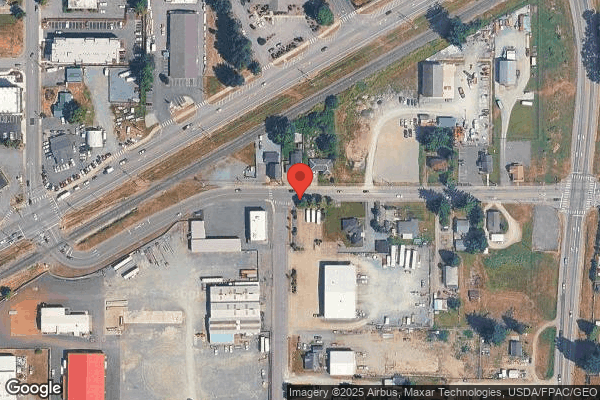
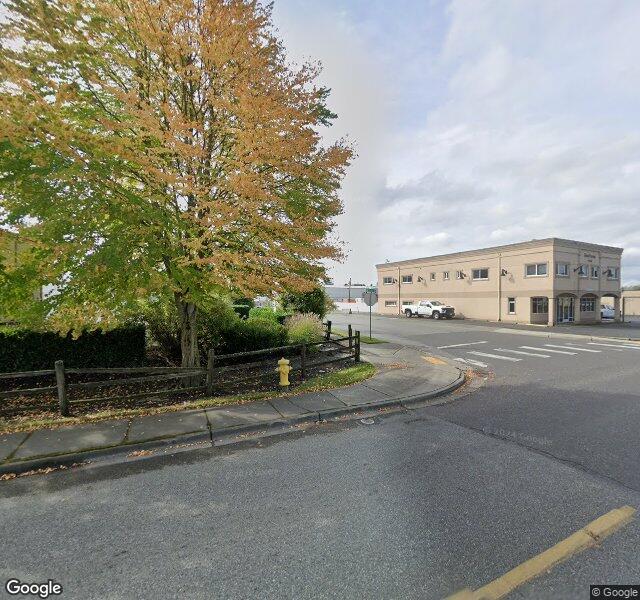
1462 WEST STATE ROUTE 20, SEDRO WOOLLEY, WA 98284 (360) 856-6869
For profit - Corporation 150 Beds LIFE CARE CENTERS OF AMERICA Data: November 2025
Trust Grade
35/100
#104 of 190 in WA
Last Inspection: June 2025

Inspected within the last 6 months. Data reflects current conditions.

Overview

Life Care Center of Skagit Valley has received a Trust Grade of F, which indicates significant concerns about the quality of care provided. With a state rank of #104 out of 190 facilities in Washington, this places them in the bottom half of nursing homes in the state, although they rank #2 out of 4 in Skagit County, meaning only one local option is better. The facility is showing signs of improvement, having reduced issues from 23 in 2024 to 13 in 2025. Staffing appears to be a strength, with a 4 out of 5-star rating and a turnover rate of 37%, which is lower than the state average, suggesting that staff are committed and familiar with residents. However, the facility has incurred $64,418 in fines, which is average but still raises concerns about compliance with regulations. Notably, there have been serious incidents, including a resident experiencing severe weight loss due to inadequate meal monitoring and another resident who suffered a fatal injury due to improper bed mobility assistance. While there are some strengths in staffing and a trend toward improvement, these serious deficiencies in care highlight significant risks that families should carefully consider.

Trust Score
F
35/100
In Washington
#104/190
Bottom 46%
Safety Record
High Risk
Review needed
Inspections
Getting Better
23 → 13 violations
Staff Stability
○ Average
37% turnover. Near Washington's 48% average. Typical for the industry.
Penalties
✓ Good
$64,418 in fines. Lower than most Washington facilities. Relatively clean record.
Skilled Nurses
✓ Good
Each resident gets 54 minutes of Registered Nurse (RN) attention daily — more than average for Washington. RNs are trained to catch health problems early.
Violations
⚠ Watch
79 deficiencies on record. Higher than average. Multiple issues found across inspections.
★★★☆☆
3.0
Overall Rating
★★★★☆
4.0
Staff Levels
★★★★☆
4.0
Care Quality
★★★☆☆
3.0
Inspection Score
Stable
2024: 23 issues
2025: 13 issues

The Good

  • 4-Star Staffing Rating · Above-average nurse staffing levels
  • 4-Star Quality Measures · Strong clinical quality outcomes
  • Full Sprinkler Coverage · Fire safety systems throughout facility
  • No fines on record
  • Staff turnover below average (37%)

    11 points below Washington average of 48%

Facility shows strength in staffing levels, quality measures, fire safety.

The Bad

3-Star Overall Rating

Near Washington average (3.2)

Meets federal standards, typical of most facilities

Staff Turnover: 37%

Near Washington avg (46%)

Typical for the industry

Federal Fines: $64,418

Above median ($33,413)

Moderate penalties - review what triggered them

Chain: LIFE CARE CENTERS OF AMERICA

Part of a multi-facility chain

Ask about local staffing decisions and management

The Ugly 79 deficiencies on record

3 actual harm
Sept 2025 2 deficiencies
CONCERN (D) 📢 Someone Reported This

A family member, employee, or ombudsman was alarmed enough to file a formal complaint

Potential for Harm - no one hurt, but risky conditions existed

Deficiency F0657 (Tag F0657)

Could have caused harm · This affected 1 resident

**NOTE- TERMS IN BRACKETS HAVE BEEN EDITED TO PROTECT CONFIDENTIALITY** Based on observation, interview, and record review, the facility failed to ensure resident care plans (CPs) were reviewed, revis...

Read full inspector narrative →
**NOTE- TERMS IN BRACKETS HAVE BEEN EDITED TO PROTECT CONFIDENTIALITY** Based on observation, interview, and record review, the facility failed to ensure resident care plans (CPs) were reviewed, revised, and accurately reflected residents' care needs for 1 of 3 sample residents (Resident 4) whose CP was reviewed for discharge planning and urinary status. These failures placed residents at risk for unmet care needs and diminished quality of life. Findings included.Resident 4 was admitted to the facility on [DATE] with diagnoses to include perineal (area between the genitals and the anus) and sacral (area between the bottom of the spine and tailbone) wounds, urinary incontinence, and cognitive impairment. Review of the Quarterly Minimum Data Set (MDS - an assessment tool) assessment, the resident had no cognitive impairment, was continent of their bowel and bladder, and did not have an indwelling urinary catheter. Review of Resident 4's discharge CP, date initiated 04/10/2025 and revised on 04/17/2025, showed the goal was to develop and follow full discharge plan with comprehensive assessment (the comprehensive assessment was completed with the admission MDS assessment dated [DATE]). The intervention was the resident wished to return home. Review of Resident 4's indwelling urinary catheter CP, revised on 04/28/2025, showed the resident had an indwelling Foley (a medical device that helps drain urine from the bladder) catheter present. Staff were directed to perform catheter care every shift. Review of Resident 4's July 2025 Medication Administration Record, showed the indwelling urinary catheter was removed on 07/25/2025. Review of Resident 4's nursing assistant documentation for the last 30 days, from 08/04/2025 to 09/02/2025, showed the resident was incontinent of bladder and no documentation the resident had an indwelling urinary catheter. In an observation and interview on 09/04/2025 at 8:35 AM, Resident 4 was lying in bed with no indwelling urinary catheter observed. The resident stated they wanted to go home. At 8:40 AM, Collateral Contact 1 (CC-1) and CC-2, the resident's family members, entered the room. The resident stated the doctor told them they needed a safe discharge. CC-1 and CC-2 stated the resident could not be discharged to their prior living situation because it was unsafe. In an observation and interview on 09/04/2025 at 10:15 AM, Resident 4 was sitting on the side of the bed with a hospital gown in place. There was no indwelling urinary catheter observed. In an interview on 09/04/2025 at 3:02 PM, Staff D, Registered Nurse/MDS Coordinator, was asked about Resident 4's continent status. Staff D stated their most recent MDS assessment showed the resident was continent of bowel and bladder. Resident 4's CP was reviewed with Staff D which showed the resident had an indwelling urinary catheter in place. Staff D acknowledge the CP should be updated. In an interview on 09/04/2025 at 3:20 PM, Staff I, Social Service Director, was asked about the discharge planning process and the discharge CP. Staff I stated the initial meeting to discuss the resident's status was done within the first 48 hours of admission and when the discharge CP was started. Resident 4's discharge CP was observed with Staff I. Staff I acknowledged the CP did not reflect the resident's current discharge goal and should be updated. Refer to WAC 988-97-1020 (2)(c )(d)(5)(b)
CONCERN (D) 📢 Someone Reported This

A family member, employee, or ombudsman was alarmed enough to file a formal complaint

Potential for Harm - no one hurt, but risky conditions existed

Medical Records (Tag F0842)

Could have caused harm · This affected 1 resident

**NOTE- TERMS IN BRACKETS HAVE BEEN EDITED TO PROTECT CONFIDENTIALITY** Based on observation, interview and record review, the facility failed to ensure clinical records were accurate for 2 of 3 resid...

Read full inspector narrative →
**NOTE- TERMS IN BRACKETS HAVE BEEN EDITED TO PROTECT CONFIDENTIALITY** Based on observation, interview and record review, the facility failed to ensure clinical records were accurate for 2 of 3 residents (Residents 4 and 9) reviewed for wounds. The failure to ensure the residents' clinical records were accurate placed them at risk for unmet care needs, and for having records that did not reflect the actual care provided. Findings included . Review of the facility's Area of Focus: Basic Skin Management policy, revised on 11/21/2024, showed the resident would have:-A head-to-toe skin inspections upon admission/readmission, completed weekly and as needed by the nursing documented on the NRSG: Weekly Skin document in Point Click Care (PCC).-If a new [NAME] alteration/wound was identified, the nurse performed and documented an assessment/observation of the resident's skin.-Wound assessments/observations were required at a minimum of weekly and when there was a change. This was documented utilizing the PCC assessment NRSG WOT.<RESIDENT 4> Resident 4 was admitted to the facility on [DATE] with diagnoses to include perineal (area between the genitals and the anus) and sacral (area between the bottom of the spine and tailbone) wounds. Review of the admission Minimum Data Set (MDS – an assessment tool), dated 04/16/2025, showed the resident had: one stage I (intact skin with a localized area of non-blanchable redness) PU, three stage II (a partial thickness skin loss with the top inner layers of the skin exposed) PU's, one stage III (a PU with full thickness tissue loss. Subcutaneous, which means under the skin, fat may be visible, but bone, tendon or muscle are not exposed. Slough, which means dead tissue, may be present but does not obscure the depth of tissue loss PU), five Deep Tissue Pressure Injury (DTPI or DTI - intact skin with localized area of persistent non-blanchable deep red, maroon, purple discoloration due to damage of underlying soft tissue), and Moisture Associated Skin Damage (MASD - superficial skin damage caused by sustained exposure to moisture such as incontinence, wound exudate, or perspiration) Review of the Quarterly MDS assessment, dated 08/05/2025, Resident 4 had a current stage III PU. Review of late entry progress noted, dated 05/28/2025 for 04/11/2025 (48 days late), showed Resident 4 had: - A 0.7 centimeter (cm) by 0.4 cm by 0.3 cm left buttock stage II PU. - A 3.6 cm by 1.5 cm by 0.2 cm left buttock stage II PU. - A 2 cm by 2 cm left buttock DTI. - A 2 cm by 0.5 cm excoriated, red, purple non-blanchable area on their left buttock. - A 7 cm by 5 cm with a “0.3 cm by 0.3 cm open, dark purple skin in center on-blanchable DTI on their coccyx and a 7 cm by 4 cm DTI on their coccyx - A 2.4 cm by 2.2 cm right ankle DTI. - A 6.3 cm by 5.8 cm by 0.3 cm right buttock stage II. - The entire right buttock was documented as dark purple, non-blanchable, indicative of a DTI extending from left buttock down into groin area with varying shades of dark purple non-blanchable skin. Review of Resident 4's skin integrity care plan, revised on 05/06/2025, showed the resident had a stage III PU on their sacrum (a triangular bone at the base of the spine and connects the spine to the pelvis) and their at risk for unavoidable pressure injury development or decline of skin integrity, date initiated on 04/17/2025. Interventions included performing weekly skin assessments. Review of Resident 4's “NRSG: Weekly Skin” in PCC showed the following skin checks documented: -04/17/2025 – refused. No other weekly skin assessment documented in PCC. -04/30/2025, 13 days after last weekly skin assessment, – blank. No other weekly skin assessment documented in PCC -05/08/2025 – refused. No other weekly skin assessment documented in PCC -05/19/2025, 10 days after last weekly skin assessment, – three inches of MASD on right inner buttock. -05/25/2025 – 50 cent piece size open wound to their right buttock. -06/08/2025, 14 days after last skin assessment, – dressing to buttocks/left hip region. -06/22/2025, 14 days after last skin assessment, – open area to right buttocks, two thin cuts on right buttocks. -06/29/2025, 07/06/2025, 07/13/2025, 07/21/2025, 07/27/2025, and 08/03/2025, – open area to right buttock. -08/17/2025, 14 days after last skin assessment, – right buttock open area was decreasing in size, and measured approximately 1 cm by 2 cm. -08/24/2025– open area dressing was clean, dry and intact. Refer to wound observation tool. -08/31/2025, and 09/04/2025 - open area dressing was clean, dry and intact. Followed by United Wound Healing (a contracted wound care company), refer to observation tool for measurements. Review of Resident WOT's in PCC showed assessments completed on: - 04/11/2025, refer to above late progress note. - 05/28/225 (48 days after last WOT assessment), 8.0 cm by 6.0 cm by 0.1 cm right buttock “pressure.” - 08/05/2025 (69 days after last WOT assessment), 1.2 cm x 0.7 cm by 0.2 right buttock stage III. - 08/12/2025, 0.6 cm by 0.5 cm by 0.1 cm right buttock stage III. - 08/19/2025, 1.2 cm by 0.5 cm by 0.2 cm right buttock wound. - 08/26/2025, 2.5 cm by 1.7 cm by 0.2 cm right buttock wound. - 09/02/2025, 2.0 cm by 1.5 cm by 0.2 cm right buttock wound. In an observation and interview on 09/04/2025 at 8:40 AM, Resident 4 was lying in bed, and Collateral Contact 1 (CC-1) and CC-2, the resident's family members, were present in the room. Resident 4 stated she had a sore on the right side of their bottom, and it was a “little bugger.” When asked how long they had the wound, Resident 4 and CC-1 stated the resident developed several wounds prior to their admission to the hospital. In an observation and interview on 09/04/2025 at 10:15 AM, Resident 4 was sitting on the edge of the bed. Staff G, Licensed Practical Nurse (LPN), performed wound care to the resident's sacral area. Two small pinpoint open areas were observed on the right side of the buttocks. The wounds were clean, with no drainage, and the base of the wound bed had red tissue. Staff G stated the two wounds were visibly approximately 0.1 cm to 0.2 cm. Staff G stated the wounds have improved significantly since admission to the facility. In an interview on 09/04/2025 at 12:42 PM, Staff A, Administrator, was asked about the facility's documentation process regarding skin concerns. Staff A stated the PU's/Pressure Injuries were documented using the wound observation tool in PCC. In an interview on 09/04/2025 at 1:43 PM, Staff J, LPN, stated weekly skin checks were done weekly and documented on the weekly skin check assessment tool. Staff J stated PU's were documented weekly using the WOT. In an interview on 09/04/2025 at 2:35 PM, Staff E, RN/Care Manager, was asked about the skin assessment tools in PCC and when they were to be completed. Staff E stated weekly skin assessments were done by the floor Licensed Nurse (LN) every week and documented on the weekly skin tool, the WOT's were done with assessment of the resident's PU's by Staff C, RN/Assistant Director of Nursing, and the skin integrity update form was completed by the floor LN as needed. <RESIDENT 9> Resident 9 was admitted to the facility on [DATE], with the most recent admission on [DATE], with diagnoses to include Multiple Sclerosis (MS) (chronic autoimmune disease that affects the central nervous system), Chronic Obstructive Pulmonary Disease (COPD) (lung disease that cause airflow obstruction and breathing problems) and malnutrition. Review of Resident 9's quarterly MDS assessment showed they had moisture associated skin damage (MASD) and no pressure ulcer (injuries to the skin and the tissue below the skin that are due to pressure on the skin for a long time). Review of Resident 9's weekly skin check dated 06/10/2025 showed they had an open area on their coccyx, approximately the size of a quarter. Review of Resident 9's provider note dated 06/13/2025 showed the resident had a pressure ulcer of their sacral region that was not visualized that day and family had requested a wound care referral. Review of Resident 9's weekly skin check dated 06/15/2025 showed they had an open area with no further description. Review of Resident 9's weekly skin check dated 06/24/2025, 07/01/2025, 07/08/2025, 07/15/2025 showed the same documentation, that they had an open area to their coccyx that measured 1.6cm long and 3cm wide. Review of Resident 9's care plan showed they had a pressure ulcer and was followed by the wound care clinic, initiated on 06/25/2025. Review of Resident 9's medical record showed no wound note documentation during the month of June, 2025. Review of Resident 9's wound note, dated 07/09/2025 showed they had an open wound which had progressed to a Stage II Pressure Ulcer. In a joint interview on 09/04/2025 at 3:30 PM, Staff A, Staff B, and Staff C. Staff C stated their expectation was that if a nurse documented the resident had an open area, it would be documented clearly and measured. Staff C stated the nurse that documented Resident 9's weekly skin was a brand-new nurse who did not know how to document skin conditions correctly. Staff C stated they had completed teaching related to skin documentation with that specific nurse due to incorrect documentation. Staff C stated Resident 9 had MASD and their skin was excoriated and had no wound/pressure ulcer until documented on 07/09/2025. Staff A stated Resident 9's family had a history of taking the resident to appointments without facility staff knowledge. Staff C stated the resident did have a wound care referral due to family request of the provider on 06/25/2025 but did not actually have a pressure ulcer at that time. Staff C stated it was understandable that the documentation related to Resident 9's skin was confusing and inaccurate. Refer to WAC 388-97-1720 (1)(a)(i-iv)(b) (2)(a-m)
Jun 2025 11 deficiencies
CONCERN (D)

Potential for Harm - no one hurt, but risky conditions existed

Investigate Abuse (Tag F0610)

Could have caused harm · This affected 1 resident

**NOTE- TERMS IN BRACKETS HAVE BEEN EDITED TO PROTECT CONFIDENTIALITY** Based on observation, interview and record review the facility failed to conduct a thorough investigation of an injury of unknow...

Read full inspector narrative →
**NOTE- TERMS IN BRACKETS HAVE BEEN EDITED TO PROTECT CONFIDENTIALITY** Based on observation, interview and record review the facility failed to conduct a thorough investigation of an injury of unknown source for 1 of 6 residents (Resident 30) to rule out abuse and neglect. This failed practice placed residents at risk for potential unrecognized abuse or neglect. Findings included . Review of the Facility Policy titled Abuse: Investigations review date 06/17/2024, stated the facility would investigate incidents of unknown source thoroughly to allow the Administrator to determine what actions are necessary (if any) for the protection of residents. Investigations would include, but were not limited to: - Conducting observations of the alleged victim including identification of any injuries as appropriate, the location where the alleged situation occurred, interactions and relationships between staff and the alleged victim and/or other residents, and interactions/relationships between resident to other residents; - Conducting interviews with, as appropriate, the alleged victim and representative, alleged perpetrator, witnesses, practitioner, interviews with personnel from outside agencies if appropriate. Resident 30 was a long-term care resident of the facility. According to the Quarterly Minimum Data Set (MDS, a required assessment tool) assessment dated [DATE], the resident had severely impaired cognition, impaired short term and long-term memory, and severely impaired decision making. Review of Resident 30's clinical record documented on 05/08/2025 a bruise and small abrasion on the resident's forehead was identified by Staff F, Licensed Practical Nurse (LPN). Staff F documented Resident 30 denied abuse or neglect but was not able to recall what had occurred. An incident investigation was completed and logged related to an injury of an unknown source. Review of the facility incident investigation dated 05/08/2025 included only a statement from Staff F stating that the injury had been found, the resident denied abuse and neglect, and that the provider and the resident's son had been notified. The resident record stated a skin check had been done with no additional findings and a monitor was entered in the Treatment Administration Record related to the bruise; however, there was no neurological assessment conducted related to an unwitnessed injury to the head. The note stated the resident's son had been in to visit that day and had noted the bruise, but there was no follow-up related to the time frame or circumstances from the son. There were no potential witness statements from other staff, residents or staff assigned to the resident to determine if any other individuals may have had knowledge or information related to the incident. In an attempted interview on 06/16/2025 at 8:51 AM, Resident 30 was observed self-propelling in their wheelchair into the hall. Resident 30 appeared alert, smiled, and had an activity calendar in their hands that they were motioning to, but were not able to articulate any words. Resident 30 did not respond to questions. In an interview on 06/17/2025 at 10:16 AM, Staff F stated that Resident 30 was able to communicate some needs but can't say the words. Staff F stated the resident recognizes staff and won't remember events but stated that Resident 30 will remember if they do not like something. Staff F stated when they found the bruise on Resident 30's forehead, they asked the resident what happened and the resident said they didn't know, the resident did not know a bruise was there, but they said nobody hurt them. Staff F stated Resident 30 would remember if someone hurt them, so that is how they ruled out abuse or neglect. Staff F stated they did an incident report, and they called to notify the son, who had stated they had seen the bruise when they came in to visit. Staff F stated the process was to protect the residents, and to notify the Administrator and Director of Nursing if there was any suspected abuse or neglect. Staff F was asked if they had obtained any other statements in order to determine what might have occurred and establish a time frame and Staff F stated they had not. Staff G, Registered Nurse, Resident Care Manager (RCM), added that their understanding of the process was that the floor nurse would initiate the investigation, which would include the resident assessment, notifications and getting statements from the staff who may have been involved and then the RCM would continue the investigation process. In an interview on 06/17/25 at 1:49 PM, Staff B, Director of Nursing Services stated the investigations should be complete and thorough and acknowledged that there had not been complete data gathering such as potential witness statements related to the investigation for Resident 30. Reference WAC 388-97-0640(6)(a)
CONCERN (D)

Potential for Harm - no one hurt, but risky conditions existed

Assessment Accuracy (Tag F0641)

Could have caused harm · This affected 1 resident

**NOTE- TERMS IN BRACKETS HAVE BEEN EDITED TO PROTECT CONFIDENTIALITY** Based on interview and record review the facility failed to ensure timely completion and transmission of required Minimum Data S...

Read full inspector narrative →
**NOTE- TERMS IN BRACKETS HAVE BEEN EDITED TO PROTECT CONFIDENTIALITY** Based on interview and record review the facility failed to ensure timely completion and transmission of required Minimum Data Set Assessments (MDS) (a required assessment tool) for 1 of 3 residents (Resident 62) reviewed for discharge process. Failure to complete the required discharge assessment as required can impact the accuracy of the facility's quality measures and has the potential to affect facility payments. Findings included . The code of federal regulations (CFR) 42 requires skilled nursing facilities to provide a discharge assessment that accurately reflects a resident's status at discharge within 14 days of the resident's date of discharge and to encode/transmit that data to the Centers for Medicare and Medicaid Services (CMS) within 14 days. Resident 62 was admitted to the facility on [DATE] and discharged on 01/24/2025. Review of Resident 62's clinical record on 06/13/2025 showed there was no discharge MDS completed for Resident 62. The CMS system had flagged the resident file as being without any type of assessment for greater than 120 days. In an interview on 06/17/2025 at 9:59 AM, Staff D, MDS Coordinator, stated they run an audit report and discuss residents each day in the facility stand up meeting and stated that this assessment somehow got missed. Reference WAC 388-97-1000
CONCERN (D)

Potential for Harm - no one hurt, but risky conditions existed

Deficiency F0688 (Tag F0688)

Could have caused harm · This affected 1 resident

**NOTE- TERMS IN BRACKETS HAVE BEEN EDITED TO PROTECT CONFIDENTIALITY** Based on observation, interview and record review, the facility failed to ensure residents were provided with interventions to m...

Read full inspector narrative →
**NOTE- TERMS IN BRACKETS HAVE BEEN EDITED TO PROTECT CONFIDENTIALITY** Based on observation, interview and record review, the facility failed to ensure residents were provided with interventions to maintain or prevent declines in range of motion (ROM) for 1 of 3 residents (Resident 27) reviewed for positioning and mobility. Failure to apply splints and braces as ordered can result in increased contracture (permanent tightening of the muscles, tendons, skin, and nearby tissues that causes the joints to shorten and become very stiff), decreased mobility, and/or increased pain and diminished quality of life. Findings included . Resident 27 was admitted to the facility on [DATE] with admitting diagnoses to include stroke with hemiplegia (muscle weakness on one side of the body) and hemiparesis (weakness or inability to move one side of the body). According to the Quarterly Minimum Date Set (MDS - an assessment tool) assessment dated [DATE] resident was cognitively intact, receiving restorative nursing program and was wearing splints. Review of Resident 27's physician orders with a print date of 06/13/2025 documented, left wrist splint, on in AM and off at bedtime and left ankle splint on each day for six hours. These orders were dated 10/10/2024. In an observation and interview on 06/12/2025 at 2:35 PM, Resident 27 stated that the staff were not putting on their splints daily and the resident was not wearing any splints during the observation. In an observation on 06/16/2025 at 9:40 AM, Resident 27 was not wearing any splints. In an observation and interview on 06/16/2025 at 1:14 PM, Resident 27 was not wearing splints. Resident 27 stated that the only time they wear their splints was when they work with the Restorative Aid (RA), and this usually happens twice a week. Resident 27 stated that they should be wearing their splints every day. In an observation on 06/16/2025 at 1:41 PM, Resident 27 was in bed and not wearing any splints. In an interview on 06/16/2025 at 2:06 PM, Staff K, Nursing Assistant Certified (NAC) stated that the RA's were the ones that apply Resident 27's splints. In an observation on 06/16/2025 at 3:57 PM, Resident 27 was in bed and not wearing any splints. In an observation/interview on 06/17/2025 at 8:41 AM, Resident 27 was not wearing any splints. Resident 27 denied that they had refused to wear their splints when offered. In an interview on 06/17/2025 at 10:00 AM, Staff R, NAC stated that RA's were the ones that put the splints on Resident 27. Staff R stated they had not been told they were to put splints on the resident. In an interview on 06/17/2025 at 10:40 AM, Staff S, Licensed Practice Nurse (LPN) stated that RA's put on the splints for Resident 27. In an interview on 06/17/2025 at 1:22 PM, Staff T, RA, stated their schedule alternates with another RA except Mondays, both were off on Mondays. Staff T stated that when they are short NACs on the floor they get pulled and are not able to work with residents on their restorative programs. Staff T added that they worked on the floor 3 days last week which meant residents were not seen for their Restorative Program. When asked about Resident 27's splint, they stated that they put the splint on resident's left arm and braces to both feet. They added that the resident was supposed to wear them at least 6 hours a day but Resident 27 was not able to tolerate wearing the splints that long and usually wears them less than two hours daily. Staff T stated they document in Resident 27's electronic chart when they put on the splint and how long the resident wore them. Staff T stated that they don't know who applies the splint and braces for residents when they get pulled to work on the floor. In an interview on 06/17/2025 at 2:30 PM, Staff U, RN Care Manager stated they were not sure who is supposed to apply Resident 27's splints and/or braces when RA's get pulled to work on the floor. In an interview on 06/18/2025 at 9:36 AM, Staff O, RA stated that Resident 27's splints and braces should be applied daily however on the days that they get re-assigned to work on the floor, they were not able to apply resident's splints and braces. Staff O stated lately they have been pulled to work on the floor almost every day and when that happens no one applies the residents splints and braces. Record review of Resident 27's Task documentation under Nursing Rehab/Restorative on 06/18/2025 for the last 30 days documented Number of minutes spent providing splint or brace assistance. The documentation showed only seven of the last 30 days had minutes documented, Record review of Resident 27's Medication and Treatment Administration (MAR/TAR) Records for April, May and June of 2025 did not show any documentation regarding resident's splints or braces. In a joint interview on 06/18/2025 at 10:04 AM, Staff A, Administrator, Staff B, Director of Nursing Services (DNS) and Staff C, Assistant Director of Nursing Services (ADNS), Staff B stated that when RA's gets pulled to the floor, the nurses were supposed to apply splints or braces to residents. When asked where the nurses document that information, Staff B stated that it should be in the MAR/TAR. Staff C agreed and stated it should be in the TAR. Staff B reviewed Resident 27's MAR/TAR and stated that there was no documentation in the residents' chart regarding splint/braces usage. Reference WAC 388-97-1060(3)(d)
CONCERN (D)

Potential for Harm - no one hurt, but risky conditions existed

Deficiency F0806 (Tag F0806)

Could have caused harm · This affected 1 resident

**NOTE- TERMS IN BRACKETS HAVE BEEN EDITED TO PROTECT CONFIDENTIALITY** Based on observation, interview and record review, the facility failed to ensure residents' menus and individual food plans met ...

Read full inspector narrative →
**NOTE- TERMS IN BRACKETS HAVE BEEN EDITED TO PROTECT CONFIDENTIALITY** Based on observation, interview and record review, the facility failed to ensure residents' menus and individual food plans met the nutritional needs and preferences for 1 of 2 residents (Resident 7) reviewed for food preferences. The failure to ensure residents received foods that met their nutritional needs, and their individual preferences placed residents at risk for weight loss, dissatisfaction with their food and diminished quality of life Finding included . Review of facility policy titled Food Allergies and Intolerances review date 04/29/2025 documented that each resident receives and the facility provides food that accommodates resident allergies, intolerances and preferences. The Director of food and Nutrition identifies menu items that contain the food item(s) related to allergy/intolerances and ensures those items are not used in foods prepared and served to identified residents. <Resident 7> Resident 7 was a long-term resident at the facility with a diagnosis that included malnutrition, dysphasia (difficulty swallowing), and was being provided with extra calories by a percutaneous endoscopic gastrostomy (PEG) tube (a way of delivering nutrition directly to the stomach). According to the Annual Minimum Data Set (MDS- an assessment tool) assessment dated [DATE], Resident 7 was cognitively intact. Review of Resident 7's care plan on 06/17/2025, documented the resident had allergies that included gluten (a substance present in grains, especially wheat that can cause illness in people). Review of Resident 7's meal tray cards documented h following: - On 06/16/2025-Allergies/dislikes gluten, eggs, mushrooms, mayonnaise, tomato products. - On 06/17/2025-Allergies/dislikes gluten, eggs, mushrooms, mayonnaise, tomato products. During an observation/interview on 06/16/2025 at 1:11 PM, Resident 7 was given a hamburger, with mayonnaise already on the bun and barbeque sauce on the patty, along with two battered onion rings. Resident 7 stated it was not good, and she prefers not to eat mayonnaise and is unsure if the onion ring has gluten. During an observation/Interview on 06/17/25 12:31 PM, Resident 7 was given gluten-free pasta and tomato sauce for lunch. The resident stated they do not like tomatoes and will not eat lunch. During an interview on 06/17/2025 at 10:25 AM, Staff E, Food Services Director, stated that to ensure residents do not receive food items they do not like or have an allergy to, they use meal tray cards with a list of dislikes and allergies. Then they can substitute foods that residents do not like. During a joint interview on 06/18/2025 at 10:05 AM, Staff A, Administrator, stated that resident preferences regarding food should be met, and Resident 7 should not have gluten or disliked items on their tray. In an interview on 06/17/2025 at 12:48 PM, Staff E, Food Services Director, stated the facility had gluten free pasta, bread and buns but stated their food vendor does not stock many other gluten free options. Staff E stated the lunch meal on 06/16/2025 included onion rings which contained gluten. Staff E stated there were no other alternatives available for the onion rings so any resident who received onion rings would have received gluten. Reference WAC 388-97-1120 (2)(a)
CONCERN (D)

Potential for Harm - no one hurt, but risky conditions existed

Food Safety (Tag F0812)

Could have caused harm · This affected 1 resident

Based on observation and interview, the facility failed to ensure foods were prepared under sanitary conditions for 1 of 1 facility kitchens, and to ensure expired items were discarded from 1 of 2 nou...

Read full inspector narrative →
Based on observation and interview, the facility failed to ensure foods were prepared under sanitary conditions for 1 of 1 facility kitchens, and to ensure expired items were discarded from 1 of 2 nourishment refrigerators. These failures places resident at risk for food borne illness. Findings included . In an observation of nourishment refrigerators on 06/17/2025 at 11:28 AM, the nourishment refrigerator in the main dining room was observed to include an opened carton of thick and easy supplement which was dated as opened on 06/15/2025. Further observation of the carton showed a manufacturer printed expiration date of 06/13/2025. In observations of meal preparation and tray line on 06/16/2025 between 11:17AM and 12:48 PM the following was observed: - At 11:44 AM, Staff H, Cook, was observed to reach under a table for an item that had dropped on the floor, which was observed to be a meal ticket. Staff H disposed of the ticket in a nearby trash can, doffed (removed) gloves, and donned (put on) a new pair of gloves without performing hand hygiene. - At 12:06 PM, Staff H changed gloves and did not perform hand hygiene prior to donning new gloves. - At 12:15 PM, Staff H was noted to have bare hands and was observed to lean over the tray line area to place a container of chopped onions into the food holding zone, and while leaning, was observed to place their bare hand onto one of the clean plates and did not replace that plate. - At 12:16 PM, Staff H was observed to have bare hands while cutting a sandwich in half and their bare hands came in contact with the top of the plate and sandwich. In an interview on 06/16/2025 at 12:45 PM, Staff H acknowledged that hand hygiene was required between glove changes and had not realized that there had been bare hand contact with any items. In an interview on 06/17/2025 at 12:36 PM, Staff E, Food Services Manager, stated that Staff H was going too quickly. Staff E stated the facility staff get the supplement cartons directly from them in the kitchen and there should not have been any expired items given out, stating they go through and remove expired items, so Staff E was not sure how an expired item got missed. Reference WAC 388-97-1100 (2)(3)
CONCERN (D)

Potential for Harm - no one hurt, but risky conditions existed

Infection Control (Tag F0880)

Could have caused harm · This affected 1 resident

**NOTE- TERMS IN BRACKETS HAVE BEEN EDITED TO PROTECT CONFIDENTIALITY** Based on observation, interview and record review, the facility failed to ensure staff were compliant with Infection Prevention ...

Read full inspector narrative →
**NOTE- TERMS IN BRACKETS HAVE BEEN EDITED TO PROTECT CONFIDENTIALITY** Based on observation, interview and record review, the facility failed to ensure staff were compliant with Infection Prevention and Control Guidelines and standards of practice for 1 of 1 residents (Resident 30) reviewed for Transmission Based Precaution (TBP-are a set of infection control measures used in healthcare settings to prevent the spread of infectious diseases that are transmitted through contact with an infected patient, their bodily fluids, or contaminated surfaces or objects), 1 of 2 residents (Resident 13) reviewed for Enhanced Barrier Precaution (EBP-infection control intervention designed to reduce transmissions of multi-drug resistant organisms (MDROs in nursing homes) and 1 of 3 residents (Resident 27) observed during personal care. These failures placed residents and staff at risk for potential infection from cross contamination of infectious organisms. Findings included . According to the facility policy titled Enhanced Barrier Precautions with a revised date of 04/22/2025, stated EBP were indicated for residents with any of the following, indwelling medical devices (examples are urinary catheters). Examples of high-contact resident care activities requiring gown and glove use include device care and urinary catheters. <ENHANCED BARRIER PRECAUTION> <RESIDENT 13> Resident 13 was admitted to the facility on [DATE] with admitting diagnoses to include obstructive and reflux uropathy (blockage or obstruction of the urinary tract). Review of Resident 13's care plan printed on 06/13/2025 documented that the resident had an indwelling foley catheter (a flexible tube inserted into the bladder through the urethra to drain urine) and was on EBP. In an observation on 06/13/2025 at 1:25 PM, Staff O, Nursing Assistant Certified (NAC), observed emptying the foley catheter bag of Resident 13. Staff O was only wearing gloves and not wearing a gown. According to Staff O, the EBP sign on the resident's door was for Resident 13 due to the resident having a foley catheter. When asked why they did not follow the required personal protective equipment (PPE - equipment worn to minimize exposure to hazards that cause serious workplace illnesses), Staff O stated that they did not have to wear a gown when emptying a foley catheter. <PERSONAL CARE> <RESIDENT 27> Resident 27 was admitted to the facility on [DATE] with admitting diagnoses to include stroke with hemiplegia (muscle weakness on one side of the body) and hemiparesis (weakness or inability to move one side of the body). In an observation on 06/16/2025 at 9:40 AM, Staff Q, NAC and Staff P, NAC, were getting ready to provide pericare (process of cleaning the genital and anal area of the body) to Resident 27. After Staff P provided pericare, they took the dirty brief off and then placed a clean brief on to the resident without changing gloves. And with the same gloves, Staff P took resident's gown off and assisted resident in putting on their clothes. With the same gloves, Staff P went and set up resident's electric wheelchair, touching the things that were on resident's wheelchair such as the cushions and the handlebar and controls of the wheelchair. In an interview on 06/16/2025 at 10:21 AM, Staff P stated that they change gloves when their gloves were visibly soiled. When asked if their gloves were dirty after pericare, they stated that it was dirty and should have changed gloves after they provided pericare for Resident 27. In an interview on 06/17/2025 at 12:35 PM, Staff N, Licensed Practical Nurse (LPN)/Infection Control Nurse, stated that they were responsible in conducting staff education on Infection Control practices. Staff N stated that they do in-services, trainings, and audits. When informed of my observations regarding not wearing appropriate PPE on an EBP resident and not performing hand hygiene during pericare, Staff N stated they will have to do more training with staff. <TRANSMISSION BASED PRECAUTIONS> <RESIDENT 30> Review of Resident 30's medical record showed documentation dated 06/11/2025 at 11:01 PM, stating that Resident 30 was experiencing loose stools, and a decrease in oral intake. The note stated the provider had ordered laboratory testing which included a stool culture to rule out Clostridium Difficile (C. Diff) (a toxin present in the stool, spread by person to person contact with infected material such as surfaces.) C. Diff required Contact level precautions which state to gown and glove prior to entering the room and hand hygiene required soap and water due to the ineffectiveness of alcohol-based hand sanitizers to kill C. Diff spores. In an observation on 06/12/2025 at 1:48 PM, Resident 30's room was observed to have a sign on the door indicating Enhanced Barrier precautions (EBP), which included the requirement to wear PPE (gown, gloves) only related to high-risk activities, and to perform hand hygiene when entering and exiting the room, with hand sanitizer being sufficient. Staff J, NAC was observed to enter and exit the resident's room, without donning a gown or gloves, and was observed to perform hand hygiene using hand sanitizer on the way out of the room, which was in accordance with the posted EBP signage. In an interview with Staff J on 06/12/2025 at 1:50 PM, Staff J stated they were aware that Resident 30 was not feeling well, and they had been in to see if the resident had wanted anything. Staff J stated they did not know anything more but that they followed the instructions on the signs, so if they were going to go in to provide care for the resident, they would have put a gown and gloves on. In an interview on 06/12/2025 at 1:53 PM, Staff I, Registered Nurse, stated Resident 30 was having loose stools yesterday and they were checking labs. Staff I stated they had not been able to obtain a stool culture yet because Resident 30 had not had any more stool since they had received the order, but that Resident 30 should be on Contact Enteric precautions while they were ruling out the C. Diff. Staff I stated they did not notice that the sign posted was not correct, so staff were only following precautions for EBP. At 2:48 PM, the signage was noted to have been updated to Contact. Reference WAC 388-97-1320(1)(a)(c)
CONCERN (E) 📢 Someone Reported This

A family member, employee, or ombudsman was alarmed enough to file a formal complaint

Potential for Harm - no one hurt, but risky conditions existed

Deficiency F0561 (Tag F0561)

Could have caused harm · This affected multiple residents

**NOTE- TERMS IN BRACKETS HAVE BEEN EDITED TO PROTECT CONFIDENTIALITY** Based on interview, observation and record review, the facility failed to ensure resident preferences for food were obtained and...

Read full inspector narrative →
**NOTE- TERMS IN BRACKETS HAVE BEEN EDITED TO PROTECT CONFIDENTIALITY** Based on interview, observation and record review, the facility failed to ensure resident preferences for food were obtained and honored for 4 of 4 residents (Residents 5, 21, 35, and 45) reviewed for choices. The facility refused to allow residents the ability to safely consume food items that were brought from outside sources when they removed the ability to heat up their food. This resulted in the residents losing their ability to choose their meal of preference and snacks of choice. These failures placed residents at risk for decreased quality of life. Review of the facility policy titled Resident Rights, reviewed 09/10/2024 stated residents had the right to self-determination with access to people and services in and outside of the facility. Residents had the right to make choices about aspects of their life in the facility that are significant to the resident. Review of the facility policy titled Food from Outside Sources, dated 06/03/2024 documented that when there was food that required heating the facility should use a food thermometer and alcohol wipes to ensure food was heated properly .additionally facility staff should receive proper education on required food temperatures, and proper use of food thermometer. <RESIDENT 5> Resident 5 was admitted to the facility on [DATE] with diagnoses that included history of stroke, dysphagia (trouble swallowing), and diabetes. The Significant Change Minimum Date Set Assessment (MDS - an assessment tool) dated 04/11/2025 showed the resident had intact cognition, and behaviors. Review of an undated letter from Staff A, Administrator, addressed to residents, staff and family members. The letter stated that the facility had recent issues regarding purchasing and storage of food items. The letter stated the facility was happy to store appropriate items in the refrigerator, they would not be able to accommodate leftovers, frozen meals or hot dogs (or similar items) due to the are unable to store them per food safety guidelines. The letter included a guideline that stated small amounts of perishable food for a limited space were allowed, and they would not be able to accommodate any food that required heating. Review of Resident 5's care plan with a print date of 06/13/2025, showed a focus area related to their diabetes that due to the resident's stroke, resident states some foods seemed tasteless; therefore, the resident had been purchasing food from outside sources. The care plan dated 03/07/2025 instructed staff to provide them with choices about the residents' daily care and activities . In an interview on 06/12/2025 at 1:44 PM, Resident 5 stated the facility stopped heating up food for them a few months ago. Resident 5 stated they were told by the facility the state would not allow it due to risk of burns. Resident 5 stated they used to like the food here at the facility, but due to their stroke their taste buds have changed, and they only prefer certain foods now. Resident 5 stated they started purchasing food from the grocery store to eat, the facility was heating their food up until recently when they told the residents they could no longer do that. Resident 5 stated there were other residents that were upset about the facility not heating up food and provided a name (Resident 35). <RESIDENT 35> Resident 35 admitted to the facility on [DATE] with diagnoses that included chronic pain, depression and diabetes. The Annual MDS dated [DATE] showed the resident had intact cognition. In a resident council meeting on 06/16/2025 at 2:48 PM, Resident 35 stated they were denied the choice to have microwave popcorn, as they were told recently by the facility in a letter that they could no longer heat up the microwave popcorn. Resident 35 stated they were offered pre-popped popcorn instead but stated that it did not really equal their preference to have microwave popcorn. <RESIDENT 21> Resident 21 was admitted to the facility on [DATE] with diagnoses that included malnutrition, depression and anxiety. The Quarterly MDS dated [DATE] showed the resident had intact cognition. In a joint interview on 06/17/2025 at 12:51 PM, Resident 21 and Collateral Contact 1 (CC1- residents family member), CC1 stated they had been bringing in frozen single meals for Resident 21 for a long time, as the resident does not like the food that much here at the facility. CC1 stated they would only bring a few at a time, label and date them for the facility. Resident 21 would then request one of the meals instead of what was offered at times for lunch or dinner. CC1 stated that a couple of months ago they were told they could no longer store or heat up the frozen dinners. CC1 was told the staff do not have time to heat up meals and the state regulations prevented them from doing so. Resident 21 stated they are making do. <RESIDENT 45> Resident 45 was admitted to the facility on [DATE] with diagnoses that included a stroke with right side weakness, and muscle weakness. The Quarterly MDS dated [DATE] showed that the resident had intact cognition. In an interview on 06/12/2025 at 2:09 PM, Resident 45 stated they were very unhappy with the facility, as they recently took away the ability for them to heat up food. Resident 45 stated they really enjoyed having their microwave popcorn for a snack, and now they are not able to have that. In an interview on 06/17/2025 at 9:57 AM, Staff K, Nursing Assistant Certified (NAC) stated they were aware that previously they were heating up food for residents. Staff K stated that management had put a stop to that, and no one was allowed to heat up food for the residents. In an interview on 06/17/2025 at 10:23 AM, Staff L, Licensed Practical Nurse (LPN) stated they have worked at the facility for over a year and was aware they were heating up food for residents but that it had recently changed. Staff L stated its hard telling residents they are not allowed to heat popcorn, many of them have so little left that it was hard to deal with. In a joint interview on 06/18/2025 at 11:03 AM, with Staff A and Staff B, Director of Nursing Services, Staff A stated the sometime in May of this year they changed their policy for food from outside sources because too many residents were having food either delivered from outside of the facility or family was bringing in frozen entrees. Staff A stated the staff were having to heat up a lot of food in the microwave. Staff A stated they did not have a place to store all the food or a centrally located microwave, and they were worried a resident may get a burn from food that was too hot, so they stopped heating up the food. Staff A stated they did not feel it was a sustainable task to ask their staff to do, and they (facility) had to decide between resident safety over resident rights. Staff B stated they did not feel their staff were capable of safely heating up food that followed the safety guidelines. Refer to F813 Reference WAC 388-97-0900(3)
CONCERN (E)

Potential for Harm - no one hurt, but risky conditions existed

Safe Environment (Tag F0584)

Could have caused harm · This affected multiple residents

**NOTE- TERMS IN BRACKETS HAVE BEEN EDITED TO PROTECT CONFIDENTIALITY** Based on observations and interviews, the facility failed to ensure a clean, comfortable, homelike environment in 2 of 4 halls (...

Read full inspector narrative →
**NOTE- TERMS IN BRACKETS HAVE BEEN EDITED TO PROTECT CONFIDENTIALITY** Based on observations and interviews, the facility failed to ensure a clean, comfortable, homelike environment in 2 of 4 halls (shared bathroom between room [ROOM NUMBER]-215, and 114-115), in 1 of 3 shower rooms (community shower room for 400/500 halls), and 1 of 1 dining rooms. Failure to ensure the facility was clean, comfortable, and homelike placed residents at risk for decreased quality of life, compromised dignity, and potential infection control issues. Findings included . Review of the facility policy titled Resident Belongings and Home Like Environment, reviewed 05/15/2025 states the facility will provide a clean, safe, comfortable, homelike environment to the residents .homelike environment de-emphasizes the institutional character of the setting to the extent possible and supports a more home like environment .it was the responsibility of the facility staff to create and provide a homelike environment. <RESIDENT BATHROOMS> During an observation of the shared bathroom between rooms [ROOM NUMBERS] on 06/12/2025 at 10:13 AM, the bathroom had a powerful, unpleasant odor, the floor appeared to be sticky when walking on it, and there was an area of damaged tiles that appeared black/brown under the toilet, with gaps in tiles that had broken apart. The bathroom was dim and only had one working light bulb in the fixture. During an interview/observation on 06/12/2025 at 11:18 AM, Resident 22, in room [ROOM NUMBER], stated that they were informed by the housekeeper that their bathroom was dirty, and the housekeeper came in and cleaned it. It was observed to still have a heavy odor, broken tiles with brown/black stains under the toilet. During an interview on 06/17/2025 at 10:39 AM, Staff X, Nursing Assistant Certified (NAC), stated the resident bathroom between rooms [ROOM NUMBERS] smelled like urine, possibly, the tiles under the toilet appear to be broken and moldy, and the bathroom is dim from light bulbs being burned out. During an interview on 06/17/2025 at 10:57 AM Staff B, Director of Nursing Services (DNS), stated the resident bathroom between room [ROOM NUMBER] and 114's smells like urine, they were unsure of what the black /brown stains on the tile under the toilet were but it looks terrible and needs to be replaced, the burned out light bulbs needed to be changed and the floor was sticky. During an observation of the shared bathroom between rooms [ROOM NUMBERS] on 06/12/2025 at 11:39 AM, the bathroom had poor lighting, extremely strong odors, and broken floor tiles that were stained brown to black in a 4-foot by 3-foot area under the toilet. The wall on the right side of the toilet had paint scraped off the wall and the floor was sticky when walked upon. During an interview on 06/18/2025 at 8:32 AM Staff Y, NAC, stated the bathroom between rooms [ROOM NUMBERS] doesn't smell clean or good, there are scuff marks on the wall where the paint is coming off. Staff Y stated they were unsure what the black area was on the floor under the toilet, and that it doesn't feel home like. <SHOWER ROOM> During an observation on 06/17/2025 at 10:30 AM, the large community shower room for hall's 300 and 400, had missing tiles in the shower area and lacked grout between the existing floor tiles. A small divider wall separating the shower area from a locker had broken tiles along the bottom. There was a strong musty odor possibly mold and mildew upon entering the room. The bathroom floor was uneven and sunken in some areas by two inches. Dust and dirt covered the floor outside the shower stall, medical equipment was disorganized throughout the bathroom, and trash cans were overflowing. During an interview on 06/17/2025 at 10:39 AM, Staff X stated that the bathroom smelled like someone had left a wet towel too long, causing mold, and that the shower stall had missing tiles, the floor was dirty, and the room needed a whole cleaning. During an interview on 06/17/22025 at 10:57 AM Staff B stated that the floor is uneven and there was no grout, missing tiles in the shower area, floors are unclean in the whole bathroom, the equipment needs to be organized, and that the bathroom does not feel home like. <DINING ROOM> In a continuous observation on 06/12/2025 at 12:12 PM, lunch meal service was scheduled for 12:20 PM in the main dining room. There were eight tables in the main dining room, the room was quiet, tables were bare, with only a tablecloth, a soda vending machine was in the corner of the dining room. The walls are stark with a few paintings scattered on the walls. There were eight residents in the room, several were sitting alone at table by themselves, several residents observed staring at the wall while they were waiting for their meal. There was no music playing, the television was turned off, the residents had no engagement while they waited for a meal. Several staff stood against the counter at the end of the dining room, with no engagement with the residents in the room. At 12:25 PM unknown staff member was observed standing over Resident 58 trying to get the resident to take a bite of food. At 12:41 PM, Staff M, Licensed Practical Nurse (LPN) was observed entering the dining room and administered medications to Resident 46 who was eating their lunch. In an observation on 06/13/2025 at 12:05 PM, there are five to six residents at various tables in the dining room, all sitting alone. There was no music heard, the television was turned off, no engagement, and no staff were present in the dining room. The meal was scheduled to be served at 12:20 PM. In a group interview at resident council on 06/16/2025 at 2:48 PM, Resident 3 stated it was difficult to get any assistance in the dining room as staff are not present or stand far away and do not engage with the residents. In an observation at 06/17/2025 at 12:05 PM, there were seven residents in the dining room waiting for lunch service, and three were sitting alone. There was no music heard, the television was turned off, no engagement in the dining room. The meal was scheduled to be served at 12:20 PM. In an interview on 06/17/2025 at 9:57 AM, Staff K, NAC stated staff duties in the main dining are to offer clothing protectors, provide drinks, serve the residents their meal, and then they wait to see if any resident may need anything or assist with eating if necessary. Staff K stated they used to play music or have a movie on while the residents waited for meals, they were not sure why that was not offered anymore. In an interview on 06/17/2025 at 10:23 AM, Staff L, LPN stated they will turn on the music or television if a resident requested it and added the dining room can be pretty dead. Staff L stated they used to have movies on often, and on Sundays they will have church music on after the service that was right before lunch. Staff L added that a lot of the residents there just sat and stared at nothing until the meal was served. In an observation on 06/18/2025 at 7:32 AM, there were six residents sitting in the dining room, no staff present, two of the residents were alone, and two were just staring at each other. There was no music heard, the television was turned off, no engagement in the dining room. The meal was scheduled to be served at 7:40 AM. In an interview on 06/18/2025 at 11:03 AM, Staff A, Administrator, was not aware the dining room was not homelike. Staff A stated the expectation was that staff would sit next to the residents if they needed assistance eating, and that nurses should not administer medications in the dining room during the meal service unless it was the resident's preference. Staff A stated they would expect the staff to engage with the residents during the meal service. Reference WAC 388-97-0880(1)(2)(5)
CONCERN (E)

Potential for Harm - no one hurt, but risky conditions existed

ADL Care (Tag F0677)

Could have caused harm · This affected multiple residents

**NOTE- TERMS IN BRACKETS HAVE BEEN EDITED TO PROTECT CONFIDENTIALITY** Based on observation, interview, and record review, the facility failed to provide assistance with Activities of Daily Living (A...

Read full inspector narrative →
**NOTE- TERMS IN BRACKETS HAVE BEEN EDITED TO PROTECT CONFIDENTIALITY** Based on observation, interview, and record review, the facility failed to provide assistance with Activities of Daily Living (ADLs - daily hygiene and other self-care tasks) for 4 of 7 residents (Residents 6, 7, 17, and 8) reviewed for ADLs. The failure to provide ADL assistance to residents placed residents at risk for poor hygiene, diminished feelings of self-worth, and other adverse health outcomes. Findings included . Review of a facility policy titled Activities of Daily Living (ADLs) review date of 09/01/2024, documented 'The resident will receive assistance as needed to complete activities of daily living (ADLs).' <RESIDENT 7> Resident 7 was a long-term resident at the facility. According to the Annual Minimum Data Set (MDS-an assessment tool) assessment dated [DATE], the resident was cognitively intact and was dependent (helper does all the effort) on staff for shower assistance. During observations on 06/13/2025 at 12:33 PM, 06/16/2025 at 8:33 AM, and 06/17/2025 at 8:36 AM, Resident 7's hair appeared greasy. Review of shower documentation in the electronic medical record, dated 05/17/2025 through 06/16/2025 with a print date of 06/16/2025, documented Resident 7 preferred to shower two times a week. It was documented that Resident 7 received showers on 05/19/2025, 05/26/2025, 05/29/2025, 06/02/2025, and 06/09/2025 and 1 refusal on 06/07/2025. <RESIDENT 6> Resident 6 was a long-term resident at the facility. According to the admission MDS dated [DATE], the resident was dependent on staff for showers and had mild cognitive impairment. During an observation on 06/13/2025 at 12:30 PM, on 06/16/2025 at 8:29 AM, and on 06/18/2025 at 8:22 AM, Resident 6's hair appeared greasy. Review of shower documentation in the electronic medical record, dated 05/18/2025 through 06/08/2025 with a print date of 06/16/2025, documented Resident 6 preferred to shower two times a week. It was documented that Resident 6 received a shower on 05/25/2025, 05/31/2025, 06/04/2025, and 06/07/2025, with one resident refused on 06/08/2025, one resident not available on 05/18/2025, and 06/01/2025, and one not applicable. <RESIDENT 17> Resident 17 was a long-term resident at the facility. According to the Annual MDS dated [DATE], Resident 17 had mild cognitive impairment and needed supervision or touching assistance (helper provides verbal cues or touch/steady assistance as resident completes activity) for showers. During an interview on 06/12/2025 at 2:27 PM, Resident 17 stated that they had tried to ask for a shower two different times, but staff said they were busy. Resident 17's hair appeared greasy. During an observation on 06/16/2025 at 8:28 AM, on 06/17/2025 at 10:00 AM, and on 06/18/2025 at 8:21 AM Resident 17's hair appears greasy. Review of shower documentation in the electronic medical record, dated 06/11/2025 through 05/21/2025, with a print date of 06/16/2025, documented Resident 17 prefers to shower one time a week. It was documented that Resident 17 received a shower on 06/11/2025 and Resident refused on 05/21/2025 and 05/28/2025. <RESIDENT 8> Resident 8 was a long-term resident at the facility. According to the admission MDS dated [DATE], Resident 17 was severely cognitively impaired and was dependent on staff for showers. During an observation on 06/18/2025 at 10:05 AM, Resident 8's hair appeared greasy. Review of shower documentation in the electronic medical record, dated 05/18/2025 through 06/01/2025, with a print date of 6/16/2025, documented Resident 8 prefers to shower 1 time a week. It was documented that Resident 8 received a shower on 05/25/2025 and 06/01/2025, and one not applicable on 05/18/2025. During an interview on 06/18/2025, Staff AA, Nursing Assistant Certified (NAC), the primary shower aid, stated that if a resident refuses a shower, staff should re-approach the resident, and if they still refuse, nursing staff should be alerted, and it should be charted. However, shower aids get pulled to the floor to work frequently. Staff AA then looked in the schedule book and stated that Resident 8 had only received a shower 2 times in 30 days, with no other documentation. During a joint interview on 06/18/2025 at 10:05 AM, Staff A, administrator, and Staff B, Director of Nursing, stated that the facility does not use contract NACs, and if a callout happens, they pull the shower aid or the restorative aid. They would expect that the staff shower the residents the next day if they are pulled, but if it's not documented in PCC then it was not done. Reference WAC 388-97-1060(c)
CONCERN (E)

Potential for Harm - no one hurt, but risky conditions existed

Deficiency F0804 (Tag F0804)

Could have caused harm · This affected multiple residents

Based on observation, interview and record review, the facility failed to provide meals that were palatable and at an appetizing temperature per 1 of 1 resident groups (Residents 3, 19, 35, 46, 59, an...

Read full inspector narrative →
Based on observation, interview and record review, the facility failed to provide meals that were palatable and at an appetizing temperature per 1 of 1 resident groups (Residents 3, 19, 35, 46, 59, and 182), 3 resident interviews (Residents 19, 37, and 45), and 2 of 3 resident dietary grievances (Residents 46, and 50) reviewed. These failures resulted in residents experiencing dissatisfaction with their meals and placed residents at risk for decreased quality of life and weight loss. Findings included . In an interview on 06/12/2025 at 2:15 PM, Resident 45 stated they did not think the fish was fresh and stated the facility uses the wrong seasonings, and the meats are too tough. Resident 45 stated they took the microwave away and we can't have popcorn anymore. In an interview on 06/12/2025 at 2:20 PM, Resident 19 stated food options were limited, lots of chicken fried or country fried, not a lot of variety. In an interview on 06/12/2025 at 10:06 AM, Resident 37 stated the food tasted bad, they offer other options, but the options are also not good. In an observation of the facility lunch meal service and tasting of a facility test tray on 06/16/2025 at 12:50 PM, the test tray left the kitchen at 12:43 PM. The meal included a barbecue burger which was a burger patty which had been hot held in a metal tray of barbecue sauce, French fries, and included the alternate main meal option of a hot dog in a bun. The burger temperature had cooled to 115 degrees (f) and was very thick with barbecue sauce, the bun was smashed and not visually appealing. The hot dog bun was wet and soggy. The French fries were dry and cardboard like, not palatable at all and barely warm. In a group meeting during the facility resident council on 06/16/2025 at 2:48 PM, Resident 46 stated the facility toaster was broken, we can't get toast, and stated the food quality was inconsistent. All residents in attendance (Residents 3, 19, 35, 46, 59, and 182) stated the lunch today was terrible, heavy with barbecue sauce and the French fries were hard you could use them as nails. This was stated to be typical. Resident 182 stated they would like their food to be heated; it arrives very cold and that they are upset that they cannot use a microwave. Residents are buying their own food because they don't like the food here but then can't have their food heated. All residents (Residents 3, 19, 35, 46, 59, and 182) stated that they eat their food cold, and they were told by the kitchen that food is warm when it leaves the kitchen but sits in the hall way too long until it is cold and then staff are not allowed to heat it up. Refer to F 813 related to facility policy regarding heating of resident foods. Review of the facility grievance log and grievance investigations documented Resident 46 filed a grievance dated 05/08/2025 stating they received chicken that was not cooked and asked for another piece that they did not receive. Review of the facility resolution of the grievance stated they would ensure communication between the resident and kitchen regarding meal corrections but did not address the stated issue of chicken being undercooked. Resident 50 filed a grievance dated 06/07/2025 stating meals were cold or overcooked, French fries were overbaked and hard or undercooked. The grievance also included numerous specific complaints about preferences. The grievance resolution per the facility was that the residents' preferences would be updated but did not address the concern related to food temperature or quality. In an interview on 06/17/2025 at 12:36 PM, Staff E, Food Services Director, confirmed the kitchen does not reheat resident foods. Staff E stated they were involved in concerns or grievances related to the resident foods and stated they recalled Resident 46's grievance related to raw chicken and stated it was not possible, as the facility received pre-cooked chicken from that food vendor. Staff E stated they had not been directly involved so could not speak to whether there had been an issue with the temperature. Staff E stated there was a food committee where they meet with residents to discuss food issues. Staff E stated the facility had no fryer, so things like French fries specifically which are frozen, are baked in the oven, then held on the steam table under foil. Staff E also stated they also had onion rings that they had not ordered before, but they were also baked and held, and they do not keep well on the steam table. Staff E stated they were not sure why the menu included so many fried items when they had no fryer, but the menus come from corporate. Staff E stated they had just gotten permission to order a toaster, and the complaint of not having toast was accurate. In an interview on 06/17/2025 at 1:49 PM, Staff A, Administrator, stated they reviewed the grievances and were aware of some of the resident specific food complaints, and stated they believed that the resident concerns had been addressed. On 06/18/2025 at 11:03, Staff A stated they had not tried any of the facility food themselves. Reference WAC 388-97-1100(1)(2)
CONCERN (E) 📢 Someone Reported This

A family member, employee, or ombudsman was alarmed enough to file a formal complaint

Potential for Harm - no one hurt, but risky conditions existed

Deficiency F0813 (Tag F0813)

Could have caused harm · This affected multiple residents

Based on interview and record review, the facility failed to ensure their policy for foods brought in from outside sources was implemented. The facility failed to ensure safe and sanitary storage, han...

Read full inspector narrative →
Based on interview and record review, the facility failed to ensure their policy for foods brought in from outside sources was implemented. The facility failed to ensure safe and sanitary storage, handling and consumption of the foods brought into the facility. This failure placed residents at risk for decreased quality of life related to an inability to exercise their rights and preferences to have food items of their choice brought into the facility and safely stored and consumed. Findings included . Review of the facility policy titled, Food from Outside Sources, 06/03/2024 stated that when food required to be heated the facility should use a food thermometer and alcohol wipes to ensure food was heated properly .additionally facility staff should receive proper education on required food temperatures, and proper use of food thermometer. In a review of an undated letter from Staff A, Administrator addressed to residents, staff and family members. The letter included an attachment, that stated they were only allowed to store a small number of items for the residents and would no longer allow staff to heat up food items, including frozen items, hot dogs, and microwave popcorn. In a joint interview on 06/18/2025 at 11:03 AM, with Staff A and Staff B, Director of Nursing Services, Staff A stated the letter, and attachment was sent out sometime in May of 2025. Staff A confirmed that residents were not allowed to have food heated up, and they had limited space available to the residents for storage of food. Staff A stated they felt it was a burden to ask their staff to heat up food for the residents safely. Staff B stated they did not feel their staff could follow proper safety measures to heat up food for the residents. Refer to F561 No associated WAC reference
Sept 2024 20 deficiencies
CONCERN (D)

Potential for Harm - no one hurt, but risky conditions existed

Deficiency F0578 (Tag F0578)

Could have caused harm · This affected 1 resident

**NOTE- TERMS IN BRACKETS HAVE BEEN EDITED TO PROTECT CONFIDENTIALITY** Based on interview and record review, the facility failed to obtain and/or maintain Advance Directives (AD) for 1 of 2 sampled r...

Read full inspector narrative →
**NOTE- TERMS IN BRACKETS HAVE BEEN EDITED TO PROTECT CONFIDENTIALITY** Based on interview and record review, the facility failed to obtain and/or maintain Advance Directives (AD) for 1 of 2 sampled residents (Resident 24) reviewed for AD. This failure placed residents at risk for losing their right to have their healthcare preferences and/or decisions honored. Findings included . Resident 24 admitted to the facility on [DATE] with diagnoses that included fracture of the right femur, chronic heart failure, and kidney disease. Review of Resident 24's care plan dated 07/22/2024 documented they had a Power of Attorney (POA) for healthcare and their daughter was specified as their POA. Review of Resident 24's electronic medical record showed no POA paperwork. In an interview on 09/11/2024 at 12:45 PM Staff W, Licensed Practical Nurse, stated a resident's POA should be documented on the face sheet and located in the chart. Staff W stated Resident 24's daughter was their POA. Staff W checked the electronic medical record and was not able to locate POA documentation for the resident. In an interview on 09/11/2024 at 1:03 PM Staff X, Admissions Director, stated prior to admission and at admission they obtain a resident's POA documentation. Staff X stated they did not obtain POA documents at the time of admission for Resident 24. Staff X stated they were unsure if Resident 24 had a POA, their daughter was present at the time of admission, and they had their own decision-making ability and only wanted their daughter to sign paperwork on their behalf. Staff X stated at times it will take family a few days after admission to bring in POA paperwork and was not sure of the process to follow up if they did not. In an interview on 09/11/2024 at 1:10 PM Staff Z, Medical Records Director, stated if the POA document for Resident 24 was not in the electronic medical record and not in their chart, then it was not given to them. In an interview on 09/11/2024 at 1:14 PM Staff AA, Registered Nurse (RN)-Staff Development Coordinator stated they did not know how to locate the document after reviewing Resident 24's medical record. Staff AA stated Resident 24's daughter had signed the Physician's Order for Life Sustaining Treatment (POLST) as the POA. In a follow up interview on 09/11/2024 at 2:10 PM with Staff AA, RN-Staff Development Coordinator, stated they had contacted Resident 24's daughter, and they would be bringing in the POA documentation. Refer to WAC 388-97-0240 (3)(a)(b)(i-iii)
CONCERN (D)

Potential for Harm - no one hurt, but risky conditions existed

Safe Environment (Tag F0584)

Could have caused harm · This affected 1 resident

**NOTE- TERMS IN BRACKETS HAVE BEEN EDITED TO PROTECT CONFIDENTIALITY** <Resident 17> Resident 17 was admitted to the facility on [DATE]. According to the quarterly Minimum Data Set (MDS - an as...

Read full inspector narrative →
**NOTE- TERMS IN BRACKETS HAVE BEEN EDITED TO PROTECT CONFIDENTIALITY** <Resident 17> Resident 17 was admitted to the facility on [DATE]. According to the quarterly Minimum Data Set (MDS - an assessment tool) assessment, dated 08/16/2024, the resident was hearing impaired, but able to understand and communicate needs. In an observation and interview on 09/12/2024 at 1:20 PM, Resident 17's window was dusty and have streaks on them. According to the resident, the staff don't clean it well. They stated that even their TV screen was dirty. Surveyor looked closer and the TV screen had streaks on them. Refer to WAC 388-97-0880 (1)(2) Based on observation and interview, the facility failed to ensure a homelike environment for 3 of 3 sample residents' (11, 28, 17) rooms reviewed for a homelike environment and for unclean windows and screens in the facility conference room. The failure to provide homelike décor/furnishings and to ensure clean room windows and screens placed the residents at risk for living in an institutionalized environment and for having to look through soiled windows and screens. This failed practice also placed staff and the public at risk for having to look out soiled windows and screens in the facility conference room. Findings included . <RESIDENT 11> Resident 11 admitted to the facility on [DATE]. According to the admission Minimum Data Set (MDS) assessment, dated 07/05/2024, the resident had severe cognitive impairment. In an observation on 09/09/2024 at 12:11 PM, Resident 11's room had no personal belongings or décor at all, there were no pictures, and the walls were bare. In an interview and observation on 09/10/2024 at 12:40 PM, Resident 11's room was very stark with no furnishing or decorations. Staff S, Social Services Director, was asked about the resident's room, they stated I see what you mean though, there's not much in there, we'll see what we can do. In an observation on 09/10/2024 at 1:58 PM, Resident 11's room had furnishings to include a sign on the wall that read I will push the call button for help, there were two televisions in the room, there were some latex glove boxes in glove box holders on the wall, there was a bedside commode that was covered with plastic wrap, there was a fan, an empty bulletin board, a hand-sanitizer dispenser, three garbage cans, some trash bags hanging from a trash bag dispenser, two 3-drawer dressers, two wall lights hanging that hang behind beds, three sets of privacy curtains, and one bedside table. <RESIDENT 28> Resident 28 most recently admitted to the facility on [DATE]. According to the quarterly MDS, dated [DATE], the resident had no cognitive impairment. In an interview on 09/09/2024 at 8:52 AM, Resident 28 stated they would like their room windows cleaned, and they had mentioned it to staff several times, but no one had done anything about it. In an interview/observation on 09/10/2024 at 12:16 PM, Staff T, Maintenance Assistant, was asked about Resident 11's soiled room windows and screens and the wall behind the resident's bed that had two areas of about one foot by one foot where the paint was scraped off down to the drywall, they stated the windows were cleaned quarterly and that the wall behind the resident's bed was scraped off because the nurses and nursing assistants placed the bed too close to the wall and then raised and lowered the bed. In an interview on 09/11/2024 at 10:15 AM, Resident 28 stated they had lived there over two years, and their windows had never been cleaned. In an observation on 09/12/2024 at 1:58 PM, the conference room windows and screens had extensive dirt and debris build-up.
CONCERN (D)

Potential for Harm - no one hurt, but risky conditions existed

Deficiency F0637 (Tag F0637)

Could have caused harm · This affected 1 resident

**NOTE- TERMS IN BRACKETS HAVE BEEN EDITED TO PROTECT CONFIDENTIALITY** Based on interview and record review, the facility failed to identify a Significant Change in Status for 1 of 2 sampled resident...

Read full inspector narrative →
**NOTE- TERMS IN BRACKETS HAVE BEEN EDITED TO PROTECT CONFIDENTIALITY** Based on interview and record review, the facility failed to identify a Significant Change in Status for 1 of 2 sampled residents (Resident 43), reviewed for Hospice services. Failure to identify and complete a Significant Change in Status assessment, according to the Resident Assessment Instrument (RAI) requirements, placed residents at risk for inadequate care planning and a diminished quality of life. Findings included . Record review of the Long-Term Care Facility Resident Assessment Instrument, User's Manual, Version 3.0, dated October 2019, showed that a Significant Change in Status Assessment (SCSA) (A comprehensive assessment), must be conducted within two weeks of the resident's election of their Hospice benefit. Review of Resident 43's medical record showed they admitted on [DATE] and were not receiving Hospice services. The record showed the resident elected their Hospice benefit on 08/10/2024. The RAI manual required the facility to conduct a SCSA within 14 days (by 08/24/2024). Review of Resident 43's Minimum Data Set (MDS) assessments on 09/10/2024, showed no SCSA had been completed for Resident 43. In an interview on 09/11/2024 at 10:10 AM, Staff O, Licensed Practical Nurse/Minimum Data Set (MDS) Nurse, stated the only thing that was different for Resident 43 was that now they were on Hospice services and their care plan had not changed. Staff O was not aware that per the RAI manual, the election of Hospice alone was a Significant Change requiring a SCSA. Refer to WAC 388-97-1000(3)(b)
CONCERN (D)

Potential for Harm - no one hurt, but risky conditions existed

Deficiency F0661 (Tag F0661)

Could have caused harm · This affected 1 resident

**NOTE- TERMS IN BRACKETS HAVE BEEN EDITED TO PROTECT CONFIDENTIALITY** Based on interview and record review, the facility failed to complete a discharge summary, including a recapitulation of the res...

Read full inspector narrative →
**NOTE- TERMS IN BRACKETS HAVE BEEN EDITED TO PROTECT CONFIDENTIALITY** Based on interview and record review, the facility failed to complete a discharge summary, including a recapitulation of the resident's stay as required, for 1 of 3 sampled residents ( Resident 65), reviewed for discharge. These failures placed residents at risk of post-discharge complications, delayed treatment, and decline in their overall condition by not having the necessary information and services established to ensure continuity of care for a successful discharge to the community. Findings included . Review of the facility policy titled Discharge Summary dated 05/06/2019 showed the social service and nursing staff participate in developing the discharge summary. The discharge summary included a recapitulation of the resident's stay, a final summary of the resident's status to include cognitive patterns, customary routine, psychological well-being Resident 67 admitted to the facility on [DATE] with diagnoses that included neutropenia (low count of a type of white blood cell), pulmonary fibrosis (scarring and thickening of the tissue in the lungs), and high blood pressure. Review of Resident 67's Discharge summary dated [DATE] showed they discharged to an assisted living facility. The discharge summary did not contain a recapitulation of the resident's stay, a final summary, or the required final summary of the resident's status. In an interview on 09/13/2024 at 11:46 AM Staff S, Social Services Director, stated they complete a portion of the discharge summary and nursing completes the nursing components of the summary. Staff S stated they ensure the resident has a follow up appointment with their primary care provider, order any durable medical equipment (DME), coordinate home health, and send a copy of all the discharge paperwork with the resident to include the last provider note. Staff S, when asked to review the discharge summary for Resident 67, stated it was not complete and they could not recall if there was any DME or home health services needed. Staff S stated they were trained only to complete certain portions of the discharge summary (demographics, location of discharge, physician appointments, home health information, and reason for discharge) and not the recapitulation of stay or physical assessment on discharge and instructions as this was covered in the physician last visit note. In an interview on 09/13/2024 at 12:47, PM Staff A, Administrator and Staff B, Director of Nursing Services, stated there should be a discharge note in the resident's progress notes to include what supplies/services the resident required and if their goals were met, the discharge summary should be done on the day of discharge, and the one for Resident 67 was started and was incomplete. Refer to WAC 388-97-0080(7)(a)(b)(c)
CONCERN (D)

Potential for Harm - no one hurt, but risky conditions existed

Deficiency F0688 (Tag F0688)

Could have caused harm · This affected 1 resident

**NOTE- TERMS IN BRACKETS HAVE BEEN EDITED TO PROTECT CONFIDENTIALITY** Based on observation, interview, and record review, the facility failed to ensure 3 of 4 residents (5, 17, and 23) reviewed for ...

Read full inspector narrative →
**NOTE- TERMS IN BRACKETS HAVE BEEN EDITED TO PROTECT CONFIDENTIALITY** Based on observation, interview, and record review, the facility failed to ensure 3 of 4 residents (5, 17, and 23) reviewed for limited Range of Motion (ROM) received necessary care and services to maintain level of functioning and/or prevent decline. The facility failed to ensure residents was evaluated and were provided the appropriate care and services, they failed to ensure consistent use of braces/splints were implemented as ordered and failed to ensure residents received appropriate restorative nursing services programs as ordered. This failure placed residents at risk for decline in mobility and function, increased dependence on staff, and a decreased quality of life. Finding included . Review of the facility policy titled, Restorative Nursing, revised 08/20/2024 states a restorative program may be developed by proactively identifying, care planning and monitoring of resident assessments and indicators. The facility will assess the residents' needs, develop a specific program, provide the care and services, and monitor and evaluate on a routine basis. Review of the facility policy titled, Splints and Braces, issued 01/16/2024 showed the facility will provide splints and braces in accordance with professional standards of practice. Review of the facility policy titled, Activities of Daily Living ADLs, reviewed 09/10/2024 states residents should be repositioned as necessary to promote good body alignment and prevent skin breakdown. <RESIDENT 17> Resident 17 was admitted to the facility on [DATE] with diagnoses to include Chronic Obstructive Pulmonary Disease (COPD - a group of lung diseases that block the airflow and make it difficult to breath), Reynaud's Syndrome (a disorder that causes decreased blood flow to the fingers), Gangrene (type of tissue death caused by lack of blood supply) in the fingers, Rheumatoid Arthritis (a chronic inflammatory disorder that is usually affecting the small joints in the hands and feet) and washout of left shoulder (a procedure that treats shoulder infection or other condition using a minimally invasive approach) with concern for prosthetic joint infection According to the quarterly Minimum Data Set (MDS - an assessment tool) dated 8/16/2024, the resident was hearing impaired but able to understand and communicate needs. In an observation on 09/09/2024 at 12:24 PM, Resident 17 was wearing a sling on their left arm. In an interview on 09/11/2024 at 8:23 AM, Resident 17 stated that they always wear the sling and the only time it comes off was when they have showers. Resident stated they are not getting any exercises and they would be interested in doing that. In an observation on 09/11/2024 at 9:44 AM Staff P, Certified Nursing Assistant (CNA), assisted Resident 17 transfer to the bedside commode. The resident required assistance to sit up at the edge of the bed and was able to transfer self to the bedside commode without any assistive device and their gait was steady. Staff P then took the sling off, then the gown and placed a clean shirt on the resident starting on the left arm first. Resident 17 was able to help put the shirt and the resident did not complain of pain or discomfort. The sling was placed back on. In a record review on 09/12/2024 at 10:04 AM, there was no order seen for the sling that Resident 17 was wearing. There was an order dated 05/09/2024 for Occupational Therapy (OT) to assess the Range of Motion (ROM). In an interview on 09/12/2024 at 11:24 AM Staff Q, Director of Rehab, stated that Resident 17 was discharged from skilled services in December 2023. Staff Q stated they did not see any OT notes after December of 2023. They think that the OT order that was put in on 05/9/2024 may have been put in error. They stated that the rehab department have their way of pulling resident's data to see who has potential declines or have declined in their activities of daily living (ADL). Also, the nurses or CNA's were good at notifying them if there were changes in the long term care residents. When they were made aware of any declines or potential for declines in the ADL's of a resident then the Rehab department will schedule to see and assess residents. In an interview on 09/13/2024 at 8:00 AM with Staff J, Resident Care Manager (RCM)/Licensed Practical Nurse (LPN), Staff J stated that Resident 17 was at risk of developing a contracture and their process was to have a physical therapist or occupational therapist assess the resident and give recommendations to prevent contractures. They confirmed that the OT order to assess the resident for ROM placed on 05/09/2024 was not an error and they will follow up on that. <RESIDENT 5> Resident 5 admitted to the facility on [DATE] with diagnoses including osteoarthritis (chronic condition of cartilage and bone breakdown in the joints, causing pain, stiffness, and swelling), major depression disorder, and muscle weakness. The quarterly MDS assessment, dated 08/10/2024, showed the resident had severely impaired cognition, impairments to both their lower extremities and was dependent on staff for transfers, toileting and required maximum assistance for mobility. Review of Resident 5's last comprehensive MDS dated [DATE] showed a focused care area assessment (CAA) had triggered for the resident that they were at risk for skin breakdown due to the resident's limited ability to participate with position changes and offloading of boney prominences. The goal was to minimize risk factors through frequent assisted mobility. The MDS showed the resident was at risk for skin breakdown with treatments for pressure reducing device for the bed, and applications of ointments. Review of Resident 5's care plan showed an intervention for comfort, dated 11/25/2022, that instructed staff to assist the resident with activities of daily living by turning and repositioning the resident every two hours. Review of Resident 5's medical record showed no refusals by the resident to reposition or turn. In an observation on 09/09/2024 the resident was observed up in their wheelchair with no change in position from 7:33 AM - 10:17 AM. The resident was observed to not have a pressure reducing cushion on their wheelchair. In a continuous observation on 09/11/2024 starting at 8:23 AM, Resident 5 was observed to be sitting in their room in their wheelchair, behind the privacy curtain and room door closed. At 9:09 AM, no staff had entered the room, the resident was seated in the same position. At 10:05 AM, a staff member entered room and left one minute later, there was no change in the resident's position in the wheelchair. At 11:04 AM, the resident remained behind privacy curtain with the door to room open, there had been no change in the residents' position. At 12:31 PM, the resident was observed to still be in their room in their wheelchair, no staff had been present and there had been no change in the resident's position. <RESIDENT 23> Resident 23 admitted to the facility on [DATE] with diagnoses including a contracture (permanent or temporary tightening of muscles, tendons, skin, and nearby tissues that limits movement of a joint or body part) of the right knee and right hip, bi-polar disorder (mental health disorder that causes extreme shifts in mood, energy, and activity levels), and a cognitive communication deficit. The quarterly MDS dated [DATE] showed the resident had moderately impaired cognition, no refusal of care, impairment to one side of their lower extremity, and the resident required substantial to maximum assistance for mobility and positioning. Review of Resident 23's physician orders showed an order for a Splint/Brace/Medical Device to be applied to the right knee for four to six hours daily, every dayshift for contractures, document in the progress notes if there were any changes and notify the physician if appropriate dated 07/24/2024. Review of the order documentation showed the following: - July (07/25/2024 - 07/31/2024): the brace/splint was administered for 4 - 6 hours, - August: the brace/splint was administered for 4 - 6 hours 30 days of the month except 08/27/2024 was marked refused, - September (09/01/2024 - 09/09/2024): brace/splint administered 4 - 6 hours for seven of the nine days, refused twice. Review of Resident 23's care plan showed a focus, revised date of 05/19/2022, that the resident had a self-care performance deficit due to activity intolerance, fatigue, and inability to walk or stand. Interventions included a restorative nurse program, dated 08/28/2024, that called for the brace to be placed on the residents' right knee and a splint on the right ankle for 4 -6 hours a day as tolerated, report any changes to the nurse. Review of Resident 23's restorative nursing documentation showed the following in July 2024 (31 days total) the resident refused three times, wore the brace and splint for 2 hours or less for 19 days, and for nine days there was no documentation provided. August 2024 (31 days total) the resident refused ten times, wore the brace and splint for 3 hours or less for 12 days, and nine days there was no documentation provided. September 2024 (through 09/12/2024) resident refused twice, wore the brace and splint for 3 hours or less for five days, and for five days there was no documentation provided. The documentation also showed when the restorative aides (RA) were pulled to the floor: 07/03/2024 for five hours, 08/17/2024 for four hours, 08/31/2024 for three hours, and 09/07/2024 for one hour. Review of Resident 23's medical record from July 1st - September 11th showed one nursing progress note dated 07/09/2024 the resident had refused range of motion exercises and devices due to pain. The progress note stated the resident was medicated with pain medication and reapproached and participated in the restorative program. There was no other documentation for any refusals, reason why the splint or brace was not applied for the recommended duration or other missing documentation. In an observation on 09/09/2024 at 9:34 AM, and 11:11 AM, Resident 23 was observed to be lying in bed on their back, their right leg was visible with their upper leg extended out, knee bent, and lower leg tucked in, the bent knee was propped up by a pillow. There was no brace or splint observed. In an observation on 09/10/2024 at 8:27 AM, 11:13 AM, and 1:51 PM, Resident 23 was observed to be lying in bed on their back, their right leg was visible with upper leg extended out, knee bent, and lower leg tucked in, the bent knee was propped up by a pillow. There was no brace or splint observed. In a continuous observation on 09/11/2024 from 8:49 AM to 12:03 PM, Resident 23 was observed to be lying in bed on their back, their right leg was visible with upper leg extended out, knee bent, and lower leg tucked in, the bent knee was propped up by a pillow. There was no brace or splint observed. In interview on 09/12/2024 at 10:26 AM, Staff I, Nursing Assistant Certified (NAC), stated the process for anytime a resident refused care was to reapproach, try to accommodate them and if they continue to refuse, we are to notify the nurse. Staff I stated they have worked at the facility for approximately two years and was familiar with the care provided to Resident 23. Staff I stated the restorative aides (RA) were the staff responsible to place the brace and/or splint on the resident. Staff I stated it had been quite some time since they had seen the resident wear a brace or splint. Staff I stated Resident 5 usually will get up in the morning and stay up in their wheelchair all day. In an interview on 09/12/2024 at 1:13 PM, Staff M, NAC/RA stated the facility had two RA's that were able to provide the restorative nursing programs to residents. Staff M stated they have not really had a true restorative nursing program for a while and just recently started it back up. Staff M stated that Resident 23 will only wear the brace for a short time and will sometimes just refuse. In an interview on 09/12/2024 at 2:31 PM, Staff N, Registered Nurse (RN) stated that Resident 23 had an order for a brace and splint placement, and that it was done during the day shift as they usually worked evenings, so they had never seen the resident wearing either. Staff N stated Resident 5 had fragile skin and was at risk for skin breakdown, they try to ensure they were up for meals. In an interview on 09/13/2024 at 8:39 AM, Staff J, LPN/RCM stated Resident 23 had a history of refusal of care, including their restorative nursing program. Staff J confirmed the resident had contractures to their right hip and right knee and was encouraged to wear a brace and splint to prevent further deterioration of those joints. Staff J stated that the restorative nursing program had been on hold for some time, and they were not sure who was overseeing the programs. Staff J stated the physician order for the brace and splint was only for the nurse to ensure the activity was completed, the RAs are placing the brace and splint on the resident. Staff J was not aware the nurse documentation did not reflect what the RA's had done. Staff J stated the staff should inform the nurse every time the resident refused, and the nurse on the floor should document in the medical record. Staff J stated that Resident 5 was at risk for skin breakdown, and was refusing to get out of bed, so they had placed a pressure reducing mattress on their bed. Staff J acknowledged that Resident 5 now was up in their wheelchair more often and they had not placed a pressure reducing cushion on the chair. Staff 5 stated that Resident 5 required frequent repositioning and was unaware that the resident had been left in the same position for over five hours. In an interview on 09/13/2024 at 10:59 AM, Staff B, Director of Nursing Services (DNS) stated their expectation for refusal of care was that staff were reapproaching the resident, reporting to the nurse of the refusal, and the nurse would document the refusal and notification to the physician and family/Power of Attorney (POA) was completed. Staff B stated any resident that was chronically refusing care should be incorporated into the care plan for staff to have interventions to provide the care that was needed. Staff B stated Resident 23 had behavioral issues that they believed were linked to their refusal of care. Staff B stated they were not aware that the resident's refusal of care for restorative and range of motion exercises was not a part of the plan of care, or that there had been notification to the physician or family/POA. Staff B confirmed that Resident 5 was a risk for skin breakdown. Staff B was not aware that the resident had been up in their wheelchair for extended periods of the day, and stated there should be a pressure cushion on their chair as well. Staff B was acknowledged the resident should be repositioned frequently and was not aware that the resident had been left in the same position for over five hours. Refer to WAC 388-97-1060(1)(2)(b)(3)(d) .
CONCERN (D)

Potential for Harm - no one hurt, but risky conditions existed

Deficiency F0692 (Tag F0692)

Could have caused harm · This affected 1 resident

**NOTE- TERMS IN BRACKETS HAVE BEEN EDITED TO PROTECT CONFIDENTIALITY** Based on interview and record review, the facility failed to develop and implement nutritional interventions, and evaluate the e...

Read full inspector narrative →
**NOTE- TERMS IN BRACKETS HAVE BEEN EDITED TO PROTECT CONFIDENTIALITY** Based on interview and record review, the facility failed to develop and implement nutritional interventions, and evaluate the effectiveness of the interventions for 1 of 5 residents (Resident 23) reviewed for nutritional needs. The facility failed to consistently obtain weights and re-weights, notify appropriate parties, and implement Registered Dietician's (RD) recommendations. This failure placed the residents at risk for delayed identification of weight loss and failed to implement appropriate interventions to prevent continued weight loss and decreased quality of life. Findings include . Review of the facility policy titled, Residents at Risk (RAR), revised 04/30/2024, states the facility conducts weekly resident at risk meetings to review residents identified with problems or concerns related to their nutritional status .the facility will establish a consistent method for weighing residents, monitoring weights over time to identify weight loss, determining interventions and reassessing as appropriate .all resident with a significant weight change will be reviewed weekly .documentation will be recorded in the medical record . facility will ensure physician and responsible parties are notified of any changes. Resident 23 admitted to the facility on [DATE] with diagnoses including malnutrition, bi-polar disorder (mental health disorder that causes extreme shifts in mood, energy, and activity levels), and cognitive communication deficit. The quarterly Minimum Data Set assessment (MDS - an assessment tool), dated 07/23/2024 showed the resident had moderate impaired cognition, no refusal of care, impairment to one side of their lower extremity, and that the resident had no weight loss. Review of Resident 23's medical record showed the following weights: - 04/03/2024 152.8 pounds (lbs.) - 08/05/2024 139.8 lbs. - 08/15/2024 138.4 lbs. - 09/05/2024 135.6 lbs. Review of Resident 23's physician orders showed no orders for monitoring of the resident's weight. Review of Resident 23's care plan showed a focus updated on June 7th, 2024, that the resident had a potential nutritional problem and was at risk for weight loss related to their malnutrition and bipolar disorder, as resident routinely refuses to get out of bed or use the mechanical lift for weights. The goals were updated by the RD on 07/25/2024 for a goal weight will be within 5% of 165 lbs., on 07/30/2024 for goal weight will be within 5% of 155 lbs., and 09/05/2024 for goal weight withing 5% of 140 lbs. There was no update to any interventions after the known weight loss occurred. Review of Resident 23's progress note, dated 06/07/2024 at 2:56 PM, showed the resident had refused to be weighed, risk and benefits given. There was no notification to the power of attorney (POA) or physician. Review of Resident 23's progress note dated 06/29/2024 by the RD stated resident continued to refuse weights, no weights documented since April/2024, resident barely meeting weight goal. Recommendation to get reweight, and to refer to their quarterly nutritional assessment for further details. Review of Resident 23's quarterly nutritional assessment dated [DATE] by the RD showed that they were unable to fully assess the resident's proper weight trends due to the inconsistency of the weights. Recommendation would be to re-weigh. Review of Resident 23's progress note dated 07/05/2024 at 11:50 AM, showed the resident had refused to be weighed, education was provided to the resident. There was no notification documented to the physician or POA. Review of Resident 23's progress note dated 09/04/2024 at 2:07 PM, showed the resident had refused to be weighed, education was provided to the resident. There was no notification documented to the physician or POA. Review of Resident 23's medical record on 09/11/2024 showed no other documentation related to refusal of weights, or if the physician or POA were notified of the refusals and weight loss. In an interview on 09/12/2024 at 9:53 AM, Staff F, Nursing Assistant Certified (NAC) stated the cart nurse was responsible for letting the NAC's which resident needed to be weighed. If a resident refused, they would refer that to the nurse. In an interview on 09/12/2024 at 10:26 AM, Staff I, NAC stated the nurses are responsible for tracking weights, and they will let the NACs know who needs to be weighed that day. If a resident refuses they would refer to the nurse. Staff I stated that they were not aware if Resident 23 had lost weight, however they refuse their meals often so that would not surprise them if the resident has had weight loss. In an interview on 09/12/2024 at 2:31 PM, Staff N, Registered Nurse (RN) stated Resident 23 will usually refuse care related to if they are in pain or not. Staff N stated they try to ensure the resident was medicated adequately before attempting cares. Staff N stated they were unaware if the resident had weight loss, and stated they are on alert for weight loss so we should monitor that closely. In an interview on 09/13/2024 at 8:39 AM, Staff J, Licensed Practical Nurse (LPN)/Resident Care Manager (RCM) stated the facility policy was to do weights monthly unless the resident had weight gain or loss then they would be monitoring more often. Staff J stated when a resident has weight loss they will refer to the RD, await their recommendations, notify the physician and responsible parties. Staff J stated getting more frequent weights would be an intervention put in place to monitor that. Staff J stated they were aware that Resident 23 has had weight loss. Staff J stated they had not contacted the residents POA to discuss options or inform them of the changes. Staff J stated the care plan should have been assessed and updated to reflect the resident's refusal of obtaining their weights, and the interventions should have been looked at more. In a joint interview on 09/13/2024 at 10:59 AM, Staff A, Administrator, and Staff B, Director of Nursing Services (DNS), Staff B stated their process for obtaining weights was monthly unless they were a new admission or the resident needed to be weighed more often due to other reasons, weight gain/loss, medications, etc. Staff B stated they have a weekly meeting to discuss the residents that are at risk for nutrition, the meeting consists of the DNS, the RCM's, the assistant DNS, and the RD. They discuss as a team the goals, and interventions for each resident they are reviewing. Their expectation was the care plan with be updated to reflect those changes. Staff B stated they were aware that Resident 23 had weight loss and was refusing to get weighed. Staff B stated they usually defer to the RD to interview the resident and make recommendations for preferences and weight loss, Staff B stated they were not sure how much had been done for Resident 23. Staff A stated that the resident's POA was not that involved in their care and that was more than likely why they had not been contacted. Staff B was able to confirm that the resident had been refusing meals, refusing to get weighed and none of that was reflected in the care plan, and acknowledged they needed to look at that more closely. Refer to WAC 388-97-1060(3)(h) .
CONCERN (D)

Potential for Harm - no one hurt, but risky conditions existed

Tube Feeding (Tag F0693)

Could have caused harm · This affected 1 resident

**NOTE- TERMS IN BRACKETS HAVE BEEN EDITED TO PROTECT CONFIDENTIALITY** Based on observation, interview, and record review, the facility failed to ensure appropriate treatment and services related to ...

Read full inspector narrative →
**NOTE- TERMS IN BRACKETS HAVE BEEN EDITED TO PROTECT CONFIDENTIALITY** Based on observation, interview, and record review, the facility failed to ensure appropriate treatment and services related to enteral tube feeding (a medical device used to provide nutrients through a tube directly into the stomach) were followed for 1 of 1 resident (Resident 8), reviewed for tube feeding management. The failure to label/date and discard tube feeding supplies, and syringes placed the resident at risk for infection and related complications. Findings included . Resident 8 admitted to the facility 09/29/2023 with diagnoses including history of a stroke with right side weakness, dysphagia, and malnutrition. The quarterly Minimum Data Set (MDS, an assessment tool) assessment dated [DATE] showed the resident had intact cognition, no refusal of care, had a percutaneous endoscopic gastrostomy (PEG) tube for nutrition that delivered more than 51% of the residents' calories, and more that 501milliliters (ml) of fluid for their overall intake. Review of Resident 8's admission paperwork and hospital Discharge summary dated [DATE] showed the resident had a PEG tube placement during their hospital stay between 08/22/2023 and their admission to the facility. Review of Resident 8's physician orders showed Jevity 1.5 calorie/fiber oral liquid (nutritional supplement delivered through the PEG tube with a revised date of 08/27/2024. Instructions read to give 500 ml through the PEG tube every evening at 8:00 PM to 1:00 AM at a rate of 100ml/hour, and flush with 150 ml of water before and after. There were no orders related to labeling, dating of syringe, tubing or other tube feeding supplies. Review of Resident 8's medical record showed no documentation for labeling, dating of syringes, tubing or other tube feeding supplies. Review of Resident 8's care plan showed a focus area dated 09/09/2024 that the resident required a PEG tube related to their dysphagia. Interventions stated the head of the bed was to be elevated at least 45 degrees, and the resident was on enhanced barrier precautions. The care plan did not provide guidance on replacement and labeling of tubing feeding supplies. In an observation on 09/10/2024 at 8:35 AM, Resident 8 was observed lying in bed, tube feeding bag was observed hanging from a pole, the tubing was still attached to the resident. The bag on the pole had small amount of light tan substance on the bottom of the bag, the bag was labeled 09/09 7:30 PM. Hanging next to the bag was another bag with clear substance, that appeared to be water, it was unlabeled. In an observation on 09/11/2024 at 8:56 AM, Resident 8 was observed lying in the bed, the tubing for the enteral nutrition was hanging across the pole. The bag was dated 09/09 7:30 PM, it appeared to be the same bag from the day before. The water bag hanging next to it was undated and unlabeled. In an observation on 09/12/2024 at 9:12 AM, Resident 8 was observed lying in bed, on the over the bed table in front of them was an enteral syringe (used to assist at administration of liquids or medication into the PEG tube directly) with a date of 09/10/2024. In an interview on 09/12/2024 at 2:31 PM, Staff N, Registered Nurse (RN) stated that the evening shift nurse was responsible for obtaining new supplies every day for Resident 8's tube feeding including tubing, bags, and syringe. Staff N stated everything should be dated and labeled accordingly. In an interview on 09/13/2024 at 8:39 AM, Staff J, Licensed Practical Nurse (LPN)/Resident Care Manager (RCM) stated all tube feeding supplies should be good for 24 hours, and the nurse should be replacing daily. The expectation was they were dated and labeled. Staff J was not aware there was no orders or direction on the care plan for replacement of tube feeding supplies daily. Staff J was asked why the PEG tube was not placed on the care plan till almost of year after the resident had been admitted , Staff J was unable to provide an answer. In an interview on 09/13/2024 at 10:59 AM, Staff B, Director of Nursing Services (DNS) stated that Resident 8 has had their PEG tube since their admission in September 2023. Staff B stated it was their expectation that that any resident with enteral feeding would have that incorporated into their plan of care, as well as there should be physician orders for replacement and labeling of all tube feeding supplies. Staff B was not aware there was not orders for the tube feeding supplies, and that the care plan had not been updated till recently. Staff B confirmed that all of tube feeding supplies should have been replaced every 24 hours. Refer to WAC 388-97-1060(1)(3)(f)
CONCERN (D)

Potential for Harm - no one hurt, but risky conditions existed

Respiratory Care (Tag F0695)

Could have caused harm · This affected 1 resident

**NOTE- TERMS IN BRACKETS HAVE BEEN EDITED TO PROTECT CONFIDENTIALITY** <RESIDENT 17> Resident 17 was admitted to the facility on [DATE] with diagnoses to include Chronic Obstructive Pulmonary D...

Read full inspector narrative →
**NOTE- TERMS IN BRACKETS HAVE BEEN EDITED TO PROTECT CONFIDENTIALITY** <RESIDENT 17> Resident 17 was admitted to the facility on [DATE] with diagnoses to include Chronic Obstructive Pulmonary Disease (COPD - a group of lung diseases that block the airflow and make it difficult to breath), Reynaud's Syndrome (a disorder that causes decreased blood flow to the fingers), Gangrene (type of tissue death caused by lack of blood supply) in the fingers and atrial fibrillation (a heart condition that causes an irregular and often abnormally fast heart rate). According to the quarterly Minimum Data Set (MDS - an assessment tool) dated 08/16/2024, the resident was hearing impaired but was able to understand and communicate their needs. In an observation and interview on 09/09/2024 at 12:22 PM, Resident 17 has an oxygen concentrator (a medical device that separates nitrogen from the air around you so you can breathe up to 95% pure oxygen) at bedside that was turned on and the resident stated they used oxygen at night. In an observation on 09/10/2024 at 9:33 AM, Resident 17 had an oxygen tubing laying on the floor on the left side of the resident and the oxygen concentrator was turned on and was on 2 liters per minute. In record review on 09/10/2024 at 10:30 AM, Resident 17's electronic chart did not show an order for oxygen use. In an interview on 09/11/2024 at 8:23 AM, Resident 17 stated that they use oxygen at night time for sleep apnea. In an interview on 09/11/2024 at 8:08 AM,Staff R, Licensed Practical Nurse (LPN), stated Resident 17 used oxygen as needed. Staff R was unable to show me where the oxygen order was in resident's chart. Refer to WAC 388-97-1720 (1)(a)(ii)(2)(c)(i) Based on observation, interview and record review, the facility failed to ensure 2 of 3 residents (Residents 17 and 24) reviewed for respiratory care and services were provided care consistent with professional standards of practice. The facility failed to ensure the concentrator was set to the ordered dosage for Resident 24's Continuous Positive Airway Pressure (CPAP) (a machine that delivers pressurized air through a mask to the airway allowing a resident to breathe easily and regularly when asleep) and daily oxygen therapy through a nasal cannula (a device that delivers extra oxygen through a tube and into your nose) while awake and failed to ensure an order was in place for the use of oxygen for Resident 17. These failures placed residents at risk for health complications, receiving care and services that were not physician ordered, unmet care needs and a diminished quality of life. Findings included . Review of the facility policy titled, Oxygen Administration (Safety, Storage, Maintenance) showed the policy was to assure that oxygen was administered and stored safely within the healthcare centers. The procedure for oxygen administration was to ensure an order was written for specific liter flow required for the resident. <RESIDENT 24> Resident 24 admitted to the facility on [DATE] with diagnoses that included fracture of the right femur, chronic heart failure, and Chronic Obstructive Pulmonary Disease (COPD - a group of lung diseases that block the airflow and make it difficult to breath). Review of Resident 24's September Medication Administration Record (MAR) showed they had physician orders, which started 07/22/2024, for two liters of oxygen while awake and four liters bled into the home CPAP for sleep. Review of Resident 24's care plan dated 07/22/2024 showed they were at risk of altered respiratory status, difficulty breathing related to COPD and used oxygen therapy. Care plan interventions included the use of CPAP when sleeping. In an observation on 09/09/2024 at 7:10 AM, Resident 24 was laying in bed and was not wearing a nasal cannula or CPAP mask. In an observation on 09/11/2024 at 1:22 PM, the resident was laying in bed and was not wearing a nasal cannula or CPAP mask. The concentrator was set at zero liters and was not running. In an observation on 09/12/2024 at 9:05 AM, the resident was laying in bed and was not wearing a nasal cannula or CPAP mask. The CPAP mask was draped over the top of the bed. The concentrator was set at zero liters and was not running. In an interview on 09/12/2024 at 9:08 AM Staff W, Licensed Practical Nurse, stated Resident 24 used their CPAP at night and had orders for continuous oxygen therapy while awake at two liters. Staff W stated they had checked on Resident 24 earlier when they provided them their medications and the concentrator was set at zero and was not running, was not wearing their nasal cannula, and was not wearing their CPAP mask. In an interview on 09/13/2024 at 9:22 AM Staff B, Director of Nursing Services, stated they expected the nursing staff to follow the facility oxygen policy and physician orders for administration for oxygen.
CONCERN (D)

Potential for Harm - no one hurt, but risky conditions existed

Deficiency F0697 (Tag F0697)

Could have caused harm · This affected 1 resident

**NOTE- TERMS IN BRACKETS HAVE BEEN EDITED TO PROTECT CONFIDENTIALITY** Based on observation, interview and record review, the facility failed to provide necessary pain management for 1 of 4 sampled r...

Read full inspector narrative →
**NOTE- TERMS IN BRACKETS HAVE BEEN EDITED TO PROTECT CONFIDENTIALITY** Based on observation, interview and record review, the facility failed to provide necessary pain management for 1 of 4 sampled residents (Resident 16) reviewed for pain management. This failure placed residents at risk for avoidable pain and a diminished quality of life. Findings included . <RESIDENT 16> Resident 16 admitted to the facility on [DATE] with diagnoses to include chronic pain syndrome. According to the admission Minimum Data Set assessment (MDS- an assessment tool), dated 08/12/2024, the resident had no cognitive impairment, and they had frequent pain that frequently affected their sleep. The pain care area assessment indicated they had chronic pain and were dependent on opiate medication use for pain relief. In an interview on 09/09/2024 at 9:21 AM, Resident 16 stated they had chronic pain in their back and neck and their pain was usually 8 out of 10, and they also had pain in their left shoulder. In an observation/interview on 09/12/2024 at 11:18 AM, Resident 16 had a grimace on their face, and they stated their pain level was a 10/10 and they had not yet received their morning pain medicine. Review of the undated facility medication administration times schedule showed the AM Med Pass was scheduled for 6:00 AM - 10:00 AM. Review of Resident 16's care plan, dated 09/12/2024, showed an intervention under the Pain/Discomfort/Chronic Opiate Dependent Pain Syndrome Focus area that they would administer Pain meds as ordered. Review of Resident 16's Medication Administration Records (MAR) on 09/12/2024 at 11:41 AM, showed the resident had not yet received their morning pain medications that were scheduled to be given between 6:00 AM - 10:00 AM. The medications that had not been given included Gabapentin (medication being given for nerve pain), Acetaminophen (a non-narcotic pain medication), and Suboxone (a potent opioid medication used to treat narcotic dependence) being given for chronic pain syndrome. In an interview on 09/12/2024 at 11:46 AM, Staff J, Licensed Practical Nurse (LPN)/Resident Care Manager, stated they had not yet given Resident 16 their morning medications as they were late with the medication pass. In an interview on 09/13/2024 at 9:53 AM, Resident 16 stated they had not yet received their morning pain medications, and their pain was a 10/10. In an interview on 09/13/2024 at 10:03 AM, Staff Y, LPN, stated they had not yet given Resident 16 their morning medications due to the medication pass taking so long. Refer to WAC 388-97-1060 (1)
CONCERN (D)

Potential for Harm - no one hurt, but risky conditions existed

Deficiency F0745 (Tag F0745)

Could have caused harm · This affected 1 resident

**NOTE- TERMS IN BRACKETS HAVE BEEN EDITED TO PROTECT CONFIDENTIALITY** Based on observation, interview and record review, the facility failed to advocate and assist 1 of 1 sampled resident (Resident ...

Read full inspector narrative →
**NOTE- TERMS IN BRACKETS HAVE BEEN EDITED TO PROTECT CONFIDENTIALITY** Based on observation, interview and record review, the facility failed to advocate and assist 1 of 1 sampled resident (Resident 13) in advocating for their rights within the facility. The failure to assist the resident in having care planning meetings to ensure their voice was heard regarding their care and preferences placed residents at risk for unmet care needs and diminished quality of life. Findings included . <RESIDENT 13> Resident 13 admitted to the facility on [DATE] and they had diagnoses to include Parkinson's disease (a disorder of the central nervous system that affects movement). According to the quarterly Minimum Data Set assessment (an assessment tool), they had moderate cognitive impairment. In an interview on 09/09/2024 at 11:29 AM, Resident 13 stated they were not being bathed according to their preferences as they were only able to bathe once a week, but they wanted to bathe twice a week. In an observation on 09/10/2024 at 12:15 PM, Resident 13 was observed sitting in their wheelchair that had no right legrest or footrest, the resident was sitting askew with their right hip up off the seat, and their right leg was not resting on the wheelchair at all and was basically suspended in the air. In a joint interview on 09/11/2024 at 10:40 AM, Staff S, Social Services Director, stated they were supposed to be doing quarterly care conferences for the resident. Staff V, Social Services Assistant, stated they had been trying to do quarterly care conferences for the resident, but their power of attorney had declined. Staff S and Staff V were unable to provide any information about how the facility assessed the resident's care when they did not have any care meetings, and they stated they did not know the resident had concerns about not being bathed often enough. In a record review on 09/11/2024, the resident's progress notes were reviewed for the last 12 months and no documentation of any care conferences for Resident 13 could be found. In an interview on 09/11/2024 at 11:38 AM, Resident 13 stated No, when asked if the facility had ever offered to have a care conference regarding their care, bathing preferences, or their wheelchair comfort/fit. Refer to WAC 388-97-0960 (1)
CONCERN (D)

Potential for Harm - no one hurt, but risky conditions existed

Antibiotic Stewardship (Tag F0881)

Could have caused harm · This affected 1 resident

**NOTE- TERMS IN BRACKETS HAVE BEEN EDITED TO PROTECT CONFIDENTIALITY** Based on interview and record review, the facility failed to ensure the infection prevention and control Antibiotic Stewardship ...

Read full inspector narrative →
**NOTE- TERMS IN BRACKETS HAVE BEEN EDITED TO PROTECT CONFIDENTIALITY** Based on interview and record review, the facility failed to ensure the infection prevention and control Antibiotic Stewardship Program (ASP, a system-wide implementation of measures for monitoring/tracking of antibiotics along with reducing the risk of unnecessary antibiotic use) was implemented for 1 of 1 resident (Resident 8). This failure increased the resident's risk for development of multidrug-resistant organisms (a bacteria that are resistant to many antibiotics) along with the potential for unidentified nursing care trends that identify risk related to infection prevention. This failure had the potential for adverse outcomes associated with unnecessary or inappropriate antibiotic use and a decrease in quality of life for all facility residents. Findings included . Review of the facility document titled, Statement of Leadership Commitment for Antibiotic Stewardship in a Skilled Nursing Facility, signed by the Medical Director, Director of Nursing Services, Executive Director, Infection Preventionist, and pharmacist on 08/20/2024. The document states the facility will be embracing and executing the Center for Disease Control and Prevention (CDC) core elements of antibiotic stewardship. The document states those elements are leadership, commitment, accountability, drug expertise, action tracking, reporting and education. The infection preventionist will serve as the chair of the team and ensure to improve nurse - prescriber communication. Resident 8 admitted to the facility 09/29/2023 with diagnoses including history of kidney stones, surgery to the urinary system with nephrostomy (artificial opening in the skin to allow urine to drain from the kidney), and antibiotic-resistant bacteria infection. The quarterly Minimum Data Set (MDS, an assessment tool) assessment dated [DATE] showed the resident had intact cognition. Review of Resident 8's physician orders showed an order dated 05/28/2024 for Bactrim DS (an antibiotic) oral tablet 800-160 milligrams (mg) to take one tablet twice a day, with a note that read need stop date. Review of Resident 8's electronic medication administration record (eMAR) for July 2024 through September 11th, 2024, showed the resident had received the antibiotic medication twice a day, every day. Review of Resident 8's medical record showed that the residents' infection was to be managed by an off-site infectious disease provider. Review of the medical record showed no documentation there had been any communication with the infectious disease provider related to a stop date for the antibiotic. In an interview on 09/12/2024 at 10:45 AM, Staff B, Director of Nursing Services was asked what the status was on Resident 8's antibiotic. Staff B stated they would need to look more into the matter, as they were not locating any information in the medical record. In a follow up interview on 09/12/2024 at 12:37 PM, Staff B stated they contacted the Infection Disease providers office and was able to obtain some documentation that showed the following: - 06/18/2024: a note with the facility and communication about the status of the resident, - 06/24/2024: a note that there had been communication with the facility regarding the use of the antibiotic. The documentation was not part of the medical record until Staff B, requested it on 09/12/2024. In an interview on 09/13/2024 at 10:46 AM, Staff K, Licensed Practical Nurse (LPN)/Infection Preventionist stated the facility had an antibiotic stewardship program. Staff K stated they discuss antibiotic stewardship during the Quality Assurance and Performance Improvement (QAPI) meeting monthly. Staff K stated they were aware that Resident 8 was on an antibiotic, and that they were under the impression that the antibiotic was to be continued if the resident had a nephrostomy tube. Staff K was not aware there was no documentation or follow up in the medical record regarding the usage of the antibiotic, or when the stop date was. Staff K stated they had not completed any follow-up on Resident 8's antibiotic and acknowledged as the infection preventionist they should be aware. Refer to WAC 388-97-1320(1)(a)
CONCERN (E)

Potential for Harm - no one hurt, but risky conditions existed

Grievances (Tag F0585)

Could have caused harm · This affected multiple residents

Based on interview and record review, the facility failed to initiate a grievance from 1 of 1 resident groups (Resident Council) reviewed for grievances. The facility's failure to initiate, log, inves...

Read full inspector narrative →
Based on interview and record review, the facility failed to initiate a grievance from 1 of 1 resident groups (Resident Council) reviewed for grievances. The facility's failure to initiate, log, investigate verbalized concerns, and inform the resident of their findings and the actions taken, precluded the facility from identifying grievance trends and placed the residents at risk of feeling frustrated, unimportant, and with a decreased self-worth and quality of life. Findings included . <Facility Policy> Review of the facility policy titled Grievance Program (Concern and Comment) revised 09/15/2022 showed the program was utilized to address concerns of the residents, family members and visitors. The procedure included any staff member could help in the completion of the Concern and Comment form if a concern or comment was expressed. The administrator was responsible for collaborating with the interdisciplinary team to identify and address repeated concerns from residents and families. In the Resident Council Meeting on 09/10/2024 at 12:15 PM, three out of seven residents voiced concerns about call light wait times during nights and weekends. In a review of Resident Council Minutes for 05/14/2024 showed one resident stated their call light take longer at night and on 07/22/2024 residents stated their call lights are being turned off if they are asleep. Residents requested they be woken up and they would like to be checked on even if their call light was not on. In a review of the Grievance Logs for May 2024 and July 2024 showed no entries from Resident Council Meetings related to the concern and comments noted in the resident council minutes for call light wait times. In an interview on 09/11/2024 at 1:30 PM, Resident 36 stated they no longer participated in the grievance process because they were either not logged or lost, and not taken seriously. In an interview on 09/13/24 at 12:08 PM, Staff BB, Activities Director, when asked how grievances discussed in resident council were handled, stated they direct the resident with the concern or comment to submit a blue form (concern or comment form). Staff BB statd they do not complete a concern or comment forms and rely on residents to complete them. Staff BB stated they provide resident council minutes to the administrator and director of nursing and if there were concerns or comments about call lights, a call light audit would be done. Staff BB stated they talk about call light wait times in resident council and the residents have said it probably has something to do with staffing and it's out of their hands. In an interview on 09/13/2024 at 12:00 PM, Staff A, Administrator, stated grievances from resident council were tricky because they wanted the experience to be positive, solution oriented and collaborative. Staff A stated if a resident was not willing to participate in the solutions then they, the facility, could not do much in way of a solution. Staff A stated they encourage residents to utilize the grievance process, but the process was voluntary and if a resident refused to participate then it limits what is able to be done. Refer to WAC 388-97-0460(1)(2)
CONCERN (E)

Potential for Harm - no one hurt, but risky conditions existed

Comprehensive Care Plan (Tag F0656)

Could have caused harm · This affected multiple residents

**NOTE- TERMS IN BRACKETS HAVE BEEN EDITED TO PROTECT CONFIDENTIALITY** <RESIDENT 49> Resident 49 admitted to the facility on [DATE] with diagnoses that included chronic obstructive pulmonary di...

Read full inspector narrative →
**NOTE- TERMS IN BRACKETS HAVE BEEN EDITED TO PROTECT CONFIDENTIALITY** <RESIDENT 49> Resident 49 admitted to the facility on [DATE] with diagnoses that included chronic obstructive pulmonary disease (COPD-lung disease that causes breathing problems and restricted airflow), enterocolitis (inflammation of the digestive tract) due to clostridium difficile (an infection of the colon), and muscle weakness. In an interview on 09/09/2024 at 8:56 AM Resident 49 stated they had pain in their left knee when they used it to get out of bed or when they walked. In a review of Resident 49's provider progress note dated 08/19/2024 showed they were seen for back pain and prescribed pain medication to address their back pain. In a review of Resident 49's provider progress note dated 08/31/2024 showed they were seen for chronic left lower extremity pain. In a review of Resident 49's care plan dated 08/26/2024 showed they had pain related to recent hip surgery. The care plan did not contain Resident 46's expressed pain in their left knee or their lower back. Review of Resident 49's September 2024 Medication Administration Record showed they were being monitored for pain; the location of their pain was not identified. In an interview on 09/12/2024 at 12:36 PM Staff G, RN-RCM, stated Resident 49 had not complained of any pain to them during their stay. Staff G stated they were not aware of the location of Resident 49's pain and the location should have been on the care plan. <RESIDENT 168> Resident 168 was admitted to the facility on [DATE] with diagnoses that included fracture of the hip, fall, respiratory failure, and COPD. Review of Resident 168's August 2024 Medication Administration Record (MAR) showed they had been prescribed an anitbiotic on 08/29/2024 for presumed pnemonia (infection in the lungs). Review of Resident 168's progress notes dated 08/29/2024 showed they had been prescribed an antibiotic for presumed pnemonia. Review of Resident 168's care plan dated 08/26/2024 showed no identified problem or potential problem related to the presumed pnemonia and prescribed antibiotics. In an interview on 09/13/2024 at 9:11 AM, Staff B, DNS, stated the care planning process included a baseline care plan and as the facility has their new admit meetings more information is put into the care plan that is resident specific. Staff B stated they have noticed some items missing on the care plan of residents, care plans were reviewed as an interdisciplinary team, and changes to the care plan were made as a team. Refer to WAC 388-97-1020 (1)(2)(a)(b) <RESIDENT 5> Resident 5 admitted to the facility on [DATE] with diagnoses including osteoarthritis (chronic condition of cartilage and bone breakdown in the joints, causing pain, stiffness, and swelling), major depression disorder, and muscle weakness. The quarterly Minimum Data Set (MDS, an assessment tool) assessment dated [DATE] showed the resident had severe impaired cognition, impairments to both their lower extremities and were dependent on staff for transfers, toileting and required maximum assistance for mobility. Review of Resident 5's care plan on 09/10/2024 showed that the staff were instructed to place resident's call light within reach, and that the resident preferred the call light to be clipped to bed linens or on their chest when in bed. In an observation on 09/09/2024 at 10:14 AM, Resident 5 was observed sitting in a wheelchair in their room. The call light was placed on the bed, not within reach of the resident. In a continuous observation on 09/11/2024 at 8:23 AM - 12:31 PM, the resident was observed sitting in their wheelchair in their room. The call light was observed to be clipped to the privacy curtain behind the resident, and out of reach. <RESIDENT 8> Resident 8 admitted to the facility 09/29/2023 with diagnoses including history of kidney stones, surgery to the urinary system with nephrostomy (artificial opening in the skin to allow urine to drain from the kidney), and antibiotic-resistant bacterial infection. The quarterly MDS, dated [DATE] showed the resident had intact cognition. Review of Resident 8's physician orders showed an order dated 05/08/2024, monitor output for nephrostomy tube every shift, and to do a dressing change to left side nephrostomy every night shift. Review of Resident 8's care plan showed a focus dated 05/08/2024 for the resident that they had kidney stones, with an intervention that the resident had a nephrostomy. The care plan did not reflect the care that the nephrostomy required. In an observation on 09/09/2024 at 9:46 AM, 09/10/2024 at 8:35 AM, 09/11/2024 at 9:29 AM, and 09/12/2024 9:12 AM, Resident 8 was observed to have a nephrostomy bag attached to the draw sheet of the bed on the left side of the resident. In an interview on 09/12/2024 at 9:53 AM, Staff F, Nursing Assistant Certified (NAC) stated they were to ensure all residents had access to their call light when they were in their room or restroom. Staff F stated they follow the care plan for what type of care they were to implement with each resident. In an interview on 09/12/2024 at 10:26 AM, Staff I, NAC stated that they rely on the care plan in the electronic medical record to guide and instruct what type of care should be implemented for each resident. Staff I stated NACs were responsible for emptying the nephrostomy bag on their shift. Staff I stated they were aware that Resident 8 had a nephrostomy bag, and that they would empty on their shift. In an interview on 09/12/2024 at 2:31 PM, Staff N, Registered Nurse (RN) stated the care plan was what guided and directed the care of the resident. Staff N stated they usually did not have to empty the nephrostomy bag for Resident 8, however they were responsible for monitoring the output. In an interview on 09/13/2024 at 8:39 AM, Staff J, LPN/RCM, stated that the call light for Resident 5 should always be within reach. Staff J stated the whole Interdisciplinary Team (IDT) contributes to the care plan, ultimately it was the RCM's who oversee that the care plan was updated, revised and implemented. Staff J was not aware there was minimal information on the care plan for Resident 8's nephrostomy, and the care plan lacked any individualized care for the nephrostomy. In an interview on 09/13/2024 at 10:59 AM, Staff B, Director of Nursing Services (DNS) stated that the call light for all residents should always be within reach. Staff B was advised of observations made that call light had not been in reach for Resident 5, Staff B was not aware. Staff B stated it was their expectation that any resident with a device should have it addressed on the care plan. Staff B was not aware that Resident 8's care plan was lacking information regarding their nephrostomy. Based on interview, observation and record review, the facility failed to develop and implement a comprehensive person-centered care plan for six of 18 sampled residents (Residents 5, 6, 8, 49, 53 and 168) reviewed for care planning. This failure placed residents at risk for unidentified outcomes or goals, inconsistent or lack of interventions, and diminished quality of life. Findings included . Review of the facility policy titled: Comprehensive Care Plan and Revisions (dated 03/22/2022) showed the comprehensive care plan would be developed within seven days of the comprehensive assessment. <RESIDENT 6> Resident 6 admitted [DATE] with diagnoses which included a stroke with left sided weakness, diabetes and a history of bilateral (both sides) below the knee amputations. The admission Minimum Data Set (MDS - an assessment tool) assessment, dated 04/11/2024 showed the resident had limb prosthesis marked yes. Review of the resident's current care plan on 09/10/2024 showed the resident's history of amputations and interventions related to limb prosthetics had not been developed on the resident's comprehensive care plan. All of Resident 53's care plan goals were in red font which indicated them as late. <RESIDENT 53> Resident 53 admitted [DATE] with diagnosis which included tobacco use disorder with an order for nicotine patches for smoking cessation treatment. Review of the resident record on 09/11/2024 showed the resident's comprehensive care plan did not include the resident's risk of smoking, smoking history or current treatment. In an interview on 09/13/2024 at 8:39 AM, Staff J, Licensed Practical Nurse (LPN), Resident Care Manager (RCM), stated the whole team worked on the care plans but the RCMs were responsible for ensuring the care plans were completed. Staff J stated they felt they did not have enough time for all of their RCM duties due to staffing.
CONCERN (E)

Potential for Harm - no one hurt, but risky conditions existed

Deficiency F0657 (Tag F0657)

Could have caused harm · This affected multiple residents

**NOTE- TERMS IN BRACKETS HAVE BEEN EDITED TO PROTECT CONFIDENTIALITY** <Resident 2> Resident 2 admitted on [DATE] with diagnoses to include Cerebrovascular Accident (medical term for stroke whi...

Read full inspector narrative →
**NOTE- TERMS IN BRACKETS HAVE BEEN EDITED TO PROTECT CONFIDENTIALITY** <Resident 2> Resident 2 admitted on [DATE] with diagnoses to include Cerebrovascular Accident (medical term for stroke which occurs when blood flow cannot reach a part of the brain), left hemiparesis (weakness or the inability to move on one side of the body), dysphagia (difficulty swallowing), and Type 2 Diabetes Mellitus (long term medical condition in which your body does not use insulin properly, resulting in unusual blood sugar level). According to the quarterly Minimum Data Set (MDS - an assessment tool) dated 08/27/2024, Resident 2 was cognitively intact. In an observation on 09/11/2024 at 11:12 AM, Resident 2 was sitting on their wheelchair in front of their table with a glass of milk with a straw, 1/3 of the milk left. There was also a water pitcher, filled with water with a straw. On 09/11/2024 at 11:30 AM, reviewed Resident 2's care plan and under intervention tab it stated that resident should not have straws and resident agreed to having brightly colored sign posted in their room to remind visitors and staff of this precautions. In an observation on 09/11/2024 at 11:40 AM, Resident 2's room did not have any signs that show resident can not use a straw. There was a sign about [NAME] Free Water with instructions. In an observation and interview on 09/11/2024 at 12:03 PM, observed a staff brought resident a cup of white drink with lid and straw. Staff U, Hospitality Aide, stated the drink was milk. In an interview on 09/11/2024 at 12:05 PM Staff I, Certified Nursing Assistant (CNA) stated, they have worked in the facility for a year and have served Resident 2 with milk with a straw. They stated they were not aware the resident should not have a straw. In an interview on 09/11/2024 at 12:17 PM, Resident 2 stated they didn't want thickened drinks and preferred to have straws with their milk. They stated they have never had a problem drinking using a straw. In an interview on 09/11/2024 at 1:16 PM, Staff J, LPN/RCM, stated that staff checked on Resident 2 periodically during mealtimes. They stated the resident should not have a straw with their drink, but the resident got upset if the staff took the straw away. In an interview on 09/11/2024 at 2:07 PM, Staff R, LPN, stated that Resident 2 wanted a straw with their drinks. Staff R added that they checked on resident frequently during mealtimes to monitor them. Refer to WAC 388-97-1020(1)(2)(b)(4)(b) Based on observation, interview, and record review, the facility failed to ensure Care Plans (CPs) were accurately reviewed and revised to reflect current resident status and needs for 4 of 18 sample residents (Residents 2, 6, 43, 53) reviewed for care planning. This failure left residents at risk for unmet care needs and a diminished quality of life. Findings included . Review of the facility policy titled: Comprehensive Care Plan and Revisions (dated 03/22/2022) showed the comprehensive care plan would be developed within seven days of the comprehensive assessment and reviewed and revised after each assessment, including comprehensive and quarterly assessments and the facility would monitor the resident to idenify changes that would warrant updates to the care plan. <RESIDENT 6> Resident 6 admitted [DATE] with diagnoses which included a stroke with left sided weakness, diabetes and a history of bilateral (both sides) below the knee amputations. Review of Resident 6's medical record on 09/11/2024 showed they were receiving skilled therapies on admission which were discontinued on 07/20/2024 stating the resident had met their highest practicable level. Resident 6 was transitioned to restorative services. Review of Resident 6's care plan on 09/11/2024 showed the care plan had not been updated to reflect the current restorative therapy services and goals. <RESIDENT 43> Resident 43 admitted on [DATE] and were not receiving Hospice services at the time of admission. Review of Resident 43's record on 09/11/2024 showed the resident elected their Hospice benefit on 08/10/2024. Review of Resident 43's care plan on 09/11/2024 showed the care plan had not been updated to include Hospice and care coordination with the resident's hospice care team. <RESIDENT 53> Resident 53 admitted [DATE] with diagnosis which included tobacco use disorder with an order for nicotine patches for smoking cessation treatment. Review of the resident's progress notes on 09/11/2024 showed a progress note dated 09/05/2024 showing that Resident 53 was witnessed by staff outside of the facility smoking and found to have smoking materials. Review of the resident record on 09/11/2024 showed the resident's comprehensive care plan did not include the resident's risk of smoking, smoking history or current treatment and was not updated after the known smoking incident on 09/05/2024. In an interview on 09/13/2024 at 8:39 AM, Staff J, Licensed Practical Nurse (LPN)/Resident Care Manager (RCM), stated the whole team worked on the care plans but the RCMs were responsible for ensuring the care plans were completed and updated with changes. Staff J stated they felt they did not have enough time for all of their RCM duties due to staffing.
CONCERN (E)

Potential for Harm - no one hurt, but risky conditions existed

ADL Care (Tag F0677)

Could have caused harm · This affected multiple residents

**NOTE- TERMS IN BRACKETS HAVE BEEN EDITED TO PROTECT CONFIDENTIALITY** Based on observation, interview, and record review the facility failed to provide the assistance with activities of daily living...

Read full inspector narrative →
**NOTE- TERMS IN BRACKETS HAVE BEEN EDITED TO PROTECT CONFIDENTIALITY** Based on observation, interview, and record review the facility failed to provide the assistance with activities of daily living (ADL's) for 5 of 8 sampled dependent residents (7, 8, 23, 24, and 28) reviewed for ADL's. The facility failed to provide showers/bathing assistance to residents (7, 8, 23, and 28), who were dependent on staff for bathing, and failed to ensure Resident 24 who was dependent for assistance with toileting was provided the necessary assistance. These failures placed the residents at risk for embarrassment, poor hygiene, unmet care needs and a diminished quality of life. Findings included . Review of the facility policy titled, Activities of Daily Living (ADLs), reviewed 09/10/2024 states all residents will receive assistance as needed to complete activities of daily living (ADLs). Any change in the ability to perform will be reported to the nurse. <TOILETING CARE> Resident 24 admitted to the facility on [DATE] with diagnoses that included fracture of the right femur, chronic heart failure, and kidney disease. In an interview on 09/09/2024 at 9:28 AM Resident 24 stated they were continent of bowel prior to their hospitalization, were able to identify when they needed to have a bowel movement and they were currently using a mechanical lift to be transferred in/out of bed, and if they need to have a bowel movement, they use their brief. Review of Resident 24's admission Minimum Data Set (MDS-An assessment tool) dated 07/26/2024 showed they were always incontinent of bowels. Review of Resident 24's Care Area Assessment (CAA- a systematic process to interpret the triggered information from the Minimum Data Set assessment to assess the potential problem and determine if the area should be care planned) dated 08/02/2024 showed they had fecal incontinence with a goal to maximize continence through assisted toileting. Review of Resident 24's care plan dated 07/22/2024 showed they were totally dependent on two staff to transfer between surfaces. The care plan did not address Resident 24's continence or incontinence of their bowels. In an interview on 09/12/2024 at 1:03 PM, Staff H, Nursing Assistant Certified, stated Resident 24 was incontinent of bowels, but the resident was aware of when they needed to have a bowel movement. Staff H stated they had offered Resident 24 a bed pan, but they had refused. Staff H stated they were unable to transfer Resident 24 to the bathroom toilet as the mechanical lift they used did not fit into the bathroom. Staff H stated they had not, but could offer Resident 24 a bedside commode. In an interview on 09/13/2024 at 9:15 AM Staff B, Director of Nursing Services, stated when a resident was admitted they developed a baseline care plan based on information from the hospital, therapy, and the resident. Staff B stated Resident 24's toileting preferences and abilities was not captured in the process. <RESIDENT 8> Resident 8 admitted to the facility 09/29/2023 with diagnoses including history of a stroke with right side weakness, and muscle weakness. The quarterly MDS assessment, dated 08/08/2024, showed the resident had intact cognition, no refusal of care, had impairments to the upper and lower extremities, and was dependent on staff for bathing. Review of Resident 8's care plan showed a focus dated 10/10/2023 that the resident had an ADL self-care deficit due to activity intolerance, fatigue, and impaired balance after a surgery. Interventions were to provide a sponge bath when a full bath or shower was not possible, that the resident required 1-2 staff for bathing and used a mechanical lift for all transfers, dated 10/10/2023. Review of Resident 8's documentation report for bathing dated 07/01/2024 - 09/10/2024 showed the following: - July 2024: showers given on 07/03, 07/10, and 07/26, - August 2024: showers given 8/21, - September 2024 (till 10th): shower given 9/05. There were no documented refusals, or make-up showers. In an observation and interview on 09/09/2024 at 9:46 AM, Resident 8 was observed to have hair that appeared greasy, and uncombed. Resident 8 stated they were bed bound most days unless they must go to an appointment due to the staff have to use the mechanical lift, and it takes too long, and they need two staff to use the lift, so they just stay in bed. Resident 8 stated they were hoping they get a shower before Wednesday, as they had an appointment to go to. Resident 8 stated they get a shower about once a week, depending on if there was a shower staff. Resident 8 stated they really wished they could have a shower twice a week since they are in bed all the time. Resident 8 stated they had mentioned it to a staff member but could not recall who that was. <RESIDENT 23> Resident 23 admitted to the facility on [DATE] with diagnoses including bi-polar disorder (mental health disorder that causes extreme shifts in mood, energy, and activity levels), cognition communication deficit. The quarterly MDS dated [DATE] showed the resident had moderate impaired cognition, no refusal of care, impairment to one side of their lower extremity, and the resident was dependent on staff for bathing. Review of Resident 23's care plan showed a focus revised on 05/19/2022 that the resident had an ADL self-care performance deficit related to activity intolerance, fatigue, and inability to walk or stand on their right leg. Interventions were the resident required extensive assist with one staff for showering, the resident preferred the shower bed versus a shower chair with two staff assist, and to provide sponge bath if shower did not occur, dated 04/14/2022, and revised 09/10/2022. Review of Resident 23's documentation report for bathing dated 07/01/2024 - 09/10/2024 showed the following: - July 2024: bed bath on 07/05, shower 07/19, 07/26, - August 2024: 08/09, - September 2024 (till the 10th): bed bath 09/03. There were no documented refusals, or make-up showers. In observations done on 09/09/2024 at 9:34 AM, 11:11 AM, 09/10/2024 at 8:37 AM, and 09/10/2024 at 1:51 PM the resident was observed in bed, hair disheveled, uncombed and appeared greasy, wearing hospital gown. In an interview on 09/12/2024 at 9:53 AM, Staff F, Nursing Assistant Certified (NAC) stated that the floor staff are not responsible for showers, the facility has scheduled shower aids that do the showers. If the shower aid was pulled or callouts then the shower will get done another day. In an interview on 09/12/2024 at 10:26 AM, Staff I, NAC, stated the facility will usually schedule two shower aides during the week, the floor staff are given a list, so we know who they are showering that day. Staff I stated the floor staff rarely have time to assist with a shower, they are too busy, they possibly could assist a resident that was independent and only needed set up but that would be rare to happen. Staff I stated they were not aware of Resident 8 refusing showers, and Resident 23 will refuse meals but was not sure about showers. In an interview on 09/12/2024 at 11:21 AM, Staff L, NAC/Central Supply stated they do showers Monday - Friday, they try to have at least one shower aide on every day of the week. Staff L stated the floor staff do not do showers, and all showers or refusals are documented in the electronic medical record. Staff L stated if a resident refused or was unavailable they were to offer a shower every day until it gets made up. Staff L stated all the offers should be documented in the electronic medical record. Staff L stated if a shower was refused or was not completed the nurse was also supposed to document in the progress notes that it was not completed. All residents are placed on shower for once a week unless they prefer otherwise then they refer that to the Director of Nursing (Staff B). In an interview on 09/13/2024 at 8:39 AM, Staff J, LPN/RCM, stated they were not responsible for showers, some staff would mention to them when a resident refuses and I refer them to the nurse. Staff J stated they were not sure who was responsible for showers, but that social services were to review with the residents on the preferences. In a joint interview on 09/13/2024 at 10:59 AM, Staff A, Administrator and Staff B, Director of Nursing Services (DNS), Staff B stated that on admission the shower aide or social services was to approach the resident about their preferences and then that was added in the task menu of the electronic medical record. Staff B stated the expectation was that the staff were reapproaching or adding them to the schedule the next day. Staff A stated they were trying to add a shower aide on Saturdays to assist with makeup showers, and moving forward the Staff Development Coordinator will be managing showers. Staff B stated their expectation was if a resident was refusing care that was documented in the medical record, and there was notification to the appropriate parties, i.e. POA, family, and provider. Staff A and Staff B were not aware there have been missed showers for Resident 8 and 23. Refer to WAC 388-97-1060(1)(2)(a)(i)(iii)(c) <RESIDENT 7> Resident 7 admitted to the facility on [DATE] with diagnoses to include paralytic syndrome (a condition that causes neuromuscular weakness and paralysis), generalized muscle weakness, and paralytic poliomyelitis (a condition where the poliovirus attacks the brain and spinal cord causing paralysis). According to the admission Minimum Data Set (MDS) assessment, dated 08/06/2024, the resident had moderate cognitive impairment. In an interview on 09/09/2024 at 11:01 AM, Resident 7 stated they only got to bathe every two or three weeks, and they wanted to bathe once weekly. In a review on 09/10/2024 of 30 days of bathing documentation, Resident 7 had been bathed three times in 30 days and had no refusals. The bathing documentation indicated the resident preferred to bathe one time weekly. In an interview on 09/13/2024 at 8:05 AM, Staff J, Licensed Practical Nurse (LPN)/Resident Care Manager (RCM), stated they did not know why the resident was not being bathed weekly. <RESIDENT 28> Resident 28 most recently admitted to the facility on [DATE] and had diagnoses to include a stroke and hemiplegia (a condition that causes partial or complete paralysis of one side of the body)/hemiparesis (muscle weakness or partial paralysis of one side of the body) affecting their left non-dominant side. According to the quarterly MDS assessment, dated 06/27/2024, the resident had no cognitive impairment. In an interview on 09/09/2024 at 8:47 AM, Resident 28 stated they were supposed to be being bathed twice a week, but that was hit and miss, as it depended on if they had enough shower room workers. In a review on 09/12/2024 of 30 days of bathing documentation, Resident 28 had been bathed five times in 30 days and had no refusals. The bathing documentation indicated the resident preferred showers twice weekly.
CONCERN (E)

Potential for Harm - no one hurt, but risky conditions existed

Deficiency F0725 (Tag F0725)

Could have caused harm · This affected multiple residents

**NOTE- TERMS IN BRACKETS HAVE BEEN EDITED TO PROTECT CONFIDENTIALITY** Based on observation, interview and record review, the facility failed to have sufficient staff to provide and supervise care as...

Read full inspector narrative →
**NOTE- TERMS IN BRACKETS HAVE BEEN EDITED TO PROTECT CONFIDENTIALITY** Based on observation, interview and record review, the facility failed to have sufficient staff to provide and supervise care as evidenced by information provided by 6 (8, 13,17,20, 42 and 51) resident interviews; Resident Council (3, 9, 20, 36) and as evidenced by failed practice in many identified quality of life and quality of care areas. The facility had insufficient staff to ensure residents received assistance with activities of daily living (ADL) including grooming and showers, assessments, care planning, care plan revision, respiratory care, restorative services, pain management, medication administration and call light response in accordance with established clinical standards, and resident needs and preferences. These failures placed residents at risk for unmet care needs and negative outcomes. Findings Included . Review of the Facility Assessment on 07/24/2024, showed: -Nurse staffing was that it was sufficient to meet resident needs. -CNA staffing was somewhat variable as there have been isolated concerns regarding call light response times which were resolved. -The facility continues to focus on recruiting and retention efforts to address concerns. -Staffing needs are determined by census and adjustments are made based on acuity of care. -Staffing of units and assignments of caregivers are determined by the relative acuity of the care needs. <RESIDENT INTERVIEWS> In an interview on 09/09/2024 at 6:02 AM Resident 8 stated they used to get out of bed more and attend activities, but since they require a mechanical lift to get out of bed, it takes a long time. Resident 8 stated they don't want to be a bother to staff. In an interview on 09/09/2024 at 11:41 AM Resident 13 stated they call for help and the staff don't come for a long time. Resident 13 stated they believe there to be a lot of staff that work on computers not the kind that come into the room to help them. In an interview on 09/09/2024 at 12:31 PM Resident 17 stated their call light was answered 20-30 minutes after pushing their button. Resident 17 stated the call light response time had been up to two hours in the past. In an interview on 09/09/2024 at 7:12 AM Resident 20 stated they are short staffed often, more in the evening. Resident 20 stated there should be at least four to five nursing assistants on the hall, but there had only been three. Resident 20 stated in the evening they eat in their room due to being short staffed and then the aides can't get them to bed. Resident 20 stated there had been times they don't get to bed until 9:30 PM. In an interview on 09/09/2024 at 10:44 AM Resident 51 stated they had concerns awhile back and they had to wait forever to get care. Resident 51 stated they were told the facility was short handed and working doubles all the time. Resident 51 stated they complained, and it had not happened again. In an interview on 09/09/2024 at 9:27 AM Resident 42 stated the facility overall does not have enough staff and had taken a long time to answer the call button. <RESIDENT COUNCIL> In the Resident Council Meeting, 09/10/2024 at 12:15 PM, three residents out of seven voiced concerns about call light wait times during nights and weekends. Resident 3 stated there are ongoing complaints about call light wait times. Resident 36 stated call lights are still and issue and stated it was all related to staffing. Resident 36 stated staffing is an ongoing issue and there is not enough staff to cover all the care residents need. Resident 36 stated they hire contract staff, and they are not the same and do as little as possible. Resident 36 stated that staffing was worse on nights and the weekends. Resident 9 stated their room was located at the end of the hall, often forgotten by staff, no one checks on them and does not know the name of their aide. Resident 9 stated they had seen nursing assistants walk by rooms with call lights on and had to track down other aides to help other residents even though it is not their responsibility. Resident 20 stated they had to wait up to three hours to get the help they needed. Staff 20 stated they placed their call light on, and the nursing aides come into the room and turn it off without helping and they would be back. Staff 20 stated the staff do not return to help them and they must put the call light back on. Resident 20 stated they can not get in and out of bed without assistance. In a review of Resident Council Minutes for 05/14/2024 showed one resident stated their call light takes longer at night and on 07/22/2024 residents stated their call lights were being turned off if they were asleep. Residents requested they be woken up and they would like to be checked on even if their call light is not on. <OBSERVATIONS> On 09/12/2024 at 9:00 AM observed Staff J, Resident Care Manager (RCM), at the medication cart for the 100 halls, passing medications to residents. On 09/13/2024 at 9:00 AM observed Staff G. Resident Care Manager (RCM), at the medication cart for the 100 hall passing medications to residents. <STAFF INTERVIEWS> In an interview on 09/12/2024 at 9:53 AM, Staff F, Nursing Assistant Certified (NAC) stated that the floor staff are not responsible for showers, the facility has scheduled shower aids that do the showers. If the shower aid was pulled or callouts then the shower will get done another day. In an interview on 09/12/2024 at 10:26 AM, Staff I, NAC stated the facility will usually schedule two shower aids during the week, the floor staff are given a list, so we know who they are showering that day. Staff I stated the floor staff rarely have time to assist with a shower, they are too busy, they possibly could assist a resident that was independent and only needed set up but that would be rare to happen. In an interview on 09/12/2024 at 11:21 AM, Staff L, NAC/Central Supply stated they do showers Monday - Friday, they try to have at least one shower aid on everyday of the week. Staff L stated the floor staff do not do showers, all showers or refusals are documented in the electronic medical record. Staff L stated if a resident refuses or was unavailable they are to offer a shower every day until it gets made up. Staff L stated all the offers should be documented in the electronic medical record. Staff L stated if a shower is refused or is not completed the nurse is also supposed to document in the progress notes that it was not completed. All residents are placed on shower for once a week unless they prefer otherwise then they refer that to the Director of Nursing (Staff B). In an interview on 09/12/2024 at 11:59 AM, Staff B, Director of Nursing Services, stated they were aware of medication errors, pertaining to Resident 16 and their routine pain medication that had not been given within the physician ordered time frame. Staff B stated there were holes in their schedule and Staff J, RCM, was covering. Staff B stated the facility is not using agency staff at all and the RCM's/administration was covering for an opening for a day shift nurse. Staff B related the medication errors to their lack of a day shift nurse. In an interview on 09/13/2024 at 8:39 AM, Staff J, Licensed Practical Nurse (LPN)/Resident Care Manager (RCM) stated they were not responsible for showers, some staff would mention to them when a resident refuses. Staff J stated they were not sure who was responsible for showers. In a follow up interview with Staff J, RCM, on 09/13/2024 8:39 AM they stated orders for were incomplete because they were busy and missed some. Staff J stated the root of it all is the staffing, they were working on the cart, and had a huge patient load. Staff J stated there is lack of time to get the work done. In an interview on 09/13/2024 at 10:07 AM, Staff DD, Staffing Coordinator, stated the facility had openings for four nursing assistants and they had just hired for the open nurse position who was in training. In an interview on 09/13/2024 at 12:00 PM Staff A, Administrator, stated they were aware of shower and restorative aides being pulled to the floor as the priority is resident care and some cares will not be provided as a result. Staff A stated they are working hard on evaluating call ins, conducting interviews, and job postings with bonuses attached. <RECORD REVIEW> Review of restorative documentation showed when the restorative aids (RA) were pulled to the floor: 07/03/2024 for five hours, 08/17/2024 for four hours, 08/31/2024 for three hours, and 09/07/2024 for one hour. <RESIDENT 16> Resident 16 admitted to the facility on [DATE] with diagnoses to include chronic pain syndrome. According to the admission Minimum Data Set assessment (an assessment tool), dated 08/12/2024, the resident had no cognitive impairment, and they had frequent pain that frequently affected their sleep. The pain care area assessment indicated they had chronic pain and were dependent on opiate medication usage for pain relief. In an observation/interview on 09/12/2024 at 11:18 AM, Resident 16 had a grimace on their face, and they stated their pain level was a 10/10 and they had not yet received their morning pain medicine. Review of the undated facility medication administration times schedule showed the AM Med Pass was scheduled for 6:00 AM - 10:00 AM. In a review of Resident 16's Medication Administration Records on 09/12/2024 at 11:41 AM, the resident had not yet received their morning pain medications that were scheduled to be given between 6:00 AM - 10:00 AM, to include their Gabapentin (medication being given for nerve pain), Acetaminophen (a non-narcotic pain medication), and Suboxone (a potent opioid medication used to treat narcotic dependence) being given for chronic pain syndrome. Other late medications included: Buproprion (an antidepressant medication), Ferrous Gluconate (an iron supplement medication) which was ordered to have been given with breakfast), QVar Redihaler (inhaled medication being given for breathing problems). In an interview on 09/12/2024 at 11:46 AM, Staff J, Licensed Practical Nurse (LPN)/Resident Care Manager (RCM), stated they had not yet given Resident 16 their morning medications as they were late with the medication pass because that unit had a heavy medication pass. In an interview on 09/12/2024 at 11:59 AM, Staff CC, Corporate Nurse, stated there were two other residents that also did not receive their morning medications on time. In an interview on 09/13/2024 at 9:53 AM, Resident 16 stated they had not yet got their morning pain medications, and their pain was a 10/10. In an interview on 09/13/2024 at 10:03 AM, Staff Y, LPN, stated they had not yet given Resident 16 their morning medications due to the medication pass taking so long. Staff Y stated their morning medication pass can sometimes take them until after 12:00 PM to finish and that most residents have between 15 - 20 medications and they must also do blood sugars. Staff Y stated they still had not finished their medication pass for Resident 16, Resident 1 and Resident 38. In an interview on 09/13/2024 at 2:24 PM, Staff B, Director of Nursing, was unable to provide any information what measures the facility had taken since the day prior when residents also had many late medications. <RESIDENT 28> Resident 28 most recently admitted to the facility on [DATE] and had diagnoses to include a stroke and hemiplegia (a condition that causes partial or complete paralysis of one side of the body)/hemiparesis (muscle weakness or partial paralysis of one side of the body) affecting their left non-dominant side. According to the quarterly MDS assessment, dated 06/27/2024, the resident had no cognitive impairment. In an interview on 09/09/2024 at 8:47 AM, Resident 28 stated they were supposed to be being bathed twice a week, but that was hit and miss, as it depended on if they had enough shower room workers. In a review on 09/12/2024 of 30 days of bathing documentation, Resident 28 had been bathed five times in 30 days and had no refusals. The bathing documentation indicated the resident preferred showers twice weekly. In an interview on 09/13/2024 at 8:18 AM, Staff J, LPN/RCM, stated there had been an issue with staffing, especially on the weekends when they had call outs and they didn't have anyone to call in, so the shower aides had to work the floor and bathing didn't get done. Refer to: Fed - F - 0641 - 483.20(g) - Accuracy Of Assessments Fed - F - 0656 - 483.21(b)(1) - Develop/implement Comprehensive Care Plan Fed - F - 0657 - 483.21(b)(2)(i)-(iii) - Care Plan Timing And Revision Fed -F - 0677 - 483.24(a)(2) - Adl Care Provided For Dependent Residents Fed - F - 0697 - 483.25(k) - Pain Management Fed - F - 0688 - 483.25(c)(1)-(3) - Increase/prevent Decrease In Rom/mobility Refer to WAC 388-97-1080 (1)
CONCERN (E)

Potential for Harm - no one hurt, but risky conditions existed

Pharmacy Services (Tag F0755)

Could have caused harm · This affected multiple residents

**NOTE- TERMS IN BRACKETS HAVE BEEN EDITED TO PROTECT CONFIDENTIALITY** Based on observation, interview and record review, the facility failed to ensure timely administration of scheduled medications ...

Read full inspector narrative →
**NOTE- TERMS IN BRACKETS HAVE BEEN EDITED TO PROTECT CONFIDENTIALITY** Based on observation, interview and record review, the facility failed to ensure timely administration of scheduled medications for 4 of 4 sample residents (Residents 16, 1, 38, 7) reviewed who had not yet received their morning medications though the facility's AM Medication Pass times had elapsed. This failure resulted in residents not receiving timely pain medications, anticoagulant medications, medication ordered to be given with breakfast not given until hours after breakfast, diabetic medication, and medication for breathing problems. This failed practice resulted in Resident 16 reporting 10/10 pain two consecutive mornings in a row and it placed residents at risk for adverse medication-related outcomes and for diminished quality of life. Findings included . Review of the undated facility medication administration times schedule showed the AM Med Pass was scheduled for 6:00 AM - 10:00 AM. <RESIDENT 16> Resident 16 admitted to the facility on [DATE] with diagnoses to include chronic pain syndrome. According to the admission Minimum Data Set assessment (an assessment tool), dated 08/12/2024, the resident had no cognitive impairment, and they had frequent pain that frequently affected their sleep. The pain care area assessment indicated they had chronic pain and were dependent on opiate medication usage for pain relief. In an interview on 09/09/2024 at 9:21 AM, Resident 16 stated they had chronic pain in the back and neck and their pain was usually 8/10, and they also had pain in their left shoulder. In an observation/interview on 09/12/2024 at 11:18 AM, Resident 16 had a grimace on their face, and they stated their pain level was a 10/10 and they had not yet received their morning pain medicine. In a review of Resident 16's Medication Administration Records on 09/12/2024 at 11:41 AM, the resident had not yet received their morning pain medications that were scheduled to be given between 6:00 AM - 10:00 AM, to include their Gabapentin (medication being given for nerve pain), Acetaminophen (a non-narcotic pain medication), and Suboxone (a potent opioid medication used to treat narcotic dependence) being given for chronic pain syndrome. In an interview on 09/12/2024 at 11:46 AM, Staff J, Licensed Practical Nurse (LPN)/Resident Care Manager, stated they had not yet given Resident 16 their morning medications as they were late with the medication pass. In an interview on 09/12/2024 at 11:59 AM, Staff CC, Corporate Nurse, stated there were two residents that had not yet received their morning medications yet that morning. Review of an incident investigation, dated 09/12/2024, showed Resident 16 received 10 late medications on 09/12/2024, and the facility concluded there was an opportunity for improvement related to the efficiency of medication administration. In an interview on 09/13/2024 at 9:53 AM, Resident 16 stated they had not yet got their morning pain medications, and their pain was a 10/10. In an interview on 09/13/2024 at 10:03 AM, Staff Y, LPN, stated they had not yet given Resident 16, Resident 1, and Resident 38 their morning medications due to the medication pass taking so long. <RESIDENT 38> Review of an incident investigation, dated 09/12/2024, showed Resident 38 received seven morning medications at 12:07 PM, these medications included pain medication, antipsychotic medication, antihistamine medication, and laxative medications. The investigation indicated the facility educated the nurse that had administered the medications over two hours after the flex pass medication window for morning medications. <RESIDENT 7> Review of an incident investigation, dated 09/12/2024, showed Resident 7 received their morning medications as late as 12:15 PM, though they were due between 6:00 AM - 10:00 AM. The investigation indicated late medications included antidiabetic medication, anticoagulant medication, and a pain medication used for nerve pain. The investigation indicated the facility educated the nurse that administered the late medications. Refer to WAC 388-97-1300 (1)(b)(i)(ii)
CONCERN (E)

Potential for Harm - no one hurt, but risky conditions existed

Food Safety (Tag F0812)

Could have caused harm · This affected multiple residents

Based on observation, interview and record review, the facility failed to ensure food was stored, prepared, and served under sanitary conditions in 1 of 1 facility kitchens. The failure to ensure staf...

Read full inspector narrative →
Based on observation, interview and record review, the facility failed to ensure food was stored, prepared, and served under sanitary conditions in 1 of 1 facility kitchens. The failure to ensure staff wore hair restraints placed residents at risk for receiving food contaminated by hairs from staff not utilizing hair restraints. Findings included . Review of the facility policy titled Associate Conduct and Dress Code, revised date 04/30/2024, showed Dietary staff must wear hair restraints (e.g., hairnet, hat, and/or beard restraint) to prevent hair from contacting food. In an observation on 09/09/2024 at 5:55 AM, Staff C, Dietary Manager, was working in the kitchen without their hair restrained. In an observation on 09/10/2024 at 1:28 PM, Staff D, Dietary Aide, was observed working in the kitchen without their hair restrained. In an interview on 09/10/2024 at 1:50 PM, Staff C was asked about Staff D not wearing a hair restraint while working in the kitchen, they stated Staff D had just started two days ago and they were still working on training them. In an observation on 09/11/2024 at 11:51 AM, Staff E, Dietary Aide was observed working in the kitchen without their beard restrained. In an interview on 09/12/2024 at 8:20 AM, Staff C stated staff were supposed to wear hair and beard restraints as soon as they entered the kitchen. Refer to WAC 388-97-1100 (3) and -2980 .
CONCERN (E)

Potential for Harm - no one hurt, but risky conditions existed

Infection Control (Tag F0880)

Could have caused harm · This affected multiple residents

**NOTE- TERMS IN BRACKETS HAVE BEEN EDITED TO PROTECT CONFIDENTIALITY** Based on observation, interview, and record review the facility failed to ensure staff were compliant with Infection Prevention ...

Read full inspector narrative →
**NOTE- TERMS IN BRACKETS HAVE BEEN EDITED TO PROTECT CONFIDENTIALITY** Based on observation, interview, and record review the facility failed to ensure staff were compliant with Infection Prevention and Control Guidelines and standard of practice for 1 of 4 meal carts (Cart 2) during dining service, 1 of 1 staff (Staff P) during peri-care (cleaning the genital and anal areas of a resident), and 1 of 3 resident rooms (room [ROOM NUMBER]) for transmission-based precautions (TBP). The facility failed to ensure the staff were compliant with appropriate hand hygiene practices while serving meals, and while they assisted a resident with toileting needs. The facility failed to ensure the appropriate type of TBP was initiated for a resident on contact enteric isolation precautions for Clostridium difficile [(c. diff) spore-producing pathogen that can cause diarrhea and inflammation of the colon]. These failures place all residents and staff at risk for potential infections. Findings include . Review of the facility policy titled, Hand Hygiene, revised on 06/03/2024 stated the facility staff will perform hand hygiene (even if gloves are used) in the following situations: before and after contact with the resident, after contact with blood, body fluids, or visibly contaminated surface, after contact with objects and surfaces in the resident's environment, and after removing personal protective equipment (e.g., gloves, gown, eye protection, facemask). Hand washing with soap and water when alcohol based hand rub (ABHR) was not appropriate should be done before eating, after using restroom, when hands are visibly soiled, and when caring for a resident with known or suspected c.diff infection. Review of the facility policy titled, Transmission-based Precautions and Isolation Procedures, revised on 06/03/2024, stated the facility will implement and utilize transmission-based precautions to ensure the mitigation of infection spread and to ensure standards of infection prevention and control are followed. The facility will utilize [NAME] Contact Precautions procedures. Review of [NAME] Manual of Nursing Practice 11th Edition stated when caring for a resident with a spore-producing pathogen such as C. difficile-associated disease (CDAD), then use hand hygiene with soap and water applying friction for 15 seconds, as the spores this organism forms are resistant to alcohol hand gel. <HAND HYGIENE> In a continuous observation on 09/09/2024 at 8:04 AM, Staff F, Nursing Assistant Certified (NAC) was observed to remove a breakfast tray from the meal cart, knocked on the door of room [ROOM NUMBER] and entered the room. Staff F was observed to place the tray on to the residents over the bed table, remove the lid and exit the room, Staff F did not perform hand hygiene. Staff F then opened the meal cart and grabbed another breakfast tray without performing hand hygiene and entered room [ROOM NUMBER] where they moved some of the residents' personal items to make room for the breakfast tray. Staff F was observed to exit the room, without performing hand hygiene. Staff F proceeded to remove another breakfast tray from the meal cart and enter the resident room [ROOM NUMBER]. They were observed to place tray on the over the bed table, move some of the residents' personal items, turn on the over the bed light and exit the room without performing hand hygiene. Staff F went to the meal cart and retrieved another tray and entered resident room [ROOM NUMBER] bed B, placed tray on the resident over the bed table, moved it closed to the resident with her bare hands, and exited the room without performing hand hygiene. Staff F was observed to retrieve a second tray and enter room [ROOM NUMBER], place tray down for Bed A on the over the bed table, and adjusted items on their table. Staff F was observed to exit the room, without performing hand hygiene, push the meal cart down the hall to the next area of rooms. Staff F then opened the meal cart door, retrieved a breakfast tray and entered room [ROOM NUMBER] without performing hand hygiene. Staff F then exited the room, no hand hygiene was observed, walked into the main dining room, retrieved items from a cupboard, walked back to room [ROOM NUMBER] where they gave the item to the resident, exited the room again without performing any hand hygiene. Staff F then opened the meal cart and removed another breakfast tray and entered room [ROOM NUMBER], no hand hygiene was performed. Staff F was observed to help set up the resident in room [ROOM NUMBER] for breakfast, they were observed to adjust the bed controls, and the resident's pillow, they exited the room, no hand hygiene performed. Staff F was observed to retrieve another breakfast tray from the meal cart and walk into room [ROOM NUMBER], no hand hygiene was performed. Staff F exited room [ROOM NUMBER], grabbed another tray from the meal cart, no hand hygiene was performed. Staff F walked into room [ROOM NUMBER] and delivered a meal tray to the resident, adjusted the over the bed table, and moved some of the residents' personal items for them. Staff F exited the room, no hand hygiene was performed. In an observation on 9/11/2024 at 9:44 AM, Staff P, NAC, was observed providing peri care to Resident 17. When finished Staff P used the same gloves to put on the resident's briefs and pants. Staff P then removed their gloves and moved the bedside commode and placed resident's wheelchair close to the resident to sit on without washing hands or using alcohol-based hand rub (ABHR). In an interview on 09/12/2024 at 9:53 AM, Staff F, NAC stated that they are responsible for performing hand hygiene before and after they take a meal tray into a resident's room. Staff F was not aware they had not performed hand hygiene during the breakfast meal tray pass on 09/09/2024. In an interview on 9/13/2024 at 8:00 AM with Staff J, Licensed Practical nurse (LPN)/Resident Care manager (RCM) stated that they just had a skills fair where the staff were taught how and when to do handwashing and staff had to return demonstrations on handwashing. <TRANSMISSION BASED PRECAUTIONS> Resident 49 admitted to the facility on [DATE] with diagnoses including enterocolitis (inflammation and infection of the bowels) due to c. diff. In observation and interview on 09/09/2024 at 9:02 AM, room [ROOM NUMBER] had a contact isolation sign outside the door that advised all that entered to wear a gown and gloves prior to entering the room and educated them to perform hand hygiene with an ABHR. Resident 49 was unsure why there was a sign outside of their room, or what the isolation precautions were for. In an interview on 09/09/2024 at 9:04 AM, Staff G, LPN/RCM stated that Resident 49 was on precautions for c. diff. In multiple observations on 09/10/2024 at 10:41 AM, 09/11/2024 at 2:48 PM, and 09/12/2024 at 9:19 AM the contact isolation sign outside of room [ROOM NUMBER], where Resident 49 was observed inside the room, instructed all staff and visitors to perform hand hygiene with ABHR. In an observation and interview on 09/12/2024 at 1:08 PM, Staff H, NAC was observed to enter room [ROOM NUMBER] to provide care to Resident 49. When Staff H exited the room they removed their gown, and gloves, then performed hand hygiene with the alcohol gel hand rub outside of the room. The staff was not observed to wash their hand with soap at water. Staff H stated they follow what the sign outside the room says for the type of isolation precautions they need to initiate. In an interview on 09/13/2024 at 10:46 AM, Staff K, Infection Preventionist/LPN stated anytime a resident had any type of communicable disease they follow the Center for Disease and Control and Prevention (CDC) guidance on what appropriate TBP's they are to use. Staff K stated that Resident 49 had been positive for c. diff which was contact enteric precautions. Staff K stated that all staff or visitors that enter the room need to ensure they are washing their hands with soap and water, and not using the ABHR as it will not kill the spores of c-diff. Staff K was not aware that the directions outside of Resident 49's room were incorrect and had instructed staff and visitors to use ABHR. Staff K stated their expectation was all staff were performing hand hygiene before and after they deliver meal trays to a resident, and before and after all glove changes. In an interview on 09/13/2024 at 10:59 AM, Staff B, Director of Nursing Services stated their expectation for all staff was they were following the facility policies. Staff B was not aware of the hand hygiene issues observed and stated that was not their expectation. Staff B confirmed that any resident that was on isolation precautions for c. diff, required all who enter the room to wash their hands with soap and water. Staff B was not aware the TBP sign was not appropriate for Resident 49. Refer to WAC 388-97-1320(1)(a)(c)(2)(a)(b)
CONCERN (F)

Potential for Harm - no one hurt, but risky conditions existed

Administration (Tag F0835)

Could have caused harm · This affected most or all residents

**NOTE- TERMS IN BRACKETS HAVE BEEN EDITED TO PROTECT CONFIDENTIALITY** Based on observation, interview and record review, the facility administration failed to obtain and use resources to manage the ...

Read full inspector narrative →
**NOTE- TERMS IN BRACKETS HAVE BEEN EDITED TO PROTECT CONFIDENTIALITY** Based on observation, interview and record review, the facility administration failed to obtain and use resources to manage the facility effectively and efficiently to maintain substantial compliance with federal and state regulatory requirements and to meet the significant health needs of their residents. The administration failed to provide needed administrative oversight and monitoring of facility personnel, systems, and policies and practices related to care planning, the resident environment, provision of activities of daily living for dependent residents, range of motion services, respiratory cares, sufficient nursing staff, provision of medically related social services, pharmacy services and procedures, food service procedures, infection control and prevention, and in tuberculosis two-step skin testing. This failed practice placed all residents at risk for unmet care needs and diminished quality of life. Findings included . Review of the facility's last annual recertification Statement of Deficiencies (SOD), dated (08/22/2023) showed the facility had repeat deficiencies cited regarding the environment (F584), comprehensive assessments after a significant change (F637), care plan timing and revision (F657), activities of daily living (ADL) provision for dependent residents (F677), increase/prevent decrease in range of motion/mobility (F688), respiratory care (F695), sufficient nursing staff (F725), provision of medically related social services (F745), pharmacy services, procedures, records (F755), food procurement, store, prepare, serve, sanitary (F812), infection control procedures (F880), and in tuberculosis two-step skin testing (WAC 388-97-1480). Review of a complaint SOD, dated 07/02/2024, showed the facility had a repeat deficiency cited regarding pharmacy services, procedures, and records (F755). Review of a complaint SOD, dated 11/08/2023, showed the facility had a repeat deficiency cited regarding developing and implementing the comprehensive care plan (F656). <SAFE CLEAN COMFORTABLE HOMELIKE ENVIRONMENT (Refer to F584)> Administration failed to ensure resident rooms were homelike and that necessary maintenance was done for windows/wall repairs. <COMPREHENSIVE ASSESSMENT AFTER SIGNIFICANT CHANGE (Refer to F637)> Administration failed to ensure the resident's Minimum Data Set (MDS) assessment was properly coded after they experienced a significant change in condition, placing the resident at risk for inadequate care planning and a diminished quality of life. <CARE PLAN TIMING AND REVISION (Refer to F657)> Administration failed to ensure residents' care plans were reviewed and revised and accurately reflected current resident status placing them at risk for unmet care needs. <ADL PROVISION FOR DEPENDENT RESIDENTS (Refer to F677)> Administration failed to ensure multiple dependent residents received needed care regarding bathing and toileting placing them at risk for embarrassment, poor hygiene and unmet care needs. In an interview on 09/13/2024 at 8:39 AM, Staff J, Licensed Practical Nurse (LPN)/Resident Care Manager (RCM) stated they were not responsible for managing resident showers, and they were not sure who was responsible for the resident showers. <RANGE OF MOTION/SPLINT CARE AND SERVICES (Refer to F688)> Administration failed to ensure residents were evaluated for and received needed range of motion and splint care and services. In an interview on 09/11/2024 at 1:16 PM, Staff Q, Director of Rehabilitation, stated they didn't currently have a restorative program, so they were not able to add any residents to that program. Staff Q stated most of their residents could benefit from a restorative program. <RESPIRATORY CARE (Refer to F695)> Administration failed to ensure staff had an order for oxygen administration and they failed to ensure staff administered oxygen per the ordered dosage. <INSUFFICIENT NURSING STAFF/LACK OF STAFF SUPERVISION (Refer to F725)> Administration failed to ensure there was adequate nursing staff to provide necessary care for residents in multiple care areas to include bathing, toileting, and medication administration. Additional failed practice regarding nurse staffing is the facility failure to provide necessary supervision of nursing staff in the provision of care which resulted in multiple residents with unmet care needs. <RESIDENT 16> Resident 16 admitted to the facility on [DATE] with diagnoses to include chronic pain syndrome. According to the admission Minimum Data Set assessment (MDS- an assessment tool), dated 08/12/2024, the resident had no cognitive impairment, and they had frequent pain that frequently affected their sleep. The pain care area assessment indicated they had chronic pain and were dependent on opiate medication usage for pain relief. In an interview on 09/09/2024 at 9:21 AM, Resident 16 stated they had chronic pain in the back and neck and their pain was usually 8/10, and they also had pain in their left shoulder. In an observation/interview on 09/12/2024 at 11:18 AM, Resident 16 had a grimace on their face, and they stated their pain level was a 10/10 and they had not yet received their morning pain medicine. Review of the undated facility medication administration times schedule showed the AM Med Pass was scheduled for 6:00 AM - 10:00 AM. Review of Resident 16's care plan, dated 09/12/2024, showed an intervention under the Pain/Discomfort/Chronic Opiate Dependent Pain Syndrome Focus area that they would administer Pain meds as ordered. Review of Resident 16's Medication Administration Records (MAR) on 09/12/2024 at 11:41 AM, the resident had not yet received their morning pain medications that were scheduled to be given between 6:00 AM - 10:00 AM, to include their Gabapentin (medication being given for nerve pain), Acetaminophen (a non-narcotic pain medication), and Suboxone (a potent opioid medication used to treat narcotic dependence) being given for chronic pain syndrome. In an interview on 09/12/2024 at 11:46 AM, Staff J, Licensed Practical Nurse (LPN)/Resident Care Manager, stated they had not yet given Resident 16 their morning medications as they were late with the medication pass. In an interview on 09/13/2024 at 9:53 AM, Resident 16 stated they had not yet received their morning pain medications, and their pain was a 10/10. In an interview on 09/13/2024 at 10:03 AM, Staff Y, LPN, stated they had not yet given Resident 16 their morning medications due to the medication pass taking so long. Staff Y stated their morning medication pass can sometimes take them until after 12:00 PM to finish and that most residents have between 15 - 20 medications and they must also do blood sugar checks. Staff Y stated at the time of this interview they still had not finished their medication pass for Resident 16, Resident 1 and Resident 38. In an interview on 09/13/2024 at 2:24 PM, Staff B, Director of Nursing, was unable to provide any information on what measures the facility had taken since the day prior when residents also had many late medications and experienced untreated pain, and then the pattern was repeated the next day. <PROVISION OF MEDICALLY RELATED SOCIAL SERVICES (Refer to F745)> Administration failed to ensure the provision of medically related social services as it related to conducting care planning meetings and ensuring resident needs were being assessed in an ongoing manner and met according to resident needs and preferences. <PHARMACY SERVICES AND PROCEDURES (Refer to F755)> Administration failed to ensure residents received medications as scheduled resulting in avoidable pain and medication ordered to be administered with breakfast not being administered until hours after breakfast. Medications not administered as scheduled included pain medications, anticoagulant medications, diabetic medications, and medications for breathing problems. <FOOD, STORE, PREPARE AND SERVE SANITARY (Refer to F812)> Administration failed to ensure dietary staff stored, prepared and served food under sanitary conditions. <INFECTION PREVENTION AND CONTROL (Refer to F880)> Administration failed to ensure staff were compliant with infection prevention guidelines and standards of practice when staff failed to use appropriate hand hygiene during dining service, during care of resident genital and anal areas and they failed to ensure the appropriate type of transmission-based precautions were used for a resident with Clostridium Difficile, a pathogen that can cause diarrhea and inflammation of the colon. <TUBERCULOSIS, TWO-STEP SKIN TESTING (Refer to WAC 388-97-1480) Administration failed to ensure tuberculosis two-step skin testing was done as required. In a joint interview on 09/13/2024 at 2:24 PM, Staff A, Administrator, and Staff B, Director of Nursing Services, were interviewed about the facility's repeat failed practices, Staff A stated this building is very different from other facilities because they take residents other facilities won't take and wacky stuff happens, and they deal with that when it happens. Staff A stated they were doing a performance improvement program for bathing, and they were supervising that program. Staff B stated they've done everything they can regarding staffing, and they are trying to find the right staff that want to work for the right reasons, and they've decreased their nursing staff turnover from last year. Refer to WAC 388-97-1620 (1)(2)(b)(i)(ii)(5)(6)(a)(b)(i)(ii) .
Aug 2024 1 deficiency
CONCERN (D) 📢 Someone Reported This

A family member, employee, or ombudsman was alarmed enough to file a formal complaint

Potential for Harm - no one hurt, but risky conditions existed

Quality of Care (Tag F0684)

Could have caused harm · This affected 1 resident

**NOTE- TERMS IN BRACKETS HAVE BEEN EDITED TO PROTECT CONFIDENTIALITY** Based on interview and record review the facility failed to provide resident focused care through consistent monitoring, assessm...

Read full inspector narrative →
**NOTE- TERMS IN BRACKETS HAVE BEEN EDITED TO PROTECT CONFIDENTIALITY** Based on interview and record review the facility failed to provide resident focused care through consistent monitoring, assessment and evaluation of the residents' condition and develop interventions for urinary tract infections (UTI) for 1 of 5 sampled residents (Resident 1), reviewed for quality of care. This failure placed residents at risk of medical complications, unmet care needs, and diminished quality of life. Findings included . Review of McGreer's criteria (set of surveillance definitions used to identify infections in long-term care settings) showed the constitutional criteria for a UTI (a set of signs and symptoms that indicate a patient may have an infection, even if diagnostic testing has not confirmed it) included fever, acute change in mental and/or functional status and leukocytosis (high white blood cell count). Resident 1 readmitted to the facility on [DATE] with diagnoses that included recurrent UTI, type two diabetes mellitus (chronic disease with high levels of sugar in the blood), and Parkinson's disease (a disorder of the central nervous system that affects movements). Review of Resident 1's discharge hospital note dated 05/15/2024 showed they had been hospitalized and treated for UTI with sepsis (a life-threatening condition that happens when the body's immune system has an extreme response to an infection). Review of Resident 1's Brief Interview for Mental Status (BIMS-an assessment used to determine cognitive function) dated 05/20/2024 showed a score of 15 out of 15 which indicated they were cognitively intact. Review of Resident 1's admission Minimum Data Set (MDS-an assessment tool) dated 05/20/2024 showed they had not had a UTI in the last 30 days. Review of the Care Area Assessment (CAA- a systematic process to interpret the triggered information from the Minimum Data Set assessment to assess the potential problem and determine if the area should be care planned) dated 05/28/2024 showed Resident 1 was incontinent of urine, had chronic UTI's, and the care plan problem showed they were at risk for skin breakdown with the goal of assisted toileting. There was no additional problem, goals or interventions identified related to Resident 1's history of chronic UTI's. Review of Resident 1's nursing assessment evaluation for bowel and bladder training dated 05/15/2024 and 08/15/2024 showed the resident was a candidate for timed toileting or a scheduled voiding program. Review of Resident 1's care plan dated 05/15/2024 showed no care plan was in place to address Resident 1's history of chronic/recurrent UTI's or their candidacy for timed/scheduled voiding. The care plan showed Resident 1 required two-person assistance for peri care and brief changes. Review of Resident 1's progress note dated 08/16/2024 at 7:16 AM showed their brief was soiled with enough dark brown urine to alert the oncoming nurse to encourage them to drink more fluids. No vital signs were located in Resident 1's electronic health record for 08/16/2024. No documentation was found that the resident's representative or provider were notified of this finding. Review of Resident 1's progress note dated 08/17/2024 at 9:57 PM showed the resident had some confusion, no nausea, no complaints of pain or discomfort with urination, no urinary frequency, amber colored urine, and stable vital signs. The plan was to continue to monitor for a UTI. No vital signs were located Resident 1's electronic health record for 08/17/2024. No documentation was found that the resident's representative or provider were notified. Review of Resident 1's progress note dated 08/18/2024 at 10:05 PM showed they were noted to be incontinent of dark amber colored urine with odor, and discharge. Resident 1 stated they were prone to developing UTI's. Resident 1 was encouraged to drink fluids and monitoring for UTI continued. No vital signs were located Resident 1's electronic health record for 08/18/2024. No documentation was found that the resident's representative or provider were notified. Review of Resident 1's progress note dated 8/19/2024 at 6:58 AM showed they were on alert for UTI symptoms and had discomfort with urination but no fever. No vital signs were located in Resident 1's electronic health record after the noted discomfort with urination. No documentation was found that the resident's representative or provider were notified. Review of Resident 1's progress note dated 08/19/2024 at 8:40 PM showed a urine sample was collected from them at 3:00 PM, the on-call provider was contacted, and their representative requested they be transported to the hospital at around 7:15 PM. Resident 1's representative reported the resident had a history of recurrent UTI's and they were known to escalate quickly. Review of Resident 1's electronic health record showed vital signs for 08/19/2024, prior to being sent to the hospital. No other vital signs were located for the time frame in which Resident 1 had been on alert. Review of the emergency department encounter dated 08/19/2024 at 9:08 PM showed Resident 1's chief complaint was fever/confusion and was found to have UTI with sepsis, temperature of 100.2 degrees Fahrenheit (F), and was tachycardic (rapid heart rate). Resident 1 was described as declining in the last week and getting weaker, slower to respond and confused. Resident 1 presented as minimally verbal. Resident 1 was hot to the touch and when given fluids, perked up a little bit. Resident 1 was noted to present with a fever of 101.8 F at the facility, prior to transport. Labs were completed and showed Resident 1 had sepsis and a urinalysis suggestive of infection and was started on intravenous antibiotics and fluids. Resident 1 was admitted to the hospital. In an interview on 08/22/2024 at 2:24 PM Collateral Contact 1 (CC 1), Resident 1's representative, stated Resident 1 was sick on 08/16/2024 and when they visited on 08/18/2024 they were told a urine analysis could not be completed until the following day after a meeting to discuss the residents' symptoms. CC1 described Resident 1 as sick, did not look well, and had not gotten dressed for the day as their usual routine for church. CC1 stated Resident 1 has had UTI's with sepsis several times before and was concerned the facility had not check their urine sooner. CC 1 stated Resident 1 left the facility with a fever of 101.8 degrees F. In an interview on 08/27/2024 at 12:45 PM Staff C, Licensed Practical Nurse (LPN)-Infection Preventionist (IP), stated the facility followed McGreers Criteria to determine if and when an infection was present and if treatment with an antibiotic was necessary. Staff C stated if a nurse felt there were signs and symptoms of a UTI then they would place the resident on alert, notify the provider, and follow the McGreers criteria. Staff C stated that they were aware of Resident 1's symptoms through daily rounds every morning and Resident 1 did not meet the criteria for a UTI until 08/19/2024. Staff C stated Resident 1 had reported having a history of UTI's. In an interview on 08/27/2024 at 1:01 PM Staff D, Nursing Assistant Certified (NAC) stated they had cared for Resident 1 in the past, was familiar with the resident and described them as soft spoken, but able to state their needs if given ample time. Staff D stated Resident 1 required assistance with changing their brief and with peri care. Staff D stated if they had a resident showing signs/symptoms of a UTI, discoloration of urine or odor, they would report that to their nurse. In an interview on 08/27/2024 at 1:18 PM Staff E, Registered Nurse (RN) Unit Coordinator, stated they completed Resident 1's admission on [DATE] to include the care plan. Staff E stated Resident 1 did not have a care plan in place related to recurrent UTI's and should have had one. Staff E, after reviewing Resident 1's hospital Discharge summary dated [DATE], stated the care plan should have contained signs/symptoms of UTI specific to them to include high blood sugar, urinary frequency, and confusion. In an interview on 8/27/2024 at 1:27 PM Staff F, LPN-MDS Coordinator, stated they could not locate recurrent UTI's on Resident 1's diagnosis list. Staff F stated Resident 1 should have been marked as having a UTI within the last 30 days on their admission MDS. Staff F stated they did not know why recurrent UTI's had not been placed on the diagnosis list and noted Resident 1's recurrent UTI's should have been included in their CAA, but they had not addressed it. Staff F stated part of the process in completing the MDS and CAA process included reviewing hospital records. In an interview on 08/27/2024 at 2:45 PM with Staff G, LPN-Unit Coordinator, stated Resident 1 had transferred to their unit from another unit in the facility on 06/13/2024 and they did not know their diagnoses. Staff G stated the process for putting a resident on alert for UTI would include monitoring for signs and symptoms of a UTI which could include change in urine color, burning with urination, discomfort and odor. When asked if a resident's vital signs would be checked during alert status, Staff G stated they would check them and vital signs should be taken each day a resident is on alert. Staff G stated there should be communication with a provider if a resident is experiencing a change in condition and is being placed on alert. Staff G stated they did not know the process for placing a resident on a timed or scheduled toileting plan. In a joint interview with Staff A, Administrator, and Staff B, Director of Nursing Services, Staff B stated the expectation in developing care plans started during the admission process and included looking at medical conditions and building upon the care plan as more information was obtained. Staff B stated the protocol for placing a resident on alert varied depending on the reason they were on alert. They stated the alert status was for 3 days, it was placed in the computer which triggered the nurses to document on that alert and the findings of what they were monitoring. Staff B stated being on alert does not necessitate notification to the provider. Staff B stated all residents are scheduled for daily vitals per provider orders. Refer to WAC 388-97-1060(1)(3)(c)
May 2024 1 deficiency
CONCERN (D) 📢 Someone Reported This

A family member, employee, or ombudsman was alarmed enough to file a formal complaint

Potential for Harm - no one hurt, but risky conditions existed

Quality of Care (Tag F0684)

Could have caused harm · This affected 1 resident

**NOTE- TERMS IN BRACKETS HAVE BEEN EDITED TO PROTECT CONFIDENTIALITY** Based on observation, interview and record review, the facility failed to ensure 3 of 4 residents (Resident 1, 2, and 3) reviewe...

Read full inspector narrative →
**NOTE- TERMS IN BRACKETS HAVE BEEN EDITED TO PROTECT CONFIDENTIALITY** Based on observation, interview and record review, the facility failed to ensure 3 of 4 residents (Resident 1, 2, and 3) reviewed received care and treatment in accordance with professional standards of practice and received the necessary care and services to attain or maintain their highest practicable level of well-being. The facility failed to maintain resident's fingernails in satisfactory condition to prevent injury, hygiene, discomfort, and respect for the resident's preferences. Failure to provide adequate care for resident's fingernails placed all residents at risk of injury, discomfort, discomfort, and frustration. Findings included . Review of facility's policy titled, Nail Care, revised on 08/23/2023, showed fingernails were to be kept clean and trimmed to avoid injury or infection. <RESIDENT 1> Resident 1 admitted to the facility on [DATE] with diagnoses to include depression, anxiety, and contractures. Review of Annual Minimum Data Set (MDS - an assessment tool) assessment, dated 01/24/2024 showed, Resident 1 was dependent and extensive assist for most mobility and activities of daily living (ADL - included activities such as dressing, transfers, bed mobility, walking/locomotion, bathing personal hygiene, toileting and eating). In an interview and observation on 04/19/2024 at 3:20 PM, Resident 1 stated a week or two ago their fingernails were so long they were digging into their palms. Resident 1 stated they kept trying to get staff to trim their nails, but it took numerous days until finally Staff A, Activity Director, filed them. Resident 1 stated because their hands were stuck in fists positions because of her illness, their nails dug into their hands, causing a lot of pain. Observations of Resident 1's fingernails revealed they were currently clean and filed. Both of their hands had contractures (a fixed tightening of muscle, tendons, ligaments, or skin. It prevents normal movement of the associated body part.) On 05/07/2024 at 1:12 PM, Staff A stated they recalled last month they observed Resident 1's fingernails were quite long and were definitely bothering her. Staff A stated Resident 1's fingernails were digging into the palms of their hands. Staff A stated the nails had not yet caused skin to break open, but their skin was reddened, they could see and feel callouses forming in their palms and were causing the resident a lot of discomfort. Staff A stated Resident 1 and someone who came in and provided supportive care for Resident 1 informed them they had asked nursing staff to cut their nails, but they had not done so. Staff A said two or three days later Resident 1 had still been complaining of their fingernails causing discomfort and since they had some free time, they filed them down. <RESIDENT 2> Resident 2 admitted to the facility on [DATE]. Review of Resident 2's Annual MDS assessment, dated 03/15/2024, showed they were dependent on staff for most of their ADL's. Observation and interview on 05/07/2024 at 2:40 PM Resident 2 was observed to have what appeared to be partial contractures of their hands. Fingernails were long and a few of their nails jagged edges with sharp areas. The resident's cuticles were dirty, and some fingernails had debris caked under them. When asked if they preferred their fingernails long, Resident 2 stated No, they don't cut them; I tell them to cut my nails, but they just file them. I want them cut. <RESIDENT 3> Resident 3 admitted to the facility on [DATE] with diagnoses to include heart failure and depression. Review of Resident 3's Quarterly MDS assessment, dated 02/08/2024, showed the resident was dependent upon staff for hygiene and required maximum assist for mobility and most of their ADL's. In an interview and observation on 05/07/2024 at 1:42 PM, Resident 3 stated staff had not been keeping up on care of their fingernails. The resident stated, Thursday I have to get them to cut my nails, not just file them. I don't like them long; I want them cut. I tell them to cut them, and they won't. Resident 3's fingernails were long, with what appeared to be old polish on them. Their cuticles appeared dirty and appeared to have debris under most nails. In an interview on 05/07/2024 at 2:00 PM Staff C, Registered Nurse, stated it was the Nursing Assistant's (NA's) responsibility to trim resident nails unless the residents were diabetic or took blood thinners. Nurses were responsible for nail care for the diabetics and those on blood thinners. Staff C stated the expectation was that all resident's nails were to be kept trimmed and clean. In an interview on 05/07/2024 at 2:40 PM, Staff B, Licensed Practical Nurse, stated the NA's usually trimmed and filed resident fingernails unless they were diabetic or on blood thinner medications. Staff B stated they had usually taken care of Resident 1's nails. Staff B stated nail care was usually on the resident's treatment administration record if their nail care was to be done by a nurse. Staff B stated if a resident's nails looked bad, they would do extra care and stated the expectation was that resident's nails were to be kept clean and trimmed. In an interview on 05/07/2024 at 3:00 PM, Staff D, NA, stated they were not aware NA's were responsible for trimming resident's fingernails. Refer to WAC 388-97-1060(1)
Mar 2024 1 deficiency
CONCERN (D) 📢 Someone Reported This

A family member, employee, or ombudsman was alarmed enough to file a formal complaint

Potential for Harm - no one hurt, but risky conditions existed

Pressure Ulcer Prevention (Tag F0686)

Could have caused harm · This affected 1 resident

**NOTE- TERMS IN BRACKETS HAVE BEEN EDITED TO PROTECT CONFIDENTIALITY** Based on interview, and record review, the facility failed to thoroughly assess and stage a pressure ulcer at onset and weekly, ...

Read full inspector narrative →
**NOTE- TERMS IN BRACKETS HAVE BEEN EDITED TO PROTECT CONFIDENTIALITY** Based on interview, and record review, the facility failed to thoroughly assess and stage a pressure ulcer at onset and weekly, maintain clear and accurate wound documentation, and develop an individualized care plan for pressure ulcer for 1 of 3 sampled residents (Resident 1) reviewed for pressure ulcers (PU's). This failure placed residents at risk for deterioration of their wounds and for diminished quality of life. Findings included . Review of the Minimum Data Set (MDS, an assessment tool) 3.0 Resident Assessment Instrument manual, v1.19.1, dated October 2019, showed a PU/Pressure injury (PI) defined as a localized injury to the skin and/or underlying tissue, usually over a bony prominence, because of intense and/or prolonged pressure or pressure in combination with shear. The PU/PI can present as intact skin or an open ulcer and may be painful. Review of the National Pressure Ulcer Advisory Panel staging, showed a deep tissue pressure injury (DTI) is defined as intact or non-intact skin with localized area of persistent non-blanchable deep red, maroon, purple discoloration, or epidermal separation revealing a dark wound bed or blood-filled blister. Pain and temperature change often precede skin color changes. Discoloration may appear differently in darkly pigmented skin. This injury results from intense and/or prolonged pressure and shear forces at the bone-muscle interface. Resident 1 admitted to the facility on [DATE] with diagnoses to include juvenile rheumatoid arthritis (an inflammatory joint disease that causes joint pian, swelling and stiffness), chronic pain, and heart failure. Review of Resident 1's Quarterly Minimum Data Set (an assessment tool) assessment, dated 12/11/2023, showed Resident 1 was cognitively intact. The assessment showed Resident 1 did not have PU's at that time and was identified at risk for developing PU's and had Moisture Associated Skin Damage (MASD - is superficial skin damage caused by sustained exposure to moisture such as incontinence, wound exudate, or perspiration). Review of the Weekly Skin Integrity (WSI) Data Collection, dated 01/05/2024, showed Resident 1's skin was intact. A progress note, on the same date, revealed conflicting information. Review of a nursing progress note, dated 01/05/2024 (the same date the WSI assessment was completed), showed Resident 1 had an area of redness with a one centimeter (cm) open area on their right buttock; applied a small two-inch foam dressing. There was redness in left peri area, but much larger, extending about 10 cm, but appeared intact. Review of the WSI assessment, dated 01/14/2024, showed Resident 1 had an excoriated labia from MASD. Review of a nursing progress note, dated 01/15/2024, showed Resident 1 had a one centimeter (cm) open area on their right buttock (this open area was not identified on the WSI assessment, dated 01/14/2024); excoriation to the left side of their peri area was much larger, extending for about 10 cm but appears intact. Review of a nursing progress note, dated 01/17/2024, showed Resident 1 had an open area on their buttock, there was no location or measurements of the open area documented. Review of the WSI assessment, dated 01/20/2024, revealed Resident 1 had a scab on their right buttock. Review of a nursing progress note, dated 01/22/2024, showed the excoriation was worse and now there was a dark colored area on Resident 1's right buttock. Review of the WSI assessment, dated 01/27/2024, showed Resident 1 had a PU on their right buttock. There was no documentation of the stage, appearance, or measurements of the PU. Review of a nursing progress note, dated 01/27/2024, showed Resident 1 had excoriation to their peri area and wound to buttock, there was no documentation describing the location or size of the buttock wound. Review of the WSI assessment, dated 01/28/2024, showed Resident 1 had a right buttock PU; no description or stage of the PU was documented. Review of a nursing progress note, dated 01/30/2024, showed Resident 1 had PU to the buttock. There was no documentation of the size or location of the PU. Review of a nursing progress note, dated 02/02/2024, showed Resident 1 had a PU to their right buttock. Review of the WSI assessment, dated 02/08/2024, revealed Resident 1 had a pinpoint wound that was drying up on their left coccyx. Review of a nursing progress notes dated 02/06/2024, 02/07/2024 and 02/09/2024, showed Resident 1 had a dressing to their buttock. Review of the facility's hospital transfer form, dated 02/11/2024, showed Resident 1 had a PU. There was no location, stage, description, or treatment documentation. Review of Resident 1 progress notes, from 12/11/2023 through 02/11/2024, showed no initial thorough assessment, staging, or treatment for PU to right buttock. Review of Resident 1's physician orders for January and February 2024, showed no new treatment for buttock PU. Review of Resident 1's current care plan, showed the resident's skin integrity was at risk and there were interventions present. The care plan had not been revised/updated to include the recent PU on their right buttock. Review of Resident 1's hospital records, admission date 02/11/2024, showed Resident 1 was admitted with a pressure injury of buttock; unstageable pressure injury of deep tissue. Review of a hospital consult order, dated 02/12/2024, showed Resident 1 was referred to clinical nutrition to evaluate and treat the resident's unstageable pressure injury to their left buttock. In an interview on 02/29/2024 at 4:05 PM, Staff A, Administrator, was unable to locate any additional documentation of Resident 1's right buttock PU as identified in the resident's skin assessments, progress notes, and transfer to the hospital form. Staff A stated Resident 1 had not had a PU during that time. On 02/29/2024 at 4:20 PM, Staff B, Licensed Practical Nurse (LPN), stated when a PU was identified, nurses were required to document a thorough progress note and document on a wound observation tool or on the skin integrity assessment. Staff B stated they were to document location, measurements, appearance, drainage description, appearance of surrounding tissue and the stage of the PU. Staff B stated a Registered Nurse (RN) was required to do the staging. Staff B stated they were required to notify the physician and request treatment orders. Staff B stated they recalled Resident 1 having a pressure when they went to the hospital in February 2024, and indicated it was approximately in the location of the right ischial tuberosity (the lower part of the pelvis). Staff B stated they recalled doing the dressing changes, and stated they thought it was improving and down to approximately 2-3 cm by 2-3 cm with bloody drainage. Staff B stated Resident 1 also had MASD, so the surrounding skin was red and irritated. On 03/08/2024 at 3:40 AM, Staff C, LPN/Resident Care Manager, stated upon identification of a new PU, nursing was required to document stage, location, size, color, drainage, surrounding tissue on a wound assessment or progress note and the provider was to be notified and request an order for treatment and referral to a contracted outside wound healing company. On 03/12/2024 at 2:20 PM, Staff D, RN/Director of Nursing Services, stated their expectation for documentation of PU's included completion of an assessment form, location, measurements, description of any drainage, type of tissue exposed, appearance of surrounding tissue, and presence of pain. Staff D stated the provider was to be notified, treatment orders requested, the nurse managers were to be notified, and request an RN to stage the wound. Staff stated thorough assessments were to be completed weekly and as needed if the wound changed. Refer to WAC 388-97-1060(3)(b)
Aug 2023 36 deficiencies 2 Harm
SERIOUS (G)

Actual Harm - a resident was hurt due to facility failures

Accident Prevention (Tag F0689)

A resident was harmed · This affected 1 resident

**NOTE- TERMS IN BRACKETS HAVE BEEN EDITED TO PROTECT CONFIDENTIALITY** <SHOWER ROOM> In an observation on the 100-hall shower room on 08/15/2023 at 2:23 PM, Unit 1 shower room door was observed...

Read full inspector narrative →
**NOTE- TERMS IN BRACKETS HAVE BEEN EDITED TO PROTECT CONFIDENTIALITY** <SHOWER ROOM> In an observation on the 100-hall shower room on 08/15/2023 at 2:23 PM, Unit 1 shower room door was observed to be unlocked and unattended. The shower room was observed to contain storage shelving with no lock. During the observation there were nine nail clippers, one disposable razor, two uncapped shaving cream containers, one bottle of Hibiclens (an antiseptic [prevents the growth of disease-causing microorganisms] that fights bacteria on the skin) medicated skin cleanser, shampoo, lotion, deodorant, hair dryer, and electric clippers unsecured. A hairdryer and fan were observed plugged in to an extension cord next to the storage container. One spray bottle labeled Unit 1 shower room bleach mix with water was observed sitting on the top of the storage shelving. During an observation on 08/16/2023 at 12:35 PM and 5:01 PM, the Unit 1 shower room door was observed to be unlocked and the contents previously observed were not secured and accessible. During an observation on 08/17/2023 at 8:20 AM, the Unit 1 shower room door was observed to be unlocked. During an observation and interview on 08/17/2023 at 2:46 PM, Staff B, stated the Unit 1 shower room door was unlocked, and acknowledged the door should be locked. This is a repeat deficiency from 03/28/2023. Reference: (WAC) 388-97-1060(3)(g). Based on observation, interview and record review, the facility failed to develop and implement an effective policy and procedure related to hot beverages and failed to provide adequate supervision 1 of 1 resident (Resident 52) and failed to ensure a bathing area with chemicals and sharp razors was locked for 1 of 3 bathing areas (Tulip Shower Room) reviewed for avoidable accidents and supervision. These failures caused harm and injury to Resident 52 who sustained a second-degree burn from an airpot [NAME] (a portable vacuum insulated thermos dispenser for hot beverages) in the dining room and placed other residents at risk for injury related to hot beverages left in unsupervised airpot flasks in the dining rooms and had unlocked bathing areas accessible to residents with hazardous chemicals and sharp items that placed resident at risk for avoidable accidents and injury. Findings included . <BURN> Review of the State Operations Manual, Appendix PP, dated 02/03/2023, showed the time of exposure and the temperature of the fluid can determine the severity of injury to the skin. A second-degree burn involves the first two layers of skin. The injury may present with reddening of skin, pain, blisters, and/or glossy appearance from leaking fluid. Review of facility policy titled, Water Temperature Inspection, reviewed on 12/19/2022, showed hot beverage temperatures should be 145° (degree) Fahrenheit (F) to 155°F at delivery and the facility should conduct an audit at least monthly to ensure the temperature was appropriate. There was no documentation in the policy to address risk factors or supervision with hot beverages. was this updated on 12/19 or they reviewed it on 12/19 Resident 52 admitted to the facility on [DATE], diagnoses including right side hemiparesis (weakness or loss of strength and function to one side of the body), glaucoma (eye disease that causes loss of vision), muscle weakness, and limitations of activities due to disability. The Quarterly Minimum Data Set (MDS - an assessment tool) assessment, dated 07/26/2023, showed the resident had intact cognition, and required supervision with one staff member assist for personal hygiene, and supervision with set up for eating. Review of Resident 52's care plan showed an intervention for wound care from spilled coffee, dated 05/24/2023, showed the resident felt the coffee spill was a result of their poor vision. The intervention directed staff to educate the staff to assist the resident with coffee. Review of the facility state reporting log for May 2023, showed on 05/26/2023 an entry for Resident 52 which showed the resident substantial injury related to a coffee burn to their right hand on 05/24/2023 at 3:30 PM. Review of the facility investigation, dated 05/24/2023 at 3:30 PM, showed staff were notified by Resident 52 they were getting coffee from the airpot [NAME] in the dining room independently when they over poured the coffee onto their right hand. The resident was requesting a bandage as their skin had begun to peel off their thumb. The nurse documented the resident had an area of pink skin that measured 6.0 centimeters (cm) wide by 5.5 cm long between the webbing of the resident's right index finger and thumb. Interventions to prevent reoccurrence was to remove the airpot flasks from the dining room, except during mealtimes, so staff would be able to assist residents to obtain coffee. In an observation on 08/16/2023 at 2:41 PM, in the Cascade Dining Room (Main dining room), three doors into the dining room were open, there were no staff present. On the counter (accessible to residents at wheelchair level) along the wall were two pots, one was labeled hot water, and the other labeled coffee. The temperature of the hot water was taken and read 149° F, the temperature of the coffee was taken and read 151.5° F. In an interview on 08/16/2023 at 3:30 PM, Resident 52 stated they did not remember the exact day they burned themselves but had been a few prior to when they asked for a bandage. The resident stated they had gone into the dining room to get coffee around 7:30 AM, they overpoured the coffee onto their hand. The resident stated a few days later a blister formed and then they were picking at it and the skin began to peel, that was when they went to the nurse. The resident stated they started treating the injury with some cream, the staff would wrap it, and they wore a glove over the bandage until it healed. In an interview on 08/16/2023 at 3:38 PM, Staff C, Cook, stated they placed airpot [NAME] in the dining room after meals. In an interview on 08/16/2023 at 3:42 PM, Staff E, Nursing Assistant Certified (NAC), was asked to go to the dining room. When Staff E was asked where the residents get their coffee, Staff E responded we can get it from these (pointed to the airpot [NAME] sitting on counter that were temped at 2:41 PM). Staff E stated, honestly I do not think these are supposed to be in here. Staff E did not remove the airpot flasks. In an observation and interview on 08/16/2023 at 4:10 PM, Staff F, NAC, stated residents could independently get their own coffee if they do not have any cognition problems. Staff F stated they have observed residents obtain coffee from the airpot flasks that sit in the dining room between meals. The airpot flasks were observed to be on the counter. In an observation and interview on 08/17/2023 at 8:06 AM, the airpot [NAME] with coffee and hot water were sitting on the counter. Staff Q, NAC, stated independent residents would get their own coffee from the airpot flasks in the dining room. In an observation on 08/17/2023 at 8:23 AM, in the back dining room (Valley) there were two residents eating breakfast, and there was a rolling cart in the middle of the dining room with two airpot flasks of coffee with hand pumps engaged for distribution. There were no staff present. In an interview on 08/17/2023 at 9:15 AM, Staff P, NAC, stated residents have access to coffee and hot water. The staff try to discourage the residents from helping themselves. In an interview on 08/17/2023 at 9:18 AM, Staff T, NAC, said there was almost always airpot [NAME] out for the residents in this dining room (pointed to the Cascade dining room) or the Valley dining room. Staff T said the residents can ask for coffee and staff could get it for them. If the coffee was out (gone) they told the kitchen and they would make more. Staff T said they were not sure about what happens with the coffee at night. In a continuous observation on 08/17/2023 at 9:27 AM - 10:42 AM, in the main dining room (Cascade) there were two airpot flasks sitting at the edge of the counter. There were no staff present. In an interview on 08/17/2023 at 9:45 AM, Staff G, Licensed Practical Nurse (LPN), stated the airpot flasks were out in the dining room and staff were to assist the residents to get their coffee. When asked if there were residents that would get their coffee independently, Staff G stated yes, they would. In an observation on 08/17/2023 at 2:38 PM, airpot flasks were observed sitting on the counter unsupervised in the dining room (Cascade). In an interview on 08/17/2023 at 2:47 PM, Staff R, Registered Nurse, stated the airpot flasks were always out in the dining room. In observations on 08/18/2023 at 9:52 AM and 11:24 AM, the airpot flasks were observed sitting on the counter unsupervised, there were no staff present. In an interview on 08/18/2023 at 11:44 AM, Staff O, NAC, stated they were aware that Resident 52 had burned their hand while getting themself coffee. Staff O stated they were unsure how long the airpot flasks had been sitting in the dining room as they had not worked at the facility for a few weeks. The following interviews occurred during the Resident Council meeting on 08/18/2023 at 10:00 AM: - Resident 43 (admitted [DATE] with diagnoses including muscle weakness, and difficulty walking) stated there were usually airpot flasks in the dining rooms, they have gotten it themselves before. - Resident 14 (admitted [DATE] with diagnoses including joint pain, muscle weakness and difficulty walking) stated they obtained their own coffee in the dining room. - Resident 50 (admitted [DATE] with diagnoses including muscle weakness, limitation of activities due to disability, difficulty walking, and cognition communication problems) stated coffee was available to them. - Resident 52 stated they were still going into the dining room to get themselves coffee. In an interview on 08/21/2023 at 10:40 AM, Staff H, LPN/Resident Care Manager (RCM), stated they were aware Resident 52 had obtained a burn while obtaining their coffee independently. Staff H stated they were not aware the airpot flasks were in the dining room unsupervised. At 1:13 PM, Staff H followed up and stated the airpot flasks were not supposed to be in the dining room unsupervised. In an interview on 08/22/2023 at 10:23 AM, Staff B, Director of Nursing Services (DNS), stated based on the incident investigation the airpot flasks should not have been in the dining rooms unsupervised as that was the intervention the facility had put in place to prevent further potential accidents.
SERIOUS (G)

Actual Harm - a resident was hurt due to facility failures

Deficiency F0692 (Tag F0692)

A resident was harmed · This affected 1 resident

**NOTE- TERMS IN BRACKETS HAVE BEEN EDITED TO PROTECT CONFIDENTIALITY** Based on observation, interview, and record review, the facility failed to implement preventative measures identified weight los...

Read full inspector narrative →
**NOTE- TERMS IN BRACKETS HAVE BEEN EDITED TO PROTECT CONFIDENTIALITY** Based on observation, interview, and record review, the facility failed to implement preventative measures identified weight loss, offer alternative meals when a resident ate less than 50% of their meal, supervision with meals, and evaluate the effectiveness of weight loss interventions to determine if addition interventions were needed for 1 of 4 residents (Resident 56) reviewed for nutritional needs. These failures caused harm to Resident 56 who experienced a 12.2% severe weight loss in 4 months and placed the resident at risk for additional weight loss and a decline in their nutritional status. Findings included . Review of facility policy titled, Resident at Risk (RAR), revised 04/25/2023, showed the facility conducts a weekly resident at risk meeting to review residents identified with problems or concerns related to their nutritional status or have an identified risk factor that may lead to nutrition issues. The RAR team will review residents with significant weight changes and make necessary care plan interventions. Review of the facility policy titled, Hydration and Nutrition, revised 08/25/2022, showed a minimum of three meals are provided each day and if a meal was refused the resident would be offered an alternative. Resident 56 admitted to the facility on [DATE] with diagnoses including dysphagia (swallowing difficulty), hemiplegia and hemiparesis (weakness or loss of strength and function to one side of the body) to the left side. The Quarterly Minimum Data Set (MDS - an assessment tool) assessment, dated 07/13/2023, showed the resident had moderate impaired cognition, no refusal of care and required supervision for eating. Review of Resident 56's electronic medical record (EMR), showed the following documented weights: - On 04/05/2023, 167.3 pounds (lbs.) admission weight, (165 lbs. was the residents baseline weight). - On 05/03/2023, 158.5 lbs., a 3.9% weight loss from their baseline weight. - On 06/21/2023, 153.2 lbs., a 7.2 % significant weight loss from their baseline. - On 07/29/2023, 145.0 lbs., a 12.1% severe weight loss from baseline. Review of Resident 56's care plan showed a focus for at risk for weight fluctuation related to current health status, dated 04/04/2023. The care plan interventions, updated 05/04/2023, included to prevent weight loss was to assist the resident with meals as needed, educate the resident and family on storage of outside food, educate the resident and family on potential weight fluctuations, and resident preferred not to eat breakfast. Review of Resident 56's monthly nutritional notes showed the following: - On 05/04/2023, the reason for the review was the resident's weight was down 3%, the intervention was to offer a bedtime snack due to their preference of not eating breakfast. - On 05/18/2023, the reason for the review was the resident's weight was down 3%, no changes were recommended to their plan of care. - On 06/01/2023, the reason for the review was the resident had weight loss, no changes were recommended to their plan of care. - On 06/08/2023, the reason for the review was weight loss, no changes were recommended to their plan of care. - On 08/10/2023, the reason for the review was weight loss and recommended an Occupational Therapist (OT) referral to assist with self-feeding and nursing to follow up with Resident 56 and their family about a possible medication to stimulate their appetite. Review of Resident 56's 04/05/2023 through 08/22/2023 meal intake record, showed the following: - 08/01/2023 through 08/22/2023, showed 13 refusals, one blank (no documentation provided), and 24 meals where the resident at less than 50% with no alternative offered. - July 2023, showed 25 refusals, 22 blanks, and 24 meals where the resident at less than 50% with no alternative offered. - June 2023, showed 28 refusals, one blank, and 12 meals where the resident at less than 50% with no alternative offered. - May 2023, showed 11 refusals, three blanks, and 18 meals where the resident at less than 50% and no alternative was offered, - 04/05/2023 through 04/30/2023, showed 1 refusal, 8 blanks, 14 meals where the resident at less than 50% and no alternative was offered. Review of the facility documented titled, Mini Nutritional Assessment, dated 07/05/2023, showed Resident 56 was malnourished. In an interview on 08/14/2023 at 2:35 PM, Collateral Contact (CC) 1, Resident 56's family member, stated they wished the facility would try and assist Resident 56 more with meals. CC1 stated they had written a note and placed it on the bulletin board above the resident's bed, a note was observed on white paper, handwritten, and stated, please help my [the resident] eat, thank you. In an observation on 08/15/2023 at 9:00 AM, Resident 56 was asleep in bed, the breakfast tray was observed to be sitting on the over the bed table on the side of the bed. The tray had a lid on it and was untouched. No staff were observed in room to assist the resident. In an observation on 08/16/2023 at 1:19 PM, CC1 was observed to ask the staff if anyone had been in to offer to help Resident 56 eat their lunch. The lunch tray was observed to be sitting in the room, with the lid on and untouched. No staff were observed in room to assist the resident. In an interview on 08/17/2023 at 1:06 PM, Staff X, Registered Dietician (RD), stated they had been the RD at the facility since March of 2023. Staff X stated the facility would notify them if there was a resident with weight loss and then they would discuss that in the RAR meeting they had once a week. Staff X stated Resident 56 had loss quite a bit of weight, like 10 lbs. or so recently. Staff X stated the interventions that had been tried was they offered a medication to stimulate their appetite and the resident refused due to it was an anti-depressant. Staff X stated they had offered ice cream and would encourage the resident to eat. In an interview on 08/17/2023 at 1:26 PM, Staff G, Licensed Practical Nurse (LPN), stated they tried to assist Resident 56 to eat, however if they refused there was not much staff could do. Staff G stated the facility had not placed Resident 56 on alert monitoring for weight loss and refusal of meals. In an interview on 08/17/2023 at 1:32 PM, Staff H, LPN/Resident Care Manager (RCM), stated the facility was aware Resident 56 had significant weight loss. Staff H stated the resident continued to refuse assistance to eat. In a continuous observation and interview on 08/18/2023 from 8:32 AM - 9:25 AM, the food tray was observed to be on Resident 56 over the bed table, the lights in room were off and the resident was asleep. At 9:15 AM, the tray was still sitting in the room untouched, lights off and the resident was asleep. At 9:25 AM, Staff P, Nursing Assistant Certified (NAC), stated if Resident 56 does not wake up, they just leave the tray in the room. Staff P was then observed to go into the room and pick up the untouched tray and place in the meal cart. The resident was not offered an alternative meal or snack. In an interview on 08/18/2023 at 12:16 PM, Staff K, LPN, stated Resident 56 required guidance and encouragement for meals. Staff K stated if a resident refused their meal or ate less than 50%, staff were supposed to offer an alternative and let the nurse know. In an observation on 08/18/2023 at 12:49 PM, Staff Y, Restorative Aide (RA)/NAC, was observed sitting in the room with Resident 56 providing extensive assistance feeding the resident. The plate on the meal tray was observed to have over 75% of the meal was gone, the resident was observed to accept the food from Staff Y as they scooped spoonful of food on to the spoon and place into the residents mouth. In an interview on 08/21/2023 at 10:40 AM, Staff H, LPN/RCM, stated when a resident refused a meal or ate less than 50% the staff would offer an alternative meal. Staff H stated there was a weekly RAR meeting with the RD, and the RD was responsible to document on the RAR meeting form. Staff H was not aware Resident 56 had no RAR meeting documentation between June - August of 2023. In a follow-up interview at 1:13 PM, Staff H confirmed there was no documentation Resident 56 had been offered any alternatives for all the refusals and when the resident ate less than 50% meal intake entries. Staff H was unable to offer any reason for no documentation for RAR meetings between June and August 2023 and was unable to validate if the resident had been reviewed in the RAR meetings during that time. In an interview on 08/21/2023 at 10:50 AM, CC 4, Nurse Practitioner (NP), stated they had asked the RD to continue to follow Resident 56 related to weight loss. CC4 stated the resident adamantly hates the food at the facility and that a lot had to do with their culture. CC4 stated they had asked the kitchen to make ice cream shakes for the resident, however it was not something they could provide all the time. In an interview on 08/22/2023 at 10:15 AM, Staff B, Director of Nursing Services (DNS), stated Resident 56's family refused to place the resident on comfort care for their weight loss. Staff B stated they were aware the resident was depressed; however, they did not have any mental health services in the facility. Staff B stated they had not considered culturally preferred foods that may improve the resident's acceptance and intake. Reference: (WAC) 388-97-1060(3)(h) .
CONCERN (D)

Potential for Harm - no one hurt, but risky conditions existed

Resident Rights (Tag F0550)

Could have caused harm · This affected 1 resident

**NOTE- TERMS IN BRACKETS HAVE BEEN EDITED TO PROTECT CONFIDENTIALITY** <PRIVACY> Resident 47 was admitted to the facility on [DATE] with diagnoses that included dementia with mood disturbance,...

Read full inspector narrative →
**NOTE- TERMS IN BRACKETS HAVE BEEN EDITED TO PROTECT CONFIDENTIALITY** <PRIVACY> Resident 47 was admitted to the facility on [DATE] with diagnoses that included dementia with mood disturbance, and a pressure ulcer to right heel. Review of the quarterly MDS assessment, dated 06/16/2023, showed the resident has moderate cognitive impairment, incontinence of bladder, and required extensive two-person assist for bed mobility, toileting, and personal hygiene. Observations on 08/14/2023 at 11:30 AM and 1:01 PM, showed handwritten signs were observed posted on the wall above Resident 47's bed that read, No diapers, No socks on my feet please they hurt the wound on my right heel, Please check and clean my dentures, and a handwritten sign at the foot of the bed that read HER Heals Can not touch the bed! The Pillow under her knees does nothing for her her!!! Must be ankles elevated. Observations on 08/15/2023 (at 9:14 AM, 10:14 AM, and 2:04 PM), on 08/16/2023 (at 8:36 AM, 09:42 AM, and 2:48 PM), and on 08/18/2023 at 1:30 PM, showed the handwritten signs, that were previously observed, posted on the wall above Resident 47's bed and at the foot of their bed. In an interview on 08/18/2023 at 12:42 PM, Staff H, LPN/Resident Care Manager, was asked to explain the process for handwritten signs in resident rooms that were visible to visitors. Staff H stated residents could decorate their rooms as they choose. In an interview on 08/18/2023 at 1:04 PM, Staff B stated the signs posted in Resident 47's room were placed there by the family who had put the signs up. Staff B stated Social Services would be responsible for following up with the resident's family about the signs. In a joint interview on 08/18/2023 at 1:10 PM, Staff L, Social Services Director, and Staff M, Social Services Assistant, stated Resident 47 had handwritten signs in their room and the signs were visible to others. Staff L and Staff M stated Resident 47's family were insistent the signs stay in the resident's room. Reference (WAC) 388-97-0180(1)(2)(3) Based on observation, interview, and record review, the facility failed to ensure a dignified existence was maintained for 2 of 4 sampled residents (47, and 56) reviewed for resident rights. The facility failed to ensure a residents (56) urinary catheter (a tube which was inserted into the bladder through the urethra to drain urine) bag was kept covered to ensure privacy and dignity. The facility failed to ensure that a resident (47) had their personal care information was kept private. This failure placed the resident at risk for a diminished self-worth and a diminished quality of life. Findings included . Review of the facility policy titled, Preservations of Residents Rights, revised 10/06/2022, showed each resident had the right to be treated with dignity and respect. The facility should refrain from practices demeaning to residents that included leaving urinary catheter bags uncovered. <CATHETER> Resident 56 admitted to the facility on [DATE] with diagnoses including dysphagia (swallowing difficulty), hemiplegia and hemiparesis (weakness or loss of strength and function to one side of the body) to the left side. The Quarterly Minimum Data Set (MDS - and assessment tool) assessment, dated 07/13/2023, showed the resident had moderate impaired cognition, no refusal of care, and required extensive assistance with toileting and personal hygiene. Observations on 08/14/2023 at 10:23 AM and 2:30 PM, Resident 56 did not have their urinary catheter drainage bag covered. The urine collection bag was attached to the bed and visible from the doorway. Observation on 08/15/2023 at 9:00 AM, Resident 56 did not have their urinary catheter drainage bag covered. The bag was attached to the bed visible from the doorway. Observations on 08/17/2023 at 9:23 AM and 2:58 PM, Resident 56 did not have their urinary catheter drainage bag covered. The bag was attached to the bed visible from the doorway. In an interview on 08/17/2023 at 1:16 PM, Staff G, Licensed Practical Nurse (LPN), stated catheter bags have a protector or should be in a privacy bag. Observations on 08/18/2023 at 8:19 AM and 9:15 AM, Resident 56 did not have their urinary catheter drainage bag covered. The bag was attached to the bed visible from the doorway. In an interview on 08/18/2023 at 11:44 AM, Staff O, Nursing Assistant Certified (NAC), stated the catheter bags have a protector or they should be in a privacy bag. Observation on 08/21/2023 at 8:41 AM, Resident 56 did not have their urinary catheter drainage bag covered. The bag was attached to the bed and visible from the doorway. In an interview on 08/22/2023 at 8:57AM, Staff W, Central Supply Coordinator, stated the facility used a type of urinary catheter drainage bags which had a cover flap attached to the bag that provided privacy. Staff W stated the facility also had separate privacy bags if they were needed. In an interview on 08/22/2023 at 10:15 AM, Staff B, Director of Nursing Services (DNS), stated the expectation was that all urinary catheter drainage bags would be always covered for resident privacy and dignity.
CONCERN (D)

Potential for Harm - no one hurt, but risky conditions existed

Deficiency F0552 (Tag F0552)

Could have caused harm · This affected 1 resident

**NOTE- TERMS IN BRACKETS HAVE BEEN EDITED TO PROTECT CONFIDENTIALITY** <PHYSICAL RESTRAINTS> Review of the facility policy titled, Physical Restraint Use, dated reviewed 09/12/2022, showed the ...

Read full inspector narrative →
**NOTE- TERMS IN BRACKETS HAVE BEEN EDITED TO PROTECT CONFIDENTIALITY** <PHYSICAL RESTRAINTS> Review of the facility policy titled, Physical Restraint Use, dated reviewed 09/12/2022, showed the resident and/or resident representative must sign the Physical Restraint Informed Consent form prior to restraint use. Resident 110 admitted to the facility on [DATE] with diagnoses that included dementia (confusion and memory loss), weakness and frequent falls. Observations on 08/14/2023 at 10:01 AM and 1:07 PM, showed Resident 110 was lying in bed, the right side of the bed was against the wall, the bed was in a low position, and a fall mat was on the left side of the bed on the floor. Observations on 08/15/2023 at 11:18 AM and 1:52 PM, showed Resident 110 was lying in bed, the right side of the bed was against the wall, the bed was in a low position, and a fall mat was on the left side of the bed on the floor. Review of Resident 110's fall care plan, showed interventions initiated on 08/13/2023 included: bed put in low position with fall mat, and bed against wall noting a consent signed for the restraint. Review of the resident's Physical Restraint Informed Consent showed a signature date of 08/15/2023. In an interview on 08/21/2023 at 12:00 PM, Staff H stated the consent form for restraints should be signed prior to initiating the restraint. In an interview on 08/22/2023 at 11:14 AM, Staff B stated staff were expected to obtain consent for a restraint prior to initiating the restraint. Reference (WAC) 388-97-0200 (2)(3) RESIDENT 34 Resident 34 admitted to the facility on [DATE] with diagnoses to include Alzheimer's disease, behavioral disturbance, psychotic disturbance, mood disturbance, major depressive disorder, and anxiety. Review of Resident 34's significant change Minimum Data Set (MDS) assessment, dated 06/06/2023, showed the resident had severely impaired cognition and decision making. Review of Resident 34's physician orders and electronic medical record (EMR), dated for 06/01/2023 to 08/21/2023, showed the resident started taking Seroquel (an anti-psychotic medication) 25 milligrams (mg) in the evening and 12.5 mg in the morning for dementia. Review of the hospice interim orders dated 06/23/2023 showed orders for Quetiapine (Seroquel) 12.5 mg once a day and 25 mg once a day. The orders sheet had a handwritten note that consent was received from the Power of Attorney (POA). There was no documentation the resident's family member had been informed of the risks or benefits of the Seroquel. In an interview on 08/22/2023 at 9:47 AM, Staff K, License Practical Nurse (LPN), stated they were the nurse that received the Seroquel order and had called (Staff B), Director of Nursing Services (DNS) who directed them to make sure they got consent but since the resident was on Hospice it was ok to start the Seroquel. Based on interview and record review, the facility failed to ensure residents, or their representatives were informed of their rights to receive/decline psychotropic medications for 2 of 4 residents (Resident 51 and 34) reviewed for medications, and 1 of 1 resident (Resident 110) reviewed for restraints. This failure to ensure informed consents were obtained placed the residents at risk to receive unwanted medications and for not being informed which medications they were receiving and at risk for not being able to make informed decisions regarding use of restraints. Findings included . <PSYCHOTROPIC MEDICATIONS> Review of the facility policy titled, Psychotropic Medication Use, dated 10/24/2022, showed facility staff should inform the resident and/or resident representative of the initiation, reason for use, and the risks associated with the use of psychotropic medications, per facility policy or applicable state regulations. RESIDENT 51 Review of the facility policy titled, Psychotropic Medication Use, dated 10/24/2022, showed facility staff should inform the resident and/or resident representative of the initiation, reason for use, and the risks associated with the use of psychotropic medications, per facility policy or applicable state regulations. Resident 51 admitted to the facility on [DATE] with diagnoses to include depression, anxiety, psychosis (a mental disorder characterized by a disconnection from reality), and paranoia (thinking and feeling like you are being threatened in some way). According to the admission Minimum Data Set (MDS - an assessment tool) assessment the resident had moderate cognitive impairment. Review of Resident 51's Medication Administration Records (MAR), dated 07/01/2023 to 08/15/2023, showed the resident was being treated with antianxiety and antidepressant medications. Review of Resident 51's Medication Informed Consent form, dated 07/13/2023, showed the facility had not yet received informed consent for the treatment with the antianxiety and antidepressant medications. In an interview on 08/18/2023 at 12:25 PM, Staff H, Licensed Practical Nurse (LPN)/Resident Care Manager (RCM), stated they had missed that no informed consent had yet been received for Resident 51's treatment, and they were going to implement a new informed consent form for the resident.
CONCERN (D)

Potential for Harm - no one hurt, but risky conditions existed

Deficiency F0561 (Tag F0561)

Could have caused harm · This affected 1 resident

**NOTE- TERMS IN BRACKETS HAVE BEEN EDITED TO PROTECT CONFIDENTIALITY** Based on observation, interview and record review, the facility failed to assess the resident for bathing preferences to ensure ...

Read full inspector narrative →
**NOTE- TERMS IN BRACKETS HAVE BEEN EDITED TO PROTECT CONFIDENTIALITY** Based on observation, interview and record review, the facility failed to assess the resident for bathing preferences to ensure their choices were honored for 1 of 5 residents (Resident 1) reviewed for important bathing choices. This failure to allow the resident to choose how often to bathe had the potential for diminished psychosocial well-being and quality of life and for hygiene issues. Findings included . Resident 1 admitted to the facility on [DATE]. According to the admission Minimum Data Set (an assessment tool) assessment, dated 07/26/2023), showed the resident had no cognitive impairment and required one-to-two-person assistance with bed mobility, transfers, dressing, toilet use and personal hygiene. In an interview on 08/14/2023 at 2:33 PM, Resident 1 stated no staff had ever asked them how often they wanted to bathe, so they got to bathe only once a week. In an interview and record review on 08/21/2023 at 10:12 AM, Staff W, bathing scheduler, stated when residents admitted to the facility, the nurses assessed their bathing choices and filled out a preferences sheet which was then placed in their medical records. Staff W went to Resident 1's paper clinical record and found a form titled Self Determination Care Plan, the form was blank. Staff W stated the blank form must be why they have the resident scheduled to bathe only once weekly. In an interview and observation on 08/21/2023 at 10:31 AM, Resident 1 stated their understanding was the facility only allowed their residents to bathe once weekly, and that no staff had ever asked them their preference for how often they wanted to bathe. The resident stated they wanted to bathe at least every three days, either in the afternoon or evening, and that it had been a long time since they bathed, so they knew they smelled. The resident was observed to have an unpleasant body odor. In an interview on 08/21/2023 at 10:45 AM, Staff H, Licensed Practical Nurse/Resident Care Manager, was asked about the blank Self Determination Care Plan that had been found in the Resident 1's clinical record, they were unable to provide any information. This is a repeat deficiency from 03/24/2022. Reference: (WAC) 388-97-0900 (1)(3) .
CONCERN (D)

Potential for Harm - no one hurt, but risky conditions existed

Deficiency F0573 (Tag F0573)

Could have caused harm · This affected 1 resident

**NOTE- TERMS IN BRACKETS HAVE BEEN EDITED TO PROTECT CONFIDENTIALITY** Based on interview and record review, the facility failed to ensure residents received a copy of their personal/medical record, ...

Read full inspector narrative →
**NOTE- TERMS IN BRACKETS HAVE BEEN EDITED TO PROTECT CONFIDENTIALITY** Based on interview and record review, the facility failed to ensure residents received a copy of their personal/medical record, in a timely manner for 1 of 1 resident (Resident 43) reviewed for resident's rights. This failure placed residents at risk of not having access to their personal record and violates their resident rights. Findings included . Review of facility policy titled, Disclosure of Protected Health Information (PHI)-Release of Information, dated 04/12/2023, showed each resident has the right to access their PHI contained in the medical record. The policy stated requested copies of a resident's record should be provided within two working days (excluding weekends and/or holidays) if the resident currently resides at the facility unless state law mandates a shorter period. Resident 43 was admitted to the facility on [DATE]. Review of the Annual Minimum Data Set (and assessment tool) assessment, dated 05/31/2023, showed the resident had no cognitive impairment. In an interview 08/17/2023 at 10:00 AM, Resident 43 stated they had requested a copy of their medical laboratory (lab) results and medication list during a care conference in June of 2023 and had not received them. Review of Resident 43's social service care conference meeting note, dated 06/06/2023, showed the resident had requested to see results of lab work, nursing staff would follow up, and provide the information. In an interview on 08/18/2023 at 11:45 AM, Staff M, Social Services Assistant, stated during a residents care conference they offered the resident/resident representative a copy of the medical record and would print a copy at that time if the care conference was conducted in their office. Staff M reviewed Resident 43's care conference note from 06/08/2023 and stated they could not access lab results and that a nurse manager should have provided the records. Staff M stated Medical Records staff could also provide residents with the requested medical records. In an interview on 08/18/2023 at 12:00 PM, Staff EE, Medical Records, acknowledged if a resident or resident representative/Power of Attorney (POA) requested medical records, they should be provided within 24 hours. In an interview on 08/18/2023 at 12:10 PM, Staff B, Director of Nursing Services, acknowledged residents have a right to a copy of their medical record, and requests should be provided within 24 hours. Reference (WAC) 388-97-0300 (2)(a) .
CONCERN (D)

Potential for Harm - no one hurt, but risky conditions existed

Deficiency F0578 (Tag F0578)

Could have caused harm · This affected 1 resident

**NOTE- TERMS IN BRACKETS HAVE BEEN EDITED TO PROTECT CONFIDENTIALITY** Based on interview and record review, the facility failed to obtain, provide, and/or assist with completing Advance Directives (...

Read full inspector narrative →
**NOTE- TERMS IN BRACKETS HAVE BEEN EDITED TO PROTECT CONFIDENTIALITY** Based on interview and record review, the facility failed to obtain, provide, and/or assist with completing Advance Directives (AD) for 2 of 8 residents (Resident 33 and 7) reviewed for AD. This failure placed residents at risk for losing their right to have their healthcare preferences and/or decisions honored. Findings included . <RESIDENT 33> Resident 33 was admitted to the facility on [DATE]. The Quarterly Minimum Data Set (MDS - an assessment tool) assessment, dated 05/25/2023, showed the Resident 33 was cognitively intact. Review of Resident 33's medical record on 08/14/2023 at 1:38 PM, did not show documentation of an AD. Review of progress note on 08/16/2023 at 9:11 AM, showed Resident 33's spouse brought the AD to the facility on [DATE]. <RESIDENT 7> Resident 7 readmitted to the facility on [DATE]. The Quarterly MDS assessment, dated 08/08/2023, showed Resident 7 was cognitively intact. A review of Resident 7's medical record did not show documentation of an AD. In an interview on 08/14/2023 at 2:15 PM, Staff EE, Medical Records, provided admission paperwork that contained information for Resident 7's AD. Staff EE stated they were unable to locate any ADs for Resident 7 and said they did not provide a copy. In a review of Resident 7's progress notes dated 08/16/2023, showed Resident 7's family member brought in the ADs. In an interview on 08/17/2023 at 9:48 AM, Staff L, Social Service Director, stated the process for coordinating and obtaining AD for short term residents included a basic care plan that addressed AD. Staff L said if the resident had an AD, the facility asked that the AD be brought in and if they don't have one then they were offered to develop one. Staff L stated there was not a good process in place to obtain a resident's AD if it had been asked for yet not received. Reference WAC 388-97-0300 (1)(b)(3)(a-c) .
CONCERN (D)

Potential for Harm - no one hurt, but risky conditions existed

Deficiency F0637 (Tag F0637)

Could have caused harm · This affected 1 resident

**NOTE- TERMS IN BRACKETS HAVE BEEN EDITED TO PROTECT CONFIDENTIALITY** Based on interview, and record review the facility failed to identify a significant change of condition status for 1 of 1 reside...

Read full inspector narrative →
**NOTE- TERMS IN BRACKETS HAVE BEEN EDITED TO PROTECT CONFIDENTIALITY** Based on interview, and record review the facility failed to identify a significant change of condition status for 1 of 1 resident (Resident 13), reviewed for respiratory care. Failure to identify the need for a significant change in status assessment (SCSA) resulted in a lack of comprehensive care plan review for Resident 13 and placed the resident at risk for unmet care needs. Findings included . Review of the Long-Term Care Resident Assessment Instrument (RAI) Manual, Version 1.16 (October 2018); Chapter 2, showed that a Significant Change was defined as a decline or improvement in a resident's status that: - Will not normally resolve itself without intervention by staff or by implementing standard disease-related clinical interventions, is not self-limiting, - Impacts more than one area of the resident's health status; and - Requires interdisciplinary review and/or revision of the care plan. Per the RAI, a SCSA was required to be completed by 14 calendar days after the determination that a significant change in status had occurred. Resident 13 admitted to the facility on [DATE] with diagnoses including chronic obstructive pulmonary disorder (a disease that cause airflow blockage and breathing-related problems), and respiratory failure. Review of the Quarterly MDS assessment, dated 07/18/2023, showed Resident 13 had no difficulty with breathing, did not require oxygen supplementation, and was not being treated for any type of infection with antibiotics. Review of Resident 13's progress notes on 07/26/2023 at 11:03 AM, showed the resident had a change in condition that required the resident to receive oxygen supplementation, and intravenous (directly into the vein) supplemental fluids. Review of Resident 13's progress notes on 07/27/2023 at 11:15 PM, the resident was administered an injectable antibiotic (medication used to treat an infection), started on an oral antibiotic related to an elevated white blood count as an indicator of an infection. Review of Resident 13's progress notes, showed that the resident required oxygen through 07/26/2023 - 07/29/2023, and 08/08/2023 - 08/22/2023. Review of Resident 13's medical record, showed the resident received an antibiotic for an infection from 07/27/2023 - 08/01/2023, and 08/09/2023 - 08/13/2023. In a phone interview on 08/21/2023 at 3:32 PM, Staff V, Corporate MDS Nurse, stated they do not initiate any SCSA's as they were remote and not in the facility full time. Staff V stated they rely on the facility to notify them when they need to initiate a SCSA. In an interview on 08/22/2023 at 10:08 AM, Staff B, Director of Nursing Services, stated the expectation was the MDS nurse would initiate the SCSA. Staff B stated Resident 13 had a change in condition. Staff B stated their expectation was the MDS nurse was a part of the clinical meeting every day, however Staff V, had been working remote and had not reported in for clinical meetings. No further information was provided. Reference: (WAC) 388-97-1000(3)(b) .
CONCERN (D)

Potential for Harm - no one hurt, but risky conditions existed

PASARR Coordination (Tag F0644)

Could have caused harm · This affected 1 resident

**NOTE- TERMS IN BRACKETS HAVE BEEN EDITED TO PROTECT CONFIDENTIALITY** Based on interview and record review, the facility failed to ensure the Pre-admission Screening and Resident Review (PASRR), a s...

Read full inspector narrative →
**NOTE- TERMS IN BRACKETS HAVE BEEN EDITED TO PROTECT CONFIDENTIALITY** Based on interview and record review, the facility failed to ensure the Pre-admission Screening and Resident Review (PASRR), a screening tool used to identify mental health needs, was completed promptly for 1 of 5 (Resident 33) residents reviewed for PASRR. This failure placed residents at risk for not receiving specialized mental health services, unidentified mental health needs and a decreased quality of life. Findings included . Resident 33 was admitted to the facility on [DATE] with diagnosis that included adjustment disorder with depressed mood (a maladaptive response to a psychosocial stressor). Review of Resident 33's medical record showed the resident had an updated Level 1 PASRR completed on 04/14/2023, that indicated an updated Level II evaluation was required related to a significant change the resident had in October 2022 after they started a new medication. Resident 33 had a Level II evaluation completed in 2021 and was referred to a mental health service at that time. In an interview on 08/17/2023 at 9:42 AM Staff L, Social Services Director stated that they started working at the facility in January of 2023. Staff L stated they noticed Resident 33 was on different medications and their PASRR had not been updated. Staff L stated the PASRR Level I should have been done in October 2022, that showed they had requested a Level II evaluation. Reference WAC 388-97-1915 (4) .
CONCERN (D)

Potential for Harm - no one hurt, but risky conditions existed

Deficiency F0646 (Tag F0646)

Could have caused harm · This affected 1 resident

**NOTE- TERMS IN BRACKETS HAVE BEEN EDITED TO PROTECT CONFIDENTIALITY** Based on interview and record review the facility failed to ensure Preadmission Screening and Resident Review (PASRR) assessment...

Read full inspector narrative →
**NOTE- TERMS IN BRACKETS HAVE BEEN EDITED TO PROTECT CONFIDENTIALITY** Based on interview and record review the facility failed to ensure Preadmission Screening and Resident Review (PASRR) assessments were completed timely for all residents following significant change in status for 2 of 5 residents (Resident 34 and 53) reviewed for possible serious mental disorders and related conditions. This failure resulted in a potential inability to receive and benefit from Level II PASSR services for Resident 34 and 53, and other residents at risk for a decreased quality of life. Findings included . Review of the facility policy titled, Pre-admission Screening and Resident Review (PASRR), revised 10/06/2022, showed a nursing facility must notify the state mental health authority or state intellectual disability authority, as applicable, promptly after a significant change in the mental or physical condition of a resident who has mental illness or intellectual disability for resident review. This will ensure that residents with mental disorder or intellectual disability continue to receive the care and services they need in the most appropriate setting. <RESIDENT 34> Resident 34 admitted to the facility on [DATE] with diagnoses to include Alzheimer's disease, behavioral disturbance (a condition that involved disruptive behaviors that cause problems in various setting and may put oneself or others at risk), psychotic disturbance, mood disturbance, major depressive disorder, and anxiety. Review of Resident 34's significant change Minimum Data Set (MDS) assessment, dated 06/06/2023, showed the resident had severely impaired cognition and decision making. Review of Resident 34's physician orders and Medication Administration Record (MAR) for 06/01/2023 through 08/21/2023, showed the resident started taking Seroquel (an anti-psychotic medication) 25 milligrams (mg) in the evening and 12.5 mg in the morning for dementia on 06/24/2023. Review of progress note dated 06/07/2023 at 9:23 AM, Resident 34 was recently admitted to hospice services. The resident's mood assessment was assessed, and their score deteriorated. In an observation on 08/22/2023 at 9:10 AM, Resident 34 was in their room in a wheelchair grabbing at the window blinds. In an interview on 08/22/2023 at 9:47 AM, Staff K, Licensed Practice nurse (LPN), said they were unsure about the PASRR process. Review Resident 34's Level I PASRR, dated 02/11/2022, showed a Level II PASRR was not indicated. Review of Resident 34's medical record showed there was no Level II PASRR completed when the resident's health deteriorated, they started hospice care and began receiving an anti-psychotic medication. <RESIDENT 53> Resident 53 admitted on [DATE] with a stroke and childhood traumatic brain injury (an injury to the brain caused by being hit by something or shaken violently that can change how someone acts, moves and thinks). Review of the physician's orders on admission, showed no medications for depression, anxiety, or other mental illness. Review Resident 53's Level I PASRR, dated 03/03/2023, showed the resident had a serious mental illness to include mood disorders (depressive or bipolar). The hospital social worker documented the resident had a trauma history, physical and sexual abuse. The PASRR indicated a Level II PASRR was not indicated. Review of Resident 53's admission MDS assessment, dated 03/13/2023, showed the resident had intact cognition with no behaviors or indicators of hallucinations (hearing, seeing, or smelling, or felling things that are not there) and delusions (false belief). Review of Resident 53's Quarterly MDS assessment, dated 06/07/2023, showed the resident had intact cognition, and experienced hallucinations and delusions. The assessment showed the residents current behavior status was worse compared to the prior assessment. In an interview on 08/17/2023 at 9:42 AM, Staff L, Social Services Director (SSD), stated anytime a resident had a change in their psychotropic medications they must update the PASRR. Staff L said resident changes were conveyed through morning meeting and weekly psychotropic meetings. In an interview on 08/22/2023 at 9:47 AM, Staff K stated Resident 53 had been having delusions and hallucinations for months. In a interview on 08/22/2023 at 12:05 PM, Staff L stated Resident 53 becomes very delusional and one day told them their leg were cut off and they saw them on a wagon. Staff L reviewed the medical record and said unless they had a diagnosis with a mental illness, mental health could not see the resident. Staff L stated, Oh, it says here [the resident] does [a qualifying diagnosis] and was not on anything. Staff L said they would now request a Level II PASRR. This is a repeat deficiency from 03/28/2023. Reference (WAC): 388-97-1975 .
CONCERN (D)

Potential for Harm - no one hurt, but risky conditions existed

Deficiency F0676 (Tag F0676)

Could have caused harm · This affected 1 resident

**NOTE- TERMS IN BRACKETS HAVE BEEN EDITED TO PROTECT CONFIDENTIALITY** Based on observation, interview, and record review, the facility failed to provide care and services to maintain effective commu...

Read full inspector narrative →
**NOTE- TERMS IN BRACKETS HAVE BEEN EDITED TO PROTECT CONFIDENTIALITY** Based on observation, interview, and record review, the facility failed to provide care and services to maintain effective communication with hearing aids for activities of daily living for 1 of 2 residents (Resident 15) reviewed for communication and sensory. This failed practice put the resident at risk for unmet care needs, decreased independence, and a decreased quality of life. Findings included . Resident 15 was a long-term care resident and readmitted [DATE] with a diagnosis that included heart failure. Review of Resident 15's care plan, dated 03/24/2021 and revised on 07/21/2023, showed the resident was hard of hearing and wore bilateral hearing aids. Resident 15 was noted to need assistance to remove their hearing aids at night and place them into their holder. In an interview and observation on 08/14/2023 at 2:38 PM, Resident 15 became frustrated when asked a question, pointed to their ears, and stated I'm fine. Resident 15 was not wearing hearing aids. In an observation on 08/16/2023 at 8:53 AM, Resident 15 was not wearing hearing aids. In an interview and observation on 08/18/2023 at 2:48 PM, Resident 15 stated it was hard for them to hear. Resident 15 indicated they had hearing aids and pointed to the floor when asked where their hearing aids were located. In an observation on 08/21/2023 at 9:32 AM, Resident 15 not wearing hearing aids. In a joint interview on 08/21/2023 at 10:45 AM, was done with Staff P, Nursing Assistant Certified (NAC), and Staff GG, NAC. Staff GG stated Resident 15 had hearing aids. Staff GG stated Resident 15 was offered to wear their hearing aids daily and they were uncomfortable for them to wear. Staff GG stated when Resident 15 refused to wear their hearing aids they reported that to the nurse. Staff P stated they were not aware Resident 15 had hearing aids and they were able to communicate with the resident without difficulty. Both Staff P and Staff GG stated they obtain information on how to care for residents from the care plan and [NAME] (internal document that provides aides directions on how to care for a resident) and the nurse manager updated the care plan. Review of Resident 15's progress notes from 07/01/2023 through 08/21/2023, showed no refusals by the resident to wear their hearing aids. Reference WAC 388-97-1060(2)(a)(v) .
CONCERN (D)

Potential for Harm - no one hurt, but risky conditions existed

ADL Care (Tag F0677)

Could have caused harm · This affected 1 resident

**NOTE- TERMS IN BRACKETS HAVE BEEN EDITED TO PROTECT CONFIDENTIALITY** Based on observation, interview, and record review the facility failed to provide the required assistance with activities of dai...

Read full inspector narrative →
**NOTE- TERMS IN BRACKETS HAVE BEEN EDITED TO PROTECT CONFIDENTIALITY** Based on observation, interview, and record review the facility failed to provide the required assistance with activities of daily living to include personal hygiene and bathing for 2 of 5 dependent residents (Resident 56 and 29) reviewed for activities of daily living (ADL's). Facility failure to provide the resident's, who were dependent on staff for assistance with grooming, and showers placed the resident and others at risk for embarrassment, poor hygiene, unmet care needs and a diminished quality of life. Findings included . Review of the facility's policy, Activities of Daily Living, revised 08/22/2022 showed the resident will receive assistance as needed to complete activities of daily living (ADLs) including bathing, dressing, grooming and oral care. <RESIDENT 56> Resident 56 admitted to the facility on [DATE] with diagnoses including a stroke with hemiplegia and hemiparesis (weakness or loss of strength and function to one side of the body) to the left side. The Quarterly Minimum Data Set (MDS - an assessment tool) assessment, dated 07/13/2023, showed the resident had moderate impaired cognition, no refusal of care and required extensive assist with two staff members for personal hygiene, and transfers. Review of Resident 56's care plan, dated 04/04/2023, showed an ADL self-care deficit related to their stroke. Interventions included the resident preferred two showers per week, and required extensive to total dependence by staff with bathing. Review of Resident 56's bathing documentation for June 2023, showed the resident had refused a shower on 06/09/2023 and was offered a shower on 06/12/2023, three days later. The documentation showed the resident refused a shower on 06/19/2023 and was not offered a shower until 06/26/2023, 6 days later. The resident was only offered a shower twice during that time. Review of Resident 56's bathing documentation for July/2023 showed that the resident had refused a showed on 07/05/2023 and was not offered again till 07/10/2023. The documentation showed that the resident refused on 07/11/2023 and was not showered again till 07/19/2023. The resident was not offered a shower again till 07/28/2023, 9 days after their last shower. In an interview on 08/17/2023 at 1:16 PM, Staff G, Licensed Practical Nurse (LPN), stated if a resident refused care, the staff were instructed to inform the nurse so they could try and encourage the resident to participate. In an interview on 08/18/2023 at 11:44 AM, Staff O, Nursing Assistant Certified (NAC), stated they had shower aides at the facility that did the showers for residents. <RESIDENT 29> Resident 29 admitted on [DATE] with diagnoses to include bipolar disorder, tight knee and hip contracture (shortening and hardening of muscles and tendons) and muscle weakness, Review of the Quarterly MDS assessment, dated 06/05/2023, showed Resident 29 required two-person assistance for bathing. The resident was occasionally incontinent of urine and always incontinent of bowel. The resident did not reject care. Review of the care plan, showed Resident 29 required extensive assistance by one staff with showering weekly and as needed. Review of the bathing documentation, showed Resident 29 had no shower or bath beginning 06/24/2023 until 07/07/2023. In an interview on 08/22/2023 at 9:32 AM, Staff O said the facility had shower aides to provide bathing, but they were pulled from their duties to the floor when staff called in. Staff O said the NAC's do not know which residents have showers due when this occurs. Staff O said sometimes there was a sticky note in the assignment book so they could shower someone who was going out for a special occasion. In an interview on 08/22/2023 at 9:47 AM, Staff K, LPN, stated the facility had shower aides, but they were not sure of the process for bathing or showers. Staff K stated anything out of Resident 29's routine would throw them off. Staff K said they knew the resident's shower day was on a Friday. Staff K said when they became aware the shower was not going to happen, they were concerned because the resident would throw things, cry, get manic or very emotional. Staff K said Resident 29 cannot miss their showers, it meant so much to them. In an interview on 08/18/2023 at 1:02 PM, Staff DD, Shower Aide/NAC, stated the facility only had a shower aide Monday through Friday, if a resident needed a shower on the weekend, it was up to the floor staff to provide the shower. Staff DD stated they were given a list of showers for that day. If a resident refused, they were to document the refusal, then they were supposed to pass on to the incoming shift that the resident refused. They were to offer the resident a shower every day until the resident accepted the shower. In an interview on 08/21/2023 at 10:12 AM, Staff W, Central Supply Coordinator/bathing scheduler, stated they had been responsible for monitoring the showers for about two months, the previous administration was responsible prior. Staff W stated when a resident admitted to the facility the admission nurse would assess the resident's preferences for showers. The admission nurse then provided that information to them and would fit the resident into a formatted schedule they have. If a resident refuses a shower the expectation was that the staff will document the refusal, the staff will then continue to offer another shower until the resident accepts a shower. If the staff do not document, they are to report that information to the Director of Nursing Services (DNS) for follow-up. In an interview on 08/22/2023 at 10:15 AM, Staff B, DNS stated that Staff W was responsible for monitoring showers. Staff B did not offer any more information. Reference: (WAC) 388-97-1060(2)(a)(i) .
CONCERN (D)

Potential for Harm - no one hurt, but risky conditions existed

Quality of Care (Tag F0684)

Could have caused harm · This affected 1 resident

**NOTE- TERMS IN BRACKETS HAVE BEEN EDITED TO PROTECT CONFIDENTIALITY** Based on interview and record review, the facility failed to ensure 2 of 2 residents (Resident 29 and 34) reviewed received care...

Read full inspector narrative →
**NOTE- TERMS IN BRACKETS HAVE BEEN EDITED TO PROTECT CONFIDENTIALITY** Based on interview and record review, the facility failed to ensure 2 of 2 residents (Resident 29 and 34) reviewed received care and treatment in accordance with professional standards of practice and received the necessary care and services to attain or maintain their highest practicable level of well-being. The facility failed to hold cardiac medications per physician parameters and to monitor and address constipation for these residents. This placed the residents at increased risk of hypotension (low blood pressure), bradycardia (low pulse), discomfort, bowel obstruction and unmet care needs. Findings included . <CARDIAC MEDICATION PARAMETERS> RESIDENT 29 Resident 29 admitted on [DATE] with diagnosis to include hypertension (high blood pressure). Review of the current physician's orders, showed Resident 29 received Amlodipine (a high blood pressure medication) 10 milligrams (mg) once a day for hypertension beginning 05/20/2022. There were no hold parameters for the Amlodipine medication. Propranolol Hydrochloride 80 mg twice a day for hypertension beginning 05/04/2022. The order directed nurses to hold the medication for the resident' pulse less than 60 beats per minute. Review of Resident 29's Medication Administration Records (MARs) from 05/04/2023 through 08/22/2023, showed Propranolol doses were not held per the physician ordered six times on the AM shift (on 06/03/2023, 06/18/2023, 07/03/2023, 07/17/2023, 07/25/2023 AM, and 07/31/2023), and four times on the PM shift (on 05/12/2023, 07/08/2023, 07/22/2023, and 07/29/2023). Review of the progress notes beginning 05/01/2023 through 08/22/2023, showed Resident 29's physician was not notified of the hypertension medications administered outside of the parameters. RESIDENT 34 Resident 34 admitted to the facility on [DATE] with multiple cardiac diagnoses. Review of the current physician's orders, showed Resident 34 was to receive Amlodipine Besylate 5 mg daily for hypertension beginning 02/09/2023. The medication was to be held for a Systolic Blood Pressure (SBP) below 130. Review of Resident 34's MARS from 05/01/2023 through 08/17/2023, showed Amlodipine doses was not held for a SBP below 130: - 25 days in May, on 05/01/2023, 05/02/2023, 05/04/2023, 05/05/2023, 05/06/2023, 05/07/2023, 05/08/2023, 05/09/2023, 05/10/2023, 05/11/2023, 05/13/2023, 05/14/2023, 05/15/2023, 05/17/2023, 05/18/2023, 05/19/2023, 05/21/2023, 05/22/2023, 05/23/2023, 05/24/2023, 05/25/2023, 05/27/2023, 05/28/2023, 05/30/2023, and 05/31/2023. - 22 days in June, on 06/01/2023, 06/03/2023, 06/04/2023, 06/05/2023, 06/06/2023, 06/07/2023, 06/09/2023, 06/10/2023, 06/11/2023, 06/12/2023, 06/13/2023, 06/14/2023, 06/15/2023, 06/18/2023, 06/19/2023, 06/21/2023, 06/22/2023, 06/24/2023, 06/25/2023, 06/26/2023, 06/28/2023, and 06/30/2023. - 12 days in July, on 07/03/2023, 07/06/2023, 07/07/2023, 07/09/2023, 07/13/2023, 07/15/2023, 07/18/2023, 07/20/2023, 07/24/2023, 07/25/2023, 07/26/2023, and 07/27/2023. - 10 out of 17 days in August, on 08/01/2023, 08/02/2023, 08/03/2023, 08/05/2023, 08/06/2023, 08/07/2023, 08/08/2023, 08/10/2023, 08/16/2023, and 08/17/2023. Review of the progress notes from 05/01/2023 through 08/22/2023, showed Resident 34's physician was not notified of the hypertension medication administered outside of the parameters per the physician order. <BOWEL MONITORING/CONSTIPATION> RESIDENT 29 Resident 29 admitted on [DATE] with diagnosis to include constipation. Review of the 30-day (from 08/22/2023) look back period regarding bowel movements (BMs) records, showed Resident 29 had nine days of BMs. The resident had no BM's from 07/29/2023 until 08/04/2023, and 08/18/2023 until 08/22/2023. Review of the current physician orders, showed Resident 29 had orders for MiraLAX (medication for constipation) 17 gram mixed in four to eight ounces of fluids per the resident's choice and daily for constipation and hold medication if resident was having loose stools, Senna (medication for constipation) 17.2 mg routinely twice a day for constipation, Milk of Magnesia (MOM - medication for constipation) 400 mg/5 milliliters as needed for no BM in 3 days (may give MOM daily), Bisacodyl (medication for constipation) suppository 10 mg as needed for constipation and then a Fleet (treatment for constipation) enema as needed for constipation if no results from the suppository. Review of Resident 29's MARs from 07/01/2023 through 08/22/2023, revealed the resident did not receive any as needed doses of MOM, MiraLAX, Bisacodyl suppository or Fleet Enema bowel medications that were indicated. Review of the progress notes beginning 05/01/2023 through 08/22/2023, showed Resident 29's physician was not notified the resident experienced constipation. <RESIDENT 34> Resident 34 admitted to the facility on [DATE] a diagnosis to include constipation. Review of the 30 days (from 08/20/2023) look back BM records, showed Resident 34 had eight days of BMs. The resident had no BM's: - from 07/24/2023 until 07/29/2023 (six days with no BM). - from 08/02/2023 until 08/04/2023 (three days with no BM). - from 08/07/2023 until 08/13/2023 (seven days with no BM). - from 08/14/2023 until 08/20/2023 (seven days with no BM). Review of the current physician orders, showed Resident 34 had orders for Senna 8.6 mg two tablets routinely at bedtime for constipation, Senna 8.6 mg as needed if no BM for 2 days, MiraLAX powder 17 grams dissolved in eight ounces of water every 24 hours as needed for bowel management and to hold MiraLAX for loose stools, Bisacodyl suppository 10 mg as needed for constipation then a Fleet enema as needed for constipation if no results from suppository. Review of the 07/01/2023 through 08/22/2023 MARs, revealed Resident 34 did not receive any as needed doses of Senna, MiraLAX, Bisacodyl suppository or Fleet Enema bowel medications that were indicated. Review of the progress notes from 05/01/2023 through 08/22/2023, showed Resident 34's physician was not notified the resident had experienced constipation. <INTERVIEWS> In an interview on 08/22/2023 at 9:32 AM, Staff O, Nurse's Aide Certified (NAC), said the NACs could see an alert if the resident has not had a BM in three days, on their Point of Care (POC) when they go to chart. Staff O said they would tell the nurse about it, so they know. In an interview on 08/22/2023 at 9:47 AM, Staff K, Licensed Practical Nurse (LPN), said there was a place in the resident's electronic medical record that showed if a resident had gone over three days without a BM. Staff K said the nurses, then know to administer medication to take care of the resident's constipation. Staff K stated (Resident 34) had just been on the list. Staff K said there were some cardiac medications that required them to take a blood pressure and or pulse prior to dosing the medication. Staff K said the nurses cannot give those medications before the blood pressure was taken. In an interview on 08/22/2023 at 10:24 AM, Staff E, NAC, said they get an alert on the computer if a resident has not had a BM for three days. Staff E said they would tell the nurse and they would give medication to help the resident have a BM. In an interview on 08/22/2023 at 11:36 AM, Staff H, LPN/Resident Care Manager, stated the nurses should be following the facility bowel protocol and if there was no BM after 3 days it would trigger on the nurse's dashboard. The nurses were to administer Milk of Magnesia, then if that was not effective in 24 hours give Bisacodyl, and then if not give effective administer an enema. The nurse should notify the physician if that was not effective. Staff H said the nurse should follow the medication parameters set, hold the medication if indicated and notify the residents physician. Reference WAC: 388-97-1060 (1) .
CONCERN (D)

Potential for Harm - no one hurt, but risky conditions existed

Pressure Ulcer Prevention (Tag F0686)

Could have caused harm · This affected 1 resident

**NOTE- TERMS IN BRACKETS HAVE BEEN EDITED TO PROTECT CONFIDENTIALITY** <RESIDENT 47> Resident 47 admitted to the facility on [DATE] with diagnosis to include PUs. Review of the resident's Quart...

Read full inspector narrative →
**NOTE- TERMS IN BRACKETS HAVE BEEN EDITED TO PROTECT CONFIDENTIALITY** <RESIDENT 47> Resident 47 admitted to the facility on [DATE] with diagnosis to include PUs. Review of the resident's Quarterly Minimum Data Set (MDS - and assessment tool) assessment, dated 06/16/2023, showed the resident had moderate cognitive impairment and required extensive two-person assistance with bed mobility. Review of Resident 47's current physician orders, showed an order dated 12/30/2022, that nursing was to float (heels should be positioned in such a way as to remove all contact between the heels and the bed) the resident's heels using foam boots every shift. Observations on 08/15/2023 at 10:14 AM, and 2:04 PM, Resident 47 was not wearing foam boots to their heels, and their heels were lying on the mattress. Observation on 08/16/2023 at 2:48 PM, Resident 47 was not wearing foam boots to their heels, and their heels were lying on the mattress. Observation on 08/17/2023 at 8:30 AM, Resident 47 was not wearing foam boots to their heels, and heels were lying on the mattress. Observation on 08/22/2023 at 10:19 AM, Resident 47 was not wearing foam boots to their heels, and their heels were lying on the mattress. In an interview and observation on 08/21/2023 at 9:05 AM, Staff P, Nursing Assistant Certified (NAC), stated pillows were used to ensure the resident's heels were elevated and not touching the mattress. During an observation, Staff P stated Resident 47's feet were not elevated from the mattress and the resident was not wearing any foam boots. In an interview on 08/21/2023 at 12:00 PM, Staff H, Licensed Practical Nurse (LPN)/Resident Care Manager, stated Resident 47 had physician orders in place for protective boots or floating their heels. In an interview on 08/22/2023 at 11:14 AM, Staff B, Director of Nursing Services, stated Resident 47 had a physician order for floating their heels using foam boots. Reference WAC 388-97-1060(3)(b) Based on observation, interview and record review, the facility failed to implement measures to prevent skin breakdown for 2 of 4 residents (Resident 7 and 47) reviewed for pressure ulcers (PUs). Failure to ensure implementation of interventions and monitor pressure relieving devices placed residents at risk for development of PUs. Findings included . <RESIDENT 7> Resident 7 admitted to the facility on [DATE] and readmitted [DATE] after a hospitalization. Resident 7's diagnoses included chronic obstructive pulmonary disease (chronic inflammatory lung disease) and heart failure. Review of Resident 7's progress note, dated 02/05/2023, showed a NAC reported to the nurse the resident's skin was peeling off on an area to the base of the resident's left heel. Resident 7 was placed on alert, their medical provider (physician) was notified, and a treatment initiated to include pressure relief boots. In a review of Resident 7's visual bedside [NAME] (directions to aides to provide care to a resident) showed the aides were to encourage Resident 7 to wear protective boots when they were in their wheelchair. In an interview on 08/14/2023 at 11:48 AM, Resident 7 stated they have had a PU on their left foot, and they did not have it prior to admitting to the facility. During the interview, Resident 7 was observed to have green heel protectors on the chair next to the resident's bed. The resident was observed lying in bed, the head of bed was elevated, there was a visible ace wrap to their left foot that was elevated with a pillow, and their right foot was lying on the mattress off the pillow. Observations on 08/18/2023 at 9:08 AM, and 08/21/2023 at 9:33 AM, Resident 7 was observed in their electric wheelchair. Resident 7 was wearing blue nonskid socks and the green heel protectors were on the chair next to resident's bed. In a review of facility's contracted wound provider, dated 08/16/2023, showed Resident 7's left heel ulcer was assessed as likely not to heal. An order was placed for defender boots (a protective boot to help with offloading pressure to the foot) and a therapy evaluation was recommended for review of an orthopedic boot to alleviate pressure when in bed. In an interview on 08/21/2023 9:35 AM, Staff U, Registered Nurse, stated Resident 7 was very particular about things. Staff U stated Resident 7 was supposed to be wearing heel protectors but won't wear them while they were in their wheelchair. Staff U stated the resident was compliant with taking pressure off their heels when in bed. In an interview on 08/21/2023 at 1:41 PM, Staff B stated when the staff find a skin irregularity they determine if it was an incident or if it was related to the resident's medical condition. Staff B stated that if they determine that a skin issue was related to an incident, then a skin packet was initiated. Staff B confirmed an incident report was completed for Resident 7's PU on 02/05/2023 but was unable to find the incident report for review. Staff B stated there were no interventions to protect Resident 7 from skin breakdown after they returned from the hospital. Staff B stated Resident 7 has had the left heel ulcer since 2021, however it was closed and then reopened.
CONCERN (D)

Potential for Harm - no one hurt, but risky conditions existed

Deficiency F0688 (Tag F0688)

Could have caused harm · This affected 1 resident

**NOTE- TERMS IN BRACKETS HAVE BEEN EDITED TO PROTECT CONFIDENTIALITY** Based on observation, interview and record review, the facility failed to ensure 1 of 2 residents (Resident 3) reviewed for mobi...

Read full inspector narrative →
**NOTE- TERMS IN BRACKETS HAVE BEEN EDITED TO PROTECT CONFIDENTIALITY** Based on observation, interview and record review, the facility failed to ensure 1 of 2 residents (Resident 3) reviewed for mobility and/or limited Range of Motion (ROM) received appropriate treatment and services to prevent further decrease in ROM. This failure placed the resident at risk for possible worsening of existing contractures and further decline in their ROM. Findings included . Resident 3 admitted to the facility on [DATE] with diagnoses including muscle weakness and limitation of activities due to disability. Review of the Quarterly Minimum Data Set (MDS) assessment, dated 08/11/2023, showed Resident 3 was cognitively intact, required extensive two-person assistance for activities of daily living and personal hygiene care. The resident had received zero hours of physical therapy, occupational therapy (OT), restorative services, and zero hours of splint or brace assistance. In an interview and observation on 08/14/2023 at 9:52 AM, Resident 3 stated their fingers were contracted, and they had to ask for a splint for both of their hands to prevent worsening of contractures to their fingers. The resident was observed to have contractures to their fingers. Review of the electronic medical record on 08/21/2023, showed no physician orders for splints. Review of Resident 3's care plan, dated 08/11/2023, showed a focus for restorative nursing for ROM. Interventions included an OT referral for hand splinting. In an interview on 08/21/2023 at 10:03 AM, Staff HH, Director of Rehab, stated OT evaluated residents for splints. Staff HH stated on 01/04/2022, Resident 3 was evaluated for a right palm splint but was unable to verify if the resident received the splint. Staff HH stated there was no documentation of Resident 3 receiving a splint, assessment of a splint, or the resident wearing a splint. In an interview on 08/21/2023 at 11:36 AM, Staff P, Certified Nursing Assistant, stated they did not apply or remove splints for Resident 3. In an interview on 08/21/2023 at 11:40 AM, Staff U, Registered Nurse, stated there was not an order for a splint for Resident 3. In an interview on 08/22/2023 at 12:06 PM, Staff Y, Restorative Aide, stated they were not aware of a splint for Resident 3's hands, and the resident was not receiving restorative treatment for splinting to their hands. Reference: (WAC) 388-97-1060(3)(d) .
CONCERN (D)

Potential for Harm - no one hurt, but risky conditions existed

Incontinence Care (Tag F0690)

Could have caused harm · This affected 1 resident

**NOTE- TERMS IN BRACKETS HAVE BEEN EDITED TO PROTECT CONFIDENTIALITY** Based on observation, interview, and record review the facility failed to provide consistent indwelling urinary catheter (a tube...

Read full inspector narrative →
**NOTE- TERMS IN BRACKETS HAVE BEEN EDITED TO PROTECT CONFIDENTIALITY** Based on observation, interview, and record review the facility failed to provide consistent indwelling urinary catheter (a tube inserted into the bladder to provide urinary drainage) care for 1 of 1 resident (Resident 9) reviewed with a urinary catheter. This failed practice placed the resident at increased risk of catheter associated urinary tract infections (CAUTI), including the potential development of sepsis. Findings included . Resident 9 was admitted to the facility on [DATE] with urinary incontinence and urinary tract infection (UTI). Review of the current physician orders, showed Resident 9 had a Foley (indwelling catheter) placed on 07/14/2023 for skin healing. The nurses were directed to monitor and document urinary output every shift. Review of a progress note, dated 11/06/2022 at 8:00 AM, showed Resident 9 was on alert for one dose of Rocephin IM (antibiotic) for signs and symptoms UTI with abdominal pain. Review of a progress note, dated 11/08/2022 at 12:49 PM, showed a urine culture results were received from the laboratory to show Resident 9 had an antibiotic resistant strain present in their urine. Review of a progress note on 01/08/2023 at 2:43 AM, showed Resident 9 was on alert for a UTI. Review of a progress note on 03/21/2023 at 10:41 AM, showed Resident 9's lab results were back and showed a UTI. Review of a progress note, dated 07/14/2023 at 11:00 AM, showed the charge nurse received an order for placement of an indwelling Foley catheter placed per protocol, until Resident 9's Moisture Associated Skin Damage (MASD - general term for inflammation or skin erosion caused by prolonged exposure to a source of moisture) resolved. The progress note showed the resident was obese and a heavy wetter (heavily incontinent), The areas in Resident 9's perineum (area between the anus and vulva) and groin had not improved with cleaning and barrier cream. The resident refused incontinent care at times which affected the resident's skin to improve. Review of the resident's urinary care plan, last revised 11/07/2022, showed Resident 9 preferred to wear adult incontinent products. The staff were directed to check and change the resident's brief during rounds, per resident preference and as needed. There was no information about the indwelling catheter on the urinary incontinence care plan or the [NAME] (guide that directs nurse's aide certified [NAC's] to provide care). Review of the [NAME] showed no mention of a catheter and did not direct the staff to perform catheter care. In an interview and observation on 08/14/2023 at 11:02 AM, Resident 9 was in bed and their catheter bag was lying on the floor. The resident stated they had the catheter for two weeks. Observation and interview on 08/16/2023 at 11:11 AM, Resident 9 was resting in bed and a catheter bag was hanging from their bed. The resident stated they needed the catheter, and it was placed because they kept getting urinary tract infections. In an interview on 08/22/2023 at 9:32 AM, Staff O, Nursing Assistant Certified (NAC), stated the catheter was put in because the resident had a diaper rash and yeast infection. Staff O said the catheter rubs on the resident's skin. Staff O said the resident gets UTI's often. In an interview on 08/22/2023 at 9:47 AM, Staff K, Licensed Practical Nurse (LPN), said the catheter was placed three or four weeks ago because Resident 9's skin was not healing. Staff K said once the catheter was placed, their skin started healing nicely. Staff K said the resident did not have urinary retention or other indications for a catheter. Staff K said they thought it was time to talk to someone about taking the catheter out, maybe the nurse practitioner. Staff K said the catheter was solely placed for wound healing and the resident had a history of UTI's. In a joint interview on 08/22/2023 at 12:03 PM, Staff A, Administrator, and Staff B, Director of Nursing Services, were made aware the resident thought the catheter was placed because of urinary tract infections. Staff B stated they had discussed the risks and benefits of the catheter but chose to have the catheter temporarily placed because the resident's skin was shredded down there. Reference (WAC) 388-97-1060 (3)(c) .
CONCERN (D)

Potential for Harm - no one hurt, but risky conditions existed

Deficiency F0740 (Tag F0740)

Could have caused harm · This affected 1 resident

**NOTE- TERMS IN BRACKETS HAVE BEEN EDITED TO PROTECT CONFIDENTIALITY** Based on observation, interview and record review, the facility failed to ensure mental and psychosocial health needs were ident...

Read full inspector narrative →
**NOTE- TERMS IN BRACKETS HAVE BEEN EDITED TO PROTECT CONFIDENTIALITY** Based on observation, interview and record review, the facility failed to ensure mental and psychosocial health needs were identified and met for 2 of 2 residents (Resident 29 and 53) reviewed for behavioral-emotional health. Failure to identify mental health needs and utilize person-centered interventions developed by an interdisciplinary team placed residents with behavioral needs, at risk for unidentified behavior triggers, unmet behavioral needs, refusal of care, self-neglect, lack of behavioral services and support, loss of dignity, loss of autonomy and diminished quality of life. Findings included . <RESIDENT 29> Resident 29 was admitted to the facility on [DATE] with diagnoses to include bipolar disorder (mood disorder), depression, anxiety and cognitive communication deficit. Review of Resident 29's behavioral symptoms Care Area Assessment (CAA), dated 03/09/2023, showed there were three occasions documented regarding verbal behaviors directed towards others including yelling/cursing at nurses and trying to throw a cup towards a nurse. Review of Resident 29's psychosocial well-being CAA, dated 03/09/2023, showed the mood interview (PHQ-9) assessment indicated the resident had little interest in doing things, feelings of being down or depressed, trouble sleeping, feeling tired and trouble concentrating occasionally. There were also three documentations of verbal behavior symptoms. Review of Resident 29's quarterly Minimum Data Set (MDS - an assessment tool) assessment, dated 06/05/2023, showed the resident's mood interview responses where they had little interest or pleasure in doing things, felt down, depressed, or hopeless, had trouble falling or staying asleep or sleeping too much, felt tired or had little energy and felt bad about themselves. The resident exhibited verbal behavioral symptoms directed towards others such as threatening others, screaming at others, or cursing at others. These symptoms were coded as the same as the prior assessment. Review of Resident 29's care plan, dated 04/14/2022 and revised on 07/14/2022, showed they were at risk for change in mood or behavior due to the resident's bipolar disorder. The pre-admission screening and resident review (PASRR), dated 07/15/2023, indicated they experienced a hospitalization in 2013. The resident stated that prior to stabilization, they would disappear for days or weeks at a time during a manic episode. The resident described feeling invincible when experiencing mania, and then almost non-functional when depressed. The resident had a history of becoming agitated and delusional, and making multiple calls to 911 during a manic episode. Record review of Resident 29's progress note, dated 10/17/2022 at 12:18 PM, showed the resident had an online visit with their psychiatric provider. Review of subsequent progress notes did not indicate the resident was meeting with their psychiatric provider. Review of Resident 29's late entry notes for 03/13/2023 at 12:36 PM, showed a care conference was held with the resident and they requested to see their old psychiatrist. Review of a visit from Collateral Contact 5 (CC5), Advanced Registered Nurse Practitioner (ARNP), on 03/31/2023 at 12:00 AM, showed CC5 was aware of Resident 29's significant mental health history. CC5 documented due to the increased in the resident's anxiety/depression, an increase in Sertraline (antidepressant) from 50 mg to 100 mg every day. The increase in the Sertraline would be okay because the resident had other mood stabilizers to help reduce the chance the resident would have an increase in their mania. Review of the psychosocial note, dated 06/13/2023 at 12:28 PM, showed Resident 29 had 20 episodes of tearfulness and 13 negative or manic statements in the past 30 days. In an observation and interview on 08/16/2023 at 11:08 AM, Resident 29 said they were recently diagnoses with bipolar and used to see a counselor but had not seen one for some time. The resident said they would like to see a counselor as it was helpful in the past. In a progress note, dated 08/16/2023 at 1:05 PM, Staff M, Social Service Assistant, documented they talked to Resident 29 regarding their mental health and the resident stated they did not really want someone for it now but maybe down the road. The resident indicated they would let Staff M know if they did. In an interview and observation on 08/21/2023 at 11:22 AM, Resident 29 was resting in bed with their loved one CC6 at their bedside. CC6 said the resident had seen a mental health provider online at the facility. Resident 29 stated they would like to resume that, as it helped to talk to someone about the things going on in their head. CC6 offered to come in and sit with them during the calls as the last session the resident had, staff were not around, and the phone had dropped, and the session ended. In an interview on 08/22/2023 at 9:32 AM, Staff O, Nursing Assistant Certified (NAC), said Resident 29 had mental pain. Staff O said the resident needed to vent and they wished they had time to let them vent but they would be in there for a half hour. Staff O said the resident needed to get things off their chest. In an interview on 08/22/2023 at 9:47 AM, Staff K, Licensed Practical Nurse (LPN), said Resident 29 had a counselor in another county and had a good repertoire with them until they ended up in a nursing home. Staff K said they thought the resident had been in contact with the same psychiatrist. Staff K commented the Sertraline (anti-depressant) had helped them, but the resident had a lot on their plate, was easily distressed, and anything out of their routine would throw them off. <RESIDENT 53> Resident 53 admitted on [DATE] with diagnosis to include traumatic brain injury (an injury to the brain caused by being hit by something or shaken violently that can change how someone acts, moves and thinks). Review of the hospital Discharge summary, dated [DATE] showed Resident 53 had a history of sexual trauma. The summary showed the resident had psychology involvement during their stay and the resident had a good relationship with their outpatient psychologist which they should continue to follow up with on discharge. Review Resident 53's Level 1 PASRR, dated 03/03/2023, showed the resident had a serious mental illness to include mood disorders (depressive or bipolar). The hospital social worker documented the resident had a trauma history, physical and sexual abuse. The PASRR indicated a Level II PASRR was not indicated. Review of Resident 53's admission MDS assessment, dated 03/13/2023, showed the resident had intact cognition with no behaviors or indicators of hallucinations (hearing, seeing, or smelling, or felling things that are not there) and delusions (false belief). Review of Resident 53's Quarterly MDS assessment, dated 06/07/2023, showed the resident had intact cognition, and experienced hallucinations and delusions. The assessment showed the residents current behavior status was worse compared to the prior assessment. In an interview on 08/17/2023 at 9:42 AM, Staff L, Social Services Director (SSD), stated anytime a resident had a change in their psychotropic medications they had to update the PASRR. In an interview and observation on 08/21/23 at 1:44 PM, Resident 53 said they used to see a counselor which helped immensely with their childhood trauma. The said they had eleven different therapists three surrounding counties. The last one they saw was weekly for four years and was making headway when they had a stroke. Resident 53 stated their childhood trauma stared when they were three years of age. The resident said they were not currently on any anti-depressants but thought they might help. The resident stated their mental health was not good because they had not interacted with their counselor in the past five months. The resident they had they also had multiple personality disorder. In an interview on 08/22/2023 at 9:47 AM, Staff K stated Resident 53 had been having delusions and hallucinations for months and could benefit from a counselor. In an interview on 08/22/2023 at 11:29 AM, Staff L said the facility had no mental health providers since they were hired and there were still no providers to see the residents. Staff L said they had reached out to ten providers but none of them accepted new patients on Medicaid. Staff L said Resident 29 needed mental health services, but they did not have anyone for them. Staff L stated regarding Resident 53, unless they had a diagnosis with a mental illness, mental health cannot see them. Staff L then stated, Oh, it says here she does and was not on anything. Staff L said they would now request a level II PASRR. Reference: WAC - there is no associated WAC reference. .
CONCERN (D)

Potential for Harm - no one hurt, but risky conditions existed

Deficiency F0745 (Tag F0745)

Could have caused harm · This affected 1 resident

**NOTE- TERMS IN BRACKETS HAVE BEEN EDITED TO PROTECT CONFIDENTIALITY** Based on observation, interview, and record review the facility failed to provide medically related social services for 1 of 1 r...

Read full inspector narrative →
**NOTE- TERMS IN BRACKETS HAVE BEEN EDITED TO PROTECT CONFIDENTIALITY** Based on observation, interview, and record review the facility failed to provide medically related social services for 1 of 1 resident (Resident 25) reviewed for adaptive equipment. This failure placed the resident at risk for not having their needs met for medically necessary equipment and placed residents at risk of a diminished quality of life. Findings included . Resident 25 was admitted to the facility on [DATE] with diagnoses to include diabetes and edema (swelling) to both lower extremities. Review of the Quarterly Minimal Data Set (an assessment tool), dated 07/19/2023, showed the resident had intact cognition and required extensive one person assist with bed mobility, transfers, and toileting. In an interview and observation on 08/15/2023 at 10:32 AM, Resident 25 stated they had been waiting for special shoes since January 2023, and once they receive the shoes, they would be able to start working with therapy for ambulation (walking). Resident 25 stated they had swelling in their lower extremities that required special shoes to be able to walk. In an interview on 08/16/23 at 8:40 AM, Resident 25 stated Staff M, Social Services Assistant, informed them they would follow up with the orthotic company regarding their shoes. In an interview on 08/17/23 at 08:34 AM, Resident 25 stated Staff M had not followed up with the status of the shoes. Review of a social service progress note, dated 08/17/2023 at 12:06 PM, showed Staff M contacted the orthotic company and confirmed Resident 25 was fitted for their shoes on 02/09/2023 and the shoes were ordered on 07/21/2023. In an interview on 08/18/2023 at 08:40 AM, Staff M stated they had not been aware Resident 25 had been seen by orthotics until the resident informed them on 08/16/2023. Staff M stated they would follow up weekly or bi-weekly for specialty products for residents who were at the facility. In an interview 08/18/2023 at 12:42 PM, Staff H, Licensed Practical Nurse/Resident Care Manager, stated they were not aware Resident 25 had been referred to and measured for orthotics. In an interview on 08/18/2023 at 1:04 PM, Staff B, Director of Nursing Services, stated social services was expected to follow up on the status of Resident 25's orthotic order. In an interview on 08/22/2023 at 11:27 AM, Staff HH, Director of Rehab, was unable to provide documentation for the orthotic referral. Staff HH stated that both Social Services and Therapy would be checking with the orthotic company regarding the status of a product. Staff HH stated Resident 25 would be able to receive therapy once the orthotics/shoes were received. Reference (WAC) 388-97-0960 (1) .
CONCERN (D)

Potential for Harm - no one hurt, but risky conditions existed

Pharmacy Services (Tag F0755)

Could have caused harm · This affected 1 resident

Based on interview and record review, the facility failed to ensure routine pharmacy procedures were maintained by nursing staff that performed joint inventories of controlled substances (drugs or che...

Read full inspector narrative →
Based on interview and record review, the facility failed to ensure routine pharmacy procedures were maintained by nursing staff that performed joint inventories of controlled substances (drugs or chemicals whose manufacture, possession, or use was regulated by a government) for 1 of 2 medications carts (Unit 4) reviewed. The failure to ensure nurses jointly performed and documented controlled substance inventories every shift, and they did not pre-document they performed a joint inventory for a future shift, placed the residents at risk for lost accountability of their medications. Findings included . On 08/15/2023 at 2:24 PM, the 400-unit Controlled Substances Record Books were jointly reviewed with Staff Z, Licensed Practical Nurse (LPN), irregularities in the documentation were identified in two of the books, to include: - Schedule 2 book - this book was missing signatures that two staff had jointly inventoried these controlled substances as required, to include the 7 AM - 3 PM shifts on 08/11/2023 and 08/13/2023, and the 3 PM - 11 PM shift on 08/13/2023. Staff Z had pre-documented they had already conducted a joint inventory for the 08/15/2023 11 PM - 7 AM shift. - Schedule 4 book - this book was missing signatures that two staff had jointly inventoried these controlled substances, to include the 3 PM - 11 PM shifts on 08/03/2023 and 08/13/2023, and the 7 AM - 3 PM shift on 08/13/2023. Staff Z had pre-documented in this book that they had already conducted the 08/15/2023 11 PM - 7 AM shift inventory. In an interview on 08/15/2023, after the last Schedule 4 book was reviewed, Staff Z stated it was probably the agency nurses that did not document they did joint controlled substances inventories. Staff Z stated they probably should have waited to document their signatures until after they had completed the joint inventories. Reference: (WAC) 388-97-1300(1)(b)(ii) .
CONCERN (D)

Potential for Harm - no one hurt, but risky conditions existed

Drug Regimen Review (Tag F0756)

Could have caused harm · This affected 1 resident

**NOTE- TERMS IN BRACKETS HAVE BEEN EDITED TO PROTECT CONFIDENTIALITY** <RESIDENT 34> Resident 34 admitted to the facility on [DATE] with a fall history with fractures. Review of a Consultant P...

Read full inspector narrative →
**NOTE- TERMS IN BRACKETS HAVE BEEN EDITED TO PROTECT CONFIDENTIALITY** <RESIDENT 34> Resident 34 admitted to the facility on [DATE] with a fall history with fractures. Review of a Consultant Pharmacist Consultation Report, dated 06/16/2023, the Pharmacist noted the resident was a high fall risk and suggested orthostatic blood pressures (BP's) (blood pressures obtained when lying, sitting and standing to detect drop in blood pressure) related to resident taking Tamsulosin (medication for urinary retention that may cause dizziness and fainting), Lisinopril, Carvedilol and Amlodipine (blood pressure medications that can cause excessively low blood pressure, dizziness and fainting). The Pharmacist recommended orthostatic blood pressures twice a day for three days and if orthostatic (drop in blood pressure when standing up from sitting or lying down) was noted, to please consider reevaluating medications. The physician's response to the report was marked they declined the recommendations and did not wish to implement any changes due to the reasons below but did not include the rationale below. There was a handwritten comment the consultation was addressed verbally by Staff B, Director of Nursing Services (DNS). There was no date or physician signature. In a joint interview on 08/22/2023 at 12:08 PM, Staff A, Administrator, and Staff B, were informed the June 2023 pharmacy recommendation for Resident 34 lacked a rationale for the physician's rejection. Staff A and B stated recommendations made by the pharmacist needed a rationale why the recommendation was not followed. Reference: (WAC) 388-97-1300 (4)( c) Based on interview and record review, the facility failed to ensure staff timely acted on irregularities identified by the consultant pharmacist for 2 of 5 residents (Resident 51 and 34) reviewed for medications. The failure to act on medication-related irregularities identified by the consultant pharmacist placed the residents at risk for medication-related complications. <RESIDENT 51> Resident 51 admitted to the facility on [DATE] with diagnoses to include depression, anxiety, psychosis, and paranoia. According to the admission Minimum Data Set assessment, dated 07/17/2023, showed the resident had moderate cognitive impairment. Review of a Consultant Pharmacist Consultation Report, dated 07/14/2023, showed Resident 51 was taking antianxiety and antidepressant medications. The pharmacist documented Please ensure informed consent, target behavior monitoring for effectiveness and potential adverse events were documented in the medical record. Review of the consultation report showed Staff H, Licensed Practical Nurse (LPN)/Resident Care Manager (RCM), had signed their last name on the form with a check mark by the pharmacist's comments. Review of Resident 51's Medication Administration Records (MAR)/Treatment Administration Records (TAR) from the 07/14/2023 to 08/16/2023, showed no target behavior monitoring for effectiveness, or potential adverse side effect monitoring had been put in place as directed by the pharmacist report dated 07/14/2023. Review of Resident 51's Medication Informed Consent form, dated 07/13/2023, showed the facility had not yet received informed consent for the treatment with the antianxiety and antidepressant medications. In an interview on 08/18/2023 at 12:25 PM, Staff H, Licensed Practical Nurse/Resident Care Manager, stated they had missed that no informed consent had yet been received for the resident's treatment, but they were going to implement a new informed consent form for the resident. Staff H also stated they had missed the target behavior monitoring and adverse side effects monitoring the pharmacist had recommended.
CONCERN (D)

Potential for Harm - no one hurt, but risky conditions existed

Medication Errors (Tag F0758)

Could have caused harm · This affected 1 resident

**NOTE- TERMS IN BRACKETS HAVE BEEN EDITED TO PROTECT CONFIDENTIALITY** <RESIDENT 28> Resident 28 admitted to the facility on [DATE] with diagnosis including depression. The Quarterly MDS assess...

Read full inspector narrative →
**NOTE- TERMS IN BRACKETS HAVE BEEN EDITED TO PROTECT CONFIDENTIALITY** <RESIDENT 28> Resident 28 admitted to the facility on [DATE] with diagnosis including depression. The Quarterly MDS assessment, dated 06/23/2023, showed the resident had severe cognition impairment. Review of Resident 28's EMR, showed the resident had a physician order for Sertraline (an antidepressant) one time a day. The EMR did not reflect any target behavior monitoring for effectiveness of the antidepressant. In an interview on 08/18/2023 at 10:36 AM, Staff B stated target behaviors would be found in the EMR system. In an interview on 08/21/2023 at 10:40 AM, Staff H, LPN/Resident Care Manager (RCM), stated all target behaviors for psychotropic medications should be found in the EMR system. Staff H stated Resident 28's medical record did not have any target behavior monitors for the Sertraline. In an interview on 08/22/2023 at 10:13 AM, Staff B stated all residents on psychotropic medications should be monitored for target behaviors in the EMR system. Based on interview and record review, the facility failed to ensure 3 of 5 residents (Resident 34, 28 and 51) remained free of unnecessary psychotropic drugs (drugs that affect brain activities associated with mental processes and behavior) due to lack of informed consent, appropriate indication of medication use, and monitoring. The failure to monitor for target behaviors and for adverse side effects placed the residents at risk for medication-related adverse side effects. Findings included . Review of the facility policy titled, Psychotropic Medication Use, dated 10/24/2022, showed all medications used to treat behaviors should be monitored for efficacy (the ability to produce a desired or intended result), risks, benefits, and harm or adverse consequences. <RESIDENT 34> Resident 34 admitted to the facility on [DATE] with diagnoses to include Alzheimer's disease, behavioral disturbance (a condition that involved disruptive behaviors that cause problems in various setting and may put oneself or others at risk), psychotic disturbance, mood disturbance, major depressive disorder, and anxiety. Review of Resident 34's significant change Minimum Data Set (MDS- an assessment tool) assessment, dated 06/06/2023, showed the resident had severely impaired cognition and decision making. Review of Resident 34's physician orders and electronic medical record (EMR) for 06/01/2023 through 08/21/2023, showed the resident started taking Seroquel (an anti-psychotic medication) 25 milligrams (mg) in the evening and 12.5 mg in the morning for dementia, an inappropriate indication for use, on 06/24/2023. There were no monitors in place to monitor for adverse side effects or behaviors set up in the EMR. Review of a fall investigation, dated 06/23/2023, Staff B, Director of Nursing Services, showed on 06/24/2023 Hospice started resident on Seroquel morning and evening off label for Alzheimer's .Resident has increased confusion due to advancing Alzheimer's and age. Approximately a week prior to the fall the resident was tearful and anxious and kept trying to climb out of bed. Hospice already ordered Lorazepam Q [every] 2 hours to PRN [as needed] on 06/05/23. The medication was initially effective but after 2 weeks [the resident's] agitation and anxiousness became worse precipitating [the resident's] falling out of the bed trying to walk. Hospice reassess resident and [the resident] was started on Seroquel daily am and pm off label for dementia with behaviors. Resident appears calmer, less combative with staff and not trying to get out of bed with (out) assistance. Review of the EMR showed there was no recent adverse involuntary movements assessment (AIMS - an assessment tool to assess abnormal movements that include orofacial movements and extremity and trunk movements) since 10/28/2021. The assessment was completed every six months for residents on anti-psychotic medications. Review of the EMR showed no documentation Resident 34's family were informed of the risks or benefits of the Seroquel. In an interview on 08/22/2023 at 9:47 AM, Staff K, License Practical Nurse (LPN), stated Resident 34 could be combative, but they gave them a little bit of Seroquel and it totally made [the resident] into a pleasant little lady. Staff K said the resident was never combative anymore but was sleeping more after they were started on the Seroquel. Staff K said they were the nurse that received the Seroquel order and had called Staff B, Director of Nursing Services, who directed them to make sure they got a consent but since the resident was on Hospice it was ok to start the Seroquel. Staff K said it was their understanding that staff were to do a meeting to look for possible alternatives before starting any psychotropic medication. Staff K said they should have documented the new Seroquel order in the care plan.<RESIDENT 51> Resident 51 admitted to the facility on [DATE] with diagnoses to include depression, anxiety, psychosis, and paranoia. According to the admission MDS assessment, dated 07/17/2023, they had moderate cognitive impairment. Review of Resident 51's EMR, print date 08/16/2023, showed the resident was being treated with an antipsychotic, antianxiety and antidepressant medications, but no target behavior monitoring for effectiveness, or potential adverse side effect monitoring could be found. In an interview on 08/18/2023 at 12:25 PM, Staff H stated they had missed that no target behavior and adverse side effects monitoring had been implemented. In a joint interview on 08/22/2023 at 12:10 PM, Staff A, Administrator, and Staff B were informed of the concerns with psychotropic use for Resident 28, 34 and 51. Staff B said they had recognized and documented Resident 34's Seroquel was prescribed for dementia, an off-label use and required an appropriate indication. Staff B commented Resident 34 was pleasant now. No additional information provided. Reference: (WAC) 388-97-1060(3)(k)(i)(4) .
CONCERN (D)

Potential for Harm - no one hurt, but risky conditions existed

Deficiency F0761 (Tag F0761)

Could have caused harm · This affected 1 resident

Based on observation, interview and record review, the facility failed to ensure 1 of 1 medications rooms reviewed (400-unit) did not have expired medication and syringes and the refrigerated medicati...

Read full inspector narrative →
Based on observation, interview and record review, the facility failed to ensure 1 of 1 medications rooms reviewed (400-unit) did not have expired medication and syringes and the refrigerated medications were being consistently monitored for acceptable temperatures. These failed practices placed residents at risk for receiving expired medications and supplies, and ineffective medications due to inadequate temperature controls. Findings included . In an observation on 08/15/2023 at 2:24 PM, the 400-unit medication room had Vitamin D medication, with an expiration date of 06/2023, and Magella (a brand name of a needle) safety needles with an expiration date of 01/31/2023. Review of the 08/01/2023 to 08/15/2023 Medication Refrigerator Temperature Log showed no temperature monitoring was done on 10 shifts. In an interview on 08/15/2023 at 2:24 PM, Staff Z, Licensed Practical Nurse, stated they thought the night shift was responsible for checking for expired medications and supplies. Staff Z was unable to provide any information about the lack of medication refrigerator temperature monitoring. Reference: (WAC) 388-97-1300 (2) .
CONCERN (D)

Potential for Harm - no one hurt, but risky conditions existed

Infection Control (Tag F0880)

Could have caused harm · This affected 1 resident

**NOTE- TERMS IN BRACKETS HAVE BEEN EDITED TO PROTECT CONFIDENTIALITY** Based on observation, and interview the facility failed to ensure proper hand hygiene practice were followed during delivery of ...

Read full inspector narrative →
**NOTE- TERMS IN BRACKETS HAVE BEEN EDITED TO PROTECT CONFIDENTIALITY** Based on observation, and interview the facility failed to ensure proper hand hygiene practice were followed during delivery of personal care for 1 of 1 resident (Resident 47) observed for infection control. This failure placed residents at risk for facility acquired or healthcare-associated infections and related complications. Finding included . Resident 47 was admitted to the facility on [DATE] with diagnoses that included a colostomy (a piece of the colon is diverted to an artificial opening in the abdominal wall) and urinary retention. In an observation on 08/16/2023 at 9:42 AM, Staff P, Nursing Assistant Certified (NAC), and Staff E, NAC, provided incontinent care for Resident 47. Staff P, did not perform hand hygiene or apply clean gloves after providing incontinent care to the resident, when removing soiled linen, a soiled incontinent pad, prior to applying clean linen, and a clean incontinent pad. Staff P was then observed to not perform hand hygiene prior to placing on clean gloves and proceeded with Resident 47's care. In an interview on 08/16/2023 at 1:56 PM, Staff P stated during incontinent care, hand hygiene would be performed in between putting on and removing gloves, handling soiled linen, and incontinent supplies. In an interview on 08/17/2023 at 8:24 AM, Staff P stated when they had provided personal care to Resident 47, the prior day (08/16/2023), they had not performed correct hand hygiene when they changed gloves after providing incontinent care, prior to placing clean linen on the bed, or in between removing and putting on new gloves. In an interview on 08/22/2023 at 10:51 AM, Staff N, Infection Preventionist, stated the expectation for hand hygiene, was hand hygiene was performed before putting on gloves, in between putting gloves and off, disposal of gloves, and before conducting another task. This is a repeat deficiency from 03/24/2022. Reference (WAC) 388-97-1320 (1)(c)(3) .
CONCERN (D)

Potential for Harm - no one hurt, but risky conditions existed

Deficiency F0947 (Tag F0947)

Could have caused harm · This affected 1 resident

Based on interview and record review, the facility failed to ensure facility staff received annual Dementia trainings for 3 of 4 sampled staff (Staff T, AA and BB) reviewed for staff in-service traini...

Read full inspector narrative →
Based on interview and record review, the facility failed to ensure facility staff received annual Dementia trainings for 3 of 4 sampled staff (Staff T, AA and BB) reviewed for staff in-service trainings. This failure of not ensuring staff received the required dementia care training placed residents at risk for unmet care needs potential abuse and/or neglect. Findings included . Review of the employee file for Staff AA, Nursing Assistant Certified (NAC), showed Staff AA was hired on 12/28/2012. Staff AA had no training and/or in-service records that indicated they had received yearly dementia training. Review of the employee file for Staff BB, NAC, employee file, showed Staff BB was hired on 05/18/2023. Staff BB had no training and/or in-service records that indicated they had received required dementia training on hire. Review of the employee file for Staff T, NAC, employee file, showed Staff T was hired on 04/04/2023. Staff T had no training and/or in-service records that indicated they had received required dementia training on hire. In an interview on 08/21/2023 at 9:55 AM Staff CC, Registered Nurse/Staff Development Coordinator, stated they have been in the staff development role for five weeks. Staff CC stated hey have been orienting new staff using the new hire checklist and have a plan in place to follow a yearly training schedule based on a specialized checklist. Staff CC stated they were aware that dementia training had not occurred annually. Reference WAC 388-97-1680 (2)(b)(c) .
CONCERN (E)

Potential for Harm - no one hurt, but risky conditions existed

Safe Environment (Tag F0584)

Could have caused harm · This affected multiple residents

**NOTE- TERMS IN BRACKETS HAVE BEEN EDITED TO PROTECT CONFIDENTIALITY** Based on observation, interview and record review, the facility failed to ensure a homelike environment was provided to 2 of 6 r...

Read full inspector narrative →
**NOTE- TERMS IN BRACKETS HAVE BEEN EDITED TO PROTECT CONFIDENTIALITY** Based on observation, interview and record review, the facility failed to ensure a homelike environment was provided to 2 of 6 rooms (Rooms 112, and 113) reviewed for comfortable temperature and airflow, and failed to ensure clean floors for 1 or 2 nursing stations (Cascade) and 3 of 5 common areas (main entrance, day room, and the hallway). The failure to maintain adequate ventilation in resident rooms and carpets in clean condition placed the residents at risk for diminished quality of life. Findings included . <ROOM VENTILATION> In an observation and interview on 08/14/2023 at 9:11 AM, Resident 52 stated they were very upset about the sliding door in room [ROOM NUMBER]. The room did not have a window. The room had a sliding glass door with a screen door on the outside. The door was observed to be open about two inches. Resident 52 stated It gets very hot in here in the late afternoon and night. The resident stated they were not allowed to open the sliding door more than two inches, or an alarm would go off. There was a visible magnetic sensor located at the top of the sliding door. Resident 52 stated there were six rooms on this hallway that did not have windows, only sliding doors and they were not allowed to open them up to get any air flow in the rooms. Resident 52 stated This room gets hot, and the air was stagnant, the other rooms are allowed to open their windows as wide as they want and get air flow. Resident 52 stated it was very upsetting to them, and they had spoken with the Administrator and the Director of Nursing Services (DNS). Resident 52 stated They just give you the run-a-round hoping we forget. This surveyor opened the sliding door, and then opened the screen door to assess function, within 10 minutes Staff G, Licensed Practical Nurse (LPN), entered room and stated the alarm at the nurse station had triggered the door had been open. Staff G stated they needed to close the door so the sensor would not trigger. Staff G closed door and left a two-inch opening, then exited the room. In an interview on 08/14/2023 at 9:18 AM, Resident 13 entered room [ROOM NUMBER] (roommates with Resident 52). Resident 13 stated the room gets so hot at night. In an interview on 08/14/2023 at 9:52 AM, Resident 43 stated their room (room [ROOM NUMBER]) would get very warm, especially at night. Resident 43 stated, I am worried about the next few days it was supposed to be really warm outside. Resident 43 stated there were sensor alarms on the doors so they were unable to open the sliding door more than a couple inches, and that it would nice if they were able to open them up and get more air flow in the room. In a review of the weather forecast for week of 08/14/2023 - 08/19/2023 for the facility was average temperature were 84° Fahrenheit (F) with a moderate to major heat advisory issued for the area. In an interview on 08/15/2023 at 9:00 AM, Resident 52 stated room [ROOM NUMBER] was very warm the previous night. The resident stated they have no air flow in the room. There was a fan observed in room, Resident 52 stated they were unable to sleep with fan on due to the noise, so they do not use the fan at night. In an observation and interview on 08/15/2023 at 3:53 PM, Staff S, Maintenance Director, was asked to obtain room temperatures for room [ROOM NUMBER] and room [ROOM NUMBER]. With a handheld laser temperature gun, supplied by Staff S, the temperature in room [ROOM NUMBER] was 78.4°F and 113 was 78.2°F. Staff S acknowledged the rooms may get warm due to the excessive heat outside, and they had supplied fans to the residents in the room with sliding doors and no windows. In an observation and interview on 08/17/2023 at 9:12 AM, Resident 52 in room [ROOM NUMBER] stated the room was really hot last night, and no ventilation. The room felt stuffy and stagnant. The wall thermometer showed the room was 77°F. In an interview on 08/18/2023 at 8:10 AM, Resident 52 in room [ROOM NUMBER] stated they were not sleeping well due to the heat at night. The resident stated they were unable to sleep with a fan due to the noise, so they turn the fan off when they go to bed. room [ROOM NUMBER] was warm and air was stagnant. In an interview on 08/21/2023 at 12:51 PM, Staff S stated when they returned from leave a few months ago they were promoted to Maintenance Director. Staff S stated they had the alarm technician out a few weeks ago to look at the sliding doors in the six rooms. Staff S stated the alarm sensors could not be moved, and that the system was so outdated they would not be able to replace once the sensors were moved. Staff S stated the technician said the whole system would need to be replaced. Staff S acknowledged the rooms with sliding doors get warm and stuffy. In an interview on 08/21/2023 at 2:11 PM, Staff A, Administrator, stated they were aware of the resident complaints regarding the sliding doors, and that the rooms were warm and lacked ventilation. Staff A stated they had given the residents in those rooms fans to help with the air flow. Staff A stated that Resident 52 had issues with noise and was aware that using at fan at night was too disruptive for them to sleep. Staff A stated that Resident 52 had been self-limiting and was unwilling to work with administration on developing a solution. <CARPET> In an observation on 08/16/2023 at 11:13 AM, the carpets at the entrance of the facility, in the day room where residents watch television (TV), and the main hallway in front of the Cascade nurse's station were observed to have numerous large dark spots in the carpet. In an observation on 08/17/2023 at 1:32 PM, the carpets at the entrance of the facility, in the day room where residents watch TV, and the main hallway in front of the Cascade nurse's station were observed to have numerous large dark spots in the carpet. In an observation on 08/18/2023 at 3:30 PM, the carpets at the entrance of the facility, in the day room where residents watch TV, and the main hallway in front of the Cascade nurse's station were observed to have numerous large dark spots in the carpet. In an interview on 08/21/2023 at 12:51 PM, Staff S stated they had not had any carpet cleaning tools for a few months. Staff S stated they have an open position for a floor cleaner, they have not been able to hire anyone to fill that position. Staff S stated they have worked at the facility since September 2020 and acknowledged the carpets had been soiled and stained for quite some time. Staff S stated they were aware that previous administration had discussed replacing the carpets in the entrance of the facility, the day room, and the main hallway in front of the Cascade nurse's station but was not aware of any quotes or plans to do that soon. In an interview on 08/21/2023 at 2:11 PM, Staff A stated they received an email a few weeks ago from their corporate liaison that they needed to acquire a bid to have the carpets replaced. Review of the email dated 08/04/2023 at 11:51 AM, provided by Staff A showed an emailed from the facilities corporation for the final scope for the flooring project. The email had been forwarded to Staff A. The email was originally sent to the previous administration requesting two quotes to replace the carpet back on 03/28/2023. Staff A stated they had not obtained any quotes. Reference: (WAC) 388-97-0880(1)(2)(3)(b) .
CONCERN (E)

Potential for Harm - no one hurt, but risky conditions existed

Report Alleged Abuse (Tag F0609)

Could have caused harm · This affected multiple residents

**NOTE- TERMS IN BRACKETS HAVE BEEN EDITED TO PROTECT CONFIDENTIALITY** <RESIDENT 44> Resident 44 admitted to the facility on [DATE] with diagnosis that included a stroke. Review of the annual M...

Read full inspector narrative →
**NOTE- TERMS IN BRACKETS HAVE BEEN EDITED TO PROTECT CONFIDENTIALITY** <RESIDENT 44> Resident 44 admitted to the facility on [DATE] with diagnosis that included a stroke. Review of the annual MDS assessment, dated 07/05/2023, showed the resident had mild cognitive impairment. In an interview on 08/17/2023 at 2:00 PM, Resident 44 reported they felt two staff members were seeking vengeance after the resident had reported a complaint to Staff B on 08/09/2023. In an interview on 08/17/2023 at 2:39 PM, Staff B stated when a resident made an allegation of mistreatment, the facility would report an allegation of abuse according to regulation and facility policy. A review of the facility incident and grievance log for 08/01/2023 through 08/16/2023, showed no documentation of Resident 44's reported complaint from the resident on 08/09/2023. In an interview on 08/18/2023 at 10:34 AM, Staff B stated they followed up with Resident 44 on 08/17/2023 and the resident denied the allegation. Staff B stated they had not reported the allegation. In an interview on 08/22/2023 at 12:51 PM, Staff B stated the allegation was not reported to the appropriate agency until 08/18/2023. Reference (WAC) 388-97-0640 (5)(a)(c) <RESIDENT 33> Resident 33 was admitted to the facility on [DATE] with diagnoses that included hemiplegia and hemiparesis (weakness and paralysis) of their left side following a stroke, visuospatial deficit and spatial neglect (loss of awareness of things to one side of your body) following a stroke, unspecified limitation of activities due to disability, cardiac disease, and adjustment disorder with depressed mood. Review of a grievance from Collateral Contact 7 (CC7), a family member of Resident 33, dated 06/24/2023, showed Resident 33 had been urine saturated for 5 days. CC7 wanted the resident be placed in double (incontinent) briefs. The resolution to the grievance was the resident would have an order for double briefs. The resolution included education was provided to CC7 regarding the risk to the resident's skin with use of double briefs. There was no notation that Resident 33 was involved in the education or discussion of what had occurred. In an interview on 08/21/2023 at 2:07 PM, Staff B stated they were aware of the grievance regarding Resident 33 having been urine saturated for five days. Staff B stated CC7 wrote the grievance to get an order for double briefs. Staff B stated the reason why the grievance was not an abuse or neglect investigation, or a report was because CC7 was not making an allegation. <RESIDENT 52> Resident 52 admitted to the facility on [DATE], diagnoses including right side hemiparesis (weakness or loss of strength and function to one side of the body), glaucoma (eye disease that causes loss of vision), muscle weakness, and limitations of activities due to disability. According to the Quarterly Minimum Data Set (MDS) assessment, dated 07/26/2023, showed the resident had intact cognition and required supervision with set up for eating. Review of the facility state reporting log for May 2023, showed on 05/26/2023 a log entry for Resident 52 obtained a substantial injury related to a coffee burn to their right hand on 05/24/2023 at 3:30 PM. The log showed that the appropriate state agency was not notified of the burn. Review of the facility investigation, dated 05/24/2023 at 3:30 PM, Staff R, Registered Nurse (RN), documented they were notified by Resident 52 they were getting coffee from the coffee pot in the dining room independently when they over poured the coffee onto their hand. The resident requested a bandage as their skin had begun to peel off their thumb. The incident report did not reflect the appropriate state agencies had been notified. Review of Resident 52's medical record on 08/18/2023, showed no documentation the state reporting agency had been notified of a substantial burn to the resident's hand. In an interview on 08/17/2023 at 2:47 PM, Staff R stated they reported the burn to Staff B (as Staff R was stating this they pointed to Staff B as they walked by). Staff R stated they did not witness Resident 52's burn themselves, and therefore did not report the burn to the appropriate state agency. Staff R stated they reported to the DNS, so they would be able to investigate the incident appropriately. In an interview on 08/18/2023 at 12:02 PM, Staff B stated they were not working in the facility at the time Resident 52 obtained a substantial burn in May of 2023. In an interview on 08/22/2023 at 10:23 AM, Staff B stated a burn was a substantial injury and should be viewed as a sentinel event (any unanticipated event in a healthcare setting that results in death or serious physical or psychological injury to a resident). Staff B stated their expectation was that all burns, regardless of injury would be reported to the appropriate state agencies.Based on interview and record review the facility failed to ensure allegations of abuse and/or neglect, substantial injuries were reported to the state reporting agency (Complaint Resolution Unit - CRU) for 4 of 5 residents (Resident 34, 52, 33, and 44) reviewed for abuse and/or neglect. This failure placed the residents at risk for injuries, unidentified abuse and/or neglect, potential ongoing abuse and/or neglect, and a diminished quality of life. Findings included . Review of the Nursing Home Guidelines, or The Purple Book, guidelines, dated October 2015, showed facilities were required to report to the CRU immediately when there was reasonable cause to believe abuse, neglect, substantial injuries of unknown source or on the reporting log within 5 days of discovery. <RESIDENT 34> Resident 34 admitted on [DATE] with a history of falls. Review of Resident 34 incident investigations, showed the resident fell on [DATE] at 3:30 AM and 07/03/2023 at 2:15 PM. Review of the June 2023 facility state reporting log, showed Resident 34 fell on [DATE] incident was logged late, on 06/30/2023. The 07/03/2023 fall was logged late, on 07/08/2023. In a joint interview on 08/23/2023 at 11:45 AM, with Staff A, Administrator, and Staff B, Director of Nursing Services (DNS), were informed there were multiple incident report log entries past five days for June, July, and August 2023. Staff B stated they did not have anyone assigned to complete logging of incidents in their absence or when they were out of the facility.
CONCERN (E)

Potential for Harm - no one hurt, but risky conditions existed

Investigate Abuse (Tag F0610)

Could have caused harm · This affected multiple residents

**NOTE- TERMS IN BRACKETS HAVE BEEN EDITED TO PROTECT CONFIDENTIALITY** This is a repeat deficiency from 03/24/2022. Reference (WAC) 388-97-0640 (6)(a) <RESIDENT 33> Resident 33 was admitted to ...

Read full inspector narrative →
**NOTE- TERMS IN BRACKETS HAVE BEEN EDITED TO PROTECT CONFIDENTIALITY** This is a repeat deficiency from 03/24/2022. Reference (WAC) 388-97-0640 (6)(a) <RESIDENT 33> Resident 33 was admitted to the facility on [DATE] with diagnoses that included hemiplegia and hemiparesis (weakness and paralysis) of their left side following a stroke. Review of a grievance from Collateral Contact 7 (CC7), a family member of Resident 33, dated 06/24/2023, showed the resident had been left in urine saturated (brief) for five days. The grievance resolution was to place the resident in two briefs, education provided to CC7 to the risk that double adult incontinent briefs would have to the resident's skin when used. There was no documentation Resident 33 was involved in the education or a discussion of what had occurred. The facility did not recognize this grievance as an allegation of potential neglect. In an interview on 08/21/2023 at 2:07 PM, Staff B stated they were aware of the grievance regarding Resident 33 having been in urine saturated briefs for five days. Staff B stated that the reason why the grievance was not an investigation, was because CC7 had not made an allegation. <RESIDENT 52> Resident 52 admitted to the facility on [DATE], diagnoses including right side hemiparesis (weakness or loss of strength and function to one side of the body), muscle weakness and difficulty walking. The Quarterly MDS assessment, dated 07/26/2023, showed the resident had intact cognition and required supervision with transfers. Review of the facility state reporting log for August 2023, showed a log entry on 08/11/2023 for Resident 52 who had a fall on 08/07/2023 that was unwitnessed. Review of the incident report in the electronic medical record system, dated 08/07/2023 at 12:40 PM, documented staff found Resident 52 sitting on the floor of their room. The staff observed blood on the floor of the room and the resident was observed to be holding their hands to their nose. The nurse stated they observed the resident's nose to be crooked, swollen, and bloody. The investigation had no interviews or witness statements, there was no documentation of a review of the resident's medical record had been completed, and no there was documentation that all potential circumstances that related to the unwitnessed fall had been addressed. In an interview on 08/15/2023 at 11:13 AM, Staff B, Director of Nursing Services (DNS), stated they were not in the facility at the time of the investigation for Resident 52's unwitnessed fall. Staff B stated there were unable to locate an investigation for the unwitnessed fall. The only documentation they provided was the copy of the incident report in the electronic medical record system. In an interview on 08/18/2023 at 12:02 PM, Staff B stated the investigation for Resident 52 for an unwitnessed fall not been investigated thoroughly. In an interview on 08/22/2023 at 10:23 AM, Staff B stated their expectation was that all incidents should be investigated thoroughly and timely. Based on interview and record review, the facility staff failed to conduct a thorough investigation for 3 of 4 residents (Resident 34, 52, and 33) reviewed for accidents. The facility failed to thoroughly investigate unwitnessed falls, investigate incidents of potential abuse and/or neglect, and take action to reduce the risk of recurrence and protect the residents. These failed practices placed residents at risk for pain, injury, and neglect. Findings included . Review of the facility policy titled, Protection of Resident's: Reducing the Threat of Abuse & Neglect, revised on 02/2018, stated the facility would have evidence that all alleged violations were thoroughly investigated. Review of the facility policy titled, Incident and Reportable Event Management, issued 07/19/2021, directed staff to have evidence that all alleged violations are thoroughly investigated and prevent further potential abuse neglect .while the investigation was in progress. Review of the facility policy titled, Abuse-Conducting an Investigation, revised 07/18/2023, showed that allegations of abuse (abuse, neglect, mistreatment, including injuries of unknown source, exploitation, and misappropriation of property) are promptly and thoroughly investigated. The investigation should include but not limited to: - interviews with witnesses, and resident(s), - review of the resident(s) medical records, - review of employee files as needed, - interviews with all staff on shift that could have potential contact with resident(s), - review of all potential circumstances surrounding the incident <RESIDENT 34> Resident 34 admitted on [DATE] with diagnoses to include fall with previous hip fracture and Alzheimer's disease. According to the significant change Minimum Data Set (MDS - an assessment tool) assessment, dated 06/06/2023, the resident had severe cognitive impairment and decision making and rarely made their needs known. Review of a progress note, dated 06/23/2023 at 6:56 AM, Staff I, Registered Nurse (RN), documented Resident 34 had an unwitnessed fall in their room at 3:30 AM. The resident was found on the floor by a Nursing Assistant Certified (NAC). The resident was assessed and assisted to bed. The resident did not remember the incident. In a continued progress note at 7:59 AM, Staff I documented they were on break during the incident. Review of a witness statement, dated 06/23/2023, written by Staff J, NAC, showed they were informed of the resident's fall after they returned from their break. The assigned NAC did not include when the resident was last checked on or had received care other than toileting assistance at 12:40 AM. Staff J documented the resident self-transfers and walks without assistance. The NAC wrote more frequent checks could prevent re-occurrence of this event. Review of the fall investigation, dated 06/23/2023, showed Resident 34 had been observed sitting on their bed. The facility investigation failed to address why the RN and NAC assigned to care for Resident 34 were both on break at the same time including when the fall occurred. The other three nursing assistants who worked on that shift wrote statements indicating they were unaware of the last time the resident had been checked on or received toileting assistance or care. They each documented the resident was known to get up out of bed independently. The root cause of the fall was the resident had increased confusion, anxiousness, and restlessness.
CONCERN (E)

Potential for Harm - no one hurt, but risky conditions existed

Comprehensive Assessments (Tag F0636)

Could have caused harm · This affected multiple residents

**NOTE- TERMS IN BRACKETS HAVE BEEN EDITED TO PROTECT CONFIDENTIALITY** Based on observation, interview and record review, the facility failed to ensure the Resident Assessment Instrument (RAI), an as...

Read full inspector narrative →
**NOTE- TERMS IN BRACKETS HAVE BEEN EDITED TO PROTECT CONFIDENTIALITY** Based on observation, interview and record review, the facility failed to ensure the Resident Assessment Instrument (RAI), an assessment of a resident's needs, strengths, goals, and preferences, included thorough summaries of the Care Area Assessments (CAA), an assessment of a specific resident care or medical issue, to holistically analyze the plan of care for 3 of 6 residents (Resident 9, 15, and 33) reviewed for comprehensive assessments. This failure placed the residents at risk of not having appropriate services provided based on the resident's individualized needs. Findings included . Review of the Long-Term Care RRAI Manual, Version 1.16 (October 2018)The RAI consists of three basic components: the Minimum Data Set (MDS - a resident assessment tool) assessment, the CAA process, and the RAI Utilization Guidelines (instructions for when and how to use the RAI that include instruction for completion of the RAI as well as structured frameworks for synthesizing the MDS and other clinical information). The CAA process was designed to assist the assessor to systematically interpret the information recorded on the MDS. Once a care area has been triggered, nursing home providers use current, evidence-based clinical resources to assess the potential problem and determine whether to care plan for it. The CAA process helps the clinician to focus on key issues identified during the assessment process so that decisions as to whether and how to intervene can be explored with the resident. <RESIDENT 9> Resident 9 admitted to the facility on [DATE] with diagnoses to include respiratory disease, osteoarthritis (disease of the joint), muscle weakness, and chronic pain syndrome. The resident was cognitively intact and able to make their needs known. Review of the Annual MDS assessment, dated 05/12/2023, showed the CAAs did not contain input from the resident on actual or potential problems or needs. The activities of daily living (ADL) CAA did not contain the resident's current function for each task or goals, preferences, strengths or needs for the specific care area. The nutrition CAA did not contain the resident's goals for the actual problem. The dental CAA did not address the condition of the resident's teeth, pain, or resident's preference for their dental needs. <RESIDENT 15> Resident 15 admitted to the facility initially on 01/08/2021 and readmitted [DATE] with diagnoses that included biventricular heart failure (the heart muscle doesn't pump blood as well as it should), hypertensive (elevated blood pressure) heart disease with heart failure and chronic combined systolic (congestive) and diastolic (congestive) heart failure (impairment of the heart's blood pumping function). Review of the Quarterly MDS assessment, dated 07/20/2023, showed Resident 15 was coded as not having hearing aids and had adequate hearing. Review of Resident 15's care plan, dated 08/22/2022, showed the resident was hard of hearing, and required their hearing aids when participating in activities. Staff were to remove their hearing aids in the evening. <RESIDENT 33> Resident 33 was admitted to the facility on [DATE] with diagnoses that included hemiplegia and hemiparesis (weakness and paralysis) of their left side following a stroke, visuospatial deficit and spatial neglect (loss of awareness of things to one side of your body) following a stroke, unspecified limitation of activities due to disability, hypertensive heart disease without heart failure (changes in the left ventricle, left atrium, and coronary arteries as a result of chronic high blood pressure), and adjustment disorder with depressed mood. Review of the Annual MDS assessment, dated 12/22/2022, showed the CAAs did not contain input from the resident on actual or potential problems or needs. The psychotropic drug use CAA did not contain the resident's current function for each task or goals, preferences, strengths or needs for the specific care area. Resident 33 was coded as having no broken or missing teeth in the dental section of the MDS. In an interview and observation on 08/14/2023 at 10:11 AM, Resident 33 stated they had pain in their teeth on the lower right. Resident 33 was observed to have missing teeth. In an interview on 08/21/2023 at 3:34 PM, Staff V, Corporation MDS nurse, said they had been completing the facility resident's MDS' and CAA's remotely over the past fourteen to fifteen months. Staff V said they relied solely on the medical record to complete their assessments. They said they do not interview residents or complete assessments of the resident prior to coding their MDS. Staff V stated if they do not have the information in the medical record, they cannot code that area. Reference: (WAC) 388-97-1000 (1)(a)(2)(d)(k)(q)(r)(5)(a)
CONCERN (E)

Potential for Harm - no one hurt, but risky conditions existed

Deficiency F0657 (Tag F0657)

Could have caused harm · This affected multiple residents

**NOTE- TERMS IN BRACKETS HAVE BEEN EDITED TO PROTECT CONFIDENTIALITY** <RESIDENT 47> Resident 47 admitted to the facility on [DATE] with diagnoses to include PUs. Review of the resident's Quart...

Read full inspector narrative →
**NOTE- TERMS IN BRACKETS HAVE BEEN EDITED TO PROTECT CONFIDENTIALITY** <RESIDENT 47> Resident 47 admitted to the facility on [DATE] with diagnoses to include PUs. Review of the resident's Quarterly MDS assessment, dated 06/16/2023, showed the resident had moderate cognitive impairment and required extensive two-person assistance with bed mobility. Review of Resident 47's physician orders showed multiple orders for the heels. There was an order, dated 12/30/2022, that nursing was to float the resident's heels using foam boots every shift. There was an order, dated 06/30/2023, for skin prep to right heel twice daily, and an order, dated 07/31/2023, for skin prep to be applied to both heels at bedtime until resolved. Review of the resident 47's care plan, dated 06/16/2023, showed there were no intervention for the use of boots to both heels or skin prep to bilateral heels for prevention of skin breakdown. In an interview and observation on 08/21/2023 at 09:05 AM, Staff P stated pillows were used to make sure Resident 47's heels were elevated and not touching the mattress. Resident 47 was observed in bed, Staff P stated the resident's feet were not elevated from the mattress and the resident was not wearing boots. In an interview on 08/21/2023 at 12:00 PM, Staff H stated there was no care plan for Resident 47 to use protective boots or to float their heels. In an interview on 08/22/2023 at 11:14 AM, Staff B, the Director of Nursing Services, stated wound preventative interventions should be on Resident 47's care plan. In a joint interview on 08/22/2023 at 12:01 PM, Staff A, Administrator and Staff B, stated they were made aware there were multiple residents care plan that were not periodically revised to accurately reflect the resident's current status. This is a repeat deficiency from 03/28/2023. Reference (WAC) 388-97-1020 (2)(a)(5)(b) <RESIDENT 40> Resident 40 was a long-term resident and readmitted on [DATE]. Resident 40's diagnoses included lung disease, acute respiratory failure, and atrial fibrillation (irregular heart rhythm). Review of Resident 40's care plan showed a focus, dated 09/09/2021, the resident had altered respiratory status related to lung disease. Interventions to include oxygen supplementation through a nasal tube continuously. The care plan and the physician orders gave conflicting direction to the staff. Review of Resident 40's physician orders showed on 06/24/2023 that the resident required oxygen supplementation through a nasal tube continuously during sleep and exercise. Review of Resident 40's Electronic Medical Record, showed a significant change assessment was completed on 07/31/2023 that showed the resident had boils on the back of their legs with possible infection to the boil sites. Review of Resident 40's care plan, updated 08/14/2023, showed no noted skin conditions or treatments as described in the significant change assessment. In an interview on 08/15/2023 at 10:21 AM, Resident 40 stated they had boils and sores on their bottom related to bacteria. Resident 40 stated they were just getting over the infection with use of antibiotics. <RESIDENT 7> Resident 7 was a long-term care resident that readmitted on [DATE] after a hospitalization. Resident 7's diagnoses included chronic obstructive pulmonary disease (lung disease), chronic systolic (congestive) heart failure. Review of Resident 7's care plan, updated 05/24/2023, showed the treatment for Resident 7's left heel ulcer was not the current treatment order that was found in the Treatment Administration Record. <RESIDENT 15> Resident 15 was a long-term care resident that readmitted [DATE] with diagnoses that included heart failure, heart disease with heart failure and chronic combined systolic (congestive) and diastolic (congestive) heart failure. In a review of Resident 15's care plan, updated, 07/21/2023, noted the resident was O2 dependent which impacted their activity tolerance. In a review of Resident 15's Medication Administration Orders and TARs for August 2023, showed the resident had supplemental O2 as needed. In joint interview on 08/21/2023 at 10:45 AM, Staff P, NAC, and Staff J, NAC, both stated they use the [NAME] and care plan for each resident to determine what care needs they need to provide to the resident. Staff P and Staff J stated that the nurse manager updated the care plans. In an interview on 08/21/2023 at 10:52 AM, Staff H, Licensed Practical Nurse (LPN)/Resident Care Manager (RCM), stated all the managers and nurses on the floor can update resident care plans. Staff H stated they updated the care plans when they were aware of a need to update them. Based on observation, interview, and record review the facility failed to review and revise care plans for 5 of 13 residents (Resident 9, 40, 7, 15, and 47) reviewed for care planning. This failure to review and revise care plans regarding: 1. the use of an indwelling catheter (a flexible tube that is inserted into the bladder via the urethra), 2. the use of oxygen (O2), and 3. pressure ulcer (PU) and non-pressure related skin issues by the interdisciplinary team after each assessment placed the residents at risk for unmet care needs and a diminished quality of life. Findings included . Review of the facility's policy titled, Comprehensive Care Plans and Revisions, reviewed on 08/17/2022, the facility should monitor the resident over time to help identify changes in the resident's condition that may warrant an update to the person-centered plan of care. When these changes occur, the facility should review and update the plan of care to reflect the changes to care delivery, this can include additional interventions on existing problems, updating goals or problem statements, and adding a short-term problem, goal, and interventions to address a time limited condition. <RESIDENT 9> Resident 9 admitted to the facility on [DATE] with diagnosis to include urinary incontinence. Review of Resident 9's urinary care plan, revised 12/06/2022, showed the resident preferred to wear adult incontinent products. The staff were directed to check the resident and change their brief during rounds, per the resident's preference and as needed. There was no information about the indwelling catheter on the urinary incontinence care plan or the [NAME] (guide that directs Nursing Assistant Certified [NAC] to provide care). Review of Resident 9's current physician's orders, showed the resident had an indwelling catheter inserted into their bladder on 07/14/2023 for skin healing. Observation and interview on 08/16/2023 at 11:11 AM, Resident 9 was resting in bed and a catheter bag was hanging from their bed. The resident stated they needed the catheter, and it was placed because they kept getting urinary tract infections. In an interview on 08/22/2023 at 9:47 AM, Staff K, Licensed Practical Nurse (LPN), stated Resident 9's catheter was placed three of four weeks ago due to skin concerns.
CONCERN (E)

Potential for Harm - no one hurt, but risky conditions existed

Respiratory Care (Tag F0695)

Could have caused harm · This affected multiple residents

**NOTE- TERMS IN BRACKETS HAVE BEEN EDITED TO PROTECT CONFIDENTIALITY** <RESIDENT 110> Resident 110 was admitted to the facility on [DATE] with diagnoses that included respiratory failure and as...

Read full inspector narrative →
**NOTE- TERMS IN BRACKETS HAVE BEEN EDITED TO PROTECT CONFIDENTIALITY** <RESIDENT 110> Resident 110 was admitted to the facility on [DATE] with diagnoses that included respiratory failure and asthma (episodes of difficulty breathing). Review of Resident 110's physician order, dated 08/07/2023, showed an order for O2 at 5 liters continuously per a nasal cannula at night. Review of Resident 110's care plan, dated 08/10/2023, showed an intervention for O2 per a nasal cannula at five liters continuous. Observations on 08/14/2023 at 10:01 AM and 1:07 PM, Resident 110 had O2 in use at five liters via nasal cannula. Observations on 08/15/2023 at 11:18 AM and 1:52 PM, Resident 110 had O2 in use at five liters via nasal cannula. Observations on 08/16/2023 at 8:46 AM and 08/17/2023 at 8:21 AM, Resident 110 had O2 in use at five liters via nasal cannula. In an interview on 08/16/2023 at 4:01 PM, Collateral Contact 2, Resident 110's family member, stated the resident required continuous O2 and not just at night. Observations on 08/21/2023 at 9:11 AM, 11:30 AM, and 2:46 PM, Resident 110 had O2 in use at five liters via nasal cannula. Observation on 08/22/2023 at 8:38 AM, Resident 110 had O2 in use at five liters via nasal cannula. In an interview on 08/21/2023 at 11:40 AM, Staff U stated the resident's physician orders were for O2 continuously at night. Staff U stated that the resident required O2 continuously, not only at night. In an interview on 08/21/2023 at 12:00 PM, Staff H stated Resident 110's physician order was ordered for O2 at five liters via nasal canula continuous at night and their care plan intervention directed staff the resident used O2 via nasal canula continuously Based on observation, interview, and record review the facility failed to ensure oxygen (O2) tubing was appropriately maintained, changed regularly, and dated consistently according to with professional standards of practice for 5 of 5 sampled residents (Resident 40, 7, 110, 13, and 15) reviewed for O2 tubing. Additionally, the facility failed to ensure 1of 5 sample residents (Resident 40 and 110) reviewed for respiratory care and treatment, received oxygen and respiratory equipment when needed, and failed to ensure physician's orders were followed related to supplemental O2. These failures placed the residents at risk for contact with contaminated care equipment, potential respiratory infections, and respiratory distress. Findings included . <RESIDENT 40> Resident 40 admitted to the facility originally on 03/02/2021 with a readmission on [DATE]. Resident 40's diagnoses included interstitial pulmonary disease (a group of conditions that cause inflammation and scarring in the lungs), acute respiratory failure with hypoxia (a condition in which there was not enough oxygen in the body), and atrial fibrillation (AF - abnormal heart rhythm. Review of Resident 40's medication orders, dated 06/24/2023, showed O2 at one to two liters(L)/(a) minute continuously by nasal canula (device used to deliver supplemental oxygen through the nose), during sleep or exercise, and to check O2 saturations (to measure how much O2 is in the blood) every shift. Resident 40's oxygen tubing was ordered to be changed every other Wednesday at night. In an interview on 08/14/2023 at 10:15 AM, Staff K, Licensed Practical Nurse (LPN), stated Resident 40 was out of the facility with their family member to Mt. [NAME] and was expected to return in the evening. Observation of Resident 40's room on 08/14/2023 10:30 AM, there was an O2 concentrator (a machine that takes in air from the room and filters out nitrogen to deliver higher amounts of O2) with long green tubing dated, 08/10/2023, and a short clear tubing, dated 03/22/2023, and humidifier (that adds moisture to the O2 being administered) solution, dated 08/2/2023. Observations on 08/15/2023 at 10:29 AM, 08/16/2023 at 12:29 AM, and 08/17/2023 at 09:05 AM, showed Resident 40's long green O2 tubing was dated 08/10/2023, the short clear tubing dated 03/22/2023, and saline solution dated 08/02/2023. Review of a progress note, 06/21/2023 at 11:27 AM, showed Resident 40 was transferred to the local emergency room (ER) after being found unconscious in the gym not wearing O2. Resident 40's O2 saturations (normal level of oxygen was usually 95% or higher or around 90% if a resident has a chronic lung disease) was 80% on room air. Review of Resident 40's care plan, updated 09/09/2021, showed the resident had coronary artery disease (CAD - a condition affecting the heart usually caused by plaque buildup) related to AF, hypercholesterolemia, high blood pressure with interventions to educate the resident/family/caregivers about factors which might precipitate irregular heart rate such as alcohol, caffeine, stress, activity, and use of O2 via nasal canula at 1-2 L a minute continuously. Resident 40 had an additional care plan which addressed the resident's risk for falls related to decreased mobility, shortness of breath with exertion, advanced age, and weakness related to hospitalization for respiratory failure. Resident 40 was described as impulsive with variable safety awareness at times, the interventions noted were an added sign placed in room to remind Resident 40 to keep O2 on as they get lightheaded and dizzy as their O2 saturation dropped. In an observation and interview on 08/15/2023 at 10:32 AM, Resident 40 stated they had developed heat exhaustion and was air lifted to the hospital from the mountain [Mt. [NAME]] Resident 40 stated they had not brought O2 with them. Resident 40 stated they use the oxygen in their room at night when sleeping and during exercise. Resident 40 was wearing their O2 throughout the interview. In an additional interview on 08/16/2023 01:07 PM, Staff K stated Resident 40 did not go with O2, initially reported Resident 40's vital signs were not taken, then stated they were. Staff K stated they gave Resident 40 their morning medications and the resident met with their family member in the lobby. Staff K stated Resident 40 was due back at the facility around 5:30 PM and was sent with their 4:00 PM medication. Staff K stated Resident 40 told them they were going to Mt. [NAME], but not specifically what they would be doing, and Staff K was not aware Resident 40 needed to go with O2. In an interview on 08/16/2023 at 11:26 AM Staff H, LPN/Resident Care Manager (RCM), stated Resident 40 goes out with their brother and friend occasionally and were not gone very long. Staff H stated Resident 40 takes their walker with them and was not gone long enough to take their medication. Staff H confirmed Resident 40 has an order for O2 when sleeping or exercising. Staff H stated they were not aware if Resident 40 took O2 with them on 8/14/2023 and as far as they knew Resident 40 leaves the facility with their O2. In an interview on 08/16/2023 at 12:38 PM, Staff G, LPN, stated if a resident who used O2 goes into the community, then the resident would be sent with a portable O2 tank and education provided to the resident and family. <RESIDENT 7> Resident 7 admitted to the facility on [DATE] and readmitted [DATE] after a hospitalization. Resident 7's diagnoses included chronic obstructive pulmonary disease (COPD - diseases that cause airflow blockage and breathing-related problems) and chronic systolic (congestive) heart failure (impairment of the heart's blood pumping function). Observations on 08/14/2023 at 11:44 AM and 08/16/2023 at 9:53 AM, Resident 7's room contained a portable O2 tank next to their bed with tubing on the ground and the nasal canula wrapped around the top of the tank. In an interview on 08/16/2023 at 9:53 AM, Resident 7 stated they do not use O2. A continuous positive airway pressure (CPAP - a machine used to pump air into the lung through the nose or nose and mouth during spontaneous breathing) and nebulizer machine were observed on Resident 7's bedside table. Resident 7 stated they did not use either of the machines. In review of Resident 7's 08/01/2023 through 08/20/2023 Medication Administration Record (MAR), showed there were orders for the resident to use O2 at 2L per minute as needed to keep O2 saturations above 88%, to change O2 tubing, and nebulizer equipment every Sunday night. In an interview on 08/21/2023 9:35 AM, Staff U, Registered Nurse (RN), stated Resident 7 was on O2 as needed. Staff U stated Resident 7's O2 saturations were checked and if they were not above 90%, they could use supplemental O2. Staff U stated Resident 7 had an order for a rescue inhaler and nebulizer as needed. Staff U stated there was no order for Resident 7 to use a CPAP machine. Staff U stated there was a CPAP machine, nebulizer, and O2 tank in Resident 7's room and none of the tubing was dated and was unable to state when it was last changed. <RESIDENT 15> Resident 15 admitted to the facility initially on 01/08/2021 and readmitted [DATE] with diagnoses that included biventricular heart failure (the heart muscle doesn't pump blood as well as it should), hypertensive heart disease with heart failure and chronic combined systolic and diastolic (congestive) heart failure. Observations on 08/14/2023 at 2:42 PM and 08/16/2023 at 8:50 AM, Resident 15 had an O2 concentrator in their room with the nasal canula tucked into the concentrator handle. There was no label on the O2 tubing and there was a package of tubing on resident's nightstand which was unopened. A portable O2 tank was observed in the corner of Resident 15's room with no tubing attached. Observation on 08/18/2023 at 10:55 AM, the O2 and nasal canula connected to the concentrator in Resident 15's room was laying on the floor. In an interview on 08/16/2023 at 08:50 AM, Resident 15 stated they used O2 at night. In review of Resident 15's medical records show they had orders for supplemental O2 two to three liters per minute as needed to maintain oxygen saturation levels above 90%, the order did not include the maintenance and management of the O2 tubing. There was no documentation regarding when the O2 tubing had last been changed. Review of August 2023 Medication Administration Record (MAR), showed a checkmark for each shift for the O2 order. <RESIDENT 13> Resident 13 admitted to the facility on [DATE] with diagnoses including chronic obstructive pulmonary disorder, and respiratory failure. Review of the Quarterly MDS assessment, dated 07/18/2023, showed the resident had intact cognition. Review of Resident 13's EMR showed the resident had a physician order for O2 at two liters per minute to be administered through a nasal canula as needed for O2 saturation levels that were less than 90%. The resident had no physician orders for maintenance and management of the O2 tubing. Review of Resident 13's care plan showed a focus problem, dated 05/19/2023, the resident had an altered respiratory status secondary to COPD. Interventions included O2 per physician orders. The residents care plan did not direct staff on the maintenance or management of the O2 tubing. In an observation and interview on 08/14/2023 at 9:18 AM, Resident 13 was in their wheelchair (w/c) in their room and was observed to have an O2 tubing attached to their nose through a nasal canula. The O2 tank attached to the w/c showed the resident was receiving O2 at two liters per minute. The tubing was not dated. There was an O2 concentrator with tubing attached that was no dated. Resident 13 stated they did not know when the tubing was changed and was not sure how often the facility had been changing it. In observations on 08/15/2023 at 9:31 AM, 10:57 AM, and 2:47 PM, Resident 13 was observed in the hallway in their w/c. The resident had O2 tubing attached to their nose through a nasal canula. The O2 tank attached to the w/c showed the resident was receiving O2 at two liters per minute. The tubing was not dated. In an observation on 08/16/2023 at 8:10 AM, Resident 13 was observed in the hallway in their w/c. The resident had O2 tubing attached to their nose through a nasal canula. The O2 tank attached to the w/c showed the resident was receiving O2 at two liters per minute. The tubing was not dated. In an interview on 08/18/2023 at 12:16 PM, Staff K stated they were not sure who was responsible for changing O2 tubing for the residents. Staff K stated the tubing should always be dated every time they were replaced. In an interview on 08/22/2023 at 10:08 AM, Staff B, Director of Nursing Services, stated all residents that receive O2 either continuously or as needed should have orders for management and maintenance of the O2. Staff B stated their expectation was the tubing would be replaced weekly and dated. This is a repeat deficiency from 03/24/2022. Reference WAC 388-97-1060 (3)(j)(vi) .
CONCERN (E)

Potential for Harm - no one hurt, but risky conditions existed

Deficiency F0725 (Tag F0725)

Could have caused harm · This affected multiple residents

Based on interview, and record review the facility failed to ensure sufficient nursing staff for 14 of 14 residents (Resident 4, 8, 14, 23, 25, 27, 29, 33, 37, 40, 41, 43, 52, and 160) reviewed for nu...

Read full inspector narrative →
Based on interview, and record review the facility failed to ensure sufficient nursing staff for 14 of 14 residents (Resident 4, 8, 14, 23, 25, 27, 29, 33, 37, 40, 41, 43, 52, and 160) reviewed for nursing care and services. The failure to provide sufficient nursing staff to timely answer call lights (a technology system residents use to summon staff when they need assistance with care need), to respond timely to resident requests for assistance with bathing, dining, and other care needs left residents with unmet care needs, feelings of vulnerability, frustration, anxiety, embarrassment, and delay of meeting other needs which placed residents at risk for diminished quality of life. Findings included . <PAYROLL STAFFING DATA REPORT> Review of the facility past four quarter payroll staffing data reports, dated 04/01/2022 through 03/31/2023, showed the facility had a two star out of five-star staffing rating (below average) and had excessively low weekend staffing three of the four quarters. <RESIDENT AND FAMILY INTERVIEWS> In an interview on 08/14/2023 at 9:42 AM, Resident 43 stated the call light wait time was horrible at nights or on the weekends. The resident stated they had two incidents recently where they had a toileting emergency and required assistance in the bathroom, and no one came to assist them. The resident stated they finally had to yell and bang on the door to get help. The resident stated they waited well over 45 minutes. The resident stated food trays were delivered late all the time as well. In an interview on 08/14/2023 at 10:26 AM, Resident 4 stated call light times were horrible they could wait up to over an hour at times. The resident felt the worse time of day was in the afternoon. In an interview on 08/14/2023 at11:00 AM, Resident 41 stated that the facility was short of staff. Resident stated that the shower aides get pulled to the floor and about a month ago residents went without showers. In an interview on 08/14/2023 at 11:26 AM, Resident 37 stated the facility does not have enough staff and it was difficult to get anyone to answer their call light. In an interview on 08/14/2023 at 11:38 AM, Resident 27 stated the meal trays take forever and the staff passed them to the residents that required assistance first, they don't have enough staff to assist residents with their meals. The resident stated the call light wait time was horrible we have to wait forever all the time despite what shift. In an interview on 08/15/2023 10:18 AM, Resident 40 stated that they would like two showers a week. The resident stated they go out with friends for lunch and their friends have commented that they have body odor. Resident 40 stated there was not enough staff to provide showers twice a week. In an interview, during the resident council meeting on 08/17/2023 at 10:00 AM, Resident 14 stated there was a problem with the call light wait time, staff would come to the room and turn the call light off and did not come back. In an interview, during a resident council meeting on 08/17/2023 at 10:00 AM, Resident 52 stated there was a problem with call light wait time and felt staff decide which call light they want to answer first. In an interview, during a resident council meeting on 08/17/2023 at 10:00 AM, Resident 25 stated they had turned on their call light at 6:00 AM and nobody answered the light until 8:00 AM, and then it was time to go to the dining room. In an interview 08/22/2023 at 11:15 AM, Collateral Contact 3 (CC3), Resident 23's family member, stated they visited their loved one daily. CC3 stated the facility was short staffed and needed more staff to answer call lights, to assist in the dining room, and managing all the tasks for each resident. <REVIEW OF RESIDENT COUNCIL MINUTES> In a review of resident council minutes, dated 02/02/2023, showed there were concerns over lack of team work on the floor with the care team, specifically the aides do not effectively communicate with each other. It was noted the administration would be bringing their concerns to the nursing staff at their meeting and would follow up with the residents' concerns with bi-weekly meeting and education with the nursing staff to include the agency staff that worked in the facility. There was no additional information or follow-up in subsequent minutes. In a review of resident council minutes, dated 03/14/2023, showed there was a discussion over improvement with call light wait time and the staff meeting the resident's needs. There was no documentation as to when the call light wait time concern was initially discussed. Review of the resident council minutes, dated 05/09/2023, showed the residents had stated their showers/bathing were a big issue and residents voiced not getting their showers like they had previously. A grievance card was not filled out. <GRIEVANCE REPORTS> Review of a grievance from Resident 8, dated 02/20/2023 and 04/11/2023, showed the resident complained of call light response times. Review of a grievance, dated 03/24/2023, showed the resident complained about call light response time on weekends and night shift. Review of a grievance for Resident 160, dated 04/03/2023, showed the resident had their call light on for 45 minutes. A call light audit was completed. There grievance showed follow up with the resident's family member, which indicated the family member continued to hear the call light a lot and the facility would follow up with Resident 160. There was no additional documentation found regarding the noted follow up with the resident. Review of a grievance for Resident 29, dated 05/07/2023, showed the resident's power of attorney called the nurse and stated the resident had not received their shower that week. Resident 29 was noted to have received a shower the same day. Review of a grievance form, dated 06/24/2023, showed CC7, Resident 33's family member, made a grievance regarding the resident being left for five days in urine saturated briefs. CC7 requested to have the resident placed in double adult incontinent briefs and an order was given. <STAFF INTERVIEWS> In interview on 08/21/2023 at 10:30 AM Staff FF, Staffing Coordinator, stated they were new to the position as of May 2023. Staff FF stated they do not determine staffing levels; they were given a certain number of aides per the resident census. Staff FF stated Staff A, Administrator, sets the parameters, which were four aides in the day and evening shifts and three aids on the night shift with the aides floating to different halls to help as needed. Staff FF stated when the census reached 70, the number of staff they could have would be reassessed. Staff FF stated they try to be thoughtful about the individual aides' strengths and weaknesses and would place the aides where they would be the most successful and the residents would get the best care. Staff FF stated if there was a need for coverage, they would come in and work if needed and anyone that wanted, could. Staff FF stated they were not aware of any staff, residents, or families' complaints about workload concerns. Staff FF stated shower aides may get pulled to the floor if there were two of them working. Staff FF stated the facility used agency staff, one contract aide and a few nurses. Staff FF stated it was getting easier not to use agency staff, but in the last couple of weeks they have used them more, stating there was a staffing shortage everywhere. In an interview on 08/22/2023 at 9:18 AM, Staff FF stated the facility currently had openings for one full time day nurse, two evening and night nurses. Staff FF stated facility had four openings on days and on evenings for aides. Staff FF stated the facility used one contracted aide and the float pool (through the corporation) to fill in most shifts for aides and then used other agencies to fill in the rest of the shifts. In an interview on 08/22/2023 at 9:01 AM Staff P, Nursing Assistant Certified (NAC), stated they could always use more help to spend more time with the residents and clean their rooms. When asked about pulling shower aides to the floor when short staffed, Staff P stated this happened maybe about three to four times a month. This is a repeat deficiency from 02/28/2023. Reference: (WAC) 388-97-1080(1) .
CONCERN (E)

Potential for Harm - no one hurt, but risky conditions existed

Food Safety (Tag F0812)

Could have caused harm · This affected multiple residents

Based on observation, interview and record review, the facility failed to store, prepare, distribute and serve food under sanitary conditions in the facility kitchen and for 2 of 2 unit (Unit 100 and ...

Read full inspector narrative →
Based on observation, interview and record review, the facility failed to store, prepare, distribute and serve food under sanitary conditions in the facility kitchen and for 2 of 2 unit (Unit 100 and 400) nourishment refrigerators. The failure to ensure outdated foods in the 2 unit nourishment refrigerators were timely discarded and to maintain the kitchen environment in a sanitary condition placed residents at risk for foodborne illnesses. Findings included . In an observation on 08/14/2023 at 9:10 AM, the nourishment refrigerator in the 100-unit clean utility room had sandwiches that were dated with a use-by date of 08/13/2023. In an observation on 08/14/2023 at 12:39 PM, the nourishment refrigerator in the 100-unit clean utility room had 20 pre-made sandwiches that were labeled with a use-by date of 08/13/2023, and there was one undated pre-made sandwich. In an observation on 08/15/2023 at 9:34 AM, the 400-unit nourishment refrigerator in the clean utility room had six pre-made half-sandwiches in baggies that were undated and there were five containers of Half & Half creamer that were dated 02/28/2023. Review of an undated sign on the 100-unit nourishment refrigerator showed any undated or past date items were to be thrown out on the morning of the 4th day they had been in the refrigerator. In an observation/interview on 08/15/2023 at 9:52 AM, Staff D, Dietary Manager, stated the sandwiches in the 100-unit nourishment refrigerator were observed to be outdated on 08/14/2023 were thrown away in the afternoon of 08/14/2023. Staff D stated the undated sandwiches and the outdated Half & Half in the 400-unit nourishment refrigerator needed to be thrown away, and they were observed to remove them from the refrigerator. In an interview on 08/16/2023 at 10:26 AM, Staff C, Cook, stated housekeeping was responsible for cleaning the overhead light fixtures in the dry storage room. In an observation on 08/16/2023 at 9:45 AM, the large cooking hood over the grill and stove was covered with a layer of dust and lint, and the four overhead light fixtures in the dry storage room had dead insects. This is a repeat deficiency from 03/24/2022. Reference: (WAC) 388-97-1100 (3) and 388-97-2980 .
CONCERN (E)

Potential for Harm - no one hurt, but risky conditions existed

Medical Records (Tag F0842)

Could have caused harm · This affected multiple residents

**NOTE- TERMS IN BRACKETS HAVE BEEN EDITED TO PROTECT CONFIDENTIALITY** Based on interview, and record review, the facility failed to ensure clinical records were accurate for 5 of 5 residents (Reside...

Read full inspector narrative →
**NOTE- TERMS IN BRACKETS HAVE BEEN EDITED TO PROTECT CONFIDENTIALITY** Based on interview, and record review, the facility failed to ensure clinical records were accurate for 5 of 5 residents (Resident 9, 29, 34, 53 and 1) reviewed for complete medical records. The failure to ensure the residents clinical records were accurate placed them at risk for unmet care needs, and for having records that did not reflect the actual care provided. Findings included . Review of the facility's policy titled, Health Information Management, reviewed 07/27/2022 showed the facility ensures that all medical records are complete, readily accessible, and systematically organized. <RESIDENT 9> Resident 9 admitted to the facility on [DATE]. Review of Resident 9's 05/01/2023 to 05/31/2023 activities of daily living (ADL) documentation to include bed mobility, dressing, personal hygiene, toilet use, ambulation, and bowel and bladder elimination, showed no documentation on twenty-two shifts. Review of Resident 9's ADL (to include bed mobility, dressing, personal hygiene, toilet use, ambulation, and bowel and bladder elimination) documentation, dated 06/01/2023 through 08/22/2023 at 8:27 AM, showed: - in June there were 12 shifts with no documentation. - in July no documentation on five shifts. - in August no documentation on multiple shifts. <RESIDENT 29> Resident 29 admitted on [DATE]. Review of Resident 29's ADL (to include bed mobility, dressing, personal hygiene, toilet use, ambulation, and bowel and bladder elimination) documentation, dated 05/01/2023 to 8/22/2023 at 8:25 AM, showed: - in May, there was no documentation on 24 shifts. - in June, there was no documentation on ten shifts. - in July, there was no documentation on six shifts. - in August, there was no documentation on eight shifts Review of Medication Administration Records (MAR), dated 08/01/2023 to 08/21/2023, directed the staff to obtain Resident 29's weight twice weekly. On 08/11/2023 and 08/18/2023, the day shift nurse documented a 10, see progress notes. Review of the progress notes for 08/11/2023 and 08/18/2023 showed no note addressing why the weight was not obtained. <RESIDENT 34> Resident 34 admitted on [DATE]. Review of Resident 34's ADL (to include bed mobility, dressing, personal hygiene, toilet use, ambulation, and bowel and bladder elimination) documentation, dated 05/01/2023 to 06/30/2023 and from 08/01/2023 to 8/22/2023 at 8:30 AM, showed: - in May, there was no documentation on 23 shifts. - in June, there was no documentation on 14 shifts. - in August, there was no documentation on nine shifts. <RESIDENT 53> Resident 53 admitted on [DATE]. Review of Resident 53's ADL (to include bed mobility, dressing, personal hygiene, toilet use, ambulation, and bowel and bladder elimination) documentation, dated 05/01/2023 to 8/22/2023 at 8:28 AM, showed: - in May, there was no documentation on 26 shifts. - in June, there was no documentation on nine shifts. - in July, there was no documentation on eight shifts. - in August, there was no documentation on 13 shifts. In an interview on 08/22/2023 at 12:24 AM, Staff A, Administrator, and Staff B, Director of Nursing Services were informed the survey process was slowed with hybrid charts (medical records in both physical chart and electronic record) that were not readily accessible. Staff A and B were informed of multiple documentation omissions in the ADL tasks, and MAR's.<RESIDENT 1> Resident 1 admitted to the facility on [DATE] with diagnoses to include spina bifida (birth defect where the spinal cord fails to develop normally) and neurogenic bowel and bladder (nerve problems). Review of the resident's progress notes showed: - dated 08/16/2023 at 8:18 AM, the note indicated the resident refused perineal (skin area between the anus and genitals) and catheter care. There was no documentation why the resident refused or what the facility did to address the refusal. - dated 08/17/2023 at 5:42 AM, the note indicated the resident refused care from staff. There was no documentation which cares were refused, why they were refused, or what the facility did to address the refusal. - dated 08/21/2023 at 1:14 AM, the note indicated the resident continued to refuse peri-care. There was no documentation why the resident was refusing, or what the facility did to address the ongoing refusals. In an interview on 08/21/2023 at 10:45 AM, Staff H, Licensed Practical Nurse/Resident Care Manager, was unable to provide any information why there was no documentation in the Resident 1's clinical record why they were refusing perineal care or what the facility had done to address that matter. This is a repeat deficiency from 05/31/2023. Reference: (WAC) 388-97-1720 (1)(a)(ii) .
CONCERN (F)

Potential for Harm - no one hurt, but risky conditions existed

Deficiency F0801 (Tag F0801)

Could have caused harm · This affected most or all residents

Based on interview, the facility failed to ensure that unless the facility employed a full time Registered Dietitian (RD), the director of food and nutrition services had completed an academic program...

Read full inspector narrative →
Based on interview, the facility failed to ensure that unless the facility employed a full time Registered Dietitian (RD), the director of food and nutrition services had completed an academic program in nutrition or dietetics accredited by an appropriate national accreditation organization. This failure placed residents at risk of receiving dietary services from staff without the required competencies and skills to carry out food and nutrition services management. Findings included . In an interview on 08/16/2023 at 9:45 AM, Staff C, Cook, stated the facility RD was not employed fulltime as the food service manager, that Staff D, Dietary Manager, was the food service manager. Staff C stated Staff D had completed a dietary manager training program, but had not yet taken the end of course test. Reference: (WAC) 388-97-1160 (2)(3)(a)(b)(i) .
CONCERN (F)

Potential for Harm - no one hurt, but risky conditions existed

Deficiency F0837 (Tag F0837)

Could have caused harm · This affected most or all residents

Based on interview and record review, the Governing Body failed to provide adequate active and engaged oversight and monitoring of the facility's appointed Administrator. The Governing Body failed to ...

Read full inspector narrative →
Based on interview and record review, the Governing Body failed to provide adequate active and engaged oversight and monitoring of the facility's appointed Administrator. The Governing Body failed to ensure the Administrator had clinical systems in place and implemented related to; honoring resident rights, Abuse/Neglect, Pressure Ulcers, Respiratory Care, Nutrition, Urinary Catheters, bowel and medication management, Social Services, Behavioral Health Services, Coordination of Assessments, Care Planning, Staffing, Safe and Clean environment, Pharmacy Services, Food Safety and Range of Motion programs to prevent harm to residents, failed to identify and correct their own identified deficiencies to ensure sustainability with compliance for state/federal regulations and previous deficiencies. The governing body failed to ensure the Administrator had sufficient staff to meet the needs of the residents, i.e., showers, restorative care, and call lights were answered timely. The governing body had knowledge of these concerns based on past statements of deficiencies. By not ensuring all policies and procedures were being followed, placed all residents at risk for injury, abuse, isolation, decline in physical function, hospitalizations, diminished quality of life, diminished quality of care and death. Findings included . The governing body was responsible for establishing and implementing policies regarding the management and operation of the facility. Review of the facility policy titled, Governing body, dated 05/29/2020, showed: - Policy - the facility has an active (engaged and involved) governing body that is responsible for establishing and implementing policies regarding the management of the facility. - Governing Body refers to individuals such as facility owner(s), Chief Executive Officer(s), or other individuals who are legally responsible to establish and implement policies regarding the management and operations of the facility. -Procedure: 1. The Governing body has ultimate responsibility and legal authority for the organization. The Governing Body fulfills its responsibilities as defined by the organization, law, and regulation. 2. The Governing Body has ultimate responsibility and legal authority for managing the long-term care organization and for the quality of resident care. The Governing Body may be an individual, group, or government agency, and its members fulfill their responsibilities defined by the organization and applicable law and regulation. 3. The Governing Body's authority and responsibilities are defined by state licensure or charter, articles of incorporation, constitution, by-laws, or similar documents. They are stated in writing, formally adopted, dated, and periodically reviewed and updated. 4. At least quarterly or more often if needed, the Executive Director reports to the governing body including, how the governing body responds back to the Executive Director and what types of problems and information (i.e., survey results, allegations of abuse or neglect, complaints, etc.) are reported or not reported directly to the Governing Body: 5. The Executive Director is held accountable and reports information about the facility's management and operation (i.e., audits, budgets, staffing, supplies, etc.) which is reviewed during facility visits from the regional/division team. <REGULATORY HISTORY > Review of a statement of deficiencies, dated 05/04/2023, revealed the facility was cited for a failure to provide showers per resident preference that placed residents at risk for diminished self-worth, humiliation, embarrassment, and a decreased quality of life. Review of a statement of deficiencies, dated 05/31/2023, revealed the facility was cited for a failure to have accurate and complete medical records. The failure to ensure the resident's clinical records were accurate placed them at risk for unmet care needs, and for having records that did not reflect the actual care provided. Review of a statement of deficiencies, dated 03/28/2023, revealed the facility was cited for a failure to ensure Preadmission Screening and Resident Review (PASRR) assessments were completed timely for a resident following significant change in status that resulted in the potential inability to receive and benefit from Level II PASSR services and decreased quality of life. The facility failed to review and revise care plans for a resident reviewed for incidents. The facility failed to monitor for potential adverse side effects of psychotropic medication. The facility failed to ensure staff used safe technique for bed mobility for residents reviewed for accidents and supervision who utilized a bariatric bed, that resulted in harm for a resident who was being turned in bed by one staff member, rolled off bed on the unsupervised side and sustained a significant injury. Review of a statement of deficiencies, dated 02/08/2023, revealed the facility failed to ensure sufficient staff were available to provide and supervise care on 2 Units, that resulted in untimely response to resident call lights, unmet resident nursing needs and restorative nursing needs. The facility failed to ensure a safe discharge for a resident, that resulted in the resident and family being unaware of the resident's medications, treatments, names and telephone numbers of providers for follow-up appointments, as well as frustration. <Administration Turnover> Facility Nursing Home Administrator history: -Staff A, current Administrator, started on 08/01/2023, - Staff MM, former administrator, was employed from 04/20/2023 - 07/31/2023, - Staff NN, former administrator, was employed from 01/30/2023 - 04/19/2023, - Staff LL, former administrator, was employed from 12/28/2022 - 01/29/2023, - Staff MM, former administrator, was employed from 07/06/2022 - 12/28/2022, - Staff LL, former administrator, was employed from 03/07/2022-07/05/2022, and - Staff OO, former administrator, was employed from 06/03/2020-03/07/2022. Facility Director of Nursing Services (DNS) history: -Staff B, current DNS, stated on 06/17/2023, - Staff JJ, former DNS, was employed from 04/20/2023-06/16/2023, and - Staff KK, former DNS, was employed from 12/12/2022 - unknown date. During a joint interview on 08/22/2023 at 11:28 AM, Staff A stated the facility's QAPI (Quality Assurance and Performance Improvement) committee met monthly with the facility team. Staff A stated the quarterly QAPI committee included the Regional Nurse Consultant, Regional Director of Operations, Pharmacist, Medical Director and Infection Preventionist. Staff B stated deficiencies were a result of the multiple changes in administration since the last survey. Staff A stated facility did have a recent visit from the Divisional nurse and Divisional [NAME] President for support. There were ten repeated citations from the prior re-certification survey. The Governing body failed to ensure repeat citations were corrected and sustained. Reference: WAC 388-97-1620 (2)(c) .
CONCERN (F)

Potential for Harm - no one hurt, but risky conditions existed

Deficiency F0838 (Tag F0838)

Could have caused harm · This affected most or all residents

Based on interview and record review, the facility failed to ensure they had an updated facility assessment (a required document that comprehensively assesses the levels and types of care provided, th...

Read full inspector narrative →
Based on interview and record review, the facility failed to ensure they had an updated facility assessment (a required document that comprehensively assesses the levels and types of care provided, the demographic profile of the resident population, and the numbers and competencies required of the staff) to accurately reflect the resources the facility determined were necessary for day-to-day and emergency operations. This failure placed the residents at risk for not receiving needed care, services, and resources. Findings included . Review of the facility assessment, revised 01/01/2023 and reviewed in Quality Assurance and Performance Improvement (QAPI) meeting on 03/15/2023, showed the following: - The facility was licensed for 150 beds. In the section titled, Building and Physical Environment, showed the facility had 19 private rooms and 41 shared rooms for a total 101 beds. Staff A, Administrator, confirmed Hall 300 had been closed for few years, during the annual survey entrance conference on 08/14/2023. This was not reflected in the current facility assessment. - In the section titled, Building and Physician Environment, the nurse's station and common rooms were listed in Good condition. There was no explanation for stained and spotted carpets observed during the facility's annual survey, dated 08/14/2023- 08/22/2023. - In the section titled, Disease/Conditions, Physical and Cognitive Disabilities, there was no plan for how the facility would obtain mental health services. - The end of the section titled, Disease/Conditions, Physical and Cognitive Disabilities, states that any area above that was marked no the facility was to describe the process to make admission or continuing care decisions for persons that have those diagnosis or conditions. The facility marked no to Cancer Care, Down Syndrome (genetic disorder), Huntington's Disease (progressive, inherited disease that destroys brain cells), paraplegia/Quadriplegia (paralysis of extremities), Parkinson's disease (brain disorder), post-traumatic stress disorder, suicidal history, Tourette's disease (condition of the nervous system), and traumatic brain injuries. The section for the description was left blank. - In the section that list the type of acuity required for activities of daily living (ADL) the sections for dressing, bathing, transfers, eating, toileting, and other were left blank for the number of residents who require supervision, assist of one staff, and assist of two staff. - The facility was instructed to describe how the facility considers staffing and resource needs regarding the specific preferences of the resident's daily schedules, this part was left blank. - In the section titled, Ethnic/Cultural/Religious Needs, was left blank. - In the section titled, Direct Care Staffing Information, listed competencies related to resident care, based on services and care offered for licensed nurses was only clinical assessment and treatment, and for nurse assistances, the assessment only listed assistance with ADL's. No other competencies were found. - In the section the facility was asked to describe how the facility determines and reviews individual assignments for coordination and continuity of care for residents, was left blank. In an interview on 08/21/2023 at 12:51 PM, Staff S, Maintenance Director, stated they had not had any carpet cleaning tools for a few months. Staff S stated they have worked at the facility since September 2020 and acknowledged the carpets had been soiled and stained for quite some time. Staff S stated there had been discussion to replace the carpets in the entrance of the facility, the day room, and the main hallway in front of the Cascade nurse's station but was not aware of any quotes or plans when this would be completed. In an interview on 08/22/2023 at 11:29 AM, Staff L, Social Service Director, stated the facility had been unable to obtain any mental health services for the facility since they had been there. Staff L start date was listed on the staff roster at 07/06/2021. In a joint interview on 08/22/2023 at 11:45 AM, Staff A stated they were responsible for updating the facility assessment. Staff A stated there was no analysis of the data that was presented in the facility assessment. Staff A stated there were many different cultural and religious groups in the county the facility resided in that were not reflected in the facility assessment. Staff A stated they were new to the facility and had not addressed the inaccuracies in the facility assessment. Staff B, Director of Nursing Services, stated they were not aware of the facility assessment and offered no further information. There was no reference WAC associated with this F-tag .
May 2023 1 deficiency
CONCERN (D) 📢 Someone Reported This

A family member, employee, or ombudsman was alarmed enough to file a formal complaint

Potential for Harm - no one hurt, but risky conditions existed

Medical Records (Tag F0842)

Could have caused harm · This affected 1 resident

**NOTE- TERMS IN BRACKETS HAVE BEEN EDITED TO PROTECT CONFIDENTIALITY** Based on observation, interview and record review, the facility failed to ensure clinical records were accurate for 1 of 3 three...

Read full inspector narrative →
**NOTE- TERMS IN BRACKETS HAVE BEEN EDITED TO PROTECT CONFIDENTIALITY** Based on observation, interview and record review, the facility failed to ensure clinical records were accurate for 1 of 3 three residents (Resident 1) reviewed. The failure to ensure the resident's clinical records were accurate placed them at risk for unmet care needs, and for having records that did not reflect the actual care provided. Findings included . Resident 1 was re-admitted to the facility on [DATE] with diagnoses to include a stroke. The resident was not interviewable. Review of Resident 1's May 1st through the morning shift of May 31st, 2023, Treatment Administration Records (TAR), showed orders to keep the buttocks open to air, do not apply briefs, and to place the left knee brace on for three and a half hours or as tolerated. Nurses documented the resident's buttock were open to air and there were no briefs applied on all shift except there was no documentation on the night shift on 05/05/2023. Resident 1's left knee brace was applied every day for a total of 60 minutes, except for on 05/26/2023 - 05/28/2023. Observation of incontinence care on 05/22/2023 at 1:50 PM and 05/31/2023 at 9:40 AM showed, the facility staff placed briefs on Resident 1. The nurse had documented on these days the resident had briefs applied and their buttocks were open to air. In an observation of restorative care on 05/31/2023 at 11:20 AM, Staff B, Restorative Aide/Nursing Assistant Certified, did not place the left knee brace on the resident, Staff B stated Resident 1 had not used that brace for a long time as they had refused. Review Resident 1's May 1st through the morning of May 31st, showed the resident did not refuse the left knee brace to be put on. In an interview on 05/31/2023 at 11:10 AM, Staff A, Director of Nursing Services, stated Resident 1's order to keep their buttocks open to air had an order from a previous admission. Staff A was unable to provide any information why the nurses had been documenting the treatment had been completed. Staff A stated they would educate the facility's nurses about the admission process. In an interview on 05/31/2023 at 12:04 PM, Staff A was unable to provide any information why facility nurses had been documenting they had applied Resident 1's left knee brace was placed on the resident, when it was not observed to be placed when restorative care was provided by Staff B who left the left knee brace off. Reference: (WAC) 388-97-1720 (1)(a)(ii)
May 2023 1 deficiency
CONCERN (D) 📢 Someone Reported This

A family member, employee, or ombudsman was alarmed enough to file a formal complaint

Potential for Harm - no one hurt, but risky conditions existed

Deficiency F0557 (Tag F0557)

Could have caused harm · This affected 1 resident

**NOTE- TERMS IN BRACKETS HAVE BEEN EDITED TO PROTECT CONFIDENTIALITY** Based on observation, interview and record review, the facility failed to provide care in a manner that promoted resident respec...

Read full inspector narrative →
**NOTE- TERMS IN BRACKETS HAVE BEEN EDITED TO PROTECT CONFIDENTIALITY** Based on observation, interview and record review, the facility failed to provide care in a manner that promoted resident respect and dignity for 2 of 3 residents (Resident 1 and 2), reviewed for dignity. Failure to provide residents showers per their preference and as needed placed residents at risk for diminished self-worth, humiliation, embarrassment, and a decreased quality of life. Findings included . Review of the facility policy for Dignity, reviewed 09/30/2022, showed A facility must treat each resident with respect and dignity and care for each resident in a manner and in and environment that promotes maintenance of, or enhancement of his or her quality of life, recognizing each resident's individuality. The facility must protect and promote the rights of the resident. Additionally, an example of treating residents with dignity and respect included considering the resident's lifestyle and personal choices identified through their assessment process to respect and accommodate his or her individual needs and preferences. <Resident 1> Resident 1 admitted to the facility on [DATE] with diagnoses to include spinocerebellar ataxia (brain disorder affecting coordination of physical movement), depressive disorder, and anxiety disorder. Review of Resident 1's annual Minimum Data Set (MDS) assessment, dated 02/17/2023, showed the resident was cognitively intact. Review of preferences for routine and activities showed it was very important to Resident 1 to choose their type of bathing. Resident 1 was totally dependent upon assistance of two staff for bathing, toileting, and transfers. The resident was incontinent of bowel and had a catheter (tube used to empty the bladder and collect urine in a drainage bag). Review of Resident 1's care plan for bathing/showering, revised on 02/06/2020, showed they preferred showers twice a week in the morning. Review of Resident 1's facility tasks for bathing for 01/01/2023 through 05/03/2023, showed the resident had showers on the following dates: - January 2023: on the 4th, 8th, 11th, 15th, 18th, 22nd, 25th, and the 29th; - February 2023: on the 1st (documented as refusal), 8th, 14th, 19th, 22nd, and the 26th. There was a nine-day interval between 01/29/2023 and 02/08/2023). - March 2023: on the 1st, 4th, 11th, 16th, 19th, and the 26th. - April 2023: on the 5th, 12th, 19th, 22nd, and the 23rd. There was a nine-day interval between 03/26/2023 and 04/05/2023. - The resident received a shower on May 3, 2023. There was a nine-day interval between 04/23/2023 and 05/03/2023. Review of Resident 1's progress notes for February 2023, showed no documentation of the resident's refusal of a shower, being offered an alternative bed bath, or being offered a shower again before their next shower on 02/08/2023. Review of the facility appointment book showed Resident 1 had an outing on 04/04/2023. On 04/17/2023 at 4:30 PM, Staff B, Interim Director of Nursing Services, was asked who was responsible for scheduling showers. Staff B stated there was a shower list and when they had new admits, they just added them to the list. They stated they got behind on showers at times due to staff call-ins and tried to catch up the next day or so. In an observation on 04/17/2023 at 4:35 PM, Resident 1's hair appeared greasy. Resident 1 stated they must have been due for a shower because they felt dirty and smelly. The resident stated they were supposed to get two showers a week, but often that had not happened. They said they wished they could have even more than two showers a week. When this investigator commented on the resident's haircut, Resident 1 said someone from the group that took them on outings and provided other support had taken them to get their hair cut. Resident 1 stated they remembered feeling very embarrassed that day because their hair was so dirty and sticking to their head and they felt out of control because they could do nothing about it. Resident 1 said the hairdresser could not shampoo their hair because of the wheelchair. Resident 1 said when they went to Bingo that day, they did not want to sit near anyone because they knew they smelled bad. On 05/03/2023 at 4:50 PM, Resident 1 stated they had a shower that day and felt so good. Resident 1 stated, It's not fair I have to wait for a shower if there is not a girl to do it; I want my showers at least twice a week. Resident 1 said the prior administrator said they had to have a female do their showers because of a problem in the past, but they preferred the male shower staff. On 05/04/2023 at 1:40 PM, Staff A, Registered Nurse, Resident 1's assigned nurse for the day, stated the nurses did not have anything to do with the shower schedule and were not sure who was in charge of the shower schedules. <Resident 2> Resident 2 admitted to the facility on [DATE] with diagnoses to include Felty's syndrome (rare form of rheumatoid arthritis) and dwarfism. Review of Resident 2's quarterly MDS assessment, dated 03/31/2023, showed the resident was cognitively intact. Resident 2 was totally dependent on two staff for bathing, toileting and transfers and required extensive assistance for other activities of daily living and mobility. Review of Resident 2's care plan for bathing, revised 09/03/2019, showed they preferred two showers weekly. Review of Resident 2's showers for 01/01/2023 through 05/03/2023 showed the resident had showers on the following dates: - January 2023: on the 4th, 8th, 11th, 22nd, 25th, and the 29th. - February 2023: on the 7th, 15th, 19th, 22nd, and the 26th. There was a nine-day interval between 01/29/2023 and 02/07/2023. - March 2023: on the 1st, 4th, 7th, 15th, 19th, 22nd, 26th, and the 29th. There was an eight-day interval between 03/07/2023 and 03/15/2023. - April 2023: on the 2nd, 5th, 21st, 22nd, 23rd, and refused a shower on the 26th. There was a 15 interval between 04/04/2023 and 04/21/2023. - May: 3 (10-day interval between 04/23/2023 and 05/03/2023) Review of Resident 2's progress notes, dated 04/26/2023 through 05/03/2023, showed no documentation of shower refusal, being offered an alternative bed bath, or being offered a shower again before their next shower on 05/03/2023. On 04/17/2023 at 3:30 PM, Resident 2 stated they could not keep track of their showers and stated they want showers twice a week. On 05/04/2023 at 5:20 PM, Staff C, acting Administrator, stated the staff in charge of the shower schedule had fluctuated, but now the staffing coordinator was responsible, and leadership regularly received a print-out of showers. When asked their expectation for shower frequency, Staff C stated the goal was for the resident to receive their showers according to their care plan and preferences. When informed of Residents 1 and 2 had not consistently received showers according to their care plan/preference and Resident 1 had experienced embarrassment as a result, they stated they had not been the Administrator during that time, however going forward they would attempt to provide showers per care plan and ensure showers were received at least weekly. Reference (WAC): 388-97-0860(1)(a)
Mar 2023 3 deficiencies 1 Harm
SERIOUS (G) 📢 Someone Reported This

A family member, employee, or ombudsman was alarmed enough to file a formal complaint

Actual Harm - a resident was hurt due to facility failures

Accident Prevention (Tag F0689)

A resident was harmed · This affected 1 resident

**NOTE- TERMS IN BRACKETS HAVE BEEN EDITED TO PROTECT CONFIDENTIALITY** Based on observation, interview, and record review, the facility failed to ensure staff used safe technique for bed mobility for...

Read full inspector narrative →
**NOTE- TERMS IN BRACKETS HAVE BEEN EDITED TO PROTECT CONFIDENTIALITY** Based on observation, interview, and record review, the facility failed to ensure staff used safe technique for bed mobility for 3 of 3 residents (Resident 1, 4 and 12) reviewed for accidents and supervision who utilized a bariatric bed. This failure caused harm to Resident 1 who was being turned in bed by one staff member, rolled off bed on the unsupervised side, sustained a subdural hematoma (pool of blood between the brain and it's outermost covering), tension pneumothorax (collapsed lung), scalp laceration, and subsequently expired. This failure additionally placed other residents at risk for potential harm and injury. Findings included . <Resident 1> Resident 1 admitted to the facility on [DATE] with diagnoses to include hydrocephalus (abnormal cerebrospinal fluid in the brain) and epilepsy (seizure disorder). Review of Resident 1's quarterly Minimum Data Set (MDS) assessment, dated [DATE], showed the resident had moderately impaired cognition. The resident was coded as needing two person assist with bed mobility and toileting, and was totally dependent on two for bathing and transferred with a Hoyer (a type of mechanical transferring device) lift. Review of Resident 1's annual MDS and Care Area Assessments (CAA's), dated [DATE], for activities of daily living, showed the resident had risk factors for falls, including mobility dependence, incontinence, and cognitive impairment. The facility documented that Resident 1 had a high level of mobility dependence and was anticipated to remain at high level of dependence going forward, requiring a Hoyer lift for transfers and was dependent for most ADL's and mobility. The goal was to avoid complications related to dependence. Review of progress notes since Resident 1's most recent MDS assessment, dated [DATE], showed no documentation related to the facility's assessment of the resident's ability for a one person assist for side-to-side bed mobility. Review of the [DATE] through February 23, 2023 Nursing Assistant's (NAs) documentation of bed mobility, showed Resident 1's assistance required from extensive assistance of one or two staff members to dependent of one or two staff members. Review of Resident 1's weight records, showed the resident's most recent weight on [DATE], was 244.5 pounds. Review of progress note, dated [DATE], showed the nurse was called to Resident 1's room and observed them lying face down on the floor between the wall and the bed. The resident was noted with trauma and bleeding from their head and was sent to the hospital per 911. Review of facility investigation, dated [DATE], showed Resident 1 rolled out of bed to the floor at approximately 8:40 PM, while care was being provided. The NA assisted the resident to roll to their side in bed for care. The resident was asked to assist the NA to turn onto their back and the resident was unable. The NA had pulled the resident's bed away from the wall, walked to the other side of the bed, when the resident rolled forward off the bed, fell to the floor between the wall and the bed in the prone (lying flat with their face downward). The nurse observed the resident had sustained a laceration to their head, provided first-aide, called 911, and the resident was sent to the hospital. Review of fall scene investigation form showed the resident had last received lorazepam (an anti-anxiety medication) at 6:30 PM; the resident received this medication six times daily for seizure prevention. Review of Advanced Registered Nurse Practitioner note, dated [DATE], showed the resident should be monitored for oversedation, dizziness and confusion due to the dose of lorazepam prescribed. Review of hospital records and diagnostic test results, dated [DATE], showed the resident sustained a subdural hematoma, right front scalp swelling and laceration (a deep cut or tear in the skin), a large right side pneumothorax with a shift suggesting tension pneumothorax (air trapped between chest wall and lungs which increases pressure in the chest, reducing the amount of blood returned to the heart), and probable right side rib fractures. Resident 1 expired at the hospital at midnight on [DATE]. In an interview on [DATE] at 2:00 PM, Staff A, NA, stated they had provided care for Resident 1 a couple times prior to their fall on [DATE], however the resident was a two person assist at that time. Staff A stated after the first-time providing care which required turning the resident side-to-side alone, they requested assistance from another NA. Staff A stated an unidentified NA agreed to do it that time but informed them the resident was care planned for one-person assist for side-to side bed mobility. Staff A stated Resident 1 was quite large and was in a bariatric bed with one side of the bed against the wall. Staff A stated on the evening of [DATE], they pulled Resident 1's bed out to gain access to both sides while providing care. Staff A stated they started from the open side of the bed assisted Resident 1 onto their side facing the wall and provided care. Staff A stated they asked the resident to assist to roll onto their back or to scoot closer to them, however the resident stated they were unable to do so. Staff A stated they could not pull the resident closer to the middle of the bed or roll them onto their back. Staff A stated they left the resident's side and by the time they reached the foot of the bed on the other side, the resident rolled over and fell face-down onto the floor between the wall and the bed. Staff A stated if there had been two staff present, the fall would not have happened. Staff A stated often it was very busy and difficult to find help. Staff A stated they called out for help with no response, so had to leave the room and shout out for the nurse. The resident was sent to the emergency room via ambulance. In a telephone interview on [DATE] at 11:10 AM, the coroner's office reported Resident 1's cause of death was subdural hematoma and tension pneumothorax. In an interview on [DATE] at 12:10 PM, Staff B, NA, stated Resident 1 had often been able to assist with turning and would hang onto the mattress, but at times the resident had been unable to help. In an interview on [DATE] at 2:15 PM, Staff C, Licensed Practical Nurse/MDS Nurse, stated for bed mobility, if a resident was unable to move at all they coded them on the MDS as dependent, and if they could help at all they coded them for extensive assist. Staff C stated the way they coded depended upon how the NA's documented. Staff C stated if the resident had any ability to participate in bed mobility, they could be a one-person assist, if unable to help at all they were a two-person assist on their care plan. Staff C stated the reason Resident 1 had their bed against the wall was so one person could roll them side to side, and stated the NA's should call for help from another staff member, if they needed to pull the bed away from the wall. Staff C stated because of Resident 1's fall and death, they needed to review and change care plans for bed mobility for all residents who were coded on their MDS assessment as extensive two person assist and dependent two-person assist. In an observation on [DATE] at 2:45 PM, Staff A showed the approximate placement of Resident 1 when they rolled off the bed; it was less than a foot away from the edge of the bed. In an interview (undated to maintain anonymity), Anonymous Staff (AS), Licensed Staff, stated the NA should not have used one-assist for this resident with the bed pulled away from the wall. Staff AS stated Resident 1's ability to help with mobility varied, and additionally the resident carried a lot of weight in their abdomen, making it easy for them to just roll over, and off the bed. On [DATE] at 1:40 PM, Staff D, NA, stated Resident 1 had a difficult time rolling side to side and never was as able to help as much since they had returned to their room after being on isolation precautions for a skin infection (from [DATE] to [DATE]). Staff D stated they had informed the nurse of this. Staff D stated when Resident 1 had a difficult time with bed mobility and felt the bed needed to be pulled out to approach the resident from the other side, they would get a second staff to assist. Staff D stated, you never pulled the bed out without getting someone to help. Staff D stated aside from the risk of the resident just rolling off the bed during cares, locking the brakes was not sufficient to keep the bed stable, and increased the risk of the resident rolling off the bed. <Resident 4> Resident 4 admitted to the facility on [DATE] with diagnoses to include morbid obesity and adult failure to thrive. Review of Resident 4's quarterly MDS assessment, dated [DATE], showed the resident was cognitively intact. The resident required two person extensive assist with bed mobility and was dependent on two-person assist for transfers. On [DATE] at 11:52 AM, Resident 4 was observed lying in a bariatric bed. The resident stated often just one NA assisted them to roll side to side in their bed, and it is scary. The resident stated they could usually roll themself back, but not always, and stated they get me too close to the edge of the bed when they turn me and I don't like it. Resident 4 stated the other night, the NA kept pushing me and rolling me to get me changed; it was just the one NA, I was so scared I was going to roll off the bed. In an interview on [DATE] at 12:10 PM, Staff B stated sometimes Resident 4 had been able to turn with one staff assistance, but sometimes the resident was weak, and they really needed two staff assist with bed mobility. Staff B stated the resident preferred two staff to assist them with their bed mobility. <Resident 12> Resident 12 admitted to the facility on [DATE] with diagnoses to include a stroke with left hemiplegia/hemiparesis (weakness and/or paralysis on one side of the body). Review of Resident 12's MDS assessment, dated [DATE], showed they were cognitively intact. The resident required extensive assist with bed mobility and were dependent on two staff for transfers. On [DATE] at 3:00 PM, Resident 12 was observed lying in a bariatric bed. Resident 12 and their spouse stated the resident had a fallen off their bed in 2021 and now required two staff for bed mobility and cares. Resident 12 stated on an earlier occasion there had been just one staff member who assisted them with bed mobility but felt much safer with two staff due to fear or rolling off the bed. Resident 12 stated they had two strokes affecting their left side, so only have use of one hand to hang on. Reference (WAC): 388-97-1060(3)(g)
CONCERN (D) 📢 Someone Reported This

A family member, employee, or ombudsman was alarmed enough to file a formal complaint

Potential for Harm - no one hurt, but risky conditions existed

Deficiency F0646 (Tag F0646)

Could have caused harm · This affected 1 resident

**NOTE- TERMS IN BRACKETS HAVE BEEN EDITED TO PROTECT CONFIDENTIALITY** Based on interview and record review the facility failed to ensure Preadmission Screening and Resident Review (PASRR) assessment...

Read full inspector narrative →
**NOTE- TERMS IN BRACKETS HAVE BEEN EDITED TO PROTECT CONFIDENTIALITY** Based on interview and record review the facility failed to ensure Preadmission Screening and Resident Review (PASRR) assessments were completed timely for all residents following significant change in status for 1 of 3 residents reviewed (Resident 2). Additionally, the facility failed to monitor for potential adverse side effects of psychotropic medication. This failure resulted in a potential inability to receive and benefit from level 2 PASSR services and decreased quality of life. Findings included . Resident 2 admitted to the facility on [DATE] with diagnoses to include achondroplasia (dwarfism), chronic pain, migraines, and major depressive disorder. Review of Resident 2's quarterly Minimum Data Set (MDS) assessment, dated 02/24/2023, showed the resident was cognitively intact. Resident 2 required two person extensive to total assist for most mobility and activities of daily living. Review of Resident 2's physician orders and Medication Administration Record (MAR) for February 2023, showed the resident started taking Seroquel (an anti-psychotic medication) 25 milligrams (mg) at bedtime, for hallucinations on 08/30/2022. On 02/03/2023, the dose was decreased to 12.5 mg at bedtime, and Seroquel was discontinued on 03/07/2023. Review of Resident 2's MAR and Treatment Administration Records for January 2023 and February 2023 revealed no entry for monitoring for adverse effects of the Seroquel. Potential side effects included feeling sleepy during the day. Review of facility Activity records for January 2023, showed Resident 2 participated in Bingo 9 days and food activities three days. Review of facility Activity records for February 2023, showed the resident participated in Bingo two days and a pet/animal activity one day. Review of Physician's Assistant (PA) note, dated 01/31/2023, showed Resident 2 requested medication changes, to include discontinuing the Seroquel due to the PA felt it had caused more anxiety. Review of progress note, dated 01/09/2023, showed Resident 2 was overheard yelling at staff member's name, saying don't you break that. There was nobody in the room except the resident. Review of progress note, dated 02/22/23, showed Resident 2 had been observed hallucinating, was upset, and voiced they were scared. Review of progress note, dated 03/01/2023, showed Pacific Northwest Roots (Behavior Therapy & Counselling company which provides specialized services for Resident 2, per their Level 2 PASRR) (PNW) staff had voiced concerns about Resident 2 hallucinating and sleepiness. Review of facility investigation, dated 02/28/2023, for not completing PASRR for significant change, showed Resident 2 had a change in their anti-psychotic medication on 02/03/2023. Included was a copy of e-mail from PNW requesting urinalysis to check for infection due to delusions which in the past was a symptom the resident's urinary tract infection. Additionally, an e-mail communication from Developmental Disability Association (DDA) PASRR assessor, dated 02/10/2023, which stated the PNW team was concerned about their observation of the resident's hallucinations. The e-mail communication stated they had not yet received the requested PASRR for the resident's significant change. The email showed that Resident 2 and the PNW team continued to report excess sleeping, auditory hallucinations, and inability to participate in services due to sleepiness with no response from the facility staff. Review Resident 2's Level 1 PASRR signed by Staff G, Social Services Director, dated 02/28/2023, showed there was a significant change; Seroquel (antipsychotic medication) dose was decreased. Additional comments included PNW Roots reported increased hallucinations and drowsiness. In an e-mail correspondence, the PASRR assessor reported they were at the facility on 03/03/2023 to assess Resident 2, however the resident was so out of it they could not do the required assessment. The PASRR assessor stated they checked on Resident 2, three times, and at no time in the four hours they were there was Resident 2 awake. On 03/08/2023 at 2:00 PM, Staff A, Nursing Assistant (NA), stated much of the time they saw Resident 2, they were either asleep or staring at the ceiling talking to nobody. Staff A stated when they observed this behavior, nobody else was in the room, and the resident was not using their phone or tablet. Staff A stated when they asked Resident 2 who they were talking to, the resident did not respond. On 03/09/2023 at 12:10 PM, Staff B, NA, stated Resident 2 appeared to have auditory hallucinations, they observed the resident talking to someone who was not there. In an interview on 03/09/2023 at 2:45 PM, Resident 2 stated they always seem to sleep during the day. On 03/14/2023 at 12:10 PM, the Interim Director of Nursing Services (DNS) stated they felt PNW Roots was a good support for Resident 2 and the other residents they worked with but did not think they knew overall what was going on with the residents. On 03/14/2023 at 2:15 PM, Staff C, Licensed Practical Nurse/MDS Nurse, stated Resident 2 had their Seroquel reduced and then it was discontinued, which might warrant a significant change for their PASRR. Staff C stated social services staff was responsible for PASRR's and worked on them with PNW Root. On 03/15/2023 at 4:15 PM, Staff F, Activities Assistant, stated Resident 2 had not participated much in group activities due to sleeping a lot. On 03/15/2023 at 2:00 PM, Staff G, Social Services Director, stated it had taken them so long for Resident 2's PASRR 2 evaluation because of poor communication with nursing staff. Staff G stated they had not been informed of the change in Resident 2's Seroquel dose and learned of the change through an e-mail communication from the PASRR assessor. Staff G stated their understanding had been that there had been no change in Resident 2's condition, and that a Level 2 PASRR had not been required. On 03/23/2023 at 2:06 PM, Resident 2 stated they had told the provider they wanted to stop taking Seroquel and was pleased they had listened to them. Resident 2 stated they thought they felt less tired since the Seroquel was stopped. The resident stated they had been so tired and disliked that they had been falling asleep all day. Resident 2 stated when they slept so late in the morning, they couldn't make it to activities and then often fell asleep in the afternoons so couldn't do activities then either. Resident 2 stated they enjoyed visits from the PNW Roots staff. In a telephone interview on 03/24/2023 at 1:11 PM, PNW Roots Staff A (PNW-A), specialized habilitation provider, stated they had been working with Resident 2 on driving skills for their power wheelchair, and on room organization. PNW-A stated they saw Resident 2 one to three times weekly and reported per their and other PNW Roots staff observations, the resident typically slept until almost lunch time, and then was often sleeping when they came for their visits and was difficult to rouse. PNW-A stated they checked back with Resident 2 in between visits with their other clients (residents) in the facility and the resident would still be sleeping. PNW-A stated they observed what appeared to be hallucinations or delusions, and gave example of times Resident 2 kept looking upward as if seeing someone or something and giggled and laughed. Another example given was times when they entered the room and Resident 2 was talking to someone and there was nobody else in the room. PNW-A stated that, especially the sleeping had really interfered with services they tried to provide the resident; and the resident had not roused easily. They also stated they believed the excess sleeping had impacted activities outside their room. Resident 2 loved Bingo and arts/crafts, but would miss them due to sleeping, or would wake up when the activity had already begun and then would not want to go. In a telephone interview on 03/27/2023 at 11:25 AM, PNW Roots Staff C (PNW-C), Community Engagement staff, stated they saw Resident 2 between one and three times each week. PNW-C stated they came at varying times between 9:00 AM and 4:00 PM and often Resident 2 would be asleep. PNW-C stated they made onsite visits to discuss with Resident 2 what their interests were and where in the community they wanted to go. PNW-C stated when the resident was sleeping, they were unable to have these discussions, and it really impacted their services. PNW-C stated they observed what appeared to be hallucinations most every time they visited; the resident would whisper-talk to someone who was not present and look away and their eyes roll back and they disengaged. Staff PNW-C stated they informed the facility staff of the concerns. In a telephone interview on 03/27/2023 at 12:55, PNW Roots Staff B (PNW-B), specialized habilitation and stabilization provider, stated they saw Resident 2 at least once each week, and that between the three of the PNW Roots staff, they spent a lot of time with the resident. PNW-B stated while on Seroquel Resident 2 slept a ton, and believed their hours of sleep had not been correctly documented. PNW-B stated, more times than not the resident had been asleep when one of the PNW staff came to see them, and they all came at different times of the day. PNW-B stated Resident 2 had a lot of hallucinations at every visit. They stated the resident would look off a different direction and talked to someone who was not there. They stated the resident would deny hallucinating, and they would not dispute it with them, as the resident did not want anyone to think they were crazy. PNW-B stated things had improved since off Seroquel, but during the months prior, most of the time Resident 2 had not been able to participate in services. PNW-B stated they always reported the excess sleeping, hallucinations, and impact on services they were to provide, however felt staff had not acknowledged the information. PNW-B stated during Resident 2's recent care conference they had hallucinations. On 03/28/2023 at 10:39 AM, Resident 2 stated they really enjoyed Bingo and loved arts and crafts. When told it appeared they had not been participating much, Resident 2 stated I'm usually just too tired to do them. Resident 2 was observed to struggle to keep their eyes open while we spoke. On 03/28/2023 at 11:00 AM, Staff G stated they often spoke with PNW Roots staff three times a week, and also e-mailed each other. Staff G stated PNW Roots staff kept them informed of any changes, concerns, and observations about Resident 2 and their other clients at the facility. Staff G stated PNW Roots staff would inform them about Resident 2 sleeping a lot or that they had hallucinations, but the nurses would say different. Staff G and this investigator discussed the importance of consideration of information both from facility staff and PNW Roots staff to ensure the resident was assessed correctly, and that PNW staff spent a significant amount of consecutive time with Resident 2 and more opportunity to observe for hallucinations or other behaviors. Explained when Resident 2 was sleeping a lot it impacted their ability to receive services provided by the PNW Roots team. Informed Staff G, of failed practice related to delay in the resident's PASRR assessment when the resident had changes in their Seroquel and reported excess sleepiness and hallucinations by the PNW Roots staff. Staff G stated since being off Seroquel they observed Resident 2 had been sitting in the hallway and going to the dining room for meals. Reference (WAC): 388-97-1975 .
CONCERN (D) 📢 Someone Reported This

A family member, employee, or ombudsman was alarmed enough to file a formal complaint

Potential for Harm - no one hurt, but risky conditions existed

Deficiency F0657 (Tag F0657)

Could have caused harm · This affected 1 resident

**NOTE- TERMS IN BRACKETS HAVE BEEN EDITED TO PROTECT CONFIDENTIALITY** Based on interview and record review, the facility failed to review and revise care plans for 1 of 3 residents (Resident 3) revi...

Read full inspector narrative →
**NOTE- TERMS IN BRACKETS HAVE BEEN EDITED TO PROTECT CONFIDENTIALITY** Based on interview and record review, the facility failed to review and revise care plans for 1 of 3 residents (Resident 3) reviewed for follow-up on incidents. This failure placed the resident at risk for frustration, increased refusal of cares, psychosocial harm, lack of consistent interventions, and a diminished quality of life. Findings included . Resident 3 admitted to the facility on [DATE] with diagnoses to include major depressive disorder-severe with psychotic features and dementia. Review of Resident 3's admission Minimum Data Set (MDS) assessment, dated 01/06/2023, showed the resident had moderate cognitive impairment. The resident required two-person extensive assist for most activities of daily living. Review of facility investigation, dated 02/23/2023, revealed Resident 3 alleged a male shower aide was rough and taunted them. The facility offered female only showers and the resident and their family member agreed. Review of the facility's Administrator documentation included in the facility investigation, dated 02/23/2023, revealed Resident 3's Nurse Practitioner stated they spoke with the resident's daughter, and they had requested the resident have female caregivers only. Review of Resident 3's care plan on 03/23/2023, showed there was nothing in the care plan to reflect the resident was to have female caregivers only. On 03/08/2023 at 4:10 PM, Resident 3 stated they did not want male caregivers for showers or incontinent cares. On 03/16/2023 at 10:50 AM, Resident 3's daughter stated the resident hated showers and it was even more difficult for them to accept a shower when it was a male caregiver. On 03/28/2023 at 11:08 AM, Staff E, Nursing Assistant (NA), stated they viewed residents care plan on the NA computer kiosk to know things like transfer status, other details about individualized care, and residents' preferences. On 03/28/2023 at 11:13 AM, Staff A, NA, stated they looked at the NA computer care plans to know how to provide cares and particular details for each resident. Reference (WAC): 388-97-1020(5)b
Feb 2023 2 deficiencies
CONCERN (D) 📢 Someone Reported This

A family member, employee, or ombudsman was alarmed enough to file a formal complaint

Potential for Harm - no one hurt, but risky conditions existed

Deficiency F0624 (Tag F0624)

Could have caused harm · This affected 1 resident

**NOTE- TERMS IN BRACKETS HAVE BEEN EDITED TO PROTECT CONFIDENTIALITY** Based on interview and record review the facility failed to ensure a safe discharge for one of three residents (1) reviewed for ...

Read full inspector narrative →
**NOTE- TERMS IN BRACKETS HAVE BEEN EDITED TO PROTECT CONFIDENTIALITY** Based on interview and record review the facility failed to ensure a safe discharge for one of three residents (1) reviewed for discharge. This failed practice resulted in the resident and family being unaware of medications, treatments, names and telephone numbers of providers for follow-up appointments, as well as frustration. Findings included . Review of facility policy Against Medical Advice Discharges' dated 03/22/2022 showed discharging AMA was a right of a mentally competent resident. If a resident was considered incompetent, designated representative should be notified, and documentation should include the resident's decision-making capacity. Additionally, the resident was to be provided with written discharge instructions about follow up with the practitioner, continued treatment, medications, therapies, and medical equipment needed. Resident 1 admitted to the facility on [DATE] with diagnoses to include urinary tract infection with sepsis (serious condition resulting from harmful microorganisms in the blood or other tissues), depression, frequent falls, traumatic brain injury, and alcohol abuse in remission. Review of Resident 1's admission Minimum Data Set assessment dated [DATE] showed Resident 1 required two-person extensive assistance with bed mobility, transfers, dressing, and toileting. The resident required one-person extensive assist for bathing, supervision with personal hygiene and supervision and set-up with eating. Resident 1 was frequently incontinent of bowel and bladder. Review of Brief Interview for mental status dated 10/19/22 showed the resident had moderately impaired cognition. Review of the Notice of Medicare Non-Coverage showed services would end on 12/16/2022 and was signed by the resident's son on 12/14/2022. Review of the Advanced Beneficiary Notice showed that beginning 12/17/2022 the resident may have to pay out of pocket for care if other insurances did not cover costs. The form was signed by Resident 1's son on 12/11/2022. Review of Provider Note dated 12/16/2022, written by Staff A, Advanced Registered Nurse Practitioner (ARNP) showed the resident was discharging against medical advice. Instructions included to not send medications or prescriptions with the resident, however to provide their medication list of what they were taking at the facility and telephone numbers of primary care physician and specialist and instruct to follow up as soon as possible to get orders for medications, home health, and therapies. Review of progress note dated 12/07/2022 showed the resident stated they had planned to leave the facility if issued notice of end of Medicare coverage. Review of progress notes showed no documentation of discussion and attempt to convince the resident to remain at the facility and/or formulate alternate plans when Resident 1 stated they would leave the facility if they had to pay privately. This was known by staff greater than a week prior to Resident 1 leaving against medical advice. Review of progress note dated 12/16/2022 showed the resident discharged with their family member and left with their belongings. There was no documentation of any discharge paperwork, such as medication list or provider numbers sent with the resident upon discharge. Review of Against Medical Advice (AMA) Discharge Form, showed the resident's family member signed the form and took Resident 1 home on [DATE]. In an interview on 01/31/2023 at 2:12 PM Staff D, Registered Nurse (RN) stated if a resident stated they planned to leave AMA, it was their right to do so. Staff D stated in this situation, they would inform the resident care manager, Director of Nursing Services, and the resident's Provider, and document in the clinical record. Staff D stated they would educate the resident of risks of leaving AMA and then give them no further medical advice or discharge paperwork (to include, no discharge instructions, medications list, appointments). Staff D stated upon discharge, they would have the resident sign an AMA form and discharge the resident. In an interview on 01/31/2022 at 2:50 PM, the interim Director of Nursing Services (DNS) stated if a resident informed staff they were discharging AMA, they would attempt to convince them to stay, and explain the risks of leaving. If the resident was still adamant to discharge AMA, they would contact family and try to convince them. If discussion with family failed, they would inform the physician and document everything that had been done. The DNS stated upon document review reported staff had educated the resident and son. The DNS was informed the resident had not had a safe discharge plan as they lived alone, and family assisted checking on him a few days a week. Additionally, the resident discharged without a medication list or information to make follow-up appointments. The DNS stated the facility responsibility/goal was to ensure all discharges, regardless of if AMA were to set up the resident for as much success and safety as possible. If AMA discharges were known enough in advance, the facility provided residents the medication and treatment list, physician phone numbers with instructions to call for appointment and to get home health. In a telephone interview on 02/07/2023 at 4:30 PM with Resident 1 and both sons, they all reported the only paperwork received on discharge was a generic Life Care Center pamphlet. They reported they did not receive a medication list, appointment dates, or physician phone numbers with instruction to schedule as soon as possible. Additionally, the resident's sons stated they had not been contacted and informed the resident planned to leave AMA prior to the date of the resident's discharge. The son who picked up the resident stated they had received a call from the resident the night prior to discharge, stating they were discharged the following day. On the day of discharge the resident called and stated they were waiting in the lobby for a ride. Upon arrival to the facility, the resident's son reported staff were confused and initially unaware of the discharge, and then had him sign AMA form. The resident and sons stated they had no idea the resident would not have home health services, prescriptions, and follow-up appointments. The sons stated they had no idea what medications he was taking; they knew an anti-depressant had been started but no idea which one. The sons both denied any communication from the facility to discuss Resident 1 leaving in the week prior to discharge. In an interview on 02/02/2023 at 12:35 PM, Staff B, Social Services Director stated the process for a resident who voiced they were planning to leave AMA included attempts to convince the resident to stay until their provider felt they were ready, by explaining benefits of a longer stay and risks of discharge prior to the facility deeming them safe. Staff B stated if the resident persisted with AMA plan and the resident had any cognitive impairments, they would contact the resident's responsible party or family member. Staff B stated normally if residents proceeded to leave AMA, a medication list, 1 week supply of medications (if approved by provider), a scheduled follow-up appointment with Resident 1's provider, and attempt to come up with a plan with family to do their best to ensure the safest discharge in spite of it being AMA. In an interview on 02/02/2023 at 12:45 PM, Staff C, Registered Nurse, Resident Care Manager stated if a resident stated they were leaving AMA, they were to be educated on risks, complete the AMA form, provide medication list, and call the family if resident had any cognitive impairments. When advised there were no discharge documents in the resident paper or electronic records, such as medication list and follow up appointments, Staff C stated, I believe I sent a medication list, I'm not sure. In a telephone interview on 02/02/2023 at 4:30 PM, Staff A, ARNP stated Resident 1 had some cognitive impairment and agitation. Staff A stated they had always instructed the nursing staff and voiced the expectation that regardless of a discharge being AMA, they were to provide the current medication list, follow-up appointment with their provider, and provider telephone numbers. Staff A stated if unable to schedule follow-up appointments, at minimum they were to give provider numbers and instructions to call for appointments as soon as possible. Staff A stated a resident should never have been sent home without their medication list and provider phone number. Reference: (WAC) 388-97-0120(3)a
CONCERN (E) 📢 Someone Reported This

A family member, employee, or ombudsman was alarmed enough to file a formal complaint

Potential for Harm - no one hurt, but risky conditions existed

Deficiency F0725 (Tag F0725)

Could have caused harm · This affected multiple residents

**NOTE- TERMS IN BRACKETS HAVE BEEN EDITED TO PROTECT CONFIDENTIALITY** Based on observation, interview and record review, the facility failed to ensure sufficient staff were available to provide and ...

Read full inspector narrative →
**NOTE- TERMS IN BRACKETS HAVE BEEN EDITED TO PROTECT CONFIDENTIALITY** Based on observation, interview and record review, the facility failed to ensure sufficient staff were available to provide and supervise care on two of three units (units 1 and 2) as evidenced by information provided by 13 residents (1,2,3,4,5,6,7,8,9,10,11,12, and 13) and two family / representative interviews, anonymous reporter, and 6 staff members. The failure to provide sufficient, responsive nursing staff, and to provide nursing staff supervision, resulted in untimely response to resident call lights, unmet resident nursing needs and restorative nursing needs, which resulted in: feelings of frustration, embarrassment, fear, increased incontinence, residents left extended times in wet/soiled briefs, and increased potential for falls and other accidents. Findings included . Review of Resident Council minutes dated 01/13/2023 showed it was the consensus of residents that call light response time on all three shifts was longer than 20 minutes. Review of facility policy, Resident Call System, revised -1/04/2023 showed facility associates should always be aware of call lights. Additionally, the call light should be positioned within reach of the resident. RESIDENTS: RESIDENT 1 Resident 1 admitted to the facility on [DATE] with diagnoses to include sepsis (serious infection in blood), urinary tract infection, and traumatic brain injury related to a fall. Review of the resident's admission Minimum Data Set (MDS) assessment dated [DATE] showed the resident required extensive two person assist with bed mobility, transfers, toileting, and dressing. The resident had numerous falls prior to admission. Review of resident's Brief Interview for Mental Status dated 10/19/2022 showed the resident had mild cognitive impairment. On 02/07/2023 at 4:30 PM, Resident 1 stated while at the facility, often when they used the call light, it resulted in a one to two hour wait for response. Resident 1 stated this resulted in frustration and embarrassment related to incontinence of bowel and bladder by the time staff arrived. RESIDENT 2 Resident 2 was a long-term resident at the facility with diagnoses to include Felty's syndrome (rare syndrome involving rheumatoid arthritis, blood abnormality, and enlarged spleen). Review of Resident 2's quarterly MDS showed they were cognitively intact. Resident 2 was totally dependent on two persons for bed mobility, transfers, and toileting, and extensive assist for locomotion. On 01/27/2023 at 12:52 PM, Resident 2 stated, they can take forever at times, sometimes two to three hours to answer my call light. Resident 2 stated nothing real bad had happened yet, but it caused frustration and fear of no response in an emergency situation. RESIDENT 3 Resident 3 admitted to the facility on [DATE] with diagnoses to include ataxia (loss of full control of bodily movements) and depression. Review of Resident 3's quarterly MDS dated [DATE] showed the resident had moderately impaired cognition. Resident 3 required two-person extensive assist with bed mobility, transfers, and toileting, and extensive assist for locomotion. Review of orders showed resident is to receive restorative nursing program two to three times weekly. Review of restorative dates for January 2023 showed during the week of 01/11/2023, Resident 3 had restorative therapy only once and the week of 01/15/2023, had restorative therapy only twice. On 01/27/2023 at 1:26 AM Resident 3 stated, I put my call light on and no aides come, nobody ever answers my call light. Resident 3 stated when they cannot really yell out for help or move it got scary when nobody responded to the call light. RESIDENT 4 Resident 4 admitted to the facility on [DATE] with diagnoses to include urinary tract infection, diabetes, and history of falls. Review of Resident 4's admission MDS dated [DATE] showed the resident was cognitively intact. Resident 4 required two-person assistance with bed mobility, transfers, and toileting. On 01/31/2023 at 12:50 PM, Resident 4's call light was observed to be already on. Continued observations showed the call light was not answered until 1:37 (47 minutes from the time first observed on). Resident 4 stated they were waiting for someone to answer the call light. They said sometimes they answer quickly, however at times it is 45 minutes or longer. Resident 4 also stated often the call light was on the other side of the bed and out of reach and stated staff would ignore them if they called out for help. Resident 4 stated when it took so long for call light response, they had to go to the bathroom in their brief which was upsetting and very frustrating to them. On 01/31/2023 at 3:20 PM, Resident 4 stated by the time her call light was answered earlier today, it had been over 45 minutes and they could not hold it any longer and wet their brief. Resident 4 stated they were upset and embarrassed. On 02/02/2023 at 12:30 PM, Resident 4 was observed sitting in her wheelchair at her bedside. The resident stated, Nobody came to get me for lunch, I usually eat in the dining room. Resident 4 also stated this morning about 3:00 AM my call light was on for two to three hours, I didn't feel well and needed help. The resident stated finally staff brought her orange juice. On 02/02/2023 at 1:32 PM, Resident 4 was observed eating lunch at her bedside and stated they didn't have time to bring them to the dining room today. RESIDENT 5 Resident 5 admitted to the facility on [DATE]. Review of Resident 5 annual MDS dated [DATE] showed the resident was cognitively intact. Resident 5 required one person limited assist for toileting. Review of Restorative orders showed Resident 5 was to have restorative nursing services three to five times each week. Review of Restorative dates for January 2023 showed during the week of 01/11/2023, Resident 5 had restorative therapy only once, and during the week of 01/15/2023, only twice. On 01/31/2023 at 3:30 PM, Resident 5, stated the staff here are great, but they are short-staffed. They stated their personal call light response time averages 15-20 minutes; 30 minutes or a little longer at night. Resident 5 stated possibly their call light took less time to respond to than others, because they don't need a lot of assistance, and staff know it wouldn't take long. Resident 5 stated they wanted more time in the gym, but staff didn't have time, and the restorative aides often had to work the floor instead of their restorative job because of short-staffing. RESIDENT 6 Resident 6 admitted to the facility on [DATE] with diagnoses to include Parkinson's disease (disorder of central nervous system that affects movement) and anxiety. Review of Resident 6 quarterly MDS showed they required two-person assist with transfers and toileting. The resident was occasionally incontinent of bladder and always incontinent of bowel. The resident had moderately impaired cognition. On 01/31/2023 at 12:28 PM, Resident 6 stated the facility was understaffed at times, so if they needed to transfer and nobody came them may just do it without help. The resident stated at times the call light response was not bad at all, then at other times they just did not answer. On 02/02/2023 at 11:05 AM, Resident 6 stated call light response varied; usually not over an hour. Resident 6 stated the staff were busy and needed more help. Resident 6 stated they recalled one time being incontinent because they took so long to answer the call light and help. Resident 6 stated they now put their call light on the minute they feel they even might have to use the bathroom. On 02/08/2023 at 2:10 PM, Resident 6 was lying in bed and stated they were going to get up in their chair. Asked the resident to put call light on and wait for assist, and observed the resident turn their call light on. Observations showed the call light was not answered until 35 minutes later, at 2:45 PM. During that time, at 2:38 PM the resident was observed self-transferring to their wheelchair. RESIDENT 7 Resident 7 admitted to the facility on [DATE] with diagnoses to include dermatomyositis (inflammatory muscle disease resulting in progressive muscle breakdown and chronic pain). Review of annual MDS dated [DATE] showed the resident's long and short-term memory were intact. Resident 7 was totally dependent on two staff for most cares, and was incontinent of bowel and bladder. On 02/02/2023 at 11:15 AM Resident 7 stated they had informed staff about long call light response times, especially on night shift, but nothing was done. Resident 7 stated they waited four to six hours at times for call light to be answered. An odor of urine was observed in the room. RESIDENT 8 On 02/02/2023 at 11:20 AM Resident 8 stated they wished to be anonymous due to fear of being kicked out of the facility if they voiced complaints. Resident 8 stated there had been so many new DNS's and Administrators recently and each had a different way of doing things, resulting in a lot of frustration. Resident 8 stated they had waited an hour for call light response the previous night, and stated they had a medical issue that needed attention. Resident 8 stated they told the prior Interim Administrator (IA) they were having to wait too long for their call light to get answered/ Resident 8 stated the IA told them it was because other residents needed help more than they did. Resident 8 stated they felt that was very inappropriate and was upset. Resident 8 also stated there was a resident nearby who was incontinent, and the odor drifted into their room, so they reported to staff when that resident needed to be changed. RESIDENT 9 Resident 9 admitted to the facility on [DATE] with diagnoses to include heart failure. Review of Resident 9's quarterly MDS dated [DATE] showed the resident had mild cognitive impairment. Resident 9 required two-person extensive assistance with toileting, bed mobility, and transfers. Review of records showed Resident 9 was to receive restorative nursing services three to five times weekly. Review of restorative dates for January 2023 show during the week of 01/11/2023, Resident 9 had restorative therapy only once, and during the week of 01/15/2023, only twice. On 02/02/2023 at 12:14 PM, Resident 9 stated call light response took way longer than a half hour at times. They stated, I end up pooping my paints and then have to sit in it until they get here. Resident 9 stated this most recently happened the previous day, before noon. Resident 9 stated when they told staff they had to sit in stool, the staff member argued with them and said they did not. Resident 9 stated it was not the nursing assistant's fault, as they did their best, but were short-staffed. Resident 10 On 02/02/2023 at 12:22 PM, Resident 10 stated the longest time they waited lately for call light response was two hours. Resident 10 stated the average wait time for call light to be answered was 45 minutes. Resident 10 stated when they used the call light it was usually for bowel movement, and often sits in their incontinent brief for 45 minutes. RESIDENT 11 Resident 11 was a long-term care resident with diagnoses to include bipolar disorder (mental health disorder that causes extreme mood swings). Review of Resident 11's quarterly MDS assessment showed the resident required extensive assistance of two staff for transfers and toileting and was occasionally incontinent of bowel and bladder. The resident had moderate cognitive impairment. On 02/02/2023 at 1:35 PM, Resident 11 stated call light response time usually ranged from 12-37 minutes. The resident stated on one occasion it took longer and they needed to have a bowel movement and tried very hard to hold it and finally couldn't and made a big mess. Resident 11 became tearful when talking about it and stated this resulted in embarrassment and had a negative impact on their dignity. RESIDENT 12 On 02/02/2023, observed call light already on at 3:50 PM and continued on until 4:10 PM. Resident 12 stated it took an hour or more for call light response many times but there was nothing they could do about it. Resident 12 stated they were frustrated but had no control over it, and stated the staff work hard, but they are short-staffed. Resident 13 Resident 13 admitted to the facility on [DATE] with diagnoses to include dementia and falls. Review of Resident 13's quarterly MDS dated [DATE] showed the resident had long and short-term memory impairment. The resident required two-person extensive assist with transfers and toileting. On 02/02/2023 at 3:55 PM, Resident 13 was observed sitting in their room in wheelchair and stated they needed help. When asked the resident where their call light was, the resident was unable to locate it. Surveyor then observed the call light and bed control clipped up high on the divider curtain in the room. On 02/02/2023 at 4:00 PM, Staff G, Agency Nursing Assistant stated they didn't know why Resident 13's call light was not in reach and moved it to the resident's bed. Staff G stated the resident required assist for transfers and toileting and was at risk for falls. FAMILY/VISITORS/REPORTERS In a telephone interview on 02/07/2023 at 2:17 PM, anonymous resident family member A (AF-A) stated numerous times while visiting on the phone with resident and the resident stated they needed staff assistance, they told the resident to turn on the call light. AF-A stated the resident reported the call light was out of reach. AF-A also reported many times while on the phone with resident, they stayed on the phone with resident until call light was answered and it had been over an hour before staff responded. AF-A voiced frustration and worry for the resident. On 02/08/2023 at 2:00 PM, anonymous resident family member B (AF-B) stated two or three weeks ago they were having problems with the resident still being in bed at 1:00 PM and had not been assisted up, dressed, or taken to the dining room for breakfast or lunch. Additionally, AF-B stated their resident had complained of very slow call light response; stated they had to wait hours at times. AF-B stated when they visited, they would wait a little while and then just go and find someone to help the resident so they would not have to wait so long. On 02/07/2023 at 12:00 PM, anonymous resident family member C (AF-C) stated call light response was so slow when they visited and as reported by family member when they were not there. AF-C stated their family member was humiliated and embarrassed when they could not wait any longer and were incontinent. AF-C stated they often looked for staff assistance for their family member and for other residents who needed assistance. Per anonymous reporter (AR), a resident's call light was not answered for over an hour and 15 minutes and the resident was not taken to the dining room for lunch on a day in January 2023. Resident identification and date not included to protect anonymity of the reporter. Per AR, on a day in January 2023, another resident was found lying in their bed without access to call light. AR stated they turned on the call light because it was almost lunch time and the resident wanted to go to lunch. The reporter stated they observed the resident wait 45 minutes for call light to be answered and get to the dining room for the end of lunch time. on a day in January 2023. Resident identification and date were not included to protect anonymity of the reporter. STAFF Anonymous Staff (AS) A stated at times when they go to lunch and breaks, the other staff does not answer call lights and they return to a lot of call lights on. AS-1 stated they definitely could use more staff, and that this was one of the most difficult facilities to work for because staff did not help each other. AS-1 stated it was very difficult to find someone to assist with hoyer and other two-person transfers. Date and time not included to protect anonymity. Anonymous Staff B (AS-B) stated there were days they could not get all the residents to the dining room for breakfast. AS-B stated, to be honest oral care, shaving, and those kinds of things were not done regularly as there was not time, especially on Unit 1. AS-B stated it got very busy, as many residents required two-person hoyer assist, and required a lot of care and there was no way to get everything done for every resident the way they were currently staffed. AS-B stated staffing was way too short, and if there were more nursing assistants every resident would get oral care, shaved, dressed, and to the dining room for breakfast. AS-B stated there were some residents who were so dependent that they required hours of assistance. AS-B stated when they were hired, they toileted and changed residents approximately every two hours, but more recently they barely toileted/changed residents once a shift. AS-B stated call light response took a long time; even up to a three or four hour wait at times. AS-B stated there were days one of the hoyer lifts was not working, further adding to the time. AS-B stated, there is just not near enough staff to do the job anymore. Date and time not included to protect anonymity. Anonymous Staff C (AS-C) stated it could be hours that resident call lights were left unanswered. Staff C stated they really cared a lot about the residents, however had their own job to do and could not possibly make sure all were answered timely. AS-C stated there appeared to be no teamwork amongst the nursing staff, there was a lot of agency staff who were not familiar with residents, and it appeared they needed more nursing assistants in the facility. On 01/31/2023 at 4:45 PM, informed the Interim Director of Nursing Services (DNS) of resident concerns, especially related to long waits for call light response. The DNS stated they were aware things were not going really well, partly related to the DNS and Administrator changes and was going to wait until February to talk to residents at Resident Council meeting but stated they felt it was urgent and stated planned to speak with residents this week. In a telephone interview on 02/02/2023 at 4:30 PM, Staff A, Advanced Registered Nurse Practitioner stated numerous residents have reported long waits for call light response. Staff A stated it was so difficult to get enough staff for facilities. Staff A stated the staffing shortages resulted in numerous agency nurses and aides, which changed the dynamic and consistency of care and that many agency staff were not invested in the facility. Staff A stated they had reported call light concerns to DNS and Administrator. Staff A also stated countless times they have come in the morning to find the night nurse had run the floor with one nursing assistant all shift because of call-ins. On 02/02/2023 at 5:15 PM the Interim DNS and Interim Administrator were updated on numerous reports of staffing concerns. They reported they had already made changes to improve the staffing situation and voiced plans for continued positive change. On 02/08/2023 at 1:45 PM, Staff E, Licensed Practical Nurse/MDS Nurse stated residents on restorative programs all have orders for three to five days each week. Staff E stated they usually get at least 3 times a week, and they do their best, however Restorative Aides do get pulled to work the floor at times. Review of dates for restorative therapy completed in January 2023 show during the week of 01/11/2023, residents had restorative therapy only once and during the week of 01/15/2023, residents had restorative therapy only twice. On 02/08/2023 at 3:10 PM, Staff F, Housekeeper stated the aides are really, really busy. We are short-staffed here. Quite a few times when call lights are on so long, I have had to go find help. Reference (WAC): 388-97-1660(1)(a)(c)(i)(ii)(iii)
Understanding Severity Codes (click to expand)
Life-Threatening (Immediate Jeopardy)
J - Isolated K - Pattern L - Widespread
Actual Harm
G - Isolated H - Pattern I - Widespread
Potential for Harm
D - Isolated E - Pattern F - Widespread
No Harm (Minor)
A - Isolated B - Pattern C - Widespread

Questions to Ask on Your Visit

  • "Can I speak with families of current residents?"
  • "What's your RN coverage like on weekends and overnight?"

Our Honest Assessment

Strengths
  • • 37% turnover. Below Washington's 48% average. Good staff retention means consistent care.
Concerns
  • • Multiple safety concerns identified: 3 harm violation(s), $64,418 in fines. Review inspection reports carefully.
  • • 79 deficiencies on record, including 3 serious (caused harm) violations. Ask about corrective actions taken.
  • • $64,418 in fines. Extremely high, among the most fined facilities in Washington. Major compliance failures.
  • • Grade F (35/100). Below average facility with significant concerns.
Bottom line: Trust Score of 35/100 indicates significant concerns. Thoroughly evaluate alternatives.

About This Facility

What is Life Of Skagit Valley's CMS Rating?

CMS assigns LIFE CARE CENTER OF SKAGIT VALLEY an overall rating of 3 out of 5 stars, which is considered average nationally. Within Washington, this rating places the facility higher than 0% of the state's 100 nursing homes. This mid-range rating indicates the facility meets federal standards but may have areas for improvement.

How is Life Of Skagit Valley Staffed?

CMS rates LIFE CARE CENTER OF SKAGIT VALLEY's staffing level at 4 out of 5 stars, which is above average compared to other nursing homes. Staff turnover is 37%, compared to the Washington average of 46%. This relatively stable workforce can support continuity of care.

What Have Inspectors Found at Life Of Skagit Valley?

State health inspectors documented 79 deficiencies at LIFE CARE CENTER OF SKAGIT VALLEY during 2023 to 2025. These included: 3 that caused actual resident harm and 76 with potential for harm. Deficiencies causing actual harm indicate documented cases where residents experienced negative health consequences.

Who Owns and Operates Life Of Skagit Valley?

LIFE CARE CENTER OF SKAGIT VALLEY is owned by a for-profit company. For-profit facilities operate as businesses with obligations to shareholders or private owners. The facility is operated by LIFE CARE CENTERS OF AMERICA, a chain that manages multiple nursing homes. With 150 certified beds and approximately 73 residents (about 49% occupancy), it is a mid-sized facility located in SEDRO WOOLLEY, Washington.

How Does Life Of Skagit Valley Compare to Other Washington Nursing Homes?

Compared to the 100 nursing homes in Washington, LIFE CARE CENTER OF SKAGIT VALLEY's overall rating (3 stars) is below the state average of 3.2, staff turnover (37%) is near the state average of 46%, and health inspection rating (3 stars) is at the national benchmark.

What Should Families Ask When Visiting Life Of Skagit Valley?

Based on this facility's data, families visiting should ask: "Can I visit during a mealtime to observe dining assistance and food quality?" "How do you handle medical emergencies, and what is your hospital transfer rate?" "Can I speak with family members of current residents about their experience?"

Is Life Of Skagit Valley Safe?

Based on CMS inspection data, LIFE CARE CENTER OF SKAGIT VALLEY has a clean safety record: no substantiated abuse findings (meaning no confirmed cases of resident harm), no Immediate Jeopardy citations (the most serious violation level indicating risk of serious injury or death), and is not on the Special Focus Facility watch list (a federal program monitoring the lowest-performing 1% of nursing homes). The facility has a 3-star overall rating and ranks #100 of 100 nursing homes in Washington. While no facility is perfect, families should still ask about staff-to-resident ratios and recent inspection results during their visit.

Do Nurses at Life Of Skagit Valley Stick Around?

LIFE CARE CENTER OF SKAGIT VALLEY has a staff turnover rate of 37%, which is about average for Washington nursing homes (state average: 46%). Moderate turnover is common in nursing homes, but families should still ask about staff tenure and how the facility maintains care continuity when employees leave.

Was Life Of Skagit Valley Ever Fined?

LIFE CARE CENTER OF SKAGIT VALLEY has been fined $64,418 across 2 penalty actions. This is above the Washington average of $33,723. Fines in this range indicate compliance issues significant enough for CMS to impose meaningful financial consequences. Common causes include delayed correction of deficiencies, repeat violations, or care failures affecting resident safety. Families should ask facility leadership what changes have been made since these penalties.

Is Life Of Skagit Valley on Any Federal Watch List?

LIFE CARE CENTER OF SKAGIT VALLEY is not on any federal watch list. The most significant is the Special Focus Facility (SFF) program, which identifies the bottom 1% of nursing homes nationally based on persistent, serious quality problems. Not being on this list means the facility has avoided the pattern of deficiencies that triggers enhanced federal oversight. This is a positive indicator, though families should still review the facility's inspection history directly.