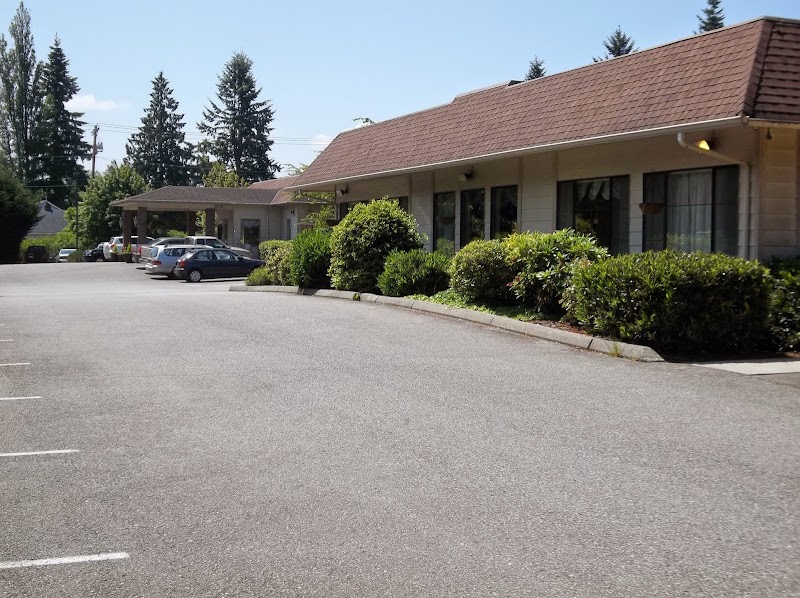
ARLINGTON HEALTH AND REHABILITATION

620 SOUTH HAZEL STREET, ARLINGTON, WA 98223 (360) 403-8247
For profit - Limited Liability company 76 Beds REGENCY PACIFIC MANAGEMENT Data: November 2025 1 Immediate Jeopardy citation
Trust Grade
13/100
#125 of 190 in WA
Last Inspection: February 2025

Within standard 12-15 month inspection cycle. Federal law requires annual inspections.

Overview

Arlington Health and Rehabilitation has received a Trust Grade of F, indicating poor performance with significant concerns. This places the facility at #125 out of 190 in Washington, meaning it is in the bottom half of nursing homes in the state, and #14 out of 16 in Snohomish County, suggesting that only two local options are better. The facility is worsening, with issues increasing from 8 in 2024 to 17 in 2025. Although staffing is a relative strength with a 3 out of 5 star rating and a turnover rate of 36%, which is below the state average, the facility has alarming fines totaling $200,328, higher than 95% of Washington facilities, indicating repeated compliance issues. Serious incidents include a failure to provide timely care for a resident in severe pain, leading to hospitalization and subsequent death, and a lack of timely wound care for another resident that resulted in extensive treatment elsewhere. Overall, while some staffing aspects are positive, the facility's critical health and safety issues raise serious concerns for potential residents and their families.

Trust Score
F
13/100
In Washington
#125/190
Bottom 35%
Safety Record
High Risk
Review needed
Inspections
Getting Worse
8 → 17 violations
Staff Stability
○ Average
36% turnover. Near Washington's 48% average. Typical for the industry.
Penalties
○ Average
$200,328 in fines. Higher than 52% of Washington facilities. Some compliance issues.
Skilled Nurses
○ Average
Each resident gets 35 minutes of Registered Nurse (RN) attention daily — about average for Washington. RNs are the most trained staff who monitor for health changes.
Violations
⚠ Watch
33 deficiencies on record. Higher than average. Multiple issues found across inspections.
★★☆☆☆
2.0
Overall Rating
★★★☆☆
3.0
Staff Levels
★★★☆☆
3.0
Care Quality
★★☆☆☆
2.0
Inspection Score
Stable
2024: 8 issues
2025: 17 issues

The Good

  • Full Sprinkler Coverage · Fire safety systems throughout facility
  • No fines on record
  • Staff turnover below average (36%)

    12 points below Washington average of 48%

Facility shows strength in fire safety.

The Bad

2-Star Overall Rating

Below Washington average (3.2)

Below average - review inspection findings carefully

Staff Turnover: 36%

10pts below Washington avg (46%)

Typical for the industry

Federal Fines: $200,328

Well above median ($33,413)

Significant penalties indicating serious issues

Chain: REGENCY PACIFIC MANAGEMENT

Part of a multi-facility chain

Ask about local staffing decisions and management

The Ugly 33 deficiencies on record

1 life-threatening 2 actual harm
Feb 2025 17 deficiencies
CONCERN (D)

Potential for Harm - no one hurt, but risky conditions existed

Deficiency F0554 (Tag F0554)

Could have caused harm · This affected 1 resident

**NOTE- TERMS IN BRACKETS HAVE BEEN EDITED TO PROTECT CONFIDENTIALITY** Based on observation, interview, and record review the facility failed to ensure 2 of 2 residents (Resident 5 and 263) were prop...

Read full inspector narrative →
**NOTE- TERMS IN BRACKETS HAVE BEEN EDITED TO PROTECT CONFIDENTIALITY** Based on observation, interview, and record review the facility failed to ensure 2 of 2 residents (Resident 5 and 263) were properly assessed for the safety of self-medication administration. This failed practice placed residents at risk for medical complications and medication errors. Findings included . Review of a facility policy titled, Self-Medication Administration dated 09/16/2022 showed: Residents who desire to self-administer medications are permitted to do so if the facility's interdisciplinary team has determined that the practice would be safe for the resident and other residents of the facility and there is a prescriber's order to self-administer. <RESIDENT 263> Resident 263 was admitted on [DATE] with diagnoses to include left hip fracture with surgical repair. Resident was alert, oriented and can verbalize needs. In an observation and interview on 01/30/2025 at 9:30 AM, an eye drop container labeled Pataday Ophthalmic Solution (eye drop to treat itching and redness in the eyes due to allergies) was observed on Resident 263's overbed table. The resident stated that they self-administered the eye drops every day. Resident stated staff were aware that they had and used the eyedrops. In an observation on 01/31/2025 at 9:40 AM, a bottle of Pataday eye drop was observed on Resident 263's bedside table. Review of Resident 263's current physician orders on 01/31/2025, showed no order was in place for Pataday eye drops. In a record review on 01/31/2025, Resident 263's care plan did not show that resident was on a self-medication program. In an interview on 02/03/2025 at 2:07 PM, Staff I, Licensed Practical Nurse (LPN) stated that the facility did not allow self-medication administration to residents and if they saw medications in the resident's room, they remove them. They were not aware that Resident 263 had an eye drop in their room. In an interview on 02/03/2025 at 3:42 PM, Staff G, LPN/Resident Care Manager (RCM), stated that if a resident wanted to self-administer their own medication, the resident needed to be assessed for safe storage of medication and pass a self-medication assessment. Staff G stated staff should remove medications that were brought to the facility by the resident or family. Staff G was not aware that Resident 263 had an eye drop at bedside. In an interview on 02/04/2025 at 3:15 PM, Staff G stated that they noted the eye drop in Resident 263's room after it was reported by surveyor. <RESIDENT 5> Resident 5 was a long-term resident of the facility. Review of MDS dated [DATE] showed Resident 5 had no cognitive issues. During an observation on 1/30/2025 at 2:30 PM, Resident 5 returned from a doctor's appointment with an inhaler (A portable device for administering a drug to be breathed in). Staff DD, LPN, brought the resident to the room. Resident 5 had the inhaler in their hand. In an observation on 1/30/2025 at 2:42 PM, the inhaler was observed at the bedside of Resident 5. During an observation and interview on 1/31/2025 at 8:34 AM, Resident 5 stated that I only used the inhaler when needed. Resident 5 then showed surveyor inhaler on the bedside table. During an interview and observation on 1/31/2025 at 2:01 PM, Resident 5 stated that they had only used their inhaler once that day. The inhaler was observed on the bedside table. Review of Resident 5's clinical record on 01/31/2025 at 2:20 PM, showed no self-medication assessment was present in the record. Review of Resident 5's care plan, print date 01/31/2025, showed no documentation of a self-medication program or keeping inhaler at bedside. During an interview on 02/03/2025 at 1:58 PM Staff O, Registered Nurse (RN) stated that residents may have medication in their rooms after being evaluated for safety and if the medication was in a lock box. During an interview on 02/03/2025 at 1:48 PM, Staff GG, RN, stated that the facility would have to have an agreement with the resident in order for residents to have medications at the bedside. No, this was all the staff member GG could say about meds. I can take it out. During an interview on 02/03/2025 at 2:15 PM, Staff B, Director of Nursing Services, stated that for residents to have medications at the bedside, they would need a doctor's order and an evaluation for safety. Staff B stated that if a resident was self-administering medications, nursing staff should assess whether they administered their medications accurately. Staff B stated they were aware that Resident 5 had medication at the bedside and had not been evaluated and were planning on removing the drug until the procedure could be followed. Refer to WAC 388-97-0440 .
CONCERN (D)

Potential for Harm - no one hurt, but risky conditions existed

Deficiency F0582 (Tag F0582)

Could have caused harm · This affected 1 resident

Based on interview and record review the facility failed to provide the required beneficiary notice for 2 of 3 residents (Residents 47 and 265) reviewed for liability notices. Failure to provide the a...

Read full inspector narrative →
Based on interview and record review the facility failed to provide the required beneficiary notice for 2 of 3 residents (Residents 47 and 265) reviewed for liability notices. Failure to provide the appropriate form for the beneficiary notice and failure to give the Notice of Medicare Non-Coverage (NOMNC) 48 hours before the Medicare Part A's last covered day placed the residents at risk for not being fully informed of their rights to appeal the decision to end skilled services and/or the potential costs of continued services if the residents wished to stay longer at the facility. Findings included . <RESIDENT 47> Resident 47 was discharged on 01/22/2025. Last covered day of Medicare Part A service was 01/01/2025. Review of the Advance Beneficiary Notice of Non-coverage (ABN) form signed by Resident 47's spouse showed the facility used Centers for Medicare and Medicaid Services (CMS) form R-131. Per CMS guidelines, Skilled Nursing Facilities (SNF) should be using CMS-10055 forms for SNF ABN. In an interview on 01/31/2025 at 2:33 PM, Staff F, Social Service Director, stated that they were not aware that there was a new SNF ABN form. They added moving forward, they will start using the new form. <RESIDENT 265> Resident 265 was discharged from the facility on 09/26/2024. Review of the NOMNC form showed that Resident 265's Skilled Nursing Services ended on 09/25/2024. Signature of resident or representative was signed on 09/24/2024. In an interview on 01/31/2025 at 2:33 PM, Staff F stated that they were the primary person that gives the NOMNC and ABN notices to residents. Staff F stated they did not know why the NOMNC was given 24 hours prior to Medicare Part A last covered day instead of 48 hours per guidelines for Resident 265. Refer to WAC 388-97-0300 (1)(e) .
CONCERN (D)

Potential for Harm - no one hurt, but risky conditions existed

Grievances (Tag F0585)

Could have caused harm · This affected 1 resident

**NOTE- TERMS IN BRACKETS HAVE BEEN EDITED TO PROTECT CONFIDENTIALITY** <RESIDENT 25> Resident 25 admitted to the facility on [DATE]. Resident was alert and can make needs known but is forgetfu...

Read full inspector narrative →
**NOTE- TERMS IN BRACKETS HAVE BEEN EDITED TO PROTECT CONFIDENTIALITY** <RESIDENT 25> Resident 25 admitted to the facility on [DATE]. Resident was alert and can make needs known but is forgetful. During a Resident Council meeting on 01/31/2025 at 11:00 AM, Resident 25 stated that the blinds in their room have holes in them. In an observation and interview on 01/31/2025 at 3:05 PM, Resident 25's window blinds had blinds that were cut off on the edges creating holes in the blinds. The resident stated the Maintenance Manager came in and looked at their blinds and informed them that they will order new blinds and replace them. In an interview on 02/03/2025 at 9:16 AM, Staff Y, CNA stated that in each nurse's station, they have a clipboard to write issues down for maintenance to follow up. The Maintenance Director looks at the list and initials it if it was fixed or work was done. Review of the maintenance log from 10/21/2024 to 02/03/2025 did not show Resident 13's broken blinds. Review of the facility grievance log from September 2024 to February 2025 did not show Resident 13's concern regarding their broken blinds. In an observation and interview on 02/03/2025 at 2:58 PM, the blinds in Resident 25's room had not been replaced. Staff X, Maintenance Director stated when there are things that need to be fixed, staff or resident will notify them. They stated that there were 3 window blinds that needed to be replaced, and they ordered replacements, but it will take up to two weeks to get delivered. Refer to WAC 388-97-0460(2) Based on interview and record review, the facility failed to promptly initiate, resolve and document resident grievances for 2 of 4 sampled residents (Resident's 45 and 25) reviewed for grievance resolution. The failure of staff to initiate resident grievances resulted in delays in grievance resolution and an extended period where a resident went without their missing clothing, broken furnishing and placed residents at risk for frustration and diminished quality of life. Findings included . Review of the facility policy, titled, Grievance Policy and Procedure for Residents, revised date 04/15/2024, showed grievances were resolved immediately when possible, by the individual receiving the grievance. The policy showed grievances would be completed within 5 days and the resident would be notified and updated if the grievance took longer than 5 days. <RESIDENT 45> Resident 45 admitted to the facility on [DATE]. According to the Minimum Data Set (MDS-an assessment tool) assessment, dated 12/15/2024, the resident was cognitively intact. In an interview on 01/29/2025 at 11:48 AM, Resident 45 stated they were missing two pairs of socks and one pair of pants since last September. Resident 45 stated they told nurses and laundry staff about the missing items, and the clothes had still not been found yet. Review of the facility grievance logs for 08/03/2024 through 01/27/2025 showed no grievances were logged for Resident 45 regarding missing clothes. In an interview on 01/30/2025 at 2:40 PM, Staff D, Certified Nurse Assistant (CNA), stated Resident 45 had some socks and pants missing quite a while ago and laundry staff were still looking for the missing clothes. Staff D stated they did not know if a grievance form was filled out. In an interview on 01/30/2025 at 2:53 PM, Staff E, Laundry Assistant, stated they were aware that Resident 45 had missing pants since Thanksgiving and Christmas time, and they were still looking for the items. Staff E stated they were not sure if a grievance form was filled out, but the laundry manager knew about it. In an interview on 02/03/2025 at 1:39 PM, Staff F, Social Service Director, stated they were not aware that Resident 45 had missing clothes, and they were not sure if a grievance form was filed. Staff F stated everyone in the facility could fill out a grievance form as soon as possible when the resident reported missing items. In an interview on 02/04/2025 at 12:24 PM, Resident 45 stated no one had communicated with them about their missing clothes yet and they had not received reimbursement or replacement. Review of the updated facility grievance logs received on 02/04/2025 showed no grievances were logged for Resident 45 for missing clothes.
CONCERN (D)

Potential for Harm - no one hurt, but risky conditions existed

Report Alleged Abuse (Tag F0609)

Could have caused harm · This affected 1 resident

**NOTE- TERMS IN BRACKETS HAVE BEEN EDITED TO PROTECT CONFIDENTIALITY** Based on interview and record review, the facility failed to ensure policies and procedures for timely reporting of alleged fina...

Read full inspector narrative →
**NOTE- TERMS IN BRACKETS HAVE BEEN EDITED TO PROTECT CONFIDENTIALITY** Based on interview and record review, the facility failed to ensure policies and procedures for timely reporting of alleged financial exploitation of 1 of 2 residents (Resident 16) reviewed for abuse/neglect. The facility failed to report to the state agency and law enforcement when a resident voiced concerns related to their financial affairs. This failure by the facility to identify, report, and investigate an allegation of potential abuse or neglect placed residents at risk of being victims of unidentified and uninvestigated abuse and/or neglect and limited the thoroughness of investigations. Findings included . Review of the facility policy titled, Abuse and Neglect, dated 08/2024 stated the facility will report allegation(s) of abuse and neglect to the appropriate authorities. Allegations of abuse and neglect will be reported to the Department of Social and Health Services (DSHS) following the nursing home reporting guidelines the Purple Book. Review of the Nursing Home Guidelines, The Purple Book, October 2015 (sixth edition) showed an immediate report was required to be made to the department when there is a reasonable cause to believe that financial exploitation occurred in addition a report to law enforcement. Resident 16 admitted to the facility on [DATE] with diagnoses that included hypertension, history of stroke, and type two diabetes mellitus (a chronic condition that affects how the body uses sugar for energy). In an interview on 01/29/2025 at 3:03 PM Resident 16 stated the social worker at the facility had told them they should protect their money. Resident 16 stated they believed that they had paid the mortgage of their child. Review of Resident 16's electronic medical record, showed a document titled Outcome Report from Adult Protective Services (APS), dated 10/04/2024, documenting an allegation of neglect was found to be inconclusive. There was no notation regarding financial exploitation. In an interview on 01/29/2025 at 3:14 PM Staff F, Social Service Director, stated there had been concerns about Resident 16's child using the resident's funds to pay for their mortgage in addition to allegations of neglect. Staff F stated they did not know if a report was made to the department but they would look into it. In a follow up interview on 01/30/2025 at 9:34 AM Staff F stated there was not a report made to the department regarding concerns of financial exploitation of Resident 16. Staff F stated they had spoken to the APS investigator (who had been investigating allegations of neglect) about concerns of financial exploitation of Resident 16. Staff F stated they did not document their conversation with the APS investigator in Resident 16's progress notes. In an interview on 02/05/2025 at 9:15 AM Staff A, Administrator, stated the facility communicates with APS investigators when there is an active case open. Staff A stated if there was new or additional information about a resident, a report would need to be completed. This is a repeat deficiency from 08/23/2024. Reference (WAC) 388-97-0640(5)(a) .
CONCERN (D)

Potential for Harm - no one hurt, but risky conditions existed

Deficiency F0657 (Tag F0657)

Could have caused harm · This affected 1 resident

**NOTE- TERMS IN BRACKETS HAVE BEEN EDITED TO PROTECT CONFIDENTIALITY** Based on observations, interviews and record reviews the facility failed to review and revise care plans for 2 of 12 residents (...

Read full inspector narrative →
**NOTE- TERMS IN BRACKETS HAVE BEEN EDITED TO PROTECT CONFIDENTIALITY** Based on observations, interviews and record reviews the facility failed to review and revise care plans for 2 of 12 residents (Residents 40 and 1) reviewed for care planning. The failure to review and revise care plans by the interdisciplinary team placed residents at risk for unmet care needs, adverse health effects and diminished quality of life. Findings included . Review of the facility policy titled, Care Plan Policy, revised on 08/16/2024, showed care plans are updated with any status change and revised based on changing goals, preferences, and needs of the resident. <RESIDENT 40> Resident 40 admitted to the facility on [DATE] and recently readmitted on [DATE] with diagnoses that included diabetes type two (a chronic condition that affects how the body uses sugar for energy), chronic obstructive pulmonary disease (group of lung diseases that restrict breathing), and high blood pressure. <ACCIDENTS/FALLS> In a review of Resident 40's Significant Change Minimum Data Set (MDS- an assessment tool) dated 01/12/2025 showed the resident had moderate cognitive impairment. Review of the Care Area Assessment (CAA-an assessment which directs the care plan development) portion of the MDS related to falls showed the resident had deconditioning related to a recent hospitalization, recalled falling twice in the last year, and could walk to the cafeteria using a four wheeled walker and was a fall risk. There information was incomplete, not person centered, and lacked the components of a comprehensive assessment. Review of Resident 40's incident reports showed they had a total of 6 falls on the following dates: 08/21/2024, 09/04/2024, 10/21/2024, 10/30/2024, 11/01/2024 and 11/20/2024. Review of Resident 40's care plan dated 01/06/2025 showed they were at risk for falls related to decreased mobility and weakness with the goal of them being free of falls. Resident 40 was noted to have falls on 09/04/2024, 10/21/2024 and 10/30/2024 all related to slipping out of their bed. Interventions included encouraging Resident 40 to decrease clutter around their bed, education and encouragement to use the call light, fall mat on the right side of the bed, sign to ensure use of proper footwear, call light within reach and answered promptly, therapy orders, monitor for signs/symptoms of change of condition, night shift to check and change their brief, and they were non weight bearing with use of the Hoyer Lift (mechanical device used to transfer residents from one surface to another). The care plan was in contradiction to information found in the CAA and incomplete based on information found in the incident reports. In an interview on 02/04/2025 at 12:39 PM Staff S, Nursing Assistant Certified (NAC) stated Resident 40 was a fall risk and there were interventions put in place to minimize their fall risk. Staff S stated interventions included the use of a commode, nonskid socks, placement of wheelchair next to their bed, encouraged the resident to use their call light and have staff be there with them for safety, use of a gait belt and to have everything within reach for resident to use. Staff S stated they rely on the Kardex (a guide for nursing assistance to provide care derived from the care plan), which was in the closets of residents. In an interview on 02/05/2025 at 9:26 AM Staff A, Administrator, stated they try to meet regulations associated with care plans. Staff A stated part of the care planning process included lining up diagnosis, behaviors, and interventions and reviewing them at least quarterly. <RESIDENT 1> Resident 1 admitted to the facility on [DATE] with diagnosis to include palliative care (an approach that improves the quality of life of terminal ill patient), dementia (progressive decline in cognitive functions, such as memory, thinking, reasoning, and problem-solving, that interferes with daily life and activities) and depression. <PSYCHOTROPIC MEDICATION> Review of MDS assessment, dated 01/22/2025 showed Resident 1 had severe cognitive impairment, received antidepressant and antipsychotic medications and the CAA was triggered for psychotropic medication use. Review of Resident 1's January 2025's Medication Administration Record (MAR) showed the resident was taking antidepressant medications since 02/14/2024 and antipsychotic medications since 03/14/2024. Review of Resident 1's care plan, copy date 01/31/2025 showed a focus area that the resident had psychotropic medication (antipsychotic); the goal was Resident 1 would have decreased number of depressive episodes and interventions were monitor antidepressant medication side effects and monitor target behaviors related to antidepressant use. In an interview on 02/03/2025 at 10:36 AM, Staff O, Registered Nurse, stated it was an error that the care plan had mixed up the two different categories psychotropic medications into one care plan. Staff O stated the care plan showed goal and interventions about antidepressants but was under the wrong medication focus. Staff O stated the care plan needed to be updated. In an interview on 02/03/2025 at 11:26 AM, Staff N, MDS Coordinator, stated they updated care plans after the CAA process when they did comprehensive assessments. Staff N stated the antidepressant medication care plan interventions were listed under antipsychotic medication focus and they would fix it. In a joint interview on 02/04/2025 at 9:23 AM, Staff B, Director of Nursing, and Staff C, Director of Operation stated they expected care plans to be reviewed and revised at least 7 days after a resident had a change. <WANDER GUARD> On all days of the survey, Resident 1 was observed lying in bed or sitting in wheelchair at the side of bed. Resident 1 was observed unable to propel their wheelchair themselves. Review of a Hospice Certification dated 01/17/2025, showed Resident 1 was terminally ill and started hospice care since 01/16/2024. Review of significant change MDS assessment dated [DATE], showed Resident 1 had not attempted to walk and required dependent assistance with wheelchair mobility. The MDS assessment showed Resident 1 did not use a wander/elopement alarm. Review of progress note, dated 01/24/2025 at 3:23 AM, showed wander guard found on the table in room and given to resident care manager (RCM) to see if needed replaced. Review of a progress note dated 01/31/2025 at 12:10 AM, showed no wander guard on resident and was given to RCM two weeks ago. Review of Resident 1's clinical record showed there was no wandering risk assessment completed after 01/10/2025. Review of Resident 1's care plan copy date 01/31/2025, showed an intervention of a wander guard placed for attempt to elope from facility initiated on 02/14/2024. In an interview on 02/03/2025 at 10:21 AM, Staff P, Certified Nurse Assistant, stated Resident 1 had been unable to propel their wheelchair themselves for quite a while. In an interview on 02/03/2025 at 1:39 PM, Staff F, Social Service Director, stated Resident 1 was not able to propel wheelchair to the exit recently. In a joint interview on 02/04/2025 at 9:23 AM, Staff B and Staff C stated they would complete a wander risk assessment and revise the care plan immediately. Refer to WAC 388-97-1020(2)(c)(d).
CONCERN (D)

Potential for Harm - no one hurt, but risky conditions existed

ADL Care (Tag F0677)

Could have caused harm · This affected 1 resident

**NOTE- TERMS IN BRACKETS HAVE BEEN EDITED TO PROTECT CONFIDENTIALITY** Based on observation, interview and record review, the facility failed to provide the necessary activities of daily living care ...

Read full inspector narrative →
**NOTE- TERMS IN BRACKETS HAVE BEEN EDITED TO PROTECT CONFIDENTIALITY** Based on observation, interview and record review, the facility failed to provide the necessary activities of daily living care (ADL) and services for 1 of 4 residents (Resident 263) reviewed for bathing. This failure placed the resident at risk for hygiene issues and for diminished quality of life. Findings included . Review of the facility policy titled Bathing revised on 07/01/2017 showed: Bathing schedule will be based on resident's personal requests and physical health needs. Refusal of shower/bath will be documented and reported to Licensed Nurse (LN). Resident 263 was admitted to the facility on [DATE] with diagnoses to include Left hip fracture with surgical repair. The resident was alert and can verbalize needs. According to the resident's care plan, they required 2-person maximum assist with transfers. In an interview on 01/30/2025 at 9:24 AM, Resident 263 verbalized that they had not had a shower since they were admitted at the facility and had asked staff if they can have a shower. Review of Resident 263's clinical record on 01/31/2025, showed no entries on the Task: ADL- Bathing for the last 14 days. There was no documentation in the progress note about the resident receiving or declining shower or bath. In an observation and interview on 01/31/2025 at 9:40 AM, Resident 263's hair appeared to be oily, and the resident stated that they had been asking for a shower every day since they were admitted and staff told them that they were not on the shower schedule. In an interview on 01/31/2025 at 4:24 PM, Staff L, Nursing Assistant Certified (NAC) stated that on admission, the nurses will put the resident on the shower schedule by asking the resident their preferences. Staff L stated that the shower schedule was in the binder at the nurse's station. Review of the shower schedule showed Resident 263's last name documented on Tuesday's and Thursday's. Staff L stated that the NAC assigned to the resident was the one that would provide the shower, they did not have a shower aid. Staff L stated if a resident refused a shower they would notify the nurse. In an interview on 01/31/2025 at 4:28 PM, Staff G, Licensed Practical Nurse (LPN)/Resident Care Manager (RCM), stated that on admission they ask the resident their preference of when they want to have a shower, then they update the shower schedule and put the resident's name. Staff G reviewed the shower schedule which showed Resident 263's name documented on Tuesdays and Thursdays. Staff G reviewed the residents clinical record and found no entries or documentation under the Task for Bathing. Staff G was unable to state why Resident 263 did not receive a shower last night (Thursday). Staff G stated they don't audit or check if residents were getting their showers or not. While talking to Staff G, RCM, Staff M, NAC stated that Resident 263 had refused their shower last Tuesday. Both staff stated they did not have a place to document resident refusals for showers. Staff M then went to resident's room and asked if resident wants to have a shower, Resident 263 responded yes and Staff M assisted the resident with having a shower. Refer to WAC 388-97-1060(2)(c)
CONCERN (D)

Potential for Harm - no one hurt, but risky conditions existed

Respiratory Care (Tag F0695)

Could have caused harm · This affected 1 resident

**NOTE- TERMS IN BRACKETS HAVE BEEN EDITED TO PROTECT CONFIDENTIALITY** Based on observation, interview, and record review the facility failed to provide respiratory care consistent with professional ...

Read full inspector narrative →
**NOTE- TERMS IN BRACKETS HAVE BEEN EDITED TO PROTECT CONFIDENTIALITY** Based on observation, interview, and record review the facility failed to provide respiratory care consistent with professional standards of practice for 1 of 3 sampled residents (Resident 40) reviewed for respiratory care. Failure to follow provider's orders for oxygen (O2) therapy placed the resident at risk for unmet needs, potential negative outcomes and a diminished quality of life. Findings included . Review of the facility policy titled, Oxygen Administration dated 10/15/2023 showed oxygen would be provided to residents to improve oxygenation and comfort to residents experiencing respiratory difficulties. The procedure included storing cannula's (tubing inserted into the nose to supply oxygen) and add oxygen to be administered by licensed staff and requires a physician order. Resident 40 admitted to the facility on [DATE] and recently readmitted on [DATE] with diagnoses that included diabetes type two (a chronic condition that affects how the body uses sugar for energy), chronic obstructive pulmonary disease (group of lung diseases that restrict breathing), and high blood pressure. Review of Resident 40's January Medication Administration Record (MAR) showed a physician order for O2 at two liters per minute (lpm) as needed for shortness of breath, comfort, or to keep oxygen saturations (percentage of oxygen in the blood) above 90 percent (%). In an observation on 01/29/2025 at 11:24 AM Resident 40 was lying in their bed, the head of their bed slightly elevated, wearing a nasal cannula without the nose piece in their nostrils, rather on the side of their nose. Observed the oxygen concentrator in Resident 40's room set to 2.5 lpm. In an observation on 01/30/2025 at 1:30 PM Resident 40 was sitting in their wheelchair with visitors, not wearing their nasal cannula. Observed Resident 40's nasal cannula sitting on the floor next to their bed attached to the O2 concentrator which was set at 2.5 lpm. In an interview on 01/30/2025 at 2:34 PM Staff DD, Licensed Practical Nurse (LPN), stated Resident 40's physician orders included O2 at 2lpm as needed to keep O2 saturations above 90%. Staff DD stated the checked Resident 40's oxygen saturations but had not checked the settings on the concentrator. Staff DD stated they were Resident 40's day shift nurse. In an interview on 02/03/2025 at 2:50 PM Staff B, Director of Nurses Services, stated the expectation of nursing staff was to ensure there was an order for oxygen use and the setting checked to ensure the settings on the tank/concentrator were at the ordered rate. Refer to WAC 388-97-1060(3)(j)(vi)
CONCERN (D)

Potential for Harm - no one hurt, but risky conditions existed

Deficiency F0744 (Tag F0744)

Could have caused harm · This affected 1 resident

**NOTE- TERMS IN BRACKETS HAVE BEEN EDITED TO PROTECT CONFIDENTIALITY** Based on observations, interviews, and record review the facility failed to develop a dementia care plan that addressed the phys...

Read full inspector narrative →
**NOTE- TERMS IN BRACKETS HAVE BEEN EDITED TO PROTECT CONFIDENTIALITY** Based on observations, interviews, and record review the facility failed to develop a dementia care plan that addressed the physical, mental and psychosocial needs of the resident, established personalized and achievable goals, and identified interventions to promote a person-centered environment for 1 of 4 residents (Resident 22) reviewed for dementia care. These failures placed residents at risk for unmet physical and psychosocial needs, increased behaviors and decreased quality of life. Findings included . Resident 22 admitted to the facility on [DATE] with diagnoses that included dementia. In a review of Resident 22's Care Area Assessment (CAA-an assessment which directs the care plan development) for cognitive loss/dementia dated 11/13/2024 showed they were severely impaired, had a memory problem with confusion, disorientation and forgetfulness. The description of the impact of cognitive loss/dementia on the resident was noted to be, Resident's care plan addresses cognition impairment. Staff will continue to monitor as resident was currently placed on Hospice and their cognition has been impacted. Review of progress note dated 12/27/2024 a late entry for 12/26/2024 showed Resident 22 had22 had been anxious over the last few days with behaviors or self propellingself-propelling up/down halls, and in and out of rooms, bumping into objects and almost running over other resident's toes. Resident 22 was also noted to [NAME] be calling out for their daughter, unable to sleep, and calling into rooms of otheranother resident while they were sleeping. Resident 22 was encouraged to call their daughter which helped them calm for short periods of time. In a review of Resident 22's care plan dated 05/11/2022, showed they had two care plans focused on impaired cognition related to dementia and potential for delirium related to recent back surgery. The focus areas included a goal for resident to be able to communicate their needs daily. Interventions developed for Resident 22 to meet those goals included: -Their basic needs would be met. -Their life would be honored. -Administered medications as ordered, monitor/document side effects and effectiveness. -Monitor/document/report as needed any changes in their cognitive function. -They relied on family for significant decision making -Keep resident's routine consistent and try to provide consistent caregivers as much as possible to decrease confusion -Monitor for signs and symptoms of possible delirium related to recent back surgery, advanced age and anesthesia clearance, pain medications and increased pain. -Use task segmentation to support short term memory deficits. Break tasks into one step at a time. The care plan did not include any resident specific information about how Resident 22's dementia manifests itself, what types of situations/environments increase stress/anxiety or decrease it, or how their family supports play a role in their overall cognition. In an interview on 02/04/2025 at 5:16 PM Staff EE, Licensed Practical Nurse (LPN), stated interventions in place for Resident 22's dementia included frequent visits by their daughter, the daughter requested that they call them when Resident 22 had difficulties. Additional interventions described by Staff EE included Resident 22 story tellingstorytelling, talking with them about anything, listeninganything, listening to the radio/music. Staff EE stated Resident 22 also takes medication, Seroquel (an antipsychotic medication). Staff EE stated Resident 22 had medication to treat their dementia, but mostly did not need it. Staff EE stated Resident 22 was essentially blind, could not really watch television, and music was the most important thing for them. In an interview on 02/03/2025 at 2:23 PM Staff FF, Activities Director, stated Resident 22 was a bit of a wanderer and liked to travel around the facility and to the front office, was friendly, interacted with staff and other residents and had been more confused lately. Staff FF, when asked what activities Resident 22 had been involved in for the last two weeks, stated it was difficult to complete activities due to a viral outbreak in the building. Staff FF stated Resident 22 consistently engaged in the sing along activity scheduled on Wednesdays. When asked about one on oneone-on-one support activities with Resident 22, Staff FF stated they did not believe it was necessary for them as they were socializing with other residents and staff daily. Staff FF stated Resident 22's daughter visited two to three times a week. In an interview on 02/05/2025 at 8:54 AM Staff F, Social Services Director, stated they have had multiple contacts with Resident 22's family members, they are very involved and visit Resident 22 several times a week. On 01/29/2025 at 3:26 PM Resident 22 was observed to be in the hallway of the unit. Resident 22 was not involved in an activity and moved with no purpose. On 01/31/2025 at 2:34 PM Resident 22 was observed outside their room, in their wheelchair, with their hand placed on their forehead and head was down. On 02/03/2025 at 9:03 AM Resident 22 was observed talking on the telephone in their room. On 02/03/2024 at 2:19 AM Resident 22 was observed sitting in their room, in their wheelchair in front of the televisiontelevision, which was on, sleeping. Refer to F758 Reference WAC 388-97-1040 (1) (a-c)
CONCERN (D)

Potential for Harm - no one hurt, but risky conditions existed

Deficiency F0761 (Tag F0761)

Could have caused harm · This affected 1 resident

Based on observation and interview the facility failed to ensure drugs and biologicals (diverse group of medicines made from natural sources) were refrigerated after opening from 2 of 2 medication car...

Read full inspector narrative →
Based on observation and interview the facility failed to ensure drugs and biologicals (diverse group of medicines made from natural sources) were refrigerated after opening from 2 of 2 medication carts (Medicare and North Hall) and expired medications and biologicals were disposed of timely in accordance with professional standards from 1 of 2 medication rooms (Medicare Hall). These failures placed residents at risk to receive expired medications, ineffective medication from lack of refrigeration, to experience adverse side effects and other potential negative health outcomes. Findings Included . On 02/03/2025 at 9:49 AM observed the refrigerator of the medication room to contain 3 vials of lorazepam (an antianxiety medication) in a small, clear bag with the expiration date of 10/2024. In addition, observed a small bag with a label that read, Promethegan, the expiration date printed on the label (2023) was crossed out and replaced by a handwritten date of 04/2025. On 02/03/2025 at 10:45 AM observed an open bottle of Acidophilus, a probiotic, with directions to refrigerate after opening in the medication cart on the Medicare Hall. Staff U stated all nurses, when time allows, should be going through their medication carts for expired medications. In an interview on 02/03/2025 at 9:49 AM Staff U, Licensed Practical Nurse, stated the night shift was responsible for removing and destroying/returning expired medication located in the medication room. Staff U observed the expiration date on the three vials of lorazepam and stated that they were expired in October of 2024. Staff U stated all nurses, when time allows, should be going through their medication carts for expired medications. Staff U stated they did not know who had crossed out the date on the Promethegan and stated it had come from the emergency kit. In an interview on 2/03/2025 at 11:48 AM Staff U stated the night shift was responsible for ensuring the medication in the medication cart was stored as directed on the label. Staff U stated they had checked the medication cart on North Hall and found Acidophulius of the same brand as the Medicare Hall and replaced it with a new manufacturer that did not call for refrigeration after opening. Refer to WAC 388-97-1300(2)
CONCERN (D)

Potential for Harm - no one hurt, but risky conditions existed

Deficiency F0804 (Tag F0804)

Could have caused harm · This affected 1 resident

Based on observation, interview and record review, the facility failed to ensure foods were served in a timely manner and were palatable for 1 of 1 Halls (South Hall) and 1 of 1 organized resident gro...

Read full inspector narrative →
Based on observation, interview and record review, the facility failed to ensure foods were served in a timely manner and were palatable for 1 of 1 Halls (South Hall) and 1 of 1 organized resident groups (Resident Council) who were interviewed about the food palatability and temperatures. Failure to meet these requirements could negatively impact the residents' nutritional status, appetite, and meal acceptance. Findings Included . In a review of facility policy titled Long Term Care Policy & Procedure Manual labeled food temperatures, undated, showed the facility recommended ranges of temperatures for the safe holding, storage and serving of foods such as hot cereal and hot beverages (coffee and tea) was at 165 degrees Fahrenheit or above. These are the standards suggested for food acceptance and palatability as well as safety. On 01/31/2025 at 8:47 AM observed a full cart of meals on trays in the hallway of South Hall. None of the trays had been served. In an interview on 01/31/2025 at 8:47 AM Staff I, Licensed Practical Nurse (LPN), stated the carts had just arrived a few minutes ago. Staff I stated they had two nursing aides working on the South Hall with another one due to come in. In an observation on 01/31/2025 at 8:52 AM Staff D, Nursing Aide Certified (NAC), arrived and started passing meal trays to the residents on South Hall. In an interview on 01/31/2025 at 8:52 AM Staff D stated the other aide they were working with was stuck in a room. When asked how long the trays had been sitting in the hallway, Staff D stated a few minutes. Staff D stated when they need assistance, like this morning, other staff come to assist them such as the nurse. When asked what time the trays are typically delivered to the South Hall, Staff D stated at around 8:00 AM. In an interview on 01/31/2025 at 8:59 AM Staff HH, Dietary Manager, stated they believed the meal trays went out to South Hall at around 8:15 AM. At 8:59 AM observed Staff HH, check the temperature of oatmeal on one of the remaining trays in the cart, the temperature 124 degrees Fahrenheit. When asked if the oatmeal was too cold, Staff HH stated it was not warm enough for the resident and removed the oatmeal from the tray. Review of the dining times provided on 01/29/2025 showed mealtimes for residents eat in their room would be provided between 7:45 AM - 8:45 AM. Review of the facility menu provided on 01/29/2025, breakfast on 01/31/2025 included oatmeal or cream of wheat, waffle, egg, half of banana, margarine/syrup and milk/hot beverage. During Resident Council on 01/30/2025 residents reported the food served was consistently cold and late and was especially bad on the weekends when Staff HH was gone. Reference: WAC 388-97-1100(1)(2)
CONCERN (D)

Potential for Harm - no one hurt, but risky conditions existed

Deficiency F0849 (Tag F0849)

Could have caused harm · This affected 1 resident

Based on interview and record review, the facility failed to have a system in place that ensured effective consistent communication, collaboration, and coordination of care occurred between the facili...

Read full inspector narrative →
Based on interview and record review, the facility failed to have a system in place that ensured effective consistent communication, collaboration, and coordination of care occurred between the facility and the hospice provider for 1 of 3 residents (Resident 22) reviewed for hospice services. The facility failed to obtain and/or maintain a copy of a resident's current hospice coordinated plan of care and integrate it into the facility care plan. This failure placed the resident at risk for not receiving necessary care and services and/or unmet care needs. Findings included . Review of the facility contract with hospice, titled Nursing Facility Services Agreement dated 02/04/2020 showed in section 2.1.2 coordination with hospice regarding plan of care included design of plan, modification and monitoring of residential hospice patient. The nursing facility shall coordinate with hospice in development of a plan of care. Nursing facility agreed to abide by the plan of care. In a review of Resident 22's progress notes dated 11/13/2024 showed resident was admitted to hospice care. Review of Resident 22's electronic health record (EHR) showed no hospice plan of care but showed multiple hospice notes. Review of Resident 22's care plan dated 11/14/2023 showed resident had a terminal prognosis related to end stage disease process which included recent hip fracture, labs and decline in condition. The goal showed Resident 22 would be free of depression and anxiety through the review date and their comfort would be maintained through the review date of 01/31/2025. Interventions included encouraging resident to express their feelings, to keep the environment calm with low lighting and familiar objects near, and work cooperatively with hospice team to ensure the resident's spiritual, emotional, intellectual, physical, and social needs were met. Review of hospice notes found in the electronic health records showed no notation they were reviewed by anyone prior to being placed in the record. Review of hospice nursing note dated 12/23/2024 showed Resident 22 was confused and agitated with multiple calls from the evening nurse and resident's daughter coming into the facility to assist resident calm. Review of progress note dated 12/27/2024 a late entry for 12/26/2024 showed Resident 22 had been anxious over the last few days with behaviors or self propelling up/down halls, and in and out of rooms, bumping into objects and almost running over other resident's toes. Resident 22 was also noted to be calling out for their daughter, unable to sleep, and calling into rooms of another resident while they were sleeping. Resident 22 was encouraged to call their daughter which helped them calm for short periods of time. In an interview on 02/05/2025 at 8:54 AM Staff F, Social Services Director, stated hospice care plans are developed by the resident care manager and hospice services are coordinated through nursing. In an interview on 02/05/2025 at 9:10 AM Staff W, Licensed Practical Nurse (LPN) stated hospice sends their care plan and medical records uploads it in the resident's EHR. Staff W stated they would try to find the care plan. In a follow up interview on 02/05/2025 12:05 PM Staff W provided a copy of the hospice care plan, date stamped on the top with the date of 02/05/2025. Staff W stated they did not know why the hospice care plan was not in Resident 22's EMR. No associated WAC
CONCERN (E)

Potential for Harm - no one hurt, but risky conditions existed

Comprehensive Assessments (Tag F0636)

Could have caused harm · This affected multiple residents

**NOTE- TERMS IN BRACKETS HAVE BEEN EDITED TO PROTECT CONFIDENTIALITY** Based on interview and record review, the facility failed to ensure the Resident Assessment Instrument (RAI), an assessment of a...

Read full inspector narrative →
**NOTE- TERMS IN BRACKETS HAVE BEEN EDITED TO PROTECT CONFIDENTIALITY** Based on interview and record review, the facility failed to ensure the Resident Assessment Instrument (RAI), an assessment of a resident's needs, strengths, goals, and preferences, and included thorough summaries of the Care Area Assessments (CAA's), an assessment of a specific resident care or medical issue, to holistically analyze the plan of care for 5 of 16 residents (Residents 1, 12, 16, 22, and 32) reviewed for comprehensive assessments. This failure placed the residents at risk of not having appropriate services provided based on the resident's individualized needs and placed all other residents at risk of their needs and preferences not met. Findings included . Review of the Centers for Medicare & Medicaid Services Long-Term Care Facility Resident Assessment Instrument (RAI) 3.0 User's Manual, Version 1.19.1, dated October 2024, showed the Care Area Assessment process reflects conditions, symptoms, and other areas of concern that are common in nursing home residents. The CAA process provides for further assessment of the triggered areas by guiding staff to look for causal or confounding factors, some of which may be reversible and obtaining input from the resident and/or family. It is important that the CAA documentation include the causal or unique risk factors for decline or lack of improvement. <RESIDENT 1> Resident 1 admitted on [DATE]. Review of the significant Minimum Data Set (MDS-an assessment tool) assessment, dated 01/22/2025, showed the psychotropic drug use CAA did not contain comprehensive summaries or analysis that included the resident's current goals, preferences, strengths or needs for the specific care areas, which were necessary to determine if updates to the resident's care plan was needed. In an interview on 02/03/2025 at 11:23 AM, Staff N, Licensed Practical Nurse (LPN)/MDS Coordinator stated the psychotropic CAA should be completed with a summary and they were not sure why the CAA was not completed for Resident 1. Staff N stated social services had taken over the responsibility for psychotropic medication reviews as well. In an interview on 02/03/2025 at 1:39 PM, Staff F, Social Service Director, stated they were not responsible for completing the psychotropic medication CAA's. In an interview on 02/04/2025 at 9:23 AM, Staff B, Director of Nursing, stated social services was responsible for parts of the MDS assessment and the MDS Coordinator needed to check and make sure all CAAs were completed. Staff B stated they expected the triggered CAAs should be filled out and completed. <RESIDENT 32> Resident 32 was a long-term care resident of the facility. A review of Resident 32's significant change MDS assessment, dated 03/27/2024, showed the Resident was severely cognitively impaired, and had communication issues due to difficulty hearing. Review also showed that the communication CAA did not contain comprehensive summaries or analyses that included the resident's current goals, preferences, strengths, or needs for the specific care areas, which were necessary to determine whether updates to the resident's care plan were needed. In an interview on 1/29/2025 at 1:32 PM, Resident 32 could not hear questions without loud and significant voice raising. In an interview on 2/3/2025 at 2:15 PM, Staff B stated that when they speak to Resident 32, the resident understands if they talk loudly, but Resident 32 should be assessed for a whiteboard or another way to communicate. In an interview on 2/3/2025 at 2:20 PM, Staff N, indicated that Resident 32's hearing CAAs were completed, and that Staff N was only required to fill out the first and last portion of the worksheet. <RESIDENT 12> Resident 12 was a long-term care resident of the facility. Review of Resident 12's significant change MDS assessment, dated 10/04/2024, showed the pressure ulcer/injury CAA did not contain comprehensive summaries or analysis that included the resident's current goals, preferences, strengths, or needs for the specific care areas, which were necessary to determine if updates to the resident's care plan were required. During record review of a document titled 'Brayden Scale' (a scale that indicates a risk of pressure ulcers) with a print date of 1/29/2025 indicated that Resident 12 was at high risk for pressure ulcer injury. In an interview on 2/3/2025 at 2:20 PM, Staff N stated that they needed to complete the last area of the CAA worksheet. Staff N stated they had a paragraph written for them to copy and paste into that box. Staff N stated they were unaware that other areas needed to be addressed. Reference: (WAC) 388-97-1000 (b)(c)(ii)(2) <RESIDENT 16> Resident 16 admitted to the facility on [DATE] with diagnoses that included stroke, and diabetes (a chronic condition that affects how the body uses sugar for energy). Review of Resident 16's significant change MDS assessment, dated 09/25/2024, showed the pressure ulcer/injury CAA did not contain comprehensive summaries or analysis that included the resident's current goals, preferences, strengths or needs for the specific care areas, which were necessary to determine if updates to the resident's care plan was needed. In an interview on 02/05/2025 at 11:05 AM Staff N, stated they typically complete CAA's and the care plan review right after submitting and finalizing the MDS. Staff N described gathering information to complete the MDS solely through review of the resident's medical records with some sections left for social services to complete. <RESIDENT 22> Resident 22 admitted to the facility on [DATE] with diagnoses that included dementia. Review of Resident 22's significant change MDS assessment, dated 11/13/2024, showed the cognition/dementia and communication CAA did not contain comprehensive summaries or analysis that included the resident's current goals, preferences, strengths or needs for the specific care areas, which were necessary to determine if updates to the resident's care plan was needed. In an interview on 02/05/2025 at 11:05 AM Staff N, stated they typically complete CAA's and the care plan review right after submitting and finalizing the MDS. Staff N described gathering information to complete the MDS solely through review of the resident's medical records with some sections left for social services to complete.
CONCERN (E)

Potential for Harm - no one hurt, but risky conditions existed

Comprehensive Care Plan (Tag F0656)

Could have caused harm · This affected multiple residents

**NOTE- TERMS IN BRACKETS HAVE BEEN EDITED TO PROTECT CONFIDENTIALITY** Based on observations, interviews and record review, the facility failed to review, revise and implement a comprehensive plan of...

Read full inspector narrative →
**NOTE- TERMS IN BRACKETS HAVE BEEN EDITED TO PROTECT CONFIDENTIALITY** Based on observations, interviews and record review, the facility failed to review, revise and implement a comprehensive plan of care to included resident specific information for 6 of 18 sampled residents (Residents 12, 22, 34, 40, 16, & 33) reviewed for care plans. The failure to establish and implement care plans that were individualized, accurately reflected assessed care needs and provided direction to staff, placed residents at risk to receive inappropriate and inadequate care to meet their individualized needs and preferences. <RESIDENT 22> Resident 22 admitted to the facility on [DATE] with diagnoses that included dementia. <WANDERING> Review of Resident 22's care plan dated 05/11/2022 showed they were at risk for wandering. Interventions for Resident 22's wandering included assessing for fall risk, ensuring needs were met, identifying a pattern of wandering, use of a wander guard and the use of the fenced patio if they were looking for sun. Review of Resident 22's Document Survey Report for 1/01/2025 through 02/05/2025 showed a single documented instance of wandering on 01/03/2025 at night. There were no documented interventions used. In an observation on 02/04/2025 at 12:31 PM, Resident 22 was using their feet and the handrail to self-propel in the hallway of the unit. Resident 22 was seen entering a room other than their own. Staff S, Nursing Assistant Certified (NAC) stated aloud that it was their second time removing the resident from another room. In an observation on 01/31/2025 at 9:33 AM Resident 22 was in their room, the room number outside their door, significantly larger than any other room, handwritten. <DEMENTIA CARE> Review of Resident 22's Care Area Assessment (CAA) for cognition/dementia, completed as part of a significant change assessment, dated 11/24/2024 showed they had cognitive impairment which had been impacted by being placed on hospice services. Additionally, a CAA was completed for communication which noted Resident 22 was heard talking to someone in their room, but no one was in the room with them. Review of Resident 22's care plan consisted of two separate plans to address their impaired cognition related to their dementia process one dated 05/11/2022 and another dated 06/02/2023. Neither care plan included person-centered information, goals or interventions regarding their dementia, dementia process, or the information found in the CAA. In an interview on 02/05/2025 at 9:26 AM Staff A, Administrator, stated they try to meet regulations associated with care plans. Staff A stated part of the care planning process included lining up diagnosis, behaviors, and interventions and reviewing them at least quarterly. Staff A stated they thought Resident 22's behavior of wandering into other rooms was new. <RESIDENT 16> Resident 16 admitted to the facility on [DATE] with diagnoses that included hypertension, history of stroke, and type two diabetes mellitus (DM- a chronic condition that affects how the body uses sugar for energy). In an observation on 01/29/2025 at 2:06 PM observed a green wedge on the shelving unit in Resident 16's room, across from the foot of their bed. When asked what the purpose of the green wedge was, Resident 16 stated it was used to position under them to take pressure off. Review of Resident 16's care plan dated 07/04/2024 showed they were at risk for skin impairment related to their multiple diagnoses. The goal was for Resident 16 to be cooperative with position changes. Interventions included repositioning, use of ointments, use of an air mattress, and green open heel pressure relieving boots while in bed. There was no intervention for the use of a green positioning wedge. Review of Resident 16's progress notes, dated 11/22/2024, showed resident was resistant to change positions while in bed, wanted to lie on their back to watch television. In an interview on 02/05/2025 at 11:05 AM Staff W, Licensed Practical Nurse (LPN), stated Resident 16 did not like to stay repositioned on their side and would return to lying on their back, but had used wedges. Staff W did not know the care plan lacked the interventions currently being utilized with the wedges and Resident 16's resistance and would update it. <RESIDENT 40> Resident 40 admitted to the facility on [DATE] and recently readmitted on [DATE] with diagnoses that included DM, chronic obstructive pulmonary disease (group of lung diseases that restrict breathing), and high blood pressure. <BATHING/SHOWER> In an interview on 01/29/2025 at 11:14 AM Resident 40 stated they had not had a shower they thought since before they broke their leg, had a bed bath in their chair, and was due for a shower. In an observation on 01/29/2025 at 11:14 AM Resident 40's lower dentures were observed to be in a candy dish, covered by three black licorice sticks, not stored in a container, and were covered in small pieces of green matter. Review of Resident 40's care plan dated 03/13/2024 showed they had a deficit in their ability to perform activities of daily living. Interventions included to provide resident a bath/shower, to avoid scrubbing, and to pat dry sensitive skin. There was no person-centered interventions and no resident preferences for when or how they preferred to be bathed. <UNNECESSARY MEDICATIONS> Review of Resident 40's January 2025 Medication Administration Record (MAR) showed they were taking antibiotics prophetically for a urinary tract infection, insulin (medication used to treat DM), and pain medication. Review of Resident 40's care plan dated 03/14/2024 showed no care plan related to antibiotic use or insulin use. The care plan showed Resident 40 was at risk of pain related to their chronic medical condition however there were not any non-pharmacological interventions. In an interview on 02/05/2025 at 9:26 AM Staff A, Administrator, stated they try to meet regulation associated with care plans. Staff A stated part of the care planning process included lining up diagnosis, behaviors, and interventions and reviewing them at least quarterly. <RESIDENT 33> Resident 33 admitted to the facility on [DATE] with diagnoses to include Cholecystitis (inflammation of the gallbladder) with a cholecystostomy drain tube (a thin, flexible tube inserted into the gallbladder to drain bile and infected fluid) and dementia. According to the admission Minimum Data Set (MDS - an assessment tool) assessment dated [DATE], the resident had severely impaired cognition. <FEEDING/NUTRITION> In an observation on 01/31/2025 at 8:44 AM, Resident 33 was in bed eating alone, no staff were present in the room. The head of the bed was elevated, and the resident was leaning toward their right side while trying to reach for the food to eat. A staff member entered the room and asked the resident if they liked the eggs. The staff left and ten minutes later went in to take the tray from the resident's room. Observation of the resident's meal tray showed the food appeared untouched. In an interview on 01/31/2025 at 9:10 AM, Staff D, NAC, stated that Resident 33 feeds themself but their condition had been declining and does not eat much. Staff D stated occasionally they assist the resident with eating when they are weaker. Review of Resident 33's care plan, with a print date of 1/30/2025, showed there were no mention on how the resident eats and if they required assistance in feeding themselves. In an observation and interview on 02/03/2025 at 8:47 AM, Staff AA, NAC, was sitting beside Resident 33 in the hallway encouraging the resident to eat some more food. When Staff AA took the tray, they stated that resident only ate about 25%. Staff AA stated it was Resident 33's normal intake. Review of Resident 33's weight record, print date 02/05/2025, showed the resident's weight on 01/11/2025 was 110.2 pounds (lbs.) and their weight on 01/30/2025 was 96.8 lbs. A difference of 13.4 lbs. in less than a month. In an interview on 02/05/2025 at 12:59 PM, Staff G, LPN/Resident Care Manager (RCM) stated that Resident 33 was a one-to-one feed (one staff to feed resident during mealtimes) since admission. When asked how the staff would know that Resident 33 was a one-to-one feed, Staff G stated through shift reports and in the Kardex (a summary of resident's information regarding the care they need based on the care plan). Staff G reviewed the Kardex for the resident but stated that the one-to-one feed was not listed. Staff G stated they were unsure why it was not on the Kardex and they would add that information. <MOBILITY> Review of Resident 33's care plan on 02/03/2025 showed the resident was on a Restorative Program (nursing interventions that promote the resident's ability to adapt ad adjust to living as independently and safely as possible). In an interview on 02/04/2025 at 12:55 PM, Staff H, Restorative Aid stated that Resident 33 was not on Restorative Program. In an interview on 02/04/2025 at 1:15 PM, Staff G stated that Resident 33 was not on a Restorative Program, they stated that when the resident was admitted , they reactivated their old care plan from the past admission and did not update it. <RESIDENT 12> Resident 12 was a long-term care resident at this facility. According to the MDS dated [DATE], the Resident is severely cognitively impaired and required extensive assistance with turning and repositioning in bed. Review of Resident 12's care plan, print date of 01/29/2025, showed the resident should be turned side to side with pillows. In an multiple observations on 01/31/2025 at 8:36 AM, 9:58 AM, 11:20 AM, 12:00 PM, 1:56 PM Resident 12 was observed in bed on their back with their legs slightly elevated. The head of the bed was at a 45-degree angle. In observations on 01/31/2025 at 3:17 PM and 4:37 PM, Resident 12 was observed lying on their left side in bed. The head of bed was at a 45-degree angle. During an interview on 02/03/2025 at 11:03 AM, Staff GG, RN stated that Resident 12 should be repositioned every two hours and that the nursing staff should alert the Nursing Assistants. Staff GG noted that they had repositioned the resident by lifting the head of the bed. During an interview on 02/03/2025 at 1:37 PM, Staff D stated when residents are dependent, they should be repositioned every two hours Staff D stated that NACs should look at the care plan, and they would also be told in report that residents should be turned every two hours. During a subsequent interview on 02/03/2025 at 1:48 PM, Staff GG stated that dependent residents should be repositioned every two hours. During an interview on 2/3/2025 at 2:15 PM, Staff B, Director Nursing Services (DNS), stated that residents who are dependent should be turned and reposited every two hours and that information should be on the care plan. Staff B stated that Resident 12 should be repositioned every two hours. <RESIDENT 34> Resident 34 was admitted to the facility on [DATE]. According to the MDS dated [DATE], the resident had severe cognitive impairment and required extensive assistance with all ADLs. Review of Resident 34's care plan, with a print date of 1/29/2025, showed the resident should always have their heels floated while in bed. In multiple observations on 01/31/2025 at 8:30 AM, 10:02 AM, 11:28 AM, 11:59 AM, 3:22 PM, 4:39 PM, Resident 34 was observed in bed, lying on their back, and their heels were not floated. During an interview/observation on 02/093/2025 at 1:37 PM, Staff D was in Resident 34's room and was asked to look at their heels; they stated Resident 34's heels were not being floated, but they should be. During an interview on 02/03/2025 at 2:15 PM, Staff B stated NACs should be turning/repositioning Resident 34 every two hours, Staff B stated that information should be in the care plan. Staff B was not sure about their heels being floated. Review of Resident 34's care plan, print date of 1/29/2025, showed that the activity interventions included group activities, introduction to other residents, and invitation to scheduled activities. During an interview on 02/03/2025 at 1:37 PM, Staff D stated that Resident 34 dislikes eating in the dining room; they get agitated around big groups of people. Staff D then answered that Resident 34 likes to watch sports on TV, but they were unsure what other activities the resident enjoyed. During an interview on 02/03/2025 at 2:15 PM, Staff B stated that they were unsure what activities Resident 34 enjoyed and that information should be on the care plan. In an interview on 2/3/2025 at 4:17 PM, Staff FF, Activities Director, stated that Resident 34 does not like group activities and gets agitated. Staff FF then stated that Resident 34's activities are 1:1 with staff members 2-3 times a week and that nothing on their care plan reflects their choices. Refer to WAC 388-97-1020 (1), (2)(a)(e)(f)
CONCERN (E)

Potential for Harm - no one hurt, but risky conditions existed

Quality of Care (Tag F0684)

Could have caused harm · This affected multiple residents

**NOTE- TERMS IN BRACKETS HAVE BEEN EDITED TO PROTECT CONFIDENTIALITY** <RESIDENT 19> Resident 19 admitted to the facility on [DATE] with diagnoses that included vascular dementia (brain damage ...

Read full inspector narrative →
**NOTE- TERMS IN BRACKETS HAVE BEEN EDITED TO PROTECT CONFIDENTIALITY** <RESIDENT 19> Resident 19 admitted to the facility on [DATE] with diagnoses that included vascular dementia (brain damage caused by multiple strokes), heart failure, and hearing loss. In an interview on 01/30/2025 at 10:17 AM Staff CC, Nursing Assistant Certified (NAC) stated Resident 19 has had a change in condition related to a recent viral infection and required additional assistance with eating their meals. Review of Resident 19's care plan dated 07/05/2022 showed they were able to feed themselves after set up and to encourage them to eat . Review of a progress note dated 01/28/2025 at 6:51 AM showed Resident 19 had a status change exhibited by being slow to respond, staring into space, and left hand shaking mildly. Review of a progress note dated 01/28/2025 at 7:08 AM showed speech language pathology (SLP) was being requested by the nurse and in the meantime Resident 19 would be assisted with meals. Review of Resident 19's clinical record showed a message dated 01/28/2025 that was sent to their provider informing them of the resident's slow decline and diet downgrade with a request for SLP to assess them. Review of Resident 19's clinical record showed a message dated 01/28/2025 where the resident's provider responded to the message and agreed with SLP evaluation and deferred to another provider for assessment. Review of a progress note dated 01/29/2025 at 11:00 PM showed Resident 19's diet was downgraded to mechanical soft, required one to one assistance with eating/feeding, and liquids were changed to nectar thick consistency. Review of a progress note dated 02/03/2025 at 2:42 PM showed Resident 19 was pocketing their food (storing food inside the mouth without swallowing) at lunchtime. Review of Resident 19's SLP screening assessment form dated 01/29/2025 showed nursing had recommended a screen. There was a check mark in swallowing as the problem area and comments noted no issues and no interventions indicated. In an interview on 02/05/2025 at 10:28 AM Staff BB, Therapy Manager stated a SLP screen was completed for Resident 19 and not an evaluation. Staff BB stated they share the results of the screen in an interdisciplinary team meeting following the outcome of the screen. Staff BB stated they must find out the concerns first before an evaluation. Staff BB stated Resident 19 had no concerns the day of the screen and had no additional concerns noted by nursing staff since the screen and thus an evaluation not indicated. <RESIDENT 260> Resident 260 admitted to the facility on [DATE] with diagnoses that included hip fracture, insomnia (sleep disorder), and history of falling. On 01/31/2025 at 8:47 AM observed Staff D, NAC, tell Staff I, LPN that Resident 260 was asking about their sleep medication, Ambien, and wanted to know if it was out. Staff I responded to Staff D, stated it was a medication used at night, did not know, and would look into it. In a review of Resident 260's January 2025 MAR showed they had an order for Zolpidem Tartrate (Ambien) 5mg, one tablet by mouth as needed for insomnia at bedtime. Review of Resident 260's care plan dated 01/24/2025 showed they were taking Zolpidem for insomnia. Interventions included administering the medication (Zolpidem) as ordered by the physician. Review of Resident 260's progress notes dated 01/30/2025 and 01/31/2025 showed no indication the provider was notified of Ambien not being available. In an interview on 01/31/2025 at 2:10 PM Resident 260 stated they do not sleep very well, had been taking Ambien for the last year. Resident 260 stated that they had slept poorly the night before related to not having the Ambien. Resident 260 stated they had just spoken to the doctor, and they had not ordered it, but the nurses had been giving it to me the whole time. Resident 260 stated the nurse on duty last night had given them another medication, like Tylenol, but it was not effective. In a joint interview on 01/31/2025 at 2:14 PM Staff G stated Resident 260 had admitted with an order for Ambien. Staff I stated there was a pharmacy issue last night and they did not deliver the prescription. Staff G stated the provider should be notified if a medication was not available and they had not read a progress note about the medication not being available. Staff G stated they did not know what had happened because they do not work nights and planned to place a call to the pharmacy. No other information was provided. <RESIDENT 40> Resident 40 admitted to the facility on [DATE] and recently readmitted on [DATE] with diagnoses that included diabetes type two (a chronic condition that affects how the body uses sugar for energy), chronic obstructive pulmonary disease (group of lung diseases that restrict breathing), and high blood pressure. In an interview on 01/31/2025 at 10:45 AM Resident 40 stated they did not feel good and had been having diarrhea and would not be able to participate in an assessment to have their recliner placed back in their room. In a review of Resident 40's January 2025 MAR showed the resident had an order for a routine stool softer daily, Senna-Docusate Sodium 8.6-50 milligrams (mg) for constipation ordered on 01/07/2025. Resident 40 also had an order for Imodium A-D, 2 mg every eight hours as needed for loose stools. Resident 40 had received daily stool softener, but no Imodium was given. Review of Resident 40's January 2025 Document V2 Report (resident specific report) showed they had loose stools consistently throughout the month. In an interview on 01/31/2025 at 11:04 AM Staff S, NAC, stated Resident 40 had reported three instances of diarrhea that morning. In an interview on 01/31/2025 at 11:23 AM Collateral Contact 2 (CC 2-Resident 40's Family Member) stated they had asked nursing to stop the use of Senna multiple times due to Resident 40's ongoing diarrhea. In an interview on 02/03/2025 at 2:47 PM Staff B, Director of Nursing Services, stated they expected nursing staff to review the MAR when a resident had complaints of loose stools, check prescribed bowel medications, hold the medications if indicated, and contact the provider. Based on observation, interview and record review, the facility failed to ensure 5 of 7 resident's (Resident 13, 19, 20, 40, and 260) received care and treatment in accordance with professional standards of practice and received the necessary care and services to attain or maintain their highest practicable level of well-being. This failure placed all residents at increased risk of unmet care needs, medical complications and decreased quality of life. Findings included . Review of the facility Policy titled Notification of Change in Condition dated 08/30/2024 showed the facility shall promptly notify the resident, their provider, and primary contact of changes in the resident's condition and/or status. The care provider would be notified by the nurse when necessary or appropriate in the best interests of the resident. <RESIDENT 13> <WEIGHTS> Resident 13 admitted to the facility on [DATE]. Admitting diagnoses to include Congestive Heart Failure (CHF - a chronic condition in which the heart does not pump blood as well as it should), Peripheral Artery Disease (PAD - a circulatory condition in which narrowed blood vessels reduce blood flow to the limbs), Right foot toe ulcers - between second and third toes. Review of Resident 13's order summary print date 01/30/2025 showed an order for daily weights (wt.) - notify provider if weight up 3 pounds (lbs.) in one day or up to 5 lbs. in three days one time a day for CHF. Review of Resident 13's Medication Administration Record (MAR) dated January 2025 showed the following weights: - 01/04/2025- 167.2 lbs. - 01/05/2025- 166.9 lbs. - 01/06/2025- 170 lbs., increase of 3.1 lbs. in one day - 01/16/2025- no weight was recorded - 01/20/2025- 168.8 lbs. - 01/21/2025- 173 lbs., increase of 3.2 lbs. in one day - 01/24/2025- no weight was recorded - 01/30/2025- 173.6 lbs. - 01/31/2025- no weight was recorded Review of Resident 13's February 2025 MAR showed the following weights: - 02/01/2025- 174 lbs. - 02/02/2025- 181.1 lbs., increase of 7.1 lbs. in one day Review if Resident 13's progress note for January 2025 showed no notes that the physician had ben notified of the residents wt. gains on 01/06/2025 and 01/21/2025. Review of Resident 13's progress note for February 2025 showed no notes that the physician was notified of the resident's wt. gain on 02/02/2025. Review of Resident 13's progress note dated 01/24/2025, Staff T, Registered Dietician (RD) documented the resident had a wt. gain of 7 lbs. in the past week and recommended re-weigh, check for increased edema and notify provider if confirmed. There were no notes in resident's chart that staff followed up on the wt. gain and that they notified the doctor. Review of Resident 13's February 2025 MAR showed on 02/01/2024, resident's wt. was 174 lbs. and on 02/02/2025 resident's wt. was 181.1 lbs., that's 7.1 lbs. wt. gain in one day. There were no notes in the progress notes that the doctor was notified of the weight gain on 02/02/2025. Record review of Resident 13's progress note showed, on 02/03 2025 at 2:41 PM, Staff U, Registered Nurse (RN) charted that resident was using accessory muscles to breath and with audible wheezing. Oxygen Saturation (O2 sat - refers to the percentage of oxygen carried by red blood cells in the bloodstream) read 83% on room air, resident required 4 liters (l) of oxygen via nasal cannula. They notified the doctor with order for chest x-ray and antibiotics immediately. On 02/03/2025 at 4:02 PM, Staff V, Licensed Practical Nurse (LPN) charted that resident's wt. on 02/01/2024 was 174 and wt. on 02/03/2025 was 182.6 lbs. Resident had noted edema to extremity, and wet moist cough. Provider was notified of the wt. gain with order to continue to monitor resident. Further review of the progress note showed Resident 13 was having a hard time breathing with O2 sat of 82-85% with 3-5 l of oxygen. Resident was sent to the emergency room and was admitted to the hospital. Review of Emergency Department note dated 02/04/2025 stated that Resident 13's chief complaint was shortness of breath. In the medical decision making note it stated that chest x-ray looked more like pneumonia and possible fluid overload, that they have been holding on fluids due to concerns for pulmonary edema (a condition caused by excess fluid in the lungs). They will continue to hold fluids and had given Lasix (also called water pill, used to treat fluid retention and swelling caused by CHF) instead due to the patient was fluid overloaded and extra fluids will be detrimental to the patient. In an interview on 02/03/2025 at 3:48 PM, Staff G, LPN/Resident Care Manager (RCM) stated that the provider notification for wt. changes should be documented in the progress note. The providers were notified via telephone call, messaging in Point Click Care (program facility uses for electronic charting), faxing or leaving a note in the provider's bin. The doctor comes in once a week and the Advance Registered Nurse Practitioner (ARNP) comes in more often. Staff G went to the provider's bin but did not see any notes regarding wt. They stated if they were the one working on a cart and saw the wt. gain, they would notify the doctor and document in the progress note. Staff G stated they don't micromanage their staff and they expected the staff to notify the provider and document in the progress note. In an interview on 02/04/2025 at 3:00 PM, Collateral Contact 1 (CC1), Medical Director stated they were familiar with Resident 13. They stated that they were notified of wt. gain last Monday (02/03/2025). CC1 reviewed the resident's wt. trends for Januar and they stated that they had only started talking about resident's wt. gain last weekend (02/01/2025 or 02/02/2025. <HEEL BOOTS> According to Resident 13's admission Minimum Data Set (MDS - an assessment tool) assessment dated [DATE], resident had mildly impaired cognition. Skin assessment showed three venous/arterial ulcer with treatment. In an observation on 01/29/2025 at 3:58 PM, Resident 13 was observed in bed wearing non-skid socks. Resident was not wearing heel boots. Review of Resident 13's order summary print date 01/30/2025 showed: Heel boots on while in bed three times a day for skin. Review of Resident 13's care plan and there was no care plan regarding the heel boots. Review of Resident 13's January 2025 Treatment Administration Record (TAR) showed the following treatment: Heel boots on while in bed three times a day for skin. Licensed nurses initialed and placed a check mark (administered) for every shift. In an observation and interview on 01/31/2025 at 9:02 AM, entered Resident 13's room and observed the heel boots on the table close to the foot of the bed, Resident 13 stated that they used to wear boots in the hospital but does not think they need it anymore. In an observation on 01/31/2025 at 9:02 AM, Staff I, LPN attempted to put the boots on Resident 13, but resident declined and stated they have not worn them for two weeks and does not want to wear them. Review of Resident 13's January 2025 TAR print date 02/05/2025 showed Staff I, LPN initialed and placed a check mark (indicating this order was complete) on the heel boots order for the shift they worked on 1/31/2025, when the resident had actually refused to wear the heel boots. Review Resident 13's progress notes, print date 02/05/2025, showed there were no documentation regarding the boots or any refusals from the resident. In an interview on 02/04/2025 at 1:00 PM, Staff G stated that if Resident 13 refuse to wear the boots, the nurse should document that in the progress note. <RESIDENT 20> Resident 20 readmitted to the facility on [DATE] with diagnoses to include urinary tract infection. Review of the hospital Discharge summary dated [DATE], showed Resident 20 needed to follow up with the infectious disease doctor in two weeks. Review of a progress note dated 12/11/2024 at 2:01 PM, showed Resident 20 was scheduled a follow up infectious disease telehealth appointment on 01/08/2025 at 1:30PM. Review of Resident 20's Electronic Medical Record, showed there was no documentation of having an infectious disease doctor follow up visit. In an interview on 02/03/2025 at 12:56 PM, Staff K, Licensed Practice Nurse/Infection Preventive Nurse, stated they were not sure if Resident 20 was scheduled or attended the infection disease doctor follop up visits and not sure where the documentation from the infectious disease doctor was. In an interview on 02/03/2025 at 2:20 PM, Staff K stated they could not find any documentation of the infectious disease follow up appointment and they were requesting documentation from the clinic and waiting for the notes. In an interview and record review on 02/03/2025 at 4:48 PM, Staff K provided a fax document that had been received on 02/03/2025 at 4:26 PM of the infectious disease clinic note from 11/13/2024. The infectious disease clinic documentation showed Resident 20 needed another infectious disease follow up visit in four weeks. Staff K stated they could not find documentation of the four week follow up with the infectious disease doctor. Staff K stated they expected the resident care manager to follow up with clinic visits and take care of any orders. Review of a progress note dated 02/03/2025 at 5:03 PM, showed Staff K called infectious disease and requested the clinic to fax the documentation of follow up visit on 01/08/2025. In an interview on 02/04/2025 at 3:24 PM, Staff B, Director of Nursing, stated they expected the nurse to follow up on any changes from appointments on the same day or the next morning. Staff B stated they expected the nurse to document any attempts to contact the clinic if the resident did not bring back any documentation and escalate to the resident care manager if they could not get the appointment visit notes. Staff B stated not getting Resident 20's appointment notes from November 2024 until January 2025 was too long and they should get the visit notes sooner in order to follow up any changes or physician orders. Refer to WAC 388-97-1060(1)
CONCERN (E)

Potential for Harm - no one hurt, but risky conditions existed

Medication Errors (Tag F0758)

Could have caused harm · This affected multiple residents

**NOTE- TERMS IN BRACKETS HAVE BEEN EDITED TO PROTECT CONFIDENTIALITY** Based on observation, interview and record review, the facility failed to ensure 2 of 5 sampled residents (1 and 22) reviewed fo...

Read full inspector narrative →
**NOTE- TERMS IN BRACKETS HAVE BEEN EDITED TO PROTECT CONFIDENTIALITY** Based on observation, interview and record review, the facility failed to ensure 2 of 5 sampled residents (1 and 22) reviewed for unnecessary medications, were free from unnecessary psychotropic medications (a drug that affects the brain activities associated with mental processes and behavior). The facility failed to ensure there were valid diagnoses for use of psychotropic medications, implement non-medication and behavioral interventions, accurately monitoring target behaviors and updating care plans. The facility failed to ensure Resident 22's use of an as needed psychotropic medications was limited to 14 days. These failures placed residents at risk for receiving unnecessary psychotropic medications, for adverse events, and diminished quality of care. Findings included . Review of the facility policy titled Psychotropic Medications updated 01/01/2023 showed, residents on psychotropic medications will be reviewed by the psychotropic team quarterly and more frequently, if indicated. During the quarterly review, the team will review the appropriateness and dosage of current psychotropic medications, behaviors, and the care plan associated with behaviors and/or medication. The Federal Drug Administration Boxed Warning which accompanies second generation anti-psychotics states, Elderly patients with dementia-related psychosis treated with atypical anti-psychotic drugs are at an increased risk of death. <RESIDENT 22> Resident 22 was admitted to the facility on [DATE]. Admitting diagnoses to include stroke, vascular dementia (brain damage that causes memory loss from multiple strokes), major depressive disorder. According to the significant change Minimum Date Set (MDS- an assessment tool) assessment dated [DATE], the resident had severely impaired cognition. Resident 22 was admitted to hospice services on 11/13/2024. In an observation on 01/31/2025 at 9:29 AM, Resident 22 was in their room in their wheelchair listening to music. Resident was conversant but very hard of hearing. In an observation on 01/31/2025 at 3:19 PM, Resident 22 was wheeling self in their wheelchair and stated feeling terrible and was asking for lunch. Resident was observed singing and talking to staff. Review of Resident 22's Order Summary with print date of 01/30/2025 showed that the resident was taking an anti- psychotic medication called Seroquel for restlessness, agitation and hallucinations. The diagnoses listed were not appropriate diagnoses for the use of an anti-psychotic medications. Further review of Resident 22's medication orders showed the anti-psychotic medication orders as follows: - Seroquel oral tablet 50 milligram (mg). Give one tablet by mouthy one time a day for restlessness. Ordered on 12/26/2024. - Seroquel oral tablet 25 mg. Give one tablet by mouth in the morning for restlessness. Ordered on 12/26/2024 - Seroquel oral tablet 25 mg. Give one tablet by mouth every 4 hours as needed (PRN) for agitation, hallucinations. Ordered on 11/14/2024. Review of Resident 22's November 2024 Medication Administration Record (MAR) showed that on 11/14/2024 an order for a Seroquel 25 mg PRN was started with no stop date. Review showed that the resident received a dose of the PRN Seroquel on 11/21/2024 at 6:05 PM. Review a pharmacist progress note dated 12/05/2024 stated that Resident 22 was taking Seroquel PRN and per CMS guidelines it required a stop date and to add a 14 day stop date unless longer duration is documented. There was a handwritten note at the bottom of the letter which stated, Hospice changed to indefinitely. Unable to read the signature and it was dated 1/17/2025. There were no other notes in resident's chart for follow up. Reviewed Resident 22's MAR for November 2024, December 2024, January 2025 and February 2025, showed that the resident had received PRN doses of Seroquel. There was no documentation indicating that non-medication interventions were done prior to giving the PRN dose of Seroquel. Further review of the February 2025 MAR shows that the PRN Seroquel was discontinued on 02/03/2025. Review of Resident 22's care plan with print date of 01/30/2025 showed the care plan did not address the PRN use of anti-psychotics and there were no non-medication interventions. Review of Resident 22's order summary print date 02/04/2025 showed an anti-anxiety medication as a PRN order with no stop date. Order was dated 01/03/2025. Review of Resident 22's January 2025 MAR showed that resident did not take any PRN medication for anti-anxiety however, the behavior monitoring for anti-anxiety use showed that there were behaviors documented. On 01/11/2025 at 9:00 PM, there was a number 4 documented as the Behavior #, however, the behavior list was only up to number 3. In the chart code at the end of the MAR showed number 4 as vitals outside parameters for administration. There were no behaviors documented on the anti-psychotic behavior monitoring, there were no notes in the progress notes for January 11, and the resident received a PRN dose of Seroquel on 01/11/2025 at 8:32 PM. In an interview on 02/04/2025 at 3:25 PM, Staff EE, Licensed Practical Nurse (LPN) stated that they don't know what the number 4 meant in the Anti-anxiety behavior monitoring. They stated when they document, they pick the numbers that were listed in the MAR. In an interview on 02/04/2025 at 3:32 PM, Staff V, LPN stated that the number 4 was the number of times resident exhibited behaviors and then they document in the progress notes what those behaviors were. In a joint interview on 02/04/2025 at 3:40 PM, when asked what the number 4 meant in the behavior monitoring, Staff C, Director of Operation stated that it probably meant other and then the staff documents it in the progress note. They looked at Resident 22's progress notes but did not see any notes on 01/11/2025. Staff B, Director of Nursing (DON) and Staff G, LPN/Resident Care Manager (RCM) stated that it might be a typo, and it was meant to be a number 1. In a joint interview on 02/04/2025 at 3:40 PM, Staff B stated that when a resident gets started on psychotropic medications, before they even give the medication, they get a consent from resident or the power of attorney or family member, then they review them every quarter and review if the resident will be eligible for the gradual dose reduction (GDR) process. When asked about diagnosis for psychotropic medications, Staff B stated that they just started working with an Advance Registered Nurse Practitioner (ARNP) that specializes in Psychiatry (a branch of Medicine focused on the diagnosis, treatment and prevention of mental, emotional and behavioral disorders), and they review residents on psychotropic medications to determine if diagnoses and behavior monitoring were appropriate. When asked if restlessness was an appropriate diagnosis for an anti-psychotic medication for Resident 22, Staff C, Director of Operation stated that the hospice agency following Resident 22 were the ones that handles the anti-psychotic medications for the resident. Staff C stated that they have had issues with all their buildings about hospice informing them that they can use their own diagnosis for Seroquel (anti-psychotic medication). When asked about the PRN psychotropic medications, Staff C stated that they have discontinued the medication today and that there were some confusions between the hospice agency and pharmacy. They added that hospice agency staff were the ones that gives the orders, and the facility provider defers things to hospice so it's a battle that the facility cannot fix. <RESIDENT 1> Resident 1 admitted to the facility on [DATE] with diagnosis to include palliative care (an approach that improves the quality of life of terminal ill patient), dementia (impairs cognitive functioning and reasoning) and depression. According to the Minimum Date Set (MDS - an assessment tool) assessment, dated 01/22/2025, Resident 1 showed severe cognitive impairment and had no diagnosis of anxiety. Review of a consent form for Lorazepam dated 04/17/2024, showed that the diagnosis section was blank. Review of Resident 1's January 2025 Medication Administration Records (MAR) showed a provider's order for Lorazepam (anxiety medication) as needed for anxiety. The medication was administered on 01/18/2025 at 12:01 AM and 3:48 PM, 01/19/2025 at 2:21AM, and 01/27/2025 at 09:51AM. Review of the progress notes from 01/18/2025 to 01/31/2025, showed no documentation of non-pharmacological interventions were provided before administering the as needed Lorazepam. Review of Resident 1's progress note dated 01/19/2025 at 3:39 AM, showed Resident 1 was given Lorazepam as they were not able to sleep, not for anxiety as the order was written. Review of Resident 1's progress note dated 01/27/2025 at 2:48 PM, showed the nurse administered Lorazepam for pain, not for anxiety as the order was written. Review of Resident 1's care plan, print date 01/31/2025, showed the resident used Lorazepam related to terminal agitation. Intervention related to psychotropic medication was to provide non-pharmacological interventions, such as: attempt to redirect by calling daughter, offer activities, offer to assist to library to get a book. Review of Resident 1's medical record showed no assessment, rationale or review for the use of an antipsychotic medication. The medical record showed no duration or stop date for the use of an antipsychotic medication. Review of Resident 1's January 2025 MARs showed a provider's order for Seroquel (used to treat persons that lose contact with reality) as needed for anxiety. Seroquel was initiated on 01/16/2025 with no stop date, and the order continued beyond the 14 days maximum use. Review of a progress note dated 01/18/2025 at 11:42 PM, showed Resident 1 was given Seroquel due to calling out for their daughter and dangling their legs over the side of bed. Review of a progress note on 01/19/2025 at 3:39 AM, showed Seroquel was given due to Resident 1 due to talking to self and calling out for their daughter. Review of Resident 1's progress notes from 01/18/2025 to 01/19/2025, showed no documentation of non-pharmacological interventions were provided before antipsychotic medication was administered. In an interview on 02/03/2025 at 10:26 AM, Staff O, Registered Nurse, stated Resident 1 did not have a diagnosis of anxiety. Staff O stated Lorazepam was ordered for comfort since Resident 1 was on hospice and Seroquel was ordered for delusions. Staff O stated they could not find documentation that non-pharmacological interventions were attempted before staff gave psychotropic medications to Resident 1. In a joint interview on 02/04/2025 at 10:48 AM, Staff B, Director of Nursing, and Staff C, Director of Operation, stated Resident 1 did not have an anxiety diagnosis and the psychotropic medications were for hospice comfort care, delusion and hallucination. Staff B stated non-pharmacological interventions should be provided before psychotropic medications were administered, but they could not find the documentation. Staff C stated the as needed Seroquel order exceeded the 14-day limitation. Refer to WAC 388-97-1060(3)(k)(i)
CONCERN (E)

Potential for Harm - no one hurt, but risky conditions existed

Infection Control (Tag F0880)

Could have caused harm · This affected multiple residents

**NOTE- TERMS IN BRACKETS HAVE BEEN EDITED TO PROTECT CONFIDENTIALITY** <ENTERIC CONTACT PRECAUTION> During an observation on 01/29/2025 at 12:07 PM, Staff GG, Registered Nurse, applied a gown a...

Read full inspector narrative →
**NOTE- TERMS IN BRACKETS HAVE BEEN EDITED TO PROTECT CONFIDENTIALITY** <ENTERIC CONTACT PRECAUTION> During an observation on 01/29/2025 at 12:07 PM, Staff GG, Registered Nurse, applied a gown and gloves and entered room [ROOM NUMBER]. A sign outside the doorway of room [ROOM NUMBER] showed Enteric Contact Precautions. The sign showed to apply a gown and gloves prior to entering the room, wash hands with soap and water when leaving room and to clean and disinfect equipment before leaving room. Outside the door was a plastic cart with drawers that had disposable gloves and gowns inside. During an observation on 01/29/2025 at 12:13 PM, Staff GG was observed standing at sink just inside room [ROOM NUMBER]. Staff GG removed their gloves and was noted to be holding a blue inhaler (device to deliver medication to lungs by taking a breath) in their bare hands. Staff GG was still wearing a gown but had not done hand hygiene. Staff GG walked to doorway of room and placed the inhaler on top of the plastic bin, which then fell into the open drawer that had disposable gowns inside. Staff GG then removed the disposable gown they had been wearing and discarded in the garbage can. Staff GG exited the room and used hand sanitizer on hands. Staff GG did not use soap and water for hand hygiene as the enteric contact precaution sign stated. During an interview on 01/29/2025 at 12:20 PM, Staff GG reviewed the enteric contact precaution sign with surveyor. Staff GG stated that they had used hand sanitizer instead of washing their hands when leaving room [ROOM NUMBER] and that they did not disinfect the inhaler before leaving the room. Staff GG stated the gowns inside the plastic bin were contaminated since the inhaler had fallen on top of them. Based on observation, interview and record review, the facility failed to ensure that staff were compliant with Infection Prevention and Control Guidelines and standards of practice for 3 of 4 hallways with Enhanced Barrier Precautions (EBP), 1 of 1 observations for wound care (Resident 33), 1 of 3 residents observed during personal care (Resident 13) and 1 of 1 housekeeping staff observed for hand hygiene. The facility failed to ensure that staff used the Personal Protective Equipment ([PPE] - specialized clothing worn to protect from infection or illness) during high contact resident care activities and failed to perform proper hand hygiene. These failures placed all residents and staff at risk for the potential transmission of infections. The facility was currently in a gastrointestinal virus outbreak. Findings included . Review of a facility policy titled, Enhance Barrier Precautions, dated 10/03/2022 showed - EBP to be implemented for residents with wounds, indwelling medical devices, or residents infected with drug resistant organisms. - Hand hygiene to be performed when entering the room and when exiting the room. - PPE to be used during high contact resident care activities such as toileting, transferring, and use of enteral tube (tube inserted into stomach used for medications and formula). Review of recommendations from the Centers of Disease Control website, Guideline for Prevention of Catheter-Associated Urinary Tract Infections (2009), showed a strong recommendation to maintain unobstructive urine flow to not rest the catheter bag (a urine collection bag attached to the catheter) on the floor. Review of an undated facility policy titled, Hand Hygiene, showed hand hygiene was required after removing gloves. <PERSONAL CARE> Resident 33 was admitted on [DATE] with a cholecystostomy tube (a thin, flexible tube inserted into the gallbladder to drain fluid and relieve pressure). In an observation and interview on 01/29/2025 at 3:53 PM, Staff J, Nursing Assistant Certified (NAC), provided peri-care (the practice of washing the genital and anal area) to resident 33 after applying gloves but did not apply a gown prior to performing this high contact activity. Staff J removed gloves and applied a new pair without doing hand hygiene. Staff J stated they did not do hand hygiene prior to putting on new gloves, as it will take ten minutes to dry their hands. <WOUND CARE> Resident 13 admitted on [DATE] with a multi drug resistant bacteria in their lungs and a wound to right foot. In an observation and interview on 01/31/2025 at 12:13 PM, Staff I, LPN, placed wound care supplies on the overbed table. The overbed table was not covered and beside the wound care supplies were Resident 33's TV remote and drinking water container. Observed Staff I with mask and gloves, no gown. They took the old gauze between the big toe and second toe in the right foot and used saline and q tip to cleanse the wound, with the same glove, they reached over the package of 4x4 and dried the wound. With the same gloves, Staff I opened an individually wrapped 4x4 and placed the gauze between the first and second toe. Using the same gloves, Staff I took the old dressing on the right outer malleolus, cleansed the wound with saline and using the same gloves reached over to the 4x4 package to dry the wound. Still with the same glove, applied new Opti foam dressing. Staff I then moved to the other side of the bed and with the same gloves, took the old dressing on the left outer malleolus, cleansed the wound with saline reached over the 4x4 gauze package and dried the wound. Using the same glove Staff I, covered the wound with Opti foam dressing. Staff I then took gloves off, covered resident and washed hands. They then took the package of 4x4 gauze and the box of gloves and put them in the treatment cart. When I asked Staff I when were they supposed to change gloves, they stated if their gloves were soiled or if they go from one area of the body to another, such as when they go from the buttocks to another area of the body. They stated since they were doing the feet of the resident and did not go to another area of the body, they did not have to change their gloves. <ENHANCED BARRIER PRECAUTION> <BLUE RECTANGLE> During an interview on 01/30/2025 at 8:00 AM, Staff Y, NAC, stated the blue rectangle on the door jamb for room [ROOM NUMBER] meant the resident in the room required two person assist with care, and the blue rectangle with a flower on the door jamb of room [ROOM NUMBER] meant that resident required two person assist because of behaviors. During an interview on 01/30/2025 at 8:20 AM, Staff S, NAC, stated the blue rectangle on the door jamb to room [ROOM NUMBER] meant the resident was a fall risk. <Resident 12> Resident 12 was a long-term care resident at this facility. According to the MDS dated [DATE], the Resident is severely cognitively impaired and required gastrostomy tube (a tube used to provide nutrition directly into the stomach) for nutrition. During an observation on 02/03/2025 at 9:21 AM, Staff GG entered Resident 12's room, did not perform hand hygiene, then proceeded to lift the resident's bedspread, touched the mattress next to the resident, and adjusted the air mattress controls without donning Personal Protective Equipment (PPE). In an interview on 02/03/2025 at 11:03 PM, Staff GG replied that Resident 12 is not on precautions; the PPE supplies in Resident 12's room were from hospice. Staff GG answered that hand washing should be done before everything, touching residents when they enter or leave the room, and removing their gloves. In an interview on 02/03/2025 at 2:10 PM, Staff Z, NAC, replied that Resident 12 is on precautions due to his gastrostomy tube. <RESIDENT 13> Resident 13 admitted on [DATE] with a multi drug resistant bacteria in their lungs. In an observation on 01/31/2025 at 8:43 AM, Resident 13's room did not show any signs that resident was on any transmission based precautions. In a record review on 01/31/2025, Resident 13's physician's orders showed Enhanced Barrier Precautions (EBP) related to history of respiratory MRSA (drug resistant staff aureus/bacteria) dated 01/07/2025. In an interview on 01/31/2025 at 2:04 PM, Staff I, LPN, stated Resident 13 was not on EBP because it was a history of MRSA and resident was not coughing. In an interview on 02/03/2025 at 12:56 PM, Staff K, LPN/Infection Preventionist (IP) Nurse, stated that residents who were on EBP will have a blue rectangular magnet placed by the resident's door frame and inside the room will have the PPE cart with sign that showed EBP. Staff K confirmed that Resident 33 should have been on EBP. Staff K stated that there was a miscommunication between them and the Resident Care Manager. Refer to WAC 388-97-1320 (1)(c) (2)(a)(b)(5)(c) <CATHETER CARE> Resident 36 admitted to the facility on [DATE]. In an observation on 01/29/2025 at 1:50 PM, Resident 36 was sitting at the edge of the bed. Their catheter bag was attached to the trash bin with the bottom of the catheter bag was touching the floor. In an observation on 01/30/2025 at 9:19 AM, Resident 36's catheter bag was hanging at the edge of trash bin and the catheter bag was inside the trash bin. The bottom of the bag was touching the garbage. In an observation on 01/30/2025 at 2:25 PM, Resident 36's catheter bag was hanging on the edge of the outside of trash bin with the bottom touching the floor. In an observation on 01/31/2025 at 8:22 AM, Resident 36's catheter bag was inside the trash bin at the bedside lying on top of garbage. In an observation and interview on 01/31/2025 at 10:01 AM, Resident 36's catheter bag was lying on the floor in the bathroom. Staff P, Certified Nurse Assistant, stated they were not sure why the catheter bag was on the floor and the catheter bag was not supposed to touch the floor. In an observation and interview on 01/31/2025 at 11:14 AM, observed Resident 36's catheter bag attached to the trash bin with the bottom touching the floor. Staff K, Licensed Practice Nurse/Infection Preventive Nurse, stated the catheter bag should not be hanging on the trash bin. Staff K stated the catheter bag, the tubing and the bottom should not touch the floor or garbage. Staff K stated it was infection risk and needed to be corrected. <HAND HYGIENE> In an observation and interview on 01/31/2025 at 11:18 AM, observed Staff R, Housekeeper took off the dirty gloves and put on clean gloves without hand hygiene between glove changes. Staff R stated their usual practice was not to perform hand hygiene between gloves change. In an interview on 01/31/2025 at 11:32 AM, Staff K stated they expected staff to perform hand hygiene before and after changing gloves.
CONCERN (F)

Potential for Harm - no one hurt, but risky conditions existed

Food Safety (Tag F0812)

Could have caused harm · This affected most or all residents

Based on observation and interviews, the facility failed to ensure resident meals were prepared and stored in accordance with professional standards of food safety for 1 of 1 facility kitchens, and 1 ...

Read full inspector narrative →
Based on observation and interviews, the facility failed to ensure resident meals were prepared and stored in accordance with professional standards of food safety for 1 of 1 facility kitchens, and 1 of 2-nourishment refrigerators. The failure to ensure the kitchen and nourishment refrigerators were free from potential contaminants, maintenance to ensure the kitchen refrigerator and freezer were properly maintained left residents at risk for food contamination, food borne illnesses, and spoiled food. Findings Included . On 01/29/2025 at 9:23 AM observed the following in the facility kitchen refrigerator: - applesauce in a container with a green lid-undated and not labeled - opened cottage cheese container with no open date -opened freezer jam with no open date. Observed a note on the front of the refrigerator which read, all items in the refrigerators/freezers need to have labels with item and date on them no exceptions. On 01/29/2025 at 9:23 AM observed a cabinet which contained a refrigerator labeled Fruit Bar. The lower portion of the cabinet was a refrigerator containing trays with multiple small containers containing salad dressings. Two trays marked as blue cheese, and thousand island dressing contained no date as to when they had been prepared. On 01/29/2025 at 9:23 AM observed the refrigerator located outside of the building which contained four cucumbers on the top shelf, the cucumbers were wrapped in plastic and had visible black circles on them and were mushy to touch. In an interview on 01/29/2025 at 9:50 AM Staff HH, Dietary Manager, stated all open food items in the refrigerators should be dated, if not dated they should be thrown away. Staff HH stated the cucumbers were spoiled, they were delivered about five days prior and they had thrown them away. On 01/29/2025 at 1:10 PM observed the refrigerator/freezer in the small dining room/conference room which contained snacks and sandwiches for residents. The refrigerator contained undated and unlabeled foods items which consisted of the following: -an unlabeled/undated fast-food bag with a roast beef sandwich -Egg Nog opened, with no open date -gallon of milk, opened with no open date -med pass supplement, opened dated 8-4 -coconut drink opened with no open date The freezer had a note on the front which read, no ice packs. The freezer contained an ice pack. In an interview on 02/03/2025 at 1:15 PM Staff II, Dietary Aide, stated they checked and maintained the nourishment refrigerators on a weekly basis, usually on Mondays, and cleans it out. Staff II stated the opened items in the refrigerator could only be kept for three days and then needed to be thrown out. Refer to WAC 388-19-1100 (3)
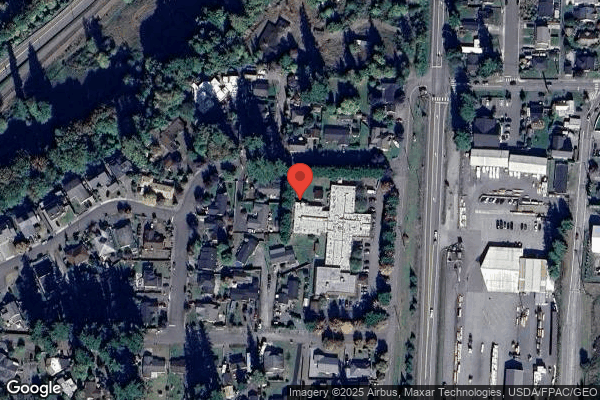
Aug 2024 4 deficiencies 1 IJ
CRITICAL (J) 📢 Someone Reported This

A family member, employee, or ombudsman was alarmed enough to file a formal complaint

Immediate Jeopardy (IJ) - the most serious Medicare violation

Quality of Care (Tag F0684)

Someone could have died · This affected 1 resident

**NOTE- TERMS IN BRACKETS HAVE BEEN EDITED TO PROTECT CONFIDENTIALITY** Based on interview and record review, the facility failed to provide the needed assessments and timely treatment for 1 of 1 resi...

Read full inspector narrative →
**NOTE- TERMS IN BRACKETS HAVE BEEN EDITED TO PROTECT CONFIDENTIALITY** Based on interview and record review, the facility failed to provide the needed assessments and timely treatment for 1 of 1 residents (Resident 1) reviewed for an unexpected hospitalization, who experiences ongoing abdominal pain and discomfort for at least two days to the extent that staff moved the roommate out of the room and closed the door because the resident was calling out in pain. The resident experienced harm when treatment was delayed for several hours and there was a lack of effective communication with the physician. The resident was sent to the hospital the next morning and passed away shortly after admission to the hospital. The disregard of the pain the resident experienced and recognizing the need to take timely action constituted an immediate jeopardy. On 08/15/2024 at 3:35 PM, the facility was notified of an IJ in F684. The facility removed the immediacy on 08/19/2024 after they terminated the staff that failed to assess, treat and timely notify the physician of Resident 1's acute change in condition. They audited the records of all residents, educated staff on what to do when a resident has a change in condition, educated staff on identifying abuse and neglect and implemented a plan of correction to sustain ongoing compliance. Findings included . Review of the facility policy titled, Notification Policy, revised 04/17/2020 states the facility should promptly notify the resident, their physician, and primary contact of changes in the residents condition or status .the nurse will notify the physician when there was a change in condition in their physical, mental, or psychosocial status, involvement in any incident, need to alter the residents treatment, and when necessary in the best interest of the resident. Resident 1 admitted to the facility on [DATE] with diagnoses to include atrial fibrillation (irregular heartbeat), long term use of anti-coagulant (medication that thins the blood), diabetes (medical condition in which the body doesn't use insulin properly), and history of stroke. The significant change in condition Minimum Data Set (MDS - an assessment tool) assessment, dated 05/11/2024 showed the resident had intact cognition, no refusals of care, was dependent on staff for toileting, and personal care. The MDS showed the resident was incontinent of bowel and bladder and was taking an anticoagulant medication. Resident 1's physician order for sustaining life (POLST) form dated 02/21/2024 showed that the resident choice indicated selective treatment that designated the primary goal was to treat medical conditions while avoiding invasive measures whenever possible. The resident chose to receive medical treatment, intravenous (IV) fluids (fluids administered through a needle and tubing injected directly into the vein), medications, and cardiac monitor as indicated. The resident chose to have airway support with oxygen and wanted to be transferred to hospital if indicated. Review of a nursing progress note dated 07/22/2024 at 9:45 PM, showed Resident 1 had experienced abdominal discomfort, received an antacid (medication to reduce abdominal discomfort) twice without relief. Review of a nursing progress note dated 07/23/2024 at 4:56 AM, showed Resident 1 continued to experience abdominal discomfort. Review of a nursing progress note dated 07/23/2024 at 1:51 PM, showed Resident 1 had only experienced small bowel movements the last 48 hours, and that the resident needed to be assessed. No assessment was documented. Review of a nursing progress note dated 07/23/2024 at 11:44 PM, showed Resident 1 continued to have abdominal pain, and bowel sounds were slow. Review of a nursing progress note dated 07/24/2024 at 2:20 AM, showed Resident 1 had been restless all night, had called out for assistance multiple times, nursing staff were unable to relieve discomfort with antacids. Staff documented that the resident was calling out, crying and disruptive to their roommate. The note stated staff had to remove Resident 1's roommate from the room as the roommate was in distress from the resident's constant calling out. There was no documentation of additional assessments or that the physician was notified until approximately two hours later. Review of a nursing progress note dated 07/24/2024 at 4:19 AM, showed the nurse notified the physician by fax regarding Resident 1's constant abdominal discomfort, loose stools, and increased restlessness and crying out. The physician responded at 5:36 AM they would come by to see resident later that morning. Review of a nursing progress note dated 07/24/2024 at 6:46 AM, showed Resident 1 was found at the beginning of the shift (6:00 AM) to be vomiting a dark coffee colored substance The resident was short of breath with an oxygen saturation (amount oxygen was absorbed into the body) of 85% (residents' baseline was 96%). The nurse documented that the resident's lung sounds appeared decreased on the right and left side of their body, and that the right lower area of their abdomen was painful. The resident's hands, and feet were cold to touch. The resident was sent to the hospital. Review of Resident 1's vital sign (measurements of body's basic functions i.e. heart rate, blood pressure, oxygen saturation, temperature, and respiratory rate) report showed the last time the residents vitals were assessed was on 07/23/2024 at 3:52 PM. There was no documentation that the residents' vitals were assessed again until 6:00 AM on 07/24/2024, when the resident was found to be vomiting. In an interview on 08/06/2024 at 7:56 AM, Staff C, Nursing Assistant Certified (NAC) stated that at the start of their shift at 11:00 PM, they were told Resident 1 had been uncomfortable, having pain and discomfort in their abdomen and back. Staff C stated that the resident was calling out all shift, placing their call light on as soon as they would leave the room. Staff C stated they were in and out of the room all night, it was a long night. Staff C stated the resident would call the staff's name out, cry, and yell out constantly to the point that it was disrupting the roommate, so staff moved the roommate to another room down the hall. Staff C stated when they got ready to start their last rounds between 4:00 AM and 5:00 AM the nurse [Staff D, License Practical Nurse (LPN)] told them that they would take care of Resident 1 for them as they needed a break. Staff C stated they did not go back into Resident 1's room the rest of their shift. Staff C stated that they did notice around 5:00 AM Resident 1's door was shut, they could not recall if the call light was on. Staff C stated they gave report to the next shift around 6:00 AM, and that was then they learned Resident 1 had vomited and the resident was going to be sent to the hospital. In an interview on 08/06/2024 at 11:10 AM, Staff D, LPN stated they have worked for the facility for about a year. Staff D stated they were educated by the facility that when a resident had a change in condition, they were to call and notify the physician. Staff D stated they were told in report at the start of their shift on 07/23/2024 at 11:00 PM that Resident 1 had been experiencing abdominal discomfort. Staff D stated during their shift the resident had been uncomfortable all night, was calling out, yelling and crying all night for staff to come into the room and help them. Staff D stated Resident 1's behavior was not their baseline and was disruptive to their roommate, so they moved the resident's roommate out of the room. Staff D stated they were aware that the resident had reported abdominal discomfort for a couple of days, as they worked the night before and the resident mentioned then they were having abdominal discomfort and pain then. Staff D was asked if they ever assessed the resident for the source of their abdominal pain and discomfort, Staff D stated they did not and realized that they should have checked the resident's vitals and conducted a head-to-toe assessment. Staff D stated they faxed the doctor; however, they should have called the physician earlier as the abdominal discomfort had been occurring for a couple of days. Staff D stated they probably needed further testing. Staff D confirmed that they shut the door to Resident 1's room between 5:00 AM - 5:30 AM on 07/24/2024 as they had been so disruptive to the other residents all night and was trying to allow the NAC's time to assist other residents. Staff D stated they did not check on the resident after they shut the door to the room. In an interview on 08/07/2024 at 10:08 AM, Staff G, Registered Nurse (RN) stated they have been employed at the facility for a little over a month. Staff G stated that they would call the physician if a resident had a change in condition, faxing the physician was for non-urgent needs. Staff G was receiving report from the overnight nurse (Staff D) when the day shift NAC approached them and stated that Resident 1 had coffee (dark brown) colored vomit all over them and was having difficulty breathing. Staff G stated they immediately went to the resident and assessed their vitals and completed a physical assessment. Staff G stated they asked another nurse to contact the physician to request to send the resident to the hospital. Staff G had not received report on Resident 1, stating they were not aware of the abdominal pain, and the restlessness of the resident until after they were sent to the hospital. In an interview on 08/07/2024 at 10:26 AM, Staff E, NAC stated they were not the staff that found Resident 1 on the morning or 07/24/2024. Staff E stated they arrived shortly after Staff G was assessing the resident. Staff E stated when they arrived in the room the resident was covered in dark brown vomit, the bed was a big mess. Staff E stated they assisted in cleaning the resident up, while they were preparing to send them to the hospital. In an interview on 08/07/2024 at 11:27 AM, Staff F, NAC stated they were the staff member that found Resident 1 on the morning of 07/24/2024. Staff F stated when they came on shift, the previous NAC (Staff C) reported to them that Resident 1 had been calling out all night and was having abdominal pain and discomfort. Staff F stated when they started their shift, they noticed that Resident 1's door was shut. Staff F stated that they have worked with Resident 1 since they admitted and knew that the resident did not prefer their door shut. Staff F stated when they entered the room, the room was very cold, and they noticed that the window was open. Staff F stated that the resident had no covers on them, and their bare legs were exposed. The call light was not within the reach of the resident. Staff F stated the resident was covered in dark brown vomit, their lips were discolored, and their skin was very cold. Staff F stated the resident was saying help, help,. Staff F stated they tried to talk to the resident, but they were not making sense, and this was not Resident 1's baseline, so they ran to get a nurse. Staff F stated that Staff G, RN showed up immediately and began assessing the resident, and was preparing to send the resident to the hospital. Review of Resident 1's hospital records dated 07/24/2024 showed the resident presented to the emergency department (ED) at 7:57 AM on 07/24/2024. The physician note stated the resident presented with coffee-ground emesis (vomit), weakness, and low blood pressure. The ED physician documented that the resident appeared toxic and altered. The ED Physician documented that they were concerned with sepsis (blood infection) and septic shock (blood infection causes low blood pressure, widening of the blood vessels (vasodilation) and organ failure). Resident 1's laboratory blood result showed the resident had a high white blood cell (WBC) count that was indicative of an infection. The note stated that the resident had an acute critical illness with potential for imminent deterioration from septic shock and artery blockage to the abdominal organs. At 11:44 AM, the resident had been transferred to the intensive care unit. The physician noted that they had attempted to stabilize the resident, however the resident had been struggling to breath, and their heart rate was very low. The physician noted that they advised the family present that the resident was likely to only survive for a few more hours. At 3:43 PM the physician noted that Resident 1 had passed away. In an interview on 08/07/2024 at 11:50 AM, Staff H, LPN/Nurse Manager stated their expectation was the licensed staff would complete a vital sign assessment as well as a head-to-toe assessment of a resident whenever a resident was having a change in condition. Staff H stated they were not at the facility on the morning of 07/24/2024 and arrived after Resident 1 had been sent out to the hospital. Staff H stated they would have expected the nurse (Staff D) to have checked the resident's vitals and done a head-to-toe assessment on the resident during their shift. In a joint interview on 08/07/2024 at 2:33 PM, with Staff A, Administrator and Staff B, Director of Nursing Services (DNS), Staff B stated their expectation for all their staff was that the physician was called for any urgent matter or change in condition of the resident. Staff B stated that if a resident was having a change in condition, they expected their licensed staff to assess and monitor the resident continuously, notify the physician by calling them on the phone. Staff B was asked to clarify monitor and assess, and they stated they should be routinely checking their vitals and complete a head-to-toe assessment of the resident to report any findings to the physician. Staff B confirmed that Resident 1 was not properly assessed on the overnight shift of 07/23/2024 - 07/24/2024. Staff B was asked if they were aware that Resident 1's door was closed, and the call light was not within reach on the morning of 07/24/2024, Staff B did not offer any additional information. Staff B confirmed more should have been done for the resident. Staff A stated, In hindsight more should have been done to help the resident. Staff B stated they were alerted around 3:00 PM on the 24th that the resident had passed away. Refer to WAC 388-97-1060(1)
SERIOUS (G) 📢 Someone Reported This

A family member, employee, or ombudsman was alarmed enough to file a formal complaint

Actual Harm - a resident was hurt due to facility failures

Free from Abuse/Neglect (Tag F0600)

A resident was harmed · This affected 1 resident

**NOTE- TERMS IN BRACKETS HAVE BEEN EDITED TO PROTECT CONFIDENTIALITY** Based on interview and record review the facility failed to provide necessary care and services to prevent neglect for 1 of 3 re...

Read full inspector narrative →
**NOTE- TERMS IN BRACKETS HAVE BEEN EDITED TO PROTECT CONFIDENTIALITY** Based on interview and record review the facility failed to provide necessary care and services to prevent neglect for 1 of 3 residents (Resident 1) reviewed for abuse and neglect. Licensed staff was aware of the change in condition and abdominal pain experienced by Resident 1 yet did not conduct a thorough assessment or consult with the physician timely and left the resident alone in their room and in pain during the night shift with door closed for at least 30 minutes. The lack of addressing the residents needs placed all residents at risk for neglect. Review of the facility policy titled, Abuse and Neglect, undated stated the facility has effective procedures to protect and prevent neglect of residents .licensed nurses, and nurse management staff are responsible for the supervision of facility staff to identify inappropriate behaviors such as . ignoring residents and ensuring that staff are providing care as identified in the residents plan of care . The facility defines neglect as the failure of the facility, its employees or service providers to provide goods and services to a resident that are necessary to avoid physical harm, pain, mental anguish, or emotional distress. Resident 1 admitted to the facility on [DATE] with diagnoses including atrial fibrillation (irregular heartbeat), long term use of anti-coagulant (medication that thins the blood), diabetes (medical condition in which the body doesn't use insulin properly), and history of stroke. The significant change in condition Minimum Data Set (MDS - an assessment tool) assessment, dated 05/11/2024 showed the resident had intact cognition, no refusals of care, and was dependent on staff for toileting, and personal care. Review of Resident 1's medical record on 08/01/2024 showed that the resident had a change in condition between 07/22/2024 and 07/24/2024. The resident had experienced increased abdominal pain without relief. Review of Resident 1's vitals (measurements of body's basic functions i.e. heart rate, blood pressure, oxygen saturation, temperature, and respiratory rate) report showed the last time the residents blood pressure, temperature and pulse were checked was on 07/23/2024 at 3:52 PM, by the Nursing Assistant Certified (NAC) at the beginning of their shift. The medical record did not reflect any vital assessments were completed on the night shift 07/23/2024 11:00 PM - 07/24/2024 6:00 AM. Review of a nursing progress note dated 07/22/2024 at 9:45 PM, showed Resident 1 had experienced abdominal discomfort, received an antacid (medication to reduce abdominal discomfort) twice without relief. Review of a nursing progress note dated 07/23/2024 at 4:56 AM, showed Resident 1 continued to experience abdominal discomfort. Review of a nursing progress note dated 07/23/2024 at 1:51 PM, showed Resident 1 had only experienced small bowel movements the last 48 hours, and that the resident needed to be assessed. No assessment was documented. Review of a nursing progress note dated 07/23/2024 at 11:44 PM, showed Resident 1 continued to have abdominal pain, and bowel sounds were slow. Review of a nursing progress note dated 07/24/2024 at 2:20 AM, showed Resident 1 had been restless all night, had called out for assistance multiple times, nursing staff were unable to relieve discomfort with antacids. Staff documented that the resident was calling out, crying and disruptive to their roommate. The note stated staff had to remove Resident 1's roommate from the room as the roommate was in distress from the resident's constant calling out. There was no documentation of additional assessments or that the physician was notified until approximately two hours later. The medical record showed that the resident experienced increased abdominal discomfort and pain until they were found on 07/24/2024 at 6:00 AM covered in dark, brown vomit, with right lower abdominal pain and decreased breath sounds noted. Review of Resident 1's progress notes dated 07/22/2024 at 9:45 PM, 07/23/2024 at 4:56 AM, 1:51 PM, and 11:44 PM, showed the resident had experienced abdominal discomfort, and pain. Review of Resident 1's progress note dated 07/24/2024 at 2:20 AM showed the resident was restless all night, calling out for assistance multiple times, and the nurse was unable to relieve their discomfort. The note stated the crying became so disruptive they removed the roommate from the room as it was causing them distress. Review of the progress note on 07/24/2024 at 4:19 AM showed a fax communication to the physician that stated the resident had increased abdominal discomfort, loose stools, and increased restlessness, and requested the nutritional supplement by placed on hold to do possible abdominal discomfort. Review of Resident 1's progress notes on 07/24/2024 at 6:46 AM, the day shift (07/24/2024 6:00 AM - 2:00 PM) showed the nurse noted that at 6:00 AM the resident was found to have vomited a dark brown coffee ground like substance. The day shift nurse assessed the resident, notified the physician and the resident was sent to the hospital. Review of Resident 1's hospital records dated 07/24/2024 the physician note time stamped at 3:43 PM on 07/24/2024 showed that the resident had passed away. In an interview on 08/06/2024 at 7:56 AM, Staff C, Nursing Assistant Certified (NAC) stated that at the start of their shift at 11:00 PM, they were told Resident 1 had been uncomfortable, having pain and discomfort in their abdomen and back. Staff C stated that the resident was calling out all shift, placing their call light on as soon as they would leave the room. Staff C stated they were in and out of the room all night, it was a long night. Staff C stated the resident would call the staff's name out, cry, and yell out constantly to the point that it was disrupting the roommate, so staff moved the roommate to another room down the hall. Staff C stated when they got ready to start their last rounds between 4:00 AM and 5:00 AM the nurse [Staff D, License Practical Nurse (LPN)] told them that they would take care of Resident 1 for them as they needed a break. Staff C stated they did not go back into Resident 1's room the rest of their shift. Staff C stated that they did notice around 5:00 AM Resident 1's door was shut, they could not recall if the call light was on. Staff C stated they gave report to the next shift around 6:00 AM, and that was then they learned Resident 1 had vomited and the resident was going to be sent to the hospital. In an interview on 08/06/2024 at 11:10 AM, Staff D, Licensed Practical Nurse (LPN) stated they were aware that the resident had been experiencing increased abdominal pain and discomfort for the last couple of days when their shift started on 07/23/2024 at 11:00 PM. Staff D stated they did not assess the resident for the source of the abdominal pain, and did not assess the residents vitals on their shift (07/23/2024 11:00 PM - 07/24/2024 6:00 AM). Staff D stated they thought the nutritional supplement drink the resident had been taking might be the source and that was what they communicated to the physician when they sent a fax on 07/24/2024 at 4:19 AM. Staff D stated they should have called the physician and notified them of the increase in abdominal pain and change in condition timelier. In an interview on 08/07/2024 at 2:33 PM, Staff B, Director of Nursing Services (DNS), stated their expectation was that when any resident experienced a change in condition that all licensed staff were to complete a thorough assessment of the resident, notify the physician on the phone immediately after they assessed the resident, and follow all physician orders. Staff B stated that Resident 1 did not have a thorough assessment for their change in condition, and that communication with a fax was inappropriate at that time of the concern. Refer to WAC 388-97-0640(1)(3)(c)
CONCERN (D) 📢 Someone Reported This

A family member, employee, or ombudsman was alarmed enough to file a formal complaint

Potential for Harm - no one hurt, but risky conditions existed

Report Alleged Abuse (Tag F0609)

Could have caused harm · This affected 1 resident

**NOTE- TERMS IN BRACKETS HAVE BEEN EDITED TO PROTECT CONFIDENTIALITY** Based on interview and record review, the facility failed to ensure policies and procedures for timely reporting of an unexpecte...

Read full inspector narrative →
**NOTE- TERMS IN BRACKETS HAVE BEEN EDITED TO PROTECT CONFIDENTIALITY** Based on interview and record review, the facility failed to ensure policies and procedures for timely reporting of an unexpected death were in place for 1 of 3 residents (Resident 1) reviewed for abuse/neglect. The facility failed to report to the state agency when a resident was sent to the hospital and unexpectedly died hours later. This failure by the facility to identify, report, and investigate an allegation of potential abuse or neglect placed residents at risk of being victims of unidentified and uninvestigated abuse and/or neglect and limited the thoroughness of investigations. Findings included . Review of the facility policy titled, Abuse and Neglect, undated stated the facility will report allegation of abuse and neglect to the appropriate authorities . Allegations of abuse and neglect will be reported to the Department of Social and Health Services (DSHS) following the nursing home reporting guidelines the Purple Book. Review of the Nursing Home Guidelines, The Purple Book, [DATE] (sixth edition) showed all unexpected deaths possibly related to abuse or neglect, or not related but suspicious must be reported to the DSHS hotline, logged on the state reporting log, notification of law enforcement, and coroners' office. Resident 1 admitted to the facility on [DATE]. The resident discharged to an area hospital on [DATE], the resident passed away hours after discharge. Review of Resident 1's significant change in condition Minimum Data Set (MDS - an assessment tool) assessment, dated [DATE] showed the resident had intact cognition, no refusals of care. Review of Resident 1's care plan showed the residents discharge plan dated [DATE] was to return to their independent living senior apartment. Review of Resident 1's medical record showed the resident had a change in condition between [DATE] and [DATE]. Emergency medical services were notified, and the resident was sent out to the hospital. Review of Resident 1's hospital records dated [DATE] showed that the resident arrived at the hospital at 7:57 AM. The physician note read they attempted to stabilize the resident, but the resident would likely only survive a few more hours. The physician note time stamped at 3:43 PM on [DATE] showed that the resident had passed away. Review of the facility state reporting log on [DATE], for [DATE] showed no entry for Resident 1 and their unexpected death. Review of the Complaint Resolution Unit [(CRU) Washington State Reporting Hotline Center], on [DATE] showed no report from the facility for Resident 1's unexpected death. On [DATE] at 10:07 AM Staff B, Director of Nursing Services (DNS) was asked to provide the facility investigation of the unexpected death for Resident 1. At 1:55 PM, an undated summary of an investigation for the unexpected death of Resident 1 was provided by Staff B. The investigation summary showed that the resident did not receive care and services timely or thoroughly to prevent harm to the resident. In a joint interview on [DATE] at 2:33 PM, with Staff A, Administrator and Staff B, DNS, Staff B stated they learned that the resident had passed away around 3:00 PM on [DATE]. Staff B agreed that the licensed staff did not provide timely care and services to Resident 1, who was ultimately sent to the hospital and passed away hours later. Staff A stated that they were advised that they were not required to report the unexpected death of Resident 1 by their corporation. Staff A and Staff B were not aware that the Purple Book showed on Appendix D, under reporting guidelines for Nursing Homes that an unexpected death required, DSHS hotline report, logged on the state reporting log within 5 days, notify law enforcement and notify the coroner. Refer to WAC 388-97-0640(2)(b)(5)(6)(c)
CONCERN (E) 📢 Someone Reported This

A family member, employee, or ombudsman was alarmed enough to file a formal complaint

Potential for Harm - no one hurt, but risky conditions existed

Investigate Abuse (Tag F0610)

Could have caused harm · This affected multiple residents

**NOTE- TERMS IN BRACKETS HAVE BEEN EDITED TO PROTECT CONFIDENTIALITY** Based on interview and record review, the facility failed to conduct a thorough investigation for three of three residents (1, 2...

Read full inspector narrative →
**NOTE- TERMS IN BRACKETS HAVE BEEN EDITED TO PROTECT CONFIDENTIALITY** Based on interview and record review, the facility failed to conduct a thorough investigation for three of three residents (1, 2, and 3) reviewed for complete and thorough investigations. The facility failed to thoroughly investigate an unexpected hospitalization that led to the death of Resident 1 and failed to thoroughly investigate two allegations of abuse towards residents (2 and 3) that involved the same staff member [Staff I, Nursing Assistant Certified (NAC)]. This failure to investigate timely and thoroughly placed residents at risk of being victims of unidentified and uninvestigated abuse and/or neglect. Findings included . Review of the facility policy titled, Abuse and Neglect, undated stated the facility will utilize the nursing home reporting guidelines the Purple Book, October 2015 edition to investigate all allegations of abuse, and/or neglect . the facility social services, Director of Nursing services (DNS), or administrator will investigate and act to protect residents and will closely monitor residents. Review of the Nursing Home Guidelines, The Purple Book, October 2015 (sixth edition) stated the investigation process was to find out what occurred, and make necessary changes to the provisions of care and services to prevent reoccurrence . investigations should involve all potential witnesses . a thorough investigation should answer who, what, where, when, why and how, and establish a reasonable cause or known source of the incident. <RESIDENT 1> Resident 1 admitted to the facility on [DATE] with diagnoses to include atrial fibrillation (irregular heartbeat), long term use of anti-coagulant (medication that thins the blood), diabetes, and history of stroke. The significant change in condition Minimum Data Set (MDS - an assessment tool) assessment, dated 05/11/2024 showed the resident had intact cognition, no refusal of care, was dependent on staff for toileting, and personal care. The resident discharged to an area hospital on [DATE], the resident passed away hours after discharge. Review of Resident 1's medical record showed the resident had a change in condition between 07/22/204 and 07/24/2024. Emergency medical services were notified, and the resident was sent out to the hospital. Review of Resident 1's hospital records dated 07/24 2024 showed that the resident arrived at the hospital at 7:57 AM. The physician note time stamped at 3:43 PM on 07/24/2024 showed that the resident had passed away. On 08/07/2024 at 1:55 PM, received an undated summary of an investigation for the unexpected death of Resident 1. The investigation lacked information that showed the licensed nurse [Staff D, Licensed Practical Nurse (LPN)] failed to timely and thoroughly assess the resident. The investigation stated that the licensed nurse notified the physician, however the summary failed to show that the communication came hours after the resident had been experiencing a change in condition and that method of communication used, was for non-emergent concerns (fax machine). The investigation summary stated the resident was calm throughout the night, however the residents medical record and witness statements showed the resident was distressed, crying out, and in pain all night. The investigation failed to show that the resident did indeed unexpectedly pass away and did not determine whether abuse and neglect had been ruled out related to the residents unexpected death. <RESIDENT 2> Resident 2 admitted to the facility on [DATE] with diagnoses to include depression, lung disease, and heart failure. The quarterly MDS dated [DATE] showed the resident had mild cognition impairment, no refusal of cares, was dependent for toileting, and was frequently incontinent (lack of control) of their bladder. Review of the facility state reporting log for July 2024 showed on 07/27/2024 at 6:55 PM, the Resident 2 had an allegation of abuse and/or neglect. Review of the facility investigation signed by Staff B, Director of Nursing Services (DNS) on 08/01/2024 (six days after the allegation) showed that Resident 2 had alleged that Staff I, NAC refused to assist them with the care they needed, when they had an episode of incontinence overnight and required assistance to change, they're under garments, and bedding. The investigation included a witness statement from another staff member that showed the resident's roommate (Resident 4, a resident with intact cognition) overheard the conversation between the resident and Staff I and could confirm the allegation. The investigation lacked any interview or questioning of Resident 4. The statement by Staff I, (alleged staff member) stated they told the resident Your independent, and usually do it all yourself. The investigation included a questioner, where four other residents were asked indirect question about their care, no interviews were done with other residents regarding Staff I and the care they provided at the facility. The investigation did not show that the physician or family/Power of attorney (POA) was notified of the allegation. The investigation showed that Staff I was educated on providing all necessary care to residents and that abuse was ruled out. Review of Resident 2's care plan dated 03/15/2024 stated that the resident had slight impaired cognition and staff were directed to ask yes or no questions, cue, re-orient and supervise as needed, and to break task up into one step at a time. The care plan did not show that the resident was involved in an allegation of abuse and/or neglect and could have possible psychosocial harm. Review of Resident 2's medical record on 08/01/2024 showed no documentation that the physician or the family/POA were notified of an allegation of abuse/or neglect. There was no monitoring for potential psychosocial harm related to the allegation. In an interview on 08/01/2024 at 1:05 PM, Resident 4 stated they overheard their roommate (Resident 2) calling for assistance one night. Resident 4 stated a heavy set, loud speaking, female NAC entered the room. Resident 4 stated they overheard the NAC tell their roommate You should be able to do that on your own, and that is not the kind of care we do here. Resident 4 stated they left the room and was not sure if they ever came back. Resident 4 stated when they required assistance and Staff I showed up, they would request they get another NAC because they did not feel Staff I, could assist them alone. Resident 4 stated no one from the facility came to talk to them about what happened to Resident 2, and no one from the facility ever asked how Staff I provided care. <RESIDENT 3> Resident 3 admitted to the facility on [DATE] with diagnoses to include osteoarthritis (degenerative disease of the joints that causes pain and lack of movement), and bladder disorder. The quarterly MDS dated [DATE] showed the resident had intact cognition, no refusal of cares, and was dependent on staff for toileting, and required moderate assist for bed mobility. Review of the facility state reporting log for July 2024 showed on 07/31/2024 at 3:00 PM, the Resident 3 had an allegation of abuse and/or neglect. Review of the facility investigation signed by the Staff B, Director of Nursing Services on 08/02/2024, showed that Resident 3 alleged that Staff I, NAC had been rough when providing care to them in bed, after an episode of incontinence. The investigation showed that the Resident 3 was interviewed by the Staff B, and Staff J, Social Services where the resident confirmed that Staff I, had used to much strength on them when truing and repositioning the resident in bed. The investigation showed a statement from Staff I's that denied the allegation. The investigation included the same questioner as other allegation (involving Resident 2 and Staff I on 07/27/2024) it did not direct any questions or concerns to the care that Staff I provided at the facility. The investigation lacked any interviews with any other staff that worked with Staff I. The investigation did not show that the physician or family/Power of attorney (POA) was notified of the allegation. The investigation stated that Staff I was given education on the level of strength they are to provide to residents and that abuse was ruled out. Review of Resident 3's care plan showed a focus revised 10/21/2021 that the resident had an activities of daily living deficit related to pain, weakness and impaired mobility. It directed staff to provide minimum of one person assistance for bed mobility and directed staff to use the draw sheet for turning and repositioning. The care plan did not reflect that the resident could have possible psychosocial harm related to the allegation of neglect. Review of Resident medical record on 08/01/2024 showed no documentation that the physician or the family/POA were notified of an allegation of abuse/or neglect. The medical record showed one progress note three days after the allegation that showed the licensed staff were monitoring for potential psychosocial harm related to the allegation. In an interview on 08/01/2024 at 2:48 PM, Resident 3 stated that Staff I had come into their room to provide them assistance with incontinence care in their bed. Resident 3 stated that Staff I began to shove their fist into their back to push them over to the side. Resident 3 stated they pleaded with Staff I to use the draw sheet, as it was causing them a lot of pain to be pushed over on their back by their hands. Resident 3 stated that Staff I said to them, I don't need to use the draw sheet, I know what I am doing I have been doing this for 16 years. Resident 3 stated they reported that Staff I was rough with them and that they did not want Staff I to provide them care anymore. In a phone interview on 08/06/2024 at 7:53 AM, Staff I stated they had worked at the facility for just over three months. Staff I was asked about the allegation that involved them and Resident 2. Staff I stated they did not understand why the resident had complained about them. Staff I confirmed they were talking loud to the resident, and that they did say to the resident you should be able to do that yourself. Staff I stated they were told by Staff B, DNS that they had ruled out abuse and that they could return to the facility. Staff I stated that Staff B phoned them regarding another allegation that involved Resident 3 and stated the resident had alleged that I was not gentle with them. Staff I stated they had been accused of being rough earlier in the month, so they felt they had tried extra hard to be gentle. Staff I stated Staff B, DNS called them and gave them a short education about providing care to residents and using a gently touch. Staff I stated they were supposed to return to work on the 1st of August, however Staff B called them again and told me I was not a good fit for the facility, and that they had let me go. In an interview on 08/07/2024 at 10:55 AM, Staff J, Social Services stated their role during allegations of abuse and/or neglect investigations was usually to interview other like residents. Staff J stated they spoke with Staff B, DNS and was directed by them on who to interview and what to ask regarding the investigations for Resident 2 and Resident 3. Staff J was asked if Resident 3 had requested to have Staff I as their caregiver anymore, Staff J did not provide any information other than confirm Staff I no longer worked for the facility. Staff J stated they never spoke with Resident 2 regarding their allegation of neglect. In an interview on 08/07/2024 at 11:50 AM, Staff H, Licensed Practical Nurse/Patient Care Coordinator stated all residents that have any allegation of abuse or neglect should be monitored for psychosocial harm for at least 72 hours. Staff H stated all investigations of abuse and/ or neglect should include a notification to the physician, and family or POA if necessary. Staff H stated they were involved with the unexpected death of Resident 1, there role was to obtains statements from the staff and then provided those to Staff B for further investigation. Staff H stated they were out sick and did not assist in the investigations for Resident 2 or Resident 3. Staff H stated Staff B usually does all the investigations. In a joint interview on 08/07/2024 at 2:33 PM, Staff A, Administrator and Staff B, DNS, were asked what the process for any allegation of abuse and/or neglect was at the facility. Staff B stated the staff were instructed to contact them immediately, they report the allegation to the state hotline, and then start an investigation. Staff B stated all residents with allegations of abuse and/or neglect should be monitored for latent injuries and/or psychosocial harm every shift and documented in the medical record. Staff B stated all investigations should include a notification to the physician, and family or POA if necessary. Staff B stated that for the allegation involving Resident 2, Staff A, and themself spoke with Resident 2 and their conclusion was that it was a misunderstanding by the resident. Staff A stated that they thought the resident was confused by the staff member, and so they were just speculating what could have happened. Staff B stated they never spoke with the resident's roommate (Resident 4) and that they were not aware of the statement in the investigation that was provided by the facility that Resident 4 had confirmed the allegation of neglect. Staff B stated they were not aware there was no notification to the physician, and family or monitoring for Resident 2. Staff A and Staff B were asked about the allegation regarding Resident 3. Staff B confirmed they used the same interviews for the previous investigation. Staff B confirmed the allegations were different and that they should have asked different resident and different questions directed at Staff I ability and competencies. Staff B confirmed there was no other witness statements obtained about the care and services that Staff I had been providing at the facility. Staff B confirmed that Staff I had a previous history of rough handling, and that it was possible they were rough with Resident 3. Staff B stated they were not aware there was no notification to the physician, and family or monitoring for Resident 2. Staff B stated they did provide education to Staff I on 08/01/2024, then after further discussion with Staff A, decided they were not a good fit for the facility and let me go. Staff A and Staff B were asked about the unexpected death of Resident 1. Staff A stated they were instructed that the death was not a reportable event and therefor did not complete an actual investigation of the death. Staff B confirmed the licensed nurse should have conducted a thorough assessment of Resident 1. Refer to WAC 388-97-0640(6)(a)(b)
Jan 2024 4 deficiencies
CONCERN (D)

Potential for Harm - no one hurt, but risky conditions existed

Assessment Accuracy (Tag F0641)

Could have caused harm · This affected 1 resident

**NOTE- TERMS IN BRACKETS HAVE BEEN EDITED TO PROTECT CONFIDENTIALITY** Based on interview, and record review, the facility failed to accurately assess 1 of 3 sampled residents (Resident 8) reviewed f...

Read full inspector narrative →
**NOTE- TERMS IN BRACKETS HAVE BEEN EDITED TO PROTECT CONFIDENTIALITY** Based on interview, and record review, the facility failed to accurately assess 1 of 3 sampled residents (Resident 8) reviewed for accuracy of assessments. The failure to ensure a resident had an accurate assessment placed residents at risk for unmet care needs and a diminished quality of life. Findings included . Resident 8 admitted to the facility on [DATE]. Review of Resident 8's Quarterly Minimum Data Set (MDS -an assessment tool) assessment, dated 10/16/2023, showed the resident was coded they were receiving hospice care while a resident in the facility. In an interview 01/11/2024 at 12:12 PM, Staff C, Registered Nurse/MDS Nurse, stated Resident 8's MDS coding they were on hospice was a mistake. Refer to WAC 388-97-1000 (1)(b) .
CONCERN (D)

Potential for Harm - no one hurt, but risky conditions existed

Deficiency F0646 (Tag F0646)

Could have caused harm · This affected 1 resident

**NOTE- TERMS IN BRACKETS HAVE BEEN EDITED TO PROTECT CONFIDENTIALITY** Based on interview, and record review the facility failed to ensure Preadmission Screening and Resident Review (PASRR - a federa...

Read full inspector narrative →
**NOTE- TERMS IN BRACKETS HAVE BEEN EDITED TO PROTECT CONFIDENTIALITY** Based on interview, and record review the facility failed to ensure Preadmission Screening and Resident Review (PASRR - a federally required screening of all individuals who has both an Intellectual Disability or Related Condition and a serious mental illness prior to admission to a Medicaid-certified nursing facility or a significant change of condition) assessments were completed for all residents with newly evident or possible serious mental disorders for 2 of 5 sampled residents reviewed (Residents 2 and 22). This failure resulted in potential unidentified residents mental health needs, delay in access to Level II PASRR (an in-depth evaluation to determine whether the resident requires specialized rehabilitation services) services and decreased quality of life. Findings included . <RESIDENT 2> Resident 2 was admitted to the facility on [DATE] with diagnoses to include transient ischemic attack (blockage of blood supply to the brain). Review of Resident 2's admission Level I PASRR (a screening to determine if a resident may have a serious mental illness or intellectual disability related condition and if positive a Level II PASRR is required), dated 02/27/2021, showed no indicators for serious mental health (SMH) issues in the past two years. No Level II evaluation was indicated at this time stating Patient on delirium precautions due to increased agitation and confusion. PRN (as needed) Seroquel (antipsychotic medication used to treat certain mental/mood disorders) ordered to help with agitation and confusion. Review of Resident 2's care plan, dated 09/17/2021, showed a new focus problem of ineffective coping due to delusional thoughts (belief that has no evidence or fact) related to cognitive impairment. Review of Resident 2's physician orders for Seroquel 50 milligrams (mg) at bedtime for dementia with behaviors, order date 04/14/2023, showed behavior monitoring was in place for antipsychotic use that included monitoring for paranoid statements, delusions, and hallucinations initiated on 04/19/2023. Review of the medical record showed there had been no revisions made to the admission Level I PASRR for Resident 2. In an interview on 01/11/2024 at 10:55 AM, Staff D, Registered Nurse (RN)/Resident Care Manager (RCM), stated Resident 2 had delusional behaviors and was receiving Seroquel which had helped and improved their behaviors. In a joint interview/record review on the 01/11/2024 at 2:07 PM, Staff I, Social Services Director, stated PASRR's should be updated with changes in condition that would be related to the PASRR requirements. Staff I stated resident PASRRs were not being reviewed for current residents. Staff I reviewed Resident 2's PASRR and stated it was incorrect and needed to be revised. <RESIDENT 22> Resident 22 re-admitted to the facility on [DATE] with diagnoses to include anxiety disorder, unspecified mood disorder, and major depressive disorder. Review of Resident 22's admission Level I PASRR, dated 06/04/2021, showed no indicators for SMH issues in the past two years. Review of Resident 22's medical record showed current diagnoses that included anxiety disorder, dated 06/15/2021, unspecified mood [affective] disorder, dated 06/21/2022, and major depressive disorder, dated 02/04/2022. Review of Resident 22's medical record showed no revisions or updates had been made to the admission Level I PASRR. In a joint interview/record review on the 01/11/2024 at 2:07 PM, Staff I, stated Resident 22's PASRR was incorrect and needed to be revised. In an interview on 01/11/2024 at 2:08 PM, Staff A, Administrator, stated Social Services should be reviewing all PASRR's for accuracy and following up as needed. Staff A stated they were aware Resident 2 and Resident 22's PASRR's had not been reviewed stating they were clearly missed. Staff A stated they talked about changes in resident diagnosis and medications at the clinical meeting and could add review of PASRR's to the psychotropic meeting and quarterly reviews. Refer to WAC 388-97-1975 (1)(2)(3) .
CONCERN (D)

Potential for Harm - no one hurt, but risky conditions existed

Deficiency F0692 (Tag F0692)

Could have caused harm · This affected 1 resident

**NOTE- TERMS IN BRACKETS HAVE BEEN EDITED TO PROTECT CONFIDENTIALITY** Based on interview, and record review, the facility failed to provide nutritional care and services for 1 of 3 residents (Reside...

Read full inspector narrative →
**NOTE- TERMS IN BRACKETS HAVE BEEN EDITED TO PROTECT CONFIDENTIALITY** Based on interview, and record review, the facility failed to provide nutritional care and services for 1 of 3 residents (Resident 8) reviewed for nutrition and/or hydration. The failure to offer meal replacements and supplements when the resident consumed less than 50% of their meals placed residents at risk for nutrition-related complications and for diminished quality of life. Findings included . The resident admitted to the facility on [DATE]. On 01/11/2024, a review of the amount of meals eaten task, for the past 30 days, showed Resident 8 ate less than 50% of the 30 meals offered. On 01/11/2024, a review of the meal replacement for less than 50% of the meal eaten task, for the past 30 days, showed Resident 8 was not offered meal replacements when they ate less than 50% of their meals. 0n 01/11/2024, a review of the supplement for less than 50% of meal eaten task, for 30 days, showed Resident 8 was not offered any supplements when they ate less than 50% of their meals. In an interview on 01/11/2024 at 11:19 AM, Staff G, Nursing Assistant, stated if a resident ate less than 50% of a meal, they were supposed to be offered a different meal. In an interview on 01/11/2024 at 11:30 AM, Staff D, Registered Nurse/Resident Care Manager, stated the residents were supposed to be offered a supplement if they ate less than 50% of a meal. Refer to WAC 388-97-1060 (3)(h) .
CONCERN (D)

Potential for Harm - no one hurt, but risky conditions existed

Medication Errors (Tag F0758)

Could have caused harm · This affected 1 resident

**NOTE- TERMS IN BRACKETS HAVE BEEN EDITED TO PROTECT CONFIDENTIALITY** Based on observation, interview and record review, the facility failed to ensure 2 of 5 sampled residents (Resident 15 and 21) r...

Read full inspector narrative →
**NOTE- TERMS IN BRACKETS HAVE BEEN EDITED TO PROTECT CONFIDENTIALITY** Based on observation, interview and record review, the facility failed to ensure 2 of 5 sampled residents (Resident 15 and 21) reviewed for unnecessary medications, were free of unnecessary psychotropic medications. The facility failed to ensure there were valid diagnoses for use of psychotropic medications, to consistently monitor and care plan target behaviors, to monitor for adverse side effects, and to attempt gradual dose reductions. These failures placed residents at risk for receiving unnecessary psychotropic medications, for adverse events, and diminished quality of care. Findings included . Review of a policy titled: Psychotropic Medications, (dated 2019), showed the facility would ensure residents taking psychotropic medications were reviewed quarterly and as needed for proper diagnosis, target behaviors, behavior monitoring, care planning and gradual dose reductions. The facility would conduct AIMS (Abnormal Involuntary Movement Scale) assessments for residents with orders for antipsychotic medications upon admission, every six months, and as needed. <RESIDENT 15> Resident 15 admitted on [DATE] with diagnoses which included traumatic brain injury and dementia. Review of the resident record showed orders for an antipsychotic medication for a diagnosis of mood disorder which was not a valid diagnosis for the use of an antipsychotic medication. Antipsychotic medications have side effect profiles which include abnormal involuntary movements (AIMS), which can be irreversible. Review of the record showed each of Resident 15's AIMS assessment scores read 0.0 until 12/07/2022 and 06/22/2023 when the AIMS scores increased to 2.0, indicating potential adverse effects of the medication were developing. The record did not show the increased AIMS scores were noted or communicated to the provider. The most recent AIMS was due to be completed December 2023 and was not completed. The resident record identified the target behaviors for the antipsychotic medication as: paranoia, delusions, and hallucinations. Review of Resident 15's behavior monitoring from 06/01/2023 through 01/11/2024, showed just one instance in the month of September 2023 that was marked yes for exhibiting a target behavior, but the behavior was not specified. All other entries each shift stated no target behaviors were exhibited in the six months look back. The resident was reviewed for a gradual dose reduction (GDR is the stepwise tapering of a dose to determine if symptoms, conditions, or risks can be managed by a lower dose or if the dose or medication can be discontinued) at the quarterly psychotropic meeting in July 2023, and the review stated, no change, a GDR was likely to result in impairment or increased distressed behavior. There was no quarterly review documented for the following Quarter (October 2023), no further rationale was provided for lack of attempts to reduce the resident's antipsychotic medication dose when the resident was not exhibiting the target behaviors for the medication and may be experiencing adverse side effects. In an observation and interview on 01/08/2024 at 2:00 PM, Resident 15 was in bed with the lights low. The resident was quiet and demonstrated no increased agitation, aggression, or other behaviors during the interaction. The resident answered questions curtly yes or no but did not elaborate or provide detailed responses to any question. No abnormal movements were evident. In an observation on 01/10/24 at 11:59 AM, Staff F, Nursing Assistant Certified (NAC), was observed assisting Resident 15 with their meal. Staff F was heard to provide cues for swallowing etc. and the resident was observed to follow the cues with no negative behaviors observed. Before leaving the room, Staff F asked the resident if they would like the television on or the lights off and the resident replied they would like the television off and lights off and stated, thank you. Staff F stated the resident ate 100% and usually preferred to have their room quiet and dark. Staff F stated the resident sometimes refused cares and could become agitated. Staff F was not aware of any hallucinations, delusions, or paranoia exhibited from the resident. <RESIDENT 21> Resident 21 admitted [DATE] with diagnoses which included Alzheimer's dementia, depression, and anxiety. Review of Resident 21's medical record showed an antipsychotic medication order, dated August 2023, for a diagnosis of mood stabilization, which was not a valid diagnosis for the use of an antipsychotic medication. Review of the resident record showed the AIMS assessment was due in December 2023 and was not done. Review of the resident record showed the target behaviors listed for the antipsychotic were paranoid statements, delusions, and hallucinations. The behavior monitor had been created with as needed documentation and there had been no entries at all since the medication was ordered in August of 2023. Review of the psychotropic care plan, dated 08/30/2023, showed no care plan problem for the antipsychotic medication. In an observation on 01/10/2024 at 12:18 PM, Resident 21 was observed in the dining room. The resident was observed to call out on two occasions during the meal. The staff responded asking the resident if they wanted to go to their room or if they wanted a bite or drink of something. The resident was not exhibiting distress. In an interview on 01/10/2024 at 12:20 PM, Staff E, Licensed Practical Nurse, stated Resident 21 vocalized in this way to communicate and the staff were usually able to figure out what they wanted based on the way they called out. In an interview 01/10/2024 at 12:29 PM, Staff H, NAC, stated Resident 21 mostly called out to communicate. Staff H stated Resident 21 sometimes waved their hands and would say go away and they would reapproach later. Staff H stated Resident 21 would say they saw kids that weren't there or thought they were going home, but Resident 21 did not appear distressed by it. Staff H stated they did not know if there was a place to chart any of that but stated they told the nurse. In an interview on 01/11/2024 at 11:59 AM, Staff D, Registered Nurse/Resident Care Manager, stated the AIMS tests were supposed to be done every six months. Staff D stated Resident 15 and Resident 21 did not have current AIMS assessments completed and stated the computer system was supposed to be set up to alert when they were due, but for some reason did not. Staff D stated residents needed appropriate diagnoses to support the use of antipsychotics and mood disorder was not an appropriate diagnosis. The care plans should be specific for the antipsychotic, target behaviors and the side effects associated. Staff D reviewed the most recent psychotropic meetings and stated it should have been noted that things were not in place related to monitoring and target behaviors. Staff D stated Resident 21 was on hospice which may have been the reason they were not reviewed as thoroughly, but they should be. Staff D stated both Resident 15 and Resident 21 have known behaviors that support their medication orders, and discussions about the behaviors happened when the GDR meetings occurred but stated the nursing staff were not documenting to capture the resident's behaviors. This is a repeat citation from 10/22/2022. Refer to WAC 388-97-1060 (3)(k)(i), (4) .
Jul 2023 2 deficiencies 1 Harm
SERIOUS (G) 📢 Someone Reported This

A family member, employee, or ombudsman was alarmed enough to file a formal complaint

Actual Harm - a resident was hurt due to facility failures

Quality of Care (Tag F0684)

A resident was harmed · This affected 1 resident

**NOTE- TERMS IN BRACKETS HAVE BEEN EDITED TO PROTECT CONFIDENTIALITY** Based on interview and record review, the facility failed to ensure 1 of 1 residents reviewed for burn injuries (Resident 2) re...

Read full inspector narrative →
**NOTE- TERMS IN BRACKETS HAVE BEEN EDITED TO PROTECT CONFIDENTIALITY** Based on interview and record review, the facility failed to ensure 1 of 1 residents reviewed for burn injuries (Resident 2) received a timely wound care consultation by a wound care specialist and received ordered medications. Resident 2 experienced harm when they required extensive debridement (to remove dead, damaged, or infected tissue of a wound) at the hospital, and the lack of effective wound management placed all residents at risk for skin breakdown. Findings included . Resident 2 admitted to the facility on [DATE] with diagnoses to include Parkinson's disease (a neurological condition that affected a person's ability to move and caused tremors), morbid obesity, diabetes mellitus (a disease that results in excessive sugar in the blood), inability to ambulate (walk), heart failure, a history of frequent falls, a left calf venous ulcer (a wound on the leg or ankle caused by abnormal or damaged veins), and vascular disease (a circulatory condition in which narrowed blood vessels reduce blood flow to the limbs) of both legs. Review of Resident 2's admission Minimum Data Set assessment (an assessment tool), dated 10/25/2022, showed they had moderate cognitive impairment and needed extensive two-person assist with bed mobility, transfers, dressing, personal hygiene, and toileting. Review of the facility incident investigation for a fall, dated 12/21/2022 at 1:55 AM, showed Resident 2 fell on [DATE] at 1:55 AM from their bed, landed against a heater, and had what appeared to be burn marks to their left knee and foot. The nurse provided first aid to the areas of injury and sent the resident to the hospital. The facility investigation showed Resident 2 returned from the hospital diagnosed with full-thickness burns (when all three layers of skin were burned/third degree burn) to the left knee and foot. The investigation showed the facility was awaiting a physician order for a referral to the facility's wound care consultant who could follow the resident wounds each week and determine the correct treatment orders for healing. Review of a facility fax from an unknown staff member at the facility to Collateral Contact 2 (CC 2), the resident's physician/former facility Medical Director, dated 12/21/2022, showed the resident had a fall and there was a large open area to their left knee. The fax did not document the left foot burn injury, or reference that the left knee injury was a burn. Review of the emergency room (ER) provider note, dated 12/21/2022, showed Resident 2 had a full thickness burn to their left knee (there was no mention of a left foot burn). Review of Resident 2's ER After Visit Summary Report, dated 12/21/2022, showed a diagnosis to include full thickness burn to the left knee. The ER physician included a referral to the hospital wound care clinic, with instructions for the facility to call the wound care clinic to schedule a follow-up appointment in one week. Review of Resident 2's nursing progress note, dated 12/21/2022, showed there was no documentation reflecting the facility had implemented the ER physician's order to schedule a follow-up at the hospital wound clinic in one week. Review of Resident 2's progress note, dated 12/21/2022, showed CC 2, documented the left lower extremity has dressing and blisters over burn. The assessment and plan documented that the resident had a recent fall from their bed and a burn on their left lower extremity. CC 2 documented we will continue to manage this conservatively at this time. Review of Resident 2's nursing progress note, dated 12/28/2022 at 12:11 PM, showed there was a referral/order for a wound care consult to [the resident's] left knee and foot. Review of a New Patient Referral Form for the facility's wound care consultants, dated 12/29/2022, showed a referral for Resident 2 was made by the facility for their [the resident's] wound care needs for the full-thickness burns to the resident's left foot and left knee wounds. Review of CC 2's progress note, dated 12/29/2022, showed Resident 2 had a large full-thickness wound on their left lower extremity that was roughly seven centimeters (cm) to eight cm by four cm with surrounding mild erythema (reddening of the skin). The note documented Resident 2 would benefit from a wound care specialty and that the wound care specialist was available to see the resident the next day. The physician progress note did not identify the location of the left lower extremity full-thickness burn. Review of a facility wound care healing note, dated 12/30/2022, Collateral Contact 1 (CC 1), Physician Assistant Certified (PA-C) and the facility's contracted wound care consultant, documented Resident 2 was seen for a wound to their abdomen, and no new concerns were reported. The note did not reference an assessment of the resident's burn wounds on the left knee or foot. Review of CC 2's physician progress note, dated 12/30/2022, showed, Today supposedly the wound care specialist evaluated the patient [Resident 2] but only under their abdominal skin fold. CC 2 documented they had removed the left leg and foot wound dressings for further evaluation, then shared that information with the on-call podiatrist who worked in the wound care center, who recommended to place Santyl or MediHoney (medications to help wounds heal) to soften up and help debride (remove damage tissue from a wound) the wounds, agreed the foot wound may benefit from antibiotics, should be evaluated in the wound care center, and they would try to get them in on Tuesday [01/03/2023]. CC 2 documented the wound on the lateral (side) aspect of the left leg across the knee measured roughly 5 cm x 7 cm, and there was a second full-thickness wound at their left foot that appeared deeper nearly down towards the bone that had a white central area at the base of the first metatarsal (any bones of the foot) that measured roughly 3 cm x 4 cm with surrounding erythema over some of the lateral foot. The assessment and plan documented there were severe wounds secondary to burns on their left leg and foot with possibly left foot cellulitis (bacterial skin infection). CC 2 documented, I would like to take the advice of the wound care podiatrist and put them on antibiotic medication and use Santyl or MediHoney with daily dressing changes. I will then try to get them into wound care after this long weekend. Review of Resident 2's nursing progress note, dated 12/30/2022 at 6:49 PM, showed the resident had not been seen by the consulting wound care specialist, staff needed to call them early AM on Tuesday per CC 2, and staff were to do daily dressing changes to Resident 2's wounds using MediHoney. Review of a secured conversation note (a secure communication method for staff to use), dated 12/30/2022 at 7:13 PM, showed CC 2 communicated Resident 2 was not evaluated by wound care today. CC 2 documented they discussed the wounds with podiatry at the wound care clinic, suggested they use MediHoney or Santyl daily, and then a wound care evaluation on Tuesday next week (01/03/2023) the next day the wound care clinic was open. Review of CC 2's physician order, dated 12/30/2022 at 7:34 PM, showed an order for Resident 2 to receive MediHoney daily to both areas on their left foot (there was no mention of treatment to the left knee burn) and to change the dressing daily until the wound team evaluation scheduled on Tuesday (01/03/2023). Review of Resident 2's nursing progress note, dated 12/31/2022 at 6:24 PM, showed the nurse documented the resident was currently getting MediHoney to the wound bed of their left leg. The note did not mention the left foot burns. Review of Resident 2's nursing progress note, dated 01/01/2023, documented the resident received wound care completed per orders to their left knee. The note did not mention the resident received wound care to their left foot burns. Review of CC 2's physician progress note, dated 01/03/2023, showed: - Monitored Resident 2's severe wound on the left leg and foot post burns. Plan was to have the resident go to the wound care center that day (01/03/2023) after the long weekend if they were able to get them in. The resident did not get in for the appointment on that day. CC 2 was able to see the resident after hours. - Assessment and plan: The resident had cellulitis (a common bacterial skin infection that causes redness, swelling, and pain in the infected area of the skin) and full-thickness burns. CC 2 felt that the wound needed wound care specialty care. CC 2 discussed this case with a wound care specialist at the wound care clinic and Santyl or MediHoney had been implemented per the wound care center recommendation. CC 2 did not know if there were barriers to get the resident to the wound care clinic. CC 2 planned to discuss with the daytime nursing staff the morning of the next day (01/04/2023) and come up with a plan for the resident to be seen at the wound care specialty clinic as soon as possible. Review of CC 3's, PA-C/facility contracted wound care consultant, note, dated 01/04/2023, showed: - Strong recommendation for Resident 2 be seen by a burn team to evaluate the extent of the burn as the knee joint and several joints of the left foot were involved. - Current treatment interventions had included moist wound dressings with MediHoney. - The left knee burn wound size was 17 x 9 x 0 (no units listed), signs of infection: possible cellulitis. - The left foot burn wound size was 13.6 x 22.3 x 0 (no units listed). - Impression: Resident 2 was at high risk for infection and possible amputation. Review of CC 2's physician order, dated 01/04/2023, showed Resident 2 should have a wound care appointment at the wound care (outside of the facility) clinic tomorrow. Review of CC 4's, physician from a surrounding hospital wound care clinic, note, dated 01/05/2023 showed: - Resident 2 presented for an initial wound care clinic visit for evaluation of burns on the left knee and left forefoot area, due to a fall on 12/21/2022. The resident's left knee and left foot were resting on a baseboard heater on the floor and sustained the burns. Resident 2 was to have a wound care team follow them at the nursing home. The wound care team apparently did not get around to seeing [the resident] in a timely fashion and did not evaluate the burns on their knee or foot. CC 2 saw the burns and started them initially on medical honey and Augmentin (an antibiotic) due to the erythema surrounding the burns and they arranged for an appointment here at the wound care clinic. - Assessment/plan: Resident 2 had large full-thickness burn areas on the left knee and left forefoot areas and required extensive debridement (to remove dead, damaged, or infected tissue of a wound) which was beyond the scope of what could be done at the wound care clinic on an outpatient basis. The wound care clinic recommended Resident 2 be transferred to the ER for admission to the hospital and consult with general surgery to debride both the knee and the foot or general surgery to debride the knee and podiatry to debride the foot. Review of a nursing progress note, dated 01/05/2023, showed Resident 2 was transferred from the wound care clinic to another local hospital for admission. Review of Resident 2's ER records, dated 01/05/2023, showed the resident was transferred to the ER from the wound care clinic for further management of the resident's burns. The ER contacted a burn center, and it was recommended for the resident to be transferred to another hospital for burn wound care management. Review of Resident 2's December 2022 through 01/05/2023 Medication Administration Records and Treatment Administration Records (MARS/TARS), showed the physician order dated 12/30/2022 to treat the resident's left foot wounds daily with MediHoney had not been transcribed into the MAR/TAR or implemented. In an interview on 07/07/2023 at 10:00 AM, Staff B, Director of Nursing Services, was unable to provide any information about the ER physician's order/referral, dated 12/21/2022, to call the wound care clinic to set up a follow-up appointment in one week. Staff B was unable to provide any information when asked if the nurses were expected to follow-up on the ER orders or referrals. Staff B stated they thought the physician should be looking at the ER orders. In an interview on 07/07/2023 at 11:41 AM, Staff D, Registered Nurse/Resident Care Manager, stated they did wound rounds with the facility contracted wound care specialist on 12/30/2022, but they did not know Resident 2 because Resident 2 was not on Staff D's unit. Staff D stated CC 1 only looked at Resident 2's abdominal wound. Staff D stated they asked CC 1 about the left leg wounds that had a dressing, but CC 1 replied they were not there for that and refused to look at those wounds. In an interview on 07/07/2023 at 2:30 PM, Staff B stated Resident 2's order to treat the burn wounds with MediHoney was never implemented because the nurse that entered the order into the facility's system did not enter it correctly, and the order never made it to the MARS/TARS. Staff B was unable to provide any information regarding why the MediHoney treatment order was only for the left foot and not the left knee because the nurse who processed the order no longer worked at the facility. In a phone interview on 07/07/2023 at 2:40 PM, CC 1 was interviewed regarding their wound care consultation in the facility for Resident 2 on 12/30/2022. CC 1 denied that any nurse had asked them to evaluate any burn injuries. CC 1 stated they had documented in their progress note that there were no new concerns reported to them regarding Resident 2. CC 1 stated they absolutely could have seen Resident 2 during their visit for their burn injuries, but they had not known about them. In a phone interview on 07/07/2023 at 3:25 PM, CC 2 stated the ER did not document Resident 2's foot burn and they had talked to the ER physician regarding this omission and the ER physician recognized they forgot to document this information. CC 2 stated they had seen Resident 2 the same day they returned from the ER on [DATE], related to a change in the resident's mental status and stated they had observed a dressing on the upper thigh but did not observe the wound because they did not want to disrupt the dressing since the resident had just been evaluated at the ER. There was no documentation regarding the foot burn because they (CC 2) didn't know about it. CC 2 stated it was a long weekend, and it was a perfect storm over the holiday. CC 2 stated on 12/29/2022, staff had mentioned the facility had concerns and the resident needed to be seen. CC 2 stated this was the first time they saw the foot wound, as I didn't really want to disrupt the dressings that had been applied in the ER on 12/21 when I initially saw [Resident 2]. CC 2 stated they were not happy with what they saw and told nursing Resident 2 needed to be seen by wound care. CC 2 stated the wound care specialist was supposed to see them the next day (12/30/2022), and they (contracted wound care specialist) evaluated the resident for a non-issue (a previous abdominal wound), and it was reported that the contracted wound care specialist refused to see the resident for their burns, but to ask nursing staff regarding that. CC 2 stated at that point (12/29/2022), the resident was not getting adequate treatment, and CC 2 had called the wound care specialist at the hospital to find out how to get Resident 2 into the wound care center as this was more than the facility could manage. CC 2 stated on 12/30/2022, they [CC 2] saw Resident 2 and called the hospital wound care specialist who wanted them treated with MediHoney, debridement with medications, and CC 2 started the resident on antibiotics as it looked a little more cellulitic (redness and swelling from infected areas of skin). CC 2 stated after the long weekend, the resident did not get into the wound care clinic, and CC 2 did not know why, but had started the MediHoney. CC 2 stated it was not their plan that there would be any delay for the resident to be seen at the wound care clinic. CC 2 stated the resident went to wound care on 01/05/2023, and then subsequently sent to a burn center. CC 2 was asked what they meant in their 12/21/2022 progress note when they had documented they were going to manage this conservatively, they stated by conservative they meant they were basically following the advice of the ER physician. CC 2 was asked about the ER referral for a wound care clinic follow-up in one week, they stated they didn't know if the nurses had asked them about that. CC 2 was asked if they knew the order for the treatment with MediHoney never got implemented, no information was provided. In an interview on 07/10/2023 at 8:55 AM, Staff B was asked about the facility's order reconciliation process when a resident returned from the ER. Staff B stated the doctor should be reviewing those orders when a resident returned to the facility. Staff B was asked if nurses were to reconcile orders or call the nursing home attending physician regarding orders when a resident returned to the facility, they were unable to provide any information. Staff B was asked about the lack of notification to Resident 2's physician [CC 2] regarding the extent of their injuries from the incident, Staff B was unable to provide any information. Staff B was asked what time the resident had returned from the ER, and what staff had done with the ER orders that came back with the resident, Staff B did not provide any information. In an interview on 07/10/2023 at 11:10 AM, Staff B was asked for all wound assessments related to Resident 2's burn wounds, they provided a single progress note, by CC 3, dated 01/04/2023. Staff B stated it was their expectation that wounds were assessed weekly to include measurements and descriptions and if the resident was being seen by a wound care provider, they could use that as their weekly documentation, if not being seen by a wound care provider the nurses should be doing an assessment. Staff B was asked about the accuracy of the facility wound care provider's note, dated 01/04/2023, regarding current treatment with moist dressings and MediHoney, Staff B stated the MediHoney order did not get implemented and the treatment records said a dry dressing; Resident 2 received dry dressings here. Reference: (WAC) 388-97-1060 (1)(3)(b) .
CONCERN (D) 📢 Someone Reported This

A family member, employee, or ombudsman was alarmed enough to file a formal complaint

Potential for Harm - no one hurt, but risky conditions existed

Comprehensive Care Plan (Tag F0656)

Could have caused harm · This affected 1 resident

**NOTE- TERMS IN BRACKETS HAVE BEEN EDITED TO PROTECT CONFIDENTIALITY** Based on observation, interview, and record review, the facility failed to develop and implement a comprehensive care plan for c...

Read full inspector narrative →
**NOTE- TERMS IN BRACKETS HAVE BEEN EDITED TO PROTECT CONFIDENTIALITY** Based on observation, interview, and record review, the facility failed to develop and implement a comprehensive care plan for call light use for 1 of 3 residents (Resident 3) reviewed for falls. This failed practice placed the resident at risk for additional falls, injury, and unmet care needs. Findings included . Resident 3 admitted to the facility on [DATE] with diagnoses to include Down (a genetic disorder that causes a wide range of developmental delays and physical disabilities) syndrome, dementia, weakness, lack of coordination, and difficulty walking. According to the quarterly Minimum Data Set assessment (an assessment tool), dated 06/21/2023, the resident had severe cognitive impairment and needed extensive staff assistance of one to two persons with bed mobility, transfers, walking and toilet use. The resident was not interviewable. Review of the May and June 2023 incident reporting logs, showed Resident 3 had three falls. In an observation/interview on 07/06/2023 at 2:35 PM, Resident 3 was observed sitting in their wheelchair (w/c) watching television, their call light was observed to be clipped to the privacy curtain on the other side of the bed and not within their reach. Resident 3 was asked if they could use their call light; they did not respond. Review of the resident's care plan, dated 07/06/2023, showed staff were to be sure the resident's call light was within reach, to encourage them to use the call light, and they need prompt response to all requests for assistance. In an interview on 07/06/2023 at 2:40 PM, Staff C, Licensed Practical Nurse, stated Resident 3 was not able to use their call light due to cognitive issues. In an observation/interview on 07/07/2023 at 1:25 PM, Resident 3 was observed sitting in their w/c on one side of the bed, and their call light was clipped to the privacy curtain on the other side of the bed not within their reach. The resident was asked if they could use their call light, they did not respond. In an interview on 07/07/2023 at 3:25 PM, Staff B, Director of Nursing Services, did not know if Resident 3 was able to use their call light. In an interview on 07/07/2023 at 4:05 PM, Staff B stated they had checked with Resident 3's nurse manager and they informed them the resident had not been able to use their call light in a long time so the nurse manager revised the resident's care plan to not clip it to their person as it might agitate them and cause them to trip. Review of an edit to Resident 3's care plan, dated 07/07/2023, showed staff were to be sure the resident's call light was within reach, encourage them to use it, do not clip it to the resident, clip it to the bed covers or curtain if they were up watching tv. In an observation on 07/10/2023 at 8:17 AM, Resident 3 was observed sitting in their w/c, their call light was observed clipped to the privacy curtain on the other side of the bed not within their reach. Reference: (WAC) 388-97-1020 (1)(2)(a) .
Oct 2022 6 deficiencies
CONCERN (D)

Potential for Harm - no one hurt, but risky conditions existed

Investigate Abuse (Tag F0610)

Could have caused harm · This affected 1 resident

**NOTE- TERMS IN BRACKETS HAVE BEEN EDITED TO PROTECT CONFIDENTIALITY** Based on interview and record review the facility failed to conduct thorough investigations for one of one resident (24), review...

Read full inspector narrative →
**NOTE- TERMS IN BRACKETS HAVE BEEN EDITED TO PROTECT CONFIDENTIALITY** Based on interview and record review the facility failed to conduct thorough investigations for one of one resident (24), reviewed for resident-to-resident altercations. Failure to conduct a timely and thorough investigation to identify root cause and all contributing factors related to resident-to-resident altercations placed residents at risk for unidentified abuse or neglect, unidentified corrective actions, and a decreased quality of life. Findings included . Resident 24 re-admitted to the facility on [DATE] with diagnoses to include Parkinson's disease, dementia, psychotic disorder with hallucinations due to unknown cause, altered mental status, cognitive communication deficit, and major depressive disorder. Review of most recent Annual Minimum Data Set (MDS) assessment dated [DATE], showed that Resident 24 was cognitively intact but suffered from delusions and hallucinations. Review of Resident 24's progress notes showed the following: - On 03/30/2022, the Licensed Nurse (LN) documented the Resident stated to me that she needed to keep her curtain closed because her roommate is planning to take photos of her naked and most of the staff is in on this conspiracy; - On 04/27/2022, the LN documented the Resident reported to aide that another resident has been photographing her while naked and photographing her bowel movements; - On 04/30/2022, the LN documented the Resident is having hallucinations, reporting another resident (not roommate) has been photographing her naked and photographing her bowel movements; - On 08/27/2022, the LN documented the Resident stated that resident in 208 has pornographic pictures of her that she is hiding; - On 09/28/2022, the LN documented the Resident verbalizing again about cameras in room and being photographed naked. Review of current comprehensive care plan showed the intervention: When resident has paranoia and delusions of another resident in the facility taking pictures of them and selling them on a pornographic site assure them, they were safe, and no pictures have been seen. This intervention was added to the care plan on 09/30/2022, six months after the initial allegation was reported 03/30/2022. Review of state incident reporting log for March 2022 through October 2022, did not show that any of the above allegations of possible abuse had been thoroughly investigated. During an interview on 10/24/2022 at 3:22 PM, Staff E, Licensed Practical Nurse (LPN), stated that they were aware of Resident 24's hallucinations about another resident taking naked pictures of them. Staff E stated that when Resident 24 voiced these concerns, Staff E would look through the room where the resident felt cameras were and show them that there was not anything like that in place and The resident always felt better knowing that I looked and didn't find anything. Staff E did not feel that every allegation Resident 24 made about someone taking their pictures should be investigated because I think the facility has done everything to find a solution, both residents have been offered room moves and both declined. On 10/25/22 at 10:55 AM, during a joint interview both Staff A, Administrator, and Staff B, Director of Nursing Services (DNS), confirmed being familiar with Resident 24. The Administrator stated they were aware of Resident 24's hallucinations and delusions regarding another resident taking naked pictures of them. Resident 24's progress notes and the state reporting log were reviewed with both staff members, and they confirmed that there were no investigations for the allegations of potential abuse. The Administrator stated that there were a few grievances related to this issue but agreed that allegations of this nature should have been investigated. The DNS confirmed that they updated Resident 24's care plan regarding hallucinations and delusions on 09/30/2022, months after the initial allegation was made. Both staff stated that an investigation would be initiated immediately. Reference WAC 388-97-0640 (6)(a)(b)(c) .
CONCERN (D)

Potential for Harm - no one hurt, but risky conditions existed

Deficiency F0742 (Tag F0742)

Could have caused harm · This affected 1 resident

**NOTE- TERMS IN BRACKETS HAVE BEEN EDITED TO PROTECT CONFIDENTIALITY** Based on record review and interview, the facility failed to timely obtain and process orders from physician for one of one resi...

Read full inspector narrative →
**NOTE- TERMS IN BRACKETS HAVE BEEN EDITED TO PROTECT CONFIDENTIALITY** Based on record review and interview, the facility failed to timely obtain and process orders from physician for one of one resident (24) reviewed for mental health services. This failure placed the resident at risk of unmet care needs and a diminished quality of life. Findings included . Resident 24 re-admitted to the facility on [DATE] with diagnoses to include Parkinson's disease, dementia, psychotic disorder with hallucinations due to unknown cause, muscle weakness, altered mental status, cognitive communication deficit, major depressive disorder, history of falls, and chronic pain. Review of most recent Annual Minimum Data Set (MDS) assessment dated [DATE], showed that Resident 24 was cognitively intact, and had delusions and hallucinations. Review of Neurology Consult office visit notes dated 07/28/2022, showed that Resident 24 was seen by a Neurologist and a diagnosis of hallucinations was noted. Further review of documentation showed that the doctor had recommended starting a low dose of Seroquel (medication used to treat certain mental/mood conditions) and adjusting to effect. This documentation was not received or processed by the facility until 08/22/2022, 25 days after Resident 24 was seen by the neurologist. Review of the Medication Administration Record (MARs) for August 2022, showed that the order for Seroquel was not initiated until 08/27/2022, 30 days after the resident was seen by Neurology. During a joint interview/record review on 10/25/2022 at 3:14 PM, Staff D , confirmed that there was a delay in processing orders from the neurologist visit on 07/28/2022. They stated they had called the doctor's office multiple times inquiring about the records from the appointment but did not document those attempts in the clinical record. Staff D also stated that they know if there is no documentation that they attempted it looks like it didn't happen. Reference (WAC) 388-97-0960(1)
CONCERN (D)

Potential for Harm - no one hurt, but risky conditions existed

Drug Regimen Review (Tag F0756)

Could have caused harm · This affected 1 resident

**NOTE- TERMS IN BRACKETS HAVE BEEN EDITED TO PROTECT CONFIDENTIALITY** Based on interview and record review the facility failed to ensure pharmacy recommendations were followed up on for one of five ...

Read full inspector narrative →
**NOTE- TERMS IN BRACKETS HAVE BEEN EDITED TO PROTECT CONFIDENTIALITY** Based on interview and record review the facility failed to ensure pharmacy recommendations were followed up on for one of five residents (41) reviewed for unnecessary medications. These failures placed the resident at risk for adverse side effects, improper or absent behavior and side effect monitoring, receiving a medication longer than medically necessary and decreased quality of life. Findings included . Resident 41 admitted to the facility on [DATE] with diagnoses to include Chronic Obstructive Pulmonary Disease (COPD) (constriction of the airways and difficulty or discomfort in breathing), Congestive Heart Failure (CHF) (inability of heart to fill or pump adequate blood), depression and mild cognitive impairment. Review of Medication Regimen Review (MRR) dated 09/19/2022 showed that the pharmacist requested as needed Lorazepam (anti-anxiety medication) order clarification and Haloperidol (antipsychotic medication) side effect monitoring and target behavior monitoring. Review of the MRR dated 10/13/2022 showed that the pharmacist requested the as needed Lorazepam order clarification, side effect and target behavior monitoring for Haloperidol. Review of Resident 41's Electronic Medical Record (EMR) on 10/24/2022 showed no documentation from the provider related to monthly MRR's. Review of Resident 41's MAR dated August 2022 showed that the as needed Lorazepam order was started on 08/30/2022, with no documented stop date or rationale for continued use. Review of Resident 41's MAR dated September 2022 showed that the Lorazepam order was active without a stop date or documented rationale for continued use. Haloperidol order active without side effect or target behavior monitoring. Review of Resident 41's MAR dated October 2022 showed that the as needed Lorazepam order continued without a stop date or documented rationale for continued use. Haloperidol target behavior monitor initiated 10/19/2022 and side effect monitoring was initiated on 10/20/2022. In an interview on 10/25/2022 at 10:50 AM with Staff G, Licensed Practical Nurse (LPN) Resident Care Manager (RCM) stated that the MRR's are completed monthly, Staff B received the reviews and gave them to the RCM's responsible for those specific residents. The MRR's can be faxed to the provider or be put into the provider's mailbox at the facility. Staff G stated that they would expect to hear back from the resident provider on the MRR's in 48-72 hours. If it is over 72 hours, they would have to attempt to reach provider again and discuss the MRR. If there is documentation by the provider related to the MRR, it is scanned into the electronic medical record (EMR). In an interview on 10/25/2022 at 2:45 PM with Staff B, Director of Nursing Services (DNS) stated that the MRR completed by the pharmacist monthly was given to them and that they give to the residents' RCM's for follow up. Staff B stated that behavior and side effect monitoring should be completed with psychotropic orders and should be located on the MAR's. Staff B acknowledged that they have identified that monitoring related to psychotropic medications has been inconsistent, and that the expectation is that pharmacy recommendations are followed up timely by RCM's. Staff B acknowledged that they did not see any provider notes related to MRR's, no further information was provided. Reference: (WAC) 388-97-1060(3)(k)(i)
CONCERN (D)

Potential for Harm - no one hurt, but risky conditions existed

Medication Errors (Tag F0758)

Could have caused harm · This affected 1 resident

**NOTE- TERMS IN BRACKETS HAVE BEEN EDITED TO PROTECT CONFIDENTIALITY** Based on interview and record review, the facility failed to ensure one of five residents (41) reviewed for unnecessary medicati...

Read full inspector narrative →
**NOTE- TERMS IN BRACKETS HAVE BEEN EDITED TO PROTECT CONFIDENTIALITY** Based on interview and record review, the facility failed to ensure one of five residents (41) reviewed for unnecessary medications had physician documented rationale and duration for the as needed Lorazepam (anti-anxiety medication) use beyond 14 days.This failure placed the resident at risk for medical complications related to adverse effects of the psychotropic medication (medication that affects brain activities associated with mental processes and behavior) and receiving medication longer than necessary. Findings included . Resident 41 admitted to the facility on [DATE] with diagnoses to include Chronic Obstructive Pulmonary Disease (COPD) (constriction of the airways and difficulty or discomfort in breathing), Congestive Heart Failure (CHF) (inability of heart to fill or pump adequate blood), depression and mild cognitive impairment. Review of the physician order summary, printed on 10/21/2022, showed that the Lorazepam as needed order was started on 08/30/2022 with no end date at 14 days and no documentation to support continued order past 14 days. Review of the resident's Medication Administration Records (MAR) for August, September and October of 2022 showed that the resident had an active order for Lorazepam every four hours as needed for anxiety with an initiation date of 08/30/2022 and no stop date. Review of the provider (Medical Doctor) visit notes dated 08/16/2022 and 09/20/2022, showed no documentation related to the as needed Lorazepam order. Review of pharmacy monthly recommendations dated 09/19/2022 and 10/13/2022, showed that the pharmacist had requested the as needed lorazepam order to be clarified by the resident's provider and was awaiting their response. Review of the resident's electronic medical record on 10/24/2022, showed no documentation related to the continued as needed Lorazepam order beyond 14 days. In an interview on 10/25/2022 at 09:29 AM, Staff F, Licensed Practical Nurse (LPN), stated that if a resident was started on an as needed psychotropic medication that the same guidelines apply as with any medication. Staff F was unsure if there was a time limit on as needed orders. In an interview on 10/25/2022 at 10:50 A, Staff G, LPN/Resident Care Manager (RCM), stated that they do not continue as needed psychotropic medications and that the order should just fall off the orders after 14 days. If there was no stop date, they would alert the resident's provider and obtain a stop date. They stated that if there was documentation to support continued use of an as needed psychotropic medication, it would be scanned in from the provider. Staff G verified that there was no stop date, and that the medication was discontinued on 10/24/2022. In an interview on 10/25/2022 at 2:45 PM with Staff B, Director of Nursing Services (DNS), stated that the process for new as needed psychotropic medications should be limited to 14 days and then complete a reassessment. They stated that psychotropic medications were reviewed on admission, if there was an increase in the resident's behaviors, and in a monthly meeting to discuss the resident. Staff B acknowledged that they were unable to locate documentation for Resident 41's continued order for as needed Lorazepam. No further documentation was provided. WAC reference: 388-97-1060 (3)(k)(i) .
CONCERN (D)

Potential for Harm - no one hurt, but risky conditions existed

Infection Control (Tag F0880)

Could have caused harm · This affected 1 resident

Based on observation, interview and record review, the facility failed to ensure that infection control practices were followed for one of two medication nurses (Staff C) observed not consistently per...

Read full inspector narrative →
Based on observation, interview and record review, the facility failed to ensure that infection control practices were followed for one of two medication nurses (Staff C) observed not consistently performing hand hygiene or wiping down contaminated surfaces during medication pass. Failure to follow standards of infection control practices placed residents at risk of becoming ill or contracting an infection. Findings included . Review of a facility policy titled, Hand Hygiene Policy, dated 04/01/2022, showed that staff were to perform hand hygiene before and after direct resident contact. During a medication pass observation on 10/21/2022 at 6:12 AM, Staff C, Licensed Practical Nurse, entered a resident's room with a metal tray with medications and a cup of water on it. Staff C placed the metal tray on top of the resident's table without a barrier. Staff C applied gloves and wiped the resident's finger with an alcohol wipe. Staff C then left the resident's room, walked to the medication cart, and grabbed a plastic spoon from a container with their gloved hand. Staff C removed their gloves upon reentering the resident's room and without performing hand hygiene, proceeded to give the resident their medications from the spoon. Upon leaving the resident's room, Staff C brought the metal tray from the room and placed it on top of the medication cart without placing a barrier. Staff C then performed hand hygiene with hand gel. Staff G then picked up the metal tray and discarded the used water cup and medication cup into the trash bin. Staff G did not disinfect the metal tray or the top of the medication cart or perform hand hygiene. Staff C then proceeded to prepare medications for another resident. On 10/21/2022 at 6:31 AM, Staff C approached a resident sitting in the hallway wearing a face mask. The resident had an overbed table beside them. Staff C placed a metal tray that contained medications and a cup of water on top of the overbed table without a barrier. Staff C removed the ear strap of the face mask from behind one of the resident's ears so that the mask was no longer covering the resident's mouth with an ungloved hand. Staff C provided the resident medications and assisted the resident to drink from the water cup. Staff G then replaced the ear strap of the face mask behind the resident's ear. Staff C then walked to the medication cart and placed the metal tray on top without placing a barrier. Staff C then opened the med cart, removed two alcohol wipes, and wiped only the top portion of the metal tray with the alcohol wipes. No hand hygiene was done. On 10/21/2022 at 6:41 AM, Staff C entered a resident's room carrying a metal tray with medications and a cup of water. The resident was wearing a face mask. Staff C placed the metal tray on the resident's bed without a barrier. Staff C removed the ear strap of the face mask from behind the resident's ear so that the mask was no longer covering the resident's mouth with an ungloved hand. Staff C provided the resident the medications and assisted the resident to drink the water in the cup. The resident coughed while taking their medications. Staff C wiped the resident's mouth with a washcloth. Staff C then replaced the ear strap of the face mask behind the resident's ear. Staff C walked to the medication cart and placed the metal tray on top without a barrier. Staff C then opened the med cart, removed an alcohol wipe, and wiped only the top portion of the metal tray with the alcohol wipe. No hand hygiene was done. On 10/21/2022 at 6:51 AM- Staff C stated that hand hygiene should be done with hand gel when going in and out of a resident room or they should wash hands with soap and water if visibly soiled. Staff C acknowledged that they should have done hand hygiene after touching a resident's face mask. Staff C stated that the metal tray is considered dirty after use and that it needed to be wiped down after use. Staff C acknowledged that they only wiped the top of the tray. On 10/26/2022 at 8:28 AM, Staff D, Registered Nurse/Infection Prevention Nurse, stated that staff should perform hand hygiene in between each patient med pass, when removing gloves, or anytime they had touched a resident or a soiled surface. Staff D stated that the metal tray used during med pass should have the entire surface wiped with a disinfectant wipe between each resident. Staff D stated wiping the top of the tray with just an alcohol wipe was not adequate. On 10/26/2022 at 9:10 AM, Staff A, Administrator, stated that the facility did not have a policy specific for disinfection of the metal tray used for med pass, but stated that the entire surface should be disinfected between bringing it in and out of resident rooms. Reference WAC 388-97-1320 (1)(c), (4), (5)(c)
CONCERN (E)

Potential for Harm - no one hurt, but risky conditions existed

Food Safety (Tag F0812)

Could have caused harm · This affected multiple residents

Based on observation and interview, the facility failed to ensure staff used proper food handling techniques when serving meals, in one of one dining rooms. These failures placed residents at risk for...

Read full inspector narrative →
Based on observation and interview, the facility failed to ensure staff used proper food handling techniques when serving meals, in one of one dining rooms. These failures placed residents at risk for cross contamination, and food-borne illnesses. Findings included . During multiple observations at lunch meal service in the Main Dining Room on 10/19/2022 from approximately 11:40 AM through 12:25 PM, Staff H, Nursing Assistant Certified (NAC), was observed with the following: -Assisting a resident to the dining table, pushing wheelchair with bare hands, and then continued serving beverages to other residents in the dining room without performing hand hygiene. -Adjusting the face mask, they were wearing with bare hands, then picked up a used glass from a resident and refilled that glass with juice from a pitcher on the beverage cart and returned to resident without performing hand hygiene. -Placing hands in and out of their pockets before and after assisting residents with applying clothing protectors and providing beverages, never performing hand hygiene. During an observation in the main dining room on 10/19/2022 at 12:20 PM: Staff I, Dietary Aide, was observed picking up dirty utensils off the floor and placing it in the soiled collection bin. Staff I then obtained clean utensils, provided them to a resident without performing hand hygiene. During an interview on 10/19/2022 at 12:39PM with Staff H, stated that hand washing should be done prior to serving any food or fluids to residents. Staff H also stated that it was proper procedure to take a resident's cup and refill it for them after rinsing the cup out. During an interview on 10/24/2022 at 1:33 PM, Staff J, Dietary Manager stated the expectation for staff serving food in the dining was to wash hands with soap and water prior to providing any food or fluids and after touching dirty items. Staff J confirmed that staff are not to refill used cups, they should wash their hands, obtain a clean cup and then refill the beverage. Reference: (WAC) 388-97-1320 (1)(c)
Understanding Severity Codes (click to expand)
Life-Threatening (Immediate Jeopardy)
J - Isolated K - Pattern L - Widespread
Actual Harm
G - Isolated H - Pattern I - Widespread
Potential for Harm
D - Isolated E - Pattern F - Widespread
No Harm (Minor)
A - Isolated B - Pattern C - Widespread

Questions to Ask on Your Visit

  • "What changes have you made since the serious inspection findings?"
  • "Can I speak with families of current residents?"
  • "What's your RN coverage like on weekends and overnight?"

Our Honest Assessment

Strengths
  • • 36% turnover. Below Washington's 48% average. Good staff retention means consistent care.
Concerns
  • • Multiple safety concerns identified: 1 life-threatening violation(s), 2 harm violation(s), $200,328 in fines. Review inspection reports carefully.
  • • 33 deficiencies on record, including 1 critical (life-threatening) violation. These warrant careful review before choosing this facility.
  • • $200,328 in fines. Extremely high, among the most fined facilities in Washington. Major compliance failures.
  • • Grade F (13/100). Below average facility with significant concerns.
Bottom line: Trust Score of 13/100 indicates significant concerns. Thoroughly evaluate alternatives.

About This Facility

What is Arlington's CMS Rating?

CMS assigns ARLINGTON HEALTH AND REHABILITATION an overall rating of 2 out of 5 stars, which is considered below average nationally. Within Washington, this rating places the facility higher than 0% of the state's 100 nursing homes. A rating at this level reflects concerns identified through health inspections, staffing assessments, or quality measures that families should carefully consider.

How is Arlington Staffed?

CMS rates ARLINGTON HEALTH AND REHABILITATION's staffing level at 3 out of 5 stars, which is average compared to other nursing homes. Staff turnover is 36%, compared to the Washington average of 46%. This relatively stable workforce can support continuity of care.

What Have Inspectors Found at Arlington?

State health inspectors documented 33 deficiencies at ARLINGTON HEALTH AND REHABILITATION during 2022 to 2025. These included: 1 Immediate Jeopardy (the most serious level, indicating potential for serious harm or death), 2 that caused actual resident harm, and 30 with potential for harm. Immediate Jeopardy findings are rare and represent the most serious regulatory concerns. They require immediate corrective action.

Who Owns and Operates Arlington?

ARLINGTON HEALTH AND REHABILITATION is owned by a for-profit company. For-profit facilities operate as businesses with obligations to shareholders or private owners. The facility is operated by REGENCY PACIFIC MANAGEMENT, a chain that manages multiple nursing homes. With 76 certified beds and approximately 51 residents (about 67% occupancy), it is a smaller facility located in ARLINGTON, Washington.

How Does Arlington Compare to Other Washington Nursing Homes?

Compared to the 100 nursing homes in Washington, ARLINGTON HEALTH AND REHABILITATION's overall rating (2 stars) is below the state average of 3.2, staff turnover (36%) is significantly lower than the state average of 46%, and health inspection rating (2 stars) is below the national benchmark.

What Should Families Ask When Visiting Arlington?

Based on this facility's data, families visiting should ask: "What changes have been made since the serious inspection findings, and how are you preventing similar issues?" "Can I visit during a mealtime to observe dining assistance and food quality?" "How do you handle medical emergencies, and what is your hospital transfer rate?" "Can I speak with family members of current residents about their experience?" These questions are particularly relevant given the facility's Immediate Jeopardy citations.

Is Arlington Safe?

Based on CMS inspection data, ARLINGTON HEALTH AND REHABILITATION has documented safety concerns. Inspectors have issued 1 Immediate Jeopardy citation (the most serious violation level indicating risk of serious injury or death). The facility has a 2-star overall rating and ranks #100 of 100 nursing homes in Washington. Families considering this facility should ask detailed questions about what corrective actions have been taken since these incidents.

Do Nurses at Arlington Stick Around?

ARLINGTON HEALTH AND REHABILITATION has a staff turnover rate of 36%, which is about average for Washington nursing homes (state average: 46%). Moderate turnover is common in nursing homes, but families should still ask about staff tenure and how the facility maintains care continuity when employees leave.

Was Arlington Ever Fined?

ARLINGTON HEALTH AND REHABILITATION has been fined $200,328 across 2 penalty actions. This is 5.7x the Washington average of $35,082. Fines at this level are uncommon and typically indicate a pattern of serious deficiencies, repeated violations, or failure to correct problems promptly. CMS reserves penalties of this magnitude for facilities that pose significant, documented risk to resident health or safety. Families should request specific documentation of what issues led to these fines and what systemic changes have been implemented.

Is Arlington on Any Federal Watch List?

ARLINGTON HEALTH AND REHABILITATION is not on any federal watch list. The most significant is the Special Focus Facility (SFF) program, which identifies the bottom 1% of nursing homes nationally based on persistent, serious quality problems. Not being on this list means the facility has avoided the pattern of deficiencies that triggers enhanced federal oversight. This is a positive indicator, though families should still review the facility's inspection history directly.