LEA HILL REHABILITATION AND CARE CENTER
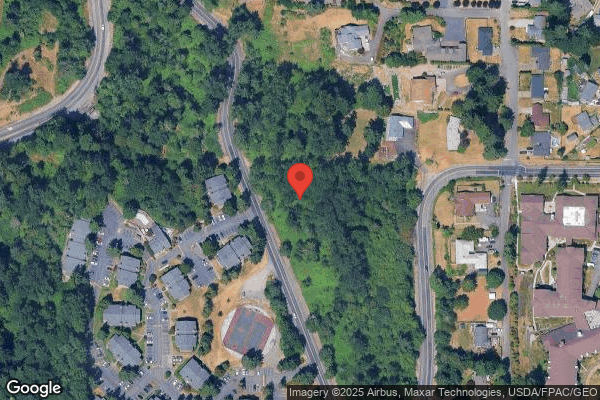
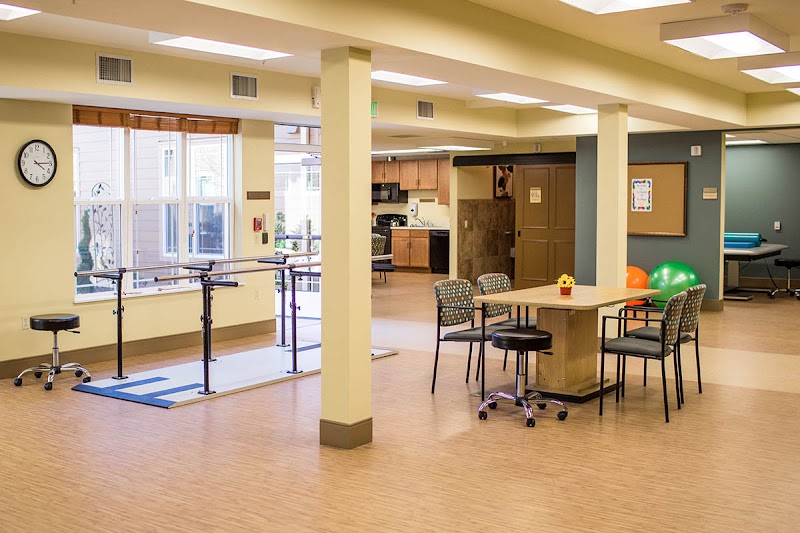
32049 109TH PL SE, AUBURN, WA 98092 (253) 876-1160
Non profit - Corporation 36 Beds Independent Data: November 2025
Trust Grade
70/100
#20 of 190 in WA
Last Inspection: September 2025

Inspected within the last 6 months. Data reflects current conditions.

Overview

Lea Hill Rehabilitation and Care Center has a Trust Grade of B, indicating it is a good choice for families seeking care, although it is not the top tier. It ranks #20 out of 190 facilities in Washington, placing it in the top half, and #4 out of 46 in King County, meaning only three local facilities are rated higher. The facility is improving, with a reduction in issues from 15 in 2024 to 14 in 2025. Staffing is rated 4 out of 5, which is a strength, though the turnover rate of 55% is slightly above the state average. However, the facility has been fined $30,258, which is concerning as it suggests ongoing compliance issues. Regarding care incidents, one serious finding indicated that a resident did not receive timely wound care as prescribed, leading to worsening pressure ulcers. Additionally, the facility failed to provide proper written notifications for transfers or discharges, risking misalignment with residents' care goals. A concern was also noted about food safety practices in the kitchen, as staff did not maintain sanitizer solutions correctly, which could lead to foodborne illnesses. While there are strengths in staffing and an overall excellent rating, these specific incidents highlight areas needing improvement.

Trust Score
B
70/100
In Washington
#20/190
Top 10%
Safety Record
Moderate
Needs review
Inspections
Getting Better
15 → 14 violations
Staff Stability
⚠ Watch
55% turnover. Above average. Higher turnover means staff may not know residents' routines.
Penalties
⚠ Watch
$30,258 in fines. Higher than 94% of Washington facilities. Major compliance failures.
Skilled Nurses
✓ Good
Each resident gets 73 minutes of Registered Nurse (RN) attention daily — more than 97% of Washington nursing homes. RNs are the most trained staff who catch health problems before they become serious.
Violations
⚠ Watch
39 deficiencies on record. Higher than average. Multiple issues found across inspections.
★★★★★
5.0
Overall Rating
★★★★☆
4.0
Staff Levels
★★★★★
5.0
Care Quality
★★★★☆
4.0
Inspection Score
Stable
2024: 15 issues
2025: 14 issues

The Good

  • 4-Star Staffing Rating · Above-average nurse staffing levels
  • 5-Star Quality Measures · Strong clinical quality outcomes
  • Full Sprinkler Coverage · Fire safety systems throughout facility
  • No fines on record

Facility shows strength in staffing levels, quality measures, fire safety.

The Bad

Staff Turnover: 55%

Near Washington avg (46%)

Higher turnover may affect care consistency

Federal Fines: $30,258

Below median ($33,413)

Moderate penalties - review what triggered them

The Ugly 39 deficiencies on record

1 actual harm
Sept 2025 14 deficiencies
CONCERN (D)

Potential for Harm - no one hurt, but risky conditions existed

Deficiency F0583 (Tag F0583)

Could have caused harm · This affected 1 resident

Based on observation, interview, and record review the facility failed to ensure privacy for 1 of 1 resident (Resident 7) observed for medication administration via Gastric Tube (GT -tube inserted thr...

Read full inspector narrative →
Based on observation, interview, and record review the facility failed to ensure privacy for 1 of 1 resident (Resident 7) observed for medication administration via Gastric Tube (GT -tube inserted through the wall of the abdomen directly into the stomach). The failure to provide privacy during medication administration via GT placed residents at risk for a loss of privacy and a diminished quality of life.Findings included.<Policy>According to the facility policy titled, HIPPA - Organization - Requirements, revised 09/18/2025, showed the facility would ensure compliance with HIPPA requirements for securing protected resident health information.According to the facility policy titled, Resident Rights, dated 06/20/2024, the facility would ensure all direct and indirect care staff members, were educated on the rights of residents and the responsibility of the facility to properly care for its residents. The facility policy showed the resident had the right to a dignified existence.<Resident 7>Observation on 09/17/2025 at 7:46 AM Staff F (Registered Nurse) walked away from the medication cart without locking Resident 7's medical information on the computer, leaving it unsecured and viewable to all. Staff F entered Resident 7's room leaving the door wide open to the hallway and did not pull privacy curtain around the resident. Staff F pulled Resident 7's shirt up, exposing Resident 7's GT and abdomen area and proceeded to administer all of Resident 7's medications via GT.In an interview on 09/17/2025 at 7:47 AM Staff F stated it was important to protect residents' information to stay in compliance with HIPPA (Health Insurance Portability and Accountability Act - a law protecting sensitive resident health information aiming to ensure privacy and security in healthcare). Staff F stated they were expected to pull the privacy curtain when providing cares but did not. Staff F stated it was important to provide privacy when providing care for residents' rights. In an interview on 09/17/2025 at 8:34 AM Staff B (Director of Nursing) stated they expected staff to always protect resident identifiable health information for resident's rights to privacy. Staff B stated they expect staff to provide privacy for residents during cares by pulling the privacy curtain or closing the door. Staff B stated it was important to provide privacy for resident rights.Reference: WAC 388-97-0360
CONCERN (D)

Potential for Harm - no one hurt, but risky conditions existed

Deficiency F0605 (Tag F0605)

Could have caused harm · This affected 1 resident

Based on observation, interview, and record review, the facility failed to offer nonpharmacological interventions to 3 of 5 residents (Residents 3, 29, & 45), monitor specific target behaviors for 1 o...

Read full inspector narrative →
Based on observation, interview, and record review, the facility failed to offer nonpharmacological interventions to 3 of 5 residents (Residents 3, 29, & 45), monitor specific target behaviors for 1 of 5 residents (Resident 45), complete an Abnormal Involuntary Movement Scale (AIMS - an assessment) for 1 of 5 (Resident 45), and monitor for adverse side effects from psychotropic medications for 1 of 5 residents (Resident 45) reviewed for unnecessary medications. Failure to monitor resident specific target behaviors, monitor for psychotropic medication adverse side effects, and provide nonpharmacological interventions placed residents at risk of mismanaged behaviors, discomfort, receiving unnecessary psychotropic medications, and a diminished quality of life.Finding included.<Facility Policy>According to the facility's Use of Psychotropic Medications policy, revised 02/19/2025, the facility would only use psychotropic medications when the practitioner determined the medication was appropriate to treat the resident's specific and diagnosed condition. The policy showed the facility would monitor and document the resident's response to the medication. The policy showed non-pharmacological interventions must be attempted unless contraindicated, to minimize the need for psychotropic medications. The policy showed residents who received an antipsychotic medication would have an AIMS completed upon admission.<Resident 3> According to a 08/18/2025 admission Minimum Data Set (MDS – an assessment tool) Resident 3 had a diagnosis of Depression. The MDS showed Resident 3 received an antidepressant medication during the assessment period. Review of Resident 3’s health records showed a 08/14/2025 physician order for two Antidepressant medications, both to be administered daily. Resident 3’s health records did not show a physician order for nonpharmacological interventions for the Antidepressant medications. <Resident 29> According to a 08/29/2025 admission MDS Resident 29 received an antidepressant medication during the assessment period. Review of Resident 29’s health records showed a 08/26/2025 physician order for an Antidepressant medication to be administered daily. Resident 29’s health records did not show a physician order for nonpharmacological interventions for the Antidepressant medications. In an interview on 09/18/2025 at 10:43 AM Staff G (Resident Care Manager) reviewed Resident 3 and 29’s records and stated there was not an order for nonpharmacological interventions for the psychotropic medications but they should have one. Staff G stated it was important to implement nonpharmacological interventions to ensure the facility was not unnecessarily administering psychotropic medications to residents when behaviors could be managed without pharmaceuticals. <Resident 45> According to the 09/16/2025 admission MDS Resident 45 had diagnoses including anxiety, depression, and a mood disorder. The MDS showed Resident 45 received an antipsychotic and an antidepressant medication during the lookback period. Review of Resident 45’s physician orders showed a 09/11/2025 order directing staff to administer an antidepressant medication daily and an antipsychotic medication twice daily to the resident. Review of Resident 45’s assessments on 09/19/2024 showed staff did not complete an AIMS assessment for the resident related to the antipsychotic medication. Resident 45’s records showed staff were not monitoring the resident for adverse side effects, target behaviors, or attempting nonpharmacological interventions for the resident’s antidepressant medication. In an interview on 09/19/2025 at 9:39 AM, Staff B (Director of Nursing) was unable to provide documentation of an AIMS assessment related to the antipsychotic medication or documentation showing staff were monitoring Resident 45 for adverse side effects, target behaviors, or attempting nonpharmacological interventions related to the antidepressant medication. Staff B stated they expected staff to monitor residents for adverse side effects, target behaviors, and provide nonpharmacological interventions when residents were taking psychotropic medications. REFERENCE: WAC 388-97-0620. .
CONCERN (D)

Potential for Harm - no one hurt, but risky conditions existed

Deficiency F0628 (Tag F0628)

Could have caused harm · This affected 1 resident

**NOTE- TERMS IN BRACKETS HAVE BEEN EDITED TO PROTECT CONFIDENTIALITY** Based on interview and record review, the facility failed to provide the resident and/or the resident's representative and Ombud...

Read full inspector narrative →
**NOTE- TERMS IN BRACKETS HAVE BEEN EDITED TO PROTECT CONFIDENTIALITY** Based on interview and record review, the facility failed to provide the resident and/or the resident's representative and Ombudsman with a written notice of the transfer/discharge, at the time of transfer or within 24 hours, for 2 of 4 sample residents (Resident 2 & 18) reviewed for hospitalization. This failure placed the residents and their representatives at risk of not being informed of their right while hospitalized that was necessary for decision-making.Findings included .<Facility Policy>According to the facility's 09/18/2025 revised Transfer and Discharge Policy, the facility would provide transfer/discharge notice to the resident and /or resident's representative in a language and manner they could understand including reason and basis, effective date, location for the transfer/discharge, and an explanation of the right to appeal. The policy showed the facility would maintain evidence that the transfer/discharge notice was sent to the Ombudsman office.<Resident 2>According to the 01/11/2025 and 05/01/2025 Discharge Return Anticipated Minimum Data Set (MDS - an assessment tool), Resident 2 discharged to the hospital on [DATE], on 01/11/2025, and again on 05/01/2025 related to a change in the resident's medical condition. The MDS showed Resident 2 had medical conditions including stroke (a medical condition prevents the brain from getting enough blood supply) and heart failure.Record reviews showed the facility staff provided Resident 2 or their representative with a written notification of the reason for transfer to the hospital as required only on 05/01/2025. In an interview on 09/17/2025 at 1:05 PM, Staff B (Director of Nursing) stated they expected the facility staff to notify resident's family about transferring residents to the hospital, sent e-interact forms to the hospital with residents, and provide a written notification with the reason for transfers to residents/representatives. Staff B reviewed Resident 2's record and stated the facility did not provide a written notification about the reason for transfer to Resident 2 and/or their representatives as required on 01/01/2025 and 01/11/2025 transfers to the hospital.In interview on 09/18/2025 at 10:14 AM, Staff E (Social Services Director) stated they were responsible for notifying the Ombudsman about resident's transfers, discharges, and hospitalizations as required. Staff E reviewed Resident 2's record and stated they did not notify the Ombudsman about Resident 2's hospitalization on 05/01/2025.<Resident 18>According to the 01/09/2025 and 01/27/2025 Discharge Return Anticipated, Resident 18 discharged to the hospital on [DATE] and again on 01/27/2025 related to a change in their condition. The MDS showed Resident 18 had medical conditions including heart failure.In an interview on 09/17/2025 at 1:15 PM, Staff B reviewed Resident 10's record and stated the facility did not provide a written notification about the reason for transfer to Resident 18 and/or their representatives as required on 01/09/2025 and 01/27/2025 to the hospital as required.REFERENCE: WAC 388-97-0120 (2)(a-d), -0140 (1)(a)(b)(c)(i-iii).
CONCERN (D)

Potential for Harm - no one hurt, but risky conditions existed

Assessment Accuracy (Tag F0641)

Could have caused harm · This affected 1 resident

**NOTE- TERMS IN BRACKETS HAVE BEEN EDITED TO PROTECT CONFIDENTIALITY** Based on observation, interview, and record review the facility failed to ensure 3 (Residents 2, 8, & 5) of 12 sample residents ...

Read full inspector narrative →
**NOTE- TERMS IN BRACKETS HAVE BEEN EDITED TO PROTECT CONFIDENTIALITY** Based on observation, interview, and record review the facility failed to ensure 3 (Residents 2, 8, & 5) of 12 sample residents Minimum Data Sets (MDS - an assessment tool) were completed accurately to reflect the resident's condition. This failure placed residents at risk for unidentified and/or unmet care needs.Findings included .<Resident 2> According to the 06/10/2025 Quarterly Minimum Data Set (MDS - an assessment tool), Resident 2 had diagnoses including a brain bleed with right side weakness. The MDS showed Resident 2 did not have a Restorative Nursing Program to maintain their functional limitations in range of motion. Review of the June 2025 RNP documentation showed restorative staff provided range of motion programs to Resident 2 up to five times a week. Review of the 05/09/2025 revised Activities of Daily Living Care Plan (CP) showed Resident 2 received range of motion for both of their arms and legs up to five days a week, to maintain their mobility. In an interview on 09/17/2025 at 9:17 AM, Staff L (MDS Coordinator) reviewed Resident 2’s record and stated the MDS was not accurate. <Resident 8> According to the 02/18/2025 Quarterly MDS, Resident 8 admitted to the facility on [DATE] and had a diagnosis of depression. The MDS showed Resident 8 received antidepressant medication every day during the assessment period. Review of Resident 8’s record showed an 11/21/2024 Preadmission Screening and Resident Review Level 1 with depression and anxiety marked under the “serious mental illness” section. According to the 01/02/2025 Psychiatrist note, Resident 8 had a diagnosis of depression and anxiety that had worsened gradually over time, and the resident needed treatment. In an interview on 09/17/2025 at 9:25 AM, Staff L reviewed Resident 8’s record and stated Resident 8 had depression and anxiety diagnoses. Staff L stated the anxiety diagnoses should be but was not identified accurately on the 02/18/2025 Quarterly MDS. <Resident 5> According to the 08/18/2025 admission MDS, Resident 5 had diagnoses including malnutrition and cancer. The MDS showed Resident 5 required substantial/maximal assistance from staff to roll left and right in bed, was dependent on staff for lying to sitting on the side of the bed and required partial/moderate assistance from staff for using the toilet or commode. The MDS showed Resident 5 did not have any pressure ulcers and was not at risk for developing pressure ulcers. Review of a 09/06/2025 incident report showed staff identified a pressure injury to Resident 5’s tailbone area. Observation on 09/18/2025 at 10:31 AM showed Staff K (Licensed Practical Nurse) performing wound care for the pressure ulcer to Resident 5’s tailbone. In an interview on 09/19/2025 at 8:53 AM, Staff L stated it was unusual for a resident to be coded as “not at risk” for pressure ulcers. Staff L reviewed Resident 5’s records and stated the resident should be coded as “at risk” for pressure ulcer development and the MDS required modification. REFERENCE: WAC 388-97-1000 (1)(b).
CONCERN (D)

Potential for Harm - no one hurt, but risky conditions existed

Deficiency F0645 (Tag F0645)

Could have caused harm · This affected 1 resident

**NOTE- TERMS IN BRACKETS HAVE BEEN EDITED TO PROTECT CONFIDENTIALITY** Based on record review and interview, the facility failed to ensure Pre-admission Screening and Resident Review (PASRR - a menta...

Read full inspector narrative →
**NOTE- TERMS IN BRACKETS HAVE BEEN EDITED TO PROTECT CONFIDENTIALITY** Based on record review and interview, the facility failed to ensure Pre-admission Screening and Resident Review (PASRR - a mental health screening required before transfer to a nursing home) assessments were revised to reflect mental health changes for 1 of 5 residents (Resident 8) reviewed for PASRRs. This failure left residents at risk for not receiving timely and necessary services to meet their mental health care needs.Findings included .<Facility Policy>According to the facility's 03/29/2025 revised Behavioral Health Services Policy, the facility would ensure all residents received necessary behavioral health services to assist them in reaching and maintaining their highest level of mental and psychosocial well-being. The policy showed the facility staff would review resident's medical records and obtain history from resident's family to complete PASRR screening. The policy showed PASRRs would be reviewed periodically for potential changes.<Resident 8>According to the 11/18/2024 admission 5 Day Minimum Data Set (MDS - an assessment tool), Resident 8 was admitted to the facility on [DATE] and had a diagnosis of depression. The MDS showed Resident 8 received antidepressant medication every day during the assessment period.Review of Resident 8's record showed a 11/21/2024 PASRR Level 1 with Depression and Anxiety marked under serious mental illness. This PASRR Level 1 showed Level 2 evaluation not indicated.According to the 01/02/2025 Psychiatrist note, Resident 8 had diagnosis of depression and anxiety, worsened gradually over time and needed treatment.In an interview on 09/18/2025 at 9:49 AM, Staff E (Social Services Director) stated they were responsible for reviewing resident's PASRR Level 1 and 2, correcting them upon admission and as needed. Staff E reviewed Resident 8's record including PASRR Level 1 and stated the PASRR level 1 was not accurate because Resident 8 received treatment for depression and anxiety. Staff E stated PASRR Level 2 evaluation was required for Resident 8, but the facility did not update PASRR Level 1.REFERENCE: WAC 388-97-1975(1)(4)
CONCERN (D)

Potential for Harm - no one hurt, but risky conditions existed

Comprehensive Care Plan (Tag F0656)

Could have caused harm · This affected 1 resident

Based on observation, interview, and record review, the facility failed to develop and/or implement comprehensive Care Plans (CP) for 3 of 16 residents (Resident 29, 7, & 3) whose CPs were reviewed. F...

Read full inspector narrative →
Based on observation, interview, and record review, the facility failed to develop and/or implement comprehensive Care Plans (CP) for 3 of 16 residents (Resident 29, 7, & 3) whose CPs were reviewed. Failure to develop comprehensive, individualized CPs to address resident care needs placed residents at risk for unmet care needs, frustration, and other negative health outcomes.Findings included.<Policy>According to the facility policy titled, Documentation in Medical Record, dated 2024, the facility would ensure medical records were accurate, relevant, and complete, containing sufficient details about the resident's care.<Resident 29>According to a 08/29/2025 admission Minimum Data Set (MDS - an assessment tool) Resident 29 received Oxygen (O2) therapy continuous and at a high concentration while a resident at the facility.Review of Resident 29's health records showed a 08/26/2025 physician order for O2 to be administered continuously. Review of Resident 29's records showed no CP for Covid 19 or oxygen therapy.Observation on 09/14/2025 at 9:22 AM showed staff removing Resident 29's transmission-based precautions sign and personal protective equipment cart for Covid 19. Resident 29 was receiving O2 via nasal canula at 2 liters/minute.In an interview on 09/18/2025 at 10:43 AM Staff G (Resident Care Manager) stated Resident 29 should have a CP for Covid 19 and the continuous use of O2 but did not. Staff G stated it was important to develop a Covid 19 and O2 CP to ensure the residents were receiving necessary respiratory care.<Resident 7>According to a 08/08/2025 Quarterly MDS Resident 7 required two-person assistance for rolling side to side in bed, sitting to lying, lying to sitting, sitting to standing, and with chair/bed to chair transfers. The MDS showed Resident 7 had diagnoses of stroke (occurs when blood flow to the brain is interrupted, leading to brain damage) with hemiplegia (complete paralysis of one side of the body).Review of Resident 7's records showed a 11/13/2024 Activities of Daily Living CP instructing two staff to reposition in bed, it did not instruct staff on when to reposition Resident 7 in bed. Resident 7's records did not show instructions to staff for reposition frequency or staff documentation of repositioning being offered/done.In an interview on 09/18/2025 at 10:43 AM Staff G stated they expected staff to reposition dependent residents at least every two to three hours. Staff G stated Resident 7's CP should reflect reposition frequency but did not. Staff G stated it was important, so care staff knew when to reposition the resident to ensure skin breakdown didn't occur and the resident was comfortable.<Resident 3>According to a 08/18/2025 admission MDS Resident 3 had a diagnosis of Diabetes (unstable blood glucose levels).Review of Resident 3's health records showed a 08/14/2025 and 09/06/2025 physician orders for two different insulins for Diabetes. Record review showed no CP for Resident 3's Diabetes.Observation on 09/14/2025 at 8:22 AM Resident 3 was sitting on edge of bed with breakfast tray in front of them and stated their blood glucose level was low and they were having symptoms, so they needed to eat to feel better. Resident 3 stated they experienced symptoms of low blood glucose often since being in the facility and thought their insulin orders might need to be adjusted.In an interview on 09/18/2025 at 11:24 AM Staff B (Director of Nursing) stated Resident 3 should have a Diabetes CP but did not. Staff B stated it was important to have a Diabetes CP to ensure proper care for the residents.Reference: WAC 388-97-1020(1), (2)(a)(b)
CONCERN (D)

Potential for Harm - no one hurt, but risky conditions existed

Deficiency F0658 (Tag F0658)

Could have caused harm · This affected 1 resident

**NOTE- TERMS IN BRACKETS HAVE BEEN EDITED TO PROTECT CONFIDENTIALITY** Based on observation, interview, and record review the facility failed to clarify physician orders to include medication dosing ...

Read full inspector narrative →
**NOTE- TERMS IN BRACKETS HAVE BEEN EDITED TO PROTECT CONFIDENTIALITY** Based on observation, interview, and record review the facility failed to clarify physician orders to include medication dosing and pain medication parameters for 2 (Resident 45 & 3) of 5 residents reviewed for unnecessary medications and 2 (Resident 5 & 48) supplemental residents. The facility failed to obtain/monitor labs for medications requiring lab monitoring, failed to ensure pain management included nonpharmacological interventions, and failed to ensure staff monitored for signs and symptoms of low/high blood glucose levels for 2 (Residents 3 & 29) of 5 sample residents reviewed for unnecessary medications. These failures placed residents at risk for unmet needs, and ineffective and/or delayed treatments.Findings included. <Clarifying Physician Orders> <Resident 5> Review of Resident 5’s 09/2025 Medication Administration Record (MAR) showed an 08/11/2025 order for an over-the-counter pain medication to be administered every six hours as needed for a pain level of “1-3/10” on the pain scale. The MAR showed an 08/11/2025 order directing staff to administer an opioid pain medication (Medication A) every two hours as needed for a pain level of 4-10/10 on the pain scale. The MAR showed an 08/28/2025 order directing staff to administer a different opioid pain medication (Medication B) every four hours as needed. This order did not direct staff at what pain level to administer the pain medication for. Review of the 09/2025 MAR showed on one occasion, staff administered the over-the-counter medication to Resident 5 for a pain level of 4, despite the medication instructing staff to administer for a pain level of 1-3/10. Review of the 09/2025 MAR showed staff administered Medication B for pain levels of 0, 3, 4, 6, 7, & 8. The MAR showed staff did not administer Medication as ordered and did not clarify when Medication B should be administered to Resident 5. <Resident 45> Review of Resident 45’s 09/2025 MAR showed a 09/11/2025 order directing staff to administer an over-the-counter pain medication every six hours as needed. This order did not include directions to staff for what pain level to administer the pain medication to the resident. The MAR showed a 09/11/2025 order directing staff to administer an opioid medication every six hours as needed for pain. This order did not include directions to staff for what pain level to administer the pain medication to the resident. Review of the 09/2025 MAR showed staff administered the over-the-counter medication for pain levels of 4 and 5 on the 0-10 pain scale. The MAR showed staff administered the opioid medication for pain levels of 4, 6, 7, and 8 on the 0-10 pain scale. In an interview on 09/19/2025 at 9:29 AM, Staff B (Director of Nursing) stated the facility process was to have a pain scale with each as needed pain medication, so staff knew which medication for what pain level a resident was experiencing. Staff B reviewed Resident 5 and Resident 45’s records and confirmed a pain scale should be associated with the as needed pain medications. <Resident 48> Review of Resident 48’s record showed Resident 48 admitted to the facility on [DATE] after they had back surgery. Review of the 09/2025 MAR showed Resident 48 had a 09/12/2025 physician order directing staff to administer two tablets of a pain-relieving medication to the resident every six hours for pain and not to exceed three grams in 24 hours. Another 09/12/2025 order directed staff to administer one tablet of a narcotic pain medication every six hours as needed for moderate pain and two tablets every six hours as needed for pain 7/10. There were no instructions to staff about which medication should be administered to Resident 48. In an interview on 09/17/2025 at 8:00 AM, Staff K (Licensed Practical Nurse) stated the physician order was not clear as to which medication should be administered for pain because there were no pain scale parameters. Staff K stated staff should clarify the order with the provider and receive orders with parameters, but they did not. <Resident 3> Review of Resident 3’s record showed Resident 3 admitted to the facility on [DATE] with multiple medical conditions including back pain, heart failure, and kidney failure. Review of the September 2025 MAR showed Resident 3 had an 08/16/2025 physician order directing staff to apply a medicated pain patch topically one time a day for pain and remove the patch “per schedule.” The order did not include the strength for the pain patch and did not direct staff where the patch should be applied to Resident 3. In an interview on 09/17/2025 at 8:02 AM, Staff K stated the pain patch order did not have a dosage. Staff K stated staff should clarify the order with the provider to include the dosage and location to apply the patch, but they did not. In an interview on 09/18/2025 at 10:01 AM, Staff B stated it was their expectation nursing staff review the orders prior to administering medications to residents, clarify with the provider for dosage, parameters for pain medications, location for pain patches, and follow the orders, but they did not. <Lab Monitoring and Nonpharmacological Interventions> <Resident 3> According to the 08/18/2025 admission Minimum Data Set (MDS - an assessment tool) Resident 3 had diagnoses of chronic pain, high cholesterol, diabetes (unstable blood glucose levels), and malnutrition. The MDS showed Resident 3 received scheduled and as needed pain medications, and non-medication interventions for pain management. The MDS showed Resident 3 experienced pain frequently and experienced a level 10/10 pain during the assessment period. The MDS showed pain occasionally interrupted Resident 3’s sleep and frequently interfered with their therapy activities and day-to-day activities. Review of Resident 3’s health records showed 08/14/2025 physician orders for cholesterol lowering medication and a high dose supplement order. Resident 3’s health records did not show cholesterol levels or a lab level for the high dose supplement being administered. Resident 3’s health records did not show physician orders for nonpharmacological pain interventions or documentation of staff monitoring the resident for signs and symptoms of low/high blood sugar levels. Observation on 09/14/2025 at 8:22 AM showed Resident 3 sitting on the edge of the bed with their breakfast tray in front of them and stated their blood glucose level was low and they were having symptoms, so they needed to eat to feel better. Resident 3 stated they experienced symptoms of low blood glucose often since being in the facility and thought their insulin (blood sugar lowering medication) orders might need to be adjusted. In an interview on 09/18/2025 at 11:24 AM Staff B stated Resident 3 did not have cholesterol levels or labs for the high dose supplement ordered but should. Staff B stated it was important to ensure the resident was at safe blood levels and required the medications. Staff B stated they expected staff to implement orders for nonpharmacological pain interventions and to monitor for signs and symptoms of low/high blood glucose levels for residents with diabetes every shift. Staff B stated it was important to offer nonpharmacological pain interventions and to not resort straight to pharmaceuticals, giving the resident unnecessary medications, when the pain could be managed without medicine. Staff B stated monitoring residents with diabetes for signs and symptoms of low/high blood glucose levels was important for overall management of diabetes and that some residents present these symptoms even when a blood glucose test showed normal range. <Resident 29> According to an 08/29/2025 admission MDS, Resident 29 admitted to the facility on [DATE]. The MDS showed Resident 29 had diagnoses including thyroid disorder and high cholesterol. Review of Resident 29’s health records showed an 08/26/2025 physician order for a cholesterol lowering medication and a 09/11/2025 physician order for a thyroid medication. Resident 29’s health records did not include a cholesterol level or a blood level lab for thyroid medication. In an interview on 09/18/2025 at 11:24 AM, Staff B stated Resident 29’s health records did not include a cholesterol level or a level of the thyroid medication but should. Staff B stated it was important to obtain these levels to ensure the medication was safe for the residents. REFERENCE: WAC 388-97-1620(2)(b)(i)(ii), (6)(b)(i).
CONCERN (D)

Potential for Harm - no one hurt, but risky conditions existed

ADL Care (Tag F0677)

Could have caused harm · This affected 1 resident

Based on observation, interview, and record review the facility failed to ensure residents who were dependent on staff for assistance with Activities of Daily Living (ADLs - i.e. grooming, bathing, ea...

Read full inspector narrative →
Based on observation, interview, and record review the facility failed to ensure residents who were dependent on staff for assistance with Activities of Daily Living (ADLs - i.e. grooming, bathing, eating, etc.) received the assistance they required for 3 of 7 sample residents (Residents 2, 8, & 7) reviewed for ADLs. The failure to provide nailcare, bathing, getting out of bed, and shaving left residents at risk of embarrassment, poor personal hygiene, decreased quality of life, and other negative health outcomes.Findings included .<Facility Policy>According to the facility's 09/18/2025 revised ADLs Policy, residents who were unable to perform ADLs independently would receive the necessary services to maintain mobility, good nutrition, grooming, and personal hygiene as they required. The policy showed based on resident's assessment, the facility would ensure resident's abilities in ADLs would not deteriorate unless deterioration was unavoidable. <Resident 2> According to the 06/10/2025 Quarterly Minimum Data Set (MDS – an assessment tool), Resident 2 had weakness on right side of their body and was dependent on staff for their personal hygiene. Review of the 05/09/2025 revised ADLS Self Care Deficit Care Plan (CP) showed Resident 2 required one person assistance from staff for their personal hygiene needs. Observations on 09/15/2025 at 10:23 AM, on 09/16/2025 at 11:57 AM, and on 09/18/2025 at 10:50 AM showed Resident 2 was lying in their bed and had long fingernails with black debris under their fingernails. In an interview on 09/17/2025 at 10:29 AM, Staff B (Director of Nursing) stated they expected staff to provide ADL assistance to residents including personal hygiene during daily morning care. Staff B stated staff should clip Resident 2’s fingernails weekly on shower days and as needed, but they did not. <Resident 8> According to the 07/08/2025 Quarterly MDS, Resident 8 was admitted to the facility with weakness on both arms and required one person assistance from staff with personal hygiene. Review of the 07/28/2025 revised ADL Self Care Deficit CP showed Resident 8 required extensive one person assistance from staff with their personal hygiene including bathing, oral care and shaving. Observations on 09/16/2025 at 10:12 AM and on 09/17/2025 at 11:43 AM showed Resident 8 lying in their bed and had long facial hair. In an interview on 09/17/2025 at 1:27 PM, Staff B stated they expected staff to provide ADL assistance to residents including personal hygiene during daily morning care. Staff B stated staff should shave Resident 8’s facial hair per preference and document if the resident refused, but they did not. <Resident 7> According to the 08/08/2025 Quarterly MDS Resident 7 had impairment on one side of their upper and lower extremities. The MDS showed Resident 7 was dependent on two staff for hygiene, bathing, transfers, and positioning. Review of an 11/13/2024 ADL CP day shift staff would get Resident 7 out of bed daily. The ADL CP showed Resident 7 preferred showers in the morning. Review of Resident 7’s health records showed no documentation of showers offered. In an interview on 09/15/2025 at 9:48 AM Resident 7’s representative stated Resident 7 was bedridden. Resident 7’s representative stated staff told them the facility was short staffed so they were unable to get Resident 7 out of bed daily and for showers, but they would offer bed baths. Resident 7’s representative stated they wanted Resident 7 out of bed daily and given showers per Resident 7’s preference, “not bed baths for quality of life.” Observations on 09/15/2025 at 9:36 AM and 11:42 AM, 09/16/2025 at 12:16 PM, 09/17/2025 at 7:46 AM and 10:32 AM, 09/18/2025 at 9:49 AM showed Resident 7 lying on back in bed. In an interview on 09/18/2025 at 10:38 AM Staff M (Certified Nursing Assistant) stated they don’t get Resident 7 out of bed and offered them bed baths, not showers, when they were assigned to care for them. Staff M stated there was no place in Resident 7’s records for staff to document bathing or getting out of bed. In an interview on 09/18/2025 at 10:43 AM Staff G (Resident Care Manager) stated they worked for the facility for the last two months and had only seen Resident 7 out of bed once. Staff G was unable to provide documentation of staff offering Resident 7 assistance to get out of bed daily or up for showers. Staff G stated they expected staff to offer and document assistance with getting out of bed and offer and document showers per Resident 7’s preference. Staff G stated it was important to assist dependent residents to get up daily, attend activities, and provide assistance with showers for quality of life. Reference: WAC 388-97-1060(2)(c).
CONCERN (D)

Potential for Harm - no one hurt, but risky conditions existed

Quality of Care (Tag F0684)

Could have caused harm · This affected 1 resident

**NOTE- TERMS IN BRACKETS HAVE BEEN EDITED TO PROTECT CONFIDENTIALITY** Based on observation, interview, and record review the facility failed to ensure weekly skin assessments were completed for 1 (R...

Read full inspector narrative →
**NOTE- TERMS IN BRACKETS HAVE BEEN EDITED TO PROTECT CONFIDENTIALITY** Based on observation, interview, and record review the facility failed to ensure weekly skin assessments were completed for 1 (Residents 15) of 1 residents reviewed and 1 (Resident 5) supplemental resident who were reviewed for skin impairments, ensure post fall assessments were completed for 1 (Resident 20) of 4 residents who were reviewed for falls, ensure the therapy department provided a referral for a restorative nursing program to maintain range of motion once a resident discharged from therapy services for 1 of 4 residents (Resident 31), and ensure accurate weight monitoring was done per physician orders for 1 of 1 residents (Resident 7) reviewed for nutritional status. These failures placed residents at risk for skin breakdown, injuries, malnutrition, decreased range of motion, and decreased quality of life.Findings included.<Weekly Skin Checks> <Resident 5> According to the 08/18/2025 admission Minimum Data Set (MDS – an assessment tool), Resident 5 had diagnoses including malnutrition and cancer. The MDS showed Resident 5 required substantial/maximal assistance from staff to roll left and right in bed, was dependent on staff for lying to sitting on the side of the bed, and required partial/moderate assistance from staff for using the toilet or commode. The MDS showed Resident 5 did not have pressure ulcers and was not at risk for developing pressure ulcers. Review of Resident 5’s 08/11/2025 “Risk for Impaired Skin Integrity” Care Plan (CP) showed an intervention directing staff to perform weekly skin checks for Resident 5. Review of Resident 5’s weekly skin checks showed staff assessed the resident’s skin on 08/20/2025 and documented the resident had redness to their tailbone area. The next skin check was completed 09/10/2025, three weeks after the skin check completed on 08/20/2025. The 09/10/2025 skin check showed Resident 5 developed a pressure ulcer to their tailbone. Review of Resident 5’s August 2025 Treatment Administration Record (TAR) showed staff documented a skin check was completed on 08/27/2025. Review of Resident 5’s September 2025 TAR showed staff completed a skin check on 09/03/2025. Resident 5’s record showed staff did not complete skin assessment forms showing the results of the skin checks. Review of Resident 5’s progress notes from 08/20/2025 to 09/10/2025 showed staff did not document the resident refused the weekly skin checks. Observation on 09/18/2025 at 10:31 AM showed Staff K (Licensed Practical Nurse) providing wound care to Resident 5’s tail bone. In an interview on 09/18/2025 at 10:41 AM, Staff K stated skin checks were completed weekly for residents. Staff K stated if a resident refused a skin check, they would reapproach the resident and endorse to the next shift if the resident continued to decline. Staff K stated refusals were documented in the TAR. In an interview on 09/19/2025 at 9:32 AM, Staff B (Director of Nursing) stated skin checks were triggered on the TAR to alert staff as to when a skin check was due. Staff B stated it was their expectation staff completed the skin check assessment form and documented if a resident refused. Staff B reviewed Resident 5’s records and confirmed staff did not document a skin check assessment for 08/27/2025 and 09/03/2025. <Resident 15> Review of the 07/23/2025 admission MDS showed Resident 15 had major surgery prior to admission to the facility. The MDS showed Resident 15 did not have current pressure ulcers but was at risk for developing pressure ulcers. Review of Resident 15’s revised 08/04/2025 “…potential/actual impairment to skin integrity…” CP showed interventions to staff to perform weekly skin checks for Resident 15. Review of Resident 15’s weekly skin checks showed staff completed a skin assessment on 07/26/2025 showing the resident had bruising to the back of their hand. The next skin assessment documented was 08/29/2025, nearly five weeks later. In an observation and interview on 09/14/2025 at 9:52 AM, Resident 15 was sitting in their wheelchair in their room. They had scattered bruising to the back of both hands. Resident 15 stated they had a wound to their foot that staff were treating. In an interview on 09/19/2025 at 9:32 AM, Staff B reviewed Resident 15’s record and confirmed staff did not complete weekly skin checks as ordered. <Fall Assessments> <Resident 20> According to the 08/13/2025 admission MDS, Resident 20 had some memory issues and had recent falls. The MDS showed Resident 20 required substantial/maximal assistance for rolling left and right, sitting to lying, lying to sitting, and sitting to standing. Review of an 08/09/2025 Fall Risk Assessment showed Resident 20 was at moderate risk for falls. Review of a 09/07/2025 facility incident report showed Resident 20 had a fall in the bathroom while being assisted by staff. Per Resident 20’s request, staff stepped outside of the bathroom to provide privacy and heard the resident yell for help. Staff found the resident on the floor. Review of Resident 20’s records show staff did not complete an updated fall assessment at the time of the 09/07/2025 fall. In an interview on 09/19/2025 at 10:00 AM, Staff B stated it was their expectation that staff completed a fall assessment after each fall a resident had. Staff B was unable to provide a fall assessment for Resident 20’s fall on 09/07/2025. <Restorative Nursing Program Referral> <Resident 31> According to the 08/21/2025 5 Day MDS, Resident 31 admitted to the facility on [DATE], was cognitively intact, and had multiple medically complex diagnoses including a right leg fracture with impairment of functional limitation in range of motion to one arm and leg. The MDS showed Resident 31 required substantial to maximum assistance from staff for rolling side to side in bed, sitting to stand, transferring, toileting, and showers. The MDS showed Resident 31 had no rejection of care during the assessment period. Observation and interview on 09/14/2025 at 12:13 PM showed Resident 31 was sitting up in a wheelchair in their room. Resident 31 stated they came to this facility for therapy because they had fractured their right leg. Resident 31 stated therapy stopped working with them more than two weeks ago because of their insurance. Observations and interviews on 09/15/2025 at 11:21 AM and on 09/16/2025 at 2:01 PM showed Resident 31 sitting in a wheelchair in their room. Resident 31 stated they wished therapy would work with them to make their leg stronger to walk again. Review of Resident 31’s 08/29/2025 Occupational Therapy (OT) discharge summary showed Resident 31 required partial to moderate assistance from staff with daily activities, showers, transfers, and toileting needs. The discharge summary did not have a referral for a restorative nursing program. In an interview on 09/17/2025 at 10:53 AM, Staff L (Restorative Coordinator) stated they were responsible for managing restorative nursing programs. Staff L stated when the therapy department discharged residents from therapy, they provided a referral form to a restorative program, and they initiated restorative programs in the resident’s plan of care and educated restorative aides. When asked for Resident 31’s restorative program, Staff L stated Resident 31 did not have a restorative program. Staff L stated a restorative program was very important to maintain the resident’s physical activities and range of motion. In an interview on 09/18/2025 at 9:42 AM, Staff S (Rehab Director) stated Resident 31 was discharged from therapy services on 08/29/2025 and was in process in getting authorization for more therapy from insurance. Staff S stated they referred Resident 31 for a restorative nursing program upon discharging from therapy services. Staff S reviewed Resident 31’s discharge summary and stated they did not refer Resident 31 to restorative program. Staff S stated they should refer Resident 31 to restorative program to maintain their range of motion, but they missed it. <Weight Monitoring> <Resident 7> According to the 08/08/2025 Quarterly MDS Resident 7 received more than 51% of their caloric and fluid intake via a gastric tube (tube inserted through the abdominal wall directly into the stomach). Review of Resident 7’s records showed a 12/12/2024 physician order to monitor the resident’s weight monthly for nutritional health. Resident 7’s records showed no weight monitor for February, May, and July of 2025. Resident 7’s records showed a 02/12/2024 nutrition at risk CP with an intervention of tube feeding and the facility would monitor Resident 7’s weight per order. In an interview on 09/19/2025 at 8:43 AM Staff B stated they expected staff to monitor Resident 7’s weights per physician orders. Staff B stated it was important to monitor residents’ weight to track nutritional and cardiac status. REFERENCE: WAC 388-97-1060(1).
CONCERN (D)

Potential for Harm - no one hurt, but risky conditions existed

Tube Feeding (Tag F0693)

Could have caused harm · This affected 1 resident

Based on observation, interview, and record review, the facility failed to ensure enteral nutrition (the delivery of nutrients through a feeding tube directly into the stomach) was administered in acc...

Read full inspector narrative →
Based on observation, interview, and record review, the facility failed to ensure enteral nutrition (the delivery of nutrients through a feeding tube directly into the stomach) was administered in accordance with physician orders and professional standards for 1 of 1 resident (Resident 7) reviewed for enteral nutrition. The facility failed to accurately document the amount of enteral formula (liquid food products) and fluids a resident received were reconciled with the amount they were ordered to receive and deliver per physician order. This failure placed residents at risk for inadequate nutrition, dehydration, and other adverse outcomes.Findings included.<Policy>According to the facility policy titled, Care and Treatment of Feeding Tubes, dated 09/18/2025, the facility would ensure tube feedings were administered per physician orders. The policy showed staff would evaluate the amount of feeding administered to ensure the resident received the correct enteral nutrition consistent with and following the physician orders. <Resident 7>According to a 08/08/2025 Quarterly Minimum Data Set (MDS - an assessment tool) Resident 7 had a tube feeding during the assessment period. The MDS showed Resident 7 received 51% or more of their total calories through the feeding tube with 501 Milliliters (ml) or more of fluids daily.Review of Resident 7's health records) showed a 07/25/2024 tube feeding order to run for 12 hours a day at 60ml/hour (total 720ml) congruent with water flush at 40ml/hour for 12 hours (total 480ml). The tube feeding order was scheduled to start at 8:00 AM and stop at 8:00PM.Observation and interview on 09/17/2025 at 7:25 AM showed Staff F (Registered Nurse) stop the tube feeding pump, which was set to 60ml/hour with a bag of water running at 40ml/hour. The tube feeding bottle showed no date or time that the bottle was started. The pump was reading 1038ml of feeding and 2409ml of water had been administered to Resident 7. Staff F returned to cart entering last used documentation when documented the amount of tube feeding and water the resident received. Staff F stated they did not calculate on the pump how much Resident 7 received and never did that because the order showed how much they should be receiving. When asked how they knew the tube feeding was started at 8:00 AM and Resident 7 had received the correct amount ordered, Staff F stated they never totaled the amount administered on the pump and that was a good question for the nurse that started the pump.In an interview on 09/17/2025 at 8:34 AM Staff B (Director of Nursing) stated they expected staff to total the pump each shift for amount of formula and water administered and document in the residents' records. It's important to ensure residents receive the ordered amount of formula and water to ensure adequate nutrition and hydration. Reference: WAC 388-97-1060(3)(f)
CONCERN (D)

Potential for Harm - no one hurt, but risky conditions existed

Deficiency F0761 (Tag F0761)

Could have caused harm · This affected 1 resident

Based on observation, interview, and record review, the facility failed to ensure proper storage of medications for 1 of 2 staff (Staff F - Registered Nurse) observed during medication administration ...

Read full inspector narrative →
Based on observation, interview, and record review, the facility failed to ensure proper storage of medications for 1 of 2 staff (Staff F - Registered Nurse) observed during medication administration and proper labeling of medications on 1 of 1 medication carts (West Medication Cart) reviewed for medication storage. These failures placed residents at risk of injury, receiving expired medications, and a diminished quality of life.Findings included.<Policy>According to the facility policy titled, Medication Storage, dated 09/18/2025, the facility would ensure all medications and biologicals would be stored in locked compartments. The policy showed only authorized personnel would have access to the medications and keys to locked compartments. The policy showed the facility would ensure all outdated and mislabeled medications were destroyed in accordance with federal and state requirements. <Staff F>In an observation and interview on 09/15/2025 at 8:59 AM Staff F prepared medications for a resident by dispensing pills and liquid medications into a small pill cup and pulling two respiratory inhaled medications out and leaving them on top of the medication cart unsecured and walked away. Staff F stated they were expected to secure all medications in a locked medication cart before leaving them but did not.In an observation and interview on 09/17/2025 at 7:46 AM Staff F prepared medications for a resident by dispensing pills and liquid medications into a small pill cup and left them on top of the medication cart unsecured and walked away. Staff F stated they should not leave medications unattended and unsecured. Staff F stated it was important for residents' safety to secure all medications behind a lock to ensure a resident did not mistakenly ingest the medications.In an interview on 09/17/2025 at 8:15 AM Staff B (Director of Nursing) stated they expected staff to secure medications behind a lock before walking away from them. Staff B stated it was important to store and secure medications appropriately to ensure residents' safety.<West Medication Cart>In an observation and interview on 09/17/2025 at 10:24 AM the [NAME] medication cart had a bottle of a supplement with the expiration date of July 2024 crossed off with black ink and 11/25 written next to it. Staff K (Licensed Practical nurse) stated they believed the supplements were brought in by a family member and they crossed off the expiration date. Staff K stated staff should not except medications with an expired date crossed off and a new expiration date written in. Staff K stated the facility should provide the supplement for the residents.In an interview on 09/18/2025 at 11:24 AM Staff B stated they expected staff to discard medications upon expiration. Staff B stated it was important to ensure residents were receiving the correct potency as medications can lose their effectiveness upon expiration.Reference: WAC 388-97-1300(2), -2340
CONCERN (D)

Potential for Harm - no one hurt, but risky conditions existed

Infection Control (Tag F0880)

Could have caused harm · This affected 1 resident

**NOTE- TERMS IN BRACKETS HAVE BEEN EDITED TO PROTECT CONFIDENTIALITY** Based on observation, interview, and record review the facility failed to ensure staff used appropriate Personal Protective Equi...

Read full inspector narrative →
**NOTE- TERMS IN BRACKETS HAVE BEEN EDITED TO PROTECT CONFIDENTIALITY** Based on observation, interview, and record review the facility failed to ensure staff used appropriate Personal Protective Equipment (PPE - disposable barriers such as gloves, eyewear, and gowns used to prevent exposure to infectious materials) for 3 residents (Resident 46, 7, & 19) reviewed for Enhanced Barrier Precautions (EBP - an infection control intervention designed to reduce the transmission of multidrug-resistant organisms), ensure staff used appropriate Hand Hygiene (HH) during resident care/resident contact (Staff D - Certified Nursing Assistant - CNA & Staff N - CNA) who were observed for care, and staff failed to provide sanitary practices when delivering meals to residents (Staff N) who were reviewed. These failures placed residents and staff at risk for exposure to and development of contagious, communicable infectious diseases.Findings included .<Facility Policy>According to the facility's Enhanced Barrier Precautions policy, revised 12/07/2022, the facility would implement EBP to prevent transmission of multidrug-resistant organisms. The policy showed residents with urinary catheters (tube inserted into the bladder) would be placed on EBPs and gowns and gloves would be made available to staff immediately outside of the resident's room.According to the facility's Hand Hygiene policy, revised 10/01/2022, staff would perform proper HH to prevent the spread of infection to other personnel, residents, and visitors. The policy referred to a HH Table which showed staff would perform HH between resident contacts.<Enhanced Barrier Precautions> <Resident 46> According to the 09/08/2025 admission Minimum Data Set (MDS – an assessment tool), Resident 46 admitted to the facility on [DATE] and had an indwelling urinary catheter (tubing inserted into the bladder to drain urine). Review of a 09/04/2025 nursing progress note showed staff documented Resident 46 admitted to the facility and the resident had a urinary catheter. Observation on 09/15/2025 at 8:56 AM showed Resident 46 sleeping in bed and they had a catheter hooked onto the bed. There was no EBP sign on the resident’s door or a cart inside or outside of the room containing gowns or gloves for staff to put on prior to providing direct care to Resident 46. In an interview on 09/18/2025 at 10:47 AM, Staff C (Infection Control Nurse) stated they expected residents with urinary catheters to be on EBP. Staff C stated a gown, and gloves should be worn for catheter care. <Resident 7> Observation on 09/17/2025 at 7:32 AM showed an EBP sign was posted outside Resident 7’s room instructed staff to wear gown and gloves while providing direct care to Resident 7. Observation and interview on 09/17/2025 at 7:46 AM Staff F (Registered Nurse) entered Resident 7’s room and administered medications via Gastric Tube (tube inserted in the abdominal wall straight to the stomach) without putting on personal protective equipment per direction on EBP signage posted on Resident 7’s door. Staff F stated Resident 7 was on EBP so they should wear a gown, mask, and gloves when providing all cares for Resident 7 but did not. Staff F stated they were expected to, and it was important to follow precaution signs for infection prevention when caring for residents. In an interview on 09/17/2025 at 8:34 AM Staff B (Director of Nursing) stated they expected staff to follow EBP per physician orders. Staff B stated it was important to follow EBP for residents that require precautions to ensure staff are not spreading infections to the vulnerable residents. <Resident 19> According to the 06/19/2025 admission 5 Day MDS, Resident 19 admitted to the facility on [DATE] and had an indwelling catheter in their bladder. Observation on 09/14/2025 at 8:32 AM showed an EBP sign was posted outside Resident 19’s room instructed staff to wear gown and gloves while providing direct care to Resident 19. Observation on 09/14/2025 at 9:02 AM showed Resident 19 was sitting in a wheelchair in their room and indwelling catheter bag was hanging under their wheelchair full of urine. Observation on 09/14/2025 at 9:38 AM showed Resident 19 was sitting in a wheelchair in their room and Staff R (CNA) was emptying Resident 19’s catheter bag, was not wearing a gown as instructed on the posted sign outside Resident 19’s room. In an interview on 09/14/2025 at 9:55 AM, Staff R stated they should wear a gown and gloves while emptying the catheter bag, but they forgot. In an interview on 09/17/2025 at 11:02 AM, Staff B stated their expectations from staff to follow the signs outside resident’s rooms to prevent spreading infections. Staff B stated Resident 19 had an indwelling catheter and EBP sign was posted outside the room. The staff should wear gown and gloves while taking care of Resident 19’s catheter bag, but they did not. <Hand Hygiene> <Staff D> Observation of the lunch service on 09/14/2025 at 12:38 PM showed staff delivering all meal trays to resident rooms due to the facility being in a Covid (respiratory infection) outbreak. Staff D was observed delivering a lunch tray to the resident in room [ROOM NUMBER]. Staff D placed the lunch tray on the over-the-bed table and removed a used coffee cup from the table. Staff D left the room with the coffee cup, touching the lid of the cup, took it to the pantry, and set the cup on top of a cart that held meal trays to be delivered. Staff D put their hands in their pockets while waiting for a new cup of coffee. The pantry staff handed Staff D a fresh cup of coffee and delivers it to room [ROOM NUMBER]. Staff D did not perform HH. At 12:41 PM, Staff D returned to the pantry, did not perform HH, took a lunch tray from the pantry staff and delivered the tray to room [ROOM NUMBER]. Staff D moved a cup of water on the resident’s over-the-bed table and set the tray down. Staff D did not perform HH between the two resident rooms and after touching items in the rooms. In an interview on 09/18/2025 at 10:49 AM, Staff C stated it was their expectation staff performed HH prior to delivering meal trays and upon exiting the resident’s room after delivering a meal tray. <Staff N> Observation and interview on 09/14/2025 at 12:38 PM showed Staff N pass a lunch tray to a resident’s room, set the resident up and then exit the room without performing HH. Staff N collected another meal tray from the on-unit pantry and delivered it to another resident room. Staff N stated they were expected to perform HH between residents but forgot to. Staff N stated it was important to perform HH between resident’s care for infection prevention. <Sanitary Practices> <Staff N> Observation and interview on 09/14/2025 at 12:52 PM showed Staff N getting a mustard packet for a resident request. Staff N dropped the mustard packet on the floor of the main dining room and picked it up and delivered it to the resident without washing it off or getting a new one. Staff N stated they shouldn’t deliver the mustard packet that fell on the floor to the residents for infection prevention. Reference: WAC 388-97-1320(1)(a), (2)(b).
CONCERN (E)

Potential for Harm - no one hurt, but risky conditions existed

Deficiency F0676 (Tag F0676)

Could have caused harm · This affected multiple residents

**NOTE- TERMS IN BRACKETS HAVE BEEN EDITED TO PROTECT CONFIDENTIALITY** Based on observation, interview and record review, the facility failed to ensure 2 of 2 residents (Resident 8 & 7) reviewed for ...

Read full inspector narrative →
**NOTE- TERMS IN BRACKETS HAVE BEEN EDITED TO PROTECT CONFIDENTIALITY** Based on observation, interview and record review, the facility failed to ensure 2 of 2 residents (Resident 8 & 7) reviewed for English as a second language, were provided a functional communication system. Failure to provide and follow the services which enhanced and/or ensured effective communication placed the residents at risk for unmet care needs, social isolation and a diminished sense of well-being. Findings included .<Policy>According to the facility policy titled, Culturally Competent Care, dated 09/18/2025, showed the facility would treat each resident with dignity and respect. The policy showed the facility would identify unique cultural characteristics such as language and implement appropriate communication assistance methods. The policy showed staff would consistently implement the communication methods in place for resident with each interaction.<Resident 8> According to the 07/08/2025 Quarterly Minimum Data Set (MDS – an assessment tool), Resident 8 admitted to the facility on [DATE] with multiple medical conditions including heart failure and kidney failure and had no memory issue. The MDS showed Resident 8 had clear speech and made self-understood and able to understand others. The MDS showed Resident 8’s preferred language was not English and needed interpreter to speak with health care staff. Review on 03/04/2025 revised communication Care Plan (CP) showed Resident 8 had communication problem related to language barrier and Resident 8 spoke their preferred language. Interventions included instructions for staff to use phone translator through google and to use the language line interpretive services. Observation and interview on 09/15/2025 at 8:55 AM, Resident 8 was lying in bed in their room, door was open, and Resident 8 was talking to this surveyor in their preferred language. Resident 8 did not understand English at all. Resident 8 talked in their language and interpreted in English on their phone. Resident 8 could not understand the surveyor in English. Observation on 09/15/2025 at 9:02 AM and 11:37 AM nursing staff visited Resident 8 in their room and did not use phone or interpreter while providing medications and care. Observation on 09/16/2025 at 9:41 AM showed Resident 8 was lying in their bed, their door was open, and Resident 8 was screaming loud in their language. Observation on 09/16/2025 at 9:45 AM showed Staff F (Registered Nurse) walked in the hallways and stayed in front of Resident 8’s room in hallways, told the resident in English to use the call light and went back to the medication cart. Observation on 09/16/2025 at 9:48 AM showed Staff F came back to Resident 8’s room, talked to the resident in English, gave them call light and bed controller to use. The observation showed Staff F did not use any device to communicate and Resident 8 was still screaming in their language. Finally Resident 8 stated, “Peepee” and pointed toward their incontinent brief. Staff F stated in English that they would send an aide to help them and left the room. Observation and interview on 09/16/2025 at 9:55 AM showed Staff H (Certified Nursing Assistant) came to Resident 8’s room, closed the door and start talking to the resident in English. Resident 8 was louder and kept talking in their language. Staff H kept saying they did not understand the resident. This surveyor knocked on the resident’s door and entered the room. Resident 8 was crying and talking in their language. Staff H stated they gave the resident call light already and did not understand what Resident 8 was saying. Resident 8 again said, “peepee”. When asked Resident 8 if they wanted to use the bathroom, Resident 8 stated, “yes”. Then Staff H provided care to Resident 8 to change their brief. Staff H did not use any communication device to talk to Resident 8 during the whole conversation. In an interview on 09/16/2025 at 10:15 AM, Staff H stated Resident 8 usually screams at times. Staff H stated Resident 8 used their phone to communicate but that day Resident 8’s phone was not working. When asked Staff H about how staff communicate with Resident 8 to meet their needs. Staff H stated they should use their personal phones to communicate with Resident 8, but they did not. In an interview on 09/17/2025 at 1:22 PM, Staff B (Director of Nursing) stated the facility staff should use phone translator services or interpretive services to communicate with Resident 8 but they were not using the services. <Resident 7> According to a 11/12/2024 Annual MDS Resident 7’s primary language was not English. The MDS showed Resident 7 wanted an interpreter to communicate with health care staff. Review of Resident 7’s communication CP, Resident 7’s primary language was not English with interventions for resident to use communication binder to communicate. In an interview on 09/15/2025 at 9:48 AM Resident 7’s representative stated Resident 7 was rarely confused, could get a little mixed up occasionally, but for the most part understood others and what was going on around her. Resident 7’s representative stated Resident 7’s primary language was Russian but had not seen staff attempt translation using an interpreter or a communication board. Observations on 09/15/2025 at 9:36 AM and 11:42 AM, 09/16/2025 at 12:16 PM, 09/17/2025 at 7:46 AM and 10:32 AM, 09/18/2025 at 9:49 AM showed no communication binder readily available for Resident 7. On 09/17/2025 at 7:46 AM Resident 7 was speaking to Staff F in a language other than English. Staff F did not offer Resident 7 interpreter services or use of a communication board and stated they always speak in their language but did not need anything. When Staff F was asked how they knew Resident 7 did not need anything, Staff F stated they were confused and had been in the facility for a long time. In an interview on 09/18/2025 at 10:43 AM G (Resident Care Manager) stated Resident 7 did not have a communication binder available for basic needs communication but should. Staff G stated it was important to provide interpretation services to non-English speaking residents to ensure good care and the residents needs are being met. Reference: WAC 388-97-1620(2)(a)(v).
CONCERN (E)

Potential for Harm - no one hurt, but risky conditions existed

Food Safety (Tag F0812)

Could have caused harm · This affected multiple residents

Based on observation, interview, and record review the facility failed to ensure cold food was held at 41-degree Fahrenheit (F) or lower during lunch preparation. Failure by the facility to ensure foo...

Read full inspector narrative →
Based on observation, interview, and record review the facility failed to ensure cold food was held at 41-degree Fahrenheit (F) or lower during lunch preparation. Failure by the facility to ensure food was at the proper temperature when served, placed residents at risk for food borne illness, less than adequate nutritional intake, dissatisfaction with meals, and other negative outcomes.Findings included <Facility Policy>According to the facility's 09/18/2025 revised Food Temperature Policy, the facility would record food temperatures daily to ensure food was at the proper serving temperature before trays were assembled. The policy showed potentially hazardous cold food temperatures would be kept at or below 41degrees F.<Facility Lunch Preparation>Observations of the unit kitchen pantry on 09/17/2025 at 12:00 PM showed staff distributing food from the steam table in trays to load the food cart to deliver lunch trays in the hallways. At 12:02 PM, Staff removed a tray with Jello (desert) cups from the pantry refrigerator and started placing the Jello on the trays. Another tray of Jello cups were sitting in the cart on ice, outside the pantry. At that time, Staff I (Dining Services) was asked to check the Jello temperature. Staff I checked the temperature which measured at 45 degrees F. At this same time, Staff J (Registered Dietitian) checked the temperature of the Jello containers sitting on ice in the cart outside the pantry. The temperature of this Jello measured at 50 degrees F.In an interview on 09/17/2025 at 12:57 PM, Staff J stated keeping cold food temperatures below 41 degrees F while serving to residents was important for food safety and reducing the risk of foodborne illness. Staff J stated cold food temperatures should be below 41degrees F when served to residents, but the Jello did not temp below 41 degrees F.REFERENCE: WAC 388-97-2980
Jul 2024 15 deficiencies
CONCERN (D)

Potential for Harm - no one hurt, but risky conditions existed

Deficiency F0578 (Tag F0578)

Could have caused harm · This affected 1 resident

**NOTE- TERMS IN BRACKETS HAVE BEEN EDITED TO PROTECT CONFIDENTIALITY** <Resident 13> Review of a 06/01/2024 admission MDS, Resident 13 had difficulty hearing, was sometimes understood, and coul...

Read full inspector narrative →
**NOTE- TERMS IN BRACKETS HAVE BEEN EDITED TO PROTECT CONFIDENTIALITY** <Resident 13> Review of a 06/01/2024 admission MDS, Resident 13 had difficulty hearing, was sometimes understood, and could sometimes understand others in conversation. This MDS showed Resident 13 had impaired thinking abilities. The MDS showed Resident 13 had diagnoses of traumatic brain dysfunction, heart failure, a progressive memory loss disorder, and a history of falling. Review of Resident 13's 05/28/2024 admission Agreement showed Resident 13 had an identified legal health and financial care authority who signed Resident 13's admission paperwork. Record review on 06/27/2024 at 2:47 PM showed there was no ADs available in Resident 13's records identifying they had an established POA. In an interview on 06/28/2024 at 12:43 PM, Resident 13's family member stated they were Resident 13's POA. The family member stated they thought the staff requested copies of the POA documentation. In an interview on 07/01/2024 at 1:29 PM, Staff L provided a paper copy of the POA documentation. Staff L stated the facility did not have medical records, they were trying to get caught up with scanning documents. In an interview on 07/02/2024 at 10:06 AM, Staff B (Nursing Services Director) stated ADs should be readily available in the resident's record so staff knew who a resident's responsible party was. Staff B stated they expected AD's to be scanned into the resident's record within a couple of days of receiving the documents. REFERENCE: WAC 388-97-0280(3)(c)(i-ii). Based on interview and record review, the facility failed to obtain and/or have Advanced Directives (AD - a document describing a resident's wishes for care if they became incapacitated) readily available in resident records for 3 of 5 residents (Residents 240, 241, & 13) and 1 supplemental resident (Resident 238) reviewed for ADs. This failure left residents at risk for losing the right to have their preferences and choices honored during emergent and end-of-life care. Findings included . <Facility Policy> According to the facility's revised 03/23/2023 Residents' Rights Regarding Treatment and AD policy, if a resident had an AD in place upon admission, copies would be made and added to the chart, and communicated to the staff. <Resident 240> Resident 240 was admitted to the facility on [DATE]. According to the 06/24/2024 admission Minimum Data Set (MDS - an assessment tool), Resident 240 was assessed with no memory impairment, clear speech, was understood by others, and able to understand others conversation. In an interview on 06/26/2024 at 11:10 AM, Resident 240 stated they had an AD and identified a family member as their Power of Attorney (POA). According to the uploaded 06/19/2024 admission Documentation in Resident 240's records, Resident 240 was identified to have ADs. Review of records revealed no ADs were found for Resident 240. <Resident 241> Resident 241 was admitted to the facility on [DATE]. According to the 06/24/2024 admission MDS, Resident 241 had medically complex diagnoses including heart failure, kidney disease, and lung disease. According to Resident 241's uploaded 06/28/2024 admission Agreement, Resident 241 was identified to have an AD and included documentation showing the resident's family member was their POA. Review of records revealed no ADs were found for Resident 241. On 07/01/2024 at 1:29 PM, Staff L (Office Manager) provided Resident 241's POA paperwork and stated they were found in a pile of records that needed to be uploaded into the resident's records. <Resident 238> Resident 238 was admitted to the facility on [DATE]. According to the 06/25/2024 admission MDS, Resident 238 was assessed with no memory impairment, clear speech, to be understood and to be able to understand conversation. In an interview on 06/26/2024 at 10:48 AM, Resident 238 stated their family member was their POA and completed the admission documentation on their behalf. According to Resident 238's uploaded 06/25/2024 admission Documents, Resident 238 was identified to have an AD. The documentation showed the resident's family member was their POA. The POA identified on the paperwork signed the admission agreements for Resident 238. Review of records revealed no ADs were found for Resident 238. In an interview on 07/02/2024 at 10:56 AM, Staff E (Resident Care Manager) stated ADs were important so staff were aware of and could follow what the resident's wishes were. Staff E stated ADs should be readily available in a resident's records. In an interview on 07/02/2024 at 1:01 PM, Staff H (Social Services Director) stated their expectation was if someone other than the resident was signing admission agreements, the facility would have a copy of the POA paperwork on file. Staff H stated ADs were usually scanned into the resident's records and should be readily available for staff to review. Staff H reviewed Resident 240, 241, and 238's records and stated they were unable locate their ADs.
CONCERN (D)

Potential for Harm - no one hurt, but risky conditions existed

Investigate Abuse (Tag F0610)

Could have caused harm · This affected 1 resident

**NOTE- TERMS IN BRACKETS HAVE BEEN EDITED TO PROTECT CONFIDENTIALITY** <Resident 13> According to the 06/01/2024 admission MDS, Resident 13 had a diagnosis of a progressive memory loss disease....

Read full inspector narrative →
**NOTE- TERMS IN BRACKETS HAVE BEEN EDITED TO PROTECT CONFIDENTIALITY** <Resident 13> According to the 06/01/2024 admission MDS, Resident 13 had a diagnosis of a progressive memory loss disease. This MDS showed Resident 13 had multiple falls prior to admission and had falls since admission to the facility. Review of Resident 13's revised 06/18/2024 Fall CP, showed Resident 13 had poor safety awareness and had actual falls in the facility on 05/31/2024 and 06/16/2024. Review of the 06/16/2024 fall incident report showed Resident 13 had their call light on and was found on the floor in their room by staff. This incident report contained several subsections to be completed by the staff at the time of the incident and post incident including the resident's level of pain, mental status, and predisposing environmental factors. Review of these subsections showed staff did not complete these sections and left them blank. In an interview on 07/02/2024 at 10:11 AM, Staff B stated they expected incident reports to be complete and thorough. Staff B stated they expected staff to complete each section of the incident report. REFERENCE: WAC 388-97-0640(6)(a)(b). Based on interview and record review the facility failed to thoroughly investigate unwitnessed falls for 1 of 2 sampled residents (Resident 3) reviewed for falls, and 1 supplemental resident (Resident 13). Facility failure to complete thorough investigations placed residents at risk for further falls and other negative health outcomes. Findings included . <Facility Policy> According to the facility's revised 05/01/2024 Accidents and Supervision policy, the facility would implement a system to minimize the risk of resident accidents. The policy showed the facility would make a reasonable effort to identify the hazards and risk factors for each resident. The policy showed the facility would evaluate resident accident risk by examining data to identify specific hazards and risks and to develop targeted interventions to reduce the potential for accidents . The facility's 11/30/2022 Incidents and Accidents policy showed documentation and data to be collected after an accident should include the date, time, nature of the incident, location, initial findings, immediate interventions, notifications, and orders obtained or follow-up interventions. The facility's 11/01/2022 Fall Prevention Program policy showed when any resident experienced a fall, the facility would assess the resident, complete a post-fall assessment, and obtain witness statements in the case of injury. <Resident 3> According to the 05/15/2024 Annual Minimum Data Set (MDS - an assessment tool) Resident 3 had severe memory impairment and medically complex diagnoses including dementia, arthritis, malnutrition, muscle weakness, repeated falls, and difficulty walking. The revised 04/10/2024 fall risk Care Plan (CP) showed Resident 3 fell on [DATE], 05/02/2023, 04/06/2024, and 04/07/2024. A 04/06/2024 progress note showed Resident 3 had an unwitnessed, non-injury fall at 3:50 PM that day. The note showed Resident 3 stated they were trying to transfer from their wheelchair to another chair in their room and slipped. Review of the facility's investigation into the 04/06/2024 unwitnessed fall showed Resident 3 was found on the floor of their room at 3:50 PM. The investigation concluded Resident 3 fell when trying to transfer. The investigation did not identify when Resident 3 last used the toilet, if the call light was on, or when Resident 3 was last seen by staff prior to the fall. The investigation did not include a witness statement from the staff who found Resident 3 or from any other staff. In an interview on 07/02/2024 at 11:21 AM Staff B (Nursing Services Director) stated they expected an investigation to include witness statements and identify all pertinent information at the time of the fall. Staff B stated they would provide any further investigative information found. No further information was provided.
CONCERN (D)

Potential for Harm - no one hurt, but risky conditions existed

Deficiency F0645 (Tag F0645)

Could have caused harm · This affected 1 resident

Based on interview and record review, the facility failed to ensure a Pre-admission Screening and Resident Review (PASRR - a process to determine if a potential nursing home resident had mental health...

Read full inspector narrative →
Based on interview and record review, the facility failed to ensure a Pre-admission Screening and Resident Review (PASRR - a process to determine if a potential nursing home resident had mental health/intellectual disability needs which required further assessment/treatment) assessment accurately reflected the residents' mental health conditions for 1 (Resident 238) of 5 residents reviewed for PASRR. This failure placed residents at risk for inappropriate nursing home placement and/or not receiving timely and necessary services to meet their mental health needs. Findings included . <Resident 238> According to a 06/25/2024 admission Minimum Data Set (an assessment tool), Resident 238 had multiple medically complex diagnoses including depression and required the use of an antidepressant medication. Review of a June 2024 Medication Administration Record showed Resident 238 received an antidepressant medication for depression. Review of a 06/20/2024 Level 1 PASRR, completed prior to admission showed Resident 238 had no Serious Mental Illness (SMI) indicators. Upon admission, facility staff did not update the Level 1 PASRR to include Resident 238's diagnosis of depression that required treatment with a medication. In an interview on 07/02/2024 at 1:01 PM, Staff H (Social Services Director) stated Level 1 PASRRs were important if a resident had a SMI, as the resident may qualify for additional services. Staff H stated Level 1 PASRRs should be accurate and updated as required. Staff H reviewed Resident 238's Level 1 PASRR and stated it was not accurate and needed to be updated. REFERENCE: WAC -1915 (1)(2)(a-c). .
CONCERN (D)

Potential for Harm - no one hurt, but risky conditions existed

Deficiency F0657 (Tag F0657)

Could have caused harm · This affected 1 resident

**NOTE- TERMS IN BRACKETS HAVE BEEN EDITED TO PROTECT CONFIDENTIALITY** <Resident 21> According a 04/18/2024 Significant Change MDS, Resident 21 had moderate memory impairment. The assessment sh...

Read full inspector narrative →
**NOTE- TERMS IN BRACKETS HAVE BEEN EDITED TO PROTECT CONFIDENTIALITY** <Resident 21> According a 04/18/2024 Significant Change MDS, Resident 21 had moderate memory impairment. The assessment showed Resident 21 had diagnoses of non-Alzheimer's dementia and a blood clot. Review of a revised 04/18/2024 Anticoagulant (blood thinner medication) CP showed Resident 21 was on an anticoagulant medication. Review of a revised 05/17/2024 Activities of Daily Living CP showed, Resident 21 was to have a fall mat on the floor on each side of their bed. Review of Resident 21's medical records on 06/28/2024 showed no physician's order for the anticoagulant medication that was listed on the CP. The PO's showed an order for the fall mat to be on the left side of the bed only. Observations on 06/26/2024 at 12:59 PM, 06/27/2024 at 8:56 AM, 06/27/2024 at 12:37 PM, 06/28/2024 at 9:28 AM, and 07/01/2024 at 8:17 AM showed Resident 21 with a fall mat only to their left side of bed. In an interview on 07/01/2024 at 12:56 PM Staff E stated Resident 21's CP should be updated with the blood thinning medication removed and the fall mat to left side of the bed only, but it was not. Staff E stated it was important to keep the CPs updated so staff knew what should be monitored and to provide the appropriate care for Resident 21. REFERENCE: WAC 388-97--1020(2)(c)(d). Based on observation, interview, and record review the facility failed to ensure Care Plans (CPs) were updated as needed to reflect current care needs for 2 residents (Residents 3 & 21) of 13 sample residents reviewed. The failure to ensure CPs were updated as needed left residents at risk for unmet care needs, frustration, and other negative health outcomes. Findings included . <Facility Policy> According to the facility's revised 11/01/2022 Comprehensive CPs policy, the facility would ensure the CP would describe the care and services each resident currently required. The policy showed the facility would develop resident-specific interventions to meet residents' care needs. <Resident 3> According to the 05/15/2024 Annual Minimum Data Set (MDS - an assessment tool) Resident 3 could hear with minimal difficulty using hearing aids, had impaired vision, and wore glasses. The MDS showed Resident 3 had severe memory impairment and wandered occasionally. The MDS showed Resident 3 required partial/moderate assistance to transfer from surface to surface including the toilet. The revised 04/10/2024 fall risk CP showed Resident 3 fell on [DATE], 05/02/2023, 04/06/2024, and 04/07/2024. This CP included a 05/12/2022 intervention to ensure Resident 3 stayed in public areas while awake as the resident allowed. Observation on 06/27/2024 at 8:28 AM showed Staff K (Certified Nursing Assistant - CNA) approach Resident 3 while they sat in their wheelchair by the fireplace in a common area near their room. Staff K asked the resident where they wanted to go. Resident 3 stated they wanted to go to their room and Staff K took Resident 3 to their room. There was no encouragement from Staff K for Resident 3 to stay in the common area. In an interview on 07/02/2024 at 9:27 AM, Staff E (Resident Care Manager) stated Resident 3 was less active the last few months. Staff E stated while it was important to supervise Resident 3 and ensure their safety, the resident was more tired now and the intervention was no longer appropriate. Staff E stated Resident 3's fall risk CP was not updated to reflect the resident's current needs.
CONCERN (D)

Potential for Harm - no one hurt, but risky conditions existed

Deficiency F0685 (Tag F0685)

Could have caused harm · This affected 1 resident

Based on observation, interview, and record review the facility failed to ensure 1 resident (Resident 3) of 3 reviewed for vision and hearing were provided the assistance and/or adaptive devices they ...

Read full inspector narrative →
Based on observation, interview, and record review the facility failed to ensure 1 resident (Resident 3) of 3 reviewed for vision and hearing were provided the assistance and/or adaptive devices they were assessed to require. This failure left Resident 3 at risk for unnecessary barriers to communication and frustration. Findings included . <Facility Policy> According to the facility's revised 11/07/2022 Hearing and Vision Services policy, the facility would ensure all residents had access to hearing and vision services, and received the adaptive equipment (such as glasses or Hearing Aids - HAs) they required. The policy showed facility staff would assist residents to use any adaptive equipment required. <Resident 3> According to the 05/15/2024 Annual Minimum Data Set (MDS - an assessment tool) Resident 3 had severe memory impairment and medically complex diagnoses including dementia. The MDS showed Resident 3 heard with minimal difficulty when using their HAs. The revised 05/25/2022 communication Care Plan (CP) included a goal for Resident 3 to maintain the ability to make their basic needs known and communicate with staff using hearing aids on a daily basis. This CP included interventions showing Resident 3: required HAs in both ears to communicate effectively, nursing staff should ensure Resident 3's HAs were in place every morning, HA's should be placed in the charger every night, and ensure the HAs were functioning properly. Observation on 06/26/2024 at 12:34 PM showed Resident 3 eating lunch in the dining room. Resident 3 was not wearing their HAs. Observation on 06/27/2024 at 8:11 AM showed Resident 3 was out of bed, sitting in their wheelchair. Resident 3's HAs were still in the charging case. Observation on 06/28/2024 at 8:15 AM showed Resident 3 was not wearing their HAs. Staff B (Nursing Services Director) entered the resident's room and announced themselves. Resident 3 did not hear what Staff B stated so Staff B repeated themselves to Resident 3. Staff B asked Resident 3 if they wanted to eat their oatmeal and needed to ask the resident a second time for understanding. Staff B and Resident 3 then spent several minutes organizing food from outside the facility placed on the counter next to the sink in Resident 3's room. Resident 3's HAs were located on the same counter where the food was placed. Staff B did not offer to help Resident 3 with their HAs. Observation on 06/28/2024 at 8:52 AM showed Staff B and a physical therapist speaking with Resident 3 in the hall. Resident 3 was not wearing their HAs. Staff B asked Resident 3 if they wanted to attend a group activity. Resident 3 did not hear, and Staff B repeated their question. Resident 3 then left for their room. In an interview at that time Staff B stated Resident 3's HAs were not in but should be. Staff B stated it was important for staff to assist Resident 3 with their HAs to facilitate communication. Staff B stated they needed to repeat themselves when talking to Resident 3 without their HAs. Staff B stated staff should have provided Resident 3 assistance with their HAs on all three days they were observed without them. REFERENCE: WAC 388-97-1060(3)(a). .
CONCERN (D)

Potential for Harm - no one hurt, but risky conditions existed

Accident Prevention (Tag F0689)

Could have caused harm · This affected 1 resident

**NOTE- TERMS IN BRACKETS HAVE BEEN EDITED TO PROTECT CONFIDENTIALITY** <Resident 21> According a 04/18/2024 Significant Change MDS, Resident 21 had moderate memory impairment. The assessment sh...

Read full inspector narrative →
**NOTE- TERMS IN BRACKETS HAVE BEEN EDITED TO PROTECT CONFIDENTIALITY** <Resident 21> According a 04/18/2024 Significant Change MDS, Resident 21 had moderate memory impairment. The assessment showed Resident 21 had a diagnosis of non-Alzheimer's dementia. Review of a revised 04/18/2024 Fall CP showed, Resident 21 was at risk for falls and had two unwitnessed falls since admission. The CP showed to keep the bed in the lowest position as a preventative fall intervention. Review of Resident 21's medical records showed a PO to keep bed in lowest position while resident was in bed initiated on 07/11/2023. Observations on 06/26/2024 at 12:59 PM, 06/27/2024 at 8:56 AM, 06/27/2024 at 12:37 PM, 06/28/2024 at 9:28 AM, and 07/01/2024 at 8:17 AM showed Resident 21 in bed with the bed raised halfway between medium and maximum height. In an interview on 07/01/2024 at 8:17 AM Staff M (CNA) stated the CP directed them to keep Resident 21's bed in the lowest position because they were a fall risk. Staff M stated the bed was not in the lowest position but should be. In an interview on 07/01/2024 at 12:34 PM Staff E stated they heard this surveyor ask the CNA about Resident 21's bed not being in the lowest position, so they discontinued the order to keep the bed in the lowest position. Staff E stated Resident 21 had a PO to keep the bed in the lowest position and this was care planned to direct staff to do so but they had not kept the bed in the lowest position because they could not slide the over the bed table under the bed unless it was raised up a couple of inches. Staff E stated it should not have been raised so high up and that no resident's bed should be kept at the height Resident 21's bed had been at. Staff E stated they would contact the Physician to get the order back and allow for the bed to be raised only a couple of inches while eating their meals. REFERENCE: WAC 388-97-1060 (3)(g). Based on observation, interview, and record review the facility failed to provide adequate mealtime supervision for 1 (Resident 88) of 2 residents reviewed for nutrition, and failed to ensure fall interventions were in place for 2 (Residents 3 & 21) of 3 residents reviewed for accidents. These failures placed residents at risk for choking and swallowing difficulties, falls, injuries, and other negative health outcomes. Findings included . <Facility Policy> According to the facility's 05/01/2024 Accidents and Supervision policy each resident would receive supervision to prevent accidents. The facility would identify hazards and risks, evaluate those hazards and risks, and implement interventions to reduce the risk. The policy showed an accident was any unexpected or unintentional incident, which resulted in injury or illness to a resident. The policy showed the facility would use various methods and sources to identify risks and hazards including Minimum Data Set (MDS - a resident assessment tool) data and residents' medical history. The policy defined supervision as an intervention and a means of mitigating accident risk and showed the facility would provide adequate supervision to prevent accidents. <Resident 88> According to the 06/21/2024 admission Minimum Data Set (MDS - an assessment tool) Resident 88 admitted on [DATE] and had severely impaired memory. The MDS showed Resident 88 had diagnoses including a hip fracture requiring skilled nursing care, dementia, a history of stroke, and one-sided paralysis. The MDS showed Resident 88 had no swallowing difficulties but required an altered texture diet. The 06/15/2024 Activities of Daily Living (ADL) Care Plan (CP) showed Resident 88 required cuing and encouragement to eat their meals. The 06/18/2024 Speech and Language Pathologist (SLP) Evaluation included Resident 88's short term goal to improve their swallowing function by alternating between solids and liquids when eating. The evaluation showed Resident 88 was on a modified diet due to recent coughing. The evaluation concluded Resident 88 had moderate swallowing difficulties with likely aspiration (inhalation) of liquids requiring SLP treatment. Staff assessed Resident 88 to require close supervision when eating. The evaluation recommended using straws with thin liquids. A 06/19/2024 1:46 PM progress note showed Resident 88 had new onset coughing on thin fluids. A 06/21/2024 Skilled Evaluation note showed Resident 88 required one-to-one assistance with feeding. A 06/22/2024 1:52 AM progress note showed Resident 88 had a Change in condition. The note described Resident 88 audibly wheezing with coarse breathing. Record review showed a 06/18/2024 diet order to provide Resident 88 a mechanically softened texture diet with thin liquids. This order was discontinued and superseded on 06/25/2024 with a diet order for a mechanically softened texture diet with nectar-thick liquids. Review of the Physician's Orders (POs) showed a 06/22/2024 PO for an oral antibiotic. The PO showed the antibiotic was to treat developing pneumonia. The 06/24/2024 resident has [a] nutritional problem . CP included a goal for Resident 88 to be comfortable each day with their food and drink. This CP included interventions for staff to monitor, document, and report as needed any signs and symptoms of swallowing difficulties and to provide and serve a general diet with a mechanically softened texture and nectar-thick liquids as ordered. The 06/24/2024 SLP encounter note showed as of this date, [Resident 88] has a confirmed diagnosis of Right lung pneumonia. The evaluation showed NO straws should be provided to Resident 88 who now required thickened fluids with their meals but was assessed to be safe with thin liquids between meals. In an in interview on 06/26/2024 at 1:56 PM Resident 88's representative stated Resident 88 had swallowing difficulties that dated back to when they lived at home. Resident 88's representative stated Resident 88 acquired aspiration pneumonia (a lung infection caused by the inhalation of food or drink) while at the facility. Resident 88's representative stated Resident 88 now required antibiotic treatment, and that the facility's SLP worked with Resident 88 to address their swallowing difficulties. Review of the as of 06/28/2024 [NAME] (care instructions for Nurse's Aides) showed Resident 88 required the assistance of a Certified Nurse's Assistant (CNA) when eating and small bites and sips. The 06/28/2024 [NAME] showed NO STRAWS. Observation on 06/28/2024 8:57 AM showed Resident 88 eating their breakfast in bed without any supervision or assistance from staff. Straws were placed in all three of Resident 88's beverages. In an interview on 06/28/2024 at 9:10 AM Staff B (Nursing Services Director) reviewed the [NAME] and stated Resident 88 should have no straws. The interview took place in Staff B's office located across the hall from Resident 88's room. At that time Resident 88 was heard coughing from Staff B's office. Staff B immediately went to Resident 88's room to provide care. There was no staff in the room when Staff B entered. Staff B stated there was not enough supervision in place for Resident 88 at the time. Staff B provided fluids to Resident 88. At 9:49 AM Staff B stated they were surprised SLP approved Resident 88 for thin liquids on admission. By 9:59 AM Resident 88 stopped actively coughing. In an interview on 07/02/2024 at 11:27 AM Staff B stated the dietary department provided straws to Resident 88 on 06/28/2024. Staff B stated Resident 88 was left unattended because the CNA assisting the resident left to help another CNA transfer a different resident. <Resident 3> According to the 05/15/2024 Annual MDS Resident 3 had severe memory impairment and medically complex diagnoses including dementia, arthritis, malnutrition, muscle weakness, repeated falls, and difficulty walking. The revised 04/10/2024 fall risk CP showed Resident 3 fell on [DATE], 05/02/2023, 04/06/2024, and 04/07/2024. This CP included an intervention to ensure a non-slip film was placed on the sitting surface of Resident 3's personal chairs in their room to prevent falls. The intervention showed staff should notify the nurse if the non-slip film was removed. Observation on 06/27/2024 at 8:32 AM, on 06/27/2024 at 10:02 AM, on 06/27/2024 at 2:59 PM, and on 07/01/2024 at 10:31 AM showed no non-slip film placed on either armchair in Resident 3's room. In an interview on 07/01/2024 at 10:47 AM Staff E (Resident Care Manager) stated it was important for fall interventions to be in place. Staff E stated the non-slip film should be in place on the armchairs in Resident 3's room. Staff E stated the non-slip film helped to prevent Resident 3 from slipping from the armchairs. In an observation at that time Staff E stated the non-slip film was not but should be in place in on Resident 3's armchairs.
CONCERN (D)

Potential for Harm - no one hurt, but risky conditions existed

Incontinence Care (Tag F0690)

Could have caused harm · This affected 1 resident

**NOTE- TERMS IN BRACKETS HAVE BEEN EDITED TO PROTECT CONFIDENTIALITY** <Urinary Catheter> <Facility Policy> According to the facility policy titled, Catheter Care, dated [DATE], residents...

Read full inspector narrative →
**NOTE- TERMS IN BRACKETS HAVE BEEN EDITED TO PROTECT CONFIDENTIALITY** <Urinary Catheter> <Facility Policy> According to the facility policy titled, Catheter Care, dated [DATE], residents with indwelling catheters would be provided appropriate catheter care and maintain dignity and privacy when indwelling catheters were in use. Privacy bags would be available and catheter drainage bags would be covered at all times; attached leg bags would have enough slack on the tubing to minimize tension. <Resident 18> According to a [DATE] Quarterly MDS Resident 18 had a suprapubic (above the pubic) indwelling catheter. Review of Resident 18's CP revised on [DATE], showed the resident needed total assistance with cleaning their suprapubic catheter. The CP instructed staff to position the catheter bag and tubing below the level of the bladder and away from the entrance of the room door and to monitor for pain or discomfort. During an interview and observation on [DATE] at 11:50 AM, Resident 18 stated the catheter hurt right here and pointed to their abdominal area. During observations on [DATE] at 9:02 AM and 11:25 AM, Resident 18's catheter bag was uncovered and touching the floor in their room. During an observation on [DATE] at 12:35 PM Staff N (CNA) provided toileting assistance to Resident 18. Staff N was observed to hand Resident 18 an incontinence wipe and told the resident to wipe themselves. Resident 18 was observed to wipe their genital area not their suprapubic area. Resident 18 also had loosened gauze around the catheter tubing which was not attached to the skin near the lower abdomen area. Staff N stated they did not know what the gauze was for and had to ask the nurse. During an observation on [DATE] at 12:43 PM Staff F checked the catheter bag and stated it was not in the privacy bag. Staff F checked the suprapubic area stoma (site of insertion of catheter tube) and told care staff the gauze bandage was for the stoma. Staff F observed there was a small amount of dried red-brown discharge on the gauze that was meant to cover the stoma. Staff F told Staff N the catheter bag leg strap was too low on the resident's thigh and was pulling on the catheter tubing. In an interview on [DATE] at 11:09 AM Staff N stated they were expected to empty the catheter bag and wipe down the catheter. Staff N reviewed the [NAME] (care staff checklist) and stated instructions were to help the resident with suprapubic catheter care but they were unsure of what to do differently for suprapubic catheters. In an interview on [DATE] at 12:43 PM Staff F stated the privacy bag should be used while Resident 18 was sitting in the wheelchair for privacy. Staff F stated the catheter site around Resident 18's stoma should be checked every shift by staff to check for drainage and pain and was unsure why the gauze was not attached to the resident's skin. In an interview on [DATE] at 1:23 PM Staff E stated nursing and care staff should provide catheter care such as emptying the catheter bag, cleaning and observing the area of the catheter, to place the catheter bag correctly, and to provide privacy for dignity. Staff E stated care staff should check if the resident was able to do self-care of their catheter and if they were unable, then staff should assist. Staff E stated they were unsure on how to train staff on suprapubic catheters. In an interview on [DATE] at 12:06 PM Staff B stated for resident dignity, catheter bags should be covered and not visible and off the floor. Staff B stated care staff were expected to provide catheter care appropriately per facility policy and up to care staff skill level including suprapubic catheters. Staff B stated the facility should conduct another training as they were unsure of when last in-service for staff on catheter care was completed. REFERENCE: WAC 388-97-1060 (3)(c). Based on observation, interview, and record review, the facility failed to ensure continent residents were provided toileting for 3 of 4 residents (Residents 339, 340, & 18) reviewed for Urinary Catheters (tube inserted into the bladder to empty the bladder) and Urinary Tract Infections (UTI). These failures placed residents at risk for UTI, dignity issues, and a decreased quality of life. Findings included . <Facility Policy> According to a facility policy titled, Activities of Daily Living (ADL's), revised [DATE], the facility would provide toileting care and services based on individual resident's comprehensive assessments and consistent with the resident's choices. According to a facility policy titled Helping a Resident with Toileting Needs, revised [DATE], the facility would assist residents with toileting needs to maintain the resident's dignity and proper hygiene. <Resident 339> According to a [DATE] admission Minimum Data Set (MDS - an assessment tool), Resident 339 was dependent on staff for transfers and required maximum assistance with toileting. The assessment showed Resident 339 had a diagnosis of irritable bowel syndrome. Review of Resident 339's health records on [DATE] showed diagnoses of, but not limited to, retention of urine, intestinal obstruction, hydronephrosis (dilation of the renal pelvis due to urinary obstruction), colitis, and difficulty with walking. Review of the revised [DATE] ADL Care Plan (CP) showed Resident 339 required two-person extensive assistance with transfers. The revised [DATE] Fall CP showed Resident 339 would be assisted to the toilet after meals and prior to AM care and bedtime care. In an interview on [DATE] at 10:02 AM, Resident 339 stated staff directed them to go to the bathroom in their brief. On [DATE] at 8:12 AM, Resident 339 stated they knew when they needed to use the bathroom and preferred staff would get them up to the toilet but staff did not. During an observation on [DATE] at 8:38 AM Staff I (Certified Nursing Assistant - CNA) and Staff J (CNA) were changing Resident 339's brief and Resident 339 stated they needed to have a bowel movement. Staff I stated, just go in your brief and I will change it. During an interview on [DATE] at 9:01 AM, Staff I stated they directed residents to go to the bathroom in their brief until Physical Therapy cleared the resident to use the toilet. <Resident 340> According to a [DATE] admission MDS, Resident 340 was dependent on staff for transfers and required maximum assistance with toileting. The assessment showed Resident 340 had a diagnosis of kidney failure and a UTI. Review of a [DATE] ADL CP showed Resident 340 required two-person extensive assistance with toileting and one to two staff for transfers using a walker to stand. In an interview on [DATE] at 12:28 PM, Resident 340 stated they were aware of when they needed to use the bathroom, but staff directed them to go in their brief when they first admitted to the facility. Resident 340 stated they did not want to go to the bathroom on themselves and they had a history of frequent UTI's. Resident 340 stated going in their brief would put them at risk of developing another UTI. Resident 340 stated they told staff about their history of UTI's and their risk for infection if they went to the bathroom in their brief. Resident 340 stated they had hip surgery and the staff told Resident 340 they could not take the resident to the toilet until therapy worked with them to become independent with toileting and until then, the resident needed to go in their brief. In an interview on [DATE] at 7:53 AM, Resident 340 stated they were supposed to discharge home on that day, but they were having UTI symptoms, so the facility extended their stay with a plan to discharge [DATE]. Resident 340 stated they had increased urinary urgency, frequency, and pain, and knew they had a UTI. Review of Resident 340's health records showed a [DATE] Physician Order (PO) to obtain a urine test to see if Resident 340 had a UTI. These records showed the urine was collected and sent to the lab in a urine collection container but the container was expired so the lab was unable to run the urinalysis. The records showed the physician entered a new PO on [DATE] to recollect another urine sample for Resident 340 and to administer an antibiotic injection immediately for their UTI symptoms. In an interview on [DATE] at 12:38 PM Staff E (Resident Care Manager) stated the expectations for staff were to assist continent residents to the toilet and not direct them to go in their brief. Staff E stated this was important for resident's dignity and having residents go in their brief would increase their risk of developing an infection. In an interview on [DATE] at 11:17 AM, Staff F (Registered Nurse) stated they collected the urine sample and did not check the expiration date on the collection container but should have. Staff F stated it was important to check the expiration date so the urine test could be performed timely, and the resident could be treated as soon as possible. In an interview on [DATE] at 11:28 AM, Staff E stated the expectations were for staff to check the lab containers expiration date prior to collection. Staff E stated this was important to diagnose whether the resident had an infection and to implement treatment timely. In an interview on [DATE] at 12:13 PM, Staff B (Nursing Services Director) stated they expected staff to assist continent residents to the bathroom to use the toilet. Staff B stated it was not the facility's policy to direct residents to use their brief because that would infringe on their dignity and increase their risk of infection.
CONCERN (D)

Potential for Harm - no one hurt, but risky conditions existed

Tube Feeding (Tag F0693)

Could have caused harm · This affected 1 resident

Based on observation, interview, and record review the facility failed to assess, monitor, and record intake for 1 (Resident 8) of 1 resident reviewed for enteral feeding (a medical process used to pr...

Read full inspector narrative →
Based on observation, interview, and record review the facility failed to assess, monitor, and record intake for 1 (Resident 8) of 1 resident reviewed for enteral feeding (a medical process used to provide nutrition for residents who cannot obtain nutrition orally) services. These failures placed Resident 8 at risk for inadequate nutritional support and adverse consequences. Findings included . <Resident 8> According to Resident 8's 05/22/2024 Quarterly Minimum Data Set (MDS - an assessment tool), Resident 8 had impaired thinking abilities, was usually understood, and could usually understand others in conversation. This MDS showed Resident 8 had diagnoses including a stroke and was unable to move one side of their body. The MDS showed Resident 8 had difficulty swallowing and required enteral feedings via a feeding tube. Review of Resident 8's revised 03/12/2024 Nutritional Problem Care Plan (CP) showed Resident 8 was to receive 720 Milliliters (mL) of the enteral feeding formula over 12 hours. This CP showed Resident 8 was to receive 547 mL of free water administered congruently with the enteral feeding formula. This CP instructed staff to document mL administered. Review of the June 2024 Medication Administration Record (MAR) showed a 07/20/2021 Physician Order (PO) directing staff to check enteral feeding residuals (the amount of formula undigested from the previous feeding). This PO directed staff to hold the enteral feeding if the residuals were greater than 100 mL and restart the enteral feeding when the residuals were less than 100 mL. The MAR showed staff documented a check mark instead of the amount of residuals in mL. The June 2024 MAR showed a 10/14/2023 PO directing staff to start the enteral feeding at 8:00 PM along with the water flush for 12 hours. An additional 10/14/2023 PO directed the staff to stop the enteral feeding and congruent water flush at 8:00 AM. These POs showed Resident 8 would receive 1180 kilocalories of nutrition and 547 mL of free water. The MAR documentation showed staff documented a check mark indicating the enteral feeding was turned on or off. The MAR documentation showed staff did not document the total mL of enteral nutrition or water administered each day. Observation on 07/01/2024 at 7:50 AM showed Resident 8 receiving their enteral feeding. The feeding pump showed Resident 8 received 922 mL of the enteral formula and 680 mL of the water flush. Observation on the same date at 8:26 AM showed Resident 8 was still receiving the enteral feeding. In an observation and interview on 07/01/2024 at 9:12 AM showed Staff C (Licensed Practical Nurse) turning off Resident 8's enteral feeding. At that time, the feeding pump showed Resident 8 received 1004 mL of the enteral formula and 720 mL of water. In an interview at that time, Staff C confirmed the enteral feeding should be stopped at 8:00 AM. Staff C stated Resident 8 probably got a little more [formula] than normal. In an interview on 07/01/2024 at 10:56 AM, Staff D (Registered Dietician) stated there was no PO directing staff to capture the totals of the feeding and water flush. Staff D stated it would be helpful to know how much formula and water Resident 8 actually received. In an interview on the same date at 11:03 AM, Staff E (Resident Care Manager) stated it was important to document the total amount of enteral formula and water administered so staff could track any weight changes or edema (swelling from retaining fluid). In an interview on 07/02/2024 at 10:30 AM, Staff B (Nursing Services Director) stated it was their expectation staff documented the total amount of enteral formula and water administered as well as the amount of residuals obtained. REFERENCE: WAC 388-97-1060(3)(f). .
CONCERN (D)

Potential for Harm - no one hurt, but risky conditions existed

Respiratory Care (Tag F0695)

Could have caused harm · This affected 1 resident

**NOTE- TERMS IN BRACKETS HAVE BEEN EDITED TO PROTECT CONFIDENTIALITY** <Oxygen Signage> <Resident 241> Observations on 06/28/2024 at 8:20 AM and on 07/01/2024 at 8:33 AM showed Resident 2...

Read full inspector narrative →
**NOTE- TERMS IN BRACKETS HAVE BEEN EDITED TO PROTECT CONFIDENTIALITY** <Oxygen Signage> <Resident 241> Observations on 06/28/2024 at 8:20 AM and on 07/01/2024 at 8:33 AM showed Resident 241's room was not labeled for oxygen use. In an interview on 07/01/2024 at 12:05 PM Staff C (Licensed Practical Nurse) stated an oxygen sign should be placed on Resident 241's door. Staff C stated an oxygen sign was important to easily identify from the hallway which residents were on oxygen in the event of an emergency. In an interview with Staff B on 07/02/2024 at 12:06 PM Staff B stated oxygen signs should be on the doors of residents on oxygen. Staff B stated oxygen signage was important to let people know that oxygen was in use for emergency response because oxygen was combustible. REFERENCE: WAC 388-97-1060 (3)(j)(vi). Based on observation, interview, and record review, the facility failed to ensure 3 of 3 residents (Residents 2, 88, & 241) reviewed for oxygen were provided care consistent with professional standards of practice. Failure to provide oxygen treatments as ordered (Resident 2 & 241) and place oxygen signs outside the rooms of residents using supplemental oxygen (Residents 2, 88, & 241) left residents at risk for over or under oxygenation, respiratory discomfort, oxygen-related accidents, and a decreased quality of life. Findings included . <Facility Policy> According to the facility's 09/01/2023 Oxygen Administration policy, oxygen therapy required a Physician's Order (PO) for use. The policy showed Oxygen warning signs must be placed on the door . of the room for any resident receiving oxygen therapy. <Providing Oxygen as Ordered> <Resident 2> According to the 05/24/2024 Significant Change in Status Minimum Data Set (MDS - an assessment tool) Resident 2 had cardiorespiratory diagnoses including heart failure, high blood pressure, Chronic Obstructive Pulmonary Disease (COPD - a respiratory disease that could cause fluid in the lungs), fluid in the lungs, and respiratory failure. The MDS showed Resident 2 required oxygen therapy. The POs included a 05/09/2024 PO for continuous oxygen at 1-5 Liters Per Minute via nasal cannula (tubing that delivered oxygen to the nostrils). The PO showed if Resident 2's oxygen saturation surpassed 92% nurses should hold the oxygen therapy. Review of the May 2024 Medication Administration Record (MAR) showed on 47 of 54 opportunities when the resident was available in the facility, Resident 2 was provided oxygen therapy when their oxygen saturation was 93% or higher. Review of the June 2024 MAR showed on 59 of 90 opportunities Resident 2 was provided oxygen therapy when their oxygen saturation was 93% or higher. In an interview on 06/28/2024 at 11:57 AM Staff E (Resident Care Manager) stated it was important to provide oxygen as ordered. Staff E stated a risk with supplemental oxygen therapy for residents with COPD was excess carbon dioxide (the gas exhaled when people breathe out) levels. < Resident 241> According to the 06/20/2024 Baseline Care Plan (CP - an initial CP developed within 48 hours of admission to ensure the resident's most critical care needs were met) dated 06/20/2024, Resident 241 had chronic respiratory failure with low oxygen and difficulty breathing related to COPD. According to the 06/26/2024 admission MDS Resident 241's had medically complex conditions including COPD. Review of a 06/30/2024 PO showed staff should change Resident 241's oxygen tubing every week on Sundays. Observations on 06/28/24 08:20 AM and 07/01/24 11:57 AM showed no date on oxygen tubing. The June 2024 Treatment Administration Record showed staff last signed they replaced Resident 241's oxygen tubing on 06/30/2024. In an interview on 07/01/2024 at 12:05 PM Resident 241 stated the oxygen tubing was not changed since they admitted to the facility on [DATE]. In an interview on 07/02/2024 at 12:06 PM Staff B (Nursing Services Director) stated it was important to change out and date oxygen tubing as scheduled to prevent infections in residents with oxygen. <Oxygen Signage> <Resident 2> Observation on 06/26/2024 at 1:08 PM, 06/27/2024 at 8:57 AM, 06/28/2024 at 8:19 AM, 06//27/2024 at 8:59 AM, and 07/01/24 08:33 AM showed no sign in place outside Resident 2's room indicating oxygen was in use. <Resident 88> Record review showed Resident 88 had a 06/22/2024 PO for oxygen at 2 Liters Per Minute via a nasal cannula. Observation on 06/26/2024 at 12:48 PM, 06/27/2024 at 8:27 AM, and 06/28/2024 at 9:10 AM showed no sign in place outside Resident 88's room indicating oxygen was in use.
CONCERN (D)

Potential for Harm - no one hurt, but risky conditions existed

Deficiency F0757 (Tag F0757)

Could have caused harm · This affected 1 resident

Based on interview and record review, the facility failed to ensure, 1 of 5 (Resident 13) residents reviewed for unnecessary medications was adequately monitored to prevent excessive duration of medic...

Read full inspector narrative →
Based on interview and record review, the facility failed to ensure, 1 of 5 (Resident 13) residents reviewed for unnecessary medications was adequately monitored to prevent excessive duration of medication use. These failures placed residents at risk to receive unnecessary medications and/or adverse side effects. Findings included . <Resident 13> According to the 06/01/2024 admission Minimum Data Set (MDS - an assessment tool), Resident 13 had diagnoses including a progressive memory loss disease. This MDS showed Resident 13 was usually understood and could usually understand others in conversation. Review of Resident 13's 06/27/2024 order summary showed a 05/31/2024 Physician Order (PO) directing staff to administer an over-the-counter sleep aid medication every day. This PO showed Resident 13 was prescribed the medication for difficulty sleeping. Review of the 06/27/2024 order summary showed no directions instructing staff to monitor the amount of hours Resident 13 slept each night. Review of Resident 13's comprehensive Care Plan (CP) showed a CP goal was not developed regarding Resident 13's sleeping problem. There were no interventions directing staff on non-pharmacological ways to attempt to help Resident 13 sleep or interventions directing staff to monitor the effectiveness of the over-the-counter sleep aid medication. In an interview on 07/01/2024 at 11:11 AM, Staff E (Resident Care Manager) stated a sleep monitor should be in place to help track the effectiveness of the over-the-counter sleep aid medication. Staff E stated there should be directions to staff to provide non-pharmacological interventions to Resident 13 but there was not. In an interview on 07/02/2024 at 10:23 AM, Staff B (Nursing Services Director) stated a sleep monitor and non-pharmacological interventions should be in place for Resident 13 but they were not. REFERENCE: WAC 388-97-1060(3)(k)(i). .
CONCERN (D)

Potential for Harm - no one hurt, but risky conditions existed

Medication Errors (Tag F0758)

Could have caused harm · This affected 1 resident

Based on interview and record review, the facility failed to ensure 2 (Residents 21 & 238) of 5 residents reviewed for unnecessary medications were free from unnecessary psychotropic medications. Faci...

Read full inspector narrative →
Based on interview and record review, the facility failed to ensure 2 (Residents 21 & 238) of 5 residents reviewed for unnecessary medications were free from unnecessary psychotropic medications. Facility staff failed to identify/monitor target behaviors or attempt a Gradual Dose Reduction (GDR) for an Antidepressant (AD) medication. These failures placed residents at risk to receive unnecessary psychotropic medications and experience adverse side effects. Findings included . <Facility Policy> According to facility policy titled Gradual Dose Reduction of Psychotropic Drugs revised 11/09/2022, the facility would gradually reduce the dose of psychotropic medications in an effort to discontinue those drugs. The policy showed the facility would attempt a GDR in two separate quarters (with at least one month between the attempts) within the first year of the resident being admitted or within the first year of a resident starting a psychotropic medication. <Resident 21> According to the 04/18/2024 Significant Change Minimum Data Set (MDS - an assessment tool) Resident 21 had moderate memory impairment. The assessment showed Resident 21 had diagnoses of depression and adult failure to thrive. The assessment showed Resident 21 took an AD medication. Review of a revised 04/18/2024 AD Care Plan (CP) showed Resident 21 took an AD for depression. Review of Resident 21's Physician's Orders (POs) showed an AD was initially ordered on 05/30/2023 for 15 milligrams (mg) once daily. These records showed the same AD for Resident 21 was increased to 30 mg once daily on 08/09/2023 and then increased to 45 mg once daily on 12/26/2023. Review of Resident 21's May and June 2024 Medication Administration Records (MAR) showed no episodes of behavioral issues documented on the behavior monitor. Review of an 08/04/2023 psychiatry consultation note showed Resident 21 did not present with symptoms of depression and was calm, smiling, with an even mood, and was pleasant and cooperative. The evaluation showed no medication changes were recommended at that time. Review of a 01/11/2024 psychiatry consultation note showed Resident 21's mood was pleasant, they denied any feelings of depression, and they were surprised to hear that anyone thought they had depression. The evaluation showed no medication changes were recommended at that time. In an interview on 07/01/2024 at 12:56 PM Staff E (Resident Care Manager) stated a GDR should be attempted twice a year within the first year of the resident taking the medication or a justification should be documented for continuing the dose or increasing the dose related to behavioral concerns but was not. Staff E stated Resident 21 did not have any behavior concerns. Staff E stated a GDR should be attempted but was not. <Resident 238> According to a 06/25/2024 admission MDS, Resident 238 had multiple medically complex diagnoses including depression and required the use of an AD medication. Review of a revised 06/26/2024 AD medication CP showed Resident 238 received an AD medication related to depression and gave directions to staff to, monitor/document side effects and effectiveness every shift. Review of a June 2024 MAR showed Resident 238 received an AD medication for depression. Record review on 07/02/2024 revealed no evidence that staff monitored or documented individualized behaviors and/or effectiveness for the AD medication Resident 238 received. In an interview on 07/02/2024 at 10:56 AM, Staff E stated their expectation was for staff to monitor the resident's behaviors in order to determine if the medication administered was effective. Staff E stated Resident 238 should have behavior monitoring for the use of their AD medication. REFERENCE: WAC 388-97-1060(3)(k)(i). .
CONCERN (E)

Potential for Harm - no one hurt, but risky conditions existed

Deficiency F0658 (Tag F0658)

Could have caused harm · This affected multiple residents

<<Following Physician Orders> <Resident 13> According to the 06/01/2024 MDS, Resident 13 was unable to control their blood sugars and received insulin (medication that helped to contro...

Read full inspector narrative →
<<Following Physician Orders> <Resident 13> According to the 06/01/2024 MDS, Resident 13 was unable to control their blood sugars and received insulin (medication that helped to control blood sugar levels in the body) injections during the look back period. Review of the 06/27/2024 order summary showed a 06/06/2024 PO instructing staff to check Resident 13's blood sugar levels three times per day and administer insulin to Resident 13 according to their blood sugar levels. This PO directed staff to administer 20 units of insulin and notify Resident 13's physician if their blood sugar was between 351 and 400. Review of Resident 13's June 2024 Medication Administration Record (MAR) showed Resident 13 had blood sugar readings between 351 and 400 on nine occasions. Review of Resident 13's records showed staff did not notify Resident 13's physician per the PO. In an interview on 07/01/2024 at 11:13 AM, Staff E stated it was their expectation nursing staff documented in the resident's progress notes if the physician was notified. Staff E stated they expected nursing staff to follow the PO and notify Resident 13's physician of the elevated blood sugar levels. <Resident 240> According to a 06/24/2024 admission MDS, Resident 240 had medically complex diagnoses including pain in their right ankle and right foot and required the use of a narcotic pain medication during the assessment period. Review of Resident 240's June 2024 MAR showed an order for a narcotic pain medication. This order showed staff were to administer the 10 mg medication every 4 hours as needed for a pain level of 7 out of 10 or higher. The June 2024 MAR showed on 06/23/2024 a nurse administered the medication for a pain of 4 out of 10. In an interview on 07/02/2024 at 10:56 AM, Staff E stated their expectation was for staff to follow the parameters of an order and administer the correct medication as instructed. <Pain Orders> <Resident13> Review of Resident 13's POs showed a 05/28/2024 PO directing staff to assess Resident 13's pain level every shift. This PO directed staff to document the pain level on the Medication Administration Record (MAR). Review of Resident 13's June 2024 MAR showed staff did not document Resident 13's pain level when assessed. Staff documented a check mark instead of the resident's pain level. <Resident 8> Review of Resident 8's POs showed a 06/10/2024 PO directing staff to assess Resident 8's pain level every shift. This PO directed staff to document the pain level on the MAR. Review of the June 2024 MAR showed staff did not document Resident 8's pain level when assessed. Staff documented a check mark instead of Resident 8's pain level. Review of Residents 28's, 238's, and 240's June 2024 MARs showed each resident had POs directing staff to assess their pain levels each shift. On Residents 28's, 238's, and 240's June 2024 MARs nurses added checkmarks instead of a numeric value. In an interview on 07/02/2024 at 10:23 AM, Staff B stated it was their expectation nursing staff documented a numerical value for a resident's pain level each shift. Staff B stated nursing staff should not document a check mark. <Signing for Orders not Completed> <Resident 8> According to the 05/22/2024 Quarterly MDS, Resident 8 had diagnoses including a stroke and weakness to one side of their body. This MDS showed Resident 8 was at risk for developing pressure injuries (bed sores) and utilized a pressure reducing device on their bed. Review of Resident 8's order summary showed a 07/28/2021 PO for an air mattress. This PO instructed staff to ensure the air mattress settings were on comfort level soft 3 each shift. Observation on 06/28/2024 at 9:11 AM showed Resident 8 lying in bed. Their air mattress was set to level 5 alternating. Review of the June 2024 treatment administration record on 06/28/2024 at 1:28 PM showed Staff F (Registered Nurse) signed that they verified the air mattress was on the correct setting. In an observation and interview at that time, Staff F confirmed the air mattress was on the incorrect setting. Staff F stated the air mattress should be set to comfort level 3 but was not. REFERENCE: WAC 388-97-1620(2)(b)(i)(ii),(6)(b)(i). <Resident 242> During observations of medication pass on 06/27/2024 at 12:33 PM, Staff S (Registered Nurse) prepared two grams of a non-steroidal ointment that reduced swelling for Resident 242. Staff S applied the two grams of ointment to Resident 242's right shoulder/upper back area, to their lower back, and to the resident's left shoulder, per the resident's directions. In an interview at this time, Staff S stated the resident directed which areas to apply the ointment. Review of Resident 242's June 2024 Medication Administration Records (MAR) showed an PO for the non-steroidal ointment to be applied to the affected areas four times a day for chronic right sided low back pain and gave directions to apply two grams to the localized area. In an interview on 07/02/2024 at 10:56 AM, Staff E reviewed the order and stated their expectation was for staff to apply the ointment to Resident 242's lower back, but was aware of their shoulders hurting as well. Staff E stated the order should be clarified. <Resident 238> According to the 06/25/2024 admission MDS, Resident 238 had multiple medically complex diagnoses including cancer and a hip fracture and required the use of pain medications during the assessment period. Review of Resident 238's June 2024 MAR showed a 06/21/2024 PO for a non-narcotic pain medication to be administered every 12 hours as needed for pain. A second 06/26/2024 order, for the same medication, was also ordered to be administered every four hours as needed for pain. Review of Resident 238's June 2024 MAR showed a 06/21/2024 PO for a medication to prevent nausea and vomiting. A second 06/21/2024 order for an antipsychotic medication was also ordered to prevent nausea and vomiting. There were no directions to staff to determine which medication should be administered versus the other if Resident 238 had nausea and vomiting. In an interview on 07/02/2024 at 10:56 PM, Staff E stated the duplicate orders needed to be clarified to reduce the risk of staff administering both POs and to know which medication to give to Resident 238 for pain and/or nausea and vomiting.Based on observation, interview, and record review the facility failed to ensure Physician's Orders (POs) were clarified as needed for 3 residents (Residents 2, 242, 238) of 13 sample residents reviewed, followed for 6 residents (Residents 13, 240, 8, 28, 238, & 240) of 13 sample residents reviewed, and nurses signed only for care provided for 1 resident (Resident 8) of 13 sample residents. These failures left residents at risk for unmet care needs, unnecessary care, and other negative health outcomes. Findings included . <Clarifying POs> <Resident 2> According to the 05/24/2024 Significant Change Minimum Data Set (MDS - an assessment tool) Resident 2 had diagnoses including heart failure and dementia. The MDS showed Resident 2 received pain medication. Record review showed Resident 2 had two orders for pain medication: a 05/20/2024 PO for a non-narcotic pain medication, give 650 milligrams every six hours as needed for pain, and a 05/20/2024 PO for an opioid pain medication, give 0.25 milliliters as needed for pain. Neither PO had parameters directing staff when each medication would be appropriate to administer. In an interview on 07/02/2024 at 9:42 AM Staff E (Resident Care Manager) stated when a resident had more than one pain medication it was important for there to be parameters so nurses knew which medication to administer when. Staff E stated Resident 2's pain medication POs should have but did not have parameters for administration.
CONCERN (E)

Potential for Harm - no one hurt, but risky conditions existed

Infection Control (Tag F0880)

Could have caused harm · This affected multiple residents

**NOTE- TERMS IN BRACKETS HAVE BEEN EDITED TO PROTECT CONFIDENTIALITY** Based on observation, interview, and record review, the facility failed to consistently perform Hand Hygiene (HH) before and aft...

Read full inspector narrative →
**NOTE- TERMS IN BRACKETS HAVE BEEN EDITED TO PROTECT CONFIDENTIALITY** Based on observation, interview, and record review, the facility failed to consistently perform Hand Hygiene (HH) before and after resident care/contact, change gloves after dirty care/before clean care, and failed to ensure glucometers were maintained clean and sanitary. These failures placed residents at risk for facility acquired or healthcare-associated infections and related complications. Findings included . <Facility Policy> According to a facility policy titled, Hand Hygiene, revised 10/01/2022, showed the facility would perform proper HH procedures to prevent the spread of infection. The policy showed HH applied to all staff working in all locations within the facility. The policy showed that using gloves does not replace HH and staff would perform HH before and after care provision, prior to donning gloves, and immediately after removing them. The policy showed HH would be performed between resident contacts, after handling contaminated objects, and when, during resident care, moving from a contaminated body site to a clean body site. <Glove Change> During an observation and interview on 06/28/2024 at 8:38 AM showed Staff I (Certified Nursing Assistant - CNA) and Staff J (CNA) providing pericare with a brief change after Resident 339 had an episode of diarrhea in their brief. After providing personal care, Staff I was observed wiping visible diarrhea from one of the fingers on their glove and proceeded to grab a clean brief and bed pad. Staff I put the clean brief on the resident and placed the clean bed pad under the resident all while still wearing the dirty gloves. Staff I stated they should have changed their gloves and performed HH between dirty and clean care, but they did not. In an interview on 06/28/2024 at 10:00 AM Staff O (Infection Control Nurse) stated they expected staff to change gloves and perform HH between clean and dirty care. Staff O stated this was important to prevent infections. <Glucometers> During a medication pass observation on 07/02/2024 at 12:03 PM, Staff F (Registered Nurse) was preparing to check Resident 21's blood sugar levels and administer insulin (a medication that helped to control blood sugar levels in the body). Resident 21 was observed to be on Enhanced Barrier Precautions related to having a colostomy (a surgical opening in the belly). Staff F donned personal protective equipment and entered the room. Staff F placed a shared glucometer (device used to check blood sugar levels) directly on Resident 21's over-the-bed table. Staff E then took a retracting lancet (device used to prick a finger for a blood sample) and pricked Resident 21's finger. Staff F placed the used lancet directly on Resident 21's table, picked up the glucometer, checked the residents blood sugar, and put the glucometer directly on the over-the-bed table. Staff F did not place a barrier between the glucometer and the surface of the over-the-bed table. Staff F completed their task and exited the room without cleaning the over-the-bed table. In an interview on 07/02/2024 at 12:10 PM, Staff F confirmed they should use a barrier between the glucometer and surfaces in a resident's room but they did not. <Hand Hygiene> On 06/27/2024 at 9:26 AM, Staff Q (Lead Housekeeping Aide) was observed wearing gloves while cleaning the public bathroom next to the dining room. Staff Q cleaned the sink, then the toilet before return to clean the sink further. Staff Q then cleaned the mirror, all while wearing the same soiled gloves they started with. Staff Q then used their hand with the contaminated glove to move their glasses from their face to the top of their head. Staff Q then continued to clean the bathroom more using the same soiled gloves, touching the toilet paper dispenser, handrails, their mop handle, the sink faucet handle, and a door handle before removing the soiled gloves and performing hand hygiene. On 06/28/2024 at 12:54 PM, Staff Q put on gloves, picked up a toilet scrubber and container from the housekeeping cart, and brought them into room [ROOM NUMBER]'s bathroom. Staff Q cleaned the resident's toilet seat riser using the shower nozzle, left it to dry in shower, and then began cleaning the sink with the same soiled gloves used to clean the toilet seat. Staff Q then used their hand with the contaminated glove to move their glasses from their face to the top of their head. Staff Q, without removing the soiled gloves or performing hand hygiene, then cleaned the sink and handrails, used the toilet brush in the toilet, and used a cleaning cloth to wipe the toilet rim. Staff Q returned to their housekeeping cart with the toilet brush, did not remove their gloves or perform hand hygiene, and returned to the room [ROOM NUMBER] to wipe down the toilet seat riser. At 1:07 PM Staff Q, still wearing the same soiled gloves, left room [ROOM NUMBER] carrying a mop handle and two soiled mop pads. Staff Q placed the mop handle on their cart and discarded the soiled mop pads. Staff Q removed their gloves, performed hand hygiene, but did not disinfect the mop handle prior to going back into room [ROOM NUMBER] to continue cleaning. REFERENCE: WAC 388-97-1320 (1)(a)(c)(2)(a)(3). .
CONCERN (F)

Potential for Harm - no one hurt, but risky conditions existed

Transfer Notice (Tag F0623)

Could have caused harm · This affected most or all residents

**NOTE- TERMS IN BRACKETS HAVE BEEN EDITED TO PROTECT CONFIDENTIALITY** Based on interview and record review, the facility failed to implement a system to ensure residents received required written no...

Read full inspector narrative →
**NOTE- TERMS IN BRACKETS HAVE BEEN EDITED TO PROTECT CONFIDENTIALITY** Based on interview and record review, the facility failed to implement a system to ensure residents received required written notices at the time of transfer/discharge, or as soon as practicable for 2 (Residents 21 & 29) of 2 residents reviewed for hospitalizations. Failure to ensure written notification to the resident and/or the resident's representative of the reasons for the discharge in writing and in a language and manner they understood, placed residents at risk for a discharge that was not in alignment with the resident's stated goals for care and preferences. Findings included . <Facility Policy> According to a revised 09/06/2023 facility Transfer and Discharge (including AMA [Against Medical Advice]), policy, the facility would provide a written transfer notification to the resident or resident representative in a language and way they could understand. The policy showed the notification would include the reason and basis for transfer, effective date of transfer, and the location to which the resident was transferred. The policy showed the notice would be provided to the resident or resident representative as soon as practicable. <Resident 21> Review of Resident 21's health records showed they were transferred emergently to the hospital on [DATE] for lethargy (abnormal drowsiness) and diaphoresis (cold sweats), on 06/22/2023 for blood in their urine, on 08/22/2023 after a fall, and on 01/13/2024 and 02/08/2024 for blood in their stool. In an interview on 06/26/2024 at 12:55 PM, Resident 21 stated they were sent to the hospital several times but could not remember what they were sent for each time. In an interview on 07/01/2024 at 7:40 AM Staff H (Social Services Director) stated they did not know who was responsible for sending a written notice of discharge to the resident or their representative but thought possibly Staff G (Admissions Director) was responsible. In an interview on 07/01/2024 at 9:13 AM Staff G, stated nursing sent the written notices to residents or their representatives.<Resident 29> Review of Resident 29's 06/15/2024 Discharge Minimum Data Set (an assessment tool) showed the resident was transferred to an acute care hospital on [DATE] with their return anticipated. Record review showed no documentation staff provided the required written notification to Resident 29 and/or their representative regarding their discharge. In an interview on 07/02/2024 at 10:56 AM, Staff E (Resident Care Manager) stated they did not provide anything in writing to residents and/or their representatives for hospital discharges. In an interview on 07/02/2024 at 11:54 AM, Staff B (Nursing Services Director) stated they were not aware of any written discharge notices completed by nursing staff for hospitalizations. REFERENCE: WAC 388-97-0120 (2)(a-d). .
CONCERN (F)

Potential for Harm - no one hurt, but risky conditions existed

Food Safety (Tag F0812)

Could have caused harm · This affected most or all residents

Based on observation and interview, the facility failed to ensure resident meals were prepared in accordance with professional standards of food safety for 2 of 2 facility kitchens. The failure to ens...

Read full inspector narrative →
Based on observation and interview, the facility failed to ensure resident meals were prepared in accordance with professional standards of food safety for 2 of 2 facility kitchens. The failure to ensure surface sanitizer solutions were maintained at effective concentrations, food was stored in a manner to preserve its quality, and food preparation areas were free from potential contaminants, placed residents at risk for food contamination, food borne illnesses, and spoiled food. Findings included . Observation on 06/26/2024 at 9:12 AM showed dietary staff cleaning up after breakfast service. At that time Staff P (Dining Services Director) reached for a test strip to verify the kitchen's surface sanitizer was at the correct consistency (100-440 PPM - Parts Per Million). The test strip package was empty. Staff P then looked in the desk drawer of their office before departing the kitchen. Staff P returned at 9:16 AM. Staff P tore off a strip of orange test paper from the container and held it in a sanitizer bucket for over 10 seconds. The strip remained orange and did not turn green indicating the fluid in the bucket was not at an effective concentration. Staff P retested the bucket with another strip. The second strip remained orange. Staff P tested a second bucket with a new strip. The third strip did not change color after being held in the fluid, indicating this fluid was also not an affective concentration. In an interview on 07/02/2024 at 10:02 AM Staff P stated it was important to ensure the kitchen surface sanitizer was maintained at the correct concentration. Staff P stated if the sanitizer was not at the correct concentration, it was less effective. Staff P stated it was important to ensure the sanitizer test strips were readily available. Observation on 06/26/2024 at 9:14 AM showed a small chest freezer with a glass lid contained four large tubs of ice cream. The lids of all four ice cream tubs sat crookedly and loose on top of the tubs with visible gaps showing the ice cream inside. At that time Staff P stated the lids should be fastened securely to ensure the ice cream did not deteriorate (i.e. freezer burn). Staff P stated the lids did not close easily but staff should make sure they were fully closed. Observation of the facility's dry storage area on 06/26/2024 at 9:23 AM showed two large, dented cans of fruit cocktail and a large, dented can of peaches stored with the other cans. In an interview at that time Staff P stated dented cans should be returned to the vendor as the contents may be spoiled. Observation of lunch service on 07/01/2024 at 11:59 AM showed lunch was served from a small kitchen located between the two dining rooms after being prepared in a larger kitchen in a different area of the campus. Meals were prepared from a steam table behind an open window through which a cook passed the plates to other dietary staff who assembled other items for the residents' trays. Attached to the window was as a slatted metal door that rolled up on to a spool when the kitchen was open. The door and closing mechanism were open at this time and noted to covered in a layer of dust and grime. The spooled, slatted door and mechanism were directly above the steam table where resident meals were prepared. In an interview at this time Staff P stated the buildup of dust and grime combined with the location of the door created a contamination risk. Staff P stated the door and mechanism needed to be cleaned. REFERENCE: WAC 388-97-2980. .
Apr 2023 10 deficiencies 1 Harm
SERIOUS (G)

Actual Harm - a resident was hurt due to facility failures

Pressure Ulcer Prevention (Tag F0686)

A resident was harmed · This affected 1 resident

**NOTE- TERMS IN BRACKETS HAVE BEEN EDITED TO PROTECT CONFIDENTIALITY** Based on observation, interview, and record review, the facility failed to ensure 1 of 3 residents (Resident 23) reviewed for pr...

Read full inspector narrative →
**NOTE- TERMS IN BRACKETS HAVE BEEN EDITED TO PROTECT CONFIDENTIALITY** Based on observation, interview, and record review, the facility failed to ensure 1 of 3 residents (Resident 23) reviewed for pressure ulcers (PU) received physician ordered wound care, and a recommended air mattress on a timely basis to prevent skin breakdown and the development and worsening of PUs. These failures resulted in harm to Resident 23 due to worsening of PU on the heels and increased risk for severe infection and further deterioration of skin integrity. Findings included . According to the 10/2022 facility policy Pressure Injury Risk Assessment residents who were determined at risk for developing pressure ulcers would have interventions documented in the Care Plan (CP) based on specific individualized factors identified in the risk assessment. According to the Heal University Wound Care Fundamentals PU stages are defined as; Unstageable PU: Full-thickness skin and tissue loss in which the extent of tissue damage within the ulcer cannot be confirmed because the wound bed is obscured by slough or eschar (dead tissue). Deep Tissue PU (DTI); Intact skin with localized area of persistent non-blanchable deep red, maroon, purple discoloration due to damage of underlying soft tissue. Resident 23 The 03/17/2023 admission Minimum Data Set (MDS, an assessment tool) showed Resident 23 admitted to the facility on [DATE] with multiple complex diagnoses including stroke, peripheral vascular disease, right sided weakness, malnutrition, polyneuropathy (numbness in lower extremities), and a PU on the right heel. Resident 23 was assessed as moderate risk for PU development, and extensive assistance for bed mobility. On 03/28/2023 at 08:49 AM, Resident 23 was observed lying in bed with heels directly on the standard mattress. Straw colored fluid was observed on the sheets beneath Resident 23's heels. The left heel was observed to have a blister and the right heel had black eschar. Review of the 03/21/2023 wound care provider note showed Resident 23 had one DTI PU to the right heel involving 76-100% eschar, a DTI PU to the outer aspect of the right foot involving 76-100% eschar, and a newly identified Diabetic foot ulcer on the left heel involving 76-100% eschar. Review of the 03/21/2023 Physician Orders (PO) from the physician, generated from the wound care provider visit, was to treat the left heel daily with betadine and leave open to air. The PO was signed by the facility nurse on 03/21/2023 but review of the 03/2023 Treatment Administration Record (TAR) showed the PO for betadine was not implemented until 03/30/2023, nine days after the order was provided to the facility. Review of the 03/23/2023 Wound Care Provider's note recommended an air mattress for pressure distribution for Resident 23's DTI PU on the right heel and new ulcer on the left heel. The 03/23/2023 physician visit note showed the Physician ordered an air mattress for Resident 23 for treatment to both heel ulcers, the order was not implemented until 03/28/2023. In an observation and interview on 03/28/2023 at 12:47 PM the delivery person installed the air mattress to Resident 23's bed. The delivery person showed a copy of the air mattress order to the surveyor. The order showed the facility ordered the air mattress that morning, 03/28/2023 at 9:08 AM, five days after the wound care provider recommendation was made on 03/23/2023. Review of the 03/11/2023 CP showed the facility did not modify the CP to include the left foot DTI PU at the time of survey exit on 04/03/2023, 13 days after the left DTI PU was identified. In an interview on 03/28/2023 at 02:15 PM, the wound care provider stated both heel wounds were worse and now there was a concern for a bone infection. In an interview on 03/30/2023 at 11:20 AM, Staff B (Director of Nursing) stated Resident 23 should have had a treatment to the left heel at the time it was identified on 03/21/2023. Staff B was unable to provide an answer for why it took five days to order and receive the air mattress or an answer why the CP was not updated. During the interview, Staff B was not able to answer many of the questions during the interview, and stated I will have to check the policy, I will have to get back to you, I will have to ask the team. Staff B was not forthcoming with information on the care and treatment of Resident 23's ulcers or the competency of the facility nursing staff in managing wound care or timely implementing physician and wound provider orders. Refer to F-726 Competent Nurse Staff REFERENCE: WAC 388-97-1060(3)(b). .
CONCERN (D)

Potential for Harm - no one hurt, but risky conditions existed

Deficiency F0552 (Tag F0552)

Could have caused harm · This affected 1 resident

Based on observation, interview, and record review the facility failed to inform a resident or the resident's representative of treatment risks and benefits, treatment options, and treatment alternati...

Read full inspector narrative →
Based on observation, interview, and record review the facility failed to inform a resident or the resident's representative of treatment risks and benefits, treatment options, and treatment alternatives in a timely manner when concerns were expressed, questions were raised, and when a change in treatment was proposed for 1 of 1 resident (Resident 178) reviewed for resident rights. These failures prevented the opportunity for the resident to exercise their right to leave their room and to make an informed decision related to fluid restriction. The delayed communication from staff brought mental, emotional, and psychosocial distress (Resident 178), and placed all residents at risk for unmet care needs and a decreased quality of life. Facility Policy The 2022 Infection Prevention and Control Program (IPCP) facility policy: Isolation Protocol showed residents were placed on the least restrictive transmission-based precaution (TBP) for the shortest duration possible under the circumstances and as recommended by the current Centers for Disease Control and Prevention (CDC) guidelines. The 2022 TBP facility policy defined contact precautions as measures that were intended to prevent transmission of infectious agents which were spread by direct or indirect contact with the resident or the resident's environment. The policy showed healthcare personnel caring for residents on contact precautions wore a gown and gloves for all interactions that involved contact with the resident or potentially contaminated areas in the resident's environment. The policy outlined contact precautions would be used for residents infected or colonized with a multi-drug resistant organism (MDRO) when a resident's excretions were not contained. Resident 178 Right to Leave the Room According to the 03/21/2023 Nursing admission Assessment, Resident 178 was admitted with a diagnosis of a MDRO infection in their urine. The assessment showed Resident 178 was alert and oriented to time, place, person, and situation, was continent of their urine and was able to use the bathroom independently. Review of the March 2023 Medication Administration Record (MAR) showed a 03/21/2023 physician order for oral antibiotics and to implement contact precautions. The last dose of the antibiotic was administered to Resident 178 on 03/26/2023. The 03/22/2023 Infection control Care Plan (CP) showed contact precautions were initiated for Resident 178. An observation on 03/27/2023 at 12:43 PM showed a contact precaution sign was posted outside of Resident 178's door. The contact precaution sign instructed all staff to clean their hands when entering and leaving the room. The sign showed doctors and staff must wear a gown and don gloves at the door. The sign did not show Resident 178 was to stay inside the room. On 03/27/2023 at 1:34 PM, Resident 178 stated they told staff they wanted to leave the room and eat at the dining hall but was told they could not because of the infection. Resident 178 stated, that particular staff told me they will check back with me on Monday [03/27/203] but I have not heard back from any of them. On 03/28/2023 at 9:17 AM, Resident 178 was observed asking Staff P (Registered Nurse) why they cannot go out to the dining room to eat their breakfast. Staff P stated the doctor ordered precautions because of the urine infection. On 03/28/2023 at 9:26 AM, Resident 178 was observed telling Staff L (Activities Assistant) they were not sure if they can attend the activity because of being told they cannot leave the room. On 03/28/2023 at 3:19 PM, Resident 178 was observed asking Staff B (Director of Nursing) when they can get out of the room to eat breakfast in the dining hall, considering they have completed the prescribed antibiotics. Staff B stated, I will check the status of your isolation. On 03/29/2023 at 8:34 AM, Resident 178 stated, When am I getting out of this room? They brought me downstairs once yesterday for therapy, so why can't I eat at the dining hall? I was not allowed to walk outside of my room since I got here. I used to walk a lot before coming here . and to be locked up all the time, I feel like a prisoner here. Resident 178 was observed tearing up, had her fists closed, and was pounding on her thighs while they expressed their sentiment. Resident 178 stated, When staff close the door, it is even worse. In an interview on 03/30/2023 at 12:48 PM, Staff AA (Medical Director) stated they followed the IPCP facility policy and recommendations from the Department of Health (DOH) when isolating residents with identified MDRO in the urine. In an interview on 04/03/2023 at 9:48 AM, Staff D (Infection Control Preventionist/Staff Development) stated, It has been eight years since I have last dealt with a resident with VRE infection in their urine and so I reached out to my DOH representative for guidance via electronic mail on 03/27/2023 after Resident 178 completed their antibiotics. Staff D stated they were preoccupied and was not aware Resident 178 was asking multiple staff when they can come out of their room. Staff D stated Resident 178 should have been let out of their room and evaluated for infection control safety timely, but was not. Right to Make an Informed Decision The March 2023 Order summary showed a 03/21/2023 physician order that stated Resident 178 was on a 1.5-liter fluid restriction because of low sodium (a body mineral that regulates blood pressure and blood volume) level. The 03/24/2023 Nutrition CP showed the nursing staff provided 360 milliliters (ml) and the dietary staff provided 1140ml of fluids daily for Resident 178. The CP instructed staff to honor Resident 178's food preferences within the diet regimen. On 03/27/2023 at 12:44 PM, Resident 178 was observed telling Staff O (Registered Dietician) they wanted two cups of coffee during lunch. Staff O told Resident 178 they cannot give them two cups of coffee because they were on fluid restriction. On 03/28/2023 at 8:36 AM, Resident 178 was observed telling Staff B (Director of Nursing) they wanted two cups of coffee but was only given half a cup for breakfast. Staff B told Resident 178 they were on fluid restriction. On 03/28/2023 at 12:52 PM, Resident 178 was observed telling Staff BB (Certified Nursing Assistant - CNA) they wanted two cups of coffee for lunch since they were only given half a cup for breakfast. Staff BB told Resident 178 they were on fluid restriction. Resident 178 bargained if they can at least have one full cup of coffee but Staff BB stated they would have to confirm with the nurse. On 03/29/2023 at 8:12 AM, Resident 178 was observed telling Staff CC (CNA) they wanted two cups of coffee for breakfast. Staff CC told Resident 178 they were on fluid restriction. In an interview on 03/27/2023 at 12:47 PM, Staff O stated Resident 178 was adamant about having two cups of coffee but had orders for fluid restriction. Staff O was asked about the facility's process regarding resident choices when it conflicted with physician orders, Staff O stated, I cannot think of anything at this moment. In an interview on 04/03/2023 at 8:38AM, Staff S (Dining Services Director) stated it was important to honor resident's dietary preferences because if not, residents do not eat/drink what was served and can potentially lead to weight loss. Staff S stated, We [staff] do not want residents to be served what they don't like. In an interview on 04/03/2023 at 3:36 AM, Staff O stated there was no documentation in Resident 178's medical record from 03/27/2023 until 03/29/2023 that showed risks and benefits were presented to Resident 178 timely regarding the resident's repetitive request for two cups of coffee and their prescribed fluid restriction. REFERENCE: WAC 388-97-0300 (3)(a)(b). .
CONCERN (D)

Potential for Harm - no one hurt, but risky conditions existed

Deficiency F0578 (Tag F0578)

Could have caused harm · This affected 1 resident

Based on interview and record review, the facility failed to develop and implement a process to ensure residents have an Advanced Directive (AD) for 3 of 15 residents (Residents 9, 11, & 20) reviewed ...

Read full inspector narrative →
Based on interview and record review, the facility failed to develop and implement a process to ensure residents have an Advanced Directive (AD) for 3 of 15 residents (Residents 9, 11, & 20) reviewed for AD. The failure to obtain a copy of an existing AD and/or ask residents if they wish to formulate or decline to formulate an AD, placed residents at risk for losing their right to have their healthcare preferences and/or decisions honored if they were not capable of making their own decisions. Findings included . Resident 9 The 02/20/2023 Quarterly Minimum Data Set (MDS, an assessment tool) showed Resident 9 was cognitively impaired, did not speak English and had impaired decision making. A review of Resident 9's medical record showed no AD on file to designate a decision-maker if Resident 9 could not make medical decisions about their care. In an interview on 03/27/2023 at 8:57 AM, Resident 9 was interviewed and was not able to understand the questions asked in the interview. Staff G (Licensed Practical Nurse) was outside the room and stated Resident 9 does not speak or understand English and staff calls their emergency contact to inform of any care changes and make decisions for Resident 9's care. Staff G did not know if Resident 9 had an AD to designate the emergency contact as Resident 9's decision maker. In an interview and observation on 03/30/2023 at 2:46 PM, Staff X (Business Office Manager) looked in the financial file and electronic medical records and stated the facility did not have an AD document on file for Resident 9. Staff X stated the emergency contact was notified for all matters but there were no documents to confirm Resident 9 authorized the emergency contact person to make any decisions. Resident 11 According to the 02/14/2023 admission MDS, Resident 11 had a brain disease and a brain injury that altered brain function. The assessment showed Resident 11's cognitive skills and daily decision-making were impaired. Review of Resident 11's medical record showed there was no AD documents available to staff. In an interview on 03/30/2023 at 2:55 PM Staff X could not locate an AD document in the business office records or the medical record for Resident 11. Staff X showed a 02/08/2023 admission Packet Form that showed Resident 11 did not have an AD. Staff X stated there was no documentation on record to show if the facility aided the resident to formulate an AD or if the assistance was offered and declined. Resident 20 According to the 03/09/2023 Admission/5day MDS, Resident 20 had a diagnosis of dementia (impaired thinking, memory, and decision-making ability). Resident 20 was assessed with severe cognitive impairment. Record review showed there was no AD documents in Resident 20's medical records. In an interview on 03/28/2023 at 1:10 PM, Resident 20's Representative (RR) stated the resident's spouse was the Durable Power of Attorney (DPOA) designated by Resident 20. The RR stated the facility did not ask for a copy of the paperwork. In an interview on 03/30/2023 at 3:19 PM, Staff DD (Admissions Director) stated the admissions packet completed at admission asked residents to provide a copy of their AD. Staff DD reviewed the packet and stated, the admissions packet does not offer to assist the resident with an AD if they do not have one already. In an interview on 03/28/2023 at 2:11 PM, Staff F (Social Services Director) stated the facility requests a copy of the AD when completing the admission agreement. If there is not an AD on file, social services can follow-up during a care conference, then the AD is scanned into the medical record. Staff F stated if the AD was not in the medical record, either a copy was not collected, or the resident did not have an AD. Staff F stated they do not have a process to assist residents to formulate an AD. REFERENCE: WAC 388-97-0280(3)(c)(i-iii), -0300(1)(b), (3)(a-c). .
CONCERN (D)

Potential for Harm - no one hurt, but risky conditions existed

Quality of Care (Tag F0684)

Could have caused harm · This affected 1 resident

**NOTE- TERMS IN BRACKETS HAVE BEEN EDITED TO PROTECT CONFIDENTIALITY** Resident 23 Review of a 03/17/2023 admission MDS showed Resident 23 admitted to the facility on [DATE] and was assessed to have ...

Read full inspector narrative →
**NOTE- TERMS IN BRACKETS HAVE BEEN EDITED TO PROTECT CONFIDENTIALITY** Resident 23 Review of a 03/17/2023 admission MDS showed Resident 23 admitted to the facility on [DATE] and was assessed to have skin tears present on admission. An observation on 03/28/2023 at 2:49 PM showed Resident 23's elbow had a white bandage. Straw colored drainage was noted on the bandage. Skin tears were observed to Resident 23's right elbow and right forearm. Review of Resident 23's 03/28/2023 CP showed Resident 23 had an order to treat skin tears to each arm. Review of Resident 23's POs showed the order was discontinued 03/22/2023 due to the skin tears being healed. In an interview on 03/31/2023 at 11:52 AM, Staff B was unable to provide information about the discontinued treatment order. Staff B stated they expected treatment orders if Resident 23 was being treated for skin tears. In an interview on 03/31/2023 at 2:26 PM, Staff I (Registered Nurse) stated all active wounds should have treatments or monitors. Staff I stated not having orders in place could result in a negative outcome. Refer to F-726 Competent Nurse Staff REFERENCE: WAC 388-97-1060(1). . Resident 1 Review of a 02/13/2023 admission MDS showed Resident 1 was receiving hospice services for end-of-life care and was assessed to be at risk for developing pressure injuries. An observation on 03/27/2023 at 8:40 AM showed Resident 1 with a reddened, scabby area to the bridge of their nose. The area was oblong and approximately the size of a quarter. Similar observations were made on 03/28/2023, 03/29/2023, 03/31/2023, and 04/03/2023. Review of Resident 1's CP, progress notes, and weekly skin assessment for the weeks of 02/12/2023, 02/19/2023, 02/26/2023, 03/12/2023, 03/19/2023, and 03/26/2023 showed the reddened, scabby area was not identified or documented. Review of Resident 1's POs showed no orders were in place to monitor or provide treatment for the reddened, scabby area. In an interview and observation on 03/31/2023 at 10:49 AM, Staff H (Registered Nurse) confirmed Resident 1 had the reddened, scabbed area on their nose. Staff H stated, It looks like maybe an infection, yesterday it looked the same way. Staff H stated when they noted something like that [red, scabby area], they would notify the Resident Care Manager (RCM), update the CP, and get a PO from the physician or hospice provider. Record review on 04/03/2023 showed no documentation of physician notification, CP update, progress note, or skin check noting the area on Resident 1's nose. In an interview on 04/03/2023 at 10:54 AM, Staff C (Resident Care Manager) stated they expected the physician was notified of newly identified skin conditions. Staff C stated they expected the nurse to put the resident on alert monitoring, document the area on the skin assessment, and have a CP in place. Based on observation, interview, and record review, the facility failed to identify and assess changes in skin condition, follow Physician Orders (POs) for treatment, implement monitoring and interventions for skin care, and ensure residents received wound care consistent with professional standards of practice to prevent skin breakdown for 3 of 5 residents (Residents 20, 1 & 23) reviewed for skin integrity concerns. These failures resulted in worsening of wounds, pain, and a diminished ability to participate with therapy/rehabilitation to Resident 20, placed all residents at risk for unmet care needs and diminished quality of life. Findings included . Resident 20 According to the 03/09/2023 admission Minimum Data Set (MDS - an assessment tool), Resident 20 admitted to the facility on [DATE] with complex medical diagnoses including pain on the right leg, peripheral vascular disease (PVD), dementia (a decision-making impairment), and was at risk for malnutrition. The assessment showed Resident 20 required two-person assistance with bed mobility and transfers. The assessment showed five PVD ulcers present during the assessment period. According to the 03/05/2023 Nursing admission evaluation, Resident 20's skin assessment showed dark purple discolorations on: The top of the right foot that measured 4 x 7 centimeters (cm), the top of left foot that measured 11 x 5cm, the outer side of the right foot that measured 2 x 6cm, the right heel that measured 3 x 3cm, and the left heel that measured 5.5 x 3cm. Review of the 03/09/2023 Nutrition Assessment showed staff identified Resident 20's advanced age, decreased physical mobility, and history of pressure ulcers contributed to Resident 20's increased risk for developing skin breakdown. Review of Resident 20's Medication Administration Record (MAR) showed a 03/14/2023 PO for staff to ensure Resident 20's heels were kept elevated while in bed. The 03/23/2023 PO instructed staff to apply cushioned heel boots to help with pressure relief. Review of the 03/28/2023 [NAME] (care instructions for staff) showed staff were to float Resident 20's heels with pillows to keep off bed and place blue cushion boots on both feet. The 03/15/2023 wound care record showed the wound care provider assessed three of five wounds on Resident 20's feet: The left heel suspected deep tissue injury (SDTI) that measured 8 x 3cm with necrotic (death of body tissues from a decreased blood flow) tissue, the right heel SDTI that measured 6 x 3cm with necrotic tissue, and the right lateral foot SDTI that measured 1 x 2cm with necrotic tissue. On 03/29/2023 at 1:32 PM, Resident 20 was observed sitting up in bed eating lunch, their heels were in direct contact with the bed sheets and were touching the mattress. The cushioned boots were off. At 1:38 PM, Staff W (Certified Nursing Assistant orientee), came to Resident 20's room and stated the resident's heels were not elevated and Resident 20 was not wearing the prescribed cushioned boots. On 03/30/2023 at 11:38 AM, Resident 20 was observed lying in their bed with heels resting on the mattress. At 11:48 AM, Staff H (Registered Nurse) stated Resident 20's bilateral heels were not elevated according to the Care Plan (CP) and PO. During the wound care rounds on 03/28/2023 at 3:27 PM, Resident 20 was observed to be in pain when the wound care provider touched the right heel SDTI. Resident 20 said, Ouch! that [heel] is very tender. Record review of Resident 20's rehabilitation documentation showed a 03/13/2023 Occupational Therapy (OT) session note that stated, Family and patient [Resident 20] indicating that the wounds on the feet were worse. The OT note indicated that because of Resident 20's SDTIs, the treatment session scheduled for transfer training was not done. In an interview on 03/30/2023 at 9:22 AM, Staff Y (Director of Rehabilitation / Occupational Therapist) stated Resident 20's SDTIs affected skilled therapy services because of Resident 20's limited capacity to participate with activity of daily living (ADL) exercises. Staff Y stated Resident 20 could not apply weight-bearing pressure on their feet when standing up. In an interview on 03/29/2023 at 1:57 PM, Staff B (Director of Nursing), stated following the wound care orders and the CP interventions was important to maintain skin integrity, to allow skin to heal, and reduced pressure on areas that were already broken down. On 03/30/2023 at 2:08 PM, Staff B stated based on their review of Resident 20's medical records and wound care assessment documentation, Resident 20's feet wounds were identified as intact discolorations upon facility admission, was later identified as SDTIs by the wound care provider and stated the wounds' worsening condition occurred while Resident 20 was in the facility.
CONCERN (D)

Potential for Harm - no one hurt, but risky conditions existed

Medication Errors (Tag F0758)

Could have caused harm · This affected 1 resident

Based on interview and record review, the facility failed to ensure residents were free from unnecessary psychotropic drugs (medications that affect mental state). The failure to provide non-medicatio...

Read full inspector narrative →
Based on interview and record review, the facility failed to ensure residents were free from unnecessary psychotropic drugs (medications that affect mental state). The failure to provide non-medication behavior interventions for 1 of 5 residents (Resident 25), and the failure to have an As Needed (PRN) psychotropic medication re-evaluated every 14 days, for 1 of 5 residents (Resident 16) placed residents at risk for receiving unnecessary medications, experiencing medication-related adverse side effects, and diminished quality of life. Findings included Facility Policy The 2022 facility policy Use of Psychotropic Medication showed a psychotropic medication affects brain activities associated with mental processes and behavior. Psychotropic medications include antidepressant (AD) and antianxiety (AA) medications. Residents would receive non-medication interventions to facilitate reduction or discontinuation of the psychotropic medication. The pharmacist would conduct monthly medication reviews of psychotropic medication for effects on the resident. Nursing staff would evaluate the resident's physical, mental and psychosocial well-being through assessment and monitoring of effects of psychotropic medications. PRN orders for all psychotropic medication should be used for a limited duration (i e., 14 days) unless the practitioner reviewd and documented a rationale and duration to continue the medication longer than 14 days. Non-Medication Interventions Resident 25 According to the 03/01/2023 Admission-5 day Minimum Data Set (MDS, an assessment tool), Resident 25 had a diagnosis of depression. The MDS showed Resident 25 was administered an AD medication during the assessment period. Review of Resident 25's March 2023 Medication Administration Record (MAR) showed Resident 25 was administered one AD to enhance appetite, another AD medication to assist with sleep disturbance related to anxiety, and an AA medication for an anxiety disorder. There were directions to staff to utilize non-medication interventions to assist Resident 25 in treating their sleep disturbance and anxiety behaviors. Review of Resident 25's 03/10/2023 AD medication Care Plan (CP) showed no non-medication interventions for Resident 25's sleep disturbance or anxiety behaviors. In an interview on 03/30/2023 at 2:59 PM, Staff F (Social Services Director) stated the facility's interdisciplinary team met monthly to discuss psychotropic medication use. Staff F stated it was important to have non-medication interventions to decrease the use of psychotropic medication. Staff F stated the facility did not have, but needed to implement a system to identify non-medication interventions for residents using psychotropic medications. Anti-Anxiety (AA) Medication Duration Resident 16 According to the 02/08/2023 admission Medical Diagnoses list, Resident 16 had multiple medically complex diagnoses including anxiety. Review of the 02/17/2023 Physician Order (PO) showed Resident 16 was ordered an AA medication for 40 days with a stop date of 03/27/2023. Review of Resident 16's March 2023 Medication Administration Record (MAR) showed Resident 16 was administered an AA medication for their anxiety disorder. Review of the 02/17/2023 and 03/13/2023 Pharmacy Medication Review Reports did not address the required 14-day AA medication review and did not direct staff to implement non-medication interventions for anxiety. Review of the February 2023 and March 2023 progress notes did not show the PRN AA medication was reviewed by the facility within 14 days, per facility policy. In an interview on 03/29/2023 at 11:51 AM Staff B (Director of Nursing) stated the PRN AA medication should have a 14-day stop date, per the facility policy. Staff B stated the facility held psychotropic review meetings and the pharmacist did monthly reviews of psychotropic medications because it was important to evaluate for a dose reduction, to look at risks and benefits, and to discontinue the medication if it was not being used. Staff B stated the AA medication for Resident 16 was not reviewed at 14 days at the psychotropic meetings or by the pharmacist and should have been discontinued after 14 days for not using the AA, as required. REFERENCE: WAC 388-97-1060(3)(k)(i-iii). .
CONCERN (D)

Potential for Harm - no one hurt, but risky conditions existed

Unnecessary Medications (Tag F0759)

Could have caused harm · This affected 1 resident

Based on observation, interview, and record review the facility failed to ensure a medication error rate of less than 5 percent (%). Failure of 1 of 2 nurses (Staff H) to properly administer 2 of 30 m...

Read full inspector narrative →
Based on observation, interview, and record review the facility failed to ensure a medication error rate of less than 5 percent (%). Failure of 1 of 2 nurses (Staff H) to properly administer 2 of 30 medications for 2 of 4 residents (Resident 5 and 17) observed during medication pass resulted in a medication error rate of 10%. This failure placed residents at risk for not receiving the correct dose or receiving less than the intended therapeutic effects of physician ordered medication. Findings included . Facility Policy Review of the facility's 2022 Medication Administration policy, the Licensed Nurse was to compare medication source (bubble pack, vial, etc.) with the Medication Administration Record (MAR) to verify the resident's name, medication name, form, dose, route, and time. Resident 5 Observation of medication pass on 03/29/2023 at 8:40 AM showed Staff H (Registered Nurse) prepare and administer multiple medications to Resident 5, including one 500 milligram (mg) vitamin gummy. Review of Resident 5's March 2023 MAR showed directions to staff to administer two vitamin gummies for a total of 1000 mg rather than the 500 mg that was administered to Resident 5. In an interview on 03/29/2023 at 11:22 AM, Staff H stated Resident 5 should have received two vitamin gummies. Staff H stated they did not administer the medication as prescribed. Resident 17 Observation of medication pass on 03/29/2023 at 8:24 AM showed Staff H prepare a topical (applied to the skin) pain-relieving gel for Resident 17. Observation showed Staff H squirt an unmeasured amount of the prescription gel into a small medication cup. Staff H proceeded to Resident 17's room and applied the unmeasured amount of gel to both of Resident 17's knees. Review of Resident 17's March 2023 MAR showed directions to staff to administer 4 grams of the pain-relieving gel to Resident 17's right knee. There was no order indicating the medication should be applied to the left knee. In an interview on 03/29/2023 at 11:13 AM Staff H stated they were unsure how to measure 4 grams of the topical pain-reliever. Staff H proceeded to open the medication box and found a measuring device for the gel. Staff H stated sometimes Resident 17 requested the topical pain gel be applied on both knees instead of the right knee as the order specified. Staff H did not know if a physician's order should be obtained prior to administering non prescribed medication to a resident. In an interview on 04/03/2023 at 10:51 AM, Staff C (Resident Care Manager) stated prescription pain relieving gels should be measured using the measuring device included in the medication box. Staff C stated staff should obtain a physician's order prior to administering any prescription medications. REFERENCE: WAC 388-97-1060(3)(k)(ii). .
CONCERN (E)

Potential for Harm - no one hurt, but risky conditions existed

Investigate Abuse (Tag F0610)

Could have caused harm · This affected multiple residents

Based on interview and record review, the facility failed to ensure incident investigations were completed according to professional standards for 2 of 5 residents (Residents 11 & 6) reviewed for acci...

Read full inspector narrative →
Based on interview and record review, the facility failed to ensure incident investigations were completed according to professional standards for 2 of 5 residents (Residents 11 & 6) reviewed for accidents. The failure to 1) conduct timely and thorough investigations, 2) rule out abuse and/or neglect, 3) ensure the identified resident feels safe, 4) gather statements at the time of the incident from the staff, witnesses, identified resident, and other similar or affected residents, 5) implement immediate interventions related to the incident to prevent future incidents, 6) identify the root cause of the incident, and 7) maintain documentation that an alleged violation was thoroughly investigated, placed residents at risk for potential unidentified abuse or neglect, repeated accidents/incidents/injuries and resident's diminished quality of life. Findings included . Facility Policy Review of the 2022 facility policy Incidents and Accidents showed staff should report, investigate, and review any accidents that occurred on facility property or involved a resident. Staff would assure appropriate and immediate interventions were implemented and corrective actions were taken to prevent recurrences and improve the management of resident care. The purpose of incident reports was to conduct a root cause analysis to ascertain causative/contributing factors to avoid further occurrences and met regulatory requirements for analysis and reporting of incidents and accidents. Resident 11 According to the 02/14/2023 Admission/5day Minimum Data Set (MDS - an assessment tool) Resident 11 required extensive physical assistance of two persons for transfers, and extensive physical assistance of one person for moving between locations in the room or facility. Review of Resident 11's March 2023 Care Plan (CP) for high fall risk, showed interventions to remind the resident to use grab bars during transfers in the bathroom, and for staff to use up to two persons to assist the resident for transfers from a chair to the wheelchair. In an interview on 03/27/2023 at 10:41 AM, Resident 11 stated they had a fall in their room when they tried to sit in their chair, tipped the chair over, and hit their head on the armoire/dresser. Resident 11 stated the fall was right there and pointed to the chair and window in their room, not the bathroom. In an interview on 03/30/2023 at 02:44 PM, Staff Z (Certified Nursing Assistant) stated during the fall on 03/06/2023 they were assisting Resident 11 from their chair in the room, to the wheelchair when Resident 11's legs became shaky during the transfer. While holding onto the gait belt, the resident was lowered to the floor, hitting their head on the armoire. When asked if any of the nurse managers interviewed them, Staff Z stated No, the nurse on the floor signed my witness statement and said Resident 11 should be a two person assist with transfers. Staff Z stated the fall happened in the room, not in the bathroom. Review of 03/06/2023 Incident Report #647 showed Resident 11 fell while transferring from the chair to the wheelchair when trying to go to the bathroom. The investigation report was incomplete with multiple blank areas not filled in, including Resident 11's mental status at time of the fall, predisposing environmental factors, predisposing physiological factors, predisposing situation factors, and the witness's name. The witness statement from Staff Z, signed at 8:15 PM, showed Resident 11 was getting up from the chair to transfer to the wheelchair. Review of 03/06/2023 Health Status note showed Resident 11 was transferred by a staff person from the chair to a wheelchair, the resident was too heavy for the staff to hold and Resident 11 went on their knees to the floor and hit their head on a cabinet. Review of a 03/06/2023 Incident Report #647 Summary showed Resident 11 was in the bathroom, transferring from the toilet to the wheelchair when the resident fell. Resident 6 The 01/25/2023 Significant Change MDS showed Resident 6 was at risk for falls and had an actual fall prior to the assessment period. Resident 6 was assessed to have minimal memory impairment and required extensive physical assistance with transfers from one surface to another, including toileting. Review of Resident 6's 02/23/2023 CP for falls showed Resident 6 was at low risk for falls related to deconditioning and weakness with an actual fall on 01/09/2023 and 02/10/2023. The fall interventions showed staff should review information on past falls, attempt to determine cause of falls, record possible root causes, and remove any potential causes if possible. Interventions showed staff were to educate Resident [6]/family/caregivers as to causes. The CP showed an intervention to provide Resident 6 with a safe environment with even floors free from spills and/or clutter; adequate, glare-free light; a working and reachable call light, handrails on walls, personal items within reach. Review of the 01/09/2023 Incident Report #623, completed by Staff I (Registered Nurse), showed Staff Z was transferring Resident 6 from the toilet to the wheelchair when Resident 6 sat on the edge of the wheelchair. Staff Z was unable to transfer Resident 6 into the wheelchair and was assisted by staff to the bathroom floor. The report showed Resident 6 was unable to recall what happened. The incident did not include documentation of a completed investigation, including why Resident 6 sat on the edge of the wheelchair or why Staff Z could not transfer the resident into the wheelchair after sitting on the edge. The incident report showed the nursing assessment of Resident 6 was blank at the time of the incident and after the incident including mental status, skin check, or environmental factors of the bathroom floor, the footwear worn by Resident 6, whether a gait belt was used, or the CP was followed. Review of the 02/10/2023 Incident Report #639 completed by Staff EE (Licensed Practical Nurse) showed Resident 6 was heard yelling in their room, was sitting on the floor with their back against the wall and the wheelchair was across the room by the sink. Resident 6 stated they were reaching for a glass to get water and fell. Resident 6 complained of back pain. The report showed the provider was notified and an x-ray was ordered. The report summary did not identify the past fall on 01/09/2023 and did not show new interventions to prevent future falls. The incident report did not identify a review of Resident 6's current medical status. Review of Resident 6's 01/06/2023 progress notes showed Resident 6 received a new medication to treat nausea and vomiting. Another 01/06/2023 progress note showed Resident 6 was started on a new medication for depression, both medications started two days before the fall on 01/09/2023. A progress note on 01/11/2023, two days after the fall showed Resident 6 was hospitalized for a change in condition. Review of the 01/09/2023 #623 Incident Investigation Summary completed by Staff C (Resident Care Manager) and signed on 01/14/2023 did not show a thorough review of the changes in Resident 6's medical condition from 01/06/2023 through 01/09/2023, the two new medications administered to Resident 6 the days prior to the fall, or the resulting hospitalization of Resident 6, two days after the fall. In an interview on 03/30/2023 at 9:05 AM, Staff C stated when investigating a fall, they look at past falls, request a medication review, determine if the fall was related to toileting or a new medication or other things that may be relevant. Staff C stated they would evaluate the resident's cognition, physical changes, new confusion, and lab work. Staff C stated Resident 6's 01/09/2023 fall was with a caregiver during a transfer from the toilet to the wheelchair. Staff C acknowledged the investigation of Resident 6's fall did not address the medical change in condition, the new medications, the hospitalization, or the competency of Staff Z. In an interview on 03/31/2023 at 12:10 PM, Staff A (Administrator) reviewed the incident report for Resident 6 and stated the boxes were not checked as expected, there was not a root cause of the fall established for the fall. Staff A stated that the information in the report did not show if Staff Z was evaluated for safe transfers or if a gait belt was used. Staff A stated the report did not show the emergency contact for Resident 6 was notified of the fall, only Resident 6 was notified of the fall. In an interview on 03/31/2023 at 12:21 PM, Staff A stated interviewing staff on duty at the time of an incident is part of the investigation, all staff on shift should be interviewed, there is an area in the report for witness statements, and with the information obtained the investigation moves on to next steps. The investigator was to look at the reason for the incident, determine the cause and how the facility would prevent it from happening again. The incident report had multiple questions that directed the investigation and the boxes were expected to be checked. Staff A stated the nursing staff should complete a thorough investigation, follow the program and enter the data into the incident report and they did not. Refer to F-726 Competent Nurse Staff REFERENCE: WAC 388-97-0640(6)(a-b). .
CONCERN (E)

Potential for Harm - no one hurt, but risky conditions existed

Deficiency F0726 (Tag F0726)

Could have caused harm · This affected multiple residents

Based on observation, interview and record review, the facility failed to implement a competency-based education program to ensure 4 of 8 (Staff B, C, I & Z) and 1 supplemental (Staff D) nursing staff...

Read full inspector narrative →
Based on observation, interview and record review, the facility failed to implement a competency-based education program to ensure 4 of 8 (Staff B, C, I & Z) and 1 supplemental (Staff D) nursing staff had the appropriate competencies and skill sets to provide nursing care and related services according to professional standards to assure resident safety and attain or maintain the highest practicable physical, mental, and psychosocial well-being determined by resident assessments and individual plans of care. The failure to ensure nursing staff were competent to: 1) perform pressure ulcer identification, assessment and documentation, 2) implement treatment and care according to physician orders, 3) perform fall/incident/accident investigations according to state and federal standards, 4) follow infection control measures and 5) provide safe transfers of residents by nurse aides, placed residents at risk for unmet care needs, unidentified and untreated pressure ulcers, unidentified change in resident conditions, unidentified risks of falls/accidents/incidents, and a decline in health status. The facility failed to ensure the Director of Nursing was competent and responsible to coordinate the care plan for each resident, ensure nursing care was provided to residents based on the nursing process in accordance with nationally recognized and accepted standards of professional nursing practice. Findings included . The 03/27/2023 Facility Assessment (FA) showed the facility maintained an annual competency-based education program to meet the standards of practice and any needs identified through routine assessment of the facility and staff. The facility identified topics for the annual competency review of staff to include, activities of daily living, identification of acute care changes, infection control, resident assessments and examinations, specialized care including wound care and documentation. Staff B Staff B (Director of Nursing) was hired 11/30/2022, four months prior to the start of the survey. During an interview on 03/30/2023 at 11:08 AM, Staff B was asked about expectations of nurses to initiate new physician orders. Staff B stated, I would have to double check the policy; I don't feel comfortable giving an answer. Staff B was asked about the protocol for initiating heel boots, an air mattress, and repositioning residents with pressure ulcers. Staff B stated, I would have to talk to my managers to get a specific answer. Staff B was asked about the expectations for nurse documentation of pressure ulcer assessments. Staff B stated, I would have to look at the policy regarding that. Staff B was asked about the expectation of staff to update care plans. Staff B stated, Hard to say I don't have an answer to that. In an interview on 03/31/2023 at 12:14 PM, Staff A (Administrator) stated Staff B was a new Director of Nursing, did not have long-term care experience and used the support of the current nursing team to become oriented to the Director of Nursing position. In an interview on 04/03/2023 at 11:40 AM, Staff D (Infection Control Preventionist / Staff Development) stated there was no documentation showing Staff B was provided orientation to facility policies. There were no competency or skills verification completed upon hire for Staff B. Staff D stated Staff B was responsible for investigating resident accidents, but was not able to provide documentation showing Staff B was provided facility training on how to complete investigations. Staff D stated Staff B was responsible for wound care rounds, but there were no records that Staff B was competent in or had wound care training. When Staff D was asked for documentation of nursing skills and verification of competency in wound care for Staff B and all nursing staff, Staff D stated there was a recent wound care training on 10/24/2022 (before Staff B was hired) lead by the facility wound care specialist. Staff D stated there was no documentation supporting which nurses attended the wound care training, Staff C Staff C (Resident Care Manager) was hired 07/25/2017. On 03/28/2023 at 9:20 AM Staff C was observed putting on gloves to assess a wound. After touching the resident's skin in multiple areas around the wound, Staff C assisted in repositioning the resident. Staff C then removed their gloves and pushed the treatment cart out of the room without washing or sanitizing their hands. In an interview on 04/03/2023 at 9:50 AM Staff C, stated all staff were expected to wash hands between wound care and other resident care tasks, it was the number one way to prevent infections. In an interview on 03/30/2023 at 9:05 AM, Staff C stated they completed incident/accident investigations prior to Staff B's date of hire. Staff C stated an investigation should include a look at past falls, a medication review, assess if the fall was related to toileting or a new medication or other medical issues that may be relevant. Staff C reviewed the incident/accident report #623 which had a final summary signed by Staff C. Staff C stated the investigation did not include a thorough review of the resident's condition and did not include a root cause analysis. In an interview on 04/03/2023 at 11:40 AM, Staff D stated there were no records that wound care training or investigation of falls/accidents training occured for Staff C. Staff I Staff I (Registered Nurse) was hired 05/16/2022. Staff I initiated and signed the 01/09/2023 incident/accident report #623 of Resident 6. The incident report did not include documentation to show a completed investigation, the incident report was left blank for the nursing assessment of Resident 6 at the time of the incident and after the incident. The initial assessment of the resident did not include a skin check, identify, or assess for a change in condition to determine why the resident fell. The incident report did not determine why Staff Z (Certified Nursing Assistant) could not transfer the resident safely. In an interview on 04/03/2023 at 11:40 AM, Staff D provided a document that showed Staff I attended an in-service on 03/07/2023 for falls and incidents. Staff D stated the facility did not perform follow up skills checks on nurses completing incident reports or resident assessments to ensure competency. Staff Z Staff Z (Certified Nursing Assistant) was hired on 11/15/2021. Review of the 01/09/2023 incident/accident report #623 showed the resident had a fall during a transfer with Staff Z. The investigation was signed by Staff C. Review of the 03/06/2023 incident/accident report #627, showed Resident 11 had a fall while being transferred by Staff Z. The two incident investigations did not identify Staff Z's ability to transfer Resident 6 or Resident 11 safely. In an interview on 03/30/2023 at 9:05 AM, Staff C stated they investigated (Incident #623 dated 01/09/2023) but there was no follow up with Staff Z after the incident to ensure Staff Z was competent or trained to safely transfer residents. Staff C reviewed incident report #627 dated 03/06/2023 and stated it was investigated by Staff B and Staff C did not have any information and did not know it was Staff Z that was transferring a resident when the resident fell. In an interview on 03/31/2023 at 12:14 PM, Staff A stated, Staff Z was employed a long time and the investigator would not question whether Staff Z was competent. Staff A stated Staff D kept all the documentation of staff training and competency. Staff A stated the investigation process was not thorough and staff did not establish a root cause of fall in the investigation for #623. In in interview on 04/03/2023 at 11:40 AM, Staff D was asked to provide competency skills verification for resident care for Staff Z. No records were provided. Staff D In an interview on 04/03/2023 at 11:40 AM, Staff D stated when a staff person was hired, they received orientation and were given a skill check off list to complete with their trainer. Staff D stated there were no skills check lists for nurses to ensure competency for pressure ulcer assessment and care, nurse assessment for change of condition, nurse investigation of falls/accidents/incidents. When Staff D was asked for a copy of the facility nursing competency verifications for Staff B, C, and I; no documents were provided. Staff D stated they were responsible for staff development and education which included orientation for newly hired staff, in-services of staff and ensuring competency and skills checks. Staff D stated they were responsible for the infection control program. Staff D stated they were hired by the facility in July 2022 and were trying to improve the staff education program to ensure nursing staff competency and skills verification were completed. Refer to F610 Investigate/Prevent/Correct Alleged Violations Refer to F684 Quality of Care Refer to F686 Treatment and Services to Prevent/Heal Pressure Ulcers Refer to F880 Infection Prevention & Control REFERENCE: WAC 388-97-1080(1)(9)(10).
CONCERN (E)

Potential for Harm - no one hurt, but risky conditions existed

Infection Control (Tag F0880)

Could have caused harm · This affected multiple residents

TBP - Contact Precautions Facility Policy According to the undated IPCP policy, all staff were responsible for following all policies and procedures related to their isolation program including TBP. T...

Read full inspector narrative →
TBP - Contact Precautions Facility Policy According to the undated IPCP policy, all staff were responsible for following all policies and procedures related to their isolation program including TBP. The policy showed all staff shall receive training, relevant to their specific roles and responsibilities, regarding the facility's IPCP and demonstrate competence in relevant infection control practices. Resident 178 According to the 03/21/2023 Nursing admission Assessment, Resident 178 was admitted with a diagnosis of Vancomycin-Resistant Enterococci (VRE - a multi-drug resistant organism) infection in their urine. Based on the Centers for Disease Control and Prevention (CDC) guidance regarding healthcare-associated infections: diseases and organisms, VRE can spread from one person to another through contact with contaminated surfaces or equipment or through person to person spread, often via contaminated hands. Review of Resident 178's Medication Administration Record showed a 03/21/2023 physician order instructing staff to ensure contact precautions were in place and a sign placed by Resident 178's door. The contact precaution sign instructed all staff to clean their hands when entering and leaving the room. The sign showed doctors and staff must wear a gown and don gloves at the door. On 03/27/23 at 11:17 AM, observed two staff inside Resident 178's room, Staff O (Registered Dietician) and Staff K (Housekeeping). Staff O was talking to Resident 178 in close proximity to each other, and was observed wearing the appropriate personal protective equipment (PPE). Staff K was emptying the small refrigerator of Resident 178's left over food but was not wearing the appropriate PPEs. Staff O was asked why they did not wear a gown and don gloves as outlined on the contact precaution sign. Staff O stated they thought wearing PPEs were only indicated if staff will perform any resident care or will have direct resident contact. Staff O then went closer to the posted sign, read the instructions outlined, and stated, Oh yeah, it [sign] says all doctors and staff, and did not mention resident care or contact . Staff O stated, Because on the other side [of the unit], it [sign] says to wear only during resident contact . Staff O was referring to the Enhanced Barrier Precaution (EBP) in place for another resident on the other side of the nursing unit. Staff O was asked if they should have donned the appropriate Personal Protective Equipment (PPE) before entering Resident 178's room as indicated on the sign, Staff O stated, Yes, I did not read the sign. On 03/28/23 at 9:26 AM, observed Staff L (Activity Assistant) walk inside Resident 178's room to invite the resident for an upcoming activity without wearing the appropriate PPEs. Staff L was in close proximity with Resident 178 during their conversation because the resident had severe difficulty hearing. Staff L was asked why they did not wear a gown and don gloves as outlined on the sign. Staff L stated they were recently hired about a month ago and was told by Staff N, that if they were not doing resident care that they do not need to wear any PPEs but to just perform hand hygiene using the alcohol-based hand sanitizer before and after leaving the resident's room. On 03/28/23 at 2:26 PM, observed Staff M (Certified Nursing Assistant) walk inside Resident 178's room without performing hand hygiene and without wearing the appropriate PPEs. Staff M helped reposition Resident 178's legs in bed, turned on the bathroom light and checked the surrounding, turned off the bathroom light, and left the room without performing hand hygiene. At 2:30 PM, Staff M came back and donned on two pairs of gloves outside of Resident 178's room. Staff M went inside the room, bundled the bag of dirty isolation gowns on the bin by the door, pulled the bag out of the bin, sat the bag on the floor, removed their doubled gloves, threw them on the garbage can next to the bin, and took the bag to the laundry chute across the hall. At 2:33 PM, Staff M went back inside Resident 178's room, again without wearing the appropriate PPEs, and took Resident 178's lunch tray out of the room and left. In an interview on 03/29/2023 at 8:13AM, Staff D stated the staff were getting confused with the recent addition of the EBP put in place for other residents on the unit to that of Resident 178's, being the only resident on contact precautions. Staff D stated Staff K, L, and M have not yet been provided with the specific education regarding Resident 178's contact precautions. Staff D stated following the TBP guidelines was important to ensure proper infection control and to safeguard resident safety. Staff D stated all staff were expected to read the TBP sign posted by the door before entering a resident's room and to follow the instructions as written. Refer to F-726 Competent Nurse Staff REFERENCE: WAC 388-97- 1320 (1)(a)(c). Based on observation, interview, and record review the facility failed to establish and maintain infection control practices that provided for a safe and sanitary environment to help prevent and contain the transmission of communicable diseases. The facility failed to ensure 1 staff (Staff C) completed hand hygiene on 2 occurrences during wound evaluation and 1 staff (Staff N) on 5 occurrences during resident care for Resident 16. The facility failed to ensure 3 staff (Staff K, L, & M) followed the Transmission-Based Precautions (TBP) outlined for Resident 178. These failures placed the residents at risk for the development and transmission of infections and compromised the safety of residents, staff, and visitors. Findings included . Hand Hygiene Facility Policy According to the Infection Prevention and Control Program (IPCP), all staff should assume that all residents are potentially infected with an organism that could be transmitted during the course of providing resident care services, and hand hygiene should be performed in accordance with the facility's established hand hygiene procedures. Resident 16 On 03/28/2023 at 8:59 AM Staff N (Certified Nursing Assistant) was observed putting on gloves prior to providing peri-care (the private areas of a resident) and continued to wear the same set of soiled gloves when placing a clean brief on Resident 16. Staff N repositioned the resident in bed, repositioned the gown, pulled the sheet up to cover the resident, placed the bed controller on the bed, picked up the call light off the floor, and placed it within reach of Resident 16, across their stomach, then removed the soiled gloves. On 03/28/2023 at 9:20 AM Staff C (Resident Care Manager) was observed putting on gloves to assess a wound on the coccyx (tail bone) and buttock area. After completing the wound measurements and assessing the wound by touching the skin in multiple areas around the wound, Staff C assisted in repositioning Resident 16. Staff C took off the gloves and pushed the treatment cart out of the room without washing or sanitizing their hands. In an interview on 03/29/2023 at 1:56 PM, Staff N stated they received hand hygiene training at the facility once or twice a year. Staff N stated, The Infection Control Preventionist (ICP) does the training, I received some training last year. We are supposed to wash our hands if we have used hand sanitizer several times in a row, or after providing peri-care, or touching something soiled, otherwise we would use hand sanitizer. When asked if they should have washed their hands or changed their gloves while providing peri-care and then assisting the resident with other cares, or handling other devices, Staff N stated yes, they should have changed to clean gloves for handling clean items after changing the brief, to prevent the spread of infection. In an interview on 04/03/2023 at 9:50 AM Staff C, stated they received in-services regarding good hand hygiene, most recently about three weeks ago. Staff C stated Staff D (Infection Control Preventionist / Staff Development) teaches the management staff and nursing supervisors. When asked when a staff member should wash their hands or use hand sanitizer, they stated, if you have used hand sanitizer three to five times, gone to the restroom, preparing food, or if you have soiled hands, you should wash your hands. When asked if staff are expected to wash hands between wound care and other cares, Staff C stated, yes, they should, it is the number one way to prevent infections. In an interview on 04/03/2023 at 9:44 AM, Staff D, stated they would expect staff to follow the infection control guidelines and requirements when providing resident care, that includes washing their hands, and not just using alcohol based hand rub (ABHR). Staff D stated they expect all staff ensure safe infection control practices. When asked if they would expect staff to change their gloves after providing per-care and before touching other parts of the resident and items around the resident's environment, they stated Definitely.
CONCERN (F)

Potential for Harm - no one hurt, but risky conditions existed

Food Safety (Tag F0812)

Could have caused harm · This affected most or all residents

Based on observation and interview the facility failed to ensure expired foods were identified and discarded, did not ensure equipment was clean and secure, and ensure staff implemented proper hand hy...

Read full inspector narrative →
Based on observation and interview the facility failed to ensure expired foods were identified and discarded, did not ensure equipment was clean and secure, and ensure staff implemented proper hand hygiene practice. These failures placed residents at risk for consuming expired/spoiled foods, potential exposure to food borne illness, and safety hazards placing residents at risk for harm. Findings included . Expired food An observation on 03/27/2023 at 8:34 AM found the following foods identified as expired inside facility kitchen refrigerators; Cooked bacon, pork ham lunch meat, pickles, a pitcher of tomato juice, a pitcher of skim milk, a pitcher of orange juice, and three pitchers of instant tea. Staff S (Dining Service Director) stated in an interview on 03/31/2023 at 01:20 PM, their expectation was expired foods were removed prior to the date of expiration to prevent food borne illness. Secure and Sanitary Equipment An observation on 03/27/2023 at 8:48 AM, showed the ice machine in the kitchen was visibly soiled with a white crust. A cleaning log was available and indicated the machine had not been serviced for the month of March. In an interview on 03/29/2023 at 11:28 AM, Staff T (Dining Services Staff) stated they were aware of the condition of the ice machine. An observation on 03/29/2023 showed three bottles of CO2 (carbon dioxide used for carbonation) located under a kitchen counter. The tanks had a chain running through the handles hanging loosely and were not secured. In an interview on 03/29/2023 at 10:51 AM, Staff V (Dietary Aide) stated the unsecured CO2 tanks were an explosion hazard. In an interview on 03/29/2023 at 12:06 PM, Staff S stated the CO2 tanks should be secured to the wall. Hand Hygiene An observation on 03/28/2023 at 07:30 AM showed Staff R (Dietary Aide) and Staff Q (Dietary Aide) touching unclean surfaces including personal clothing, counter tops, resident furniture, plates of food, beverages, and one paper menu used for all residents dining in the dining room without performing hand hygiene between tasks. An observation on 03/28/23 at 12:12 PM showed Staff R bring a tray to a resident, remove the meal off the tray, and took the tray back to window. They then started the next meal order without hand sanitizing between residents. An observation on 03/29/23 at 12:20 PM showed Staff R looking in cupboard drawers where phone is, then back to passing trays to multiple residents, picking up tray tickets, drink glasses, and silverware without hand hygiene between tasks or residents. An observation on 03/29/23 at 12:05 PM showed Staff R delivered a plate of food to a resident with their thumb on top of the plate and placed the plate down on the table. When Staff R returned to the service window, they were observed touching their mask at nose level, rubbed their pant legs, adjusted their glasses, then brought out tray to another resident sitting at the table while touching the top of the plate with their thumb In an interview on 03/29/2023 at 11:28 AM, Staff S stated cleaning between tasks was the expectation for hand hygiene for all staff. In an interview on 04/03/2023 at 09:44 AM, Staff D (Infection Control Preventionist / Staff Development) stated they expect all staff to practice hand hygiene as required. REFERENCE: WAC 388-97-1100(3). .
Understanding Severity Codes (click to expand)
Life-Threatening (Immediate Jeopardy)
J - Isolated K - Pattern L - Widespread
Actual Harm
G - Isolated H - Pattern I - Widespread
Potential for Harm
D - Isolated E - Pattern F - Widespread
No Harm (Minor)
A - Isolated B - Pattern C - Widespread

Questions to Ask on Your Visit

  • "Can I speak with families of current residents?"
  • "What's your RN coverage like on weekends and overnight?"

Our Honest Assessment

Strengths
  • • Licensed and certified facility. Meets minimum state requirements.
Concerns
  • • 39 deficiencies on record, including 1 serious (caused harm) violation. Ask about corrective actions taken.
  • • $30,258 in fines. Higher than 94% of Washington facilities, suggesting repeated compliance issues.
Bottom line: Mixed indicators with Trust Score of 70/100. Visit in person and ask pointed questions.

About This Facility

What is Lea Hill Rehabilitation And's CMS Rating?

CMS assigns LEA HILL REHABILITATION AND CARE CENTER an overall rating of 5 out of 5 stars, which is considered much above average nationally. Within Washington, this rating places the facility higher than 99% of the state's 100 nursing homes. This rating reflects solid performance across the metrics CMS uses to evaluate nursing home quality.

How is Lea Hill Rehabilitation And Staffed?

CMS rates LEA HILL REHABILITATION AND CARE CENTER's staffing level at 4 out of 5 stars, which is above average compared to other nursing homes. Staff turnover is 55%, compared to the Washington average of 46%. RN turnover specifically is 64%, which is notably high. RNs provide skilled clinical oversight, so turnover in this role can affect medical care quality.

What Have Inspectors Found at Lea Hill Rehabilitation And?

State health inspectors documented 39 deficiencies at LEA HILL REHABILITATION AND CARE CENTER during 2023 to 2025. These included: 1 that caused actual resident harm and 38 with potential for harm. Deficiencies causing actual harm indicate documented cases where residents experienced negative health consequences.

Who Owns and Operates Lea Hill Rehabilitation And?

LEA HILL REHABILITATION AND CARE CENTER is owned by a non-profit organization. Non-profit facilities reinvest revenue into operations rather than distributing to shareholders. The facility operates independently rather than as part of a larger chain. With 36 certified beds and approximately 32 residents (about 89% occupancy), it is a smaller facility located in AUBURN, Washington.

How Does Lea Hill Rehabilitation And Compare to Other Washington Nursing Homes?

Compared to the 100 nursing homes in Washington, LEA HILL REHABILITATION AND CARE CENTER's overall rating (5 stars) is above the state average of 3.2, staff turnover (55%) is near the state average of 46%, and health inspection rating (4 stars) is above the national benchmark.

What Should Families Ask When Visiting Lea Hill Rehabilitation And?

Based on this facility's data, families visiting should ask: "Can I visit during a mealtime to observe dining assistance and food quality?" "How do you handle medical emergencies, and what is your hospital transfer rate?" "Can I speak with family members of current residents about their experience?"

Is Lea Hill Rehabilitation And Safe?

Based on CMS inspection data, LEA HILL REHABILITATION AND CARE CENTER has a clean safety record: no substantiated abuse findings (meaning no confirmed cases of resident harm), no Immediate Jeopardy citations (the most serious violation level indicating risk of serious injury or death), and is not on the Special Focus Facility watch list (a federal program monitoring the lowest-performing 1% of nursing homes). The facility has a 5-star overall rating and ranks #1 of 100 nursing homes in Washington. While no facility is perfect, families should still ask about staff-to-resident ratios and recent inspection results during their visit.

Do Nurses at Lea Hill Rehabilitation And Stick Around?

LEA HILL REHABILITATION AND CARE CENTER has a staff turnover rate of 55%, which is 9 percentage points above the Washington average of 46%. Moderate turnover is common in nursing homes, but families should still ask about staff tenure and how the facility maintains care continuity when employees leave.

Was Lea Hill Rehabilitation And Ever Fined?

LEA HILL REHABILITATION AND CARE CENTER has been fined $30,258 across 1 penalty action. This is below the Washington average of $33,381. While any fine indicates a compliance issue, fines under $50,000 are relatively common and typically reflect isolated problems that were subsequently corrected. Families should ask what specific issues led to these fines and confirm they've been resolved.

Is Lea Hill Rehabilitation And on Any Federal Watch List?

LEA HILL REHABILITATION AND CARE CENTER is not on any federal watch list. The most significant is the Special Focus Facility (SFF) program, which identifies the bottom 1% of nursing homes nationally based on persistent, serious quality problems. Not being on this list means the facility has avoided the pattern of deficiencies that triggers enhanced federal oversight. This is a positive indicator, though families should still review the facility's inspection history directly.