Bellevue Post Acute

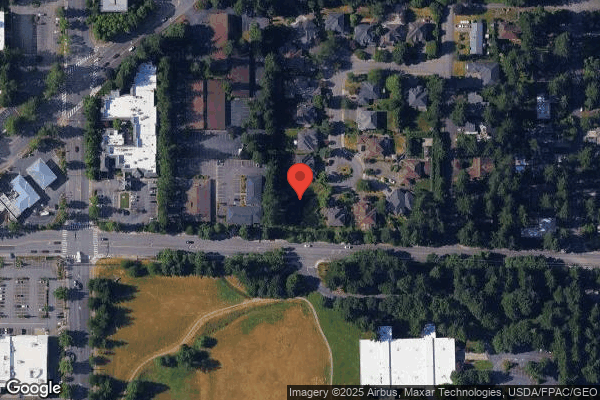
2424 156TH AVENUE NORTHEAST, BELLEVUE, WA 98007 (425) 641-1166
For profit - Corporation 69 Beds Independent Data: November 2025
Trust Grade
50/100
#134 of 190 in WA
Last Inspection: October 2024

Within standard 12-15 month inspection cycle. Federal law requires annual inspections.

Overview

Bellevue Post Acute has a Trust Grade of C, which means it is average and sits in the middle of the pack compared to other nursing homes. It ranks #134 out of 190 facilities in Washington, placing it in the bottom half, and #33 out of 46 in King County, indicating that there are better local options available. While the facility is improving, with issues decreasing from 31 in 2024 to just 2 in 2025, it still has some concerning deficiencies. Staffing is a notable strength, as the facility has better RN coverage than 75% of Washington facilities, which helps catch potential issues. However, recent inspections revealed that the facility failed to properly handle food safety, risking residents' health by not following standards for food storage and preparation, and also did not display nurse staffing information prominently, which could leave residents uninformed about their care.

Trust Score
C
50/100
In Washington
#134/190
Bottom 30%
Safety Record
Low Risk
No red flags
Inspections
Getting Better
31 → 2 violations
Staff Stability
○ Average
41% turnover. Near Washington's 48% average. Typical for the industry.
Penalties
✓ Good
No fines on record. Clean compliance history, better than most Washington facilities.
Skilled Nurses
✓ Good
Each resident gets 58 minutes of Registered Nurse (RN) attention daily — more than average for Washington. RNs are trained to catch health problems early.
Violations
⚠ Watch
60 deficiencies on record. Higher than average. Multiple issues found across inspections.
★★☆☆☆
2.0
Overall Rating
★☆☆☆☆
1.0
Staff Levels
★★★★★
5.0
Care Quality
★★☆☆☆
2.0
Inspection Score
Stable
2024: 31 issues
2025: 2 issues

The Good

  • 5-Star Quality Measures · Strong clinical quality outcomes
  • Full Sprinkler Coverage · Fire safety systems throughout facility
  • No fines on record
  • Staff turnover below average (41%)

    7 points below Washington average of 48%

Facility shows strength in quality measures, fire safety.

The Bad

2-Star Overall Rating

Below Washington average (3.2)

Below average - review inspection findings carefully

Staff Turnover: 41%

Near Washington avg (46%)

Typical for the industry

The Ugly 60 deficiencies on record

Aug 2025 2 deficiencies
CONCERN (D) 📢 Someone Reported This

A family member, employee, or ombudsman was alarmed enough to file a formal complaint

Potential for Harm - no one hurt, but risky conditions existed

Deficiency F0628 (Tag F0628)

Could have caused harm · This affected 1 resident

Based on interview and record review, the facility failed to provide written notice of transfer/discharge to the resident and/or their representative and failed to notify the Office of the State Long ...

Read full inspector narrative →
Based on interview and record review, the facility failed to provide written notice of transfer/discharge to the resident and/or their representative and failed to notify the Office of the State Long Term Care Ombudsman (an advocate for residents of nursing homes who protect and promote resident rights under federal and state law and regulations), describing the reason for transfer/discharge for 1 of 2 resident (Resident 2), reviewed for discharges. These failures placed the resident at risk for not having opportunities to make informed decisions about transfer/discharge.Findings included.Review of the facility's policy titled, Transfer or Discharge Notice, revised in March 2021, showed that Residents and/or representatives are notified in writing, and in a language and format they understand. It showed that the resident and/or representative are notified of the specific reason for the transfer or discharge, date of the transfer or discharge, the location of where they are being transferred or discharged , and an explanation of the resident's rights to appeal the transfer or discharge. It further showed that A copy of the notice is sent to the Office of the State Long-Term Care Ombudsman.Review of the Electronic Health Record (EHR-progress notes, assessments, and attachments) from 07/18/2025 to 07/28/2025, showed that Resident 2 was discharged from the facility on 07/28/2025. Further review of Resident 2's EHR showed no documentation that a written notice of transfer or discharge was provided to Resident 2 and/or their representative and to the Office of the State Long-Term Care Ombudsman.In an interview and joint record review on 08/12/2025 at 12:15 PM, Staff G, Social Services Director, stated that they had started in this role last week and was unsure if a transfer/discharge notice was provided to residents and/or their representatives. A joint record review of Resident 2's EHR showed no documentation that Resident 2 and/or their representative had been provided with written notification of discharge. Staff G stated that they don't [do not] see a form. Staff G further stated that we're [we are] supposed to send [transfer/discharge notice] to the ombudsman, but I'm [I am] not sure the process here.In an interview on 08/12/2025 at 1:55 PM, Staff C, Charge Nurse, stated that providing the transfer/discharge notice to residents and/or their representatives was a new policy with the new company. We haven't [have not] been doing that. Staff C further stated that they don't [do not] send anything to the ombudsman.A joint record review and interview on 08/12/2025 at 2:55 PM with Staff B, Regional Nurse Consultant, showed Resident 2's EHR had no documentation that Resident 2 and/or their representative had been provided with written notification of transfer or discharge. Staff B stated, I don't [do not] see one [transfer/discharge notice]. Should have one. Staff B stated that I don't know how they [the facility] have been doing it but moving forward they will be doing it [notifying the Office of the State Long Term Care Ombudsman] weekly.In an interview on 08/12/2025 at 3:32 PM, Staff A, Administrator, stated that they expected that a transfer/discharge notice would be given to residents and/or their representatives when discharging from the facility. Staff A further stated that it's a regulation to send notification of transfer/discharges to the Office of the State Long Term Care Ombudsman and I would expect that 100 percent.Reference: (WAC) 388-97-0120 (2) (a-d).
CONCERN (D) 📢 Someone Reported This

A family member, employee, or ombudsman was alarmed enough to file a formal complaint

Potential for Harm - no one hurt, but risky conditions existed

Accident Prevention (Tag F0689)

Could have caused harm · This affected 1 resident

**NOTE- TERMS IN BRACKETS HAVE BEEN EDITED TO PROTECT CONFIDENTIALITY** Based on observation, interview, and record review, the facility failed to provide adequate supervision and accurately assess ri...

Read full inspector narrative →
**NOTE- TERMS IN BRACKETS HAVE BEEN EDITED TO PROTECT CONFIDENTIALITY** Based on observation, interview, and record review, the facility failed to provide adequate supervision and accurately assess risk of elopement for 1 of 1 resident (Resident 1), reviewed for accident hazards. This failure placed the resident at risk for elopement, falls, and injury.Findings included.Review of the facility's policy titled, Wandering and Elopements, revised in September 2022, showed, The facility will identify residents who are at risk of unsafe wandering and strive to prevent harm while maintaining the least restrictive environment for residents.Review of the admission Minimum Data Set (an assessment tool), dated 07/21/2025, showed that Resident 1 was admitted to the facility on [DATE] with diagnoses that included dementia (a group of conditions characterized by impairment with brain functions, such as memory loss and judgement). It further showed in Section E (Behavior), that Resident 1 wandered 1 [one] to 3 [three] days during the seven-day look back period.Review of the Electronic Health Record (EHR-assessments, attachments, progress notes) from 07/15/2025 to 08/05/2025, showed no documentation that an elopement risk assessment was completed for Resident 1.Review of a physician progress note, dated 07/15/2025, showed, Nursing staff reported patient [resident] has been confused, wondering [wandering] in the hallways.Review of a nursing progress note, dated 07/20/2025, showed Resident [Resident 1] alert and oriented to self, she is very confused and forgetful. She is high risk for fall, as she is impulsive and ambulates [walks] without her walker or wheelchair.Review of the investigation report dated 07/22/2025, showed on 07/22/2025, the facility became aware that a patient [Resident 1] had left the facility without notifying staff. Facility became aware of the incident as a passerby had called it in, and the police showed up to assess the situation.patient had no injuries. During the incident, the patient was redirectable but agitated due to a relapse in memory and cognitive function. It further showed that Staff E, Receptionist, was the evening receptionist and stated that they left around 7:00 PM to 7:05 PM, locked the front door before she left so no one could get in. She states she did not put the poll [pole] in the runner on the bottom of the door.Review of the nursing progress note, dated 07/23/2025, showed that Resident 1 left the building and was found across the street by police officers.A joint observation and interview on 08/05/2025 at 1:56 PM, Staff D, Maintenance Director, showed the front entrance of the facility had two sets of sliding glass doors. Staff D stated that the front door gets locked at 7:00 PM from the outside on the weekdays and 6:00 PM on weekends. Staff D stated the front door was not locked from the inside, so people could leave the facility. Staff D stated that the process was to put a wooden pole in the track of the sliding door and pull a red caution tape across from one wall to the other in front of the sliding door. Staff D further stated that a wander guard system (a wearable device that tracks movement and triggers an alarm when a resident nears a restricted area) was now in place, it's [it has] been up for two weeks, after the lady [Resident 1] left and she went out the front door.An observation and interview on 08/05/2025 at 2:15 PM, Staff E, showed that the front desk was located across from the facility entrance/exit. Staff E stated that there was always someone at the front desk. Staff E stated that they left the faciity on weekdays at 7 [7:00 PM] and weekends at 6 [6:00 PM]. Staff E stated that the process when they left for the day was to lock the front door and put the pole down [in the track of the sliding door], been doing that for a couple weeks, the red tape is new. Staff E stated, I was advised not to put the stick [pole] down. I didn't [did not] put the stick down because I was told by my boss [Staff R, Revenue Cycle Manager] not to do it because a family member kept pushing it [the sliding door off the track].In an interview on 08/05/2025 at 2:31 PM, Staff R stated that they oversee the receptionists and that locking up the facility after hours included locking the door, locked to come in the facility, but not to go out. Staff R stated that lately we've [we have] been told to put the stick down, about a week and a half ago.In a phone interview on 08/06/2025 at 1:26 PM, Resident 1's representative stated that Resident 1 has trouble in hospitals and other facilities and loves her freedom. They further stated that she was able to just walk out [of the facility].In an interview and joint record review on 08/12/2025 at 2:55 PM, Staff B, Regional Nurse Consultant, stated that they expected staff to prevent elopement by completing an elopement risk assessment, put preventions in place and put in a care plan. A joint record review of Resident 1's EHR showed an elopement risk assessment was not completed. Staff B stated that it was not done. A joint record review of the investigation report dated 07/22/2025, showed no wander guard system was in place prior to Resident 1 leaving the facility. Staff B stated, there is a wander guard system in place now and an elopement assessment now populates for every admission.In an interview on 08/12/2025 at 3:32 PM, Staff A, Administrator, was asked what precautions were in place when Resident 1 left the facility, Staff A stated, the pole wasn't [was not] in place in the runner and there's [there is] supposed to be the red pull [red caution tape]. [It was] not effective enough. Staff A further stated, we put the wander guard [system] in place as a result of what happened.Reference: (WAC) 388-97-1060 (3)(g).
Oct 2024 28 deficiencies
CONCERN (D)

Potential for Harm - no one hurt, but risky conditions existed

Deficiency F0552 (Tag F0552)

Could have caused harm · This affected 1 resident

**NOTE- TERMS IN BRACKETS HAVE BEEN EDITED TO PROTECT CONFIDENTIALITY** Based on interview and record review, the facility failed to inform the resident and/or their resident representative before adm...

Read full inspector narrative →
**NOTE- TERMS IN BRACKETS HAVE BEEN EDITED TO PROTECT CONFIDENTIALITY** Based on interview and record review, the facility failed to inform the resident and/or their resident representative before administering psychotropic (mind-altering) medication for 1 of 5 residents (Resident 5), reviewed for unnecessary medications. This failure placed the resident and/or their representative at risk of not being fully informed of the risks and benefits before making decisions about medications prior to administration. Findings included . Review of the facility's policy titled, Psychotropic Drug Utilization, last updated in November 2017, showed, In the event a psychoactive [mind-altering] medication is indicated in the plan of care, licensed staff will obtain informed consent for the use of the medication. Resident 5 admitted to the facility on [DATE]. Review of the admission Minimum Data Set (an assessment tool) dated 09/25/2024 showed Resident 5 had moderately impaired cognition and received an antidepressant (medication for depression). Review of the order summary report as of 10/15/2024 showed Resident 5 had an order for an antidepressant and antianxiety (medication for anxiety). Review of the September 2024 and October 2024 medication administration record showed Resident 5 received an antidepressant and antianxiety medications. Review of Resident 15's Electronic Health Record (EHR) showed no informed consent obtained for the use of antidepressant and antianxiety medications. During an interview and joint record review on 10/15/2024 at 11:34 AM, Staff J, Licensed Practical Nurse/Charge Nurse, stated that informed consent would be obtained before administration of psychotropic medications. Joint record review of Resident 5's EHR (and hard copy) of Resident 5's informed consent for antidepressant and antianxiety medications dated 09/19/2024 was not signed by the resident or their representative. Staff J stated that they received a verbal consent, which was not documented in the EHR or a hard copy of the consent form. On 10/17/2024 at 10:33 AM, Staff B, Director of Nursing, stated that it was the facility's policy to obtain informed consent before administering psychotropic medication. Reference: (WAC) 388-97-0260 (2) (a-d) .
CONCERN (D)

Potential for Harm - no one hurt, but risky conditions existed

Deficiency F0554 (Tag F0554)

Could have caused harm · This affected 1 resident

**NOTE- TERMS IN BRACKETS HAVE BEEN EDITED TO PROTECT CONFIDENTIALITY** RESIDENT 34 Review of Resident 34's admission record printed on 10/11/2024, showed Resident 34 admitted to the facility on [DATE...

Read full inspector narrative →
**NOTE- TERMS IN BRACKETS HAVE BEEN EDITED TO PROTECT CONFIDENTIALITY** RESIDENT 34 Review of Resident 34's admission record printed on 10/11/2024, showed Resident 34 admitted to the facility on [DATE]. Review of Resident 34's October 2024 medication administration record showed no orders for Aspercreme (a topical pain medication) or Xylimelts (treats dry mouth). Observations on 10/10/2024 at 10:22 AM and on 10/11/2024 at 10:57 AM, showed a bottle of Aspercreme and a container of Xylimelts on Resident 34's bedside table. Observation and interview on 10/14/2024 at 2:08 PM, showed Resident 34 had a bottle of Aspercreme and a container of Xylimelts on their bedside table. Resident 34 stated these were their home medications that have been cleared by the doctor and the doctor and the nurse looked at them and cleared them for use. An interview, joint observation, and joint record review on 10/14/2024 at 2:54 PM, Staff BB, Registered Nurse, stated that residents could keep medications at the bedside, but need to have an assessment and an order. A joint observation of Resident 34's bedside table showed Aspercreme and a container of Xylimelts. Staff BB stated that these were considered medications. A joint record review of Resident 34's EHR showed no order and no assessment for self-administration of medications. Staff BB stated that there should be an order and an assessment for self-administration of medications and medications should not be at the bedside if these were not done. In an interview on 10/17/2024 at 8:57 AM, Staff J stated that they would not expect medications to be at a resident's bedside unless there was an order and an assessment for self-administration of medications. In an interview on 10/17/2024 at 11:55 AM, Staff B stated that they would not expect residents to have medications in their room, unless we have an order, an assessment and a care plan for self-administration of medications. Reference: (WAC) 388-97-1060(3)(l), 0440 Based on observation, interview, and record review, the facility failed to ensure residents were evaluated, assessed, and obtained a physician order for safe administration of medications for 2 of 3 residents (Residents 193 & 34), reviewed for self-medication administration. The failure to complete a self-administration of medication assessment and obtain a physician's order placed the residents at risk for medication errors, adverse medication interactions, and complications. Findings included . Review of the facility's policy titled, Self-Administration of Medications, dated August 2018 showed the following: 1. As part of their overall evaluation, the staff and practitioner may assess the patient's [resident's] mental and physical abilities to determine whether self-administering medications is clinically appropriate for the patient. 2. In addition to general evaluation of decision-making capacity, the staff and practitioner will perform a more specific skill assessment, including (but not limited to) the patient's: a) ability to read and understand medication labels; b) comprehension of the purpose and proper dosage and administration time for his or her medication; c) ability to remove medications from a container and to ingest and swallow (or otherwise administer) the medication; and d) ability to recognize risks and major adverse consequences of his or her medication. RESIDENT 193 Resident 193 admitted to the facility on [DATE]. Observation on 10/09/2024 at 2:40 PM, showed Resident 193 had a Ventolin FHA (an inhaler, medication used to treat breathing problem) on their bed side table. Observation and interview on 10/11/2024 at 8:12 AM, showed a Ventolin FHA inhaler was on the resident's bedside table. Resident 193 stated they last used the inhaler the night of 10/10/2024. Observations on 10/11/2024 at 12:34 PM and on 10/14/2024 at 9:41 AM, showed Resident 193 had Ventolin FHA inhaler and Stiolto Respimat (an inhalation spray drug used to treat wheezing and shortness of breath) on their bedside table. Resident 193 stated they used both medications at night and the last time they used it was the night before10/14/2024. Review of Resident 193's Electronic Health Record (EHR) for medication self-administration assessment dated [DATE] showed the assessment was in progress and it was not completed. Review of Resident 193's order summary report printed on 10/11/2024, showed an order for Ventolin FHA and Okay to keep at bedside with order start date of 10/10/2024. Further review of the order summary report showed no order to keep the Stiolto Respimat at bedside. A joint record review and interview on 10/14/2024 at 2:48 PM with Staff J, Licensed Practical Nurse/Charge nurse, showed Resident 193's self-administration of medication assessment dated [DATE] was not completed and signed. Staff J stated self-administration of medication assessment must be completed to keep medication at bed side. Joint observation of Resident 193's room showed the resident had Ventolin FHA inhaler and Stilton Respimat inhaler on their bedside table. Staff J stated that these medications should have not been left at bedside before the self-administration of medication assessment was completed and order obtained. On 10/16/2024 at 3:14 PM, Staff B, Director of Nursing, stated that their expectation was that residents were assessed for self-administration of medication, a physician order was obtained, and a care plan was initiated before leaving medication at bedside.
CONCERN (D)

Potential for Harm - no one hurt, but risky conditions existed

Report Alleged Abuse (Tag F0609)

Could have caused harm · This affected 1 resident

**NOTE- TERMS IN BRACKETS HAVE BEEN EDITED TO PROTECT CONFIDENTIALITY** Based on interview and record review, the facility failed to ensure allegations of abuse was reported to the State Agency as req...

Read full inspector narrative →
**NOTE- TERMS IN BRACKETS HAVE BEEN EDITED TO PROTECT CONFIDENTIALITY** Based on interview and record review, the facility failed to ensure allegations of abuse was reported to the State Agency as required for 1 of 1 resident (Resident 7), reviewed for abuse allegations. This failure placed the resident at risk for potential unidentified abuse and lack of protection from abuse. Findings included . Review of the facility's policy titled, Abuse Investigation and Reporting, dated November 2017, showed, All alleged violations involving abuse, neglect, exploitation, or mistreatment, including injuries of unknown source and misappropriation of property will be reported by the facility administrator, or his/her designee, to the following persons or agencies, as applicable and per Washington State and federal regulations .State Agency. It further showed, it will be reported immediately, but no later than twenty-four (24) hours if the alleged violation does not involve abuse and has not resulted in serious injury. According to the Nursing Home Guidelines, The Purple Book, dated in October 2015 (sixth edition), a nursing home employee (or other mandated reporter) is required to make a report if they had reasonable cause to believe abuse, neglect, abandonment, mistreatment, personal and/or financial exploitation, or misappropriation of resident property has occurred. It showed, Federal law requires the facility to report all allegations of abuse or neglect. This would include taking seriously any allegation from residents or others with a history of making allegations. It further showed under Appendix D (Reporting Guidelines for Nursing Homes), staff to resident abuse was marked to report to the hotline and log within five days. Additionally, it showed that mental abuse was defined as a willful verbal or nonverbal action that threatens, humiliates, harasses, coerces, intimidates, isolates, unreasonably confines, or punishes a vulnerable adult. Review of the admission Minimum Data Set (an assessment tool) dated 09/18/2024, showed that Resident 7 admitted to the facility on [DATE] and that they were cognitively intact. In an interview on 10/09/2024 at 9:41 AM, Resident 7 stated two weeks ago something started happening to their food on their tray after they complained about the food. Resident 7 stated that they got two bowls of throw away food and when they ordered soup, it tasted like goopy [sticky] food. Resident 7 stated that they considered that a threat and was afraid. Resident 7 further stated that they told Staff DD, Registered Nurse, about it and the next day Staff C, Dietary Manager, came. In an interview on 10/09/2024 at 4:05 PM, Staff A, Administrator, stated that they were aware that Resident 7 had made complaints of the food. Staff A stated that Resident 7 complained of the meat loaf and everything they have eaten since they got to the facility. Staff A stated that Staff C went to speak to Resident 7 about their concerns and that it was never mentioned to them about Resident 7 receiving throw away food or goopy food. Staff A stated that all Resident 7 told them was that the casserole and the meat loaf had fillers in it and that they never said that they were afraid of anybody or anything. Staff A stated that they did not hear anything about Resident 7 feeling threatened or was afraid. Staff A stated that they spoke to Resident 7 and that they never stated they were afraid, threatened, or used the words, goop/goopy or throw away food. Staff A stated, none of those words where used. Review of the progress note written by Staff A dated 10/09/2024 at 4:16 PM, showed that it was reported to them that Resident 7 reported she felt afraid and threatened. I followed up and spoke to [Resident 7]. [Resident 7] stated the kitchen had threatened her by putting throw away food on her tray because she complained about the food. When asked what is throw away food [Resident 7] described meat and beans in two containers on tray. It was only that one time that she felt afraid and has never felt that way again and is not fearful of anyone here. It further showed that Staff A had never heard Resident 7 say that they were ever afraid. Additionally, it showed, Social Services Director, a nurse and caregiver stated [Resident 7] has never expressed she has felt afraid. [Resident 7] stated if she felt afraid, she would have left. Review of the facility's October 2024 incident log did not show that Resident 30's concerns of feeling threatened or afraid were logged. Review of the facility's October 2024 grievance log showed a log for Resident 7 with grievance type of food/afraid dated 10/09/2024 with resolution date of 10/10/2024. In an interview on 10/16/2024 at 2:24 PM, Staff A stated that their process for reporting and investigating abuse was to make sure the resident was safe, report it to the nurse, report to the hotline and start an investigation. When asked what they did with the information provided to them about Resident 7's concerns of feeling afraid and threatened, Staff A stated that they went and spoke to the resident, wrote a progress note and looked in the Purple Book. Staff A stated they did not see that it needed to be called in to the State Agency. Staff A stated that they completed a grievance form and spoke to the resident. Staff A further stated that they did not call it in because in the abuse book [Purple Book], there was no harm and with how they read it, they did not need to. Additionally, Staff A stated that they did not log it in the incident log and that it was logged in the grievance log. In a follow-up joint record review of the Purple Book and interview on 10/17/2024 at 11:30 AM, with Staff A, showed the definition of verbal abuse and when to report staff to resident abuse. Staff A stated that they should have called it in to the State Agency and logged it in the incident reporting log. Reference: (WAC) 388-97-0640 (5)(a) .
CONCERN (D)

Potential for Harm - no one hurt, but risky conditions existed

Investigate Abuse (Tag F0610)

Could have caused harm · This affected 1 resident

**NOTE- TERMS IN BRACKETS HAVE BEEN EDITED TO PROTECT CONFIDENTIALITY** Based on interview and record review, the facility failed to identify an abuse allegation and failed to ensure the abuse allegat...

Read full inspector narrative →
**NOTE- TERMS IN BRACKETS HAVE BEEN EDITED TO PROTECT CONFIDENTIALITY** Based on interview and record review, the facility failed to identify an abuse allegation and failed to ensure the abuse allegation was thoroughly investigated for 1 of 1 resident (Resident 7), reviewed for abuse investigation. This failure placed the resident at risk for repeated incidents, unidentified abuse, and inappropriate corrective actions. Findings included . Review of the facility's policy titled, Abuse Investigation and Reporting, dated November 2017, showed, All reports of resident abuse, neglect, exploitation, misappropriation of resident property, mistreatment and/or injuries of unknown source (abuse) shall be promptly reported to local, state and federal agencies (as defined by current regulations) and thoroughly investigated by facility management. Findings of abuse, neglect, exploitation and misappropriation investigations will also be reported. Review of the Nursing Home Guidelines, The Purple Book, dated October 2015 (sixth edition) showed, All alleged incidents of abuse, neglect, abandonment, mistreatment, injuries of unknown source, personal and/or financial exploitation, or misappropriation of resident property must be thoroughly investigated. It further showed that mental abuse was defined as a willful verbal or nonverbal action that threatens, humiliates, harasses, coerces, intimidates, isolates, unreasonably confines, or punishes a vulnerable adult. Review of the admission Minimum Data Set (an assessment tool) dated 09/18/2024, showed Resident 7 admitted to the facility on [DATE] and that they were cognitively intact. In an interview on 10/09/2024 at 9:41 AM, Resident 7 stated two weeks ago something started happening to their food on their tray after they complained about the food. Resident 7 stated that they got two bowls of throw away food and when they ordered soup, it tasted like goopy [sticky] food. Resident 7 stated that they considered that a threat and was afraid. Resident 7 further stated that they told Staff DD, Registered Nurse, about it and the next day Staff C, Dietary Manager, came. In an interview on 10/09/2024 at 4:05 PM, Staff A, Administrator, stated that they were aware that Resident 7 had made complaints of the food. Staff A stated that Resident 7 complained of the meat loaf and everything they have eaten since they got to the facility. Staff A stated that Staff C went to speak to Resident 7 about their concerns and that it was never mentioned to them about Resident 7 receiving throw away food or goopy food. Staff A stated that all Resident 7 told them was that the casserole and meat loaf had fillers in it and that they never said that they were afraid of anybody or anything. Staff A stated that they did not hear anything about Resident 7 feeling threatened or was afraid. Staff A stated that they spoke to Resident 7 and that they never stated they were afraid, threatened, or used the words, goop/goopy or throw away food. Staff A stated, none of those words where used. Review of the progress note written by Staff A dated 10/09/2024 at 4:16 PM, showed that it was reported to them that Resident 7 reported she felt afraid and threatened. I followed up and spoke to [Resident 7]. [Resident 7] stated the kitchen had threatened her by putting throw away food on her tray because she complained about the food. When asked what is throw away food [Resident 7] described meat and beans in two containers on tray. It was only that one time that she felt afraid and has never felt that way again and is not fearful of anyone here. It further showed that Staff A had never heard Resident 7 say that they were ever afraid. Additionally, it showed, Social Services Director, a nurse and caregiver stated [Resident 7] has never expressed she has felt afraid. [Resident 30] stated if she felt afraid, she would have left. Review of the facility's October 2024 incident log did not show that Resident 7's concerns of feeling threatened or afraid were logged. Review of the facility's October 2024 grievance log showed a log for Resident 7 with grievance type of food/afraid dated 10/09/2024 with resolution date of 10/10/2024. In an interview on 10/16/2024 at 2:24 PM, Staff A stated that their process for reporting and investigating abuse was to make sure the resident was safe, report it to the nurse, report to the hotline and start an investigation. When asked if they completed an investigation for Resident 7's concerns of feeling afraid and threatened, Staff A stated that they completed a grievance report and that there was an investigation portion on the form. Staff A further stated that they did not do an investigation report and that maybe they should have. When asked if they interviewed other residents, Staff A stated they did not and that other residents have not expressed complaints as Resident 7 complained on every food item. In a follow-up joint record review of the Purple Book and interview on 10/17/2024 at 11:30 AM with Staff A, showed the definition of verbal abuse and when to report/log staff to resident abuse. Staff A stated how could they investigate something that happened two weeks ago. Staff A stated that they spoke to the resident and that Resident 7 stated that they were afraid just that one time and that they completed a grievance form. Staff A further stated that they should have completed an investigation report and that it gets logged in the incident reporting log. Reference: (WAC) 388-97-0640 (6)(a)(b)(c) .
CONCERN (D)

Potential for Harm - no one hurt, but risky conditions existed

Transfer Notice (Tag F0623)

Could have caused harm · This affected 1 resident

**NOTE- TERMS IN BRACKETS HAVE BEEN EDITED TO PROTECT CONFIDENTIALITY** Based on interview and record review, the facility failed to provide written notice of transfer/discharge to the resident and/or...

Read full inspector narrative →
**NOTE- TERMS IN BRACKETS HAVE BEEN EDITED TO PROTECT CONFIDENTIALITY** Based on interview and record review, the facility failed to provide written notice of transfer/discharge to the resident and/or their representatives and failed to notify the Office of the State Long Term Care (LTC) Ombudsman (an advocacy group for residents), describing the reason for transfer/discharge for 1 of 1 resident (Resident 25), reviewed for hospitalization. These failures placed the resident at risk for not having opportunities to make informed decisions about transfer/discharge. Findings included . Review of the facility's policy titled, Transfers and Discharge Notices, dated June 2018, showed that the patient and/or representative will be notified in writing and the notice will be given as soon as it is practicable when an immediate transfer or discharge is required by the patient's urgent needs. In addition, it showed that a copy of the notice will be sent to the Office of the State Long-Term Ombudsman. Review of the discharge Minimum Data Set (an assessment tool) dated 09/05/2024, showed Resident 25 admitted to the facility on [DATE] and discharged to an acute hospital on [DATE]. Review of the nursing progress notes dated 09/05/2024, showed Resident 25 was transferred to the hospital for further evaluation. Review of the clinical health record (electronic health record and paper chart) did not show documentation that a written notice of transfer/discharge was provided to Resident 25 and/or their representative or to the Office of the State LTC Ombudsman. In an interview on 10/15/2024 at 1:25 PM, Staff V, Registered Nurse, stated that nurses called families when residents were transferred to the hospital. Staff V stated that the nurses did not provide written notices. In an interview on 10/15/2024 at 1:40 PM, Staff J, Licensed Practical Nurse/Charge Nurse, stated that nurses notified residents and their families verbally when residents were transferred to the hospital. Staff J stated that they did not provide written notification. In an interview on 10/15/2024 at 1:42 PM, Staff F, Social Services, stated that nurses notified the residents and their families verbally when residents transferred to the hospital. Staff F further stated that Staff CC, Receptionist, notified the ombudsman by fax on a monthly basis for residents that were transferred to the hospital. In a joint record review and interview on 10/15/2024 at 1:45 PM, Staff CC showed a list of residents discharged in September 2024 that had been sent to the ombudsman. It further showed that Resident 25 was not on the list. Staff CC stated, [Resident 25] is not on there. I missed her. In an interview and a joint record review on 10/17/2024 at 10:37 AM, Staff A, Executive Director, stated that nurses were responsible for notifying families when residents were transferred to the hospital. Staff A stated that I don't believe they provided written notices. Staff A further stated that the ombudsman should be notified. A joint record review of the list sent to the ombudsman for residents discharged /transferred in September 2024, showed Resident 25 was not on the list. Staff A stated that Resident 25 was not on the list, so no, [the ombudsman] was not notified of Resident 25's transfer to the hospital. Reference: (WAC) 388-97-0120 (2) (a-d) .
CONCERN (D)

Potential for Harm - no one hurt, but risky conditions existed

MDS Data Transmission (Tag F0640)

Could have caused harm · This affected 1 resident

Based on interview and record review, the facility failed to transmit resident assessment data to the Centers for Medicare & Medicaid Services within the required timeframe for 1 of 3 residents (Resid...

Read full inspector narrative →
Based on interview and record review, the facility failed to transmit resident assessment data to the Centers for Medicare & Medicaid Services within the required timeframe for 1 of 3 residents (Resident 30), reviewed for discharge assessments. This failure placed the resident at risk for unmet care needs and a diminished quality of life. Findings included . Review of the Long-Term Care Facility Resident Assessment Instrument (RAI) 3.0 User's Manual (a guide directing staff on how to accurately assess the status of residents), Version 1.19.1, revised in October 2024, showed discharge (non-comprehensive) Minimum Data Set (MDS-an assessment tool) assessments must be completed no later than 14 days after the discharge date (discharge date plus 14 days), and it must be submitted/transmitted within 14 days of the MDS completion date (Z0500 plus 14 days) to the database as required. Review of the nursing progress notes dated 06/30/2024, showed Resident 30 discharged to a community. Review of Resident 30's MDS schedule in their electronic health record on 10/09/2024 did not show that a discharge MDS was completed (87 days late). In a phone interview on 10/16/2024 at 2:01 PM, Staff H, MDS Registered Nurse, stated that when a resident discharged , they would complete a discharge return anticipated or a discharge return not anticipated MDS. Staff H stated that the discharge MDS needed to be completed within 14 days from the discharge date and would usually transmit it within the week. Staff H further stated that Resident 30's discharge MDS was not completed and that it was missed. In an interview on 10/17/2024 at 11:51 AM, Staff B, Director of Nursing, stated that they expected the discharge MDS to be completed timely. Reference: (WAC) 388-97-1000 (5)(e)(ii) .
CONCERN (D)

Potential for Harm - no one hurt, but risky conditions existed

Assessment Accuracy (Tag F0641)

Could have caused harm · This affected 1 resident

**NOTE- TERMS IN BRACKETS HAVE BEEN EDITED TO PROTECT CONFIDENTIALITY** RESIDENT 40 Review of the discharge MDS dated [DATE] showed Resident 40's MDS was marked as discharged to acute hospital. Review...

Read full inspector narrative →
**NOTE- TERMS IN BRACKETS HAVE BEEN EDITED TO PROTECT CONFIDENTIALITY** RESIDENT 40 Review of the discharge MDS dated [DATE] showed Resident 40's MDS was marked as discharged to acute hospital. Review of a nursing progress note dated 08/03/2024, showed Resident 40 discharged to an Assisted Living Facility (ALF) on 08/03/2024. A joint record review of Resident 40's electronic health record and phone interview on 10/16/2024 at 2:16 PM with Staff H, showed Resident 40 discharged to an ALF. Staff H stated that Resident 40's discharge MDS assessment should have been coded as discharge to the community. In an interview on 10/17/2024 at 11:55 AM, Staff B stated that they expected the MDS to be accurate. Reference: (WAC) 388-97-1000 (1)(b) Based on interview and record review, the facility failed to accurately assess 2 of 21 residents (Residents 5 & 40), reviewed for Minimum Data Set (MDS-an assessment tool). The failure to ensure accurate assessments regarding bladder continence and discharge status placed the residents at risk for unidentified and/or unmet care needs, and a diminished quality of life. Findings included . According to the Long-Term Care Resident Assessment Instrument (RAI) 3.0 User's Manual, (a guide directing staff on how to accurately assess the status of residents) Version 1.18.11, dated October 2023, showed, .an accurate assessment requires collecting information from multiple sources, some of which are mandated by regulations. Those sources must include the resident and direct care staff on all shifts, and should also include the resident's medical record, physician, and family, guardian and/or other legally authorized representative, or significant other as appropriate or acceptable. It is important to note here that information obtained should cover the same observation period as specified by the MDS items on the assessment and should be validated for accuracy (what the resident's actual status was during that observation period) by the IDT [Interdisciplinary Team] completing the assessment. As such, nursing homes are responsible for ensuring that all participants in the assessment process have the requisite knowledge to complete an accurate assessment. The Observation Period (also known as the Look-back period) is the time-period over which the resident's condition or status is captured by the MDS and ends at 11:59 PM on the day of the Assessment Reference Date (ARD or assessment period). The RAI's urinary continence coding instruction directed to code 9, not rated if during the 7-day look-back period the resident had an indwelling bladder catheter (a device that drains urine from your urinary bladder). RESIDENT 5 Resident 5 admitted to the facility on [DATE]. Review of the admission MDS dated [DATE] showed Resident 5 had an indwelling catheter. Further review of the assessment showed that under Section H, urinary continence was coded as occasionally incontinent [involuntary leakage of urine]. In a phone interview and joint record review on 10/16/2024 at 2:04 PM with Staff H, MDS Registered Nurse, stated if a resident had an indwelling urinary catheter, urinary continence would be coded as not rated. Joint record review of Resident 5's admission MDS dated [DATE] showed continence was coded as occasionally incontinent. Staff H stated that Resident 5's MDS section H was coded inaccurately, and the assessment would be modified. On 10/17/2024 at 10:38 AM, Staff B, Director of Nursing, stated that their expectation was that staff should follow the RAI manual and complete the MDS accurately.
CONCERN (D)

Potential for Harm - no one hurt, but risky conditions existed

Deficiency F0645 (Tag F0645)

Could have caused harm · This affected 1 resident

**NOTE- TERMS IN BRACKETS HAVE BEEN EDITED TO PROTECT CONFIDENTIALITY** Based on interview and record review, the facility failed to review and validate the Preadmission Screening and Resident Reviews...

Read full inspector narrative →
**NOTE- TERMS IN BRACKETS HAVE BEEN EDITED TO PROTECT CONFIDENTIALITY** Based on interview and record review, the facility failed to review and validate the Preadmission Screening and Resident Reviews (PASARR-an assessment to ensure individuals with Serious Mental Illness [SMI] or Intellectual/Developmental Disabilities [ID/DD] are not inappropriately placed in nursing homes for long term care) had the required Level II referral sent if residents had a positive Level I PASARR, or corrected/updated the resident's PASARR as needed for 1 of 5 residents (Resident 25), reviewed for PASARR. This failure placed the resident at risk for not receiving the care and services appropriate for their needs. Findings included . Review of the Department of Social and Health Services, Dear Nursing Home Administrator Letter, guidance titled, Clarification to the Pre-admission Screening and Resident Review (PASARR or PASRR) Level I Screening Process, dated 07/06/2024 and amended on 08/23/2024, showed a positive Level I PASARR screen (that would then require a referral for a Level II PASARR) was if Any of the questions in Section 1A (1, 2, and/or 3) are marked Yes. Review of the facility's policy titled PASRR, dated June 2018, showed, it is the facilities responsibility to ensure the Level I PASRR is completed and accurate prior to admission. Review of Resident 25's admission record printed on 10/11/2024, showed the resident was admitted to the facility on [DATE] with diagnoses that included bipolar disorder (a mental health condition that causes extreme mood swings). Review of Resident 25's Level I PASRR dated 11/02/2023, showed under Section I for SMI/ID was marked yes to include the diagnosis of bipolar disorder. It further showed that in Section IV, No Level II evaluation indicated. Review of Resident 25's clinical health record (electronic record and paper chart) showed no documentation that a Level II PASARR referral was sent for review. In an interview on 10/15/2024 at 11:00 AM, Staff F, Social Services, stated they were responsible for reviewing resident's PASARR and checking for accuracy when they were admitted from the hospital. In an interview and joint record review on 10/17/2024 at 10:25 AM, Staff A, Executive Director, stated they knew there was new guidance about PASARRs. In a joint record review of the Dear Nursing Home Administrator letter that showed the guidance that if any of the questions in Section 1A (I, 2, and/or 3) are marked yes then it would require a referral for a Level II PASARR. A joint record review of Resident 25's Level I PASARR dated 11/02/2023, showed under Section I for SMI/ID was marked yes to include the diagnosis of bipolar disorder. Staff A stated that the PASARR should have been reviewed and sent for a Level II evaluation and I will have [Staff F] do that today. Reference: (WAC) 388-97-1915 (1)(2) (a-c) .
CONCERN (D)

Potential for Harm - no one hurt, but risky conditions existed

Deficiency F0657 (Tag F0657)

Could have caused harm · This affected 1 resident

**NOTE- TERMS IN BRACKETS HAVE BEEN EDITED TO PROTECT CONFIDENTIALITY** Based on interview and record review, the facility failed to conduct care conferences for 2 of 2 residents (Residents 37 & 193),...

Read full inspector narrative →
**NOTE- TERMS IN BRACKETS HAVE BEEN EDITED TO PROTECT CONFIDENTIALITY** Based on interview and record review, the facility failed to conduct care conferences for 2 of 2 residents (Residents 37 & 193), reviewed for care planning. This failure placed the residents and/or their representatives at risk for not having input regarding care goals, unmet needs, and a diminished quality of life. Findings including . Review of the facility's policy titled, Patient [resident] Care Conferences-Social Services Procedures, dated June 2018, showed, After admission, an initial care conference will be scheduled by Social Services with the patient and responsible party (if the patient chooses) to be held within 7 [seven] days. The initial care conference is completed only for the first admission .The initial care conference will be documented on the Patient Care Conference form located in Point Click Care [Electronic Health Record (EHR)]). RESIDENT 37 Review of the admission record printed on 10/11/2024, showed Resident 37 admitted to the facility on [DATE]. Review of Resident 37's EHR (under assessments, progress notes, and documents) did not show that a care conference was held with the resident and/or their representative. In an interview on 10/10/2024 at 12:38 PM, Resident 37's representative stated that they have not had a care conference. In an interview on 10/15/2024 at 11:43 AM, Staff F, Social Services, stated that they had care conferences usually two to four days from admission but sometimes family are not available and would have to go a week out. Staff F stated that Resident 37 have not had a care conference and would need to schedule one. Staff F further stated that Resident 37 should have had a care conference. In an interview on 10/16/2024 at 3:18 PM, Staff B, Director of Nursing, stated that they expected care conferences to be held within seven days of admission per their policy. In an interview on 10/17/2024 at 11:03 AM, Staff A, Executive Director, stated that they expected care conferences were completed timely. RESIDENT 193 Resident 193 admitted to the facility on [DATE]. Review of the admission Minimum Data Set (an assessment tool) dated 08/27/2024 showed Resident 5 had intact cognition. On 10/09/2024 at 2:27 PM, Resident 193 stated that there was no care conference held regarding their care since admission. During an interview and joint record review on 10/15/2024 at 12:36 PM, Staff F stated that for new residents a care conference would be held with the resident and/or their responsible party within a week of their admission. Joint record review of Resident 193's EHR showed no record of a care conference. Staff F stated Resident 193 should have had a care conference. On 10/17/2024 at 11:39 AM, Staff A stated that their expectation was that care conferences should be held within seven days of admission. Reference: (WAC) 388-97-1020(2)(f)(4)(b) .
CONCERN (D)

Potential for Harm - no one hurt, but risky conditions existed

Deficiency F0658 (Tag F0658)

Could have caused harm · This affected 1 resident

**NOTE- TERMS IN BRACKETS HAVE BEEN EDITED TO PROTECT CONFIDENTIALITY** UNATTENDED MEDICATION RESIDENT 10 Review of Resident 10's admission record printed on 10/11/2024, showed Resident 10 admitted to...

Read full inspector narrative →
**NOTE- TERMS IN BRACKETS HAVE BEEN EDITED TO PROTECT CONFIDENTIALITY** UNATTENDED MEDICATION RESIDENT 10 Review of Resident 10's admission record printed on 10/11/2024, showed Resident 10 admitted to the facility on [DATE]. In a joint observation and interview on 10/10/2024 at 1:59 PM, Resident 10 had two medication cups with crushed medications in applesauce on their bedside table. Resident 10 stated one is Tylenol [a pain medication] and one is vitamins. Resident 10 stated, I told them it was just [vitamins and Tylenol], there's no harm in it [leaving the medications on the table] and she [staff] left them here. It further showed that no licensed nurse was in the room to ensure Resident 10 took their medication. In a joint observation and interview on 10/10/2024 at 2:13 PM with Staff V, RN, showed two medication cups with crushed medications in applesauce on Resident 10's bedside table. Staff V stated that medications should not be left unattended and we don't usually do that, it's not ok. In an interview on 10/17/2024 at 8:57 AM, Staff J, Licensed Practical Nurse (LPN)/Charge Nurse, stated medications need to be taken in front of the nurses and no medications are to be left at the bedside and the nurse should stay until the resident takes the medication. In an interview on 10/17/2024 at 11:55 AM, Staff B stated it was not ok for licensed nurses to leave medications with residents and expected them to not leave the room until finished taking the medications. BLOOD PRESSURE MEDICATION RESIDENT 25 Review of the quarterly Minimum Data Set (an assessment tool) dated 08/13/2024, showed Resident 25 admitted to the facility on [DATE] with diagnosis that included hypertension (high BP). Review of the October 2024 Medication Administration Record (MAR) showed Resident 25 had an order for Carvedilol (a medication for hypertension) to be given twice a day. It showed that the medication should be held if the Systolic Blood Pressure (SBP-the pressure in the arteries when the heart contracts) was less than 100 or the HR was less than 55. In an interview and joint record review on 10/16/2024 at 1:20 PM, Staff U, LPN, stated that if an order showed parameters to hold a BP medication for SBP less than 100 or pulse less than 55, then you should hold the medication. Staff U stated that vital signs (measurements of the body's essential functions including BP and HR) should be done before each time the Carvedilol was administered to Resident 25. A joint record review of the October 2024 MAR showed Resident 25 was given Carvedilol on 10/15/2024, one dose in the morning and one dose in the evening. A joint record review of the vital signs tab in the electronic health record, showed Resident 25 had vitals done on 10/15/2024 at 8:13 AM and showed no documentation that vital signs were done in the evening. Looking at additional dates in October 2024 showed Resident 25 received Carvedilol twice a day and had their vitals checked once a day. Staff U stated, looks like it's [vital signs] only being done once a day and they [nurses] didn't chart it [vital signs]. In an interview on 10/16/2024 at 1:30 PM, Staff J stated they expected vital signs to be taken prior to a resident receiving a BP medication. Staff J stated for a resident taking Carvedilol twice a day, they would expect vitals [vital signs] to be done each time before administration. In an interview on 10/17/2024 at 11:55 AM, Staff B stated they expected vital signs to be checked prior to a medication that had parameters. Staff B further stated that if a resident was taking Carvedilol twice a day, they expected vital signs to be taken before each dose was administered. Reference: (WAC) 388-97-1620 (2)(b)(i)(ii) Based on observation, interview, and record review, the facility failed to ensure 1 of 3 licensed staff (Staff T) followed professional standards for proper insulin (a hormone that lowers the level of sugar) administration, and ensure medications were not left unattended for 1 of 1 resident (Resident 10), reviewed for medication administration. In addition, the facility failed to ensure blood pressure (BP), and heart rate (HR) were checked prior to blood pressure medication administration for 1 of 5 resident (Resident 25), reviewed for unnecessary medication. These failures placed the residents at risk for unmet care need, adverse effects and potential negative outcomes. Findings included . MEDICATION ADMINISTRATION According to the KwikPen (insulin pen) manufacturer's instruction, revised in July 2023 and approved by the U.S. Food and Drug Administration, priming insulin pen means removing the air from the needle and cartridge that may collect during normal use and ensures that the insulin pen is working correctly. Not priming before each injection, may lead to getting too much or too little insulin. During a medication administration observation on 10/14/2024 at 11:59 AM, Staff T, Registered Nurse (RN), was observed preparing insulin pen to administer for Resident 195. Staff T was observed turning the insulin pen's dose knob and selected 6 units of insulin prior to priming the insulin pen. Staff T entered Resident 195's room and administered the insulin. In an interview on 10/14/2024 at 12:06 PM, when Staff T was asked about priming the insulin pen prior to dose selection, Staff T stated they knew air bubbles should be removed from the insulin pen prior to dose selection. Staff T further stated they did not prime the insulin pen prior to turning the knob to 6 units. On 10/16/24 at 2:50 PM, Staff B, Director of Nursing, stated that their expectation was that the licensed nurse primes the insulin pen prior to selecting the dose.
CONCERN (D)

Potential for Harm - no one hurt, but risky conditions existed

ADL Care (Tag F0677)

Could have caused harm · This affected 1 resident

**NOTE- TERMS IN BRACKETS HAVE BEEN EDITED TO PROTECT CONFIDENTIALITY** Based on observation, record review, and interview, the facility failed to provide necessary assistance with nail care and wheel...

Read full inspector narrative →
**NOTE- TERMS IN BRACKETS HAVE BEEN EDITED TO PROTECT CONFIDENTIALITY** Based on observation, record review, and interview, the facility failed to provide necessary assistance with nail care and wheelchair transfer for 1 of 3 residents (Resident 20), reviewed for Activities of Daily Living (ADL). This failure placed the resident at risk for decreased self-esteem, decline in mobility and function, and a diminished quality of life. Findings included . Review of the facility's policy titled, Activities of Daily Living (ADL), Supporting dated February 2018, showed, Patients [residents] who are unable to carry out activities of daily living independently will receive the services necessary to maintain good nutrition, grooming and personal and oral hygiene. Resident 20 admitted to the facility on [DATE] with diagnoses that included diabetes (a disease that occurs when the body can not properly regulate blood sugar levels), muscle weakness, and need for assistance with personal care. Review of the admission Minimum Data Set (an assessment tool) dated 10/07/2024, showed Resident 20 had intact cognition and required partial/moderate assistance with personal hygiene, and substantial/maximal assistance with chair/bed-to-chair transfer. Observation on 10/09/2024 at 2:03 PM, showed Resident 20's fingernails were long and had brown debris underneath their nails. Observations on 10/11/2024 at 12:53 PM, on 10/14/2024 at 1:20 PM, and on 10/15/2024 at 9:22 AM, showed Resident 20 was laying in their bed and their fingernails were long, untrimmed and had brown debris underneath them. Further observation of the fingernails showed Resident 20 had a split nail on their left thumb. An interview on 10/11/2024 at 12:53 PM, Resident 20 stated their left thumb split fingernail was catching their clothing and bothering them. Resident 20 further stated the dirt underneath their untrimmed fingernails looked gross and they needed someone to trim, file or clean for them. Another interview on 10/15/2024 at 9:22 AM, Resident 20 stated they were up in their wheelchair once with therapy staff since their admission and would like to be up in their wheelchair. Review of the ADL care plan initiated on 10/07/2024, showed Resident 20 had self-care deficit for ADL related to comorbidities, decreased mobility, and muscle weakness. Further review of the care plan directed staff to provide assistance needed. Review of the ADL documentation for October 2024 showed transfer from a bed to a chair (or wheelchair) was documented as NA [not applicable] on 10/02/2024, 10/03/2024, 10/04/2024, 10/05/2024, 10/06/2024, 10/11/2024, 10/13/2024, 10/15/2024, 10/16/2024, and 10/17/2024. There was no documentation that the resident refused any transfer in October 2024. An interview on 10/16/2024 at 8:58 AM, Staff S, Certified Nursing Assistant/Shower Aid, stated fingernail care would be done with showers except for residents with diagnosis of diabetes. Staff S stated Resident 20 did not refuse shower or fingernail care. A joint record review and interview on 10/16/2024 at 9:49 AM with Staff T, Registered Nurse, showed Resident 20's fingernail care was not scheduled on the October 2024 Treatment Administration Record (TAR). Staff T stated that Resident 20 did not refuse fingernail care. A joint record review on 10/16/2024 at 10:09 AM with Staff J, Licensed Practical Nurse/Charge Nurse, showed fingernail care was not scheduled for October 2024 TAR. Staff J stated for residents with diagnosis of diabetes, fingernail care would be provided by licensed nurses, and it would be documented in the TAR. Staff J further stated they expected staff to offer and encourage Resident 20 to be up in their wheelchair. An interview on 10/16/2024 at 12:41 PM, Resident 20's collateral contact stated that the facility was not offering Resident 20 to trim their fingernail. A joint observation and interview on 10/17/2024 at 8:40 AM with Staff J, showed Resident 20's fingernails were long, and their left thumb nail had a split. Resident 20 stated they would like their fingernail trimmed. On 10/17/2024 at 10:20 AM, Staff B, Director of Nursing, stated they expected Resident 20's fingernail care be on the TAR and to be provided weekly by licensed nurses. Staff B further stated nurse aids were expected to offer and assist residents with transfers to their wheelchairs. Reference: (WAC) 388-97-1060 (1)(2)(a)(ii)(c) .
CONCERN (D)

Potential for Harm - no one hurt, but risky conditions existed

Quality of Care (Tag F0684)

Could have caused harm · This affected 1 resident

**NOTE- TERMS IN BRACKETS HAVE BEEN EDITED TO PROTECT CONFIDENTIALITY** RESIDENT 9 Review of the facility's undated document titled, Bowel Protocol, showed, Milk of Magnesia (MOM-medication to treat c...

Read full inspector narrative →
**NOTE- TERMS IN BRACKETS HAVE BEEN EDITED TO PROTECT CONFIDENTIALITY** RESIDENT 9 Review of the facility's undated document titled, Bowel Protocol, showed, Milk of Magnesia (MOM-medication to treat constipation)-Give 30 milliliters (ml-unit of measurement) by mouth every 24 hours PRN for bowel management if no bowel movements in three days. Review of the admission record printed on 10/17/2024, showed Resident 9 admitted to the facility on [DATE]. Review of the October 2024 MAR showed the following orders: -Milk of Magnesia Give 30 ml by mouth every 24 hours PRN for bowel management if no bowel movement in three days dated 08/30/2024. -Bisacodyl Laxative (medication to treat constipation) suppository (dosage form used to deliver medication by inserting into the body opening) 10 mg insert one suppository rectally every 24 hours PRN for no bowel movement from MOM, report to the doctor if ineffective dated 08/30/2024. Review of the bowel continence report printed on 10/11/2024, showed Resident 9 did not have a bowel movement for the following dates: - 09/19/2024 through 09/23/2024, for five days. - 09/26/2024 through 09/29/2024, for four days. - 10/01/2024 through 10/05/2024, for five days. Review of Resident 9's September 2024 MAR showed that MOM was given on 09/24/2024 (day six) and 09/30/2024 (day five). Review of Resident 9's October 2024 MAR showed that MOM or Bisacodyl suppository was not given. Review of the nursing progress notes printed on 10/14/2024, did not show that Resident 9 declined MOM or Bisacodyl suppository. In an interview and joint record review on 10/14/2024 at 3:25 PM, Staff R, RN, stated that they have a bowel protocol that they followed. Staff R stated that if a resident had no bowel movement for three days, they would give MOM, then they would give a suppository and if that did not work, they would give an enema (a procedure that involves inserting fluid or gas into the rectum to help clear out stool or waste matter). Staff R stated that night shift would run a bowel report and would pass it on to the oncoming nurse. Joint record review of the bowel continence report showed Resident 9 did not have a BM for more than three days in September 2024 and October 2024. Joint record review of the October 2024 MAR showed Resident 9 was not given MOM or a Bisacodyl suppository. Staff R stated that Resident 9 should have received MOM and was qualified to receive it. Staff R further stated that if MOM was refused, it should have been documented. A joint record review and interview on 10/15/2024 at 8:19 AM with Staff I, RN/Charge Nurse, showed that Resident 9 did not have a bowel movement from 09/19/2024 through 09/23/2024, from 09/26/2024 through 09/29/2024, and from 10/01/2024 through 10/05/2024. Staff I reviewed Resident 9's September 2024, and October 2024 MAR. Staff I stated that MOM should have been given on the fourth day the resident did not have a bowel movement and if they refused, it should be documented. In an interview on 10/15/2024 at 11:16 AM, Staff B stated that staff should have followed their bowel protocol and if the resident declined, they should be documenting it. Reference: (WAC) 388-97-1060 (1)(3)(4) Based on interview and record review, the facility to provide care and services consistent with professional standards for significant weight gain and use of diuretic medication (that helps to reduce fluid buildup in the body) for 1 of 1 resident (Resident 20), reviewed for quality of care. In addition, the facility failed to implement the bowel management protocol when indicated for 1 of 2 residents (Resident 9), reviewed for bowel management. These failures placed the residents at risk of unmet care needs, medical complications, and diminished quality of life. Findings included . RESIDENT 20 Resident 20 admitted to the facility on [DATE] with diagnosis that included heart failure (occurs when the heart muscle does not pump blood as well as it should, and blood often backs up and causes fluid to build up in the lungs and in the legs). Review of the October 2024 Medication Administration Record (MAR) showed Resident 20 had an order for Torsemide (a drug used to treat edema [swelling] and excess fluid held in body tissues) 20 milligram (mg-unit of measurements) as needed (PRN) for fluid retention (a build-up of trapped fluid in a body), edema or weight gain, with the order start date of 10/01/2024. Review of the weight record showed Resident 20's weight was 205 pounds on 10/01/2024 and was 217.2 pounds on 10/04/2024 (a 5.9 percent weight gain in three days, which was significant weight gain). Review of the October 2024 MAR and Electronic Health Record (EHR) showed no action taken for Resident 20's significant weight gain. During an interview and joint record review on 10/16/2024 at 9:51 AM, Staff T, Registered Nurse (RN), stated that for significant weight gain, they would report to the charge nurse and the resident's physician. Joint record review of the October 2024 MAR showed Resident 20 had a PRN Torsemide order for fluid retention, edema or weight gain. Staff T stated Resident 20's Torsemide order did not specify for how much weight gain and when the medication should be given. Staff T further stated Resident 20 had gained 12 pounds and it was a significant weight gain, and they would inform the charge nurse and the resident's physician. During a joint record review and interview on 10/16/2024 at 10:16 AM with Staff J, Practical Licensed Nurse/Charge Nurse, the October 2024 weight record showed Resident 20 had a significant weight gain. Further joint record review of Resident 20's October 2024 MAR and EHR showed that no PRN Torsemide was administered, or the physician was contacted for the significant weight gain. Staff J stated that when a resident had a significant weight gain, the resident would be reassessed, and physician would be contacted. On 10/17/2024 at 10:28 AM, Staff B, Director of Nursing, stated that their expectation was that for the license nurses to follow Resident 20's physician order in weight monitoring. Staff B further stated if there was an order for PRN diuretic for weight gain, the medication should be given.
CONCERN (D)

Potential for Harm - no one hurt, but risky conditions existed

Deficiency F0688 (Tag F0688)

Could have caused harm · This affected 1 resident

**NOTE- TERMS IN BRACKETS HAVE BEEN EDITED TO PROTECT CONFIDENTIALITY** Based on observation, interview, and record review, the facility failed to ensure services were consistently provided to increas...

Read full inspector narrative →
**NOTE- TERMS IN BRACKETS HAVE BEEN EDITED TO PROTECT CONFIDENTIALITY** Based on observation, interview, and record review, the facility failed to ensure services were consistently provided to increase Range of Motion (ROM) and/or to prevent decrease in ROM for 1 of 1 resident (Resident 145), reviewed for restorative services. This failure placed the resident at risk for a decline in ROM, unmet care needs, and a diminished quality of life. Findings included . Review of the facility's policy titled, Patient Mobility and Range of Motion, dated August 2018, showed patients [residents] with limited range of motion will receive treatment and services to increase and/or prevent a further decrease in ROM. Review of the annual Minimum Data Set (an assessment tool) dated 07/19/2024, showed Resident 145 admitted to the facility on [DATE]. It further showed that Resident 145 had limited ROM in their upper extremity on one side. Review of the mobility care plan revised on 09/13/2024, showed Resident 145 was on a restorative program. Review of the facility's document titled, Nursing Rehab [Rehabilitation]: Active ROM rt [right] UE [upper extremity], printed on 10/14/2024, showed missing documentation for the task of providing active ROM for multiple days including the entire week of 10/07/2024 to 10/11/2024. Review of the facility's document titled, Nursing Rehab: Ambulation [walk] with FWW [front wheeled walker] 15 min [minutes] 6x [times]/wk [week], printed on 10/14/2024, showed missing documentation for the task of training and skill practice in walking, including the entire week of 10/07/2024 to 10/11/2024. Observation on 10/11/2024 at 8:35 AM and at 1:00 PM, showed Resident 145 was in bed. In an interview on 10/11/2024 at 1:55 PM, Resident 145 stated that no one had done any exercises with them that day. In an interview on 10/14/2024 at 11:18 AM, Resident 145 stated, I used to get in and out of bed, but no one works with me in the hallway, for exercise. Resident 145 further stated that no one had done exercises with them recently. In an interview on 10/15/2024 at 9:20 AM, Staff Y, Certified Nursing Assistant (CNA)/Restorative Aide, stated that Resident 145 was on a restorative program that included ambulation and active ROM for right UE with some assistance. When asked when the last time the restorative program was done with Resident 145, Staff Y stated, I wasn't here last week and yesterday I worked the floor [as a CNA]. Staff Y further stated, if someone [a CNA] calls out, I cover them [as a floor CNA]. In an interview and joint record review on 10/15/2024 at 9:54 AM, Staff B, Director of Nursing, stated that Staff Y was responsible for carrying out the restorative program for residents. Staff B stated that Staff Y gets pulled to the floor to cover CNA's that call off from work and then no one is doing restorative. Staff B stated that Resident 145 was on a restorative program. In a joint record review of the documents, Nursing Rehab: Active ROM rt UE, and Nursing Rehab: Ambulation with FWW 15 min 6x/wk, Staff B stated that it looked like there was only documentation that these tasks occurred four times out of the past 14 days. In a follow up interview on 10/17/2024 at 11:55 AM, Staff B stated that there was missing documentation for the restorative program for Resident 145, missing days due to staffing. Staff B stated that the restorative program for Resident 145 was not carried out and it should have been. Reference: (WAC) 388-97-1060 (3)(d) .
CONCERN (D)

Potential for Harm - no one hurt, but risky conditions existed

Respiratory Care (Tag F0695)

Could have caused harm · This affected 1 resident

**NOTE- TERMS IN BRACKETS HAVE BEEN EDITED TO PROTECT CONFIDENTIALITY** Based on observation, interview, and record review, the facility failed to label/date and properly store nebulizer (a small mach...

Read full inspector narrative →
**NOTE- TERMS IN BRACKETS HAVE BEEN EDITED TO PROTECT CONFIDENTIALITY** Based on observation, interview, and record review, the facility failed to label/date and properly store nebulizer (a small machine that turns liquid medication into a mist that can be inhaled to treat respiratory conditions) treatment set for 1 of 3 residents (Resident 193), reviewed for respiratory care. This failure placed the resident at risk for respiratory infections and related complications. Findings included . Review of the facility's policy and procedure titled, Administering Medication through a Small Volume (Handheld) Nebulizer, dated August 2018, directed staff to change the equipment and tubing every seven days. Resident 193 admitted to the facility on [DATE] with diagnoses that included Chronic Obstructive Pulmonary Disease (COPD - a common lung disease that makes it difficult to breathe). Review of the order summary report as of 10/11/2024, showed Resident 193 had an order for Albuterol Sulfate Nebulization Solution (a breathing treatment used to prevent and treat wheezing and shortness of breath caused by breathing problems such as COPD) via nebulizer every four hours as needed for wheezing and shortness of breath with a start date of 09/23/2024. Review of the September 2024 and October 2024 Medication Administration Records showed Resident 193 had been taking a breathing treatment via nebulizer. Observations on 10/11/2024 at 8:12 AM and on 10/14/2024 at 10:02 AM, showed Resident 193's nebulizer machine treatment set, and tubing was sitting on top of their chair. Further observation showed the nebulizer's treatment set and tubing was not labeled or stored in a bag. During a joint observation and interview on 10/14/2024 at 2:58 PM with Staff J, Licensed Practical Nurse/Charge Nurse, showed Resident 193's nebulizer machine treatment set, and tubing was sitting on top of their chair and was not labeled or stored in a bag. Staff J stated that the nebulizer treatment set, and tubing should have been labeled, dated and bagged. On 10/16/2024 at 3:16 PM, Staff B, Director of Nursing, stated that their expectation was that the nebulizer set should be changed weekly and labeled when it was changed. Staff B further stated that the nebulizer's mouthpiece should be rinsed and stored in the bag after each breathing treatment. Reference: (WAC) 388-97-1060 (3)(j)(vi) .
CONCERN (D)

Potential for Harm - no one hurt, but risky conditions existed

Deficiency F0744 (Tag F0744)

Could have caused harm · This affected 1 resident

**NOTE- TERMS IN BRACKETS HAVE BEEN EDITED TO PROTECT CONFIDENTIALITY** Based on observation, interview, and record review, the facility failed to develop and implement a care plan and interventions t...

Read full inspector narrative →
**NOTE- TERMS IN BRACKETS HAVE BEEN EDITED TO PROTECT CONFIDENTIALITY** Based on observation, interview, and record review, the facility failed to develop and implement a care plan and interventions to address dementia (a general term for loss of memory, language, problem solving and other thinking abilities that are severe enough to interfere with daily life) care needs for 1 of 1 resident (Resident 25), reviewed for dementia care. This failure placed the resident at risk for having unidentified and/or unmet care needs and a diminished quality of life. Findings included . Review of the facility's policy titled, Dementia-Clinical Pathway, dated June 2018, showed that for the individual with confirmed dementia, the IDT [Interdisciplinary Team] will identify a patient [resident]-centered plan to maximize remaining function and quality of life. Review of the quarterly Minimum Data Set (an assessment tool) dated 08/13/2024, showed Resident 25 admitted to the facility on [DATE] with diagnoses that included dementia. Review of Resident 25's comprehensive care plan, printed on 10/10/2024, showed no documentation of a dementia care plan or interventions to address dementia care needs for Resident 25. Observations on 10/11/2024 at 8:52 AM, on 10/14/2024 at 11:09 AM, and on 10/15/2024 at 9:01 AM, showed Resident 25 was up in their wheelchair and placed in front of a television in the first-floor lounge. In an interview on 10/17/2024 at 8:49 AM, Staff U, Licensed Practical Nurse (LPN), stated they knew how to care for a resident with dementia from information [given] from the previous nurse but was unsure if there should be a care plan. In an interview and joint record review on 10/17/2024 at 8:55 AM, Staff J, LPN/Charge Nurse, stated they expected residents with a dementia diagnosis to have a care plan for dementia. Staff J stated that Resident 25 had a dementia diagnosis and expected that there would a be a care plan that showed interventions and specific needs for Resident 25. In a joint record review of Resident 25's comprehensive care plan showed no dementia care plan. Staff J stated, I'm not seeing it here. In an interview on 10/17/2024 at 11:55 AM, Staff B, Director of Nursing, stated that if a resident had a diagnosis of dementia, they expected there to be a dementia care plan. Staff B stated that Resident 25 had a dementia diagnosis and should have a care plan for that. Reference: (WAC) 388-97-1040 (1) .
CONCERN (D)

Potential for Harm - no one hurt, but risky conditions existed

Deficiency F0757 (Tag F0757)

Could have caused harm · This affected 1 resident

**NOTE- TERMS IN BRACKETS HAVE BEEN EDITED TO PROTECT CONFIDENTIALITY** RESIDENT 25 Review of the quarterly MDS dated [DATE], showed Resident 25 admitted to the facility on [DATE] with diagnosis that ...

Read full inspector narrative →
**NOTE- TERMS IN BRACKETS HAVE BEEN EDITED TO PROTECT CONFIDENTIALITY** RESIDENT 25 Review of the quarterly MDS dated [DATE], showed Resident 25 admitted to the facility on [DATE] with diagnosis that included hypertension (high Blood Pressure [BP]). Review of the July 2024, August 2024, and September 2024 MARs showed Resident 25 had an order for Carvedilol (a medication for hypertension) to be given twice a day. It showed that the medication should be held if the Systolic Blood Pressure (SBP-the pressure in the arteries when the heart contracts) was less than 100 or the heartrate (HR) was less than 55. It further showed the following documentation of SBP and HR and that the Carvedilol were given on the following dates: - 07/14/2024: SBP 96 - 08/18/2024: SBP 96 - 08/29/2024: SBP 98 - 08/30/2024: SBP 97 and HR was 54 - 09/01/2024: SBP 96 An interview on 10/16/2024 at 1:20 PM, Staff U, Licensed Practical Nurse, stated that if an order showed parameters to hold a BP medication for SBP less than 100 or pulse less than 50, then you should hold the medication. An interview and joint record review on 10/16/2024 at 1:30 PM, Staff J stated that they expected nurses to follow orders and if the order showed to hold a medication for SBP less than 100 or HR less than 55, then it should be held. A joint record review of the July 2024 MAR showed Resident 25 received Carvedilol on 07/14/2024 when their SBP was 96. Staff J stated that it should not have been given. A joint record review of the August 2024 MAR showed Resident 25 received Carvedilol on 08/18/2024 with SBP of 96, on 08/29/2024 with SBP of 98, and on 08/30/2024 with SBP of 97 and HR of 54. Staff J stated on those days that parameters were not met; the Carvedilol should have been held. A joint record review of the September 2024 MAR showed Resident 25 received Carvedilol on 09/01/2024 with a SBP of 96. Staff J stated the Carvedilol should have been held. On 10/17/2024 at 11:55 AM, Staff B stated they expected nurses to follow medication orders and any parameters. Staff B further stated that if a resident's SBP or HR were outside of parameters, the BP medication should be held. Reference: (WAC) 388-97-1060 (3)(k)(i) Based on interview and record review, the facility failed to ensure residents were free from unnecessary medication for 2 of 5 residents (Residents 20 & 25), reviewed for unnecessary medications. This failure placed the residents at risk for side-effects related to the medications, medical complications, and a diminished quality of life. Findings included . RESIDENT 20 Resident 20 admitted to the facility on [DATE]. Review of the admission Minimum Data Set (MDS - an assessment tool) dated 10/07/2024, showed Resident 20 had intact cognition and was on PRN (as needed) pain medication. A review of the October 2024 Medication Administration Records (MAR) showed Resident 20 had an order for oxycodone (an opioid drug used to treat moderate to severe pain) 2.5 milligram every four hours PRN for severe pain rated 7 to10 on the pain scale 1 to 10. Further review of the MAR showed Resident 20 received oxycodone for pain level less than 7 on the following days: - On 10/02/2024 for pain level 5 - On 10/03/2024 for pain level 4, 6, and 5 - On 10/05/2024 for pain level 6 - On 10/07/2024 for pain level 5 - On 10/09/2024 for pain level 5 - On 10/11/2024 for pain level 6 - On 10/13/2024 for pain level 6 - On 10/14/2024 for pain level 6 On 10/16/2024 at 9:51 AM, Staff T, Registered Nurse (RN), stated that oxycodone should only have been administered for Resident 20 for pain level 7 to10. During a joint record review and an interview on 10/16/2024 at 10:16 AM with Staff J, Licensed Practical Nurse, showed Resident 20's had a physician order for oxycodone for pain level of 7 to10. Staff J stated Resident 20 should not have been given an oxycodone for pain level less than 7. Staff J further stated licensed nurses should have followed the physician order. On 10/17/2024 at 10:31 AM, Staff B, Director of Nursing, stated they expected staff to follow the physician order for administration of PRN pain medication. Staff B further stated staff should have followed Resident 20's physician order for oxycodone administration and administering oxycodone for pain level less than 7 was unnecessary.
CONCERN (D)

Potential for Harm - no one hurt, but risky conditions existed

Medication Errors (Tag F0758)

Could have caused harm · This affected 1 resident

**NOTE- TERMS IN BRACKETS HAVE BEEN EDITED TO PROTECT CONFIDENTIALITY** Based on interview and record review, the facility failed to ensure resident was free of unnecessary psychotropic (a drug that a...

Read full inspector narrative →
**NOTE- TERMS IN BRACKETS HAVE BEEN EDITED TO PROTECT CONFIDENTIALITY** Based on interview and record review, the facility failed to ensure resident was free of unnecessary psychotropic (a drug that affects behavior, mood, thoughts, or perception) medication for 1 of 5 residents (Resident 5), reviewed for unnecessary medications. The failure to ensure licensed pharmacist's monthly Medication Regimen Reviews (MRRs) and physician recommendations were carried out in a timely manner placed the resident at increased risk for receiving medications they no longer needed, adverse side effects, and negative outcomes. Findings included . Review of the facility's policy titled, Medication Regimen Review, revised on 03/14/2019, showed that a designated facility staff member should monitor for weekly reports to ensure recommendations are completed in a timely manner and prior to patient discharge. Resident 5 admitted to the facility on [DATE]. Review of the admission Minimum Data Set (an assessment tool) dated 09/25/2024 showed Resident 5 had moderately impaired cognition. Review of the order summary report as of 10/15/2024 showed Resident 5 had an order for antidepressant medications. Review of the September 2024 and October 2024 Medication Administration Records (MAR) showed Resident 5 was receiving Citalopram (an antidepressant) and Mirtazapine (an antidepressant) medications for diagnosis of depression. Review of the Pharmacist's Recommendation to Prescriber, dated 09/24/2024, documented that Resident 5 was taking Mirtazapine and it was recommended to discontinue Mirtazapine 15 milligram (mg) via taper (gradual reduction) by administering Mirtazapine 7.5 mg nightly for two weeks. Further record review showed Resident 5's physician agreed on the recommendation and signed it on 09/24/2024 and noted by a licensed nurse on 10/04/2024. Review of the order summary report as of 10/15/2024 showed Resident 5 was still taking Mirtazapine 15mg (21 days after the resident physician agreed on the pharmacist recommendation to taper and discontinue it). During a joint record review and an interview on 10/16/2024 at 10:47 AM with Staff J, Licensed Practical Nurse/Charge Nurse, showed Resident 5 had a recommendation by consultant pharmacist to discontinue the Mirtazapine via tapering dated 09/24/2024. Joint record review of the October 2024 MAR showed Resident 5 was still taking Mirtazapine 15mg. Staff J stated the consultant pharmacist recommendation would be implemented unless the resident refused the recommendation. Staff J further stated there was no documentation that showed Resident 5 had refused the recommendation, and the recommendation should have been implemented. On 10/17/2024 at 10:35 AM, Staff B, Director of Nursing, stated that their expectation was that if the physician agreed with the recommendation of the consultant pharmacist, the recommendation should be implemented within 72 hours. Reference: (WAC) 388-97-1060 (3)(k)(i) .
CONCERN (D)

Potential for Harm - no one hurt, but risky conditions existed

Deficiency F0947 (Tag F0947)

Could have caused harm · This affected 1 resident

Based on interview and record review, the facility failed to ensure Certified Nursing Assistants (CNAs) had the required twelve hours of training, including dementia (memory loss) management training ...

Read full inspector narrative →
Based on interview and record review, the facility failed to ensure Certified Nursing Assistants (CNAs) had the required twelve hours of training, including dementia (memory loss) management training annually for 1 of 5 staff (Staff N). This failure placed the residents at risk for potential negative outcomes and unmet care needs. Findings included . Review of the facility's assessment, updated on 06/14/2024, showed Required in-service training for nurse aides [will] be sufficient to ensure the continuing competence of nurse aides, but must be no less than 12 hours per year. It further showed that all staff will be required to complete Care/management for persons with dementia, annually. Review of the facility's employee record for Staff N, CNA, showed they were hired on 01/09/2023. It further showed no documentation that Staff N received the required 12 hours of annual training, including dementia management training. In an interview and joint record review on 10/17/2024 at 12:40 PM, Staff E, Staff Development, stated that CNAs needed 12 hours of training yearly. A joint record review of Staff N's training record from 01/09/2023 to 01/09/2024 showed they received 7.83 hours of trainings. Staff E stated based off the documentation, [Staff N] does not have 12 hours of annual training. Staff E further stated that Staff N did not have any dementia training from 01/09/2023 to 01/09/2024. In an interview on 10/17/2024 at 2:14 PM, Staff B, Director of Nursing, stated they expected that CNA's, including Staff N, had 12 hours of required annual training, including dementia training. Reference: (WAC) 388-97-1680 (2)(b) .
CONCERN (E)

Potential for Harm - no one hurt, but risky conditions existed

Deficiency F0577 (Tag F0577)

Could have caused harm · This affected multiple residents

Based on observation, interview, and record review, the facility failed to ensure the survey result binder included the results for 1 of 2 years (2021) recertification and complaint surveys that resul...

Read full inspector narrative →
Based on observation, interview, and record review, the facility failed to ensure the survey result binder included the results for 1 of 2 years (2021) recertification and complaint surveys that resulted in citations. In addition, the facility failed to post notice of the availability of survey reports in areas of the facility that are prominent and accessible to the public. These failures prevented residents, residents' representatives and visitors from exercising their right to review past survey results and the facility's plan of corrections. Findings included . Review of the facility's undated document titled, Resident Rights and Responsibilities, showed that resident has the right to examine the facility's latest survey inspection results. During a residents' meeting on 10/11/2024 at 1:41 PM, Resident 2 and Resident 16 who routinely attended residents monthly meeting, stated they were not aware of the availability of survey reports. Observation of the first and second floor on 10/11/2024 at 1:55 PM, showed there was no posting or notice to show the availability of the facility's survey reports. Review of the facility's survey binder labeled Survey Result, showed the binder did not contain recertification and complaint surveys that resulted in citations during the three preceding years. Further review of the binder showed recertification and complaint surveys results, and associated plans of corrections for year 2021 were missing. The missing survey results were complaint survey results for 02/22/2021, 03/26/2021, 09/15/2021, 10/13/2021, and recertification survey result for 06/23/2021. An interview and joint record review on 10/11/2024 at 2:41 PM, Staff A, Executive Director, stated that the facility used to have a posting for the availability of the survey reports. Joint record review of the survey result binder showed it did not contain the recertification and complaint survey results and associated plan of corrections for the year 2021. Staff A stated that all [annual] recertification and complaint surveys results with citation should be in the binder. Reference: (WAC) 388-97-0480(1)(a)(b)(c)(2)(b) .
CONCERN (E)

Potential for Harm - no one hurt, but risky conditions existed

Deficiency F0655 (Tag F0655)

Could have caused harm · This affected multiple residents

**NOTE- TERMS IN BRACKETS HAVE BEEN EDITED TO PROTECT CONFIDENTIALITY** Based on interview and record review, the facility failed to develop a baseline care plan and/or provide a written summary of th...

Read full inspector narrative →
**NOTE- TERMS IN BRACKETS HAVE BEEN EDITED TO PROTECT CONFIDENTIALITY** Based on interview and record review, the facility failed to develop a baseline care plan and/or provide a written summary of the baseline care plan to the residents and/or their representatives for 5 of 10 residents (Residents 94, 194, 15, 20 & 5), reviewed for baseline care plan. This failure placed the residents at risk for unmet care needs and a diminished quality of life. Findings included . Review of the facility's policy titled, Care Plans - Baseline, dated June 2018, showed that a baseline plan of care to meet the patient's immediate needs shall be developed for each patient within forty-eight hours of admission. It further showed, the patient and their presentative will be provided a summary of the baseline care plan. RESIDENT 94 Review of the admission record printed on 10/16/2024, showed Resident 94 admitted to the facility on [DATE]. Review of the form titled, Patient [resident] Baseline Person-Centered Care Plan, dated 09/28/2024, showed that it was not marked for Patient and/or representative were provided a written summary of the baseline care plan by providing a copy of this document. In an interview and joint record review on 10/16/2024 at 12:39 PM with Staff I, Registered Nurse/Charge Nurse, stated that they did not provide a written summary of the baseline care plan to the residents or their representatives. Staff I stated they reviewed it with the resident, have them sign it and placed it in their closet. Joint review record of Resident 94's baseline care plan showed that it was not marked that Resident 94 and/or their representative was provided with a written summary. Staff I stated that they did not give residents a written summary of their baseline care plan. In an interview on 10/16/2024 at 3:27 PM, Staff B, Director of Nursing, stated that they expected staff to provide a written summary of their baseline care plan to the residents. RESIDENT 194 Resident 194 admitted to the facility on [DATE]. On 10/15/2024 at 10:57 AM, Resident 194 stated that they did not remember receiving a written summary of their baseline care plan. A joint record review and interview on 10/15/2024 at 11:12 AM with Staff J, Licensed Practical Nurse)/Charge Nurse, showed Resident 194's Electronic Health Record (EHR) titled, Patient Baseline Person Centered Care Plan, dated 10/04/2024, revealed a written summary was not provided to the resident or their representative. Staff J stated that a written summary of the baseline care plan would be provided if the resident requested it. RESIDENT 15 Resident 15 admitted to the facility on [DATE]. On 10/15/2024 at 11:27 AM, Resident 15 stated that they were unsure about receiving a written summary of their baseline care plan. A joint record review and interview on 10/15/2024 at 11:29 AM with Staff J, showed Resident 15's EHR titled, Patient Baseline Person Centered Care Plan, dated 09/19/2024, did not show a written summary was provided to the resident or their representative. Staff J stated that a written summary of the baseline care plan would be provided if the resident requested it. RESIDENT 20 Resident 20 admitted to the facility on [DATE]. Review of Resident 20's EHR showed there was no baseline care plan, or a written summary was provided to the resident or their representative. During a joint record review and interview on 10/15/2024 at 11:25 AM with Staff J, showed there was no baseline care plan or written summary was provided to the resident or their representative in Resident 20's EHR. Staff J stated they could not find Resident 20's baseline care plan. RESIDENT 5 Resident 5 admitted to the facility on [DATE]. On 10/15/2024 at 11:01 AM, Resident 5 stated that they were unsure about receiving a written summary of their baseline care plan. A joint record review and interview on 10/15/2024 at 11:39 AM with Staff J, showed Resident 5's EHR titled, Patient Baseline Person Centered Care Plan, dated 09/19/2024, showed a written summary was not provided to the resident or their representative. Staff J stated that a written summary of the baseline care plan would be provided if the resident requested it. On 10/16/2024 at 3:04 PM, Staff B stated that their expectation was that the written summary of baseline care plan offered and provided a copy to the residents. Reference: (WAC) 388-97-1020(3) .
CONCERN (E)

Potential for Harm - no one hurt, but risky conditions existed

Comprehensive Care Plan (Tag F0656)

Could have caused harm · This affected multiple residents

**NOTE- TERMS IN BRACKETS HAVE BEEN EDITED TO PROTECT CONFIDENTIALITY** RESIDENT 9 Review of the admission record printed on 10/17/2024, showed Resident 9 admitted to the facility on [DATE]. Observat...

Read full inspector narrative →
**NOTE- TERMS IN BRACKETS HAVE BEEN EDITED TO PROTECT CONFIDENTIALITY** RESIDENT 9 Review of the admission record printed on 10/17/2024, showed Resident 9 admitted to the facility on [DATE]. Observation on 10/10/2024 at 10:15 AM, showed one bottle of Afrin (nasal decongestant medication) on top of Resident 9's bedside table. Review of Resident 9's October 2024 Medication Administration Record (MAR) showed an order for Afrin Nasal Spray Nasal Solution one spray in both nostrils as needed for dry nose or nosebleed, unsupervised self-administration, dated 10/01/2024. Review of the Self-Administration of Medication assessment dated [DATE], showed Resident 7 was able to self-administer medications. Review of the comprehensive care plan printed on 10/11/2024, did not show that Resident 7 had a care plan for self-administration of medication for Afrin. In an interview on 10/15/2024 at 8:10 AM, Staff K, LPN, stated their process for residents who self-administers their medication would need an assessment completed, have an order in the MAR, medication stored in the beside drawer and that it should be care planned. In an interview and joint record review on 10/15/2024 at 8:19 AM, Staff I, Registered Nurse/Charge Nurse, stated that that their policy was to complete a self-administration assessment, obtain a physician order, and initiate a care plan. Joint record review of Resident 7's care plan did not show a care plan for self-administration of medication. When asked if they care planned self-administration of medications, Staff I stated that they usually do. In an interview on 10/15/2024 at 11:27 AM, Staff B stated that residents on a self-administration program should have a care plan. RESIDENT 29 Review of the admission MDS dated [DATE], showed Resident 29 admitted to the facility on [DATE] with diagnoses that included dysphagia following cerebral infarction (stroke). Review of the tube feeding (a medical device used to provide nutrients through a tube directly into the stomach) related to dysphagia care plan, revised on 09/24/2024, showed Resident 29 was at high risk for aspiration (when something you swallow enters your airway or lungs). It further showed an intervention that ALL food, fluids must be supervised. DO NOT leave anything at bedside. Observation on 10/10/2024 at 8:18 AM, showed Staff N, Certified Nursing Assistant, delivered Resident 29's breakfast tray and placed it on their bedside table. Staff N elevated Resident 29's head of bed and removed the covers from the plate and the cups. Resident 29 drank from the cup independently as Staff N supervised. Staff N removed their gloves, performed hand hygiene and left the resident's room. Resident 29's breakfast tray was left in front of them without supervision. At 8:24 AM, Resident 29 drank from a cup independently without supervision. At 8:26 AM, Staff N returned to the resident's room and brought two cups of fluids with them. In an interview and joint record review on 10/10/2024 at 8:41 AM, Staff N stated that Resident 29 required supervision with eating due to swallowing issues. Staff N stated that Resident 29 was on aspiration precautions and was on thicken liquids. Joint record review of Resident 29's care plan showed, ALL food, fluids must be supervised. DO NOT leave anything at bedside. Staff N stated that Resident 29 said that they did not want to eat and that they knew the resident would not eat from the tray. In an interview on 10/14/2024 at 2:59 PM, Staff K stated that Resident 29 needed assistance to ensure they were sitting up, eating small bites one at a time and needed one on one eating assistance to avoid aspiration. Staff K further stated that Staff N should have followed Resident 29's care plan and expected them to provide one on one supervision and to not leave food at resident's bedside. In a joint record review and interview on 10/15/2024 at 8:46 AM with Staff I, showed Resident 29's care plan had an intervention that ALL food, fluids must be supervised. DO NOT leave anything at bedside. Staff I stated that they expected Staff N to follow the care plan. In an interview on 10/15/2024 at 11:29 AM, Staff B stated that they expected staff to follow the care plan. Reference: (WAC) 388-97-1020 (1)(2)(a) Based on observation, interview, and record review, the facility failed to develop and/or implement care plans for 4 of 20 residents (Residents 23, 193, 9 & 29), reviewed for comprehensive care plans. The failure to develop care plans for tilt in space wheelchair (a wheelchair that has reclining function) and Self-Administration of Medications, and the failure to implement dysphagia (difficulty swallowing foods or liquids) care plan placed the residents at risk for unmet care needs, related complications, and a diminished quality of life. Findings included . Review of the facility's policy titled, Care Plans, Comprehensive Person-Centered, dated August 2018, showed a comprehensive, person-centered care plan that includes measurable objectives and timetable to meet the patient's physical, psychosocial and functional needs is developed and implemented for each resident. Review of the facility's policy titled, Assistive Devices and Equipment, dated August 2018, showed that recommendations for the use of devices and equipment are based on the comprehensive assessment and documented in the patient's plan of care. RESIDENT 23 Resident 23 admitted to the facility on [DATE] with diagnoses that included Dementia (the loss of cognitive functioning - thinking, remembering, and reasoning). Review of the annual Minimum Data Set (MDS-an assessment tool) dated 09/25/2024 showed Resident 5 had severely impaired cognition. Observations on 10/10/2024 at 10:46 AM, at 11:20 AM and at 1:40 PM, on 10/11/2024 at 9:07 AM, at 10:07 AM, and at 11:43 AM, on 10/14/2024 at 9:20 AM, and on 10/15/2024 at 9:02 AM, showed Resident 23 was on their tilt in space wheelchair with the wheelchair tilted back, leg elevated, and wheel locked. Review of Resident 23's comprehensive care plan printed on 10/10/2023 showed no comprehensive care plan for the use of tilt in space wheelchair. During a joint record review and interview on 10/16/2024 at 10:41 AM with Staff J, Licensed Practical Nurse (LPN)/Charge Nurse, showed Resident 23's comprehensive care plan had no care plan for the tilt in space wheelchair. Staff J stated that Resident 23 was placed on the tilt in space wheelchair for positioning and it should be addressed in the resident's care plan. On 10/16/2024 at 3:08 PM, Staff B, Director of Nursing, stated that when a resident was placed on tilt in space wheelchair and there should be a care plan for it. RESIDENT 193 Resident 193 admitted to the facility on [DATE]. Observation on 10/09/2024 at 2:40 PM, showed Resident 193 had a Ventolin FHA (an inhaler medication used to treat breathing problem) on their bedside table. Another observation on 10/11/2024 at 8:12 AM, showed the Ventolin FHA inhaler was on the resident's bedside table. Resident 193 stated they last used their inhaler on the night of 10/10/2024. Review of Resident 193's comprehensive care plan printed on 10/10/2024, showed no care plan for Self-Administration of Medications. Review of Resident 193's order summary report printed on 10/11/2024, showed an order for Ventolin FHA and Okay to keep at bedside with order start date of 10/10/2024. During a joint record review and interview on 10/14/2024 at 2:48 PM with Staff J, showed Resident 193's comprehensive care plan had no care plan for self-administration of medication. Staff J stated that when a resident was placed on self-administration of medication, there should be a care plan for it. On 10/16/2024 at 3:14 PM, Staff B stated that their expectation was that the residents assessed for self-administration of medication, a physician order should be obtained and a care plan initiated before leaving medication at bed side.
CONCERN (E)

Potential for Harm - no one hurt, but risky conditions existed

Accident Prevention (Tag F0689)

Could have caused harm · This affected multiple residents

**NOTE- TERMS IN BRACKETS HAVE BEEN EDITED TO PROTECT CONFIDENTIALITY** RESIDENT 29 Review of the admission Minimum Data Set (an assessment tool) dated 07/25/2024, showed Resident 29 admitted to the f...

Read full inspector narrative →
**NOTE- TERMS IN BRACKETS HAVE BEEN EDITED TO PROTECT CONFIDENTIALITY** RESIDENT 29 Review of the admission Minimum Data Set (an assessment tool) dated 07/25/2024, showed Resident 29 admitted to the facility on [DATE] with diagnoses that included dysphagia (difficulty swallowing foods or liquids) following cerebral infarction (stroke). Review of the tube feeding (a medical device used to provide nutrients through a tube directly into the stomach) related to dysphagia care plan, revised on 09/24/2024, showed Resident 29 was at high risk for aspiration (when something you swallow enters your airway or lungs). It further showed an intervention that ALL food, fluids must be supervised. DO NOT leave anything at bedside. Review of Resident 29's speech therapy note dated 10/09/2024, showed under precautions, Diet: Pureed solids, recreational feeding; NT [nectar thick]/Mildly thick liquids. 1:1 [one on one] supervision for all PO [oral] intake. Review of the facility's document titled, Swallowing Precautions to Prevent Aspiration of Food and Liquids, dated 09/06/2024, that was posted on Resident 29's bedroom wall showed, 1:1 supervision. Observation on 10/10/2024 at 8:18 AM, showed Staff N, CNA, delivered Resident 29's breakfast tray and placed it on their bed side table. Staff N elevated Resident 29's head of bed and removed the covers from the plate and the cups. Resident 29 drank from the cup independently as Staff N supervised. Staff N removed their gloves, performed hand hygiene and left the resident's room. Resident 29's breakfast tray was left in front of them without supervision. At 8:24 AM, Resident 29 drank from a cup independently without supervision. At 8:26 AM, Staff N returned to the resident's room and brought two cups of fluids with them. In an interview and joint record review on 10/10/2024 at 8:41 AM, Staff N stated that Resident 29 required supervision with eating due to swallowing issues. Staff N stated that Resident 29 was on aspiration precautions and was on thickened liquids. A joint record review of Resident 19's care plan showed, ALL food, fluids must be supervised. DO NOT leave anything at bedside. Staff N stated they wanted to bring the resident more water and apple juice. Staff N further stated that Resident 29 said that they did not want to eat and that they knew the resident would not eat from the tray. On 10/14/2024 at 2:59 PM, Staff K, Licensed Practical Nurse, stated that Resident 29 needed assistance to ensure they were sitting up, eating small bites one at a time and that they needed one on one eating assistance to avoid aspiration. Staff K further stated that Staff N should have followed Resident 29's care plan, expected them to provide one on one supervision and to not leave food at their bedside. On 10/16/2024 at 3:18 PM, Staff B, Director of Nursing, stated that they expected staff to follow residents' care plans. Staff B further stated that Staff N should not have left Resident 29's fluids/food without supervision and within their reach. Reference: (WAC) 388-97-1060 (3)(g) Based on observation, interview, and record review, the facility failed to ensure the hallway carpet was safe for 1 of 2 floors (First Floor Hallway) and failed to provide adequate supervision for 1 of 1 resident (Resident 29), reviewed for accident/hazards. These failures placed the residents at risk for accidents, injury, and other negative outcomes. Findings included . FIRST FLOOR HALLWAYS Review of the facility's assessment (document describing resident population and needs to determine staff and other resources necessary to competently care for residents), updated 06/14/2024, showed that the majority of our patients [residents] are short term and receive rehabilitative services. Observation on 10/11/2024 at 8:38 AM, showed multiple areas of bubbling [an area in the carpet where it lifts and creates a hill or bump in the floor] in the carpet in the first-floor hallways. It further showed one large area of bubbling in the hallway of room [ROOM NUMBER] to 143. Observations on 10/11/2024 at 1:58 PM and on 10/14/2024 at 11:48 AM, showed Resident 22 was walking with their walker in the hallway toward their room (room [ROOM NUMBER]) and walking directly over the bubbling of the carpet. A joint observation and interview on 10/15/2024 at 2:19 PM with Staff Y, Certified Nursing Assistant (CNA)/Restorative Aide, showed Staff Y was walking with Resident 2 who was using their cane and walked over the bubbling carpet in the hallway of room [ROOM NUMBER] to 143. Staff Y, described the bubbling, like a bump in the carpet. Staff Y stated that Resident 2 had to lift up [their] feet a little bit when walking over the carpet. Staff Y further stated that residents could trip on the raised parts of the carpet. In an interview and joint observation on 10/15/2024 at 2:27 PM, Staff D, Plant Maintenance Director, stated that the facility had been trying to get the carpet replaced/fixed since last February. Staff D stated that corporate sent someone to come look at the carpet about two months ago. A joint observation of the carpet in the First Floor Hallway, Staff D described it as having bubbles and the underneath was eating itself. Staff D further stated that they thought the facility was waiting on a quote to have the carpet repaired/replaced. In an interview on 10/17/2024 at 10:25 AM, Staff A, Executive Director, stated the facility served mainly short-term rehabilitation residents that were getting therapy in the halls and in the gym. Staff A stated they were aware of the bubbling in the carpet in the first-floor hallways and when asked if it was safe for residents, Staff A stated, it could be safer. Staff A further stated that it had been a known issue for awhile and that they thought the quotes from the carpet company had gone to the corporate president and had been waiting for a response.
CONCERN (E)

Potential for Harm - no one hurt, but risky conditions existed

Deficiency F0761 (Tag F0761)

Could have caused harm · This affected multiple residents

Based on observation, interview, and record review, the facility failed to ensure expired medications were disposed timely and drugs were properly labeled and stored in accordance with current accepte...

Read full inspector narrative →
Based on observation, interview, and record review, the facility failed to ensure expired medications were disposed timely and drugs were properly labeled and stored in accordance with current accepted professional standards for 2 of 2 medication carts (First Floor Team 1 & Team 2), reviewed for medication storage and labeling. These failures placed the residents at risk for receiving compromised and ineffective medications. Findings included . Review of the facility's policy titled, Storage of Medications, dated August 2018, showed, The facility shall not use discontinued, outdated, or deteriorated drugs or biologicals. All such drugs shall be returned to the dispensing pharmacy or destroyed. FIRST FLOOR TEAM 1 MEDICATION CART A joint observation of the first floor Team 1 medication cart on 10/15/2024 at 1:32 PM, with Staff U, Licensed Practical Nurse, showed the following medications stored in the cart: - An open bottle of Senna plus (a stool softener) tablets, expired in September 2024. - An open bottle of Iron (a supplement) 27 milligram (mg) tablets, expired in April 2024. - An open bottle of Bisacodyl (a stool softener) 5 mg tablets, expired in September 2024. - An open bottle of Aspirin (drug used to reduce pain or inflammation) 325 mg tablets, expired in September 2024. - An open bottle of Vitamin D3 (a supplement) tablets, expired in September 2024. - An open bottle of Fish oil (a supplement) 500 mg capsule, expired in September 2024. - An open bottle of Tylenol (a pain reliever and fever reducer) 5mg/15milliliter (ml) liquid, was not labeled with date it was opened or date should be discarded. On 10/15/2024 at 1:36 PM, Staff U stated that the liquid medications should have been labeled with date it was opened, and the expired medications found in the cart should have been discarded. FIRST FLOOR TEAM 2 MEDICATION CART A joint observation of the first floor Team 2 medication cart on 10/15/2024 at 2:09 PM, with Staff V, Registered Nurse, showed the following medications stored in the cart: - An open bottle of Vitamin D3 125 microgram (unit of measurement) tablets, expired in September 2024. - An open bottle of Aspirin 325 mg tablets, expired in September 2024. - One Fexofenadine hydrochloride (used to relieve allergy) 180 mg, expired in May 2024. - An open bottle of Melatonin (a sleep aid) 3 mg tablets, expired in July 2024. - An open bottle of Lactulose (a laxative) 100mg/15ml solution was not labeled with a date it was opened or date it should be discarded. On 10/15/2024 at 2:14 PM, Staff V stated that the expired medications found in the cart should be discarded, and liquid medication should have been labeled when they were opened. On 10/16/2024 at 2:54 PM, Staff B, Director of Nursing, stated that their expectation was that expired medication should be discarded and liquid medications should be labeled when they were opened. Reference: (WAC) 388-97-1300 (2) .
CONCERN (E)

Potential for Harm - no one hurt, but risky conditions existed

Administration (Tag F0835)

Could have caused harm · This affected multiple residents

**NOTE- TERMS IN BRACKETS HAVE BEEN EDITED TO PROTECT CONFIDENTIALITY** Based on observation, interview, and record review, the facility failed to ensure the facility was managed in a manner that util...

Read full inspector narrative →
**NOTE- TERMS IN BRACKETS HAVE BEEN EDITED TO PROTECT CONFIDENTIALITY** Based on observation, interview, and record review, the facility failed to ensure the facility was managed in a manner that utilized its resources to maintain the residents' highest practicable physical, mental, and psychosocial well-being. The failure to properly maintain the carpet placed the residents at risk for accidents, injuries, and a diminished quality of life. Findings included . Review of the facility's assessment (document describing resident population and needs to determine staff and other resources necessary to competently care for residents), updated 06/14/2024, showed that the majority of our patients are short term and receive rehabilitative services. It further showed that the facility assessment was used to assess facility resources needed to provide competent care for our residents including .physical environment and building needs. Observation on 10/11/2024 at 8:38 AM, showed multiple areas of bubbling [an area in the carpet where it lifts and creates a hill or bump on the floor] in the carpet in the first-floor hallways. It further showed one large area of bubbling in the hallway of room [ROOM NUMBER] to 143. Observations on 10/11/2024 at 1:58 PM and on 10/14/2024 at 11:48 AM, showed Resident 22 was walking with their walker in the hallway toward their room (room [ROOM NUMBER]) and walking directly over the bubbling of the carpet. In a joint observation and interview on 10/15/2024 at 2:19 PM, showed Staff Y, Certified Nursing Assistant, was walking with Resident 2 who was using their cane, and walked over the bubbling carpet in the hallway. Staff Y described the bubbling, like a bump in the carpet. Staff Y stated that Resident 2 had to lift up [their] feet a little bit when walking over the carpet in the Maple Hallway. Staff Y further stated that residents could trip on the raised parts of the carpet. In an interview and joint observation on 10/15/2024 at 2:27 PM with Staff D, Plant Maintenance Director, stated that the facility had been trying to get the carpet replace since last February. Staff D stated that corporate sent someone to come look at the carpet about two months ago. A joint observation of the carpet in the First Floor Hallway, Staff D described it as having bubbles and the underneath was eating itself. Staff D further stated that they thought the facility was waiting on a quote to have the carpet repaired or replaced. In an interview on 10/17/2024 at 10:25 AM, Staff A, Executive Director, stated the facility served mainly short-term rehabilitation residents that were getting therapy in the halls and in the gym. Staff A stated they were aware of the bubbling in the carpet in the first-floor hallways and when asked if it was safe for residents, Staff A stated, it could be safer. Staff A stated that it had been a known issue for awhile and that they thought the quotes from the carpet company had gone to their corporate president and had been waiting for a response. Staff A provided emails between a carpet company and the corporate office from July 2024 that documented the carpet issue. In a follow-up interview at 12:50 PM, Staff A stated that they had contacted the corporate president today and the corporate president stated they did not have any quotes from the carpet company or they can't find it. Reference: (WAC) 388-97-1620 (1) .
CONCERN (E)

Potential for Harm - no one hurt, but risky conditions existed

Infection Control (Tag F0880)

Could have caused harm · This affected multiple residents

**NOTE- TERMS IN BRACKETS HAVE BEEN EDITED TO PROTECT CONFIDENTIALITY** STAFF G Observation on 10/09/2024 at 12:08 PM, showed Staff G, Scheduler/Staff Development, gave Resident 25 a glass of water. R...

Read full inspector narrative →
**NOTE- TERMS IN BRACKETS HAVE BEEN EDITED TO PROTECT CONFIDENTIALITY** STAFF G Observation on 10/09/2024 at 12:08 PM, showed Staff G, Scheduler/Staff Development, gave Resident 25 a glass of water. Resident 25 spat up water in a cloth, Staff G took the cloth to the sink and performed hand hygiene. Staff G took a paper towel, wiped Resident 25's shirt with it and sat next to them. Staff G did not perform hand hygiene after wiping Resident 25's shirt. At 12:15 PM, Resident 23 was sliding off their wheelchair. Staff G stood up, took gloves and walked over to the other side of the dining room, applied the gloves and assisted Staff W, CNA, to pull Resident 23 up in their wheelchair. Staff G did not perform hand hygiene before glove use. In an interview on 10/09/2024 at 1:05 PM, Staff G stated that they were supposed to perform hand hygiene before putting on their gloves and that was their mistake. In an interview on 10/16/2024 at 11:25 AM, Staff E stated they expected Staff G to perform hand hygiene before glove use. EBP/CATHETER CARE According to Centers for Disease Control and Prevention (CDC) website, dated 04/02/2024, showed that nursing home residents with indwelling medical devices (e.g. urinary catheter should be placed on EBP. When implementing EBP, it is critical to ensure that staff have awareness of the facility's expectations about hand hygiene and gown/glove use and access to appropriate supplies. To accomplish this: Post clear signage on the door or wall outside of the resident room indicating the type of Precautions and required Personal Protective Equipment (PPE - protective devices, garments, or coverings like gloves, gown and mask). For EBP, signage should also clearly indicate the high-contact resident care activities (dressing, hygiene care, transferring, changing brief and linens) that require the use of gown and gloves. Review of the facility's policy titled, Catheter Care, dated August 2018, showed, Maintain clean technique when handling and manipulating the catheter, tubing, or drainage bag. It further showed, Be sure the catheter tubing and drainage bag are kept off the floor. RESIDENT 37 Review of the admission Minimum Data Set (MDS-an assessment tool) dated 09/30/2024, showed that Resident 37 admitted to the facility on [DATE], with diagnoses that included retention of urine (difficulty to urinate and completely emptying the bladder). It further showed that Resident 37 had an indwelling catheter. Observation on 10/10/2024 at 8:54 AM, showed Resident 37's catheter tubing was touching the floor. There was no EBP signage on the resident's door. An observation and interview on 10/10/2024 at 12:42 PM, showed Staff K was not wearing a gown while they dressed and repositioned Resident 37. Staff K stated that Resident 37 took their gown off and that they were putting it back on. Staff K moved Resident 37's urinary catheter bag from one side of the bed to the other. Staff L, Certified Nursing Assistant (CNA), entered the room and applied gloves. While Staff L was raising the resident's bed, their pants touched the resident's bed linens. Staff K and Staff L were on each side of the resident's bed, they lifted the drawsheet under the resident and repositioned the resident to the head of the bed. Staff L turned Resident 37 to their side towards the window. Resident 37's gown was touching Staff L's top and pants as they were turning the resident towards them. Staff K and Staff L were not wearing a gown when they provided high contact care to Resident 37. Observation on 10/11/2024 at 8:14 AM, showed Resident 37's bed was low, and their catheter tubing was touching the floor. There was no EBP signage on the resident's door. At 11:29 AM, Staff M, CNA, and Staff K entered Resident 37's room, performed hand hygiene and applied gloves. Staff M touched the catheter bag/tubing, removed it from the foot of the bed and hung it on the bed frame closer to the resident. Staff M and Staff K pulled Resident 37 up in bed and repositioned Resident 37 on their left side. Staff M and Staff K were not wearing a gown when they provided high contact care to Resident 37. Observation on 10/15/2024 at 8:53 AM, showed Resident 37's bed was low, and their catheter tubing was touching the floor. At 8:58 AM, Staff L applied gloves and washed Resident 37's face with a washcloth. Staff L raised the resident's bed and repositioned Resident 37 to the center of the bed. Staff L was not wearing a gown when they provided high contact care to Resident 37. An interview and joint observation on 10/15/2024 at 9:18 AM, Staff L stated that if a resident was on precautions they would have a signage outside the resident's room, and that they would get report from the nurse. When asked if Resident 37 was on EBP, Staff L stated not that they knew of, and that Resident 37 was not on any precautions requiring them to wear a gown. Joint observation of Resident 37's catheter tubing showed that it was touching the floor. Staff L stated that the catheter tubing was touching the floor and that their bed needed to be in the lowest position. In an interview on 10/16/2024 at 10:55 AM, Staff K stated that they did not have any residents on EBP. Staff K stated that Resident 37 was not on EBP and that they did not need to wear a gown when providing care to the resident. Staff K further stated that Resident 37's catheter tubing should not be touching the floor. A joint record review and interview on 10/16/2024 at 11:09 AM with Staff E, showed that per facility's catheter care policy, catheter tubing should be off the floor. Staff E stated that they would expect the catheter tubing to be off the floor. Staff E further stated that they did not have a policy in place for EBP. An interview on 10/16/2024 at 3:22 PM, Staff B stated they would not expect the catheter tubing to be touching the floor. Staff B further stated that residents who had a catheter were not on EBP but they are now. Based on observation, interview, and record review, the facility failed to ensure hand hygiene practices and/or proper use of gloves were followed before, during, and after resident care and passing meal trays for 2 of 6 staff (Staff K & G), failed to implement Enhanced Barrier Precautions (EBP- precaution to protect residents from Multidrug-Resistant Organism [MDRO-a germ that is resistant to medications that treat infections]) for 3 of 3 residents (Residents 37, 193 & 5), and failed to ensure appropriate indwelling catheter (a semi-flexible tube inserted into the bladder to drain urine) care for 1 of 3 residents (Resident 37), reviewed for infection control. These failures placed the residents, visitors, and staff at an increased risk for infection and related complications. Findings included . HAND HYGIENE/GLOVE USE Review of the facility's policy titled, Handwashing/Hand Hygiene, dated July 2018, showed that all personnel shall follow the handwashing/hand hygiene procedures to help prevent the spread of infections. It showed to use an alcohol-based hand rub .or, alternatively, soap .and water for the following situations: before and after direct contact with patients .after contact with objects in the immediate vicinity of the patient .after removing gloves. It further showed that the use of gloves does not replace hand washing/hand hygiene. STAFF K Observation on 10/09/2024 at 12:35 PM, showed Staff K, Licensed Practical Nurse (LPN), taking a meal tray into room [ROOM NUMBER] without performing hand hygiene before entering. Staff K put on gloves, touched the bedside table, removed their gloves and left room [ROOM NUMBER] without performing hand hygiene. Staff K then brought a meal tray to room [ROOM NUMBER] without performing hand hygiene prior to entering. Staff K put on gloves to set up the meal tray, took off the gloves and left the room without performing hand hygiene. In an interview on 10/09/2024 at 12:53 PM, Staff K stated that they washed their hands before we deliver our trays. Staff K further stated that after they removed gloves they would wash hands. In an interview on 10/17/2024 at 11:20 AM, Staff E, Infection Preventionist, stated they expected hand hygiene to be done between residents. Staff E further stated that they expected staff to perform hand hygiene after removing their gloves. In an interview on 10/17/2024 at 11:55 AM, Staff B, Director of Nursing, stated that they expected staff to perform hand hygiene before and after going into resident rooms and after removing gloves. RESIDENT 193 Resident 193 admitted to the facility on [DATE].Review of the admission MDS dated [DATE] showed Resident 193 had an indwelling catheter. Observations on 10/09/2024 at 2:36 PM, on 10/10/2024 at 2:19 PM, and on 10/11/2024 at 7:58 AM, showed Resident 193 had an indwelling urinary catheter and no EBP signage on the resident's room door. On 10/11/2024 at 8:47 AM, Staff X, CNA, stated that they had just assisted Resident 193 with a transfer, and they used gloves only as a PPE. When asked if Resident 193 was on precaution, Staff X stated that Resident 193 was not on precaution and if they were on precaution, signage would have placed on the resident's room door. Observation on 10/14/2024 at 9:51 AM, showed Staff Y, CNA, was preparing to provide incontinence care for Resident 193. Staff Y applied gloves and removed Resident 193's soiled incontinence brief and provided peri care (cleaning the private areas). Staff Y did not wear gown when they provided incontinence care. Staff Y changed their gloves and applied a new incontinence brief to Resident 193. Staff Y did not perform hand hygiene in between glove use. On 10/14/2024 at 12:15 PM, Staff Y stated they were supposed to perform hand hygiene between glove use. When asked if Resident 193 was on precaution, Staff Y stated they did not know if the resident was on precaution. Staff Y further stated that if Resident 193 was on precaution, there would be a signage on the resident's door with the type of precaution they were on. During a joint record review and interview on 10/15/2024 at 9:44 AM with Staff E showed the EBP signage found in the first-floor nurse station drawer showed staff must wear gloves and a gown for high-contact resident care activities. Staff E stated that they were not aware of the EBP requirements. A joint observation on 10/15/2024 at 9:50 AM with Staff E, showed no EBP signage on Resident 193's room door. Another joint record review of Resident 193's active orders on 10/15/2024 at 9:57 AM with Staff E, showed the resident had an indwelling urinary catheter. RESIDENT 5 Resident 5 admitted to the facility on [DATE]. Review of the admission MDS dated [DATE] showed Resident 5 had an indwelling catheter. Observations on 10/10/2024 at 9:45 AM, on 10/11/2024 at 8:36 AM, and on 10/15/2024 at 9:12 AM, showed Resident 5 had an indwelling urinary catheter and there was no EBP signage on the resident's room door. Observation on 10/14/2024 at 11:31 AM, showed Staff Z, CNA, was making Resident 5's bed and was not wearing gown. On 10/14/2024 at 11:27 AM, Staff Z stated that they assisted Resident 5 with oral care and making bed using gloves as PPE. When asked if Resident 5 was on precaution, Staff Z stated that Resident 5 was not on precaution and if they were on precaution, they would be notified by their nurse and signage would have been placed on the resident's room door. On 10/14/2024 at 11:41 AM, when asked if Resident 5 was on precaution, Staff V, Registered Nurse, stated that Resident 5 was not on precaution. Staff V further stated that if Resident 5 was on precaution, it would be written in the resident's medical record and there would be a signage on the resident's door. During an observation and joint record review on 10/15/2024 at 10:00 AM with Staff E, showed there was no EBP signage on Resident 5's room door. Joint record review of the order summary report as of 10/15/2024 showed Resident 5 had indwelling urinary catheter. Staff E stated that Resident 5 should have been placed on EBP. On 10/16/2024 at 2:59 PM, Staff B stated that the facility in-serviced staff on EBP and residents that required EBP would be placed per CDC recommendation. Staff B stated their expectation was that staff should perform hand hygiene after glove removal. Reference: (WAC) 388-97-1320 1(a)(c) .
CONCERN (F)

Potential for Harm - no one hurt, but risky conditions existed

Staffing Information (Tag F0732)

Could have caused harm · This affected most or all residents

Based on observation, interview, and record review, the facility failed to ensure nurse staffing information postings were posted in prominent locations for 1 of 2 floors (Second Floor), reviewed for ...

Read full inspector narrative →
Based on observation, interview, and record review, the facility failed to ensure nurse staffing information postings were posted in prominent locations for 1 of 2 floors (Second Floor), reviewed for Nurse Staffing Information. This failure placed residents and visitors at risk for not being fully informed of current nurse staffing levels and resident census information. Findings included . Review of the facility's policy titled, Posting Direct Care Daily Staffing Numbers, dated August 2018, showed that within two hours of the beginning of each shift, the number of Licensed Nurses and the number of unlicensed nursing personnel directly responsible for patient care will be posted in prominent location (accessible to patients and visitors) and in a clear and readable format. Observations on 10/10/2024 at 2:01 PM, on 10/11/2024 at 9:30 AM, on 10/14/2024 at 10:50 AM, on 10/15/2024 at 11:07 AM, and on 10/16/2024 at 8:06 AM, showed the nurse staffing information was posted on the first floor by the administration office. Observations on 10/14/2024 at 10:55 AM, on 10/15/2024 at 11:12 AM, and on 10/16/2024 at 8:19 AM, showed that the nurse staffing information was not posted on the second floor. In an interview on 10/16/2024 at 9:59 AM, Staff G, Scheduler/Staff Development, stated that the nurse staffing information was posted by the administration office on the first floor and that they changed it each morning. When asked if it was posted anywhere else in the building, Staff G stated no and that it was posted just by the administration office. When asked if it was in a prominent place that was readily accessible to residents and visitors, Staff G stated, I don't think so, and that in their opinion it should be near the receptionist. Staff G further stated that a visitor would not be able to see the posting if a visitor was visiting the second floor and that the second floor did not have a nurse staffing information posting. In an interview on 10/17/2024 at 11:58 AM, Staff A, Administrator, stated that they expected the nurse staffing information posting to be changed every day, that it was up to date/current and that it was posted in a high visible area. Staff A stated that the nurse staffing information was posted by the administration office on the first floor and that it was not posted on the second floor. Staff A stated that the posting was visible for all visitors and residents. Staff A stated that the first floor was where the offices were, admission office, and the first floor dining room where all the activities and entertainment were held. Staff A stated that the second floor residents went to the first floor activities. Staff A further stated that the location where it was posted now was in a prominent location where it was readily accessible to residents and visitors. A joint observation and interview on 10/17/2024 at 12:34 PM with Resident 15, showed the nurse staffing information posting was posted by the administration office on the first floor. When asked if the posting was in a prominent place where resident/visitors could see it, Resident 15 stated that it could be in bigger letters, that older people would not come here and that they would not be able to see it. When asked if a resident was on the second floor would be able to see it, Resident 15 stated no. Resident 15 further stated that it should be posted in other places and that they should have one posted upstairs [second floor]. No associated WAC .
CONCERN (F)

Potential for Harm - no one hurt, but risky conditions existed

Food Safety (Tag F0812)

Could have caused harm · This affected most or all residents

**NOTE- TERMS IN BRACKETS HAVE BEEN EDITED TO PROTECT CONFIDENTIALITY** Based on observation, interview, and record review, the facility failed to ensure foods were handled appropriately in accordance...

Read full inspector narrative →
**NOTE- TERMS IN BRACKETS HAVE BEEN EDITED TO PROTECT CONFIDENTIALITY** Based on observation, interview, and record review, the facility failed to ensure foods were handled appropriately in accordance with professional standards of food safety for 1 of 1 kitchen, for 4 of 5 staff (Staff O, P, Q & C), and for 2 of 2 floors (First Floor and Second Floor), reviewed for food services. The failure to date and discard food items, perform hand hygiene, use appropriate hair covering and ensure food items were covered during meal delivery placed the residents at risk for food borne illness (caused by the ingestion of contaminated food or beverages), cross contamination, and a diminished quality of life. Findings included . Review of the facility's policy titled, Food Receiving and Storage, dated July 2018, showed, All food stored in the refrigerator or freezer will be covered, labeled and dated (use by date). Review of the undated online document titled, Washington State Food Worker Manual, showed to wash your hands after you enter the kitchen and handle garbage, dirty dishes, money, or chemicals. It further showed, Remember these rules for using gloves: Wash hands before putting on gloves and Remove gloves and wash hands after working with raw food. WALK-IN REFRIGERATOR Joint observation of the Walk-in Refrigerator and interview on 10/09/2024 at 8:39 AM with Staff C, Dietary Manager, showed one plastic covered container labeled, Cheryis [cherries], preparation date of 10/02/2024 with no use by date. Staff C stated that it was a canned product and was good for 30 days. Staff C further stated that staff should have labeled them with use by date. Observation of the Walk-in Refrigerator on 10/14/2024 at 8:42 AM, showed the following: - One metal container of sausage gravy, with preparation date of 10/11/2024 and use by date of 10/13/2024. - One metal container of Greavy [gravy], with preparation date of 10/10/2024 and use by date of 10/12/2024. - One plastic container of cheese, with preparation date of 10/08/2024 and use by date of 10/12/2024. - One plastic container of ham, with preparation date of 10/07/2024 and use by date of 10/11/2024. - One plastic container of cheddar, with preparation date of 10/08/2024 and use by date of 10/12/2024. In a joint observation and interview on 10/14/2024 at 9:54 AM with Staff C, showed the above food items. Staff C stated that the container labeled ham was egg salad and that it had the wrong lid on. Staff C further stated that the Swiss cheese, cheddar, egg salad, sausage gravy and gravy should have been discarded. DRY STORAGE ROOM An interview and joint observation on 10/09/2024 at 8:34 AM, Staff C stated that food items passed the use by date would be thrown away. Joint observation of the Dry Storage Room with Staff C showed one opened container of molasses dated 10/26/19 [10/26/2019] and three cinnamon raisin bread with use by date of 10/8 [10/08/2024]. Staff C stated that they would discard them. HAND HYGIENE/GLOVE USE IN THE KITCHEN STAFF O Observation on 10/14/2024 at 11:13 AM, showed Staff O, Cook, took the temperature of the asparagus in a metal container with a thermometer. When they were done, they sanitized the thermometer and placed the asparagus in the steamer. Staff O removed their gloves, walked to the walk-in refrigerator and took the temperature of a chocolate cake. Staff O then walked to the kitchen refrigerator and took the temperatures of the milk and orange juice, sanitizing the thermometer before and after each item. When Staff O was done, they took a metal tray of macaroni and cheese out of the oven, took the temperature and placed it in the steamer. Staff O took an empty metal tray, placed it in the sink across the dishwashing machine and performed hand hygiene. Staff O did not perform hand hygiene after removing their gloves. In an interview on 10/14/2024 at 12:49 PM, Staff O stated that they performed hand hygiene after touching raw meats, something dirty, before touching ready to eat items and stated that you cannot go from dirty to clean. When asked about glove use, Staff O stated, technically wash his hands. Staff O further stated that they should have performed hand hygiene after removing their gloves. STAFF P Observation on 10/14/2024 at 12:17 PM, showed Staff P, Kitchen, rolled a cart of empty boxes through the kitchen. Staff P stopped before exiting the kitchen door to remove their gloves and exited the door. At 12:19 PM, Staff P returned to the kitchen with an empty cart, rolled it through the kitchen, placed the cart against the wall, and performed hand hygiene at the sink across the kitchen entrance. In another observation on 10/14/2024 at 12:40 PM, showed Staff P pushed a rack of dirty dishes into the dishwashing machine with gloves on. Staff P removed their gloves, applied new gloves and touched the rack of clean dishes that went through the dishwashing machine. Staff P placed the clean cups on the shelf and stored them away. When Staff P was done, they removed their gloves and performed hand hygiene. Staff P did not perform hand hygiene after they removed their soiled gloves. An interview on 10/14/2024 at 12:46 PM, Staff P stated that they were taught to perform hand hygiene when they entered the kitchen and passed the yellow line. When asked about hand hygiene with glove use, Staff P stated that they sometimes wash their hands and that they tries to wash their hands before they put on their gloves. Staff P further stated that they should have performed hand hygiene when they entered the kitchen and before glove use. STAFF Q Observation on 10/14/2024 at 12:24 PM, showed Staff Q, Kitchen, removed their gloves, took a paper towel, placed it on the doorknob, opened the door and exited the kitchen with a cart full of desserts. Staff Q did not perform hand hygiene after removing their gloves. In an interview on 10/14/2024 at 12:53 PM, Staff Q stated that they performed hand hygiene every time they entered and exited the kitchen. Staff Q stated that they sometimes performed hand hygiene after removing their gloves and depended on what they were working on. Staff Q further stated that they performed hand hygiene after removing their gloves and that they think they may have forgotten. In an interview on 10/15/2024 at 10:41 AM, Staff C stated that they expected staff to perform hand hygiene before and after glove use. USE OF HAIR COVERING IN THE KITCHEN STAFF C Observation on 10/14/2024 at 12:07 PM, showed Staff C was not wearing a hairnet/hair covering. Staff C went behind the steamer into the kitchen area and took a metal tray on a shelf below the steamer and took it to the preparation area. Staff C opened a bag of broccoli and placed it inside the metal container. Staff C then cut the broccoli in half and placed them in the metal container. An observation and interview on 10/15/2024 at 10:41 AM, showed Staff C in the preparation station with gloves on and was putting spices in a pot. Staff C was not wearing a hairnet/hair covering. When asked about their process for hair covering, Staff C stated, typically, hairnet on and hair pulled back. Staff C further stated that they should have been wearing a hairnet. In an interview on 10/16/2024 at 11:25 AM, Staff E, Infection Preventionist, stated that they expect staff to perform hand hygiene between glove use and prior to entering the kitchen. Staff E further stated that they would expect staff to wear a hair covering in kitchen. In an interview on 10/16/2024 at 2:17 PM, Staff A, Administrator, stated that they expected staff to follow their policy. Staff A stated that food items past the use by date should have been discarded. Staff A further stated that they expected staff to perform hand hygiene when they go from dirty to clean, take their gloves off, and when they enter the kitchen. Staff A further stated that staff should have been wearing a hairnet or hat to cover their hair. Observation on 10/10/2024 at 12:35 PM and at 12:38 PM, showed an unidentified staff carrying uncovered desserts on meals trays down the hallway to room [ROOM NUMBER] and room [ROOM NUMBER]. A joint observation and interview on 10/11/2024 at 12:19 PM, showed Staff X, CNA, taking a meal tray with an uncovered dessert down the hallway to room [ROOM NUMBER]. Staff X took another meal tray with an uncovered dessert down the hallway to room [ROOM NUMBER] and take another uncovered dessert to room [ROOM NUMBER]. Staff X took another meal tray with an uncovered dessert down the hallway to room [ROOM NUMBER] past a housekeeping staff who was vacuuming. Staff X stated the dessert was a pound cake and that it was uncovered. In an interview on 10/17/2024 at 10:09 AM, Staff C stated that they expected fruit, soup, drinks and the plate to be covered on the meal tray. Staff C stated that it's hard to cover up the dessert .if there's frosting, it's hard to cover. In an interview on 10/17/2024 at 11:20 AM, Staff E stated they would like staff to take the meal cart down the hallway when delivering trays and not park it centrally. Staff E further stated that staff shouldn't be taking them [uncovered food] long distance. Someone could cough on it. In an interview on 10/17/2024 at 11:44 AM, Staff B, Director of Nursing, stated their expectation for food items in the hallway was if [staff] are carrying [meal trays] all the way down the hall, [food] should be covered. Reference: (WAC) 388-97-1100 (3) UNCOVERED FOOD ITEMS/HAND HYGIENE Observation on 10/10/2024 at 11:51 AM, showed Staff AA, Certified Nursing Assistant (CNA), removed a lunch tray from a tray cart that was parked in front of the first-floor nurse's station. Observation showed the dessert bowl was not covered. Staff AA walked down the hallway with uncovered dessert bowl and entered room [ROOM NUMBER] located at the end of the hallway. Staff AA placed the tray on the resident's bedside table in room [ROOM NUMBER]A, moved the resident's bed side table and left the resident's room. No hand hygiene performed after touching the resident's bedside table. Staff AA walked to the meal tray cart, grabbed a sauce and placed it on the resident's tray and left the resident's room. Staff AA walked back to the meal tray cart and opened the cart. No hand hygiene was performed prior to opening the meal tray cart. On 10/10/2024 at 11:58 AM, Staff AA was observed removing a lunch tray from the meal tray cart parked in front of the first-floor nurse's station. Observation showed the dessert bowl was not covered, and Staff AA walked down the hallway with uncovered dessert bowl, entered room [ROOM NUMBER] and delivered the tray to the resident in room [ROOM NUMBER]B. On 10/10/2024 at 12:02 PM, observation showed Staff AA was removing a lunch tray from the meal tray cart parked in front of the first-floor nurse's station. Observation showed the dessert bowl was not covered, and Staff AA walked down the hallway with uncovered dessert bowl, entered room [ROOM NUMBER] located at the end of the hallway. On 10/10/2024 at 12:46 PM, Staff AA stated that they would perform hand hygiene before and after delivering meal tray. Staff AA stated they should have washed their hands after they touched the resident's bedside table in room [ROOM NUMBER]A. Staff AA further stated the dessert bowl on the lunch meal trays of room [ROOM NUMBER]A, 127B and 129 were not covered. On 10/17/2024 at 10:09 AM, Staff C stated that food items would be covered before they were placed in the hall meal tray carts. When asked whether the desserts should be covered, Staff C stated that desserts were not covered because of the frosting.
MINOR (C)

Minor Issue - procedural, no safety impact

Deficiency F0838 (Tag F0838)

Minor procedural issue · This affected most or all residents

**NOTE- TERMS IN BRACKETS HAVE BEEN EDITED TO PROTECT CONFIDENTIALITY** Based on interview and record review, the facility failed to ensure the facility assessment (document describing resident popula...

Read full inspector narrative →
**NOTE- TERMS IN BRACKETS HAVE BEEN EDITED TO PROTECT CONFIDENTIALITY** Based on interview and record review, the facility failed to ensure the facility assessment (document describing resident population and needs to determine staff and other resources necessary to competently care for residents) was updated to accurately determine and identify the resources needed for the facility's resident care needs. This failure placed the residents at risk for unmet care needs. Findings included . Review of the facility assessment, updated on 06/14/2024, showed the assessment did not address or include the following: - Resources necessary to care for residents including nights and weekends, - Contracts, memorandums of understanding ([NAME]), or other agreements with third parties to provide services or equipment to the facility during both normal operations and emergencies, - Consider specific staffing needs for each resident unit in the facility and adjust as necessary based on changes to its resident population. - Consider specific staffing needs for each shift, such as day, evening, night, and adjust as necessary based on any changes to its resident population. - Plan to maximize recruitment and retention of direct care staff. In an interview on 10/17/2024 at 10:25 AM, Staff A, Executive Director, stated there was nothing in my assessment that shows that the facility assessed and evaluated the resources necessary to care for residents including nights and weekends. Staff A stated that it was not documented in the facility assessment that the facility had contracts, MOUs, or other agreements with third parties such as hospice. Staff A further stated that it was not documented in the facility assessment that the facility considered specific staffing needs for each resident unit for each shift (day, evening, night) and when asked if the facility assessment had a staffing and retention plan, Staff A stated, we don't have that. No associated WAC .
Jun 2024 1 deficiency
CONCERN (D) 📢 Someone Reported This

A family member, employee, or ombudsman was alarmed enough to file a formal complaint

Potential for Harm - no one hurt, but risky conditions existed

Assessment Accuracy (Tag F0641)

Could have caused harm · This affected 1 resident

**NOTE- TERMS IN BRACKETS HAVE BEEN EDITED TO PROTECT CONFIDENTIALITY** Based on interview and record review, the facility failed to accurately assess 1 of 2 residents (Resident 1), reviewed for Minim...

Read full inspector narrative →
**NOTE- TERMS IN BRACKETS HAVE BEEN EDITED TO PROTECT CONFIDENTIALITY** Based on interview and record review, the facility failed to accurately assess 1 of 2 residents (Resident 1), reviewed for Minimum Data Set (MDS - an assessment tool). The failure to ensure accurate assessments regarding active diagnosis placed the resident at risk for unidentified or unmet care needs, and a diminished quality of life. Findings included . According to the Long-Term Care Resident Assessment Instrument (RAI) 3.0 User's Manual (a guide directing staff on how to accurately assess the status of residents), Version 1.18.11, dated October 2023, showed Accuracy of Assessment means that the appropriate, qualified health professionals correctly document the resident's medical, functional, and psychosocial problems and identify resident strengths to maintain or improve medical status, functional abilities, and psychosocial status using the appropriate RAI (i.e., comprehensive, quarterly, annual, significant change in status). It further showed Urinary Tract Infection (UTI - bladder infection) has a look-back period of 30 days for active disease and instructions to code UTI if it was determined that the resident had a UTI using evidence-based criteria and a physician documented UTI diagnosis during the look-back period. The Observation Period (also known as the Look-back period) is the time-period over which the resident's condition or status is captured by the MDS assessment and ends at 11:59 PM on the day of the Assessment Reference Date (ARD or assessment period). Resident 1 admitted to the facility on [DATE]. Review of Resident 1's quarterly MDS with an ARD of 06/11/2024 showed UTI was not coded on the MDS. Review of the physician's progress notes dated 05/16/2024 showed Resident 1 had a positive urine analysis laboratory result (a sign for UTI) and would be treated with antibiotic (medicines that fight bacterial infections). Review of May 2024 Medication Administration Record (MAR) showed Resident 1 had an order for ciprofloxacin (an antibiotic) 500 milligram (a unit of measurement) two times a day for five days for UTI with start date of 05/16/2024. Review of the facility's May 2024 infection control log showed Resident 1 had UTI that met the facility's evidence-based criteria. A joint record review and interview on 06/28/2024 at 11:38 AM with Staff B, MDS Nurse, showed Resident 1's quarterly MDS assessment was not coded for UTI. Record review of Resident 1's May 2024 MAR showed Resident 1 received ciprofloxacin from 05/16/2024 - 05/21/2024 for UTI. Staff B stated Resident 1 had a diagnosis of UTI during the look back period and UTI should have been coded on the Resident 1's quarterly MDS assessment. On 06/28/2024 at 12:05 PM, Staff A, Director of Nursing, stated they expected staff to complete MDS assessments accurately. Staff A further stated Resident 1's MDS should have been coded for UTI. Reference: (WAC) 388-97-1000 (1)(b) .
Feb 2024 2 deficiencies
CONCERN (D) 📢 Someone Reported This

A family member, employee, or ombudsman was alarmed enough to file a formal complaint

Potential for Harm - no one hurt, but risky conditions existed

Deficiency F0676 (Tag F0676)

Could have caused harm · This affected 1 resident

**NOTE- TERMS IN BRACKETS HAVE BEEN EDITED TO PROTECT CONFIDENTIALITY** Based on interview and record review, the facility failed to provide showers for 2 of 3 residents (Residents 1 & 2), reviewed fo...

Read full inspector narrative →
**NOTE- TERMS IN BRACKETS HAVE BEEN EDITED TO PROTECT CONFIDENTIALITY** Based on interview and record review, the facility failed to provide showers for 2 of 3 residents (Residents 1 & 2), reviewed for Activities of Daily Living (ADL). This failure placed the residents at risk for poor hygiene, decreased self-esteem, and a diminished quality of life. Findings included . RESIDENT 1 Resident 1 admitted to the facility on [DATE]. Review of the admission Minimum Data Set (MDS-an assessment tool) dated 11/26/2023, showed Resident 1 required partial assistance (helper does less than half the effort) to shower/bathe self. Review of the ADL care plan initiated on 11/21/2023, showed Resident 1 had self-care deficit for bathing related to decreased mobility and weakness. Review of the facility's form titled, Documentation Survey Report for November 2023 showed Resident 1 received one shower on 11/29/2023 during their 12 days stay at the facility. In a joint record review and interview on 02/07/2024 at 1:48 PM with Staff C, MDS Nurse, showed Resident 1 had no refusals with showers. Staff C stated that Resident 1 was scheduled every Wednesday and Saturday for showers. RESIDENT 2 Resident 2 admitted to the facility on [DATE]. Review of the quarterly MDS dated [DATE], showed Resident 2 required partial assistance to complete their personal hygiene. On 02/07/2024 at 12:12 PM, Resident 2 stated they did not receive showers since admitted to the facility. Review of the ADL care plan initiated on 01/10/2024, showed Resident 1 had self-care deficit for bathing related to decreased mobility and weakness. In a joint record review and interview on 02/07/2024 at 1:55 PM with Staff C, showed Resident 2 had no refusals with showers. Staff C stated that Resident 2 did not receive shower since their admission to the facility. On 02/12/2024 at 2:45 PM, Staff B, Director of Nursing, stated that the facility offered showers two times per week and as needed. Staff B stated Resident 1 should have received more than one shower during her stay in the facility. Staff B further stated that Resident 2's shower schedule was missed on the shower book and that they should have received shower two times per week and as needed. Reference: (WAC) 388-97-1060 (1)(2)(b)(c) .
CONCERN (D) 📢 Someone Reported This

A family member, employee, or ombudsman was alarmed enough to file a formal complaint

Potential for Harm - no one hurt, but risky conditions existed

Deficiency F0697 (Tag F0697)

Could have caused harm · This affected 1 resident

**NOTE- TERMS IN BRACKETS HAVE BEEN EDITED TO PROTECT CONFIDENTIALITY** Based on interview and record review, the facility failed to ensure 1 of 3 residents (Resident 1) reviewed for pain management w...

Read full inspector narrative →
**NOTE- TERMS IN BRACKETS HAVE BEEN EDITED TO PROTECT CONFIDENTIALITY** Based on interview and record review, the facility failed to ensure 1 of 3 residents (Resident 1) reviewed for pain management was provided pain medications for severe (7 to 10 pain scale) pain. Resident 1, who experienced severe and unrelieved pain during the first 12 hours of their admission when the prescribed pain medication and/or effective alternative to relieve severe pain was not provided. This failure placed the resident at risk for uncontrolled pain and a diminished quality of life. Findings included . Resident 1 admitted to the facility on [DATE] with a diagnosis that included multiple pelvic (bony structure at the lower part of the trunk) fractures (break in a bone). Review of Resident 1's admission pain assessment dated [DATE], showed the resident had postoperative (post-surgery) pain intensity of seven out of 10 (7/10). Resident 1's pain was frequent, limited their day-to-day activities and made their concentration difficult. Further review of the pain assessment showed that one of the plans for addressing pain was taking prescribed medications. Review of the physician order dated 11/20/2023, showed Resident 1 was to take Morphine (opioid-medication, used to treat severe pain) 15 milligram (unit of measurement) tablet every six hours as needed for pain for 10 days. Review of Resident 1's progress notes dated 11/20/2023 at 3:54 PM, showed Resident 1 complained of pain and muscle spasms (involuntary muscular contraction) on their pelvic area and back. At 9:24 PM that day, the charge nurse and the provider were informed that Morphine was not available in the Cubex [medication dispensing machine]. Review of the November 2023 Medication Administration Record (MAR) showed Resident 1 was not provided the Morphine medication as needed for pain on 11/20/2023. Resident 1's pain level was on a scale of 7/10 on evening shift, and 10 /10 at night shift that day. The MAR showed that Tylenol (medication to relieve mild pain) was given to Resident 1 at 11:00 PM that evening, and it was ineffective. Further review of the MAR showed no other effective alternative pain medication was provided to Resident 1. Review of Resident 1's progress notes dated 11/21/2023 at 1:20 AM [12 hours after admission], showed Resident 1 requested to be sent to the hospital due to excruciating pain at a scale of 10/10. Review of the emergency room (ER) notes dated 11/21/2023, showed Resident 1 was brought to the ER due to severe pain. The ER notes showed Resident 1 had not received Morphine since discharging from the hospital on [DATE] at 10:00 AM. The ER notes showed that Resident 1 was relieved after receiving medications (Morphine, Tylenol, and Alprazolam [medication to relieve anxiety]) in the ER. On 02/07/2024 at 2:55 PM, Staff B, Director of Nursing, stated that the initial delay in filling the prescription for Resident 1's Morphine was related to allergy to Tramadol (opioid -medication used to treat severe pain, similar agent as Morphine). Staff B stated that in September 2023 a new Cubex was placed, and the Morphine happened to be eliminated from the inventory list. On 2/12/2024 at 2:45 PM, Staff B and Staff A, Administrator, stated that the allergy should have been communicated to the provider and the nurses should have obtained an order for an alternative pain medication from the provider. Reference: WAC 388-97-1060(1) .
Jul 2023 1 deficiency
CONCERN (D) 📢 Someone Reported This

A family member, employee, or ombudsman was alarmed enough to file a formal complaint

Potential for Harm - no one hurt, but risky conditions existed

Investigate Abuse (Tag F0610)

Could have caused harm · This affected 1 resident

**NOTE- TERMS IN BRACKETS HAVE BEEN EDITED TO PROTECT CONFIDENTIALITY** Based on interview and record review, the facility failed to ensure an allegation of potential abuse were documented and thoroug...

Read full inspector narrative →
**NOTE- TERMS IN BRACKETS HAVE BEEN EDITED TO PROTECT CONFIDENTIALITY** Based on interview and record review, the facility failed to ensure an allegation of potential abuse were documented and thoroughly investigated for 1 of 3 residents (Resident 1) reviewed for abuse allegations. In addition, the facility failed to assess and/or monitor the resident for potential psychosocial harm, revise the appropriate care plan, and log the abuse allegation in the incident report log. These failures placed the resident at risk for injury, repeated abuse, psychosocial harm, and a diminished quality of life. Findings included . The facility policy titled, Abuse Investigation and Reporting, dated November 2017 showed, All reports of abuse, neglect, exploitation, misappropriation of resident property, mistreatment and/or injuries of unknown source (abuse) shall be promptly reported to local, state and federal agencies (as defined by current regulations) and thoroughly investigated by facility management. Resident 1 admitted to the facility on [DATE]. Review of the quarterly Minimum Data Set (an assessment tool) dated 05/01/2023, showed Resident 1 had intact cognition. Review of the reported incident dated 07/14/2023, showed Resident 1 reported their roommate (Resident 2) poured liquid on them. The allegation was reported that day to Staff A, Director of Nursing Services. Review of the facility's incident log, reviewed on 07/21/2023 at 9:51 AM, showed the resident-to-resident altercation incident reported on 07/14/2023 was not logged. On 07/21/2023 at 10:04 AM, Staff A stated that the incident log was up to date. On 07/21/2023 at 10:47 AM, Resident 1 stated that Resident 2 threw water on them three weeks ago. Resident 1 stated they had reported the incident to the reporter surveyor, nurses, and the facility's management team last week. Resident 1 also stated that this was not the first time that Resident 2 threw liquid on them. Review of Resident 1's clinical record from 07/14/2023 - 07/21/2023, showed no documentation of the 07/14/2023 allegation, no assessment and/or monitoring for potential psychosocial harm, and no applicable care plan revisions. On 07/21/2023 at 12:04 PM, Staff A stated they were notified by the reporter last week about the resident-to-resident altercation incident. Staff A stated that the incident was not investigated as an alleged abuse. Staff A stated that they talked with Resident 1 about the incident and ensured Resident 1 was safe and comfortable. Staff A acknowledged their conversation with Resident 1 was not documented or care planned. When asked about the facility's process for investigating any abuse allegation, Staff A stated that all allegation of abuse would be reported, an investigation would be completed within five days of the incident date and logged on the incident report log. Reference: (WAC) 388-97-0640 (6)(a)(b)(c) .
Jul 2023 10 deficiencies
CONCERN (D)

Potential for Harm - no one hurt, but risky conditions existed

Deficiency F0552 (Tag F0552)

Could have caused harm · This affected 1 resident

**NOTE- TERMS IN BRACKETS HAVE BEEN EDITED TO PROTECT CONFIDENTIALITY** Based on interview and record review, the facility failed to inform the resident and/or the resident representative before admin...

Read full inspector narrative →
**NOTE- TERMS IN BRACKETS HAVE BEEN EDITED TO PROTECT CONFIDENTIALITY** Based on interview and record review, the facility failed to inform the resident and/or the resident representative before administering psychotropic (mind altering) medication for 1 of 5 residents (Resident 680) reviewed for unnecessary medications. This failure placed the resident and/or resident representative at risk of not being fully informed of the risks and benefits before making decisions about their medication. Findings included . Review of the facility's policy titled, Psychotropic Drug Utilization, updated in November 2017, showed that in the event a psychoactive [affecting the mind] medication is indicated in the plan of care, licensed staff will obtain informed consent for the use of the medication. Resident 680 admitted to the facility on [DATE] with a diagnosis of depression (a mental disorder that can cause persistent feelings of sadness, loss of interest, low self-esteem and other emotional or physical problems). Review of the June 2023 and July 2023 Medication Administration Record showed that Resident 680 was taking Aripiprazole (an antipsychotic- a type of psychotropic medication used to treat certain mental/mood disorder) for depression since admission to the facility. Review of the clinical record did not show a consent signed by Resident 680 or their designated representative prior to administering the Aripiprazole. On 07/13/2023 at 4:40 PM, Staff F, Resident Care Manager, stated that they did not find Resident 680's consent for antipsychotic use on record and that Resident 680 had not signed a consent for antipsychotic medication use. On 07/14/2023 at 11:41 AM, Staff B, Director of Nursing, stated that any resident on psychotropic medication should have signed a consent upon admission. Additionally, Staff B stated that Resident 680's consent for antipsychotic medication use was not done. Reference: (WAC) 388-97-0260 (2) (a-d) .
CONCERN (D)

Potential for Harm - no one hurt, but risky conditions existed

Deficiency F0625 (Tag F0625)

Could have caused harm · This affected 1 resident

**NOTE- TERMS IN BRACKETS HAVE BEEN EDITED TO PROTECT CONFIDENTIALITY** Based on interview and record review, the facility failed to ensure bed hold notice was provided at the time of transfer for 1 o...

Read full inspector narrative →
**NOTE- TERMS IN BRACKETS HAVE BEEN EDITED TO PROTECT CONFIDENTIALITY** Based on interview and record review, the facility failed to ensure bed hold notice was provided at the time of transfer for 1 of 2 residents (Resident 681) reviewed for hospitalization. This failure placed the resident at risk for lack of knowledge regarding the right to hold their bed while in the hospital. Findings included . Review of the facility's policy titled, Bed Holds and Returns, dated June 2018, showed that prior to transfers and therapeutic leaves, patients or resident representatives will be informed in writing of the bed hold policy and return policy. Resident 681 admitted to the facility on [DATE]. Review of Resident 681's Electronic Health Record (EHR) showed Resident 681 was sent to the hospital on [DATE] and readmitted back to the facility on [DATE]. Further review of Resident 681's EHR showed no indication that a written bed hold notification was provided to Resident 681 or their representative. On 07/14/2023 at 11:07 AM, a joint record review with Staff F, Resident Care Manager, did not show a written bed hold notice was given to Resident 681 or their representative. On 07/14/2023 at 11:49 AM, Staff B, Director of Nursing, stated that they had the policy for bed hold and that they offered bed hold to residents when they are transferred. Staff B further stated, I cannot tell if there was anything written regarding Resident 681 bed hold notice. On 07/14/2023 at 1:38 PM, Staff F stated that there was no written bed hold notice given to Resident 681 or their representative at the time of transfer to the hospital. Reference: (WAC) 388-97-0120 (4)(a)(b)(c) .
CONCERN (D)

Potential for Harm - no one hurt, but risky conditions existed

Deficiency F0655 (Tag F0655)

Could have caused harm · This affected 1 resident

**NOTE- TERMS IN BRACKETS HAVE BEEN EDITED TO PROTECT CONFIDENTIALITY** Based on interview and record review, the facility failed to ensure baseline care plans were developed within 48 hours of admiss...

Read full inspector narrative →
**NOTE- TERMS IN BRACKETS HAVE BEEN EDITED TO PROTECT CONFIDENTIALITY** Based on interview and record review, the facility failed to ensure baseline care plans were developed within 48 hours of admission to ensure continuity of care and/or to ensure a summary/copy of the baseline care plan was provided to the residents and/or their representatives for 2 of 6 residents (Residents 629 & 129) reviewed for baseline care plan. This failure resulted in the residents not being informed of their initial plan for delivery of care services and placed the residents at risk for unmet care needs. Findings included . Review of the facility policy titled, Care Plans - Baseline, dated June 2018, showed that the baseline plan of care shall be developed within 48 hours of the resident's admission to assure that the resident's immediate care needs are met and maintained. It also showed that the resident, and their representative will be provided a summary of the baseline care plan. RESIDENT 629 Resident 629 admitted to the facility on [DATE]. On 07/12/2023 at 4:57 PM, Resident 629 stated that they did not remember if a copy of the baseline care plan was provided and/or discussed with them. Review of Resident 629's clinical record showed an incomplete baseline care plan and no resident signature that the baseline care plan was discussed with Resident 629 and/or their representative. Further review showed no documentation that the baseline care plan summary was given to Resident 629 and/or the resident's representative within 48 hours of admission.RESIDENT 129 Resident 129 admitted to the facility on [DATE]. Review of Resident 129's clinical record showed no documentation that the baseline care plan was reviewed, and/or that a summary was given to the resident and/or their representative within 48 hours of admission. On 07/10/2023 at 2:37 PM, Resident 129 stated that a baseline care plan summary was not provided to them by the facility within two days of admission. On 07/12/2023 at 3:41 PM, Staff E, Nurse Supervisor, stated that Resident 129's clinical record did not show the baseline care plan was signed by the resident and/or their representative. On 07/13/2023 at 2:29 PM, Staff B, Director of Nursing, stated that the facility's process was to discuss the baseline care plan and have the resident and/or their representative sign and date the baseline care plan on admission. Staff B stated that the baseline care plan should have been signed by Resident 629 and Resident 129, and/or their representatives within 48 hours of admission. Reference: (WAC) 388-97-1020 (3) .
CONCERN (D)

Potential for Harm - no one hurt, but risky conditions existed

Comprehensive Care Plan (Tag F0656)

Could have caused harm · This affected 1 resident

**NOTE- TERMS IN BRACKETS HAVE BEEN EDITED TO PROTECT CONFIDENTIALITY** RESIDENT 679 Resident 679 admitted to the facility on [DATE] with diagnoses that included chronic obstructive pulmonary disease ...

Read full inspector narrative →
**NOTE- TERMS IN BRACKETS HAVE BEEN EDITED TO PROTECT CONFIDENTIALITY** RESIDENT 679 Resident 679 admitted to the facility on [DATE] with diagnoses that included chronic obstructive pulmonary disease (a medical condition that causes difficulty of breathing) and malnutrition (lack of adequate nutrition). Review of Resident 679's progress notes for June 2023, showed six episodes of refusals to take Mirtazapine (an antidepressant - medication to treat depression). Review of Resident 679's care plan initiated on 06/14/2023, showed no care plan for refusal of Mirtazapine. On 07/14/2023 at 9:33 AM, Staff L, Licensed Practical Nurse, stated that Resident 679 had periods of refusal to some medications and treatments. On 07/14/2023 at 10:19 AM, a joint record review and interview with Staff D, MDS nurse, showed that Resident 679's June 2023 progress notes had multiple refusals to take Mirtazapine. Staff D stated that a care plan for refusal to take Mirtazapine should have been written for Resident 679. On 07/14/2023 at 11:48 AM, Staff B stated that they expected a refusal care plan written for Resident 679. RESIDENT 680 Resident 680 admitted to the facility on [DATE] with a diagnosis of depression. Review of Resident 680's Medication Administration Records for June 2023 and July 2023 showed that Resident 680 had been taking Aripiprazole (an antipsychotic- a type of psychotropic medication used to treat certain mental/mood disorder) since admission. Review of Resident 680's care plan initiated on 06/14/2023 did not show a care plan for antipsychotic medication use. On 07/14/2023 at 10:35 AM, a joint record review and interview with Staff D, showed Resident 680's care plan did not include goals and interventions for antipsychotic medication use. Staff D stated that Resident 680's care plan must address risks associated with antipsychotic medication use. On 07/14/2023 at 11:41 AM, Staff B stated that they expected Resident 680's care plan to include antipsychotic medication use. Reference: (WAC) 388-97-1020 (2)(a)(c) Based on observation, record review, and interview, the facility failed to develop care plans for 1 of 2 residents (Resident 14) reviewed for nutrition, and 2 of 5 residents (Residents 679 & 680) reviewed for unnecessary medications. These failures placed the residents at risk for unmet care needs and a diminished quality of life. Findings included . Review of the facility's policy titled, Care Plans, Comprehensive Person-Centered, dated August 2018, showed that the comprehensive, person-centered care plan will describe services that are to be furnished to attain or maintain the patient's highest practicable physical, mental, and psychosocial well-being and describe services that would otherwise be provided for the above, but are not provided due to the resident exercising his or her rights, including the right to refuse treatment. Additionally, it showed that the care plan will incorporate risk factors associated with identified problem. RESIDENT 14 Resident 14 admitted to the facility on [DATE] with diagnoses that included diabetes (a disorder in which the body has high sugar levels for prolonged periods of time) and heart failure. Review of Resident 14's admission Minimum Data Set (MDS - an assessment tool) dated 04/07/2023, showed Resident 14 was on therapeutic diet (low salt, diabetic, low cholesterol) and the nutritional Care Area Assessment was triggered for care planning. Review of the care plan initiated on 04/04/2023, showed no care plan in place for Resident's 14's nutritional care, therapeutic diet and/or weight loss. On 07/14/2023 at 8:24 AM, Staff K, Registered Dietician, stated that Resident 14 was on therapeutic diet and was at risk for weight loss and there was no care plan developed for nutritional care. On 07/14/2023 at 11:41 AM, Staff B, Director of Nursing, stated that each resident should have a nutritional care plan developed according to their dietary assessment.
CONCERN (D)

Potential for Harm - no one hurt, but risky conditions existed

Deficiency F0657 (Tag F0657)

Could have caused harm · This affected 1 resident

**NOTE- TERMS IN BRACKETS HAVE BEEN EDITED TO PROTECT CONFIDENTIALITY** Based on interview and record review, the facility failed to ensure Care Plans (CPs) were maintained, revised, and updated for 1...

Read full inspector narrative →
**NOTE- TERMS IN BRACKETS HAVE BEEN EDITED TO PROTECT CONFIDENTIALITY** Based on interview and record review, the facility failed to ensure Care Plans (CPs) were maintained, revised, and updated for 1 of 11 residents (Resident 11) whose CPs were reviewed. This failure placed residents at risk for unmet needs and a diminished quality of life. Findings included . Review of the facility's policy titled, Care Plans, Comprehensive Person-Centered, dated August 2018, showed that a comprehensive, person-centered care plan that includes measurable objectives and timetables to meet the patient's physical, psychosocial, and functional needs is developed and implemented for each patient. It also showed assessments of patients are ongoing and care plans are revised as information about the patients and the patients' conditions change. RESIDENT 11 Resident 11 admitted to the facility on [DATE] with a diagnosis of Alzheimer's Disease (brain disorder that causes problems with memory, thinking and behavior). Review of Resident 11's quarterly Minimum Data Set (MDS - an assessment tool) assessment dated [DATE], showed that physical and verbal behavioral symptoms directed towards others occurred one to three days. Additionally, it showed that behaviors put others at significant risk of physical injury. Review of Resident 11's Behavior Symptoms Task showed the following behaviors: displayed kicking/hitting, yelling/screaming, grabbing, pinching, scratching/spitting, threatening behaviors, and rejection of care on 06/27/2023 and 06/29/2023. Review of Resident 11's Monthly Nursing Summary Note, dated 04/25/2023, 05/23/2023 and 06/20/2023, showed that the resident often refused medications and routine care. Further review showed that resident had labile (easily altered) emotions/behaviors, psychotic (conditions that affect the mind, where there has been some loss of contact with reality) episodes becoming more frequent and harmed staff. Review of progress notes dated 07/12/2023 and 07/14/2023, showed Resident 11 scratched the assigned Certified Nursing Assistant while assisting the resident with care. Review of Resident 11's CP showed no resident specific interventions to manage the resident's verbal and physical behaviors towards others, as well as interventions of managing risk of putting others at significant risk for physical injury. On 07/13/2023 at 4:55 PM, Staff I, Registered Nurse, stated that they would find interventions in the care plan to manage residents who had physical and verbal behaviors. On 07/14/2023 at 11:36 AM, Staff D, MDS Nurse, stated that they were aware of Resident 11's behaviors towards staff, but was not aware of behaviors towards their roommate. Staff D stated that they should have care planned the management of Resident 11's physical behaviors towards others that puts them at significant risk for physical injury. On 07/14/2023 at 1:55 PM, Staff B, Director of Nursing, stated that CPs were ongoing and were reviewed during care conferences, admission, MDS assessment and change of condition. Staff B stated that their expectation for behavior management was for CPs to be resident focused/directed and be reviewed upon MDS completion. Reference: (WAC) 388-97-1020 (2)(a) .
CONCERN (D)

Potential for Harm - no one hurt, but risky conditions existed

Deficiency F0658 (Tag F0658)

Could have caused harm · This affected 1 resident

**NOTE- TERMS IN BRACKETS HAVE BEEN EDITED TO PROTECT CONFIDENTIALITY** PRE-POURING/SIGNING OF MEDICATIONS On 07/13/2023 at 9:04 AM, Staff G, Registered Nurse, was observed taking out a small medicati...

Read full inspector narrative →
**NOTE- TERMS IN BRACKETS HAVE BEEN EDITED TO PROTECT CONFIDENTIALITY** PRE-POURING/SIGNING OF MEDICATIONS On 07/13/2023 at 9:04 AM, Staff G, Registered Nurse, was observed taking out a small medication cup filled with 11 pills from the medication cart. Staff G stated that they prepared the medications early that morning for Resident 683. Staff G stated they attempted to give the medications to Resident 683 earlier that day but Resident 683 stated they were not ready and to come back later. Staff G went in Resident 683's room and administered the medications. On 07/13/2023 at 9:13 AM, a joint record review Staff G, showed that Resident 683's 07/13/2023 day shift MAR had green check marks. Staff G stated that the green check marks meant the medications were administered to the resident. Staff G stated they prepared and signed the medications in the MAR before administering them to Resident 683 and that they did not follow the proper procedures of medication administration. On 07/13/2023 at 11:32 AM, Staff F, Resident Care Manager, stated that the MAR must be signed after medication administration. On 07/13/2023 at 2:44 PM, Staff B stated that nurses were expected to sign the MAR after giving the medications to the residents. Reference: (WAC) 388-97-1620 (2)(b)(i)(ii) Based on observation, interview and record review, the facility failed to meet professional standards of practice to ensure pharmacy Medication Regimen Review (MRR) and physician order parameters were followed for Atenolol (a medication to treat Hypertension [high blood pressure]) for 1 of 5 residents (Resident 12) reviewed for unnecessary medications. Additionally, the facility failed to ensure 1 of 3 licensed staff (Staff G) observed for medication administration follow medication administration practices. These failures placed the resident at risk for potential negative outcomes and possible medication error. Findings included . Review of the facility's policy titled, Administering Medications, dated August 2018, showed that medications must be administered in accordance with the orders, including any required time frame and the individual administering the medication must sign the patient's Medication Administration Record (MAR) after giving medications. Review of the facility's policy titled, Consultant Pharmacist Reports, revised on 03/14/2019, showed that the consultant pharmacist performs a comprehensive review of each resident's medication review at least monthly. Recommendations are acted upon and documented by the facility staff or the prescriber. The director of nursing or designated licensed nurse address and document recommendations that do not require a physician intervention, such as monitor blood pressure. RESIDENT 12 Resident 12 admitted to the facility on [DATE] with a diagnosis of Hypertension. Review of the July 2023 MAR showed that Resident 12 had an order for Atenolol oral tablet 25 milligrams by mouth in the morning, hold for heart rate (pulse rate - PR) under 60 beats per minute dated 05/02/2023. Review of Resident 12's Pharmacy Consultant's MRR recommendation dated 05/23/2023, showed on 05/03/2023 and 05/08/2023, Atenolol should have been held for PR less than 60. However, the Atenolol were given according to the MAR. The Pharmacy Consultant's recommendation was to review the policy with the nursing team to ensure parameters were followed to prevent bradycardic (slow heart rate) episode and avoid medication error. Review of Resident 12's January 2023 to July 2023 MAR, showed that the Atenolol was given when the PR was under 60 on the following dates: 01/02/2023, the PR was 58. 01/13/2023, the PR was 57. 01/30/2023, the PR was 58. 02/17/2023, the PR was 59. 02/20/2023, the PR was 55. 02/22/2023, the PR was 57. 02/25/2023, the PR was 54. 02/27/2023, the PR was 59. 02/28/2023, the PR was 59. 03/25/2023, the PR was 58. 04/17/2023, the PR was 58. 05/03/2023, the PR was 59. 05/08/2023, the PR was 58. 06/22/2023, the PR was 57. 06/26/2023, the PR was 55. 07/12/2023, the PR was 54. On 07/13/2023 at 11:55 AM, a joint record review of the Pharmacy Consultant's MRR recommendation dated 05/23/2023 with Staff B, Director of Nursing, showed on 05/03/2023 and 05/08/2023, the Atenolol were given and that it should have been held for PR less than 60. Staff B was also notified that the Atenolol were not held from January 2023 to July 2023 as stated above, Staff B stated that when they received the pharmacy MRR recommendations, they were distributed to nursing and the physician for completion. Staff B stated that they would review the completed MRR recommendations but did not look at every single one and that they did not do a medication error review after receiving the MRR recommendation. Additionally, Staff B did not provide documentation that their policy was reviewed and/or training conducted after the MRR review date of 05/23/2023.
CONCERN (D)

Potential for Harm - no one hurt, but risky conditions existed

Deficiency F0660 (Tag F0660)

Could have caused harm · This affected 1 resident

**NOTE- TERMS IN BRACKETS HAVE BEEN EDITED TO PROTECT CONFIDENTIALITY** Based on interview and record review, the facility failed to ensure a safe discharge for 1 of 3 residents (Resident 26) who chos...

Read full inspector narrative →
**NOTE- TERMS IN BRACKETS HAVE BEEN EDITED TO PROTECT CONFIDENTIALITY** Based on interview and record review, the facility failed to ensure a safe discharge for 1 of 3 residents (Resident 26) who chose to leave the facility Against Medical Advice (AMA). This failure placed the resident at increased risk for hospital readmission, infection, and a diminished quality of life. Findings included . Review of the facility's policy titled, Discharging Against Medical Advice, revised in June 2018, showed that should a patient (resident), or their representative require an immediate discharge, the patient's attending physician will be promptly notified. RESIDENT 26 Resident 26 admitted to the facility on [DATE] with diagnoses of failure to thrive and Fibromyalgia (chronic pain). Review of the Minimum Data Set (MDS- an assessment tool) dated 04/22/2023 showed that Resident 26 had two stage 2 (partial thickness loss) bed sores to bilateral (both) buttocks. Review of Resident 26's clinical record showed that they discharged home AMA on 04/22/2023, but no documentation that risks and benefits were discussed with the resident or their representative, and/or that the attending physician was notified of the unplanned discharge. Review of Resident 26's progress note dated 04/22/2023 showed that the resident feels uncomfortable staying here. The clinical record did not show documentation that the facility inquired why the resident's stay was uncomfortable and/or offered the resident other options regarding any concerns they may have. On 07/13/2023 at 2:34 PM, Staff B, Director of Nursing, stated that the facility's process was to notify the attending physician. Staff B stated that the physician should have been notified of Resident 26's unplanned discharge. Reference: (WAC) 388-97-0080 (5) .
CONCERN (D)

Potential for Harm - no one hurt, but risky conditions existed

Quality of Care (Tag F0684)

Could have caused harm · This affected 1 resident

**NOTE- TERMS IN BRACKETS HAVE BEEN EDITED TO PROTECT CONFIDENTIALITY** Based on interview and record review, the facility failed to ensure resident-centered care and treatment were provided in accord...

Read full inspector narrative →
**NOTE- TERMS IN BRACKETS HAVE BEEN EDITED TO PROTECT CONFIDENTIALITY** Based on interview and record review, the facility failed to ensure resident-centered care and treatment were provided in accordance with professional standards of practice when facility staff failed to follow physician bowel medication orders for 1 of 5 residents (Resident 11) reviewed for unnecessary medications. This failure placed the resident at risk for discomfort or bowel impaction and a diminished quality of care. Findings included . Resident 11 admitted to the facility on [DATE] with history of constipation. Review of Resident 11's clinical notes showed that Resident 11 was sent to the emergency room on [DATE] for constipation not improved with medications. Review of Resident 11's bowel record for June 2023 showed that the resident did not have a bowel movement (BM) from 06/18/2023 to 06/25/2023 (total 8 days). Review of the June 2023 Medication Administration Record (MAR) showed the following as needed (PRN) orders: -Bisacodyl Laxative Suppository 10 milligrams, insert 1 suppository rectally every 24 hours PRN for bowel management if no results from Milk of Magnesia dated 09/25/2019. -Fleet Oil Rectal Enema (Mineral Oil), insert 1 application rectally PRN for constipation daily dated 03/24/2023. -Milk of Magnesia give 30 milliliters by mouth every 24 hours PRN for bowel management if no BM in 3 days dated 09/25/2019. Further review of the June 2023 MAR showed that Resident 11 did not receive any PRN bowel medication from 06/18/2023 to 06/25/2023. On 07/13/2023 at 3:50 PM, Staff M, Certified Nursing Assistant/Rehabilitation Assistant, stated that they document BMs in Point of Care (POC-computer system) and that if a resident did not have a BM, POC would alert them and that they would report it to the nurse. On 07/13/2023 at 5:06 PM, Staff I, Registered Nurse, stated that they followed the facility bowel protocol if residents had no BM for 3 days. On 07/14/2023 at 8:30 AM, Staff B, Director of Nursing, stated that their expectation was for the nurse to follow the bowel protocol and if unsuccessful, they expected the nurses to notify the physician. Staff B did not find any documentation that Resident 11 received bowel medication from 06/18/2023 to 06/25/2023. Reference: (WAC) 388-97-1060 (1) .
CONCERN (E)

Potential for Harm - no one hurt, but risky conditions existed

Assessment Accuracy (Tag F0641)

Could have caused harm · This affected multiple residents

**NOTE- TERMS IN BRACKETS HAVE BEEN EDITED TO PROTECT CONFIDENTIALITY** RESIDENT 680 Resident 680 admitted to the facility on [DATE] with a diagnosis of vascular dementia (a medical condition causing ...

Read full inspector narrative →
**NOTE- TERMS IN BRACKETS HAVE BEEN EDITED TO PROTECT CONFIDENTIALITY** RESIDENT 680 Resident 680 admitted to the facility on [DATE] with a diagnosis of vascular dementia (a medical condition causing memory problems). Review of Resident 680's admission MDS dated [DATE], showed Section I (diagnosis for Non- Non-Alzheimer's Dementia) was not marked. On 07/12/2023 at 2:32 PM, Staff D stated that the diagnosis of dementia was not coded in Resident 680's MDS and that it should have been coded. RESIDENT 12 Resident 12 admitted to the facility on [DATE]. Review of Resident 12's quarterly MDS assessment dated [DATE], showed no dental concerns (decayed/missing teeth) were marked on Section L (Oral/Dental Status). On 07/13/2023 at 12:22 PM, observation and interview with Resident 12 showed several decayed and missing teeth. Resident 12 stated they had decayed and missing teeth for a long time and that it was going to cost a lot of money to fix their teeth. On 07/13/2023 at 2:39 PM, during a joint observation and interview with Staff D showed Resident 12 had several missing teeth and tooth decay and that they would code this on Section L of the MDS and would include these in Resident 12's care plan. On 07/14/2023 at 8:25 AM, Staff B, Director of Nursing, stated that they expected the MDS assessment be completed accurately and timely. [NAME]-[NAME], Glen Based on observation, interview and record review, the facility failed to accurately assess 5 of 15 residents (Residents 15, 12, 680, 129 and 26) reviewed for Minimum Data Set (MDS) assessment. The failure to ensure accurate assessments regarding the use of a walker, dental, diagnoses, vision, and discharge (DC) placed the residents at risk for unidentified or unmet care needs and a diminished quality of life. Findings included . According to the Long-Term Care Resident Assessment Instrument (RAI) 3.0 User's Manual, Version 1.17.1, dated October 2019: Accuracy of Assessment means that the appropriate, qualified health professionals correctly document the resident's medical, functional, and psychosocial problems and identify resident strengths to maintain or improve medical status, functional abilities, and psychosocial status using the appropriate RAI (i.e., comprehensive, quarterly, annual, significant change in status). The Observation Period (also known as the Look-back period) is the time-period over which the resident's condition or status is captured by the MDS assessment and ends at 11:59 PM on the day of the Assessment Reference Date (ARD). Different items on the MDS have different Observation Periods. When the MDS is completed, only those occurrences during the observation period will be captured on the assessment. In other words, if it did not occur during the observation period, it is not coded on the MDS. RESIDENT 15 Resident 15 admitted to the facility on [DATE]. Review of the quarterly MDS assessment dated [DATE], showed Section G0600B (use of walker) was not marked. On 07/10/2023 at 10:53 AM, Resident 15 stated they were using a walker to walk/ambulate with assistance. On 07/14/2023 at 1:02 PM, a joint record review of the quarterly MDS with Staff D, MDS Nurse, showed walking was marked for five days but the use of a walker was not coded on the MDS. Staff D stated that Resident 15 was unable to walk without a walker. Staff D stated that Resident 15's MDS was inaccurate. RESIDENT 129 Resident 129 was admitted to the facility on [DATE]. Review of the clinical records showed Resident 129 had a diagnosis of Glaucoma (increased eye pressure that can lead to blindness). Review of the admission MDS assessment dated [DATE], showed Section B (Vision) was coded as adequate. On 07/10/2023 at 2:24 PM, Resident 129 stated that they could not see large print and that corrective lens did not help. A joint record review on 07/12/2023 at 4:14 PM with Staff D, showed that the admission assessment did not indicate that Resident 129 had impaired vision. Staff D stated that the MDS assessment was coded inaccurately. RESIDENT 26 Resident 26 admitted to the facility on [DATE]. Review of the clinical records showed a nursing note that stated Resident 26 DC to home (community) on 04/22/2023. Review of the DC MDS assessment dated [DATE] showed Resident 26's was marked as DC to acute hospital. On 07/12/2023 at 4:25 PM, Staff D stated that Resident 26's DC MDS assessment should have been coded as discharge to the community. On 07/13/2023 at 2:29 PM, Staff B stated that the MDS assessments should have been coded accurately for Resident 680' diagnosis, Resident 129's vision, and Resident 26's DC. Reference: (WAC) 388-97-1000 (1)(b) .
CONCERN (E)

Potential for Harm - no one hurt, but risky conditions existed

Food Safety (Tag F0812)

Could have caused harm · This affected multiple residents

Based on observation, interview and record review, the facility failed to ensure foods stored in the kitchen were labeled/dated when first opened and food products discarded on or before use by date. ...

Read full inspector narrative →
Based on observation, interview and record review, the facility failed to ensure foods stored in the kitchen were labeled/dated when first opened and food products discarded on or before use by date. These failures placed the residents at risk for food borne illness (caused by the ingestion of contaminated food or beverages), and a diminished quality of life. Findings included . FOOD ITEMS IN THE DAIRY REFRIGERATOR On 07/10/2023 at 8:27 AM, during an observation and interview on with Staff J, Kitchen Manager, showed the dairy refrigerator had a clear plastic container of red jelly that was undated and unlabeled. Staff J stated that the container of jelly should have been labeled and dated. FOOD ITEMS IN THE WALK-IN FREEZER On 07/10/2023 at 8:42 AM, another observation and interview on with Staff J, showed the walk-in freezer had one box of unopened beef taquitos with a use by date of 09/20/2022. Staff J stated that the food item should have been should have been thrown away. Reference: (WAC) 388-97-1100 (3) .
Jun 2023 1 deficiency
CONCERN (D) 📢 Someone Reported This

A family member, employee, or ombudsman was alarmed enough to file a formal complaint

Potential for Harm - no one hurt, but risky conditions existed

Infection Control (Tag F0880)

Could have caused harm · This affected 1 resident

Based on observation, interview, and record review, the facility failed to ensure appropriate use of Personal Protective Equipment (PPE - face mask [N95], face shield, and gown) were followed when del...

Read full inspector narrative →
Based on observation, interview, and record review, the facility failed to ensure appropriate use of Personal Protective Equipment (PPE - face mask [N95], face shield, and gown) were followed when delivering/setting up meal trays and//or providing medications in resident care areas that housed residents positive for COVID-19 (an infectious respiratory illness with symptoms that included cough, fever, weakness, headache, dizziness, upset stomach, diarrhea, loss of taste, smell, and in severe cases difficulty breathing that could result in severe impairment or death) and on aerosol contact precautions (care instructions and appropriate use of PPE to prevent the spread of infection) for 2 of 5 residents (Residents 1 & 2) reviewed for infection control. This failure placed the residents, staff, and visitors at risk for the spread of the COVID-19 infection and related complications. Findings included . Review of the facility records showed 12 residents tested positive for COVID-19 and were on aerosol contact precaution. RESIDENT 1 Observation on 06/30/2023 at 12:29 PM, showed Resident 1's room had an aerosol contact precaution display sign outside their door. Staff E, Nursing Assistant Registered (NAR), entered Resident 1's room to deliver/set-up their lunch meal tray. Staff E was wearing an N95 and face shield but did not wear gown and gloves. Observation on 06/30/2023 at 12:36 PM, showed Staff E and Staff F, NAR, entered Resident 1's room to reposition (pull-up in bed) Resident 1 and set-up their meal tray. Staff E and Staff F came out of Resident 1's room, removed their gown, gloves, and did hand hygiene but did not change their N95 and did not sanitize and/or dispose their face shield. Staff F went straight to the nurse's station while Staff E walked down the hallway in the residents' area. On 06/30/2023 at 12:44 PM, Staff E stated they did not need to put on gown or gloves since they were only delivering lunch tray and not providing care to the resident and that they did not have to change their N95 or sanitize their face shield after exiting the isolation [aerosol contact precaution] room. On 06/30/2023 at 12:51 PM, Staff F stated they did not have to change their N95 or sanitize their face shield after coming out of the isolation room. RESIDENT 2 Observation on 06/30/2023 at 12:56 PM AM, Staff D, Registered Nurse, provided Resident 2's medications. Staff D then removed their gown, gloves, sanitized their face shield and performed hand hygiene before exiting Resident 2 room but did not change their N95. Staff D then walked to the medication room near the nurse's station. On 06/30/2023 at 12:59 PM, Staff D stated that they did not change their N95 because they were not aware N95 should be changed [between residents' care]. When asked if they only took care of COVID positive residents, Staff D stated, No. On 06/30/2023 at 1:13 PM, Staff C, Infection Preventionist, stated they did not know staff were supposed to change their N95 and that their staff had not been educated on that. Staff C also stated that they had adequate supply of PPE. On 06/30/2023 at 2:23 PM, Staff B, Director of Nursing Services, stated that with current updates on COVID-19 policy, they were not aware that staff were still required to change their N95 and sanitize and/or dispose their face shield when they leave the COVID positive rooms. Staff C was asked if they had a designated COVID unit or designated staff to take care of COVID positive residents, Staff C stated, No. Reference: (WAC) 388-97-1320 (1)(a) .
Jun 2021 15 deficiencies
CONCERN (D)

Potential for Harm - no one hurt, but risky conditions existed

Quality of Care (Tag F0684)

Could have caused harm · This affected 1 resident

**NOTE- TERMS IN BRACKETS HAVE BEEN EDITED TO PROTECT CONFIDENTIALITY** RESIDENT 17 Resident 17 was admitted to the facility on [DATE] with diagnoses that included post-surgery of the left knee and ar...

Read full inspector narrative →
**NOTE- TERMS IN BRACKETS HAVE BEEN EDITED TO PROTECT CONFIDENTIALITY** RESIDENT 17 Resident 17 was admitted to the facility on [DATE] with diagnoses that included post-surgery of the left knee and arthritis. Review of the bowel movement (BM) report from 04/23/2021 to 04/26/2021 showed the resident had no BM for 4 days. Review of the April 2021 MAR and Treatment Administration Record (TAR) showed the resident was receiving narcotic/opioid pain medication [Oxycodone 5 milligrams (mg) 1 to 4x/day]. Further review of the MAR and TAR showed no PRN (as needed) bowel medications were provided to the resident on 04/25/2021 and/or 04/26/2021 to manage constipation. Review of the progress note dated 05/02/2021 at 5:34 AM by Staff I, Licensed Practical Nurse (LPN), showed that the resident was confused at times, restless, no BM that night, appears weak and had complaints of lower abdominal pain with cramps. A progress notes at 3:39 PM, Staff J, Registered Nurse, documented the resident had complaints of abdominal distention, pain, nausea, and vomiting, and that she received an order to send the resident to the hospital for evaluation. On 05/06/2021 at 5:06 PM, Staff K, LPN, documented the resident was readmitted back to the facility with diagnoses that included fecal impaction (large hard mass of stool) and opioid-induced constipation. On 06/17/2021 at 9:10 AM, a joint record review of the April 2021 BM reports and MAR and TAR, with Staff D, RN, showed the resident had no BM from 04/23/2021 to 04/26/2021. Staff D stated the resident did not have BM on those days and that he did not receive PRN medications to manage constipation. Staff D stated the resident should have been given MOM, then if the resident had no BM or results, a rectal suppository should be offered to the resident. Staff D read the progress notes and stated the resident discharged to the hospital on [DATE] and came back to the facility on [DATE] with a diagnosis of fecal impaction. On 06/21/2021 at 10:13 AM, Staff B stated that if the resident had no BM for 3 days, the nurses should offer a PRN MOM, if no results after 24 hours, then they would offer a suppository, and if not successful, they would call the doctor and get orders for enema. Staff B stated that the facility's bowel management protocol was not followed. Reference: (WAC) 388-97-1060 (1) Based on interview and record review, the facility failed to implement bowel interventions when indicated for 1 of 3 residents (Resident 17) reviewed for hospitalization and implemented bowel interventions when not indicated for 1 of 5 residents (Resident 142) reviewed for unnecessary medications. These failures placed the residents at risk for untreated constipation and the use of unnecessary medications. Findings included . Review of the facility's Constipation and Bowel Management Policy, dated 07/2018, showed the Bowel Protocol: 1. If no bowel movement for three days, day shift nurse will administer MOM [Milk of Magnesia] 30mL [milliliter]. 2. If no results from the MOM In [sic] 24 hours, the nurse will administer rectal bisacodyl suppository . 4 .If no results from the bowel protocol. Nurse will notify the physician .for further intervention. RESIDENT 142 Resident 142 was admitted to the facility on [DATE] for end-of-life care and required assistance of staff for all care needs. Review of the Resident's June 2021 Medication Administration Record (MAR) showed the resident received a dose of 'as needed' bisacodyl suppository on 06/10/2021, which was to be given if no results from MOM. Further review of the MAR showed no doses of MOM had been given. On 06/23/2021 at 8:56 AM, Staff B, Director of Nursing, stated that if a resident received a dose of bisacodyl, there should be a documentation of a dose of MOM 24 hours before or a progress note to state why the resident would have received bowel medications out of order [bisacodyl suppository given before MOM]. Review of the progress notes did not show documentation to support the out of order administration of bowel medications.
CONCERN (D)

Potential for Harm - no one hurt, but risky conditions existed

Pressure Ulcer Prevention (Tag F0686)

Could have caused harm · This affected 1 resident

**NOTE- TERMS IN BRACKETS HAVE BEEN EDITED TO PROTECT CONFIDENTIALITY** RESIDENT 13 According to admission MDS (Minimum Data Set) assessment dated [DATE], Resident 13 admitted to the facility on [DATE...

Read full inspector narrative →
**NOTE- TERMS IN BRACKETS HAVE BEEN EDITED TO PROTECT CONFIDENTIALITY** RESIDENT 13 According to admission MDS (Minimum Data Set) assessment dated [DATE], Resident 13 admitted to the facility on [DATE] with multiple diagnoses, including unstageable pressure ulcers to right and left heels. The MDS showed Resident 13 had two unstageable pressure ulcers with slough (stringy, moist, yellow dead tissue)/eschar (thick, leathery, black dead tissue). On 06/16/2021 at 11:42 AM, Resident 13 was in bed receiving a wound dressing change by the wound consultant and the facility wound care team (Director of Nursing, Resident care manager and treatment nurse). Resident 13 had a deep tissue injury (DTI) to right calf; the wound had eschar in the wound bed and redness on the surrounding skin. The resident also had an open wound on the left heel, approximately dime-size, with slough in the wound bed. The resident's right heel had a new dressing in place. Review of the admission assessment, dated 05/11/2021, showed Resident 13 admitted with a tender right heel and a tender left heel with eschar. Review of the June 2021 MAR and TAR showed an order, with a start date of 06/04/2021, for right stage 3 [full thickness skin loss extending to the fatty layer of the skin], cleanse with normal saline . and signed by nurses on 06/04/2021 and 06/05/2021. The treatment order did not specify which site or body part on the right had a stage 3 pressure ulcer. Review of the wound consultant notes for 06/09/2021 showed new DTI on the left posterior calf [back of leg]. This consult included treatment recommendations. Review of the June 2021 MAR and TAR showed a treatment order on 06/14/2021, with a start date of 06/15/2021, for the right calf DTI that was first observed and documented on 06/09/2021. There was no record of a treatment order for the right calf DTI for 06/09/2021 to 06/14/2021. Review of the June 2021 MAR and TAR showed skin checks done for 06/06/2021 and 06/13/2021 that were marked (-) indicating the skin was not intact. Review of the clinical records, including the June 2021 progress notes, did not show documentation of the skin check results or the skin issues observed during the skin checks. Review of the care plan, printed on 06/14/2021 and 06/22/2021, did not show a plan of care for skin that included the DTI on the right posterior lower leg. In an interview and record review on 06/23/2021 at 8:20 AM, Staff B stated that she had clarified with the wound consultant regarding the documentation of the wound on the left calf and said that the wound location was on the right calf. Staff B stated the right calf wound had developed on 06/09/2021 and the treatment should have started on 06/09/2021. Staff B acknowledged there was no staff documentation in the clinical records about the right calf wound identified on 06/09/2021, other than the wound consultant report. Staff B also agreed the nurses should have reviewed the orders and corrected the incomplete treatment order for the stage 3 in the TAR to include the wound site or location. Staff B confirmed there was no documentation of the skin issue(s) noted during the skin check and that the nurse who did the skin check should have put a note on the progress notes on why the skin was not intact during the skin check. Reference: WAC -388-97-1060 (3) (b), (j) (viii) Based on observation, interview and record review, the facility failed to implement orders for pressure ulcer care and/or create, implement, or revise care plans for identified pressure ulcers for 2 of 5 residents (Residents 41 and 13) reviewed for pressure ulcers. These failures placed residents at risk for potential decline of pressure ulcers. Findings included . RESIDENT 41 Resident 41 admitted to the facility on [DATE] for after care of right hip surgery. Review of Resident 41's record showed a wound consult, dated 06/09/2021, that included treatment recommendations for a pressure wound to the right buttock and a pressure wound to the left buttock. Review of the June 2021 Medication Administration Record (MAR) and Treatment Administration Record (TAR) showed wound care treatments that had a start date of 06/16/2021 for the left buttock wound, but there were no orders started on or around 06/09/2021 that reflected the wound care treatment recommendations for the right or left buttock from the wound consult dated 06/09/2021. On 06/21/2021 at 2:37 PM, Staff B, Director of Nursing, stated the treatment recommendations should be on the TAR. Staff B stated she would look into this, but then did not provide any new information.
CONCERN (D)

Potential for Harm - no one hurt, but risky conditions existed

Deficiency F0688 (Tag F0688)

Could have caused harm · This affected 1 resident

**NOTE- TERMS IN BRACKETS HAVE BEEN EDITED TO PROTECT CONFIDENTIALITY** Based on observation, interview and record review, the facility failed to ensure 2 of 2 residents (Residents 2 and 11) were prov...

Read full inspector narrative →
**NOTE- TERMS IN BRACKETS HAVE BEEN EDITED TO PROTECT CONFIDENTIALITY** Based on observation, interview and record review, the facility failed to ensure 2 of 2 residents (Residents 2 and 11) were provided Restorative Nursing Programs (RNPs) and/or reassessed to assist the residents maintain joint range of motion. Failure to consistently provide exercise programs placed the residents at risk for a decline function range of motion and or the development of contractures. Findings included . Resident 2 was admitted to the facility on [DATE] with multiple diagnoses including dementia. The initial Minimum Data Set (MDS) assessment, dated 09/30/2019, indicated the resident needed extensive assistance from staff with Activities of Daily Living (ADLs) such as transfers, dressing, grooming, hygiene, and walking. The MDS indicated the resident was continent, had moderate changes in cognition and identified a language barrier, Russian was the primary language spoken. A significant change in condition MDS assessment dated [DATE], was completed after the resident fell while walking with her walker to the bathroom. The resident was sent to the hospital for further evaluation on 12/02/2020 and then readmitted on [DATE], after the hospital ruled out any substantial injury. On 06/21/2021 at 10:50 AM, Staff BB, the Rehabilitation Director (RD) was asked about the process the facility used for referrals to therapy. Staff BB explained that if a resident had a decline, it would be reported to the Rehabilitation Department, and if the resident was refusing or had a decline and a Restorative Nursing program was in place, the nursing staff would refer the resident back to the restorative department for evaluation. When asked about Resident 2's Restorative Nursing program, Staff BB said a referral was received in late 2020 because of the resident's refusal(s) to participate in the walking program. Staff BB stated the therapy department discontinued the walking program and implemented a sit to stand program. A Physical Therapy evaluation, treatment plan, and recommendations for the RNP, were provided for review. The therapy notes, dated 12/14/2020, included an assessment and a treatment plan. The discharge from PT was 01/03/2021 [as per a 03/24/2021 MDS assessment]. The copy of the PT recommendations for the RNP, dated 12/17/2020, were provided. The directives included a grooming program and the sit to stand program (both intended to assist the resident maintain abilities to participate in self-care activities). The care plan indicated the resident had an RNP and identified that a grooming program and transfer (sit to stand) program was implemented on 12/17/2020. The care plan was updated on 02/04/2021, noting an improvement and the walking program was resumed. The care plan was updated six times since that time. The updates included discontinuing the sit to stand program on 02/12/2021 and listed additional entries since that time regarding increased resident refusals of the walking program. The care plan also directed staff to maintain a consistent routine throughout the day. On 06/21/2021 at 11:00 am, Staff AA, the Restorative Nursing Assistant (RNA) was asked about Resident 2's RNP program. When asked about the walking program, Staff AA said they did not recall the last time the resident participated. When asked about the grooming program, Staff AA explained that sometimes she goes to the resident's room and the resident was already dressed. Staff AA said she had not completed the RNP program today and set a time (1:00 PM) to complete the program. Staff AA also stated that if a resident was refusing a RNP program, the change was reported to the Rehabilitation Director and the MDS nurse (who was the RNP program supervisor). On 06/21/2021 at 1:05 PM, Staff AA assisted the resident with the grooming program. Staff AA explained what she was doing to Resident 2. The Resident declined oral care after the denture(s) were removed by staff. Staff AA took a toothbrush and used it to brush the denture(s), then placed them in cup. The staff took down the ponytail in her hair and encouraged the resident to brush the hair. The resident gestured she did not want it brushed, and the staff pulled it back into the ponytail. The resident did wash her face and hands when encouraged, and then denied she needed assistance with the bathroom. When asked, Staff AA reported the resident refused oral care. On 06/21/2021 at 1:18 PM, Staff W, NAC responsible for the resident's care, was asked if oral care was provided earlier that morning. Staff W said the only assistance provided was to place the dentures. The staff reported they did assist with brushing the hair and the ponytail. When asked if the resident was assisted with handwashing prior to breakfast Staff W stated yes. On 06/23/2021 at 9:06 AM during a follow up interview, Staff AA, was asked if she replaced Resident 2's dentures. Staff AA stated they had not assisted the resident with placing them in her mouth. (Refer to F656 Care Plans) The resident's RNP program documentation was reviewed on 06/20/2021. It documented the walking program was consistently refused between 05/28/2021 to 06/18/2021, and grooming program was documented as being provided. Not ensuring the RNP program was consistently provided as care planned or re-evaluated to address refusals and meet the resident's needs, and/or ensure the grooming activities were provided routinely in the morning placed the resident at risk for a decline in their ability to participate in selfcare. Resident 11 Resident 11 was admitted to the facility in 2013, with multiple diagnoses. The last full Minimum Data Set (MDS) assessment, dated 02/02/2021, indicated the resident was needed extensive assistance for all Activities of Daily Living (ADLs) such as bed mobility, transfers, dressing, grooming and locomotion. Resident 11's care plan included directives that indicated the resident had a RNP program in place. The interventions included a directive to refer the resident to the RCM/PT/OT/ST if refusing to participate. The care plan identified a RNP was in place and directed staff to the task list for details of the program. The task list did not include any directives for an RNP program. On 06/14/ 2021 at 9:40 AM, 06/15/ 2021 at 8:15 AM, 06/16/2021 at 8:32 AM, 8:50 AM, 9:29 AM and 9:50 AM, and 06/17/2021 at 11:00 AM and 12:00 PM, Resident 11 was in bed dressed in a hospital gown. The resident was positioned in bed on the left side and facing the window. On 06/15/2021 at 8:15 AM, Staff V, NAC assigned to provide care was interviewed about the resident care. Staff V said the resident did not get out of bed except for showers, which were scheduled two times a week. The staff explained Resident 11, directed her own care, was alert and oriented, and preferred lying on the left side. Staff V commented positioning the resident on the right side increased pain. On 06/18/2021 at 7:30 AM, Staff Z, Licensed Practical Nurse, Treatment Nurse was assisting with dressing changes on the right heel and left outer ankle. Resident 11 was lying flat on the back, the right knee was in a flexed position with the knee in a bent position, the ankle was rotated outwards, and the foot angled away from the midline of the resident body. On 06/23/2021 at 9:00 AM, Staff V, stated the resident could not move her legs independently. The staff also described the right knee as being slightly bent in a flexed position, and the right foot that angles outward away from the body. On 06/23/2021 at 9:06 AM, Staff AA, was on the resident unit. When asked if Resident 11 had an RNP program in the past, Staff AA stated she did have a walking program and a Nu step program, but the resident's program was discontinued. On 06/23/2021 at 9:30 am, Staff BB, the Director of the Rehabilitation Department (DRD) was interviewed about Resident 11. Staff BB reported she was familiar with the resident and commented the resident refused a program for a long time. The staff did say that prior to the Pandemic (Covid 19) the resident did come upstairs to exercise in the gym. Staff BB said during more recent contacts, the resident refused to get out of bed. When asked if she had any contractures the staff commented it is likely, due to the refusals to get out of bed. When asked, Staff BB said their department had not received a referral to reevaluate the resident. Even though the resident declined to participate in RNP program in the past, the facility did not ensure a referral to therapy was made for re-evaluation when a change in the resident's mobility occurred. WAC 388-97-1060 (3)(d), (j)(ix) .
CONCERN (D)

Potential for Harm - no one hurt, but risky conditions existed

Respiratory Care (Tag F0695)

Could have caused harm · This affected 1 resident

**NOTE- TERMS IN BRACKETS HAVE BEEN EDITED TO PROTECT CONFIDENTIALITY** Based on observation, interview, and record review, the facility failed to ensure appropriate care and services were provided fo...

Read full inspector narrative →
**NOTE- TERMS IN BRACKETS HAVE BEEN EDITED TO PROTECT CONFIDENTIALITY** Based on observation, interview, and record review, the facility failed to ensure appropriate care and services were provided for 2 of 4 residents (Resident 16 & 11) reviewed for use of O2 (Oxygen). Failure to monitor and/or change O2 tubing and use of O2 concentrator per professional standards of practice placed the residents at increased risk of respiratory infection and/or related complications. Findings included . RESIDENT 16 Resident 16 was admitted to the facility on [DATE] with diagnoses that included congestive heart failure and chronic respiratory failure. Review of the Admission/5-day Minimum Data Set (MDS) assessment, dated 05/09/2021, and the June 2021 Medication Administration Record (MAR) and Treatment Administration Record (TAR), showed the resident was using O2 daily. On 06/14/2021 at 11:49 AM, a visitor was in the room with the resident. The resident was up in bed with the head of his bed elevated, and he was using O2 due to shortness of breath. The O2 tubing was not labeled and/or dated. The resident stated that it had been a while since his O2 tubing was changed. On 06/17/2021 at 8:25 PM, the resident was up in his wheelchair and using O2. The resident's O2 tubing had no label and/or undated, and therefore could not determine when was the O2 tubing was last changed. On 06/18/2021 at 8:21 AM, Staff G, Licensed Practical Nurse (LPN) stated the resident was using O2 at 1 liter/minute. Staff G stated that O2 tubing should be changed every seven days on night shift. Staff G checked the resident's record and stated that she was unable to determine when the last time the O2 tubing was changed. On 06/21/2021 at 11:37 AM, Staff B, Director of Nursing (DNS), stated the O2 tubing should be changed every week, labeled, and dated. Staff B stated that she was aware that Resident 16's O2 tubing was not labeled and dated. RESIDENT 11 Resident 11 was admitted to the facility in 2013 with multiple medical diagnoses. The last annual MDS dated [DATE], documented the resident need extensive assistance with Activities of Daily Living (ADLs) such as bed mobility, transfers, grooming, toileting, and hygiene. The assessment documented the resident was on oxygen therapy while residing in the facility. The Care Area Assessment (CAA) completed with the annual assessment did not include any information concerning the use of the oxygen. The previous annual MDS assessment, dated 02/02/2020, and CAA completed for ADL, documented the continuous oxygen was in place was due to low saturation rates when on room air. On 06/14/2021 at 9:40 AM, 06/15/ 2021 at 8:15 AM, 06/16/2021 at 8:32 AM, 8:50 AM, 9:29 AM, and 9:50 AM, and 06/17/2021 at 11:00 AM, and 12:00 PM, Resident 11, was in bed in the room with the O2 nasal cannula that was attached to an oxygen concentrator (a device that provided supplemental oxygen). No tag or date was observed on the tubing line. A second device used for respiratory care, an incentive spirometer (a device commonly used to exercise and improve lung capacity) was on the nightstand next to the resident's bed. On 06/16/2021 at 1:30 PM, Resident 11 was in her room with O2 concentrator and nasal cannula in place. The resident said they could not recall the last time the tubing changed or when the concentrator filter was cleaned or replaced. Examination of the tubing and filter on the concentrator found no tag or date by which to identify when the tubing was last changed or when the filter was last cleaned. On 06/18/2021 at 7:19 AM, Resident 11 was lying in bed wearing a hospital gown with the oxygen and nasal cannula was in place. When asked about the incentive spirometer, the resident reported the device was used earlier in the morning. When asked if the device was ever cleaned, she stated she did not know. The resident was asked if there were times when the oxygen was not used, she reported it was not in use when she had showers. The resident also stated she did not get short of breath without it. On 06/18/2021 at 10:40 AM. Staff T, the Resident Care Manager (RCM), jointly observed the oxygen equipment in the resident's room. Staff T reported she was not able to locate any date to identify when the filter or tubing had last been changed and/or cleaned. The surface of the filter was white, however after it was brushed with a paper towel, the black color, was exposed. The current physician orders, printed on 06/17/2021, identified the following order for oxygen was in place, O2 via NC (nasal cannula)/MASK PRN (as needed) TO KEEP SATS [saturation] > 90 %, which was initiated on 04/08/2019. The orders also included directives for an incentive spirometer every 4 hours, was initiated on 04/08/2019. Although the device was at the bed side and the resident reported she routinely used it, the directives lacked any information as to whether it was cleaned or sanitized routinely. The Treatment Administration Record, dated June 1, 2021, included the order, and included the following directive every night shift every Mon (Monday) change tubing, clean filter and date. The Medication Administration Record noted the staff routinely monitored O2 sats each shift and documented the results showed the saturation levels remained between 94% - 98 %. There was no documented evidence to show the resident O2 sats dropped below 90%. On 06/18/2021 at 11:05 AM, Staff B, DNS, was alerted to the condition of the filter and lack of date to verify the tubing was changed. On 06/22/2021 at 1:15 PM, Staff B was asked about the resident's use of oxygen and the order for PRN oxygen. Staff B stated she was not aware of any efforts to wean the resident off the oxygen and stated it was in place due to the saturation level dropping when on room air. Staff B, then looked at the vital signs documented in the record. The record did note that the O2 saturation levels dropped to 94% when the resident was on room air. Staff B, acknowledged the order was for oxygen PRN and the settings for the concentrator, which can vary between 1 liter and 4 liters, was not identified. Staff B said she would look into the use of the oxygen and clarify. On 06/23/2021 at 9:50 AM, Staff B stated that it was the resident's preference to always have and use the oxygen. (Reference) WAC 388-97-1060 (3)(j)(vi) .
CONCERN (D)

Potential for Harm - no one hurt, but risky conditions existed

Drug Regimen Review (Tag F0756)

Could have caused harm · This affected 1 resident

**NOTE- TERMS IN BRACKETS HAVE BEEN EDITED TO PROTECT CONFIDENTIALITY** Based on observation, interview, and record review, the facility failed to ensure the Monthly Medication Review (MMR) provided b...

Read full inspector narrative →
**NOTE- TERMS IN BRACKETS HAVE BEEN EDITED TO PROTECT CONFIDENTIALITY** Based on observation, interview, and record review, the facility failed to ensure the Monthly Medication Review (MMR) provided by the consulting Pharmacist included documentation of clinical justification for the ongoing use of a psychotropic medication for 1 of 5 residents (Resident 2) reviewed for unnecessary medications. This failure placed the resident at risk for adverse side effects (ASE) and an unnecessary medication. Findings included . Resident 2 was admitted to the facility on [DATE] with multiple medical diagnoses including Dementia and Alzheimer's disease. The resident's most recent Minimum Data Set (MDS) assessment indicated the resident needed extensive assistance from 1 to 2 persons to complete the Activities of Daily Living (ADLs) such as mobility, transfers, toileting, grooming, and used a wheelchair for locomotion. On 06/14/2021 at 9:35 AM, during the initial tour in the facility, Resident 2, was in her room reading a book which was written in a non-English language. When greeted, Resident 2 responded in a non-English language with a few English words interjected in the response. Review of the current physician orders showed an order for an anti-depressant (AD) medication, which was prescribed as an appetite stimulant initiated on 12/04/2020. The care plan identified the ASE, which included lethargy, fatigue, confusion, and agitation. Review of the MMRs found two recommendations dated 03/01/2021 and 05/11/2021, that recommended the AD medication be reevaluated for efficacy, due to continued weight loss. The consultant questioned the efficacy of the AD medication as an appetite stimulant and documented the same medication had previously been discontinued due to an ASE of increased confusion. There was no evidence found in the record that showed the physician had received, acknowledged, or responded to the MMR recommendation. In addition, there was no evidence in the record that the physician had documented a clinical justification to continue to administer the medication, which had reportedly increased confusion for the resident in the past. On 06/23/21 at 9:50 AM, Staff B, Director of Nursing Services, was asked about the MMRs and recommendations concerning the use of the AD medication. Staff B reviewed the progress notes, and located a physician progress notes dated 04/29/2021, that documented the resident continued to use the AD medication. Staff B explained the consult would have been sent to the physician directly and the facility received a copy. Staff B did not know why the physician had not responded to the recommendation or why the physician had not documented a clinical justification to continue administer the medication. (Reference) WAC 388-97-1300 (4)(c) .
CONCERN (D)

Potential for Harm - no one hurt, but risky conditions existed

Deficiency F0757 (Tag F0757)

Could have caused harm · This affected 1 resident

**NOTE- TERMS IN BRACKETS HAVE BEEN EDITED TO PROTECT CONFIDENTIALITY** RESIDENT 6 Resident 6 was readmitted to the facility on [DATE] with diagnosis to include atrial fibrillation (irregular fast hea...

Read full inspector narrative →
**NOTE- TERMS IN BRACKETS HAVE BEEN EDITED TO PROTECT CONFIDENTIALITY** RESIDENT 6 Resident 6 was readmitted to the facility on [DATE] with diagnosis to include atrial fibrillation (irregular fast heartbeat). Review of the June 2021 MAR and TAR showed the resident was receiving Ribaroxaban (anticoagulant) 20 mg by mouth every evening. Further review of the June 2021 MAR and TAR, and June 2021 progress notes, showed no evidence of adequate monitoring and/or documentation for potential ASE of anticoagulant use. On 06/18/2021 at 9:35 AM, Staff C, Staff Development Coordinator, checked Resident 6's records. Staff C stated that the resident was receiving Ribaroxaban, and signs and symptoms (s/s) of bleeding should be monitored. Staff C stated that monitoring for s/s of bleeding were not on the tasks list and/or on the June 2021 MAR and TAR and stated that she was unable to find documentation that s/s of bleeding were monitored. On 06/21/2021 at 10:06 AM, Staff B checked the resident's records (June 2021 MAR and TAR, and progress notes) and stated that there was no monitoring for s/s of bleeding in the resident's records. RESIDENT 17 Resident 17 was admitted to the facility on [DATE] with diagnosis to include atrial fibrillation. Review of the June 2021 MAR and TAR showed the resident was receiving Eliquis (anticoagulant) 5 mg by mouth two times a day (BID). Further review of the June 2021 MAR and TAR, and June 2021 progress notes, showed no evidence of adequate monitoring and/or documentation for potential ASE of anticoagulant use. On 06/18/2021 at 9:44 AM, Staff C checked Resident 17's physician orders. Staff C stated that the resident was receiving Eliquis BID and was also on Heparin (another anticoagulant) flushes. Staff C stated there was no documentation of monitoring for s/s bleeding on the MAR or TAR. On 06/21/2021 at 10:04 AM, Staff B checked the resident's records, and stated, It was not there. Staff B stated that s/s of bleeding should be monitored when residents were receiving an anticoagulant medication. Reference: (WAC) 388-97-1060 (3)(k)(i)(4) Based on interview and record review, the facility failed to adequately monitor adverse side effects (ASE) related to anticoagulant (blood thinner medication to prevent blood clots) use for 1 of 5 residents (Resident 35) reviewed for unnecessary medications, 1 of 3 residents (Resident 17) reviewed for hospitalizations, and 1 of 5 residents (Resident 6) reviewed for pressure injury. This failure placed the residents at risk for undesired side effects and a diminished quality of life. Findings included . RESIDENT 35 Review of Resident 35's records showed the resident most recently admitted to the facility on [DATE] for multiple care needs, including after care of a recent hip surgery. Review of the resident's June 2021 Medication Administration Record (MAR) and Treatment Administration Record (TAR) showed the resident had an order, started 06/06/2021, for Apixaban .two times a day for prevent blood clots. Documentation showed the resident received one dose on 06/06/2021, and twice a day since thereafter. Further review of the MAR and TAR did not include evidence of monitoring for side effects of the use of an anticoagulant, such as excessive bleeding which may manifest as red or tarry stools, red or brown urine, or headache [in case of a bleed in the brain]. Other possible side effects indicating excessive bleeding includes excessive bruising, prolonged nosebleed, bleeding gums, and vomiting and/or coughing up blood. On 06/21/2021 at 2:37 PM, the Director of Nursing (Staff B) stated a resident on an anticoagulant should also have ASE monitoring. Staff B stated she would review the record, but then did not provide any documentation that showed monitoring for potential side effects related to anticoagulation use for Resident 35.
CONCERN (D)

Potential for Harm - no one hurt, but risky conditions existed

Medication Errors (Tag F0758)

Could have caused harm · This affected 1 resident

**NOTE- TERMS IN BRACKETS HAVE BEEN EDITED TO PROTECT CONFIDENTIALITY** Based on interview and record review, the facility failed to ensure the re-evaluation or discontinuation of an 'as needed' psych...

Read full inspector narrative →
**NOTE- TERMS IN BRACKETS HAVE BEEN EDITED TO PROTECT CONFIDENTIALITY** Based on interview and record review, the facility failed to ensure the re-evaluation or discontinuation of an 'as needed' psychotropic medication for 1 of 5 residents (Resident 41) reviewed for unnecessary medications. This failure placed the resident at risk for the ongoing use of unnecessary psychotropic medications. Findings included . RESIDENT 41 Review of Resident 41's record showed the resident admitted to the facility on [DATE] for multiple care needs. Review of the Resident's Medication Administration Record for June 2021 showed an order, started 05/31/2021, for Alprazolam as needed for anxiety. This order was still active on 06/21/2021. On 06/21/2021 at 2:37 PM, Staff B, Director of Nursing stated that an as needed psychotropic medication order should only be active for 14 days. Staff B stated that at the 14-day point, the as needed medication usage should be re-evaluated and prescribed again (if still deemed necessary). Staff B acknowledged the order for Alprazolam had been active for greater than 14 days for Resident 41. (Reference) WAC 388-97-1060(3)(k)(i) .
CONCERN (D)

Potential for Harm - no one hurt, but risky conditions existed

Deficiency F0761 (Tag F0761)

Could have caused harm · This affected 1 resident

**NOTE- TERMS IN BRACKETS HAVE BEEN EDITED TO PROTECT CONFIDENTIALITY** Based on observation and interview, the facility failed to ensure 1 of 2 medication carts had labeled medication and properly st...

Read full inspector narrative →
**NOTE- TERMS IN BRACKETS HAVE BEEN EDITED TO PROTECT CONFIDENTIALITY** Based on observation and interview, the facility failed to ensure 1 of 2 medication carts had labeled medication and properly stored medication and failed to ensure 1 of 1 medication room had dated medication. In addition, the facility failed to ensure a medication was secured and not accessible to the public or resident. These failures placed the residents at risk for harm in receiving expired medication and potential drug misuse. Findings included . FIRST FLOOR MEDICATION CART An observation of the first-floor medication cart #1 on [DATE] at 2:36 PM and conducted with Staff L, Licensed Practical Nurse, revealed a tube of saline nasal gel that was not stored in a bag and not labeled with a resident's name. Staff L stated that no current resident was using the saline gel and it must have been for a resident that had discharged . Staff L stated that staff must have forgot to remove the medication from of the cart and discard it. RESIDENT 192 Resident 192 was admitted to the facility on [DATE] with diagnosis to include rhinitis (stuffy nose). Review of the [DATE] Medication Administration Record and Treatment Administration Record showed the resident was receiving Ipratropium Bromide Solution 0.03% 2 spray in both nostrils three times a day for rhinitis. On [DATE] at 10:29 AM, the resident was lying in bed. On top of the bedside table next to the resident's bed was a bottle of Ipratropium Bromide Solution 0.03% spray. The resident stated that nurses provided her medications, including the nasal spray, but they left it at the bedside. On [DATE] at 10:48 AM, Staff C, Staff Development Coordinator stated that nurses should not be leaving medications at bedside unless the resident had an order or assessment for it. Staff C stated she would check to make sure medications were not left at the resident's bedside. Staff C looked at the resident's records and stated the resident did not have an order for a self-medication administration program. On [DATE] at 10:53 AM, Staff B, Director of Nursing, stated there should be no medications at bedside unless it was specified in the care plan. Reference: WAC-388-97-1300 (2) SECOND FLOOR MEDICATION ROOM Observation of the second-floor medication room on [DATE] at 2:09 PM, showed an undated bottle of Tubersol (TB testing solution) in the medication refrigerator. At the time of the observation, Staff P, Registered Nurse, stated that the Tubersol bottle should have been dated when opened.
CONCERN (D)

Potential for Harm - no one hurt, but risky conditions existed

Deficiency F0883 (Tag F0883)

Could have caused harm · This affected 1 resident

**NOTE- TERMS IN BRACKETS HAVE BEEN EDITED TO PROTECT CONFIDENTIALITY** Based on interview and record review, the facility failed to administer a pneumonia vaccine after the vaccine was consented to b...

Read full inspector narrative →
**NOTE- TERMS IN BRACKETS HAVE BEEN EDITED TO PROTECT CONFIDENTIALITY** Based on interview and record review, the facility failed to administer a pneumonia vaccine after the vaccine was consented to be given for 1 of 5 residents (Resident 41) reviewed for unnecessary medications. This failure placed the residents at risk for illness that are preventable by vaccine. Findings included . RESIDENT 41 Review of Resident 41's record showed the resident admitted to the facility on [DATE] for multiple care needs. Review of the resident's immunization record showed the resident's representative had consented for the resident to receive the PCV13 (Pneumococcal Conjugate Vaccine). Review of the resident's June 2021 Medication Administration Record (MAR) and Treatment Administration Record showed an order, initiated 05/31/2021, for Prevnar 13 Suspension (Pneumococcal 13 .) Injection 0.5 ml (milliliter) intramuscularly . It was scheduled to be given on 06/04/2021 or 06/05/2021. The MAR did not have documentation that the vaccine was given. Review of the progress notes did not include documentation of why the resident did not get the vaccine as scheduled. On 06/23/2021 at 8:12 AM, Staff D, Infection Control Nurse, stated the vaccine had not been given as ordered. Reference: WAC 388-97-1340 (1)(2)(3) .
CONCERN (D)

Potential for Harm - no one hurt, but risky conditions existed

Deficiency F0943 (Tag F0943)

Could have caused harm · This affected 1 resident

Based on interview and record review, the facility failed to ensure that 1 of 6 staff (Staff R) had completed annual training regarding recognizing, reporting, and preventing resident abuse, and faile...

Read full inspector narrative →
Based on interview and record review, the facility failed to ensure that 1 of 6 staff (Staff R) had completed annual training regarding recognizing, reporting, and preventing resident abuse, and failed to ensure that 3 of 6 staff (Staff Q, Staff R & Staff S) had completed annual and/or new staff training for dementia. These failures placed the residents at risk for not identifying and preventing abuse and/or neglect, and the potential for lack of intervention in response to allegations of abuse and/or neglect. Findings included . Review of the facility's policy titled: Abuse Prevention Program dated November 2017, showed required training/orientation programs that included: Annual inservicing, notifying employees (mandatory reporters) of their obligations to report reasonable suspicion of crimes in the facility, and Understanding behavioral symptoms of residents that may increase the risk of abuse and neglect and how to respond. Review of staff qualification and background documentation showed the following: Staff R, Registered Nurse, was hired on 10/19/2016, and had not completed the annual abuse and neglect, and dementia training. Staff Q, Housekeeping, was hired on 05/21/2019. Staff Q had not completed the annual dementia training. Staff S, Nursing Assistant Certified was hired on 12/29/2021. Staff S had not completed dementia training when she was first hired. On 06/22/2021 at 1:55 PM, Staff C, Staff Development Coordinator, stated that Staff R did not have a current abuse and neglect and/or dementia training in her file. On 06/23/2021 at 7:55 AM, Staff B, Director of Nursing, was asked whether the abuse & neglect and/or dementia training for Staff Q, Staff R and Staff S had been completed. Staff B stated she would look for their trainings. On 06/23/2021 at 9:09 AM, Staff B stated that Staff R did not have evidence of abuse and neglect training or dementia training in her file, and that Staff R recently worked at the facility on 06/13/2021. Staff B also stated that she did not find evidence of dementia training for Staff Q and Staff S. Reference: (WAC) 388-97-0640 (2)(a)(b) .
CONCERN (E)

Potential for Harm - no one hurt, but risky conditions existed

Assessment Accuracy (Tag F0641)

Could have caused harm · This affected multiple residents

**NOTE- TERMS IN BRACKETS HAVE BEEN EDITED TO PROTECT CONFIDENTIALITY** RESIDENT 13 Resident 13 was admitted to the facility on [DATE] with multiple diagnoses including Urinary Tract Infection (UTI). ...

Read full inspector narrative →
**NOTE- TERMS IN BRACKETS HAVE BEEN EDITED TO PROTECT CONFIDENTIALITY** RESIDENT 13 Resident 13 was admitted to the facility on [DATE] with multiple diagnoses including Urinary Tract Infection (UTI). Review of the admission MDS with an ARD of 05/15/2021 showed Resident 13 had received a diuretic (drug causing increased passing of urine) medication for 5 days and an opioid (drug to manage pain) medication for 3 days. The MDS showed no coding for UTI in the last 30 days. Review of the May 2021 Medication Administration Record (MAR) showed Resident 13 had received Furosemide (a diuretic) on 05/12/2021, 05/13/2021, 05/14/2021 and 05/15/2021 which amounted to a total of 4 days of diuretic use. Further review of the May 2021 MAR showed Resident 13 received Oxycodone (an opioid medication) on 05/11/2021 and Tramadol (an opioid medication) on 05/12/2021, 05/14/2021 and 05/15/2021, which amounted to a total of 4 days of opioid medication use. Review of the clinical records showed diagnosis and treatment for UTI after Resident 13 had UTI symptoms and positive urine test and culture in the hospital. Resident 13 started the UTI treatment at the hospital and completed it at the facility. On 06/22/2021 at 10:42 AM, Staff E stated the MDS coding for the diuretic should have been 4 days instead of the 5 days and the opioid use should have been 4 days instead of the 3 days. Staff E stated she should have coded the UTI for Resident 13 had diagnostic test and treatment. RESIDENT 32 Resident 32 was admitted to the facility on [DATE] with multiple diagnoses that included atherosclerosis (plaque buildup in arteries) with gangrene to left leg. Review of the admission MDS, dated [DATE], showed a coding of 1 for the number of Stage 1 pressure ulcer/injury (area of skin that is reddened and non-blanchable). Review of the 05/25/2021 admission assessment form showed the resident's right heel was red and blanchable. Review of the admission summary documentation in the progress notes, dated 05/25/2021, showed right heel soft, red and blanchable. Review of the physician order, with a start date of 05/25/2021, showed assess both heels and float, right heel soft and red but blenchable [sic]. On 06/22/2021 at 10:28 AM, Staff E stated Resident 32 has a Stage 1 pressure injury due to red and boggy (spongy texture of the skin) right heel. When asked where the boggy right heel was documented in the clinical records, Staff E stated she could not find the information about the boggy heel in the clinical records, except in the care plan. Review of the care plan, printed on 06/15/2021, showed boggy right heel was added when the care plan was revised by Staff E on 05/26/2021. On 06/23/2021 at 10:03 AM during a follow-up interview, Staff E confirmed there was no documentation that showed the right heel was boggy. On 06/23/2021 at 10:15 AM, Staff B defined a Stage 1 pressure ulcer/injury as non-blanchable redness. Staff B reviewed the admission assessment, which stated right heel was soft, red and blanchable. Staff B stated there should be no coding of the Stage 1 pressure ulcer in the MDS. Reference WAC: 388-97-1000 (1) (b) Based on interview and record review, the facility failed to accurately assess 7 of 10 residents (Residents 6, 17, 42, 43, 192, 13 & 32) for whom Minimum Data Set (MDS) assessments were reviewed. Failure to ensure accurate assessments regarding type of assessment, pain assessments, functional abilities and goals, use of diuretics and opioids, and accurate diagnosis placed the residents at risk for unidentified or unmet care needs and a diminished quality of life. Findings included . Accuracy of Assessment means that the appropriate, qualified health professionals correctly document the resident's medical, functional, and psychosocial problems and identify resident strengths to maintain or improve medical status, functional abilities, and psychosocial status using the appropriate Resident Assessment Instrument (i.e., comprehensive, quarterly, annual, significant change in status). The Observation Period (also known as the Look-back period) is the time-period over which the resident's condition or status is captured by the MDS assessment and ends at 11:59 p.m. on the day of the Assessment Reference Date (ARD). Different items on the MDS have different Observation Periods. When the MDS is completed, only those occurrences during the observation period will be captured on the assessment. In other words, if it did not occur during the observation period, it is not coded on the MDS. RESIDENT 6 Resident 6 was readmitted to the facility on [DATE] with diagnoses to include post-surgery of fractured right lower leg. Review of the progress notes, dated 05/17/2021, showed the resident discharged to the hospital and readmitted (re-entry) back to the facility on [DATE]. Review of the discharge MDS assessment, dated 05/26/2021, showed the type of assessment under Section AO310E was marked no (not the first assessment). Section AO310E should be coded yes (first assessment), as the discharge MDS was the resident's first assessment that was submitted since the most recent readmission or re-entry to the facility. On 06/22/2021 at 11:39 AM, Staff E, MDS Coordinator, stated the discharge MDS assessment, dated 05/17/2021, was the first assessment and that per the MDS manual, it should have been coded yes. RESIDENT 17 Resident 17 was admitted to the facility on [DATE] with diagnoses that included depression and cognitive communication deficit. Review of the 5-day MDS, dated [DATE], showed the BIMS (Brief Interview for Mental Status) and PHQ9 (Mood Interview) were conducted on 06/09/2021, 9 days after the ARD, and Section J (pain assessment) was completed on 06/04/2021, 4 days after the ARD. The resident's BIMS and PHQ9 interview should be conducted during the look-back period of the ARD, preferably the day before or the day of the ARD, and the resident's pain interview should be conducted during the 5-day look-back period of the ARD, preferably on the day before, or the day of the ARD, as required. On 06/22/2021 at 11:28 AM, Staff E stated she was not assigned to do the BIMS and PHQ9. Staff E checked the resident's MDS and stated the BIMS and PHQ9 were completed on 06/09/2021. Staff E stated the pain assessment was signed and completed on 06/04/2021, and that Staff H, MDS Coordinator, was the one who completed it. RESIDENT 42 Resident 42 was admitted to the facility on [DATE] with diagnoses that included acute pain due to trauma. Review of the Admission/5-day MDS dated [DATE] showed the staff assessment for pain was not conducted. On 06/22/2021 at 11:13 AM, Staff E checked the MDS and stated that the resident's pain assessment was not conducted and did not know why the nurses did not get it done. Staff E stated that the nurses should have done the assessment because the resident was alert. RESIDENT 43 Resident 43 was admitted to the facility on [DATE] with diagnoses that included chronic pain and arthritis. Review of the admission MDS, dated [DATE], showed the pain assessment was completed on 05/10/2021, 9 days later after the ARD. The pain assessment should be conducted during the 5-day look-back period of the ARD, preferably on the day before, or the day of the ARD, as required. On 06/21/2021 at 10:31 AM, Staff B, Director of Nursing (DNS), stated the Resident Care Manager (RCM) and charge nurses were responsible for the pain assessment. On 06/22/2021 at 11:22 AM, Staff E stated that she signed the MDS, but she was not the one who completed the assessment. RESIDENT 192 Resident 192 was admitted to the facility on [DATE] with diagnoses that included post-surgery of the fractured right lower femur (thighbone). Review of the Admission/5-day MDS dated [DATE] showed the functional abilities and goals assessment (Section GG [admission]) was not conducted and/or completed as of 06/21/2021. On 06/22/2021 at 11:03 AM, Staff E stated the admission functional status assessment should be conducted on the first 3 days of the resident's Medicare stay and that the discharge Section GG should be conducted on the last 3 days of the resident's Medicare stay. Staff E stated that Section GG were not signed on the day they were conducted.
CONCERN (E)

Potential for Harm - no one hurt, but risky conditions existed

Comprehensive Care Plan (Tag F0656)

Could have caused harm · This affected multiple residents

**NOTE- TERMS IN BRACKETS HAVE BEEN EDITED TO PROTECT CONFIDENTIALITY** BOWEL INCONTINENCE RESIDENT 13 Resident 13 admitted to the facility on [DATE] with multiple diagnoses. Review of the admission M...

Read full inspector narrative →
**NOTE- TERMS IN BRACKETS HAVE BEEN EDITED TO PROTECT CONFIDENTIALITY** BOWEL INCONTINENCE RESIDENT 13 Resident 13 admitted to the facility on [DATE] with multiple diagnoses. Review of the admission MDS, dated [DATE], showed that Resident 13 was always incontinent of bowel and required extensive assistance of two people for transfers and toileting needs. Review of the care plan, printed on 06/14/2021, showed a plan of care for ADL [activities of daily living]: Self-care deficit: Bathing/Hygiene/Dressing/Grooming/Toileting, etc., R/T [related to] decreased mobility & muscle weakness, poor safety awareness with interventions that included Encourage participation with ADLs. Provide assistance as needed. There was no care plan to address bowel incontinence and/or the toileting needs of Resident 13. On 06/23/2021 at 8:20 AM, Staff B, Director of Nursing, stated that it was an expectation for a resident, who was incontinent of bowel and was dependent on toileting, to have a plan of care that addressed risk of bowel incontinence, checking skin integrity, and have a plan of care specific to toileting and incontinence. Staff B acknowledged Resident 13 had no plan of care that specifically address toileting needs and bowel incontinence. DISCHARGE PLAN: RESIDENT 243 Resident 243 admitted to the facility on [DATE] with multiple diagnoses that included lower spine fracture. Review of the care plan, printed on 06/15/202,1 did not show a plan of care for discharge. Review of the record on 06/20/2021 did not show documentation regarding discharge goals and plan for Resident 243. There was no initial Social Worker's (SW) assessment and history. There was a care conference form, dated 06/17/2021, that was not completed. On 06/21/2021 at 9:17 AM, Staff A, Administrator, stated that the discharge planning process started on admission and the SW was responsible for it. Staff A stated the SW should document the assessment and was responsible for doing the care plan for discharge. On 06/23/2021 at 8:14 AM, Staff B stated that staff do the initial plan of care within 48 hours of admission. Staff B stated that the discharge planning process started on admission, and that the SW does the intake assessment of where the resident came from and whether it was safe for the resident to go back to the resident's previous home setting. Staff B added that staff should have written Resident 243's discharge care plan on admission. Reference: WAC 388-97-1020 (1), (2) (a) (b) Based on observation, interview and record review, the facility failed to ensure comprehensive person-centered care plan directives were developed and implemented for 4 of 16 sample residents reviewed (Residents 11, 2, 13 and 243). Failure to ensure comprehensive person-centered care plans directives were developed and implemented placed these and other residents at risk for unmet or unidentified care needs. Findings included . RESIDENT 11 Resident 11 admitted to the facility in 2013 with multiple medical diagnoses. The last annual Minimum Data Set assessment (MDS), dated [DATE], documented the resident needed extensive assistance with Activities of Daily Living (ADLs), such as bed mobility, transfers, grooming, toileting, hygiene, did not walk, and had weight loss. On 06/14/2021 at 1:10 PM, Resident 11 was greeted while in her room. The resident agreed to participate in an interview about care and services provided by the facility. During the interview (which last approximately 20-30 minutes), the resident repeatedly attempted to push her upper dental plate back in to place, however it kept slipping. In addition, the resident had difficulty speaking and her speech was garbled at times. The care plan indicated the resident's dentures should be placed back in position as soon as possible after oral care and indicated that using the denture assisted the resident with improving speech, appearance, self-image, improved social acceptability and social interaction, appetite, and enjoyment of food and fluids. The interventions were implemented in 2017. The problem list of the care plan showed that in 2016, the resident had lost a tooth on the lower gum line and indicated the resident was no longer wearing the lower denture. On 02/09/2021, the problem list was updated and indicated the resident's upper denture was loose. The care plan showed Resident 11 had reported to staff that, if enough poly grip is used, it fits good. The care plan identified the resident's dentures improve speech, appearance, and self-image social acceptability, and social interactions. It also noted they improve appetite and enjoyment of food and drink and directed staff to put the dentures back in as soon as possible after oral hygiene during the day. Although the electronic care guide directed staff to use additional poly grip to ensure the denture remained in place, the closet care guide (a paper care guide in residents' rooms intended to communicate care directives to Nursing Assistants) noted the following Dentures partial- prefers to wear upper only take it out at night - soak and clean. The directive to use extra adhesive was not added to the directives on the closet care guide. On 06/29/2021 at 8:30 AM, the Resident's Representative stated that he visited the facility in person every week. The Representative stated during the visits, the resident's dentures were often observed to be loose. The facility did not ensure person-centered care plan interventions were communicated to the direct care staff, which may have contributed to interventions to ensure the dental plate remained in place not being consistently implemented. RESIDENT 2 Resident 2 was admitted to the facility on [DATE] with multiple diagnoses, including dementia. On 12/24/2020, the facility completed a significant change in condition MDS assessment. The assessment identified the resident needed extensive assistance from 1 to 2 staff to complete ADLs, and noted a decline in cognition, ability to walk, and toileting (an increase in incontinence.) On 06/14/2021 at 9:25 AM, Resident 2 was lying in bed reading a book written in a non-English language. When greeted, the resident responded in a language (other than English) with some English words interjected. The resident was not dressed, the resident appeared to be edentulous (had no visible teeth) and displayed repetitive oral/facial movements, which presented as grinding the gums together, rolling the lips back and forth of the gums or chewing. On 06/15/2021 at 8:42 AM, the resident was lying in bed dressed in street clothing, and again was edentulous. The repetitive oral movements were again observed. On 6/15/21 at 08:45 AM, Staff V, Nursing Assistant Certified (NAC) reported the resident had already finished breakfast. When asked about the resident's repetitive oral movements, Staff V said the resident always displayed the oral movements. On 06/16/21 at 8:29 AM, the resident was lying on top of the bed, undressed. The resident was again edentulous and displayed the same repetitive oral /facial movements. The breakfast tray was on the overbed table, and the resident had eaten half of the food served (eggs and hot cereal). At 9:05 am, Staff V, was observed exiting the room. The resident was seated in a wheelchair, dressed in street clothing, her hair was groomed and pulled back into a ponytail. The resident was edentulous and displayed the same repetitive oral facial movements. On 06/17/2021 at 1:44 PM, the resident was greeted and a upper denture was visible when she smiled. The repetitive oral movements were not visible/displayed. Additional observations of the resident throughout rest of the afternoon found the resident's upper denture was visible and in place. On 06/18/2021 07:26 AM, Staff G, Licensed Practical Nurse (LPN), was asked about the resident's repetitive oral movements. Staff G commented the movements were related to chewing residual food in the mouth. On 06/18/2021 at 8:50 AM, the resident was seated in wheelchair with a breakfast tray on the overbed table in front of her. The resident was not eating. On 06/18/2021 at 9:00 AM, Staff V, was in the resident room verbally encouraging Resident 2 to eat. The resident readily consumed the food when verbal encouragement was provided. On 06/18/2021 9:05 AM, after exiting the room Staff V was asked about the resident's denture. Staff V stated the resident was wearing the upper denture. Staff V said the upper denture had been found but was not certain where the resident's lower denture was. When asked about the oral movements, the NAC agreed the movements had subsided when the denture was in place. On 06/21/2021 at 8:36 AM, the resident was seated in a wheelchair, and was eating breakfast. The denture was not in place. When the resident was asked if she wanted assistance with her denture, the resident nodded her head 'yes' and gestured to a denture cup at the sink side. On 06/21/2021 at 8:40 AM, Staff W, NAC, was asked about the resident's dentures. Staff W reported she had not been told the resident wore dentures and commented she had never been assigned to care for the resident (before this current shift). After entering the room, Staff W, looked in the denture cup (at the sink side) but only found the lower denture. At 8:45 AM, another NAC, Staff Y, NAC was asked if she could assist Staff W to locate the upper denture. They later verified both dentures had been found and the resident wearing them now. Review of the care plan and care guide included directives for the resident to wear dentures. The closet care guide directed the staff to remove the dentures at night and soak them in solution. The facility did not ensure the resident was assisted with the dentures routinely placed the resident at risk for further weight loss and malnutrition.
CONCERN (E)

Potential for Harm - no one hurt, but risky conditions existed

Deficiency F0697 (Tag F0697)

Could have caused harm · This affected multiple residents

**NOTE- TERMS IN BRACKETS HAVE BEEN EDITED TO PROTECT CONFIDENTIALITY** Based on observation, interview and record review, the facility failed to consistently assess and identify pain-specific paramet...

Read full inspector narrative →
**NOTE- TERMS IN BRACKETS HAVE BEEN EDITED TO PROTECT CONFIDENTIALITY** Based on observation, interview and record review, the facility failed to consistently assess and identify pain-specific parameters or initiate non-pharmacological interventions prior to the administration of pain medication for 4 of 9 residents (Residents 17, 192, 142 & 143), and failed to follow physician orders for pain management for 1 of 9 residents (Resident 143) reviewed for pain. These failures placed the residents at risk for unmet pain needs and a diminished quality of life. Findings included . RESIDENT 17 Resident 17 was admitted to the facility on [DATE] with diagnoses that included left knee arthritis, post-surgery. Review of the June 2021 Medication Administration Record (MAR) and Treatment Administration Record (TAR) showed the resident was receiving Oxycodone (narcotic/opioid pain medication) 5 mg (milligrams), 2 tablets by mouth every 4 hours PRN (as needed) for severe pain of 7-10. The resident was receiving the PRN Oxycodone 1- 4 times daily. The MAR and TAR did not show that the resident was provided non-pharmacological interventions prior to receiving the PRN Oxycodone. On 06/16/2021 at 1:35 PM, Resident 17 was observed lying in bed. He stated that warm packs worked a little bit with his pain. On 06/17/2021 at 9:23 AM, Staff D, Registered Nurse (RN), stated that she did not see documentation on the June 2021 MAR or TAR that non-pharmacological intervention was offered and/or provided for each PRN narcotic pain medication given. Staff D stated that if the resident was having pain, the nurse should assess the resident, and then offer non-pharmacological intervention. Then if the non-pharmacological intervention(s) were not effective, then PRN pain medication that the doctor ordered should be provided. RESIDENT 192 Resident 192 was admitted to the facility on [DATE] with diagnoses that included right lower end femur (thighbone) fracture, post-surgery. Review of the June 2021 MAR and TAR showed the resident was on routinely administered Oxycodone HCL ER (Extended Release) 10 mg every 12 hours for pain. Further review of the MAR and TAR showed the resident received Oxycodone 0.5 mg by mouth every 4 hours as needed for severe pain level of 7-10, and for moderate pain level of 4-6 from 06/11/2021 to 06/14/2021. The MAR and TAR did not show that the resident was provided non-pharmacological intervention(s) prior to receiving the PRN Oxycodone. Review of the care plan for pain, dated 06/10/2021, showed staff were to offer non-pharmacological interventions such as cold/warm pack, repositioning, back rub, body massage, distractions, rest, breathing techniques, spiritual practices, environment modifications, elevation, pillows/prop, or resident's preferences, etc., that works for him/her. On 06/16/2021 at 10:58 AM, Resident 192 was lying in bed. The resident stated that ice packs helped with her pain, and that providing ice pack was not something the staff offered prior to getting her PRN Oxycodone. Resident 192 said that she had to ask for it [ice pack]. On 06/17/2021 at 9:31 AM, Staff D, checked the resident's June 2021 MAR and TAR. Staff D stated that the resident was receiving PRN and routine Oxycodone, but she did not see any documentation that non-pharmacological interventions were offered to the resident prior to providing each PRN narcotic pain medication. On 06/21/2021 at 9:56 AM, Staff B, Director of Nursing (DNS), stated that she checked both Resident 17 and Resident 192's records, and was aware that the nurses were not consistently offering non-pharmacological interventions prior to giving each PRN pain medications to those residents. RESIDENT 142 Resident 142 admitted to the facility on [DATE] for end-of-life care. Review of Resident 142's June 2021 MAR showed the resident had the following pain medication orders, Acetaminophen .every 4 hours as needed for mild pain, started 05/24/2021. The medication had been given on 06/07/2021. The resident also had multiple morphine orders that had been changed to meet the resident's pain levels in the month of June 2021. Documentation for the morphine orders showed the resident received the medication on 06/01/2021, 06/02/2021, 06/03/2021, 06/07/2021, 06/09/2021, 06/11/2021, 06/13/2021, 06/14/2021, and 06/16/2021. Review of the June 2021 MAR showed an order, dated 05/24/2021, Pain Monitoring .if pain present offer non-pharmacological interventions before giving prn pain medications . and showed documentation on 06/16/2021. There was no documentation of non-pharmacological pain interventions for the other nine times the resident received a pain medication. On 06/21/2021 at 2:37 PM, Staff B stated that non-pharmacological interventions need to be tried before PRN pain medications were given. Staff B acknowledged there was no documentation re. non-pharmacologic interventions before administration of the nine doses of morphine for Resident 142. RESIDENT 143 Review of Resident 143's record showed she admitted to the facility on [DATE] for aftercare of left hip surgery. Review of June 2021 MAR showed that Resident 143 had three orders for pain management. The first order, started 06/09/2021, for Acetaminophen .every 4 hours as needed for mild pain . Documentation showed the resident received one dose of this medication on 06/09/2021, 06/10/2021, 06/11/2012, 06/13/2021, 06/15/2021, 06/17/2021, and two doses on 06/14/2021. The second pain management order, started 06/09/2021, for Oxycodone .give every 4 hours as needed for Moderate Pain 4-6 for [out of] 10. Documentation showed the resident received one dose of this medication on 06/10/2021, 06/11/2021, 06/12/2021, and two doses on 06/13/2021. The third pain management order, also started 06/09/2021, for Oxycodone .every 4 hours as needed for Severe Pain 7-10. Two doses of this medication were given on 06/12/2021, and one dose on 06/16/2021 and 06/19/2021. Review of the order started 06/09/2021, for Pain monitoring .If present offer non-pharmacological interventions before giving prn pain medications . only had documentation for 06/13/2021 and 06/16/2021. There were no non-pharmacological interventions tried before administration of PRN pain medications on 06/09/2021, 06/10/2021, 06/11/2021, 06/12/2021, 06/14/2021, 06/15/2021, 06/16/2021, 06/17/2021 or 06/19/2021. Further review of the June 2021 MAR showed the resident received pain medication that was not in accordance with the physician's order: The resident had an order, started 06/09/2021, for Oxycodone .Give 0.5 tablet by mouth every 4 hours as needed for Moderate Pain 4-6 for [out of] 10. On 06/10/2021 the resident was given this dose of pain medication for a documented pain level of 8. According to the order, the resident should have received a higher dose of pain medication for a pain level of 8. Further review of the MAR showed the resident had a second order, also started 06/09/2021, for Oxycodone .Give 1 tablet by mouth every 4 hours as needed for Severe Pain 7-10. On 06/12/2021 the resident received this dose for a recorded pain level of 4, even though the order indicated that dose was to be given for pain level of 7-10. On 06/21/2021 at 2:37 PM, Staff B, acknowledged that pain medications were provided without first attempting non-pharmacological pain interventions, and that pain medication had not been provided in accordance with the physician's orders. Reference: WAC 388-97-1060(1) .
CONCERN (E)

Potential for Harm - no one hurt, but risky conditions existed

Medical Records (Tag F0842)

Could have caused harm · This affected multiple residents

**NOTE- TERMS IN BRACKETS HAVE BEEN EDITED TO PROTECT CONFIDENTIALITY** Based on interview and record review, the facility failed to maintain medical records in accordance with accepted professional s...

Read full inspector narrative →
**NOTE- TERMS IN BRACKETS HAVE BEEN EDITED TO PROTECT CONFIDENTIALITY** Based on interview and record review, the facility failed to maintain medical records in accordance with accepted professional standards and practices for 4 of 17 residents (Residents 13, 6, 42 & 44) reviewed. This failure included inaccurate or incomplete assessments and/or documentation involving consents, skin assessments, discharge summary, Advance Directives (written instruction, such as a living will or durable power of attorney for health care), and NOMNC (Notice of Medicare Non-Coverage) letter. Failure to ensure medical records were complete, accurate and/or accessible placed residents at risk for inconsistent care, treatment and/or unmet care needs. Findings included . INACCURATE ASSESSMENT AND DOCUMENTATION OF CONSENT FOR IMMUNIZATIONS RESIDENT 13 Resident 13 had recently admitted to the facility on [DATE] with an initial admission date of 03/04/2021. Review of the resident's physical chart on 06/16/2021 at 8:37 AM showed two consent forms for immunization. The first consent form did not have a date as to when the nurse had filled out the form. The first form showed Resident 13 had a flu vaccine in 2020 and had a second dose of the Pneumonia vaccine (Pneumococcal Polysaccharide or PPSV23) on 01/01/2001. The second consent form, dated 05/11/2021, showed Resident 13 had declined both the flu vaccine and the PPSV23. The two forms showed different answers for both the flu vaccine (had it in 2020 and refused/declined) and the PPSV23 (had it 01/01/2001 and refused/declined). On 06/18/2021 at 10:23 AM, Staff C, Infection Preventionist, stated their process for assessing immunization status was to ask about it on admission, offer it to the resident if they want it or not, and fill out the immunization consent form. Staff C stated if the resident declined the immunization, they documented it on the immunization consent form. Staff C stated the undated form for Resident 13 was for the initial admission on [DATE], and added that the form should have been dated. Staff C was not aware there was a second consent form dated 05/11/2021. Following review of the second consent form, Staff C confirmed the discrepancy in the dates. Additionally, Staff C stated it was in 2018 when Resident 13 had the flu vaccine, as was written in the hospital immunization record. RESIDENT 6 Resident 6 was admitted to the facility on [DATE] with diagnoses to include pressure-induced deep tissue damage to the right ankle. Review of an incident report (IR), dated 05/05/2021, showed Staff M, RN, documented in the incident description that while doing the wound treatment of the right lower leg, there was a right deep tissue injury (DTI - a pressure-related injury to subcutaneous tissues under intact skin) measuring 4.7 x 2.0 cm (centimeter) that was on the right heel of the resident. Staff M noted that the resident had a plastic brace on his right lower leg that he had to wear at all times due to a right lower leg fracture, post-surgery. Review of the New Pressure Injury form, dated 05/05/2021, showed the form did not contain a skin assessment. Review of the IDT (Interdisciplinary Team) Discharge summary, dated [DATE], showed the facility's IDT team (nursing, rehabilitation, activities, dietary, social services) did not fill out the discharge summary form. Both forms were blank, including the skin assessment. On 06/21/2021 at 10:21 AM, Staff B, Director of Nursing Services, reviewed the New Pressure Injury form, dated 05/05/2021, and the IDT Discharge summary, dated [DATE], and stated that the forms were blank. Staff B stated that the skin assessments and the IDT Discharge Summary should have been completed. RESIDENT 42 Resident 42 was admitted to the facility on [DATE] with diagnoses that included acute pain due to trauma and T11-T12 (spine) compression fracture of the vertebra. Review of the resident's records did not include Resident 42's advance directives. On 06/18/2021 at 9:51 AM, Staff C reviewed the records and was unable to find the advance directives. On 06/22/2021 at 10:06 AM, Staff B stated that she was unable to find Resident 42's advance directives and said, It is not there. RESIDENT 44 Resident 44 was admitted to the facility on [DATE] for rehabilitation services after right hip surgery. Review of the progress note dated 05/24/2021, by Staff N, Social Worker, documented that the NOMNC was presented and signed. Further review of the records did not show the signed NOMNC. On 06/21/2021 at 9:45 AM, Staff O, Medical Records, stated that they checked Resident 44's records and were unable to find the NOMNC. On 06/21/2021 at 9:50 AM, Staff B stated she would check the resident's record. On 06/23/2021 at 8:04 AM, Staff B stated that she was unable to find the actual NOMNC letter. On 06/23/2021 at 9:30 AM, Staff A, Administrator, stated the facility need to improve their process for records. Reference: (WAC) 388-97-1720 (1)(a) (i-iv) (b) .
CONCERN (F)

Potential for Harm - no one hurt, but risky conditions existed

Food Safety (Tag F0812)

Could have caused harm · This affected most or all residents

Based on observation, interview and record review, the facility failed to ensure foods were prepared, cooled properly, and stored under sanitary conditions. Failure to ensure foods were properly prepa...

Read full inspector narrative →
Based on observation, interview and record review, the facility failed to ensure foods were prepared, cooled properly, and stored under sanitary conditions. Failure to ensure foods were properly prepared, cooled and stored properly placed the residents receiving foods prepared and served by the kitchen at risk for food borne illness. Findings included . Failure to ensure foods were properly cooled: On 06/14/2021 during the initial tour of the kitchen between 8:40 AM and 9:15 AM, three pans of food (meat balls, spaghetti and chopped meat) were unlabeled and uncovered on the shelf in the walk-in cooler. Staff U, Food Service Manager (FSM) stated the pans contained left over food from the evening meal served the previous day (which were served more than 16 hours earlier). Staff U said the staff did not routinely monitor foods when cooling. [Hot foods not properly cooled from 135 to 71 (within 2 hours) and then to 41 degrees (in 4 hours) increases the risk for food borne illness.] On 06/21/2021 at 7:30 AM, two steam table (ST) pans measuring 10 inches by 12 inches by 8-inch-deep pans were found uncovered in the walk-in refrigerator. One pan was labeled chili and the other was creamy chicken soup, both were thick, viscous food. When asked about the food items, Staff U, reported they had been prepared the previous day [the two pans were not covered after cooling the previous day.] When asked about the use of the deep ST pans, the Staff U, acknowledged viscous foods should be cooled in shallow pans (2-inch deep is recommended) to ensure the items are cooled within the time frames as stated above. On 06/21/21 at 11:20 AM, review of the menu showed chili was the daily soup offering. After entering the kitchen at 11:30 AM, a pan of chili was on the tray line. When asked if the chili was the same food item observed earlier that morning, without verification it had been cooled properly, Staff U acknowledged it was. When asked if the food was safe to serve, he stated no and then reported it would not be served to residents. Failure to ensure foods were properly stored and monitored for expiration dates: On 06/14/2021 between 8:40 AM and 9:15 AM, the following items were observed either stored inappropriately or were beyond the expiration date: A steam table pan that held cooked lunchmeat was found on the shelf in the walk-in refrigerator, the date on the exterior of the pan was dated 05/26/2021, which showed the food item had been open and on the shelf for 20 days. When asked about the expiration date, Staff U, read the package expiration date and acknowledged the processed meat expired 7 days after opening the package, and discarded the food item. Bins of raw meat for thawing were located on the bottom shelf of the walk-in refrigerator. One of the bins was labeled chicken, and directly underneath it was a bin that was labeled beef. Staff U said the bin holding chicken should be thawed below the beef, to prevent cross contamination. A reach-in refrigerator, located in the food preparation area, contained a pan that had tomato soup, and had no label or date. During the tour, two boxes of Health Shakes (a nutritional supplement) were in the walk-in refrigerator. Staff U explained the frozen product was set on the shelf in the refrigerator (thawed) when delivered and said the invoice tag was used to monitor for expiration date. The FSM was not able to identify the shelf life of the item after thawing. In addition, a plate of breakfast food and several small bowels with covers were on the shelf above the steamtable. They remained on the shelf throughout the observation. Prior to exiting the kitchen at 9:15 AM on 06/14/2021, Staff U provided reassured the items which had not been under temperature control would not be served and then discarded them. Failure to ensure equipment was cleaned and stored properly between use: On 06/14/2021 at 8:40 AM, a juice machine had a gun dispenser with soiled heads. Staff U stated one of the dispensers were used for juice and the other dispenser was designated for thickened fluids. Both appeared soiled with juice residue of various colors. When asked, Staff U reported a company was contracted to assist with maintaining the dispenser system. On 06/21/2021 at 7:30 AM, the juice dispensers were observed again and appeared to be soiled. When asked if the heads were disassembled (the head of the gun had a shield, which can be removed) and sanitized by staff, Staff U said No and explained he did not know how to disassemble the gun. Staff U stated the facility did not have a routine cleaning schedule, and said he was in the process of developing one. On 06/14/2021 during the initial tour between 8:40 AM and 9:15 AM, the following was observed: The blade on the can opener was noted to have sticky food residue adhered to the blade. The residue was easily removed when the blade was scraped. The Robo Coup (a commercial blender) was seated in the base of the blender, as if ready to use. The lid was observed with visible condensation and the interior of the device had 1/8 to ¼ of an inch of standing water in the bottom. Staff U reported the item had been used earlier that day and was placed on the base after washing it. [Not ensuring the item was drained of residual water and dried after washing can provide a medium for bacteria and germ to grow.] An exterior door was observed propped open with a plate cover. This created an open gap between the door and the door frame that was approximately 3 to 4 inches wide which could allow unwanted vermin (rats, mice, or bugs) to enter the kitchen. On 06/16/2021 at 9:19 AM, the refrigerator in the nursing unit on the first floor showed that the freezer had 7 frozen nutritional supplements (which had the manufacturer expiration date) which had an expiration date of 06/01/2021. On 06/16/2021 at 10:30 AM, the second-floor refrigerator was found with approximately 6 to 8 sugar free Health Shakes (HS - frozen supplements) delivered frozen nutritional did not have a preprinted manufacturer expiration date]. The items were undated, which left the staff without a way to ensure the product had not expired. On 06/16/2021 at 10:40 AM, Staff U was asked about the refrigerators on the units. Staff U reported the food service department was responsible for stocking the refrigerators and monitoring the food items for expiration. Staff U was asked how the facility ensured the HS were monitored for the expiration dates. Staff U stated he was not sure if the staff HS were dated when they left the kitchen or if use by date was attached to the cartons. Staff U later provided the product information to show that the cartons expired 14 days after thawing. On 06/17/2021 at 10:40 AM, a small refrigerator in a resident room had several outdated food items: Two yogurts (commercially prepared) were found to have an expiration date of 06/15/2021. A Health Shake, which had been opened and partially consumed was found, it had a piece of tape, with the date of 06/01, was visible on the carton (the year was not identified.) On 06/18/2021 at 9:50 AM, a check of the same refrigerator found the same expired food items as observed the previous day and had not been discarded. On 06/18/2021 at 10:00 AM, Staff G, Licensed Practical Nurse, indicated that the nurses did not monitor the refrigerator for expired and/or outdated foods. On 06/18/2021 at 10:05 AM, Staff Q, Housekeeper, indicated housekeeping staff do clean the refrigerator and then removed the expired foods. Review of June 2021 Medication Administration Record (MAR) for the resident residing in that room showed a directive for the night shift for Nurse to check the refrigerator temperature and discard outdated foods. The MAR was initialed to indicate the task had been completed daily, including 06/15/2021, 06/16/2021, and 06/17/2021. Even though a nurse documented the task was completed, but the expired foods remained in the refrigerator until the housekeeper removed the items. (Reference) WAC 388-97-1100 (3), and WAC 388-97-2980 .
Understanding Severity Codes (click to expand)
Life-Threatening (Immediate Jeopardy)
J - Isolated K - Pattern L - Widespread
Actual Harm
G - Isolated H - Pattern I - Widespread
Potential for Harm
D - Isolated E - Pattern F - Widespread
No Harm (Minor)
A - Isolated B - Pattern C - Widespread

Questions to Ask on Your Visit

  • "Can I speak with families of current residents?"
  • "What's your RN coverage like on weekends and overnight?"

Our Honest Assessment

Strengths
  • • No major safety red flags. No abuse findings, life-threatening violations, or SFF status.
  • • No fines on record. Clean compliance history, better than most Washington facilities.
  • • 41% turnover. Below Washington's 48% average. Good staff retention means consistent care.
Concerns
  • • 60 deficiencies on record. Higher than average. Multiple issues found across inspections.
  • • Grade C (50/100). Below average facility with significant concerns.
Bottom line: Mixed indicators with Trust Score of 50/100. Visit in person and ask pointed questions.

About This Facility

What is Bellevue Post Acute's CMS Rating?

CMS assigns Bellevue Post Acute an overall rating of 2 out of 5 stars, which is considered below average nationally. Within Washington, this rating places the facility higher than 0% of the state's 100 nursing homes. A rating at this level reflects concerns identified through health inspections, staffing assessments, or quality measures that families should carefully consider.

How is Bellevue Post Acute Staffed?

CMS rates Bellevue Post Acute's staffing level at 1 out of 5 stars, which is much below average compared to other nursing homes. Staff turnover is 41%, compared to the Washington average of 46%. This relatively stable workforce can support continuity of care.

What Have Inspectors Found at Bellevue Post Acute?

State health inspectors documented 60 deficiencies at Bellevue Post Acute during 2021 to 2025. These included: 59 with potential for harm and 1 minor or isolated issues. While no single deficiency reached the most serious levels, the total volume warrants attention from prospective families.

Who Owns and Operates Bellevue Post Acute?

Bellevue Post Acute is owned by a for-profit company. For-profit facilities operate as businesses with obligations to shareholders or private owners. The facility operates independently rather than as part of a larger chain. With 69 certified beds and approximately 49 residents (about 71% occupancy), it is a smaller facility located in BELLEVUE, Washington.

How Does Bellevue Post Acute Compare to Other Washington Nursing Homes?

Compared to the 100 nursing homes in Washington, Bellevue Post Acute's overall rating (2 stars) is below the state average of 3.2, staff turnover (41%) is near the state average of 46%, and health inspection rating (2 stars) is below the national benchmark.

What Should Families Ask When Visiting Bellevue Post Acute?

Based on this facility's data, families visiting should ask: "Can you walk me through typical staffing levels on day, evening, and night shifts?" "Can I visit during a mealtime to observe dining assistance and food quality?" "How do you handle medical emergencies, and what is your hospital transfer rate?" "Can I speak with family members of current residents about their experience?" These questions are particularly relevant given the below-average staffing rating.

Is Bellevue Post Acute Safe?

Based on CMS inspection data, Bellevue Post Acute has a clean safety record: no substantiated abuse findings (meaning no confirmed cases of resident harm), no Immediate Jeopardy citations (the most serious violation level indicating risk of serious injury or death), and is not on the Special Focus Facility watch list (a federal program monitoring the lowest-performing 1% of nursing homes). The facility has a 2-star overall rating and ranks #100 of 100 nursing homes in Washington. While no facility is perfect, families should still ask about staff-to-resident ratios and recent inspection results during their visit.

Do Nurses at Bellevue Post Acute Stick Around?

Bellevue Post Acute has a staff turnover rate of 41%, which is about average for Washington nursing homes (state average: 46%). Moderate turnover is common in nursing homes, but families should still ask about staff tenure and how the facility maintains care continuity when employees leave.

Was Bellevue Post Acute Ever Fined?

Bellevue Post Acute has no federal fines on record. CMS issues fines when nursing homes fail to meet care standards or don't correct problems found during inspections. The absence of fines suggests the facility has either maintained compliance or corrected any issues before penalties were assessed. This is a positive indicator, though families should still review recent inspection reports for the full picture.

Is Bellevue Post Acute on Any Federal Watch List?

Bellevue Post Acute is not on any federal watch list. The most significant is the Special Focus Facility (SFF) program, which identifies the bottom 1% of nursing homes nationally based on persistent, serious quality problems. Not being on this list means the facility has avoided the pattern of deficiencies that triggers enhanced federal oversight. This is a positive indicator, though families should still review the facility's inspection history directly.