ALDERWOOD PARK HEALTH AND REHAB OF CASCADIA
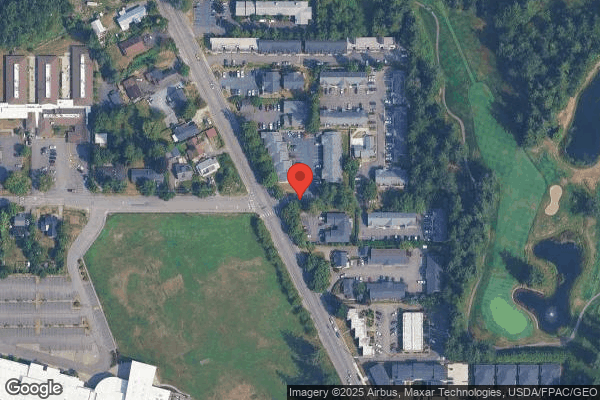

2726 ALDERWOOD AVENUE, BELLINGHAM, WA 98225 (360) 733-2322
For profit - Limited Liability company 102 Beds CASCADIA HEALTHCARE Data: November 2025 1 Immediate Jeopardy citation
Trust Grade
38/100
#91 of 190 in WA
Last Inspection: February 2025

Within standard 12-15 month inspection cycle. Federal law requires annual inspections.

Overview

Alderwood Park Health and Rehab of Cascadia has received a Trust Grade of F, indicating significant concerns and a poor overall performance. Ranking #91 out of 190 facilities in Washington places them in the top half, but they are #6 out of 8 in Whatcom County, meaning only one local option is better. The facility is currently improving, with the number of reported issues decreasing from 20 in 2024 to 13 in 2025. Staffing is a relative strength, with a rating of 3 out of 5 stars and a turnover rate of 45%, which is below the state average. However, the facility has amassed $55,824 in fines, which is concerning and suggests ongoing compliance problems. Additionally, there are serious incidents reported, including a failure to report and address allegations of abuse involving multiple residents and concerns regarding the qualifications of the Dietary Manager, putting residents at risk for inadequate care. Overall, while there are some strengths, the serious issues raised by inspectors cannot be overlooked.

Trust Score
F
38/100
In Washington
#91/190
Top 47%
Safety Record
High Risk
Review needed
Inspections
Getting Better
20 → 13 violations
Staff Stability
○ Average
45% turnover. Near Washington's 48% average. Typical for the industry.
Penalties
✓ Good
$55,824 in fines. Lower than most Washington facilities. Relatively clean record.
Skilled Nurses
✓ Good
Each resident gets 61 minutes of Registered Nurse (RN) attention daily — more than 97% of Washington nursing homes. RNs are the most trained staff who catch health problems before they become serious.
Violations
⚠ Watch
57 deficiencies on record. Higher than average. Multiple issues found across inspections.
★★★☆☆
3.0
Overall Rating
★★★☆☆
3.0
Staff Levels
★★★★★
5.0
Care Quality
★★☆☆☆
2.0
Inspection Score
Stable
2024: 20 issues
2025: 13 issues

The Good

  • 5-Star Quality Measures · Strong clinical quality outcomes
  • Full Sprinkler Coverage · Fire safety systems throughout facility
  • No fines on record
  • Staff turnover below average (45%)

    3 points below Washington average of 48%

Facility shows strength in quality measures, fire safety.

The Bad

3-Star Overall Rating

Near Washington average (3.2)

Meets federal standards, typical of most facilities

Staff Turnover: 45%

Near Washington avg (46%)

Typical for the industry

Federal Fines: $55,824

Above median ($33,413)

Moderate penalties - review what triggered them

Chain: CASCADIA HEALTHCARE

Part of a multi-facility chain

Ask about local staffing decisions and management

The Ugly 57 deficiencies on record

1 life-threatening
Feb 2025 12 deficiencies
CONCERN (D)

Potential for Harm - no one hurt, but risky conditions existed

ADL Care (Tag F0677)

Could have caused harm · This affected 1 resident

**NOTE- TERMS IN BRACKETS HAVE BEEN EDITED TO PROTECT CONFIDENTIALITY** Based on observation, interview and record review, the facility failed to provide the necessary assistance for oral care, and ba...

Read full inspector narrative →
**NOTE- TERMS IN BRACKETS HAVE BEEN EDITED TO PROTECT CONFIDENTIALITY** Based on observation, interview and record review, the facility failed to provide the necessary assistance for oral care, and bathing for 3 of 5 residents (Residents 20, 69 and 276) dependent on staff to ensure their needs were met. This failed practice placed residents at increased risk for increased risk for embarrassment, diminished dignity, negative outcomes including poor quality of life and psychosocial harm. Findings included . According to the facility policy, Activities of Daily Living (ADL)'s- AM (morning) cares revised 11/14/2017 showed AM care is provided to refresh the resident, provide cleanliness, comfort, and neatness, to prepare the resident for breakfast, to assess the resident's condition and needs and to promote psychosocial wellbeing. Staff were to assist the resident as needed to brush teeth or dentures. The ADL's-PM/HS (bedtime) care showed care at bedtime prepared the resident for sleep and assist the resident as needed with oral hygiene. <BATHING> <RESIDENT 69> Resident 69 admitted on [DATE] with diagnoses to include cancer, spondylosis (spine condition causing pain), anxiety and weakness. Review of the baseline care plan dated 01/09/2025 showed the resident required extensive assistance of two for bathing. A review of the admission Minimum Data Set (MDS) assessment dated [DATE] showed the resident was cognitively intact and required extensive assistance for bathing. In an interview on 02/28/2025 at 8:14 AM, Resident 69 stated they would like two showers a week but had only had two showers and on bed bath since they admitted [DATE]. Review of Resident 69's bathing documentation since admission confirmed they had three bathing tasks documented (01/16/2025, 01/23/2025 and 01/26/2025). <RESIDENT 276> Resident 276 admitted on [DATE] with diagnoses to include an intestinal obstruction, inguinal hernia (tissue protrudes through groin muscle) and gait and mobility abnormalities. Review of the admission MDS dated [DATE] showed the resident had mild cognitive impairment and was totally dependent on staff for activities of daily living such as bathing In an interview on 02/25/2025 at 1:02 PM, Resident 276 was sitting up in bed and stated they would like two showers a week, but they get one shower then then next one was a bed bath. Resident 276 stated when they first admitted , they went several weeks without a shower or bath. Review of Resident 276's bathing records confirmed the resident received a bed bath on 01/15/2025 and 01/22/2025 then a shower on 01/26/2025. <ORAL CARE> <RESIDENT 20> Resident 20 admitted to the facility 08/21/2023 with diagnoses that included multiple compression fractures (break in the vertebrae), mild cognitive impairment, and high blood pressure. In a review of Resident 20's care plan dated 08/21/2023 showed they had upper and lower dentures with an intervention to provide care as per activity of daily living personal hygiene, rinse dentures and place them every morning. There was notation of Resident 20 having dental implants. In an interview on 02/23/2025 at 8:54 AM Resident 20 stated they sleep with their dentures in their mouth and would like to have them removed and cleaned nightly. In a review of Resident 20's Brief Interview for Mental Status (BIMS- a screening tool for assess cognition) completed on 01/17/2025 showed they scored 8 out of 15, indicating moderately impaired cognition. In a review of Resident 20's Kardex (guide which resident specific directing care) as of 02/23/2025 showed they had upper and lower dentures and required assistance with oral care and required their dentures to be soaked and reminders to brush implants as well. In a review of dental notes dated 06/12/2024 showed Resident 20 had red tissue under their dentures, with a moderate amount of food in their dentures, and recommendations were for staff to remove the residents' dentures at night to soak and to assist the resident with brushing around their implants. In a review of dental notes dated 11/11/2024 showed Resident 20 had heavy a heavy amount of plague and their gums around the implants were red. Recommendations included assisting Resident 20 with brushing of the lower implants. In a review of dental notes dated 02/11/2025 showed Resident 20 had a moderate amount of plague. Recommendations continued to be for staff assisted brushing and denture removal with nightly soak. In an interview on 02/28/2025 at 8:28 AM Staff D, Nurse Aide Certified (NAC) stated they did not assist Resident 20 in getting up for the day, and did not provide any oral care to them since the start of their shift. In an interview on 02/28/2025 at 8:28 AM Staff G, NAC stated they assisted Resident 20 in getting up out of bed and dressed this morning, they washed their face. Staff G stated they did not provide any oral care to them, and they had their dentures in their mouth. In an interview on 02/28/2025 at 8:35 AM Staff B, Director of Nursing Services (DNS), stated Resident 20 required assistance with oral care. In an interview on 02/28/2025 at 9:21 AM, Staff B stated they were not aware of any issues with oral care or bathing not being completed. Staff B said the bathing expectation is that staff are to offer bathing per resident preferences and continue to offer bathing daily until the resident accepts bathing. Staff B stated nursing staff were to document any refusals and acceptances. Staff B stated they did not have a shower policy, and it was a standard of care. This is a repeat deficiency from SOD dated 03/26/2024. Reference: WAC 388-97-1060 (2)(C)
CONCERN (D)

Potential for Harm - no one hurt, but risky conditions existed

Staffing Information (Tag F0732)

Could have caused harm · This affected 1 resident

Based on observation, interview, and record review the facility failed to ensure the daily nurse staffing information was being posted in a place readily accessible to residents/visitors and included ...

Read full inspector narrative →
Based on observation, interview, and record review the facility failed to ensure the daily nurse staffing information was being posted in a place readily accessible to residents/visitors and included the required information on 2 of 6 days (02/22/2025 and 02/23/2025) of the recertification survey. This failure placed residents, family members and visitors at risk of not being fully informed of current staffing levels and resident census information. Findings included . In observations on 02/23/2025 at 7:45 AM the facility's daily nursing staffing was found posted on a wall near the entrance of the building. The nurse staffing information was dated for 02/21/2025. There was no other staffing forms found. In review of the posted staffing on 02/23/2025 at 7:45 AM, dated 02/21/2025, showed total actual hours worked for day shift was completed and evening and night shift were blank. In an interview on 02/27/2025 at 8:25 AM, Staff H, Staffing Coordinator stated they were responsible for posting the daily staffing daily and if they were not working on the weekend would rely on another staff to complete it. Staff H stated they prepare the staff posting for the weekend and place them behind the one for Friday. Staff H stated they did not know why there was not completed staff postings for Saturday 02/22/2024 or Sunday 02/23/2025. In an interview on 02/27/2025 at 9:47 AM, Staff B, Director of Nursing Services stated Staff H was responsible for the staff postings along with the other staffing coordinator and should be posted in the morning, placed up front, and then updated with actual hours as the shift starts. Staff B was unaware that there was no staff posting completed for 02/22/2025 or 02/23/2025. No associated WAC
CONCERN (D)

Potential for Harm - no one hurt, but risky conditions existed

Pharmacy Services (Tag F0755)

Could have caused harm · This affected 1 resident

Based on observation and interview, the facility failed to ensure a system was in place to accurately reconcile controlled medications in 1 of 5 medication carts reviewed for narcotic storage/reconcil...

Read full inspector narrative →
Based on observation and interview, the facility failed to ensure a system was in place to accurately reconcile controlled medications in 1 of 5 medication carts reviewed for narcotic storage/reconciliation. This failure placed the facility at risk for potential loss and/or drug diversion of the controlled medication. Findings included . Facility policy titled Management and Destruction of Controlled Substances dated 11/28/2017 showed: The two licensed nurses visually inspect and counts each scheduled medication . and verifies the quantity on hand matches the declining inventory record. If any discrepancy is identified both nurses remain on duty and the Chief Nursing Officer is notified. In an observation and interview on 02/24/2025 at 1:45 PM, Staff V, Registered Nurse was counting the narcotic medications for [NAME] Cart. Page 24 of the narcotic book showed 1 tablet left but there was no narcotic medication in the cart. Page 30 of the same narcotic book also showed 1 tablet left but there was no narcotic medication in the cart. Staff V stated that the count was off on the book and those pages should show zero. Staff V stated that they will inform the Resident Care Manager (RCM) so they can start the investigation. In an interview on 02/24/2024 at 2:55 PM, Staff L, Licensed Practical Nurse/RCM stated that they have figured out the discrepancy. Staff L explained that the licensed nurses (LN) that gave the last doses forgot to sign them out of the narcotic book, but it showed in the Medication Administration Record (MAR) that the LN's signed their initials indicating they gave the medications. Staff L will be reaching out to those LN's to sign the narcotic book. Staff L stated the process for counting narcotics was supposed to be the LN's look at every page of the book to ensure accuracy and any discrepancies they report to the RCM. In an interview on 02/27/2025 at 2:00 PM, Staff B, Director of Nursing Services (DNS) stated that it's an expectation that when counting narcotics the LN's look at every page of the book and any discrepancies be reported to the RCM or DNS. Staff B stated they were able to reconcile the narcotic book for [NAME] Cart. Refer to WAC 388-97-1300(2)
CONCERN (D)

Potential for Harm - no one hurt, but risky conditions existed

Medication Errors (Tag F0758)

Could have caused harm · This affected 1 resident

**NOTE- TERMS IN BRACKETS HAVE BEEN EDITED TO PROTECT CONFIDENTIALITY** Based on interview and record review, the facility failed to ensure 2 of 5 sampled residents (5 and 34) were free from unnecessa...

Read full inspector narrative →
**NOTE- TERMS IN BRACKETS HAVE BEEN EDITED TO PROTECT CONFIDENTIALITY** Based on interview and record review, the facility failed to ensure 2 of 5 sampled residents (5 and 34) were free from unnecessary psychotropic medications (drugs that affect brain activities associated with mental processes and behavior) as required. The facility failed to ensure a medical provider assessed and documented a rationale for extended use of an as necessary (PRN) psychotropic medication for use over 14 days and failed to monitor for appropriate symptoms. These failures placed the residents at risk for medication-related complications and for receiving unnecessary psychotropic medication. Finding included . Review of the facility policy titled, Psychoactive Drug Use, revised 10/15/2022, stated that the clinical rational should be documented in the medical record .justification should include description of symptoms, why the resident symptoms need to be managed by a psychoactive drug, description of the treatment, and why the present dose was necessary to manage the symptoms. <RESIDENT 5> Resident 5 readmitted to the facility on [DATE] with diagnoses to include metabolic encephalopathy (condition in which the brain does not function properly due to an underlying metabolic imbalance), depression and anxiety. The significant change Minimum Data Set (MDS - an assessment tool) assessment, dated 01/18/2025 showed the resident had sever impaired cognition. Review of Resident 5's physician orders showed that the resident was prescribed lorazepam (antianxiety medication) as needed every four hours, with an end date of April 28th, 2025. Review of Residents 5's electronic medication/treatment administration record (EMAR/ETAR) for January of 2025 showed the resident received the as needed anti-anxiety medication five times, with no monitoring of their symptoms. Review of Resident 5's EMAR/ETAR for February 2025 showed the resident received the as needed anti-anxiety medication 10 times, with no monitoring of their symptoms. In an interview on 02/26/2025 at 1:18 PM, Staff E, Registered Nurse (RN) stated the floor staff will usually obtain the consent for a psychotropic medication prior to administering, however the nurse managers were the ones to update the orders, ensure accurate monitoring was in place and update the care plan. In an interview on 02/27/2025 at 11:20 AM, Staff R, RN/Resident Care Manager (RCM) stated that for all PRN psychotropic medications they use a 14-day end date, then have the provider reassess. Staff R stated however if the resident was on hospice services the providers pick their own end date, usually around 90 days. Staff R was asked for rational and assessment for Resident 5's extended use of the PRN psychotropic and stated they had not reviewed any. <RESIDENT 34> Resident 34 admitted to the facility on [DATE], with diagnoses to include, stroke and heart attack, depression and anxiety. Resident was receiving Hospice services. According to the Significant Change MDS assessment dated [DATE], resident had severe cognitive impairment. Review of Resident 34's physician orders showed that the resident was prescribed lorazepam (anti-anxiety medication) PRN for anxiety with an end date of 03/03/2025. Review of Resident 34's January 2025 EMAR/ETAR showed the resident received a dose of lorazepam on January 06, 2025, with no behaviors documented. Review of Resident 34's February 2025 EMAR/ETAR showed the resident received a dose of lorazepam on February 24, 2025, with no behaviors documented. In an interview on 02/26/2025 at 11:13 AM, Staff V, RN stated that when a hospice resident gets started on a psychotropic medication, the hospice nurse was the one that obtains the order from the hospice provider and the consent from the resident or family member. Then the hospice nurse faxes the order to the facility, and they process the order. Staff V was unsure if they keep the consents in residents' electronic chart. Staff V stated that PRN psychotropic medications suhs as lorazepam were usually ordered for 90 days. In an interview on 02/27/2025 at 8:44 AM, Staff L, LPN/RCM stated that residents who get started on psychotropic medications such as lorazepam, were discussed and reviewed in their Interdisciplinary Team meetings in the morning. Hospice residents with PRN psychotropic medications were usually prescribed for 90 days. Staff L stated they were not aware of the Center for Medicare and Medicaid Services (CMS) guidelines of initial 14-day duration for PRN psychotropic medication prescription. In an interview on 02/27/2025 at 2:00 PM, Staff B, DNS, stated that initiation of PRN psychotropic medications should be for 14 days even if resident was on hospice and if they need to extend the medication there must be a note from the provider on the reason why the medication was extended. Staff B stated that they will review all residents who has PRN psychotropic medications to ensure they were following the guidelines. Refer to WAC 388-97-1060(3)(k)(i)
CONCERN (D)

Potential for Harm - no one hurt, but risky conditions existed

Deficiency F0761 (Tag F0761)

Could have caused harm · This affected 1 resident

Based on observation and interview, the facility failed to ensure that drugs and biologicals were removed when expired in 2 of 5 medication carts, and 1 of 2 medication refrigerators. The facility fai...

Read full inspector narrative →
Based on observation and interview, the facility failed to ensure that drugs and biologicals were removed when expired in 2 of 5 medication carts, and 1 of 2 medication refrigerators. The facility failed to ensure Schedule II-V (Substances with a high potential for abuse which may lead to severe physical or psychological dependence) controlled medications were in a separate locked permanently affixed compartment not accessible to others. Additionally, 2 medication carts were found unlocked without a nurse close by. These failures placed residents at risk for receiving expired medication and vaccines, and risk of having unintended access to drugs that should have been securely stored. Findings included . Facility policy titled Medication Management, revised date 10/15/2022 showed: Unlocked medication/treatment carts are under nurse control at all times. Medications and treatment supplies are not used beyond their expiration dates. Medications are discarded by the expiration date unless indicated by the pharmacy and/or manufacturer's instructions to discard sooner. <UNLOCKED MEDICATION CART> In an observation on 02/23/2025 at 7:55 AM, 2 medication carts at [NAME] Nurses Station were unlocked. I opened the top drawer of one of the medication carts and it showed over the counter medication containers. On top of the other unlocked medication cart had 5 bubble packed medicine cards (a method of organizing medications into individual doses, sealed in compartments with protective bubbles). There were no nurses in the vicinity. In an observation on 02/23/2025 at 7:57, AM Staff E, Registered Nurse (RN) approached the medication carts and locked both medication carts. Then another male nurse came to the carts and placed the bubble packed medications inside the medication cart. <CONTROLLED MEDICATION STORAGE> In an observation on 02/24/2025 at 12:25 PM, Staff L, Licensed Practical Nurse (LPN)/Resident Care Manager (RCM), unlocked the small refrigerator in Central nurse's station. Refrigerator was not affixed to the floor. Inside the refrigerator was a plastic container that contained a box of Lorazepam liquid medication (Scheduled IV medication to treat anxiety). Plastic container was not affixed to the refrigerator. <EXPIRED MEDICATIONS> In an observation on 02/24/2025 at 12:47 PM, Staff L, LPN/RCM, opened the locked refrigerator at [NAME] Nurses station. In the refrigerator were 2 multi-dose vials of opened Afluria (flu vaccine). One vial was dated 01/13/2025 and the other vial was dated 01/24/2025. Both vials passed the 28-day expiration date. In an observation on 02/24/2025 at 1:45 PM, [NAME] Medication cart had 1 expired medication. It was loratadine 10 milligram (mg) tablets. Expiration date showed 01/2025. In an observation on 02/24/2025 at 2:00 PM, Swing Medication Cart had 1 expired medication. It was Simethicone 80 mg chewable tablet. Expiration date showed 12/2024. In an interview on 02/24/2025 at 2:00 PM, Staff E, RN stated that the night shift nurse was supposed to be checking the medication carts for expired medications. In an interview with Staff F, LPN/Infection Control Nurse, on 02/27/2025 at 9:54 AM, Staff F stated they were responsible for tracking vaccines and checks them weekly. The night nurse was supposed to also be checking vaccines and expired medications and discarding them if they expired. Staff F stated they were not sure how the expired vaccines got missed. In a joint interview on 02/28/2025 at 10:02 AM, Staff A, Administrator and Staff B, Director of Nursing Services (DNS), Staff B stated they were not aware that the container with scheduled IV medication in the refrigerator should be in a firmly affixed container. Refer to WAC 388-97-1300(2) .
CONCERN (D)

Potential for Harm - no one hurt, but risky conditions existed

Laboratory Services (Tag F0770)

Could have caused harm · This affected 1 resident

**NOTE- TERMS IN BRACKETS HAVE BEEN EDITED TO PROTECT CONFIDENTIALITY** Based on interview and record review, the facility failed to provide timely laboratory results to meet the needs of two of five ...

Read full inspector narrative →
**NOTE- TERMS IN BRACKETS HAVE BEEN EDITED TO PROTECT CONFIDENTIALITY** Based on interview and record review, the facility failed to provide timely laboratory results to meet the needs of two of five residents (1, 5 and 279) reviewed for medication usage. These failed practices had the potential for negative complications related to delay of obtaining and follow up of laboratory results along with a risk for medical complications, related to a lack of monitoring chronic medical conditions and delayed identification and treatment of underlying health conditions. Findings included . Review of the facility's policy titled Laboratory, Radiology, Transfusion, and other Diagnostic Services revised [DATE], showed lab services are provided to detect risk for disease, stratify a person into disease or non-disease state, in which the population is ., monitor a condition. Services are to be accurate and timely. Services are considered timely if laboratory tests are completed and results provided to the facility or the resident physician within time frames normal for appropriate intervention. The facility meets or has an agreement to obtain laboratory services from an entity. The facility is responsible for providing and obtaining laboratory, radiology and other diagnostic services only when ordered by the attending physician. Timeliness of providing and reporting results of laboratory, radiology and other diagnostic services Promptly notifying the attending physician of the findings: 1). High alert-within 1 hour, or 2). Medium alert-within 6-8 hours , or 3). Low alert-within 24-72 hours <RESIDENT 277> Resident 277 admitted on [DATE] with diagnoses to include rib fracture, diabetes, kidney disease, anxiety and depression. In an interview on [DATE] at 8:34 AM, Resident 277 was in bed and stated they had a UTI (urinary tract infection), and the staff doesn't believe that they did. Resident 277 had tears streaming down their cheeks. They said, I have a UTI. I have told several nurses, and they have not tested me. I know my own body. I have burning on urination, a classic sign. Even my daughter talked to them, and they will not test me. I have urgency too. Review of a progress note for Resident 277 on [DATE] at 12:57 PM, showed the resident complained of nausea, had an emesis, urinary burning and they had a history of UTI's with symptoms of nausea, vomiting and dysuria (discomfort with urination). Review of a progress note for Resident 277 on [DATE] at 2:08 PM, showed the physician ordered staff to collect UA (urinalysis), C&S (culture and sensitivity, a test to see what bacteria is present and determine the most appropriate medication) if indicated. Review of a progress note for Resident 277 on [DATE] at 1:53 PM showed the resident reported they had a history of UTI with past symptoms of nausea, vomiting and dysuria. Review of a progress note for Resident 277 on [DATE] at 12:43 PM showed the resident reported stinging with urination, UA results currently pending. Review of a progress note for Resident 277 on [DATE] at 1:02 PM showed the contracted lab was called to inquire the whereabouts of the UA with C & S that was sent to the lab on [DATE], the lab technician stated, That lab order was cancelled because the specimen would have expired before arriving to the contracted laboratory in Denver This writer inquired as to why the facility and medical provider were not notified of the cancelled UA order to which the lab technician stated, You should have been. I am sorry about that. Resident, POA (power of attorney), and provider notified that the UA specimen sent to the lab on [DATE] was not processed as per order. In an interview on [DATE] at 11:53 AM, Staff B, Director of Nursing (DNS) said the Resident 277's sample was shipped to Texas on [DATE]. The nurses called and were told they need to collect another sample. Staff B said they had issues with the contracted lab and would love to change providers, but they had called other local labs, and no one would call them back. Staff B said they want a local lab provider so they can drop off specimens and have quicker turnaround time rather than shipping labs to Texas or Florida. Staff B said they had just found out the lab wouldn't process a stool sample for Resident 279 because the specimen cup was too full. In an interview on [DATE] at 8:47 AM, Staff F, LPN Infection Preventionist stated Resident 277 had a possible infection on Tuesday the 18th. The lab was notified of the STAT (immediately) CBC (Complete Blood Count) and CMP (Complete Metabolic Panel), and to check the stool for Norovirus per the medical record but it was not ordered by the provider as STAT. Staff F said that on [DATE] at 11:00 AM, the lab picked up the stool sample. Staff F said our lab takes a long time for cultures . It is ridiculously long. Staff F said they called the lab on [DATE] and was told the results would be available on Saturday [DATE] or Sunday [DATE]. Staff F said on [DATE] at 12:58 PM, their note said test not performed due to overfilled. Staff F said their lab draw days were Tuesday, Thursday and Sunday. They said anything outside of those days , the lab would need to be stat or unscheduled pickup. Staff F said If you obtain a UA or stool sample, you would put in in the lab's electronic portal and the lab would pick it up but there was a lag time depending on where there the lab courier drivers are. Staff F said they used to be able to call the lab and they would pick up the specimen and drop it to the nearby hospital lab to be processed. Staff F said the lab stopped picking up lab specimens and dropping them off at the hospital lab that some time ago. They said now they ship the sample to Denver or one of their other out of state labs and the lab turnaround time is very slow. In an interview on [DATE] at 8:47 AM, With CC 1 (collateral contact 1, contracted lab phlebotomist [person who draws blood for testing]) stated they would pick up stool and urine samples if they were at the facility (Tuesdays, Thursdays and Sundays). CC 1 said that lab result turnaround times depends on the test.CC 1 stated that if there was an issue with the timeliness or integrity of the sample, the lab should be contacting the facility for sure to let them know. At 9:16 AM, CC 1 said the lab wouldn't have been able to be in that late on a Friday so (Resident 277's) urine sample would be picked up on Sunday [DATE]. CC1 said there was a stat person in Seattle who should have picked up the sample Saturday, but they did not pick it up. CC 1 stated Must have been a high volume of lab pickups and they couldn't get here to pick up the sample. In a follow up interview on [DATE] at 9:14 AM, Staff F, IP stated they got another UA for Resident 277 on [DATE] as they were symptomatic. Staff F said the lab was still pending and they would call the lab this morning on all of this. Staff F confirmed there were no preliminary urine results which is the standard on either of these UAs for Resident 277. Staff F said the nurses should be following up when lab results are not back, and this should be documented as well. <RESIDENT 279> Resident 279 admitted on [DATE] with diagnoses which included septic shock (widespread infection causing low blood pressure and organ damage), and nutritional deficiency. Review of a late entry progress note for Resident 279 dated [DATE] at 1:04 PM, showed the provider ordered to test Resident 279's stool or emesis (vomit) for Norovirus (highly contagious stomach illness with vomiting and diarrhea). The stool was collected, and the lab provider was notified of the STAT (urgent) lab and to pick up the stool specimen. Review of a late entry progress note for Resident 279 dated [DATE] at 4:59 AM, showed the provider ordered to test the residents stool for C-Diff (Clostridium difficile, (a bacterical infection of the colon which can be a side effect of antibiotic therapy, and can be spread by person to person contact.), ova and parasites (test to look for intestinal parasites and their eggs). Orders were added to a stool sample in process at the lab. Review of a progress note for Resident 279 on [DATE] at 9:33 AM, showed a call was placed to the lab to inquire about the stool results. The lab stated the specimen was sent out of state and results would probably be available on Saturday ([DATE]) or Sunday ([DATE]) Review of a progress note for Resident 279 on [DATE] at 12:58 PM, showed a fax was received from the lab with a message that showed test not performed due to being overfilled. The plan was for the nurse on duty to call the lab to clarify. In an interview on [DATE] at 8:13 AM , Staff C, Licensed Practical Nurse (LPN) was asked about the enteric sign posted outside room [ROOM NUMBER]. Staff C stated Resident 279 had possible norovirus and their lab was pending. Review of a progress note for Resident 279 on [DATE] at 11:45 PM, the nurse documented the resident was feeling better, so they requested the norovirus test be cancelled. Review of a progress note for Resident 279 on [DATE] at 1:47 PM showed the provider was into review the resident and ordered to proceed with the ova and parasite stool sample, only if loose stools continued. <RESIDENT 74> Resident 74 admitted [DATE] with diagnoses which included surgical aftercare with intravenous antibiotics and wound care. Resident 74 was not longer a resident at the facility. Review of Resident 74's progress note on [DATE] at 11:58 AM showed the primary nurse reported the resident had greater than three loose watery stools this day shift and the provider had ordered a stool culture to rule out Clostridium Difficile. The stool culture was collected and sent by courier to the facility's contracted lab on [DATE]. Resident 74 was placed on contact isolation while the stool culture was pending. Contact isolation resulted in signage being placed on the resident's door indicating to staff and visitors that the resident was on contact precautions and instructed staff to don and doff the appropriate Personal Protective Equipment (gowns, gloves) and to perform hand washing with soap and water for cares. Review of Resident 74's progress notes dated [DATE] at 11:22 AM showed the facility placed a call to their contracted lab to request the result whereabouts as the stool specimen was sent to the lab on [DATE]. Per the contracted lab technician, The specimen was received yesterday and is in process. Resident 74 and the provider were updated that lab was still processing the stool specimen and the plan stated to continue Contact Precautions every shift while stool culture is pending. A progress note dated [DATE] at 12:18 PM, stated the facility reveived a fax from the contracted lab stating that specimen must be re-ordered and re-collected related to the specimen being past stability. The noted stated the provider and Resident 74 were notified of the issue and that new stool collection was required. The resident remained on contact isolation. A progress noted dated [DATE] at 03:16 PM, showed the Resident's stool culture result was received which showed they were negative for Clostridium Difficile and the contact precuations were removed. In an interview on [DATE] at 2:05 PM, Staff B, DNS, stated the contracted lab was not reliable, specimens collected were sent to Denver with no local option, and the facility was contantly having to call to find out about late results. Staff B stated they have been told that the lab could not do anything to speed up process times that have resulted in samples being out of the time range for accuracy and needing to be re-collected. Staff B stated the facility was in the process of looking for lab services that were local. In a follow up interview on [DATE] at 9:50 AM, Staff B, DNS stated they had been aware of issues with their lab and there were no local labs to draw their labs. Staff B stated the preliminary urine results take as long as the C & S. Reference WAC 388-97-1620 (2)(b)(i)
CONCERN (E)

Potential for Harm - no one hurt, but risky conditions existed

Deficiency F0561 (Tag F0561)

Could have caused harm · This affected multiple residents

**NOTE- TERMS IN BRACKETS HAVE BEEN EDITED TO PROTECT CONFIDENTIALITY** <RESIDENT 69> Resident 69 admitted to the facility on [DATE] with diagnoses to include cancer, spondylosis (spine conditio...

Read full inspector narrative →
**NOTE- TERMS IN BRACKETS HAVE BEEN EDITED TO PROTECT CONFIDENTIALITY** <RESIDENT 69> Resident 69 admitted to the facility on [DATE] with diagnoses to include cancer, spondylosis (spine condition causing pain), anxiety and weakness. Review of the baseline care plan dated 01/09/2025 showed the resident required extensive assistance of two staff to transfer into bed. The baseline care plan did not include Resident 69's bathing preference. A review of the admission MDS assessment dated [DATE] showed the resident was cognitively intact and choices related to choosing their type of bathing and bedtime were very important. In an interview on 02/26/2025 at 11:57 AM, Resident 69 was in bed and stated they wanted to go to bed last night at 6:30 (PM) and the staff made them wait until 9:00 PM to go to bed and the resident stated I couldn't believe it. Resident 69 stated at first, the nurse told them they had just had their pills, and they might vomit, so it was safer to stay up a bit to let their stomach settle. The resident stated they understood that but questioned why the wait was that many hours. In an interview on 02/28/2025 at 8:14 AM, Resident 69 stated they would like two showers a week but had only had two showers and one bed bath since they admitted on [DATE]. Review of Resident 69's bathing documentation since admission confirmed they had three bathing tasks documented: -01/16/2025 Bed Bath documented at 3:20 PM -01/23/2025 Shower documented at 10:26 AM -01/26/2025 Shower documented at 5:41 PM <RESIDENT 276> Resident 276 admitted on [DATE] with diagnoses to include an intestinal obstruction, inguinal hernia (tissue protrudes through groin muscle) and gait and mobility abnormalities. Review of the admission MDS dated [DATE] showed the resident had mild cognitive impairment and was totally dependent on staff for activities of daily living such as bathing. The MDS also showed the resident was able to be interviewed regarding choices and had stated choices related to bathing were very important. Review of Resident 276's care plan dated 01/15/2025 showed the resident preferred showers twice a week in either the morning or evening. In an interview on 02/25/2025 at 1:02 PM, Resident 276 was sitting up in bed and stated they would like two showers a week, but they get one shower then the next one was a bed bath. Resident 276 stated when they first admitted , they went several weeks without a shower or bath. Review of Resident 276's January bathing records showed the resident received: - 01/15/2025 Bed bath documented at 8:59 PM, - 01/22/2025 Bed Bath documented at 9:59 PM, - 01/26/2025 Shower documented at 9:32 AM, In a joint interview on 02/28/2025 at 9:21 AM, with Staff A, Administrator and Staff B, the lack of honoring residents desire to get out of bed for Resident 9 and 31 and into bed for Resident 69, as well as bathing choices for Resident's 50, 69, 276 were discussed. Staff B stated resident's should be asked their preferences and this should be documented on the care plan.<RESIDENT 31> Resident 31 was a long-term care resident of the facility with diagnoses which included paraplegia and required total assistance with a mechanical lift for transfers out of bed or to the shower. Review of Resident 31's care plan showed the resident's shower preferences on their care plan had not been updated since 2022 which showed they preferred two showers per week in the evenings. The care plan stated Resident 31 preferred to wake up at 7:00 am and stated when serving Resident 31 breakfast to ask what time they would like to get up into their chair today. Review of the resident's shower documentation for the prior month showed: - 01/30/2025 Bed bath documented at 11:54 AM, - 02/01/2025 Shower documented at 12:51 PM, - 02/04/2025 Shower documented at 1:56 PM, - 02/18/2025 Shower documented at 11:27 AM, - 02/22/2025 Shower documented at 1:59 PM. In an interview on 02/24/2025 at 08:26 AM, Resident 31 stated they preferred getting up out of bed and having shower in the early morning because they liked to be active and attend activities and outings. Resident 31 stated they often had to stay in bed or wait to have their shower until 11:00AM or later because of the aids being busy with breakfast. If it was their shower day, they often had to wait until the afternoon because the aids on the floor are the ones who have to do the showers, and they don't have time until after breakfast or sometimes not until after lunch. In an interview on 02/27/2025 at 1:51 PM, Staff B stated resident preferences were identified when residents admitted to the facility and should be updated on the care plans as they change. Staff B stated staff should be coordinating together to ensure resident preferences for schedules were met. Staff B stated they should be helping; managers should be helping, and staff should be communicating when help was needed. Reference: WAC 388-97-0090(1) (2) Based on interview and record review, the facility failed to ensure resident choices/preferences regarding their bathing schedule were honored for 4 of 6 sampled residents (Residents 31, 50, 69, and 276) and failed to honor Resident 7's preference to lay down after a meal. The facility's failure to accommodate resident choices/preferences related to bathing and daily schedules placed residents at risk for feelings of un-cleanliness, powerlessness, diminished self-worth, and a decreased quality of life. Findings included . <DAILY SCHEDULE> <RESIDENT 7> Resident 7 admitted to the facility on [DATE] with diagnoses that included heart failure, diabetes mellitus type two (chronic condition in which the body does not use insulin properly or does not produce enough insulin to regulate blood sugar levels) and history of stroke. Review of Resident 7's Brief Interview for Mental Status (BIMS- a screening tool for assess cognition) dated 01/25/2025 showed they scored 2/15 indicating severe cognitive impairment. In an observation on 02/26/2025 at 8:28 AM Staff M, Nursing Assistant Certified (NAC) visited with Resident 7, who was in their room, sitting in their wheelchair. After speaking with Resident 7, Staff M told Staff N, NAC, that Resident 7 requested to lay down in their bed. In a continuous observation from 02/26/2025 at 8:28 AM until 9:25 AM Resident 7 was in their room, sitting in their wheelchair. At 9:19 AM Staff N went to speak with Resident 7 and was asked by the nurse to help in another resident's room and left Resident 7 in their room. At 9:25 AM Staff M entered Resident 7's room to assist them in laying down in their bed, almost an hour after they had requested assistance. In an interview on 02/26/2025 at 9:31 AM Staff V, Registered Nurse (RN), stated Resident 7 was up around 7 am for breakfast that morning. In an interview on 02/27/2025 at 9:40 AM Staff K, NAC stated Resident 7's routine consisted of getting up for breakfast and afterward they either attended an activity or laid back down in bed. Staff K stated Resident 7 required the assistance of two staff and a mechanical lift to be transferred into and out of bed. <BATHING PREFERENCES> <RESIDENT 50> Resident 50 admitted to the facility on [DATE] with diagnoses to include stage 4 pressure ulcer (deep crater-like wound with significant tissue loss), urinary tract infection (UTI-bacterial infection that affects any part of the urinary tract, including the kidneys, ureters, bladder and urethra) and morbidly obese. According to the admission Minimum Date Set (MDS - an assessment tool) assessment, dated 12/03/2024, the resident was cognitively intact. In an interview on 02/23/2025 at 10:34 AM, Resident 50 stated that they were receiving bed bathes once a week and they were supposed to have it twice a week but that never happens. In an interview on 02/26/2025 at 8:28 AM, Resident 50 stated that a staff member informed them that due to their wound and having a wound VAC (vacuum-assisted closure - a medical device that uses negative pressure to promote wound healing), they cannot have showers and receives bed bath instead. Resident stated that they prefer showers. Review of Resident 50's physician orders on 02/26/2025 showed there were no orders that showers were contraindicated for the resident. Review of Resident 50's care plan print date 02/23/2025 showed a Focus area: Residents' Readiness for Enhanced Health Management. Goal: Residents' preference will be honored. Intervention: Resident prefers showers two times per week in the morning . In an interview on 02/26/2025 at 1:50 PM, Staff W, RN stated they were not sure why Resident 50 was receiving bed bathes instead of showers. In an interview on 02/26/2025 at 2:03 PM, Staff X, NAC, stated that the reason why Resident 50 was getting bed baths and not showers was because of their wound VAC. In an interview on 02/27/2025 at 10:46 AM, Staff L, Licensed Practical Nurse (LPN)/Resident Care Manager (RCM) stated that they receive resident preferences on admission and sometimes the resident will change their minds on their preferences after. Regarding Resident 50, Staff L did not think the shower was contraindicated for them due to the wound VAC and what they stated, was that the resident preferred bed baths rather than showers. Staff L was unaware that the resident's care plan showed they preferred showers, and the resident had verbalized that they preferred showers over bed baths. Staff L stated they would follow up with the resident. In an interview on 02/27/2025 at 2:15 PM, Staff B, Director of Nursing Services (DNS) stated that even if a resident has a wound VAC the staff can provide a shower for the resident. If a resident refuses a shower, then they offer a bed bath. Discussed with Staff B that Resident 50 preferences showed they preferred showers over bed bathes and that the resident was told that due to their wound VAC they would get bed baths instead. Staff B stated they would look into that information.
CONCERN (E)

Potential for Harm - no one hurt, but risky conditions existed

Safe Environment (Tag F0584)

Could have caused harm · This affected multiple residents

**NOTE- TERMS IN BRACKETS HAVE BEEN EDITED TO PROTECT CONFIDENTIALITY** <FLOORING> In an observation on 02/25/2025 at 8:31 AM, the hall floor outside room [ROOM NUMBER] had and L shaped approxim...

Read full inspector narrative →
**NOTE- TERMS IN BRACKETS HAVE BEEN EDITED TO PROTECT CONFIDENTIALITY** <FLOORING> In an observation on 02/25/2025 at 8:31 AM, the hall floor outside room [ROOM NUMBER] had and L shaped approximately 5-inch by 6-inch gouge down to the sub floor. In an interview on 02/28/2025 at 8:47 AM, Staff Y, Maintenance Director stated they were aware of the gouges in the flooring throughout the halls and rooms and were trying to develop a plan to repair them. Staff Y stated they did have some extra flooring in the attic to use as replacements, but they were unsure if they had enough to replace all the spots. Based on observation, interview, and record review, the facility failed to maintain a safe, clean, comfortable and homelike environment. The facility failed to ensure resident transfer equipment was available and in good condition, call lights were functional and in reach (Residents 20 and 34), and provide consistent housekeeping and maintenance for resident rooms and facility flooring, these failures placed residents at risk for injury, unmet care needs and a diminished quality of life. Findings included . <TRANSFER SLINGS> In an interview on 02/24/2025 at 8:26 AM, Resident 9 stated they believed the facility had a shortage of transfer slings, specifically, the shower slings, and stated they believed it was because staff would use them as regular slings to get residents out of bed. In an interview on 02/26/2025 at 10:09 AM, Staff AA, Nurse's Aide Certified (NAC) stated the shower slings were the mesh ones, some were sized Small, Medium, Large, Extra Large, and some are full body size of the beds, we just grab them out of the laundry. Staff AA stated they thought the slings got hoarded in some of the closets, so sometimes it might seem like there are not enough. Staff AA stated if we are out of the regular slings, then yes, I would use a shower sling rather than tell a resident they can't get up. I do think we need more of the horseshoe style slings. There are some residents who are tiny and if I put them in a full body sling, they are not sitting up right. I just guess roughly what size they need. In an observation and interview on 02/26/2025 at 10:16 AM, Staff U, Laundry Aid, stated they laundered and hung-up slings to dry. Slings were observed hanging on hooks in the laundry room. There were six blue mesh shower slings observed hanging on the wall hooks with a size chart visible on some of the slings showing XL up to 500lbs, and some slings the labels were observed too faded to read. In an observation on the opposite side of the room there were fabric transfer slings. One gray sling which was the horseshoe style that was noted to have split seams and frayed edges where the stitching was. A second larger blue fabric sling was also hanging with similarly frayed seams and stitching. Staff U stated all the slings hanging were ready for staff to use. Staff U clarified that the two slings with frayed edges were ready for the staff to use, stating the staff come in and grab the slings they need. Staff U stated they did not feel there was a shortage of slings. Staff U was asked about sizing of slings and assisted to look for the sling size labels on the two regular slings and was observed to pause and run their hands over the areas with the fraying on the edges, then stated I should probably remove these. Staff U stated they were responsible to look over the slings during the laundering process and would notify Staff H to come look at any if they had concerns and stated, I will have (Staff H) look at these. In an observation on 02/26/2025 at 10:47 AM, there were two styles of Hoyer lift transfer machines in the facility, with different configurations of the attachments for the slings. In an interview on 02/27/2025 at 10:43 AM, Staff F, Infection Preventionist, stated the slings in the facility were universal and fit both types of Hoyer (transfer) lifts. Staff H, NAC, Staffing Coordinator, stated the sizes were on the slings, for example the extra-large slings were blue. Staff H stated the facility needed more of the cross slings, but stated if the staff don't know they can just use a full body sling. Staff H stated laundry checks slings and would ask them to look at them, but if there are any rips or tears, they would have to go. In an interview on 02/27/2025 at 1:53 PM, Staff B, Director of Nursing Services (DNS) stated the transfer slings were determined by the resident's weight and there was a chart that hangs in the laundry. Staff B stated the staff should look at the most recent vital signs for the resident's current weight and use the chart to select the appropriate sling, as the color of the straps on the sling corresponded to the chart. Staff B stated there are different types of slings for each lift, they are not all the same. The staff should not just be grabbing them. Staff B stated the laundry should be checking for condition of the slings. Staff B was made aware of the concerns related to sling sizing and availability and of the observation of damaged slings having been hung up for use. <CALL LIGHT OPERATION> In an observation on 02/23/2025 at 8:12 AM room [ROOM NUMBER] had their call light on, the call light was visibly lit from a light above the door, however there was no sound. In an interview on 02/23/2025 at 8:15 AM Staff M, NAC, stated the call light sound was intermittent. In an observation on 02/26/2025 at 9:15 AM Staff Y entered room [ROOM NUMBER] and stated to the residents they were there to fix their call light because it was not audible when turned on. In an interview on 02/26/2025 at 9:20 AM Staff Y stated they were repairing the call light in room [ROOM NUMBER] as they were not audible. When asked how many they had to fix in the last month, Staff Y stated about 8-10. Staff Y stated the call light system consisted of three wires that could become disconnected or dirty causing a malfunction in the system. A maintenance report related to call light repairs for the last month was requested. Reviewed the maintenance reports related to call light repairs completed for the month of February 2025 which showed the following: -02/07/2025 Work Order #3007 room [ROOM NUMBER] call light not working- does not light up -02/20/2025 Work Order #3078 room [ROOM NUMBER] call light turns on and then light turns off and sound is still on -02/21/2025 Work Order #3093 room [ROOM NUMBER] call light not working -02/21/2025 Work Order #3086 room [ROOM NUMBER] call light not working -02/23/2025 Work Order #3094 room [ROOM NUMBER] [NAME] Hall call light not making sound -02/24/2025 Work Order #3099 room [ROOM NUMBER] A call light not working -02/25/2025 Work Order #3107 room [ROOM NUMBER] A call light problems with sound and light -02/26/2025 Work Order #3110 room [ROOM NUMBER] A call light not sounding In an interview on 02/27/2025 at 1:33 PM Staff B, DNS, stated they were unaware of an issue with call light functionality and when there was an issue with the call light they were repaired immediately. Staff B stated the amount of call light repairs in the last month was a lot. <ROOM CLEANLINESS> On 02/23/2025 at 9:35 AM observed room [ROOM NUMBER]'s flooring which had multiple small pieces of food like debris and tissues. The heater element under the window had debris and a pepper packet on it. On 02/24/2025 at 9:00 AM observed room [ROOM NUMBER]'s flooring which had multiple food debris on the floor, tissues, a napkin, and a pepper packet sitting on floor next to the heating element. Most of the items were located around the bed nearest to the window on the left side of the bed. On 02/25/2025 at 9:34 AM observed room [ROOM NUMBER]'s heater element to have multiple pieces of debris on top of it. In an interview on 02/27/2025 at 9:49 AM Staff Z, Housekeeping, stated the process for cleaning rooms included wiping down everything in the room, pick up trash, sweeping and then mopping. Staff Z stated they were assigned to clean room [ROOM NUMBER] five days a week. Staff Z stated they try to clean the heating elements inside/out as much as possible, there were a lot of damaged ones from wear and tear. Staff Z, when asked about room [ROOM NUMBER], stated the residents did not refuse their housekeeping services from them. <CALL LIGHT ACCESSIBILITY> Resident 20 admitted to the facility 08/21/2023 with diagnoses that included multiple compression fractures (break in the vertebra), mild cognitive impairment, and multiple falls. In a continuous observation on 02/26/2025 at 8:14 AM until 9:25 AM, Resident 20 was sitting in their wheelchair holding a book, their call light not in reach. The call light was clipped to the foot of the bed with a fall mattress leaning against the side of the bed, which made the call light out of sight and reach of Resident 20. In an interview on 02/27/2025 at 9:01 AM Staff K, NAC, stated Resident 20 used their call light and usually used the call light when needing assistance to use the bathroom, to ask for food/snacks, and their activity supplies. In a review of Resident 20's care plan dated 08/23/2023 showed they were at risk for falls with interventions to reinforce safety awareness by encouraging them to use their call light for assistance and signage placed in their room to remind them to use their call light. <RESIDENT 34> Resident 34 admitted to the facility on [DATE], with admitting diagnoses to include, stroke and heart attack. Resident was receiving Hospice services. In an observation on 02/26/2025 at 12:56 PM, Resident 34 was sitting on their recliner eating lunch. Their call light was on the resident's bed and not within reach of the resident. In an observation on 02/26/2025 at 1:09 PM, staff assisted Resident 34 back to their recliner after using the bathroom and left the room. Their call light was still on the bed and not within reach of the resident. Record review of Resident 34's care plan on 02/26/2025 under Focus stated: Impaired mobility with risk for falls, related to Gait/balance problems and actual falls. Under the intervention, it stated: Be sure the call light is within reach and encourage to use Joystick for assistance as needed. In an interview on 02/27/2025 at 8:27 AM, Staff V, Registered Nurse, stated that Resident 34 sometimes uses the call light. Refer to WAC 388-97-0880(1)(2), WAC 388-97-0860(2)
CONCERN (E)

Potential for Harm - no one hurt, but risky conditions existed

Deficiency F0657 (Tag F0657)

Could have caused harm · This affected multiple residents

**NOTE- TERMS IN BRACKETS HAVE BEEN EDITED TO PROTECT CONFIDENTIALITY** <RESIDENT 56> Resident 56 initially admitted to the facility on [DATE] and readmitted on [DATE] with diagnoses that includ...

Read full inspector narrative →
**NOTE- TERMS IN BRACKETS HAVE BEEN EDITED TO PROTECT CONFIDENTIALITY** <RESIDENT 56> Resident 56 initially admitted to the facility on [DATE] and readmitted on [DATE] with diagnoses that included depression and anxiety. Review of Resident 56's care plan dated 08/24/2024 showed they used a hypnotic medication related to insomnia. Review of Resident 56's Order Summary Report as of 02/26/2025 showed they were not prescribed a hypnotic medication. Review of Resident 56's electronic medical record showed they had been prescribed a hypnotic medication at admission, which was discontinued on 10/17/2024. In an interview on 02/27/2025 at 2:15 PM Staff B, DNS, stated resident care plans should be revised when there are changes in a residents condition/care needs. This is a repeat deficiency from SOD dated 03/26/2024 Refer to WAC 388-97-1020(2)(a-f)(5)(b) Based on observation, interview and record review, the facility failed to review and revise the care plans to accurately reflect resident conditions and needs for 3 of 16 residents (Residents 34, 50 and 56) reviewed for care planning. These failures placed residents at risk for unmet care needs and diminished quality of life. Findings included . According to the facility policy titled Care Plans, revision date 10/15/2022, the team of qualified persons monitors the residents' condition and effectiveness of the care plan interventions and revises the care plan quarterly, annually, with a significant change assessment or more frequently as needed with the input by the resident and/or the representative, to the extent possible, based upon the following: .Change in the resident condition, . visual problems. The facility policy titled Indwelling Catheters, revision date 04/12/2022 showed: Good hygiene is maintained at the catheter-urethral interface: cleaned daily with soap and water. The care plan reflects intervention to reduce or prevent urinary tract infections (UTI-bacterial infection that affects any part of the urinary tract, including the kidneys, ureters, bladder and urethra),). <VISION> <RESIDENT 34> Resident 34 admitted to the facility on [DATE], with admitting diagnoses to include, stroke and heart attack. Resident was receiving Hospice services. According to the Significant Change Minimum Data Set (MDS - an assessment tool) assessment dated [DATE], resident had severe cognitive impairment. In an interview and observation on 02/24/2025 at 8:18 AM, Resident 34 was sitting on their recliner with their breakfast tray in front of them when an unidentified staff member came in with brown sugar and placed it on resident's tray. Resident 34 asked the staff where the brown sugar was and then stated they were blind and could not see. Unidentified staff then asked resident where their eyeglasses were and resident informed staff that their eyeglasses did not work. The unidentified staff then left the room and the resident informed surveyor that they can't see the food on their plate and wanted someone to help them eat. Review of Resident 34's care plan, print date 02/24/2025 showed a focus area: Resident 34 has physical limitation struggles with their eyesight. The resident will need large print materials during activities. No other care plan regarding resident's poor eyesight was noted. In an interview on 02/25/2025 at 9:05 AM, Resident 34 stated that they cannot see much, they stated that they can see black and the flowers on surveyor's top. In an interview on 02/25/2025 at 12:50 PM, Staff V, Registered Nurse (RN) stated that Resident 34 can feed themselves if they were awake enough and that the resident has a colorful plate so they are able to see it. Staff V stated they set the resident's tray up and inform them where things were on their tray. Staff V stated they don't update care plans, the Resident Care Manager (RCM) does. In an interview on, 02/26/2025 at 1:45 PM, Staff O, Nursing Assistant Certified (NAC) stated that Resident 34 required assistance with toileting, transfer and dressing. As an agency staff they stated that they got resident's information by reading the Kardex, report from the other NAC and nurses or they asked questions with the staff that knows the resident. Staff O stated that resident wore eyeglasses but was not aware that resident had poor eyesight and did not see that in the Kardex. In an interview on 02/27/2025 at 8:30 AM, Staff L, Licensed Practical Nurse (LPN)/RCM, was aware of Resident 34's poor eyesight but was unable to locate a care plan regarding the resident's eyesight. Staff L stated that resident's poor eyesight should have been care planned. <FALL MAT ALARM> In an observation on 02/24/2025 at 12:06 PM, Resident 34 was sitting in their recliner, eyes closed, neck pillow around their neck. There was an alarming fall mat noted at the side of the bed, not under resident's feet. In an observation on 02/24/2025 at 2:42 PM, Resident 34 was lying on the bed with eyes closed, fall mat on the floor at the side of the bed. In an observation on 02/26/2025 at 08:15 AM, Resident 34 was sitting in their recliner, fall mat was not positioned under their feet. Resident stated it does not bother them to have the fall mat because it helps them get the staff to see them right away. Review of Resident 34's progress notes on 02/26/2025 at 9:59 AM, showed the resident had falls on 11/16/2024, 11/29/2024, 12/03/2024, 12/24/2024 and 2/08/2024. Review of Resident 34's care plan on 02/26/2025 showed a Focus area: Impaired mobility with risk for falls, related to Gait/balance problems and actual falls. Interventions: Safety Device; Fall mat to prevent injury related to potential falls, initiated on 02/09/2025. Use of sensor mat alarm in front of recliner when awake and/or at bedside during hours of sleep. In an observation on 02/27/2025 at 8:25 AM, Resident 34 was sitting up on their recliner, fall mat was not positioned under their feet. In a joint interview on 02/28/2025 at 10:02 AM with Staff A, Administrator and Staff B, Director of Nursing Services (DNS), Staff B stated that Resident 34's fall matt alarm was an intervention they placed to prevent the resident from falling. It does not alarm in the resident's room. Staff A stated the alarm let the staff be aware when the resident attempts to get up. They were not aware that it was not being placed in front of the recliner when the resident was up sitting up in the recliner. <INDWELLING CATHETER> <RESIDENT 50> Resident 50 admitted to the facility on [DATE], was hospitalized and re-admitted on [DATE]. Diagnoses to include, UTI, stage 4 pressure ulcer (deep crater-like wound with significant tissue loss) with a wound VAC (vacuum-assisted closure - a medical device that uses negative pressure to promote wound healing) and morbidly obese. According to the admission MDS assessment dated [DATE], the resident was cognitively intact. In an interview on 02/23/2024 at 10:47 AM, Resident 50 stated that lack of catheter care and peri care was the reason why they had UTI. Review of Resident 50's physician orders on 02/24/2025, Resident 50's showed that the resident had an indwelling catheter (thin, flexible tube inserted into the bladder through the urethra to collect and drain urine). Review of Resident 50's care plan, print date 02/23/2025, showed a Focus area: Resident has indwelling catheter related to pressure wounds. Interventions included: Position catheter bag and tubing below the level of the bladder, cover with privacy bag, secure with leg strap and empty catheter bag every shift. This care plan was initiated on 11/27/2024. Interventions did not show peri-care (the act or washing the genital and anal area). Another Focus showed: Resident has sepsis infection related to UTI. Goal stated, resident's UTI will resolve without complications by review date. This care plan was initiated on 02/18/2025. Interventions did not mention anything about peri-care. In an interview on 02/26/2025 at 1:50 PM, Staff W, RN stated that the NACs were the ones that provided catheter care for residents and sometimes the nurses assist as well. Staff W stated catheter care, including peri-care was done every shift. Staff W was not able to show me in the Kardex (a quick reference for nurses or NAC's regarding residents' information and care) or care plan that peri-care was included in the catheter care for Resident 50. Staff W stated they would look into that. In an interview on 02/26/2025 at 2:03 PM, Staff X, NAC stated catheter care involved emptying the catheter bag every shift. Staff X was unable to provide any additional catheter care information. Review of Resident 50's clinical record on 02/26/2025 at 2:26 PM, Resident 50's showed no documentation that resident had received catheter care with peri-care since 02/14/2025. In an interview on 02/27/2025 at 10:46 AM, Staff L, LPN/ RCM stated that the expectation on indwelling catheter care with peri-care should be done every shift and should be documented under TASK in resident's electronic chart. In an interview on 02/27/2025 at 2:15 PM, Staff B stated that catheter care/peri-care documentation was under the task tab in resident's electronic records. When Resident 50 was readmitted from the hospital the admitting nurse did not click the Task to reinstate the catheter care. Staff B stated they had reinstated it on 02/26/2025. <PRESSURE ULCER> In an observation on 02/24/2025 at 12:07 PM, Resident 50 was laying on their back with head of the bed elevated. Review of Resident 50's care plan on 02/25/2025 showed a Focus area: Resident has potential alteration in skin/tissue integrity related to obese, need extensive assist, impaired mobility, history of chronic pressure ulcer. This was initiated on 11/27/2024. Interventions showed: Avoid friction and shearing. Brief removed from under resident to prevent rubbing. Further review of the care plan showed another Focus area that stated: Resident has actual pressure ulcer stage 4 on sacral area, open wound to lateral lower leg and multiple blister areas to right hip, blister to left thigh. This was initiated on 01/07/2025. Interventions included moisture management: Keep the skin clean and dry especially around the wound of sacral area due to drainage from wound. Frequent repositioning and addresses any underlying causes like poor circulation, moisture build-up, causing friction. The resident requires air mattress pressure relieving/treatment wheelchair cushion. In an observation on 02/25/2025 at 8:30 AM, Resident 50 was in bed awake, lying on their back. In an observation on 02/25/2025 at 10:10 AM, Resident 50, was lying on their back and was getting ready to receive a bed bath from Staff S, NAC and Staff H, NAC. The resident was wearing an incontinent brief. When asked why resident was wearing an incontinent brief, Staff S stated that it absorbs the moisture from the wound in the resident's sacrum and the catheter leaks sometimes. The resident was observed requiring 2-person extensive assist to be turned to their side. After staff completed care the resident was transferred to a wheelchair without a pressure relieving cushion in place. In an observation and interview on 02/26/2025 at 8:28 AM, Resident 50 was lying on their back with head of the bed elevated. They stated that the doctor at the wound care clinic stated they might have a bone infection from their wound. The resident stated that staff does not offer to turn them on their sides. The resident stated that when they were at the hospital, they were turned every two hours using positioning wedges. In an observation at 02/26/2024 at 10:42 AM, Resident 50 remained in the same position as the prior observation at 8:28 AM, lying on their back with head of the bed elevated. In an interview on 02/26/2025 at 1:50 PM, Staff W, RN stated that Resident 50 goes to wound care clinic every Tuesdays and they change the wound VAC dressing there and the facility changes the wound VAC dressing every Friday. Staff W stated repositioning was one of the interventions for residents with pressure ulcers. In an interview on 02/26/2025 at 2:03 PM, Staff X, NAC stated that Resident 50 was not supposed to have incontinent briefs on due to their wound and they check them 2-3 times during the shift to make sure the resident was dry. Staff X stated that resident does not like to lay on their side especially on their left side due to shoulder pain. In an interview on 02/27/2025 at 10:46 AM, Staff L, LPN/RCM stated that positioning for residents with pressure ulcers should be standard of care and that all the residents should be repositioned. Regarding Resident 50 not having pressure relieving cushion on their wheelchair, Staff L stated that they had a wheelchair cushion in the past, but it did not fit well, so they were working on obtaining another one. In an interview on 02/27/2025 at 2:15 PM, Staff B stated that repositioning or turning of residents should be standard of practice and staff were expected to turn and reposition residents. Informed Staff B that Resident 50 had not been turned to their sides and that resident verbalized that they have not been turned ever in the facility, Staff B stated that they will go talk to the staff about that. When asked regarding resident not having a wheelchair cushion, Staff B stated that therapy department found a cushion and had placed it on resident's wheelchair.
CONCERN (E)

Potential for Harm - no one hurt, but risky conditions existed

Deficiency F0725 (Tag F0725)

Could have caused harm · This affected multiple residents

Based on interview and record review, the facility failed to have sufficient staff to provide and supervise care as evidenced by information provided by 7 resident interviews (Residents 3, 9, 22, 50, ...

Read full inspector narrative →
Based on interview and record review, the facility failed to have sufficient staff to provide and supervise care as evidenced by information provided by 7 resident interviews (Residents 3, 9, 22, 50, 57, 59 and 63) and one family interview (Resident 5) in three of three hallways and Resident Council minutes. The facility had insufficient staff to ensure residents received prompt call light response and assistance to meet the needs of the residents in accordance with resident preferences. These failures placed residents at risk for unmet care needs and negative outcomes. Findings included . <PAYROLL STAFFING DATA REPORT (PBJ)> Review of the facility past four quarter reports, dated 01/01/2024 through 12/31/2024, showed the facility had excessively low weekend staffing; there had been no change over the past year. <FACILITY ASSESSMENT> Facility Assessment last updated 07/31/2023 through 07/31/2024, showed the facility had an average of 316 residents annually who required 2-person assistance for daily care, noting a high amount relative to the benchmark. Additionally, the facility had high number of residents who required assistance with bed mobility, transfers, toilet use, eating and hygiene/grooming. Review of the Function-Care Requirements in the Facility Assessment stated the Nursing Assistant Certified (NAC), Licensed Practical Nurses (LPN) Registered Nurses (RN), hospitality aides and non-certified nursing assistants (NA) staff was based on Per Patient Day (PPD) and/or acuity and the facility census and the Director of Nursing Services (DNS) reviewed staffing daily to ensure sufficient staff have been scheduled consisting of the required certification and/or licenses including 16 hours of daily of LPN licensed nurse coverage and meeting PPD state requirement. <STAFFING PLAN> Review of the staffing plan undated, showed the scheduler/human resources would hold the staffing phone Monday through Friday and the on-call nurse would hold the phone on the weekend. Schedules would be posted on the 20th of each month and open shifts available for staff to pick up until the 25th of each month then posted for agency to pick up. <SCHEDULES> Review of NAC and Nursing schedules for February 2025 showed the following: Nurse Schedule 02/2025 - 11 Day shifts needed to be staffed, - 15 Evening shifts needed to be staffed, - 11 Overnight shifts needed to be staffed, - Of those shifts needed to be staffed five of them were for a weekend (Saturday and/or Sunday). NAC Schedule 02/2025 - 48 Day shifts needed to be staffed, - 67 Evening shifts to be staffed, - 19 Overnight shifts needed to be staffed, Of those shifts needed to be staffed 34 of them were for a weekend (Saturday and/or Sunday). <RESIDENT COUNCIL MINUTES> Review of the Resident Council minutes from August 2024 through January 2025 showed the Resident Council had concerns regarding staffing. Review of Resident Council minutes showed: -On 08/27/2024 showed a complaint of a resident having a medical emergency, -On 09/17/2024 showed residents complained they were not getting their medications timely due to not having a swing cart nurse, a wait of 45 minutes to have their call lights answered due to having only one aide, and the facility not being able to keep hospitality aides, -On 11/5/2024 showed two residents complained of their call light not being answered timely with a wait of 45 minutes, -On 12/31/2024 there was a complaint about lack of consistency with staff and medication delivery times, -On 01/28/2025 there was a complaint from a resident about waiting 45 minutes for their call light to be answered. <PERFORMANCE EVALUATION> Review of a performance evaluation for Staff O, NAC, dated 08/09/2024 and signed by the Staff B, Director of Nursing Services, showed a comment under the productivity area that read continues to work short and still gets the job done. <SPEND DOWN> Review of the facility's spend down showed a staffing ladder for a census of 75, 1978.13 hours per week or 275.25/day were allotted for nursing services . <STAFF POSTING> In a review of the staff posting for 02/21/2025, 02/22/2025 and 02/23/2025 showed the following: -On 02/21/2025 the facility had a census of 75 and had 229 hours of nursing services, -On 02/22/2025 the facility had a census 75 and had 202 hours of nursing services, -On 02/23/2025 the facility had a census of 75 and had 220 hours of nursing services. These hours were well below the allotted operating hours listed in the spenddown. <RESIDENT COUNCIL INTERVIEWS> In an interview on 02/25/2025 at 10:30 AM, in resident council, Resident 9 stated the staff help as much as they are able, and it can take a little longer for assistance. In an interview on 02/25/2025 at 10:30 AM, in resident council, Resident 3 stated that they have had to wait up to 45 minutes for their call light to be answered. In an interview on 02/25/2025 at 10:30 AM, in resident council, Resident 25 stated the facility was understaffed. <RESIDENT INTERVIEWS> In an interview on 02/23/2025 at 10:43 AM, Resident 63 stated the facility has had random call ins and was short staffed. Resident 63 stated it had taken anywhere from 8-11 minutes to get assistance and sometimes could be more. Resident 63 stated they wait for medications, their bedding to be changed or getting needed items. In an interview on 02/23/2025 at 12:44 PM, Resident 59 stated they needed more help at mealtime, the call light wait time was too long to have their brief changed. In an interview on 02/23/2025 at 11:17 AM, Resident 22 stated they had waited between 20-30 minutes to have their call light answered for brief changes, especially during mealtimes when everyone was busy. In an interview on 02/23/2025 at 10:50 AM, Resident 50 stated they had waited around 30 minutes for their call light to be answered. Resident 50 stated the facility did not have enough staff. <FAMILY INTERVIEW> In an interview on 02/23/2025 at 10:26 AM, Collateral Contact 2 (CC 2-Resident 5's representative), stated they knew the facility to be understaffed all the time. CC 2 stated they had received phone calls from Resident 5 who stated they were waiting to use the bathroom, and it was taking a long time. <STAFF INTERVIEWS> In an interview on 02/25/2025 at 10:30 AM, in resident council, Resident 57 stated they had waited a long time for their call light to be answered to get back into bed after meals. In an interview on 02/27/2025 at 8:25 AM, Staff H, Staffing Coordinator/NAC, stated they staff to the census and to the acuity of the residents. Staff H stated Staff B had a formula/spreadsheet they used to determine staff to resident ratios based on census. Staff H stated they currently had two openings for NAC's. Staff H stated they work alongside another NAC for staffing, and they coordinate together so if there is a shortage they can come in to work as an aide, but they are only one person so if there are more than one call out, they reach out to agency to fill the spot. Staff H stated that weekend staffing issues are related to call outs. In an interview on 02/27/2025 at 1:35 PM, Staff B, stated they staff to census and to acuity. Staff B stated they have two staffing coordinators which cover the schedule if there are call outs or a need. Staff B stated they discuss staffing at their morning meetings and recently hired a recruiter. Staff B stated there were some NAC's that started and left right away because they were not prepared to work in a skilled nursing facility. In an interview on 02/28/2025 at 8:51 AM Staff A, Administrator, when asked about the PBJ reports for the last four quarters reporting low weekend staffing, stated a lot of other facilities cover the course of their weekend staffing with exempt employees and they do not. Staff A stated they had eight NAC openings and three LPN openings and fill in with agency. Reference: (WAC) 388-97-1080 (1)
CONCERN (E)

Potential for Harm - no one hurt, but risky conditions existed

Medical Records (Tag F0842)

Could have caused harm · This affected multiple residents

**NOTE- TERMS IN BRACKETS HAVE BEEN EDITED TO PROTECT CONFIDENTIALITY** <RESIDENT 34> Resident 34 admitted to the facility on [DATE], with admitting diagnoses to include, heart failure, stroke ...

Read full inspector narrative →
**NOTE- TERMS IN BRACKETS HAVE BEEN EDITED TO PROTECT CONFIDENTIALITY** <RESIDENT 34> Resident 34 admitted to the facility on [DATE], with admitting diagnoses to include, heart failure, stroke and heart attack. Resident was admitted to hospice services on 12/11/2024. Review of Resident 34's medical record on 02/25/2024 showed no progress notes from hospice agency staff. In an interview on 02/25/2025 at 3:14 PM, Staff Q, Medical Records stated hospice progress notes were not in the residents' electronic medical records (PCC) they were in the hospice electronic record system (EPIC) and only selected staff were able to access EPIC in their facility. In an interview on 02/26/2025 at 11:13 AM, Staff V, Registered Nurse (RN) stated that hospice nurse visits 2-3 times a week sometimes more depending on the status of the resident. The hospice nurse talks to the facility nurses to get updates or to inform of changes on orders. Staff V stated they don't have access to the progress notes of the hospice agency staff. Any new orders were faxed to the facility from the hospice agency and facility will carry out the order. In an interview on 02/27/2025 at 8:44 AM, Staff L, Licensed Practical Nurse/RCM stated that hospice agency communicates any changes through talking to the facility nurse or the RCM. Sometimes they have to remind new hospice staff to check in with facility nurse/RCM to get updates. Hospice agency faxes to the facility any new doctor's orders. Based on interview, and record review, the facility failed to ensure a system in which resident's records were complete, accurate, and accessible, for 4 of 4 residents (Residents 1, 5, 34, and 276) reviewed for accurate and complete medical records. The facility failed to ensure the residents medical records contained hospice provider notes and orders, lab monitoring results, and complete blood sugar monitoring for residents. Failure tomaintain complete and accurate medical records placed residents at risk for medical complications, unmet care needs, and for diminished quality of life. Finding included . Review of the facility policy titled, Resident Medical Record, revised 10/15/2022 stated medical records are maintained on each resident in accordance with accepted professional standards and practice .are complete, accurately documented, clear, concise, complete reflecting resident's responses and outcomes relate to their care, readily accessible, and systematically organized. <RESIDENT 5> Resident 5 readmitted to the facility on [DATE] with diagnoses to include fracture of the pelvis, respiratory failure. Resident 5 readmitted to the facility on hospice (end of life) services starting on 01/14/2025. Review of Resident 5's medical record on 02/25/2025 showed no documentation that the resident had been seen by the hospice nurse or provider since readmission. In an interview on 02/25/2025 at 3:14 PM, Staff Q, Medical Records stated they keep the hospice documentation in a soft file in their office. Staff Q was asked if those records could be reviewed. Staff Q stated they had not pulled that information from the local hospital electronic record system (EPIC) and would have to get those records from there. Staff Q was asked if the licensed staff have access to that hospital electronic record system, Staff Q said No, they stated only a select few at the facility could access that system. In an interview on 02/26/2025 at 1:18 PM, Staff E, Registered Nurse (RN) stated they do not have access to the hospital electronic record system. Staff E stated when the hospice nurses come in for their visits, they rely on the medical records to print the information. In an interview on 02/27/2025 at 11:20 AM, Staff R, RN/Resident Care Manager (RCM) stated when the hospice nurses/providers are in to see a resident they usually will touch base with the floor nurse. Staff R stated all orders must be faxed over so they must wait for those to be received. Staff R stated the floor nurses do not have access to the EPIC system and would not be able to view any documentation from the hospice nurse, unless the medical records print, and scan into the resident's medical record. In an interview on 02/27/2025 at 1:20 PM, Staff B, Director of Nursing Services (DNS) stated that medical records department was responsible to obtain the hospice documentation for the medical record. Staff B was not aware that Resident 5's medical record was not complete and lacked hospice documentation. <RESIDENT 1> Resident 1 admitted on [DATE] with diagnoses which included diabetes mellitus which required treatment with insulin injections. Review of Resident 1's medical record showed an order for Lantus (insulin) 24 units at bedtime with a parameter stating to hold the medication if the resident's blood sugar was less than 75. Resident 75's record showed they had a blood sugar monitoring device attached to their left upper arm which was not reflected on the resident's care plan. Review of the Medication Administration record for the current month (February 2025) showed documentation that the insulin was administered but there was no corresponding documentation that the blood sugar had been checked and verified to be above 75 prior to the administration of the insulin. In an interview on 02/25/2025 at 1:00 PM, Resident 1 stated they just hold a machine next to their arm and they can see what the blood sugar is, but the resident stated they do not see it themselves and are not aware of any app or program it is downloaded into. In an interview on 02/25/2025 at 1:04 PM, Staff T, LPN, stated the resident's care plan has not been updated to reflect that he has a glucose monitoring system with sensor on his body. Staff T stated there was an order to check the resident's blood sugar once a day in the morning and noted that there were documentations of that result. Staff T stated they did not know if the blood sugar was being checked in the evenings or not. In an observation with Staff T, the resident's blood sugar monitoring device memory was reviewed going back approximately two weeks, which showed that there were results for both the morning and the evening and there were no evening results noted that were below 75. Staff T confirmed that the results found in the resident's monitoring device were not uploaded in any type of software or app, and the device itself is not part of the resident's medical record as it is owned by the resident. In an interview of 02/25/2025 at 1:21 PM, Staff B, DNS, stated they had not been aware of the lack of blood sugar documentation for Resident 31 and stated the order needed to be updated. Refer to WAC 388-97-1720(1)(a)(i)(ii)(iv)(4)(a) <RESIDENT 276> Resident 276 admitted on [DATE] with diagnosis to include intestinal obstruction, inguinal hernia (tissue protrudes through groin muscle) and anemia. Review of the January 2025 Medication Admininistration Record (MAR)/Treatment Administration Record (TAR) directed the staff to obtain a full set of vital signs, perform wound care to the residents right rear thigh, apply barrier cream to the coccyx, monitor bruising, any side effects of anticoagulant, and monitor for swallow difficulty, shortness of breath and pain. Review of the MAR for dates 01/26/2025 and 01/27/2025 showed no evening documentation of vital signs being obtained, wound care to the residents right rear thigh, barrier cream treatment to their coccyx, bruise monitoring, side effect monitoring, shortness of breath and swallow monitoring, pain monitoring. Review of the February 2025 TAR showed nurses were to check fecal occult blood test twice and notify the provider of the result every shift for blood in stool beginning 02/19/2025 at 2:00 PM. Review of the documentation showed there was no documentation on 02/20/2025 night shift, 02/22/2025 day and night shift, 02/23/2025 day shift and 02/25/2025 evening shift.
CONCERN (E)

Potential for Harm - no one hurt, but risky conditions existed

Infection Control (Tag F0880)

Could have caused harm · This affected multiple residents

**NOTE- TERMS IN BRACKETS HAVE BEEN EDITED TO PROTECT CONFIDENTIALITY** Based on observation, interview, and record review, the facility failed to ensure staff were com-pliant with Infection Preventio...

Read full inspector narrative →
**NOTE- TERMS IN BRACKETS HAVE BEEN EDITED TO PROTECT CONFIDENTIALITY** Based on observation, interview, and record review, the facility failed to ensure staff were com-pliant with Infection Prevention and Control Guidelines and standards of practice for 1 of 5 nurses (Staff C) during medication administration, 1 of 1 resident (Resident 50) during catheter care, and for 1 of 1 resident (Resident 14) reviewed for transmission-based precautions (TBP) of a resident who had tested positive for Respiratory syncytial virus (RSV). The facility failed to ensure staff followed appropriate infection control practices during medication administration and performed appropriate hand hygiene during urinary catheter care. The facility failed to ensure the staff were wearing appropriate personal protective equipment (PPE) in accordance with recommended national standards. This failure placed all residents and staff at risk for potential infection. Findings include . Review of the facility policy titled, Infection Prevention and Control Program, revised 10/15/2022 stated that the facility will design and implement an infection control program that will identify and reduce the risk for acquiring and transmitting infections among residents, staff, and visitors and maintain a safe, sanitary environment .monitor compliance with standards of practices including hand hygiene, transmission based precautions (TBP), and use of PPE. Review of the facility policy titled, Hand Hygiene, revised 02/11/2022 stated hand hygiene was the single most important procedure for preventing the spread of infection . opportunities for hand hygiene before providing personal care to a resident, before and after cleaning soiled body site, after contact with any objects in the immediate vicinity of the resident, after leaving the resident room, after removing gloves, and after assisting with toileting . aspects of hand hygiene were to wear gloves when there was potential to have contact with blood or other potential infectious materials. Review of facility TBP, titled, Droplet Precautions, dated 08/10/2023 states everyone must clean hands and wear mask before entering. All staff are instructed to wear eye protection with respiratory symptoms and gown and gloves if potential contact with secretions was likely . droplet precautions use for respiratory viruses. <TRANSMISSION BASED PRECUATIONS> Resident 14 admitted to the facility on [DATE] with diagnoses to include high blood pressure, peripheral vascular disease (condition that affects the blood vessels outside the heart and brain, and reduced blood flow), and chronic kidney disease. Review of Resident 14's medical record showed they had tested positive for RSV on 02/22/2025. In observation on 02/23/2025 at 8:36 AM, room [ROOM NUMBER] had Resident 14's name on the door as well as a TBP sign that directed staff the resident was on droplet isolation precautions, in that staff were to wear a mask, and a gown, gloves and eye protection if the resident had respiratory symptoms. The door was halfway open, and the resident could be heard to have a continuous cough. In an observation on 02/23/2025 at 9:52 am, Staff E, Registered Nurse (RN) was observed entering Resident 14's room with a mask and gloves on, they did not have gown or eye protection on. In an observation on 02/25/2025 at 8:54 AM, Staff D, Nursing Assistance Certified (NAC) was observed to enter Resident 14's room (continued to be placed on droplet precautions) with gown, gloves and mask on, they did not wear eye protection. At 9:11 AM, Staff D exited the room and was not observed to replace their surgical mask and proceed to provide care to others. In an observation and interview on 02/26/2025 at 7:39 AM, Staff E, was observed to enter Resident 14's room (continued to be placed on droplet precautions) with only a mask and gloves on. At 7:44 AM, Staff E exited the room and was not observed to replace their surgical mask. Staff E stated they had an extra in their pocket, Staff E was not aware they should have worn a gown and eye protection while providing care to the resident. <MEDICATION ADMINISTRATION> Resident 72 admitted to the facility on [DATE] with diagnoses to include diabetes and bacteremia (blood infection). In an observation on 02/23/2025 at 12:20 PM, Staff C, Licensed Practical Nurse (LPN) was observed to enter Resident 72's room with an insulin (medication injected into the skin to regulate blood sugar levels) pen (sharps device used to deliver medication through a needle). Staff C was not observed to perform handy hygiene. Staff C asked Resident 72 if they could inject the insulin, Resident 72 responded same location and held up their right arm. Staff C then took their bare hand and pulled the residents shirt sleeve up, pinch the skin with the bare hand and injected the pen into Resident 72's arm without wearing in PPE. Staff C was then observed to place the cap back on the end of the pen and exit the room without performing any hand hygiene. Staff C was not available to interview. <HAND HYGIENE> Resident 50 admitted to the facility on [DATE]. Resident had a foley catheter (a flexible tube inserted into the bladder to drain urine) and a colostomy (surgical procedure that creates an opening (stoma) in the abdominal wall to divert stool from the colon into a receptacle) bag. In an observation on 02/25/2025 at 10:10 AM, Staff S, NAC and Staff H, NAC, were donning (putting on) gowns and gloves to provide a bed bath for Resident 50. Staff H emptied colostomy bag and after disposing the stool, Staff H took their gloves off and donned new gloves. Did not observe Staff H washed hands or used alcohol-based hand rub (ABHR) prior to donning clean gloves. Staff S provided catheter care and peri care (the practice of cleaning the genital and perineal area) to Resident 50. Staff S took their right-hand glove off then donned new gloves without using ABHR, then continued washing resident's peri area. With the same gloves, Staff S and Staff H, repositioned resident to the right side of the bed using a draw sheet and turned resident to their left side. Using the same gloves, Staff S placed a clean brief under the resident, then Staff S took their gloves off, went to the sink to wet some more wash cloths and without washing hands or using ABHR, donned new pair of gloves. Both staff continued to wash residents' upper body, applied lotion and placed the sling under the resident. Resident was transferred to their wheelchair using the Hoyer lift. Staff H, using the same gloves, wiped the Hoyer lift with disinfectant wipes. In an interview on 02/25/2025 at 10:50 AM, Staff S informed me that they usually use hand sanitizers after they take their gloves off but because Resident 50 just moved into the room, the supplies in the room was not set up and there weren't any hand sanitizers close by for staff to use. In an interview on 02/27/2025 at 9:54 AM, Staff F, LPN/Infection Preventionist stated Resident 14 had been placed on droplet precautions on 02/18/2025 when they developed respiratory symptoms. Staff F stated their expectation and education to all staff was that they were to wear a mask, gown, gloves, and eye protection for all droplet precaution residents. Staff F stated as a facility they had been always wearing surgical mask, so staff were expected to remove all their PPE when exiting a droplet isolation room and to place a new mask on prior to providing care to any other residents. Staff F was advised of observations made during survey process and stated that was not their expectation or how they had trained the staff. Staff F was asked about hand hygiene in the facility, and stated staff should be performing hand hygiene every time before and after they remove their gloves. Staff F stated that during insulin administration the expectation was all nurses were performing hand hygiene and wearing the appropriate PPE, specifically gloves when handling any sharps. In an interview on 02/27/2025 at 1:20 PM, Staff B, Director of Nursing Services stated all staff should be wearing the appropriate PPE, for any TBP resident they have in the facility. Staff B stated they were not aware staff were not wearing the appropriate PPE when providing care to Resident 14. Staff B stated for any insulin administration, or handling of any sharps, licensed nurses should be performing hand hygiene and wearing gloves as all times. Staff B was not aware that a licensed nurse had been observed to administer insulin with a sharp's device with no gloves. This is a repeat deficiency from SOD dated 03/26/2024. Refer to WAC 388-97-1320(1)(a)(c) .
Jan 2025 1 deficiency
CONCERN (D) 📢 Someone Reported This

A family member, employee, or ombudsman was alarmed enough to file a formal complaint

Potential for Harm - no one hurt, but risky conditions existed

Respiratory Care (Tag F0695)

Could have caused harm · This affected 1 resident

**NOTE- TERMS IN BRACKETS HAVE BEEN EDITED TO PROTECT CONFIDENTIALITY** Based on observation, interview and record review the facility failed to ensure a physician order was obtained and routine clean...

Read full inspector narrative →
**NOTE- TERMS IN BRACKETS HAVE BEEN EDITED TO PROTECT CONFIDENTIALITY** Based on observation, interview and record review the facility failed to ensure a physician order was obtained and routine cleaning was provided for a CPAP machine (non-invasive ventilation machine that involves the administration of air usually through the nose by an external device at a predetermined level of pressure) for 1 of 4 residents (Resident 1) reviewed for respiratory care. This failed practice placed the resident at risk of respiratory infection, respiratory distress, lack of restful sleep and diminished quality of life Findings included . Resident 1 admitted to the facility on [DATE] with diagnoses to include chronic obstructive pulmonary disease with exacerbation (COPD - group of diseases that cause airflow blockage and breathing problems), obstructive sleep apnea (OSA - residents repeatedly stop and star breathing while they sleep) and chronic respiratory failure. Review of Resident 1's progress note dated 11/11/2024, showed Resident 1 had their CPAP machine brought into the facility from their home. Review of Resident 1's admission Minimum Data Set (MDS-an assessment tool) assessment dated [DATE], showed no CPAP machine was coded. Review of Resident 1's current care plan showed a diagnosis of OSA with no care planned use of a CPAP machine. In an observation and interview on 01/06/2025 at 12:25 PM, Resident 1 had a CPAP machine on their nightstand next to their bed. Resident 1 stated the staff had not cleaned their CPAP machine. Review of Resident 1's Order Summary Report (consolidated view of all orders placed for a resident) printed on 01/07/2025, showed no order for a CPAP machine usage or an order for weekly cleaning. In an interview on 01/07/2025 at 4:14 PM, Staff A, Licensed Practical Nurse/ Resident Care Manager, stated they did not know Resident 1 had a CPAP machine and confirmed the resident did not have an order for the use of a CPAP machine. In an interview on 01/07/2025 at 4:55 PM, Staff B, Registered Nurse, Director of Nursing Services, stated they had found the progress note where Resident 1 had their CPAP brought into the facility. Staff B confirmed there was no order for Resident 1's CPAP machine usage or cleaning. Refer WAC 388-97-1060 (3)(J)(vi)
Oct 2024 1 deficiency
CONCERN (D) 📢 Someone Reported This

A family member, employee, or ombudsman was alarmed enough to file a formal complaint

Potential for Harm - no one hurt, but risky conditions existed

ADL Care (Tag F0677)

Could have caused harm · This affected 1 resident

**NOTE- TERMS IN BRACKETS HAVE BEEN EDITED TO PROTECT CONFIDENTIALITY** Based on observation, interview, and record review, the facility failed to provide the assistance with activities of daily livin...

Read full inspector narrative →
**NOTE- TERMS IN BRACKETS HAVE BEEN EDITED TO PROTECT CONFIDENTIALITY** Based on observation, interview, and record review, the facility failed to provide the assistance with activities of daily living (ADL's) for 1of 5 sampled residents (Residents 1) reviewed for activities of daily living. The facility failed to provide residents, who were dependent on staff for assistance with hygiene including oral care, meal assistance, and consistent monitoring for incontinence placed residents at risk for diminished quality of life. Findings included . Resident 1 admitted to the facility on [DATE] with diagnoses that included paranoid schizophrenia, urine retention, and overactive bladder and muscle weakness. Review of Resident 1's Quarterly Minimum Data Set (MDS-An Assessment Tool) dated 07/24/2024 showed a Brief Interview for Mental Status (BIMS-an assessment used to monitor cognition) was not able to be conducted as they were rarely/never understood. In an interview on 10/25/2024 at 9: 15 AM, Resident 1 was not able to engage in meaningful conversation about their care needs. Resident 1 started to call out and their verbalizations nonsensical. No information was gathered from Resident 1. Review of Resident 1's current care plan on 10/25/2024, showed a focus area of ADL self-care performance deficit. Interventions showed Resident 1 required extensive to substantial assistance with their meals, bed mobility, transfers, toileting w/ toileting hygiene, dressing and undressing; Licensed nurse to brush their teeth each shift. Review of Resident 1's current care plan on 10/25/2024, showed a focus area of incontinent of urine. Interventions showed the resident had odorous urine related to end of life, muscle wasting, dehydration and recurrent refusals of medications, fluids and food, staff to ensure the resident was cleaned routinely on rounds, utilized incontinent products (briefs), check and change the resident when they were soiled and provide peri care (cleaning genital and anal area) with barrier cream after each incontinent episode. In an interview on 10/25/2024 at 9:15 AM, Collateral Contact 1 (CC1-Caregiver Agency Staff) stated they work for an agency and were hired by Resident 1's guardian to provide support to them during mealtimes at the facility. CC1 stated Resident 1 does not like the food at the facility and they have been hired to feed the resident. CC1 stated they arrived at 8:30 AM and stay until after lunch and another staff comes in at 5pm daily. In a continuous observation on 10/25/2024 from 9:10 AM through 11:02 AM Staff B, Registered Nurse (RN) was observed to enter Resident 1's room. At 10:03 AM, Staff B was heard from Resident 1's room ask them if they were alright and if they needed anything. Resident 1 was heard to state they did not. Staff B left Resident 1's room at 10:04 AM. At 10:58 AM, observed Staff C, Nursing Assistant Certified (NAC) enter Resident 1's room with Staff D (NAC). Both Staff C and Staff D left Resident 1's room at 11:00 AM and were at the nurse's station. In an interview with Staff C and Staff D at 11:00 AM stated they were assisting Resident 1 with their radio. In an interview on 10/25/2024 at 10:15 AM Staff C, NAC, stated they know how to care for a resident by reviewing their care plan. Staff C stated Resident 1 required assistance with meals and the caregiver agency staff assisted Resident 1 with their meals. Staff C stated they assisted Resident 1 with their breakfast at times because the caregiver agency staff had not arrived at the facility until 8:30 AM. Staff C stated Resident 1 was very particular about their care and would often refuse cares and tell caregivers to get out. Staff C stated Resident 1 was incontinent of bowel and bladder and the facility staff check on Resident 1 every two hours. Staff C stated they were able to complete incontinent care for Resident 1 by themselves. Staff C stated Resident 1 did not urinate very often due to their poor fluid intake and at times urinated excessively. Staff C stated they had come onto their shift at 6:30 AM and found Resident 1 soaked in urine on 10/6/2024 or 10/07/2024 to which they reported to the nurse. When asked Staff C if they had provided any care to Resident 1 today, 10/25/2024, they stated they applied chapstick to their lips. In interview on 10/25/2024 at 9:15 AM, Staff E, NAC provided an explanation of what check and change entailed. Staff E stated a resident who is unable express their need for care is checked for incontinence and their brief changed, or toileting offered. Staff E stated check and change of a resident was typically once every two hours. Staff E stated breakfast was served around 7:30 AM. When asked about Resident 1's breakfast, Staff E stated a caregiver from an agency comes into the facility to assist them with their eating. Staff E stated when the agency staff came into the facility, they would get the meal from the kitchen, or they would bring in food from a restaurant. Staff E stated the agency caregiver arrived and would be assisting Resident 1 with their meal. In an interview on 10/25/2024 at 9:15 AM Staff F, NAC, stated Resident 1 was checked and changed every two hours and was usually changed 2-3 times per shift. Staff F stated they had just started their shift at 9:00 AM and had just received report from Staff E. Staff F stated the agency staff come into the facility to sit with Resident 1, assisted with their meals and provided support by putting the call light on for resident if they should need something. On 10/28/2024 at 8:39 AM, observed a female enter Resident 1's room with a large paper cup with a lid and a well-known brand name on it. In an interview and observation on 10/28/2024 at 9:30 AM, CC2 (Caregiver Agency Staff) was in Resident 1's room, CC 2 stated they had not fed the resident yet as they had just woken up. A meal tray was observed on top of a bedside table located at the entrance of Resident 1's door. The tray contained covered glass of milk, covered glass of juice, and oatmeal with water condensation visible from under the lid. The covered plate contained scrambled eggs, sausage, and pancakes. The meal and drinks were uneaten and untouched. CC2 stated the meal tray had been there since they arrived, they had not offered Resident 1 any food since they were asleep. In an interview on 10/28/2024 at 11:21 AM, Staff C stated breakfast meal trays were delivered around 7:45 AM this morning. Staff D stated they only provided Resident 1 with a bed bath that morning. In an interview on 10/28/2024 at 11:13 AM, Staff B, Licensed Practical Nurse (LPN), stated they had not brushed any residents' teeth that day. Staff B stated they would brush a resident's teeth if they needed it. In an interview on 10/28/2024 at 1:10 PM, Staff A, Director of Nursing Services, stated Resident 1's care plan had not been updated to reflect the caregiving agency's role as they had not looked at their care plan until recently. Staff A stated Resident 1's care plan would be updated. Staff A stated Resident 1 was a check and change which included checking for incontinence/toileting needs and changing, if necessary, every two hours. Refer to WAC 388-97-1060(2)(c)(3)(h)(j)(vii)
May 2024 2 deficiencies
CONCERN (D) 📢 Someone Reported This

A family member, employee, or ombudsman was alarmed enough to file a formal complaint

Potential for Harm - no one hurt, but risky conditions existed

ADL Care (Tag F0677)

Could have caused harm · This affected 1 resident

Based on observation, interview, and record review, the facility failed to provide assistance with activities of daily living to include personal hygiene and bathing for 2 of 3 sampled dependent (Resi...

Read full inspector narrative →
Based on observation, interview, and record review, the facility failed to provide assistance with activities of daily living to include personal hygiene and bathing for 2 of 3 sampled dependent (Residents 1 and 3) residents reviewed for activities of daily living (ADL's). The facility's failure to provide the residents, who were dependent on staff for assistance with grooming and bathing placed residents at risk for embarrassment, poor hygiene, unmet care needs and a diminished quality of life. Findings included . Review of the facility's policy, Activities of Daily Living, revised 11/28/2021, showed assistance was provided to residents who need extensive or total assistance with maintenance of nutrition, grooming, oral hygiene, toileting, and other personal cares. Review of the facility's policy, Quality of Life, revised 10/15/2022, showed the facility provided the necessary service to maintain good grooming and personal hygiene for residents unable to carry out their activities of daily living. <RESIDENT 1> Resident 1 was a long-term resident of the facility with diagnoses to include cerebral palsy (a group of conditions that affect movement and posture), joint pain, and the need for assistance with personal care. Review of the Quarterly Minimum Data Set (MDS - an assessment tool) assessment, dated 04/21/2024, showed Resident 1 required substantial/maximal assist with personal hygiene and bathing. Review of the current care plan directed staff to assist Resident 1 with bathing. Resident 1's level of assistance with personal hygiene was not identified on the current care plan. Review of the May 2024 direct care staff documentation from 05/06/2024 through 05/22/2024, showed Resident 1 received a bath/shower on 05/11/2024 and a bed bath on 05/21/2024, two baths in 17 days. In a phone interview on 05/21/2024 at 3:45 PM, Collateral Contact (CC)1, Community Support Staff, stated the facility had not helped Resident 1 clean up after meals and Resident 1 would often times have crumbs covering their shirt when they visited. In an observation and interview on 05/21/2024 at 4:04PM, Resident 1 was sitting in their electric wheelchair in the activity area. Resident 1 had remnants of food across the front of their shirt. Resident 1 stated the staff helped them clean up after meals sometimes and sometimes they did not help them clean up after meals. Resident 1 stated it bothered them to have stuff on their shirt. <RESIDENT 3> Resident 3 was a long-term resident of the facility with diagnoses to include stroke, paralysis to their left side, and major depressive disorder. Review of the Quarterly MDS assessment, dated 05/10/2024, showed Resident 3 required substantial/maximal assistance with personal hygiene and had refused a bath/shower during the assessment period. Review of the current care plan Resident 3 required extensive assistance of two staff with bathing/showering and to provide a sponge bath when a full bath or shower could not be tolerated, and Resident 3 required limited assistance of one staff with personal hygiene. In an observation and interview on 05/21/2024 at 2:30 PM, Resident 3 was lying in bed with an observed dried Cheerio shaped particle of food on their right clavicle (collarbone) along with food remnants on their mouth, chest and in their hair. Resident 3 stated they would like a shower two times a day but would settle for four a week. Resident 3's fingernails on their right hand had brown matter under their fourth and fifth digits. In an interview on 05/28/2024 at 1:59 PM, Resident 3 stated they had not had a shower recently and would like one. Review of the May 2024 direct care staff documentation from 05/06/2024 through 05/21/2024, showed Resident 3 received a bed bath on 05/15/2024. One bath was provided in the two weeks. In an interview on 05/28/2024 at 3:20 PM Staff A, Nursing Assistant Certified, stated if a resident refused a shower, a shower should be offered the next shift if the resident continued to refuse to be bathed, a bath should be offered the next day. Staff A stated the resident would have alert charting related to their refusal of bathing. In an interview on 05/28/2024 at 3:23 PM Staff B, Registered Nurse/Registered Care Manager, stated the residents were to be offered a bath on Monday or Wednesday. Staff B stated if the resident refused a bath the nurse was to offer the resident education on personal hygiene and document the provided education. This is a repeat citation from their survey conducted on 03/26/2024. Refer to WAC 388-97-1060(2)(a)(i) .
CONCERN (D) 📢 Someone Reported This

A family member, employee, or ombudsman was alarmed enough to file a formal complaint

Potential for Harm - no one hurt, but risky conditions existed

Quality of Care (Tag F0684)

Could have caused harm · This affected 1 resident

Based on interview, and record review, the facility failed to ensure the facility identified and provided the needed care and services for 1 of 3 sampled residents (Resident 2) reviewed for the medica...

Read full inspector narrative →
Based on interview, and record review, the facility failed to ensure the facility identified and provided the needed care and services for 1 of 3 sampled residents (Resident 2) reviewed for the medication management of constipation. This failed practice placed residents at risk for bowel constipation, fecal impactions, and a decreased quality of life. Findings included . Resident 2 was a long-term resident with diagnoses to include constipation, muscle weakness, and pain. Review of Resident 2's physician orders showed the following bowel medications for constipation. • Polyethylene Glycol (MiraLAX) one time a day routinely, • Milk of Magnesia (MOM) as needed for constipation if no bowel movement (BM) for three days and • Bisacodyl suppository as needed for constipation if the MOM had no results. Review of Resident 2's Documentation Survey Report v2 (direct care givers documentation), dated 04/15/2024 through 04/30/2024, showed Resident 2 had no BM from 04/15/2024 through 04/19/2024 (five days), and from 04/27/2024 through 04/30/2024 (four days). Review of Resident 2's April 2024, Medication Administration Record (MAR) from 04/15/2024 through 04/20/202, showed Resident 2 refused routine Polyethylene Glycol (medication for constipation) on 04/16/2024 and the medication was held on 04/19/2024. There was no indication of why the medication was held on 04/19/2024 or if the provider was notified. MOM was refused on 04/19/2024 with no indication the provider was notified Bisacodyl Suppository was not administered until 04/20/2024 at 10:27 PM, on the fifth day Resident 2 was without a BM. Review of Resident 2's April 2024 MAR from 04/27/2024 through 04/30/2024 showed Resident 2 refused the Polyethylene Glycol daily with no documentation the provider was notified, and no MOM or Bisacodyl Suppository was administered. Review Resident 2's May 2024 Documentation Survey Report v2 from 05/01/2024 through 05/28/2024, showed Resident 2 did not have a BM for six days, from 05/01/2023 through 05/06/2024. Review of Resident 2's MAR, dated 05/01/2024 to 05/28/2024, showed Resident 2 refused the polyethylene glycol, no MOM was administered, and no Bisacodyl Suppository was administered, from 05/01/2024 through 05/06/2024. Review of the nursing progress note, dated 05/03/2024, showed the nurse notified the hospice nurse of Resident 2's bowel medication refusals and Resident 2 was noted to not have had a BM for eight days. Resident 2 was noted to have refused their bowel medication. No indication the provider was notified of Resident 2's medication refusals or that they had not had a BM for eight days. Review of the hospice visit summary note dated 05/03/2024, showed Resident 2 had gone eight days with no BM and had declined the polyethylene Glycol and suppository. In an interview on 05/21/2023 at 3:11 PM, Staff B, Registered Nurse (RN)/ Resident Care Manager, stated the nurses managed the residents' BM's and should follow the residents' bowel regiment. In an interview on 05/28/2024 at 3:07 PM, Staff C, RN, stated the Nursing Assistant Certified (NAC) staff were supposed to chart when a resident had a BM and the NAC reported to the nurse verbally as well. Staff C stated that there were some residents who did not have a BM for 48 to 72 hours. Staff C stated if the resident had no BM, they had bowel protocol orders and if one medication did not work there would be another medication to administer and finally if the prior medications did not work the final one would be an enema and if that did not work, they would notify the resident's provider. In an interview on 05/28/2024 at 3:23 PM, Staff B stated if a resident had not had a BM they would initially start with encouraging fluids and MOM should be administered on third day. Staff B stated if the fluids and MOM did not work a suppository would be administered or an abdominal assessment to see if the resident had discomfort or pain then an enema would be administered and if not, the enema did work then the provider would be notified. This is a repeat citation from surveys 03/26/2024 and 04/23/2023. Refer to WAC 388-97-1060 (1) .
Mar 2024 15 deficiencies
CONCERN (D)

Potential for Harm - no one hurt, but risky conditions existed

Deficiency F0578 (Tag F0578)

Could have caused harm · This affected 1 resident

**NOTE- TERMS IN BRACKETS HAVE BEEN EDITED TO PROTECT CONFIDENTIALITY** Based on interview and record review, the facility failed to address required documentation and communication for Advance Direct...

Read full inspector narrative →
**NOTE- TERMS IN BRACKETS HAVE BEEN EDITED TO PROTECT CONFIDENTIALITY** Based on interview and record review, the facility failed to address required documentation and communication for Advance Directives (AD) to reflect resident desires for 2 of 2 resident's (Resident 46 and 55) reviewed for AD. This failed practice placed residents at risk of losing their right to have their desired wishes and intervention followed in the event of a healthcare emergency. Findings included . Review of the facility's policy titled, Advanced Directives/Health Care Decisions, dated [DATE], revealed as part of resident rights, an individual may make their own healthcare decision to accept or refuse medical or surgical treatment and formulate AD to determine on admission whether the resident had executed an AD or had given other instructions that care he or she desires in case of subsequent incapacity .If the resident's had not executed an AD, the facility advises the resident and family of the right to establish an AD, and plan now for the chance of a future serious injury or illness. The policy described the Physician Orders for Life-Sustaining Treatment, (POLST) as a medical order from a physician, nurse practitioner or physician's assistant to other health professional with instructions that complement an AD. The policy showed the POLST does not take the place of an AD or replace the need for or the importance of a durable power of attorney for healthcare. <Resident 46> Resident 46 admitted to the facility on [DATE] with diagnoses including dementia, chronic obstructive pulmonary disease, and multiple cardiac conditions. Upon admission, the resident's POLST (a form designated a resident's code status and other treatment options), dated [DATE] was provided. The POLST, directed staff to perform cardiopulmonary resuscitation (CPR) with limited additional interventions if they were found to have no pulse and were not breathing. Review of Resident 46's medical record included two POLST'S. The POLST, dated [DATE], showed the resident's family member elected no CPR, and selective treatment while avoiding invasive measures whenever possible. The POLST, dated [DATE], showed the resident's family member had chosen no CPR, and comfort-focused treatment. There was no AD in the medical record. Review of the care conference social service note, dated [DATE] at 11:49 AM, showed a review of Resident 46's AD, Power of Attorney (POA), and their POLST. There was no AD located in their medical record. Review of a progress note, a late entry on [DATE] at 5:59 PM, showed the staff reviewed Resident 46's POLST. The POLST indicated the resident was a DNR (do not resuscitate), selective treatment, and there were no changes at this time. There was a notation that the AD was reviewed and there were no changes at this time, however there was no AD in place. In an interview on [DATE] at 11:18 AM, Staff U, Registered Nurse (RN)/Corporate Nurse, provided Resident 46's progress notes for the care conferences held on [DATE] and [DATE]. Staff U said that was all the facility had regarding an AD for Resident 46. In an interview on [DATE] at 2:39 PM, Staff I, Admissions Coordinator, said they could not locate an AD for Resident 46. Staff I said that when residents admit, they check the hospital records and if it is scanned in, then they would get a copy. Staff I said the resident did not have one signed in at the hospital. Staff I said they would then verify accuracy with the resident or responsible party if there was one. Staff I said then it was social services responsibility. Staff I said social services would ask about advanced directive during care conferences. <RESIDENT 55> Resident 55 admitted to the facility on [DATE] with diagnoses including stroke, diabetes, and chronic kidney disease. Review of Resident 55's medical record included two POLST forms. The POLST, dated [DATE], showed the resident elected no CPR and selective treatment while avoiding invasive measures whenever possible. Review of the latest POLST form, dated [DATE], showed the resident had chosen no CPR, and comfort-focused treatment. There was a handwritten note for no blood products. There was no AD in the medical record. In an interview on [DATE] at 3:51 PM, Staff U said they did not locate an AD for Resident 55. Staff U said Staff I had missed it on admission and made a mental note to inquire about it but forgot. In an interview on [DATE] at 4:02 PM, Staff U provided a progress note that showed the POLST was reviewed on [DATE] and there was no AD on file. In an interview on [DATE] at 2:39 PM, Staff I stated there was no AD for Resident 55 or documentation an advanced directive had been discussed. In an interview on [DATE] at 3:36 PM, Staff B, RN/Director of Nursing Services, stated there was no documentation in the records that an AD was offered to Resident 46 and 55. Refer to WAC 388-97-0280 (3)(C)(i-ii) .
CONCERN (D)

Potential for Harm - no one hurt, but risky conditions existed

Notification of Changes (Tag F0580)

Could have caused harm · This affected 1 resident

**NOTE- TERMS IN BRACKETS HAVE BEEN EDITED TO PROTECT CONFIDENTIALITY** Based on interview, and record review, the facility failed to ensure the resident's Power of Attorney (POA) was notified timely ...

Read full inspector narrative →
**NOTE- TERMS IN BRACKETS HAVE BEEN EDITED TO PROTECT CONFIDENTIALITY** Based on interview, and record review, the facility failed to ensure the resident's Power of Attorney (POA) was notified timely for 1 of 2 residents (Resident 38) reviewed for notification of change of condition. The facility failed to notify the POA there was a change in condition that resulted in a speech therapy (ST) evaluation, a down grade in texture to the resident's diet, and there was a medication error in which the resident was administered unprescribed medications. This failure placed residents POA at risk of not being informed of resident status and potential for receiving less than optimal care. Findings included . Review of the facility policy titled, Resident Change of Condition, dated 11/28/2017, stated the facility was to inform the residents representative when there may be an incident/accident involving the resident where a physician must be involved, a need to alter treatment . the facility should notify the resident representative of the residents' condition. Resident 38 admitted to the facility on [DATE] with diagnoses including dementia, aphasia (inability to understand or express speech), and communication deficit. Review of Resident 38's admission Minimum Data Set (MDS - an assessment tool) assessment, dated 01/12/2024, showed the resident had severe cognitive impairment. The assessment showed the resident was not on any psychotropic (affect the mood, thoughts, and behaviors) medications, or medications that required to be injected into the skin. Review of Resident 38's POA paperwork, showed Collateral Contact (CC) 3, Resident 38's family member, was designated as the durable POA and the legal person responsible for decision making for the resident. Review of a facility investigation, dated 02/02/2024 at 7:57 AM, showed Resident 38's had been administered their roommates medications in error. The medications consisted of a medication for depression, and an injectable medication that controlled blood sugar levels in the body. The physician was notified, and resident was closely monitored for any adverse side effects of the unprescribed medications. The investigation showed the family member at bedside was notified of the incident. Review of Resident 38's nurse progress note, dated 02/02/2024 at 4:43 PM, showed the nurse had notified the POA of the medication error that had occurred and was given an update on the resident. Review of Resident 38's physician orders, showed there was an order for a ST evaluation and treatment, dated 02/06/2024, and a diet change to downgrade the residents diet texture, dated 02/09/2024. Review of Resident 38's nurse progress notes from 02/06/2024 - 02/09/2024, showed no notification to the POA indicating the resident had a change in condition that required a ST evaluation and a diet downgrade. In a phone interview on 03/20/2024 at 8:57 AM, CC3 stated they had concerns they were not notified of changes to the resident's plan of care, or after a medication error had occurred. CC3 stated the facility had obtained an order for a ST to evaluate the resident without consulting them first, then their diet was downgraded to mushy food, and the resident would not eat. CC3 stated that when the resident was given the wrong medication the nurse at the time did not notify them, instead notified their sister who happened to be at the bedside the day after the incident occurred. CC3 stated their sister called to notify them as to what happened, CC3 stated no one at the facility ever called to speak to them about the incident. CC3 stated they were concerned the facility had not notified the correct representatives, as there were members of their family who visit the resident and were not allowed to have access to the resident's medical records. In an interview on 03/25/2024 at 12:01 PM, Staff H, Licensed Practical Nurse, stated all new physician orders received, the facility was required to notify the resident and/or the resident's representative/POA. The notification was then documented in the progress notes, and the Resident Care Manager (RCM) then does a double check to ensure the order was processed correctly. In an interview on 03/25/2024 at 1:48 PM, Staff M, Registered Nurse (RN)/RCM, stated all new physician orders, the resident and resident's representative/POA were to be notified. Staff M stated they were informed the wrong family member for Resident 38 was notified of the medication error that occurred on 02/02/2024. Staff M stated they were not aware Resident 38's POA had not been notified of the ST evaluation and the diet down grade Resident 38 had on 02/06/2024 and 02/09/2024. In an interview on 03/25/2024 at 3:35 PM, Staff B, RN/Director of Nursing Services, stated they were informed Resident 38's POA was eventually notified of the medication error, and the notification to the family member at bedside earlier in the day was not the POA. Staff B stated they were unable to locate any documentation related to notification to the POA for change in speech and swallow for the resident that required a speech evaluation and a down grade in their diet. Refer to WAC 388-97-0320(1)(a)(c) .
CONCERN (D) 📢 Someone Reported This

A family member, employee, or ombudsman was alarmed enough to file a formal complaint

Potential for Harm - no one hurt, but risky conditions existed

Report Alleged Abuse (Tag F0609)

Could have caused harm · This affected 1 resident

**NOTE- TERMS IN BRACKETS HAVE BEEN EDITED TO PROTECT CONFIDENTIALITY** Based on interview, and record review, the facility failed to implement policies and procedures for ensuring the reporting of al...

Read full inspector narrative →
**NOTE- TERMS IN BRACKETS HAVE BEEN EDITED TO PROTECT CONFIDENTIALITY** Based on interview, and record review, the facility failed to implement policies and procedures for ensuring the reporting of allegations of potential abuse or neglect for 2 of 3 sampled residents (Resident 25 and 40) reviewed for allegations of abuse and/or neglect. The failure of staff to identify, report, and initiate an investigation for allegations placed residents at risk of being victims of unidentified and uninvestigated abuse and/or neglect and limited the thoroughness of investigations. Findings included . Review of the facility policy titled, Abuse, revised 08/2023, showed the facility staff reports any alleged violations involving verbal, sexual, physical, and mental abuse, corporal punishment, involuntary seclusion, and neglect of the resident as well as mistreatment, injuries of unknown source, and misappropriation immediately in accordance with State regulations through established procedures (including to the State survey and certification agency). <RESIDENT 25> Resident 25 admitted [DATE] with diagnosis which included Parkinson's Disease. Review of the Quarterly Minimum Data Set (MDS - an assessment tool) assessment, dated 12/28/23, showed the resident required extensive assistance for Activities of Daily living such as transfers and toileting, and was alert and oriented with mild short term memory loss. Review of Resident 25's record, showed on 03/01/2024 the resident alleged a staff member had been rough with them on the evening of 02/29/2024. The staff member grabbed the resident's arm causing bruises and had refused to assist them. The facility identified Staff V, agency Certified Nursing Assistant (CNA), as the staff member who had assisted Resident 25 to bed on 02/29/2024. Review of the facility incident investigation, dated 03/01/2024, showed a written statement from Staff V that stated they had taken Resident 25 to bed on 02/29/2024 at 7:30 PM or 8:00 PM, and [Resident 25] put their call light on to be taken to bed. The statement stated Staff V was aware Resident 25's call light was on, but they were busy with other residents, and when they answered the call light, they told Resident 25 they were busy and would be back. Staff V's statement (no timeline written) stated Resident 25 put their call light on again several times, and they switched off Resident 25's call light explaining to them they would come back. Staff V wrote Resident 25 was not patient and Resident 25 asked their roommate to also put the call light on so staff would see both call lights. Staff V documented Resident 25 wasn't in a good mood, because they said I neglected them. Staff V documented after Resident 25 was in bed, they had turned Resident 25's call light off several times because when they went in the resident's eyes were closed. Staff V wrote that Resident 25 was angry at them for turning off their call light, and (Resident 25) stated they felt abused due to their calls not being attended to. Review of the facility investigation, showed that Staff V verified turning off Resident 25's call lights without assisting them and then failed to report Resident 25's abuse and neglect allegations. The allegation was not reported, and the investigation was not initiated until 03/01/2024, when Resident 25 repeated the allegations to other staff who did report. In an interview on 03/20/2024 at 09:07 AM, Resident 25 was asked regarding the alleged incident. Resident 25 recalled sitting in their room in their chair next to their bed. Resident 25 stated they could not get their call light from under the mattress at first, and once they pushed it, they waited for a long time, then when Staff V came in they had said not to use it (the call light). Resident 25 stated Staff V (and another staff who didn't do anything) finally moved them from the chair to the bed, but they almost lost their balance, then Staff V leaned down and stared at them. Resident 25 stated they have not seen Staff V since. Resident 25 pulled up their shirt sleeve to show their forearm area where the resident record stated there were small bruises identified and they were no longer visible. Resident 25 stated it was when someone grabbed their arm too hard once but was unable to recall if it was related to the same incident with Staff V. In an interview on 03/22/2024 at 10:39 AM, Staff B, Registered Nurse/Director of Nursing Services, stated Staff V would not be coming back. They had not assisted the resident and had not reported the allegation. The agency staff received an orientation here that included abuse, neglect, and mandated reporting. Staff B stated the facility had done further in-servicing for all staff on all of it, and the expectation was a call light was not turned off unless the resident's need had been met. <RESIDENT 40> Resident 40 admitted [DATE] with diagnoses which included gastric (stomach) cancer and a recent pulmonary embolism (blood clot in the lung). Review of the admission MDS assessment, dated 02/24/2024, showed the resident had cognitive impairment and required extensive assistance for all activities of daily living. Review of a provider note, dated 02/28/2024, showed the following statement: [Resident 40] reported a nurse/CNA was not nice or gentle with [them] earlier in the day when providing peri-care. [They] denies trauma or abuse. I informed [them] that I would report this to [their] RN and the charge RN which I did. [Staff B] the charge RN said that they would speak to the patient and follow up. Review of the progress note, dated 03/20/2024, showed Resident 40 had experienced an anticipated decline in condition and was receiving comfort focused treatment. The resident was not interviewable. In an interview on 03/22/2024 at 10:39 AM, Staff B stated they had not been notified of Resident 40's statement and therefore no follow up had occurred. In an interview on 03/22/24 at 1:54 PM, Staff E, Medical Director, stated the provider had ruled out abuse when speaking to Resident 40, so it was an FYI to the building that the resident had made the statement. Staff E stated the provider would not have followed up further with the resident and staff involved in order to determine all of the potential facts of the situation and to determine if there was a need or opportunity for staff education and/or corrective action. Staff B reiterated they had not been aware of the allegation prior and would initiate an investigation at this time. Refer to WAC 388-97-0640(2)(a)(b)5(a)(b)
CONCERN (D)

Potential for Harm - no one hurt, but risky conditions existed

Deficiency F0645 (Tag F0645)

Could have caused harm · This affected 1 resident

**NOTE- TERMS IN BRACKETS HAVE BEEN EDITED TO PROTECT CONFIDENTIALITY** Based on interview, and record review, the facility failed to ensure 1 of 5 sampled resident (Resident 21) reviewed for the Prea...

Read full inspector narrative →
**NOTE- TERMS IN BRACKETS HAVE BEEN EDITED TO PROTECT CONFIDENTIALITY** Based on interview, and record review, the facility failed to ensure 1 of 5 sampled resident (Resident 21) reviewed for the Preadmission Screening and Resident Review (PASRR - a federally required screening of all individuals who has both an Intellectual Disability or Related Condition and a serious mental illness prior to admission to a Medicaid-certified nursing facility or a significant change of condition) process when Resident 21 had a positive Level I PASRR (a screening to determine if a resident may have a SMI/ID related condition and if positive a Level II PASRR is required) and a Level II PASRR (an in-depth evaluation to determine whether the resident requires specialized rehabilitation services) was not completed or followed up on after referral. This failure placed the resident at risk for unmet care needs, unmet mental health needs, and a decreased quality of life. Findings included . Resident 21 admitted to the facility on [DATE] with diagnoses to include major depressive disorder, generalized anxiety disorder, and post-traumatic stress disorder (PTSD - a disorder in which a person has difficulty recovering after experiencing or witnessing a terrifying event). Review of Resident 21's Level I PASRR, dated 10/04/2023, by Staff D, Social Services Director (SSD), showed the resident had diagnoses of depression, anxiety, and PTSD, and a Level II PASRR evaluation referral was required for their serious mental illness. In an interview on 03/22/2024 at 1:29 PM, Staff D stated they completed an audit of all PASRR's when they started working in the facility in September of 2023. Staff D stated they had completed a Level I PASRR for Resident 21 and would provide the information for the Level II PASSR from their audit binder. No further information provided. In an interview on 03/25/2024 at 3:35 PM, Staff B Registered Nurse/Director of Nursing Services, emailed the Level II request and the Level II provider never completed the assessment. Staff B stated Staff D would now have a process to follow up on Level II PASRR's to make sure they were followed up on and completed. Refer to WAC 388-97-1915 (2) .
CONCERN (D)

Potential for Harm - no one hurt, but risky conditions existed

Deficiency F0657 (Tag F0657)

Could have caused harm · This affected 1 resident

**NOTE- TERMS IN BRACKETS HAVE BEEN EDITED TO PROTECT CONFIDENTIALITY** Refer to WAC 388-97-1020(2)(a) Based on interview, and record review, the facility failed to review and revise care plans for 2 ...

Read full inspector narrative →
**NOTE- TERMS IN BRACKETS HAVE BEEN EDITED TO PROTECT CONFIDENTIALITY** Refer to WAC 388-97-1020(2)(a) Based on interview, and record review, the facility failed to review and revise care plans for 2 of 3 sampled residents (Resident 2 and 8) reviewed for nutrition, and 1 of 5 sampled residents (Resident 58) reviewed for unnecessary medications. These failures placed the residents at risk for lack of consistent interventions, unmet care needs, adverse health effects, and a diminished quality of life. Findings included . Review of the facility policy titled, Care Plans, revised 10/15/2022, showed the care plan should be consistent with the residents' specific conditions, risks, needs, preferences and with standards of practice including measurable objectives. The care plan should reflect interventions and timetables to meet the resident's needs, as identified in relation to the resident's response to the interventions or changes in the resident's condition .The care plan should be updated as needed to reflect any change in condition .The interventions should be personal, reflect current professional standards of practice, and have treatments with objective measurable outcomes. <NUTRITION> RESIDENT 2 Resident 2 admitted to the facility on [DATE] with diagnoses which include history of a stroke that affected the left upper and lower extremities, dysphagia (difficulty swallowing), and depression. The Quarterly Minimum Data Set (MDS - an assessment tool) assessment, dated 01/13/2024, showed the resident had severe cognition impairment and required set up assistance with meals, had no swallowing issues and no weight loss. Review of Resident 2's medical record between 01/10/2021 - 02/02/2024, showed the resident had experienced weight loss of 13.21% and from 03/04/2024 - 03/18/2024 an additional 7.72% loss of body weight. Review of Resident 2's care plan, with a focus date 10/10/2023, showed the resident had a nutritional problem related to their diagnoses of dementia, dysphagia, and a mechanically altered diet. The interventions, dated 10/30/2022, were to encourage adequate fluid intake, registered dietician (RD) to evaluate and make recommendations as needed, regular diet, with soft and bite size textures, and use a lip plate with meals. A revision, dated 03/02/2024, showed weight loss, with med pass as ordered and a high calorie diet. There were no revisions to the care plan that addressed the residents weight loss between 01/10/2021 - 02/02/2024. The care plan did not reflect the resident's specific reason for the weight loss or addresses their risks, needs, and preferences with measurable objectives for their overall weight loss. In an interview on 03/25/2024 at 1:48 PM, Staff M, Registered Nurse (RN)/Resident Care Manager (RCM), stated they were responsible for updating the plan of care when a resident admitted to the facility. Staff M stated they revised the care plan quarterly, annually, and as needed if there were changes in the resident's care/condition. Staff M stated Resident 2 had unexpected weight loss over the last few months. Staff M agreed Resident 2's care plan was not personalized and did not individually reflect interventions to prevent weight loss. In an interview on 03/25/2024 at 3:35 PM, Staff B, RN/Director of Nursing Services, stated Resident 2's care plan did not reflect the resident's significant weight loss and did not have personalized interventions to prevent weight loss. Staff B stated their expectation was the RD was responsible for ensuring the care plan was updated timely and effectively for all residents with any nutritional concerns. RESIDENT 8 Resident 8 was admitted to the facility on [DATE] with diagnoses that included diabetes mellitus (a disorder in which the body does not produce enough or respond normally to insulin), neuropathy (nerve damage), high blood pressure, and macular degeneration (disease of the eye affecting vision). Review of Resident 8's medical record showed between 02/01/2024 and 03/18/2024, they experienced a weight loss of 7.5 % and between 01/02/2023 to 03/18/2024 a weight loss of 12.98% of their body weight. Review of Resident 8's care plan identified a focus problem, dated 12/19/2023, the resident was at risk for nutritional decline related to their diagnoses and variable intake. The interventions, dated 12/20/2024, included to monitor and evaluate the resident's weight, for weight changes, monitor, evaluate energy intake and/or food/beverage intake at meals, provide feeding/dining assistance as needed, and obtain weights weekly for four weeks and then monthly. There were no revisions to the care plan that addressed Resident 8's actual weight loss between 01/02/2023 and 03/18/2024. The care plan did not reflect the resident's specific reason for the weight loss or addressed their risks, needs, and preferences with measurable objective for their overall weight loss. <UNECESSARY MEDICATION> RESIDENT 58 Resident 58 admitted to the facility on [DATE] with diagnoses which included heart failure, pulmonary edema (fluid overload in the lungs), and pleural effusion (buildup of fluid in the layer of the lungs). The significant change MDS assessment, dated 01/06/2024, showed the resident had intact cognition, and was on a diuretic (medication to relieve fluid overload). Review of Resident 58's medical record, showed the resident had been re-hospitalized on [DATE] - 07/03/2023 with admitting diagnoses of pulmonary edema, on 09/26/2023 with admitting diagnoses of left pleural effusion, and respiratory failure, and on 12/28/2023 - 01/02/2024 for heart failure. Review of Resident 58's care plan had a focus problem, dated 03/10/202,3 that the resident had an altered cardiac output related to irregular heartbeat, high blood pressure, heart failure and infected heart graft. Interventions included to administer medications as ordered, assess for low blood pressure related to change in position, assess respiratory status, elevate feet while in wheelchair, monitor for headache or dizziness, obtain labs as ordered, and weight per physician orders and record. There were no revisions to the care plan after the resident was hospitalized related to fluid overload. The care plan did not reflect the resident's individualized plan for their multiple re-hospitalizations, or addresses their risks, needs, and preferences with measurable objectives for their continued episodes of pleural effusion. In an interview on 03/25/2024 at 10:36 AM, Staff K, Nursing Assistant Certified (NAC), stated they determine what level of care to provide to a resident based on their care plan. In an interview on 03/25/2024 at 10:58 AM, Staff L, NAC, stated they were directed to follow the care plan on guidance for the care they provided to the residents at the facility. In an interview on 03/25/2024 at 12:01 PM, Staff H, License Practical Nurse (LPN), stated they direct care for the residents based on their care plan. They stated all care plans were updated by the Interdisciplinary Team (IDT). In an interview on 03/25/2024 at 1:48 PM, Staff M stated Resident 58 had been in and out of the hospital frequently for fluid overload and must go to the hospital to receive intravenous (injected directly into the vein) medication to reduce the fluid in their lungs often. Staff M agreed Resident 58's care plan was not personalized and did not individually reflect interventions to prevent fluid overload. In an interview on 03/25/2024 at 3:35 PM, Staff B stated Resident 58's care plan did not reflect the resident's frequent episodes of pleural effusion or have personalized interventions to prevent fluid overload and decreased risk for re-hospitalization.
CONCERN (D)

Potential for Harm - no one hurt, but risky conditions existed

Quality of Care (Tag F0684)

Could have caused harm · This affected 1 resident

**NOTE- TERMS IN BRACKETS HAVE BEEN EDITED TO PROTECT CONFIDENTIALITY** RESIDENT 58 Resident 58 admitted to the facility on [DATE] with diagnoses which included heart failure, pulmonary edema (fluid o...

Read full inspector narrative →
**NOTE- TERMS IN BRACKETS HAVE BEEN EDITED TO PROTECT CONFIDENTIALITY** RESIDENT 58 Resident 58 admitted to the facility on [DATE] with diagnoses which included heart failure, pulmonary edema (fluid overload in the lungs), and pleural effusion (buildup of fluid in the layer of the lungs). The Significant Change Minimal Data Set (MDS - an assessment tool) assessment, dated 01/06/2024, showed the resident ad intact cognition and was on a diuretic (medication to relieve fluid overload). Review of Resident 58's physician order, dated 03/05/2024, showed the resident was to be weighed every Tuesday, Thursday and Saturday, every week related to heart failure. Review of Resident 58's physician order, dated 03/07/2024, stated to administer Furosemide (diuretic) 40 milligrams (mg) every 24 hours as needed (PRN) for a three or more pounds (lbs.) of weight gain overnight related to the resident's pleural effusion. Review of Resident 58's medical record showed the following weights were documented from 03/05/2024 - 03/25/2024: - On 03/05/2024, the resident weighed 193.8 lbs. - On 03/19/2024, the resident weighed199.8 lbs., a six lb. weight gain in 14 days. - On 03/21/2024, the resident weighed 199.5 lbs. The were no weight recorded for 03/07/2024, 03/09/2024, 03/12/2024, 03/14/2024, 03/16/2024, and 03/23/2024. Review of Resident 58's progress notes showed no documentation the resident had refused to be weighed. In an interview on 03/25/2024 at 12:01 PM, Staff H, License Practical Nurse (LPN), stated Resident 58 received furosemide every day as needed when their weight was over three lbs. Staff H was asked if the resident was weighed daily, and Staff H stated they only weighed the resident three times a week. Staff H agreed they would need to have the resident weighed daily to know if the resident had a three lb. weight gain, and if the furosemide was required. Staff H confirmed they had not been weighing the resident daily. In an interview on 03/25/2024 at 1:48 PM, Staff M stated Resident 58 had a history of requiring intravenous (injected directly into the vein) medication to reduce the fluid in their lungs often due to their pleural effusion. Staff M stated the resident had been refusing to be weighed so they changed the frequency from daily to three times a week. Staff M agreed they would need to have the resident weighed daily to know if the resident had a three lb. weight gain, and if the medication was required. Staff M stated they had not been weighing the resident daily or per the three times a week. In an interview on 03/25/2024 at 3:35 PM, Staff B stated the facility had not been monitoring Resident 58's weight per the physician orders. Staff B stated did not follow the furosemide order that called for the resident's weight to be assessed every 24 hours to determine if the medication should be administered and the facility should have notified the physician of the discrepancy. Based on observation, interview, and record review, the facility failed to ensure the facility identified and provided needed care and services for 2 of 2 sampled residents (Residents 10 and 58) reviewed for medication management parameters and 1 of 1 sampled resident (Resident 1) reviewed for skin management. The facility failed to ensure appropriate lab test and weight monitoring were completed for medication management and failed to identify and treat a skin rash. These failures placed residents at risk for receiving medications outside of suggested parameters for their heart rate, weight gain, and for untreated skin conditions or infection and a decreased quality of life. Findings included . <MEDICATION MANAGEMENT> RESIDENT 10 Resident 10 was admitted to the facility on [DATE] with diagnoses to include hypothyroidism (abnormally low thyroid gland), hypertension (high blood pressure), and congestive heart failure (the heart can't pump blood well enough to give your body a normal supply). Review of Resident 10's pharmacy recommendation, dated 01/12/2024, showed the pharmacy had recommended to monitor Resident 10's heart rate related to metoprolol (blood pressure medication that slows heart rate) used for hypertension. The pharmacy also recommended to monitor a thyroid stimulating hormone (TSH) lab level related to the use of levothyroxine (thyroid medication) for hypothyroidism. Review of Resident 10's January 2024 Medication Administration Record (MAR), showed the metoprolol use had parameters to hold the medication for a heart rate of less than 60 beats per minute, initiated 01/12/2024. The metoprolol order that included the heart rate parameter was discontinued on 01/23/2024. A new metoprolol order began on 01/24/2024 that did not include the parameters to monitor the resident's heart rate. Review of Resident 10's 02/01/2024 through 03/24/2024 MAR, showed the metoprolol had no parameters to monitor the resident's heart rate. Review of Resident 10's01/01/2024 through 03/24/2024 MAR's and Treatment Administration Records (TAR), showed there were no orders to obtain a TSH lab related to levothyroxine use for hypothyroidism. Review of Resident 10's current Provider orders, showed there were no current orders to monitor their heart rate related to use of metoprolol for hypertension, and no order to draw a TSH level related to levothyroxine use for hypothyroidism. In an interview on 03/22/2024 at 10:06 AM, Staff M, Registered Nurse (RN)/Resident Care Manager (RCM), stated the pharmacy recommendation information would be found on the MAR, care plan, and in the Provider orders. Staff M was unable to locate that the pharmacy recommendations were followed up on regarding Resident 10's heart rate to be monitored regarding the use of metoprolol, and the TSH lab for use of levothyroxine. Staff M stated they would continue to look for the information and consult with Staff B, RN/Director of Nursing Services. In an interview on 03/25/2024 at 1:47 PM, Staff M stated the facility did follow pharmacy recommendations for residents. Staff M stated the facility does not monitor the heart rate for cardiac (heart) medications so it would be more like a home environment for the residents. Staff M was asked to provide any documentation related to Provider documentation related to heart monitor for use of metoprolol. No further information was provided. In an interview on 03/25/2024 at 3:35 PM, Staff B stated their expectation was to follow pharmacy recommendations. Staff B stated there was a time when the provider reviewed residents and said that the facility checked too many vital signs on residents who were stable on their medications. Staff B stated this information was not documented as it was just a conversation with the Provider. Staff B stated Resident 10's TSH lab order was not activated yet and there was now a current order to check the TSH lab related to levothyroxine use. <SKIN ASSESSMENT> Resident 1 admitted on [DATE] with diagnoses of stroke with left sided hemiplegia (paralysis to one side of the body) and hemiparesis (a condition that causes weakness or partial paralysis on one side of the body), diabetes and chronic pain. Review of the potential for alteration in skin integrity care plan, developed on 10/15/2022, showed Resident 1's skin was to be inspected when the Certified Nursing Assistant provided care. Any skin alterations were reported to the licensed nurse. Nurses were directed to complete a weekly skin assessment to include check the resident's footwear and report alterations as indicated. Review of Resident 1's current TAR, directed the nurses to perform a weekly skin check, and evaluate for skin impairments, skin health, nail, and foot care. The nurse documented the results under the evaluation-weekly skin inspection beginning 03/06/2024. In an interview and observation on 03/19/2024 at 10:24 AM, Resident 1 was lying in bed and revealed a red raised rash all over their stomach. The resident said they had told the nurses to look at it when they administered their insulin in their stomach, but they won't even check it. The resident said the rash itches. They said it was on their stomach, back and neck. The resident questioned if the rash was from the laundry soap. The resident said they had never had this before and had to use a wooden scratcher to get some relief. Review of the skin inspection evaluation on 03/13/2024 and 03/20/2024, showed the body and torso were assessed and the skin was intact. There was no mention of the red, raised rash. In an interview on 03/22/2024 at 1:16 PM, Resident 1 said the rash still bothered them and they asked their nurse last night to look at the rash but they blew him off and did not say what they were going to do about it. The resident commented the female nurse shrugged their shoulders at them. In an interview on 03/25/2024 at 9:05 AM, Resident 1 said they still had the rash and staff were still ignoring them. In an interview on 03/25/2024 at 1:06 PM, Staff G, RN/RCM, said they were unaware of Resident 1's rash and would go assess it and have a provider look at it. In an interview on 03/25/2024 At 3:18 PM, Resident 1 was observed in bed with their stomach exposed revealing the red, raised rash. They said a nurse finally came to look at it and put lotion in it. The resident said they were glad someone came into look at it and was going to get something to take care of it. In an interview on 03/25/2024 at 3:42 PM, Staff B was alerted regarding the rash observed on Resident 1's stomach and of their concerns that the nursing staff was not addressing it. Refer to WAC 388-97-1060 (1)(3)(b)(k) .
CONCERN (D)

Potential for Harm - no one hurt, but risky conditions existed

Deficiency F0699 (Tag F0699)

Could have caused harm · This affected 1 resident

**NOTE- TERMS IN BRACKETS HAVE BEEN EDITED TO PROTECT CONFIDENTIALITY** Based on interview, and record review, the facility failed to ensure residents who were trauma survivors received culturally com...

Read full inspector narrative →
**NOTE- TERMS IN BRACKETS HAVE BEEN EDITED TO PROTECT CONFIDENTIALITY** Based on interview, and record review, the facility failed to ensure residents who were trauma survivors received culturally competent, trauma-informed care in accordance with professional standards of practice for 1 of 1 sampled resident (Resident 1) reviewed for trauma informed care. The facility failed to educate 4 of 5 staff (Staff N, P, W and Y), assess, monitor, and care plan residents' experiences and preferences regarding potential triggers (a stimulus that could prompt a recall of a previous traumatic event even if the stimulus itself is not traumatic or frightening) that may cause re-traumatization (a reliving of the traumatic experience). This failure placed the resident at risk for unidentified triggers and re-traumatization. Findings included . Review of the facility policy, Trauma Informed Care, revised 10/15/2022, showed trauma survivors receive culturally competent, trauma-informed care in accordance with professional standard of practice and accounting for resident experiences and preferences in order to eliminate or mitigate triggers that may cause re-traumatization of the resident. The procedure was to collaborate with the resident and or resident advocate to plan for treatment or intervention of resident choice as indicated with person centered care planning. The person-centered care planning was to address the following: A. Identify the effects of the trauma on the resident and how that may be manifested in a resident's behavior. B. Address triggers for re-traumatizing and interventions to avoid such an experience, such as loud noises, smells, textures, cold/hot, confinement, invasion of perceived privacy, etc. C. Develop interventions to reduce potential triggers and promote coping techniques. D. Coordinate recovery concepts with counseling and / or therapy, as indicated. Review of employee files showed there was no trauma informed care education for Staff N, Licensed Practical Nurse (LPN), Staff P, Nurse's Aide Registered (NAR), Staff W, Nurse's Aide Certified (NAC) and Staff Y, NAC. Resident 1 admitted on [DATE] with a diagnosis of Post Traumatic Stress Disorder (PTSD, a disorder that develops when a person has experienced or witnessed a scary, shocking, terrifying, or dangerous event), depression and anxiety. Review of the trauma informed care assessment, dated 10/15/2022, showed Resident 1 served in a war zone and had been exposed to war related casualties. The resident stated they had a history of alcohol abuse and homelessness. Resident 1 said they were receiving therapy for the PTSD. Review of Resident 1's care plan, dated 10/15/2022, showed a plan for Alteration in psychosocial well-being related to PTSD. The care plan had three interventions listed: 1. To encourage the resident to verbalize pleasures and requirements to achieve peace and happiness. 2. DO NOT SHAKE [Resident 1] AWAKE, they would come up swinging, call their name until they wake up. 3. Resident 1 was followed by Behavioral Health Solutions for mental health support. Review of a mental health visit, dated 11/17/2023, showed Resident 1 endorsed a history of experiencing, witnessing, and learning of a significant trauma. Resident 1, when asked about PTSD, said they didn't believe in picking scabs (reopening wounds). During an interview on 03/19/2024 at 10:17 AM, Resident 1 stated the facility staff exacerbate my PTSD by slamming tables and making noises that startle me from sleep. Shrill voices upset me. It is a miracle I haven't hurt one staff. During the Resident Council Meeting on 03/22/2024 at 10:47 AM, Resident 1 said the morning staff try to move their overbed table and it startled them, woke them up and their fist would go up. Resident 1 said they were in the military, and they startle if they were woken up with noises or banging. Resident 1 stated, I feel like I am being attacked and that is my reaction. I have explained to several staff members. Review of a counseling encounter summary, dated 03/25/2024, showed Resident 1 experienced major depressive symptoms including depressed mood, diminished interest or pleasure in most activities, feelings of worthlessness and or hopelessness with flashbacks and intrusive images of memories, nightmares, and prolonged psychological distress. The resident reported apathy (complete lack of emotion about a human being, a thin, or an activity), feelings of alienation, irritability and self-destructive or reckless behavior. Review of the clinical record diagnoses list, progress notes and care plan did not show the facility including social services nor primary care provider were aware of Resident 1's depression. In an interview on 03/25/2024 at 12:14 PM, Staff J, LPN/Infection Preventionist/ Staff Development Coordinator, stated they were recently hired and were unaware the staff had not received trauma informed care education. Staff J said when they identified trauma informed care was not incorporated into their training, they began educating staff. Staff J said about half of the staff had received the training now. In an interview on 03/25/2023 at 1:06 PM, Staff G, Registered Nurse/Resident Care Manager, said the facility had a lot of residents with PTSD. Staff G said some residents have had domestic violence, rape etc. Staff G said the facility had been cited on trauma informed care last year and they now talked about trauma informed care plans at stand-up meeting. Staff G said they would make a sign to be cautious of noise, slow with care and movement of items to be posted in the residents room. In an interview on 03/25/2024 at 3:42 PM, Staff B, RN/Director of Nursing Services, said they were aware they had residents with PTSD. Staff B alerted that upon review of the employee files showed one of five selected staff had received trauma informed care education. In an interview on 03/26/2024 at 9:52 AM, Staff D, Social Service Director said the overall process was to look at resident's on admit, do a psychosocial assessment and ask about any history of trauma or PTSD. Staff D said they would then proceed to assess further and create a care plan based on that assessment. Staff D said they were to complete a baseline trauma care plan to include triggers, different approaches, and interventions for each specific resident. They said they would also offer therapy for them. Staff D said they knew Resident 1 had a PTSD diagnosis. Staff D said Resident 1 did not like sudden movements tor loud noises. Staff D said they hadn't talked to the resident specifically about PTSD because they admitted prior to them starting there. Staff D said they had Resident 1's most recent counseling notes in a pile on their desk but had not reviewed them yet. Refer to WAC 388-97-1060(3)(e) .
CONCERN (D)

Potential for Harm - no one hurt, but risky conditions existed

Unnecessary Medications (Tag F0759)

Could have caused harm · This affected 1 resident

Based on observation, interview, and record review, the facility failed to ensure a medication error rate of less than 5 percent. Failure of 1 of 3 Licensed Nurses (Staff H) to properly administer 2 o...

Read full inspector narrative →
Based on observation, interview, and record review, the facility failed to ensure a medication error rate of less than 5 percent. Failure of 1 of 3 Licensed Nurses (Staff H) to properly administer 2 of 29 medications for 1 of 3 residents (Resident 25) observed during medication pass resulted in a medication error rate of 6.9%. These failures placed the residents at risk for not receiving medications as prescribed. Findings included . Review of the facility's policy titled, Oral Medication Administration, released 01/01/2018, directed the nurse to validate the order against the medication packaging, confirm correct dose, correct route, and time/frequency. Review of Resident 25's physician's orders directed nurses to administer pantoprazole sodium (a medication to treat acid reflux) delayed release every morning at 7:00 AM and Claritin by mouth in the morning at 7:30 AM for allergies. In an observation on 03/25/2024 at 8:42 AM, Staff H, Licensed Practical Nurse (LPN), prepared medications to administer to Resident 25. Staff H said they were administering pantoprazole late as it had been due at 7:00 AM (an hour and 42 minutes earlier). While preparing medications, Staff H was observed to dispense a Zyrtec tablet and not the prescribed Claritin into the medication cup. Staff H was asked about the Zyrtec (the wrong medication) being dispensed instead of the Claritin. Staff H apologized, removed the Zyrtec from the medication cup, and replaced it with the ordered Claritin. In an interview on 03/25/2024 at 1:06 PM, Staff G, Registered Nurse/Resident Care Manager, was alerted about the observed medication errors this morning with Resident 25. Refer to WAC 388-97-1060 (3)(k)(ii) .
CONCERN (D)

Potential for Harm - no one hurt, but risky conditions existed

Deficiency F0761 (Tag F0761)

Could have caused harm · This affected 1 resident

**NOTE- TERMS IN BRACKETS HAVE BEEN EDITED TO PROTECT CONFIDENTIALITY** Based on observation, and interview, the facility failed to ensure medications were secured and not accessible to residents and ...

Read full inspector narrative →
**NOTE- TERMS IN BRACKETS HAVE BEEN EDITED TO PROTECT CONFIDENTIALITY** Based on observation, and interview, the facility failed to ensure medications were secured and not accessible to residents and consumption of medications during observations of 2 of 3 nurses (Staff H and X). These failures placed the residents at risk of adverse side effects from receiving pain medications too close to the next dose that potentially could cause undesirable side effects and potential drug misuse. Findings included . Review of the facility's policy titled, Medication Management, revised 10/14/2022, directed staff not to keep multi dose medications in the immediate treatment area and store the medications per manufacturer's recommendations. The policy showed bedside medication storage is permitted for residents who are able to self-administer medications, upon the written order of the prescriber and when it is deemed appropriate in the judgement of the interdisciplinary resident assessment team. <UNATTENDED MEDICATIONS> Resident 25 admitted on [DATE] with diagnoses to include gastro-esophageal reflux disease and asthma. In an observation on 03/25/2024 at 8:42 AM, Staff H, Licensed Practical Nurse (LPN), prepared medications to administer to Resident 25. Staff H had left three (loratadine, Vitamin B 12 and Docusate Sodium) of the over-the-counter medication bottles on top of the medication cart unattended. Staff H returned to the medication cart at 8:45 AM and verbalized they had left the bottles on top of the medication cart. <MEDICATIONS AT BEDSIDE> Resident 55 admitted on [DATE] with diagnoses to include end stage kidney disease, and multiple cardiac conditions. The resident had no cognitive impairment. In an interview and observation on 03/25/2024 at 3:20 PM, Resident 55 was sitting up in bed coloring. There was a clear medication cup containing three white pills (which was identified as Tylenol and Oxycodone) on their overbed table. Resident 55 stated the cup contained their pain pills and Staff C, Registered Nurse (RN), had given the pills to them. In an interview on 03/25/2024 at 3:21 PM, Staff X, RN, said they were the nurse for Resident 55 since 2:00 PM. Staff X said they did not give Resident 55 any medications this shift. Staff X went to the resident's room and told the resident they needed to administer pain meds to them later and encouraged the resident to take the medications at that time. Review of the March 2024 Medication Administration Record (MAR), showed Tylenol was administered on 03/25/2024 at 12:00 PM. Review of the narcotic ledger, showed the Oxycodone had been signed out on 03/25/2024 at 12:30 PM. In an interview on 03/25/2024 at 3:30 PM, Staff C, RN, said they watched Resident 55 put the medication cup to their mouth and drink apple juice and thought the resident had taken the medications. Staff C said there were no residents on a self-medication program including Resident 55. In an interview on 03/25/2024 at 3:36 PM, Staff B, RN/Director of Nursing Services, said they were informed medications were at left at bedside for Resident 55. Staff B said they were aware Staff H had left bottles of medications on top of the cart that morning. Refer to WAC 388-97-1300 (2) .
CONCERN (D)

Potential for Harm - no one hurt, but risky conditions existed

Infection Control (Tag F0880)

Could have caused harm · This affected 1 resident

<MEDICATION ADMINISTRATION> In an observation on 03/25/2024 at 8:53 AM, Staff C was observed to administered medications to Resident 26 at the bedside. Staff C placed two medication cups with me...

Read full inspector narrative →
<MEDICATION ADMINISTRATION> In an observation on 03/25/2024 at 8:53 AM, Staff C was observed to administered medications to Resident 26 at the bedside. Staff C placed two medication cups with medication pills in each on the over the bed table in front of the resident. Staff C then asked the resident if they could reposition the resident to safely take their medications, Staff C then placed their bare hands on the resident's pillow behind their head and placed it on the side of the mattress. Staff C then placed their bare hands on the shoulders of the resident and pulled the resident over to the side to sit up straight. The resident was observed to pick up the medication cup and place it to their mouth, they then tapped cup with their finger so the pills would fall out of cup and into their mouth. While the resident was tapping cup, one pill fell out of the cup and landed on the resident's chest. Staff C, with their bare contaminated hand picked up the pill and placed it back into the medication cup, and the resident continued to take their pills. In an interview on 03/25/2024 at 12:17 PM, Staff C was asked what the procedure was for when a resident dropped a medication pill from a medication cup. Staff C stated they should have grabbed a glove to retrieve the medication, discarded the medication, and administered a new pill to the resident. Staff C stated they should not have touched Resident 26 medication pills with their bare hands. In an interview on 03/25/2024 at 12:15 PM, Staff J was alerted to Staff C breaks in infection control when administrating Resident 26 their medications and picked a pill up off a resident's chest barehanded. Staff J said they did hand hygiene audits and spot check education. In an interview on 03/25/2024 at 1:06 PM, Staff G said they had been notified of Staff C picking up Resident 26's pill barehanded and placed back into the medication cup for the resident to take. Refer to WAC 388-97-1320 (1)(c) Based on observation, interview, and record review, the facility failed to ensure staff were compliant with Infection Prevention and Control Guidelines and standards of practice for 1 of 3 nurses (Staff C, Registered Nurse) during medication administration, and for 1 of 1 nurses (Staff C) during wound care treatment. The facility failed to ensure staff performed proper hand hygiene while they performed a dressing change to a resident's wound, and that staff followed appropriate infection control practices during medication administration and did not touch the medication with their bare hands. This failure placed all residents and staff at risk for potential infection. Findings include . Review of the facility policy titled, Hand Hygiene, revised 02/11/2022, stated hand hygiene should be the single most important procedure for preventing the spread of infection. Hand hygiene consists of either washing with soap and water or using an alcohol-based hand rub (ABHR). ABHR may be used for routine decontamination of hands in most clinical situations . opportunities for hand hygiene such as before donning gloves, performing any procedure, after care for a soiled/dirty site of body, after contact with resident belongings, after removing gloves. <WOUND DRESSING> In a wound care observation on 03/25/2024 at 10:40 AM, Staff C, Registered Nurse (RN), completed hand hygiene prior to setting up the dressing change supplies for Resident 55. Staff C assisted in removing the resident's incontinent brief and cleaned the residents rectal area, then changed their gloves without performing hand hygiene. Staff C then cleaned the three visible open areas, cleaned around the wounds, and disposed of their gloves. Staff C placed on new gloves without performing hand hygiene. Staff C gathered a disposable ruler to measure the open areas, then looked for hand sanitizer, and there was only the wall hand sanitizer dispenser located across the room. Collateral Contact 1 (CC1), outside agency nurse, suggested Staff C wash their hands in the bathroom. Staff C washed their hands and placed on new gloves. Staff C used a cotton swab and applied the prescribed medicated ointment to three different open areas, using the same cotton swab for each open area. Staff C placed two foam dressings to the resident's sacrum (bottom) and assisted with placing a new brief on the resident. Hand hygiene was completed prior to starting wound care with one hand washing observed during the dressing change. In an interview on 03/25/2024 at 12:15 PM, Staff J, Licensed Practical Nurse (LPN)/Infection Preventionist, was alerted Resident 55's dressing change observation that occurred this morning with Staff C. Staff J said they did hand hygiene audits, spot check education, and said that was not how we do things. Staff J said they had met with Staff C just before the dressing change and walked them step by step through it. Staff J said they encouraged Staff C they could not do enough hand hygiene during the dressing change. Staff J said hand hygiene was standard with glove changes. The expectation would be using a separate cotton swab when applying the medication to each open wound. In an interview on 03/25/2024 at 12:29 PM, Staff C said they wished they had taken hand sanitizer into the room. Staff C said that in a perfect world they would have done more hand hygiene. Staff C said they were not concerned with cross contamination of the wounds using one swab as the wounds were close together. Staff C said if they were to go by the book, then yes, they would have changed the swab each wound. In an interview on 03/25/2024 at 1:06 PM, Staff G, RN/Resident Care Manager, said they met with Staff C prior to the wound care and emphasized to do hand hygiene, hand hygiene. Staff G said they provided Staff C multiple Q-tips and tongue depressors for the ointment application. In an interview on 03/25/2024 at 3:36 PM, Staff B, RN/Director of Nursing Services said they had been informed of the breaks in infection control involving Staff C.
CONCERN (E)

Potential for Harm - no one hurt, but risky conditions existed

Deficiency F0565 (Tag F0565)

Could have caused harm · This affected multiple residents

Based on observation, interview, and record review, the facility failed to provide for a resident council group to meet privately, to voice concerns with the group's invited guests without facility di...

Read full inspector narrative →
Based on observation, interview, and record review, the facility failed to provide for a resident council group to meet privately, to voice concerns with the group's invited guests without facility disruption and interference on 1 of 1 resident council meetings, as the resident group had expressed concern about for years. This failure placed the residents at risk for unmet care needs and prevented the residents' rights to have privacy to meet to express concerns and enhance the residents' quality of life at the facility. Findings included . Review of the facility policy titled, Resident Rights, dated 10/15/2022, showed the facility will take measures to ensure that each resident has the right to personal privacy including accommodations for meetings of family and resident groups. <RESIDENT COUNCIL MEETING MINUTES> Review of the resident council minutes of 06/23/2023 at 10:15 AM, showed the group was interviewed about if there was enough space for everyone who wanted to attend. The response recorded was no. Review of the resident council minutes of 08/29/2023 at 10:14 AM, showed the group was interviewed about if there was enough space for everyone who wanted to attend. The response recorded was not always. Review of the resident council minutes of 11/28/2023 at 10:14 AM, showed the group was interviewed about if there was enough space for everyone who wanted to attend. The response recorded was no. Review of the resident council minutes, showed there were no meetings in June of 2023 or January of 2024. In an observation on 03/22/2024 at 10:00 AM, both doors to the adjoining hallway of the west dining room were closed. There were large signs posted on the doors that showed, We will be in session between 10:00 AM and 11:30 AM. We ask that you please be quiet and mindful upon entering. The sign included a red attention exclamation mark on door. During the resident council meeting, attendance was taken and there were 22 residents present. The residents were asked if there was a private space for the resident group to meet with everyone who liked to attend. On 03/22/2024 at 10:11 AM, Resident 11, Resident Council President, said the group had the meetings in the west dining room, but they were interrupted as staff go in and out of the hallway. Resident 22 said there was no privacy with the disruptions that occurred. Resident 20 said they had tried the conference room, but it could only accommodate about ten residents and their group was at least double that size. Resident 11 said they tried the therapy gym, but they were interrupted there as well. They said this was a common concern with the group. Resident 1 and Resident 30 said they agreed there was no privacy, and it was frustrating to have staff and residents in and out of the meeting and walking down the hall. Resident 1 stated they had a concern about privacy for family visits. Resident 1 said administration wanted them to use the beauty shop for private phone calls and visits, but it was not conducive as there was no space in there unless you had only one visitor. Resident 11 stated facility staff said the east hall was pretty full so the residents could not use a room down there, but they knew there were rooms available down that hall. During the resident council meeting which ended on 03/22/2024 at 10:55 AM, there had been 41 staff from various departments and 1 vendor walk through the doors. In an interview on 03/25/2024 at 3:50 PM, Staff B Registered Nurse/Director of Nursing Services (DNS), said Staff A, Administrator, was working with the residents to come up with a better solution for visitation and for resident council meetings in the facility. Staff B said they were looking into other areas for the residents to have a private resident council but with the higher census and number of residents in resident council it was a challenge to find an area to accommodate all the residents who wished to attend. In an observation on 03/26/2024 at 10:00 AM, the monthly resident council meeting started. The door was closed and there was a large sign posted on the door that showed We will be in session between 10:00 AM and 11:30 AM. We ask that you please be quiet and mindful upon entering, with a red attention exclamation mark. In a continuous observation on 03/26/2024 at 10:02 AM, three staff went through the door by Central Hall in less than three minutes. In an interview on 03/26/2024 at 11:20 AM, Staff F, Activity Director, was talking with Collateral Contact 2 (CC2), a public advocate for residents, who had just attended the resident council meeting. CC2 said the residents need a private area to meet and they had talked with Staff A about using one of the empty resident rooms. Staff F said right now the residents and families were to use the beauty salon which was fairly small and not optimal. Staff F said they had posted the resident council signs to deter staff from going through the doors and hallway during the meetings this week and last week. Staff F said the residents council group frequently expressed frustration about losing their train of thought each time someone walked through their group meeting. Staff F said there were frequent interruptions throughout the meeting today. Staff F said staff walked in and out through the closed doors and came into use the vending machines that were in the dining room. Staff F said at one time they had the resident council meeting in the therapy gym, but they were interrupted a lot there too. They said the conference room was private but could only accommodate 10 residents and their group was too large. CC2 said they had met with at least two facility Administrators about the groups privacy concern, and they had suggested a partition to separate the space. CC2 said residents had complained about the resident council space for the past five and a half years. Refer to WAC 388-97-0920 (5) .
CONCERN (E)

Potential for Harm - no one hurt, but risky conditions existed

Transfer Notice (Tag F0623)

Could have caused harm · This affected multiple residents

**NOTE- TERMS IN BRACKETS HAVE BEEN EDITED TO PROTECT CONFIDENTIALITY** <RESIDENT 77> Resident 77 admitted to the facility on [DATE] with diagnoses to include brain bleed and loss of brain funct...

Read full inspector narrative →
**NOTE- TERMS IN BRACKETS HAVE BEEN EDITED TO PROTECT CONFIDENTIALITY** <RESIDENT 77> Resident 77 admitted to the facility on [DATE] with diagnoses to include brain bleed and loss of brain function. Review of Resident 77's progress note, dated 01/04/2024, showed Resident 77 was transferred to the emergency room on [DATE]. The progress note contained no information about Resident 77 or their representative were provided a notice of transfer/discharge. In an interview on 03/22/2024 at12:49 PM, Staff D stated Resident 77 should have had a notice of transfer/discharge sent with them to the hospital. When asked the process for ensuring residents were sent with a notice of discharge/transfer when they were sent to the hospital, they stated the nurses were supposed to complete the notice and send a copy to social services. Staff D stated Staff B, RN/Director of Nursing Services, had identified the notices have not been completed and working on toward a solution. Refer to WAC 388-97-1020 (2)(a)(b) <RESIDENT 18> Resident 18 admitted to the facility on [DATE], with diagnoses to include pneumonia (lung inflammation caused by bacterial or viral infection), chronic obstructive pulmonary disease (COPD) (condition involving constriction of the airways and difficulty or discomfort breathing), and vascular dementia (condition characterized by progressive or persistent loss of intellectual functioning, especially with impairment of memory and abstract thinking). In a progress note dated 06/11/2023 at 1:46 AM, showed Resident 18 was transferred to the hospital for increased trouble breathing on 06/10/2023 at 11:08 PM. There was no documentation related to providing a notice of transfer to the resident or their representative. In an interview on 03/22/2024 at 10:06 AM, Staff M, Registered Nurse (RN)/Resident Care Manager (RCM), stated the RCM's or the cart nurse was responsible for the notice of transfer completion and the notification should be documented in the progress notes. Staff M was unable to locate the documentation related to the notice of transfer. In an interview on 03/25/2024 at 1:47 PM, Staff M stated they were unable to provide documentation that Resident 18 or their representative were given a notice of transfer. In an interview on 03/28/2024 at 12:49, Staff D, Social Service Director, stated it was the nurse's responsibility to complete the notice of transfer or discharge and give a copy to social services.Based on interview, and record review, the facility failed to ensure written notification of facility-initiated transfer and/or discharge was completed for 3 of 5 sampled residents (Residents 16, 18, and 77) reviewed for hospitalizations. The facility failed to ensure the transfer/discharge notice with all the required information was provided in a timely, practical manner upon an emergent transfer to the hospital. This failure placed residents and their representatives at risk of not receiving accurate information related to resident's discharge, and potential for diminished quality of life. Findings included . <RESIDENT 16> Resident 16 admitted [DATE] with a history of falls. The resident was alert and oriented and had a designated representative to receive information about their care. Review of Resident 16's current medical record, showed they were transferred to the hospital on [DATE] and were admitted to the hospital. The record showed the facility failed to provide a notice of transfer to the resident and their representative as required.
CONCERN (E)

Potential for Harm - no one hurt, but risky conditions existed

Deficiency F0625 (Tag F0625)

Could have caused harm · This affected multiple residents

**NOTE- TERMS IN BRACKETS HAVE BEEN EDITED TO PROTECT CONFIDENTIALITY** RESIDENT 77> Resident 77 admitted to the facility on [DATE] with diagnoses to include brain bleed and loss of brain function....

Read full inspector narrative →
**NOTE- TERMS IN BRACKETS HAVE BEEN EDITED TO PROTECT CONFIDENTIALITY** RESIDENT 77> Resident 77 admitted to the facility on [DATE] with diagnoses to include brain bleed and loss of brain function. Review of Resident 77's progress note, dated 01/04/2024, showed Resident 77 had experienced confusion and was transferred to the emergency room on [DATE]. The progress note contained no information about a bed hold being offered to Resident 77 or their representative. There were no additional progress notes found for Resident 77 regarding readmission. In an interview on 03/22/2024 at12:49 PM Staff D stated they were not involved in the bed hold process. In an interview on 03/21/2024 at 3:08 PM Staff S, Medical Record, stated they did not think a bed hold was completed for Resident 77. Staff S stated the nursing staff was responsible to complete bed holds. In an interview on 03/21/24 at 3:12 PM Staff R, RN, explained nursing completed bed holds upon a resident leaving the facility to the hospital if they were alert and oriented. Staff R stated that if a resident was not alert or oriented to complete the bed hold paperwork, then the resident's representative would be notified. Staff R stated the nurses placed completed bed holds in the RCM box, the RCM would do the follow up, and then transfer to the Director of Nurses Services and Medical Records. Refer to WAC 388-97-1020 (4)(a)(b) <RESIDENT 18> Resident 18 admitted to the facility on [DATE], with diagnoses to include pneumonia (lung inflammation caused by bacterial or viral infection), chronic obstructive pulmonary disease (COPD) (condition involving constriction of the airways and difficulty or discomfort breathing), and vascular dementia (condition characterized by progressive or persistent loss of intellectual functioning, especially with impairment of memory and abstract thinking). Review of Resident 18's current medical record, showed they were transferred and admitted to the hospital on [DATE]. The record showed the facility failed to provide information on the facility policy for a bed hold. In an interview on 03/22/2024 at 10:06 AM. Staff M, Registered Nurse (RN)/ Resident Care Manager, stated Resident 18 was to be provided a bed hold when transferred to the hospital. Staff M was unable to locate documentation in Resident 18's medical record related to the bed hold policy given to resident or their representative. Staff M stated they would review the medical record and consult with Staff B, RN/Director of Nursing Services. In an interview on 03/25/2024 at 1:47 PM, Staff M stated they were unable to show documentation related to the resident or their representative was given information related to a bed hold when transferred/admitted to the hospital on [DATE]. In an interview on 03/22/2024 at 12:49 PM, Staff D, Social Service Director, stated they had not done anything with residents bed holds and the nurses were responsible for the bed holds to be completed. Based on interview, and record review the facility failed to ensure the required notice of a bed hold was provided for 3 of 5 sampled residents (Residents 16, 18, and 77) reviewed for hospitalizations. This failure placed residents at risk of being uninformed of their rights regarding bed holds. Findings included . <RESIDENT 16> Resident 16 admitted [DATE] with a history of falls. The resident was alert and oriented and had a designated representative to receive information about their care. Review of Resident 16's medical record, showed they had a fall and was transferred to the hospital on [DATE] and was admitted . The record showed the facility failed to provide a bed hold notice to the resident and their representative as required.
CONCERN (E)

Potential for Harm - no one hurt, but risky conditions existed

ADL Care (Tag F0677)

Could have caused harm · This affected multiple residents

**NOTE- TERMS IN BRACKETS HAVE BEEN EDITED TO PROTECT CONFIDENTIALITY** <RESIDENT 8> Resident 8 was admitted to the facility on [DATE] with diagnoses that included diabetes mellitus (a disorder ...

Read full inspector narrative →
**NOTE- TERMS IN BRACKETS HAVE BEEN EDITED TO PROTECT CONFIDENTIALITY** <RESIDENT 8> Resident 8 was admitted to the facility on [DATE] with diagnoses that included diabetes mellitus (a disorder in which the body does not produce enough or respond normally to insulin), neuropathy (nerve damage), high blood pressure, and macular degeneration (disease of the eye affecting vision). Observation on 03/19/2024 at 12:57 PM, Resident 8 had visible white chin hairs, long nose hairs, and their hair was disheveled. Observation on 03/22/2024 at 2:24 PM, Resident 8 was in an activity with other residents. Resident 8 was observed to have visible white hairs on their chin. On 03/25/2024, Resident 8 was observed in the doorway of their room. Resident 8 was had visible white hairs on their chin. Review of Resident 8's care plan, dated 12/19/2023, showed they had a deficit in ADL's and required substantial to maximum assistance for personal hygiene. There care plan did not contain information about Resident 8's facial hair or their preferences. The care plan directed caregivers to inform the nurse if Resident 8 refused showers. Review of Resident 8's documentation report 02/28/2024 through 03/23/2024, showed Resident 8 was showered twice (on 02/28/2024 and 03/20/2024), and refused five times (on 03/06/2024, 03/09/2024, 03/13/2024, 03/16/2024, and 03/23/2024). Review of progress notes for Resident 8, dated 02/28/2024 to 03/22/2024, showed no progress notes addressing their refusals of showers. In an interview on 03/25/2024 at 10:16 AM, Staff W stated they reviewed resident's care plan to know how to provide care to them. Staff W stated personal care included brushing teeth, dressing, shaving, and nail care (if the resident was not diabetic). When asked about Resident 8's chin hair, Staff W, stated the resident's preferences were usually care planned and it (shaving) was typically done on shower days. <RESIDENT 2> Resident 2 admitted to the facility on [DATE] with diagnoses which included history of a stroke that effective the left upper and lower extremities, dementia, and depression. The Quarterly MDS assessment, dated 01/13/2024, showed the resident had severe cognition impairment. Review of Resident 2's current care plan, showed an intervention for the resident's readiness for enhanced health management, dated 12/12/2019, was they preferred to have their facial hair trimmed and preferred showers. A focus problem, dated 01/16/2020, showed the resident had an ADL self-care deficit related to their dementia and limited mobility they required extensive assistance with one staff person to assist with personal hygiene. Review of Resident 2's progress notes from 11/01/2023 - 03/21/2024, showed no documentation the resident had refused grooming and personal hygiene care. Review of Resident 2's documentation report, dated 01/01/2024 - 03/25/2024, for personal hygiene includes combing hair, shaving, applying makeup, washing/drying face, and hands showed: - January 2024: refused once and 10 blank entries. - February 2024: no refusal of care, and eight blank entries. - March 2024 (up to the 25th): no refusal of care, and 11 blank entries. Review of Resident 2's documentation report, dated 01/01/2024 - 03/25/2024, for showers twice a week showed the following: - January 2024: three showers and one bed bath were given out of nine opportunities. - February 2024: one shower, five bed baths were given out of eight opportunities. - March 2024 (up to the 25th): one shower was given out of seven opportunities. The resident went 25 days between showers on 02/27/2024 - 03/24/2024, and there were no refusals documented. Observations on 03/19/2024 at 10:12 AM, 12:15 PM, 3:04 PM, Resident 2 had a long uneven beard and mustache that was unkempt or trimmed. Observations on 03/20/2024 at 9:33 AM, 12:50 PM, and 2:14 PM, Resident 2 had a long uneven beard and mustache that was unkempt or trimmed. Observations on 03/21/2024 at 8:10 AM, 9:17 AM, and 12:33 PM, Resident 2 had a long uneven beard and mustache that was unkempt or trimmed. Observations on 03/22/2024 at 8:12 AM, Resident 2 had a long uneven beard and mustache that was unkempt or trimmed. In an interview on 03/25/2024 at 10:36 AM, Staff K, NAC, stated the facility would occasionally schedule a shower aid, however they were responsible to complete their assigned shower on their shift. Staff K stated they usually tried to offer facial hair trimming when the resident was in the shower, but staff could offer this at any time. Staff K stated if a resident refused care like showers or a shave/trim they would document that in the electronic ADL charting and notify the nurse. Staff K stated they did not recall if Resident 2 had ever refused care from them. In an interview on 03/25/2025 at 10:58 AM, Staff L, NAC, stated they occasionally would have a shower aid, however they were responsible to complete their assigned shower on their shift. Staff L stated facial shaving or trims should be offered anytime the resident preferred them. Staff L stated Resident 2 refused care at times, and when this occurred, they would document the refusal and notify the nurse. In an interview on 03/25/2024 at 12:01 PM, Staff H, Licensed Practical Nurse (LPN), stated the aides documented and notified the nurse if a resident refused care such as showers or shaves/trims. Staff H was unaware if Resident 2 refused care. In an interview on 03/25/2024 at 1:48 PM, Staff M, Registered Nurse (RN)/ Resident Care Manager (RCM), stated if a resident refused care such as a shower or shaving/trim the staff were to notify the nurse and document. The showers would be documented in the shower book as well so that staff may follow up the next day and offer the shower then. Staff M stated shaving and facial hair trimming should be offered everyday if a resident preferred or needed it. Staff M was unaware Resident 2 had missed multiple showers, and that their facial hair had not been groomed and trimmed to their preferences. <RESIDENT 278> Resident 278 admitted to the facility on [DATE] with diagnoses which include anxiety, osteoarthritis (joint breakdown), and chronic pain. Review of Resident 278's care plan, dated 03/12/2024, showed the resident had dental problems and directed staff to provide mouth care as per the resident's ADL's. Review of Resident 278's ADL documentation report, showed the resident had received set-up and supervision for oral care from 03/12/2024 - 03/20/2024. In an interview on 03/20/2024 at 12:57 PM, Collateral Contact 4 (CC4), an acquaintance of Resident 278, stated the resident had been in the facility for a week, and today was the first day they were given a toothbrush, basin, and toothpaste so the resident would be able to brush their teeth. Resident 278 stated their teeth and gums were sore from no care for a week. In an interview on 03/25/2024 at 10:36 AM, Staff K stated they had not assisted Resident 278 with oral care and were unaware they had been lacking supplies. In an interview on 03/25/2024 at 12:01 PM, Staff H stated the admission coordinator was usually responsible for preparing a room for a new admission and would provide a basin with personal care products and place in the room. In an interview on 03/19/2024 at 12:19 PM, Staff I, admission Coordinator, stated they provided each new resident with a basin full of personal care supplies when they admitted to the facility. Staff I stated they thought they had provided Resident 278 with a basin of supplies on the day they admitted to the facility and was unaware that the resident went six days with no toothbrush or toothpaste. In an observation and interview on 03/25/2024 at 12:35 PM, Staff T, NAC, entered the room of Resident 278 to search for a basin of personal supplies that may have been misplaced. Staff T looked through all cabinets and drawers and did not locate any. Resident 278 stated while Staff T was searching, I didn't get this till the other day, as the resident motioned to the toothbrush sitting on the over the bed table. In an interview on 03/25/2024 at 3:35 PM, Staff B, RN/Director of Nursing Services, stated it was their expectation that all residents were getting their showers as preferred, received oral care, their facial hair was shaved/trimmed, and nail care was offered and completed to the residents' preferences and as needed. Refer to WAC 388-97-1060(2)(a)(i) Based on observation, interview, and record review the facility failed to provide assistance with activities of daily living to include personal hygiene and bathing for 4 of 4 sampled dependent residents (Residents 1, 8, 2, and 278), reviewed for activities of daily living (ADL's). Facility failure to provide the resident's, who were dependent on staff for assistance with grooming and showers placed residents at risk for embarrassment, poor hygiene, unmet care needs and a diminished quality of life. Findings included . Review of the facility's policy, Activities of Daily Living, revised 11/28/201, showed assistance is provided to residents who need extensive or total assistance with maintenance of nutrition, grooming, oral hygiene, toileting, and other personal cares. <RESIDENT 1> Resident 1 admitted on [DATE] with diagnoses to include stroke with left side hemiplegia (paralysis to one side of the body) and hemiparesis (a condition that causes weakness or partial paralysis on one side of the body), spinal cord compression back pain, muscle weakness and need for assistance with ADL care. Review of the Quarterly Minimum Data Set (MDS - an assessment tool) assessment, dated 12/30/2023, showed Resident 1 had limited range of motion (ROM) for their upper and lower body on one side. The resident did not reject care. Review of the current care plan directed staff to assist Resident 1 with bathing, grooming, and oral care. The care plan showed the resident required moderate assistance of one staff for grooming. In an interview on 03/19/2024 at 10:07 AM, Resident 1 said the staff had missed their showers and they maybe got one shower a month. The resident said they sure smelled and felt better after a shower. The resident was observed to have an overgrown beard and eyebrows that were long and furrowed upward. The resident said they needed staff to take the clippers to them and shave them. The resident said they had dentures, and the aides had only cleaned their dentures every once in a while, maybe three times since they admitted . They said they needed help with the denture tab and cup because they couldn't use their left hand. In an observation on 03/20/2024 at 1:29 PM, Resident 1 was lying in bed watching TV. Long facial hair was observed on the resident's face. In an observation on 03/21/2024 at 2:10 PM, Resident 1 was lying in bed with a full disheveled beard and one-inch-long hairs below their beard. Their fingernails were long, approximately a quarter of an inch past their fingertips with brown matter observed underneath the nails. The resident stated they wanted them clipped but they didn't have any clippers. They commented their nails attracted dirt when they were so long. In an observation on 03/22/2024 at 10:35 AM, Resident 1 said they their nails had not been cut yet. The resident's nails remained long and dirty. Their hair was long and straggly, and their facial hair remained unkempt. In an interview on 03/25/2024 at 9:10 AM, Staff W, Nursing Assistant Certified (NAC), said Resident 1 required total care for ADL's and did not refuse care. Staff W said NAC's do nail care unless the resident was a diabetic then the nurses were responsible for doing it. In an observation on 03/25/2024 at 3:18 PM, Resident 1's facial hair was long, and their nails had been trimmed. They said their nails were trimmed a few days ago after the staff had been questioned about their nails care.
CONCERN (F)

Potential for Harm - no one hurt, but risky conditions existed

Deficiency F0801 (Tag F0801)

Could have caused harm · This affected most or all residents

Based on interview, and record review, the facility failed to ensure the Dietary Manager (Staff Q) had proper qualifications. This failure placed residents at risk of receiving dietary services from s...

Read full inspector narrative →
Based on interview, and record review, the facility failed to ensure the Dietary Manager (Staff Q) had proper qualifications. This failure placed residents at risk of receiving dietary services from staff without the required competencies and skills to carry out food and nutrition services. Findings included . In an interview on 03/19/2024 at 09:19 AM, Staff Q, Dietary Manager (DM), stated they had been in the position for two to three months as the facility DM. Staff Q stated they did not currently have a certificate of completion for a DM course. Staff Q stated they had not finished their class to be a certified DM. Staff Q stated they were enrolled in the class for a month and were still working toward their certificate. In an interview on 03/25/2024 at 2:00 PM, Staff A, Administrator, stated they thought Staff Q had a year to finish the course. Refer to WAC 388-97-1160 (1)(2)(3) (a)(b)(i) .
Mar 2024 1 deficiency
CONCERN (D) 📢 Someone Reported This

A family member, employee, or ombudsman was alarmed enough to file a formal complaint

Potential for Harm - no one hurt, but risky conditions existed

Free from Abuse/Neglect (Tag F0600)

Could have caused harm · This affected 1 resident

**NOTE- TERMS IN BRACKETS HAVE BEEN EDITED TO PROTECT CONFIDENTIALITY** Based on interview and record review, the facility failed to prevent verbal and physical abuse for 1 of 4 sample residents (Resi...

Read full inspector narrative →
**NOTE- TERMS IN BRACKETS HAVE BEEN EDITED TO PROTECT CONFIDENTIALITY** Based on interview and record review, the facility failed to prevent verbal and physical abuse for 1 of 4 sample residents (Resident 1), reviewed for abuse. Resident 2, who had known verbal and physical aggressive behaviors toward residents related to their dementia was verbally and physically abusive to Resident 1. This failed practice placed Resident 1 and all other residents at potential risk for verbal and physical abuse and diminished quality of life. Findings included . Review of the facility's undated and untitled procedure and process to assist in preventing abuse, showed the facility would identify, correct, and intervene in situations in which abuse was more likely to occur through the analysis of the features of environment, deployment of staff on each shift in sufficient number to meet the needs of the resident. The staff assigned would have knowledge of the individual residents' care needs, the assessment, care planning and monitoring of residents with needs and behaviors which might lead to conflict such as verbal and physical aggressive behaviors. Resident 1 was admitted to the facility on [DATE]. Resident 1's diagnoses included dementia, cognitive communication disorder, anxiety, delusional disorder (a type of mental health condition in which a person can't tell what's real from what's imagined), and depression. Review of Resident 1's Mood and Behavioral Care Area Assessment (a systematic process to interpret the triggered information from the Minimum Data Set [MDS] assessment to assess the potential problem and determine if the area should be care planned), dated 10/16/2023, showed the resident's mood history was alert but very confused. Resident 1 was noted to have depression, delusions, and anxiety with behavioral interventions in place. Resident 1 was identified to be nice, pleasant, and happy one moment and could become very angry and abusive the next moment. Review of Resident 1's MDS (an assessment tool) assessment dated , 01/14/2024, showed Resident 1 had behavioral symptoms of physical and verbal behaviors directed toward others which occurred one to three days during the assessment period. Review of Resident 1's focus care plan problem, initiated 09/21/2021, showed Resident 1 had a history of verbal and physical aggressive behaviors toward staff and residents. An intervention initiated on 06/19/2023, showed Resident 1 was on increased observation/supervision when out of their room as they had a history of reacting physically toward others. Review of the combined facility incident reports, dated 02/24/2024, regarding Resident 1's verbal and physical abuse of Resident 2, showed staff members were exiting an unidentified resident's room when they heard Resident 2 yelling. The staff members were noted to have seen Resident 1 bending back Resident 2's finger. Resident 1 was noted to have stated, I did it because [Resident 2] started swinging at me first so I grabbed [Resident 2's] hand in self-defense. Resident 2 was noted to have stated that Resident 1 did it because they were crazy. Review of a Witness Statement, dated 02/24/2024 at 4:40 PM, showed, Staff A, Nursing Assistant Certified (NAC), documented they were changing a resident with Staff B, NAC, when they heard loud screaming coming from the hallway. Staff A noted by the time they reached the hallway they observed Resident 1 grabbing Resident 2. Staff A noted Resident 2 stated Resident 1 had pulled their thumb backwards. Review of a Witness Statement dated 02/24/2024 at 4:40 PM, showed Staff B documented they were in another resident's room with Staff A where they were assisting a resident up in a chair using the mechanical lift. Staff B noted they heard a loud commotion and went to see what was going on. Staff B noted Resident 1 had called Resident 2 a few bad names and Resident 2 reported that Resident 1 had pulled their thumb back and it hurt. Review of a Witness Statement, dated 02/24/2024 at 4:40 PM, showed Staff C, NAC, was working on the East Hall when they received a call over the radio, they were needed to come back to the [NAME] Hall because of an incident that occurred. Staff C noted when they arrived on the [NAME] Hall, they observed Resident 1 moving aggressively towards Resident 3. Staff C removed Resident 1 from the situation and took them to the dining room. In an interview on 03/06/2024 at 2:45 PM, Resident 2 stated their thumb was bent back by Resident 1. Resident 2 stated Resident 1 did it because Resident 1 was not a nice person. Resident 2 stated Resident 1 had b****ed about them being by Resident 1's room. Resident 2 stated Resident 1 reached over and bent their thumb backwards and told them they would like to break it and called them a [NAME]. Resident 2 stated they had asked Resident 1 why they were behaving that way and Resident 1 did not really provide an answer. In an interview on 03/06/2024 at 2:53 PM, Resident 1 stated they did not recall an incident with another resident. In an interview on 03/07/2024 at 2:25 PM, Staff A, stated they recalled they were changing a resident and heard a resident yelling. Staff A stated when they arrived Resident 1 and Resident 2 were close to each other. Staff A stated Resident 2 had said Resident 1 pushed their thumb back. Staff A stated they tried to separate Resident 1 from other residents all the time. Staff A stated when Resident 1 and Resident 2 see one another they automatically get mad. Staff A stated on the day of the incident there was only two NACs on the [NAME] Hall. Staff A stated it was hard when there were so many residents who required two-person assistance and there were residents with behaviors. In an interview on 03/07/2024 at 3:18 PM, Staff D, Registered Nurse (RN)/ Resident Care Manager, stated it just would take a minute for Resident 1 to get aggravated and staff were to increase Resident 1's supervision, assess their needs and call Resident 1's daughter. In an interview on 03/07/2024 at 3:40 PM, Staff E, RN/ Director of Nursing Services, stated the nurses play a big role in supervision and monitoring of the residents, it was a work in progress. Staff E stated Resident 1 was not supervised all the time, it was when Resident 1 started to show agitation and the staff should pay more attention. Refer to WAC 388-97-0640 (1)
Feb 2024 1 deficiency
CONCERN (D) 📢 Someone Reported This

A family member, employee, or ombudsman was alarmed enough to file a formal complaint

Potential for Harm - no one hurt, but risky conditions existed

Notification of Changes (Tag F0580)

Could have caused harm · This affected 1 resident

**NOTE- TERMS IN BRACKETS HAVE BEEN EDITED TO PROTECT CONFIDENTIALITY** Based on observation, interview, and record review the facility failed to notify 1 of 1 resident's (Resident 1) wound care provi...

Read full inspector narrative →
**NOTE- TERMS IN BRACKETS HAVE BEEN EDITED TO PROTECT CONFIDENTIALITY** Based on observation, interview, and record review the facility failed to notify 1 of 1 resident's (Resident 1) wound care provider of the resident's refusal of the ordered wound care treatment. This failed practiced placed residents at risk for health complications and diminished quality of life. Findings included . Resident 1 was admitted to the facility on [DATE] with diagnoses to include peripheral vascular disease (reduced circulation of blood caused by a narrowed or blocked blood vessel), non-pressure chronic ulcer of unspecified part of right lower leg limited to breakdown of the skin, pain in the right leg and depression. Review of the focus care plan problem dated 12/11/2023 showed Resident 1 had an actual wound to their right lower extremity. The following interventions were included: -Report abnormalities to the medical doctor, dated 12/11/2023; -The resident continued to refuse to allow staff to complete dressing changes, dated 01/04/2024; -The Provider and Vascular were aware of refusals, dated 01/04/2024 and -Staff to provide risk vs benefits education upon resident refusals, dated 01/04/2024. Review of the Wound Care Clinic note dated 12/29/2023 showed Resident 1's wounds were related to venous hypertension (a condition that occurs when the pressure inside the veins in the lower extremities increases due to weakened vein valves) and the treatment would be compression and elevation neither of which the resident could tolerate. The resident was to have a vascular surgical appointment in a week and until that time the order was to paint the wounds with betadine to prevent them from getting infected. Resident 1's wounds measured: - Right lower leg 4.2 by 4 cm (centimeters); - Right great toe 1 by 1.2 cm and - Right 4th toe 0.4 by 0.4 cm. Review of the December 2023 Treatment Administration Record (TAR) showed an order dated 12/31/2023 to cleanse Resident 1's right leg every evening with distilled water briskly in a circular motion. Cleanse the ulcer starting in the center of the ulcer as tolerated. Apply betadine to the wound. Cover the area with gauze and secure with rolled gauze and tape. Review of the January 2024 TAR showed Resident 1's wound care to their right leg was done except on 01/03/2024 there was no documentation and on 01/12/2024 the resident refused. The January 2024 TAR had a Behavior Monitor with a noted target behavior of refusal of care and services. The day shift documented a total of 12 days from 01/01/2024 to 01/23/2024 with noted refusals on the dayshift, four refusals on the evening shift and no refusals on the night shift. Review of the Wound Care Clinic note dated 01/05/2024, noted the plan was to continue to paint all wounds with betadine daily to reduce the chance of infection. Resident 1's wounds measured as follows: - Right lower leg 4.3 by 4.2 cm; - Right great toe 1 by 1.1 cm and - Right 4th toe 0.4 by 0.4 cm. Review of the nursing progress notes from 12/01/2023 through 01/19/2024, showed no indication Resident 1 was educated on the risk and benefits of refusal of wound care to their right lower extremity or that the wound care clinic was notified the resident refused to have their ordered treatment and dressing change to their right lower extremity. In a phone interview on 01/19/2024 at 11:37 AM, Resident 1 stated occasionally they received a dressing change but at best they received a dressing change five times a week to their right lower leg. In an observation and interview on 01/19/2024 at 3:31 PM, Resident 1 was sitting in a chair in their room. No dressing was observed to their right lower leg. The right lower leg had a wound bed that was open to air and appeared to be covered in dry black eschar (dead tissue). Resident 1 stated they were supposed to keep their wound covered but most of the time they do not have anyone to cover it. Resident 1 stated one of the nurses who covered their wound would put on the dressing to tight and when they asked the other nurses to change their dressing, they ignored them and all they would have to do was rinse the wound, apply betadine, and wrap gauze loosely around their right leg. Resident 1 stated they told the nurses they would do the dressing themselves but was told one of the floor nurses who gave medication would need to do the dressing. Resident 1 stated it was very frustrating. In a phone interview on 01/23/2024 at 2:37 PM Collateral Contact (CC) 1, Resident 1's family member, stated the facility never notified them the resident refused care to their right lower leg. CC 1 stated the prior day Resident 1 told them the staff were neglecting them as the staff were not wrapping their wounds. CC 1 stated the resident made multiple complaints to them regarding the facility was not placing a dressing to their wound. CC 1 stated they call the facility and was told the resident would refuse the treatment and would take off their dressing. In an interview on 01/30/2024 at 1:02 PM, Staff A, Licensed Practical Nurse, stated if a resident refused medication or treatments, they would notify the physician, the power of attorney (POA), place the resident on alert, and document in the progress notes. In an interview on 01/30/2024 at 1:10 PM, Staff B, Registered Nurse (RN)/ Resident Care Manager (RCM), stated if a resident refused care, they should educate the resident on the risk and benefits of what they were refusing, notify the doctor, the resident's POA, the Director of Nursing Services (DNS), and the RCM. Staff B stated the resident would be placed on alert and would document in the progress notes. Staff B stated Resident 1 would remove their dressing and not leave their legs elevated. In an interview on 01/30/2024 at 3:20 PM, Staff C, RN/DNS stated the staff should document resident refusal of treatment in the progress notes and provide notification to the provider of the refusal. In a phone interview on 02/01/2024 at 4:13 PM, CC 2, Wound Care Clinic RN, stated they did not find any notes or messages from the facility that Resident 1 had refused their wound care treatments. CC 1 stated the Wound Care Clinic had been managing the resident's wounds since 12/29/2023. Reference: (WAC) 388-97-0320(1)(b)(c)
Aug 2023 2 deficiencies
CONCERN (D) 📢 Someone Reported This

A family member, employee, or ombudsman was alarmed enough to file a formal complaint

Potential for Harm - no one hurt, but risky conditions existed

Notification of Changes (Tag F0580)

Could have caused harm · This affected 1 resident

Based on interview and record review the facility failed to notify the resident representative when there was a significant incident involving a resident for 1 of 4 residents (Resident 1) reviewed for...

Read full inspector narrative →
Based on interview and record review the facility failed to notify the resident representative when there was a significant incident involving a resident for 1 of 4 residents (Resident 1) reviewed for incidents. Failure to notify the guardian for Resident 1 following an incident resulted in the guardian being uninformed of a significant incident where the authorities were called and lacking the ability to advocate or be involved in decisions at the time of the incident. Findings included . Review of Resident 1's medical record showed there was a court appointed guardianship papers in place appointing the named guardian to advocate for and make all financial and medical decisions on behalf of the resident. Review of a progress noted, dated 07/08/2023 at 2:49 PM, showed Resident 1 was displaying physical behaviors directed toward staff. The note stated the resident was throwing items into the hallway and yelling. A supervisor was called (Staff F, Housekeeping Supervisor), Resident 1 shoved Staff F, then threw items at Staff F which included human waste, liquids and a glass. The progress note showed Staff G, Registered Nurse/Resident Care Manager, was notified of the incident. There was no documentation the guardian had been notified. In an interview on 08/20/2023 at 12:10 PM, Collateral Contact 1 (CC1), Resident 1's guardianship group, stated they had received an email regarding an incident involving Resident 1 and the police had been called. CC1 stated they should have been notified immediately about something like that and they only received an email four days later. In an interview on 08/21/2023 at 11:00 AM, Staff F stated they were the staff involved in the incident with Resident 1. Staff F stated one of their housekeepers was attempting to clean Resident 1's room when Resident 1 started yelling, so they were called to come to the room. Staff F stated Resident 1 yelled at me and pushed me, I thought they were going to shove the overbed table at me .grabbed a glass of water or something and threw it on me, then threw a white wrapped up paper at me which later I could see was feces wrapped up in paper towel. Nobody else came down, but I was able to get out of there and then the RCM [Staff G] called another staff member [Staff B, Director of Nursing Services] and they said I could call the police, so I did. They (the police) said they couldn't do anything because the resident had dementia and all we could do was just manage [Resident 1's] behavior in the building. In an interview on 08/21/2023 at 1:13 PM, Staff G stated the nurse on duty, or the nurse involved should be the person who notified the physician and the responsible party for incidents. Staff G stated they were not the nurse on duty for Resident 1 that day, but they became involved and were dealing with it. Staff G stated they called Staff B who stated it was okay to call the police due to Staff F stating they felt unsafe. Staff G stated Staff F talked to the police, the police did not come to the facility, but there was a case number. Staff G stated there was a care meeting the next day included Social Services to discuss what was in place and set up a mental health consult. When Staff G was asked if any of this was communicated to the guardian, Staff G stated they were not sure. In an interview on 08/21/2021 at 1:31 PM, Staff H, Social Services Director, stated they sent an email notification to Resident 1's guardian after the fact. Staff H stated the staff involved at the time should have done those notifications and they were trying to create a paper trail because Resident 1 was having a lot of behaviors. Staff H stated, I know the guardianship group was quick to reply to my email saying this was the first they had heard about it, and they were not too happy. In a record review with Staff H the email correspondence to Resident 1's guardian showed the email was sent four days following the incident. In an interview on 08/21/2023 at 2:22 PM, Staff B stated they had been called by Staff G regarding Resident 1's incident with Staff F. Staff B stated Staff F wanted to call the police. Staff B stated they told the staff that any time there is unwanted contact that is assault, and they could call the police, but they (the police) likely would not come out. Staff B stated the reason it was not reported or documented was because Staff F was not acting on behalf of the facility, and the incident was directed at the staff and not another resident, so it was not required to be reported. Staff B stated if it was reportable, then they would have notified the doctor, the guardian, and mental health (an incident which does not meet the requirement to report to the State Agency Reporting system does not remove the requirement to notify residents and/or representatives of changes to the resident's condition). Staff B was asked why there was not notification to the guardian right away, when the facility had knowledge of this incident where the resident assaulted staff and law enforcement was called, Staff B only stated the notification to the guardian did happen, but it was after the fact. Reference (WAC) 388-97-0320(1)(a)(c) .
CONCERN (D) 📢 Someone Reported This

A family member, employee, or ombudsman was alarmed enough to file a formal complaint

Potential for Harm - no one hurt, but risky conditions existed

Medical Records (Tag F0842)

Could have caused harm · This affected 1 resident

Based on interview and record review the facility failed to ensure resident medical records contained complete and accurate documentation of resident incidents for 1 of 4 residents (Resident 1) review...

Read full inspector narrative →
Based on interview and record review the facility failed to ensure resident medical records contained complete and accurate documentation of resident incidents for 1 of 4 residents (Resident 1) reviewed for incidents. Lack of accurate and complete documentation for Resident 1 placed the resident at risk for lack of thorough review of their person-centered goals, plan of care and ensuring accurate information is available to all disciplines and providers involved in the resident's care. Findings included . Review of Resident 1's medical record showed a progress noted, dated 07/08/2023 at 2:49 PM, the resident displayed physical behaviors directed toward staff. The progress note documented the resident was throwing items into the hallway and yelling. A supervisor was called (Staff F, Housekeeping Supervisor), Resident 1 shoved Staff F, and then threw items (human waste, liquids, and a glass) at Staff F. In an interview on 08/21/2023 at 11:00 AM, Staff F stated they were involved in an incident with Resident 1 on 07/08/2023. Staff F stated one of their housekeepers was attempting to clean Resident 1's room when Resident 1 started yelling, so they were called to come to the room. Staff F stated Resident 1 yelled at me and pushed me, I thought they were going to shove the overbed table at me .grabbed a glass of water or something and threw it on me, then threw a white wrapped up paper at me which later I could see was feces wrapped up in paper towel. Staff F stated no other staff had come to the room, was able to leave the room, then Staff G, Registered Nurse/Resident Care Manager, notified Staff B, Director of Nursing Services, and stated they (Staff F) could call the police. Staff F stated the police said they could not do anything because the resident had dementia and all the facility could do was to manage Resident 1's behavior in the facility. The medical record did not include documentation that law enforcement was called in response to the incident. In an interview on 08/21/2023 at 1:13 PM, Staff G stated they were not the nurse on duty nurse for Resident 1 that day (07/08/2023), but they became involved and were dealing with the incident. Staff G stated they called Staff B who stated it was okay to call the police due to Staff F stating they felt unsafe. Staff F talked to the police themselves and the police did not come to the facility. Staff G stated there was a care meeting the following day to discuss what was currently in place for Resident 1 and set up a mental health consult. Review of Resident 1's medical record did not include a police report case number or include any documentation of a care conference or interdisciplinary review of the incident. The note did not include any actions or interventions provided by Staff G or the resident's response to the interventions. There were no notifications made to the resident's guardian regarding the incident. In an interview on 08/21/2023 at 2:22 PM, Staff B stated they had been called by Staff G regarding the incident with Resident 1 and stated Staff F wanted to call the police. Staff B stated they told them that any time there is unwanted contact that is assault, and they could call the police, but the police would not come out. Staff B stated there was no other documentation about the incident other than what was in the progress note which lacked complete and thorough facts and review of the incident. Reference (WAC) 388-97-1720 (1)(a)(i)(ii) .
Jul 2023 3 deficiencies
CONCERN (D) 📢 Someone Reported This

A family member, employee, or ombudsman was alarmed enough to file a formal complaint

Potential for Harm - no one hurt, but risky conditions existed

Abuse Prevention Policies (Tag F0607)

Could have caused harm · This affected 1 resident

Based on observation, interview and record review the facility failed to implement policies for the protection of residents during an abuse investigation for 1 of 3 residents (Resident 1) reviewed for...

Read full inspector narrative →
Based on observation, interview and record review the facility failed to implement policies for the protection of residents during an abuse investigation for 1 of 3 residents (Resident 1) reviewed for allegations of potential staff to resident abuse. The facility allowed an alleged staff member (Staff C) to resume care for residents following a substantiated incident of abuse and prior to completion of corrective actions. This failure placed residents at risk for abuse and/or neglect. Findings included . Review of the facility policy titled, Abuse, revised 10/15/22), showed the facility had a policy in place regarding identification, investigation and protection of residents following an allegation of abuse or neglect .if a violation is verified, appropriate corrective action is taken by the facility. Review of an allegation by Resident 1 on 07/19/2023, alleged Staff C, and agency Nursing Assistant Certified, had repeatedly refused to assist the resident with toileting stating they (Staff C) was too busy passing meals trays. Review of the facility investigation on 07/31/2023, showed upon learning of the allegation, the facility suspended Staff C. The investigation showed the allegation was substantiated by the facility with root cause listed as lack of education and the corrective action listed was that prior to Staff C returning to the floor, they would receive education. The investigation documentation did not show evidence of completion of any education or additional training for Staff C, or a summary to show that Staff C had been approved to return to work caring for residents. In an observation and interview on 07/31/2023 at 1:54 PM, Staff C was observed on the [NAME] Hall working, and stated they had been back to work for a couple of days. Staff C stated it was common practice and basic nursing NOT to assist residents with toileting during mealtimes due to the potential for cross contamination of infection while passing out meal trays and then stopping to assist someone to the toilet in between. Staff C stated they attempted to ensure all residents have been offered and assisted to the toilet just prior to meals so that they could pass out the meal trays without needing to stop. Staff C stated Resident 1 had been toileted very recently on the date of the incident and the resident stated it was okay for them to come back when they told them they were passing trays and denied refusing to assist Resident 1 stating, if we have to do it, we will. When asked if they had received any education or in-service related to abuse, neglect, or activities of daily living following their suspension and return to work, they said they had not. Record review of the facility staffing on 07/31/2023, showed Staff C was working the floor on the [NAME] Hall and provided cares for Resident 1 on 07/29/2023, 07/30/2023 and 07/31/2023. In an interview on 07/31/2023 at 2:40 PM, Resident 1 stated when they had called to use the bedpan, Staff C had told them they (Staff C) did not have time because it was lunch and I should use an alarm to wake up and go to the bathroom earlier. Resident 1 stated Staff C had a bad attitude and was just a rude person. Resident 1 stated they had not wanted (Staff C) to come back, they were gone for a little bit, but now they were back and still being rude. In an interview on 07/31/2023 at 2:45 PM, Staff B, Director of Nursing Services, stated they were not aware Staff C was working on the floor, stating the agency staff was supposed to let them know when Staff C would be coming back to work, so the facility could do education. Staff B stated they had not been aware Staff C was on the floor the entire day or the prior days they had returned to work. Staff B stated they were supposed to have received education prior to coming back and working with residents but had not. Staff B stated they should have been aware Staff C had returned to work. Staff B was made aware of Resident 1's comment about Staff C continuing to be rude. Reference (WAC) 388-97-0640 (2) .
CONCERN (D) 📢 Someone Reported This

A family member, employee, or ombudsman was alarmed enough to file a formal complaint

Potential for Harm - no one hurt, but risky conditions existed

Pharmacy Services (Tag F0755)

Could have caused harm · This affected 1 resident

Based on observation, interview and record review, the facility failed to ensure pharmaceutical services including all procedures that assured accurate acquiring, dispensing and administration of medi...

Read full inspector narrative →
Based on observation, interview and record review, the facility failed to ensure pharmaceutical services including all procedures that assured accurate acquiring, dispensing and administration of medications in the facility, occurred for 1of 1 resident (Resident 2) reviewed for pharmaceutical services. The failure to ensure timely ordering, receipt, and administration of a heart medication placed Resident 2 at risk for complications related to their heart condition and other resident at potential risk who received heart medications. Findings included . Review of the facility's agreement with their consultant pharmacy on 07/31/2023, showed the pharmacy delivered medications to the facility during weekdays twice per day and requested at least 24-hour notice for routine deliveries. Additional stat [immediately] deliveries could be requested. Record review on 07/31/2023, showed Resident 2 did not receive a scheduled dose of a heart medication on 07/21/2023 in the AM. There was no documentation in the residents Medication Administration Record related to the missed dose. The space to chart the dose was left blank. Review of the facility medication re-order documentation showed Resident 2's heart medication was re-ordered through the computer automated re-order process on 07/20/2023. The medication was ordered with less than a 24-hour supply of the medication remaining in the building for the resident. Review of the facility emergency kit inventory list, showed the heart medication was not a medication that was available in the facility's emergency medication supply. Review of the facility's medication error incident investigation, dated 07/21/2023, showed Resident 2's heart medication did not arrive in the routine delivery as expected on the evening of 07/20/2023. No call had been made to the pharmacy at that time. The following morning, 07/21/2023, when there was no morning dose available, a call was made to the pharmacy with the response being that the medication would arrive that evening. There was no request to send a stat dose of the heart medication. The pharmacy driver reportedly failed to pick up the heart medication, and it did not arrive on the evening of 07/21/2023. In an interview on 07/31/2023 at 10:41 AM, Resident 2 stated they knew they did not receive their heart medication the morning (on 07/21/2023) and kept asking for the medication all day. The staff stated the medication was on order. Resident 2 stated you probably got the same report, they said someone was supposed to pick it up but didn't. In an observation and interview on 07/31/2023 at 11:49 AM, Resident 2's dofetilide medication card was observed with Staff E, Registered Nurse (RN). Staff E showed the medication card was being sent with 28 tablets at a time which was a two-week supply. The medication card included a change in the color of the card on the last seven tablets with the word re-order at the top of the row. Staff E stated the pharmacy usually delivered the next day after medications were re-ordered, but they were used to re-ordering medications as soon as they got to the row that said re-order so there was more time to make sure the medication arrived. Staff E stated if they were unable to find a medication in the cart, they went to the medication room to look, and if they found that the medication was not here, they would call the pharmacy to have it satellited (sent from a local pharmacy) to the facility, and if a resident missed a dose of their medication, they would notify the provider. In an interview on 07/31/2023 at 11:59AM, Staff D, RN/Resident Care Manager, stated the pharmacy deliveries were usually the next day, but sometimes it was longer, about 48 hours, so nurses should not wait until the last minute to order medications. Staff D stated they had worked passing medication the day the pharmacy had not delivered Resident 2's heart medication the evening before. Staff D stated the pharmacy was called and the medication was supposed to come in on the next delivery and it did not. Staff D stated they did not know why they did not request the medication be satellited. In an interview on 07/31/2023 at 10:00 AM, Staff B, Director of Nursing, stated Resident 2 missed a dose of their dofetilide due to a missed delivery from the pharmacy. In a follow up interview on 07/31/2023 at 1:00 PM, Staff B stated there were several ways to order medications and the computer showed when a medication order was received and when it was dispensed. The system had showed the dofetilide (the missed heart medication) was ordered and dispensed on 07/20/2023, so the expectation was it would arrive the evening of 07/20/2023, and there were enough doses for that day and evening in house. Staff B knew the pharmacy was making mistakes. If a medication does not arrive, the nurses should call to have the medications satellited stat which they had done that evening. Staff B stated the nurse did not call the pharmacy that morning for the heart medication. Reference (WAC) 388-97-1300 (1)(a)(b)(i)(ii)(3)(a)(4) .
CONCERN (D) 📢 Someone Reported This

A family member, employee, or ombudsman was alarmed enough to file a formal complaint

Potential for Harm - no one hurt, but risky conditions existed

Deficiency F0760 (Tag F0760)

Could have caused harm · This affected 1 resident

Based on observation, interview, and record review, the facility failed to ensure that 1 of 2 residents (Resident 2) were free from significant medication errors. This failed practice placed Resident ...

Read full inspector narrative →
Based on observation, interview, and record review, the facility failed to ensure that 1 of 2 residents (Resident 2) were free from significant medication errors. This failed practice placed Resident 2 at risk for complications from an omitted antiarrhythmic medication (a medication that treats irregular heartbeat) needed to prevent recurrence of symptomatic irregular heartbeat and caused undue stress and anxiety for Resident 2. Findings included . Review of Resident 2's medical record showed they had diagnoses which included several cardiac conditions such as persistent atrial fibrillation (abnormal heartbeat), congestive heart failure, and hypertension (high blood pressure). The resident had orders for Tikosyn (dofetilide) 500 micrograms (mcg) by mouth every 12 hours for persistent Atrial Fibrillation. Review of the drug manufacturer insert (Pfizer) and treatment guidelines at the National Institutes of Health (nih.gov) for the medication dofetilide, showed it was classified as a high-risk medication due to the potential for complications and was indicated only for patients whose heart irregularity was highly symptomatic (symptoms). The initiation of the medication required a hospital stay for continuous cardiac monitoring. Patients who missed two or more doses may require re-admission to the hospital to re-start the medication. Review of Resident 2's June 2023 Medication Administration Record, showed the resident did not receive one dose of dofetilide on 07/21/2023 at 8:00 AM. The record did not indicate the reason for the missed dose and no documentation was found in the record showing the physician was notified of the missed dose of medication. Review of Resident 2's medication error investigation, dated 07/21/2023, showed the dofetilide medication had not been delivered by the pharmacy on the evening of 07/20/2023. The facility did not respond appropriately by requesting an immediate delivery of the heart medication and the physician was not notified. The medication did not arrive on the next scheduled delivery on 07/21/2023. Resident 2 called their family to bring in their heart medication from home. In an interview on 07/25/2023 at 1:00 PM, Collateral Contact 1 (CC1), Resident 2's family member, stated Resident 1 was taking a very important pacemaker medication and had to be hospitalized in the past if the resident missed a dose. CC1 stated the facility had ran out of the heart medication and had done nothing about it. CC1 stated no one from the facility told them, they said it was on order, but nobody did anything. CC1 stated luckily Resident 2 called CC1 or they would not have known about the medication not being available. CC1 stated they had a supply, at the resident's home, and brought it in or they would have missed it again and probably would have had to go to the hospital. In an interview on 07/31/2023 at 10:41 AM, Resident 2 stated they knew they did not receive the heart medication that morning and kept asking for it all day long. Resident 2 stated the staff just said they would bring it to them, and that was still at 10 o'clock at night, the staff kept saying it was on order and the doctors had told me on that particular pill, you only have about an hour leeway. I missed it once and they said don't miss another one! All I know is that it takes three days in the hospital to get it going if you miss it so that scares me. I called my daughter, and they brought it in. You probably got the same report, they said someone was supposed to pick it up but didn't. In an observation and interview on 07/31/2023 at 11:49 AM, Resident 2's dofetilide medication card was observed with Staff E, Registered Nurse (RN). Staff E stated the pharmacy usually delivered the next day after medications were re-ordered but they were used to re-ordering medications as soon as they got to the row that said re-order so there was more time to make sure the medication arrived. They stated if they were unable to find a medication in the cart, they went to the medication room to look, and if they found that the medication was not here, they would call the pharmacy to have it satellited (sent from a local pharmacy) to the facility, and if a resident missed a dose, they would notify the physician. In an interview on 07/31/2023 at 11:59AM, Staff D, RN/Resident Care Manager, stated they had worked passing medication the day the pharmacy had not delivered Resident 2's heart medication the evening before. Staff D stated the pharmacy was called and the medication was supposed to come in on the next delivery and it did not. Staff D stated they had left a note for the provider to let them know the resident missed the medication. Staff D stated they had called the pharmacy to request the medication be sent, but the family brought the heart medication from their home into the facility. Staff D stated they did not know why they did not request the medication be satellited or call the physician when the AM dose was not available and was not given. In an interview on 07/31/2023 at 10:00 AM, Staff B, Director of Nursing, stated Resident 2 missed a dose of their dofetilide due to a missed delivery from the pharmacy. In a follow up interview on 07/31/2023 at 1:00 PM, Staff B stated there were several ways to order medications and the computer showed when a medication order was received and when it was dispensed. The system had showed Resident 2's dofetilide medication was ordered and dispensed on 07/20/2023, so the expectation was that it would arrive that evening (07/20/2023) and they had enough doses for the day and evening in house (the facility). Staff B stated if a medication does not arrive the nurses should call to have the medications satellited stat (immediately). Staff B stated the nursing staff did not call the pharmacy that morning, they should call and notify the physician which did not happen. Staff B stated the nurse did notify the physician, but it was on a written note the physician would not have seen until the following week, the nurses should have called the physician. Staff B stated Resident 2's family brought the medication in that evening. In an interview on 07/31/2023 at 3:30 PM, Staff A, Administrator, stated they believed Resident 2's medication error was due to a pharmacy issue and the facility was in the process of switching to a local pharmacy, but stated it sounded like they (the facility) had also failed to do their part. Reference (WAC) 388-97-1060 (3)(k)(iii)
Apr 2023 8 deficiencies 1 IJ
CRITICAL (J) 📢 Someone Reported This

A family member, employee, or ombudsman was alarmed enough to file a formal complaint

Immediate Jeopardy (IJ) - the most serious Medicare violation

Report Alleged Abuse (Tag F0609)

Someone could have died · This affected 1 resident

Based on observation, interview and record review the facility failed to immediately report and take action for 2 of 2 (Residents 8 and 9) related to a witnessed event where a night shift, male caregi...

Read full inspector narrative →
Based on observation, interview and record review the facility failed to immediately report and take action for 2 of 2 (Residents 8 and 9) related to a witnessed event where a night shift, male caregiver was leaning over with their hands on either side of a female resident's (Resident 8) face with the resident stating stop, and insisting to change the resident despite being told the resident had been changed, and additional allegation of sexual abuse of a female resident (Resident 9) reviewed for allegations of abuse. In addition, the facility failed to ensure that grievances alleging staff mistreatment and or abuse were followed-up on timely to determine the need for reporting and/or additional interventions for 4 of 7 (Residents 2, 3, 4, and 5) with allegations made through the grievance log. The facility was found to have an immediate jeopardy (IJ) due to the lack of immediate reporting and timely interventions for Resident 8 and Resident 9. On 04/13/2023 at 9:18 PM, the facility was notified that their deficient practice was identified and constituted failed practice at the level of an IJ in F-tag 609. The facility removed the immediacy on 04/16/2023, after suspension of the alleged staff pending the facility's investigation and completing an all-staff in-service on mandated reporting of abuse and neglect prior to working in the facility. Findings included . (Staff M, Nursing Certified Assistant [NAC]) Review of the facility's policy titled, Abuse, revised 10/15/2022, showed that allegations of verbal .and neglect of the resident as well as mistreatment, injuries of unknown source, exploitation, deprivation of goods and services by staff . were reported to the CEO (Chief Executive Officer) immediately and to the state agency. The results of an alleged abuse investigation are reported in accordance with state regulation within five working days of the incident or in accordance with State law. If the alleged violation was verified, appropriate corrective action was taken by the facility. Review of the Nursing Home Guidelines, aka The Purple Book, October 2015 (sixth edition) showed: A mandated reporter included but was not limited to an employee of the Department; a law enforcement officer, an employee of a facility; a social worker or health care provider and an operator of a facility. For the purposes of reporting abuse .neglect .a nursing home employee (or other mandated reporter) was required to make a report if he or she had reasonable cause to believe the incident occurred. Examples of reasonable cause may include the individual observed the incident or heard the victim state it happened; or the individual heard about an incident from a permissive reporter who had direct knowledge of the incident; and Immediate telephone reporting was required when there was reasonable cause to believe abuse, neglect . had occurred. Federal law requires the facility to report all allegations of abuse or neglect. This would include taking reporting any allegation from residents or others with a history of making allegations. <Resident 8 and Resident 9> Review of a report made to the State Agency, dated 04/13/2023, showed that on 04/12/2023 at 10:30 PM, Resident 8 was heard repeatedly saying stop, in a distressed voice. The report noted that an older male caregiver was observed leaning very close over Resident 8's face, like they were going to kiss the resident. The report noted a male caregiver stated they needed to change Resident 8. The female caregiver who witnessed the incident informed the male caregiver they had already changed the resident. The report noted Resident 8 had stated a male caregiver made them uncomfortable, and they had their hands where they should not be. The report documented Resident 8 had stated a man had slept with their roommate (Resident 9) and made a lot of noise which made Resident 8 uncomfortable. The report noted Resident 9 was asked if they slept with a man and Resident 9 had replied, yes. The report noted that the Nursing Assistant Certified (NAC) Instructor was informed of the residents' statements. The report noted that the NAC Instructor indicated they would look into the situation and would let the charge nurse know what happened. In an observation and interview on 04/13/2023 at 5:30 PM, Resident 8 was lying in bed and stated that they had been molested as a child and did not want a male caregiver. Resident 8 stated they felt sorry for the male caregiver's wife after they, went to bed with her, and pointed to their roommate. Resident 8 stated they did not think men should come in and have sex with Resident 9. Resident 8 stated their light was out, but their roommate's light was on and could see through the privacy curtain. Resident 8 stated there was a person who knew what was going on as they heard them telling the male caregiver to get out of their room. In an interview on 04/13/2023 at 5:52 PM, Staff D, Registered Nurse/NAC Instructor contracted by the facility, stated the prior night, a male caregiver (NAC), Staff M, had reported for the nightshift was going to provide personal care for Resident 8 who wanted a female caregiver. Staff D stated Staff E, Nursing Assistant Registered/NAC Student enrolled in a contracted training program, stepped in, and the male caregiver left the resident's room. Staff D stated Resident 8 had been confused during the day and had told Staff E; that a male caregiver had slept in their room. Staff D stated that the male caregiver was soft spoken and would lean close to the residents when talking. Staff D stated that was the extent of what occurred. In an interview on 04/13/2023 at 6:02 PM, Staff E, stated at the end of their shift they provided Resident 8 with personal care. Staff E stated as they walked down the hallway, they heard Resident 8 making a lot of noise. Staff E stated that they stepped into the resident's room and saw a man leaning over the resident as the resident was saying stop. Staff E stated the male caregiver was leaning over the resident with both of their hands on each side of the resident's face, while Resident 8 held their blankets up over their chest and repeatedly told them to stop. Staff E stated they had asked the resident if everything was okay and Resident 8 had said, No, I do not want him to change me, make him go away, I am scared. Staff E stated the male caregiver became upset and had said that they were the only one that could provide personal care for Resident 8. Staff E stated Resident 8 told them to make sure the male caregiver did not touch them and was very uncomfortable with the noises the male caregiver made with their roommate, Resident 9. Staff E stated they had asked Resident 9 if the male caregiver had slept with them and Resident 9 had said yeah, rather nonchalantly. Staff E stated it sounded like Resident 9 had said they had sex, but it was hard to tell. Staff E stated they immediately reported what they saw and heard to their instructor, Staff D. In an interview on 04/13/2023 at 6:32 PM, Staff N, Administrator, stated that they were unaware of Resident 8's report and would identify who the male caregiver was and ensure to remove them from the facility pending their investigation. <Resident 2, Resident 3, Resident 4, and Resident 5> Review of a Grievance Report, dated 01/13/2023, showed Resident 2, stated a NAC was often rude to them during care. Review of a Grievance Report, dated 02/03/2023, showed that a report a staff member perceived another staff member to be rude to Resident 4, when the staff member had slammed a mug down and in an unprofessional manner loudly stated, Thanks for telling me. Review of a Grievance Report, dated 02/03/2023, showed Resident 5, stated a NAC was rude, lazy, and not providing resident care appropriately. Review of a Grievance Report, dated 02/16/2023, showed Resident 3, stated a staff member was always telling them to shut up, and was rude and made the resident cry. Review of the January and February 2023 Incident Logs showed no logged incidents or investigations of the residents or staff allegations of potential resident verbal abuse. In an interview on 04/10/2023 at 10:42 PM, Staff N, stated they were not following their process as they should have when asked about the grievances of staff rude behaviors and allegations of inappropriate care. Staff N stated they were going to check to see if there was education provided to the staff; however, supplied no further information. Reference: (WAC) 388-97-0640 (4)(5)(a)(6)(a)
CONCERN (D) 📢 Someone Reported This

A family member, employee, or ombudsman was alarmed enough to file a formal complaint

Potential for Harm - no one hurt, but risky conditions existed

Investigate Abuse (Tag F0610)

Could have caused harm · This affected 1 resident

**NOTE- TERMS IN BRACKETS HAVE BEEN EDITED TO PROTECT CONFIDENTIALITY** Based on interview and record review the facility failed to ensure investigations were completed in a timely manner for 2 of 3 r...

Read full inspector narrative →
**NOTE- TERMS IN BRACKETS HAVE BEEN EDITED TO PROTECT CONFIDENTIALITY** Based on interview and record review the facility failed to ensure investigations were completed in a timely manner for 2 of 3 resident incidents (Resident 6 and7) reviewed for falls. This failed practice placed residents at potential risk for potential abuse and/or neglect, injury, pain, and diminished quality of life. Findings included . <RESIDENT 6> Resident 6 was admitted to the facility on [DATE] with diagnosis to include Alzheimer's Disease (a progressive disease that destroyed a person's memory and other important mental functions), difficulty walking, repeated falls, and muscle weakness. Review of the January 2023 Incident log, showed Resident 6 had a fall on 01/28/2023 and was reported to the State on 02/17/2023 (21 days after the resident's fall). Review of an incident report dated 01/28/2023, showed Resident 6 had an unwitnessed fall. The report noted on 01/29/2023, the resident had an X-ray of their left shoulder which showed a nondisplaced (when the bone cracked or broke but retains its proper alignment) fracture to the top outer edge of their shoulder blade. The report indicated Abuse and Neglect was ruled out on 02/06/2023 (10 days after the resident's fall). <RESIDENT 7> Resident 7 was a long-term resident of the facility with diagnoses to include unspecified dementia, anxiety disorder, repeated falls, and abnormalities of their gait and mobility. Review of the January 2023 Incident log, showed Resident 7 had a fall for on 01/28/2023 and was reported to the State on 02/17/2023 (21 days after the resident's fall). Review of an incident report dated 01/28/2023, showed Resident 7 had an unwitnessed fall. The report noted that on 01/28/2023 the resident had an X-ray which showed an acute fracture of the right ankle. The report indicated Abuse and Neglect was ruled out on 02/13/2023 (17 days after the resident's fall). In an interview on 03/20/2023 at 1:30 PM, the Director of Nursing Services (DNS) was asked why the investigations and reporting of falls for Resident 6 and Resident 7 were delayed. The DNS stated there were questions related to the initial incident reports for both Resident 6 and Resident 7 of which the nurse who completed the reports was unavailable for interview. The DNS did not further comment as to why the residents' incidents were not investigated or reported in the required five-day period. Reference: (WAC) 388-97-0640(1)(b)(6)(c)
CONCERN (D) 📢 Someone Reported This

A family member, employee, or ombudsman was alarmed enough to file a formal complaint

Potential for Harm - no one hurt, but risky conditions existed

Quality of Care (Tag F0684)

Could have caused harm · This affected 1 resident

**NOTE- TERMS IN BRACKETS HAVE BEEN EDITED TO PROTECT CONFIDENTIALITY** Based on interview and record review the facility failed to ensure 1 of 1 resident (Resident 1) received treatment and care in a...

Read full inspector narrative →
**NOTE- TERMS IN BRACKETS HAVE BEEN EDITED TO PROTECT CONFIDENTIALITY** Based on interview and record review the facility failed to ensure 1 of 1 resident (Resident 1) received treatment and care in accordance with professional standards of practice reviewed for delay in emergent care and potential neglect. This failed practice placed Resident 1 at risk of potential adverse outcomes related to the delay in providing emergent care for symptoms of a potential stroke and change in condition. Findings included . Review of the American Heart Association/American Stroke Association guidelines as of 2023, documented the first-line treatment for patients with an ischemic stroke (block of blood vessels) was thrombolytic therapy (the breakdown of blood clots formed in blood vessels). The therapy aimed to dissolve the clot and restore blood flow to the affected regions. Time management was of the utmost importance in patients with an ischemic stroke because the fibrinolytic (an emergency treatment used to dissolve blood clots before they become fatal)/thrombolytic therapy must be administered within 3 to 4.5 hours after symptom onset to be effective. Resident 1 was a long-term resident of the facility with diagnoses to include high blood pressure, stroke, dementia, anxiety, and depression. Review of the Quarterly Minimum Data Set assessment, dated 01/26/2023, documented Resident 1 required two-person extensive assist with bed mobility, personal hygiene, and toileting. Review of Resident 1's care plan showed they had the following focused problems: - A cerebral vascular accident (stroke) dated 05/05/2020, with an intervention to monitor/document/report as needed for neurological deficits: level of consciousness, visual function changes, aphasia, dizziness, weakness, and restlessness; - Activity of daily living self-care performance deficit related to left sided weakness and paralysis due to a stroke dated 05/05/2020. The interventions included a two-person extensive assist with bed mobility, limited assist of one person for personal hygiene and a two person assist with toileting with the use of a bed pan; - Bladder and bowel incontinence related to their stroke dated 05/05/2020, with an intervention to change incontinent brief every shift and as needed, clean personal care with each incontinent episode, and - Potential for skin impairment to skin integrity related to their paralysis and their incontinence dated 05/05/2023, with interventions to keep their skin clean and dry and to provide thorough personal hygiene with episodes of incontinence. Review of the Emergency Medical Services (EMS) Prehospital Care Report, dated 02/20/2023, showed the facility had called EMS at 10:06 AM, EMS was dispatched at 10:07 AM and arrived at 10:11 AM. The report documented the facility caregiver had stated, Pt [patient] was last seen at 4am [4:00 AM] and no one said anything was wrong with the pt. Pt was last checked on 6 hours ago and no one reported abnormal speech. Pt states at 6am [they] noticed [their] speech was slurred and tried to tell a caregiver and [they] was ignored. The report noted when the resident was transferred to the gurney (a wheeled stretcher used to transport a resident) there was a large amount of urine on the resident's mattress that had a very strong smell. Review of the Emergency Department note dated 02/20/2023, showed Resident 1 presented with slurred speech with onset that morning but was last seen well last night. The resident's last know normal status was over 4.5 hours prior and no code stroke was called. Review of the Discharge summary dated [DATE], under the title Hospital Course, showed Resident 1 had arrived at the emergency room suggestive of a urinary tract infection (UTI). The resident was diagnosed with acute metabolic encephalopathy (an acute condition of global cerebral dysfunction in the absence of a primary structural brain disease) most likely, due to the UTI with a culture that showed E Coli (a bacteria that is shed in feces and spread to the opening of the urinary tract and up to the bladder) and was started on antibiotics. Review of Medication Admin Audit Report, dated 02/20/2023, showed Staff A, Registered Nurse (RN), assessed Resident 1 for antidepressant side effects which included sedation at 8:20 AM, assessed for pain at 8:26 AM, and administered MiraLAX Powder, Senna, Baclofen, Wellbutrin (an antidepressant), Aspirin, D-Mannose, Vitamin D, Metoprolol (a blood pressure medication), and Citalopram (an antidepressant) between 8:20 AM and 8:26 AM and was assessed for any refusals at 8:56 AM. Review of the Medication Administration Record for 02/20/2023, showed Resident 1 was documented to not have any side effects of the antidepressants, had no pain, and had no refusals. Review of the Nursing Assistant Certified (NAC) documentation for 02/20/2023, showed no bed mobility, personal hygiene, oral care, or toilet care was provided for Resident 1 on dayshift. The NAC documentation noted on 02/20/2023 at 8:49 AM, showed that the resident ate 76 to 100 percent of their meal and had 360 cubic centimeters (CC) of fluid. In a phone interview on 02/23/2023 at 12:07 PM, Collateral Contact (CC) 1, county EMS Crew Member, stated they had received a call for a resident with slurred speech, it was a stroke call, and if you can get an individual to the hospital for treatment within four hours there would be a chance for a reversal of a stroke. CC 1 stated it was evident Resident 1 had slurred speech. CC 1 stated a nurse and a care giver had reported Resident 1's last know normal status was six hours prior which was at 4:00 AM that morning and the EMS was called at 10:00 AM. CC 1 stated the resident had reported at 6:00 AM they had noticed a change in their speech and had tried to tell a caregiver, but they ignored their complaint. CC 1 stated that Resident 1 understood who they were, where they were, the approximate date or part of the day, what was happening and even knew the name of the current Prime Minister of Canada. CC 1 stated when they moved the resident from their bed to the EMS gurney, the resident's blankets and sheets were saturated with a large amount of urine that had a strong smell. In a phone interview on 02/23/2023 at 2:42 PM, CC 2, county EMS Crew Member, stated they had responded to the call related to Resident 1 who most likely had some stroke like symptoms. CC 2 stated the nurse had stated that the last known time the resident presented normal was at 4:00 AM. CC 2 stated the resident had reported they had called for the staff around 6:00 AM that morning and was ignored and their symptoms had started at that point. CC 2 stated the resident's bed was soaked with urine all the way through their bedding and onto the mattress. In an interview on 02/22/2023 at 1:35 PM Staff B, NAC, stated Resident 1 seemed a little out of it shortly after 6:00 AM on 02/20/2023. Staff B stated the resident did have their call light on a couple of times that day and they would go in and boost them up in bed or see what the resident needed, and the resident would fall back to sleep. Staff B stated they did not realize something was definitely wrong, until after the resident had not eaten their breakfast and then they reported to the nurse the resident's issues. In an interview on 02/23/2023 at 9:29 AM, Staff A stated they had come onto shift at 6:00 AM, and the night shift staff had reported Resident 1 had yelled at them to get out of their room. Staff A stated the resident was really lethargic, when they had gone in to see the resident on 02/20/2023 around 7:00 AM. Staff A stated they were not for sure if the resident was at baseline but let them sleep and was going to assess them later when the resident was more awake. Staff A stated Resident 1 liked to sleep and did not take their medications till after breakfast. Staff A stated the resident did not eat breakfast and they assessed the resident for a stroke. Staff A stated the resident did not have any facial drooping, their vital signs were good, and was unsure what was going on with the resident until around 9:30 AM, when Resident 1 had clear speech and had not woken up completely. Staff A stated they then became worried and begun the process to send the resident out. Staff A stated later at about 9:30 AM, the resident stated they thought they had a stroke, but to them the resident did not have any indication of a stroke. Staff A stated Resident 1 had no facial drooping, but they were not articulating their words well and their speech was slow and somewhat slurred. Staff A stated they had asked the staff to let the resident sleep and was going to assess the resident after breakfast. Staff A stated they had administered the resident their morning medications with a soda. In an interview on 02/23/2023 at 10:27 AM, Staff C, NAC, stated Resident 1 just did not seem their self the morning of 02/20/2023. Staff C stated the resident was supposed to be check and changed at 6:00 AM, but they did not want to be changed as they said they were hurting. Staff C stated they did not report the resident's refusal to the nurse or that the resident was complaining of pain. Staff C stated they delivered the resident's breakfast to them at 7:00 AM, and at that time told the nurse that something was wrong with the resident. Staff C stated Resident 1 was not eating breakfast and told the nurse something was wrong as the resident was not eating. Staff C stated they usually changed the resident's incontinent brief after breakfast, but the nurse had told them to not change the resident as they were in a lot of pain. Staff C stated the resident's speech was slurred, and they had reported that to the nurse who stated they would go right away to check the resident. Staff C stated they had stripped the resident's wet bed after the EMS had left. Reference: (WAC) 388-97-1060(1)
CONCERN (D) 📢 Someone Reported This

A family member, employee, or ombudsman was alarmed enough to file a formal complaint

Potential for Harm - no one hurt, but risky conditions existed

Deficiency F0944 (Tag F0944)

Could have caused harm · This affected 1 resident

Based on interview and record review, the facility failed to ensure 2 of 5 Nursing Assisted Certified (NAC) (Staff F and Staff G) were provided mandatory Quality Assurance and Performance Improvement ...

Read full inspector narrative →
Based on interview and record review, the facility failed to ensure 2 of 5 Nursing Assisted Certified (NAC) (Staff F and Staff G) were provided mandatory Quality Assurance and Performance Improvement (QAPI) training. Failure to ensure the required QAPI training was provide on how to communicate concerns, problems or opportunities for improvement which placed residents at risk of lack of safety and quality of care. Findings included . In an interview and record review on 04/17/2023 at 3:48 PM, Staff H, Registered Nurse/ Staff Development Coordinator reviewed the facility's training records and stated Staff F and Staff G did not have QAPI training. Reference WAC 388-97-1680 (2) (a)(b)(ii)
CONCERN (D) 📢 Someone Reported This

A family member, employee, or ombudsman was alarmed enough to file a formal complaint

Potential for Harm - no one hurt, but risky conditions existed

Deficiency F0947 (Tag F0947)

Could have caused harm · This affected 1 resident

Based on interview and record review, the facility failed to ensure 2 of 5 Nursing Assisted Certified (NAC) (Staff F and Staff G) were provided mandatory dementia management training. Failure to ensur...

Read full inspector narrative →
Based on interview and record review, the facility failed to ensure 2 of 5 Nursing Assisted Certified (NAC) (Staff F and Staff G) were provided mandatory dementia management training. Failure to ensure the required dementia training was provide placed residents with dementia at risk of potential negative outcomes and unmet care needs. Findings included . In an interview and record review on 04/17/2023 at 3:48 PM, Staff H, Registered Nurse/ Staff Development Coordinator, reviewed the facility's training records and stated Staff F and Staff G did not have dementia training. Reference WAC 388-97-1680(2)(a)(b)(ii) .
CONCERN (E) 📢 Someone Reported This

A family member, employee, or ombudsman was alarmed enough to file a formal complaint

Potential for Harm - no one hurt, but risky conditions existed

Deficiency F0941 (Tag F0941)

Could have caused harm · This affected multiple residents

Based on interview and record review, the facility failed to ensure 5 of 5 Nursing Assisted Certified (NAC) (Staff F, Staff G, Staff I, Staff J and Staff K) were provided the mandatory effective commu...

Read full inspector narrative →
Based on interview and record review, the facility failed to ensure 5 of 5 Nursing Assisted Certified (NAC) (Staff F, Staff G, Staff I, Staff J and Staff K) were provided the mandatory effective communication training. Failure to ensure the required effective communication training was provide placed residents with at risk of unmet care needs and diminished quality of life. Findings included . In an interview and record review on 04/17/2023 at 3:48 PM, Staff H, Registered Nurse/ Staff Development Coordinator, reviewed the facility's training records and stated Staff F, Staff G, Staff I, Staff J and Staff K did not have the required effective communication training. Reference WAC 388-97-1680(2)(a)(b)(ii) .
CONCERN (E) 📢 Someone Reported This

A family member, employee, or ombudsman was alarmed enough to file a formal complaint

Potential for Harm - no one hurt, but risky conditions existed

Deficiency F0949 (Tag F0949)

Could have caused harm · This affected multiple residents

Based on interview and record review, the facility failed to ensure 5 of 5 Nursing Assisted Certified (NAC) (Staff F, Staff G, Staff I, Staff J and Staff K) were provided the mandatory behavioral heal...

Read full inspector narrative →
Based on interview and record review, the facility failed to ensure 5 of 5 Nursing Assisted Certified (NAC) (Staff F, Staff G, Staff I, Staff J and Staff K) were provided the mandatory behavioral health training. Failure to ensure the required behavioral health training was provide placed residents with behavioral health conditions at risk of unmet care needs and diminished quality of life. Findings included . In an interview and record review on 04/17/2023 at 3:48 PM, Staff H, Registered Nurse/ Staff Development Coordinator, reviewed the facility's training records and stated Staff F, Staff G, Staff I, Staff J and Staff K did not have the required behavioral health training. Reference WAC 388-97-1680 (2) (a)(b)(ii)
CONCERN (F) 📢 Someone Reported This

A family member, employee, or ombudsman was alarmed enough to file a formal complaint

Potential for Harm - no one hurt, but risky conditions existed

Deficiency F0868 (Tag F0868)

Could have caused harm · This affected most or all residents

Based on interview and record review, the facility failed to have a functioning Quality Assessment and Assurance (QA&A) committee that met at least quarterly to conduct required Quality Assurance and ...

Read full inspector narrative →
Based on interview and record review, the facility failed to have a functioning Quality Assessment and Assurance (QA&A) committee that met at least quarterly to conduct required Quality Assurance and Performance Improvement (QAPI) and QA&A activities. This failed practice placed residents at risk for quality deficiencies, adverse events, and diminished quality of life. Findings included . Review of the facility policy titled, Quality Assurance and Performance Improvement (QAPI), with a revised date of 10/15/2022, showed the committee met monthly as necessary or at a minimum quarterly to identify performance improvement opportunities through tracking and trending of data that necessitate quality assessments. Review of the facility plan of correction for a Statement of Deficiencies, dated 12/09/2022, revealed the facility's plan for correcting their failed practice included to report the results of their audits monthly to their QAPI program to ensure compliance. Review of the QA&A notes dated 12/03/2023, showed the facility's acting Director of Nursing Services was listed on the QA&A notes as the Infection Prevention & Control Officer and Staff L, Director of Clinical Operations, was listed as the DNS. The meeting minutes appeared to be a guideline on how the QA&A should be conducted, which included meeting at a minimum on a quarterly basis and more frequently if necessary and developing and implementing appropriate plans of action to correct identified quality deficiencies. The meeting minutes had no other information documented. In a co-interview on 04/24/2023 at 2:35 PM, the Interim Administrator stated the facility had not been holding their quarterly QA&A committee meetings. The Interim Administrator stated the last QA&A meeting was held was on 12/03/2022. The Clinical Resource Nurse stated the QA&A notes were from the facility's QA&A template to conduct the meeting. Reference: (WAC) 388-97-1760 (1)(2)
Dec 2022 11 deficiencies
CONCERN (D)

Potential for Harm - no one hurt, but risky conditions existed

Deficiency F0578 (Tag F0578)

Could have caused harm · This affected 1 resident

**NOTE- TERMS IN BRACKETS HAVE BEEN EDITED TO PROTECT CONFIDENTIALITY** RESIDENT 12 Resident 12 was admitted to the facility on [DATE], with diagnoses to include cerebral palsy (disorder of movement, ...

Read full inspector narrative →
**NOTE- TERMS IN BRACKETS HAVE BEEN EDITED TO PROTECT CONFIDENTIALITY** RESIDENT 12 Resident 12 was admitted to the facility on [DATE], with diagnoses to include cerebral palsy (disorder of movement, muscle tone, or posture), anxiety, depression, venous insufficiency (improper functioning of the vein valves in the leg(s), causing swelling and skin changes. Review of the Quarterly MDS assessment dated [DATE], the resident was cognitively intact. Review of the resident's electronic medical record (EMR) on 12/05/2022 and 12/06/2022 showed that there was no documentation that information on formulating an advance directive was given to resident in writing or verbally. A copy of the resident's POLST form was in the EMR. Review of the [NAME] nurse's station binder on 12/06/2022 at 2:01 PM showed that a copy of the resident's POLST (physician order for life sustaining treatments) was completed. There was no documentation of advance directives. In an interview on 12/08/2022 at 10:23 AM with the Director of Nursing Services (DNS), stated that social services was responsible to address advance directives. In an interview on 12/08/2022 at 12:53 PM, Staff H,Social Services acknowledged that the information given on advanced directives for Resident 12 was completed and signed on 12/07/2022. WAC reference: 388-97-0300 (1)(b), (3)(a)(c) Based on interview and record review, the facility failed to address requirements for advanced directives for two (12 and 27) of two residents reviewed for advance directives. These failures placed the residents at risk of losing their right to have their stated preferences/decisions regarding end-of-life care followed. Findings included . ADVANCE DIRECTIVES An Advance Directive is a written instruction, such as a living will or durable power of attorney for health care, recognized under State law (whether statutory or as recognized by the courts of the State), relating to the provision of health care when the individual is incapacitated, per CMS (Centers for Medicaid/Medicare Services) definition (see CFR 489.100.) The regulations also stipulate, If an adult individual is incapacitated at the time of admission and is unable to receive information or articulate whether or not he or she has executed an advance directive, the facility may give advance directive information to the individual's resident representative in accordance with State Law. The facility is not relieved of its obligation to provide this information to the individual once he or she is able to receive such information. Follow-up procedures must be in place to provide the information to the individual directly at the appropriate time. According to the facility policy and procedure titled Advance Directives/Health Care Decisions dated 10/01/2017, Residents have the right to make decisions concerning medical care, including the right to accept or refuse medical or surgical treatment, and the right to formulate advance directives. RESIDENT 27 Resident 27 admitted on [DATE]. Review of the resident's admission Minimum Data Set (MDS) assessment dated [DATE] showed the resident was cognitively intact and able to answer questions. In an interview on 12/05/2022 at 11:11 AM, Resident 27 stated they were unsure if the facility had asked them about Advanced Directives. Review of the clinical record showed no advanced directives documentation. In an interview on 12/06/2022 at 10:31 AM, The Director of Nursing Services (DNS) stated the resident had only a Physician Order for Life Sustaining Treatment (POLST) in the clinical record. The DNS stated they now met with the resident about formulating an advanced directive and it was refused. The DNS said the facility addressed it late after it was brought to their attention. In an interview a joint interview on 12/09/2022 at 11:54 AM, The DNS stated they would address advanced directives on admission. Staff A, Registered Nurse (RN), Resident Care Manager stated they would go over the options with the residents on admit and there should be periodic offering of their wishes.
CONCERN (D)

Potential for Harm - no one hurt, but risky conditions existed

Quality of Care (Tag F0684)

Could have caused harm · This affected 1 resident

**NOTE- TERMS IN BRACKETS HAVE BEEN EDITED TO PROTECT CONFIDENTIALITY** Based on interview, and record review the facility failed to ensure that residents receive treatment and care in accordance with...

Read full inspector narrative →
**NOTE- TERMS IN BRACKETS HAVE BEEN EDITED TO PROTECT CONFIDENTIALITY** Based on interview, and record review the facility failed to ensure that residents receive treatment and care in accordance with professional standards of practice, the comprehensive person-centered care plan, and the residents' choices for one of two residents (10) reviewed for weight loss. This failure placed Resident 10 at risk for adverse outcomes related to lack of identification of a potentially significant weight loss and decline in condition. Findings included . RESIDENT 10 Resident 10 admitted [DATE] with diagnoses which included adult failure to thrive and malnutrition. The resident had cognitive impairment. Review of the resident weight records showed: 10/22/2022 = 97.9 lbs 11/3/2022 = 95.0 lbs 12/05/2022= 83.0 lbs (a 12.63% decrease from previous weight) There was no documentation found in the record indicating a reweigh or follow up had occurred following the 12/05/2022 weight. The clinical record further showed the resident was having poor intake of food and fluids, other signs of decline in condition and potential urinary tract infection. A urine culture was sent to the facility laboratory on 11/29/2022 and misplaced, causing a delay in the identification of a potential infection until 12/12/2022. Refer to F 770- Laboratory Services. Review of the record showed a care conference was held on 11/30/2022 which included the resident's representative and there was a decision for a referral to hospice services; however, the referral had not yet been processed and the resident had not yet been admitted to hospice care. Record review of the resident's active POLST (Physician's Orders for Life Sustaining Treatment) showed the resident had chosen no CPR and selective treatment which included medications to treat infection and intravenous fluids for dehydration. The POLST indicated the resident did not wish for artificial nutrition by tube. There were no references made, or changes to the POLST made during the 11/30/2022 care conference. There were no notes in the record to indicate the resident, or their representative had been notified of the resident's status or to re-visit the resident POLST form to align with comfort focused treatment only, if that was the desired plan. In an interview on 12/07/2022 at 9:16 AM, the Director of Nursing Services (DNS) explained the process for review of weights, involving coordination with the dietician who reviewed weights both remotely and in the facility weekly as well as nursing would review. The DNS reviewed the weights documented for Resident 10 and stated there should have been a re-weigh and an investigation, and felt the resident may have lost weight or may be dehydrated. The DNS stated it did not appear the dietician had seen or reviewed the resident since admission. At 9:59 AM, The DNS along with Staff A and Staff D, Resident Care Manager's, stated they had just gone and had Resident 10 reweighed three times, with weights of 92 lbs, 94 lbs and 94 lbs, showing that the resident's weight was stable and the 83 lb weight was inaccurate. The DNS stated they had identified an issue with the documentation of the weights by nursing assistants and the communication of the nursing assistants and nurses whether a reweigh was needed or a weight was out of range. The DNS acknowledged that the resident was not yet on hospice services and the resident's POLST still indicated the resident wished for selective treatment. The DNS stated hospice would review the POLST at the time of their intake. There had not been clear documentation that the resident and the representative were presented with all the information to make informed decisions based on the current active POLST including the choice to update the POLST itself. Reference WAC: 388-97-1060 (1)
CONCERN (D)

Potential for Harm - no one hurt, but risky conditions existed

Deficiency F0688 (Tag F0688)

Could have caused harm · This affected 1 resident

**NOTE- TERMS IN BRACKETS HAVE BEEN EDITED TO PROTECT CONFIDENTIALITY** Based on interview, observation and record review, the facility failed to consistently apply an orthotic splint (brace to positi...

Read full inspector narrative →
**NOTE- TERMS IN BRACKETS HAVE BEEN EDITED TO PROTECT CONFIDENTIALITY** Based on interview, observation and record review, the facility failed to consistently apply an orthotic splint (brace to position the hand) and/or hand roll (palm guard) for 2 of 2 residents (7 and 40) and failed to provide restorative nursing programs consistently to prevent further decrease in range of motion (ROM) and/or maintain mobility reviewed for range of motion for 1 of 1 resident (11). This failure placed residents at risk for decreased mobility, decreased ROM, pain, and a diminished quality of life. Findings include . Review of the facility policy titled, Resident Mobility-Safety, dated 11/28/2017 stated a resident with limited mobility receives the appropriate services, equipment, treatment, and assistance to maintain or improve mobility .implement interventions that include equipment and/or services necessary .such as the equipment .splints and braces or other rehabilitative services. RESDIENT 7 Resident 7 admitted to the facility on [DATE] with diagnosis to include paralysis to left dominant side related to a history of a stroke. The Quarterly Minimum Date Set (MDS) assessment dated [DATE] showed the resident had moderate impaired cognition and required extensive one person assist to get dressed and place a splint on. In observations on 12/05/2022 at 9:48 AM, 10:52 AM, 12:00 PM and 2:30 PM Resident 7 was observed lying in their bed, a left-hand splint was sitting on top of the resident's nightstand on the other side of their room. In a review of Resident 7's electronic medication administration record (EMAR) for 12/05/2022 showed that the staff had documented that the residents left hand splint was placed on the resident at 7:30 AM that day and removed at 12:30 PM that day. In observations on 12/06/2022 at 8:42 AM, 11:16 AM, 2:15 PM, and 3:16 PM Resident 7 was observed lying in their bed, a left-hand splint was sitting on top of the resident's nightstand on the other side of their room. In a review of Resident 7's electronic medication administration record (EMAR) for 12/06/2022 showed that the staff had documented that the residents left hand splint was placed on the resident at 7:30 AM that day and removed at 12:30 PM that day. In observations on 12/08/2022 at 8:36 AM, and 9:45 AM Resident 7 was observed lying in their bed, a left-hand splint was sitting on top of the resident's nightstand on the other side of their room. In a review of Resident 7's electronic medication administration record (EMAR) for 12/08/2022 showed that the staff had documented that the residents left hand splint was placed on the resident at 7:30 AM. In an interview on 12/08/2022 at 9:58 AM, Staff J, Nursing Assistant Certified (NAC) stated Resident 7 required extensive one person assist for all care needs, except to eat. Staff J stated that Resident 7 wore their left-hand splint whenever they got into their wheelchair, that they hardly ever got out of the bed. In a review of Resident 7's care plan, showed a focus that the resident had a restorative nursing program related to limited range of motion initiated on 06/29/2022 with an intervention to include resident was to wear left hand splint in the morning at breakfast and to remove at lunch time, dated 10/28/2022. In an interview on 12/08/2022 at 2:28 PM, Staff A, Registered Nurse (RN)/Resident Care Manager (RCM) stated they had a cart nurse call in ill for the day shift on 12/08/2022 and the previous cart nurse stayed over to assist with some of the treatments. Staff A stated at 10:00 AM when they went to apply lotion to Resident 7, they discovered the left splint was not on and acknowledged the previous cart nurse had documented the splint was applied and Staff A was unaware it had not been placed on the resident. In an interview on 12/09/2022 at 12:13 PM, Director of Nursing Services (DNS) acknowledged the splint for Resident 7 had not been applied per the order and care plan. RESIDENT 40 Resident 40 admitted to the facility on [DATE] with diagnoses to include Parkinson's (disorder of the central nervous system that affects movement, often including tremors), epilepsy (seizures), dementia and a right hand contracture. Review of the quarterly MDS dated [DATE] showed that the resident had inattention that fluctuates and altered level of consciousness that fluctuates. The assessment showed that the resident requires assist with activities of daily living (ADL) care. Review of the resident's care plan showed that the resident had a focus of required restorative nursing program (RNP) goal to maintain current range of motion of right hand as evidenced by wearing palm guard, initiated on 10/09/2022. Interventions of care plan were to monitor for decline in function, notify medical doctor, refer to therapy as indicated and review restorative program routinely, initiated on 08/31/2022. Review of the resident's [NAME] (information/instructions for NAC's about resident care) dated 12/05/2022 showed that there were no interventions for the resident's right hand palm guard. Review of the resident's October 2022 documentation survey report v2 (SV2) (record of NAC's documentation) showed that the resident's RNP interventions were to give verbal cues to complete right hand range of motion daily and to place the palm guard (wash cloth over foam tubing attached with two rubber bands at each end). The documentation shows that the RNP's interventions were offered 15 times with two refusals. Review of the resident's November 2022 SV2 showed that the resident's RNP interventions were documented as offered 15 times, with one refusal. Review of the resident's December 2022 SV2 showed that the resident's RNP interventions were documented as offered three times in seven days. In an observation on 12/05/2022 at 9:54 AM, the resident was asleep in recliner, sitting upright with rolled up washcloth on over the bed table on left side of the resident. In an observation on 12/06/2022 at 10:49 AM, rolled up washcloth on over the bed table next to resident. In observations on 12/07/2022 at 10:18 AM, and 1:14 PM, there was no washcloth palm guard observed in room. In observations on 12/08/2022 at 8:27 AM, 10:07 AM, 12:57 PM, and 2:07 PM there was no washcloth palm guard observed in room. In an observation on 12/09/2022 at 9:08 AM, the resident was awake, sitting up in recliner with a rolled-up washcloth on the over the bed table. In an observation on 12/09/2022 at 10:16 AM, and 10:39 AM, resident was sitting upright in recliner, leaning to left side, palm guard washcloth in place in their right hand. In an interview on 12/09/2022 at 9:00 AM with Staff J, NAC, they stated that they don't do personal care with this resident. Staff J reported that they had access to care plans and electronic medical records (EMR's). Staff J states that they do not encourage resident to change positions and that they do not know if resident is receiving restorative services. In in interview on 12/09/2022 at 9:32 AM with Staff P, NAC, they stated that they receive report verbally, can review [NAME] to see what resident's needs are. Staff P stated that they believe the resident received restorative services. Staff P stated that the rolled-up washcloth was the resident's splint, it was in their room sometimes. If unable to locate the palm guard, or if it appears soiled, they just grab a new washcloth and roll it up. In an interview on 12/09/2022 at 10:45 AM with Staff L, NAC, they stated that they would review [NAME], and careplan to see what the resident needs are. They stated that the resident required one person assist for most cares. Staff L reported that the resident would get the hand roll off the table at times, and they would get a new one if unable to find. In an interview on 12/09/2022 at 2:25 PM, Staff A, RN/RCM, they stated that it was expected that the NAC's give and receive verbal report and go from room to room at change of shift to discuss the specific resident's needs, including repositioning. The NAC's should look at the [NAME], care plans or ask the nurse if needed. It was expected that the NAC's caring for residents know what their repositioning, or palm guard needs are. Staff A stated that they are unaware if the resident's palm guard was addressed on the care plan or [NAME]. RESIDENT 11 Resident 11 was admitted on [DATE] with diagnoses to include Multiple Sclerosis (a disease that results in nerve damage that can cause numbness and muscle weakness and impair balance and coordination) and stroke with one sided weakness. The Quarterly MDS assessment dated [DATE] showed the resident had minimally impaired cognition and required total assistance with transferring in and out of bed and wheelchair. In an interview on 12/05/2022 at 12:01 PM, Resident 11 stated that they had received physical therapy (PT) a couple of months ago and they had stated that they were going to restart a RNP. The resident stated they had not received any restorative services since that time. Review of current clinical records showed no documentation that a RNP had been set up or was being provided to the resident. Review of the physical therapy discharge summary assessment dated [DATE] showed Resident 17 had reach maximum potential and made recommendation for updated RNP that included leg range of motion and standing exercises. In an interview on 12/08/2022 at 2:50 PM with Staff C, PT/Rehabilitation Manager stated they were not working at this facility when therapy was provided or completed on 10/01/2022. They stated that a copy of the program should have been located in the restorative program binder. They stated they were not sure what happened but they were unable to find record of a RNP in the current restorative binder. Reference: WAC 388-97-1060 (3)(d)
CONCERN (D)

Potential for Harm - no one hurt, but risky conditions existed

Respiratory Care (Tag F0695)

Could have caused harm · This affected 1 resident

**NOTE- TERMS IN BRACKETS HAVE BEEN EDITED TO PROTECT CONFIDENTIALITY** Based on observation, interview and record review, the facility failed to provide respiratory care consistent with professional ...

Read full inspector narrative →
**NOTE- TERMS IN BRACKETS HAVE BEEN EDITED TO PROTECT CONFIDENTIALITY** Based on observation, interview and record review, the facility failed to provide respiratory care consistent with professional standards of practice for three of three residents (Residents 20, 27 and 17) reviewed for respiratory care. Failure to follow physician orders for oxygen (O2) therapy, ensure O2 tubing was appropriately maintained, regularly changed and dated, and O2 concentrators (a device used for O2 therapy) filters (used to protect the resident from particulate matter) were cleaned and maintained routinely, placed residents at risk for unmet needs and potential negative outcomes. Findings included . RESIDENT 27 Resident 27 admitted on [DATE] with pulmonary disease requiring long term oxygen use. Review of the care plan initiated on 11/11/2022, showed oxygen therapy was ordered via nasal cannula. Staff were directed to change disposable oxygen tubing, nebulizer supplies, connecting tubing, corrugated tubing, etc weekly, cleanse concentrator external filter as indicated. Review of the physician's orders dated 11/17/2022, directed staff to administer O2 at 1-4 liters per nasal cannula (NC) to keep O2 saturation (sats) over 90% and to change oxygen tubing, humidification bottle and clean filter every week and as needed. In an interview on 12/05/2022 at 11:14 AM, Resident 27 was observed on oxygen via concentrator, the tubing was not dated. The resident stated they had been on oxygen for 15 years. The resident stated the facility staff had not changed thier oxygen tubing since admission. In an observation on 12/07/2022 at 8:45 AM, 11:26 AM and 2:20 PM, Resident 27 was observed on oxygen via concentrator, the tubing was not dated. In an observation on 12/08/2022 10:00 AM and 12:02 PM, Resident 27 was observed on oxygen via concentrator, the tubing was not dated. Review of the treatment administration record (TAR) for November and December 2022 showed the task was not completed. RESIDENT 17 Resident 17 admitted to the facility on [DATE] with COPD (Chronic Obstructive Pulmonary Disease), asthma (a condition involving constriction of airways and difficulty or discomfort in breathing.) Review of the physician's order dated 12/06/2022, directed nursing staff to provide oxygen at 3 liters per minute via nasal cannula as needed for shortness of breath and to keep oxygen saturations at or above 90% and to change oxygen tubing as needed. In an observation and interview on 12/05/2022 at 12:05 PM, Resident 17 was sitting up in their wheelchair and was receiving oxygen at 3 liters per minute via nasal cannula per oxygen concentrator device. The oxygen tubing was not labeled or dated. The concentrator had visible lint on the filter. The resident stated they did not know how often the tubing was to be changed or when it was last changed. Review of the resident's MAR (medication administration records) for last 6 months August through November 2022 showed that there was no documentation that the oxygen tubing had been changed. RESIDENT 20 Resident 20 admitted on [DATE] with cardiac pulmonary conditions requiring oxygen. Review of the care plan directed staff to give oxygen therapy as ordered by the physician. Review of the physician orders directed staff to check oxygen saturations every shift to maintain oxygen saturations above 92% and apply oxygen via nasal cannula if below 92%. In observations on 12/05/2022 at 10:58 AM, 11:39 AM, 2:28 PM, Resident 20 was lying in bed on oxygen. The oxygen tubing was not dated. In an observation on 12/06/2022 at 8:55 AM, Resident 20 was resting in bed on oxygen. The tubing was not dated. In an observation on 12/07/2022 at 9:13 AM, Resident 20 started coughing, Staff A, Registered Nurse (RN), Resident Care Manager (RCM) directed staff to go in and check on the resident to see if they needed water. At 9:53 AM, 10:48 AM, 11:20 AM, 1:42 AM, and 2:13 PM, the resident was observed in bed on oxygen. In observations on 12/08/2022 at 8:50 AM, 11:45 AM, 12:38 PM, 1:20 PM and 2:40 PM, Resident 20 was observed in bed on oxygen. In an observation on 12/09/2022 at 9:17 AM, Resident 20 was in bed on oxygen. Review of the TAR for July, August, September, October, November, and December 2022 showed the task was not present to inform nurses to complete the task of cleaning the filter and change the tubing weekly. In an interview on 12/09/2022 at 9:44 AM, Staff A, RCM was informed the oxygen tubing was not dated for Resident 17, 20 or 27 and that the TAR showed the nurses had not documented that oxygen tubing was changed or the filter was cleaned. Staff A stated oxygen tubing should be changed every week or as needed. They commented the nurses may forget to do it so they would set it up as a task, so they do it. In an interview on 12/09/2022 at 12:07 PM, the Director of Nursing Services stated it was the expectation concentrator filters were cleaned weekly and oxygen tubing was changed. Reference: (WAC) 388-97-1060(3)(j)(vi)
CONCERN (D)

Potential for Harm - no one hurt, but risky conditions existed

Laboratory Services (Tag F0770)

Could have caused harm · This affected 1 resident

**NOTE- TERMS IN BRACKETS HAVE BEEN EDITED TO PROTECT CONFIDENTIALITY** Based on interview and record review, the facility failed to provide timely laboratory results to meet the needs of two of five ...

Read full inspector narrative →
**NOTE- TERMS IN BRACKETS HAVE BEEN EDITED TO PROTECT CONFIDENTIALITY** Based on interview and record review, the facility failed to provide timely laboratory results to meet the needs of two of five residents (10 and 25) reviewed for medication usage. These failed practices had the potential for negative complications related to delay of obtaining and follow up of laboratory results along with a risk for medical complications, related to a lack of monitoring chronic medical conditions and delayed identification and treatment of underlying health conditions Findings included . RESIDENT 10 Resident 10 admitted on [DATE] with diagnoses which included adult failure to thrive, malnutrition and dehydration. Review of the resident record on 12/05/2022 showed: On 11/30/2022 the resident was charted as passing less urine, urine dark brown in color, pain with urination, abdomen soft on palpation. A urine specimen was sent for C&S (culture and sensitivity) and awaiting results. Fluids encouraged. The resident was on alert charting for urine output, retention and fluid intake. On 12/05/2022 at 4:31 PM, Staff D, Registered Nurse, RN charted that they had reached out to the, lab regarding urinalysis (UA) results and the lab was unable to locate the sample or any information. The note stated the provider was notified and that the resident was afebrile, new cognitive decline noted and fluids were encouraged. On 12/05/2022 there was a referral made for hospice services. In an interview on 12/07/22 at 9:16 AM, the Director of Nursing Services (DNS) stated they had gotten the UA with a straight catheter and sent it and the lab. The lab said they could not find it so we may have to do another one if we can't find it and it has been many days. In an interview on 12/07/22 at 9:59 AM, the DNS, Staff A, Resident Care Manager (RCM), and Staff D, stated the resident had no further symptoms and the provider did not feel it was necessary to repeat the missing UA. The DNS stated the lab had still not been able to locate the UA that was sent and acknowldeged that it was 5 days before a call had been made inquiring about the results. The DNS added that the facility was planning to switch laboratory companies related to concerns with the current lab. The lab results were received in the postal mail by the facility on12/12/2022. The date on the lab requisition stated the sample was received on 11/29/2022 and resulted on 12/02/2022. The resident had bacteria in the urine consistent with a urinary tract infection. The facility received no explanation from the lab for the discrepancy and lack of results until 12/12/2022. The resident's hospice provider was notificed to consider treatment or to repeat the urinalysis and culture. RESIDENT 25 Resident 25 admitted to the facility on [DATE] with diagnoses to include diabetes. Review of the resident's August 2022 MRR (medication regimen review, a monthly medication review done by the pharmacist for all residents), printed 08/29/2022, revealed the pharmacist had noted the resident was taking two medications for diabetes. The MRR showed the resident had not had a A1C lab ( measures blood glucose control over three months) since August of 2021. At that time the A1C was elevated at 6.8%. On 08/30/2022, the provider ordered the facility to check A1C and lipid panel. Review of the medical record revealed the A1C was not drawn until 11/13/2022 when another order was placed to draw the lab. In an interview on 12/08/2022 at 3:29 PM, the DNS was asked about the missed lab draw. They stated they were unaware and would check into it. In an interview on 12/08/2022 at 4:02 PM, Staff A, RCM confirmed that the lipid panel had been missed. They said labs were drawn three days a week Sunday, Tuesdays and Thursdays. Staff A said there was another order for the A1C lab to be drawn on 11/11/22. In an interview on 12/09/2022 at 9:22 AM, Staff A, RCM confirmed the lab was missed at that time. They stated the order was processed by an agency nurse. Reference: (WAC) 388-97-1620(2)(a)(b)(ii)
CONCERN (D)

Potential for Harm - no one hurt, but risky conditions existed

Dental Services (Tag F0791)

Could have caused harm · This affected 1 resident

**NOTE- TERMS IN BRACKETS HAVE BEEN EDITED TO PROTECT CONFIDENTIALITY** RESIDENT 32 Resident 32 admitted to the facility in 03/19/2021 with diagnosis to include difficulty swallowing, and a communicat...

Read full inspector narrative →
**NOTE- TERMS IN BRACKETS HAVE BEEN EDITED TO PROTECT CONFIDENTIALITY** RESIDENT 32 Resident 32 admitted to the facility in 03/19/2021 with diagnosis to include difficulty swallowing, and a communication deficit. An annual MDS assessment dated [DATE] showed that the resident had severe cognitive impairment, required extensive assist with one person for oral care, and had no mouth or dental pain, or difficulty with chewing. In an interview on 12/06/2022 at 8:51 AM with Collateral Contact (CC) 1, a family representative stated that Resident 32 had reported to them mouth pain and had complained of a sore in their mouth. In an observation and interview on 12/06/2022 at 9:12 AM, Resident 32 stated there was a spot on their mouth, the resident was observed to open their mouth and point inside their mouth. The resident stated its from their dentures. In an observation and interview on 12/07/2022 at 12:22 pm the resident was observed to up in wheelchair eating their lunch. The resident stated they were not wearing part of their dentures due to the pain it had caused. In an observation and interview on 12/08/2022 at 1:05 PM, the resident was sitting up in their bed with a lunch tray in front of them, they stated their mouth hurt. In a review of Resident 32's care plan, a focus showed that the resident had oral hygiene health problems related to disease process that was initiated on 10/20/2021 with an intervention that the resident was followed by a contracted dental service. In a review of the resident's medical record, the resident was last seen by the contracted dental service on 06/23/2022. Review of a facility document titled, Provider Facsimile Order Form, dated 10/16/2022 showed the provider was notified that the resident had pain in their mouth related to loose-fitting dentures. The form showed the provider had ordered a topical (on the surface) pain ointment and referred the resident to see a denturist (provider that performs denture work). The form had been document by a staff member that stated notified, noted and had a signature. In a review of the resident's electronic medication administration report (EMAR) showed the resident was administered and accepted a topical pain ointment three times a day related to gum/mouth pain related to dentures from 10/19/2022 through 12/07/2022. In an interview on 12/08/2022 at 10:14 AM, Staff G, Licensed Practical Nurse (LPN) stated the resident had complained of pain to their gums, and had an order for topical pain ointment. In an interview on 12/08/2022 at 12:38 PM, Staff A, Registered Nurse (RN)/Resident Care Manager (RCM) stated they were the one that documented on the 10/16/2022 provider order notified, noted. Staff A confirmed they had not made a referral for the resident to see a denturist. In an interview on 12/09/2022 at 12:10 PM, Director of Nursing Services (DNS) confirmed the dental process and referrals was an area they needed to improve on. No other information was provided. WAC 388-97-1060(1)(3)(j)(vii) Based on observation, interview and record review, the facility failed to ensure routine and emergency dental services were provided for two of three residents reviewed (32 and 51). Failure to provide a denture referral for Resident 51 and assessment for ill fitting dentures for Resident 32 impacted resident quality of life. Findings included . RESIDENT 51 Resident 51 admitted [DATE] with noted missing/broken teeth. The admission Minimum Data Set (MDS) assessment and Care Area Assessments dated 07/26/2022 showed the resident had Missing/Broken teeth and when able the resident will need dental referral. The resident was placed on a dental soft diet and the care plan included interventions to coordinate dental appointments and transportation as needed. A provider note on 11/16/2022 showed the resident had asked the provider if they were a candidate for dentures stating eating is difficult. In an observation and interview on 12/05/22 at 2:14 PM, Resident 51 was observed to have one visible lower tooth and a couple other visible broken nubs or fragments of teeth. The resident stated I don't really have teeth. I only have three, I have wanted dentures for so long. Resident 51 stated the facility send food that they could mostly eat and if it's too hard, I just don't eat it .I can't eat the things I want. She stated she has talked about it to numerous staff but nothing has been communicated or set up so she just assumed she couldn't get dentures. In an interview on 12/08/22 at 1:15 PM, Staff O, RN, MDS Coordinator stated Resident 51 had not yet been referred to a denturist. Staff O stated it would be a lengthy process to have a physician medically clear the resident to have their remaining teeth pulled first and the resident would be high risk to undergo any surgery. Staff O confirmed that no part of the process had even been initiated, such as having the in house dentist assess the resident to determine the condition of their remaining teeth and the course of action for extractions, stating she is not even on their list. Staff O stated they would work to get her on the list to be seen by the in house dental provider who will be in the facility in the next couple of weeks. In an interview on 12/08/22 at 12:38 PM, the DNS stated dental needs or denture needs were communicated during their daily meeting but stated they did not recall discussion regarding Resident 51 having a need for dentures. The notes from the providers were printed and reviewed by the resident care managers but they had no recollection of the statement that the resident had asked the provider if they were a candidate for dentures. The DNS acknowledged the resident did not have any current plan in place to pursue dentures despite this need being identifed and care planned since the time of admission.
CONCERN (E)

Potential for Harm - no one hurt, but risky conditions existed

Safe Environment (Tag F0584)

Could have caused harm · This affected multiple residents

**NOTE- TERMS IN BRACKETS HAVE BEEN EDITED TO PROTECT CONFIDENTIALITY** Based on observations and interview, the facility failed to ensure that the environment was safe, clean, comfortable, and homeli...

Read full inspector narrative →
**NOTE- TERMS IN BRACKETS HAVE BEEN EDITED TO PROTECT CONFIDENTIALITY** Based on observations and interview, the facility failed to ensure that the environment was safe, clean, comfortable, and homelike on two of two hallways with occupied rooms (West and Central), utility room on [NAME] hall, the kitchen and hallways reviewed for overall building maintenance. This deficient practice allowed residents to live in a less than safe homelike environment and placed them at risk for a decreased quality of life. Findings included . In an observation on 12/05/2022 at 10:26 AM, room [ROOM NUMBER]B flooring showed multiple round one inch brown spots on the floor. Resident 52 stated they thought the spots were stains from their bed having been recently moved to another position in the room. There was also an area approximately eight by twelve inches on the wall to the right of the window with scrapes that extended down to the drywall. In an observation on 12/05/2022 at 09:56 AM, room [ROOM NUMBER]A had several round one inch brown spots on the floor in middle of the room. In an observation 12/09/2022 at 12:12 PM, there were multiple, thin cracks in tile flooring throughout rooms 54 through 59 on [NAME] hall. In an observation on 12/09/2022 at 12:13 PM, the clean/soiled utility room on [NAME] hall showed rust present at the water facet which was loose and moved slightly when water was turned on. The counter tops were chipped and peeling along the sink edges. The wood cabinets above the sink were dry and cracked with rough edges all along the bottom. In an observation on 12/09/2022 12:15 PM, the [NAME] hall unit doors, shower and resident rooms showed varying degrees of damage and disrepair including gouges on door frames and missing paint in multiple areas. During a joint interview on 12/09/2022 at 12:30 PM, the Administrator, Director of Nursing, and Staff A, Resident Care Manager, each acknowledged the state of disrepair and dated interior of the building. The Administrator stated that he has been advocating to the corporation for upgrades in facility appearance and needed repairs. KITCHEN In an observation and interview of the kitchen on 12/05/2022 at 9:10 AM, there was a 2 foot raised area of flooring in the direct path of foot traffic parallel to the main steam table area and outside of the door to a dry food storage room, creating a safety and trip hazard for staff. Staff K, Culinary Manager stated, that heaved up area just showed up one day. We have to be careful. Staff K stated they had not heard what was going to be done about it. In an interview on 12/08/2022 at 10:00 AM, the Administrator stated they had not been made aware of an issue with flooring in the kitchen and would follow up. Reference WAC 388-97-0880(1)(2)
CONCERN (E)

Potential for Harm - no one hurt, but risky conditions existed

ADL Care (Tag F0677)

Could have caused harm · This affected multiple residents

**NOTE- TERMS IN BRACKETS HAVE BEEN EDITED TO PROTECT CONFIDENTIALITY** RESIDENT 7 Resident 7 admitted to the facility on [DATE] with diagnosis to include paralysis to left dominant side related to hi...

Read full inspector narrative →
**NOTE- TERMS IN BRACKETS HAVE BEEN EDITED TO PROTECT CONFIDENTIALITY** RESIDENT 7 Resident 7 admitted to the facility on [DATE] with diagnosis to include paralysis to left dominant side related to history of stroke. The Quarterly MDS assessment dated [DATE] showed the resident had moderate impaired cognition and required extensive one person assist to get dressed, and groomed. In observations on 12/05/2022 at 9:48 AM, 10:52 AM, 12:00 PM and 2:25 PM the resident was observed lying in their bed wearing a dark blue sweatshirt, there was light colored particles visible on the front and left side of the resident's shirt. The resident had a visible yellow stain on left side of mouth and chin. The resident had visible facial stubble hair. In observations on 12/06/2022 at 8:42 AM, and 11:14 AM the resident was observed lying in their bed wearing a dark blue sweatshirt, there was light colored particles visible on the front and left side of the resident's shirt. The resident had a visible yellow stain on left side of mouth and chin. The resident had visible facial stubble hair. In observations on 12/07/2022 at 8:26 AM the resident was observed lying in their bed wearing a dark blue sweatshirt, there was light colored particles visible on the front and left side of the resident's shirt. The resident had visible facial stubble hair. In an interview on 12/07/2022 at 11:31 AM Resident 7 confirmed the staff had given them a shower and changed their shirt, the staff did not shave their face. The resident did not respond when asked if they would prefer to have had their face shaved. The resident had visible facial stubble hair. In observations on 12/08/2022 at 8:35 AM, and 11:40 AM the resident had red shirt on from previous day. Resident had yellow/orange dried substance on left side of their face, and visible facial stubble hair. The resident stated no staff had offered to shave them that day. In an interview on 12/08/2022 at 9:58 AM, Staff J, NAC stated that Resident 7 was shaved per their preference. In a review of Resident 7's care plan under enhanced health management, an intervention dated 11/12/2018 stated that Resident 7 preferred to be clean shaven. The care plan had a focus initiated on 10/19/2018, the resident required assistance with ADL's with an intervention that the resident required an extensive one person assist for grooming and getting dressed. RESIDENT 48 Resident 48 readmitted to the facility on [DATE] with diagnosis to include pneumonia, and heart failure. The admission MDS dated [DATE] showed the resident had moderate impaired cognition and required extensive assist for personal care and grooming. In observations on 12/05/2022 at 9:34 AM, 10:50 AM, 11:54 AM, 2:07 PM Resident 48 had visible facial hair on their chin and above their lip. In observations on 12/06/2022 at 8:32 AM, and 9:25 AM Resident 48 had visible facial hair on their chin and above their lip. In an observation and interview on 12/08/2022 at 8:32 AM Resident 48 had visible facial hair on their chin and upper lip. The resident stated they did not like the facial hair and would rather not have facial hair. In an interview on 12/08/2022 at 10:10 AM, Staff L, NAC stated that staff use the care plan to know what level of care the resident would need for assistance with their ADLS's. In a review of Resident 48's care plan, a focus for ADL self-care performance deficit related to deconditioning and weakness was initiated on 11/07/2022 with an intervention that the resident was an extensive assist for personal care and grooming. In an observation on 12/09/2022 at 7:46 AM Resident 48 was in the dining room with other residents eating their breakfast, the resident had visible facial hair to upper lip and chin. In an interview on 12/08/2022 at 2:28 PM, Staff A, RN/RCM stated that the facility had utilized a staff member on special light duty to assist with nail care and shaving, but they had been out of the facility ill for a week. Staff A stated that was the reason for the residents had not received personal care such as shaving. In a joint interview on 12/09/2022 at 11:59 AM with the Administrator, Director of Nursing Services and Resident Care Manager, they were informed about the lack of oral care for Resident 20, bathing for Resident 25, and lack of shaving for Resident's 7, 26 and 48. The DNS stated the aides on the floor responsible for providing oral care, shaving and showers. They confirmed showers had been an issue. They stated they were unaware of any concerns with shaving. They acknowledged refusals should be documented in the clinical record. No additional information was provided. Reference (WAC) 388-97-1060(2)(c) RESIDENT 26 Resident 26 admitted most recently to the facility on [DATE], with diagnoses to include cerebral infarction (a lack of adequate blood supply to brain cells which can cause parts of the brain to die off), chronic obstructive pulmonary disease (COPD) (a disease that blocks airflow and makes it difficult to breathe), hemiplegia and hemiparesis (muscle weakness or partial paralysis on one side of the body) of left side following cerebral infarction. Review of the annual MDS dated [DATE] showed that resident could make their needs known and was cognitively intact. The resident required extensive assist of one person for hygiene and was dependent for bathing with assist of one person. Review of the resident's careplan showed they had an ADL self-care performance deficit and required one person assist to complete bathing tasks, initiated on 08/01/2019. The resident also required supervision for grooming and hygiene, initiated on 08/01/2019. In an observation on 12/06/2022 at 8:47 AM and 10:17 AM showed that the resident had several long chin hairs present. In an observation on 12/07/2022 at 8:42 AM, and 1:29 PM showed that the resident had several long chin hairs present. In an observation on 12/08/2022 at 8:30 AM, and 10:11 AM showed that the resident had several long chin hairs present. In an observation on 12/09/2022 at 8:22 AM showed that the resident had several long chin hairs present. In an interview on 12/08/2022 at 2:01 PM, Resident 26 stated they would like to have their facial hair shaved with their showers. They stated that they are offered that service at times but not enough and they didn't like to have chin hair. In an interview with Staff J, nursing aide certified (NAC) on 12/09/2022 at 09:00 AM, they stated that the resident was a 1 to 2 person assist with care and was unaware of specific showering needs. In an interview with Staff P, NAC on 12/09/2022 at 09:32 AM, they stated that the resident was a one person assist for shower care and stated that they had not offered to shave resident chin hair with showers. In an interview with Staff L, NAC on 12/09/2022 at 10:45 AM, they stated that the resident was a one person assist for showers and would ask residents who have chin hair if they would like to be shaved. In an interview on 12/09/2022 at 2:25 PM with Staff A, Registered Nurse (RN), Resident Care Manager (RCM), they stated that the expectation was that shaving chin hair should be part of daily care needs, and that offering to shave chin hair should be offered during showers also. Based on observation, interview and record review, the facility failed to provide the necessary assistance for oral care, shaving or bathing for five of five residents (7, 20, 25, 26, and 48) dependent on staff to ensure their needs were met. This failed practice placed residents at increased risk for increased risk for embarrassment, diminished dignity, negative outcomes including poor quality of life and psychosocial harm. Findings included . According to the facility policy, Activities of Daily Living (ADL)'s- AM (morning) cares revised 11/14/2017 showed AM care is provided to refresh the resident, provide cleanliness, comfort, and neatness, to prepare the resident for breakfast, to assess the resident's condition and needs and to promote psychosocial wellbeing. Staff were to assist the resident as needed to brush teeth or dentures. The ADL's-PM/HS (bedtime) care showed care at bedtime prepared the resident for sleep and assist the resident as needed with oral hygiene. <ORAL CARE> RESIDENT 20 Resident 20 was admitted [DATE] with diagnoses which included right hip fracture, stroke, lung disease requiring oxygen and major depression. The resident had cognitive impairment. Review of the clinical record showed the resident was admitted to hospice services on 08/26/2022 with a terminal diagnosis listed as cerebrovascular disease. Review of the Quarterly Minimum Data Set (MDS) assessment dated [DATE], showed the resident required one-person extensive assistance for personal hygiene to include oral care. Review of the care plan directed staff to provide oral care every shift with toothettes (swabs to moisten dry mouth and clear the oral cavity of food debris). In observations on 12/05/2022 at 10:58 AM, 11:39 AM, 2:28 PM, Resident 20 was lying in bed on oxygen with their mouth open. The residents lips and tongue were dry. There were no toothettes or lip moisturizer at bedside. In an observation on 12/06/2022 at 8:55 AM, Resident 20 was resting in bed on oxygen with their mouth open. The residents lips and tongue were dry. There were no toothettes or lip moisturizer at bedside. In an observation on 12/07/2022 at 9:13 AM, Resident 20 started coughing, Staff A, Registered Nurse (RN), Resident Care Manager (RCM) directed staff to go in and check on the resident to see if they needed water. At 9:53 AM, 10:48 AM, 11:20 AM, 1:42 AM, and 2:13 PM, the resident was observed in bed on oxygen with their mouth open. The residents lips and tongue were dry. There were no toothettes or lip moisturizer at bedside. In observations on 12/08/2022 at 8:50 AM, 11:45 AM, 12:38 PM, Resident 20 was observed in bed on oxygen with their mouth open. The residents lips and tongue were dry. There were no toothettes or lip moisturizer at bedside. At 12:47 PM, Staff J, Nurse's Aide Certified (NAC) came out of the resident's room commenting Her mouth is dry, she is not waking up. In an interview and observation on 12/08/2022 at 1:20 PM, Resident 20 with Staff J, NAC acknowledged the resident's mouth was dry and stated the facility had toothettes they could use. In an observation on 12/08/2022 at 2:40 PM, Resident 20 remained in bed, with dry lips and tongue with no toothettes or lip moisturizer at bedside. In an observation on 12/09/2022 at 9:17 AM, Resident 20 was in bed on oxygen. Their mouth was open revealing dry lips and tongue. There were no fluids, toothettes or lip moisturizer at bedside. At 1:19 AM, Staff A, RN stated the resident loved the lemon toothettes and will even say lemon. Review of the oral care documentation showed oral care was set up for day and evening shift only (two of three shifts). The documentation showed there was no oral care provided on 10/01/2022, 10/19/2022, 10/29/2022, and 10/30/2022 day shift. There was no oral care provided on 10/02/2022, 10/10/2022, 10/11/2022 and 10/17/2022 evening shift. Review of the November documentation showed oral care was not provided on day shift on 11/01/2022, 11/03/2022, 11/11/2022, 11/12/2022, 11/14/2022, 11/15/2022, 11/17/2022, 11/18/2022, 11/19/2022 and 11/23/2022. There was no record of oral care being provided on 11/01/2022, 11/03/2022, 11/04/2022, 11/09/2022 and 11/20/2022 on evening shift. There was no oral care provided on 12/01/2022,12/03/2022, 12/05/2022 and 12/06/2022 day shift nor 12/05/2022 and 12/06/2022 evening shift. There was no documentation oral care was provided on night shift, as the care plan directed. In an interview on 12/09/2022 at 9:44 AM, Staff A, RN/RCM stated they had just completed oral care on the resident. Staff A acknowledged the resident's mouth dried out quickly related to their oxygen use. <BATHING> RESIDENT 25 Resident 25 admitted [DATE]. According to the Quarterly MDS dated [DATE], the resident required set up for bathing with no supervision or physical help required from staff. In an interview on 12/05/2022 at 12:27 PM, Resident 25 stated the nurses' aides come into their room just out of breath and sweating. The resident stated they used to shower every day and now it is only every 4 days which is not enough. They stated, I am filthy lying in bed with oil running out of my skin. Review of the bathing task 30-day lookback showed, showers were set up to be provided daily between 8 and 9 PM. The lookback showed they received showers on 11/09/2022, 11/14/2022, 11/21/2022 and 11/28/2022. Review of the care plan showed the resident preferred a shower every day beginning 07/04/2019. Review of the [NAME], (tool to inform nurses aides of how to provide care), directed staff to walk Resident 25 from their room and back to the shower room on East Hall every evening for a shower. The [NAME] showed the resident preferred to have shower days in the evening before bed every night. In an interview on 12/07/2022 at 11:30 AM, Resident 25 was in bed. They stated they would like showers twice a day or at least every day. They said they used to be able to shower at night independently until they had a fall in the shower room. The resident stated they had refused very few showers, maybe several but agreed to showers 99% of the time. They said they would love nightly showers but was not getting them. In an interview on 12/07/2022 at 11:42 AM with Staff A, RN/RCM, stated Resident 25 wanted a shower daily and received at least three to four showers a week. They stated the resident was no longer safe to shower independently related to a prior fall. In an interview on 12/07/2022 at 12:17 PM, Staff F, NAC stated they had assisted the resident in the shower and they would stay with them. Staff F stated the resident refused showers at least half of the time. Staff F stated someone set up the showers in the computer to be given daily which was wrong. Staff F stated, We do not have time to do that every day. We can't do that. Someone put it into the computer wrong. In an interview on 12/07/2022 at 12:20 PM, Staff M, RN stated the resident used to take themself into the shower room independently. Staff M stated the care plan should have been revised to remove daily showers. Staff M stated the students were often asked to help with their shower as the resident liked them very frequently. Staff M stated at least half of the time or more the resident refused them. Staff M said the residents showers take a full hour and an aide had to be off the floor for that hour. Staff M stated the RCM's were responsible for revising the care plans. In an interview on 12/09/2022 at 9:22 AM, Staff A, RN RCM stated they ask residents their preferences for showers on admit. Staff A stated the expectation was that if a resident refused bathing, the aides were to ask again another time that shift. The aides needed to notify the nurse for refusals and find out when the makeup shower would be. Staff A said the nurses were to document the refusal and the education provided to the resident and the aides were to document the refusal in their tasks.
CONCERN (E)

Potential for Harm - no one hurt, but risky conditions existed

Infection Control (Tag F0880)

Could have caused harm · This affected multiple residents

**NOTE- TERMS IN BRACKETS HAVE BEEN EDITED TO PROTECT CONFIDENTIALITY** Based on interview and record reviewed the facility failed to implement a facility water risk management program, and failed to ...

Read full inspector narrative →
**NOTE- TERMS IN BRACKETS HAVE BEEN EDITED TO PROTECT CONFIDENTIALITY** Based on interview and record reviewed the facility failed to implement a facility water risk management program, and failed to implement their Infection Prevention and Control Program during a Coronavirus Disease 2019 (an infectious disease-causing respiratory illness with symptoms including cough, fever, new or worsening malaise [a general feeling of discomfort/uneasiness], headache, dizziness, nausea, vomiting, diarrhea, loss of taste or smell, and in severe cases difficulty breathing that could result in severe impairment or death) outbreak. This failed practice placed the facility residents and staff at an elevated increased risk of potential Legionella or other opportunistic waterborne pathogens in the facility's water system. The failure to report a communicable disease to the proper authorities placed all residents, visitors, and staff at risk for potential exposure to Coronavirus Disease 2019 (COVID-19), and other infections and increased the likelihood of serious harm or death. Findings included . <WATER MANAGEMENT> In an interview on 12/08/2022 at 9:17 AM Staff B, Maintenance Manager, stated they check the water temperatures throughout the facility once a week. Staff B stated they had not met or discussed a water management plan with the Administrator since their hire date of 04/11/2022. Staff B was unaware of any policy or measures the facility had taken to prevent the growth of Legionella and other opportunistic waterborne pathogens in buildings water system. In a review of the facility water temperature binder on 12/08/2022 at 9:37 AM, showed temperatures for areas throughout the facility. The binder had no water system schematic diagram with a risk assessment of potential areas where opportunistic pathogens could grow or spread specific to the facility's water system, and no noted clinical surveillance or monitoring of the facility's water quality parameters. In an interview on 12/08/2022 at 10:17 AM, the Administrator stated they had tried to locate a policy or plan for the water management. The Administrator stated they had not had a discussion on a water management program since their hire date of 10/10/2022. In an interview on 12/09/2022 at 9:13 AM the Administrator stated they were not able to locate any information regarding their water management plan and stated they had not assessed the facility for the growth of Legionella and other opportunistic waterborne pathogens in buildings water system. No policy was provided. <INFECTION SURVEILLANCE> In a review of the facility policy titled, Infection Prevention and Control Program, revised 09/10/2020 stated the Infection Prevention and Control Program includes processes to minimize healthcare associated infection ([NAME]) through an organization-wide program, these processes include but are not limited to . Providing investigation of outbreaks of infectious or communicable diseases and reporting per state and federal guidelines. In an interview on 12/05/2022 at 9:33 AM, the Director of Nursing Services (DNS) stated that they were unaware that they were to report a COVID-19 outbreak to the appropriate federal and state reporting authorities. In an interview on 12/09/2022 at 11:56 AM, the Administrator stated they were responsible for not reporting the COVID-19 outbreak to the appropriate federal and state reporting authorities. No other information was provided. Reference: (WAC) 388-97-1320 (1)(a)(2) .
CONCERN (F)

Potential for Harm - no one hurt, but risky conditions existed

Deficiency F0838 (Tag F0838)

Could have caused harm · This affected most or all residents

Based on interview and record review, the facility failed to ensure the Facility Assessment was reviewed and updated at least annually. This failure resulted in an assesment lacking current informatio...

Read full inspector narrative →
Based on interview and record review, the facility failed to ensure the Facility Assessment was reviewed and updated at least annually. This failure resulted in an assesment lacking current information related to required resources necessary to care for its residents during day to day operations and emergencies and had the potential to impact all residents. Findings included . Review of the Facility Assessment on 12/08/2022 showed the date range listed as May 14, 2020- May 13, 2021. There had been no updates since that time. Since that last update there had been significant changes such as a change in name and owenership, the discontinuation of outside contracted therapy, housekeeping and laundry services, two changes in Director of Nursing and Administrator and change in Medical Director. These significant changes affected the day to day and emergency operations systems in the facility and required a comprehensive re-assessment of resources and facility capabilities. In an interview on 12/09/22 at 11:46 AM, the Administrator stated they were aware of the outdated Facility Assessment stating it had been identified but had not yet been updated. The Administrator noted additional changes that are coming up such as change of lab and another change of Medical Director that will need to be included in an updated assessment. Reference (WAC) 388-97-1000 (1)(a)(b)(c)(d)
MINOR (B)

Minor Issue - procedural, no safety impact

Staffing Information (Tag F0732)

Minor procedural issue · This affected multiple residents

Based on observation, interview and record review, the facility failed to ensure nurse staffing information postings were current, accurate, and posted in one of three prominent locations. These failu...

Read full inspector narrative →
Based on observation, interview and record review, the facility failed to ensure nurse staffing information postings were current, accurate, and posted in one of three prominent locations. These failures placed residents and visitors at risk for not being fully informed of current nurse staffing levels and resident census information. Findings included . The staffing pattern was located above wheelchair height down the hall from the reception area only. The staffing pattern was not posted on each of two units. In an observation on 12/05/2022 9:01 AM, the staffing posting posting did not include revisions. In an observation on 12/06/2022 at 8:39 AM, the staffing posting did not include revisions. In an observation on 12/07/2022 at 1:09 PM, the staffing posting was for 12/06/2022. In an observation on 12/08/2022 at 2:16 PM, the staffing posting did not include actual hours worked. Review of the daily staffing postings for 12/05/2022 through 12/08/2022, did not include consistent revisions as they occurred nor the actual hours worked. In an interview on 12/09/2022 at 11:41 AM, Staff I, Central Supply Specialist stated they worked every day and updated the staffing posting daily but they did not update it through out the day. In a joint interview on 12/09/2022 at 12:20 PM, The Administrator, Director of Nursing Services and Staff A, Resident Care Manager were informed the staffing posting was not revised as changes occurred nor were actual hours recorded. The staffing posting was not at wheelchair height or located on either of the nursing units. No additional information was provided. Reference: No associated WAC reference.
Understanding Severity Codes (click to expand)
Life-Threatening (Immediate Jeopardy)
J - Isolated K - Pattern L - Widespread
Actual Harm
G - Isolated H - Pattern I - Widespread
Potential for Harm
D - Isolated E - Pattern F - Widespread
No Harm (Minor)
A - Isolated B - Pattern C - Widespread

Questions to Ask on Your Visit

  • "What changes have you made since the serious inspection findings?"
  • "Can I speak with families of current residents?"
  • "What's your RN coverage like on weekends and overnight?"

Our Honest Assessment

Strengths
  • • 45% turnover. Below Washington's 48% average. Good staff retention means consistent care.
Concerns
  • • Multiple safety concerns identified: 1 life-threatening violation(s), $55,824 in fines. Review inspection reports carefully.
  • • 57 deficiencies on record, including 1 critical (life-threatening) violation. These warrant careful review before choosing this facility.
  • • $55,824 in fines. Extremely high, among the most fined facilities in Washington. Major compliance failures.
  • • Grade F (38/100). Below average facility with significant concerns.
Bottom line: Trust Score of 38/100 indicates significant concerns. Thoroughly evaluate alternatives.

About This Facility

What is Alderwood Park Health And Rehab Of Cascadia's CMS Rating?

CMS assigns ALDERWOOD PARK HEALTH AND REHAB OF CASCADIA an overall rating of 3 out of 5 stars, which is considered average nationally. Within Washington, this rating places the facility higher than 0% of the state's 100 nursing homes. This mid-range rating indicates the facility meets federal standards but may have areas for improvement.

How is Alderwood Park Health And Rehab Of Cascadia Staffed?

CMS rates ALDERWOOD PARK HEALTH AND REHAB OF CASCADIA's staffing level at 3 out of 5 stars, which is average compared to other nursing homes. Staff turnover is 45%, compared to the Washington average of 46%. This relatively stable workforce can support continuity of care.

What Have Inspectors Found at Alderwood Park Health And Rehab Of Cascadia?

State health inspectors documented 57 deficiencies at ALDERWOOD PARK HEALTH AND REHAB OF CASCADIA during 2022 to 2025. These included: 1 Immediate Jeopardy (the most serious level, indicating potential for serious harm or death), 55 with potential for harm, and 1 minor or isolated issues. Immediate Jeopardy findings are rare and represent the most serious regulatory concerns. They require immediate corrective action.

Who Owns and Operates Alderwood Park Health And Rehab Of Cascadia?

ALDERWOOD PARK HEALTH AND REHAB OF CASCADIA is owned by a for-profit company. For-profit facilities operate as businesses with obligations to shareholders or private owners. The facility is operated by CASCADIA HEALTHCARE, a chain that manages multiple nursing homes. With 102 certified beds and approximately 70 residents (about 69% occupancy), it is a mid-sized facility located in BELLINGHAM, Washington.

How Does Alderwood Park Health And Rehab Of Cascadia Compare to Other Washington Nursing Homes?

Compared to the 100 nursing homes in Washington, ALDERWOOD PARK HEALTH AND REHAB OF CASCADIA's overall rating (3 stars) is below the state average of 3.2, staff turnover (45%) is near the state average of 46%, and health inspection rating (2 stars) is below the national benchmark.

What Should Families Ask When Visiting Alderwood Park Health And Rehab Of Cascadia?

Based on this facility's data, families visiting should ask: "What changes have been made since the serious inspection findings, and how are you preventing similar issues?" "Can I visit during a mealtime to observe dining assistance and food quality?" "How do you handle medical emergencies, and what is your hospital transfer rate?" "Can I speak with family members of current residents about their experience?" These questions are particularly relevant given the facility's Immediate Jeopardy citations.

Is Alderwood Park Health And Rehab Of Cascadia Safe?

Based on CMS inspection data, ALDERWOOD PARK HEALTH AND REHAB OF CASCADIA has documented safety concerns. Inspectors have issued 1 Immediate Jeopardy citation (the most serious violation level indicating risk of serious injury or death). The facility has a 3-star overall rating and ranks #100 of 100 nursing homes in Washington. Families considering this facility should ask detailed questions about what corrective actions have been taken since these incidents.

Do Nurses at Alderwood Park Health And Rehab Of Cascadia Stick Around?

ALDERWOOD PARK HEALTH AND REHAB OF CASCADIA has a staff turnover rate of 45%, which is about average for Washington nursing homes (state average: 46%). Moderate turnover is common in nursing homes, but families should still ask about staff tenure and how the facility maintains care continuity when employees leave.

Was Alderwood Park Health And Rehab Of Cascadia Ever Fined?

ALDERWOOD PARK HEALTH AND REHAB OF CASCADIA has been fined $55,824 across 2 penalty actions. This is above the Washington average of $33,637. Fines in this range indicate compliance issues significant enough for CMS to impose meaningful financial consequences. Common causes include delayed correction of deficiencies, repeat violations, or care failures affecting resident safety. Families should ask facility leadership what changes have been made since these penalties.

Is Alderwood Park Health And Rehab Of Cascadia on Any Federal Watch List?

ALDERWOOD PARK HEALTH AND REHAB OF CASCADIA is not on any federal watch list. The most significant is the Special Focus Facility (SFF) program, which identifies the bottom 1% of nursing homes nationally based on persistent, serious quality problems. Not being on this list means the facility has avoided the pattern of deficiencies that triggers enhanced federal oversight. This is a positive indicator, though families should still review the facility's inspection history directly.