AVALON HEALTHCARE - BELLINGHAM
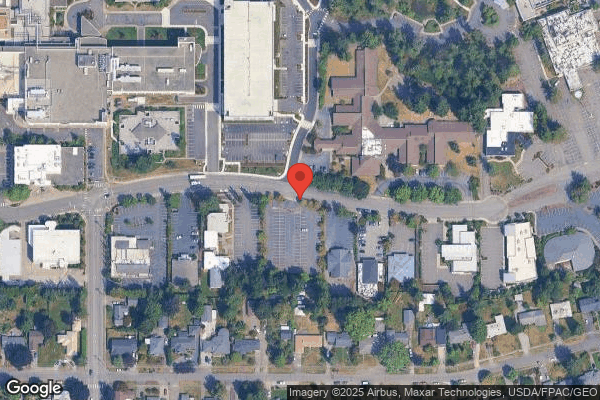
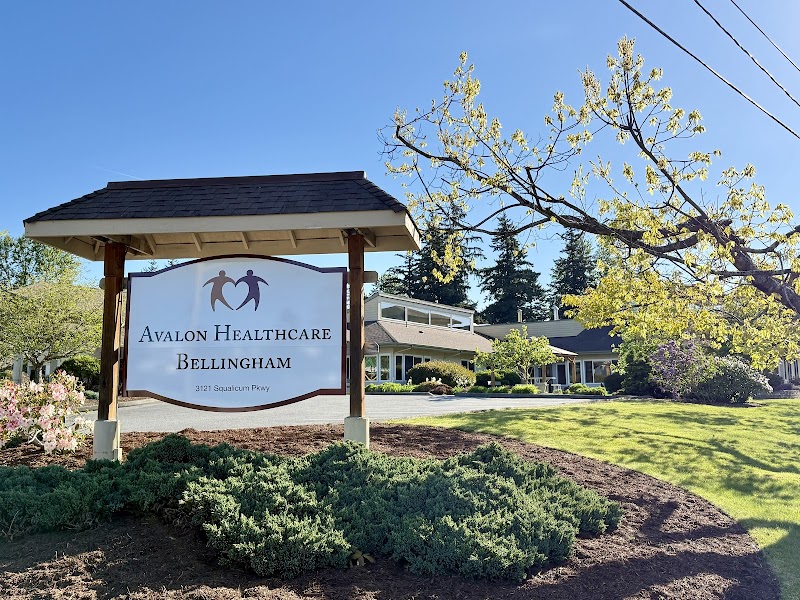
3121 SQUALICUM PARKWAY, BELLINGHAM, WA 98225 (360) 734-6760
For profit - Corporation 105 Beds AVAMERE Data: November 2025 1 Immediate Jeopardy citation
Trust Grade
28/100
#53 of 190 in WA
Last Inspection: December 2024

Within standard 12-15 month inspection cycle. Federal law requires annual inspections.

Overview

Avalon Healthcare in Bellingham has received a Trust Grade of F, indicating significant concerns about the facility's care standards. They rank #53 out of 190 nursing homes in Washington, placing them in the top half, but still far from ideal. The facility is showing improvement in its issues, decreasing from 17 in 2024 to just 2 in 2025, which is a positive trend. Staffing is a weak point, rated 2 out of 5 stars with no turnover, suggesting stability, but the low rating indicates potential concerns with staff performance. The facility has incurred $210,980 in fines, which is alarming as it is higher than 92% of Washington facilities, hinting at recurring compliance problems. However, they have average RN coverage, which is crucial since RNs can catch issues that CNAs might miss. The inspector's findings include serious incidents, such as a resident being discharged to a motel without appropriate care arrangements for serious medical conditions, leaving them at risk and requiring hospitalization. Another serious finding involved a resident who developed a Stage 4 pressure ulcer due to inadequate monitoring and care. Overall, while there are improvements in some areas, the facility has significant weaknesses that families should consider carefully.

Trust Score
F
28/100
In Washington
#53/190
Top 27%
Safety Record
High Risk
Review needed
Inspections
Getting Better
17 → 2 violations
Staff Stability
○ Average
Turnover data not reported for this facility.
Penalties
✓ Good
$210,980 in fines. Lower than most Washington facilities. Relatively clean record.
Skilled Nurses
✓ Good
Each resident gets 55 minutes of Registered Nurse (RN) attention daily — more than average for Washington. RNs are trained to catch health problems early.
Violations
⚠ Watch
43 deficiencies on record. Higher than average. Multiple issues found across inspections.
★★★★☆
4.0
Overall Rating
★★☆☆☆
2.0
Staff Levels
★★★★★
5.0
Care Quality
★★★☆☆
3.0
Inspection Score
Stable
2024: 17 issues
2025: 2 issues

The Good

  • 5-Star Quality Measures · Strong clinical quality outcomes
  • Full Sprinkler Coverage · Fire safety systems throughout facility
  • No fines on record

Facility shows strength in quality measures, fire safety.

The Bad

Federal Fines: $210,980

Well above median ($33,413)

Significant penalties indicating serious issues

Chain: AVAMERE

Part of a multi-facility chain

Ask about local staffing decisions and management

The Ugly 43 deficiencies on record

1 life-threatening 3 actual harm
Apr 2025 1 deficiency 1 Harm
SERIOUS (G) 📢 Someone Reported This

A family member, employee, or ombudsman was alarmed enough to file a formal complaint

Actual Harm - a resident was hurt due to facility failures

Pressure Ulcer Prevention (Tag F0686)

A resident was harmed · This affected 1 resident

**NOTE- TERMS IN BRACKETS HAVE BEEN EDITED TO PROTECT CONFIDENTIALITY** Based on interviews and record reviews, the facility failed to consistently reposition, assess and monitor skin integrity timely...

Read full inspector narrative →
**NOTE- TERMS IN BRACKETS HAVE BEEN EDITED TO PROTECT CONFIDENTIALITY** Based on interviews and record reviews, the facility failed to consistently reposition, assess and monitor skin integrity timely & implement pressure offloading interventions to prevent the occurrences of avoidable pressure ulcers (PU) for 1 of 3 residents (Resident 1) reviewed for pressure ulcers. Resident 1 experienced harm when they developed unstageable PU (later diagnosed as Stage 4 pressure ulcer) to their sacrum that became infected and required hospitalization. Findings included . The National Pressure Ulcer Advisory Panel (NPUAP) Pressure Injury (Ulcer) states a pressure injury is localized damage to the skin and/or underlying soft tissue usually over a bony prominence or related to a medical or other device. The injury can present itself as intact skin or an open ulcer and may be painful. The injury occurs as a result of intense and/or prolonged pressure or pressure in combination with shear. Further definitions include but not limited to: - Stage 4 Pressure Injury: Full-thickness skin and tissue loss. Full-thickness skin and tissue loss with exposed or directly palpable fascia, muscle, tendon, ligament, cartilage or bone in the ulcer. Slough and/or eschar may be visible. If slough or eschar obscures the extent of tissue loss this is an Unstageable Pressure Injury. - Unstageable Pressure Injury: Obscured full-thickness skin and tissue loss. Full-thickness skin and tissue loss in which the extent of tissue damage within the ulcer cannot be confirmed because it is obscured by slough or eschar. - Deep Tissue Pressure Injury (DTI): Persistent non-blanchable deep red, maroon or purple discoloration. Intact or non-intact skin with localized area of persistent non-blanchable deep red, maroon, purple discoloration or epidermal separation revealing a dark wound bed or blood-filled blister. This injury results from intense and/or prolonged pressure and shear forces at the bone-muscle interface. Review of facility policy titled Skin Integrity, dated 08/2018 documented the facility, based on a resident's comprehensive assessment, will provide care, consistent with professional standards of practice, to prevent pressure ulcers and promote healing, prevent infection and prevent new ulcers from developing unless the resident's clinical condition demonstrates that they were unavoidable. Guidelines include but not limited to: 10. Resident's care plan will reflect the preventive strategies for residents identified as at risk for developing PU/PI. 15. Prevention and treatment plans will be individualized and consistently provided. 22. Repositioning or relieving constant pressure is an effective intervention for treatment or prevention of PU/PIs. Repositioning plans will be addressed in the resident's comprehensive care plan. 30. The IDT will develop a relevant care plan that includes measurable goals and interventions for prevention and management of PU/PIs. Identified interventions will be implemented. 34. Daily monitoring of PU/PI will include: a. Evaluation of the PU/PI, if no dressing is present; b. Evaluation of the status of the dressing, is present; c. Status of the area surrounding the PU/PI (without removing existing dressing); d. Presence of possible complications; e. If pain is present, is it being controlled. 35. A weekly evaluation of the PU/PI will be documented, to include: a. Location and staging; b. Measurements, including the depth and any undermining or tunneling; c. Exudate, if present (type, color, odor, amount); d. Wound bed status; e. Description of wound edges and surrounding tissue. Resident 1 was admitted to the facility on [DATE] with diagnoses to include right hip fracture, major depressive disorder, muscle weakness, spina bifida (birth defect that affects the spinal cord and nerves, potentially leading to paralysis, and sensory loss), chronic pain, and need for assistance with personal care. Review of Resident 1's admission Minimum Data Set (MDS-an assessment tool) Care Area Assessment (CAA), dated [DATE], documented they were at risk for developing PU's, currently had no PU's, had a surgical wound, and required substantial/maximal assistance from staff for rolling in bed. Review of Resident 1's quarterly MDS assessment dated [DATE], documented through a clinical assessment the resident was at risk of developing PUs, currently had no PU's or other skin conditions and required pressure reducing devices for their chair and bed, and they were cognitively intact. Review of Resident 1's BRADEN scale (scale for predicting PU risk) assessment dated [DATE] documented a score of 16 indicating the resident was considered to be at risk for the development of PUs. Review of Resident 1's care plan documented: - Focus area ADL (Activities of Daily Living) self-care performance deficit, initiated on [DATE], revised on [DATE]. Interventions included Resident requires 2 staff max assist to turn and reposition in bed, initiated [DATE], revised [DATE]. - Focus area Skin integrity and the resident was at risk for pressure ulcer development related to decreased mobility secondary to hip fracture and chronic deficits related to spina bifida with impaired sensation, initiated on [DATE]. The care plan was revised on [DATE], and documented the resident had an unstageable pressure ulcer to the coccyx/sacrum area. The care plan was then updated again on [DATE], and documented the unstageable PU was surgically debrided (surgically remove dead, damaged tissue or infected tissue from a wound or area) and was now a Stage 4 pressure ulcer, and a Stage 2 on their left heel and a DTI to the right heel. The goal documented on the care plan was that Resident 1 would not develop any further avoidable skin breakdown, initiated on [DATE]. Interventions included: o Follow facility policies/protocols for the prevention/treatment of skin breakdown (initiated/revised on [DATE]). o Monitor skin for any changes or impairments (initiated/revised on [DATE]). o Reposition Resident 1 with rounds and cares (initiated on [DATE], revised on [DATE]). o Low air loss mattress in place to relieve pressure (initiated [DATE]). o Resident requires pressure relieving/reducing device on bed/chair (initiated [DATE], revised [DATE]). - Focus Area Resistive to care/interventions, initiated [DATE]. Review of Resident 1's [NAME] (care plan directive for nursing assistants) documented: - As of [DATE]- Resident required one person staff assist to turn and reposition in bed. There were no other skin/pressure prevention interventions documented. - As of [DATE]- The resident requires one staff assist stand by to turn and reposition in bed. - As of [DATE]- Resident requires pressure relieving/reducing device on bed/chair; they require one person staff set-up to stand by assist to turn and repositioning in bed. There were no care information/directives related to Resident 1's current PU's. - As of [DATE]- Resident requires pressure relieving/reducing device on bed/chair; they require two staff max assist to turn and reposition in bed and two persons assist with offloading (relieve pressure). There were no care information/directives related to Resident 1's current PU's. Review of Resident 1's Documentation Survey Report v2 Nursing Assistant Certified (NAC documentation) for January, February and [DATE] showed the resident had no refusals documented for the task of rolling right and left in bed. Review of Resident 1's progress note, dated [DATE] at 4:37 PM, documented the resident was noted to have a 9 centimeter(cm) by 9 cm sore to their sacrum area. Review of Resident 1's physician progress note, dated [DATE], documented the resident had an unstageable sacral ulcer that had been found a few days prior. Review of Resident 1's progress note dated [DATE] at 11:01 AM documented that they had been seen by wound care in the facility and their pressure area to sacrum had been debrided (surgical removal of dead or damaged skin/tissue from a wound). Review of a wound care note, dated [DATE], documented Resident 1 had an unstageable sacral wound that measured 10.7 cm x 8.8 cm, with tunneling of 2 cm. Review of Resident 1's progress note, dated [DATE] at 3:00 PM, documented that the resident was lethargic, with low blood pressures (BP- normal range 120/80) of 58/42 and 50/40, and low oxygen readings (normal 95-100%) from 67% to 92%. The facility provider was notified and called 911 for the resident to be transferred to the hospital. Review of Resident 1's hospital records dated [DATE] to [DATE] documented the resident was diagnosed with septic shock, (life-threatening condition that is the most severe stage of sepsis), urinary tract infection or osteomyelitis (bone infection, usually caused by bacteria) related, and a Stage 4 sacral pressure ulcer. Review of the facility investigation dated [DATE], completed by Staff A, Registered Nurse (RN)/Director of Nursing Services (DNS) documented interventions in place prior to sacral ulcer were Activities of Daily Living (ADL) assist for turn/reposition as indicated. Staff A documented the unstageable pressure injury to Resident 1's sacrum was identified on [DATE]. Staff A documented that based on measures identified, care planned and implemented, interventions that were in place upon admission and prior to skin impairment should have been sufficient and reasonable to prevent the formation of pressure ulcers. Staff A documented that upon review of the resident clinical picture, the pressure ulcer suspected to be unavoidable related to previous decrease in frequency of repositioning, decrease in sensation with spina bifida, recent refusals of care and history of pressure injuries In an interview on [DATE] at 2:05 PM, Resident 1 stated that they had never had any pressure ulcers before and that they can't believe that this happened. Resident 1 stated that they are unable to feel in the sacrum area due to their spina bifida. Resident 1 stated when their insurance ran out and therapy was finished, the staff just let them lay in the bed. Resident 1 stated that no staff came to change their position or turn them in bed, and no staff came to remind them to do it independently, they had no idea about repositioning until after this pressure ulcer was found. Resident 1 stated they need help and that is why they were in the facility. The resident stated that the staff did not know that this was happening to their skin, and they could have died from the infection. In an interview on [DATE] at 4:43 PM, Resident 1 family member (CC1) stated after Resident 1's insurance ran out or they were discharged from physical therapy that the facility was not providing any therapy services or assisting the resident. CC1 stated that they were notified by the surgeon that the infection had gone into their bones from the PU and that the healing process may affect the rest of their life. CC1 stated Resident 1 does not have sensation and can't feel the area of their body where the PU is located, and they have never had any previous PU's. CC1 stated that the facility was not providing the care that Resident 1 required or deserved. In an interview on [DATE] at 1:11 PM, Staff B, Nurse Aide Certified (NAC), stated that they follow the [NAME] to know what level of assistance a resident requires. Staff B stated they alert the licensed nurse if the resident refuses any care, and it can be documented in the resident's electronic medical record (EMR) related to the task that was refused. Staff B stated that one person assist, or one person stand by assist with bed mobility, rolling left and right, meant it required one staff to partially assist resident to complete the task and set up for whatever they need to accomplish. Staff B stated that residents who have skin issues or are at risk for skin issues have interventions for floating the area, reposition, and change their position. In an interview on [DATE] at 1:22 PM, Staff C, NAC, stated they review the care plan or [NAME] to know what care is required for a resident. Residents who have skin issues or are at risk for skin issues usually have interventions to float the affected area, special mattress, and frequent turning and repositioning. Staff C stated that all resident care tasks have an option to document for a resident refusal of care. Staff C stated they report to the licensed nurse if the resident refused care. Staff C stated that one person assist or standby assist for bed mobility requires one staff to assist the resident to reposition and stated they were not sure what a standby assist for bed mobility was. Staff C stated that Resident 1 had not refused care from them. In an interview on [DATE] at 1:33 PM, Staff D, Registered Nurse (RN), stated they review the care plan to know what assistance the resident requires. Staff D stated that interventions for residents who have skin issues are that staff complete frequent checks, provide reposition care every two hours, and offload the pressure areas of concern. Staff E stated if a resident refused care, they would attempt three times and then complete notifications to the resident power of attorney (POA) or responsible party, notify the provider, and complete a progress note with the refused care and complete teaching with resident of risks and benefits of the care they have refused. Staff D stated that if a resident required one person assist for bed mobility, then one staff should assist with that care. In an interview on [DATE] at 2:52 PM, Staff E, RN/Resident Care Manager (RCM), stated they were aware Resident 1 had refused to get out of bed for meals, unsure about bed mobility or to be repositioned. Staff E stated that Resident 1 had never been considered independent with their bed mobility, repositioning or care needs and that they were aware that the resident had previously refused to get out of bed and sit up for meals. Staff E stated that they did not recall knowing that the resident had refused being repositioned. Staff E stated that a one person or one person stand by assist for bed mobility and repositioning would be one staff member to assist or be there to see what assist the resident required and then stated that a standby assist for bed mobility does not really make sense. Staff E stated that if a resident had refused care or is known to refuse frequently, it should be documented by NAC's and Licensed Nurses (LN), and they were unsure of where it would be documented. Staff E stated that Resident 1's care plan should have been updated related to refusals of care and assessed to see why Resident 1 had refused care. In an interview on [DATE] at 4:34 PM, Staff A stated that if a resident had a skin issue or was at risk to develop a skin issue, the expectation is that there are interventions in the care plan and those interventions should be implemented. Staff A stated that Resident 1 had stated that they previously had some skin issues or a wound in the same area, although their clinical record did not indicate that in their history when I reviewed it. Staff A stated that Resident 1 was identified at risk related to immobility due to the hip fracture and sensation loss related to spina bifida. Residents who are at risk or have skin integrity care plans should be turned and repositioned on staff rounds and with care provided by NAC's. If a resident has refused care, it should be documented by NAC's and LNs in the EMR, it should also be documented in their EMR that staff review risks and benefits related to refused care. Staff A stated their expectations for care plans are that they are updated when there is a change. Requested additional information related to documentation of resident refusal of bed mobility, being repositioned or care plan updates, no further information was provided. Reference WAC: 388-97-1060 (3)(b)
Jan 2025 1 deficiency
CONCERN (D) 📢 Someone Reported This

A family member, employee, or ombudsman was alarmed enough to file a formal complaint

Potential for Harm - no one hurt, but risky conditions existed

Notification of Changes (Tag F0580)

Could have caused harm · This affected 1 resident

**NOTE- TERMS IN BRACKETS HAVE BEEN EDITED TO PROTECT CONFIDENTIALITY** Based on interviews and record review, the facility failed to ensure that notification of changes had been communicated to the r...

Read full inspector narrative →
**NOTE- TERMS IN BRACKETS HAVE BEEN EDITED TO PROTECT CONFIDENTIALITY** Based on interviews and record review, the facility failed to ensure that notification of changes had been communicated to the resident and/or resident representative for 1 of 3 (Resident 1) residents reviewed for notifications of change. These failures placed residents and/or representatives at risk of not being informed of resident changes in health status or transfers out of the facility. Findings included . Resident 1 admitted to the facility on [DATE], with diagnoses to include schizoaffective disorder (condition that includes schizophrenia and a mood disorder symptoms), encephalopathy (brain disease that alters brain function or structure), major depressive disorder and anxiety. Review of Resident 1's medical record showed a Guardian listed as their responsible party and emergency contact. Review of a Resident 1's progress notes dated 12/20/2024 showed notifications were not documented as being made related to abnormal lab values or their transfer to the hospital on [DATE]. In an interview on 01/13/2025 at 10:57 AM, CC1, Guardian of Resident 1, stated the facility had not communicated with them when the resident had abnormal lab values or when Resident 1 was transferred to the hospital. CC1 stated they received the information from the hospital staff after Resident 1's arrival. CC1 stated the facility had an option to leave a voicemail for them at any time during the day or night and there was also an option to talk with whomever was on call for any emergencies. CC1 stated neither of these options were utilized. In an interview on 01/13/2025 at 2:07 PM, Staff C, Licensed Practical Nurse (LPN), Unit Manager stated they attempted to call CC1's Guardian, but did not make contact before the resident was transferred to the hospital. Staff C stated they did not wait to leave a message or utilize the on-call option for emergencies. Staff C stated they spoke with CC1's office when someone from the office called after being notified by the hospital that Resident 1 had been transferred. In an interview on 01/13/2025 at 3:20 PM, Staff B, Registered Nurse (RN), Director of Nursing Services (DNS) stated it was their expectation that any resident changes, medical or psychosocial changes, and transfers would be communicated to the Resident's representative. Reference WAC: 388-97-0320 (1)(b)(d)
Dec 2024 6 deficiencies
CONCERN (D)

Potential for Harm - no one hurt, but risky conditions existed

Deficiency F0551 (Tag F0551)

Could have caused harm · This affected 1 resident

**NOTE- TERMS IN BRACKETS HAVE BEEN EDITED TO PROTECT CONFIDENTIALITY** Based on interview and record review the facility failed to ensure an appropriate delegation of resident rights for decision mak...

Read full inspector narrative →
**NOTE- TERMS IN BRACKETS HAVE BEEN EDITED TO PROTECT CONFIDENTIALITY** Based on interview and record review the facility failed to ensure an appropriate delegation of resident rights for decision making and informed consent was completed and followed for 1 of 4 residents (Resident 53) reviewed for Advance Directives. This failure placed Resident 53 and their representative at risk for lack of knowledge related to risks, benefits and alternatives to proposed health care and for financial or other exploitation related to lack of capacity to make informed decisions. Findings included . Review of the facility's policy titled Resident Rights- Advance Directives dated 11/2017 showed the facility would identify the primary decision-maker which included assessing the resident's decision-making capacity and identifying or arranging for an appropriate representative for a resident assessed as unable to make relevant health care decisions. Resident 53 was admitted to the facility on [DATE] with diagnoses which included traumatic brain injury following a fall. Review of Resident 53's clinical record on [DATE] showed no Advance Directives, no decision-making hierarchy, and no legal or medical documents that addressed decision making capacity or competency. The available scanned records only included a POLST (Physicians orders for Life Sustaining Treatment) form dated [DATE] showing a selection of No CPR, and Comfort measures only, which was hand signed by the resident on [DATE]. Review of Resident 53's admission Minimum Data Set (MDS- an assessment tool) dated [DATE] showed the resident's decision making was severely impaired and showed the Brief Interview for Mental status (BIMS- a 15-point test to determine memory recall and cognition) was scored at 99 indicating the resident received no score (the resident did not respond to the questions.) The care area assessment (CAA) related to cognition stated the resident had experienced a significant cognitive decline following a fall with head injury and loss of consciousness and the resident had difficulty processing information. Review of a progress note dated [DATE] Showed Resident 53's daughter was the resident's POA (Power of Attorney) and they had requested a copy of the paperwork. Review of Resident 53's care plan dated [DATE] showed the resident's designated POA, who was a family friend, not the daughter, had, in fact, passed away and the resident had not designated a secondary POA. The care plan stated the daughter was the next of kin. In an attempted interview on [DATE] at 11:38 AM, Resident 53 was not able to respond to questions and made only repetitive verbal vocalizations. Review of Resident 53's clinical record showed the residents signature in the form of a single initial was on the facility legal admission agreements (dated [DATE]), and arbitration agreements (dated [DATE]) (agreement to settle disputes through an arbitrator, rather than court.) Review of Resident 53's clinical record showed the resident was sent to the emergency department for a fall and change of condition on [DATE]. Review of a hospital palliative care note dated [DATE] showed Resident 53 was unable to make complex medical decisions and per WA state law, the patients next of kin was the daughter. The resident readmitted to the facility on [DATE] and review of the resident's medical record showed again, the resident's initial was hand signed at the bottom of the facility readmission agreement dated [DATE] and signed by Staff M, Admissions. In an interview on [DATE] at 12:20 PM, Staff M stated they reviewed Advance Directives during the admission process/paperwork. Staff M stated that they reviewed paperwork with the resident or the responsible party if the resident was not able to sign. Staff M stated they were not the one who determined if the resident was competent to sign the admission paperwork and they were not as familiar with the new paperwork since the change of ownership. Staff M stated they could not recall reviewing paperwork specifically with Resident 53. In an interview on [DATE] at 10:16 AM, Staff G, Registered Nurse/Unit Manager, stated that Resident 53 was at their baseline. Staff G stated the resident could not make decisions or sign their own documents. Staff G stated Resident 53 was able to communicate some needs, will say yes/no and staff have become familiar with them, and they must anticipate Resident 53's needs. Staff G stated the resident had declined further in their cognitive ability since their hospitalization and readmission and the goals were comfort focused. Staff G stated they had been told to contact Resident 53's daughter for consents but stated they were not aware of what the process was when a resident did not have clear Advance Directives and there were concerns that the resident did not have capacity to give consent for care or treatment. In an interview on [DATE] at 11:27 AM, Staff L, Social Services, stated they had called Resident 53's daughter who stated they would come in and sign something saying they were willing to assume decision making. Staff L stated they were not aware of whether the resident's provider had been or needed to be involved or not, stating there was probably a process, but they did not know what it was. On [DATE] the facility provided a letter dated [DATE] signed by the facility medical director stating that the resident lacked the capacity to make health care decisions due to their inability to understand the nature and consequences of a health condition, the proposed treatment, including non-treatment and reach an informed decision. Reference: (WAC) 388-97-0240
CONCERN (D)

Potential for Harm - no one hurt, but risky conditions existed

Comprehensive Care Plan (Tag F0656)

Could have caused harm · This affected 1 resident

**NOTE- TERMS IN BRACKETS HAVE BEEN EDITED TO PROTECT CONFIDENTIALITY** <RESIDENT 215> Resident 215 admitted to the facility on [DATE] with diagnoses to include left arm fracture, high blood pre...

Read full inspector narrative →
**NOTE- TERMS IN BRACKETS HAVE BEEN EDITED TO PROTECT CONFIDENTIALITY** <RESIDENT 215> Resident 215 admitted to the facility on [DATE] with diagnoses to include left arm fracture, high blood pressure, and muscle weakness. The admission MDS dated [DATE] showed Resident 215 had intact cognition, was at facility for a short stay, with a goal to return to community, and that they had an active discharge plan. Review of Resident 215's care plan on 12/02/2024 through 12/05/2024 showed no focus area for discharge planning. In an interview on 12/02/2024 at 2:23 PM, Resident 215 stated they have not talked to any facility staff regarding their discharge plan, and it was stressing me out a bit. Resident 215 stated it will be a big change, so they hope there was a good plan. In an interview on 12/05/2024 at 9:51 AM, Staff L stated the expectation was to meet with the newly admitted resident within 48 hours to review their plan of care. Staff L stated that was when the care plan was updated to reflect the discharge plan and would build from there throughout their stay. Staff L confirmed that the discharge plan had not been developed in Resident 215's care plan. In an interview on 12/06/2024 at 11:05, Staff B stated their expectation was discharge planning started on the day of admission, and that the SSD was updating the care plan to reflect the resident's current goals and preferences. Reference WAC 388-97-1020(1)(2)(a) <RESIDENT 51> Resident 51 admitted to the facility on [DATE] with diagnoses to include heart and liver problems and a history of alcohol use disorder. Review of the admission Minimum Data Set (MDS-an assessment tool) assessment dated [DATE] showed the resident had intact cognition, resident was at facility for a short stay, with a goal to return to community, and that they had an active discharge plan. Review of Resident 51's care plan on 12/02/2024 through 12/05/2024 showed no focus area for discharge planning. In an interview and observation on 12/02/2024 at 10:09 AM, Resident 51 was ambulating throughout the facility with a walker, at a quick pace, observed to be steady on their feet, observed to ambulate from one end of the facility to the other multiple times. Resident 51 stopped in the hallway, said hello and wanted to talk, stating they did not know why there were not able to discharge home. The resident stated that they were no longer receiving any therapy and felt they were ready to go home. Resident 51 stated they had some stairs at their apartment, but they could do the stairs and they were agreeable to some help at home if that was what they needed. Resident 51 stated they were stressed out because they wanted to know what the plan was. <RESIDENT 54> Resident 54 admitted to the facility on [DATE] with diagnoses to include COVID 19 illness, history of falls, and diabetes. Review of the admission MDS dated [DATE] showed Resident 54's discharge was unknown and there was an active discharge plan in place. In an interview on 12/02/2024 at 11:46 AM, Resident 54 stated they were working with therapy, and they knew they needed to improve their strength. The resident stated they had requested to have a predictable schedule for things like therapy because it helped them be productive with other things they needed to do, stating I like to have an organized day. Resident 54 stated they were not sure when they would discharge or if they were going to have to move or not. Review of Resident 54's care plan on 12/02/2024 through 12/05/2024 showed no focus area for therapy goals or discharge planning. In an interview on 12/05/2024 at 9:51 AM, Staff L, Social Services Director (SSD), stated they did care conferences with residents within 48 of their admission and they talk about goals, it starts on day one. Staff L stated they encourage residents to have a plan B. Staff L stated Resident 51 was ready to go, but the family had been in favor of an adult family home or other assisted option instead of the previous apartment and the resident needed a new bed. Staff L stated the process was changing and the notes, which had been in the progress notes, will now be found in the assessments section under discharge plan. Staff L stated this information should be on the care plan and acknowledged that the prior progress notes and care plans were lacking for some residents including Resident's 51 and 54. Based on observation, interview and record review, the facility failed to develop and implement a comprehensive person-centered care plan for 2 of 3 residents (Residents 51 and 215) reviewed for discharge planning, 1 of 1 resident reviewed for Rehab and Restorative Services (Resident 54) and 1 of 2 residents (Resident 6) reviewed for skin issues. Failure to develop and implement individualized goals or approaches placed residents at risk for decreased quality of care and unmet care needs. Findings Included . Review of the facility policy titled Comprehensive Care Plans, dated 11/2017, showed the facility Interdisciplinary Team (IDT) will develop and implement a comprehensive, person-centered care plan for each resident that includes measurable objectives and time frames to meet a resident's medical, nursing, physical, mental, and psychosocial needs that are identified in the comprehensive assessment. <RESIDENT 6> Resident 6 admitted to the facility on [DATE] with diagnoses to include chronic congestive heart failure. In an observation on 12/02/2024 at 9:38 AM, Resident 6 was observed to have swelling (edema) in both feet and wearing tight fitting slippers. In subsequent observations on 12/03/2024 at 9:07 AM, 12/04/2024 at 8:43 AM, 12/05/2024 at 8:37 AM and 12/06/2024 at 9:29 AM, the resident was observed to have edema with TED hose (stockings/socks that help prevent blood clots) and tight-fitting slippers on. Record review of Resident 6's care plan dated 06/01/2023 and revised on 07/31/2024 showed there were no specific interventions noted to address the resident's congestive heart failure (CHF) and edema. The care plan had one intervention to monitor/document/report to the physician any signs of CHF such as dependent edema of legs and feet, periorbital edema, shortness of breath (SOB) upon exertion, cool skin, dry cough, distended neck veins, weakness, weight gain unrelated to intake, crackles and wheezes upon auscultation of the lungs, Orthopnea, weakness and/or fatigue, increased heart rate (tachycardia) lethargy and disorientation. In an interview on 12/06/2024 at 9:11 AM, Staff C, Licensed Practical Nurse (LPN)/Unit Manager stated they would update Resident 6's CHF care plan to include interventions. In an interview on 12/06/2024 at 10:45 AM, Staff B, DNS stated that Resident 6 had edema, and they had adjusted their diuretics (medication to help with edema). Staff B stated that Staff C would be updating the care plan to include the interventions.
CONCERN (D)

Potential for Harm - no one hurt, but risky conditions existed

ADL Care (Tag F0677)

Could have caused harm · This affected 1 resident

**NOTE- TERMS IN BRACKETS HAVE BEEN EDITED TO PROTECT CONFIDENTIALITY** Based on observation, interview and record review, the facility failed to assist 1 of 3 dependent residents (Resident 6) with ro...

Read full inspector narrative →
**NOTE- TERMS IN BRACKETS HAVE BEEN EDITED TO PROTECT CONFIDENTIALITY** Based on observation, interview and record review, the facility failed to assist 1 of 3 dependent residents (Resident 6) with routine activities of daily living. Failure to provide routine grooming and clothing changes placed residents at risk for poor hygiene, discomfort, dignity issues, and diminished quality of life. Findings included . Review of facility policy titled, Quality of Life-Activities of Daily Living (ADL's), revised on 11/2017, showed A patient who is unable to carry out ADL's will receive the necessary level of ADL assistance to maintain good nutrition, grooming, and personal and oral hygiene. In the case of a resident with cognitive impairment who refuses care, the facility staff are responsible to attempt to identify the underlying cause of the refusal/declination of care. Resident 6 admitted to the facility on [DATE] with diagnoses to include stroke with hemiplegia (paralysis to one side of the body) and hemiparesis (a condition that causes weakness or partial paralysis on one side of the body) affecting their right dominant side, congestive heart failure, dementia (a mental disorder in which a person loses the ability to think, remember, learn, make decisions, and solve problems) and depression. Review of Resident 6's Quarterly Minimum Data Set (MDS- an assessment tool) assessment dated [DATE], showed the resident had impaired range-of-motion to both sides of their upper and lower extremities and they did not refuse care. Review of the ADL Care Area Assessment (CAA) dated 01/24/2024 showed Resident 6 had chronic weakness and deconditioning with some right sided deficits along with cognitive impairments secondary to dementia with limited activity tolerance are primary factors contributing to self-care and mobility deficits. Resident 6 continues to require primarily supervision/touching assistance with most cares due to their cognitive deficits with limited insight/awareness of their care needs with occasional partial/moderate assistance r/t balance deficits and/or fatigue. Review of Resident 6's care plan initiated on 04/28/2016 directed staff to assist the resident in choosing clothing and provide one person partial or moderate assistance to dress. The care plan directed staff that if they noticed facial hair to assist Resident 6 twice a week with shaving. In an observation on 12/02/2024 at 9:38 AM, Resident 6 was observed in the hallway wearing a pink shirt with a white cross on it. The resident was observed to have ¾ inch long white chin hair. In an observation on 12/03/2024 at 9:47 AM, Resident 6 was observed in the hallway wearing a pink shirt with a white cross on it. There were multiple food and/or fluid spills on the upper chest area of the shirt. The resident was observed to have ¾ inch long white chin hair. In an observation on 12/04/2024 at 8:43 AM, Resident 6 was getting assistance back to their room wearing the same pink shirt with a white cross on it. There were multiple food and or fluid spills on the upper chest area of the shirt. Their blue slacks had some food or fluid particles on both thighs. The resident was observed to have ¾ inch long white chin hair. In an observation on 12/05/2024 at 8:37 AM, Resident 6 was in the hall outside their room wearing the same pink soiled shirt. Their blue sacks were heavy soiled with white and tan spots on both thighs. The white chin hair remained. In an observation on 12/06/2024 at 9:29 AM, Resident 6 was in the hallway outside their room with two streaks of chocolate running down their mouth to their chin. Resident 6 was wearing the same pink soiled shirt since Monday (12/02/2024). Their blue sacks were heavily soiled with white and tan spots on both thighs. The long white chin hair remained. Review of the progress notes beginning 09/01/2024 through 12/05/2024 did not contain any documentation that Resident 6 refused ADL care. In an interview on 12/05/2024 at 10:22 AM, Staff N, Social Services stated Resident 6 refused denture care, but they were not aware of any other care refusals. In an interview on 12/05/2024 at 1:17 PM, Staff O, Nursing Assistant Certified (NAC) stated Resident 6 needed help with ADL's including grooming, and changing clothes and they did not refuse care. In an interview on 12/05/2024 at 1:18 PM, Staff P, NAC stated Resident 6 got finicky with oral care and no longer walked to dine. Staff P stated staff have to assist the resident with changing their clothing. Staff P stated the resident needed assistance with ADL's including shaving. In an interview on 12/06/2024 at 9:11 AM, Staff C, Licensed Practical Nurse/ Unit Manager stated their expectation was that grooming be provided and the aides will change residents' clothing daily. In an interview on 12/06/2024 at 10:45 AM, Staff B, Director of Nursing stated they had heard about Resident 6 wearing the same shirt for five days. Staff B stated Resident 6 would wear the same thing over and over and their care plan did not reflect the resident's refusals of care. Reference: WAC 388-97-1060 (2)(c).
CONCERN (D)

Potential for Harm - no one hurt, but risky conditions existed

Incontinence Care (Tag F0690)

Could have caused harm · This affected 1 resident

**NOTE- TERMS IN BRACKETS HAVE BEEN EDITED TO PROTECT CONFIDENTIALITY** Based on observation, interview and record review, the facility failed to ensure 1 of 1 resident (Resident 49) reviewed for inco...

Read full inspector narrative →
**NOTE- TERMS IN BRACKETS HAVE BEEN EDITED TO PROTECT CONFIDENTIALITY** Based on observation, interview and record review, the facility failed to ensure 1 of 1 resident (Resident 49) reviewed for incontinence, received the care and services necessary to maintain and avoid loss of bowel and bladder functions. This failure placed the resident at risk for continued decline in bowel and bladder function, skin issues, and feelings of frustration and embarrassment. Findings included . Review of the facility policy titled, Quality of Care Incontinence Urinary Incontinence dated 11/2017 showed residents would receive necessary care and services to maintain continence. The policy contained guidelines which included an assessment at admission and ongoing. Resident 49 admitted to the facility on [DATE] with diagnoses that included stroke, history of heart attack, post-polio syndrome (a condition that can affect people who have had polio). Review of Resident 49's Quarterly Minimum Data Set (MDS- an assessment tool) assessment dated [DATE], showed the resident was cognitively intact, did not exhibit behaviors, had not had any refusal of cares and was dependent on staff for toileting needs. Review of Resident 49's care plan initiated 06/21/2024 showed they required two-person maximum assistance using a Hoyer (a patient lift used by caregivers to safely transfer patients) for toilet use. Interventions included a toileting schedule and referred to Nursing Assistant Certified (NAC) tasks. Review of Resident 49's [NAME] (a reference guide, derived from the care plan that provides direction on how to care for a specific resident) dated as of 12/03/2024 showed they had a toileting schedule which was toileting upon rising, by 8 am, dressing personal hygiene and breakfast, toilet at 10 am, lunch, toilet at 2:30 PM and 4:30 PM and toilet as needed at night and throughout the night. In an interview on 12/02/2024 at 11:17 AM Collateral Contact 1 (CC1), Resident 49's representative, stated toileting Resident 49 has been an issue in the facility. CC1 stated they will sit for an hour before getting assistance, was recently moved to a different room to get better attention, and they had made multiple complaints. CC1 stated the staff turn off the call light which ensures the system does not register the hour Resident 49 is waiting. CC1 stated Resident 49 is continent of urine and was able to identify when they need to urinate and have a bowel movement. In an observation on 12/02/2024 at 11:17 AM there was a noticeable smell of urine in Resident 49's room. In continuous observations on 12/03/2024 from 2:34 PM through 3:31 PM the following occurred: -At 2: 34 PM Resident 49 was in their room with CC1. Resident 49 was sitting upright in their wheelchair. -At 2:40 PM met with Resident 49 and CC1 and they stated they had not had any care or toileting since around 12-12:30 PM and had not been offered any care since. -At 3:03 PM CC1 asked Staff H, Licensed Practical Nurse (LPN) to help Resident 49 with toileting. Resident 49's call light was on, and Staff H used the walkie talkie to call for assistance with Resident 49's toileting needs. -At 3:08 PM Resident 49's call light was turned off. -At 3:10 PM Resident 49's call light was turned on. -At 3:15 PM Resident 49's call light was turned off and not provided any care. -At 3:18 PM Resident 49's call light was turned on. -At 3:19 PM Staff I, NAC, entered Resident 49's room and turned off the call light. When asked why Resident 49's call light was on, Staff I stated they needed to use a bed pan and they were waiting for their colleague to get the Hoyer lift. Staff I stated they had answered Resident 49's call light not that long ago and they had turned the call light off then left to go find someone to help them. -At 3:25 PM Resident 49's call light was turned on. -At 3:26 PM Resident 49's light was answered by Staff J, NAC, who stated they would be right back to assist resident and left their call light on. -At 3:30 PM Staff H, LPN used their walkie talkie to call for Staff K and was told they were in another room assisting another resident and would be an additional ten minutes. -At 3:31 PM Staff C, Unit Manager-LPN, entered Resident 49's room and asked them what they needed. Resident 49 explained to Staff C they were waiting to use the bed pan and the aides kept turning their light off and they had been waiting. Staff C told Resident 49 let's do this and did not address Resident 49's verbalizations. Staff J reentered Resident 49's room with the Hoyer lift and Staff C remained to assist in the process of placing them on the bedpan. In an observation on 12/04/2024 at 8:22 AM Resident 49 was in their bed, laying on their back, with their eyes closed. On 12/04/2024 at 8:33 AM Staff C. LPN entered Resident 49's room and woke them up asking them if they wanted to have breakfast. In an interview on 12/04/2024 at 12:51 PM Staff F, NAC, stated they had assisted Resident 49 with getting dressed after breakfast to include use of the bed pan around 9:30 AM. Staff F stated they know how to care for a resident by reviewing their care plan and [NAME] as well as information provided by other staff and the family. When asked if Resident 49 was on a toileting program, Staff F stated for them they use the bedpan before and after every meal and when they call. Staff F stated Resident 49 was mostly continent and at times had small accidents. In an interview on 12/06/024 at 8:46 AM Staff C, LPN, stated Resident 49 had transitioned to their unit just recently. Staff C stated the times noted on the [NAME] for Resident 49's toileting was by direction of CC1 and they did not go back and have a discussion with CC1 about time frames versus specific times. Staff C stated they expected their staff to answer call lights within 10 minutes and preferred staff to leave the call light on when finding equipment or another staff to assist. Staff C stated they had not conducted a bladder assessment on Resident 49. Reference WAC 388-97-1060 (3)(c)
CONCERN (E)

Potential for Harm - no one hurt, but risky conditions existed

Deficiency F0680 (Tag F0680)

Could have caused harm · This affected multiple residents

Based on record review and interview, the facility failed to ensure the facility's activity program was directed by a trained and qualified activities professional for the ongoing assessment, developm...

Read full inspector narrative →
Based on record review and interview, the facility failed to ensure the facility's activity program was directed by a trained and qualified activities professional for the ongoing assessment, development, and/or revision of individualized activity programs for the current activities scheduled in the facility for 1 of 1 Recreation/Activity Directors (Staff S) reviewed for activities professional qualifications. This failure placed residents at risk for unmet recreation needs, boredom, and decreased quality of life. Findings included . Review of a facility document titled, Job description: Recreation Director, dated 2022 showed the role was to ensure the development, organization and coordination of facility and community resources to provide comprehensive Therapeutic Recreation Services and programs that fulfill the basic psychological, physical, social, cultural, emotional, spiritual and recreational needs and interests of each resident .with required education and experience to have certification as a Therapeutic Recreation Specialist or as an activities professional by a recognized accrediting body; or have two years of experience in a social or recreational program within the last five years, one of which was full-time in a patient activities program in a health care setting; or was a qualified Occupational Therapist or Occupational Therapy Assistant; or have completed a training course approved by the state. In an interview on 12/02/2024 at 11:21 AM, Resident 34 stated they prefer to not leave their room for activities. Resident 34 stated they only have three staff and no time to spend with residents that prefer to have activities in their room. Resident 34 stated they only have time for quick visits, and on the weekends sometimes it never happens. In an interview on 12/02/2024 at 1:54 PM, Resident 19 stated they were bored a lot, they had some magazines to look at but that was all. Resident 19 stated they missed their cat at home, and they wished the facility had animals that visited. In an interview on 12/02/2024 at 2:24 PM, Resident 215 stated they felt like they were going stir crazy. They stated there was nothing ever to do but watch television. In an observation on 12/03/2024 at 3:20 PM, there was a scheduled activity of flower arranging occurring in the activity room, there were only 3 residents that participated out of 64 residents. In an observation on 12/04/2024 at 10:33 AM, there was a scheduled exercise group activity occurring in the dining room. There were 6 residents that attended the group out of 64 residents. The staff directing the group followed a self-made video on the television screen, no engagement was observed with the residents, the music was faint to hear, and during the session 1 resident left the group. In an observation on 12/04/2024 at 1:52 PM, there was a scheduled activity of Christmas crafts occurring in the activity room, there were only 3 residents that participated out of 64 residents. In an interview on 12/05/2024 at 12:23 PM, Staff T, Recreation Assistant stated they have a set routine every day. They will do one-to-one visit with residents that do not wish to attend activities. Staff T stated they attempt to see everyone, but that's not possible most days. Staff T stated the one-to-one visits will usually consist of offering magazines, books, puzzles and handing out the daily chronicle. In an interview on 12/05/2024 at 1:49 PM, Resident 47 stated during resident council meeting that there are usually only 3 to 4 resident that show up for the activities in the facility. In an interview on 12/05/2024 at 2:33 PM, Staff S, Recreation Director stated they have been in the role as the director for about six months. Staff S stated they have an associate's degree in arts and science and worked at a memory care facility for a year and half where they helped with activities. Staff S stated they had not been told they needed to have any type of certification or certain qualifications for this position. Staff S stated when a resident refused to participate in an activity, that was the residents right to refuse, Staff S stated they did not usually pressure or inquire with the resident as to why they did not want to participate. Staff S stated they had noticed that the attendance for the activities was low, and that the residents did not seem to be interested in what was offered. Staff S stated they had not brought this issue up in the Quality Assurance and Improvement Committee (QAPI) meeting. In an interview on 12/06/2024 at 11:05 AM, Staff A, Administrator stated they were aware that Staff S was not qualified to fill the role as Recreation Director. Staff A stated they were supporting Staff S and had a plan that they were going to get them into a program at some point, but at this time there was no active plan. Reference WAC 388-97-0940 (3)(a-c)
CONCERN (E)

Potential for Harm - no one hurt, but risky conditions existed

Quality of Care (Tag F0684)

Could have caused harm · This affected multiple residents

**NOTE- TERMS IN BRACKETS HAVE BEEN EDITED TO PROTECT CONFIDENTIALITY** <RESIDENT 23> Resident 23 admitted to the facility on [DATE] with diagnoses that included lung cancer, cirrhosis of the li...

Read full inspector narrative →
**NOTE- TERMS IN BRACKETS HAVE BEEN EDITED TO PROTECT CONFIDENTIALITY** <RESIDENT 23> Resident 23 admitted to the facility on [DATE] with diagnoses that included lung cancer, cirrhosis of the liver (a chronic liver condition where scar tissue replaces healthy liver tissue and prevents the liver from functioning properly), chronic obstructive pulmonary disease (COPD-a common lung disease that makes it difficult to breathe), and a condition where fluid builds up in the body's tissues, causing swelling. Review of Resident 23's Quarterly MDS dated [DATE] showed the resident was cognitively intact and had no refusals of care. Review of Resident 23's care plan dated 06/17/2024 showed the residenty had a left heel ulcer which resolved 06/25/2024. Review of Resident 23's Treatment Administration records for October and November 2024 showed: 1) an order dated 10/04/2024 for Resident 23 to have knee high TED hose (stockings/socks that help prevent blood clots) on in the am and off at night every day and evening shift for lower extremity edema. 2) an order dated 06/25/2024 for Resident 23 to have their heels offloaded when in bed with 2 pillows in one case. Heels should be hanging over the pillow every shift for prevention. Review of Resident 23's progress notes for November 2024 showed they had refused to wear their TED hose on 11/30/2024, no other instance found. In observations on 12/03/2024 at 9:25 AM, 12/04/2024 at 8:30 AM, and 12/05/2024 at 12:58 PM Resident 23 was in bed not wearing TED hose nor had their feet offloaded, their feet were uncovered and bare. In an interview on 12/05/2024 at 1:00 PM Resident 23 stated they had told the staff they will not wear the TED hose provided by the facility because they make their legs itch and then they scratch causing sores. Resident 23 stated there was no alternatives offered besides what was initially offered. Resident 23 stated they wore TED hose at home routinely, prior to coming to the facility. In an interview on 12/05/2024 at 1:30 PM Staff D, LPN stated Resident 23 has edema and their legs are elevated, and they have TED hose as interventions. Staff D stated the provider should be notified of Resident 23's refusals to wear the TED hose. Staff D stated they reposition Resident 23 throughout the day. In an interview on 11/06/2024 at 8:58 AM Staff C stated they expected staff to complete and follow physician orders as prescribed. Staff C stated they had not discussed any other options with Resident 23 for TED hose preference and was planning on speaking with the provider that day. Refer to WAC 388-97-1060(1), (2)(3)(b)(h) <RESIDENT 53> Resident 53 admitted to the facility on [DATE] with diagnoses to include a traumatic brain injury and pressure ulcers. Review of the Minimum Data Set (MDS- an assessment tool) dated 10/15/2024 showed Resident 53 had an unstageable pressure injury to the sacrum and pressure injuries to both heels, present on admission. The resident was documented as being seen weekly by the wound specialist consultant and received daily wound treatments with goals and recommendations to increase nutrition for wound healing. Review of the Registered Dietician's (RD) assessment dated [DATE] showed Resident 53 was assessed as a nutritional risk related to weight loss, diminished ability to feed themself and pressure ulcers with recommendations to add nutritional supplements which included Prosource (a protein supplement drink) twice a day which was initiated on 11/04/2024. Review of Resident 53's clinical record on 12/04/2024 showed the resident had a hospital stay on 11/09/2024 and re-admitted on [DATE]. The resident had experienced significant weight loss upon re-admission; however, goals of treatment focused on overall comfort and weights were ordered monthly. The resident would continue with weekly visits from the wound specialist consultant with goals continuing to be consistent with increasing nutritional support for wound healing. Review of Resident 53's note titled Skin and nutrition dated 11/19/2024 showed Prior recommendations had fallen off, will continue with previous RD recommendations. Review of Resident 53's skin and nutrition note dated 12/03/2024 showed Prior recommendations had fallen off, will continue with previous RD recommendations. Review of Resident 53's administration records on 12/04/2024 showed that the prior RD recommendations for Prosource twice daily were not resumed until 12/03/2024. Review of Resident 53's record showed no documentation of weekly wound visit notes from the consultant wound specialist. In an interview on 12/06/2024 at 9:40 AM, Staff G, Registered Nurse/Unit Manager, stated that there should be notes in the clinical record from the wound specialist and the facility wound nurse (Staff Q, LPN) assisted the wound specialist with rounds and made a note. Staff Q would update the orders and recommendations at the same time. Staff G stated they did not know where the wound notes were located in the record and had not reviewed them. In an interview on 12/06/2024 at 9:43 AM, CC2, wound specialist consultant- stated they were aware their notes were no longer appearing in the facility records stating, Since the new company took over. CC2 stated they had notified their IT department and were told that the facilities new ownership had to request access again and they have been made aware. CC2 stated the primary goal for Resident 53 was to maximize comfort, but we are still treating with antibiotics and continuing treatments, seeing them weekly, there are still daily wound treatments and we continue to make changes and recommendations, but it makes no sense that we are sending notes that don't go anywhere (since August). Staff Q stated they did not have access to the wound notes in the system but believed that the Director of Nursing (Staff B) and another one of the unit managers were able to access them. Staff Q stated they made a summary note in the progress notes and updated the treatment orders. In an interview on 12/06/24 at 9:49 AM, Staff B stated there are notes in the system titled skin and nutrition which is like our nutrition at risk notes. The system should work for the wound notes. (Resident 53) has been seen weekly by the wound consultant. Staff B stated the wound notes should be in the resident's charts. In a joint interview on 12/06/2024 at 9:55 AM, Staff B questioned Staff R, Medical Records asking if they had been receiving wound consultant notes for residents. Staff R stated that since the transition, they had not seen any. Staff B stated they were not aware that the wound consultant notes had not been received for residents which included wound recommendations, nutritional recommendations, etc. Staff B stated Staff Q also wrote a note and would input the recommendations at the time of the visit. Staff B stated they had talked about Resident 53 and their goals of care had changed but had not been aware the resident's nutritional recommendations had not resumed upon re-admission, which had been noted by facility staff and documented in wound round notes as well as potential for other missed recommendations related to lack of review of the notes by facility staff and discrepancies in the orders. Based on observation, interview and record review, the facility failed to ensure 5 of 6 resident's (Resident 6, 23, 24, 29 and 53) received care and treatment in accordance with professional standards of practice and received the necessary care and services to attain or maintain their highest practicable level of well-being. This placed residents at increased risk of unmet care needs, medical complications and decreased quality of life. Findings included . <RESIDENT 6> Resident 6 admitted to the facility on [DATE] with diagnoses to include congestive heart failure, and cerebral infarction (stroke). Review of Resident 6's physician order dated 10/19/2023 directed staff to apply a dot bandage to the right side of the resident's nose to cushion their skin and prevent skin breakdown. Review of Resident 6's physician order dated 05/16/2024 directed staff to weigh the resident every Monday and Thursday day shift related to edema. Review of Resident 6's Medication Administration Records (MAR) for September, November and December 2024 showed there were no weights obtained as ordered on 09/09/2024, 11/04/2024, 11/28/2024 and 12/02/2024. In an observation on 12/02/2024 at 9:38 AM, Resident 6 was observed in the hallway with no bandage on their nose. In subsequent observations on 12/03/2024 at 9:47 AM, 12/04/2024 at 8:43 AM, and 12/05/2024 at 8:37 AM, the resident did not have a bandage on their nose. Review of the December MARS showed the nurses initialed the daily bandage to the nose had been completed. In an interview on 12/05/2024 at 10:22 AM, Staff N, Social Services stated Resident 6 refused denture care, but they were not aware of any other care refusals. In an interview on 12/06/2024 at 9:11 AM, Staff C, Licensed Practical Nurse (LPN)/Unit Manager stated the expectation was that nurses weighed the residents as ordered. Staff C stated that they are supposed to obtain the weight, attempt to re-weigh if the resident refuses and if they refuse, they are to attempt the next shift and day until the weight is obtained. In an interview on 12/06/2024 at 12:00 PM, Staff B, Director of Nursing (DNS) stated the nurses should not initial treatments as completed when they did not complete them. <RESIDENT 24> Resident 24 admitted to the facility on [DATE] with diagnoses to include kidney disease. Review of Resident 24's physician order dated 01/24/2023 directed the staff to obtain a Depakote (medication used to treat seizures) level and Complete Metabolic Panel every three months on the 25th. Review of Resident 24's clinical record on 12/06/2024 showed the last Depakote level and CMP were obtained on 07/25/2024. In an interview on 12/06/2024 at 9:06 AM, Staff C was asked about the missed CMP and Depakote level on 10/25/2024. Staff C was unaware of the missed labs and stated they would notify the provider. Staff C stated the expectation is the nurses get the order, then print the slip and it goes into their lab book and the lab tech would draw the sample. Staff C stated the lab comes up on our dashboard in the computer system until the process is completed. Staff are to view it, print it and notify the doctor of the results. In an interview on 12/06/2024 at 10:00 AM, Staff B stated they changed lab providers but were able to utilize their prior lab as needed during the transition. Staff B stated they were unaware of missed labs, and they would complete an audit and get a better system going. Review of Resident 29's physician orders dated 01/15/2023 showed the resident was to have a Depakote level and CMP lab obtained every three months. The physician directed staff to administer Divalproex Sodium/Depakote two times a day for bipolar disorder since 05/09/2024. Review of Resident 29's progress note dated 12/01/2024 at 12:27 PM showed the resident refused their Depakote capsule that morning and stated, I don't want it until they check my level explained risk and benefits. The note showed the resident had a lab draw scheduled for tomorrow to check their Depakote level. Review of Resident 29's progress note dated 12/01/2024 at 8:05 PM, showed the resident accepted only one capsule of medication. Review of Resident 29's progress note dated 12/03/2024 at 8:34 AM showed the resident refused Depakote medication and stated, I don't want to take this capsule; it gives me tremors explained risk and benefits. Still refused. Provider aware. In an interview on 12/04/2024 at 2:28 PM, Staff C was asked about Resident 29 refusing their Depakote medication or asking for a decreased dose until they had a lab drawn to check their levels. Staff C stated they were going to ask the provider about a Depakote level but had forgotten. In a follow up interview on 12/04/2024 at 2:54 PM, Staff C stated they met with Resident 29 who said they had been taking Depakote for years after a psychiatrist ordered it but they had only been on one pill a day. When Staff C was asked about the progress note from 12/01/2024, that showed the resident would have a Depakote level drawn the next day, but the level was not drawn. Staff C said they would look into it but did not know if there was an order for a lab draw. Staff C was unaware the resident had multiple other labs except Depakote drawn on 12/02/2024. In an interview on 12/04/2024 at 3:20 PM, Staff C said the provider was going to taper the Depakote to 125 milligrams (MG) daily for 7 days and then evaluate. Staff C stated they would check a level to see how the resident does on the lower dose. Staff C stated the lab was ordered for 12/01/2024 but when the nurse transferred the order to the lab slip, they missed selecting the Depakote box and that lab was missed. Staff C stated they would draw the lab now. In an interview on 12/05/2024 at 10:07 AM, Resident 29 stated they would be getting their Depakote level lab drawn this morning. Review of Resident 29's clinical record on 12/06/2024 at 9:00 AM showed the Depakote level had not yet been drawn. In an interview on 12/06/2024 at 9:06 AM, Staff C stated the provider did not want the Depakote level drawn for Resident 29 now.
Sept 2024 3 deficiencies 1 Harm
SERIOUS (G) 📢 Someone Reported This

A family member, employee, or ombudsman was alarmed enough to file a formal complaint

Actual Harm - a resident was hurt due to facility failures

Accident Prevention (Tag F0689)

A resident was harmed · This affected 1 resident

**NOTE- TERMS IN BRACKETS HAVE BEEN EDITED TO PROTECT CONFIDENTIALITY** <RESIDENT 2 > Resident 2 admitted to the facility on [DATE], with diagnoses to include hemiplegia and hemiparesis (muscle ...

Read full inspector narrative →
**NOTE- TERMS IN BRACKETS HAVE BEEN EDITED TO PROTECT CONFIDENTIALITY** <RESIDENT 2 > Resident 2 admitted to the facility on [DATE], with diagnoses to include hemiplegia and hemiparesis (muscle weakness or partial paralysis on one side of the body) of left side, muscle weakness, and difficulty in walking. Review of Resident 2's current care plan showed the resident required supervision with one person assistance for transfers and required supervision with one person assistance for hallway ambulation with a wheelchair to follow, initiated on 07/24/2024. Review of a progress note dated 08/18/2024 at 3:57 PM showed Resident 2 was found outside of the facility, in the community by the police at the hospital emergency room entrance and they had called the facility to alert them. Review of Resident 2's elopement investigation, dated 08/18/2024, signed by Staff B, showed no staff witnessed the resident leave the facility. Staff E's, Licensed Practical Nurse (LPN), statement dated 08/20/2024 at 12:51 PM showed they observed Resident 2 at approximately 1:00 PM leaving the dining room and assisted them part way down the hall and then directed Resident 2 to B wing. Staff E was notified by reception around 2:00PM that Resident 2 was found at the hospital emergency room entrance two blocks away. In an interview on 09/03/24 at 12:05 PM, Staff E stated they observed Resident 2 on 08/18/2024 after 1:00 PM. Staff E stated they ambulated with Resident 2 part of the way and then directed them to B wing, which was down the hallway. Staff E stated that Resident 2 did not require supervision or assistance with ambulation and use of a walker. In a joint interview/record review on 9/3/2024 at 12:50 PM, Staff B, DNS stated when they complete facility investigations, they review the care plan. Staff B stated their expectation is that staff follow residents' care plans. Staff B stated Resident 2's care plan showed they required supervision and one person assist with transfers and ambulation with a wheelchair to follow. Reference WAC 388-97-1060(3)(g) Based on observation, interview and record review, the facility failed to provide supervision to ensure residents were free from avoidable accidents for 2 of 3 residents (Resident 1 and 2) reviewed for accident hazards. Resident 1 experienced harm when they fell from bed and sustained a head injury that required sutures and hospitalization when facility staff did not follow the resident's individualized care plan (CP) that required two staff assistance/supervision for incontinence care. This failed practice placed Resident 2 at risk for injury when they wandered outside the facility without staff supervision. Findings included Review of the policy titled Quality of Care- Accident Hazards, supervision, devices dated 07/2018 showed resident specific interventions will be reflected in the residents person-centered, individualized care plan. <RESIDENT 1> Resident 1 admitted to the facility on [DATE] with diagnoses that included history of a stroke with left sided hemiparesis (weakness or partial paralysis affecting one side of the body) and generalized weakness. Review of the 07/02/2024 quarterly Minimum Data Set (MDS-an assessment tool) showed Resident 1 had intact cognition, no behaviors, no rejections of care and required extensive assistance with bed mobility and was dependent on staff assistance for toileting hygiene and rolling side to side in bed. Resident 1 had no recent history of falls. Review of Resident 1's current care plan showed an intervention dated 07/30/2024, that instructed staff that Resident 1 required staff participation to turn and position in bed, two person assist with a further clarification that the resident was able to turn right to left with one person extensive assistance. An intervention dated 07/10/2024 instructed staff that resident 1 required two person extensive assistance for incontinence care or bed pan. Review of the resident record on 08/16/2024 showed Resident 1 had a witnessed fall out of bed on 08/13/2024. Review of the facility investigation showed that Staff D, Certified Nursing Assistant (CNA) was assisting Resident 1 with incontinence care and bedding change without a second CNA assisting per the care plan. Review of a signed written statement provided by Staff D dated 08/14/2024 stated they had rolled the resident on their left side and turned their back (leaving the resident unsupported) to retrieve supplies, turned back around and witnessed Resident 1's weight shift to the left, their right shoulder came forward and they rolled off of the left side of the bed and onto the floor, striking the back of their head on the floor. The statement stated there was blood seen on the back of Resident 1's head and Staff D called on their walkie talkie for other staff to assist. Resident 1 was transferred to the Emergency Department (ED) on 08/13/2024, where they were found to have a scalp laceration requiring sutures. Imaging reports were obtained at the ED and showed a subdural hematoma (a head injury where blood collects between the skull and the surface of the brain). The resident was admitted to the Intensive Care Unit and required a total of seven days of hospitalization. In an interview on 08/22/2024 at 12:13 PM, Staff F, Licensed Practical Nurse (LPN) stated Resident 1 required 2 staff assistance for care, stating Resident 1 was weak and could barely move their body. In an interview on 09/03/2024 at 12:47 PM, Staff B, Director of Nursing Services stated Resident 1 had weakness due to a stroke and their left side was weaker than their right side. Staff B stated when they had interviewed Staff D following the fall, Staff D knew Resident 1's care plan very well and knew that they only needed one person to roll them to the left so that was why they had rolled Resident 1 in that direction. Staff B stated Staff D did not have a second staff member assisting them with Resident 1 but did not review that further with Staff D or include those factors in the incident investigation or conclusion of root cause. Staff B stated they had Staff D walk them through the care provided and Staff D was very specific about Resident 1 being able to roll to their left and that Staff D felt they were following the care plan.
CONCERN (D) 📢 Someone Reported This

A family member, employee, or ombudsman was alarmed enough to file a formal complaint

Potential for Harm - no one hurt, but risky conditions existed

Deficiency F0583 (Tag F0583)

Could have caused harm · This affected 1 resident

**NOTE- TERMS IN BRACKETS HAVE BEEN EDITED TO PROTECT CONFIDENTIALITY** Based on interview and record review, the facility failed to ensure a resident's right to privacy, security, and confidentiality...

Read full inspector narrative →
**NOTE- TERMS IN BRACKETS HAVE BEEN EDITED TO PROTECT CONFIDENTIALITY** Based on interview and record review, the facility failed to ensure a resident's right to privacy, security, and confidentiality when a staff member relayed confidential information to a visiting family member for 1 of 1 resident (Resident 1) reviewed for personal privacy/confidentiality of records. This failed practice placed residents at risk for the loss of confidentiality and privacy and the right to have their preferences honored. Findings included . Review of the facility policy titled, Resident Rights- Privacy and Confidentiality dated 07/2024 showed the facility will respect the residents' right to personal privacy and the right to secure and confidential personal and medical records. Resident 1 admitted to the facility on [DATE] and according to the admission Minimum Data Set (MDS- an assessment tool) assessment dated [DATE], the resident was alert and oriented. In an interview on 08/16/2024 at 11:50 AM, Collateral Contact 1 (CC1- Resident 1's Power of Attorney [POA]) stated a person (CC2) that was visiting the facility on or about 08/14/2024, was given a copy of Resident 1's care plan and CC2 was not on Resident 1's release of information and should not have been given any of Resident 1's private/confidential information. CC1 stated Staff C handed the care plan to CC2 and was told to give it to them (CC1). Review of Resident 1's clinical record on 08/21/2024 showed CC1 was the resident's POA for Healthcare and Financial matters. Review of the facility face sheet for Resident 1 showed CC1 was listed as the POA and the primary emergency contact. CC2 was not listed in Resident 1's record as any type of authorized representative or contact. In an interview on 08/22/2024 at 12:20 PM, Staff C, Licensed Practical Nurse, Unit Manager, stated they had given the care plan to CC2 who was supposed to give it to CC1. Staff C stated they believed it was ok to share information with CC2 relating to Resident 1. Refererence (WAC) 388-97-0360
CONCERN (D) 📢 Someone Reported This

A family member, employee, or ombudsman was alarmed enough to file a formal complaint

Potential for Harm - no one hurt, but risky conditions existed

Investigate Abuse (Tag F0610)

Could have caused harm · This affected 1 resident

**NOTE- TERMS IN BRACKETS HAVE BEEN EDITED TO PROTECT CONFIDENTIALITY** <RESIDENT 2> Resident 2 was admitted to the facility on [DATE], with diagnoses to include hemiplegia and hemiparesis (musc...

Read full inspector narrative →
**NOTE- TERMS IN BRACKETS HAVE BEEN EDITED TO PROTECT CONFIDENTIALITY** <RESIDENT 2> Resident 2 was admitted to the facility on [DATE], with diagnoses to include hemiplegia and hemiparesis (muscle weakness or partial paralysis on one side of the body) of left side, muscle weakness, and difficulty in walking. Review of Resident 2's care plan showed the resident required supervision with 1 person assist for transfers and required supervision with 1 person assist for hallway ambulation with a wheelchair to follow, initiated on 07/24/2024. Review of a progress note dated 08/18/2024 at 3:57 PM showed Resident 2 was found outside the facility in the community by the police at the hospital emergency room entrance and they had called the facility to alert them. Review of Resident 2's elopement investigation provided by the facility, completed by Staff B, dated 08/18/2024 showed the care plan was not assessed for transfer or ambulation status. In a joint interview/record review on 9/3/2024 at 12:50 PM, Staff B, DNS stated when they complete facility investigations, they review the care plan. Staff B stated their expectation is that staff follow residents' care plans. Staff B stated Resident 2's care plan showed they required supervision and 1 person assist with transfers and ambulation with a wheelchair to follow. Reference (WAC) 388-97-0640 (6)(a) Based on interview and record review, the facility failed to conduct a thorough investigation for 2 of 3 residents (Resident 1 and 2) reviewed for complete and thorough investigations. The facility failed to thoroughly investigate a fall with significant injury and hospitalization for Resident 1, and to thoroughly investigate an incident of elopement for Resident 2. This failure placed residents at risk for continued or uninvestigated potential abuse or neglect. <RESIDENT 1> Resident 1 admitted to the facility on [DATE] with diagnoses that included a history of a stroke with left sided hemiparesis (weakness or partial paralysis affecting one side of the body) and generalized weakness. Review of Resident 1's clinical record showed the resident had a fall out of bed on 08/13/2024. Review of a facility investigation report showed that Staff D, Certified Nursing Assistant (CNA) was assisting Resident 1 with incontinent care and bedding change without a second CNA assisting per the care plan. Staff D's witness statement dated 08/14/2024 stated they had rolled the resident onto their left side and turned their back (leaving the resident unsupported) to retrieve supplies, turned back around and witnessed Resident 1's weight shift to the left, their right shoulder came forward and they rolled off of the left side of the bed, onto the floor, striking the back of their head. Review of Resident 1's care plan showed an intervention dated 07/30/2024, instructing staff that Resident 1 required staff assistance to turn and position in bed, 2 person assist, with a further clarification that the resident was able to turn right to left with one person extensive assistance. An intervention dated 07/10/2024 instructed staff that resident 1 required 2-person extensive assistance for incontinent care or bed pan. Review of the facility incident investigation dated 08/13/2024 showed the investigation ruled out abuse and neglect stating that Staff D had followed the care plan for Resident 1. The investigation summary stated Staff D had rolled Resident 1 to the left according to the care plan. The investigation failed to identify that Resident 1's plan of care instructed staff to provide bed mobility and incontinent care with 2-person extensive assistance, or Staff D leaving Resident 1 unsupported on their side to retrieve items. The outcome of the investigation provided a skills review of Staff D but failed to include re-instruction regarding care plans. Staff D's statement referenced being aware of Resident 1's care plan yet did not address the reason Staff D did not have a second staff assisting with the incontinent care and the bed change per the care plan. In an interview on 09/03/2024 at 12:47 PM, Staff B, Director of Nursing Services (DNS) stated Resident 1 had weakness due to a stroke and their left side was weaker than their right side. Staff B stated when they had interviewed Staff D following the fall, Staff D knew Resident 1's care plan very well and knew that they only needed 1 person to roll them to the left so that was why they had rolled Resident 1 in that direction. Staff B confirmed Staff D did not have a second staff member assisting them with Resident 1 but did not review that further with Staff D or include those factors in the incident investigation or conclusion of root cause. Staff B stated they had Staff D, walk them through the care and Staff D was very specific about Resident 1 being able to roll to their left and that Staff D felt they were following the care plan at the time of the fall.
Mar 2024 1 deficiency
CONCERN (D) 📢 Someone Reported This

A family member, employee, or ombudsman was alarmed enough to file a formal complaint

Potential for Harm - no one hurt, but risky conditions existed

Safe Environment (Tag F0584)

Could have caused harm · This affected 1 resident

**NOTE- TERMS IN BRACKETS HAVE BEEN EDITED TO PROTECT CONFIDENTIALITY** Based on observation, and interview, the facility failed to ensure resident rooms were routinely cleaned and maintained in good ...

Read full inspector narrative →
**NOTE- TERMS IN BRACKETS HAVE BEEN EDITED TO PROTECT CONFIDENTIALITY** Based on observation, and interview, the facility failed to ensure resident rooms were routinely cleaned and maintained in good condition for 1 of 3 sampled residents (Resident 1) reviewed for homelike environment. This failure placed residents at risk of not having rooms clean, sanitary, and maintained with a comfortable interior and a decreased quality of life. Findings included . Resident 1 admitted to the facility on [DATE] with diagnoses that included repeated falls, hyperglycemia (high blood sugar), repeated falls, and diabetes mellitus (a disorder in which the body does not produce enough or respond normally to insulin) with diabetic amyotrophy (type of nerve damage). In an interview on 03/22/2024 at 9:15AM, Resident 1 stated they had not received any housekeeping services in their room for at least three weeks. When asked about the items on the chair, Resident 1 stated that the pillows on top of the pile were dirty, and all the other clothing items were clean. Resident 1 stated the clothing on the floor was dirty and should be placed in their laundry basket. Resident 1 described their room as disgusting. On 03/22/2024 at 9:15 AM, observed Resident 1's room to be cluttered with multiple items throughout their room. There was a chair in the right-hand corner of Resident 1's room that was piled with clothing, linens, and on the floor beside the chair were several clothing items. The flooring of Resident 1's room was covered in debris in the form of small pieces of food to unidentifiable small pieces of matter. Resident 1's bed frame was covered from the head of the bed to the foot of the bed in the same matter described on the flooring. The flooring beneath the bed, where Resident 1's catheter hung had several dried round liquid spots. The ceiling in Resident 1's room had multiple areas where paint had been peeling and slightly hanging. The wall directly in front of Resident 1 had a large, patched area, painted over, with paint that had been peeling. In an interview on 03/25/2024 at 12:04 PM Staff C, Director of Housekeeping, stated Resident 1's room was difficult to clean because they needed cares in pairs (two staff members present). Staff C stated there was not a specific system in place to track whether a residents room had been cleaned or not, but there was a system in place for deep cleaning. Staff C stated they were notified by their staff that Resident 1's room had not been cleaned due to the timing did not work and when they tried again there was not enough staff to support the cares in pairs during cleaning. Staff C stated that residents rooms were cleaned daily and for Resident 1 at least weekly. Review of Resident 1's care plan, dated 03/12/2022, contained no information regarding Resident 1's preferences/barriers to housekeeping services. In a joint interview on 03/05/2024 at 3:57 PM, Staff A, Administrator, and Staff B, Registered Nurse/Director of Nurses Services, stated Resident 1 often refused/declined services to clean/organize their room and their care plan reflects the complexity of the resident. Refer to WAC 388-97-0880
Jan 2024 7 deficiencies
CONCERN (D) 📢 Someone Reported This

A family member, employee, or ombudsman was alarmed enough to file a formal complaint

Potential for Harm - no one hurt, but risky conditions existed

Deficiency F0573 (Tag F0573)

Could have caused harm · This affected 1 resident

**NOTE- TERMS IN BRACKETS HAVE BEEN EDITED TO PROTECT CONFIDENTIALITY** Based on interview, and record review, the facility failed to ensure a resident record was provided for review in a timely manne...

Read full inspector narrative →
**NOTE- TERMS IN BRACKETS HAVE BEEN EDITED TO PROTECT CONFIDENTIALITY** Based on interview, and record review, the facility failed to ensure a resident record was provided for review in a timely manner to the legal representative for 2 of 2 sampled residents (Resident 24 and 34) reviewed for requested medical records. This failure placed the legal representative at risk for not having full clinical information about the resident to best represent the resident and make informed decisions. Findings included . Review of the facility provided policy titled, Patient Record Request Information, revised on 08/2021, showed We strive to provide your records within two working days (Skilled Nursing Facility) or 30 calendar days once we receive a completed request, but we may not always get them produced that quickly if there are requests ahead of yours from other patients. We will do our best to accommodate your needs. Review of a concern reported on 12/12/2023, showed multiple times record requests were made to the facility regarding Resident 24 and Resident 34. <RESIDENT 24> Resident 24 was admitted to the facility on [DATE] with diagnoses to include Melas Syndrome (a disease primarily affecting the nervous system and muscles), Diabetes Mellitus, dementia, and delusional disorder (type of psychotic disorder that displays an unshakeable belief in something that is untrue). Resident 24 had a legal guardian as their responsible party and made decisions for the resident. <RESIDENT 34> Resident 34 was admitted to the facility on [DATE] with diagnoses to include cerebral infarction (disrupted blood flow to the brain due to problems with the blood vessels that supply it), hemiplegia and hemiparesis (muscle weakness of partial paralysis) of left side, depression, and anxiety. In an interview on 01/11/2024 at 08:25 AM, Staff H, Receptionist, stated if a resident representative needed or requested medical records, staff in the medical records office had the form to be filled out and were the only one who could complete the medical record request form. In an interview on 01/11/2024 at 10:00 AM, Staff I, Medical Records, stated they were responsible for handling the medical record requests, and it was facility policy to fill out the release of information, emailed to the corporate office, and it took 24-48 hours to get approved. Staff I stated it could take another 24-48 hours to obtain and get the records to the requesting party. In an interview on 01/11/2024 at 11:08 AM, Staff I stated if medical records were requested by a guardian, it would be treated like a resident request and the process was the same, it was emailed to the corporate office and then approved within 24-48 hours. In an interview on 01/11/2024 at 11:30 AM with Staff A, Administrator, stated they were unaware there was an issue with resident's medical records requests. In an interview on 01/12/2024 at 10:44 AM, Collateral Contact 1 (CC1), a representative from a legal guardian group for Resident 24 and Resident 34, stated they had previously been able to get records for Resident 24 and Resident 34 without filling out a release form. CC1 stated they were told it could take 24 to 72 hours to get approved after filling out the request. CC1 stated they had requested resident medical records two times via email on 11/03/2023 and 12/01/2023. CC1 stated on 12/06/2023, the medical records were requested in person at the facility. CC1 stated they received the requested medical records on 12/08/2023. CC1 stated the facility had not communicated in a timely manner and when they do not receive the records they request, they were unable to make important, informed decisions related Resident 24 and Resident 34's medical care and needs. Refer to WAC 388-97-0300(2)(a) .
CONCERN (D)

Potential for Harm - no one hurt, but risky conditions existed

Comprehensive Assessments (Tag F0636)

Could have caused harm · This affected 1 resident

**NOTE- TERMS IN BRACKETS HAVE BEEN EDITED TO PROTECT CONFIDENTIALITY** Based on interview, and record review, the facility failed to ensure the Resident Assessment Instrument (RAI), an assessment of ...

Read full inspector narrative →
**NOTE- TERMS IN BRACKETS HAVE BEEN EDITED TO PROTECT CONFIDENTIALITY** Based on interview, and record review, the facility failed to ensure the Resident Assessment Instrument (RAI), an assessment of a resident's needs, strengths, goals, and preferences, included thorough summaries of the Care Area Assessments (CAA - a systematic process to interpret the triggered information from the Minimum Data Set assessment to assess the potential problem and determine if the area should be care planned), to holistically analyze the plan of care for 2 of 4 residents (Residents 2 and 39) reviewed for comprehensive assessments. This failure placed the residents at risk of not having appropriate services provided based on the resident's individualized needs. Findings included . Review of the Centers for Medicare & Medicaid Services Long-Term Care Facility Resident Assessment Instrument 3.0 User's Manual, dated October 2023, showed the RAI consists of three basic components: the Minimum Data Set (MDS - and assessment tool) assessment, the CAA process, and the RAI Utilization Guidelines. Once a CAA has been triggered, nursing home providers use current, evidence-based clinical resources to conduct an assessment of the potential problem and determine whether or not to care plan for it. The CAA process helps the clinician to focus on key issues identified during the assessment process so that decisions as to whether and how to intervene can be explored with the resident. <RESIDENT 2> Resident 2 admitted to the facility on [DATE] with diagnoses to include stroke with right side weakness and paralysis, dementia (memory loss), diabetes, depression, and kidney disease. Review of the CAA summary, dated 08/24/2023, showed Resident 2 triggered in the following care areas: urinary incontinence, activities, cognitive loss/dementia, Psychosocial well-being, falls, dental care, nutritional status, pressure ulcer/ injury, communication, psychotropic drug use and ADL functional/rehabilitation potential. Each triggered area referred to review the comprehensive CAA located in the ADL functional/rehabilitation potential. Review of the ADL CAA worksheet, dated 08/24/2023, showed it did not contain Resident 2's goals, preferences, strengths or needs for the specific care area's that were triggered and did not assess whether a care plan was needed or what interventions were required. <RESIDENT39> Resident 39 was admitted on [DATE] with diagnoses to include arthritis, chronic pain, morbid obesity, anxiety, and lymphedema (blockage of lymph vessels that results in swelling in the leg). Review of the CAA summary, dated 07/25/2023, showed Resident 39 triggered for urinary incontinence, falls, pain, nutritional status, pressure ulcer/ injury, behavioral symptoms, and ADL functional/rehabilitation potential. Each triggered area referred to review the comprehensive CAA located in the ADL functional/rehabilitation potential. Review of the ADL CAA worksheet, dated 07/25/2023, showed it did not contain Resident 39's goals, preferences, strengths or needs for the specific care area's that were triggered and did not assess whether a care plan was needed or what interventions were required. Review of the CAA worksheets for Residents 2 and 39 showed no evidence a comprehensive analysis was completed for the triggered CAA's. In an interview on 01/11/2024 at 10:00 AM, Staff C, Licensed Practical Nurse/MDS Nurse, stated their process had been completing a summary to address each trigger under the ADL section. Staff C said they had been double checking the CAA's to make sure none were missed but must have missed these two. In an interview on 01/11/2024 at 9:41 AM, Staff B, Director of Nursing Services, was provided information regarding the CAA trigger's for Resident 2 and 39 showed each trigger CAA showed see comprehensive CAA in ADL function, but the ADL section did not include a comprehensive summary of the other triggered CAA concerns, what interventions were needed or what information was needed for the care plan. Refer to WAC 388-97-1000 (1)(a)(b)(d)(2)(5)(a) .
CONCERN (D)

Potential for Harm - no one hurt, but risky conditions existed

Deficiency F0658 (Tag F0658)

Could have caused harm · This affected 1 resident

**NOTE- TERMS IN BRACKETS HAVE BEEN EDITED TO PROTECT CONFIDENTIALITY** Based on observation, interview, and record review, the facility failed to ensure professional standards were met for 1of 1 samp...

Read full inspector narrative →
**NOTE- TERMS IN BRACKETS HAVE BEEN EDITED TO PROTECT CONFIDENTIALITY** Based on observation, interview, and record review, the facility failed to ensure professional standards were met for 1of 1 sampled residents (Resident 1) sampled for intravenous (IV - into the vein) medication administration. The facility failed to ensure a blood specimen taken from a peripherally inserted central catheter [(PICC) form of IV that is centrally located, longer in length and goes directly to the heart] was acquired by a nurse that had the appropriate training. The facility failed to ensure the resident's antibiotic (medication to treat an infection) IV medication was administered by a nurse that had the appropriate training to manage and administer medication through an IV line. This failure placed the resident at risk for complications, a worsened infection, delay in healing, and adverse outcomes. Findings included . Review of the facility policy titled, Obtaining blood specimens from a central venous catheter, revised March 2022, stated to keep the end cap connection device in place while drawing blood to avoid the possibility of an air embolus (air bubble) . attach new end cap connection device to the catheter hub (end) by clamping catheter, have resident hold their breath, remove old device, place new device, resident may release breath, and unclamp catheter. Review of the Washington State Board of Nursing, National Care Quality Assurance Commission electronic website on 11/20/2023, showed the scope of practice for a licensed practical nurse (LPN) was to complete an IV therapy educational program, including supervised clinical practice on IV therapy to document competency assessment and validation. The LPN may then perform blood sampling, and medication infusion administration related to a vascular assisted devices such as PICC or other IV devices under the under the direction and supervision of a registered nurse. Review of the facility policy titled, Infection Prevention and Control Program, revised October 2018 stated that the facility followed all national infection prevention and control standards. Review of the Center for Disease Control and Prevention (CDC) Hand Hygiene Guidance revised 01/30/2020, stated that healthcare personnel should use an alcohol-based hand rub or wash with soap and water immediately after glove removal. Resident 1 readmitted to the facility on [DATE], diagnoses to include a bone infection to the resident's spine and pelvis area related to a pressure ulcer to the resident's right buttock, and a urinary infection. The Significant Change Minimum Data Set (MDS) assessment dated [DATE] showed the resident had intact cognition. Review of Resident 1's physician orders showed an order for Vancomycin HCL (antibiotic) to be administered through the PICC line once a day, and Cefepime HCL (antibiotic) to be administered three times a day through the PICC line. The orders showed that a Vancomycin trough (lab that detects lowest concentration of medication in the blood) to be drawn from the PICC every seven days. In an interview on 01/08/2024 at 9:38 AM, Staff F, Licensed Practical Nurse (LPN) stated that Resident 1 required a Vancomycin trough at 11:30 AM, and then they would start the resident's IV medication. In an observation and interview on 01/08/2024 at 12:17 PM, Staff F stated they had already mixed the medication in the IV bag, and it was hung in Resident 1's room. Staff F stated they checked the orders and went through the medication rights prior to mixing the medication. Upon entering the resident's room, Staff E, LPN/Infection Preventionist was in the room with the resident. Staff E was observed to be conducing a lab and taking a blood sample from the residents PICC line. There was a cardboard tray sitting on the resident's bed, there was a syringe filled with dark red liquid on the tray. Staff E stated to Staff F they would dispose of the syringe. Staff E had their hand on the end of Resident 1's PICC line and there was a syringe on the end of the line that Staff E was pulling back on the plunger of the syringe and removing more dark red liquid. Staff F then stated that the IV tubing was ready to be placed in the infusion pump. Staff E then stated they were all done, and placed all their supplies, including the two syringes with dark red liquid into a Ziplock bag and left the room. Staff F, then went to grab the residents PICC line and noticed there was no end cap connection device on the end of the PICC line. Staff F stated they did not know what happened to the end cap and would not be able to administer the IV medication. In an observation and interview on 01/08/2024 at 12:26 PM, Staff F entered Resident 1's room, and stated they got a new end cap connection for the PICC line, had placed it on the PICC line and the line was ready for IV antibiotic medication administration. Staff F donned (to put on) gloves when they entered the room, then they adjusted the IV tubing on the IV pump, primed (fill tubing to the end with medication, and have no air bubbles) the IV tubing line, and programmed the pump for the right dose per physician orders. Staff F then removed their gloves, did not perform hand hygiene, and donned another pair of gloves. Staff F then was observed to clean the end cap device with an alcohol swab, flush the PICC line with a syringe of saline then attach the IV tubing to the PICC line end cap device and start infusion of the medication. In a follow up interview on 01/08/2024 at 12:46 PM, Staff F stated they had worked for the facility for one year, they were a transfer from the state of California. Staff F stated they had not had any IV education or training since they transferred to the state of [NAME], and they have had none at the facility. In an interview on 01/08/2024 at 2:55 PM, Staff E stated the last IV education and training program they participated in was a few years ago, possibly 2018, but I am not sure. In an interview on 01/09/2024 at 12:05 PM, Staff B, Director of Nursing Services (DNS) confirmed that that Staff E and Staff F have had no IV training or education at the facility. In a phone interview on 01/09/2024 at 12:52 PM, Staff E confirmed their last educational training on IV maintenance, IV medication administration, and obtaining PICC line blood specimens was in 2018. Staff E stated that on 01/08/2024 when they were obtaining a blood specimen from the PICC line they had trouble getting the blood to flow. Staff E stated they had removed the end cap device, to get blood out of the PICC line. In an interview on 01/10/2024 at 9:45 AM, Staff C, MDS Coordinator/LPN stated they were responsible for infection control at the facility as of today. Staff C stated that their expectation for blood draws from a PICC line was they would be completed by a Registered Nurse (RN). Staff C stated their expectation was that the end cap device would only be removed after a blood draw was completed with it and replaced immediately afterwards. Staff C confirmed that the end cap device should never be removed to extract blood from the PICC line, as that could result in an air embolus that could place the resident in danger. Staff C confirmed that all staff are instructed to perform hand hygiene after glove removal. In an interview on 01/10/2024 at 10:41 AM, Staff B, DNS stated they were notified of the blood sampling procedure that was performed by Staff E. Staff B stated the facility would only have RN's perform blood draws from a PICC lines at this time, until they could ensure all nursing staff were educated, trained and competent. Staff B stated their expectation was that the end cap device would only be removed after a blood draw was completed with it and replaced immediately afterwards. Staff B confirmed that the end cap device should never be removed to extract blood from the PICC line, as that could result in an air embolus that could place the resident in danger. Staff B confirmed that all staff are instructed to perform hand hygiene after glove removal. Refer to WAC 388-97-1620(2)(b)(i)(ii)
CONCERN (D)

Potential for Harm - no one hurt, but risky conditions existed

Deficiency F0697 (Tag F0697)

Could have caused harm · This affected 1 resident

**NOTE- TERMS IN BRACKETS HAVE BEEN EDITED TO PROTECT CONFIDENTIALITY** Based on interview, and record review, the facility failed to provide person-centered pain management for 1 of 2 sampled residen...

Read full inspector narrative →
**NOTE- TERMS IN BRACKETS HAVE BEEN EDITED TO PROTECT CONFIDENTIALITY** Based on interview, and record review, the facility failed to provide person-centered pain management for 1 of 2 sampled residents (Resident 39). Resident 39 requested, was evaluated, and care planned for nonpharmacological pain interventions which were not initiated or obtained. This failure placed residents at risk for increased pain, and a decreased quality of life. Findings included . Resident 39 admitted to the facility on [DATE], diagnoses included lymphedema (a condition of localized swelling caused by a compromised lymphatic system), anxiety disorder (cluster of mental disorders characterized by significant and uncontrollable feelings of anxiety and fear), and bilateral primary osteoarthritis of hip (degeneration, or breaking down, of the hip joint). Review of Resident 39's care plan, dated 12/17/2022, showed Resident 39 had chronic pain. An intervention included the resident was interested and agreeable to nonpharmacological interventions (acupuncture, chiropractic, lymphatic drain treatment and/or massage) to treat their pain. Review of Resident 39's progress notes, dated 06/28/2023 through 01/10/2024, showed Resident 39 had pain, wanted to pursue nonpharmacological interventions, specifically acupuncture, to treat their pain. There was no information found in the progress notes that showed they were provided or received the option for acupuncture to treat their pain. Review of Resident 39's provider progress notes, dated 06/27/2023, 08/04/2023, 10/27/2023 and 12/12/2023 showed, Resident 39's pain management was reviewed for nonpharmacological interventions. There was no information found in the progress notes that showed Resident 39 was provided or received nonpharmacological interventions to treat their pain. Review of Resident 39's Significant Change Minimum Data Set (MDS-an assessment tool), dated 07/25/2023, showed they had moderate pain occasionally (in the past 5 days) and was administered routine pain medication. Review of Resident 39's Care Area Assessment (CAA - a systematic process to interpret the triggered information from the MDS assessment to assess the potential problem and determine if the area should be care planned), dated 08/08/2023, showed no comprehensive details on how the resident's pain would be managed going forward. Review of Resident 39's Quarterly MDS assessment, dated 11/10/2023, showed they had severe pain almost constantly (in the past 5 days) and was administered routine pain medication. In an interview on 01/05/2024 at 1:18 PM, Resident 39 explained they were in pain, had requested assistance with alternative treatment of their pain through acupuncture, had declined to take any narcotics to treat their pain, and they had not received any alternative treatments or provided information as to options available to them. In an interview on 01/11/2024 at 9:07 AM, Staff K, Registered Nurse /Resident Care Manager, stated Resident 39 received routine Tylenol and a topical pain reliever. Staff K stated Resident 39 expressed their pain verbally and without any hesitation. Staff K stated Resident 39's pain has been assessed using the 1-10 scale (0 being no pain and 10 being extreme pain). Staff K stated they read through the provider progress notes, check for changes and recommendations, and places them in a box for medical records to upload into the electronic medical record. Staff K stated they were unaware the provider notes contained Resident 39's continued requests for nonpharmacological pain management. When asked if Resident 39 was provided/offered options for alternative pain management, Staff K did not provide an answer to this question. In an interview on 01/11/2024 at 9:21 AM Staff L, Licensed Practical Nurse, stated they were informed about Resident 39 had increased pain that day. Staff L stated Resident 39 goes out of the facility once a month and thought they would not be willing to go out of the facility for alternative pain management. In an interview on 01/11/2024 at 9:39 AM Staff A, Administrator, and Staff B, Director of Nursing Services, stated they were unaware of Resident 39's requested alternative pain management. Staff B stated Resident 39 had routine Tylenol for pain management and other modalities such as repositioning and would be surprised if Resident 39 would leave the facility for alternative pain management services such as acupuncture. Refer to WAC 388-97-1060(1) .
CONCERN (D)

Potential for Harm - no one hurt, but risky conditions existed

Deficiency F0757 (Tag F0757)

Could have caused harm · This affected 1 resident

**NOTE- TERMS IN BRACKETS HAVE BEEN EDITED TO PROTECT CONFIDENTIALITY** Based on interview, and record review the facility failed to ensure residents were free from unnecessary medications for 1 of 5 ...

Read full inspector narrative →
**NOTE- TERMS IN BRACKETS HAVE BEEN EDITED TO PROTECT CONFIDENTIALITY** Based on interview, and record review the facility failed to ensure residents were free from unnecessary medications for 1 of 5 sampled residents (Resident 3) reviewed for unnecessary medications. Failure to follow pharmacy recommendations for an as needed headache pain reliever placed residents at potential risk for use of unnecessary medications and/or have adverse side effects. Findings included . Resident 3 admitted to the facility on [DATE], diagnoses included fibromyalgia (disorder that affects muscle and soft tissue characterized by chronic muscle pain, tenderness, fatigue, and sleep disturbances), migraine without aura (moderate-to-severe headache), hypertension (high blood pressure). Review of the pharmacy medication regimen review (MMR), dated 12/4/2023, showed Resident 3 was prescribed Excedrin (headache pain reliever) as needed every 6 hours and was often requested by Resident 3 around PM. Resident 3 was noted to also be taking a medication for insomnia nightly. The MMR requested the provider to review Resident 3's use of Excedrin (which contains caffeine) as a contributing factor to their insomnia and either provide a rationale for continuing the medication or other information. The provider documented in the other information section of the MMR to discontinue the as needed Excedrin with family approval and signed it on 12/07/2023. The MMR was noted on 12/26/2023 by Staff M, Licensed Practical Nurse/Resident Care Manager (LPN/RCM). Review of Resident 3's progress notes, from 06/27/2023 through 01/08/2024, showed on 12/26/2023 Staff M had noted to have received an order to discontinue ibuprofen per family consent as may contribute to insomnia due to caffeine component per the pharmacy review. Resident 3's ibuprofen was subsequently discontinued. There was no note found which indicated that Resident 3 or their family was involved in a conversation regarding the discontinuation. Review of Resident 3's Medication Administration Record (MAR) for December 2023, showed ibuprofen 600 milligrams every eight hours as needed was discontinued on 12/26/2023 at 4:15 PM and reinstated the same day at 4:48 PM. There was no documentation found which indicated the prescribed Excedrin had been discontinued. In an interview on 01/10/2024 at 1:43 PM Staff K, Registered Nurse/RCM, stated they reviewed the MMR recommendations and coordinate with the assigned provider to determine what actions would be taken and once completed the MMR was given to Staff B, Director of Nursing Services (DNS). Staff K stated Staff M was completing the MMR recommendations and orders from the providers. Staff K stated Resident 3's Excedrin was not discontinued, but rather their Ibuprofen was discontinued. Staff K stated the error was caught and the Ibuprofen order was reinstated however the Excedrin order was not addressed. In an interview on 01/10/2024 at 1:57 PM, Staff B reviewed Resident 3's MAR, progress notes, and stated there was a note on 12/26/2023 to discontinue Ibuprofen, which was reinstated later in the day per Resident 3's request. Staff B stated the Excedrin was not discontinued as ordered by the provider on 12/07/2023. Refer to WAC 388-97-1060(3)(k)(i) .
CONCERN (D)

Potential for Harm - no one hurt, but risky conditions existed

Deficiency F0825 (Tag F0825)

Could have caused harm · This affected 1 resident

**NOTE- TERMS IN BRACKETS HAVE BEEN EDITED TO PROTECT CONFIDENTIALITY** Based on interview, and record review the facility failed to ensure specialized rehabilitative services were provided as determi...

Read full inspector narrative →
**NOTE- TERMS IN BRACKETS HAVE BEEN EDITED TO PROTECT CONFIDENTIALITY** Based on interview, and record review the facility failed to ensure specialized rehabilitative services were provided as determined by the Physician's Order (PO) for 1 of 2 sampled residents (Resident 44) reviewed for rehabilitation with skilled therapy services. This failure placed residents at risk from attaining, maintaining, or restoring their highest practicable level of cognitive function and psycho-social well-being. Findings included . Resident 44 admitted to the facility on [DATE] diagnoses included cerebral infarction (stroke) and aphasia (a comprehension and communication disorder resulting from damage or injury to the specific area in the brain). Review of Resident 44's progress notes, dated 06/27/2023 through 01/08/2024, showed on 12/14/2023 the physical therapist (PT) had spoken with Staff B, Director of Nurses Services (DNS), and recommended a speech therapist (ST) evaluation for Resident 44. Review of Resident 44's Medication Administration Record (MAR) and Treatment Administration Record (TAR) for December 2023, showed an ST order for a cognitive evaluation dated 12/14/2023. In an interview on 01/09/2024 at 1:55 PM, Staff N, Director of Rehabilitation (DOR), stated they did not have any recent speech evaluations for Resident 44. In a interview on 01/11/2024 at 8:52 AM, Staff N, DOR, and Staff O, Speech Language Pathologist (SLP), stated Resident 44 had received speech services in the past, but not recently. When asked the process of how physician orders are processed for therapy services, Staff N stated someone would put the order in the electronic medical record, there would be communication in the morning stand up meetings, and orders would be reviewed. Staff N and Staff O stated neither of them knew about the order on 12/14/2023 for a ST evaluation. In an interview on 01/11/2024 at 9:35 AM Staff A, Administrator, and Staff B stated they were not sure why Resident 44 did not have the ordered ST evaluation. Staff B stated they had spoken to the PT who was concerned that Resident 44 was calling out and was not sure if Resident 44 was trying to communicate rather than expressed pain. Staff B stated the ST evaluation was not done. Refer to WAC 388-97-1280 (1)(a-b) .
CONCERN (E)

Potential for Harm - no one hurt, but risky conditions existed

Deficiency F0882 (Tag F0882)

Could have caused harm · This affected multiple residents

Based on interview, and record review, the facility failed to ensure the designated Infection Preventionist (IP) met the qualifications for experience, education, and training or certification for the...

Read full inspector narrative →
Based on interview, and record review, the facility failed to ensure the designated Infection Preventionist (IP) met the qualifications for experience, education, and training or certification for the role to assume responsibility for the facility's Infection Prevention Control Program (IPCP). This failure placed residents, family members, and staff at risk of contracting communicable diseases. Findings included . Review of the facility policy titled, Infection Prevention and Control Program, revised October 2018, stated the infection prevention and control program are coordinated and overseen by an infection prevention specialist (infection preventionist). In an interview on 01/04/2024 at 1:38 PM, Staff A, Administrator, and Staff B, Director of Nursing Services (DNS), stated current IP was Staff E, Licensed Practical Nurse (LPN)/IP. In an interview on 01/08/2024 at 2:55 PM, Staff E stated they did not have any training or certification for the role as an IP. In a phone interview on 01/09/2024 at 12:52 PM, Staff E stated they were the facility's IP since 09/01/2023. Staff E stated they had not had any qualified training or education on infection control since 2018. In an interview on 01/10/2024 at 9:45 AM, Staff C, LPN/Minimum Data Set Nurse stated Staff E was the facility IP. Staff C stated they had been trained on Infection Control Practices through the Center for Disease and Control and Prevention (CDC) infection control certification course. Staff C stated they would take over the infection control preventionist role at the facility. In a joint interview on 01/10/2024 at 10:41 AM, with Staff A and Staff B, Staff B stated Staff E had been the facility IP. Staff A stated Staff E would be taking a new role with the facility, and Staff C, would take over the role as IP while the newly hired employee was trained and educated for the role as an IP. Staff B stated they along with Staff C had provided some oversight to Staff E while they were the IP. Reference WAC 388-97-1320(1)(a) .
Jun 2023 8 deficiencies
CONCERN (D) 📢 Someone Reported This

A family member, employee, or ombudsman was alarmed enough to file a formal complaint

Potential for Harm - no one hurt, but risky conditions existed

Report Alleged Abuse (Tag F0609)

Could have caused harm · This affected 1 resident

**NOTE- TERMS IN BRACKETS HAVE BEEN EDITED TO PROTECT CONFIDENTIALITY** Based on interview and record review, the facility failed to immediately report to the state agency an injury of an unknown sour...

Read full inspector narrative →
**NOTE- TERMS IN BRACKETS HAVE BEEN EDITED TO PROTECT CONFIDENTIALITY** Based on interview and record review, the facility failed to immediately report to the state agency an injury of an unknown source for 1 of 5 residents (Resident 3) reviewed for allegations of abuse and/or neglect. The facility failed to immediately report a fracture (broken) to a resident's foot. This failure placed the resident at risk for abuse/neglect, potential ongoing abuse/neglect, and placed all residents at risk for potential injury, abuse, and neglect. Findings included . Review of the facility policy titled, Abuse, Neglect, Exploitation and Misappropriation - reporting and investigating, dated September 2022, showed if resident abuse, neglect, exploitation, misappropriation of resident property, or injury of unknown source is suspected, the suspicion must be reported immediately to the administrator and to other officials according to state law . Any incidents of injuries of unknown origin will be reported to State officials per the State regulations/requirements. A review of the Nursing Home Guidelines, AKA the Purple Book, sixth edition, dated October 2015 showed that allegations of abuse, neglect and significant injury were to be called to the state Department of Social and Health Services (DSHS) hotline immediately. Resident 3 admitted to the facility on [DATE] with diagnoses including dementia, major depression, and anxiety. The quarterly Minimum Data Set (MDS - an assessment tool) assessment, dated 06/19/2023, showed the resident had moderate impaired cognition. Review of Resident 3's progress note, dated 05/26/2023 at 11:37 PM, showed the resident had an x-ray completed on the left foot. The results showed the resident had a fracture to the left foot and would need follow up care. Review of the facility state reporting log dated 05/29/2023 at 1:19 PM, showed Resident 3 had a fracture to their left foot. The fracture was reported to the state reporting agency on 05/29/2023 at 1:19 pm, three days after the fracture was discovered by the facility (05/26/2023). Review of the facility investigation, dated 05/29/2023, showed Resident 3 had complained of pain to their left foot and their injury was from an unknown source. The investigation showed the fracture from an unknown source was not reported immediately to the administration or provider and was reported three days after the incident occurred. In an interview on 06/27/2023 at 9:42 AM, Staff C, Licensed Practical Nurse (LPN)/Resident Care Manager (RCM), stated the expectation was that all fractures and injuries of unknown source would be investigated immediately, with notification to the state reporting agency, DNS, administration, medical provider, and the family or representative. In an interview on 06/27/2023 at 10:43 AM, Staff I, LPN, stated if a resident had an injury of unknown source the expectation would be to assess the resident, notification to the state reporting agency, DNS, administration, medical provider, and the family or representative. Staff I stated witness statements would be obtained from other staff and residents and to gather as much data as possible. In an interview on 06/27/2023 at 11:08 AM, Staff B, Director of Nursing Services (DNS), stated the expectation was all fractures and injuries of an unknown source, would be investigated immediately, with notification to the state reporting agency, DNS, administration, medical provider, and the family or representative. Staff B stated they were aware Resident 3 had complained of pain to their left foot on 05/26/2023, and the facility had requested an order for an x-ray. Staff B stated they were unclear what occurred to Resident 3's foot. Staff B stated they were unaware of the progress note made on 05/26/2023 that the resident had a fractured foot. Staff B stated the fracture should have been reported immediately and the investigation should have been started on 05/26/2023, not three days later. This is a repeat deficiency from 04/06/2023. Reference: WAC 388-97-0640(5) .
CONCERN (D)

Potential for Harm - no one hurt, but risky conditions existed

Deficiency F0637 (Tag F0637)

Could have caused harm · This affected 1 resident

**NOTE- TERMS IN BRACKETS HAVE BEEN EDITED TO PROTECT CONFIDENTIALITY** Based on interview, and record review the facility failed to identify a significant change of condition status for 1 of 1 reside...

Read full inspector narrative →
**NOTE- TERMS IN BRACKETS HAVE BEEN EDITED TO PROTECT CONFIDENTIALITY** Based on interview, and record review the facility failed to identify a significant change of condition status for 1 of 1 residents (Resident 39), reviewed for a decline in activities of daily living (ADLs) and mobility. Failure to identify and complete a significant change of condition assessment put Resident 39 at risk for unmet care needs and a diminished quality of life. Findings included . Resident 39 admitted to the facility on [DATE] with diagnoses that included Parkinson's Disease (a brain disorder that causes unintended or uncontrollable movements, such as shaking, stiffness, and difficulty with balance and coordination), Severe Protein Calorie Malnutrition (the state of inadequate intake of food), and dysphasia (difficulty swallowing). In an interview on 06/22/2023 at 12:47 PM, showed Resident 39 was not interviewable. When asked questions, Resident 39 did not respond verbally. Review of Resident 39's Physical Therapy Evaluation and Treatment note, dated 01/17/2023, showed the resident demonstrated decreased responsiveness during the evaluation. Resident 39 required maximum assistance for bed mobility with a prior level of function of needing moderate assistance and required maximum assistance for transfers with a prior level of functioning of minimum assistance. Review of Resident 39's Minimum Data Set (MDS - an assessment tool) assessment, dated 03/20/2023, showed the resident required supervision with one-person physical assistance with eating and one-person assistance with transfers. In review of the MDS assessment dated [DATE] showed the resident required extensive assistance with one-person physical assistance with eating and two-person extensive assist with transfers. Review of Resident 39's progress note, dated 04/28/2023, showed a care conference was held with the resident's POA in which hospice services was recommended related to the resident's overall condition. Review of Resident 39's provider note, dated 05/24/2023, noted the resident was seen for a 30-day evaluation and follow up on how they were doing associated with their decline in overall function. Review Resident 39's progress note, dated 06/23/2023, showed a care conference was held with the resident's Power of Attorney (POA) in which hospice services was recommended. In an interview on 06/26/2023 at 10:06 AM, Staff F, Registered Nurse (RN)/MDS Coordinator, stated the process for completing an MDS was multifold which included reviewing nursing notes, provider notes, talking with the resident and completing assessments. Staff F confirmed they complete all the sections of the MDS except for social service and activities sections. Staff F stated Resident 39 provided little conversation and input during their interview and assessments. Staff F stated they did not see a significant decline in the resident's physical function, only their eating, which would not indicate a significant change. In an interview on 06/26/2023 at 1:55 PM, Staff L, RN/Resident Care Manager, stated Resident 39 had a significant change in condition and would qualify for hospice services, but the resident's POA had declined the service. Reference: WAC 388-97-1000 (3)(b)
CONCERN (D)

Potential for Harm - no one hurt, but risky conditions existed

Deficiency F0645 (Tag F0645)

Could have caused harm · This affected 1 resident

**NOTE- TERMS IN BRACKETS HAVE BEEN EDITED TO PROTECT CONFIDENTIALITY** Based on record review and interview, the facility failed to make a referral for the Pre-admission Screening and Resident Review...

Read full inspector narrative →
**NOTE- TERMS IN BRACKETS HAVE BEEN EDITED TO PROTECT CONFIDENTIALITY** Based on record review and interview, the facility failed to make a referral for the Pre-admission Screening and Resident Review (PASRR) II (screening assessment for possible serious mental health disorders or intellectual disabilities) for 1 of 5 sampled residents (Resident 39) and timely a referral for 1 of 5 sampled residents (Resident 46). This failure placed the residents at risk for unidentified mental health care needs, lack of mental health services and a diminished quality of life. Findings included . <RESIDENT 39> Resident 39 admitted to the facility on [DATE] with diagnoses that included major depressive disorder (a mental health disorder associated with moods of sadness), anxiety disorder (a mental health disorder characterized by feelings of worry, anxiety, or fear that were strong enough to interfere with one's daily activities), unspecified psychosis not due to a substance or known physiological condition (a collection of symptoms that affected the mind, where there had been some loss of contact with reality) and delusional disorder (a mental health disorder associated with altered perceptions of reality). Review of Resident 39's PASRR I, dated 12/19/2022, showed a serious mental health illness indicator was marked as YES for mood disorders, anxiety disorders and delusional disorder. Review of Resident 39's Minimum Data Set (MDS - an assessment tool) assessment, dated 03/20/2023, showed active diagnoses to include anxiety disorder, depression, and psychotic disorder. During a joint interview with Staff G, Social Services Director, and Staff H, Social Services Assistant, on 06/23/2023 at 9:58 AM, Staff G stated they did not know why Resident 39 was not referred for a PASRR level II evaluation. In an interview on 05/17/2023 at 9:40 AM, Staff B, Director of Nursing Services, stated Resident 21 ought to have been referred for the PASRR II assessment. <RESIDENT 46> Resident 46 admitted to the facility on [DATE] with diagnoses that include anxiety disorder and Post-Traumatic Stress Disorder (PTSD - a mental health condition that developed following a traumatic event characterized by intrusive thoughts about the incident, recurrent distress/anxiety, flashback, and avoidance of similar situations). Review of Resident 46's MDS assessment, dated 12/22/2022 and 04/25/2023, showed active diagnoses to include anxiety disorder and PTSD. Review of Resident 46's PASRR I, dated 12/27/2022, showed a serious mental health illness indicator was marked as YES for anxiety disorders and PTSD. Review of an updated PASSR I for Resident 46, dated 06/21/2023, showed Resident 46 had indicators of a serious mental illness and a PASSR II evaluation was requested. In a joint interview on 06/23/2023 at 10:18 AM, with Staff G and Staff H, Staff G stated they did not know why Resident 46 was not referred for a level II PASRR evaluation at the time of completion of the level I in December 2022. Reference: WAC 388-97-1915(1)(2)(a-c) .
CONCERN (D)

Potential for Harm - no one hurt, but risky conditions existed

Deficiency F0688 (Tag F0688)

Could have caused harm · This affected 1 resident

**NOTE- TERMS IN BRACKETS HAVE BEEN EDITED TO PROTECT CONFIDENTIALITY** <RESIDENT 51> Resident 51 admitted to the facility on [DATE] with hospice services and diagnoses that include, unspecified...

Read full inspector narrative →
**NOTE- TERMS IN BRACKETS HAVE BEEN EDITED TO PROTECT CONFIDENTIALITY** <RESIDENT 51> Resident 51 admitted to the facility on [DATE] with hospice services and diagnoses that include, unspecified severe protein-calorie malnutrition (a condition of inadequate intake of protein and energy), other dysphasia (difficulty in swallowing food or liquid) and anxiety disorder (a mental health disorder characterized by feelings of worry, anxiety, or fear that are strong enough to interfere with one's daily activities). Review of Resident 51's progress note, dated 06/20/2023, showed the resident had two RNPs for AROM. Resident 51's goal was to be able to get out of bed. In review of Resident 51's therapy referral form, dated 05/18/2023, showed their RNP was to be done three to six times a week. In an interview on 06/22/2023 at 9:05 AM, Resident 51 stated they were walking nine months ago and wanted to be able to walk again. Review of Resident 51's Point of Care (POC) Response History in the electronic medical record on 06/26/2023 at 2:37 PM, for the prior 14 days, Resident 51 was offered restorative services on 06/16/2023 and refused and received restorative services on 06/23/2023. In an interview on 06/27/2023 at 11:17 AM, Staff E, RA, stated they were unable to get the programs done as they were ordered. Staff E stated they were pulled from their duties to work the floor several times a week. Staff E stated there were currently fourteen residents on RNP and their programs took up to 45 minutes each. Staff E stated if the resident refused the RNP, they tried to reapproach the resident, and they were supposed to document when residents refused. Staff E stated Staff F, Restorative nurse, was aware the programs were not being completed as ordered. Staff E stated Staff F discussed with the RAs last week that RNPs needed to be done. Staff E stated they did not think Resident 21, 51 and 54 had experienced a decline in the function. This is a repeat deficiency from 07/22/2022. Reference: (WAC) 388-97-1060 (3)(d) Based on observation, interview, and record review, the facility failed to provide the necessary care and services related to restorative nursing programs (RNPs) for 3 of 5 residents (Resident 21, 54, and 51) reviewed for positioning, mobility, and range of motion. The failed practice placed residents at risk for a decline in function and increased dependency on caregivers. Findings included . According to the Resident Assessment Instrument Manual (provides guidance for completion of the Minimum Data Set - MDS) the following criteria must be met for RNPs: - The program must have measurable objective goals and interventions must be documented in the care plan and in the medical record. - There needs to be evidence of periodic evaluation by the licensed nurse that must be present in the resident's medical record. - Nursing Assistants (NAs) must be trained in the techniques that promote resident involvement in the activity; and - A Registered Nurse (RN) or a Licensed Practical Nurse (LPN) must supervise the activities in an RNP. Review of the facility's census and conditions report, provided during the entrance conference, revealed 20 of 54 residents, or 37% of the resident population, in the facility had contractures (shortening and hardening of muscles, tendons leading to deformity and rigidity of joints). Contractures were a condition treated with Physical Therapy (PT), Occupational Therapy (OT) or RNP. <RESIDENT 21> Resident 21 was admitted to the facility on [DATE], with diagnoses to include weakness and impaired physical mobility. Review of the quarterly MDS assessment, dated 05/22/2023, showed Resident 21 utilized a walker and wheelchair (w/c) and received active range of motion (AROM) on three days of the seven-day lookback period, they did not reject care. Review of Resident 21's current care plan directed staff to provide a RNP to include balloon toss twice for 15 minutes beginning 02/28/2023. A walking program was initiated on 04/13/2023 that included walking 20 feet twice daily with a front wheeled walker and staff providing contact guard assistance (the staff member had one or two hands on the resident's body and provided no other assistance to perform the mobility task). The goal was to maintain strength, transfer ability through ambulation three to six times a week. Review of Resident 21's documentation survey report, dated March 2023 through 06/27/2023, revealed the resident started restorative services on 02/28/2023. The resident received the following restorative services: - March 2023- received RNP seven times (on 03/02/2023, 03/06/2023, 03/07/2023, 03/09/2023, 03/12/2023, 03/26/2023 and 03/30/2023.) - April 2023 - received balloon toss five times (on 04/01/2023, 04/05/2023, 04/07/2023, 04/12/2023 and 04/23/2023), and a walking program three times (on 04/23/2023, 04/26/2023 and 04/29/2023). - May 2023 - received balloon toss and a walking program ten times (on 05/04/2023, 05/06/2023, 05/16/2023, 05/18/2023, 05/19/2023, 05/20/2023, 05/21/2023, 05/22/2023, 05/24/2023 and 05/29/2023). - June 2023 - received balloon toss six times (on 06/04/2023, 06/10/2023, 06/12/2023, 06/15/2023, 06/22/2023 and 06/24/2023) and a walking program five times (on 06/10/2023, 06/12/2023, 06/15/2023, 06/22/2023 and 06/24/2023). Observations on all dates of the survey (06/21/2023, 06/22/2023, 06/23/2023, 06/26/2023, and 06/27/2023), showed Resident 21 was not observed to receive RNP services. Review of Resident 21's clinical record showed the resident did not receive their RNP as care planned. <RESIDENT 54> Resident 54 admitted to the facility on [DATE], with diagnoses to include hemiparesis and hemiplegia (paralysis and weakness on one side) following an intracranial hemorrhage (bleeding inside the skull). According to the quarterly MDS assessment, dated 06/07/2023, Resident 54 had ROM impairment on one side of their upper extremity. They received AROM and passive range of motion (PROM) on one day during the seven-day lookback period (from 06/07/2023). Review of Resident 54's care plan showed the resident had actual/and or was at risk for contractures/impaired functional ROM of right side related to hemiparesis with spasticity (a condition in which there was an abnormal increase in muscle tone or stiffness of the muscle). The goal was for the resident to improve ROM of their affected right upper and lower extremity joints. There were no interventions on the care plan to direct staff how this goal would be completed. Review of Resident 54's monthly RNP note, dated 06/20/2023, showed the resident had previous program for PROM, bed mobility/transfers and AROM. The bed mobility/transfer and AROM were discontinued due to right arm hemiplegia, and the facility continued to offer and encourage acceptance of PROM to their right upper extremity maintain ROM, mobility, reduce stiffness, joint pain, or contracture development. Restorative Aides (RAs) were to offer and encourage the RNP. Staff would monitor for resident participation and review in one month. Review of Resident 54's documentation survey report, dated March 2023 through 06/27/2023, revealed the resident received restorative services as follows: - March 2023 - PROM four times (on 03/05/2023, 03/14/2023, 03/16/2023, and 03/25/2023), and seated lower extremity (LE) exercises nine times (on 03/03/2023, 03/04/2023, 03/05/2023, 03/07/2023, 03/14/2023, 03/21/2023, 03/25/2023, 03/26/2023 and 03/30/2023). - April 2023 - PROM four times (on 04/06/2023, 04/23/2023, 04/25/2023, and 04/30/2023) and seated LE exercises five times (on 04/06/2023, 04/11/2023, 04/23/2023, 04/25/2023, and 04/30/2023). - May 2023 - PROM twice (on 05/07/2023 and 05/14/2023), and seated LE exercises four times (on 05/07/2023, 05/10/2023, 05/14/2023, and 05/28/2023). - June 2023 - PROM seven times (on 06/02/2023, 06/03/2023, 06/04/2023, 06/05/2023, 06/06/2023, 06/17/2023 and 06/24/2023), and seated LE exercises five times (on 06/02/2023, 06/03/2023, 06/04/2023, 06/05/2023, and 06/06/2023) During observations on all dates of the survey (06/21/2023, 06/22/2023, 06/23/2023, 06/26/2023, and 06/27/2023), showed Resident 54 was not observed to receive RNP services. Review of Resident 54's clinical record, showed the resident did not receive their RNP as care planned. In an interview on 06/27/2023 at 11:17 AM, Staff E, RA, stated they were unable to get the programs done as they were ordered. Staff E stated they were pulled from their duties to work the floor several times a week. Staff E stated there were currently fourteen residents on RNP and their programs took up to 45 minutes each. Staff E stated if the resident refused the RNP, they tried to reapproach the resident, and they were supposed to document when residents refused. Staff E stated Staff F, Restorative nurse, was aware the programs were not being completed as ordered. Staff E stated Staff F discussed with the RAs last week that RNPs needed to be done. In an interview on 06/27/2023 at 12:39 PM, Staff B, Director of Nursing Services, stated the facility had three full time RAs but they could only have one working per day as the budget allowed for eight hours only. Staff B stated the RAs do not have a set schedule to see residents, they were to offer what was in the care plan and continued to offer the RNP until the resident accepted.
CONCERN (D) 📢 Someone Reported This

A family member, employee, or ombudsman was alarmed enough to file a formal complaint

Potential for Harm - no one hurt, but risky conditions existed

Deficiency F0726 (Tag F0726)

Could have caused harm · This affected 1 resident

**NOTE- TERMS IN BRACKETS HAVE BEEN EDITED TO PROTECT CONFIDENTIALITY** Based on interview and record review, the facility failed to ensure that 11 of 11 Licensed Nurses (LNs) (Staff B, J, K, Q, R, S,...

Read full inspector narrative →
**NOTE- TERMS IN BRACKETS HAVE BEEN EDITED TO PROTECT CONFIDENTIALITY** Based on interview and record review, the facility failed to ensure that 11 of 11 Licensed Nurses (LNs) (Staff B, J, K, Q, R, S, T, U, V, W, and X) had specific competencies and skill set related to percutaneous endoscopic gastrostomy (PEG - a tube that was passed into the resident's stomach through their abdominal wall to assist with nutrition and fluids) tube management for 2 of 2 residents (Resident 28 and 17) reviewed for PEG tube care. This failed practice placed residents at risk for inappropriate PEG tube management and complications. Findings included . <RESIDENT 28> Resident 28 was admitted to the facility on [DATE] with diagnoses to include Melas Syndrome (a disease primarily affecting the nervous system and muscles), cognitive communication deficit, had a PEG tube and a colostomy (a surgical procedure that brought one end of the large intestine out through the abdominal wall for bowel management). Review of Resident 28's emergency department (ED) documentation, dated 04/06/2023, 04/26/2023, 05/25/2023 and 05/30/2023, showed the resident had presented to the ED on those dates for management of a clogged PEG tube. Review of Resident 28's electronic medical record (EMR), showed that clogged PEG tube management and unclogging techniques were added to the resident's orders on 05/31/2023 and 06/01/2023. <RESIDENT 17> Resident 17 admitted to the facility on [DATE] with diagnoses to include a stroke and a PEG tube. <MEDICATION ADMINISTRATION COMPENTCY FEEDING TUBE EVALUATIONS> Review of the employee and personnel file for Staff K, LPN, showed they had completed a medication administration competency feeding tube checklist, dated 05/30/2023. The evaluator did not document if Staff K had met the objectives, and there were no instructions or return demonstration skill check for how to manage a clogged PEG tube or removing/replacing a PEG tube. Review of the employee and personnel file for LNs that provided PEG tube care to Resident 28 and Resident 17, showed the following LNs had completed a medication administration competency feeding tube checklist with no instructions or return demonstration skill check on how to address a clogged PEG tube, how to remove and/or replace a PEG tube: - Staff V, LPN, skilled checklist was dated 09/05/2022. - Staff W, Registered Nurse (RN), skilled checklist was dated 09/25/2022. - Staff R, LPN/Resident Care Manager (RCM), skilled checklist was dated 11/08/2022. - Staff Q, RN, skilled checklist was dated 03/23/2023. - Staff J, LPN, skilled checklist was dated 05/30/2023. - Staff X, RN, skilled checklist was dated 05/31/2023. - Staff S, LPN, skilled checklist was dated 06/04/2023. - Staff B, RN/Director of Nursing Services (DNS), Staff T, LPN, and Staff U, RN, skilled checklists were dated 06/13/2023. In an interview on 06/27/2023 at 10:14 AM, Staff Y, LPN/Staff Development Coordinator (SDC), stated they performed the LNs PEG tube competencies checklist by having them do a return demonstration of medication administration management. Staff Y stated they had not done in-services or education related to PEG tube complications, or clogged PEG tubes. Staff Y stated they were unsure if Resident 28 had any clogged PEG tube interventions in place prior to 05/31/2023. Staff Y stated Staff K had met the requirements for medication administration for a PEG tube and forgot to check the box. In an interview on 06/27/2023, Staff J stated their last training related to PEG tube management was last month or earlier this month. Staff J stated that there were no trainings related to clogged, changed, removed, insertion or reinsertion of PEG tubes. In an interview on 06/27/2023, Staff B stated prior to Resident 28's incidents with their clogged PEG tube, the nurse would call and receive an order for a technique to unclog the PEG tube. When the PEG tube was clogged the facility did not have orders in place to manage, but now they do. Staff B stated Staff Y had completed some in-service training on general PEG tube competencies and was unaware if they covered clogged PEG management. Staff B stated it would never be their expectation for a PEG tube to be removed or reinserted. Staff B stated that they were informed after the incident and Resident 28 was sent to the ED to verify patency (opened or unobstructed) and to ensure the location of the PEG tube was correct. Reference: (WAC) 388-97-1680 (2) (a-c) .
CONCERN (D)

Potential for Harm - no one hurt, but risky conditions existed

Medication Errors (Tag F0758)

Could have caused harm · This affected 1 resident

**NOTE- TERMS IN BRACKETS HAVE BEEN EDITED TO PROTECT CONFIDENTIALITY** Based on interview, and record review, the facility failed to ensure 2 of 3 residents (Residents 21 and 24) were free from unnec...

Read full inspector narrative →
**NOTE- TERMS IN BRACKETS HAVE BEEN EDITED TO PROTECT CONFIDENTIALITY** Based on interview, and record review, the facility failed to ensure 2 of 3 residents (Residents 21 and 24) were free from unnecessary psychotropic medications (drugs that affect brain activities associated with mental processes and behavior) as required. The facility failed to provide documented evidence of clinical rationale for the administration of psychotropic medications (Resident 24) and failed to recognize adverse side effects for a resident (Resident 21) on an antipsychotic medication. This failure put the residents at risk for receiving and/or experiencing adverse side effects from unnecessary medication use and a decreased quality of life. Findings included . Review of the facility policy titled, Psychoactive medication management guidelines, dated 08/25/2020, showed to routinely evaluate residents for behaviors, actively attempt to reduce or eliminate the use of psychoactive medications, monitor for possible side-effects, and have a gradual dose reduction (GDR) as indicated. As referenced in the State Operations Manual Appendix PP, date 02/03/2023, referenced the Food and Drugs/Drug (FDA) Safety Information, anti-psychotic medications have serious side effects and can be especially dangerous for elderly residents. The use of anti-psychotic medications without an adequate rationale, or for the sole purpose of limiting or controlling expressions or indications of distress without first identifying the cause, there is little chance that they would be effective, and they commonly cause complications such as movement disorders, falls with injury, stroke, and increased risk of death. The FDA Boxed Warning for second-generation anti-psychotics, showed Elderly patients with dementia-related psychosis treated with atypical anti-psychotic drugs are at an increased risk of death. <RESIDENT 24> Resident 24 admitted to the facility on [DATE] with diagnoses including recurrent depression, and anxiety. The Quarterly Minimum Data Set (MDS) assessment dated [DATE] showed the resident had intact cognition. The Patient Health Questionnaire-9 (PHQ-9) (a test to determine indicators of depression) showed the resident had minimal indicators for depression. Review of Resident 24's physician orders dated 05/20/2023 showed the resident had a medication order for Lexapro (anti-depressant), and to give daily for depression. Review of Resident 24's behavior monitors for April 2023 through June 22, 2023 showed staff were directed to monitor for signs of depression: - April 2023 showed no indicators of depression - May 2023 showed two shifts that the resident had an indicator of depression - June 2023 showed no indicators of depression Review of Resident 24's progress notes showed on 05/20/2023 there was a psychological evaluation by the behavioral health nurse practitioner, the resident showed no depressive episodes. The resident denied any symptoms of depression and stated they did not want to be on an anti-depressant. The nurse practitioner recommended a GDR of the resident's anti-depressant medication. Review of the mental health provider note, dated 05/26/2023, showed that a GDR had been recommended from the psychological evaluation, and the provider agreed with the decision. Review of the psychotropic medication review, dated 05/30/2023, showed Resident 24 had no documented depressive episodes in the last month and has had four falls in the month of May 2023. The review showed that the resident's cognition and indicators for depression showed no concerns. The review showed the psychological evaluation and provider recommendations were reviewed, and that no changes would be made at this time. The review did not indicate any clinical rational from the facility medical provider as to why the recommendations were not followed. The team members that contributed to the review were the Director of Nursing Services, Staff G, Social Services Director (SSD), the mental health physician, the pharmacist, and the facility physician assistant (PA). In an interview on 06/26/2023 at 12:36 PM, Staff J, License Practical Nurse (LPN) stated they were familiar with Resident 24, and that the resident never showed any indicators of depression. In an interview on 06/26/2023 at 1:45 PM, Staff G, stated they remember the facility PA decided to not do a GDR at that time. Staff G stated they would locate that documentation. In a follow up interview at 2:21 PM, Staff G stated they were unable to locate any documentation by the PA. In an interview on 06/26/2023 at 3:17 PM, Staff K, LPN, stated they were familiar with Resident 24, and that the resident never showed any indicators of depression. Staff K stated the resident was usually very positive and sweet natured. In an interview on 06/27/2023 at 9:42 AM, Staff C, LPN/Resident Care Manager (RCM) stated the resident had not had any episodes of crying and had not showed any indicators of severe depression. Staff C stated they had not been a part of the psychotropic review meetings. In an interview on 06/27/2023 at 11:08 AM, Staff B, Director of Nursing Services (DNS) stated they were not at the meeting on 05/26/2023, and that Resident 24 would have signs of depression at times. Staff B agreed that the residents PHQ-9 screen completed in May /2023 showed minimal indication for depression. Staff B was unable to provide a clinical rational as to why the GDR recommendations were not followed. <RESIDENT 21> Resident 21 admitted on [DATE] with diagnoses to include major depressive disorder, anxiety, panic disorder, and psychosis. Review of the Quarterly MDS assessment, dated 05/22/2023, showed Resident 21 had no indicators of psychosis (hallucinations or delusions) and had no behaviors. The assessment showed the residents behavior was the same from the prior assessments on 01/03/2023 and 02/19/2023. Review of the Psychotropic Care Area Assessment, dated 12/22/2022, showed Resident 21 was on an antipsychotic for affective mood disorder. The assessment directed staff to monitor for sedation and drowsiness. Review of the resident's physician orders, dated 12/17/2022 showed Resident 21 was receiving Risperdal (anti-psychotic medication) daily at 9:00 AM. Risperdal had a black box warning next to the order that showed increased mortality in elderly patients with dementia-related psychosis. Elderly patients with dementia-related psychosis treated with antipsychotic drugs are at an increased risk of death. Review of the psychotropic medication review meeting on 03/09/2023 showed Resident 21 slept three to four hours during day shift, two to four hours during evening shift, and six to seven hours at night. The review showed the resident showed no behaviors. Review of the psychotropic medication review meeting on 06/06/2023 showed Resident 21 slept three to four hours during day shift, two to four hours during evening shift, and six to eight hours at night. The review showed the resident showed no behaviors. Observations on 06/23/2023 at 9:25 AM, 11:20 AM, and 1:45 AM, showed Resident 21 was in bed sleeping. Observations on 06/26/2023 at 10:04 AM, 11:35 AM, 12:31 PM and 1:20 PM, showed Resident 21 was in bed sleeping. Observations on 06/27/2023 at 8:32 AM, 9:44 AM, 10:30 AM, 11:03 AM, and 11:50 AM, showed Resident 21 was in bed sleeping. In an interview on 06/26/2023 at 2:12 PM, Staff G, SSD and Staff H, Social Services Assistant, were asked if a GDR had been attempted when Resident 21 was observed to sleep multiple hours and complained they felt sleepy, and the sleep monitor showed she slept up to 18 hours a day for the past six months. Staff G and Staff H did offer any information. In a follow up interview on 06/26/2023 at 3:18 PM , Staff G stated Resident 21 was new to her, and she would look into it. Staff G said she was aware the resident was on two anti-depressants and said her PHQ-9 was low. She said the PASRR evaluator recommended a GDR for Risperdal on 06/03/2023. In an interview on 06/27/2023 at 9:58 AM, Staff D, NAC stated Resident 21 sleeps a lot during the day. In an interview on 06/27/2023 at 10:13 AM, Staff M, LPN said Resident 21 has had prior dose reductions, but they were unsure when. WAC 388-97-1060(3)(k) .
CONCERN (E)

Potential for Harm - no one hurt, but risky conditions existed

ADL Care (Tag F0677)

Could have caused harm · This affected multiple residents

**NOTE- TERMS IN BRACKETS HAVE BEEN EDITED TO PROTECT CONFIDENTIALITY** <RESIDENT 39> Resident 39 admitted to the facility on [DATE] with diagnoses that included Parkinson's Disease (a brain dis...

Read full inspector narrative →
**NOTE- TERMS IN BRACKETS HAVE BEEN EDITED TO PROTECT CONFIDENTIALITY** <RESIDENT 39> Resident 39 admitted to the facility on [DATE] with diagnoses that included Parkinson's Disease (a brain disorder that causes unintended or uncontrollable movements, such as shaking, stiffness, and difficulty with balance and coordination), Severe Protein Calorie Malnutrition (the state of inadequate intake of food), and dysphasia (difficulty swallowing). An attempt to interview Resident 39 on 06/22/2023 at 12:47 PM, showed that they were not interviewable. When asked questions, Resident did not respond verbally. In a review of Resident 39's Minimum Data Set (MDS - an assessment tool) assessment, dated 06/16/2023, showed the resident required one person substantial/maximal assistance with eating. Review of Resident 39's Visual/Bedside [NAME] Report (guide for nursing aides to provide direct care), dated 06/21/2023, showed the resident required cueing and physical assistance to eat their meal. Staff were to notify the nurse if Resident 39 had difficulty swallowing, holding food in their mouth, prolonged swallowing time, repeated swallows per bite, coughing, throat clearing, drooling, or pocketing food in their mouth. In an observation on 06/21/2023 at 1:19 PM and 06/21/2023 at 2:24 PM, Resident 39 was lying in bed, sleeping, with a full meal uncovered, on their over bed table. In an observation on 06/22/2023 at 12:47 PM and 06/23/2023 at 12:10 PM, Resident 39 was lying in bed, their head of bed slightly elevated, observed using a large spoon and feeding themselves from a meal tray located on the overbed table. There was no one assisting the resident with their meal. In an observation and interview on 06/26/2023 at 8:40 AM, Resident 39 was lying in bed, head slightly elevated and a full uneaten breakfast tray was on their overbed table. Staff M, Certified Nursing Assistant (CNA), entered the resident's room and began assisting the resident to eat. Staff M stated the resident's breakfast tray had been delivered at 8:00 AM, 40 minutes prior. Review of Resident 39's care plan results regarding the amount the resident consumed in the last 30 days, showed the resident's percentage of intake was higher when they received assistance. In an interview on 06/26/2023 at 8:40 AM, Staff N, CNA, stated Resident 39 had their meals in their room and feed themselves when they wanted. Staff N stated the resident needed maybe 50% of assistance with eating, they do not try to force the resident to eat, and the resident knew what they were doing. Staff N stated that they set Resident's meals up on their over bed table and they check on them once in a while. Staff N stated that they do not think the resident has lost much weight. In an interview on 06/26/2026 at 1:55 PM, Staff L, Registered Nurse/Resident Care Manager, stated Resident 39 required some assistance with set up and supervision for eating. Staff L stated the aides checked on the resident during meal service and made sure they were eating. This is a repeat deficiency from 01/13/2023. Reference: WAC 388-97-1060 (2)(c) Based on observation, interview, and record review, the facility failed to provide consistent assistance with activities of daily living (ADLs) to include oral hygiene and eating set-up, cueing, personal hygiene, bathing, and staff assistance for 4 of 5 dependent residents (Residents 54, 21, 51, and 39), reviewed for ADLs. The lack of consistent assistance placed residents at risk for oral decay-related complications, poor hygiene, weight loss, unmet care needs and a diminished quality of life. Findings included . Review of the facility policy titled, C.N.A. [Certified Nursing Assistant] Standards of Care, undated, directed staff to provide oral care, wash hands and face in the morning and evening, shower per schedule and to shave (male or female) resident as needed. Review of the American Dental Association, dated 10/07/2022, recommends brushing teeth twice a day for two minutes using a fluoride toothpaste. <RESIDENT 54> Resident 54 admitted to the facility on [DATE] with diagnoses to include hemiplegia and hemiparesis (paralysis on one side of the body and weakness) on their right side following an intracranial hemorrhage (stroke), muscle spasms, aphasia (difficulty talking), dental pain, depression, and seizure disorder. The resident made their needs known by hand gestures, writing, or using a computer software program, and had no cognitive impairment. Review of the admission physician orders, dated 12/02/2022, showed an order for instant oral pain relief max mouth/throat gel (dental) to be applied to Resident 54's gums every six hours as needed for gum pain related to disorder of the gingiva (gums) and missing teeth from the alveolar ridge (bony ridge that holds the sockets of the teeth). Review of Resident 54's Medication Administration Records (MAR), 12/02/2022 through 06/26/2023, showed the resident received the oral pain relief gel on two occasions on 06/22/2023 and 06/24/2023. Per the 12/08/2022 admission Minimum Data Set assessment (an assessment tool), Resident 54 had limitation and impairment on one side of their upper extremities and required extensive assistance of one person for personal hygiene to include oral care. Review of Resident 54's oral care plan, dated 12/02/2022, showed the resident had their own teeth, and a few missing and broken teeth. The care plan directed staff to provide reminders and cueing for brushing the resident's teeth using fluoride toothpaste. Nursing staff were to monitor, document and report to the physician signs of oral or dental problems that needed attention to include pain, abscess, debris in their mouth, and teeth missing, loose, broken teeth, eroded teeth, or decayed teeth. The facility was to arrange for dental appointments and assist with transportation to the appointment. Review Resident 54's [NAME] (tool to guide staff on how to provide care), showed the resident required set up assistance for oral care. Review of a social service note, dated 01/16/2023 at 1:13 PM, showed Resident 54 indicated they wanted the contracted dental group to see them. Review of the contracted dental group dental hygienist visit report, dated 01/18/2023, showed Resident 54's teeth had heavy food, heavy plaque, and heavy calculus and four-to-six-millimeter probed pockets (graded at a stage III and IV severity which could extend to the tooth root and a risk for bone and tooth loss) in the gums. The treatment plan recommended staff-assisted brushing, Chlorhexidine (a prescription used to reduce inflammation and swelling in the gums) rinse, and fluoride toothpaste to areas of concern and for gum health and to follow up in six months. Review of Resident 54's progress note dated 01/20/2023 at 5:56 PM, CC 4, Advanced Registered Nurse Practitioner (ARNP), ordered for the staff to administer Chlorhexidine Gluconate mouth wash twice daily and brush the resident's teeth with fluoride toothpaste twice a day. Review of Resident 54's care conference note, dated 01/27/2023 at 11:57 AM, showed Collateral Contact 1 (CC1), resident's family member, wanted the resident to have a dental appointment. Review of the visit note from CC 4, entered on 02/24/2023 at 12:00 AM, showed Resident 54 had dental pain and poor dentition (condition of the teeth). CC 4 directed staff to continue topical oral pain relief and follow up with dental service as needed. Review of Resident 54's progress note, dated 02/27/2023 at 11:57 PM, showed the provider responded to the communication from facility nurse regarding the resident's continued refusals of Chlorhexidine Gluconate mouth/throat solution. The provider reviewed and documented, OK to d/c (discontinue) order. Review of the quarterly MDS assessment, dated 06/07/2023, showed Resident 54 was assessed to have obvious or likely cavities or missing broken teeth. The resident had limitation and impairment on one side of their upper extremities and required extensive assistance of one person for personal hygiene to include oral care. Review of Resident 54's Certified Nursing Assistant (CNA) documentation regarding oral care provided for April 2023 to 06/26/2023 Certified Nursing Assistant (CNA) , showed the resident was to receive oral care twice a day (morning and evening). The staff documented the following: -in April, the resident accepted oral care twice a day with no refusals. -in May, the resident accepted oral care 55 times, and refused seven. -in June, the resident accepted oral care 35 times, refused 14 times, and staff did not document if the resident did or did not receive oral care three times. In an interview and observation on 06/21/2023 at 10:26 AM, with CC 1 present, Resident 54 was observed using their electric toothbrush while they were in bed. CC 1 stated the resident only received oral care when they visited on Mondays, Wednesdays, and Thursdays. CC 1 said they would set up the resident up with the toothbrush, toothpaste and basin and the resident completed brushing their teeth with encouragement. CC 1 stated Resident 54 had impacted (a tooth that had not come in when expected or that could not come in because it does not have enough room) teeth and would be seeing a dentist soon. CC 1 stated the resident received teeth cleaning a while back from a dental hygienist who came into the facility. CC 1 commented, the hygienist did what they could while the resident was in bed. Resident 54 was asked about dental pain and they pointed to the upper left and right side of their teeth. In an interview and observation on 06/22/2023 at 9:11 AM, Resident 54 requested pain medication for pain to the left side of their face. The resident's electric toothbrush appeared dry, was observed located at the sink, and out of the resident's reach. Resident 54's mouth was dry with some white debris present on their upper and lower teeth. At 2:51 PM, the resident was asked if they had received assistance with brushing their teeth. The resident shook their head from side to side, indicating no. In an interview and observation on 06/23/2023 at 9:26 AM, Resident 54 was observed in bed with white and yellow food and plaque in their mouth. They were asked if they had their teeth brushed since CC 1's last visit (on 06/21/2023) and they shook their head from side to side, indicating no. The electric toothbrush was observed to be dry. At 11:03 AM, CC1 was present and said they had not yet assisted the resident with oral care, but they would before they went outside in the courtyard. CC1 commented the electric toothbrush was dry. In an interview and observation on 06/26/2023 at 10:12 AM, Resident 54 was observed in bed and CC 1 was visiting. There was white matter observed on resident's upper and lower teeth. The resident shook their head from side to side to indicate no when asked if they had been assisted to brush their teeth. The electric toothbrush appeared to be dry, was observed at the sink, and out of the resident reach. CC 1 said they were going to the dentist that day. Review of Resident 54's dental visit, dated 06/26/2023, showed CC 3, Dentist, completed a comprehensive oral evaluation. Diagnoses were caries, necrosis dental pulp (dead tissue that could spread to surrounding areas), dental plaque and calculus (hardened dental plaque [tartar]). The treatment plan was to extract three teeth. Restorative treatment was indicated for two additional teeth along with a dental cleaning. CC 3 recommended medical clearance to perform surgical extractions with local anesthetic and to extract tooth number five upon their next visit. In an observation on 06/27/2023 at 8:32 AM, Resident 54 was in bed watching television, white debris was observed on the resident's upper and lower teeth. At 11:12 AM, the resident was asked if they had received oral care that morning and they shook their head from side to side repetitively, indicating no. When asked about dental pain, the resident reached for a pen and tablet and drew an upper symbol on the white paper. The resident confirmed the drawing meant they had upper dental pain. The toothbrush remained out of reach across at the sink. The toothbrush appeared to be dry. In an interview on 06/27/2023 at 9:52 AM, Staff D, CNA, stated Resident 54 could perform their own oral care, brush their own hair, and keep their hands and nails clean. When asked how the resident could do their own oral care without set up assistance, Staff D said the resident could use their water in their water pitcher for oral care. In a phone interview on 06/27/2023 at 8:57 AM, CC 1 stated they were shocked the resident did not get a dentist appointment for five months. CC 1 stated prior to their family members stroke, they had brushed their teeth twice a day. CC 1 stated in January (of this year), a dental hygienist cleaned their teeth at the facility and did what they could do while the resident was in bed. CC 1 stated yesterday at the dental appointment, CC 3 had told them there was a lot of plaque and calculus present. CC 1 stated they thought Resident 54 only had their teeth brushed when they visited and did it. CC 1 said the resident complained of mouth pain and there was a tooth that had bothered them for a long time when food would get stuck in it. CC 1 said they thought the resident's wisdom teeth were sideways. CC 1 said the staff just needed to set the resident up or wheel them up to the sink for oral care. CC 1 said their family member can't get out of bed and to the sink by themself. CC 1 said the resident could put the toothpaste on the toothbrush, brush their teeth, with set up assistance and encouragement from staff. In a phone interview on 06/27/2023 at 9:33 AM, CC 3 stated they had seen Resident 54 the day prior, and that three teeth were very decayed at the very back in a hard-to-reach area. There was one lower right and one left in the back, second molar, the upper right side had an abscessed tooth which has been that way for some time. CC 3 stated, the plaque was heavy, there was a lot of dental calculus from ineffectively brushing of their teeth, especially, the lower anterior (nearer to the front) teeth and upper left side. CC 3 stated Resident 54 needed better and more frequent oral care. CC 3 stated the resident's seizure medication dried out their mouth and should be addressed. CC 3 clarified the resident had one cavity on the upper left and one cavity on the lower left side of their mouth. The lower left cavity was being pushed by a wisdom tooth which was pushing against the cavity. CC 3 said the resident had pain on the upper right and there was a broken tooth. CC 3 said the resident would need a deep cleaning over two appointments, three extractions and two fillings. They said once they do the deep cleaning, they may find further issues and the teeth may be loose when the heavy calculus was removed under the gums. They said they could not do gum measurements at that appointment as there was too much calculus present. They said the gums would hopefully recede once the calculus was removed. CC 3 stated, somebody needed to floss the resident's teeth and brush them at least twice a day. CC 3 said it was apparent the resident had not had consistent or effective oral care. In the Quality Assurance interview on 06/27/2023 at 1:10 PM, the dental concerns for Resident 54 were discussed with Staff A, Administrator, Staff B, Director of Nursing Services, Staff P, Resource Nurse and Staff O, Contracted Nurse Consultant. Staff O stated they had identified issues with ADL care, and they had a performance improvement plan they were working on. <RESIDENT 51> Resident 51 admitted to the facility on [DATE] with hospice services and diagnosis that included unspecified severe protein-calorie malnutrition (a condition of inadequate intake of protein and energy), dysphasia (difficulty in swallowing food or liquid) and anxiety disorder (a mental health disorder characterized by feelings of worry, anxiety, or fear that were strong enough to interfere with one's daily activities). Review of Resident 51's care plan, dated 06/13/2023, showed the resident had their own teeth and needed maximum physical assistance with mouth care. In interviews on 06/22/2023 at 8:33 AM, 6/23/2023 at 10:31AM, 06/26/2023 at 9:02 AM and 06/27/2023 at 8:39 AM, Resident 51 stated that they had not had their teeth brushed and were not offered to have them brushed after their meals. Observations on 06/26/2023 at 3:25 PM and 06/27/2023 at 8:39 AM, showed Resident 51's toothbrush was found on the floor of their closet with the bristles of the toothbrush touching the closet floor. There was no toothpaste observed in their room. In a review of Resident 51's [NAME], as of 06/26/2023, showed the resident had their own teeth and needed maximum physical assistance with mouth care. In an interview on 06/27/2023 at 9:52 AM, Staff D, stated the resident did their own dental care and could use the water from their water pitcher to do so. In an interview on 06/27/2023 at 9:52 AM, Staff B stated they expected oral care to be provided to residents in the morning, afternoon, and evening. Staff B was asked to locate Resident 51's oral care supplies and was not able to. <RESIDENT 21> Resident 21 admitted to the facility on [DATE] and required extensive assistance for bathing and personal hygiene to include grooming. Review of Resident 21's quarterly MDS assessment, dated 05/22/2023, showed they required assistance for bathing and grooming, and the resident did not reject care. Review of Resident 21's bathing documentation, beginning on admission [DATE] through 06/26/2023, showed they received one shower on 12/30/2022. The resident refused bathing on 01/02/2023 and 01/09/2023. There was no further documentation of the resident being offered to be bathed. Review of Resident 21's ADL care plan, dated 12/16/2022, showed the resident preferred two bed baths a week. The care plan was updated on 01/06/2022, that directed staff Resident 21 required two-person extensive assistance to transfer on/off the shower bench or chair and one person assistance to complete the bathing task. Review of Resident 21's February 2023 bathing documentation, showed they received bathing on 02/01/2023, 02/03/2023, 02/10/2023, 02/17/2023 and 02/24/2023. They refused bathing on 02/08/2023, 02/15/2023 and 02/22/202, with no documentation of bathing attempts the following day. Review of Resident 21's April 2023 bathing documentation, showed they received bathing on 04/05/2023, 04/07/2023, 04/19/2023 (11 days later), 04/26/2023 and 04/28/2023. They refused bathing with no documented attempts to be bathed on 04/12/2023, 04/14/2023, and 04/21/2023. Review of Resident 21's June 2023 bathing documentation, showed they received bathing on 06/02/2023, 06/07/2023, 06/09/2023, 06/14/2023, and on 06/23/2023 (eight days later). There were no documentation of bathing attempts the following day. In an observation on 06/22/2023 at 9:10 AM, Resident 21 was in bed asleep. Their hair was observed to be greasy. The resident had white matter present on their upper teeth, there was no evidence of recent oral care, and there was no toothbrush in sight. In an observation on 06/23/2023 at 12:20 PM, Resident 21 was up in their wheelchair (w/c) wearing a hospital gown and eating a burger. Their hair was observed greasy. In an observation on 06/26/2023 at 8:23 AM, Resident 21 was up in their w/c and eating in their room. Resident 21's hair continued to be greasy hair, and there was white matter observed on their upper teeth. At 2:39 PM, the resident was sitting on the side of their bed with greasy hair, and they stated it had been a while since they had a shower, or their hair had been shampooed. In an observation on 06/27/2023 at 8:32 AM, Resident 21 was in bed sleeping, their hair was greasy. There was no evidence of recent grooming. At 12:48 PM, Resident 21 stated no, when asked if they had received oral care or grooming assistance today. In an interview on 06/27/2023 at 9:58 AM, Staff D stated Resident 21 needed staff to provide assistance with personal care, hygiene, and transfers. Staff D stated they were not sure when the resident received showers, but the resident could get bed baths. Staff D acknowledged the resident's hair was greasy and stated they could wash their hair in a basin or use rinse less shampoo caps.
CONCERN (E)

Potential for Harm - no one hurt, but risky conditions existed

Quality of Care (Tag F0684)

Could have caused harm · This affected multiple residents

**NOTE- TERMS IN BRACKETS HAVE BEEN EDITED TO PROTECT CONFIDENTIALITY** <RESIDENT 44> Resident 44 admitted to the facility on [DATE] with diagnoses including lesions of the mouth, adult failure ...

Read full inspector narrative →
**NOTE- TERMS IN BRACKETS HAVE BEEN EDITED TO PROTECT CONFIDENTIALITY** <RESIDENT 44> Resident 44 admitted to the facility on [DATE] with diagnoses including lesions of the mouth, adult failure to thrive (described a syndrome of general decline), and pain. The quarterly Minimum Data Set (MDS - an assessment tool) assessment, dated 04/19/2023, showed the resident had moderate cognition impairment and required set up assistance for activities of daily living (ADLs). Review of Resident 44's care plan showed a focus for care, dated 04/18/2021, related to communication as the resident's primary language was not English. Review of Residents 44's care plan showed a focus for care, dated 11/08/2022, that the resident had oral/dental problems related to poor oral hygiene. Directions were to coordinate arrangements for care, and to monitor for oral problems, such as mouth ulcers. Review of Resident 44's physician orders, dated 05/20/2023, showed staff were to monitor a sore on the roof of the resident's mouth every shift. Review of a Resident 44's progress notes, dated 05/24/2023, showed the facility provider requested a referral to an ENT specialist for evaluation of the resident's mouth ulcers. Review of Resident 44's medical record on 06/27/2023, showed no documentation the referral for the ENT had been processed or that the resident had been seen by an ENT specialist. In an interview on 06/27/2023 at 9:42 AM, Staff C, License Practical Nurse (LPN)/Resident Care Manager (RCM), stated they were unaware of an ENT referral for Resident 44. In an interview on 06/27/2023 at 11:08 AM, Staff B stated they recalled the note they made in Resident 44's chart. Staff B stated they were not sure why there was no referral made for the resident. This is a repeat deficiency from 01/03/2023 and 07/29/2022. Reference: (WAC) 388-97-1060(2)(c) Based on interview and record review, the facility failed to ensure of 3 of 6 residents (Resident 21, 54, and 44) reviewed received care and treatment in accordance with professional standards of practice which included administering pain medication when ordered, obtaining labs to assist with treatment decisions, and making needed specialist appointments. This placed the residents at increased risk of unmet care needs, pain, seizures, and medical complications. Findings included . <RESIDENT 21> Resident 21 admitted on [DATE] with diagnoses to include low back pain and chronic pain syndrome. Review of Resident 21's physician order, dated 05/08/2023 at 2:00 PM, showed the provider ordered acetaminophen (pain reliever) three times a day routinely for pain. Review of the May 2023 Medication Administration Record (MAR), showed Resident 21 did not receive their first dose of acetaminophen until 05/11/2023 at 9:00 AM and had missed eight scheduled doses of acetaminophen in May. In an interview on 06/26/2023 at 4:01 PM, Staff B, Director of Nursing Services (DNS), said that CC 2, Physician's Assistant, entered the order directly into the electronic medical record (EMR) and staff were not aware. Staff B said no other providers had entered orders directly into the EMR, so they did not know to check. Staff B was asked if they had reviewed other residents to see if there were pending orders that were not processed. Staff B said they had not but would go check right now. In an interview on 06/27/2023 at 10:13 AM, Staff M, Licensed Practical Nurse (LPN), stated providers usually wrote orders and put them in the red box at the nurse's station. Staff M stated at times they received a prescription delivery from pharmacy for a medication the resident does not have an order for. Staff M said when that occurs, they called the pharmacy and had them send over the order to see who prescribed it. <RESIDENT 54> Resident 54 admitted on [DATE] with diagnosis of epilepsy (a disorder in which nerve cell activity in the brain was disturbed causing seizures). Review of the clinical record showed Resident 54 had a levetiracetam (an anticonvulsant medication) lab drawn on 05/26/2023. Review of a nursing care note, dated 06/01/2023 at 5:14 AM, showed Resident 54's lab results were reported to the facility, but the results could be inaccurate as the lab draw wasn't drawn as a trough (level was drawn immediately before next dose was administered). The note indicated the lab draw had been obtained two and a half hours after the medication was given. The nurse put this information in the providers box for follow up. Review of a lab note on 06/02/2023 at 1:07 PM, showed CC 2 reviewed Resident 54's labs and ordered to repeat the lab on Saturday in the AM before the medication was administered. Review of Resident 54's June 2023 MAR, showed a Keppra (also known as levetiracetam) level (lab draw) was ordered on 06/03/2023. The MAR showed the resident refused to have their blood drawn. Review of Resident 54's nursing care note, dated 06/02/2023 at 8:46 PM, showed two nurses attempted to draw blood for the Keppra lab and the resident refused after multiple attempts. The note endorsed to the next shift to draw the lab in the morning. Review of Resident 54's nursing notes, dated 06/03/2023 through 06/06/2023, did not include the attempts to redraw the lab. There was no documentation the provider had been notified of the lab not being completed as ordered. Review of Resident 54's care conference note, dated 06/07/2023 at 3:13 PM, showed nursing would attempt to get the lab again as the resident had previously refused. Review of Resident 54's progress note, dated 06/07/2023, showed CC 2 was notified of the blood draw refusal. There was no order to discontinue the lab order. Review of the pharmacist recommendation, dated 06/14/2023, showed Resident 54 recently experienced a seizure and was currently on levetiracetam/Keppra twice a day. The physician responded the nurses were getting labs to monitor due to the resident's recent seizure. Review of Resident 54's clinical record showed the lab had not been obtained as of 06/27/2023 at 3:15 PM. In an interview on 06/27/2023 at 10:23 AM, Staff M stated the phlebotomist (a medical professional trained to perform blood draws) came to the facility on Wednesdays and Saturdays to draw labs. Staff M said they could look at the lab slips or in the EMR to see if the lab had been drawn. In an interview on 06/27/2023 at 1:58 PM, Staff B stated they were aware Resident 54's lab was initially drawn incorrectly and then the resident refused to have blood drawn. Staff B stated they would investigate it.
May 2023 1 deficiency 1 Harm
SERIOUS (G) 📢 Someone Reported This

A family member, employee, or ombudsman was alarmed enough to file a formal complaint

Actual Harm - a resident was hurt due to facility failures

Pressure Ulcer Prevention (Tag F0686)

A resident was harmed · This affected 1 resident

**NOTE- TERMS IN BRACKETS HAVE BEEN EDITED TO PROTECT CONFIDENTIALITY** Based on observation, interview, and record review, the facility failed to develop a plan of care, and implement interventions t...

Read full inspector narrative →
**NOTE- TERMS IN BRACKETS HAVE BEEN EDITED TO PROTECT CONFIDENTIALITY** Based on observation, interview, and record review, the facility failed to develop a plan of care, and implement interventions to prevent Pressure Ulcer/Pressure Injury (PU/PI) development for 1 of 1 resident (Resident 1) who was admitted without a PU/PI, but who had multiple co-morbidities with an increased risk for PU/PI development. The facility failed to provide staff education, ensure competency on the correct use of a bone stimulator (an external medical device that generated a radio frequency energy to the bone), prevent skin breakdown, and monitor ongoing skin integrity with the application of the bone stimulator. This failure resulted in physical harm to Resident 1 when they developed a stage III PI to their left foot from a medical device. Findings included . Review of the Minimum Data Set (MDS, an assessment tool) 3.0 Resident Assessment Instrument manual, v1.12.1, showed a PU defined as a localized injury to the skin and/or underlying tissue, usually over a bony prominence, as a result of intense and/or prolonged pressure or pressure in combination with shear. The pressure ulcer/injury can present as intact skin or an open ulcer and may be painful. A stage III PU is defined as full thickness tissue loss, subcutaneous fat may be visible, but bone, tendon or muscle is not exposed. Slough (non-viable [dead] tissue) may be present but does not obscure the depth of tissue loss. Review of the National Pressure Injury Advisory Panel (NPIAP) literature, dated January 2020, showed PU that reach full thickness, are considered never events, (should never happen). Medical device related PIs result from the use of devices designed and applied for diagnostic or therapeutic purposes. The resultant PI generally conforms to the pattern or shape of the device. The injury should be staged using the staging system. The literature showed the standard of best practices for prevention of medical device-related pressure injuries in long term care included: - Inspect the skin under and around the device at least daily (if not medically contraindicated). - Reposition devices (if feasible). - Educate the staff on correct use of devices and prevention of skin breakdown. - Be aware of edema (swelling) under device(s) and potential for skin breakdown. Review of a facility policy titled, Prevention of Pressure Injuries, dated April 2020, showed the facility would reposition all residents at risk of PIs on an individualized schedule determined by the interdisciplinary care team, select appropriate support surfaces based on the resident's risk factors, in accordance with current clinical practice, and review medical devices with consideration to minimize tissue damage, including the application and ability to secure the device. Resident 1 admitted to the facility on [DATE] with diagnoses to include cardiac, kidney and respiratory disease. According to the Quarterly MDS assessment on 04/13/2023, the resident had moderately impaired cognition and required extensive assistance from staff to complete activities of daily living (ADL). The resident had no PU/PI present but was at risk of developing PU/PIs. Review of Resident 1's admission orders, dated 12/15/2022, showed to apply a bone stimulator device to the resident's left foot for three and a half hours every night. Review of the manufacture's bone stimulator literature, revised 01/08/2021, showed the device was indicated for the treatment of an established non-union fractures (failure of a fractured/broken bone to heal and mend over time) acquired secondary to trauma. In rare instances the device could cause reversible minor discomfort. The device could be cumbersome or uncomfortable, cause tingling or pain and a minor skin rash had been reported. The device use and care area of literature showed the device was to be inspected prior to each use for wear, deterioration, or damage. For safe usage, the literature directed the user to follow the manufacturer's instructions. Review of Resident 1's Treatment Administration Records (TAR) beginning 12/15/2022, showed the resident was to have a bone stimulator applied for three hours at night due to the resident's dislocated left ankle. The TAR directed nurses to place the device centered over the left ankle, bring the strap around the ankle, and fasten on the opposite end of the device, switch the power button on, it would run for three hours, then remove the device. The TAR did not include specifics on when to apply the device nor warnings or contraindications of the device. There were no directions for the nursing staff to assess the resident's skin or check for edema before or after application of the bone stimulator. Review of Resident 1's care plans dated 12/15/2022 through 05/15/2023, showed the absence of guidance for the bone stimulator device. Resident 1's care plan, dated 05/16/2023, was the first entry which documented that a bone stimulator was initiated, and showed that the bone stimulator was placed on hold for five days (until 05/21/2023), pending orthopedic reevaluation of continued need. Review of the progress note, dated 01/29/2023 at 4:25 PM, showed Resident 1 returned from their orthopedic appointment and the notes included x-rays showing stable alignment of the fractures. No revision surgery was recommended. Review of Resident 1's orthopedic surgeon visit note, dated 01/19/2023, showed the resident was there for a follow up visit and was last seen in the clinic on 11/10/2022. The note, dated 11/10/2022, stated there was evidence of a non-union fracture on Computed Tomography (computerized imaging). On 01/19/2023, the orthopedic surgeon documented the resident may be weight bearing as tolerated and the bone stimulator could be discontinued. Review of Resident 1's Braden Scale (assessment tool to predict PU risk), dated 04/13/2023, showed a score of 16 (mild risk for predicting PU risk was a score between 15 to 18) indicated the resident was at mild risk for PU development. Review of Resident 1's progress note, dated 05/15/2023 at 7:09 AM, showed at 6:45 AM, Staff H, Certified Nursing Assistant (CNA), notified Staff D, Licensed Practical Nurse (LPN), there was an open area on the top of the resident's left ankle joint measuring 0.5 centimeters (cm) by 0.5 cm. Staff D documented the open area was on the ankle that the bone stimulator was on. Review of Resident 1's skin and wound evaluation, dated 05/16/2023 at 10:11 AM, showed a new left lateral (side) malleolus (ankle) wound that was a medical device related PI, acquired in-house at a stage III with full thickness skin loss measuring 1.2 cm in length by 0.9 cm in width, by 0.1 cm depth. The wound bed had 50% granulation (new skin) tissue and 50% slough (non-viable tissue). Review of a progress note on 05/16/2023 at 3:49 PM, showed the factors contributing to the event/incident were Resident 1 had a bone stimulator on their left ankle to support healing after previous fracture. The note stated that the strap of the stimulator went over the open area and the pressure and friction from the device likely caused the skin breakdown. Resident 1had edema (swelling) to the foot and ankle that would contribute to higher risk of skin breakdown. The analysis was the facility determined the wound was a device related PI from the bone stimulator they wore for three hours each night shift. The device centered over the lateral malleolus with the strap wrapping around the ankle. The device vibrated and caused the strap to push and rub on edematous (swollen) skin. Review of Resident 1's clinical record, dated 05/15/2023 at 7:40 AM, Staff I, contracted Physician's Assistant, documented the resident was seen today for evaluation of the wound on the crease of her foot. The wound team saw yesterday and felt like it was getting worse and requested a hold on the patient's bone stimulator. However at this time referred back from the patient's orthopedic and they have indicated that it can be discontinued. At this time the patient has a small wound in the crease of her ankle. We have been adjusting diuretics and the patient's legs do feel softer with less pitting edema (swelling) however the feet are still fairly swollen. The patient is good about wearing her compression socks however at this time we need to continue to monitor this wound. The patient continues to complain of foot pain on the left side and the foot that she broke. The patient has a small open area of the skin where her bone stimulator was placed. The area was approximately 1.2 cm and is small. There is some slough present and as such yesterday I put in orders for Medihoney (a type of wound gel). There is no surrounding signs of cellulitis or significant concern. Continue with the current medical regimen and monitor daily for any other concerns. In a joint interview on 05/24/2023 at 2:55 PM, with Staff B, Consultant Registered Nurse (RN), and Staff A, Director of Nursing Services (DNS). Staff B stated the PI was device related and they felt the resident's edema contributed to the development of the wound. Staff B said they had identified that the facility had no process in place on when the device was to be applied, removed, and there was no area for skin inspection pre and post device application. Staff B said the facility failed to have the literature on the bone stimulator and there was no care plan in place regarding the bone stimulator until after the injury occurred. Staff B said the facility had been unaware there was an order to discontinue the device on 01/19/2023. Staff B said they had received a handwritten note from the provider after the visit. They were unaware there was a full dictation note from the visit until it was faxed on 05/19/2023. Staff B said staff called the orthopedic surgeon's office and they said the bone stimulator had been discontinued on 01/19/2023. Staff B said the facility identified this doctor visit process as another area for improvement. Staff A and Staff B stated there was no process or competency in place regarding the bone stimulator device, but they were working on that now. In an observation of the dressing change on 05/29/2023 at 4:03 PM, Resident 1 was lying in bed. The resident's left foot had edema with an open area and a marked indentation that measured approximately 0.9 cm by 0.4 cm by 0.1 cm. The wound bed was pink and consistent with epithelial tissue. The resident stated Ouch, that hurts during the application of the Medihoney. Staff C, LPN, stated the wound looked better than when they had seen it several days ago. Staff C said the edema was worse especially with the discontinuation of the resident's compression stockings. In a phone interview on 05/31/2023 at 1:59 PM, Staff D stated the bone stimulator did not vibrate at all, it was radiofrequency. Staff D confirmed the resident had edema to their feet. Staff D said that Staff H, NAC, found the open area the day before Staff D did when they removed the resident's compression stockings. Staff D stated Staff H reported the open wound to Staff E, LPN. Staff D stated they would place the bone stimulator on at 3:00 AM and then the day shift aide would take it off when the resident got up in the morning. Staff D said they never removed the device or inspected the skin after the treatment. Staff D stated they were interviewed about the wound several days ago and notified Staff A and Staff F, LPN/Staff Development Coordinator, the wound was originally identified on 05/14/2023. Staff D stated when they first observed the wound on 05/15/2023 it looked like a yellow, wet scab and measured 0.5 cm by 0.5 cm. Staff D stated they had been applying the bone stimulator in the same way for almost a year. Staff D said they received no training on the device but did read the pamphlet before they started applying it. In an interview on 05/31/2023 at 2:50 PM, Staff A stated there had been no recent PU prevention education. They said it was on the calendar to begin in June 2023. Review of the facility's training records, printed on 05/31/2023, showed that six of twenty-four NACs had received the prevention of PI/PUs training. There were no licensed nurses documented to have completed the training. In a phone interview on 05/31/2023 at 2:38 PM, Staff E, LPN, stated they had just talked to Staff A about the wound. Staff E said they were notified of redness to Resident 1's left foot on 05/14/2023. Staff E said they were busy and did not go assess the resident's leg that night. Staff E said they had received no training on the bone stimulator. In a phone interview on 06/02/2023 at 8:12 AM, Staff J, RN, stated they last applied the bone stimulator to Resident 1 last on May 6th or 7th, 2023. Staff J said they would usually put the device on at 1:00 AM or 3:00 AM depending on how their night went. Staff J said if they placed it on at 1:00 AM they would take it off, but they relied on the aides to remove it if it was placed at 3:00 AM. Staff J said they would have to wake the resident up to put it on them and the last time they did, the resident told them, Don't put that on too tight. Staff J said the resident had more edema since admitting to this facility. Staff J said they had not seen the wound but had heard about it. Staff J said they had no training on the device but had learned about them briefly in nursing school. Staff J said the expectation was that when an open area or skin issue was found, they were to clean the area with normal saline, call the doctor to notify them, and obtain a treatment order, document to the wound in the progress notes, start an incident report, place the resident on alert, and notify the responsible party and DNS. This was a repeat deficiency from 01/26/2022 and 07/29/2022. Reference (WAC) 388-97-1060 (3)(b) .
Apr 2023 5 deficiencies
CONCERN (D) 📢 Someone Reported This

A family member, employee, or ombudsman was alarmed enough to file a formal complaint

Potential for Harm - no one hurt, but risky conditions existed

Deficiency F0558 (Tag F0558)

Could have caused harm · This affected 1 resident

**NOTE- TERMS IN BRACKETS HAVE BEEN EDITED TO PROTECT CONFIDENTIALITY** <Resident 3> Resident 3 admitted to the facility on [DATE] with diagnoses to include diabetes with neuropathy (damage to t...

Read full inspector narrative →
**NOTE- TERMS IN BRACKETS HAVE BEEN EDITED TO PROTECT CONFIDENTIALITY** <Resident 3> Resident 3 admitted to the facility on [DATE] with diagnoses to include diabetes with neuropathy (damage to the peripheral nervous system which laid outside of the brain and spinal cord), morbid obesity, and difficulty in walking. Review of Resident 3's Minimum Data Set (MDS) assessment, completed 01/19/2023, showed the resident was assessed to require one-person extensive assistance for toileting. In review of occupational therapy notes, dated 02/08/2023, Resident 3 complained that the grab bars around were too tight around them when there were toileting and pushed into their sides. In review of occupational therapy notes, dated 02/13/2023, a request was sent to maintenance to have one of the grab bars removed from Resident 3's bathroom. In an interview on 04/05/2023 at 12:45 PM, Staff F stated there was a request received to remove the grab bars from each side of the toilet in Resident 3's bathroom and install a grab bar on the left wall. Staff F stated that they were required to obtain approval before ordering any equipment. Staff F stated that they were told by the Staff A not to install the grab bar and not to remove the grab bars from each side of the toilet. In a phone interview on 04/06/2023 at 2:18 PM, Resident 3 reported that the grab bars in the bathroom were attached to the back wall and came out on each side of the toilet. They stated that the way the grab bars were positioned made it impossible for them to perform any personal hygiene. They stated that they were planning their return home and was trying to simulate it closely to their home bathroom. Resident 3 stated that they asked for a diagonal grab bar on the wall and was promised that the grab bars on each side of the toilet would be removed. Resident 3 stated that only the right grab bar was removed, and a grab bar was not installed diagonally on the left side of the wall. The resident stated that it had impacted their ability to complete hygiene tasks on the toilet. Resident 3 stated that they were lucky they did not get stuck. On 04/05/2023 at 2:00 PM, the bathroom Resident 3 occupied prior to discharge was observed. There were no grab bars on the right or left wall of the bathroom. Reference WAC 388-97-0860 (2) Based on observation, interview, and record review, the facility failed to ensure reasonable accommodation of resident needs and preferences for 2 of 2 residents (Resident 1 and 3) reviewed for accommodation of needs. Failure to ensure residents received requested the items and equipment in their rooms and bathrooms placed them at risk for diminished independent functioning, dignity, and comfort. Findings included . <Resident 1> Resident 1 admitted [DATE] with diagnoses which included Schizophrenia (a disorder that affected a person's ability to think, feel and behave clearly), Bipolar Disorder (a mental health condition that caused extreme mood swings), Post Traumatic Stress Disorder (a mental and behavioral disorder that could develop because of exposure to a traumatic event), and hoarding disorder. Review of Resident 1's records on 04/04/2023, showed the resident was independent with activities of daily living (ADLs) such as bed mobility, transfers, dressing, toileting, and hygiene. In an interview on 04/04/2023 at 9:45 AM, Resident 1 stated they had been asking for a new mattress for months because the one they had was broken down and they could feel the bars of the bed which was painful. Resident 1 stated the staff kept bringing in the same mattress, and they knew it was the same mattress because they had marked it with a permanent marker. Resident 1 stated the maintenance staff (Staff F, Environmental Services Director) had told her they couldn't order another mattress until the Administrator (Staff A) approved it. Resident 1 stated when Staff A came to their room, they would shut the door and yell about them wanting another mattress, and then they would storm out. Resident 1 stated they finally got a new mattress a couple of weeks ago and stated, it was a better mattress. In an interview on 04/05/2023 at 1:06 PM, Staff F stated that Resident 1 had been asking for a new mattress and in early February, Staff C, President of the corporation that operated the facility, told them to get the resident a new mattress. Staff F stated that Staff A told them they did not want to get Resident 1 a new mattress and did not approve the order. Staff F stated they were directed to keep trying other mattresses in the facility, but the facility only owned three of the mattresses that fit Resident 1's bed, so they brought in the same mattresses over and over (at least a dozen times), flipping them over or turning them top to bottom, but they were the same mattresses and the resident was marking them so they knew they were not new. Staff F told the resident their hands were tied because they did not have the authority to approve any orders. When Staff E, Regional Nurse Consultant, was at the facility Staff E stated they would approve to have a new mattress purchased. Staff F stated the resident received a new mattress on 03/16/2023. In an observation and interview on 04/04/2023 at 10:00 AM, Resident 1 was observed sitting in their bathroom on the toilet with pillows under both hips, behind their back and under their feet. The bathroom contained an overbed table with a shelf on it filled with items, another overbed table near the resident and plastic bags filled with blankets and other linens around them. Resident 1 stated they had to use the bathroom frequently and rather than go back and forth; they preferred to sit in the bathroom this way. They stated they have it set up so they can have everything they need in the bathroom. They stated they had a specific amount of linen they were supposed to have: 14 washcloths, six pillowcases, two towels and a flat sheet. Resident 1 stated the facility staff were supposed to bring linens to them every morning by 9:00 AM, it is in my care plan, and stated they have not been getting what they need. Resident 1 stated the staff tell them there was not enough linen, or they would bring back more later, but then never did. Resident 1 stated that not having enough linens gave them anxiety and felt sticky and gross if there were not linens available for them to perform hygiene and change their pillowcases that they sat on. Three washcloths were observed at the resident's sink area and Resident 1 stated they had not used any washcloths yet, so this was all that had been brought to them by the staff. Review of Resident 1's care plan for ADL's, dated 11/05/2022, showed to supply the resident with linens for their current needs: - 14 washcloths, two towels, six pillowcases, and one flat sheet. -To avoid changes to the resident's routine. In an interview on 04/04/2023 at 10:27 AM, Staff J, Licensed Practical Nurse/Resident Care Manager, stated Resident 1 did choose to sit on the toilet most of the time and would put pillows on the seat and around themself. They stated the resident had a very specific number of things they were supposed to get which was on the care plan. Staff stated the resident would keep the soiled linens, so not as much was coming out as was going in and the staff had trouble getting the resident to allow them to take the soiled linens back out and to the laundry. In an interview on 04/05/2023 at 10:30, Staff I, Nursing Assistant Certified (NAC), and Staff H, NAC, stated they helped Resident 1 with pillows and brought in items, but the resident was basically independent. They stated they were to give them a specific number of linens every day, but they tried to balance what they had for supply. There was supposed to be an exchange, so if they gave the resident clean linens, then the resident was to let them take some soiled linen back out, so sometimes they only gave the resident part of the amount. Staff I stated this did not work well, and the resident seemed to think people were out to get her. In an interview on 04/04/2023 at 11:05 AM, Staff C stated they had been working with Resident 1 on cleaning and organizing their room stating that the building was trying to set limits and should just give the resident what they want. Staff C had not been aware of the delay in Resident 1 receiving their mattress or care planned linens.
CONCERN (D) 📢 Someone Reported This

A family member, employee, or ombudsman was alarmed enough to file a formal complaint

Potential for Harm - no one hurt, but risky conditions existed

Grievances (Tag F0585)

Could have caused harm · This affected 1 resident

**NOTE- TERMS IN BRACKETS HAVE BEEN EDITED TO PROTECT CONFIDENTIALITY** Based on interview and record review, the facility failed to promptly resolve grievances for 1 of 1 resident (Resident 4) review...

Read full inspector narrative →
**NOTE- TERMS IN BRACKETS HAVE BEEN EDITED TO PROTECT CONFIDENTIALITY** Based on interview and record review, the facility failed to promptly resolve grievances for 1 of 1 resident (Resident 4) reviewed for environmental temperature. Failure to timely resolve the grievance placed the resident at risk for a diminished quality of life. Findings included . Resident 4 admitted to the facility on [DATE] with diagnoses that included pneumonia, hemiplegia (weakness) and hemiparesis (one sided muscle paralysis) affecting their left side because of a past stroke. In an interview on 04/03/2023 at 12:50 PM, Resident 4 stated that the water temperature was warm when they used the shower. Resident 4 stated that they thought the water could be warmer. Resident did not provide any further details about the shower. In an interview on 04/03/2023 at 2:13 PM, Resident 4's family member, reported that the shower room was cold. They stated that they asked for the room heat to be adjusted and was told that it could not. They described Resident 4 stated to the family member that they were cold when they were inside the shower room. The family member stated they would wear a jacket when assisting staff in the shower room, because it was so cold. They stated that they had reported the concern to Staff A, facility Administrator, and nothing had been done. In a review of the March 2023 facility grievance log, there was no information found regarding the shower room temperature or the reported concern from Resident 4's family member. In an interview on 04/03/2023 at 3:00 PM, Staff A stated that Resident 4's family member had reported the concern, however Staff A had not followed up on the grievance when it was reported to them. During the interview, Staff A went to the shower room and checked the thermostat which read 72 degrees Fahrenheit (F) and was set to be 81 degrees F. Staff A filled out and provided a completed grievance and maintenance request dated 04/03/2023. Reference WAC 388-97-0460 (2) .
CONCERN (D) 📢 Someone Reported This

A family member, employee, or ombudsman was alarmed enough to file a formal complaint

Potential for Harm - no one hurt, but risky conditions existed

Report Alleged Abuse (Tag F0609)

Could have caused harm · This affected 1 resident

**NOTE- TERMS IN BRACKETS HAVE BEEN EDITED TO PROTECT CONFIDENTIALITY** <Resident 3> In a review of the facility incident report, initiated on 03/15/2023 and concluded 03/22/2023, showed an int...

Read full inspector narrative →
**NOTE- TERMS IN BRACKETS HAVE BEEN EDITED TO PROTECT CONFIDENTIALITY** <Resident 3> In a review of the facility incident report, initiated on 03/15/2023 and concluded 03/22/2023, showed an internal investigation was completed by Staff C, President of the corporation that operated the facility, regarding Staff A, Administrator. The investigation focus was related to an allegation that involved Staff A and another resident (Resident 6). There were two statements included in the investigation by Staff G, Human Resources, and an Anonymous staff member (AS-1) that showed Staff A had directed staff to not provide goods and services to another resident (later identified to be Resident 3). In an interview, on 04/05/2023 at 12:45 PM, Staff F, Environment Service Director, stated that there was a request received to remove the grab bars from each side of the toilet in Resident 3's bathroom and install a grab bar on the left wall. Staff F stated that they were told by Staff A not to the install a grab bar to the left-hand side and not to remove the grab bars from either side of the toilet to make Resident 3 less comfortable. In an interview on 04/05/2023 at 2:21 PM, Staff G, Human Resources, stated that they witnessed and heard Staff A, in the morning management meeting, state that they did not want Resident 3 to be comfortable in the facility so that the resident would discharge from the facility. Staff G stated that this made them uncomfortable and reported their concern in a written statement to Staff C. Staff G stated that all the managers were present during the morning meeting which occurred around 02/23/2023. In a review of an undated statement written by Anonymous Staff 1 (AS-1), documented they had witnessed Staff A raise their voice and became red in their face when they had spoken with another resident. In the undated statement AS-1 wrote that in a separate incident regarding Staff A involved another resident that Staff A did not want to allow the resident to be comfortable at the facility, so they would be more willing to discharge. On 04/06/2023 at 10:33 AM, an interview was conducted with Staff B, Staff C and Staff E, Regional Nurse consultant, regarding the Governing body responsibility for investigations related to any facility Administrator. The Governing Body stated they were responsible to conduct the investigation regarding Staff A. The allegation pertaining to Resident 3 was brought up specifically; there had been an allegation that Staff A had stated in the morning meeting that they did not want Resident 3 to get too comfortable so they would leave. Staff C and Staff E both stated they had never been made aware of that allegation stating this was the first they had heard of this allegation. In a follow up interview on 04/06/2023 at 2:42 PM, Staff E and Staff C were shown the two staff statements which contained additional allegations regarding Staff A and Resident 3. Staff E and Staff C provided no response as to why these two allegations were not recognized, reported, or investigated. Reference: (WAC) 388-97-0640(6)(c) Based on interview and record review the facility failed to report an allegation of abuse to the State Agency as required for 2 of 4 four residents (Residents 2 and 3) reviewed for allegations of abuse or neglect. This failure placed residents at risk of for harm related to potential unrecognized abuse and or neglect. Findings included . Review of the facility policy titled, Living Freedom from Abuse, Neglect, Exploitation and Misappropriation of Resident Property, dated September 2022, showed all covered individuals of the facility were mandatory reporters. It was the responsibility of the Administrator and Director of Nursing Services to ensure that these policies and procedures were followed. Each covered individual should report immediately, but not later than two hours after forming the suspicion, if events that cause the suspicion results in serious bodily injury. <Resident 2> Resident 2 admitted to the facility on [DATE] with diagnoses to include quadriplegia (inability to move upper and lower extremities) and contractures (shortening of muscles) of both upper extremities and aphasia (inability to speak). Review of Resident 2's Quarterly Minimum Data Set (MDS) assessment, dated 03/07/2023, showed the resident was rarely or never understood and required extensive two-person assistance with bed mobility. Review of a progress note, dated 03/24/2023 at 2:19 AM, showed Resident 2 was found at 12:45 AM by their Certified Nursing Assistant (CNA) on the floor of their room. The resident had fallen towards the window and appeared to have fallen on their right side. The resident had a 3 centimeter (cm) by 3 cm abrasion to the medial (midline) right side of their forehead, a 2 cm abrasion to the bridge of their nose, and a 4 cm by 4 cm abrasion and bruise to their right shoulder. The resident was bleeding from their nose and forehead. The documentation showed that Resident 2 was sent to the hospital due to hitting their head on the floor, was gurgling, and was on Eliquis (a blood thinner medication. 911 was called and arrived at 1:05 AM. Review of the progress note showed no notification to the state agency of Resident 2's unwitnessed fall with significant injury occurred. Review of the hospital Emergency Department (ED) after visit summary on 03/24/2023, showed Resident 2 was assessed by the ED regarding a fall out of bed and sustained a closed fracture of the nasal bone and a forehead abrasion. Review of the March 2023 incident reporting log showed the hotline was not notified of Resident 2's incident. In an interview on 04/06/2023 at 2:07 PM, the incident investigation was requested for Resident 2's fall that occurred on 03/24/2023 at 12:45 AM, from Staff B, Director of Nursing Services (DNS). Staff B stated they had not reported the unwitnessed fall with the substantial injury to the hotline. The DNS confirmed the fall was unwitnessed, had resulted in a significant injury in a resident who could not move in bed without extensive assistance, and the resident could not tell staff what had happened. In a follow up interview on 04/06/2023 at 2:26 PM, Staff B stated that the incident should have been reported to the hotline related to the two hour rule and abuse had not been ruled out at that time.
CONCERN (D) 📢 Someone Reported This

A family member, employee, or ombudsman was alarmed enough to file a formal complaint

Potential for Harm - no one hurt, but risky conditions existed

Deficiency F0697 (Tag F0697)

Could have caused harm · This affected 1 resident

**NOTE- TERMS IN BRACKETS HAVE BEEN EDITED TO PROTECT CONFIDENTIALITY** Based on observation, interview, and record review the facility failed to consistently recognize and assess pain, and to provide...

Read full inspector narrative →
**NOTE- TERMS IN BRACKETS HAVE BEEN EDITED TO PROTECT CONFIDENTIALITY** Based on observation, interview, and record review the facility failed to consistently recognize and assess pain, and to provide effective non-pharmacological pain management to 1 of 2 residents (Resident 5) reviewed for pain management. This failure placed Resident 5 at risk for unmanaged pain and compromised the resident's quality of life. Findings included . Resident 5 admitted to the facility on [DATE] with diagnoses to including dementia and bipolar disorder (a mental health condition that caused extreme mood swings). The Quarterly Minimum Date Set (MDS) Assessment, dated 02/20/2023, showed that the resident's had moderate impaired cognition, and moderate pain. A review of Resident 5's care plan, dated 01/23/2023, showed the resident had chronic right hip pain and pain in both of their hands. The interventions listed were to reposition, assess the resident for pain, provide pain medication as ordered, and provide diversion activities during episodes of the resident's increased pain. In a review of an intake report received by the state's Complaint Resolution Unit (CRU), dated 03/23/2023 at 8:22 AM, stated that a staff member reported an altercation involving Resident 5. The report showed that the resident was crying out in pain as they usually did. In an observation and interview on 04/04/2023 at 11:25 AM, Resident 5 stated that they were not comfortable. They were unable to describe their pain verbally. In an interview on 04/05/2023 at 11:30 AM, Staff H, Certified Nursing Assistant, stated that they had been providing care to Resident 5 for the past week. Staff H stated that the resident was in a lot of pain on and off. Staff H stated that they would let the nurse know when they observed Resident 5 in pain. Staff H stated when care was provided to the resident, they were slow when they turned them to the left, which had been helpful. Staff H stated that Resident 5's pain was worse after lunch and first thing in the morning. Staff H stated that the resident would cry and moan when they were in pain. Review of the March 2023 Medication Administration Record (MAR) showed Resident 5 received routine Tylenol and an opioid pain medication as needed for pain management. Resident 5 received the as needed pain medication on 03/11/2023 and 03/20/2023. In an interview on 04/04/2023 at 3:15 PM, Staff K, Licensed Practical Nurse, stated that Resident 5's pain was on and off. Staff K stated they had administrated the opioid pain medication last month when they worked with the resident prior to early morning cares. Staff K stated that the resident often cried and moaned during brief changes, repositioning, and movement. Staff K stated care was easier to provide when they were medicated with the as needed pain medication. Reference: (WAC) 388-97-1060(1) .
CONCERN (D) 📢 Someone Reported This

A family member, employee, or ombudsman was alarmed enough to file a formal complaint

Potential for Harm - no one hurt, but risky conditions existed

Deficiency F0837 (Tag F0837)

Could have caused harm · This affected 1 resident

Based on interview and record review, the Governing Body failed to provide adequate oversight, monitoring and investigation of allegations pertaining to the facility's appointed Administrator (Staff A...

Read full inspector narrative →
Based on interview and record review, the Governing Body failed to provide adequate oversight, monitoring and investigation of allegations pertaining to the facility's appointed Administrator (Staff A). The Governing Body failed to recognize, report, and investigate allegations from 2 of 10 written statements (Staff G, Human Resources, and Anonymous Staff 1 [AS-1]) that may constitute abuse and/or neglect. This failed practice placed residents at risk for potential abuse and/or neglect from Staff A. Findings included . In a review of the facility incident report, initiated on 03/15/2023 and concluded 03/22/2023, showed an internal investigation was completed by Staff C, President of the corporation that operated the facility, regarding Staff A. The investigation was related to an allegation that involved Staff A and another resident (Resident 6). There were two statements included in the investigation by staff members, that showed concerns Staff A had directed staff to not provide necessary goods and services to Resident 3. In a review of an undated statement written by AS-1 documented they had witnessed Staff A raise their voice and became red in their face when they had spoken with another resident. In the undated statement AS-1 wrote that in a separate incident regarding Staff A involving another resident Staff A did not want to allow the resident to be comfortable at the facility, so they would be more willing to discharge. AS-1 documented that I do not feel comfortable giving this to the Director of Nursing Services [Staff B] due to her bias email sent out the mangers . In a review of an email, dated 03/15/2023 at 5:57 PM, Staff B sent out an email to the management team regarding allegations made by Resident 6 against Staff A. The email requested statements regarding Staff A and their character . if you have ever seen [Staff A] intimidate a resident, been rude or sneaky, or attempted to force a resident out of the building . The email stated that Staff A . has become an unfortunate target from our behavioral residents, and I would like to validate that they are not true based on the statements that I get from you all and also from the staff on the floor . On 04/06/2023 at 10:33 AM, and interview was conducted with Staff B, Director of Nursing Services, and Staff E, Regional Nurse consultant. The Governing body conducted the investigation of Staff A and Resident 6. Staff E stated that since there had been several allegations against Staff A, there had been a comprehensive investigation done by the Governing body. Statements had been obtained from staff as part of Resident 6's investigation which included questions and concerns as a whole and addressed multiple concerns and allegations involving Staff A. Staff B was asked about their role in the in the investigation. Staff B stated they were only involved initially to gather staff statements, they sent out the email to the management team, and the Governing Body completed the investigation. Staff E stated they were aware of the email sent out by Staff B. Staff B then left the room and Staff C joined the interview. Staff C and Staff E were not able to state how the allegation regarding Staff A was unsubstantiated, and how the investigation was conducted without bias (in regard to the Staff B's email). The allegation pertaining to Resident 3 was brought up specifically; that there had been an allegation that the Administrator had stated in the morning meeting that they did not want Resident 3 to get too comfortable so they would leave. Staff C and Staff E both stated they had never been made aware of that allegation stating this was the first they had heard of this allegation. In a follow up interview on 04/06/2023 at 2:42 PM, Staff E and Staff C were shown the staff statements from Resident 6's investigation; showing that two staff had included the incident in their written statements' regarding Resident 3 which were not recognized, reported or investigated by the Governing body. Reference: WAC 388-97-1620 (2)(c) .
Mar 2023 6 deficiencies 1 IJ
CRITICAL (J) 📢 Someone Reported This

A family member, employee, or ombudsman was alarmed enough to file a formal complaint

Immediate Jeopardy (IJ) - the most serious Medicare violation

Free from Abuse/Neglect (Tag F0600)

Someone could have died · This affected 1 resident

**NOTE- TERMS IN BRACKETS HAVE BEEN EDITED TO PROTECT CONFIDENTIALITY** Based on observation, interview, and record review the facility failed to prevent neglect and abandonment of one of one residen...

Read full inspector narrative →
**NOTE- TERMS IN BRACKETS HAVE BEEN EDITED TO PROTECT CONFIDENTIALITY** Based on observation, interview, and record review the facility failed to prevent neglect and abandonment of one of one resident (1) who was discharged to a motel, while they were still a resident of the facility, without ensuring arrangements were made to provide care for the resident's Stage IV pressure injury (PI) to their right buttock, unstageable pressure injuries to their right heel, right lateral (to the side away from the middle) calf, and left heel along with a wound to their right knee or set up any services to address the resident's nutritional needs. Additionally, the facility failed to ensure there were services in place to assist the resident with their bowel and bladder incontinence or medical management of the resident's multiple comorbidities. This failed practice placed the resident at risk of serious adverse outcomes due to the facility's identified resident's medical care needs and subsequently sent to the hospitalization for the severe deterioration of the resident's Stage IV PI of their right buttock and hospitalized for severe protein caloric malnutrition and right gluteal sacral decubitus osteomyelitis and cellulitis. An Immediate Jeopardy (IJ) was called on 03/02/2023 at 4:21 PM, at F600- Freedom from Abuse, Neglect, and Exploitation when the facility was found to have discharged Resident 1 to a motel without ensuring arrangements were made for the resident's medical, personal and nutritional needs. The facility removed the immediacy on 03/07/2023, by the return of the resident to the facility, personal care was provided to the resident along with wound assessment and treatment. The facility in-serviced the staff on Abuse Prohibition and Neglect along with Discharge Planning. Findings included . The National Pressure Ulcer Advisory Panel (NPUAP) Pressure Injury (Ulcer) definition and stages include: -A pressure injury is localized damage to the skin and/or underlying soft tissue usually over a bony prominence or related to a medical or other device. The injury can present as intact skin or an open ulcer and may be painful. The injury occurs as a result of intense and/or prolonged pressure or pressure in combination with shear. The tolerance of soft tissue for pressure and shear may also be affected by microclimate, nutrition, perfusion, co-morbidities, and condition of the soft tissue. -Stage IV Pressure Injury: Full-thickness skin and tissue loss. Full-thickness skin and tissue loss with exposed or directly palpable fascia, (thin casing of connective tissue that surrounds and holds every organ, blood vessel, bone, nerve fiber and muscle in place), muscle, tendon, ligament, cartilage, or bone in the ulcer. Slough and/or eschar may be visible. Epibole (rolled edges), undermining and/or tunneling often occur. Depth varies by anatomical location. If slough or eschar obscures the extent of tissue loss this is an Unstageable Pressure Injury. -Unstageable Pressure Injury: Obscured full-thickness skin and tissue loss. Full-thickness skin and tissue loss in which the extent of tissue damage within the ulcer cannot be confirmed because it is obscured by slough or eschar. If slough or eschar is removed, a Stage 3 or Stage 4 pressure injury will be revealed. Stable eschar (i.e. dry, adherent, and intact without erythema or fluctuance) on the heel or ischemic (a shortage of blood supply to a part of the body) limb should not be softened or removed. Review of a Level 1 Preadmission Screen and Resident Review (PASRR) Notice of Determination dated 02/17/2023 for Resident 1, showed a Level II evaluation referral required for significant change with diagnoses of depressive disorder, psychoactive substance use and nicotine dependence. The Level II evaluation was not completed prior to the resident's discharge. Review of a Social Service Note dated 02/22/2023, showed that Staff B, Social Service Assistant, documented that along with the Administrator they met with Resident 1 to discuss their discharge plan, refusals of therapy, suspected substance use and withdrawn behavior. The resident was noted to have stated that they had not been refusing therapy or any assistance from staff. Resident 1 was noted to have reported that they would like to discharge to a motel once therapy services were over instead of (named community homeless center). Staff B noted that they reviewed with the resident that when the resident did discharge, they would be discharged with Home Health, physician follow up, medication and [NAME] (Meals on Wheels). Review of a Nursing Home Transfer of Discharge Notice signed but undated by Resident 1 and signed and dated 02/23/2023 by the facility's Administrator with the explanation that the resident overdosed after smoking Fentanyl in their rest room and continued concerns related to drug use within the facility. The location to which the resident was to transfer, or discharge was to be determined by the Home and Community Services (HCS) caseworker and the resident. Review of an Encounter note dated 02/24/2024 at 00:00 (12:00 AM),documented by Staff A, Nurse Practitioner, noted that the resident left against medical advice (AMA) and refusal of care with discharge condition as fair/stable, discharge medication reconciliation, instructions to both the resident and resident's family to return to the emergency room if there was any change in the resident condition and to follow up with primary care provider within a week and a referral to the wound clinic as an outpatient. Review of a Social Services Note dated 02/24/2023 at 9:36 AM, Staff B documented that they went in to follow up on the list of drug rehab facilities that was provided to the resident and the resident had stated that they were not interested in going to inpatient drug rehab and preferred to go to a motel. Review of a Social Services Note dated 02/24/2023 at 10:24 AM, Staff C, Social Service Director, documented that they called the resident's sister who was not able to support the resident at discharge and was not able to get in touch with the resident's daughter. Staff B documented that they were working with the resident on discharge planning and the resident was agreeable to go to a motel with services. Review of a Nursing Care Note dated 02/24/2023 at 11:38 AM, showed the Director of Nursing Services (DNS) documented that they were notified that Resident 1 was interested in an AMA discharge. The DNS noted that they asked Resident 1 if they wished to discharge AMA. The DNS explained what that meant, which included not being discharged with narcotics, but would be sent with all other medications. The DNS noted that the resident was informed the facility would set up a Primary Care Provider appointment, would refer them to home health, would reach out to the community homeless outreach program, and would notify HCS. The DNS noted that Resident 1 was informed that with an AMA discharge, the police would be notified for a wellness check and Adult Protective Services would be notified. The DNS documented, Resident kept saying 'Fine I'll go' but never stated [the resident] wanted to go. Due to not stating [the resident] wants to go, AMA cancelled for today. Review of the AMA-Leaving Against Medical Advice form with a date of 02/24/2023 at 12:09 PM, documented Resident 1, was not able to take care of themselves independently at that time and continued to need increased level of assistance for personal care. Further deterioration of medical conditions due to no physician follow up, lack of resources in the community to assist with personal care and no monitoring related to drug abuse issue and no mental health assistance which was signed on 02/27/2023. Review of a Social Services Note dated 02/24/2023 at 12:16 PM, Staff C documented that they spoke with HCS related to the resident leaving AMA and had wanted to go to a motel. Per review of a Nursing Care Note dated 02/27/2023 at 11:42 AM, the DNS documented that they along with the Social Service Assistant and the Resident Care Manager addressed the report that the resident had drug paraphernalia in their room. The DNS noted that the resident continued to deny that they had anything and then stated that the resident wanted to leave. The DNS documented that they asked the resident if they wanted to discharge AMA and the resident stated Yes, I want to get out of here. The DNS documented that the facility would get a motel set up along with transportation and noted that the provider was signing orders, home health referral was already sent. The DNS documented that the home health agencies had declined to see the resident due to the resident's prior history and a wound clinic referral was set up. The DNS noted that the SSA was reaching out to the Community Outreach for the homeless. The DNS noted that Resident 1 agreed and had stated they were wanting to get out of there. Review of the 02/27/2023 Discharge Minimum Data Set (MDS) assessment, showed that the facility assessed Resident 1 required extensive assistance with bed mobility, dressing, toilet use, personal hygiene, and total dependence with bathing. Per review of an email the facility's DNS sent on 02/27/2023 at 12:17 PM, to the HCS supervisor regarding the discharge of Resident 1. A Home Health referral was sent but Home Health would not be taking Resident 1 for home care, a referral to a wound clinic was made and the resident was discharged with their medication with the exception of their narcotic pain medication. In a phone interview on 03/01/2023 at 4:30 PM, Resident 1, stated that their care at the facility was, not to swift. Resident 1 stated that the staff had reported that they had refused care, but they had been ill with nausea and vomiting and was unable to eat for four days. The resident stated they felt they had been coerced to leave the facility but that they did sign the discharge paperwork as it was frustrating when the facility staff lied and complained that they were refusing care. Resident 1 stated that they just finally agreed with them and said they would go. The resident stated that one of the staff members of which they did not know their name or title had told them they would be discharged to a motel with home care, [NAME], and wound care. Resident 1 stated that they had not had any home care, wound care or any meals provided to them since they had been discharged four days ago. The resident continued to state that the facility staff had told the resident that they would have wound care treatment and meals set up, yad-da yad-da yad-da, but had received nothing. Resident 1 stated that one of the staff members at the facility knew what was going on and how it went down. The resident stated that there were staff that were saying that they did not have to leave the facility and then there were staff in the background saying that they had refused care and it was frustrating and had pissed the resident off. The resident stated that the facility had given him a 30-day thing for discharge, and it was then that they had started talking about setting them up with a motel and that they could go to the motel that day. Resident 1 stated that there were even a couple of male staff that were encouraging them to leave and had told the resident that everything was going to be good and fine. In an interview on 02/28/2023 at 1:40 PM, Staff D, Registered Nurse/Resident Care Manager, stated that the resident had been, Flip flopping, about discharging and if the discharge was not safe, they were going to keep the resident in the facility. Staff D stated that they had told the DNS that the resident would not be safe to discharge on [DATE] and the resident had agreed to stay at the facility. In an observation and interview on 03/02/2023 at 4:51 PM, the resident was lying in a bed in a pair of sweatpants in an unkept motel room with items scattered on the bed, floor, and tables. The resident was observed to have excess sweat on their face and chest. The resident stated that they felt coerced to leave the facility when the staff had them sign a 30-day paper and told them that they did not have to wait the 30 days but could leave that day. Resident 1 stated that there was a staff member who was by their room at the facility that told the resident to not let the other staff do that to them when the staff were telling the resident to leave. Resident 1 stated that they were coerced to leave when a staff person told them that they would get treatment, food, [NAME] and would not have to worry about nothing. Resident 1 stated that nursing and physical therapy were supposed to come see them at the motel and that was the only reason why they had left the facility. Resident 1 stated that all the stuff they were saying would happen did not happen. Resident 1 stated that they had a bowel movement in their incontinent brief, and they had tried to use the wipes that they were sent with to clean themselves. The resident pulled their sweatpants to reveal there was no dressing to their right buttock wound, there was a dry partially adhered dressing to their right knee and the resident was unable to remove their socks to reveal their reported wounds to their heels or feet. In an interview on 03/02/2023 at 3:16 PM, Collateral Contact (CC) 1, Motel Staff, stated that Resident 1 had been begging for food from other motel guests. CC 1 stated that it was the motel's policy that they were not allowed to clean the motel rooms while they were occupied by a guest. In an interview on 03/02/2023 at 3:20 PM, CC 2, Motel General Manager, stated that the motel had been reserved and paid through 03/06/2023 by Staff E, Facility's Senior Regional Administrator. CC 2 stated that they had not seen or had any calls from any home care agencies or delivery staff for meals on wheels. CC 2 stated that Resident 1 had been calling to other guest rooms at the motel attempting to get help. In a follow up phone interview on 03/03/2023 at 12:05 PM, Staff D, stated that the Administrator had directed them to go to the motel to provide wound care to Resident 1 but did not feel comfortable as they did not have active wound care orders. Staff D stated that on Friday, 02/24/2023 that they, definitely felt, the resident was coerced to leave the facility. Staff D stated that they had told the resident that it was their right to stay at the facility and the resident had stayed on Friday, but Staff D had not worked on Monday, 02/27/2023. In an interview on 03/07/2023 at 1:38 PM, Staff M, Licensed Practical Nurse, stated that Resident 1 was sent to the hospital that morning for osteomyelitis (inflammation or swelling that occurs in the bone)and worsening of their buttock and heel ulcer. Review of the Hospital History and Physical dated 03/07/2023, showed that the resident was hospitalized for severe protein caloric malnutrition, and right gluteal sacral decubitus osteomyelitis and cellulitis (bacterial skin infection that causes redness, swelling, and pain in the infected area of the skin). Reference: (WAC) 388-97-0640 (1)(3)(c)
CONCERN (D) 📢 Someone Reported This

A family member, employee, or ombudsman was alarmed enough to file a formal complaint

Potential for Harm - no one hurt, but risky conditions existed

Notification of Changes (Tag F0580)

Could have caused harm · This affected 1 resident

**NOTE- TERMS IN BRACKETS HAVE BEEN EDITED TO PROTECT CONFIDENTIALITY** Based on interview and record review the facility failed to notify one of one resident's representative (2) of a down grade in f...

Read full inspector narrative →
**NOTE- TERMS IN BRACKETS HAVE BEEN EDITED TO PROTECT CONFIDENTIALITY** Based on interview and record review the facility failed to notify one of one resident's representative (2) of a down grade in fluid consistency from mildly thick fluids to thin fluids for a resident with a history of a stroke, difficulty swallowing and aspiration pneumonia. This failed practice placed the resident and resident representative at risk of not able to make an informed decision or consent to the diet change and potential risk of repeat aspiration. Findings included . Resident 2 was admitted to the facility on [DATE] with diagnoses to include a stroke affecting the resident's left side along with facial weakness and difficulty swallowing, diabetes, and anxiety. Review of the Diet Order dated 12/15/2022, showed that the resident had a regular limited potassium, soft bite sized texture diet with mildly thick consistency fluids. Review of the Diet Order dated 01/24/2023, showed that the resident's diet changed to a regular limited potassium, soft bite sized texture diet with thin consistency fluids. Review of the Hospital admission History and Physical dated 02/01/2023, showed that the resident was assessed to have had clinical pneumonia with a high suspicion for aspiration pneumonia. Review of the resident's admission orders dated 02/03/2023, showed that the resident had a diet order for Soft &Bite-Sized texture, International Dysphagia Diet Standardization Initiative (IDDSI) Mildly Thick consistency, fluids. In an email dated 02/05/2023 at 9:02 PM, Collateral Contact 3, family member documented that Resident 2 had a swallowing test, they had not been notified of the resident's diet order change from thick liquids to thin liquids and if they had known they would have opposed the diet change. Review of the resident's diet order dated 02/10/2023 showed that the resident's diet was changed to Regular diet Soft & Bite-Sized texture, IDDSI Thin consistency, fluids. Review of a Progress Note dated 02/12/2023, showed that the resident's diet had changed, and the liquids were now updated to thin liquids. The resident had an occasional cough and the resident's daughter was concerned and stated that they had not been aware of the diet change and wanted to discuss the change with the dietitian. Review of the resident's Progress Notes from admission on [DATE] through 02/23/2023, showed no documentation that the resident's representative had been informed of the resident's diet changes from thickened fluids to thin fluids throughout the resident's stay at the facility. In an interview on 02/28/2023 at 1:40 PM, Staff D, Registered Nurse/Resident Care Manager, stated that the individual who entered the diet orders with a change in the order was responsible to notify the resident's family. Reference: (WAC) 388-97-0320(1)(c) .
CONCERN (D) 📢 Someone Reported This

A family member, employee, or ombudsman was alarmed enough to file a formal complaint

Potential for Harm - no one hurt, but risky conditions existed

Investigate Abuse (Tag F0610)

Could have caused harm · This affected 1 resident

**NOTE- TERMS IN BRACKETS HAVE BEEN EDITED TO PROTECT CONFIDENTIALITY** Based on observation, interview, and record review the facility failed to thoroughly investigate one of four investigations revi...

Read full inspector narrative →
**NOTE- TERMS IN BRACKETS HAVE BEEN EDITED TO PROTECT CONFIDENTIALITY** Based on observation, interview, and record review the facility failed to thoroughly investigate one of four investigations reviewed for alleged abuse and or neglect, involving Resident 3. This failed practice placed the facility at risk of not identifying the extent and nature of the resident's allegation and placed the resident at risk of potential continued abuse and diminished quality of life. Findings included . Resident 3 was admitted to the facility on [DATE] with diagnoses to include unspecified post-traumatic stress disorder, dementia without behavioral disturbance, psychotic disturbance, mood disturbance, anxiety, and depressive disorder. Review of the admission Minimum Data Set assessment dated [DATE], showed that Resident 3 was cognitively intact with a 14 out of 15 score on the Brief Interview for Mental Status, no behaviors or rejection of care were identified, required a two-person extensive assist with bed mobility, was always incontinent of bowel and bladder and required two-person extensive assistance with toileting. In an observation and interview on [DATE] at 1:15 PM, Resident 3 was lying in bed and stated that a male caregiver had placed their hand on the resident's pubic bone twice. Resident 3 stated that they had been the victim of sexual abuse in the past and started to tear up. The resident stated that they knew what molesting was and did not like it. Resident 3 stated that on the day they were molested at the facility it was a little gray outside at the end of the day at twilight. The resident stated that the individual (who had touched their pubic bone) had brought in their meal tray twice prior to the incident. Resident 3 described the individual as a male who was short, approximately four feet tall, had black hair with a crew cut. Resident 3 stated that the individual had not touched them until that day, and they had known that their husband had just died. Resident 3 stated, How dare he, and became visibly upset with facial grimacing and crying while describing the incident. The resident stated that the male caregiver had told them that their (the resident's) husband had taught them how to change Resident 3's pants, and then said it was not time for them to go home and then they left the resident's room and did not provide personal care for the resident. Resident 3 stated that they had told the lady who worked there who was in charge about the incident. Resident 3 stated that they did not want to see the male staff anymore as they were not nice to them and should not have done that to them. Resident 3 stated that they had a couple of rough nights afterwards. Review of the incident report dated [DATE], showed that the resident reported that last night someone around twilight, a male caregiver, molested them. The resident stated that the caregiver had tapped their pubic bone and had stated, Don't worry your husband . taught me how to change your brief. The resident had stated that they felt they had been molested and no longer wanted the caregiver to provide their care. The resident described the caregiver as a male, dwarf size with a buzz cut, a little overweight and did not speak a different language. In the investigation packet there was a statement that Staff H, Nursing Assistant Certified (NAC), had written on [DATE] that documented that Resident 3 had also reported that the male caregiver had, Wiped their peri area very rough and had tossed and turned them very roughly. The report indicated that no caregivers matched the resident's description were in the building and the male caregivers were interviewed to: 1. Have thought sexually assaulted [Resident 3]? 2. Have you heard [Resident 3] stated this to you at all? Residents were interviewed if a male staff had touched them inappropriately and if they felt safe and free from intimidation. The investigation noted that the sexual assault was not able to be substantiated, residents were interviewed for inappropriate touching and male caregivers had been interviewed. The investigation did not indicate that the allegation of rough handling had been investigate nor did the investigation have the initial nurse's statement. In a phone interview on [DATE] at 3:32 PM, Staff H stated that they had just completed passing lunch trays and Resident 3 had been sleeping throughout the morning and had not eaten breakfast. Staff H stated that when Resident 3 woke up they seemed scared which was not the resident's usual state and told them that there had been a male that had sexually abused them and that the nurse knew. Staff H stated that the resident had described the male as a white male of small stature and that the male had told them that the resident's husband had told them how to change their brief but that their husband had passed away. Staff H stated that the resident had told them that their private area hurt really bad. Staff H stated that Resident 3 had already reported the incident to the nurse and had reported it to the Director of Nursing Services (DNS). Staff H stated that Resident 3 had specifically stated that the individual was not Staff I, NAC, as they had always treated the resident respectfully. Staff H stated that when Resident 3 initially told them about the incident occurred the prior night but after the resident had been awake for a bit, they then stated that the incident had occurred two days prior on the evening shift. In an interview on [DATE], at 2:05 PM, the DNS stated that Staff J, Registered Nurse, had initially reported the resident's allegations of sexual abuse. The DNS stated that they had not seen the statement that Staff H had wrote out in the incident report until that morning. The DNS stated that they had not interviewed or spoken with Staff H. The DNS stated that the allegation of rough handling was not investigated. The DNS stated that the Administrator completed the final review of the facility's incident reports. In an interview on [DATE] at 3:58 PM, the Administrator stated that they completed the review of facility investigations to see if what was done was effective. The Administrator stated that they would review the initial incident and interventions to see if they were effective. The Administrator stated that they review the initial interventions that were implemented in the moment to see if they worked or maybe the intervention was not the best option and would look at what they could put into place for an effective intervention. The Administrator confirmed that they review the investigations for appropriate interviews and if they were appropriate for the investigation. The Administrator stated that they usually get the investigations on day four or five. This is a repeat deficiency from surveys dated [DATE], [DATE], [DATE], and [DATE]. Reference: WAC 388-97-0640 (6)(a)
CONCERN (D) 📢 Someone Reported This

A family member, employee, or ombudsman was alarmed enough to file a formal complaint

Potential for Harm - no one hurt, but risky conditions existed

Transfer Requirements (Tag F0622)

Could have caused harm · This affected 1 resident

**NOTE- TERMS IN BRACKETS HAVE BEEN EDITED TO PROTECT CONFIDENTIALITY** Based on observation, interview, and record review the facility failed to give one of three residents (4) an appropriate and rea...

Read full inspector narrative →
**NOTE- TERMS IN BRACKETS HAVE BEEN EDITED TO PROTECT CONFIDENTIALITY** Based on observation, interview, and record review the facility failed to give one of three residents (4) an appropriate and reasonable discharge notice without providing a 30-day discharge date . Additionally, the facility issued a Notice for Past Due Patient Liability Notice that stated that the resident's Medicaid benefit could be interrupted and investigated by the State Medicaid Fraud agency. This failed practiced contributed to undue emotional and psychological distress for Resident 4. Findings included . Resident 4 admitted to the facility on [DATE] after being discharged from a facility owned by the same corporation due to their closure. Resident 4 had diagnoses that included diabetes, severe morbid obesity, heart failure, lack of coordination, muscle weakness, difficulty walking, history of falling, pain, and history of mental and behavioral disturbances. Review of the admission ADL (Activity of Daily Living) Functional / Rehabilitation Potential Care Area Assessment (CAA) dated 12/22/2022, showed that Resident 4 had a prior level of functioning where they lived in an apartment independently. The resident was independent with their ADL, medication management, had grab bars and a four-wheel walker. The resident received some volunteer assistance for cleaning, shopping, and driving. This ADL CAA noted that since admission Resident 4 required extensive hands-on assistance with bed mobility, transfers, toileting, upper and lower body dressing. The resident had weakness and deconditioning related to a previous fracture. The resident had ADL self-care deficits related to a fracture and need for assistance. The resident's goal was for improvement to functional level to enable discharge back to independent living. Review of the focus care planned anticipated discharge plan to the resident's independent home dated 12/22/2022, showed interventions which included the resident had a Department of Social and Health Services (DSHS) assessment for Community Options Program Entry System, a Medicaid Program to assist nursing home level care in individual independent homes or assisted living (COPES) caregivers and barriers to discharge was self-limiting behaviors, waiting for her Home Maintenance Allowance (HMA) to end March 2023. Review of the medical record showed no 30-day discharge notice had been issued to Resident 4. In an interview on 02/13/2023 at 3:11 PM, Resident 4 was visibly emotionally upset and in tears stated that they had a discharge appeal on 01/20/2023, (an appeal of a discharge notice from the resident's prior nursing home) and no one had heard anything. The resident stated that last Thursday the Administrator and Social Services had called them into a meeting and only verbally told them that they wanted to discharge the resident on 02/14/2023. The resident stated that that was new, and they had not heard the ruling from the Judge on the prior appeal. The resident stated that the Administrator had done nothing but talk down to them, harassed them, tried to go around and behind them and retaliate against them to discharge from the facility. Review of the medical record on 02/13/2023 at 4:33 PM, showed that a Discharge Return Not Anticipated for 02/14/2023 was In Progress. In an interview on 02/13/2023 at 4:42 PM, Staff C, Social Service Director, stated that the facility had a discharge set to 02/14/2023 as the resident had reached a functional plateau and a division of DSHS had stated that the facility did not need to issue a 30-day notice on this occasion. In an interview on 02/13/2023 at 4:43 PM, Staff N, Physical Therapist, stated that the resident had not been discharged from therapy. Staff N stated that the facility had asked therapy to discharge the resident but to their understanding the resident was, .caught between a rock and a hard place. Staff N stated that the resident was not able to cleanse themselves after using the bathroom due to their obesity and the resident refused to use adaptive equipment to cleanse after using the bathroom. In a follow up interview on 02/13/2023 at 4:57 PM, the resident stated that three weeks ago they had requested to have their toilet seat changed out as they were unable to reach to complete their personal care after using the bathroom. The resident stated that they had asked to have therapy six days a week but was told they had to stretch therapy out over the month. Resident 4 stated that they wanted as much therapy as they could have in order to be as physically well as possible by the first of the month. The resident stated that the Administrator was really nasty about their portion of their monthly payments. The resident stated that the facility's Financial Director was wanting payment for the month of February. At 5:18 PM, just as the resident stated that the facility staff was wanting their monthly payment for the current month, Staff O, Business Office Manager knocked on the resident's door and requested to come in to talk with the resident about their monthly payment. The resident stated that they felt the facility's pressure for money was in retaliation of them wanting to continue to stay at the facility. The resident stated that the facility had given them a letter for Notice of Past Due Patient Liability that they felt was harassing as well. The resident stated that immediately after the Ombudsman had left the last time, Staff O had come into their room to request money. A copy of the notices the facility had issued as well as a copy of an email from the Ombudsman was obtained from the resident. Review of a facility issued Notice for Past Due Patient Liability dated 10/18/2022, which was given by the prior facility that closed, documented, Failure to pay this money, as designated by the State, can result in interruption of Medicaid benefits. In addition, failure to pay can be investigated by Medicaid and the State for fraudulent use of funds. We are obligated to report to the State for investigation of any believed inappropriate use of resident funds. If payment is not received within 7 days of the date of this letter, we will be reporting the failure to pay funds due to the State for investigation. The letter was issued by the facility's Operations, LLC (Limited Liability Company). Review of the printed-out email from the Northwest [NAME] Long-Term Care Ombudsman to the facility dated 01/20/2023, documented the resident had reported that the Administrator had previously handed the resident an envelope that contained a letter of notification of impending legal action for a delinquent facility charge. The email noted that the resident was currently involved in an Administrative Hearing to appeal a facility-initiated discharge. The Administrative Hearing was held via telephone on 01/20/2023. The email noted that the resident had stated that they felt the timing of the letter was retaliatory for their filing of an appeal of their discharge. The email noted that the resident had stated that they felt harassed and threatened by the notice of impending legal action. Review of the facility issued Notice for Past Due Patient Liability dated 02/21/2023, that included the same language that was written in the previous 10/18/2022 notice. The letter was issued by the facility's Operations, LLC (Limited Liability Company). In a phone interview on 03/02/2023 at 4:42 PM, Collateral Contact (CC) 4, Former Staff Member stated that the facility's Administrator would print out a list of residents based on their reimbursement rate and would direct them to discharge the lower paying residents and to keep the higher paying residents in the facility. CC 4 stated that the facility had a contract with the hospital for five leased beds for hospital patients that the hospital had difficulty discharging. CC 4 stated that those beds had transferred over from the company's other facility when it closed. CC 4 stated that there was always a push to discharge those residents that were in the leased beds from the facility as the Administrator did not want the problem residents. CC 4 stated that Resident 4 was a resident that the facility wanted discharged , and they were told the resident was supposed to be on a do not admit list. In an interview and record review on 03/07/2023 at 4:41 PM, Staff O stated that the letter of Notice for Past Due Patient Liability that was issued to Resident 4 was a general statement letter that was used for all the company's facilities for residents who had not appropriated their funds toward their daily room rate charge. Staff O stated that if the facility had not received funds by the 10th of the month a Notice for Past Due Liability letter was issued. Staff O stated that the facility had issued 40 letters to different residents in the past three months. Reference: (WAC) 388-97-0120(1)(2)(a)(b)(c)(d)(e)(3)(a)(b)(5)(a)(b)(iii) .
CONCERN (D) 📢 Someone Reported This

A family member, employee, or ombudsman was alarmed enough to file a formal complaint

Potential for Harm - no one hurt, but risky conditions existed

Comprehensive Care Plan (Tag F0656)

Could have caused harm · This affected 1 resident

**NOTE- TERMS IN BRACKETS HAVE BEEN EDITED TO PROTECT CONFIDENTIALITY** Based on observation, interview and record review, the facility failed to provide culturally competent care identified in the re...

Read full inspector narrative →
**NOTE- TERMS IN BRACKETS HAVE BEEN EDITED TO PROTECT CONFIDENTIALITY** Based on observation, interview and record review, the facility failed to provide culturally competent care identified in the resident's comprehensive person-centered care plan for the review of one of one non-English speaking resident (2). Failure to include and implement culturally competent individualized approaches and interventions placed the resident at risk for inconsistent and inadequate care along with diminished quality of life. Findings Included . Resident 2 was admitted to the facility initially on 12/15/2022 with diagnoses to include a stroke, cognitive deficits following the stroke, and anxiety disorder. Review of the admission Minimum Data set assessment dated [DATE], showed that Resident 2 was assessed to be Hispanic or Latino and wanted a Spanish interpreter to communicate with the health care staff and had moderate cognitive impairment per the Brief Interview for Mental Status with a score of eight out of 15. Review of the Communication Care Area assessment dated [DATE], showed that the resident's, Primary language was Spanish and as such, is not always understood by others and may not always understand staff that do not speak Spanish. Review of the resident's focused care planned problem of alteration in cognition and communication related to a stroke, memory loss and Spanish speaking initiated on 12/16/2022 and revised on 02/05/2023, showed the following interventions: • -01/12/2023, use the communication folder in the resident's room to allow them to point to items and care they needed. • -01/12/2023, use [the] App on [the electronic device] for Spanish translator to communicate with the resident. A revision was done on 02/22/2023 that there were times the resident did not want to utilize the [electronic device]. • -02/21/2022, use the [Search Engine] translation to communicate with the resident. • -02/22/2023, the resident could understand some English for basic conversations. If unable to communicate with the resident utilize the communication board. Review of an email dated 02/21/2023, from Collateral Contact 3 (CC 3), family member, showed on 02/20/2023 that the nurse was communicating with Resident 2 in English and had asked the resident if they had pain of which the resident replied yes. CC 3 then asked the same question of the resident in Spanish and the resident said, Oh no, not at all. CC 3 noted that obviously the resident didn't understand the words in English. In an observation on 02/21/2023 at 2:50 PM and at 3:47 PM, Resident 2 was lying in bed with an English television program on. In an observation and interview on 02/21/2023 at 4:45 PM, Staff K, Nursing Assistant Certified (NAC), was observed speaking English to Resident 3 while the resident was sitting in their wheelchair across from the nurses station. Staff K stated that Resident 3 understood a little English and that the resident spoke Spanish. In an observation and interview on 02/21/2023 at 4:51 PM, Staff L, Activity Assistant, was observed speaking English to Resident 2 while the resident was sitting in her wheelchair outside of the solarium. Staff L stated that they did have an electronic device to use but usually it did not go that far to use the electronic device but had the option to use the translator to communicate with the resident. Staff L stated that they were not sure if the Activity electronic device had the translator application. Staff L looked on their electronic device and confirmed the device did not have the translator application installed. Staff L obtained an electronic device from the nurse's station and stated that one was not working. Staff L obtained another electronic device from the nurse's station and stated that the translator on that device was set to Vietnamese. In an interview on 02/21/2023 at 5:00 PM, the Director of Nursing Services (DNS) was asked to demonstrate how the staff used the electronic devices to communicate with Resident 2. The DNS stated that Social Services would be best to demonstrate the use of the electronic translator. In an interview and observation on 02/21/2023 at 5:10 PM, Staff C, Social Service Director, picked up an electronic device that was at the nurse's station and stated that they did not think the device had the translator on the device. Staff C then went into the Resident Care Manager's office and obtained an electronic device from behind the closed door that had the translator application available. In an interview on 02/23/2023 at 4:14 PM, Staff M, NAC, stated that they sometimes took care of Resident 2. Staff M stated that Resident 2 did not speak English, but they would talk with their body language. This is a repeat deficiency from surveys dated 01/13/2023 and 01/13/2022. Reference WAC 388-97-1020 (3)
CONCERN (D) 📢 Someone Reported This

A family member, employee, or ombudsman was alarmed enough to file a formal complaint

Potential for Harm - no one hurt, but risky conditions existed

Deficiency F0761 (Tag F0761)

Could have caused harm · This affected 1 resident

**NOTE- TERMS IN BRACKETS HAVE BEEN EDITED TO PROTECT CONFIDENTIALITY** Based on observation and interview the facility failed to ensure medications and biologicals were stored properly on two of two...

Read full inspector narrative →
**NOTE- TERMS IN BRACKETS HAVE BEEN EDITED TO PROTECT CONFIDENTIALITY** Based on observation and interview the facility failed to ensure medications and biologicals were stored properly on two of two nursing units when medication and treatment carts were not properly secured and not accessible to the public or residents. These failures placed the residents at risk of potential drug misuse or loss. Findings included . In an observation on 02/23/2023 at 3:38 PM, the treatment cart located on A Wing, in the hallway next to room [ROOM NUMBER] was unlocked with no staff in the immediate area. In an observation on 03/07/2023 at 1:12 PM, the treatment cart located on A Wing, in the hallway in front of room [ROOM NUMBER] was unlocked with no staff in visual sight. The cart had various treatment creams and a bottle of witch hazel. The cart remained unlocked at 1:39 PM, at 3:40 PM, and at 4:56 PM. In an interview on 03/07/2023 at 4:56 PM, Staff F, Registered Nurse / Staff Development Coordinator, stated that the treatment cart should be locked, at which time Staff F locked the treatment cart. In an observation on 03/08/2023 at 1:51 PM, the medication cart located on B Wing, in the hallway near room [ROOM NUMBER], was unlocked with no staff in the vicinity. At 1:58 PM, Staff G, Licensed Practical Nurse stated that nursing students had worked on the cart earlier. Staff G stated that the cart was supposed to be locked and Staff G locked the cart. In an interview on 03/07/2023 at 2:11 PM, the Director of Nursing Services, stated that all the carts should be, locked at all times. This is a repeat deficiency from surveys dated 01/26/2022. Reference: (WAC) 388-97-2340 .
Jan 2023 1 deficiency
CONCERN (D) 📢 Someone Reported This

A family member, employee, or ombudsman was alarmed enough to file a formal complaint

Potential for Harm - no one hurt, but risky conditions existed

Deficiency F0658 (Tag F0658)

Could have caused harm · This affected 1 resident

**NOTE- TERMS IN BRACKETS HAVE BEEN EDITED TO PROTECT CONFIDENTIALITY** Based on interview and record review, the facility failed to ensure that staff followed professional standards of practice for o...

Read full inspector narrative →
**NOTE- TERMS IN BRACKETS HAVE BEEN EDITED TO PROTECT CONFIDENTIALITY** Based on interview and record review, the facility failed to ensure that staff followed professional standards of practice for one of one resident reviewed for elopement (68), and two of four residents reviewed for cardiac meds (27 and 21). Failure to properly document on treatment sheets could lead to an inaccurate clinical record and failure to assess blood pressures and heart rate before giving cardiac medications could increase the risk of adverse reactions. Findings included . RESIDENT 68 Resident 68 admitted to facility on 12/20/2022. Review of a Minimum Data Set assessment (MDS, an assessment of care needs), dated 12/26/2022, showed the resident had impaired cognitive function. Review of a facility incident report, dated 12/25/2022, showed that Resident 68 went out of the facility lobby exit door. Resident 68 was placed on 15-minute checks until a Wanderguard (alarm at exit door) monitor could be placed on the resident. The incident report showed that a wanderguard monitor was placed on 12/26/2022. Review of the December 2022 treatment administration record (TAR), showed an order that was activated on 12/20/2022 that showed check function of Wanderguard q (every) shift; if not functioning, replace. The order had been initialed by staff from 12/20/2022 through 12/25/2022 indicating that staff had checked the function of a wander as ordered During an interview on 01/12/2023 at 10:26 AM, the Director of Nursing (DNS), stated that Resident 68 had a wanderguard in place at their previous facility, but they had made a decision not to continue it at this facility. The DNS stated that Resident 68 did not have a Wanderguard monitor in place until after they went out the lobby door on 12/25/2022. The DNS was not able to report why the nurses had been signing that they had been checking the function of the wanderguard before 12/26/2022. During an interview on 01/12/2023 at 2:10 PM, Staff H, MDS Coordinator/Licensed Practical Nurse, reported that Resident 68 did not have a Wanderguard until 12/26/2022. Staff H stated that they could not locate a wanderguard monitor so they obtained one from Resident 68's previous facility, but that Wanderguard was not compatible with their system. Staff H stated that resident remained on 15-minute checks until management provided the correct Wanderguard monitor on 12/26/2022. RESIDENT 21 Resident 21 was admitted on [DATE] with diagnoses of high blood pressure and atrial fibrillation (irregular heartbeat). Review of physician orders, dated 12/19/2022, directed nurses to administer cardiac medications, Losartan and Hydralazine, twice daily but hold the medication when the systolic blood pressure (SBP, top reading of a blood pressure) was less than 110 or the diastolic (DBP, bottom reading of a blood pressure) was less than 60. Review of the December 2022 Medication Administration Records (MAR) showed that the systolic blood pressure was less than 110 on 12/20/2022 at 8:00 PM. The MAR showed the Hydralazine was administered with a BP of 105/73. The Losartan MAR showed a conflicting BP of 108/73, and the medication was administered. There were conflicting blood pressures. The MAR had no documentation to show that the medication had been held. There was no documentation in the progress notes on that day to show that the medication was held. Review of the January 2023 MAR showed that the systolic blood pressure was 107, less than 110 on 01/06/2023 at 8:00 PM. The MAR had no documentation to show that the medication had been held. There was no documentation in the progress notes on that day to show that the medication was held. In an interview on 01/13/2023 at 10:23 AM, Staff C, Licensed Practical Nurse (LPN) stated the nurses were to follow physician orders and check blood pressures prior to administering cardiac medications. RESIDENT 27 Resident 27 admitted on [DATE] with diagnosis to include congestive heart failure (CHF). Review of the physician orders directed nurses to obtain daily weights on 12/28/2022 for CHF. The order did not contain parameters as to when to notify the physician for weight gain. Review of the weight summary showed two weights were obtained:12/22/2022 at 232.0 pounds and 01/02/2023 at 241.6 pounds. Review of the January 2023 TAR showed weights were obtained on 01/02/2023 and 01/03/2023. The weight was listed as 241.6 pounds on both dates. Review of the December 2022 and January 2023 MARS showed there we are no med hold parameters on her Carvedilol or Losartan. Review of the December 2022 MARS showed Hydralazine was not held on 12/29/2022 at 1:00 PM per parameters. Hydralazine was to be held if SBP was less than 110. Review of the January 2023 MARS showed Hydralazine was not held on 01/06/2023 when the SBP was 108 on 01/06/2023 at 5:00 PM. In an interview on 01/12/2023 at 1:37 PM, Staff B, LPN stated she thought the cardiac med's were to be held if the systolic was less than 100. Staff B stated they would need to check. Staff B stated that the Hydralazine needed to be held for SBP of less than 110 but Furosemide was to be held hold if less than 100. Staff B acknowledged the cardiac medication, Carvedilol had no hold parameters. Staff B stated the hold parameters depended on the provider and how long the resident had been on the medication but usually the nurses would hold Carvedilol if SBP was under a 100. In an interview on 01/12/2023 at 2:00 PM, The DNS stated they would investigate the Hydralazine not being held for Resident 27. The DNS was informed Staff B, LPN said they thought med's were to be held for SBP below 100 but order showed 110. This is a repeat deficiency from 01/26/2022 and 07/29/2022. Reference: (WAC) 388-97-1620 (2)(b)(ii)
Jan 2023 2 deficiencies
CONCERN (D) 📢 Someone Reported This

A family member, employee, or ombudsman was alarmed enough to file a formal complaint

Potential for Harm - no one hurt, but risky conditions existed

Grievances (Tag F0585)

Could have caused harm · This affected 1 resident

**NOTE- TERMS IN BRACKETS HAVE BEEN EDITED TO PROTECT CONFIDENTIALITY** Based on observation, interview and record review, the facility failed to promptly resolve a grievance for one of one resident (...

Read full inspector narrative →
**NOTE- TERMS IN BRACKETS HAVE BEEN EDITED TO PROTECT CONFIDENTIALITY** Based on observation, interview and record review, the facility failed to promptly resolve a grievance for one of one resident (1) reviewed for lost hearing aids. This failure to timely resolve the grievance for the resident's missing hearing aids placed the resident at risk for a diminished quality of life. Findings included . Resident 2 was a long-term care resident with diagnoses to include unspecified bilateral hearing loss, cerebral palsy, cognitive and communication deficit, impulse disorder, unspecified dementia, mood disturbance, anxiety disorder and depression. Review of the Quarterly Minimum Data Set assessment dated [DATE] showed that the resident was cognitively intact and had minimal difficulty hearing with the use of hearing aids or appliances. Review of the care plan had the following noted interventions throughout the care plan: - Precautions: High Fall Risk, hard of hearing, assist with hearing aid or super ears, revised on 10/14/2022. - Assist resident with hearing aid cleaning device nightly, dated 06/24/2022. - Resident uses hearing aids in both ears revised on 11/28/2022. Review of the medical record showed that the resident was sent to the hospital on [DATE]. The medical record did not indicate the possessions that the resident was sent with to the ED/hospital at the time of the resident's transfer and discharge. Review of the October 2022 Grievance log showed an entry dated 10/13/2022 that Resident 1 had lost their hearing aids. Review of a progress note dated 10/18/2022 at 9:47 AM (10 days after the resident had discharged from the facility to the hospital) Staff E, Registered Nurse (RN), documented that Staff F, Licensed Practical Nurse (LPN), had discharged the resident to the hospital on [DATE] with their hearing aids. The resident had readmitted back to the facility on [DATE] without their hearing aids. Review of a concern reported on 11/30/2022, Collateral Contact (CC) 1, family member indicated that Resident 2 was transported to the hospital on [DATE] and either at the facility or in transit to the hospital or after the resident arrived at the hospital the resident's hearing aids were lost. CC 1 noted that they had spoken to the hospital staff, and they had stated that the resident did not arrive to the Emergency Department (ED) with their hearing aids. CC 1 noted that the facility stated that the resident was sent to the ED with their hearing aids. CC 1 stated that both the hospital and the facility were playing the blame game and pointing fingers at one another in the meantime the resident's needs were not being met. In an observation and interview on 12/19/2022 at 1:45 PM, Resident 2 was without their hearing aids and stated that they had to go all the way to Tacoma to try to get their hearing aids replaced but could not. Resident 2 stated that they and their family were pissed. The resident stated that their hearing aids were lost at the facility and then stated that they could not recall the last time they had their hearing aids. In an interview on 12/19/2022 at 2:38 PM, Staff J, Social Service Director, stated that the facility had pursued having the resident's hearing aids replaced by a community service organization. Staff J stated that the resident had gone the prior Thursday (12/15/2022, two months after their hearing aids were lost) to have their hearing aid impressions made but the resident arrived with excessive ear wax. Staff J stated that an appointment was going to have to be made to remove the resident's ear wax before hearing aid impressions could be made. In conclusion the resident has been without their hearing aids from 10/12/2022 to 01/03/2023. The facility failed to promptly resolve the resident's grievance of lost hearing aids when they attempted to have the hearing aids replaced through a community service organization. Reference: (WAC) 388-97-0460 (2)
CONCERN (D) 📢 Someone Reported This

A family member, employee, or ombudsman was alarmed enough to file a formal complaint

Potential for Harm - no one hurt, but risky conditions existed

Quality of Care (Tag F0684)

Could have caused harm · This affected 1 resident

Based on observation, interview, and record review the facility failed to ensure one of one resident (1) received timely assessment and care for a non-pressure skin injury. This failed practice placed...

Read full inspector narrative →
Based on observation, interview, and record review the facility failed to ensure one of one resident (1) received timely assessment and care for a non-pressure skin injury. This failed practice placed the resident at risk of delayed wound healing, risk of potential infection and diminished quality of life. Findings included . Resident 1 was a long term resident of the facility. Review of the 11/10/2022 Quarterly Minimum Data Set assessment, showed that Resident 1 was cognitively intact, required extensive assistance with bathing, personal hygiene and had no non-pressure skin injuries. Review of the care plan showed the following focus problem: • The resident was at risk for skin impairment related to history of shingles, diagnoses of diabetes, neuropathy, and immobility, revised on 09/19/2022. The interventions included weekly nursing skin assessments, report any new skin impairment to the nurse immediately, treatments and dressings per physician orders and; • The resident had a history of smoking outside of the facility when attending outings, revised on 11/25/2022. In an observation and interview on 12/19/2022 at 11:59 AM, Resident 1 stated that they bummed a cigarette from a stranger three to four weeks ago in front of a local grocery store. The resident stated that they took a puff of the cigarette then took another puff and at that point did not know what they were doing. Resident 1 stated that they had burned a hole in their shirt. The resident pulled up their shirt and revealed a red area approximately the size of the end of a cigarette to their upper right quadrant (the uppermost part of the stomach on the right hand side). The resident stated that they had showed the area to several of the nursing staff. Review of the November 2022, Treatment Administration Record (TAR), showed daily monitoring of bruising to the resident's left breast, and left hip along with weekly skin audits that were documented as completed on 11/07/2022, 11/14/2022, 11/21/2022 and 11/28/2022 with no new identified skin issues. Review of the December 2022 TAR, from 12/01/2022 through 12/19/2022, showed the continued daily monitoring of bruising to the resident's left breast and left hip. The December weekly skin audits indicated no new skin issues identified on 12/05/2022, on 12/12/2022 a new skin issue was identified and on 12/19/2022 no new issues were identified. Review of a Weekly Skin Audit assessment note dated 12/12/2022, showed a showed a skin irregularity that had previously been identified and an Order Note that showed no new skin issues. In a follow up observation and interview on 12/27/2022 at 1:33 PM, Resident 1 stated that they did not show anyone the burn until the day after it occurred. Resident 1 stated that they showed it to the Administrator, repeatedly to different staff and finally gave up. The resident stated that they just kept an eye on it themselves. Resident 1 stated that they were still showing it to staff, but no one had asked about it. A red area was observed about the size of a dime in length and a nickel wide to the resident's right upper abdominal quadrant. In an interview on 12/27/2022 at 2:00 PM, Staff B Nursing Assistant Certified (NAC), stated yes that they knew about the sore on the resident's abdomen. Staff B stated that they had told the nurse but was unsure which nurse they had told as there had been so many changes in nurses. In an observation and interview on 12/27/2022 at 2:10 PM, Staff A, Licensed Practical Nurse (LPN)/Resident Care Manager, stated that there was no documentation Resident 1 had a burn or non-pressure injury to their abdomen. Staff A stated that they recalled when Resident 1 had returned from their outing. Staff A stated that Resident 1 was a little loopy and thought they might had gotten something in that cigarette. Staff A stated that the resident was definitely not themselves when they had returned. Staff A was asked about the area on the resident's right upper abdominal quadrant. Staff A viewed the red area to the resident's abdomen and stated that it appeared to be a blister. Staff A stated that they had not seen the area prior. In an interview on 12/27/2022 at 2:49 PM, the Administrator, stated that they had not been able to locate the resident's sweatshirt that had a burn from the laced cigarette. The Administrator stated that no one had noted a burn mark on the resident or on the sweatshirt that was in the resident's room on the afternoon the resident had returned from their outing. In a follow up phone interview on 12/28/2022 at 8:47 AM, Staff B, stated that it had been a couple of weeks ago they reported the area to the nurse, it was right after the burn, on the resident's sweater. Staff B, stated that they had reported the injury to the nurse initially but was uncertain if they told another nurse but, everyone knew already. In an interview on 01/03/2023 at 1:40 PM, Staff C, LPN, stated that they would complete the residents' weekly skin assessment with the NAC during a brief change or shower. Staff C stated that they would complete a side to side and head-to-toe skin assessment. Staff C confirmed that they would assess all the resident's skin and they would document the skin assessment on the Weekly Skin Assessment on the TAR and in the assessment section of the electronic health record on a new Weekly Skin Audit assessment. In an interview on 01/03/2023 at 2:37 PM, Staff D, Registered Nurse, stated that the weekly skin assessments popped up on the TAR, usually on the resident's shower day. Staff D stated that they would communicate with the shower aide, and if the assessment was not scheduled on the resident's shower day, they would take a NAC in with them to do a head-to-toe skin assessment. Staff D stated that any new skin issue would have been measured and they would notify the resident Power of Attorney, the Director of Nursing Services and the resident's provider. In a follow up interview on 01/03/2023 at 4:03 PM, the Administrator, stated that their expectations were that the residents' weekly skin checks would be completed and if the resident refused the staff would document appropriately. In conclusion, the resident sustained a non-pressure injury to the upper right quadrant of their abdomen that was consistent in size and appearance of a cigarette burn. The facility failed to assess, document, or inform the provider to obtain an appropriate treatment. Reference: (WAC) 388-97-1060 (3)(b)
Dec 2022 1 deficiency
CONCERN (E) 📢 Someone Reported This

A family member, employee, or ombudsman was alarmed enough to file a formal complaint

Potential for Harm - no one hurt, but risky conditions existed

Infection Control (Tag F0880)

Could have caused harm · This affected multiple residents

**NOTE- TERMS IN BRACKETS HAVE BEEN EDITED TO PROTECT CONFIDENTIALITY** Based on observation, interview, and record review the facility failed to ensure the staff were compliant with Infection Prevent...

Read full inspector narrative →
**NOTE- TERMS IN BRACKETS HAVE BEEN EDITED TO PROTECT CONFIDENTIALITY** Based on observation, interview, and record review the facility failed to ensure the staff were compliant with Infection Prevention and Control Guidelines and standards of practice for two of four halls. The facility failed to ensure oversight and implementation of their Infection Prevention and Control Program during a Coronavirus Disease 2019 (an infectious disease-causing respiratory illness with symptoms including cough, fever, new or worsening malaise [a general feeling of discomfort/uneasiness], headache, dizziness, nausea, vomiting, diarrhea, loss of taste or smell, and in severe cases difficulty breathing that could result in severe impairment or death) outbreak. The facility failed to ensure staff used personal protective equipment (PPE) in accordance with national standards and failed to ensure the staff cleaned and disinfected their reusable eye protection. These failures placed all residents, visitors, and staff at risk for potential exposure to COVID-19, other infections and increased the likelihood of serious harm or death. Findings include . Review of the CDC document titled, Interim Infection Prevention and Control Recommendations for Healthcare Personnel During the COVID-19 Pandemic revised 09/23/2022, stated when a National Institute for Occupational Safety and Health (NIOSH) approved respirator such as a N95 respirator is used to provide care for a COVID-19 positive resident they should be removed and discarded after the patient care encounter and a new one should be donned. Review of the CDC policy titled, Strategies for Optimizing the Supply of Eye Protection, updated September 13, 2021, ensured appropriate cleaning and disinfection after each use if reusable face shields or goggles are used. Review of the facility policy titled, Monitoring PPE during the COVID-19 Pandemic, dated 12/28/2020 stated healthcare personnel should adhere to standard and transmission based precautions when they provide care to residents with COVID-19 .to discard N95 (type of face respirator required for COVID-19 positive residents) respirator after providing care with any resident infected with an infectious disease .goggles or face shield if they are reusable, need to be cleaned/disinfected or discard after care is provided to COVID-19 positive resident. All covid19 positive residents' rooms were observed with a posted transmission-based precautions (TBP) isolation sign that instructed staff to wear a gown, gloves, eye protection and a N95 respirator to enter and provide care to resident. In an observation on 11/30/2022 at 11:00 AM, Staff A, License Practical Nurse (LPN) was observed to enter room [ROOM NUMBER], where a COVID-19 positive resident resided. Staff A was wearing a gown, gloves, eye protection, and a N95 respirator. At 11:04 AM Staff A was observed to exit room [ROOM NUMBER], they removed their gown and gloves, performed hand hygiene, Staff A did not remove and replace their N95, and did not disinfect or replace their eye protection. In an observation on 11/30/2022 at 11:23 AM, Staff B, LPN/Resident Care Manager (RCM) was observed to enter room [ROOM NUMBER], where a COVID-19 positive resident resided. Staff B was wearing a gown, gloves, eye protection, and a N95 respirator. At 11:31 AM Staff B was observed to exit room [ROOM NUMBER], they removed their gown and gloves, performed hand hygiene, Staff B did not remove and replace their N95, and did not disinfect or replace their eye protection. In an observation on 11/30/2022 at 11:42, Staff C, Nursing Assistant Certified (NAC) was observed to enter room [ROOM NUMBER], where a COVID-19 positive resident resided. Staff C was wearing a gown, gloves, eye protection, and a N95 respirator. Staff C was observed to exit room [ROOM NUMBER], they removed their gown and gloves, performed hand hygiene, Staff C did not remove and replace their N95, and did not disinfect or replace their eye protection. In an interview on 11/30/2022 at 12:30 PM, Staff C stated this was their second day working at the facility. They were instructed that they are to wipe down the eye protection as needed and replace the N95 respirator as needed. In an interview on 11/30/2022 at 12:37 PM, Staff B stated that the expectation was the staff were to wear a gown, glove, eye wear, and a N95 respirator when they enter a COVID positive resident room. Staff B stated they were expected to remove the gown and gloves before they exited the resident's room and perform hand hygiene. Staff B was unaware that they needed to disinfect or replace their eye protection, and that they needed to replace their N95 respirator. In an interview on 11/30/2022 at 1:14 PM, Staff D, NAC stated they were unaware they needed to disinfect or replace their eye protection, and that they needed to replace their N95 respirator after they exited a COVID-19 positive resident's room. In an interview on 11/30/2022 at 1:19 PM, Staff A stated they were unaware that they needed to disinfect or replace their eye protection, and that they needed to replace their N95 respirator after exited a COVID-19 positive resident's room. In an interview on 11/30/2022 at 1:45 PM, Interim Director of Nursing Services (DNS) stated they were unaware that the staff were supposed to disinfect or replace eye protection after care of positive COVID resident, and that they needed to replace their N95 respirator as well. In an observation and interview on 12/01/2022 at 12:36 PM, Staff E, NAC was observed to enter room [ROOM NUMBER] where a suspected COVID-19 positive resident resided. Staff E was wearing a gown, gloves, eye protection, and a N95 respirator. Staff E was observed to exit room [ROOM NUMBER], they removed their gown and gloves, performed hand hygiene, Staff E did not remove and replace their N95, and did not disinfect or replace their eye protection. At 12:48 PM, Staff E stated they would usually cover their N95 with a paper surgical mask. Staff E was unaware that they needed to disinfect or replace their eye protection, and that they needed to replace their N95 respirator after exited a COVID-19 positive resident's room. In an interview on 12/01/2022 at 10:06 AM, Staff F, RN/Infection Preventionist stated that the facility had not been disinfecting or replacing eye protection after staff exited the COVID-19 positive room. Staff F stated the staff had not been replacing the N95 respirator after they exited a COVID-19 positive room. Staff F stated they had adequate supply of PPE. Refence WAC 388-97-1320(1)(a)(5)(c)(e)
Understanding Severity Codes (click to expand)
Life-Threatening (Immediate Jeopardy)
J - Isolated K - Pattern L - Widespread
Actual Harm
G - Isolated H - Pattern I - Widespread
Potential for Harm
D - Isolated E - Pattern F - Widespread
No Harm (Minor)
A - Isolated B - Pattern C - Widespread

Questions to Ask on Your Visit

  • "What changes have you made since the serious inspection findings?"
  • "Can I speak with families of current residents?"
  • "What's your RN coverage like on weekends and overnight?"

Our Honest Assessment

Strengths
  • • Licensed and certified facility. Meets minimum state requirements.
Concerns
  • • Multiple safety concerns identified: 1 life-threatening violation(s), 3 harm violation(s), $210,980 in fines, Payment denial on record. Review inspection reports carefully.
  • • 43 deficiencies on record, including 1 critical (life-threatening) violation. These warrant careful review before choosing this facility.
  • • $210,980 in fines. Extremely high, among the most fined facilities in Washington. Major compliance failures.
  • • Grade F (28/100). Below average facility with significant concerns.
Bottom line: Trust Score of 28/100 indicates significant concerns. Thoroughly evaluate alternatives.

About This Facility

What is Avalon Healthcare - Bellingham's CMS Rating?

CMS assigns AVALON HEALTHCARE - BELLINGHAM an overall rating of 4 out of 5 stars, which is considered above average nationally. Within Washington, this rating places the facility higher than 99% of the state's 100 nursing homes. This rating reflects solid performance across the metrics CMS uses to evaluate nursing home quality.
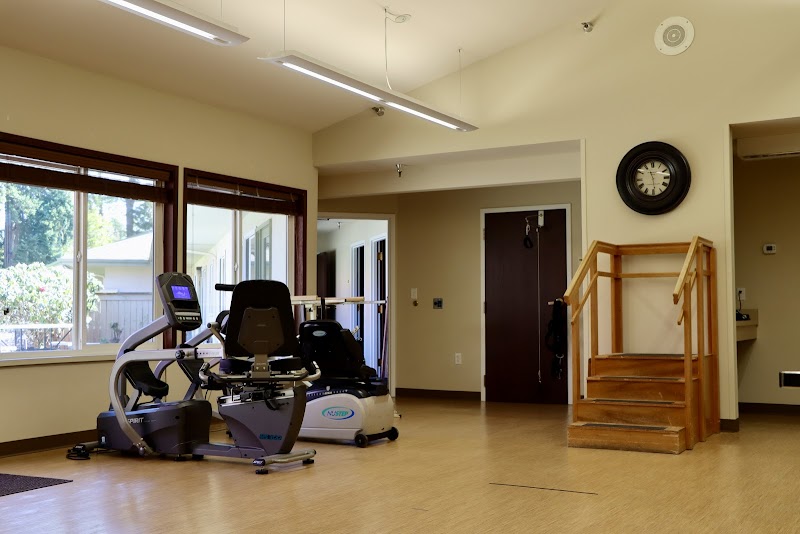
How is Avalon Healthcare - Bellingham Staffed?

CMS rates AVALON HEALTHCARE - BELLINGHAM's staffing level at 2 out of 5 stars, which is below average compared to other nursing homes.

What Have Inspectors Found at Avalon Healthcare - Bellingham?

State health inspectors documented 43 deficiencies at AVALON HEALTHCARE - BELLINGHAM during 2022 to 2025. These included: 1 Immediate Jeopardy (the most serious level, indicating potential for serious harm or death), 3 that caused actual resident harm, and 39 with potential for harm. Immediate Jeopardy findings are rare and represent the most serious regulatory concerns. They require immediate corrective action.
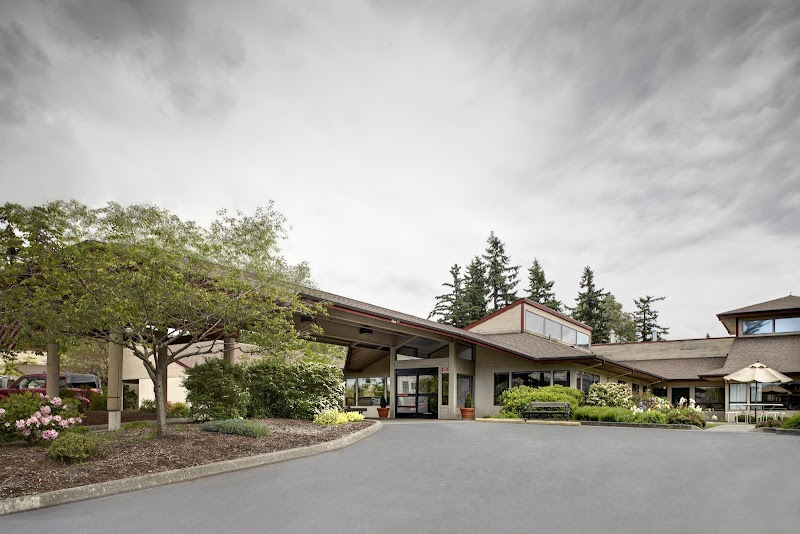
Who Owns and Operates Avalon Healthcare - Bellingham?

AVALON HEALTHCARE - BELLINGHAM is owned by a for-profit company. For-profit facilities operate as businesses with obligations to shareholders or private owners. The facility is operated by AVAMERE, a chain that manages multiple nursing homes. With 105 certified beds and approximately 70 residents (about 67% occupancy), it is a mid-sized facility located in BELLINGHAM, Washington.

How Does Avalon Healthcare - Bellingham Compare to Other Washington Nursing Homes?

Compared to the 100 nursing homes in Washington, AVALON HEALTHCARE - BELLINGHAM's overall rating (4 stars) is above the state average of 3.2 and health inspection rating (3 stars) is at the national benchmark.

What Should Families Ask When Visiting Avalon Healthcare - Bellingham?

Based on this facility's data, families visiting should ask: "What changes have been made since the serious inspection findings, and how are you preventing similar issues?" "Can you walk me through typical staffing levels on day, evening, and night shifts?" "Can I visit during a mealtime to observe dining assistance and food quality?" "How do you handle medical emergencies, and what is your hospital transfer rate?" These questions are particularly relevant given the facility's Immediate Jeopardy citations and the below-average staffing rating.

Is Avalon Healthcare - Bellingham Safe?

Based on CMS inspection data, AVALON HEALTHCARE - BELLINGHAM has documented safety concerns. Inspectors have issued 1 Immediate Jeopardy citation (the most serious violation level indicating risk of serious injury or death). The facility has a 4-star overall rating and ranks #1 of 100 nursing homes in Washington. Families considering this facility should ask detailed questions about what corrective actions have been taken since these incidents.

Do Nurses at Avalon Healthcare - Bellingham Stick Around?

AVALON HEALTHCARE - BELLINGHAM has not reported staff turnover data to CMS. Staff turnover matters because consistent caregivers learn residents' individual needs, medications, and preferences. When staff frequently change, this institutional knowledge is lost. Families should ask the facility directly about their staff retention rates and average employee tenure.

Was Avalon Healthcare - Bellingham Ever Fined?

AVALON HEALTHCARE - BELLINGHAM has been fined $210,980 across 4 penalty actions. This is 6.0x the Washington average of $35,189. Fines at this level are uncommon and typically indicate a pattern of serious deficiencies, repeated violations, or failure to correct problems promptly. CMS reserves penalties of this magnitude for facilities that pose significant, documented risk to resident health or safety. Families should request specific documentation of what issues led to these fines and what systemic changes have been implemented.

Is Avalon Healthcare - Bellingham on Any Federal Watch List?

AVALON HEALTHCARE - BELLINGHAM is not on any federal watch list. The most significant is the Special Focus Facility (SFF) program, which identifies the bottom 1% of nursing homes nationally based on persistent, serious quality problems. Not being on this list means the facility has avoided the pattern of deficiencies that triggers enhanced federal oversight. This is a positive indicator, though families should still review the facility's inspection history directly.