NORTH CASCADES HEALTH AND REHABILITATION CENTER
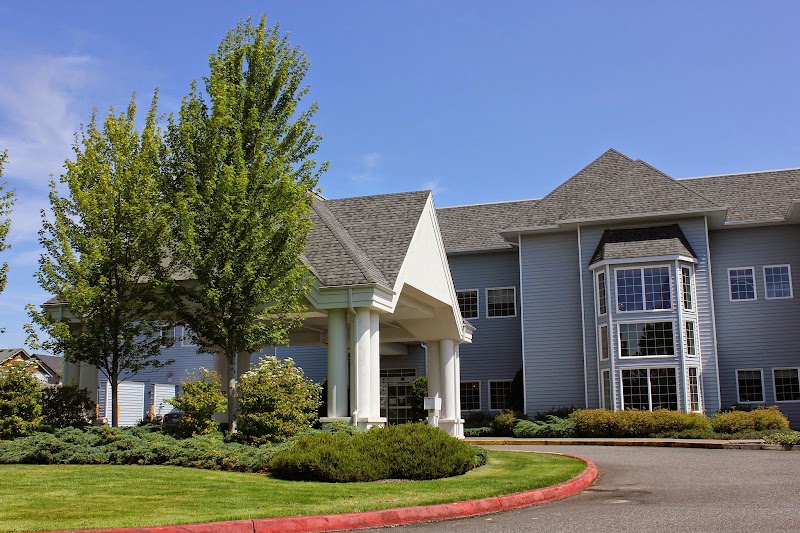
4680 CORDATA PARKWAY, BELLINGHAM, WA 98226 (360) 398-1966
For profit - Corporation 122 Beds EMPRES OPERATED BY EVERGREEN Data: November 2025 1 Immediate Jeopardy citation
Trust Grade
0/100
#181 of 190 in WA
Last Inspection: January 2025

Within standard 12-15 month inspection cycle. Federal law requires annual inspections.

Overview

North Cascades Health and Rehabilitation Center has received a Trust Grade of F, indicating significant concerns about the quality of care. Ranking #181 out of 190 facilities in Washington places them in the bottom half, and #7 out of 8 in Whatcom County means only one local option is better. However, the facility is improving, with issues decreasing from 26 in 2024 to 15 in 2025. Staffing is a strong point, earning 4 out of 5 stars and maintaining a turnover rate of 46%, which is on par with the state average. On the negative side, the facility has faced substantial fines totaling $356,793, higher than 96% of Washington facilities, indicating repeated compliance problems. Specific incidents include a critical failure to ensure safe smoking practices for residents, resulting in potential fire hazards, and serious issues with monitoring and preventing pressure injuries and significant weight loss among residents. Overall, while there are some strengths in staffing and a trend toward improvement, the facility’s poor trust grade and concerning incidents should be carefully considered by families.

Trust Score
F
0/100
In Washington
#181/190
Bottom 5%
Safety Record
High Risk
Review needed
Inspections
Getting Better
26 → 15 violations
Staff Stability
⚠ Watch
46% turnover. Above average. Higher turnover means staff may not know residents' routines.
Penalties
○ Average
$356,793 in fines. Higher than 61% of Washington facilities. Some compliance issues.
Skilled Nurses
✓ Good
Each resident gets 65 minutes of Registered Nurse (RN) attention daily — more than 97% of Washington nursing homes. RNs are the most trained staff who catch health problems before they become serious.
Violations
⚠ Watch
80 deficiencies on record. Higher than average. Multiple issues found across inspections.
★☆☆☆☆
1.0
Overall Rating
★★★★☆
4.0
Staff Levels
★★★★☆
4.0
Care Quality
★☆☆☆☆
1.0
Inspection Score
Stable
2024: 26 issues
2025: 15 issues

The Good

  • 4-Star Staffing Rating · Above-average nurse staffing levels
  • 4-Star Quality Measures · Strong clinical quality outcomes
  • Full Sprinkler Coverage · Fire safety systems throughout facility
  • No fines on record

Facility shows strength in staffing levels, quality measures, fire safety.

The Bad

1-Star Overall Rating

Below Washington average (3.2)

Significant quality concerns identified by CMS

Staff Turnover: 46%

Near Washington avg (46%)

Higher turnover may affect care consistency

Federal Fines: $356,793

Well above median ($33,413)

Significant penalties indicating serious issues

Chain: EMPRES OPERATED BY EVERGREEN

Part of a multi-facility chain

Ask about local staffing decisions and management

The Ugly 80 deficiencies on record

1 life-threatening 8 actual harm
Mar 2025 3 deficiencies
CONCERN (D) 📢 Someone Reported This

A family member, employee, or ombudsman was alarmed enough to file a formal complaint

Potential for Harm - no one hurt, but risky conditions existed

Investigate Abuse (Tag F0610)

Could have caused harm · This affected 1 resident

**NOTE- TERMS IN BRACKETS HAVE BEEN EDITED TO PROTECT CONFIDENTIALITY** Based on interview and record review, the facility failed to conduct thorough investigations for 3 of 3 residents (Residents 1, ...

Read full inspector narrative →
**NOTE- TERMS IN BRACKETS HAVE BEEN EDITED TO PROTECT CONFIDENTIALITY** Based on interview and record review, the facility failed to conduct thorough investigations for 3 of 3 residents (Residents 1, 2, and 3) whose investigations were reviewed for thorough investigations, and failed to log 1 of 1 (COVID - Coronavirus Disease 2019) communicable disease outbreak. The failure to log, and conduct thorough investigations placed residents at risk for repeat incidents, injury, and for unmet care needs due to a lack of thorough investigations after incident occurred. These failures placed residents at risk for repeat incidents and injury. Findings included . Review of the facility policy titled, Abuse Investigation, updated October 2022, states the Administrator is the designated abuse coordinator and is responsible for overseeing staff that assist with investigations . the facility will identify, and interview involved persons that may have knowledge of incident . the facility will ensure complete and thorough documentation, investigate trends and patterns. Review of the facility policy titled, Freedom from Abuse and Neglect ., updated March 2025, the facility will investigate thoroughly all potential, and suspected allegations in accordance with state and federal laws .the facility will report in accordance with state and federal law. <RESIDENT 1> Resident 1 admitted to the facility on [DATE] with diagnoses that included chronic kidney disease, diabetes, and malnutrition. The Quarterly Minimum Data Set (MDS- an assessment tool) assessment dated [DATE], documents that the resident had severe cognition impairment, and was dependent on staff for toileting, bed mobility and transfers. Review of Resident 1's care plan dated 07/26/2024, documented that the resident was a maximum/substantial one person for transfers. Review of Resident 1's documentation survey report (Report that reflects the level of care provide to the resident) for February 2025 and March 2025 the documentation reflected that the resident's functional ability to transfer from chair/to bed was full dependence from staff. Review of facility investigation dated 03/02/2025 at 5:15 PM, Resident 1 had a skin issue when the resident had been transferred from bed to the wheelchair. There were only two witness statements from the Nursing Assistant Certified (NACs) that transferred the resident on 03/02/2025 that they had assisted the resident with a transfer, both stated the residents foot scraped the bed during the transfer. In the Notes section of the investigation it was documented that on 03/04/2025 Resident 1's left ankle was swollen, and painful, and x-rays showed the resident had a fracture to the left foot. The investigation documentation showed the only predisposing factor was the resident had an impaired memory. There were no other statements from staff that worked with the resident over the 48 hours between the first injury and the fracture. There was no documentation to support the facility had ruled out abuse and neglect, as the care plan did not accurately reflect the level of care the resident required, and there was lack of a root cause analysis of how the injury potential occurred. <RESIDENT 2> Resident 2 admitted to the facility on [DATE] with diagnoses that included vascular dementia (cognitive decline caused by damage to the blood vessels in the brain. The Quarterly MDS assessment dated [DATE] documented the resident had severe cognition impairment with a history of falls. Review of Resident 2's care plan focus dated 10/04/2024, the resident was at risk for falls related to deconditioning, and balance problems. The care plan documented an intervention that was to provide assist with transfers and ambulation overnight due to high fall risk, dated 02/28/2025. Review of facility investigation dated 03/10/2025 at 3:15 AM, documented that Resident 2 was headed back to their room with a cup of coffee. The staff heard the resident yell and discovered them on the floor with spilled coffee. The nurse documented that the resident was disorientated and unable to state how they fell, and routine neurological assessments were started to rule out a head injury. The investigation had a neurological assessment sheet included as part of the investigation that was not completed thoroughly. The investigation lacked witness statements that the staff were following the care plan. The investigation lacked thorough evidence to rule out abuse and neglect. <RESIDENT 3> Resident admitted to the facility on [DATE] with diagnoses that included lung disease, an anxiety. The admission MDS assessment dated [DATE] showed the resident had moderate impaired cognition and was a risk for falls. Resident 3's care plan dated 01/02/2025 showed they were at risk for falls related deconditioning, and balance problems. Interventions were to anticipate the resident's needs, keep the call light within reach, and to ensure door was always open. Review of the facility investigation dated 03/10/2025 at 4:15 AM, the nurse documented the NAC found the resident lying on the floor face down, and that the resident was unable to tell them how they fell, and routine neurological assessments were started to rule out a head injury. There was no neurological assessment sheet included in the investigation. The investigation included one fall statement that documented the last time the resident was checked was at midnight (4 hours prior to the fall). The investigation documented that the root cause analysis was due to poor safety awareness, and decline in condition, there was no evidence to support that included in the investigation. <OUTBREAK> Review of the facility state reporting log on 03/21/2025, for February 2025 showed no evidence that there was a COVID outbreak in the facility. In an interview on 03/21/2025 at 11:20 AM, Staff K, Infection Preventionist, there first resident that tested positive was on 02/21/2025, however that resident had been sent to the hospital. They did not have knowledge of the positive results till the 02/24/2025, then they tested others and notified the local health department. They then notified the state reporting agency on 02/25/2025 they had a communicable disease outbreak. In an interview on 03/28/2025 at 12:12 PM, Staff J, Registered Nurse (RN) stated all resident that have had an unwitnessed fall or cannot tell them how they fell they are required to start a neurological assessment sheet on them for 24 hours. Staff J stated if they have a fall or injury on their shift they try and start the investigation, but gathering statements from the staff that worked. Staff J stated then they turn the investigation over to the nurse manager to complete. In an interview on 03/28/2025 at 2:36 PM, Staff D, Licensed Practical Nurse (LPN)/Resident Care Manager (RCM) stated they start all investigations by gathering as much evidence as they can, including statements from all potential parties involved, reviewing the plan of care, and assessing the environment. Staff D stated that if a resident has had a fall that was unwitnessed or they are unable to advocate for themselves that they did not hit their head, the staff are to start a neurological assessment on the resident. The neurological assessment form has times when the staff are to complete the assessment, and it continues for 24 hours. Staff D stated they had originally started working on the investigation for the injury to Resident 1, when it was just an abrasion. Staff D stated after they learned of the fracture to their left foot, they turned the investigation over to Staff B, Director of Nursing Services (DNS). Staff D was not able to provide any information as to why the care plan had not been updated. In an interview on 03/28/2025 at 3:00 PM, Staff E, LPN/RCM stated the expectation was that the staff would conduct neurological assessments on any resident that had an unwitnessed fall or was not able to tell the staff how they fell. Staff E stated they follow up with the nurses to ensure they are completed accurately. Staff E was asked if they completed the investigation for Resident 2 unwitnessed fall, and they stated they were responsible. Staff E was asked why the neurological assessment had not been completed accurately, they stated they were not sure. Staff E was asked how they ruled out abuse and neglect for Resident 2, as it appeared the care plan was not followed. Staff E was unable to provide any further documentation. Staff E stated they were responsible for the investigation for Resident 3's unwitnessed fall. Staff E was asked why there was no neurological assessment completed on the resident, and they stated that the resident was on hospice services, and they were providing comfort. Staff E agreed a brain bleed would not be comfortable, and that they should have followed their fall protocol. In an interview on 03/28/2025 at 3:53 PM, Staff B, DNS stated the facility fall protocol was to start neurological assessments for all falls that were unwitnessed, or when the resident was unable to tell the staff how they fell. Staff B stated the expectation was they were completed accurately. Staff B stated that themselves or the Administrator (Staff A) review all the investigations for accuracy, and thoroughness. Staff B was not able to provide a root cause analysis as to how Resident 1's injury occurred. Staff B was not aware that the investigations for Resident 2 lacked accurate neurological assessment, or that the care plan had not been followed. Staff B was not aware that the was not a neurological assessment done for Resident 3, after an unwitnessed fall. Staff B was not aware they were required to log a communicable disease outbreak within 5 days of the event occurrence. Reference WAC 388-97-0640(6)(a)(b)(c)
CONCERN (D) 📢 Someone Reported This

A family member, employee, or ombudsman was alarmed enough to file a formal complaint

Potential for Harm - no one hurt, but risky conditions existed

Deficiency F0645 (Tag F0645)

Could have caused harm · This affected 1 resident

**NOTE- TERMS IN BRACKETS HAVE BEEN EDITED TO PROTECT CONFIDENTIALITY** Based on interview and record review the facility failed to ensure the Pre-admission Screening and Resident Review (PASRR - a fe...

Read full inspector narrative →
**NOTE- TERMS IN BRACKETS HAVE BEEN EDITED TO PROTECT CONFIDENTIALITY** Based on interview and record review the facility failed to ensure the Pre-admission Screening and Resident Review (PASRR - a federally required screening of all individuals who has both an Intellectual Disability (ID) or Related Condition (RC) and a serious mental illness (SMI) prior to admission to a Medicaid-certified nursing facility or a significant change of condition) form was completed prior to admission and according to the guidelines specified for 3 of 3 residents (Residents 4, 5, and 6) reviewed for PASRR. This failure placed residents at risk for not receiving timely and necessary mental health services, and decreased quality of life. Findings included . Review of the facility policy titled, PASRR Process Policy and Procedure, revised 01/01/2025, states the facility will validate the Level I, if there were none, medical records or designee will obtain .if a Level II was indicated the social worker will validate, within a timely period . follow up as needed federal PASRR rules. <RESIDENT 5> Resident 5 admitted to the facility on [DATE] with diagnoses that included major depression disorder, and anxiety. Resident 5 was started on bupropion (anti-depressant medication) 75 mg on 03/07/2025, and Lexapro (anti-depressant medication) 5 mg on 01/04/2025. A review of Resident 5's medical record, a Level I PASRR dated, 11/20/2024 showed the resident qualified for a Level II evaluation. The Level 1 showed there was a 30-day exemption to the completion of the Level II, as the resident was not expected to staff in the facility for more than 30 days. The exemption stated that if the resident was there longer than 30 days a Level II must be completed. Review of Resident 5's medical record on 03/21/2025, showed no documentation that a Level II had been completed. <RESIDENT 4> Resident 4 admitted to the facility on [DATE] with diagnoses that included anxiety and depression. Resident 4 admitted with physician orders for fluoxetine (anti-depressant medication) 20 milligrams (mg) and alprazolam (anti-anxiety medication) 0.25 mg. A review of Resident 4's medical record, a Level I PASRR (a screening to determine if a resident may have a SMI/ID related condition and if positive a Level II PASRR was required), dated 03/06/2025 was completed 5 days after admission to the facility. The residents Level I showed they qualified for a Level II evaluation. <RESIDENT 6> Resident 6 admitted to the facility on [DATE], with diagnoses that included a traumatic brain injury. A review of Resident 6's medical record, a Level I PASRR dated, 02/20/2025 showed the resident qualified for a Level II evaluation. The Level 1 showed there was a 30-day exemption to the completion of the Level II, as the resident was not expected to staff in the facility for more than 30 days. The exemption stated that if the resident was there longer than 30 days a Level II must be completed. Review of Resident 6's medical record on 03/25/2025, showed no documentation that a Level II had been completed. In an interview on 03/28/2025 at 2:12 PM, Staff L, Social Services Director state that the initial PASRR Level I was usually received through the admission department prior to the resident admitting to the facility. Staff L stated they usually review them for accuracy and check if the resident may qualify for a Level II evaluation. Staff L stated if they qualify for a Level II evaluation then they contact the PASRR coordinator, to arrange for that evaluation. Staff L stated if the resident has an exemption, they will place the name of the resident on their calendar to ensure the Level II was completed, before the residents stay goes past the 30-day exemption date. Staff L was asked why Resident 5 was not completed prior to the 30-day exemption date, and Staff L stated that they thought they spoke with the PASRR coordinator but were unable to provide any documentation that occurred. Staff L stated that was the same case for Resident 6 as well. Staff L stated they probably need to develop a better accounting system to track the exemptions. Staff L stated they were not made aware that Resident 4 was admitting over a weekend, and they did not admit with their Level I. Staff L stated they completed that late, when they returned to work and learned of the resident's admission. In an interview on 03/28/2025 at 3:53 PM, Staff B, Director of Nursing (DNS) stated they were aware that all residents admitting to the facility had to have a Level 1 PASRR prior to the admission. Staff B was not aware that Resident 4 admitted to the facility without a Level I. Staff B was not aware that Resident 5 and Resident 6 qualified for Level II evaluations, and both had 30-day exemptions. Staff B was not aware they both stayed past the 30-day exemption without receiving a Level II evaluation or follow-up. Reference WAC 388-97-1915(1)(2)
CONCERN (D) 📢 Someone Reported This

A family member, employee, or ombudsman was alarmed enough to file a formal complaint

Potential for Harm - no one hurt, but risky conditions existed

Accident Prevention (Tag F0689)

Could have caused harm · This affected 1 resident

**NOTE- TERMS IN BRACKETS HAVE BEEN EDITED TO PROTECT CONFIDENTIALITY** Based on observations, interview and record review the facility failed to ensure residents were free from avoidable accidents wh...

Read full inspector narrative →
**NOTE- TERMS IN BRACKETS HAVE BEEN EDITED TO PROTECT CONFIDENTIALITY** Based on observations, interview and record review the facility failed to ensure residents were free from avoidable accidents when fall prevention care plans were not implemented for 1 of 3 residents (Resident 2) reviewed for accidents/incidents. These failures placed all residents at risk for lack of consistent interventions, unmet care needs, and a diminished quality of life. Finding included . Resident 2 admitted to the facility on [DATE] with diagnoses that included vascular dementia (cognitive decline caused by damage to the blood vessels in the brain), chronic pulmonary obstructive disorder (COPD - lung disease), and heart failure. The Quarterly MDS assessment dated [DATE] documented the resident had severe cognition impairment and had a history of falls. Review of Resident 2's care plan focus dated 10/04/2024, documented the resident was at risk for falls related to deconditioning, and balance problems. The care plan documented an intervention that was to provide assist with transfers and ambulation overnight due to high fall risk, dated 02/28/2025. Review of facility investigation dated 03/10/2025 at 3:15 AM, documented that Resident 2 was headed back to their room with a cup of coffee. The staff heard the resident yell and discovered them on the floor with spilled coffee. No evidence was included in the investigation that staff implemented the care plan and offered to assist the resident back to bed after they received a cup of coffee at the nurse's station. In an interview on 03/28/2025 at 3:00 PM, Staff E, LPN/RCM stated they had spoken with staff, and Resident 2 was not supposed to be allowed to transfer themself. Staff E was not able to provide any documentation that the staff had followed the care plan and that they provided the proper assistance as directed to in the care plan. In an interview on 03/28/2025 at 3:53 PM, Staff B, Director of Nursing Services stated the care plans for residents were updated by numerous departments and that it was a collective team effort. Staff B stated the care plan would be started on admission and then would build from the comprehensive MDS assessment. Staff B stated Resident 2 should have been assisted to get back into bed, per the resident's care plan. Staff B confirmed there was no documentation in the investigation to support the care plan was followed. Reference WAC 388-97-1060(3)(g)
Jan 2025 12 deficiencies 1 IJ
CRITICAL (J)

Immediate Jeopardy (IJ) - the most serious Medicare violation

Accident Prevention (Tag F0689)

Someone could have died · This affected 1 resident

**NOTE- TERMS IN BRACKETS HAVE BEEN EDITED TO PROTECT CONFIDENTIALITY** Based on observation, interview and record review, the facility failed to ensure residents who engaged in smoking were assessed ...

Read full inspector narrative →
**NOTE- TERMS IN BRACKETS HAVE BEEN EDITED TO PROTECT CONFIDENTIALITY** Based on observation, interview and record review, the facility failed to ensure residents who engaged in smoking were assessed for adequate supervision to prevent injury from burns, provided a safe environment, necessary devices, and supplies to safely smoke, and to protect other residents from potential fire hazard for 2 of 2 residents (Residents 66 and 78) reviewed for smoking. These failures potentially placed all residents at risk for injury related to unsafe smoking practices and constituted an Immediate Jeopardy (IJ). The failed practice resulted in an IJ on 01/16/2025 when the facility failed to ensure residents, and the resident environment were safe from injury from burns and fire. The IJ was removed on 01/17/2025 after the facility-initiated safe smoking evaluations, skin assessments for burns and room inspections to ensure cigarette butts had been properly disposed of for Residents 66 and 78. A safe smoking location was provided with a safe disposal receptacle. Residents 66 and 78 were educated on the safe smoking location, safe disposal of cigarette butts in the smoking receptacle, and turning in their smoking paraphernalia when they return to the building. Staff were educated prior to their next scheduled shift to ensure awareness of the new smoking safety plan. Staff were directed to ask residents to show that they do not have any cigarette butts on their persons when they returned from smoking. Findings included . In an entrance conference interview on 01/16/2025 at 9:04 AM, Staff A, Administrator stated the facility was a non-smoking facility, and there were no residents in the facility who smoked. Record review of the facility policy titled, Smoke-Free Center, revised date of April 2014, showed smoking was prohibited for everyone on the property owned and operated by the center, including residents, employees, visitors, volunteers, consultants, contractors and government representatives. The policy included an italicized line that showed Center does not own the sidewalks and streets that border the grounds. Employees who see individuals smoking on the Center's grounds are encouraged to inform these individuals with courtesy, that the Center's policy prohibits smoking anywhere on the Center ' s grounds. Review of the Smoke Free Center Policy Acknowledgement form, updated November 2016 showed By signing this form, I acknowledge that I have been informed of and agree to follow the Smoke-Free Center Policy. If I am found in violation of this policy, I understand that I may be discharged from the Center according to applicable state and federal laws. <RESIDENT 66> Resident 66 admitted to the facility on [DATE] with diagnoses to include left and right below the knee amputations and nicotine/cigarette dependence. According to their admission Minimum Data Set (MDS- an assessment tool) assessment dated [DATE], Resident 66 had no cognitive impairment and no current tobacco use. Review of Resident 66's admission orders from the hospital dated 08/06/2024 showed staff were directed to place a nicotine patch 21 MG (milligrams) in 24 hours onto the skin daily, removing the old patch before applying a new patch. Review of the practitioner visit note dated 08/07/2024 showed Resident 66 had been smoking since age [AGE], three quarters of a pack (15 cigarettes) per day and had three cigarettes since admission. The resident reported they used cigarettes to cope with stress. Review of a note labeled Psych follow up dated 12/03/2024 at 7:15 AM, showed diagnosis of nicotine dependence and to encourage smoking cessation. Review of a note labeled Psych follow up dated 12/31/2024 at 10:15 AM, documented nicotine dependence and a behavioral intervention to encourage smoking cessation, provide reorientation and avoid overstimulation to prevent agitation. In an interview and observation on 01/15/2025 at 9:31 AM, Resident 66 was in their room which smelled heavily of cigarettes. Resident 66 appeared agitated and stated that they received a letter stating they would have to discharge from the facility. Resident 66 showed this surveyor their discharge notice that showed they no longer needed skilled nursing, had refused therapies and had been verbally abusive with staff. In an observation on 01/16/2025 at 7:50 AM, Resident 66 was observed smoking on the sidewalk outside of the facility. In an observation on 01/16/2025 at 8:44 AM, Resident 66 was in their wheelchair in their room. The hallway and room smelled heavily of cigarette odor. In an observation on 01/16/2025 at 10:40 AM, Resident 66 was in the hall being pushed in their wheelchair by a visitor. Resident 66 stated they were going outside for some fresh air. They stated As long as I have a pusher. I will get fresh air. In a joint interview on 01/16/2025 at 10:44 AM, Staff E, Licensed Practical Nurse (LPN) stated Resident 66 goes outside to smoke but they weren't supposed to. Staff D, Registered Nurse (RN) stated Resident 78 also goes out to smoke. Staff E stated both residents had been educated about smoking, many times by Staff C, Staff A, Administrator and Staff B, Director of Nursing Services (DNS). Staff E stated they did not have or keep the resident's cigarettes or lighter. Staff E stated they assumed the cigarettes and lighter are with the residents. Staff D said Resident 66's room always smells like cigarette smoke, but they didn't believe the resident had smoked in their room as they see them smoking outside. Staff D said Resident 66 refused their nicotine patches. Review of the clinical record 01/16/2025 at 12:28 PM showed there was no smoking safety evaluation or care plan about nicotine dependence or smoking for Resident 66. In an observation and interview on 01/16/2025 at 1:04 PM, the hallway outside room [ROOM NUMBER] smelled heavily of cigarette odor. Resident 66 was in their room and stated staff Get after them for smoking, especially (Staff C, Social Services). Resident 66 stated Staff C told them the state would not like them smoking and would make them quit. The resident stated Staff C told them they would probably have to have a staff member hold the cigarette for them. Resident 66 stated they started smoking at ten years old and staff knew they smoked when they admitted . The resident stated they smoke off the property and extinguished the cigarettes in their hands by twisting until the tobacco falls out. Resident 66 stated sometimes they will try to run over the cherry (lit portion of cigarette) with their wheelchair. Resident 66 had both hands in their sweatshirt pockets and shook them while stating they kept their cigarette butts in their sweatshirt pockets because there was no place to discard the cigarette butts outside. Resident 66 stated they cannot extinguish the cigarettes because they have no feet. Resident 66 stated they get mad at other people who smoke here and leave their cigarette butts on the ground. The resident stated they kept their cigarettes and lighter in their coat pocket in their room. There was an outline of a cigarette pack observed in their left inner coat pocket. Resident 66 stated they had tried Zyban (medication to aid smoking cessation) in the past and broke out in hives. Review of Resident 66's clinical record on 01/16/2025 at 12:28 PM, showed the facility had not assessed the resident for smoking safety and there was no care plan in place despite the resident's longstanding smoking history and nicotine replacement therapy in place from admission. The resident was at high risk to smoke given their current stressors of recent loss of both lower extremities and their sudden impaired mobility. In an observation on 01/16/2025 at 1:18 PM, Resident 66 was observed on the sidewalk smoking a cigarette with no staff present. Smoke was visible. There was no cigarette disposal receptacle present. The nearest garbage can was located right inside the door of the facility. The garbage can was plastic with a clear plastic liner in it. In an observation on 01/17/2025 at 7:55 AM, Resident 66 was observed sitting outside in their wheelchair on the sidewalk on the property next to a trash can. The resident was observed to roll the end of the lit cigarette with their finger and then place their hands in their pocket. No cigarette butts were located on the ground where they were seated. Review of Resident 66's facility smoking evaluation dated 01/16/2025 at 4:35 PM, was completed after the IJ was called. The assessment summarized the resident was on medications with the side effect of drowsiness. <RESIDENT 78> Resident 78 admitted on [DATE] with diagnoses to include left leg fracture, multiple heart conditions and nicotine dependence. According to the resident's admission MDS assessment dated [DATE], showed the resident had no cognitive impairment and no current tobacco use. Review of the hospital discharge summary/orders dated 12/13/2024 showed Resident 78 was a patient that smoked. The orders directed staff to place a nicotine patch 21 MG (milligrams) in 24 hours onto the skin daily, removing old patch before applying a new patch. Review of a facility provider note dated 12/16/2024, showed Resident 78 was a current smoker of one to two packs a day and current user of smokeless tobacco/chew. Review of a weekly skilled Interdisciplinary (IDT) Meeting note dated 01/02/2025 at 12:34 PM, written by Staff B, Director of Nursing noted Resident 78 was smoking. Review of a progress note dated 01/13/2025 at 11:44 PM, showed Resident 78 arrived via taxi from the hospital emergency department around 11:30 PM, Alert and Oriented to person, place, time and event, appeared to be at baseline, and right away they wheeled themselves outside for a smoke, returned and asked for their pain pill. Review of Resident 78's clinical record 01/16/2025 at 12:21 PM showed there was no smoking safety evaluation or care plan about nicotine dependence, or smoking completed for the resident. In an interview and observation on 01/16/2025 at 1:40 PM, a black lighter was observed on Resident 78's overbed table. The resident stated they had a lot of stress over discharging, and they were only able to see half of their visual field in their right eye for the past 5 days. Resident 78 stated they chewed tobacco normally and they did not like smoking but could not chew in a place like this, related to their rules. The resident stated they go outside to smoke two to three times a day and the nurses remove their nicotine patch before they go out to smoke. Resident 78 stated they were not wearing their patch that day because they planned to go out and smoke a lot. The resident stated they go off property 30 or 40 feet to smoke. The resident stated to put their cigarette out, they knock the cherry off and twist the cigarette with their fingers. The resident stated they roll the cigarette paper into a small bit and put the cigarette filter in their pocket until they find a garbage can, The resident stated there were no ash trays or garbage cans outside so they come into the facility where there is a garbage can right inside the door and then they dispose of the filter there. In an interview and observation on 01/16/2025 at 2:29 PM, the black lighter was still present on Resident 78's overbed table. The resident stated they only had half a cigarette left and it is in their cigarette box in their coat pocket (pointing to their coat on the neighboring bed. The resident became irritated and asked, why, is it against the law? In an observation on 01/16/2025 at 2:45 PM, Resident 78 was observed to smoke unsupervised on the sidewalk outside the facility, they were observed to cross a high traffic parking lot to access the sidewalk. Resident 78 was observed to twist the end of cigarette to put it out, and then placed the cigarette butt in their pocket and self-propelled back across the high traffic parking lot into the facility. Review of Resident 78's clinical record showed the facility smoking evaluation dated 01/16/2025 at 4:38 PM was completed by the facility after the IJ was called. The assessment summarized the resident had no visual limitations and they were on medications with the side effect of drowsiness. In an interview on 01/24/2024 at 9:07 AM, Staff A, stated there would be more emphasis on screening new admissions and smoking safety. Reference: WAC 388-97-1060 (3)(g)
CONCERN (D)

Potential for Harm - no one hurt, but risky conditions existed

Transfer Notice (Tag F0623)

Could have caused harm · This affected 1 resident

**NOTE- TERMS IN BRACKETS HAVE BEEN EDITED TO PROTECT CONFIDENTIALITY** Based on interview and record review, the facility failed to provide the required notice of transfer/discharge at the time of di...

Read full inspector narrative →
**NOTE- TERMS IN BRACKETS HAVE BEEN EDITED TO PROTECT CONFIDENTIALITY** Based on interview and record review, the facility failed to provide the required notice of transfer/discharge at the time of discharge or transfer to the hospital for 1 of 2 sampled residents (Resident 50) reviewed for hospitalization. This failure placed residents at risk for lack of knowledge of their rights related to transfers and discharges. Findings included . <RESIDENT 50> Resident 50 admitted to the facility on [DATE] with diagnoses which included congestive heart failure impacting fluid balance. Review of Resident 50's clinical record on 01/17/2025 showed the resident had a change of condition and was transferred to the emergency department on 12/15/2024. Review of Resident 50's clinical record on 01/17/2025 showed no documentation the required transfer/discharge notice had been provided to Resident 50. In an interview on 01/22/2025 at 11:50 AM, Staff B, Director of Nursing Services, stated a transfer form was being completed which was sent to the hospital with residents, but not provided to the resident themselves. Staff B stated they were not able to produce the notice of transfer/discharge or documentation of review for Resident 50. Refer to WAC 388-97-1020(2)(d)(e)
CONCERN (D)

Potential for Harm - no one hurt, but risky conditions existed

Deficiency F0625 (Tag F0625)

Could have caused harm · This affected 1 resident

**NOTE- TERMS IN BRACKETS HAVE BEEN EDITED TO PROTECT CONFIDENTIALITY** <RESIDENT 72> Resident 72 admitted to the facility on [DATE], with diagnoses which included diabetes and left lower extrem...

Read full inspector narrative →
**NOTE- TERMS IN BRACKETS HAVE BEEN EDITED TO PROTECT CONFIDENTIALITY** <RESIDENT 72> Resident 72 admitted to the facility on [DATE], with diagnoses which included diabetes and left lower extremity/stump infection. Review of Resident 72's clinical record showed the resident was transferred to the hospital on [DATE] for an infection and readmitted to the facility on [DATE]. Review of Resident 72's clinical record on 01/17/2025, showed no documentation the required transfer notice had been provided to Resident 72. There was no documentation of a bed hold being offered. In an interview on 01/22/2025 at 11:50 AM, Staff B, stated the facility did not obtain a bed hold for Resident 72 and should have and they are looking at the process now. In an interview on 01/23/2025 at 12:22 PM, Staff E, Licensed Practical Nurse stated they are to offer a bed hold when they send residents to the hospital and document that they offered it and if the resident agreed or declined the bed hold. Refer to WAC 388-97-1020(3)(c)(4) Based on interview and record review, the facility failed to provide written bed hold notices at the time of transfer to the hospital for 2 of 2 sampled residents (Residents 50 and 72) reviewed for hospitalizations. This failure placed the residents at risk for lack of knowledge regarding their right to hold their bed while in the hospital. Findings included . <RESIDENT 50> Resident 50 admitted to the facility on [DATE] with diagnoses which included congestive heart failure impacting fluid balance. Review of Resident 50's clinical record on 01/17/2025 showed the resident had a change of condition and was transferred to the emergency department on 12/15/2024. Review of Resident 50's clinical record on 01/17/2025 showed no documentation of bed hold notice was provided to Resident 50 when they were transferred to the hospital on [DATE]. In an interview on 01/22/2025 at 11:50 AM, Staff B, Director of Nursing Services (DNS), stated the process was that if the patient was able, the nurse would review the bed hold notice with the resident, or the business office would follow up with the resident or family and document that in the clinical record. Staff B stated they were not able to produce the bed hold notice or documentation of the bed hold review for Resident 50.
CONCERN (D)

Potential for Harm - no one hurt, but risky conditions existed

ADL Care (Tag F0677)

Could have caused harm · This affected 1 resident

**NOTE- TERMS IN BRACKETS HAVE BEEN EDITED TO PROTECT CONFIDENTIALITY** Based on observation, interview and record review the facility failed to ensure assistance with bathing, nail care, grooming, an...

Read full inspector narrative →
**NOTE- TERMS IN BRACKETS HAVE BEEN EDITED TO PROTECT CONFIDENTIALITY** Based on observation, interview and record review the facility failed to ensure assistance with bathing, nail care, grooming, and assist the residents out of bed for 3 of 4 dependent residents (Residents 20, 58 and 68) reviewed for activities of daily living (ADL's). Facility failure to provide the residents, who were dependent on staff for assistance with ADL's, placed the resident and others at risk for unmet care needs, poor hygiene, injury due to nail breakage, diminished dignity, and decreased quality of life. Findings included . Review of the facility policy titled, Activities of Daily Living, (ADL's) revised July 2015, showed the nursing assistants (NAC) will assist with ADL's based on the resident's individualized plan of care. These interventions will be on the Kardex (NAC guide to proving care), which was accessed in Point of Care (POC). <RESIDENT 58> Resident 58 admitted to the facility from the hospital on [DATE]. Review of Resident 58's care plan showed the resident preferred showers during the day on Sundays and Wednesdays and as requested. The resident required one-person assistance for bathing. Review of Resident 58's bathing documentation showed the resident had four showers in November 2024 (11/01/2024, 11/05/2024, 11/15/2024 and 11/19/2024). Review of the bathing documentation in December showed the resident had five showers (12/03/2024, 12/06/2024, 12/20/2024, 12/20/2024 and 12/27/2024). Review of the bathing documentation for January as of 01/24/2025 showed the resident had one shower documented for the month on 01/03/2024. There was no documentation of attempts to provide bathing the day after refusals. <RESIDENT 68> Resident 68 admitted to the facility on [DATE]. Review of Resident 68's care plan showed the resident preferred showers during the day on Tuesdays and Fridays and as requested. The resident required one-person assistance for bathing. Review of Resident 68's bathing documentation showed the resident had bathing four times in November (11/05/2024, 11/08/2024, 11/12/2024 and 11/26/2024). Review of the bathing documentation in December showed the resident had five showers (12/03/2024, 12/06/2024, 12/17/2024, 12/20/2024 and 12/24/2024). Review of the bathing documentation for January as of 01/24/2025 showed the resident had one shower documented for the month on 01/17/2024. There was no documentation of attempts to provide bathing the day after refusals. In an interview on 01/25/2025 at 12:39 PM, Staff R, Nursing Assistant Certified (NAC) stated Resident 68 did not refuse care. In an interview on 01/22/2025, the shower documentation was reviewed for Resident 58 and 68 with Staff B, Director of Nursing (DNS). Staff B stated the facility did not have specific shower aides and the NAC's were responsible for completing showers for their assigned residents. Staff B stated they provide two showers a week. Staff B stated the nurses should assign missed showers to the next shift and staff are to offer showers daily until their next scheduled day. Staff B stated this should be documented in the medical record. <RESIDENT 20> Resident 20 admitted to the facility on [DATE] with diagnoses which included advanced dementia and Diabetes. Review of Resident 20's quarterly Minimum Data Set (MDS- an assessment tool) assessment dated [DATE] showed the resident required extensive assistance with activities of daily living such as dressing and grooming. In an observation on 01/22/2025 at 10:58 AM, Resident 20 was lying in bed with their feet uncovered. The resident's toenails were observed to be thick and overgrown at least 1/2 inch and growing in various directions. The left great toenail was thick and growing inward toward the other toes. The left second toenail was growing straight upward from the toenail. The left third toenail was curved up and backward. The left fourth and fifth toenails were growing up and inward. The resident's right toenails were growing in a similar thick and overgrown manner. Record review of Resident 20's Treatment Administration Record (TAR) dated January 2025 showed weekly diabetic nail care completed by Licensed Nurses (LN). The TAR showed Licensed Nurse documentation of resident refusals or other of diabetic nail care with no corresponding documentation notes found. In an interview on 01/22/2025 at 11:22 AM, Staff O, Registered Nurse, stated LN's complete nail care for diabetic residents and document on the Administration record. Staff O stated they have a podiatrist who comes to the building to see some residents. Staff O stated Resident 20 was being seen by the podiatrist, so the LNs were not doing their nail care. Review of Resident 20's medical record on 01/22/2025 showed a history of podiatrist visits to debride (removing thick layers of the nail, trimming the nail) toenails with the most recent note being March of 2023. In an interview on 01/22/2025 at 12:01 PM, Staff C, Social Services Director, stated they coordinated the list of residents referred for podiatry. Staff C stated they had not had an in-house podiatrist for the past two years. Staff C stated they had just found a new provider who had been in to the facility once so far (earlier this month) and was supposed to have seen all the residents on the list. Staff C stated that Resident 20 was included in the group of residents who were supposed to have been seen. In an interview on 01/22/2025 at 12:34 PM, Staff B stated they had just started with a new podiatrist. Staff B reviewed documentation and noted that Resident 20 was supposed to have been seen but there was no documentation of the visit, and the next visit was not until March 18. Staff B stated they had not looked at Resident 20's feet. Staff B stated that the licensed staff would provide weekly nail care for diabetic residents and if care was not provided there should be a note indicating why, such as if a resident refused. Staff B stated if a resident needed a podiatrist the facility should be making and facilitating an appointment for the resident to go to an outside provider. Staff B stated there should have been intervention for Resident 20 to receive nail care to their overgrown toenails. Refer to WAC 388-97-1060(2)(c)
CONCERN (D)

Potential for Harm - no one hurt, but risky conditions existed

Quality of Care (Tag F0684)

Could have caused harm · This affected 1 resident

**NOTE- TERMS IN BRACKETS HAVE BEEN EDITED TO PROTECT CONFIDENTIALITY** Based on observation, interview and record review the facility failed to ensure 2 of 5 resident's (Resident's 58 and 68) receive...

Read full inspector narrative →
**NOTE- TERMS IN BRACKETS HAVE BEEN EDITED TO PROTECT CONFIDENTIALITY** Based on observation, interview and record review the facility failed to ensure 2 of 5 resident's (Resident's 58 and 68) received care and treatment in accordance with professional standards of practice and received the necessary care and services to attain or maintain their highest practicable level of well-being. This placed the residents at increased risk of discomfort, unmet care needs, and medical complications. Findings included . <RESIDENT 58> Resident 58 admitted to the facility on [DATE] with diagnoses to include high blood pressure, dementia and constipation. Review of Resident 58's physician orders dated 10/19/2023, showed staff were directed to give Milk of Magnesia (MOM-medication used to treat constipation) as needed if the resident did not have a bowel movement for three days, if no results from MOM, administer a Bisacodyl suppository as needed, if no results from suppository administer a Fleet enema and notify the MD if no results. Review of the bowel monitoring documentation beginning 11/01/2024 showed Resident 58 had no bowel movement (BM) from 11/08/2024 until 11/14/2024, 11/15/2024 until 11/19/2024, 12/22/2024 to 12/29/2024 and 01/04/2025 to 01/09/2025, 01/14/2025 to 01/17/2025 and 01/18/2025 to 01/23/2025. Review of Resident 58's Medication Administration Record (MAR) for November 2024, December 2024 and January 2025 showed no bowel medications were administered per physician orders to treat the constipation. Review of a physician order dated 01/05/2025, directed staff to administer Hydralazine (blood pressure medication) every 8 hours as needed for a systolic blood pressure (SBP, top number) over 160 related to resident 58's hypertension (high blood pressure). Review of Resident 58's January 2025 MAR showed Hydralazine was not administered as ordered on 01/20/2025 when Resident 58's systolic blood pressure was 180. <RESIDENT 68> Resident 68 admitted to the facility on [DATE], with diagnosis to include high blood pressure and anemia. Review of Resident 68's physician's order dated 10/31/2024, showed staff were directed to hold Metoprolol and Lisinopril (blood pressure medications) if the SBP was less than 110. Review of a progress note for Resident 68 dated 01/13/2025 at 9:06 AM, showed Advanced Registered Nurse Practitioner (ARNP) had given a verbal order to collect a Complete Blood Count lab draw (CBC) with diff (differential) on that day. The ARNP's verbal order had been placed for that day's collection. Review of Resident 68's January 2025 MAR showed an order to collect the CBC with diff on 01/13/2025. Review of Resident 68's clinical record on 01/22/2025, showed there had been no CBC drawn on 01/13/2025 or thereafter. In an interview on 01/22/2025 at 11:50 AM, Staff B, Director of Nursing (DNS) was asked about the missed CBC with diff on 01/13/2025. Staff B stated they were unaware of the missed labs and would look for documentation to see if the ARNP was notified. Staff B stated they looked and did not see a progress note that the CBC had been missed, and they would follow up. In an interview on 01/22/2025 at 12:11 PM, Staff B stated the nurses get an alert on their electronic medical record that will show when a resident had not had a BM for 3 days and the alert should remain until they have had a BM. Staff B stated the expectation was an abdominal assessment was to be completed, bowel medications would be given and the results documented in the medical record. Staff B stated the bowel protocol orders are to administer MOM 30 milliliters (ml), if there was no BM for 3 days, on day 4 if still no BM they are to administer Bisacodyl Suppository 10 milligrams, if there was no BM then the nurse would administer a Fleet enema 118 ml rectally and to notify the provider if no results. Staff B stated the medical records department conducts audits of the bowel records on weekdays and the results are reviewed at the morning meeting and the Resident Care Managers are then to follow up. In an interview on 01/23/2025 at 12:05 PM, Staff E, Licensed Practical Nurse (LPN) stated the facility bowel protocol. Staff E stated they pass the information on in report and the residents are on alert charting until they have had a BM. Staff E stated the medication parameter expectation was that the nurses follow the direction from doctors on when to give or hold medications. Staff E stated the nurses draw their own labs and if they cannot collect the lab, they can ask another nurse. Staff E stated they would pass onto the next shift if a lab was not collected as ordered. This is a repeat deficiency from Statement of Deficiency dated 03/08/2024. Reference WAC: 388-97-1060 (1)
CONCERN (D)

Potential for Harm - no one hurt, but risky conditions existed

Deficiency F0698 (Tag F0698)

Could have caused harm · This affected 1 resident

**NOTE- TERMS IN BRACKETS HAVE BEEN EDITED TO PROTECT CONFIDENTIALITY** Based on interview and record review, the facility failed to ensure ongoing communication and collaboration with the hemodialysi...

Read full inspector narrative →
**NOTE- TERMS IN BRACKETS HAVE BEEN EDITED TO PROTECT CONFIDENTIALITY** Based on interview and record review, the facility failed to ensure ongoing communication and collaboration with the hemodialysis (a mechanical way of removing waste from the body when the kidneys no longer function) center for 1 of 1 resident (Resident 335) reviewed for hemodialysis (HD) services. The failure to consistently and accurately complete resident's pre- and post-dialysis assessments and consistently ensure communication between the facility and dialysis center about what occurred during HD was completed, placed the resident at risk for unidentified medical complications and other potential/negative health outcomes. Findings included In a review of the facility's policy titled Dialysis, dated March 2015 stated the facility would communicate with the dialysis center by completing the Dialysis Transfer Form .the facility would require the dialysis center to provide the following information upon the resident's return from dialysis: - pre-dialysis and post-dialysis weight, the post-dialysis weight was used in lieu of the facility weighing resident, - labs and results of labs done at dialysis center, - medications given at the dialysis center, - follow-up care or procedure that needs to be done at the facility. If the facilities receiving nurse does not receive the requested information from the dialysis center, a call would be placed to request the information. If the dialysis center does not provide the information to the facility, the nurse would notify the Director of Nursing Services (DNS). The DNS would need to follow up with the dialysis center to obtain the information per the facility request. Continued non-compliance was referred to the facility's Medical Director. Resident 335 admitted to the facility on [DATE] and received dialysis treatment three days per week. Review of Resident 335's Order Summary Report print date 01/16/2025, showed their dialysis days were Tuesdays, Thursdays and Saturdays. The Dialysis Transfer Form was to be recorded by the dialysis center - document receipt - if not returned, call for copy. Pre- and post-dialysis vitals (measurements of the body's most important functions, such as breathing rate, blood pressure, and body temperature) every shift, on Tuesdays, Thursdays and Saturdays. Post-Dialysis weights only on dialysis days. In an interview on 01/17/2025 at 1:31 PM, Staff O, Registered Nurse (RN), stated that when Resident 335 returned from dialysis, they would check their vital signs and weight, and review the communication paper from the dialysis center. On 01/17/2025 at 1:32 PM, Staff Q, RN/Resident Care Manager (RCM) retrieved Resident 335's binder where the dialysis communication papers were kept. Staff Q stated that if the forms were not in the binder, they would be in the Medical Records office awaiting to be scanned into resident's electronic chart. Review of Resident 335's clinical record on 01/17/2025 at 2:00 PM, showed Dialysis Transfer Forms for dates 01/09/2025 and 01/11/2025 were missing. In an interview on 01/21/2025 at 9:39 AM, Staff N, Health Information Manager stated that they had scanned all the Dialysis Transfer Forms into Resident 335's electronic records. In an interview on 01/21/2025 at 10:35 AM, Staff Q stated they would look for the missing Dialysis Transfer Forms. Staff Q stated they were not aware on how to complete the form and deferred to the floor nurse. In an interview on 01/21/2025 at 10:38 AM, Staff O stated the facility floor nurse completes the top part of the form up to the pre-dialysis weight then the rest of the form was to be completed by the dialysis center. Staff O was asked what they do if the form comes back blank, and Staff O stated that they would call the dialysis center and follow up with them. Staff O was asked where they document the follow up call and they stated in the resident's medical record under their progress notes. Staff O stated when Resident 335 returns from dialysis, they assess the resident, look at the site and make sure nothing was abnormal. Review of Resident 335's January Treatment Administration Record (TAR) dated January 2025 showed the resident's dialysis dates were 01/02/2025, 01/04/2025, 01/07/2025, 01/09/2025, 01/11/2025, 01/14/2025, 01/16/2025, 01/18/2025 and 01/21/2025. The TAR showed where a Licensed Nurse was supposed to sign for receipt of the Dialysis Transfer Form, post-dialysis vitals and post- dialysis weights were blank for 01/11/2025 and 01/16/2025. Review of a progress note printed on 01/21/2025 showed Resident 335 did not show any notes regarding the resident's dialysis for dates 01/09/2025 and 01/11/2025. In an interview on 01/21/2025 at 2:30 PM, Staff Q stated they were not able to find the dialysis communication forms for Resident 335 for 01/09/2025 and 01/11/2025. Review of Resident 335's dialysis transfer form dated 12/31/2024, showed the top portion was completed by the facility but showed the pre-dialysis and post-dialysis weights were blank, and the rest of the form was blank. Review of Resident 335's December 2024 TAR showed the post-dialysis weight was not entered. Review of Resident 335's progress notes showed no notes that the facility staff had reached out to the dialysis center. Review of the 01/02/25 dialysis transfer form showed the bottom portion of the form was blank. Review of Resident 335's progress notes showed no facility staff reached out to the Dialysis Center. Review on 01/04/2025, 01/07/2025 and 01/16/2025 dialysis transfer form for follow up care and procedure that was required to be completed at the facility was blank. Review of the progress note for those dates showed no documentations that the facility staff reached out to the dialysis center for follow up. In an interview 01/22/2025 at 12:11 PM, Staff B, RN/Director of Nursing Services stated that the process when a resident returns from the dialysis center, was the nurse was to assess the resident, obtain their vital signs and ensure they have the complete form and weight. Staff B stated that would be documented in the TAR. Staff B stated the expectation was the bottom part should be filled out by the dialysis center and if they left it blank the nurses were supposed to call the dialysis center to follow up and then document conversation in the residents' medical records in a progress note. Staff B stated they call the dialysis center weekly to request a copy of the resident's dialysis report and they review that. Staff B was not able to provide any documentation that showed the facility had followed up with the dialysis center. In an interview on 01/22/2025 at 3:10 PM, Staff P, Licensed Practical Nurse, stated they were not aware of the facility policy or process for when the dialysis transfer form's bottom portion was not completed appropriately. Refer to WAC 388-97-1900(1)(5)(c)
CONCERN (D)

Potential for Harm - no one hurt, but risky conditions existed

Medication Errors (Tag F0758)

Could have caused harm · This affected 1 resident

**NOTE- TERMS IN BRACKETS HAVE BEEN EDITED TO PROTECT CONFIDENTIALITY** Based on observation, interview, and record review, the facility failed to ensure 3 of 5 residents (Resident 26, 68 and 72) were...

Read full inspector narrative →
**NOTE- TERMS IN BRACKETS HAVE BEEN EDITED TO PROTECT CONFIDENTIALITY** Based on observation, interview, and record review, the facility failed to ensure 3 of 5 residents (Resident 26, 68 and 72) were free from unnecessary psychotropic medications (drugs that affect brain activities associated with mental processes and behavior) as required. The facility failed to ensure appropriate indication for psychotropic medications and to obtain consent including a discussion of risks and benefits of the psychotropic medication, monitor and document behaviors and or symptom. These failures placed the residents at risk for medication-related complications and for receiving unnecessary psychotropic medication. Findings included . As referenced in the Food and Drugs/Drug (FDA) Safety Information, anti-psychotic medications have serious side effects and can be especially dangerous for elderly residents. The use of anti-psychotic medications without an adequate rationale, or for the sole purpose of limiting or controlling expressions or indications of distress without first identifying the cause, there was little chance that they would be effective, and they commonly cause complications such as movement disorders, falls with injury, stroke, and increased risk of death. The FDA Boxed Warning, which accompanied, second-generation anti-psychotics stated, Elderly patients with dementia-related psychosis treated with atypical anti-psychotic drugs are at an increased risk of death. Review of the facility policy titled, Psychotropic Drugs, updated October 2022, showed residents with orders for psychotropic medications are evaluated and appropriate interventions implemented. The policy said residents taking a psychotropic medication, unless clinically contraindicated will undergo a gradual dose reduction in two separate quarters with at least one month between attempts. <RESIDENT 68> Resident 68 admitted on [DATE], with diagnoses to include bipolar disorder, behavioral and emotional disorder, and hyperactivity disorder. Review of Resident 68's admission Minimum Data Set (MDS - an assessment tool) assessment, dated 11/06/2024, showed Resident 68 had mild cognitive impairment. The resident was coded not to have had any signs of psychosis such as hallucinations (perceptual experiences in the absence of real external sensory stimuli), or delusions (misconceptions or beliefs that are firmly held, contrary to reality). The resident was not taking any antipsychotic medication. Review of a fax order dated 01/07/2025, Olanzapine (anti-psychotic) one time daily for 7 days then one tab one time a day. The diagnosis/indication was listed as Schizophrenia, delusions, hallucinations, paranoia and acute psychosis. Review of the January Medication Administration Record (MAR) showed the Olanzapine was initially administered to Resident 68 on 01/08/2025 with the diagnosis listed as bipolar disorder, conflicting with the order. Review of Resident 68's clinical record did not show a diagnosis of schizophrenia. <RESIDENT 72> Resident 72 admitted on [DATE] with diagnoses to include dementia, post-traumatic stress disorder, depression, dementia and anxiety. Review of Resident 72's admission MDS, dated [DATE], showed Resident 72 was cognitively intact. The resident was coded not to have had any mood or behavior concerns, signs of psychosis such as hallucinations or delusions. The resident was not taking any antipsychotic medication. Review of a fax order dated 12/17/2024, showed an order for Ativan (anti-anxiety medication) 0.5 milligram (mg)by mouth twice a day as needed. The indication for the Ativan was listed as agitation or aggression, both inappropriate indications. Review of a fax order dated 01/03/2025, showed Risperidone (antipsychotic) 1 MG by mouth twice a day. The provider noted the resident consented to the medication. There was no diagnosis or indication for the new order for Risperidone medication. In an interview on 01/22/2025 at 11:50 AM, Staff B, Director of Nursing Services (DNS) said they understood that the signed fax noting consent obtained was not a complete consent as it did not show that the resident understood the indication for the Risperidone, risks and benefits and side effects of the drug were discussed. <RESIDENT 26> Resident 26 admitted to the facility on [DATE] with diagnoses which included Alzheimer's disease (a progressive brain disorder that causes memory loss, confusion, and changes in behavior and personality), and anxiety. The quarterly MDS dated [DATE] showed the resident had severe cognition deficit, had no depression, and was currently prescribed an anti-depressant. Review of Resident 26's physician orders on 01/16/2025 showed an order dated 07/23/2024 for Sertraline (anti-depressant medication) 75 milligrams a day for generalized anxiety disorder. Review of Resident 26's electronic medication administration record (EMAR) for December 2024 and January 01 - 17, 2025 showed the resident received the anti-depressant daily. Review of Resident 26's behavior administration record (BAR) for December 2024 and January 01 - 17, 2025 showed the facility was monitoring for depression with no documentation that the resident had experienced signs and/or symptoms of depression. Review of Resident 26's medical record for the last six months showed no documentation from the provider or pharmacist for exception of the use of an anti-depressant to treat anxiety. In an interview on 01/23/2025 at 12:22 PM, Staff E, Licensed Practical Nurse said the Resident Care Managers' obtain the psychotropic med consents, obtain diagnosis, discuss side effects of the meds and get the consents signed by the resident or responsible party. In a joint interview on 01/24/2025 at 9:08 AM, Staff A, Administrator and Staff B, DNS, Resident 26, 68 and 72's psychotropic indications were discussed. Staff A said they believed family of Resident 68 said they had schizophrenia. Staff B said Resident 68 has bipolar disorder and very complicated medical history. No additional information about the psychotropic medication was received. This is a repeat deficiency from 03/08/2024. Refer to WAC 388-97-1060(3)(k)(i)
CONCERN (D)

Potential for Harm - no one hurt, but risky conditions existed

Deficiency F0760 (Tag F0760)

Could have caused harm · This affected 1 resident

Based on observation, interviews, and record review, the facility failed to ensure 1 of 7 residents (Resident 46) observed during medication pass were free from significant medication errors. This pla...

Read full inspector narrative →
Based on observation, interviews, and record review, the facility failed to ensure 1 of 7 residents (Resident 46) observed during medication pass were free from significant medication errors. This placed the resident at risk for complications and decline in condition. Findings included . Review of the package insert for Lispro insulin showed the medication started to act 15 minutes after administration, with a peak time of one hour, and continued to work for two to four hours. The package inserts further stated taking too much Lispro insulin could cause low blood sugar, and the medication should be taken exactly as the doctor ordered. In an observation on 12/21/2025 at 12:07 PM, Staff P, Licensed Practical Nurse (LPN) was observed administering Resident 46's 8:00 AM Lispro insulin, four hours late. During an interview on 12/21/2025 at 12:07 PM, Staff P, was asked when Resident 46's blood sugar was taken. Staff P stated that they took Resident 46's blood sugar sometime around 6:00 AM. Review of Resident 46's Medication Administration Record (MAR) showed that Resident 46 had orders to receive four units of Lispro insulin at 8:00 AM on 1/21/2025 but the medication was documented as administered at 1:16 PM. The MAR also showed the resident should receive four units of Lispro insulin at 12:00 PM and that was documented as administered at 12:50 PM. In an interview on 1/21/2025 at 1:59 PM Staff P, stated that if medications are administered an hour late it was considered a medication error. During the same interview Staff P, stated they take resident's blood sugars in the morning when they arrived, not before administration of insulin. In an interview on 1/21/2025 at 2:47 PM, Staff Q, Resident Care Manager (RCM) stated they were unaware a nurse was passing medications late. Staff Q stated that if nurses were passing medications late, they should ask for help. In an interview on 1/21/2025 at 3:00 PM Staff B, Director of Nursing Services, stated that they checked with staff to see if anyone needed help and that the RCM should be checking with floor staff. Staff B also stated that when medications were late, the provider should be notified to provide direction. Refer to WAC 388-97-1060(3)(k)(iii)
CONCERN (D)

Potential for Harm - no one hurt, but risky conditions existed

Deficiency F0761 (Tag F0761)

Could have caused harm · This affected 1 resident

Based on observations and interview the facility failed to ensure drugs and biologicals were stored in accordance with state and federal laws appropriately for 2 of 2 (1st Floor and 2nd Floor) Medicat...

Read full inspector narrative →
Based on observations and interview the facility failed to ensure drugs and biologicals were stored in accordance with state and federal laws appropriately for 2 of 2 (1st Floor and 2nd Floor) Medication Storage Rooms. The facility failed to ensure Schedule II-V (Substances with a high potential for abuse which may lead to severe psychological or physical dependence) controlled medications were in a separate locked permanently affixed compartment not accessible to others. These failures left controlled substances to be unintended with access to drugs that should have been securely stored. Findings included . In an observation and interview on 01/17/2025 at 10:08 AM, in the 2nd floor medication storage room there was a refrigerator. In the refrigerator there was a black box that was not permanently affixed to the refrigerator. Staff U, Licensed Practical Nurse/Resident Care Manager confirmed the controlled substances were placed in the black box. Staff U stated they did not have a permanently affixed lock box for their Scheduled II-V's controlled substances that were required refrigeration. In an observation on 01/17/2025 at 10:15 AM, the 1st floor medication storage room had controlled substances stroed in a black box in the refrigerator that was not permanently affixed to the refrigerator. In an interview on 01/24/2025 at 9:08 AM, Staff A, Administrator confirmed that the scheduled II-V controlled substances that required refrigeration had not been permanently affixed in the black boxes in both refrigerators on both floors (1st Floor and 2nd Floor). Reference WAC 388-97-1300(2)
CONCERN (D)

Potential for Harm - no one hurt, but risky conditions existed

Infection Control (Tag F0880)

Could have caused harm · This affected 1 resident

**NOTE- TERMS IN BRACKETS HAVE BEEN EDITED TO PROTECT CONFIDENTIALITY** Based on observation, interview and record review, the facility failed to ensure that staff were complaint with Infection Preven...

Read full inspector narrative →
**NOTE- TERMS IN BRACKETS HAVE BEEN EDITED TO PROTECT CONFIDENTIALITY** Based on observation, interview and record review, the facility failed to ensure that staff were complaint with Infection Prevention and Control Guidelines and standards of practice for 1 of 1 resident room (room [ROOM NUMBER]) that's on Transmission-Based Precaution (TBP), 1 of 4 residents' rooms (room [ROOM NUMBER]) that's on Enhanced-Barrier Precaution (EBP) and 1 of 1 resident during catheter care (Resident 45). The facility failed to ensure staff used appropriate hand hygiene practices in caring for a Clostridium Difficile [(C. diff) a highly contagious bacteria that can infect the gut and cause watery diarrhea] positive resident and when performing catheter care and wearing appropriate Personal Protective Equipment [(PPE) - specialized clothing clothing or gear worn to pretect for infection or illness] during high contact resident care activities. These failures placed all residents and staff at risk for potential infections. Findings include . Review of the facility policy titled, Transmission Based Precautions, dated May 2015 stated transmission based precautions are used based on Center for Disease Control and Prevention (CDC) criteria are established .contact precautions are implemented with residents with suspected or known C. diff and staff should wash their hands prior to exiting the room. Review of guidance from the CDC, titled, Clinical Safety: Hand Hygiene for Health Care Workers, revised 02/27/2024 states hand hygiene protects both healthcare personnel and patients. Hand hygiene means cleaning your hands with water and soap or using an alcohol-based hand rub (ABHR) . Healthcare workers with all care of residents with suspected or known C. diff infection should always hand wash their hands with soap and water. Review of the facility policy titled, Enhanced Barrier Precautions, revised 03/26/2024 stated that enhanced barrier precautions (EBP) are used in conjunction with standard precautions . examples of residents that require EBP are residents with a indwelling device such as central lines require the use of EBP were staff would need to wear a gown and gloves. <TRANSMISSION BASED PRECAUTIONS> On 01/15/2025 at 10:00 AM, Staff L, Registered Nurse (RN)/Infection Preventionist (IP), reported that room [ROOM NUMBER] had one resident in the room (Resident 288) was on contact precautions for C. diff infection. In an observation on 01/15/2025 at 10:24 AM, room [ROOM NUMBER] had a sign outside of the room that stated Contact Precautions with instructions to wear a gown and gloves, and to clean their hands. Above that sign was another sign that stated, gel in and gel out, neither sign instructed staff or visitors to perform hand washing with soap and water due to type of infection. In an observation on 01/15/2025 at 12:35 PM, an unnamed housekeeper was observed to be sweeping the floor in room [ROOM NUMBER], the unnamed housekeeper was not wearing a gown and had gloves on their hands. The staff member was observed to walk out into the hallway and grab the dustpan from the housekeeping cart and was observed sweeping the trash from the room. The staff member then dumped the trash with their gloved hands and replaced the dustpan on the house keeping cart in hallway. The staff member then removed their gloves, placed in the trash can and used ABHR to wash their hands. They then exited the unit. In an observation and interview on 01/15/2025 at 1:01 PM, Staff T, Nursing Assistant Certified (NAC) was observed to enter room [ROOM NUMBER], they wore a gown and gloves. Staff T was observed to enter room with lunch tray, they placed tray on the residents over the bed table with some of the residents' personal items, scooted the table closer to the resident. The resident then stated they did not want the lunch tray, and Staff T picked up the tray, placed it on the outside of the room on the supply bin outside the room. Staff T was then observed to remove their gown and gloves, exit the room and use the hand gel from the dispenser in the hallway. Staff T was asked why the resident in room [ROOM NUMBER] (Resident 288) was on contact isolation, they stated they were not sure and were just following the instructions of care on the isolation sign on the outside of the room. Staff T was not observed to wash their hands with soap and water. In an observation on 01/16/2025 at 12:56 PM, Staff R, NAC was observed to wear a gown and gloves as they entered room [ROOM NUMBER]. The room had contact isolation sign outside of the room, and a gel in and gel out sign as well. Staff R was observed to enter room with lunch tray, when resident did not want the staff placed on the sink in the room, removed their gown and gloves, picked up the tray from the sink and placed into the lunch cart in the hallway. Staff R then used the hand gel from the dispenser in the hallway. Staff R was not observed to wash their hands with soap and water. In an observation and interview on 01/16/2025 at 11:01 AM, Staff D, Registered Nurse (RN) was observed to enter room [ROOM NUMBER] without a gown and gloves on. room [ROOM NUMBER] had a sign outside the room that stated the resident was on EBP and directed staff to wear a gown and gloves with all high contact resident care activities such as device care. The resident (Resident 50) was observed to have a peripherally inserted central catheter (PICC) (a type of central line that would be inserted directly into a vein in the upper arm and was threaded into a larger vein near the heart). Staff D was observed to place gloves, but no gown on to remove blood from the residents PICC line. Staff D was asked why Resident 50 was on EBP, Staff D stated due to the PICC line they had in their arm. Staff D was then asked if they were supposed to wear a gown during the blood procedure, Staff D stated they were not sure. In a follow up interview on 01/16/2025 at 1:16 PM, Staff D stated they spoke to the infection preventionist and confirmed they should have been wearing a gown during that procedure, and that they had forgot they should have. In an interview on 01/22/2015 at 10:50 AM, Staff L, RN/IP stated that all staff were instructed to wash hands with soap and water when they go in and out of rooms that were on contact precautions, this includes residents with C. Diff. Staff L showed me the contact precaution sign they post at a residents' door who has C. Diff. Sign states clean hands, informed Staff L that the sign did not direct staff to specifically wash hands with soap and water. Staff L stated they will look for a signage that states staff to wash hands with soap and water and will post it on residents that are on precaution for C. Diff. <HAND HYGIENE> Resident 45 was admitted [DATE]. Resident has a suprapubic catheter (a hollow flexible tube that is used to drain urine from the bladder through a cut in the lower abdomen). In an observation on 01/21/2025 at 10:59 AM Staff M, NAC, with gloved hands emptied the foley catheter bag of Resident 45 and when finished, using the same gloves took the resident's blanket down, and performed catheter care. After the catheter care, using the same gloves, covered resident with their blanket and touched the bed control, call light, TV remote and overbed table. In an interview on 01/21/2025 at 11:10 AM, Staff M stated, they do their infection control training online and recently had the training. When I asked what they will do with the gloves they wore right after they empty the catheter bag and right after the catheter care, they were not able to answer me. In an interview on 01/22/2025 at 10:40 AM, Staff L, RN/IP, stated that along with the Staff Development Coordinator(SDC) they provide training for Infection Control and Practices at least yearly to staff, they also provide on the spot auditing and have staff provide return demonstration such as hand washing. When I informed what I observed, Staff L and SDC stated they will conduct another training to the staff. Refer to WAC 399-97-1320(1)(a)
CONCERN (E)

Potential for Harm - no one hurt, but risky conditions existed

Deficiency F0730 (Tag F0730)

Could have caused harm · This affected multiple residents

Based on interviews and record review the facility failed to ensure annual Certified Nursing Assistant (CNA) performance reviews were completed for 6 of 11 CNAs (Staff F,G,H,I,J and K) who had been em...

Read full inspector narrative →
Based on interviews and record review the facility failed to ensure annual Certified Nursing Assistant (CNA) performance reviews were completed for 6 of 11 CNAs (Staff F,G,H,I,J and K) who had been employed longer than one year. This failed practice had the potential to negatively affect the competency of those CNAs and the quality of care provided to residents. Findings included . Review of facility employee records on 01/22/2025 showed the following CNAs hired greater than one year did not have annual performance evaluations completed for the prior year: - Staff F, CNA, date of hire was 05/18/2023, - Staff G, CNA, date of hire was 04/04/2023, - Staff H, CNA, date of hire 07/12/2023, - Staff I, CNA, date of hire 06/03/2009, - Staff J, CNA, date of hire 11/22/2023, - Staff K, CNA, date of hire 12/16/2006. In an interview on 01/22/2025 at 1:00 PM, Staff B, Director of Nursing Services, stated the facility was behind on completing annual evaluations for nursing assistants. Refer to WAC 388-97-1680(2)(b)(i)
CONCERN (E)

Potential for Harm - no one hurt, but risky conditions existed

Unnecessary Medications (Tag F0759)

Could have caused harm · This affected multiple residents

Based on observation, interview and record review, the facility failed to ensure a medication error rate less than 5 percent (%, unit of measure). During observation of 34 opportunities for error, 1 o...

Read full inspector narrative →
Based on observation, interview and record review, the facility failed to ensure a medication error rate less than 5 percent (%, unit of measure). During observation of 34 opportunities for error, 1 of 2 Licensed Nurses (LN, Staff P), made thirty-one errors, an error rate of 91 %. This placed residents at risk for side effects, unnecessary medications, and/or reduced medication effectiveness due to improper administration. Findings included . <RESIDENT 46> A review of the January 2025 Physician's orders and Medication Administration Record (MAR) for Resident 46 showed one pill for blood sugar regulation was ordered to be administered at 7:00 AM, one injection for blood sugar regulation, one pill for iron deficiency, and one pain patch were due to be administered at 8:00 AM, and one aspirin tablet for blood clotting was due to be administered at 9:00 AM. During an observation of medication administration on 1/21/2025 at 12:07 PM, Staff P, licensed practical nurse (LPN) was observed administering medications to Resident 46. Staff P administered one injection for blood sugar regulation, one tablet for blood sugar regulation, one pill for iron deficiency, applied one pain patch, one magnesium tablet, one aspirin tablet for blood clotting. <RESIDENT 12> During an observation of medication pass on 1/21/2025 at 12:16 PM Staff P, administered Resident 12's medications: one pill for vitamin B deficiency, one pill for thyroid regulation, one pill for water retention, one pill for depression, one pill for blood pressure, one multivitamin, one pill for vitamin B, one pill for blood pressure. A review of Resident 12's January 2025 MAR showed the following orders: one pill for vitamin B deficiency, one pill for thyroid regulation due at 7:30 AM, one pill for water retention, one pill for depression, one pill for blood pressure, one multivitamin, one pill for vitamin B, one pill for blood pressure due at 8:00 AM. <RESIDENT 6> During observation of medication pass on 1/21/2025 at 12:49 PM, Staff P, administered Resident 6's medications: one pill for muscle spasm, one pill for depression, one pill for pain, one pill for iron deficit, one pill for blood pressure, one pill for water retention, one pill for neurological pain, one multivitamin, one antibiotic, one pill for mood, one pill for probiotic, one pill for potassium, and one pill for depression. Review of Resident 6's January 2025 MAR showed the following orders: one pill for muscle spasms, one pill for depression, and one pill for pain due at 8:00 AM. One pill for iron deficit, one pill for blood pressure, one pill for water retention, one pill for neurological pain, one multivitamin, one antibiotic, one pill for mood, one pill for probiotic, one pill for potassium, and one pill for depression due at 10:00 AM. <RESIDENT 25> During observation of medication pass on 1/21/2025 at 12:55 PM, Staff P, administered Resident 25's medication: one pill for blood pressure, one pill for blood thinning, and one pill for Calcium. Review of Resident 25's January 2025 MAR showed the following orders: one pill for blood pressure, one pill for blood thinning, and one pill for Calcium due at 8:00 AM. All of the observed medications were administered greater than one hour beyond the ordered administration times. In an interview on 1/21/2025 at 1:59 PM, Staff P stated medications are considered late if they are administered 1 hour after they are due and that if they got behind, they could call for help from the Resident Care Manager (RCM). They also stated that late medications constituted medication errors. In an interview on 1/21/2025 at 2:47 PM Staff Q, Resident Care Manager, (RCM), stated when staff were running late passing medications, they were expected to call for help from the RCM, or another staff member. In an interview on 1/21/2025 at 3:00 PM, Staff B, Director of Nursing Service (DNS) stated if a staff member was running late passing medications, they should notify the provider to find out if the resident should skip a dose or still receive the medication and the resident or POA should be notified. Refer to WAC 388-97-1060(3)(k)(ii)
Dec 2024 1 deficiency
CONCERN (D) 📢 Someone Reported This

A family member, employee, or ombudsman was alarmed enough to file a formal complaint

Potential for Harm - no one hurt, but risky conditions existed

Dental Services (Tag F0791)

Could have caused harm · This affected 1 resident

**NOTE- TERMS IN BRACKETS HAVE BEEN EDITED TO PROTECT CONFIDENTIALITY** Based on observation, interview and record review the facility failed to promptly refer, reimburse or document on 1 of 1 residen...

Read full inspector narrative →
**NOTE- TERMS IN BRACKETS HAVE BEEN EDITED TO PROTECT CONFIDENTIALITY** Based on observation, interview and record review the facility failed to promptly refer, reimburse or document on 1 of 1 resident (Resident 1) who had their dentures dropped, broken and subsequently lost at the facility. This failed practice placed the resident at risk of diminished quality of life and financial impact. Findings included . Review of the facility's policy titled, Dental Services - Dentures, dated October 2017, showed The Center assists residents as necessary or requested upon notification and confirmation of lost or damaged dentures, within 3 days of notification and confirmation, referred resident with lost or damaged dentures for dental services and documented the referral in the medical record. The Center reimbursed for confirmed damage or loss of dentures in the following circumstances: 1) Confirmed loss of dentures within the Center, 2) Damage of dentures that occurs as a result of Center actions, which may include, but is not limited to dentures which were dropped. Resident 1 admitted to the facility on [DATE], with diagnoses to include polyneuropathies (disorders that affect the peripheral nervous system or cranial nerves) and major depressive disorder. Review of a Dental Care Area assessment dated [DATE], showed Resident 1 had no natural teeth and had full dentures. Review of Resident 1's current care plan showed the following interventions initiated on 10/18/2024: 1) staff must assist resident to clean their dentures, 2) upper and lower mouth care to be provided each shift and as needed. Clean dentures in AM and at bedtime, dentures off at bedtime to cleanse and soak, 3) coordinate arrangements for dental care, transportation as needed/as ordered and 4) monitor/document/report as needed any signs or symptoms of oral/dental problems needing attention: teeth missing, loose, broken. Review of a social services progress note dated 08/01/2024, showed Collateral Contact (CC) 1, Resident 1's family member was spoken to regarding Resident 1, had shared with the staff they chipped a tooth to their lower dentures, and it was uncomfortable to eat. The dental clinic was notified, and CC 1 was to take the dentures into the clinic. Review of a social services progress note dated 08/12/2024, showed a voice mail was left for CC 1 that the resident had been scheduled for a denture appointment on 09/10/2024. Review of the August 2024, Grievance Log showed an entry dated 08/12/2024, that Resident 1's dentures were lost, and an appointment had been scheduled for a new set. Review of the 08/12/2024, Grievance Form showed the resident had lost their bottom dentures. No dentures were found in the resident's room. Resident 1 was due for a new set anyway covered by insurance, and an appointment was scheduled for 09/10/2024. Review of a care conference note dated 08/16/2024, showed Resident 1 had an appointment on 09/10/2024 for a full set of dentures. The note also showed that the resident and licensed nurse and social worker were in attendance. Review of the dental clinic's note dated 10/01/2024, showed Resident 1's lower denture was misplaced at the facility since August 2024. The resident reported it was difficult for them to eat with only their upper denture. Review of a dental clinic note dated 10/02/2024 showed the facility was contacted by the clinic to see about coverage for the dentures and they were waiting to hear back. Review of a dental clinic note dated 10/30/2024, showed the clinic called the facility and spoke with Staff A, Social Services Director and Staff B, Business Office Manager about coverage for the lost denture while the resident was residing at the facility. Staff A and Staff B stated the facility was not covering the resident's dentures as the dentures were old and they felt that insurance should cover them. Review of a dental noted dated 11/04/2024, showed Resident 1 had no dental coverage through their Medicaid Advantage insurance plan. Review of a social services note dated 11/20/2024, showed CC 1 had not been able to pick up the dentures as things were tied up with paperwork from Medicaid. Reached out to the Home and Community Services (HCS) Case Worker and Supervisor regarding this and hope for a resolution soon. Review of the dental note dated 12/10/2024, showed the State Agency stated the facility needed to pay for Resident 1's new dentures. CC 1 had requested the statement be sent to Staff A's email. Review of a HCS Case Worker note dated 12/10/2024, showed the facility's social worker had contacted them requesting HCS contact CC 1 and explain they would need to submit a denture bill to Public Benefit Specialist to request a deduction in the Skilled Nursing Facility participation so the resident could pay for new dentures that had been at the dental clinic for months awaiting to be paid. CC 1 reported that in August the caregiver at the facility had dropped the resident dentures in the sink, causing a chip. CC 1 reported that the facility's social worker had informed them that the facility would pay to have the denture repaired. CC 1 then reported when they went to pick up the denture it was lost. CC 1 reported they were told to go to the dental clinic for lower dentures and the facility would pay for them. CC 1 scheduled the final fitting appointment to pick up the new dentures, the dental clinic said they wouldn't release the dentures until the bill was paid. The dental clinic was expecting payment from the facility and had never been told that Medicaid was involved. CC 1 scheduled three subsequent final fitting appointments, each cancelled by the dental clinic because the facility never paid the bill. Review of the psychologist follow up note dated 12/17/2024 at 8:00 AM, showed Resident 1 reported mild anxiety about getting their dentures. Review of Resident 1's medical record showed no documentation of when the resident's denture was dropped and chipped or when the resident's denture was unable to be located. In a phone interview on 12/23/2024 at 12:10 PM, CC 1, stated back in August the facility had broken Resident 1's denture, there was an appointment to get them repaired but when they went to pick of the denture from the facility the denture was lost. CC 1 stated the facility was not wanting to pay for the denture. CC 1 stated Resident 1 had been fighting through it, and they had to have a different menu. CC 1 stated the staff who dropped the denture apologized but the facility refused to make an appointment. CC 1 stated they would not want anyone else to have to go through this difficult process. In an interview on 12/23/2024 at 1:08 PM, Resident 1, was observed with upper and lower dentures. Resident 1 stated they had to get new dentures as the facility had broken the old ones. The resident stated it was hard to eat food when they had no teeth. In an interview on 12/24/2024 at 2:27 PM, Staff C, RN/Director of Nursing Services, stated if staff dropped and broke a resident's dentures the facility would do whatever to fix or replace the dentures. Staff C stated Staff A was involved but recalled that the facility pays for dentures. Staff C stated they recalled discussing Resident 1's denture issue in clinical stand-up meeting and Staff C and the Unit Coordinator would schedule the dental appointment and what needed to be done to be replaced would be Social Services responsibility. Staff C stated the financial part of the dental repair or replacement would come from the Administrator; they would authorize payment. In an interview on 12/30/2024 at 2:55 PM, Staff A, stated Resident 1 had got a nick in their dentures when the staff had dropped their dentures. Staff A stated that the resident's dentures were [AGE] years old, and they were going to get them a new set thorough the resident's insurance. Staff A stated the facility's policy was to pay for dentures if they were lost or broken at the facility. In an interview on 12/30/2024 at 3:04 PM, Staff D, Administrator, stated they found out that Resident 1 was eligible to get a new pair of dentures under their Medicaid insurance coverage. Staff D stated typically they get the resident in for a fitting and if they are eligible to get paid under their insurance, they are paid for by their insurance but if not, the facility pays for them. Refer to WAC 388-97-1060(1)(3)(j)(vii)
Sept 2024 2 deficiencies
CONCERN (D) 📢 Someone Reported This

A family member, employee, or ombudsman was alarmed enough to file a formal complaint

Potential for Harm - no one hurt, but risky conditions existed

Accident Prevention (Tag F0689)

Could have caused harm · This affected 1 resident

**NOTE- TERMS IN BRACKETS HAVE BEEN EDITED TO PROTECT CONFIDENTIALITY** Based on observation, interview and record review the facility failed to ensure 1 of 3 residents (Resident 6), reviewed for fall...

Read full inspector narrative →
**NOTE- TERMS IN BRACKETS HAVE BEEN EDITED TO PROTECT CONFIDENTIALITY** Based on observation, interview and record review the facility failed to ensure 1 of 3 residents (Resident 6), reviewed for falls received the implementation of an intervention to reduce the risk of further falls. This placed Resident 6 and other residents at further risk of falls, potential injury and diminished quality of life. Finding included . Resident 6 was readmitted to the facility on [DATE] following an acute care hospitalization for encephalopathy (damage or disease that affects the brain). Resident 6 diagnoses included seizure disorder, Parkinsonism (collection of movement symptoms associated with several conditions including Parkinson's disease), and pain. Review of Resident 6's care plan showed, the resident was at risk for falls related to deconditioning and gait and balance problems which was initiated on 07/11/2024. The interventions identified and dated for 07/11/2024, included ensure the call light was within the resident's reach, educate the resident about safety reminders, follow the facility's fall protocol, and for physical and occupational therapy. Review of the admission Minimum Data Set (MDS-an assessment tool) assessment dated [DATE], showed the resident was assessed to have moderately impaired cognitive function and had a fall since admission. Review of the admission fall Care Area Assessment (CAA), dated 07/18/2024, showed Resident 6 was identified as being at risk for falls. The resident's risk factors included requiring assistance with activity of daily living along with mobility and transfers. The CAA showed the facility would continue the plan of care for the resident's risk factors and prevention of falls. Review of the July 2024 and August 2024 incident reporting logs on 08/28/2024 showed Resident 6 had six falls since their admission to the facility on [DATE]. Review of the facility's fall investigation dated 07/13/2024, showed Resident 6 was found in their room on the floor, on the right side of their bed at 12:30 AM. Resident 6 had reported they were feeling hot, their fan on the bedside table was not working and the dayshift staff was unable to locate replacement batteries. Resident 6 reported they were trying to reach a piece of paper to fan themselves and attempted to reach their call light which was on the floor and rolled out of the bed. The facilities immediate action included making sure the call light was clipped within reach of the resident (this is a standard of practice and had been care planned on 07/11/2024), provide the resident with batteries for their fan, provide a plug-in fan, place nonskid socks on the resident and the NAC would do frequent checks on Resident 6 throughout the shift . Review of the facility's investigation of Resident 6's fall second fall on 07/13/2024 at 5:00 PM, showed Resident 6 was found on the floor lying on their right side. Resident 6 reported they were trying to show their roommate a paper and fell. The root cause analysis of the resident's fall was poor safety awareness and impulsive behavior. The intervention to help prevent future falls was to place a sign in the resident's room to remind them to call for assistance. No care plan was found in the fall investigation packet. Review of a nursing progress note dated 07/13/2024 at 9:36 PM, showed Resident 6 was experiencing extreme pain to their coccyx area. The provider was notified and ordered an X-ray. Review of the facility's investigation of Resident 6's fall on 07/19/2024, showed Resident 6 was found in their room, lying on their right side, on the floor. The time Resident 6 had fell was not clearly identified in the investigation. The time listed on the investigation was 1:03 PM, but the investigation packet had witness statements timed 12:05 PM and the Neurological Evaluation was noted to have begun at 12:00 PM. The interventions on the incident investigation showed the provider was notified, orthostatic vital signs were taken and to encourage fluids. Review of the care plan showed to educate and encourage the resident to not walk without assistance initiated on 07/21/2024. No interventions were noted to have been added to Resident 6's care plan after the 07/13/2024 fall, which showed the intervention after that fall was to place a sign in the resident's room to remind them to call for assistance. Review of the facility's investigation of Resident 6's fall on 07/29/2024 at 4:25 AM, showed the resident was found on the floor in their room. Resident 6 stated they did not fall but lowered themselves onto the floor to put on their shoes and waited for someone to help them to the bathroom. The root cause analysis was a self-transfer without assistance and poor safety awareness. The intervention identified on the 07/13/2024 fall, to place a sign in the resident's room to remind them to call for assistance continued not to be on the resident's care plan . Review of the facility's investigation of Resident's 6's fall on 08/06/2024 at 8:30 AM, showed Resident 6 was found lying on the floor in their room. The root cause analysis showed the fall resulted from impulsive behavior, poor safety awareness as the resident was trying to self-transfer. The intervention initiated after the fall was labs were completed to check the resident's Keppra (medication to treat seizures) level. Review of the attached Keppra laboratory report showed the blood level test was completed on 08/01/2024 five days prior to the resident's fall on 08/06/2024. The intervention identified on the 07/13/2024 fall investigation of placing a sign in the resident's room to remind them to call for assistance continued to not be on the care plan. In an observation and interview on 08/29/2024 at 5:03 PM, Resident 6 stated their sign to remind them to call for help was in their bathroom. In observation, there was no sign in the resident's bathroom or room to remind them to use the call light for assistance. Resident 6 stated they needed a sign on their wall and one hanging from the ceiling so they could not miss it to remind them to call for help. In an interview on 08/29/2024 immediately following the interview with Resident 6 at 5:03 PM, Staff H, Licensed Practical Nurse, confirmed there was no sign in Resident 6's room or bathroom to remind them to use the call light for assistance. In an interview on 09/05/2024 at 11:47 AM, Staff F, Registered Nurse (RN), stated when a resident fell, the facility's clinical team would review and discuss the residents' falls and the interventions that were implemented to help prevent further falls. Staff F stated they were able to place interventions on the residents' plan of care. In an interview on 09/05/2024 at 12:03 PM, Staff G, RN/ Director of Nursing Services (DNS), stated the intervention to place a sign in Resident 6's room to remind them to use the call light for assistance should have been implemented. Staff G stated the Assistant DNS should make sure the interventions that were identified to help prevent resident falls were put into place. Reference WAC 388-97-1060 (3)(g)
CONCERN (E) 📢 Someone Reported This

A family member, employee, or ombudsman was alarmed enough to file a formal complaint

Potential for Harm - no one hurt, but risky conditions existed

Safe Environment (Tag F0584)

Could have caused harm · This affected multiple residents

**NOTE- TERMS IN BRACKETS HAVE BEEN EDITED TO PROTECT CONFIDENTIALITY** Based on observation, interview and record review the facility failed to ensure the residents' rooms, shower room and hallways f...

Read full inspector narrative →
**NOTE- TERMS IN BRACKETS HAVE BEEN EDITED TO PROTECT CONFIDENTIALITY** Based on observation, interview and record review the facility failed to ensure the residents' rooms, shower room and hallways for 1 of 2 floors were clean and free of damaged walls. These failed practices placed the residents on the first floor at risk of diminished quality of life. Findings included . In a phone interview on 08/27/2024 at 5:10 PM, Collateral Contact (CC) 1, Resident 2's family member, stated the facility did not appear to be clean. CC 1 stated they had to request the floor to be cleaned of food items from under the resident's bed. CC 1 stated the second floor was like a completely different business from the first floor. CC 1 stated there were stains on the walls on the first floor, it was unkept and not clean. In an interview on 08/28/2024 at 1:18 PM, Resident 4, stated sometimes the floor in their room did not get mopped and their room was not dusted. In an observation and co-interview on 08/28/2024 at 1:35 PM, Resident 3 and CC 2, Resident 3's family member, stated they did not find the environment clean. CC 2 stated they found the floors to be sticky and they would bring in their own Swiffer to clean Resident 3's floor. Resident 3 stated they did not recall their room to be cleaned by anyone. CC 2 stated they would pick up the trash in Resident 3's room and place the trash sack in the hallway outside the resident's room. Observed dark debris along the edge of the floors and various debris, straws, wrappers and candy on the floor under the resident's bed. In an interview and observation on 08/28/2024 at 2:00 PM, Resident 5, stated the first floor was not as clean as the second floor. Observed a gash on the wall next to the head of the resident's bed, noted a bluish/black stain on the wall under the resident's window. Black debris was observed along the edge of the floor next to the walls. On 08/28/2024 at 2:18 PM, large, gouged holes were observed in room [ROOM NUMBER]-2 in the sheet rock behind the head of the bed. In an observation on 08/28/2024 at 2:25 PM, observed the shower on the first floor to have brown substance on the floor in the first shower stall, under the shower chair that appeared to be feces. The shower chair in the first shower stall had a large amount of hair wrapped around each of the four wheels and a buildup of debris on the floors next to the walls. In an observation and interview on 08/28/2024 at 2:32 PM, Staff D, Restorative Aide, confirmed the observation in the first-floor shower of brown substance appearing to be feces and stated the aides were supposed to clean the shower stalls after they assisted residents with a shower. Staff D stated there was supposed to be cleaner to clean with in the shower room but there was no cleaner in the shower room at the current time. Staff D stated the signs on the wall were posted in three places in the shower room to remind to staff to clean after using the shower room. In an interview and observation on 08/28/2024 at 2:51 PM, Staff E, Administrator, stated maintenance had recently power washed the shower room on the first floor and were in the process of scheduling a time to regrout the grout in the shower room. Staff E confirmed the brown substance appeared to be feces under the shower chair with large amounts of hair wrapped around all four wheels. Review of the maintenance log on 08/29/2024 for the past three month for both the first and the second floor showed no reports of damaged sheet rock or wall damage. In an observation and interview on 08/29/2024 at 3:41 PM, Resident 1 stated they did not find their room particularly clean. Resident 1 stated, The cleaning of the shower room was left up to the aides to clean and it was not outstandingly clean. Resident 1 stated they had entered the shower room on the first floor and there were used towels and washcloths laying on the floor. Resident 1 stated there were signs in the shower room for the staff to do this or that, but they did not know that they followed the signs directions. The lower section of the resident's curtain was observed to have a large dark stain. In an interview on 09/05/2024 at 9:13 AM, Staff A, Housekeeper, stated they cleaned the front of the facility, and rooms 120 to 129 and the hallway. Staff A stated if they saw stains on the walls or curtains, they would clean them and if there were holes in the walls they would report them to maintenance. In an interview on 09/05/2024 at 9:20 AM, Staff B, Maintenance Assistant, stated they had recently started working at the facility and had just placed note pads at the nurses' stations for wall repairs the past weekend. In an interview on 09/05/2024 at 9:35 AM, Staff A stated they only would sweep and mop the resident's rooms. Staff A stated the prior month they had six and a half hours daily to clean 23 rooms. Staff A stated the deep cleaning for resident rooms was on a schedule. Staff A stated when a resident was discharged , they would complete a deep clean of the room. Staff A stated they were assigned a deep clean for rooms of discharged residents along with their normal rooms to be cleaned on six and a half hours daily. Staff A stated they were assigned six and a half hour days in June and July and then in August their hours were increased to eight-hour days. Staff A stated the work hours were based on the resident census, if the census was high their hours would go up and when the census was low their hours were cut. In an observation on 09/05/2024 at 10:01 AM, the wall to the right of the elevators on the first floor was damaged. In an interview on 09/05/2024 at 10:20 AM, Staff C, Housekeeping Manager, stated the deep cleaning schedule of resident rooms was based off a month-to-month schedule and each resident room would get a deep clean once a month. Review of the maintenance logs on the first floor on 09/05/2024 showed the following entries dated 08/29/2024: - room [ROOM NUMBER]-1 wall behind bed marked up - room [ROOM NUMBER]-2 touch up paint - room [ROOM NUMBER] -2 large hole behind bed - room [ROOM NUMBER] touch up paint - room [ROOM NUMBER]-1 hole in wall next to bed - room [ROOM NUMBER]-2 touch up paint - room [ROOM NUMBER] touch up paint - room [ROOM NUMBER]-2 wall behind bed has holes Reference WAC 388-97-0880 (1)(2)
Aug 2024 1 deficiency
CONCERN (D) 📢 Someone Reported This

A family member, employee, or ombudsman was alarmed enough to file a formal complaint

Potential for Harm - no one hurt, but risky conditions existed

Staffing Data (Tag F0851)

Could have caused harm · This affected 1 resident

Based on interview, and record review, the facility failed to ensure the direct care data of both contract and agency staff was accurately entered into the Payroll Based Journal (PBJ, a system for tra...

Read full inspector narrative →
Based on interview, and record review, the facility failed to ensure the direct care data of both contract and agency staff was accurately entered into the Payroll Based Journal (PBJ, a system for tracking staffing in nursing homes) for 1 of 1 quarter (Quarter 4) for the Fiscal Year (FY) 2023 reviewed for PBJ reporting. This failure caused the Centers for Medicare and Medicaid Services (CMS) to have inaccurate data related to nursing home staffing levels which had the potential to impact care and services provided to all the residents in the facility. Findings included . Review of the PBJ information submitted by the facility showed for the 2023 4th Quarter the facility was 106 hours short of the required hours. In an interview on 08/06/2024 at 11:30 AM, Staff A, Administrator, stated the contracted agency staff were not using the time clock was why their hours were not captured on the PBJ report. In an email communication received on 08/06/2024, the Nursing Home Policy & Program Manager noted they had previously provided the facility with written and verbal information and guidance for accurate and timely CMS PBJ data reporting. Reference WAC 388-97-1090(1)(2)(3)
Jun 2024 3 deficiencies 1 Harm
SERIOUS (G) 📢 Someone Reported This

A family member, employee, or ombudsman was alarmed enough to file a formal complaint

Actual Harm - a resident was hurt due to facility failures

Pressure Ulcer Prevention (Tag F0686)

A resident was harmed · This affected 1 resident

**NOTE- TERMS IN BRACKETS HAVE BEEN EDITED TO PROTECT CONFIDENTIALITY** Based on interview and record review, the facility failed to ensure staff monitored, assessed, and implemented interventions to ...

Read full inspector narrative →
**NOTE- TERMS IN BRACKETS HAVE BEEN EDITED TO PROTECT CONFIDENTIALITY** Based on interview and record review, the facility failed to ensure staff monitored, assessed, and implemented interventions to prevent the occurrence of avoidable pressure ulcer/pressure injuries (PI) for 1 sampled resident (Resident 1) reviewed for PI. Resident 1 experienced harm when they developed an avoidable Stage 3 pressure PI to their rib area and two avoidable unstageable PI's to their sacrum. This failed practice placed all other residents at risk of the development of a PI. Findings included . The National Pressure Ulcer Advisory Panel (NPUAP) PI definition and stages of PI's include: -A PI is localized damage to the skin and/or underlying soft tissue usually over a bony prominence or related to a medical or other device. The injury can present as intact skin or an open ulcer and may be painful. The injury occurs as the result of intense and/or prolonged pressure or pressure in combination with shear. The tolerance of soft tissue for pressure and shear may also be affected by microclimate (the skin temperature, humidity, and airflow next to the skin's surface), nutrition, perfusion (measures how well the circulatory system is working), co-morbidities, and condition of the soft tissue. Stage 3 PI is a Full-thickness loss of skin, in which adipose (fat) is visible in the ulcer and granulation tissue and epibole (rolled wound edges) are often present. Slough and/or eschar may be visible. The depth of tissue damage varies by anatomical location; areas of significant adiposity can develop deep wounds. Undermining (occurs when significant erosion occurs underneath the outwardly visible wound margins resulting in more extensive damage beneath the skin surface) and tunneling (when a wound progresses to form passageways underneath the surface) may occur. Unstageable PI is an obscured full-thickness skin and tissue loss in which the extent of tissue damage within the ulcer cannot be confirmed because it is obscured by slough or eschar. If slough or eschar is removed, a Stage 3 or Stage 4 pressure injury will be revealed. Stable eschar (i.e. dry, adherent, and intact without erythema or fluctuance) on the heel or ischemic limb should not be softened or removed. Resident 1 was admitted to the facility on [DATE], with diagnoses to include type 2 diabetes mellitus (medical condition in which the body doesn't use insulin properly), peripheral vascular disease (PVD - is a slow and progressive circulation disorder), and major depressive disorder. Review of the care plan focus problem, revised on 02/29/2024, showed Resident 1 was at risk for PI development, had admitted with a Stage 3 PI to their sacrum (a large bone at the base of the spine), had an electrical burn to their back, a laceration to the right side of their back and to the back of their head. The interventions included to follow facility policies/protocols for the prevention/treatment of skin breakdown, administer treatments as ordered and monitor for effectiveness, and administer medications as ordered. Staff were to monitor/document any changes in skin status: appearance, color, wound healing, signs and symptoms of infection, wound size, and stage. Review of the consulting wound care note, dated 04/03/2024, showed Resident 1 was being discharged from the consulting wound care services. The note showed Resident 1's chronic sacrum PI was closed and in the final remodeling phase (the final phase of the wound healing process) of wound healing. Staff were to continue offloading (a way to redistribute pressure) as much as possible with frequent position changes was recommended. Review of Resident 1's April 2024 Treatment Administration Record, showed the following information: -Sacrum wound care one time a day every Monday, Wednesday and Friday, cleanse with wound cleanser, apply skin prep to peri wound and allow to dry and apply bordered dressing, initiated on 03/29/2024 and discontinued on 04/17/2024. -Sacrum wound monitor every dayshift and evening shift for signs and symptoms of infection, initiated on 03/28/2024 and discontinued on 04/17/2024. -Weekly Skin Observation Tool evaluation every Tuesday, completed on 04/02/2024, 04/09/2024 04/16/2024 and 04/23/2024. -Monitor blister wound to the back right side daily, cleanse and leave open to air, monitor for infection on dayshift, evening shift and night shift initiated on 02/28/2024 through night shift on 04/30/2024. Review of the Discharge Minimum Data Set (MDS-an assessment tool) assessment, dated 04/30/2024, showed Resident 1 had no PI's or a non-removable dressing. Review of the hospital's scanned photo, scanned date 04/30/2024, showed Resident 1 had PI's to their right rib area and on their buttocks. Review of the hospital wound care progress note, dated 04/30/2024, showed Resident 1 had the following wounds: - A stage 3 PI measuring 2.5 cm (centimeters) x 1.6 cm x 0.4 cm to the right ribs. - An unstageable PI measuring 0.5 cm x 0.5 cm x 0.3 cm to their left sacrum. - An unstageable PI measuring 0.6 cm x 0.6 cm x 0.4 cm to their right sacrum. In a co-interview on 05/29/2024 at 2:45 PM, Staff A, Registered Nurse (RN)/Director of Nursing Services, and Staff B, RN. Staff B stated Resident 1 was seen by the consulting wound care provider and remember they resolved Resident 1's wounds. Staff B stated the resident's pressure injuries were resolved on 04/23/2024 and if they reopened the staff should have let them know and they should have obtained a treatment order for a wound care. In an interview on 05/30/2024 at 2:43 PM, Staff C, RN/MDS Nurse, stated they looked at the skin evaluation sheets, or the consulting wound clinic care notes when they coded PI on the MDS assessment. Staff C stated they had assigned skin nurses now to verify what was on the skin sheet was accurate. Staff C stated if there were any discrepancy they would talk to the nurses and verify with the skin nurse prior to coding the MDS. Staff C stated if they were in doubt about the documentation they would conduct an observation of the resident's skin. Staff C stated as of 04/10/2024, Resident 1's PI had resolved, but did know they had a skin tear. Staff C stated on 04/29/2024 Resident 1 had no current PI's. In an interview on 06/03/2024 at 2:30 PM, Staff D, Licensed Practical Nurse (LPN), stated the Nursing Assistant Certified (NAC) would inform the nurse if a resident had skin break down. Staff D stated, they would evaluate the resident, obtain a treatment order, and notify the RN. Staff D stated that if you place a checkmark on the skin check as yes, for a new skin issue, the electronic medical records system auto populated a skin evaluation to be completed. Staff D stated the + sign on the skin checks only means the skin check was completed. Staff D stated you would have to look in the evaluations section of the medical records to see the documentation if there was a new skin issue. In an interview on 06/03/2024 at 2:36 PM, Staff E, NAC, stated if they noted changes in a resident's skin they would tell the charge nurse, In an interview on 06/03/2024 at 2:56 PM, Staff F, NAC/ Staffing Coordinator, stated the NACs should let the nurse know if a resident had a new PI. In an interview on 06/18/2024 at 12:19 PM, Staff B stated they had completed Resident 1's skin check to their bottom on 04/12/2024, with another nurse, and the resident had no open areas. Staff B stated they had completed skin check on 04/24/2024, with another nurse, and did not note any skin breakdown for Resident 1 at that time. Staff B stated Resident 1 was sent to the hospital emergency room on [DATE]. In an interview on 06/18/2024 at 2:45 PM, Staff G, NAC, stated they believed they had provided a shower on 04/26/2024 for Resident 1 and did not see any skin break down during the shower. Staff G stated they did not usually provide direct care for Resident 1. Staff G stated they were aware Resident 1 had skin breakdown in the past but on 04/26/2024 they did not note any skin breakdown. Refer to WAC 388-97-1060(3)(b) F686 repeate in last 15 mon: 06/09/2023 S/S G .
CONCERN (D) 📢 Someone Reported This

A family member, employee, or ombudsman was alarmed enough to file a formal complaint

Potential for Harm - no one hurt, but risky conditions existed

Medication Errors (Tag F0758)

Could have caused harm · This affected 1 resident

**NOTE- TERMS IN BRACKETS HAVE BEEN EDITED TO PROTECT CONFIDENTIALITY** Based on observations, interviews, and record reviews the facility failed to ensure 1 of 1 sampled resident (Resident 2) was fre...

Read full inspector narrative →
**NOTE- TERMS IN BRACKETS HAVE BEEN EDITED TO PROTECT CONFIDENTIALITY** Based on observations, interviews, and record reviews the facility failed to ensure 1 of 1 sampled resident (Resident 2) was free from unnecessary psychotropic medications (drugs that affect brain activities associated with mental processes and behavior) as required. The facility failed to ensure person-centered behavioral interventions were in place, appropriate indications for use, and diagnoses were present for psychotropic medications. Resident 2 had a decline in their function, increase in falls, and a decline in their cognition after the start of psychotropic medications. These failures placed residents at risk of receiving unnecessary psychotropic medications and for medication-related complications. Findings included . As referenced in the State Operations Manual Appendix PP, date 02/03/2023, referenced the Food and Drugs/Drug (FDA) Safety Information, anti-psychotic medications have serious side effects and can be especially dangerous for elderly residents. The use of anti-psychotic medications without an adequate rationale, or for the sole purpose of limiting or controlling expressions or indications of distress without first identifying the cause, there is little chance that they would be effective, and they commonly cause complications such as movement disorders, falls with injury, stroke, and increased risk of death. The FDA Boxed Warning for second-generation anti-psychotics, showed Elderly patients with dementia-related psychosis treated with atypical anti-psychotic drugs are at an increased risk of death. Resident 2 was admitted to the facility on [DATE] with diagnoses to include parkinsonism, dementia (a mental disorder in which a person loses the ability to think, remember, learn, make decisions, and solve problems) without behavioral disturbance, anxiety disorder, unspecified depression, mood disturbance and psychotic disturbance. Review of the Annual Minimum Data Set (MDS- an assessment tool), assessment dated [DATE], showed Resident 2 received an antidepressant daily along with an opioid (type of medication used to reduce pain), and was assessed to have a Brief Interview for Mental Status (BIMS - a structured cognitive interview) of a 15 out of 15 indicating they were cognitively intact. Review of Resident 2's care plan showed the following focus problems and related interventions: Resident 2 experienced anxiety and had as needed lorazepam/Ativan (an antianxiety medication), initiated on 08/09/2023, available when other interventions did not work. Interventions included: • Offer a supervised walk down the hall if the resident was getting up and down constantly. • Encourage the resident to toilet if a walk was not effective. • Encourage the resident to attend social activities. • Speak in short sentences, avoid information overload. Resident 2 used an antidepressant medication daily related to depression initiated on 04/03/2023. Interventions included: Administer antidepressant medication as ordered. • Monitor/document side effects and effectiveness each shift. • Alert the Resident Care Manager/ Social Services of depression i.e. difficulty falling or staying asleep. • Monitor/document and report adverse reactions to antidepressant therapy to include decline in activity of daily living ability, gait changes, balance problems, and falls. • Social services to offer one to one support during periods of depression. Resident 2 used antipsychotic medication related to Parkinson's Disease, revised on 03/21/2024. Interventions included: Administer psychotropic medications as ordered, monitor for side effects and effectiveness each shift. • Offer distraction by reading the bible during episodes of distress with psychosis or depression. • Redirect Resident 2 from distress by asking them to sing. • Discuss with the Medical Doctor (MD) regarding the ongoing need to use medication, review behaviors, interventions, alternative therapies attempted and their effectiveness. Review of Resident 2's March 2024 Medication Administration Record (MAR), showed the following medications and monitors: • Escitalopram oxalate (Lexapro) 20 milligram (mg) an antidepressant daily related to anxiety disorder and depression started on 03/31/2023 through 03/10/2024, then decreased to 10 mg daily. • Seroquel 25 mg, one time a day, an antipsychotic medication related to unspecified dementia without behavioral disturbance, psychotic disturbance, mood disturbance and anxiety from 03/06/2024 through 03/22/2024. • Seroquel 25 mg, two times daily, related to unspecified dementia without behavioral disturbance, psychotic disturbance, mood disturbance and anxiety starting on 03/23/2024. • Ativan /lorazepam (an antianxiety medication) 0.25 mg started on 02/26/2024 through 03/06/2024 every six hours as needed and from 03/13/2024 through 03/21/2024 every eight hours as needed. Review of the March MAR showed the resident (received 16 doses of Ativan.) • Ativan /lorazepam, 0.5 mg three times daily related to anxiety, hold for sedation started on 03/21/2024. • Melatonin 3 mg as needed supplement nightly, started on 10/19/2023. Review of the March MAR showed the resident received 4 doses melatonin.) Review of Resident 2's March 2024 Treatment Administration Record (TAR), showed the following behaviors being monitored: • The resident had 20 episodes of anxiety exhibited by unsafe behavior while walking around which could not be redirected 03/01/2024 through 03/21/2024. • The resident exhibited no episodes of having difficulty falling or staying asleep, started on 04/03/2023. • Behavior Monitoring: getting up/down repeatedly, wishing they could die, unsafe walking with interventions of provide a bible, ask them to sing or play religious music, offer a walk, or pray with them started on 03/21/2024 through 03/31/2024. There were no episodes documented. Review of a nursing progress note, dated 03/05/2024 at 2:53 PM, showed the Advanced Registered Nurse Practitioner/Neurologist discontinued Resident 2's lorazepam and started Seroquel 25 mg at bedtime. Review of nursing progress note, dated 03/13/2024 at 5:24 PM, showed the primary provider was contacted regarding Resident 2's agitation the last few days and an order was received for Ativan 0.25 mg every eight hours as needed (the note did not describe the resident's behaviors they were exhibiting.) Review of Resident 2's April 2024 MAR, showed no changes from the March 2024 MAR. The resident received escitalopram oxalate daily, Seroquel twice daily, and Ativan three times a day. The resident received 14 doses of Melatonin as needed for sleep. Review of Resident 2's April 2024 TAR, showed the following behavior monitors: • Behavior Monitoring: getting up/down repeatedly, wishing they could die, unsafe walking with interventions of provide a bible, ask them to sing or play religious music, offer a walk, or pray with them started on 03/21/2024. There were no episodes documented. • Difficulty falling or sting asleep started on 04/03/2023. There were no episodes documented. Review of the April 2024 facility incident log showed Resident 2 had aexperienced falls on 04/26/2024 and 04/27/2024. Review of the psychiatric evaluation note on 04/18/2024, showed a recommendation to consider a taper, and/or to discontinue, the Ativan gradual dose reduction (GDR is the stepwise tapering of a dose to determine if symptoms, conditions, or risks can be managed by a lower dose or if the dose or medication can be discontinued) for anxiety disorder as evidence by risk of withdrawal symptoms, behavior disturbance, dependency, worsening anxiety, delirium and consider taper and discontinue of Seroquel 25mg bid, with a cross titrate to Depakote 125mg bid for mood disturbance/dementia ; no psychotic disorder diagnosis to support use of antipsychotic Seroquel . Review of Resident 2's MAR, dated 05/01/2024 through 05/23/2024, showed the following medications and monitors: • Escitalopram oxalate 10 mg daily related to anxiety disorder and depression. • Seroquel 25 mg twice daily related to unspecified dementia without behavioral disturbance, psychotic disturbance, mood disturbance and anxiety. • Ativan 0.5 mg three times daily related to anxiety disorder, hold for sedation. • Ativan 2 mg/ml (milliliter) 1 ml as needed every two hours. (the resident received one dose on 05/19/2024). • The resident received eight doses of Melatonin 3 mg as needed supplement nightly. Review of Resident 2's the May 2024 TAR showed the following behavior monitors: • The resident exhibited 24 episodes of getting up and down and two episodes of delusions/paranoia. • The resident had difficulty falling or staying asleep on 05/28/2024. Review of the Significant change MDS assessment, dated 05/16/2024, showed Resident 2 received an antidepressant medication, an antianxiety medication, and an antipsychotic medication daily along with a daily opioid. Resident 2 was assessed to have a BIMS of four out of 15 with a notable decline in cognition (the resident's BIMS scored was 15 out of 15 on their 02/14/2024 MDS assessment). Review of the Cognitive Loss Care Area Assessment (CAA a systematic process to interpret the triggered information from the MDS assessment to assess the potential problem and determine if the area should be care planned), dated 05/16/2024, showed the Cognitive Loss CAA triggered related to Resident 2's worsening cognition. Resident 2 had Parkinson's disease and dementia. Found neurology note indicating Resident 2 had Parkinson's disease (a brain disorder that causes unintended or uncontrollable movements, such as shaking, stiffness, and difficulty with balance and coordination), not just Parkinsonism (an umbrella term that refers to brain conditions that cause slowed movements, rigidity (stiffness) and tremors.) Resident 2 had a decline in their cognition BIMS was a four. Resident 2 struggled to stay focused, would become frustrated when they could not remember, and then refused to participate with the remainder of the assessments for pain and depression. Resident 2 appeared to understand the questions but did not want to respond and was sometimes understood. Resident 2 needed time to respond and needed the questions repeated. Resident 2 was hard to understand at times. Resident 2 tended to mumble when they spoke but was able to follow directions. Resident 2 did appear to be able to make their basic needs known. Resident 2 remained at risk for further decline cognitively as Parkinson's was a degenerative disease and likely had Parkinson's related to dementia. Resident 2 had a history of depression and tended not to initiate cares or conversation. Resident 2 had started to see a counselor (see note 05/16/2024). Refer to Plan of Care to ensure needs were being met. Review of Resident 2's psych follow up note, dated 05/16/2024, showed the plan/recommendation was to discontinue Ativan 0.5 mg three times daily for anxiety disorder as evidence by restlessness/agitation; risk of withdrawals with short acting frequent dosing, risk of dizziness, falls, behavior disturbance, and confusion. Review of Resident 2's nursing progress note, dated 05/18/2024 at 2:21 PM, showed a new order was received for Ativan 2 mg/ml for 0.5 to 1 ml every two hours as needed for anxiety. Review of the facility's May 2024 incident logs showed Resident 2 fell twice on 05/01/2024, 05/03/2024, 05/16/2024, 05/18/2024 and 05/31/2024. In an observation on 05/20/2024 at 4:16 PM, Resident 2 was lying in bed with their eyes closed and appeared to be asleep. In an interview on 05/20/2024 at 4:34 PM, Staff H, Registered Nurse (RN), stated if the provider progress notes obtained physician orders, they should pop up in their electronic medical record system. Staff H was asked who would see the orders, Staff H stated, That was a good question. Staff H stated the medication cart nurses did not read the provider notes. Staff H stated normally the providers would input their orders into their electronic medical system or they would hand write an order. In an interview on 05/20/2024 at 4:50 PM, Staff I, RN, stated maybe the Resident Care Manager read the psych provider's progress notes, did not know who reviewed them, but they did not have time to read the psych notes. In an interview on 05/20/2024 at 4:50 PM, Staff A, RN/Director of Nursing Services, stated they worked with the pharmacy and social services to make sure there was a GDR done every quarter. Staff A stated that staff should utilize nonpharmacological interventions first. Staff A stated they made sure the residents had the right diagnoses with the right medications. Staff A confirmed there were no stop dates on two different as needed Ativan orders for Resident 2. Staff A stated the psych provider did not prescribe. Staff A stated the main provider reviewed the psych providers recommendations. Staff A stated they let the provider know what the recommendations were and was not sure if that was documented but was discussed in the morning meetings. Staff A was asked how the nursing staff knew which amount of Ativan to give from the order for Ativan 2 mg/ml for 0.5 to 1 ml, Staff A did not provide a response. In a phone interview on 05/22/2024 at 5:15 PM, Collateral Contact (CC) 1, Resident 2's family member, stated they did not like the medication Resident 2 was taking. CC1 stated they felt Resident 2 was over sedated and after Resident 2 received their medication they would just stare at the ceiling and CC 1 could not get them to respond to them. In an observation on 05/23/2024 at 1:35 PM, Resident 2 was lying in bed, the room lights were off, and their eyes were closed. Resident 2 appeared to be sleeping. In a phone interview on 05/24/2024 at 8:28 PM, CC 2, Resident 2's family member, stated they could not talk with the resident on the phone as Resident 2 was so drugged up. In an interview on 05/29/2024 at 3:26 PM, Staff B, RN, stated Resident 2's behaviors were that they would walk by themself and would fall. Staff B stated Resident 2 was started on Ativan and continued to walk but could see they were anxious. Staff B stated when they tried to talk with Resident 2 to explain the need to sit down, the resident would continue to walk. Staff B stated Resident 2 could not walk by themselves, they had poor safety awareness, and had a couple of falls. In an observation on 05/29/2024 at 4:21 PM, Resident 2 was lying in bed, lights were off, and the resident's eyes were closed. Resident 2 appeared to be asleep. In an interview on 05/30/2024 at 2:33 PM, Staff J, Nursing Assistant Certified (NAC)/ Restorative Aide, stated they would walk with Resident 2 who walked with a four-wheel walker. Staff J stated they would walk with the resident in the hallway or if it was busy they would go to the therapy department and walk with the resident for 15 minutes. Staff J stated the floor staff were cleared to walk with the resident as well. In an interview, Staff K, Anonymous Staff, stated they see Resident 2 sleeping and when they were up, they were not doing anything, just staring. Staff K stated Resident 2's behaviors were attempting to walk. Staff K stated Resident 2 would be in their chair all day and when they stood up the nursing staff would tell them to sit back down. In an observation on 05/30/2024 at 2:53 PM, Resident 2 was lying in bed and stated they needed some water. The resident's water was on the bedside table which was at the end of the resident's bed and out of the resident's reach. In an interview on 05/30/2024 at 3:32 PM, Staff L, Activity Director, stated when Resident 2 admitted to the facility the resident was reading, they used to walk with them when Resident 2 did not need a two-person assistance to walk. Staff L stated Resident 2 used to love to go for walks, they would write, draw, and socialize and interact with the other residents. Staff L stated now Resident 2 was not able to write or draw, the connection was not there. In an observation on 06/03/2024 at 1:10 PM, 1:34 PM and 3:13 PM, Resident 2 was lying in bed. In an interview Staff M, Anonymous Staff, stated Resident 2 was restless and had a lot of falls. Staff M stated they would keep Resident 2 in the hallway a lot and found it worked best to let them walk with frequent reorientation. Staff M stated some days Resident 2 was steady and other days they were weak. Staff M stated they knew Resident 2 had declined while on the first floor. In an interview on 06/03/2024 at 2:56 PM, Staff F, NAC/Staffing Coordinator, stated Resident 2 required a mechanical lift for transfer when they took care of them on the second floor. Staff F stated Resident 2 had progressed to a two person assist and then to a one-person assistance. Staff F stated Resident 2 would get up from the bed by themselves and sometimes would walk in the hallway. Staff F stated some days Staff F stated they would sit with Resident 2, offer them something to eat or drink, offer music, or offer a magazine or picture books when the resident was having behaviors. In an interview 06/03/2024 at 3:28 PM, Staff N, NAC, stated Resident 2 used to come out of their room six months ago and go to the nurse's station and into the dining room. Staff N stated when Resident 2 moved to the first floor they initially walked with a walker with a one person assist. Staff N stated the behavioral interventions were in the electronic record. Staff N stated if Resident 2 was trying to get out of bed they should take them for a walk. Staff N stated Resident 2's behaviors were always trying to move out of their bed or getting up out of their chair. In an interview 06/03/2024 at 3:38 PM, Staff G, NAC, stated back in January 2024, Resident 2 started to decline. Staff G stated when Resident 2 first got there they would walk, talk, go down to meals in the dining room, then they started falling a lot. Staff G stated yesterday Resident 2 was sent to the emergency room. Staff G stated it had been challenging as Resident 2 trieds to do things they were not able to do. Staff G stated Resident 2's behaviors were trying to stand and rolling out of their bed. Staff G stated Resident 2 had falls from standing and being restless. Staff G stated Resident 2 seemed to get frustrated when they could not speak. In an interview on 06/03/2024 at 3:43 PM, Staff D, Licensed Practical Nurse, stated Resident 2's behaviors were restlessness, and impulsiveness, that was about it. Staff D stated Resident 2 would try to stand up, they would be fidgety in their chair and would try to pick up items off the floor that were not there or would put themselves on their fall mat on the floor when they were in bed. Staff D stated Resident 2 would sing gospel music. Staff D stated Resident 2 was taking Seroquel for their unspecified dementia, and they were monitoring their impulsiveness, delusions, getting up and down repeatedly, and unsafe walking. Staff D stated Resident 2 would love to get up and walk by them self if they could. Staff D stated the Ativan was for the resident's restlessness, anxiety disorder, behaviors for impulsive, delusions and paranoia but had not seen Resident 2 have paranoia, they were mostly anxious and restless about not being able to get up and walk. In an interview on 06/03/2024 at 4:10 PM, Staff B, stated they were monitoring for the side effects of Resident 2's Seroquel and not monitoring for the resident's anxiety or restlessness. Staff B stated Resident 2 was unsafely walking as why they were taking Seroquel and Ativan. In an interview on 06/03/2024 at 4:30 PM, Staff O, Social Services, stated the neurologist had prescribed Seroquel for Resident 2 as they were hallucinating, and they had osteomyelitis an infection of the bone. Staff O stated they thought the medication was prescribed due to Resident 2's agitation and they were endangering themselves. Staff O stated Resident 2's Seroquel was for their delusions, unsafe walking, and repeatedly getting up and down. WAC reference: 388-97-1060(3)(k)(i)
CONCERN (E) 📢 Someone Reported This

A family member, employee, or ombudsman was alarmed enough to file a formal complaint

Potential for Harm - no one hurt, but risky conditions existed

Deficiency F0582 (Tag F0582)

Could have caused harm · This affected multiple residents

Based on interview and record review, the facility failed to provide the required refund for 3 of 4 sampled residents and/or their resident representative (Resident 3, 4, and 6) within the required 30...

Read full inspector narrative →
Based on interview and record review, the facility failed to provide the required refund for 3 of 4 sampled residents and/or their resident representative (Resident 3, 4, and 6) within the required 30 days after the resident's discharge. This failed practice placed the resident and/or resident representative at risk of financial hardship. Findings included . Review of the facility's policy titled, Resident Refunds, updated May 2007, showed the Nursing Center processes refunds to resident or their estates within the earlier of 30 days from the date of the resident's death or discharge from the center. Where a third-party payor (such as Medicare or an HMO [Health Maintenance Organization]) has not paid the Center on behalf of the resident, amount billed to such third-party payor decreased the amount of any resident refund until the third-party's payment is made. The facility's policy had a handwritten notation, Waiting for Med [Medicare] B to payout prior to issue refund. Once Med B claim submitted will issue refund. In an interview on 06/03/2024 at 2:08 PM, Staff P, Business Office Manager, stated the facility's corporate office would not refund residents until the resident's insurance had been billed. Staff P clarified the company would not release funds until all the insurances had been billed. Staff P stated this process was implemented with the change of ownership in the facility. Review of Resident 4's account history, showed Resident 4 was discharged on 04/27/2024 with a $1,784.00 refund due. Review of Resident 6's account history, showed Resident 6 was discharged on 04/08/2024 with a $9,409.03 refund due. Review of Resident 3's account history, showed Resident 3 was discharged on 04/29/2024 with a $687.81 refund due. In a phone interview on 06/20/2024 at 12:37 PM, Staff P stated they submitted for a refund request to their corporate office who was then responsible to refund the resident's money. Staff P confirmed no refunds had been provided to Resident 3, Resident 4, and Resident 6 at the present time. Refer to WAC 388-97-0300 (6)(c) .
Apr 2024 2 deficiencies
CONCERN (D) 📢 Someone Reported This

A family member, employee, or ombudsman was alarmed enough to file a formal complaint

Potential for Harm - no one hurt, but risky conditions existed

Notification of Changes (Tag F0580)

Could have caused harm · This affected 1 resident

**NOTE- TERMS IN BRACKETS HAVE BEEN EDITED TO PROTECT CONFIDENTIALITY** Based on interview and record review the facility failed to ensure the resident's Power of Attorney (POA) was notified timely fo...

Read full inspector narrative →
**NOTE- TERMS IN BRACKETS HAVE BEEN EDITED TO PROTECT CONFIDENTIALITY** Based on interview and record review the facility failed to ensure the resident's Power of Attorney (POA) was notified timely for 1 of 2 sampled residents (Resident 1) reviewed for notification of change of condition. The facility failed to notify the POA timely of the start of an antibiotic for a respiratory tract infection and of a ground level fall. This failure placed all the residents' POA at risk of not being informed of residents' status. Findings included . Resident 1 was admitted to the facility on [DATE] with diagnoses to include dementia, fractured hip, and depression. Review of a Late Entry, nursing progress note dated 03/28/2024, showed a new order was received for Levaquin (an antibiotic) for five days, Mucinex (nasal decongestant) for 10 days and Albuterol (medication used to treat bronchospasms) the family was notified, and Resident 1 was placed on alert by Staff B, Registered Nurse (RN). Review of nursing progress note dated 03/29/2024, showed Resident 1 was heard calling out for help and was found face down on the floor next to their bed. Staff B documented the family was noted to have been advised of Resident 1's unwitnessed fall. In an interview on 04/09/2024 at 4:20 PM, Staff B, stated they had not taken care of Resident 1, that Staff A, Licensed Practical Nurse, used their sign in credentials to document and Staff A was on duty and took care of Resident 1. In a phone interview on 04/10/2024 at 3:30 PM, Collateral Contact 1 (CC 1), Resident 1's POA, stated they had been in to see Resident 1 and Resident 1 was teary eyed, delusional, and obviously not their normal self. CC 1 stated they reported Resident 1's increased confusion to Staff A. CC 1 stated Staff A told them Resident 1 had been like that all day and said, Oh, you know your mom fell yesterday or the day before. CC 1 stated they had not been notified of Resident 1's fall or their increased confusion. In an interview on 04/12/2024 at 1:50 PM, Staff A stated they had just started working at the facility again and there was a lot going on. Staff A stated they assumed Resident 1's family had been notified was why they documented the resident's family had been notified. Staff A stated that when CC 1 was in the facility the day after Resident 1 fell was when they told them of Resident 1's fall and that Resident 1 was being treated for an upper respiratory infection. In an interview on 04/15/2024 at 11:59 AM, Staff C, RN, stated if a resident were to fall, they would notify the doctor, the Director of Nursing Services, Resident Care Manager, and the resident's family. Staff C stated they would document who they notified. Staff C stated if they notified the resident's family, they would document the name of the resident's family member. Refer to F658 CFR483.21(i) Meet professional standars of quality Refer to WAC: 388-97-0320(1)(a) .
CONCERN (D) 📢 Someone Reported This

A family member, employee, or ombudsman was alarmed enough to file a formal complaint

Potential for Harm - no one hurt, but risky conditions existed

Deficiency F0658 (Tag F0658)

Could have caused harm · This affected 1 resident

Based on interview and record review the facility failed to ensure 1 of 2 new hired Licensed Practical Nurses (LPN) nursing staff (Staff A) received their credentials (username and password) to docume...

Read full inspector narrative →
Based on interview and record review the facility failed to ensure 1 of 2 new hired Licensed Practical Nurses (LPN) nursing staff (Staff A) received their credentials (username and password) to document in the facility's electronic medical record prior to working independently. This facility failed practice recorded Staff A, LPN falsely documented nursing notes, medication administration record (MAR) and treatment administration record (TAR) as completed by Staff B, Registered Nurse (RN). Findings included . Review of the facility's policy titled, Electronic Signature, updated June 2016 showed authorized employees and contractors are assigned a credential, commonly a username with a password or pin, which is used as an electronic signature. An attestation statement is signed to certify that they have sole access to and are the sole user of the password/pin. Employees and contractors are instructed that they will not share their password/pin and that doing so will be grounds for disciplinary action up to and including immediate termination. Review of Staff B, Electronic Signature Attestation Statement, dated 02/20/2015, showed Staff B signed they acknowledged they were responsible and accountable for the use of their personal electronic signature password/pin. Staff B certified they would be the sole user of their password/pin and would have sole access to the password/pin. Staff B would not share their electronic signature password/pin with anyone at any time. Staff B understood that doing so would be grounds for disciplinary action up to and including termination. Review of Staff A, Electronic Signature Attestation Statement, dated 03/27/2024, showed Staff A signed they acknowledged they had received, read, and fully understood the Electronic Signature Attestation Policy. Staff A acknowledged they were responsible and accountable for the use of their personal electronic signature password/pin. Staff A certified that they would be the sole user of their password/in and would have sole access to the password/pin. Staff A would not share their electronic signature password/pin with anyone at any time. Staff A understood that doing so would be grounds for disciplinary action up to and including termination. Staff A understood that any known or suspected security breach involving electronic signatures would be immediately reported to the facility's Compliance Officer. Review of the first-floor nurse's working schedules from 03/28/2024 through 04/12/2024 showed the following shifts and assignments for Staff A and Staff B: 03/28/2024 Staff A oriented with Staff B on Cart A on the evening shift and Staff B worked Cart B on the night shift. 03/29/2024 Staff A worked Cart A and Staff B worked on Cart B on the evening shift. 03/30/2024 Staff A worked Cart A on the evening shift and Staff B worked on Cart B on the evening and night shift. 03/31/2024 Staff A worked Cart A and Staff B worked Cart C on the evening shift and Staff A worked A Cart and Staff B worked B Cart on the night shift. Review of the charting for the following residents on Cart A from 03/28/2024 through 04/12/2024 showed documentation was completed by Staff B, yet was completed by Staff A for the following residents with their associated assignment and room number: Resident 1 (1A - 111-2) - 03/28/2024, 03/29/2024 (was struck out), 03/31/2024 (was struck out), Resident 2 (1A - 113-1) - 03/29/2024, 03/31/2024. Resident 3 (1A 111-1) - 03/30/2024. Resident 4 (1A 110-1) - 03/31/2024. Resident 5 (1A 109-2) - 03/30/2024. Resident 6 (1A 109-1) - 03/28/2024, 03/29/2024, 03/30/2024, 03/31/2024. Resident 7 (1A 107-1) - 03/31/2024 Resident 8 (1A 105-1) - 03/28/2024 Review of the MAR and TAR from 03/28/2024 through 03/31/2024 showed documentation Staff B administered medication and/or treatments, yet Staff A completed the administration for the following residents with their associated assignment and room number: Resident 1 (1A 111-2) Resident 2 (1A 113-1) Resident 3 (1A 111-1) Resident 4 (1A 110-1) Resident 6 (1A 109-1) Resident 7 (1A 107-1) Resident 8 (1A 105-1) Resident 9 (1A 108-1) Resident 10 (1A 104-1) Resident 11 (1A 102-2) Resident 12 (1A 103-1) Resident 13 (1A 109-2) Resident 14 (1A 105-2) Resident 15 (1A 106-1) Resident 16 (1A 107-2) Resident 17 (1A 112-2) Resident 18 (1A 102-1) Resident 19 (1A 112-1) Resident 20 (1A 103-2) In an interview on 04/09/2024 at 4:20 PM, Staff B, stated Staff A had worked at the facility in the past. Staff B stated when Staff A had returned to work at the facility, Staff A did not have their own credentials to log into the electronic medical record to chart, so Staff A used Staff B's log in credentials to chart and to administer residents' medications and perform their treatments. In an interview on 04/12/2024 at 1:50 PM, Staff A, stated Staff D, Human Resources had told them to use Staff B's log in credentials to document and Staff B had given them their credentials reluctantly. Staff A stated that the administration staff had them change the charting on one chart related to an allegation. Staff A stated, No, when asked if the administration staff had them correct the rest of their charting, they documented under Staff B's RN credentials. Staff A stated they had come in to orient on 03/29/2024 for their assigned shift and was greeted by the prior nurse with the shift change report. Staff A stated they had told them they were there to orient and the off going nurse told Staff A that they were listed to work on the assignment on Cart A. In an interview on 04/12/2024 at 3:13 PM, Staff D, stated they submit for log in credentials for newly hired staff on the day of the staff member's orientation. Staff D stated they would receive the newly hired staff member's log in credentials depending on when the IT department got back to them. Staff D stated the information technology (IT) department could take about five days to get the new staff credentials, but the request could be expedited. Staff D stated it was always recommended that staff were not scheduled until they receive their electronic medical record log in credentials. Staff D stated they did not know what happened with Staff A's electronic medical record credentials. Staff D stated Staff A was hired on 03/27/2024 and they got their credentials a few days later maybe on Sunday, 03/31/2024. In an interview on 04/12/2024 at 4:05 PM, Staff B, stated they had not given Staff A their credentials, but they had trained them, and someone told Staff A to use Staff B's log in credentials. Staff B stated they thought Staff A had already corrected their charting they had completed under Staff B's name. Staff B stated they had talked with the Staff G and Staff E, RN/Director of Nursing Services, and they had said they were going to take care of the documentation issues. In an interview on 04/12/2024 at 4:28 PM, Staff E, RN/Acting DNS, stated they had heard that Staff A had charted under Staff B's password. Staff E stated they needed to get a hold of Staff A, but they had a phone number that was turned off. Staff E stated Staff A had said Staff F, prior RN/DNS, had told them it was okay to use Staff B's password. Staff E stated Staff A had said there was only one resident they had charted on under Staff B's credentials. Staff E stated they were aware Staff A corrected only Resident 1's progress note charting. Staff E stated Staff G and Staff F were investigating the issue. In an interview on 04/15/2024 at 4:40 PM, Staff G, stated they had provided education to the staff to ensure everyone else had their own passwords and they had Staff B change their password credentials. Staff G stated they completed a risk management and completed strike out documentation for the reported three days, 03/27/2024, 03/28/2024 and 03/29/2024. Staff G stated they were going to have Staff B along with Staff A make the corrections, but Staff A had quit. Staff G stated now they were going to have Staff B make a note that the documentation under Staff B's name was documented by Staff A. In a phone interview on 04/17/2024 at 1:42 PM, Staff F, stated they had hired Staff A back after checking their background. Staff A stated the scheduler had talked to Staff A about orientation and Staff A had said they only needed one day to orient as they were used to the work. Staff F stated someone had told them Staff A needed their credentials and they had told Staff D to send for Staff A's credentials ASAP (As Soon As Possible) as Staff A was scheduled to work the medication cart. Staff F stated Staff D reported they would submit for Staff A's credentials and thought Staff D would provide Staff A with their credentials. Staff F stated they were unaware Staff A did not receive their credentials. Staff F stated they were interviewing Staff B for Resident 1's fall when they found out that Staff A was using Staff B's credentials. Staff F stated they had tried to call Staff A, but their contact number was not working. Staff F stated they had asked Staff A and Staff B to come in early to work to correct the charting issues. Refer to WAC 388-97-1620(2)(b)(i)(ii)
Mar 2024 17 deficiencies 1 Harm
SERIOUS (G)

Actual Harm - a resident was hurt due to facility failures

Deficiency F0692 (Tag F0692)

A resident was harmed · This affected 1 resident

**NOTE- TERMS IN BRACKETS HAVE BEEN EDITED TO PROTECT CONFIDENTIALITY** Based on observation, interview, and record review, the facility failed to consistently monitor a resident for significant weigh...

Read full inspector narrative →
**NOTE- TERMS IN BRACKETS HAVE BEEN EDITED TO PROTECT CONFIDENTIALITY** Based on observation, interview, and record review, the facility failed to consistently monitor a resident for significant weight loss, notify the physician/responsible party, provide nutritional supplements timely, assistance with meals, and meal alternatives when the meals were consumed at less than 50% for 1 of 6 sampled residents (Resident 39) reviewed for weight loss. The facility failed to recognize Resident 39 experienced harm when they had significant weight loss of 12.3% in 4 months (calculated from their weight on 11/05/2023 to their 03/07/2024 weight). These failures placed all other residents at risk for unrecognized weight loss and decline in their nutritional status. Findings included . Review of the facility policy titled, Weights, revised 06/10/2021, showed the facility used weights as a component to evaluate the resident's nutritional status . Any weight of a 5-pound (lb.) variant the resident must be re-weighed within 24 hours .if there was a significant variance they would document in the resident's medical record, revise the care plan, referral to Nutrition Hydration Skin Committee, and notify the provider and resident/resident's authorized representative. All notifications should be documented in the progress notes of the medical record. Review of the facility policy titled, Nutrition Risk Monitoring and Evaluation Guidelines, updated October 2017, showed residents nutritional risk factors were evaluated by the Interdisciplinary Team (IDT) ongoing .factors to consider were significant weight loss of 5 lbs. or more, repeated diarrhea or constipation . IDT will initiate interventions such as updated care plan, referral to Nutritional Hydration Skin Committee, document in the medical record . the IDT will continue to monitor and evaluate the interventions. Resident 39 admitted to the facility on [DATE] with diagnoses including history of stroke with loss of strength to left side of body, dementia, and depression. The Quarterly Minimum Date Set (MDS - an assessment tool) assessment, dated 02/02/2024, showed the resident had intact cognition, impairment to one side of the upper and lower body, was independent with set up for meals, and was not on a weight loss program. Review of a physician order, dated 11/05/2023, showed Resident 39 was to be weighed on the fifth of every month. Review of Resident 39's medical record, showed the following documented weights: - On 11/05/2023, they weighed 191.4 pounds (lbs.), (admission weight was 189 lbs.), - The resident was not weighed in December 2023, - On 01/21/2024, they weighed 177.2 lbs., a 7.4% or a 14.2 lb. weight loss in 11 weeks. There was no reweigh documented, - On 02/05/2024, they weighed 175.6 lbs., an 8.3% or a 15.8 lb. weight loss in 13 weeks, - On 03/07/2024, they weighed 167.8 lbs., an 12.3% or a 23.6 lb. weight loss in 17 ½ weeks. Review of Resident 39's care plan showed a focused problem, dated 11/01/2022, showed the resident was at nutritional risk related to their cognition, constipation, mechanically altered diet texture, and no lower teeth. Interventions, dated 11/01/2022, included choking precautions, provide them assistance as needed, diet as ordered, to honor food preferences, to offer a substitute or alternative if the resident ate less than 50% of their meal, and encourage fluid intake. Review of all Resident 39's progress notes on 01/21/2024 showed no documentation for the resident's significant weight loss of 7.4%. The progress notes showed no documentation that the care plan had been updated, a referral made to the Nutritional Hydration Skin Committee, or notification to the provider and the resident/resident's representative were done. Review of Resident 39's Nutrition Note Assessment, dated 02/02/2024, stated the reason for the evaluation was it was a quarterly review. The assessment showed no identification of the resident's 7.4% weight loss in three months. The assessment had a recommendation of four-ounce house supplement (nutritional caloric drink) daily. Review of Resident 39's Nutritional Hydration Skin Committee Assessment, dated 02/07/2024, showed the resident had weight loss. The assessment stated the resident had inconsistent intake of food, refused supplements, was sleeping more during the day, and was self-isolating themselves. The resident required set up and cueing with meals. No nutritional concerns at this time and recommended a four-ounce house supplement daily. Review of Resident 39's physician orders showed the resident was on a no added salt diet with regular texture and soft-and-bite size meats. A four-ounce house supplement was ordered for one time a day for decreased appetite and weight loss, dated 02/16/2024 (14 days from first recommendation from Registered Dietician). Review of all Resident 39's progress notes on 02/05/2024, showed no documentation for the resident's significant weight loss of 8.3%. The progress notes showed no documentation that the care plan had been updated, or notification to the provider and the resident/residents representative. Review of all Resident 39's progress notes, from 11/05/2023 - 03/06/2024, showed no documentation the resident had experienced significant weight loss. In an observation and interview on 03/03/2024 at 3:01 PM, Resident 39 was observed lying in bed on their back, the lunch tray was visible in front of the resident on the over the bed table (lunch trays were served at 1:15 PM). The resident had eaten 25% of the food from the lunch tray. The resident stated they did not like the food served and had not been offered alternative that was to their preferences. In a continuous observation on 03/04/2024 starting at 1:10 PM, Resident 39 was observed in their room lying in bed, a staff member delivered the resident's lunch tray, and left the room. At 1:15 PM, an unidentified staff member entered the resident's room, repositioned resident for their meal, set up their lunch tray on the over bed table, then exited the room. At 1:58 PM, the resident was observed to try and pick up a utensil and attempted to feed themselves. The resident had taken one bite of food and finished half of their glass of milk. The resident's breakfast tray was observed on the resident's recliner. In an observation and interview at 03/04/2024 at 3:45 PM, Resident 39 was observed lying in the bed flat, the over the bed table was positioned across their body, and their lunch tray was still present. The resident had eaten less than 25% of the meal. The resident was asked if staff assisted them with their lunch, they replied no. The breakfast tray was observed sitting in the resident's recliner (breakfast was served at 8:45 AM). In a continuous observation on 03/05/2024 starting at 9:00 AM, Resident 39 was observed lying in bed, and they were leaning to the left side. The resident had the over the bed table in front of them, the breakfast tray was on top of the table and was full of food. The resident was observed to try and feed themselves with their left hand, a bite of food fell into the resident's lap. At 9:55 AM, the resident was lying in the bed leaning to the side. The resident had not taken any more bites, and the bite of food that fell into their lap was still present. At no time was a staff member observed to enter Resident 39's room to offer any assistance. In an observation on 03/05/2024 at 11:35 AM, Resident 39's untouched breakfast tray was observed in front of them while they were lying in the bed asleep. In an interview on 03/05/2024 at 11:48 AM, Staff G, Nursing Assistant Certified (NAC), stated they had worked at the facility for about three months. Staff G was asked if Resident 39 was ever assisted to get out of bed for meals, they replied they had only seen them up once. Staff G was asked what type of assistance the resident received for meals, and they replied they ate their meals independently. In a continuous observation on 03/05/2024 at 1:35 PM, Resident 39 was observed with their lunch tray in front of them while they were in bed. At 2:27 PM, the resident had consumed 25% of their lunch, no staff had entered the room. At 2:30 PM, staff entered the resident's room and removed the lunch tray and did not offer the resident a meal replacement. In an interview on 03/06/2024 at 1:30 PM, Staff N, Registered Dietician (RD), stated the Nutrition Hydration Skin Committee met weekly to discuss residents. Staff N stated if there was a resident who had a significant weight change (gain or a loss) they would address it in the meeting. Staff N stated if there was no weight entered into the medical record, then they would not be able address the resident's weight, they relied on the nursing staff to obtain the weights. Staff N stated they recommended a four-ounce house supplement for Resident 39 on 02/02/2024 and was unaware the recommendation was not initiated until 02/16/2024. Staff N did not provide any further information when asked about the 02/07/2024 Nutrition Hydration Skin meeting, and why the resident did not trigger for the 8.3% weight loss. Review of Resident 39's care plan on 03/07/2024, showed there had been no update to the plan of care to address the resident's significant weight loss. The care plan did not address any interventions, monitoring or further assessments related to the residents significant weight loss. In an interview on 03/07/2024 at 11:35 AM, Staff O, NAC, stated Resident 39's care plan was their guide for direction of care for each resident. Staff O stated if a resident refused care, or their meal, they were to offer alternatives, notify the nurse and document the refusals in the electronic medical record. Staff O stated Resident 39 needed 1:1 assistance with their breakfast today. Staff O stated they were not aware they had weight loss. In an interview on 03/07/2024 at 11:44 AM, Staff P, Licensed Practical Nurse (LPN), stated if a resident had refused care or meals, they would redirect them, notify the provider, and place the resident on alert monitoring (each shift the nurse would need to assess and document to the alert). Staff P was asked if Resident 39 needed assistance with meals, and they stated today they did not think the resident was positioned well in bed and would benefit from getting up for meals. Staff P stated they were not sure whether the resident has had weight loss and asked to review the resident's weights. Staff P then stated Resident 39 has had significant weight loss over the last few months. Staff P stated residents with weight loss should get a referral to the RD, placed on alert monitoring, and notification to the provider and representative. In an interview on 03/08/2024 at 9:29 AM, Staff Q, Registered Nurse (RN)/Resident Care Manager (RCM), stated they monitor for weight loss by the triggers that were alerted in the electronic medical record. Staff Q stated if there was no weight entered then they would not know if there was weight loss. Staff Q stated if there was a resident with weight loss, they would notify the provider, the resident representative, and the RD. Staff Q stated the Nutrition, Hydration, and Skin meeting met weekly to discuss residents with weight loss. Staff Q was asked what type of interventions would be put into place if a resident had weight loss, and they stated they default to the RD recommendations for their interventions. Staff Q was asked who was notified of Resident 39's weight loss in January and February of 2024, Staff Q was not aware and stated they would follow up. Staff Q reviewed the weights for Resident 39 and stated the resident had significant weight loss. In an interview on 03/08/2024 at 9:50 AM, Collateral Contact (CC) 2, a nurse practitioner, stated the facility would usually provide a printout of an abnormal vital signs, such as a weight and they would review. CC2 stated they did not remember whether the facility had provided the documentation to them for Resident 39's weight loss. In an interview on 03/08/2024 at 10:23 AM, Staff B, RN/Director of Nursing Services, stated the process when a resident had weight loss was to notify the provider, the resident representative, and the RD. Staff B was unable to locate any documentation that was completed for Resident 39's significant weight loss. Staff B stated they should have been monitoring Resident 39's weights more often than they were; should have been weekly. Staff B stated the facility had not monitored or placed appropriate interventions in the plan of care to address Resident 39's significant weight loss. Reference: (WAC) 388-97-1060(3)(h) .
CONCERN (D)

Potential for Harm - no one hurt, but risky conditions existed

Resident Rights (Tag F0550)

Could have caused harm · This affected 1 resident

Based on observation, interview, and record review, the facility failed to honor residents' rights to have an opening and functioning dining room (1st floor dining room) for breakfast where residents ...

Read full inspector narrative →
Based on observation, interview, and record review, the facility failed to honor residents' rights to have an opening and functioning dining room (1st floor dining room) for breakfast where residents could eat and socialize while they ate. The failure to open the dining room for breakfast resulted in residents having to eat in the hallways or in their rooms and placed them at risk for isolation and diminished quality of life. Findings included . Review of the Resident Handbook, revised date December 2023, showed We encourage all residents to eat in the dining room, which is designed for a pleasant dining experience. Review of the undated facility dining room schedule showed there was no scheduled breakfast service in a facility dining room. In observations on 03/04/2024 between 8:22 AM and 8:27 AM, Residents 48 and 66 were observed eating in the hallway by the 1st floor nursing station. In an interview on 03/06/2024 at 11:39 AM, Resident 25 stated they would like to eat breakfast in the dining room but had not been offered to eat in the dining room for about a year, and they had been told it was due to staffing issues. In an interview on 03/06/2024 at 11:41 AM, Resident 18 stated they would like to eat breakfast in the dining room. In an interview on 03/06/2024 at 2:31 PM, Staff V, Dietary Manager, stated they had closed the dining rooms down for breakfast due to COVID (an infectious disease-causing respiratory illness with symptoms including cough, fever, new or worsening of a general feeling of discomfort/uneasiness, headache, dizziness, nausea, vomiting, diarrhea, loss of taste or smell, and in severe cases difficulty breathing that could result in severe impairment or death). Staff V stated it would be so much better for the residents to eat in the dining room than in their rooms due to the socialization aspects. In observations on 03/07/2024 at 8:00 AM and 8:30 AM, the 1st floor dining room was not in use. Refer to WAC 388-97-0180 (2)(3)(4)(a) .
CONCERN (D)

Potential for Harm - no one hurt, but risky conditions existed

Deficiency F0558 (Tag F0558)

Could have caused harm · This affected 1 resident

**NOTE- TERMS IN BRACKETS HAVE BEEN EDITED TO PROTECT CONFIDENTIALITY** Based on observation, interview and record review, the facility failed to accommodate the needs and preferences of 1 of 1 reside...

Read full inspector narrative →
**NOTE- TERMS IN BRACKETS HAVE BEEN EDITED TO PROTECT CONFIDENTIALITY** Based on observation, interview and record review, the facility failed to accommodate the needs and preferences of 1 of 1 resident (Resident 50) reviewed for accommodation of needs. The facility failed to provide a chair for the resident to sit in so they could spend time out of bed, and to provide a wheelchair (w/c) that met the resident's needs. This failure placed residents at risk being confined to their bed with no option of anywhere to go outside of their bed. Findings included . Resident 50 admitted to the facility on [DATE] with diagnoses to include morbid obesity, chronic pain in the left leg, and other abnormalities of gait and mobility. According to the Quarterly Minimum Data Set (MDS - an assessment tool) assessment, dated 01/12/2024, the resident had no cognitive impairment and no unhealed pressure injuries, but they did have Moisture Associated Skin Damage (MASD - superficial skin damage caused by sustained exposure to moisture such as incontinence, wound exudate, or perspiration) and were at risk of developing pressure ulcers. The MDS indicated there had been no rejection of care that was necessary to achieve the resident's goals for health and well-being. The MDS indicated for skin and ulcer treatments, they had provided a pressure reducing device for a chair. Review of Occupational Therapy (OT) Evaluation & Plan of treatment notes, dated 10/10/2023, showed Resident 50 had an ankle fracture in July 2023, had acute on chronic pain of the left lower extremity (leg), their obesity had complicated their ability to recover from the fracture. The evaluation indicated the resident previously used equipment to include a powered w/c, four wheeled walker, and a lift chair. Review of OT Treatment Encounter Notes, dated 11/01/2023, showed Resident 50 had a long list of reasons why they couldn't get out of bed, and they were requesting a larger w/c and a wide recliner in their room. There was no documentation included why the resident had requested a wider w/c, the note indicated OT had assessed the resident's w/c, OT was able to propel the w/c with no pulling the resident had complained of, OT attributed the resident's difficulty propelling the w/c to their weakness and significant morbid obesity. Review of Speech Therapy (SLP) Evaluation and Plan of Treatment notes, dated 12/20/2023, showed Resident 50 was a Hoyer lift (mechanical lift device used to hoist the resident for transfers) for transfers and was unable to stand without maximal assist. Review of a wound consultant's progress note, dated 02/27/2024, showed Resident 50 had a partial thickness bilateral (both sides) posterior buttock wound that measured 20 x 50 x 0.1 (no units given) and was diagnosed as MASD. In an interview on 03/03/2024 at 11:52 AM, Resident 50 stated they needed a chair in their room so they could get out of bed, and they wanted a recliner, and they had nowhere to go when they got out of bed. The resident stated they had open sores on the back of their legs. Review of a facility incident investigation, dated 03/03/2024, showed Resident 50 told Staff A, Administrator, they would like to get up and sit in a recliner. Staff A let the resident know they could sit in the recliner in the lounge if they were cleared to do it safely. Staff A informed the resident the facility didn't provide recliners to residents. In an interview on 03/05/2024 at 8:45 AM, Staff X, Licensed Practical Nurse, stated they didn't know if there were any plans for getting Resident 50 a chair, they could sit in so they could get out of bed, they stated they didn't know, but they thought that was a reasonable request. In an interview on 03/06/2024 at 8:22 AM, Staff X stated Resident 50 could get in a recliner in the activity room if they wanted to get out of bed. Staff X was asked how the resident was going to get in the chair in the activity room considering they were a Hoyer transfer, they stated they had asked about it yesterday, but they were not able to provide any information. Staff X stated they had told the nursing assistants the resident wanted to get into a chair. In an interview/observation on 03/06/2024 at 8:32 AM, Resident 50 stated they wanted to get up into a chair today, and they were concerned about their doctor appointment tomorrow, they didn't know if they were going to be able to transfer tomorrow because they hadn't done it for so long. The resident stated they had asked several times for a recliner chair and a w/c, and they had a powered w/c at home. No w/c or appropriate chair for the resident to sit in was observed in the resident's room. In an interview on 03/06/2024 at 9:00 AM, Staff Q, Registered Nurse (RN)/Resident Care Manager, was asked about Resident 50 not having a chair they could into to get out of bed, Staff Q stated that was a question for therapy staff, and the resident refused to get out of bed. Staff Q was unable to provide any information about the resident's request for a recliner and a w/c. In an interview on 03/06/2024 at 9:42 AM, Staff Z, RN/MDS nurse, was asked about the MDS assessment which indicated they had provided a pressure-reducing device for a chair, and which chair it was, they were unable to provide any information. In an interview on 03/06/2024 at 10:24 AM, Staff W, SLP/Director of Rehab/Therapy, stated Resident 50 was a Hoyer transfer, was dependent on staff, and staff could get the resident up with a Hoyer lift. Staff W stated they had just put a w/c in the resident's room. Staff W was unable to provide any information about a recliner or chair for the resident to sit in their room if they were to get out of bed. Staff W stated Staff BB, Maintenance, had rental paperwork for a w/c for the resident. On 03/06/2024, a review of rental w/c paperwork showed the facility had received a rental bariatric (relating to or specializing in the treatment of obesity) w/c for Resident 50 on 12/07/2023. In an observation/interview on 03/06/2024 at 10:52 AM, Resident 50 stated they did not know the last time they had been out of bed, they stated they hadn't been able to get out of bed for a while due to pain in their leg. Observed a rental w/c in the room, it was a wide w/c, there was no cushion or pressure-relieving device in the w/c. In an interview on 03/06/2024 at 10:59 AM, Staff Z, was asked about the lack of a pressure-relieving device in Resident 50's w/c, they stated they thought it was a new w/c, and they would get them a cushion right away. In an interview/observation on 03/06/2024 at 12:25 PM, Resident 50 was observed to be sitting in the wide rental w/c, they stated they had never seen that w/c before and it did not work for them because their left leg hurt, their foot was observed to be dangling between the bottom of the leg rest and the footrest. Staff AA, Nursing Assistant Registered, stated the footrest on the w/c were not locking in place properly. Staff were observed to transfer the resident back to bed using a Hoyer lift. After the staff transferred the resident back to bed, the w/c was observed to have a pillow (not a pressure-relieving device) in the seat that the resident had been sitting on. In an interview on 03/06/2024 at 12:35 PM, Staff Q was unable to provide any information about no pressure-relieving device for Resident 50's w/c, they stated the resident had refused to get up. In an interview on 03/07/2024 at 8:18 AM, Resident 50 stated their few minutes in the w/c yesterday were not comfortable for them. In an interview on 03/07/2024 at 9:51 AM, Staff BB stated no one had requested a recliner or any chair for Resident 50 to sit in in their room. Staff BB stated yesterday was the first time they had taken the resident their w/c. Staff BB stated the resident had been refusing to get up, or at least that was their understanding, so they left the rental w/c up at therapy because they would have been the ones to get the resident up. In an interview on 03/08/2024 at 10:38 AM, Staff B, RN/Director of Nursing Services, was asked about Resident 50's request on 11/01/2023 that they requested a recliner and a wider w/c, and the resident still did not have an option to sit in a chair that was comfortable for them, they stated they had OT check the chair in the lounge and it wasn't safe for the resident. Staff B was asked where the resident was supposed to sit if they got out of bed, Staff B stated in the w/c. Then it was discussed with Staff B the resident had been up in the rental w/c on 03/06/2024 and it wasn't comfortable for them, Staff B stated the resident only sat in it for three minutes. We discussed they rented the w/c on 12/07/2023 and the resident first got to sit in it the w/c this week, Staff B was unable to provide any information. We discussed the resident's skin issues; Staff B stated it would be good for the resident to get out of bed. Staff B stated the resident's family could bring a chair in for them to sit in. In a joint interview on 03/08/2024 at 12:04 PM, Staff B stated except for appointments, it had been months since Resident 50 got out of bed. Staff A stated they had got the resident a w/c, but the resident refused to sit in it, so they took it away. Staff A stated the resident could sit on the couch in the lounge, but Staff B stated the resident had not been assessed to be able to safely sit on the lounge couch. Staff B stated they had assessed the resident for safely sitting in the recliner in the lounge, but they failed that assessment. On 03/08/2024, Resident 50's w/c and recliner/chair evaluations were requested from the facility. No w/c evaluation was provided. Review of a Physical Therapy (PT) Evaluation and Plan of treatment, dated 03/08/2024, showed PT had assessed the resident to determine if it would be appropriate for the resident to use a facility owned recliner. The evaluation clinical impression was the resident measured 28 inches at their pelvis, and compared to the facility owned recliner, which measured 26 inches width. The evaluation concluded there was significant width/height discrepancy, and PT recommended the resident not to use the facility owned recliner due to increased risk of pressure sore/ulcer development, the width dimension of the recliner would not provide adequate body support, and the recliner would not promote correct body alignment. Refer to WAC 388-97-0860 (2), -1660 (1)(b), -2520, -2600 .
CONCERN (D)

Potential for Harm - no one hurt, but risky conditions existed

Free from Abuse/Neglect (Tag F0600)

Could have caused harm · This affected 1 resident

**NOTE- TERMS IN BRACKETS HAVE BEEN EDITED TO PROTECT CONFIDENTIALITY** Based on observation, interview and record review, the facility failed to ensure 2 of 6 residents (Residents 72 and 50) who were...

Read full inspector narrative →
**NOTE- TERMS IN BRACKETS HAVE BEEN EDITED TO PROTECT CONFIDENTIALITY** Based on observation, interview and record review, the facility failed to ensure 2 of 6 residents (Residents 72 and 50) who were reviewed for abuse and neglect were free of abuse and neglect. Resident 72 was abused when staff forced them to receive care when they had refused. Resident 50 was neglected when they were confined to their bed for months, did not provide the resident an option of a chair or other furniture they could sit in so they could get out of bed, and to provide a wheelchair that met the resident's needs. These failures placed the residents at risk for abuse and neglect, unmet needs, and diminished quality of life. Findings included . <RESIDENT 72> Resident 72 was admitted to the facility on [DATE] with diagnoses to include alcoholic liver cirrhosis (chronic disease of the liver) with ascites (accumulation of fluid in the abdominal cavity), alcohol dependence, depression, and pain. Review of Resident 72's Significant Change in Status Minimum Data Set (MDS- an assessment tool) assessment, dated [DATE], showed their Brief Interview for Mental Status (BIMS - a structured cognitive interview) was 14, was cognitively intact (sufficient judgement, and the ability to manage the normal demands of the participant's environment), and did not reject care. The assessment also showed that Resident 72 was dependent (helper does all the effort, and resident does none of the effort to complete the activity) for toileting hygiene. Review of Resident 72's Documentation Survey Report v2 (Nursing Assistant Certified documentations of care), dated [DATE], showed the resident refused toileting and hygiene once that was documented on [DATE]. Review of the facility investigation, dated [DATE], completed by Staff A, Administrator, showed Resident 72 made an allegation of abuse on [DATE]. Resident 72 alleged the evening before on [DATE], Staff CC, Licensed Practical Nurse (LPN), and Staff M, Nursing Assistant Certified (NAC), held them down and they were forced to change their incontinence brief. Review of Resident 72's nursing progress note, dated [DATE] at 2:37 PM, showed the resident had refused toilet hygiene for most of the shift and then consented to let the staff provide care. Review of Resident 72's nursing progress note, dated [DATE] at 5:08 PM, showed the resident refused to be changed and then protested when given care. Review of Resident 72's nursing progress notes, dated [DATE] and [DATE], showed no other documentation related to the resident's allegation of abuse. Review of Resident 72's Documentation Survey Report v2, dated February 2024, showed the resident refused toileting and hygiene three times before [DATE], and six times after, for a total of nine times. The report showed that behaviors of resisted care had been added on [DATE], which was eight days after the incident was reported to administration. Review of Resident 72's current care plan, showed no focus problem related to refusals of care until [DATE]. Review of Resident 72's nursing progress note, dated [DATE] at 1:56 PM, showed Staff B, Registered Nurse (RN)/Director of Nursing Services, attempted to do a skin check related to the resident's allegation, the progress did not identify what the allegation was. Review of Staff CC's statement, dated [DATE], showed Staff M reported Resident 72 had refused incontinence care three times during their shift. Staff CC stated they went to the resident's room with Staff M and the resident stated that they did not care and just wanted to go to sleep. Staff CC told the resident their shift was almost over, and the staff would need to provide care to the resident before their shift ended. Staff CC documented they took the resident's lower extremities and moved them. Staff CC documented Resident 72 was not physically resistive to the care, told the resident they were not a good candidate for themselves, and the resident would say 'no' or 'later' given the chance even if lying in a soiled bed. Review of Staff M's documented statement, undated, showed Resident 72 had refused incontinence care and they alerted Staff CC. Staff M documented they went and explained to the resident why they needed to provide care. Staff M documented Resident 72 stated they wanted to complain about this and that, they did not want their brief changed, and asked the staff if they knew the meaning of refuse. Staff M documented Resident 72 had never refused care from them before. Review of Resident 72's statement documented by Staff A on [DATE], showed the resident had stated they told Staff M that they did not want their brief changed and they wanted to go to sleep. Resident 72 reported Staff M went to get Staff CC who came in and changed their brief after they said no. Staff A documented Resident 72 was alert to person, situation, place, and time, and their BIMS was 15 which showed they were cognitively intact, alert, and oriented. Resident 72 expired on [DATE]. In an interview on [DATE] at 10:21 AM, Staff DD, NAC, stated they would look at the resident's plan of care to see if the resident refused care. Staff DD stated they would alert the nurse if a resident refused care and reapproach in a few minutes. Staff DD stated, if the resident continued to refuse, they would ask another NAC to attempt care. Staff DD stated they would never continue to give care to a resident who had refused as it would be against the resident's will. In an interview on [DATE] at 10:30 AM, Staff EE, NAC/Restorative Aide, stated they would attempt to ask the resident why they had refused and get another aide to offer care. If the resident continued to refuse, they would alert the nurse. Staff EE stated they would never give care to a resident who had refused. In an interview on [DATE] at 10:52AM, Staff E, LPN, stated if a resident refused care, they would try to encourage the resident. Staff E stated they would wait 10 minutes, then reapproach the resident, and if the resident had still refused, they would respect their right to refuse. In an interview on [DATE] at 12:59 PM, Staff CC stated Staff M had reported Resident 72 had refused incontinence care all shift. Staff CC stated Resident 72 was dying and had medical conditions that made it hard for the resident to move around. Staff CC stated the resident had refused care from Staff M. Staff CC and Staff M provided care to the resident after Staff CC moved their legs and the resident did not physically resist or state they refused. Staff CC stated they knew Resident 72 was uncomfortable with movement, and the resident would ask for pain medication or anti-anxiety medication at times. Staff CC stated Resident 72 was alert and oriented and denied that they had offered the resident any medication for pain or anxiety before care was given. Staff CC stated they did not recall if they asked Resident 72 if the staff could provide care and then told Resident 72 the staff needed to provide them care. Staff CC stated no resident would want to sleep in their incontinence. Staff CC stated they know the resident has a right to refuse. In an interview on [DATE] at 12:10 PM, Staff B, RN/Director of Nursing Services, stated Resident 72 was alert and oriented. Staff B stated their expectation was staff were to continue to offer care to residents and explain the reasons why care was being provided. Staff B stated it would not be acceptable for staff to go in and provide care if it was against the resident's will. Staff B stated they were aware Resident 72 had refused in the past and after staff reapproached the resident, they would accept care. Staff B stated even if it had been a whole shift that a resident refused care, staff must listen to the resident. In an interview on [DATE] at 12:05 PM, Staff A stated they completed the investigation and unsubstantiated abuse had occurred. Staff A reviewed the investigation and stated they unsubstantiated the allegation due to Resident 72 had made a joke with the provider about giving the staff a hard time. Staff A stated the allegation did happen based on the resident and staff statements. Staff A stated Resident 72 was alert and oriented and was cognitively intact. Staff A stated the resident had refused care in the past. Resident 72's behavior monitor was reviewed with Staff A, and documentation regarding the resident resisting care was not implemented until [DATE], eight days after Resident 72 had made the allegation of abuse.<RESIDENT 50> Resident 50 admitted to the facility on [DATE] with diagnoses to include morbid obesity, chronic pain in the left leg, and other abnormalities of gait and mobility. According to the Quarterly MDS assessment, dated [DATE], the resident had no cognitive impairment. Review of Occupational Therapy (OT) Treatment Encounter Note, dated [DATE], showed Resident 50 had requested a larger wheelchair (w/c) and a wide recliner in their room. In an interview on [DATE] at 12:28 PM, Resident 50 stated they needed a chair in their room so they could get out of bed, they wanted a recliner, and they had nowhere to go when they got out of bed. Review of a facility incident investigation, dated [DATE], showed Staff A, Administrator, let Resident 50 know they could sit in the recliner in the lounge if they were cleared to do it safely. In an interview on [DATE] at 8:45 AM, Staff X, LPN, stated they didn't know if there were any plans for getting Resident 50 a chair, they could sit in so they could get out of bed. In an interview on [DATE] at 8:22 AM, Staff X stated Resident 50 could sit in a recliner in the activity room if they wanted to get out of bed. In an interview/observation on [DATE] at 8:32 AM, Resident 50 stated they had asked several times for a recliner chair and a w/c. There was no w/c or an appropriate chair for the resident to sit in observed in their room. In an interview on [DATE] at 9:00 AM, Staff Q, Registered Nurse (RN)/Resident Care Manager, was unable to provide any information about Resident 50's request for a recliner and a w/c. In an interview on [DATE] at 10:24 AM, Staff W, Speech Language Pathologist/Director of Rehab/Therapy, stated they had just placed a w/c in Resident 50's room. On [DATE], the rental w/c paperwork was reviewed. The paperwork showed the facility received the rented bariatric (relating to or specializing in the treatment of obesity) w/c for Resident 50 on [DATE]. In an interview on [DATE] at 10:52 AM, Resident 50 stated they could not recall the last time they had been out of bed. In an interview/observation on [DATE] at 12:25 PM, Resident 50 was observed sitting in the rented w/c. Resident 50 stated they had never seen this w/c before, the w/c did not work for them because their left leg hurt, their left foot was observed to be dangling between the bottom of the leg rest and the footrest. Staff AA, Nursing Assistant Registered, stated the footrest on the w/c was not locking in place properly. In an interview on [DATE] at 9:51 AM, Staff BB, Maintenance Manager, stated no one had requested a recliner or any chair for Resident 50 to sit in in their room. Staff BB stated yesterday (on [DATE]) was the first time they had taken the resident their w/c. Staff BB left the rental w/c up at therapy. In an interview on [DATE] at 10:38 AM, Staff B was asked about the rented w/c the facility obtained on [DATE] and Resident 50 received the w/c this week, Staff B was unable to provide any information. Staff B stated the resident's family could bring a chair in for them to sit in. In a joint interview on [DATE] at 12:04 PM, Staff B stated except for appointments, it had been months since Resident 50 had gotten out of bed. Staff A the resident could sit on the couch in the lounge, but Staff B stated the resident had not been assessed to be able to safely sit on the lounge couch. On [DATE], a request was made to the facility regarding w/c and the recliner/chair evaluations completed on Resident 50. from the facility. Review of a Physical Therapy Evaluation and Plan of treatment, dated [DATE], showed they were not recommending for the resident to use the facility owned recliner. No wheelchair evaluation was provided. Refer to WAC 388-97-0640 (1) .
CONCERN (D)

Potential for Harm - no one hurt, but risky conditions existed

Investigate Abuse (Tag F0610)

Could have caused harm · This affected 1 resident

**NOTE- TERMS IN BRACKETS HAVE BEEN EDITED TO PROTECT CONFIDENTIALITY** Based on interview, and record review, the facility failed to conduct thorough investigations for 1 of 6 residents (Resident 72)...

Read full inspector narrative →
**NOTE- TERMS IN BRACKETS HAVE BEEN EDITED TO PROTECT CONFIDENTIALITY** Based on interview, and record review, the facility failed to conduct thorough investigations for 1 of 6 residents (Resident 72) reviewed for thorough investigations and had corrective action taken following an investigation where a staff to resident abuse allegation was verified. This failure placed all residents at risk for abuse, and diminished quality of life. Findings included . Resident 72 was admitted to the facility on [DATE] with diagnoses to include alcoholic liver cirrhosis (chronic disease of the liver) with ascites (accumulation of fluid in the abdominal cavity), alcohol dependence, depression, and pain. Review of Resident 72's Significant Change in Status Minimum Data Set (MDS - an assessment tool) assessment, dated 01/19/2024, showed the resident had no cognitive impairment and they did not reject care. Review of Resident 72's statement documented by Staff A, Administrator, dated 02/20/2024, showed the resident told Staff M, Certified Nursing Assistant (NAC), they did not want their brief changed and they wanted to go to sleep. Resident 72 reported Staff M went to get Staff CC, Licensed Practical Nurse (LPN), and both staff came into their room and changed their brief after they had already said no. Staff A documented Resident 72 was alert to person, situation, place, and time, and that their BIMS was 15 which showed they were cognitively intact, alert, and oriented. Review of the facility provided investigation summary, in section three titled Investigation, dated 02/21/2024, Staff A documented Resident 72 could not recall if they were soiled or not and stated Staff M and Staff CC continued to change their brief and provided care regardless. Review of the facility provided investigation summary, in section four titled investigation, dated 02/23/2024, showed Staff A documented Staff M had reported Resident 72 had repeated verbally to them that they did not want care. In an interview on 03/08/2024 at 12:05PM, Staff A stated they had completed the investigation, and the allegation of abuse was unsubstantiated. Staff A stated the allegation did happen based on Resident 72 and the staff statements. Staff A stated no corrective action or education was provided to Staff CC or Staff M. Refer to WAC 388-97-0640(6)(a) .
CONCERN (D)

Potential for Harm - no one hurt, but risky conditions existed

PASARR Coordination (Tag F0644)

Could have caused harm · This affected 1 resident

Based on interview, and record review, the facility failed to obtain the Level II Preadmission Screening and Resident Review (PASRR - a federally required screening of all individuals who has both an ...

Read full inspector narrative →
Based on interview, and record review, the facility failed to obtain the Level II Preadmission Screening and Resident Review (PASRR - a federally required screening of all individuals who has both an Intellectual Disability, or Related Condition, and a serious mental illness prior to admission to a Medicaid-certified nursing facility or a significant change of condition) and identify and refer for Level II (an in-depth evaluation to determine whether the resident requires specialized rehabilitation services) PASRR recommendations when the resident experienced a change in their psychiatric conditions for 1 of 5 resident's (Resident 65) reviewed for PASARR. The failed to obtain a Level II assessment timely residents experienced hallucinations and delusions, delayed the implementation of recommendations, and left resident at risk for unmet mental health needs and a diminished quality of life. Findings included . Resident 65 was admitted to the facility from the community on 01/09/2023 with diagnoses to include mental disorder, depression, dementia with behavioral disturbance and psychosis (condition with hallucinations or delusional thinking). Review of the clinical record showed a PASRR was not completed for Resident 65 prior to admission. The PASRR was completed during the resident's admission to the facility by Staff L, Director of Community Relations. Review of Resident 65's admission Minimum Data Set (MDS - an assessment tool) assessment, dated 01/16/2023, showed Resident 65 was cognitively intact. The resident was coded not to have had any mood or behavior concerns or signs of psychosis such as hallucinations (perceptual experiences in the absence of real external sensory stimuli) or delusions (misconceptions or beliefs that are firmly held, contrary to reality). Review of Resident 65's nursing progress note, dated 01/09/2023 at 10:19 AM, showed the resident and family reported the resident experienced visual hallucinations at times. Review of Resident 65's nursing progress note on 08/01/2023 at 2:50 PM, showed the resident reported seeing and hearing people that weren't there. Review of Resident 65's progress note, dated 09/06/2023 at 11:46 PM, showed the caregiver reported the resident was seeing a cat in the ceiling. Review of Resident 65's care plan, revised 09/07/2023, showed the resident used Seroquel (anti-psychotic) due to psychosis related to their early onset frontal lobe (the front-most part of the brain) dementia. Review of Resident 65's progress note, dated 09/11/2023 at 6:01 PM, showed the resident started to have delusions that their father was in the chair in their room, and they had been having conversations in another language which was a new behavior for the resident. Review of Resident 65's Annual MDS assessment, dated 12/12/2023, showed Resident 65 was cognitively intact. The resident was coded not to have had any mood or behavior concerns or signs of psychosis. In an interview on 03/05/2024 at 1:59 PM, Staff K, Social Services, said Resident 65 admitted from home without a Level I PASRR (a screening to determine if a resident may have a serious mental illness/intellectual disability related condition and if positive a Level II PASRR is required), completed before the resident admitted to the facility. Staff K said the resident's symptoms and behaviors kept changing and they saw the issues as related to dementia more than a mental health issue. Staff K said they were aware the resident hallucinated but saw them as a secondary symptom from their diagnosis of prefrontal lobe dementia. Staff K said they had not referred the resident for a Level II evaluation but would be happy to do so but they said they did not think it would help the resident. In an interview on 03/08/2024 at 8:43 AM, Staff L, Director of Community Relations, said Resident 65 admitted from the community without a Level I PASRR. Staff L said they were aware PASRR's were to be completed prior to being admitted to the facility. This is a repeat deficiency from 12/21/2023. Refer to WAC 388-97-1915 (1)(2) (a-c) .
CONCERN (D)

Potential for Harm - no one hurt, but risky conditions existed

Deficiency F0658 (Tag F0658)

Could have caused harm · This affected 1 resident

**NOTE- TERMS IN BRACKETS HAVE BEEN EDITED TO PROTECT CONFIDENTIALITY** Based on observation, interview and record review, the facility failed to ensure professional standards were met for 1 of 2 resi...

Read full inspector narrative →
**NOTE- TERMS IN BRACKETS HAVE BEEN EDITED TO PROTECT CONFIDENTIALITY** Based on observation, interview and record review, the facility failed to ensure professional standards were met for 1 of 2 residents (Resident 87) reviewed for wandering. The facility failed to ensure a licensed nurse completed the assessment of a wander guard device (worn device that alerts related to location) before they documented the task was completed. This failure placed the resident at risk for an inaccurate assessment, negative outcomes, and potential elopement risk. Findings included . Review of the facility policy titled, Elopement/Wandering, updated March 2018, showed the licensed nurse was to complete an evaluation for placement and function of the device every shift. The licensed nurse then will document in the resident's medical record. Resident 87 admitted to the facility on [DATE] with diagnoses including Alzheimer's and anxiety. The admission Minimum Data Set (MDS - an assessment tool) assessment, dated 02/18/2024, showed the resident had severe cognition impairment, and wore a wander guard device. Review of Resident 87's physician orders, showed an order dated 02/12/2024 directing staff the wander guard was to be checked for placement and function every shift. In an interview and observation on 03/06/2024 at 3:24 PM, Staff U, Registered Nurse (RN), was observed at the nursing station documenting on a computer. Staff U was asked what the process was for checking the placement and function of a wander guard for a resident. Staff U stated Resident 87 had a wander guard and proceeded to show how the electronic medical documentation appeared on their shift to be completed. The order read to check placement and function for the wander guard every shift, the order was green indicating the task had been completed. Staff U was asked to demonstrate the process. Staff U went to the medication cart to locate a device used to check the battery. Staff U was unable to locate the device. Staff U was asked what device they used previously as they had already documented in the medical record the task for the wander guard had been completed. Staff U stated they did not assess the placement or function of the wander guard for Resident 87, they had documented the task as complete before they had completed the task. Staff U was asked if they were to document orders as complete before they completed them, Staff U stated no that was not what they were supposed to do. In an interview on 03/08/2024 at 9:29 AM, Staff Q, RN/Resident Care Manager, stated staff should never document any order had been completed before they completed the order. In an interview on 03/08/2024 at 12:03 PM, Staff B, RN/Director of Nursing Services, stated they were unaware licensed staff had documented orders were completed before the order was actually completed, which was not their expectation. Refer to WAC 388-97-1620(2)(b)(i)(ii) .
CONCERN (D)

Potential for Harm - no one hurt, but risky conditions existed

Deficiency F0698 (Tag F0698)

Could have caused harm · This affected 1 resident

**NOTE- TERMS IN BRACKETS HAVE BEEN EDITED TO PROTECT CONFIDENTIALITY** Based on interview, and record review, the facility failed to consistently conduct and document pre and post dialysis assessment...

Read full inspector narrative →
**NOTE- TERMS IN BRACKETS HAVE BEEN EDITED TO PROTECT CONFIDENTIALITY** Based on interview, and record review, the facility failed to consistently conduct and document pre and post dialysis assessments, ensure consistent ongoing communication and collaboration with the dialysis facility regarding dialysis care and services for 1 of 1 resident (Resident 61) reviewed for dialysis. This failure had the potential to place residents who receive dialysis at risk for unmet care needs and medical complications. Findings included . Review of the facility policy titled, Dialysis, dated March 2015, showed the center communicates with the dialysis center by completing the Dialysis Transfer Form and sending new labs obtained .the Dialysis Transfer Form showed the following: medication changes since last dialysis appointment, labs since last dialysis appointment, changes in medical or mental status since last dialysis appointment .The policy further stated the facility would initiate fluid restrictions upon recommendations of the dialysis unit. Resident 61 admitted [DATE] and received dialysis treatments three days per week. Review of Resident 61's medical record, showed they received hospice (end of life) services, and their wishes were to continue receiving dialysis treatments. The resident's hospice plan of care and person-centered goals included liberalized food and fluids and specifically stated the resident did not wish to comply with recommendations for fluid restriction. Review of Resident 61's medical record on 03/05/2024, showed no Dialysis Transfer Form. The resident record showed forms sent to the facility from the dialysis treatment center only. The form included the resident weights before and after treatment, included handwritten notes that stated when to remove the gauze dressing and fluid restriction 32 ounces a day. Review of the record showed the resident had received a total of 16 dialysis treatments since admission with no evidence of communication from the facility to the dialysis center to coordinate the resident centered goals of care. In an interview on 03/05/2024 at 12:13 PM, Staff I, Licensed Practical Nurse/Resident Care Manager, stated the facility did not send any form with the resident, stating the dialysis center provided them a form. Staff I was asked how the facility was communicating with the dialysis center regarding the resident's status and how they addressed the continued recommendation for fluid restriction, knowing the resident's hospice plan of care conflicted with the recommendation, and Staff I stated they believed the hospice provider was supposed to have done this. Staff I acknowledged there was no documentation to show the dialysis forms sent from the dialysis center were reviewed or addressed by anyone before being scanned into the record. In an interview on 03/05/2024 at 12:25 PM, Collateral Contact 1 (CC1), hospice nurse, stated Resident 61's goals were to eat what they wanted, and drink what they wanted, but they still wanted to continue dialysis treatments. CC1 stated so we are not going to restrict (their) diet or (their) fluids .I don't know what kind of communication happens .it is not me .maybe between the doctors or the nurses here. In an interview on 03/07/2024 at 2:09 PM, Staff B, Registered Nurse/Director of Nursing Services, stated there was supposed to be a packet sent with the resident to the dialysis center with their face sheet, a medication list, labs, and the dialysis center sent back a form. Staff C, Corporate Clinical Nurse, stated the facility was supposed to be the ones to initiate the form, it is our form .we fill it out and send it with them and dialysis fills out their part and sends it back. Staff B added Resident 61 was on hospice so they were respecting the resident's wishes related to treatment, but did not have information related to how the resident's plan of care goals were being communicated to the dialysis center and if the dialysis center was aware the resident was not following the recommendations for fluid restriction or diet modifications. Refer to WAC 388-97-1900(5)(a-d) .
CONCERN (D)

Potential for Harm - no one hurt, but risky conditions existed

Medication Errors (Tag F0758)

Could have caused harm · This affected 1 resident

**NOTE- TERMS IN BRACKETS HAVE BEEN EDITED TO PROTECT CONFIDENTIALITY** <RESIDENT 3> Resident 3 admitted to the facility on [DATE] with diagnoses to include depression. The annual MDS assessment...

Read full inspector narrative →
**NOTE- TERMS IN BRACKETS HAVE BEEN EDITED TO PROTECT CONFIDENTIALITY** <RESIDENT 3> Resident 3 admitted to the facility on [DATE] with diagnoses to include depression. The annual MDS assessment, dated 01/19/2024, showed the resident had severe cognitive impairment. Review of Resident 3's physician orders, showed an order for Venlafaxine (antidepressant) extended release, give 187.5 mg by mouth once a day for depression with a start date of 11/08/2023. Review of Resident 3's medical record reflected no monitoring for the resident's individualized behaviors of depression, nor any non-pharmacological interventions to prevent. Review of Resident 3's individualized status report on the inside of their closet, dated 03/04/2024, the status report did not reflect any individualized behaviors of depression, or non-pharmacological interventions directing staff to implement when the resident showed depression. In an interview on 03/07/2024 at 11:35 AM, Staff O, Nursing Assistant Certified, stated the care plan was their guide for direction of care for each resident, or they could use the quick reference status report in the resident's closet. Staff O was not aware if Resident 3 had depression. In an interview on 03/08/2024 at 9:29 AM, Staff Q, Registered Nurse/Resident Care Manager, stated Social Services managed the behaviors and monitoring for resident on psychotropic medications. Staff Q was not aware there was no monitoring for behaviors or Resident 3's medical record lacked individualized non-pharmacological interventions. In an interview on 03/08/2024 at 9:44 AM, Staff K stated they were responsible for managing resident's behavior monitoring and individualized non-pharmacological interventions. Staff K stated Resident 3 should have those in their orders. Staff K reviewed the orders, and agreed they were not there, and should be. Refer to WAC 388-97-1060(3)(k)(i)(4) Based on observation, interview, and record review, the facility failed to ensure 2 of 5 residents (Resident 65 and 3) were free from unnecessary psychotropic medications (drugs that affect brain activities associated with mental processes and behavior) as required. The facility failed to ensure appropriate indication for psychotropic medications and to monitor and document behaviors and or symptom. These failures placed the residents at risk for medication-related complications and for receiving unnecessary psychotropic medication. Findings included . As referenced in the Food and Drugs/Drug (FDA) Safety Information, anti-psychotic medications have serious side effects and can be especially dangerous for elderly residents. The use of anti-psychotic medications without an adequate rationale, or for the sole purpose of limiting or controlling expressions or indications of distress without first identifying the cause, there was little chance that they would be effective, and they commonly cause complications such as movement disorders, falls with injury, stroke, and increased risk of death. The FDA Boxed Warning, which accompanied, second-generation anti-psychotics stated, Elderly patients with dementia-related psychosis treated with atypical anti-psychotic drugs are at an increased risk of death. Review of the facility policy titled, Psychotropic Drugs, updated October 2022, showed residents with orders for psychotropic medications are evaluated and appropriate interventions implemented. The policy said residents taking a psychotropic medication, unless clinically contraindicated will undergo a gradual dose reduction in two separate quarters with at least one month between attempts. <RESIDENT 65> Resident 65 admitted [DATE] with diagnoses to include mental disorder, depression, dementia with behavioral disturbance and psychosis (condition with hallucinations or delusional thinking). Review of Resident 65's admission Minimum Data Set (MDS - an assessment tool) assessment, dated 01/16/2023, showed Resident 65 was cognitively intact. The resident was coded not to have had any mood or behavior concerns, signs of psychosis such as hallucinations (perceptual experiences in the absence of real external sensory stimuli), or delusions (misconceptions or beliefs that are firmly held, contrary to reality). The resident was not taking any antipsychotic medication. Review of the Pharmacist consult printed, dated 08/31/2023, requested the provider to confirm Quetiapine (antipsychotic medication) was indicated for Resident 65, and the benefits outweighed the risks. The consult included a handwritten note Review GDR (gradual dose reduction a stepwise tapering of a dose to determine if symptoms, conditions, or risks could be managed by a lower dose or if the dose or medication can be discontinued) without addressing the pharmacist recommendation. Review of the psychotropic drug and behavior monthly review, dated 10/25/2023, showed Resident 65 had been on Quetiapine 25 milligrams (mg) twice a day since 06/30/2023 for dementia with behavioral disturbance, depression, and mental disorder. Review of the Pharmacist consult, date printed 11/21/2023, requested the provider review Resident 65's psychotropic medications for a GDR. The consult showed the resident was on the following psychotropic medications: - Valproic Acid (anticonvulsant) 250 mg every day and 1000 mg at night for dementia with behavioral disturbance since 11/16/2023. - Quetiapine 25 mg twice a daily for dementia with behavioral disturbance since 08/30/202. - Fluoxetine (antidepressant) 20 mg daily for depression since 06/20/2023. - Trazadone (antidepressant) 50 mg every night for insomnia related to depression since 11/06/2023. The provider wrote to review in one month, and the plan was to reduce melatonin (supplement to induce sleep). Review of the pharmacist consult, print date 12/26/2023, showed a repeated request for Resident 65's psychotropic medication be considered for a GDR. The provider selected no change on the consult form and did not include a clinical rationale for declining the pharmacists recommendation. In an interview on 03/07/2024 at 2:31 PM, Staff K, Social Services, said Quetiapine was the newest psychotropic medication for Resident 65 and they had not completed a GDR related to the resident having psychosis.
CONCERN (D)

Potential for Harm - no one hurt, but risky conditions existed

Medical Records (Tag F0842)

Could have caused harm · This affected 1 resident

**NOTE- TERMS IN BRACKETS HAVE BEEN EDITED TO PROTECT CONFIDENTIALITY** Based on interview, and record review, the facility failed to ensure a system in which resident's records were complete, accurat...

Read full inspector narrative →
**NOTE- TERMS IN BRACKETS HAVE BEEN EDITED TO PROTECT CONFIDENTIALITY** Based on interview, and record review, the facility failed to ensure a system in which resident's records were complete, accurate, and accessible, for 1 of 1 resident (Resident 87) reviewed for accurate and complete medical records. The facility failed to ensure the medical record for Resident 87 reflected the lack of guardianship, and the authority limitations of the court appointed visitor. This failure by the facility to not maintain complete and accurate medical records placed residents at risk for medical complications, unmet care needs, and for diminished quality of life. Finding included . Resident 87 admitted to the facility on [DATE] with diagnoses including Alzheimer's, and anxiety. The admission Minimum Data Set (MDS - an assessment tool) assessment, dated 02/18/2024, showed the resident had severe cognition impairment. Review of Resident 87's medical record on 03/03/2024, showed no advanced directive, no information for a power of attorney (POA), or a physician's order for life-sustaining treatment (POLST, a form designated a resident's code status and other treatment options). The responsible party listed for the resident was Collateral Contact (CC) 3, a court appointed Court Visitor. The medical record did not reflect who CC3 was legally to the resident. Review of Resident 87's medical record on 03/04/2024, showed a hospital care management note dated 02/08/2024, stated the hospital was seeking legal guardianship for the resident as they were unable to make decisions for themselves and had no one to legally make decisions for them. In an interview on 03/05/2024 at 12:23 PM, Staff K, Social Services Director, stated CC3 was listed but was only a temporary guardian appointed by the courts until a guardian could be established. Staff K stated they had the paperwork on their desk and did not want to have temporary orders scanned into the medical record. Staff K stated CC3 was not legally allowed to sign for an advanced directive, or the POLST form, they would need to wait for that paperwork to be completed after guardianship was established. Staff K was asked how anyone with access to Resident 87's medical record would know that information, Staff K stated they were not sure. Review of the Guardianship paperwork on 03/05/2024 from the court, dated 02/13/2024, showed there would be a hearing on 03/08/2024 at 1:30 PM to establish legal guardianship for Resident 87. The document showed CC3 had been established as the Court Visitor. Review of Resident 87's medical record on 03/06/2024, showed a scanned POLST form indicating CC3 had verbally consented to the orders. The document was signed by the Resident Care Manager and the Advanced Registered Nurse Practitioner (ARNP). In an interview on 03/06/2024 at 1:00 PM, CC3 confirmed they were appointed the Court Visitor. CC3 stated their role was to investigate if Resident 87 required a guardian, and they could only get the resident admitted to the facility and consent to treatment. CC3 stated they were not allowed to make any decisions regarding their advanced directives or sign a POLST form. CC3 stated someone from the facility had contacted them about signing a POLST form and they explained to the person on the phone they were not legally allowed to consent to that. CC3 stated they advised the facility they would need to provide full treatment and services until the guardianship was established. In an interview on 03/06/2024 at 1:19 PM, Staff Q, Registered Nurse (RN)/Resident Care Manager, stated they had contacted Resident 87's POA, CC3, who gave the consent for the POLST. Staff Q was not aware CC3 was not the POA, and Staff Q was unaware CC3 was unable to consent to a POLST, as they were not the legal guardian for the resident. Staff Q stated they thought CC3 stated the resident would need full treatment, so I assumed that meant they were consenting. In a joint interview on 03/08/2024 at 9:59 AM, Staff B, RN/Director of Nursing Services, and CC2, ARNP, CC2 stated they were not aware CC3 was not able to consent to the POLST. CC2 stated the POLST document was not a correct order and asked for it to be removed. Staff B stated they would remove the document and was not aware CC3 was unable to consent to the POLST. Refer to WAC 388-97-1720 (1)(a)(i)(ii)(iii)(2) .
CONCERN (D)

Potential for Harm - no one hurt, but risky conditions existed

Infection Control (Tag F0880)

Could have caused harm · This affected 1 resident

**NOTE- TERMS IN BRACKETS HAVE BEEN EDITED TO PROTECT CONFIDENTIALITY** Based on observation, interview, and record review, the facility failed to ensure infection control and transmission-based preca...

Read full inspector narrative →
**NOTE- TERMS IN BRACKETS HAVE BEEN EDITED TO PROTECT CONFIDENTIALITY** Based on observation, interview, and record review, the facility failed to ensure infection control and transmission-based precautions (TBP) were being followed for 1 of 1 resident rooms (room [ROOM NUMBER]) on contact TBP. This failure placed residents and staff at risk for transmission of communicable diseases. Findings included . In an observation on 03/03/2024 at 10:39 AM, room [ROOM NUMBER] had a contact TBP signage outside of the room. The contact TBP signage showed everyone who entered the room must clean/wash their hands, put on gloves and a gown. In an observation and interview on 03/03/2024 at 11:23AM, Staff P, Licensed Practical Nurse (LPN), read the contact TBP signage outside of room [ROOM NUMBER] and entered with a surgical mask on. Upon leaving room [ROOM NUMBER], Staff P stated the contact precautions were for the resident in bed 2, they were going to see the resident in bed 1 and did not need to wear any personal protective equipment (PPE - equipment worn to minimize exposure to hazards that cause serious workplace illnesses). Staff P stated the contact TBP were previously for an open area (a wound) the resident no longer had. In an observation on 03/03/2024 at 12:18 PM, an unnamed staff member entered room [ROOM NUMBER] and did not put on a gown, or gloves to enter the room. In an interview on 03/03/2024 at 12:44 PM, Staff E, LPN/Staff Development/Infection Preventionist, stated room [ROOM NUMBER] should have enhanced barrier precaution signage but continued with the contact isolation signage as the resident had previously had an open wound with an infection. Staff E stated they kept the resident on contact TBP for all care in case the wound dressing came off or the infection came back. Staff E stated the resident in bed 2 currently required enhanced barrier precautions. In an observation on 03/04/2024 at 12:52 PM, there was a contact TBP signage outside of room [ROOM NUMBER]. In a joint interview on 03/06/2024 at 12:47 PM, Staff Q, Registered Nurse (RN)/Resident Care Manager, stated they were unsure of the status of the resident's wound in room [ROOM NUMBER]. Staff B, RN/Director of Nursing Services, stated the resident did not have an open would and should be on enhanced barrier precautions. Staff B stated they were unaware and unsure why there was a contact isolation precaution signage currently outside of room [ROOM NUMBER] and would clarify with Staff E. In an interview on 03/06/2024 at 1:50 PM, Staff E stated room [ROOM NUMBER] was not on contact precautions and someone else had put the contact precaution signage up. Staff E stated room [ROOM NUMBER] was only on enhanced barrier precautions. Staff E stated room [ROOM NUMBER] should not have been contact precautions. In an interview on 03/08/2024 at 10:52AM, Staff E stated they do infection control audits weekly, latest being completed on 03/04/2024. Staff E stated room [ROOM NUMBER], bed 1 was on contact precautions in October/November of 2023 due to an infection of their wound. Staff E stated as soon as the wound was closed, the room was changed to enhanced barrier precautions. Staff E stated some other staff must have found an old contact precaution sign and put it up. Staff E stated it was their expectation staff follow signage outside of room doors and contact precautions would mean the room would have their own designated vital sign equipment and the PPE should be worn according to the specific precaution sign. Refer to WAC 388-97-1320(2)(b) .
CONCERN (E)

Potential for Harm - no one hurt, but risky conditions existed

Quality of Care (Tag F0684)

Could have caused harm · This affected multiple residents

**NOTE- TERMS IN BRACKETS HAVE BEEN EDITED TO PROTECT CONFIDENTIALITY** <INFECTION MONITORING> Resident 39 admitted to the facility on [DATE] with diagnoses including dementia, and diabetes. The...

Read full inspector narrative →
**NOTE- TERMS IN BRACKETS HAVE BEEN EDITED TO PROTECT CONFIDENTIALITY** <INFECTION MONITORING> Resident 39 admitted to the facility on [DATE] with diagnoses including dementia, and diabetes. The Quarterly MDS assessment, dated 02/02/2024, showed the resident had intact cognition. Review of Resident 39's progress notes in their medical record, dated 03/01/2024 at 1:40PM, showed the resident had an episode of unconsciousness during the meal. The resident was able to then respond to questions after a sternal rub (vigorously rubbing the sternum with the knuckles) was done. The resident had a moist cough, and the nurse documented it was possibly from choking on food. The provider was onsite and assessed the resident and ordered, a chest x-ray and some lab work. Review of Resident 39's progress notes, dated 03/01/2024 at 10:18 PM, showed the resident had pneumonia and the provider placed the resident on antibiotics. Review of Resident 39's care plan showed a focus dated 03/04/2024, that the resident had pneumonia. Interventions included: staff to listen to resident's lungs, monitor/document effectiveness of the medication, monitor/document for fever, monitor/document for change in mental condition, monitor/document for signs and symptoms of pneumonia. Review of Resident 39's vitals (measurements of basic functions in the body) i.e. temperature, respiration rate, O2 saturation levels from 03/02/2024 - 03/06/2024, showed only one entry for a temperature, respiration rate and oxygen saturation on 03/02/2024. No further assessments had been documented. In an interview on 03/07/2024 at 11:44 AM, Staff P, LPN, stated when a resident had any type of infection they were to monitor, assess and document the status of that infection in the progress notes every shift. Staff P stated part of monitoring and assessing the resident would be to obtain vitals. In an interview on 03/08/2024 at 9:29 AM, Staff Q stated when a resident had pneumonia the nurses were to monitor, assess, and document the status of that infection in the progress notes every shift. Staff Q agreed that obtaining the resident's respiratory rate, temperature, and oxygen saturation levels would be important for a resident with pneumonia every shift. Refer to WAC 388-97-1060 (1)(3)(b)(g)(h)(j)(vi) <OXYGEN USE> Resident 191 admitted on [DATE] with diagnoses to include chronic obstructive pulmonary disease (COPD) and congestive heart failure (CHF). Review of the admission physician's orders directed nursing staff to administer oxygen at 1 liter per minute via nasal cannula to keep oxygen saturation (SPO2) greater than 90% every shift. Review of the care plan dated 03/01/2024 showed the resident had oxygen therapy related to CHF, ineffective gas exchange and COPD and directed staff to administer oxygen at 1 liter per minute (L/min.) via nasal cannula to keep oxygen saturation greater than 90% every shift. Review of the Physical Therapy (PT) visit note on 03/04/2024 showed the resident reported feeling dizzy and requested to discontinue standing activities. The resident's O2 saturation was checked at the start of the PT session and was 93% with oxygen at 1L/min via NC and the O2 increased to 2 L/min. After increase their O2 dropped to 91% after edge of bed (EOB) exercises and O2 increased to 2.5 L/min, O2 increased to 97%. Pt remained on 2.5/L min at end of session. Review of Medication Administration Records (MAR) for March 1st through March 7th, 2024, showed that Resident 191 had orders to administer oxygen at 1 liters per minute. Documentation each shift showed the resident received 2 liters rather than the ordered 1 liter each shift. In an observation on 03/04/2024 at 10:32 AM, Resident 191 was sitting on the side of the bed wearing oxygen per nasal cannula at 2 liters. In an observation on 03/05/2024 at 8:42 AM, Resident 191 was sitting on the side of the bed wearing oxygen per nasal cannula at 2 liters. In an observation on 03/06/2024 at 8:34 AM, Resident 191 was sitting on the side of the bed wearing oxygen per nasal cannula at 2 liters. In an observation on 03/07/2024 at 9:20 AM, Resident 191 was sitting on the side of the bed wearing oxygen per nasal cannula at 2.5 liters. In an observation on 03/08/2024 at 1:30 PM, Resident 191 was resting on their left side wearing oxygen per nasal cannula at 2.5 liters. In an interview on 03/08/2024 at 12:03 PM, Staff A, Administrator and Staff B, Director of Nursing Services said they were not aware of the oxygen issue for Resident 191. Based on observation, interview and record review, the facility failed to provide necessary care and services for 4 of 10 sampled residents (Resident 50, 71, 191, and 39) reviewed. The failure: 1) to provide wound care treatment recommendations made by the contracted wound care providers, 2) to offer ice for pain as ordered, 3) to obtain a food texture consult as ordered, 4) to obtain a physical therapy consult as ordered after a fall, 5) to administer oxygen as ordered, and 6) to monitor and assess a resident with an infection, placed the residents at risk for unmet care needs, pain, wounds that didn't heal, difficulty eating, more falls, and diminished quality of life. Findings included . <RESIDENT 50> Resident 50 admitted to the facility on [DATE] with diagnoses to include morbid obesity, chronic pain in the left leg, and other abnormalities of gait and mobility. According to the Quarterly Minimum Data Set (MDS - an assessment tool) assessment, dated 01/12/2024, the resident had no cognitive impairment, no unhealed pressure injuries, but they did have Moisture Associated Skin Damage (MASD - superficial skin damage caused by sustained exposure to moisture such as incontinence, wound exudate, or perspiration). The MDS assessment indicated there had been no rejection of care that was necessary to achieve the resident's goals for health and well-being. In an interview on 03/03/2024 at 11:58 AM, Resident 50 stated they had told staff many times they couldn't chew the food they gave them. Resident 50 stated they had bedsores on the back of their legs. Review of a nursing progress note, dated 10/20/2023, showed Resident 50 had complained of difficulty with some foods related to not having dentures, and a new order was received for Speech Therapy (ST) assess their diet texture. Review of Resident 50's physician orders, dated 10/20/2023, showed an order to have ST assess their diet texture. Review of Resident 50's medical record on 03/06/2024, showed no food texture evaluation located in the resident's clinical record. In an interview on 03/06/2024 at 10:24 AM, Staff W, Speech Language Pathologist (SLP)/Director of Rehab/Therapy, stated a food texture evaluation did not get done for Resident 50 as they were never notified of the order to do one. In a wound care observation on 03/05/2024 at 11:23 AM, Staff X, Licensed Practical Nurse (LPN), performed skin care to Resident 50's abdominal folds, under the breasts, on their side abdominal folds, in the groin, and for the knees, but none was done for the resident's wounds on the back of the resident's thigh. In an observation of incontinent cares on 03/05/2024 at 2:18 PM, Resident 50 had two very ruddy (red) thickened skin areas on the posterior top of their thighs and were each approximately nine by 12 inches and superficial. The back of the left thigh had two areas that started oozing blood when they were wiped with incontinent wipes by staff, one area was bleeding was approximately the size of a quarter, and the other bleeding area was approximately two by four inches, and superficial. Staff Y, LPN, was summoned into the room by a nursing assistant and they applied dressings to the two bleeding wounds. Review of Resident 50's wound care consultant progress notes, dated 02/21/2024, showed the treatment recommendations were to 1) clean with wound cleanser, 2) Apply Skin Prep (a liquid film-forming dressing that upon application to intact skin, forms a protective film to reduce friction and to protect skin from incontinence) to periwound (tissue surrounding a wound) and allow to dry, 3) apply barrier cream - 20% zinc oxide, 4) change three times per week and as needed. Review of Resident 50's Medication Administration Records/Treatment Administration Records (MARs/TARs) for February 2024, showed the wound consultant's treatment recommendations, dated 02/21/2024, was not implemented at all in February 2024. Review of Resident 50's wound care consultant progress notes, dated 02/27/2024, showed the treatment recommendations were to 1) clean with wound cleanser, 2) apply skin prep to periwound and allow to dry, 3) apply barrier cream - 20% zinc, 4) change daily and as needed. Review of Resident 50's MARs/TARs for 02/01/2024 through 03/05/2024, showed the wound consultant's treatment recommendations, dated 02/27/2024, did not get implemented as of 03/05/2024. Review of Resident 50's 02/01/2024 through 03/05/2024 MARs/TARs, showed an order for ice compresses four times daily as needed for knee pain, did not get implemented at all. In an interview on 03/06/2024 at 9:00 AM, Staff Q, Registered Nurse (RN)/Resident Care Manager (RCM), stated they thought the wound care consultant's treatment recommendations got missed by staff, they were unable to provide any information. Staff Q stated the ice packs weren't used because maybe the resident wasn't asking for it. In an interview on 03/06/2024 at 10:52 AM, Resident 50 stated they had only used ice twice for their pain, and it worked, but then staff stopped offering it to them, and they wished they could use it more. They stated they hadn't been able to get out of bed for a while due to pain in their leg. <RESIDENT 71> Resident 71 admitted to the facility on [DATE] with diagnoses to include pneumonia and weakness. According to a Quarterly MDS assessment, dated 01/10/2024, the resident had moderate cognitive impairment, and had one fall since admission or their prior assessment. In an interview on 03/03/2024 at 2:29 PM, Resident 71 stated they fell when staff were transferring them, and staff had sat them down on the floor to get help. Review of a fall incident investigation for a fall on 11/19/2023, showed staff lowered Resident 71 to the floor as they lost their balance as staff were trying to get them back in bed. The investigation indicated an order was received for Physical Therapy (PT) to evaluate the resident. Review of a physician order, dated 11/20/2023, showed Resident 71 was to be evaluated by PT related to a fall. On 03/08/2024, a review of Resident 71's clinical record showed there was no documentation a PT evaluation had been done regarding the fall. In an interview on 03/08/2024 at 8:40 AM, Staff W stated no PT evaluation was ever done as therapy was never notified an evaluation was ordered.
CONCERN (E) 📢 Someone Reported This

A family member, employee, or ombudsman was alarmed enough to file a formal complaint

Potential for Harm - no one hurt, but risky conditions existed

Deficiency F0730 (Tag F0730)

Could have caused harm · This affected multiple residents

Based on interview, and record review, the facility failed to complete required annual performance reviews for 3 of 3 sampled Certified Nursing Assistants (Staff H, J, and M) reviewed for annual revie...

Read full inspector narrative →
Based on interview, and record review, the facility failed to complete required annual performance reviews for 3 of 3 sampled Certified Nursing Assistants (Staff H, J, and M) reviewed for annual review after one year of employment. Failure to complete annual performance evaluations and provide in-service education as needed based on performance evaluations placed all residents at risk for diminished quality of care. Findings included . On 03/04/2024 at 1:00 PM, a list of sample staff documentation was requested to the facility for Staff H Certified Nursing Assistant (NAC), Staff J, NAC, and Staff M, NAC, which included their annual performance evaluations. None were provided. In an interview on 03/05/2024 at 2:13 PM, Staff E, Licensed Practical Nurse/Staff Development Coordinator (SDC), stated they were now responsible for performance evaluations for NAC's, and had only conducted one performance evaluation since accepting the position in December 2023. Staff E stated they were not aware whether the prior SDC had completed performance evaluations timely. In an interview on 03/07/2024 at 3:04 PM, Staff B, Director of Nursing Services, stated the facility was not up to date on NAC annual evaluations. The facility was keeping track of staff dates and processing pay increases and were not up to date with documentation of annual performance reviews or in-service education based on performance reviews. Refer to WAC 388-97-1680(2)(b) .
CONCERN (E)

Potential for Harm - no one hurt, but risky conditions existed

Deficiency F0761 (Tag F0761)

Could have caused harm · This affected multiple residents

**NOTE- TERMS IN BRACKETS HAVE BEEN EDITED TO PROTECT CONFIDENTIALITY** Based on observation and interview, the facility failed to ensure two of two medication rooms had unexpired medications. In addi...

Read full inspector narrative →
**NOTE- TERMS IN BRACKETS HAVE BEEN EDITED TO PROTECT CONFIDENTIALITY** Based on observation and interview, the facility failed to ensure two of two medication rooms had unexpired medications. In addition, the facility failed to ensure medications were secured and not accessible to residents. These failures placed the residents at risk of receiving expired medications and potential drug misuse. Findings included . <FIRST FLOOR MEDICATION STORAGE ROOM> On 03/03/2024 at 11:55 AM, an observation and interview was conducted with Staff S, Registered Nurse (RN), in the first-floor medication room. Inside of the freezer particles of debris along the side and front of the freezer was observed. The freezer contained several ice packs. The refrigerator had debris scatter throughout the inside. Staff S stated they were not aware who maintained the cleanliness of the medication refrigerator/freezer, and the surveyor should ask the kitchen staff. The floor of the medication room was obviously dirty with scuff marks and dirt. When Staff S was asked who maintained the floors in the medication room, they stated housekeeping. On 03/03/2024 at 12:25 PM, an interview and observation was conducted with Staff R, RN, in the first-floor medication room. There was a large light beige trash can inside of the medication room to the right. Staff R was asked what the trash can was used for, Staff R replied it was used for trash. Upon opening the lid of the trash can, there were several bottles of medications observed. When asked if the medication should be in the trash can, Staff R stated no. Staff R remained in the medication room while Staff B, RN/Director of Nursing Services, was asked to come to the medication room. On 03/03/2024 at 12:28 PM to 12:32 PM, and observation of the first-floor medication room was conducted with Staff B. Staff B stated the trash can located in the medication room was used for trash. When asked if medications should be disposed of using the trash can, Staff B stated no. Staff B stated disposal of medications were placed into a black box under the sink or placing the medications in a bottle labeled Drug Buster. Staff B was asked to look inside the trash can, and was asked if medications were to be disposed of this way, Staff B stated no. Staff B pulled out of the trash can two bottles of Gas Relief and ibuprofen. One bottle each of Vitamin C, Senna (a laxative), Vitamin B3, lutein (medication used to prevent eye disease), iron, magnesium, and naproxen (pan relief medication). Staff B stated none of the over-the-counter medications were expired. <SECOND FLOOR MEDICATION STORAGE ROOM> In an interview and observation on 03/03/2024 starting at 12:35 PM to 12:50 PM, with Staff B present, Staff S was asked about the medication found in the first-floor garbage can. Staff S stated they had thrown them away and stated they felt this was where medications were disposed of. Staff S was asked if there were any medications thrown away in the medication room (on the second floor), Staff S stated they were not sure, and when the trash can lid was raised a bottle of dairy aid (mediation used to digest lactose-containing food). Staff B informed Staff S where medications were to be wasted/disposed of. Staff S left the medication room. An observation of a half-gallon of [NAME] with about one to one and a half inches of liquid in the bottle was on the counter, was dated 02/21/2024, and there was no resident name. At 12:50 PM, Staff B stated they would notify Staff A, Administrator, of the observations found in the medication rooms. <UNATTENDED MEDICATIONS> room [ROOM NUMBER] In an observation on 03/04/2024 at 10:32 AM, Resident 191 was sitting on the side of their bed. An Albuterol (respiratory medication that aids in breathing) inhaler was located in an emesis basin on their overbed table. Review of Resident 191's physician orders showed there was not an order for the resident to have the medication at their bedside. Review of Resident 191's care plan did not show the resident was on a self-medication program. In an observation on 03/05/2024 at 10:22 AM, Resident 191 was sitting on the side of their bed. The Albuterol inhaler remained in their emesis basin. The resident stated I am surprised they haven't taken that from me yet. In an observation on 03/06/2024 at 8:34 AM, the resident was in bed and the Albuterol inhaler remained in the same location at bedside. In an observation on 03/07/2024 at 9:20 AM, the resident was sitting on the side of their bed. The Albuterol inhaler remained at bedside. In an interview on 03/07/2024 at 10:19 AM, Staff E, Licensed Practical Nurse said Resident 191 was not on a self-medication program. In an observation on 03/08/2024 at 8:45 AM, Resident 191 was out of their room. The inhaler remained at bedside. In an observation on 3/08/2024 at 1:30 PM, Resident 191 was resting on their left side. The resident said they only used the inhaler for rescue. They then showed that there was a tube of Diclofenac (pain reliever gel) from the hospital in the emesis basin. In an interview on 03/08/2024 at 1:33 PM, Staff B was notified Resident 191 had an Albuterol inhaler at bedside all days of survey along with a tube of Diclofenac gel that was just identified. No additional information was provided. This is a repeat deficiency from 08/09/2023 and 01/31/2024. Refer to WAC 388-97-1300 (2) .
CONCERN (E) 📢 Someone Reported This

A family member, employee, or ombudsman was alarmed enough to file a formal complaint

Potential for Harm - no one hurt, but risky conditions existed

Deficiency F0947 (Tag F0947)

Could have caused harm · This affected multiple residents

Based on record review, and interview, the facility failed to ensure 3 of 5 employees, (Staff H, J, and M) reviewed for training, had the required 12 hours per year of in-services, abuse, and dementia...

Read full inspector narrative →
Based on record review, and interview, the facility failed to ensure 3 of 5 employees, (Staff H, J, and M) reviewed for training, had the required 12 hours per year of in-services, abuse, and dementia training. This failure placed residents at risk of less than competent care and services from staff. Findings included . Review of Staff H, Certified Nursing Assistant (CNA), employee record showed Staff H was hired June of 2009. For the year of June 2022 through June 2023, the facility was unable to provide documentation Staff H had completed the required 12 hours of annual in-services or required abuse training. Review of Staff J, CNA, employee record showed Staff J was hired in August of 2016. For the year of August 2022 through August 2023, the facility was unable to provide documentation Staff J had completed the required 12 hours of annual in-services or required abuse training. Review of Staff M, CNA, employee record showed Staff M was hired in November of 2022. For the year of November 2022 through November 2023, the facility was unable to provide documentation Staff M had completed the required 12 hours of annual in-services or dementia training. In an interview on 03/08/2024 at 10:39 AM, Staff E, Licensed Practical Nurse/Staff Development Coordinator provided in-service tracking sheets for Staff H, J, and M, which showed in-service hours were not being tracked based on their hire date. Staff E stated the facility no longer had access to online training modules (since June of 2023), and a new system for training was being implemented but was not in place yet. Refer to WAC 388-97-1680 (1)(2)(a)(b) .
CONCERN (F) 📢 Someone Reported This

A family member, employee, or ombudsman was alarmed enough to file a formal complaint

Potential for Harm - no one hurt, but risky conditions existed

Staffing Data (Tag F0851)

Could have caused harm · This affected most or all residents

Based on interview, and record review, the facility failed to ensure the direct care data of both contract and agency staff was accurately entered into the Payroll Based Journal (PBJ, a system for tra...

Read full inspector narrative →
Based on interview, and record review, the facility failed to ensure the direct care data of both contract and agency staff was accurately entered into the Payroll Based Journal (PBJ, a system for tracking staffing in nursing homes) for 1 of 1 quarters (Quarter 3) for the Q3's Fiscal Year (FY) 2023 (which included July 2023 through September 2023) reviewed for PBJ reporting. This failure caused the Centers for Medicare and Medicaid Services (CMS) to have inaccurate data related to nursing home staffing levels which had the potential to impact care and services provided to all the residents in the facility. Findings included . Review of the CASPER (Certification and Survey Provider Enhanced Reports) PBJ Staffing Data Report dated FY Quarter 3 2023 (July 1 - September showed the result of Excessively low weekend Staffing Triggered=Submitted Weekend Staffing is excessively low. In an interview on 03/03/2024 at 11:32 AM, Staff A, Administrator, stated all hours were submitted through the corporation based on the payroll system. In an interview on 03/04/2024 at 9:13 AM, Staff T, [NAME] President of Operations, stated they were reviewing the hours and believed the agency staff were not submitted to the PBJ system. In an interview on 03/06/2024 at 10:25 AM, Staff T stated the agency hours for Q3 of 2023 did not get submitted to the PBJ system as required. Refer to WAC 388-97-1090(1)(2)(3) .
CONCERN (F)

Potential for Harm - no one hurt, but risky conditions existed

Deficiency F0882 (Tag F0882)

Could have caused harm · This affected most or all residents

Based on interview and record review, the facility failed to ensure that they had an individual who had Based on interview, and record review, the facility failed to ensure they had an individual who ...

Read full inspector narrative →
Based on interview and record review, the facility failed to ensure that they had an individual who had Based on interview, and record review, the facility failed to ensure they had an individual who had completed specialized training in infection prevention and control as their designated Infection Preventionist. This failure placed all residents and staff at risk for unmet infection control issues and/or care needs. Findings included . In an interview on 03/03/2024 at 10:41AM, Staff E, Licensed Practical Nurse (LPN)/Staff Development/Infection Preventionist (IP), stated they were the acting IP in the facility. Review of the Centers for Disease Control and Prevention (CDC) certificate provided by the facility on 03/07/2024, showed that Staff E had completed their Nursing Home Infection Preventionist Training Course on 03/06/2024. In an interview on 03/08/2024 at 10:52AM, Staff E confirmed they had taken over the IP role at the facility in December of 2023 and they had not completed their IP training course test until 03/06/2024. In an interview on 03/08/2024 at 12:03PM, Staff A, Administrator, stated that they were unaware the IP needed to have their credentials prior to working in the IP position. Staff A stated they were unaware Staff E had not completed their IP training. Refer to WAC 388-97-1320(1)(a) .
Dec 2023 9 deficiencies 2 Harm
SERIOUS (G) 📢 Someone Reported This

A family member, employee, or ombudsman was alarmed enough to file a formal complaint

Actual Harm - a resident was hurt due to facility failures

Free from Abuse/Neglect (Tag F0600)

A resident was harmed · This affected 1 resident

**NOTE- TERMS IN BRACKETS HAVE BEEN EDITED TO PROTECT CONFIDENTIALITY** Based on interview and record review, the facility failed to protect the resident's right to be free from neglect for 1 of 4 sam...

Read full inspector narrative →
**NOTE- TERMS IN BRACKETS HAVE BEEN EDITED TO PROTECT CONFIDENTIALITY** Based on interview and record review, the facility failed to protect the resident's right to be free from neglect for 1 of 4 sampled residents (Resident 6) reviewed for abuse and/or neglect. The failure to provide incontinence care to a resident who was identified to be incontinent of bowel and bladder and required staff assistance for toileting assistance from the day shift staff (approximately for six hours and 23 minutes) prior to being discharged from the facility. This resulted in psychological harm for Resident 6 in the form of mental anguish and embarrassment, (applying the reasonable person approach), when they experienced urine incontinence on a paratransit bus and when they arrived home and placed other residents at risk for experiencing embarrassment and a diminished quality of life. Findings included . Review of the facility's policy, Freedom from Abuse, Neglect, Corporal Punishment, Involuntary Seclusion, Mistreatment, Misappropriation of Resident Property, and Exploitation, updated October 2022, included the following: -The definition of neglect described as Failure of the Center, its employees or service providers to provide goods and services to a resident that are necessary to avoid physical harm, pain, mental anguish, or emotional distress. Neglect occurs when the facility is aware of, or should have been aware of, goods or services that a resident(s) requires but the facility fails to provide them to the resident(s), resulting in physical harm, pain, mental anguish, or emotional distress. - A reasonable person approach is used when there is difficulty in determining psychological outcome/ impact to a resident. Resident 6 admitted to the facility on [DATE] with diagnoses including chronic pulmonary obstructive disease (COPD-chronic inflammatory lung disease that causes obstructed airflow from the lungs), chronic kidney disease, and fracture of the left leg. Review of Resident 6's care plan, dated 08/19/2023, showed the resident experienced delirium/acute confusional episode with a noted score of 5/15 on the Brief Interview for Mental Status (BIMS - a structured cognitive interview) that identified the resident was severely cognitively impaired. The care plan showed Resident 6 had occasional incontinent episodes related to cognitive loss. Interventions for incontinence included use of briefs, direction to staff to clean (wash, rinse, dry and change clothing as needed) the resident's peri-area with each incontinence episode and to check Resident 6 frequently. Review of Resident 6 Minimum Data Set (MDS-an assessment tool) assessment, dated 10/09/2023, showed the resident was not cognitively impaired, required maximum assistance from staff with toileting, and was frequently incontinent of their bowel and bladder. Review of a progress note, dated 11/22/2023 at 1:10 PM, showed Resident 6 had discharged home this shift. Review of Resident 6's 11/21/2023 through 11/22/2023 Documentation Survey Report v2 (daily documentation of cares by nursing assistants), showed no documented care by staff provided to Resident 6 on 11/21/2023 night shift and 11/22/2023 day shift. Review of an incident report, dated 11/27/2023, showed the facility was contacted by Resident 6's family and informed when the resident returned home, they were not wearing a brief, and had been incontinent on the paratransit bus. The incident report showed this incident was a very unpleasant experience for Resident 6. The incident report contained interviews and statements from all the Nursing Assistant Certified (NAC's) who worked during the day, none of which provided any direct care to Resident 6 on the day of discharge from the facility. Resident 6 was described as needing one person assistance with toileting, transfers and bed mobility and did not walk without assistance. Review of an undated and timed interview with Staff Z, Nursing Assistant Registered, Staff A, Administrator, documented Staff Z helped prepare the resident for discharge. When Staff Z went to assist Resident 1, they were already dressed and in their w/c. Staff Z assisted the resident with their belongings. The incident report did not show when the resident was last toileted or provided personal care. In an interview on 12/12/2023 at 2:44 PM with Collateral Contact 3 (CC3), Resident 6's family member, stated Resident 6 discharged from the facility back to their residence on the paratransit bus on 11/22/2023 and had been incontinent. CC3 stated the hired a caregiver who gave Resident 6 a shower after they arrived back home. CC3 stated Resident 6's sweatpants were soaked with urine and the amount of urine on the seat and back of the wheelchair (w/c) indicated to them Resident 6 was not wearing a brief. CC3 stated they cleaned the wheelchair of the urine, and it looked like Resident 6 had been without a brief for several hours because of the quantity of urine. CC3 stated due to Resident 6's cognitive status they preferred the resident not be interviewed. In an interview on 12/13/2023 at 9:56 AM Staff O, Licensed Practical Nurse (LPN), stated they recalled Resident 6 and worked the day they discharged (11/22/2023) from the facility. Staff O stated they did not provide any personal care to Resident 6. Staff O stated they were not involved in Resident 6's discharge and the only contact with Resident 6 was to provide them with their morning medications while at the facility. Staff O stated the nursing assistant assigned to Resident 6 would have been responsible for any personal care the resident would have needed. Staff O stated Resident 6 frequently fell and needed to be checked on frequently. In an interview on 12/13/2023 at 3:05 PM Staff P, Nursing Assistant Certified, stated they did not provide any personal care to Resident 6 prior to them discharging from the facility on 11/22/2023. Staff P stated they only knew Resident 6 had discharged because they had taken the meal tray to their room, they were not there, and when they asked another staff member, they were told Resident 6 had discharged . In an interview on 12/14/2023 at 1:26 PM Staff E, Registered Nurse (RN)/Assistant Director of Nursing Services, stated they completed the skin check for Resident 6 prior to them discharging from the facility. Staff E stated they did not provide any cares to Resident 6 and only conducted a skin check. Staff E stated they recalled Resident 6 wearing a brief, which they stated was not soiled, at the time of the skin check which was around 11:00 AM. In an interview on 12/14/2023 at 3:10 PM, CC 4, Paratransit Manager, stated the paratransit bus arrived at the facility at 12:18 PM and left the facility at 12:23 PM after loading Resident 6 onto the bus. Resident 6 arrived at their residence at 1:31 PM. In a joint interview on 12/15/2023 at 1:37 PM Staff A, Administrator, and Staff B, Director of Nursing Services, Staff A stated the process for investigating abuse and/or neglect was to suspend the staff that was involved, interview the staff that worked including the nurse, review the medical records, and interview other residents. When asked who was responsible for interviewing staff and residents, Staff A stated it was a shared responsibility between Staff B, Staff E, and social services. Staff A stated interview questions used were standard questions about care and if residents felt safe at the facility. Staff A directed staff which interview questions were to be used. Staff B stated interview questions were developed as a team and based on the allegation. When asked what information was gathered to rule out abuse and/or neglect involving Resident 6 and the condition in which they arrived at home, Staff A stated they try to get all sides of the story. When asked Staff A and Staff B to review the nursing aide charting for the day of discharge, they both agreed there was no documentation that care was provided to Resident 6 on the day of discharge. Refer to 42 CFR 483.12(b)(1)(4), 483.12(b)(5) F-607 - Develop/implement Abuse/neglect Policies. Reference (WAC) 388-97-0640(1) .
SERIOUS (G) 📢 Someone Reported This

A family member, employee, or ombudsman was alarmed enough to file a formal complaint

Actual Harm - a resident was hurt due to facility failures

Quality of Care (Tag F0684)

A resident was harmed · This affected 1 resident

**NOTE- TERMS IN BRACKETS HAVE BEEN EDITED TO PROTECT CONFIDENTIALITY** Based on interview and record review, the facility failed to provide care and services according to professional nursing standar...

Read full inspector narrative →
**NOTE- TERMS IN BRACKETS HAVE BEEN EDITED TO PROTECT CONFIDENTIALITY** Based on interview and record review, the facility failed to provide care and services according to professional nursing standards for 1 of 3 residents (Resident 1) reviewed for unwitnessed falls. The facility failed to identify a possible neurological injury (injury to that effects the head, brain, and spine) when the resident presented with multiple episodes of elevated blood pressures beyond their base line, after an unwitnessed fall where the resident had head trauma. The facility failed to appropriately notify the provider after the resident had an unwitnessed fall that caused head trauma, and failed to notify the provider that there was a delay in treatment of a physician's order to obtain x-rays for the resident after they had three consecutive unwitnessed falls that resulted in head trauma, increased neck pain and a decline in the resident's condition. Resident 1 experienced harm when they were found to have a Type three cervical (C) fracture [(Dens Fracture) an unstable fracture of the second cervical (upper portion) vertebra (spine)]. The resident had significant decline when they were placed in a C-spine collar (hard neck collar that stabilized the spine) indefinitely, they were found to be a poor surgical candidate. The resident was unable to swallow and unable to remove the C-collar, without choking and was deemed unsafe to have anything by mouth by the speech therapist. This failure placed all residents at risk for unmet care needs, and a diminished quality of life. Findings included . Review of the facility polity titled, Fall Evaluation and Management, updated March 2018 stated the licensed nurse will evaluate the residents neurological assessments for 72 hours after a resident has an unwitnessed fall or that involve a resident hitting their head. The nurse will follow up with physician to provide updates. Resident 1 admitted to the facility on [DATE] with diagnoses including fracture of right ribs and thoracic vertebra (middle bones in spine) related to multiple falls, osteoporosis (weak bones), and seizures. The admission Minimum Date Set (MDS- and assessment tool) assessment, dated 11/22/2023, showed the resident had no behaviors, no rejection of care, and had intact cognition. The resident required substantial to maximum assistance for toileting, bed mobility, and transfers. The Care Area Assessment (CAA) showed the resident was a high risk for falls due to poor mobility, transfers, safety awareness, and their needs to be addressed on the care plan. Review of Resident 1's physician orders for their diet showed on 11/21/2023 it was for soft and bite size. Review of Resident 1's care plan showed a problem, dated 11/15/2023, the resident was at risk for falls related to deconditioning, gait/balance problems and history of falling. Interventions to prevent falls were to anticipate the resident's needs, keep their call light within reach, educate the resident and their family on safety reminders, follow the facility fall protocol, and physical therapy as ordered. The resident's plan of care showed an intervention, dated 11/15/2023, the resident ate in their room with set up assistance. Review of Resident 1's electronic medical record showed they were admitted to room [ROOM NUMBER], was not visible from the nurse's station, or in an area of high traffic for frequent visibility. Review of Resident 1's fall assessment evaluations, completed on 11/16/2023, 11/23/2023, 11/25/2023, 11/27/2023, and 12/04/2023, showed the resident was deemed a high fall risk. Review of the facility fall investigation, dated 11/23/2023 at 9:30 PM, showed Resident 1 was found lying on the floor on their back, was perpendicular to the bed, and their legs were still on the bed. The resident stated to the nurse they fell and hit their head on the ground. The nurse documented they provided a written communication to the provider of the unwitnessed fall where the resident hit their head on the floor. Review of Resident 1's neurological assessment monitoring form, dated 11/23/2023 at 9:30AM - 11/24/2023 at 5:15 AM, directed staff to monitor the resident neurological status that included their vital signs (measurement of the body's basic functions) every 15 minutes for two hours, then every 30 minutes for two hours, then every one hour for four hours, and then every eight hours for the remaining 64 hours after a fall. The form showed 15 of the 16 entries for the resident's blood pressure (BP) was elevated ranging from 162/70 to 179/88 above their baseline. Review of Resident 1's progress notes, dated 11/23/2023 and 11/24/2023, showed the provider was notified of two abnormal B/P readings. There was no documentation the provider was notified of the 15 abnormal readings found on the neurological assessment monitoring form. Review of Resident 1's second facility fall investigation, dated 11/25/2023 at 4:00 AM, showed Resident 1 was found on the floor in the hallway scooting on their bottom. The investigation showed the resident was last checked around 11:15 PM, five hours after they were found on the floor. Review of Resident 1's neurological assessment monitoring form, dated 11/25/2023, showed the resident had two abnormal B/P readings (172/80 and 170/80) above their baseline (ranged from 125/77 to 135/84). The resident refused their B/P to be assessed nine times. Review of the facility fall investigation, dated 11/25/2023 at 6:00 PM, showed Resident 1, the resident's third fall within 48 hours, was found lying on the floor on their right side with their legs under the bed. The resident stated to the nurse they had fallen. Review of Resident 1's progress notes, dated 11/25/2023 at 9:56 PM, showed the resident had sustained an injury from a fall, unknown date and time when the resident had fallen, and a mat had been placed next their bed to prevent further injury. Review of Resident 1's progress notes on 11/25/2023, showed no record of the resident's second unwitnessed fall at 4:00 AM or their third fall at 6:00PM. There was no documentation the provider was notified of the abnormal B/P found on the neurological assessment monitoring form. Review of a written communication form to the provider, dated 11/25/2023 at 9:30 PM, showed a written notification that Resident 1 had an unwitnessed fall on 11/25/2023 at 6:00 PM. The provider reviewed the communication form regarding the second fall two days later 11/27/2023. Review of Resident 1's nursing progress note, dated 11/26/2023 at 2:28 AM, showed the nurse documented the resident had been restless and confused. Review of Resident 1's nursing progress note, dated 11/26/2023 at 10:46 AM, showed the nurse documented the resident had been restless, new facial bruising, and their neck was tilted forward and pointed down. Review of Resident 1's progress note, dated 11/26/2023 at 4:49 PM, showed the nurse documented they called the on-call provider due to the resident's multiple falls, new facial bruising, and neck pain. The progress note stated the on-call provider ordered a head and neck x-ray to rule out any fractures. The nurse documented the in-house x-ray service was unable to provide that type of x-ray service. The nurse documented they would notify the Resident Care Manager (RCM) in the morning, the provider was not notified there would be a delay in the x-ray order. Review of Resident 1's nursing progress note, dated 11/27/2023 at 4:33 PM, showed the resident was sent to an outside x-ray provider, 23 hours since the x-ray was ordered by the provider. The outside x-ray provider noted they had difficulty obtaining good x-rays due to the resident had dizziness, recommended the resident be sent to the hospital, and would send results of the x-rays they were able to obtain. The note stated the provider was notified on a written communication form. Review of Resident 1's progress note, dated 11/27/2023 at 7:48 PM, showed the nurse documented the outside x-ray provider sent over results of the visit earlier at 4:33 PM. The x-ray showed the resident had a new fracture of the cervical vertebra. The resident was sent to the hospital. Review of Resident 1's 11/23/2023 - 11/27/2023 Medication Administration Record, showed the resident had orders, dated 11/16/2023 and discontinued on 11/24/2023, for oxycodone (a narcotic pain medication) 2.5 milligrams (mg) as needed (PRN) every four hours for a pain rating of four to six, and 5 mg PRN every four hours for a pain rating of seven to ten. On 11/24/2023, the order was changed to oxycodone 2.5 mg PRN for pain twice daily. On 11/25/2023, an order for Buprenorphine (a controlled substance pain medication to help relive severe ongoing pain) transdermal patch 20 micrograms/hour and to change the patch every Saturday. Review of Resident 1's pain monitoring dated 11/23/2023 - 11/27/2023, showed the resident had increased pain on a 0 - 10 pain scale (0 - 10 where 0 means no pain, and 10 would be extreme pain). The resident reported pain on the following days prior to being sent to the hospital: - On 11/23/2023 at 9:25 AM and 7:21 PM, pain score was a 7, oxycodone 5 mg was administered. - On 11/24/2023 at 7:04 AM, pain score was a 5, oxycodone 5 mg was administered. - On 11/26/2023 at 8:01 PM, their pain was a 9, oxycodone 2.5 mg administered, and the medication was ineffective. - On 11/27 at 12:07 AM, their pain was a 10, oxycodone 2.5 mg administered, the outcome of the medication was marked U (unknown). Review of Resident 1's medical record, dated 12/04/2023, showed the resident had readmitted to the facility following a hospital stay. The resident had new diagnoses including the type three C2 fracture, and new fractures to the 7 - 9th, and 12th ribs, and dysphagia (swallowing disorder). Review of Resident 1's hospital Discharge summary, dated [DATE], showed the resident would need to be on a puree diet, aspiration (choking) precautions, required one-to-one assistance with eating, and Speech Therapy (ST). Review of Resident 1's ST evaluation, dated 12/05/2023, showed a decreased tolerance to complete the meal, lack of ability to chew the food, and a significant delay in their swallow. Review of Resident 1's ST progress note, dated 12/07/2023, showed the ST had recommended the resident not have anything by mouth due to safety concerns. Review of Resident 1's December 2023 nutritional meal monitors showed the resident consumed less than 25% of the meal for 12/04/2023, 12/05/2023, and 12/06/2023. The documentation then showed that the resident had nothing by mouth from 12/07/2023 - 12/09/2023. Review of Resident 1's progress note dated 12/09/2023 at 12:06, stated that the resident was transferred to an end-of-life care center. In an interview on 12/12/2023 at 2:14 PM, Staff I, Registered Nurse (RN), stated they were on duty when Resident 1 had their first fall on 11/23/2023. Staff I they could not recall the events, had started neurological checks, but it was at the end of their shift. Staff I stated the resident was very restless all the time. Staff I stated if a resident had a B/P that was out of their baseline, they would use clinical judgement if they needed to notify the provider. Staff I did not remember why they did not notify the provider about the abnormal B/P readings. In an interview on 12/14/2023 at 10:43 AM, Staff J, Licensed Practical Nurse (LPN), stated if a resident had an unwitnessed fall and possibly hit their head, they would call the on-call provider or speak to one if they were in the building. Staff J stated if a resident had an elevated abnormal B/P, they would recheck the resident's B/P, and if still high call the on-call provider or see if one was in the building to assess the resident. In an interview on 12/14/2023 at 1:43 PM, Staff K, LPN, stated if a resident had an elevated abnormal B/P, they would recheck the B/P, and if still high call the on-call provider or see if one was in the building to assess the resident. Staff K stated they worked with Resident 1 on 11/26/2023 after they had their falls, and the resident was confused and restless. Staff K stated the resident had new facial bruising all over their face and was behaving different, something was just off. Staff K stated they called the on-call provider and got orders for x-rays. Staff K stated they had to wait to get x-rays in the morning as in-house x-ray technician stated they were unable to perform that type of x-ray. Staff K stated since the order was not STAT (complete immediately) they placed in RCM box for morning. In an interview on 12/14/2023 at 2:18 PM, Staff L, LPN, stated if a resident had an unwitnessed fall, they would only call the on-call provider if there were injuries. Staff L stated the incident should be documented in the progress notes and the resident would be placed on alert monitoring. Staff L stated they were on duty for Resident 1's second fall on 11/25/2023 at 4:00 AM. Staff L stated they were unaware the resident had abnormal elevated B/P's. Anonymous staff 1 (AS1), date and time omitted to protect their anonymity, stated Resident 1 had a fall, was confused, hit their head, but was never sent out to the hospital to be evaluated. AS1 stated the resident continued to fall over the weekend, and it appeared they had broken their neck by the resident's appearance but was not sent to the hospital till days later. AS1 stated over the weekend they were not aware if anyone ever notified the on-call doctor of all the unwitnessed falls, change in condition or increased pain for Resident 1. In an interview on 12/15/2023 at 12:53 PM, Collateral Contact 1 (CC1), Nurse Practitioner, stated the facility would document on a communication form and place the form in a binder if there were non-urgent concerns the nurse would like addressed for a resident. CC1 stated on urgent matters should be directed to the on-call pager system if the provider was not already in the facility. CC1 stated Resident 1 was a high fall risk who admitted with multiple fractures prior to the falls at the facility. CC1 stated the resident was always leaning forward, however after the falls they were way worse, they could not support their head at all. CC1 stated they were unaware the resident had abnormal elevated B/P's following the unwitnessed fall where they had possible head trauma. CC1 stated their expectation would be the facility either called the on-call provider or they had sent the resident to the hospital for further evaluation. CC1 stated knowing all Resident 1's information, their expectation for the facility would have been to send Resident 1 to the hospital for further evaluation because they could not obtain an x-ray, they had change in condition, new bruising, and increased pain. CC1 stated the fact that they could not support their head at all they should have sent them sooner. In an interview on 12/15/2023 at 1:20 PM, CC2, Director of Rehabilitation/ST, stated the C-spine collar Resident 1 had to wear indefinitely had an impact on the resident's swallowing and their ability to eat. CC2 stated the collar could not be removed due to the type three C2 fracture the resident had suffered from the falls. CC2 stated the resident was unable to swallow safely, been in a lot of pain, and had lost a lot of weight. CC2 stated the resident was choking on their own saliva they recommended nothing by mouth and nursing should have a conversation with the family about end of life if the resident did not want artificial nutrition. In an interview on 12/20/2023 at 12:13 PM, Staff D, LPN/RCM, stated the expectation for the facility and the nurses was if a resident had an unwitnessed fall and stated they hit their head, the on-call provider would be called. Staff D stated their expectation for elevated abnormal B/P's, was the nurses contacted the on-call provider versus report abnormal B/P's in a book for the provider to review. Staff D stated the provider did not usually look at the neurological assessment monitor unless the nurse reported to them the assessments were abnormal. Staff D stated if a resident had an unwitnessed fall, hit their head, and had elevated abnormal B/P's that could indicate a head injury and they would expect the nurse to call the on-call provider immediately and more than likely send the resident to the hospital for further evaluation. Staff D stated Resident 1 should have been sent to the hospital after the first fall due to the history of their fractures, they had hit their head, and the elevated B/P's could indicate a head injury. Staff D was not sure why that was not done. Staff D stated Resident 1 should have been sent to the hospital on [DATE] when they were unable to get the x-ray. Staff D stated the provider should have been advised of the delay in the order to get the x-ray, as they would have told the facility to send the resident to the hospital. In a phone interview on 12/20/2023 at 2:32 PM, Staff M, LPN/weekend RCM, stated they were working the weekend of 11/25/2023 and 11/26/2023. Staff M stated they were on the medication cart, so they were unable to work as an RCM. Staff M stated they were not assigned to care for Resident 1, however overheard what was going on with their change in condition, increased pain, and they could not hold their head up. Staff M stated they were not sure if the provider was notified that the order to get an x-ray would be delayed. Staff M stated the resident was a huge clinical concern for the nurses that weekend due to their increased restlessness and poor body mechanics. In a joint interview on 12/21/2023 at 10:04 AM, Staff A, Administrator, and Staff B, Director of Nursing Services, Staff B stated residents who admit as a high fall risk, their expectation would be there were interventions implemented to prevent falls, such as placing the resident in a room close to the nurse's station, or in a room that was on a highly visible hallway. Staff B stated if a resident had a change in condition their expectation would be the on-call provider would be notified, the communication form was used for non-urgent issues, the nurse would conduct a thorough assessment, document in the progress notes and place them on alert monitoring for 72 hours. Staff B stated in the clinical meeting they would address any falls that had occurred and ensure the resident's care plan was updated accordingly. Staff B stated after Resident 1 had an unwitnessed fall on 11/23/2023, the staff were to follow the fall protocol, which was to start a neurological assessment monitor. Staff A and Staff B were asked if the neurological assessment monitors were reviewed in the clinical meeting, Staff A stated no, Staff B stated the nurse should be monitoring that. Reviewed Resident 1's fall on 11/23/2023 with Staff A and Staff B, staff B stated staff should have notified the on-call provider on the phone when the resident had fallen and hit their head, as well as when the resident had so many abnormal and elevated B/P's. Reviewed the residents fall on 11/25/2023 at 6:00 PM with Staff A and Staff B, Staff B stated the provider should have been notified the x-ray was unable to be completed. Staff B was not sure why there was a delay in care to Resident 1. Staff A and Staff B confirmed the resident had a significant decline in their condition after the three unwitnessed falls, was placed on end-of-life care and then passed away. Staff A and Staff B were asked to provide policies and procedures for a change in a resident's condition, notification to a provider, and their abnormal vital signs procedure. Staff A stated they did not have policies or procedures for those concerns. Refer to WAC 388-97-1620(1)(2)(b)(i)(ii) .
CONCERN (D) 📢 Someone Reported This

A family member, employee, or ombudsman was alarmed enough to file a formal complaint

Potential for Harm - no one hurt, but risky conditions existed

PASARR Coordination (Tag F0644)

Could have caused harm · This affected 1 resident

**NOTE- TERMS IN BRACKETS HAVE BEEN EDITED TO PROTECT CONFIDENTIALITY** Based on interview, and record review, the facility failed to obtain the Level II Preadmission Screening and Resident Review (PA...

Read full inspector narrative →
**NOTE- TERMS IN BRACKETS HAVE BEEN EDITED TO PROTECT CONFIDENTIALITY** Based on interview, and record review, the facility failed to obtain the Level II Preadmission Screening and Resident Review (PASARR a federally required screening of all individuals who has both an Intellectual Disability (ID) or Related Condition (RC) and a serious mental illness (SMI) prior to admission to a Medicaid-certified nursing facility or a significant change of condition) and follow recommendations for 1 of 1 resident (Resident 18) reviewed for PASARR. Facility failure obtain the Level II (an in-depth evaluation to determine whether the resident requires specialized rehabilitation services) timely delayed the implementation of recommendations and left the resident at risk for unmet mental health needs and a diminished quality of life. Findings included . Resident 18 was admitted to the facility on [DATE] with diagnoses to include lymphedema (a condition of localized swelling), severe obesity, and atrial fibrillation (abnormal heart rhythm). Review of a facility investigation, dated 11/12/2023 at 7:00 PM, showed Resident 18 reported they waited two hours in feces for their call light to be answered and when they called out for help Staff C, Licensed Practical Nurse (LPN), arrived and told them their yelling would not make anyone come faster. Review of Resident 18's admission Minimum Data Set (MDS - an assessment tool) assessment, dated 10/12/2023, showed Resident 18 was cognitively intact. The resident was coded not to have had any mood or behavior concerns. Review of Resident 18's care plan, dated 10/06/2023, showed the resident had past trauma and was at risk for re-traumatization. Interventions included to obtain Resident 18's Level II evaluation and implement recommendations, directed staff to pay attention to their voice when interacting with them, pay attention to their response, and to notify the nurse and/or social services if Resident 18 expressed feelings of trauma/re-traumatization. In a review of Resident 18's progress notes in the electronic medical record, dated 11/01/2023 through 12/11/2023, showed the resident used her call light on 11/15/2023 15 times during the morning shift and voiced past traumas and concern with it happening again. The progress notes showed Resident 18 repeatedly reverted to their diagnosis and their history and convinced it would happen again to them. Reassurance was ineffective and it was noted Resident 18 continued to talk over the nurse. In a review of Resident 18's PASSAR Level I (a screening to determine if a resident may have a SMI/ID related condition and if positive a Level II PASARR is required), dated 09/13/2023 showed the resident exhibited signs and symptoms of a mental illness and a Level II was required. In an interview on 12/05/2023 at 2:45 PM, Resident 18 stated the facility staff did not care and they don't want to help people. Resident 18 stated they had sat in their feces for several hours without assistance and had been abused and neglected not only by the facility but the hospital and other facilities. Resident 18 provided information about their current bill at the facility and was told they would need to leave if they did not pay. When asked about specific information regarding their concerns, Resident 18 was not able to provide specific information as they had pressured speech, made little eye contact, and repeated the same information multiple times. Resident 18 voiced having PTSD (Post Traumatic Stress Disorder) and stated they would need therapy for a long time to recover from how they had been treated at the facility. In an interview on 12/05/2023 at 3:54 PM, Staff A, Administrator, stated the facility was working on contracting with a mental health agency. Staff A stated they were not aware if Resident 18 was working with a mental health agency currently or in the past. When asked if Resident 18 had a mental health diagnosis, Staff A stated they were not aware of Resident 18's diagnosis of the top of their head and would have review the record. When asked Staff A about Resident 18's need for a Level II PASSAR, they stated they did not know why it was not done and would have to follow up with social services. Staff A stated Resident 18 was a long-term care resident. In an interview on 12/12/2023 at 1:11 PM, Staff C stated they were the Resident Care Manager (RCM) and had been Resident 18's assigned nurse a few times. When asked about interactions between themselves and Resident 18, Staff C stated Resident 18 asked many questions, and the conversations were in circles. Staff C described Resident 18 as perseverating on their past and they may possibly be delusional. Staff C stated Resident 18 openly disclosed they suffered from PTSD and was not willing to disclose any other information. When asked about their education on how to care for individuals with PTSD, they stated they would not push someone with PTSD and be sensitive about everything when asking basic questions. In an interview on 12/13/2023 at 12:45 PM Staff F, Social Services Director 1st Floor, stated they contacted the PASARR Level II state contracted evaluator on 10/06/2023 and was told it would be sent. Staff F stated they contacted the stated contractor evaluator again but did not document it. Staff F explained it had been difficult to secure the Level II evaluations completed in the hospital such as this one. Staff F stated the facility just received the Level II and they were reviewing and implementing the recommendations of evaluation. In an interview on 12/14/2023 at 2:43 PM, Collateral Contact 5 (CC5), State Contracted PASSAR Level II Evaluator, stated Staff F had contacted them on 10/06/2023, 11/02/2023 and again on 12/05/2023 about Resident 18's level II PASARR. CC5 stated Resident 18's level II PASARR had been completed in the hospital on [DATE] and they informed Staff F of this on 09/28/2023. CC5 stated Staff F contacted them again on 11/02/2023 and informed Staff F the level II had been sent to them by email on 10/12/2023. CC5 explained they had several conversations with Staff F about level II evaluations completed in the hospital were sent directly from the state PASARR office through email and because of facility email protections the email may be sent to junk email or blocked, and the facility's information technology (IT) department might need to be involved. CC5 stated on 12/05/2023 they received another call and was told that the facility still had not received the level II evaluation. CC5 stated they contacted the state PASARR office directly to secure the level II for the facility. Refer to WAC 388-97-1915 (1)(2) (a-c) .
CONCERN (E) 📢 Someone Reported This

A family member, employee, or ombudsman was alarmed enough to file a formal complaint

Potential for Harm - no one hurt, but risky conditions existed

Abuse Prevention Policies (Tag F0607)

Could have caused harm · This affected multiple residents

**NOTE- TERMS IN BRACKETS HAVE BEEN EDITED TO PROTECT CONFIDENTIALITY** This is a repeat citation from 03/22/2023. Refer to WAC 388-97-0640(2) Based on interview, and record review the facility failed...

Read full inspector narrative →
**NOTE- TERMS IN BRACKETS HAVE BEEN EDITED TO PROTECT CONFIDENTIALITY** This is a repeat citation from 03/22/2023. Refer to WAC 388-97-0640(2) Based on interview, and record review the facility failed to ensure abuse policies and procedures were implemented by failing to thoroughly investigate allegations of abuse and neglect, ensure investigations identified the root cause of the incident, completed timely, interview staff involved and protect the resident for 14 of 16 sampled resident incidents investigations (Residents 1, 2, 3, 4, 5, 6, 14, 15, 17, and 18) reviewed for allegations of abuse and neglect. These failures placed residents at risk for unidentified abuse and/or neglect and diminished quality of life. Findings included . Review of the facility policy titled, Abuse Investigation, updated October 2022, stated the facility will conduct a thorough investigation of potential, suspected and/or allegations of abuse and neglect. The facility will identify and interview all potential persons involved in the allegation investigation. The facility will investigate patterns, trends, and events that suggest possible abuse and neglect. Review of the facility policy titled, Abuse, Neglect, or Exploitation, updated November 2016, stated an investigation must be initiated and all staff on duty at the time of the alleged incident are to be interviewed prior to leaving their shift, including other residents. In the event of a suspected rape or sexual abuse allegation the following should occur: - Protect the suspected victim immediately. - Has an examination by a physician. - The facility will contact an agency or individual that is trained in dealing with rape or sexual abuse for interview and counseling purposes. - Evidence (linens, clothing, body fluids) are preserved and not altered or destroyed. <RESIDENT 1> Resident 1 admitted to the facility on [DATE] with diagnoses including fracture of right ribs and thoracic vertebra (middle bones in spine) related to multiple falls, osteoporosis (weak bones), and seizures. The admission Minimum Date Set (MDS - an assessment tool) assessment, dated 11/22/2023, showed the resident had no behaviors, no rejection of care, and had intact cognition. The resident required substantial to maximum assistance for toileting, bed mobility, and transfers. The Care Area Assessment (CAA - a systematic process to interpret the triggered information from the MDS assessment to assess the potential problem and determine if the area should be care planned) showed the resident was a high risk for falls due to poor mobility, transfers, and safety awareness, needs to be addressed on the care plan. Review of Resident 1's care plan showed a problem, dated 11/15/2023, the resident was at risk for falls related to deconditioning, gait/balance problems and history of falling. Review of Resident 1's fall assessment evaluation, completed on 11/16/2023, showed the resident was deemed a high fall risk. Review of the facility state reporting log, dated November 2023, showed Resident 1 had been found on the floor, identified as possible falls on 11/23/2023 at 9:30 PM, 11/25/2023 at 4:00 AM, and 11/25/2023 at 6:00 PM. Review of the facility fall investigation, dated 11/23/2023 at 9:30 PM, showed Resident 1 was found lying on their back on the floor perpendicular to the bed, their legs were still on the bed. The resident stated to the nurse they fell and hit their head on the ground. The investigation summary stated abuse and neglect ruled out based on observations, statements, and review of record. The investigation only included two statements from staff, per the staffing schedule there were four Nursing Assistant Certified (NAC's) working and two nurses, on the 2nd Floor (where the resident resided). The neurological monitoring assessment, included in the investigation, showed the residents blood pressures were elevated at an abnormal level. The summary stated the resident had attempted to get out of bed, intervention was to place bed against the wall. The investigation showed no root cause analysis to determine the cause of the fall. The investigation summary did not address the elevated abnormal blood pressure readings that were documented in the investigation. Review of the facility fall investigation, dated 11/25/2023 at 4:00 AM, showed Resident 1 was found on the floor in the hallway scooting on their bottom. The investigation showed the resident was last checked around 11:15 PM, five hours before they were found on the floor. The investigation summary stated abuse and neglect ruled out based on observations, statements, and review of record. The investigation lacked complete statements from all the staff working. The neurological monitoring assessment included in the investigation showed the residents blood pressures were elevated at an abnormal level. The investigation showed no root cause analysis to determine the cause of the fall. The investigation summary did not address the elevated abnormal blood pressure readings that were documented in the investigation. The investigation did not address why a high fall risk resident that required assistance for toileting, and bed mobility was not checked on for over five hours. Review of the facility fall investigation, dated 11/25/2023 at 6:00 PM, showed Resident 1 was found lying on the floor on their right side with their legs under the bed. The investigation had one staff statement, per staffing schedule there was four NAC working and two nurses, on the 2nd Floor. The investigation showed no root cause analysis to determine the cause of the fall. This was Resident 1's third fall in 48 hours. <RESIDENT 2> Resident 2 admitted to the facility on [DATE] with diagnoses including chronic pain, and depression. The admission MDS assessment, dated 11/24/2023, showed the resident had intact cognition, with no hallucinations, no delusions, and no refusal of care. The resident required substantial to maximum assistance for toileting, bed mobility, and transfers. The resident was discharged to the hospital on [DATE] for decline and change in their condition. Review of the facility state reporting log, dated November 2023, showed Resident 2 had a sexual allegation logged for 11/25/2023 at 12:38 PM. Review of the facility investigation, dated 11/25/2023 at 12:38 PM, showed Resident 2 the local law enforcement agency arrived at the facility at midnight on 11/25/2023 to question staff as the resident had stated to the hospital staff, they were sexual assaulted at the facility. Investigation summary stated sexual abuse was ruled out based on the resident was confused and lethargic, and staff interviewed did not see any unknown visitors in the resident's room. The investigation stated they immediately did rounds on the floors, and interviewed staff. The investigation included statements from floor staff only on 2nd Floor The investigation did not include any statements from staff on the 1st floor, no ancillary staff were interviewed (dietary, therapy, housekeeping). The average facility census was 87, the investigation included 11 residents that were asked if they felt safe and if anyone every abused them. No residents were interviewed that pertained to sexual abuse, or unwanted touching. The visitor log was not included in the investigation. <RESIDENT 3> Resident 3 admitted to the facility on [DATE] with diagnoses including anxiety and pain. The admission MDS assessment, dated 10/12/2023, showed the resident had mild cognition impairment, with no behaviors or rejection of cares. The resident's prior function was ambulation (walk) with a walker and had required touch assistance for transfers at the facility. Review of the facility state reporting log, dated November 2023, showed Resident 3 had an unwitnessed fall on 11/15/2023 at 6:30 PM. Review of the facility investigation, dated 11/15/2023 at 6:30 PM, showed Resident 3 had been found on lying on the floor. The investigation summary stated abuse and neglect ruled out based on the resident was impulsive and through observations, statements, and review of record. The investigation did not include any observations. The investigation included one unsigned statement, per the staffing scheduled there were six NACs, and three nurses on the 1st Floor where the resident was located. There was no review of the medical record included in the investigation. <RESIDENT 4> Resident 4 admitted to the facility on [DATE] with diagnoses to include osteoarthritis (disease that causes joint breakdown and pain), pain, and anxiety. The Quarterly MDS assessment, dated 10/23/2023, showed the resident had intact cognition. Review of Resident 4's care plan on 12/06/2023, showed the resident should receive all cares in pairs as of 10/12/2023. Review of the facility state reporting log, dated November 2023, showed no allegation of abuse and neglect were logged for Resident 4 in the month of November. Review of the facility investigation, dated 11/06/2023 at 1:30 PM, showed Resident 4 alleged a staff member (Staff T, Nursing Assistant Register) was rough while they were providing care to them over the weekend. The resident stated Staff T placed all their weight on them when they turned them in bed and pushed their face into the sheet of the bed. The resident stated the rest of the evening Staff T was walking back and forth in front of their room door, and it felt threatening and made the resident feel uneasy. The investigation summary stated abuse and neglect ruled out due to conflicting statements by resident and staff, no psychological harm identified. The average facility census was 87, the investigation included eight resident's interviews, that were asked if they felt safe and if they had any concerns about their care. No residents were interviewed about Staff T, and the care they provide. No staff were interviewed on the care Staff T had provided. The investigation showed that Staff T had performed cares alone on the resident. The investigation stated the facility requested to the contract agency that Staff T not return to their facility as other residents had expressed concerns with Staff T, which was not included in the investigation. Review of the staffing schedule for Staff T showed on 11/04/2023 they worked 2:00 PM - 6:00 AM (first floor), 11/05/2023 they worked 2:00 PM - 6:00 PM (second floor), and 11/06/2023 they worked 2:00 PM - 6:00 AM (first floor). Resident 4 identified Staff T as the staff member who provided them care on 11/06/2023 at 1:30 PM. Staff T was allowed to work on 11/06/2023, per facility records, with other vulnerable adults. <RESIDENT 5> Resident 5 admitted to the facility on [DATE] with diagnoses including history of a stroke (blood supply blockage to the brain), surgical amputation of left toes, and pain. The admission MDS assessment, dated 11/15/2023, showed the resident had mild cognition impairment, with no hallucinations, no delusions, and no refusal of care. The resident was dependent on staff for toileting and required moderate assistance for transfers. Review of the facility state reporting log, dated November 2023, showed Resident 5 had a sexual allegation on 11/28/2023 at 4:00 PM. Review of the facility investigation dated 11/28/2023 at 4:00 PM, showed Resident 5 alleged strangers had come into their room and raped them. The investigation summary stated abuse and neglect were ruled out as resident had a history of making similar allegations, and had no signs of rape, and no other residents had these concerns. The investigation included eight interviews with other residents on 2nd Floor that were asked if they had concerns with their care and felt safe. The average facility census is 87, no residents on the 1st Floor were questioned. The investigation included interviews with only staff on the 2nd floor, no staff on the 1st Floor were interviewed. The investigation did not include any ancillary staff (laundry, therapy, housekeeping). The resident was not assessed by a qualified medical provider to assess for rape/sexual abuse. <RESIDENT 6> Resident 6 admitted to the facility on [DATE] with diagnoses included chronic pulmonary obstructive disease (COPD-chronic inflammatory lung disease that causes obstructed airflow from the lungs), chronic kidney disease, and fracture of the left leg. Review of Resident 6 progress notes, dated 11/05/2023 through 11/22/2023, showed they discharged from the facility on 11/22/2023 with all vital signs, pain, and skin at baseline. Review of Resident 6 Minimum Data Set assessment, dated 10/09/2023, showed Resident 6 was cognitively intact. Resident 6 was assessed to have been frequently incontinent. Review of the facility state reporting log, dated November 2023, showed Resident 6 had an allegation logged for 11/27/2023 at 1:15 PM, the allegation had been resolved and indicated the origin of the allegation was established. Review of the facility investigation, dated 11/27/2023 at 1:15 PM, showed Resident 6's family member called, on 11/22/2023 at 1:15 PM, reported the resident returned home and was found to be soiled in urine and not wearing a brief. The facility investigation's concluded, dated 12/05/2023 which was 13 days after the facility was aware of the potential neglect allegation, all the aides working the day of Resident 6's discharge were interviewed. Statements were provided and interviews of nursing aides completed, all of whom indicated they did not care for Resident 6 on the day of their discharge from the facility. The facility investigation lacked necessary information for a complete and thorough investigation as it did not contain Resident 6's incontinence status at time of their discharge or nursing assistant charting for Resident 6 on the day of discharge. Review of the facility staff schedule for 11/22/2023, showed that Staff O, Licensed Practical Nurse (LPN), was assigned the nurse and Staff P, Nursing Assistant Certified (NAC), both worked with the resident the day of their discharged from the facility. There were no statements from either staff in the facility investigation. In an interview on 12/13/2023 at 9:56 AM, Staff O stated they did not provide any care to Resident 6 on the day of their discharge and any personal care would have been provided by a nursing assistant. In an interview on 12/13/2023 at 3:05 PM, Staff P stated they did not work with Resident 6 on the day of their discharge and did not provide any personal care to them. <RESIDENT 14> Resident 14 admitted to the facility 11/11/2021 with diagnoses to include diabetes mellitus type 2 (a disease that affects your body's ability to use insulin and causes high blood sugar levels), chronic kidney disease (a gradual loss of kidney function that occurs over a period of months to years.), and hypertensive heart disease (a long-term condition that develops over many years in people who have high blood pressure). The Annual MDS assessment, dated 11/17/2023, showed Resident 14 had intact cognition, required maximum assistance with bed mobility, transfers and personal hygiene. Review of the facility state reporting log, dated November 2023, showed Resident 14 had an allegation logged for 11/07/2023 at 6:00 AM, the allegation had been resolved and indicated the origin of the allegation was established. Review of the facility investigation, dated 11/07/2023 at 6:00 AM, showed Resident 14 alleged a nursing aide did not provide them with assistance when asked. The facility investigation included an interview with Resident 14 which they stated there was no threat/abuse but did not want the nursing aide to provide any care to them going forward. The facility investigation lacked necessary information for a complete and thorough investigation as interviews with other residents were focused nurses and not nursing aides and there was no supporting documentation/rationale to rule out abuse/neglect. The facility investigation contained a conclusion which acknowledged Resident 14 requested assistance and it was not provided to them. <RESIDENT 15> Resident 15 admitted to the facility on [DATE] with diagnoses to include pyogenic arthritis (serious and painful infection of a joint), congestive heart failure (heart disease that affects pumping action of the heart muscles) and chronic kidney disease. Review of Resident 15's progress notes, from 11/01/2023 through 11/30/2023, showed they had intact cognition. Review of the facility state reporting log dated November 2023 showed no allegation of abuse and neglect were logged for Resident 15 in the month of November. Review of the facility investigation, dated 11/02/2023 at 8:30 AM, showed Resident 15 reported an allegation of delay in care after pressing their call light, waited 30 minutes, and received care when they started to yell out for help on 11/01/2023 in the evening. The facility investigation showed when Resident 15 was interviewed they stated they were in a panicked state, and they were not sure how long they had waited. The facility investigation concluded Resident 15's wait time was unable to be determined due to their anxiety and abuse and neglect was not substantiated. Statements included in the facility investigation showed Resident 15 was having a high blood pressure crisis and required the use of a Hoyer lift and additional staff to be cleaned up. The facility investigation lacked necessary information for a complete and thorough investigation as there were no interviews with other residents on the same hall regarding the functionality/efficacy of the button/pager call system and did not address Resident 15 having an episode of bowel incontinence during their panicked state. In an interview on 12/14/2023 at 10:30 AM, Resident 15 stated they don't have a call light, but pressed a button located on their rolling overbed table, which then alerted the nursing assistant by pager. Resident 15 stated they recalled the incident, and they were having a high blood pressure crisis, pressed their call button twice and after waiting about 30 minutes called out for help. Resident 15 stated the nurse was next door and came into their room after hearing them yell and a short time later the nursing assistant poked their head in to check on them. Resident 15 stated that they were in their wheelchair and had bowel incontinence (diarrhea) while waiting for assistance. Resident 15 stated they were transferred to their bed by use of a Hoyer lift (a mobile floor lift system that rolls on wheels and is intended to help lift, suspend, and transfer a medically dependent person from a bed, toilet, bathtub, shower, or a wheelchair) and was provided incontinent care by two nursing aides. <RESIDENT 17> Resident 17 admitted to the facility on [DATE] with diagnoses to include neuromuscular dysfunction of bladder (urinary bladder problems due to disease or injury of the central nervous system), hypothyroidism (disorder that affects the thyroid gland), and high blood pressure. Review of Resident 17's Quarterly MDS assessment, dated 10/16/2023, showed Resident 15 had moderately impaired cognition. Review of the facility state reporting log, dated November 2023, showed Resident 17 had an allegation logged for 11/09/2023 at 9:35 AM and 11/19/2023 at 6:40 AM. The allegations had been resolved and indicated the origin of the allegations was established. Review of the facility state reporting and grievance log for November 2023 showed no additional information. Review of the facility investigation, dated 11/09/2023 at 9:35 AM, showed Resident 17 reported they asked their nurse, in the evening of 11/08/2023, to address their leaking catheter (a flexible tube inserted through a narrow opening into a body cavity) which was not done, leading to Resident 17 waking up with a urine-soaked bed. The facility investigation lacked the components of a thorough investigation with no noted predisposing environmental or situational factors, assessment of Resident 17's skin or mental status. Review of the facility investigation, dated 11/19/2023 at 6:40 AM, showed Resident 17 reported their call light had been on for one hour and 15 minutes. The facility investigation included three resident interviews, one interview a resident stated most nights, call light response is slower than other shifts, including last night. It doesn't matter the aid, I think it is a lack of help. There was no additional information or follow up questions addressed with the resident interviewed. <RESIDENT 18> Resident 18 was admitted to the facility on [DATE] with diagnoses to include lymphedema (a condition of localized swelling), severe obesity, and atrial fibrillation (abnormal heart rhythm). Review of Resident 18's admission MDS assessment, dated 10/12/2023, showed Resident 18 was cognitively intact and was occasionally incontinent of bowel and frequently incontinent of urine. Review of the facility state reporting log dated November 2023 showed Resident 18 had an allegation logged for 11/12/2023 at 7:00 PM the allegation had been resolved and indicated origin of the allegation was established. Review of the facility investigation, dated 11/12/2023 at 7:00 PM, showed Resident 18 reported they waited two hours in feces for their call light to be answered and when they called out for help a nurse arrived and told them that yelling would not make anyone come faster. The facility investigation showed Resident 18 was continent of both bowel and bladder and used a urinal and bedpan. The facility investigation lacked any information about Resident 18 waiting two hours and in feces and focused solely on the interaction between the nurse and Resident 18. In an interview on 12/12/2023 at 11:07 AM, Staff O stated there last training on abuse and neglect investigation occurred in the last three months. Staff O stated with all allegations of abuse and/or neglect, or unwitnessed falls, they would attempt to get interviews from all the staff working, as well as those who worked previously with the resident. Staff O stated management completed the investigation. In an interview on 12/12/2023 at 2:14 PM, Staff I, Registered Nurse (RN), stated they do abuse and neglect training at least once a year. Staff I stated if they had an allegation, they obtained interviews from staff who may have information. Staff I stated management completed the investigation. In an interview on 12/14/2023 at 10:43 AM, Staff J, LPN, stated the nurse managers were usually responsible for investigations for allegation of abuse and neglect, and would gather information and interview witnesses. In an interview on 12/14/2023 at 2:18 PM, Staff L, LPN, stated for allegations of abuse and/or neglect, and unwitnessed falls they will start the incident report and get witness statements. Staff L stated the nurse managers usually were responsible for the investigation and interviewing staff and residents. In an interview on 12/20/2023 at 11:33 AM, Staff G, Social Service Director (SSD), for the 2nd Floor, stated they would interview residents or staff if they were asked to by Administration. Staff G stated who was interviewed and what the questions were asked comes from Administration. Staff G stated they were not involved with the investigations for Resident 1, Resident 2, or Resident 5. In an interview on 12/20/2023 at 11:58 AM, Staff F, SSD, for 1st Floor, stated they interview residents or staff if they were asked to by Administration. Staff F stated who was interviewed and what the questions were asked comes from Administration. In a joint interview on 12/15/2023 at 1:37 PM Staff A, Administrator, and Staff B, Director of Nursing Services, Staff A stated the process for investigating abuse and/or neglect was to suspend the staff involved, interview staff that worked which included the nurse, review the medical records, and interview other residents. When asked who was responsible for interviewing staff and residents, Staff A stated it was a shared responsibility between Staff B, Staff E, Assistant Director of Nursing Services, and social services. Staff A stated interview questions used were standard questions about care and if residents felt safe at the facility. Staff A directed staff which interview questions were to be used. Staff B stated interview questions were developed as a team and based on the allegation. When asked what information was gathered to rule out abuse and/or neglect, Staff A stated they tried to get all sides of the story. Staff A and Staff B were asked the following questions for the identified residents: - Resident 6 was reported to have been discharge home on [DATE] without a brief. When asked Staff A and Staff B to review the nursing aide charting for the day of discharge, they both agreed there was no documentation care was provided to Resident 6 on the day of discharge. Staff A stated they believed Resident 6 was provided personal care. The facility investigation did not identify if the resident had been toileted or provided care prior to discharge or if any care was provided on the day shift prior to the resident being discharged home. - Resident 14 was reported to have asked for care and not received it. When asked to review the questions used to interview other residents, Staff A stated the questions referred to a nurse rather than an aide. - Resident 15 was reported to have waited 30 minutes for care. Staff A stated the hall Resident 15 resided had an alternative call system. Staff A was unable to provide additional information about how the call system operated and limitations of the system. Staff A and Staff B were offered to provider further documentation related to the call system; none was provided. In a joint interview on 12/21/2023 at 10:04 AM, was conducted with Staff A and Staff B. Staff A stated the expectation for all staff if there was an allegation of abuse and/or neglect, unwitnessed falls, or injury of unknown origin statements were obtained timely from all parties involved. Staff A stated those were then reported to the appropriate agencies and logged on the state reporting log within five days. Staff A stated they were responsible for all allegations of abuse and neglect in the facility. Staff A stated the staff gather information at the time of the allegation, then during their morning clinical meeting (Monday - Friday) they discuss them. Staff A was asked about when there was an allegation on a weekend, holiday, or overnight; Staff A replied they have a weekend manager that should be responsible to carry out the investigation. Staff A and Staff B were interviewed about the following resdients: - Resident 1 (multiple unwitnessed falls with fracture): Staff A and Staff B were asked why Resident 1, a high fall risk was not checked on for over 5 hours. Staff A and Staff B did not offer any information. Staff A and Staff B were asked if the resident was unchecked for five hours how was abuse and neglect ruled out, no information was offered. - Resident 2 allegation of sexual abuse: Staff A and Staff B were asked who was responsible for interviewing the staff and residents about the sexual abuse allegation for Resident 2. Staff B stated they were not sure, they did not conduct any interviews, Staff A was on vacation. Staff B was asked why only 2nd Floor staff were interviewed for the sexual abuse allegation for Resident 2, Staff B stated they were not sure why. Staff B confirmed staff work on both floors of the facility. - Resident 3 allegation of unwitnessed fall with head injury: Staff A and Staff B were asked how abuse and neglect were ruled out as a cause of the fall. Staff B stated it was by the statements from staff. Staff B stated there was only one statement by a staff member. - Resident 4 allegation of rough handling: Staff A and Staff B were asked how they ruled out abuse and neglect for Resident 4. Staff A stated the staff member (Staff T) had not followed the care plan, and the staff member was not retaining the education provided to Staff T after the incident. Staff A stated they had multiple concerns with the care Staff T had provided and chose to not have the agency staff return to the facility. Staff A stated they should have substantiated abuse by Staff T. Staff A stated they did not report Staff T registration to the Department of Health. - Resident 5 allegation of sexual abuse (rape): Staff A and Staff B were asked who was responsible for interviewing the staff and residents about the sexual abuse allegation for Resident 5. Staff B stated they were not sure, that they did not conduct any interviews, Staff A was on vacation. Staff B was asked why only 2nd Floor staff were interviewed for the sexual abuse allegation for Resident 5, Staff B stated they were not sure why. Staff B confirmed staff work on both floors of the facility. Staff A and Staff B were offered to provider further documentation related to the above allegations and none was provided.
CONCERN (E) 📢 Someone Reported This

A family member, employee, or ombudsman was alarmed enough to file a formal complaint

Potential for Harm - no one hurt, but risky conditions existed

Deficiency F0725 (Tag F0725)

Could have caused harm · This affected multiple residents

**NOTE- TERMS IN BRACKETS HAVE BEEN EDITED TO PROTECT CONFIDENTIALITY** . Based on observation, interview and record review the facility failed to have sufficient nursing staff to provide nursing serv...

Read full inspector narrative →
**NOTE- TERMS IN BRACKETS HAVE BEEN EDITED TO PROTECT CONFIDENTIALITY** . Based on observation, interview and record review the facility failed to have sufficient nursing staff to provide nursing services to 6 of 14 sampled residents ( Residents 4, 7, 8, 9, 14 and 15), and failed to respond to call lights in a timely manner for 1 of 2 floors (1st Floor) reviewed for staffing. The facility failed to ensure there was sufficient nursing staff to provide services such as bathing, and toileting to the residents. Failure to timely respond to resident call lights, and have sufficient, competent Nursing Assistants Certified (NAC), resulted in missed bathing, and delayed toileting needs for the residents. This failure placed residents at risk for unmet care needs, discomfort, and a diminished quality of life. Findings included . Review of the facility assessment dated [DATE] with a look back of September 2021 through September 2022, showed that the average census was 87. The assessment stated the facility had a known ability to care for difficult, and high acuity (more severe) residents. The assessment showed that 66.7% of their population required moderate (one person) to maximum (two person or dependent) assistance with the activities of daily living [(ADL's) grooming, bathing, toileting, bed mobility, eating, and transfer to another surface]. Review of the facility daily schedules from 11/01/2023 through 12/07/2023 showed that the facility had nine NAC's scheduled shifts for day shift (6am - 2pm), nine NAC's scheduled shifts for evening shift (2pm - 10pm), and five NAC's scheduled shifts for overnight shift (10pm-6am). Review of the schedule showed that 39% of those shifts were staffed by contracted agency staff, and 15% of the shifts were open (had not been filled with a facility staff or contracted agency staff). <RESIDENT INTERVIEWS> RESIDENT 4 Resident 4 admitted to the facility on [DATE] with diagnoses to include osteoarthritis (disease that causes joint breakdown and pain), pain, and anxiety. The quarterly Minimum Date Set (MDS - an assessment tool) assessment dated [DATE] showed the resident had intact cognition, and that they were dependent on staff for toileting, and bed mobility. In an interview on 11/28/2023 at 11:20 AM, Resident 4 stated that the facility had a ton of staff that do not know what they are doing. The resident stated they had a contracted agency staff member provide care to them, they were rough with me, it was horrible. The resident stated they must tell the contracted staff everything on how to provide them care, I don't want to tell a doctor how to take out my appendix, why should I have to explain to them how to help me use the toilet, or clean me up? The resident stated there was no consistency, and they never know who was going to show up to answer their call light, it makes the fearful and scared at times. The resident stated the issues and concerns for staffing started a few months ago when the facility was purchased by a new company, with new management. RESIDENT 7 Resident 7 admitted to the facility on [DATE] with diagnoses to include cereal palsy (a neurological birth defect that affects the persons ability to move and maintain balance and posture). The quarterly MDS dated [DATE] showed the resident had intact cognition, had impairment to both lower legs and was dependent on staff for toileting, bed mobility, and transfers from different surfaces. In an interview on 12/12/2023 at 9:30 AM, Resident 7 stated the facility needs more core staff, and not contracted agency staff. The resident stated the staff are all run down, they are all working extra shifts all the time. The resident stated over night shift can be hard, they usually only have one nurse and two NAC's for about 55 residents. The resident stated they will usually have to wait for their call light to be answered for about 45 minutes to an hour, Its really frustrating. RESIDENT 8 Resident 8 admitted to the facility on [DATE] with diagnoses to include depression, anxiety, and arthritis (inflammation of the joints). The Quarterly MDS dated [DATE] showed had intact cognition and required moderate assistance with bed mobility and transfers and was dependent on staff for toileting needs. In an interview on 12/12/2023 at 9:46 AM, Resident 8 stated the facility just does not have enough staff. The resident stated there are a lot of us here that need a lot of help, or it can take a while to provide us care. The resident stated if a few residents put their call lights on, they would expect to wait a long time to get their light answered, sometimes at night can take up to two hours. The resident stated there are too many strange faces all the time, they are unable to keep them straight and they don't know what they are doing. Resident 8 stated they do not get their bathes when they are supposed to, they are scheduled for every Monday and Thursday but stated they never get it on a Monday and only sometimes on a Thursday. RESIDENT 9 Resident 9 admitted the facility on 03/13/2017 with diagnoses to include cerebral palsy, depression, disfunction of the bladder, and history of fractured left leg. The quarterly MDS dated [DATE] showed the resident had intact cognition, and that had impairment to both lower legs, and required moderate assist with personal hygiene, and substantial to maximum assistance with bed mobility. In an interview on 12/14/2023 at 12:12 PM, Resident 9 stated they are exhausted with working with contracted agency staff. The resident stated they never know what they are doing, and when you finally teach them how to provide you care appropriately, you get a new one. The resident stated call light time was about 20 minutes on average but can be longer at times. The resident stated that the agency staff seem to be brand new at working in this environment, they have no idea about healthcare. The resident gave an example that they had an agency staff the night before and needed a bed linen change. The bed sheet on the bed did not fit the mattress and parts of the mattress were observed to be exposed. The resident stated that they will go without a shower if they are assigned a contract agency staff, its too painful, and it takes to long when they provide them their shower. The resident stated that the contracted agency staff rush, and are too rough when providing care, and that they have so much turnover its always a new face. Review of Resident 9's bathing documentation showed that the resident was scheduled to have a shower twice a week. November 2023 review of the residents bathing documentation showed the resident had three showers, and one bed bath out of eight opportunities. December 2023 (reviewed on 12/21/2023) the resident had two showers and one bed bath out of six opportunities. RESIDENT 14 Resident 14 admitted to the facility 11/11/2021, with diagnoses to include diabetes mellitus type 2 (a disease that affects your body's ability to use insulin and causes high blood sugar levels), chronic kidney disease (a gradual loss of kidney function that occurs over a period of months to years.), and hypertensive heart disease ( a long-term condition that develops over many years in people who have high blood pressure). The annual MDS dated [DATE] showed the resident had intact cognition, had maximum assistance with bed mobility, transfers and personal hygiene. In an interview on 12/05/2023 at 2:30 PM Resident 14 stated the facility is understaffed and it had been that way forever. Resident 14 stated there had been a lot of agency staff which did not know what they were doing which delayed their care. Resident 14 stated they had waited over an hour for their call light in the past but could not recall when. Resident 14 stated that there are only 3 nursing aides on their hall, but if there is an emergency or another resident requires more help, then they are left to wait. RESIDENT 15 Resident 15 admitted to the facility on [DATE], with diagnoses to include pyogenic arthritis (serious and painful infection of a joint), congestive heart failure (heart disease that affects pumping action of the heart muscles) and chronic kidney disease. Review of Resident 15's progress notes from 11/01/2023 through 11/30/2023 showed that they had intact cognition. Review of an incident report dated 11/02/2023 showed that Resident 15 had complained of waiting for care for thirty minutes and had to call out for help to obtain assistance on the night of 11/01/2023. The incident report showed that staff were interviewed and Resident 15's call light was not activated until they started calling out for assistance. In an interview on 12/14/2023 at 10:30 AM Resident 15 stated they recalled the incident on 11/01/2023 and they had pressed their button twice and no one came until they started to yell out. Resident 15 stated they believed the facility to be short staffed and the agency staff are not trained. Resident 15 stated they will not take any showers with an agency staff because they are not trained to their care needs. Resident 15 stated they have had to wait for help for over an hour on occasions. Resident 15 stated the agency staff often do not know how to care for them and they had to provide them direction and education on how to care for them. Resident 15 stated when they have had an agency nurse, they had to monitor their medications because they don't always know what they are doing. <CALL LIGHT TIMES> In observation of call light wait times completed on 12/12/2023 the following were observed: - room [ROOM NUMBER] placed their call light on at 10:53 AM, staff did not address the call light till 12:03 PM, one hour and 10 minutes later, - room [ROOM NUMBER] placed their call light on at 11:11 AM, staff did not address the call light till 12:01 PM, one hour and 10 minutes later, - room [ROOM NUMBER] placed their call light on at 11:38 AM, staff did not address the call light till 11:55 AM, 17 minutes later. In an observation of call light wait times completed on 12/14/2023. room [ROOM NUMBER] placed their call light on at 9:35 AM, staff did not address the call light till 10:09 AM, 34 minutes later. <GENERAL OBSERVATIONS OF CARE> In an observation on 11/28/2023 at 12:02 PM, on the 1st floor Resident 10 was found to be sleeping in a recliner in the hallway across from the nurse's station. In an observation on 11/28/2023 at 2:13 PM, on the 2nd floor Resident 11 was found to be sleeping in a recliner in the hallway across from the nurse's station. In an observation on 12/05/2023 at 10:53 AM, on the 1st floor Resident 10 was found to be sleeping in a recliner in the hallway across from the nurse's station. Resident 3 was asleep in their wheelchair, propped up on a over the bed table in hallway across from the nurse's station. In an observation on 12/05/2023 at 2:47 PM, on the 1st floor Resident 10 was found to be sleeping in a recliner in the hallway across from the nurse's station. The resident had their lunch tray sitting in front of them on a over the bed table, the meal was untouched. In an interview on 12/05/2023 at 2:48 PM, an unknown staff member stated that lunch trays are delivered around 12:30 - 12:45 PM. In an observation at 12/05/2023 at 3:01 PM, on the 1st floor, staff were observed to pick up the untouched lunch tray for Resident 10 that was asleep in the recliner across from the nurse's station. In an observation on 12/12/2023 at 9:12 AM, on the 1st floor there are four residents sitting in wheelchairs across from the nurse's station, there are no staff around. One of the residents (Resident 12) got up out of the wheelchair and unsteadily walked down the hallway, swaying back and forth about 30 feet, an unknown staff member was heard yelling and came running down the hallway to assist the resident back into the wheelchair. In an observation on 12/12/2023 at 9:42 AM, on the 1st floor an unknown resident was observed to walk out of a room unsteadily holding on to the side rail on the wall, there are no staff around. Resident 7 then comes down the hall in their electric wheelchair and tells the unknown resident I don't think you are supposed to be walking by yourself, lets go get your wheelchair. Resident 7 then escorted the unknown resident down the hallway, as they held on to the electric wheelchair back to their room. The nurse was observed to walk out of another resident's room and observe the scene and say, well that's not good. The staff then walked down to help the unknown resident. In an observation on 12/12/2023 at 11:15 AM, on the 1st floor Resident 10 was found to be sleeping in a recliner in the hallway across from the nurse's station. In an observation on 12/14/2023 at 9:10 AM, on the 1st floor Resident 3, Resident 12, and Resident 13 were sitting in their wheelchairs, Resident 10 was asleep in the recliner across from the nurse's station there were no staff around. <CONTRACTED AGENCY STAFF> STAFF T Review of the employee employment record on 12/05/2023 for Staff T, showed no start date of employment to the facility, no orientation/or training to the facility, no documentation that the agency staff reviewed of facility policies and procedures. <STAFF INTERVIEWS> In an interview on 12/12/2023 at 11:03 AM, Staff Q, Registered Nurse (RN) stated that they only had two nurses for the day shift (6am - 2pm) for 57 residents, so the over night nurse stayed over to help for a few hours. In an interview on 12/12/2023 at 1:02 PM, Staff S, NAC stated they had been at the facility for about two and half months, they work six 12-hour shifts. Staff S stated that its busy all the time, feels like a pressure cooker, its always about to explode. Staff S was asked about some of the call light times that were over an hour on their set, they stated they are doing the best they can, everyone was very busy. In an interview on 12/12/2023 at 1:29 PM, Staff R, NAC stated the facility had a lot of agency staff working a few weeks prior. Staff R stated the agency staff were difficult to work with, they did not know what to do, or how to care for the residents. Staff R stated the resident were not happy about it. An Anonymous staff 1 (AS) member stated in an interview they just do not have enough facility core staff. AS stated, working with the agency staff has been difficult, its always someone new, they do not know the residents and it makes it hard to get your job done. AS stated, that they have been short a nurse most shifts in the evening. AS stated, they are running from the moment their shift starts, you have to keep your head on a swivel to keep an eye on everyone all the time. AS stated, it has been rough working the last few months and they have worked at the facility for a long time. AS stated, there are a lot of residents that are fall risk, and the new agency staff does not understand all the interventions, we just do the best we can, but we have a lot of falls because we do not have enough staff. In a follow-up interview on 12/14/2023 at 9:29 AM, Staff Q, stated that they usually only have 20 residents, which they can complete the required assignments. Staff Q stated at least once a week they have a call in, and they must split the third cart so their resident census per cart will be closer to 30. Staff Q stated that someone will call from the facility at least once a week to ask them to pick up a shift on their off days. In an interview on 12/14/2023 at 2:18 PM, Staff L, Licensed Practical Nurse (LPN) stated they only work the rehabilitation (2nd Floor) and can be responsible for 16 -20 residents depending on the day. Staff L stated when they work overnight, they have the whole unit, which can be up to 30 residents. Staff L stated it can be rough at times, and a struggle to complete all the task that they are required to do. Staff L stated they try and focus on direct care to the residents and save the charting for last. Staff L stated they only work two double shifts a week, they are asked to stay late all the time. Staff L stated that working with the agency staff has been a struggle, they were getting new faces often and did not know the residents. An Anonymous staff 2 (AS) member stated they were working all the time without a break or lunch due to not enough time to complete their job safely. AS 2 stated, the resident load on the 2nd Floor was heavy with a lot of residents requiring extensive tasks, intravenous (IV) medications, multiple wound care, laboratory draws, and multiple extensive medication passes. AS 2 stated, the contracted agency staff were different every shift, and did not really care. AS 2 stated, at one point they found an agency staff sleeping in the lounge. AS 2 stated, they spoke with the management, however they would just laugh about it. AS 3 stated there was sometimes enough staff and other times not enough, and a lot of times not enough. AS 3 stated there are many acute patients on the 2nd floor and depending on the acuity of the residents assigned to them determines how much they can get done. AS 3 stated there are often 18 residents assigned to one nurse which included complicated and complex nursing care. In an interview on 12/14/2023 at 3:09 PM, Staff N, NAC stated they are asked to stay late, or start their shift early all the time. Staff N stated that they were supposed to be at work today at 2 PM, but today got there at 6 AM as they were called in due to shortages. Staff N stated working with the agency staff was a struggle, they do not know the residents or routines, and that it can be hard. In a joint interview on 12/21/2023 at 10:04 AM, Staff A, Administrator, and Staff B, Director of Nursing Services, Staff A stated the staffing was census driven, not by level of care. Staff A stated they have been using about 500 hours a week for agency staff (12 full time positions). Staff A stated they recently lost the ability to use their educational software they used for learning and competencies due to change in ownership of the facility, they have not replaced that process, and are looking at an alternative for 2024. Staff A confirmed the position of Staff Development was currently an open position at the facility. Staff A stated they recently identified that there was a problem with the onboarding of the agency staff. Refer to WAC 388-97-1080(1)
CONCERN (E) 📢 Someone Reported This

A family member, employee, or ombudsman was alarmed enough to file a formal complaint

Potential for Harm - no one hurt, but risky conditions existed

Infection Control (Tag F0880)

Could have caused harm · This affected multiple residents

**NOTE- TERMS IN BRACKETS HAVE BEEN EDITED TO PROTECT CONFIDENTIALITY** Based on observation, interview, and record review, the facility failed to ensure the staff were compliant with Infection Preven...

Read full inspector narrative →
**NOTE- TERMS IN BRACKETS HAVE BEEN EDITED TO PROTECT CONFIDENTIALITY** Based on observation, interview, and record review, the facility failed to ensure the staff were compliant with Infection Prevention and Control Guidelines and standards of practice for 1 of 2 floors (2nd Floor). The facility failed to ensure oversight and implementation of their Infection Prevention and Control Program during a Coronavirus Disease 2019 (COVID-19, an infectious disease-causing respiratory illness with symptoms including cough, fever, new or worsening malaise [a general feeling of discomfort/uneasiness], headache, dizziness, nausea, vomiting, diarrhea, loss of taste or smell, and in severe cases difficulty breathing that could result in severe impairment or death) outbreak. The facility failed to ensure staff used personal protective equipment (PPE) in accordance with national standards and failed to disinfect reusable medical equipment according to manufactures instructions. These failures placed all residents, visitors, and staff at risk of developing and/or transmitting disease. The facility was currently in a Covid-19 outbreak. Findings included . Review of the CDC (Centers for Disease Control) document titled, Interim Infection Prevention and Control Recommendations for Healthcare Personnel During the COVID-19 Pandemic, revised 05/08/2023, stated all healthcare workers who enter the room of a resident with suspected or confirmed COVID-19 should wear a National Institute for Occupational Safety and Health (NIOSH) respirator (N95), gown, gloves, and eye protection . When a NIOSH approved respirator such as a N95 respirator was used to provide care for a COVID-19 positive resident they should be removed and discarded after the patient care encounter and a new one should be donned. Review of the United States Environmental Protection Agency (EPA) List N Tool: COVID-19 Disinfectants, reviewed on 12/14/2023, list Micro Kill Bleach Germicidal Bleach Wipes with the EPA #37549-1 wipes are to be used on hard, nonporous (rigid, no pores) surfaces. Review of the facility policy titled, Infection Control Policies and Procedures, revised 05/30/2023, showed that the facilities infection control polices, and procedures was based on the information from the CDC and Centers for Medicare and Medicaid Services (CMS), as well as state and regional health departments . All staff are trained on these policies and procedures upon hire and periodically thereafter. In an observation on 12/14/2023 at 1:58 PM, the door to room [ROOM NUMBER] was open, on the door was a facility sign titled, Aerosol Contact Precautions. The sign directed all staff who enter the room to wear a respirator (N95), gown, gloves, and eye protection, door to remain closed. There was a PPE bin with three drawers outside of the room filled with PPE supplies (N95 respirators, gowns, and eye protection). The resident was observed lying in the bed and actively coughing continuously. In a continuous observation at 1214.2023 at 2:31 PM, Staff N, Nursing Assistant Certified (NAC) was observed to be wearing a N95 respirator with both straps at the back of their head. Staff N was observed to don (put on) a gown, gloves, and eye protection and walk into room [ROOM NUMBER]. The resident was observed to be coughing. The staff member placed a tablet next to personal items on the residents over the bed table next to their bed. The staff member was then observed to reach under their gown, and with their gloved hand grab medical equipment out of their pant pockets. Staff N was then observed to touch the resident hands as they assessed their oxygen saturation levels with a finger device. Staff N then placed the finger device on the residents over the bed table. Staff N then placed a fabric strap on the resident's wrist and assessed the residents blood pressure with the wrist device. Staff N then placed the wrist device on the over the bed table and picked up the tablet and documented the findings. Staff N then picked up all the medical equipment, and tablet and placed on the resident's sink. Staff N removed their gown, gloves, and eye protection. Staff N then picked up the medical equipment and tablet with their bare hands and exited the room, without performing hand hygiene and they did not remove their N95 respirator. Staff N exited the room, placed the medical equipment and tablet on top of the PPE bin and was observed to wipe down the soft, fabric wrist cuff with the Micro Kill Bleach Wipe (EPA 37549-1). Staff N did not replace their N95 respirator. Staff N was then observed to enter room [ROOM NUMBER] (resident in the room was not positive for COVID-19), to assess the residents blood pressure with the same fabric wrist device, and same N95 respirator. In an interview on 12/14/2023 at 3:04 PM, Staff N stated that the last time they participate in training for infection control practices, and don/doff (put on/take off) of PPE was when they were hired back in May/2023. Staff N stated they have signs on the doors to remind them as well of the process for donning and doffing PPE. Staff N stated that they are supposed to remove all the PPE when they exit a COVID-19 positive room and replace their N95 respirator. Staff N confirmed that they did not remove their N95 when they exited the COVID-19 positive room [ROOM NUMBER] before they entered another room, and acknowledged they should have. Staff N stated they were trained to wipe everything down with the bleach wipes. Staff N was not aware that the fabric wrist cuff was not able to be disinfected properly with the bleach wipes for COVID-19 positive residents. In a phone interview on 12/20/2023 at 2:39 PM, Staff H, Licensed Practical Nurse/Infection Preventionist stated that expectation for staff entering a room where a COVID-19 positive resident resided was they were to don gown, gloves, and eye protection as they would already be wearing a N95 respirator. Staff H stated that all staff should be doffing their PPE inside the room, perform hand hygiene and then exit room and replace their N95 respirator. Staff H was not aware that the fabric wrist device for checking blood pressures was not able to be properly disinfected for COVID-19 with their bleach wipes. In a joint interview on 12/21/2023 at 10:04 AM, Staff A, Administrator and Staff B, Director of Nursing Services, Staff B stated that their expectation was that all staff were following the CDC guidelines for donning and doffing of PPE when they provided care to a COVID-19 positive resident. Staff B stated all staff should replace their N95 after they provide care to a COVID-19 positive resident. Staff B stated that the fabric wrist device used to assess blood pressure should not be used in COVID-19 positive rooms, as they are not able to properly disinfect them due to the porous surface. Staff B stated they had yellow plastic cuffs they are to use that can be left in the room and then thrown away when the resident was off isolation precautions. This is a repeat citation from 06/09/2023, 12/13/2022, and 08/24/2022 Refer to WAC 388-97-1320(1)(a)(5)(c)(d) .
CONCERN (F) 📢 Someone Reported This

A family member, employee, or ombudsman was alarmed enough to file a formal complaint

Potential for Harm - no one hurt, but risky conditions existed

Deficiency F0761 (Tag F0761)

Could have caused harm · This affected most or all residents

**NOTE- TERMS IN BRACKETS HAVE BEEN EDITED TO PROTECT CONFIDENTIALITY** <SECOND FLOOR> In an observation on 12/15/2023 10:30 AM of the 2nd floor medication room: -The door to the medication refr...

Read full inspector narrative →
**NOTE- TERMS IN BRACKETS HAVE BEEN EDITED TO PROTECT CONFIDENTIALITY** <SECOND FLOOR> In an observation on 12/15/2023 10:30 AM of the 2nd floor medication room: -The door to the medication refrigerator was unlocked. The refrigerator contained an empty lock box on the center shelf of the refrigerator, two opened boxes of Tuberculin Purified Protein one dated and one undated (One dated 12/5/2023 and the other with no date), an empty box of Bisacodyl, unlabeled and undated in the door of the refrigerator. A vial of Novalog unlabeled and undated and a brown bag with Cathflo Activase in the B cart basket unlabeled and no date or resident information. -There was debris on the ground, supplies, and a green and white pill on the ground next to a plastic covered bin. -An open bottle of Blackberry Flavored [NAME] on the counter, with no date, and the name of a resident who is no longer at the facility. -The small refrigerator contained no medications and was empty. The freezer section of the small refrigerator was covered in frozen ice. -There were several supplies falling from the bottom shelf onto the floor of a shelving unit. There was other debris, paper, and trash on the floor of the room. In an interview on 12/15/2023 at 10:35 AM with Staff D, LPN/RCM, stated the refrigerator in the medication room should be locked, the novolog found unlabeled should be destroyed and the pill on the floor should have been placed in a specific container for disposal. Staff D stated the night nurse was responsible for maintaining the cleanliness and order of the medication room. When asked about the disposal process of pills, Staff D stated there was a drug buster (uses activated charcoal to quickly neutralize the active chemicals in pills, liquids, controlled substances and transdermal patches) where pills are placed and a bin where other medication goes that can't be destroyed using that method. Staff D lifted the cover from the bin, which is not locked, and revealed multiple bottles of supplements and insulin pens, and other items that could not be identified as the bin was half full. In a joint interview on 12/21/2023 at 10:04 AM, Staff A, Administrator and Staff B, Director of Nursing Services, Staff A and Staff B stated they were unaware the locks to the controlled substances stored in the refrigerators were not secure, that there were expired medications in the medication room refrigerators, an unlabeled alcohol in the medication rooms on both floors. This is a repeat citaton from 06/09/2023. Refer to WAC 388-97-1300(2). Based on observations and interview the facility failed to ensure drugs and biologicals were stored in accordance with state and federal laws, and expired medications were discarded appropriately for two of two (1st Floor and 2nd Floor) Medication Storage Rooms. These failures placed residents at risk to receive expired medications and to experience adverse side effects and other potential negative health outcomes. Findings include . <FIRST FLOOR> In an observation on 12/15/2023 at 11:01 AM, the 1st Floor medication room refrigerator was medications for all three carts on the unit. On one of the shelves in the refrigerator was a metal black box with a hole, the box was partially open, no lock visible. Inside the box was six bottles of liquid concentrated Lorazepam (anti-anxiety) medication. Lorazepam was a scheduled Class four controlled substance (effects brain function). In the refrigerator there was two bottles of barium swallow (medication to take before a procedure) 2% weight/volume with expiration date of 08/19/2023, and a pack of Budweiser beer with no name or date. In an observation on 12/15/2023 at 11:10 AM, the 1st Floor medication room counter had an injection pen labeled Repatha (immune therapy injectable medication) with the expiration date of 11/04/2023. There were 4 bottles of wine on the counter that had been opened, with no name or date. In an interview on 12/15/2023 at 11:25 AM, Staff U, Registered Nurse (RN) stated they just returned from vacation yesterday and noticed that the lock to the controlled substances in the refrigerator was broken. Staff U stated the Resident Care Manager (RCM) will usually handle those problems. Staff U confirmed anyone with access to the 1st Floor refrigerator in the medication room would have access to the controlled substances like the Lorazepam that was in there. In an interview on 12/15/2023 at 11:27 AM, Staff V RN stated they do not usually work on the 1st floor, however today they did notice the lock on the controlled substances in the refrigerator was broken. Staff V stated they assumed the RCM had been notified already. Staff V confirmed anyone with access to the 1st Floor refrigerator in the medication room would have access to the controlled substances like the Lorazepam that was in there. In an interview on 12/15/2023 at 11:29 AM, Staff C, Licensed Practical Nurse (LPN)/RCM stated all class two - [NAME]-controlled substances should be under a separate lock. Staff C stated they were unaware that the lock was broken on the box in the refrigerator that held six bottles of Lorazepam. Staff C confirmed anyone with access to the 1st Floor refrigerator in the medication room would have access to the controlled substances like the Lorazepam that was in there.
CONCERN (F) 📢 Someone Reported This

A family member, employee, or ombudsman was alarmed enough to file a formal complaint

Potential for Harm - no one hurt, but risky conditions existed

Food Safety (Tag F0812)

Could have caused harm · This affected most or all residents

<SECOND FLOOR NOURISHMENT REFRIGERATOR/FREEZER> In an observation on 12/15/2023 at 10:50 AM, the 2nd floor nourishment refrigerator and freezer (which is located with the clean linen) were both ...

Read full inspector narrative →
<SECOND FLOOR NOURISHMENT REFRIGERATOR/FREEZER> In an observation on 12/15/2023 at 10:50 AM, the 2nd floor nourishment refrigerator and freezer (which is located with the clean linen) were both soiled with various types of food matter. Observed apple sauce in a squeeze bottle dated 12/20/2023 laid on its side,on top of sealed yogurt, in the door of the refrigerator which leaked all over the yogurt and inside of the shelf. Observed the countertop next to the refrigerator soiled with dried light brown contents. In a joint interview on 12/15/2023 at 10:55 AM, was done with Staff W, and Staff Y, Staffing Coordinator. Staff W stated housekeeping was responsible for maintaining the cleanliness of the nourishment refrigerators. Staff Y started to clean the applesauce from the refrigerator. In a joint interview on 12/21/2023 at 10:04 AM, Staff A, Administrato,r and Staff B, Director of Nursing Services, Staff A and Staff B stated they were not aware the refrigerators and freezers had not been cleaned, they stated their expectation was they were cleaned daily. Refer to WAC 388-97-1100(3) Based on observation, interview and record review, the facility failed to store food in accordance with food safety standards in the facility kitchen and in 2 of 2 resident nourishment refrigerators. The failure to maintain a sanitary nourishment refrigerator placed residents at risk for foodborne illnesses. Findings included . <FIRST FLOOR NOURISHMENT REFRIGERATOR/FREEZER> In an observation on 12/15/023 at 11:20 AM, the 1st Floor nourishment refrigerator and freezer were both soiled with various types of food matter, there was stains on the inside of the doors of the refrigerator and freezer. The outside door handles to the refrigerator and freezer were visible soiled with thick layer of dust on the top of the refrigerator. The temperature log for 12/15/2023 was blank. In an interview on 12/15/2023 at 11:23 AM, Staff W, Dietary Cook, stated they were not responsible for cleaning the nourishment refrigerator and freezer, they stated they thought housekeeping was the one that would do that. Staff W stated they would update the temperature log for today.
CONCERN (F) 📢 Someone Reported This

A family member, employee, or ombudsman was alarmed enough to file a formal complaint

Potential for Harm - no one hurt, but risky conditions existed

Deficiency F0813 (Tag F0813)

Could have caused harm · This affected most or all residents

<SECOND FLOOR NOURISHMENT REFRIGERATOR/FREEZER> In an observation on 12/15/2023 at 10:50 AM the 2nd floor nourishment refrigerator/freezer contained multiple undated and unnamed food items. In ...

Read full inspector narrative →
<SECOND FLOOR NOURISHMENT REFRIGERATOR/FREEZER> In an observation on 12/15/2023 at 10:50 AM the 2nd floor nourishment refrigerator/freezer contained multiple undated and unnamed food items. In the refrigerator there was: - An opened glass jar of blackberry serrano salsa, undated, with a room number written on the jar. - Apple Cider with Resident 20's name and no date written on it but with a use by date of 12/14/2023. - Pound cake, in a plastic container, dated 11/19, in a plastic bag with Resident 21's name and room number written on the bag In the freezer there was: - A frozen fast-food sundae in a paper bag with no date or name and labeled with a room number. - Two ice cream mint and chip bars, all the contents frozen on one end of the bag with no date or name. - A water pitcher with pink frozen contents with a sticky note on top that was dated with a room number and 11/27/23. - Two plastic bags with a first name written on the outside, no date, popsicles in one bag and frozen apricots in the other, neither dated. In a joint interview on 12/15/2023 at 10:55 with Staff W and Staff Y, Staffing Coordinator, both stated the kitchen staff were responsible for removing expired items and all outside food brought in should be labeled and discarded after three days. When asked why the expired and undated food remained in the refrigerator/freezer, Staff W stated they did not know. In a joint interview on 12/21/2023 at 10:04 AM, Staff A, Administrator, and Staff B, Director of Nursing Services, Staff A and Staff B stated they were not aware the refrigerators and freezers on both floors had unlabeled and expired food in them, their expectation was they were checked daily. This is a repeat citation from 06/09/2023. Reference: No associated WAC reference Based on observation, interview, and record review, the facility failed to implement their personal food policy for foods brought in from the outside and stored in 2 of 2 resident (1st and 2nd floor) nourishment refrigerators/freezers. The failure to properly store residents' personal foods placed the residents at risk for foodborne illness. Findings included . Review of the facility's policy titled Resident Personal Refrigerators and Foods Brought into Center by Family/Visitors, dated August 2020, showed food was to be covered, labeled, dated, and discarded according to guidelines. Review of the facility policy titled, Nursing Unit Refrigerator Storage Guide, dated May 2018, showed that all resident food must have name, room number, and use by date. All unlabeled items will be discarded. Packaged foods when opened are labeled with use by date as follows: - Pudding within two days. - Homemade/leftovers that was brought in from outside the facility in three days or less. - Cut fruit or vegetables three days or less. - Lunch meat/sandwiches in three days. - Jello, milk, cottage cheese, fruit juice, applesauce, thickened liquids in seven days. <FIRST FLOOR NOURISHMENT REFRIGERATOR/FREEZER> In an observation on 12/15/2023 at 11:15 AM, the 1st Floor nourishment refrigerator had a brown bag with Resident 19's name and was dated 10/14. Inside the brown bag was a left-over box with noodles. In an interview on 12/15/2023 at 11:23 AM, Staff W, Dietary Cook, stated they tossed food if there was no name, and date on the item. Staff W stated the dietary department checks and monitors the refrigerator and freezer for undated and expired food. Staff W was unsure why the leftovers for Resident 19 had been in the refrigerator since 10/14/2023.
Nov 2023 2 deficiencies
CONCERN (D) 📢 Someone Reported This

A family member, employee, or ombudsman was alarmed enough to file a formal complaint

Potential for Harm - no one hurt, but risky conditions existed

Comprehensive Care Plan (Tag F0656)

Could have caused harm · This affected 1 resident

**NOTE- TERMS IN BRACKETS HAVE BEEN EDITED TO PROTECT CONFIDENTIALITY** Based on observation, interview, and record review, the facility failed to implement a comprehensive, person-centered care plan ...

Read full inspector narrative →
**NOTE- TERMS IN BRACKETS HAVE BEEN EDITED TO PROTECT CONFIDENTIALITY** Based on observation, interview, and record review, the facility failed to implement a comprehensive, person-centered care plan to meet the needs of 1 of 3 residents (Resident 3) reviewed for care planning. This failure placed residents at risk for injuries to their skin and a diminished quality of life. Findings Included . Resident 3 was admitted to the facility on [DATE] diagnoses included dementia and chronic lower extremity edema. Resident 3 was on hospice services in place. In a review of the facility's injury of unknown source incident report, dated 10/17/2023, showed Resident 3 was found to have a bruise to their left lower leg. The incident report concluded the resident was unable to provide how they obtained the injury. The facility linked the injury to Resident 3 bumping into their wheelchair (w/c) when it was parked next to their bed. Resident 3 was described as alert to themselves only. In a review of Resident 3's care plan, dated 07/27/2023, showed the resident had potential for impaired skin integrity due to incontinence, end of life process, dementia, and impaired mobility. An intervention added on 10/18/2023, directed staff to apply foam padding to pipes of the w/c and place the w/c away from bed to prevent confusion in between the use of four-wheel walker and w/c. Observations on 11/09/2023 at 10:00 AM and 11:35 AM, Resident 3 was in bed and their w/c was the end of their bed, there was no padding on any part of the w/c as described in the care plan. In an interview on 11/09/2023 at 11:31 AM, Staff E, Licensed Practical Nurse, stated Resident 3 used a w/c and a walker to move around the facility. Staff E stated Resident 3 had a history of getting skin tears and injuries to their skin. When asked what interventions were in place that addressed Resident 3's skin, Staff E stated Resident 3 had geri-sleeves (skin protector sleeves). Staff E stated they were not aware of the intervention of padding the pipes to Resident 3's w/c and who would have been responsible for placing the padding. Reference WAC 388-97-1020(3) .
CONCERN (D) 📢 Someone Reported This

A family member, employee, or ombudsman was alarmed enough to file a formal complaint

Potential for Harm - no one hurt, but risky conditions existed

Accident Prevention (Tag F0689)

Could have caused harm · This affected 1 resident

**NOTE- TERMS IN BRACKETS HAVE BEEN EDITED TO PROTECT CONFIDENTIALITY** Based on observation, record review and interview the facility failed to ensure 1 of 1 sampled resident (1) who was admitted wit...

Read full inspector narrative →
**NOTE- TERMS IN BRACKETS HAVE BEEN EDITED TO PROTECT CONFIDENTIALITY** Based on observation, record review and interview the facility failed to ensure 1 of 1 sampled resident (1) who was admitted with osteoarthritis and pain in both of their needs and legs were transferred in manner to prevent potential injury. This placed resident at risk for potential injury during transfers and a decreased quality of life. Findings included . Resident 1 was admitted to the facility on [DATE] with diagnoses to include cellulitis (a deep infection of the skin caused by bacteria) of the right toe, osteoarthritis (a degenerative joint disease, in which the tissues in the joint break down over time), and pain. In a review of Resident 1's care plan, dated 09/19/2023, showed the resident had a self care performance deficit related to activity intolerance, impaired balance, and morbid obesity. The goal showed that the resident would improve their current level of function in transfers to limited assistance. There were no detailed interventions regarding Resident 1's pain during transfers related to osteoporosis in their legs/knees or their current transfer status using a Hoyer lift (a mobile floor lift system that rolls on wheels and is intended to help lift, suspend and transfer a medically dependent person from a bed, toilet, bathtub, shower or a wheelchair). In a review of the facility's incident report, dated 11/01/2023, showed Resident 1 had an allegation of being injured during a transfer. The incident report concluded the allegation was determined to be the result of an accident during a Hoyer lift transfer. Resident 1 was described as alert and oriented to person, place, time, and circumstance. Review of progress notes from 10/30/2023 through 11/09/2023, showed Resident 1 received Tylenol 500 mg once on 11/01/2023, twice on 11/03/223, once on 11/04/2023, twice on 11/06/2023, and 11/08/2023. There was no documentation in the progress notes regarding the description or location of their pain. Resident 1 did not have any orders for routine pain medications. In an interview on 11/08/2023 at 12:30 PM, Resident 1 stated they were up in their wheelchair on 11/01/2023 (w/c) for several hours and wanted to lie back down in bed. Resident 1 stated two male aides assisted them back to bed with the use of a Hoyer lift. Resident 1 stated neither one of the aides knew what they were doing with the Hoyer and one of the aides told the other aide that they could do it (assist with the Hoyer lift transfer). The resident described while being raised up above the w/c in the Hoyer lift sling, one of the aides grabbed their left leg and knee, forced it to move from one side of Hoyer mast (the vertical support component of the mechanical lift) to the other side of the mast, instead using their hip to be readjusted. Resident 1 stated they have bad arthritis in both of their knees for the last 25 years. Resident 1 stated they screamed in pain, and the aides stopped and checked on them prior to completing the transfer. Resident 1 stated they did not sleep that night or the whole next day because they were in severe pain in their left leg and knee. In an interview on 11/09/2023 at 10:35 AM, Staff A, Nursing Assistant Certified (NAC), stated that they were one of the two staff that completed the Hoyer transfer with Resident 1 on 11/01/2023. When asked to describe the transfer with Resident 1, they stated Resident 1 screamed a little bit during the transfer from their w/c to the bed. Staff A stated Resident 1 voiced having left leg pain. Staff A stated they were in front of the Resident 1 while in the Hoyer, and the other staff was using the machine, they (Staff A) pushed the resident's leg. Staff A stated the transfer was a proper transfer, the only issue was the resident had pain in their left leg. Staff A stated they answered Resident 1's call light later in the evening on 11/01/2023) and the had asked for pain medication which they reported it to the nurse. Staff A stated Resident 1 had always made it clear not to touch their legs because they had pain in both legs and knees. In an interview on 11/09/2023 at 12:09 PM, Resident 1 stated that they had always declined showers, and preferred bed baths related to pain in their legs because of the amount of movement it takes to be transferred to and from the shower chair, stating it hurts so much. Resident 1 stated they declined their bed bath on 11/02/2023 and they could hardly move because their knee was hurt badly during the Hoyer transfer the day prior. In an interview on 11/09/2023 at 1:10 PM, Staff B, Physical Therapist (PT), stated Resident 1 received physical therapy twice a week. Staff B stated Resident 1 complained of pain intermittently related to osteoarthritis. Staff B stated Resident 1 refused therapy services on 11/03/2023 related to pain from a Hoyer transfer. Observation on 11/09/2023 at 2:10 PM, Resident 1 was observed participating in physical therapy. Resident 1 was brought to the therapy gym from their room by Staff B. Staff B asked Resident 1 about their pain to which Resident 1 stated they were given bio freeze (a topical pain relief gel) to their knees. Resident 1 stated they did not feel any pain if they sit and don't move. Resident 1, after starting use of the leg shuttle press machine (a device used in therapy which exercises legs and knees), stated their pain was a level six. Resident 1 was observed holding their breath, squinting, and gritting their teeth with each movement of their legs and knees. Staff B encouraged Resident 1 to not hold their breath. Resident 1 stated they always hold their breath in anticipation of pain. In an interview on 11/09/2023 at 2:40 PM, Staff D, NAC, stated Resident 1 had a lot of pain in their legs and when they gave report, they let everyone (the oncoming NAC's) know the resident's legs should not be touched or they [Resident 1] would yell out in pain. Staff D stated that they told staff to touch the resident's hips and back instead of their legs during transfers. This is a repeat citation from 09/19/2023, 06/09/2023, and 03/22/2023. Reference WAC 388-97-1060 (3)(g)
Jun 2023 21 deficiencies 2 Harm
SERIOUS (G)

Actual Harm - a resident was hurt due to facility failures

Pressure Ulcer Prevention (Tag F0686)

A resident was harmed · This affected 1 resident

**NOTE- TERMS IN BRACKETS HAVE BEEN EDITED TO PROTECT CONFIDENTIALITY** Based on observation, interview, and record review, the facility failed to provide necessary treatment and services to prevent t...

Read full inspector narrative →
**NOTE- TERMS IN BRACKETS HAVE BEEN EDITED TO PROTECT CONFIDENTIALITY** Based on observation, interview, and record review, the facility failed to provide necessary treatment and services to prevent the occurrence of an avoidable pressure ulcer/pressure injury (PU/PI) of an avoidable Pressure Ulcer/Pressure Injury (PU/PI) for 1 of 5 residents (Resident 383) who was admitted without a PU/PI and had multiple co-morbidities with an increased risk for PU/PI development. The facility failed to adjust and implement new interventions to Resident 383's plan of care when a PU was identified on the resident's right buttock on 03/20/2023, and to timely refer the resident to a specific wound care company. These failed practices caused harm to Resident 383 who developed an avoidable Stage III (defined as full thickness loss of tissue) to their right buttock and paced the resident at risk for deterioration of their wound, and a diminished quality of life. Findings included . Review of the Minimum Data Set (MDS), an assessment tool, 3.0 Resident Assessment Instrument manual, showed a PU defined as a localized injury to the skin and/or underlying tissue, usually over a bony prominence, because of intense and/or prolonged pressure or pressure in combination with shear. The PU/PI can present as intact skin or an open ulcer and may be painful. A stage III PU was defined as full thickness tissue loss, subcutaneous fat may be visible, but bone, tendon or muscle was not exposed. Slough (non-viable [dead] tissue) may be present but does not obscure the depth of tissue loss. Review of the facility policy titled, Skin Integrity, updated October 2022, stated that if a resident developed a PU, care was provided to treat, heal and prevent further PU development. Staff were to conduct a full evaluation that included a comprehensive review of the resident's medical record to identify interventions, implement the interventions to the care plan, assess the interventions implemented for effectiveness, notify the Registered Dietician (RD), notify the Director of Nursing Services (DNS), and the resident's provider (medical doctor). Resident 383 was admitted to the facility on [DATE] with diagnoses including fracture of spine affecting the neck and lower back, resulting in quadriplegia (paralyzed both arms and legs). Review of the Quarterly MDS Assessment, dated 06/02/2023, showed Resident 383 had severe cognitive impairment, required extensive assistance with two staff members for bed mobility and personal hygiene. The resident was incontinent (no voluntary control) of their bowels. Review of Resident 383's care plan, dated 03/09/2023, showed a baseline plan of care that included interventions for skin at risk and instructed staff to use a pressure reducing air mattress and reposition routinely. Resident 383's had a focused care plan, dated 03/09/2023, for potential PU development that instructed staff to administer medications and treatments as ordered, educate on skin breakdown, follow facility policies, inform resident and family of any new skin areas, monitor, document, report as needed for any changes in skin, and weekly treatment documentation. There were no updates to the care plan related to Resident 383's active Stage III PU to their right buttock which had developed on 03/20/2023. Review of Resident 383's weekly skin evaluation, dated 03/20/2023, showed the resident had a new skin impairment to their right buttock fold that measured 1.5 centimeters (cm) in length by 0.5 cm in width. Review of Resident 383's progress note, dated 03/20/2023, showed the resident developed a new open area to their right buttock. Review of Resident 383's progress notes from 03/20/2023 (after the open area was identified) through 04/03/2023, showed no documentation that the resident's wound had been assessed, or an evaluation to see whether new interventions were needed. Review of a physician order, dated 03/20/2023, directed staff to apply Optifoam (an adhesive type of dressing) every day to Resident 383's wound for skin protection. Review of a physician note for Resident 383, dated 04/07/2023, stated the wound had been classified as a PU by the provider, the provider documented the wound had not been visualized. Review of Resident 383's weekly skin evaluation, dated 04/25/2023, showed the wound was classified as a PU that had increased to 4.5 cm in length by 3 cm in width by 0.2 cm in depth and the PU had worsened. Review of Resident 383's physician note, dated 04/26/2023, showed that nursing staff had reported the resident's PU to their right buttock had dead tissue in the wound bed that was yellow and black. The treatment order for the resident's PU was updated to use Santyl (topical medication that would remove dead tissue from a wound). Review of Resident 383's nursing progress note, dated 05/06/2023, showed the resident was on alert charting due to the buttock wound had worsened, there was an unpleasant odor, had purulent (sign of infection) drainage, and dead tissue. Review of a physician order, dated 05/06/2023, directed staff Resident 383's PU be referred to a specified wound care company. Review of Resident 383's weekly skin evaluation, completed on 05/09/2023, showed the PU measured 7.5 cm in length by 3.8 cm in width by 0.2 cm in depth that had worsened, and the wound bed was covered with black and yellow tissue (there was no documentation identifying the stage of the PU). Review of Resident 383's skin evaluation, dated 05/30/2023, showed the facility identified the PU located on the resident's right buttock was a stage three PU. In an observation and interview on 06/07/2023 at 9:35 AM, Staff T, Licensed Practical Nurse (LPN), provided wound treatment to Resident 383's PU to their right buttock. The wound bed was observed to be 50% red and 50% yellowish brown. Staff T stated the wound bed was 50% slough (dead skin). Staff T was asked to describe the wound edges, they stated the top of the wound showed signs of tunneling (opening underneath the surface of the skin). In an interview on 06/08/2023 at 1:01 PM, Staff H, Registered Nurse (RN)/Resident Care Manager (RCM), stated the staff were to notify the nurse immediately if a resident had a new skin issue. The nurse was to then assess the resident, measure the wound, implement an intervention, and notify the provider and family/representative. In a joint interview on 06/09/2023 at 11:18 AM, with Staff I, Assistant DNS (ADNS) and Staff A, DNS, Staff I stated they were measuring Resident 383's wound weekly, and the resident had not been seen by wound care provider (even though this was ordered by the resident's provider on 05/06/2023). Staff I stated the facility was repositioning the resident, but the wound just continued to get worse. Staff I stated that Resident 383's PU had been assessed by the facility provider twice since the PU developed on 03/20/2023. Staff A agreed with the information provided by Staff I. In a joint interview on 06/09/2023 at 1:35 PM, with Staff A and Staff B, Divisional Director of Clinical Operations, Staff A stated they were unaware there had been a lack of assessment, monitoring, and effective interventions put into place for Resident 383's PU. Staff B agreed there was a lack of wound care oversight in the facility. When asked about the order dated 05/06/2023 to refer Resident 383 to the specified wound care company, Staff B stated the facility currently did not use the that wound care company, but was going to get the wound care company back into the facility. Reference: (WAC) 388-97-1060(3)(b) .
SERIOUS (G)

Actual Harm - a resident was hurt due to facility failures

Deficiency F0692 (Tag F0692)

A resident was harmed · This affected 1 resident

**NOTE- TERMS IN BRACKETS HAVE BEEN EDITED TO PROTECT CONFIDENTIALITY** Based on observation, interview, and record review, the facility failed to monitor residents for significant weight loss, notify...

Read full inspector narrative →
**NOTE- TERMS IN BRACKETS HAVE BEEN EDITED TO PROTECT CONFIDENTIALITY** Based on observation, interview, and record review, the facility failed to monitor residents for significant weight loss, notify physician/responsible parties, and to implement preventative measures for 3 of 3 residents (Resident 16, 86, and 89) reviewed for significant weight loss. These failures caused harm to Resident 16 who had a 10.8% significant weight loss in 43 days (calculated from baseline weight on 04/16/2023 weight to 05/28/2023 weight), Resident 86 who had a 10% significant weight loss in two weeks, and Resident 89 had a 11. 6% significant weight loss in one month and placed other residents at risk for additional unrecognized weight loss and for declines in their nutritional status. Findings included . Review of the facility policy titled, Weights, revised 06/10/2023, showed: -A significant weight loss includes loss greater than 5% in 30 days. -Any weight with a five-pound (lb.) variance is re-weighed within 24 hours, and the weight obtained after the re-weigh will be recorded in the resident's permanent record. -If a significant variance is actual after a re-weigh, the nurse documents in the medical record, revises the care plan, refers to Nutritional Hydration Skin Committee and notifies the physician and resident/resident's representative. The notifications are recorded in the nursing progress notes of the medical record. <RESIDENT 16> Resident 16 admitted to the facility on [DATE] with diagnoses including dementia, and bipolar disorder. According to the admission Minimum Data Set (MDS) assessment (an assessment tool), dated 04/16/2023, showed the resident had severe impaired cognition and required supervision with one staff member for eating. Resident 16 was not-interviewable. Review of Residents 16's electronic medical record (EMR), showed the following documented weights: - 04/16/2023 157.0 pounds (lbs.). There was no evidence the resident was weighed between their admission on [DATE] and the first weight documented in the medical record on 04/16/2023 (this weight was used as the resident's baseline weight). - 04/30/2023 147.5 lbs, a six percent significant weight loss from their baseline. - 05/02/2023 142.4 lbs, a 9.3% significant weight loss from their baseline. - 05/28/2023 139.9 lbs, a 10.8% significant weight loss from their baseline. Review of Resident 16's facility EMR evaluation titled, Nutritional Hydration Skin Committee Review Form, locked on 05/04/2023, showed Resident 16 was referred to the progressive self-feeding program (PSFP, a specialized program where a small group of residents, under supervision from staff, work toward relearning to feed themselves) as the resident was staring at their food unless they were cued to eat. Review of Resident 16's restorative program, dated 05/02/2023, showed the resident was to attend PSFP to assist the resident to eat at least 75% of their lunch for three to six day a week. Review of Resident 16's documentation for PSFP, initiated on 05/03/2023, showed the resident was assisted in PSFP only eight out of 29 days in May and there was no documentation for June 2023. Review of Resident 16's facility EMR evaluation titled, Nutritional Hydration Skin Committee Review Form, locked on 06/01/2023, showed Resident 16 continued to have weight loss, the facility would offer a calorie dense supplement and for the resident to eat at the nurse's station. Review of Resident 16's progress notes, dated 04/06/2023 to 06/05/2023, showed there was no notification to the registered dietician (RD) or to the provider regarding the resident's significant weight loss. The progress notes had no documentation the resident had been monitored or interventions were initiated for their weight loss. Review of Resident 16's care plan showed a focus for nutrition, hydration, and cognitive issues. The care plan did not reflect any updates after the resident's documented weight loss on 04/30/2023 and 05/28/2023. There was no documentation that directed staff to have the resident eat their meals at the nurse's station to promote weight gain. In an interview on 06/05/2023 at 1:52 PM, Collateral Contact 1 (CC1), Resident 16's Power of Attorney, stated that they were concerned about Resident 16's weight loss, and they had brought this to the facility's attention during a recent care conference. Staff O, Social Service Director, stated that the weight loss was of concern. Observations on 06/05/2023 - 06/09/2023, showed that of the ten opportunities for the resident to be observed at the nurse's station for meals, they were observed at the nurse's station for only one meal. In an interview on 06/08/2023 at 9:29 AM, Staff E, agency Nursing Assistant Certified (NAC), stated Resident 16 ate in their room and required set up assistance with their meals. Staff E was unaware the resident should be eating their meals at the nurse station, or that the resident required cueing for assistance with their meals due to weight loss. Staff E stated they were only given a list of residents that they were required to weigh that shift. Staff E stated they were unaware of the resident's previous weights. In an interview on 06/08/2023 at 11:56 AM, Staff F, Restorative Assistant (RA), stated they were instructed by management the PSFP program would be completed by the NACs on the floor during the communicable disease outbreak. Staff F stated when Resident 16 did attend PSFP they would eat almost a 100% of their meal. In an interview on 06/08/2023 at 1:01 PM, Staff H, Registered Nurse (RN) /Resident Care Manager (RCM), stated they had just moved into the RCM role one week ago and were limited on their knowledge of what was required of an RCM. Staff H stated they were aware that Resident 16 would eat well when they were at the nurse's station and were unaware of their weight loss. Staff H stated they provided a list of weights required for the shift to the NACs. If a resident were to have significant weight loss, they were to place the resident on alert charting to be monitored every shift and notify their provider. In an interview on 06/09/2023 at 11:24 AM, Staff I, Assistant Director of Nursing Services (ADNS) and Staff A, Director of Nursing Services (DNS); Staff I stated when a resident had significant weight loss the expectation would be the resident was reweighed, the provider was notified right away, the family and resident were notified right away, the resident was placed on alert monitoring (charting) every shift, and the RD was notified right away. Staff A stated they agreed with that statement and when there were any gaps in resident weights there would be corrective action and we would follow our policies. Staff A stated it was up to the RCMs to monitor those weights weekly. Staff A agreed there had been no documentation in Resident 16's medical record that the provider, family, or the RD was notified, and there was no documentation that Resident 16 had been monitored every shift for their weight loss per facility policy. <RESIDENT 86> The resident admitted to the facility on [DATE] with diagnoses to include a skin abscess (a collection of pus that had built up within the tissue of the body), anemia (a blood disorder), diabetes (a chronic health condition that affected how the body turns food into energy), and constipation. According to the admission MDS assessment, dated 05/30/2023, the resident needed supervision with eating and had no cognitive impairment. The resident's weight in the hospital prior to admission to the nursing home was 169 lbs. Review of Resident 86's weight history showed: - On 05/23/2023: 167.2 lbs. - On 05/26/2023: 167.8 lbs. - On 05/30/2023: 152.0 lbs (9% significant weight loss from admission on [DATE]). - On 06/01/2023: 153.8 lbs. - On 06/06/2023: 150.6 lbs (10% significant weight loss from admission on [DATE]). Review of Resident 86's progress notes for 05/03/2023 and 05/31/2023, showed there was no documentation of the resident's significant weight loss identified on 05/30/2023, or that the physician had been notified. Review of Resident 86's progress notes for 06/01/2023 through 06/06/2023, showed there was no documentation the facility was aware of and monitoring the resident for their significant weight loss. In an interview on 06/07/2023 at 2:59 PM, Staff U, RN/RCM, was unable to state whether Resident 86's physician or the RD had been notified of the resident's significant weight loss, or whether the resident had been placed on alert charting for their significant weight loss. Staff U stated they thought the previous weights in the 160s were erroneous. Review of a facsimile (fax), dated 06/08/2023, showed the physician was faxed on 06/08/2023 to notify them of Resident 86's significant weight loss from admit. The physician ordered a lab test, a liberalized diet, and to encourage oral fluids. <RESIDENT 89> Resident 89 admitted to the facility 03/30/2023 with diagnoses to include Parkinson's (a brain disorder that cased unintended or uncontrollable movements) disease, dementia, and shoulder and hip fractures. According to the admission MDS assessment, dated 04/04/2023, the resident had severe cognitive impairment and needed supervision with eating. The resident was not-interviewable. Review of Resident 89's weight history showed: -03/30/2023: 185 lbs. -04/06/2023: 182.4 lbs. -04/06/2023: 180 lbs. -04/13/2023: 178 lbs. -04/20/2023: 178 lbs. -05/12/2023: 157.4 lbs (this was a significant weight loss of 11.6% in one month). -05/18/2023: 155.7 lbs. -05/25/2023: 152.4 lbs. -06/02/2023: 155.6 lbs. -06/08/2023: 160.2 lbs (this was a significant weight loss of 13.4% in ten weeks). Review of Resident 89's treatment administration records for April and May 2023 showed an order for weekly weights, dated 04/06/2023, and there were no documented weekly weights between 04/20/2023 and 05/12/2023 when the resident was found to have a significant weight loss of 11.6%. Review of a physician assistant's progress note, dated 05/14/2023, showed Resident 89 was seen for a significant weight loss indicating a total loss of 10%, or almost 30 lbs. compared to admission. The note indicated Resident 89 should be reweighed as the weight appeared to be slowly decreasing but was stable up until 04/13/2023 when their weight was 178.0 lbs. If the resident's weight was determined to be accurate, a RD evaluation should be done and evaluated for dietary deficits initiated. Review of Resident 89's weight history and the progress notes showed the resident had not been re-weighed until 05/18/2023, four days after the physician assistant requested it to be done. Review of physician assistant's progress note, dated 05/17/2023, showed Resident 86's documented weight in the progress note was still the weight from 05/12/2023 of 157.4 lbs. There was no documentation of a re-weigh that had been requested in the 05/14/2023 progress note. Review of a physician assistant's progress note, dated 05/20/2023, showed Resident 89 weighed 155.7 lbs on 05/18/2023, an additional two lbs. of weight loss, and indicated the resident should have a RD evaluation. Review of Resident 89's clinical record showed the dietitian did not evaluate the resident's weight loss until 06/08/2023, and when they did, they recommended nutrition enhanced meals related to the resident's dementia and potential to lose weight. In an interview on 06/09/2023 at 11:26 AM, Staff H was unable to provide any information about Resident 89's significant weight loss, or why their weights weren't monitored weekly as ordered. Reference: (WAC) 388-97-1060(3)(h) .
CONCERN (D)

Potential for Harm - no one hurt, but risky conditions existed

Resident Rights (Tag F0550)

Could have caused harm · This affected 1 resident

**NOTE- TERMS IN BRACKETS HAVE BEEN EDITED TO PROTECT CONFIDENTIALITY** Based on observation, interview and record review, the facility failed to provide privacy for 1of 1 residents (Resident 18) revi...

Read full inspector narrative →
**NOTE- TERMS IN BRACKETS HAVE BEEN EDITED TO PROTECT CONFIDENTIALITY** Based on observation, interview and record review, the facility failed to provide privacy for 1of 1 residents (Resident 18) reviewed for dignity. This failure placed residents at risk for a decreased sense of privacy, feelings of embarrassment, diminished self-worth and diminished quality of life. Findings included . Resident 18 admitted to the facility on [DATE] and readmitted on [DATE] with diagnosis that included, Diabetes Mellitus type 2 (a condition that happens because of a problem in the way the body regulates and uses sugar as a fuel), Chronic Pain Syndrome (a condition that involves pain that lasts for longer than 3 months and causes secondary complications like depression and anxiety), Major Depressive Disorder (a mental disorder), and Left Above the knee amputation (surgical removal of the left above the knee). Resident 18 received hospice services (end of life care) starting in April 2023. On 06/05/2023 at 10:30 AM, 06/07/2023 at 8:45 AM, and 06/08/2023 at 10:44 AM, Resident 18 was observed in their bed, laying with head of bed elevated, wearing a tee shirt and brief. The door to Resident 18's room was open and privacy curtain not pulled. Resident 18 was visible from the door. In an interview on 06/09/2023 at 9:48 AM with Staff P, Certified Nurses Aide (CNA), stated that Resident 18 liked to wear hospital gowns with the back of the gown open. Staff P stated that Resident 18 liked to have their door open because they call out. Staff P stated that the resident's privacy curtain should be closed for privacy if they were not fully dressed. Staff P stated that they would refer to a resident's care plan for details on how to care for them to include preferences and interventions. In a review of the care plan dated 04/17/2023 for Resident 18, showed no clothing preferences. Reference: (WAC) 388-97-0180 (1-4) .
CONCERN (D)

Potential for Harm - no one hurt, but risky conditions existed

Deficiency F0561 (Tag F0561)

Could have caused harm · This affected 1 resident

**NOTE- TERMS IN BRACKETS HAVE BEEN EDITED TO PROTECT CONFIDENTIALITY** Based on interview and record review, the facility failed to honor residents' personal bathing choices for 2 of 5 residents (Res...

Read full inspector narrative →
**NOTE- TERMS IN BRACKETS HAVE BEEN EDITED TO PROTECT CONFIDENTIALITY** Based on interview and record review, the facility failed to honor residents' personal bathing choices for 2 of 5 residents (Resident 89 and 86) reviewed for important bathing choices. The failure to allow residents to choose how often to bathe and the type of bathing had the potential for diminished psychosocial well-being, hygiene issues and diminished quality of life. Findings included . <RESIDENT 89> Resident 89 admitted to the facility on [DATE] with diagnoses to include Parkinson's disease, dementia, and shoulder and hip fractures. According to the admission Minimum Data Set (MDS) assessment (an assessment tool), dated 04/04/2023, the resident had severe cognitive impairment, had frequent urinary incontinence, was always incontinent of bowels, and needed extensive assist of 2 staff with bed mobility, dressing, toilet use, personal hygiene, and bathing. The resident was not-interviewable. Review of the resident's bathing documentation, dated 06/09/2023, showed the resident wanted to shower twice weekly, on Sundays and Wednesdays. Review of the last 30 days of this documentation showed they had been bathed only five times and had no refusals. In an interview on 06/09/2023 at 11:26 AM, Staff A, Director of Nursing Services (DNS), they stated Resident 89 had a bed bath on 05/21/2023. Staff A stated the resident may have had a bed bath due to the facility's recent Coronavirus outbreak. No information was provided why the resident was not bathed twice weekly per their preferences. Review of Resident 89's progress notes, dated 05/21/2023, showed staff had documented the resident had a bed bath on 05/21/2023, this information was not documented with the other instances of bathing in their bathing documentation. <RESIDENT 86> Resident 86 admitted to the facility 05/19/2023 with diagnoses to include a perineal abscess (an abscess in the groin). According to the admission MDS, dated [DATE], the resident required extensive two person assist with bed mobility, transfers, dressing, toilet use, personal hygiene, and bathing. The MDS assessment indicated the resident was always incontinent of urine and frequently incontinent of bowels. Review of Resident 86's bathing documentation, dated 06/09/2023, showed the resident wanted to shower twice weekly, on Tuesdays and Fridays. Review of the bathing documentation for the three weeks of their admission showed they had one shower and two bed baths and had no refusals. In an interview on 06/08/2023 at 11:58 AM, the resident stated they thought they had received bed baths because it was easiest for the nursing assistants, and they thought they had received only one shower and one bed bath. Reference: (WAC) 388-97-0900 (1)(3) .
CONCERN (D)

Potential for Harm - no one hurt, but risky conditions existed

Deficiency F0582 (Tag F0582)

Could have caused harm · This affected 1 resident

**NOTE- TERMS IN BRACKETS HAVE BEEN EDITED TO PROTECT CONFIDENTIALITY** Based on interview and record review, the facility failed to issue a Skilled Nursing Facility Advance Beneficiary Notices (SNF-A...

Read full inspector narrative →
**NOTE- TERMS IN BRACKETS HAVE BEEN EDITED TO PROTECT CONFIDENTIALITY** Based on interview and record review, the facility failed to issue a Skilled Nursing Facility Advance Beneficiary Notices (SNF-ABN) and/or a Notice to Medicare Provider Non-Coverage (NOMNC) timely, at least two calendar days before Medicare services ended for 1 of 3 residents (Resident 284) reviewed for SNF ABN and NOMNC notification. This failure had the potential to impact residents and/or their representative's ability to decide if they wish to continue receiving the skilled services that may not be paid for by Medicare, assume financial responsibility or exercise their right to an appeal as required by the Medicare program. Findings included . Resident 284 admitted on [DATE]. Resident records showed the resident received Medicare A benefits from 01/04/2023 - 01/23/2023, and then Veteran's Administration benefits from 1/24/2023 - 02/17/2023 (when the resident discharged from the facility). Review of NOMNC and SNFABN showed the resident was issued the notices and signed on 02/16/2023. During interview on 06/09/2023 at 9:29 AM with Staff DD, Business Office Manager (BOM), stated Resident 284's last covered day for Medicare A benefits was 01/23/2023 and NOMNC and SNFABN should have been issued to the resident at least two days prior to that last covered day. Reference: (WAC) 388-97-0300(1)(e) .
CONCERN (D)

Potential for Harm - no one hurt, but risky conditions existed

Report Alleged Abuse (Tag F0609)

Could have caused harm · This affected 1 resident

**NOTE- TERMS IN BRACKETS HAVE BEEN EDITED TO PROTECT CONFIDENTIALITY** Based on observation, interview and record review, the facility failed to immediately report to the state agency potential abuse...

Read full inspector narrative →
**NOTE- TERMS IN BRACKETS HAVE BEEN EDITED TO PROTECT CONFIDENTIALITY** Based on observation, interview and record review, the facility failed to immediately report to the state agency potential abuse and/or neglect for 2 of 4 residents (Resident 6 and 51) reviewed for allegations of abuse and/or neglect and significant injury. Failure to immediately report alleged abuse and/or neglect and a significant injury placed residents at risk for potential unidentified mistreatment and a poor quality of life. Findings included . A review of the Nursing Home Guidelines, AKA the Purple Book, sixth edition, dated October 2015 showed that allegations of abuse, neglect and significant injury were to be called to the state Department of Social and Health Services (DSHS) hotline immediately, logged within five days and law enforcement notified. Review of the facility policy titled, Abuse, Neglect, Exploitation, and Misappropriation of Resident Property Prohibition, updated October 2022, showed that a mandated reporter was anyone who was an employee, manager, agent, operator, owner, or contractor of Medicare or Medicaid certified nursing facility. The facility would report all abuse allegations according to federal and state law, specifically, not later than 2 hours after the allegation was made, or no less than 24 hours if events did not involve abuse or result in serious bodily injury. The allegations would be reported according to the guidance in the purple book which were the established reporting guidelines for nursing homes. <RESIDENT 6> Resident 6 admitted to the facility on [DATE] with diagnoses to include dementia, cognitive communication deficit, irritable bowel syndrome and spinal stenosis. Review of the Annual Minimum Data Set Assessment (MDS) assessment, dated 04/28/2023, showed Resident 6 had significant cognitive impairment. The resident had two or more falls since the prior assessment on 01/28/2023. Review of the progress note, dated 06/01/2023 at 6:26 PM, showed the Certified Nursing Assistant (CNA) came to the nursing station and reported Resident 6 was on the floor. The resident was on the floor face down with their head closest to the closet and sink, perpendicular to the bed. The resident's incontinent brief was pulled partly down, Nursing attempted to apply pressure and a cold pack to the hematoma (pool of blood caused by a broken blood vessel from an injury) and lacerations to their forehead, above their left eye. The resident complained of soreness to their left shoulder. Review of the facility incident report investigation, dated 06/01/2023, showed the same documentation as the progress note. Review of the facility's state reporting log indicated Resident 6's 06/01/2023 fall was non-injury. The fall location, findings, action, and agency notification were left blank. The hotline was not notified. In an observation on 06/05/2023 at 8:59 AM, Resident 6 was in bed sleeping. The resident's left eye was bruised and there was a large hematoma above her left eye with eleven steri-strips (adhesive strips to close a wound) in place. There was diffuse (dispersing in several directions) yellow and purple bruising from the left side of their face down through their jaw. In an interview on 06/09/2023 at 2:03 PM, Staff M, Licensed Practical Nurse (LPN)/Resident Care Manager (RCM), stated the incident should have been reported to the hotline as the resident was found on the floor with a significant injury, and the incident was unwitnessed. In an interview on 06/09/2023 at 2:37 PM, Staff A, Director of Nursing Services (DNS), said an unwitnessed fall in a cognitively impaired resident who sustains a significant injury needed to be called into the hotline. <RESIDENT 51> Resident 51 admitted to the facility on [DATE] with diagnoses to include artificial right hip joint and abnormalities of gait and mobility. Review of the Annual MDS assessment, dated 05/06/2023, showed Resident 51 had no cognitive impairment and was able to make their needs known. The resident was always incontinent of bowel and bladder. In an interview on 06/05/2023 at 9:11 AM, Resident 51 stated, sometimes the staff answer their call light right away and sometimes it was a long, long time. They said there had been several times nobody ever came. They said they told them that their call light had not been on. They said this was not true as they always pressed it several times to make sure it was on. Resident 51 asked this surveyor if staff were supposed to come check on them. The resident stated they changed their incontinent brief in the morning then not again until sometime in the evening. They said sometimes the aides had to change their whole bed because it was all wet. The resident said they had laid in their (incontinent) brief for an hour or two after a bowel movement. The resident stated this happened recently and a couple times before that. Review of the facility's state reporting log indicated Resident 51's allegation was entered on 06/05/2023 at 1:39 PM. The incident type was listed as 70 (other) and did not indicate this was a neglect allegation. The log indicated the incident was reported to the state hotline. This 06/05/2023 allegation of neglect was reported by the surveyor to the state agency. It was verified that the allegation had not been reported by the facility. Review of the progress note, dated 06/05/2023 at 6:15 PM, showed Resident 51 was on alert due to an allegation of neglect. The note indicated the family was notified of the complaint and that it was called into the state hotline. In an interview on 06/09/2023 at 1:58 PM, Staff G, Social Service Director, stated that they would report to the hotline if a resident reported they had laid in their soiled brief. Staff G stated that would be neglect and they would call that in. At 2:03 PM, Staff G stated the facility did not report Resident 51's allegation because a surveyor had already reported it. In an interview on 06/09/2023 at 2:33 PM, Staff A stated they were unsure why the facility had not reported Resident 51's allegation. Reference: (WAC) 388-97-0640 (5) (a) .
CONCERN (D)

Potential for Harm - no one hurt, but risky conditions existed

Comprehensive Assessments (Tag F0636)

Could have caused harm · This affected 1 resident

**NOTE- TERMS IN BRACKETS HAVE BEEN EDITED TO PROTECT CONFIDENTIALITY** Based on interview, record review, and observation the facility failed to ensure resident assessments contained complete and acc...

Read full inspector narrative →
**NOTE- TERMS IN BRACKETS HAVE BEEN EDITED TO PROTECT CONFIDENTIALITY** Based on interview, record review, and observation the facility failed to ensure resident assessments contained complete and accurate information, for 1 of 2 residents (Resident 8) related to restorative services and 2 of 4 related to respiratory (Resident 385 and Resident 8), reviewed for assessments. Failure to accurately complete assessments placed the residents at risk for unmet care needs and at risk for not receiving services to support each resident's highest practicable level of wellbeing. Findings included . <POSITION/MOBILITY> Resident 8 admitted to the facility on [DATE] and readmitted [DATE] with diagnoses that included spastic diplegic cerebral palsy (a neurological condition) and acute respiratory failure (condition that occurs when the lungs fail to provide enough oxygen to the body). In an interview on 06/05/2023 at 11:40 AM, Resident 8, stated that previously they were able to transfer themselves to bed, but has declined in their ability to where they no longer were able. Resident 8 stated that their decline was due to not having consistent therapy and exercise services. The resident stated that they had been on a restorative program in the past, but not since last year. In a record review of the most recent Minimum Data Set (MDS) assessment, dated 05/29/2023, showed that Resident 8 was not involved in a restorative program. In a record review of physical therapy Discharge summary, dated [DATE], showed Resident 8 had a range of motion/exercise program established. In an interview on 06/08/23 at 2:30 PM with Staff L, Registered Nurse/MDS Coordinator, stated that they were not aware of Resident 8's range of motion program exercise program that was established, they did not get a referral form from physical therapy. <RESPIRATORY CARE> RESIDENT 8 In an interview on 06/05/2023 at 11:49 AM, Resident 8 stated they used oxygen when they were short of breath. Resident 8 stated that they had four visits to the hospital because of obesity hypoventilation syndrome (condition in some obese people in which poor breathing leads to lower oxygen and higher carbon dioxide levels). In an observation on 06/05/2023 at 11:49 AM, Resident 8 was wearing a nasal canula (flexible tube that was placed under the nose), attached to a running oxygen concentrator (medical device that gives you extra oxygen). In an observation on 06/06/2023 at 2:13 PM, Resident 8 was lying in bed, wearing a nasal canula. attached to a running oxygen concentrator. <RESIDENT 385> Resident 385 admitted to the facility on [DATE] with diagnoses including obstructive sleep apnea (episodes of collapsed upper airway with decreased oxygen absorption), chronic obstructive pulmonary disease (airflow blockage and breathing disease). The admission MDS assessment dated [DATE] showed the resident had intact cognition, under respiratory there was not an assessment completed that the resident wore a continuous positive airway pressure (CPAP) machine. In observations and interview on 06/05/2023 at 10:24 AM, Resident 385 stated that they used a CPAP machine at night or when they were napping. The resident gestured towards the chair in the corner of the room where the residents CPAP machine was observed to be lying on the floor under a chair. In observations on 06/06/2023 at 11:09 AM, and 06/07/2023 at 11:06 AM, Resident 385 was lying in bed asleep wearing their CPAP machine, the machine was observed to be on and sitting on the night stand next to the resident's bed. In an observation and interview on 06/08/2023 at 8:27 AM, Resident 385 stated they had their CPAP machine on all night the night before. The machine was observed to be sitting on the resident's nightstand next to their bed Reference: (WAC) 388-97-1000(2)(n)(o) .
CONCERN (D)

Potential for Harm - no one hurt, but risky conditions existed

Deficiency F0645 (Tag F0645)

Could have caused harm · This affected 1 resident

**NOTE- TERMS IN BRACKETS HAVE BEEN EDITED TO PROTECT CONFIDENTIALITY** Resident Review (PASRR) assessments [an assessment used to identify people referred to nursing facilities with mental illness, i...

Read full inspector narrative →
**NOTE- TERMS IN BRACKETS HAVE BEEN EDITED TO PROTECT CONFIDENTIALITY** Resident Review (PASRR) assessments [an assessment used to identify people referred to nursing facilities with mental illness, intellectual disabilities, or related conditions] were accurately completed for 2 of 6 residents (Resident 36 and 55) reviewed for PASRRs. This failure placed the residents at risk for unidentified and/or unmet mental health care needs. Findings included . <RESIDENT 36> Review of Resident 36's medical records showed the resident admitted to the facility on [DATE] from a local medical center. The PASRR was signed and dated on 04/15/2021 by hospital RN case manager and was marked no for serious mental illnesses and diagnosis of dementia. Review of Resident 36's admission physician's orders included orders for Sertraline (an antidepressant), olanzapine and Seroquel (antipsychotics), and Namenda (a treatment for dementia). Review of Resident's last Minimum Data Set (MDS, a required assessment tool) dated 05/12/2023, showed Resident 36 had severe cognitive impairment, and had diagnoses that include dementia, depression, and a psychotic disorder. During an interview on 06/07/2023 at 1:59 PM with Staff G, Social Service Director (SSD), stated they have not been checking the PASRR's on admission. They stated the admission staff review PASRR's prior to admission. They stated Resident 36's PASRR was incorrect and a new one would need to be completed and sent to the PASRR evaluator. <RESIDENT 55> Review of Resident 55's PASRR I, dated 03/20/2022, showed Section IV. Service Needs and Assessor Data did not contain a check mark in one of the boxes to show if a referral was indicated for the PASRR II. This evaluation did not contain a signature of the person completing the form. During an interview on 06/09/2023 at 1:42 PM, Staff G stated Resident 55's PASRR I was not fully completed or signed. Reference: (WAC) 388-97-1915 (1)(2)(a-c) and 388-97-1975 .
CONCERN (D)

Potential for Harm - no one hurt, but risky conditions existed

Quality of Care (Tag F0684)

Could have caused harm · This affected 1 resident

**NOTE- TERMS IN BRACKETS HAVE BEEN EDITED TO PROTECT CONFIDENTIALITY** Based on interview and record review, the facility failed to ensure 1 of 5 residents (Resident 6) reviewed for supervision, who...

Read full inspector narrative →
**NOTE- TERMS IN BRACKETS HAVE BEEN EDITED TO PROTECT CONFIDENTIALITY** Based on interview and record review, the facility failed to ensure 1 of 5 residents (Resident 6) reviewed for supervision, who was found lying face down on the floor received timely assessment, identification, treatment and monitoring for a hematoma (a pool of broken blood vessels that were damaged from trauma) and facial bruising for a potential latent head injury. This failure placed Resident 6 and other residents at risk for harm and complications associated with skin damage and head injury. Findings included . Review of the facility policy titled, Neurological Evaluation, updated September 2014, stated that any resident that was suspected to have had an unwitnessed fall and/or injured their head would have neurological evaluations initiated and continued for 72 hours and the resident would be placed on alert charting. The policy directed nursing staff to check neuro checks: Every 15 minutes X 8, for first two hours, THEN Every 30 minutes X 4 for 2 hours, THEN Every 1-hour X 4 for 4 hours, THEN Every 8 hours X 8 for the remaining 64 hours after fall. The guidance to nursing staff taped to the first-floor nurses station was conflicting from the facility policy and neurological evaluation form the facility utilized and directed staff to complete neuros : every 15 minutes for 1st hour after fall Every thirty minutes for 2nd hour after fall Every hour for the next 3rd and 4th hours after fall Every 4 hours for remaining 24 hours after fall. Every 8 hours for remaining 72 hours after the fall. Resume neuro checks after return from the hospital Resident 6 admitted to the facility on [DATE] with diagnoses including dementia, muscle weakness and a history of falls. The Annual Minimum Date Set (MDS) assessment, dated 04/23/2023, showed the resident had severely impaired cognition. The resident had two or more falls since their prior MDS on 01/28/2023. Review of the resident's medical record showed on 06/01/2023 at 6:36 PM, the resident was found laying on the floor face down with their head closest to the closet/sink area perpendicular to the bed. Their pull-up briefs were pulled partly down. The resident was assisted to roll over on their back for further assessment. Nursing was attempting to apply pressure and a cold pack to the hematoma and lacerations to their forehead, above the left eye. The resident complained of soreness to their left shoulder, no bruising noted at this time. Review of a progress note dated 06/01/2023 at 9:00 PM, showed the resident's left eye was continuing to swell and develop a bruise despite Steri-strips in place as well as intermittent cold packing. Review of a progress note dated 06/02/2023 at 6:53 AM showed the resident continued to show bruising on left eye. Review of a late entry progress note on 06/02/2023 at 10:25 AM, showed the resident was placed on neuro checks and alert charting for 72 hours. Review of the progress notes and incident report failed to include a description or measurements of the facial injuries or further assessment of the residents complaints of shoulder pain. Reivew of the Treatment Administration Record (TAR) 06/01/2023 to 06/09/2023, showed monitoring of the facial injuries for signs of infection or deterioration was not initiated. Review of the facility's state reporting log indicated Resident 6's had a non-injury fall on 06/01/2023. The fall location, findings, action, and agency notification were left blank. The hotline was not notified. Review of the facility incident report dated 06/01/2023 at 5:45 PM showed that Resident 6 did not state how they had got on to the floor. A witness statement showed the resident was provided toileting at 5:00 PM, 45 minutes prior to being found face down on the floor. In an observation and interview on 06/05/2023 at 8:59 AM, the resident was asleep in bed. Bruising was noted to their left eye. Above the left eye was a hematoma with eleven steri strips to close it together. Dry blood was noted. There was diffuse yellow and purple bruising on the left side of their face down past their jaw to their neck. In observations on 06/05/2023 at 8:59 AM and 11:34 AM, the resident was in bed asleep. In observations on 06/06/2023 at 8:39 AM, 10:59 AM, 1:49 AM, and 3:09 PM, the resident was in bed asleep. In observations on 06/07/2023 at 8:24 AM the resident was sitting up in bed awake. At 9:05 AM, 11:33 AM, 1:34 PM and 3:12 PM, the resident was in bed asleep. In observations on 06/08/2023 at 8:32 AM, 9:00 AM, 9:59 AM, 11:03 AM,1:48 PM, 2:21 PM and 2:58 PM, the resident was in bed asleep. At 3:57 PM, the resident was observed to be awake for the second observation over four days. The resident was in bed and stated they just felt blah, no energy. The resident was asked if they got to the commode on their own, they stated, I think I can, why? In an interview and observation on 06/08/2023 at 8:19 AM, Resident 6 was independently trying to sit on the commode. The resident stated, I feel dizzy, so dizzy. I don't know what is wrong with me. Resident 6 commented their head hurt. Staff BB, Licensed Practical Nurse was assisting the resident's roommate and observed Resident 6 self transferring but did not offer assistance to them. At 12:30 PM, Resident 6 stated I just feel out of it. Facial injuries remained unchanged all days of survey. Review of the neurological checks on 06/01/2023 at 2300 showed no assessment of level of consciousness, pupil response, motor function or pain response. Review of the neurological checks on 06/02/2023 at midnight, 1:00 AM, then day, evening and night shift showed no assessment of level of consciousness, pupil response, motor function or pain response. There were no vital signs for day and evening shift on 06/02/2023. Review of the neurological checks on 06/04/2023 day shift showed no vital signs recorded. Review of the facility's plan of correction developed with a alleged compliance date of 05/02/2023 showed the facility's Staff Development Coordinator (SDC)/Designee initiated in-service re-education with licensed nursing on 03/02/2023 regarding response to unwitnessed falls and/or injuries to the head or injuries of unknown origin to include timely identification, assessment, treatment and monitoring of significant changes in condition. The Director of Nursing Services (DNS) was responsible to ensure compliance. The plan of correction indicated the DNS would review the records of residents that experience an unwitnessed fall and/or injury to the head or injury of unknown origin to ensure there was timely identification, assessment, treatment and monitoring of significant changes in condition weekly for the next 30 days. The plan of correction showed the DNS would report results of the audit to the Quality Assurance Performance Improvement (QAPI) Committee at the next monthly meeting to ensure desired outcome was achieved or determine if further action was needed. Review of the QAPI minutes on 05/09/2023, showed no mention of the plan of correction. In an interview on 06/08/2023 at 2:17 PM, Staff CC, Regsitered Nurse, said if a resident falls and they need to do neuro's, the resident should be assessed per the indicated time parameters on the neuro sheet and there should be no missing documentation. In an interview on 06/09/2023 at 10:30 AM, the DNS stated they had read the plan of correction for 03/22/2023 but had only been at the facility for five weeks. In an interview on 06/09/2023 at 2:03 PM, Staff M, LPN/RCM stated they were unaware of the missed neuro checks for Resident 6. In a follow-up interview on 06/09/2023 at 2:38 PM, the DNS stated it was their expectation that neuro checks were completed as ordered and the resident care managers should ensure they were completed as indicated. This is a repeat deficiency from 08/24/2022, 01/18/2023, and 03/22/2023. Reference: (WAC) 388-97-1060 (1) .
CONCERN (D)

Potential for Harm - no one hurt, but risky conditions existed

Deficiency F0688 (Tag F0688)

Could have caused harm · This affected 1 resident

**NOTE- TERMS IN BRACKETS HAVE BEEN EDITED TO PROTECT CONFIDENTIALITY** Based on interview and record review, the facility failed to ensure 1 of 2 residents (Resident 8) with limited range of motion (...

Read full inspector narrative →
**NOTE- TERMS IN BRACKETS HAVE BEEN EDITED TO PROTECT CONFIDENTIALITY** Based on interview and record review, the facility failed to ensure 1 of 2 residents (Resident 8) with limited range of motion (ROM) received appropriate treatment and services to increase their ROM or prevent further decrease in range of motion. This failed practice placed the resident at risk for further declines in their ROM. Findings Included . Review of the facility's Restorative Program policy updated 03/2019, showed the restorative program was coordinated by nursing or in collaboration with rehabilitation and were resident-specific based on individual resident needs. The purpose was to focus on achieving and maintaining optimal physical, mental and psychological functioning of the resident to attain/maintain each resident's highest practicable functioning. RESIDENT 8 Resident 8 admitted to the facility on [DATE] and readmitted [DATE] with diagnoses that included spastic diplegic cerebral palsy (a neurological condition) and acute respiratory failure (condition that occurs when the lungs fail to provide enough oxygen to the body). In an interview on 06/05/2023 at 11:40 AM, the resident stated they were able to transfer themselves to bed, but has declined in their ability to where they no longer were able. Resident 8 stated that their decline was due to not having consistent therapy and exercise services. The resident stated they had been on a restorative program in the the past, but not since last year. Review of a physical therapy Discharge summary, dated [DATE], showed that the resident had a range of motion program established/ exercise program established. In an interview 06/07/2023 at 10:25 AM with Staff F, Restorative Aide (RA) explained that a referral comes from the physical therapist to initiate a restorative program and Staff L, Registered Nurse and MDS Coordinator, enters the information into the resident's electronic chart to start a restorative program. Staff F, RA, explained that Resident 8 was on restorative program about a year ago and then they were taken off after a hospitalization. Staff F, RA, stated that Resident 8 was evaluated by therapy but did not return to a restorative program. In an interview on 06/08/23 at 2:30 PM with Staff L, Registered Nurse and MDS Coordinator, stated that they were not aware of Resident 8's range of motion program exercise program that was established, they did not get a referral form. In an interview on 06/08/23 at 3:10 PM with Staff Z, Physical Therapist (PT) confirmed that Resident 8's restorative program was not restarted as written in the PT Discharge summary dated [DATE]. Staff Z stated that the process for restarting restorative for a long term care resident was done verbally at times, but otherwise a written referral was completed to communicate the initiation of a restorative program. Reference: (WAC) 388-97-1060 (3)(d) .
CONCERN (D)

Potential for Harm - no one hurt, but risky conditions existed

Accident Prevention (Tag F0689)

Could have caused harm · This affected 1 resident

**NOTE- TERMS IN BRACKETS HAVE BEEN EDITED TO PROTECT CONFIDENTIALITY** Based on observation, interview and record review, the facility failed to implement measures, evaluate whether there was a need ...

Read full inspector narrative →
**NOTE- TERMS IN BRACKETS HAVE BEEN EDITED TO PROTECT CONFIDENTIALITY** Based on observation, interview and record review, the facility failed to implement measures, evaluate whether there was a need for a change in medications, preventative interventions, or increased supervision for 1 or 5 residents (Resident 6) reviewed for accidents. The facility failed to ensure the interventions for a high fall risk resident were implemented to prevent a fall or injury after the resident with confusion was not using their call light, and had a history of attempts to self-transfer to the bedside commode and fallen on several occasions. This failure placed the resident at risk for an avoidable head injury when they were found on the floor and experienced significant facial injuries. Findings included . Review of the facility policy titled, Fall Evaluation and Management, updated March 2018, stated that residents that were deemed a high fall risk will have appropriate interventions for fall management . recurrent evaluation will be done with every fall or change in condition. The nurse completes orthostatic vital signs as able. Resident 6 admitted to the facility on [DATE] with diagnoses including dementia, muscle weakness, neuropathy and a history of falls. The Annual Minimum Date Set (MDS) assessment, dated 04/28/2023, showed the resident had severely impaired cognition and required extensive assistance for transfers and toileting. Review of the Physical Therapy evaluation on 03/03/2023 showed the resident was unable to stand for ten seconds without upper extremity support. Review of the Care Area Assessment (CAA) on 04/28/2023 showed the resident had three falls without injury since their last MDS. The resident was at risk for falling due to an unsteady gait, poor balance, dementia, diabetes, poor safety awareness, history of incontinence, history of falling, and use of narcotic pain medications and antidepressant medications. Physical limitations included difficulty maintaining sitting balance and impaired balance during transitions. Review of the Resident 6's fall assessment, dated 06/01/2023, showed the resident was a high risk for falls. Review of Resident 6's fall care plan, initiated on 06/07/2018, showed the resident had actual falls related to poor activity tolerance, incontinence, history of previous falls and neuropathy (weakness, numbness, pain from nerve damage to feet). The interventions directed staff to anticipate the resident's needs, offer food/fluid as they will allow, try to toilet them when they will allow, place the bed against wall on the right side, fall mat on left side of the bed, perimeter mattress, do not move bedside commode away from bed and do not place bedside commode on non-skid mat. Ensure the patient is able to utilize the non-skid mat with transfer but the commode should be placed on the floor not the fall mat. Ensure their call light was within reach, stay with the resident during toileting as they allow, frequent safety rounds, non-skid socks, remind resident to go to the bathroom when in room and assist with toileting every two to three hours during waking hours. Review of the resident's medical record on 06/01/2023 at 6:36 PM, showed the resident was found lying on the floor face down with their head closest to the closet/sink area perpendicular to the bed. Their pull-up briefs were pulled partly down. The resident was assisted to roll over on their back for further assessment. Nursing was attempting to apply pressure and a cold pack to a hematoma and there were lacerations to their forehead, above the left eye. The resident complained of soreness to their left shoulder, no bruising noted at this time. Review of a progress note dated 06/01/2023 at 9:00 PM, showed the resident's left eye was continuing to swell and develop bruising despite Steri-strips in place as well as intermittent cold packing. Review of the clinical record showed no orthostatic blood pressures (sequence of blood pressures obtained lying, sitting and standing to see if there is a drop in blood pressure which can lead to falls) were obtained per fall policy. Review of the facility investigation for the 06/01/2023 fall, showed there were no injuries after the incident. The intervention for the fall showed the resident's room moved closer to the nurses station. Review of the facility's state reporting log indicated Resident 6 had a non-injury fall on 06/01/2023. The fall location, findings, action, and agency notification were left blank. The hotline was not notified. The care plan was revised on 06/02/2023 to directed staff to move the resident's room closer to the nursing station in a high visibility area to prevent fall. In an observation and interview on 06/05/2023 at 8:59 AM, the resident was asleep in bed. Bruising was noted to their left eye. Above the left eye was a hematoma and eleven steri strips to close it together. Dry blood was noted. There was diffuse yellow and purple bruising on the left side of their face down past their jaw to their neck. The bedside commode was located at the foot of her bed. In observations on 06/05/2023 at 8:59 AM and 11:34 AM, the resident was in bed asleep. There were two notes on their closet that reminded them to ask for help. The bedside commode front two legs were on the fall mat and the back legs of the commode were on the floor. The bedside commode was visible to the resident, located at the foot of the bed. There were two Individual Service Plan (ISP, directs nurse's aides how to care for the resident)'s hanging up with a print date of 06/21/2021, prior to ten additional fall interventions. In observations on 06/06/2023 at 8:39 AM, 10:59 AM, 1:49 AM, and 3:09 PM, the resident was in bed asleep. In observations on 06/07/2023 at 9:05 AM, 11:33 AM, 1:34 PM and 3:12 PM, the resident was in bed asleep. The bedside commode front 2 legs were on the fall mat and the back legs were on the floor, creating a possibly unstable bedside commode. In observations on 06/08/2023 at 8:32 AM, 9:00 AM, 9:59 AM, 11:03 AM,1:48 PM, 2:21 PM and 2:58 PM, the resident was in bed asleep. The curtain was partially closed around the resident so those that walked by could not easily perform safety checks. At 3:57 PM, the resident was awake and stated they just felt blah, no energy. The resident was asked if they got to the commode on their own, they stated, I think I can why? The bedside commode had the left front leg on the floor, right leg on the mat, and the back legs were on the floor. In an interview and observation on 06/09/2023 at 8:19 AM, Resident 6 was independently trying to sit on the commode. The resident stated, I feel dizzy, so dizzy. I don't know what is wrong with me. Resident 6 commented their head hurt. Staff BB, Licensed Practical Nurse was assisting the residents roommate and observed the self transfer but did not offer assistance to Resident 6. At 12:30 PM, Resident 6 stated I just feel out of it. The bedside commode had the left front leg on the floor, right leg on the mat, and the back legs were on the floor. The curtain was partially closed obscuring them from passersby. Their facial injuries remained unchanged all days of survey. In an interview on 06/07/2023 at 11:35 AM, Staff G, Social Services Director (SSD) said they needed to move the resident to get them closer to the nurses station. They said they were going to on Monday (06/05/2023) but survey started. Staff G said they just needed to get permission from another family to switch rooms. Staff G said the resident was surprisingly ambulatory with how little they moved about. They liked to use the bedside commode. She said when the resident had to use the bathroom, they were going to get up and go. They said the resident's orientation was variable and they occasionally has good days and they slept a lot. Staff G said the resident's dementia was so bad they did not engage in their picture books anymore. In an interview on 06/09/2023 at 9:10 AM, Staff N, NAC stated they were working when Resident 6 fell on [DATE]. They said the staff were passing out meal trays and they found the resident on the floor close to the sink. Staff N said they may have went straight on their face from the commode or had been standing and self-transferring. They said they thought their eyeglasses were up on her forehead and could have created more of an injury. Staff N said the resident would try to get to the commode by themself but needed extensive assistance to do so. Staff N said the commode was supposed to have each leg positioned on the floor. They said the curtain was to be pulled when they used the commode. In a follow up interview on 06/09/2023 at 1:55 PM, Staff G, SSD, said they had not yet switched the resident's rooms as they had not had any time. In an interview on 06/09/2023 at 2:03 PM, Staff M, LPN/RCM stated their intent was to move Resident 6 closer to the nurses station but it just hadn't happened yet. They stated they thought the resident had been going to the sink when they fell. Staff M commented the resident had a history of hypotension (low blood pressure). In an interview on 06/09/2023 at 2:38 PM, Staff A, the Director of Nursing Services (DNS), said the room change had not been done. They stated it had been chaos with staff call-ins and they were stretched thin. They said they were moving four residents but (Resident 6) should have been the priority. The DNS was informed of the ISP posted from June 2021, the commode on uneven surfaces, lack of orthostatic checks (vital signs) with the residents' complaints of dizziness. They said the facility fall policy directed nurses to do orthostatic blood pressures, but they did not. The DNS said the orthos should have been completed as an intervention on the investigation. The resident was observed in room [ROOM NUMBER], the farthest room from the nurses station on all days of survey. The bedside commode remained at the foot of the bed, visible to the resident with dementia,a history of self transferring with falls who required extensive assistance to transfer from bed to bedside commode. There was no assessment to determine if the bedside commode at bedside was safe given her confusion, impaired sitting balance and impaired balance during transitions. There were no mobility devices present in the room. This is a repeat deficiency with similar deficient practice from 03/22/2023 Reference: (WAC) 388-97-1060 (3)(g) .
CONCERN (D)

Potential for Harm - no one hurt, but risky conditions existed

Respiratory Care (Tag F0695)

Could have caused harm · This affected 1 resident

**NOTE- TERMS IN BRACKETS HAVE BEEN EDITED TO PROTECT CONFIDENTIALITY** Based on observation, interview and record review, the facility failed to ensure 2 of 4 residents (Resident 8 and 385) reviewed ...

Read full inspector narrative →
**NOTE- TERMS IN BRACKETS HAVE BEEN EDITED TO PROTECT CONFIDENTIALITY** Based on observation, interview and record review, the facility failed to ensure 2 of 4 residents (Resident 8 and 385) reviewed for respiratory care and services were provided care consistent with professional standards of practice. The facility failed to ensure oxygen (O2) was ordered with a dosage, route, or parameters for titration for Resident 8 and failed to ensure continuous positive airway pressure (c-pap) was ordered for Resident 385. This failure placed residents at risk for receiving care and services that were not physician ordered, unmet care needs and a diminished quality of life. Findings included . RESIDENT 8 Resident 8 admitted to the facility on [DATE] and readmitted [DATE] with diagnoses that included spastic diplegic cerebral palsy (a neurological condition) and acute respiratory failure (condition that occurs when the lungs fail to provide enough oxygen to the body). In an interview on 06/05/2023 at 11:49 AM with Resident 8, they stated that they used oxygen when they were short of breath. Resident 8 stated that they had four visits to the hospital because of obesity hypoventilation syndrome (condition in some obese people in which poor breathing leads to lower oxygen and higher carbon dioxide levels). In an observation on 06/05/2023 at 11:49 AM, Resident 8 was wearing a nasal canula ( flexible tube that is placed under the nose), attached to a running oxygen concentrator (medical device that gives you extra oxygen). In an observation on 06/06/2023 at 2:13 PM, Resident 8 was lying in bed, wearing a nasal canula attached to a running oxygen concentrator. In a review of Resident 8's Medication Administration Record (MAR) and Treatment Administration Record (TAR) for May 2023 and June 2023, showed no orders for the use of oxygen. Review of Resident 8's care plan on 06/07/2023 showed no focus of care for the resident's use of oxygen. In an interview on 06/08/2023 at 11:24 AM with Staff S, Licensed Practical Nurse, stated that they could not find any information in Resident 8's physician orders regarding the use of oxygen. In an interview on 06/08/2023 at 1:31 PM Staff M, Licensed Practical Nurse and Resident Care Manager, stated that they could not find any orders for Resident 8's use of oxygen. RESIDENT 385 Resident 385 admitted to the facility on [DATE] with diagnoses including obstructive sleep apnea (episodes of collapsed upper airway with decrease oxygen absorption), chronic obstructive pulmonary disease (airflow blockage and breathing disease). The admission MDS assessment dated [DATE] showed the resident had intact cognition. Review of Resident 385's physician orders on 06/07/2023 showed no orders for a continuous positive airway pressure (c-pap) machine. Review of Resident 385's care plan on 06/07/2023 showed no focus of care for the resident's respiratory disorders. In observations and interview on 06/05/2023 at 10:24 AM, Resident 385 stated that they used a CPAP machine at night or when they were napping. The resident gestured towards the chair in the corner of the room where the residents CPAP machine was observed to be lying on the floor under a chair. In observations on 06/06/2023 at 11:09 AM, and 06/07/2023 at 11:06 AM the resident was lying in bed asleep wearing their CPAP machine, the machine was observed to be on sitting on the night stand next to the resident's bed. In an observation and interview on 06/08/2023 at 8:27 AM, Resident 385 stated they had their CPAP machine on all night the night before. The machine was observed to be sitting on the resident's nightstand next to their bed. In an interview on 06/08/2023 at 9:29 AM, Staff E, NAC stated the resident wore a CPAP at night. Staff E stated that the care directives were on the care plan or the individual service plan. In an interview on 06/08/2023 at 1:01 PM, Staff H, RN/Resident Care Manager stated they thought the resident had a CPAP, however, would need to verify. No further information was provided. In a joint interview on 06/09/2023 at 11:29 AM, Staff I, Assistant Director of Nursing Services (ADNS) and Staff A, Director of Nursing Services (DNS) stated the expectation for residents that admitted with CPAP would be staff would obtain a physician order with settings, number of hours to wear, and cleaning information. They confirmed that a resident that required a CPAP machine should have a care plan as well. Reference: (WAC) 388-97-1060 (3)(j)(vi) .
CONCERN (D)

Potential for Harm - no one hurt, but risky conditions existed

Deficiency F0761 (Tag F0761)

Could have caused harm · This affected 1 resident

Based on observations and interview, the facility failed to ensure drugs and biologicals for expired medications were discarded appropriately for one of two (1st Floor) Medication Storage Rooms. These...

Read full inspector narrative →
Based on observations and interview, the facility failed to ensure drugs and biologicals for expired medications were discarded appropriately for one of two (1st Floor) Medication Storage Rooms. These failures placed residents at risk to receive expired medications and to experience adverse side effects and other potential negative health outcomes. Findings included . In an observation on 06/09/2023 at 8:12 AM, the medication storage room refrigerator on the first floor had an opened medication bottle labeled Antacid/Lidocaine/Nystatin swish and swallow solution for Resident 27. The label read filled on 03/18/2023 expired on 04/17/2023. In an observation on 06/09/2023 at 8:14 AM, the medication storage room refrigerator on the first floor, the emergency locked kit label read filled 05/24/2022 and expiration date 05/21/2023. In an interview on 06/09/2023 at 8:15 AM, Staff M, Licensed Practical Nurse/Resident Care Manager stated they were unaware there were expired medications in the refrigerator. In a joint interview on 06/09/2023 at 8:17 AM, Staff A, Director of Nursing Services (DNS) and Staff B, Regional Corporate Nurse requested policy on expired medications. In an interview on 06/09/2023 at 10:25 AM, Staff B stated they did not have a policy for expired medications and emergency kits, they stated they spoke with the pharmacy, and they will be switching out the emergency kits every two weeks. No further information was provided. Reference: (WAC) 388-97-1300 (2) .
CONCERN (D)

Potential for Harm - no one hurt, but risky conditions existed

Menu Adequacy (Tag F0803)

Could have caused harm · This affected 1 resident

**NOTE- TERMS IN BRACKETS HAVE BEEN EDITED TO PROTECT CONFIDENTIALITY** Based on observations, interview, and record review, the facility failed to ensure personal dietary preferences were served for ...

Read full inspector narrative →
**NOTE- TERMS IN BRACKETS HAVE BEEN EDITED TO PROTECT CONFIDENTIALITY** Based on observations, interview, and record review, the facility failed to ensure personal dietary preferences were served for one of three residents (Resident 69) reviewed for nutritional preferences. This failed practice had the potential to negatively affect the nutritional needs and independent choices of the resident. Findings included . Resident 69 admitted to the facility on [DATE] with diagnoses including mixed depression and anxiety. The Quarterly Minimum Data Set (MDS) assessment dated [DATE] showed the resident had intact cognition, ate independently, and the resident found it very important to be involved with meal and snack preferences. In an interview on 06/05/2023 at 11:47 AM, Resident 69 stated that the food the facility offered was not that great. The resident stated, I am a foodie, I love food, and here it's just blah! In an observation and interview on 06/06/2023 at 1:47 PM, Resident 69 stated that lunch was just not that good and gestured to the lunch tray on the over the bed table. On the tray was a torn up whole grilled bread sandwich, a bowl of red liquid that was 3/4ths full, a slice of pie that had one bite missing, and a bowl full of raw spinach with a small cup of white liquid to it. The resident stated, sandwich was soggy, soup bland, and look at my ticket? The lunch slip was on the tray and read no tomatoes, no spinach and under the dislikes bread. In an interview on 06/06/2023 at 2:29 PM, Staff Y, Dietary Manager stated that they had Resident 69's preferences memorized as they know what the resident likes and dislikes. Staff Y stated the resident can be particular and tough to make happy. Staff Y was unaware that the resident received spinach, tomato soup and the grilled bread sandwich and stated staff must have grabbed the wrong item. In a joint interview on 06/09/2023 at 1:35 PM, Staff C, Divisional Vice-President of Operations and Staff B, Regional Corporate Nurse were unaware there was a concern with resident's nutritional preferences. Reference: (WAC) 388-97-1100(1) .
CONCERN (D)

Potential for Harm - no one hurt, but risky conditions existed

Deficiency F0813 (Tag F0813)

Could have caused harm · This affected 1 resident

Based on interview and record review, the facility failed to implement their personal food policy for foods brought in from the outside for 3 of 7 residents (Resident 69, 68, and 77) reviewed who had ...

Read full inspector narrative →
Based on interview and record review, the facility failed to implement their personal food policy for foods brought in from the outside for 3 of 7 residents (Resident 69, 68, and 77) reviewed who had foods brought into the facility. The failure to properly store residents' personal foods placed the residents at risk for foodborne illness. Findings included . Review of the facility's policy titled Resident Personal Refrigerators and Foods Brought into Center by Family/Visitors, dated August 2020, showed: -Designated refrigerators are available in the Center for storage of resident foods. -Refrigerators containing resident food have thermometers and daily temperature logs with temperatures documented. A refrigerator thermometer is provided by the Center. <RESIDENT 69> In an observation/interview on 06/06/2023 at 2:49 PM, the resident had a cooler in their room and they were storing cucumbers and cheese in it. The resident stated they didn't have their own refrigerator so that was what they had to use, they stated staff provided the ice to keep their foods cold. <RESIDENT 68> In an observation/interview on 06/07/2023 at 1:58 PM, a large cooler was observed in the resident's room, the resident stated that was to store their own food and the staff provided the ice to keep their foods cold. <RESIDENT 77> In an observation on 06/09/2023 at 9:27 AM, there was a refrigerator in the resident's room that had Kefir drinkable yogurt with a label that indicated the product needed to be kept refrigerated. There was no thermometer in the refrigerator and there was no temperature log available for review. In an interview on 06/09/2023 at 11:24 AM, Staff A, Director of Nursing, stated they were addressing the residents' cooler issues and keeping the residents' foods cold, and that was ongoing at the time. Staff A was unable to provide any information about the lack of food temperature monitoring. Reference: (WAC) 388-97-1320 (1)(a) .
CONCERN (D)

Potential for Harm - no one hurt, but risky conditions existed

Infection Control (Tag F0880)

Could have caused harm · This affected 1 resident

**NOTE- TERMS IN BRACKETS HAVE BEEN EDITED TO PROTECT CONFIDENTIALITY** Based on observation, interview, and record review, the facility failed to ensure the staff were compliant with Infection Preven...

Read full inspector narrative →
**NOTE- TERMS IN BRACKETS HAVE BEEN EDITED TO PROTECT CONFIDENTIALITY** Based on observation, interview, and record review, the facility failed to ensure the staff were compliant with Infection Prevention and Control Guidelines and standards of practice for one of two floors (2nd Floor). The facility failed to ensure oversight and implementation of their Infection Prevention and Control Program during a Coronavirus Disease 2019 (an infectious disease-causing respiratory illness with symptoms including cough, fever, new or worsening malaise [a general feeling of discomfort/uneasiness], headache, dizziness, nausea, vomiting, diarrhea, loss of taste or smell, and in severe cases difficulty breathing that could result in severe impairment or death) outbreak. The facility failed to ensure staff used personal protective equipment (PPE) in accordance with national standards. These failures placed all residents, visitors, and staff at risk for potential exposure to COVID-19, other infections and increased the likelihood of serious harm or death. Findings included . Review of the CDC(Centers for Disease Control) document titled, Interim Infection Prevention and Control Recommendations for Healthcare Personnel During the COVID-19 Pandemic revised 05/08/2023, stated all healthcare workers who enter the room of a resident with suspected or confirmed COVID-19 should wear a National Institute for Occupational Safety and Health (NIOSH) respirator (N95), gown, gloves, and eye protection . When a NIOSH approved respirator such as a N95 respirator is used to provide care for a COVID-19 positive resident they should be removed and discarded after the patient care encounter and a new one should be donned. Review of the facility policy titled, Prevention and Management of COVID-19 in Long Term Care, updated 05/24/2023 stated staff that enter the room of a resident with suspected or confirmed COVID-19 infection shall wear a NIOSH approved N95, gown, gloves, and eye protection . healthcare worker should follow proper infection control practices when donning (place on) and doffing (remove) their PPE . perform proper hand hygiene before and after application and removal. In an observation on 06/08/2023 at 8:29 AM, the door to room [ROOM NUMBER] was open, Staff W, Nursing Assistant Certified (NAC) was observed to provide care to Resident 61, a confirmed COVID-19 positive resident. On the door was a facility sign titled, Aerosol Contact Precautions. The sign directed all staff who enter the room to wear a respirator (N95), gown, gloves, and eye protection. Staff W was observed to only have on a N95. In an observation and interview on 06/08/2023 at 10:00 AM, Staff W was observed to enter room [ROOM NUMBER], a confirmed COVID-19 positive resident with only a N95 on and close the door. In a continuous observation at 10:05 AM, Staff W exited the room, did not remove their N95, performed hand hygiene and began to walk down the hallway. Staff W was observed to have only one strap to their N95, it was observed around the bottom of their neck. Staff W stated they were a contracted employee that had worked in the facility five to six times previously. Staff W stated they had not had any education at the facility regarding the COVID-19 outbreak. Staff W stated they had not been wearing PPE into room [ROOM NUMBER] as they were not sure if the resident had real COVID. Staff W stated they were aware of the sign on the door and stated that sometimes they don't really have it, and no one said anything to me, so I was not wearing any PPE. Staff W stated they were fit tested for a particular N95, but they did not have that type at the facility, so they wore what was comfortable. Staff W was then observed to remove the N95 they had been wearing with their bare hand by grabbing the front of the respirator and placed a new N95 on without performing any hand hygiene. Staff W was unaware they needed to perform hand hygiene. In an interview on 06/08/2023 at 10:19 AM, Staff X, Infection Preventionist confirmed that Resident 61 in room [ROOM NUMBER] was confirmed COVID-19 positive, and all staff should be wearing an N95, gown, gloves, and eye protection when they were in the room. In a follow-up interview on 06/09/2023 at 10:32 AM, Staff X stated the expectation for all staff was they were to perform hand hygiene before and after they donned and doffed PPE when they are entering into a COVID-19 positive or suspected room to provide care to a resident. Staff X stated they had conducted fit testing for all staff on the type of respirator they were fit for. Staff X confirmed that the straps to the N95 should be worn according to Center of Disease and Control and Prevention (CDC) which was the top strap at the crown of head and the bottom around the back of neck. In a joint interview on 06/09/2023 at 1:35 PM, Staff A, Director of Nursing Services, Staff B, Regional Corporate Nurse stated they were unaware of the staff that had not followed the infection control policies and procedures. This is a repeat citation 12/13/2022, 08/24/2022, 12/13/2021, and 06/23/2021. Reference: (WAC) 388-97-1320 (1)(a) .
CONCERN (E)

Potential for Harm - no one hurt, but risky conditions existed

Safe Environment (Tag F0584)

Could have caused harm · This affected multiple residents

**NOTE- TERMS IN BRACKETS HAVE BEEN EDITED TO PROTECT CONFIDENTIALITY** Based on observation, interview and record review, the facility failed to provide necessary maintenance and housekeeping in resi...

Read full inspector narrative →
**NOTE- TERMS IN BRACKETS HAVE BEEN EDITED TO PROTECT CONFIDENTIALITY** Based on observation, interview and record review, the facility failed to provide necessary maintenance and housekeeping in resident rooms on 1 of 2 floors (1st floor) and in the facility kitchen. The failure to maintain walls, floors, ceilings, faucets, and furnishings in good repair and in sanitary condition placed the residents at risk for diminished quality of life. Findings included . In an observation on 06/06/2023 at 1:49 PM, the wall nearest to the window bed in room [ROOM NUMBER] had a large area of paint with multiple vertical scrapes in the paint near the right side of the bed. In an observation/interview on 06/06/2023 at 1:57 PM, Resident 13 stated the valance over the window in their room was very dirty. The curtain valance was observed to have an extensive layer of brown lint/dust. Resident 13 stated the area to the right of the room window on the wall had paint scraped off and that the bathroom faucet leaked water on the cold side whenever water was ran, and they had not been able to get any staff to do any repairs. The paint was observed to be scraped off the wall in about a 1' (foot) by 1' by 1/16 (inches), and the faucet in the bathroom did leak water out of the base when the water was turned on. In an observation on 06/06/2023 at 2:08 PM, in room [ROOM NUMBER] the sink on the room faucet was very wobbly and loose at the base where it connected to the sink. In an observation/interview on 06/06/2023 at 2:22 PM, the residents in room [ROOM NUMBER] stated their privacy curtains needed cleaning, and Resident 1 stated the headrest on their wheelchair was loose. The privacy curtains were observed to be soiled, and Resident 1's wheelchair headrest was observed to be loose and slightly wobbly. In an observation on 06/07/2023 at 8:15 AM, most of the overhead light fixtures in the facility kitchen had a build-up of dust, debris, and some dead insects. The floor in the dishwashing machine area had linoleum that was torn and missing in an area about 2' by 2'. Review of the facility maintenance log on 06/08/2023, showed there was no entries regarding the maintenance issues that have been observed. In an observation and interview on 06/08/2023 at 8:53 AM, Staff J, Maintenance Director, stated they were only a one-man department, but they would get on the maintenance issues right away. In an observation on 06/08/2023 at 2:36 PM, the door on the nightstand in room [ROOM NUMBER] was hanging by one hinge. In an interview on 06/08/2023 at 3:36 PM, Staff J stated they had not been aware the nightstand in room [ROOM NUMBER] needed repaired. Reference: (WAC) 388-97-0880 (1)(2) .
CONCERN (E)

Potential for Harm - no one hurt, but risky conditions existed

Deficiency F0657 (Tag F0657)

Could have caused harm · This affected multiple residents

**NOTE- TERMS IN BRACKETS HAVE BEEN EDITED TO PROTECT CONFIDENTIALITY** RESIDENT 18 Resident 18 admitted to the facility on [DATE] and readmitted on [DATE] with diagnoses that included, Diabetes Melli...

Read full inspector narrative →
**NOTE- TERMS IN BRACKETS HAVE BEEN EDITED TO PROTECT CONFIDENTIALITY** RESIDENT 18 Resident 18 admitted to the facility on [DATE] and readmitted on [DATE] with diagnoses that included, Diabetes Mellitus type 2 (a condition that happens because of a problem in the way the body regulates and uses sugar as a fuel), Chronic Pain Syndrome (a condition that involves pain that lasts for longer than 3 months and causes secondary complications like depression and anxiety), Major Depressive Disorder (a mental disorder), and Left Above the knee amputation (surgical removal of the left above the knee). Resident 18 received hospice services (end of life care) starting in April 2023. Review of Resident 18's MDS assessment, dated 04/17/2023 showed the resident had taken antipsychotic, antianxiety and antidepressent medications during the assessment period. Review of the Care Area Assessment, dated 04/20/2023 for psychosocial well being indicated that the care plan would address Resident 18's admission to hospice services with the goal of minimizing or slow the decline in their mood and/or activities. Review of the Care Area Assessment, dated 04/21/2023 for Resident 18's mood state indicated that they call out after needs were met and did not get out of bed. The overall goal was determined to avoid complications. Review of the Care Area Assessment, dated 04/18/2023 for Resident 18's behavioral symptoms indicated that they call out to get their needs met and did not get out of bed. The overall goal was determined to avoid complications. Review of Resident 18's care plan, dated 06/30/2022, most recently revised 04/24/2023, did not indicate how the interventions would be implemented, or how nursing staff would monitor the effectiveness of those interventions. RESIDENT 16 Resident 16 admitted to the facility on [DATE] with diagnoses including dementia, and bipolar disorder. The admission MDS assessment dated [DATE] showed severe impaired cognition. Review of Resident 16's physician orders showed the resident was prescribed trazodone (an antidepressant medication) for their treatment of depression on 04/27/2023. The resident was prescribed Olanzapine (antipsychotic medication) for their treatment of their bipolar disorder on 04/28/2023. Review of the resident's care plan showed a focus dated 04/11/2023 that the resident required an antidepressant medication related to their depression. There was no directive for staff on how to manage the resident's depression. The care plan did not address that the resident was taking an antipsychotic medication, and there was no directive for staff on how to manage the resident's bipolar behaviors. In an observation on 06/05/2023 at 12:53 PM, Resident 16 was overheard from the hallway to be yelling help. An unnamed caregiver entered the room, the resident could be heard crying and mumbling words that did not make sense. The unnamed caregiver was unable to console the resident, Staff AA, Nursing Assistant Certified (NAC) the assigned caregiver entered the room and was able to provide care to resident. In an interview on 06/08/2023 at 9:29 AM, Staff E, NAC stated the resident does cry out at times, they were not able to communicate their needs, so they just try and talk to the resident. Staff E stated the care plan, or the individual service plan (ISR) should have the directives for how to deal with the resident when they were having behaviors. In an interview on 06/09/2023 at 9:45 AM, Staff H, Registered Nurse (RN) stated if a resident was on a psychotropic medication or had behaviors it would be on the care plan. Staff H stated the care plans were started on admission, then the RCM's, the MDS nurse and social services would update as changes occurred. In an observation and interview on 06/09/2023 at 1:02 PM, Staff O, Social Services Director for the 2nd floor stated behavior interventions were in the care plan and the ISR. Staff O stated they also had just started a behavior book at the nurse's station that would assist the staff on how to deal with residents individualized behaviors. Staff O stated they personally had just recently educated the staff on the behavior book. Staff O went to the 2nd floor nurses station and opened the behavior book, under the residents name the space was blank. Staff O stated, in theory there should have been a form for the staff on how to address when the resident is crying or agitated. In an interview on 06/09/2023 at 11:24 AM, Staff A, Director of Nursing Services stated the expectation was the RCM's and MDS nurse to update the care plans. The ISP should reflect the behavior interventions, so staff have a direction of care and what to do. Staff A stated they had just been in the role as the DNS for five weeks. Staff A stated they were aware there were issues with the care plans and had identified this as a process problem. Reference: (WAC) 388-97-1020 (5)(b) Based on observation, interview and record review the facility failed to review and revise care plans for 4 of 11 residents (16, 18, 38, and 51) reviewed for care planning. The failure to review and revise care plans by the interdisciplinary team after each assessment placed the residents at risk for unmet care needs and a diminished quality of life. Findings included . RESIDENT 51 Resident 51 admitted on [DATE] with diagnoses to include major depressive disorder, pain and osteoarthritis. Review of the Annual Minimum Data Set assessment (MDS) on 05/06/2023, showed the resident was cognitively intact and able to make their needs known. The resident received scheduled pain medication, did not receive additional pain medication as needed nor non-medication intervention. The resident received medications for depression daily. Review of the current physician orders showed the resident began Duloxetine for depression on 01/10/2023. The resident received Tramadol beginning 06/05/2023 and Voltaren for pain relief 04/21/2023. Review of the quarterly social service assessment dated [DATE], showed Resident 51's family said the resident had poor coping skills and managing stress. The family said the resident relied on family to help them navigate their world. The family described them as always being depressed & not in a very good mood. The assessment showed the resident did start an antidepressant this quarter and had been calling out less and was in better spirits. The PHQ-9 assessment (objectifies and quantifies indicators of depression) went from six down to three this quarter (from mild depression to minimal). The assessment concluded spending time with the resident appeared to be the most effective way of improving their spirits. The resident mentioned that they enjoyed listening to the radio and that it was depressing staying in bed and now their going to start getting up in their wheelchair. The resident mentioned that they stayed up at night and slept during the day. The resident reports of being tired is a long-term issue. In an interview on 06/05/2023 at 9:31 AM, Resident 51 stated they couldn't take anti-depressants because they made themr feel terrible. They said listening to the radio kept their mind occupied and not feeling depressed. The resident stated when they were not listening to the radio, they would get thoughts they were going to die in their bed. They said they would get terrible thoughts about dying and would like a social worker to talk with them when they felt real bad. Review of the pain care plan initiated on 01/26/2023, showed the resident had pain related to A Fib (cardiac rhythm) and Gout. The care plan interventions did not include location of pain, pain quality, what alters pain or the residents goal for pain management. Review of the depression care plan initiated on 06/16/2023 included two interventions. The interventions were to administer the medication, then monitor and document the side effects and effectiveness. The care plan did include the resident's wishes, methods to decrease their depression with the exception of administering medications. In an interview on 06/08/2023 at 10:45 PM, Staff M, Licensed Practical Nurse (LPN)/Resident Care Manager (RCM), was made aware the resident's care plan was not revised to accurately reflect the resident's status. Staff M said the resident will not get out of bed related to the pain in their knees. In an interview on 06/09/2023 at 1:15 PM, Staff G, Social Services Director, said the resident had a care plan for depression with interventions that must have come off when they went out to the hospital and returned. Staff G said the goal was to improve the resident's mood and see if the resident would get out of bed more. In an interview on 06/09/2023 at 2:34 PM, Staff L, MDS coordinator assistant said care planning was done by the MDS nurses during the assessment period and new issues that develop were added to the care plan by the RCM's or floor nurses. RESIDENT 38 Resident 38 admitted to the facility on [DATE] with diagnoses to include carpal tunnel syndrome. Review of the Quarterly Minimum Data Set (MDS) Assessment, dated 06/04/2023, showed they required extensive assistance with grooming and had total dependence forbathing. They did not reject care. Review of the Individual Service Plan (ISP) dated 06/09/2023 showed the resident was independent with grooming after set up. In an observation and interview on 06/08/2023 at 1:48 PM, Resident 38 said they wanted to talk with this surveyor more about their nails. Closer inspection of their fingernails revealed four very long nails (about 3/4 inch past finger) that were not clean with brown debris under them. Their left thumb nail was very long and broke half way across the nail and in need of clipping. Resident 38 stated they could not get them fixed until every other week in nail day in activities to get their nails addressed. In an observation on 06/09/2023 at 8:55 AM, the resident was in bed eating their breakfast. Their left hand pinky nail was short, their ring and middle fingernails were over 3/4 inch long, The index fingernail was medium length. The fingernail on the left thumb was barely attached. The resident said they would pull off the thumb nail but they didn't want to pull skin off too. Observation of the right hand revealed the ring, index finger and thumb nails to be 3/4 inch long. The other nails were short. Each of the nails were dirty on top of the nail and under the nails. In an interview on 06/09/2023 at 1:11 PM, Staff M, LPN/RCM, said Resident 38 did not like the staff to cut their fingernails. Staff M said, She won't let us. They are very long so much they look like they will curl over. Staff M acknowledged there was nothing on the care plan about refusing to allow staff to trim their nails or their desire to have long nails.
CONCERN (E)

Potential for Harm - no one hurt, but risky conditions existed

ADL Care (Tag F0677)

Could have caused harm · This affected multiple residents

**NOTE- TERMS IN BRACKETS HAVE BEEN EDITED TO PROTECT CONFIDENTIALITY** RESIDENT 40 Resident 40 admitted to the facility on [DATE] and most recently admitted [DATE] with diagnoses that included conges...

Read full inspector narrative →
**NOTE- TERMS IN BRACKETS HAVE BEEN EDITED TO PROTECT CONFIDENTIALITY** RESIDENT 40 Resident 40 admitted to the facility on [DATE] and most recently admitted [DATE] with diagnoses that included congestive heart failure (a progressive heart disease that affects pumping action of the heart muscles), acquired absence of kidney (surgical removal of a kidney), major depressive disorder (mental disorder) and diabetes mellitus type 2 (a condition that affects how your body uses glucose, the main source of energy for your cells). In an interview on 06/05/2023 at 2:30 PM Resident 40 stated that they were not provided assistance to the bathroom when they asked and were told to urinate and have bowel movements in their briefs. Resident 40 stated that the staff do not want to take them to the bathroom because they were a fall risk and it takes too much time. In a review of Resident 40's Minimum Data Set (MDS), dated [DATE] showed that their Brief Interview for Mental Status a score of 13/15, which is indicated that Resident was cognitively intact. Resident 40's MDS noted that they were frequently incontinent of bowel and bladder. Resident 40's functional status was assessed as not steady and needed staff assistance to move on/off the toilet. Resident 40 did not have a trial of a toileting program for urinary or bowel incontinence. In a review of a document titled Documentation Survey Report v2 for June 2023 showed that Resident 40 was incontinent of bowel and bladder from June 1st through June 6th. In the same titled document for May 2023, showed that Resident was incontinent of bowel and bladder daily. In an interview on 06/08/2023 at 2:30 PM Staff L, Minimum Data Set (MDS) Assistant, stated that Resident 40 did not have a scheduled toileting plan and was not able to provide information on how a resident is determined to be incontinent. In an interview on 06/09/2023 at 10:30 AM Staff M, Resident Care Manager (RCM) stated the resident had not been placed on or evaluated for a toileting program. Staff M, RCM stated that they would need to look more into Resident 40's diagnoses to determine if they would be a candidate. Staff M, RCM did not provide details about the process for and implementation of a scheduled toileting program. Staff M, RCM was not able to provide how a resident is evaluated for and determined to be incontinent of bowel and/or bladder. In an interview on 06/09/2023 at 9:48 AM Staff P, Certified Nurses Assistant (CNA) stated that Resident 40 liked to take their time with eating and completing their daily tasks. Staff P stated that Resident 40 had not ever asked to take them to the toilet. Staff P stated that Resident 40's toileting consisted of checking their briefs and then changing when soiled. In review of a document titled Bladder Evaluation -V 2 dated 02/10/2023 showed the resident was incontinent and their incontinence would be managed with adult incontinent products. In a review of a document titled Bowel Evaluation - V 2 dated 02/10/2023 showed the resident had passive bowel incontinence described as involuntary discharge of feces with no awareness. Resident 40's bowel incontinence would be managed with adult incontinent products. In a review of document titled Visual/Bedside Individual Service Plan Report for Resident 40 showed that as of 06/07/202, the resident should be offered routine assisted toileting frequently while awake. In review of document titled Care Conference dated 02/23/2023, the section Bowel & Bladder Changes this past review and new interventions: was blank. RESIDENT 16 Resident 16 admitted to the facility on [DATE] with diagnoses including dementia and bipolar disorder. The admission MDS assessment dated [DATE] showed severe impaired cognition and needed extensive assist by two persons for dressing and personal grooming. Review of Resident 16's physician orders showed the resident had an order for Fluoridex Dental paste 1.1% (Sodium fluoride) related to dental caries, direction read to apply to teeth once a day when brushing and after flossing. Review of Resident 16's care plan showed there was no plan of care related to dental needs. In observations on 06/05/2023 at 10:31 AM, 1:51 PM, and 2:39 PM, 06/06/2023 at 9:26 AM, and 11:23 AM, 06/07/2023 at 7:43 AM, and 1:53 AM, and 06/08/2023 at 8:30 AM the resident had an electric toothbrush sitting on the sink, bristles were hard and clumped together they were never wet. In an interview on 06/05/2023 at 1:51 PM, Collateral Contact 1 stated they did not feel the facility was providing oral care routinely to the resident, as the toothbrush was always dry. In an interview on 06/08/2023 at 9:29 AM, Staff E, NAC stated the resident required assistance to brush their teeth. Staff E stated if we assist the resident to get up out of bed then we will place them the sink and cue them to brush their teeth. If they refuse, we let the nurse know. In an interview on 06/08/2023 at 1:01 PM, Staff H, Registered Nurse (RN) stated the resident required assistance to brush their teeth. Staff H stated if a resident refused two times in the row, they would place the resident on alert and attempt to encourage them to complete the task. Review of Resident 16's progress notes from 06/05/2023 through 06/09/2023 showed no alert monitoring that the resident had refused to brush their teeth. In an interview on 06/09/2023 at 1:35 PM, Staff A, Director of Nursing Services, stated they were aware that residents who were dependent were lacking assistance with oral care, toileting, and nail care needs. Staff A stated they were reviewing the process, no further information was provided. Reference: (WAC) 388-97-1060 (2)(c) Based on observation, interview and record review, the facility failed to provide assistance with activities of daily living to include personal hygiene and bathing for four of six dependent residents (16, 38, 40 and 51), reviewed for activities of daily living (ADL's). The facility failure to provide the residents who were dependent on staff for assistance with grooming and bathing placed the residents at risk for embarrassment, poor hygiene, unmet care needs and a diminished quality of life. Findings included . RESIDENT 38 Resident 38 admitted to the facility on [DATE] with diagnoses to include carpal tunnel syndrome. Review of the Quarterly Minimum Data Set (MDS) Assessment, dated 06/04/2023, showed they required extensive assistance with grooming and had total dependence with bathing. They did not reject care. Review of the Individual Service Plan (ISP) dated 06/09/2023 showed the resident was independent with grooming after set up. During the Resident Council Meeting on 06/08/2023 at 11:57 AM, Resident 38 stated they needed help with their fingernails. They were observed to have nails in varying lengths, some at 3/4 inch over their fingertips. The resident stated nail day was last Wednesday and they would have to wait until the next one. They said they had one nail breaking off into the cuticle (junction between the free edge and skin of the fingertip). She said she didn't think the staff would think it was too important. In an observation and interview on 06/08/2023 at 1:48 PM, Resident 38 said they wanted to talk with this surveyor more about their nails. Closer inspection of their fingernails revealed four very long nails (about 3/4-inch past finger) that were not clean and had brown debris under them. Their left thumb nail was very long and broke halfway across the nail and in need of clipping. Resident 38 stated they could not get them fixed until every other week nail day in activities to get their nails addressed. In an observation on 06/09/2023 at 8:55 AM, the resident was in bed eating their breakfast. Their left-hand pinky nail was short, their ring and middle finger nails were over 3/4 inch long, the index fingernail was medium length. The fingernail on the left thumb was barely attached. The resident said they would pull off the thumb nail, but they didn't want to pull skin off too. Observation of the right hand revealed the ring, index finger and thumb to be 3/4 inch long. The other nails were short. Each of the nails were dirty on top of the nail and under the nails. In an observation on 06/09/2023 at 12:06 PM, the resident was up in their wheelchair. They said the nurse cut the nail that was coming off. The other nails were not trimmed. In an interview on 06/09/2023 at 9:10 AM, Staff N, NAC stated they learned how to provide ADL care in NAC class. They said they did not know about the [NAME] manuals. Staff N stated Resident 38 was shaky and often falls asleep during ADL care. Staff N said the resident did not want us to clip their nails. They said the resident eats chocolate and then it gets under their nails. They said the resident would not be able to do nail care themself as they were too shaky. They said they had to open items for them on their meal tray. In an interview on 06/09/2023 at 8:14 AM, Staff B, Regional Nurse stated the facility staff utilize [NAME] manuals for policies on standards of care and grooming. In an observation on 06/09/2023 at 9:43 AM, There was a [NAME] manual of Nursing Practice at the first-floor nurses station, tenth edition in 2014 (most current version is eleventh edition). There was no direction on grooming or ADL care except in burn victims. In an interview on 06/09/2023 at 10:30 AM, the Director of Nursing Services (DNS) had informed them the [NAME] manual located on the nurses station did not contain grooming or ADL care except in burn victims. The DNS said they would look into that. In an interview on 06/09/2023 at 1:11 PM, Staff M, Licensed Practical Nurse (LPN)/Resident Care Manager (RCM) said Resident 38 did not like the staff to cut their fingernails. Staff M said, She won't let us. They are very long so much they look like they will curl over. Staff M acknowledged there was nothing on the care plan about refusing to allow staff to trim their nails or their desire to have long nails. Staff M said they would meet with the resident and confirm their wishes. Staff M was informed the resident's nails were varying lengths and unclean. In a follow-up interview on 06/09/2023 at 2:03 PM, Staff M stated diabetic residents were to have nail care done by the nurses. Everybody else would have nail care done by the nurses' aides as needed. Staff M said they just talked with the resident, and they didn't want their nails trimmed. We have offered warm washcloths and they set them aside. They acknowledged this was not on the care plan or ISP for the staff to be aware of. In an interview on 06/09/2023 at 2:33 PM, Staff A, Director of Nursing Services (DNS) stated the expectation was for grooming and nail care to be completed by the NAC's who follow the ISP. They said nurses provided the nail care for diabetics and if during bathing the nails were long, they were trimmed. RESIDENT 51 Resident 51 admitted on [DATE] with diagnoses to include osteoarthritis and left-hand contracture (shortening and hardening of muscles and tendons). Review of the Annual MDS dated n 05/06/2023, showed the resident required extensive assistance with grooming. The resident had upper and lower extremity range of motion impairment on both sides. The resident did not reject care. In an interview and observation on 06/05/2023 at 9:41 AM, Resident 51 stated the staff do not brush their hair. They said they had asked. They said they wash their dentures out but not after they ate. They said sometimes they bring the food in, and they tell them they needed their dentures cleaned first. They commented they won't eat if they do not clean their dentures. The aides say, we are just dropping food off, we don't do that. Their hair was uncombed, and they had chin hairs noted at 1/8 inch. They said they needed their fingernails trimmed. They put their hands out and there were jagged edges. They said there were snags and they had never seen anyone do nails like that. In an interview and observation on 06/07/2023 at 8:27 AM, Resident 51 was resting in bed with uncombed hair and chin hairs. Their nails remain long and jagged with some brown matter under them. They said the nurses have to cut them, but they haven't. In an observation on 06/08/2023 at 8:36 AM, the resident was in bed, their hair was uncombed, chin hair remained, and nails were long, jagged with brown matter under their nails. In an observation on 06/08/2023 at 1:41 PM, the resident was in bed. They said the aides did clean their dentures before lunch after they requested them to clean them. [NAME] hairs were still present. They showed me their fingernails and they remain unclean and jagged. They had a white napkin tucked in their left hand and there was dried brown area on the white napkin. In similar observations on 06/09/2023 at 8:17 AM and 12:08 PM they were resting in bed with facial hair and unclean, jagged nails. They said, They are still here, not cut yet. In an interview on 06/09/2023 at 9:25 AM, Staff N, NAC said Resident 51 was total care for everything. Staff N said their hands had contractures and the NAC's were responsible to do their nail care.
CONCERN (F)

Potential for Harm - no one hurt, but risky conditions existed

Deficiency F0837 (Tag F0837)

Could have caused harm · This affected most or all residents

**NOTE- TERMS IN BRACKETS HAVE BEEN EDITED TO PROTECT CONFIDENTIALITY** Based on interview and record review, the governing body failed to provide adequate active and engaged oversight and monitoring ...

Read full inspector narrative →
**NOTE- TERMS IN BRACKETS HAVE BEEN EDITED TO PROTECT CONFIDENTIALITY** Based on interview and record review, the governing body failed to provide adequate active and engaged oversight and monitoring of the facility's appointed Administrator. The governing body did not ensure the Administrator had clinical systems in place that were followed related to pressure ulcers, nutrition, care planning, thorough assessment of injuries, Activities of Daily Living for Dependent Residents, Accidents and Supervision, Safe and Clean environment, Pharmacy Services, Range of Motion program, and Infection Control and Prevention during an Outbreak of Coronavirus Disease 2019 (an infectious disease-causing respiratory illness with symptoms including cough, fever, new or worsening malaise [a general feeling of discomfort/uneasiness], headache, dizziness, nausea, vomiting, diarrhea, loss of taste or smell, and in severe cases difficulty breathing that could result in severe impairment or death). The governing body failed to identify and address system issues related to previous deficiencies and ensure sustainability with compliance for state/federal regulations. There was a lack of oversight and support to ensure all policies and procedures were being followed and implemented. These failures placed residents at risk for harm and a diminished quality of care and life. Findings included . Review of the facility document titled, Quality Assurance and Performance Improvement (QAPI) 2023, dated June 11th, 2022, through March 31st, 2023, and was last reviewed on June 14th, 2022. The document erroneously listed the wrong administrative leaders, such as the former Administrator (resigned in April/2023), former Divisional Director of Clinical Operations (DDCO), former Medical Director, former Director of Nursing Services (in 2022), and Staff C, Regional Vice-President of Operations (RVO). The governing body is responsible for the development and implementation of the QAPI program . The governing body is responsible for: - identifying and prioritizing problems based on performance indicator data, - ensuring that corrective actions address gaps in the system and evaluated for effectiveness, - setting clear expectations for safety, quality, rights, choice, and respect, - ensuring that review of the center QAPI plan is conducted at least annually. The documents stated the center had a system in place to track and monitor adverse events that will be investigated every time they occur. Action plans are implemented to prevent reoccurrence and to address identified trends. Review of the Facility assessment dated [DATE] stated that sufficiency was determined through review of federal and state requirements .current system reviews/and updates within in the facility (did not identified deficiencies or how the facility was to ensure sustainability with compliance for state/federal regulations from previous deficiencies). The document stated under the QAPI action plan and summary there was not current performance improvement plans (PIP) in place. The assessment had contribution from the governing body from Staff B, DDCO. Review of the QAPI meeting notes, dated 05/09/2023, provided by the facility did not address or identified deficiencies for state/federal regulations from previous deficiencies such as timely assessment, identification, treatment, and monitoring of residents after an injury, abuse and neglect, and accidents and supervision. In a joint interview on 06/09/2023 at 1:35 PM, Staff B and Staff C, Staff C stated that the governing body participated in the QAPI process either via phone or they would review the minutes online. Staff B stated they try to attend in person as well. Staff C stated the expectation for the facility to monitor for compliance of a QAPI issue would be at least 90 days, and then when the facility saw substantial compliance. Staff B stated there were ongoing PIPs for falls, and abuse and neglect reporting that was discussed in the recent QAPI meeting on 05/09/2023. Information was requested and no further information was provided by the facility. In a follow up joint interview at 2:51 PM, Staff C stated that the governing body had provided oversight through a mock survey recently and Staff B was involved with the clinical oversight. Staff C stated they were aware there had been lack of leadership in the prior administration. Refer to 42 CFR §483.25, F686 Treatment/Services to prevent/Heal Pressure Ulcers. Refer to 42 CFR §483.25, F692 Nutrition/Hydration Status Maintenance. The following were repeat citations: 42 CFR §483.25, F684 Quality of Care from 03/22/2023 and 01/18/2023. 42 CFR §483.25, F689 Free of Accidents Hazards/Supervision/Devices from 03/22/2023. Reference: (WAC) 388-97-1620 (2)(c)
MINOR (B)

Minor Issue - procedural, no safety impact

Staffing Information (Tag F0732)

Minor procedural issue · This affected multiple residents

Based on observation, interview and record review, the facility failed to ensure nurse staffing information postings were current, accurate, and posted in one of three prominent locations. These failu...

Read full inspector narrative →
Based on observation, interview and record review, the facility failed to ensure nurse staffing information postings were current, accurate, and posted in one of three prominent locations. These failures placed residents and visitors at risk for not being fully informed of current nurse staffing levels and resident census information. Findings included . The staffing pattern was located above wheelchair height to the right of the reception desk. The staffing pattern was not posted on each of two units. In an observation on 06/05/2023 at 8:10 AM, the staffing posting was dated for 05/31/2023. The posting did not include actual hours posted or revisions. In an observation on 06/06/2023 at 8:08 AM, the staffing posting was for 06/05/2023 and 06/06/2023. There were no hours after each shift or revisions for 06/05/2023. There were no revisions for 06/06/2023. In an observation on 06/07/2023 at 8:03 AM, the staffing posting was for 06/06/2023 and 06/07/2023. There were no hours after each shift or revisions for 06/06/2023. There were no revisions for 06/07/2023. In an observation on 06/08/2023 at 8:04 AM, the staffing posting was for 06/07/2023 and 06/08/2023. There were no hours after each shift or revisions for 06/07/2023. There were no revisions for 06/08/2023. In an observation on 06/09/2023 at 8:04 AM, the staffing posting was for 06/07/2023 and 06/08/2023. There were no hours after each shift or revisions for 06/07/2023. There were no revisions for 06/08/2023. Review of the daily staffing postings for 06/05/2023 through 06/09/2023, did not include any revisions as they occurred, nor the actual hours worked. In an interview on 06/09/2023 at 10:02 AM, Staff K, Scheduler stated they were responsible to post the daily staffing. They said if they were not there whoever took over for them would post the staffing. Staff K said on the weekends, the nurses were responsible for updating the census number on the posting. They confirmed there was only one facility staff posting in the facility, located to the right of the reception desk. Staff K said they tried to update the posting and they tried replace call-ins, so the hours remained the same as posted. In an interview on 06/09/2023 at 2:18 PM, Staff M, Licensed Practical Nurse /Resident Care Manager stated they were not responsible for revising the staffing posting. No additional information was provided. Reference: No associated WAC reference. .
Apr 2023 1 deficiency
CONCERN (D) 📢 Someone Reported This

A family member, employee, or ombudsman was alarmed enough to file a formal complaint

Potential for Harm - no one hurt, but risky conditions existed

Investigate Abuse (Tag F0610)

Could have caused harm · This affected 1 resident

**NOTE- TERMS IN BRACKETS HAVE BEEN EDITED TO PROTECT CONFIDENTIALITY** Based on interview and record review, the facility failed to prevent potential further abuse and/or neglect for 2 of 5 residents...

Read full inspector narrative →
**NOTE- TERMS IN BRACKETS HAVE BEEN EDITED TO PROTECT CONFIDENTIALITY** Based on interview and record review, the facility failed to prevent potential further abuse and/or neglect for 2 of 5 residents (Residents 1 and 2) reviewed for abuse and/or neglect. The facility failed to immediately remove the alleged staff members from the resident care area after allegations of rough handling were made which allowed the alleged perpetrators to have continued access to residents. This failure placed residents at an increased risk for further abuse and/or neglect and a diminished quality of life. Findings included . Review of the facility policy titled, Abuse Protection, dated October 2022, stated the facility will respond to allegations of abuse and/or neglect immediately .the center will suspend and/or remove the alleged perpetrator from patient care area immediately. <Resident 1> Resident 1 was admitted to the facility on [DATE] with diagnoses to include heart failure, pain, and depression. Review of the admission Minimum Date Set (MDS) Assessment, dated 01/25/2023, showed the resident had no cognition impairment. Review of the facility document titled, Monthly Investigation Log, dated March 2023, showed a logged investigation on 03/22/2023 at 9:55 AM, regarding Resident 1 with the nature of the occurrence was coded as 70-Allegation. Review of the investigation showed Resident 1's roommate had reported to Staff C, Social Services, that on the night shift the resident was overheard yelling she touched me strong. The investigation stated that the alleged staff member was removed and suspended pending the investigation. Review of a written statement in the investigation by Staff D, Registered Nurse (RN), dated 03/22/2023, stated that around 4:10 AM they were alerted by the roommate of Resident 1 that the resident had been complaining of pain and was tearful. Staff D stated in the statement they spoke with Resident 1 who stated to them that Staff E, Nursing Assistant Certified (NAC), had grabbed them forcefully while providing care. In the statement Staff D stated they advised Staff E to not go into the resident's room the rest of the shift (which ended at 6:00 AM). Review of the facility timecard for Staff E, showed that on 03/22/2023 Staff E had punched in for their shift on 03/21/2023 at 8:54 PM. They took a lunch 1:25 AM - 1:50 AM and punched out for their shift at 6:24 AM on 03/22/2023. In an interview on 04/03/2023 at 4:03 PM, Staff E stated they were never suspended from the facility or asked to leave the resident's care area when the allegation was made on 03/22/2023 on the night shift (10:00 PM - 6:00 AM). Staff E stated they continued their shift and provided care to other residents till there shift ended. <Resident 2> Resident 2 readmitted to the facility on [DATE] with diagnoses to include lung disease, depression, and pain. The Significant Change MDS assessment, dated 03/29/2023, showed the resident no cognition impairment. Review of the facility document titled, Monthly Investigation Log, dated March 2023, showed a logged investigation on 03/26/2023 at 7:00 PM, regarding Resident 2 which the nature of the occurrence was coded as 70-Allegation. Review of the investigation showed that Resident 2 had reported to staff two nights prior the staff had been rough with them while they were providing care to the resident. Resident 2 stated they asked the two staff members to be gentle, but felt they did not listen. The investigation identified the two staff members in question as Staff F, Nursing Assistant Register (NAR), and Staff G, NAR. The investigation did not show that the two staff members were suspended or removed from the resident care area pending an investigation. Review of the facility timecard for Staff F showed that on 03/26/2023 (day the facility was notified of the allegation) they punched in for their shift on 03/26/2023 at 1:52 PM. They took a lunch from 6:45 PM - 7:14 PM and punched out for their shift at 11:06 PM on 03/22/2023. Staff F continued to work with punches for 03/27/2023 from 1:48 PM - 8:08 PM, 03/28/2023 from 1:50 PM - 10:48 PM, and 03/29/2023 from 1:52 PM - 10:29 PM. Review of facility the timecard for Staff G, showed that they worked 03/27/2023 from 1:48 PM - 10:12 PM, 03/28/2023 from 3:01 PM - 10:48 PM, and 03/29/2023 from 1:53 PM - 10:26 PM. In an interview on 04/03/2023 at 1:52 PM, Staff G stated they were asked to write a statement regarding their interaction with Resident 2 on 03/24/2023, before they started their shift. Staff G stated they were informed of the investigation on 03/29/2023 during an NAC meeting. Staff G stated they were never informed that they were suspended pending an investigation nor were they removed from a resident care area pending an investigation. In an interview on 04/03/2023 at 1:55 PM, Staff F stated they were working the night the allegation was made. Staff F stated they were asked to write a statement of their interaction with Resident 2 on 03/24/2023. Staff F stated they stayed over on 03/26/2023 and wrote their statement. Staff F stated they were informed of the investigation on 03/29/2023 during an NAC meeting. Staff F stated they were never told they were suspended pending an investigation nor were they removed from a resident care area pending an investigation. In an interview on 04/04/2023 at 1:40 PM, Staff B, Director of Nursing Services, stated that the Staff E was not suspended or removed from the resident care area when the allegation of physical abuse was made. Staff B was unable to offer any information as to why Staff F and Staff G were not suspended or removed from the resident care area pending the investigation. Reference WAC 388-97-0640(6)(b) .
Mar 2023 4 deficiencies 1 Harm
SERIOUS (G) 📢 Someone Reported This

A family member, employee, or ombudsman was alarmed enough to file a formal complaint

Actual Harm - a resident was hurt due to facility failures

Quality of Care (Tag F0684)

A resident was harmed · This affected 1 resident

**NOTE- TERMS IN BRACKETS HAVE BEEN EDITED TO PROTECT CONFIDENTIALITY** Based on interview and record review the facility failed to ensure one of one residents (Resident 1) reviewed for supervision, w...

Read full inspector narrative →
**NOTE- TERMS IN BRACKETS HAVE BEEN EDITED TO PROTECT CONFIDENTIALITY** Based on interview and record review the facility failed to ensure one of one residents (Resident 1) reviewed for supervision, who was experiencing changes in behavior and was found sitting on the floor at 1:00 am, received timely assessment, identification, treatment and monitoring for a hematoma (a pool of broken blood vessels that were damaged from trauma) for a potential latent head injury. This failure caused harm to the resident when there was a delay in potential treatment and services for the resident who then experienced a significant change in condition after they suffered a head injury. Findings include . Review of the facility policy titled, Neurological Evaluation, updated September 2014, stated that any resident that was suspected to have had an unwitnessed fall and/or injured their head would have neurological evaluations initiated and continued for 72 hours and the resident would be placed on alert charting .If any evaluation is not within the normal limits notify the physician immediately as this is an emergency situation, the nurse will begin to prepare the resident for transfer to the hospital for further assessment. Resident 1 admitted to the facility on [DATE] with diagnoses including dementia and a history of falls. The admission Minimum Date Set (MDS) assessment, dated 02/20/2023, showed the resident had severe impaired cognition. Review of the resident's medical record showed on 02/26/2023 that the resident was walking in their room with supervision assistance of one care giver, they were continent of bowel and bladder, able to eat their meals independently with set up assistance and had no swallowing issues. Review of the facility's state reporting log showed that on 02/27/2023 at 11:45 AM, Resident 1 had a bruise to the forehead that was documented as a substantial bruise of deep color, and depth. The reporting log showed on 02/27/2023 at 1:00 AM (10 hours and 45 minutes prior), Resident 1 had a fall with substantial injury. Review of the facility incident report dated 02/27/2023 at 1:00 AM showed that Resident 1 could not recall how they had got on to the floor. Review of the facility incident report, dated 02/27/2023 at 11:45 AM, showed there was no history of an injury or event that could have caused the bruise. Review of a progress note dated 02/27/2023 at 11:58 AM, Staff D, Licensed Practical Nurse (LPN), documented Resident 1 had a round bruise to their forehead. Staff D documented they were unable to locate any information in the medical record of any injury or fall. Review of a progress note, dated 02/27/2023 at 1:13 PM Staff D, documented Resident 1 had been confused, had made unusual statements to the nurse such as were getting on a boat, that the resident had slept most of the shift, and only eaten 15% of their breakfast and no lunch. Review of a progress note, dated 02/28/2023 at 2:41 PM, showed Staff E, LPN, documented they had previously worked with Resident 1 five days ago. Staff E stated in the note that five days ago the resident had been alert, able to take their medications, hold a conversation with the staff, walk with the assistance of their walker, and had no skin concerns. The nurse documented the resident had a bump to the forehead, and the resident's right eye was black, and they were unable to determine how the injuries had occurred. Staff E documented the resident was having difficulty with swallowing, and unable to drink or use a straw. Staff E documented they were concerned about sudden decline in the resident's condition. Review of a progress note, dated 02/28/2023 at 3:23 PM, showed Resident 1 had been placed on comfort care due to further decline of the resident's condition (38 hours and 20 minutes after the resident was located on the floor). The resident was no longer taking any medications and had not been able to eat any food. Review of the resident's medical record showed on 03/01/2023 the resident was totally dependent for all activities of daily living by the staff, they were not able to swallow, eat or walk. Review of the progress note, dated 03/01/2023 at 7:10 PM, showed Resident 1 had passed away and at 8:00 PM the body was released to the funeral home. In a phone interview on 03/06/2023 at 10:31 AM with Collateral Contact (CC) 1, family member, and CC 2, family member, CC 1 stated when they went to see Resident 1 on 02/27/2023 the resident had a bump on their forehead, it was purple, and the resident had a black eye. CC 1 stated they asked the staff at the facility what had happened, no one was able to tell them. The next day the bruising had increased, and the resident had two black eyes. In a phone interview on 03/06/2023 at 12:41 PM, CC 3, stated on Sunday 02/26/2023, they had visited the resident; the resident had no injuries when they left that evening. CC 3 stated on the morning of 02/27/2023 another family member had been at the facility and contacted them to inform them the resident had a large bump on the forehead and bruising to their face. CC 3 stated after the injury the resident declined, they stopped taking their medication, they were sleeping a lot and well we just wanted the resident to be comfortable and they declined so much afterwards we did not want to send them back to the hospital, she passed away two days later. In a phone interview on 03/09/2023 at 2:32 PM, Staff D stated they observed a bump on the resident's forehead, the bump had a dark purple bruise around it. Staff D stated they reviewed the medical record, asked other staff, and the family if they were aware how the resident obtained the injury to their head, there was no record of any injury. Staff D stated the next day the resident was not able to walk or talk to the staff, the bump and the bruising on the resident's face had increased and the resident had two black eyes. Staff D stated they found out in the afternoon on 02/28/2023 (over 24 hours after the incident) that the resident had been found on the floor on 02/27/2023 at 1:00 AM. In an interview on 03/14/2023 at 10:52 AM, Staff B Director of Nursing Services (DNS) confirmed the facility had not monitored the resident's neurological function after the resident was found on the floor or after the bruise was discovered on the resident's forehead on 02/27/2023. Staff B confirmed there was no documentation that the resident received any treatment or care after they were found on the floor on 02/27/2023 at 1:00 AM. In a phone interview on 03/20/2023 at 12:59 PM, Staff C LPN, stated while conducting rounds they had found Resident 1 sitting on the floor next to their bed on 02/27/2023 at 1:00 AM. Staff C was asked if they assessed the resident for injuries, and Staff C stated, I looked at their arms and legs, and well they were talking to me, so I assumed they were ok. Staff C stated they did not conduct a neurological exam on the resident, complete an assessment of the resident for injury, and did not place the resident on alert monitoring for any latent injuries. Review of Resident 1's medical record on 03/20/2023, showed there was no documentation on 02/27/2023 that the resident had been found on the floor, had been assessed for any injuries, that the resident's neurological function was assessed and monitored, nor that the resident might require monitoring to assess for latent injuries or harm. There was no documentation on 02/27/2023 or 02/28/2023 that showed the resident had received any treatment/care for the unknown head injury. There was no documentation that the resident received any treatment or care for increased confusion, drowsiness, or the decreased nutritional intake on 02/27/2023 or 02/28/2023. In an interview on 03/21/2023 at 2:41 PM, CC 4, County Medical Examiner, stated Resident 1 had large hematoma on their forehead and dark circles of pooled blood around the eyes. Through an autopsy CC 4 stated the resident had a subgaleal (space on the head below the skin and above the skull) hematoma. In an interview on 03/22/2023 at 11:09 AM, Staff A, Administrator was not able to offer any further information as to why Resident 1 did not receive immediate treatment and services when they were found on the floor, or after the latent injury to the head was observed. Staff A confirmed the facility had not followed their policy. Reference WAC 388-97-1060 (1) .
CONCERN (D) 📢 Someone Reported This

A family member, employee, or ombudsman was alarmed enough to file a formal complaint

Potential for Harm - no one hurt, but risky conditions existed

Notification of Changes (Tag F0580)

Could have caused harm · This affected 1 resident

**NOTE- TERMS IN BRACKETS HAVE BEEN EDITED TO PROTECT CONFIDENTIALITY** Based on interviews and record review the facility failed to notify the physician and residents representative for 1 of 3 reside...

Read full inspector narrative →
**NOTE- TERMS IN BRACKETS HAVE BEEN EDITED TO PROTECT CONFIDENTIALITY** Based on interviews and record review the facility failed to notify the physician and residents representative for 1 of 3 residents (Resident 1) reviewed for notification. The facility failed to ensure the physician and the resident's representative were notified after an accident where the resident suffered a significant head injury. This failure placed residents at risk for not receiving the needed care and services and not having their representatives involved in any treatment plan and/or participate in care decisions. Findings include . Review of notifications showed that the facility did not provide a policy as requested for notification of changes for residents. Resident 1 admitted to the facility on [DATE] with diagnoses including heart failure and chronic lung disease. The admission Minimum Date Set (MDS) Assessment, dated 02/20/2023, showed the resident had severe impaired cognition. Review of the facility state reporting log on 02/27/2023 at 1:00 AM, showed Resident 1 had a fall with substantial injury. On 02/27/2023 at 11:45 AM, Resident 1 had a bruise to the forehead that was documented as a substantial bruise of deep color, and depth. Review of Resident 1's medical record on 03/07/2023 showed there was no documentation the resident's representative or physician had been notified that the resident had a fall on 02/27/2023. The medical record had no documentation that the physician had been notified or that the resident suffered a significant head injury on 02/27/2023. The medical record had no documentation that the physician had been notified the resident was unable to swallow their medication on 02/28/2023. In an interview on 03/14/2023 at 10:52 AM, Staff B, Director of Nursing Services (DNS), stated that anytime a resident had had a change in condition the resident, the resident's representative and the physician were notified. Staff B stated the expectation for all nurses was all notifications must be documented in the resident's progress notes and medical record. Staff B stated there was no documentation that the physician and Resident 1's representative were notified timely when Resident 1 had the fall on 02/27/2023. In an email communication on 03/14/2023 at 11:14 AM, Staff A, Administrator, stated the facility followed standards of practice for physician notification and change of condition. No additional information was provided. Reference: (WAC) 388-97-0320(1)(a)(c) .
CONCERN (D) 📢 Someone Reported This

A family member, employee, or ombudsman was alarmed enough to file a formal complaint

Potential for Harm - no one hurt, but risky conditions existed

Accident Prevention (Tag F0689)

Could have caused harm · This affected 1 resident

**NOTE- TERMS IN BRACKETS HAVE BEEN EDITED TO PROTECT CONFIDENTIALITY** Based on interview and record review, the facility failed to evaluate whether there was a need for a change in preventative inte...

Read full inspector narrative →
**NOTE- TERMS IN BRACKETS HAVE BEEN EDITED TO PROTECT CONFIDENTIALITY** Based on interview and record review, the facility failed to evaluate whether there was a need for a change in preventative interventions or increase the supervision for 1 or 3 residents (Resident 1) reviewed for accidents. The facility failed to ensure the interventions for a high fall risk resident were reevaluated to prevent a fall or injury after the resident had abnormal lab values that effected the resident's cognition, had increased confusion, was not using their call light, and had attempted to self-transfer to the bathroom on several occasions. This failure placed the resident at risk for an avoidable injury when they were found on the floor at 1:00 am and experienced a significant latent head injury. Findings included . Review of the facility policy titled, Fall Evaluation and Management, updated March 2018, stated that residents that are deemed high fall risk will have appropriate interventions for fall management . recurrent evaluation will be done with every fall or change in condition. Resident 1 admitted to the facility on [DATE] with diagnoses including dementia and a history of falls. The admission Minimum Date Set (MDS) assessment, dated 02/20/2023, showed the resident had severe impaired cognition. The Care Area Assessment (CAA) showed the resident had a history of falls, poor safety awareness with risk factors that included the resident required assistance with mobility and transfers. Review of the discharge summary from the local hospital, dated 02/13/2023, showed the Resident 1 presented to the emergency room related to a ground level fall on 02/08/2023. Review of the Resident 1's fall assessment, dated 02/13/2023, showed the resident was a high risk for falls. Review of Resident 1's care plan showed a focus, dated 02/13/2023, showed resident was at risk for a fall related to confusion and deconditioning. The interventions directed staff to anticipate the resident's needs, ensure their call light was within reach, educate the resident and family on safety awareness, follow the facility fall protocol and physical therapy as needed. The care plan was not personalized and resident-centered to reflect the fall risk triggers from the CAA completed on 02/20/2023. Review of a progress note, dated 02/21/2023 at 12:23 PM, showed Resident 1 was walking down the hallway at a quick pace and the resident appeared confused. Review of the progress note, dated 02/22/2023 at 10:15 AM, showed Resident 1 continued to not comply with using the call light, and continued to self-transfer themself in their room to the bathroom. Review of the progress note, dated 02/24/2023 at 10:35 AM, showed Resident 1 had increased confusion and auditory hallucinations. The note stated the family had been concerned regarding the resident's increased confusion. Review of a doctor communication form, dated 02/24/2023, showed the doctor had ordered laboratory blood work to be done STAT (immediately) related to Resident 1's increased confusion. Review of a laboratory report for Resident 1showed the blood work was received on 02/24/2023 at 1:40 PM, and the results were reported by the laboratory to the facility at 3:38 PM. The results indicated that the resident had a low sodium level (a symptom of low sodium was confusion), low chloride level, elevated carbon dioxide level, and elevated glucose (blood sugar) level. There was no documentation on the laboratory report the results had been reviewed by the nurse or doctor. Review of progress note, dated 02/24/2023 by the nurse practitioner, showed the family had been concerned Resident 1 may have had a stroke as the resident's confusion had worsened in the last few days. The progress note did not include an assessment or plan for the low sodium level. The note was signed by the nurse practitioner on 02/28/2023 at 12:59 PM. Review of the progress note, dated 02/25/2023 at 12:48 PM, showed the facility acknowledged the low sodium level with the medical provider, the day after the STAT labs were ordered. Review of the progress note, dated 02/25/2023 at 10:56 PM and 10:58 PM, showed Resident 1 had appeared confused, they were found walking in their room not following directions and were not using their call light. The nurse had documented that the resident was observed multiple times on their shift to self-transfer themself and that the resident had almost fallen. The staff had been unable to redirect the resident. Review of the progress note, dated 02/26/2023 at 11:09 AM, stated Resident 1 appeared to be confused, walking in the room, and not following directions. The resident had self-transferred themself to the restroom and had not used the call light. Review of a progress note dated 02/27/2023 at 11:58 AM Staff D, Licensed Practical Nurse (LPN), documented that during their morning medication administration pass to Resident 1 resident, they noticed the resident had a round bruise to their forehead. Staff D documented they were unable to locate any information in the medical record of any injury or fall. Review of a progress note, dated 02/28/2023 at 2:41 PM, showed Staff E, LPN, documented the resident currently had a bump on their forehead, and their right eye was black. Review of a late entry to Resident 1's medical record on 02/28/2023 at 5:50 PM, showed Staff B, Director of Nursing Services (DNS), documented that at 4:15 PM that day they had spoken with the family and notified them that Staff C, LPN, had informed the facility the resident had been found sitting on the floor on 02/27/2023 at 1:00 AM. Review of the progress note, dated 03/01/2023 at 7:10 PM, showed Resident 1 had passed away. In a phone interview on 03/06/2023 at 10:31 AM with Collateral Contact (CC) 1, family member, and CC 2, family member, CC 1 stated when they went to see Resident 1 on 02/27/2023 the resident had a bump on their forehead, it was purple, and the resident had a black eye. The next day the bruising had increased, and the resident had two black eyes. CC 2 stated the resident was originally admitted to the facility after they had fallen at home at their assisted living. CC 2 stated the plan was the resident was to complete some rehabilitation and strength enough to return to their assisted living. In a phone interview on 03/06/2023 at 12:41 PM, CC 3, family member, stated Resident 1 was living in an assisted living prior to their admission at the facility. The resident had suffered a fall at home and had an infection that required hospitalization. The resident had admitted to the facility to get stronger to return to their assisted living home. CC 3 stated on Sunday 02/26/2023, they had visited the resident; the resident had no injuries when they left that evening. CC 3 stated on the morning of 02/27/2023 another family member had been at the facility and contacted them to inform them the resident had a large bump on the forehead and bruising to their face. In a phone interview on 03/09/2023 at 12:46 PM, CC 3, stated that they recalled a nurse had informed them prior to the fall that Resident 1 had a low sodium level and that it may cause the resident to be more confused and unstable on their feet. CC 3 stated Sunday night, I was so worried, the resident was making weird statements and was so confused, like they did not even recognize me. I tried to stay the night I was so worried, but the staff said they would keep an eye out, so I left. Review of the facility incident report on 03/07/2023 that was dated 02/27/2023 at 1:00 AM created by Staff B, showed that Resident 1 had been found sitting on the floor of their room by Staff C, LPN. The report stated that the resident could not recall how they had got on to the floor. In a phone interview on 03/09/2023 at 2:32 PM, Staff D stated the first time they worked with Resident 1 was on 02/27/2023, and that was when they observed a bump on the resident's forehead, the bump had a dark purple bruise around it. Staff D stated they were unaware how the resident obtained an injury. In an interview on 03/14/2023 at 10:52 AM, Staff B stated the expectation for residents that admitted to the facility and were found to be a high fall risk should have individualized interventions to prevent fall or serious injury. Staff B confirmed that the residents fall interventions were generic and not consistent with the residents needs to reduce and/or prevent the risk of a fall or serious injury. Staff B confirmed the resident had an increase in their confusion prior to the fall and stated the facility should have addressed the increased risks and need for more supervision prior to the fall. In a phone interview on 03/20/2023 at 12:59 PM, Staff C stated while conducting rounds they had found Resident 1 sitting on the floor next to their bed on 02/27/2023 at 1:00 AM. Staff C stated they and another staff member assisted the resident to stand up and the other caregiver took the resident to the restroom. In an interview on 03/22/2023 at 11:09 AM, Staff A, Administrator, stated they were unaware that Resident 1 had admitted to the facility as a high fall risk, and that there had not been appropriate interventions set in place to reduce the risk of a fall or serious injury to the resident. Reference: (WAC) 388-97-1060 (3)(g) .
CONCERN (E) 📢 Someone Reported This

A family member, employee, or ombudsman was alarmed enough to file a formal complaint

Potential for Harm - no one hurt, but risky conditions existed

Abuse Prevention Policies (Tag F0607)

Could have caused harm · This affected multiple residents

**NOTE- TERMS IN BRACKETS HAVE BEEN EDITED TO PROTECT CONFIDENTIALITY** Based on interview and record review, the facility failed to implement their written abuse prevention policies and procedures fo...

Read full inspector narrative →
**NOTE- TERMS IN BRACKETS HAVE BEEN EDITED TO PROTECT CONFIDENTIALITY** Based on interview and record review, the facility failed to implement their written abuse prevention policies and procedures for timely identification of potential abuse and/or neglect, investigations and reporting of potential allegations of abuse and/or neglect for four of five residents (Residents 1, 2, 3, and 4) reviewed for investigations. The facility failed to ensure a substantial injury from an unknown source (Resident 1) was immediately identified as a potential allegation of abuse and/or neglect and failed to report the allegation to the required agencies within the required time frame. The facility failed to implement their policy and procedure to thoroughly investigate allegations of abuse and injuries of an unknown origin (Residents 1, 2, 3, and 4). This failure to recognize potential allegations of abuse and/or neglect, failure to report allegations timely, and thoroughly investigate any potential allegations of abuse-and/or neglect. Findings included . Review of the facility policy titled, Freedom from Abuse, Neglect, Corporal Punishment, Involuntary Seclusion, Mistreatment, Misappropriation of Resident Property, and Exploitation, dated October 2022, stated injuries of an unknown source may indicate potential abuse .source of injury is unknown, could not be explained, and the injury is suspicious .because of the location of the injury (located in an area not vulnerable to trauma). Review of the facility policy titled, Abuse Investigation, dated October 2022, stated the facility will conduct a thorough investigation .identifies and interviews involved persons, including alleged victim, alleged perpetrator, witnesses, and others who might have knowledge. Review of the facility policy titled, Abuse Protection, dated October 2022 stated the facility will respond to allegations of abuse and/or neglect immediately . the facility will make referrals to state agencies as appropriate. Review of the facility policy titled, Abuse Reporting and Response, dated October 2022, stated that the facility will report any allegation of abuse and/or neglect, and injuries of an unknown source immediately but not later than two hours . the results of the investigation will be reported and logged within five days. <RESIDENT 1> Resident 1 admitted to the facility on [DATE] with diagnoses to include heart failure, and chronic lung disease. The admission Minimum Data Set (MDS) assessment dated [DATE], showed the resident had severely impaired cognition. The resident required extensive assistance with two care staff for transfers, toilet use and walking. The resident had no history of wandering, or refusal of care. Review of the facility's state reporting log showed that on 02/27/2023 at 11:45 AM, Resident 1 had a bruise to the forehead that was documented as a substantial bruise of deep color, and depth. The reporting log showed on 02/27/2023 at 1:00 AM (10 hours and 45 minutes prior), Resident 1 had a fall with substantial injury. Review of the facility incident report, dated 02/27/2023 at 11:45 AM, created by Staff D, Licensed Practical Nurse (LPN), showed Resident 1 was found to have a round bruise on their forehead when they went to administer medication to the resident that morning. Staff D documented that there was no report in the resident's medical record of any injuries or event that could have caused the bruise. Staff D documented that the resident was not aware of how they obtained the bruise. The investigation did not include any statements from other potential witnesses that could have been involved or a witness prior to the injury. The investigation did not include any analysis of how the resident may have obtained the bruise to the forehead. The investigation had an attachment written by Staff B, Director of Nursing Services (DNS), undated, that stated on 02/27/2023 they were notified of an injury of an unknown source located on the resident's forehead. The injury of an unknown source was not reported as a potential allegation of abuse and/or neglect. Review of Resident 1's medication administration record for 02/27/2023 showed Staff D had administered medication at 9:13 AM. Review of a progress note dated, 02/27/2023 at 11:58 AM by Staff D, documented that during their morning medication administration pass to Resident 1 they noticed the resident had a round bruise to their forehead. Staff D documented they were unable to locate any information in the medical record of any injury or fall. At 1:13 PM, Staff D documented the resident had been confused, had made unusual statements to the nurse such as were getting on a boat, the resident had slept most of the shift, and only eaten 15% of their breakfast and no lunch. Review of a progress note dated, 02/28/2023 at 2:41 PM, Staff E, LPN, documented that five days ago the resident had been alert, able to take their medications, hold a conversation with the staff, walk with the assistance of their walker, and had no skin concerns. Staff E documented the resident currently had a bump on their forehead, and their right eye was black. Staff E stated that the facility had been able to determine how the injuries had occurred. Review of the facility incident report dated, 02/27/2023 at 1:00 AM, created by Staff B showed that the Resident 1 had been found sitting on the floor of their room by Staff C, LPN. The report stated that the resident could not recall how they got onto the floor. The investigation showed the resident had no injuries. The investigation did not include any statements from other potential involved witnesses. The investigation did not include any analysis of how the resident got on the floor, there was no timeline of when the resident was last seen, and how they were cared for. There was no documentation in the resident's medical record on 02/27/2023 that the resident had been found on the floor. The incident had not been reported as a potential allegation of abuse and/or neglect. Review of a late entry to Resident 1's medical record on 02/28/2023 at 5:50 PM, showed Staff B documented that at 4:15 PM that day, they were notified the resident had been found sitting on the floor on 02/27/2023 at 1:00 AM. In a phone interview on 03/06/2023 at 10:31 AM with Collateral Contact (CC) 1, family member, and CC 2, family member, CC 1 stated on 02/27/2023 Resident 1 had a bump on their forehead, it was purple, and the resident had a black eye. CC 1 stated they asked the staff at the facility what had happened, no one was able to tell them. The next day the bruising had increased, and the resident had two black eyes. In a phone interview on 03/06/2023 at 12:41 PM, CC 3, family member/Power of Attorney for healthcare, stated on 02/27/2023 the facility had no idea what happened to the resident, and on 02/28/2023 in the late afternoon they were told by Staff B that the resident had been found on the floor. In a phone interview on 03/09/2023 at 2:32 PM, Staff D stated on 02/27/2023 they observed a bump on the resident's forehead, the bump had a dark purple bruise around it. Staff D stated they reviewed the medical record, asked other staff, and the family if they were aware how the resident obtained the injury to their head, there was no record of any injury. Staff D stated they informed Staff B that the resident had a bruise to the forehead and the source of injury was unknown. Staff D stated they were instructed by Staff B to initiate an incident report, they were not instructed to report to the state agency for a potential allegation of abuse. Staff D stated the next day, on 02/28/2023, the resident had more bruising to their face and both eyes were then black. Staff D stated, they and another nurse Staff E voiced their concerns about the resident to the DNS. Staff D stated, this resident was walking and talking a few days ago now they are like out of it and can't even eat there was something wrong, and something else must have happened to them. Staff D stated that was when the facility started to investigate what possibly had happened to the resident and learned the resident had been found on the floor the night before. In an interview on 03/14/2023 at 10:52 AM, Staff B stated they were informed Resident 1 had a bruise to their forehead from an unknown source on 02/27/2023. Staff B stated they assumed that the resident may have bumped their head on the nightstand, they confirmed they did not investigate the injury of unknown source thoroughly and did not report the injury to the appropriate state agencies. Staff B stated on 02/28/2023 had knowledge that the resident had been found on the floor the night prior and assumed the resident had slid out of bed. Staff B confirmed they did not investigate the incident thoroughly and did not report to the appropriate state agencies. In an interview on 03/14/2023 at 11:48 AM, Staff A, Administrator confirmed the facility did not thoroughly investigate the injury of unknown source to Resident 1's forehead, and they did not report a potential allegation of abuse to the appropriate state reporting agencies. In a phone interview on 03/20/2023 at 12:59 PM, Staff C confirmed that they saw the resident lying on the floor in their room. Staff C confirmed they did not investigate how the resident got on the floor, that they did not conduct a thorough assessment of the resident for injuries, and they did not report the incident to management or state reporting agencies. <RESIDENT 2> Resident 2 admitted to the facility on [DATE] with diagnoses including respiratory failure and Parkinson's (a brain disorder that caused unintended or uncontrollable movements, such as shaking, stiffness, and difficulty with balance and coordination) disease. The Quarterly MDS assessment dated [DATE], showed the resident had intact cognition and required extensive assistance with two staff members for transfers, toileting, and walking. Review of the facility state reporting log showed on 02/08/2023, Resident 2 had an allegation of potential abuse and/or neglect. Review of the facility incident report, dated 02/08/2023 at 2:30 PM, showed the Resident 2 had reported they were hurt during a transfer over the weekend. The resident reported to the facility the staff member in question was Staff F, an agency Nursing Assistant Certified (NAC). The investigation stated that Staff F, was interviewed and suspended pending the investigation, and they were not to provide care to the resident. The investigation included a statement made by Staff G, Registered Nurse (RN), that another resident had reported to them that Staff F, had made them feel uncomfortable while they provided care. This resident was not interviewed, and there was no further information that was provided. The investigation did not include any statement from the alleged perpetrator. The investigation did not include thorough interviews with staff or other residents that had potentially worked with or witnessed the alleged incident. Review of the agency time sheet provided by the facility, showed Staff F worked 02/05/2023 and 02/06/2023 from 6:00 AM to 10:40 PM, and on 02/07/2023, 02/08/2023, 02/09/2023, 02/10/2023 and 02/11/2023 from 2:00 PM to 10:00 PM. The staff time sheet did not reflect the staff member had been suspended pending an investigation. In a review of Resident 2's care plan on 03/07/2023, showed the facility had not addressed the allegation of abuse, potential psychosocial harm from the allegation, and that Staff F was not to enter the resident's room. In an interview on 03/07/2023 at 11:11 AM, Resident 2 stated that they recalled the incident with Staff F. Resident 2 stated that they had grabbed them on the left side of their body (the resident pointed to their left lower part of their rib cage). Resident 2 stated it hurt and that Staff F scared them when they grabbed them. Resident 2 stated they felt safe in the facility, they expressed they did not want Staff F to come into their room anymore. In an interview on 03/08/2023 at 3:12 PM, Staff F stated they started work at the facility around the 1st of February. Staff F denied they provided any care to Resident 2. Staff F stated they were never told they were suspended pending an investigation. Staff F stated they were provided education on customer service on 02/09/2023 at the start of their shift. In a phone interview on 03/10/2023 at 12:18 PM, Staff G stated they were asked by the facility to write a statement about the work ethic of Staff F. Staff G stated some residents had reported on 02/04/2023 that Staff F had been rude to them, and had Staff B. Staff G stated they were instructed to leave a note for scheduling that Staff F might not be a good fit for the facility, no further action was taken. In an interview on 03/14/2023 at 9:53 AM, Staff H, Social Services (SS), stated they were informed of the allegation from Resident 2's family member. Staff H stated they spoke with the resident; they stated that Staff F had grabbed them, and it hurt. Staff H stated the resident was transferred to the first floor. Staff H was unable to provide any more information. In an interview on 03/14/2023 at 10:07 AM, Staff I, SS, stated they were unaware of the allegation or investigation and would follow up with the resident. In an interview on 03/14/2023 at 10:52 AM, Staff B confirmed that Staff G had informed them on 02/04/2023 that there were reports from other residents that Staff F had been rude to them. Staff B stated they did not investigate or interview those residents. Staff B confirmed they did not update Resident 2's care plan to reflect the potential allegation, that the resident may be at risk for psychosocial harm from the allegation, or that Staff F was to not enter the resident's room. Staff B confirmed the allegation was not thoroughly investigated. Review of an electronic communication on 03/14/2023 at 1:11 PM, from Staff A showed the facility was unable to locate any orientation paperwork for Staff F. They provided a statement from the Human Resource department that they had provided Staff F with the facility abuse policy on 02/10/2023. <RESIDENT 3> Resident 3 readmitted to the facility on [DATE] with diagnoses including history of stroke to left side. The Quarterly MDS assessment, dated 03/13/2023, showed the resident had intact cognition and required limited assistance from one staff member for transfers, toileting, and personal care. Review of the facility state reporting log showed on 03/04/2023 Resident 3 had an injury of unknown origin. Review of the facility incident report, dated 03/04/2023 at 6:18 PM, showed that Resident 3 was found to have a bruise to their left arm, the resident reported they were not aware of how it occurred. The investigation was not thorough and did not include an evaluation of any potential risk factors that could contribute to the cause or prevention of further injury, and the resident injury was not monitored. In a review of the physician fax communication form dated 03/05/2023, showed the physician asked for the bruise to be monitored until resolved. In an interview on 03/22/2023 at 10:10 AM, Resident 3 stated they recall the bruise on their arm, they stated they are not sure how it happened. <RESIDENT 4> Resident 4 admitted to the facility on [DATE] with diagnoses including depression, anxiety, and opioid dependence. The admission MDS assessment, dated 03/01/2023, showed the resident had intact cognition and required one person supervision and oversight for bed mobility, transfers, and walking. Review of the facility state reporting log, showed on 02/24/2023 Resident 4 had a skin tear. Review of the facility incident report dated, 02/24/2023 at 11:58 PM, showed that Resident 4 resident was found to have a skin tear to their right elbow and was unaware how it had occurred. The investigation was not thorough and did not have an evaluation of any potential risk factors that could contribute to the cause or prevention of further injury, and the resident was not placed on alert charting to monitor the injury. Resident 4 was no longer residing in the facility. In an interview on 03/22/2023 at 10:40 AM, Staff B stated the expectation for the facility was they were to monitor residents after an allegation of abuse and/or neglect, and any injuries every shift until resolved. Staff B stated all investigation should be initiated as soon as the facility had knowledge of an incident, and the staff were to start gathering information through statements and witnesses. The facility would then conduct a root cause analysis of the incident to determine the best plan of care. Staff B stated the investigations should be thorough to rule out abuse and/or neglect. Staff B was unaware that the day of the alleged incident was considered day one of the investigation. Staff B stated that the investigation for Resident 1 was not reported to the appropriate agencies, the incident was reported late which cause a delay in possible treatment, and the investigation was not thorough. Staff B stated that the investigations for Resident 2, Resident 3, and Resident 4 were not thorough. In an interview on 03/22/2023 at 11:09 AM, Staff A was not able to offer any further information as to why the substantial injury of an unknown source was not reported to the state reporting agency, or the local police department. Staff A was not able to offer any further information as to why the coroner's office was not contacted after the death of Resident 1. Staff A confirmed that the investigations for Resident 1, was not completed in the five days that was required. Reference: (WAC) 388-97-0640(2)(b)(5)(a)(6)(a-c) .
Jan 2023 1 deficiency 1 Harm
SERIOUS (G) 📢 Someone Reported This

A family member, employee, or ombudsman was alarmed enough to file a formal complaint

Actual Harm - a resident was hurt due to facility failures

Quality of Care (Tag F0684)

A resident was harmed · This affected 1 resident

**NOTE- TERMS IN BRACKETS HAVE BEEN EDITED TO PROTECT CONFIDENTIALITY** Based on interview and record review, the facility failed to provide prompt and timely emergency care and services for 1 of 1 re...

Read full inspector narrative →
**NOTE- TERMS IN BRACKETS HAVE BEEN EDITED TO PROTECT CONFIDENTIALITY** Based on interview and record review, the facility failed to provide prompt and timely emergency care and services for 1 of 1 resident (Resident 1) who seized for an hour prior to the facility activating the Emergency Medical Services (EMS). This failed practice caused the resident undue harm from seizing for an hour and placed other residents at increased risk of lack of timely and prompt emergent care and services. Findings included . Review of the POLST dated [DATE], showed the resident's elected level of medical intervention was Do Not Attempt Resuscitation (DNAR/DNR) with Selective Treatment - Primary goal was to treat medical conditions while avoiding invasive measures whenever possible and transfer to hospital if indicated. Resident 1 was admitted to the facility on [DATE] with diagnoses to include hypoxic ischemic encephalopathy (brain injury from decrease of oxygen or blood flow) and anxiety disorder. Review of the resident's medical record on [DATE] showed Resident 1 had no history of seizures. In a phone interview on [DATE] at 2:02 PM, Staff D, Nursing Assistance Certified (NAC), stated that they had walked into the resident's room, and Resident 1 was having tremors, responding a little, and sweaty, and they notified the nurse on duty. Staff D stated that the nurse had said they would go check on the resident when they had a minute as they were passing medications. Staff D stated that they later noticed that the therapist was in the resident's room. Staff D stated that they stayed near the resident's room checking in on them and then they had to take a resident for a shower. Staff D stated that the next time they saw the resident, EMS was in the resident's room. Staff D stated that the nurse did not come as quickly as they thought they would and was surprised it did not seem as urgent to the nurse even though they had tried to express urgency. Staff D stated that it was pretty much the nurse and themselves on the hallway that day. In an interview on [DATE] at 12:34 PM, Staff H, Physical Therapist, stated that they had walked by the resident's room and noted that Resident 1 was in distress. Staff H stated that they had told the resident's nurse, Staff A, that Resident 1 was in bad shape. Staff H stated that the resident's seizure was more like a Grand Mal Seizure, they were grinding their teeth, having the type of shakes like a Grand Mal Seizure. Staff H stated that you could tell from the hallway that the resident was having a seizure. Review of a progress note dated [DATE], documented by Staff A, LPN showed that at approximately 9:00 AM, the NAC and Therapist called the nurse as the resident was diaphoretic (excessive sweating) and seizing in bed. The resident's vital signs were the following: temperature was 100.5 Fahrenheit, a blood pressure was unable to be obtained, a pulse was 96 beats per minute, and respirations were labored and uneven at 20 breaths per minute. The resident's oxygen saturation was 96 percent on room air. The resident's medications were administered as well as flushed via PEG tube (a tube inserted through the wall of the abdomen directly into the stomach). The Resident Care Manager (RCM) was called and came to assess. The resident's DNR with comfort care orders was in place. Unable to contact family to see if they wished to send the resident to the Emergency Department (ED) since there was no history of seizures in the resident's chart. The note indicated that they were unable to contact the provider initially, then contacted the Health Provider Clinic and received orders from the on-call physician to send the resident to the ED for further assessment. At approximately 10:10 AM, EMS arrived in the building. Assessment of the resident was still having repeat seizure activity. FSBS (finger stick blood sugar) was obtained with a [high] blood glucose of 333 mg/dl (milligrams per deciliter) at that time. EMS administered an IM (intramuscular) injection, which immediately calmed the symptom of seizure. Review of a progress note dated [DATE], documented by Staff B, LPN/RCM, showed that they had been called to the first floor to evaluate the resident in seizure activity. The resident was red, diaphoretic and was having moderate seizure activity. The resident was noted to be a DNR with limited interventions. In a phone interview on [DATE] at 8:43 AM, the Collateral Contact (CC) 2, County EMS Staff, stated that the EMS log showed that the facility called EMS on [DATE] at 10:07 AM, and EMS was dispatched to the facility at 10:08 AM. Review of the EMS Report dated [DATE] showed the EMS arrived at the scene at 10:16 AM. The EMS Assessment Summary showed that the resident was unresponsive, the resident's skin was hot, temperature was 98.5 Fahrenheit, heart rate was rapid at 124 beats per minute, respirations were labored at 30 breaths per minute. The EMS Narrative showed that the nurse reported that a tech had made rounds about an hour ago and found the resident having a seizure and the resident had been seizing since. The report noted that the estimated time of the seizure prior to EMS activation was one hour. The report continued that the resident had no history of seizures. The EMS report noted that the resident's seizure activity reduced quickly and ceased after an IM medication (Versed 4 milligram, an anticonvulsant to stop the seizure) was administered. In a phone interview on [DATE] at 10:30 AM, CC1, Family Member, stated that they noted that they had missed a call at 12:46 PM Eastern Time (9:46 AM Pacific Time) and called the facility back at 1:36 PM Eastern Time (10:36 AM Pacific Time) and was told that Resident 1 was on their way to the hospital. CC1 stated that the resident was a DNR, but Resident 1 had a seizure that took 45 minutes for the facility to contact the doctor as the main doctor was not working that day and they had to wait to get a doctor. CC1 stated that they asked the facility staff what they would do if a dog was seizing for an hour. CC1 stated that they had spoken with Staff F, RN, who had double checked the resident's DNR and had said that they did not know why EMS was not called, and the resident was allowed to seize for an hour due to their DNR status. CC1 stated they were told that the resident's seizure was considered a Grand Mal Seizure (causes a loss of consciousness and violent muscle contractions) due to the length of time of the seizure. In a phone interview on [DATE] at 11:33 AM, CC3, Family Member, stated that the day before the resident had the seizure, the resident seemed fine, responsive, and communicating. CC3 stated that they received a call from the facility that Resident 1 was on their way to the hospital. CC3 stated that they were told that it had been an hour before the facility called EMS and it had something to do with the resident's DNR. CC3 stated that before the resident and family had elected a DNR, they were ensured that it was only if the resident's heart stopped that CPR (Cardiopulmonary Resuscitation) would not be provided. CC3 stated that Staff A had told them that they had sat with Resident 1 while they seized for an hour. CC3 stated that the facility had call them once and they missed the call. CC3 stated that when they returned the call the facility said that they could not call EMS until they had spoken to a family member and then they retracted that statement, but it was more like they omitted it. CC3 stated that when they arrived at the hospital, Resident 1 was unresponsive and looking to the left. CC3 stated that they hoped that the facility would be more prompt and would immediately call for help for a resident having a seizure ASAP (As Soon As Possible). In a phone interview on [DATE] at 11:57 AM, CC4, Family Member, stated that the facility should have policies and procedures. CC4 stated that they were unaware that Resident 1 had a prior history of seizures but had been told that with a brain injury the resident could have a seizure. CC4 stated that the seizure Resident 1 had was very long, an hour and a quarter long seizure, which was a drastic seizure. CC4 stated that was not the norm and the facility should have called 911. CC4 stated that whoever was on duty that day watched Resident 1 for an hour and 15 minutes seize, which distressed the resident's body. In an interview on [DATE] at 4:26 PM, Staff A, stated that the therapy staff had let them know that something was going on with the resident. Staff A stated that when they had gone into the resident's room the resident was saturated with sweat. Staff A stated that the resident had these diaphoretic episodes and jerking as well sometimes when they were upset, they would get rigid. Staff A stated that it was undeniable that day that Resident 1 was having a seizure. Staff A stated that they were unable to get a blood pressure as the resident was having rhythmic jerking. Staff A stated that they had called down the hall and therapy staff sat with the resident as they pulled up the resident's chart. Staff A stated that they called upstairs as they did not have a case manager that day. Staff A stated that it was probably 20-30 minutes that Staff B was trying to get through to the physician and family before the Health Care Provider Center said to send the resident into the ED. Staff A stated that the EMS arrived relatively quickly and gave the resident an injection of something that stopped the seizure completely. Staff A stated that the resident had comfort measures in place as Staff A knew that because Resident 1 had an order for morphine (a narcotic pain medication). Staff A stated that they did not know the resident's code status. Staff A stated that there was usually a plan in place on the resident's POLST and there may be another medical directive. Staff A stated that Staff B had decided that they needed to contact the family as the resident's directive was unclear and the family had not answered their call. In an interview on [DATE] at 1:58 PM, Staff B, stated that they recalled that Staff A had called and reported to them that Resident 1 was having clonic-tonic seizure activity (also known as grand mal seizures) and the staff was having difficulty obtaining the resident's vital signs. Staff B stated that they got the resident's POLST form and attempted to contact the resident's family. Staff B stated that the resident was a DNR with limited interventions, which could be many things but that they would want to go to the hospital. Staff B stated that they were unable to contact the family, that they were on hold for 10 minutes with the Health Provider Clinic and started printing out information to send the resident to the hospital. Staff B stated that the Health Clinic ordered the resident to go to the hospital. Staff B stated that they called 911, completed the paperwork and the paramedics came in approximately 20 minutes from the time they had called EMS. In an interview on [DATE] at 12:53 PM, Staff G, Registered Nurse (RN), stated that basically if a resident chose Selective Treatment on the POLST (Portable Orders for Life-Sustaining Treatment) and they were having a newly onset seizure they would assess the resident and would call 911. In an interview on [DATE] at 4:45 PM, Staff C, Advanced Registered Nurse Practitioner, stated that if a resident had a new onset seizure their expectations were for the nursing staff to call for medication or call 911 and send the resident out. In an interview on [DATE] at 4:07 PM, the Director of Nursing Services (DNS), stated that the facility did not have a policy or procedure for activating emergency response services. The DNS stated that when a resident had a DNR with limited services they wanted the staff to call the resident's family. The DNS stated that the staff had to wait five to ten minutes and at 9:30 AM, they got the orders to send the resident out. The DNS stated that the nursing staff performed their assessment, they were unable to get a blood pressure, but the resident's oxygen saturations were good. The DNS reiterated that the nursing staff had called the Health Care Clinic and was waiting on hold to get the order to send the resident out. The DNS stated that by the time 911 was called and the transfer paperwork was completed from start to finish was around 45 minutes. The DNS stated that it was probably uncomfortable to have a seizure, but the resident went to the hospital. Reference: (WAC) 388-97-1060 (1) .
Dec 2022 1 deficiency
CONCERN (D) 📢 Someone Reported This

A family member, employee, or ombudsman was alarmed enough to file a formal complaint

Potential for Harm - no one hurt, but risky conditions existed

Infection Control (Tag F0880)

Could have caused harm · This affected 1 resident

**NOTE- TERMS IN BRACKETS HAVE BEEN EDITED TO PROTECT CONFIDENTIALITY** Based on observation, interview, and record review the facility failed to ensure the staff were compliant with Infection Preven...

Read full inspector narrative →
**NOTE- TERMS IN BRACKETS HAVE BEEN EDITED TO PROTECT CONFIDENTIALITY** Based on observation, interview, and record review the facility failed to ensure the staff were compliant with Infection Prevention and Control Guidelines and standards of practice for two of three isolation rooms (rooms [ROOM NUMBERS] ) by ensuring oversight and implementation of their Infection Prevention and Control Program during a COVID-19 disease (an infectious disease-causing respiratory illness with symptoms including cough, fever, new or worsening malaise [a general feeling of discomfort/uneasiness], headache, dizziness, nausea, vomiting, diarrhea, loss of taste or smell, and in severe cases difficulty breathing that could result in severe impairment or death) outbreak. The facility failed to ensure staff used personal protective equipment (PPE) in accordance with national standards, changed or cleaned and disinfected their reusable eye protection, and changed their N95 mask (a polyester-based filtering facepiece respirator. It is regulated by the National Institute for Occupational Safety and Health (NIOSH). These failures placed residents, visitors, and staff at risk for potential exposure to COVID-19, other infections and increased the likelihood of serious harm. Findings include . Review of the Center for Disease Control and Prevention ( CDC )document titled, Interim Infection Prevention and Control Recommendations for Healthcare Personnel During the COVID-19 Pandemic revised 09/23/2022, stated when a National Institute for Occupational Safety and Health (NIOSH) approved respirator such as a N95 respirator is used to provide care for a COVID-19 positive resident they should be removed and discarded after the patient care encounter and a new one should be placed. Review of the CDC policy titled, Strategies for Optimizing the Supply of Eye Protection, updated September 13, 2021, ensured appropriate cleaning and disinfection after each use if reusable face shields or goggles are used. Review of the facility's positive COVID - 19 infection list dated 12/01/2022, showed the following residents were positive for COVID - 19: Resident 1 who resided in room [ROOM NUMBER] and Resident 2 who resided in room [ROOM NUMBER]. In a continued observation on 12/02/2022 at 1:01 PM, room [ROOM NUMBER] had signage for Special Droplet Precautions. Staff A, Nursing Assistant Register (NAR), was observed to leave Resident 1's, room [ROOM NUMBER], without changing their N95 mask, change or sanitize their eye protection shield prior to walking into the common area near the nurse's station within six feet of where several non-COVID-19 positive residents were sitting in their wheelchairs. In a continued observation on 12/02/2022 at 1:08 PM, Staff B, Licensed Practical Nurse, was observed to walk out of Resident 1, room [ROOM NUMBER] a COVID - 19 positive resident's room without changing their N95 mask and then observed to prepare medications at the medication cart and deliver the medications to a Non COVID - 19 positive Resident 4 who resided in room [ROOM NUMBER] without replacing their N95 mask. In a continued observation on 12/02/2022 at 1:58 PM, Staff A and Staff C, Nursing Assistant Certified (NAC), were observed to enter room [ROOM NUMBER] (COVID - 19 positive Room). Staff C, NAC was then observed to exit room [ROOM NUMBER] without changing their N95 mask or sterilizing or changing their eye shields and proceeded to inter room [ROOM NUMBER] (a Non-COVID - 19 Room). At 2:14 PM, Staff A, NAR then exited room [ROOM NUMBER], did not sanitize or change out eye protection shield and then entered into room [ROOM NUMBER], (a Non-COVID - 19 Room). In an interview on 12/02/2022 at 2:35 PM, Staff A stated that they were to place PPE: gown, gloves, mask, and eye protection when providing care for residents who were positive for COVID-19 and then they were to remove their gloves, mask, gowns and switch their N-95 and perform hand hygiene. Staff A was asked about what they did with their eye protection shields after they provided care for COVID - 19 residents. Staff A stated that there was not anything they did with their eye protection. Staff A was asked if they sanitized their eye protection shields, Staff A stated no. In an observation and interview on 12/02/2022 at 4:12 PM, Staff C exited Resident 2, room [ROOM NUMBER] without sanitizing or changing their eye protection shield. Staff C stated that they do not always change their eye protection shield after providing care for COVID - 19 positive residents before providing care to non-COVID - 19 residents. In an interview on 12/02/2022 at 4:30 PM, Staff D, LPN/Infection Preventionist stated that if staff were going into a COVID-19 positive room they should wear an eye shield, N-95 mask, gowns and gloves and when exiting the COVID - 19 positive room the staff should take off and dispose of their eye shield, N95 mask, gloves and gown and replace with new eye shields and N95 mask prior to going into a Non- COVID 19 resident room. Reference: (WAC) 388-97-1320(1)(a)(5)(c)(e)
Understanding Severity Codes (click to expand)
Life-Threatening (Immediate Jeopardy)
J - Isolated K - Pattern L - Widespread
Actual Harm
G - Isolated H - Pattern I - Widespread
Potential for Harm
D - Isolated E - Pattern F - Widespread
No Harm (Minor)
A - Isolated B - Pattern C - Widespread

Questions to Ask on Your Visit

  • "What changes have you made since the serious inspection findings?"
  • "Can I speak with families of current residents?"
  • "What's your RN coverage like on weekends and overnight?"

Our Honest Assessment

Strengths
  • • Licensed and certified facility. Meets minimum state requirements.
Concerns
  • • Multiple safety concerns identified: 1 life-threatening violation(s), 8 harm violation(s), $356,793 in fines, Payment denial on record. Review inspection reports carefully.
  • • 80 deficiencies on record, including 1 critical (life-threatening) violation. These warrant careful review before choosing this facility.
  • • $356,793 in fines. Extremely high, among the most fined facilities in Washington. Major compliance failures.
  • • Grade F (0/100). Below average facility with significant concerns.
Bottom line: Trust Score of 0/100 indicates significant concerns. Thoroughly evaluate alternatives.

About This Facility

What is North Cascades Center's CMS Rating?

CMS assigns NORTH CASCADES HEALTH AND REHABILITATION CENTER an overall rating of 1 out of 5 stars, which is considered much below average nationally. Within Washington, this rating places the facility higher than 0% of the state's 100 nursing homes. A rating at this level reflects concerns identified through health inspections, staffing assessments, or quality measures that families should carefully consider.
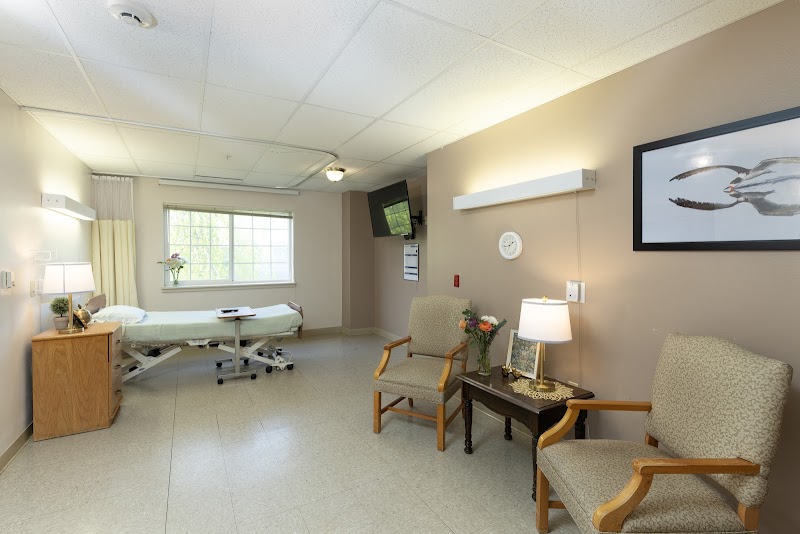
How is North Cascades Center Staffed?

CMS rates NORTH CASCADES HEALTH AND REHABILITATION CENTER's staffing level at 4 out of 5 stars, which is above average compared to other nursing homes. Staff turnover is 46%, compared to the Washington average of 46%.

What Have Inspectors Found at North Cascades Center?

State health inspectors documented 80 deficiencies at NORTH CASCADES HEALTH AND REHABILITATION CENTER during 2022 to 2025. These included: 1 Immediate Jeopardy (the most serious level, indicating potential for serious harm or death), 8 that caused actual resident harm, 70 with potential for harm, and 1 minor or isolated issues. Immediate Jeopardy findings are rare and represent the most serious regulatory concerns. They require immediate corrective action.
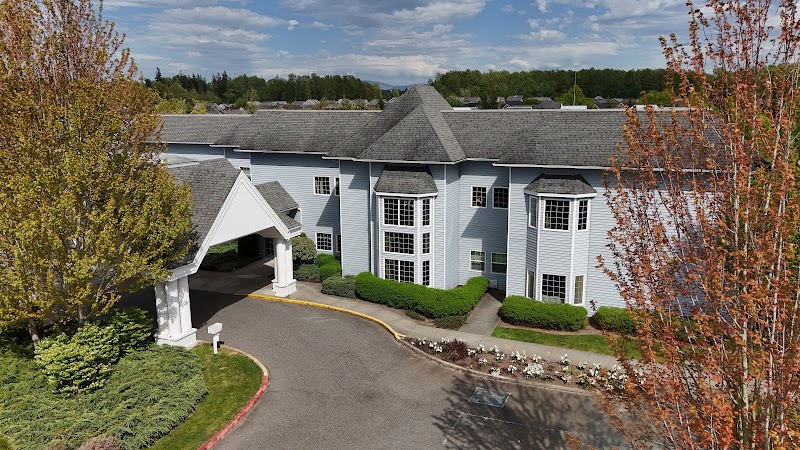
Who Owns and Operates North Cascades Center?

NORTH CASCADES HEALTH AND REHABILITATION CENTER is owned by a for-profit company. For-profit facilities operate as businesses with obligations to shareholders or private owners. The facility is operated by EMPRES OPERATED BY EVERGREEN, a chain that manages multiple nursing homes. With 122 certified beds and approximately 81 residents (about 66% occupancy), it is a mid-sized facility located in BELLINGHAM, Washington.

How Does North Cascades Center Compare to Other Washington Nursing Homes?

Compared to the 100 nursing homes in Washington, NORTH CASCADES HEALTH AND REHABILITATION CENTER's overall rating (1 stars) is below the state average of 3.2, staff turnover (46%) is near the state average of 46%, and health inspection rating (1 stars) is much below the national benchmark.

What Should Families Ask When Visiting North Cascades Center?

Based on this facility's data, families visiting should ask: "What changes have been made since the serious inspection findings, and how are you preventing similar issues?" "Can I visit during a mealtime to observe dining assistance and food quality?" "How do you handle medical emergencies, and what is your hospital transfer rate?" "Can I speak with family members of current residents about their experience?" These questions are particularly relevant given the facility's Immediate Jeopardy citations.

Is North Cascades Center Safe?

Based on CMS inspection data, NORTH CASCADES HEALTH AND REHABILITATION CENTER has documented safety concerns. Inspectors have issued 1 Immediate Jeopardy citation (the most serious violation level indicating risk of serious injury or death). The facility has a 1-star overall rating and ranks #100 of 100 nursing homes in Washington. Families considering this facility should ask detailed questions about what corrective actions have been taken since these incidents.

Do Nurses at North Cascades Center Stick Around?

NORTH CASCADES HEALTH AND REHABILITATION CENTER has a staff turnover rate of 46%, which is about average for Washington nursing homes (state average: 46%). Moderate turnover is common in nursing homes, but families should still ask about staff tenure and how the facility maintains care continuity when employees leave.

Was North Cascades Center Ever Fined?

NORTH CASCADES HEALTH AND REHABILITATION CENTER has been fined $356,793 across 7 penalty actions. This is 9.7x the Washington average of $36,647. Fines at this level are uncommon and typically indicate a pattern of serious deficiencies, repeated violations, or failure to correct problems promptly. CMS reserves penalties of this magnitude for facilities that pose significant, documented risk to resident health or safety. Families should request specific documentation of what issues led to these fines and what systemic changes have been implemented.

Is North Cascades Center on Any Federal Watch List?

NORTH CASCADES HEALTH AND REHABILITATION CENTER is not on any federal watch list. The most significant is the Special Focus Facility (SFF) program, which identifies the bottom 1% of nursing homes nationally based on persistent, serious quality problems. Not being on this list means the facility has avoided the pattern of deficiencies that triggers enhanced federal oversight. This is a positive indicator, though families should still review the facility's inspection history directly.