SHUKSAN REHABILITATION AND HEALTH CARE
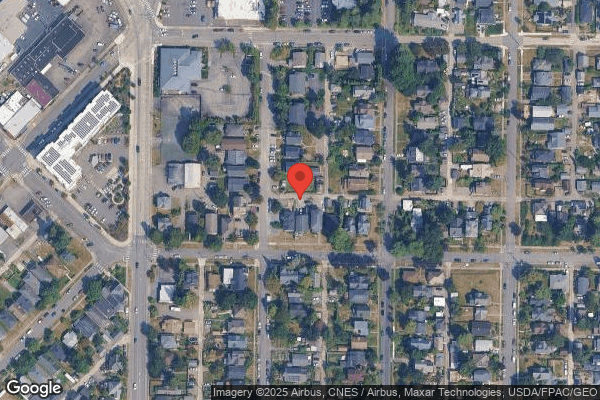
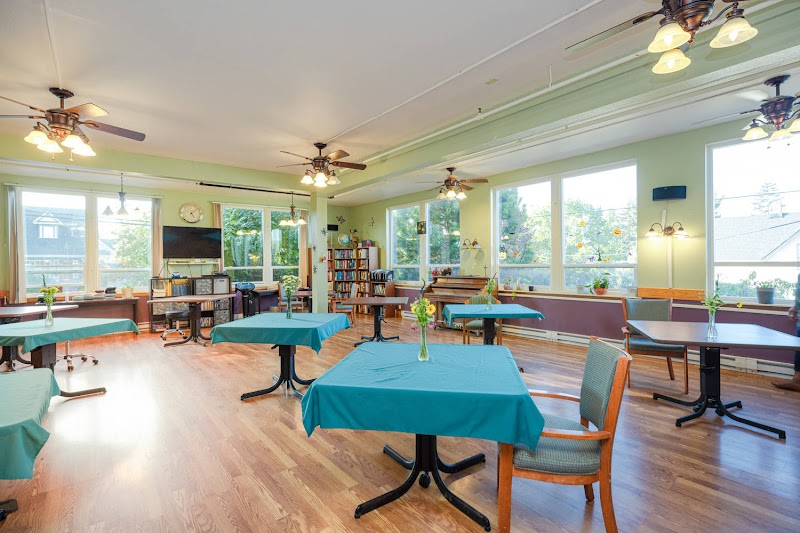
1530 JAMES STREET, BELLINGHAM, WA 98225 (360) 733-9161
For profit - Corporation 52 Beds HYATT FAMILY FACILITIES Data: November 2025 2 Immediate Jeopardy citations
Trust Grade
0/100
#187 of 190 in WA
Last Inspection: May 2025

Inspected within the last 6 months. Data reflects current conditions.

Overview

Shuksan Rehabilitation and Health Care has received a Trust Grade of F, indicating significant concerns and a poor overall quality of care. They rank #187 out of 190 facilities in Washington, placing them in the bottom half, and #8 out of 8 in Whatcom County, suggesting that there are no local options that are worse. The facility's performance is worsening, with issues increasing from 18 in 2024 to 24 in 2025. While staffing is a relative strength with a rating of 4 out of 5 stars and turnover at 49%, which is close to the state average, the high fines of $89,110 indicate ongoing compliance problems, being higher than 89% of Washington facilities. Specific incidents of concern include failures to provide timely laboratory services for residents, which led to critical health risks, and a serious incident where a resident developed a preventable pressure ulcer due to a lack of timely care. Overall, families should weigh these serious concerns against the facility's strengths in staffing when considering care options.

Trust Score
F
0/100
In Washington
#187/190
Bottom 2%
Safety Record
High Risk
Review needed
Inspections
Getting Worse
18 → 24 violations
Staff Stability
⚠ Watch
49% turnover. Above average. Higher turnover means staff may not know residents' routines.
Penalties
✓ Good
$89,110 in fines. Lower than most Washington facilities. Relatively clean record.
Skilled Nurses
✓ Good
Each resident gets 47 minutes of Registered Nurse (RN) attention daily — more than average for Washington. RNs are trained to catch health problems early.
Violations
⚠ Watch
55 deficiencies on record. Higher than average. Multiple issues found across inspections.
★☆☆☆☆
1.0
Overall Rating
★★★★☆
4.0
Staff Levels
★★★★☆
4.0
Care Quality
★☆☆☆☆
1.0
Inspection Score
Stable
2024: 18 issues
2025: 24 issues

The Good

  • 4-Star Staffing Rating · Above-average nurse staffing levels
  • 4-Star Quality Measures · Strong clinical quality outcomes
  • Full Sprinkler Coverage · Fire safety systems throughout facility
  • No fines on record

Facility shows strength in staffing levels, quality measures, fire safety.

The Bad

1-Star Overall Rating

Below Washington average (3.2)

Significant quality concerns identified by CMS

Staff Turnover: 49%

Near Washington avg (46%)

Higher turnover may affect care consistency

Federal Fines: $89,110

Well above median ($33,413)

Moderate penalties - review what triggered them

Chain: HYATT FAMILY FACILITIES

Part of a multi-facility chain

Ask about local staffing decisions and management

The Ugly 55 deficiencies on record

2 life-threatening 3 actual harm
Sept 2025 1 deficiency
CONCERN (D) 📢 Someone Reported This

A family member, employee, or ombudsman was alarmed enough to file a formal complaint

Potential for Harm - no one hurt, but risky conditions existed

Investigate Abuse (Tag F0610)

Could have caused harm · This affected 1 resident

**NOTE- TERMS IN BRACKETS HAVE BEEN EDITED TO PROTECT CONFIDENTIALITY** Based on interviews, and record reviews, the facility failed to conduct thorough investigations for 2 of 3 residents (Residents ...

Read full inspector narrative →
**NOTE- TERMS IN BRACKETS HAVE BEEN EDITED TO PROTECT CONFIDENTIALITY** Based on interviews, and record reviews, the facility failed to conduct thorough investigations for 2 of 3 residents (Residents 1 and 2) reviewed for abuse and neglect. The failure to conduct thorough investigations placed all residents at risk for repeat incidents, potential injury, and unmet care needs. Findings included .Review of the facility policy titled, Abuse, Neglect, Mistreatment and Misappropriation of Resident Property, revised 09/21/2022 document showed the administrator was responsible for the overall coordination and implementation of the facility's abuse prevention program policies and procedures .the investigation will at a minimum include interviews of alleged perpetrators, and review all medical records. <RESIDENT 1>Resident 1 was admitted to the facility on [DATE] with diagnoses that included multiple sclerosis (disease that affects the brain and spinal cord), and anxiety. Review of Resident 1's Quarterly Minimum Data Set (MDS - an assessment tool) assessment dated [DATE], the resident had intact cognition. The assessment documented the resident had pain almost constantly, and their pain effected their sleep and day-to-day activities. Review of Resident 1's care plan focus area dated 05/07/2025 documented the resident was at risk for pain related to spinal surgery, and infection to the site. Interventions included that the facility was to administer pain medication as ordered by the physician and giving within 30 minutes before treatment or care. Review of Resident 1's progress note dated 07/20/2025 at 10:34 PM, showed an electronic medication administration record (EMAR) note made by the licensed nurse that had worked the evening (2:00 PM - 10:00 PM) shift (Staff C, Registered Nurse) on 07/20/2025. The note stated that the next shift would administer the 10:00 PM pain medication dose as this nurse refuses to endure any further harassment or derogatory comments from this patient. Review of the facility allegation dated 07/21/2025 for an allegation that Resident 1 reported they felt Staff C, their nurse, had verbally abused them and withheld pain medication. The investigation documentation showed Resident 1 had requested pain medication on 07/20/2025 at 8:00 PM when it was scheduled to be administered and did not receive until 8:55 PM. Resident 1 reported they felt the staff had been punishing them and were making them wait for their pain medication. The investigation summary stated the resident had a history of targeting staff with allegations with the expectation of them losing their jobs. The investigation documented that the allegation was retaliatory, and abuse and neglect had been ruled out. The investigation did not include a thorough review of Resident 1's medical record, or validation of when the pain medication had been administered. The investigation lacked an interview with Staff C, the licensed nurse that worked on the shift that the allegation was made against. The investigation lacked interviews with other residents pertaining to their medication administration, and if they had concerns about the timeliness of medications and if they had experienced any verbal abuse by Staff C, the licensed nurse in question. <RESIDENT 2>Resident 2 readmitted to the facility on [DATE] with diagnoses that included demyelination of the central nervous system (breakdown of the spinal cord barrier can cause impaired coordination and muscle loss), anxiety and depression. Review of Resident 2's admission MDS dated [DATE] documented the resident had intact cognition, was dependent on staff for toileting and was always incontinent (inability to control) of bowel and bladder. Review of Resident 2's care plan focus area dated 08/05/2025 showed the resident had an activity of daily living performance deficit related to their impaired balance, weakness, deconditioning and the demyelinating (the loss or damage of the myelin sheath, the protective, insulating layer that surrounds nerve fibers in the brain and spinal cord) disease. Interventions included that the resident preferred female care givers only. Review of the facility allegation dated 08/15/2025 for an allegation that Resident 2 stated they had to wait one hour and 45 minutes to get their adult brief changed. The investigation documented that the resident was alert and orientated and able to make their needs known, had incontinence of bowel and bladder and wore adult briefs. The investigation summary stated a male staff member was informed by the resident that they needed their brief changed around 6:00 PM on 08/14/2025. The male staff member informed the resident that their female care giver was not available as they were assisting another resident to eat and would pass it on to them that the resident had requested to be changed. The investigation summary documentation showed that the resident was not provided incontinent care till sometime after 7:30 pm on 08/14/2025, and that abuse and neglect had been ruled out. The investigation timeline reflected the staff had knowledge that the residents needed incontinence care, and that the resident did wait for at least an hour and 30 minutes before they were provided care due to lack of female caregiver. The investigation failed to identify the potential neglect of the resident, failed to identify if there were other residents at risk, and failed to provide an intervention to ensure the safety of other residents at risk. In an interview on 09/03/2025 at 1:43 PM, Resident 2 confirmed that they had waited almost two hours on 08/14/2025 to get incontinent care provided to them. Resident 2 stated they were incontinent with bowel and bladder, and that it was not very pleasant sitting in that for a long time. Resident 2 stated they were told there was only one female caregiver that night and they were busy, so they told me I would have to wait. Resident 2 stated they absolutely will not allow a male caregiver to provide personal care to them. In an interview on 09/04/2025 at 10:55 AM, Staff B, Director of Nursing Services (DNS) was asked if there were any other residents in the facility that preferred female care givers only. At 11:20 AM, Staff B provided the names of Resident 2, and Resident 4. In an interview and record review on 09/04/2025 at 11:38 AM, Resident 4 was observed lying in their bed, watching television. The residents most recent Quarterly MDS in June 2025 showed the resident had intact cognition. The resident was asked if they had to wait a long time for their call light to be answered, and they responded yes at times it can longish. The resident clarified that longish could be 30 minutes to an hour at times. In an interview on 09/04/2025 at 12:38 PM, Staff B, DNS stated that gathering data for investigations was an interdisciplinary effort, however ultimately, they were the one that completed the investigation, ensured the care plan was updated, and that there was a plan in place. Staff B was asked how they ruled our abuse and/or neglect in the allegation that involved Resident 1. Staff B stated that the resident was given the medication within the hour time frame they must administer medications. Staff B was not aware that Staff C had documented a progress note in the resident's medical record, they were withholding pain medication due to the resident's behaviors. Staff B stated they did not check the time of administration of the medications. Staff B confirmed they did not interview Staff C about the verbal abuse allegation. Staff B confirmed they did not interview other residents related to medication administration or if they had experienced any verbal abuse from Staff C. Staff B was asked how they ruled out neglect for Resident 2. Staff B stated they came to conclusion there was no abuse and neglect and that the matter was more of a customer service issue. Staff B stated they educated the staff that they needed to help a resident when they required assistance for toileting. Staff B confirmed that the resident had to wait almost two hours to be provided incontinent care due to the female caregiver was assisting other residents. Staff B stated they did not interview the other resident in the facility (Resident 4) who also preferred female care givers only to ensure all residents needs were not unmet. In an interview on 09/04/2025 at 1:44 PM, Staff A was asked who was responsible for coordination of the abuse and/or neglect program at the facility. Staff A stated they are co-responsible along with the Director of Nursing Services (Staff B). Staff A stated they were familiar with the allegation for Resident 1. Staff A was unaware that the licensed staff (Staff C) were not interviewed, that they had placed a progress note on the medical record that could have potentially confirmed the allegation. Staff A was not aware the facility had unsubstantiated the allegation for Resident 2. Staff A stated they were unaware that the investigation stated the allegation was unsubstantiated and stated they would have to look more closely at that one. Reference WAC 288-97-0640(a)(b)
Jul 2025 1 deficiency
CONCERN (D) 📢 Someone Reported This

A family member, employee, or ombudsman was alarmed enough to file a formal complaint

Potential for Harm - no one hurt, but risky conditions existed

Staffing Data (Tag F0851)

Could have caused harm · This affected 1 resident

Based on interview and record review, the facility failed to ensure an accurate submission of the Payroll Based Journal (PBJ) per the Centers of Medicare and Medicaid (CMS) requirement for 1 of 1 Fisc...

Read full inspector narrative →
Based on interview and record review, the facility failed to ensure an accurate submission of the Payroll Based Journal (PBJ) per the Centers of Medicare and Medicaid (CMS) requirement for 1 of 1 Fiscal Year (FY) Quarter (Q4 2024 [October1 through December 31, 2024]), reviewed for PBJ submission. This failed practice resulted in CMS having inaccurate data related to nursing home staffing levels which had the potential to impact on the care and services provided to all the residents in the facility.Findings included . Review of the Q4 2024 HPRD (Hours Per Resident Day) Reporting Results FY Quarter 4 2024 (October 1 - December 31) showed the facility dd not meet the minimum 3.4 HPRD and was short 920 hours.During an interview on 07/10/2025 at 1:30 PM Staff B, Business Office Manager, stated the corporate office completes the report for PBJ and HPRD, sends it to the administrator for review and approval, then corporate office submits the report. In a review of the facility PBJ report for FY Quarter 4 2024 showed reported hours for facility employed staff only and did not include agency staff. In a review of agency/contracted staff hours provided by the facility showed combined hours of 28907.80 unaccounted for in the PBJ report for the FY Quarter 4 2024.In an email correspondence on 07/11/2025 at 11:10 AM Staff, A, Chief Operating Officer (COO), stated the facility failed to submit contracted/agency staff hours for the FY Quarter 4 2024 which led to an inaccurate report and data to CMS.Reference WAC 388-97-1090(1)(2)(3)
May 2025 21 deficiencies 2 IJ (1 facility-wide)
CRITICAL (K) 📢 Someone Reported This

A family member, employee, or ombudsman was alarmed enough to file a formal complaint

Immediate Jeopardy (IJ) - the most serious Medicare violation

Laboratory Services (Tag F0770)

Someone could have died · This affected multiple residents

**NOTE- TERMS IN BRACKETS HAVE BEEN EDITED TO PROTECT CONFIDENTIALITY** Based on interviews and record review, the facility failed to ensure timely laboratory services were provided for 5 of 5 residen...

Read full inspector narrative →
**NOTE- TERMS IN BRACKETS HAVE BEEN EDITED TO PROTECT CONFIDENTIALITY** Based on interviews and record review, the facility failed to ensure timely laboratory services were provided for 5 of 5 residents (Residents 7, 10, 15, 34 and 95) reviewed for laboratory services. Resident 15 did not have a urinalysis sample collected for laboratory study per physician order, Resident 7 did not have a Hemoglobin A1C (lab measures blood sugars in the body over a period) test completed as ordered and Resident 95 did not have a metabolic panel and blood count completed timely. Resident 10 and 34's Depakote levels (critical lab test to determine therapeutic drug level in the body and prevent toxicity for seizure medications, reference range 50-100) were not completed timely as ordered and constituted an Immediate Jeopardy (IJ). These failures placed residents at risk of delay in treatment, drug toxicity, decline in medical conditions, hospitalization and a diminished quality of life. On 05/01/2025, the facility was notified of an IJ for F770. The immediate jeopardy was determined to begin on 04/23/2025 when laboratory services were not able to be provided timely due to vendor non-payment. The immediate jeopardy was removed on 04/26/2025 as confirmed by an onsite verification by a surveyor after the facility obtained an alternate vendor to obtain missing labs, all other residents were audited to ensure labs were completed as ordered and overnight payments were sent out to the lab to cover the demand bills. Findings included . Review of facility lab contract titled Trident Care, Letter of Agreement, signed 07/29/2020, showed the facility would pay the Provider (lab) in accordance with the pricing terms of the agreement. The contract directed the facility to pay the provider within thirty (30) days of the date of the invoice, unless required by law to pay sooner, in which case the earlier date required by law shall apply. If payment due to the provider by facility is more than ten (10) days past due, the provider shall have the right to refuse to provide services to the facility without further notice. <RESIDENT 10> Resident 10 was admitted to the facility on [DATE] with diagnoses to include dementia (a mental disorder in which a person loses the ability to think, remember, learn, make decisions, and solve problems) with psychotic disturbance, anxiety (a mental health condition that involves excessive worry and feelings of fear, dread, and uneasiness) and depression. Review of the physician's orders showed Resident 10 was receiving Depakote 250 mg (milligrams) every day and evening for gradual dose reduction of Quetiapine (anti-psychotic) and behavior management related to Major Depressive Disorder, severe with psychotic features since 01/29/2025. Review of a social service progress note on 04/22/2025 at 4:42 PM showed a psychotropic meeting recommendation that the psychiatric physician was increasing Depakote to 375 MG twice a day and ordering a Depakote level in hopes to relieve Resident 10's distress due to increased aggressive and distressing behaviors. Review of a progress note on 04/24/2024 at 10:52 AM, showed the new order was processed to increase Depakote dose and draw a Depakote level on the next lab day. Review of the physician's orders dated 04/23/2025 at 10:00 PM directed the facility to draw a Depakote level every night shift until 04/24/2025. There was an additional order to draw a complete metabolic panel (CMP - a lab that provides an overview of the body's chemical balance and metabolism) on 04/28/2025 at 10:00 PM. Review of the April Medication Administration Record (MAR) showed the Depakote level was not signed as completed on 04/24/2025. The CMP was signed as not completed with a code of 9 indicating to see the progress notes. Review of the Depakote lab requisition showed the Depakote level was obtained from an alternate lab on 04/26/2025 (two days after it was ordered to be drawn) and results were reported to the facility on [DATE] (two days after the lab was obtained). The results were low at 19 ug/ml with a normal reference range at 50-100 ug/ml. Review of the progress note on 04/29/2025 at 12:22 PM, documented the 04/26/2025 Depakote results were reviewed by the physician. Review of the progress notes and MAR did not show if the CMP had been drawn as ordered on 04/28/2025. <RESIDENT 34> Review of the physician's orders showed Resident 34 was receiving Depakote every day related to mood disorder. Review of the physician's orders dated 04/23/2025 at 10:00 PM directed the facility to draw a Depakote level every night shift until 04/24/2025. Review of Resident 34's medical record on 04/25/2025 showed the Depakote level was not drawn. <RESIDENT 7> Resident 7 admitted on [DATE] with diagnoses which included diabetes (disease that results in abnormal processing of sugar in the body). Review of Resident 7's medical record showed an order for a Hemoglobin A1C (test to determine average blood sugar levels) to be completed on 04/23/2025. Review of Resident 7's April 2025 Treatment Administration record showed a blank for the A1C on 04/23/2025. Review of Resident 7's medical record on 04/25/2025 showed no documentation that the lab had been drawn or any result of the lab, or any documentation regarding the lab. <RESIDENT 95> Resident 95 admitted on [DATE] with diagnoses to include a left hip fracture, recent toe amputation after an infection, dementia and depression. Review of the physician visit note on 04/22/2025 showed the physician assessed the second toe tip and noted it to be gangrenous and would need close follow-up on this with frequent exams and a repeat a CBC (complete blood count) lab in three days. The assessment and plan for the congestive heart failure was to repeat a CMP next week. Review of an ARNP (Advanced Registered Nurse Practitioner) visit note dated 04/23/2025 showed the assessment plan related to Resident 95's chronic congestive heart failure was to monitor and consider increasing their diuretic with a repeat CMP next week. Review of a laboratory progress note on 04/23/2025 at 12:49 PM showed CBC and CMP labs were to be drawn on 04/25/2025. Review of the clinical record on 04/25/2025 showed the CMP and CBC had not been drawn. Review of the lab requisition in the lab book showed the labs had not been drawn yet. Review of the lab faxed to the facility on [DATE] at 10:06 AM showed the results of a BMP (Basic Metabolic Panel) panel rather than the ordered CMP. The BMP had been drawn on 04/29/2025 at 10:37 PM (four days after it was ordered to be collected). <RESIDENT 15> Resident 15 admitted on [DATE] with a diagnosis of calculus of ureter (presence of stones within the tube that carries urine from the kidneys to the bladder). Review of a progress note on 01/31/2025 at 5:10 PM, showed Resident 10's family member was in the facility and stated that when their family member was delusional (holding a belief of altered reality that is believed) they were septic (a life-threatening bloodstream infection from an overwhelming infection) with a urinary tract infection (UTI). Physician orders were to be obtained to rule out UTI as the cause of the increased confusion and delusions. Review of a progress note on 02/04/2025 at 3:33 PM showed a urinalysis (UA) order was received due to recent delusions and hallucinations (perception of having seen, heard, touched, tasted or smelled something that was not actually there) to rule out a UTI. Review of the February MAR showed the UA with culture and sensitivity was ordered to be completed on 02/05/2025. The order was signed as 9 indicating to see the progress notes. The lab was not set up in the MAR for another shift to collect and follow up on the missed UA. Review of a progress note on 02/05/2025 at 1:34 PM showed the nurse was not able to collect a UA due to the resident not cooperating. Review of the clinical record after the 02/05/2025 progress notes and lab results contained no further information about the urinalysis or if the physician had been informed the lab was not completed as ordered. In an interview on 04/25/2025 at 12:32 PM, Staff F, Registered Nurse (RN)/ Resident Care Manager (RCM) stated the lab was supposed to come on Sundays, Mondays, Tuesdays and Thursdays. The labs due are kept in a binder at the nurse's station and should be audited for completion and then results usually come in a day or two depending on the type of test. Staff F confirmed that Residents 7,10, 34 and 95 had labs ordered to be drawn on 04/23/2025 (which is the night shift that begins on 04/23/2025 but then becomes 04/24/2025), which were not done. Staff F stated they could not see documentation about why those labs had not been ordered but stated the lab may not have come, I heard something about a bill not being paid. Staff F was asked if there was an alternative option or an alternative laboratory available and they stated there was a different lab they used only for urinalysis. Staff F was asked if the providers for those residents had been notified that those labs had not been obtained and Staff F stated they did not know. In an interview on 05/01/2025 at 9:25 AM, Staff I, RN stated the facility had a new lab provider due to a payment issue and they were not sure who the new lab provider was. Staff I said the facility had a lab binder and the night shift nurse followed up on labs. Staff I stated they would be told in report if the lab had not been obtained. Staff I said sometimes the lab orders would be placed on the Medication Administration Record (MAR) which was helpful to know who had labs due. They stated they could look at the lab book or ask night shift to know if a lab sample had been obtained. In an interview on 05/01/2025 at 9:49 AM, Staff H, Licensed Practical Nurse (LPN) stated the facility had just changed lab companies. Staff H stated the phlebotomist would come in, grab the lab book and complete the lab draws, then have them sign off that the sample was obtained. Staff H stated night shift was responsible for putting the upcoming labs into the MAR so nurses would know who was due. Staff H stated they would check the lab binder or MAR to see if the lab had been obtained. In an interview on 05/01/2025 at 11:37 AM, Staff B, Interim Director of Nursing (DNS), stated the UA was not collected or followed up on. Staff B stated their expectation was labs were to be completed as ordered and followed up on. Reference WAC 388-97-1620 (2)(b)(i)
CRITICAL (L) 📢 Someone Reported This

A family member, employee, or ombudsman was alarmed enough to file a formal complaint

Immediate Jeopardy (IJ) - the most serious Medicare violation

Administration (Tag F0835)

Someone could have died · This affected most or all residents

⚠️ Facility-wide issue

**NOTE- TERMS IN BRACKETS HAVE BEEN EDITED TO PROTECT CONFIDENTIALITY** Based on interview, and record review, the facility Administration failed to ensure the facility's finances were maintained effe...

Read full inspector narrative →
**NOTE- TERMS IN BRACKETS HAVE BEEN EDITED TO PROTECT CONFIDENTIALITY** Based on interview, and record review, the facility Administration failed to ensure the facility's finances were maintained effectively for continuity of resident care and services. The Administration was aware the facility was behind on vendor payments and receiving notices for discontinuation of services. The Administration's failure to ensure the facility met their financial obligations to vendors resulted in the facility laboratory services provider discontinuing services to the facility resulted in four residents (Residents 10, 34, 95, and 7) not receiving timely laboratory services, and placed all 41 residents at risk of not receiving necessary care and services and constituted an Immediate Jeopardy (IJ). On 04/25/2025 at 5:19 PM, the facility was notified of an IJ in F835. The facility removed the immediacy on 04/26/2025 as confirmed by an onsite verification by a surveyor after the facility ensured past due resident lab testing had been completed and an active laboratory services vendor was in place. The facility provided evidence of vendor contract payments to ensure continuity of essential services, audited all resident laboratory orders, and obtained ordered laboratory testing for affected residents. The immediate jeopardy was determined to begin on 04/23/2025 when laboratory services were not provided timely. Findings included . Review of the undated facility policy titled Administrative Management, stated the Facility Administrator appointed was accountable to facility management and operations, which would be reported to a governing board. Based on record review the following vendors sent demand bill notices to the facility: - Trident Lab corporation, past due $9,536.92 with a hold for non-payment with invoices beginning 11/30/2024. - City of [NAME] water, a shut off notice was sent on 04/07/2025 with shut off date of 05/07/2025 with a past due amount of $2,487.91. - Kavala staffing agency statement #3545 dated 03/26/2025 total amount owed $191,210.01 for invoices from 11/25/2024 through 03/21/2025. - Clipboard staffing agency owing $2,563.89, with a notice they will cease to send staff after 05/05/2025. - KCI (a medical supply company) invoice owing $12,550 with a notice on 04/21/2025 demand bill to pay by 04/21/2025 with invoices beginning 10/21/2024. -Cascade Natural Gas invoice with urgent past due notice dated 04/14/2025 requested payment of $1877.85 be received by 5:00 PM on April 22, 2025, or service may be disconnected. -According to the Office of Rates Management, as of 04/07/2025, the Safety Net Assessment (SNA) account for Shuksan HealthCare was 60 days past due in the amount of $119,996.01, which included a new outstanding balance for December 2024 days of $29,377.00, due to be paid 01/20/2025. In an interview with the facility lab services provider on 04/25/2025 at 1:42 PM, CC5, the lab services provider confirmed that the facilities lab services were placed on a non-payment hold on 04/23/2025 which had not been corrected in their system. This lack of lab services impacted four residents (Residents 10, 34, 95, and 7) and potentially additional residents if new orders were received or delayed due to the lab vendor not coming out due to the nonpayment) Resident 10's Depakote level (critical lab to determine therapeutic drug level in the body and prevent toxicity for seizure medication) was not obtained. Resident 34's Depakote level (critical lab to determine therapeutic drug level in the body and prevent toxicity for seizure medication) was not obtained. Resident 95's Comprehensive Metabolic Panel (test to determine overview of the body's chemical and metabolic status) and Complete Blood Count (test to determine number and types of blood cells) were not obtained. Resident 7's Hemoglobin A1C (test to determine average blood sugar levels) was not obtained. In a joint interview and record review on 04/25/2025 at 12:32 PM, Staff F, Resident Care Manager, stated the lab was scheduled to come on Sundays, Mondays, Tuesdays and Thursdays. The labs due were kept in a binder at the nurse's station and should be audited for completion and then results usually come in a day or two depending on the type of test. Staff F was asked to review some missing laboratory results, and they stated that Residents 7, 10, 34 and 95 had labs ordered to be drawn on 04/23/2025 which had not been completed as of this interview. Staff F stated they could not see documentation about why those labs had not been ordered but stated the lab may not have come, I heard something about a bill not being paid. Staff F was asked if there was an alternative option or an alternate laboratory available and they stated there was a different lab they used only for urinalysis (lab test to analyze urine samples). Staff F was asked if the providers for those residents had been notified that those labs had not been obtained, and they stated they did not know. In an interview on 04/25/2025 at 1:08 PM, Anonymous facility staff stated the facility had delayed payroll on one recent occasion at which time staff lost benefits for a period of time and staff had to pay out of pocket for medical appointments and prescriptions. In an interview on 04/25/2025 at 1:08 PM, Staff L, Business office Manager, stated invoices, came to them and Staff A, Administrator, and they were processed and sent to the corporate office for payment. The corporate office cuts the checks and pays the vendors unless we were instructed by them to pay for something by credit card. Staff L stated in regard to the laboratory bill, there was a payment that was not received, and a check that was supposed to have been sent overnight and that prevented the non-payment hold. Staff L stated they get calls daily from vendors regarding overdue balances and all they could do was forward that information to corporate. In an interview on 04/25/2025 at 1:55 PM, Staff A stated they receive the invoices for all the bills, and they are all forwarded to the corporate office for payment. Staff A stated they were aware of the lab services hold but thought it had been taken care of. Staff A was aware of a recent demand bill from the natural gas company and that the facility was paying bills late or had payment plans in place with some vendors. Staff A stated the facility had used a company credit card to obtain some resident supplies. In an interview on 04/25/2025 at 4:47 PM, Staff D, Chief Operating Officer, stated the corporation managed vendor contracts and payment plans according to the individual arrangements. Staff D stated they receive invoices every week and they are processed. The laboratory payment was stated to have been sent. The facility was managing cash flow. Refer to F770- Labratory Services Reference WAC 388-97-1620 (1)
SERIOUS (G)

Actual Harm - a resident was hurt due to facility failures

Pressure Ulcer Prevention (Tag F0686)

A resident was harmed · This affected 1 resident

**NOTE- TERMS IN BRACKETS HAVE BEEN EDITED TO PROTECT CONFIDENTIALITY** Based on observation, interview, and record review, the facility failed to ensure a pressure offloading mattress was ordered and...

Read full inspector narrative →
**NOTE- TERMS IN BRACKETS HAVE BEEN EDITED TO PROTECT CONFIDENTIALITY** Based on observation, interview, and record review, the facility failed to ensure a pressure offloading mattress was ordered and implemented timely to prevent pressure ulcer (PU)/pressure injury (PI) development for 1 of 2 residents (Resident 7) reviewed for facility acquired PU. Resident 7 experienced harm when they developed a preventable Stage 3 PU to their coccyx (tailbone), requiring wound vacuum treatment which impacted the resident's rehabilitation and discharge potential. This failure placed residents at risk for adverse outcomes and a decreased quality of life. Findings included . PRESSURE ULCER DEFINITION AND STAGES The National Pressure Ulcer Advisory Panel (NPUAP) April 2016, defined Pressure Ulcer (PU) Definition and Stages as: -A PU is localized damage to the skin and underlying soft tissue usually over a bony prominence or related to a medical or other device. The injury can present itself as intact skin or an open ulcer and may be painful. The injury occurs as a result of intense and/or prolonged pressure or pressure in combination with shear (a combination of downward pressure and friction). -Stage 2 PU: Partial-thickness skin loss with exposed dermis. Partial-thickness loss of skin with exposed dermis. The wound bed is viable, pink or red, moist, and may also present as an intact or ruptured serum-filled blister. Adipose (fat) is not visible and deeper tissues are not visible. Granulation tissue, slough and eschar are not present. -Stage 3 PU: Full-thickness skin loss Full-thickness loss of skin, in which adipose (fat) is visible in the ulcer and granulation tissue and epibole (rolled wound edges) are often present. Slough and/or eschar may be visible. The depth of tissue damage varies by anatomical location; areas of significant adiposity can develop deep wounds. Undermining and tunneling may occur. Fascia, muscle, tendon, ligament, cartilage and/or bone are not exposed. If slough or eschar obscures the extent of tissue loss this is an unstageable PI. -Unstageable PU: Obscured full-thickness skin and tissue loss. Full-thickness skin and tissue loss in which the extent of tissue damage within the ulcer cannot be confirmed because it is obscured by slough or eschar. RESIDENT 7 Resident 7 admitted to the facility on [DATE] with diagnoses which included diabetes (abnormal processing of sugar), existing stage 2 PUs on the right and left buttocks areas and an unstageable PU to the left foot. The resident's discharge plan included the resident's intention to return home when wounds were manageable with home health assistance. Review of Resident 7's admission nursing assessment dated [DATE] documented the healing stage 2 PU on the right and left buttocks, and an unstageable PU to the left foot. The assessment showed no skin breakdown on the coccyx area on admission. Review of the Braden Scale (an assessment tool that measures risk for pressure injury) dated 10/17/2024, scored the resident as 12 which was moderate risk for PU development. Review of the resident's care plan dated 10/17/2024 showed Resident 7 required total assistance of two staff for bed mobility and was able to use a bed enabler bar to assist with turning and positioning. Further review of the care plan on the date of admission showed no care plan problem related to existing pressure ulcers, pressure ulcer prevention or interventions put in place upon admission. Review of Resident 7's care plan showed a focus area initiated on 10/24/2024 instructing staff to offer and assist with turning and repositioning every two-three hours, off load pressure with positioning side to side when in bed, limit time on back to meals. The care plan included a low air loss mattress (a higher-level surface which is rated for prevention and treatment of pressure ulcers) on the bed for pressure relief and a pressure reduction cushion in the wheelchair. Review of Resident 7's nursing progress note dated 10/31/2024 at 3:24 PM, documented the resident with a new stage 3 PU to the coccyx that started as slit open area a week ago and now the wound bed was covered with 100% slough. The progress note stated the provider and resident were notified and that the resident had pain that limited their mobility to turn and reposition frequently. The note stated the Resident Care Manager (RCM) was notified to see if a Low air loss (LAL) mattress could be provided in addition to turning and repositioning, as the resident was not tolerating side to side positioning due to low back and lower leg pain. Review of Resident 7's progress notes and care plan updated on 11/24/2024, documented that the resident was not placed on the LAL mattress until 11/24/2025 (30 days after the RCM was notified to order the LAL). Review of Resident 7's medical record showed they were being seen by an outside wound clinic related to existing wounds and the wound clinic began following the coccyx wound in December of 2024. Review of the wound clinic notes documented the wound as unstageable and treatment plan included placement of a wound vacuum, which was changed three times per week and was in place until 04/08/2025. Review of the facility wound assessment notes showed inconsistent documentation of the coccyx wound characteristics and size, obtaining wound clinic assessment notes and interchanges the location of the wound to be coccyx or sacrum. The documentation was as follows: - 10/24/2024 coccyx documented as a slit with no measurement. - 10/31/2024 coccyx ulcer stage 3 with no measurement included in the note. - 11/26/2024 50% wound bed noted with covered with slough, with tunneling measuring 5.5 centimeters (cm) at 12 o'clock, 4 cm at 3 o'clock, 2 cm at 6 'o'clock, 1.5 cm at 9 o' clock. There were no would bed dimensions documented. - 12/07/2024 Length (L) 5.6cm x Width (W) 5.5cm wound vacuum to coccyx wound, changed three times per week. - 01/25/2025 wound on coccyx L 2.2cm x W 1.8 cm, Depth (D) of 2 cm - 02/01/2025 wound on coccyx L 2.0cm x W 1.8 cm x D 2.0 cm - 02/12/2025 wound on sacrum L 1.5cm, W1.5cm, D 1.0 cm - 02/12/2025-04/08/2025 - continued slow healing - 04/08/2025 wound vac discontinued - 04/22/2025 L 0.5cm, W 0.4cm, D 0.4cm (most current measurements) continues to be followed by wound clinic visits every other week. In an interview and observation on 04/23/2025 at 3:00 PM, Resident 7 was sitting up in their wheelchair with foam boots noted on bilateral feet. Resident 7 stated when they admitted they were on a flat mattress that felt like an army cot. The current mattress was observed to be an air mattress. Resident 7 stated they were supposed to have been on a specialty bed from day one, but I did not get one for over a month. Resident 7 stated they already had wounds when they admitted and then developed the one on their tailbone. Resident 7 stated (the tailbone) is the one that has given me the most trouble. Resident 7 stated they were frustrated that due to the wound vacuum and positioning restrictions, they had not been able to effectively participate in therapy until recently, so they lost strength and needed to be able to walk in order to go home, which they stated was still very much their goal. In an interview on 04/30/2025 at 12:57 PM, Staff F, RCM, stated there were standard batch orders for basic skin interventions that auto populate when a resident admitted and from there, individualized interventions would be entered, but stated there was no standard protocol to follow. Staff F stated air mattresses, overlays or special beds are indicated for anyone with skin issues, obesity, or bony prominences. Staff F reviewed Resident 7's medical record and verified that there were no PU prevention interventions in the record until 10/25/2024, when the coccyx wound was first identified as a slit. Staff F stated they did not know why Resident 7 did not have a higher-level mattress placed on admission. Staff F stated they were not very knowledgeable about the types of mattresses but stated Staff A, Administrator, would know because they were the ones who ordered the mattresses. In an interview on 04/30/2025 at 1:40 PM, Staff B, Interim Director of Nursing, stated Resident 7 admitted with several existing wounds, and stated upon admission, residents were assessed for risk and interventions were put in place. Staff B stated if a wound developed or worsened, it was ours, and stated interventions would include turning and positioning, pressure prevention mattresses and cushions, nursing assessments, wound specialists, dietician, and ensuring the practitioner assessed. Staff B stated that for a stage 3 or higher it was common sense to have an air mattress, the mattresses that are standard are pressure relieving, but they were not enough for stage 3 or higher. Staff B acknowledged that Resident 7 admitted with a stage 3 or higher already present and stated they do not know why a higher-level mattress was not placed until 11/24/2024. In an interview on 04/30/2025 at 2:00 PM, Staff A, Administrator, stated Resident 7 did not have an LAL mattress on admission. Staff A stated they remembered ordering the mattress for Resident 7 and assisting with putting it on their bed when it arrived, Staff A stated they double checked the dates and the documentation showing it was not placed until 11/24/2024 was correct and that they dropped the ball in preventing the development of a preventable stage 3 PU for Resident 7. Refer to F835- Administration Reference WAC 388-97-1060 (3)(b)
CONCERN (D)

Potential for Harm - no one hurt, but risky conditions existed

Report Alleged Abuse (Tag F0609)

Could have caused harm · This affected 1 resident

**NOTE- TERMS IN BRACKETS HAVE BEEN EDITED TO PROTECT CONFIDENTIALITY** Based on interview and record review the facility failed to immediately report to the state agency potential abuse/neglect of 1 ...

Read full inspector narrative →
**NOTE- TERMS IN BRACKETS HAVE BEEN EDITED TO PROTECT CONFIDENTIALITY** Based on interview and record review the facility failed to immediately report to the state agency potential abuse/neglect of 1 of 4 residents (Resident 10) reviewed for accidents. Failure to report potential allegations of abuse and/or neglect placed residents at risk for unidentified abuse, and therefore, continued mistreatment and a poor quality of life. Findings included . According to the Nursing Home Guidelines - The Purple Book, sixth edition, dated October 2015, showed Individual mandated reporters must immediately report to the Department's hotline when there is a reasonable cause to believe an incident is abuse, neglect, abandonment, mistreatment, substantial injuries of unknown source, should be reported to the Department of Social Health Services (DSHS) Hotline number, logged within five days and Police or 911 called. Examples of substantial injuries may include, but are not limited to, the following: Abrasions, burns, deep lacerations, bruises of deep color and depth, or those occurring in areas not generally vulnerable to trauma, such as the back, face, head, neck. Review of the facility's policy titled, Abuse, Neglect, Mistreatment and Misappropriation of Resident Property dated 09/21/2022 showed all reports of resident abuse, neglect, exploitation, misappropriation of resident property, mistreatment and/or injuries of unknown source (hereafter referred to as abuse) will be promptly reported to local, state, and federal agencies (as defined by current regulations) and thoroughly investigated by facility management. Findings of abuse investigations will be reported. RESIDENT 10 Resident 10 was admitted to the facility on [DATE]. Review of the quarterly Minimum Data Set (MDS) assessment dated [DATE], showed the resident had significant cognitive impairment and had falls since their prior assessment on 01/17/2025. Review of a progress note on 12/25/2025 at 6:00 PM showed Resident 10 was added to alert charting for potential alleged neglect and delay in care. Review of Resident 10's Activities of Daily Living (ADL) care plan initiated on 10/06/2021 showed the resident required supervision/touching assistance of one staff for toileting and directed staff to ensure supervision while the resident was on the toilet related to their cognitive deficits and the resident not remembering they needed assistance. Review of a facility investigation dated 03/16/2025 showed at 1:05 AM, the nurse found Resident 10 laying on their right side in front of the toilet with one hand on their forehead with a small pool of blood under their head. Resident 10 had sustained a 2-inch laceration in the middle of their forehead and exhibited labored breathing, occasional moans or groans, sad, frightened frown and facial grimacing. Resident 10 could not tell the staff what occurred. Predisposing factors on the investigation included poor lighting, and the resident was confused, drowsy, and had impaired memory and gait imbalance. The other information included was that the resident had transferred to the toilet without assistance. Review of a statement from Staff M, Nursing Assistant Certified (NAC) assigned to Resident 10 showed they had last observed the resident sitting on the toilet at 12:50 AM then 10 minutes later the resident was found on the floor with a significant injury. The fall had been unwitnessed. Staff M, NAC documented they did not provide supervision as directed in the resident's care plan. Review of the facility's state reporting log showed this allegation of potential neglect was not documented as reported to the state hotline. The injury type documented on the log was lac but did not indicate the injury as substantial, as it was a S10-deep laceration and S20 in an area not generally vulnerable to trauma. In an interview on 05/01/2025 at 9:01 AM, Staff I Registered Nurse stated they would call Staff A, Administrator for direction on if they should call the hotline. In an interview on 05/01/2025 at 9:49 AM, Staff H, Licensed Practical Nurse stated the expectation was that they report head laceration injuries to the state hotline. During an interview on 05/01/2025 at 10:31 AM, Staff A, Administrator stated the facility staff were to notify the state hotline of abuse and neglect allegations. Refer to F610 Develop/Investigate/Prevent/Correct Abuse/Neglect Reference WAC 388-97-0640(6)(c)
CONCERN (D)

Potential for Harm - no one hurt, but risky conditions existed

Transfer Notice (Tag F0623)

Could have caused harm · This affected 1 resident

Based on interview, and record review, the facility failed to ensure written notification of facility-initiated transfer and/or discharge was completed for 3 of 4 residents (Residents 31, 37, and 144)...

Read full inspector narrative →
Based on interview, and record review, the facility failed to ensure written notification of facility-initiated transfer and/or discharge was completed for 3 of 4 residents (Residents 31, 37, and 144) reviewed for hospitalizations. The facility failed to ensure the transfer/discharge notice with all the required information was provided in a timely, practical manner upon an emergency transfer to the hospital. This failure placed residents and their representatives at risk of not receiving accurate information related to resident's discharge. Findings included . Review of Resident 31's medical record showed they were transferred to the emergency department on 03/28/2025 and there was no documentation that the notice of transfer/discharge had been provided to the resident and/or their representative, only a progress note from Staff G, Social Services stating that a notice had been sent to the ombudsman. Review of Resident 37's medical record showed they were transferred to the emergency department on 03/11/2025 and there was no documentation that the notice of transfer/discharge had been provided to the resident or their representative. Review of Resident 144's medical record showed they were transferred to the emergency department on 04/28/2025 and there was no documentation that the notice of transfer/discharge had been provided to the resident or their representative, only a progress note from Staff G stating that a notice had been sent to the ombudsman. In an interview on 04/29/2025 at 1:31 PM, Staff G stated they filled out the notice of transfer discharge form but only sends the form to the ombudsman and then to medical records to scan. Staff G stated they did not provide a copy to the residents and/or their representative and did not know if nursing did. In an interview on 04/29/2025 at 1:41 PM, Staff I, Registered Nurse, stated they were not aware of a notice of transfer discharge or any requirement to give one to the residents when they go out to the hospital or discharge. In an interview on 04/29/2025 at 1:44 PM. Staff A, Administrator stated social services was only sending the transfer discharge notice to the ombudsman and acknowledged the notice had not been provided to the residents or their representatives. Refererence WAC 388-97-1020 (2)(a-d)
CONCERN (D)

Potential for Harm - no one hurt, but risky conditions existed

Deficiency F0625 (Tag F0625)

Could have caused harm · This affected 1 resident

Based on interview and record review, the facility failed to provide written bed hold notices at the time of transfer to the hospital for 3 of 4 residents (Residents 31, 37, and 144) reviewed for hosp...

Read full inspector narrative →
Based on interview and record review, the facility failed to provide written bed hold notices at the time of transfer to the hospital for 3 of 4 residents (Residents 31, 37, and 144) reviewed for hospitalizations. This failure placed the residents at risk for lack of knowledge regarding their right to hold their bed while in the hospital. Findings included . Review of Resident 31's medical record showed they were transferred to the emergency department on 03/28/2025 and there was no documentation of a bed hold notice being provided to the resident or their representative. Review of Resident 37's medical record showed they were transferred to the emergency department on 03/11/2025 and there was no documentation that the bed hold notice had been provided to the resident or their representative. Review of Resident 114's medical record showed they were transferred to the emergency department on 04/28/2025 and there was no documentation that the bed hold notice had been provided to the resident or their representative. In an interview on 04/29/2025 at 1:41 PM, Staff I, Registered Nurse, stated nurses were supposed to review the bed hold notice with the resident or representative when they were being transported, and if they were not able (due to the emergent nature of many transports) then the care mananger would follow up later. In an interview on 04/29/2025 at 1:44 PM. Staff A, Administrator stated the expectation was the at the bed hold notices are done at the time of transfer or as soon as possible by following up with the responsible party. Staff A was made aware of missing bed hold notices for the sampled residents. Reference WAC 388-97-1020 (4)
CONCERN (D)

Potential for Harm - no one hurt, but risky conditions existed

Deficiency F0657 (Tag F0657)

Could have caused harm · This affected 1 resident

**NOTE- TERMS IN BRACKETS HAVE BEEN EDITED TO PROTECT CONFIDENTIALITY** Based on interview and record review the facility failed to ensure care plans were revised as required for 2 of 5 residents (Res...

Read full inspector narrative →
**NOTE- TERMS IN BRACKETS HAVE BEEN EDITED TO PROTECT CONFIDENTIALITY** Based on interview and record review the facility failed to ensure care plans were revised as required for 2 of 5 residents (Resident 10 and 15) reviewed for psychotropic medication review. This failure had the potential to impact staff knowledge of resident needs, placing resident's at risk for decreased quality of care and negative outcomes. Findings included . According to the Resident Assessment Instrument (RAI) manual, dated October 2024 showed the RAI helps nursing home staff gather definitive information on a resident's strengths and needs, which must be addressed in an individualized care plan. It also assists staff with evaluating goal achievement and revising care plans accordingly by enabling the nursing home to track changes in the resident's status. As the process of problem identification is integrated with sound clinical interventions, the care plan becomes each resident's unique path toward achieving or maintaining his or her highest practical level of well-being. The focus of the psychotropic care plan/goals of therapy include maximizing the resident's functional potential and well-being, while minimizing the hazards associated with medication side effects. <RESIDENT 10> Resident 10 admitted to the facility on [DATE] with diagnoses to include moderate dementia with psychotic disturbance, depression and anxiety. Review of Resident 10's care plan revised 03/15/2023 showed the resident used an anti-anxiety medication Clonazepam related to anxiety disorder. The care plan for 10/18/2021 showed the resident was taking Citalopram for depression. The care plan had two interventions listed for each care plan. One was to administer the medication as ordered and to monitor, document and report any adverse effects. The care plans did not include symptoms the resident was experiencing, resident goals, nor non-pharmacological interventions. <RESIDENT 15> Resident 15 admitted to the facility on [DATE] with diagnoses to include major depressive disorder. Review of the quarterly MDS assessment, dated 04/22/2025, showed the resident exhibited hallucinations and delusions. Resident 15 was being treated with an antipsychotic and antidepressant medications. Review of a progress note on 01/30/2025 at 11:51 PM showed the resident was experiencing delusions and hallucinations. The resident was having conversations with people that are not there and stated there were swarms of bugs in the room and the walls were moving. Review of Resident 15's care plan initiated 01/21/2025 showed the resident was receiving three anti-depressant medications (Effexor, Wellbutrin, and Duloxetine) for depression. The care plan for psychotropic medication Seroquel for behavior management was initiated on 01/21/2025. Each care plan had two interventions listed for each care plan. One was to administer the medication as ordered and to monitor, document and report any adverse effects. The care plans did not include symptoms the resident was experiencing, resident goals, nor non-pharmacological interventions. In an interview on 05/01/2025 at 10:31 AM, Staff A, Administrator, stated they were aware of care planning issues, and they had begun working on them. They stated the expectation was that care plans were correct and revised when needed. Reference WAC 388-97-1020(2)(c)(d)
CONCERN (D) 📢 Someone Reported This

A family member, employee, or ombudsman was alarmed enough to file a formal complaint

Potential for Harm - no one hurt, but risky conditions existed

Deficiency F0659 (Tag F0659)

Could have caused harm · This affected 1 resident

**NOTE- TERMS IN BRACKETS HAVE BEEN EDITED TO PROTECT CONFIDENTIALITY** Based on interviews and record review, the facility failed to ensure 1 of 7 sampled staff (Staff EE) had an active professional ...

Read full inspector narrative →
**NOTE- TERMS IN BRACKETS HAVE BEEN EDITED TO PROTECT CONFIDENTIALITY** Based on interviews and record review, the facility failed to ensure 1 of 7 sampled staff (Staff EE) had an active professional Nursing Assistant Certification (NAC). Findings included . Review of Staff EE's employment record showed they were hired on [DATE] as an NAC. Review of the NAC certification in Staff EE's employee record dated [DATE] showed it had expired on [DATE]. Review of the staff roster provided on [DATE] showed Staff EE was an NAC. Review of the website Washington State Provider Credential Search on [DATE] showed Staff EE's, NAC certification expired as of [DATE]. Review of Staff EE's timecard showed they had worked at the facility on the following dates, without a certification: [DATE], [DATE], [DATE], [DATE], [DATE] and [DATE], [DATE], and [DATE]. In an interview on [DATE] at 10:12 AM Staff L, Business Office manager, stated Staff EE was hired on their birthday and their certification was active when they were hired. Staff L stated they failed to follow up to ensure Staff EE had gotten their certification current. Staff L stated they had taken Staff EE off the schedule when they realized their certification was still expired. Staff L stated they had a process in place in which they audit licenses monthly, but the audit had not been completed yet. Staff L stated Staff EE was removed from the schedule once they found their certification was expired. In an interview on [DATE] at 1:06 PM Staff B, Interim Director of Nursing Services, stated they expected the NAC's working at the facility to be certified and current in their certification. Reference WAC 388-97-1660 (1)(a)
CONCERN (D)

Potential for Harm - no one hurt, but risky conditions existed

Quality of Care (Tag F0684)

Could have caused harm · This affected 1 resident

**NOTE- TERMS IN BRACKETS HAVE BEEN EDITED TO PROTECT CONFIDENTIALITY** Based on interview and record review the facility failed to thoroughly provide professional standards of care and services for 3...

Read full inspector narrative →
**NOTE- TERMS IN BRACKETS HAVE BEEN EDITED TO PROTECT CONFIDENTIALITY** Based on interview and record review the facility failed to thoroughly provide professional standards of care and services for 3 of 5 residents (Residents 10, 15, and 27) reviewed for medication management. The facility failed to hold cardiac medications per physician orders, and to reassess abnormal blood pressure (BP) or heart rate (HR) values and notify the provider of abnormal findings. This failed practice placed residents at risk for adverse health effects, medication complications, hospitalization, and a diminished quality of life. Findings included . <RESIDENT 15> Resident 15 admitted on [DATE] with cardiac diagnoses of atherosclerosis of aorta (hardening of heart valve), prosthetic heart valve, hypertension (high blood pressure) and hyperlipidemia (high cholesterol). Review of Resident 15's physician's orders directed the nurses to give Amlodipine 5 MG daily and hold the dose for systolic blood pressure SBP- the first number, called systolic blood pressure, measures the pressure in your blood vessels when your heart beats) hold for diastolic BP less than 110, or heart rate (HR) less than 60. Review of the January 2025 MARs showed Amlodipine and Metoprolol (blood pressure medications) were administered when the medications should have been held on the following dates: - 01/21/2025, the HR was 50. - 01/22/2025, the DBP was 56. - 01/25/2025, the HR was 57. Review of the February 2025 MARs showed Amlodipine and Metoprolol were administered when the medications should have been held on the following dates: - 02/01/2025, the DBP was 58. - 02/21/2025, the HR was 59. Review of the March 2025 MARs showed Amlodipine and Metoprolol were administered when the medications should have been held on the following date: - 03/27/2025, the HR was 59. Review of the April 2025 MARs showed Amlodipine and Metoprolol were administered when the medications should have been held on the following dates: - 04/10/2025, the HR was 54. - 04/11/2025, the HR was 54. - 04/16/2025, the SBP was 108, DBP was 58 and HR was 52. <RESIDENT 10> Resident 10 admitted to the facility on [DATE] with diagnoses to include congestive heart failure, atherosclerotic heart disease, cardiac pacemaker, hypertensive heart and chronic kidney disease with heart failure, hyperlipidemia and postural orthostatic tachycardia syndrome (symptoms from reduced blood volume when standing) Review of Resident 10's physician's orders directed the nurses to give Amlodipine 5 MG daily and hold for SBP less than 100 or HR less than 60. Review of the February 2025 MARs showed Amlodipine were administered when the medications should have been held on the following date: - 02/07/2025, the SBP was 95 and Amlodipine was administered. <RESIDENT 27> Resident 27 was admitted to the facility on [DATE] with cardiac diagnoses to include hypertension (high b/p). Review of Resident 27's March physician's orders directed the nurses to give Amlodipine 5 MG daily and hold the dose for SBP less than 110 and DBP or HR less than 60. Review of the March 2025 MARs showed Amlodipine was administered when it should have been held on the following dates: - 03/10/2025, the BP was 107/74. - 03/24/2025, the BP was 100/59. In an interview on 05/01/2025 at 9:25 AM, Staff I, Registered Nurse (RN), stated they were to hold Amlodipine or Metoprolol medications if the BP was under 110 or HR< 60. Staff I stated that 95 % of their residents had parameters. They said they take vital signs 20 minutes before giving those meds and then document the vital signs and if the medication was given or held. In an interview on 05/01/2025 at 9:49 AM, Staff H, Licensed Practical Nurse stated they take the blood pressure and heart rate before giving the medications with parameters and if the vital signs were below, the medication was to be held. In an interview on 05/01/2025 at 10:31 AM, Staff A, Administrator, stated the expectation was medications should be held per the parameters. Reference WAC: 388-97-1060 (1)
CONCERN (D)

Potential for Harm - no one hurt, but risky conditions existed

Deficiency F0692 (Tag F0692)

Could have caused harm · This affected 1 resident

**NOTE- TERMS IN BRACKETS HAVE BEEN EDITED TO PROTECT CONFIDENTIALITY** Based on observation, interview and record review, the facility failed to ensure 1 of 1 resident (Resident 6) reviewed for hydra...

Read full inspector narrative →
**NOTE- TERMS IN BRACKETS HAVE BEEN EDITED TO PROTECT CONFIDENTIALITY** Based on observation, interview and record review, the facility failed to ensure 1 of 1 resident (Resident 6) reviewed for hydration were consistently monitored and received adequate fluids. This failure placed residents at risk for dehydration, constipation, urinary tract infections (UTI), and other health complications including worsening cognitive impairment and behavioral changes. Findings included . Resident 6 admitted to the facility on [DATE] with diagnosis including severe vascular dementia and a history of UTI's. The resident's quarterly Minimum Data Set (MDS), an assessment tool, dated 04/09/2025, documented the resident had significant cognitive impairment and required extensive assistance with activities of daily living including eating. The resident had no rejection of care. Review of the Registered Dietician (RD) assessment dated [DATE] showed Resident 6's estimated daily fluid needs were 1900 cc. Review of the Med Nutrition Therapy progress note dated 01/02/2025 at 7:03 PM, showed no documentation about Resident 6's hydration intake or needs. Review of the Med Nutrition Therapy progress note dated 04/03/2025 at 8:57 PM, showed no documentation about Resident 6's hydration intake or needs. Review of the clinical record showed there were no recent labs other than a lipid panel on 01/12/2025. Review of the pressure related injury care plan dated 02/02/2024 showed the only documentation about hydration was to encourage good nutrition and hydration to promote healthier skin. In an interview on 04/23/2025 at 11:25 AM, Collateral Contact 6 (CC 6), family member of Resident 6 stated they were concerned that when they or other family members visited the resident on multiple occasions there were no liquids at bedside. CC 6 stated the resident could no longer feed themself, but they were able to drink on their own. CC 6 stated that they had to go get their fluids for them. In observations on 04/23/2025 at 8:47 AM, 9:51 AM, 11:42 AM and 3:24 PM there were no fluids beside Resident 6. Review of Resident 6's fluid consumption documentation on 04/23/2025 showed the resident had consumed 536 cc total which included 236 cc of Mighty shake supplement. In observations on 04/24/2025 at 8:46 AM, 9:44 AM, 1:53 PM and 2:54 PM there were no fluids beside Resident 6. Review of Resident 6's fluid consumption documented on 04/24/2025 showed the resident consumed 586 cc total which included 236 cc of Mighty shake supplement. In observations on 04/25/2025 at 8:57 AM, 9:54 AM, 10:44 AM, 12:32 PM and 1:40 PM there were no fluids beside Resident 6. Review of Resident 6's fluid consumption documented on 04/25/2025 showed the resident consumed 716 cc total which included 236 cc of Mighty shake supplement. In an observation on 04/28/2025 at 8:34 AM, Resident 6 was in bed. There was a 60-cc cup of water on their nightstand out of reach. At 10:58 AM, 11:39 AM, and 1:25 PM, there were no fluids by the resident. Review of Resident 6's fluid consumption documented on 04/28/2025 showed the resident consumed 896 cc total which included 236 cc of Mighty shake supplement. In an observation on 04/29/2025 at 2:06 PM, Resident 6 was sitting in their wheelchair with a full 300 cc mug of water. Their tongue was observed to be dry. At 3:00 PM and 3:52 PM, Resident 6 was in bed and their mug was on their nightstand, out of reach. Review of Resident 6's fluid consumption documented on 04/29/2025 showed the resident consumed 718 cc total which included 178 cc of Mighty shake supplement. Review of the electronic health record fluid intake documentation 01/01/2025 through 04/30/2025 showed the resident had consumed 336 cc to 1056 cc daily. Resident 6 did not receive 1900 cc of fluids on any date. In an interview on 05/01/2025 at 9:59 AM, Staff H, Licensed Practical Nurse stated if they handed Resident 6 their nourishment shakes, they would take it and drink it. In a joint interview on 05/01/2025 at 10:08 AM, Staff K, Nurse's Aide Certified (NAC) and Staff J, NACs were coming out of Resident 6's room. Staff K had Resident 6's juice in their hand containing 120 cc. Staff K stated Resident 6 would sometimes drink fluids at bedside. Staff J stated the resident would rarely initiate drinking on their own and needed cues and hand held assistance for drinking usually. In an observation on 05/01/2025 at 10:10 AM, Resident 6 was in bed and their overbed table with their blue mug was across the room and out of their reach. When the resident was asked if they had a good breakfast and had enough to drink, they shook their head indicating no. Resident 6's tongue was dry. In an interview on 05/01/2025 at 10:31 AM, Staff A, Administrator, was informed of inadequate fluid intake documentation, multiple observations of no fluids at bedside for and observations of dry tongue for Resident 6. Staff A stated they were not aware of any hydration concerns. Staff A stated their expectation was for nursing to pass water every morning and evening and provide fluids to residents as requested. Staff A stated if the resident needed 1900 cc of fluids, dietary would look at the amount of fluids on the trays and supplement the rest of the fluids needed so they consume their estimated fluid needs. Staff A stated staff would document the residents' fluid intake. Reference WAC: 388-97-1060 (3)(i)
CONCERN (D)

Potential for Harm - no one hurt, but risky conditions existed

Deficiency F0697 (Tag F0697)

Could have caused harm · This affected 1 resident

**NOTE- TERMS IN BRACKETS HAVE BEEN EDITED TO PROTECT CONFIDENTIALITY** Based on an interview, observation, and record review, the facility did not adequately reassess, report, or provide effective pa...

Read full inspector narrative →
**NOTE- TERMS IN BRACKETS HAVE BEEN EDITED TO PROTECT CONFIDENTIALITY** Based on an interview, observation, and record review, the facility did not adequately reassess, report, or provide effective pain management for 1 of 1 (Resident 1). This oversight resulted in the resident experiencing discomfort during routine tasks such as repositioning and peri-care. Furthermore, the situation may have affected the resident's quality of life and increased the risk of developing bed sores. Findings Included . <Resident 1> Resident 1 was a long-term resident of the facility. According to the admission MDS dated [DATE], Resident 1 was mildly cognitively impaired. Review of policy titled 'Pain Assessment and Management' dated 03/25/2024, documented: Staff will identify situations or interventions that increase resident pain, staff will know why pain medication is being administered, and staff will conduct and document pain levels when residents' pain increases . During an observation on 04/25/2025 at 8:37 AM, Resident 1 was in the hall next to the nursing cart where Staff H, Licensed Practical Nurse (LPN), was passing out medications. Resident 1 was waiting for physical therapy. While waiting, Resident 1 was trying to reposition themself in their wheelchair and stated, 'my bum hurts.' Resident 1 then told the nurse their bum hurt. Staff H indicated that they had already administered Resident 1's pain medication and they returned to administering medication to another patient. Resident continued to try and reposition themself, and was heard yelling 'Oh God, I have to get up, my bum hurts'. During an observation on 04/25/2025 at 11:01 AM, Resident 1 was lying in bed and stated their bum was sore and they needed to get off of it. During an observation on 04/25/2025 at 3:05 PM, Resident 1 was lying in bed and stated they were having 9 out of 10 pain in her bum, and that she told unknown staff. During an observation on 04/28/2025 at 8:45 AM, Resident 1 was sitting in their wheelchair and stated that their pain was 5 out of 10. During an observation on 04/30/2025 at 10:09 AM, Resident 1 was in their room, sitting in their wheelchair, moaning and attempting to reposition themselves. Staff J, Nursing Aid Certified (NAC), entered Resident 1's room with an unidentified staff member and transferred Resident 1 to the bed. Staff J performed perineal care on Resident 1, during which a red area was observed on the bilateral sides of the gluteal region, measuring approximately 7 by 7 inches on both cheeks. Additionally, there was an open area in the center of their buttocks measuring about 2 inches in length. During an interview on 04/29/2025 at 11:22 AM, Staff B, Interim Director of Nursing Services (DNS), stated that staff should be assessing Residents' pain before administering scheduled pain medication. Staff B stated Resident 1's pain was not assessed before or after the pain medication was administered. Staff B stated pain assessments had recently been changed to weekly. During an interview on 04/29/2025 at 2:01 PM, Staff Q, Medical Doctor, indicated that they were not informed about Resident 1 experiencing pain, which they considered important information. Staff Q stated the nurse practitioner was scheduled to evaluate Resident 1 that day due to an increase in hallucinations and behaviors that may be associated with pain. Staff Q then indicated that Resident 1 has no current diagnosis to support worsening pain or scheduled Acetaminophen. During an interview on 04/29/2025 at 10:36 AM, Staff F, Registered Nurse/RCM (RN/RCM), Stated Resident 1's pain assessments were to be conducted before medication administration and then again 30-40 minutes afterward. Staff F indicated that Resident 1 was only being assessed for pain on a weekly basis and not after her daily doses of pain medication and that the medical doctor was to be notified when a resident experienced an increase of pain, and the expectation was that pain issues were to be addressed in Resident 1's care plan based on scheduled pain medications. During an interview on 04/30/2025 at 11:53 AM, Staff J, NAC, stated that Resident 1 had complained of bum pain in the past and that usually meant Resident 1 had something developing on their bum. During an interview on 05/01/2025 at 10:52 AM, Staff H stated that Resident 1 had an as needed pain medication, and that if as-needed medicines were administered, staff would evaluate and chart the resident's pain levels. Staff H then indicated that the provider would only be notified if as-needed medication were administered. Staff H further stated that Resident 1 experienced general body pain and a sore coccyx. Reference WAC 388-97-1060(1)
CONCERN (D)

Potential for Harm - no one hurt, but risky conditions existed

Deficiency F0730 (Tag F0730)

Could have caused harm · This affected 1 resident

Based on interview and record reviews, the facility failed to complete annual staff performance reviews yearly as required and provide education based on the outcome of these reviews for 1 of 5 sample...

Read full inspector narrative →
Based on interview and record reviews, the facility failed to complete annual staff performance reviews yearly as required and provide education based on the outcome of these reviews for 1 of 5 sampled staff (Staff M), reviewed for performance reviews. This failure placed residents at risk of receiving care from inadequately trained and/or underqualified care staff, and diminished quality of life. Findings Included . Staff M was hired on 12/02/2022 as a nursing assistant certified (NAC). In a review of Staff M's performance evaluation showed it was an annual evaluation but was not dated or signed by the evaluator or the staff. The performance evaluation was one page and at the bottom of the page indicated there was two pages to the evaluation. No other documents were provided for Staff M's performance evaluation. In an interview on 05/01/2025 at 11:30 AM Staff A, Administrator stated they had just recently gotten evaluations caught up to August of 2025 and they were now doing the evaluations on the staff's anniversary date. No other information was provided. Reference WAC 388-97-1680 (2) (a-c) This is a repeat deficiency from SOD dated 05/16/2024.
CONCERN (D)

Potential for Harm - no one hurt, but risky conditions existed

Pharmacy Services (Tag F0755)

Could have caused harm · This affected 1 resident

**NOTE- TERMS IN BRACKETS HAVE BEEN EDITED TO PROTECT CONFIDENTIALITY** Based on observation, interview and record review, the facility failed to ensure pharmaceutical services including all procedure...

Read full inspector narrative →
**NOTE- TERMS IN BRACKETS HAVE BEEN EDITED TO PROTECT CONFIDENTIALITY** Based on observation, interview and record review, the facility failed to ensure pharmaceutical services including all procedures that assured accurate order entry, dispensing and administration of medications in the facility, occurred for 1of 1 resident (Resident 7) reviewed for pharmaceutical services. The failure to ensure accurate orders and administration for Resident 7 resulted in a duplication error and placed residents at risk for adverse outcomes. Findings included . Resident 7 admitted on [DATE] with diagnoses which included osteoporosis. Review of Resident 7's physician's orders dated 12/08/2024 documented an order for Alendronate 70mg once per week on Monday at 5:00 AM to treat osteoporosis. Review of Resident 7's physician's orders dated 04/08/2025 showed a duplicate order was entered for Alendronate 70mg per week on Sunday at 7:00 AM to treat osteoporosis. Review of the Medication Administration Record for the month of April 2025 showed signatures for both doses of Alendronate signed as given: Sundays at 7:00 AM on 04/06/2025, 04/13/2025 and 04/20/2025. Mondays at 5:00 AM on 04/07/2025, 04/14/2025 and 04/21/2025. In an interview on 04/25/2025 at 12:43 PM, Staff F, Resident Care Manager, stated they were not aware of the duplicate order and would discontinue it. Staff F stated they thought the system would alert us to duplication and the pharmacy should catch that when it was ordered. Review of a facility medication error report for Resident 7 dated 04/25/2025 showed the investigation was not thorough to determine whether the pharmacy actually sent additional tablets or reconcile discrepancies in staff statements regarding the administration of the duplicate ordered medication. Reference WAC 388-97-1300 (2)
CONCERN (D)

Potential for Harm - no one hurt, but risky conditions existed

Drug Regimen Review (Tag F0756)

Could have caused harm · This affected 1 resident

**NOTE- TERMS IN BRACKETS HAVE BEEN EDITED TO PROTECT CONFIDENTIALITY** Based on observation, interview and record review, the facility failed to ensure pharmaceutical services including all procedure...

Read full inspector narrative →
**NOTE- TERMS IN BRACKETS HAVE BEEN EDITED TO PROTECT CONFIDENTIALITY** Based on observation, interview and record review, the facility failed to ensure pharmaceutical services including all procedures that assured accurate order entry, dispensing and administration of medications in the facility, occurred for 1of 1 resident (Resident 7) reviewed for pharmaceutical services. The failure to ensure accurate orders and administration for Resident 7 resulted in a duplication error and placed residents at risk for adverse outcomes. Findings included . Resident 7 admitted on [DATE] with diagnoses which included osteoporosis. Review of Resident 7's physician's orders dated 12/08/2024 documented an order for Alendronate 70mg once per week on Monday at 5:00 AM to treat osteoporosis. Review of Resident 7's physician's orders dated 04/08/2025 showed a duplicate order was entered for Alendronate 70mg per week on Sunday at 7:00 AM to treat osteoporosis. Review of the Medication Administration Record for the month of April 2025 showed signatures for both doses of Alendronate signed as given: Sundays at 7:00 AM on 04/06/2025, 04/13/2025 and 04/20/2025. Mondays at 5:00 AM on 04/07/2025, 04/14/2025 and 04/21/2025. The resident had an order for enoxaparin (an injectable blood thinner) dated 04/17/2025 to prevent blood clots. Review of the consultant pharmacist review dated 04/22/2025 showed Resident 7 had been reviewed and the recommendation included a request for the physician to review the resident's blood thinner (Enoxaparin) which the resident had been taking since admission to prevent blood clots. Review of the prior six months of pharmacy reviewed provided did not include the Enoxaparin to clarify a stop date or clarification of treatment course. There was no mention related to the duplicate order of Alendronate that had been entered on 04/08/2025. In an interview on 04/25/2025 at 12:43 PM, Staff F, stated the facility had not discussed a stop date for Resident 7's Enoxaparin and stated the pharmacy reviewed residents every month. Staff F stated they thought the system would alert to duplication and the pharmacy should catch that when it was ordered. In an interview on 04/25/2025 at 4:36 PM, CC1, consultant pharmacist, stated the pharmacy was providing services according to their contract, which included consultant pharmacist reviews and supplying medications. Reference WAC 388-97-1300 (1)(c)(iii),(4)(c)
CONCERN (D)

Potential for Harm - no one hurt, but risky conditions existed

Deficiency F0947 (Tag F0947)

Could have caused harm · This affected 1 resident

Based on interview and record review the facility failed to ensure 1 of 5 nursing assistant certified (NAC) (Staff M) failed to receive the required dementia care, abuse and neglect, communication and...

Read full inspector narrative →
Based on interview and record review the facility failed to ensure 1 of 5 nursing assistant certified (NAC) (Staff M) failed to receive the required dementia care, abuse and neglect, communication and quality assurance performance improvement (QAPI) training's and 12-hour training. These failures to ensure NACs received required training placed residents at risk of less than competent care and services from staff. Findings included . Staff M was hired 12/02/2022. In a review of Staff M's training record showed: -A signed statement of understanding for Abuse /Neglect Policy and Procedures on 03/22/2024 -A signed document dated 02/22/2024 titled Mandated Reporter -A completed abuse and neglect quiz dated 02/22/2024. -A signed and completed test titled, Care of the Cognitively Impaired No other training documents were provided for Staff M. In an interview on 04/29/2025 at 10:34 AM Staff L, Business Office Manager stated the facility is not gathering information on 12 hours of education for agency NAC's. Staff L stated for in-house staff there is an online training system for staff to review and sign for the training's they complete. In an interview on 04/29/25 11:35 AM Staff V, Registered Nurse/Infection Preventionist/Staff Development stated they complete competencies for the staff through completion of a checklist and testing. Staff V stated they were not a part of tracking the training for the NAC's. Staff V stated they were completing skill checklists and teach backs. In an interview on 04/29/2025 at 01:16 PM Staff A stated NACs obtain their 12 hours of training through the healthcare academy. Staff A stated Staff L keeps track of the staff trainings. This is a repeat deficiency from SOD dated 05/16/2024. Reference WAC 388-97-1680(2)(a-c)
CONCERN (E)

Potential for Harm - no one hurt, but risky conditions existed

Investigate Abuse (Tag F0610)

Could have caused harm · This affected multiple residents

**NOTE- TERMS IN BRACKETS HAVE BEEN EDITED TO PROTECT CONFIDENTIALITY** Based on interview and record review, the facility failed to conduct thorough investigations for 4 of 6 residents (Residents 5, ...

Read full inspector narrative →
**NOTE- TERMS IN BRACKETS HAVE BEEN EDITED TO PROTECT CONFIDENTIALITY** Based on interview and record review, the facility failed to conduct thorough investigations for 4 of 6 residents (Residents 5, 6, 10 and 27) reviewed for accidents and potential abuse or neglect. The failure to conduct complete and thorough investigations placed residents at risk for repeat incidents, injury, and lack of appropriate corrective action on the part of the facility. Findings included . Review of chapter two of the Nursing Home Guidelines, sixth edition, dated October 2015 showed that A thorough investigation was a systematic collection and review of evidence/information that describes and explains an event or a series of events. It seeks to determine if abuse, neglect, abandonment, personal and/or financial exploitation or misappropriation of resident property occurred, and how to prevent further occurrences .The investigation should end with the identification of who was involved in the incident, and what, when, where, why, and how the incident happened, including the probable or reasonable cause. It should also allow the nursing home to determine if the allegations were true or not true. Review of the facility policy titled, Abuse, Neglect, Mistreatment and Misappropriation of Resident Property, dated 09/21/2022, showed the facility had a policy in place which addressed the components and systems for completion of investigations per the regulatory requirements. <RESIDENT 5> Resident 5 admitted [DATE] with diagnoses to include Alzheimer's dementia. According to the Minimum Data Set (MDS-, an assessment tool) assessment dated [DATE], the resident had moderate cognitive impairment. Review of a fall investigation dated 12/07/2024 at 1:00 PM, documented Resident 5 was found on the floor on their left side with a goose egg/hematoma to their left temple. Resident 5 stated they were getting rid of flowers and picking up flower pedals in the bathroom and fell. The investigation showed the facility staff did not know when the resident had last received toileting, repositioning or fluids. There was no statement from the Nursing Assistant Certified (NAC) assigned to care for Resident 5 that shift included in the investigation. The post fall monitoring included with the investigation showed there was no monitoring completed on 12/08/2024 or 12/10/2024 on AM shift. The incident that occurred on 12/07/2025 at 1:00 PM, was logged on the state reporting log two days late on 12/13/2025. The injury type was coded under the substantial injury section as S15, bruises of deep color and depth. The facility failed to include witness statements from all staff witnesses involved. The statements that were obtained were not thorough. The statements did not provide information regarding staff implementation of care planned interventions. There was no documentation regarding follow-up related to the resident's transfer or toileting status. There was no evidence of comprehensive review of the situation and no summary of who, what, where, when, and how of the incident to provide a reasonable or probable cause, how the situation may have been avoided, or any appropriate corrective actions needed. <RESIDENT 6> Resident 6 admitted [DATE] with diagnoses which included Multiple Sclerosis, stroke with hemiplegia (paralysis on one side of the body) and hemiparesis (weakness on one side of the body) affecting their right dominant side and severe vascular dementia. Review of Resident 6's MDS assessment on 04/09/2025 showed they had significant cognitive impairment. Review of Resident 6's fall care plan showed they had experienced three falls (08/19/2024, 01/19/2025 and 01/31/2025) from sliding out of their wheelchair. <01/19/2025 fall> Record review of a facility incident investigation dated 01/19/2025 at 1:53 PM, showed Resident 6 was receiving a hair cut from their sister when their wheelchair rolled back, hit a trunk behind them and caused them to slide from the chair. The investigation failed to include witness statements from the NAC assigned to care for Resident 6. The statements that were obtained were not thorough. The statements did not provide information regarding inspection of the wheelchair and/ or wheelchair brakes, the environment where the fall occurred, or staff implementation of care planned interventions. There was no evidence of comprehensive review of the situation or how the situation may have been avoided, or any appropriate corrective actions needed to prevent reoccurrence. <01/31/2025 fall> Review of a facility incident investigation dated 01/31/2025 at 6:35 PM documented Resident 6 slid out of and was sitting on the floor in front of their wheelchair. Other information included was that the resident exhibited no awareness of sliding down and they were unable to reposition or readjust themselves without staff assistance. Review of a statement by Staff N, NAC dated 01/31/2025 documented the incident involving Resident 6 occurred in the dining room at 6:35 PM. Staff N documented they last observed the resident sitting in their chair slightly slumped over at 5:45 PM. The investigation showed no evidence positioning was a factor in the fall. The statements did not provide information regarding staff implementation of care planned interventions. There was no documentation regarding follow-up related to the resident's positioning or wheelchair status. There was no evidence of comprehensive review of the situation and how the situation may have been avoided, or any appropriate corrective actions needed. <RESIDENT 10> Resident 10 was admitted to the facility on [DATE]. Review of the quarterly MDS assessment dated [DATE] showed the resident had significant cognitive impairment and had falls since their prior assessment on 01/17/2025. Review of the incident investigation for 12/25/2024 showed Staff O, former Director of Nursing Services (DNS), received a report from Staff A, Administrator, that a complaint was submitted that Resident 10 may not have received care and support in a timely manner. Staff O documented they spoke with Staff I and asked them to write a statement as to what occurred the day prior. Staff O directed Staff P, Registered Nurse (RN) to assess Resident 10. There was no witness statements attached. It was unclear what the allegation was or what Resident 10 had stated or alleged. Review of a progress note on 12/24/2024 at 6:00 PM showed Resident 10 was added to alert charting for potential alleged neglect and delay in care. Review of a progress note on 12/25/2024 at 6:58 PM, did not include any details about the allegation nor an assessment of Resident 10. The facility failed to include witness statements from all staff involved. There was no information about what the allegation was about. There was no assessment of the resident for injury. There was no evidence of a comprehensive review of the situation and no summary of the who, what, where, when, and how of the incident to provide a reasonable or probable cause, how the situation may have been avoided, or any appropriate corrective actions needed, or any staff identified to be involved in the allegation. <FALLS> <11/02/2024 fall> Review of a fall investigation on 11/02/2024 at 9:37 AM, showed the resident was found on the floor in their room. The report did not include the residents' statement about the event. The attached statements did not include when the resident had last been checked on or received care including toileting. The investigation did not include how the incident occurred or how the fall may have been avoided, or any appropriate corrective actions needed. Details of the care plan including whether the care plan was followed were not included. <03/16/2025 fall> Review Resident 10's Activities of Daily Living (ADL) care plan initiated on 10/06/2021 showed Resident 10 required supervision/touching assistance of one staff for toileting and directed staff to ensure supervision while the resident was on the toilet related to their cognitive deficits and they did not remember they needed assistance. Review of a facility investigation on 03/16/2025 showed at 1:00 AM, the nurse found Resident 10 laying on their right side in front of the toilet with one hand on their forehead with a small pool of blood under their head. Resident 10 had sustained a 2-inch laceration in the middle of their forehead and exhibited labored breathing, occasional moans or groans, sad, frightened frown and facial grimacing. Resident 10 could not tell the staff what occurred. Predisposing factors on the investigation included poor lighting, and the resident was confused, drowsy, and had impaired memory and gait imbalance. The other information included was that the resident had transferred to the toilet without assistance. Review of a statement from Staff M, NAC assigned to Resident 10 showed they had last observed Resident 10 sitting on the toilet at 12:50 AM then 10 minutes later the resident was found on the floor with a significant injury. The fall had been unwitnessed. Staff M, NAC documented they did not provide supervision as directed in the resident's care plan. The facility investigation did not identify or address that the care plan was not followed by staff at the time of the fall. The facility did not include how the situation may have been avoided, or any appropriate corrective actions needed or education with involved staff identified to be involved in the allegation. The post fall monitor attached was missing 03/16/2025 at 7:45 AM, 11:45 AM, 3:45 PM and 7:45 PM as well as 03/17/2025, 03/18/2025 and 03/19/2025. In an interview on 05/01/2025 at 9:01 AM, Staff I Registered Nurse stated if a resident had a fall, they would gather the incident report packet and complete the packet including witness statements. Staff I stated for allegations of abuse or neglect, they would talk with the residents to see if it was a true allegation then they would report to Staff A or the DNS. In an interview on 05/01/2025 at 9:49 AM, Staff H, Licensed Practical Nurse stated the expectation was the nurses report falls and allegations in risk management and start getting statements from staff who saw it or worked with the residents then the DNS completed the investigation. In an interview on 05/01/2025 at 10:31 AM, Staff A, Administrator stated the incident investigation process included the nurses starting the investigation, including obtaining statements from staff, and a summary of what happened. Staff A stated if the allegation is abuse or neglect it should include interviews with other residents and they would review. <MEDICATION ERROR> <RESIDENT 7> Review of Resident 7's physician's orders dated 12/08/2024 documented an order for Alendronate (medication to treat osteoporosis) 70mg once per week on Monday at 5:00 AM. Review of Resident 7's physician's orders dated 04/08/2025 showed a duplicate order was entered for Alendronate 70mg per week on Sunday at 7:00 AM to treat osteoporosis. Review of the Medication Administration Record for the month of April 2025 showed signatures for both doses of Alendronate signed as given: Sundays at 7:00 AM on 04/06/2025, 04/13/2025 and 04/20/2025. Mondays at 5:00 AM on 04/07/2025, 04/14/2025 and 04/21/2025. In an interview on 04/25/2025 at 12:43 PM, Staff F, Resident Care Manager, stated they were not aware of the duplicate order and would discontinue it. Staff F stated they thought the system would alert them to duplication and the pharmacy should catch that when it was ordered. Review of the facility medication error report dated 04/25/2025 showed the investigation did not include verification from the pharmacy regarding the number of tablets sent. The statements from nurses showed the resident may not have received all the documented doses, yet there was no further follow-up. The investigation failed to include the root cause or determine how the systems allowed for a duplicate order to be entered without the system, or pharmacy creating an alert. Refer to WAC 388-97-0640 (6)(a-c)
CONCERN (E)

Potential for Harm - no one hurt, but risky conditions existed

Deficiency F0645 (Tag F0645)

Could have caused harm · This affected multiple residents

**NOTE- TERMS IN BRACKETS HAVE BEEN EDITED TO PROTECT CONFIDENTIALITY** Based on observation, interview and record review, the facility failed to ensure that 4 of 5 residents (Residents 6, 10, 15 and ...

Read full inspector narrative →
**NOTE- TERMS IN BRACKETS HAVE BEEN EDITED TO PROTECT CONFIDENTIALITY** Based on observation, interview and record review, the facility failed to ensure that 4 of 5 residents (Residents 6, 10, 15 and 28) reviewed for Pre-admission Screening and Resident Review (PASRR) assessments, were accurately completed prior to or upon admission to facility, or updated if resident's conditions change. This failure placed residents at risk of not receiving timely and necessary mental health services, and decreased quality of life. Findings included . Review of the facility policy titled, PASRR undated showed that all new admissions and readmissions are screened for mental disorders (MD). Intellectual disabilities (ID) or related disorder (RD) per the Medicaid Pre-admission PASRR process. The social worker is responsible for making referrals to the appropriate state-designated authority. <RESIDENT 6> Resident 6 admitted to the facility on [DATE] with diagnoses to include major depressive disorder. Review of the quarterly Minimum Data Set (MDS - an assessment tool) assessment, dated 04/09/2025, showed the resident was being treated with an antidepressant medication and there were indications for the use. Review of the clinical record showed there was no PASRR completed preadmission as required. Review of Resident 6's Level 1 Pre-admission Screening and Resident Review (PASRR) was dated 01/30/2024, 12 days after admission. The PASRR showed the resident had a mood disorder. <RESIDENT 10> Resident 10 admitted to the facility on [DATE] with diagnoses to include moderate dementia with psychotic disturbance, depression and anxiety. Review of Resident 10's Level I PASRR dated 10/06/2021 showed mood disorder and anxiety disorder were selected but psychotic or delusional disorder was not selected. The PASRR showed no level II was required with additional comments that the resident had a diagnosis of depression, anxiety and Alzheimer's dementia and symptoms appeared to be well managed with Seroquel (anti-psychotic medication) every night, Citalopram (anti-depressant) daily and Memantine (cognitive enhancer) twice daily. The inaccurate PASRR was not revised upon admission. <RESIDENT 15> Resident 15 admitted to the facility on [DATE] with diagnoses to include major depressive disorder. Review of the quarterly MDS assessment, dated 04/22/2025, showed the resident exhibited hallucinations and delusions. Resident 15 was being treated with an antipsychotic and antidepressant medications. Review of the clinical record showed there was no PASRR completed preadmission as required. Review of Resident 15's Level 1 PASRR was dated 01/16/2025 at the facility rather than preadmission. The PASRR showed the resident had a mood disorder. Review of a progress note on 01/30/2025 at 11:51 PM showed the resident was experiencing delusions and hallucinations. The resident was having conversations with people that are not there and stated there were swarms of bugs in the room and the walls were moving. The PASRR was not revised when Resident 10 began experiencing hallucinations and delusions. In an interview on 04/28/2025 at 12:39 PM, Staff G, Social Services/Admissions stated Resident 10 transferred from a local Assisted Living Facility (ALF) without a PASRR. Staff G stated they felt the resident needed to be admitted that day, so they completed the PASRR on admit. Staff G stated they attempted to call the ALF for a PASRR, but no one responded. Staff G stated the resident had delusions and they were worse since admission. In an interview and observation on 04/24/2025 at 12:57 PM, Resident 15 stated they had misconstrued things and had been having delusions. The resident stated they thought they were naked in a wheelchair on 44th street in Seattle when they were going to the Huskies game. The residents stated multiple staff were with them and they were asking them if they needed to be changed. <Resident 28> Resident 28 was a long-term resident at the facility. According to the significant change MDS dated [DATE], Resident 28 was severely cognitively impaired. During record review on 04/24/2025, Resident 28's PASRR documented that Resident 28 was positive for depression but not for a level II evaluation. Instructions on PASRR require staff to send PASRR for level II eval if the positive box was checked. During an interview on 04/29/2025 at 1:49 PM, Staff G stated that they were responsible for ensuring PASRR accuracy. Staff G indicated that their hire date was in August and expressed uncertainty regarding the correctness of the PASRRs. Upon reviewing Resident 28's PASRR, Staff G stated that it had not been completed correctly. In an interview on 05/01/2025 at 10:31 AM, Staff A, Administrator stated they were unsure what happened with Resident 6 and 15 being admitted without Level I PASRR's. Staff A stated they knew Level I PASRR's were required preadmission. Staff A stated Staff G was responsible for the admission process and all PASRR related tasks including revisions for inaccurate PASRR's. Reference WAC 388-97-1915(1)(2)(a-c)
CONCERN (E)

Potential for Harm - no one hurt, but risky conditions existed

Deficiency F0729 (Tag F0729)

Could have caused harm · This affected multiple residents

**NOTE- TERMS IN BRACKETS HAVE BEEN EDITED TO PROTECT CONFIDENTIALITY** Based on interview and record review the facility failed to ensure that 9 of 9 sampled Certified Nursing Assistant (CNAs) (Staff...

Read full inspector narrative →
**NOTE- TERMS IN BRACKETS HAVE BEEN EDITED TO PROTECT CONFIDENTIALITY** Based on interview and record review the facility failed to ensure that 9 of 9 sampled Certified Nursing Assistant (CNAs) (Staff W, Staff J, Staff X, Staff Y, Staff Z, Staff AA, Staff BB, Staff CC, and Staff K) reviewed for background checks were verified as active on the Omnibus Budget Reconciliation Act (OBRA). This failure placed residents at risk of being cared for by unqualified staff, unmet care needs, diminished quality of life, and possible harm. Findings included . Staff M, Nursing Assistant Certified (NAC) was hired on [DATE]. In a review of Staff M, employment records showed no completed OBRA verification. In an interview on [DATE] at 1:47 PM Staff L, Business Office Manager, stated they were aware Staff M did not have an updated OBRA. Staff L provided an expired OBRA verification for Staff M, which showed an expiration of [DATE]. Staff L stated they were completing OBRA verifications for NAC's as they expired and did not have a plan in place to update expired OBRA's previous to their employment. Staff L stated they were worried if they pulled new OBRA verifications for staff they would come back expired and so they did not pull them. Staff L stated the facility was not provided OBRA documentation for any of their agency staff. Staff L stated Staff M had been scheduled and working at the facility with an expired OBRA. In a review of all facility staff showed a total of nine staff members with expired OBRA's Staff W, expired [DATE], Staff J, expired [DATE], Staff X expired [DATE], Staff Y expired [DATE], Staff Z expired [DATE], Staff AA expired [DATE], Staff BB expired [DATE] and Staff CC expired [DATE] and Staff K expired [DATE]. In an interview on [DATE] at 2:51 PM Staff L stated the staff identified with expired OBRA's had been working in the facility. Staff L stated they were unsure of what to do about the expired OBRA's. Staff L stated they would have to remove the identified staff off the schedule until the OBRA's could be verified as active. In an interview on [DATE] at 2:22 PM Staff A, Administrator stated OBRA's are updated as expired. Staff A stated there was a time when OBRA's were not processed timely, and staff were taken off the schedule. Staff A stated the facility should be getting OBRAs for agency staff. Staff A stated if NAC's do not have an updated and current OBRA then they don't work until it is resolved. Reference WAC 388-97-1790
CONCERN (E)

Potential for Harm - no one hurt, but risky conditions existed

Medication Errors (Tag F0758)

Could have caused harm · This affected multiple residents

**NOTE- TERMS IN BRACKETS HAVE BEEN EDITED TO PROTECT CONFIDENTIALITY** Based on observation, interview, and record review, the facility failed to ensure 4 of 5 residents (Residents 1, 6, 9, and 15) r...

Read full inspector narrative →
**NOTE- TERMS IN BRACKETS HAVE BEEN EDITED TO PROTECT CONFIDENTIALITY** Based on observation, interview, and record review, the facility failed to ensure 4 of 5 residents (Residents 1, 6, 9, and 15) reviewed for unnecessary medications were free from unnecessary psychotropic medications (drugs that affect brain activities associated with mental processes and behavior) as required. The facility failed to ensure person-centered behavioral interventions were in place, and to ensure appropriate indications were present for psychotropic medications and that each resident's entire drug/medication regimen is managed and monitored to promote or maintain the resident's highest practicable mental, physical, and psychosocial well-being. consents were obtained prior to administration of psychotropic medications. These failures placed the residents at risk for medication-related complications and for receiving unnecessary psychotropic medication. Finding included . As referenced in the Food and Drug Administration (FDA) Safety Information, anti-psychotic medications have serious side effects and can be especially dangerous for elderly residents. The use of anti-psychotic medications without an adequate rationale, or for the sole purpose of limiting or controlling expressions or indications of distress without first identifying the cause, there was little chance that they would be effective, and they commonly cause complications such as movement disorders, falls with injury, stroke, and increased risk of death. The FDA Boxed Warning, which accompanied, second-generation anti-psychotics stated, Elderly patients with dementia-related psychosis treated with atypical anti-psychotic drugs are at an increased risk of death. Review of the facility policy titled, Antipsychotic and Psychotropic medication use dated 10/28/2023 showed Antipsychotic medications shall generally be used only for the following conditions/diagnoses as documented in the record, consistent with the definition(s) in the Diagnostic and Statistical Manual of Mental Disorders (current or subsequent editions): Schizophrenia, Schizo- affective disorder, Schizophreniform disorder, Delusional disorder, Mood disorders (e.g. bipolar disorder, depression with psychotic features, and treatment refractory major depression), Psychosis in the absence of dementia, medical illnesses with psychotic symptoms and/or treatment-related psychosis or mania (e.g., high dose steroids), Tourette's Disorder, Huntington Disease, Hiccups (not induced by other medications) or Nausea and vomiting associated with cancer or chemotherapy. <RESIDENT 6> Resident 6 admitted to the facility on [DATE] with diagnoses to include major depressive disorder. Review of the Quarterly Minimum Data Set (MDS - an assessment tool) assessment, dated 04/09/2025, showed the resident was being treated with an antidepressant medication and there were indications for the use. Review of the physician's orders showed Resident 6 was receiving Fluoxetine for depression daily since 08/29/2024. Review of the March 2025 Medication Administration Record (MAR) directed nurses to monitor Resident 6 for any side effects related to antidepressant use: nausea and vomiting, weight gain, diarrhea, sleepiness, thoughts about suicide or dying, new or worsening depression or anxiety, feeling very agitated or restless, panic attacks, trouble sleeping, new or worsening irritability, acting aggressively, being angry, or violent, an extreme increase in activity and talking, etc. every shift and If yes, progress note which side effect had been observed. The MAR did not contain a place for the staff to document if there were adverse effects. There was only a space for the nurse's initials that the monitoring had occurred. There was no monitoring per documentation on 24 shifts. Review of the April MAR showed the same monitor with no place to document if the side effects had occurred. There was no monitoring per documentation on 17 shifts. <RESIDENT 15> Resident 15 admitted to the facility on [DATE] with diagnoses to include major depressive disorder. Review of the Quarterly MDS assessment, dated 04/22/2025, showed the resident exhibited hallucinations and delusions. Resident 15 was being treated with an antipsychotic and antidepressant medications. Review of a progress note on 01/27/2025 at 3:32 PM, documented the resident voiced that they needed to go to the ballpark and teach softball and their car was outside. The resident was adamant that they had left the faciity on two different occasions by themselves. The resident was bedbound and transferred via mechanical lift and did not have a car outside. Review of a progress note on 01/30/2025 at 11:51 PM showed the resident was experiencing delusions and hallucinations. The resident was having conversations with people that are not there and stated there were swarms of bugs in the room and the walls were moving. Review of the physician orders for Resident 15 directed nurses to administer Bupropion 300 mg every evening beginning 01/16/2025, Venlafaxine 37.5 MG every day beginning 01/17/2025 and Quetiapine Fumarate (anti-psychotic) twice a day related to impulse disorder, beginning 02/05/2025. Impulse disorder was an inappropriate diagnosis for Quetiapine. Review of the January 2025 combined side effect and behavior monitors showed yes was documented on 01/17/2025 on day, evening and night shift, 01/20/2025 PM, 01/30/2025 AM shift. There was no area for the nurses to document if side effects had been observed. Review of progress notes for 01/17/2025, 01/20/2025 and 01/30/2025 showed there was no progress note about side effects or behaviors. The target behaviors in the March and April MAR for Seroquel were to monitor and document the number of times occurring per shift. 1) Refusing Cares 2) Verbal Aggression 3) Combative with staff rather than if the resident was experiencing delusions or hallucinations. The monitoring for side effects related to Wellbutrin, Duloxetine, and Venlafaxine (anti-depressants) was to monitor and document to any nausea and vomiting, weight gain, diarrhea, sleepiness, thoughts about suicide or dying, new or worsening depression or anxiety, feeling very agitated or restless, panic attacks, trouble sleeping, new or worsening irritability, acting aggressively, being angry, or violent, an extreme increase in activity and talking, etc. every evening shift and if yes, progress note which side effect observed beginning 01/17/2025. The Wellbutrin, Duloxetine, and Venlafaxine (anti-depressants) and Seroquel contained only space for the nurse's initials that the monitoring had occurred and no place to document if the adverse side effects had occurred. There was no monitoring per documentation on 17 shifts in March and 9 shifts in April. in an interview on 04/28/2025 at 12:39 PM, Staff G, Social Services Director stated Resident 15 did have delusions now, but they were worse since they admitted . Staff G was aware the diagnosis/indication for the Quetiapine order was for impulse disorders, an inappropriate indication. Staff G stated they were trying to get an accurate and appropriate diagnosis from the provider that the Quetiapine was for delusions and hallucinations. In an interview on 05/01/2025 at 9:49 AM, Staff H, Licensed Practical Nurses stated the behavior monitoring process was to document a +if a behavior was observed and if they documented a plus, they had to document about it in the progress note. Staff H stated that charting zero shows nothing occurred that shift and if they documented anything other than zero, they needed to document the behavior or side effect and what interventions they did for the resident in the progress notes. In an interview on 05/01/2025 at 10:31 AM, Staff A stated they were not aware of any issues with psychotropic management. Staff A stated that going forward they would include checking documentation and including non-pharmacological interventions. Staff A stated they would review their expectations for psychotropic management at the next gradual dose reduction (GDR) meeting. <Resident 1> Resident 1 was a long-term resident of the facility. According to the admission MDS assessment dated [DATE], Resident 1 was mildly cognitively impaired. Review of Resident 1's care plan on 04/29/2025 documented monitoring for medication side effects and monitoring for target behavior but omitted non-pharmacological interventions for psychotropic/depression medications. Review of Resident 1's Medication Administration Record (MAR) for April on 04/29/2025 documented monitoring for medication side effects and monitoring for target behavior but omitted non-pharmacological interventions for psychotropic/depression medications. During an interview on 04/30/2025 at 2:20 PM, Staff B, Director of Nursing Services (DNS), stated that the expectation is for medication side effect monitors, behavior monitors to be on MAR and in the care plan. Staff B stated that non-pharmacological intervention monitors would not be on the MAR or care plan. <Resident 9> Resident 9 was a long-term resident of the facility. According to the annual MDS assessment dated [DATE], Resident 9 was mildly cognitively impaired. Review of Resident 9's care plan on 04/29/2025 documented monitoring for medication side effects and monitoring for target behavior but omitted non-pharmacological interventions for psychotropic/depression medications. Review of Resident 9's MAR for April on 04/29/2025 documented monitoring for medication side effects and monitoring for target behavior but omitted non-pharmacological interventions for psychotropic/depression medications. During an interview on 04/30/2025 at 2:28 PM, Staff F, Registered Nurse/RCM, stated that they are responsible for adding interventions but were unaware that non-pharmacological interventions also needed to be included. During an interview on 04/30/2025 at 2:20 PM, Staff B stated that Resident 1 only had monitors for behaviors and medication side effects, but not non-pharmacological interventions. Staff B, then, noted that the expectation is for medication side effect monitors, and behavior monitors, but not non-pharmacological intervention monitors. This is a repeat deficiency from SOD dated 05/16/2024. Reference: (WAC) 388-97-1060 (3)(k)(i)
CONCERN (E)

Potential for Harm - no one hurt, but risky conditions existed

Medical Records (Tag F0842)

Could have caused harm · This affected multiple residents

**NOTE- TERMS IN BRACKETS HAVE BEEN EDITED TO PROTECT CONFIDENTIALITY** Based on interview and record review the facility failed to ensure a system in which residents' records were complete, accurate,...

Read full inspector narrative →
**NOTE- TERMS IN BRACKETS HAVE BEEN EDITED TO PROTECT CONFIDENTIALITY** Based on interview and record review the facility failed to ensure a system in which residents' records were complete, accurate, accessible, and systematically organized for 3 of 5 residents (Residents 6, 7, and 10) reviewed for accurate PASRR (Preadmission Screening and Resident Review), Medication Administration Records (MAR) and Treatment Administration Records (TAR). Failure to ensure clinical records were complete and accurate made it impossible to determine what care and services were provided, or should have been provided, and placed residents at risk for medical complications, unmet care need and for diminished quality of life. Findings included: Review of the facility policy titled Documentation Standards-Resident Health Record, undated documented the policy of the community is to maintain a Resident Health Record that reflects the accurate and progressive condition of the resident, including care provided, interventions and outcomes, in a manner that is consistent with current health care and legal standards of practice. <RESIDENT 6> Review of Resident 6 February 2025 MAR and TAR showed no documentation that Atorvastatin or Melatonin were administered per physician order. The behavior monitoring and side effect monitoring had 9 of 84 omissions of the 84 opportunities. The anti-coagulant bleeding monitor and hours of sleep monitor had 10 omissions of the 84 opportunities. Review of March 2025 MAR and TAR showed medications Cephalexin, Eliquis, Fluoxetine, Losartan, Senna, Medroxyprogesterone were not documented as administered per physician order on 03/15/2025 day shift. The behavior monitoring, side effect monitoring and hours of sleep, anti-coagulant bleeding monitor and hours of sleep monitor had 18 omissions of the 93 opportunities. The weekly skin check on 03/12/2025 was not signed as completed. Review of the April MAR and TAR showed the behavior monitoring, side effect monitoring and hours of sleep, and anti-coagulant bleeding monitor had 12 omissions out of 90 opportunities. The sleep monitor had 14 omissions, out of 90 opportunities. The weekly skin and pain assessments for 04/06/2024 and 04/13/2025 were not signed as completed. <RESIDENT 10> Review of Resident 10's March 2025 MAR and TAR showed no documentation that Clonazepam was administered on 03/28/2025 evening shift. There was no documentation that Metoprolol, Tamsulosin, Depakote, Erythromycin, Memantine, Senna, lubricating eye drops were administered per physician order on 03/30/2025 and 03/31/2025 evening shift. The behavior monitoring, side effect monitoring and anti-coagulant monitor had 18 omissions out of 93 opportunities. The weekly skin check and nail checks on 03/09/2025, 03/23/2025 and 03/30/2024 were not signed as completed. Review of Resident 10 's April 2025 MAR and TAR showed no documentation that Clonazepam was administered on 04/06/2025 at noon. There was no documentation that Metoprolol, Erythromycin, Memantine, lubricating eye drops were administered per physician order on 04/13/2025 evening shift. The behavior monitoring, side effect monitoring and anti-coagulant monitor had 12 omissions out of 93 opportunities. The weekly pain assessments on 04/06/2025, and 04/13/2025 were not signed as completed. The nail check on 04/13/2025 was not signed as completed. <RESIDENT 7> Resident 7 admitted on [DATE] following a hospital stay related to wound infection. Review of Resident 7's admission records showed the resident was referred for a level two PASRR evaluation (Preadmission Screening and Resident Review, a required evaluation for residents with serious mental illness or mental disability, to determine whether they are receiving the most appropriate level of care, in the most appropriate setting) related to documentation of indicators of severe mental illness, which was done on 11/07/2024. Review of the PASRR evaluator notes documented that a diagnosis of bipolar disorder, found in the resident record, was not accurate. The evaluator stated the resident did not have indicators of serious mental illness and identified that the error originated in the hospital when the diagnosis appeared in error. Review of the resident's medical record on 04/25/2025 showed the facility failed to follow up on the PASRR evaluator's discovery of the diagnosis error, and the diagnosis remained in the facility record on both the Medication Administration Records and the resident's care plan. In an interview on 04/30/2025 at 2:04 PM, Staff B, interim Director of Nursing Services, stated they had not been aware of the diagnosis error for Resident 7. Staff B stated nursing or social services were to follow up on the PASSAR recommendations and would need to confirm and obtain an order from the provider to remove a diagnosis and then send the update to medical records. In an interview on 05/01/2025 at 9: 49 AM Staff H, Licensed Practical Nurse stated the facility expectation was that medications, treatments and behavior monitors needed to be completed and signed for or other nurses would not know if the nurse had provided those medications and treatments. In an interview on 05/01/2025 at 10:31 AM, Staff A, Administrator, stated they were not aware of any documentation concerns and there were no current documentation audits in place. Staff A stated they would add a review of documentation to their daily audits. Reference WAC 388-97-1720 (1)(a)(i-iv)(b) This is a repeat deficiency from SOD dated 05/16/2024.
CONCERN (F) 📢 Someone Reported This

A family member, employee, or ombudsman was alarmed enough to file a formal complaint

Potential for Harm - no one hurt, but risky conditions existed

Deficiency F0837 (Tag F0837)

Could have caused harm · This affected most or all residents

**NOTE- TERMS IN BRACKETS HAVE BEEN EDITED TO PROTECT CONFIDENTIALITY** Based on interviews and record review, the facility Governing Body failed to ensure the facility's finances were maintained. The...

Read full inspector narrative →
**NOTE- TERMS IN BRACKETS HAVE BEEN EDITED TO PROTECT CONFIDENTIALITY** Based on interviews and record review, the facility Governing Body failed to ensure the facility's finances were maintained. The Governing Body was aware the facility was behind on vendor payments and receiving notices for discontinuation of services. The Governing Body's failure to ensure oversite of the facility Administration to meet their financial obligations to vendors resulted in the facility laboratory services provider discontinuing services to the facility and placed all 41 residents at risk of not receiving necessary care and services. Findings included . Review of the undated facility policy titled Administrative Management (Governing Board), stated the Governing Board had full legal authority and responsibility for the management and operation of the facility. Based on record review the following vendors sent demand bill notices to the facility: Trident Lab corporation, past due $9,536.92 with a hold for non-payment. City of [NAME] water, a shut off notice was sent on 04/07/2025 with shut off date of 05/07/2025 with a past due amount of $2,487.91 Cascade Natural Gas invoice with urgent past due notice dated 04/14/2025 requested payment of $1877.85 be received by 5:00 PM on April 22, 2025, or service may be disconnected. Kavala staffing agency owing $191,210.01 Clipboard staffing agency owing $2,563.89, with a notice they will cease to send staff after May 5. KCI (a medical supply company) invoice owing $12,550 with a notice on 04/21/2025 demand bill to pay by 04/21/2025. According to the Office of Rates Management, as of 04/07/2025, the Safety Net Assessment (SNA) account for Shuksan HealthCare was 60 days past due in the amount of $119,996.01, which included a new outstanding balance for December 2024 days of $29,377.00, due to be paid 01/20/2025. In an interview with the facility lab services provider on 04/25/2025 at 1:42 PM, CC5, the lab provider confirmed that the facility lab services were placed on a non-payment hold on 04/23/2025 which had not been corrected in their system. This lack of lab services impacted 4 Residents (Residents 10, 34, 95, and 7) and potentially additional residents if new orders were received. Resident 10, Depakote level (lab to determine therapeutic drug level for seizure medication) was not obtained. Resident 34 Depakote level (lab to determine therapeutic drug level for seizure medication) was not obtained. Resident 95 Comprehensive Metabolic Panel (test to determine overview of the body's chemical and metabolic status) and Complete Blood Count (test to determine number and types of blood cells) was not obtained. Resident 7 Hemoglobin A1C (test to determine average blood sugar levels) was not obtained. In an interview on 04/25/2025 at 12:32 PM, Staff F, Resident Care Manager stated the lab was supposed to come on Sundays, Mondays, Tuesdays and Thursdays. The labs due were kept in a binder at the nurse's station and should be getting audited for completion and then results usually come in a day or two depending on the type of test. Staff F was asked to review some missing laboratory results and Staff F confirmed that residents 7,10,34 and 95 had labs ordered to be drawn on 04/23/2024 which were not done. Staff F stated they could not see documentation about why those labs had not been ordered but stated the lab may not have come, I heard something about a bill not being paid. Staff F was asked if there was an alternative option or an alternative laboratory available and Staff F said there was a different lab they used only for urinalysis. Staff F was asked if the providers for those residents had been notified that those labs had not been obtained and Staff F stated they did not know. In an interview on 04/25/2025 at 1:08 PM, with Anonymous staff, the facility had delayed payroll on one recent occasion at which time staff lost benefits for a period of time and staff had to pay out of pocket for medical appointments and prescriptions. In an interview on 04/25/2025 at 1:08 PM, Staff L, Business office Manager, stated invoices came to them and Staff A, Administrator, and they were processed and sent to the corporate office for payment. The corporate office actually cuts the checks and pays the vendors unless we were instructed by corporate to pay for something by credit card. Regarding the laboratory bill, there was a payment that was not received, and an overnighted check that was supposed to have been sent and that prevented the non-payment hold. Staff L stated they get calls daily from vendors regarding overdue balances and all they could do was forward on that information to corporate. In an interview on 04/25/2025 at 1:55 PM, Staff A, Administrator, stated they get the invoices for all the bills, and they are all forwarded to the corporate office for payment. Staff A stated they were aware of the lab services hold but thought it had been taken care of. Staff A was aware of a recent demand bill from the natural gas company and that the facility was paying bills late or had payment plans in place with some vendors. Staff A stated the facility had used a company credit card to obtain some resident supplies. In an interview on 04/25/2025 at 4:47 PM, Staff D, Chief Operating Officer, stated the corporation managed vendor contracts and payment plans according to the individual arrangements. Staff D stated they receive invoices every week and they are processed. The laboratory payment was stated to have been sent. The facility was managing cash flow. In an interview on 04/29/2025 at 2:11 PM, Staff E, Chief Operating Officer, stated the facility was behind on the Safety Net Assessment (SNA) payments, which had been referred for collection to the Office of Financial Recovery. This resulted in unannounced garnishments which have impacted the facility cash flow. Staff E stated they have reached out to the contacts for the SNA and they have had to prioritize payments which has meant allowing some accounts to go to collections. Reference WAC 388-97-1620 (2) (C)
Mar 2025 1 deficiency
CONCERN (D) 📢 Someone Reported This

A family member, employee, or ombudsman was alarmed enough to file a formal complaint

Potential for Harm - no one hurt, but risky conditions existed

Accident Prevention (Tag F0689)

Could have caused harm · This affected 1 resident

**NOTE- TERMS IN BRACKETS HAVE BEEN EDITED TO PROTECT CONFIDENTIALITY** Based on interview and record review, the facility failed to provide the necessary supervision and services for 1 of 3 residents...

Read full inspector narrative →
**NOTE- TERMS IN BRACKETS HAVE BEEN EDITED TO PROTECT CONFIDENTIALITY** Based on interview and record review, the facility failed to provide the necessary supervision and services for 1 of 3 residents (Resident 1), reviewed for elopement. The failure to provide the necessary supervision and services for Resident 1 resulted in an elopement and placed the resident at risk for injury. Findings included . Review of the facility policy titled Resident Wandering Policy undated, showed residents would be assessed for wandering risk at admission. A resident would be determined an increased risk for wandering for an assessment score of 9 or higher and the following interventions would be put into place: - Consent for wander guard placement - Notification to the provider of the wander risk - Care plan would reflect risk of wandering - Resident specific information placed in the wander risk book located at the nurse's station - Residents at risk of wandering would be reassessed quarterly and as needed, nursing would ensure wander guard bracelets for placement daily and document in the Treatment Administration Record (TAR). Resident 1 admitted to the facility on [DATE] with diagnoses that included peripheral vascular disease (narrowing blood vessels reducing blood flow), heart disease and Alzheimer's disease. Review of a facility incident report dated 02/17/2025 at 11:10 PM showed Resident 1 was located outside of the facility, in the parking lot, by a neighbor. Resident 1 was noted to have been in bed sleeping for several hours before they awoke and began to wander the facility. Review of Resident 1's elopement assessments since admission showed the following: - 10/01/2024- admission assessment determined the resident was not at risk for elopement. - 01/02/2025 Quarterly Assessment with a score of 6, determined the resident was not at risk for elopement. - 02/18/2025 Assessment with a score of 10 showed Resident 1 was an elopement risk Review of Resident 1's care plan dated 11/27/2024 showed a resolved focus area for elopement on 02/11/2025. The interventions, also resolved, showed the resident was forgetful that they resided at the facility, attempted to answer the front door and leave and they had a wander guard on their wheelchair. Review of Resident 1's progress notes showed no information about the care plan update for elopement risk on 11/27/2024 or the revision/resolution of the elopement risk on 02/11/2025. In an interview on 03/07/2025 at 2:43 Staff E, Licensed Practical Nurse, when asked the location of the wander risk book, stated they did not know of a wander risk book and would need to check in with the front desk about it. In an interview on 03/11/2025 at 11:09 AM Staff C, Social Services Director, stated Resident 1 had not had a history of elopement and was not at risk until they left the faciity on [DATE]. When asked about the care plan dated 11/27/2025 which identified an elopement risk for Resident 1, Staff C stated the information would have been placed in the elopement risk book at the nurse station and they did not recall any instances of that occurring. In an interview on 03/11/2025 at 12:41 PM Staff B, Director of Nursing Services, stated they were unaware of the resolved 11/27/2024 care plan for elopement at the time Resident 1 had eloped from the facility on 02/17/2025. Staff B stated the 11/27/2024 elopement care plan had been resolved by Staff D, Clinical Regional Nurse. Staff B stated they did not think Resident 1 had a wander guard on their wheelchair prior to 02/17/2025. Staff B stated the best they could recall, Resident 1 may have had an incident when they followed their family outside to make sure they got to their vehicle, after a visit. Staff B stated they did not think a wander guard was placed until Resident 1 had left the faciity on [DATE]. In a telephone interview on 03/11/2025 at 12:47 PM, Staff D stated they did not recall resolving Resident 1's care plan for elopement initially, but after reviewing the record, stated they resolved the care plan because Resident 1 was not an elopement risk per their assessment dated [DATE]. Staff D, when asked if they had checked to see if Resident 1 had a wander guard on, stated they were pretty sure they did not have one. This is a repeat deficiency from 05/16/2024. Reference: (WAC) 388-97-1060 (3)(g)
May 2024 14 deficiencies
CONCERN (D)

Potential for Harm - no one hurt, but risky conditions existed

Deficiency F0561 (Tag F0561)

Could have caused harm · This affected 1 resident

**NOTE- TERMS IN BRACKETS HAVE BEEN EDITED TO PROTECT CONFIDENTIALITY** Based on interview, and record review, the facility failed to honor 1 of 2 residents (Resident 21) choices regarding bathing. Th...

Read full inspector narrative →
**NOTE- TERMS IN BRACKETS HAVE BEEN EDITED TO PROTECT CONFIDENTIALITY** Based on interview, and record review, the facility failed to honor 1 of 2 residents (Resident 21) choices regarding bathing. The facility failed to accommodate resident's preferences for bathing frequency. This failed practice placed residents at risk for unmet bathing needs and diminished quality of life. Findings included . Record review of the facility's policy titled, Bath/Shower, dated 12/2023, showed staff were to ensure residents received bathing per their preferences and the policy also showed if the resident refused shower, to report to the Licensed Nurse and/or Resident Care Manager (RCM) and to offer different type of bathing service, to offer different day or time and have another team member attempt to ask and re-approach the resident. Family may also be called in to assist with resident's refusal. <RESIDENT 21> Resident 21 was admitted to the facility on [DATE]. According to the annual Minimum Data Set (an assessment tool) assessment, dated 04/17/2024, the resident was cognitively intact. In an interview on 05/09/2024 at 11:44 AM, Resident 21 stated they were not being bathed as often as they wanted. On 05/10/2024, a review of Resident 21's bathing/showering documentation showed the resident wanted to bathe/shower twice a week. This documentation showed they had bathed three times in the last 30 days and refused once. Review of Resident 21's progress notes, showed no documentation of why the resident refused to bathe or that staff had re-approached them about the refusal. In an interview on 05/13/2024 at 9:13 AM, Staff A, Administrator, stated if a resident refused to bathe staff should re-approach them and try to get it done the same day. In an interview on 05/13/2024 at 2:00 PM, Resident 21 stated they did not get a shower last Saturday due to no hot water available. In an interview on 05/14/2024 at 2:04 PM, Staff C, Licensed Practical Nurse/Resident Care Manager, stated if a resident refused a shower, the Nursing Assistant would reapproach or have another Nursing Assistant offer the resident a shower. Refer to WAC 388-97-0900 (1)(3) .
CONCERN (D)

Potential for Harm - no one hurt, but risky conditions existed

PASARR Coordination (Tag F0644)

Could have caused harm · This affected 1 resident

**NOTE- TERMS IN BRACKETS HAVE BEEN EDITED TO PROTECT CONFIDENTIALITY** <RESIDENT 8> Resident 8 admitted to the facility on [DATE] with diagnoses that included major depressive disorder, anxiety...

Read full inspector narrative →
**NOTE- TERMS IN BRACKETS HAVE BEEN EDITED TO PROTECT CONFIDENTIALITY** <RESIDENT 8> Resident 8 admitted to the facility on [DATE] with diagnoses that included major depressive disorder, anxiety disorder, and hypertension. Review of the May 2024 MAR, showed Resident 8 received an antidepressant medication for a diagnosis of major depression, an antipsychotic medication for a diagnosis of unspecified dementia (was dementia without a type of specific diagnosis) with psychotic disturbance (hallucinations [usually visual], delusions, and delusional misidentifications), and an antianxiety medication for a diagnosis of anxiety disorder. Review of a Level I PASRR form, dated a 03/27/2023, showed Resident 8 was identified with SMI indicators on admission. Review of a fax cover sheet located in Resident 8's Electronic Medical Record, showed the Level I PASRR was forwarded to the Level II PASRR evaluation for review. There was no documentation found in Resident 8's EMR to show a PASRR II had been completed. In a joint interview on 05/14/2024 at 2:58 PM, Staff H, and Staff I, Interim SSD, stated there had been turnover in the social services department which led to a completed Level II PASSR being sent to an invalid email. Staff I stated they were conducting an audit to determine which residents had a Level II PASSR completed with no supporting documentation or evaluation. Refer to WAC 388-97-1915 (1)(2) (a-c) Based on interview and record review, the facility failed to ensure the Preadmission Screening and Resident Review (PASRR) process (a federal requirement to help ensure that individuals who had a mental disorder or intellectual disabilities were offered the most appropriate setting for their needs [in the community, a nursing facility, or acute care setting]; and received the services they need in those settings), was followed for 2 of 5 sampled residents (Resident 37 and 8) for medication review. Failure to refer Resident 8 for Level II (an in-depth evaluation to determine whether the resident requires specialized rehabilitation services) services as indicated, and implement the Level II recommendations received for Resident 37, placed the residents at risk for not receiving care and services in the most integrated setting appropriate to their needs. Findings included . <RESIDENT 37> Resident 37 admitted [DATE] with diagnoses which included bipolar disorder (a serious mental illness characterized by extreme mood swings) and schizoaffective disorder (a mental disorder in which a person experiences a combination of symptoms of schizophrenia [a disorder characterized by delusions, hallucinations, disorganized thoughts, speech, and behavior] and mood disorder). Review of the May 2024 Medication Administration Records (MAR), showed Resident 37 received an antidepressant medication for a diagnosis of depression, an antipsychotic medication for a diagnosis of schizoaffective disorder with delusions, and an antianxiety medication for a diagnosis of anxiety and for Post Traumatic Stress Disorder. Review of the Level I PASRR (a screening to determine if a resident may have a Serious Mental Illness, Intellectual Disability, or a Related Condition and if positive a Level II PASRR was required), dated 02/26/2024, showed Resident 37 was referred for a Level II assessment related to indicators of Serious Mental Illness (SMI). Review of Resident 37's medical record, showed a two page Notice of Determination from the PASRR evaluator, dated 02/27/2024, showing that the Level II evaluation had been completed and the full report would be sent to the facility within 30 days. Review of Resident 37's record showed no full PASRR Level II report was in the resident's medical record or incorporated into the resident's plan of care. In an interview on 05/14/2024 at 11:07 AM, Staff H, Social Services Director, stated medical records located Resident 37's PASRR Level II report but confirmed it had not previously been scanned into the record or recommendations implemented.
CONCERN (D)

Potential for Harm - no one hurt, but risky conditions existed

Deficiency F0655 (Tag F0655)

Could have caused harm · This affected 1 resident

**NOTE- TERMS IN BRACKETS HAVE BEEN EDITED TO PROTECT CONFIDENTIALITY** Based on interview, and record review, the facility failed to fully develop a baseline care plan and/or to provide a written sum...

Read full inspector narrative →
**NOTE- TERMS IN BRACKETS HAVE BEEN EDITED TO PROTECT CONFIDENTIALITY** Based on interview, and record review, the facility failed to fully develop a baseline care plan and/or to provide a written summary of the baseline care plan information that included all of the required elements to 3 of 5 sampled residents (Residents 15, 191, and 37) reviewed for baseline care plans. This failure placed residents at risk of not being informed of their medications, dietary instructions, services, and treatments to be administered, or goals of care, and could lead to unmet care needs. Findings included . <RESIDENT 15> Resident 15 admitted to the facility on [DATE] with diagnoses to include left femur fracture, falls, Alzheimer's (a brain disease that causes impaired memory, thinking, behavior, and language skills), diabetes (DM), and hypertension (HTN [high blood pressure]). Review of Resident 15's current medical record, showed the baseline care plan was incomplete. There was no information regarding: pain, skin conditions or risk factors, fall risk, bladder incontinence, nutrition, Alzheimer's/cognition, DM, or HTN. Review of Resident 15's current medical record, showed no documentation that a written summary of the baseline care plan was given to the resident and/or resident's representative. <RESIDENT 191> Resident 191 admitted to the facility on [DATE] with diagnoses to include multiple fractures, Alzheimer's, dementia (a set of symptoms that over time can affect memory, problem solving, language, and behavior) with agitation, aphasia (a brain disorder that affects speech and/or understanding other people speaking), HTN, and constipation. Review of Resident 191's current medical record, showed the baseline care plan was incomplete. There was no information regarding: pain, fall risk, skin conditions or risk factors, nutrition, incontinence, constipation, Alzheimer's, communication, care refusals, behaviors, HTN, or anti-depressant use. Review of Resident 191's current medical record, showed no documentation that a written summary of the baseline care plan was given to the resident and/or resident's representative. In an interview on 05/14/2024 at 1:46 PM, Staff K, Registered Nurse (RN)/Corporate Nurse, stated the facility was using a checklist for baseline care plans to include the information required. Staff K stated the checklist would be signed by the resident or resident representative at the time it was reviewed. No additional information was provided for resident 15 or 191. <RESIDENT 37> Resident 37 admitted [DATE] with diagnoses which included bipolar disorder (a serious mental illness characterized by extreme mood swings) and schizoaffective disorder (a mental disorder which a person experiences a combination of symptoms of schizophrenia [a disorder characterized by delusions, hallucinations, disorganized thoughts, speech, and behavior] and mood disorder). Review of Resident 37's Level 1 (a screening to determine if a resident may have a Serious Mental Illness, Intellectual Disability, or a Related Condition and if positive a Level II PASRR is required), Pre-admission Screening and Resident Review (PASRR - a federally required screening of all individuals who has both an Intellectual Disability [ID] or Related Condition [RC] and a serious mental illness [SMI] prior to admission to a Medicaid-certified nursing facility or a significant change of condition), dated 02/26/2024 showed the resident was referred for a Level II PASRR (an in-depth evaluation to determine whether the resident requires specialized rehabilitation services) assessment related to indicators or a SMI. Review of Resident 37's current medical record, showed a two page Notice of Determination from the PASRR evaluator, dated 02/27/2024. The Level II evaluation had been completed and the full report would be sent to the facility within 30 days. Review of Resident 37's current medical record, showed no baseline care plan problem related to a pending level II PASRR related to a SMI. In an interview on 05/14/2024 at 2:00 PM, Staff K, stated the facility was using a checklist for baseline care plans to include the information required which included a social services section and PASRR information which had not been completed for Resident 37. Reference (WAC) 388-97-1020 (3) .
CONCERN (D)

Potential for Harm - no one hurt, but risky conditions existed

Comprehensive Care Plan (Tag F0656)

Could have caused harm · This affected 1 resident

**NOTE- TERMS IN BRACKETS HAVE BEEN EDITED TO PROTECT CONFIDENTIALITY** Based on interview, and record review, the facility failed to develop and implement a comprehensive care plan for 1 of 3 residen...

Read full inspector narrative →
**NOTE- TERMS IN BRACKETS HAVE BEEN EDITED TO PROTECT CONFIDENTIALITY** Based on interview, and record review, the facility failed to develop and implement a comprehensive care plan for 1 of 3 residents (Resident 18) reviewed for nutrition. The facility failure to weigh the new resident and to implement orders for daily weights placed residents at risk for unrecognized weight loss or weight gain. Findings included . Resident 18 admitted to the facility on [DATE]. Review of Resident 18's hospital Discharge summary, dated [DATE], showed an order for daily weights. Review of Resident 18's weight history from the date of admission to 05/15/2024, showed staff had documented only one weight, on the day of admission, 04/03/2024. In an interview on 05/14/2024 at 11:29 AM, Staff C, Licensed Practical Nurse/Resident Care Manager, stated they don't always get the discharge summaries when residents admit to the facility, so they can't go by that. Staff C stated they didn't review the discharge summaries; they thought another nurse would do that. Staff C stated Resident 18 had been refusing to be weighed. Staff C was unable to provide any documentation they had notified the resident's physician of their refusals to be weighed. This is a repeat citation from surveys dated 02/17/2023 and 06/21/2023 Refer to WAC 388-97-1020 (1)(2)(a)(b) .
CONCERN (D)

Potential for Harm - no one hurt, but risky conditions existed

Respiratory Care (Tag F0695)

Could have caused harm · This affected 1 resident

**NOTE- TERMS IN BRACKETS HAVE BEEN EDITED TO PROTECT CONFIDENTIALITY** Based on observation, interview and record review, the facility failed to ensure cleanliness of respiratory care tubing equipmen...

Read full inspector narrative →
**NOTE- TERMS IN BRACKETS HAVE BEEN EDITED TO PROTECT CONFIDENTIALITY** Based on observation, interview and record review, the facility failed to ensure cleanliness of respiratory care tubing equipment for three of five sampled residents (Residents 31, 33, and 141) reviewed. Failure to replace oxygen administration equipment or nebulized medication equipment placed residents at risk for using soiled equipment and for acquiring infections. Findings included . <RESIDENT 31> Resident 31 was admitted to the facility on [DATE], re-admission on [DATE], with diagnoses to include chronic respiratory failure with hypoxia (low blood O2 levels), and chronic obstructive pulmonary disease (COPD) [a disease that blocks air flow and makes it difficult to breathe]. Review of the Resident 31's physician orders showed O2 therapy continuously through a nasal cannula (NC, tubing that delivers oxygen into the nose through prongs) and aerosol breathing treatments daily via nebulizer (aerosolizes medications) machine. There were no orders to change O2 tubing, change nebulizer tubing, or cleaning/replacing of nebulizer mask. Review of Resident 31's Medication Administration Record (MAR) and Treatment Administration Record (TAR) dated April 2024 showed no documentation for changing O2 tubing, nebulizer tubing or cleaning/replacement of nebulizer mask. Review of Resident 31's Medication Administration Record (MAR) and Treatment Administration Record (TAR) dated 05/01/2024 through 05/09/2024, showed no documentation for changing O2 tubing, nebulizer tubing or cleaning/replacement of nebulizer mask. In an observation on 05/09/24 at 2:47 PM, Resident 31 was observed lying in bed receiving O2 through a NC at 2 liter/minute (l/m). A nebulizer machine with a mask and tubing attached was on the resident's nightstand. There was no date observed on the O2 or nebulizer tubing. In an observation on 05/10/24 at 8:39 AM, Resident 31 was observed sitting in their recliner receiving O2 via nasal canula at 2L. A nebulizer machine with a mask and tubing attached was observed on the resident's nightstand. There was no date observed on the O2 or nebulizer tubing. In an observation on 05/13/2024 at 1:45 PM, Resident 31 was observed lying in bed receiving O2 through a NC at 3 l/m. A nebulizer machine with a mask and tubing attached was on the nightstand. There was no dated observed on the O2 or nebulizer tubing. In an interview and observation on 05/13/24 at 2:33 PM, Staff C, Licensed Practical Nurse/ Resident Care Manager, stated O2 tubing, and nebulizer tubing was changed on Sundays on night shift. Staff C stated they do not know if tubing was dated when changed. Staff C stated Resident 31 did not have orders for changing O2 tubing, nebulizer tubing or for cleaning/replacement of nebulizer mask. During an observation Staff C stated there was not a date on the O2 or nebulizer tubing. <RESIDENT 33> Resident 33 was admitted to the facility on [DATE] with diagnoses to include hypertensive heart disease with heart failure (high blood pressure that effects the heart), and congestive heart failure (CHF), [a condition where the heart does not pump enough blood]. According to the quarterly MDS dated [DATE], Resident 33 had moderate cognitive impairment. Review of the Resident 33's physician orders showed the resident received aerosol breathing treatments twice daily and every six hours as needed (PRN) via nebulizer machine. There were no orders to change nebulizer tubing, or cleaning/replacing of nebulizer mouthpiece. In an interview and observation on 05/09/24 at 9:43 AM, Resident 33 stated they use O2 sometimes and had breathing treatments. An O2 concentrator, not in use, was observed in the resident's room and the O2 tubing was coiled on their bed. A nebulizer machine was observed on the nightstand with tubing and a mouthpiece attached. There was no date observed on the O2 or nebulizer tubing. In an interview and observation on 05/13/2024 at 2:33 PM, Staff C stated the resident did not have orders for changing O2 tubing, nebulizer tubing or for cleaning/replacement of the nebulizer mouthpiece. During an observation Staff C stated there was not a date on the O2 or nebulizer tubing. <RESIDENT 141> Resident 141 was admitted to the facility on [DATE] with diagnoses to include CHF, COPD, and respiratory failure. In an observation on 05/15/24 at 1:17 PM, an O2 concentrator with NC attached was observed next to Resident 141's bed and was not in use. A nebulizer machine with a mouthpiece and tubing attached was observed on the resident's nightstand. The O2 and nebulizer tubing were not dated. Review of Resident 141's physician orders did not show orders for changing O2 or nebulizer tubing or cleaning/replacement of the nebulizer mouthpiece. Review Resident 141's April 2024 MAR and TAR showed no documentation that the O2 tubing, and nebulizer tubing had been changed, or cleaning/replacement of the nebulizer mouthpiece. During a joint interview and record review on 05/15/2024 at 2:46 PM, with Staff K, Consulting Nurse, and Staff B, Registered Nurse/ Director of Nursing, Staff B stated O2 tubing was changed weekly on the night shift by the nurse. Staff B stated residents had orders to change O2 and nebulizer tubing and to clean nebulizer masks and mouthpieces, including residents with PRN orders. Staff B stated tubing is was not dated when changed, it is was documented on the TAR. Staff B stated Resident 33 was not using O2 and the O2 concentrator would be removed from the resident's room. Staff K stated Residents 7 and 141 did not have orders to change O2 and nebulizer tubing. Staff B stated nebulizer masks and mouthpieces should be cleaned. No further information was provided. During an interview 05/14/2024 at 12:22 PM, Staff B stated the facility did not have a policy for O2 or Nebulizers. No further information was provided. Reference (WAC) 388-97-1060 (3)(j)(vi) .
CONCERN (D)

Potential for Harm - no one hurt, but risky conditions existed

Medication Errors (Tag F0758)

Could have caused harm · This affected 1 resident

**NOTE- TERMS IN BRACKETS HAVE BEEN EDITED TO PROTECT CONFIDENTIALITY** Based on interview, and record review, the facility failed to ensure 1 of 5 residents (Resident 8) were free from unnecessary ps...

Read full inspector narrative →
**NOTE- TERMS IN BRACKETS HAVE BEEN EDITED TO PROTECT CONFIDENTIALITY** Based on interview, and record review, the facility failed to ensure 1 of 5 residents (Resident 8) were free from unnecessary psychotropic medications (drugs that affect brain activities associated with mental processes and behavior) as required. The facility failed to ensure consents were obtained and the resident received gradual dose reductions. These failures placed the residents at risk for medication-related complications and for receiving unnecessary psychotropic medication. Findings included . <RESIDENT 8> Resident 8 readmitted to the facility on [DATE] with diagnoses that included major depressive disorder, unspecified dementia (was dementia without a type of specific diagnosis) with psychotic disturbance (hallucinations [usually visual], delusions, and delusional misidentifications), anxiety disorder, and hypertension. Review of the March 2024 Medication Administration Records (MAR), showed Resident 8 received an antidepressant medication (bupropion) for a diagnosis of major depression, an antipsychotic medication (quetiapine) for a diagnosis of unspecified dementia with psychotic disturbance, and an antianxiety medication (diazepam) for a diagnosis of anxiety disorder. Review of Resident 8's Electronic Medical Record (EMR), showed no consent for the use of the antianxiety medication prescribed. Review of Resident 8's care plan, dated 07/11/2022, showed on 12/05/2023 a gradual dose reduction (GDR is the stepwise tapering of a dose to determine if symptoms, conditions, or risks can be managed by a lower dose or if the dose or medication can be discontinued) was declined by the provider for use of quetiapine and bupropion as the GDR would likely result in impairment of function or increased distressed behavior to the resident. Review of Resident 8's progress notes, dated 03/01/2023 through 05/15/2024, showed no history of a GDR being conducted for the use of quetiapine or bupropion. The progress notes did not contain any documented instances of Resident 8 experiencing hallucinations. Review of progress notes from the mental health nurse practitioner, dated 04/16/2024 and 04/30/2024, showed Resident 8 had not experienced hallucinations during the physical examination. Review of the monthly medication reviews (MMR), dated 04/30/2024, showed Resident 8 had been prescribed an increase in quetiapine on 08/16/2022 at the request of the resident's representative to treat hallucinations. The resident's bupropion was increased on 12/12/2023. In a joint interview on 05/14/2024 at 2:58 PM, Staff H, Director of Social Services (SSD) and Staff I, Interim SSD, stated there had been turnover in the social services department which led to audits being initiated. Staff I stated they completed an audit of residents who were taking psychotropic medications. Staff I stated the audit was reviewed in an interdisciplinary meeting (IDT) to review for potential GDR's. Staff I stated monthly IDT meetings would occur moving forward to discuss and review GDR's. In an interview on 05/15/2024 at 12:10 PM Staff C, Licensed Practical Nurse (LPN)/Resident Care Manager (RCM), stated the process for GDR's included pharmacy reviews/recommendations that were provided to the resident's provider for review. When asked when the last GDR was completed for Resident 8, Staff C stated there was a note on 12/23/2023 from the provider indicating a GDR was declined and the resident took the lowest effective dose of their psychotropic medications. Staff C stated the process for obtaining consents consisted of printing out a consent form that had all the risks to the medications and provided it to the resident or their representative. Staff C stated the medication would not be administered until a consent was obtained. This is a repeat citation from survey dated 02/17/2023. Refer to WAC 388-97-0300((3)(a-b), and Refer to WAC 388-97-1060 (3)(k)(I) .
CONCERN (D)

Potential for Harm - no one hurt, but risky conditions existed

Deficiency F0761 (Tag F0761)

Could have caused harm · This affected 1 resident

**NOTE- TERMS IN BRACKETS HAVE BEEN EDITED TO PROTECT CONFIDENTIALITY** Based on observation, and interview, the facility failed to store medications in a safe place for 1 of 1 resident (Resident 18) ...

Read full inspector narrative →
**NOTE- TERMS IN BRACKETS HAVE BEEN EDITED TO PROTECT CONFIDENTIALITY** Based on observation, and interview, the facility failed to store medications in a safe place for 1 of 1 resident (Resident 18) reviewed who had medications stored in their room. This failure placed residents at risk for receiving compromised or ineffective medications and for having unintended access to drugs that should have been securely stored. Findings included . Resident 18 admitted to the facility on [DATE]. In an observation/interview on 05/09/2024 at 1:46 PM, observed Lantus (a type of insulin) and Humalog (a type of insulin) pens being stored in a basin on Resident 18's windowsill in their room. Resident 18 stated those insulins had been there since the previous Friday. In an observation/interview on 05/09/2024 at 4:22 PM, Staff B, Registered Nurse/Director of Nursing Services, was observed removing the insulins from Resident 18's room, they were unable to provide any information why the medications were being stored in the resident's room. Refer to WAC 388-97-1300 (2) .
CONCERN (D)

Potential for Harm - no one hurt, but risky conditions existed

Medical Records (Tag F0842)

Could have caused harm · This affected 1 resident

**NOTE- TERMS IN BRACKETS HAVE BEEN EDITED TO PROTECT CONFIDENTIALITY** Based on observation, interview, and record review, the facility failed to ensure clinical records were complete and accurate fo...

Read full inspector narrative →
**NOTE- TERMS IN BRACKETS HAVE BEEN EDITED TO PROTECT CONFIDENTIALITY** Based on observation, interview, and record review, the facility failed to ensure clinical records were complete and accurate for 1 of 4 residents (Resident 21) reviewed for skin conditions. The failure to ensure clinical records were complete and accurate placed residents at risk for unmet needs. Findings included . Resident 21 admitted to the facility on [DATE]. According to the Annual Minimum Data Set (an assessment tool) assessment, dated 04/17/2024, the resident was cognitively intact. Resident 21 had a diagnosis of atrial fibrillation (an irregular heart rhythm) that required a blood thinner medication. In an observation on 05/09/2024 at 11:59 AM, Resident 21's feet and lower legs were observed have scattered bruising in various stages of healing. Review of Resident 21's weekly skin assessments, dated 05/04/2024 and 05/11/2024, showed no documentation of any bruising. Review of the Treatment Administration Record from 05/01/2024 through 05/14/2024, showed staff were to monitor Resident 21 for any adverse effects of the blood thinner medication to include monitoring for bruising three times a day. Staff were to document negative (-) for no bruising and positive (+) for bruising. The licensed staff had documented check marks. In an interview on 05/14/2024 at 11:40 AM, Resident 21 stated they did not recall how they got the bruises. In an interview on 05/14/2024 at 2:04 PM, Staff C, Licensed Practical Nurse/Resident Care Manager, stated they could not answer why the staff that did the skin assessment did not document the bruises, but it should have been documented and monitored. In an interview on 05/15/2024 at 2:50 PM, Staff P, Registered Nurse, was asked regarding a check mark used (and not the + or - ) to monitor adverse effects of a blood thinner medication. Staff P provided no further information. Refer to WAC 388-97-1720 (1) (a) (i) (ii) (2) (d) .
CONCERN (D)

Potential for Harm - no one hurt, but risky conditions existed

Infection Control (Tag F0880)

Could have caused harm · This affected 1 resident

**NOTE- TERMS IN BRACKETS HAVE BEEN EDITED TO PROTECT CONFIDENTIALITY** Based on observation and interview, the facility failed to use adequate infection control practices for 1 of 1 residents (Reside...

Read full inspector narrative →
**NOTE- TERMS IN BRACKETS HAVE BEEN EDITED TO PROTECT CONFIDENTIALITY** Based on observation and interview, the facility failed to use adequate infection control practices for 1 of 1 residents (Resident 18) observed for wound incontinent care and wound cares. Staff failed to change gloves and perform necessary hand hygiene during the cares which resulted in contamination of the resident's bedding, clothing, and the light pull cord. Staff also failed to use good principles of infection control when they wiped the resident's groin during incontinent cares, then while still wearing the same contaminated gloves wiped the rash in the resident's abdominal folds. These failures placed residents at risk of communicable diseases and/or healthcare associated diseases, and diminished quality of life. Findings included . Resident 18 admitted to the facility on [DATE]. In an observation of incontinent care on 05/13/2024 at 11:39 AM, Staff N, Nursing Assistant Certified (NAC), and Staff O, NAC, provided Resident 18 incontinent care. Staff N was observed to wipe Resident 18's groin, then while wearing the same contaminated gloves, Staff N was observed to wipe the resident's abdominal folds under their abdomen which had a rash from side to side. In an observation of incontinent and wound care on 05/13/2024 at 11:57 AM, Staff N performed incontinent care, and assisted Staff P, Registered Nurse (RN), with changing Resident 18's wound dressing. At the start of the procedure, Staff N, with gloved hands, cleaned the resident's groin with wipes, then without removing their contaminated gloves, Staff N assisted Staff P and was observed to touch the resident's clean brief, their gown, the bedding, and the resident's call light pull cord while wearing the same contaminated gloves. In an interview on 05/13/2024 at 2:14 PM, Staff J, RN/Infection Prevention and Control Nurse, was asked if staff observed above had used appropriate procedures, they stated staff had not used proper procedure when they wiped the resident's groin then immediately wiped the resident's abdominal fold rash. Staff J stated they did a pericare (washing the genitals and anal areas) inservice recently, and they would have to hit that hard again and staff needed more auditing, inservicing and education. This is a repeat citation from a survey dated 02/17/2023 and 12/13/2023. Refer to WAC 388-97-1320 (1)(a)(c ) .
CONCERN (E)

Potential for Harm - no one hurt, but risky conditions existed

Safe Environment (Tag F0584)

Could have caused harm · This affected multiple residents

**NOTE- TERMS IN BRACKETS HAVE BEEN EDITED TO PROTECT CONFIDENTIALITY** Based on observations and interviews, the facility failed to provide a safe, sanitary, and homelike environment on 2 of 2 reside...

Read full inspector narrative →
**NOTE- TERMS IN BRACKETS HAVE BEEN EDITED TO PROTECT CONFIDENTIALITY** Based on observations and interviews, the facility failed to provide a safe, sanitary, and homelike environment on 2 of 2 resident units and 1 of 1 outdoor space reviewed for the environment. The failure to ensure walls, ceilings, floors, and outdoor spaces were homelike and in good repair, and water temperatures were comfortable, placed residents at risk for diminished quality of life in their home. Findings included . <RESIDENT ROOMS AND HALLS> based on is 2 of 2 units . An observation of resident rooms and halls on 05/14/2024 at 1:43 PM showed: -room [ROOM NUMBER] wallboard coming loose from the wall near the window. - Two broken ceiling tiles on 100 hall near the exit sign and in the back hall. - A two by four-inch spot of tan paint over a cream-colored wall next to room [ROOM NUMBER]. - room [ROOM NUMBER] had large dark circular staining in the floor wax. - room [ROOM NUMBER] had gouges in the drywall behind where the headboard of the bed would be. - room [ROOM NUMBER] had a large, gouged area in the drywall behind the resident's recliner chair. - room [ROOM NUMBER] around the whole perimeter of the room there was a dark staining of the floor wax extending over a foot around the edge of the room. - In the middle of room [ROOM NUMBER] a row of floor tiles appeared dirty with dark stained wax. <OUTDOOR SPACES> An observation of the Central Courtyard on 05/14/2024 at 1:00 PM, showed overgrown grass blades six to eight inches long with mature dandelions with seed heads. There were weeds throughout the bordered flower beds in the courtyard and in the front entry flowerbeds that were visible from resident rooms. There were cluttered gardening supplies stacked near the service hall doorway, there were coiled hoses and haphazard stacks of pots and tomato cages under trees in the courtyard. In an interview on 05/14/2024 at 1:48 PM, Resident 10 was talking about the grass and plants in the courtyard. The resident stated their room looked out at the courtyard and stated, they are supposed to be cutting it but haven't seen them lately. In an interview on 05/14/2024 at 1:53 PM, Resident 9 (whose room looks out at the courtyard) stated that they have not seen anyone out there and it looks really bad. In an interview on 05/13/2024 at 12:18 PM, Staff A, Administrator, stated the facility currently did not have a maintenance person, but that a corporate person was available to assist. In an interview on 05/14/2024 at 2:54 PM, Staff A stated there was an outside company coming in to do maintenance on the floors and they felt there had been some progress being done on the floors. Staff A stated the prior gardener had retired and they were looking for someone else. <NO HOT WATER> In an interview on 05/13/2024 at 2:00 PM, Resident 21 stated they did not get a shower last Saturday due to no hot water was available. In an interview on 05/13/2024 at 2:00 PM, Staff N, Nursing Assistant Certified, stated they didn't have hot water so they weren't providing showers at this time. In an interview on 05/13/2024 at 2:55 PM, Staff A, stated they were still working on fixing the hot water issue. In observations of water temperatures taken in the handwashing sink in the facility kitchen, water temperatures were: -05/14/2024 at 8:18 AM, the water temperature was 61.9 degrees Fahrenheit (F), -05/15/2024 at 8:23 AM, the water temperature ranged between 77 - 97F. This is a repeat citation from a survey dated 02/17/2023. Refer to WAC 388-97-0880 .
CONCERN (E)

Potential for Harm - no one hurt, but risky conditions existed

Accident Prevention (Tag F0689)

Could have caused harm · This affected multiple residents

**NOTE- TERMS IN BRACKETS HAVE BEEN EDITED TO PROTECT CONFIDENTIALITY** Based on observation, interview, and record review, the facility failed to provide adequate supervision, implement interventions...

Read full inspector narrative →
**NOTE- TERMS IN BRACKETS HAVE BEEN EDITED TO PROTECT CONFIDENTIALITY** Based on observation, interview, and record review, the facility failed to provide adequate supervision, implement interventions, and update the care plan to prevent accidents/falls for 1 of 1 sampled resident (Resident 31) reviewed for accidents/incidents. This failure caused Resident 31 to have recurrent falls resulting in injury for 5 of 11 falls reviewed, and placed residents at risk for falls, injury, and a decreased quality of life. Findings included . Resident 31 was admitted to the facility on [DATE], and re-admitted on [DATE], with diagnoses to include chronic respiratory failure with hypoxia (low blood oxygen levels), severe protein calorie malnutrition(inadequate intake of food, protein, calories, and other essential nutrients), muscle wasting and atrophy of left thigh(decrease in strength of muscles), metabolic encephalopathy (brain disfunction), cognitive communication deficit (difficulty communicating from injury to the brain), and dementia (memory loss). A review of the resident's Quarterly Minimum Data Set (MDS, assessment tool) assessment, dated 04/02/2024, showed Resident 31 had moderate cognitive impairment and needed one-person moderate assistance with transfers and toileting. Review of a form titled, State Reporting Log Form for December 2023 through April 2024, showed Resident 31 had a total of 11 falls during that time frame. Review of the fall care plan, initiated on 09/13/2023, showed Resident 31 was a high risk for falls related to history of falls, their cognitive impairment, does not remember to wait for assist with transfers (self-transfers), decreased awareness for safety, had a gastrostomy tube (G-tube was a surgically placed device used to give direct access to the stomach for supplemental feeding, hydration or medication administration) in place, communication impairment, incontinence, diagnosis of respiratory failure with hypoxia, and a diagnosis of severe chronic obstructive pulmonary disease (COPD a group of diseases that cause airflow blockage and breathing problems). The goal was to minimize risk for falls for Resident 31. Interventions in place prior to the resident's 01/04/2024 fall included: -Be sure the resident's call light was within reach and encourage the resident to use it for assistance as needed, the resident needed prompt response to all requests for assistance, ensure the resident was wearing proper footwear such as non-skid socks or shoes with transfers and mobility, and follow the facility fall protocol, initiated 09/13/2023. -Offer toileting 30-45 minutes after bolus (a large dose of formula administered several times a day) feeding through the G-tube, initiated 09/25/2023 -Sign in room reminding resident to use call light, initiated 09/26/2023. -Left side of bed against the wall for added comfort and increased living space of the resident's room, initiated 12/04/2024. Review of Resident 31's facility investigation, dated 01/04/2024 at 9:20 AM make sure correct date, showed the resident had an unwitnessed fall in their room. The investigative report documented the resident was found sitting on the floor in front of the bedside commode. Resident 31 was unable to state what happened. There were two new skin tears found on the resident's right upper arm. The conclusion showed upon the resident's admission to the facility they were assessed as a risk for falls and a fall care plan was implemented with interventions to prevent falls and injuries. There were no additional interventions implemented after this fall, the resident's self-transferring, and not using the call light were factors. Review of Resident 31's facility investigation, dated 01/07/2024 at 2:45 PM, showed the resident was found seated in front of their recliner in their room. The conclusion showed upon admission to the facility the resident was assessed a fall risk, and a fall care plan was implemented with interventions to decrease opportunities for falls and injuries. The summary of the investigation did not address the resident's impulsivity to get up unassisted or if they used the call light prior to the fall. There were no additional interventions implemented after this fall to prevent further falls. Review of Resident 31's facility investigation, dated 01/09/2024 at 2:55 PM, showed the resident was found on the floor in front of their recliner. The resident stated, I tried to get myself up and put myself on the floor. The conclusion showed upon admission to the facility the resident was assessed as a risk to falls and a fall care plan was implemented with interventions to prevent falls and injuries. There was no evidence the facility implemented new interventions to prevent further falls. Review of Resident 31's facility investigation, dated 01/16/2024 at 3:57 PM, showed the resident had an unwitnessed fall and was found lying on the floor holding their head, and their legs extended. Resident 31 sustained a skin tear to their right elbow. Resident 31 reported they tried to walk themselves to the bathroom. The facility concluded the resident was assessed to be a fall risk upon admission, and a fall care plan was implemented to prevent falls and injuries. The facility concluded the resident was assessed to be a fall risk upon admission, and a fall care plan was implemented to prevent falls and injuries. The conclusion of the investigation did not address the resident's impulsivity to get up unassisted, the need to use the bathroom, or if they used their call light. There were no additional interventions implemented after this fall to prevent further falls. Review of Resident 31's facility investigation, dated 02/14/2024 at 10:00 PM, showed the resident had an unwitnessed fall and was found lying on their back in the middle of the room facing the door. The resident stated, I fell while standing up. The conclusion showed the resident was educated on using the call light for assistance and safety which had been implemented on 09/13/2023. No additional intervention initiated to prevent further falls. Review of Resident 31's facility investigation, dated 02/18/2024 at 2:45 PM. showed the resident had an unwitnessed fall in their room and was found lying on the floor by the heater with their head against the wall. The resident was unable to state what happened. Resident 31 sustained a bump to the back of their head. The conclusion showed the resident was educated on using call light for assistance, implemented on 09/13/2023, and safety. Review of Resident 31's facility investigation, dated 03/06/2024 at 1:40 PM, showed the resident had an unwitnessed fall and was found sitting on the floor next to their recliner with their back against the wall. Resident 31 stated they got up to open their window and fell. Resident 31 sustained skin tears to their right forearm and index finger. The conclusion showed the resident was re-educated to their call light, an intervention in place since 09/13/2023. No other interventions were put in place to prevent further falls and injuries. Review of Resident 31's facility investigation, dated 04/04/2024 at 4:00 PM, showed the resident had a fall in their bedroom while attempting to transfer from the bedside commode to their recliner. A Certified Nursing Assistant (CNA) was present in the room at the time of the fall. Resident 31 stated they wanted to lay down. Resident 31 sustained a bump to the back of their head. Review of the care plan showed no new interventions. Review of Resident 31's facility investigation, dated 04/04/2024 at 5:25 PM, showed the resident had an unwitnessed fall and was found lying on the floor on their back with their feet toward the bed and their head toward the bathroom. Resident 31 stated they tried to get to the bathroom. Resident 31 sustained bruising to right scapula (the shoulder blade), right forearm, sacrum (the lower back) area, and two skin tears to their right elbow. The conclusion of the investigation showed Geri-sleeves added to the care plan to reduce the risk of injury as further falls were expected. There were no other fall interventions implemented to prevent further falls. Review of Resident 31's facility investigation dated 04/22/2024 at 3:05 PM, showed the resident had an unwitnessed fall in their room. The resident was found lying on the floor. The resident stated they reached for their walker and fell from the recliner. The resident sustained a skin tear to their left elbow. The care plan was updated for the CNA to offer to take the resident to the bathroom three to four times during their shift while the resident was awake. Review of a facility investigation, dated 04/24/2024 at 10:00 AM, showed Resident 31 had an unwitnessed fall and was found lying on the floor on their left side next to their recliner with their head on the base of the over-the-bed table. The conclusion showed upon admission the resident was assessed as a risk for falls and a fall care plan was implemented with interventions to attempt to reduce falls and minimize injury. The facility added Dysem (a non-slip material) added to recliner to reduce slipping. Review of a Health Status progress note dated 01/09/2024 at 3:55 PM, showed Resident 31's bed was placed in the lowest position, and a floor mat placed. Review of Resident 31's care plan, printed on 05/10/2024, showed: -No intervention of Dysem to added to the recliner's seat to reduce slipping. -Right side fall mat to prevent injuries should fall occur initiated on 05/02/2024. In an observation on 05/09/2024 at 2:47 PM, Resident 31 was lying in bed, the bed was observed against the left side of the wall on the left side, a fall mat on the floor of the right side of the bed. A cloth incontinent pad was observed in the resident's recliner. A sign to remind Resident 31 to use the call light was not observed. In an observation on 05/10/2024 at 8:39 AM, Resident 31 was sitting on a cloth incontinent pad in their recliner, and the call light was in their reach. The bed was observed against the wall on the left side, fall mat on the floor of the right side of the bed. A sign to remind Resident 31 to use the call light was not observed. Observations on 05/13/2024 at 8:11 AM, and 11:00 AM, Resident 31 was observed sitting on a cloth incontinent pad in their recliner, their call light was within reach, the bed against the wall and fall mat on the floor of the right side of the bed. A sign to remind Resident 31 to use the call light was not observed. In an observation on 05/13/2024 at 1:45 PM, Resident 31 was observed lying in bed, the bed was against the wall, a fall mat was on the floor next to bed, and their call light was in reach. A sign to remind Resident 31 to use the call light was not observed. In an observation 05/14/2024 at 8:10 AM, Resident 31 was observed sitting on a cloth incontinent pad in their recliner. Bed against the wall and fall mat against the wall next to the bathroom door. In an observation on 05/15/2024 at 11:27 AM, Resident 31 was observed sitting on a cloth incontinent pad in their recliner, reading a book. Their bed was against the wall and fall mat was on the right side of the bed on the floor. A sign to remind Resident 31 to use the call light was not observed. In an interview on 05/15/2024 at 11:57 AM, Staff C, Licensed Practical Nurse/Resident Care Manager, stated fall interventions were on the care plan and [NAME] (a system that gives information about the resident). Staff C stated after a resident had a fall, interventions would be initiated, and the care plan would be updated. Staff C stated care planned interventions would be added to the [NAME] and reported during shift change. In an interview on 05/15/2024 at 12:05 PM, Staff B, Registered Nurse (RN)/Director of Nursing Services, stated Resident 31 has had many falls and the goal was to keep the resident's environment as safe as possible. Staff B stated Resident 31 had fall interventions on the care plan. Staff B stated they did not initiate new interventions for any of the 11 falls because the resident chooses to self-transfer. When asked if there was a reason fall interventions had not been initiated, no further information was provided. In a joint interview on 05/16/2024 at 9:24 AM, with Staff B, and Staff K, RN/Corporate Nurse, Staff B stated a risk and benefits for falls had not been reviewed or documented for Resident 31. Staff B stated Resident 31's falls have resulted in skin tears and bruising; the resident did not have a serious injury. Staff K stated fall interventions for Resident 31 were in place and appropriate. In an interview on 05/16/2024 at 9:34 AM, Staff A, Administrator, stated they had not reviewed the resident's multiple falls during the facility's Quality Assurance and Performance Improvement (QAPI) meeting. Reference WAC 388-97-1060 (3)(g) Reference WAC 388-97-1060 (3)(g) .
CONCERN (E)

Potential for Harm - no one hurt, but risky conditions existed

Deficiency F0730 (Tag F0730)

Could have caused harm · This affected multiple residents

Based on interview and record review, the facility failed to complete required annual performance evaluations for 3 of 3 Certified Nursing Assistants (CNAs) (Staff E, F, G ), who had been employed at ...

Read full inspector narrative →
Based on interview and record review, the facility failed to complete required annual performance evaluations for 3 of 3 Certified Nursing Assistants (CNAs) (Staff E, F, G ), who had been employed at the facility greater than one year. Failure to complete annual performance evaluations, and ensure staff members had met yearly performance and competency requirements, placed residents at risk for dimished quality of care. Findings included . Staff E, CNA, was hired 01/04/2013. Review of Staff E's requested employee file information showed no Annual performance review was provided for the prior year. Staff F, CNA, was hired 06/09/2020. Review of Staff F's requested employee file information showed no Annual performance review was provided for the prior year. Staff G, CNA, was hired 12/06/2021. Review of Staff G's requested employee file information showed no Annual performance review was provided for the prior year. In an interview on 05/14/2024 at 9:20 AM, Staff A, Administrator, stated the annual performance evaluations were not done. Refer to WAC 388-97-1680 (2)(a-c) .
CONCERN (E)

Potential for Harm - no one hurt, but risky conditions existed

Food Safety (Tag F0812)

Could have caused harm · This affected multiple residents

Based on observation, interview, and record review, the facility failed to ensure food was stored, prepared, and served under sanitary conditions in 1 of 1 facility kitchens. The failure to ensure the...

Read full inspector narrative →
Based on observation, interview, and record review, the facility failed to ensure food was stored, prepared, and served under sanitary conditions in 1 of 1 facility kitchens. The failure to ensure they had hot water in the kitchen handwashing sink, to use safe procedures for cooling foods to be re-used at a later meal, to use safe dishwashing procedures, and to do hand hygiene after cleaning counters and before dishing up foods placed residents at risk for foodborne illnesses. Findings included . In an observation and interview on 05/13/2024 at 9:20 AM, the kitchen handwashing sink water was lukewarm to touch. Staff Q, Dietary Manager, stated the hot water repairmen were onsite and they would have the hot water fixed soon. In an interview on 05/13/2024 at 10:07 AM, Staff Q stated they did not have a process for cooling foods to be re-used at a later meal. Staff Q stated when they cooled foods for re-use, they cooled them in a 2-inch-deep pan at room temperature, then later they would put the foods in the refrigerator to finish cooling, but they had no process for checking the food temperature to ensure they were cooled within an appropriate amount of time. In an observation on 05/13/2024 at 10:07 AM, Staff R, Dietary Aide, was observed washing and putting away dishes, they were not observed to do hand hygiene when going between the dirty and clean sides of the dishwashing process. In an interview on 05/13/2024 at 10:23 AM, Staff Q stated the dishwasher should be doing hand hygiene between the dirty and clean loads of dishes, and right now since the hot water was not hot, they should also be wearing clean gloves to put away dishes. In an observation on 05/13/2024 at 12:36 PM, Staff S, Dietary Aide, was observed cleaning the steamtable counters with a rag they had wet in a sanitizer bucket, then after cleaning the counters, they started to plate more food without doing hand hygiene. In an interview on 05/13/2024 at 12:36 PM, Staff Q told Staff S to wash their hands, Staff S told Staff Q they just did. Staff Q asked if they had done hand hygiene after cleaning the counters, Staff S was observed to state they didn't think of that. In an observation on 05/14/2024 at 8:18 AM, the water temperature in the kitchen handwashing sink was 61.9 degrees Fahrenheit (F). In an observation on 05/14/2024 at 1:50 PM, the water temperature in the kitchen handwashing sink was 60.1 F. In an observation on 05/15/2024 at 8:23 AM, the water temperature in the kitchen handwashing sink fluctuated between 77F - 97F. In an observation on 05/16/2024 at 8:05 AM, the water temperature in the kitchen handwashing sink was 97.4F. In an interview on 05/16/2024 at 9:34 AM, Staff A, Administrator, stated the plumbers were still working on the hot water issue. Refer to WAC 388-97-1100 (3) and -2980 .
CONCERN (E)

Potential for Harm - no one hurt, but risky conditions existed

Deficiency F0947 (Tag F0947)

Could have caused harm · This affected multiple residents

Based on record review, and interview, the facility failed to ensure 3 of 5 Certified Nursing Assistants (CNAs) (Staff E, F, G), reviewed for training, had the required 12 hours per year of in-service...

Read full inspector narrative →
Based on record review, and interview, the facility failed to ensure 3 of 5 Certified Nursing Assistants (CNAs) (Staff E, F, G), reviewed for training, had the required 12 hours per year of in-service education and the required annual dementia training. This failure placed residents at risk of less than competent care and services from staff. Findings included . Staff E, CNA, was hired on 01/04/2013. Review of their employee file showed they did not have the required 12 hours of in-service education for the prior year. Staff F, CNA, was hired on 06/09/2020. Review of their employee file showed they did not have the required 12 hours of in-service education or the required dementia training for the prior year. Staff G, CNA, was hired on 12/06/2021. Review of their employee file showed they did not have the required 12 hours of in-service education or the required dementia training for the prior year. In an interview on 05/14/2024 at 9:20 AM, Staff A, Administrator, stated the facility training program had changed and there were challenges retrieving some of the older training records. Staff A stated they had not done dementia training for a while and did not have tracking of 12 hours of in-service education for all requested staff. Refer to WAC 388-97-1680 (2)(a-c) .
Mar 2024 2 deficiencies 2 Harm
SERIOUS (G) 📢 Someone Reported This

A family member, employee, or ombudsman was alarmed enough to file a formal complaint

Actual Harm - a resident was hurt due to facility failures

Free from Abuse/Neglect (Tag F0600)

A resident was harmed · This affected 1 resident

Based on interview, and record review, the facility failed to ensure a resident was free from neglect for 1 of 1 resident (Resident 1) when the facility failed to provide Resident 1 with the routine p...

Read full inspector narrative →
Based on interview, and record review, the facility failed to ensure a resident was free from neglect for 1 of 1 resident (Resident 1) when the facility failed to provide Resident 1 with the routine physician ordered Circulation Motor Sensory (CMS - a medical exam/check of the resident's neurological and vascular health) to their left leg. Resident 1 experienced harm when they were found with a Stage 4 (a full thickness tissue loss with exposed bone, tendon, or muscle. Nonviable tissue, dead or devitalized tissue may be present on some parts of the wound bed. Often includes undermining, which was destruction of tissue or ulceration extending under the skin edges, and tunneling, which was a passageway of tissue destruction under the skin surface) which pressure injury they had developed unbeknownst to the facility. Findings included . Review of the facility's undated policy titled, Abuse Prevention Program (screening, training and prevention), showed the definition for neglect is found in the Nursing Home Guidelines, The Purple Book, and signs of actual physical neglect included inadequate provisions of care. Review of the Nursing Home Guidelines, The Purple Book, dated October 2015, showed neglect may result from an inaction by an individual or entity with a duty of care for nursing home residents. The failure to provide goods and services necessary to avoid physical harm. Resident 1 was admitted to the facility with diagnoses to include a fractured kneecap and anxiety. Review of a nursing progress note, dated 12/27/2023, showed a cast was removed from Resident's 1's left leg, and a knee brace was implemented. Review of a physician order, dated 12/29/2023, directed the licensed staff to access Resident 1's left lower leg for CMS and check the skin under the left brace day and evening shift. The ordered specified to check the resident's skin under the brace, document, and report to the Medical Doctor any problems noted with either the CMS checks or if there were signs of skin breakdown. Review of Resident 1's 12/29/2023 through 02/13/2024 Treatment Administration Record, showed the licensed nurse documented CMS to the resident's left lower leg had not been completed on six-day shifts (on 12/31/2023, 01/22/2024, 01/25/2024, 01/26/2024, 01/27/2024, and 01/29/2024). Review of a nursing progress note, dated 02/13/2024, showed Resident 1 had an order in place for the nurses to check for skin break down under the brace twice daily (once on day shift and once on evening shift). The Nursing Assistants Certified (NAC) was to remove the brace when the resident received a shower or bed bath, to monitor the resident's skin and clean under the brace area. The nurses performed weekly head to toe skin assessments and assessed for any new skin issues. Resident 1 had a wound to their inner left knee area. The wound was documented as an unstageable wound due to equipment usage. The equipment used was a hinge brace was first applied on 12/27/2023. Review of the contracted wound clinic note, dated 02/15/2024, showed Resident 1 had a Stage 4 pressure injury (a full thickness tissue loss with exposed bone, tendon, or muscle. Nonviable, dead, or devitalized tissue may be present on some parts of the wound bed. Often includes undermining and tunneling). to their left medial knee. In an interview on 03/14/2024 at 2:11 PM, Staff F, NAC, stated they had received training on abuse and neglect. Staff F stated neglect would be obviously, like an example of letting more than a week go by without making sure a resident had a proper shower or going over two hours not providing incontinent care. Staff F stated neglect could be lots of things, and not fulfilling the needs, rights, and responsibilities to a resident would be neglect. In an interview on 03/14/2024 at 3:06 PM, Staff B, Licensed Practical Nurse/ Resident Care Manager, stated neglect would be purposefully or not on purpose not providing the care that a resident needed. In an interview on 03/14/2024 at 3:15 PM, Staff E, NAC, stated neglect was when you do not do the proper care, or you do not do what you were supposed to do. In an interview on 03/14/2024 at 3:30 PM, Staff H, Registered Nurse (RN), stated neglect was when care was not being rendered. In an interview on 03/14/2024 at 3:38 PM, Staff G, RN/Director of Nursing Services, stated neglect was willful when you purposefully did not do something you know should be done for the betterment of the resident. Staff G stated at the time Resident 1's wound was identified; they did not feel that the staff was being neglectful. Staff G felt they were confused and did not seek clarification. In an interview on 03/14/2024, 4:17 PM Staff I, Administrator, stated neglect was not providing the care that should be standard. Staff I stated that Resident 1's situation of not receiving the physician order skin checks and the development of a Stage 4 pressure injury to their left inner knee would fall to neglect. Cross Reference to CFR 483.25 (b)(1)(i), F-686 Treatment/svcs To Prevent/heal Pressure Ulcer Refer to WAC 388-97-0640(1) .
SERIOUS (G) 📢 Someone Reported This

A family member, employee, or ombudsman was alarmed enough to file a formal complaint

Actual Harm - a resident was hurt due to facility failures

Pressure Ulcer Prevention (Tag F0686)

A resident was harmed · This affected 1 resident

**NOTE- TERMS IN BRACKETS HAVE BEEN EDITED TO PROTECT CONFIDENTIALITY** Based on interview, and record review the facility failed to ensure nursing staff consistently provided the skin integrity and C...

Read full inspector narrative →
**NOTE- TERMS IN BRACKETS HAVE BEEN EDITED TO PROTECT CONFIDENTIALITY** Based on interview, and record review the facility failed to ensure nursing staff consistently provided the skin integrity and Circulation Motor Sensory (CMS - a medical exam/check of the resident's neurological and vascular health) assessment and monitoring as ordered, for 1 of 1 resident (Resident 1) reviewed for pressure ulcer/pressure injury (PU/PI). Resident 1 experienced harm when they developed an avoidable Stage 4 (a full thickness tissue loss of tissue with exposed bone, tendon, or muscle. There may be nonviable tissue, dead or devitalized tissue present on some parts of the wound bed) PU/PI under the resident's knee brace (also known as an immobilizer - a medical device that stabilizes your knee joint and holds it in place). This failed practice placed residents at risk for developing PU/PIs under a brace and/or immobilizers. Findings included . Review of the Centers for Medicare & Medicaid Services Long-Term Care Facility Resident Assessment Instrument 3.0 User's Manual, dated October 2023, defined: - A PU is localized damage to the skin and underlying soft tissue usually over a bony prominence or related to a medical or other device. Resident 1 was admitted to the facility on [DATE] with diagnoses to include facture of the left patella (kneecap) and anxiety. Review of the admission Nursing Assessment, dated 11/20/2023, showed Resident 1 had a cast to their left leg. Review of a nursing progress note, dated 12/27/2023, showed Resident 1's left leg cast was removed after a doctor's appointment, and the resident was released to bear weight as tolerated with the use of a leg brace. The skin on the resident's inner knee was noted to be red from the leg brace when checked, and a thin pillowcase was applied. Review of Resident 1's physician orders, dated 12/29/2023, showed an order to monitor the resident's left leg for CMS. The order directed staff to check the resident's skin under the left brace, document, and report to the medical doctor any problems noted with the CMS checks or signs of skin breakdown. The skin check was ordered to be completed twice daily, every day and evening shift. Review of Resident 1's 12/29/2023 to 12/31/2023 Treatment Administration Record (TAR), showed the CMS checks were checked off as completed for the day and evening shifts of 12/29/2023 through 12/30/2023 and the evening shift of 12/31/2023. Review of Resident 1's January 2024 TAR, showed the CMS checks were documented as completed for all day and evening shifts except for day shift on 01/22/2024, 01/25/2024, 01/26/2024, 01/27/2024 and 01/29/2024. Review of Resident 1's 02/01/2024 through 02/13/2024 TAR, TAR showed the CMS checks were documented as completed for all day and evening shifts. Review of a nursing progress note, dated 02/13/2024, showed at approximately 7:30 AM, the nurse was alerted by staff that Resident 1 had a wound to their inner left knee area. The wound was noted to be unstageable due to equipment usage. The equipment was a hinge brace which was first applied on 12/27/2023, which had an order for the nurses to check the resident's skin twice daily for any skin breakdown. The Nursing Assistants Certified (NAC) were to remove the brace to give Resident 1 a shower or a bed bath, to clean under the brace area, and to monitor the resident's skin. Resident 1 was to have a weekly a head-to-toe skin assessment performed by the license nurse that included to assess for any new skin issues. Review of a contracted wound consultant note, dated 02/15/2024, showed a Stage 4 pressure injury to Resident 1's left medial (inner side) knee measured 3 centimeters (cm) by 1.5 cm. In an interview on 03/13/2024 at 3:48 PM, Staff A, Licensed Practical Nurse (LPN), stated they had worked with Resident 1 for a few weeks when they had the brace on their left knee. Staff A stated they had not removed the brace to completely look at Resident 1's knee. Staff A stated now they know they were to completely remove the brace and assess the resident's skin. Staff A stated they thought they were not allowed to fully remove Resident 1's brace. In an interview on 03/13/2024 at 3:55 PM, Staff G, Registered Nurse (RN), Director of Nursing Services, stated there was an order for CMS checks under the brace of Resident 1's left leg. Staff G stated the order was not being followed but the ordered had been clicked off on the TAR as if it had been. In an interview on 03/14/2024 at 1:31 PM, Staff D, Physical Therapist Assistant, stated Resident 1 had a shower the day the resident's wound to their knee was discovered (on 02/13/2024). Staff D stated the shower aide had discovered Resident 1's wound. Staff D stated when Resident 1 received therapy services, they would take the resident's knee brace off to adjust the brace. Staff D stated when Resident 1 was working with skilled therapy services they would check the brace was in the right place and would check the brace for rubbing on the resident's skin. Staff D stated Resident 1 had received therapy about a month prior to identification the wound to their inner knee. In an interview on 03/14/2024 at 1:42 PM, Staff C, LPN, stated they checked Resident 1's toes, removed the straps to the brace, opened the brace and checked the resident's skin for the CMS checks. Staff C stated they had completed the CMS checks, but they had not removed the brace and looked at the resident's skin under where the hinge of the brace was located. Staff C stated they had placed a pillow between Resident 1's legs but did not focus on where the hinge of the brace contacted Resident 1's skin. Staff C stated they thought the nursing bathing staff was under the impression Resident 1's brace could not come off and the nurses did not clue in that the brace was not removed. Staff C stated an agency NAC had removed Resident 1's brace when they gave the resident a shower and that was who found the resident's pressure injury. Staff C stated that the facility's NAC staff thought they were not to take Resident 1's brace off. In an interview on 03/14/2024 at 3:15 PM, Staff E, NAC, stated they were not supposed to touch Resident 1's brace, therapy dealt with it. Staff E stated they were to cover the brace with plastic when giving the resident a bed bath or shower so the brace would not get wet. In an interview on 03/14/2024 at 3:30 PM, Staff H, RN, stated they worked with Resident 1 for one shift. Staff H stated they opened the resident's brace and checked on their skin. Staff H stated they had to take the brace off the resident's leg as it was part of completing the resident's skin assessment. In an interview on 03/14/2024 at 3:48 PM, Staff G stated they had identified the nursing staff had not completed the CMS checks for Resident 1 and they just clicked off in the medical record that they were doing the skin checks. Staff G stated when they talked with the nursing staff, the nursing staff had heard they were not to mess with Resident 1's brace. Cross Reference to CFR 483.12(a)(1), F-600 Free From Abuse And Neglect Refer to WAC 388-97-1060(3)(b) .
Mar 2024 2 deficiencies
CONCERN (D) 📢 Someone Reported This

A family member, employee, or ombudsman was alarmed enough to file a formal complaint

Potential for Harm - no one hurt, but risky conditions existed

Transfer Notice (Tag F0623)

Could have caused harm · This affected 1 resident

**NOTE- TERMS IN BRACKETS HAVE BEEN EDITED TO PROTECT CONFIDENTIALITY** Based on interview, and record review, the facility failed to provide the resident/resident representative written notice of tra...

Read full inspector narrative →
**NOTE- TERMS IN BRACKETS HAVE BEEN EDITED TO PROTECT CONFIDENTIALITY** Based on interview, and record review, the facility failed to provide the resident/resident representative written notice of transfer/discharge which identified the reason for transfer, the transfer date, location transferred to, or a statement of the resident's appeal rights for 1 of 3 sampled residents (Resident 1) reviewed for hospitalization. This failure placed residents at risk for being inappropriately discharged and/or not understanding their rights regarding the discharge process. Findings included . Resident 1 admitted to the facility on [DATE] with diagnoses that included a brain bleed, muscle weakness and paralysis on their left side, cognitive communication deficit, and dysphagia (difficulty or discomfort in swallowing). Review of Resident 1's progress notes, dated 02/04/2024 through 3/05/2024, showed Resident 1 experienced an emergency and was transferred to the emergency room on [DATE]. In an interview on 03/05/2024 at 4:00 PM Staff C, Registered Nurse (RN), stated they were not involved in Resident 1's transfer to the hospital. Staff C stated if a resident was sent out to the hospital and it was an emergency, the nurse completed a transfer sheet, sent an order summary the resident's Medication Administration Record (MAR), the resident's Physicians Order for Life Sustaining Treatment (POLST - a form designated a resident's code status and other treatment options) form, and a transfer/discharge notice. Staff C stated facility administration and the resident's provider were notified. A completed packet was sent with the resident and given to the social worker. Staff C stated the social worker sent the transfer/discharge notice to the ombudsman. Staff C provided a blank transfer packet. In a review of the facility's hospital transfer packet, included a nursing home transfer/discharge notice and their appeal rights. This form included information regarding where the resident was transferred/discharged to, an explanation why, and a place for the resident or their representative to sign acknowledging the notice. In an interview with Staff D, RN, stated they were involved in Resident 1's transfer to the hospital. Staff D stated Resident 1 was working with therapy and had a nonresponsive episode, initially they did not have a pulse, was cold and clammy. Staff D stated Resident 1 was sent to the hospital by an ambulance. Staff D stated they printed the important documents to send with Resident 1 and another staff printed out the MAR. Staff D stated the emergency transfer sheet were completed after the fact. Staff D stated they did not complete the bed hold or transfer/discharge notice and social services typically completed those forms, but if social service could not complete them, then they would have done it. Review of Resident 1's Electronic Medical Record (EMR), showed no completed transfer/discharge notice. Resident 1's progress notes contained no information about a transfer/discharge notification being completed. In an interview on 03/06/2024 at 10:45 AM, Staff B, RN/Director of Nursing Services), stated they were not able to locate any documentation that showed a transfer/discharge notice was provided to Resident 1 or their representative. In an interview on 03/07/2024 at 9:03 AM, Collateral Contact 1 (CC1), Resident 1's representative, stated they did not receive a transfer/discharge notification and did not sign a transfer/discharge notification. Refer to WAC 388-97-0120 (2)(a)(b)(c) .
CONCERN (D) 📢 Someone Reported This

A family member, employee, or ombudsman was alarmed enough to file a formal complaint

Potential for Harm - no one hurt, but risky conditions existed

Deficiency F0625 (Tag F0625)

Could have caused harm · This affected 1 resident

**NOTE- TERMS IN BRACKETS HAVE BEEN EDITED TO PROTECT CONFIDENTIALITY** Based on interview and record review, the facility failed to provide the resident/resident representative at the time of transfe...

Read full inspector narrative →
**NOTE- TERMS IN BRACKETS HAVE BEEN EDITED TO PROTECT CONFIDENTIALITY** Based on interview and record review, the facility failed to provide the resident/resident representative at the time of transfer or within 24 hours of transfer, a written notice that specified the bed hold policy for 1 of 3 residents (Resident 1) reviewed for hospitalization. This failure placed the resident at risk of being unaware of the right to hold their bed while in the hospital. Findings included . In a review of an undated facility policy titled, Bed Hold and Return to Facility Policy, showed the facility would provide the resident or representative with the information about bed hold policy, in an emergency, as soon as possible but no later than 24 hours after the transfer and a copy of the bed hold or release record would be filed in the resident's medical record. Resident 1 admitted to the facility on [DATE] with diagnoses that included brain bleed, muscle weakness and paralysis on their left side, cognitive communication deficit, and dysphagia (difficulty or discomfort in swallowing). Review of Resident 1's progress notes, dated 02/04/2024 through 3/05/2024, showed Resident 1 experienced an emergency and was transferred to the emergency room on [DATE]. In an interview on 03/05/2024 at 4:00 PM, Staff C, Registered Nurse (RN), stated they were not involved in Resident 1's transfer to the hospital. Staff C stated there is a bed hold policy that is part of a packet reviewed and/or sent with the resident at the time of transfer. Staff C stated that the nurse sending the resident out would complete the bed hold authorization form. In a review of the facility's transfer to the hospital packet, included a bed hold and return to the facility policy and a bed hold authorization form. In an interview with Staff D, RN, stated they were involved in Resident 1 transfer to the hospital. Staff D stated Resident 1 was working with therapy and had a nonresponsive episode, initially they did not have a pulse, was cold and clammy, and was sent to the hospital by ambulance. Staff D stated they printed the important documents to send with Resident 1 and another staff member printed out the Medication Administration Record. Staff D stated the emergency transfer sheet were completed after the fact and sent to the emergency room. Staff D stated they did not complete the bed hold notice and services typically completed those forms, but if social services could not complete them, then they would have done it. Review of Resident 1's Electronic Medical Record (EMR), showed no bed hold documentation. Resident 1's progress notes contained no information about the bed hold policy being provided or reviewed with the resident or their representative. In an interview on 03/06/2024 at 10:45 AM Staff B, RN/Director of Nursing Services (DNS), stated they were not able to locate any documentation that showed Resident 1 or their representative were notified about or offered a bed hold. Refer to WAC 388-97-0120(4) .
Jun 2023 2 deficiencies
CONCERN (D) 📢 Someone Reported This

A family member, employee, or ombudsman was alarmed enough to file a formal complaint

Potential for Harm - no one hurt, but risky conditions existed

Investigate Abuse (Tag F0610)

Could have caused harm · This affected 1 resident

**NOTE- TERMS IN BRACKETS HAVE BEEN EDITED TO PROTECT CONFIDENTIALITY** Based on interview and record review, the facility failed to conduct thorough investigations for 2 of 2 residents (Resident 1 an...

Read full inspector narrative →
**NOTE- TERMS IN BRACKETS HAVE BEEN EDITED TO PROTECT CONFIDENTIALITY** Based on interview and record review, the facility failed to conduct thorough investigations for 2 of 2 residents (Resident 1 and 2) reviewed for potential abuse or neglect. The failure to conduct complete and thorough investigations placed residents at risk for repeat incidents, injury, and lack of appropriate corrective action on the part of the facility. Findings included . Review of Chapter two of the Nursing Home Guidelines, sixth edition, showed that A thorough investigation was a systematic collection and review of evidence/information that describes and explains an event or a series of events. It seeks to determine if abuse, neglect, abandonment, personal and/or financial exploitation or misappropriation of resident property occurred, and how to prevent further occurrences .The investigation should end with the identification of who was involved in the incident, and what, when, where, why, and how the incident happened including the probable or reasonable cause. It should also allow the nursing home to determine if the allegations were true or not true. Review of the facility policy titled, Abuse, Neglect, Mistreatment and Misappropriation of Resident Property, dated 09/21/2022, showed the facility had a policy in place which addressed the components and systems for completion of investigations per the regulatory requirements. <RESIDENT 1> Resident 1 admitted [DATE] and discharged on 06/07/2023. The resident was alert with diagnoses which included Parkinson's disease (a chronic degenerative disorder of the central nervous system that affected mainly the motor system) and a cognitive communication deficit. Review the care plan, dated 04/27/2023, showed Resident 1 required two-person total assistance from staff for transfers and toileting. The resident was care planned for cares in pairs (two staff were to provide care to the resident) related to agitation and prior negative behaviors directed toward staff. The care plan included specific interventions for staff related to how to approach the resident related to their behaviors. Record review of an incident of alleged abuse/neglect by staff, dated 06/05/2023, showed Resident 1 alleged staff had refused to assist them to the commode and staff were rude. Review of the facility incident investigation showed the facility ruled out abuse and neglect based on the resident being cares in pairs, and the staff feeling the resident was not safe for a transfer at that time. The facility failed to include witness statements from all staff witnesses involved. The statements that were obtained were not thorough. The statements did not provide information regarding staff implementation of care planned interventions and approaches to behaviors and whether those were attempted, effective or ineffective. There was no documentation regarding follow-up related to the resident's transfer or toileting status. There was no evidence of comprehensive review of the situation and no summary of the who, what, where, when, and how of the incident to provide a reasonable or probable cause, how the situation may have been avoided, or any appropriate corrective actions needed. In an interview on 06/21/2023 at 12:20 PM, Staff B, the Director of Nursing Services (DNS), stated they were responsible for completing incident investigations. Staff B stated when they were made aware of an abuse allegation, they would initiate an investigation right away, and stated they had the purple book to reference. Staff B stated they completed the form that was included in their facility computer program, which was a data gathering tool. Staff B acknowledged that the form was not completed for Resident 1, staff statements were missing, lacked details of the situation and no comprehensive summary was completed. Staff B stated they had no more information related to the investigation for Resident 1. <RESIDENT 2> Resident 2 admitted [DATE] with diagnoses which included lower extremity ulcers (an open sore), vascular (veins) insufficiency and arterial (arteries) occlusion (blockage or closing of a blood vessel) and stenosis (narrowing or constriction of the artery). Record review of a facility incident investigation showed the resident had developed a new ulcer of unknown source to the heel identified on 06/06/2023. The facility investigation provided included an investigation tool (titled fall scene investigation) which was almost entirely blank or responses on the form stated, not applicable. The only other information provided was Resident 2's face sheet and a copy of a wound consultant progress note, dated 06/06/2023, showing the wound type was identified as arterial. The investigation provided by the facility was not complete or thorough. In an interview on 06/21/2023 at 1200 PM, Staff B stated that was all they could find for Resident 2's investigation, and they were aware that it was incomplete. Staff B stated they recalled that it was called in by the Staff A, Administrator, and they (the DNS) were responsible to complete the rest of the investigation and it was not done. Staff B stated Resident 2 was being followed by the contracted wound specialist and they were following the wound care recommendations. Reference (WAC) 388-97-0640(a) This is a repeat citation from 10/13/2022 .
CONCERN (D) 📢 Someone Reported This

A family member, employee, or ombudsman was alarmed enough to file a formal complaint

Potential for Harm - no one hurt, but risky conditions existed

Comprehensive Care Plan (Tag F0656)

Could have caused harm · This affected 1 resident

**NOTE- TERMS IN BRACKETS HAVE BEEN EDITED TO PROTECT CONFIDENTIALITY** Based on observation, interview and record review, the facility failed to implement the comprehensive care plan for 1 of 1 resid...

Read full inspector narrative →
**NOTE- TERMS IN BRACKETS HAVE BEEN EDITED TO PROTECT CONFIDENTIALITY** Based on observation, interview and record review, the facility failed to implement the comprehensive care plan for 1 of 1 resident (Resident 3) reviewed for cognition and mobility. The failure to implement the resident's comprehensive care plan related to cognition and mobility assistance resulted in the resident being left unattended by public transport and being unable to independently self-propel their wheelchair (w/c) and self-navigate to a provider appointment. This failure resulted in the resident requiring assistance of outside community members for toileting assistance and assistance to reach their provider's office and placed the resident at risk for harm. Findings included . Resident 3 admitted [DATE] with diagnoses which included lower extremity fracture (a broken bone), congestive heart failure, a chronic respiratory disease, lung cancer and cognitive impairment. The resident was assessed to have moderate cognitive impairment impacting memory, language, attention, executive function, visuospatial skills, and orientation likely exacerbated by fatigue and narcotic use. Review of Resident 3's comprehensive care plan, dated 04/24/2023, showed the resident required two-person staff assistance for transfers and toileting, could self-propel using a manual w/c for distances up to 50 feet, and was dependent for distance w/c mobility. Resident 3 required cueing, re-orientation, and supervision. Record review showed Resident 3 went out of the facility on 06/07/2023 for an outside provider appointment. The resident was transported by a public w/c transportation company and dropped off outside the provider's office with no facility staff escort. In an interview on 06/21/2023 at 11:30 AM, Staff C, Licensed Practical Nurse, stated Resident 3 had cognitive impairment that they hid well. Staff C stated the resident's behavior could change like a flip of a switch and stated the resident had gone to several appointments on their own, that they knew of, but maybe in a different setting might have trouble. After the last appointment, Staff C stated the doctor sent a note saying the resident needed to have someone with them. In an interview and observation on 06/21/2023 at 1:00 PM, Resident 3 was observed sitting in the hallway outside of the therapy gym and was agreeable to speaking. The resident was observed to wheel themselves slowly toward the door to their room, prior to staff offering to assist the resident the rest of the way. Resident 3 recalled the visit to the provider stating, I got my cast off! The bus drove off and left me .it must have been a new driver because they are supposed to take me in, I can't make it in by myself, but I tried. I was stuck. I saw a couple coming toward me and told them what happened. They helped get me to where I needed to go and then they took care of me, I was a mess and they cleaned me up. I know I was supposed to be waiting at the curb to go back and I was, they made sure I was. I think I was late, but they still took care of me. The resident stated they would have never made it all the way without their help. The resident could not recall if they had assistance from facility staff at prior appointments, stating they believed it had been the public transportation drivers who had taken them into the appointments. In an interview on 06/21/2023 at 1:00 PM, Collateral Contact 1 (CC1), the public transportation provider, stated the facility was responsible to provide an escort with a resident if needed. They pick up and drop off only. In an interview on 06/21/2023 at 1:15 PM, Staff D, Social Services Director, stated Resident 3 had not had escorts set up for appointments in the past. Staff D stated they would have a family member or caregiver go with residents if needed. The transportation company would not assist residents. In an interview on 06/21/2023 at 3:07 PM, Staff A, Administrator, stated the facility staff believed Resident 3 was safe to go to appointments without an escort because they had gone to prior appointments without a known incident. Staff A was not familiar with the resident's care plan when asked regarding the interventions related to cognition and mobility. Staff A stated the resident would have an escort for future appointments. Reference (WAC) 388-97-1020(1), (2)(a)(b) This is a repeat citation from 02/17/2023 .
Feb 2023 9 deficiencies
CONCERN (D)

Potential for Harm - no one hurt, but risky conditions existed

Deficiency F0552 (Tag F0552)

Could have caused harm · This affected 1 resident

**NOTE- TERMS IN BRACKETS HAVE BEEN EDITED TO PROTECT CONFIDENTIALITY** Based on interview and record review the facility failed to inform the resident or their designated representatives of the resid...

Read full inspector narrative →
**NOTE- TERMS IN BRACKETS HAVE BEEN EDITED TO PROTECT CONFIDENTIALITY** Based on interview and record review the facility failed to inform the resident or their designated representatives of the resident's medication regimen for 2 of 3 residents (5 and 10) reviewed for psychotropic medication treatment. The facility failed to inform the resident and/or their designated representatives prior to treatment of their mental health diagnosis with the use of psychotropic (drug that effects the mental state) medications. This failure to provide the residents and their representatives the opportunity to make an informed health care decision related to their treatment placed the residents at risk for potential unwanted medications and treatments. Findings include . Review of the facility policy titled, Behavior Management and Psychotropic Medication Policy and Procedure, undated stated that each resident at the facility will be free from unnecessary drugs, including psychotropic medication .upon admission resident that receive psychotropic medications will be assessed for use .consent will be obtained for psychotropic medication use. RESIDENT 10 Resident 10 admitted to the facility on [DATE] with diagnoses to include major depression, anxiety, and hallucinations. The Minimum Date Set (MDS) assessment dated [DATE] showed the resident had moderate impaired cognition. The resident's spouse was listed as the residents Power of Attorney and substitute decision maker. Review of Resident 10's admission orders dated 06/29/2022 showed the resident admitted with following orders for psychotropic medications that required informed consent: • Bupropion (anti-depressant medication), • Clonazepam (anti-anxiety medication), • Mirtazapine (anti-depressant medication), and • Quetiapine (anti-psychotic medication). Review of the resident record on 02/14/2023 showed there was no documentation in the record demonstrating that the resident or their representative had been informed of the reason for taking the medications, the intended therapeutic response, or potential side effects (the risks and benefits) prior to receiving the medications. Review of the resident electronic medical records dated 06/29/2022 to 02/13/2023 showed the resident had received Bupropion, Clonazepam, Mirtazapine, and Quetiapine daily. In an interview on 02/16/2023 at 1:05 PM, Staff F, Licensed Practical Nurse/Resident Care Manager confirmed there were no psychotropic medication signed consents found for Resident 10. RESIDENT 5 Resident 5 admitted on [DATE] with orders for psychotropic medications requiring informed consent: • Hydroxyzine (an antianxiety medication), • Diazepam (an antianxiety medication), • Trazodone (an antidepressant medication), and • Duloxetine (an antidepressant medication). According to the resident record, the resident was their own responsible party and signed their own admission documents and consents. Review of the resident record on 02/15/2023 showed there was no documentation in the record demonstrating that the resident had been informed of the reason for taking the medications, the intended therapeutic response, or potential side effects (the risks and benefits) prior to receiving the medications. In an interview on 02/15/2023 at 10:48 AM, Resident 5 stated they only knew they took the medications that were ordered for them, stated they were supposed to keep them comfortable (The resident was on hospice services). In an interview on 02/15/2023 at 6:55 PM, Staff C, Registered Nurse, stated the consents should be entered electronically in the record, but there was also the paper that the resident's signed that should be scanned in. Staff C reviewed the resident record and confirmed there were no psychotropic medication consents found for Resident 5. In an interview on 02/16/2023 at 9:45 AM, Staff A, Administrator stated they were unable to locate signed psychotropic medication consents for Resident 10 and Resident 5. Staff A stated the previous Director of Nursing (DNS) had felt the facility did not need a signed consent for psychotropic medications, and therefore they had not been completed. Staff A stated they were unable to locate any documentation that the residents or their designated representative had been informed of the risks and benefits of proposed care, and treatment options. Reference WAC 388-97-0260 .
CONCERN (D)

Potential for Harm - no one hurt, but risky conditions existed

Deficiency F0578 (Tag F0578)

Could have caused harm · This affected 1 resident

**NOTE- TERMS IN BRACKETS HAVE BEEN EDITED TO PROTECT CONFIDENTIALITY** Based on interview and record review, the facility failed to ensure that one of two (25) residents reviewed for advance directiv...

Read full inspector narrative →
**NOTE- TERMS IN BRACKETS HAVE BEEN EDITED TO PROTECT CONFIDENTIALITY** Based on interview and record review, the facility failed to ensure that one of two (25) residents reviewed for advance directives had been given information verbally and in writing to formulate an advance directive. This failure placed the resident at risk of not having their personal preferences followed regarding their care, unwanted medical services, and a diminished quality of life. Findings included . ADVANCE DIRECTIVES An advance directive was written ahead of time, a health care advance directive was a written document that says how you want medical decisions to be made if you lose the ability to make decisions for yourself. A health care advance directive may include a Living Will and a Durable Power of Attorney for health care per the Centers for Medicare & Medicaid Services (CMS) glossary. Resident 25 admitted to the facility on [DATE] with diagnoses to include cerebrovascular disease affecting right dominant side (stroke), hemiplegia and hemiparesis of right side (muscle weakness or partial paralysis), aphasia (loss of ability to understand or express speech), seizures, bipolar disorder (manic depression) and post-traumatic stress disorder (PTSD) Review of Resident 25's electronic medical record (EMR) on 02/13/2023 showed that the resident's sister was the responsible party for Resident 25. No advance directives or power of attorney was located. In an interview on 02/15/2023 at 11:34 AM with Staff D, Social Services Manager, stated that the admit nurse usually tries to get the advance directive information. If there was no advance directive information before the first care conference, then Staff D stated that they try to talk about it. Staff D confirmed that they were unable to locate this documentation in the EMR. In an interview on 02/15/23 at 11:55 AM, Staff A, Administrator, stated that they would check with medical records to see if the advance directive, POA paperwork was there. In an interview on 02/15/23 at 12:08 PM, Staff A reported that medical records had reviewed the residents medical record for an advance directive, or power of attorney documentation. No further information provided. Reference WAC: 388-97-0280 (1)(3)(a)(c) .
CONCERN (D)

Potential for Harm - no one hurt, but risky conditions existed

Comprehensive Care Plan (Tag F0656)

Could have caused harm · This affected 1 resident

**NOTE- TERMS IN BRACKETS HAVE BEEN EDITED TO PROTECT CONFIDENTIALITY** Based on observation, interview, and record review the facility failed to implement comprehensive person-centered care plans for...

Read full inspector narrative →
**NOTE- TERMS IN BRACKETS HAVE BEEN EDITED TO PROTECT CONFIDENTIALITY** Based on observation, interview, and record review the facility failed to implement comprehensive person-centered care plans for two of three (2 and 10) residents reviewed for positioning and mobility and one of three (19) residents reviewed for fall prevention. This failure to ensure the comprehensive care plan was implemented placed the residents at risk for unmet care needs and a diminished quality of life. Findings included . Review of the facility policy titled, Comprehensive Person-Centered Care Plan, dated October 2017 showed that the comprehensive care plan is developed to incorporate the residents, goals, preferences, and services required to attain or maintain the residents highest practicable physical, mental, and psychosocial well-being. <POSITIONING/MOBILITY> RESIDENT 10 Resident 10 admitted to the facility on [DATE] with diagnoses to include Parkinson's (a brain disorder that causes unintended or uncontrollable movements, such as shaking, stiffness, and difficulty with balance and coordination). Review of Resident 10's Quarterly Minimum Data Set (MDS) assessment dated [DATE] showed the resident had moderate impaired cognition and required extensive assistance with two staff members for transfers, and toilet use. Review of Resident 10's care plan showed a focus dated 06/29/2022 that stated the resident had activities of daily living (ADL) self-care performance deficit and limited physical mobility related to their Parkinson's with interventions to include the resident required extensive assistance with two staff members for toileting, revised 09/01/2022. In a continuous observation and interview on 02/14/2023 at 11:15 AM, Resident 10 was observed to be seated in their recliner in their room. At 11:26 AM Staff E, Nursing Assistant Certified (NAC) entered the room. At 11:29 AM Staff E assisted the resident with toileting, they placed the resident on the bedside commode, no other staff were present. Staff E stated the resident was an extensive assist for transfers and toileting. At 11:37 AM Staff E was observed to place a gait belt around the resident's upper waist, and then pushed the resident to a stand position in front of their walker. The resident was observed to be unsteady, as they were swaying to the left, and had attempted to shuffle their feet. Staff E stated to the resident are you able to move your foot, the resident stated they did not know if they could. Staff E was then observed to push the resident's foot over with their foot, while the resident continued to sway. Staff E then stated to the resident are you going to be ok, the resident replied I think so. Staff E continued to assist the resident with toileting care, as they cleaned the residents' buttocks with one hand and held the gait belt with their other hand, the resident continued to sway to the side. The staff stated to the resident you are having a hard time with your leg today, and the resident agreed. Staff E was then observed to quickly pull the residents adult brief and pants up as the resident was observed to be leaning to the right and directed the resident into the recliner. In an interview on 02/14/2023 at 1:52 PM, Collateral Contact 1, they stated they had to remind staff often that Resident 10 has Parkinson's, and on some days, they have a hard time with mobility. RESIDENT 2 Resident 2 admitted to the facility on [DATE] with diagnoses to include Multiple Sclerosis (MS) (a disabling disease of the brain and spinal cord) and fibromyalgia (a chronic (long-lasting) disorder that causes pain and tenderness throughout the body, as well as fatigue and trouble sleeping). In a review of Resident 2's care plan showed a focus revised on 04/04/2022, that the resident had limited physical mobility related to MS, which placed the resident at risk for decline in skin integrity and their ability to complete activities of daily living (ADL). Interventions to include Resident 2 required extensive assist with two staff members to turn and reposition in bed. The resident required an extensive to total staff assistance with eating, had required a left hand splint to be applied for a contracture. The resident had a tilt and space wheelchair for comfort and positioning and stated they should avoid sitting up for long periods of time. The resident was required to be repositioned every two hours and turned from side to side. The staff were instructed to encourage the resident to always wear their heel soft boots to both feet as well as floating the resident's heels (positioning in such a way as to remove all contact between the heel and the bed). In a review of the resident's [NAME], dated as of 02/15/2023, (a guide used by nursing aide staff to delivery resident specific care), showed that Resident 2 was required to have extensive assistance with bed mobility and positioning, heels to be floated, staff to apply the use of heel soft boots, eating, and mobility and locomotion. In a review of the facility documented titled, Survey Documentation Report V2, dated February 2023 for Resident 2, showed that there was no documentation Resident 2 had received assistance with bed mobility on 02/04/202 for the hours of 10pm through 6am. In a review of the facility documented titled, Survey Documentation Report V2, dated January 2023, there was no documentation found for 01/17/2023, during the hours of 10pm to 6am and on 01/22/2023 for the hours of 6am to 2pm. In a review of the resident's progress notes for February 2023, there was no documentation that indicated Resident #2 had declined or refused any care. In an observation of Resident 2, on 02/13/2023 at 9:30am the resident was not wearing the heel soft boots. Resident 2 had just had breakfast and the heel soft boots were observed to be located on a chair in resident's room. In observations on 02/14/2023 at 8:52am the resident had a pillow under their left arm, they were wearing a left hand brace. At 1:50pm Resident 2 was lying in their bed, the resident's left arm was dangling from the side of the bed with the the hand brace in place, their overbed table was in front of them with a meal tray of uneaten food. In observations on 02/15/2023 at 2:30pm Resident 2 was observed lying in their bed without their heel soft boots on and their heels were not floated. At 6:35pm the resident was observed being pushed in their wheelchair to their room by a staff member, the resident was not wearing their heel soft boots. In an interview on 02/14/2023 at 3:16pm, with Staff F, Resident Care Manager, stated that resident 2 used their brace to their left hand and wrist to help with pain and contracture management. Staff F stated that Resident 2 required to be repositioned as they have fragile skin and have had prior pressure related injuries. Staff F stated that they were unsure why Resident 2 had a meal tray of uneaten food in their room as they were required to have assistance to eat. Staff F stated that there is a care plan in place to address Resident 2's fragile skin and reducing pressure to their coccyx and the resident was to always wear heel soft boots in bed. In an interview on 02/16/2023 at 2:29pm, Staff M, Minimum Data Set (MDS) Nurse stated that the MDS was what directs the care plan Staff M stated that when the interventions in a residents care plan was changed, the changes are reflected on the [NAME]. Staff M confirmed stated that the staff, and nurse's aides, have access to residents [NAME]. <FALL PREVENTION> RESIDENT 19 Resident 19 admitted to the facility on [DATE] with diagnoses to including history of stroke, and difficulty speaking. The Quarterly MDS dated [DATE] showed the resident had moderate impaired cognition and required one person assistance with walking, transfers, and toileting. Review of Resident 19's fall assessment dated [DATE] showed the resident was a high risk for falls. Review of the resident's medical record showed on 05/16/2022 the resident had a fall with major injury that resulted in a closed fracture of the residents left pubic bone. Review of the resident's care plan showed a focus dated 11/30/2021 that the resident was at risk for falls related to weakness, impaired balance, and recent stroke. Interventions to included that the bed needed to be against the wall to allow the resident to increase the space they had for movement in the room. Review of the resident's census documentation showed the resident had been moved to another room on 01/19/2023 due to construction work in their old room. In observations on 02/13/2023 at 10:14 AM, 12:14 AM, and 1:04 PM, on 02/14/2023 at 8:48 AM, 10:20 AM, 2:06 PM, on 02/15/2023 at 9:58 AM, 11:26 AM, 1:42 PM, 6:21 PM, and on 02/16/2023 at 8:24 AM, and 12:33 PM the resident's bed was not against the wall. In an interview on 02/15/2023 at 6:41 PM, Staff I, NAC stated they refer to the care plan for guidance on how to implement the interventions and level of care the residents require. In an interview on 02/16/2023 at 1:05 PM, Staff F, Licensed Practical Nurse (LPN)/Resident Care Manager (RCM) stated that they and the MDS nurse were responsible for updating the care plans for the residents. Staff are to use the care plan for guidance on how to implement the interventions and level of care the residents require. Staff F confirmed that Resident 10 required two staff members for maximum extensive assist when the resident was on the bedside commode. Staff F confirmed that Resident 19 was a fall risk, and the facility should have placed the resident's bed against the wall when they relocated the resident to another room. In a joint interview on 02/16/2023 at 2:29 PM, Staff A, Administrator and Staff B, Director of Nursing Services (DNS) stated they were unaware the staff had not implemented the care according to the resident's care plan. WAC 388-97-1020(3)
CONCERN (D)

Potential for Harm - no one hurt, but risky conditions existed

Deficiency F0688 (Tag F0688)

Could have caused harm · This affected 1 resident

**NOTE- TERMS IN BRACKETS HAVE BEEN EDITED TO PROTECT CONFIDENTIALITY** RESIDENT 10 Resident 10 admitted to the facility on [DATE] with diagnoses to include Parkinson's (a brain disorder that causes u...

Read full inspector narrative →
**NOTE- TERMS IN BRACKETS HAVE BEEN EDITED TO PROTECT CONFIDENTIALITY** RESIDENT 10 Resident 10 admitted to the facility on [DATE] with diagnoses to include Parkinson's (a brain disorder that causes unintended or uncontrollable movements, such as shaking, stiffness, and difficulty with balance and coordination). Review of Resident 10's Quarterly Minimum Data Set (MDS) assessment dated [DATE] showed the resident had moderate impaired cognition. Review of Resident 10's care plan showed a focus dated 06/29/2022 that stated the resident had activities of daily living (ADL) self-care performance deficit and limited physical mobility related to their Parkinson's with interventions to include: • extensive assistance with two staff members, max assistance for toileting, revised 09/01/2022, • nursing restorative active range of motions (AROM) program for resident to use the Omni cycle (exercise equipment) for their upper and lower extremities for 15 minutes, four to six times a week, revised on 10/17/2022, and • nursing restorative walking program for the resident to walk using their front wheeled walker (FWW) with staff 5-15 feet, four to six times a week, revised on 10/17/2022. Review of the resident Restorative Nursing records on 02/16/2023 showed the resident was not receiving their programs as written. The documentation of program delivery showed: • December 2022: Omin Cycle delivered 7 times, one refusal and 2 documented not available, and ambulation delivered 6 times, one not available, • January 2023: Omni Cycle delivered 11 times, 2 refusals, and ambulation 7 times, with 2 refusals, and • February 2023 (as of the 16th): Omni Cycle 5 times, and ambulation 5 times. In an interview on 02/16/2023 at 12:06 PM, Staff J, Director of Rehabilitation (DOR) stated their department had been responsible for implementing the restorative nursing programs to the residents at the facility. Staff J was unaware that Resident 10 and Resident 27 had not received the ordered amount of their restorative nursing programs. In an interview on 02/16/2023 at 1:05 PM, Staff F, Licensed Practical Nurse (LPN)/Resident Care Manager (RCM) stated that Staff F confirmed that the therapy department had been providing restorative nursing care to the residents for the last year and half. Staff F was unaware that Resident 10 had not received the restorative nursing as it was ordered. WAC 388-97-1060 (3)(d) Based on observation, interview, and record review the facility failed to ensure residents were provided with interventions to maintain or prevent declines in range of motion for two of two residents (10 and 27) reviewed for positioning and mobility. This failure had the potential to result in decreased mobility, contracture and/or increased pain and diminished quality of life. Findings included . RESIDENT 27 Resident 27 admitted [DATE] following a stroke. The resident had residual deficits involving cognition and physical mobility and required extensive assistance for activities of daily living. Review of the resident's treatment orders on 02/15/2023 showed following discontinuation of skilled therapies, the resident was set up for the following restorative nursing programs to maintain cognitive function and prevent contractures (permanent shortening of muscle due to lack of use): • Nursing restorative Range of Motion (ROM) program: Restorative Nursing Assistant (RNAC) will spend at least 15 minutes or as tolerated assisting with Passive ROM to Active Assisted ROM to the left upper extremity shoulder, elbow, wrist, fingers all movement planes. and left lower extremity hip, knee and ankle in all movement planes. 4-6x week or as tolerated. • Nursing restorative communication program: RNAC will spend at least 15 minute or as tolerated practicing cognitive-linguistic skills providing (Resident 27) with 5 new pieces of information. Then after 5-minute delay with distraction ask (Resident 27) to recall the 5 pieces of information without cueing by employing memory compensatory strategies. 4-6x week or as tolerated. In an interview on 02/13/2023 at 12:30 PM, Resident 27 stated they were not getting any exercises. They stated they used to have exercises that worked on their legs, and they used to practice standing and stated they were worried that they had been forgotten about. Review of the resident Restorative Nursing records on 02/15/2023 showed the resident was not receiving their programs as written. The documentation of program delivery showed: • November 2022: Both programs delivered 8 times total with one refusal and one not available, • December 2022: Both programs delivered 5 times total with no refusals and one not available, • January 2023: Communication program 4 times, ROM program 3 times, no refusals and 2 not available, and • February 2023: Both programs delivered once total and one not available. In an interview on 02/16/2023 at 11:39 AM, Staff N, Physical Therapy Assistant, stated themselves and another therapy staff member were currently doing RNA programs related to staffing and Staff N stated they were doing the best they could to offer at least a couple of times per week. Staff N stated they had seen Resident 27 twice this week. Staff N stated they were only able to assist with RNA on a part time basis and the facility was working to get dedicated RNA staff.
CONCERN (D)

Potential for Harm - no one hurt, but risky conditions existed

Medication Errors (Tag F0758)

Could have caused harm · This affected 1 resident

**NOTE- TERMS IN BRACKETS HAVE BEEN EDITED TO PROTECT CONFIDENTIALITY** Based on interview and record review the facility failed to ensure one of three residents (8) were free from unnecessary psychot...

Read full inspector narrative →
**NOTE- TERMS IN BRACKETS HAVE BEEN EDITED TO PROTECT CONFIDENTIALITY** Based on interview and record review the facility failed to ensure one of three residents (8) were free from unnecessary psychotropic medications (drugs that affect brain activities associated with mental processes and behavior) as required. The facility failed to ensure appropriate indication and provide documented evidence of clinical rationale for the administration of psychotropic medications. This failure placed the resident at risk for potential medication related side effects. Findings Include . In review of the facility policy titled, Behavior Management and Psychotropic Medication Policy and Procedure, undated, stated that residents drug regime will be free from unnecessary drugs, to include psychotropic drugs. An unnecessary drug was defined as any drug used in excessive dose to include duplicate drug therapy, without adequate monitoring, without adequate indications for its use and in the presence of adverse consequences which indicate the dose should be reduced or discontinued. Resident 8 admitted to the facility on [DATE] with diagnoses to include cognition communicate deficit. The Quarterly Minimum Date Set (MDS) assessment dated [DATE] showed the resident had severe cognition impairment. In a review of the residents discharge summary from the hospital dated 08/21/2021, their drug regime did not contain any psychotropic medications. In a review of physician progress note dated 09/19/2021, the physician assistant recommended that the resident be evaluated by neuropsychiatry (psychiatry relating mental or emotional disturbance to disordered brain function), and a referral was initiated to start Seroquel (anti-psychotic medication). In a review of the residents physician orders dated 09/20/2021, showed the resident was started on the Seroquel twice a day for hallucinations. In a review of the residents medication regime review dated 05/24/2022, the dose of Seroquel had been increased in November 202 to treat expressions or indications of distress related to dementia. In a review of the residents medication regimen review dated 11/3/2022, the medical provider reviewed use of Seroquel and indicated that reducing the use of Seroquel would not be recommended. In a review of interdisciplinary notes dated, 10/25/2021 and 12/09/2021 stated that there was no attempt at a gradual dose reduction in the use of Seroquel. In a review of the resident's medical record on 02/16/2023, showed there was no documentation found in regards to the referral for the resident to be seen for an evaluation by neuropsychiatry. In a review of the Preadmission screening and resident review (PASRR) dated 8/21/2021, the resident was noted to have a diagnosis of a mood disorder and anxiety. The PASRR was not updated nor reviewed since their admission. In an interview on 02/14/2023 at 2:53 PM, with Staff F, Resident Care Manager (RCM), stated that the resident had gone through a dementia process and was cognitively impaired. Staff F stated that the resident's condition was progressive. Staff F stated that the resident had taken Seroquel related to dementia with behaviors and reported that the diagnoses was not appropriate for the use of an antipsychotic. In an interview on 02/17/2023 at 9:27 AM, Staff D, Social Worker stated that they would get the PASRR at admission and if a resident required an additional evaluation, then they would request it. Staff D stated that the PASRR was usually redone and re-evaluated if a resident has had a significant change to include a decreased function and mental status in a 2-week period. Staff D indicated that Resident 8 had not had any significant changes in a long time. Staff D stated that Resident 8 had recurrent urinary tract infections and suffered from dementia. Staff D was not aware that Resident 8 had a significant change in August 2022 and stated they did not work at the facility during the month of August 2022. Staff D checked the last gradual dose reduction recommendation and stated that Resident 8 had continued to take Seroquel. Staff D stated that they had not coordinated any referrals for neuropsychiatry evaluations and deferred to the nursing department. In a follow up interview on 02/17/2023 at 9:52 AM, Staff F confirmed there was not a progress note related to why the neuropsychological evaluation was not completed. WAC 388-97-1060(3)(k)(i)
CONCERN (D)

Potential for Harm - no one hurt, but risky conditions existed

Unnecessary Medications (Tag F0759)

Could have caused harm · This affected 1 resident

**NOTE- TERMS IN BRACKETS HAVE BEEN EDITED TO PROTECT CONFIDENTIALITY** Based on observation, interview, and record review the facility failed to ensure a medication error rate of less than five perce...

Read full inspector narrative →
**NOTE- TERMS IN BRACKETS HAVE BEEN EDITED TO PROTECT CONFIDENTIALITY** Based on observation, interview, and record review the facility failed to ensure a medication error rate of less than five percent (%). Failure of 1 of 3 nurses (Staff C) to properly administer 3 of 26 medications for 1 resident (Resident 27) observed during medication pass resulted in a medication error rate of 11%. This failure placed the residents at risk for adverse side effects due to improper medication administration. Findings included . Review of the facility policy titled, Enteral (stomach) tube medication administration, (revised [DATE]) showed medications for enteral (administration of nutrition or medication via the digestive tract) tubes were administered separately and to flush the tube between each medication by placing 15 milliliters (mL) (or prescribed amount) of water through the tube using gravity flow, pour dissolved/diluted medication in syringe and allow the medication to flow by gravity, and flush tube with 15mL of water between each medication. In an observation of medication adminstration on 02/15/23 at 7:15 PM, Staff C, Registered Nurse, was preparing medications for Resident 27, whose medications were all ordered to be administered via gastrostomy (opening in the stomach) tube. Staff C was observed to prepare 3 medications. One tablet was observed opened and dissolved in water in a medication cup. Two liquid medications were observed measured and poured together into a larger cup and then the first dissolved capsule was added to that cup. Staff C was observed to attach a syringe to Resident 27's tube and pour water into the syringe which flowed into the tube via gravity, then poured in the cup of combined medications. Staff C added water and stirred the contents of the cup several times, and the medication slowly flowed through the tube via gravity followed by one water flush. When Staff C was questioned regarding the process for administering medications via gatrostomy tube, Staff C stated they believed that the pharmacy had approved the medications to be mixed together prior to administration. Staff C then stated it was a different resident with a gastrostomy tube who the pharmacist had reviewed. Staff C stated they were acutally not sure if this was the case or if another nurse had told them it was okay to mix the medications. Staff C stated the proper practice was supposed to be to adminster each medication separately unless there was approval from the pharmacy and provider, which they could not locate for Resident 27. Reference (WAC) 388-97-1060(3)(k)(ii)(iii)
CONCERN (D)

Potential for Harm - no one hurt, but risky conditions existed

Food Safety (Tag F0812)

Could have caused harm · This affected 1 resident

Based on observation, interview and record review the facility failed to maintain 1 of 2 nourishment refrigerators. Failure to ensure foods were properly dated and labeled resulted in the potential fo...

Read full inspector narrative →
Based on observation, interview and record review the facility failed to maintain 1 of 2 nourishment refrigerators. Failure to ensure foods were properly dated and labeled resulted in the potential for food borne illness related to expired and outdated foods. Findings included . Review of the undated facility policy titled: Use and storage of food brought into facility by family showed all foods and beverages: • Will be labeled with resident name and initial date of opening. • Should be thrown away that are past the manufacturer's expiration date or use by dates. • If there are no manufacurer expiration or use by dates, they are to be thrown out 3 days after opening. In an observation of the main dining room kitchenette refrigerator on 02/13/2023 at 12:18 PM, the following items were found: • A yogurt dated 11/03/22- with an expiration date of December 2022; • An unlabeled jug of opened apple juice; • A half of a frozen pie with no date or label; • Ice cream container, opened, unlabeled; • Two plastic condiment containers with red sauce in them, unlabeled and undated; • An unlabeled cream cheese container with an expiration date of 02/12/23; • A glass container with lid, resident name written on the top with no date, a wet wilted green leafy item visible inside; • A 6-pack of unopened greek yogurt labeled with resident name, and an expiration date of December 2022. In an interview on 02/16/23 at 2:29 PM, Staff A, Administrator stated the dietary staff should be cleaning and checking the fridge. Reference (WAC) 388-97-1100
CONCERN (D)

Potential for Harm - no one hurt, but risky conditions existed

Infection Control (Tag F0880)

Could have caused harm · This affected 1 resident

**NOTE- TERMS IN BRACKETS HAVE BEEN EDITED TO PROTECT CONFIDENTIALITY** RESIDENT 10 Resident 10 admitted to the facility on [DATE] with diagnoses to include obstructive urinary flow and function. In ...

Read full inspector narrative →
**NOTE- TERMS IN BRACKETS HAVE BEEN EDITED TO PROTECT CONFIDENTIALITY** RESIDENT 10 Resident 10 admitted to the facility on [DATE] with diagnoses to include obstructive urinary flow and function. In a continuous observation on 02/14/2023 at 11:26 AM, Staff E, Nursing Assistant Certified was observed in Resident 10's room, the resident was seated on a bedside commode. Staff E was observed without gloves on their hands at start of the observation. There was a soiled adult brief with visible brown matter observed in the trash can next to the resident seated on the bedside commode. The staff member was observed to place gloves on their hands, there was no hand hygiene observed prior. When Resident 10 resident stood up, Staff E was observed to wipe the Resident 10's buttocks with their gloved hand using a toilet wipe, and then placed the wipe in the trash can next to the resident. The wipes had visible brown streaks on the disposed wipes, the staff repeated this several times. Staff E was then observed with a contaminated gloved hand to pull up the clean adult brief on Resident 10's, and then with same gloved hand pulled up the resident's pants. Staff E placed one contaminated gloved hand on Resident 10's and one contaminated gloved hand on the Resident 10's walker and assisted them into their recliner. Staff E removed the trash bag from the pan under the bedside commode and placed it in the trash can, removed the trash can bag from the trash can with same soiled gloved hands. Staff E placed the trash bag onto the floor, moved the bedside commode to the other side of the room, grabbed the resident's walker and placed it near the wall while wearing the soiled gloved hands. Staff E arranged Resident 10's over the bed table next to the resident and placed hygiene products back into the closet with the soiled gloved hands. Staff E then picked up the trash bag from the ground and removed their soiled gloves from their hands by touching soiled parts of the glove with their bare hands. Staff E walked down to the hall, touched, and opened the lid of the trashcan with their bare hand, placed the garbage bag in the trash can, and shut the lid with their bare hands. The staff walked down the hall to nurse station, no hand hygiene was observed. <CATHETER CARE> In observations on 02/13/2023 at 9:37 AM, 02/14/2023 at 10:21 AM, and 10:34 AM, 02/15/2023 at 11:27 AM, 12:23 AM, 1:43 PM, and 2:41 PM. Resident 10's urinary catheter bag was observed to be attached to a trash can with visible garbage inside. The bag had not been placed in a privacy holder and the bottom of the catheter bag where the valve opening was located, was observed to be touching the floor without a barrier. In an observation on 02/16/2023 at 12:02 PM, Resident 10's catheter bag was lying on the floor with no barrier or privacy holder. In an interview on 02/16/23 01:05 PM, Staff F Licensed Practical Nurse (LPN)/Resident Care Manager (RCM) confirmed that all urinary catheter bags should be placed in a privacy bag and should never be placed on a trash can or located on the floor. In an interview on 02/16/2023 at 11:01 AM, Staff G RN/Infection Control Preventionist (ICP), stated all staff were expected to follow standard precautions for all residents. Staff G stated that would mean that they would perform hand hygiene before and after contact with a resident, which would include assisting a resident with toileting, personal hygiene assistance and dressing changes. Staff G confirmed the expectation for urinary catheter bags was they were to be placed in a privacy bag and should never be placed on a trash can or floor as that would place the resident at risk for urinary infections. WAC 388-97-1320 (1)(a)(c) . Based on observation, interview, and record review the facility failed to ensure staff used appropriate hand hygiene practices during wound dressing, toileting care, and proper placement of a urinary catheter bags in accordance with infection control standards of practice for two of two (10 and 27) residents observed during care. This failed place all residents and staff at risk for potential infection. Findings included . <HAND HYGIENE> Review of the facility policy titled, Hand Hygiene Policy, revised October/2017, stated the facility followed hand hygiene protocol to break the cycle of infection and control the spread of infection/outbreaks. Hand hygiene was either with an alcohol-based gel or soap and water .all staff and volunteers who had contact with residents would follow these guidelines when there was potential contact with body fluids .before and after resident contact .and after removing gloves. RESIDENT 27 Resident 27 admitted on [DATE] and required a gastrostomy (opening to the stomach) tube for nutrition. In an observation on 02/15/2023 at 7:42 PM, Staff C, Registered Nurse, was performing gastrostomy stoma (an opening on the stomach that was connected to the resident's digestive system) site care. Staff C obtained a plastic zip lock bag of dressing supplies out of the drawer of the medication cart and entered the resident's room. Staff C then placed the bag of supplies on the resident's overbed table without first placing a protective barrier under the bag. Staff C performed hand hygiene and donned (placed on) gloves. Staff C reached into the plastic bag to obtain supplies, opened packages, and performed cleansing around the stoma site. Staff C reached into the bag of clean supplies three times for additional supplies without changing gloves and performing hand hygiene. Staff C then removed their gloves and placed the contaminated bag which contained unused supplies, into their uniform pocket. Upon returning to the medication cart in the hall, Staff C removed the bag from their pocket and placed it on top of the medication cart. In an interview on 02/15/2023 at 7:53 PM, Staff C stated they had not been aware of their lack of infection control practices during the stoma site care and discarded the bag of remaining supplies which they had intended to place back in the cart. Staff C acknowledged that the observed practice demonstrated cross contamination.
CONCERN (E)

Potential for Harm - no one hurt, but risky conditions existed

Safe Environment (Tag F0584)

Could have caused harm · This affected multiple residents

Based on observation and interview, the facility failed to provide a homelike environment for three of five resident care areas (Artist Hall, Forest Hall, and dining room) reviewed for environment. Th...

Read full inspector narrative →
Based on observation and interview, the facility failed to provide a homelike environment for three of five resident care areas (Artist Hall, Forest Hall, and dining room) reviewed for environment. The facility failed to ensure the dining area was free of dust and dirt build up on the blinds, walls were painted and repaired, and floor tile was clean and free of cracks and peels. The facility failure to provide maintenance services placed residents at risk for diminished quality of life. Findings included . In observations on 02/14/2023: > Forest Hall the flooring had numerous cracks throughout the hallway, with the edges of the tile along the walls were peeling away from the wall. The color of the tile was discolored brown and discolored. The walls had discolored stains that dried dripping down to the floorboard. There was a ceiling tile missing, showing exposed pipes and electrical wires in the middle of the hallway. > Dining room blinds were observed to be covered in dust and dirt during the meal service, and the floor into the dining room was brown and discolored. In observations on 02/16/2023: > Forest Hall the resident rooms 108, 109, 110, 111 had walls with visible gouges in the paint and the dry wall was exposed, the flooring was brown and discolored, and the floor tile was peeling in spots at the edge of the walls. > Artist Hall the flooring in the hallway was visibly brown and discolored, the wall at the nurse station had damage and scrapes, and the air vents had visible dust and dirt on them. The floorboards had visible damage and were missing pieces in the hallway. In a joint interview with Staff A, Administrator and Staff B, Interim Director of Nursing Services, acknowledged that the building had needed repair to the floors and the walls, and that the building needed a full reorganization and cleaning. Reference: (WAC) 388-97-0880(1)(2) .
Dec 2022 2 deficiencies
CONCERN (D) 📢 Someone Reported This

A family member, employee, or ombudsman was alarmed enough to file a formal complaint

Potential for Harm - no one hurt, but risky conditions existed

Deficiency F0887 (Tag F0887)

Could have caused harm · This affected 1 resident

**NOTE- TERMS IN BRACKETS HAVE BEEN EDITED TO PROTECT CONFIDENTIALITY** Based on interview and record review the facility failed to ensure one of eight residents (1) were offered the Coronavirus 2019 ...

Read full inspector narrative →
**NOTE- TERMS IN BRACKETS HAVE BEEN EDITED TO PROTECT CONFIDENTIALITY** Based on interview and record review the facility failed to ensure one of eight residents (1) were offered the Coronavirus 2019 (an infectious disease-causing respiratory illness with symptoms including cough, fever, new or worsening malaise [a general feeling of discomfort/uneasiness], headache, dizziness, nausea, vomiting, diarrhea, loss of taste or smell, and in severe cases difficulty breathing that could result in severe impairment or death) vaccination and failed to ensure there was documentation in the resident's medical record that the resident and/or resident representative had received education on the benefits and potential risk associated with Coronavirus 2019 (COVID-19). This failed practice placed the resident at risk of COVID-19 infection and placed the resident at risk of not receiving information to make informed medical decisions. Findings include . Review of the undated facility policy titled, COVID-19 Vaccine Policy, showed that all residents or resident representatives would be educated on and offered COVID-19 vaccinations. Resident 1 admitted to the facility on [DATE] with diagnoses to include heart failure and high blood pressure. The resident discharged from the facility on 12/09/2022 Review of Resident 1's immunization record showed that the COVID-19 vaccine had not been offered to the resident or resident representative. Additionally, there was no indication that educated on the benefits and potential risk associated with COVID-19 had been provided to the resident or resident representative. In an interview on 12/16/2022 at 2:26 PM, Staff A Registered Nurse/ Infection Preventionist, stated that the facility usually completed vaccine consents on admission, and they would usually follow up on consents that were left of their desk after resident admissions. Staff A stated that right now they did not have enough COVID - 19 vaccines and would have to let residents know they would have to go to the local pharmacy to obtain the vaccine. Staff A confirmed Resident 1 was not provided COVID-19 vaccine information and stated that it had slipped through the cracks. Reference: (WAC) 388-97-1780 (2)(b)(d)
CONCERN (E) 📢 Someone Reported This

A family member, employee, or ombudsman was alarmed enough to file a formal complaint

Potential for Harm - no one hurt, but risky conditions existed

Deficiency F0883 (Tag F0883)

Could have caused harm · This affected multiple residents

**NOTE- TERMS IN BRACKETS HAVE BEEN EDITED TO PROTECT CONFIDENTIALITY** Based on interview and record review the facility failed to ensure influenza immunization consents were completed that provided ...

Read full inspector narrative →
**NOTE- TERMS IN BRACKETS HAVE BEEN EDITED TO PROTECT CONFIDENTIALITY** Based on interview and record review the facility failed to ensure influenza immunization consents were completed that provided education including the benefits and potential side effects, and the Influenza Vaccine was administered when elected for two of eight residents (1 and 2). These failed practices placed the residents and family members at risk of not being informed and placed residents at increased risk of influenza, influenza-associated illness, hospitalization, and death. Findings included . Review of the Center for Disease Control and Prevention (CDC) 2022-2023 Season Influenza Vaccine recommended an annual Influenza Vaccine. The CDC noted that the Influenza Vaccine was particularly important for people who are at higher risk of serious complication from influenza including the following: adults [AGE] years of age and older, heart disease, stroke, diabetes, asthma, and chronic kidney disease. Review of the facility's undated policy titled, Influenza Vaccine, showed all residents who had no medical contraindications to the vaccine would receive information on the risks and benefits and would be offered the Influenza Vaccine annually to encourage and promote the benefits associated with vaccinations against influenza. RESIDENT 1 Resident 1 was admitted to the facility on [DATE] with diagnosis to include heart failure. Review of the medical record showed that Resident 1 had elected to receive the Influenza Vaccine which was scheduled to be administered on 11/15/2022. Further review of the medical record including the November 2022 Medication Administration Record showed that the Influenza Vaccine was not administered. In an interview on 12/16/2022 at 2:26 PM, Staff A, Registered Nurse/ Infection Preventionist stated that the facility was out of the Influenza Vaccine when Resident 1 had consented to receiving the vaccine. RESIDENT 2 Resident 2 was admitted on [DATE] with diagnoses to include heart failure, renal failure, and diabetes. Review of the medical record showed no indication that education for the risk and benefits of the Influenza Vaccine was provided for Resident 2, additionally the medical record showed no indication the resident had received the Influenza Vaccine for the 2022-2023 Influenza season. In an interview on 12/16/2022 at 2:46 PM, Staff A confirmed there was no risk or benefits for the Influenza Vaccine provided for Resident 2. Staff A stated that the admission Coordinator might have the information. No further information was provided. Reference: (WAC) 388-97-1340(2) .
Understanding Severity Codes (click to expand)
Life-Threatening (Immediate Jeopardy)
J - Isolated K - Pattern L - Widespread
Actual Harm
G - Isolated H - Pattern I - Widespread
Potential for Harm
D - Isolated E - Pattern F - Widespread
No Harm (Minor)
A - Isolated B - Pattern C - Widespread

Questions to Ask on Your Visit

  • "What changes have you made since the serious inspection findings?"
  • "Can I speak with families of current residents?"
  • "What's your RN coverage like on weekends and overnight?"

Our Honest Assessment

Strengths
  • • Licensed and certified facility. Meets minimum state requirements.
Concerns
  • • Multiple safety concerns identified: 2 life-threatening violation(s), 3 harm violation(s), $89,110 in fines, Payment denial on record. Review inspection reports carefully.
  • • 55 deficiencies on record, including 2 critical (life-threatening) violations. These warrant careful review before choosing this facility.
  • • $89,110 in fines. Extremely high, among the most fined facilities in Washington. Major compliance failures.
  • • Grade F (0/100). Below average facility with significant concerns.
Bottom line: Trust Score of 0/100 indicates significant concerns. Thoroughly evaluate alternatives.

About This Facility

What is Shuksan Rehabilitation And Health Care's CMS Rating?

CMS assigns SHUKSAN REHABILITATION AND HEALTH CARE an overall rating of 1 out of 5 stars, which is considered much below average nationally. Within Washington, this rating places the facility higher than 0% of the state's 100 nursing homes. A rating at this level reflects concerns identified through health inspections, staffing assessments, or quality measures that families should carefully consider.
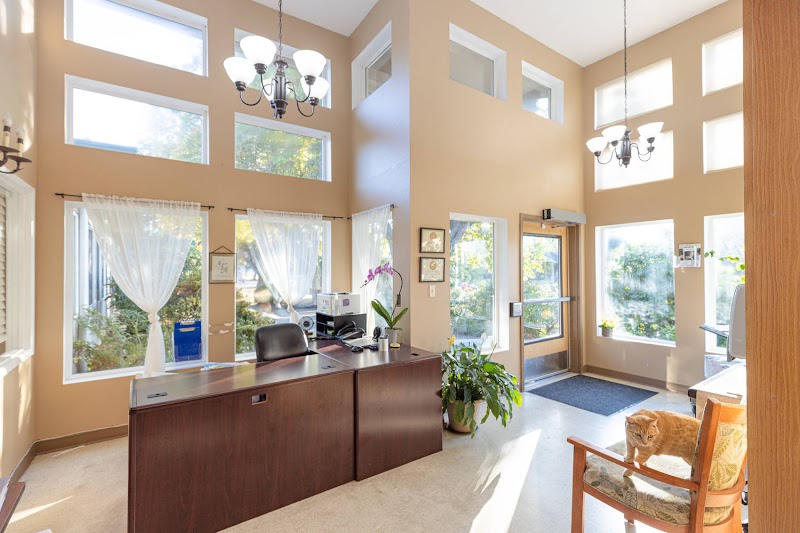
How is Shuksan Rehabilitation And Health Care Staffed?

CMS rates SHUKSAN REHABILITATION AND HEALTH CARE's staffing level at 4 out of 5 stars, which is above average compared to other nursing homes. Staff turnover is 49%, compared to the Washington average of 46%. RN turnover specifically is 83%, which is notably high. RNs provide skilled clinical oversight, so turnover in this role can affect medical care quality.

What Have Inspectors Found at Shuksan Rehabilitation And Health Care?

State health inspectors documented 55 deficiencies at SHUKSAN REHABILITATION AND HEALTH CARE during 2022 to 2025. These included: 2 Immediate Jeopardy (the most serious level, indicating potential for serious harm or death), 3 that caused actual resident harm, and 50 with potential for harm. Immediate Jeopardy findings are rare and represent the most serious regulatory concerns. They require immediate corrective action.
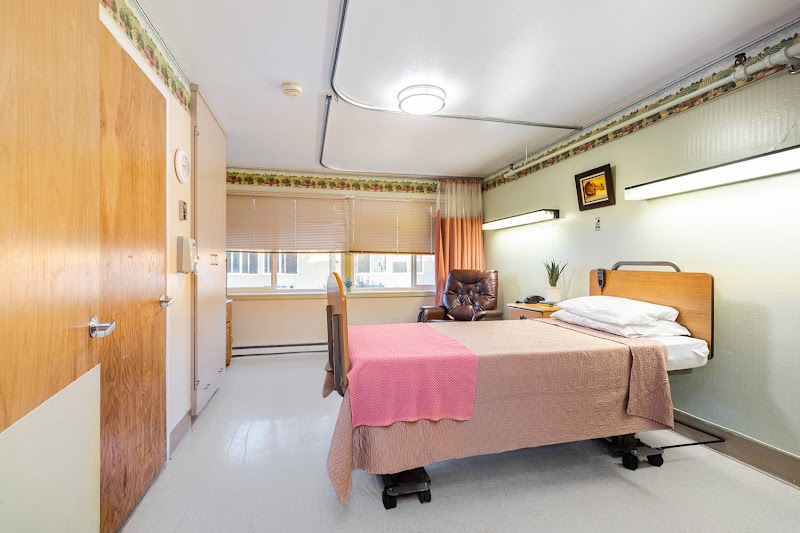
Who Owns and Operates Shuksan Rehabilitation And Health Care?

SHUKSAN REHABILITATION AND HEALTH CARE is owned by a for-profit company. For-profit facilities operate as businesses with obligations to shareholders or private owners. The facility is operated by HYATT FAMILY FACILITIES, a chain that manages multiple nursing homes. With 52 certified beds and approximately 40 residents (about 77% occupancy), it is a smaller facility located in BELLINGHAM, Washington.
How Does Shuksan Rehabilitation And Health Care Compare to Other Washington Nursing Homes?

Compared to the 100 nursing homes in Washington, SHUKSAN REHABILITATION AND HEALTH CARE's overall rating (1 stars) is below the state average of 3.2, staff turnover (49%) is near the state average of 46%, and health inspection rating (1 stars) is much below the national benchmark.

What Should Families Ask When Visiting Shuksan Rehabilitation And Health Care?

Based on this facility's data, families visiting should ask: "What changes have been made since the serious inspection findings, and how are you preventing similar issues?" "Can I visit during a mealtime to observe dining assistance and food quality?" "How do you handle medical emergencies, and what is your hospital transfer rate?" "Can I speak with family members of current residents about their experience?" These questions are particularly relevant given the facility's Immediate Jeopardy citations.

Is Shuksan Rehabilitation And Health Care Safe?

Based on CMS inspection data, SHUKSAN REHABILITATION AND HEALTH CARE has documented safety concerns. Inspectors have issued 2 Immediate Jeopardy citations (the most serious violation level indicating risk of serious injury or death). The facility has a 1-star overall rating and ranks #100 of 100 nursing homes in Washington. Families considering this facility should ask detailed questions about what corrective actions have been taken since these incidents.

Do Nurses at Shuksan Rehabilitation And Health Care Stick Around?

SHUKSAN REHABILITATION AND HEALTH CARE has a staff turnover rate of 49%, which is about average for Washington nursing homes (state average: 46%). Moderate turnover is common in nursing homes, but families should still ask about staff tenure and how the facility maintains care continuity when employees leave.

Was Shuksan Rehabilitation And Health Care Ever Fined?

SHUKSAN REHABILITATION AND HEALTH CARE has been fined $89,110 across 2 penalty actions. This is above the Washington average of $33,970. Fines in this range indicate compliance issues significant enough for CMS to impose meaningful financial consequences. Common causes include delayed correction of deficiencies, repeat violations, or care failures affecting resident safety. Families should ask facility leadership what changes have been made since these penalties.

Is Shuksan Rehabilitation And Health Care on Any Federal Watch List?

SHUKSAN REHABILITATION AND HEALTH CARE is not on any federal watch list. The most significant is the Special Focus Facility (SFF) program, which identifies the bottom 1% of nursing homes nationally based on persistent, serious quality problems. Not being on this list means the facility has avoided the pattern of deficiencies that triggers enhanced federal oversight. This is a positive indicator, though families should still review the facility's inspection history directly.