STAFHOLT HEALTH AND REHABILITATION OF CASCADIA
456 C STREET, BLAINE, WA 98230 (360) 332-8733
For profit - Limited Liability company 57 Beds CASCADIA HEALTHCARE Data: November 2025
Trust Grade
70/100
#43 of 190 in WA
Last Inspection: March 2025

Within standard 12-15 month inspection cycle. Federal law requires annual inspections.

Overview

Stafholt Health and Rehabilitation of Cascadia has a Trust Grade of B, indicating it is a solid choice for care, sitting in the top half of Washington state facilities at #43 out of 190. Within Whatcom County, it ranks #3 out of 8, meaning there are only two local options that rate higher. The facility is improving, with issues decreasing from 22 in 2024 to just 5 in 2025. Staffing is rated good with 4 out of 5 stars, although the 51% turnover rate is average compared to the state average of 46%. However, the facility has been fined $47,182, which is concerning but aligns with the average for the state. While the nursing home offers strong RN coverage, exceeding 98% of state facilities, there have been specific incidents of concern. For example, two residents experienced severe weight loss due to inadequate meal supervision and nutritional assessments, which could lead to further health issues. Additionally, there were failures in medication storage that could risk residents receiving ineffective treatments, and staff were found to lack necessary qualifications in dietary management. Overall, while there are strengths in care quality and staffing, these incidents highlight areas that need attention.

Trust Score
B
70/100
In Washington
#43/190
Top 22%
Safety Record
Moderate
Needs review
Inspections
Getting Better
22 → 5 violations
Staff Stability
⚠ Watch
51% turnover. Above average. Higher turnover means staff may not know residents' routines.
Penalties
○ Average
$47,182 in fines. Higher than 61% of Washington facilities. Some compliance issues.
Skilled Nurses
✓ Good
Each resident gets 87 minutes of Registered Nurse (RN) attention daily — more than 97% of Washington nursing homes. RNs are the most trained staff who catch health problems before they become serious.
Violations
⚠ Watch
59 deficiencies on record. Higher than average. Multiple issues found across inspections.
★★★★★
5.0
Overall Rating
★★★★☆
4.0
Staff Levels
★★★★★
5.0
Care Quality
★★★★☆
4.0
Inspection Score
Stable
2024: 22 issues
2025: 5 issues

The Good

  • 4-Star Staffing Rating · Above-average nurse staffing levels
  • 5-Star Quality Measures · Strong clinical quality outcomes
  • Full Sprinkler Coverage · Fire safety systems throughout facility
  • No fines on record

Facility shows strength in staffing levels, quality measures, fire safety.

The Bad

Staff Turnover: 51%

Near Washington avg (46%)

Higher turnover may affect care consistency

Federal Fines: $47,182

Above median ($33,413)

Moderate penalties - review what triggered them

Chain: CASCADIA HEALTHCARE

Part of a multi-facility chain

Ask about local staffing decisions and management

The Ugly 59 deficiencies on record

1 actual harm
Sept 2025 1 deficiency
CONCERN (D) 📢 Someone Reported This

A family member, employee, or ombudsman was alarmed enough to file a formal complaint

Potential for Harm - no one hurt, but risky conditions existed

Deficiency F0745 (Tag F0745)

Could have caused harm · This affected 1 resident

**NOTE- TERMS IN BRACKETS HAVE BEEN EDITED TO PROTECT CONFIDENTIALITY** Based on interview and record review, the facility failed to ensure 1 of 1 resident (Resident 1) received medically related soci...

Read full inspector narrative →
**NOTE- TERMS IN BRACKETS HAVE BEEN EDITED TO PROTECT CONFIDENTIALITY** Based on interview and record review, the facility failed to ensure 1 of 1 resident (Resident 1) received medically related social services assistance to understand their financial matters. This failed practice placed Resident 1 and other residents at risk of financial exploitation. Findings included .Resident 1 was admitted to the facility on [DATE] with diagnoses to include bipolar disorder (a serious mental illness characterized by extreme mood swings) and cataracts with visual loss to both eyes. The Quarterly Minimum Data Set assessment dated [DATE] showed the resident was cognitively intact and had severely impaired vision, with no vision or sees only light, colors or shapes.Review of an online report sent to the Washington State Hotline dated 08/11/2025, documented a concern Resident 1 had not made a payment to the facility in over a year. The report noted Resident 1 had an individual, Collateral Contact (CC) 1, who assisted them with their finances. When the facility reached out to CC 1, they asked that they were not contacted about Resident 1's finances anymore. The report noted Resident 1 would become frustrated and emotional when their finances were brought up and would state the facility's payment was on its way.Review of Resident 1's administrative and clinical documentation from 04/29/2024 through 09/02/2025, found no documentation which showed the facility had assisted the resident to understand their facility charges or their financial matters.In an interview on 09/02/2025 at 3:07 PM, Staff A, Business Office Manager, stated they had asked CC 1 to provide Resident 1's last bank statements [SW1]. Staff A stated that CC 1 said they would fax Resident 1's bank statement but so far had not. Staff A stated Resident 1 wanted a full itemized bill for the past year. Staff A stated they told the resident it would be of interest for the resident to go to the bank with CC 1 and pay the resident's facility account balance. Staff A stated now the resident wanted an itemized statement sent to CC 1 along with a letter to CC 1 indicating the resident would need CC 1's assistance to go to the bank for the balance due on the resident's facility account. Staff A stated they had not worked with Social Services on Resident 1's financial matters. Staff A stated when CC 1 would not provide Resident 1's bank statements they were concerned there was no money in the resident's account.In an interview on 09/02/2025 at 4:17 PM, Staff B, Social Service Manager, stated they had not done much with Resident 1's financial matters. Staff B stated they had not assisted the resident with financial or legal matters as Resident 1 had not asked for assistance. Staff B stated they were aware of the resident's [JB2] [SW3] financial issues, but they were not in a place to understand the issues. Staff B stated they had not been involved in this situation as the BOM and Administrator were working on this. In an interview on 09/02/2025 at 4:31 PM, Resident 1 stated the problem was, I needed an itemized bill. The resident stated they knew their daily room rate was higher when they did not have a roommate, otherwise they did not recall the facility explaining an itemized room rate. Resident 1 stated they needed a copy of an itemized bill sent to CC 1, who helped them with their finances. Resident 1 stated they used to handle their finances in the past but did not handle them as well as they should have. Resident 1 stated they had hired someone to do their accounting but preferred not to reveal their name.In a follow-up interview on 09/04/2025 at 4:05 PM, Resident 1 stated they did not have an identification card. Resident 1 stated they called the Social Service's staff yesterday and they transferred them to the BOM. The resident stated the BOM tried to explain things to them, but the BOM was shouting, and they had to ask them to calm down. Resident 1 stated a facility staff member who no longer worked at the facility had told them they had Medicare A and B, and everything was okay. The resident stated, I do not recall who it exactly was, it was a long time ago, when they had first moved into the facility and they no longer worked at the facility. Resident 1 stated they had directed CC 1 to maintain $2000.00 in their bank account. The resident stated they had also directed CC 1 to pay for a field work loan they had, as well as to use some of their money for health issues for their pets and for food when CC 1 was not well. In discussion with Resident 1 of how the facility billed each resident a daily room rate which included the resident's meals, and services along with how long-term care Medicaid set an individual dollar amount which each individual with Medicaid paid the facility that was based on their income, referred to as a participation fee, Resident 1 stated, No one had explained the billing to them like that before. In an interview on 09/04/2025 at 5:00 PM, Staff C, Chief Nursing Officer, stated they had combed Resident 1's entire chart and did not find anything documented the facility had assisted the resident with understanding their financial matters. Reference WAC 388-97-0960 (1)
Mar 2025 4 deficiencies
CONCERN (D)

Potential for Harm - no one hurt, but risky conditions existed

Deficiency F0552 (Tag F0552)

Could have caused harm · This affected 1 resident

**NOTE- TERMS IN BRACKETS HAVE BEEN EDITED TO PROTECT CONFIDENTIALITY** Based on interview and record review, the facility failed to ensure that 1 of 5 residents (Resident 155) reviewed for informed c...

Read full inspector narrative →
**NOTE- TERMS IN BRACKETS HAVE BEEN EDITED TO PROTECT CONFIDENTIALITY** Based on interview and record review, the facility failed to ensure that 1 of 5 residents (Resident 155) reviewed for informed consent had received the information of risks and benefits of their proposed care related to psychoactive medications (substances that affect a person's mental processes, behavior and mood). This failure placed the resident at risk for potentially unknown or unwanted side effects, and decreased quality of life. Findings included . Facility policy titled, 'Psychoactive Drug Use', revision date of 10/15/2022, showed psychoactive drug documentation guidelines were to document in the resident's medical record, by the appropriate discipline on designated forms assessment as indicated: Resident/resident advocate notification, education, and consent of psychoactive medication. Resident 155 admitted to the facility on [DATE] with diagnoses to include right femur fracture, major depressive disorder, anxiety disorder and chronic pain syndrome. Review of Resident 155's admission orders dated 3/14/2025 documented provider orders for aripiprazole 5 milligrams (mg) daily related to major depressive disorder, duloxetine 30mg twice daily related to depression, and buspirone 20mg twice daily related to anxiety disorder. Review of Resident 155's Medication Administration Record, dated March of 2025 documented the resident received buspirone and duloxetine on day of admission in the evening of 03/14/2025 and aripiprazole on the morning of 03/15/2025. Review of Resident 155's electronic medical record (EMR) showed no documentation or signed consents related to psychoactive medication use for the admission dated 03/14/2025. In an interview on 03/24/2025 at 12:23 PM, Staff C, Social Services Manager stated the Resident Care Manager (RCM) nurses obtain consents for psychoactive medications. In an interview on 03/24/2025 at 1:41 PM, Staff D, Licensed Practical Nurse (LPN), RCM, stated they obtain consents for psychoactive medications at time of admission. Staff D stated they thought the previous psychoactive consents from Resident 155's last admission could be used. Staff D stated they obtained new psychoactive medication consents for Resident 155 on 03/21/2025 for the admission on [DATE]. In an interview on 03/25/2025 at 9:02 AM, Staff B, Registered Nurse (RN), Director of Nursing Services (DNS) stated they believe there was an issue due to Resident 155 being a re-admit and unfortunately the consents had been checked off they were completed on the 03/14/2025 admit. Reference WAC: 388-97-0260 (2)(a)(c)(d)
CONCERN (D)

Potential for Harm - no one hurt, but risky conditions existed

Deficiency F0657 (Tag F0657)

Could have caused harm · This affected 1 resident

**NOTE- TERMS IN BRACKETS HAVE BEEN EDITED TO PROTECT CONFIDENTIALITY** Based on observation, interview and record review the facility failed to ensure resident care plans were reviewed and revised fo...

Read full inspector narrative →
**NOTE- TERMS IN BRACKETS HAVE BEEN EDITED TO PROTECT CONFIDENTIALITY** Based on observation, interview and record review the facility failed to ensure resident care plans were reviewed and revised for 1 of 2 residents (Resident 51) reviewed for activities of daily living. This failure placed residents at risk for lack of appropriate care and services by the staff. Findings included . Resident 51 admitted to the facility on [DATE] with diagnoses which included history of strokes and was dependent on staff for activities of daily living such as grooming and hygiene. Review of Resident 51's care plan on 03/20/2025 documented the resident had their own teeth and was able to perform oral hygiene with supervision and cueing and preferred to use their electric toothbrush, initiated on 01/31/2025. In an interview on 03/18/2025 at 1:48 PM, CC1 stated Resident 51 had an electric toothbrush but they could tell it had not been used. CC1 stated they did not think the staff were brushing the resident's teeth. CC1 stated they had asked about it before, and they had checked recently and did not think the toothbrush was being used. In observations on 03/20/2025, 03/21/2025 and 03/24/2025, Resident 51's electric toothbrush was observed in the exact same position near the sink in the resident's room and was always observed to be dry. In an interview on 03/24/2025 at 10:47 AM, Staff F, Nursing Assistant Certified (NAC) stated Resident 51 was not able to assist with oral care, and they were not using the resident's electric toothbrush and only used foam toothettes (oral care swab) for oral care. Staff F stated they could not recall Resident 51 being able to participate in brushing their own teeth because they had too much shaking of their hands. Staff F stated Resident 51 had been on Hospice and they usually use the toothettes when people are on comfort care, but they were not sure what was in the resident's care plan regarding oral care. In a joint interview on 03/24/25 at 2:07 PM, Staff E, Registered Nurse, Resident Care Manager and Staff B, Director of Nursing Services, stated they updated the care plans and the care plans should be updated as changes occur such as a decrease in ability or change in orders. Staff E stated they were not aware that nursing assistants were only using toothettes for Resident 51's oral care. Resident 51 had been on Hospice services recently but had come back off and the care plan needed to be reviewed. Reference WAC 388-97-1020
CONCERN (D)

Potential for Harm - no one hurt, but risky conditions existed

Deficiency F0676 (Tag F0676)

Could have caused harm · This affected 1 resident

**NOTE- TERMS IN BRACKETS HAVE BEEN EDITED TO PROTECT CONFIDENTIALITY** Based on observation, interview and record review, the facility failed to provide services that ensured a resident's abilities i...

Read full inspector narrative →
**NOTE- TERMS IN BRACKETS HAVE BEEN EDITED TO PROTECT CONFIDENTIALITY** Based on observation, interview and record review, the facility failed to provide services that ensured a resident's abilities in activities of daily living (ADLs) did not diminish for 1 of 2 sampled residents (Resident 206) reviewed for activities of daily living. This failure put residents at risk for physical decline and decreased quality of life. Findings Included . Resident 206 admitted to the facility on [DATE] with diagnoses to include chronic ulcer of the foot, high blood pressure and altered mental status. Review of Resident 206's Brief Interview for Mental Status (BIMS-an assessment tool used to screen for cognitive impairment) dated 03/12/2025 showed a score of 12 out of 15, indicating the resident had moderate impairment. <ORAL CARE> Review of the admission Minimum Data set (MDS-an assessment tool) assessment dated [DATE] showed Resident 206 required set up assistance for oral hygiene. Review of Resident 206's care plan dated 03/06/2025 documented the resident had their own teeth, was missing their front upper teeth and could perform oral hygiene independently after setting up. In an interview on 03/19/2025 at 9:56 AM Resident 206 stated they had not brushed their teeth for the day. In an observation on 03/19/2025 at 9:56 AM, Resident 206's toothbrush was in a kidney basin in the bathroom. The toothbrush contained visible white matter consistent with toothpaste in the bristles. The toothbrush was visibly dry and there were no visible signs of moisture in or around the kidney basin. In additional observations on 03/20/2025 at 9:45 AM, 03/21/2025 at 2:10 PM and 03/24/2025 at 9:32 AM Resident 206's toothbrush was in their bathroom, in the same location, in the same position as the observation on 03/19/2025. In an interview on 03/24/2025 at 9:32 AM Resident 206 stated they had not had their teeth brushed for many days. Review of Documentation Survey Report (completed nursing assistant tasks) for March 2025 documented Resident 206 was to have had daily oral hygiene assistance. In an interview on 03/24/2025 at 11:14 AM Staff D, Resident Care Manager (RCM) stated a resident must be offered oral care at least twice a day, before/after breakfast and at bedtime or as the resident requests. <OFFLOADING BOOTS> Review of Resident 206's care plan dated 03/06/2025 showed they had required assistance with applying offloading boots when they were in bed. In an observation on 03/20/2025 at 2:50 PM Resident 206 was lying flat on their back in their bed. The offloading boots were observed on the resident's bedside table. In an interview on 03/24/2025 at 9:32 AM Resident 206 stated they wear the offloading boots sometimes and rely on staff to put them on. Resident 206 stated they did not refuse or decline to put the offloading boots on. Review of a progress note dated 03/20/2025 at 9:09 PM, showed Resident 206 was compliant with wearing offloading boots. In an interview on 03/24/2025 at 9:16 AM Staff K, Registered Nurse (RN), stated Resident 206 wore offloading boots as an intervention for treatment and prevention of a pressure ulcer. When asked how nursing ensures the offloading boots are placed on Resident 206, Staff K stated once a shift the nursing staff including the nursing assistants had prompts through their tasks on their computer and during their charting. In an interview on 03/24/2025 at 11:18 AM Staff D stated they had not known Resident 206 to refuse the use of the offloading boots. Staff D stated Resident 206 wore the offloading boots to provide added protection to their heels while in bed. Staff D was unaware of Resident 206 not wearing the offloading boots consistently when in bed. Reference WAC 388-97-1060(2)(a)(b)(3)(b)
CONCERN (D)

Potential for Harm - no one hurt, but risky conditions existed

Deficiency F0697 (Tag F0697)

Could have caused harm · This affected 1 resident

**NOTE- TERMS IN BRACKETS HAVE BEEN EDITED TO PROTECT CONFIDENTIALITY** Based on observation, interview and record review, the facility failed to assess and implement resident centered pain interventi...

Read full inspector narrative →
**NOTE- TERMS IN BRACKETS HAVE BEEN EDITED TO PROTECT CONFIDENTIALITY** Based on observation, interview and record review, the facility failed to assess and implement resident centered pain intervention for one of four sampled residents (Resident 51) reviewed for pain. This failure placed residents at risk for unrelieved pain, lack of participation in therapy and a decreased quality of life. Findings included . Resident 51 admitted [DATE] with diagnoses which included strokes and history of falls, and a hospital acquired pressure ulcer of the sacrum. Review of Resident 51's admission Minimum Data Set (MDS, a required assessment tool) showed the resident had cognitive impairment. The MDS showed the resident's pain was rated by resident interview and the resident response was that their pain was occasional, and the numeric rating was 9 on a scale of 0 through 10, with 10 being the highest. The MDS stated the resident had a non- stageable pressure ulcer. Review of Resident 51's most recent pain assessment dated [DATE] utilized the non-verbal pain scale and rated the resident's pain at a 5. The assessment documented the resident's pain goal was a 2, stated the resident had pain all the time, exhibited pain by moaning, grunting, wrinkled brow, rubbing body parts, frowning, grimacing, rocking and pounding. The pain assessment stated the cause of the pain was not able to determine. The assessment identified the pain locations as back and wound. Review of Resident 51's care plan for pain management dated 01/13/2025 documented Resident 51 had the potential for pain related to pneumococcal arthritis, hernia, history of pain the left knee and sacral wound. The goal was that Resident 51 would express an acceptable level of pain either verbally or non-verbally. The interventions included to administer medications as ordered by the provider and to monitor and document effectiveness and side effects. Review of Resident 51's physician's orders documented orders for Suboxone (a combination pain medication) twice per day routinely, and Tylenol three times per day routinely. Review of the current Medication Administration Record on 03/24/2025 showed Resident 51 had a pain monitor three times per day (each shift) and the resident's pain was frequently documented as 0. There were 11 instances the pain rating was higher than 2 (the resident's stated goal). In an interview on 03/18/25 at 1:52 PM, CC1, Family member of Resident 51 stated there was a problem with controlling the pain, stating it had been hell, and they come to visit and sometimes Resident 51 is in agony, and expressed frustration with some changes to medication. CC1 stated Resident 51 is able to tell them when they have pain. Review of Resident 51's physician's orders documented an as needed order for Morphine Sulfate (an opioid pain medication), able to be administered every four hours as needed for moderate to severe pain. The resident's orders did not include any as needed medication option for mild to moderate pain. In an observation of wound care on 03/20/2025 at 1:23 PM, Resident 51 was lying in bed, Staff E, RN, Resident Care Manager, raised the resident's bed up and lowered the head of the bed, and Resident 51 made a groaning sound. Staff E asked Resident 51 if they were in pain, and the resident did not provide a verbal response, but continued groaning and exhibited a furrowed brow as the head of the bed was lowered, and while being turned on their side in the bed the resident was visibly stiffened and verbally stating oh, oh, oh. A medicated ointment was applied to the resident's sacral wound and as it was being applied the resident stated ow, ow, ow. Staff E stated, I would say they have pain with the wound. The most recent noted administration of the resident's as needed medication was on 03/20/2025 at 2:00 AM. In an observation on 03/21/2025 at 11:13 AM, Staff F, Nursing Assistant Certified (NAC) and Staff E were transferring Resident 51 to bed using a mechanical lift. Staff F explained to the resident they are going to get up and the resident was trying to position their arms across their chest, and the resident kept reaching out to hold onto the lift straps. At 11:19 AM, the lift started to raise, and the resident's body position curved into the sling, and they began loudly humming and stiffened up, then made a ah, ah and a moaning sound as Staff F held onto their feet to raise up their legs to navigate their position toward the bed. When the moving stopped the resident would relax and Staff E commented that the resident relaxed quickly after the movement stopped. When asked if they were having pain, Staff E stated it might be, but that they relax quickly. When asked if this is an anticipated response to being moved, Staff F stated yes, (Resident 51) always does this when we move them. In an observation on 03/24/2025 at 10:58 AM, Staff G, Physical Therapy Assistant, was working with Resident 51 in the facility therapy gym. Resident 51 was seated in their wheelchair. The last documented as need pain medication was last given to Resident 51 on 03/20/2025 at 2:00 AM. Staff G was noting that Resident 51 was resisting movement to extend their legs and arms stating, when we attempt, (they) push back and was attributing the reaction to the prior strokes the resident suffered from. Resident 51 stated I hurt, and Staff G stated where? to which the resident pointed at the left side of their chin. Staff G asked if this was their chin or their tooth, and Resident 51 said the word tooth. At 11:19 AM, Staff G was attempting to cue Resident 51 to kick their legs at a ball and then said they were going to stretch. When Staff G manipulated Resident 51's left leg they stated ow. Staff G asked, where is your pain? and the resident reached out and touched their left knee. Staff G stated, now we know. In a joint interview on 03/24/25 at 1:55 PM, Staff E stated they are using the non-verbal pain assessment for Resident 51, and it references frowning, moaning, and rapid breathing. Staff E stated the resident had not been consistent with yes/no responses and that they quickly relax again if uncomfortable. Staff B, Director of Nursing Services, stated they had not identified that there was not an option for as needed medication until the resident's pain was assessed to be moderate to severe. Staff E and Staff B were made aware of observed concerns that Resident 51 was communicating pain which was already identified through prior assessments and pain interview with the resident, and anticipated points of the day such as transferring, therapy and wound care were observed to show the resident exhibiting both verbal and non-verbal pain. Staff B stated they should look at pre-medicating before known situations such as therapy or wound care. Reference WAC 388-97-1060(1)
Oct 2024 2 deficiencies
CONCERN (D) 📢 Someone Reported This

A family member, employee, or ombudsman was alarmed enough to file a formal complaint

Potential for Harm - no one hurt, but risky conditions existed

Notification of Changes (Tag F0580)

Could have caused harm · This affected 1 resident

**NOTE- TERMS IN BRACKETS HAVE BEEN EDITED TO PROTECT CONFIDENTIALITY** Based on interview and record review the facility failed to provide notification to the resident's representative of a change in...

Read full inspector narrative →
**NOTE- TERMS IN BRACKETS HAVE BEEN EDITED TO PROTECT CONFIDENTIALITY** Based on interview and record review the facility failed to provide notification to the resident's representative of a change in treatment for 1 of 1 resident (Resident 4) reviewed for medication changes. This failed practice prevented the resident's representative from being informed and participating in care decisions. Findings included . Resident 4 was admitted to the facility on [DATE] with diagnoses to include chronic heart disease along with congestive heart failure, low blood pressure, and kidney failure. Review of a progress note dated 09/19/2024 at 11:53 PM, showed a new order for Lasix (medication used to treat fluid retention) 20 milligrams (mg) twice daily and a laboratory test ordered for to be completed 09/23/2024. Review of the September 2024, Medication Administration Record showed Resident 4 received a dose of Lasix 20 mg on the morning of 09/20/2024. In a phone interview on 10/02/2024 at 9:10 AM, Collateral Contact (CC)1, Resident 4's Representative stated they were not informed the resident had received a new order for Lasix. CC 1 stated while Resident 4 was at the hospital, the hospital staff told them Resident 4 should not receive Lasix due to Resident 4's kidneys function. In an interview on 10/02/2024 at 1:54 PM, Staff D, Licensed Practical Nurse/ Residential Care Manager, stated night shift had processed Resident 4's medication order for the Lasix and the resident's representative should have been notified of the new order. In an interview on 10/02/2024 at 5:00 PM, Staff C, Director of Nursing Services, stated the residents' representative should be notify of a change of treatment which would include medication changes. Refer to WAC 388-97-0320(1)(c)
CONCERN (D) 📢 Someone Reported This

A family member, employee, or ombudsman was alarmed enough to file a formal complaint

Potential for Harm - no one hurt, but risky conditions existed

Quality of Care (Tag F0684)

Could have caused harm · This affected 1 resident

**NOTE- TERMS IN BRACKETS HAVE BEEN EDITED TO PROTECT CONFIDENTIALITY** Based on interview and record review the facility failed to ensure 3 of 3 residents (Residents 1, 2 and 3) who had orders for da...

Read full inspector narrative →
**NOTE- TERMS IN BRACKETS HAVE BEEN EDITED TO PROTECT CONFIDENTIALITY** Based on interview and record review the facility failed to ensure 3 of 3 residents (Residents 1, 2 and 3) who had orders for daily weights were weighed daily. This failed practice placed residents at risk of diminished quality of life. Findings included . <RESIDENT 1> Resident 1 was admitted to the facility on [DATE] with a diagnosis to include congestive heart failure. Review of Resident 1's care plan showed a focus problem of chronic congestive heart failure with an initiated date of 06/10/2024. The care plan included interventions to monitor the resident's weight as ordered and to monitor for signs and symptoms of congestive heart failure which included weight gain unrelated to intake and swelling of the legs and feet dated 06/10/2024. Review of the August 2024 Medication Administration Record (MAR) showed an order for daily weights in the morning for weight monitoring with a start date of 08/02/2024. Resident 1 had no documented weights fored 16 of 29 days in August 2024. Review of the September 2024 MAR showed Resident 1 had no documented weights three of 12 days they were in the facility for the month. <Resident 2> Resident 2 was admitted to the facility on [DATE] with a diagnosis to include congestive heart failure. Review of Resident 2's August 2024 MAR showed an order for daily weights related to congestive heart failure and to notify the provider if consistent gain or loss of two to three pounds from dry weight over three days. Resident 2 was not weighed for seven days in the month of August 2024. Review of Resident 2's September 2024 MAR showed the facility did not weigh Resident 2 for eight of the 31 days in the month. <Resident 3> Resident 3 was admitted to the facility on [DATE] with diagnoses to include congestive heart failure. Review of Resident 3's care plan showed a focus problem of congestive heart failure. The interventions included to monitor and document weight gain . Review of Resident 3 's August 2024 MAR, showed an order for daily weights of which the facility failed to weigh the resident 13 out of 31 times for the month. Review of Resident 3's September 2024 MAR, showed Resident 3 was not weighed six out of 31 times for the month. In an interview on 10/01/2024 at 1:11 PM, Staff A, Registered Nurse (RN), stated they give the Nursing Assistant Certified (NAC) a daily communication sheet which would have listed the residents who needed to be weighed. Staff A stated the NAC's try to do most of the residents' weights but if they do not get to a weight, they pass the task onto the evening shift NACs to complete. Staff A stated the staff are to weigh the residents before breakfast. Staff A stated the resident weight would be documented in the Treatment Administrative Record (TAR) and some are set up to be documented in the MAR, so they were not missed. In an interview on 10/01/2024 at 1:29 PM, Staff B, Licensed Practical Nurse, stated NAC's know which residents need to be weighed as they were listed on the daily communication form. Staff B stated they ensure the residents who need to be weighed have a weight entered by clicking on a tab in the electronic medical records at the end of their shift. Staff B stated the nurses enter the resident's weight on the MAR or TAR and the NACs document the residents' weight in their section of the medical record. Staff B stated the section the NAC's document in does not auto populate into the MAR or TAR. In an interview on 10/01/2024 at 3:27 PM, Staff C, Director of Nursing Services stated the process for residents with daily weights are for the staff to obtain them. Staff C stated the electronic medical system would not flag on their dashboard if a daily weight was not obtained. Staff C stated they did not recall there was an issue with obtaining resident daily weights. Refer to WAC 388-97 1060 (3)
Aug 2024 3 deficiencies
CONCERN (D) 📢 Someone Reported This

A family member, employee, or ombudsman was alarmed enough to file a formal complaint

Potential for Harm - no one hurt, but risky conditions existed

Quality of Care (Tag F0684)

Could have caused harm · This affected 1 resident

**NOTE- TERMS IN BRACKETS HAVE BEEN EDITED TO PROTECT CONFIDENTIALITY** Based on interview, and record review, the facility failed to ensure 1 of 3 residents (Resident 2), reviewed for non-pressure re...

Read full inspector narrative →
**NOTE- TERMS IN BRACKETS HAVE BEEN EDITED TO PROTECT CONFIDENTIALITY** Based on interview, and record review, the facility failed to ensure 1 of 3 residents (Resident 2), reviewed for non-pressure related skin ulcer/wound, received treatment and care in accordance with professional standards of practice. This failed practice placed Resident 2 at risk when they developed myiasis (a parasitic infection of fly larva in human tissue) to their non-pressure wounds and placed all residents at risk of further decline in their conditions, discomfort, and a diminished quality of life/quality of care. Findings included . Review of the Center for Disease Control and Prevention (CDC) site on Myiasis dated 07/16/2024, showed untreated or open wounds were risk factors that made people more likely to get infected in areas where myiasis occurs. The flies are attracted to and lay their eggs on and in open wounds and mucous membranes. Resident 2 was admitted on [DATE] with diagnoses to include embolism (blood clot of an artery) and thrombosis (clotting of the blood) of arteries of the lower extremities, atherosclerosis (chronic inflammatory disease that causes buildup of fats on the artery walls) of native arteries of other extremities with ulceration (break in the skin), phlebitis (hardening of a vein) and thrombophlebitis (inflammatory process that causes a blood clot) of unspecified deep vessels of lower extremities, bilateral, post-traumatic stress disorder, and gangrene (death of body tissue). Review of the Skin Inspection Eval dated 06/18/2024 showed Resident 2's lower extremities were wrapped in bandages with visible black toes, necrotic (death of body tissue) toes visible. Resident 2 had soft boots for both feet. Review of the Discharge Return Anticipated Minimum Data Set (MDS- an assessment tool) assessment dated [DATE], showed Resident 1 had discharged to the hospital. Review of the Entry tracking record MDS assessment dated [DATE], showed Resident 1 had readmitted to the facility from the hospital. Review of the After Visit Summary dated 07/01/2024, showed the following daily wound care orders to both feet: - Change dressings daily and assess for tissue necrosis progression, - Cleanse feet gently with bath wipes, - Cover blistered or open areas with Adaptic non adherent (unique composition helps protect regenerating tissue by minimizing wound trauma at dressing change), - Cover with abdominal pads, - Secure carefully with white netting or roll gauze, - Apply Rooke (a healing boot to redistribute pressure) boots as Resident 2 could tolerate and, - Okay to leave partially open. Review of the Skin Inspection Eval, dated 07/01/2024, showed all of Resident 2's toes were black and necrotic on both their left and right foot. Review of Resident 2's July 2024 Medication Administration Record (MAR) and Treatment Administration Record (TAR) showed the following orders: - Encourage use of Rooke boots as tolerated start date of 07/01/2024, - Apply betadine daily to the eschar only, apply house skin emollient to intact skin let dry completely and leave open to air or wrap loosely with kerlix, may use abdominal pads if drainage, offload with elevating the left and right lower extremity start date of 07/12/2024, - Weekly Skin Check every Tuesday start on 06/25/2024, - Bilateral lower extremities (BLE) apply moisturizer two times daily and skin protectant or barrier product to areas exposed to moisture and/or irritants start date 07/12/2024 and - Enhanced barrier precautions for gangrene to BLE with daily dressing changes start date 07/03/2024. Review of the Skin Inspection Eval, dated 07/02/2024, showed Resident 2's left foot had recently been debrided in the hospital and had new pink flesh present almost up to their toes. Resident 2 now had Rooke boots for both legs. Review of Resident 2's focus care plan dated 07/03/2024, showed the resident had necrosis to both lower extremities related to gangrene. The goal was for Resident 2 to have no complications related to impaired skin integrity of BLE. The interventions included daily skin inspection during care, notify licensed nurse (LN) of skin integrity impairment, encourage use of Rooke boots while at rest, to follow facility protocols for treatment of injury, keep skin clean and dry, monitor/document location, size and treatment of skin injury, report abnormalities, failure to heal, signs and symptoms of infection to the Medical Doctor, weight bearing as tolerated through heels only, LN weekly skin assessments to include review /check of footwear. Review of Resident 2's admission MDS dated [DATE], showed Resident 2 had seven venous and arterial ulcers, no infection of the resident's feet was identified. Review of the vascular surgeon's note dated 07/16/2024, showed the surgeon was very concerned that Resident 2 may need major amputation in the future especially if an active infection sets in. Given Resident 2 was able to stand, they had no active infection and was not in a significant amount of pain. Review of the MAR, TAR and progress notes for July 2024, showed Resident 2 did not receive treatments to their right and left lower extremity wounds on 07/19/2024 and 07/23/2024. Review of the provider note dated 07/23/2024, showed Resident 2 was seen while sitting in a wheelchair in the activity room. Resident 2 reported they were limiting weight bearing on their feet as recommended but was not completely non weight bearing on the forefeet when they were out in the community. The physical exam showed bilateral feet in kerlix, slight serosanguinous (containing or relating to both blood and serum, the liquid part of blood) drainage noted on the right lower extremity dressing. Resident 2 toes were visible with ongoing slight improvement in dry gangrene. The assessment plan noted to continue to educate the resident on risks of poor compliance. The provider note did not indicate that the provider had removed or changed Resident 2's dressings. Review of the health status note dated 07/25/2024, showed at 1:30 PM, the Resident Care Manager (RCM) was notified Resident 2 had maggots on their right foot and increased redness that extended up their leg. Review of the Discharge MDS assessment dated [DATE], showed Resident 2 did not have any rejections of care. Review of the emergency department's (ED) provider note dated 07/25/2024, showed Resident 2 presented to the ED where the nurses noticed the resident's wounds had greatly deteriorated. Resident 2 presented with necrotic toes with seeping wounds and had developed maggots in their wounds. Resident 2 was at the skilled nursing facility when they noticed their wounds getting worse and noticed maggots on their wounds. Resident 2 was not 100% (percent) sure they wanted to go forward with the amputation of their feet. Resident 2 was informed that not having the amputation would likely lead to sepsis and likely death. Resident 2 was tearful stating they did not want to go back to the previous skilled care nursing facility. Review of the hospital vascular surgery consult note dated 07/25/2024, showed Resident 2 had reported they were not getting their routine wound care at the skilled nursing facility. Review of the hospital's operative note dated 07/29/2024, showed Resident 2's preoperative diagnosis was critical limb ischemia with maggots and infected gangrene of the bilateral lower extremities. Procedure performed was bilateral below the knee amputations. In an interview on 07/29/2024 at 12:45 PM, Staff J, NAC stated Resident 2 was pleasant, rather independent and only needed help with bathing. Staff J stated Resident 2 preferred to have plastic bags over their feet with the dressings intact to bathe. Staff J stated Resident 2 was very particular about their wound dressings. In a phone interview on 07/29/2024 at 2:33 PM, Resident 2 stated the facility staff had put off the timing of their dressing changes to their feet, it got to the point their dressing changes got later in the day and into the evening hours. Resident 2 stated their foot dressings were to have gauze in between their toes but their dressing was not done consistent each time. Resident 2 stated they were supposed to have a betadine soak, but the nursing staff would just do a betadine swab. Resident 2 stated they were supposed to have their dressing wrapped a certain way and that varied so often. Resident 2 stated there were times their dressings would fall off their feet because they were placed on too loosely and the nursing staff would just slide the dressings back on and would not do anything else until the next dressing change. Resident 2 stated they self-propelled in their wheelchair with footrests in place. Resident 2 stated if they went out of the facility, they would wear silver boots over their dressings. Resident 2 stated they had noted flies in their room two to three days prior to being discharged back to the hospital with the maggots. In an interview on 07/29/2024 at 2:58 PM, Staff A, Licensed Practical Nurse/Resident Care Manager (RCM), stated Resident 2 would get their wound treatment on the evening shift. Staff A stated Resident 2 would leave the facility and go out in the community daily with only the Rooke boots. Staff A stated Resident 2 was noncompliant, they would be up ambulating and they would have to encourage Resident 2 to stay in the facility. Staff A stated Resident 2 had been educated on the risk of infection and only had their lower extremities covered when showered. Staff A stated they did not have a behavior monitor in place to monitor Resident 2's noncompliance or risky behaviors. Staff A was asked if the education they provided to Resident 2 was documented and if so a copy of the documentation was requested. Review of Resident 2's medical record showed no documentation the resident had a history of noncompliance or risky behaviors and there was no documentation the facility had provided Resident 2 with education on noncompliance, or risky behaviors related to wounds. In an interview on 07/29/2024 at 3:13 PM, Staff E stated Resident 2 had not needed much from the NAC's, they were independent aside from the nursing time with wound care and pain management. Staff E stated Resident 2's lower extremities were always wrapped on day and evening shift. Staff E stated Resident 2 would wear their blue boots, like the ones residents' wear at night and walk around the facility. Staff E stated they were not 100% sure if they were supposed to walk in their blue boots. Staff E stated Resident 2 would refuse showers and stuff. Staff E stated Resident 2 had a bad habit of taking off their boots while they were in the garden. Staff E stated Resident 2 would leave the facility and return and be awake all night and the next day. Staff E stated Resident 2 would wipe their feet with a washcloth. Staff E stated Resident 2 fidgeted a lot and would take off their boots and fidget with their dressings. Staff E stated they told the nurses, and they would address the resident. Staff E stated Resident 2 was one of those residents that did not follow the rules. In an interview on 08/02/2024 at 2:07 PM, Staff K, NAC, stated they had worked with Resident 2 a couple of times and did not see the resident with their lower extremities' dressings off. In an interview on 08/02/2024 at 2:11 PM, Staff L, NAC, stated Resident 2 was fairly independent but they would ask the nurse for medications and when their dressing needed to be changed. In an interview on 08/13/2024 at 2:59 PM, Staff M, RN, stated if a resident refused a dressing they would reapproach, report to their manager, the oncoming nurse and chart the refusal. Staff M stated if a wound dressing was dirty, they would figure out if the dressing needed to be changed, they would document the dressing and would change the dressing as well as inform their manager. In an interview on 08/13/2024 at 3:27 PM, Staff G, RN/Director of Nursing Services, stated their expectations of the nursing staff were to reapproach the resident if they refused care. Staff G stated they would expect the nursing staff to determine the root cause why the resident was refusing care and document their findings. Refer to WAC 388-97-1060(1)
CONCERN (D) 📢 Someone Reported This

A family member, employee, or ombudsman was alarmed enough to file a formal complaint

Potential for Harm - no one hurt, but risky conditions existed

Dental Services (Tag F0791)

Could have caused harm · This affected 1 resident

**NOTE- TERMS IN BRACKETS HAVE BEEN EDITED TO PROTECT CONFIDENTIALITY** Based on interview, and record review, the facility failed to ensure dental services was coordinated for 1 of 3 sampled resident...

Read full inspector narrative →
**NOTE- TERMS IN BRACKETS HAVE BEEN EDITED TO PROTECT CONFIDENTIALITY** Based on interview, and record review, the facility failed to ensure dental services was coordinated for 1 of 3 sampled residents (Resident 1) reviewed for dental services. Failure to follow up on dental referrals and ensure the coordination of dental services for residents who were edentulous (having no teeth) placed the residents at increased risk for difficulty chewing, associated health complications, and diminished quality of life. Findings included . Resident 1 was admitted to the facility on [DATE] with diagnoses to include mild cognitive impairment, cognitive communication deficit, depression, and need for assistance with personal care. Review of Resident 1's Clinical Census showed Resident 1 had Medicaid actively effective as of 02/02/2024. Review of Resident 1's Dental Care Area Assessment (CAA- an investigation of a triggered assessment area) dated 01/16/2024, showed Resident 1 was edentulous and interventions included to minimize the risks related to being edentulous. Review of a progress note dated 03/14/2024, showed Resident 1 had expressed they would like to have a new set of dentures since they had lost their dentures years ago. A denturist referral order was obtained, and social services was to follow up. Review of Resident 1's care planned focus problem for self-care performance deficit of activity of daily living had an intervention dated 03/14/2024, that showed Resident 1 would like to proceed with trying to get a new pair of dentures, Review of Resident 1's Visual/Bedside [NAME] Report (a guide for the direct care staff) printed on 07/29/2024, showed Resident 1 did not have any teeth and would like to proceed with trying to get a new pair of dentures. Review of Resident 1's medical record from 01/10/2024 through 07/28/2024 showed no documentation the facility had followed up on the denturist referral for Resident 1. In a phone interview on 08/02/2024 at 1:19 PM, Collateral Contact (CC) 1, stated Resident 1 did not have teeth, and the facility knew the resident had a hard time eating with no teeth. CC 1 stated the facility's Social Services staff they had talked to about Resident 1 needing dentures, no longer worked at the facility. In an interview on 08/02/2024 at 5:10 PM, Staff A, Licensed Practical Nurse (LPN)/ Resident Care Manager (RCM), stated social services had followed up when Resident 1 had wanted to proceed getting a new pair of dentures. Staff A stated they had either verbally told or emailed the social service staff member at that time, when Resident 1 wanted to follow up on getting dentures. Staff A stated the social service staff had left the facility shortly afterward. In an interview on 08/06/2024 at 4:35 PM, Staff B, Social Services, stated they had no knowledge of a referral for Resident 1 to see a denturist. Staff B stated the prior Social Service staff member had already left when they were hired. Staff B stated the facility's process when a resident indicated they wanted to follow up on a dental or denture referral was to determine which dental provider took the resident's insurance then inform the staff member who scheduled appointments and made the transportation arrangements. Staff B stated they thought the nursing staff would update the resident's care plan and would make sure an appointment was scheduled. In an interview on 08/06/2024 at 4:41 PM, Staff C, Administrator, stated they received a verbal report on what the prior Social Service staff was working on when they left the facility and reassigned those items to the nurse manager, and their sister facility's Social Service staff. Staff C stated the facility's process when a resident received a referral to obtain dentures was to find a denturist who accepted the resident's insurance, make an appointment and arrange transportation. Staff C stated they would have expected the nurse managers to follow up on Resident 1's request to obtain dentures. In an interview on 08/13/2024 at 3:36 PM, Staff D, Director of Nursing Services (DNS), stated their expectations when a resident received a dental or denturist referral was for staff to follow through of the referral. This is a repeat citation from 02/09/2024. Refer to WAC 388-97-1060(1)(3)(j)(vii)
CONCERN (E) 📢 Someone Reported This

A family member, employee, or ombudsman was alarmed enough to file a formal complaint

Potential for Harm - no one hurt, but risky conditions existed

Deficiency F0678 (Tag F0678)

Could have caused harm · This affected multiple residents

**NOTE- TERMS IN BRACKETS HAVE BEEN EDITED TO PROTECT CONFIDENTIALITY** Based on interview and record review the facility failed to ensure 3 of 6 facility nursing staff responsible for providing cardi...

Read full inspector narrative →
**NOTE- TERMS IN BRACKETS HAVE BEEN EDITED TO PROTECT CONFIDENTIALITY** Based on interview and record review the facility failed to ensure 3 of 6 facility nursing staff responsible for providing cardiopulmonary resuscitation (CPR) were current in their CPR training. This failure had the potential risk of the facility having a lack of staff who were properly trained in CPR readily available to respond in an emergency. Findings included . Review of the facility's policy titled, Cardiopulmonary Resuscitation, revised on [DATE], did not show the process the facility used to ensure the nursing staff maintained their current Healthcare Provider CPR certifications. Resident 1 was admitted to the facility on [DATE] with diagnoses to include heart failure, chronic obstructive pulmonary disease, chronic respiratory failure with hypoxia (low oxygen) and dependence on supplemental oxygen. Review of Resident 1's Physician Orders for Life-Sustaining Treatment (POLST) form showed Resident 1 had elected full treatment to attempt resuscitation/CPR. Review of facility's investigation report dated [DATE], showed Resident 1 was found unresponsive. Review of Resident 1's code status showed they were a full code. CPR was initiated, 911 was called and Emergency Medical Services (EMS) services arrived. Resident 1 was deemed deceased by EMS on site after approximately 20 minutes. Review of Staff F, Nursing Assisted Certified (NAC), witness statements showed they walked down to Resident 1's room and found Resident 1 blue and unresponsive. Staff F noted they screamed for Staff E, NAC. Review of the CPR certification for the nursing staff who were present upon finding Resident 1 unresponsive showed Staff F, Staff E, and Staff D Registered Nurse (RN) were not current on their CPR certification. Review of the facility's employee roster in comparison to the nursing staff CPR certification status showed 18 out of 27 licensed nurses and 24 out of 28 NACs did not have records showing a current CPR certification. In an interview on [DATE] at 3:29 PM, Staff G, RN/Director of Nursing Services stated they had identified holes in their nursing staff's current CPR certification. Reference WAC 388-97-0300(3)(b-c)
Jul 2024 1 deficiency
CONCERN (D) 📢 Someone Reported This

A family member, employee, or ombudsman was alarmed enough to file a formal complaint

Potential for Harm - no one hurt, but risky conditions existed

Grievances (Tag F0585)

Could have caused harm · This affected 1 resident

Based on interview and record review the facility failed to ensure residents had the right to voice grievances related to call light response time, missing personal items, and excessive wait times wit...

Read full inspector narrative →
Based on interview and record review the facility failed to ensure residents had the right to voice grievances related to call light response time, missing personal items, and excessive wait times without fear of retaliation. The failure to allow the Resident Council Committee (RCC) to file grievances on complaints/concerns without the fear of retaliation placed residents at risk for ongoing unmet care needs, unresolved missing property and diminished quality of life. Findings included . Review of the facility's policy titled, Complaints and Grievances, dated 11/28/2017, showed an individual had the right to voice grievances to the facility or entity that hears grievances without discrimination or reprisal and without fear of discrimination or reprisal. Such grievances include those with respect to care and treatment which had been furnished as well as which had not been furnished and other concerns regarding their Long-Term Care facility stay. The facility should make prompt efforts by the facility to resolve grievances the resident may have. The Executive Director/Designee was responsible for overseeing the grievance process, receiving and tracking grievances through to their conclusions. Complaints/grievances may be brought by any individual or group. Complaints/grievances can, also, be brought forth through contact with the facility support center or staff. Complaints/grievances area acknowledged, investigated and the complainant apprised of progress toward a resolution. The facility reports any alleged violations involving neglect, abuse, including injuries of unknown source, and/or misappropriation of resident property by anyone furnishing services on behalf of the provider, to the administrator of the provider; and as required by State law. Review of the RCC minutes from the 04/15/2024 meeting showed the following complaints: - Bathrooms not cleaned daily, - Missing laundry, - Wait times, short staffing, no staff available during lunchtime to assist with residents needs - Complaints of cold meals. Review of the April 2024 Grievance Log showed no grievances listed for the complaints from the 04/15/2024 RCC meeting. Review of the RCC minutes from the 05/20/2024 meeting showed complaints of reported lost resident clothing. Review of the May 2024 Grievance Log showed no grievances listed for the concerns residents reported regarding lost clothing from the 05/20/2024 RCC meeting. Review of the RCC minutes from the 06/17/2024 showed the following resident complaints: - Missing laundry for three residents, - New agency staff were unfamiliar with residents' care, - Long call wait times for three residents and - A three hour wait time for pain medication for one resident. Review of the June 2024 Grievance Log showed no grievances were listed from the 06/17/2024 RCC meeting. In an interview on 07/23/2024 at 3:33 PM, Staff B, Activities Assistant stated they were told they had to have the RCC take a vote to pick one of the complaints that were brought up in the monthly RCC meeting. Staff B stated the one complaint RCC voted on would be the one grievance they filed. Staff B stated there had to be more yes votes than no votes to file a grievance. Staff B stated Staff C, Chief Executive Officer/Administrator told them there had to be a majority of the residents who voted yes on one of the complaints to file a grievance from the RCC meeting. Staff B stated there were still resident concerns with call light wait times and lack of help. Staff B stated the RCC's real concern about reporting complaints as a grievance was their names would be attached to the grievance. Staff B stated the residents felt if their name was on the grievance then facility staff would not treat them well and would not provide their care. Staff B stated Resident 2 had reported that one of the Nursing Assistants would not give them water when they asked for water and the resident had to ask again and at that time the Nursing Assistant was not too happy to hear the resident's request again. In an interview on 07/23/2024 at 4:38 PM, Staff A, Social Services Manager stated they would fill out a green colored grievance form if a resident had a complaint and would take it to the stand-up meeting. In an interview on 07/23/2024 at 4:40 PM, Staff C stated if residents brought up any concerns, major or not they would ask the resident if they wanted to fill out a grievance form. Staff C stated the grievance form would come to them, they would assign it to a manager, discuss the grievance and they would track the grievances. Staff C stated they would handle the grievance timely and would try to resolve it and make sure the resident was satisfied with their resolution of the grievance. Staff C stated if they handled a complaint quickly, they would not place the complaint on a grievance form. Staff C stated they were taught best practices and for the RCC to have a true grievance it had to be the majority rules to file a true RCC grievance. Staff C stated the residents could be offered a personal grievance form if their complaint did not receive the majority vote as the RCC complaint. In an interview on 07/23/2024 at 5:00 PM, Staff B stated the RCC had to vote on one complaint from the complaints that were discussed at the RCC meeting, of which would be filed as a RCC grievance. Staff B stated this was a new process for the facility and was from the direction of the new Administrator. Staff B stated the residents did not want to report some of their complaints due to their fear of retaliation by staff. Refer to WAC 388-97-0460(1)(2)
Apr 2024 4 deficiencies
CONCERN (D) 📢 Someone Reported This

A family member, employee, or ombudsman was alarmed enough to file a formal complaint

Potential for Harm - no one hurt, but risky conditions existed

Deficiency F0561 (Tag F0561)

Could have caused harm · This affected 1 resident

**NOTE- TERMS IN BRACKETS HAVE BEEN EDITED TO PROTECT CONFIDENTIALITY** Based on interview and record review, the facility failed to ensure 2 of 3 resident's (Resident 3 and 4) choice of bathing frequ...

Read full inspector narrative →
**NOTE- TERMS IN BRACKETS HAVE BEEN EDITED TO PROTECT CONFIDENTIALITY** Based on interview and record review, the facility failed to ensure 2 of 3 resident's (Resident 3 and 4) choice of bathing frequency was honored. The facility failed to provide and honor the resident's care planned bathing preference. This failed practice placed residents at risk for a diminish quality of life. Findings included . <RESIDENT 3> Resident 3 was admitted to the facility on [DATE] with diagnoses to include compression fracture of the fourth thoracic vertebra, anxiety, and weakness. Review of the care planned Activity of Daily Living (ADL) focus problem, dated 03/18/2024, showed Resident 3 preferred to take a bath three times weekly. Review of the March and April 03/18/2024 through 04/04/2024, Documentation Survey Reports, showed Resident 3 did not have a bath the first week they were in the facility and had two baths the following week until discharge on [DATE]. (Two baths within 18 days). In an interview on 04/04/2024 at 12:58 PM, Collateral Contact (CC) 1, Resident 3's family member stated they had talked to the staff about Resident 3's bathing preference and discussed their concern Resident 3 had not had a bath in over a week. <RESIDENT 4> Resident 4 was admitted to the facility on [DATE] with diagnoses to include Adult Failure to Thrive (when a resident has a loss of appetite, loses weight and is less active than normal), depression, mild cognitive impairment, and weakness. Review of the care planned ADL deficit focus problem dated 01/09/2024, showed Resident 4 preferred to take a bath once a week and was to receive a bed bath if they refused to have a shower. Review of the February, March, and April 2024 02/01/2024 through 04/04/2024, Documentation Survey Reports, showed the following baths or showers for Resident 4: • February- received their weekly bathing preference up to 02/12/2024 and no other baths or showers were provided for the month of February. The resident was bathed three times. • March- received a bath on 03/02/2024 and refused a bath or shower on 03/20/2024, 03/33/3034 and 03/25/2025 with no bed baths or shower provided for the month. The resident was bathed once in the month of March. • April - refused a bath on 04/02/2024 and received no baths from 04/01/2024 through 04/04/2024. Resident 4 received four baths in 64 days. In an interview on 04/04/2024 at 1:58 PM, Staff E, Nursing Assistant Certified (NAC), stated they had worked at the facility for about two weeks, and they had not been assigned to provide a resident with a shower or bath. Staff E stated there was schedule of resident baths in a bath book at the nurse's station. In an interview on 04/04/2024 at 2:03 PM, Staff D, NAC, stated there was a bath book in the shower room and they charted in the resident's chart, in the electronic medical record when they gave a bath if a shower or bath was due that day. In an interview on 04/04/2024 at 4:18 PM, Staff C, Clinical Resource Registered Nurse, stated the residents should receive a bath or shower per the residents' preferred bathing frequency. Staff C stated if a resident refused a bath or a shower, the staff should document the refusal and reapproach the resident again at a later time. Staff C stated the staff should assess why the resident had refused care, they should have Social Services involved, and the staff should investigate why the resident refused care. Refer to WAC 388-97-0900 (1)(3) .
CONCERN (D) 📢 Someone Reported This

A family member, employee, or ombudsman was alarmed enough to file a formal complaint

Potential for Harm - no one hurt, but risky conditions existed

Deficiency F0582 (Tag F0582)

Could have caused harm · This affected 1 resident

**NOTE- TERMS IN BRACKETS HAVE BEEN EDITED TO PROTECT CONFIDENTIALITY** Based on interview and record review the facility failed to provide the required refund for 1 of 4 sampled residents and/or thei...

Read full inspector narrative →
**NOTE- TERMS IN BRACKETS HAVE BEEN EDITED TO PROTECT CONFIDENTIALITY** Based on interview and record review the facility failed to provide the required refund for 1 of 4 sampled residents and/or their resident representative (Resident 1) within the required 30 days after the resident's discharge. This failed practice placed the resident and/or resident representative at risk of financial hardship. Findings included . Record review showed Resident 1 was admitted to the facility on [DATE] and was discharged from the facility on 11/21/2023. Review of a Complaint Resolution Unit report, dated 03/26/2024, showed the facility did not provide the resident/resident representative a refund for 10 days as the facility claimed they were owed money for supplies. In an interview on 04/04/2024 at 12:29 PM, Staff A, Business Office Manager, stated the facility had issued a refund of $3,147.42 for Resident 1 back in January 2024 and the refund check was mailed out on 02/05/2024, 75 days after Resident 1 was discharged . In an interview on 04/04/2024 at 5:00 PM, Staff I, Interim Administrator, stated the facility should send any refunds within 30 days of a resident's discharge. Refer to WAC 388-97-0300 (6)(c) .
CONCERN (D) 📢 Someone Reported This

A family member, employee, or ombudsman was alarmed enough to file a formal complaint

Potential for Harm - no one hurt, but risky conditions existed

Investigate Abuse (Tag F0610)

Could have caused harm · This affected 1 resident

**NOTE- TERMS IN BRACKETS HAVE BEEN EDITED TO PROTECT CONFIDENTIALITY** Based on interview and record review the facility failed to thoroughly investigate an allegation of potential abuse and neglect ...

Read full inspector narrative →
**NOTE- TERMS IN BRACKETS HAVE BEEN EDITED TO PROTECT CONFIDENTIALITY** Based on interview and record review the facility failed to thoroughly investigate an allegation of potential abuse and neglect for 1 of 1 incident sampled resident (Resident 3) reviewed for abuse and neglect. This failed practice prevented the facility from identifying the potential extent and nature of the allegation of abuse and neglect and placed residents at risk of diminished quality of life. Findings included . Review of the facility's policy titled, Abuse Prevention, Identification, & Reporting, revised on 10/31/2017, showed the facility would conduct an investigation of alleged abuse and neglect, use observation, interviews, and record review to gather and corroborate information. Staff are mandatory reporters and required to fulfill the responsibility of reporting and they must notify the State Survey Agency. RESIDENT 3 Resident 3 admitted to the facility on [DATE] with diagnoses to include compression fracture of the fourth thoracic vertebra, anxiety, and weakness. Review of an email Collateral Contact (CC) 1, Resident 3's family member sent to Staff F Social Services (SS), dated 03/22/2024, showed Resident 3 had called and stated the night caregiver or nurse told them to urinate in their brief because they did not know how to put the resident's back brace on to take them to the bathroom. Please let me know what else we can do to help prevent neglect and abuse. Review of the facility's incident log and grievance log showed no entry for Resident 3's allegation. Review of Resident 3's progress notes showed no documentation of Resident3's allegation. In a phone interview on 04/04/2024 at 12:58 PM, CC 1, stated Resident 3 had told them that the night staff did not know how to put on their back brace to take them to the bathroom. CC 1 stated Resident 3 told them the staff person tried to find help but could not and told Resident 3 to void (urinate) in their brief. CC 1 stated they emailed Staff F, about the incident and Staff F did not reply to the email, but they called and said they would fix the problem. In an interview on 04/04/2024 at 1:58 PM, Staff E, Nursing Assistant Certified (NAC), stated that if a resident reported that a staff member had told them to use their brief to urinate, they would tell Staff B, Licensed Practical Nurse (LPN), and report to the State Hot Line. In an interview on 04/04/2024 at 2:03 PM, Staff D, NAC, stated if a resident reported a staff member told them to use their brief to urinate, they would let the nurse know and then call the number for abuse and neglect. Staff D stated that it was a dignity issue if a resident could not go to the bathroom, they should assist them. In an interview on 04/04/2024 at 2:13 PM, Staff F, stated they had received training in abuse and neglect in their new hire packet along with training on resident rights and about being a mandatory reporter. Staff F stated they had reported in the facility's Stand Up meeting, Resident 3's report of being told to void in their brief when the staff did not know how to apply Resident 3's back brace. Staff F stated they had also emailed the Resident Care Manager (RCM), Administrator, the Administrative Assistant, the MDS Coordinator, and the Medical Records Coordinator about Resident 3's complaint. Staff F stated they wanted everyone to be aware of the issue and it needed to be fixed right away. Staff F stated when a resident was told to urinate in their brief it was a resident right violation and needed to address it immediately, it was significant enough to warrant all hands-on deck. Staff F stated they did not feel the complaint rose to the level of potential abuse or neglect, but it warranted immediate action. Staff F stated they did not know if an investigation was completed. Staff F stated they had asked the RCM and the Director of Nursing Services to work with the staff and did not know if that occurred. In an interview on 04/04/2024 at 2:52 PM, Staff G, Registered Nurse (RN), stated Staff B, had educated the staff on applying Resident 3's brace and not to tell a resident to void in their brief. Staff G stated they thought Staff F had written out a grievance report on the complaint. Staff G, stated, Yeah, when asked if they thought Resident 3's complaint rose to the level of abuse and neglect. In an interview on 04/04/2024 at 3:00 PM, Staff H, RN, was asked what they would do if they received a resident report of staff asking them to void in their brief. Staff H stated they would inform the RCM. Staff H stated they believed it would rise to the level of abuse and neglect and they would definitely inform the RCM and would call the State Hot Line. In an interview on 04/04/2024 at 3:25 PM, Staff C, Clinical Resource RN, stated CC 1 had sent an email about Resident 3's complaint. Staff C stated the administration had indicated they needed to do a grievance on the complaint and educate the staff members. Staff C stated they had sent screen shots of how to apply Resident 3's back brace to the night nurse so they could provide education to the nightshift staff. Staff C stated the Administrator did not complete the grievance process. Staff C stated the night shift staff that were involved were educated, they did the important part so hopefully that was some assurance, but the facility, obviously dropped the ball. In an interview on 04/04/2024 at 3:51 PM, Staff B, LPN, stated they were notified about Resident 3's complaint by email and it was discussed in the morning Stand Up meeting. Staff B stated it was decided Resident 3's complaint would be written up as a grievance. Staff B stated they were under the assumption the Administrator would write up the grievance report. Staff B stated they had called the night shift nurse and explained how to apply Resident 3's back brace and asked them to educate the night shift NACs. Staff B stated no in-service log was completed for the staff training, just verbal education was provided. Staff B stated CC 1's email was worded as if to take care of the complaint before it became abuse and neglect when asked if Resident 3's complaint rose to the level of abuse and neglect. Staff B stated the complaint was discussed by several people and it was determined it could be written up as a grievance per the Administrator. Staff B stated the staff were not interviewed nor asked to write any statements. Staff B stated the staff on duty on the night of the incident were facility hired regular staff. Staff B stated there was no investigation of the complaint that they knew about to see if this had been an issue with any other residents. In an interview on 04/04/2024 at 4:18 PM, Staff C stated they had expected Resident 3's complaint to be written up and filed as a grievance and the staff would be educated on how to apply Resident 3's brace and educated on appropriate communication with residents. Staff C stated, Yes, when asked if Resident 3's complaint rose to the level of abuse and neglect. Refer to WAC 387-97-0640 (5)(a) .
CONCERN (D) 📢 Someone Reported This

A family member, employee, or ombudsman was alarmed enough to file a formal complaint

Potential for Harm - no one hurt, but risky conditions existed

Deficiency F0849 (Tag F0849)

Could have caused harm · This affected 1 resident

**NOTE- TERMS IN BRACKETS HAVE BEEN EDITED TO PROTECT CONFIDENTIALITY** Based on interview and record review, the facility failed to arrange hospice services for 1 of 1 resident (Resident 2) reviewed ...

Read full inspector narrative →
**NOTE- TERMS IN BRACKETS HAVE BEEN EDITED TO PROTECT CONFIDENTIALITY** Based on interview and record review, the facility failed to arrange hospice services for 1 of 1 resident (Resident 2) reviewed for hospice care. Failure to ensure hospice services were arranged or Resident 2 was transferred to a facility that offered Resident 2's preferred hospice agency denied the resident of their hospice benefit. Findings included . Resident 2 was admitted to the facility on [DATE] with diagnoses of fractured hip, Alzheimer's disease, heart arrhythmia, kidney disease, diabetes, hypothyroidism, high blood pressure, and weakness. Review of a Health Status Note dated 10/12/2023, showed Collateral Contact (CC) 2, Resident 2's family member informed the staff they would like a referral for hospice sent to a specific hospice agency. The Certified Physician Assistant was notified, and a telephone order was placed. Review of a Nutritional Review Note, dated 11/05/2023, showed Resident 2 was on hospice prior to hospitalization and a hospice referral was ordered. Review of Resident 2's medical record, dated 10/12/2023 through 01/05/2024, showed no documentation Resident 2 or CC 2 had received information regarding the facility's contracted hospice agency or informed of facilities available who contracted with the specific hospice agency CC 2 had requested. Review of a late entry Social Service Note dated 01/05/2024, showed Resident 2 was discharged and the requested hospice agency had accepted the resident on hospice services. Review of the facility's hospice agreements showed the facility had two hospice agreements. The specific hospice agency Resident 2 and CC 2 had requested had signed a hospice agreement with the facility on 03/29/2024. In a phone interview on 04/03/2024 at 2:25 PM, CC 2 stated, Resident 2 was found to be eligible for hospice back in October 2023. CC 2 stated they wanted Resident 2 to receive hospice services from a specific hospice agency. CC 2 stated the facility refused Resident 2 hospice services, refused to allow the specific hospice agency to enter the facility and did not offer to transfer Resident 2 to a facility who had the specific hospice agency they wanted. CC 2 stated the facility staff did not discuss different hospice agencies with them. CC 2 stated the facility staff would tell them they were working on it but thought the facility was stalling. In an interview on 04/04/2024 at 12:10 PM, Staff B, Licensed Practical Nurse, stated CC 2 had wanted a specific hospice agency to provide Resident 2 with hospice services and the facility did not have a contract with the specific hospice agency. Staff B stated the prior facility's Administrator was a big part of obtaining hospice contracts. No Associated WAC
Feb 2024 12 deficiencies 1 Harm
SERIOUS (G)

Actual Harm - a resident was hurt due to facility failures

Deficiency F0692 (Tag F0692)

A resident was harmed · This affected 1 resident

**NOTE- TERMS IN BRACKETS HAVE BEEN EDITED TO PROTECT CONFIDENTIALITY** . Based on observation, interview, and record review the facility failed to offer assistance and supervision with meals, consist...

Read full inspector narrative →
**NOTE- TERMS IN BRACKETS HAVE BEEN EDITED TO PROTECT CONFIDENTIALITY** . Based on observation, interview, and record review the facility failed to offer assistance and supervision with meals, consistently offer an alternative meal when residents at less than 50% of their meal and evaluate the effectiveness of weight loss interventions to determine if additional interventions were needed for 2 of 3 residents (Resident 46 and 31) reviewed for nutritional needs. These failures caused harm to Resident 46 when they experienced a severe weight loss of 9.1% in less than three months and placed other residents at risk for additional weight loss and a decline in their nutritional status. Findings included . Review to the State Operations Manual (SOM) Appendix PP - Guidance to Surveyors for Long Term Care Facilities, dated 02/03/2023, the parameters for significance of unplanned and undesired weight loss as defined being severe if there is a greater than 5% weight loss in one month and greater than 7.5% in three months. Review of facility policy titled, Nutrition, revised 01/08/2023, showed the facility provides nutritional and hydration care and services to each resident, consistent with the resident's comprehensive assessment. The facility recognizes, evaluates, and addresses the needs of every resident, including but not limited to, the resident at risk or already experiencing impaired nutrition and hydration; and provides a therapeutic diet that considers the resident's clinical condition, and preferences, when there is a nutritional indication. <RESIDENT 46 > Resident 46 admitted to the facility on [DATE] with diagnoses including dysphagia (swallowing difficulty), and Alzheimer's disease. The admission Minimum Data Set (MDS - an assessment tool) assessment, dated 12/05/2023, showed the resident had significantly impaired cognition, difficulty focusing attention, and did not refuse care. Review of the facility documented titled, Mini Nutritional Assessment, dated 11/28/2023, showed Resident 46 was at risk for malnutrition and the plan was to monitor weights and food and fluid intake. Review of Resident 46's weight in the electronic medical record (EMR), dated 11/30/2023, showed the resident's admission weight was 183.2 pounds (lbs.), which the facility used as the resident's baseline weight. Review of the facility documented titled, Diet History & Food Preferences Assessment, dated 11/30/2023, showed Resident 46's daughter was interviewed and reported their loved one had a good appetite and no food allergies, intolerances or dislikes listed. Review of a physician note, dated 12/03/2023, showed nursing stated Resident 46 was cooperative with medications, cares, and meals. There was no reference to weight or nutrition. Review of the facility document titled, Nutrition Evaluation Comprehensive Assessment, dated 12/04/2023, showed no usual body weight in the past six months or year for Resident 46. The weight documented on the form was 184 lbs. on 12/04/2023. The assessment showed the resident was on a regular diet with easy to chew texture. The resident had a good appetite and was able to eat independently after setting up their meal. The assessment showed the resident's weight on discharge from the hospital was 191.6 lbs. and their admission weight was 183.2 lbs. The resident's intake was an average of 66%. The RD documented the resident would require 80% of their meal intake to meet their nutritional needs. Review of Resident 46's care plan showed a focus for at risk for nutritional decline related to dementia and change in environment and surroundings, dated 11/29/2023. The care plan interventions, updated 12/04/2023, included to notify the Registered Dietician (RD), family and physician of significant weight changes, assist the resident to the preferred dining environment and assist them with meals and intake as needed. The care plan directed staff to provide meals per the physician orders and record their intake. The RD was to review the resident as indicated. The care plan was revised on 02/04/2024 to include adding high calorie/fortified (nutrients added) food. Review of Resident 46's electronic medical record (EMR), showed on 12/07/2023 the resident weighed 188.8 lbs., a 5.6 lb. weight increase. On 12/21/2023, the resident weighed 191.2 lbs. Review of a physician note, dated 12/29/2023, showed nursing stated Resident 46 was cooperative with medications, cares, and meals. The physician's noted lower extremity swelling, was not on a diuretic (a medication used to reduce fluid buildup in the body), and their weight was trending down with a reference to 12/26/2023 weight of 192 lbs. and their weight of 187.8 lbs. on 12/28/2023. Review of Resident 46's electronic medical record (EMR), showed the following documented weights: - On 01/12/2024, 179.2 lbs., a 6.3% significant weight loss in 22 days. - On 01/23/2024, 174.0 lbs., a 9.4% severe weight loss in 31 days. Review of Resident 46's Activities of Daily Living (ADL) care plan, revised on 01/23/2024, directed the resident was to receive direct supervision with meals, lids on their drinks, built up utensils, and supervision to cue the resident for initiation of their meal, placing food onto their utensils as needed, and demonstrate feeding to promote independency. Review of Resident 46's ADL care plan, revised on 02/01/2024, directed staff the resident required one on one feeding assistance with meals. Review of Resident 46's nutrition/weight notes showed the following: - On 01/17/2024, the reason for the review was the resident's weight loss. The note showed the resident weighed 180 lbs., a 6.3% or 12.2 lbs. The note showed the resident might need more one on one assistance with feeding and a Speech Language Pathology (SLP) order was placed for an evaluation. - On 01/24/2024, the reason for the review was the resident's weight was down three percent from their last weight. The weight warning showed the resident had lost 9.4% or 18 lbs. The resident had been seen by SLP on 01/23/2024 and was having difficulty feeding themselves. Recommendations were to increase their diet texture, build up silverware, and the resident required one on one feeding. Interventions included adding high calorie/fortified food. - On 02/01/2024, the reason for the review was the resident had a 7.8% or 14.7 lb. weight loss. The note showed the resident was to receive high calorie fortified meals with direct supervision. No changes were recommended to their plan of care. - On 02/08/2024, the reason for the review was the resident had a weight loss of 12.0% or 22.7 lbs. in less than three months. The note showed the resident was now on one-on-one feedings with a high calorie fruit smoothie added twice a day with breakfast and lunch. Review of Resident 46's meal intake documentation, dated 11/28/2023 through 02/09/2024, showed 43 meals where the resident consumed 0-25% of their meals, and 32 meals where the resident ate less than 50%, supplements (facility's health shake) were not offered for 38 meals when the resident ate less than 50% of their meal. The meal monitors showed the: - December 2023, showed 11 meals with 0-25% intake, and four meals where the resident at less than 50%. Supplements were not offered for eight meals where the resident ate less than 50%. - January 2024, showed 26 meals with 0-25% intake, and 21 meals where the resident at less than 50%, Supplements were not offered for 22 meals where the resident ate less than 50%. - February 2024, showed six meals with 0-25% intake and seven meals where the resident at less than 50%. Supplements were not offered for eight meals where the resident ate less than 50%. Review of a physician assistant note, dated 01/21/2024, showed Resident 46 had lower extremity swelling. Review of a progress note, dated 02/01/2024 at 9:15 PM, showed Resident 46's family member requested the resident receive one on one feeding assistance because they were not feeding themselves well. SLP was notified of the family members request and agreed. The care plan was updated. In a continuous observation on 02/05/2024 starting at 12:56 PM, Staff J, Nursing Assistant Certified (NAC), placed Resident 46's tray up for lunch. The resident had built up utensils but did not initiate eating. The resident was observed to stare at their empty fork. Staff in the dining room did not assist the resident with eating. In an interview on 02/05/2024 at 2:26 PM, Collateral Contact 2 (CC2), a family member of another resident, stated they were concerned about dining. CC2 stated they visit their family member daily usually around mealtime. CC2 said they observed the staff did not assist residents when their ability to eat changed related to cognitive issues. CC2 said they do not help (Resident 46) who would put food on their utensil but not eat it. CC2 said Resident 46 was confused and needed assistance with meals. CC2 said they (staff) did not see the resident getting help and had asked the activity assistant to help them, but it did not change. CC2 said their family member had tried to help feed Resident 46. Review of Resident 46's weight in the EMR, dated 02/06/2024, showed the resident weighed 166.5 lbs., a 9.1% weight loss in 10 weeks. In a continuous observation on 02/06/2024 starting at 9:17 AM, Resident 46 was coughing at the dining room table. Staff R, NAC, got up from assisting another resident and asked Resident 46 if they were okay. The resident shook their head to indicate no, then continued with a frequent non-productive cough. At 9:40 AM, the resident was trying to pick up egg with their fork but could not get the egg onto the fork. The resident was observed to move their fingernail over the uneaten English muffin. Staff EE, housekeeper, asked if they were done eating and they responded no. Staff were not observed to not assist Resident 46 with their meal. At 9:54 AM, Staff R removed the tray. The resident had consumed bites of the English muffin and egg, and their cereal and drinks were untouched. In a continuous observation on 02/06/2024 starting at 1:00 PM, Resident 46 received occasional eating assistance from Staff L, Registered Nurse (RN). Staff L gave the resident a bite of food, got up, and went to their medication cart. At 1:10 PM, Staff L returned to give the resident a bite of food. At 1:36 PM, the resident was sitting in front of their meal that had only bites eaten. The resident was observed grabbing at their mechanical lift sling straps. In an observation on 02/07/2024 at 9:44 AM, Resident 46 was in the dining room with a mug of apple juice in front of them. Their meal had been removed. In a continuous observation on 02/07/2024 at 12:33 PM, Resident 46 was in the dining room with their meal in front of them and staff were observed to not assist them with their meal. In an interview on 02/08/2024 at 8:53 AM, Staff P, RD, said Resident 46 had been on their radar. Staff P said the resident was discussed in the nutrition at risk (NAR) meeting on 01/30/2024. Staff P stated Resident 46 had lost more weight and stated they would be looking at the resident again. Staff P said they discussed the resident on 01/24/2024 and added high calorie fortified foods. Staff P said on 02/01/2024 they thought the resident's weights were starting to stabilize so they did not add any interventions. Staff P said the NAR team consisted of a Resident Care Manager (RCM), the dietary manager and themself. They said they were unsure who was responsible to notify family and provider of weight loss. Staff P said they had not observed the resident in the dining room or consulted with the provider. They said on 02/01/2024 the SLP had documented the resident needed direct supervision at meals. Staff P said the documentation varied between meal supervision and assistance. Staff P said Resident 46's intake was variable and was about 26-75%. Staff P stated the reason they were losing weight was their intake was not enough. Staff P said they should have looked at adding supplements like magic cups or shakes. Review of Resident 46's physician's orders showed there were no supplements ordered until 02/08/2024 when high calorie fruit smoothies were added two times a day. In a continuous observation on 02/08/2024 at 9:05 AM, Resident 46 sat with their breakfast in front of them. They were looking down and playing with their hands but did not elicit eating. No meal assistance was provided. At 9:11 AM, the resident had not taken any bites of food or drinks, they just watched their three tablemates eat. There was one staff member, Staff Q, NAC, in the dining room assisting another resident. At 9:18 AM, Staff J briefly sat down with the resident and asked if they liked cream of wheat cereal. The resident responded yes, took a bite then looked at their empty spoon, and held their spoon down past their lap. The resident had an uneaten danish in their left hand for some time and did not elicit eating it. At 9:19 AM, Staff J got up, left the dining room, and went down the hall. At 9:22 AM, the resident was observed to put eggs on their spoon and tried to put it onto their danish. At 9:25 AM, the resident took their second bite of food since meal delivery. No fluids were consumed during the meal. At 9:34 AM, no further bites were taken, or any fluids consumed. The resident was still chewing their last bite. At 9:35 AM, Staff J sat down, said the resident should eat their eggs, and gave them their mug. In an interview on 02/08/2024 at 9:13 AM, Staff P came into dining room and reported it was the RCM's responsibility to notify providers and family or responsible parties of when a resident loses weight. In an observation and interview on 02/08/2024 at 11:03 AM, CC1, Resident 46's family member, stopped into visit and asked the resident if they ate good at breakfast. CC1 said Resident 46's cognition had good days and bad days. CC1 stated their family member would eat and other days they didn't even know what their fork was. CC1 stated they had requested the staff assist them with eating at meals. CC1 said they had not been informed of any weight loss. In an interview on 02/08/2024 at 11:50 AM, Staff J said Resident 46 was dependent on staff for all care and they were supposed to assist them with meals. Staff J said they were not surprised they had lost a lot of weight. They commented the foam padded utensils confused the resident more as it was like a [NAME] to the resident. Staff J said they were supposed to offer the resident replacements if they don't eat enough. Staff J said there were two NAC's that served the hall and dining room meal trays. Staff J said the nurses did not help in the dining room and they were not sure who the RCM was now. In an observation on 02/09/2024 at 9:17 AM, Resident 46 was sitting with their breakfast in front of them, and one bite of toast had been taken. There was no one on one assistance or verbal cues observed from staff. Staff T, NAC, offered to give the resident a tray under their plate so the plate would quit sliding on the glass tabletop. Resident 25, who sat across from the resident, told Resident 46 to eat and kept encouraging them. The resident was holding their built-up fork, staring at it with no initiation to eat. At 9:19 AM, Staff T added milk to their oatmeal and gave them a bite while standing over them. Staff T told the resident they did not have to eat it if they did not like the meal and offered them hot chocolate but no other food alternative. At 9:39 AM, Resident 15 leaned over and encouraged Resident 46 to eat. Resident 15 stated, This is your food, take a bite. Staff J was assisting Resident 5 with their meal while Staff T was assisting Resident 21 who was able to eat independently. Resident 46 then took a bite of food at 10:03 AM, the resident had eaten 5% of their meal and one on one meal assistance was observed to not be provided. In an interview on 02/09/2024 at 9:53 AM, Staff N, Licensed Practical Nurse (LPN), stated Resident 46 needed feeding assistance and to be monitored at meals. Staff N was unsure if the resident had lost weight. Staff N said the RCM would inform the provider of weight loss, and the Power of Attorney (POA) or family should be informed of the weight lost as with any changes in condition or medication. In an interview on 02/09/2024 at 10:49 AM, Staff K, RN/RCM, said Resident 46 needed extensive assistance with ADL's. Staff K stated the resident initially required supervision for feeding, but they changed them to one on one for feeding related to their cognition. Staff K said the resident's family had requested for staff to assist them as well. Staff K said they had referred the weight loss to the RD, and they had changed their diet to the high fortified diet two weeks ago on 01/24/2024. Staff K said the resident had been eating less than 50% of their meals. Staff K reviewed Resident 46's weight in the EMR that showed a 12% or 22.7 lb. weight loss since admission less than three months ago. Staff K stated there were no progress notes that the provider or responsible party/family had been informed of the significant weight loss. <RESIDENT 31> Resident 31 admitted to the facility on [DATE] with diagnoses to include acute respiratory failure (the air sacs of the lungs cannot release enough oxygen into the blood), pneumonia (infection of the air sacs in one or both the lungs), and abnormal weight loss. Review of the care plan, dated 01/16/2024, showed Resident 31 was at risk for nutritional decline related to oral sores and the need for mechanically altered diet and underweight status. The RD, family, and physician were to be notified of any significant weight changes. Review of Resident 31's weight record, dated 01/16/2024, showed the resident weighed 90.2 lbs. Review of the RD's evaluation in the EMR, dated 01/22/2024, showed Resident 31 had a good appetite, ate all three meals in their room, and required set up assistance for meals. Review of a nutritional progress note, dated 01/24/2024, showed Resident 31 had weight loss and deferred to RD evaluation completed on 01/22/2024. Review of provider progress notes, dated 01/29/2024 and 01/30/2024, showed no indication Resident 31 was reviewed for their weight loss. Review of a nutritional progress note, dated 02/01/2024, showed Resident 31's weight to have decreased, their current diet was a high calorie/fortified/minced and moist, with thin liquids. The resident's average intake was 77%. Resident 31 received a house supplement at breakfast. Resident 31's labs were reviewed and reviewed by the physician on 01/27/2024 with no new orders. A recommendation was made to increase the house supplement to breakfast and lunch. In an interview on 02/05/2024 at 11:29 AM, Resident 31 stated they had not eaten because the food was always the same. Resident 31 stated they would like to have some bacon and had not spoken to the dietary manager in a while. Resident 31 stated they had weighed 115 lbs. prior to becoming ill. Observation on 02/05/2024 at 11:29 AM, Resident 31 sitting on the edge of their bed, their breakfast was on a tray on top of their overbed table. The breakfast tray showed Resident 31 had consumed about 10% of their meal. Review of Resident 31's weight record, dated 02/06/2024, showed the resident weighed 84.2 lbs. which was a six pound or 6.65% weight loss in three weeks. Observation on 02/08/2024 at 10:46 AM, Resident 31 sitting on the edge of their bed, their breakfast was on a tray on top of their overbed table. When Resident 31 was asked about their breakfast, they stated they were not hungry. Resident 31 consumed less than 10% of their meal. Observation on 02/08/2024 at 12:37 PM, Staff S, NAC, carried Resident 31's breakfast meal tray from their room. The breakfast meal tray contained the same quantity of uneaten items observed at 10:46 AM. In an interview on 02/08/2023 at 9:30 AM, Staff P stated they reviewed Resident 31 on 01/22/2024, on 01/24/2024, and would be reviewing them again today in NAR interdisciplinary meeting. Staff P stated the RCM, dietary manager, and themselves attend the NAR meetings. When asked who had been notified of Resident 31's weight loss, Staff P stated the RCM notified the family and the provider. In an interview on 02/09/2024 at 9:39 AM Staff C, RCM, stated they had not had a conversation with Resident 31's provider regarding their weight loss. In a joint interview on 02/09/2023 at 2:00 PM, Staff A, Administrator, and Staff B, Director of Nursing Services, stated they were not aware Resident 46 had experienced severe weight loss since admission on [DATE], and there was no documentation the provider or family had been notified of the resident's weight loss. Staff A and B were not aware of Resident 31's weight loss. Reference: (WAC) 388-97-1060(3)(h)
CONCERN (D)

Potential for Harm - no one hurt, but risky conditions existed

Abuse Prevention Policies (Tag F0607)

Could have caused harm · This affected 1 resident

Based on interview and record review, the facility failed to ensure criminal background checks were completed for 2 of 5 sampled facility staff (Staff U and V) and failed to ensure the Omnibus Reconci...

Read full inspector narrative →
Based on interview and record review, the facility failed to ensure criminal background checks were completed for 2 of 5 sampled facility staff (Staff U and V) and failed to ensure the Omnibus Reconciliation Act (OBRA) Nurse Aide Registry (a database to ensure nurse aides meet federal requirements and are eligible to work in a skilled nursing facility) checks were completed for 3 of 3 sampled Nursing Assistants (Staff O, T, and V) reviewed for staff qualifications and background review. These failures placed all residents at risk for abuse/neglect. Findings included . Review of the facility policy titled, 'Preventing Abuse, last revised on 08/01/2023, showed the facility was to: - Complete background checks of new employees and returning employees prior to hire/rehire. - Check the OBRA Nurse Aide Registry to ensure OBRA certification, prior to the employment of a Nursing Assistant (NA). <STAFF U> Staff U, Licensed Practical Nurse (LPN), had a hire date of 07/01/2023. Review of Staff U's employee file showed the background check was dated 02/07/2024. <Staff V> Staff V, Nurse Aide Certified (NAC), had a hire date of 07/01/2023. Review of Staff V's employee file showed the background check was dated 02/07/2024, and there was no OBRA registry check completed. <STAFF O> Staff O, NAC, had a hire date of 08/09/2023. Review of Staff O's employee file showed there was no OBRA registry check completed. <STAFF T> Staff T, NAC, had a hire date of 09/09/2023. Review of Staff T's employee file showed there was no OBRA registry check completed. In an interview on 02/08/2024 at 1:00 PM, Staff B, Director of Nursing Services, stated the NAC employee files did not have OBRA checks in them. In a joint interview on 02/09/2024 at 2:20 PM, with Staff A, Administrator, and Staff FF, Human Resources/Payroll, Staff A stated they were sure background checks had been completed before staff were allowed to work in the facility. Staff A stated Staff W would have not allowed staff to start work without having background checks completed. Staff W stated the computer system they used to run background checks had an extra step that the web page needed to be refreshed, and if it was not refreshed at the time of initial background check, it would have the date the system was refreshed. Staff W stated this was what happened with Staff U and Staff V and that was why their background checks were dated 02/07/2024. Staff W was unable to show documentation Staff U or Staff V had background checks completed prior to or on date of hire. In an interview on 02/09/2024 at 2:35 PM, Staff B stated it was their expectation the OBRA registry check be completed during the hiring, and on-boarding process before NAC's start working in the facility. Staff B stated they were unaware the OBRA registry checks had not been completed until employee files were requested for review. Refer to WAC 388-97-0640(2)(a) .
CONCERN (D)

Potential for Harm - no one hurt, but risky conditions existed

Respiratory Care (Tag F0695)

Could have caused harm · This affected 1 resident

**NOTE- TERMS IN BRACKETS HAVE BEEN EDITED TO PROTECT CONFIDENTIALITY** Based on observation, interview and record review, the facility failed to ensure 1 of 1 resident (Resident 28) reviewed for resp...

Read full inspector narrative →
**NOTE- TERMS IN BRACKETS HAVE BEEN EDITED TO PROTECT CONFIDENTIALITY** Based on observation, interview and record review, the facility failed to ensure 1 of 1 resident (Resident 28) reviewed for respiratory care and services was provided care consistent with professional standards of practice. The facility failed to ensure the concentrator (a medical device that provides pure oxygen) was set to the ordered flow rate. This failure placed residents at risk for receiving care and services that were not physician ordered, unmet care needs, diminished quality of life and negative outcomes. Findings included . Review of the facility's oxygen therapy policy undated, directed the staff to verify the physician order prior to initiating oxygen therapy and to monitor oxygen parameters as needed. Resident 28 admitted to the facility on [DATE] diagnoses included COPD (a group of diseases that cause airflow blockage and breathing problems), obstructive sleep apnea (residents repeatedly stop and star breathing while they sleep) and dementia (memory loss) and required supplemental oxygen (O2) use. Review of Resident 28's respiratory care plan, most recently revised 11/03/2023, showed the resident used O2 via nasal cannula (NC, tube that delivers O2 to the nose) at one to four liters continuously to maintain their O2 saturation (how much oxygen is traveling through the body in the red blood cells) level of 92% or greater. Review of the physician's order, dated 11/04/2023, directed nurses to administer O2 at two liters per minute (L/min.) via nasal cannula continuously every shift for shortness of breath related to COPD. Review of Resident 28's Medication Administration Record (MAR) from 11/04/2023 through 02/09/2024, showed the nurses documented the resident received two liters of O2 per minute by nasal cannula every shift. Observations on 02/05/2024 at 10:14 AM Resident 28 was observed in their room, wearing a nasal cannula, the O2 liter flow was set at 3.5 L/min. continuous. At 12:21 PM, the resident was in the dining room on 3.5 L/min per a NC. At 1:04 PM, the NC came off and the resident stated they needed someone smarter than them to put it back on. Observation on 02/06/2024 at 8:55 AM, 1:09 PM, and 1:35 PM, Resident 28 was observed in the activity room, the O2 liter flow was set at 3.5 L/min. continuous per NC. Observations on 02/07/2024 at 9:43 AM, 10:33 AM, 12:33 PM, 1:41 PM and 2:18 PM, Resident 28 was observed in the activity room, the O2 liter flow was set at 3.5 L/min. continuous per NC. Observations on 02/08/2024 at 8:37 AM, Resident 28 was in the dining room and the O2 liter flow was set at 3.5 L/min. continuous per NC. At 9:17 AM, the concentrator started beeping. Staff J, Nursing Assistant Certified (NAC), came over, turned the concentrator off, restarted it, and it was still beeping. Staff J alerted Staff M, Registered Nurse (RN), who came in and discovered the resident's wheelchair had rolled over the tubing obstructing the O2 flow. Observation on 02/08/2024 at 12:08 PM, Resident 28's liter flow rate was observed at 4.5 L/min In an interview on 02/08/2024 at 11:46 AM, Staff J said the nurses managed the residents O2. Observation on 02/09/2024 at 9:16 AM, Resident 28 was in the dining room eating breakfast. They would frequently fall asleep then wake up with a startle. The O2 was running at 4.5 (L/min.). In an interview on 02/09/2024 at 9:47 AM, Staff N, Licensed Practical Nurse, said Resident 28 was on two L/min. of O2 and they routinely checked the tubing. Staff N was notified the resident O2 was on 4.5 L/min. Staff N said they would change the resident's O2 rate because they should not be on higher O2 and maintained their O2 saturation at 90%. Staff N said more O2 was not beneficial and could lead to confusion. In an interview on 02/09/2024 at 10:43 AM, Staff K, RN/Resident Care Manager, said Resident 28 should be O2 at two L/min. Staff K said maybe the desatted (O2 saturations dropped) and the staff must have turned the resident's O2 up. Staff K was notified the resident O2 had been observed on either 3.5 or 4.5 L/min. each observation during survey. In an interview on 02/09/2024 at 2:00 PM Staff B, Director of Nursing Services, was notified of the observations of Resident 28 O2 on 3.5 or 4.5 L/mi. each day of the survey and the physician orders and care plan were conflicting. Refer to WAC 388-97-1060 (3)(j)(vi) .
CONCERN (D)

Potential for Harm - no one hurt, but risky conditions existed

Dental Services (Tag F0791)

Could have caused harm · This affected 1 resident

**NOTE- TERMS IN BRACKETS HAVE BEEN EDITED TO PROTECT CONFIDENTIALITY** Based on observation, interview, and record review, the facility failed to ensure that routine dental services were coordinated ...

Read full inspector narrative →
**NOTE- TERMS IN BRACKETS HAVE BEEN EDITED TO PROTECT CONFIDENTIALITY** Based on observation, interview, and record review, the facility failed to ensure that routine dental services were coordinated for 1 of 1 sampled resident (Resident 40) reviewed for dental services. Failure to ensure dental services were coordinated placed residents at increased risk for health complications associated with caries and poor dentition. Findings included . Resident 40 admitted to the facility on [DATE] with diagnoses to include fracture of the right leg, history of falling, and other specified disorders of teeth and supporting structures. Review of the care plan, dated 08/24/2023, showed that Resident 40 had oral/deal health problems exhibited by several decayed teeth. On 02/05/2024 at 10:20 AM, Resident 40's mouth was observed which had missing teeth and signs of decay (discolored teeth, receding gums). In an interview on 02/08/2024 at 10:54 AM, Resident 40 stated they had a bridge for their teeth that they did not use anymore and kept it in their drawer. Resident 40 stated they had oral pain sometimes and treated it with Tylenol. Resident 40 stated they had been to the dentist in the past but could not recall the last time they went. In an interview on 02/09/2024 at 9:39 AM Staff C, Resident Care Manager, stated ancillary services, such as dental, were requested by the family or the resident, an order was obtained from the provider, and Staff BB, Housekeeping, would then schedule an appointment. Staff C stated they had not had a conversation with Resident 40 or their family about seeing a dentist. In an interview on 02/09/2024 at 12:30 PM, Staff BB stated they coordinate dental appointments for residents after getting a list from nursing. Staff BB stated the provider they had coming into the facility does not any longer and there had been no dental services in the facility for the last three months. Staff BB stated Resident 40 had not had any dental care appointments. Staff BB stated routine dental care had not been offered to all the residents and they relied on the list from nursing to schedule dental appointments. Reference WAC 388-97-1060(3)(j)(vii) .
CONCERN (E)

Potential for Harm - no one hurt, but risky conditions existed

Safe Environment (Tag F0584)

Could have caused harm · This affected multiple residents

**NOTE- TERMS IN BRACKETS HAVE BEEN EDITED TO PROTECT CONFIDENTIALITY** Based on observation, and interview, the facility failed to provide a homelike environment for 1 of 2 dining rooms (East Dining ...

Read full inspector narrative →
**NOTE- TERMS IN BRACKETS HAVE BEEN EDITED TO PROTECT CONFIDENTIALITY** Based on observation, and interview, the facility failed to provide a homelike environment for 1 of 2 dining rooms (East Dining Room), and 1 of 2 halls (East Hall), and 8 out of 20 resident rooms (Rooms 7, 12, 16, 17, 20, 21, 27, and 29) reviewed for environment. The facility failed to ensure that residents were served their meals in a home like environment, failed to ensure lightening fixtures were cleaned and repaired, and failed to ensure resident's rooms flooring and doors were clean and in good repair. The facility failure to provide maintenance services and homelike dining experience placed residents at risk for diminished quality of life. Findings included . <EAST DINING ROOM> RESIDENT 3 Resident 3 admitted to the facility on [DATE] with diagnoses included Alzheimer's disease. Review of Resident 3's care plan on 02/07/2024, there was no focus, goal, or intervention the resident required or requested to have their meal served on a cafeteria tray. RESIDENT 7 Resident 7 admitted to the facility on [DATE] with diagnoses included muscular sclerosis (neurological disorder that effects the muscles). Review of Resident 7's care plan on 02/07/2024, there was no focus, goal, or intervention the resident required or requested to have their meal served on a cafeteria tray. RESIDENT 8 Resident 8 admitted to the facility on [DATE] with diagnoses included stroke with left side deficit. Review of Resident 8's care plan on 02/07/2024, there was no focus, goal, or intervention the resident required or requested to have their meal served on a cafeteria tray. RESIDENT 14 Resident 14 admitted to the facility on [DATE] with diagnoses included dementia. Review of Resident 14's care plan on 02/07/2024, there was no focus, goal, or intervention the resident required or requested to have their meal served on a cafeteria tray. RESIDENT 24 Resident 24 admitted to the facility on [DATE] with diagnoses included chronic pain and osteoarthritis (deterioration of joints). Review of Resident 24's care plan on 02/07/2024, there was no focus, goal, or intervention the resident required or requested to have their meal served on a cafeteria tray. RESIDENT 29 Resident 29 admitted to the facility on [DATE] with diagnoses included Alzheimer's Disease. Review of Resident 29's care plan on 02/07/2024, there was no focus, goal, or intervention that the resident required or requested to have their meal served on a cafeteria tray. RESIDENT 32 Resident 32 admitted to the facility on [DATE] with diagnoses included chronic pain and osteoarthritis (deterioration of joints). Review of Resident 32's care plan on 02/07/2024, there was no focus, goal, or intervention that the resident required or requested to have their meal served on a cafeteria tray. RESIDENT 35 Resident 35 admitted to the facility on [DATE] with diagnoses included Alzheimer's Disease. Review of Resident 35's care plan on 02/07/2024, there was no focus, goal, or intervention that the resident required or requested to have their meal served on a cafeteria tray. RESIDENT 40 Resident 40 admitted to the facility on [DATE] with diagnoses included polymyalgia rheumatica (inflammatory disorder that causes muscle pain and stiffness). Review of Resident 40's care plan on 02/07/2024, there was no focus, goal, or intervention that the resident required or requested to have their meal served on a cafeteria tray. In an observation on 02/05/2024 at 12:31 PM, Staff W, Nursing Assistance Certified (NAC), delivered a lunch meal to an unnamed resident and did not remove the food items from the cafeteria tray and placed the tray on the table. In an observation on 02/05/2024 at 12:34 PM, the resident seated at Table 4 were served a lunch meal, except for Resident 19. In an observation on 02/05/2024 at 12:37 PM, Staff R, NAC, delivered a lunch meal to Resident 38. Staff R did not remove the food items from the cafeteria tray and placed the tray on the table. In an observation on 02/05/2024 at 12:39 PM, Staff Z, NAC, delivered lunch meal to Resident 17. Staff Z did not remove the food items from the cafeteria tray and placed the tray on the table. In an observation on 02/05/2024 at 12:42 PM, Resident 8, Resident 24, Resident 14, and Resident 35 were all served their lunch meal on cafeteria trays, all their food items were left on the tray. In an observation on 02/05/2024 at 12:46 PM, Resident 7 and Resident 32 were served their lunch meal on cafeteria trays, all their food items were left on the tray. In an observation on 02/05/2024 at 12:49 PM, Resident 19 was served their meal, 16 minutes after their tablemates were served their meals at Table 4. In an observation on 02/06/2024 at 8:44 AM, Staff Z delivered breakfast meals to several residents at Table 5. Staff Z did not remove the food items from the cafeteria tray and placed the trays on the table. Observations on 02/06/2024 from 8:44 AM to 8:56 AM, eight out of 17 residents (Residents 7, 8, 14, 24, 29, 32, 35, and 40) were served their breakfast meal on cafeteria trays on the tables. Observations on 02/07/2024 from 12:21 PM to 12:39 PM, nine of 17 residents (Residents 3, 7, 8, 14, 24, 29, 32, 35, and 40) were served their lunch meal on cafeteria trays on the tables. In an interview on 02/08/2024 at 1:38 PM, Staff X, NAC, stated they were expected to remove the food items off the cafeteria trays, but some of residents think its bothersome to the staff, so they just leave the food on the tray. Staff X was unaware if that was the resident's preference, they stated it was what they had heard from others. In an interview on 02/08/2024 at 1:43 PM, Staff Y, Dietary Manager, stated that they have tried to encourage the staff to remove the cafeteria trays during the meal service to create a more homelike dining experience. Staff Y stated there had been no formal conversation with the residents on their preferences. Staff Y stated they heard through the grapevine the residents do not want to trouble staff, so they just allow the trays to be placed on the tables. <RESIDENT ROOMS> In an observation on 02/05/2024 at 9:11 AM, room [ROOM NUMBER], was observed to be occupied by a resident, the flooring in the room had visible large dark stains and gouges. Under the sink was in the corner of the room, had dark discolored stains that stretched from under the sink to the flooring. The flooring under the sink was stained and discolored, with a large dark spot. In an observation on 02/05/2024 at 9:30 AM, room [ROOM NUMBER], was observed to be occupied by a resident, had dark marked stains across the bottom half of the bathroom door. Inside the bathroom on the sink there were numerous discolored stains on the sink counter. In an observation on 02/05/2024 at 11:28 AM, room [ROOM NUMBER], was observed to be occupied by two residents, had numerous discolored dark stains, and gouges in the flooring. In an observation on 02/05/2024 at 12:40 PM, room [ROOM NUMBER], was observed to be occupied by a resident, had numerous discolored dark stains, and gouges in the flooring. In an observation on 02/09/2024 at 9:20 AM, room [ROOM NUMBER], was observed to be occupied by a resident, had numerous discolored dark stains, and gouges in the flooring. In an observation on 02/09/2024 at 9:22 AM, room [ROOM NUMBER], was observed to be occupied by a resident, had numerous discolored dark stains, and gouges in the flooring. In an observation on 02/09/2024 at 9:28 AM, room [ROOM NUMBER], was observed to be occupied by a resident, had numerous discolored dark stains, and gouges in the flooring. In an observation on 02/09/2024 at 9:30 AM, room [ROOM NUMBER], was observed to be occupied by a resident, had numerous discolored dark stains, and gouges in the flooring. <HALLWAY> In observations on 02/09/2024 at 9:12 AM, the East Hall on the 30's wing the lightening covers that line the hallway were observed to have numerous cracked covers, and exposed light bulbs. The light bulbs in front of room [ROOM NUMBER], room [ROOM NUMBER] and door to panty were all burnt out. Throughout the hallway inside the light covers there was visible debris, and dead bugs. In a joint interview on 02/09/2024 at 1:19 PM, Staff A, Administrator, and Staff B, Director of Nursing Services, stated the expectation was the cafeteria trays should be removed during meal service, unless the residents had a preference to keep the tray and, in that case, it would be care planned. Staff A stated they were aware some resident rooms flooring needed to be replaced. Staff A was unaware of the area under the sinks, on the sink counters and doorways. Staff A stated maintenance was responsible for cleaning and replacement of the light fixtures and light bulbs in the hallway. Staff A stated they were unaware there was debris, and bugs in the covers on the hallway on East wing. Refer to WAC 388-97-0880(1)(2) .
CONCERN (E)

Potential for Harm - no one hurt, but risky conditions existed

Comprehensive Assessments (Tag F0636)

Could have caused harm · This affected multiple residents

**NOTE- TERMS IN BRACKETS HAVE BEEN EDITED TO PROTECT CONFIDENTIALITY** <RESIDENT 8> Resident 8 admitted to the facility on [DATE] with diagnoses to include stroke affecting their left side, maj...

Read full inspector narrative →
**NOTE- TERMS IN BRACKETS HAVE BEEN EDITED TO PROTECT CONFIDENTIALITY** <RESIDENT 8> Resident 8 admitted to the facility on [DATE] with diagnoses to include stroke affecting their left side, major depressive disorder, and chronic pain. Review of the CAA worksheet, dated 06/12/2023, showed Resident 8 triggered for psychotropic medication use among others. The CAA worksheet for psychotropic medication use showed no evidence a comprehensive analysis of findings was thoroughly completed and did not contain Resident 8's goals, preferences, strengths, or needs. <RESIDENT 18> Resident 18 was admitted to the facility on [DATE] with diagnoses to include stroke affecting their left side, dysphagia (difficulty with swallowing food or liquid), and major depressive disorder. Review of the CAA worksheet, dated 08/17/2023, showed Resident 18 triggered for tube feeding (a feeding tube delivers a liquid formula directing tint the digestive system) use. The CAA worksheet for tube feeding showed no evidence of a comprehensive analysis of findings was thoroughly completed and did not contain Resident 8's goals, preferences, strengths, or needs. <RESIDENT 31> Resident 31 admitted to the facility on [DATE] with diagnoses to include acute respiratory failure (the air sacs of the lungs cannot release enough oxygen into the blood), pneumonia (infection of the air sacs in one or both the lungs), and abnormal weight loss. Review of the CAA Worksheet, dated 01/28/2024, showed Resident 31 triggered for communication, functional abilities, urinary incontinence, and indwelling catheter, psychosocial wellbeing, activities, falls, nutritional status, dehydration/fluid maintenance, PU/PI, psychotropic drug use, and pain. The CAA Worksheet showed no evidence a comprehensive analysis was completed for the triggered CAA's and did not contain Resident 31's goals, preferences, strengths or needs for the specific care areas triggered. <RESIDENT 40> Resident 40 admitted to the facility on [DATE] with diagnoses to include fracture of the right leg, history of falling, and other specified disorders of the teeth and supporting structures. Review of the care plan, dated 08/24/2023, showed Resident 40 had oral/deal health problems exhibited by several decayed teeth. Review of the admission MDS assessment, dated 09/04/2023, showed Resident 40 had no obvious or likely cavity, no broken natural teeth, no mouth or facial pain, discomfort, or difficulty with chewing. There was no CAA worksheet for dental. Observation on 02/05/2024 at 10:20 AM, Resident 40's mouth was observed and had missing teeth and signs of decay (discolored teeth, receding gums). Review of the CAA worksheets for Residents 8, 15, 18, 28, 31 and 40, showed no evidence a comprehensive analysis was completed for the triggered CAA's. In an interview on 02/08/2024 at 10:54 AM, Resident 40 stated they had a bridge for their teeth that they did not use anymore and kept it in their drawer. Resident 40 stated they had oral pain sometimes and treated it with Tylenol. Resident 40 stated they had been to the dentist in the past but could not recall the last time they went. An interview was attempted 02/09/2024 at 12:02 PM, with Staff I, MDS Coordinator, a message was left asking for an interview. A return call was not received. In an interview on 02/09/2024 at 2:00 PM, Staff B, Director of Nursing Services, stated CAA's should be completed and include goals. Staff B said the CAA's should be a summary not a reference to the resident's medical records. Staff B said they had worked on a performance plan for care plans, but they had not looked into the CAA process. Staff B was made aware Staff I had not return calls for interview. Refer to WAC 388-97-1000 (1)(a)(b)(d)(2)(5)(a) Based on observation, interview, and record review, the facility failed to ensure the Resident Assessment Instrument (RAI), an assessment of a resident's needs, strengths, goals, and preferences, included thorough summaries of the Care Area Assessments (CAA - a systematic process to interpret the triggered information from the Minimum Data Set assessment to assess the potential problem and determine if the area should be care planned), to holistically analyze the plan of care for 6 of 9 sampled residents (Residents 15, 28, 8, 18, 31, and 40) reviewed for comprehensive assessments. This failure placed the residents at risk of not having appropriate services provided based on the resident's individualized needs. Findings included . Review of the Centers for Medicare & Medicaid Services Long-Term Care Facility Resident Assessment Instrument 3.0 User's Manual, dated October 2023, showed the RAI consists of three basic components: the Minimum Data Set (MDS - and assessment tool) assessment, the CAA process, and the RAI Utilization Guidelines (instructions for when and how to use the RAI that include instruction for completion of the RAI as well as structured frameworks for synthesizing the MDS and other clinical information). Once a CAA has been triggered, nursing home providers use current, evidence-based clinical resources to conduct an assessment of the potential problem and determine whether or not to care plan for it. The CAA process helps the clinician to focus on key issues identified during the assessment process so that decisions as to whether and how to intervene can be explored with the resident. <RESIDENT 15> Resident 15 admitted to the facility on [DATE] with diagnoses to include dementia (memory loss), depression, and pain. Review of the CAA summary, dated 05/02/2023, showed Resident 15 triggered in the following care areas: urinary incontinence, falls, nutritional status, pressure ulcer/ injury, psychotropic drug use and ADL functional/rehabilitation potential. The Urinary incontinence, falls, pressure ulcer/pressure injury (PU/PI), psychotropic drug use, and Activities of Daily Living (ADL - dressing, transfers, bed mobility, walking/locomotion, bathing personal hygiene, toileting and eating) functional/rehabilitation potential triggered areas referred to review the doctor's orders, electronic medication administration record (EMAR), sections C/D/G/H/J/K of the MDS, Nutrition at Risk Assessment ([NAME]) for dates of 04/26/2023 to 05/02/2023. The nutritional status CAA was largely blank and showed the IDT (interdisciplinary team) was to monitor the resident and update the care plan. Review of the CAA worksheets, dated 05/02/2023, showed it did not contain Resident 15's goals, preferences, strengths or needs for the specific care area's triggered and did not assess whether a care plan was needed or what interventions were required. <RESIDENT 28> Resident 28 was admitted on [DATE] with diagnoses to include dementia, depression, arthritis, weakness, and falls. Review of the CAA summary, dated 10/12/2023, showed Resident 28 triggered for delirium, cognitive loss/dementia, urinary incontinence, activities, falls, psychosocial well-being, mood state, nutritional status, PU/PI, and ADL functional/rehabilitation potential. The delirium triggered area referred to Social Services Director (SSD) and Resident Care Manager (RCM). The cognitive loss/dementia CAA referred to the medical diagnosis list, care plan and functional ADL charting. The urinary incontinence and indwelling catheter referred to the RCM for further care planning needs. The activities CAA referred to the diagnosis list and care plan. The psychosocial well-being CAA referred to the care plan. The fall and PU/PI CAA showed to refer to RCM for further care planning needs. The nutritional status CAA referred to the RCM and Registered Dietician (RD). Review of the CAA worksheets, dated 10/12/2023, showed it did not contain Resident 28's goals, preferences, strengths or needs for the specific care area's triggered and did not assess whether a care plan was needed or what interventions were required.
CONCERN (E) 📢 Someone Reported This

A family member, employee, or ombudsman was alarmed enough to file a formal complaint

Potential for Harm - no one hurt, but risky conditions existed

ADL Care (Tag F0677)

Could have caused harm · This affected multiple residents

**NOTE- TERMS IN BRACKETS HAVE BEEN EDITED TO PROTECT CONFIDENTIALITY** <RESIDENT 41> Resident 41 admitted to the facility on [DATE] with diagnoses to include stroke, diabetes type 2 (a conditio...

Read full inspector narrative →
**NOTE- TERMS IN BRACKETS HAVE BEEN EDITED TO PROTECT CONFIDENTIALITY** <RESIDENT 41> Resident 41 admitted to the facility on [DATE] with diagnoses to include stroke, diabetes type 2 (a condition that affects how your body uses glucose, the main source of energy for your cells), and chronic pain. Review of the care plan, dated 04/20/2023, showed Resident 41 had a self-care performance deficit due to their stroke and left sided weakness. The care plan interventions directed staff to provide extensive to total assistance for bed mobility, transfers, dressing, toilet use or personal hygiene to Resident 41 related to their left upper and lower extremity weakness. The care plan directed staff to provide Resident 41 a bath one to two times a week, limited one person assistance with oral care included brushing lower teeth and cleaning upper dentures and washing hands prior to meals. In a review of a facility document titled, Documentation Survey Report V2 for January 2024, showed Resident 41 had a bath/shower on 01/04/2024, 01/11/2024, 01/23/2024, and 01/31/2024. Resident 41 went 11 days without bathing from 1/11/2024 to 1/23/2024. In a review of a facility document titled, POC Response History, dated 02/08/2023, showed Resident 41's last bath/shower was 01/31/2024. Resident 41 went eight days without a bath/shower. Review of facility grievances, dated 10/16/2023 and 01/16/2024, showed CC3, Resident 41's family member, had reported concerns about basic care not being completed to include hand hygiene before meals, upper denture cleaning, and oral care. In an interview on 02/05/2024 at 12:41 PM, CC3 stated Resident 41's teeth were not being brushed and their upper dentures tasted soapy when placed in their mouth. In an interview on 02/06/2024 at 9:30 AM, Resident 41 stated they did not have oral care, and they were still wearing their dentures from the day prior. In an interview on 02/07/2024 at 10:29 AM, Resident 41 stated they did not have oral care, and they were still wearing their dentures from two days prior. In an interview on 02/08/2024 at 9:23 AM, Resident 41 stated they did not have their hands washed/cleaned prior to having breakfast. Observation on 02/08/2024 at 9:23 AM, Resident 41 was observed eating their breakfast, there was an unopened hand towelette on their breakfast tray. At 1:30 PM, five denture cleaner tablets were in a baggie next to Resident 41's sink. In an interview on 02/9/2024 at 11:15 AM, Resident 41 stated they did not have oral care before or after breakfast. Observation on 02/09/2024 at 11:15 AM, five denture cleaner tablets was observed in a baggie next to Resident 41's sink. In an interview on 02/08/2024 at 12:48 PM, Staff S, NAC, stated they knew how to care for a resident by reviewing the [NAME] (a guide to help direct resident care to the NAC), and information exchanged during shift change. Staff S stated the oral care was expected to be offered daily, first thing in the morning when they get up, and if the resident declined then to offer again after breakfast. Staff S stated if a resident required assistance with brushing, they would assist them. Staff S stated they were not sure about what was expected related to showers for residents. Staff S stated they did not work with Resident 41. In an interview on 02/08/2024 at 12:51 PM, Staff C, RCM, stated residents were offered a shower weekly and more if they requested. Staff C stated if a resident refused a bath/shower the rule of thumb was to attempt and offer the shower again the next day. In a joint interview on 02/09/2024 at 2:01 PM, Staff A, Administrator, and Staff B, Director of Nursing Services, were notified of the missed oral care, shaving and showers. Staff B said the expectation was oral care was performed twice a day, and shaving was completed on bath day or as needed. Staff B said showers were to be provided weekly or per the resident's preference. Refer to WAC 388-97-1060 (2)(c) Based on observation, interview, and record review the facility failed to provide residents assistance with Activities of Daily Living (ADL) to include personal hygiene and bathing for 5 of 5 sampled dependent residents (Residents 5, 15, 28, 41 and 46), reviewed for ADL. The failure to provide the resident's, who were dependent on staff for assistance with grooming and showers placed residents and others at risk for embarrassment, poor hygiene, unmet care needs and a diminished quality of life. Findings included . Review of the facility's policy, Activities of Daily Living, revised 02/28/2019, showed assistance is provided to residents who need extensive or total assistance with maintenance of nutrition, grooming, oral hygiene, toileting, and other personal cares. <RESIDENT 5> Resident 5 admitted on [DATE] with diagnoses to include Alzheimer's disease (memory loss), physical debility, muscle weakness, and the need for assistance with ADL care. Review of the clinical record, showed Resident 5 was dependent on staff for personal hygiene. Review of Resident 5's current care plan directed staff assist with bathing, grooming and oral care. Review of the shower/bathing records, dated 12/19/2023 through 02/08/2024, showed Resident 5 received showers on 12/19/2023, 01/22/2024, 01/27/2024, and 02/08/2024. Observation on 02/05/2024 at 12:52 PM, Resident 5 was observed to have 1/8-inch white facial hair. The resident's teeth were caked with white and yellow plaque and or food. Their hair was greasy and had multiple spills/stains on their shoes. Observations on 02/06/2024 at 8:56 AM, Resident 5 was in the dining room with facial hair, greasy hair, and their teeth had white and yellow debris caked around the gums. At 1:19 PM, the resident's appearance was unchanged, and their glasses were observed to have a film on them. Observation on 02/07/2024 at 9:08 AM, Resident 5 received meal assistance from Staff R, Nursing Assistant Certified (NAC). There was no change in their grooming appearance. Observation on 02/08/2024 at 9:09 AM, Resident 5 received meal assistance from Staff Q, NAC, the residents facial hair remained, their teeth continued with white/yellow caked plaque and/or food around gums. In an interview on 02/08/2024 at 11:48 AM, Staff J, NAC, said Resident 5 was dependent with all care/ADL's and did not refuse care. Staff J said the residents were supposed to get showers' at least weekly, but the west shower aide had been out on injury for some time. Staff J said they had not been directed to provide bathing in the shower aides absence. Staff J said they supposed to shave men and women's facial hair, but it was usually done on bath day or if they had an electric razor. <RESIDENT 15> Resident 15 readmitted on [DATE] with diagnoses to include dementia (memory loss), pain, weakness and need for assistance with personal care. According to the Quarterly Minimum Data Set (MDS - an assessment tool) assessment, dated 01/26/2024, the resident had moderate cognitive impairment and did not reject care. Review of the clinical record, showed Resident 15 was dependent on staff for personal hygiene. Review of Resident 15's current care plan, directed staff to assist with bathing, grooming and oral care. Review of the shower/bathing records, dated 12/22/2023 through 02/02/2024, showed Resident 15 received showers on 12/22/2023, 01/07/2024 (16 days later), 01/22/2024 (15 days later), and 02/02/2024 (11 days later). In an interview on 02/05/2024 at 2:24 PM, Resident 15's family member Collateral Contact 2 (CC2) stated the staff do not do oral care or set their family member up to do oral care. CC2 said they visit daily and when they come in and ask the resident if they have had oral care, they would say no, but would like to. In an interview on 02/08/2024 at 11:53 AM, Staff J, said Resident 15 did not refuse care and told staff what they needed. <RESIDENT 28> Resident 28 admitted to the facility on [DATE] with diagnoses to include dementia, osteoarthritis, muscle weakness and need for assistance with personal care. Review of Resident 28's current care plan directed staff to provide extensive assistance with bathing. Review of the shower/bathing records, showed Resident 28 received showers on 01/23/2024, and on 02/02/2024 (10 days later). In an interview on 02/07/2024 at 2:56 PM, Staff H, Regional Nurse/ Registered Nurse (RN), was notified of the missed shower documentation for Resident 28 who was on hospice. Staff H said they would implement a form that told staff about delineation of responsibilities between the facility and hospice care team. In an interview on 02/08/2024 at 11:46 AM, Staff J said Resident 28 was usually required full care for bathing, dressing, and oral care. Staff J said the resident could brush their teeth but told staff to do it. Staff J said Hospice bathed the resident. <RESIDENT 46> Resident 46 admitted on [DATE] with diagnoses to include dementia, and multiple cardiac conditions. Review of the current care plan, showed Resident 46 preferred to have two to three showers a week and required moderate staff assistance. Review of the shower/bathing records, 12/01/2023 through 02/02/2024, showed Resident 46 received showers on 12/04/2023, 12/18/2023 (two weeks later), 01/04/2024 (17 days later), 01/23/2024 (20 days later), and 02/02/2024 (10 days later). In an observation on 02/07/2024 at 9:44 AM, Resident 46 was in the dining room. The resident's head covering was on sideways, had ½ inch white facial and cheek hair. At 1:40 PM, the resident was observed to have white debris on their lower teeth. In an observation on 02/08/2024 at 9:05 AM, the resident was at the dining table with their meal in front of them and they were looking down and playing with her hands but did not illicit eating. The white debris in their lower teeth and facial hair remained. In an interview on 02/09/2024 at 10:43 AM, Staff K, RN/Resident Care Manager (RCM), for the [NAME] unit said weekly showers were the expectation. Staff K said their shower aide had been out of the facility for the past month so they would be revising the schedule for the [NAME] unit shower coverage. Staff K said staff were to shave with the bath or as needed and oral care should be completed every morning and evening.
CONCERN (E)

Potential for Harm - no one hurt, but risky conditions existed

Medication Errors (Tag F0758)

Could have caused harm · This affected multiple residents

**NOTE- TERMS IN BRACKETS HAVE BEEN EDITED TO PROTECT CONFIDENTIALITY** <RESIDENT 8> Resident 8 admitted to the facility on [DATE] with diagnoses to include stroke affecting their left side, maj...

Read full inspector narrative →
**NOTE- TERMS IN BRACKETS HAVE BEEN EDITED TO PROTECT CONFIDENTIALITY** <RESIDENT 8> Resident 8 admitted to the facility on [DATE] with diagnoses to include stroke affecting their left side, major depressive disorder, and chronic pain. Review of a Psych Follow Up progress note from an outside contracted behavioral health service, dated 12/12/2023, showed a recommendation for Resident 8 to start aripiprazole 5 mg for insomnia, restless leg syndrome/agitation. Review of a Psych Follow Up progress note from an outside contracted behavioral health service, dated 12/19/2023, showed a recommendation for Resident 8 to continue aripiprazole and consider does taper and discontinuation, GDR indicated for anxiety disorder. Review of Pharmacy note, dated 12/19/2023, showed the provider response to the pharmacy recommendation to gradually reduce Resident 8's aripiprazole was due to the resident's recent trauma and family concerns, the GDR was contraindicated. Review of the February 2024 Medication Administration Record (MAR), showed Resident 8 was prescribed aripiprazole (Abilify) 5 mg every AM for depressive disorder, starting 12/29/2023, and Duloxetine Hydrochloride (antidepressant) Capsule Delayed Release Sprinkles 30 mg twice daily related to major depression. Review of a Psych Follow Up progress note from an outside contracted behavioral health service, dated 01/09/2024, showed a recommendation for Resident 8 to discontinue aripiprazole as resident's prior documented psychotic features were resolved. Review of progress note dated 01/23/2024 titled Psych Follow Up from an outside contracted behavioral health service, showed a recommendation for Resident 8 to decrease/discontinue Aripiprazole as there was no evidence of psychosis or severe major depressive disorder with psychotic features. Review of a facility document titled, Pharmacist Communication Monitor for Serotonin Syndrome, dated 01/06/2024, showed Resident 8 was at risk for Serotonin Syndrome (excessive accumulation of serotonin in the body) with the continued use of Duloxetine and Tramadol (pain medication) and required monitoring. There was no monitor found in Resident 8's electronic medical record (EMR), the MAR, or the Treatment Administration Record (TAR). In an interview on 02/07/2024 at 2:29 PM, Staff C stated the outside contracted behavioral health services uploaded their note into the EMR. Staff C stated the facility was not taking orders from the outside contracted behavioral health services and the facility providers were informed of the recommendations to decide if the provider would implement them. Staff C stated they do not document discussions with providers about the recommendations. Staff C stated when residents were seen, a list was provided to the DNS, and themselves. When asked about Resident 8's continued use of aripiprazole, they stated the provider had declined a GDR. Staff C stated Resident 8 was discussed at their behavior meeting and it was determined a GDR was not appropriate because aripiprazole was the only medication that helped Resident 8's tension headaches. Staff C stated a monitor should have been placed in Resident 8's MAR/TAR to monitor for serotonin syndrome and was not done. Based on interview and record review, the facility failed to ensure 4 of 5 sampled residents (Residents 16, 35, 8, and 28) reviewed for unnecessary medications, were free of unnecessary psychotropic medications. The facility failed to ensure there were valid diagnoses for use of psychotropic medications, monitoring, valid consents for use, and attempted gradual dose reductions (GDR - is the stepwise tapering of a dose to determine if symptoms, conditions, or risks can be managed by a lower dose or if the dose or medication can be discontinued). These failures placed residents at risk for receiving unnecessary psychotropic medications, for adverse events, and diminished quality of care. Findings included . <RESIDENT 16> Resident 16 admitted to the facility on [DATE], with diagnoses including Alzheimer's disease, anxiety, depression, and post-traumatic stress disorder (PTSD). The quarterly MDS dated [DATE] showed the resident had severe cognitive impairment. Review of Resident 16's physician orders showed an order, dated 07/23/2023, for lorazepam (anti-anxiety medication) oral table 0.5 milligrams (mg) to be taken by mouth for anxiety. Review of Resident 16's medical record, showed a medication consent form dated 10/31/2023 for the resident. The document showed the resident had been prescribed lorazepam. The type of medication listed on the document showed the medication was an anti-psychotic and listed the side effects for an antipsychotic medication. The document did not educate or inform the resident or their representative of the risk and benefits of taking lorazepam which was an anti-anxiety medication. In an interview on 02/09/2024 at 10:43 AM, Staff K, Registered Nurse (RN)/Resident Care Manager (RCM), stated either the RCM or the floor nurse usually be the one who obtained a consent for a psychotropic medication. Staff K stated the only consent form they had for Resident 16 was in the resident's medical record. Staff K did not offer any further information as to why the consent form was inaccurate. <RESIDENT 35> Resident 35 admitted to the facility on [DATE] with diagnoses included Alzheimer's disease, anxiety, and depression. The Quarterly Minimum Data Set (MDS - an assessment tool) assessment, dated 02/01/2024 showed the resident had intact cognition. Review of Resident 35's physician orders, showed the resident had medication orders, dated 05/31/2022, for Abilify (medication used to treat psychosis and/or bipolar) 5 mg by mouth for depression, and Cymbalta (medication used to treat depression) 60 mg by mouth related to depression. Review of a pharmacy recommendation, dated 12/06/2022, showed Resident 35 had been prescribed Cymbalta 60 mg, and Abilify 0.5 mg on 05/31/2022, and Centers for Medicaid and Medicare Services (CMS) required a GDR be attempted in two separate quarters during the first year of the medication, and annually thereafter. The physician declined the recommendation that stated the resident would become unstable. Review of a pharmacy recommendation dated 03/01/2023 showed that Resident 35 had been prescribed Cymbalta 60mg, and Abilify 0.5mg on 05/31/2022 and that CMS required a GDR be attempted in two separate quarters during the first year of the medication, and annually thereafter. The physician declined the recommendation that stated the resident would become unstable. Review of a pharmacy recommendation dated 05/06/2023 showed that Resident 35 had been prescribed Cymbalta 60mg, and Abilify 0.5mg on 05/31/2022 and that CMS required a GDR be attempted in two separate quarters during the first year of the medication, and annually thereafter. The physician declined the recommendation that stated the resident would become unstable. Review of a pharmacy recommendation dated 01/12/2024 showed that Resident 35 had been prescribed Cymbalta 60mg, and Abilify 0.5mg on 05/31/2022 and that CMS required a GDR attempted in two separate quarters during the first year of the medication, and annually thereafter. The physician declined the recommendation and documented the resident would become unstable. Review of Resident 35's a medication consent form in the resident's medical record, dated 10/31/2023, showed the resident had been prescribed Abilify. The medical record reflected no GDR had been completed for either the Abilify or the Cymbalta since the resident started on the medications on 05/31/2022. In an interview on 02/09/2024 at 9:36 AM, Staff C, RN/RCM, stated the process for psychotropic review was done at least monthly and as needed. Staff C stated they conducted a meeting that consisted of the pharmacist, the mental health provider, social services, the RCMs, and the Director of Nursing Services (DNS). Resident were selected for a GDR review based on the MDS quarterly schedule, or if there was a resident with active concerns at the time of the meeting. Staff C stated Resident 35 was prescribed and taking an antipsychotic medication and did not have a proper indication or diagnosis for the medication class. Staff C reviewed Resident 35's medical record and stated there had been no GDR attempted for the Abilify or the Cymbalta since the resident had begun the medications on 05/31/2022.<RESIDENT 28> Resident 28 admitted on [DATE] with diagnoses to include major depressive disorder, mood disturbance, and anxiety. Review of Resident 28's physician's orders, showed a new order on 01/30/2024 for lorazepam 0.5 MG every four hours as needed for anxiety or restlessness for 14 days. Review of Resident 28's clinical record, showed there was no consent for the lorazepam. In an interview on 02/07/2024 at 12:55 PM, Staff H, Regional Nurse/RN, said they could not locate the consent for Resident 28's lorazepam. Staff H stated they obtained, on 02/07/2024, a verbal consent for the lorazepam and a copy was provided. a copy of the verbal consent received from the resident's spouse at that time. In an interview on 02/09/2024 at 9:47 AM, Staff N, Licensed Practical Nurse, stated the nurses were obtained consents for antianxiety, antidepressants and antipsychotics before they were administered. In an interview on 02/09/2024 at 10:43 AM, Staff K stated the nurse who received the order for the medication needed to obtain the medication consent form. In an interview on 02/09/2024 at 2:12 PM, Staff B said they would be working on psychotropic consents and management. This is a repeat citation from 04/25/2023. Refer to WAC 388-97-1060 (3)(k)(i),(4) .
CONCERN (E)

Potential for Harm - no one hurt, but risky conditions existed

Deficiency F0804 (Tag F0804)

Could have caused harm · This affected multiple residents

**NOTE- TERMS IN BRACKETS HAVE BEEN EDITED TO PROTECT CONFIDENTIALITY** Based on observation, interview, and record review the facility failed to serve meals that were at a safe temperature and appeti...

Read full inspector narrative →
**NOTE- TERMS IN BRACKETS HAVE BEEN EDITED TO PROTECT CONFIDENTIALITY** Based on observation, interview, and record review the facility failed to serve meals that were at a safe temperature and appetizing for 2 of 2 sampled residents (Residents 8 and 31) and 2 of 2 halls reviewed for food quality. This failed practice placed residents at risk for decreased nutritional intake and food borne illness. Findings included . Review of an untitled and undated facility document, showed daily mealtimes for the facility were breakfast at 8:45 AM, lunch at 12:15 PM, dinner at 5:30 PM, and evening snack at 8:00 PM. <RESIDENT 8> Resident 8 admitted to the facility on [DATE] with diagnoses that include stroke affecting their left side, major depressive disorder, and chronic pain. In an interview on 02/06/2024 at 9:10 AM, Resident 8 stated facility meals were cold, there were not many options, and the menu contains the same repeated food items. <RESIDENT 31> Resident 31 admitted to the facility on [DATE] with diagnoses to include acute respiratory failure (the air sacs of the lungs cannot release enough oxygen into the blood), pneumonia (infection of the air sacs in one or both the lungs), and abnormal weight loss. In an observation on 02/05/2024 at 11:29 AM, Resident 31 was the sitting on the edge of their bed with their overbed table sitting in front of them. Resident 31 had consumed about 10 percent (%) of their breakfast meal. In an interview on 02/05/2024 at 11:29 AM, Resident 31 stated they had not eaten because the food was always the same. Resident 31 stated they would like to have some bacon and had not spoken to the dietary manager in a while. In an observation on 02/08/2024 at 10:46 AM, Resident 31 was sitting on the edge and was asked about their breakfast, the resident replied they were not hungry. The resident consumed less than 10% of their breakfast meal. On 02/08/2024 at 12:37 PM, Staff S, Nursing Assistant Certified (NAC), was observed carrying Resident 31's breakfast meal tray from their room. The breakfast meal tray contained the same quantity of uneaten items observed at 10:46 AM. <EAST HALL> In an observation on 02/05/2024 at 1:05 PM, lunch trays were delivered to the rooms located on the East Hallway. The lunch trays were fully delivered at 1:15 PM on the East Hall. In an interview on 02/06/2024 at 9:17 AM, Staff DD, NAC, stated the process for passing meal trays to residents in their room consisted of bringing out the meal cart, completing hand hygiene upon entering and leaving resident rooms, providing drinks and coffee to residents, ensuring residents were sitting up straight, and all their needs were met before moving to the next room/tray. On 02/08/2024 at 1:12 PM, a test tray was obtained from the East Hall meal cart after all trays were served. The meal consisted of mixed vegetables which showed a temperature of 128 degrees, Fish fillet which showed a temperature of 115 degrees, milk which showed a temperature of 49.2 degrees and vanilla/banana pudding which showed a temperature of 51 degrees. All meal items were out of normal temperature range when tested. <WEST HALL> In an observation on 02/05/2024 at 12:30 PM, the meal trays arrived from the kitchen to the dining room. There were no staff in the dining room to begin tray delivery. At 12:36 PM, Staff J, NAC, took one tray out to deliver to a room on the hall while residents observed them. At 12:44 PM, Staff J, NAC, went in and out of the dining room delivering hall trays. No other staff were assisting the waiting residents in the dining room. At 12:56 PM, 26 minutes after the tray were delivered to the dining room, the first dining room tray was served. In an observation on 02/08/2024 at 8:37 AM, there were ten resident's sitting in dining room. The meal trays were present but not delivered. At 9:06 AM, the first tray was delivered. In an interview on 02/08/2024 at 11:50 AM, Staff J said breakfast trays were served late as the trays arrived, but Resident 46 wanted to get up out of bed, so they went to get the resident up. Staff J said the resident needed to be assisted by two NAC's which was what they have on this unit. Staff J said the nurses did not help with mealtimes and they were not sure who the Resident Care Manager was right now. Staff J confirmed there were two aides that delivered hall trays, dining room trays, and answered call lights during meals. In an observation on 02/08/2024 at 12:16 PM, the lunch trays arrived. Staff A, Administrator, stopped in and said they just wanted to make sure mealtime was going ok. At 12:21 PM, the first tray was delivered to Resident 25. In an observation on 02/09/2024 at 12:32 PM, the lunch trays arrived. The first tray was served to Resident 25 at 12:36 PM by Staff CC, Activity Assistant. Staff CC left the dining room and asked Staff J and another unidentified staff who were sitting and charting to help pass the trays. Reference WAC 388-97-1100(1),(2) .
CONCERN (E)

Potential for Harm - no one hurt, but risky conditions existed

Infection Control (Tag F0880)

Could have caused harm · This affected multiple residents

**NOTE- TERMS IN BRACKETS HAVE BEEN EDITED TO PROTECT CONFIDENTIALITY** Based on observation, interview, and record review the facility failed to ensure staff were compliant with Infection Prevention ...

Read full inspector narrative →
**NOTE- TERMS IN BRACKETS HAVE BEEN EDITED TO PROTECT CONFIDENTIALITY** Based on observation, interview, and record review the facility failed to ensure staff were compliant with Infection Prevention and Control Guidelines and standard of practice for 1 of 2 hallways (East Hall), for 1 of 1 resident during catheter care (Resident 8) and failed to implement their respiratory protection plan (RPP) for 32 of 79 employed staff. The facility failed to ensure the staff used appropriate hand hygiene practices, staff were wearing personal protective equipment (PPE) in accordance with national standards, clean and disinfect universal resident medical equipment, and staff following appropriate infection control practices on and around medication administration carts. This failed place all residents and staff at risk for potential infection. Findings included . Review of the facility policy titled, Infection Prevention and Control Program, revised 10/15/2022, stated the program was designed and implemented to identify and reduce the risk of infections among residents, and staff . It should provide a safe and sanitary environment .manage food and drink safety, including employee health and hygiene. Review of the facility policy titled, Hand Hygiene, revised 02/11/2022, stated hand hygiene was the single most important procedure for preventing the spread of infection . hand hygiene should be completed when hands are visibly soiled, before and after care of a resident, after use in the restroom, before eating, possible exposure to bodily fluids, and before and after use with gloves. The Occupational Safety and Health Administration (OSHA) regulation was reviewed on 02/07/2024. The guidance for employees of a nursing home states if a respirator was required, employers must implement a written respiratory protection plan that included medical evaluations, fit testing, and training. <INFECTION GUIDELINES> In an interview on 02/06/2024 at 8:44 AM, Staff E, Registered Nurse (RN)/Infection Preventionist, stated all the staff were expected to wear a surgical mask while in the facility in all resident areas. In an observation on 02/06/2024 at 1:54 PM, multiple nursing staff were observed at the nurse's station with their surgical mask resting below their chin while they were documenting on the computer. One staff member walked up to the nurse station, grabbed the front of their surgical mask, pulled it below their chin, then picked up a slice of pizza off the counter and began eating. A resident was observed to be sitting inside the nurse's station next to one of the staff members and another resident was sitting in a wheelchair next to the nurse station. In an observation on 02/06/2024 at 3:18 PM, Staff F, RN, was observed to be standing at the nurse's medication cart, next to the nurse's station. Staff F had their surgical mask below their nose and mouth. In an observation on 02/07/2024 at 2:11 PM, Staff F was observed to have a personal coffee cup sitting on top of the medication cart, next to water pitcher and opened container of pudding and apple sauce. Staff F was observed with their bare hand to grab the front of their surgical mask, placed below their nose and mouth, then grab a drink from their coffee cup, place cup back on top of the medication cart and document on their laptop. No hand hygiene was observed. In a continuous observation on 02/07/2024 at 2:20 PM, Staff F was observed exiting a resident's room with a portable cart that contained equipment used to assess resident's vitals (blood pressure, pulse, oxygen levels and temperature), and holding plastic coffee cups. Staff F walked to the nurse's station, placed the portable vitals cart next to the medication cart and then placed the coffee cups into a bin with other used/dirty dishes. Staff F was not observed to perform hand hygiene. They were observed to use their bare hand, pulled the front of their surgical mask down below their nose and mouth to their chin. Staff F was observed typing information into the laptop that was sitting on top of the medication cart, and drink from their personal coffee cup sitting next to supplies used for medication administration on top of the medication cart. Staff F grabbed their surgical mask, placed it back over their nose and mouth, grabbed the portable vitals cart and walked down to another resident's room. They were observed to place the blood pressure cuff onto the resident's arm, place the oxygen clip on to the resident's finger. Staff F them removed the cuff and clip, grabbed some plastic coffee cups sitting on the resident's nightstand, exited the room with the portable vitals cart in one bare hand and plastic cups in their other bare hand. Staff F repeated the process; placed the vitals cart next to the medication cart, placed the plastic cups in the bin with other dirty dishes, pulled their surgical mask down and documented on the laptop. At 2:29 PM, Staff F then placed the portable vitals cart along the wall, and plugged it in to a power source, and exited the area. Several minutes later, another staff member walked by the vitals cart, unplugged it, and took it with them into another resident's room, the vitals cart was never observed to be cleaned or disinfected by the staff. In an interview on 02/07/2024 at 2:39 PM, Staff F stated they had worked at the facility for three months. They stated they had education and training on the facilities infection prevention and control procedures during their orientation to the facility. Staff F stated they were trained to always wear surgical mask in the facility, and they should clean and disinfect the vitals cart between every resident. Staff F stated they were to perform hand hygiene between residents, if their hands were soiled, when they took off gloves, and when they went to the restroom. Staff F did not respond when asked if they had cleaned or disinfected the vitals cart between residents previously. Staff F stated they were not aware they had pulled their surgical mask below their chin and were not aware they did not perform any hand hygiene. In an observation on 02/08/2024 at 8:37 AM, Staff M, RN, removed the vital sign cart out of the dining room and wiped the blood pressure cuff down cuff with Sani wipes, removed their gloves without hand hygiene, then opened the medication cart top drawer, and began obtaining medications to administer. In an observation on 02/08/2024 at 8:49 AM, Staff M accessed their medication cart, and took a drink from their water bottle on top of the medication cart. Staff M drank from the bottle while punching out residents medications at the cart. Staff M's surgical mask was pulled down under their nose. In an observation on 02/08/2024 at 11:02 AM, Staff M's surgical mask was down under their nose. In an interview on 02/08/24 12:00 PM, Staff J, NAC, stated hand hygiene was to be completed before entering a room, after leaving a room, after any physical touch of a resident, after touching garbage, after peri care, before and after glove changes, before and after tray delivery in the dining room. Staff J said the hall tray cart did not have a hand sanitizer dispenser on it. Staff J said one cart has one and one cart does not. Staff J said the dining room was out of hand sanitizer. In an observation and interview on 02/08/2024 at 3:19 PM, Staff F was observed to be working on laptop sitting on top of the medication cart. Staff F had a personal paper coffee cup sitting on their cart next to medication administration supplies. They were observed to have their mask below their nose and mouth and were drinking from the cup while they were working. Staff F stated they had no training on infection control practices on and around the medication carts. They stated they were not aware if they were allowed to have personal cups or items on the medication carts. In an observation and interview on 02/08/2024 at 3:25 PM Staff G, RN, was observed working on a laptop sitting on top of the medication cart. They had an orange metal personal coffee cup sitting on their cart next to medication administration supplies. Staff G stated they had training about six months ago on infection control practice and expectations of the medication cart. Staff G stated they were to wipe them down with disinfection wipes, ensure that items were dated appropriately like apple sauce and pudding used to administer medications to residents. Staff G stated they were not supposed to have any personal items on the medication cart. Staff G was asked about the orange cup on top of the cart, they stated that was not supposed to be there and removed it immediately. In an observation on 02/09/2024 at 9:45 AM, Staff N, Licensed Practical Nurse, had their coffee drink on top of their medication cart. In an interview on 02/09/2024 at 10:02 AM, Staff N said the nurses were not supposed to have personal items on the medication cart. <RESPIRATORY PROTECTION PROGRAM> In an interview on 02/07/2024 at 1:09 PM, Staff H, RN/Regional Nurse, stated they were unable to locate their RPP, all that was available was a line listing of some staff who were fit tested on [DATE], and had medical evaluations. Staff H stated they had turnover in the Infection Preventionist role, had not been able to complete medical evaluations, fit testing, and training for their respiratory protection plan. Review of an untitled and undated facility document, showed 32 of the 79 staff members listed had been fit-tested for a respiratory, had medical evaluations, and trained for use of a National Institute for Occupational Safety and Health (NIOSH) respirator (N95). Review of the facilities Infection Risk Assessment, dated 09/04/2023, showed a high probability of respiratory viral outbreak such as Coronavirus Disease 2019 (COVID-19, an infectious disease-causing respiratory illness with symptoms including cough, fever, new or worsening malaise [a general feeling of discomfort/uneasiness], headache, dizziness, nausea, vomiting, diarrhea, loss of taste or smell, and in severe cases difficulty breathing that could result in severe impairment or death). The assessment showed the residents would be at risk for serious harm in the event of a respiratory viral outbreak such a COVID-19. The assessment showed the facility was ready, with process and resources in place in the event of an outbreak. The assessment did not address the facilities absence of their respiratory protection program. <CATHETER CARE> Resident 8 admitted to the facility on [DATE] with diagnoses to include a stroke affecting their left side, major depressive disorder, and chronic pain. On 02/09/2024 at 08:52 AM, Staff D, NAC, was observed to provide catheter care to Resident 8. Staff D entered Resident 8's room without donning (putting on) any PPE as directed by the Enhanced Barrier Precaution sign posted outside Resident 8's door. Staff D was observed not to perform hand hygiene in between glove changes. In an interview with Staff D, they stated Resident 8 was on precautions and they would have needed to gown up. When asked if hand hygiene should be completed between glove changes, Staff D stated it should be done. In an interview on 02/09/2024 at 9:39 AM, Staff C, Resident Care Manager, stated staff were expected to put on a gown and gloves prior to entering a residents room to perform the resident's catheter care. In an interview on 02/09/2024 at 1:22 PM, Staff B, RN/Director of Nursing Services, stated Staff E was unavailable. Staff B stated until survey they were unaware of the absence of their RPP, and that over half of the staff were not medical evaluated or fit tested for an N95 respirator. Staff B stated their expectation was there were to be no personal items on the medication carts, staff should not be eating and drinking at the medication carts or nurse's station. They stated they expected the staff to follow standard infection control guidance for hand hygiene, including before and after contact with a resident or their items, possible exposure to any bodily fluid, and after removal of gloves. Staff B stated all universal medical equipment was expected to be cleaned and disinfected after every use and between residents. Staff B stated all staff should be following standard precautions, and if a resident was on any form of transmission-based precautions or enhanced barrier precautions they should be following those as well. This is a repeat deficiency from 11/04/2022. Reference: (WAC) 388-97-1320(1)(a)(c)(2)(b)(5)(c)
CONCERN (E)

Potential for Harm - no one hurt, but risky conditions existed

Deficiency F0883 (Tag F0883)

Could have caused harm · This affected multiple residents

**NOTE- TERMS IN BRACKETS HAVE BEEN EDITED TO PROTECT CONFIDENTIALITY** Based on interview, and record review the facility failed to ensure pneumococcal vaccines (a vaccine that protects against pneum...

Read full inspector narrative →
**NOTE- TERMS IN BRACKETS HAVE BEEN EDITED TO PROTECT CONFIDENTIALITY** Based on interview, and record review the facility failed to ensure pneumococcal vaccines (a vaccine that protects against pneumococcal infections that can lead to serious infections such as pneumonia and blood infections) were screened, educated on risk and benefits, and/or offered the vaccine for 4 of 5 sampled residents (Residents 15, 16, 28, and 35) reviewed for immunizations and infection control. This failed practice placed the residents at risk for illness, spread of a communicable disease and a diminished quality of life. Findings included . Review of the facility policy titled, Pneumococcal Program, revised 05/31/2023, showed all residents and family members receive education regarding the benefits, potential side effects and general safety of receiving the of pneumococcal immunization. Residents are then offered and given the pneumococcal vaccine in accordance with physicians' orders unless contraindicated, resident had already received, or refused. The facility will provide a copy of the vaccine information sheet (VIS) statement. <RESIDENT 15> Resident 15 admitted to the facility on [DATE], diagnoses to include high blood pressure, and depression. The Quarterly Minimum Data Set (MDS- an assessment tool) assessment, dated 01/24/2024 showed the resident had moderate impaired cognition. Review of Resident 15's medical record on 02/07/2024, listed two dates for their pneumococcal vaccine. The residents medical record did not show the resident was screened for eligibility, the resident or resident's representative were not educated on the benefits, potential side effects of the vaccine. The residents medical record did not show any record or evidence of a pneumococcal vaccine. <RESIDENT 16> Resident 16 admitted to the facility on [DATE], diagnoses to include Alzheimer's. The Quarterly MDS assessment, dated 11/03/2023, showed the resident had severe cognition impairment. Review of Resident 16's medical record on 02/07/2024, listed two dates for their pneumococcal vaccine. The residents medical record did not show the resident was screened for eligibility, the resident or resident's representative were not educated on the benefits, potential side effects of the vaccine. The residents medical record did not show any record or evidence of a pneumococcal vaccine. <RESIDENT 28> Resident 28 admitted to the facility on [DATE], diagnoses to include Parkinsons (neurological disorder). Significant change MDS assessment, dated 01/10/2024, showed the resident had severe cognition impairment. Review of Resident 28's medical record on 02/07/2024, listed two dates for their pneumococcal vaccine. The residents medical record did not show the resident was screened for eligibility, the resident or resident's representative were not educated on the benefits, potential side effects of the vaccine. The residents medical record did not show any record or evidence of a pneumococcal vaccine. <RESIDENT 35> Resident 35 admitted to the facility on [DATE], diagnoses to include Alzheimer's. The Quarterly MDS assessment, dated 11/08/2023, showed the resident had intact cognition. Review of Resident 35's medical record on 02/07/2024, listed two dates for their pneumococcal vaccine. The residents medical record did not show the resident was screened for eligibility, the resident or resident's representative were not educated on the benefits, potential side effects of the vaccine. The residents medical record did not show any record or evidence of a pneumococcal vaccine. In an interview on 02/09/2024 at 9:36 AM, Staff C, Registered Nurse (RN)/Resident Care Manager, stated when a resident admitted to the facility the admitting nurse was responsible for screening, educating, and obtaining consents for vaccines. In an interview on 02/09/2024 at 1:22 PM, Staff B, Director of Nursing Services, stated the facility expectation was that residents were screened, educated and consents were obtained when the resident admitted to the facility. Staff B stated they were unable to locate any vaccine records for Resident 15, Resident 16, Resident 28, and Resident 35, and as far as they could tell it was historical information. Reference (WAC) 388-97-1340(2) .
CONCERN (F)

Potential for Harm - no one hurt, but risky conditions existed

Deficiency F0761 (Tag F0761)

Could have caused harm · This affected most or all residents

Based on observations, interview, and record review the facility failed to ensure drugs and biologicals were stored in accordance with state and federal laws for 2 of 2 medication refrigerators (East ...

Read full inspector narrative →
Based on observations, interview, and record review the facility failed to ensure drugs and biologicals were stored in accordance with state and federal laws for 2 of 2 medication refrigerators (East Hall and [NAME] Hall) in the Medication Storage Rooms. These failures placed residents at risk to receive inactivated medications and/or vaccines and may experience adverse side effects and other potential negative health outcomes. Findings included . Review of the facility policy titled, Medication Management, revised on 10/15/2022, stated medications and biologicals are stored appropriately according to manufacturer's guidelines .medications should be stored under proper conditions such as temperature and light in compliance with applicable federal and state laws and regulations. In an observation on 02/06/2024 at 10:20 AM, the East Hall medication storage room had a small refrigerator with temperature logs on the outside. The document showed a section titled AM Temperatures, and PM Temperatures. The logs showed the following: - September 2023, AM section had no temperatures logged 20 out of 30 days, PM section had no temperature logged for 13 out of 30 days. - October 2023, AM section had no temperatures logged 25 out of 31 days, PM section had no temperature logged for 11 out of 31 days. - November 2023, the refrigerator temperature log was missing. - December 2023, AM section had no temperatures logged 9 out of 31 days, PM section had no temperature logged for 18 out of 31 days. - January 2024, AM section had no temperatures logged 6 out of 31 days, PM section had no temperature logged for 8 out of 31 days. - February 2024, AM section had no temperatures logged 02/01/2024, 02/02/2024, 02/05/2024, PM section had no temperature logged for 02/03/2024, and 02/04/2024. A review of the medications in the East Hall medication refrigerator on 02/06/2024 at 10:25 AM, the following was observed: - 14 vials of Respiratory Syncytial Virus (RSV) vaccine, packaging stated to refrigerate. - 4 vials of Shingles a viral infection vaccine, the medication packaging insert stated to refrigerate the medication. - 3 insulin (medication that manages blood sugars) pens packaging, the medication packaging insert stated to refrigerate the medication. - 1 bottle of eye drops, the medication packaging insert stated to refrigerate the medication. - 2 large bottles of liquid medication that manages nerve pain, the medication packaging insert stated to refrigerate the medication - 60 vials of flu vaccine, the medication packaging insert stated to refrigerate the medication. - 1 vial of tubersol (medication injected under the skin to detect tuberculosis, a highly contagious respiratory disease), the medication packaging insert stated to refrigerate the medication. In an interview on 02/06/2024 at 10:30 AM, Staff AA, Registered Nurse (RN), stated the day shift nurse was responsible for checking and logging the refrigerator temperature for the AM section, and then the evening shift nurse was responsible for PM section. Staff AA stated they usually do the temperature check around this time. In an observation on 02/06/2024 at 10:38 AM, the [NAME] Hall medication storage room had a small refrigerator with temperature logs on the outside. The document showed a section titled AM Temperatures, and PM Temperatures. The logs showed the following: - November 2023, AM section had no temperatures logged 10 out of 30 days, PM section had no temperature logged for 14 out of 30 days. - December 2023, AM section had no temperatures logged 15 out of 31 days, PM section had no temperature logged for 16 out of 31 days. - January 2024, AM section had no temperatures logged 15 out of 31 days, PM section had no temperature logged for 13 out of 31 days. - February 2024, AM section had no temperatures logged 02/01/2024 and 02/02/2024 for the AM or PM times. A review of the medications in the [NAME] Hall medication refrigerator on 02/06/2024 at 10:40 AM, following was observed: - 2 vials of RSV vaccine, the medication packaging insert stated to refrigerate the medication. - 1 vial of Shingles a viral infection vaccine, the medication packaging insert stated to refrigerate the medication. - 1 vial of pneumococcal (a respiratory virus) vaccine, the medication packaging insert stated to refrigerate the medication. - 30 vials of flu vaccine, the medication packaging insert stated to refrigerate the medication. - 6 insulin pens, the medication packaging insert stated to refrigerate the medication. In an interview on 02/06/2024 at 10:42 AM, Staff C, RN/Resident Care Manager, stated the medication refrigerator temperatures should be logged twice a day. In an interview on 02/06/2024 at 11:59 AM, Staff B, Director of Nursing Services, stated the nurses were responsible to assess the temperatures in the medication rooms refrigerators twice a day. Staff B stated its especially important due to the high volume of vaccines that were stored in there. In an interview on 02/09/2024 at 1:36 PM, Staff A, Administrator, stated the refrigerator temperatures in the medication rooms were to be monitored twice a day and there was no way to guarantee the potency of the vaccines. Staff A stated they would be replacing the vaccines. Reference WAC 388-97-1300(2) .
Dec 2023 1 deficiency
CONCERN (D) 📢 Someone Reported This

A family member, employee, or ombudsman was alarmed enough to file a formal complaint

Potential for Harm - no one hurt, but risky conditions existed

Resident Rights (Tag F0550)

Could have caused harm · This affected 1 resident

Based on observation, interview and record review the facility failed to ensure 1 of 1 resident (Resident 1) had their rights respected and honored when their choice to have a personal phone to commun...

Read full inspector narrative →
Based on observation, interview and record review the facility failed to ensure 1 of 1 resident (Resident 1) had their rights respected and honored when their choice to have a personal phone to communicate with whom they chose was taken away. This failed practice placed the resident and all other residents at risk of diminished quality of life and at risk of losing their resident rights to have access to their personal phone. Findings included . In an interview and observation on 12/21/2023 at 1:51 PM, Resident 1 was lying in bed and stated that they had not slept well because of all this mess with not having their phone. No phone was observed in the resident's room. The resident stated they paid quite a bit of money to stay at the facility and their phone was gone. The resident stated it had made them feel very bad, when their phone disappeared, and they could not call anyone. The resident stated they were so upset and wanted their phone back. The resident stated they wanted to know who had come into their room and took their phone as it had been working. Review of the State Hot Line Report, dated 12/18/2023 at 6:58 PM, showed Staff A, Social Services, reported Collateral Contact (CC) 2, Resident 1's Medical Power of Attorney, had instructed the facility to tell the resident their phone was broken and to remove the phone from the resident's room. Staff D, Physician Assistant, was notified and recommended removing the phone as it was causing the resident unnecessary distress. Staff A stated they told the resident they were taking their phone away for repair and the resident agreed. Staff A reported they followed CC 2's instructions to prevent any further distress to the resident. Review of a State Hot Line Report, dated 12/21/2023 at 5:11 PM, showed Resident 1 had been denied contact with their family when the resident's phone was removed from the resident's room. The report noted the resident's family was told that the phone was broken. Review of a local police report, dated 12/21/2023 at 5:58 PM, showed a phone purchased by CC1, Resident 1's family member, for Resident 1 had been removed from the resident's room. CC1 had asked the facility where the phone had gone and was told the phone was broken. CC1 showed the officer the phone and explained the facility had taken the phone out of the resident's room as they had not wanted the resident to talk on it. The report noted an interview with Staff A stated CC2, had the facility remove the resident's phone from their room. The report noted an interview with CC2 who confirmed they had directed the facility to remove the phone from Resident 1's room. Review of Resident 1's Behavior Note, dated 12/21/2023 at 9:27 PM, showed the resident was on alert for the start of a Selective Serotonin Reuptake Inhibitor (a class of antidepressant medications) medication used for depression and anxiety as the resident was anxious throughout the shift related to recent family issues as well as their phone being taken away from them. Review of Resident 1's Behavior Note, dated 12/21/2023 at 12:47 PM, showed the resident was upset about their phone being removed from their room. The resident had been on the call light ever since and was demanding their phone be returned. In an interview on 12/22/2023 at 2:00 PM, Resident 1 stated last night they took their papers, had taken their phone, and told them the phone was broken, but it was not. The resident stated they wanted a lawyer and pointed to an advertisement of a local attorney lying on the resident's bedside table. In an interview on 12/22/2023 at 2:11 PM, Staff B, Social Services, stated Resident 1's Durable Power of Attorney (DPOA) had asked the resident's personal phone be taken out of their room. Staff B stated the Administrator was going to ask the DPOA if they could let the resident use their phone, but they had taken it upon themselves to let the resident use their phone as it was a dignity thing. In an interview on 12/26/2023 at 2:51 PM, Staff A stated they thought Resident 1's phone was not working and told the resident their phone was not working correctly. Staff A stated CC2 had wanted the resident to have a break from the phone. Staff A stated they had placed the facility's portable phone in the resident's room, told the resident their phone was not working and was going to try to fix it. Refer to WAC 388-97-0180(2)
Sept 2023 1 deficiency
CONCERN (D) 📢 Someone Reported This

A family member, employee, or ombudsman was alarmed enough to file a formal complaint

Potential for Harm - no one hurt, but risky conditions existed

Accident Prevention (Tag F0689)

Could have caused harm · This affected 1 resident

**NOTE- TERMS IN BRACKETS HAVE BEEN EDITED TO PROTECT CONFIDENTIALITY** Based on observation, interview, and record review the facility failed to ensure residents were free from accidents for 1 of 3 r...

Read full inspector narrative →
**NOTE- TERMS IN BRACKETS HAVE BEEN EDITED TO PROTECT CONFIDENTIALITY** Based on observation, interview, and record review the facility failed to ensure residents were free from accidents for 1 of 3 residents (Resident 1) reviewed. Failure to properly position and secure Resident 1 in their wheelchair (w/c) caused the resident to experience a fall out of their w/c during transportation in the facility van, placing them at risk for injury. Findings included . Resident 1 admitted [DATE] with diagnoses which included a history of stroke with left sided weakness and other physical limitations. The resident was alert and oriented with some short-term memory loss. Review of the Resident 1's care plan, dated 10/28/2019, showed they required extensive assistance with activities of daily living, extensive 2-person assistance for transfers using a lift device and used a tilt-in-space w/c (a w/c designed to recline to provide comfort and positioning support). The resident's record showed they had impaired trunk control strength for sitting positioning due to a prior stroke. In an interview on 08/29/2023 at 10:06 AM, Resident 1 stated on 08/21/2023 they had been on their way to the hospital for a scheduled appointment. Resident 1 stated they were transferred into their w/c using a lift, a sling, and felt they were sitting slightly slanted in their w/c. Staff C, former facility van driver, got them into the facility van, put a belt across their shoulder, and one over their waist. Resident 1 stated they thought it was buckled. The resident stated Staff C never leaned their w/c back. The resident stated Staff C started driving for some time, and then Staff C hit the brakes really hard and I slid right out of the chair. I remember [Staff C] said [they] couldn't stop because we were on the freeway, and I guess we were closer to the hospital than to go back, so [Staff C] just kept going. Resident 1 stated they always met their family member at their appointments. Resident 1 stated their family member and the van driver could not lift them off the van floor and into their w/c, so they had to go get additional help. I had bumped my feet and they hurt so I had to get an extra scan to make sure I was okay. In an interview on 08/29/2023 at 11:00 AM, Collateral Contact 2 (CC2), Resident 1's family member, stated they met Resident 1 at the hospital and the resident was on the floor of the van when they got there. CC2 stated the [driver] didn't know what to do, I don't see how that belt was ever connected if [Resident 1] was able to slide out like that. It was not connected from what I saw. We got the scan and [the resident] had to go to the emergency room to be checked out and thankfully [the resident] was not hurt. CC2 stated they never got a response from the facility about how this happened. I expected something, an apology, some answers, and got nothing. In an interview and observation on 09/06/2023 at 9:45 AM, Staff F, Maintenance, showed the general set up of the facility transport van and the w/c transport system. The facility van itself was observed to have the necessary connections and straps for resident transportation. Review of an instruction guide titled, 4-point wheelchair securement system, showed there were specific instructions for various types of w/c's which was used as a reference during the observation of the facility van. Resident 1's w/c type was covered in the instructions as requiring both the shoulder belt and removable pelvic (the lower part of the trunk of the body) belt with instructions for placement. Staff F stated they had a general knowledge of the process but did not personally transport residents. Staff F stated, I don't know how this could have happened. The driver obviously did not do something correctly. It is really important that the drivers are well trained. Staff C was no longer employed at the facility. Review of the facility investigation, dated 08/21/2023, showed a short, typed (undated and unsigned) written statement from Staff C stating they connected Resident 1's w/c belt, but then had loosened the belt at the resident's request. While driving, the statement stated Resident 1 had stated they were slipping, but they were unable to stop on the freeway. When they did stop, Resident 1 slid completely off the chair. Review of Staff C's file showed the only driver specific training received was a Road Test Examination which included one line stating, have working knowledge of securing wheelchairs marked as satisfactory. The road test was otherwise specific to the process of driving the van itself and did not include any w/c specific training or resident specific training. In an interview on 09/06/2023 at 2:08 PM, Staff A, Administrator, and Staff B, Director of Nursing Services, stated they were not able to substantiate Staff C had improperly secured Resident 1, but they did exhibit poor judgment when they failed to find a safe place to pull over after the resident fell. The facility had updated the training for drivers which included a competency checklist related to residents' w/c's and the use of the 4-point Wheelchair Securement system instructions. Reference (WAC) 388-97-1060 (3)(g) .
Apr 2023 3 deficiencies
CONCERN (D) 📢 Someone Reported This

A family member, employee, or ombudsman was alarmed enough to file a formal complaint

Potential for Harm - no one hurt, but risky conditions existed

Comprehensive Care Plan (Tag F0656)

Could have caused harm · This affected 1 resident

**NOTE- TERMS IN BRACKETS HAVE BEEN EDITED TO PROTECT CONFIDENTIALITY** Based on interview and record review, the facility failed to develop and implement a comprehensive person-centered care plan to ...

Read full inspector narrative →
**NOTE- TERMS IN BRACKETS HAVE BEEN EDITED TO PROTECT CONFIDENTIALITY** Based on interview and record review, the facility failed to develop and implement a comprehensive person-centered care plan to adequately meet the preferences and needs of 1 of 3 sampled residents (Resident 4) and accurately represent the discharge plan of the resident's representative and goals of 1 of 3 sampled residents (Resident 1) reviewed. This failure placed residents at risk for unmet mental and psychosocial needs, decreased quality of life, and reaching their highest practicable level of well-being. Findings included . <RESIDENT 4> Resident 4 was admitted to the facility on [DATE] with diagnoses included Alzheimer's Dementia (a progressive disease that destroyed memory and other important mental functions) and hypertension (high blood pressure). In an interview on 4/25/2023 at 9:54 AM, Resident 1's representative, stated the resident had voiced concern about being scared to come out of their room related to the behavior of another resident. The resident's representative voiced concern that the resident was not able to leave their room as they had in the recent past . In an interview on 04/25/2023 at 1:30 PM, Resident 4 stated they were scared to leave their room because of another resident. Resident 1 does not trust or feel safe when around the other (male) resident. In review of letter dated 04/10/2023, Resident 4's representative stated they were concerned about another resident (Resident 1) entering Resident 4's room at least 4 times and were concerned that the facility administrator was not paying attention to their concerns . In a review of Resident 4's progress notes, dated 04/12/2023 at 3:28 PM, showed that Resident 4's representative met with Staff D, Social Services Director, and provided a written complaint. The progress note read: provided me with a copy of their complaint filed with DSHS [Department of Health and Social Services]. I advised them that we do not need to see the complaint but they insisted on us taking and reading it. I also informed them of procedure for grievances and explained to them the form and what it entails for future complaints. There was no notation that the concerns in the letter were addressed. In a review of Resident 4's care plan printed 04/25/2023, showed no indication of the resident's concern related to the other resident; them being scared, or not feeling safe. <RESIDENT 1 > Resident 1 was admitted to the facility on [DATE] on hospice services with diagnoses included early onset dementia, aphasia (a comprehension and communication disorder resulting from damage or injury to the specific area in the brain), depression, and anxiety. Review of Resident 1's discharge care plan, revised on 04/07/2023, indicated to discharge the resident to a smaller environment . The care plan outlined the resident's goals to be to live in a smaller environment with less daily interactions with staff or other residents which would then decrease their anxiety and they would have less wandering. A memory care facility was noted to be highly recommended to help with the multitude of behaviors the resident exhibited. In review of Resident 1's progress notes dated, 04/07/2023 at 12:10 PM, showed Staff D had spoken to the resident's representative and discussed their behaviors and interventions being done by facility staff. There was no notation regarding the care plan change related to the resident's discharge plan. In an interview on 04/18/2023 at 4:15 PM, Resident 1's representative stated the plan for the resident was to remain at the facility with hospice services. The resident's representative stated the resident admitted from their home with the understanding that the resident would remain at the facility. The representative stated there was a discussion about Resident 1's needs and staffing challenges related to the resident required one on one staff. The representative stated Staff D had suggested the resident move to an Adult Family Home, to which they were not in agreement. In an interview on 04/25/2023 at 3:22 PM, Staff D stated they updated the care plan on 04/07/2023 after Resident 1 moved from one hall to the other. Staff D indicated the hall where the resident moved was more home like. Staff D stated Resident 1's care plan had changed at least weekly. Staff D stated the resident's representative was aware of the resident's care plan. Staff D stated the resident had admitted to the facility on [DATE] with the goal of long-term care at the facility. Staff D acknowledged that the resident had behaviors. During an interview on 03/22/2023 at 2:38 PM, Staff A, Administrator, acknowledged Resident 1's resident's discharge plan was for the resident to remain at the facility under a long-term status. Reference: WAC 388-97-1020(1), (2)(a)(b) .
CONCERN (D) 📢 Someone Reported This

A family member, employee, or ombudsman was alarmed enough to file a formal complaint

Potential for Harm - no one hurt, but risky conditions existed

Deficiency F0744 (Tag F0744)

Could have caused harm · This affected 1 resident

Based on observation, interview, and record review, the facility failed to comprehensively assess the physical, mental, and psychosocial needs of a resident with dementia and identify the risks and de...

Read full inspector narrative →
Based on observation, interview, and record review, the facility failed to comprehensively assess the physical, mental, and psychosocial needs of a resident with dementia and identify the risks and determine underlying causes for 1 of 1 resident (Resident 1) reviewed for dementia. These failures placed the resident at risk for unmet psychosocial needs, increased behaviors, and decreased quality of life. Findings included . According to the facility policy titled, Behavioral Causes and Interventions, reviewed/revised on 01/31/2023, the facility identified that a resident's behavior may be related to a variety of factors to include dementia process with the directive to use an interdisciplinary team approach to determine probable causes of the behavior and understand the meaning behind the behavior. Resident 1 was admitted to the facility with hospice services on 03/17/2023 with diagnoses included early onset dementia, aphasia (a comprehension and communication disorder resulting from damage or injury to the specific area in the brain), depression, and anxiety. On 04/18/2023 at 1:35 PM, Resident 1 was observed walking in the hallway of the unit with a staff member close to them. An interview was attempted with the resident, but they were not able to be interviewed, did not make eye contact, and did not engage in meaningful conversation. In a review of the Minimum Data Set (MDS) assessment and the Care Area Assessment (CAA) dated 03/23/2023, cognition was triggered related to Resident 1's diagnosis of dementia. The CAA worksheet contained no analysis of finding related to the resident's cognition. It was determined that a care plan would be implemented to address their cognition. Review of the MDS assessment and CAA worksheet for communication, the resident was noted to have a deficit in communication related to aphasia and a care plan would be implemented to address their communication. In a review of the MDS assessment and CAA Triggers dated 03/23/2023, the resident was noted to have wandered and refused care. In review Resident 1's care plan dated 03/17/2023, showed the resident had behavior symptoms which included wandering, trying to exit the building, and wandered into other resident's rooms. The interventions noted to use, dated 04/07/2023, were diversional activities, food and drink, one to one socialization, tactile/sensory activities (key ring, bright colored tape on floor, sensory toys), and to redirect them to another area. An intervention, dated 03/22/2023, noted to redirect Resident 1, offer a snack or putting their feet up on another chair. Another intervention, dated 04/12/2023, noted Resident 1 would always have a one-to-one staff except for when the resident was in bed sleeping. Review of Resident 1's care plan, dated 03/17/2023, showed the resident had a mood problem, progression of dementia and generalized anxiety. The interventions were noted to provide encouragement/assistance/support to maintain as much independence and control as possible and attempt non-pharmacological interventions such as putting their feet up on another chair in the dining area. The resident had a diagnosis of depression with the intervention of monitor/record/report to health care provider as needed related to risk for harming others: increased anger, labile mood, or agitation, any feeling of being threatened by others or thoughts of harming someone and possession of weapons or objects that could be used as weapons. Review of Resident 1's care plan, dated 03/17/2023, showed the resident had a deficit in communication related to aphasia. The care plan outlined an intervention to encourage the resident to state their thoughts. Review of Resident 1's of the progress notes from 03/26/2023 through 04/25/2023, there was no clear documentation that the interventions described in the care plan were implemented. There was no clear documentation found to demonstrate the facility evaluated the resident's usual and current mood and behavior, and consistently implemented the care plan. There was no information found that suggested an interdisciplinary team approach was used to gather probable causes of Resident 1's behavior and understand the meaning behind their behavior. In an interview on 04/25/2023 at 11:54 AM, Staff C, Registered Nurse, stated Resident 1 suffered from early onset dementia. Staff C stated there was no direction given to monitor the resident's behavior. Staff C stated there was not enough staff to care for Resident 1 and provide one to one supervision with them. Staff C stated where were various staff providing one to one supervision and support to Resident 1 and they were not formally trained in dementia care. REFERENCE: WAC 388-97-1040 (1)(a-c) .
CONCERN (D) 📢 Someone Reported This

A family member, employee, or ombudsman was alarmed enough to file a formal complaint

Potential for Harm - no one hurt, but risky conditions existed

Medication Errors (Tag F0758)

Could have caused harm · This affected 1 resident

**NOTE- TERMS IN BRACKETS HAVE BEEN EDITED TO PROTECT CONFIDENTIALITY** Based on observation, interview, and record review the facility failed to ensure 3 of 3 residents (Residents 1, 2 and 3) reviewe...

Read full inspector narrative →
**NOTE- TERMS IN BRACKETS HAVE BEEN EDITED TO PROTECT CONFIDENTIALITY** Based on observation, interview, and record review the facility failed to ensure 3 of 3 residents (Residents 1, 2 and 3) reviewed for unnecessary medications were free from unnecessary psychotropic medications (a drug that affects brain activities associated with mental processes and behavior). The facilities records failed to show adequate indication for the use of psychotropic medication, identify and monitor target behaviors, implement non-medication and behavioral interventions. The facility failed to ensure that Resident 1's use of an as needed psychotropic medications were limited to 14 days. These failures placed residents at risk of being over medicated, medication side effects, and diminished quality of life. Findings included . The Federal Drug Administration Boxed Warning which accompanies second generation anti-psychotics states, Elderly patients with dementia-related psychosis treated with atypical anti-psychotic drugs are at an increased risk of death. <RESIDENT 1> Resident 1 was admitted to the facility on [DATE] on hospice services with diagnoses included early onset dementia, aphasia (a comprehension and communication disorder resulting from damage or injury to the specific area in the brain), depression, and anxiety. Resident 1 admitted to the facility with orders for one antipsychotic medication, one antidepressant and one antianxiety medication. On 04/18/2023 at 1:35 PM, Resident 1 was observed walking in the hallway of the unit with a staff member close to them. An interview was attempted with the resident, but they were not able to be interviewed, did not make eye contact, and did not engage in meaningful conversation. In review of Resident 1's Minimum Data Set (MDS) dated [DATE], showed that the Care Area Assessment (CAA) triggered for behavior and psychotropic drug use and lacked important and clear indicators specific to the resident's use of psychotropic medications. In review of Resident 1's care plan dated 03/17/2023, showed the resident used psychotropic medications related to Alzheimer's (a progressive disease that destroyed memory and other important mental functions), Dementia with other behavioral disturbances, anxiety, and depression. The intervention identified were to monitor the resident's condition based on clinical practice guidelines or clinical standards of practice related to use of psychopharmacological medications. There was no documentation provided detailing the facilities clinical practice guidelines or clinical standards. In a review of Resident 1's Medication Administration Record (MAR) for April 2023, showed the resident underwent 27 changes in the dosage and frequency related to the use of their prescribed psychotropic medications. Resident 1's psychotropic medications changed per the following: -Quetiapine (an antipsychotic medication) documented diagnosis provided for the used of this medication was Dementia in other diseases classified elsewhere, unspecified severity, with other behavioral disturbance. This medication was ordered as a routine dose and increased in increments from 04/06/2023 to 04/15/2023. - Haloperidol (an antipsychotic medication) documented that the medication was used for agitation and aggression with a diagnosis of Dementia in other diseases classified elsewhere, unspecified severity, with other behavioral disturbance. This medication was added after admission and ordered as needed with increase in increments from 03/26/2023 to 04/15/2023. - Depakote Sprinkles (mood stabilizing medication) documented diagnosis provided for the use of this medication was Dementia in other diseases classified elsewhere, unspecified severity, with other behavioral disturbance. This was a routine medication added after admission and increased in increments from 04/14/2023 to 04/23/2023. - Lorazepam (anti-anxiety medication) documented the medication was used for agitation and anxiety. This was an as needed medication that increased in increments from 03/29/2023 to 4/15/2023. In a review of Resident 1's Treatment Administration Record (TAR) for April 2023, showed the resident was being monitored for behaviors to include increased agitation or striking out at others. The direction was to provide redirection, one to one, food and drink as needed. The monitor gathered the following information for each shift: behavior observed (Beh. O) through a yes/no response, Side Effects (SE) through a numeric value and initials of the nurse entering the information. In a review Resident 1's progress notes from 03/26/2023 to 04/25/2023, showed there was no documentation found to support Resident 1 benefited from continued use of the psychotropic medication. The progress notes did not provide consistent details of the resident's behaviors noted on the TAR, there was notation that a behavior occurred sometimes, and other times noted that resident was wandering into other resident rooms, not redirectable, was resistant to cares and urinating in common areas. There was no documentation found that showed the use and the outcome of nonpharmacological interventions described in the TAR and care plan. In an interview on 04/25/2023 at 11:54 AM, Staff C, Registered Nurse (RN), stated Resident 1 suffered from early onset dementia. Staff D stated there was no direction given to monitor the resident's behavior. Staff C stated there were not enough staff to care for the residents and provide one to one supervision to Resident 1. Staff C stated there were various staff providing one to one supervision and support to Resident 1 and that they were not formally trained in dementia care. In an in interview on 04/25/2023 at 4:44 PM, Staff B, Director of Nursing Services (DNS), stated that there were residents admitted to the facility with orders for psychotropic medications. Staff B was unable to state the rationale for the use of antipsychotic medication and stated they would need to look it up. Staff B stated that hospice had been managing Resident 1's medication and they had to trust their clinical judgement. Staff B stated they had tried that they have tried to capture Resident 1's behaviors on the TAR but was unable to show specific data of the resident's behavior through the use of their electronic charting system. In review of three Medication Monitoring Review's (MMR), completed by the facility pharmacy consultant, undated, showed Resident 1 was reviewed for use of as needed antipsychotic and antianxiety medications as well as duplicate antipsychotic therapy with a recommendation to discontinue or provide a rationale for continued use. There was no documentation found in resident's electronic records that showed the recommendations were addressed. <RESIDENT 2> Resident 2 admitted to the facility on [DATE] with diagnoses included dementia in other diseases classified elsewhere unspecified severity with other behavioral disturbance, diabetes mellitus type 2 (condition that happens because of a problem in the way the body regulates and uses sugar), and central cord syndrome (injury to the spinal cord). In a review of the MAR for April 2023, Resident 2 was prescribed a daily dose of an antipsychotic medication which started 02/17/2023. The diagnosis provided for the use of the antipsychotic was dementia in other diseases classified elsewhere unspecified severity with other behavioral disturbance. In a review of Resident 2's TAR for April 2023, showed no monitoring and documentation of the resident's response to the use of an antipsychotic medication. In a review of Resident 2's care plan, dated 11/28/2022 and most recently updated 02/22/2023, showed no clear indication for the use of an antipsychotic medication, the multiple attempts to implement care-planned, non-pharmacological approaches, and ongoing evaluation of the effectiveness of these interventions. <RESIDENT 3> Resident 3 admitted to the facility on [DATE] with diagnoses included Alzheimer's dementia, congestive heart failure (heart muscle doesn't pump blood as well as it should), and difficulty in walking. In a review of Resident 3's MAR for April 2023, showed the resident was prescribed a daily dose of an antipsychotic medication which started on 03/04/2023. The diagnosis provided for the use of the antipsychotic was dementia in other diseases classified elsewhere unspecified severity with other behavioral disturbance. In a review of Resident 3's TAR for April 2023, showed no monitoring and documentation of the resident's response to the use of the antipsychotic medication. In review of Resident 3's care plan, dated 01/25/2023, showed no clear indication for the antipsychotic medication, the multiple attempts to implement care-planned, non-pharmacological approaches, and ongoing evaluation of the effectiveness of these interventions. In review of the MMR, completed by the facility pharmacy consultant, undated, showed Resident 3 was reviewed for the continued use of an antipsychotic medication. It was noted in the recommendation that the diagnosis of dementia provided for the use of an antipsychotic was an off-labeled use and to have continued use reevaluated. In another MMR, undated, showed that Alzheimer's Disease was not an appropriate diagnosis of antipsychotic use and asked for clarification if the resident had an appropriate diagnosis that supported the use of an antipsychotic. There was no documentation found in resident's electronic records that showed that the recommendations were acted upon. Reference: (WAC) 388-97-1060 3(k)(i)
Nov 2022 27 deficiencies
CONCERN (D)

Potential for Harm - no one hurt, but risky conditions existed

Deficiency F0559 (Tag F0559)

Could have caused harm · This affected 1 resident

**NOTE- TERMS IN BRACKETS HAVE BEEN EDITED TO PROTECT CONFIDENTIALITY** Based on interview and record review, the facility failed to provide advanced written notice for room changes, to include the re...

Read full inspector narrative →
**NOTE- TERMS IN BRACKETS HAVE BEEN EDITED TO PROTECT CONFIDENTIALITY** Based on interview and record review, the facility failed to provide advanced written notice for room changes, to include the reason for the move, for one (41) of one resident reviewed for room changes. These failures placed residents at risk for feelings of powerlessness and decreased quality of life. Findings included . A facility policy titled, Room/Roommate Change dated 11/12/2021, showed that the resident has the right to receive written notice, including the reason for the change, before the resident's room or roommate in the location is changed. The social worker will discuss any proposed change in room or roommate with the resident and /or representative. The resident and or representative must be given a reason for the move and be provided the opportunity to see the new location and ask questions about the move. Written notice of the change will be given to the resident and resident representative. RESIDENT 41 Resident 41 admitted to the facility on [DATE] to room [ROOM NUMBER]. In an interview and observation on 10/27/2022 at 12:02 PM, Resident 41 stated the facility was very disorganized. The stated They moved me at 5 AM this morning with no notice. I had no notice at all. I was asleep and rudely awakened to move. I had no clue why and they didn't tell me. I still have no idea why they had to move me this morning. Can you tell me do I have a roommate? The curtain was closed so they did not know they had a roommate. Review of a progress note on 10/26/2022 at 2:11 PM, showed Staff O, LPN documented they spoke to the Hospice Registered Nurse (RN) regarding the upcoming room change to room [ROOM NUMBER]. Review of the census showed a room change occurred on10/27/2022 at 6:00 AM from 39 A to room [ROOM NUMBER] A. Review of the progress notes and clinical record on10/27/2022 did not include consent from the resident for a room move nor how the resident was tolerating the room change. In an interview on 11/02/2022 at 2:05 PM, Staff H, RN stated they were present for his room move and they moved him for space, and they assumed because the new room was closer to the nurse's station. Staff H stated they did not have the resident sign anything. They stated they were unsure of the process. During the QAPI interview on 11/03/2022 at 1:35 PM, The interim Administrator stated they had not been aware of any issue with room moves. The Director of Nursing Services stated, they had failed to document the room move that day. Reference WAC 388-97-0580(b)(i)(ii)
CONCERN (D)

Potential for Harm - no one hurt, but risky conditions existed

Deficiency F0561 (Tag F0561)

Could have caused harm · This affected 1 resident

**NOTE- TERMS IN BRACKETS HAVE BEEN EDITED TO PROTECT CONFIDENTIALITY** Based on interview and record review, the facility failed to assess resident bathing preferences for 1 of 3 residents (14) revie...

Read full inspector narrative →
**NOTE- TERMS IN BRACKETS HAVE BEEN EDITED TO PROTECT CONFIDENTIALITY** Based on interview and record review, the facility failed to assess resident bathing preferences for 1 of 3 residents (14) reviewed for bathing. The facility failure to assess residents for bathing preferences placed residents at risk for unmet care needs, unmet preferences/choices, and for diminished quality of life. Findings included . Resident 14 The resident admitted to the facility on [DATE] with diagnoses to include Parkinson's disease, difficulty walking, and a need for assistance with personal cares. Review of the Quarterly Minimum Data Set assessment, dated 09/19/2022, showed the resident needed extensive assistance with activities of daily living, and was totally dependent on staff for bathing. The resident was not-interviewable. In a phone interview on 10/28/2022 at 8:54 AM, the resident's daughter (Collateral Contact 2) stated she didn't think the resident was being bathed often enough, and she was unable to state how often the resident was being bathed, how often they would like to be bathed, and whether they preferred a tub bath, a shower, or a bed bath. In a review of the resident's clinical record and care plan on 10/29/2022 showed there was no documentation how often the resident would like to bathe, or what type of bathing they preferred. Review of 30 days of bathing documentation from 11/01/2022 showed the resident had been bathed twice in 30 days. In an interview on 11/01/2022 at 9:51 AM, the Director of Nursing Services, stated bathing choices/preferences should be documented in the resident's care plan. Review of the resident's care plan, print date 11/02/2022, showed the facility had added the resident's bathing preferences as of 11/01/2022. Reference: (WAC) 388-97-0180 (2)(4)(a), and -0900 (1)(3)
CONCERN (D)

Potential for Harm - no one hurt, but risky conditions existed

Deficiency F0582 (Tag F0582)

Could have caused harm · This affected 1 resident

**NOTE- TERMS IN BRACKETS HAVE BEEN EDITED TO PROTECT CONFIDENTIALITY** Based on record review and interviews, the facility failed to provide 3 of 3 residents (14, 4, 43) required and/or timely notice...

Read full inspector narrative →
**NOTE- TERMS IN BRACKETS HAVE BEEN EDITED TO PROTECT CONFIDENTIALITY** Based on record review and interviews, the facility failed to provide 3 of 3 residents (14, 4, 43) required and/or timely notices regarding anticipated Medicare non-coverage. The facility failed to provide an accurate date on the Notice of Medicare Non-Coverage (NOMNC) for Resident 43. Additionally, the facility failed to provide to resident 14, 4 and 43 Skilled Nursing Facility Advanced Beneficiary Notices (SNFABN), which informs the beneficiary about potential non coverage and the option to continue services by accepting the cost of continuing the services. This failure had the potential to impact residents and their representative's ability to decide if they wish to continue receiving the skilled services that may not be paid for by Medicare, assume financial responsibility or exercise their right to an appeal. Findings Included . RESIDENT 43 Resident 43 admitted [DATE]. Review of the NOMNC, dated 09/03/2022, showed the resident was issued the notice on 08/31/2022 stating their last covered day of Medicare A would be 09/02/2022. The notice was signed 09/03/2022. An appeal was initiated and completed noting that the facility failed to provide at least two calendar days between the effective date and when the notice was received by either the beneficiary or representative. There was no SNF ABN notice found for Resident 43. RESIDENT 4 Resident 4 admitted [DATE]. Review of a NOMNC, dated 10/07/2022 showed . the last covered day of 10/13/2022, signed by resident on 10/07/2022. There was no SNF ABN found for resident 4. Review of the facility census, dated 11/03/2022, showed Resident 4 as private pay starting 10/13/2022 which was not consistent and inaccurate as to the last covered day written on the notice. RESIDENT 14 Resident 14 admitted [DATE]. Review of a NOMNC, dated 07/28/2022, showed the notice was issued with a last covered day of 07/28/2022 and was not signed by resident 14's self or representative. Review of the facility census, dated 11/03/2022, showed Resident 14 as private pay starting 07/28/2022 which was not consistent and inaccurate as to the last covered day written on the notice. In an interview on 10/31/2022 at 2:25 PM, Staff V, Business Office Manager (BOM), stated ABN forms were not completed for the Residents 43, 4, and 14. In an interview on 10/31/2022 at 2:18 PM, Staff F, Social Worker (SW), stated . Resident 14 should have been issued the notice for the last covered day being 07/27/2022 and Resident 4 should have been issued for the last covered day as 10/12/2022. Reference: (WAC) 388-97-0300(1)(e),(5),(6)
CONCERN (D)

Potential for Harm - no one hurt, but risky conditions existed

Safe Environment (Tag F0584)

Could have caused harm · This affected 1 resident

**NOTE- TERMS IN BRACKETS HAVE BEEN EDITED TO PROTECT CONFIDENTIALITY** Based on observation and interview, the facility failed to provide a homelike environment in 3 of 3 resident rooms (rooms [ROOM ...

Read full inspector narrative →
**NOTE- TERMS IN BRACKETS HAVE BEEN EDITED TO PROTECT CONFIDENTIALITY** Based on observation and interview, the facility failed to provide a homelike environment in 3 of 3 resident rooms (rooms [ROOM NUMBER]) with walls that needed paint/maintenance. The facility failure to provide maintenance services placed residents at risk for diminished quality of life. Findings included . In joint observations on 11/01/2022 at 11:03 AM, resident rooms were jointly observed with the administrator: -Room two had two areas on the wall where the wall had been repaired but not yet painted, these areas were approximately 3x1 feet, and the color of the walls in these areas did not match the rest of the room, -Room three had two patched areas on the walls that were in need of paint because the patched areas' paint color did not match the rest of the room, these patched areas were approximately 3x1 feet, -Room six had an area about 2x3 feet on the far wall towards the foot of the resident's room that was white patchwork, and the paint color did not match the rest of the paint in the room which was light blue. In an interview on 11/01/2022 at 11:03 AM, the Administrator stated he was aware of the maintenance issues, and that the facility had been trying to hire a maintenance assistant, he stated it was all about staffing. The residents in these three rooms were not-interviewable. Reference: (WAC) 388-97-0880(1)(2)
CONCERN (D)

Potential for Harm - no one hurt, but risky conditions existed

Deficiency F0604 (Tag F0604)

Could have caused harm · This affected 1 resident

**NOTE- TERMS IN BRACKETS HAVE BEEN EDITED TO PROTECT CONFIDENTIALITY** Based on observation, interview, and record review, the facility failed to comprehensively assess and monitor the need for physi...

Read full inspector narrative →
**NOTE- TERMS IN BRACKETS HAVE BEEN EDITED TO PROTECT CONFIDENTIALITY** Based on observation, interview, and record review, the facility failed to comprehensively assess and monitor the need for physical restraints in the form of bed rails, bed against a wall and [NAME] mattress for one of four residents (32) reviewed for physical restraints. This failure placed the residents at risk for injury and decreased quality of life. Findings included . Record review of the facility policy titled: Bed rails, Side rails, assist bars . dated 09/06/2022 showed that prior to the use of bed rails, side rails, safety rails, grab bars or assist bars a Physical Device and Restraint Assessment would be completed. Based on the assessment, the facility would determine whether the devices met the definition of a restraint and would obtain physicians' orders and consents for their use. The policy further stated the facility would have considered less restrictive alternatives such as more frequent observation, low bed with floor mats etc. RESIDENT 32 Resident 32 admitted on [DATE] with diagnoses which included dementia and muscle weakness. The resident required extensive assistance of two staff for bed mobility, transfers and toileting. In an observation on 10/28/2022 at 1:48 PM, the resident's bed was observed against the wall of their room with quarter rails in place on both sides of the bed. The bed was raised and there was a bolster mattress observed in place on the bed. The resident was lying in the bed asleep on her left side. In an observation on 11/01/2022 at 10:45 AM, Resident 32 was being assisted to turn in bed with Staff W, Nursing Assistant Certified. Staff W asked Resident 32 to reach out and grab the left side rail and guided the resident's hand toward it. Resident 32 was not able to follow the command due to dementia. Resident 32 kept grabbing the call light cord instead and would hold it tightly. Staff W repeatedly would move the residents hand and guide it toward the rail which Resident 32 was not understanding and did not do. Staff W stated they always put the side rails up when residents were in bed for safety. Review of the clinincal record on 11/01/2022 showed there were no notes in the resident record that indicate what date the devices were implemented. A consent form was provided showing the resident's son gave verbal permission for the devices on 09/25/2022 but listed all the devices on one consent form and lacked individual indications and risk/benefits for each. There were no assessments found, no documentation of clear indication for use, alternatives attempted and no further review of the use of the devices once implemented. In an interview on 11/03/22 at 1:35 PM, the Director of Nursing Services (DNS) stated they had not been aware there was an issue with potential restraints and stated they had discussed with the therapy department that they were going to be doing an audit of all of them. The DNS stated there should be an assessment and consent for all devices in the record. REFERENCE (WAC) 388-97-0620 (1)(b)
CONCERN (D)

Potential for Harm - no one hurt, but risky conditions existed

Assessment Accuracy (Tag F0641)

Could have caused harm · This affected 1 resident

**NOTE- TERMS IN BRACKETS HAVE BEEN EDITED TO PROTECT CONFIDENTIALITY** Based on interview and record review, the facility failed to ensure Minimum Data Set (MDS) assessments were accurate for three o...

Read full inspector narrative →
**NOTE- TERMS IN BRACKETS HAVE BEEN EDITED TO PROTECT CONFIDENTIALITY** Based on interview and record review, the facility failed to ensure Minimum Data Set (MDS) assessments were accurate for three of thirteen residents (6, 29, and 41). Lack of accurate assessment data had the potential to result in lack of comprehensive care plan development and diminished quality of life. Findings included . According to the Long-Term Care Facility Resident Assessment Instrument (RAI) 3.0 User's Manual Version 1.17.1 October 2019, Residents should be the primary source of information for resident assessment items. Should the resident not be able to participate in the assessment, the resident's family, significant other, and guardian or legally authorized representative should be consulted. Attempt to conduct the interview with ALL residents. RESIDENT 29 Resident 29 admitted on [DATE] with diagnoses which included chronic pain syndrome. In an interview on 10/27/2022 at 9:58 AM, Resident 29 stated they had pain from arthritis and leg pain which had been present since admission. Review of resident records on 10/28/2022 showed the resident was interview able and was able to make their needs known since admission. Review of the Annual MDS assessment dated [DATE] showed the facility incorrectly coded the resident's pain interview as a 0 (resident is rarely or never understood) which resulted in the resident specific pain interview questions being skipped. RESIDENT 6 Resident 6 admitted [DATE] with diagnoses which included trigeminal neuralgia (condition of moderate to intense facial pain), left hand and wrist pain, right thigh pain and chronic pain. Review of resident records on 10/28/2022 showed the resident was interview able and was able to make their needs known since admission. Review of the Quarterly MDS assessment dated [DATE] showed the facility incorrectly coded the resident's pain interview as a 0 (resident is rarely or never understood) which resulted in the resident specific pain interview questions being skipped. RESIDENT 41 Resident 41 admitted on [DATE] with diagnoses to include left femur fracture and pulmonary disease. The resident was on hospice services. Review of resident records on 10/28/2022 showed the resident was interview able and was able to make their needs known since admission. Review of the admission MDS assessment dated [DATE] showed the facility incorrectly coded the resident's pain interview as a 0 (resident is rarely or never understood) which resulted in the resident specific pain interview questions being skipped. In an interview on 11/02/2022 at 1:06 PM, Staff A, MDS Coordinator stated they had been completing the MDS assessments remotely and had not completed the resident interviews. Staff A was not sure who would have been assigned to complete the interviews at the building but stated they were aware that the interviews had not been done. In an interview on 11/02/2022 at 1:54 PM, the Director of Nursing Services stated that they had not had consistent staff to complete MDS sections and had no further information for inaccurate and incomplete sections of the MDS. Reference (WAC) 388-97-1000
CONCERN (D)

Potential for Harm - no one hurt, but risky conditions existed

Comprehensive Care Plan (Tag F0656)

Could have caused harm · This affected 1 resident

**NOTE- TERMS IN BRACKETS HAVE BEEN EDITED TO PROTECT CONFIDENTIALITY** RESIDENT 40 Resident 40 admitted to the facility 09/06/2022 with diagnosis to include diabetes (chronic condition that effects t...

Read full inspector narrative →
**NOTE- TERMS IN BRACKETS HAVE BEEN EDITED TO PROTECT CONFIDENTIALITY** RESIDENT 40 Resident 40 admitted to the facility 09/06/2022 with diagnosis to include diabetes (chronic condition that effects the level of sugar in your blood). The admission MDS dated [DATE] showed the resident had no refusal of care and received insulin (medication used to lower levels of sugar in the blood) injections everyday of the lookback period. Review of the resident care plan on 10/28/2022 showed the resident had a focus of diabetes with a goal for no complications. The resident had interventions to check for breaks in skin, foot and nail care by nurse, ensure the resident wears socks and identify areas of difficulty in diabetic management. The care plan did not address monitoring of blood sugar levels, symptoms of high or low blood sugar level, nor actions to take for a high or low blood sugar level. In an interview on 11/03/2022 at 1:35 PM, the Director of Nursing Services (DNS) stated they were responsible to update the care plan. DNS stated that previously the MDS nurse was responsible, and that person was no longer employed with the facility, so some care plans have been missed. No additional information was provided. Reference (WAC) 388-97-1020(1), (2)(a)(b) Based on interview and record review the facility failed to develop and implement a comprehensive person centered care plan for two of two residents (40 and 41) reviewed for care planning. The failure to ensure the comprehensive care plan was person-centered to maintain or attain the residents highest practicable well-being placed the residents' at risk of not receiving services that would meet their wants and a decreased quality of life. Findings included . Review of the facility policy titled, Comprehensive Care Plan and Care Conferences dated 10/21/2022, showed the comprehensive care plan was developed by an interdisciplinary team consisting of the resident and or representative, Registered Nurse, Social Services, Rehabilitation Services, Food and Nutrition Services, Physician and Hospice representative . Formulating the care plan is driven by identified resident issues/conditions and their unique characteristics, strengths and needs. When implemented in accordance with standards of good clinical practice, the care plan becomes a powerful, practical tool representing the best approach to providing quality of care and quality of life. RESIDENT 41 Resident 41 admitted to the facility on [DATE] with lung and kidney disease, anemia, and low potassium. The resident was on hospice. Review of the clinical record showed the hospice agency faxed over 41 pages of orders and care plan information on 09/23/2022, the day after admission. Review of the hospice care plan, print date of 10/28/2022 was initiated on 09/22/2022. There were revisions on 10/07/2022 that showed weight loss was anticipated at end of life. The goal was to provide food for comfort and satisfaction. The single intervention was regular diet with thin liquids. The residents hospice care plan did not include which care the facility was responsible for nor which care and equipment, hospice was to provide. The hospice provider care plan was not integrated into the facility care plan which was easily accessible to nursing staff. The care plan did not include hospice contact information. The nutrition problem care plan, print date 10/28/2022 was initiated on 09/22/2022 showed, the resident had both a nutritional problem or potential nutrition problem (SPECIFY [meant to be filled in with individualized information] ) R/T (SPECIFY) E/B (SPECIFY). The care plan problem was pre-populated from the electronic software system without an individualized/customized assessment or interventions. The goal showed the resident would consume an average greater than (SPECIFY) which was not specified and left blank. The nutrition care plan was revised on 10/07/2022, 15 days after admission to show the resident was on hospice and weight loss was anticipated at end of life. At that time, a goal was added to provide food for comfort and satisfaction. The only intervention listed was the diet type. There were no interventions in place consistent with the resident's assessed needs, choices, preferences, goals, and current professional standards of practice, to maintain acceptable parameters of nutritional status and to provide comfort for the resident. In an interview on 10/31/2022 at 12:50 PM, Staff F, Social Services stated that the hospice care plans were to be developed into the facility care plans. In an interview on 11/04/2022 at 1:10 PM, Collateral Contact (CC) 1, hospice Registered Nurse stated their expectation was that facility staff follow the hospice plan of care they developed as it was detailed with the goal and focus of comfort.
CONCERN (D)

Potential for Harm - no one hurt, but risky conditions existed

Deficiency F0657 (Tag F0657)

Could have caused harm · This affected 1 resident

**NOTE- TERMS IN BRACKETS HAVE BEEN EDITED TO PROTECT CONFIDENTIALITY** Based on observation, interview and record review the facility failed to review and revise care plans for 2 of 2 residents (6, a...

Read full inspector narrative →
**NOTE- TERMS IN BRACKETS HAVE BEEN EDITED TO PROTECT CONFIDENTIALITY** Based on observation, interview and record review the facility failed to review and revise care plans for 2 of 2 residents (6, and 13) reviewed for care planning. The failure to review and revise care plans by the interdisciplinary team after each assessment or change in condition placed the residents at risk for unmet care needs and a diminished quality of life. Findings included . According to the facility's Comprehensive Care Plan and Care Conferences policy dated 10/21/2022 stated that care plans would be reviewed with each Minimum Data Set assessment completed and must be revised as the resident's needs or status changes. RESIDENT 6 Resident 6 admitted on [DATE]. <Psychosocial> Review of a progress note dated 08/12/2022 at 12:19 PM, the resident's daughter/Power Of Attorney (POA) stated they did not allow Resident 6's other daughter (Collateral Contact [CC] 4) and son to take their mother out of the building but it was ok for them to visit their mom. The note included that nursing and front office staff were notified and the care plan was updated. Review of the psychosocial care plan implemented 09/29/2022, with a print date 10/28/2022, directed staff to provide opportunities for the resident and family to participate in care. As per POA's instruction (CC4) is NOT allowed to visit related to a long history of Adult Protective Services (APS) interventions and restraining order in the past against this individual. Review of another care plan problem revised on 10/04/2022 and titled, potential for psychosocial well-being deficit related to an incident occurring on 09/26/22 with resident and her daughter, (CC 4). There is an active APS investigation. The interventions showed the daughter was allowed to visit her mother with the door to remain open and 15 minutes check ins in place. Staff to allow privacy and not disturb visitation. caring in pairs (2 staff members) if the resident needs help while while (CC 4) is visiting. The care plan directives in relation to the daughter were conflicting. Review of a progress note on 10/04/2022 at 4:39 PM, the Administrator documented he communicated to the daughter that her visits would be permitted. In an observation on 10/31/2022 at 12:25 PM, Resident 6 was resting in their bed with (CC 4) at bedside. There were no staff present. The daughter stated she was not supposed to know what her mom's care plan was, only her brother and sister were. <Dental> Review of the progress note dated 10/15/2022 at 2:01 PM, showed Resident 6 had an upper front tooth break off. Review of the progress note dated 10/17/2022 at 10:56 AM showed the resident's daughter was informed the resident lost a tooth over the weekend. Review of the care plan, print date 10/28/2022 showed there was no dental care plan in place. The care plan was not revised to reflect the resident's current dental status or interventions to mitigate further dental issues. <Fall> Review of the fall care plan implemented on 09/26/2022, printed on 10/28/2022 showed the facility was to ensure and provide a safe environment with a Hi-Low bed, fall mats at bedside whenever in bed and ensure call light was within reach at all times. Review of an 09/20/2022 fall investigation summary showed that after conferring with the interdisciplinary team, it was decided to add Resident 6 to the 15 minute checks for safety, due to cognitive concerns until the call light system had been repaired. The summary showed the residents care plan was also updated to offer toileting to resident every 2 hours during the night, and as needed. Review of the care plan printed 10/28/2022 did not include the care plan intervention to offer toileting every 2 hours and as needed. The care plan did not direct the staff on the position of the Hi-Low bed. The bilateral upper side rails in place were not on the care plan. Review of the physician order on 09/26/2022 for the Hi-Low bed revealed no directions specified for order. In an interview on 11/02/2022 at 9:34 AM , Staff I, Nurses Aide Registered (NAR) was taking care of Resident 6. When asked about the residents fall care plan, they stated they would have to get someone who knows her care plan. In an interview on 11/02/2022 at 2:12 PM, Staff H, Registered Nurse stated Resident 6's bed was to be at the lowest position. Staff H was unaware of any dental concerns. In observations on 10/27/2022 at 9:21 AM, 10:51 AM, 11:25 AM, 2:21 PM, 10/28/2022 at 8:24 AM, 9:43 AM, 12:50 PM, and 1:50 PM, the bed was at standard height. In an observation on 10/31/2022 at 9:00 AM, the bed was at standard height. At 10:20 AM, the bed was in the lowest position, close to the floor. In subsequent observations at 12:25 PM and 1:17 PM, the bed was at mid height. In an observation on 11/01/2022 at 9:55 AM, the resident was in the bed, positioned up high. At 2:05 PM, Staff X, NAC was in the hall across from Resident 6's room yelling at an unidentified female staff member coming down the hall with linens. Staff X, yelled, On my God who left her, high in the air? RESIDENT 13 Resident 13 admitted on [DATE] with diagnoses to include anxiety, major depressive disorder, severe with psychotic disorders and abnormal weight loss. <PASRR> According to the facility's Preadmission Screening and Annual Resident Review (PASRR) policy dated 09/30/2021 stated the policy is to ensure that individuals with mental illness and intellectual disabilities receive the care and services that they need most in the most appropriate setting. Upon admission, the facility will include the PASRR determinations and evaluation report into the resident's assessment, comprehensive care plan and transition of care plans. The facility will care plan and provide the services as indicated in the determination. Review of Resident 13's Level 1 PASRR dated 06/25/2019 showed a level II evaluation referral was required for indicators of serious mental illness. A handwritten note at the bottom showed May-suicidal gesture of putting cord around neck. Review of the level II PASRR dated 07/10/2019, showed the resident was referred for PASRR due to wrapping a cord around her neck in April and reporting suicidal intent. The PASRR evaluator made multiple recommendations for the nursing facility including. Avoid room moves or changes unless requested by patient. Staff should be aware this patient experienced adverse childhood experiences including abuse which may affect patients' manifestation and experience of physical symptoms Continue encouraging artistic endeavors whenever possible .Consider tapping into pt's/ painting talents to teach others, if possible Patient misses the sun and dry air of New Mexico. Offer outdoor time especially on sunny dry days. She thinks the winter weather also affects her mood. Review of Resident 13's care plan did not include the Level II PASRR status nor the interventions and approached that would be important to the resident's well being and helpful to facility staff who care for her. <Nutrition> Review of the nutrition care plan initiated on 12/17/2016 showed the resident was encouraged to consume optimal PO (by mouth) to meet estimated protein and energy needs and would consume greater than 75% of meals. Review of the resident's weights showed the most recent weight of 166.5 pounds on 10/01/2022. Review of their weight on 04/01/2022 was 149.2 pounds, a weight gain of 11.60% in six months. Review of a nutrition status note from the contracted Registered Dietician (RD) on 07/09/2022 at 1:58 PM, showed the RD was informed that resident was interested in weight loss. In an interview on 10/27/2022 at 1:48 PM, Resident 13 stated they had gained weight and went from a size 8 to 14. The stated they had asked for help with weight loss and hadn't seen the dietician. She commented, I guess they don't care if I gain weight. I told my psychologist who comes here about not being responded to about seeing a dietician. No additional information was provided. Reference: (WAC) 388-97-1020 (5) (b)
CONCERN (D)

Potential for Harm - no one hurt, but risky conditions existed

Deficiency F0661 (Tag F0661)

Could have caused harm · This affected 1 resident

**NOTE- TERMS IN BRACKETS HAVE BEEN EDITED TO PROTECT CONFIDENTIALITY** Based on interview and record review, the facility failed to discuss and provide the necessary written discharge instructions fo...

Read full inspector narrative →
**NOTE- TERMS IN BRACKETS HAVE BEEN EDITED TO PROTECT CONFIDENTIALITY** Based on interview and record review, the facility failed to discuss and provide the necessary written discharge instructions for 1 of 1 residents (46) who was discharged to their prior residence. This failure placed the resident at risk of unmet care needs and not having the necessary information to ensure continuity of care after discharge. Findings included . Review of the facility policy titled, Discharge Planning- Rehab/Skilled, undated, showed the procedure for discharge: -Meet with the resident to discuss the discharge plan -Create a comprehensive discharge plan -Care plan the resident's discharge plans and involve the resident and resident representative in the development of the discharge plan -Document the discharge plan and all arrangements in the Discharge Planning/Discharge -At the time of discharge complete the Post Discharge Plan of Care Resident 46 was admitted to the facility on [DATE] with diagnoses to include COVID 19 with multiple comorbidities which included a wound requiring wound care. Review of the resident's care plan showed the resident had a focus to discharge to her prior place of residence. The goal was that Resident 46 would be able to verbalize/communicate required assistance needed after discharge and the services needed to meet her needs prior to discharge. The intervention was to encourage the resident to discuss her feelings and concerns about impending discharge. Record review of progress notes on 08/08/2022 at 2:46 PM showed that a care conference was held with the Director of Nursing (DNS) Staff B, the activities director, the admissions coordinator and Resident 46's daughter. Resident 46 was sleeping and did not attend the care conference. The conference stated that their prior level of care may not be a possible due to cognition issues. Record review of progress note on 8/15/2022 at 2:52 PM, noted that the nurse from the Resident 46's prior residence was in the facility to assess the resident's ability to return to their prior residence. Resident 46 and family were noted to verbalize agreement with a discharge date on 08/16/2022 back to resident's prior residence. Record review of progress note on 08/16/2022 at 10:00 AM, showed that resident 46's daughter was contacted regarding the resident's transfer back to her prior place of residence. At 10:40 AM there was notation that no teaching or training was needed at the time. At 11:51 AM, there was notation that resident 46 discharged from the facility with her medications and personal belongings. Record review of a physician progress note, dated 8/15/2022, showed no mention of Resident 46's discharge plan. Record review of physician orders, dated 8/15/2022, showed Resident 46 was ordered home health services and released to return to their prior residence. There was no documentation showing the home health agency had received any information from the facility. Record review of Resident 46's Discharge Summary, showed there were no wound care instructions or accurate description of resident 46's care needs and abilities. The discharge summary failed to provide a concise summary of the resident's stay and course of treatment in the facility as well as a post discharge plan of care. There was no notation or document found in the Resident 46's clinical record that indicated that the prior facility nor the resident received instructions, a post discharge summary or post discharge plan of care. In an interview with the Director of Nursing Services (DNS) on11/02/2022 at 12:03 PM, the process for determining a resident's discharge was provided. The DNS reported that the social worker directed the discharge and that other managers assisted as well. The DNS reported that discharge planning was done at care conferences, throughout a resident's stay with the resident themselves and/or the residents family. The DNS stated that preferences and goals for discharge were gathered at the care conferences. The DNS stated that she could not recall if there were any conversations with the resident about returning to her prior residence. When asked how a resident's discharge summary and other necessary information was provided to other service providers, The DNS stated that home health agencies were faxed a resident's facesheet, orders and they confirm reciept by way of fax comfirnation sheets. The DNS stated that education was provided to a resident at discharge by the nurse or nurse manager and that they would explain everything, provide an assessment and go over any appointments for the future. When asked about Resident 46, the DNS stated that they believed the assisted facility nurse had come into the facility and gathered all the documentation needed. There was no further information prodived regarding the lack of accurate recapitulation of stay and discharge summary for the resident. Reference WAC 388-97-0080(1)(7)(a)(b)(c)
CONCERN (D)

Potential for Harm - no one hurt, but risky conditions existed

ADL Care (Tag F0677)

Could have caused harm · This affected 1 resident

**NOTE- TERMS IN BRACKETS HAVE BEEN EDITED TO PROTECT CONFIDENTIALITY** RESIDENT 41 Resident 41 admitted on [DATE] with diagnoses to include lung disease and stroke. The resident was admitted on hospi...

Read full inspector narrative →
**NOTE- TERMS IN BRACKETS HAVE BEEN EDITED TO PROTECT CONFIDENTIALITY** RESIDENT 41 Resident 41 admitted on [DATE] with diagnoses to include lung disease and stroke. The resident was admitted on hospice services. Review of the admission MDS assessment on 09/28/2022, showed the resident required one-person physical assistance for personal hygiene to include brushing teeth and shaving. They did not reject care. In an interview and observation on 10/27/2022 at 12:12 PM, Resident 41 stated he had difficulty with his right-hand shaking. He stated he had to brace his right hand using his left hand to steady it, to pick up items. He stated he needed help brushing his teeth. He stated the last time his teeth were brushed was over four weeks ago. He said there was thick gunk on all his teeth and his teeth felt like wearing a sweater. He stated he guessed staff thought he had bigger issues than needing to brush his teeth since he was on hospice. A kidney basin with a new tube of toothpaste and toothbrush were in a kidney basin around the corner from the resident. He said he had only been shaved twice since admission which then required five razors to get the job done. In observations on 10/28/2022 at 8:25 AM, 9:50 AM, 12:40 PM, and 1:51 PM, there was no evidence oral care was provided. There was no toothbrush present. His lips and mouth were dry. In an interview and observation on 10/31/2022 at 9:00 AM, the resident said he has still not received oral care at the facility. There was no toothbrush present. His lips and mouth were dry. In an observation on 11/01/2022 at 8:10 AM, 9:06 AM, 9:53 AM, 10:58 AM, 12:45 PM, 2:02 PM, 2:55 PM, there was no evidence oral care was provided. There was no toothbrush present. His lips and mouth were dry. Review of the 30-day oral care look back printed on 10/27/2022 showed, 'no data found' on the staff documentation if oral care was provided. In an observation on 11/02/2022 at 8:30 AM,10:31 AM, 11:42 AM, 1:45 PM, there was no evidence oral care was provided. There was no toothbrush present. Resident 41's lips and mouth were dry. At 3:24 PM, resident was calling out dry. In an interview on 11/02/2022 at 9:32 AM with Staff I, Nursing Assistant Registered (NAR), she stated she imagined the resident would brush his own teeth. In an interview on 11/02/2022 at 2:05 PM, Staff H, Registered Nurse (RN) stated oral care was very important for residents on hospice and at times they give the resident an oral lubricant and if they have a lot of secretions, they could give Atropine (medication used to dry up secretions) or suction the resident. In an interview on 11/03/2022 at 2:01 PM, The Director of Nursing Services (DNS) was informed the resident stated he had not received any oral care since admission on [DATE] and the 30-day lookback documentation for oral care confirmed this and showed no entries. The DNS stated she thought the resident was independent with oral care. Reference: (WAC) 388-97-1060 (2)(c) Based on observation, interview, and record review, the facility failed to ensure activities of daily living (ADLs) were provided for 2 of 4 residents (14 and 41) reviewed for cares. The facility failure to ensure resident's were bathed and provided oral care placed resident's at risk for unmet care needs, lack of dignity, and for diminished quality of life. Findings included . RESIDENT 14 The resident admitted to the facility on [DATE] and had diagnoses to include Parkinson's disease, difficulty walking, and a need for assistance with personal cares. According to the Quarterly Minimum Data Set (MDS) assessment, dated 09/19/2022, the resident needed two-person extensive assistance with bed mobility, transfers, and dressing, and had total dependence on staff for bathing. The resident was not-interviewable. In a phone interview on 10/28/2022 at 8:54 AM, the resident's daughter (Collateral Contact 2) stated she didn't think the resident was being bathed often enough as she had recently visited them in the facility and they had not yet been bathed that week. Review of 30 days of bathing documentation from 11/01/2022 showed the resident had been bathed twice in 30 days. In an interview on 11/01/2022 at 8:09 AM, Staff Y, Nursing Assistant Certified/Shower Aide, stated she didn't always get to bathe residents in her duties as a shower aide because she was pulled frequently from bathing duties to work the floor as a nursing assistant. Staff Y stated, just that day she was supposed to work as a shower aide, but she was pulled to work as a nursing assistant.
CONCERN (D)

Potential for Harm - no one hurt, but risky conditions existed

Quality of Care (Tag F0684)

Could have caused harm · This affected 1 resident

**NOTE- TERMS IN BRACKETS HAVE BEEN EDITED TO PROTECT CONFIDENTIALITY** <BLOOD SUGAR PARAMETERS> Review of the facility policy titled, Diabetic Management, revised 01/28/2022 showed if a residen...

Read full inspector narrative →
**NOTE- TERMS IN BRACKETS HAVE BEEN EDITED TO PROTECT CONFIDENTIALITY** <BLOOD SUGAR PARAMETERS> Review of the facility policy titled, Diabetic Management, revised 01/28/2022 showed if a resident had a high blood sugar .follow orders for sliding scale . if at any time the blood sugar was greater than 400, unless directed by parameters, notify the provider, and follow orders. Notify family. RESIDENT 40 Resident 40 Resident 40 admitted to the facility 09/06/2022 with diagnosis to include diabetes (chronic condition that effects the level of sugar in your blood). Review of the resident's October MAR showed the resident had an order from 10/05/2022 through 10/11/2022 to administer 5 units of insulin (medication used to adjust level of sugar in blood), the order had no parameters. Blood sugar readings as followed: - 10/05/2022 blood sugar 547 - No documentation to provider, no recheck of the blood sugar - 10/07/2022 blood sugar 409 - No documentation to provider, no recheck of the blood sugar Review of the resident MAR showed the resident had an order from 10/06/2022 through 10/19/2022 for sliding scale dose of insulin four times a day. The order directed nursing staff to recheck in 2 hours if the blood sugar was over 401, if after two hours the blood sugar was over 400 to notify the provider. Blood sugar readings as followed: - 10/06/2022 blood sugar 445 - No documentation to provider, no recheck of the blood sugar - 10/07/2022 blood sugar 409 - No documentation to provider, no recheck of the blood sugar - 10/08/2022 blood sugar 470 - No documentation to provider, no recheck of the blood sugar - 10/09/2022 blood sugar 465 - No documentation to provider, no recheck of the blood sugar - 10/11/2022 blood sugar 450 and 488 - No documentation to provider, no recheck of the blood sugar - 10/14/2022 blood sugar 450 - No documentation to provider, no recheck of the blood sugar - 10/15/2022 blood sugar 509 - no recheck of the blood sugar - 10/16/2022 blood sugar 600 and 426 - no recheck of the blood sugar - 10/17/2022 blood sugar 425 and 495 - No documentation to provider, no recheck of the blood sugar - 10/18/2022 blood sugar 469 and 487 - no recheck of the blood sugar Review of the resident EMAR showed the resident had an order from 10/19/2022 with no end date for sliding scale dose of insulin four times a day. The order directed nursing staff to recheck in 2 hours if the blood sugar was over 451, and to notify the provider. Blood sugar readings as followed: - 10/21/2022 blood sugar 517 - No documentation to provider, no recheck of the blood sugar - 10/22/2022 blood sugar 575 - No documentation to provider, no recheck of the blood sugar - 10/26/2022 blood sugar 545 - no recheck of the blood sugar - 10/27/2022 blood sugar 459 - No documentation to provider, no recheck of the blood sugar - 10/29/2022 blood sugar 529 - No documentation to provider, no recheck of the blood sugar In an interview on 11/02/2022 at 1:20 PM, Staff M, RN/Nurse Manager stated that the notification to provider should be in the progress notes, and the recheck of the blood sugar should be under the vitals tab in the electronic record. Staff M reviewed Resident 40's blood sugars for October and stated there should have been documentation to reflect the notification and recheck for the ones above 400. In an interview on 11/03/2022 at 1:35 PM, Director of Nursing Services (DNS) was unaware there had not been documentation of rechecks and notification to provider for every elevated blood sugar for Resident 40. Reference WAC: 388-97-1060 (1) Based on observation, interview and record review, the facility failed to ensure of 3 of 13 residents (6, 40 and 41) reviewed received care and treatment in accordance with professional standards of practice and received the necessary care and services to attain or maintain their highest practicable level of well-being. The facility failed to monitor a hospice resident for pain, respiratory status, mobility, appetite, and bowel monitoring for residents (41). The facility failed to hold cardiac medications per physician parameters and alert the physician of Resident 6's missing weights. The facility failed to monitor blood sugar levels and parameters per physician orders for Resident 40. This placed the residents at increased risk of unmet care needs. Findings included . RESIDENT 41 <BOWEL MONITORING/CONSTIPATION> Resident 41 admitted on hospice care on 09/22/2022 with lung disease and stage IV kidney disease. Review of the admission Minimim Data Set assessment on 09/28/2022, showed the resident was continent of bowel and bladder. Review of the bowel monitor records for October 2022 showed Resident 41 did not have a bowel movement (BM) from 10/09/2022 at 11:59 AM until 10/17/2022 at 5:46 AM (7 days with no BM). Review of the October Medication Administration Record (MAR) showed Dulcolax Suppository (medication used to treat constipation) was to be administered daily as needed for constipation and (Use if magnesium hydroxide ineffective in relieving constipation after 24 hours). The order included to notify hospice if no BM after 48 hours or if severeconstipation/pain. There was no documentation the Dulcolax, or Magnesium Hydroxide were administered, nor if hospice was notified. Review of the progress notes from 10/09/2022 through 10/19/2022 showed no abdominal assessment or documentation hospice was notified of the lack of BM for seven days. <ASSESSMENT> Review of Resident 41's daily skilled services note on 09/23/2022 at 3:50 PM, showed nursing was to monitor vital signs, mobility, pain control and appetite daily along with nursing interventions provided/required by nursing to address the resident's medical condition. Review of the nursing progress notes showed no progress note entries on 09/26/2022, 09/27/2022, 09/28/2022, 09/29/2022, 10/01/2022, 10/02/2022, 10/03/2022, 10/05/2022, 10/06/2022, 10/07/2022, 10/08/2022, 10/09/2022, 10/10/2022, 10/12/2022, 10/13/2022, 10/15/2022, 10/16/2022, 10/17/2022, 10/18/2022, 10/20/2022, 10/21/2022, 10/22/2022, 10/23/2022, 10/24/2022, 10/27/2022, 10/29/2022, and 10/30/2022. In an interview on 11/02/2022 at 9:47 AM, Staff D, Licensed Practical Nurse stated the expectation is they document on Hospice patients if there were new orders, pain, hospice visit, family visit, any changes. In an interview on 11/02/2022 at 10:16 AM, Staff H, Registered Nurse (RN) said she was unsure of when documentation for hospice residents needed to be noted in the progress notes. Staff H showed the alert monitoring board and stated (Resident 41) was not on it. In an interview on 11/04/2022 at 1:10 PM, Collateral Contact (CC) 1, hospice RN stated it was important that the facility nurses update the hospice team and document their assessments. CC 1 said they relied on the facility nursing staff to let them know if there were any changes. <MEDICATION PARAMETERS> Review of the facility policy titled, Medication Documentation, dated 09/22/2022, directed nursing staff to notify the physician of any readings outside the parameters established by the physician. RESIDENT 6 Resident admitted on [DATE] with diagnoses to include hypertension, heart failure and a history of a heart attack. Review of a pharmacist consult on 09/02/2022, recommended a reminder staff of hold orders for Spironolactone (diuretic) and Lisinopril (medication to lower blood pressure). Medication are being administered when Systolic Blood Pressure (SBP) was less than hold parameter of 110. Review of a pharmacist consult on 10/04/2022, repeated the recommendation a reminder to staff of hold orders for Spironolactone and Lisinopril. Medications are being administered when SBP is less than hold parameter of 110. Medication was administered on 09/02/2022, 09/03/2022 and 09/16/2022. The physician ordered Spironolactone for edema and Lisinopril by mouth in the evening and directed staff to hold the medications for SBP <110, or Diastolic Blood Pressure (DBP) <60. Review of the August 2022 MARS showed Spironolactone and Lisinopril were not held as the physician ordered on. 08/12/2022 BP 103/86 Systolic was 103 08/13/2022 BP 102/74 Systolic was 102 08/27/2022 BP 121/54 Diastolic was 54 Review of the September 2022 MARS showed Spironolactone and Lisinopril were not held as the physician ordered on. 09/02/2022 BP 98/70, Systolic was 98 09/03/2022 BP 98/72, Systolic was 98 09/04/2022 BP 100/67, Systolic was 100 09/16/2022 BP 100/61, Systolic was 100 In an interview on 11/02/2022 at 2:12 PM, Staff H, RN stated Resident 6's Metoprolol should be held if her heart rate was below 60. No information was provided regarding Spironolactone and Lisinopril.
CONCERN (D)

Potential for Harm - no one hurt, but risky conditions existed

Deficiency F0688 (Tag F0688)

Could have caused harm · This affected 1 resident

**NOTE- TERMS IN BRACKETS HAVE BEEN EDITED TO PROTECT CONFIDENTIALITY** Based on observation, interview, and record review the facility failed to ensure residents were provided with interventions to m...

Read full inspector narrative →
**NOTE- TERMS IN BRACKETS HAVE BEEN EDITED TO PROTECT CONFIDENTIALITY** Based on observation, interview, and record review the facility failed to ensure residents were provided with interventions to maintain or prevent declines in range of motion for two of two residents (29 and 42) reviewed for positioning and mobility. This failure had the potential to result in decreased mobility, contracture and/or increased pain and diminished quality of life. Findings included . RESIDENT 29 Resident 29 admitted [DATE] with diagnoses which included stenosis, arthritis, and hand pain. Review of the care plan dated 11/02/2022 showed: Soft hand splint for right hand to be worn at all times except for self-feeding, grooming, hygiene, transferring & bathing. In an interview on 10/27/2022 at 9:59 AM, the resident stated her hand was very stiff but she used it anyway. She opened the top drawer of her nightstand and the soft splint was in the top drawer. She stated she put it on herself but doesn't wear it very often. She stated nobody asked her about it or helped her with it does not wear it at night. She stated she had pain and stiffness in her hand. In observations on all days of the survey, at no time was the resident observed wearing the soft hand splint. In an interview 10/31/2022 at 12:15 PM, Staff D, Licensed Practical Nurse, stated Resident 29 sometimes wore the splint, but stated the resident did not like it. Staff D stated they did not know the reason for the splint or how often it was supposed to be worn. Staff D stated the resident had pain issues and had been to a pain clinic recently. RESIDENT 42 Resident 42 admitted [DATE] with diagnoses which included paraplegia and muscle weakness. The 08/28/2022 admission Minimum Data Set (MDS) assessment stated the resident required maximum assistance with transfers and mobility, and that the care staff believed the resident was capable of increased independence with Activities of Daily Living (ADLs). Review of the Physical Therapy (PT) discharge assessment dated [DATE] showed the resident had not made significant progress toward goals, continued to require extensive assistance with ADLs and treatment adjustments would include caregiver training, stating Resume PT when RA (Restorative Aide) available. Review of the clinical record showed no documentation that restorative nursing services or a functional maintenance program had been set up or was being provided to the resident. In an interview on 10/28/2022 at 9:30 AM, Resident 42 became tearful stating she was not getting any physical therapy. She stated there was no therapy at all this week (PT or Occupational Therapist [OT]) and stated she was worried about not moving her legs. I need to have my legs moved. Resident 42 further stated she had been told she had no exercises because her insurance had run out. She pointed to a hand weight and a resistance band in her room stating that someone brought them in but she doesn't know what to do with them. In an interview on 11/03/2022 at 1:20 PM, Staff A, OT stated that the resident's insurance was only approving a few days at a time; OT was working on wheelchair training with the resident but was currently waiting for insurance approval for additional days. Staff B, PT stated they had created a restorative program for the resident using a sit to stand machine, to pull herself up while putting weight on her legs, but the resident needed someone with her and there were no staff to do the program. Staff B stated it was unfortunate and added that the activity department had some exercise group activities that were being used to keep residents moving, but the activity staff were not able to be trained to do the type of program recommended for Resident 42. Staff B stated PT could come back in to do the caregiver training and the RA program training as soon as there were staff available. In an interview on 11/01/2022 at 2:00 PM, the Director of Nursing Services (DNS) stated that they currently did not have staff for restorative services and that RA had to be put on hold. Nursing staff were responsible to ensure splints were applied and they charted in the care plan task documentation. The DNS had no information regarding the soft splint for Resident #29. Reference (WAC) 388-97-1060 (3)(d)
CONCERN (D)

Potential for Harm - no one hurt, but risky conditions existed

Respiratory Care (Tag F0695)

Could have caused harm · This affected 1 resident

**NOTE- TERMS IN BRACKETS HAVE BEEN EDITED TO PROTECT CONFIDENTIALITY** Based on interview and record review, the facility failed to ensure 1 of 2 residents (41) reviewed for respiratory care and trea...

Read full inspector narrative →
**NOTE- TERMS IN BRACKETS HAVE BEEN EDITED TO PROTECT CONFIDENTIALITY** Based on interview and record review, the facility failed to ensure 1 of 2 residents (41) reviewed for respiratory care and treatment received appropriate monitoring. This failure placed residents at risk of discomfort, frustration, and potential negative outcomes. Findings included . Resident 41 admitted to the facility on [DATE] with interstitial lung disease(progressive scarring of the lung). He was on hospice. Review of the physician's order dated 09/23/2022, directed nursing staff to provide oxygen via nasal cannula at 1-4 liters per minute PRN (as needed) for dyspnea, hypoxia (O2 saturation less than 88%) or acute angina. Review of the resident's care plan, print date 10/28/2022, showed the resident had altered respiratory status/difficulty breathing R/T (related to) Interstitial Pulmonary Disease. The goal was for the resident to maintain normal breathing pattern as evidenced by normal respirations, normal skin color, and regular respiratory rate/pattern through the review date. The nursing staff were to: o Monitor for s/s of respiratory distress and report to health care provider PRN: such as increased respirations; decreased pulse oximetry; increased heart rate (Tachycardia); restlessness; diaphoresis; headaches; lethargy; confusion; hemoptysis; cough; pleuritic pain; accessory muscle usage; skin color changes to blue/grey. o Observe and report to Nurse any changes in orientation, increased restlessness, anxiety, and air hunger. o Oxygen therapy as ordered In an observation and interview on 10/27/2022 at 12:12 PM, Resident 41 was resting in bed on 4 liters of oxygen (02) via concentrator. The resident stated they did not need to be on oxygen except when they were exerted. He stated he kept telling the staff that and the oxygen was drying him out. The resident stated they had tried taking the oxygen off yesterday and the nurse told him he couldn't as it was an order from the doctor, a prescription. He said he did not believe that. He stated, You know they never check my 02 sats here. I don't get it, they checked me multiple times a day at (previous nursing facility). Last night, was the first time I had my 02 sats checked here and it was by the hospice staff not the staff here, the (previous facility) checked me all the time. The 02 tubing had not been dated. The resident stated the staff had not changed his 02 tubing since admission. Review of a nursing progress note on 09/24/2022 at 6:30 PM showed nursing was to monitor daily: Vital signs, lung sounds, pain control. The note included, bilateral lung sounds are diminished. He complained of shortness of breath (SOB) and becomes anxious without his O2. His nasal cannula had slipped off a few times on evening shift. This progress note was the last note that included a respiratory assessment including lung sounds from 09/24/2022 to 11/04/2022. Review of the nursing progress note on 09/25/2022 at 3:20 PM, showed O2 via nasal cannula (NC) for shortness of breath and routine albuterol neb (medicated nebulizer treatment) for shortness of breath. Resident 41 does become short of breath with any activity and does recover while resting. This was the last progress note about oxygen use from 09/25/2022 through 11/04/2022. Review of the September, October, and November 2022 Medication Administration Record (MAR)/Treatment Administration Record (TAR)s showed no oxygen flow rate or oxygen saturation documented. Further, there were no directions to change the oxygen or nebulizer tubing per professional standards. In an interview on 11/03/2022 at 1:43 PM, The Administrator stated there was no oxygen policy for the facility. He said as far as oxygen goes they follow physician orders. In an interview on 11/03/2022 at 2:12 PM, the Director of Nursing Services (DNS), was informed of the lack of respiratory assessment and oxygen monitoring for Resident 41 who admitted on hospice caseload for interstitial lung disease. The DNS was informed the resident was observed on 4 liters of 02 every observation all days of survey. The DNS was told the resident had reported that not one 02 sat was taken by staff here, only by the contracted hospice staff. The facility documentation supported the resident's concern. Review of the clinical record revealed a overall lack of respiratory assessments for a resident whose primary diagnoses was lung disease. There were no 02 sats documented in the vitals, progress notes, MARs/TARS or 02 sat tasks. Reference: (WAC) 388-97-1060 (3)(j)(vi) .
CONCERN (D)

Potential for Harm - no one hurt, but risky conditions existed

Deficiency F0700 (Tag F0700)

Could have caused harm · This affected 1 resident

**NOTE- TERMS IN BRACKETS HAVE BEEN EDITED TO PROTECT CONFIDENTIALITY** Based on observation, interview and record review, the facility failed to ensure a bedrail assistive device was placed on a resi...

Read full inspector narrative →
**NOTE- TERMS IN BRACKETS HAVE BEEN EDITED TO PROTECT CONFIDENTIALITY** Based on observation, interview and record review, the facility failed to ensure a bedrail assistive device was placed on a resident's bed with resident knowledge, consent, education, assessment and care plan developed to meet the needs of 3 of 3 residents (6, 13, and 41) for whom bedrail device use was reviewed. The failed practice placed residents at risk of injury. Findings included . Record review of the facility policy titled: Bed rails, Side rails, assist bars . dated 09/06/2022 showed that bed rail/side rail/assist bar usage will only occur when medical necessity is supported by resident assesemnt and data collection allowing resident to assit or be independent with bed mobility or transfer. Prior to the use of bed rails, side rails, safety rails, grab bars or assist bars a Physical Device and Restraint Assessment would be completed. The facility would obtain physicians' orders and consents for their use. The policy further stated the facility would have considered less restrictive alternatives such as more frequent observation, low bed with floor mats etc. RESIDENT 6 Resident 6 admitted on [DATE] with reduced mobility. Review of the Quarterly Minimum Data Set (MDS) assessment dated [DATE], showed the resident required extensive one person assistance for bed mobility and did not have bed rails. Review of the current physician orders showed no order for bed rails. Review of the care plan print date 10/28/2022 showed the resident had an Activities of Daily Living (ADL) self care performance deficit related to decreased mobility and to turn from side to side in bed required extensive to total assist with one to two person assistance. The care plan did not include side rails. In an observation on 10/27/2022 at 10:51 AM, Resident 6 was resting in bed with bilateral upper siderails up. In an observation and interview on 10/31/2022 at 12:25 PM, Resident 6 was in bed with both side rails up. She stated she previously had a fall and thought she hit her head on the side rail when she slid off the bed. In an interview on 11/02/2022 at 9:34 AM , Staff I , Nursing Assistant Registered (NAR) was asked about Resident 6's care and devices. Staff I stated they thought Resident 6 was extensive assist but could grab someone who knew their care plan. In an interview on 11/02/2022 at 2:12 PM, Staff H, Registered Nurse (RN) stated they were unaware if the resident had a fall. Staff H stated the resident did have fall interventions of bed at lowest level, fall mats at bedside, and call light with reach. Staff H said the resident had two bed rails as opposed to all four or it would be restricting them. Review of the clinical record showed there was no physical device and restraint assessment completed. There was no documentation of alternatives attempted prior to the side rail. There was no consent. The facility provided an incomplete physical device and restraint assessment from 02/13/2014, a prior stay. RESIDENT 13 Resident 13 admitted on [DATE] with diagnoses to include stroke and left side hemiplegia (paralysis). Review of the Quarterly MDS on 09/26/2022, showed the resident required extensive one person assistance with turning in bed. The MDS showed no bed rails were used. Review of the current physician orders showed no physician order for bed rails. Review of the ADL self care performance deficit related to left hemiplegia from stroke showed the resident used quarter mobility rails for turning, repositioning and transfers. The care plan showed an order & consent was completed in December of 2016. Review of the clinical record did not include the December 2016 order or consent. Review of an incomplete physical device and restraint assessment completed on 07/10/2019 showed no documentation of medical symptoms or alternatives attempted prior to the side rails. RESIDENT 41 Resident 41 admittted on 09/22/2022 with lung disease. Review of the clinical record on 10/27/2022, showed the resident was alert and able to make his needs known. There was no physician order for side rails. Review of the admission MDS on 09/28/2022, showed the resident required one person assistance with turning in bed. The MDS showed no bed rails were used. In an observation on 10/27/2022 at 12:13 PM, Resident 41 was resting in bed with bilateral upper side rails up. The resident stated he used them for bed mobility. Review of the pressure ulcer risk care plan implemented on 09/22/2022, print date 10/28/2022 showed a intervention to encourage, assist, supervise with use of assist bar, trapeze bar, etc. to assist with turning. The care plan did not include which type of device the resident had. Review of an incomplete physical device and restraint assessment completed on 02/22/2022 showed no documentation of medical symptoms or alternatives attempted prior to the side rails. Review of a permission for use of physical restraints was completed on 09/23/2022. The documentation included a verbal consent from the residents brother rather than the resident. In an interview on 11/03/2022 at 1:35 PM, the Director of Nursing Services acknowledged the majotrity of the facility beds had various types of side rails or enablers on them. She stated the rehab director was going to evaluate them. Reference: (WAC) 388-97-1060(3)(g)
CONCERN (D)

Potential for Harm - no one hurt, but risky conditions existed

Medication Errors (Tag F0758)

Could have caused harm · This affected 1 resident

**NOTE- TERMS IN BRACKETS HAVE BEEN EDITED TO PROTECT CONFIDENTIALITY** Based on interview and record review, the facility failed to ensure one of five residents (27) were free from unnecessary psych...

Read full inspector narrative →
**NOTE- TERMS IN BRACKETS HAVE BEEN EDITED TO PROTECT CONFIDENTIALITY** Based on interview and record review, the facility failed to ensure one of five residents (27) were free from unnecessary psychotropic medications (drugs that affect brain activities associated with mental processes and behavior) as required. The facility failed to ensure appropriate indication and provide documented evidence of clinical rationale for the administration of psychotropic medications. This failure placed the resident at risk for potential medication related side effects. Findings include . RESIDENT 27 Resident 27 was admitted to the facility 01/03/2022 and most recently readmitted [DATE] with diagnoses to include Parkinson's Disease (A disorder of the central nervous system that affects movement, often including tremors), dementia, unspecified psychosis. The Quarterly Minimum Data Set (MDS) Assessments dated 07/03/2022 and 10/10/2022 showed resident was not assessed for mood, cognition, and behavioral symptoms. Review of Resident 27's comprehensive care plan indicated that he had behavior symptoms related to dementia exhibited by yelling at staff, throwing items, and making verbally inappropriate comments which was added on 03/10/2022. One of the documented interventions for these behaviors was the use of an antipsychotic medication nightly to minimize behaviors. The other interventions included offering resident tasks which diverted attention such as having resident talk with their spouse, watch television, and offering a drink and a snack. In review of Medication Administration Record (MAR) for Resident 27, showed that he was being monitored, starting 01/22/2022 for behaviors to include increased agitation, cursing, making threatening statements. The record showed that the monitor was discontinued 09/08/2022. The MAR also showed that the antipsychotic medication was discontinued on 09/08/2022, then restarted on 09/25/2022 for a one-time dose for severe pain. The antipsychotic was ordered to be given on 09/25/2022 as needed for behaviors/insomnia/yelling for 14 days then discontinued on 10/09/2022. On 10/06/2022, the resident restarted the medication nightly for unspecified psychosis not related to substance or physiological condition. Record review of Resident 27's progress notes showed the resident was reviewed in the facility behavior meeting on 09/08/2022. Orders were received to discontinue the antipsychotic. Resident 27's behaviors were documented in the progress notes on 09/13/2022, 09/17/2022, 09/18/2022, 09/22/2022, 09/23/2022 and no significant behaviors, or behaviors related to psychosis were noted, yet progress notes from 09/24/2022 indicated that the medication was restarted. The progress notes did not provide a clinically appropriate rationale for using or restarting an antipsychotic medication. Review of a provider note, dated 02/03/2022, by the consultant mental health group, indicated that Resident 27 was referred to them (a psychological and psychiatric contracted service) for confusion, delusions, memory problems, pacing, sleep pattern changes, wandering, resistance to cares, and inappropriate behaviors. Resident 27 was given a diagnosis of impulse disorder, unspecified. In review of the minutes from Behavior/Psychotropic Medication Management Interdisciplinary Team Meeting for 10/06/2022, Resident 27 was not reviewed for behaviors or the restart of the use of the antipsychotic. Review of the minutes from the meeting on 08/04/2022 indicated that Resident 27 was reviewed, with a note stating No GDR (gradual dose reduction) of the antipsychotic. The minutes notes did not address Resident 27's current behaviors, psychotropic medication use, or provide an appropriate clinical rationale for its use. Review of the facility Consultant Pharmacist's Medication Regimen Review document dated 07/12/2022 showed that the resident had an order for the antipsychotic medication for daily use, which started 01/22/2022. The document from the pharmacist showed the resident had not undergone a gradual dose reduction (GDR) and noted that Resident 27 was taking the medication presumably for a primary diagnosis of dementia related behaviors, which is not an approved diagnosis for use of an antipsychotic medication. The document provided had a note that stated a gradual dose reduction would be addressed in the future. There was no clinical rationale provided for the use of the medication. This document was not signed by the provider. Record review of pharmacist medication regimen review document dated 8/04/2022, showed that resident continued to take the antipsychotic medication daily and was due for a GDR. The document was signed by a physician and did not provide a clinical rationale for the continued use of the medication. The document had a note that stated that the resident was doing well at the current dose. In an interview on 10/31/2022 at 09:33 AM, Staff M, Resident Care Manager stated the Resident 27 was included at the behavioral committee for review and they met every month. Staff M stated that Resident 27 took the medication for his mood and behavior. The Staff M described Resident 27's mood and behavior as having a difficult time settling in which was present more so during the evening, and having a difficult time falling asleep. Staff M stated that Resident 27's mood and behaviors were charted in the MAR every shift as well as the effectiveness of interventions. Staff M stated that Resident 27's sleep hours were documented every shift and the diagnosis for the use of the antipsychotic was dementia with behavioral disturbance. In an interview on 11/02/2022 at 3:13 PM, the Director of Nursing services (DNS), stated that Resident 27's diagnosis for the use of Seroquel was unspecified psychosis not related to substance abuse or physiological conditions. The DNS stated that the facility monitored the effectiveness of the use of the medication and Resident 27 was on alert charting for mood and behavior. The DNS stated that she believed Resident 27 underwent a GDR and that she would need to call the doctor to discuss the rationale. The DNS reported that she recalled speaking about Resident 27 in the Behavior/Psychotropic Medication Management Interdisciplinary Team Meeting about the diagnosis and that the diagnosis needed to match. The DNS reported that Resident 27's behavior comes and goes and that he may have been experiencing behaviors at the time in which a GDR was being considered. WAC 388-97-1060(3)(k)(i) .
CONCERN (D)

Potential for Harm - no one hurt, but risky conditions existed

Medical Records (Tag F0842)

Could have caused harm · This affected 1 resident

**NOTE- TERMS IN BRACKETS HAVE BEEN EDITED TO PROTECT CONFIDENTIALITY** Based on interview and record review, the facility failed to ensure complete and accurate clinical records were maintained for 3...

Read full inspector narrative →
**NOTE- TERMS IN BRACKETS HAVE BEEN EDITED TO PROTECT CONFIDENTIALITY** Based on interview and record review, the facility failed to ensure complete and accurate clinical records were maintained for 3 of 12 residents (6, 14, and 41) reviewed. The facility failure to ensure staff documented completion of treatments, or rationale as to why they were not completed, and to ensure progress notes accurately represented the circumstances, placed residents at risk for unmet care needs, and made it impossible to determine what care was/was not done and why. Findings included . RESIDENT 6 Resident 6 admitted on [DATE] with diagnosis to include congestive heart failure. Review of the resident's orders showed the physician directed staff to weigh the resident every Monday and Thursday since admit. The staff were to call the provider/practitioner for weight gain greater than 2.5 lbs. (pounds) in 48 hours or if 5 lbs. over admission weight. The physician notification parameters in place were not transcribed to the treatment administration record (TAR). Review of the TAR showed weights were not obtained on 08/01/2022, 08/08/2022, 08/11/2022, 08/15/2022, 08/18/2022, 08/29/2022, 09/01/2022, 09/05/2022, 09/12/2022, 09/26/2022, 09/29/2022, 10/03/2022, 10/06/2022, 10/13/2022, 10/20/2022, 10/24/2022, and 10/27/2022. Review of the clinical record showed the physician was notified of the missed weights related to refusal on only one occasion, on 08/09/2022. The TAR directed staff to monitor scattered bruising to BUE's (bilateral upper extremities/arms) until resolved every shift for healing, and to report to provider if the bruising appeared to be getting worse beginning 06/07/2022. Review of the September TAR showed no documentation on 09/20/2022 day shift and 09/22/2022 pm shift. RESIDENT 14 The resident admitted to the facility on [DATE] with diagnoses to include heart failure and malnutrition. Review of the resident's orders showed an order dated 07/25/2022 to obtain twice weekly weights. Review of the residents' weights showed from 09/08/2022 through 11/02/2022 the facility only did weights on three days, 09/08/2022, 10/14/2022, and 11/02/2022. Review of the resident's September and October 2022 TARS showed the order to obtain twice weekly weights. The TARS had blanks that reflected weights were obtained on 09/12/2022, 09/19/2022, 10/10/2022, 10/13/2022, and 10/27/2022. The TARS also showed staff had entered an 8 that indicated other/see nurse notes, on 10/03/2022, 10/06/2022, 10/17/2022, 10/20/2022, 10/24/2022, and 10/31/2022. Review of the resident's progress notes showed: 10/03/2022: unable to obtain on this am shift, 10/06/2022: not recorded, 10/17/2022: unable to obtain on this am shift, 10/20/2022: scale not working, 10/24/2022: unable to obtain on this am shift, 10/31/2022: unable to obtain on this am shift. RESIDENT 41 Resident 41 admitted on [DATE] with diagnosis to include insomnia. The September and October 2022 TARS, directed staff to document the hours of sleep every shift. The September TAR revealed no hours of sleep documented on 09/22/2022 nights, 09/26/2022 evening, or 09/28/2022. The October TAR revealed no hours of sleep documented on 10/03/2022 nights, 10/10/2022 evening, 10/16/2022 day, 10/18/2022 day, 10/29/2022 night and 10/31/2022 days. In an interview on 11/03/2022 at 7:44 AM, the Director of Nursing Services (DNS), stated she had not been made aware staff were unable to obtain weights as ordered. The DNS stated if staff were unable to obtain weights as ordered then staff should do a progress note explaining the circumstances as to why the weights were not done. The DNS stated if the staff were unable to obtain weights as ordered, they also should have notified the physician, and nurse on the next shift to try to obtain the weights, and she should also have been notified. The DNS stated there were several other scales in the facility. The DNS stated she was unaware which staff, if any, were responsible for auditing TARS for incomplete treatments and incomplete documentation. Reference: (WAC) 388-97-1720 (1)(a)(i-ii)
CONCERN (D)

Potential for Harm - no one hurt, but risky conditions existed

Deficiency F0849 (Tag F0849)

Could have caused harm · This affected 1 resident

**NOTE- TERMS IN BRACKETS HAVE BEEN EDITED TO PROTECT CONFIDENTIALITY** Based on interview and record review, the facility failed to ensure that hospice services met professional standards for one of ...

Read full inspector narrative →
**NOTE- TERMS IN BRACKETS HAVE BEEN EDITED TO PROTECT CONFIDENTIALITY** Based on interview and record review, the facility failed to ensure that hospice services met professional standards for one of one (41) resident reviewed for hospice services. Facility failure to ensure a delineation of the hospice's responsibilities, including but not limited to, providing medical direction and management of the resident's nutrition status and medication management, spiritual support and all other hospice services that are necessary for the care of the resident's terminal illness and related conditions, placed the resident at risk for not receiving necessary care and services. Findings included . According to the Hospice-Provided Services policy dated 05/03/2022 showed the purpose of hospice was to provide a holistic environment that meets the medical, psychosocial, and spiritual needs of the resident and family to maintain resident dignity and comfort during the end stage of life. The facility is to clarify the roles and responsibilities of the location (facility) as it relates to the hospice provider's involvement in the care of a resident what has elected their hospice benefit. A coordinated comprehensive plan of care shall be jointly developed by the location and hospice. Hospice participation in the care plan conference and input from the hospice representative is required. The hospice information/documentation should be integrated into the electronic medical record (EMR). Hospice to provide assessment of symptom control, provision of RN and physician, maintenance of medications, DME supplies, communication and coordination of services, hospice aide etc. The facility to provide ongoing assessments, ADL's, meals, activities, monitoring of food intake and documentation as required. According to the Hospice Services Agreement dated 06/01/2010 between Hospice and the facility showed Hospice and facility desire to provide the highest quality and level of services to Hospice patients and residents of the Facility with respect to the care and management of their terminal illness. The agreement included how communication between the facility and hospice are addressed and met 24 hours a day, 7 days a week, a procedure that outlines the delineation of responsibilities. Resident 41 admitted to the facility on [DATE] with lung and kidney disease, anemia, and low potassium. The resident was on Hospice. Review of the clinical record showed the hospice agency faxed over 41 pages of orders and care plan information on 09/23/2022, the day after admission. Review of the hospice care plan, print date of 10/28/2022 was initiated on 09/22/2022. There were revisions on 10/07/2022 that showed weight loss was anticipated at end of life. The goal showed was to provide food for comfort and satisfaction. The single intervention was regular diet with thin liquids. The resident's hospice care plan did not include which care the facility was responsible for nor which care and equipment, hospice was to provide, nor hospice contact information. The hospice provider care plan was not integrated into the facility care plan which was easily accessible to nursing staff. The facility care plan lacked collaboration of care with the Hospice team. The care plan did not include the resident's wishes for end-of-life care. There were no interventions as to who was providing medical direction and management of the resident; nursing, counseling (including spiritual, dietary, and bereavement); social work, providing medical supplies, durable medical equipment, and drugs necessary for the palliation of pain and symptoms associated with the terminal illness. The hospice care plan in the resident's record was located under a separate electronic 'On Base' system, not easily accessible to staff. The facility care plan was not a collaboration of care between the two providers. There was no delineation of hospice and facility responsibilities. Review of the nursing progress notes for Resident 41 showed no progress note entries on 09/26/2022, 09/27/2022, 09/28/2022, 09/29/2022, 10/01/2022, 10/02/2022, 10/03/2022, 10/05/2022, 10/06/2022, 10/07/2022, 10/08/2022, 10/09/2022, 10/10/2022, 10/12/2022, 10/13/2022, 10/15/2022, 10/16/2022, 10/17/2022, 10/18/2022, 10/20/2022, 10/21/2022, 10/22/2022, 10/23/2022, 10/24/2022, 10/27/2022, 10/29/2022, and 10/30/2022. In an interview on 10/31/2022 at 12:50 PM, Staff F, Social Services stated that the hospice care plans are to be developed into the facility care plans. In an interview on 11/02/2022 at 2:05 PM, Staff H, Registered Nurse (RN) stated Resident 41 has had a change in condition. Staff H stated the facility was to assess for pain, turn him every 2 hours with the main goal of comfort. She stated they can call the hospice nurse and they get visits once or twice a week. In an interview on 11/04/2022 at 1:10 PM, Collateral Contact (CC) 1, hospice RN stated their organization had multiple hospice patients at the facility. CC 1 said it was important that the facility nurses update the hospice team and document their assessments. CC 1 said they relied on the facility nursing staff to let them know if there were any changes. They said their expectation was facility staff follow the hospice plan of care they developed as it was detailed with the goal and focus of comfort. No additional information was provided. Reference: No Associated WAC
CONCERN (D)

Potential for Harm - no one hurt, but risky conditions existed

Antibiotic Stewardship (Tag F0881)

Could have caused harm · This affected 1 resident

**NOTE- TERMS IN BRACKETS HAVE BEEN EDITED TO PROTECT CONFIDENTIALITY** Based on interview and record review, the facility failed to ensure the infection prevention and control Antibiotic Stewardship ...

Read full inspector narrative →
**NOTE- TERMS IN BRACKETS HAVE BEEN EDITED TO PROTECT CONFIDENTIALITY** Based on interview and record review, the facility failed to ensure the infection prevention and control Antibiotic Stewardship Program (ASP, a system-wide implementation of measures for monitoring/tracking of antibiotics along with reducing the risk of unnecessary antibiotic use) was implemented for three of three residents (14, 18, and 27). This failure increased the resident's risk for development of multidrug-resistant organisms (a bacteria that are resistant to many antibiotics) along with potential for unidentified nursing care trends that identify risk related to infection prevention. This failure had the potential for adverse outcomes associated with unnecessary or inappropriate antibiotic use and a decrease in quality of life for all facility residents. Findings included . Review of the facility policy titled, Antibiotic Stewardship Rehab/Skilled, revised 11/29/2021 showed antibiotic stewardship program was to decrease the incidence of multidrug-resistant organisms (MDROs). To promote appropriate use while optimizing the treatment of infections and reducing the possible adverse events associated with antibiotic use. To provide standard definitions to be used as guidelines when initiating antibiotics .Criteria for Initiation of antibiotics in Long-Term care center . - Urinary tract infection (UTI) for residents without an indwelling catheter, acute pain with urination or fever and one of the following: lower back pain, change in frequency, large amount of blood in the urine, pain in groin area, change in urgency, or inability to control bladder. - UTI for residents with an indwelling catheter .one of the following: Fever, redness, tenderness, warmth, or new/increased swelling at site. RESIDENT 14 Resident 14 admitted to the facility on [DATE] with diagnosis to include Parkinson's disease (A disorder of the central nervous system that affects movement). Review of the facility document titled, Monthly Infection Summary, dated September 2022 did not show the residents' UTI listed as an infection. Review of the resident progress notes dated 09/16/2022 at 3:33 PM the nurse documented the resident had been prescribed an antibiotic for a urinary tract infection. There was no documentation that the resident met the criteria for antibiotic treatment, no signs or symptoms of a urinary infection. Review of the resident's temperature daily summary showed no fever was documented from 09/01/2022 through 09/30/2022. Review of the resident electronic medication administration record (EMAR) for September 2022 showed the resident received an antibiotic from 09/16/2022 through 09/21/2022. RESIDENT 18 Resident 18 admitted to the facility on [DATE] with diagnosis to include chronic kidney disease. Review of the facility document titled, Monthly Infection Summary, dated September 2022 showed that the resident had a UTI from 09/10/2022 through 09/15/2022. Review of the resident's electronic medication administration record (EMAR) for September 2022 showed the resident received an antibiotic from 09/10/2022 through 09/14/2022. Review of the resident's progress note dated 09/06/2022 at 3:54 PM, showed the nurse documented that the resident had reported discomfort in the groin area with urination and burning. Previous cream had not been effective. Review of the resident's urinary lab results dated 09/09/2022 showed the resident had E. coli (a type of bacteria that caused the infection). The therapy comment stated for infections in a resident where the resident had symptoms, the antibiotic prescribed would be ineffective course of treatment. RESIDENT 27 Resident 27 admitted to the facility 01/03/2022 with diagnosis to include Parkinson's disease (A disorder of the central nervous system that affects movement). Review of the facility document titled, Monthly Infection Summary, dated September 2022 showed the resident had a UTI from 09/05/2022 through 09/10/2022. Review of the resident progress note dated 09/05/2022 at 9:31 PM showed the resident had been placed on an antibiotic for a UTI. There was no documentation that the resident met the criteria for antibiotic treatment, no signs of symptoms of a urinary infection. Review of the resident's temperature daily summary showed no fever was documented from 08/25/2022 through 09/30/2022. Review of the resident's electronic medication administration record (EMAR) for September 2022 showed the resident received an antibiotic from 09/05/2022 through 09/09/2022. In an interview on 11/02/2022 at 2:07 PM, Staff O, Infection Preventionist/Licensed Practical Nurse (LPN), stated their infection surveillance for antibiotic stewardship depends on the clinical alerts completed by the nurse. Staff O was unaware that the resident had been treated with an antibiotic for a UTI, the nurse had not triggered the UTI clinical alert for Resident 14. Staff O stated they are responsible to review all antibiotics that were prescribed. Staff O stated they had not educated the nursing staff on the definitions and guidelines for initiation of an antibiotic. Reference: (WAC) - no associated reference
CONCERN (E)

Potential for Harm - no one hurt, but risky conditions existed

Comprehensive Assessments (Tag F0636)

Could have caused harm · This affected multiple residents

**NOTE- TERMS IN BRACKETS HAVE BEEN EDITED TO PROTECT CONFIDENTIALITY** Based on observation, interview, and record review the facility failed to conduct comprehensive assessments of a resident's need...

Read full inspector narrative →
**NOTE- TERMS IN BRACKETS HAVE BEEN EDITED TO PROTECT CONFIDENTIALITY** Based on observation, interview, and record review the facility failed to conduct comprehensive assessments of a resident's needs, strengths, goals, life history and preferences, using the Resident Assessment Instrument (RAI) specified by Centers for Medicare and Medicaid Services (CMS) for eight of thirteen residents (6, 13, 14, 27, 29, 32, 40 and 41). The Minimum Data Set (MDS) assessment was part of the CMS required RAI process. This failure resulted in assessments not accurately reflective of each resident's status which had the potential to adversely impact comprehensive care planning and resident outcomes. Findings included . According to the Long-Term Care Facility Resident Assessment Instrument (RAI) 3.0 User's Manual Version 1.17.1 October 2019, Residents should be the primary source of information for resident assessment items. Should the resident not be able to participate in the assessment, the resident's family, significant other, and guardian or legally authorized representative should be consulted. Attempt to conduct the interview with ALL residents. The use of the dash, -, is only appropriate when the staff are unable to determine the response to an item, including the interview items and the example given for use of the - dash was that a resident discharged prior to the facility having an opportunity to complete the section. Record review showed the facility failed to conduct resident or representative interviews for the following interview-able residents (or their representative) or to assess applicable areas of the MDS for residents who had not discharged from the facility prior to completion of the assessment window. RESIDENT 6 Record review showed the Quarterly MDS assessment dated [DATE] had -responses to section C (resident interview for cognition) Section D (resident interview for mood) and section E (behavior). RESIDENT 13 Record review showed the Quarterly MDS assessment dated [DATE] had -responses to section C, Section D, section E and Section J (resident interview for pain). RESIDENT 14 Record review showed the Quarterly MDS assessment dated [DATE] had -responses to section C, Section D, and section E (behavior). RESIDENT 27 Record review showed the Quarterly MDS dated [DATE] had -responses to section C, Section D, section E. RESIDENT 29 Record review showed the admission MDS assessment dated [DATE] had -responses to section C, Section D, section E and Section F (resident interview for daily and activity preferences). RESIDENT 32 Record review showed the admission MDS assessment dated [DATE] had -responses to section C, Section D, and section E. RESIDENT 40 Record review showed the admission MDS assessment dated [DATE] had -responses to section C, Section D, and section E. RESIDENT 41 Record review showed the Quarterly MDS assessment dated [DATE] had -responses to section C, Section D, and section E (behavior). In an interview on 11/02/2022 at 1:06 PM, Staff A, MDS Coordinator stated they had been completing the MDS assessments remotely and had not completed the resident interviews or physical assessment sections in the MDS. Staff A stated there were other staff from corporate assisting, but did not know if anyone had physically come to the building. They stated there had been conversations around needing to work on these dashes and that it was important to the care of the residents. Staff A was not sure who would have been assigned to complete the interviews and assessments at the bedside but stated they were aware that they had not been done. In an interview on 11/02/2022 at 1:54 PM, the Director of Nursing Services stated that there had not been consistent staff to complete MDS sections and had no further information for inaccurate and incomplete sections of the MDS. Reference (WAC) 388-97-1000 (1)(a)
CONCERN (E)

Potential for Harm - no one hurt, but risky conditions existed

Deficiency F0692 (Tag F0692)

Could have caused harm · This affected multiple residents

**NOTE- TERMS IN BRACKETS HAVE BEEN EDITED TO PROTECT CONFIDENTIALITY** RESIDENT 26 Resident 26 admitted to the facility on [DATE] with diagnosis including Parkinson's and swallowing difficulty. Revi...

Read full inspector narrative →
**NOTE- TERMS IN BRACKETS HAVE BEEN EDITED TO PROTECT CONFIDENTIALITY** RESIDENT 26 Resident 26 admitted to the facility on [DATE] with diagnosis including Parkinson's and swallowing difficulty. Review of the admission MDS assessment dated [DATE], showed the resident needed set up assist for meals. Review of the resident care plan showed a potential nutritional problem related to Parkinson's, initiated on 08/10/2022 with a revised goal date of 10/07/2022 that the resident would consume greater than 75% of their meals. Interventions included that the RD would evaluate and make recommendations as needed and directed staff to encourage adequate fluid and food intake. Review of the resident's physician orders showed an order from 08/10/2022, that read resident weight was to be check in the morning for three days, and then in the morning every Wednesday for four weeks, and then monthly in the morning. Review of the weights obtained by the facility, showed on 08/10/2022 the resident weighed 223.6 lbs., on 09/01/2022 the resident weighed 224.0 lbs., on 11/01/2022 the resident weighed 193.9 lbs., and on 11/02/2022 the resident weighed 193.9 lbs. (a 13.4% weight loss in 90 days). Review of the nutritional status progress note dated 09/19/2022 showed the resident had a stable weight at 224.0 pounds and had consumed 88% of their meals. Review of the facility report titled, Documentation Survey Report v2, dated 10/2022 showed that the resident consumed 59.3% of their meals. Review of the resident progress notes dated 09/20/2022 through 10/27/2022 showed the resident had not been assessed by a RD or medical provider for their weight loss, or the decrease in their food intake. RESIDENT 41 Resident 41 was admitted on [DATE] with lung and kidney disease, anemia, and low potassium. Review of the admission MDS assessment dated [DATE], showed the resident needed set up assist for meals. Review of the food and nutrition data collection assessment dated [DATE], showed the resident stated their usual weight was 137 lbs. and they had not had any appetite changes or lost any weight in the past 6 months. The resident scored 10 points on the Mini-Nutritional Assessment (MNA,a score of 8 - 11 points indicates at risk for malnutrition). The assessment did not include a referral to the RD or nutrition risk committee. There was no care plan developed from the assessment to include customized dietary preferences or hydration concerns. Review of the physician orders showed the physician's assistant ordered Mirtazapine (a medication to stimulate appetite) to be started on 09/24/2022 for sleep. On 10/14/2022 the indication/diagnosis for the Mirtazapine changed from sleep to low Body Mass Index (BMI). The resident's first weight obtained was on 09/29/2022 at 137.6 pounds. The next weight documented was 107.9 pounds on 10/14/2022, a weight loss of 29.7 pounds/21.58% in 15 days. In an interview and observation on 10/27/2022 at 12:11 PM, Resident 41 was in bed and commented he had 'ataxia' and due to the shakiness of his right hand, he had to grip his right hand with his left hand in order to stabilize it and pick up his mug. He stated, My mouth is very dry. I think it is the drugs. The residents' lips and mouth were dry. There was a tube of lip moisturizer around the corner, out of reach from them. In an observation on 10/31/2022 at 1:08 PM, Resident 41 was in bed. Their lunch was largely untouched except for 1/8 slice of rye bread. In an observation on 11/01/2022 at 2:02 PM, Resident 41 was in bed asleep. Their lunch tray was present and untouched besides an empty vanilla pudding container. In an on observation on 11/02/2022 at 8:30 AM, Resident 41 was in bed, their temples were sunken in, and their bedside table with fluids was out of reach. In an interview on 11/02/2022 at 2:05 PM, Staff H, Registered Nurse, stated Resident 41 did not look super dehydrated. Staff H stated that the resident refused their medications and meals today. In an observation on 11/02/2022 at 3:24 PM, Resident 41 was in bed and stated, dry. Their lips were cracked, and mucous membranes remained dry. The mug on the overbed table was positioned three feet away and out of reach. In similar observations on 11/03/2022 at 8:59 AM and 12:50 PM, Resident 41 was in bed, asleep and moaning. Their mucous membranes remained dry, and their lips were chapped. The mug was at bedside but out of reach. Review of the clinical record showed the resident had not been assessed by a RD since their admission. Review of the meal intake beginning 10/01/2022 showed the resident refused 23 meals and ate 0-25% of 33 meals. Review of the documentation of fluid intake (for fluids outside of meals) was zero in the past 30 days. The resident accepted two bedtime snacks in November. Reference: (WAC) 388-97-1060 (3)(h) Based on observation, interview and record review, the facility failed to ensure three of six residents (14, 26, and 41) maintained acceptable parameters of nutritional status. The facility failure to implement effective processes for monitoring residents' nutrition/hydration status placed the residents at risk for unrecognized weight loss and for inadequate nutrition/hydration. Findings included . Record review of the facility's policy titled, Weight and Height, dated 09/22/2022, showed the purpose was: -To ensure that resident maintains acceptable parameters of nutritional status regarding weight. -To report changes in a resident's clinical condition (significant weight change) immediately to the physician; and -To monitor weight loss or gain in a resident. The Policy was: - All residents were weighed monthly after the first four weeks following admission. - Residents at nutritional risk would be weighed weekly. - The facility would immediately consult with the residents' physician when there was a significant change in the resident's weight. The Procedure was: - If a weight varies more than three percent, reweigh resident and document, report weight to licensed nurse. - The licensed nurse was supposed to notify the director of food and nutrition within 24 hours regarding any significant weight change. Significant weight change was defined as five percent in 30 days, 7.5% in 90 days, and 10 percent in 180 days; and - The licensed nurse should immediately notify the medical provider regarding any significant weight change. RESIDENT 14 The resident admitted to the facility 06/15/2022 with diagnoses including Parkinson's disease (a brain disorder that causes unintended or uncontrollable movements gradually over time), severe protein-calorie malnutrition, dysphagia (difficulty swallowing), heart failure, and electrolyte abnormalities. According to the quarterly Minimum Data Set (MDS) assessment, dated 09/19/2022, the resident's cognitive status had not been assessed, they required a mechanically altered diet, had malnutrition and electrolyte abnormality, and needed extensive one person assist with eating. The resident was not interviewable. Review of an order dated 07/25/2022, showed staff were to take the resident's weights twice weekly, on Mondays and Thursdays. Review of Resident 14's weights showed the only weights from 09/08/2022 - 11/02/2022 included: - 09/08/2022: 193.2 lbs. (that was done with a mechanical lift); I am questioning whether this was accurate. The other weights are fairly stable. - 10/14/2022: 171.5 lbs. (that was done with a mechanical lift); -11/02/2022: 165.5 lbs. (that was done with a mechanical lift); and -11/02/2022: 172.3 lbs. (that was done with a wheelchair). Review of the resident's care plan, print date 11/02/2022, showed they had a Focus of potential nutritional problem related to Parkinson's disease, focus initiated 06/15/2022. Review of the resident's September and October 2022 Treatment Administration Records (TARs) regarding the twice weekly weights order, showed there were blanks on the following dates 09/12/2022, 09/19/2022, 09/29/2022, 10/10/2022, 10/13/2022, and 10/27/2022. In an interview on 11/02/2022 at 9:51 AM, the Director of Nursing Services (DNS) stated they were unable to state if a Registered Dietitian (RD) had been consulted when they identified the weight loss on 10/14/2022, when the resident had a 21.7 lbs. weight loss in about a month. The DNS stated they did not have their own RD right then, that they had to share an RD that was a corporate RD. In an interview on 11/02/2022 at 12:18 PM, the DNS stated their RD's last day had been 09/30/2022 or 10/01/2022, and that since then they were sharing a corporate RD. The DNS stated they could not find any documentation that the RD had been consulted regarding the resident's weight loss. In an interview on 11/03/2022 at 7:44 AM, the DNS stated if there was a 3 lbs. weight loss or more, the nurse was notified, and the resident should be re-weighed. The nurse should notify the RD, the physician, and the DNS. This information was documented in the resident's medical record. The DNS stated they were not notified of Resident 14's weight loss. The DNS stated if staff were unable to complete the twice weekly weights as ordered, the staff should have put in a progress note in the resident's chart. The DNS stated no staff had ever notified them they were unable to complete the twice weekly weights that were ordered. The DNS stated they did not know if Resident 14's family had been notified of the 21.7 lb. weight loss. The DNS stated the facility did not reassess the resident's current interventions when they had discovered the significant weight loss, but they had notified the physician and family just the day prior. They DNS stated they used to have processes in place, and they with the RD, physician, and the dietary manager would meet once a month to discuss residents with weight loss, but that did not happen for the month of October because they did not have an inhouse dietitian (RD). The DNS stated they just got a new dietitian assigned the day prior, but that RD did not get consulted regarding Resident 14. In an interview on 11/03/2022 at 9:03 AM, Staff P, Nutrition and Food Services Supervisor, stated they had not been notified timely when Resident 14 had weight loss of 21 lbs., but that they should have been notified within a couple days. Staff P stated they had not been notified the resident had weight loss until just the day prior (11/02/2022).
CONCERN (E)

Potential for Harm - no one hurt, but risky conditions existed

Deficiency F0730 (Tag F0730)

Could have caused harm · This affected multiple residents

Based on interview and record review, the facility failed to ensure annual Nurse Aide (NA) performance reviews were completed for six of six employees (J, Q, R, S, T, and U ) files reviewed who had be...

Read full inspector narrative →
Based on interview and record review, the facility failed to ensure annual Nurse Aide (NA) performance reviews were completed for six of six employees (J, Q, R, S, T, and U ) files reviewed who had been employed longer than 1 year. This failed practice had the potential to negatively affect the competency of these NAs and the quality of care provided to residents. Findings included . Staff S was hired on 04/25/2011. Review of Staff S's employee file showed there was no current employee evaluation done. There was no evidence the evaluator completed this evaluation nor if it was reviewed/discussed with Staff S. Staff T was hired on 12/12/2018. Review of Staff T's employee file showed there was no current employee evaluation done. There was no evidence the evaluator completed this evaluation nor if it was reviewed/discussed with Staff T. Staff Q was hired on 04/22/2021. Review of Staff Q's employee file showed there was no current employee evaluation done. There was no evidence the evaluator completed this evaluation nor if it was reviewed/discussed with Staff Q. Staff U was hired on 02/02/2021. Review of Staff U's employee file showed there was no current employee evaluation done. There was no evidence the evaluator completed this evaluation nor if it was reviewed/discussed with Staff U. Staff J was hired on 08/03/2021. Review of Staff J's employee file showed there was no current employee evaluation done. There was no evidence the evaluator completed this evaluation nor if it was reviewed/discussed with Staff J. Staff R was hired on 08/31/2021. Review of Staff R's employee file showed there was no current employee evaluation done. There was no evidence the evaluator completed this evaluation nor if it was reviewed/discussed with Staff R. In an interview on 11/03/2022 at 9:15 AM, the Administrator stated they did not have reference checks, performance evals or background checks for everyone and completing these was their plan moving forward. Reference: (WAC) 388-97-1680 (2) (a-c)
CONCERN (E)

Potential for Harm - no one hurt, but risky conditions existed

Infection Control (Tag F0880)

Could have caused harm · This affected multiple residents

**NOTE- TERMS IN BRACKETS HAVE BEEN EDITED TO PROTECT CONFIDENTIALITY** Based on observation, interview, and record review, the facility failed to ensure the staff were compliant with Infection Preven...

Read full inspector narrative →
**NOTE- TERMS IN BRACKETS HAVE BEEN EDITED TO PROTECT CONFIDENTIALITY** Based on observation, interview, and record review, the facility failed to ensure the staff were compliant with Infection Prevention and Control Guidelines and standards of practice for one of two (West) halls. The facility failed to ensure oversight and implementation of their Infection Prevention and Control Program during a Coronavirus Disease 2019 (an infectious disease-causing respiratory illness with symptoms including cough, fever, new or worsening malaise [a general feeling of discomfort/uneasiness], headache, dizziness, nausea, vomiting, diarrhea, loss of taste or smell, and in severe cases difficulty breathing that could result in severe impairment or death) outbreak. The facility failed to ensure Transmission Based Precautions (TBP) were followed and implemented for Resident 14 with Coronavirus Disease 2019 (COVID-19), failed to ensure that the staff appropriately used personal protective equipment (PPE), failed to ensure the staff cleaned and disinfected reusable medical equipment, and failed to ensure appropriate hand hygiene practices were followed. The COVID-19 outbreak at the facility, had a result of nine residents (3, 5, 11, 14, 16, 17, 21, 26, and 38) test positive, one staff member (Staff AA) test positive, and the death of two residents (11, and 21). These failures placed all residents, visitors, and staff at risk for potential exposure to COVID-19. Findings included . <TRANSMISSION BASED PRECAUTIONS> Review of the facility policy titled, Emerging Threats - Acute Respiratory Syndromes Coronavirus (COVID), revised 10/24/2022 showed any resident with suspected or positive COVID-19, would have isolation precautions with a sign that would indicate type of precautions and PPE required to enter the room. Review of the facility isolation sign titled Aerosol Contact Precautions, revised 10/09/2020. Directed facility staff to use with residents who tested positive or were suspected to have COVID-19. The sign instructed healthcare workers to keep the door closed. RESIDENT 14 Resident 14 admitted to the facility on [DATE] with a diagnosis of Parkinson's disease (A disorder of the central nervous system that affects movement). Review of Resident 14's progress notes showed the resident had tested positive for COVID-19 on 10/25/2022 with symptoms of a wet cough and congestion. The resident was not placed on TBP for their COVID-19 positive result. In observations on 10/27/2022 at 11:30 AM, 12:12 PM, and 12:30 PM, room [ROOM NUMBER] had TBP sign on door that read Enhanced Barrier Precautions, the door to the room was open and the resident was visible from the doorway. In an observation on 10/27/2022 at 12:35 PM, Staff M, Registered Nurse (RN)/Nurse Manager was observed in room [ROOM NUMBER]. Staff M was observed to provide care at close contact (less than 6 feet) they did not have on gown or gloves. In an interview on 10/27/2022 at 12:35 PM, Staff N, RN stated they were instructed by the Staff O (Infection Preventionist) that since Resident 14 had COVID-19 previously they did not need to place the resident on TBP. In an observation on 10/28/2022 at 12:30 PM, room [ROOM NUMBER] had TBP sign on door that read Enhanced Barrier Precautions, the door to the room was open and the resident was visible from the doorway. In an interview on 10/28/2022 at 12:34 PM, Staff I, Nursing Assistant Registered (NAR), stated that any resident that tested positive for COVID-19 was to be placed on TBP for aerosol contact precautions. In an interview on 10/28/2022 at 12:36 PM, Staff M stated that Resident 14 was not on TBP as they had already been COVID-19 positive in the past. Staff M stated they were not clear exactly where the guidance came from. In an observation on 10/31/2022 at 8:11 AM, the resident in room [ROOM NUMBER] had their door open, there was aerosol contact sign on the door that stated the door was to be closed. Review of the care plan for the resident in room [ROOM NUMBER] showed the door was to be closed due to COVID-19 positive status. In an observation on 11/01/2022 at 4:50 AM, the residents in Room's 10 and 13 had their doors open. There was a aerosol contact sign on the door that stated the door was to be closed. Review of the care plans for the two residents in room [ROOM NUMBER] and the resident in room [ROOM NUMBER] showed the door was to be closed due to COVID-19 positive status. <PERSONAL PROTECTIVE EQUIPMENT> Review of the facility isolation sign titled Aerosol Contact Precautions, revised 10/09/2020, directed facility staff to use with residents who tested positive or were suspected to have COVID-19. The sign instructed healthcare workers to keep the door closed. The sign instructed that everyone must clean hands when entering and exiting the room, use a National Institute of Occupational Safety and Health (NIOSH) approved N95 respirator, eye protection, gown, and gloves. Review of the facility policy titled, Personal Protective Equipment PPE including putting on/ taking off, all service lines revised 10/21/2022 showed the facility was responsible to ensure the staff use the PPE appropriately. Review of the facility policy titled, Emerging Threats - Acute Respiratory Syndromes Coronavirus (COVID), revised 10/24/2022 showed if staff had to care for positive COVID-19 residents and negative residents the staff should ensure they are wearing separate PPE when going from positive to negative. In an observation and interview on 10/27/2022 at 9:59 AM, Staff L, Housekeeper was observed cleaning inside room [ROOM NUMBER], the resident was COVID-19 positive. The guidance outside of the room directed staff to wear a gown, gloves, N95 respirator and eye protection. Staff L was observed to not be wearing a gown and the door to the room was open. At 10:06 AM, Staff L stated they were unaware that the resident was on TBP. In an observation on 10/27/2022 at 12:21 PM, Staff I, was observed to enter room [ROOM NUMBER], where a COVID-19 positive resident resided. Staff I was observed to place a gown, and gloves on along with the N95 respirator and eye protection they were already wearing. At 12:24 Staff I, exited room [ROOM NUMBER] only wearing eye protection and N95 respirator. Staff I was observed to remove their eye protection with their bare hands, then removed their N95 respirator. Staff I did not perform hand hygiene, then reached into the PPE cart and retrieved new N95. Staff I was then observed to place new N95 on their face, grabbed their eye protection with bare hands, did not perform hand hygiene and walk down hallway to dining room to retrieve a lunch tray from the meal cart. In an observation on 10/27/2022 at 12:28 PM, Staff I was observed to enter room [ROOM NUMBER], where a COVID-19 positive resident resided. Staff I was observed to place a gown, and gloves on along with the N95 respirator and eye protection they were already wearing. At 12:31 Staff I, exited room [ROOM NUMBER] only wearing eye protection and N95 respirator. Staff I did not replace their N95. In an observation on 10/27/2022 at 12:39 PM, Staff I, was observed to enter room [ROOM NUMBER], where a COVID-19 positive resident resided. Staff I was observed to place a gown, and gloves on along with the N95 respirator and eye protection they were already wearing. At 12:41 Staff I, exited room [ROOM NUMBER] only wearing eye protection and N95 respirator. Staff I did not replace their N95. In an observation on 10/27/2022 at 12:44 PM, Staff N was observed to enter room [ROOM NUMBER] where a COVID-19 positive resident resided, Staff N wore only a surgical mask and eye protection. The guidance outside of the room directed staff to wear a gown, gloves, N95 respirator and eye protection. In an observation and interview on 10/27/2022 at 12:50 PM, Staff L was observed to enter and exit room [ROOM NUMBER] where a known COVID-19 positive resident resided, Staff L did not replace their N95 respirator when they exited the room. Staff L was unaware they were supposed to change their N95 after they were in a COVID-19 positive resident room. In observations on 10/27/2022 at 12:24 PM, 12:31 PM and 12:41 PM Staff I, was observed to exit residents' rooms who were COVID-19 positive and not disinfect their eye protection after they provided care to the residents. Staff I was then observed to enter a room to assist with care for a resident that was not positive for COVID-19. In an interview on 10/28/2022 at 12:45 PM, Staff O, Infection Preventionist/Licensed Practical Nurse (LPN) confirmed Resident 14 tested positive for COVID-19 on 10/25/2022. Staff O confirmed Resident 14 was tested with a rapid antigen test (point-of-care testing that directly detects the presence or absence of an antigen). Staff O confirmed they had not contacted the Local Health Jurisdiction on guidance for reinfection of COVID-19 and stated they assumed it was just a residual infection. Staff O stated that residents that had tested positive for COVID-19 should have their doors closed, unless they were assessed, and care planned to have them open. Staff IP confirmed that the expectation for staff exiting a COVID-19 room would be to remove gown, and gloves, perform hand hygiene, disinfect their eye protection, and replace their N95 respirator with either another one or a surgical mask. Staff O stated the expectation for hand hygiene was to be done, upon entrance and exit of a resident room, anytime their hands could have been touched a contaminated source or bodily fluids. In a review of the COVID-19-line list provided by the facility on 10/27/2022, showed Resident 14 was not included with the positive residents listed. In an interview on 10/28/2022 at 3:15 PM, Collateral Contact (CC) 3, LHJ confirmed they were unaware that Resident 14 had tested positive for COVID-19 and had not made any recommendations to the facility to not place Resident 14 on TBP. CC3 stated that the positive rapid antigen test that the facility received for Resident 14 should have been treated as a true positive test and the resident should had been placed on aerosol contact precautions. In an interview on 11/03/2022 at 1:35 PM, Director of Nursing Services (DNS) stated they were unaware that Resident 14 required TBP after they tested positive for COVID-19. Reference: (WAC) 388-97-1320(1)(a)(c)(2)(b)(5)(c)(e)
CONCERN (F)

Potential for Harm - no one hurt, but risky conditions existed

Deficiency F0801 (Tag F0801)

Could have caused harm · This affected most or all residents

Based on interview, the facility failed to ensure that unless the facility employed a full time Registered Dietitian, the director of food and nutrition services had completed an academic program in n...

Read full inspector narrative →
Based on interview, the facility failed to ensure that unless the facility employed a full time Registered Dietitian, the director of food and nutrition services had completed an academic program in nutrition or dietetics accredited by an appropriate national accreditation organization. This failure placed residents at risk of receiving dietary services from staff without the required competencies and skills to carry out food and nutrition services management. Findings included . In an interview on 10/31/2022 at 9:10 AM, Staff P, Nutrition/Food Services Supervisor, stated he had not yet completed a dietary manager certification program. Staff P confirmed the facility did not employ a qualified dietitian fulltime. Reference: (WAC) 388-97-1160 (2)(3)(a)(b)(i)
CONCERN (F) 📢 Someone Reported This

A family member, employee, or ombudsman was alarmed enough to file a formal complaint

Potential for Harm - no one hurt, but risky conditions existed

Food Safety (Tag F0812)

Could have caused harm · This affected most or all residents

Based on observation, interview, and record review, the facility failed to ensure proper heat sanitation of dishware in 1 of 1 high-temperature dishwashing machines. This failed practice placed reside...

Read full inspector narrative →
Based on observation, interview, and record review, the facility failed to ensure proper heat sanitation of dishware in 1 of 1 high-temperature dishwashing machines. This failed practice placed residents at risk for foodborne illnesses. Findings included . In an observation on 10/31/2022 at 1:45 PM, the kitchen dishwashing machine wash cycle temperature was 104 Fahrenheit (F). Review of Dish Machine Temperature Logs Thermal Sanitizing showed for September 2022 there were at least 10 shifts where the wash cycle did not reach at least 150 F. Review of the October 2022 log showed over 60 shifts where the wash cycle did not reach 150 F. In an interview on 10/31/2022 at 1:45 PM, Staff P, Nutrition/Food Services Supervisor, stated he had called the dishwashing machine manufacturer, and their dishwashing machine detergent vendor, and they were hoping to get their dishwashing machine temperature deficiency fixed that day as the machine was not getting to a high enough temperature to sanitize their dishware. In an interview on 10/31/2022 at 1:55 PM, Staff P, stated the facility may have to switch to paper/plastic products until they got their dishwashing machine fixed. In an interview on 11/01/2022 at 7:48 AM, Staff P stated they had their dishwashing machine detergent vendor coming out that day to convert their dishwashing machine to a low temperature/chemical sanitation process. Staff P stated they would continue to use paper plates until the conversion was done. In an observation on 11/01/2022 at 9:52 AM, dishwashing staff were observed performing manual washing and sanitization of dishware. In an interview on 11/03/2022 at 9:11 AM, Staff P stated no dishwashing staff had ever notified him that the dishwashing machine was not reaching high enough temperatures. Reference: (WAC) 388-97-1100 (3) & -2980.
CONCERN (F)

Potential for Harm - no one hurt, but risky conditions existed

Deficiency F0882 (Tag F0882)

Could have caused harm · This affected most or all residents

Based on interview and record review, the facility failed to ensure a designated and qualified staff person was at the facility to serve as an Infection Preventionist (IP). This failure placed the res...

Read full inspector narrative →
Based on interview and record review, the facility failed to ensure a designated and qualified staff person was at the facility to serve as an Infection Preventionist (IP). This failure placed the residents at risk for unmet infection control issues and lack of oversite of the facility staff's infection control practices. Findings included . Review of the facility policy titled, Infection Prevention and Control Program, revised 10/21/2022 showed that the Infection preventionist and the quality assurance performance improvement (QAPI) committee will direct the function of the infection prevention and control program. Review of a document provided by the facility on 10/27/2022 at 10:32 AM, showed that Staff O, Infection Preventionist/Licensed Practical Nurse (LPN) was responsible for the infection prevention and control program at the facility. In an interview on 11/02/2022 at 3:09 PM, Staff O stated they had the role of Infection Preventionist since May/2022. Staff O stated they had not completed any specialized training on infection prevention and control. REFERENCE: WAC 388-97-1320(1)(a)
MINOR (B)

Minor Issue - procedural, no safety impact

Staffing Information (Tag F0732)

Minor procedural issue · This affected multiple residents

Based on observation, interview and record review, the facility failed to ensure nurse staffing information postings were current, accurate, and posted in one of two prominent locations. These failure...

Read full inspector narrative →
Based on observation, interview and record review, the facility failed to ensure nurse staffing information postings were current, accurate, and posted in one of two prominent locations. These failures placed residents and visitors at risk for not being fully informed of current nurse staffing levels and resident census information. Findings included . In an observation on 10/31/2022 at 8:35 AM, the reception area staff posting was for 10/28/2022. In an observation on 11/03/2022 at 9:00 AM, the reception area staff posting was for 11/02/2022. Review of the daily staffing postings for 10/27/2022 through 11/02/2022, did not include revisions as they occurred nor the actual hours worked. The staffing pattern was located at wheelchair height at reception only. The staffing pattern was not posted on each of three units. In an interview on 11/03/2022 at 9:20 AM, Staff K, Scheduling, stated the staffing posting is posted by them and made in advance for the weekend. They stated the nurses were responsible for revising the posting as call ins or changes occurred. In a joint interview on 11/03/2022 at 1:55 PM, The interim Administrator and Director of Nursing Services stated they had not identified this as an issue. Reference: No associated WAC reference.
MINOR (B)

Minor Issue - procedural, no safety impact

Garbage Disposal (Tag F0814)

Minor procedural issue · This affected multiple residents

Based on observation and interview, the facility failed to ensure 1 of 1 garbage storage areas was maintained in a sanitary condition due to a failure to contain all trash within the dumpsters. This f...

Read full inspector narrative →
Based on observation and interview, the facility failed to ensure 1 of 1 garbage storage areas was maintained in a sanitary condition due to a failure to contain all trash within the dumpsters. This failed practice placed the facility at risk for rodent and insect infestations. Findings included . In an interview and joint observation on 10/31/2022 at 1:51 PM, the facility trash/dumpster area had lots of trash on the ground around the dumpsters to include paper products, plastics, and patient care gloves. Staff P, Nutrition/Food Services Supervisor, was unable to provide any information regarding how the facility kept the trash/dumpster area in a sanitary condition. Reference: (WAC) 388-97-1320 (4)
Understanding Severity Codes (click to expand)
Life-Threatening (Immediate Jeopardy)
J - Isolated K - Pattern L - Widespread
Actual Harm
G - Isolated H - Pattern I - Widespread
Potential for Harm
D - Isolated E - Pattern F - Widespread
No Harm (Minor)
A - Isolated B - Pattern C - Widespread

Questions to Ask on Your Visit

  • "Can I speak with families of current residents?"
  • "What's your RN coverage like on weekends and overnight?"

Our Honest Assessment

Strengths
  • • Licensed and certified facility. Meets minimum state requirements.
Concerns
  • • Multiple safety concerns identified: 1 harm violation(s), $47,182 in fines, Payment denial on record. Review inspection reports carefully.
  • • 59 deficiencies on record, including 1 serious (caused harm) violation. Ask about corrective actions taken.
  • • $47,182 in fines. Higher than 94% of Washington facilities, suggesting repeated compliance issues.
Bottom line: Mixed indicators with Trust Score of 70/100. Visit in person and ask pointed questions.

About This Facility

What is Stafholt Of Cascadia's CMS Rating?

CMS assigns STAFHOLT HEALTH AND REHABILITATION OF CASCADIA an overall rating of 5 out of 5 stars, which is considered much above average nationally. Within Washington, this rating places the facility higher than 99% of the state's 100 nursing homes. This rating reflects solid performance across the metrics CMS uses to evaluate nursing home quality.
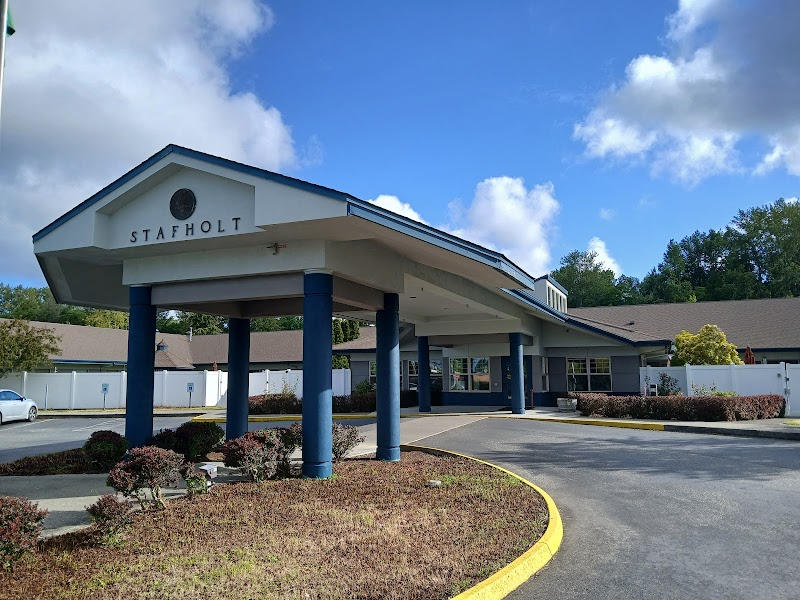
How is Stafholt Of Cascadia Staffed?

CMS rates STAFHOLT HEALTH AND REHABILITATION OF CASCADIA's staffing level at 4 out of 5 stars, which is above average compared to other nursing homes. Staff turnover is 51%, compared to the Washington average of 46%.

What Have Inspectors Found at Stafholt Of Cascadia?

State health inspectors documented 59 deficiencies at STAFHOLT HEALTH AND REHABILITATION OF CASCADIA during 2022 to 2025. These included: 1 that caused actual resident harm, 56 with potential for harm, and 2 minor or isolated issues. Deficiencies causing actual harm indicate documented cases where residents experienced negative health consequences.
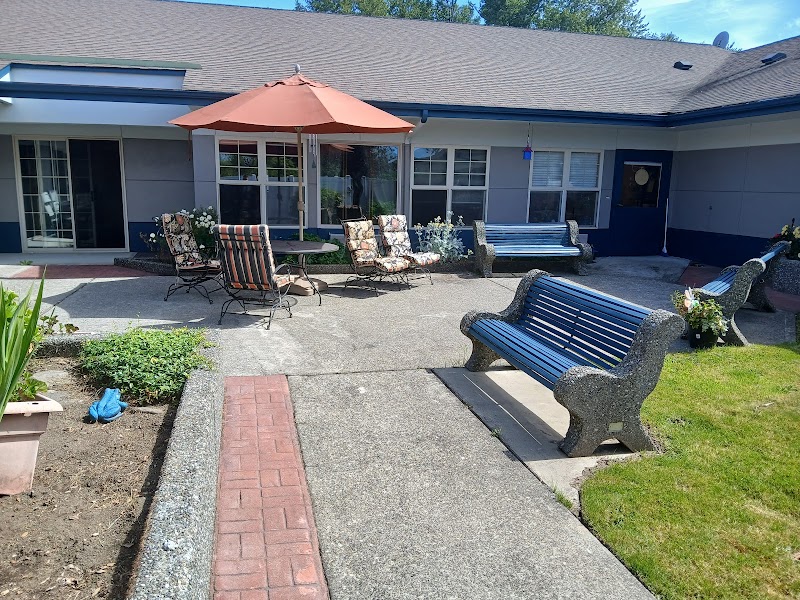
Who Owns and Operates Stafholt Of Cascadia?

STAFHOLT HEALTH AND REHABILITATION OF CASCADIA is owned by a for-profit company. For-profit facilities operate as businesses with obligations to shareholders or private owners. The facility is operated by CASCADIA HEALTHCARE, a chain that manages multiple nursing homes. With 57 certified beds and approximately 50 residents (about 88% occupancy), it is a smaller facility located in BLAINE, Washington.
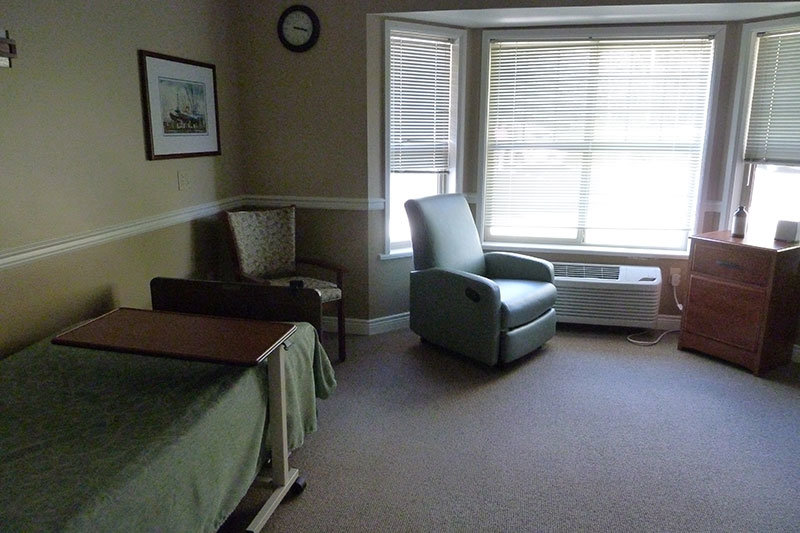
How Does Stafholt Of Cascadia Compare to Other Washington Nursing Homes?

Compared to the 100 nursing homes in Washington, STAFHOLT HEALTH AND REHABILITATION OF CASCADIA's overall rating (5 stars) is above the state average of 3.2, staff turnover (51%) is near the state average of 46%, and health inspection rating (4 stars) is above the national benchmark.

What Should Families Ask When Visiting Stafholt Of Cascadia?

Based on this facility's data, families visiting should ask: "Can I visit during a mealtime to observe dining assistance and food quality?" "How do you handle medical emergencies, and what is your hospital transfer rate?" "Can I speak with family members of current residents about their experience?"

Is Stafholt Of Cascadia Safe?

Based on CMS inspection data, STAFHOLT HEALTH AND REHABILITATION OF CASCADIA has a clean safety record: no substantiated abuse findings (meaning no confirmed cases of resident harm), no Immediate Jeopardy citations (the most serious violation level indicating risk of serious injury or death), and is not on the Special Focus Facility watch list (a federal program monitoring the lowest-performing 1% of nursing homes). The facility has a 5-star overall rating and ranks #1 of 100 nursing homes in Washington. While no facility is perfect, families should still ask about staff-to-resident ratios and recent inspection results during their visit.

Do Nurses at Stafholt Of Cascadia Stick Around?

STAFHOLT HEALTH AND REHABILITATION OF CASCADIA has a staff turnover rate of 51%, which is about average for Washington nursing homes (state average: 46%). Moderate turnover is common in nursing homes, but families should still ask about staff tenure and how the facility maintains care continuity when employees leave.

Was Stafholt Of Cascadia Ever Fined?

STAFHOLT HEALTH AND REHABILITATION OF CASCADIA has been fined $47,182 across 2 penalty actions. The Washington average is $33,551. While any fine indicates a compliance issue, fines under $50,000 are relatively common and typically reflect isolated problems that were subsequently corrected. Families should ask what specific issues led to these fines and confirm they've been resolved.

Is Stafholt Of Cascadia on Any Federal Watch List?

STAFHOLT HEALTH AND REHABILITATION OF CASCADIA is not on any federal watch list. The most significant is the Special Focus Facility (SFF) program, which identifies the bottom 1% of nursing homes nationally based on persistent, serious quality problems. Not being on this list means the facility has avoided the pattern of deficiencies that triggers enhanced federal oversight. This is a positive indicator, though families should still review the facility's inspection history directly.