BREMERTON TRAILS POST ACUTE
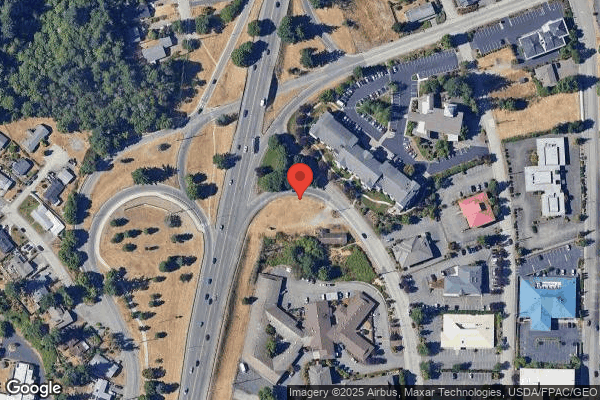
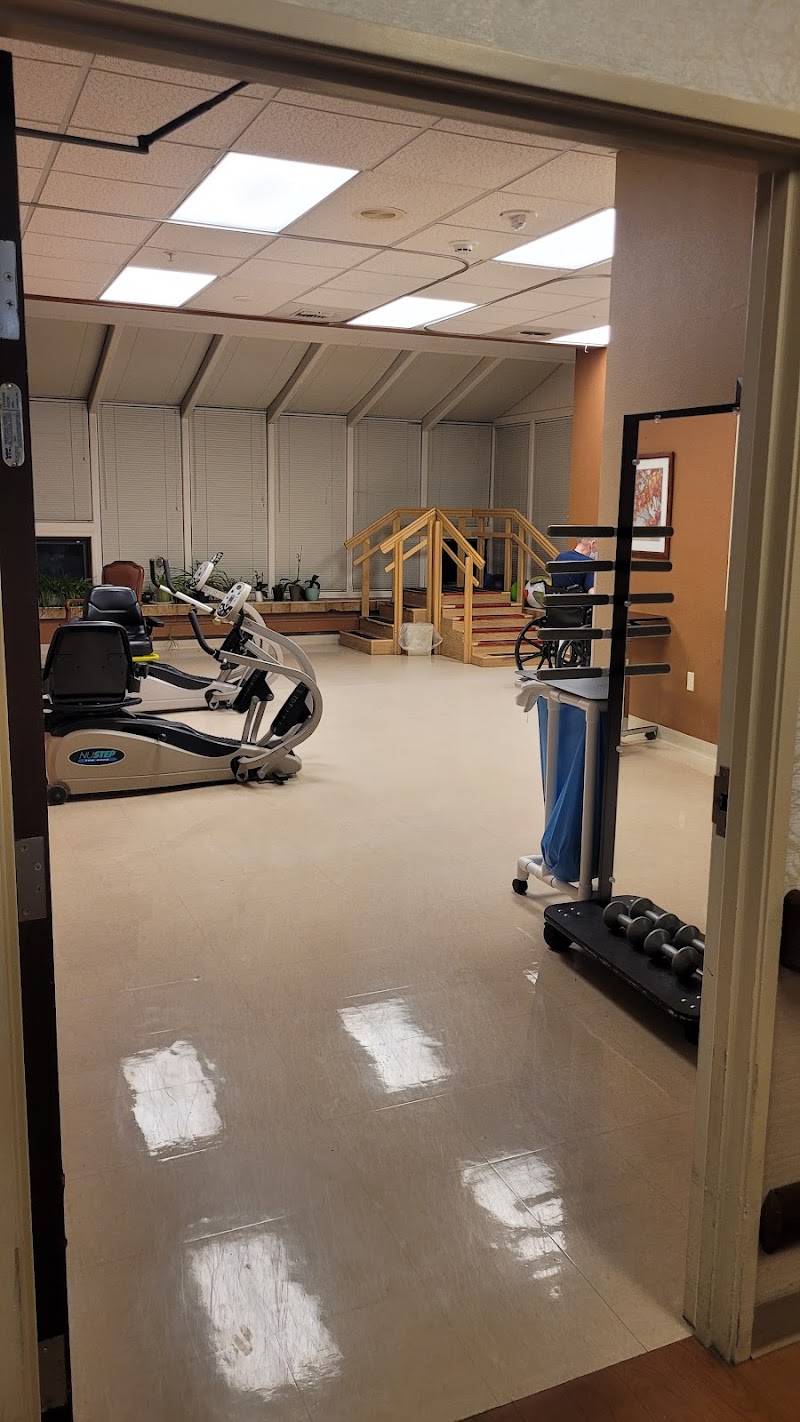
2701 CLARE AVENUE, BREMERTON, WA 98310 (360) 377-3951
For profit - Limited Liability company 125 Beds CALDERA CARE Data: November 2025 2 Immediate Jeopardy citations
Trust Grade
0/100
#169 of 190 in WA
Last Inspection: July 2024

Within standard 12-15 month inspection cycle. Federal law requires annual inspections.

Overview

Bremerton Trails Post Acute has received a Trust Grade of F, indicating poor quality and significant concerns in care. Ranking #169 out of 190 facilities in Washington places it in the bottom half, and #8 out of 9 in Kitsap County shows it has limited competition for local options. The facility is technically improving, with issues dropping from 36 in 2024 to 5 in 2025, but it still has a concerning history. Staffing is rated 3 out of 5 stars, with a 53% turnover rate, which is average, but RN coverage is lacking, being below 84% of facilities in the state. Serious incidents included failing to implement proper COVID-19 precautions, resulting in resident harm and death, and not providing timely CPR to a resident when needed, which could have led to critical outcomes. While there are some improvements in quality measures, families should weigh these serious issues against the facility's strengths.

Trust Score
F
0/100
In Washington
#169/190
Bottom 12%
Safety Record
High Risk
Review needed
Inspections
Getting Better
36 → 5 violations
Staff Stability
⚠ Watch
53% turnover. Above average. Higher turnover means staff may not know residents' routines.
Penalties
✓ Good
$75,658 in fines. Lower than most Washington facilities. Relatively clean record.
Skilled Nurses
○ Average
Each resident gets 32 minutes of Registered Nurse (RN) attention daily — about average for Washington. RNs are the most trained staff who monitor for health changes.
Violations
⚠ Watch
103 deficiencies on record. Higher than average. Multiple issues found across inspections.
★☆☆☆☆
1.0
Overall Rating
★★★☆☆
3.0
Staff Levels
★★★★☆
4.0
Care Quality
★☆☆☆☆
1.0
Inspection Score
Stable
2024: 36 issues
2025: 5 issues

The Good

  • 4-Star Quality Measures · Strong clinical quality outcomes
  • Full Sprinkler Coverage · Fire safety systems throughout facility
  • No fines on record

Facility shows strength in quality measures, fire safety.

The Bad

1-Star Overall Rating

Below Washington average (3.2)

Significant quality concerns identified by CMS

Staff Turnover: 53%

Near Washington avg (46%)

Higher turnover may affect care consistency

Federal Fines: $75,658

Well above median ($33,413)

Moderate penalties - review what triggered them

Chain: CALDERA CARE

Part of a multi-facility chain

Ask about local staffing decisions and management

The Ugly 103 deficiencies on record

2 life-threatening 2 actual harm
Sept 2025 1 deficiency
CONCERN (E) 📢 Someone Reported This

A family member, employee, or ombudsman was alarmed enough to file a formal complaint

Potential for Harm - no one hurt, but risky conditions existed

Deficiency F0725 (Tag F0725)

Could have caused harm · This affected multiple residents

**NOTE- TERMS IN BRACKETS HAVE BEEN EDITED TO PROTECT CONFIDENTIALITY** Based on observation, interview and record reviews, the facility failed to provide competent and sufficient staff to complete re...

Read full inspector narrative →
**NOTE- TERMS IN BRACKETS HAVE BEEN EDITED TO PROTECT CONFIDENTIALITY** Based on observation, interview and record reviews, the facility failed to provide competent and sufficient staff to complete resident showers and personal care according to their plan of care for 5 of 11 residents (Resident 1, 2, 3, 4 and 5) reviewed for sufficient staffing. This failure placed residents at risk of poor hygiene, loss of dignity, frustration and a decreased quality of life Findings included.RESIDENT 1Resident 1 was admitted on [DATE]. The Minimum Data Set Assessment (MDS), dated [DATE], showed Resident 1 was cognitively intact.Resident 1's Activity of Daily Living Care Plan (ADL), dated 03/24/2025, showed Resident 1 required assistance with dressing, personal hygiene, transfers and required extensive assistance with bed mobility. The care plan showed Resident 1 was incontinent of bowel and bladder and staff were to check the resident every two hours and assist with toileting as needed.On 08/24/2025 at 10:46 AM, Resident 1's call light was observed on.On 08/24/2025 at 10:47 AM, Staff A, Certified Nursing Assistant (CNA), was observed entering Resident 1's room and immediately exited the room and the call light was observed to be off.On 08/24/2025 at 10:47 AM, Resident 1 said they had been waiting since 5:30 AM to get up for the day and have their brief changed. Resident 1 said the staff kept coming in, shutting off the call light and stating they would find someone to assist. Resident 1 said they had been given four popsicles that day due to the heat but no morning care. Resident 1 said staff never offered to get them ready for their day, they had to tell staff they needed assistance, and the delays happened frequently. Resident 1 said they had not been changed and/or cleaned up since approximately 2:00 AM.On 08/24/2025 at 11:04 AM, Staff B, CNA, said they were a fill in staff member and had been assigned Resident 1 since 8:00 AM. Staff B said they had looked at Resident 1's brief to determine if it was wet at approximately 8:00 AM. Staff B said there was a line on the brief that indicated if the brief was wet. Staff B said the line did not indicate Resident 1 needed to be changed. Staff B said they had not provided any other care to Resident 1 except to deliver the breakfast tray and ice water.RESIDENT 2Resident 2 was admitted on [DATE]. The MDS, dated [DATE], showed Resident 2 was cognitively impaired.Resident 2's ADL care plan, dated 04/03/2025, showed Resident 2 required assistance with dressing, oral care, personal hygiene, incontinent care and transfers. Resident 2's care plan showed Resident 2 needed set up assistance for eating and to uncover foods and cut up as needed.Resident 2's Resistive to Care plan of care, revised 06/19/2025, showed staff were to negotiate a time for ADLs to allow participation in the decision making and if the resident resisted ADLs, staff were to leave and return 5-10 minutes later and try again.On 08/24/2025 at 10:33 AM, 11:15 AM and 11:45 AM, Resident 2 was observed lying on their right side in bed. The resident's eyes were closed. Resident 2's breakfast tray was on the overbed table with eggs and toast on the plate. Resident 2 had on a shirt and briefs. The bed linens partially covered Resident 2. Resident 2's call light was on the floor and the room had a strong urine smell. Resident 2's bathroom was observed with urine on the toilet seat, a brown substance on the floor and a strong smell of urine. The garbage can under the sink outside of the bathroom was observed with a wet brief in it.On 08/24/2025 at 11:45 AM, Staff B, CNA, said they were assigned Resident 2. Staff B said they started caring for Resident 2 at 8:00 AM and they checked and changed Resident 2 and gave them breakfast but had not done any other care. Staff B said they asked the resident, and Resident 2 had said no so they had not done anything else.On 08/26/2025 at 7:47 PM, Resident 2 was observed lying at the end of their bed with a brief and shirt on. Resident 2's call light was observed on the floor, the room smelled of urine and other odors and their meal tray was on the table next to the bed.On 08/26/2025 at 8:06 PM, Resident 2 was observed lying at the end of their bed yelling for help.On 08/26/2025 at 9:30 PM, Resident 2 was observed in a shirt and brief, a strong smell of urine and other odors in the room, the call light on the floor and the meal tray was on the table next to the bed.On 08/26/2025 at 9:45 PM, Staff C, CNA, was observed with a cart that contained snacks going from room to room. Staff C was observed entering Resident 2's room and offered them a snack. Staff C was observed serving Resident 2 a snack and exiting the room. When asked if Staff C could smell urine in the room, Staff C said they did not know but they could check the resident. Staff C proceeded to check Resident 2's brief and discovered the Resident was incontinent of bowel. On 08/26/2025 at 9:48 PM, Staff D, CNA, said they were assigned to care for Resident 2. When asked if they had provided care to Resident 2, Staff D said they had not had time to provide care to Resident 2 since their shift started at 6:30 PM because they had been busy with call lights, taking vital signs and helping other residents.Resident 2's POC (CNA documentation of care) response history for behavior, dated 08/24/2025 and 08/26/2025, showed no documentation of Resident 2 rejecting care.RESIDENT 3Resident 3 was admitted on [DATE]. The MDS, dated [DATE], showed the resident had moderate cognitive impairment.Resident 3's ADL care plan, dated 12/29/2022, showed Resident 3 required assistance with bed mobility, oral care, personal hygiene, dressing, transfers and incontinent care.On 08/24/2025 at 11:18 AM and 11:45 AM, Resident 3 was observed lying in bed with the head of the bed at a 90-degree angle. Resident 3 was in a gown with a towel next to their face. Resident 3's breakfast tray was observed on the counter by the sink.On 08/24/2025 at 11:45 AM, Staff B, CNA, said they were assigned Resident 3. Staff B said the care they had provided to Resident 3 was to wipe their face with a towel that the resident had wanted to keep with them and they looked at Resident 3's brief and it appeared dry, so they did not change it. Staff B said they had left the breakfast tray on the sink and would pick it up when they delivered the lunch tray. When asked if they had provided morning care to include washing the resident, oral care and dressing, Staff B said it was Sunday and there was not a lot of activity happening so most of the time the residents just stayed in bed. Staff B said they had not provided oral care, dressing or personal hygiene to Resident 3.Resident 3's POC response history for behavior, dated 08/24/2025, showed no documentation of Resident 3 rejecting care.RESIDENT 4Resident 4 was admitted on [DATE].Resident 4's ADL care plan, revised 07/02/2025, showed Resident 4 required assistance for bathing/showering twice a week and as necessary. Resident 4's care plan showed to provide for a sponge bath if a shower could not be tolerated.On 09/04/2025 at 9:49 AM, Resident 4 said their assigned shower days were Wednesday and Saturdays and they had not received a shower on Wednesday, 09/03/2025, because the staff said they were short staffed and did not have time. Resident 4 said they had just asked again for a shower.On 09/04/2025 at 9:30 AM, Staff E, CNA, said they had approximately 20 residents and it was only them and Staff F, CNA, on the hall because someone had called out. Staff E said because they were short staffed, they did not think they would be able to give showers. Staff E said on 09/03/2025 they only had two aides on the hall too and they could only give one shower because they didn't have enough time. When asked if they had time to complete morning care and dress all their residents, they said they did not have enough time for everyone.On 09/04/2025 at 11:07 AM, Staff F, CNA, said they could not complete showers because there were only two aides on the hall. Staff F said they had too many residents and the only care they could provide was brief changes and answering lights. When asked about morning care, Staff F said they only completed morning care on the residents that had to get out of bed. Staff F said the other residents only received brief changes, and their lights answered. Staff F said Resident 4 and Resident 5 kept asking for showers, but Staff F said they didn't know how they would have time to complete them.On 09/05/2025 at 12:04 PM, Resident 4 said they had not received a shower on 09/04/2025. Resident 4 said they wanted their shower, it had been hot and muggy, and they did not want to smell. Resident 4 said they wanted to see their friend and wanted to be clean for the visit and now they would have to wait until Saturday. Resident 4 said they had to wait hours for care, and it was frustrating.RESIDENT 5Resident 5 was admitted on [DATE].Resident 5's ADL care plan, dated 05/09/2025, showed Resident 5 required assistance for bathing.On 09/05/2025 at 12:06 PM, Resident 5 said they were supposed to receive showers on Wednesday and Saturday. Resident 5 said they had not received their shower on Wednesday, 09/03/2025, so now they would have to wait until Saturday, the next scheduled shower day. Resident 5 said they smelled like urine, and they did not want to smell bad when their family members visited. Resident 5 said they did not get their teeth brushed anymore; it was too much of a hassle for the staff because the staff did not have time. Resident 5 said it was hard to find staff to assist them, and the staff turned off their call light and said they would be back in a bit. Resident 5 said they were so sick of hearing that, and it took three to four hours to have their need met, it is sad here.On 09/05/2025 at 1:13 PM, Staff G, Director of Nursing, said they expected the nursing assistants to provide morning care and evening care to include oral care, personal hygiene, shave, change linens and change clothes and/or gown according to preference. Staff G said they expected the aides to provide care just like you would do at home. Staff G said the residents' care plan provides the staff with instructions on what assistance the resident requires. Staff G said if the resident preferred to stay in bed, they expected the resident would receive a fresh gown, linen changed, personal hygiene and oral care. Staff G said they expected the residents to receive showers on their scheduled day but if it was missed, they expected they would receive it the following day. Staff G said when they do not have enough staff care could be missed but they try to have management staff assist and call staff in to work.Reference WAC 388-97-1080 (1), 1090 (1).
May 2025 2 deficiencies
CONCERN (D) 📢 Someone Reported This

A family member, employee, or ombudsman was alarmed enough to file a formal complaint

Potential for Harm - no one hurt, but risky conditions existed

Infection Control (Tag F0880)

Could have caused harm · This affected 1 resident

. Based on interview, observation and record review, the facility failed to ensure staff maintained infection control practices by cleaning blood glucose monitors (a device that measures the amount of...

Read full inspector narrative →
. Based on interview, observation and record review, the facility failed to ensure staff maintained infection control practices by cleaning blood glucose monitors (a device that measures the amount of glucose in your blood) between residents, performing hand hygiene before and after resident care, and maintaining separation between clean and dirty tasks for 1 of 3 (Staff A) staff observed. This failure placed residents at risk of contagious disease, infection and clinical complications. Findings included . Review of the Center for Disease Control and Prevention (CDC) web page titled, Considerations for Blood Glucose Monitoring and Insulin Administration, dated 08/07/2024, showed if blood glucose meters must be shared, the device should be cleaned and disinfected after every use, per the manufacturer's instructions, to prevent the spread of blood and infectious agents. Review of the CDC web page titled, Clinical Safety Hand Hygiene for Healthcare Workers, dated 02/27/2024, showed health care workers should clean their hands immediately before touching a patient, after touching a patient or patient's surrounding, and immediately after glove removal. On 04/24/2025 at 12:17 PM, Staff A, Registered Nurse, donned gloves and placed a blood glucose monitor in a plastic container with alcohol pads, a bottle of glucose strips (test strip blood is placed on and inserted into the glucose monitor) and a lancet (device used to pierce the finger to obtain blood). Staff A entered Resident 1's room and completed the blood glucose check, wiped the resident's finger before and after utilizing an alcohol pad and then placed the glucose monitor and the used alcohol wipes back into the plastic container. Staff A wiped the resident's skin with an alcohol wipe and then administered insulin (medication used to treat diabetes) to the resident. Staff A placed the used alcohol wipe and insulin pen (device used to administer insulin) into the plastic container and exited the room. Staff A removed their gloves and without washing their hands removed the dirty alcohol pads and glucose strip from the container and placed them in the garbage. Staff A placed the insulin pen into the medication cart and disposed of the lancet into the hazardous waste container. Staff A did not clean and/or disinfect the plastic container. Staff A left the blood glucose monitor on top of the medication cart and proceeded down the hall to the dining room to administer medication to Resident 2. Resident 2 was sitting in their wheelchair at a table in the dining room with another resident seated beside them. Staff A donned gloves without using hand hygiene, gathered the same glucose monitor, without cleaning and/or disinfecting it and placed a glucose testing strip into the monitor and prepared to lance Resident 2's finger to test their glucose. The procedure was interrupted and when Staff A was asked if they needed to clean the glucose monitor between residents, Staff A said they had forgotten and went back to the cart to clean the monitor. Staff A said they had been taught by their preceptor to use alcohol wipes to clean the monitor. Staff B, Resident Care Manager, approached Staff A and clarified the monitor was to be cleaned and disinfected with the purple top disinfecting wipes (disinfecting wipes in a container with a purple top that contain disinfectant that kills infectious diseases) and described the procedure. Staff A cleaned the monitor and then returned to the dining room with the glucose monitor, alcohol wipes and insulin pen in the same plastic container that had been used with Resident 1. Staff A used the alcohol wipes to clean Resident 2's finger, completed the glucose testing and administered insulin into Resident 2's upper arm at the dining table. Staff A placed the dirty alcohol wipes, glucose monitor and insulin pen into the plastic container and returned to the medication cart. Staff A removed the supplies from the plastic container. Staff A removed their gloves. Staff A did not clean and/or disinfect the plastic container and/or perform hand hygiene. Staff A proceeded to another resident's room to administer medications, donned gloves without performing hand hygiene and utilized the same plastic container to hold their supplies without cleaning and/or disinfecting it. On 04/24/2025 at 1:59 PM, Staff C, Infection Preventionist, said the facility's glucose monitor must be cleaned utilizing the disinfecting wipes from the container with the purple top per the manufacturer instructions. Staff C said alcohol wipes were insufficient to disinfect the glucose monitors. Staff C said the glucose monitors should be wiped down and left to air dry for 2-5 minutes before using them on another resident. Staff C said hand hygiene should be performed before and after all resident care and tasks including medication administration and glucose testing. Staff C said the plastic container must be cleaned after the dirty supplies are removed. Staff C said glucose testing and insulin administration should not be completed in the dining room. Staff C said the staff did not follow their infection control procedures. Reference WAC 388-97-1320 (1)(a)(c) .
CONCERN (E) 📢 Someone Reported This

A family member, employee, or ombudsman was alarmed enough to file a formal complaint

Potential for Harm - no one hurt, but risky conditions existed

Deficiency F0760 (Tag F0760)

Could have caused harm · This affected multiple residents

**NOTE- TERMS IN BRACKETS HAVE BEEN EDITED TO PROTECT CONFIDENTIALITY** . Based on observation, interview and record review, the facility failed to administer medications per physician orders and guid...

Read full inspector narrative →
**NOTE- TERMS IN BRACKETS HAVE BEEN EDITED TO PROTECT CONFIDENTIALITY** . Based on observation, interview and record review, the facility failed to administer medications per physician orders and guidelines for 4 of 5 residents (Resident 1, 2, 3 and 4) reviewed for medications. This failure placed residents at risk of clinical complications, unintended medication side effects, and infection. Findings included . Review of the facility's undated policy titled, Flexible Medication Pass Policy, showed AM medications to be administered between 6 AM and 10 AM, Midday medications to be administered between 10 AM and 2 PM and PM medications to be administered between 4 PM and 8 PM. The policy said that medications ordered TID [three times a day] shall be given every AM, Midday, and PM unless otherwise indicated by the nature of the medications. <RESIDENT 1> Resident 1 was admitted to the facility on [DATE] with diagnosis of medically complex conditions. The Minimum Data Set Assessment (MDS), an assessment tool, dated 01/23/2025, showed the resident was cognitively intact and required assistance with activities of daily living. On 04/24/2025 at 11:19 AM, Resident 1 said they were concerned the facility was not administering their eye medication correctly and said their eye really hurt and was not getting better. Resident 1's Ophthalmologist (physician specializing in the eye) office visit note, dated 03/20/2025, showed the resident still had bacterial conjunctivitis (eye infection) and was to start Maxitrol (an eye medication to treat infection) twice per day in both eyes and schedule a follow up appointment in two weeks. Resident 1's Medication Administration Record (MAR), dated 03/01/2025 through 03/31/2025, and 04/01/2025 through 04/30/2025, showed no documentation the Maxitrol was administered. Resident 1's physician orders, dated 04/02/2025, showed the resident was to be administered Polytrim (medication to treat eye infection) eye drops in left eye until the follow-up ophthalmology appointment on 04/10/2025. Resident 1's progress notes, dated 04/10/2025, showed the resident's ophthalmologist office cancelled the follow up appointment on 04/10/2025 due to technical difficulties and the appointment would be rescheduled. Resident 1's Ophthalmologist office visit note, dated 04/17/2025, showed the resident had ongoing conjunctivitis and was to be administered Polytrim eye drops QID [four times per day]. Resident 1's MAR, dated 04/01/2025-04/30/2025, showed no documentation Polytrim was administered after 04/10/2025. On 05/01/2025 at 10:41 AM, Staff B, Licensed Practical Nurse and Resident Care Manager, said they had reviewed Resident 1's medical record and said the nurse transcribed the Maxitrol order incorrectly and therefore it didn't show up correctly for the nurses to administer it. Staff B said the resident did not receive the medication as ordered. Staff B said the Polytrim was stopped per the physician's order on 04/10/2025 in preparation for the Ophthalmologist appointment and when the appointment was cancelled there was no documentation they had reached out to the provider to clarify. Staff B said the Polytrim was not restarted following the 04/17/2025 appointment and it should have been administered per the physician orders. <RESIDENT 2> Resident 2 was admitted to the facility on [DATE], with diagnoses to include stroke and medically complex conditions. The MDS, dated [DATE], showed the resident was cognitively intact. On 04/23/2025 at 11:25 AM, Resident 2 said they were not getting their medications at the right times. Resident 2 said they took gabapentin (medication for nerve pain) three times per day, and they needed to receive the meds at regular intervals and the nurses were not always bringing them at the right time and they had been fighting to get it right. Resident 2's physician orders, dated 04/03/2025, showed an order for gabapentin 300 MG [milligrams] three times a day. Resident 2's medication audit report, showed gabapentin was administered at the following dates and intervals: 04/04/2025: 9:33 AM, 11:57 AM and 3:40 PM 04/05/2025: 10:11 AM, 1:07 PM and 2:31 PM 04/07/2025: 8:17 AM, 10:15 AM, and 3:27 PM 04/08/2025: 8:23 AM, 10:40 AM and 5:35 PM 04/15/2025: 8:00 AM, 10:20 AM, and 5:19 PM 04/16/2025: 8: 34 AM, 11:29 AM and 2:50 PM 04/17/2025: 9:36 AM, 12:44 PM and 5:15 PM 04/18/2025: 7:52 AM, 11:17 AM, and 2:26 PM 04/19/2025: 9:29 AM, 12:32 PM and 2:45 PM 04/21/2025: 9:11 AM, 1:17 PM and 5:40 PM 04/23/2025: 8:22 AM, 12:15 PM and 2:35 PM On 05/01/2025 at 2:16 PM, Staff C, Assistant Director of Nursing (ADON), said the facility's medication policy directed the medications ordered TID to be given AM, Midday and PM but the schedule could be changed if the medication needed different intervals between medication administration times. Staff C said they contacted the facility's pharmacist, and the pharmacist said gabapentin should be given at least six hours apart when used for nerve pain. Staff C said the licensed nurses should have adjusted the medication schedule for the gabapentin to ensure there was six hours between each dose. <RESIDENT 3> Resident 3 was admitted to the facility on [DATE] with diabetes diagnosis. The MDS, dated [DATE], showed the resident was cognitively intact. Resident 3's physician orders, dated 04/14/2025, showed Lispro insulin (medication to treat diabetes), inject 6 units before meals. On 04/24/2025 at 12:17 PM, Resident 3 was observed eating their lunch. The resident had eaten the entire portion of chicken and half of their beans. Staff A, Registered Nurse (RN), entered the room and completed a blood glucose test (test that checks the level of glucose in the blood) and administered an injection of Lispro insulin. When asked why they did not administer the Lispro insulin before the meal, Staff A said they did not have time, and they were just getting to it. <RESIDENT 4> Resident 4 was admitted to the facility on [DATE] with diabetes diagnosis. The MDS, dated [DATE], showed the resident was cognitively intact. Resident 4's physician orders, dated 04/17/2025, showed Lispro insulin inject 16 units before meals. On 04/24/2025 at 12:54 PM, Resident 4 was observed with their empty lunch plate on their table. Resident 4 said they did not like the chicken, but they ate it. Staff A, RN, entered the room and completed a blood glucose test and administered an injection of Lispro insulin. When asked why they did not administer the Lispro insulin before the meal, Staff A said they did not have time. On 04/24/2025 at 1:59 PM, Staff C, ADON, said medication should be given per the physician's orders. Reference WAC 388-97-1060(3)(k)(iii) .
Mar 2025 1 deficiency
CONCERN (D) 📢 Someone Reported This

A family member, employee, or ombudsman was alarmed enough to file a formal complaint

Potential for Harm - no one hurt, but risky conditions existed

Deficiency F0660 (Tag F0660)

Could have caused harm · This affected 1 resident

**NOTE- TERMS IN BRACKETS HAVE BEEN EDITED TO PROTECT CONFIDENTIALITY** . Based on interview and record review, the facility failed to ensure discharge planning included notification of necessary outs...

Read full inspector narrative →
**NOTE- TERMS IN BRACKETS HAVE BEEN EDITED TO PROTECT CONFIDENTIALITY** . Based on interview and record review, the facility failed to ensure discharge planning included notification of necessary outside services for 1 of 3 sampled residents (Resident 8) reviewed for discharge planning. This failure placed residents at risk for unmet care needs, re-hospitalization, and a decreased quality of life. Findings included . Resident 8 was admitted to the facility on [DATE] with diagnoses to include dementia, diabetes, and end stage kidney failure requiring dialysis (treatment that filters excess fluids and toxins from the blood). The admission Minimum Data Set, an assessment tool, dated 02/03/2025, showed Resident 8 was moderately cognitively impaired and needed one person assistance with most activities of daily living. Review of the Notice of Medicare Non-Coverage, dated 02/13/2025 and a progress note, dated 02/17/2025, showed Resident 8 was discharged from the facility to home on [DATE]. The progress note said several attempts were made to contact the son, whom Resident 8 lived with, but there was no answer, and the message box was full. A review of the care plan, dated 02/03/2025, said discharge goals were to be discussed with the resident and family. It stated, Family will be able to verbalize/communicate required assistance post discharge and the services required for the resident prior to discharge. On 03/05/2025 at 1:50 PM, Collateral Contact 2 (CC2), an outside service provider, said they went to the facility to visit with Resident 8 on 02/20/2025 only to find out Resident 8 had been discharged to home. CC2 said they had not been notified of the pending discharge date . Therefore, a required assessment had not been completed to resume care services in the home prior to discharge. On 03/05/2025 at 2:03 PM, Staff C, Social Services Assistant, said the department had a weekly meeting with outside services to discuss potential discharges. When asked if there was documentation of the notification of discharge for Resident 8, they said it was probably verbal only. Staff C said there should have been documentation completed. On 03/06/2025 at 11:28 AM, Collateral Contact 1 (CC1) said there were no care conferences or discussions with the facility about discharge. CC1 said prior to Resident 8's hospitalization and subsequent stay at the facility, they had caregivers and nurses who came into the home to provide assistance and care. CC1 said a caregiver was currently coming into the home, but that the person was not getting paid as the paperwork had not gone through yet. On 03/07/2025 at 2:30 PM, Staff A, Administrator, said there was a form that should have been used to notify outside services of pending discharge. They said the form had not been used for Resident 8. Reference WAC 388-97-0080 .
Feb 2025 1 deficiency
CONCERN (D) 📢 Someone Reported This

A family member, employee, or ombudsman was alarmed enough to file a formal complaint

Potential for Harm - no one hurt, but risky conditions existed

Deficiency F0558 (Tag F0558)

Could have caused harm · This affected 1 resident

**NOTE- TERMS IN BRACKETS HAVE BEEN EDITED TO PROTECT CONFIDENTIALITY** . Based on observation, interview and record review the facility failed to ensure residents' mobility needs were addressed to ac...

Read full inspector narrative →
**NOTE- TERMS IN BRACKETS HAVE BEEN EDITED TO PROTECT CONFIDENTIALITY** . Based on observation, interview and record review the facility failed to ensure residents' mobility needs were addressed to access the community for 1 of 1 sampled resident (Resident 1) reviewed for accommodation of needs. This failure placed residents at risk of diminished independent functioning, socialization and mood disturbance. Findings included . Resident 1 was admitted on [DATE] with diagnoses including medically complex conditions and mood disorders. The Minimum Data Set, an assessment tool, dated 01/23/2025, showed Resident 1 was cognitively intact, had functional limitations with range of motion in their upper and lower extremities and utilized a power wheelchair for mobility. On 02/20/2025 at 10:18 AM, Resident 1 said they had made a mistake when they were threatened with physical harm by another resident, they became defensive and used their power wheelchair to run into the other resident. Resident 1 expressed remorse and said they knew it was wrong, but the facility had removed their power wheelchair and provided them a manual wheelchair. Resident 1 said they were not able to propel the manual chair independently and were now unable to ride the access bus into the community to visit their girlfriend and/or shop per their routine, I am stuck here. Resident 1 said they had requested to be allowed to use the power wheelchair outside of the facility to go on community outings, but the facility staff refused to allow them access to the chair. Review of a facility's online incident report, dated 01/31/2025, showed Resident 2 told Resident 1 they would kick their face and Resident 1 slammed their powered wheelchair into Resident 2's wheelchair. The report showed Resident 1's power wheelchair would be kept in the therapy gym and the resident would now use a regular wheelchair. Resident 1's activity care plan, revised 02/05/2025, showed an intervention that staff would support and encourage Resident 1 to go to visit their girlfriend in the community. Resident 1's power mobility indoor driving assessment, dated 02/08/2025, showed the assessor's opinion was the resident was able to drive the power wheelchair independently with no restrictions. Resident 1's progress note, dated 02/10/2025, showed the resident reported a declining mood due to not having their powered wheelchair. Resident 1's mobility care plan, revised 02/14/2025, showed the resident was totally dependent on staff for ambulation/locomotion in wheelchair and they were to use the manual wheelchair for locomotion and were currently not cleared for electric wheelchair. On 02/20/2025 at 10:59 AM, Staff D, Activity Director, said Resident 1 had used their power wheelchair to visit their girlfriend in the community and used to access bus to shop. Staff D said they could shop for Resident 1 but were unable to take the resident into the community to shop and/or visit their girlfriend because the facility currently had no bus driver and Staff D did not have staffing and/or time to meet the resident at a store and/or their girlfriend's residence. Staff D said they had not made any attempts to arrange alternative transportation and/or plans to assist Resident 1 in community outings, I feel bad that I didn't think of it, it is important for them to go into the community to shop and see their girlfriend. At 11:46 PM, Staff B, Social Service Director, said Resident 1 had used their power wheelchair to go into the community to visit their girlfriend and go shopping. Staff B said the resident had a life alert necklace and a cell phone. Staff B said they had no concerns with the resident's ability to navigate in the community and access transportation utilizing their power wheelchair. Staff B said they had requested the facility management allow Resident 1 to use their power wheelchair in the community and they were told the chair was a privilege and they had lost the privilege due to the incident with the other resident. When asked if Staff B had investigated other modes of transportation and/or alternatives to allow Resident 1 to visit their girlfriend in the community and shop, Staff B said they had not. At 12:13 PM, Staff C, Resident Care Coordinator, said Resident 1's power wheelchair was taken away from them after the resident used their power wheelchair to injure another resident. Staff C said Resident 1 was scheduled for a mental health consult and then the facility staff would decide if the Resident could utilize the power wheelchair in the facility. When asked if the resident had any incidents in the community and/or reports of issues, Staff C said they were not aware of any and they knew of no reason that Resident 1 should not utilize the power wheelchair in the community but at that time Resident 1 was not allowed to access the power wheelchair in the community. At 12:45 PM, Staff E, Director of Nursing, said the former facility Administrator had removed the power wheelchair from Resident 1 following the incident with Resident 2. Staff E said the facility staff were available to push the resident in the facility when requested in the manual wheelchair. Staff E said they were unaware Resident 1 wanted to use the power wheelchair for use in the community. Staff E said there was no reason Resident 1 was not allowed to use the power wheelchair in the community. At 1:10 PM, Staff A, Administrator, said they were not employed at the facility when Resident 1's power wheelchair was removed from them. Staff A said they just gave the power wheelchair back to Resident 1 for use in the community. WAC Reference 388-97-0860 (2) .
Nov 2024 2 deficiencies
CONCERN (D) 📢 Someone Reported This

A family member, employee, or ombudsman was alarmed enough to file a formal complaint

Potential for Harm - no one hurt, but risky conditions existed

Infection Control (Tag F0880)

Could have caused harm · This affected 1 resident

**NOTE- TERMS IN BRACKETS HAVE BEEN EDITED TO PROTECT CONFIDENTIALITY** . Based on interview, observation and record review, the facility failed to ensure infection control standards were followed rel...

Read full inspector narrative →
**NOTE- TERMS IN BRACKETS HAVE BEEN EDITED TO PROTECT CONFIDENTIALITY** . Based on interview, observation and record review, the facility failed to ensure infection control standards were followed related to the use of required personal protective equipment with residents on enhanced barrier precautions (EBP, an infection control method that involves wearing gowns and gloves during high-contact interactions with residents in nursing homes) and hand hygiene during wound care for 1 of 3 residents (Resident 4) reviewed for wound care. This failure placed residents at risk of contracting and spreading infections. Findings included . Review of the facility's policy titled, Enhanced Barrier Precautions, revised 04/2024, showed EBP were to be used for residents with wounds. The policy showed that gowns and gloves were required when staff completed wound care. Review of the facility's policy titled, Dressings, Dry/Clean, revised 09/2013, showed that gloves were to be discarded after removal of a wound dressing and hand hygiene performed prior to donning clean gloves and applying a new dressing. Resident 4 was admitted to the facility on [DATE] with diagnoses including methicillin-resistant staphylococcus aureus (MRSA, an infection). Resident 4's physician orders, dated 10/04/2024, showed the resident was on EBP related to wounds and MRSA to their eye. Resident 4's physician order, dated 11/01/2024, showed staff were to cleanse the wound on the resident's thumb and apply a dressing every day and as needed. An observation on 11/13/2024 at 12:33 PM, showed a sign adjacent to Resident 4's door for EBP and staff were to wear gloves, and a gown with any wound care requiring a dressing. Staff B, Licensed Practical Nurse, was observed entering Resident 4's room to perform wound care. Staff B performed hand hygiene and donned gloves. Staff B did not put on a gown. Staff B removed the resident's wound dressing from their thumb, cleansed the wound, discarded the dressing and gloves. Staff B, without performing hand hygiene, put on new gloves and proceeded to cleanse the wound and applied a clean dressing. On 11/14/2024 at 12:37 PM, Staff C, Infection Preventionist and Assistant Director of Nursing, said that Resident 4 was on EBP, and the staff should wear a gown and gloves when completing wound care. Staff C said that after Staff B removed the old dressing and their gloves, they should have performed hand hygiene prior to putting on new gloves. WAC Reference 388-97-1320 (1)(c)(2)(b) .
CONCERN (E) 📢 Someone Reported This

A family member, employee, or ombudsman was alarmed enough to file a formal complaint

Potential for Harm - no one hurt, but risky conditions existed

Deficiency F0658 (Tag F0658)

Could have caused harm · This affected multiple residents

**NOTE- TERMS IN BRACKETS HAVE BEEN EDITED TO PROTECT CONFIDENTIALITY** . Based on observation, interview and record review, the facility failed to ensure services provided met professional standard o...

Read full inspector narrative →
**NOTE- TERMS IN BRACKETS HAVE BEEN EDITED TO PROTECT CONFIDENTIALITY** . Based on observation, interview and record review, the facility failed to ensure services provided met professional standard of practice when medications were discontinued without authorization from a medical provider, and physician's orders were not followed for 3 of 4 residents (Resident 1, 2, and 3). This failure placed residents at risk for medical complications, infection and discomfort. Findings included . <RESIDENT 1> Resident 1 was admitted on [DATE] with diagnoses including medically complex conditions and heart disease. Resident 1's provider orders for Nursing Home Transfer, dated 11/1/2024, showed the resident was transferred from the hospital to the facility with medication orders on the 'After Visit Summary Medication List.' Resident 1's 'After Visit Summary,' dated 11/01/2024, showed the resident had multiple medications to be administered every morning. Resident 1's progress notes, dated 11/01/2024 at 7:27 PM, showed the resident was re-admitted to the facility and the orders were noted and faxed. Resident 1's Medication Administration Record (MAR), dated 11/01/2024 through 11/30/2024, showed no documentation the residents morning medications were administered on 11/02/2024. On 11/14/2024 at 1:05 PM, Staff F, Medical Director, said they were the attending physician for Resident 1, and they were not notified that Resident 1 had not received their medications on the morning of 11/02/2024, until 11/14/2024. Staff F said the resident should have received their mediations per the After Visit Summary from the hospital because they are the admitting physician orders. On 11/14/2024 at 3:03 PM, Staff D, Medication Assistant, said the morning of 11/02/2024, they were helping administer medications for the unit that Resident 1 resided on. Staff D said they noticed that Resident 1 had no medications showing in the electronic medical record (EMR). Staff D said they notified Staff E, Licensed Practical Nurse (LPN). Staff D said Staff E told them they would fix it. On 11/15/2024 at 12:30 PM, Staff E, LPN, said they were the nurse assigned to Resident 1 on the morning of 11/02/2024. Staff E said they became aware Resident 1 had no medications showing in the EMR on the morning of 11/02/2024. Staff E said when they looked in the EMR they discovered that Resident 1's medication orders had not been confirmed and they were not accurate. Staff E said they re-entered the medication orders into the EMR and notified the on-call manager and put a note in the physician's box. When asked if Resident 1 received their morning medications on 11/02/2024, Staff E said they did not. On 11/19/2024 at 3:16 PM, Staff A, Director of Nursing (DNS), said they were not aware that Resident 1 had missed medications on 11/02/2024. Staff A said they had inputted the orders on the day of admission, 11/01/2024. Staff A said they let the admission and/or nurse care manager know that the orders had been entered into the EMR and needed to be confirmed. Staff A said the orders had to be confirmed for the medications to show up for the nurses to administer the medications. Staff A said they were not notified by the nursing staff that Resident 1's morning medications were not administered on 11/02/2024 and were unaware of the omission. Staff A said when they reviewed the record Staff E had discovered the error at approximately 9:40 AM and should have administered the morning medications at that time. <RESIDENT 2> Resident 2 was admitted on [DATE] with diagnoses of respiratory failure, diabetes (a condition that affects blood sugar levels), and a surgical procedure. The Minimum Data Set (MDS), an assessment tool, dated 10/30/2024, showed the resident was cognitively intact. On 11/14/2024 at 1:05 PM, Staff F, Medical Director, said they were reviewing Resident 2's orders on 11/07/2024, and discovered several medication orders had been discontinued in the electronic medical record. Staff F said they had not given orders for the medications to be discontinued, and their medical staff, Staff I, (Nurse Practitioner, NP) had not either. Staff F said the resident's insulin (medication to control blood sugar levels), pain medication and potassium (an electrolyte supplement) were discontinued without authorization from a medical practitioner. Staff F said they reinstated the orders upon discovery of the error on 11/07/2024. On 11/14/2024 at 2:45 PM, Resident 2 said something happened with their medication orders about a week ago and they did not receive their insulin and pain medication for a few days. Resident 2 said they experienced pain during that time and the staff only offered Tylenol (mild pain medication). Resident 2 said they were very upset, and their doctor apologized for the error. Resident 2's Insulin Glargine (a medication for diabetes) order audit report, dated 11/05/2024 at 11:57 AM, showed Staff I, Nurse Practitioner (NP), had ordered Insulin Glargine 32 units to be administered at bedtime daily. The report further showed that at 2:15 PM, Staff J, LPN, had discontinued the order. The report showed the order was reinstated by Staff F, Medical Director on 11/07/2024. Resident 2's hydromorphone (pain medication) order audit report, dated 11/05/2024 at 11:55 AM, showed Staff I, NP, had ordered the hydromorphone to be given every four hours as needed for pain. The report showed at 2:16 PM, Staff J, LPN, had discontinued the order. The report showed the order was reinstated by Staff, F, Medical Director on 11/07/2024. Resident 2's potassium (electrolyte supplement) order audit report, dated 11/04/2024 at 9:02 AM, showed Staff F, Medical Director had ordered potassium every morning. The report showed at 9:06 AM, Staff K, LPN, had discontinued the order. The report showed the order was reinstated by Staff, F, Medical Director on 11/07/2024. Resident 2's MAR, dated 11/01/2024 through 11/30/2024, showed Insulin Glargine 32 units was not given until 11/07/2024. The MAR showed hydromorphone was not given after it was discontinued on 11/05/2024 at 11:55 AM until 11/07/2024. The MAR showed the potassium was not given until 11/07/2024. Resident 2's provider note, dated 11/07/2024, showed the medical provider had discovered that Resident 2's insulin glargine, hydromorphone, and potassium orders had been inadvertently discontinued in the previous 48 hours and had been reinstated upon their discovery. On 11/19/2024, at 11:01 AM, Resident 2 said they had talked with their physician more than a week prior and had requested a humidifier (a device used to humidify oxygen) for their oxygen because their nose was dried out. Resident 2 said they still had not received it. Observation of Resident 2's oxygen concentrator (a device that delivers oxygen) showed no humidifier attached to it. Resident 2's provider note, dated 11/07/2024, showed Resident 2 had complained their O2 [oxygen] was causing them a dry nose and transient (lasting a short time) epistaxis (bleeding from the nose). The note showed the medical provider discussed with the LPN and verbally ordered an in-line humidifier for the resident's O2 concentrator. Resident 2's provider note, dated 11/14/2024, showed Resident 2 had c/o [complained of] intermittent epistaxis, likely secondary to NC [nasal cannula (tube that delivers oxygen into the nose)] O2. The note showed the provider requested an in-line humidifier from nursing for the resident. On 11/19/2024 at 3:20 PM, Staff A, DNS, said they were notified by Staff F, Medical Director that Resident 2's insulin, hydromorphone and potassium were discontinued without authorization. Staff A said the investigation showed Staff J, LPN, had discontinued the insulin and hydromorphone inadvertently in the electronic medical record, when they had attempted to confirm the order but had discontinued it instead. Staff A said they did not know the reason that Staff K, LPN had discontinued the potassium because Staff K would not discuss the error with them. Staff A said licensed nurses cannot discontinue medication orders without a physician and/or medical provider's authorization. Staff A said a humidifier should have been placed when Resident 2 requested it. <RESIDENT 3> Resident 3 was admitted on [DATE] with diagnosis of dementia. The MDS, dated [DATE], showed the resident had multiple pressure ulcers (injury to skin and underlying tissue resulting from prolonged pressure). Resident 3's physician order, dated 08/08/2024, showed staff were to provide wound care to the resident's leg and heel daily. On 10/21/2024 at 10:00 AM, Collateral Contact (CC1), said they visited Resident 3 usually three to four days per week. CC1 said they had issues with the wound care provided by the facility for months. CC1 said the resident's wound dressing was supposed to be changed daily and when they arrived on 10/06/2024 they found the resident lying in their dirty brief and the wound dressing had not been changed and the date on the dressing was 10/03/2024. On 11/19/2024 at 11:42 AM, Staff G, LPN, said they had changed Resident 3's wound dressing on 10/03/2024, dated and initialed the dressing. Staff G said on 10/06/2024 they were alerted that CC1 had discovered Resident 3's wound dressing had not been changed and when they arrived to care for the wound, they observed the resident's dressing had the date of 10/03/2024 and their initials on it. Review of the facility's incident report, dated 10/06/2024, showed documentation that Resident 3's wound dressing was changed on 10/04/2024 by Staff H, LPN. Included in the incident report was a witness statement by Staff H that showed they had assumed the wound care had been completed by a wound team, so they had signed off the wound care was completed without observing the dressing. On 11/19/2024 at 3:20 PM, Staff A, DNS, said licensed nurses should not sign the completed a task, including wound care, when they had not completed it. Staff A said Resident 3 had not received their wound care per the physician orders and because staff signed it complete, they were unaware the dressing was not changed and were not alerted until CC1 made the discovery on 10/06/2024. WAC reference 388-97-1620 (2)(b)(i)(ii), (6)(b)(i) .
Sept 2024 2 deficiencies 1 Harm
SERIOUS (G) 📢 Someone Reported This

A family member, employee, or ombudsman was alarmed enough to file a formal complaint

Actual Harm - a resident was hurt due to facility failures

Quality of Care (Tag F0684)

A resident was harmed · This affected 1 resident

. Based on interview and record review, the facility failed to consistently assess, monitor, provide timely wound care, and notify the provider of change in wound condition for 1 of 3 residents (Resid...

Read full inspector narrative →
. Based on interview and record review, the facility failed to consistently assess, monitor, provide timely wound care, and notify the provider of change in wound condition for 1 of 3 residents (Resident 1) reviewed for wound care. This failure resulted in physical harm for resident 1, who was severely cognitively impaired, when they had itching, stinging, and the physical appearance of pain and distress when they experienced a maggot (fly larvae) infestation and worsening of their scalp wound. This failed practice residents at risk for infection, psychological harm and a diminished quality of life. Findings included . Review of the facility's policy titled, Wound Prevention and Treatment, revised 02/03/2023, showed that skin conditions would be monitored weekly and documentation of size, color, odor, healing progression, notifications, and other pertinent information related to the skin conditions would be documented in the electronic medical record (EMR) and physician notification and resident/resident representative notification would be completed as needed. Review of the Journal of the American College of Clinical Wound Specialists, dated 2016, showed that female flies may visit wounds to feed or to lay eggs. They generally lay 50-300 eggs at a time that hatch and emerge as larvae (maggot). Resident 1 was admitted to the facility 07/10/2021 with medically complex conditions and dementia. The Minimum Data Set (MDS), an assessment tool, dated 07/19/2024, showed Resident 1 was dependent on staff for transfers and was severely cognitively impaired. Resident 1's skin care plan, dated 02/13/2024, showed the resident had a skin concern related to hyperkeratosis (a skin condition that causes thick, rough patches of skin) scab to her head. Care plan interventions showed facility staff were to assess/record/monitor wound healing weekly, as needed and measure length, width and depth where possible, assess and document status of wound perimeter, wound bed, healing progress and report improvement and declines to the MD. Resident 1's risk of infection care plan, dated 03/13/2024, showed the resident was at risk of infection related to a skin picking disorder. The care plan showed that scabbed areas would remain free of infection and staff were to monitor, document and report to the MD any signs and symptoms of infection; increased drainage, foul odor, redness, swelling, excessive pain and fever. Resident 1's physician orders, dated 12/28/2023, showed an order for antibiotic ointment to be applied to the resident's scalp two times per day and an order, dated 02/07/2024, for ammonium lactate solution (a solution to treat the hyperkeratosis) to be applied two times a day to the scab on the scalp and monitor the scab on the scalp every shift for s/s [signs and symptoms] of infection/bleeding and notify the PCP [primary care provider]. Resident 1's Medication Administration Record, dated September 2024, showed Resident 1's antibiotic ointment for the scalp was scheduled for 8:00 AM and 8:00 PM every day and the ammonium lactate solution was to be applied at 8:00 AM and 7:00 PM every day. Resident 1's wound specialist's progress note, dated 07/30/2024, showed the resident had a cyst on their scalp measuring 5.0 centimeters (cm) x 5.3 cm x 0.8 cm. The wound specialist recommended shaving around the site to better visualize and treat the site. Review of the EMR showed no further documentation of the scalp wound from the wound specialist after 07/30/2024. Resident 1's Total Body Skin Evaluation Weekly, dated 08/03/2024, showed no assessment and/or documentation of the scalp wound. The evaluation showed see wound care notes for details. Staff were to monitor the wound/scab on every shift for s/s infection/bleeding, and staff were to assess/document wound progress weekly and notify the provider of changes. Resident 1's Total Body Skin Evaluation Weekly, dated 08/14/2024, showed no assessment and/or documentation of the scalp wound. The evaluation showed head wounds, and to see wound specialist notes. Resident 1's Total Body Skin Evaluation Weekly, dated 08/22/2024, showed no assessment and/or documentation of the scalp wound. The evaluation showed head wounds, and to see the wound specialist notes. Resident 1's Total Body Skin Evaluation Weekly, dated 08/29/2024, showed no assessment and/or documentation of the scalp wound. The evaluation showed, top of head, and to see the wound specialist notes. On 09/03/2024 at 3:18 PM, Collateral Contact 1 (CC1), said they usually visited Resident 1 every day and brought them their favorite snack. CC1 said on 09/01/2024 they visited Resident 1 between 3:00 PM and 4:00 PM. CC1 said there was drainage from the resident's head wound running down their face and drainage on the pillowcase. CC1 said that was not unusual and the resident had a horrible habit of picking their wounds. CC1 said they could not visualize the wound because of the resident's wet, matted hair covering the wound. CC1 said around 5:00 AM on 09/02/2024 they were notified Resident 1 was sent to the hospital and when they arrived at the hospital, they were informed that Resident 1 had a maggot infestation in their scalp wound. On 09/04/2024 at 1:45 PM, CC2, hospital staff member, said they were the first person to assess Resident 1's scalp wound at the hospital emergency room. CC2 said there were live maggots coming out of the wound on the scalp and there were bulges in the wound and when you pressed on them more maggots came out. CC2 said there was no evidence of a scab and/or crust on the wound. CC2 said it was an extensive open wound with maggots covering the wound. CC2 said it took two emergency room technicians 30 minutes to remove the maggots with tweezers and a suction machine. At 2:44 PM, CC3, emergency responder, said they arrived at the facility and saw Resident 1 lying in bed. CC3 said the resident's eyes had wet and dry pus surrounding their eyelids. CC3 said the resident was picking at an open sore on their scalp, complaining of itching and stinging and appeared to be in physical and psychological distress. CC3 said the scalp wound was full of maggots, and they were crawling out of the wound. CC3 said the maggots were approximately 6 millimeters long. Resident 1's emergency services patient record, dated 09/02/2024, showed emergency services arrived on scene at the facility on 09/02/2024 at 4:27 AM, to find a three-inch, circular flesh wound on the top of the resident's head covered with maggots. The record showed that facility staff stated they were unaware how the wound got to the point of having maggots or when the last wound care was done Resident 1's hospital record, dated 09/02/2024, showed a large open wound ulceration in the scalp region with maggots in the wound. The record had a picture of the wound with the maggots present throughout the wound. On 09/03/2024 at 2:20 PM, Staff G, Housekeeper, said they had cleaned Resident 1's room on 08/31/2024 and 09/01/2024. Staff G said they smelled something like rotting flesh in the room but did not see anything when they were cleaning. Staff G said they notified the nurse on duty. At 2:56 PM, Staff H, Infection Preventionist, said they had seen flies in the resident care areas due to the windows being open and the facility did not have screens on all windows. Staff H said there should be screens on all windows to keep flies out of the resident areas. Staff H said they were not certain when Resident 1's scalp wound had opened but the resident did have drainage from the wound prior to the discovery of the maggots in the wound. Staff H said to prevent flies from getting into the wound there had to be a barrier on the wound. On 09/05/2024 at 10:19 AM, Staff B, Registered Nurse (RN), said they had cared for Resident 1 on 08/31/2024 and previous shifts. Staff B said the ointment was applied to the wound to prevent infection because the scab on the wound would slough off at times after applying the ointment and/or a shower and there would be open areas on the wound. Staff B said on 08/31/2024 the top layer of the scalp wound was scabbed and it had a foul smell. Staff B said the wound was not open that day, but they saw some drainage on the pillowcase. Staff B said there were times the wound leaked brown drainage. At 10:38 AM, Staff C, Certified Nursing Assistant (CNA), said they were assigned to Resident 1 on 09/01/2024. Staff C said the odor in the resident's room was so bad that day they gave the resident a bed bath. They said the wound was dark brown, bumpy and had a scab on it. Staff C did not see any drainage, but they had given the resident a shower on 8/27/2024 and had seen a stain on the pillow from drainage that day. At 4:47 PM, Staff A, Licensed Practical Nurse, said they were assigned to Resident 1 on the night of 09/01/2024 from 6:30 PM to 6:30 AM on 09/02/2024. Staff A said at approximately 4:00 AM on 9/2/2024, a nursing assistant requested for them to check Resident 1's scalp wound. Staff A said when they arrived in the resident's room there was a lot of drainage coming from the scalp wound and the wound was full of maggots. Staff A said the resident appeared to be in pain and they called the medical provider and emergency services. When asked if they had provided any wound care prior to the discovery of the maggots in the wound, Staff A said they had administered oral medications earlier in the shift to the resident and it smelled like a wound in the room but had not provided any other care. Staff A said they could not recall seeing the wound prior to the discovery of the maggots, to be honest those units are so busy you hit the floor and start pumping out meds, I do not remember doing any wound care before seeing the maggots. On 09/06/2024 at 1:11 PM, Staff E, Resident Care Manager, said they had been overseeing Resident 1's care for approximately the last three months. Staff E said the staff had not reported the odor of the resident's scalp wound or the drainage. Staff E said they had thought the wound was a dry scab that was not open. Staff E said there was no physician order for a bandage on the wound and they had not attempted to place a bandage on the scalp wound. Staff E said the wound specialists had stopped assessing and monitoring the scalp wound after 07/30/2024 and the licensed nurses should have been documenting their assessment of the wound when completing the weekly skin evaluations. Staff E said if a wound had an odor and/or drainage it could be a sign of an infection and the licensed nurses should have reported it to the medical provider. Staff E said there was no assessment of the scalp wound documented since 07/30/2024. Staff E said the licensed nurses had not followed the expectations for wound care and assessments. At 2:31 PM, Staff F, Director of Clinical Operations, said the licensed nurses are expected to monitor wounds weekly and follow the wound care policy. Staff F said they expected the licensed nurses to notify the medical provider if a wound had an odor and/or drainage. Staff F said the wound care had not met their expectations and the licensed nurses had not followed their clinical system for wound care. Refer to F925 Pest Control Program Reference WAC 388-97-1060 (1) .
CONCERN (E) 📢 Someone Reported This

A family member, employee, or ombudsman was alarmed enough to file a formal complaint

Potential for Harm - no one hurt, but risky conditions existed

Deficiency F0925 (Tag F0925)

Could have caused harm · This affected multiple residents

**NOTE- TERMS IN BRACKETS HAVE BEEN EDITED TO PROTECT CONFIDENTIALITY** . Based on observation, interview and record review, the facility failed to ensure an effective pest control program was maintai...

Read full inspector narrative →
**NOTE- TERMS IN BRACKETS HAVE BEEN EDITED TO PROTECT CONFIDENTIALITY** . Based on observation, interview and record review, the facility failed to ensure an effective pest control program was maintained to keep the facility free of flies on 4 of 4 resident care units (Cove, Bayshore, Mt. View and Olympic) and prevent flies from laying eggs on 1 of 3 residents (Resident 1) reviewed for pest control. This failure placed the residents at risk of infection, maggot infestation, distress and decreased quality of life. Findings included . Review of the facility's undated policy titled, Insects/Pests: Resident Safety, showed that the center strives to protect the residents from insects and other pests and it is the responsibility of all staff members to detect and report immediately the presence of pests to the Executive Director and Director of Nursing and in the event that insects and/or pests are noted in a resident room immediate steps will be taken to prevent or decrease the risk for actual or potential harm. Review of the Journal of the American College of Clinical Wound Specialists, dated 2016, showed that female flies may visit wounds to feed or to lay eggs. They generally lay 50-300 eggs at a time that hatch and emerge as larvae (maggot). <RESIDENT> Resident 1 was admitted to the facility 07/10/2021 with medically complex conditions and dementia and resided on the Bayshore unit. The Minimum Data Set (MDS), an assessment tool, dated 07/19/2024, showed Resident 1 was dependent on staff for transfers and was severely cognitively impaired. Resident 1's emergency services patient record, dated 09/02/2024, showed emergency services arrived on scene at the facility on 09/02/2024 at 4:27 AM, to find a three-inch, circular flesh wound on the top of the resident's head covered with maggots. The record showed facility staff stated they were unaware how the wound got to the point of having maggots or when the last wound care was done. <OBSERVATIONS> Observations on 09/03/2024 at the following times showed flies in resident care units: 2:07 PM, fly observed in hallway by Cove nursing station 2:20 PM, and 2:37 PM flies observed in doorway of Resident 1's room 2:35 PM, fly observed by the shower on the Olympic Unit 2:53 PM, fly observed by Bayshore nursing station Observations on 09/03/2024 at 4:10 PM showed flies in the light fixtures in the following areas: Cove Unit: hallway outside of room [ROOM NUMBER] and 15 and fixture in hallway across from nursing station Bayshore Unit: Bayshore Dining Room Mt View Unit: hallway outside of rooms 65, 66, 71, 76 Olympic Unit: hallway outside of rooms 31, 32, 39, 41, 49, 50, 51 Observations on 09/03/2024 showed windows and doors open without screens: 2:15 PM, 2:42 PM, 3:32 PM and 4:18 PM, window next to Bayshore nursing station open without screen 2:15 PM, 2:42 PM and 3:32 PM, door propped open to Bayshore Courtyard without a screen 2:40 PM, Cove Unit dining room window open without screen <INTERVIEWS> On 09/03/2024 at 2:56 PM, Staff H, Infection Preventionist, said they had learned about Resident 1's wound being infested with maggots that morning. Staff H said they thought it occurred due to the hot weather and windows being open without screens, allowing flies into the facility. Staff H said they had seen flies in the resident care areas. Staff H said there should be screens on all windows to keep flies out of resident areas. Staff H said they were not certain when Resident 1's scalp wound had opened but the resident did have drainage from the wound prior to the discovery of the maggots in the wound. Staff H said to prevent flies from getting into wounds there had to be a barrier on the wound and Resident 1 did not have a barrier on the wound prior to the discovery of the maggots. At 3:18 PM, Collateral Contact 1 (CC1), said they usually visited Resident 1 daily and there was not a screen on Resident 1's window prior to the scalp wound being infested with maggots. CC1 said they told the facility to put a screen on the window when the resident returned from the hospital. At 4:20 PM, Staff I, Maintenance Director, said they were aware there were flies in the facility. Staff I said flies came into the facility through doors and windows and you could not stop them. Staff I said the facility was talking about making screens for all the windows but had not started the process yet. Staff I said they were not responsible for ensuring the doors were not propped open. At 4:48 PM, Staff F, Director of Clinical Operations, said to prevent flies from laying eggs in resident's wounds the staff should provide wound care, all windows in the facility should have screens and doors should not be propped open. Staff F said the facility should put in place preventative measures to eliminate and/or reduce flies in the facility. Reference WAC 388-97-3360 (1)(2) .
Aug 2024 1 deficiency
CONCERN (E) 📢 Someone Reported This

A family member, employee, or ombudsman was alarmed enough to file a formal complaint

Potential for Harm - no one hurt, but risky conditions existed

Deficiency F0725 (Tag F0725)

Could have caused harm · This affected multiple residents

**NOTE- TERMS IN BRACKETS HAVE BEEN EDITED TO PROTECT CONFIDENTIALITY** . Based on interview and record review, the facility failed to ensure sufficient licensed nurses were available to administer me...

Read full inspector narrative →
**NOTE- TERMS IN BRACKETS HAVE BEEN EDITED TO PROTECT CONFIDENTIALITY** . Based on interview and record review, the facility failed to ensure sufficient licensed nurses were available to administer medications timely for 3 of 4 residents (Resident 1, 2 and 3) reviewed for sufficient staffing. This failure placed residents at risk for clinical complications, frustration and a diminished quality of life. Findings included . <RESIDENT 1> Resident 1 was admitted to the facility on [DATE]. The Minimum Data Set (MDS), an assessment tool, dated 08/02/2024, showed the resident was cognitively intact. On 08/06/2024 at 12:58 PM, Resident 1 said they had not received their medications on time. Resident 1 said for a long time they had been receiving them at 6:00 PM but lately it kept changing to different times, was inconsistent, and they had to wait a long time to receive medication needed for pain. Resident 1's Medication Administration Audit Report, dated 07/20/2024 through 08/20/2024, showed the following documentation: 07/20/2024 medications scheduled for the morning at 8:00 AM were administered between 12:25 PM and 12:29 PM. 07/23/2024 medications scheduled for the morning at 8:00 AM were administered between 12:38 PM and 12:39 PM. 07/24/2024 medications scheduled for the morning at 8:00 AM were administered between 12:19 PM and 12:21 PM. 07/26/2024 medications scheduled for the morning at 8:00 AM were administered between 2:48 PM and 2:50 PM. 07/31/2024 medications scheduled for the morning at 8:00 AM were administered between 3:06 PM and 3:08 PM. 08/01/2024 medications scheduled for 7:00 PM were administered on 08/02/2024 between 12:02 AM and 12:011 AM. 08/03/2024 medications scheduled for the morning at 8:00 AM were administered at 1:09 PM. 08/04/2024 medications scheduled for the morning at 8:00 AM were administered between 2:42 PM and 2:43 PM. 08/05/2024 medications scheduled for the morning at 8:00 AM were administered at 7:37 PM. 08/05/2024 medications scheduled for 7:00 PM were administered on 08/06/2024 between 12:10 AM and 12:13 AM. 08/06/2024 medications scheduled for the morning at 8:00 AM were administered between 11:55 AM and 2:40 PM. 08/14/2024 medications scheduled for the morning at 8:00 AM were administered between 7:33 PM and 7:34 PM. 08/19/2024 medications scheduled for 7:00 PM were administered between 11:05 PM and 11:07 PM. <RESIDENT 2> Resident 2 was admitted to the facility on [DATE]. The MDS, dated [DATE], showed the resident was cognitively intact. On 08/06/2024 at 1:22 PM, Resident 2 said they had not received their medications timely. The resident said sometimes they received their bedtime medications at 8:00 PM and other times after midnight. Resident 2 said the staff were short handed, it was frustrating, and they could not chase them down to get the medications. Resident 2's Medication Administration Audit Report, dated 07/20/2024 through 08/20/2024, showed the following documentation: 07/23/2024 medications scheduled for 7:00 PM were administered at 10:58 PM. 08/01/2024 medications scheduled for 7:00 PM and 8:00 PM were administered on 08/02/2024 between 12:47 AM and 12:52 AM. 08/08/2024 medications scheduled for the morning at 8:00 AM were administered between 12:26 PM and 12:27 PM. 08/18/2024 medications scheduled for 7:00 PM and 8:00 PM were administered on 08/19/2024 between 12:05 AM and 12:26 AM. <RESIDENT 3> Resident 3 was admitted to the facility on [DATE]. The MDS, dated [DATE], showed the resident was cognitively intact. On 08/06/2024 at 1:58 PM, Resident 3 said for the previous three days they had not received their morning medication until noon and at times when there were only two nurses on for the entire facility they received their evening medication after midnight. The resident said the facility did not have enough nurses to administer medications on time. Resident 3's Medication Administration Audit Report, dated 07/20/2024 through 08/20/2024 showed the following documentation: 07/20/2024 medications scheduled for the morning at 8:00 AM were administered between 12:46 PM and 12:47 PM. 07/26/2024 medications scheduled for 7:00 PM were administered between 11:50 PM and 11:55 PM. 07/30/2024 medications scheduled for 7:00 PM were administered between 11:12 PM and 11:14 PM. 07/31/2024 medications scheduled for the morning at 8:00 AM were administered at 8:22 PM. 08/01/2024 medications scheduled for 7:00 PM were administered on 08/02/2024 between 12:20 AM and 12:30 AM. 08/03/2024 medications scheduled for the morning at 8:00 AM were administered between 11:54 AM and 11:57 AM. 08/04/2024 medications scheduled for the morning at 8:00 AM were administered between 2:50 PM and 2:51 PM. 08/06/2024 medications scheduled for 7:00 PM were administered on 08/07/2024 at 12:47 AM. 08/09/2024 medications scheduled for 7:00 PM were administered at 11:37 PM. 08/13/2024 medications scheduled for the morning at 8:00 AM were administered at 7:19 PM. 08/14/2024 medications scheduled for the morning at 8:00 AM were administered at 8:25 PM. <FINAL INTERVIEWS> On 08/20/2024 at 12:36 PM, Staff C, Resident Care Manager, said they worked as a floor nurse when needed and administered medications. Staff C said when they only had two nurses and a medication tech scheduled on the long term care units, the medications were probably not going to be administered on time, but if they had three nurses it would be able to be managed. Staff C said on the night shift when there were only two nurses scheduled instead of three, the medications were probably not going to be done on time, it was very challenging. At 3:00 PM, Staff B, Director of Nursing, said they would expect morning medications to be administered by 10:00 AM and the medications scheduled for bedtime should be administered no later than 10:00 PM. Staff B reviewed the Medication Administration Audit Report for Residents 1, 2 and 3. Staff B acknowledged the discrepancies between the scheduled times for the medications to be administered and the actual time of administration. Staff B said the discrepancies were related to the shortage of licensed nurses and said when they have adequate staffing the medications were administered on time. Staff B said they did not have enough licensed nurse staffing to meet the resident's needs timely and they were working on additional staffing. Reference WAC 388-97-1080 (1), 1090 (1) .
Jul 2024 1 deficiency
CONCERN (E) 📢 Someone Reported This

A family member, employee, or ombudsman was alarmed enough to file a formal complaint

Potential for Harm - no one hurt, but risky conditions existed

Safe Environment (Tag F0584)

Could have caused harm · This affected multiple residents

**NOTE- TERMS IN BRACKETS HAVE BEEN EDITED TO PROTECT CONFIDENTIALITY** . Based on observation and interview, the facility failed to ensure resident rooms were clean and maintained for 5 of 5 sampled ...

Read full inspector narrative →
**NOTE- TERMS IN BRACKETS HAVE BEEN EDITED TO PROTECT CONFIDENTIALITY** . Based on observation and interview, the facility failed to ensure resident rooms were clean and maintained for 5 of 5 sampled rooms (room [ROOM NUMBER], 13, 64, 16, and 21) reviewed for environment. This failure placed residents at risk for unsanitary living conditions, compromised dignity, and dissatisfaction with their living environment. Findings included . On 07/11/2024 at 2:45 PM, a Collateral Contact (CC 1) said when they arrived at the facility for a visit with their family member who had been recently admitted to room [ROOM NUMBER], they found the room unsanitary. CC 1 said a red liquid was splattered on the walls, the fan blowing on the resident was filled with dust, the baseboard heater appeared to have never been cleaned, the guest chair was horrifically stained and there was dirt and grime in the corners of the room. CC 1 said they ended up cleaning the room and the fan themselves. <room [ROOM NUMBER]> An observation of room [ROOM NUMBER], on 07/17/2024 at 10:55 AM, showed the room door with a large chip in the wood, paint scraped off the wall behind the bed, brackets with no pictures hanging on them and holes in the wall. The baseboard heater had a layer of dust accumulated along the top of it. The vinyl baseboards were covered with dust and where they met at the corner, there was a buildup of dirt and dust. The wall under the window had dark brown liquid splatters on it. The wood was splintered in the door frame of the bathroom, and the paint was chipped off. The bathroom had an odor of urine, clothes and a sheet were lying on the floor and a soiled incontinent brief was observed in the garbage can. The light bulb was out in the bathroom light fixture, the bathroom handrails had torn garbage bags tied on them. There was no toilet paper fixture, and the toilet paper rolls were balanced on the handrails. At 2:31 PM, the soiled brief was observed in the garbage can. <room [ROOM NUMBER]> An observation of room [ROOM NUMBER], on 07/17/2024 at 11:10 AM, showed the vinyl baseboard pulled away from the chipped wall, dust under the dresser and heater, and where the baseboards met in the corner, there was a buildup of dirt and dust. The bathroom had an odor of urine, there was a soiled brief in the garbage can, the floor had a brown substance on it and the door frames were missing paint and the wood was chipped. The caulking behind the sink was eroded from the wall and the toilet paper holder attached to the wall was broken with only one side remaining extended from the wall. At 2:40 PM, the soiled brief was observed in the garbage can. <room [ROOM NUMBER]> An observation of room [ROOM NUMBER] on 07/17/2024 at 12:11 PM, showed dirt on the walls, cracked vinyl baseboards pulled away from the wall, rust on the floor, the Formica on the front of the sink was broken off, the door frames were missing paint, and the nightstand and bedside table legs had dirt and liquid spilled on them. The drawer on the nightstand was cracked with the wood peeled off. <room [ROOM NUMBER]> On 07/17/2024 at 1:01 PM, Staff B, Housekeeper, said room [ROOM NUMBER] was cleaned and ready for a new resident. At 1:04 PM an observation of room [ROOM NUMBER], showed a wall fan with dust in the spokes, the vinyl baseboard peeled away from the wall, and the baseboard heater had a layer of dust accumulated along the top of it. The wall had brown, splatter on it and the wood on the door was chipped. The flooring under the bed had a hole in it and the telephone jack was lying on the floor. <room [ROOM NUMBER]> An observation of room [ROOM NUMBER] on 07/17/2024 at 1:08 PM, showed the dresser with paint peeled from half of the drawer, the paint scraped off the door frame and the wall behind the bed. The baseboard heater had a layer of dust accumulated along the top of it and was coming apart. The wall fan had dust accumulated on it. On 07/17/2024 at 2:51 PM, Staff A, Administrator Designee, observed the rooms. Staff A said the condition of the rooms did not meet their standard and were not acceptable. Staff A said they had a plan going forward to ensure the rooms were maintained. Reference WAC 388-97-0880 .
Jul 2024 20 deficiencies
CONCERN (D)

Potential for Harm - no one hurt, but risky conditions existed

Deficiency F0552 (Tag F0552)

Could have caused harm · This affected 1 resident

**NOTE- TERMS IN BRACKETS HAVE BEEN EDITED TO PROTECT CONFIDENTIALITY** . Based on interview and record review, the facility failed to inform the resident and/or their legal representative, in advance...

Read full inspector narrative →
**NOTE- TERMS IN BRACKETS HAVE BEEN EDITED TO PROTECT CONFIDENTIALITY** . Based on interview and record review, the facility failed to inform the resident and/or their legal representative, in advance, of the risks and benefits associated with the use of antipsychotic medications (medications capable of affecting the mind, emotions, and behavior) and obtain informed consent prior to administering the medication(s) for 1 of 5 residents (Resident 87) reviewed for unnecessary medications. These failures precluded residents and/or legal representatives from making informed decisions regarding proposed psychotropic medication and prevented them from exercising their right to refuse/decline the proposed medication. Findings included . Resident 87 admitted to the facility on [DATE]. Review of the admission Minimum Data Set (MDS, an assessment tool), dated 06/12/2024, showed the resident had severe cognitive impairment, no mental health diagnoses and received no psychotropic medications. Review of the electronic health record showed Resident 87 had a 06/18/2024 order to start risperidone (an antipsychotic) once a daily, for dementia with behaviors. A Psychopharmacologic Medication Informed Consent form showed the risks versus benefits related to the use of risperidone were explained, and informed consent obtained on 06/20/2024. The June 2024 Medication Administration Record (MAR) showed facility nurses administered risperidone to Resident 87 on both 06/18/2024 and 06/19/2024, prior to obtaining the resident's and/or the resident's representative's consent for its use. On 09/13/2024 at 9:29 AM, Staff B, Director of Nursing, said when a new order is obtained for a psychotropic medication facility staff needed to explain the risks and benefits associated with the proposed medication, and obtain their informed consent prior to implementing the order and administering the medication. When asked if there was any documentation to show that occurred with Resident 87's 06/18/2024 risperidone order, Staff B stated, No and acknowledged facility nurses had administered two doses of risperidone prior to obtaining informed consent for its use. Reference WAC 388-97-0260 .
CONCERN (D)

Potential for Harm - no one hurt, but risky conditions existed

Grievances (Tag F0585)

Could have caused harm · This affected 1 resident

. Based on interview and record review the facility failed to ensure grievances were initiated, logged, investigated, and or promptly resolved/responded to for 6 of 12 residents (Residents 10, 29, 33,...

Read full inspector narrative →
. Based on interview and record review the facility failed to ensure grievances were initiated, logged, investigated, and or promptly resolved/responded to for 6 of 12 residents (Residents 10, 29, 33, 37, 46, and 54) reviewed for Resident Council and grievances. This failure placed residents at risk for feelings of frustration, powerlessness, and decreased quality of life. Findings included . <Resident 33> Resident Council meeting minutes, dated 02/29/2024, showed Resident 33 had stated there were not enough linens. The February grievance log showed no entry for Resident 33. On 07/13/2024 at 10:48 AM, when asked if anyone had responded to the grievance regarding the lack of linens, Resident 33 said, no, I didn't hear back about it. <Resident 10> Grievance log, dated 06/06/2024, showed an entry regarding Resident 10 losing two items. On 07/08/2024 at 3:03 PM, when asked if the facility responded to resident concerns, or if the Grievance Official provided a rationale for the response, Resident 10 said, I filed a grievance because staff called me a liar and I never heard back. On 07/11/2024 at 9:41 AM, Resident 10 produced a copy of a grievance, dated 03/28/2024. The March Grievance log showed no entry for this grievance. On 07/11/2024 at 10:14 AM, when asked if they had helped Resident 10 fill out a grievance form in March, Staff F, Restorative Aide said they had. On 07/13/2024 at 8:49 AM, when asked if they had a response to their grievance regarding missing items, Resident 10 said they had never heard anything back. <Resident 29> Resident Council meeting minutes, dated 04/17/2024, showed Resident 29 reported they were missing two blankets. The April grievance log showed no entry regarding Resident 29's missing blankets. On 07/12/2024 at 9:06 AM, when asked if they had received a response from anyone regarding missing blankets, Resident 29 said they reported it in resident council meeting and staff said they were going to check on it and that was all they heard. Resident 29 said the lack of response made them feel 'useless and they would have expected to have heard something back by then. <Resident 54> Resident Council meeting minutes, dated 05/16/2024, showed Resident 54 reported they were missing blankets. The May grievance log showed no entry regarding Resident 54's missing blankets. <Resident 46> Resident Council minutes, dated 04/17/2024, showed that Resident 46 had said the call lights were not being answered quickly and they thought it was a staffing issue. Resident Council meeting minutes, dated 05/16/2024, showed Resident 46 reported they never received a response for submitted grievances and said they never receive the grievances back with the resolution. The May grievance log showed no entry regarding Resident 46's complaint. On 07/10/2024 at 3:52 PM, Staff A, Administrator said the Stop Loss Forms (forms that were filled out when items went missing) should have been added to the grievances. On 07/12/2024 at 12:08 PM, Staff E, Activities Director, when asked what her process was when complaints came in during Resident Council meetings, said she typed up all the notes and then wrote the grievances. On 07/13/2024 at 10:58 AM, when asked if they get responses to grievances filed, Resident 46 said, never, I have filed quite a few grievances, and I got no response. When asked what type of grievances the facility did not respond to, Resident 46 said, shortness of staff. <Resident 37> On 07/07/2024 2:54 PM, Resident 37 said there was a gray-haired lady who wandered around the facility with her wheelchair and frequently entered their room. Resident 37 said a couple of days prior the resident wandered into their room, so she asked her to leave, but instead she reached up and grabbed Resident 37's sandwich and milk off their tray. Resident 37 stated, I told her to put it back and she mouthed 'FU' to me. I reported it to the nurse and filled out the paper (grievance). Resident 37's roommate interjected that the wandering lady was harmless and usually left when asked, but that time she grabbed stuff, so (Resident 37) filled out the paper (grievance.) Review of the facility's grievance and incident logs showed there were no entries related to Resident 37's reported concern/incident. On 07/11/2024 at 10:53 AM, Staff D, Resident Care Manager, said to their knowledge, Resident 37 had not reported any concerns or filed grievance. Review of Resident 37's electronic health record showed a 07/06/2024 nurses note that documented, Resident and daughter reported another resident on the unit wandering into room and grabbing food from tray on 7/5. Resident informed she did not report this incident immediately after happening. Provided resident with a grievance form to fill out. On 07/12/2024 at 12:01 PM, Staff D, Resident Care Manager, said Resident 37's grievance form never made it to them, but since staff was aware of the report, they should have followed up and ensured the grievance was filed and addressed. At 12:16 PM, Staff E, Activities Director, said the expectation was that a resident would be given an explanation once a solution had been found. At 12:32 PM, when asked how residents were informed of resolution, or lack of ability to resolve grievances, Staff A, Administrator, said, I or the department head would have a one-on-one with the resident. Reference WAC 0920(1-6); 0460 (1)(2) .
CONCERN (D)

Potential for Harm - no one hurt, but risky conditions existed

PASARR Coordination (Tag F0644)

Could have caused harm · This affected 1 resident

**NOTE- TERMS IN BRACKETS HAVE BEEN EDITED TO PROTECT CONFIDENTIALITY** . Based on interview and record review, the facility failed to ensure Pre-admission Screening and Resident Review (PASRR) Level ...

Read full inspector narrative →
**NOTE- TERMS IN BRACKETS HAVE BEEN EDITED TO PROTECT CONFIDENTIALITY** . Based on interview and record review, the facility failed to ensure Pre-admission Screening and Resident Review (PASRR) Level II evaluations were referred and or completed timely for 2 of 6 residents (37, 9) reviewed for PASRRs. This failure placed residents at risk for inappropriate placement, and not receiving timely and necessary mental health services. Review of 42 CFR 483.106(b)(2)(ii) showed an individual who entered a nursing facility (NF) as an exception (an exempted hospital discharge), but later was found to require more than 30 days of NF care, the facility must refer the resident for a Level II PASRR evaluation, and the State mental health or intellectual disability authority must conduct the evaluation within 40 calendar days of admission. Findings included . <Resident 37> Resident 37 admitted to the facility on [DATE]. Review of the 06/03/2024 admission Minimum Data Set (MDS, an assessment tool) showed the resident was cognitively intact, had a diagnosis of depressive disorder and required the use of antianxiety medication during the assessment period. A Level I PASRR, dated 05/01/2024, showed Resident 37 admitted to the facility as an exempted hospital discharge, thus, a Level II PASRR evaluation was not required prior to admission. Resident 37 remained inpatient at the facility as of 07/12/2024, well beyond the 30 days or less of nursing home care the physician had projected. Review of the electronic health record showed Resident 37 was not reassessed and referred for a Level II until 07/03/2024, 61 days after admission. As of 07/12/2024 (70 days after admission) the Level II PASRR evaluation still had not been completed. On 07/12/2024 at 12:41 PM, when asked if there was any documentation to show Resident 37 was referred for a Level II PASRR evaluation when staff became aware they were not going to discharge in 30 days or less as scheduled, Staff X, Social Service Assistant, stated, no, not until I completed a new Level I PASRR on 07/03/2024, which assessed they required a Level II PASRR evaluation, the referral was made at that time. <Resident 9> Resident 9 was admitted to the facility on [DATE] with a diagnosis of paranoid personality disorder (mental health disorder marked by a long-term pattern of distrust and suspicion of others) and suicidal ideations (thoughts about or a preoccupation with killing oneself). The Quarterly MDS, dated [DATE], indicated the resident was moderately cognitively impaired. A review of Resident 9's medical record showed a PASRR Level I (screening tool to determine if a resident requires further evaluation for serious mental illness or intellectual disability) was completed by the facility on 02/27/2020 and a Level II evaluation referral required for significant change. A review of Resident 9's medical record did not show a Level II evaluation. On 07/10/2024 at 10:09 AM, Staff Q, Social Services Director, said Resident 9 should have had a level II referral and, I don't see it in the chart. On 07/11/2024 at 2:06 PM, Staff B, Director of Nursing Services, said Resident 9's 2020 PASRR said a Level II referral was required and there was not a Level II evaluation in the chart. Reference WAC 388-97-1915 .
CONCERN (D)

Potential for Harm - no one hurt, but risky conditions existed

Deficiency F0657 (Tag F0657)

Could have caused harm · This affected 1 resident

**NOTE- TERMS IN BRACKETS HAVE BEEN EDITED TO PROTECT CONFIDENTIALITY** <Resident 27> Resident 27 admitted to the facility on [DATE] with diagnosis including hemiplegia (paralysis) and hemipares...

Read full inspector narrative →
**NOTE- TERMS IN BRACKETS HAVE BEEN EDITED TO PROTECT CONFIDENTIALITY** <Resident 27> Resident 27 admitted to the facility on [DATE] with diagnosis including hemiplegia (paralysis) and hemiparesis (weakness) to the right side of the body due to stroke (damage to the brain due to loss of blood flow), and an open wound. The admission Minimum Data Set (MDS), an assessment tool, dated 05/19/2024, indicated resident was bed bound, needed extensive assistance for Activities of Daily Living and was moderately cognitively impaired. On 07/08/2024 at 11:42 AM, Resident 27 stated, Some of the staff are good about sitting with me and taking their time to feed me. Sometimes they just set my tray down and walk away. The table is always out of reach. My husband has come in around lunch time and my full breakfast tray is still sitting there. CP initiated on 05/10/2022 stated, needs supervision for meals and a revision on 05/13/2024 noted resident had a mechanical altered diet, therapeutic diet with thickened liquids. On 07/09/2024 at 09:44 AM, Staff U, Speech Therapist, said resident needed an altered diet when she first admitted due to weakness. She changed her to a regular diet with thin liquids on 05/28/2024 and said the CP should have been updated. When asked how the resident ate due to physical limitations, she stated, always a 1:1 feed. The expectation is for the resident to be fed by staff or their husband. On 07/11/2024 at 09:16 AM, Staff V, Licensed Practical Nurse, was asked how an aide would know how to assist a resident with meals. She said nurses would look at the CP and aides would look at the [NAME] which was created and updated by the CP. When asked if Resident 27's CP was accurate for meal assistance, she stated, No, it's not. The resident needs to be fed if her husband isn't here. At 9:22 AM, Staff W, CNA, was asked how she would know what level of assistance to provide a resident for meals. She said she would look at the [NAME]. When asked what she would do for Resident 27 according to the CP, she stated, it says supervision so I would take the tray in, open things up, and make sure the tray was within reach. At 10:12 AM, Staff D stated, 1:1 feeding should be on the care plan as well as have specific instructions for each resident. Reference WAC 388-97-1020(2)(c)(d) <Resident 48> Resident 48 admitted to the facility 08/23/2023. The Quarterly MDS, dated [DATE], indicated Resident 48 was cognitively intact and was not using oxygen. On 07/09/2024 at 12:30 PM, Resident 48 was observed to be on oxygen via nasal cannula. On 07/10/2024 at 10:24 AM, Staff M, Registered Nurse, said Resident 48 was on 1.5 liters per minute of oxygen. The respiratory CP, dated 07/08/2024, did not document oxygen use. On 07/10/2024 at 10:36 AM, Staff B, Director of Nursing Services, said when a resident was placed on oxygen the Resident Care Manager (RCM) should be notified so they can put it on the CP. On 07/12/2024 at 2:24 PM, Staff K, RCM, said if a resident was using oxygen, it would be expected to have an order and be on the CP. Staff K said CPs should be updated for changes in orders, and resident personal preference. When asked who can update the CP, Staff K said RCMs and floor staff. Based on interview and record review, the facility failed to ensure resident care plans were reviewed, revised, and accurately reflected resident care needs for 4 of 31 sampled residents (Residents 37, 87, 27 and 48) whose care plans were reviewed. These failures placed residents at risk for unidentified/ unmet care needs and a diminished quality of life. Findings included . <Resident 37> Resident 37 re-admitted to the facility on [DATE]. Review of the admission Minimum Data Set (MDS, an assessment tool), dated 06/08/2024, showed the resident was cognitively intact, had obvious or likely cavities and/or broken natural teeth, received supplemental oxygen and required the use of a bilevel positive airway pressure (BiPAP a device that helps with breathing by providing non-invasive mechanical ventilation.) Review of the 06/10/2024 dental care area assessment (CAA) showed, Resident 37's obvious/likely cavities and broken natural teeth would be addressed in their comprehensive care plan (CP). Review of Resident 37's comprehensive CP showed a dental CP had not been initiated. On 07/13/2024 at 8:40 AM, Staff B, Director of Nursing (DNS), said facility staff should have developed and implemented a dental CP to address Resident 37's poor dentition, but failed to do so. Review of the July 2024 Medication Administration Record (MAR) showed an order for midodrine (a medication used to elevate blood pressure) three times a day for hypotension (low blood pressure), hold if the systolic blood pressure (SBP) is greater than 140. Review of the comprehensive CP showed Resident 37's hypotension and use of midodrine were not identified or addressed. On 07/13/2024 at 8:44 AM, Staff B, DNS, said facility staff should have developed a CP to address the resident's hypotension, use of midodrine and their associated risks, but failed to do so. Review of a therapeutic nutritional risk CP, revised 06/13/2024, showed a goal of Other: (SPECIFY). On 07/13/2024 at 8:46 AM, Staff B, DNS, said all CP must have measurable resident specific goals, and acknowledged Resident 37's did not. A fluid volume overload CP, revised 06/13/2024, provided contradictory instruction, directing staff to monitor weight weekly and to monitor weight monthly. On 07/13/2024 at 10:17 AM, Staff B, DNS, said Resident 37's weight frequency needed to be clarified, and then the care plan would be revised/updated to reflect the residents current ordered weight frequency. <Resident 87> Resident 87 admitted to the facility on [DATE], Review of the 06/12/2024 admission MDS showed the resident had severe cognitive impairment, minimal difficulty hearing with hearing aids and impaired vision without corrective lenses. Review of the associated Communication and Vision CAAs showed the facility would Proceed to CP. Review of the comprehensive CP showed facility staff failed to develop a communication or vision CP for Resident 87. On 07/13/2024 at 9:25 AM, Staff B, DNS, said facility staff should have developed and implemented communication and vision CP, but failed to do so. A level I pre-admission assessment and resident review (PASRR) CP, dated 07/03/2024, had a goal of PASRR recommendations will be implemented and followed as appropriate. Review of the electronic health record (EHR) showed Resident 87 did have a level II PASRR evaluation, thus, there would not be any PASRR recommendations to follow or implement. On 07/13/2024 at 9:06 AM, Staff B, DNS, said the identified goal was inappropriate for this resident, and needed to be revised.
CONCERN (D)

Potential for Harm - no one hurt, but risky conditions existed

Deficiency F0658 (Tag F0658)

Could have caused harm · This affected 1 resident

**NOTE- TERMS IN BRACKETS HAVE BEEN EDITED TO PROTECT CONFIDENTIALITY** <Resident 27> Resident 27 admitted to the facility on [DATE] with diagnosis including Hemiplegia (paralysis) and Hemipares...

Read full inspector narrative →
**NOTE- TERMS IN BRACKETS HAVE BEEN EDITED TO PROTECT CONFIDENTIALITY** <Resident 27> Resident 27 admitted to the facility on [DATE] with diagnosis including Hemiplegia (paralysis) and Hemiparesis (weakness) to the right side of the body due to Stroke (damage to the brain due to loss of blood flow), and an open wound. The admission Minimin Data Set (MDS), an assessment tool, dated 05/19/2024, indicated resident was bed bound, needed extensive assistance for Activities of Daily Living and was moderately cognitively impaired. On 07/09/2024 resident said they their genital area was sore and very itchy. Resident 27 stated, the aides had been putting a powder on me. It was getting worse, so I asked [Staff Y, Certified Nursing Assistant], to show me what powder they were using. It had miconazole (anti-fungal) in it, and I am allergic. At 1:41 PM, Resident 27's pelvic area was observed to have a reddened rash with and opened area along the abdominal crease. At 1:48 PM, Staff B, Director of Nursing, said miconazole was a medication that should only be applied by a licensed nurse or medication technician, should not be applied without an order, and should not be applied to anyone who was allergic. The medication administration record showed no orders for miconazole had been obtained. The resident's list of allergies, dated 05/10/2024, included miconazole. Reference WAC 388-97-1620(2)(b)(i)(ii),(6)(b)(i) Based on observation, interview, and record review, the facility failed to ensure services provided met professional standards of practice for 4 of 31 sampled residents (Residents 87, 37, 13, and 27) reviewed for medication management. The failure to follow, obtain, and/or clarify incomplete physicians' orders when indicated, to sign for medication(s) that were administered, to document the reason and notify the provider when medications were held, placed residents at risk for medication errors, adverse side effects, delayed review of their medication regimen and unmet care needs. Findings included . <Resident 87> Resident 87 admitted to the facility on [DATE] with an order for oxycodone (pain medication) every six hours as needed for moderate to severe pain of 4-10 on a scale of 1 to 10. The July 2024 Medication Administration Record (MAR) showed facility staff administered the oxycodone outside of the physician ordered parameters on the following occasions: 07/07/2024 at 9:14 PM for a pain level of 2; 07/11/2024 at 11:12 AM for a pain level of 3; and 07/11/2024 at 5:27 PM for a pain level of 3. On 07/12/2024 at 1:13 PM, Staff D, Resident Care Manager (RCM), said on the above referenced occasions facility nurses administered Resident 87 oxycodone outside of the physician ordered parameters. <Resident 37> <Leg compression> Resident 37 re-admitted to the facility on [DATE] with orders to apply ace wraps to both lower extremities (LEs) daily, on in the AM and off at bedtime. On 07/07/2024 at 3:06 PM, Resident 37 indicated they went to see their heart doctor a week or two prior because their LEs were constantly swollen, and the doctor ordered compression wraps to be applied to both lower extremities in the morning and removed at bedtime. When asked why the compression wraps were not in place, Resident 37 said the nurses applied them a couple of times but couldn't find them the past few days. On 07/09/2024 at 1:41 PM, Resident 37 was lying in bed with LEs exposed. Tubi-Grip (tubular gauze) had been applied to both LEs. Resident 37 indicated the facility nurse was using the tubular gauze for compression while awaiting new compression wraps to come in. Review of the electronic health record (EHR) showed no order had been obtained to apply tubular gauze to the resident's LEs in lieu of compression wraps. Additionally, the July 2024 MAR showed facility nurses had signed daily that they applied and removed Resident 37's LE compression wraps daily as ordered. On 07/12/2024 at 1:52 PM, accompanied by Staff D, RCM, Resident 37 was observed in bed with compression wraps in place to both lower extremities. The resident held up the tubular gauze and stated, todays the first day they put them on, they were using these. The compression wraps were observed in place from just above the ankle and ended just below the knee. This caused a marked increase in pedal edema due to the compression wraps not starting at the toes. On 07/12/2024 at 2:01 PM, Staff D, RCM, confirmed facility nurses had been signing for a treatment (compression wraps) they had not performed, and were applying a different treatment without an order. Staff D said facility nurses should have notified the physician the ordered treatment was not available and obtained a temporary treatment order until supplies for the initial treatment arrived but failed to do so. <Oxygen> Resident 37 had a 06/25/2024 order for continuous oxygen via nasal canula at three liters per minute, to keep oxygen (O2) saturation at 89%. On 07/07/2024 at 3:09 PM, Resident 37 was observed in bed receiving O2 via an open oxygen face mask at three liters per minute. On 07/09/2024 at 1:41 PM, Resident 37 was lying in bed receiving O2 at three liters per minute via an open oxygen face mask. On 07/12/2024 at 1:32 PM, when asked if Resident 37 was to receive supplemental O2 via nasal canula or an open oxygen mask Staff D, RCM, said the resident liked to use both. When asked what was ordered Staff D said a nasal canula was ordered. Staff D then acknowledged facility nurses had signed daily that O2 was administered via nasal canula as ordered which was incorrect and nurses administered O2 via open face mask without an order to do so. Staff D said nursing should have obtained an order for the open face mask when Resident 37 requested one and should not have signed that they administered O2 via nasal canula as ordered. <Resident 13> Resident 13 admitted to the facility on [DATE] with an order for furosemide (a diuretic) every Monday, Wednesday and Friday, with direction to hold the medication for a systolic blood pressure (SBP) less than 100 or Pulse (P) less than 60. The June 2024 MAR showed on 06/24/2024 Resident 13 had a pulse of 56, but the nurse administered the furosemide, rather than holding the medication as ordered. Resident 13 had a 06/10/2024 order for losartan (blood pressure medication) every morning, with direction to hold the medication for a SBP less than 100 or P less than 60. The June 2024 MAR showed on 06/24/2024 Resident 13 had a pulse of 56, but the nurse administered the losartan, rather than holding the medication as ordered. Resident 13 had a 06/10/2024 order for metoprolol (a blood pressure medication) twice daily, with direction to hold the medication for a SBP less than 100 or P less than 60. The June 2024 MAR showed on the following dates the evening dose of metoprolol was administered outside of the physician ordered parameters: 06/13/2024- P=58; 06/15/2024- P=52; 06/16/2024- P=58; 06/18/2024- P=54; 06/20/2024- P= 53; and 06/24/2024- P=56 On 03/12/2024 at 1:41 PM, Staff D, Resident Care Manager, said on the above referenced occasions facility nurses should have held Resident 13's furosemide, losartan and metoprolol as ordered, but failed to do so.
CONCERN (D)

Potential for Harm - no one hurt, but risky conditions existed

ADL Care (Tag F0677)

Could have caused harm · This affected 1 resident

. Based on observation and interview facility failed to provide assistance with Activities of Daily Living (ADL), related to grooming for 1 of 4 sampled residents (Resident 20). This failure placed re...

Read full inspector narrative →
. Based on observation and interview facility failed to provide assistance with Activities of Daily Living (ADL), related to grooming for 1 of 4 sampled residents (Resident 20). This failure placed residents at risk for, matted hair, feeling unclean, and diminished quality of life. Findings included . Resident 20 was admitted to facility 03/12/2021. The Quarterly Minimum Data Set (MDS, an assessment tool), dated 05/10/2024, indicated Resident 20 was moderately cognitively impaired, impaired on one side of both upper and lower extremities, and required partial/moderate assistance with personal hygiene, which included combing hair. On 07/08/2024 at 10:54 AM, Resident 20 said their hair was in a solid matt in the back. Observation showed hair behind their head to be tangled and stuck together in clumps. Resident 20 said, it really bothers me to have clumps in the back of my head. It makes me feel less than. On 07/11/2024 at 2:44 PM, Resident 20 said they had told the Certified Nursing Assistant's (CNA) about 200 times about the matting issue every time they had their hair washed. Resident 20 said, I can't brush my hair because I can't hold my arm up. I only lay on my back because I cannot roll. They wash my hair, it is like sheep's wool with matting, this is one solid mass. At 2:54 PM, Staff N, CNA, entered Resident 20's room and was asked to look at Resident 20's hair, Staff N stated, oh wow, it is terrible, it is a mat. Staff N said the condition of Resident 20's hair was unacceptable. At 3:05 PM Staff H, Licensed Practical Nurse, Unit Manager, entered Resident 20's room and looked at the back of Resident 20's head. When asked how she would describe Resident 20's hair, she stated I would call it matted hair. When asked if it was acceptable she said that it was not acceptable. Reference WAC 388-97-1060 (2)(c) .
CONCERN (D)

Potential for Harm - no one hurt, but risky conditions existed

Deficiency F0687 (Tag F0687)

Could have caused harm · This affected 1 resident

**NOTE- TERMS IN BRACKETS HAVE BEEN EDITED TO PROTECT CONFIDENTIALITY** . Based on observation, interview, and record review, the facility failed to ensure Podiatry (the treatment of feet and their ai...

Read full inspector narrative →
**NOTE- TERMS IN BRACKETS HAVE BEEN EDITED TO PROTECT CONFIDENTIALITY** . Based on observation, interview, and record review, the facility failed to ensure Podiatry (the treatment of feet and their ailments) care and services were provided for 1 of 1 resident (Resident 27) reviewed for foot care. This failure placed the resident at risk for further skin impairment, discomfort, and a diminished quality of life. Findings included . The Personal Needs Policy, dated 12/20/2024, showed, facility must provide foot care and treatment, in accordance with professional standards of practice, including to prevent complications from the resident's medical condition(s) and If necessary, assist the resident in making appointments with a qualified person, and arranging for transportation to and from such appointments. Resident 27 admitted to the facility on [DATE] with diagnosis including hemiplegia (paralysis) and hemiparesis (weakness) to the right side of the body due to stroke (damage to the brain due to loss of blood flow), diabetes, and ulcer to the left heel. The admission Minimum Data Set, an assessment tool, dated 05/19/2024, indicated Resident 20 was bed bound, needed extensive assistance for Activities of Daily Living (ADLs) and was moderately cognitively impaired. An admission assessment, dated 05/10/2024, showed Resident 27's toenails were thick, have a fungal like appearance. Diabetic foot checks and diabetic nail care were added to the Treatment Administration Record as weekly tasks for nursing. On 07/08/2024 at 11:04 AM, Resident 27 was observed to have long, uneven, thickened toenails. Resident 27 said no foot care had been provided, including toenail cutting, since being in the facility. Resident stated, I had a provider come to my home every month. Now my toenails are really bad. At 12:18 PM, Staff D, Unit Manager/Licensed Practical Nurse, stated, any nurse can provide diabetic foot care, including nail cutting. Part of the admit process is to look at the resident's feet and to let Social Services know if a referral to a podiatrist is needed. Social Services handles the appointments. On 07/09/2024 at 9:20 AM, Staff Q, Social Services Director, said Resident 27 had not been seen by the podiatrist during the last two visits, on 05/21/2024 and 06/26/2024. On 07/10/2024 at 2:25 PM, Resident 27's toenails were observed with Staff D present and Staff D said the resident should have been referred to a podiatrist. Staff D said, as a nurse, she would not feel comfortable cutting the nails because of the poor condition of the nails. Reference WAC 388-97-1060 (3)(j)(viii) .
CONCERN (D)

Potential for Harm - no one hurt, but risky conditions existed

Deficiency F0692 (Tag F0692)

Could have caused harm · This affected 1 resident

**NOTE- TERMS IN BRACKETS HAVE BEEN EDITED TO PROTECT CONFIDENTIALITY** . Based on interview, and record review, the facility failed to timely identify, assess, develop and implement nutritional inter...

Read full inspector narrative →
**NOTE- TERMS IN BRACKETS HAVE BEEN EDITED TO PROTECT CONFIDENTIALITY** . Based on interview, and record review, the facility failed to timely identify, assess, develop and implement nutritional interventions, and evaluate the effectiveness of the interventions for 1 of 4 residents with weightloss (Resident 87) reviewed for nutrition. Additionally, the facility failed to have a system in place that ensured fluid intake was accurately monitored, documented, and 24-hour intake totals were calculated and evaluated for 1 of 1 resident (Resident 37) reviewed with a fluid restriction. These failures placed residents at risk for continued weight loss, inadequate nutrition, fluid volume overload, fluid and electrolyte imbalances and other medical complications. Findings included . <Weight Loss> Resident 87 admitted to the facility on [DATE]. Review of the admission Minimum Data Set (MDS, an Assessment tool), dated 06/12/2024, showed the resident had no swallowing issues or significant weight loss. A potential nutritional risk care plan, revised 06/21/2024, with a goal of no significant weight loss, directed staff to explain the importance of the prescribed diet, the need for adequate nutritional intake, and to notify the physician of significant weight loss/gain. An activities of daily living care plan, revised 06/24/2024, informed staff Resident 87 was independent with eating. Review of Resident 87's weight record showed the following: 06/05/2024 admit weight - 138 06/10/2024 - 125.5 lbs., a weight loss of 7% in less than a week. 07/01/2024 - 121.5 lbs., a weight loss of 12.2% in less than 30 days. 07/08/2024 - 120 lbs., a weight loss of 13.4 in 33 days. A 06/13/2024 nurses note documented the resident had a significant weight loss of 7% in a week, but indicated staff would re-weigh Resident 87 to validate the weight loss. The weight record showed the re-weigh was performed on 06/14/2024 and was 125.5 lbs., confirming the weight loss. A 06/26/2024 nurses note identified a weight loss trend and indicated finger foods and a whole sandwich would be requested for meals. There was no documentation to show staff assessed the resident's percentage of meal intake, ability to feed self, added any dietary supplements, or referred the resident to the Registered Dietician (RD) Resident 87's weight on 07/01/2024 was 121.5 lbs., showing significant weight loss of 12.2% in less than 30 days. A 07/02/2024 nurses note documented, a dietary referral is required for the following reasons: Weight loss significant. A 07/03/2024 Nutrition Evaluation documented Resident 87 had a very significant weight loss since admission of greater than 12% which was not planned or desired. The RD observed Resident 87 in the dining room and felt the resident was unable to recognize what they were supposed to do with the items on their plate secondary to cognition. The RD recommended the resident be provided with two whole peanut butter and jelly (PB&J) sandwiches four times a day (with each meal and as a bedtime snack). On 07/08/2024 Resident 87 weighed 120 lbs., demonstrating a continued weight loss trend and a loss of 13.3% in 33 days. Review of the electronic health record showed no documentation or indication the RD's recommendations had been carried out and implemented. Review of Resident 87's tray card showed no direction to dietary staff to provide two PB&J sandwiches with meals or at bedtime. On 07/13/2024 at 8:48 AM, when asked if the 07/03/2024 RD recommendations were carried out and implemented Staff B, Director of Nursing stated, no. <Fluid Restriction> Resident 37 re-admitted to the facility on [DATE]. Review of the 06/03/2024 admission MDS showed the resident had a diagnosis of heart failure and required diuretic (medication to draw extra fluid from the body through urine) therapy. An edema (fluid retention) related to heart failure care plan, revised 07/04/2024, directed staff to monitor and document edema and to elevate the resident's legs while sitting or sleeping. A fluid overload care plan, revised 06/13/2024, showed Resident 37 was on a 2000 milliliter per day (ml/day) fluid restriction, with nursing responsible for 560 ml/day and dietary 1440 ml/day. Review of the July 2024 Medication Administration Record (MAR) showed nurses documented the amount of fluid they provided the resident each shift. However, there was no instruction to staff to reconcile the resident's fluid intake from nurses with their fluid intake at meals so the residents 24 intake could be totaled. On 07/12/2024 at 2:01 PM, Staff D, Resident Care Manager, explained the purpose of Resident 37's fluid restriction was to prevent fluid volume overload and help with edema management. Staff D said staff recorded the amount of fluid the resident drank and calculated their 24-hour total. If the resident was non-adherent with the restriction, they were educated about the risks and benefits of their decision and the physician would be notified. When asked how staff would know if a resident was adherent with a fluid restriction, Staff D said staff calculate the residents 24 fluid intake. When asked if there was any documentation to show nurses had reconciled the resident's fluid intake recorded on the MAR, with their fluid intake recorded on the meal monitor to obtain their 24 hour total intake Staff D stated, no. Reference WAC 388-97-1060(3)(i) .
CONCERN (D)

Potential for Harm - no one hurt, but risky conditions existed

Deficiency F0700 (Tag F0700)

Could have caused harm · This affected 1 resident

**NOTE- TERMS IN BRACKETS HAVE BEEN EDITED TO PROTECT CONFIDENTIALITY** . Based on observation, interview and record review, the facility failed to comprehensively assess the use of bedrails/side rail...

Read full inspector narrative →
**NOTE- TERMS IN BRACKETS HAVE BEEN EDITED TO PROTECT CONFIDENTIALITY** . Based on observation, interview and record review, the facility failed to comprehensively assess the use of bedrails/side rails and obtain accurate and complete informed consent from the resident for the use of side rails for 1 of 5 residents (Resident 27) reviewed for accidents. This failure placed the resident at risk for lack of informed care and decreased quality of life. Findings included . The Safety Device policy, dated 09/2022, showed, the center requires the use of the Safety Device Data Collection, Assessment, and Information evaluation when mobility bars or bed rails were in place. Resident 27 admitted to the facility on [DATE] with diagnoses including hemiplegia (paralysis) and hemiparesis (weakness) to the right side of the body due to stroke (damage to the brain due to loss of blood flow), and open wound of right back wall. The admission Minimum Data Set, an assessment tool, dated 05/19/2024, indicated the resident was bed bound, needed extensive assistance for Activities of Daily Living and was moderately cognitively impaired. On 07/08/2024 at 11:04 AM, Resident 27 was observed with mobility rails attached to the frame of the bed. The Safety Device Data Collection, Evaluation, and Information form, dated 05/13/2024, was not completed for side rails. The care plan did not include side rails. On 07/09/2024 at 3:06 PM, Staff D, Unit Manager/Licensed Practical Nurse, said side rails needed to be on the care plan, to have consent, and to have the safety form completed. Reference WAC 388-97-0230 .
CONCERN (D)

Potential for Harm - no one hurt, but risky conditions existed

Deficiency F0744 (Tag F0744)

Could have caused harm · This affected 1 resident

**NOTE- TERMS IN BRACKETS HAVE BEEN EDITED TO PROTECT CONFIDENTIALITY** . Based on interview, and record review, the facility failed to develop a dementia care plan that addressed the physical, mental...

Read full inspector narrative →
**NOTE- TERMS IN BRACKETS HAVE BEEN EDITED TO PROTECT CONFIDENTIALITY** . Based on interview, and record review, the facility failed to develop a dementia care plan that addressed the physical, mental and psychosocial needs of the resident, established personalized and achievable goals, and identified interventions to promote a person-centered environment for 1 of 2 residents (Resident 87) reviewed for dementia care. These failures placed residents at risk for unmet physical and psychosocial needs, increased behaviors and decreased quality of life. Findings included . Resident 87 admitted to the facility on [DATE]. Review of the admission Minimum Data Set (MDS, an assessment tool), dated 06/12/2024, showed the resident had severe cognitive impairment, a diagnosis of non-Alzheimer's dementia, displayed signs of delirium to include continuous inattention, but demonstrated no behaviors or rejection of care, and received no psychotropic medications. The Cognitive Loss/Dementia Care Area Assessment (CAA) showed the resident had a diagnosis of non-Alzheimer's dementia, which affected their cognition, memory, ability to understand others, and to make self-understood. The CAA indicated Resident 87 resided in a memory care facility prior to hospitalization. They determined a cognitive loss/dementia care plan (CP) would be developed. Review of the 'impaired thought processes related to dementia' CP, revised 06/21/2024, showed a goal of maintaining current cognitive function and the ability to communicate basic needs and make safe decisions. The interventions developed to meet those goals included: Ask yes/no questions as appropriate to determine needs; Call resident by preferred name: Mom; Monitor/document /report to MD any changes in cognitive function, specifically changes in: decision making ability, memory, recall and general awareness, difficulty expressing self, difficulty understanding others, level of consciousness, mental status. The CP did not include any resident specific information about how this residents dementia manifests itself such as, what types of situations/environment increase stress/anxiety or decrease it. Does the resident sundown, if so, what time of day, what does it look like (increased confusion/anxiety, pacing, aggressiveness etc.) and what activities or interventions have been successful in the past to to alleviate such behaviors when they present. On 07/07/2024 at 2:21 PM, Resident 87's daughter and son in law were present at bedside. They reported Resident 87 was in a locked memory care unit prior to hospitalization due to a fall. They explained that Resident 87 enjoyed walking and would frequently walk in circles around the memory care facility and noted that it seemed to increase in the early evenings due to the residents sundowning (a state of confusion that occurs in the late afternoon and lasts into the night, which can cause confusion, anxiety, and lead to pacing and wandering.) On 07/12/2024 at 1:47 PM, when asked if there was any documentation to support the facility interdisciplinary team incorporated input from the resident's family in developing a personalized dementia plan of care, with person-centered goals and interventions based upon a systematic assessment, Staff D, Resident Care Manager, stated, no. Reference WAC 388-97-1040 (1) (a-c) .
CONCERN (D)

Potential for Harm - no one hurt, but risky conditions existed

Medication Errors (Tag F0758)

Could have caused harm · This affected 1 resident

**NOTE- TERMS IN BRACKETS HAVE BEEN EDITED TO PROTECT CONFIDENTIALITY** . Based on interview and record review, the facility failed to ensure 1 of 5 residents (Residents 87) reviewed for unnecessary m...

Read full inspector narrative →
**NOTE- TERMS IN BRACKETS HAVE BEEN EDITED TO PROTECT CONFIDENTIALITY** . Based on interview and record review, the facility failed to ensure 1 of 5 residents (Residents 87) reviewed for unnecessary medications, was free from unnecessary psychotropic drug use. The failure to have an adequate indication for use, approved diagnosis, and to identify individualized Target Behaviors (TBs) the medication was implemented to treat, placed residents at risk to receive unnecessary medications and/or experience adverse side effects Findings included . Resident 87 admitted to the facility on [DATE]. Review of the admission Minimum Data Set (MDS, an assessment tool), dated 06/12/2024, showed the resident had severe cognitive impairment, a diagnosis of non-Alzheimer's dementia, displayed signs of delirium to include continuous inattention, but demonstrated no behaviors or rejection of care, and received no psychotropic medications. On 07/07/2024 at 2:21 PM, Resident 87's daughter and son in law were present at bedside. They reported Resident 87 was in a locked memory care unit prior to hospitalization due to a fall. They explained that Resident 87 enjoyed walking and would frequently walk in circles around the memory care facility and noted that it seemed to increase in the early evenings due to the residents sundowning (a state of confusion that occurs in the late afternoon and lasts into the night, which can cause confusion, anxiety, and lead to pacing and wandering.) Review of the electronic health record (EHR) showed on 06/18/2024, Resident 87 was started on risperidone (an antipsychotic medication) for dementia with behavior disturbances. A Psychopharmacologic Medication Informed Consent form, dated 06/20/2024, showed Resident 87 was started on risperidone an antipsychotic medication for dementia with behavior disturbances. Under potential benefits of the antipsychotic medication, staff checked reduced symptoms of psychosis: decreased hallucinations (seeing or hearing things that aren't really there, etc). Decreased delusions (extreme suspiciousness, fears not based on what is really happening, etc). Decreased aggression. Review of the EHR showed no documentation to support Resident 87 had experienced hallucination, delusions or demonstrated aggressive behavior towards other. On 07/12/2024 at 2:13 PM, when asked if there was any documentation to show Resident 87 had experienced hallucinations and delusions, when, what they were, and what effect, if any, they had on the resident, Staff D, stated, no and indicated they were unaware of Resident 87 experiencing hallucinations or delusions. A 'uses antipsychotic medications related to dementia' care plan (CP), initiated 06/23/2024, showed the antipsychotic medication was initiated to treat the following target behaviors (TBs): intrusively going into others' spaces; poor safety awareness; and placing self on the floor. Review of the EHR showed no documentation or indication facility staff considered wandering was a normal and enjoyed activity of the resident or what Resident 87's prior routine was at their memory care facility related to sundowning and pacing/wandering due to sundowning. On 07/13/2024 at 9:19 AM, when asked if a diagnosis of dementia with behavioral disturbances was an appropriate diagnosis, and target behaviors of intrusively going into others' spaces (unsupervised wandering), poor safety awareness, and sitting on the floor were adequate indication for use of antipsychotic medication Staff B, Director of Nursing, stated, no. See also F744 Reference WAC 388-97-1060(3)(k)(i)
CONCERN (E)

Potential for Harm - no one hurt, but risky conditions existed

Deficiency F0577 (Tag F0577)

Could have caused harm · This affected multiple residents

. Based on observation, interview and record review, the facility failed to ensure the survey results book included the results for 9 of 10 abbreviated (complaint) surveys that resulted in citations s...

Read full inspector narrative →
. Based on observation, interview and record review, the facility failed to ensure the survey results book included the results for 9 of 10 abbreviated (complaint) surveys that resulted in citations since the facility's previous recertification (annual) survey. These failures prevented residents, family members and visitors from exercising their right to review past survey results and the facility's plans of correction to evaluate the quality of care provided by the facility. Findings included . On 07/09/2024 at 11:01 AM, the facility's survey results binder was observed in a wall mounted receptacle, across from the reception desk in the front lobby. Review of the survey binder showed it did not contain 9 of 10 complaint surveys that resulted in citations, since the facility's previous annual survey, conducted on 09/08/2023. The missing surveys results, and associated plans of corrections were for the following survey dates: 09/27/2023; 11/17/2023; 12/06/2023; 12/14/2023; 01/04/2024; 01/25/2024; 04/05/2024; 04/09/2024; and 05/07/2024. On 07/09/2024 at 11:39 AM, Staff B, Director of Nursing, confirmed the above referenced surveys results were not furnished in the facility's survey binder, and readily available for review by residents, family and visitors. Reference WAC 388-97-0480(1)(b) .
CONCERN (E)

Potential for Harm - no one hurt, but risky conditions existed

Report Alleged Abuse (Tag F0609)

Could have caused harm · This affected multiple residents

<Resident 20> Resident 20 was admitted to facility 03/12/2021. The Quarterly Minimum Data Set (MDS, an assessment tool), dated 05/10/2024, indicated Resident 20 was moderately cognitively impair...

Read full inspector narrative →
<Resident 20> Resident 20 was admitted to facility 03/12/2021. The Quarterly Minimum Data Set (MDS, an assessment tool), dated 05/10/2024, indicated Resident 20 was moderately cognitively impaired. On 07/08/2024 at 10:41 AM, Resident 20 reported that Staff L, Restorative Aide, had patted her on the arm and it was painful. Resident 20 demonstrated by patting her own arm to indicate what happened. Resident 20 reported they asked Staff L to stop due to pain, but Staff L continued to pat her arm. On 07/09/2024 at 4:03 PM, Staff A, Administrator was informed of allegation of abuse. On 07/12/2024 at 10:08 AM, Staff A said she had filled out a grievance form regarding Resident 20's allegations but had not pulled Staff L off the floor, stating, it was only one incident. Staff A acknowledged the allegation was not reported to the SA. At 11:03 AM, when asked when an allegation of abuse or neglect was made what was their process, Staff A said, ensure safety of resident, suspend the employee, investigate and print paperwork, and call it in to the State Agency within two hours. Staff A said the allegation had since been reported to the SA and Staff L had been suspended. No further documentation was provided regarding the allegation of abuse. Reference WAC 388-97-0640(5)(a) Based on interview and record review, the facility failed to report to State Agency (SA) and investigate allegations of abuse for 2 of 4 sampled residents (Residents 20 & 60) reviewed for abuse. This failure placed residents at risk for further abuse violations and lack of protection. Findings included . Record review of the facility's policy titled, Prevention and Reporting: Resident Mistreatment, Neglect, Abuse, Including Injuries of Unknown Source, and Misappropriation of Resident Property; undated, showed the facility was to ensure all alleged violations were reported immediately, but no later than two hours after the allegation was made, if the events that cause the allegation involve abuse or results in serious bodily injury, or no later that 24 hours if the events that cause the allegation do not involve abuse or did not result in serious bodily injury, to the Administrator and others. The policy showed the facility needed to ensure the immediate safety of the resident upon, suspend the identified employee immediately and pending outcome of investigation. <Resident 60> Record review of the facility's incident log showed an entry for Resident 60, listed on 07/02/2024, as the date logged and on 06/29/2024 as date of occurrence. The facility's incident log stated it was reported to the hotline on 07/01/2024 at 10:30 AM. The facility's investigation dated 07/01/2024 described the incident as occurring on 06/29/2024 as a Verbal Resident to Resident Altercation. On 07/11/2024 at 2:21 PM Staff B, Director of Nursing Services, said the incident occurred on Saturday and was not reported until Monday and her expectation was for staff to report it to the state on Saturday when it occurred.
CONCERN (E) 📢 Someone Reported This

A family member, employee, or ombudsman was alarmed enough to file a formal complaint

Potential for Harm - no one hurt, but risky conditions existed

Deficiency F0660 (Tag F0660)

Could have caused harm · This affected multiple residents

**NOTE- TERMS IN BRACKETS HAVE BEEN EDITED TO PROTECT CONFIDENTIALITY** . Based on interview and record review, the facility failed to develop and implement a discharge planning process that ensured r...

Read full inspector narrative →
**NOTE- TERMS IN BRACKETS HAVE BEEN EDITED TO PROTECT CONFIDENTIALITY** . Based on interview and record review, the facility failed to develop and implement a discharge planning process that ensured required medical equipment was ordered, available at the time discharge, and documented in residents' discharge plans for 3 of 4 residents (Residents 144, 145 and 146) reviewed for discharge planning. These failures placed residents at risk for accidents, injuries, rehospitalization, and diminished quality of life. Findings included . Review of the facility's Resident's Discharge policy, revised 05/18/2023, showed the facility would complete a discharge summary for each resident before discharge which would include: A recapitulation of the resident's stay; a final summary of the resident's status, including the most recent nursing assessment; and a post-discharge plan of care which would assist the resident to adjust to his/her new living environment. Social services would assist with the development and coordination of services required to affect the resident's discharge. In the case of a Medicaid resident, social services would coordinate the discharge plan with the resident's Department of Social and Health Service's Home and Community services staff (DSHS case manager). On 06/28/2024 the state agency received an anonymous complaint that alleged Residents 144, 145, and 146, were discharged without the durable medical equipment (DME) they were assessed to require for a safe transition to the community, which included shower chairs/benches. On 07/10/2024 at 12:43 PM, Staff Q, Social Services Director (SSD), explained that social services was responsible for ordering the necessary DME for residents prior to discharge. Staff Q indicated the decision for what DME was needed was obtained from discharge planning meetings, nursing, therapy staff, and if the resident was on Medicaid and in coordination with the the state DSHS case manager. Staff Q said each resident's DME needs, and any home health referrals would also be documented on their discharge paperwork. When asked if Residents 144, 145 or 146 had a case manager, Staff Q said they did and provided the contact information. On 07/13/2023 at 6:41 AM, DSHS caseworker, was contacted and was requested to provide any pertinent communications with the facility related to the discharges of Residents 144, 145 and 146, and any DME they were to have at the time of discharge. <Resident 144> Resident 144 admitted to the facility on [DATE]. Review of the 04/12/2024 Discharge Minimum Data Set (MDS, an assessment tool), showed the resident had a planned discharge to the community on 04/12/2024. At that time Resident 144 required cues and touching/steadying assistance to get in out of the shower and had been referred to a local contact agency (LCA). A Resident Discharge Summary/Instructions, dated 04/10/2024, showed Resident 144 was referred to DSHS Home and Community Services and required a bariatric (larger) raised toilet seat and shower bench upon discharge. Review of the email communications from the Case Manager to Staff Q, pertaining to Resident 144's discharge, showed the following: - An email, dated 04/09/2024, showed a request for an update on the prescriptions and read, Any update on the RX she was needing for medical equipment? - An email, dated 04/22/2024 (after discharge), read, checking in on the prescription for [Resident 144's] shower chair and raised toilet seat. Any updates? <Resident 145> Resident 145 admitted to the facility on [DATE]. Review of the 05/16/2024 Discharge MDS, the resident had a planned discharge to the community on 05/16/2024. A Resident Discharge Summary/Instructions, dated 5/16/2024, showed Resident 145 was referred to DSHS Home and Community Services and required a four wheeled walker upon discharge. No shower chair or bench was identified. Review of the email communications between from the Case Manager to Staff Q, pertaining to Resident 145's discharge, showed the following: - An email dated, 04/09/2024 (prior to discharge), showed Resident 145 would need some medical equipment for the bathroom like grab bars, bath bench, and raised toilet seat. Would someone be able to coordinate getting a RX [prescription] for these items to me? - An email dated, 05/16/2024 (day of discharge), showed Resident 146 still needed a shower chair and requested a prescription so it could be ordered. <Resident 146> Resident 146 admitted to the facility on [DATE]. Review of the 06/14/2024 Discharge MDS showed the resident had a planned discharge to the community on 06/14/2024. At the time of discharge, Resident 146 required cues and touching/steadying assistance to get in and out of the shower. A Resident Discharge Summary/Instructions, dated 06/14/2024, showed Resident 145 was referred to DSHS Home and Community Services and required a four wheeled walker upon discharge had been ordered. Review of the email communications between the Case Manager and Staff Q, pertaining to Resident 146's discharge, showed the following: - An email dated, 06/05/2024 (before discharge), read, [Resident 146] might need a walker and shower chair upon discharge. Can I get a prescription for the shower chair. - An email dated, 06/13/2024 (before discharge), read, can I get a prescription for a shower chair or will you [Staff Q] be ordering all the DME. - An email, dated 06/13/2024, from Staff Q, SSD to the Case Manager, showed that Staff Q was going to get the prescription for the shower chair. On 07/16/2024 at 4:38 PM, DSHS Case Manager for Residents 144, 145 and 146, explained that each resident was supposed to be discharged home with a shower chair or bench, but they were never provided the chairs or a prescription to get one. The Case Manager said Residents 144 and 145 had subsequently, through community resources, managed to obtain shower chairs on their own, but Resident 146 was still in need. During a call with Staff A, Administrator, Staff B, Director of Nursing, and Staff Q, SSD, on 07/17/2024 at 11:00 AM, Staff Q acknowledged they were aware before discharge that a prescription for a shower chair was requested for Residents 144, 145 and 146, but indicated they did not know what a prescription for a shower chair meant and did not ask anyone and the prescriptions for the shower chairs were not obtained. WAC Reference 388-97-0080 (7)(c). .
CONCERN (E)

Potential for Harm - no one hurt, but risky conditions existed

Quality of Care (Tag F0684)

Could have caused harm · This affected multiple residents

**NOTE- TERMS IN BRACKETS HAVE BEEN EDITED TO PROTECT CONFIDENTIALITY** <Resident 40> On 07/08/2024 at 8:29 AM, Resident 40 was observed lying in bed, the call bell was not in sight. Staff G, CN...

Read full inspector narrative →
**NOTE- TERMS IN BRACKETS HAVE BEEN EDITED TO PROTECT CONFIDENTIALITY** <Resident 40> On 07/08/2024 at 8:29 AM, Resident 40 was observed lying in bed, the call bell was not in sight. Staff G, CNA, was informed a call bell was not observed for Resident 40. Staff G then retrieved Resident 40's call bell from the floor, approximately five feet away. At 8:31 AM, Staff H said the expectation was all call bells were to be within reach of the resident and clipped to the sheets. <Resident 44> On 07/07/2024 at 11:47 AM, Resident 44 was seen lying in bed and their call bell was not visible. At 11:52 AM, Staff J, CNA, was stopped in the hallway and informed the call bell was not visible for Resident 44. Staff J entered Resident 44's room and located the call bell on the right side of the bed, wrapped around the bed railing and out of Resident 44's reach. When asked what the expectation for the location of a call bell was, Staff J said she would expect Resident 44's call bell to be in his bed, by his side. On 07/10/2024 at 8:42 AM, when asked what the expectation of call bell location was, Staff B, DNS said preferably within their reach, wherever that may be. When asked whose responsibility it was to ensure call bell location, Staff B said all staff. Reference WAC 388-97-1060 (1), (3)(c) <Resident 59> Resident 59 was admitted to the facility on [DATE] with multiple diagnoses. The MDS, dated [DATE], documented the resident was cognitively intact. The Bowel & Bladder Elimination task sheet documented Resident 59 had a BM on 6/15/2024 at 6:14 PM, and did not have another BM until 6/21/2024 at 1:16 PM, over 140 hours since his previous BM. The June 2024 MAR showed the bowel protocol was not initiated on 6/21/2024 at 5:17 PM (6 days after last BM). Resident 59 was administered MOM. On 07/11/2024 at 2:37 PM, Staff H, Unit Manager and Licensed Practical Nurse (LPN), said if a resident did not have a BM in three days, the bowel protocol was triggered and documentation would be on the MAR. Staff H stated, I expect my nurses to document. It should have been triggered on the 18th. Staff H was unable to produce additional documentation. On 7/12/2024 at 9:37 AM, Staff D, Unit Manager and Licensed Practical Nurse (LPN), said the bowel protocol triggered after three days of no BM. Staff D stated, he should have gotten milk of magnesia on the 18th. At 11:08 AM, Staff B said the BM protocol should have been triggered at day 3. Staff B was unable to provide further documentation of the BM protocol being initiated for resident 59. Based on interview and record review, the facility failed to provide the necessary care and services to maintain residents' highest practicable level of well-being for 5 of 10 residents (Residents 9, 37, 87, 40 and 44 ) reviewed for bowel management, edema (fluid retention) management, monitoring of non pressure skin conditions and call lights within reach. The failure to initiate bowel care in accordance with physician's orders, address changes in bowel habits, monitor edema and non pressure skin conditions and to have resident call lights in reach for residents, placed residents at risk of being unable to reach staff in emergency situations, unmet care needs, medical complications and/or decreased quality of life. Findings included . <Resident 9> Resident 9 was admitted to the facility on [DATE] with a diagnoses including hypertension and muscle weakness. The Quarterly Minimum Data Set (MDS), an assessment tool, dated 05/03/2024, indicated the resident was moderately cognitively impaired and needed setup to moderate assistance with Activities of Daily Living (ADL). Resident 9's physician orders showed to give 30 milliliters of Milk of Magnesia Suspension (a laxative that is thought to work by drawing water into the intestines, an effect that helps to cause movement of the intestines) every 24 hours as needed for constipation at bedtime or at the resident's preferred time if there was not a bowel movement (BM) on the 3rd day. The Bowel Record for 06/09/2024 - 07/08/2024 documented Resident 9 did not have a BM on 06/22/2024, 06/23/2024, 06/24/2024 and 06/25/2024. A review of the Medication Administration Record for June 2024 documented the resident received Milk of Magnesia (MOM) suspension on 06/27/2024. On 07/11/2024 at 1:44 PM, Staff P, Licensed Practical Nurse (LPN) and Unit Manager (UM) said staff should have given a bowel medication on 06/25/2024. At 2:06 PM, Staff B, Director of Nursing Services (DNS), said Resident 9 went 4 days without a BM and the bowel protocol should have been initiated.<Edema Monitoring/Management> <Resident 87> Resident 87 admitted to the facility on [DATE]. Review of the 06/12/2024 admission MDS, showed the resident had diagnoses including heart failure and required diuretic (medication that draws fluid from the body through urine) therapy. An edema care plan (CP), initiated 07/10/2024, directed staff to monitor, document and report to the provider any signs and symptoms of skin problems related to edema: redness, edema, blistering, itching, burning, bruises, cuts, other skin lesions. Resident 87 had 06/05/2024 orders for: a) Furosemide (a diuretic) daily, with direction to hold medication for a systolic blood pressure of less than 100. b) A 07/03/2034 order to monitor edema to bilateral lower extremities (BLE) every morning using edema scale: 1+ / slight indent disappears rapidly. 2+ / indent disappears in 10-15 seconds. 3+ / deep indent, disappears in 1-2 min. 4+ / deep indent, visible after 5 min. Notify provider if change in edema is noted. Review of the July 2024 Medication Administration Record (MAR) showed on 07/01/2024 the resident was assessed with 1+ edema to BLE. On 07/02/2024 and 07/03/2024, the resident was assessed with 3+ BLE, a marked increase from the 1+ edema present on 07/01/2024. Review of the electronic health record (EHR) showed no documentation or indication facility nurses notified the provider of the increased edema as ordered. On 07/13/2024 at 9:21 AM, Staff B, DNS, said the nurses that identified and documented Resident 87's increased BLE edema should have notified the provider as ordered. When asked if there was any documentation to support that occurred Staff B stated, not that I see. <Resident 37> Resident 37 re-admitted to the facility on [DATE]. Review of the 06/06/2024 admission MDS showed the resident was cognitively intact had diagnoses including heart failure and required diuretic therapy. An edema CP, revised 07/04/2024, directed staff to monitor, document and notify the provider of excessive edema and encouraged resident to elevate legs when sitting or sleeping. Review of Resident 37's physicians' orders showed: a) a 07/03/2024 order directing staff to monitor the residents BLE edema every morning using the following edema scale: 1+ / slight indent disappears rapidly. 2+ / indent disappears in 10-15 seconds. 3+ / deep indent, disappears in 1-2 min. 4+ / deep indent, visible after 5 min. Notify provider if change in edema is noted b) a 06/05/2024 order to apply ace wraps (compression wraps) every morning and remove at bedtime for edema management. On 07/07/2024 at 3:06 PM, Resident 37 said they were seen by their heart doctor 1-2 weeks prior due to increased edema in their LEs. The resident said their legs were supposed to be wrapped with ace wraps every morning and were to be removed at bedtime. When asked why the compression wraps were not in place, Resident 37 said the nurses applied them a couple of times but could not locate them. On 07/09/2024 at 1:41 PM, Resident 37 was lying in bed with LEs exposed. Tubi-Grip (tubular gauze) were observed applied to both LEs. Resident 37 indicated the facility nurse was using the tubular gauze for compression until new ace wraps arrived. Resident 37 said it had been five to six days since the ace wraps had been applied The July 2024 MAR showed on 07/04/2024 the resident was assessed with 1+ BLE edema. On 07/05/2024 and 07/06/2024 the resident was assessed with 2+ BLE edema. The July 2024 Treatment Administration Record (TAR) showed facility nurses failed to obtain an order for the Tubi-grip they were applying, and continued to sign daily, and erroneously, that the ace wraps (compression wraps) were applied as ordered. On 07/13/2024 at 9:21 AM, Staff B, DNS, said nurses were expected to only sign for tasks they completed and confirmed nurses signed for, but failed to provide Resident 87's LE compression wraps as ordered to manage their LE edema. <Non-Pressure Skin> Review of Resident 37's 06/06/2024 admission MDS, showed the resident received anticoagulant therapy. On 07/07/2024 at 3:03 PM, large areas of purple bruising were observed to both Resident 37's arms above and below the elbow. Resident 37 indicated they recently went to the hospital and believed the bruising was from multiple blood draws. Review of the EHR showed no documentation was present to show the facility was assessing and monitoring the bruising. The bruising was not identified or and monitored with the weekly skin checks and or the TAR. On 07/12/2024 at 2:08 PM, Staff D, Resident Care Manager (RCM), said the facility monitored bruises via the TAR and would either measure them weekly or would mark the edges of the bruises so they could identify if they were getting larger or not. When asked if there was any documentation to show Resident 37's bruises were identified and monitored, Staff D stated, no, I don't see any.
CONCERN (E)

Potential for Harm - no one hurt, but risky conditions existed

Respiratory Care (Tag F0695)

Could have caused harm · This affected multiple residents

**NOTE- TERMS IN BRACKETS HAVE BEEN EDITED TO PROTECT CONFIDENTIALITY** <Resident 48> On 07/09/2024 at 12:30 PM, Resident 48 was observed to be receiving oxygen via nasal cannula. On 07/10/2024...

Read full inspector narrative →
**NOTE- TERMS IN BRACKETS HAVE BEEN EDITED TO PROTECT CONFIDENTIALITY** <Resident 48> On 07/09/2024 at 12:30 PM, Resident 48 was observed to be receiving oxygen via nasal cannula. On 07/10/2024 at 10:18 AM, Staff M, Registered Nurse (RN), said Resident 48 was receiving 1.5 liters of oxygen per minute. Review of June and July 2024 MAR and TAR showed no entries regarding oxygen use. On 07/10/2024 at 10:36 AM, Staff B, Director of Nursing (DNS), said oxygen use required an order, notification to the doctor, and family notification if necessary. Staff D said the RCM should also be notified to update the care plan. When asked if it should be on the MAR if resident is using oxygen, Staff B said if a standing order was active, it should be on the MAR and the TAR. Reference WAC 1060 (3)(j)(vi) . Based on interview and record review, the facility failed to ensure respiratory care and services were provided in accordance with Physician's orders and accepted professional standards of practice for 2 of 3 residents (Residents 37 and 48) reviewed for respiratory care. The facility failure to ensure residents receiving oxygen (O2) services had active orders for O2, an indication for use, O2 concentrator filters (used to protect the resident from inhaling dust and particulate matter) were routinely cleaned and maintained, and/or was administered by the ordered delivery method and documented on residents' administration records. Additionally, the facility failed to ensure bilevel positive airway pressure orders (BiPAP, a form of non-invasive ventilation therapy used to facilitate breathing) included instruction on when to check, and what solution should be used to fill the BiPAP humidifier chambers. These failures placed residents at risk for unidentified and/or unnecessary oxygen use, respiratory compromise, dried nares and other negative health care outcomes. Findings included . <Resident 37> Resident 37 re-admitted to the facility on [DATE]. Review of the 06/03/2024 admission Minimum Data Set (MDS, an assessment tool), showed the resident was cognitively intact, had diagnoses of heart failure and chronic lung disease, and required use of a BiPAP and supplemental oxygen. On 07/07/2024 at 3:09 PM, Resident 37 was observed in bed receiving O2 via an open oxygen mask at three liters per minute (3L/min). No humidifier bottle was present. The O2 filter on the oxygen concentrator was covered with light gray stringy debris. A BiPAP machine was sitting on the resident's three drawer chest next to the bed. A 'O2 therapy related to heart failure and chronic lung disease' care plan, revised 06/13/2024, directed staff to monitor for shortness of breath or trouble breathing when lying flat and to provide O2 therapy as ordered. Review of Resident 37's physicians' orders showed the following oxygen administration and maintenance and monitoring orders: a) O2 at 3L/min via Nasal Cannula, continuously to keep O2 saturation (SpO2) at 89% for shortness of breath. b) Change, label and date O2 tubing every week. c) Change O2 filter every six months and/or per manufacturers' recommendations. d) Check SpO2 on room air (RA) monthly, in the morning starting on the 1st and ending on the 2nd of every month. Allow time for body to desaturate prior to testing. e) Check SpO2 every shift. Review of the July 2024 Medication and Treatment Administration Records (MARs/TARs) showed Resident 37's SpO2 was checked on RA on the following dates: 07/01/2024- SpO2= 98%; 07/02/2024- SpO2= 92%; and 07/06/2024- SpO2= 93%. Review of the O2 administration record showed despite Resident 37 maintaining a SpO2 greater than 89% on RA, facility nurses reapplied the resident's O2 at 3L/min without any indication for use. Review of the SpO2's recorded for July 2024 showed the lowest SpO2 documented was 90%. On 07/12/2024 1:13 PM, Staff D, Resident Care Manager (RCM), explained that the purpose of the order directing nurses to check residents' receiving O2 SpO2 on RA, was to determine if residents continued to need supplemental O2 therapy. If a resident could maintain their SpO2 within the physician ordered range on RA, then the nurse would contact the physician to see if the resident could be trialed on RA. When asked if there was any documentation to show that occurred for Resident 37 Staff D stated, no. At 1:32 PM, when asked if Resident 37 was to receive supplemental O2 via nasal cannula or an open face mask, Staff D, RCM, said the resident liked to use both. When asked what was ordered, Staff D acknowledged a nasal cannula was ordered and said nursing should have contacted the physician when Resident 37 requested to use an open face mask instead of a nasal cannula but failed to do so. At 1:43 PM, Staff D, RCM, reported that facility staff did not check or clean O2 concentrator filters, and explained filters were only cleaned by the vendor every six months. Staff D said Staff AA, Central Supply, had contacted the oxygen vendor and that was the vendors recommendation. Documentation of the vendors recommendation was requested at that time. At 2:57 PM, Staff AA provided O2 concentrator maintenance instructions obtained from the vendor. The instructions said to avoid damage to the internal components of the unit and that the concentrator should not be operated with a dirty filter. It instructed that the filter was located on the back of the concentrator and depending on environmental conditions, may require frequent inspection and cleaning. On 07/13/2024 at 9:11 AM, Staff B, Director of Nursing, said facility staff should have been routinely checking and cleaning residents' concentrator filters, but due to a miscommunication with the vendor, had not been. <BiPAP> On 07/10/2024 at 11:13 AM, Resident 37 was observed lying in bed receiving O2 via open mask at 3L/min. No humidifier bottle was present. The oxygen concentrator filter remained covered with light gray stringy debris. Resident 37 said they preferred their oxygen to be humidified but had not informed staff. Resident 37 then motioned to their BiPAP at bedside and indicated it was humidified. The resident then reported it (humidifier reservoir) was getting low. A BiPAP related to sleep apnea care plan, revised 06/13/2024, had an identified goal that the resident would exhibit adequate oxygenation with the use of CPAP [continuous positive airway pressure]/BiPAP therapy as ordered. Staff were directed to apply CPAP/ BiPAP as ordered, monitor for signs and symptoms of respiratory distress, respirations, pulse oximetry, increased heart rate (tachycardia), restlessness, diaphoresis [excessive sweating], headaches, lethargy, confusion, atelectasis [diminished lung volume], hemoptysis [coughing up blood], cough, pleuritic pain [lung/rib pain], accessory muscle usage, skin color. Report findings and report to the physician as needed. Review of the BiPAP orders showed the following: a) BiPAP setting, see full settings in documents every night shift. b) Wash BiPAP mask and tubing daily with soap and water and let air dry daily. Resident 37's BiPAP orders did not identify what the BiPAP settings should be, instruct staff to apply it, identify if supplemental oxygen should be attached, direct staff to check the humidifier reservoir, or indicate what solution, if any, staff should fill the reservoir with. On 7/12/2024 at 1:43 PM, Staff D, RCM, said Resident 37's BiPAP orders were incomplete and should have included routine checks of the BiPAP humidifier reservoir and to only fill it with distilled water. Staff D, showed the residents BiPAP settings had been scanned into the electronic health record under documents. When asked how an agency nurse would know to look there for the order Staff D said the BiPAP settings should have been included in the order.
CONCERN (E)

Potential for Harm - no one hurt, but risky conditions existed

Deficiency F0761 (Tag F0761)

Could have caused harm · This affected multiple residents

. Based on observation and interview, the facility failed to ensure drugs and biologicals were labeled and dated when opened in accordance with accepted professional standards of practice, and expired...

Read full inspector narrative →
. Based on observation and interview, the facility failed to ensure drugs and biologicals were labeled and dated when opened in accordance with accepted professional standards of practice, and expired medications were discarded for 3 of 3 medication carts (Olympic, Cove 1 and Cove 2) that were observed. These failures placed residents at risk to receive expired medications and negative health outcomes. Findings included . <Cove 2 Medication Cart> Observation of the Cove 2 medication cart on 07/12/2024 at 5:55 AM with Staff O, Registered Nurse (RN), revealed the following expired and/or undated medications: 1) A Lantus insulin pen for Resident 61, opened 05/28/2024. 2) A lispro insulin pen for Resident 61, was opened and undated. 3) A lispro insulin pen for Resident 27, was opened and undated. 4) A vial of lispro insulin for Resident 85, opened 05/30/2024. 5) A humolog insulin pen for Resident 6, opened 06/08/2024. 6) A lispro insulin pen for Resident 151, opened 06/04/2024. 7) A basaglar insulin pen for Resident 151, opened 06/04/2024. 8) A bottle of Vitamin E 180 mg with a best by date of 04/2024. 9) A bottle of multivitamins with a best by date of 03/2024. 10 ) A bottle of ferrous gluconate with a best by date of 05/2024. On 07/12/2024 at 6:55 AM, Staff O, RN, said unrefrigerated insulin pens were good for 28 days after opening. Staff O confirmed the seven insulin pens referenced above and three over the counter medications were either not dated when opened or had been opened for greater than 28 days and needed to be discarded. When asked if the three over the counter medication referenced above were past their best by dates, Staff O, RN, stated, yes. <Cove 1 Medication Cart> Observation of the Cove 1 medication cart on 07/12/2024 at 6:12 AM with Staff O, Registered Nurse, revealed the following expired and/or undated medication(s): 1) A basaglar insulin pen for Resident 148, opened 06/02/2024. On 07/12/2024 at 6:55 AM, Staff O, RN, confirmed Resident 148's basaglar insulin pen had been opened greater than 28 days and needed to be discarded. <Olympic Medication Cart> Observation of the Olympic medication cart on 07/12/2024 at 7:13 AM with Staff O, Registered Nurse, revealed the following expired and/or undated medications: 1) A bottle of Combigan eye drops and polymyxin eye drops were found in a plastic cup with no resident name or opened date on the bottles or cup. Per the manufacturer's instructions Combigan and polymyxin eye drops should be discarded four weeks after opening. 2) A bottle of brimonidine eye drops for Resident 5, opened 04/18/2024. The manufacturers' instructions state the brimonidine eye drops should be discarded four weeks after opening. 3) A lispro insulin pen for Resident 78, was opened and undated. On 07/12/2204 at 7:28 AM, Staff O, RN, confirmed the Combigan and polymyxin eye drops were opened, undated, and not labeled with a resident name. Staff O also confirmed facility staff failed to date Resident 5's brimonidine eye drops, and Resident 78's lispro insulin pen when opened, and indicated all the above referenced medications needed to be discarded. Reference WAC 388-97-1300(1)(b)(ii), (c)(ii-v), 1300 (2) .
CONCERN (E)

Potential for Harm - no one hurt, but risky conditions existed

Food Safety (Tag F0812)

Could have caused harm · This affected multiple residents

. Based on observation and interview, the facility failed to ensure food items were labeled and dated when opened, in 1 of 2 Nourishment Refrigerators/Freezers (Bayshore Dining Room). This failure pla...

Read full inspector narrative →
. Based on observation and interview, the facility failed to ensure food items were labeled and dated when opened, in 1 of 2 Nourishment Refrigerators/Freezers (Bayshore Dining Room). This failure placed residents at risk for cross-contamination, food borne illness, and a diminished quality of life. Findings included . <Nourishment Refrigerator> On 07/09/2024 at 10:38 AM, the Bayshore Dining Room Nourishment Refrigerator/Freezer was observed with the following undated, unlabeled, and opened items: 1. Tyson chicken tender bag 2. Foster Farm popcorn chicken bag 3. 4 ounce glass bottle of horseradish 4. 24 ounce glass bottle of salsa 5. 64 ounce plastic bottle of salsa 6. 24 ounce plastic bottle of Peppermint Califa creamer-with manufacturer expiration date of 04/02/2024 7. Plastic Tupperware container with beef and rice, labeled 05/27/2024 8. Slices of American cheese in the bottom drawer On 07/09/2024 at 10:54 AM, Staff Z, Dietary Manager, said kitchen aids were to temp the nourishment fridges, check dates, and without a date or expired should be thrown out. Staff Z stated, they have to have it labeled and dated as soon as they put it in. We go by the expiration date on the bottle. On 07/12/2024 at 11:06 AM, Staff B, Director of Nursing Services and Registered Nurse said she expected food in all the refrigerators and freezers to be dated and labeled. Staff B stated, it should be dated right away. Reference WAC 388-97-1100 (3) & 2980 .
CONCERN (E)

Potential for Harm - no one hurt, but risky conditions existed

Social Worker (Tag F0850)

Could have caused harm · This affected multiple residents

. Based on interviews, the facility failed to employ a qualified social worker (defined as an individual with a minimum of a bachelor's degree in social work or a bachelor's degree in a human services...

Read full inspector narrative →
. Based on interviews, the facility failed to employ a qualified social worker (defined as an individual with a minimum of a bachelor's degree in social work or a bachelor's degree in a human services field and one year of supervised social work experience in a health care setting working directly with individuals) on a full-time basis. This failure placed residents at risk for unmet psychosocial needs and a diminished quality of life. Findings included . On 07/09/2024 at 11:57 AM, when asked if they had a bachelor's degree, both Staff Q, Social Services Director, and Staff X, Social Services Assistant, stated, No. Refer to: F644 Coordination of PASRR and Assessments F758 Free from Unnecessary Psychotropic Medications Reference WAC 388-97-0960 (2)(a)(b) .
CONCERN (E)

Potential for Harm - no one hurt, but risky conditions existed

Deficiency F0868 (Tag F0868)

Could have caused harm · This affected multiple residents

. Based on interview and record review, the facility failed to maintain a Quality Assessment and Assurance (QA&A) committee that met at least quarterly and included the Medical Director or his/her des...

Read full inspector narrative →
. Based on interview and record review, the facility failed to maintain a Quality Assessment and Assurance (QA&A) committee that met at least quarterly and included the Medical Director or his/her designee, to conduct required Quality Assurance and Performance Improvement (QAPI) and QA&A activities. This failure detracted from the effectiveness of the QA&A committee and placed residents at risk for quality deficiencies, adverse events, and diminished quality of life. Findings included . On 07/13/2024 at 1:09 PM, Staff A, Administrator, said the facility QA&A committee met monthly and the included the Director of Nursing, Administrator, Social Work, Resident Care Managers, Registered Dietician, all department heads and the Medical Director. When asked for a copy of the sign in sheets/attendance sheets to show the Medical Director had attended the meeting at least once in the past two quarters, Staff A, who had just recently started at the facility, indicated they did not know where they were located and would have to find them and then email them after exit. An email was received from Staff A on 07/16/2024 at 2:44 PM, with a document attached, titled QAPI Attendance for a 07/03/2024 QAPI meeting. The attendance sheet did not include the medical director. On 07/17/2024 at 11:00 AM, Staff A, Administrator, said in a telephone interview that they were unable to locate any QAPI attendance sheets in the past two quarters that showed the medical director was in attendance. Reference WAC 388-97-1760(1)(2) .
Jul 2024 3 deficiencies
CONCERN (D) 📢 Someone Reported This

A family member, employee, or ombudsman was alarmed enough to file a formal complaint

Potential for Harm - no one hurt, but risky conditions existed

ADL Care (Tag F0677)

Could have caused harm · This affected 1 resident

**NOTE- TERMS IN BRACKETS HAVE BEEN EDITED TO PROTECT CONFIDENTIALITY** . Based on observation, interview and record review, the facility failed to ensure residents who were dependent on facility staf...

Read full inspector narrative →
**NOTE- TERMS IN BRACKETS HAVE BEEN EDITED TO PROTECT CONFIDENTIALITY** . Based on observation, interview and record review, the facility failed to ensure residents who were dependent on facility staff for assistance with their Activities of Daily Living (ADLs) received assistance to eat their meals in the dining room for 2 of 3 sampled residents (Resident 1 and 2) reviewed for quality of care. This failure placed residents at risk for lack of stimulation, decreased meal intake and a diminished quality of life. Findings included . <RESIDENT 1> Resident 1 was admitted on [DATE] with diagnoses including dementia, depression, and a nutritional deficiency. The Minimum Data Set (MDS), an assessment tool, dated 05/29/2024, showed Resident 1 had severe cognitive impairment and was dependent on staff for transfers and mobility in a wheelchair. Resident 1's activity care plan, dated 12/22/2020, showed Resident 1 was dependent on staff for activities, cognitive stimulation, and social interaction. The care plan showed the resident spent much of their time sitting in the dining room, where they could chat, listen to music/tv, and watch out the window. Resident 1's quality of life care plan, dated 12/17/2020, showed the resident enjoyed watching TV or listening to music in the assisted dining room. Resident 1's activity of daily living care plan, dated 06/22/2022, showed the resident required one person assistance with meals; to get up to wheelchair and in was to have meals in the assisted dining room to promote intake. Resident 1's physician order, dated 03/05/2024, showed the resident met the criteria for at risk for malnutrition. Resident 1's progress notes, dated 05/31/2024, showed the resident had a 3% weight loss from the prior weight. Resident 1's task documentation for meal intake, dated 06/15/2024 through 06/30/2024, showed the resident consumed 50% or less of their meals on 35 out of 48 opportunities. On 07/01/2024 at 9:55 AM, Resident 1 was observed in bed, dressed in a shirt with the covers pulled up and the resident's eyes were closed. At 11:13 AM, Resident 1 was observed lying on their back in bed, with their eyes open and staring at the wall. At 11:47 AM, Resident 1 was observed lying on their back in bed, with their eyes open and staring at the wall. At 12:36 PM, Resident 1 was observed lying in bed with the head of the bed elevated, the meal tray was in front of them on an over the bed table and Staff A, Certified Nursing Assistant, was standing to the side of the bed assisting the resident to eat. At 12:38 PM, when asked why Resident 1 was not up in their wheelchair and in the dining room for lunch, Staff A said, she gets up every single day, so I wanted her to relax today in bed. <RESIDENT 2> Resident 2 was admitted on [DATE] with diagnoses of dementia, depression, and muscle weakness. The MDS, dated [DATE], showed the resident had severe cognitive impairment, required staff assistance for eating, was incontinent of urine and was dependent on staff for bed mobility and wheelchair mobility. Resident 2's activity of daily living care plan, dated 09/24/2020, showed the resident required a mechanical lift to transfer from the wheelchair to the bed, did not use the toilet, and required assistance of staff to reposition in bed before and after every meals and had to be checked and changed for incontinence. Resident 2's nutrition care plan, dated 05/18/2023, showed the resident had a nutrition risk or potential risk and the resident appeared to take meals best in the dining room with total assistance. On 07/01/2024 at 09:55 AM Resident 2 was observed sitting in their wheelchair in the dining room. At 11:17 AM, Resident 2 was observed lying in bed, receiving wound and incontinent care. At 12:37 PM, Resident 2 was observed lying in bed with the head of the bed elevated. Staff B, CNA, was sitting next to the bed and assisting the resident with their meal. At 12:49 PM, when asked why Resident 2 was not up in their wheelchair and in the dining room for lunch, Staff B said they laid the resident down for wound care so they figured they would have them eat lunch in bed and they would get them up at dinner time. On 07/01/2024, at 1:06 PM, Staff D, Resident Care Manager, said Resident 1 and Resident 2 should have been in their wheelchairs and in the dining room for their meals. On 07/01/2024, at 2:42 PM, Staff C, Director of Nursing, said they expected staff to follow the care plan when caring for residents. Staff C said residents should eat their meals in their wheelchairs and in the dining rooms unless there was a clinical reason they couldn't and/or the resident refused. Staff C said Resident 2 had to be laid down after breakfast for repositioning and changing regardless of the wound care and should have been assisted to their wheelchair for lunch. Staff C said they would have preferred Resident 1 and Resident 2 to have eaten their meals in the dining room. Reference WAC 388-97-1060 (2)(c) .
CONCERN (D) 📢 Someone Reported This

A family member, employee, or ombudsman was alarmed enough to file a formal complaint

Potential for Harm - no one hurt, but risky conditions existed

Pressure Ulcer Prevention (Tag F0686)

Could have caused harm · This affected 1 resident

. Based on observation, interview and record review, the facility failed to prevent the development of a pressure ulcer (injury to skin and underlying tissue resulting from prolonged pressure) when th...

Read full inspector narrative →
. Based on observation, interview and record review, the facility failed to prevent the development of a pressure ulcer (injury to skin and underlying tissue resulting from prolonged pressure) when they failed to consistently complete pressure ulcer care for 1 of 3 sampled residents (Resident 2) reviewed for pressure ulcers. Resident 2 experienced harm when they developed an unstageable pressure ulcer (a pressure injury that is a full thickness skin and tissue loss to which the extent of the tissue damage cannot be seen) to their right buttock that required debridement (a medical procedure that removes dead, damaged, or infected tissue from a wound). These failures placed residents at risk for infection, medical complications and a diminished quality of life. Findings included . According to the Centers for Medicare and Medicaid Services Long-Term Care Facility Resident Assessment Manual, dated October 2023, pressure ulcers/injuries occur when tissue is compressed between a bony prominence and an external surface. In addition, external factors, such as excess moisture and tissue exposure to urine or feces, can increase the risk. Resident 2's potential for pressure ulcer care plan, initiated on 09/03/2017 and revised on 09/29/2023, showed interventions to educate resident/family/caregivers as to the cause of skin breakdown: including transfer/positioning requirements, importance of taking care during mobility, good nutrition, and frequent repositioning. The care plan showed staff were to provide max assistance for turning and repositioning. Resident 2's functional incontinence care plan, revised 07/24/2023, showed a goal the resident would remain free from skin breakdown due to incontinence. Staff were to check and change the resident after incontinence episodes. Review of Resident 2's care plan, progress notes and assessments on 07/01/2024, showed no documentation the resident refused incontinent care and/or turning and repositioning. Review of the facility's incident report, dated 03/14/2024, showed staff had reported a purple area on Resident 2's right buttock. The report showed the resident had a pressure ulcer to the right side of the sacrum (bony structure at base of spine) and the Wound Specialist would evaluate the wound. Resident 2's Wound Specialist Progress Report, dated 03/18/2024, showed the resident had a new unstageable pressure ulceration on their right medial sacrococcyx (upper area of their right buttock). The wound evaluation in the report showed 5.84% necrotic tissue (dead tissue) was in the wound bed and the wound measured 1.97 centimeters (cm) in width x 1.87 cm in length with a depth of 0.1 cm. The report showed the wound was debrided by mechanical means and devitalized tissue (dead tissue) was removed. Resident 2's Wound Specialist Progress Report, dated 06/24/2024, showed the unstageable pressure ulceration on the right buttock had 17.7% necrotic tissue and measured 1.98 cm in length x 1.51 cm in width and 0.3 cm in depth. On 07/01/2024, at 11:20 AM, Staff E, Registered Nurse, was observed turning Resident 2 in bed, Resident 2 made no verbalizations and did not resist the turning and/or repositioning. At 11:40 AM, Staff B, Certified Nursing Assistant, said they were assigned to Resident 2 frequently and the resident was not able to reposition themselves in bed and required staff to assist to turn and reposition them in bed. Staff B said the resident allowed care and they were able to reposition the resident without any issue and were able to provide incontinent care. When asked if Resident 2 had ever refused turning and repositioning, Staff B said no. At 1:06 PM, Staff D, Resident Care Manager (RCM), said they had no reports of Resident 2 refusing care and/or turning/repositioning. <Wound Care> Resident 2's physician orders, dated 06/04/2024, showed orders for staff to cleanse the right buttock pressure ulceration, apply medication and cover with a dressing. Resident 2's Treatment Administration Record (TAR), dated 06/01/2024 through 06/30/2024, showed on 06/07/2024 and 06/14/2024 no documentation the wound care to the resident's right buttock pressure ulcer was completed. The entries on the TAR for the wound care to the right buttock on 06/07/2024 and 06/14/2024 showed see nurse's notes. Resident 2's nursing progress note, dated 06/07/2024, showed the licensed nurse was unable to complete the wound care due to time constraints related to short staffing and so deferred the wound care to night shift. Resident 2's nursing progress note, dated 06/14/2024, showed the wound care was endorsed to night shift. On 07/01/2024 at 1:06 PM, Staff D, RCM, reviewed Resident 2's electronic medical record. Staff D said there was no documentation the wound care was completed on 06/07/2024 and 06/14/2024. Staff D said when staff completed wound care they documented it in the progress notes and/or the TAR. <Final Interview> On 07/01/2024 at 1:50 PM, Staff C, Director of Nursing, said they reviewed Resident 2's medical record and there was no documentation the wound care was completed on 06/07/2024 and 06/14/2024. Staff C said they expected if the licensed nurse completed the wound care they would have documented in the MAR and/or progress notes. Staff C said they could not speak to why Resident 2 acquired a pressure ulcer. Reference WAC 388-97-1060 (3)(b) .
CONCERN (D) 📢 Someone Reported This

A family member, employee, or ombudsman was alarmed enough to file a formal complaint

Potential for Harm - no one hurt, but risky conditions existed

Infection Control (Tag F0880)

Could have caused harm · This affected 1 resident

**NOTE- TERMS IN BRACKETS HAVE BEEN EDITED TO PROTECT CONFIDENTIALITY** . Based on observation, interview, and record review, facility staff failed to follow accepted infection control practices durin...

Read full inspector narrative →
**NOTE- TERMS IN BRACKETS HAVE BEEN EDITED TO PROTECT CONFIDENTIALITY** . Based on observation, interview, and record review, facility staff failed to follow accepted infection control practices during the provision of wound care for 1 of 3 residents (Residents 2) reviewed for wound care. This failure placed residents at risk for facility acquired or healthcare-associated infections and related complications. Findings included . Review of the Centers for Disease Control and Prevention's Core Infection Prevention and Control Practices for Safe Healthcare Delivery in All Settings, dated 11/29/2022, showed staff should wear gloves when they come in contact with non-intact (open) skin and perform hand hygiene immediately after glove removal and before moving from work on a soiled body site to a clean body site on the same person. Resident 2 was admitted on [DATE] with diagnoses of dementia and muscle weakness. The quarterly Minimum Data Set (MDS), an assessment tool, dated 05/14/2024, showed the resident had an unstageable pressure injury (a pressure injury that is a full thickness skin and tissue loss to which the extent of the tissue damage cannot be seen) that was not present on admission. Resident 2's physician orders, dated 06/04/2024, showed orders for staff to cleanse the right buttock pressure ulceration, apply medication and cover with a dressing. On 07/01/2024 at 11:20 AM, Staff E, Registered Nurse, was observed providing wound care to Resident 2's right buttock pressure ulcer. Staff E donned gloves and removed the resident's brief and the soiled dressing from the buttock. Staff E changed their gloves, without performing hand hygiene, cleansed the wound, applied medication and the new dressing. Staff E removed their gloves, and without performing hand hygiene, reached into the pocket of their uniform, obtained a pen, wrote the date on the wound dressing, and placed the pen back in their pocket. Staff E donned new gloves and continued care of the resident. At 11:31 AM, Staff E, said they should have washed their hands after removing the brief and the soiled dressing and stated, I failed. At 12:25 PM, Staff F, Infection Preventionist, said after removing soiled dressings on wound, they expected licensed nurses to remove their gloves and perform hand hygiene and don new gloves prior to applying a clean dressing. Staff F said when staff remove gloves they should perform hand hygiene. Staff F said staff should not obtain objects out of their uniform products with hands that have not been washed. On 07/01/2024 at 1:50 PM, Staff C, Director of Nursing, said they expected the licensed nurses to wash their hands after cleaning a wound and after removing their gloves. Reference WAC 388-97-1320 (1)(c) .
May 2024 2 deficiencies
CONCERN (D) 📢 Someone Reported This

A family member, employee, or ombudsman was alarmed enough to file a formal complaint

Potential for Harm - no one hurt, but risky conditions existed

Quality of Care (Tag F0684)

Could have caused harm · This affected 1 resident

**NOTE- TERMS IN BRACKETS HAVE BEEN EDITED TO PROTECT CONFIDENTIALITY** . Based on interview and record review, the facility failed to recognize a clinical change of condition from the resident's base...

Read full inspector narrative →
**NOTE- TERMS IN BRACKETS HAVE BEEN EDITED TO PROTECT CONFIDENTIALITY** . Based on interview and record review, the facility failed to recognize a clinical change of condition from the resident's baseline for 1 of 1 sampled residents (Resident 1) reviewed for quality of care. This failure placed residents at risk for unmet care needs, poor decision making and a diminished quality of life. Findings included . Resident 1 was admitted to the facility on [DATE] with diagnoses of medically complex conditions and mental health disorders. Resident 1's Minimum Data Set assessment, dated 01/12/2024, showed the resident was cognitively intact and had no signs of delirium (a mental disturbance characterized by new or acutely worsening confusion) present. Resident 1's MDS, dated [DATE], showed the resident was assessed for signs and symptoms of delirium and had no acute mental status changes and/or signs and symptoms of delirium present. Resident 1's provider note, dated 04/04/2024, showed Resident 1 was sent to the emergency room for a reported seizure and suspected stroke. Resident 1's progress note, dated 04/06/2024 at 7:18 PM, showed Resident 1 was readmitted to the facility from the hospital, was alert and confused. Resident 1's progress note, dated 04/07/2024 at 3:47 AM, showed Resident 1 was alert & oriented x4 [oriented to person, place and time] with slurred speech. Resident 1's progress note, dated 04/07/2024 at 4:15 PM, showed the resident called 911 and told the paramedics they were having a heart attack. The note showed the resident was taken to the emergency room. Resident 1's SBAR (Situation, Background, Assessment and Recommendation)Communication Form, dated 04/07/2024 at 4:20 PM, showed Resident 1 had decreased mobility, needed more assistance with activities of daily living and had weakness compared to their baseline. The form showed the resident had a personality change, increased confusion or disorientation, new or worsened delusion or hallucinations, and other symptoms or signs of delirium. Resident 1's progress note, dated 04/08/2024 at 2:21 AM, showed the resident returned from the hospital with a report that all tests were normal. The note showed the resident was A & O X2 [alert but not fully oriented to person, place and time] and needed assistance with toileting. Resident 1's progress note, dated 04/08/2024 at 6:26 AM, showed the resident had called 911 six times and told them they had chest pain and there was sewage in the facility hallway. The note showed the doctor, and the Director of Nursing Services (DNS) were contacted. Resident 1's progress note, dated 04/08/2024 at 7:01 AM, showed the on-call doctor was called and ordered a psych consult and it was reported to the DNS and the doctor through a communication form. Resident 1's progress note, dated 04/08/2024 at 2:07 PM, showed a communication from the nursing department to the therapy department regarding Resident 1 having word salad (mixture of random words/phrases). Resident 1's progress note, dated 04/08/2024 at 5:52 PM, showed Resident 1 had mild confusion as to where they came from and wanting to go back. Resident 1's progress note, dated 04/09/2024 at 3:16 AM, showed Resident 1 was found in another resident's room. Resident 1 and the other resident were shouting at each other, and the other resident was attempting to push Resident 1 out of the room. Resident 1's progress note dated 04/09/2024, showed Resident 1 met with the Social Service Director and reported they wanted to discharge, and they wanted to leave today no matter what and their plan was to discharge to a motel in the local area and then take a bus to Oregon. The note showed the resident thought this was a safe plan. The note showed the resident was educated about discharging without a secure plan and was given printed information on PCP [primary care practitioner] and home health agencies. Resident 1's Transfer and Discharge Report, dated 04/09/2024, showed the resident was discharged to a motel, was A&O X 2 [alert but not fully oriented to person, place and time] and required set up for feeding. Resident 1's MDS, dated [DATE], showed the resident was assessed for signs and symptoms of delirium and had acute onset mental status changes with disorganized thinking and inattention behaviors continuously present. On 04/16/2024 at 2:55 PM, Collateral Contact 1 (CC1), Emergency Responder, said they had been called to a motel parking lot on 04/09/2024 to aid a person in a wheelchair. CC1 said when they arrived Resident 1 was outside in the parking lot with law enforcement. CC1 said the resident had been outside in the parking lot with all their belongings for hours before they were summoned. CC1 said the resident was alert but not fully oriented to person, place, and time. CC1 said they did not sense drugs and/or alcohol were involved but the resident was continually repeating themselves and covering their ears when CC 1 was speaking with them. CC1 said the resident was unable to navigate the wheelchair independently and unable to stand on their own. On 05/07/2024 at 12:30 PM, Staff G, Social Service Director said Resident 1 was demanding to leave the facility on 04/09/2024 and go to a motel. Staff G said the DNS and the Administrator (ADM) had tried to talk with the resident about leaving and the risk of discharging to a motel. Staff G said the resident was alert to self, place, and time but not the total situation. Staff G said the resident just wanted out and was not understanding what they were getting into. Staff G said the resident seemed aware and fluctuated between being clear why they were leaving and then when the resident made demands had trouble finding their words. Staff G said when they provided the resident with the discharge paperwork to sign, the resident seemed over-stimulated and shut down. Staff G said they did not think the resident could navigate the motel and/or understand what that entailed. Staff G said they did not think it was a safe discharge, so they put in a report to the State Agency. At 2:38 PM, Staff B, DNS, said Resident 1 wanted to leave the facility on 04/09/2024. Staff B said they assessed Resident 1 and the resident knew their name, where they were, the date, town and situation. Staff B said they discussed with the resident their plan and went over the risks. Staff B said the resident had an answer for any scenario they gave them. Staff B said the resident was within their rights to leave. When asked if they considered summoning medical assistance to assess the resident due to the documentation in the medical record of the resident's fluctuating mental and physical status over the past 48-72 hours, Staff B said they had not had a chance to read the progress notes prior to Resident 1 leaving the facility. Staff B said even if they had read the notes, it probably would not have changed their assessment of the situation; and they spoke to the doctor and they said it was okay. At 2:55 PM, Staff A, ADM, said the facility paid for a cab to take Resident 1 to a motel. Staff A said the resident had sufficient cash with them to pay for the motel and the facility issued the resident a check from the resident's account. Staff A said Resident 1 indicated they would cash the check the following day and board a bus to Oregon. Staff A said they asked staff if the resident was able to take themselves to the restroom and the staff reported the resident was able to do that. Staff A said the resident was having trouble finding their words, but Staff A believed the resident knew what they wanted to say. Staff A said they had Staff B, DNS, assess the resident and they determined the resident had the right to leave. When asked if they were aware of the documentation in Resident 1's medical record of Resident 1's fluctuating mental status, Staff A said they were not aware of it but if they had known they would have summoned emergency responders to have the Resident taken to the hospital and/or assessed. Reference WAC 388-97-1060(1) .
CONCERN (E) 📢 Someone Reported This

A family member, employee, or ombudsman was alarmed enough to file a formal complaint

Potential for Harm - no one hurt, but risky conditions existed

Pressure Ulcer Prevention (Tag F0686)

Could have caused harm · This affected multiple residents

**NOTE- TERMS IN BRACKETS HAVE BEEN EDITED TO PROTECT CONFIDENTIALITY** . Based on the observation, interview and record review, the staff failed to perform hand hygiene and change gloves when providi...

Read full inspector narrative →
**NOTE- TERMS IN BRACKETS HAVE BEEN EDITED TO PROTECT CONFIDENTIALITY** . Based on the observation, interview and record review, the staff failed to perform hand hygiene and change gloves when providing pressure ulcer (injury to skin and underlying tissue resulting from prolonged pressure) care for 3 of 3 sampled residents (Resident 2, 3 and 4) reviewed for pressure ulcers. This failure placed residents at risk of infection and medical complications. Findings included . Review of the Centers for Disease Control and Prevention's Core Infection Prevention and Control Practices for Safe Healthcare Delivery in All Settings, dated 11/29/2022, showed staff should wear gloves when they come in contact with non-intact (open) skin and perform hand hygiene immediately after glove removal and before moving from work on a soiled body site to a clean body site on the same patient. <RESIDENT 2> Resident 2 was admitted to the facility on [DATE]. The Minimum Data Set (MDS)assessment, dated 03/10/2024, showed Resident 2 was cognitively intact and had a stage 4 pressure ulcer (pressure ulcer that extends to muscle, tendon, or bone). Resident 2's medical provider notes, dated 04/15/2024, showed the resident had been admitted to the hospital in January of 2024 for an infection of their right heel pressure wound. Resident 2's physician order, dated 03/22/2024, showed orders for staff to cleanse the right heel and apply a dressing every day. On 04/17/2024 at 12:00 PM, Resident 2 said the staff needed to do their heel dressing change right. I don't want it to get infected again. On 04/17/2024 at 2:47 PM, Staff C, Licensed Practical Nurse (LPN), was observed providing wound care to Resident 2's right heel pressure ulcer. Staff C donned gloves and removed the soiled dressing from the resident's heel. Staff C proceeded, without performing hand hygiene and/or changing gloves, to take a picture of the wound with Resident 2's cell phone, handed the phone back to the resident and placed a new dressing on the resident's heel. <RESIDENT 3> Resident 3 was admitted to the facility on [DATE] with medically complex conditions. Resident 3's physician order, dated 04/19/2024, showed orders for staff to cleanse the right heel wound with soap and water and apply a dressing every day. Resident 3's Wound Specialist note, dated 04/22/2024, showed Resident 3 had a stage 3 pressure injury (pressure ulcer with full thickness loss of skin exposing subcutaneous tissue) to their right heel. On 05/07/2024 at 1:38 PM, Staff D, LPN, was observed providing wound care to Resident 3's heel pressure ulcer. Staff D donned gloves and removed the soiled dressing from the resident's heel. Staff D proceeded, without performing hand hygiene and/or changing gloves, to wash the wound and apply a clean dressing to the heel. <RESIDENT 4> Resident 4 was admitted to the facility on [DATE] with diagnoses including debility (weak) and heart disease. Review of Resident 4's wound care progress report, dated 05/06/2024, showed Resident 4 with a stage 2 (pressure ulcer with partial-thickness skin loss) pressure ulcer on the resident's buttocks. Review of Resident 4's physician order, dated 05/07/2024, showed orders for staff to clean the pressure ulcer daily and apply a new dressing. On 05/07/2024 at 2:05 PM, Staff F, LPN was observed providing wound care to Resident 4's buttock pressure ulcer. Staff F donned gloves and removed the soiled dressing from the ulcer. Staff F proceeded, without performing hand hygiene and/or changing gloves, to wash the wound and apply a clean dressing. On 05/07/2024 at 2:39 PM, Staff B, Director of Nursing Services, said after removing soiled dressings on wounds they expected licensed nurses to remove their gloves and perform hand hygiene and don new gloves prior to applying a clean dressing. Reference WAC 388-97-1060 (3)(b) .
Mar 2024 3 deficiencies
CONCERN (D) 📢 Someone Reported This

A family member, employee, or ombudsman was alarmed enough to file a formal complaint

Potential for Harm - no one hurt, but risky conditions existed

Notification of Changes (Tag F0580)

Could have caused harm · This affected 1 resident

**NOTE- TERMS IN BRACKETS HAVE BEEN EDITED TO PROTECT CONFIDENTIALITY** . Based on interview and record review, the facility failed to immediately notify the resident's emergency contact when 1 of 4 s...

Read full inspector narrative →
**NOTE- TERMS IN BRACKETS HAVE BEEN EDITED TO PROTECT CONFIDENTIALITY** . Based on interview and record review, the facility failed to immediately notify the resident's emergency contact when 1 of 4 sampled residents (Resident 1) experienced a significant change of condition. This failure placed residents and their representatives at risk of not being able to participate in resident care decisions, providing support, delayed medical treatment, and a diminished quality of life. Findings included . Review of the facility's undated policy titled, Physician Notification of Resident Change in Condition, showed their procedure was for facility staff to notify the resident representative immediately, if there was a significant change in condition, regardless of the time. Resident 1 was admitted on [DATE] with diagnoses including cancer and respiratory disease. Resident 1's progress note, dated 01/28/2024, showed the resident was observed to be very sweaty, with rapid eye movements, shaking, had labored breathing, was not responding to verbal commands, and was transported to the emergency department of the hospital. The note further showed the oncoming nurse was to notify the family member, per resident was their own responsible party. On 03/06/2024 at 11:00 AM, Collateral Contact 1 (CC1), said the facility had not contacted them when Resident 1 was sent to the hospital after experiencing a medical crisis. CC1 said a case manager from the hospital contacted them and informed them Resident 1 had been hospitalized . CC1 said they had participated in care conferences at the facility and were involved in Resident 1's discharge plan. CC1 said when they asked the facility why they were not contacted when Resident 1 was transferred to the hospital, the facility staff said the nurses did not have time. Review of Resident 1's profile in the electronic medical record on 03/07/2024, showed contact information for two family members of Resident 1. On 03/07/2024 at 1:18 PM, Staff B, Social Service Assistant, said CC1 was involved in Resident 1's care and discharge planning. Staff B said CC1 had visited Resident 1 from out of state and met with facility staff. On 03/07/2024 at 3:52 PM, Staff C, Acting Director of Nursing, said they would expect staff to call a resident's emergency contact if the resident was sent to the hospital for a change of condition and was unable to provide direction to staff. Staff C said the facility was aware CC1 was involved in Resident 1's care and there was no indication the staff contacted them at the time of Resident 1's change of condition. Reference WAC 388-97-0320. .
CONCERN (D) 📢 Someone Reported This

A family member, employee, or ombudsman was alarmed enough to file a formal complaint

Potential for Harm - no one hurt, but risky conditions existed

Accident Prevention (Tag F0689)

Could have caused harm · This affected 1 resident

**NOTE- TERMS IN BRACKETS HAVE BEEN EDITED TO PROTECT CONFIDENTIALITY** . Based on interview and record review, the facility failed to implement speech therapy's recommendations for safe oral intake f...

Read full inspector narrative →
**NOTE- TERMS IN BRACKETS HAVE BEEN EDITED TO PROTECT CONFIDENTIALITY** . Based on interview and record review, the facility failed to implement speech therapy's recommendations for safe oral intake for 1 of 1 sampled residents (Resident 2) reviewed for accidents. This failure placed residents at risk of medical complications, choking and diminished quality of life. Findings included . Resident 2 was admitted to the facility on [DATE] with diagnoses including dementia. The annual Minimum Data Set, an assessment tool, dated 12/29/2023, showed the resident was severely cognitively impaired, had no natural teeth and required setup assistance for eating. Resident 2's Speech Therapy discharge recommendations, dated 07/26/2023, showed to facilitate safe and efficient swallowing, it was recommended Resident 2 used the following strategies during oral intake: alternation of liquid/solids, bolus size modifications (alternating food consistency) and rate modification. On 03/07/2024 at 2:23 PM, Staff D, Unit Manager, said when therapy staff made recommendations for a resident, a communication was generated, it was given to the nursing staff and a progress note was created in the resident's chart. After reviewing Resident 2's medical record, Staff D said there were no communication completed for speech therapy recommendations. Staff D said the resident ate in their room because they refused to go to the dining room. Review of Resident 2's care plan, dated 01/02/2023, showed the resident was independent with eating. The care plan showed no documentation of the Speech Therapist's recommendations, dated 07/26/2023, and/or interventions to alter the food served. Review of Resident 2's physician orders, dated 03/08/2023, showed the resident's diet was regular texture. On 03/07/2024 at 3:36 PM, Staff E, Dietary Manager, said Resident 2 was on a regular texture diet and the meat and/or other foods would not be pre-cut in the kitchen. Review of the facility's investigation report, dated 02/14/2024, showed Resident 2 experienced a choking episode during the evening meal while eating in their room without staff in attendance and despite emergency medical intervention passed away. The report showed the staff observed the resident's tray after the incident and documented some chicken, noodles and a glass of milk was consumed. On 03/07/2024 at 3:44 PM, Staff F, Assistant Director of Nursing, said they saw Resident 2's meal on 02/14/2024, after the choking incident, and observed there was about a third of the chicken left on the plate. Staff F said the remaining chicken was not cut up in small pieces but was not able to determine if the food Resident 2 consumed was cut up. On 03/07/2024 at 4:51 PM, Staff G, Director of Nursing Services, said Resident 2's speech therapy recommendations should have been communicated via the care plan to ensure the recommendations were followed. Reference WAC 388-97-1060 (3)(g) .
CONCERN (D) 📢 Someone Reported This

A family member, employee, or ombudsman was alarmed enough to file a formal complaint

Potential for Harm - no one hurt, but risky conditions existed

Deficiency F0840 (Tag F0840)

Could have caused harm · This affected 1 resident

**NOTE- TERMS IN BRACKETS HAVE BEEN EDITED TO PROTECT CONFIDENTIALITY** . Based on interview and record review, the facility failed to ensure residents were provided care by outside healthcare provide...

Read full inspector narrative →
**NOTE- TERMS IN BRACKETS HAVE BEEN EDITED TO PROTECT CONFIDENTIALITY** . Based on interview and record review, the facility failed to ensure residents were provided care by outside healthcare providers in a timely manner for 1 of 3 (Resident 1) residents reviewed for outside resources. This failure placed residents at risk of unmet care needs and services. Findings included . Resident 1 was admitted on [DATE] with diagnoses including cancer and mental illness. On 03/06/2024 at 11:00 AM, Collateral Contact 1 (CC1), said the facility had failed to make follow up appointments and/or assisted with transportation for Resident 1 to the cancer center. CC1 said the facility had told them they did not have transportation to out of town appointments. Resident 1's medical provider notes, dated 07/03/2023, showed Resident 1 was followed by the cancer center for a cancer diagnosis and had decided in June of 2022 to not resume treatment but to continue interval surveillance of the cancer. The note further showed the resident had an appointment on 07/11/23 to discuss the cancer. Resident 1's phone visit with the cancer center, dated 07/11/2023, showed imaging in May 2023 with a change in the resident's cancer progression and the plan was for a follow up telephone/telemedicine visit with the resident and facility staff to review treatment options and logistics. Resident 1's social service progress note, dated 08/01/2023, showed the resident was scheduled for a phone meeting with the cancer center on 08/04/2023. Resident 1's mental health provider notes, dated 08/03/2024, showed facility staff asked for Resident 1 to be seen related to concerns of increased hallucinations (seeing things that are not present) and delusional (false) thinking. The note further showed the resident was experiencing hallucinations and was tangential (erratic) in their speech. On 03/07/2024 at 1:12 PM, Staff B, Social Service Assistant, said they had documented in the progress notes that Resident 1 had an appointment with the cancer center on 08/04/2023 and gave the resident the information for the call. Staff B said the resident had a telephone and had no further involvement in coordinating the appointment and was not aware if the call occurred. On 03/07/2024 at 4:20 PM, Staff C, Acting Director of Nursing, said they contacted the cancer center and the center reported they attempted to contact Resident 1 on 08/04/2023 and they did not answer. Resident 1's progress note, dated 09/07/2023, showed social services had spoken with the resident regarding start of cancer treatments at a local radiation center and the referral was under review. An email received from the facility, dated 02/16/2024, showed Staff D, Transportation Coordinator, was in contact with the cancer center in August of 2023 to transition Resident 1 to a local radiation center. The email showed Staff D went on leave in October of 2023 and when they returned, in January of 2024, Staff D contacted the radiation center to check on the status of the referral. Staff D was notified the referral was closed due to no response from the resident's insurance and the cancer center would have to resend the referral. Staff D contacted the cancer center again on 01/19/2024 (five months after the initial request). On 03/07/2024 at 4:35 PM, Staff C, Acting Director of Nursing, said they had no further information on why the facility had not assisted Resident 1 with their cancer follow up. Reference WAC 388-97-1620 (6)(a)(b)(i)(ii) .
Jan 2024 1 deficiency
CONCERN (E) 📢 Someone Reported This

A family member, employee, or ombudsman was alarmed enough to file a formal complaint

Potential for Harm - no one hurt, but risky conditions existed

Infection Control (Tag F0880)

Could have caused harm · This affected multiple residents

**NOTE- TERMS IN BRACKETS HAVE BEEN EDITED TO PROTECT CONFIDENTIALITY** . Based on interview, observation and record review, the facility failed to implement their infection control program during an ...

Read full inspector narrative →
**NOTE- TERMS IN BRACKETS HAVE BEEN EDITED TO PROTECT CONFIDENTIALITY** . Based on interview, observation and record review, the facility failed to implement their infection control program during an influenza outbreak. The facility failed to ensure personal protective equipment (PPE) was utilized correctly by 2 of 7 staff (Staff C and D) for 3 of 24 residents (Resident 1, 23 & 25) and failed to ensure the clinical status of residents with signs of influenza were monitored for 6 of 8 residents (Residents 5, 6, 8, 13, 15 and 23) reviewed for infection control system and tracking implementation during an outbreak. This failure placed residents at risk for facility acquired or healthcare-associated infections and related complications. Findings included . The facility's Influenza Outbreak Checklist, undated, showed the facility's response to an influenza outbreak was to implement daily, active surveillance for acute respiratory illness among all residents, test for influenza for ill persons and to implement droplet precautions for all residents with suspected or confirmed influenza; staff to wear a facemask upon entering the resident's room and remove the facemask when leaving the residents room and if resident movement or transport is necessary, have the resident wear a facemask if possible. <PPE> On 01/25/2024 at 11:43 AM, Staff C, Housekeeper, was observed entering Resident 1's room. A droplet precaution sign was observed on the wall next to the room door. Staff C had a surgical mask and gloves on when they entered the room. Staff C was observed cleaning the room and then exited the room without removing the mask and/or gloves. Staff C entered another resident's room, removed the trash and proceeded down the hall, passed other residents and staff, and exited the unit with the gloves and mask still on. At 11:56 AM, Staff C said when a resident was on droplet precautions, they were supposed to wear a surgical mask, gown, and gloves when they entered the room and remove them upon exiting. Staff C said they forgot to remove their mask and gloves after exiting Resident 1's room. At 1:33 PM, Staff D, Certified Nursing Assistant (CNA), was observed entering Resident 25's room. A droplet precaution sign was observed on the wall next to the room door. Staff D had a surgical mask on. Staff D provided care to Resident 25 and exited the room without removing the surgical mask. Staff D proceeded down the hall and talked with numerous unidentified residents and staff. At 2:15 PM, Resident 23 was observed on the Bayshore Unit outside of their room in the hallway, talking with staff and other residents with no mask on. A droplet precaution sign was observed beside Resident 23's door. At 3:30 PM PM, Resident 23 was observed on the Olympic Unit, talking with staff and residents with no mask on. At 3:34 PM, Staff F, CNA, was observed talking with Resident 23 at the Olympic Nursing Station and then proceeded to walk down the hallway away from Resident 23. When asked if Resident 23 had influenza, Staff F said they did not know because Resident 23 did not reside on the Olympic Unit. Staff F proceeded to place a mask on Resident 23. <SURVEILLANCE> On 01/25/2024 at 1:00 PM, Staff B, Infection Preventionist (IP), said the facility had an influenza outbreak that started when three residents tested positive with influenza. Staff B said when additional residents began to show signs and symptoms of influenza, the facility had presumed those residents had influenza and did not conduct testing. When asked how staff knew which residents had suspected and/or confirmed influenza, Staff B said the resident would be placed on droplet precautions with a sign on the door for seven days, the medical record would show a physician order for droplet precautions and the care plan and profile were updated. Staff B said the resident would be placed on alert charting and documented on in the progress notes. Staff B said they kept a list of residents with confirmed and/or suspected influenza they utilized for tracking and reporting the outbreak. Review of the list of residents with confirmed and/or suspected influenza provided by Staff B, IP, on 01/25/2024 at 1:00 PM, titled, Bridgeview Care Timeline, with an entry dated 01/20/2024, showed two residents tested positive for influenza A and 17 residents had been placed under surveillance for influenza with droplet precautions initiated. The timeline showed a list of 12 residents (Resident 1, 3, 4, 5, 6, 7, 8, 9, 10, 11 and 12) with names, room numbers, date positive and a column for symptoms that was blank. The last resident entry was dated, 01/20/2024. On 01/25/2024 at 1:05 PM, room [ROOM NUMBER] was observed with a droplet precaution sign on the door. At 1:06 PM, Staff B said Resident 13 resided in room [ROOM NUMBER] and was presumed to have influenza. When asked why Resident 13 was not listed on the Bridgeview Care Timeline, Staff B said Resident 13 must have been part of the second wave of residents with influenza symptoms and the list had not been updated. Staff B was observed referring to papers with handwritten names on it. Staff B said the night nurses had given her names of residents with symptoms. Staff B said they would update the list. At 1:10 PM Staff B provided the updated Bridgeview Care Timeline. The new timeline showed 24 residents (Resident 1, 3, 4, 5, 6, 7, 8, 9, 10, 11, 12, 13, 14, 15, 16, 17, 18, 19, 20, 21, 22, 23 and 24) listed with the last resident entry dated 01/24/2024. At 1:26 PM, Resident 25, the only occupant in room [ROOM NUMBER], was observed with a droplet precaution sign on the door. At 1:35 PM, Staff E, Licensed Practical Nurse, said Resident 25 had symptoms of influenza and was presumed positive. At 1:45 PM, Staff B said Resident 25 was on droplet precautions and treated for influenza. When asked why Resident 25 was not on the Bridgeview Care Timeline list, Staff B said they must have missed placing them on the list of residents with influenza. The Bridgeview Care Timeline showed Resident 5 with a date positive of 01/20/2024. Review of Resident 5's electronic medical record on 01/25/2024 at 3:40 PM showed no documentation of the resident's clinical status related to symptoms of influenza. The Bridgeview Care Timeline showed Resident 6 with a date positive of 01/20/2024. Review of Resident 6's electronic medical record on 01/25/2024 at 3:43 PM showed no documentation of the resident's clinical status related to symptoms of influenza. The Bridgeview Care Timeline showed Resident 8 with a date positive of 01/20/2024. Review of Resident 8's electronic medical record on 01/25/2024 at 3:45 PM showed no documentation of the resident's clinical status related to symptoms of influenza. The Bridgeview Care Timeline showed Resident 13 with a date positive of 01/23/2024. Review of Resident 13's electronic medical record on 01/25/2024 at 3:47 PM showed no documentation of the resident's clinical status related to symptoms of influenza. The Bridgeview Care Timeline showed Resident 15 with a date positive of 01/23/2024. Review of Resident 15's electronic medical record on 01/25/2024 at 3:50 PM showed no documentation of the resident's clinical status related to symptoms of influenza. The Bridgeview Care Timeline showed Resident 23 with a date positive of 01/24/2024. Review of Resident 23's electronic medical record on 01/25/2024 at 3:55 PM showed no documentation of the resident's clinical status related to symptoms of influenza. <FINAL INTERVIEWS> On 01/25/2024 at 4:06 PM, Staff B said they expected staff to remove their mask when they exited a resident's room that was on droplet precautions and put on a new mask. Staff B said they expected the clinical condition of residents with signs and symptoms of influenza to be monitored and documented in the progress notes, Staff B said they did not know why that had not occurred. Staff B said they utilized the infection control log to track, record and report communicable disease outbreaks but they had too many tasks to complete and had not had time to keep the log updated and/or send the updated information to the local health jurisdiction. At 4:49 PM, Staff A, Administrator, said the facility failed to implement their infection control program consistently during the influenza outbreak. Reference WAC 388-97-1320 (1)(a)(2)(a)(b)(c) .
Jan 2024 1 deficiency 1 IJ
CRITICAL (J) 📢 Someone Reported This

A family member, employee, or ombudsman was alarmed enough to file a formal complaint

Immediate Jeopardy (IJ) - the most serious Medicare violation

Deficiency F0678 (Tag F0678)

Someone could have died · This affected 1 resident

**NOTE- TERMS IN BRACKETS HAVE BEEN EDITED TO PROTECT CONFIDENTIALITY** . Based on interview and record review the facility failed to ensure staff performed timely Cardio-Pulmonary Resuscitation (CPR/...

Read full inspector narrative →
**NOTE- TERMS IN BRACKETS HAVE BEEN EDITED TO PROTECT CONFIDENTIALITY** . Based on interview and record review the facility failed to ensure staff performed timely Cardio-Pulmonary Resuscitation (CPR/an emergency procedure consisting of chest compressions combined with giving breaths of air) to 1 of 1 resident (Resident 1) who was found unresponsive and had a physician's order and had express the with for CPR. This failure to train staff on the facility's expectation on how to respond to a resident requiring CPR resulted in Resident 1 not receiving immediate staff action. The failure of facility staff to initiate timely basic life support potentially contributed to the resident's unsuccessful response to CPR and placed all residents who choose to have CPR initiated at risk for serious injury, harm, impairment or death and represented an Immediate Jeopardy (IJ) situation. On [DATE] at 5:12 PM, the facility was notified of an IJ at CFR 483.24 (a)(3), F678, CPR related to the facility's failure to perform timely CPR. The facility's failure placed residents at risk for serious illness or death. The facility removed the immediacy on [DATE] with an onsite verification from investigator by conducting staff interviews and re-education of all staff regarding CPR policies and procedures which ensured an effective system was in place to safeguard, protect and prevent residents at risk for requiring CPR. Findings Included . Review of the facility policy, titled, CPR, revised 12/2023 showed .UNWITNESSED ARREST FOR RESIDENTS WITH FULL CODE/CPR: 1. The nurse will evaluate the resident for obvious clinical signs of irreversible death. Obvious clinical signs of irreversible death include: a) Lividity or pooling of blood in dependent body parts (livor mortis), b) Hardening of muscles or rigidity (rigor mortis), c) Injuries incompatible with life such as decapitation 2. CPR will be initiated unless at least ONE obvious sign of irreversible death is present. 3. If there are no obvious clinical signs for irreversible death, initiate CPR following process for witnessed arrest. 4. Documentation must include the signs of irreversible death if CPR is not initiated . Resident 1 was admitted to the facility on [DATE] with diagnoses including heart failure, End Stage Renal Disease (ESRD) and type 2 diabetes. Review of a physician's order for Resident 1, dated [DATE], showed an order for CPR. Resident 1's POLST (Physician Orders for Life Sustaining Treatment), dated [DATE], showed to attempt resuscitation/CPR, full treatment-primary goal of prolonging life by all medically effective means. Review of Resident 1's nurse's note, dated [DATE] at 6:31 AM, showed .At 03:50 asked CNA [Certified Nursing Assistant], Staff D to get Resident up and get a set of vital sign for scheduled dialysis. Upon return to nurses station, met by CNA [Staff D] who said that resident was non-responsive. I took the code cart to room. Upon establishing no breathing: CPR started, code blue called. Resident's [family member] at bedside called 911. EMTS [emergency medical technician] /Fire dept.[department] arrived at 04:11. The code run until 0430. Paramedics called time of death at 0430. Coroner notified. DON [Director of Nursing Services - Staff B] notified, Order to release remains from [name of physician] MD . Review of a facility investigation, dated [DATE], showed Staff B met with Staff C (Licensed Practical Nurse) regarding CPR initiation for Resident 1. The facility identified that staff needed immediate re-education on how to use the emergency paging system, code blue/CPR response that included code drills and audit of CPR with all licensed nurses and CNA and all staff identified with no current CPR cards. The timeline of the event showed: On [DATE] between 3:00 and 3:30 AM, Resident 1 was last seen by Staff D when Resident 1 was assisted with toileting by Staff D. On [DATE] at 3:50 AM, Staff C asked Staff D to get Resident 1 ready for dialysis. On [DATE] (before 4:00 AM), Staff D went into Resident 1's room and found Resident 1 was unresponsive. Staff D left Resident 1 to find Staff E (CNA). Both Staff D and E returned to Resident 1's room, and verified the resident was unresponsive. Staff E told Staff D to get the nurse. Staff D went to find the nurse. The front doorbell rang and Staff D stopped to answer the door and let a the resident's family in the building and told the resident's family the resident was unresponsive. Resident 1's family member went directly to the resident's room. Staff D went to find the nurse and told Staff C the resident was unresponsive. Staff C retrieved the CPR cart and went into Resident 1's room to initiate CPR. Resident 1's family called 911. Review of a facility Performance Improvement Plan (PIP), dated [DATE], showed .On [DATE] [Staff D] found the resident unresponsive .and did not have the urgency that it was an emergency situation. Staff D called their peer to check on the resident instead of calling a code blue [code generally used to indicate resident requires resuscitation or in need of immediate medical attention], left the resident unattended to call the nurse, while in the process of calling the nurse .answered the front lobby doorbell and it was the resident's [family member]. It was determined that there was a delay in providing care . In an interview on [DATE] at 2:06 PM, Staff B, Director of Nursing Services (DNS) said after the investigation of the incident regarding Resident 1's CPR was completed, Staff B saw there was a lack of urgency. Staff B said Staff D went to answer the door and did not respond immediately with the nurse. When asked if there was a delay in initiating CPR, Staff B said, Yes. In an interview on [DATE] at 2:10 PM, Collateral Contact (CC), stated on [DATE] at 4:01 AM, they had attempted to call Resident 1 on their cellular phone to tell Resident 1 they had arrived to take Resident 1 to dialysis. CC said they had called Resident 1 a second time and there was no answer. CC said they went to the front door and rang the doorbell and a male staff person came to the door with a confused look. CC said the staff member told them Resident 1 had been unresponsive and may have passed away. CC said they went to Resident 1's room and shook the resident as the resident sometimes had low blood sugar and would get cold and clammy. CC said Resident 1's skin was warm. CC said he was upset and was yelling and CC picked up his personal cell phone and called 911 at 4:09 AM. CC said staff came in the room and started CPR. CC stated EMS and Police arrived at the same time and CC left the room. CC stated the police came out of the room and told him Resident 1 had not survived. In an interview on [DATE] at 3:08 PM, Staff B said Staff C saw Staff D answer the door, Staff C was coming back from break and heading to the unit. After Staff D let CC in the front door, Staff D told Staff C about Resident 1 being unresponsive and Staff C ran to get the crash cart. Staff B was asked why Staff E, after confirming Resident 1 was unresponsive, left to assist other residents? Staff B stated I don't know. In an interview on [DATE] at 5:25 PM, Staff C, Licensed Practical Nurse (LPN) said on [DATE] at 3:50 AM, Staff C asked Staff D to check on Resident 1 and get the resident up for dialysis. Staff C said about six to 10 minutes later, Staff D said they could not wake Resident 1. Staff C said they got the code cart and Staff C and Staff E initiated CPR on Resident 1 until EMS arrived and took over. Staff C said Staff D let CC in the front door. Staff C said the police also came in. Staff C was asked if they had a current CPR certification. Staff C said they did not but they were scheduled to complete it the following day. On [DATE] at 2:10 PM, during a telephone interview, Staff D, CNA, said they had worked the night shift when Resident 1 was unresponsive. Staff D said the resident had diarrhea several times that night and Staff D had assisted Resident 1 to the bathroom for the last time, around 2:30 - 2:45 AM. Staff D said they told Resident 1 they would answer two call lights and would return to help the resident get ready for dialysis. Staff D said Resident 1 wanted to lie down for a few more minutes. Staff D answered the call lights and returned to Resident 1's room and found the resident unresponsive. Staff D said they went to get another CNA (Staff E) to come to the resident's room and verify the resident was unresponsive. Staff D said Staff E went into Resident 1's room and told Staff D to get the nurse. (neither Staff D or Staff E initiated CPR or used the overhead pager to call for help). Staff D went to find the nurse, heard someone at the front door and went to answer the door. Staff D let CC in the front door and told them that Resident 1 was unresponsive, and they were trying to wake the resident up. CC went to the resident's room and Staff D went to find the nurse. Staff D said they told the nurse that the resident was unresponsive, and the nurse brought the CPR cart into the room. Staff D said when the CNA went back in the resident's room, the nurse was doing airway and Staff E was doing compressions. Staff D said I didn't use the overhead paging system .It was so confusing . When Staff D was asked if they could have started CPR, Staff D said, I believe so During an interview on [DATE] at 1:59 PM, Staff A, Administrator, stated that staff had not met their expectations when Resident 1 was found unresponsive and stated, I expected them to follow the policy, respond immediately calling code blue, staying with the resident and initiating CPR immediately with no delay. Staff should not have left [Resident 1] alone. [Staff D] could have initiated CPR immediately. If they would have followed our policy it could have been a different outcome. Reference WAC 388-97-1060 (l)
Dec 2023 1 deficiency 1 Harm
SERIOUS (G) 📢 Someone Reported This

A family member, employee, or ombudsman was alarmed enough to file a formal complaint

Actual Harm - a resident was hurt due to facility failures

Deficiency F0692 (Tag F0692)

A resident was harmed · This affected 1 resident

**NOTE- TERMS IN BRACKETS HAVE BEEN EDITED TO PROTECT CONFIDENTIALITY** . Based on interview and record review the facility failed to prevent significant weight loss when a resident was not consistent...

Read full inspector narrative →
**NOTE- TERMS IN BRACKETS HAVE BEEN EDITED TO PROTECT CONFIDENTIALITY** . Based on interview and record review the facility failed to prevent significant weight loss when a resident was not consistently administered their enteral feeding (nutrition delivered via a tube into the stomach) and the facility was neither aware of, nor addressed the lack of nutrition for 1 of 2 residents (Resident 1) reviewed for nutrition. Resident 1 experienced harm when they had a significant weight loss of 6.8 percent in one month. This failure placed residents at risk for weight loss, a lack of nutrition, hunger, and a diminished quality of life. Findings included . Review of the facility's undated policy titled, Nutrition/Hydration Program, showed licensed nurses verified the accuracy of the resident's weights and recorded them into the electronic medical record and nutrition services reviewed residents with significant weight changes and assessed their nutritional risk factors. Resident 1 was admitted on [DATE]. The quarterly Minimum Data Set, an assessment tool, dated 11/08/2023, showed Resident 1 was dependent for eating and had a feeding tube (a tube that delivers nutrients directly into the stomach). Resident 1's enteral feeding care plan, dated 08/01/2023, showed a goal the resident would maintain adequate nutritional status evidenced by stable weight and to administer enteral feeding per physician orders. Resident 1's physician order dated 09/23/2023 showed an order for staff to administer a bolus (dose delivered at one time) enteral feeding of Jevity (liquid nutrition) four times a day, scheduled at 6:00 AM, 12:00 PM, 6:00 PM and 11:59 PM. Resident 1's October 2023 Medication Administration Record (MAR), dated 10/01/2023 through 10/31/2023, showed no documentation the resident was administered the enteral feeding on 10/04/2023 at 6:00 PM, 10/05/2023 at 6:00 PM, 10/10/2023 at 6:00 AM and 6:00 PM, 10/11/2023 at 6:00 PM, 10/20/2023 at 6:00 AM, 10/22/2023 at 6:00 AM, 10/26/2023 at 6:00 AM, and 10/28/2023 at 6:00 AM and 6:00 PM. (10 missed administrations) Resident 1's November 2023 MAR, dated 11/01/2023 through 11/30/2023, showed no documentation the resident was administered the enteral feeding on 11/05/2023 at 6:00 AM, 11/06/2023 at 6:00 AM, 11/07/2023 at 6:00 AM, 11/13/2023 at 12:00 PM and 6:00 PM, 11/14/2023 at 6:00 AM, 11/20/2023 at 6:00 AM, 11/24/2023 at 6:00 AM and 6:00 PM, 11/25/2023 at 6:00 AM and 11/28/2023 at 6:00 AM. (11 missed administrations) Resident 1's weight record showed an admission weight on 08/08/2023 of 132 pounds, on 10/13/2023 of 111.0 pounds, 11/13/2023 of 103.5 pounds and 12/01/2023 of 103.2 pounds. Resident 1's Nutrition Evaluation, dated 11/07/2023, showed the resident had a very significant weight loss during the quarter of review, of 21 pounds, that was not planned nor desired and the resident was tolerating the enteral feeding. The evaluation showed the enteral feeding provided 100% of the resident's nutritional needs. Resident 1's Interdisciplinary Team progress note, dated 11/15/2023, showed a weight warning for the weight of 103.5 pounds, a 6.8 percent change over 30 days. Resident 1's Dietician progress note, dated 12/08/2023, showed the resident's most recent weight of 103.2 pounds was very less than ideal or safe and the resident was at extremely high nutrition risk. On 12/14/2023 at 11:58 AM, Staff C, Physician Assistant, said Resident 1 had no medical reason for their weight loss. Staff C said the resident had labs drawn approximately one month prior with normal results. On 12/14/2023 at 12:47 PM, Staff A, Registered Dietician, said Resident 1's prescribed enteral feeding order provided the resident with sufficient calories to maintain their weight. Staff A said they had no explanation for the resident's significant weight loss but if the enteral feeding was not administered per the physician order it could cause weight loss. During an interview on 12/14/2023 at 3:26 PM, Staff B, Director of Nursing Services, said licensed nurses documented administration of enteral feeding on the MAR and recorded the resident's weights in the electronic medical record after they verified the weight was accurate. Staff B said Resident 1's weights recorded in the electronic medical record were accurate. Staff B said they did not know how Resident 1 lost weight because the resident's nutritional needs were met with the enteral feeding. Staff B said if a resident was being fed through a tube and they were losing weight, they would review the medication administration records for documentation the enteral feeding was administered per the physician's orders, ensure the facility had the tube feeding formula and investigate if the resident was being administered the tube feeding. Staff B said the facility did not complete these steps for Resident 1. Reference WAC: 388-97-1060 (3)(h) .
Dec 2023 3 deficiencies 1 IJ (1 facility-wide)
CRITICAL (L) 📢 Someone Reported This

A family member, employee, or ombudsman was alarmed enough to file a formal complaint

Immediate Jeopardy (IJ) - the most serious Medicare violation

Infection Control (Tag F0880)

Someone could have died · This affected most or all residents

⚠️ Facility-wide issue

**NOTE- TERMS IN BRACKETS HAVE BEEN EDITED TO PROTECT CONFIDENTIALITY** . Based on observation, interview, and record review, the facility failed to implement Infection Control (IC) and Infection Prev...

Read full inspector narrative →
**NOTE- TERMS IN BRACKETS HAVE BEEN EDITED TO PROTECT CONFIDENTIALITY** . Based on observation, interview, and record review, the facility failed to implement Infection Control (IC) and Infection Prevention (IP) practices and outbreak management interventions to prevent transmission of COVID-19 (a highly transmissible respiratory virus), ensure Transmission Based Precautions (TBP) were in place, and the proper Personal Protective Equipment (PPE) was donned (put on) and doffed (removed) according to acceptable IC/IP standards for 16 of 16 sampled residents (1, 2, 3, 4, 5, 6, 7, 8, 9, 10, 11, 12, 13, 14, 15 and 16) who tested positive for COVID-19) and in 3 of 6 hallways (Olympic, Mount View, and Bayshore). Resident 2 experienced harm when they were hospitalized with COVID-19 pneumonia (a serious lung infection caused by the COVID-19 virus) and later expired at the hospital. Resident 3 experienced harm when they were hospitalized for respiratory distress (difficulty breathing) and COVID-19. This placed 93 of 93 residents at risk for potential exposure to COVID-19 virus or other communicable illnesses and constituted an immediate jeopardy to protect residents from the risk of serious harm. On [DATE] at 2:16 PM, the facility was notified of an immediate jeopardy (IJ) CFR 483.80 (a)(1), (2)(iv) F880, Infection Prevention & Control, related to the facility's failure to implement transmission-based precautions (TBP) for residents who tested positive for COVID-19 to prevent the spread of the virus. The facility failed to implement the proper use of PPE which placed residents at risk for serious illness or death. The IJ was removed on [DATE] at 2:06 PM, after onsite validation by surveyor. Observations of residents who tested positive for COVID-19 virus had the appropriate TBP signage on the resident's door and bins with PPE for staff and visitor use. Staff interviewed and verbalized appropriate steps taken after a resident tested positive for COVID-19, and utilization of the checklist. Observations of staff donned and doffed PPE correctly. After removal of the IJ, the deficient practice at F880 remained at a G scope and severity, isolated, with actual harm that is not immediate, following the removal of the IJ. Findings included . Facility policy titled, COVID-19 Facility Policy and Procedure, revised 06/2023, showed .all staff and essential personnel must wear appropriate PPE when interacting with residents. For a new COVID-19 infection in any staff or any nursing home-onset COVID-19 infection in a resident an outbreak investigation is triggered. In an outbreak investigation, rapid identification and isolation of new cases is critical in stopping further viral transmission . A Centers for Disease Control (CDC) update, dated [DATE], titled, Interim Infection Prevention and Control Recommendations for Health Care personnel During the Coronavirus Disease 2019 (COVID-19) Pandemic showed health care professionals who enter the room of a resident with suspected or confirmed COVID-19 infection should adhere to standard precautions and use a NIOSH Approved particulate respirator with N95 filters or higher, gown, gloves, and eye protection (i.e., goggles or a face shield that covers the front and sides of the face). The N95 mask should be removed and discarded after the resident encounter and a new one should be donned. Non disposable eyewear must be disinfected before reuse. <Positive COVID-19 Cases> Review of the facility's census sheet, dated [DATE], showed the following residents tested positive for COVID-19 virus: Resident 1, 3, 4, 5, 6, 7, 8, 9, 10, 11, 12, 13, 14, 15, and 16. On [DATE] at 12:00 PM Staff D, Infection Preventionist said the line list for COVID-19 positive residents who tested positive on [DATE] had not been updated. Staff D said she had been on leave during the COVID-19 outbreak and the Director of Nursing Services (DNS) was on leave as well and there had been some confusion. Staff D said they had just completed an audit and became aware some residents had tested positive for COVID-19 and did not have TBP in place. Staff D said she was unsure why precautions were not in place and presented the surveyor with the census, with dates which indicated the date residents who tested positive for COVID-19 would stop isolation. On [DATE] at 12:10 PM Staff B, Regional Director of Clinical Operations said she came in to help out when Staff D was on leave during the COVID-19 outbreak. Staff B said residents who have tested positive for COVID-19 should have a TBP sign on the resident's door and a cart with PPE available for staff. Staff B said the Certified Nursing Assistants (CNA) know a resident is positive for COVID-19 when there TBP sign on the door or they could ask their nurse. Staff B said nurses knew a resident was on isolation if a TBP sign was on the resident's door, if the resident was on alert charting, or if the census was highlighted to indicate COVID-19 positive residents or the residents were on an anti-viral medication. 1) Resident 1 was admitted to the facility on [DATE] with diagnoses including peripheral vascular disease (PVD/poor circulation to extremities) and diabetes. Review of Resident 1's electronic health record (EHR) showed Resident 1 tested positive for COVID-19 on [DATE]. On [DATE] at 11:35 AM, Resident 1 was observed resting in bed and TBP signage was not observed posted outside of Resident 1's room to alert staff and visitors of the required PPE to safely enter the resident's room ., nor was there a supply of PPE outside of the room to use before entering the room. The surveyor entered Resident 1's room to interview resident with a n95 mask (per personal preference), no eye protection, gowns, or gloves as required for COVID-19 positive residents. On [DATE] at 1:31 PM, after surveyor inquiry, Resident 1's room then had a sign on the door for aerosol precaution with a cart containing PPE outside of the resident's room. On [DATE] at 10:30 AM, Staff F, CNA said they were unaware of Resident 1's transmission-based precautions on [DATE] until a TBP sign was placed on the resident's door the afternoon and had not worn appropriate PPE prior to sign testing in the room prior to the TBP sign being posted. Staff F said if the sign wasn't on the door or a cart with PPE outside the resident's room, they would not know to wear PPE in the room. 2) Resident 2 was admitted to the facility on [DATE] with diagnoses including dementia (loss of thinking, remembering, and reasoning skills) and congestive heart failure (CHF/chronic condition which the heart does not pump blood well). Review of Resident 2's EHR showed the resident tested positive for COVID-19 on [DATE] and later expired. Review of Resident 2's nurse progress notes, dated [DATE], showed Resident 2 had respiratory distress with low oxygen saturation levels (measure of how much oxygen is in the blood) and was transferred to the hospital for evaluation. Review of Resident 2's hospital records showed the resident was admitted to the hospital on [DATE] with diagnosis of respiratory failure from COVID-pneumonia and was transitioned to comfort care on [DATE]. On [DATE] at 1:35 PM, Staff C, DNS, stated Resident 2 had expired at the hospital. 3) Resident 3 was admitted to the facility on [DATE] with diagnoses including chronic obstructive pulmonary disease (COPD/lung disease that blocks airflow and makes it difficult to breath) and diabetes. Review of Resident 3's EHR showed the resident tested positive for COVID-19 on [DATE]. On [DATE] at 1:10 PM, Resident 3's room was observed with the door open with no TBP signage on the resident's door or a cart with PPE was outside of the resident's door. Resident 3 ' s progress note, dated [DATE] at 12:08 AM, documented resident had been eperiencing respiratoy distess and generalized pain and had an oxygen saturation of 78% (normal oxygen level for adults is 95-100%) and resident had been sent to the emergency room at 8:08 PM earlier that evening. Review of Resident 3 ' s hospital summary, dated [DATE], showed the resident was brought to the emergency room on [DATE] with diagnoses of COVID-19 and was discharged [DATE]. Resident 3 had reported body aches, shortness of breath and was on oxygen was on at 6 liters per minute. The resident received a breathing treatment and medication to treat pain and nausea and returned to the facility on [DATE]. 4) Resident 4 was admitted to the facility on [DATE] with diagnoses including COPD and diabetes. Review of Resident 4's EHR showed the resident tested positive for COVID-19 on [DATE]. On [DATE] at 1:15 PM, Resident 4's room was observed with the door open, no TBP signage on the resident's door or a cart with PPE available for staff or visitor use. 5) Resident 5 was admitted to the facility on [DATE] with diagnoses including Parkinsons disease (disorder of the nervous system that affects movement). Review of Resident 5's EHR showed the resident tested positive for COVID-19 on [DATE]. On [DATE] at 1:40 PM, Resident 5's room was observed with the door open, no TBP signage on the resident's door or cart with PPE available for staff or visitor use. 6) Resident 6 was admitted to the facility on [DATE] with diagnoses including COPD and heart failure. Review of Resident 6's EHR showed the resident tested positive for COVID-19 on [DATE]. On [DATE] at 1:40 PM, Resident 6's room was observed with the door open, no TBP signage on the resident's door or cart with PPE available for staff or visitor use. 7) Resident 7 was admitted to the facility on [DATE] with diagnoses including cerebral palsy (abnormal development or damage to the brain that control movement) and diabetes. Review of Resident 7's EHR showed the resident tested positive for COVID-19 on [DATE]. On [DATE] at 1:20 PM, Resident 7's room was observed with the door open, no TBP signage on the resident's door or cart with PPE available for staff or visitor use. 8) Resident 8 was admitted to the facility on [DATE] with diagnoses including COPD and diabetes. Review of Resident 8's EHR showed the resident tested positive for COVID-19 on [DATE]. On [DATE] at 1:22 PM, Resident 8's room was observed with the door open, no TBP signage on the resident's door or cart with PPE available for staff or visitor use. 9) Resident 9 was admitted to the facility on [DATE] with diagnoses including COPD and a cerebral infarction (blood flow to part of the brain is stopped). Review of Resident 9's EHR showed the resident tested positive for COVID-19 on [DATE]. On [DATE] at 1:24 PM, Resident 9's room was observed with the door open, no TBP signage on the resident's door or cart with PPE available for staff or visitor use. 10) Resident 10 was admitted to the facility on [DATE] with diagnoses including multiple sclerosis (disease that impacts the brain, spinal cord and optic nerves) and dementia (loss of thinking, remembering and reasoning skills). Review of Resident 10's EHR showed the resident tested positive for COVID-19 on [DATE]. On [DATE] at 1:26 PM, Resident 10's room was observed with the door open, no TBP signage on the resident's door or cart with PPE available for staff or visitor use. 11) Resident 11 was admitted on [DATE] with diagnoses including dementia and COPD. Review of Resident 11's EHR showed the resident tested positive for COVID-19 on [DATE]. On [DATE] at 1:28 PM, Resident 11's room was observed with the door open, no TBP signage on the resident's door or cart with PPE available for staff or visitor use. 12) Resident 12 was admitted to the facility on [DATE] with diagnoses including obstructive sleep apnea (sleep related breathing disorder) and hemiplegia (paralysis to one side of the body). Review of Resident 12's EHR showed the resident tested positive for COVID-19 on [DATE]. On [DATE] at 1:33 PM, Resident 12's room was observed with the door open, no TBP signage on the resident's door or cart with PPE available for staff or visitor use. 13) Resident 13 admitted to the facility on [DATE] with diagnoses including dementia and atrial fibrillation (irregular, often rapid heart rate). Review of Resident 13's EHR showed the resident tested positive for COVID-19 on [DATE]. On [DATE] at 1:38 PM, Resident 13's room was observed with the door open, no TBP signage on the resident's door or cart with PPE available for staff or visitor use. 14) Resident 14 was admitted to the facility on [DATE] with diagnoses including chronic respiratory failure and COPD. Review of Resident 14's EHR showed the resident tested positive for COVID-19 on [DATE]. On [DATE] at 1:38 PM, Resident 14's room was observed with the door open, no TBP signage on the resident's door or cart with PPE available for staff or visitor use. 15) Resident 15 was admitted to the facility on [DATE] with diagnoses including COPD and chronic respiratory failure with hypoxia (body does not get enough oxygen). Review of Resident 15's EHR showed the resident tested positive for COVID-19 on [DATE]. On [DATE] at 1:39 PM, Resident 15's room was observed with the door open, no TBP signage on the resident's door or cart with PPE available for staff or visitor use. 16) Resident 16 was admitted to the facility on [DATE] with diagnoses including Parkinson's disease and psychotic disorder (severe mental disorder). Review of Resident 16's EHR showed the resident tested positive for COVID-19 on [DATE]. On [DATE] at 1:20 PM, Resident 16's room was observed with the door open, no TBP signage on the resident's door or cart with PPE available for staff or visitor use. <Transmission Based Precautions> On [DATE] at 1:55 PM Staff I, Licensed Practical Nurse (LPN) said she could not verbalize which residents tested positive for COVID-19. On [DATE] at 2:00 PM Staff H, Registered Nurse (RN), said she had been off and could not verbalize which residents had tested positive for COVID-19 On [DATE] at 9:58 AM, Staff F, CNA, was observed with a N95 mask and eye protection on. Staff F donned a gown and gloves and entered the room for Residents' 5 and 6. This room had a TBP sign for aerosol precautions on the door, requiring a N95 mask, gown, gloves, an eye protection to enter. At 10:05 AM Staff F exited the resident room for Residents' 5 and 6 after removing the gown and gloves and sanitized their hands. Staff F did not change the N95 mask or clean the eye protection. On [DATE] at 10:19 AM, Staff E, CNA, was observed entering Resident 11's room (who was positive for COVID-19 and had a TBP aerosol precautions sign on the door) with a N95 mask on but did not have a gown, gloves, or eye protection on, as required for a COVID-19 positive resident. Staff E was observed exiting Resident 11's room, after sanitizing their hands, proceeded down the hallway, and entered a room occupied by a resident who had not tested positive for COVID-19 to provide care. Staff E did not change the N95 mask. On [DATE] at 10:35 AM, Staff F, CNA, was observed entering Resident 4's room with a N95 mask, gown, gloves, and eye protection. Resident 4's door had a TBP sign for aerosol precautions on the door. Staff F was observed exiting the resident's room and did not change the N95 mask or clean the eye protection. On [DATE] at 10:36 AM, Staff G, CNA, was observed entering Resident 15's room with a N95 mask, gown, gloves, and eye protection. Resident 15's door had a TBP sign for aerosol precautions on the door. At 10:56 AM Staff G was observed exiting Resident 15's room and removed the gown and gloves. Staff G did not change the N95 mask or clean the eye protection. Staff G was then observed going down the hall, through the Olympic Unit and to the front entrance where they spoke to staff and residents in the hallway and spoke to a unidentified resident who did not have a TBP precautions sign on the door. In an interview at 11:03 AM, Staff G stated, I change my mask a couple times a day, to be honest I don't change it every time, did I do it wrong? An observation on [DATE] at 11:05 AM showed five isolation carts were observed outside resident rooms in the Bayshore Unit. N95 masks were not observed to be stocked in five of five isolation carts or at the nurse's station. On [DATE] at 2:15 PM, Staff B said she did not know why the TBP signage was not posted on residents' doors who had tested positive for COVID-19. In an interview on [DATE] at 3:00 PM, Staff D said if a resident tested positive for COVID-19, the Infection Preventionist was responsible for implementing TBP, which included posting a TBP sign on the resident's door that described what kind of precautions the resident was on and what PPE was required. Staff D said a cart was to be placed near the resident's room with PPE supplies for staff. If the Infection Preventionist was not present, then the Infection Preventionist's responsibility would go to the DNS, Regional Director of Operations or the Licensed Nurse. Staff D said staff were to wear appropriate PPE before entering the room and were to change the N95 mask after exiting the COVID positive residents' rooms. Staff D confirmed she was responsible for tracking the positive COVID-19 cases and resident symptoms and was unsure why residents who tested positive for COVID-19 did not have TBP signs on the door or carts with PPE near the resident's door. Staff D said an ICAR (a non-regulatory Infection Control Assessment and Response) was scheduled by the facility but it had been canceled by Staff D. Staff D stated, It was a mistake on my part and said she had been pulled to work the floor or medication cart two to three times a week and was unable to complete all the duties of the Infection Preventionist role. In an interview on [DATE] at 2:16 PM, when discussing the identified infection control findings with Staff A, Administrator and Staff B, Regional Director of Clinical Operations, Staff A said he understood the reason for the concern and stated, we realized this was a problem and would need to be fixed. Staff B said she understood the reasoning and the severity. Staff B said she didn't know why the signs were taken down and were unable to determine what happened. Reference WAC 388-97-1320 (1)(a) (2)(a) .
CONCERN (D) 📢 Someone Reported This

A family member, employee, or ombudsman was alarmed enough to file a formal complaint

Potential for Harm - no one hurt, but risky conditions existed

Quality of Care (Tag F0684)

Could have caused harm · This affected 1 resident

**NOTE- TERMS IN BRACKETS HAVE BEEN EDITED TO PROTECT CONFIDENTIALITY** . Based on observation, interview and record review, the facility failed to follow physician's orders for 1 of 3 residents (Resi...

Read full inspector narrative →
**NOTE- TERMS IN BRACKETS HAVE BEEN EDITED TO PROTECT CONFIDENTIALITY** . Based on observation, interview and record review, the facility failed to follow physician's orders for 1 of 3 residents (Resident 1) with skin conditions. This failure placed residents at risk for development and/or worsening of skin conditions, infection, and medical complications. Findings included . Review of the facility's policy titled, Pressure Ulcer Prevention and Treatment, revised 02/03/2023, showed to manage moisture associated skin issues by using the appropriate moisture barrier. Resident 1 was admitted to the facility on [DATE] with diagnoses including peripheral vascular disease (poor circulation) and diabetes. Resident 1's Minimum Data Set, an assessment tool, dated 10/06/2023, showed the resident was occasionally incontinent of urine and always incontinent of bowel. Review of a wound consultant note, dated 11/21/2023, showed the resident had new gluteal (to bottom) skin breakdown and nursing had been applying zinc cream which was causing rough and dry skin. Review of a physician's order, dated 11/21/2023, documented to clean Resident 1's moisture associated skin damage (MASD) to the buttocks with wound cleanser and apply a house protective ointment two times a day and as needed. On 11/29/2023 at 12:55 PM, Resident 1's skin was observed with Staff J, Licensed Practical Nurse (LPN). The resident was turned on the right side and the buttocks above the gluteal crease, over the entire bottom was covered in a white, dried substance. The substance was caked on in numerous places. The LPN removed the dried substance with multiple wet wash clothes. When the white substance was removed, two open areas were noted on the left buttock and one open area noted on the right buttock and were not visible until the white substance was removed. Staff J said the dried white substance was a zinc ointment and was not to be applied to this resident. Staff J said the house protective barrier ordered for this resident was blue in color and confirmed the wrong protective barrier had been applied to Resident 1. On 11/29/2023 at 1:15 PM, during an interview with Staff F, Certified Nursing Assistant (CNA) said he provided incontinent care for Resident 1 and wiped over the zinc cream but did not apply other ointments. Staff F was not aware of which house barrier cream to use for Resident 1's skin. Review of Resident 1's nurse progress note, dated 11/29/2023 at 6:05 PM, showed . was doing wound care and found resident to have multiple new ski [skin] issues. PCP [physician] notified and new orders implemented .Resident was placed on alert and referral to [contracted wound care] to follow skin issues. Review of Resident 1's nurse progress note, dated 11/29/2023 at 6:16 PM, showed the resident was found to have the incorrect barrier cream on his buttocks. Cream was cleaned off and appropriate barrier cream was applied. The Director of Nursing Services (DNS) was notified, and education was provided to the CNA's on the unit. Review of Resident 1's physician orders, dated 11/29/2023, showed to clean the bilateral buttocks (MASD) with wound cleanser and apply house protective ointment two times a day and as needed and to not use zinc based product. On 11/29/2023 at 5:40 PM, the Staff C, DNS said staff are expected to follow the physician's orders and use the appropriate treatment for skin conditions. The DNS said Resident 1 did not receive the appropriate care. Reference WAC 388-97-1060 (3)(b) .
CONCERN (F) 📢 Someone Reported This

A family member, employee, or ombudsman was alarmed enough to file a formal complaint

Potential for Harm - no one hurt, but risky conditions existed

Deficiency F0883 (Tag F0883)

Could have caused harm · This affected most or all residents

**NOTE- TERMS IN BRACKETS HAVE BEEN EDITED TO PROTECT CONFIDENTIALITY** . Based on interview and record review, the facility failed to ensure influenza vaccines were provided for 13 of 15 residents (R...

Read full inspector narrative →
**NOTE- TERMS IN BRACKETS HAVE BEEN EDITED TO PROTECT CONFIDENTIALITY** . Based on interview and record review, the facility failed to ensure influenza vaccines were provided for 13 of 15 residents (Residents 1, 3, 4, 7, 8, 9, 10, 11, 12, 13, 14, 15 and 16) reviewed for immunizations. These failures placed residents at risk for acquiring, transmitting, and/or experiencing potentially avoidable complications from the influenza virus. Findings included . Review of the facility's policy, titled Vaccination of Residents' Policy and Procedure, revised 12/2022, showed .all residents will be offered vaccines that aid in preventing infectious diseases unless the vaccine is medically contraindicated or the resident has already been vaccinated <Resident 1> Resident 1 was admitted to the facility on [DATE]. Review of Resident 1's electronic health record (EHR) on 11/30/2023, showed no documentation or indication to support the facility provided information about the influenza vaccine and the vaccine was not offered. <Resident 3> Resident 3 was admitted to the facility on [DATE]. Review of Resident 3's EHR on 11/30/2023, showed no documentation or indication to support the facility provided information about the influenza vaccine and the vaccine was not offered. <Resident 4> Resident 4 was admitted to the facility on [DATE]. Review of Resident 4's EHR on 11/29/2023, showed no documentation or indication to support the facility provided information about the influenza vaccine and the vaccine was not offered. <Resident 7> Resident 7 was admitted on [DATE]. Review of Resident 7's EHR on 11/29/2023, showed no documentation or indication to support the facility provided information about the influenza vaccine and the vaccine was not offered. <Resident 8> Resident 8 was admitted on [DATE]. Review of Resident 8's EHR on 11/29/2023, showed no documentation or indication to support the facility provided information about the influenza vaccine and the vaccine was not offered. <Resident 9> Resident 9 was admitted on [DATE]. Review of Resident 9's EHR on 11/29/2023, showed no documentation or indication to support the facility provided information about the influenza vaccine and the vaccine was not offered. <Resident 10> Resident 10 was admitted on [DATE]. Review of Resident 10's EHR on 11/29/2023, showed no documentation or indication to support the facility provided information about the influenza vaccine and the vaccine was not offered. <Resident 11> Resident 11 was admitted on [DATE]. Review of Resident 11's EHR on11/29/2023, showed no documentation or indication to support the facility provided information about the influenza vaccine and the vaccine was not offered. <Resident 12> Resident 12 was admitted on [DATE]. Review of Resident 12's EHR on 11/29/2023, showed no documentation or indication to support the facility provided information about the influenza vaccine and the vaccine was not offered. <Resident 13> Resident 13 admitted on [DATE]. Review of Resident 13's EHR on 11/29/2023, showed no documentation or indication to support the facility provided information about the influenza vaccine and the vaccine was not offered. <Resident 14> Resident 14 was admitted on [DATE]. Review of Resident 14's EHR on 11/29/2023, showed no documentation or indication to support the facility provided information about the influenza vaccine and the vaccine was not offered. <Resident 15> Resident 15 was admitted on [DATE]. Review of Resident 15's EHR on 11/29/2023, showed no documentation or indication to support the facility provided information about the influenza vaccine and the vaccine was not offered. <Resident 16> Resident 16 was admitted on [DATE]. Review of Resident 16's EHR on 11/29/2023, showed no documentation or indication to support the facility provided information about the influenza vaccine and the vaccine was not offered. On 11/29/2023 at 3:00 PM Staff D, Infection Preventionist stated an influenza vaccine clinic was scheduled for 10/2023 at the facility but was canceled because of staffing. Staff D said she had a list of residents who requested the vaccine but had had not given any influenza vaccines to residents at this time. Reference WAC 388-97-1340 (2) .
Nov 2023 3 deficiencies
CONCERN (D) 📢 Someone Reported This

A family member, employee, or ombudsman was alarmed enough to file a formal complaint

Potential for Harm - no one hurt, but risky conditions existed

Deficiency F0604 (Tag F0604)

Could have caused harm · This affected 1 resident

**NOTE- TERMS IN BRACKETS HAVE BEEN EDITED TO PROTECT CONFIDENTIALITY** . Based on interview, observations and record review, the facility failed to ensure residents were free of physical restraints w...

Read full inspector narrative →
**NOTE- TERMS IN BRACKETS HAVE BEEN EDITED TO PROTECT CONFIDENTIALITY** . Based on interview, observations and record review, the facility failed to ensure residents were free of physical restraints when 1 of 1 resident (Resident 3) had the wheelchair brakes locked to prevent them from self-propelling. This failure placed the residents at risk for injury, frustration, and a decreased quality of life. Findings included . Resident 3 was admitted on [DATE] with a diagnosis of dementia. The quarterly Minimum Data Set, an assessment tool, dated 08/15/2023, showed the resident was severely cognitively impaired, had no physical restraints and used a manual wheelchair. Resident 3's safety device evaluation, dated 09/07/2023, showed an evaluation for a reclining wheelchair. The evaluation showed the reclining wheelchair was used for positioning and the medical symptom the wheelchair treated was dementia with poor trunk support. A question on the evaluation form which addressed if the wheelchair restricted freedom of movement was not filled in. Resident 3's safety device care plan, dated 10/20/2023, showed a goal the resident would remain free of complications related to the use of the tilt and space wheelchair (a wheelchair that can be tilted back with the wheels on the ground) to include isolation. Resident 3's physical mobility care plan, dated 10/20/2023, showed a goal the resident would increase their level of mobility. On 11/06/2023 at 8:38 AM, Resident 3 was observed in the dining room in their wheelchair with the brakes locked and no staff members were present. At 9:49 AM, the resident was observed in the dining room in their wheelchair and the brakes were locked, Resident 3 leaned forward and back with a scooting motion and moved their feet back and forth unable to propel the wheelchair with the brakes on. Resident 3's wheelchair was tilted back, and their feet did not touch the floor. Resident 3's voice was raised, and they muttered loudly as they tried to move the wheelchair unsuccessfully. At 9:59 AM, Resident 3 was observed being pushed in the wheelchair by a staff member, the staff member stopped the wheelchair and left the resident unattended to go into another resident's room. Resident 3's wheelchair was observed with the brakes unlocked and Resident 3's feet touched the ground. Resident 3 was observed self-propelling the wheelchair for approximately 4 feet until the staff member returned after a few moments. At 12:23 PM, Resident 3 was observed being wheeled into the dining room by facility staff, the staff member locked Resident 3's wheelchair brakes and left the dining room. Resident 3 was observed speaking with accelerated, incomprehensible speech, leaning forward with a scooting motion, and moving their feet back and forth and their body side to side, unable to propel the wheelchair with the brakes in the locked position. On 11/12/2023 at 9:50 AM, Resident 3 was observed in the dining room, the brakes on their wheelchair were locked and staff members were not present. Resident 3 was observed leaning forward with a scooting motion and moving their feet back and forth unable to propel the wheelchair with the brakes locked. At 11:15 AM, Resident 3 was observed in the dining room with no staff present, the wheelchair's brakes were locked, and they were facing a blank TV on the wall. Resident 3 was observed with their trunk upright and they leaned forward and back independently. Resident 3 was observed moving their feet back and forth and speaking in a loud, accelerated, non-comprehensible speech. On 11/17/2023 at 10:16 AM, Resident 3 was observed in the dining room in the wheelchair with the brakes locked. Resident 3 was observed swinging their feet with a back-and-forth motion, the wheelchair did not move forward due to the locked brakes. At 12:01 PM Staff C, Certified Nursing Assistant (CNA) was observed placing Resident 3 in their wheelchair against the wall and locking the brakes. When asked why they locked Resident 3's wheelchair brakes, Staff C said if they did not lock the wheelchair brakes, Resident 3 would wheel all over the place and get into things. Staff C said if the wheelchair brakes were locked Resident 3 would not be able to go anywhere and Staff C had to go and answer other resident's call lights. At 1:24 PM, Staff D, Resident Care Manager, said facility staff would be restraining Resident 3 if they tilted back the resident's wheelchair and Resident 3 was unable to unlock the brakes and/or self-propel the wheelchair. At 1:49 PM, Staff A, Administrator, said if facility staff locked Resident 3's wheelchair to prevent the resident from self-propelling, it would be a restraint. Reference WAC 388-97-0620 (1) .
CONCERN (D) 📢 Someone Reported This

A family member, employee, or ombudsman was alarmed enough to file a formal complaint

Potential for Harm - no one hurt, but risky conditions existed

Pressure Ulcer Prevention (Tag F0686)

Could have caused harm · This affected 1 resident

**NOTE- TERMS IN BRACKETS HAVE BEEN EDITED TO PROTECT CONFIDENTIALITY** . Based on observation, interview and record review, the facility failed to implement wound treatment orders and care interventi...

Read full inspector narrative →
**NOTE- TERMS IN BRACKETS HAVE BEEN EDITED TO PROTECT CONFIDENTIALITY** . Based on observation, interview and record review, the facility failed to implement wound treatment orders and care interventions for 2 of 3 residents (Resident 4 and 5) with pressure ulcers (a skin wound caused by pressure which limits blood flow to the skin). This failure placed residents at risk for development and/or worsening of wounds, infection, and medical complications. Findings included . Review of the facility's policy titled, Wound Prevention and Treatment, dated 02/03/2023, showed a resident with pressure ulcers would receive continued preventive interventions and necessary treatment and services to promote healing and prevent infection. 1. Resident 4 was admitted on [DATE]. The quarterly Minimum Data Set (MDS), an assessment tool, dated 09/16/2023, showed the resident had a stage 4 (a pressure ulcer that extends to muscle, tendon or bone) pressure ulcer and required extensive assistance by two staff for bed mobility. Resident 4's progress note, dated 11/07/2023, documented an assessment by a wound consultant, that showed a stage 4 wound on the left heel. Resident 4's physician order, dated 11/07/2023, showed orders for staff to clean the left heel wound daily, apply a dressing, and wear an offloading boot at all times. On 11/12/2023 at 12:42 PM, Staff B, Assistant Director of Nursing, said they did not have time to change the dressing on Resident 4's left heel on 11/11/2023 and asked the oncoming shift to complete it. Resident 4's November 2023 Treatment Administration Record (TAR) record showed the left heel dressing change was not completed on 11/11/2023. On 11/12/2023 at 12:47 PM, Resident 4 was observed lying in bed with no boot on the left heel. Resident 4 was observed with a dressing on the left heel dated 11/10/2023. 2. Resident 5 was admitted on [DATE]. The annual MDS, dated [DATE], showed the resident was dependent for putting on or taking off footwear and required substantial/maximal assistance to roll from side to side in bed. Resident 5's Post-Rounds Wound Report, dated 11/14/2023, showed a stage 4 pressure ulcer was present on the right heel. Resident 5's physician orders, dated 10/24/2023, showed orders for staff to clean the right heel wound and apply a dressing daily. Resident 5's pressure ulcer care plan, dated 01/25/2023, showed Resident 5 was to keep heels off the bed with pillows and to wear foam boots on both feet at all times except showers and/or dressing. Resident 5's November 2023 TAR showed the left heel dressing change was not completed on 11/16/2023. On 11/17/2023 at 11:18 AM, Resident 5 was observed lying in bed with bare feet and a dressing on his right heel dated 11/15/2023. At 1:52 PM, Staff A, Administrator said it was their expectation that the licensed nurses would follow the physician orders for wound treatments. Reference WAC 388-97-1060 (3)(b) .
CONCERN (E) 📢 Someone Reported This

A family member, employee, or ombudsman was alarmed enough to file a formal complaint

Potential for Harm - no one hurt, but risky conditions existed

Deficiency F0725 (Tag F0725)

Could have caused harm · This affected multiple residents

**NOTE- TERMS IN BRACKETS HAVE BEEN EDITED TO PROTECT CONFIDENTIALITY** . Based on observation, interview and record review, the facility failed to ensure sufficient staff were available to provide ne...

Read full inspector narrative →
**NOTE- TERMS IN BRACKETS HAVE BEEN EDITED TO PROTECT CONFIDENTIALITY** . Based on observation, interview and record review, the facility failed to ensure sufficient staff were available to provide necessary care and services for 5 of 9 sampled residents (Residents 1, 2, 6, 7 and 4) reviewed for nursing services related to sufficient staffing. This failure placed residents at risk for unmet care needs, discomfort, medical complications, and a diminished quality of life. Findings included . <RESIDENT 1> Resident 1 was admitted on [DATE]. The annual Minimum Data Set (MDS), an assessment tool, dated 08/12/2023, showed Resident 1 had severe cognitive impairment, incontinent of urine and bowel, required extensive assistance of two persons for transfers from bed to wheelchair and one person for eating. On 11/06/2023 at 7:57 AM, 8:37 AM, 9:48 AM, 10:00 AM, 11:10 AM and 12:22 AM, Resident 1 was observed sitting in their wheelchair in the dining room facing the TV. On 11/06/2023 at 12:40 PM Staff E, Certified Nursing Assistant (CNA), said they started their shift at 9:00 AM and Resident 1 was already in their wheelchair in the dining room. Staff E said they had 15 residents assigned to them and they were busy assisting the residents that were in their rooms. Staff E said they had not gotten back to the dining room to assist Resident 2 with care and/or to lay them down after breakfast, I am sorry I just have not had time. Staff E said Resident 2 had been in the same position since before breakfast at 7:00 AM. On 11/12/2023 at 9:50 AM, Resident 1 was observed in their wheelchair in the dining room. Staff C, CNA, said they had completed care with Resident 1 prior to breakfast between 6:30 AM and 7:00 AM. Staff C said they would lay Resident 1 down to provide care and rest but would be unable to get Resident 1 back up into their wheelchair for lunch because they would not have time. Staff C said when they only had two CNAs on the unit, they had approximately 15 residents each and had to prioritize care. Staff C said Resident 1 would have to eat lunch in bed. On 11/12/2023 at 11:55 AM, lunch trays were observed arriving to the unit. On 11/12/2023 at 12:35 PM, Resident 1 was observed in bed eating with staff assistance. <RESIDENT 2> Resident 2 was admitted on [DATE]. The quarterly MDS, dated [DATE], showed the resident had severe cognitive impairment, required extensive assistance of two persons for toileting, was dependent for transfers and was always incontinent of urine. Resident 2's bladder care plan, dated 10/05/2023, showed staff were to check and assist the resident with incontinent care before and after meals and as needed. On 11/06/2023, Resident 2 was observed sitting in their wheelchair in the dining room at 7:57 AM, 8:37 AM, 9:48 AM, 10:00 AM, 11:10 AM, and 12:22 PM. On 11/06/2023 at 12:40 PM, Staff E, Certified Nursing Assistant (CNA), said they started their shift at 9:00 AM and Resident 2 was already in their wheelchair in the dining room. Staff E said they had 15 residents assigned to them and they were busy assisting residents that were in their rooms and had not been able to return to the dining room to assist Resident 2 with care and/or to lay down after breakfast, I am sorry I just have not had time. Staff E said Resident 2 had been in the same position since before breakfast at 7:00 AM. On 11/17/2023 at 10:16 AM and 12:00 PM, Resident 2 was in the dining room sitting in their wheelchair. On 11/17/2023 at 12:13 PM, Staff I, CNA, said the last time they changed Resident 2 was before the resident got up for breakfast. Staff I said they were so busy with the other residents they had not had a chance to get back to Resident 2. <RESIDENT 6> Resident 6 was admitted on [DATE]. The quarterly MDS, dated [DATE], showed the resident was cognitively intact, required extensive assistance of two staff persons for bed mobility and was frequently incontinent of urine. On 11/06/2023 at 10:50 AM, Resident 6 said when the facility had one aide on their hallway the care went downhill. Resident 6 said they had to wait over an hour for care and when staff did not change them every couple of hours, they would wet through their brief and the entire bed would be soaked. Resident 6 said they had a sore on their groin due to the moisture. Resident 6 said the facility was short staffed, and if they were a new resident, it would probably bother them but, I'm immune to it. Resident 6 said their hallway was not for inexperienced staff, they had seen new staff not be able to handle the load and walk off, it is too much for them. Resident 6 said their coffee was cold because it took a long time for the trays to be delivered. Resident 6 said they had not received fresh water that morning. Resident 6 said when the staff were busy, they did not provide water, the resident had to ask for it. <RESIDENT 7> Resident 7 was admitted on [DATE]. The admission MDS, dated [DATE], showed the resident had severe cognitive impairment, required extensive assistance for toileting and was always incontinent of urine. Resident 7's bladder care plan, dated 08/01/2023, showed the resident was a scheduled check and change every 2-3 hours for incontinence. On 11/06/2023, Resident 7 was observed in a hospital gown sitting in their wheelchair at 7:58 AM, 9:23 AM, 10:07 AM, 11:08 AM and 11:39 AM. On 11/6/2023 at 12:17 PM, Staff J, CNA, said they had placed Resident 7 into their wheelchair between 7:00 AM and 7:15 AM. Staff J said Resident 7 had not been out of their wheelchair since that time. Staff J said they would probably lay them down after lunch. <RESIDENT 4> Resident 4 was admitted on [DATE]. The quarterly MDS, dated [DATE], showed the resident was severely cognitively impaired, required extensive assistance of two staff persons for toileting and bed mobility, dependent with transfers and always incontinent of urine. Resident 4's immobility care plan, dated 08/29/2022, showed interventions including check and change every two hours and as needed for incontinence episodes. Resident 4's foot wound care plan, dated 10/13/2022, showed interventions including to reposition the resident every two hours. On 11/12/2023 at 9:27 AM, Staff C, CNA, said their shift had started at 6:30 AM and they were assigned approximately 14-15 residents. Staff C said when they had this many residents on the day shift, they were forced to prioritize care. Staff C said the breakfast trays came out between 7:00 AM and 7:15 AM and they had to assist residents in the dining room to eat. Staff C said they prioritized assisting the residents that ate in the dining room and the other residents had to wait until after breakfast to receive assistance to get out of bed, morning care, toileting and/or incontinent care. Staff C said that Resident 4 had not received care since the start of their shift. On 11/12/2023 at 9:30 AM, Resident 4 was observed lying in bed with covers on. Resident 4 appeared awake and was staring at the wall. On 11/12/2023 at 10:05 AM, Staff C was observed entering Resident 4's room. Staff C said this was the first time they had the chance to provide care to Resident 4 since they started their shift at 6:30 AM. On 11/12/2023 at 12:42 PM, Staff B, Assistant Director of Nursing, said they did not have time to change the dressing on Resident 4's left heel on 11/11/2023 and asked the oncoming shift to complete it. Resident 4's November 2023 Treatment Administration Record (TAR) showed the left heel dressing was not completed on 11/11/2023. On 11/12/2023 at 12:47 PM, Resident 4 was observed with a dressing on the left heel dated 11/10/2023. On 11/17/2023 at 10:24 AM, Resident 4 was observed awake, lying in bed with the covers pulled over them, their hair appeared uncombed, and their arm was out of the sleeve of their gown. On 11/17/2023 at 10:34 AM, Staff I said they started their shift at 6:30 AM, were assigned to Resident 4 but had not had a chance to provide care to the resident. Staff I said they had been getting other residents up for the day and assisting with passing trays and feeding residents. <STAFF> On 10/25/2023 at 9:48 AM, Collateral Contact (CC) said the facility's staffing levels were affecting the residents and they had to work by themselves with 35-39 residents. CC said the staffing was the worse they had seen in the past eight years. On 11/06/2023 at 12:29 PM, Staff H, CNA, said the day prior they were assigned 15 residents on the day shift. Staff H said they were not able to complete the care including changing residents every two-three hours. Staff H said when the facility did not have enough staff and there were only two aides on the unit they couldn't be as attentive to the residents and were not able to assist residents to get out of bed and this caused the residents to be upset. Staff H said they don't have time to pass fresh water to the residents, if we see it when we are in the room, or they ask for it we get it, but otherwise it is not something you prioritize. On 11/12/2023 at 9:45 AM, Staff C, CNA, said when the facility was short staffed and they had 15 residents on the day shift, they had to prioritize care. Staff C said they were not able to provide denture care, had to give bed baths instead of showers, they did not encourage the residents to get out of bed, and they were unable to check and change the residents every two-three hours. On 11/12/2023 at 10:45 AM, Anonymous Staff (AS), said the lack of staff was difficult for the staff and residents. The AS said the day prior had been awful. The AS said one of the nurses was responsible for four units by themselves and AS had tried to help after they finished their own assignments but didn't know if all the treatments and medications were administered. The AS said the lack of staff on an ongoing basis made them sad for the residents. On 11/12/2023 at 12:40 PM, Staff B, Assistant Director of Nursing (ADON), said they worked on 11/11/2023 and they were responsible for four units for part of the day shift. Staff B said they had tried their best to complete all tasks but had to prioritize. Staff B said they were not able to complete the dressing changes and treatments on 11/11/2023 for Resident 4 and Resident 7. Daily staffing provided by the facility, dated 11/11/2023, showed Staff B was assigned to rooms 32 thru 77 at 10:30 AM, approximately 65 residents. Resident 4's physician order, dated 11/07/2023, showed an order for staff to apply a dressing to Resident 4's left heel every day. Resident 4's treatment record, dated 11/11/2023, showed the dressing to the left heel was not completed. Resident 7's physician order dated 11/07/2023, showed an order for staff to apply powder to abdominal folds every shift. Resident 7's November 2023 TAR, dated 11/11/2023, showed the treatment to Resident 7's abdominal fold was not completed for the day shift. On 11/17/2023 at 10:55 AM, Staff G, CNA, said when they were the only aide assigned to a unit, they had approximately 18-20 residents. Staff G said when they had that many residents, they had to prioritize care, and focused on changing the residents' briefs when they were incontinent to protect the skin. Staff G said they would not have time to assist with other daily care to include brushing their teeth, applying lotion, or washing the resident except for their bottom. Staff G said they changed the resident's clothing if it was soiled but would not offer to dress the residents and/or encourage them to get out of bed unless they requested. Staff G said when you have 20 residents you do not have time, it was not possible by the time they checked and changed all their incontinent residents it was time to start over. <RECORD REVIEW> Daily staffing sheets provided by the facility show from 10/27/2023 thru 11/05/2023, there were five out of the eight days on the day shift that nursing assistants were assigned 18-20 residents. On 11/17/2023 at 12:35 PM, Staff A, Administrator said the facility utilized the verbiage check and change to indicate the standard of care for an incontinent resident. Staff A said it meant staff were required to check incontinent residents every two hours for wetness and change their brief. On 11/17/2023 at 1:10 PM, Staff D, Resident Care Manager, said the expectation was incontinent residents should be checked and changed every two-three hours but no longer than three hours. On 11/17/2023 at 1:32 PM, Staff A, Administrator, said staff had not made him aware there were staffing concerns. When asked if they thought one aide assigned to 20 residents was adequate, Staff A said it depended on the aide and when he was an aide, he was able to care for 20 residents. Staff A said the facility's goal was for nursing assistants to have no more than 15 residents assigned to them and ideally 9-10 to effectively complete the care according to the care plan. Staff A said the facility had hired more aides in the last week and were hoping to meet that goal. Reference WAC 388-97-1080 (1) .
Sept 2023 1 deficiency
CONCERN (D) 📢 Someone Reported This

A family member, employee, or ombudsman was alarmed enough to file a formal complaint

Potential for Harm - no one hurt, but risky conditions existed

Quality of Care (Tag F0684)

Could have caused harm · This affected 1 resident

**NOTE- TERMS IN BRACKETS HAVE BEEN EDITED TO PROTECT CONFIDENTIALITY** . Based on interview and record review, the facility failed to provide physician ordered wound treatment for 1 of 3 sampled resi...

Read full inspector narrative →
**NOTE- TERMS IN BRACKETS HAVE BEEN EDITED TO PROTECT CONFIDENTIALITY** . Based on interview and record review, the facility failed to provide physician ordered wound treatment for 1 of 3 sampled residents (Resident 1) reviewed for quality of care related to wound care. This failure placed residents at risk for worsening skin conditions, medical complications, and unnecessary pain. Findings included . Resident 1 was admitted to the facility on [DATE]. The Minimum Data Set assessment, dated 07/10/2023, showed the resident was cognitively intact and had ulcers (open sore or wound that develops on the skin) that required the application of dressings (bandages). Review of Resident 1's physician's order, dated 08/16/2023, showed an order for a dressing and ointment to be applied daily to the resident's leg. Review of Resident 1's Outpatient Wound Clinic records, dated 08/23/2023, showed the resident's dressing appeared to have not been changed, no product was in the dressing and the resident could not remember the last time the dressing was changed. The Outpatient Wound Clinic record, dated 08/30/2023, showed the resident presented to the clinic with a date on their dressing indicating the dressing had not been changed for four days and the office contacted the facility to reinforce the importance of daily dressing changes. The Outpatient Wound Clinic record, dated 09/06/2023, showed the resident's dressing was not changed for a prolonged period. The record showed the clinic contacted the facility's Assistant Director of Nursing Services (ADNS) who said they would come up with a plan for more consistent dressing changes with the Director of Nursing Services (DNS). Review of Resident 1's September 2023 Treatment Administration Record, dated 09/01/2023 through 09/24/2023, showed no documentation the resident's dressing was changed on 09/08/2023, 09/11/2023 and 09/17/2023. On 09/12/2023 at 2:38 PM, Collateral Contact (CC) said Resident 1 arrived at an appointment and their wound dressing was filthy and smelled bad. CC said the condition of the resident's wound dressing was a continual issue, and nothing had changed. On 09/27/2023 at 8:49 AM, Resident 1 said nursing staff were supposed to change the bandage on the leg daily, but it was done sporadically. At 11:54 AM, Staff B, ADNS, said they had received phone calls from the doctor at the Outpatient Wound Clinic regarding Resident 1's wound care. Staff B said the doctor complained the resident's wound care was not being done daily and the dressing was not completed per their orders. Staff B said they had ensured the facility had the physician ordered wound care supplies but did not complete monitoring and/or auditing to ensure the wound care was completed daily. At 1:36 PM, Staff A, DNS, said they were not aware of the specific concern with Resident 1's wounds but if they had known they would have done a root cause analysis to determine if it was an issue with supplies and/or nursing education. Reference WAC 388-97-1060 (1) .
Sept 2023 16 deficiencies
CONCERN (D)

Potential for Harm - no one hurt, but risky conditions existed

Deficiency F0582 (Tag F0582)

Could have caused harm · This affected 1 resident

**NOTE- TERMS IN BRACKETS HAVE BEEN EDITED TO PROTECT CONFIDENTIALITY** Based on record review, staff interview, and policy review, the facility failed to ensure each Medicare resident whose Medicare ...

Read full inspector narrative →
**NOTE- TERMS IN BRACKETS HAVE BEEN EDITED TO PROTECT CONFIDENTIALITY** Based on record review, staff interview, and policy review, the facility failed to ensure each Medicare resident whose Medicare therapy services were terminated received a notice including the reason the services were ending or what the options were prior to the discontinuation of therapy services. This had the potential to affect one of three residents (Resident (R)82) who were reviewed for Skilled Nursing Facility (SNF) Beneficiary Protection Notification Review. Findings included . Review of the electronic medical record (EMR) for R82 revealed he was admitted to the facility on [DATE] and was readmitted on [DATE]. R82 had Medicare benefits and when he was discontinued from skilled therapy services on 08/23/23, he had not exhausted his Medicare benefit days. However, the facility failed to notify his representative regarding the expiration of benefits prior to the expiration date. Further review of the EMR failed to reveal any documentation of R82 and/or R82's representative being given written notification of the discontinuation of covered services. Review of the Nursing Facility Beneficiary Protection Notification Review, provided on paper, revealed he was discharged from Medicare part A services on 08/23/23 and remained in the facility with benefit days remaining. The form also documented, Given later than end date. In an interview on 09/06/23 at 4:15 PM, Staff A, Administrator, stated, I talked with my Business Office Manager (BOM) and he stated that the notice (Skilled Nursing Facility Advanced Beneficiary Notice of Non-coverage (SNFABN) was given late, he didn't explain why. Review of the facility policy titled, SNF [Skilled Nursing Facility] Beneficiary Notices Under Medicare Part A, dated 11/14/22, documented, POLICY: Medicare beneficiaries have specific rights and protections related to financial liability and the right to appeal a denial of Medicare services under the Fee for Service (Original) Medicare Program. These financial liability and appeal rights and protections are communicated to beneficiaries through notices given by the center . Procedure: Skilled Nursing Facility Advanced Beneficiary Notice of Non-Coverage (SNF ABN) (Appeal financial decision) Informs the beneficiary of any potential liability for items or services that will not be covered by Medicare . Termination - In the situation in which a SNF proposes to stop furnishing all extended care items or services to a beneficiary because it expects that Medicare will not continue to pay for the items or services that a physician has ordered and the beneficiary would like to continue receiving the care, the SNF must provide a SNF ABN to the beneficiary before it terminates such extended care items or services. The SNF ABN provides information to beneficiaries so that they can decide if they wish to continue receiving the skilled services that may not be paid for by Medicare and assume financial responsibility. Reference WAC 388-97-0140 .
CONCERN (D)

Potential for Harm - no one hurt, but risky conditions existed

Comprehensive Care Plan (Tag F0656)

Could have caused harm · This affected 1 resident

**NOTE- TERMS IN BRACKETS HAVE BEEN EDITED TO PROTECT CONFIDENTIALITY** Resident 42 Observation on 09/05/2023 at 3:15 PM, showed Resident 42 used a tilt-in-space wheelchair (specialized wheelchair for...

Read full inspector narrative →
**NOTE- TERMS IN BRACKETS HAVE BEEN EDITED TO PROTECT CONFIDENTIALITY** Resident 42 Observation on 09/05/2023 at 3:15 PM, showed Resident 42 used a tilt-in-space wheelchair (specialized wheelchair for body positioning and alignment), and had a fall mat on the floor on the right side of their bed. Review of Resident 42's comprehensive care plan on 09/06/2023, showed no focus area, measurable goals, or interventions were developed for the use of a tilt-in-space wheelchair or a fall mat next to their bed. During an interview on 09/07/2023 at 10:35 AM, Staff G, Assistant Director of Nursing, acknowledged that Resident 42's use of a tilt-in-space wheelchair and fall mat were not care planned, and stated the care plan needed to be updated to accurately reflect the resident's care needs. Reference WAC 388-97-1020(1), (2)(a)(b) Based on observation, interview and record review, the facility failed to ensure residents comprehensive plans of care were developed, implemented, and accurately reflected residents' care needs for 2 of 30 residents (Residents 26 & 42) reviewed. The failure to incorporate the specialized equipment residents were assessed to require into their plans of care, such as weighted silverware, tilt-in-space wheelchair and fall mats, placed the resident at risk for decreased independence, unmet care needs and a diminished quality of life. Findings Included . Resident 26 Resident 26 admitted to the facility on [DATE]. According to the 08/10/2023 quarterly Minimum Data Set (MDS, an assessment tool), the resident was cognitively intact and required setup and supervision with eating. Review of Resident 26's Physician's orders showed a 03/08/2023 order for weighted utensils secondary to tremors (involuntary shaking or movement.) Review of Resident 26's breakfast and lunch tray cards on 09/05/2023 at 12:08 PM, at bedside, showed staff were directed to provide Resident 26 with weighted silverware and no knife with meals. Review of Resident 26's comprehensive care plan on 09/06/2023, showed no care plan was developed or implemented that identified or addressed the resident's need for weighted utensils secondary to tremors, or that directed staff not to provide a knife. During an interview on 09/08/2023 at 12:49 PM, Staff B, Director of Nursing (DON), stated that Resident 26's need for weighted silverware and direction to staff not to provide Resident 26 with a knife, should have been incorporated into Resident 26's comprehensive care plan.
CONCERN (D)

Potential for Harm - no one hurt, but risky conditions existed

Deficiency F0658 (Tag F0658)

Could have caused harm · This affected 1 resident

**NOTE- TERMS IN BRACKETS HAVE BEEN EDITED TO PROTECT CONFIDENTIALITY** Resident 97 During and observation and interview on 09/05/2023 at 03:49 PM, Resident 97 was noted to have long fingernails with ...

Read full inspector narrative →
**NOTE- TERMS IN BRACKETS HAVE BEEN EDITED TO PROTECT CONFIDENTIALITY** Resident 97 During and observation and interview on 09/05/2023 at 03:49 PM, Resident 97 was noted to have long fingernails with discolored debris under their nail beds. Resident 97 stated that facility staff were not cutting their fingernails and held out their hands for their fingernails to be viewed. Review of Resident 97 Electronic Health Record (EHR) on 09/07/2023, showed that a physician's order was in place for a License Nurse to do diabetic nail care every week on Mondays. EHR further showed that staff was signing that nails care was competed as ordered by the Physician. During an interview on 09/07/2023 at 1:53 PM Staff O, License Practical Nurse (LPN) stated that they usually do nail care for diabetic residents, if there is a physician's order in the EHR. Staff O stated that all diabetic nail care is usually done by a License Nurse. Staff O said they did not do nail care for the resident because they did not have enough time. During an interview on 09/07/2023 at 2:50 PM Staff B, DON, stated that it was their expectation that nurses perform diabetic nail care and the only sign in the EHR if the care was completed. Staff B said that staff signing for care that was not completed, did not meet their expectations. Reference WAC 388-97-1620(2)(b)(i)(ii), (6)(b)(i) Based on observation, interview and record review, the facility failed to ensure services provided met professional standards of practice for 2 of 30 sample residents (Residents 56 & 97) reviewed. Facility nurses' failure to obtain, accurately transcribe, follow, and clarify Physician's orders when indicated, and to only sign for tasks that were completed, placed residents at risk for medication errors, delays in treatment, unmet care needs, and potential negative outcomes. Findings included . Resident 56 Resident 56 admitted to the facility on [DATE]. According to the 08/09/2023 quarterly Minimum Data Set (MDS, an assessment tool) the resident had difficulty swallowing and received 26-50% of their total calories via enteral feeding. Review of Resident 56's Physician's orders showed the resident had the following enteral feeding orders: 1) A 05/23/2023 order to administer Jevity 1.5 at 40 ml/hr. for 12 hours a day, on at 6:30 PM and off at 6:30 AM, for a total of 480 ml of formula per day; and a 05/23/2023 order to flush the resident's feeding tube with 30 ml of water before and 60 ml of water after Jevity administration, for a total of 90 ml of water per day. 2) A 08/24/2023 order to administer 180 ml bolus of Jevity 1.5 three times a day at 8:00 AM, noon and 8:00 PM, for a total of 540 ml per day; and a 08/24/2023 order to administer a 100 ml water bolus before and after Jevity administration for a total of 600 ml of water per day. Additionally, there was a 04/21/2023 order to replace Resident 56's tube feeding syringe and tubing every 24 hours and as needed. 3) A 05/22/2023 order to replace tube feeding syringe and tubing every 24 hours and as needed. Observations on 09/05/2023 at 12:33 PM, 09/06/2023 at 9:15 AM and 09/07/2023 12:03 PM, showed a 60 ml syringe, dated 09/04/2023, was hanging from Resident 56 's tube feeding pole at bedside. Review of Resident 56's September 2023 Medication Administration Records (MAR) showed facility nurses signed on 09/5/2023, 09/06/2023 and 09/07/2023 that they changed the resident's tube feeding syringe as ordered. During an observation and interview on 09/07/2023 at 12:13 PM, Staff B, Director of Nursing (DON), observed the 60 ml piston syringe hanging from Resident 56's tube feeding pole and confirmed it was dated 09/04/2023. Staff B acknowledged that nurses signed three consecutive days for a task they did not complete and stated that nurses should only sign for tasks they completed. Review of Resident 56's August and September 2023 (MAR) showed from 08/24/2023 to 09/07/2023 facility nurses signed daily that they administered Jevity 1.5 at 40 ml/her times 12 hours for a total of 480 ml of formula in 24 hours and that they administered 180 ml bolus of Jevity three times a day at 8:00 AM, noon and 8:00 PM for a total of 540 ml per day. Similarly, nurses signed daily that they flushed Resident 56's feeding tube with 30ml of water before and 60 ml of water after Jevity administration for a total of 90 ml of water per day, while also signing they flushed the resident's feeding tube with 100 ml of water before and after administering Jevity three times daily, for a total of 600 ml of water per day. During an interview on 09/08/2023 at 8:56 AM, Staff B, DON, stated that when the 08/24/2023 orders for Jevity 180 ml bolus three times daily and 100 ml flushes were input, the nurse forgot to discontinue the previous tube feeding and flush orders. Staff B stated that if the nurses were reading the orders before signing, they should have identified the resident had conflicting tube feeding and flush orders and clarified and/or corrected them. Staff B said from 08/24/2024 to 09/07/2023 facility nurses signed that they administered the tube feeding and flush orders, although it was not possible to administer an 8:00 PM bolus of Jevity when the resident was already receiving Jevity at 40ml/hr. via pump. Staff B said that it was the expectation that nurses only sign for those tasks they completed.
CONCERN (D) 📢 Someone Reported This

A family member, employee, or ombudsman was alarmed enough to file a formal complaint

Potential for Harm - no one hurt, but risky conditions existed

Accident Prevention (Tag F0689)

Could have caused harm · This affected 1 resident

**NOTE- TERMS IN BRACKETS HAVE BEEN EDITED TO PROTECT CONFIDENTIALITY** Based on observation, interview, and record review, the facility failed to ensure an environment free of accident hazards for 1 ...

Read full inspector narrative →
**NOTE- TERMS IN BRACKETS HAVE BEEN EDITED TO PROTECT CONFIDENTIALITY** Based on observation, interview, and record review, the facility failed to ensure an environment free of accident hazards for 1 of 6 residents (Resident 33) reviewed for accidents. The facility's failure to provide adequate supervision and to follow facility policy and procedures for a missing resident, resulted in the facility taking no action for 15 hours after Resident 33 was identified as missing. This failure placed Resident 33 at risk for serious harm and injury. Additionally, the facility failed to maintain a resident's environment free of hazards, by failing to identify and repair baseboard heaters in resident rooms that were bent and protruding from the wall, exposing residents to the sharp edges of sheet metal, and presenting a tripping hazard. These failures placed residents at risk for avoidable falls, injuries and/or lacerations. Findings included . Review of the facility's undated Missing Resident Action Plan showed when a missing resident was identified, staff were directed to: search all areas of the facility; notify the Administrator and Director of Nursing immediately; search all facility grounds including nearby hazards such as bodies of water; interview staff immediately to determine the residents last known location; the clothes they were wearing; whether they expressed the desire to go to a certain location; broaden the area of the search; Contact resident family or representative once it is confirmed the resident is missing; Notify the Physician; Notify the police; Notify the state agency; Organize an emergency team meeting and identify appropriate participants; Review nurses notes to very documented contact of Physician and Family; and follow the accident/incident process Resident 33 Resident 33 was admitted to the facility on [DATE]. According to 08/24/2023 guardianship paperwork, the facility petitioned the court to obtain a guardian for Resident 33 because they: lacked the ability to meet essential requirements for physical health, safety or self-care; was unable to receive and evaluate information or make or communicate decisions even with appropriate supportive services; appointment was assessed to be needed to prevent significant risk of harm to the resident's physical health and safety, secondary to severe short term memory impairment; lacked the capacity to execute a supported decision making agreement; and was unable to provide medical consent to manage medical care. Review of the facility Incident Reporting Log showed a 08/29/2023 missing person entry for Resident 33. Review of the facility's investigation showed on 08/29/2023 a representative of the court arrived to see Resident 33. When unable to locate Resident 33 the court representative asked staff for assistance. Staff S, Social Service Director confirmed Resident 33 was not at an appointment and attempted to locate the resident but was unable to. According to the investigation review of the resident sign out book showed Resident 33 had signed out of the facility on 08/28/2023. Review of a 08/29/2023 12:49 PM Social Services note showed that Resident 33 was not able to be located by facility staff when a court visitor came for an appointment. When the resident was unable to be located, review of the resident sign-out log showed Resident 33 signed out of the facility on 08/28/2023, without notifying facility staff. Social Services called the friend listed on Resident 33's face sheet and confirmed the resident was with them and indicated Resident 33 did not want to return. Resident 33 was then given the phone and confirmed to the social Services that they were safe and did not want to return. The Police were notified to perform a welfare check and Adult Protective Services and the state agency were also notified. Review of Resident 33's nurses' notes showed on 08/29/2023 at 9:12 PM, Staff B, Director of Nursing (DNS), made a late entry nurses note for 08/28/2023 at 9:10 PM that read,[Night] Nurse stated that resident has not come back from her social leave. Nurse checked that resident had signed out in resident's logbook. Resident is her own decision to self. Nurse stated that plan was day shift to follow-up. Review of Resident 33's electronic health record (EHR) showed no documentation or indication Resident 33 was not in the facility or that staff took any action until 08/29/2023 at 12:44 PM. The night nurse, who according to the late entry by Staff B, was aware Resident 33 had not returned from an outing by 08/28/2023 by 9:10 PM, did not document anything related to Resident 33 and made no attempt to contact the resident or their representative to ensure the residents safety and wellbeing. Review of the facility's 09/29/2023 investigative documents showed facility staff were in-serviced about the actions to take if a resident is missing or does not return, which included: Call the residents point of contact to validate safety, immediately notify the Administrator, DNS, and Physician, and document the notifications. Then follow the facility's elopement and/or missing resident policy. During an interview on 09/08/2023 at 9:37 AM, Staff B, DNS, stated that the night nurse should have taken immediate action once they determined Resident 33 had not returned from their outing, and followed the facility's Missing Resident Action Plan but acknowledged that did not occur and no action was taken to verify Resident 33's location and safety until 15 hours after it was identified that they had not returned to the facility. Environmental Hazards Walking rounds were conducted with Staff H, Maintenance Director and Staff R, Regional Director of Maintenance, on 09/07/2023 at 10:16 AM, revealed the following: room [ROOM NUMBER]-2 had a 2-foot section of the baseboard heater cover that was bent away and protruding from the wall, exposing the sharp edges of the sheet metal. room [ROOM NUMBER]-2 The baseboard heater cover had a 1-foot section that was bent and protruding away from the wall. Aditionally, a 3-inch-wide strip of sheet metal, used to secure the cover to the baseboard heater, was sticking straight out from the baseboard. During an interview on 09/07/2023 at 10:27 AM, Staff H and Staff R confirmed the protrusion and sharp edges of the damaged baseboard heating covers (sheet metal) placed residents at risk for avoidable accidents and/or injuries. Additionally, the exposed heater elements (although not currently on in the summer) could place residents at risk for avoidable burns. Reference WAC 388-97-1060 (3)(g) .
CONCERN (D)

Potential for Harm - no one hurt, but risky conditions existed

Incontinence Care (Tag F0690)

Could have caused harm · This affected 1 resident

**NOTE- TERMS IN BRACKETS HAVE BEEN EDITED TO PROTECT CONFIDENTIALITY** Based on observation, interview, and record review the facility failed to ensure 1 of 2 residents (Resident 6) reviewed for indw...

Read full inspector narrative →
**NOTE- TERMS IN BRACKETS HAVE BEEN EDITED TO PROTECT CONFIDENTIALITY** Based on observation, interview, and record review the facility failed to ensure 1 of 2 residents (Resident 6) reviewed for indwelling urinary catheters (a flexible tube used to empty the bladder and collect urine in a drainage bag) had a valid medical justification for urinary catheterization, was assessed for removal of the catheter timely, and received catheter care in accordance with professional standards of practice, and infection control and prevention guidelines. This failure placed the resident at risk for loss of bladder tone and normal bladder function, catheter associated urinary tract infections and other negative health outcomes. Findings included . According to the facility's Indwelling Catheters policy, revised 07/2023, all residents with an indwelling catheter required a medical justification for the initiation and continued use of a catheter. A comprehensive assessment would be conducted to identify underlying factors to support a medical justification for catheter use, staff would determine what factors were reversible and develop a plan of care for appropriate indications of continuing urinary catheter use beyond 14 days. The indications may include urinary retention that could not be treated medically or surgically; documented post void residuals greater than 200 milliliters (ml); inability to manage retention with intermittent catheterization; contamination of full thickness pressure wounds with urine with impeded healing; and terminal illness or severe impairment which is associated with intractable pain. Additionally, a Bladder Data Collection/Evaluation and/or Catheter Justification Evaluation was required to be completed on all residents with catheters. The evaluation findings would be reviewed with the interdisciplinary team (IDT) and provider to discuss appropriateness of catheter removal. Resident 6 Resident 6 was admitted to the facility on [DATE]. Review of the resident's 07/10/2023 quarterly Minimum Data Set (MDS, an assessment tool) showed Resident 6 was cognitively intact, had an indwelling urinary catheter, but did not have a diagnosis of neurogenic bladder, urinary retention or obstructive uropathy (a disorder of the urinary tract that occurs due to obstructed urinary flow and can be either structural or functional.) Review of Resident 6's alteration in urinary elimination care plan, revised 08/16/2023, showed the resident had an indwelling catheter secondary to obesity, immobility, fractures, and pain. Staff were directed to check the catheter system every shift for patency and integrity, document size and type of catheter on the Treatment Administration Record (TAR), keep catheter anchored to prevent tension and trauma, and ensure tubing is not kinked, leaking or otherwise damaged. On 09/05/2023 at 3:45 PM a strong smell of urine was present in the hallway outside Resident 6's room. Upon entering Resident 6's room a blue plastic basin was observed on the floor to the left side of the bed. The resident's urinary drainage bag, without a dignity cover, was sitting inside the basin in approximately one inch of standing urine. Resident 6 explained that the bag was leaking so staff placed the drainage bag into the bucket. According to Resident 6, this had occurred several times, and was usually due to staff not properly closing the stopcock on the drainage bag. Similar observations were made on 09/06/2023 at 8:41 AM and 11:43 AM. A strong urine smell was present in the hallway outside Resident 6's room. The urinary drainage bag, without a dignity bag, was sitting in the blue plastic bucket that now contained approximately two inches of urine. On 09/06/2023 at 3:35 PM, observation showed the blue bucket was removed and the resident's urinary drainage bag was attached to the left side of Resident 6's bed frame. Resident 6's bed was in the lowest position, which caused the drainage bag to sit directly on the floor. Resident 6 stated, that she attended bingo but could only stay for 30 minutes because, when staff helped them up to their wheelchair, their catheter tubing ended up under their buttock prevented the urine from draining into the bag. The resident explained that the urine began leaking around the catheter tubing and soaked their pants. Resident 6 reported while staff were providing care after Bingo, they were able to correctly close the stopcock on the drainage bag, so it no longer leaked. Staff then remove the blue bucket of urine from their room. During an observation on 09/07/2023 at 3:13 PM, Staff M, Resident Care Manager, confirmed Resident 6's urinary drainage bag was hung on the side of bed facing the door, without a dignity cover in place, and was visible from the hallway. Staff M stated that a dignity bag should have been provided. During an interview on 09/08/2023 at 12:03 PM, Staff C, Life Enrichment Director, confirmed Resident 6 attended bingo on 09/06/2023 and had to leave after 30 minutes due to an issue with their catheter. In an interview on 09/07/2023 at 10:58 AM, Staff B, Director of Nursing, stated that all residents with catheters should have dignity bags in place, if a resident's catheter bag was leaking staff should take action to identify why and correct the issue. Per Staff B, placing the leaking catheter bag into a bucket was not acceptable and an infection control risk, as the resident's catheter should be a closed system. Staff B also said that having Resident 6's catheter bag lay directly on the floor was a breach in infection control. Review of Resident 6's 01/04/2023 Bladder Data Collection and Evaluation, showed sections one and two which asked if the resident was continent and whether they had a urinary catheter were completed. Section 3-20 of the document were blank, including the sections that asked for the medical justification for Resident 6's urinary catheter use (e.g., neurologic disorders, urinary retention etc.) Review of Resident 6's electronic health record showed facility staff did not complete a Catheter Justification Evaluation on Resident 6. Additionally, there was no documentation to support facility staff had considered or attempted a trial discontinuance of the resident's catheter, given the lack of clinical justification for its use. During an interview on 09/08/2023 at 1 :47 PM, Staff B, Director of Nursing, acknowledged the listed medical justification for Resident 6's urinary catheter was obesity, immobility, fractures and pain. Documentation of the facility's attempts to discontinue Resident 6's urinary catheter, due to lack of a medical justification for continued use, or documentation of facility's completed Bladder Data Collection/Evaluation and/or Catheter Justification Evaluations indicating why the resident's urinary catheter was necessary and justified was requested, but not provided. Reference WAC 388-97-1060 (3)(c) .
CONCERN (D)

Potential for Harm - no one hurt, but risky conditions existed

Tube Feeding (Tag F0693)

Could have caused harm · This affected 1 resident

**NOTE- TERMS IN BRACKETS HAVE BEEN EDITED TO PROTECT CONFIDENTIALITY** Based on observation, interview and record review, the facility failed to ensure enteral nutrition (delivery of nutrients throug...

Read full inspector narrative →
**NOTE- TERMS IN BRACKETS HAVE BEEN EDITED TO PROTECT CONFIDENTIALITY** Based on observation, interview and record review, the facility failed to ensure enteral nutrition (delivery of nutrients through a feeding tube directly into the stomach or small intestine) was administered in accordance with Physician's orders and professional standards of practice for 1 of 2 residents (Residents 56) reviewed for enteral nutrition. The failure to administer enteral formula in accordance with physician's orders; to identify incomplete, duplicative and/or conflicting orders and clarify and/or correct those orders, placed residents at risk for inadequate nutrition, hydration, and other adverse health outcomes. Findings included . Resident 56 Resident 56 admitted to the facility on [DATE]. According to the 08/09/2023 quarterly Minimum Data Set (MDS, an assessment tool) the resident had difficulty swallowing and received 26-50% of their total calories via enteral feeding. Review of Resident 56's 08/08/2023 Nutrition Evaluation showed the resident was on a regular diet with their oral nutritional intake assessed to as normal and their diet was supplemented by tube feeding. The assessment showed that Resident 56 BMI was greater than the ideal/safe range. A recommendation was made to decrease that Resident 56's tube feeding from twice a day to once per day, to prevent further weight gain. Review of Resident 56's Physician's orders showed the resident had two conflicting active orders for enteral feeding and water flushes, as follows: Formula Orders 1) A 05/23/2023 order to infuse Jevity 1.5 at via tube feeding pump at 40 milliliters per hour (40 ml/hr.), for 12 hours a day. The infusion was to start at 6:30 PM and to stop at 6:30 AM, to provide a total of 480 ml of formula per day. 2) A 08/24/2023 order to administer a 180 ml bolus (a method to send formula through a feeding tube using a syringe for administration) of Jevity 1.5 three times a day at 8:00 AM, noon and 8:00 PM. To provide a total of 540 ml of formula per day. Review of Resident 56's August and September 2023 Medication Administration Records (MARs), showed from 08/24/2023 to 09/07/2023 facility nurses signed daily that they administered both the Jevity 1.5 at 40 ml/her times 12 hours for a total of 480 ml of formula in 24 hours and the180 ml bolus of Jevity three times a day at 8:00 AM, noon and 8:00 PM for a total of 540 ml per day. This would have provided Resident 56 1020 ml of formula per day. It was unclear how Resident 56 was administered their 8:00 PM bolus of Jevity 1.5, when Jevity 1.5 at 40ml/hr via pump was ordered to run from 6:30 PM to 6:30 AM. Flush Orders 1) A 05/23/2023 order to flush Resident 56's feeding tube with water at 50 ml/hr. start at 6:30 PM and stop at 6:30 AM to provide 600 ml of water flushes per day. 2) A 08/24/2023 order to flush Resident 56's feeding with a 100 ml water bolus, before and after Jevity administration. To provide a total of 600 ml of water per day. Review of the September 2023 MAR showed facility nurses signed daily that they completed both flush orders, providing 600 ml of bolus water flushes and administered water flushes via pump at 50ml/hr for 12 hours. According to the documentation Resident 56 received 1200 ml of water flushes daily. It was unclear how facility nurses administered 100 ml bolus water flushes at 8:00 PM, when according to documentation Resident 56 was receiving Jevity at 40 ml/hr and water flushes at 50 ml/hr at the same time. Review of Resident 56's orders showed a 04/21/2023 order to replace the resident's tube feeding syringe and tubing, every 24 hours and as needed. On 09/06/2023 at 9:15 AM, Resident 56 was observed lying in bed with their head elevated to 30 degrees. Jevity 1.5 was infusing via pump at 40 ml/hr. According to the resident's order, the infusion should have been turned off at 6:30 AM. Resident 56's 60 ml syringe was hanging from the pump pole and was dated 09/04/2023. On 09/07/2023 at 12:03 PM, Resident 56 was observed lying in bed. No tube feeding was being administered. Observation of the resident's 60 ml syringe showed it was still dated 09/04/2023. Review of Resident 56's September MAR showed facility nurses signed on 09/05/2023, 09/06/2023 and 09/07/2023 that they replaced the residents 60 ml syringe daily as ordered. During an observation and interview on 09/07/2023 at 12:13 PM, Staff B, Director of Nursing, said the 60 ml syringe was dated 09/04/2023 and facility nurses had erroneously signed for a task they failed to complete. During an interview on 09/08/2023 at 8:56 AM, Staff B stated that when Resident 56's 08/24/2023 tube feeding, and flush orders were input into the resident's electronic health record the nurse forgot to discontinue the previous tube feeding and flush orders. Staff B stated they would have expected nurses to have identified they were signing for two conflicting tube-feeding and flush orders and had the orders clarified. Staff B said the facility nurses erroneously documented that they administered both orders. Reference WAC 388-97-1060 (3)(f) .
CONCERN (D)

Potential for Harm - no one hurt, but risky conditions existed

Deficiency F0810 (Tag F0810)

Could have caused harm · This affected 1 resident

**NOTE- TERMS IN BRACKETS HAVE BEEN EDITED TO PROTECT CONFIDENTIALITY** Based on observation, interview and record review, the facility failed to provide adaptive equipment with meals, for 1 of 1 (Res...

Read full inspector narrative →
**NOTE- TERMS IN BRACKETS HAVE BEEN EDITED TO PROTECT CONFIDENTIALITY** Based on observation, interview and record review, the facility failed to provide adaptive equipment with meals, for 1 of 1 (Resident 26) of two residents reviewed who required it. Failure to provide adaptive equipment that the resident was assessed to require, placed the resident at risk for decreased independence, meal intake, unmet needs, and diminished quality of life. Findings included . Resident 26 Resident 26 was admitted to the facility on [DATE]. According to the 08/10/2023 quarterly Minimum Data Set (MDS, an assessment tool), the resident was cognitively intact and required setup and supervision with eating. During an interview on 09/05/2023 at 12:08 PM, Resident 26's lunch tray was delivered. Resident 26 expressed frustration with kitchen staff, and stated that they often failed to follow the instructions written on the tray card. Review of the Resident 26's lunch tray card showed the resident was on a consistent carbohydrate diet, and required weighted utensils (used to provide additional weight to help stabilize hand and arm movements, for those who experience tremors or shakes when eating) and no knife. Observation of the lunch tray showed Resident 26 was provided a standard spoon, fork and butter knife, not not weighted utensils as they were assessed to require. A Similar observation was made of Resident 26's breakfast tray, which was still present in the resident's room next to their sink. The breakfast tray card directed staff to provide weighted utensils and no knife, but observation of the breakfast tray showed the resident was provided a standard spoon, fork, and butter knife, not weighted utensils. Review of Resident 26's Physician's orders showed a 03/08/2023 order for weighted utensils, secondary to tremors (involuntary shaking or movement.) Review of Resident 26's comprehensive care plan on 09/06/2023, showed no care plan was in place that addressed the resident's need for weighted utensils secondary to tremors or that directed staff not to provide the resident a knife with meals. During an interview on 09/08/2023 at 12:35 PM, Staff P, Food Service Director, said Resident 26's tray card directed staff to provide the resident weighted utensils and no knife. Staff P stated that dietary staff were expectated to follow the dietary instructions on residents' tray cards. Staff P said that they did not know why that did not occur in the above referenced incidents. Reference WAC 388-97-1140 (2) .
CONCERN (D)

Potential for Harm - no one hurt, but risky conditions existed

Infection Control (Tag F0880)

Could have caused harm · This affected 1 resident

**NOTE- TERMS IN BRACKETS HAVE BEEN EDITED TO PROTECT CONFIDENTIALITY** Based on observation, interview, and record review, the facility failed to provide urinary catheter (a flexible tube used to emp...

Read full inspector narrative →
**NOTE- TERMS IN BRACKETS HAVE BEEN EDITED TO PROTECT CONFIDENTIALITY** Based on observation, interview, and record review, the facility failed to provide urinary catheter (a flexible tube used to empty the bladder and collect urine in a drainage bag) care and maintenance, in accordance with accepted infection control practices for 1 of 4 residents (Resident 6) reviewed for urinary catheters. This failure placed the resident at risk for catheter associated urinary tract infections and/or transmission of infection to others. Additionally, the facility's failure to maintain and repair resident furniture and walls, resulted in multiple uncleanable surfaces, detracted from staffs' ability to maintain a clean sanitary environment and placed residents at risk for contracting communicable diseases. Findings included . Resident 6 Resident 6 admitted to the facility on [DATE]. According to the 07/10/2023 quarterly Minimum Data Set (MDS, an assessment tool), the resident was cognitively intact and had an indwelling urinary catheter. On 09/05/2023 at 3:45 PM a strong smell of urine was present in the hallway outside Resident 6's room. Upon entering Resident 6's room, the resident's urinary drainage bag was observed sitting in approximately one inch of standing urine, inside of a blue plastic basin that on the floor, to the left side of the bed. Resident 6 explained that the bag was leaking, so staff placed the drainage bag into a bucket. According to Resident 6, this had occurred several times, and was usually due to staff not properly closing the stopcock on the drainage bag. Similar observations were made on 09/06/2023 at 8:41 AM and 11:43 AM. A strong urine smell was present in the hallway outside Resident 6's room. The urinary drainage bag, without a dignity bag, was sitting in the blue plastic bucket that now contained approximately two inches of urine. On 09/06/2023 at 3:35 PM, observation showed the blue basin had been removed. The urinary drainage bag was now attached to the left side of Resident 6's bed frame. However, Resident 6's bed was in the lowest position, which caused the drainage bag to sit directly on the floor. In an interview on 09/07/2023 at 10:58 AM, Staff B, Director of Nursing (DNS), stated that it was not acceptable for staff to place Resident 6's leaking catheter bag into a bucket, and indicated staff should have identified the cause of the leak or replaced the drainage bag, as the resident's catheter should be a closed system. Per Staff B placing the urinary drainage bag in the bucket and/or on the floor, was an infection control risk for the resident and others. Uncleanable Surfaces During walking rounds on 09/07/2023 at 10:16 AM with Staff H, Maintenance Director, and Staff R, Regional Director of Maintenance, the following was observed in Room Resident Rooms: 39-1 Multiple deep gauges approximately 1/2 inch deep into the sheetrock; a 12-inch by 12-inch wall patch behind the door, that remained un-sanded and unpainted, resulting in porous and uncleanable surfaces. 39-2 A 4-inch by 4-inch hole in the sheetrock under the window, which was covered by an unsecured piece of flat plastic material. room [ROOM NUMBER]-2 Multiple un-sanded and unpainted wall patches were observed, creating porous uncleanable surfaces. room [ROOM NUMBER] Multiple un-sanded and unpainted wall patches and a chair with a cracked/ torn vinyl covering on the seat cushion. Resulting in porous and uncleanable surfaces. During an interview on 09/08/2023 at 8:59 AM, Staff B, DNS, said the above referenced surfaces were not cleanable due to the porous nature of the surface. Refer to F-584 Reference WAC 388-97-1320 (1)(a)(c)(5)(a) .
CONCERN (D)

Potential for Harm - no one hurt, but risky conditions existed

Deficiency F0919 (Tag F0919)

Could have caused harm · This affected 1 resident

**NOTE- TERMS IN BRACKETS HAVE BEEN EDITED TO PROTECT CONFIDENTIALITY** Based on observations and interview, the facility failed to ensure the resident call system was functioning properly for 2 of 30...

Read full inspector narrative →
**NOTE- TERMS IN BRACKETS HAVE BEEN EDITED TO PROTECT CONFIDENTIALITY** Based on observations and interview, the facility failed to ensure the resident call system was functioning properly for 2 of 30 sampled residents (Residents 56 and 9) reviewed for call lights. This failure placed residents at risk for delayed staff response to potential emergencies and resident needs, falls, injury, frustration, and decreased quality of life. Findings included . During initial rounds on 09/05/2023 at 9:19 AM, observation of the call light panel at the Olympic nurse's station showed room [ROOM NUMBER] was activated (lit up), which indicated a resident in the room activated their call light for assistance. However, no audible alarm was heard, and observation of the Olympic unit hallways showed no call lights were on outside of the resident rooms. Observation of the call light panel on 09/05/2023 at 10:03 AM, showed room [ROOM NUMBER] remained activated, with no audible alarm, and no resident call lights on in the hallway. Upon entering room [ROOM NUMBER], Residents 9 and 56 were lying in bed. Resident 9 stated that they wanted the three-drawer chest next to their bed, moved over by their window. When asked if they had activated their call light Resident 9 stated, They [staff] won't come for over an hour. Then began vigorously pushing the call light button to activate the call system. Although, Resident 9 clearly activated their call light, the call light outside of room [ROOM NUMBER] did not turn on. Observation on 09/05/2023 at 10:12 AM, showed room [ROOM NUMBER] was still lit on the call light panel, but there was no audible alarm and the light outside room [ROOM NUMBER] remained unlit. Observations 09/05/2023 at 12:53 PM and 2:59 PM, showed room [ROOM NUMBER] remained lit on the call light panel at the nurse's station, despite Resident 56 and 9 denying that they called for assistance. Upon request Resident 9 activated their call light and then turned it off several times. Observation showed nothing changed, the call light outside the room never turned on and room [ROOM NUMBER] on the call light panel never turned off. On 09/06/2023 at 9:00 AM and 10:21 AM, call light alarms were now audible at the nurse's station. Observation of the call light panel showed room [ROOM NUMBER] remained lit, and the call light outside the room remained off. Similar observations were throughout the day and on the morning of 09/07/2023. During walking rounds on 09/07/2023 at 10:27AM, Staff R, Regional Director of Maintenance, confirmed room [ROOM NUMBER] stayed lit on the call light panel whether Resident 9 and 56 activated it or not, and that the call light outside of room [ROOM NUMBER] was non-functional. Staff R stated that the facility had a mixture of three different call light systems that had been put in over the years, thus it was beyond their ability to fix the system. According to Staff R they were in the process of taking bids from vendors to have the call light system fixed. In the meantime, Resident on Olympic were provided bells at bedside, incase their call light stopped working. Observation of several rooms on 09/07/2023 at 11:01 AM, showed bells were present at bedside. While at the Olympic nurses' station on 09/08/2023 at 2:01 PM, a call light alarm could be heard, but observation of the hallway showed no lights were activated outside of resident rooms. Observation of the call light panel showed room [ROOM NUMBER] was lit and blinking. On 09/08/2023 at 2:06 PM, room [ROOM NUMBER] remained blinking on the call light panel, and an audible alarm was sounding, but no resident lights were on outside of their doors. Upon entering room [ROOM NUMBER], Resident 9 was observed exiting the bathroom. Observation showed the resident had activated the bathroom call light, which caused room [ROOM NUMBER] to blink on the panel but failed to activate the light outside the room. No bell was present in the bathroom for Resident 9 to call for assistance. On 09/08/2023 at 2:08 PM Staff M, Resident Care Manager, confirmed Resident 9's bathroom light was activated, but the call light outside the room remained non-functional. When asked if there was a bell provided in the bathroom for Resident 9 to call for assistance, Staff M stated, No. Reference WAC 388-97-2280 (1)(a) .
CONCERN (E)

Potential for Harm - no one hurt, but risky conditions existed

Deficiency F0570 (Tag F0570)

Could have caused harm · This affected multiple residents

Based on interview and record review, the facility failed to ensure their surety bond (a written agreement wherein the facility and the insurance company agree to compensate the resident for any loss ...

Read full inspector narrative →
Based on interview and record review, the facility failed to ensure their surety bond (a written agreement wherein the facility and the insurance company agree to compensate the resident for any loss of residents' funds that the facility holds, safeguards, manages, and accounts for) covered an amount greater than or equal to the value of resident funds deposited in the facility's resident trust account. This failure placed 39 of 98 residents, who had trust accounts with the facility, at risk to be unable to recover their money in the event of loss of funds from their account. Findings included . Review of the facility's surety bond, dated 08/31/2023, showed it covered an amount not to exceed: $44,000. This amount was the maximum insured amount for resident monies placed in the facility's trust account. During an interview on 09/07/2023 at 1:23 PM, Staff D, Business Office Manager, stated that the facility's surety bond should be at or above a value that covered all personal funds deposited by residents in the facility trust. Review of the facility's Trial Balance report, dated 09/07/2023, showed 39 residents had trust accounts with the facility. The total balance of the facility resident trust accounts was $46,599.80. This amount exceeded the $44,000 covered by the facility's surety bond. In an interview on 09/07/2023 at 3:47 PM, Staff A, Administrator, said the value of the facility's surety bond was insufficient to cover the balance of resident funds deposited into the facility trust account. Reference WAC 388-97-0340(6). .
CONCERN (E)

Potential for Harm - no one hurt, but risky conditions existed

Deficiency F0578 (Tag F0578)

Could have caused harm · This affected multiple residents

**NOTE- TERMS IN BRACKETS HAVE BEEN EDITED TO PROTECT CONFIDENTIALITY** Based on interview, record review, and policy review, the facility failed to ensure residents either had an advanced directive i...

Read full inspector narrative →
**NOTE- TERMS IN BRACKETS HAVE BEEN EDITED TO PROTECT CONFIDENTIALITY** Based on interview, record review, and policy review, the facility failed to ensure residents either had an advanced directive in place, or failed to provide the residents and/or their representatives written information of the right to accept or refuse medical or surgical treatment and/or formulate an advance directive for 10 residents (Resident (R) 30, R23, R27, R50, R45, R49, R70, R4, R56, R41) of 12 reviewed for Advanced Directives. Findings included . Review of the facility policy Advance Directives, dated 05/2023 (sic), revealed, Policy: A resident has the right to refuse treatment, to refuse to participate in experimental research, to participate in health care decision-making and to formulate an Advance Directive in accordance with State law. The center strives to comply with all valid Advance Directives (per State law), including provisions for refusal or withdrawal of artificially provided nutrition and hydration . Procedure: 1. Provide information about the center's resident rights policies to each resident/resident representative (legal representative) collectively, the resident prior to or upon admission, upon request and upon any changes in the policies, including the right to formulate an Advance Directive and the right to make health care decisions. 2. Inform the resident regarding Advance Directives and the center's policy regarding DNR orders. 3. Provide such information in writing with an oral description of the information, including the resident's right to refuse medical treatment. a. The information will be in a language and with content understandable to the resident. b. The center will assist the resident in obtaining the appropriate forms for execution of an Advance Directive upon request . Documentation 1. Determine upon admission whether the resident has an Advance Directive and, if not, offer resident information regarding Advance Directives and determine whether the resident wishes to formulate an Advance Directive. a. Document in the resident's medical record whether or not an Advance Directive has been executed by the resident . 3. Place a copy of such Advance Directive in the permanent medical record. This may include: a. Living will b. Durable power of attorney for health care (DPOA-HC) c. Guardianship order. 1. Review of R30's undated admission Record located in R30's electronic medical record (EMR) under the Profile tab revealed R30 was admitted to the facility on [DATE]. Review of R30's EMR revealed no documentation that R30 had an Advance Directive or that the facility provided written information to the resident, or the resident representative concerning the right to accept or refuse medical or surgical treatment and/or formulate an advance directive. 2. Review of R23's undated admission Record, located in R23's EMR under the Profile tab revealed R23 was admitted to the facility on [DATE]. Review of R23's EMR revealed no documentation that R23 had an Advance Directive or that the facility provided written information to the resident, or the resident representative concerning the right to accept or refuse medical or surgical treatment and/or formulate an advance directive. 3. Review of R27's undated admission Record, located in R27's EMR under the Profile tab revealed R27 was admitted to the facility on [DATE] and was readmitted on [DATE]. Review of R27's EMR revealed no documentation that R27 had an Advance Directive or that the facility provided written information to the resident, or the resident representative concerning the right to accept or refuse medical or surgical treatment and/or formulate an advance directive. 4. Review of R50's undated admission Record, located in R50's EMR under the Profile tab revealed R50 was admitted to the facility on [DATE] and was readmitted on [DATE]. Review of R50's EMR revealed no documentation that R50 had an Advance Directive or that the facility provided written information to the resident, or the resident representative concerning the right to accept or refuse medical or surgical treatment and/or formulate an advance directive. 5. Review of R45's undated admission Record, located in R45's EMR under the Profile tab revealed R45 was admitted to the facility on [DATE]. Review of R45's EMR revealed no documentation that R45 had an Advance Directive or that the facility provided written information to the resident, or the resident representative concerning the right to accept or refuse medical or surgical treatment and/or formulate an advance directive. 6. Review of R49's admission Record, located under the Profile tab of the EMR, revealed R49 was admitted to the facility on [DATE]. Review of R49's EMR revealed no documentation that R49 had an Advance Directive or that the facility provided written information to the resident, or the resident representative concerning the right to accept or refuse medical or surgical treatment and/or formulate an advance directive. 7. Review of R70's admission Record, located under the Profile tab of the EMR, revealed R70 was admitted to the facility on [DATE]. Review of R70's EMR revealed no documentation that R70 had an Advance Directive or that the facility provided written information to the resident, or the resident representative concerning the right to accept or refuse medical or surgical treatment and/or formulate an advance directive. 8. Review of R4's admission Record, located under the Profile tab of the EMR, revealed R4 was admitted to the facility on [DATE] Review of R4's EMR revealed no documentation that R4 had an Advance Directive or that the facility provided written information to the resident, or the resident representative concerning the right to accept or refuse medical or surgical treatment and/or formulate an advance directive. 9. R56 admitted to the facility on [DATE]. Review of R56's EMR showed no documentation that that the resident had an advanced directive or that the facility provided the resident with written information about advanced directives and their right to formulate one. 10. R41 admitted to the facility on [DATE]. Review of R41's EMR showed no documentation that that the resident had an advanced directive or that the facility provided the resident with written information about advanced directives and their right to formulate one. During an interview on 09/07/2023 at 9:15 AM, Staff A, Administrator, stated, The Social Services Director (SSD) meets with the resident and their representative when they enter the facility and talk about advance directives. Everything is done verbally, and nothing is provided to the resident or representative in writing regarding advanced directives. Reference WAC 388-97-0280 (3)(c)(i), -0300 (1)(b), (3)(a-c) .
CONCERN (E)

Potential for Harm - no one hurt, but risky conditions existed

Safe Environment (Tag F0584)

Could have caused harm · This affected multiple residents

Based on observation and interview, the facility failed to ensure a safe, sanitary, homelike environment was maintained on 2 of 5 halls (Olympic 1 & 2). Failure to provide necessary maintenance and re...

Read full inspector narrative →
Based on observation and interview, the facility failed to ensure a safe, sanitary, homelike environment was maintained on 2 of 5 halls (Olympic 1 & 2). Failure to provide necessary maintenance and repairs in resident rooms for damaged walls, furniture, blinds, and baseboard heating units, resulted in avoidable hazards, uncleanable surfaces, and an inability to ensure resident privacy. These failures placed residents at risk for accidents, injuries, and decreased quality of life. Findings included . During initial rounds on the Olympic unit on 09/05/2023 from 9:27 AM - 10:21 AM, multiple resident rooms were observed with heavily gauged walls, large unpainted and un-sanded wall patches, cracked and torn chair cushions, damaged blinds with missing slats, and damaged baseboard heaters with bent and protruding element covers (sheet metal). A walkthrough of rooms on the Olympic 1 and 2 halls was conducted on 09/07/2023 at 10:16 AM, with Staff H, Maintenance Director, and Staff R, Regional Director of Maintenance, and showed the following: Resident Rooms 39-1 Multiple deep gauges approximately 1/2 inch deep into the sheetrock; a 12-inch by 12-inch wall patch behind the door, that remained un-sanded and unpainted, resulting in uncleanable surfaces. 39-2 A two foot section in the middles of the baseboard heating element cover was bent out and protruding away from the wall, exposing the heater element (converts electrical energy into heat) and the edge of the sheet metal cover; a 4-inch by 4-inch hole in the sheetrock under the window, which was covered by an unsecured piece of flat plastic; and damaged blinds that were unable to obscure view into the room from outside. 35-2 Damaged blinds with missing slats. 33-2 Multiple un-sanded and unpainted wall patches; baseboard heater element cover had a 1-foot section that was bent and protruding away from the wall, with a 3-inch wide strip of sheet metal, with sharp edges sticking straight out from the baseboard heater. 44 Multiple wall patches remained un-sanded and unpainted; damaged blinds; a chair with a cracked/ torn vinyl covering on the seat cushion. The resident reported they had been putting see through tape over the cracks and tears to prevent it from getting worse. On 09/07/2023 at 10:27 AM, Staff H and Staff R indicated there was not a need to tour more rooms, as they were aware of the issues. Staff H who recently started at the building, indicated he had inspected many of the rooms and had a list of things that needed to be addressed. Review of Staff H's list showed an additional 14 entries related to un-sanded and unpainted wall patches, damaged blinds etc. Staff R showed that the facility had just received a shipment of replacement blinds. During an interview on 09/07/2023 at 4:19 PM, Staff B, Director of Nursing, stated that they had identified maintenance issues in the building and made personnel changes in the maintenance department. Reference WAC 388-97-0880 .
CONCERN (E)

Potential for Harm - no one hurt, but risky conditions existed

Grievances (Tag F0585)

Could have caused harm · This affected multiple residents

**NOTE- TERMS IN BRACKETS HAVE BEEN EDITED TO PROTECT CONFIDENTIALITY** Based on interview and record review the facility failed to have a system in place that ensured grievances were initiated, logge...

Read full inspector narrative →
**NOTE- TERMS IN BRACKETS HAVE BEEN EDITED TO PROTECT CONFIDENTIALITY** Based on interview and record review the facility failed to have a system in place that ensured grievances were initiated, logged, addressed, and timely resolved in response to residents' verbal conveyance of care concerns during resident council meetings for 3 of 5 months (June, July, and August 2023) of resident council minutes that were reviewed. Additionally, there was no documentation or indication facility staff informed residents of the corrective actions taken, if any, to address the reported concerns. These failures prevented the facility from ensuring resident concerns were timely and effectively addressed, that care trends were identified, and placed residents at risk of feelings of powerlessness, frustration, diminished self-worth and decreased quality of life. Findings included . Review of the facility's Grievances policy, revised 01/27/2023, showed staff would encourage residents or their representatives to report and/or discuss all grievances so issues may be resolved. Staff were directed to initiate a resident grievance report for any and all reported concerns, with exception of everyday requests such as Can you find my remote which would not be considered a grievance. A resident or resident representative may complete a grievance report and turn it in to an employee. Alternatively, an employee who receives a grievance should assist the resident or resident representative to complete the form. Upon completion, the grievance report would be immediately provided to the designated grievance officer, who would immediately read the report to ensure the grievance was not an allegation of abuse, neglect, misappropriation, exploitation, or an injury of unknown origin. Grievances would be logged and then reviewed in the facility's daily stand-up meeting and assigned to the department head that oversaw the area the grievance concerned. Once a resolution to a grievance was achieved, the Grievance officer would follow up with the resident about the grievance to ascertain satisfaction with the resolution of the reported concern. The grievance log would be reviewed in their facility's Quality Assurance and Performance Improvement meeting to identify trends, if any, and prompt additional action by the facility where needed. Resident Council Minutes 1) Review of the August 2023 Resident Council minutes showed the following complaints/ concerns were voiced by residents: Dietary -Resident 86 complained that residents on the Cove unit, do not get the meal on the menu because the kitchen runs out of food before they do the hall trays for the Cove. Also, residents often do not get what they ordered. -Resident 27 (Resident Council President) reported that another resident informed them that the kitchen doesn't get their food orders, so often times they have to go to the store get food for themselves. -Residents complained of being served sour milk. The notes did not identify how many residents or who complained. -Residents complained that because the Cove gets their food late it is often dry. The notes did not identify how many residents or who complained. -Resident 27 stated that they often have to go to the store for food to eat, because they don't like the food. -Many residents complained that the sausage egg bake for breakfast was burnt. The notes did not identify how many residents complained or identify who. Nursing -Resident 91 complained that they had requested an escort for an appointment, but one was not provided. Review of the facility's Grievance Log showed no grievances were generated or logged related to the concerns brought forth by residents in Resident Council. There is no documentation to support what actions, if any, the facility took to resolve the verbalized concerns or whether they were effective. 2) Review of the July 2023 Resident Council minutes showed the the following complaints/ concerns were voiced by residents. Nursing -Resident 28 was upset that an aide transferred them with the sit-to-stand (mechanical lift). A grievance has been filed. Housekeeping -Rooms are not being cleaned everyday. The notes did not identify who or how many residents complained. -Housekeeping told residents they were out of toilet paper. -Resident 27 stated that housekeeping doesn't always empty the trash. - Resident 69 stated that housekeeping had not been to their room in over a week. Staff informed Resident 28 they were short on housekeepers. Review of the facility's Grievance Log and/or Incident Log showed none of the above verbalized complaint/ concerns verbalized during Resident Council had grievances initiated or logged in July 2023, including for Resident 28, though in the council minutes it stated, A grievance has been filed. 3) Review of the June 2023 Resident Council minutes showed the the following complaints/ concerns were voiced by residents. Social Services -Resident 151 reported an issue with their items being stolen by other residents from the freezer. -Multiple residents feel that Resident 74 and Resident 71 wander into their rooms and take items. The notes did not identify who the multiple residents were, how many made the complaint or what items were allegedly taken. -Resident 58 stated that their Chase [NAME] hat and shirt were lost, and a grievance was filed. The resident felt the items were irreplaceable. Review of the facility's June 2023 Grievance Log and/or Incident Log showed none of the above complaint/ concerns verbalized during Resident Council had grievances or investigations initiated or logged, including for Resident 58, even though the minutes said that a grievance was filed. During an interview on 09/08/2023 at 9:22 AM, Staff B, Director of Nursing, stated that complaints or concerns voiced during Resident Council meetings either have a grievance form initiated, a communication form or if it was an allegation an investigation would be initiated and logged. When asked if there was any documentation to show this was done for the above resident complaints, Staff B stated, Not that I see. but indicated Staff Q, Social Services (SS) should be interviewed because grievance and communication form . Staff B did acknowledge that the residents making the complaints should be identified in the Resident Council minutes so staff can follow up with them, as staff needs to get the specifics of everyone complaint as they first need to ensure it is not an allegation of abuse, neglect, or misappropriation and then it can be addressed through the investigative, grievance or communication processes. In an interview on 09/08/2023 at 12:53 PM, with Staff Q, SS, stated that they did not have grievances or communication forms for the resident complaints/ concerns verbalized during the June, July and August 2023 Resident Council meetings. Reference WAC 388-97-0460 .
CONCERN (E)

Potential for Harm - no one hurt, but risky conditions existed

ADL Care (Tag F0677)

Could have caused harm · This affected multiple residents

**NOTE- TERMS IN BRACKETS HAVE BEEN EDITED TO PROTECT CONFIDENTIALITY** Resident 97 During and observation and interview on 09/05/2023 at 03:49 PM, Resident 97 was noted to have long fingernails with ...

Read full inspector narrative →
**NOTE- TERMS IN BRACKETS HAVE BEEN EDITED TO PROTECT CONFIDENTIALITY** Resident 97 During and observation and interview on 09/05/2023 at 03:49 PM, Resident 97 was noted to have long fingernails with discolored debris under their nail beds. Resident 97 stated that the facility staff were not cutting their fingernails. Resident 97 held out their fingernails to be viewed. Review of Resident 97's EMR on 09/07/2023, showed that a physician's order was in place for a License Nurse to complete diabetic nail care weekly on Mondays. During an interview on 09/07/2023 at 1:53 PM Staff O, License Practical Nurse (LPN) stated they usually do nails care for diabetic residents if there was a physician's order in the EMR. Staff O stated that all diabetic nail care was usually done by a License Nurse. During an interview on 09/07/2023 at 2:50 PM Staff B, DNS stated, nail care should have been completed for Resident 97 but was not done. Staff B stated it was their expectation that nail care be completed for all diabetic residents. Staff B stated this does not meet their expectations. Reference WAC 388-97-1060 (2)(c) Resident 6 Resident 6 admitted to the facility on [DATE]. According to the 07/10/2023 quarterly MDS, the resident was cognitively intact and required extensive assistance with most ADLs. During an observation and interview on 09/05/2023 at 3:55 PM, Resident 6 stated that their toenails had not been trimmed in the eight months they had been at the facility. According to the resident staff said they could not do it because they were diabetic and had to see a specialist. Observation of Resident 6's toenails showed they were long thick and untrimmed and protruded about a half inch beyond the end of the toes. Review of Resident 6's EMR showed there was no documentation to show staff had performed nail care for the resident, nor had a care plan been developed that addressed the Resident 6's nail care or who was to perform it and at what frequency. Resident 2 Resident 2 admitted to the facility on [DATE]. According to the 07/20/2023 significant change MDS, the resident was able to understand and be understood and required one person assistance with dressing and hygiene. During an observation and interview on 09/05/2023 at 10:23 AM, Resident 2 stated that they had been asking for someone to cut their toenails for quite a while but indicated the Podiatrist that used to come and cut them, had not been at the facility. Resident 2 stated, I have been asking. Observation of the resident's toenails showed they were long, thin, and untrimmed, with jagged edges where pieces of the nail had broken off. When asked if they were diabetic Resident 2 stated, No, but they [staff] won't do it [cut their toenails]. Review of Resident 2's EMR showed there was no documentation to show staff had performed nail care for the resident, nor had a care plan been developed that addressed the Resident 2's nail care or who was to perform it and at what frequency. Resident 26 Resident 26 admitted to the facility on [DATE]. According to the 08/10/2023 quarterly MDS, the resident was cognitively intact and required extensive assistance with ADLs. During an observation and interview on 09/05/2023 at 11:36 AM, Resident 26 stated that staff said they cannot cut their toenails because they were diabetic, a specialist had come and do it. Resident 26 then stated, But nobody has come . well look at them. Resident 26 motioned to their left foot. Observation of the resident's left foot showed their toenails were long, thick, and untrimmed and curly around the end of their toes. Review of Resident 26's EMR showed there was no documentation to show staff had performed nail care for the resident, nor had a care plan been developed that addressed the Resident 26's nail care or who was to perform it and at what frequency. During an interview on 09/08/2023 at 10:03 AM, Staff B, DNS, stated that the facility had not had in house podiatry services since February 2023 when the facility changed from a vendor that provided optometry, dental and podiatry to a new vendor that did not provide all the services, such as podiatry. Per Staff B, the facility had been sending individual residents out to outside podiatrists as needed pending the facility finding a new in-house podiatrist. When asked to come and observe Resident 2, 6 and 26's toenails Staff B declined and indicated the facility performed a house audit the night before confirmed the above residents needed podiatry services. Staff B said the residents' toenails should have been identified and addressed before now.Based on observation, interview and record review, the facility failed to provide assistance with nail care for 5 of 30 residents (Residents 50, 6, 2, 26 & 97) reviewed for activities of daily living (ADLs.) The failure to provide assistance with nail care to residents who were dependent on staff for the provision of such care, placed residents at risk for unmet care needs, poor hygiene, diminished self image and decreased quality of life. Findings included . Review of the facility's policy entitled Personal Needs, revised 12/20/22, showed, The center strives to promote a healthy environment and prevent infection by meeting the personal care needs of the residents . Personal care and support include but is not limited to the following . Nail care . Resident 50 Review of R50's undated admission Record located in R50's electronic medical record (EMR) under the Profile tab revealed R50 was admitted to the facility on [DATE] and was readmitted on [DATE] with diagnosis that included, chronic combined heart failure, asthma, type 2 diabetes mellitus, chronic respiratory failure. Review of R50's Care Plan, revised 09/21/22 and located under the Care Plan tab of the EMR, revealed, .has an ADL self-care performance deficit . Interventions included providing 1-person extensive assistance for hygiene. Review of R50's annual Minimum Data Set (MDS), with an assessment reference date (ARD) of 06/24/23 and located under the MDS tab of the EMR, revealed, R50 had a Brief Interview for Mental Status score of 14 out of 15 which indicated R50 to be cognitively intact for daily decision making. The MDS documented R50 was dependent on staff for activities of daily living, including personal hygiene. During an observation on 09/5/23 at 11:00 AM, R50 was observed lying in his bed with his feet uncovered. All his toenails were noted to be between 0.25 and 0.50 inches in length and were yellow and thick in appearance. During an observation and interview on 09/07/23 at 3:06 PM Registered Nurse (RN) 1 stated, R50's toenails are long, untrimmed, yellowing, thick, and appear fungal. We need to have him seen by the podiatrist. The facility has been without a podiatrist since February. During an observation and interview on 09/07/23 at 4:25 PM R50 was observed lying in bed with his feet uncovered R50 stated, my toenails are long, and they need to be cut. The toenails were noted to be between 0.25 and 0.50 inches in length and were yellow and thick in appearance. During an interview on 09/08/23 at 10/30 AM the Director of Nursing Services (DNS) stated, We changed venders, and we haven't had a podiatrist since February but we're sending individual residents out to local podiatrists as needed. I'm not sure why R50 was not sent out. His toenails should have been identified before now.
CONCERN (E)

Potential for Harm - no one hurt, but risky conditions existed

Respiratory Care (Tag F0695)

Could have caused harm · This affected multiple residents

**NOTE- TERMS IN BRACKETS HAVE BEEN EDITED TO PROTECT CONFIDENTIALITY** Based on observation, interview and record review, the facility failed to provide respiratory services consistent with professio...

Read full inspector narrative →
**NOTE- TERMS IN BRACKETS HAVE BEEN EDITED TO PROTECT CONFIDENTIALITY** Based on observation, interview and record review, the facility failed to provide respiratory services consistent with professional standards of practice for 4 of 5 residents (Residents 26, 41, 50 and 27) reviewed for respiratory care. The fcility's failure to monitor, assess and address resident responses to oxygen (O2) therapy, follow physician's orders for the provision of humidified oxygen, ensure only residents with orders for O2 were administered it, and ensure oxygen concentrator filters (used to protect the resident from inhaling dust and particulate matter) were present and routinely cleaned and maintained, placed residents at risk for respiratory compromise, bloody noses and other potential negative healthcare outcomes. Findings included . Resident 26 Resident 26 was admitted to the facility on [DATE]. According to the 08/10/2023 quarterly Minimum Data Set (MDS, an assessment tool), the resident was cognitively intact, had a diagnosis of chronic lung disease, and required the use of supplemental oxygen. Review of Resident 26's physician's orders showed the following 03/08/2023 02 orders: O2 at two to three liters per minute (2-3/lpm) via nasal cannula (NC) for signs and symptoms of shortness of breath (SOB) and O2 saturation (O2 sats) less than 90; Provide humidified oxygen when needed; Change label and date O2 tubing, every Sunday on night shift; and check O2 sats every shift. During an observation and interview on 09/05/2023 at 11:29 AM, Resident 26 stated that their nose was dry and recently they had several bloody noses. The resident was receiving O2 at 3/lpm via NC. Observation of the O2 concentrator showed no humidifier bottle was present. When asked if staff were aware of the complaint of dry nares and the bloody noses, Resident 26 stated, Yes, they bring me tissue because I can't get out of bed. On 09/07/2023 at 11:21 AM, Staff B, Director of Nursing (DNS), said Resident 26 was receiving O2 at 3/lpm via NC without a humidifier on their O2 concentrator. Resident 26 informed Staff B of their dry nares and recent bloody noses and identified Staff L, Certified Nursing Assistant (CNA) as one staff member who was aware and had assisted when they had a bloody nose. During an interview on 09/07/2023 at 11:33 AM, Staff B, DNS, said Resident 26 stated that they would have expected nursing to assess for the underlying cause of the bloody noses (resident reported dry nares) and based on the resident's report and O2 use, to have placed a humidifier bottle to humidify the O2 prior to delivery, but acknowledge that did not occur. Review of Resident 26's September 2023 Medication Administration Record (MAR) showed the resident's O2 sats from 09/01/2023 to 09/07/2023 ranged from 93 to 99%. According the Resident 26's O2 order, they were only to receive supplemental O2 if they had symptoms of SOB and an O2 saturation (O2 sats) less than 90. Review of Resident 26's electronic health record (EHR) showed no documentation to support the resident had experienced any recent SOB, nor was it observed during interactions with the resident. During an interview on 09/08/2023 at 8:57 AM, when asked why Resident 26 was receiving oxygen at all given the parameters of their order, Staff B, DNS, stated they needed to look in to it. No further information was provided. Resident 41 Resident 41 was admitted to the facility on [DATE]. According to the 09/01/2023 quarterly MDS, the resident was cognitively impaired, had a diagnosis of chronic lung disease, and required the use of supplemental oxygen during the assessment period. During an observation on 09/06/2023 at 9:00 AM, Resident 41 was observed in bed receiving O2 at 3/lmp via NC. Observation of the resident's concentrator showed the filter was missing from the right side. The filter was then seen on the floor behind the concentrator. On 09/07/2023 at 11:41 AM, Staff B, DNS, observed Resident 41's concentrator and said the O2 concentrator filter was still on the floor behind it. Staff B indicated nursing should check the filter to ensure it is in place. Review of Resident 41 physician orders showed the resident did not have an active order for supplemental oxygen. Review of the ehr showed the resident O2 order was discontinued on 07/09/2022. During an interview on 09/08/2023 at 1:21 PM, Staff M, Resident Care Manager (RCM), indicated the resident recently changed rooms and the concentrator may have been placed erroneously, but did not provide an explanation why Resident 41 was administered O2 on 09/06/2023 without a physician's order. Resident 50 Review of R50's undated admission Record located in R50's electronic medical record (EMR) under the Profile tab revealed R50 was admitted to the facility on [DATE] and was readmitted on [DATE] with diagnosis that included, chronic combined heart failure, asthma, type 2 diabetes mellitus, chronic respiratory failure. Review of R50's Physician Order dated 03/08/23 located under the Orders tab in the EMR revealed an order for continuous O2 (oxygen) at 4 lpm (liters per minute) via nasal cannula to keep O2 sat's (saturation) above 90% . Further review of physician orders revealed an order dated 03/08/23 to wash concentrator filters one time a day every Sunday. Review of R50's Care Plan, revised 07/20/22 and located under the Care Plan tab of the EMR, revealed, .oxygen therapy related to ineffective gas exchange . Interventions included, oxygen therapy as ordered. Review of R50's annual Minimum Data Set (MDS), with an assessment reference date (ARD) of 06/24/23 and located under the MDS tab of the EMR, revealed, R50 had a Brief Interview for Mental Status (BIMS) score of 14 out of 15 which indicated R50 to be cognitively intact. The MDS documented R50 was receiving oxygen therapy. Observation on 09/05/23 at 11:00 AM revealed R50's concentrator located next to his bed to have a dirty air intake filter. Observation on 09/07/23 at 4:25 PM revealed R50's concentrator to have a dirty air intake filter. During an observation and interview on 09/07/23 at 3:06 PM, Registered Nurse (RN) 1 confirmed R50's concentrator air intake filter was dirty. 2. Review of R27's undated admission Record, located in R27's EMR under the Profile tab revealed R27 was admitted to the facility on [DATE] and was readmitted on [DATE] with diagnosis that included, paraplegia, chronic obstructive pulmonary disease (COPD) , respiratory disorders in diseases classified elsewhere, dependance on supplemental oxygen, Review of R27's Physician Order dated 02/20/23 located under the Orders tab in the EMR revealed an order for continuous O2 at 2 lpm via nasal cannula for COPD to keep O2 sat's above 90% . Further review of physician orders revealed an order dated 11/19/22 to wash concentrator filters one time a day every Sunday. Review of R27's Care Plan, revised 03/30/22 and located under the Care Plan tab of the EMR, revealed, .has PRN (as needed) oxygen therapy related to ineffective gas exchange . Interventions included, oxygen therapy as ordered. On 09/07/2023 at 3:13 PM, Staff M, RCM, observed the filters in R50's and R27's oxygen concentrators, which were stored internally, and confirmed the presence of dust bunny's and small debris on and around the filters, but stated they believed facility staff did not clean the internal filters on the O2 concentrators (the concentrators did not have external filters). Staff M indicated an outside contractor cleaned them. The service records for the concentrators were requested at that time. In a follow up interview on 09/08/2023 at 11:48 AM, the policy, contract, and service records for R50 and R27's oxygen concentrators were again requested. Staff B, DNS, stated that they were attempting to obtain the service records. No further information was provided. Reference WAC 388-97-1060 (3)(j)(vi) .
CONCERN (E)

Potential for Harm - no one hurt, but risky conditions existed

Food Safety (Tag F0812)

Could have caused harm · This affected multiple residents

Based on observations, interviews and review of policies and procedures, the facility failed to ensure that it stored, prepared, and served food in accordance with professional standards. This can aff...

Read full inspector narrative →
Based on observations, interviews and review of policies and procedures, the facility failed to ensure that it stored, prepared, and served food in accordance with professional standards. This can affect 25 of 98 residents who ate food from the kitchen. Findings included . Observation on 09/05/23 at 9:15 AM, during the initial kitchen tour revealed four, four-ounce cartons of protein shakes that were in the walk-in refrigerator in a stainless-steel container without date labels. Further observation of the Cove unit resident refrigerator located in the dining room of that unit revealed another unlabeled four-ounce protein shake carton. The carton labeled Sysco Imperial Strawberry Shake had a warning label on the back indicating store frozen, thaw under refrigeration, shake well before using. After thawing, keep refrigerated, use within 14 days of thawing. The contents label on the carton included non-fat milk. Interview with Staff P, Food Service Director (FSD), at 9:15 AM on 09/05/23 indicated the shakes, known as mighty shakes, in the walk-in refrigerator were to be used today which is why they are not labeled. In addition, she stated the shake in the Cove unit refrigerator was placed there from a resident's tray by nursing most likely from the previous meal. Staff P did not know how long the protein shake cartons had been in the walk-in refrigerator or the Cove refrigerator or if any of the shakes had gone beyond the 14-day thawing limit. Observation on 09/05/23 at 9:30 AM revealed the Cove resident refrigerator located in the Cove unit dining room had large amounts of spillage on the bottom freezer section exceeding the size of a basketball from ice cream of green and brown color. The top section of the refrigerator revealed additional spillage of liquid, red in color, and numerous amounts of crumbs on two shelves. Interview with Staff P at 9:30 AM on 09/05/23 indicated the Cove and unit resident refrigerators were to be checked daily by dietary staff and clean routinely by housekeeping staff. Staff P had no record of cleaning. Observation of an oscillating fan on 09/05/23 at 9:35 AM, revealed the fan was blowing air across the steam table where the food is served. The fan had large amounts of dust hanging from the fan blade guard. Dust was blowing with the breeze of the fan. Interview with Staff P on 09/05/23 at 9:35 AM indicated that she would have the fan cleaned right away. Staff P stated it was the responsibility of the dietary staff to clean the fan. Review of the facility policy and procedure on Nutritional Supplements, revised 11/2022, revealed no guidance on managing protein shakes, storage of protein shakes or thawing and use directions. A document provided by the facility entitled Bremerton Health List of Residents who Receive Mighty Shakes listed 25 residents. Reference WAC 388-97-1100 (3), -2980 .
May 2023 1 deficiency
CONCERN (E) 📢 Someone Reported This

A family member, employee, or ombudsman was alarmed enough to file a formal complaint

Potential for Harm - no one hurt, but risky conditions existed

Safe Environment (Tag F0584)

Could have caused harm · This affected multiple residents

**NOTE- TERMS IN BRACKETS HAVE BEEN EDITED TO PROTECT CONFIDENTIALITY** Based on observation, interview, and record review, the facility failed to maintain the facility at a comfortable temperature wh...

Read full inspector narrative →
**NOTE- TERMS IN BRACKETS HAVE BEEN EDITED TO PROTECT CONFIDENTIALITY** Based on observation, interview, and record review, the facility failed to maintain the facility at a comfortable temperature when the resident care units in the facility reached temperatures of 84-87 degrees Fahrenheit (F) during a brief period of unseasonably warm weather. This failure placed the residents at risk of heat exhaustion, medical complications, discomfort, and a diminished quality of life. Findings included . Record review of the facility's policy titled, Cold/Heat Stress-Hyperpyrexia/Heat Stroke, dated July 2015, showed that upon failure of air conditioning units, the facility staff were to monitor thermometers at one-hour intervals, maintain a written log, make arrangements to obtain fans, evaluate relocation of residents to more comfortable areas of the facility and monitor temperature of residents in the affected area every hour. Record review of the National Weather Service weather data for 05/15/2023, showed Bremerton, [NAME] had a high temperature of 91 degrees F. On 05/15/2023 at 11:55 AM Resident 1 stated that the facility was very warm and there was heat blowing out of the baseboards in their room. Resident 1 stated that in the dining room the portable air conditioner was running but the windows were wide open. An observation on 05/15/2023 at 12:02 PM, showed the baseboard heater in Resident 1's room was warm to the touch and emitting heat. On 05/15/2023 at 12:09 PM, Resident 5 stated that the facility was very hot and all they had was a fan. Resident 5 stated that there was heat still coming out of the heater in the room. The baseboard heater in Resident 5's room was warm to the touch and emitting heat. An observation on 05/15/2023 at 12:19 PM, showed the thermostat in the hallway outside of room [ROOM NUMBER] at 82 degrees F. An observation on 05/15/2023 at 12:22 PM, showed the thermostat outside of room [ROOM NUMBER] at 82 degrees F. On 05/15/2023 at 12:36 PM, Resident 4 stated that it had been tough to deal with the heat and it was hotter after 11:00 AM. The baseboard heater in Resident 4's room was observed to be warm to the touch and emitting heat. During an observation and interview on 05/15/2023 at 12:43 PM, Staff A, Administrator, entered the Cove Dining Room, the portable air conditioner was running and the windows in the dining room were wide open. Staff A stated they had told staff to open windows at night when the outside air was cool and to close them in the early morning. During an observation and interview on 05/15/2023 at 12:46 PM, Staff A touched the baseboard heaters in resident room [ROOM NUMBER], 19, 34 and 50. Staff A stated that the baseboards in the rooms were warm to touch and putting out heat. The thermostat in room [ROOM NUMBER] showed a temperature of 87 degrees F. Review of the facility's Temp Log, dated 05/15/2023, showed facility temperatures recorded on 05/15/2023 from 1:18 PM until 5:00 PM. The log showed maximum temperatures in the units on 05/15/2023 as follows: Cove 1 was 85 degrees F at 1:18 PM, Cove 2 was 86 degrees F at 1:18 PM, Olympic 1 was 86 degrees F at 3:00 PM, Mountain View was 85 degrees F at 4:00 PM and Bayshore was 84 degrees F at 4:00 PM. On 05/19/2022 at 9:48 AM, Collateral Contact 2 (CC 2), reported that they had transported Resident 6 from the facility with heat exhaustion on 05/15/2023. The CC 2 stated that the room temperature exceeded 90 degrees F and the facility staff on scene stated they had no way of cooling the residents, getting the residents to a cooler room, the heaters were always on and there was nothing they could do. Review of Resident 6's hospital record showed the resident was transported to the emergency room on [DATE] at 8:00 PM. The records further show that the resident stated they had been feeling hotter throughout the day and had been unable to relocate to a cooler place or cool down another way. The records showed that the resident had a primary diagnosis of and was treated for sepsis (infection in the blood) and was also identified to have heat exposure. On 05/19/2023 at 3:30 PM, Staff E, Maintenance Director, stated that the baseboard heaters had been emitting heat. Staff E stated that they had turned the heating system off on the control panel, but the baseboard heaters were still emitting heat until 05/16/2023 when they shut off the system at the base. Staff E stated that the facility had purchased additional industrial fans to place throughout the facility to lower the temperatures during periods of excessive heat. Staff E stated that the facility's electrical system could not handle additional portable air conditioning units. On 05/19/2023 at 4:00 PM, Staff A stated that the facility temperature should not exceed 81 degrees F, and the facility was hot on 05/15/2023 on the resident care units. Staff A stated that the baseboard heaters emitting heat, windows open on the units during the heat of the day and lack of air conditioning contributed to the increased temperatures. Staff A stated that the facility had purchased additional industrial fans and they were creating a plan for the next excessive heat incident. Refer to E0015 Reference WAC 388-97-0880
May 2023 1 deficiency
CONCERN (D) 📢 Someone Reported This

A family member, employee, or ombudsman was alarmed enough to file a formal complaint

Potential for Harm - no one hurt, but risky conditions existed

Pressure Ulcer Prevention (Tag F0686)

Could have caused harm · This affected 1 resident

**NOTE- TERMS IN BRACKETS HAVE BEEN EDITED TO PROTECT CONFIDENTIALITY** Based on interview and record review, the facility failed to prevent the development of a pressure injury/ulcer (wound caused by...

Read full inspector narrative →
**NOTE- TERMS IN BRACKETS HAVE BEEN EDITED TO PROTECT CONFIDENTIALITY** Based on interview and record review, the facility failed to prevent the development of a pressure injury/ulcer (wound caused by pressure over bony parts of the body) and failed to identify, assess, and treat a pressure injury for 1 of 1 resident (Resident 1) reviewed for pressure injuries. This failure placed the resident at risk for delayed healing, worsening of pressure injury and a diminished quality of life. Findings included . Record Review of the facility's policy titled, Wound Prevention and Treatment, revised 02/03/2023, showed that the facility considers all residents at risk for skin impairments and intensive efforts would be directed at managing risk factors, providing preventive interventions, and providing treatments. The policy further showed wounds and other skin impairments, including but not limited to pressure injuries will be monitored weekly and documentation of size, color, healing and notifications to the physician and resident/resident representative will be documented in the electronic medical record (EHR). Resident 1 was admitted to the facility on [DATE]. Review of the Minimum Data Set assessment (MDS), dated [DATE], showed the resident was at risk for pressure ulcers and did not have pressure ulcers. The MDS further showed the resident required extensive assist with bed mobility. On 04/21/2023 at 5:11 PM, Collateral Contact (CC), stated they visited Resident 1 daily at the facility and facility staff did not turn the resident and they laid in bed for days. CC stated that facility staff told them the resident did not need to move. CC stated that when the resident was transferred to the hospital, CC was present when hospital staff rolled the resident onto their side and their skin stuck to the sheet. CC stated the resident had an open sore on their bottom and the surrounding area was red and purple in color. CC stated they were unaware the resident had any skin issues and/or wounds. Review of Resident 1's care plan, initiated on 03/27/2023, showed the resident had the potential for a pressure ulcer related to inadequate nutrition and decreased mobility. The care plan further showed a goal that the resident would have intact skin, free of redness, blisters or discoloration and the following interventions: notify nurse immediately of any new areas of skin breakdown, redness, blisters, bruises, discoloration noted during bath or daily care, monitor/document/report to MD change in skin status: appearance, color, wound healing, and wound size. Review of Resident 1's admission Evaluation, dated 03/21/2023, showed no skin concerns noted. Review of Resident 1's Point of Care Task documentation, from March 03/21/2023 through 04/02/2023, showed no new skin issues. Review of Resident 1's Shower Skin Assessment, dated 04/02/2023, showed the buttock area was reddened. Review of Resident 1's Total Body Skin Evaluation, dated 04/02/2023, showed no skin concerns noted. On 05/02/2023 at 11:42 AM, Staff C, Certified Nursing Assistant, stated that they had cared for Resident 1 multiple times. Staff C stated that Resident 1's bilateral (both sides) buttocks were red and purple. Staff C stated the skin had been in this condition since 03/28/2023, the first time they cared for the resident. Staff C stated that they could not remember if they notified a licensed nurse when they found the skin concern. On 05/02/2023, at 12:23 PM, Staff B, Registered Nurse, stated that they had completed Resident 1's Total Body Skin Evaluation on 04/02/23 and saw redness on the resident's bottom but did not document it on the assessment because the skin was not open. Staff B stated that they only document skin issues if the skin is open. Staff B further stated that the resident laid on their back all the time due to pain with movement. Review of Resident 1's EHR on 05/02/2023, showed no documentation of assessment, ongoing monitoring and/or treatment of the resident's buttocks and no notification to the resident, the resident's representative and/or the medical provider. Review of the hospital admission record, dated 04/03/2023, showed Resident 1 was transferred to the hospital from the facility secondary to a change in condition. The records further showed that in the Emergency Department the resident was rolled to check their back and it was noted that the resident had a decubitus (another name for pressure ulcer) ulcer to the coccyx (tailbone). The record showed the resident was diagnosed with a pressure injury of skin in the sacral (area above the tailbone) region, unspecified injury stage. Review of the hospital's photograph, dated 04/03/2023, of Resident 1's bilateral buttocks and sacral region, showed skin that was red and purple in color, the skin appeared peeled off, a ruler was in the photograph next to the buttocks and the discolored area measured 7 centimeters in length and spanned both buttocks. On 05/02/2023 at 1:05 PM, Staff A, Director of Nursing Services, stated that nursing staff were expected to assess all skin issues, including skin that is reddened and/or purple. Staff A stated that at a minimum the licensed nurse is expected to document their assessment, notify the provider, and obtain treatment if applicable. Staff A stated that nursing staff did not follow the facility's protocol of completing an assessment, ongoing monitoring and/or notifying the medical provider when Resident 1's skin concern was found. Reference WAC 388-97-1060 (3)(b)
Jan 2023 2 deficiencies
CONCERN (E) 📢 Someone Reported This

A family member, employee, or ombudsman was alarmed enough to file a formal complaint

Potential for Harm - no one hurt, but risky conditions existed

Infection Control (Tag F0880)

Could have caused harm · This affected multiple residents

**NOTE- TERMS IN BRACKETS HAVE BEEN EDITED TO PROTECT CONFIDENTIALITY** Based on observation, interview and record review, the facility failed to ensure 3 of 3 staff members (Staff C, D and E) used pe...

Read full inspector narrative →
**NOTE- TERMS IN BRACKETS HAVE BEEN EDITED TO PROTECT CONFIDENTIALITY** Based on observation, interview and record review, the facility failed to ensure 3 of 3 staff members (Staff C, D and E) used personal protective equipment (PPE) in accordance with the Centers for Disease Control (CDC) guidelines when caring for residents with known COVID 19 (an infectious virus causing respiratory illness that may cause difficulty breathing and could lead to severe impairment or death) infections. This failure placed residents and staff at risk for contracting and spreading COVID 19. Findings included . Review of the facility's policy titled, Coronavirus Disease (COVID 19)-Infection Prevention and Control Measures, revised July 2020, showed that the policy was based on current CDC recommendations and while in the building personnel were required to strictly adhere to infection control policies to include appropriate use of PPE. The policy further showed for residents with known or suspected COVID 19, the staff were to wear eye protection, an N95 respirator (a mask that filters 95% of airborne particles), gown and gloves. A 09/23/2022 CDC update titled, Interim Infection Prevention and Control Recommendations for Healthcare Personnel During the Coronavirus Disease 2019 Pandemic, showed that when a N95 respirator was used during the care of a resident with a COVID 19 infection, they should be removed and discarded after the resident care encounter and a new one should be donned. Review on 01/04/2023 of the Washington State Department of Health aerosol contact precautions sign, posted on the doors of residents with COVID 19 infections in the facility, directed everyone entering the resident's room to clean hands, wear a N95 respirator, gloves, gowns, and eye protection and remove on exiting the room. Review of the facility's census sheet, dated 01/04/2023, showed the following residents were positive for COVID 19 infection: Resident 1 residing in room [ROOM NUMBER], Resident 2 and 3 residing in room [ROOM NUMBER] and Resident 4 residing in room [ROOM NUMBER]. An observation on 01/04/2023 at 11:30 AM showed Staff C, Certified Nursing Assistant (CNA), entering Resident 1's room wearing a N95 respirator, eye protection, gown, and gloves. A sign on the door indicated the resident was on aerosol precautions. Prior to exiting Resident 1's room, Staff C removed their gown and gloves and performed hand hygiene. Staff C had not removed or discarded their N95 respirator and had not removed and/or disinfected their eye protection. Staff C exited Resident 1's room with their N95 respirator and eye protection on and continued down the hallway. On 01/04/2023 at 11: 35 AM when asked if they should have removed their N95 respirator and eye protection after they cared for a resident with COVID 19, Staff C stated that they thought they should but had not removed the N95 respirator because there were no N95 respirators in the PPE container outside of the room. An observation on 01/04/2023 at 12:59 PM, showed Staff D, Nursing Assistant Registered (NAR), enter room [ROOM NUMBER]. A sign on the door indicated the resident was on aerosol precautions. Staff D had on a N95 respirator, eye protection, gown, and gloves. Prior to exiting the room, Staff D removed their gown and gloves and performed hand hygiene. Staff D had not removed or discarded their N95 respirator and had not removed and/or disinfected their eye protection. Staff D proceeded to pass lunch trays to other residents on the unit. An observation on 01/04/2023 at 1:13 PM, showed Staff E, CNA, enter Resident 4's room. A sign on the door indicated the resident was on aerosol precautions. Staff E had on a N95 respirator, eye protection, gown, and gloves. Prior to exiting the room, Staff E removed their gown and gloves and performed hand hygiene. Staff E had not removed or discarded their N95 respirator and had not removed and/or disinfected their eye protection. Staff E then proceeded to walk down the hallway and assisted a resident into their room. On 01/04/2023 at 1:25 PM, Staff E, CNA, stated that after they cared for a resident with a COVID 19 infection on aerosol precautions, they had to remove their gown and gloves but the N95 respirator and eye protection was not removed or discarded. Staff E stated they changed their N95 and eye protection at the end of their shift when they exited the facility. On 01/04/2023 at 1:28 PM, Staff D, NAR, stated that after they cared for a resident with a COVID 19 infection on aerosol precautions, they had to remove their gown and gloves but the N95 respirator and eye protection was not removed or discarded. Staff D stated they changed their N95 respirator and eye protection at the end of their shift and/or after a break. On 01/04/2023 at 2:14 PM, Staff B, Infection Preventionist/Assistant Director of Nursing, stated that staff were expected to wear N95 respirators, eye protection, gowns, and gloves when they cared for residents with COVID 19 infections and remove the PPE on exiting the room. Staff B stated that the N95 respirators were expected to be removed and discarded after caring for a resident with COVID 19 infection. Staff B stated they did not have enough eye protection to discard after each encounter with a COVID 19 resident but would check the guidelines regarding disinfecting the eye protection. On 01/09/2023 at 2:13 PM, Staff A, Administrator, stated that the expectation was for the staff to remove their N95 and eye protection after caring for a resident with a COVID 19 infection. Reference WAC 388-97-1320 (1)(a)(2)(a) .
CONCERN (E) 📢 Someone Reported This

A family member, employee, or ombudsman was alarmed enough to file a formal complaint

Potential for Harm - no one hurt, but risky conditions existed

Deficiency F0883 (Tag F0883)

Could have caused harm · This affected multiple residents

**NOTE- TERMS IN BRACKETS HAVE BEEN EDITED TO PROTECT CONFIDENTIALITY** Based on interview and record review, the facility failed to ensure pneumococcal vaccines were offered and/or provided for 2 of ...

Read full inspector narrative →
**NOTE- TERMS IN BRACKETS HAVE BEEN EDITED TO PROTECT CONFIDENTIALITY** Based on interview and record review, the facility failed to ensure pneumococcal vaccines were offered and/or provided for 2 of 5 residents (Residents 3 and 5) reviewed for immunizations. These failures placed residents at risk of acquiring, transmitting, and/or experiencing potentially avoidable complications from pneumococcal disease. Findings included . RESIDENT 3 Resident 3 was admitted to the facility on [DATE] with diagnoses to include diabetes and lung disease. Review of the Minimum Data Set assessment dated [DATE], showed Resident 3 was not up to date on their pneumococcal vaccine and the vaccine was not offered. Review of Resident 3's electronic health record on 01/09/2023, showed no documentation or indication to support the facility provided information about the pneumococcal vaccine or offered it to Resident 3. RESIDENT 5 Resident 5 was admitted to the facility on [DATE] with diagnoses to include heart and lung disease. Review of the Minimum Data Set assessment dated [DATE], showed Resident 5 was not up to date on their pneumococcal vaccine and the vaccine was not offered. Review of Resident 5's electronic health record on 01/09/2023, showed no documentation or indication to support the facility provided information about the pneumococcal vaccine or offered it to Resident 5. On 01/09/2023 at 1:04 PM, Staff B, Infection Preventionist/Assistant Director of Nursing, stated that the facility reviewed residents' pneumococcal vaccination status upon admission and offered the vaccine if indicated. Staff B reviewed Resident 3 and Resident 5's EHR and acknowledged there was no documentation to support the facility provided information and/or offered the pneumococcal vaccine to Resident 3 and Resident 5. Reference WAC 388-97-1340 (2) .
Jun 2022 34 deficiencies
CONCERN (D)

Potential for Harm - no one hurt, but risky conditions existed

Deficiency F0561 (Tag F0561)

Could have caused harm · This affected 1 resident

**NOTE- TERMS IN BRACKETS HAVE BEEN EDITED TO PROTECT CONFIDENTIALITY** Based on interview and record review, the facility failed to ensure resident choices regarding bathing frequency were honored fo...

Read full inspector narrative →
**NOTE- TERMS IN BRACKETS HAVE BEEN EDITED TO PROTECT CONFIDENTIALITY** Based on interview and record review, the facility failed to ensure resident choices regarding bathing frequency were honored for two (Residents 67 & 5) of three residents reviewed for choices. Facility staffs' failure to accommodate resident preferences related to frequency/type of bathing placed residents at risk for feelings of un-cleanliness, powerlessness, decreased self-worth and diminished quality of life. Findings included . RESIDENT 67 According to the 04/29/2022 admission Minimum Data Set (MDS, an assessment tool), Resident 67 admitted to the facility on [DATE], was cognitively intact and choices about bathing were Very important to them. During an interview on 06/01/2022 at 9:02 AM, Resident 67 said that they did not get to choose their frequency of bathing. The resident stated that staff just informed them showers would be provided twice a week. Resident 67 then indicated that they felt three showers a week would be acceptable, but two a week was enough. According to Resident 67, staff did not always provide the scheduled two showers a week. Review of Resident 67's Documentation Survey Report, (DSR) for bathing showed the resident was scheduled to be bathed every Tuesday and Friday on day shift. Review of the May 2022 bathing record showed facility staff failed to offer/ provide bathing for Resident 67 on three consecutive scheduled shower days: 05/06/2022; 05/10/2022; and 05/13/2022), which resulted in Resident 67 not being bathed for 12 consecutive days from 05/03/2022- 05/14/2022. During an interview on 06/06/2022 at 2:47 PM, Staff B, Director of Nursing (DNS), stated that it was the expectation that a resident's identified bathing preferences be honored and acknowledged for Resident 67 this did not consistently occur. RESIDENT 5 During an interview on 06/02/2022 at 08:33 AM, Resident 5 expressed concern about the provision of showers and stated, I get one [shower] a week, but it has [already] been over week. I would think a shower two times a week, at least [should be provided]. In an interview on 06/06/2022 at 12:30 PM, Resident 5 stated that they had only been provided one shower since they admission. Review of Resident 5's entry tracker MDS showed the resident admitted to the facility on [DATE]. Review of Resident 5's self-care performance deficit care plan, revised 05/20/2022, showed staff were directed to provide 1 person assistance with bathing/showering twice weekly and as necessary. Review of Resident 5's DSR for bathing showed the resident was scheduled to be bathed twice weekly. Review of the May 2022 bathing record showed from 05/20/2022- 05/31/2022 (11 days) facility staff failed to offer or provide bathing. On 05/21/2022 and 05/25/2022 staff documented NA (not applicable). Review of the June 2022 bathing record from 06/01/2022- 06/06/2022 showed one entry, staff documented Resident 5 was bathed on 06/03/2022. According to facility documentation Resident 5 was bathed one time in 17 days, which was consistent with the Resident 5's claim that they had only received one shower since admission. During an interview on 06/06/2022 at 2:47 PM, Staff B, DNS, when asked if the facility had provided bathing in accordance with the resident desired frequency Staff B, DNS, stated, No. Reference WAC 388-97-0900(1)-(4) .
CONCERN (D)

Potential for Harm - no one hurt, but risky conditions existed

Safe Environment (Tag F0584)

Could have caused harm · This affected 1 resident

**NOTE- TERMS IN BRACKETS HAVE BEEN EDITED TO PROTECT CONFIDENTIALITY** Based on observation, interview and record review, the facility failed to ensure the facility was maintained in a clean, comfort...

Read full inspector narrative →
**NOTE- TERMS IN BRACKETS HAVE BEEN EDITED TO PROTECT CONFIDENTIALITY** Based on observation, interview and record review, the facility failed to ensure the facility was maintained in a clean, comfortable, homelike, and safe environment for three of 29 sampled residents (Resident 85, 61 and 2) and two of six hallways (Mountain View and Olympic One hallways) reviewed for environment. Failure to maintain, repair and/or replace damaged equipment, ceilings, walls, floor/wall borders and blinds in resident rooms/bathrooms or in common areas, placed the residents at risk for injury and a decreased quality of life. Findings included . RESIDENT 85 Observation and interview on 06/02/2022 at 11:13 AM showed Resident 85's wheelchair had both armrests with torn/cracked black vinyl and cream color material underneath exposed, which were not cleanable surfaces. Resident 70 stated that the wheelchair had been cleaned. During an interview on 06/09/2022 at 12:04 PM, when observing Resident 85's wheelchair, Staff A, Administrator (ADM), stated that Resident 85's armrests were cracked, peeling with exposed foam, and needed to be replaced. MOUNTAIN VIEW HALLWAY CEILLING Observation on 06/02/2022 at 10:40 AM in the hallway next to room [ROOM NUMBER] by the sky light the ceiling sheet rock was peeling and had brown discoloration that looked like water stains. During an interview on 06/09/2022 at 11:28 AM, Staff A, ADM, stated that the ceiling looked like it had a leakage stain, missing and peeling plaster, approximately 12 by 14 inches in size and needed to be fixed. room [ROOM NUMBER] Observation on 06/09/2022 at 10:27 AM showed to the right entrance of the bathroom the corner of the wall had wall/floor border peeling away from the wall with a small piece of the border missing on the corner. During an interview on 06/09/2022 at 11:34 AM, Staff A, ADM, stated that there was a peeling baseboard on the corner of the wall next to the sink with a missing corner part of the baseboard next to the bed. Additionally, Staff A, ADM, stated that it needed to be fixed. room [ROOM NUMBER] Observation on 06/02/2022 at 12:04 PM showed a hole in the tile approximately 2 by 2 1/2 inches with exposed wood color flooring next to the first bed when entering the room. Additionally, to the right of this bed showed floor/wall border peeling off the corner of the wall with exposed sheet rock and gouges out of the corner of the wall including chipped paint and scrapes on the wall. During an interview on 06/09/2022 at 11:37 AM, Staff A, ADM, stated that there was exposed metal on the corner of the wall with peeling baseboard, and chipped paint. Staff A, ADM, further stated that near the first bed in front of the nightstand there was a hole in the tile with exposed wood and all items needed to be fixed. room [ROOM NUMBER] Observation on 06/02/2022 at 12:10 PM showed the bathroom with flooring going up to the wall as a border was coming loose and sticking out approximately one inch away from the wall in front of the right side of the toilet. Additionally, the area above the damaged border was a hole/tear in the wall covered with exposed sheet rock. During an interview on 06/09/2022 at 11:40 AM, Staff A, ADM, stated that the border was missing from the corner of the wall by the sink and needed to be fixed. Additionally, Staff A, ADM, stated that the bathroom baseboard/flooring was bent and sticking out with the metal trim broken and noted a tear/hole in the wall that needed to be fixed. room [ROOM NUMBER] Observation on 06/02/2022 at 9:29 AM showed the floor border was peeling away from the wall with exposed sheet rock on the corner wall with chipped paint and scrapes to the wall near the entrance to the bathroom doorway. During an interview on 06/09/2022 at 11:53 AM, Staff A, ADM, stated that the baseboard on the corner wall by the bathroom was peeling away and a chunk of the corner wall was missing with metal showing and paint scrapes on the wall all needed to be fixed. During an interview on 06/09/2022 at 11:55 AM, Staff A, ADM, stated that she started working at the facility in April 2022 and had not been informed of all the issues identified during survey. Additionally, Staff A, ADM, stated that there were routine checks completed by maintenance for preventative maintenance and that the facility utilized a computer system to communicate environmental issue and anything requiring immediate action would be reported directly. RESIDENT 61 During an observation and interview on 06/07/2022 at 12:41 PM, the center and right windows were covered with levolor style blinds, but Resident 61's left window had a white blanket hanging over it. When the blanket was pulled away from the window, it revealed there was no levolor blind on the window. Resident 61 then stated, Yeah, there is no blind on that window so they put the blanket up, it's been that way for over a year, or at least since I got here. RESIDENT 2 On 06/07/2022 at 12:03 PM, Resident 2 was observed visibly agitated self propelling in a wheelchair down the hallway toward the Olympic nurses station, repeating, Take it down, take it down, take it down . Upon approaching Resident 2, the resident stated that someone had tacked a blanket up over the window in their room and they wanted it taken down now! Upon entering Resident 2's room on 06/07/2022 at 12:04 AM, The resident stated, There! They tacked that up to hide the blinds while motioning toward the right side window. A knitted blanket was observed pinned up over the lower half of the right window. When the blanket was pulled back it revealed the bottom 5 slats on the left side of the blind were broken off. Resident 2 remained agitated and repeated, Take it down. During an interview on 6/08/2022 at 3:30 PM Staff B, DNS, stated that it had not been reported to her that Resident 2 or Resident 61 had broken and/or missing blinds. Staff B, DNS, proceeded to each room and confirmed: someone had pinned a knitted blanket over Resident 2's right window to conceal five broken blind slats; and that a blanket was hung over Resident 61's left window, because there was no blind hung on that window. At that time Staff B acknowledged using blankets as curtains in resident rooms, did not promote a homelike environment. Reference WAC 388-97-0880 .
CONCERN (D)

Potential for Harm - no one hurt, but risky conditions existed

PASARR Coordination (Tag F0644)

Could have caused harm · This affected 1 resident

Based on interview and record review, the facility failed to ensure the Pre-admission Screening and Resident Review (PASRR) Level II evaluation recommendations and treatment plan were implemented and ...

Read full inspector narrative →
Based on interview and record review, the facility failed to ensure the Pre-admission Screening and Resident Review (PASRR) Level II evaluation recommendations and treatment plan were implemented and incorporated into the plan of care for three (Residents 55, 85 and 61) of six residents reviewed for PASRR evaluations. This failure placed resident at risk for not receiving necessary mental health care and services. Findings included . RESIDENT 55 Review of Resident 55's electronic health record (EHR) on 06/08/2022 showed that the resident had completed a PASRR Level II (an evaluation to determine what supports an individual with a mental health condition required) on 02/02/2022 with recommendations. Further review of Resident 55's EHR showed no documentation that the recommendations on the PASRR Level II had been incorporated into the resident's plan of care. During an interview on 06/09/2022 at 11:36 AM, Staff F, Social Services Assistant (SSA), stated that the social services department reviewed PASRR Level II recommendations and incorporated the recommendations into a resident's plan of care. Staff F, SSA, further stated that the recommendations from Resident 55's 02/02/2022 PASRR Level II had not been incorporated into the resident's plan of care. During an interview on 06/09/2022 at 1:05 PM, Staff B, Director of Nursing Services (DNS), stated that the facility's social services department followed-up on PASRR Level II recommendations and incorporated the recommendations into the resident's plan of care. Staff B, DNS, further stated that Resident 55's 02/02/2022 PASRR Level II recommendations had not been incorporated into the resident's plan of care and that this did not meet her expectation. RESIDENT 85 During an interview on 06/06/2022 at 9:18 AM, Resident 85 stated that about three or four months ago the resident had told the Social Worker and others that the resident would like to see a psychiatrist; however, no one had done anything about it. Review of Resident 85's Level II PASRR Initial Psychiatric Evaluation Summary dated 04/12/2018 showed that Resident 85 had requested behavioral health services, agreed to recommended behavioral health services, and perceived a need for mental health services. The recommendations for plan of care on the form showed, Specialized services can be provided in a skilled nursing facility by a licensed mental health professional or mental health agency for: a. Individual Services, i.e., case management, therapy, case consultation for: mental health counseling. Also showed, b. Psychiatric assessment and medication evaluation/management for: bipolar/post-traumatic stress disorders. Review of Resident 85's care plan on 06/01/2022 showed no care plan related to a Level II PASRR and/or an intervention related to this evaluation. During an interview on 06/08/2022 at 9:16 AM, Staff F, SSA, stated that Resident 85's medical record showed that the last time the resident was seen by a mental health provider for a psychiatric evaluation follow up was on 11/24/2021 and there was no documentation that showed to stop mental health services. Staff F, SSA, further stated that the Level II PASRR should have been included in Resident 85's care plan related to diagnoses indicated in the Level II PASRR along with appropriate interventions. During an interview on 06/09/2022 at 10:34 AM, Staff B, DNS, stated that she was not aware of Resident 85's request to see a psychiatrist and that the resident's request should have been addressed sooner. Additionally, after being informed of Resident 85's Level II PASRR and then after reviewing Resident 85's care plan, Staff B, DNS, stated, This care plan does not meet my expectations. RESIDENT 61 According to Resident 61's 04/17/2022 annual MDS, the resident was assessed by Level II PASRR and was determined to have a serious mental illness and/or mental retardation or related condition. The assessment showed the resident had diagnoses of depression and anxiety disorder. Review of Resident 61's 03/29/2021 Level I PASRR showed they were identified with serious mental illness indicators (SMIs) of mood disorder (depressive or bipolar disorder) and anxiety disorders, resulting in Resident 61 exhibiting serious functional limitations secondary to a serious mental illness. It was determined Resident 61 should be referred for a Level II PASRR secondary to increased paranoia and a change in condition. Review of the 04/21/2021 Level II PASRR evaluation showed the reason for referral was due to presenting symptoms of being significantly sexually inappropriate with another resident including, 'rubbing his thigh, penis, trying to get him to masturbate' with a gentleman who reportedly, experienced severe neurocognitive disorder. Resident 61 was determined to meet the criteria for a Level II PASRR and a treatment plan was developed. The Level II evaluator made the following Recommendations for Plan of Care. Specialized Services Specialized Services provided by a licensed mental health professional (MHP)- Resident 61 needs mental health counseling, a psychiatric assessment and medication evaluation for management of depressive and anxiety disorders. Recommendation for Nursing Facility 1) Environment- Resident 61 identifies as gay thus it will be very important to ensure that any roommate is one that is respectful of people's unique forms of sexual orientation and expression; Resident 61 shared that a roommate in the past used his gun to shoot themselves in the head. Resident 61 reports this continues to create emotional distress daily. Explore what types of things tend to trigger the unwanted memories and try to avoid placing Resident 61 around such stimuli. Staff Approaches/Training The evaluator indicated they did not find any documentation as to the seriousness of the nature for which Resident 61 was referred for a Level II evaluation. The evaluator also noted, the resident's record and plan of care did not mention what types of interventions were implemented as a result of Resident 61's inappropriate sexual behavior and stated, It is extremely important to consistently document what you are observing in this gentleman's mood/behaviors, including how you intervened when the resident was inappropriate and what strategies have helped the resident remain appropriate, where boundaries are concerned. Activities Please consider pet companionship services, and activities that allow for creative expression. Resident 61 did note enjoying talking with other gays here, we can talk about gay things Thus, please be mindful of their preference in regard to what provides them with unique pleasurable conversation and consider developing a group for those whom the resident has much in common with however, one that is monitored for appropriate boundaries. Additionally, the evaluator again recommended Resident 61 be seen and/or followed by a psychiatric prescriber and mental health counselor. Review of Resident 61's Electronic Health Record (EHR) showed no indication that the facility incorporated and implemented Resident 61's Level II treatment plan, into the plan of care. There was no documentation to support Resident 61 had been receiving mental health counseling services or that a psychiatric assessment and/or evaluation of the resident's medications had occurred since the Level II recommendations were made on 04/21/2021. Review of Resident 61's comprehensive care plan (CP) showed: No indication the resident was a Level II PASRR; no indication the resident had a history of sexual inappropriateness with vulnerable adults, what interventions or restrictions, if any, the resident had; no direction to staff on how to identify situations that may trigger inappropriate behavior; no indication that Resident 61 suffered emotional pain daily, related to the death of their roommate; no identification of what type of things/activities/sounds/smells may trigger those memories or how to avoid such stimuli; no indication the resident identifies as a gay man and prefers to be in the company of other gays; and showed no indication facility staff attempted to set up or explored the recommendation to set up a group for Resident 61 and other residents who may have much in common. During an interview on 06/09/2022 at 2:12 PM, when asked if there was any documentation to support the facility incorporated and implemented Resident 61's Level II treatment plan Staff B, DNS, stated, No. Reference WAC 388-97-1915(4) .
CONCERN (D)

Potential for Harm - no one hurt, but risky conditions existed

Deficiency F0645 (Tag F0645)

Could have caused harm · This affected 1 resident

**NOTE- TERMS IN BRACKETS HAVE BEEN EDITED TO PROTECT CONFIDENTIALITY** Based on interview and record review the facility failed to ensure Pre-admission Screening and Resident Review (PASRR) assessmen...

Read full inspector narrative →
**NOTE- TERMS IN BRACKETS HAVE BEEN EDITED TO PROTECT CONFIDENTIALITY** Based on interview and record review the facility failed to ensure Pre-admission Screening and Resident Review (PASRR) assessments were accurately completed for one of five residents (Resident 77) reviewed for PASRRs and unnecessary medications. This failure placed the residents at risk for unidentified mental health care needs. Findings included . Review of Resident 77's electronic health record (EHR) showed that the resident admitted to the facility on [DATE] with diagnoses to include heart and lung disease, obesity, and osteoarthritis (a degenerative disease that worsens over time, often resulting in chronic pain). Additionally, the resident was able to make needs known and had no documentation within the diagnosis sheet of any behavioral diagnosis or mood disorders. Review of Resident 77's PASRR, dated 03/16/2020, showed that the resident had a mood and anxiety disorder. Review of Resident 77's care plan initiated on 05/12/2022 showed that the resident had a mood disorder. Additionally, the care plan showed interventions to include to monitor, record and report to the nurse and provider for signs and symptoms of depression and anxiety per the facility behavior monitoring protocols. During an interview on 06/06/2022 at 9:00 AM, Staff F, Social Service Assistant (SSA), stated that she did not see any diagnosis of any mood disorder for depression or anxiety for Resident 77 upon admission and that the PASRR should have been corrected. During an interview on 06/06/2022 at 9:30 AM, when asked what the PASRR process was for a new admit, Staff B, Director of Nursing Services (DNS), stated that it was her expectation that the PASRR form obtained from the hospital prior to admission was accurate and that the Social Service staff were to assess for accuracy to ensure that the process was followed. Furthermore, Staff B, DNS, stated that it was expected that social services staff ensure that the PASRR was in the resident's medical records and was current. Reference WAC 388-97-1975 .
CONCERN (D)

Potential for Harm - no one hurt, but risky conditions existed

Deficiency F0658 (Tag F0658)

Could have caused harm · This affected 1 resident

Based on observation, interview, and record review, the facility failed to ensure services provided met professional standards of practice for three (Residents 5, 14 & 29) of 29 sample residents. Fail...

Read full inspector narrative →
Based on observation, interview, and record review, the facility failed to ensure services provided met professional standards of practice for three (Residents 5, 14 & 29) of 29 sample residents. Failure of nursing staff to follow, implement or clarify physicians' orders when indicated, and to only sign for tasks that were completed, resulted in a resident experiencing a significant medication error, and placed other residents at risk for medication errors, and adverse outcomes. Additionally, observation during medication pass showed two of three nurses observed for medication administration, made six medications errors in 27 opportunities for two (Resident 5 & 2) of four residents observed. These failures exceeded a medication error rate of 5 %. Findings included . Refer to: F-759, Free of Medication Error Rates of 5% or More F-760, Residents are Free from Significant Medication Errors RESIDENT 5 Review of Resident 5's Physician's Orders showed a 05/24/2022 order to infuse Jevity 1.2 at 85 milliliters (ml) an hour (hr) over 20 hours, or until 1700 ml has infused. Start infusion at 8:00 PM; Stop infusion at 4:00 PM and to flush Resident 5's enteral tube with 240 ml of water every shift (3 x/24 hours), for a total of 740 ml/24 hrs. Review of Resident 5's Electronic Health Record (EHR) showed on 05/25/2022 an order was obtained to flush the resident's enteral tube every four hours with 175 ml's of water for a total volume of 900 ml/24 hours. However, 175 ml every four hours or six times a day would equal 1050 ml/24 hours. Review of Resident 5 May and June 2022 Medication Administration Record (MAR), showed from 05/25/2022 through 06/05/2022 (12 consecutive days) facility nurses: 1) Signed that they were administering enteral flushes 240 ml water flushes every shift (3x /24 hour) which would equal 720 ml of water flushes every 24 hours, despite this order being superceded by the 05/25/2022 flush order. During an interview on 06/07/2022 at 1:27 PM, Staff B, DNS, stated that facility nurses should have discontinued the 05/24/2022 flush order for 240 ml three times a day, when the 05/25/2022 order to flush with 175 ml of water every four hours was obtained, but failed to do so. 2) Signed that they were providing 175 ml water flushes every four hours to provide a total of 900 ml of water flushes in 24 hours, despite the fact that flushing with 175 ml every four hours would provide 1050 ml /24 hours. During an interview on 06/07/2022 at 1:27 PM, Staff B, DNS, stated that facility nurses should have identified that 175 ml flushes every four hours provided 1050 ml not 900 ml as written, and should have clarified the order. 3) Signed Resident 5 received 1700 ml of Jevity 1.2 tube feeding solution every 24 hours. However, facility staff failed to document the Resident 5's 24-hour total of enteral feeding infused and failed to zero the tube feeding pump. Thus, it was not possible for facility nurses to determine the actual amount of tube feed solution infused. During an interview on 06/07/2022 at 1:21 PM, Staff B, Director of Nursing (DNS), stated that it was the expectation that facility nurses zero Resident 5's tube feeding pump daily as well as record the 24 hr total of solution that infused. When asked if that occurred for Resident 5 Staff B stated, No. During observation of medication pass on 06/07/2022 at 7:59 AM, Staff J, Licensed Practical Nurse (LPN), was unable to locate any lactobacillus rhamnosus in the facility. The facility's house supply of lactobacillus was lactobacillus sporogenes. In an interview on 06/07/2022 08:17 AM, Staff B was asked to for documentation to support the facility had ever ordered or received lactobacillus rhamnosus. During an interview on 06/07/2021 at 1:21 PM, Staff B, Director of Nursing (DNS) stated that they were unable to validate that the facility had ordered or received lactobacillus rhamnosus, acknowledging that this meant nurses between 05/25/2022 -06/05/2022, sign for 16 consecutive days that they administered a medication that was not available. RESIDENT 14 Review of Resident 14's Electronic Health Record (EHR) showed an 8/24/2021 PO for a CPAP with settings of: 5-15 cmH2O, apply every night shift. In an interview on 06/03/2022 at 10:04 AM, Resident 14 stated that he used to wear it every night at home, it made me sleep better, but indicated it had not been applied in approximately a month because They [staff] only do it when they want to. During an observation on 06/06/2022 at 04:45 AM, Resident 14 was observed lying in bed supine with the head of the bed fully down (flat). Resident 14 was resting with eyes closed and mouth open. Resident 14's CPAP was observed on a three-drawer chest to the resident left, on the other side of a privacy curtain, turned off and not in use, just as Resident 14 had alleged. Review of Resident 14's May and June 2022 Medication Administration Record (MAR) showed facility nurses had signed off that Resident 14's CPAP was applied nightly, 36 consecutive days between 05/01/2022-06/05/2022. In an interview on 06/06/2022 at 8:50 AM, Staff B, DNS, stated that it was the expectation that nurses applied the CPAP every night as ordered, and for nurses to only sign for tasks that were completed. RESIDENT 29 Review of Resident 29's Physician's Orders (PO) showed the resident had an order for Aspart insulin (fast acting insulin) injections before meals, with orders to hold for a blood sugar (BS) level below 150. Review of Resident 29's May 2022 MAR showed between 05/01/2022-05/19/2022, facility nurses administered the resident's Aspart insulin 21 times when Resident 29's BS was less than 150. During an interview on 06/09/2022 at 10:06 AM, Staff B, Director of Nursing Services (DNS), acknowledged facility nurses pattern of failing to administer Resident 29's insulin. Reference WAC 388-97-1620(2)(b)(i)(ii), (6)(b)(i) .
CONCERN (D)

Potential for Harm - no one hurt, but risky conditions existed

ADL Care (Tag F0677)

Could have caused harm · This affected 1 resident

**NOTE- TERMS IN BRACKETS HAVE BEEN EDITED TO PROTECT CONFIDENTIALITY** Based on observation, interview, and record review, the facility failed to ensure residents who were dependent on staff to meet ...

Read full inspector narrative →
**NOTE- TERMS IN BRACKETS HAVE BEEN EDITED TO PROTECT CONFIDENTIALITY** Based on observation, interview, and record review, the facility failed to ensure residents who were dependent on staff to meet their Activities of Daily Living (ADLs) needs, were consistently provided such assistance for one (Resident 14) of five sample residents reviewed for ADLs. The failure to provide assistance with oral care to a resident who was dependent on staff for the provision of such care, resulted in poor oral hygiene and placed the resident at risk for dental carries, bad breath, embarrassment and diminished quality of life. Findings included . RESIDENT 14 According to Resident 14's 03/02/2022 quarterly Minimum Data Set (MDS, an assessment tool), the resident admitted to the facility on [DATE], had moderate cognitive impairment, required extensive assistance (resident involved in activity, staff provide weight bearing support) with personal hygiene and had obvious or likely cavities or broken natural teeth. During an observation and interview on 06/01/2022 at 11:12 AM, Resident 14 complained that facility staff were not aiding with oral care and stated, It's been a couple of weeks at least [since their teeth were brushed]. I am tired of having to scrape the [plaque] off, I can see it under my [finger]nail. Resident 14 then used their right index finger to scratch their teeth and held it out to be viewed. Observation of the right index finger fingernail showed a copious amount of a thick white substance had filled the area under the resident's fingernail. Resident 14 indicated they even have a toothbrush. The resident gave consent to look through their drawers to see if there was a toothbrush. Observation of the contents of the top drawer of the dresser to left of the resident's bed, showed an opened white and orange toothbrush, with dry bristles, on the left side of the drawer partially covered with papers and an unopened toothbrush (still wrapped in plastic) lying on top of the papers in the middle of the drawer. Review of Resident 14's ADL self-care deficit care plan, revised 03/09/2022, showed staff were directed to set up and assist [Resident 14] to brush teeth twice daily with cues. Remind him to brush gums. During observation and interview on 06/03/2022 at 10:00 AM and 06/06/2022 at 7:49 AM, Resident 14 reported staff still had not provided oral care. Observation of the Resident 14's top drawer showed the white and orange toothbrush remained on the left side of the drawer partially covered with papers bristles were dry, and the unopened toothbrush, remained unopened on top of papers in the middle of the drawer. During an observation and interviews on 06/07/2022 at 3:17 PM, with Staff B, Director of Nursing (DNS) present, Resident 14 again reported that staff had not been providing oral care but stated that last night a staff member did. Observation of the resident's top drawer showed the previously unopened toothbrush on top of the papers in the middle of the drawer was now opened. Upon request, Resident 14 dragged the nail of their right index finger across their front top and bottom teeth and held out the finger to be observed. After observing fingernail, Staff B confirmed there was a copious amount of white cream like substance, under the resident's nail. Staff B then acknowledged that it did not appear facility staff were consistently providing oral care twice a day, as the resident had been assessed to require. Reference WAC 388-97-1060(2)(c) .
CONCERN (D)

Potential for Harm - no one hurt, but risky conditions existed

Quality of Care (Tag F0684)

Could have caused harm · This affected 1 resident

Based on interview and record review, the facility failed to incorporate hospice services into a resident's plan of care for one of one resident (Resident 11) reviewed for Hospice. Additionally, facil...

Read full inspector narrative →
Based on interview and record review, the facility failed to incorporate hospice services into a resident's plan of care for one of one resident (Resident 11) reviewed for Hospice. Additionally, facility nurses failed to provide bowel care for two of five residents (Residents 67 and 61) reviewed for bowel management. These failures placed residents at risk for unmet hospice/care needs, abdominal pain/ discomfort, decreased appetite and a diminished quality of life. Findings included . RESIDENT 11 Review of Resident 11's physician's orders on 06/08/2022 showed that the resident began hospice services on 02/02/2022. Review of Resident 11's 02/23/2022 initiated plan of care on 06/08/2022 showed a focus area related to hospice care but did not include specific services that were to be provided by the hospice provider. During an interview on 06/08/2022 at 10:27 AM, Staff B, Director of Nursing Services (DNS), stated that the facility's social services department collaborated with hospice providers to develop a hospice plan of care. During an interview on 06/08/2022 at 12:40 PM, Staff F, Social Services Assistant (SSA), stated that she was unaware that the social services department had a role in hospice services. During a follow-up interview on 06/08/2022 at 2:08 PM, Staff F, SSA, stated that Resident 11 was on hospice care and that she was unable to locate a plan of care related to what services were being provided by the hospice provider. During a follow-up interview on 06/08/2022 at 2:15 PM, Staff B, DNS, stated that her expectation was that hospice services should be included on a resident's plan of care and that Resident 11's plan of care did not meet her expectation. BOWEL MANAGEMENT RESIDENT 67 Review of Resident 67's Physician's Orders (POs) showed the resident had the following 04/22/2022 bowel care orders: Milk of Magnesia (MOM) as needed for constipation, administer at bedtime if no bowel movement (BM) on the third day; Dulcolax suppository per rectum as needed for constipation if no results from MOM in 12 hours; and a Fleets enema every 24 hours as needed for constipation, if no results from Dulcolax after 4-6 hours; if no results from the enema, notify the doctor. Review of Resident 67s May 2022 bowel record showed the resident went the following time periods with no BM: 05/02/2022- 05/06/2022 (five days); and 05/09/2022- 05/11/2022 (three days). Review of Resident 67's May 2022 Medication Administration Record (MAR) showed facility nurses failed to administer any as needed bowel medications to Resident 67 in the month of May, despite the resident exceeding three days of no BM on two occasions. During an interview on 06/06/2022 at 7:35 AM, Staff B, Director of Nursing (DNS), stated that facility nurses should have initiated the bowel protocol by administering MOM on 05/04/2022 and 05/11/2022 as ordered, but failed to do so. RESIDENT 61 Review of Resident 61's POs showed the resident had the following bowel care orders: MOM as needed for constipation, administer at bedtime if no BM on the third day; Dulcolax suppository per rectum as needed for constipation, if no results from MOM in 12 hours; and a Fleets enema per rectum as needed for constipation, if no results from Dulcolax after 4-6 hours; if no results from the enema, notify the doctor. Review of Resident 61's May 2022 bowel record showed the resident went the following time periods with no BM: 05/05/2022- 05/09/2022 (five days); and 05/13/2022- 05/15/2022 (three days). Review of Resident 61's May 2022 MAR showed facility nurses failed to administer any as needed bowel medications in the month of May, despite the resident exceeding three days of no BM on two occasions. During an interview on 06/06/2022 at 7:35 AM, Staff B, Director of Nursing (DNS), stated that facility nurses should have initiated the bowel protocol by administering MOM on 05/07/2022 and 05/15/2022 as ordered, but failed to do so. Reference WAC 388-97-1060(1)
CONCERN (D)

Potential for Harm - no one hurt, but risky conditions existed

Deficiency F0685 (Tag F0685)

Could have caused harm · This affected 1 resident

**NOTE- TERMS IN BRACKETS HAVE BEEN EDITED TO PROTECT CONFIDENTIALITY** Based on observation, interview and record review, the facility failed to ensure that a resident received proper treatment, serv...

Read full inspector narrative →
**NOTE- TERMS IN BRACKETS HAVE BEEN EDITED TO PROTECT CONFIDENTIALITY** Based on observation, interview and record review, the facility failed to ensure that a resident received proper treatment, services, and functional assistive devices to maintain hearing ability for one of five residents (Resident 85) reviewed for hearing. This failure placed the resident at risk for continued communication impairment and a diminished quality of life. Findings included . During an interview on 06/02/2022 at 11:01 AM, Resident 85 stated, It is hard for me to hear. I am trying to get hearing aids. Resident 85 further stated that staff were aware and that this issue was reported to a Social Worker; however, the resident had a difficult time finding the Social Worker for follow up. This surveyor needed to talk in a loud tone and repeat questions for Resident 85 to be able to hear and respond to questions asked. During an interview on 06/03/2022 at 1:33 PM Resident 85 stated that several months ago the resident had talked to someone about the hearing aid issue and had been trying to get an appointment and no one was doing anything about it. Observation and interview on 06/06/2022 at 9:30 AM showed Resident 85 had two hearing aids in a white container/charger. Resident 85 stated, I can't hear well with them. Resident 85 further stated, I have had them for a couple of years, and had admitted to the facility with the hearing aids and staff were aware. Review of the quarterly Minimum Data Set (MDS, a required assessment tool) dated 05/11/2022 showed that Resident 85 readmitted to the facility on [DATE] and was able to make needs known. It further showed that Resident 85 had Minimal Difficulty, with hearing and that no hearing aid appliance was used. Review of Resident 85's care plan on 06/01/2022 showed that the resident had a care plan initiated on 12/15/2020 for an alteration in sensory/communication for auditory disturbance (loss of hearing) related to the aging process; however, it did not inform staff that the resident had hearing aids or direct staff if the resident required assistance with hearing aid placement. Review of Resident 85's medical record on 06/01/2022 did not show that this resident had been seen by any outside consultant for hearing problems. During an interview on 06/03/2022 at 12:57 PM Staff M, Transportation Coordinator (TC), stated that she was aware that Resident 85 wanted to get hearing aids checked a while ago but could not recall when due to the resident not feeling that they worked. When asked when Resident 85 first complained of hearing aids not working, Staff M, TC, stated, It might have been before I started doing transportation. Staff M, TC, was able to locate an appointment communication form completed for hearing; however, it was undated. Staff M, TC, further stated that she was still working on Resident 85's hearing issue. During an interview and observation on 06/07/2022 at 10:34 AM Staff W, Certified Nursing Assistant (CNA), stated that Resident 85 was hard of hearing, and he would have to yell when talking to the resident. Staff W, CNA, entered Resident 85's room and asked if the resident had hearing aids. Resident 85 pointed to the hearing aids by the sink and stated, Over there. Resident 85 told Staff W, CNA, that the hearing aids did not work. Staff W, CNA, stated that he was not aware that Resident 85 had hearing aids because they were not care planed and would now inform the nurse. During an interview on 06/08/2022 at 10:58 AM Staff E, Minimum Data Set Coordinator, stated that Resident 85's hearing aids should have been coded on the MDS and care planned. During an interview on 06/09/2022 at 10:29 AM, Staff B, Director of Nursing Services (DNS), stated that Resident 85's hearing aid issue should have been addressed sooner and documented in the resident's medical record. Reference WAC 388-97-1060(3)(a) .
CONCERN (D)

Potential for Harm - no one hurt, but risky conditions existed

Incontinence Care (Tag F0690)

Could have caused harm · This affected 1 resident

Based on interview and record review, the facility failed to ensure a resident who was incontinent of bladder received treatment and services to restore continence to the extent possible for one (Resi...

Read full inspector narrative →
Based on interview and record review, the facility failed to ensure a resident who was incontinent of bladder received treatment and services to restore continence to the extent possible for one (Resident 14) of one resident reviewed for urinary incontinence. Failure to comprehensively assess the underlying factors/causes of incontinence and to develop an individualized treatment plan to restore bladder function, placed this resident at risk for continued decline in urinary function, skin issues, embarrassment and diminished quality of life. Findings included . Review of the facility's undated Management of Urinary Incontinence procedure, nurses were directed to review factors affecting urinary continence using the Bladder Data Collection and Assessment (BDCA) upon admission, quarterly, if change in Minimum Data Set (MDS, an assessment tool) urinary continence, and/or with a significant change in condition. The BDCA was to be completed after collecting 3 days of elimination data to determine a pattern, if incontinence is confirmed. When completing the BDCA staff were to identify the type(s) of urinary incontinence, a appropriate urinary incontinence program and initiate a plan to resolve identified factors, which could include contacting the provider or referring to therapy. The resident was to be included in identifying goals and interventions to be added to the urinary continence plan of care. Results of prompted voiding, scheduled voiding/habit training or check and change programs would be documented in Point of Care (PCC) with periodic evaluation and documentation of progress toward goals. Resident 14 Review of Resident 14's 03/03/2022 quarterly MDS showed the resident was dependent on staff for toileting (full staff performance every time during the entire seven-day period), was always incontinent of bladder, and that scheduled toileting, prompted voiding, or bladder training programs had not been attempted since admission/reentry or since urinary incontinence was noted in the facility. During an observation and interview on 06/01/2022 at 11:17 AM, while discussing urinary incontinence Resident 14 stated, [staff] tell me to go in my bed and they will change me, so I just go in the bed. I used to use the urinal and would be willing to [again] but [before] I would pee in it and it would just sit there on the (bedside table). The resident expressed they were able to feel the urge to void, but did not like having to sit in bed, with a urinal full of urine by their head. Observation of Resident 14's room and bathroom revealed no urinal was present. When asked where the urinal was located Resident 14 stated, I don't have one anymore. Review of Resident 14's 04/20/2018 bladder incontinence care plan, showed an intervention initiated 09/18/2020, that directed staff to Assist/Remind [Resident 14] to place urinal carefully to avoid spilling. Keep urinal at bedside and empty prn [as needed]. Review of Resident 14's Electronic Health Record (EHR) showed the resident had a BDCA assessment performed on 09/09/2018. According to this assessment the resident had frequent urinary incontinence (seven or more episodes of urinary incontinence, but at least one episode of continent voiding in seven days). The underlying cause was determined to be functional incontinence, a form of urinary incontinence in which a person is usually aware of the need to urinate, but for one or more physical or mental reasons they are unable to get to a bathroom. Further record review showed no indication staff met with the resident to develop a plan to mitigate the resident's functional incontinence such as ways to improve the patient's functional status, reducing environmental barriers to toileting or providing sufficient toileting assistance to avoid incontinence episodes, or prompted and/or scheduled voiding. Additionally, there was no documentation or indication facility staff obtained three days of voiding data prior to the BDCA as directed in their policy. Review of Resident 14's 11/09/2018 annual MDS (the next MDS performed after 09/09/2018 BDCA was conducted) showed the resident was assessed with occasional urinary incontinence (less than seven episodes of urinary incontinence in seven days) which demonstrated an improvement in Resident 14's urinary incontinence. Review of subsequent MDSs showed the following: 11/10/2019 annual MDS= frequent urinary incontinence (decline in continence); 11/10/2020= always incontinent (decline in continence); 11/11/2021=always incontinent; 02/11/2022= frequently incontinent; and 03/02/2022= always incontinent. Review of the EHR showed facility staff failed to perform another BDCA until 05/30/2022 (greater than three and a half years later), despite MDS assessments showing the resident had a decline in urinary function and despite facility policy requiring staff collect 3 days of elimination data to determine a pattern and that a BDCA be performed when a change in urinary continence is identified on the MDS. Review of the 05/30/2022 BDCA showed that the assessment was incomplete. Most of the sections that assist to determine the type of incontinence (overflow, urge etc.) were left blank. The assessment also did not include whether the resident was able to perceive the need to void or whether the resident was motivated toward improved continence. The assessment characterized the resident's incontinence as functional, but again the facility failed to identify and/or implement any interventions to improve the patient's functional status or to mitigate it as a barrier to continence by: altering the environment, such as providing a commode; placing the resident on the toilet before and after meals; ensuring sufficient toileting assistance to avoid incontinence episode; trying a prompted and/or scheduled voiding program; or ensuring a urinal was present and available for use. During an interview on 06/06/2022 at 2:56 PM, Staff B, Director of Nursing (DNS), a stated that it was the expectation that a BDCA be completed quarterly and acknowledged the facility, prior to the 05/30/2022 BDCA, failed to perform one for greater than three and a half years despite MDS assessments showing a decline in the resident's urinary incontinence. Staff B, DNS, also acknowledged the 05/30/2022 BDCA was incomplete, as staff failed to complete several sections designed to help determine the type of incontinent the resident had. Staff B stated that it was important identify the type(s) of incontinence So we can determine the plan of care. Reference WAC 388-97-1060 (1) .
CONCERN (D)

Potential for Harm - no one hurt, but risky conditions existed

Tube Feeding (Tag F0693)

Could have caused harm · This affected 1 resident

Based on observation, interview and record review, the facility failed to ensure enteral nutrition (the delivery of nutrients through a feeding tube directly into the stomach or small intestine) was a...

Read full inspector narrative →
Based on observation, interview and record review, the facility failed to ensure enteral nutrition (the delivery of nutrients through a feeding tube directly into the stomach or small intestine) was administered in accordance with Physician's orders (POs) and professional standards of practice for one of two residents (Residents 5) reviewed for enteral nutrition. Failure to administer the ordered volume of enteral formula, to identify/clarify conflicting water (H2O) flush orders, and to accurately document tasks completed, placed residents at risk for inadequate nutrition, hydration and potential adverse outcomes Findings included . RESIDENT 5 Review of Resident 5's Electronic Health Record (EHR) showed a Physician's order (PO) for Jevity 1.5 at 100 cubic milliliter (ml)/hour (hr.) x 12 hrs. or until 1200 ml infused for a total of 1200 ml/24 hrs. Start infusion at 8:00 PM; Stop infusion at 8:00 AM. Document amount infused. Review of Resident 5's May 2022 Medication Administration Record (MAR) showed nurses documented Resident 5's 24/hr. tube feeding totals as: 05/21/2022- 900 ml; 05/22/2022- 950 ml; and 05/23/2022- 950 ml. This showed Resident 5 missed two and a half to three hours of the ordered 12 hours of infusion, daily. Review of Resident 5's May 2022 MAR showed a 05/24/2022 order was obtained to start Jevity 1.2 at 85ml/hr. over 20 hours, or until 1700 ml has infused. Start infusion at 8:00 PM; Stop infusion at 4:00 PM. Review of the order however, showed no place was provided to document the 24-hr total of enteral feeding solution infused. Review of Resident 5's June 2022 MAR, showed staff continued to fail to document the total amount of enteral feeding infused per 24 hrs as ordered. On 06/02/2022 at 9:06 AM, observation of Resident 5's enteral feeding pump showed a bottle of Jevity 1.2 solution infusing at 85ml/hr, the total amount infused per the pump was 4666 ml, (exceeded the ordered 24-hr total) which demonstrated facility nurses were not zeroing the resident's pump daily. Similar observations were made on 06/06/2022 at 12:38 PM and on 06/07/2022 at 07:51 AM, when Resident 5's Jevity 1.2 was observed infusing at 85 ml/hr and the amount infused (per the pump) was 2877 ml and 3797 ml, respectively. This again, demonstrated that facility nurses failed to zero Resident 5's pump each day. During an interview on 06/07/2022 at 8:01 AM, Staff J, Licensed Practical Nurse (LPN), stated, No, we are documenting the 24 hr. total. When asked how staff could verify the resident was receiving the ordered amount of tube feeding without calculating 24 hr totals Staff J said, We should be zeroing the pump, then when you turn it off you can see how much was infused [ .] without that, no you would not be able to tell how much tube feeding solution the Resident 5 received. During an interview on 06/07/2022 at 1:21 PM, Staff B, Director of Nursing (DNS), stated that it was the expectation that facility nurses zero Resident 5's tube feeding pump daily as well as record the 24 hr total of solution that infused. When asked if that occurred for Resident 5 Staff B stated, No. Reference WAC 388-97-1060 (3)(f) .
CONCERN (D)

Potential for Harm - no one hurt, but risky conditions existed

Deficiency F0697 (Tag F0697)

Could have caused harm · This affected 1 resident

**NOTE- TERMS IN BRACKETS HAVE BEEN EDITED TO PROTECT CONFIDENTIALITY** Based on observation, interview and record review, the facility failed to ensure staff provided adequate pain management in a ti...

Read full inspector narrative →
**NOTE- TERMS IN BRACKETS HAVE BEEN EDITED TO PROTECT CONFIDENTIALITY** Based on observation, interview and record review, the facility failed to ensure staff provided adequate pain management in a timely manner for one of five residents (Resident 99) review for Unnecessary Medication. This failure placed residents at risk of a delay in treatment to receive the necessary pain medication as ordered, a diminished quality of life and unmet needs. Findings included . Review of a document titled, Medication Administration, undated, showed that the facility was to provide safe administration of all medication and that Licensed Nurse (LN) and/or medication assistant will administer medication according to State specific regulations. In addition, the document showed that the LN were to document the administration of the medication on the Medication Administration Record (MAR) as soon as the medications were given. Furthermore, the document showed that if the medication was not available, contact the pharmacy or an on-call provider and request medication to be sent as soon as possible. If the medication was not available than the LN was instructed to contact the provider for further orders. RESIDENT 99 Review of the Electronic Health Record (EHR) on 06/06/2022 showed that Resident 99 was admitted to the facility on [DATE] with multiple diagnoses to include rhabdomyolysis (a breakdown of skeletal muscle that can cause muscle pain and weakness) after a fall, heart disease, diabetes, and depression. In addition, the EHR showed that the resident was able to make needs known. Review of Resident 99's care plan initiated on 05/29/2022 showed that the resident had chronic pain to right arm, neuropathy (a condition that affects the nerves that results in results in numbness weakness and pain), and pain from a recent fall. The goal would be for the resident to report pain relief within 30-60 minutes of receiving pain medication as ordered and would verbalize adequate relief of pain. Interventions showed that staff were to administer pain medication as per orders, and notify the provider if interventions were unsuccessful. During an observation and interview on 06/01/2022 at 10:39 AM, Resident 99 appeared anxious while sitting up in bed. Resident 99 stated that the LN had not yet given any pain medication that morning. Resident 99 further stated that the pain medication was supposed to be automatic (administered on a scheduled basis) for two tablets, three times a day and not only when the resident requested it. Resident 99 also stated that it had been an on-going issue with getting pain medication on time since admission. Review of Resident 99's MAR showed a provider's order dated 05/28/2022 for LNs to administer methadone (a narcotic used to treat chronic pain) 20 milligrams three times a day (8:00 AM, 2:00 PM and 8:00 PM). Review of Resident 99's MAR for May 2022 showed missing documentation that the methadone was administered by a LN on 05/28/2022 at 8:00 PM, and 05/29/2022 at 8:00 AM and 2:00 PM. In addition, the facility's narcotic sheet for Resident 99 showed no methadone was administered to the resident until 4:00 PM on 05/30/2022. Review of Resident 99's narcotic sheet on 06/03/2022 at 10:42 AM showed that the resident received the methadone narcotic medication late on 06/01/2022 at 11:09 AM rather than at 8:00 AM. Review Resident 99's MAR on 06/03/2022 showed documentation that the methadone was last administered at 2:00 PM on 06/02/2022 prior to discharge to another facility; however, the resident's narcotic sheet for methadone showed that the resident had last received the medication on 06/02/2022 at 8:30 AM. During an interview on 06/03/2022 at 11:08 AM, Staff N, Licensed Practical Nurse/Resident Care Manager (LPN/RCM), stated that it was her expectation that the resident would receive the narcotic medication on time and that if a narcotic was needed and was not in the narcotic cart then the on-call provider would be called to get an authorization order to take it out of the Omnicell machine (an electronic dispenser of medication and narcotics). During an interview on 06/03/2022 at 11:14 AM, Staff B, Director of Nursing Services (DNS), stated that it was her expectation that the LN's administered narcotics (methadone) as ordered and that if the resident was a new admission then the LN's were to call the on-call provider to get an order for a prescription as needed from the Omnicell or administer an equivalent medication as ordered so that the residents did not miss their scheduled narcotic medication. Reference WAC 388-97-1060 (1) .
CONCERN (D)

Potential for Harm - no one hurt, but risky conditions existed

Drug Regimen Review (Tag F0756)

Could have caused harm · This affected 1 resident

**NOTE- TERMS IN BRACKETS HAVE BEEN EDITED TO PROTECT CONFIDENTIALITY** Based on interview and record review, the facility failed to act on the consultant pharmacist's Medication Regimen Review (MRR) ...

Read full inspector narrative →
**NOTE- TERMS IN BRACKETS HAVE BEEN EDITED TO PROTECT CONFIDENTIALITY** Based on interview and record review, the facility failed to act on the consultant pharmacist's Medication Regimen Review (MRR) recommendations for one of five residents (Resident 21) reviewed for Unnecessary Medication. Failure to act on the pharmacist's recommendations placed the resident at risk for experiencing adverse side effects, medical complications, and a decreased quality of life. Findings included . Review of a policy, titled, Psychoactive Medication Use, undated, showed The center requires a review of residents prescribed psychoactive medication upon admission, annually, quarterly and with a significant change of condition. The center may use psychotropic medications including but not limited to: Treatment of documented medically supported diagnosis and identified target behaviors. In addition, the document showed that staff were to document using appropriate mood and behavior symptom care plans and to review the resident responses to interventions and review the pharmacist recommendations. Review of an admission Minimum Data Set (a required assessment tool) dated 12/01/2021 showed that Resident 21 was admitted to the facility on [DATE] with multiple diagnoses including heart and lung disease, malnutrition, high blood pressure, diabetes, and depression. The MDS showed Resident 21 was able to make needs known. Review of Resident 21's care plan dated 03/03/2022 showed that the resident had diagnoses of depression and anxiety; interventions included the staff to monitor/record and report to the Licensed Nurse (LN) and provider, when necessary, mood patterns signs and symptoms of depression, anxiety, sad mood as per facility behavior monitoring protocols. In addition, the care plan showed that the resident was being administered an anti-anxiety medication related to the anxiety disorder and medication related to depression. Review of Resident 21's June 2022 Medication Administration Record (MAR) showed that the LN was to administer the resident escitalopram (an antianxiety [psychotropic] medication) every morning related to depression and anxiety and bupropion (an antidepressant medication) twice a day for anxiety. Interventions showed that staff were to administer the anti-anxiety and anti-depressive medication and observe for side effects. Review of the MRR documentation for Resident 21 showed that the consulting pharmacist had documented a recommendation for the months of 04/01/2022 through 04/29/2022, that the resident received an anxiolytic (antianxiety medication- bupropion) but documentation of specific target behaviors or individual behavioral interventions were not found in the medical record. The pharmacist's recommendation was for the staff to update the person centered care plan and medical records to include specific target behaviors and document the frequency of behaviors and impact of the target behaviors on the resident. Review of the Resident 21's May and June 2022 Treatment Administration Record (TAR) showed the following: Behaviors: [Insert Behavior(s)] * SS (Social Services) to be notified of all behavioral tracking*. Document # of occurrences: Interventions: 1= explain, 2= explain 3= explain. Chart Y/N for intervention effectiveness: every shift for Psychotropic medications. The document did not show any specific target behaviors or interventions for May or June 2022 on the TAR. During an interview on 06/03/2022 at approximately 11:05 AM, Staff N, Licensed Practical Nurse/Residential Care Manager (LPN/RCM), stated that it was the expectation that staff tracked specific target behaviors for the resident related to depression and anxiety and document any interventions. During an interview on 06/03/2022 at approximately 12:38 PM, Staff B, Director of Nursing Services (DNS), stated that it was her expectation that the pharmacist recommendation for Resident 21 was to be updated in the resident's orders and specific target behaviors monitored and interventions tracked. Reference WAC 388-97-1300(4)(c) .
CONCERN (D)

Potential for Harm - no one hurt, but risky conditions existed

Medication Errors (Tag F0758)

Could have caused harm · This affected 1 resident

**NOTE- TERMS IN BRACKETS HAVE BEEN EDITED TO PROTECT CONFIDENTIALITY** Based on observation, interview and record review, the facility failed to ensure one (Resident 67) of five residents reviewed fo...

Read full inspector narrative →
**NOTE- TERMS IN BRACKETS HAVE BEEN EDITED TO PROTECT CONFIDENTIALITY** Based on observation, interview and record review, the facility failed to ensure one (Resident 67) of five residents reviewed for unnecessary medications, remained free from unnecessary drugs. The facility's failure to develop an individualized/person centered plan of care, specific target behaviors (TBs) that each psychotropic medication was intended to treat, and failure to implement associated behavior monitoring, detracted from staffs' ability to assess and determine the the effectivenesss and/or need for continued use of psychotropic medications. These failures placed the residents at risk for receiving unnecessary medications, experiencing medication adverse side effects and a diminished quality of life. Findings included . RESIDENT 67 Review of Resident 67's 04/29/2022 admission Minimum Data Set (MDS, an assessment tool) showed, the resident admitted to the facility on [DATE], was cognitively intact, had diagnoses of depression and anxiety disorder, demonstrated know behaviors or rejection of care, and received anti-anxiety and antidepressant medication of seven of seven days in the assessment period. Review of Resident 67's Electronic Health Record (EHR) showed the resident had 04/22/2022 orders for sertraline (an antidepressant medication) daily for depression and 04/22/2022 order for order for buspirone (an anxiolytic medication) three times a day, for anxiety. Review of Resident 67's mood problem care plan (CP), initiated 05/22/2022, directed staff to monitor/record/report as needed risk for self-harm, suicidal plan, risky actions such as stockpiling pills, saying goodbye to family, giving away possessions or writing a not, attempts to intentionally harm self, refusing to eat or drink, helplessness or impaired judgment or safety awareness. Review of Resident 67's Electronic Health record (EHR) showed no indication or documentation to support the resident was or had a history of suicidal ideation. According the PHQ-9 (a diagnostic tool used to screen adult patients in a primary care setting for the presence and severity of depression) performed with the 04/22/2022 admission MDS the resident scored 0. According to the PHQ-9 tool a score of 0-4 represents a depression severity of none-minimal and recommends no proposed treatments. Review of Resident 67's Uses antidepressant medication CP, revised 05/11/2022, showed the only goal developed was Will be free from discomfort or adverse reactions related to antidepressant therapy through next review. No goal was developed that addressed or identified the target behaviors (TBs), that the antidepressant was ordered to treat. Review of the interventions also showed, no TBs for the use of the antidepressant were identified, and no direction to staff to perform behavior monitoring. Review of Resident 67's Uses anti-anxiety medication CP, revised 05/11/2022, showed two goals were developed: Will be free from discomfort or adverse reactions related to anti -anxiety therapy through next review and Will show decreased episodes of signs and symptoms of anxiety through next review. The goal did not provide any indication how Resident 67's anxiety manifested itself. Review of the interventions showed direction to staff to: Attempt gradual dose reductions,; complete Psychopharmacologic medication information sheet; discuss with resident and family ongoing need for mediation and goals; and to monitor for adverse side effects (ASE) of anxiolytic medication. The CP did direct staff to initiate behavior monitoring or identify the TB the resident's anti-anxiety medication was intended to treat. Review of Resident 67's April, May and June 2022 Medication Administration Records (MARs) showed no TBs were identified for the use of sertraline or buspirone, nor was there any behavior monitoring in place. During an interview on 06/07/2022 at 3:47 PM, Staff B, Director of Nursing (DNS), explained that identifying the TB a medication is intended to treat and monitoring the presence and frequency of said TB was integral to assessing the effectiveness of the psychotropic medication, as well as determining the need for continued use. When asked if TBs were identified for Resident 67's use of buspirone and sertraline, and if behavior monitors and were developed and implemented Staff B, DNS, stated, No. Reference WAC 388-97-1060(3)(k)(i) .
CONCERN (D)

Potential for Harm - no one hurt, but risky conditions existed

Deficiency F0760 (Tag F0760)

Could have caused harm · This affected 1 resident

Based on interview and record review, the facility failed to ensure one of six residents (Resident 29) reviewed for insulin (a medication used to treat diabetes) use and unnecessary medications was fr...

Read full inspector narrative →
Based on interview and record review, the facility failed to ensure one of six residents (Resident 29) reviewed for insulin (a medication used to treat diabetes) use and unnecessary medications was free of significant medication errors. This failure placed the resident at risk for adverse effects, medical complications, and a decline in condition. Findings included . During an interview on 06/01/2022 at 10:54 AM, Resident 29 stated, I don't think that my insulin is being provided to me per my physician orders. Review of the Medication Administration Record (MAR) dated May 2022 from 05/01/2022 through 05/19/2022 showed that Resident 29 was prescribed insulin Aspart solution (a short-acting insulin with a fast onset and shorter duration of action) injections to be provided before meals related to diabetes and was to be held for blood sugar (BS) levels of 150 or lower. Additionally, it showed that on 05/05/2022 at 11:30 AM the MAR was blank (no documented BS per the order). Further review of this order's documentation showed that Resident 29's BS level was 150 or lower for 21 times; however, insulin Aspart solution injections were provided (not held per provider's ordered parameters). The insulin Aspart solution was discontinued on 05/19/2022. Continued review of the May 2022 MAR from 05/20/2022 through 05/31/2022 showed that Resident 29 was prescribed Novolog FlexPen Solution Penninjector/insulin Aspart to be provided with meals for diabetes and was to be held for BS levels less than 150. Further review of this order's documentation showed that Resident 29's BS levels were less than 150 eleven times; however, Novolog FlexPen Solution Penninjector/insulin Aspart was provided (not held per provider's ordered parameters). This medication was discontinued on 06/01/2022. Review of the MAR dated June 2022 from 06/01/2022 through 06/07/2022 showed that Resident 29 was prescribed NovoLOG FlexPen Solution Peninjector/insulin Aspart to be provided with meals related to diabetes. This order showed no parameters. This MAR also had an order that showed, Check Blood Sugar before meal and at bedtime. It further showed that the physician was to be notified if Resident 29's BS result was less than 60 or more than 400, four times a day. However, this MAR showed that the BS on 06/05/2022 at 6:00 AM was left blank (not documented as checked per order). During an interview on 06/09/2022 at 10:06 AM, Staff B, Director of Nursing Services (DNS), stated that the expectation was that there should be no holes/blanks in the MAR and if an order had parameters that they should be followed. Additionally, Staff B, DNS, stated that if a BS was outside of the parameters, it should be documented in the MAR and the provider notified and documented in the resident's progress notes. After reviewing Resident 29's May MARs, Staff B, DNS, stated that the resident's insulin should have been held per provider order and there should not have been a hole in the MAR. After reviewing Resident 29's June 2022 MAR, Staff B, DNS, stated that the insulin order should have been clarified with the provider since there were no parameters for the fast-acting insulin order and there should not have been a hole in the MAR. Reference WAC 388-97-1060(3)(k)(iii) .
CONCERN (D)

Potential for Harm - no one hurt, but risky conditions existed

Infection Control (Tag F0880)

Could have caused harm · This affected 1 resident

MEDICATION ADMINISTRATION RESIDENT 2 During observation of the morning medication pass for Resident 2 on 06/07/2022 at 9:32 AM, Staff H, Licensed Practical Nurse (LPN), reached for a 30 milliliter (ml...

Read full inspector narrative →
MEDICATION ADMINISTRATION RESIDENT 2 During observation of the morning medication pass for Resident 2 on 06/07/2022 at 9:32 AM, Staff H, Licensed Practical Nurse (LPN), reached for a 30 milliliter (ml) medication cup located in the top drawer of the cart that had six white pills in it. During the process Staff H, LPN, accidentally knocked the cup over which resulted in the pills spilling out into the cart. Staff H used a bare hand to place five of the six pills back into the medication cup in the top drawer and placed the sixth pill into Resident 2's medication cup, while explaining the white pills were cetirizine (an allergy medicine) that had to be obtained from another medication cart. After preparing the rest of Resident 2's morning medications including azelastine nasal spray (a nasal allergy medicine), Staff H, LPN, entered Resident 2's room and administered the cetirizine tablet that had come into contact with the cart and their bare hand. Staff H, LPN, proceeded to hand the bottle azelastine nasal spray to Resident 2 who self-administered the medication. Upon exiting Resident 2's room Staff H, LPN, placed the bottle azelastine nasal spray on top of the medication cart, documented the medications as administered, placed the azelastine nasal spray into its box and back into the cart. Staff H, LPN, did not sanitize the top of the medication cart after removal of the contaminated bottle of nasal spray. In an interview on 06/07/2022 at 3:03 PM, Staff H, LPN, acknowledged the failure to sanitize the top of the medication cart after placing the contaminated bottle of nasal spray on it. During an interview on 06/07/2022 at 3:23 PM, Staff B, Director of Nursing Services (DNS), stated that the (cetirizine) pills that were spilled, resulting in contact with environmental surfaces of the cart and bare hand contact from Staff H, should have been discarded and not administered. Reference WAC 388-97-1320 (2)(b) Based on observation, interview and record review, the facility failed to follow appropriate infection control practices for two of two residents (Resident 14 and 72) reviewed for Transmission Based Precautions (TBP) during the use of an Aerosol Generating Procedures (AGP)/Continuous Positive Airway Pressure machine (CPAP, uses mild air pressure to keep breathing airways open during sleep) and one of four residents (Resident 2) observed during medication pass. These failures placed residents, staff, and visitors at risk for cross contamination and spread of infection. Findings included . AEROSOL GENERATING PROCEDURES Review of the facility's policy and procedure titled, Interim Recommendations for SARS-CoV-2 Infection Prevention and Control in Healthcare Settings, updated on 04/22/2022 showed, Infection Prevention During Aerosol Generating Procedures and Procedures that Create Uncontrolled Respiratory Secretions To protect the health and safety of healthcare workers, if an AGP or procedure that creates uncontrolled respiratory secretions is performed on a patient in a facility with substantial to high community transmission, regardless of COVID-19 status, the following should occur: HCP [health care personnel] in the room (or patient care area) should wear a NIOSH approved N95 or equivalent or higher-level respirator, eye protection, gloves, and a gown. The number of HCP present during the procedure should be limited to only those essential for patient care and procedure support (for example, parents/caregivers for emotional or physical support). Visitors should not be present for the procedure, if possible. AGPs should take place in an airborne infection isolation room (AIIR), if possible. If an AIIR is not available, the door to the room should remain closed during the procedure and for the lengths of time indicated in the next sections following the AGP. In addition, Infection Prevention Following the Aerosol Generating Procedure Because potentially infectious aerosols may remain suspended in the air following an AGP, facilities should take additional measures to reduce the risk of transmission following the AGP. These additional measures are not necessary following a procedure that only creates uncontrolled respiratory secretions. HCP entering the room or patient care area following the procedure must wear a NIOSH approved N95 or equivalent or higher-level respirator. The door to the room where the AGP was performed should remain closed unless exemption criteria [ .] are met. RESIDENT 72 Observation and interview on 06/01/2022 at 11:15 AM showed Resident 72 laid in bed in their room. Next to the resident's bed a CPAP machine was observed. Resident 72 stated that the CPAP was used at night. No AGP signage was observed displayed or affixed on the resident's door. Review of a document titled, Aerosol Generating Procedures In Progress, dated December 2021 was to be posted by the facility and was required regardless of the resident's vaccination status during the use of AGPs/CPAP. During an interview on 06/08/2022 at 1:45 PM when asked about any additional residents who used any AGP or CPAP machines and whether required ACP signage should be posted, Staff C, Assistant Director of Nursing (ADON), stated that she had been the Infection Control Preventionist, but she was unaware of any requirement for COVID-19 vaccinated residents to have AGP signage posted, or precautions taken for these residents. Additionally, Staff C, ADON, acknowledged that Resident 14 had also used CPAP; however, no signage was currently being posted outside the residents' rooms during these procedures.
CONCERN (D)

Potential for Harm - no one hurt, but risky conditions existed

Deficiency F0883 (Tag F0883)

Could have caused harm · This affected 1 resident

**NOTE- TERMS IN BRACKETS HAVE BEEN EDITED TO PROTECT CONFIDENTIALITY** Based on interview and record review, the facility failed ensure influenza and/or pneumococcal vaccines were offered/provided fo...

Read full inspector narrative →
**NOTE- TERMS IN BRACKETS HAVE BEEN EDITED TO PROTECT CONFIDENTIALITY** Based on interview and record review, the facility failed ensure influenza and/or pneumococcal vaccines were offered/provided for one (Resident 67) of five residents reviewed for immunizations. This failure placed residents at risk for illness, spread of a communicable disease, and a decreased quality of life. Findings included . According to the facility's Pneumococcal Vaccine policy, revised August 2016, all residents will be offered pneumococcal vaccines to aid in preventing pneumonia./pneumococcal infections. Prior to or upon admission, residents will be assessed for eligibility to receive the pneumococcal vaccine series, and when indicated, will be offered the vaccine series within 30 days of admission to the facility unless medically contraindicated or the resident has already been vaccinated. Assessments of pneumococcal vaccination status will be conducted within five working days of the resident's admission, if not conducted prior to admission. Before receiving a pneumococcal vaccine, the resident or legal representative shall receive information and education regarding the benefits and potential side effects of the pneumococcal vaccine. Provision of such education shall be documented in the resident's medical record. Pneumococcal vaccines will be administered to residents (unless medically contraindicated, already given, or refused) per our facility's physician-approved pneumococcal vaccination protocol. RESIDENT 67 Review of Resident 67's Electronic Health Record (EHR) showed they admitted to the facility on [DATE]. According to the 04/29/2022 admission Minimum Data Set (MDS, an assessment tool), the resident was cognitively intact, and their pneumococcal vaccination was up to date. Review of Resident 67's immunization record showed the resident had received the pneumococcal polysaccharide (PPV23) vaccination on 06/08/2018 but had not received the pneumococcal conjugate vaccine (PCV15 or PCV20). Review of Resident 67's EHR showed no indication facility staff reviewed Resident 67's pneumococcal vaccination status, identified the resident was pneumococcal vaccination was not up to date, provided education about the risks and benefits of the PCV15 or PCV20 vaccinations, or any indication PCV15 or PVC20 was offered/provided to Resident 67. During an interview on 06/09/2022 at 12:58 PM, Staff B, Director of Nursing, stated that facility staff should have identified Resident 67's pneumonia vaccinations were not up to date and provided education about and offered the resident the PCV15 or PCV20 vaccination in accordance with the Centers for Disease Control recommendations, but failed to do so. Reference WAC 388-97-1340 (1), (2), (3) .
CONCERN (D)

Potential for Harm - no one hurt, but risky conditions existed

Deficiency F0888 (Tag F0888)

Could have caused harm · This affected 1 resident

Based on observation, interview, record review, the facility failed to ensure 100% compliance with the COVID-19 vaccination requirement by ensuring that all staff were either fully vaccinated against ...

Read full inspector narrative →
Based on observation, interview, record review, the facility failed to ensure 100% compliance with the COVID-19 vaccination requirement by ensuring that all staff were either fully vaccinated against COVID-19 or ensured that a granted exemption from the COVID-19 vaccination was being followed for one of one exempted staff member (Staff S) reviewed for COVID-19 Staff Vaccination. This failure placed residents at risk for infection and diminished quality of life. Findings included . Review of the facility's document titled, Request for Religious Accommodation to COVID-19 Vaccine Mandate, an undated document showed that Staff S, Activity Director (AD) had signed the document in which it stated the following: I understand that the Governor's Proclamation requires that I become fully vaccinated against COVID-19 by October 18, 2021. By my signature above, I am attesting that I have sincerely held religious observance, practice, and/or belief that conflicts with the vaccine mandate. I am therefore requesting and accommodation and providing the following information to assist in my request. The document also showed that the employee requested the accommodation to last the length of employment. Additionally, the document showed that the employee Staff S, AD understood that the accommodation consisted of wearing an N-95 mask respirator when on facility premises and undergoing COVID testing at least three times per week. The employee requesting the exemption had initialed the document signed and printed and dated the document for 12/09/2021. Furthermore, the document had an annotation that directed the facility's approving authority [ .] needed to review and approve the exemption. The document was countersigned by an approving facility employee on 12/10/2021. Observation on 06/02/2022 at approximately 12:15 PM showed Staff S, AD, wore a clear plastic face shield (not an approved N-95 respirator) delivered lunch trays within the COVE hall to residents. Staff S, AD, was observed entering resident rooms while wearing this shield. During an interview on 06/08/2022 at approximately 1:35 PM, when asked whether any staff or employee who worked with residents within the facility had an approved medical or religious exemption, Staff C, Assistant Director of Nursing (ADON), stated that Staff S, AD, had an approved exemption; however, noted that the clear face shield mask Staff S, AD, wore was not an approved N-95 mask. Reference WAC 388-97-1780 (1)(2)(d) .
CONCERN (D)

Potential for Harm - no one hurt, but risky conditions existed

Deficiency F0909 (Tag F0909)

Could have caused harm · This affected 1 resident

**NOTE- TERMS IN BRACKETS HAVE BEEN EDITED TO PROTECT CONFIDENTIALITY** Based on observation, interview and record review the facility failed to ensure a bed footboard was securely fastened to the bed...

Read full inspector narrative →
**NOTE- TERMS IN BRACKETS HAVE BEEN EDITED TO PROTECT CONFIDENTIALITY** Based on observation, interview and record review the facility failed to ensure a bed footboard was securely fastened to the bed for nine out of 44 beds within the facility's COVE Wing (Room/Beds 4-2, 5-2, 9-2, 10-2, 12-2, 14-2, 16-2, 19-1 and 19-2) reviewed for Accident Hazards. This failure had the potential to cause falls and injury. Findings included . Observation and interview on 06/06/2022 at 10:13 AM showed Resident 41 (room [ROOM NUMBER]-2) laid in a bed with the bottom footboard missing. The head of bed was slightly raised, and the lower extremities of the resident protruded beyond the lower mattress section. When asked about the missing footboard, Resident 41 stated that the maintenance staff had taken it about two months ago due to a loose bracket and had not seen it since then. During an interview on 06/06/2022 at 10:15 AM, Staff V, Certified Nurse Assistant (CNA), stated that he was unaware of the issue with Resident 41's footboard missing. During an interview on 06/06/2022 at 10:16 AM, Staff T, Licensed Practical Nurse (LPN), stated that she was unaware of the missing footboard in Resident 41's room or any other missing footboards within the Cove wing; however, she stated that the facility had a system in place for staff to log the maintenance issue into the communication book and would also inform the maintenance director of the issues. During an interview on 06/06/2022 at 10:34 AM, when asked about the nine missing footboards within the Cove Wing, Staff U, Maintenance Supervisor (MS), stated that he did regular (monthly) inspections of the facility's beds for any maintenance/safety issues and that he usually received messages in the TELS system (an electronic data/messaging system used by the facility's staff to upload maintenance issues and track the workload). Review of the TELS maintenance system document titled, Work Orders for Bremerton Convalescent and Rehabilitation showed completed work orders for 04/06/2022 to 06/06/2022. The document further showed various issues with the residents' beds throughout the facility being addressed; however, no work orders were completed for the missing bed footboards in rooms 4-2, 5-2, 9-2, 10-2, 12-2, 14-2, 16-2, 19-1 and 19-2. Review of a logbook documentation titled, Beds and Mattress Rail Safety, dated 05/02/2022, showed that the audit was meant to be a cooperative venture between all departments that interact with the bed system or the resident. This could include Maintenance, Housekeeping, Nursing and even extend to the Resident's family. In addition, the document showed that who were around the resident's beds numerous times throughout the day included Housekeeping and they could notify Maintenance and Nursing if anything were damaged or missing from the bed system; however, the document did not show what beds were identified in the audit. During an interview on 06/06/2022 at 10:43 AM, when asked about the missing bed footboards and monthly maintenance system audit of the facility's beds being conducted, Staff A, Administrator (ADM), stated that usually the staff would inform the MS when he was in the building, or if something came up, the staff would discuss whatever issues that required maintenance with the Director of Nursing who would then place it into the TELS system. In addition, Staff A, ADM stated that the monthly maintenance audit did not provide an accurate assessment of any of the facility's bed maintenance issues. Reference WAC 388-97-2100 .
CONCERN (E)

Potential for Harm - no one hurt, but risky conditions existed

Resident Rights (Tag F0550)

Could have caused harm · This affected multiple residents

Based on interview and record review the facility failed to provide care and services in a manner that maintained and promoted dignity for six (Residents 76, 73, 50, 10, 86 & 91) of seven residents ob...

Read full inspector narrative →
Based on interview and record review the facility failed to provide care and services in a manner that maintained and promoted dignity for six (Residents 76, 73, 50, 10, 86 & 91) of seven residents observed during meal service and three (Residents 5, 2 & 63) of four residents observed during medication administration. Facility staff: served resident meals on trays and heating plates, rather than placing the plates directly on the table; served one resident their meal tray 20 minutes before other residents' meal trays were delivered; failed to sit down and provide assistance to residents dependent on staff for eating, at the time their food was placed in front of them; failed to ensure the provision of privacy prior to exposing a resident's abdomen to administer medication; and failed to knock on Resident doors prior entering their rooms during observation of medication administration. The failure to provide a dignified dining experience and ensure personal privacy was maintained, placed residents at risk for feelings of institutionalization, embarrassment, disrespect and diminished self-worth. Findings included . DINING OBSERVATION Bayshore Assisted Dining Room Observation of the breakfast meal on 06/01/2022 in Bayshore dining room from 7:27 AM to 8:03 AM showed five residents (Residents 73, 14, 50, 91, & 10) were seated at tables in the dining room with one staff member present providing pre-meal beverage service. At 7:38 AM an unknown staff member entered the dining room with a meal tray and proceeded to place it on the table in front of Resident 14 who was seated at a table with Resident 73. By 7:45 AM, Resident 14 had finished eating their breakfast, while no other residents in the dining had yet been served. At 7:56 AM a meal cart containing the breakfast trays for the other four residents arrived at the dining room. At 7:57 AM Resident 91, who was in a tilt-in-space wheelchair positioned sideway at the table with their left (side to the table), had their breakfast placed on the table next to them. The staff member then left and proceeded to serve the remaining three residents in the dining room. At 8:03 AM the staff member returned to Resident 91's table, sat down and assisted the resident with their meal. Observation of the Bayshore dining room during the lunch on 06/08/2022 at 1:01 PM, showed staff had served the five residents (Residents 91, 73, 50, 76 & 86) in the dining room, their meals still on trays and heating plates, rather than placing the plates directly on the table. In an interview on 06/08/2021 at 1:07 PM, when asked if it was the facility's normal practice to serve meals to residents on trays and heating plates, Staff Z, Certified Nurse Assistant (CNA), stated, No[ .]we usually take them off [of the trays and heating plates] and place them on the table. During an interview on 06/09/2022 at 1:11 PM, Staff B, Director of Nursing (DNS), stated that it was the expectation during meal service that staff serve one table at a time; remove meals from trays and heating plates and placed directly on the table; and when a resident who requires assistance is served, the staff member should sit down and begin assisting with the meal. According to Staff B, DNS, the above observations did not promote a dignified dining experience. MEDICATION PASS RESIDENT 5 Observation of medication pass on on 06/07/2022 at 8:51 AM, showed Staff J, Licensed Practical Nurse (LPN), prepare a medication for Resident 5 which was to be administered via gastric tube. After knocking on Resident 5's door, Staff J entered the resident's room. Without closing the door or pulling the curtain, Staff J began to prepare the resident for medication administration, by turning of the tube feeding, pulling up the resident's gown, to expose the stomach, disconnecting the pump tubing, aspirating the gastric tube for gastric residual, and then administered the medication. In an interview on 06/08/2022 at 9:02 AM, Resident 5 (referring when staff expose their abdomen to access the gastric tube) stated, I want my door closed. I am a very private person. RESIDENT 2 Observation of the medication pass for Resident 2 on 06/07/2022 at 09:32 AM, showed Staff H, Licensed Practical Nurse (LPN), prepare Resident 2's morning medications. Once prepared Staff H gathered the medication and walk into Resident 2's room without knocking, halfway to bed 2 Staff H called out and informed the resident she had their morning medications. RESIDENT 63 Observation of the medication pass for Resident 63 on 06/07/2022 at 11:00 AM, showed Staff K, Registered Nurse (RN), prepared the resident's morning medications, and then walked into Resident 63's room without knocking, passed by bed one, and upon arrival to Bed 2 (Resident 63's bed), Staff K informed the resident he had their morning medications. During an interview on 06/09/2022 at 11:55 AM, Staff B, DNS, stated that it was the expectation that staff knock before entering a resident's room and that privacy is ensured before exposing a residents abdomen. Reference WAC 388-97-0180(1-4) .
CONCERN (E)

Potential for Harm - no one hurt, but risky conditions existed

Deficiency F0582 (Tag F0582)

Could have caused harm · This affected multiple residents

Based on interview and record review the facility failed to provide required forms for two of three residents (Residents 43 and 70) reviewed for Liability and Appeal Notices. Residents 43 and 70 did n...

Read full inspector narrative →
Based on interview and record review the facility failed to provide required forms for two of three residents (Residents 43 and 70) reviewed for Liability and Appeal Notices. Residents 43 and 70 did not receive Skilled Nursing Facility Advance Beneficiary Notice (SNF ABN, a notification of costs when services provided may not be paid by Medicare) when required. Additionally, Resident 70 did not receive the Notice of Medicare Non-Coverage (NOMNC, a notification that Medicare benefits were ending). These failures placed residents at risk of not upholding their right to make informed choices about further treatment or services as required by the Medicare Program and of not being informed of their appeal rights prior to the end of Medicare covered services. Findings included . RESIDENT 43 According to the SNF Beneficiary Protection Notification Review (BPNR), completed by facility staff on 06/06/2022, Resident 43's Medicare services started on 12/16/2021 and ended on 01/28/2022, with Resident 43 remaining in the facility after the services ended. Review of Resident 43's Electronic Health Record (EHR) on 06/09/2022 showed that there was no documentation that Resident 43 received a SNF ABN notification as required. RESIDENT 70 According to the SNF BPNR, completed by facility staff on 06/06/2022, Resident 70's Medicare services started on 01/17/2022 and ended on 02/04/2022, with Resident 70 remaining in the facility after the services ended. Review of Resident 70's EHR on 06/09/2022 showed that there was no documentation that Resident 43 received a SNF ABN notification as required. Additionally, there was no dated and signed NOMNC form documentation found for Resident 70. During an interview on 06/09/2022 at 1:14 PM, Staff D, Business Office Manager (BOM), stated that Resident 43 was not provided a SNF ABN and should have been due to the resident remaining in the facility and had days remaining. Additionally, Staff D, BOM, stated that Resident 70 was not provided a SNF ABN form and should have been. Staff D, BOM, further stated that Resident 70's NOMNC was delivered by phone and had a form titled, Attachment for phone delivery decantation, that was emailed; however, Staff D was unable to locate email proof that the NOMNC was received by Resident 70's responsible party at this time and/or NOMNC was provided and signed. Staff D, BOM, stated that she would try to locate the required documentation and provide for review. No additional documentation for Resident 70 was provided. During an interview on 06/09/2022 at 1:51 PM, when asked if Residents 43 and 70's lack of written documented for SNF ABN and NOMNC documentation met expectations, Staff A, Administrator (ADM), stated, No. Reference WAC 388-97-0300 (1)(e) .
CONCERN (E)

Potential for Harm - no one hurt, but risky conditions existed

Assessment Accuracy (Tag F0641)

Could have caused harm · This affected multiple residents

**NOTE- TERMS IN BRACKETS HAVE BEEN EDITED TO PROTECT CONFIDENTIALITY** RESIDENT 55 Observation on 06/01/2022 at 7:15 AM showed Resident 55 with a broken front, upper tooth. Review of Resident 55's 04...

Read full inspector narrative →
**NOTE- TERMS IN BRACKETS HAVE BEEN EDITED TO PROTECT CONFIDENTIALITY** RESIDENT 55 Observation on 06/01/2022 at 7:15 AM showed Resident 55 with a broken front, upper tooth. Review of Resident 55's 04/06/2022 Quarterly MDS Section L Question D Obvious or likely cavity or broken natural teeth showed a response of No. Review of a dental consult dated 08/19/2021 showed that Resident 55 requested #8 be fixed. Further review of this document showed that #8 was a front, upper tooth. Review of a dental report dated 03/03/2021 showed that Resident 55 had concerns related to tooth #8. Review of a 06/03/2022 progress note showed, [Resident 55] reports broken and chipped teeth. I would refer [the resident] to the dentist. Review of a progress note dated 08/31/2020 showed, Resident would like to see dentist regarding broken teeth #8 [and] #15. During an interview on 06/03/2022 at 12:13 PM, Staff B, Director of Nursing Services (DNS), stated that her expectation was that the resident assessment be accurate. Staff B, DNS, further stated that Resident 55's MDS did not meet her expectation. Reference WAC 388-97-1000 (1)(b) Based on observation, interview and record review, the facility failed to accurately assess nine of 29 sampled residents (Residents 29, 85, 96, 22, 25, 59, 74, 6 and 55) reviewed for accuracy of Minimum Data Set (MDS, a required assessment tool). Failure to accurately code Resident 29's and 85's use of a hearing aid, Resident 85's Pre-admission Screening and Resident Review (PASRR, a required evaluation), and Resident 22, 25, 59, 74, and 6's use of tobacco, and Residents 96, 22, and 55's dental status placed the residents at risk for having inaccurate data in their medical records, unmet needs, not all needed care areas care planned and a diminished quality of life. Findings included . RESIDENT 29 During an interview and observation on 06/07/2022 at 9:21 AM, Resident 29 stated, I have had my hearing aid since I came to this facility and staff are aware I have it. Resident 29 was able to show a right ear hearing aid stored in a container on the nightstand. Review of the quarterly MDS dated [DATE] showed that Resident 29 admitted to the facility on [DATE] and was able to make needs known. It further showed that Resident 29 had Minimal Difficulty, with hearing and that no hearing aid appliance was used. Review of Resident 29's care plan on 06/01/2022 showed no documented care plan for hearing difficulty or the use of a right ear hearing aid. During an interview on 06/08/2022 at 10:52 AM, Staff E, Minimum Data Set Coordinator (MDSC), stated that Resident 29's hearing aid should have been coded on the MDS and care planed. Additionally, Staff E, MDSC, stated that Resident 29's MDS needed to be modified/corrected. RESIDENT 85 During an interview on 06/02/2022 at 11:01 AM, Resident 85 stated, It is hard for me to hear. I am trying to get hearing aids. Resident 85 further stated that staff were aware and that this issue was reported to a Social Worker; however, the resident had a difficult time finding the Social Worker for follow up. This surveyor needed to talk in a loud tone and repeated questions for Resident 85 to be able to hear and respond to questions asked. During an interview on 06/06/2022 at 9:18 AM, Resident 85 stated that about three or four months ago the resident had told the Social Worker and others that the resident would like to see a psychiatrist; however, no one had done anything about it. Observation and interview on 06/06/2022 at 9:30 AM showed Resident 85 had two hearing aids in a white container/charger. Resident 85 stated, I can't hear well with them. Resident 85 further stated, I have had them for a couple of years, and admitted to the facility with the hearing aids and staff were aware. Review of Resident 85's 02/08/2022 annual MDS Section A Question A1500 Has the resident been evaluated by Level II PASRR and determined to have a serious mental illness and/or mental retardation or a related condition? showed a response of No. Review of the quarterly MDS dated [DATE] showed that Resident 85 readmitted to the facility on [DATE] with diagnoses to include depression and bipolar disorder (a disorder associated with episodes of mood swings ranging from depressive lows to manic highs) and was able to make needs known. It further showed that Resident 85 had Minimal Difficulty, with hearing and that no hearing aid appliance was used. This MDS further showed that Section A Question A1500 for a condition related to PASRR was left blank. Review of Resident 85's Level II PASRR Initial Psychiatric Evaluation Summary dated 04/12/2018 showed that Resident 85 had requested behavioral health services, agreed to recommended behavioral health services, and perceived a need for mental health services. It further showed that the Recommendations for plan of care on the form showed, Specialized services can be provided in a skilled nursing facility by a licensed mental health professional or mental health agency for: a. Individual Services, i.e., case management, therapy, case consultation for: mental health counseling. Also showed, b. Psychiatric assessment and medication evaluation/management for: bipolar/post-traumatic stress disorders. Review of Resident 85's care plan on 06/01/2022 showed that the resident had a care plan initiated on 12/15/2020 for an alteration in sensory/communication for auditory disturbance (loss of hearing) related to the aging process; however, there was no intervention to show the use of hearing aids. Additionally, there was no care plan for a Level II PASRR and/or intervention related to this evaluation. During an interview on 06/07/2022 at 12:49 PM Staff E, MDSC, stated that Resident 85's MDS should have been coded for a Level II PASARR and needed to be modified. During an interview on 06/08/2022 at 10:58 AM Staff E, MDSC, stated Resident 85's hearing aids should have been coded on the MDS and care planned. RESIDENT 96 Review of the admission MDS dated [DATE] and the discharge MDS dated [DATE] showed that Resident 96 admitted to the facility on [DATE] and was discharged from the facility to an acute hospital on [DATE]. Review of the progress note dated 03/22/2022 showed that Resident 96 was bagging up belongings and stated, I'm leaving today. It further showed that Resident 96 was picked up by family and left the facility against medical advice. Review of the form titled, Release of Responsibility for Discharge Against Medical Advice, Dated 03/22/2022 showed that Resident 96 had signed and dated the form along with two witnesses on 03/22/2022. During an interview on 06/06/2022 at 1:36 PM, Staff E, MDSC, stated Resident 96's MDS should have been coded discharged to the community and needed to be modified/corrected. During an interview on 06/07/2022 at 1:08 PM, Staff B, DNS, stated that the facility changed its smoking policy last year to non-smoking, but indicated Residents 74, 25, 22, 6 and 54 were grandfathered in, thus were still allowed to smoke in the facility's courtyard. When asked what month/date the facility smoking policy had changed Staff B, DNS, stated that she was unsure, but would provide the requested information when she found out. On 06/16/2022 at 12:00 PM, Staff B, DNS, stated that facility changed its policy to non-smoking in September of 2021. RESIDENT 22 Review of resident 22's 12/11/2021 and 03/13/2022 quarterly MDSs, showed the resident did not use tobacco products. Review of Resident 22's Resident chooses to smoke . CP, revised 05/31/2022, shows the resident continues to smoke at the facility. RESIDENT 25 Review of resident 25's 12/12/2021 admission MDS, showed the resident did not use tobacco products. Review of Resident 22's Resident chooses to smoke . CP, revised 05/31/2022, shows the resident continues to smoke at the facility. RESIDENT 59 Review of resident 59's 12/08/2021, 01/13/2022, and 04/26/2022 quarterly MDSs, showed the resident did not use tobacco products. Review of Resident 22's Resident chooses to smoke . CP, revised 05/31/2022, shows the resident continues to smoke at the facility. RESIDENT 74 Review of resident 74's 10/25/2021 and 01/26/2022 quarterly MDSs, and 04/26/2022 annual MDS, showed the resident did not use tobacco products. Review of Resident 22's Resident chooses to smoke . CP, revised 06/01/2022, shows the resident continues to smoke at the facility. RESIDENT 6 Review of resident 6's 12/21/2021 and 05/26/2022 quarterly MDSs, showed the resident did not use tobacco products. Review of Resident 22's Resident chooses to smoke . CP, revised 05/11/2022, shows the resident continues to smoke at the facility. During an interview on 06/09/2022 at 11:55 AM, Staff B, DNS stated that the above referenced MDSs for Residents 22, 25, 59, 74 and 6 were inaccurately coded and should reflect that the residents use tobacco. Staff B, DNS, stated that they started at the facility in August 2021 and are aware that these residents smoke. Per Staff B, DNS, the facility had used offsite MDS personnel who were unfamiliar with the residents which may have contributed to the inaccuracies. RESIDENT 22 Review of Resident 22's 02/17/2021 dental consult showed the dentist determined assessed Resident 22's bottom dentures as ill-fitting, and wanted the resident referred out for new dentures. Review of Resident 22's: 04/21/2021 quarterly MDS; 07/30/2021 quarterly MDS; 09/10/2021 annual MDS; and 12/11/2021 quarterly MDS showed, staff did not code Broken or loosely fitting full or partial dentures. During an interview on 06/09/2022 at 1:18 PM, when asked if the above referenced MDSs accurately coded the condition of Resident 22's dentures Staff E, MDS Coordinator, stated, No and acknowledged Broken or loosely fitting full or partial dentures should have been checked. Review of Resident 22's 03/13/2022 quarterly MDS, showed in Section B staff assessed the resident was sometimes understood and able to understand conversation. Review of the Brief Interview for Mental Status (BIMS, a structured assessment, aimed at evaluating aspects of cognition in elderly patients) showed staff checked that the BIMS should not be conducted because Resident 22 was Rarely or never understood. During an interview on 06/09/2022 at 1:18 PM, Staff E, MDS Coordinator, stated that staff should have attempted to perform the BIMS, but failed to do so.
CONCERN (E)

Potential for Harm - no one hurt, but risky conditions existed

Deficiency F0657 (Tag F0657)

Could have caused harm · This affected multiple residents

RESIDENT 11 During interview on 06/06/2022 at 10:22 AM, Staff F, SSA, stated that Resident 11 was last offered a care conference on 05/09/2022 and the resident declined. During a follow-up interview o...

Read full inspector narrative →
RESIDENT 11 During interview on 06/06/2022 at 10:22 AM, Staff F, SSA, stated that Resident 11 was last offered a care conference on 05/09/2022 and the resident declined. During a follow-up interview on 06/07/2022 at 9:25 AM, Staff F, SSA, stated that Resident 11 had not had a care conference while at the facility. During an interview on 06/07/2022 at 9:34 AM, Staff A, Administrator (ADM), stated that Resident 11's lack of a care conference did not meet her expectation. RESIDENT 46 During an interview on 06/06/2022 at 10:22 AM, Staff F, SSA, stated that Resident 46's most recent care conference was scheduled for 06/22/2021 and the resident declined. During an interview on 06/07/2022 at 9:34 AM, Staff A, ADM, stated that the facility's provision of care conferences to Resident 46 did not meet her expectation. RESIDENT 55 During an interview on 06/06/2022 at 10:20 AM, Staff F, SSA, stated that Resident 55 had not had a care conference while at the facility. During an interview on 06/07/2022 at 9:34 AM, Staff A, ADM, stated that Resident 55's lack of care conferences did not meet her expectation. During interview on 06/07/2022 at 9:25 AM, Staff F, SSA, stated that the facility provided care conferences on admit to the facility and as requested. Staff F, SSA, further stated that the facility did not have regularly scheduled care conferences. During an interview on 06/07/2022 at 9:34 AM, Staff A, ADM, stated that the facility held care conferences on admit to the facility and quarterly and that her expectation was that these be held timely. Based on observation, interview and record review the facility failed conduct timely care planning meetings with the resident or responsible party for six of 29 sampled residents (Residents 43, 85, 90, 11, 46, and 55) and/or ensure care plans were reviewed/revised, implemented and accurately reflected resident care needs for four (Residents 22, 14, 61 and 67) of 29 residents whose care plans were reviewed. These failures placed residents at risk for unmet needs, care not provided as directed and a diminished quality of life. Findings included . RESIDENT 43 During an interview on 06/02/2022 at 9:26 AM Resident 43 stated that the resident did not recall going to a care conference. During an interview on 06/08/2022 at 9:55 AM, Staff F, Social Services Assistant (SSA), stated that care conferences were to be held within 72 hours of admission, quarterly, annually, and as needed with a change of condition. After reviewing Resident 43's electronic health record (EHR), Staff F, SSA, stated that the resident did not have a care conference within 72 hours of admit. Staff F, SSA, further stated that there was a progress note dated 04/25/2022 that a family member was called via phone that, turned into kind of a care conference, and the resident was discussed; however, the resident was never invited to participate in the call and should have been. Additionally, Staff F, SSA, stated that there were no official care conferences documented as conducted in Resident 43's EHR. During an interview on 06/08/2022 at 11:32 AM, Staff B, Director of Nursing Services (DNS), stated that Resident 43 should have had an initial care conference and should have been invited to a care conference conducted quarterly and that did not happen. Staff B, DNS, stated that Resident 29's EHR documentation related to care conferences did not meet expectations. RESIDENT 85 During an interview on 06/02/2022 at 10:52 AM Resident 85 stated that the resident had gone to a care conference about three or four months ago; however, the resident did not feel like the resident's input was considered in decisions of the resident's healthcare or discharge planning and wanted follow-up with issues addressed. Review of the Care Conference Note dated 10/28/2021 showed that Resident 85 stated that the resident wanted to live in an apartment and wanted to know options for discharge. It further showed that options were offered and Resident 85 stated that the resident needed to think of options and get back with Social Services of what option the resident would want. During an interview on 06/08/2022 at 11:55 AM, after looking in Resident 85's EHR, Staff F, SSA, stated that Resident 85's only documented care conference was held on 10/28/2021 and the resident was in attendance. Additionally, Staff F, SSA, stated that Resident 85 should have had an initial care conference 72 hours after admission, and on a quarterly basis. During an interview on 06/08/2022 at 11:47 AM, Staff B, DNS, stated that Resident 85 had one documented care conference on 10/28/2021 and should have had them quarterly and that did not happen. RESIDENT 90 During an interview on 06/02/2022 at 11:14 AM Resident 90 stated that the resident did not remember ever going to a care conference or being asked to go to a care conference. During an interview on 06/08/2022 at 11:11 AM after reviewing Resident 90's EHR, Staff F, SSA, stated that there were no documented care conferences or invites to a care conference since Resident 90 admitted to the facility. During an interview on 06/08/2022 at 11:45 AM, Staff B, DNS, stated, I don't see any documentation that a care conference was held for the resident [Resident 90] and there should have been. RESIDENT 22 Review of Resident 22's 08/18/2021 dental hygienist consultation, showed the hygienist documented under the referral section, Needs to see a denturist and under the comments section, [Resident 22's] very upset that he still hasn't seen a denturist for new dentures. He currently only has an upper denture; needs a lower. Review of Resident 22's oral/dental health related to upper and lower dentures (CP), revised 05/29/2022, showed no indication the resident was missing their lower dentures or that a denturist referral was pending. During an interview on 06/07/2022 at 01:21 PM, Staff B, DNS, stated Resident 22's oral/dental care plan needed to be revised to reflect the resident's missing lower dentures and pending referral to have new dentures made. Review of Resident 22's 02/17/2021 dental consultation, showed the dentist wrote on the consult that Resident 22's dentures needed to be removed at night. Review of Resident 22's oral/dental health related to upper and lower dentures CP, revised 05/29/2022, showed no direction to staff to remove, soak, or clean Resident 22's dentures at night. Review of Resident 22's activities of daily living (ADL) CP, revised 03/21/2022, showed the intervention for oral care stated, Oral Care: Is able to rinse and spit, brush teeth, with set up. The CP did not identify that the resident had dentures, that the resident's dentures needed to be removed at night or address how the dentures should be cleaned. During an interview on 06/07/2022 at 01:21 PM, Staff B, DNS, stated that Resident 22's ADL and oral/dental health CPs needed to be updated. RESIDENT 14 According to Resident 14's 04/20/2018 bladder incontinence CP, staff were directed to Assist/Remind [Resident 14] to place urinal carefully to avoid spilling. Keep urinal at bedside and empty prn [as needed]. During an observation and interview on 06/01/2022 at 11:17 AM, no urinal was present in Resident 14's room or bathroom. When asked about the urinal Resident 14 stated, I don't have one anymore. Similar observations (no urinal present in Resident 14's room) were made on 06/03/2022 at 09:57 AM, 06/06/2022 at 07:49 AM and 06/06/2022 at 11:48 AM. During an interview on 06/07/2022 at 3:17 PM, Staff B acknowledged Resident 14 did not have a urinal available for use as care planned (failed to implement.) Review of Resident 14's dependent on staff for activities CP, revised 03/04/2022, showed the following interventions: Ensure that the needed adaptive equipment is provided, present and functional (SPECIFY e.g. glasses, hearing aide, communication board; Preferred activities are (SPECIFY); and Independent activities: (SPECIFY). However, facility staff failed to specify. During an interview on 06/07/2022 at 3:17 PM, Staff B, DNS, stated that Resident 14's activities CP was incomplete and needed to be updated and personalized. Review of Resident 14's at risk for falls CP, revised 03/04/2022, showed an intervention of Left side of bed against wall. During observations on 06/01/2022 at 11:12 AM, 06/03/2022 at 10:00 AM and 06/06/2022 at 7:49 AM showed Resident 14's neither the right or left side of the resident's bed was against the wall. During an interview on 06/07/2022 at 3:17 PM, Staff B, Director of Nursing (DNS) acknowledged Resident 14's left side of bed was not against the wall, and stated that the CP needed to be updated. RESIDENT 61 Review of Resident 61's Electronic Health Record (HER) showed a Level II Pre-admission Screen and Resident Review was conducted on 04/20/2021. Resident 61 was determined to meet the criteria for a Level II. Review of Resident 61's comprehensive CP, showed no indication the resident was a level II PASRR. During an interview on 06/07/2022 at 3:31 PM, Staff B, DNS, stated that Resident 61's Level II PASRR should be care planned, but acknowledged it was not. RESIDENT 67 Review of Resident 67's alteration in bowel elimination CP, revised 05/11/2022, staff were directed to follow the facility protocol for bowel management. Review of Resident 67's Physician's orders (POs) showed staff were to administer Milk of Magnesia (MOM) as needed for constipation, administer at bedtime if no bowel movement (BM) on the third day. During an interview on 06/06/2022 at 7:35 AM, when asked if staff implemented the CP and followed the facility protocol for bowel management Staff B, DNS, stated, No. Reference WAC 388-97-1020 2(c)(d)(f), 4(b), 5(b) .
CONCERN (E)

Potential for Harm - no one hurt, but risky conditions existed

Deficiency F0688 (Tag F0688)

Could have caused harm · This affected multiple residents

Based on observation, interview and record review, the facility failed to ensure residents received appropriate treatment and services to increase/maintain range of motion (ROM) and/or prevent further...

Read full inspector narrative →
Based on observation, interview and record review, the facility failed to ensure residents received appropriate treatment and services to increase/maintain range of motion (ROM) and/or prevent further decline in ROM for one (Residents 22) of one resident who was reviewed for restorative services. Facility staffs' failure to provide Restorative Nursing Programs (RNPs) at the frequency the resident was assessed to require, placed the resident at risk for a decline in mobility, decrease ROM, development and/or progression of contractures, alterations in skin integrity and diminished quality of life. Findings included . RESIDENT 22 According to Resident 22's 03/02/2022 quarterly Minimum Data Set (MDS, an assessment tool), the resident had functional limitations in ROM to the upper and lower extremities on one side, received restorative splint services on four of seven days during the assessment, but no restorative ROM services. During an observation and interview on 06/08/2022 at 1:46 PM, Resident 22 was observed in a wheelchair in the hallway outside of their room. A splint was noted to be applied to the resident's left hand/wrist, which had not been observed on any prior day of survey 06/01/2022-06/03/2022, or 06/06/2022-06/07/2022. When asked about the splint Resident 22 stated, It was lost, someone else had it, they just found it and put it on 10 minutes ago. In an interview on 06/08/22 04:07 PM, Staff AA, Restorative Aide (RA), stated that she had applied the splint because Resident 22 had daily splint and ROM programs. When asked if the splint had been misplaced Staff AA stated, No, it was in the drawer. and explained that the facility had two RA's, herself and Staff BB. Staff AA stated that Staff BB was out on bereavement for three months, and that she was also out on bereavement from 06/01/2022-06/06/2022, indicating that was why the splint had not been prior observed. When asked who completes the restorative programs when the RAs are not present Staff AA stated, No one, [we're] in the process of training a back-up. Review Resident 22's Activities of Daily Living (ADL) self-care deficit care plan (CP), revised 03/09/2022, showed staff were directed: to apply splint to left hand/forearm every day for five to six hours. Check skin for hygiene before applying splint and check for redness, swelling or pain when the splint is removed; a goal initiated 03/09/2022 read Restorative goals, Will actively participate in daily adls, range of motion to upper and lower extremities as tolerated. Review of Resident 22's alteration in musculoskeletal status CP, revised 03/04/2022, showed Resident 22 had a left-hand contracture. Review of Resident 22's Restorative flowsheets for April and May 2022, showed staff provided the resident's daily active ROM restorative program on 19 of 30 days in April and on 22 of 31 days in May. Review of Resident 22's Restorative flowsheets for April and May 2022, showed the resident's daily hand splint was applied on only 13 of 30 days in April with one documented refusal and was applied on 21 of 31 days in May. During an interview on 06/09/2022 at 12:47 PM, when asked if the facility consistently provided Resident 22's restorative nursing programs at the frequency the resident was assessed to require Staff B, Director of Nursing, stated, No. Reference WAC 388-97-1060 (3)(d) .
CONCERN (E)

Potential for Harm - no one hurt, but risky conditions existed

Accident Prevention (Tag F0689)

Could have caused harm · This affected multiple residents

Based on observation, interview and record review, the facility failed to ensure a safe environment for smoking for five (Residents 22, 25, 59, 74 & 6) of five residents reviewed who smoked. The facil...

Read full inspector narrative →
Based on observation, interview and record review, the facility failed to ensure a safe environment for smoking for five (Residents 22, 25, 59, 74 & 6) of five residents reviewed who smoked. The facility's failure to: follow their smoking policy; educate staff and residents on the smoking policy and expectations; ensure the smoking area was equipped with an accessible fire extinguisher and a means by which residents could call for assistance; and to provide adequate supervision over the process to ensure compliance with the facility's policy, such as securing resident's smoking paraphernalia after smoking or ensuring residents have the means to secure and do secure their smoking materials when not in use. These failures placed residents at risk for avoidable accidents and injury. Findings included . According to the facility's undated Smoking Safety Guidelines: No Smoking policy and procedure, The Center does not permit smoking within the center or on its grounds (Center Campus). For purposes of this policy, the terms smoke, smoking, and smoking materials refer to the use of cigarettes, cigars, pipes, tobacco, inhaled tobacco substitutes, electronic cigarettes, matches, lighters and other sources of ignition. Residents who are assessed as independent smokers, may in accordance with the facility's leave and absence agreement, leave the center campus to smoke without supervision. Residents who are assessed as not independent smokers, who wish to smoke on the center campus must do so under the supervision of a visitor. All smoking material must be locked up at the nurse's station. Sharing of smoking materials with any other center resident is not permitted. Non-compliance with the smoking policy may subject the resident to discharge, consistent with applicable regulatory requirements. According to the second undated and untitled smoking policy and procedure provided by the facility, 1) Residents who are assessed as independent will be allowed to smoke. 2) All smoking material must be locked up at the nurse's station. 3) Smoking is only allowed in designated areas. 4) Smoking is only allowed at these designated times. (Note: no times are identified). 5) Sharing of smoking materials is not allowed. 6) All smoking material must be extinguished safely in an appropriate receptacle. 7) No partially used smoking material may be saved. 8) All smoking material must be returned to the nurse's station at the conclusion of the smoking period. On 06/01/2022 at 6:27 AM, Resident 22 was observed exiting through a door by the nurses station into the facility courtyard in their wheelchair. Upon entering the courtyard at 6:20 AM, Resident 22 was observed smoking a cigarette unsupervised. Although not observed, Resident 22 lit their own cigarette, as no one else was present. Observation of the courtyard at that time showed no fire extinguisher was present in the area or smoking apron/blankets were present or available During the Entrance Conference on 06/01/2022 at 7:44 AM, Staff A, Administrator, stated that the facility was non-smoking, but they would provide a list of residents who still smoke. On 06/01/2022 AT 11:16 AM Staff A, Administrator, provided a list of Independent Smokers which included: Residents 22, 25, 59, 74, and 6. Designated Smoking Area Olympic Courtyard Observation of the courtyard by the Olympic nurse's station on 06/01/2022 at 11:50 AM, showed two residents present in the courtyard smoking unsupervised, approved receptacle for extinguishing cigarettes was present and accessible. Although garden hose with spigot was present in the courtyard, no fire extinguishers or smoking blankets were observed. Nor were there methods by which a resident could alert staff in the event of an emergency (e.g. emergency button, or call system). Staff Interview In an interview on 06/01/2022 at 12:30 PM, Staff DD, Certified Nurse Assistant (CNA), stated that the facility was non-smoking, but some residents still smoked in the courtyard. When asked where resident's smoking materials were kept Staff DD stated, It used to be in the nurses cart but I'm not sure if they still do that or not because we are supposed to be non-smoking. In an interview on 06/01/2021 5:40 AM, when asked for a list of residents who smoke and the location of designated smoking areas and smoking times Staff CC, Registered Nurse (RN), stated, We don't have any smokers on the acute side but indicated there may be some on the other side but was unsure of where the designated smoking area or smoking times were. Staff interviews revealed a lack of awareness of the facility's smoking policies/procedures, designated smoking areas and/or staff responsibilities related to smoking. Observation/Interviews of Identified Smokers RESIDENT 22 In an observation and interview on 06/01/2022 at 12:28 PM, when asked where they kept their smoking materials Resident 22 pointed to their pocket (where the resident's cigarettes were currently located) and then motioned to the top drawer of a three-drawer chest next to their bed. Observation of the top drawer showed it was secured with a copper-colored combination lock. However, Resident 22 did not place the smoking material in the drawer at that time, the smoking material remained in the resident's pocket. Observation of Resident 6 showed no burn holes were present on the resident's clothing or wheelchair cushion. RESIDENT 6 In an observation and interview on 06/01/2022 at 12:31PM, when asked where they kept their smoking materials Resident 6 stated, On me and explained there was a locking drawer, but they did not have a key so could not use RESIDENT 59 In an observation and interview on 06/01/2022 at 12:23 PM, Resident 59 stated that they smoked and kept their smoking materials In my pocket, they are always on my body. Observation of Resident 59 did not reveal any burn holes to clothing or lap blanket. RESIDENT 74 In an interview on 06/01/2022 at around noon, Resident 74 acknowledged that they smoked in the courtyard and off campus. Resident 74 indicated their smoking materials were left with friends or on their person. Four of five identified smokers were interviewed which revealed the facility had no method by which resident were supervised to ensure complaince with locking up their smoking materials, as evidence by four of four stating that they keep their smoking materials with them. During an interview on 06/07/2022 at 1:08 PM, Staff B, Director of Nursing (DNS), stated that the facility was a non-smoking facility, but several residents were grandfathered in (Residents 22,25, 59, 74 and 6). Per Staff B all the residents were assessed to be safe to smoke independently and were able to keep their smoking materials with them, but they needed to be locked. Staff B acknowledged that Residents keeping their smoking materials with them, but locked was not in accordance with the facility policy. When asked who supervised and/or ensured that residents were compliant with locking up their smoking materials and how it was enforced Staff B stated, No one and It wasn't and indicated they were in the process of revisiting the policy related to storage of smoking materials, who will be responsible for supervising/ ensuring compliance etc. Staff B then acknowledged the facility did not have a safe, intact smoking system and that staff and residents needed to be re-educated to the policy and their responsibility's. Reference WAC 388-97-1060(3)(g) .
CONCERN (E)

Potential for Harm - no one hurt, but risky conditions existed

Deficiency F0692 (Tag F0692)

Could have caused harm · This affected multiple residents

**NOTE- TERMS IN BRACKETS HAVE BEEN EDITED TO PROTECT CONFIDENTIALITY** RESIDENT 14 Review of Resident 14's 03/02/2022 quarterly MDS showed the resident had moderate cognitive impairment, a diagnosis ...

Read full inspector narrative →
**NOTE- TERMS IN BRACKETS HAVE BEEN EDITED TO PROTECT CONFIDENTIALITY** RESIDENT 14 Review of Resident 14's 03/02/2022 quarterly MDS showed the resident had moderate cognitive impairment, a diagnosis of malnutrition, had significant weight loss of 5% or more in the last month or 10% or more in the last six months and was not on a physician prescribed weight loss program. Review of Resident 14's unplanned/unexpected weight loss care plan (CP), revised 03/04/2022, showed a goal of weight loss 1-4 lbs. per month through next review. Review of Resident 14's weight history report showed on 07/01/2021 the resident weighed 290 lbs., on 07/05/2021 facility staff assessed the resident's weight to be 276.6 lbs., which demonstrated a 13.4 lbs. weight loss or -4.6% in four days. Review of Resident 14's EHR showed no documentation or indication that facility staff identified the weight variance, obtained a re-weigh to validate the variance or assessed the resident's nutrition and/or hydration status to determine potential contributing factors. Review of the weight history report showed another weight was not obtained on Resident 14 until two months later, on 09/05/2021. Review Resident 14's weight history report showed the next documented weight was obtained on 09/05/2021 at 267 lbs., which demonstrated a weight loss of 23 lbs. or -7.93% since 07/01/2021, well exceeding the care planned goal of 1-4 lbs. per month. Review of the EHR showed a 09/09/2021 Nutrition Monitoring Evaluation (NME) that identified over the past six months the Resident 14 experienced a significant weight loss of 14% and assessed the weight loss to be desirable and documenting Resident is eating enough to meet minimum nutritional needs. According to Resident 14's weight history report on 12/13/2021 the resident weighed 244 lbs., this showed a weight loss of an additional 23 lbs. or -8.61% in two months. Review of Resident 14's EHR showed no indication staff identified the weight loss, obtained a re-weigh to validate the variance, notified the RD or otherwise assessed the resident to determine the underlying etiology. In an interview on 06/06/2022 at 4:59 AM, when asked if a resident with a care planned goal of losing 1-4 lbs. per month has a significant weight loss what should occur, Staff O, RD, stated, I should be notified and then I would want lab values. During an interview on 06/09/2022 at 1:36 PM, Staff B, DNS, acknowledged that staff failed to timely identify significant variants in resident weights, obtain re-weighs and timely review residents with weight variances in the facility's Nutrition At Risk (NAR) meeting. RESIDENT 67 Review of Resident 67's 04/29/2022 admission MDS showed they admitted to the facility on [DATE], were cognitively intact, had a diagnosis of malnutrition, weighed 308 lbs., and had not experienced significant weight loss or gain. Review of Resident 67's comprehensive care plan showed no nutrition CP had been developed. Review of Resident 67's weight history report showed the following: admission weight on 04/22/2022- 308 lbs.; 05/02/2022- 339 lbs., showing a significant weight gain of 31 lbs. or 10% in 10 days. Review of the resident's EHR showed no indication facility staff identified the significant weight variance, obtained a re-weigh to validate, or assessed the resident to determine what factors may have contributed. Review of Resident 67's May 2022 Medication Administration Record (MAR) showed the resident had an order for weekly weights for edema monitoring. Review of the MAR showed on 05/05/2022 the resident was weighed at 339 lbs., confirming the 05/02/2022 weight and the resident's significant weight gain. On 05/10/2022 staff weighed Resident 67 at 341 lbs., showing their weight continued to trend up, which was verified by a weight obtained on 05/12/2022 at 341 lbs. Review of Resident 67's May 2022 Treatment Administration Record (TAR) showed an order to monitor Resident 67's bilateral lower extremity edema. Review of the documentation showed from 05/01/2022- 05/19/2022 there was no assessed variance in the resident's edema as staff documented on each day the resident had 3 or 3+ edema. Review of Resident 67's EHR showed a 05/06/2022 Nutrition Progress Note written by Staff O, RD. Per Staff O's note Skin and wound Clinic notes reviewed, resident is [to] take the Juven [targeted nutrition that helps the body build new tissue] BID [twice a day] x another 14 days. Goals are to resolve wounds and improve lab values. Continue to monitor. Staff O, RD, did not address or indicate an awareness of Resident 67's significant weight gain. Review of Resident 67's weight history report showed on 05/19/2022 staff assessed the resident weighed 295 lbs., a loss of 46 lbs. or -13.5% in seven days. Review of Resident 67's May 2022 MAR and weight history report showed no re-weigh was obtained to determine if the weight loss was accurate, the next weight was not obtained until the next week on 05/26/2022 when staff weighed the resident at 302 lbs., validating the significant weight loss. Review of Resident 67's EHR showed no indication facility staff identified Resident 67's initial significant weight gain, assessed the resident to determine potential causes of the weight gain, or any indication the resident was assessed and or referred to the RD for review. Similarly, after the resident had significant weight loss from 05/12/2022- 05/19/2022 of 46 lbs. or -13.5%, there was no indication facility assessed the resident to determine underlying causes or that they referred the resident to the RD for review. During an interview on 06/09/2022 at 1:36 PM, Staff B, DNS, acknowledged the facility's failure to: identify large and/or significant weight variances; obtain re-weighs; assess the resident's nutritional status; and refer to the RD for evaluation. According to Staff B, DNS, facility Resident Care Managers (RCMs) were supposed to review resident weights daily, and then put out a list of re-weighs to the CNAs but explained because the facility went for a period without RCMs, floor nurses were supposed to do it, but failed to consistently do so. Staff B, DNS, indicated education was provided but the floor nurses were frequently from an agency making education difficult as the facility could not consistently get the same agency nurses. Reference WAC 388-97-1060 (3)(h) Based on observation, interview and record review, the facility failed to monitor and address nutritional needs for three of five residents (Residents 21, 67 and 14) reviewed for nutrition. This failure placed the residents at risk for medical complications, poor wound healing, and a diminished quality of life. Findings included . According to the facility's undated Weight Monitoring procedure, Certified Nursing Assistants (CNA) will weigh residents within 24 hours of admission or re-admission then weekly times four weeks and/or until determined by the interdisciplinary team (IDT) to be stable. The licensed nurse responsibilities included: verify accuracy of the weight by comparing the weight with the most recently recorded weight; utilize the alerts and exception reports to determine 5% weight change; supervise CNA while re-weighing the resident to assure that correct process is followed; monitor weight alerts for significant changes and for gradual insidious changes that may indicate a risk factor for nutrition and/or clinical condition; document weight using Electronic Health Record (EHR); Report changes of 5% or more on the 24 hour report for review in the daily triage meeting and possible follow up at the daily clinical review meeting; Licensed nurses will communicate weight changes using the Nursing to Nutrition Communication (NNC) in the EHR. Nutrition services responsibilities included: Review significant weight change alerts daily for review in daily triage meeting for notification of weight changes; and review the weight alerts daily to assure that all residents with significant weight change are reviewed and assessed for nutrition factors. RESIDENT 21 Review of an admission Minimum Data Set (MDS, a required assessment tool) dated 12/01/2021 showed that Resident 21 was admitted to the facility on [DATE] with multiple diagnoses including heart and lung disease, malnutrition, below knee amputation, gastroesophageal reflux disease ([NAME], a digestive disorder that affects the ring of muscle between the esophagus and the stomach), high blood pressure, peripheral vascular disease, diabetes, and depression. The MDS showed Resident 21 was able to make needs known and was at risk for pressure ulcers. Review of Resident 21's care plan dated 12/02/2021 showed the resident at nutritional risk or potential nutrition risk related to a lung condition, diabetes, surgical wound, and decreased mobility. The goal documented that the resident would not have weight loss or complications related to refusing food. Several interventions included staff were to monitor/document circumstances surrounding mealtimes/refusal to eat and attempt to determine the pattern or cause and alter or remove the cause. Staff were to monitor and record food and fluid intake and monitor weight. An additional care plan documented the resident's swallowing problem related to a report of swallowing difficulty or pain when swallowing. The resident's goal would be to consume 75% or more of meals, and fluids with meals. Interventions included to refer to speech therapy for swallow evaluation. Review of Resident 21's EHR showed multiple entries from an outside wound healing provider which indicated care, services and treatments being applied to several areas on the resident to include a right heel and sacral pressure wound along with a surgical site from a previous surgical amputation of the resident's right foot. The documents from the outside provider showed that the resident continued to not eat well . not consuming much protein and calories . wound not healing due to poor nutrition .and .wound healing potential was poor and may be delayed due to comorbidity [multiple diagnoses] that impair wound healing. Review of Resident 21's Medication Administration Record (MAR), dated May 2022, showed a provider's diet ordered for a consistent carbohydrate diet/dysphagia puree (smooth) texture (a diet used for individuals who have difficulty swallowing), thin consistency and for all oral intake the resident was to remain upright 90 minutes during and for 30 min following with small and single bites/sips, thorough caregiver assisted oral care before and after meals, and caregiver max assist for administration of intake. The EHR additionally showed that facility staff were to document throughout the month of May 2022 the amount of meal the resident had eaten; five dates for breakfast showed no record documented, nine dates for lunch showed no record and 12 dates no record for dinner was recorded. Furthermore, the facility staff had documented six times a numerical value of 0 to represent 0-25 % intake and had documented 24 times a 1 for 26 to 50% intake during the month of May 2022. Review of Resident 21's weights showed that the facility staff documented several weights within the resident's EHR. The residents' weights varied greatly from admission; documentation showed a weight of 179.0 pounds (lbs) on 12/10/2021 to a comparison weight of 05/09/2022 of 106 lbs. Additionally, the EHR showed a trigger or alert of the resident's weight loss; however, no trigger or alert was noted in the documentation for the resident's continued weight loss documented on 05/09/2022 of 106 lbs to the weight recorded on 06/03/2022 of 95 lbs. During an interview on 06/07/2022 at 1:04 PM, when asked about the varying weights, the lack of dietary or oral intake that was being recorded from the previous month, and the process for identifying weight loss for the resident, Staff N, Licensed Practical Nurse/Resident Care Manager (LPN/RCM), stated that Resident 21's intake was being followed on the task's documentation sheet within the EHR and that the CNAs were required to inform the LNs of any refusals or poor oral intake. In addition, Staff N, LPN/RCM, stated that there should have been an alert on the dashboard for the resident when there was a decreased weight loss greater than 10%. Furthermore, Staff N, LPN/RCM, stated that if there would have been an alert for the low weight it would have been addressed with an order; however, no alert took place nor the resident's low weight was addressed by the staff or communicated to the Registered Dietician (RD) or provider. During an interview on 06/08/2022 at 9:09 AM, when asked about Resident 21's nutritional management and continued weight loss, Staff O, RD, stated that the resident preferred not have any assistance while eating and that the family would at times bring in bite sized food for the resident to eat. In addition, Staff O, RD, stated that the CNAs were required to document and inform the LNs of any decreased oral intake and refusal of meals. Staff O, RD further stated that the large weight loss recorded in the EHR several months ago may have been taken by a facility staff member who weighed the resident in a wheelchair. Staff O, RD, also stated that the resident continued to be followed by her and that regular laboratory blood work for protein levels were being tracked as well as a feeding tube discussed with the resident to assist in increasing the caloric intake, but the resident refused. Furthermore, Staff O, RD, stated that obtaining the resident's weight had been difficult and that she had recommended that staff increased the weights for the resident so that she could have a better understanding of the resident's weight loss so that suggestions could be made to assist the resident in their nutrition needs. During an interview on 06/06/2022 at 9:56 AM, when asked about Resident 21's lack of weight monitoring and communication with the RD on the resident's poor oral intake, Staff B, Director of Nursing Services (DNS), stated that it was her expectation that staff report poor oral intake and record and monitor weights of the resident accordingly. In addition, Staff B, DNS, further stated that she expected a better collaborative process with the interdisciplinary care team (IDT) so that to better assist the resident with their nutrition needs.
CONCERN (E)

Potential for Harm - no one hurt, but risky conditions existed

Respiratory Care (Tag F0695)

Could have caused harm · This affected multiple residents

. RESIDENT 11 Observation on 06/01/2022 at 8:43 AM showed Resident 11 in bed with O2 concentrator next to the bed and the resident was receiving O2 via tubing. Further observation showed that the O2 t...

Read full inspector narrative →
. RESIDENT 11 Observation on 06/01/2022 at 8:43 AM showed Resident 11 in bed with O2 concentrator next to the bed and the resident was receiving O2 via tubing. Further observation showed that the O2 tubing did not have a date label. Multiple observations on 06/03/2022, 06/06/2022, and 06/07/2022 showed Resident 11 in bed receiving O2 and the O2 tubing continued without date label. Review of Resident 11's PO on 06/06/2022 showed no order for O2 therapy. Review of Resident 11's 02/23/2022 initiated plan of care showed no focus area related to O2 therapy. Review of Resident 11's 03/03/2022 admission MDS showed that the resident received O2 therapy. During an interview on 06/07/2022 at 10:36 AM, Staff G, Licensed Practical Nurse (LPN), stated that he would be aware that a resident had O2 treatment by looking in the resident's plan of care. Staff G, LPN, further stated that Resident 11 did not use O2, did not have a PO for O2 treatment, and would not receive O2 without a PO. When asked to observe Resident 11, Staff G, LPN, stated that the resident was currently receiving O2. During an interview on 06/07/2022 at 11:06 AM, Staff B, DNS, stated that the facility was aware that a resident received O2 and to change O2 tubing by a resident having a PO for O2 treatment and a plan of care related to O2 treatments. Staff B, DNS, further stated that Resident 11 did not have an order for O2 treatment. Staff B, DNS, also stated that without an order for O2 the facility was unable to ensure that the O2 tubing was changed. Staff B, DNS, stated that Resident 11's O2 treatment did not meet her expectation. RESIDENT 46 Observation on 06/02/2022 at 9:36 AM showed that Resident 46 was out of the room. Further observation showed that Resident 46's O2 tubing was unlabeled and the nasal canula was on the floor. Observation and interview on 06/03/2022 at 9:40 AM showed Resident 46's O2 tubing continued unlabeled and the nasal canula was placed on the seat of the resident's wheelchair. Resident 46 stated that the resident had received O2 overnight. Observation on 06/06/2022 at 10:51 AM showed Resident 46's O2 tubing continued unlabeled and the nasal canula was on the ground. Review of Resident 46's PO on 06/07/2022 showed an order to change O2 tubing and label and date. Observation on 06/07/2022 at 10:09 AM showed Resident 46's O2 tubing continued unlabeled and the nasal canula was secured between the bed and mobility bar. During an interview on 06/07/2022 at 11:02 AM, Staff B, DNS, stated that the facility changed O2 tubing weekly and that her expectation was that O2 tubing be labeled. Staff B, DNS, further stated that her expectation was that O2 tubing and nasal canula be stored in a bag when not used. When told of the observations of a lack of O2 tubing being labeled and nasal canula stored outside of a bag, Staff B, DNS, stated that this did not meet her expectations. Based on observation, interview and record review, the facility failed to provide respiratory care consistent with professional standards of practice for four of five residents (Residents 43, 11, 46 and 14) reviewed for respiratory care. Failure to obtain and/or follow physician orders (PO) for oxygen (O2) therapy, ensure O2 tubing was appropriately maintained, regularly changed and dated, and continuous positive airway pressure (CPAP) machine treatments were implemented and documented per PO, placed residents at risk for unmet care needs and potential negative outcomes. Findings included . RESIDENT 43 Observation on 06/02/2022 at 9:51 AM showed, Resident 43 receiving O2 therapy by way of an O2 concentrator (medical device use to provide O2) using O2 tubing with a nasal cannula (the portion of the O2 tubing that split into two prongs and is placed in the nostrils); however, the O2 tubing did not have a date label. Additionally, there was a small O2 cylinder/tank placed on a small portable O2 cart not in use up against the wall with O2 tubing hanging around the handle of the O2 cart and the tubing did not have a date label. Multiple observations on 06/03/2022, 06/06/2022 and 06/07/2022 showed Resident 43 receiving O2 therapy through an O2 nasal cannula tubing without date label, and a not in use O2 tubing hanging around the handle of the portable O2 cart without a date label. Observation on 06/06/2022 at 9:46 AM showed Resident 43's portable O2 tank/cylinder placed in the portable O2 cart next to the wall with the O2 tubing on the floor. Review of Resident 43's 05/23/2022 5-day Minimum Data Set (MDS, a required assessment tool) showed that the resident received oxygen therapy. Review of the PO dated 05/23/2022 showed that Resident 43 was prescribed O2 at 3-4 liters via nasal cannula or mask continuously for chronic obstructive pulmonary disease (COPD, a group of lung diseases that block airflow and make it difficult to breathe). Review of Resident 43's May 2022 and June 2022 from 06/01/2022 through 06/06/2022 Medication Administration Records (MARs) showed no documentation for providing O2 therapy per physician's order. Review of the care plan date initiated on 05/29/2022 showed that Resident 43 had potential for respiratory issues related to COPD and included an intervention for oxygen therapy as ordered. During an interview on 06/06/2022 at 9:49 AM, Staff Y, Certified Nursing Assistant (CNA), stated that Resident 43 used the O2 tank on the cart when needing to use the bathroom. Additionally, Staff Y, CNA, stated that the nurse would assist with turning on the oxygen for the resident and then Staff Y, CNA, would assist Resident 43 to the bathroom with the use of the portable O2 cart. During an interview on 06/09/2022 at 10:37 AM, Staff B, Director of Nursing Services (DNS), stated that the expectation was that O2 tubing was stored in a zip lock bag when not in use, otherwise it would be an infection control issue. Additionally, Staff B, DNS, stated that she was unable to locate the order for O2 therapy in Resident 43's May 2022 and June 2022 MARs and it should have been there and now needed to be added to the MAR. RESIDENT 14 According to Resident 14's 03/03/2022 quarterly MDS, the resident had a diagnosis of obstructive sleep apnea (a condition in which individuals experience pauses in breathing during sleep, which are associated with partial or complete closure of the throat/upper airway) and required the use of a CPAP. During an observation and interview on 06/03/2022 at 10:04 AM, a CPAP machine was noted on top of a three-drawer chest located in the corner to the left of Resident 14's bed. Resident 14 stated that he used to wear it every night at home, it made me sleep better, but indicated it had not been applied in approximately a month because They [staff] only do it when they want to. To clarify Resident was asked They only apply the CPAP when you want it? Resident 14 stated, No, when they want to. Review of Resident 14's Electronic Health Record (EHR) showed an 8/24/2021 PO for a CPAP with settings of: 5-15 cmH2O, apply every night shift and a 11/23/2020 PO to Clean CPAP mask with soap and water--air dry every morning, every dayshift for infection control. During an observation on 06/06/2022 at 04:45 AM, Resident 14 was observed lying in bed supine with the head of the bed fully down (flat). Resident 14 was resting with eyes closed and mouth open. Resident 14's CPAP was observed on a three-drawer chest to the resident left, on the other side of a privacy curtain, turned off and not in use, just as Resident 14 had alleged. Review of Resident 14's May and June 2022 Medication Administration Record (MAR) showed facility nurses had signed off that Resident 14's CPAP was applied nightly, and that the resident's CPAP mask was washed with soap and water and left to air dry every morning for 36 consecutive days (05/01/2022-06/05/2022). In an interview on 06/06/2022 at 8:50 AM, Staff B, DNS, stated that it was the expectation that nurses applied the CPAP every night as ordered, unless refused. When asked if any refusals were documented on the May or June 2020 MAR Staff B stated, No. Reference WAC 388-97-1060 (3)(j)(vi) .
CONCERN (E)

Potential for Harm - no one hurt, but risky conditions existed

Deficiency F0725 (Tag F0725)

Could have caused harm · This affected multiple residents

**NOTE- TERMS IN BRACKETS HAVE BEEN EDITED TO PROTECT CONFIDENTIALITY** Based on observation, interview and record review, the facility failed to have sufficient staff to provide and supervise care as...

Read full inspector narrative →
**NOTE- TERMS IN BRACKETS HAVE BEEN EDITED TO PROTECT CONFIDENTIALITY** Based on observation, interview and record review, the facility failed to have sufficient staff to provide and supervise care as evidenced by information provided by 10 residents (Residents 99, 49, 67, 77, 93, 61, 46, 5, 21 & 14 ) during interviews and two staff interviews (Staff B & AA). The facility had insufficient staff to ensure residents consistently received assistance with Activities of Daily Living (ADL) including showers, oral care, and restorative nursing programs (RNPs) in accordance with established clinical standards, resident plans of care and identified preferences. Additionally, the facility had insufficient nursing staff to ensure resident initial and quarterly nursing evaluations were completed in accordance with facility policy. These failures placed residents at risk for unmet care needs and negative outcomes. Findings included . Refer to CFR: F-561, Self Determination F-677, ADL Care Provided for Dependent Residents F-688, Increase/Prevent Decrease in ROM/Mobility F-690 Bowel/Bladder Incontinence, Catheter F-692 Nutrition/Hydration Status Maintenance RESIDENT INTERVIEWS RESIDENT 5 During an interview on 06/02/2022 at 8:46 AM, when asked if the facility had sufficient staff, Resident 5 stated, Oh no, you wait a long time [for assistance] up to one and a half hours, it can be anytime of day[ .] usually after meals though you can't get anybody for an hour. In an interview on 06/06/2022 at 12:30 PM, Resident 5 stated that they had only been provided one shower since they admitted on [DATE] (17 days). RESIDENT 14 In an observation and interview on 06/01/2022 at 11:12 AM, when asked if the facility had sufficient staff to meet resident needs, Resident 14 said they did not and reported the staff was not providing assistance with oral care. Resident 14 stated, It's been a couple of weeks at least [since their teeth were brushed]. I am tired of having to scrape the [plaque] off. I can see it under my [finger]nail. Resident 14 then used their right index finger to scratch their teeth and held it out to be viewed. Observation of the right index finger fingernail showed a copious amount of a thick white substance had filled the area under the resident's fingernail. RESIDENT 99 In an interview on 06/01/2022 at 10:23 AM, Resident 99 expressed that the facility did not have sufficient staff, and stated that in the morning it takes a long time to get assistance, up to three hours. RESIDENT 49 In an interview on 06/02/2022 at 12:31 PM, Resident 49 indicated the facility did not have sufficient staff and stated that on night shift I have had to wait a half an hour [for staff to respond to the call light], then they will answer the light but tell you they have to come back in another five to ten minutes. RESIDENT 67 In an interview on 06/01/2022 at 9:22 AM, Resident 67 indicated the facility did not have enough staff and stated that they have to wait several hours for dressing changes, pain medications and was recently left on a soiled bed pan for over an hour. RESIDENT 77 In an interview on 06/02/2022 at 11:00 AM, Resident 77 stated that the facility needed more nurses aides, reporting sometimes there is only one or two aides depending on the day. RESIDENT 93 In an interview on 06/01/2022 at 7:31 AM, when asked about staffing Resident 93 stated that sometimes it can take hours to get nursing to empty their commode. RESIDENT 61 In an interview on 06/01/2022 at 10:23 AM, when asked if the facility had enough staff Resident 61 said, No we don't the facility did not have enough staff and stated, The other day I had to wait an hour [for staff to respond to the call light]. RESIDENT 46 In an interview on 06/01/2022 at 6:40 AM, when asked the facility had enough staff Resident 46 stated the facility Don't have enough staffand indicated on occasion there was a prolonged wait for assistance, how long they had to wait depended on how many staff the facility had that day. RESIDENT 21 In an interview on 06/01/2022 at 09:04 AM, Resident 21 stated that the staff had difficulty . answering the call light takes a long time. RESTORATIVE NURSING SERVICES In an interview on 06/08/22 04:07 PM, Staff AA, Restorative Aide (RA), explained that the facility had two RA that worked 12 hour shifts, herself and Staff BB, RA. Staff BB was the primary RA and worked five days a week, while Staff AA worked two days a week. However, Staff AA reported right now the facility only had one RA because Staff BB was out on bereavement for three months and informed that she was also out on bereavement from 06/01/2022-06//06/2022. When asked who completes the restorative programs in their (RAs) absence Staff AA stated, No one, [we're] in the process of training a back-up. Staff AA stated that Staff BB, DNS, was currently the acting Restorative Nurse. SHOWERS During an interview on 06/09/2022 at 1:36 PM, when asked if staffing had affected the provision of bathing in the facility, specifically, ensuring resident's were bathed at their desired frequency Staff B, Director of Nursing (DNS), stated, Yes, for two to three months we had no shower aide, now we have one. RESIDENT INITIAL AND QUARTERLY NURSING EVALUATIONS During an interview on 06/09/2022 at 1:36 PM, when asked if she could think of anything that might be inhibiting facility nurses' ability to timely and accurately resident's quarterly nursing assessments (e.g. bladder evaluation, initial and quarterly restorative evaluation etc.) Staff B, indicated not having Resident Care Managers (RCMs) and a Restorative nurse had contributed to resident nursing evaluations not being completed timely. Staff B stated, we do get RCM support from float pool, I just need to get them here full time. NUTRITION During an interview on 06/09/2022 at 1:36 PM, Staff B was asked why she felt large weight variances in resident weights were not : identified timely; re-weighs frequently were not obtained; and nutritional evaluations were not initiated timely. Staff B, DNS, stated that the RCMs were suppose to review resident weights daily, and then put out a list to the aides for re-weighs that were needed., but explained because for a period there were not RCMs, the floor nurses were suppose to it. Staff B indicated the floor nurses are often agency, and although the facility trains them on the expectations, the weights were not always re-viewed or a re-weigh list generated. Reference WAC 388-97-1080(1), 1090 (1) .
CONCERN (E)

Potential for Harm - no one hurt, but risky conditions existed

Unnecessary Medications (Tag F0759)

Could have caused harm · This affected multiple residents

**NOTE- TERMS IN BRACKETS HAVE BEEN EDITED TO PROTECT CONFIDENTIALITY** Based on observation, interview and record review the facility failed to ensure a medication error rate of less than five percen...

Read full inspector narrative →
**NOTE- TERMS IN BRACKETS HAVE BEEN EDITED TO PROTECT CONFIDENTIALITY** Based on observation, interview and record review the facility failed to ensure a medication error rate of less than five percent. Failure of two (Staff J & Staff H) of three nurses observed to properly administer six of 27 medications for two of four residents (Residents 5 & 2) observed during medication pass, resulted in a medication error rate of 22%. This failure placed residents at risk of experiencing adverse side effects, and/or reduced medication effectiveness, and other potential negative outcomes. Findings included . Refer to: F-658, Services Provided Meet Professional Standards According to the facility's undated Enteral Tubes (a tube placed into the stomach or small intestine through which nutrition, fluids or medications can be provided) procedure, when administering medication via enteral tube, nurses were to ensure a Physician's order (PO) was obtained to crush medication(s) and ensure the medication(s) can be crushed without altering the composition or absorption. Nurses were to prepare medications by finely crushing tablets/pills and mixing each separately, in five to ten cubic centimeters (cc) of water. When administering medications via enteral tube The standard of practice is to administer each medication separately and flush the tubing with 5 cc [water] between each medication or as directed by the physician. Do not mix medications unless a physician has reviewed the compatibility and a MD [Medical Doctor] order is present to do so. RESIDENT 5 Observation of medication pass on [DATE] at 7:18 AM revealed, Staff J, Licensed Practical Nurse (LPN), prepare and administer multiple medications via enteral tube including: gabapentin (a medication used to treat nerve pain); amlodipine (an anti-hypertensive); acetaminophen (an analgesic); and metoprolol (an anti-hypertensive). Staff J prepared each medication separately, crushing and mixing each medications with 10 cc of water in separate containers. On [DATE] at 7:34 AM, Staff J prepped Resident 5's enteral tube for medication administration and the following was observed. Staff J placed a 60 cc syringe into Resident 5's enteral tube and poured 30 cc of water into the syringe, immediately followed by the cup of gabapentin. The mixture was not infusing into the enteral tube. Staff J then poured the cup of amlodipine into the syringe, with the gabapentin and 30 cc of water, but the mixture again failed to infuse. Staff J poured the mixture containing Resident 5's gabapentin and amlodipine into a plastic cup, and proceeded to use the syringe with plunger, to gently force 30 cc of water through the enteral tube to clear the tube. Staff J then poured the mixture of gabapentin and amlodipine back into the 60 cc syringe and added the cup of metoprolol, followed by the cup of acetaminophen and began moving the syringe in a swirling motion and stated, I am just mixing it right now. The mixture was observed to slowly infuse through the enteral tube at which time Staff J flushed the tube with 30 cc of water. Review of Resident 5's Electronic Health Record (EHR) showed no documentation or indication the resident's medications had been reviewed for compatibility or that a PO was obtained to mix the medications. During an interview [DATE] 07:59 AM, when asked if there was an order to mix Resident 5's medications Staff J, LPN, stated, No. During observation of medication pass on [DATE] 8:32 AM, Staff J was observed preparing lactobacillus (species are probiotics, good bacteria, normally found in human digestive and urinary tracts) for administration. Staff J obtained a container of lactobaccilus, with and expiration date of 11/21, removed a pill, crushed it and poured the contents into a 30cc medication cup. Staff J then grabbed the medication cup and began to enter Resident 5's room before this writer intervened. Upon request, Staff J obtained the lactobacillus container from the cart reviewed it and stated, Yes, it is expired. RESIDENT 2 Observation of medication pass on [DATE] at 09:32 AM, revealed, Staff H, Licensed Practical Nurse (LPN), prepare multiple medications for Resident 2 including azelestine nasal spray (an allergy medication). After administering Resident 2's oral medications Staff H, LPN, handed the azelastine nasal spray To Resident 2 who administered two sprays to the left nostril, then put the tip of the nasal spray by the right nostril and administered one spray, without the tip of the applicator entering the nostril. Review of Resident 2's EHR showed Resident 2 was to receive two sprays of azelastine nasal spray to each nostril. Additionally, the azelastine package insert directed the tip of the applicator be placed into the nostril. In an interview on [DATE] at 3:03 PM, Staff H, LPN, acknowledged Resident 2 was suppose to receive two sprays to each nostril. Staff H explained the reason Resident 2 did not place the tip of the nasal spray into the nare was because he previous was inserting the entire applicator into the nare and had been educated not to insert it so far. Reference WAC 388-97-1060(3)(k)(ii) .
CONCERN (E)

Potential for Harm - no one hurt, but risky conditions existed

Deficiency F0761 (Tag F0761)

Could have caused harm · This affected multiple residents

Based on observation and interview, the facility failed to ensure drugs and biologicals were labeled in accordance with accepted professional standards of practice and that expired medications were di...

Read full inspector narrative →
Based on observation and interview, the facility failed to ensure drugs and biologicals were labeled in accordance with accepted professional standards of practice and that expired medications were discarded two of two medication cart observed. These failures placed residents at risk to receive incorrect and/or expired medications and potential adverse side effects and other negative outcomes. Findings included . Medication cart 2 on The Cove unit was observed on 06/07/2022 at 6:43 AM with Staff X, Licensed Practical Nurse (LPN), and revealed the following expired medications: a bottle of nitroglycerin tablets for Resident 21, with an expiration date of 05/27/2022; a bottle of B-complex vitamins with an expiration date of 02/22; and a bottle of Naproxen sodium 220 milligrams (mg) with an expiration date of 3/22. In an interview on 06/07/2022 at 7:00 AM, Staff X confirmed the above stated medications were expired and stated, I'll remove them now. Medication cart 1 on The Cove unit was observed on 06/07/2022 at 6:26 AM, with Staff J, Licensed Practical Nurse (LPN), revealed an unlabeled (no name) Humulin R U-500 insulin pen with a broken seal. In an interview on 06/07/2022 at 7:18 AM, Staff J, LPN, confirmed the Humulin R U-500 insulin pen was opened and was not labeled with a residents name. In a observation and interview on 06/07/2022 at 8:51 AM, Staff J was observed preparing lactobacillis sporogenes for administration, the lactobacilis had an expiration date of 01/02/2022. When informed, Staff J, LPN, confirmed the lactobacilis was expired and discarded it. Reference WAC 388-97-1300(1)(b)(ii), (c)(ii-v), (2) .
CONCERN (E)

Potential for Harm - no one hurt, but risky conditions existed

Dental Services (Tag F0791)

Could have caused harm · This affected multiple residents

**NOTE- TERMS IN BRACKETS HAVE BEEN EDITED TO PROTECT CONFIDENTIALITY** Based on observation, interview and record review, the facility failed to provide routine dental services for three of five resi...

Read full inspector narrative →
**NOTE- TERMS IN BRACKETS HAVE BEEN EDITED TO PROTECT CONFIDENTIALITY** Based on observation, interview and record review, the facility failed to provide routine dental services for three of five residents (Residents 55, 46 and 22) reviewed for Dental. This failure placed residents at risk of having difficulties eating, pain and discomfort and a diminished quality of life. Findings included . RESIDENT 55 Observation on 06/01/2022 at 7:15 AM showed Resident 55 had a broken front, upper tooth. Review of a progress note dated 08/31/2020 showed that Resident 55 was seen by a dental hygienist and that the resident wanted to see a dentist regarding broken tooth #8. Review of a dental consultation dated 03/03/2021 showed a referral to the dentist to have tooth #8 fixed. Further review of this document showed that tooth #8 was a front, upper tooth. Review of a dental consultation dated 08/19/2021 showed a referral to the dentist to have tooth #8 fixed. Further review of this document showed, [Resident 55] has been waiting a long time to get #8 fixed. During an interview on 06/03/2022 at 11:59 AM, Staff M, Transportation Coordinator (TC), stated that she would schedule dental appointments for residents as needed. Staff M, TC, further stated that she was aware which residents needed dental services by being informed by social services. Staff M, TC, also stated that she had not scheduled any dental appointments for Resident 55 and was unaware that the resident had dental needs. During an interview on 06/03/2022 at 12:13 PM, Staff B, Director of Nursing Services (DNS), stated that social services would follow-up on dental recommendations. Staff B, DNS, stated that Resident 55's lack of dental services did not meet her expectation. RESIDENT 46 During an interview on 06/01/2022 at 6:47 AM, Resident 46 stated that the resident's dentures were broken. Resident 46 further stated that the resident was told months ago that new dentures were needed, but that they had not arrived. Resident 46 further stated that the resident had to use pads to hold the dentures in the mouth to keep them from falling out. Review of Resident 46's plan of care on 06/03/2022 showed that the resident used dentures. Further review showed an intervention, [Resident 46] has loose lower dentures. [Resident 46] has seen a dentist and new liners are pending due to COVID-19. [Resident 46] uses pads to stop her dentures from slipping until then with an initiated date of 05/22/2020 and revision date of 12/22/2020. Review of Resident 46's dental consultation dated 08/19/2021 showed a referral to the dentist for dentures as the upper denture was falling out when the resident talked. During an interview on 06/03/2022 at 12:13 PM, Staff B, DNS, stated Resident 46's lack of dental services did not meet her expectation. RESIDENT 22 According to Resident 22's 03/13/2022 quarterly MDS, they admitted to the facility on [DATE], had a diagnosis of aphasia (an acquired communication disorder resulting from damage to the brain, characterized by impairment in the production and/or comprehension of language), was sometimes understood, and had no natural teeth or tooth fragments. Review of the associated dental care area assessment showed staff documented Resident has upper dentures and no lower. Review of a 02/172021 dental consultation showed Resident 22's dentures were determined to be greater than five years old and worn, with the resident's lower denture assessed as ill-fitting. It was recommended that Resident 22 be referred for new upper and lower dentures. Review of Resident 22's oral/dental health related to upper and lower dentures (CP), revised 05/29/2022, showed direction to staff to Coordinate arrangements for dental care as needed/ordered. Review of Resident 22's Electronic Health Record (EHR) showed no documentation or indication Resident 22's referral for new dentures was followed up on. There was no indication that an appointment had ever been scheduled or that the resident had been seen. Review of a 08/18/2021 dental hygienist consultation showed the hygienist documented under the referral section, Needs to see a denturist and under the comments section, [Resident 22's] very upset that he still hasn't seen a denturist for new dentures. He currently only has an upper denture; needs a lower. Review of the EHR, again showed no documentation or indication that Resident 22's had new dentures made or had even seen by a denturist, despite it being greater than 16 months since the initial referral. In an interview on 06/07/2022 at 9:46 AM, when asked if they had already been seen by a denturist and had new dentures made, Resident 22 became visibly agitated, and shook their indicating that the referral had not yet been made. During an interview on 06/07/2022 at 1:21 PM, Staff B, DNS, stated that it appeared the referral for new dentures had been missed. Reference WAC 388-97-1060(1),(3)(j)(vii) .
CONCERN (E)

Potential for Harm - no one hurt, but risky conditions existed

Social Worker (Tag F0850)

Could have caused harm · This affected multiple residents

Based on interview, the facility failed to employ a qualified social worker on a fulltime basis. This failure placed residents at risk of not having access to social services, unmet needs, and a dimin...

Read full inspector narrative →
Based on interview, the facility failed to employ a qualified social worker on a fulltime basis. This failure placed residents at risk of not having access to social services, unmet needs, and a diminished quality of life. Findings included . During an interview on 06/07/2022 at 12:55 PM, Staff F, Social Services Assistant (SSA), stated that she was the only fulltime social worker at the facility. Staff F, SSA, further stated that she did not have a bachelor's degree and that the facility had 125 certified Medicare/Medicaid beds. During an interview on 06/07/2022 at 12:59 PM, Staff A, Administrator (ADM), stated that the facility did not have a fulltime social worker and the facility had 125 certified Medicare/Medicaid beds. Staff A, ADM, further stated that she knew that the facility was not meeting the requirement to have a qualified fulltime social worker. Reference WAC 388-97-0960 (2)(a)(b) .
CONCERN (F)

Potential for Harm - no one hurt, but risky conditions existed

Food Safety (Tag F0812)

Could have caused harm · This affected most or all residents

Based on observation and interview, the facility failed to store and prepare food in accordance with professional standards and failed to maintain Resident Refrigerators as to prevent foodborne illnes...

Read full inspector narrative →
Based on observation and interview, the facility failed to store and prepare food in accordance with professional standards and failed to maintain Resident Refrigerators as to prevent foodborne illness for two of two Resident Refrigerators (Cove and Bayside) reviewed for Kitchen Services. These failures placed residents at risk of foodborne illness and a diminished quality of life. Findings included . KITCHEN REFRIGERATOR Observation of the facility's walk-in kitchen refrigerator on 06/01/2022 at 5:52 AM showed a large piece of wrapped meat without a date label, a small tray of cooked poultry with a labeled date of 5/25, six small individual cups of fruit uncovered and undated, an opened bottle of water with a date label of 5/25, and a prepared sandwich without date label. During an interview on 06/01/2022 at 6:01 AM, Staff P, Dietary Manager (DM), stated that the opened bottle of water was probably a kitchen staff's water and that it should not be stored in the kitchen refrigerator. Staff P, DM, further stated that the fruit cups in the refrigerator should be covered and dated. Staff P, DM, also stated that the large, wrapped meat and wrapped sandwich should have date labels. Staff P, DM, stated that the cooked poultry should have been thrown away after 3 days. During an interview on 06/08/2022 at 9:18 AM, Staff P, DM, stated that the facility labeled and dated food to ensure that food was stored safely. When asked about the observations of unlabeled food in the kitchen refrigerator, Staff P, DM, stated that it did not meet her expectations. Staff P, DM, further stated that cooked food should be thrown away after 48 hours, and that the cooked poultry dated 5/25 did not meet her expectation. Staff P, DM, also stated that stored food should be covered, and that the observation of uncovered fruit cups did not meet her expectation. Staff P, DM, stated that staff food/drink items should not be stored in the kitchen refrigerator, and that the staff water bottle stored in the kitchen refrigerator did not meet her expectation. During an interview on 06/08/2022 at 11:41 AM, Staff A, Administrator (ADM), stated that stored food should be labeled and dated. Staff A, ADM, further stated that observations of unlabeled or undated food did not meet her expectations. Staff A, ADM, also stated that cooked food should not be stored in the kitchen refrigerator for longer than 24 hours and that a 06/01/2022 observation of cooked poultry dated 5/25 did not meet her expectation. Staff A, ADM, stated that staff food items should not be stored in the kitchen refrigerator and that an observation of a staff water bottle in the refrigerator did not meet her expectation. HAND WASHING Observation on 06/06/2022 at 11:54 AM showed Staff Q, Cook, washing his hands and turned off the water with the back of the hand. Further observation showed a sign above the sink with instructions to turn off the sink using a paper towel. Observation on 06/06/2022 at 12:16 PM showed Staff R, Cook, move to the handwashing station where the water was left on by another staff member. Further observation showed Staff R, Cook, apply soap to his hands without first applying water. Continued observation showed Staff R, Cook, rub his hands together and then rinse. This process took approximately ten seconds to complete. Observation on 06/06/2022 at 12:21 PM showed Staff R, Cook, moved to the handwashing station, turned on the water, rinsed hands, turned off the water with the back of his hand, and began drying his hands. This process took approximately ten seconds to complete and did not include the use of soap. During an interview on 06/08/2022 at 9:18 AM, Staff P, DM, stated that her expectation was that kitchen staff would follow standard handwashing practices which was on a sign above the handwashing station. Staff P, DM, further stated that staff should not use the back of the hand to turn off the water, staff should apply water prior to soaping, and it should take approximately 20 seconds to wash hands. Staff P, DM, also stated that observations of staff handwashing did not meet her expectations. During an interview on 06/08/2022 at 11:41 AM, Staff A, ADM, stated that, during hand hygiene, staff should not turn off the water with the back of the hand, should not hand wash for approximately ten seconds, and should not apply soap prior to water. Staff A, ADM, also stated that observation of these practices did not meet her expectation. AIR CONDITIONER Observation on 06/06/2022 at 11:55 AM showed an air conditioner unit running next to the tray line. Further observation showed that this air conditioner had an air intake which had accumulated dust and debris. Observation on 06/08/2022 at 9:50 AM showed that the air conditioner near the tray line continued with accumulated dust and debris on the air intake. During an interview on 06/08/2022 at 9:51 AM, Staff P, DM, stated that the kitchen staff completed a cleaning checklist to ensure that the kitchen was kept in a clean state and that the maintenance department had a maintenance schedule to assist with this process. When asked about any concerns related to the air conditioner, Staff P, DM, stated that it needed to be wiped down. Staff P, DM, also stated that the air conditioner was not maintained in a clean state and that this could allow dust particles to move throughout the kitchen. Staff P, DM, stated that the cleanliness of the air conditioner did not meet her expectation. During an interview on 06/08/2022 at 11:41 AM, Staff A, ADM, stated that the facility used the maintenance department to ensure that air conditioners were cleaned. Staff A, ADM further stated that observations of an air conditioner with dust and debris accumulated on the air intake did not meet her expectation. THAWING MEAT Observation on 06/06/2022 at 12:08 PM showed four large bags of raw meat in a tray left in a sink under running water. Further observation showed that all four bags had portions left above the waterline and exposed to air. Observation on 06/06/2022 at 12:34 PM showed that the four bags of thawing meat continued with portions above the waterline and exposed to air. During an interview on 06/06/2022 at 12:40 PM, Staff P, DM, stated that the thawing meat was chicken thighs. Staff P, DM, further stated that the meat was thawing under cold water and should not have any portion above the waterline and exposed to air. During an interview on 06/08/2022 at 9:18 AM, Staff P, DM, stated that meat could be thawed under cold running water when the meat was submerged below the waterline. Staff P, DM, further stated that the meat thawing with portions exposed to the air did not meet her expectation. During an interview on 06/08/2022 at 11:41 AM, Staff A, ADM, stated that the facility ensured that meats were safely thawed by following the food safety code. Staff A, ADM, further stated that meat thawing underwater with portions above the waterline and exposed to air did not meet her expectation. EARBUD Observation on 06/06/2022 at 12:19 AM showed Staff R, Cook, removed an earbud from his ear, spoke to another staff member, replaced the earbud, then took a cart of food trays out of the kitchen. Observation showed that Staff R, Cook, did not wash his hands after handling the earbud. Observation on 06/06/2022 at 12:25 PM showed Staff R, Cook, without earbud in his ear. Further observation showed Staff R, Cook, spoke with a staff member, replaced the earbud in his ear, and returned to work. During an interview on 06/08/2022 at 9:18 AM, Staff P, DM, stated that staff should wash hands after handling an earbud. Staff P, DM, further stated that observations of staff handling an earbud without hand hygiene did not meet her expectation. RESIDENT REFRIGERATORS Observation of the Cove Resident Refrigerator on 06/06/2022 at 1:38 PM showed one temperature log for April 2022 with a single entry. Observation did not show any additional temperature logs. Further observation showed a plastic tray of cooked meat with remnants of tin foil placed on top without label. Observation showed that this meat was dry, discolored and did not appear to be edible. Further observation showed a plastic bag with unlabeled food inside, a covered plastic tray with meat and vegetables unlabeled, a box of cheese and cracker packages unlabeled, a bag with a half full bottle of fruit juice unlabeled, a plastic bowl of corn chowder undated, a bowl of pineapple unlabeled, and a package of berries dated 05/07/2022. Continued observation showed signage on the outside of the refrigerator which showed that food should not be left in the refrigerator over three days. Observation of the Bayside Resident Refrigerator on 06/06/2022 at 1:51 PM showed no temperature logs. Further observation of the refrigerator showed three containers of bologna dated 4/22. Observation showed that one container of bologna had been opened and the bologna had become dry and hard, and appeared to be inedible. Continued observation showed a food item wrapped in tinfoil unlabeled, a bowl of grapes without a name and with a date of 9/21, a large package of chicken nuggets unlabeled and the nuggets were soft to the touch, a single use container of food unlabeled, a bag with a sandwich and French fries undated, a bag with fast food undated, a bag with hotdogs and lunch meat unlabeled, and a box with two eggs and bird feathers unlabeled. During an interview on 06/08/2022 at 9:18 AM, Staff P, DM, stated that the dietary department did not monitor Resident Refrigerators and she was unaware of how many Resident Refrigerators were in the facility. During an interview on 06/08/2022 at 9:31 AM, Staff A, ADM, stated that the dietary department was responsible for monitoring Resident Refrigerators. During an interview on 06/08/2022 at 11:41 AM, Staff A, ADM, stated that the dietary department was assigned to monitor Resident Refrigerators and that nursing assistants would be assigned to remove food, as needed. When observing the Cove Resident Refrigerator, Staff A, ADM, stated that there was no temperature log, there were unlabeled and undated food items inside, and there appeared to be inedible food inside. Staff A, ADM, further stated that the monitoring of the Cove Resident Refrigerator did not meet her expectations. When observing Bayside Resident Refrigerator, Staff A, ADM, stated that there were no temperature logs and there was unlabeled and undated food inside. Staff A, ADM, further stated that the monitoring of Bayside Resident Refrigerator did not meet her expectations. Reference WAC 388-97-1100 (3), -2980 .
MINOR (C)

Minor Issue - procedural, no safety impact

Transfer Notice (Tag F0623)

Minor procedural issue · This affected most or all residents

**NOTE- TERMS IN BRACKETS HAVE BEEN EDITED TO PROTECT CONFIDENTIALITY** Based on interview and record review, the facility failed to properly notify in writing the resident and/or the Office of State ...

Read full inspector narrative →
**NOTE- TERMS IN BRACKETS HAVE BEEN EDITED TO PROTECT CONFIDENTIALITY** Based on interview and record review, the facility failed to properly notify in writing the resident and/or the Office of State Long-Term Care Ombudsman (SLTCO, an advocacy group for residents in a nursing home) of discharges for three of three residents (Residents 43, 95 and 96) reviewed for Discharge and Hospitalizations. These failures placed residents at risk for being inappropriately discharged , lack of access to an advocate who can inform them of their options and rights, and to ensure that the Offices of SLTCO was aware of facility practices and activities related to transfers and discharges. Findings included . RESIDENT 43 Review of the discharge Minimum Data Set (MDS, a required assessment tool) dated 05/18/2022 and the entry tracking record MDS dated [DATE] showed that Resident 43 was transferred from the facility to the hospital on [DATE] and readmitted to the facility on [DATE]. Review of Resident 43's medical record on 06/06/2022 showed no documentation that a notice of transfer/discharge was provided to the Ombuds for Resident 43's transfer/discharge to the hospital on [DATE]. RESIDENT 95 Review of the admission MDS dated [DATE] and the discharge MDS dated [DATE] showed that Resident 95 admitted to the facility on [DATE] and was discharged from the facility on 03/11/2022 with return not anticipated. Review of Resident 95's medical record on 06/06/2022 showed no documentation that a notice of transfer/discharge was provided to the Ombuds for Resident 95's discharge from the facility on 03/11/2022. RESIDENT 96 Review of the admission MDS dated [DATE] and the discharge MDS dated [DATE] showed that Resident 96 admitted to the facility on [DATE] and was discharged from the facility on 03/22/2022. Review of Resident 96's medical record on 06/06/2022 showed no documentation that a notice of transfer/discharge was provided to the Ombuds for Resident 96's transfer/discharge from the facility on 03/22/2022. During an interview on 06/06/2022 at 1:54 PM, Staff B, Director of Nursing Services (DNS), stated that the expectation was that the Ombudsman was to be notified of resident transfer/discharges by Social Services. Staff B, DNS, further stated that the Ombudsman had not been notified of any resident transfers or discharges since February 2021 and they should have been. Reference WAC 388-97-0120 (2)(a-d) .
MINOR (C)

Minor Issue - procedural, no safety impact

Staffing Information (Tag F0732)

Minor procedural issue · This affected most or all residents

Based on observation and interview, the facility failed to provide updates to the nurse staff posting for 30 of 30 days (05/10/2022 through 06/09/2022) reviewed for Nurse Staff Posting. This failure p...

Read full inspector narrative →
Based on observation and interview, the facility failed to provide updates to the nurse staff posting for 30 of 30 days (05/10/2022 through 06/09/2022) reviewed for Nurse Staff Posting. This failure placed residents and family at risk of not knowing the actual nursing staff levels. Findings included . Multiple observations on 06/01/2022, 06/02/2022, 06/03/2022, 06/06/2022, 06/07/2022, 06/08/2022 and 06/09/2022 showed that the nurse staff posting was not updated with the actual number of nursing staff. During an interview on 06/09/2022 at 1:17 PM, Staff L, Staffing Coordinator (SC), stated that she was assigned to post the nurse staff posting. Staff L, SC, further stated that she did not update the nurse staff posting during the day because she was unaware this was required. Staff L, SC, also stated that she should be updating the nurse staff posting during the day. During an interview on 06/09/2022 at 1:31 PM, Staff B, Director of Nursing Services (DNS), stated that her expectation that the nurse staff posting should be updated every time there was staffing changes. When told of Staff L, SC, stating that she was unaware of the need to update with staffing changes, Staff B, DNS, stated that this did not meet her expectation. No associated WAC .
Understanding Severity Codes (click to expand)
Life-Threatening (Immediate Jeopardy)
J - Isolated K - Pattern L - Widespread
Actual Harm
G - Isolated H - Pattern I - Widespread
Potential for Harm
D - Isolated E - Pattern F - Widespread
No Harm (Minor)
A - Isolated B - Pattern C - Widespread

Questions to Ask on Your Visit

  • "What changes have you made since the serious inspection findings?"
  • "Can I speak with families of current residents?"
  • "What's your RN coverage like on weekends and overnight?"

Our Honest Assessment

Strengths
  • • Licensed and certified facility. Meets minimum state requirements.
Concerns
  • • Multiple safety concerns identified: 2 life-threatening violation(s), 2 harm violation(s), $75,658 in fines, Payment denial on record. Review inspection reports carefully.
  • • 103 deficiencies on record, including 2 critical (life-threatening) violations. These warrant careful review before choosing this facility.
  • • $75,658 in fines. Extremely high, among the most fined facilities in Washington. Major compliance failures.
  • • Grade F (0/100). Below average facility with significant concerns.
Bottom line: Trust Score of 0/100 indicates significant concerns. Thoroughly evaluate alternatives.

About This Facility

What is Bremerton Trails Post Acute's CMS Rating?

CMS assigns BREMERTON TRAILS POST ACUTE an overall rating of 1 out of 5 stars, which is considered much below average nationally. Within Washington, this rating places the facility higher than 0% of the state's 100 nursing homes. A rating at this level reflects concerns identified through health inspections, staffing assessments, or quality measures that families should carefully consider.

How is Bremerton Trails Post Acute Staffed?

CMS rates BREMERTON TRAILS POST ACUTE's staffing level at 3 out of 5 stars, which is average compared to other nursing homes. Staff turnover is 53%, compared to the Washington average of 46%. RN turnover specifically is 76%, which is notably high. RNs provide skilled clinical oversight, so turnover in this role can affect medical care quality.

What Have Inspectors Found at Bremerton Trails Post Acute?

State health inspectors documented 103 deficiencies at BREMERTON TRAILS POST ACUTE during 2022 to 2025. These included: 2 Immediate Jeopardy (the most serious level, indicating potential for serious harm or death), 2 that caused actual resident harm, 97 with potential for harm, and 2 minor or isolated issues. Immediate Jeopardy findings are rare and represent the most serious regulatory concerns. They require immediate corrective action.

Who Owns and Operates Bremerton Trails Post Acute?

BREMERTON TRAILS POST ACUTE is owned by a for-profit company. For-profit facilities operate as businesses with obligations to shareholders or private owners. The facility is operated by CALDERA CARE, a chain that manages multiple nursing homes. With 125 certified beds and approximately 81 residents (about 65% occupancy), it is a mid-sized facility located in BREMERTON, Washington.

How Does Bremerton Trails Post Acute Compare to Other Washington Nursing Homes?

Compared to the 100 nursing homes in Washington, BREMERTON TRAILS POST ACUTE's overall rating (1 stars) is below the state average of 3.2, staff turnover (53%) is near the state average of 46%, and health inspection rating (1 stars) is much below the national benchmark.

What Should Families Ask When Visiting Bremerton Trails Post Acute?

Based on this facility's data, families visiting should ask: "What changes have been made since the serious inspection findings, and how are you preventing similar issues?" "Can I visit during a mealtime to observe dining assistance and food quality?" "How do you handle medical emergencies, and what is your hospital transfer rate?" "Can I speak with family members of current residents about their experience?" These questions are particularly relevant given the facility's Immediate Jeopardy citations.

Is Bremerton Trails Post Acute Safe?

Based on CMS inspection data, BREMERTON TRAILS POST ACUTE has documented safety concerns. Inspectors have issued 2 Immediate Jeopardy citations (the most serious violation level indicating risk of serious injury or death). The facility has a 1-star overall rating and ranks #100 of 100 nursing homes in Washington. Families considering this facility should ask detailed questions about what corrective actions have been taken since these incidents.

Do Nurses at Bremerton Trails Post Acute Stick Around?

BREMERTON TRAILS POST ACUTE has a staff turnover rate of 53%, which is 7 percentage points above the Washington average of 46%. Moderate turnover is common in nursing homes, but families should still ask about staff tenure and how the facility maintains care continuity when employees leave.

Was Bremerton Trails Post Acute Ever Fined?

BREMERTON TRAILS POST ACUTE has been fined $75,658 across 2 penalty actions. This is above the Washington average of $33,835. Fines in this range indicate compliance issues significant enough for CMS to impose meaningful financial consequences. Common causes include delayed correction of deficiencies, repeat violations, or care failures affecting resident safety. Families should ask facility leadership what changes have been made since these penalties.

Is Bremerton Trails Post Acute on Any Federal Watch List?

BREMERTON TRAILS POST ACUTE is not on any federal watch list. The most significant is the Special Focus Facility (SFF) program, which identifies the bottom 1% of nursing homes nationally based on persistent, serious quality problems. Not being on this list means the facility has avoided the pattern of deficiencies that triggers enhanced federal oversight. This is a positive indicator, though families should still review the facility's inspection history directly.