LIFE CARE CENTER OF PORT ORCHARD
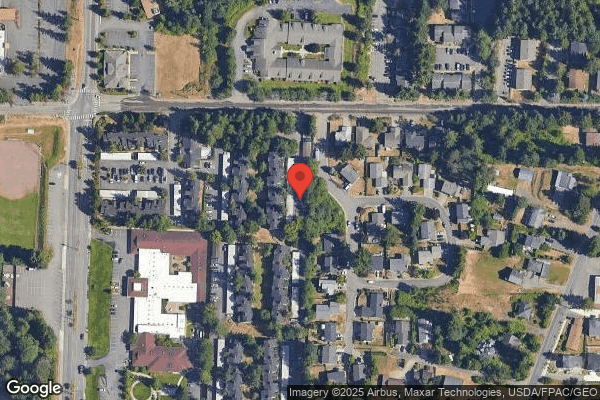

2031 POTTERY AVENUE, PORT ORCHARD, WA 98366 (360) 876-8035
For profit - Corporation 125 Beds LIFE CARE CENTERS OF AMERICA Data: November 2025
Trust Grade
80/100
#21 of 190 in WA
Last Inspection: February 2025

Within standard 12-15 month inspection cycle. Federal law requires annual inspections.

Overview

Life Care Center of Port Orchard has a Trust Grade of B+, indicating it is above average and recommended for families looking for care. It ranks #21 out of 190 nursing homes in Washington, placing it in the top half of facilities statewide, and #2 out of 9 in Kitsap County, suggesting only one local option is better. However, the facility is experiencing a worsening trend, with issues increasing from 2 in 2024 to 9 in 2025. Staffing is a relative strength, with a rating of 4 out of 5 stars and a turnover rate of 47%, which is slightly above the state average but shows that many staff members remain. There have been no fines reported, which is positive, indicating compliance with regulations. However, recent inspection findings reveal significant concerns, such as a failure to adequately monitor resident hydration, which could lead to hospitalization, and issues with documenting and managing anxiety-related medications for residents. These findings suggest that while the facility has some strengths in staffing and compliance, there are notable weaknesses in resident care that families should consider.

Trust Score
B+
80/100
In Washington
#21/190
Top 11%
Safety Record
Low Risk
No red flags
Inspections
Getting Worse
2 → 9 violations
Staff Stability
⚠ Watch
47% turnover. Above average. Higher turnover means staff may not know residents' routines.
Penalties
✓ Good
No fines on record. Clean compliance history, better than most Washington facilities.
Skilled Nurses
✓ Good
Each resident gets 54 minutes of Registered Nurse (RN) attention daily — more than average for Washington. RNs are trained to catch health problems early.
Violations
⚠ Watch
38 deficiencies on record. Higher than average. Multiple issues found across inspections.
★★★★★
5.0
Overall Rating
★★★★☆
4.0
Staff Levels
★★★★★
5.0
Care Quality
★★★★★
5.0
Inspection Score
Stable
2024: 2 issues
2025: 9 issues

The Good

  • 4-Star Staffing Rating · Above-average nurse staffing levels
  • 5-Star Quality Measures · Strong clinical quality outcomes
  • Full Sprinkler Coverage · Fire safety systems throughout facility
  • No fines on record

Facility shows strength in staffing levels, quality measures, fire safety.

The Bad

Staff Turnover: 47%

Near Washington avg (46%)

Higher turnover may affect care consistency

Chain: LIFE CARE CENTERS OF AMERICA

Part of a multi-facility chain

Ask about local staffing decisions and management

The Ugly 38 deficiencies on record

Mar 2025 1 deficiency
CONCERN (E) 📢 Someone Reported This

A family member, employee, or ombudsman was alarmed enough to file a formal complaint

Potential for Harm - no one hurt, but risky conditions existed

Quality of Care (Tag F0684)

Could have caused harm · This affected multiple residents

**NOTE- TERMS IN BRACKETS HAVE BEEN EDITED TO PROTECT CONFIDENTIALITY** . Based on interview and record review, the facility failed to provide care and services adequate to prevent hospitalization for...

Read full inspector narrative →
**NOTE- TERMS IN BRACKETS HAVE BEEN EDITED TO PROTECT CONFIDENTIALITY** . Based on interview and record review, the facility failed to provide care and services adequate to prevent hospitalization for 2 of 3 residents (Residents 1 & 2) reviewed for hospitalization. The facility failed to provide and monitor for adequate hydration, recognize and intervene when decline occurred, and failed to notify physician and family of abnormal laboratory results. This failure placed residents at risk for dehydration, hospitalization, and a diminished quality of life. Findings included . Review of the facility policy, Hydration and Nutrition, revised 09/10/2024, showed that each resident would receive sufficient fluids to maintain acceptable parameters of nutritional and hydration status. Review of the facility policy, Laboratory Services, revised 09/23/2024, showed that laboratory services would meet the needs of residents and results would be promptly reported to the provider to address potential concerns, diagnose, and treat. <Resident 1> Resident 1 was admitted to the facility on [DATE] for aftercare and therapy services following lumbar and pelvic fractures. The admission Minimum Data Set (MDS), an assessment tool, dated 1/31/2025, showed the resident had severe cognitive impairment, was dependent on staff for activities of daily living (ADLs), and had an indwelling catheter. The care plan, initiated 1/29/2025, showed the resident was nutritionally at-risk secondary to swallowing difficulty and interventions included easy to chew texture, nectar thick liquids, assistance with meals, and for staff to report loss of appetite or refusals to eat. Review of the initial provider note, dated 01/30/2025, showed Resident 1 was clinically stable and the provider ordered a CBC (complete blood count) and a BMP (basic metabolic panel), and nursing was to support with adequate oral hydration. A Skilled Nursing note, dated 1/30/2025 at 4:39 PM, showed the resident was alert and oriented with clear speech, was receiving assistance with meals in the assisted dining room, was encouraged to increase fluid intake, and had a foley catheter that was draining yellow urine. A skilled nursing note, dated 01/31/2025 at 2:28 PM, showed the resident was alert, able to make needs known, pleasant and cooperative with care, eating meals in the dining hall, and had a catheter in place which was draining dark amber urine and their lung sounds were clear. Review of the provider note, dated 02/04/2025, showed the resident was stable, with no reported concerns and the provider was awaiting the previously ordered lab results. A skilled nursing note, dated 02/05/2025 at 1:56 PM, showed the resident was eating in the assisted dining room, required supervision and assistance with meals and the resident was encouraged to increase their fluid intake. Review of the laboratory sample received by an outside lab provider on 02/06/2025 at 12:10 AM showed the results were reported to the facility at 2:40 PM, showed Resident 1 had elevated WBC's (white blood cells- a potential indicator of infection) of 11.8 (normal range is 3.8-10.8) and elevated sodium level (a potential indication of dehydration) at 147 (normal range is 135-146). The lab results were review by facility staff and noted by the provider on 02/14/2024. An alert note, dated 02/06/2025 at 11:32 PM, showed the resident was observed with a swollen penis and reports of pain. The provider was contacted, and an order was obtained to remove the catheter. A skilled nursing note, dated 02/07/2025 at 2:41 PM, showed the resident was found with decreased oxygen saturations [no initial oxygen level was documented in the note], increased respiratory rate, and shallow breathing. Oxygen was applied and oxygen saturations were in the high 80's [normal with oxygen is 100%]. Provider and Family Member (FM) 1 were notified and instructions to transport the resident to the emergency room (ER) were given. Emergency Medial Services arrived and assessed the resident to be stable and a decision with FM 2 was made to not transport the resident. Review of the provider note, dated 02/07/2025, showed the nurse reported at 9:30 AM the resident had cyanosis (when your skin, lips or nails turn blue due to a lack of oxygen in your blood) and oxygen saturations in the low 60's. The provider assessed the resident found to be sitting in his wheelchair, with oxygen saturations in the 70's on room air and a wet cough was noted. The provider spoke to FM 2 and recommended transport to ER, they agreed. When EMT's arrived their assessment was resident's oxygen was in the 90's on room air and a 12 lead EKG (electrocardiogram- a non-invasive medical test that records the electrical activity of the heart) was normal, the EMT's called FM 2, who declined resident transport to the ER. The provider note included that lab results were not available for the resident and new orders were given including a chest x-ray, CBC and CMP (complete metabolic panel). A skilled nursing note, dated 02/08/2025 at 2:44 PM, showed the resident was alert and oriented, able to make his needs known, compliant with care and medications, was using supplemental oxygen. The note showed resident preferred eating in his room and was documented as independent after set up . A skilled nursing note, dated 02/09/2025 at 11:37 AM, showed resident with weak hand grasps bilaterally and with 1+ non pitting edema to BLE [bilateral lower extremities] A skilled nursing note, dated 02/10/2025, at 2:32 PM, showed Resident 2 was alert but was not oriented and unable to make wants and needs known, non-compliant with medications and treatments during the shift. Oxygen was 98% on 2 liters. Hand grasps were weak bilaterally, 2+ non pitting edema to Bilateral lower extremities, resting in bed with eyes closed. A skilled nursing, dated 02/10/2024, at 2:33 PM, showed Resident 1 was unresponsive to verbal and physical stimuli, Vital signs were stable although oxygen saturation was 67% [critically low oxygen level - life threatening] with 5 liters continuous oxygen . family was notified and resident transported to ER. Review of the Hospital admission record for 02/10/2025 showed that Resident 1 was found to have received a significant fluid bolus enroute to and in the ER to correct dehydration with admitting diagnosis of shock, multi organ failure, acute renal failure, was positive for Influenza A (a highly contagious respiratory illness caused by influenza viruses that infects the nose, throat and lungs) and RSV (Respiratory Syncytial Virus - a common respiratory virus that primarily affects the lungs and respiratory tract), a UTI [urinary tract infection], and had elevate WBCs of 13.4 and a sodium level of 151 [frequently indicated dehydration]. Resident 2 expired on 02/11/2025. Review of the facility's infection control log for February 2025 showed the facility had identified cases of RSV on 02/04/2025 and Influenza A on 02/05/2025. Review of Resident 1's February 2025 Medication Administration Record (MAR) and Treatment Administration Record (TAR) did not show that fluid intake or urinary output was recorded. Review of Resident 1's Task Record for Eating 02/01/2025 through 02/10/2025 showed the following: Date Breakfast Lunch Dinner 02/01 26-50% 26-50% 0-25% 02/02 26-50% 26-50% 0-25% 02/03 51-75% 0-25% 51-75% 02/04 51-75% 26-50% 26-50% 02/05 no record no record 26-50% 02/06 26-50% 26-50% 26-50% 02/07 26-50% Refused 0-25% 02/08 0-25% 0-25% 26-50% 02/09 26-50% 26-50% 26-50% 02/10 no record On 03/05/2025 at 1:37 PM, Resident 1's FM1 said they visited the resident regularly and could see him getting weaker and weaker, he had previously been going to the dining room but then remained in his room, and staff fed him in bed and his last few days. FM1 said they could see he was not really responsive. FM1 said Resident 1 had a situation with his catheter, and the facility was supposed have done a urine test for infection and a chest x-ray but FM1 said they did not think that happened. FM1 said they moved Resident 1's room to keep a better eye on him, but it seemed his care completely disappeared. FM1 said staff knew about his concerns. On 03/06/2025 at 1:18 PM, Resident 1's FM 2 said they received a call from EMTs on 02/07/2025 reporting they arrived at the facility to transport Resident 1, but their assessment was he was medically stable at that time with improved oxygen levels, and she decided it was best not to transport the Resident to the ER based on that information. On 3/20/2025 at 3:30 PM, Staff F, Nursing Assistant (NA), said Resident 1's changes in behavior, mood, appetite, or lethargy (abnormal sleepiness or inactivity) would cause concern and she would report those to the nurse. Staff F said they tried to monitor fluid intake for all residents, but it was only recorded for residents on fluid restriction. Staff F, said they did not recall Resident 1 having a decline, but he did not want to get up or eat at times and they would offer to feed him in his room. Staff F said they did not report concerns to LN staff other than he did not want to get up. They did not recall hearing concerns from family other than he was tired and not adjusting to the facility. On 03/21/2025 at 3:55 PM, Staff E, Licensed Practical Nurse (LPN), said changes in vital signs or respiratory status would cause concern and they would report to the RCM (resident care manager), provider, and family. Staff E, said they didn't monitor fluid intake for all residents, only if they were on a fluid restriction or had a catheter or were receiving intravenous fluids. Staff E said documentation would be found in the nurses notes or flow sheet. Staff E said lab results were in the computer [electronic health record] or the RCMs would tell them what the results were. Staff E said the floor nurse was usually the one to notify the provider of lab results. Staff E said she could not recall anything specific regarding Resident 1's care and thought she only provided care for him once. Review of Resident 1's Progress notes from 01/28/2025 to 02/10/2025 show Staff E provided care to Resident 1on 01/29/2025, 1/31/2025, 02/05/2025, and 02/07/2025. On 3/26/2025 at 11:23 AM, Provider A, Nurse Practitioner, said, staff notify them of changes in condition usually by SBAR [situation-background-assessment-request often in written form left for provider], for non-urgent issues or a phone call for more urgent matters. Provider A said staff received lab results when staff placed them in her box to review or if she was called for abnormal or urgent labs results. Provider A said she ordered labs for Resident 1 and did not recall being informed of the results. Provider A said she recognized a decline in Resident 1 and requested he be sent to the ER and was not aware there were lab results in the resident record on that day. Provider A said the results may have changed her plan of care but most likely she would have requested they be repeated and the resident monitored. Provider A reviewed the signed copy of labs results and said she would have expected to receive them sooner. Provider A would have expected Resident 1 to be tested for respiratory viruses based on his symptoms and per facility's protocol. On 03/26/2023 at 12:09 PM, Staff C, Infection Preventionist, Registered Nurse (RN), said in the beginning of the facility outbreak they were not testing all residents, just if they were symptomatic. When asked if a resident experienced shortness of breath, decreased oxygen levels and a cough, would she expect the resident to have been tested for influenza or RSV, Staff C said, not necessarily. Staff C said she was not aware of a decline in Resident 1. Staff C said she was not made aware Resident 1 was having signs or symptoms of influenza or RSV. Staff C noted there was a chest x ray and urine analysis ordered but was not able to locate the results. Regarding Resident 1's entry on the infection control log, Staff C said that was logged after his admission to the hospital and the facility was not yet in outbreak status at that time. Staff C said after the hospital notified them, they put a plan into place. At 12:21 PM, Staff D, LPN, RCM, said staff would notify the provider if a resident had experienced a change in condition such as increased weakness, altered mental status, falls with injuries, or shortness of breath and decreased oxygen levels. They would notify the provider by phone for acute changes or a written SBAR for non-urgent changes. When asked how they monitor resident fluid intake, Staff D said there was not a process. Staff D said they monitor food intake and if the residents were on a fluid restriction they would document on the MAR and the nurse documents intake in those instances. When asked how they monitor residents for dehydration, Staff D said they watch for signs and symptoms such as decreased output, lethargy, and skin tenting. Dehydration prevention included offering fluids and verbal cueing, and the kitchen supplied water pitchers. When asked if they monitor intake and output for resident with catheters, Staff D said they should be monitoring output, and it should be recorded. Staff D said they would expect a resident with shortness of breath, decreased oxygen levels and a cough to be tested for the flu, and RSV once the facility was aware they were in outbreak status. Regarding Resident 1, she recalled his family visited frequently and he ate in assisted dining unless he did not want to go, he was transported to the ER for unresponsiveness after previous decline in condition [on 02/07/2025] when EMTs were called but resident was not transported from the facility. Staff D said the resident had labs drawn on 02/06/2025 and would have expected the provider to have been made aware on 02/07/2025. Staff D said staff usually print the labs out and place them in the provider box. Staff D said the labs showed the resident had elevated white blood cells and an elevated sodium level. When asked when the record showed those results were reviewed by facility staff, Staff D said, 8 days later. At 1:07PM, Resident 1's FM2 said, if they would have known Resident 1 had abnormal lab results on the 6th that potentially indicated infection and/or dehydration they would have absolutely told the EMTs to transport Resident 1 to the hospital on the 02/07/2025. <Resident 2> Resident 2 was admitted to the facility on [DATE]. The admission MDS, dated [DATE], showed the resident had moderate cognitive impairment, and required substantial to maximum assistance from staff for ADLs. The care plan initiated on 01/24/2025 identified the resident was at risk nutritionally secondary to variable intake, among other factors, with interventions including regular texture diet and thin fluids, and staff were to provide assistance with meals as needed. Review of Resident 2's progress notes from 02/01/2025 to 02/08/2025 showed no skilled nursing assessment documentation. Review of the Alert Note, dated 02/09/2025 at 11:09 PM, showed Resident 2's family was concerned about increased lethargy and requested pain meds be held. Resident was placed on alert to monitor. Review of the Alert Note, dated 02/10/2025 at 1:30 PM, showed the resident was found to be lethargic with elevated blood pressure and pulse. The Provider and family were notified, and the Resident was transported to the ER. Review of the Inpatient Hospital History and Physical Report, dated 02/10/2025, showed an admitting diagnosis for Resident 2 included hypernatremia (high sodium level) and hypomagnesium (low magnesium level) and noted it was more likely related to poor oral intake. Resident was administered intravenous fluids. The resident remained hospitalized until 02/14/2025 and then returned to the facility. Review of Resident 2's task record for eating from 02/01/2025 to 02/09/2025 showed the following: Date Breakfast Lunch Dinner 02/01 76-100% 76-100% 76-100% 02/02 51-75% 51-75% 51-75% 02/03 51-75% 26-50% 76-100% 02/04 no record no record 51-75% 02/05 26-50% 26-50% 51-75% 02/06 26-50% 51-75% 26-50% 02/07 76-100% 0-25% 0-25% 02/08 no record 0-25% 0-25% 02/09 no record no record 0-25% On 02/24/2025 at 5:46 PM, Resident 2's FM1 said they were concerned about the decline the resident had following admission to the facility, she initially required a sit to stand (mechanical lift in which the resident participates and bears weight) for transfers and was talking and then she needed a Hoyer lift (mechanical lift in which the resident does not bear weight) and wasn't drinking water. They were putting her tray in front of her, but she didn't eat it. She went to the hospital with dehydration and an acute kidney injury. On 03/20/2025 at 3:28 PM, Staff F said she was familiar with Resident 2 and recalled prior to her going to the hospital she just seemed drowsier and required more frequent checks. On 03/21/2025 at 3:55 PM, Staff E said she recalled the resident's name but could not recall anything else regarding the resident. On 03/26/2025 at 1:23 PM, Staff D said the day before hospital transport Resident 2's [family member] reported lethargy and requested pain medication be held. The resident was transported to the hospital the next day for decreased level of consciousness. At 2:07 PM, Staff B, RN, Director of Nursing Services said there was a structured process for identifying and addressing a resident's change in condition: the NA would report changes to the LN (licensed nurse) and the LN would assess and report to the RCM, or Herself or Provider. Staff B said they do not monitor fluid Intake for all residents, only if they were on a fluid restriction or if a resident was identified at risk for dehydration. If a resident had a catheter they would monitor output. Regarding Resident 1 Staff B said she was not aware of a change in condition but recalled the resident was alert on the Thursday before he went to the hospital, he was transported due to non-responsiveness. Staff B did not know if Resident 1 was tested for influenza, stating they only had one case of RSV as of that Friday and did not recall if they had an influenza outbreak at that time. Staff B said Resident1 had labs drawn on 02/06/2025 and they were reviewed by staff on 02/14/2026. Staff B said the lab results showed elevated WBCs, and an elevated sodium level which could have been a sign of mild dehydration. Staff B said the floor nurse usually reviewed labs and reported them to the provider but said there was not a system in the electronic charting that alerted staff that lab results were ready. Regarding Resident 2, Staff B said she was not aware of a decline in condition prior to them being sent to the hospital. Staff B said Resident 2's hydration status was not monitored prior to them going to the hospital. At 3:23 PM, Staff B said they would have expected staff to inform family and provider of test results for Resident 1 by 02/07/2025. Staff B was unable to provide documentation that fluid intake was being monitored for Resident 1 or Resident 2 prior to hospitalization. Reference WAC 388-97-1060(1) .
Feb 2025 8 deficiencies
CONCERN (D)

Potential for Harm - no one hurt, but risky conditions existed

Assessment Accuracy (Tag F0641)

Could have caused harm · This affected 1 resident

**NOTE- TERMS IN BRACKETS HAVE BEEN EDITED TO PROTECT CONFIDENTIALITY** . Based on interview and record review, the facility failed to accurately assess Minimum Data Set (MDS) assessments for 2 of 24 ...

Read full inspector narrative →
**NOTE- TERMS IN BRACKETS HAVE BEEN EDITED TO PROTECT CONFIDENTIALITY** . Based on interview and record review, the facility failed to accurately assess Minimum Data Set (MDS) assessments for 2 of 24 sampled residents (Residents 12 & 39) reviewed. Failure to ensure accurate assessments regarding Preadmission Screening and Resident Review (PASRR) and oxygen requirements, placed residents at risk for unidentified and/or unmet care needs. Findings included . 1) Resident 12 was admitted to the facility on [DATE]. The Annual MDS, dated [DATE] and 03/10/2024, documented no that the resident currently considered by the state level II PASRR process to have serious mental illness and/or intellectual disability or a related condition. A review of the Level II PASRR Initial Psychiatric Evaluation Summary and Notice of Determination, dated 12/28/2023, said Resident 12 was determined to require a Level II for depressive disorder. On 02/26/2025 at 1:54 PM, Staff H, Registered Nurse (RN) and MDS Coordinator, said Resident 12 was assessed to need a Level II PASRR and received specialized services on 12/28/2023. Staff H said Resident 12 should have been coded for a Level II on both annual MDSs, dated 03/10/2024 and 02/02/2025. On 02/27/2025 at 3:08 PM, Staff B, Director of Nursing, said her expectation was the MDSs be coded appropriately.2) Resident 39 was admitted to the facility on [DATE] and had diagnoses of acute and chronic respiratory failure and dependence on supplemental oxygen. The admission MDS, dated [DATE], showed Resident 39 was cognitively intact, but did not code for oxygen usage. Review of Resident 39's orders showed an order, initiated 01/27/2025, for oxygen at two liters per minute continuously via nasal cannula. Review of Resident 39's oxygen saturation vitals, showed they had vitals taken with the resident on oxygen via nasal cannula, on 01/30/2025 and 01/31/2025. The other vitals showed Resident 39 was on room air when the vitals were taken. Review of Resident 39's Medication Administration Record, showed licensed nursing staff had signed off, from 01/27/2025 to 01/31/2025, on Resident 39's order for two liters per minute of continuous oxygen. During an interview on 02/28/2025 at 9:10 AM, Staff G, Licensed Practical Nurse, said Resident 39 had been on oxygen since admit, believed they had tried titrating off the oxygen, but the resident got lung infiltrates (shown on imaging, can indicate infection of the lungs) and had been on oxygen since. During an interview on 02/28/2025 at 11:11 AM, Staff H, RN/MDS Coordinator, provided documentation of Resident 39's vitals, reported the capture period for the MDS was 01/25/2025 to 01/31/2025, and said oxygen therapy should have been coded. Reference WAC 388-97-1000 (1)(b) .
CONCERN (D)

Potential for Harm - no one hurt, but risky conditions existed

Deficiency F0655 (Tag F0655)

Could have caused harm · This affected 1 resident

**NOTE- TERMS IN BRACKETS HAVE BEEN EDITED TO PROTECT CONFIDENTIALITY** . Based on interview and record review, the facility failed to ensure baseline care plans were developed and implemented within ...

Read full inspector narrative →
**NOTE- TERMS IN BRACKETS HAVE BEEN EDITED TO PROTECT CONFIDENTIALITY** . Based on interview and record review, the facility failed to ensure baseline care plans were developed and implemented within 48 hours of admission and included the minimum information necessary to properly care for 2 of 6 residents (Residents 131 and 331) reviewed for new admission. This failure placed residents at risk for unidentified and/or unmet care needs, and other negative health outcomes. Findings included . 1) Resident 131 admitted to the facility on [DATE]. Review of the admission Minimum Data Set (MDS, an assessment tool), dated 02/22/2025, showed the resident's diagnoses included a venous stasis (open sore that occurs on the lower legs due to impaired blood flow caused by venous insufficiency), cellulitis (a bacterial infection affecting the deeper layers of the skin), and edema (swelling caused by too much fluid trapped in the body's tissue). Resident 131 also received diuretic and anticoagulant medication during the assessment period. Review of the 02/19/2025 hospital discharge summary and transfer orders showed Resident 131 admitted with: a) A non-healing ulcer to the top of the right foot, which required daily dressing changes. b) An order for coumadin therapy, a high-risk medication that decreases the clotting ability of the blood. c) An order for International Normalized Ratio (INR, a blood test used to test the clotting time of people taking coumadin) testing to ensure the INR remained in the therapeutic range of 2-3. Review of the baseline care plan showed it did not address Resident 131's right foot stasis ulcer or treatment with coumadin and need for INR testing. On 02/28/2025 at 1:54 PM, Staff B, Director of Nursing Services (DNS), said Resident 131's stasis ulcer and treatment with coumadin and associated INR testing should have been addressed on the baseline care plan.2) Resident 331 was admitted to the facility on [DATE], with a diagnosis of Type 2 Diabetes (problem with blood sugar regulation). Review of the admission MDS, dated [DATE], showed Resident 331 was moderately cognitively impaired. Review of Resident 331's care plans, on 02/24/2025, showed the facility had not developed a baseline care plan within 48 hours of their admission, to include the minimum healthcare information necessary to properly care for the resident, as there was no care plan for Resident 331's diagnosis of Type 2 Diabetes nor their insulin requirements (a high risk medication used to help regulate blood sugars, was ordered by a physician). Review of the Medication Administration Record showed Resident 331 had insulin ordered on 02/17/2025 and started receiving insulin on 02/18/2025. During an interview on 02/28/2025 at 1:52 PM, when asked if Resident 331's high risk insulin medication should be included on the care plan, Staff I, Resident Care Manager said, absolutely. When asked if it should have been added before today, Staff I said, yes. During an interview on 02/28/2025 at 12:46 PM, when asked what goes in a baseline care plan, Staff B, DNS, said they put as much as they can, starting with mobility, pain, and activities of daily living. Staff B said Resident 331's diabetes and insulin usage should be care planned, but thought they had 21 days to get a full comprehensive care plan. Reference WAC 388-97-1020 (3) .
CONCERN (D)

Potential for Harm - no one hurt, but risky conditions existed

Comprehensive Care Plan (Tag F0656)

Could have caused harm · This affected 1 resident

**NOTE- TERMS IN BRACKETS HAVE BEEN EDITED TO PROTECT CONFIDENTIALITY** . Based on interview and record review, the facility failed to develop and implement individualized comprehensive care plans for...

Read full inspector narrative →
**NOTE- TERMS IN BRACKETS HAVE BEEN EDITED TO PROTECT CONFIDENTIALITY** . Based on interview and record review, the facility failed to develop and implement individualized comprehensive care plans for 3 of 19 residents (Residents 1, 44, & 59) whose care plans were reviewed. This failure placed residents at risk for unmet care needs and other potential negative outcomes. Findings included . 1) Resident 1 admitted to the facility on [DATE]. Review of the 02/10/2025 admission Minimum Data Set (MDS, an assessment tool), showed the resident was cognitively intact, and identified the following activities as Very Important: keeping up with the news, taking part in group activities, doing their favorite activity and going outside for fresh air when the weather was nice. They identified participation in religious activities as Somewhat Important. Review of the Activity Care Area Assessment (CAA), dated 02/20/2025, showed staff documented they would proceed to care plan the resident's activity preferences. An at risk for social isolation/activity care plan, initiated 02/20/2025, documented Resident 1 had identified activities of interests and preference. The interventions included: a) Provide resident with an updated schedule for activity choices. b) Assist with any spiritual needs as requested by resident. c) Assist with any activity materials. d) Provide one-on-one visits to encourage resident to be active in interests and to try new ones. The care plan did not identify the activities the resident self-reported as being very important to them (keeping up on the news, taking part in group activities, doing their favorite activity (not identified) and going outside for fresh air when the weather was nice. On 02/28/2025 at 9:54 AM, Staff N, Activities Director, said the activities that Resident 1 self-identified as Very Important to them should have been care planned.2) Resident 39 was admitted to the facility on [DATE] and had diagnoses of acute and chronic respiratory failure and dependence on supplemental oxygen. The admission MDS, dated [DATE], showed Resident 39 was cognitively intact. During an observation on 02/23/2025 at 11:52 AM, Resident 39 was seen wearing a nasal cannula, with their oxygen administered at two liters per minute. Review of Resident 39's orders showed they had an order, initiated on 01/27/2025, for oxygen at two liters per minute. During an interview on 02/28/2025 at 12:46 PM, Staff B, Director of Nursing Serviecs (DNS), said care plans should include oxygen, how to care for the resident, and how to meet their needs. Staff B said, yes, Resident 39's oxygen usage should have been care planned. 2) Resident 44 was admitted to the facility on [DATE]. The admission MDS, dated [DATE], showed Resident 44 was moderately cognitively impaired. During an observation on 02/23/2025 at 1:46 PM, Resident 44's bed was seen with bilateral upper mobility bars (side rails that assist with movement while in bed). Review of Resident 44's care plans, on 02/24/2025, showed they did not have a care plan for their mobility bars. During an interview on 02/27/2025 at 10:29 AM, Staff I, Resident Care Manager (RCM), said for a resident to use a mobility bar, it should be care panned. Staff I confirmed there was no care plan for Resident 44's mobility bars. During an interview on 02/28/2025 at 12:46 PM, Staff B, DNS, said Resident 44's mobility bars should have been care planned. 3) Resident 59 was admitted to the facility on [DATE] and had diagnoses of chronic venous insufficiency (a disease that damages leg veins, can cause blood to pool in legs), malnutrition, and unstageable pressure ulcer of the left heel. Review of the admission MDS, dated [DATE], showed Resident 59 had severe cognitive impairment. Review of Resident 59's orders showed they were receiving skip prep (a topical barrier), initiated 01/28/2025, twice a day. Review of 59's Electronic Health Record (EHR) showed they had a scab on their left heel with blanchable redness, on 01/21/2025. On 01/28/2025, Resident 59's skin assessment showed the left heel had a scabbed area, no measurement or staging was done, and a new order for skin prep was obtained. On 02/21/2025, a diagnosis from a provider was added to Resident 59's EHR, of an unstageable pressure ulcer. Review of Resident 59's care plans, on 02/26/2025, showed Resident 59 was at risk for a pressure ulcer and impaired skin integrity, but did not have any care plans for their scab/pressure ulcer of their left heel nor interventions specific to it. During an interview on 02/27/2025 at 11:13 AM, when asked if there was specific information or interventions for Resident 59's pressure ulcer in the care plan, Staff C, RCM said there was not and there should have been. During an interview on 02/28/2025 at 12:46 PM, Staff B, DNS, said a care plan should have included wounds, diagnoses, and how to care for residents and meet their needs. When asked about Resident 59 having a diagnosis of an unstageable pressure ulcer, said this should have been care planned. Reference WAC 388-97-1020(1), (2)(a)(b) .
CONCERN (D)

Potential for Harm - no one hurt, but risky conditions existed

Deficiency F0658 (Tag F0658)

Could have caused harm · This affected 1 resident

**NOTE- TERMS IN BRACKETS HAVE BEEN EDITED TO PROTECT CONFIDENTIALITY** . Based on observation, interview and record review, the facility failed to ensure services provided met professional standards ...

Read full inspector narrative →
**NOTE- TERMS IN BRACKETS HAVE BEEN EDITED TO PROTECT CONFIDENTIALITY** . Based on observation, interview and record review, the facility failed to ensure services provided met professional standards of practice for 4 of 19 sample residents (Residents 1, 21, 331 and 59) reviewed. The facility's failure to obtain, follow and clarify physicians' orders when indicated, and to only sign for tasks they completed or validated were complete, placed residents at risk for medication errors, delays in treatment, unmet care needs, and potential negative outcomes. Findings included . 1) Resident 21 had a 10/10/2024 order for Lisinopril (blood pressure medication) daily, hold for a systolic blood pressure (SBP) less than 100. Review of the January 2025 Medication Administration Record (MAR) showed on 01/26/2025 at 8:00 AM, Resident 21's SBP was 91 and the nurse administered the medication instead of holding it as ordered On 02/28/2025 at 9:53 AM, Staff C, Resident Care Manager (RCM), said the nurse administered Resident 21's lisinopril outside of the physician ordered parameters when the medication should have been held. Review of the electronic health record (EHR) showed an order for an A1C (a blood test that measures your average blood glucose over a three-month period) to be drawn on 02/07/2025, but the A1C was not present in Resident 21's record. Review of the February 2025 MAR showed a spot was provided on 02/07/2025, 02/08/2025 and 02/09/2025 for the nurse to initial that the A1C was obtained. The documentation showed the following: 02/07/2025= left blank 02/08/2025= the nurse document the chart code 9. The chart code key showed 9 meant the resident was sleeping. 02/09/2025= left blank There was no documentation to support facility staff or their contracted laboratory service, made any further attempts to obtain Residents 21's A1C as ordered. A 02/26/2025 provider note documented A1C ordered 2/7/2025 - results not available. The provider reordered an A1C for 02/28/2025. On 02/28/2025 at 10:35 AM, Staff C, RCM, said the 02/07/2025 and 02/09/2025 nurses should have documented why the A1C was not obtained and the 02/08/2025 nurse or the contracted lab personnel should have continued to try and obtain the A1C and if not possible, notified the provider. When asked if there was any documentation to show that occurred, Staff C stated, no. Resident 21 had a 02/08/2025 order to administer two units of aspart insulin (fast acting) with meals, with instruction to hold for a blood glucose (BG) less than 150. Review of the January and February 2025 MARs showed facility nurses administered the aspart insulin six times in January and 11 times in February when Resident 21 had a documented BG of less than 150. On 02/28/2025 at 10:46 AM, Staff C, RCM, confirmed facility nurses administered Resident 21's aspart insulin six times in January and 11 times February outside of the physicians ordered parameters. 2) Resident 1 admitted to the facility on [DATE]. An order for daily weights was obtained on 02/08/2025 with instruction to notify the physician for a weight gain greater than three pounds in 24 hours, or greater than five pounds in a week. Review of the February 2025 MAR showed Resident 1's weights for 02/10/2025, 02/15/2025 and 02/17/2025 were not recorded or signed off as obtained. On 02/28/2025 at 11:58 AM, Staff C, RCM, indicated there should not be any blanks on the MAR and nurses should have ensured the weights were obtained and signed or signed and explained why they were unable to get the weight. When asked if there was documentation to show why the weights were not obtained as ordered, Staff C, RCM, stated, No. The February MAR showed that the nurse signed that Resident 1's weight was obtained on 02/11/2025 as ordered. Review of the EHR showed no weight was recorded for that date. On 02/28/2025 at 11:58 AM, Staff C, RCM, confirmed the nurse signed that Resident 1's weight was obtained on 02/11/2025. When asked if there was a weight documented in the EHR for 02/11/2025, Staff C, RCM, stated, No, not that I see. Staff C then acknowledged the nurse erroneously signed for a task they did not complete.3) Resident 331 was admitted to the facility on [DATE], with diagnoses of Type 2 Diabetes (problem with blood sugar regulation), hypertension (high blood pressure), and diagnoses of pain in the right shoulder. Review of the admission MDS, dated [DATE], showed that Resident 331 was moderately cognitively impaired. Review of Resident 331's orders showed an insulin Lispro order (for diabetes management to lower blood sugar levels), for before meals and at bedtime. During an observation of Resident 331 on 02/25/2025 at 12:11 PM, Staff J, LPN, entered Resident 331's room to give the 11:30 AM insulin Lispro dose. Resident 331 was observed with only drinks in front of her, no meal. Staff J educated Resident 331 on the dose of insulin and the reason for it being due to the blood sugar check before lunch. Resident 331 was observed to be given their insulin dose after lunch, not before. Review of Resident 331's orders showed they had a hydralazine order, for lowering blood pressure, with a hold parameter of a systolic blood pressure (the upper number of the blood pressure read) of less than 110, and to notify the primary care physician. Review of the EHR showed that a dose of hydralazine was given on 02/21/2025, with a blood pressure of 97/60, for the midnight dose. Review of Resident 331's orders showed an order for a lidocaine patch (for localized pain relief), without a location for where to put the topical medication. Review of the MAR, from 02/19/2025 to 02/23/2025, showed the lidocaine medication had been given seven times, with locations of upper left front of arm, upper right front of arm, right front of shoulder, and right rear of shoulder. During an interview on 02/28/2025 at 1:52 PM, Staff I, RCM, confirmed the dose of hydralazine was given on 02/21/2025 and said it should not have been given. Staff I said that the lidocaine patch did not have a location on the order, and they would need to fix it to have a location of where it should go. 4) Resident 59 was admitted to the facility on [DATE] with diagnoses of chronic obstructive pulmonary disease and chronic respiratory failure. The admission MDS, dated [DATE], showed that Resident 59 had severe cognitive impairment, and was on continuous oxygen. Review of Resident 59's orders showed an order, initiated on 01/21/2025, for continuous oxygen at 3 liters (L) per minute, via nasal cannula, to keep oxygen saturations above 92%. During an observation on 02/23/2025 at 2:30 PM, Resident 59 had their oxygen rate at 4 L. During an observation on 02/24/2025 at 8:31 AM, Resident 59 had their oxygen rate at 3 L. During an observation on 02/25/2025 at 3:19 PM, Resident 59 had their oxygen rate at 4 L. During an observation on 02/26/2025 at 9:10 AM, Resident 59 had their oxygen rate at 4 L. During an observation on 02/28/2025 at 8:56 AM, Resident 59 had their oxygen rate at 3.5 L. Review of the EHR showed Resident 59 had progress notes that documented their oxygen at 4 L. A 02/17/2025 progress note, documented Resident 59 was maintaining their oxygen saturations at 95% with 4 L of oxygen. A 02/20/2025 progress note, showed Resident 59 was maintaining their oxygen at 93% with 4 L of oxygen. During an interview on 02/28/2025 at 9:00 AM, Staff K, Registered Nurse, said Resident 59 had an ordered rate for 3 L of oxygen, and the order was not titratable. When asked what steps staff should take when Resident 59 was put on 4 L, Staff K said they should check oxygen saturations on 4 L, turn the rate down to 3 L, and continue to monitor. Staff K said they should notify the provider and see if any changes were needed, such as a titration order. During an interview on 02/28/2025 at 12:55 PM, Staff B, DNS, said their expectation when a resident had an order for 3 L and there were observations of oxygen being given at 4 L, was that staff would notify the physician and update the order. Refer to F760 Reference WAC 388-97-1620(2)(b)(i)(ii),(6)(b)(i) .
CONCERN (D)

Potential for Harm - no one hurt, but risky conditions existed

Quality of Care (Tag F0684)

Could have caused harm · This affected 1 resident

**NOTE- TERMS IN BRACKETS HAVE BEEN EDITED TO PROTECT CONFIDENTIALITY** 2) Resident 1 admitted to the facility on [DATE]. Review of the admission MDS, dated [DATE], showed the resident was cognitively...

Read full inspector narrative →
**NOTE- TERMS IN BRACKETS HAVE BEEN EDITED TO PROTECT CONFIDENTIALITY** 2) Resident 1 admitted to the facility on [DATE]. Review of the admission MDS, dated [DATE], showed the resident was cognitively intact and was assessed to be constipated during the assessment period. On 02/24/2025 at 9:54 AM, Resident 1 complained of constipation due to not getting up and moving around enough. Resident 1 had the following as needed bowel management orders dated 02/07/2025: 1. Milk of Magnesia (If no bowel movement for three days, administer on day four.) 2. Bisacodyl (for day five of no bowel movement) 3. Fleet Enema (for day six of no bowel movement) Review of the bowel record showed Resident 1 had no documented bowel movements from 02/07/2025 - 02/10/2025 (four days). The February 2025 MAR showed facility nurses did not offer/administer Resident 1 any as needed bowel medications. On 02/28/2025 at 10:36 AM, Staff C, RCM, said facility nurses failed to administer Resident 1's as needed Milk of Magnesia on 02/10/2025 (the fourth day without a bowel movement) as ordered. Reference WAC 388-97-1060(1) Based on interview and record review, the facility failed to implement or document on the bowel protocol (how the facility intervenes to a resident with no bowel movement over a certain amount of time) for 2 of 3 sampled residents (Residents 59 & 1) reviewed for constipation. This failure placed residents at risk for unidentified care needs, discomfort, lack of monitoring, and a diminished quality of life. Findings included . Review of the facility policy titled, LCC [Life Care Center] Port Orchard Bowel Protocol, undated, showed the following order of medications to be given: 1. Milk of Magnesia (helps stimulate a bowel movement) to be given after 72 hours/on day four of no bowel movement 2. Bisacodyl (helps stimulate a bowel movement) to be given after no bowel movement on day five 3. Fleet Enema (helps stimulate a bowel movement) to be given after no bowel movement on day six 1) Resident 59 was admitted to the facility on [DATE] with a diagnosis of constipation. The admission Minimum Data Set Assessment (MDS), dated [DATE], showed Resident 59 had severe cognitive impairment. Review of Resident 59's orders showed three medications ordered for no bowel movement: 1. Milk of Magnesia (for day four of no bowel movement) 2. Bisacodyl (for day five of no bowel movement) 3. Fleet Enema (for day six of no bowel movement) Review of Resident 59's bowel record, from 01/28/2025 to 02/25/2025, showed that they did not have a bowel movement recorded from 02/05/2025 to 02/11/2025 (seven days). Review of the Electronic Health Record (EHR) showed no documentation of interventions for bowel protocol/orders from 02/05/2025 to 02/11/2025. During an interview on 02/27/2025 at 4:40 PM, Staff C, Resident Care Manager (RCM), confirmed that Resident 59 did not have a bowel movement from 02/05/2025 to 02/11/2025. Staff C said staff should have documented that Resident 59 had refused the bowel protocol and have documented that they did a bowel assessment. During an interview on 02/28/2025 at 12:55 PM, Staff B, Director of Nursing Services, said their expectations was for staff to follow bowel protocol and do bowel assessments if there was a refusal, and they had requested staff write a progress note or document the refusal on the Medication Administration Record (MAR).
CONCERN (D)

Potential for Harm - no one hurt, but risky conditions existed

Pressure Ulcer Prevention (Tag F0686)

Could have caused harm · This affected 1 resident

**NOTE- TERMS IN BRACKETS HAVE BEEN EDITED TO PROTECT CONFIDENTIALITY** . Based on observation, interview and record review, the facility failed to appropriately monitor pressure ulcers in a manner co...

Read full inspector narrative →
**NOTE- TERMS IN BRACKETS HAVE BEEN EDITED TO PROTECT CONFIDENTIALITY** . Based on observation, interview and record review, the facility failed to appropriately monitor pressure ulcers in a manner consistent with professional standards of practice for 2 of 5 sampled residents (Residents 59 and 44) reviewed for pressure ulcers. This failure placed residents at risk of worsening conditions, unnecessary treatment, pain, and a diminished quality of life. Findings included . Review of the facility's policy titled, Documentation & Assessment of Wounds, dated with a review date of 07/09/2024, showed the Overall Wound Impression is documented based on the clinical impression of the overall wound bed, peri wound, and wound healing outcome as expected wound decline/worsening may not be acknowledged by just and increase in wound measurement [ .]. 1) Resident 59 was admitted to the facility on [DATE] and had diagnoses of chronic venous insufficiency (a disease that damages leg veins, can cause blood to pool in legs), malnutrition, and unstageable pressure ulcer of the left heel. Review of the admission MDS, dated [DATE], showed Resident 59 had severe cognitive impairment. Review of the Electronic Health Record (EHR) showed Resident 59's skin assessments were as follows: - On 01/21/2025, on the admission Assessment, it was documented that Resident 59 had a left heel 1x1 scab inside a 2x2 red non-blanchable area. - On 01/21/2025, a braden scale (assessment that determines risk of a pressure ulcer) was done that selected that the resident had an existing pressure ulcer. Under the section that asked for location of blanchable redness, it said sacrum//left heel around scab. This assessment tool did not provide measurements or staging. - On 01/28/2025, it was documented Resident 59 had left heel 2 scabbed area, new order for skin prep - no measurement or staging were done (Such as: Stage I, Stage II, Stage III, Stage IV, deep tissue injury, unstageable) - On 02/04/2025, it was documented Resident 59 had left heel 2 scabbed area, new order for skin prep - no measurement or staging were done. - On 02/11/2025, it was documented Resident 59 had left heel 2 scabbed area, new order for skin prep- no measurement or staging done. - On 02/19/2025, there was no note of skin issue to the heels, only that heels floated. - On 02/21/2025, a provider progress note showed, She is complaining of pain to left heel and she is found to have a pressure ulcer and RN and DON [Director of Nursing Services] notified. A diagnosis was added to Resident 59's EHR, of an unstageable pressure ulcer. - On 02/21/2025, no skin assessment of the left heel by nursing was documented. Review of Resident 59's orders showed an order for skin prep (a topical skin protection), initiated 01/28/2025 to be applied twice a day. On 02/21/2025, an additional order was placed for skin prep application and off-loading of the heel with monitoring for every shift. During an interview and observation on 02/27/2025 at 10:41 AM, when asked what was involved in a skin assessment, Staff O, Registered Nurse, said they looked at all of the resident's kin to assess for breakdown. For Resident 59, after looking in the EHR, Staff O said for Resident 59 they had responded about a different skin issue, and that the document they were looking at said the heels were floated, Probably redness to heels, I saw something before. During observation of Resident 59's left heel with Staff O, Resident 59 was observed with the scab on their left heel, flakey skin to the right side of the foot that was peeling off, and there was generalized redness to the heel. During an interview on 02/27/2025 at 11:13 AM, Staff C, Resident Care Manager (RCM), when asked what their expectation was for documentation related to pressure ulcers, said they expected staff to document weekly, if there were signs or symptoms of infection, and if there was any changes in status. Staff C said if the wound care team was following the pressure ulcer, then weekly measurements were done. For Resident 59, Staff C said they were not being followed by the wound care team and there were not weekly measurements or staging. Regarding the 02/21/2025 provider note, Staff C said their expectation was for the licensed nurse to have put risk management in the EHR, to have written a progress note, to have filled out a braden scale, to have filled out a pain assessment, to have done a pain assessment, and to have notified family. During an interview on 02/28/2025 at 12:55 PM, Staff B, Director of Nursing Services (DNS), said for pressure ulcers, measurements were usually done in the wound observation tool, not all nurses knew how to stage a wound, and if the wound care team was not following the pressure ulcer, then it might not have been measured. When asked about Resident 59, Staff B said on admission the scabbed skin had come off and the heel was blanching, but this was not documented. Regarding the 02/21/2025 provider note, Staff B said the nurse who was notified by the provider should have notified risk management. Staff B said they did not have documentation of weekly measurements or wound assessment to include wound bed tissue type, any drainage, or response to treatment, for Resident 59 and that they should have had. 2) Resident 44 was admitted to the facility on [DATE]. The admission MDS, dated [DATE], showed Resident 44 was moderately cognitively impaired and at risk for a pressure ulcer. Review of the EHR showed Resident 44 acquired a pressure ulcer on 02/07/2025 on their left ear from their nasal cannula straps (from oxygen administration). Review of Resident 44's orders showed an order for skin prep three times a day until resolved, initiated on 02/07/2025. Review of Resident 44's skin assessments/wound observations showed: On 02/07/2025: Stage 2 acquired pressure ulcer with measurements of 0.5 x0.5 x0.1 cm On 02/10/2025: No wound listed On 02/19/2025: No wound listed Review of a progress note from 02/13/2024, showed pressure area noted on top of resident's left ear from oxygen tubing. New order to apply skin prep to area BID [twice a day] until resolved. Placed new order to ensure padding is around oxygen tubing Q [every] shift for protection. Will continue to monitor. Review of Resident 44's orders showed an additional skin prep order was added on 02/13/2025, but the previous skin prep was never discontinued. Review of Resident 44's Medication Administration Record showed that Resident 44 had skin prep signed off five times a day, with documentation on multiple occasions within an hour of the previous administration. For example, on 02/20/2025 at 9:36 PM and 10 PM (24 minutes apart), and 02/22/2025 at 9:43 PM and 10:00 PM (17 minutes apart). Although the order was for their left ear, staff on multiple occasions signed off administration of skin prep on both ears. Review of a progress note from 02/20/2024 showed Resident 44 did not have oxygen or a nasal cannula on. Observation on 02/23/2025 at 1:47 PM, showed Resident 44 was not on oxygen and was not using a nasal cannula. During an interview on 02/25/2025 at 12:24 PM, Resident 44 said they had not had skin prep for a couple days and was able to correctly identify where staff had been putting skin prep on them. During an observation on 02/25/2025 at 12:28 PM, Staff J, Licensed Practical Nurse (LPN), entered Resident 44's room to apply skin prep. Resident 44 stated, There's nothing on my ear. Staff J said they could see a little bit of pinkness, and the pressure ulcer was mostly resolved. Staff J said they remembered seeing the pressure ulcer the previous week. During an interview on 02/27/2025 at 9:19 AM, Staff G, LPN, when asked what was included in a weekly skin assessment, said, head to toe, top to bottom, all of the resident's skin. When asked about one of the skin assessments they had filled out, Staff G said the pressure ulcer should have been on their documented assessment and was not. Staff G said they remembered seeing the pressure ulcer on Resident 44 on 02/24/2025. During an interview on 02/27/2025 at 10:22 AM, Staff I, RCM, when asked about the additional order for skin prep, said their understanding was that Resident 44's pressure ulcer was improving/resolving, that they only needed skin prep twice a day, and that the old order should have been discontinued. Staff I said their expectation for skin assessments was that they should have mentioned the pressure ulcer until resolved, and then still monitored for three weeks after resolution. Staff I confirmed the skin prep orders listed the left ear for location, and said the administration record should not show bilateral ears as being charted. During an interview on 02/28/2025 at 12:55 PM, Staff B, DNS, when asked if residents not followed by wound care were still getting measurements of their wounds, said that for residents not followed by wound team, if nursing did not obtain a measurement, then yes it would not have been done. When asked about Resident 44, Staff B said it did not meet expectations that they did not mention the pressure ulcer, and if staff did not see it then they should have documented it was resolved. When asked about the two separate skin prep orders, said it did not meet expectations. Reference F656 Reference WAC 388-97-1060 (3)(b) .
CONCERN (D)

Potential for Harm - no one hurt, but risky conditions existed

Deficiency F0760 (Tag F0760)

Could have caused harm · This affected 1 resident

**NOTE- TERMS IN BRACKETS HAVE BEEN EDITED TO PROTECT CONFIDENTIALITY** . Based on interview and record review, the facility failed to ensure 1 of 3 residents (Resident 21) reviewed for insulin admini...

Read full inspector narrative →
**NOTE- TERMS IN BRACKETS HAVE BEEN EDITED TO PROTECT CONFIDENTIALITY** . Based on interview and record review, the facility failed to ensure 1 of 3 residents (Resident 21) reviewed for insulin administration were free of significant medication errors. The failure to administer insulin in accordance with physician orders, and to hold insulin when blood glucose (BG) levels were below the ordered parameters for administration, placed residents at risk for hypoglycemia, seizures, coma and death. Findings included . Resident 21 admitted to the facility on [DATE]. Review of 11/21/2025 Annual Minimum Data Set (MDS, an assessment tool), showed the resident was cognitively intact, had a diagnosis of diabetes (a condition where the body cannot use insulin correctly and glucose builds up in the blood), and required insulin injections on seven of seven days during the assessment period. Review of the electronic health record showed Resident 21 had the following insulin orders: a) A 02/08/2025 order for Aspart insulin (fast acting), with meals. Hold for a BG less than 150. b) A 11/14/2024 order for Aspart insulin sliding scale coverage three times a day. c) A 02/07/2025 order for Lantus insulin (long acting), 11 units every morning and 18 units every evening. Hold if BG is less than 100. Review of the January and February 2025 Medication Administration Records showed on the following date(s)/time(s), facility nurses failed to hold Resident 21's insulin for BGs levels below than the physician ordered parameters for administration. January 2025 a) Aspart insulin with meals, hold for BG less than 150. 01/01/2025 8:00 AM, BG= 110; insulin administered. 01/01/2025 12:00 PM, BG= 131; insulin administered. 01/12/2025 5:00 PM, BG= 134; insulin administered. 01/26/2025 8:00 AM, BG= 136; insulin administered. 01/27/2025 8:00 AM, BG= 131; insulin administered. 01/29/2025 8:00 AM, BG= 122; insulin administered. b) Lantus insulin, hold for BG less than 100. 01/21/2025 8:00 AM, BG=77; insulin administered. February 2025 a) Aspart insulin with meals, hold for BG less than 150. 02/01/2025 5:00 PM, BG= 147; insulin administered. 02/02/2025 8:00 AM, BG= 147; insulin administered. 02/08/2025 8:00 AM, BG= 90; insulin administered. 02/08/2025 12:00 PM, BG=148; insulin administered. 02/12/2025 5:00 PM, BG=124; insulin administered. 02/14/2025 8:00 AM, BG=136; insulin administered. 02/16/2025 8:00 AM, BG= 79; insulin administered. 02/18/2025 8:00 AM, BG=138; insulin administered. 02/19/2025 8:00 AM, BG=92; insulin administered. 02/20/2025 5:00 PM, BG=147; insulin administered. 02/21/2025 12:00 PM, BG=147; insulin administered. b) Lantus insulin, hold for BG less than 100. 02/08/2025 8:00 AM, BG=90; insulin administered. 02/19/2025 8:00 AM, BG=92; insulin administered. On 02/28/2025 at 10:46 AM, Staff C, Resident Care Manager, confirmed on the 20 occasions referenced above, facility nurses administered Resident 21's insulin, rather than holding it as ordered. Reference WAC 388-97-1060 (3)(k)(iii) .
CONCERN (D)

Potential for Harm - no one hurt, but risky conditions existed

Infection Control (Tag F0880)

Could have caused harm · This affected 1 resident

**NOTE- TERMS IN BRACKETS HAVE BEEN EDITED TO PROTECT CONFIDENTIALITY** . Based on observations, interview and record review, the facility failed to enforce Enhanced Barrier Precautions (EBP) for 1 of...

Read full inspector narrative →
**NOTE- TERMS IN BRACKETS HAVE BEEN EDITED TO PROTECT CONFIDENTIALITY** . Based on observations, interview and record review, the facility failed to enforce Enhanced Barrier Precautions (EBP) for 1 of 8 sampled residents (Resident 331) reviewed for infection control practices, to prevent residents' urinary catheter/foley (tube that goes into the bladder to drain urine) tubing or bags from touching the ground for 2 of 2 residents (Resident 331 &39) reviewed for urinary catheters, to ensure contact precautions were understood and followed outside of resident rooms for 2 of 2 sampled residents (Resident 39 & 131) reviewed, and to ensure staff complied with current infection control guidelines and standards of practice regarding proper hand hygiene/gloving practices for 1 of 1 sampled resident (Resident 22) reviewed for wound care. This failure placed residents at risk of infection, the spread of multidrug resistant organisms (MDROs), worsening of wounds, and a diminished quality of life. Findings included . <Enhanced Barrier Precautions> Review of the facility policy, titled, Enhanced Barrier Precautions, dated with a review date of 06/03/2024, defined EBP as refer to an infection control intervention designed to reduce transmission of multidrug-resistant organisms that employs targeted gown and glove use during high contact resident care activities. The policy defined high contact care activities as include dressing, bathing/showering, transferring, providing hygiene, changing linens, changing briefs or assisting with toileting, medical device care or use, and wound care. Resident 331 was admitted to the facility on [DATE]. Resident 331 had a urinary catheter/foley and was on EBP. During an observation on 02/25/2025 at 12:11 PM, Staff J, Licensed Practical Nurse (LPN), entered Resident 331's room to give them their insulin dose. Staff J cleaned Resident 331's abdomen and injected them with insulin, without wearing a gown. During an interview on 02/25/2025 at 1:12 PM, Staff J, LPN, said Resident 331's room was under EBP for a urinary catheter/foley. During an observation on 02/28/2025 at 11:52 AM, Staff L, Certified Nursing Assistant (CNA), was observed to assist Resident 331 with moving, from sitting on the side of the bed to moving to their wheelchair. Staff L was not wearing a gown, put a gait belt on the resident, moved the resident's foley bag, touched the gait belt again, and then helped Resident 331 to stand and pivot to the wheelchair. During an interview on 02/28/2025 at 12:29 PM, Staff L, CNA, said for EBP rooms they should wear gown and gloves for any patient contact, and that they had forgotten to wear a gown for assisting Resident 331. During an interview on 02/28/2025 at 2:20 PM, Staff F, Infection Preventionist/Assistant Director of Nursing (IP/ADON), said EBP precautions were to be used for residents with urinary foleys, and staff should wear gown and gloves when providing care to residents. When informed of staff not using gowns in Resident 331's room, Staff F said their expectation was for staff to have worn gowns when they were touching residents on EBP. <Foley Bag Touching Ground> Review of the Centers for Disease Control and Prevention's (CDC) document titled, Guideline for Prevention of Catheter-Associated Urinary Tract Infections, dated 06/06/2009, strongly recommended healthcare facilities do not rest the bag [foley bag] on the floor. 1) Resident 331 was admitted to the facility on [DATE] and had a urinary catheter/foley. During an observation on 02/23/2025 at 12:53 PM, Resident 331 was seen in their wheelchair with their foley bag touching the ground. During observations on 02/26/2025 at 9:04 AM and 12:51 PM, Resident 331 was seen in their wheelchair with their foley tubing touching the ground. During an observation on 02/28/2025 at 11:46 AM, Resident 331 was seen sitting on the edge of the bed, with their foley bag in a dignity cover, touching the ground. During an observation on 02/28/2025 at 11:52 AM, Staff L, CNA, moved Resident 331 from the bed to their wheelchair, and moved the foley bag. The foley bag was in a dignity cover and was observed to touch the ground. Staff L left the room. During an observation and interview on 02/28/2025 at 11:57 AM, Staff G, LPN, confirmed the foley bag was touching the ground and said it should not have been touching the ground. During an interview on 02/28/2025 at 2:20 PM, when told of observations of Resident 331's foley bag touching the floor ,Staff F, IP/ADON said they would expect the foley bags to not touch the ground. 2) Resident 39 was admitted to the facility on [DATE] and had a urinary catheter. During an observation on 02/23/2025 at 11:29 AM, Resident 39 was seen in their wheelchair with their foley bag touching the ground. During an observation on 02/25/2025 at 12:38 PM, Resident 39 was seen in their wheelchair with their foley bag touching ground. During an observation on 02/26/2025 at 8:54 AM, Resident 39 was seen in their wheelchair with their foley bag in a dignity bag and touching ground. During an observation on 02/26/2025 at 9:00 AM, Resident 39 was seen in their wheelchair being moved through the hallway with their foley bag in a dignity bag touching the ground, dragging on the floor. During an interview on 02/27/2025 at 12:29 PM, Staff G, LPN, said residents with foley bags in a dignity bag should still not have it touch the ground when outside of room, for infection control purposes. When asked about the foley bag or tubing touching the ground, said no it should not. When asked about if any of those parts should touch the ground when a resident in a wheelchair was being moved through the hall, said no. During an interview on 02/28/2025 at 2:20 PM, when told of the observation of Resident 39 seen in the hallway with their catheter bag dragging on the floor, Staff F, IP/ADON said their expectation was that the foley bag would be secured without touching the ground. <Contact Precautions> Review of the CDC document titled, Frequently Asked Questions (FAQs) about Enhanced Barrier Precautions in Nursing Homes, reviewed on 02/27/2025, had a section defining EBP as [ .] infection control intervention designed to reduce transmission of multidrug-resistant organisms (MDROs) in nursing homes. Enhanced Barrier Precautions involve gown and glove use during high-contact resident care activities for residents known to be colonized or infected with a MDRO as well as those at risk for MDRO acquisition (e.g., residents with wounds or indwelling medical devices, and contact precautions as [ .] require the use of gown and gloves on every entry into a resident's room, regardless of the level of care being provided to the resident. It also explained that for contact precautions, Residents on Contact Precautions are recommended to be restricted to their rooms except for medically necessary care, including restriction from participation in group activities. Contact Precautions are generally intended to be time limited and, when implemented, should include a plan for discontinuation or de-escalation. The document also explained that contact precautions were recommended if the resident had acute diarrhea, draining wounds, or other sites of secretions or excretions, and that they were unable to be covered or contained. 1) Resident 39 was admitted to the facility on [DATE]. The admission Minimum Data Set (MDS -an assessment tool), dated 01/27/2025, showed that Resident 39 was cognitively intact. Review of a provider note on 01/28/2025 showed Resident 39 had initial urine and blood culture positive for Extended-spectrum beta-lactamases (ESBL, an MDRO) and E.coli (bacteria). The note mentioned the second blood culture remained negative. Review of the EHR showed a negative urine culture, collected on 02/08/2025. Review of a progress note from 02/08/2025, showed the resident was on contact isolation for ESBL to the urine and also on EBP. Review of the EHR, on 02/23/2025, showed Resident 39 was not on antibiotics for infection of the urine. Resident 39 was on antibiotics for pulmonary infiltrates (shown on imaging, can indicate infection of the lungs). During an observation on 02/23/2025 at 11:18 AM, Resident 39 had signage outside of their room for both EBP and contact precautions. During an interview on 02/27/2025 at 12:18 PM, when asked if Resident 39 had any restrictions outside of the room for being on contact precautions, Staff M, CNA said no, they were allowed to come out of the room. Staff M said contact was only hands on. When questioned on the difference between EBP and contact, Staff M said contact was when you were touching or hands on, and EBP was more hands off. During an interview on 02/27/2025 at 12:29 PM, when asked what precautions there were for Resident 39 for going outside of their room, Staff G, LPN said Resident 39 could go outside of their room. During an interview on 02/28/2025 at 2:20 PM, when asked if the facility had time limits on contact precautions, Staff F, IP/ADON said usually it was done through the duration of the antibiotics, but for Resident 39 they had an MDRO, and there was no stop date for precautions because they had a catheter and intravenous line. Staff F added that Resident 39 had cellulitis that sometimes would weep, a urinary catheter/foley, and was being treated for pneumonia/cough. When asked what contact precautions were implemented outside of residents' room, Staff F, IP/ADON said, it depends. Staff F said if it could safely be contained, such as in a brief, then hand hygiene should be completed on the way out. Staff F said it depended on what the precaution was for related to the contact precautions, if they could safely leave the room. If they were contagious, then therapy should occur in the room. During an interview on 02/28/2025 at 4:52 PM, Staff B, DNS, when asked what precautions they expect staff to implement outside of a resident's room while on contact precautions, said it depended on the concern, if a resident had c-difficile then if the resident wore a brief it would be contained and they could leave the room after washing hands with soap and water. For wounds, Staff B said if covered, then the resident could leave the room. <Wound Care> According to CDC recommendations, hand hygiene should be performed immediately before touching a patient, after touching a patient or patient's surroundings, after contact with blood, body fluids, or contaminated surfaces, and before moving from a soiled body site to a clean body site on the same patient. Review of the facility policy titled, Wound Care Resource Manual, reviewed 05/24/2024, documented that a resident with pressure ulcers would receive necessary treatment and services consistent with professional standards of practice, to promote healing, prevent infection and prevent new ulcers from developing. Resident 22 admitted to the facility on [DATE]. The Significant Change MDS, dated [DATE], documented Resident 22 had one stage 4 pressure ulcer (injury to skin and underlying tissue resulting from prolonged pressure on the skin). Resident 22 had physicians' orders for wound care every day shift and as needed. During an observation of wound care on 02/26/2025 at 1:55 PM, Staff E, LPN/ Resident Care Manager (RCM), was observed performing hand hygiene and putting on gloves. Staff E then assisted Resident 22 with both gloved hands onto their side (contaminating gloves) and proceeded to provide wound care. Once wound care was completed, Staff E with same gloves that were used for wound care (contaminated gloves) reapplied Resident 22's brief tab, assisted them to their backside position by touching their body, and adjusted Resident 22's clothing. On 02/26/2025 at 2:24 PM, Staff E, LPN/RCM, when discussing above observations said staff should have changed gloves and performed hand hygiene after assisting the resident to their side and prior to performing wound care, Staff E said, I knew I should have done it. When asked if hand hygiene and glove change should have been done after wound care, Staff E nodded in agreement. On 02/28/2025 at 1:08 PM, Staff F, IP/ADON, when made aware of the wound care observations for Resident 22, Staff F said she would expect, when ready to perform wound care, staff would only touch the wound and after wound care was completed then gloves would be changed and hand hygiene would be performed before additional care was provided. Reference WAC 388-97-1320 (1)(c),-1320 (2)(b) 2) Resident 131 admitted to the facility on [DATE]. Review of the admission MDS, dated [DATE], showed the resident's diagnoses included cellulitis (a bacterial infection affecting the deeper layers of the skin), and venous stasis ulcer (open sore that occurs on the lower legs due to impaired blood flow caused by venous insufficiency) and required antibiotic medication. During an observation on 02/23/2025 at 12:22 PM, an EBP sign was posted outside of Resident 131's door. Staff Q, LPN, explained it was due to the resident having a stasis ulcer to the right foot. During an observation on 02/24/2025 at 11:27 AM, an EBP sign was still posted outside of Resident 131's door. During an observation on 02/25/2025 at 11:14 AM, Resident 131 was noted to have both an EBP and contact precaution sign posted outside their door. On 02/25/2025 at 11:27 AM, Staff F, IP/ADON, explained a contact precaution sign was added because a record review showed Resident 131 had history of Methicillin-resistant Staphylococcus aureus (MRSA, an MDRO) wound infections. During an observation on 02/27/2025 at 10:41 AM, Resident 131 was self-propelling in a wheelchair up and down the hallway using their lower extremities (LEs) navigating around other residents. Resident 131 was wearing shorts exposing their LE edema wraps. During an interview on 02/27/2025 at 12:27 PM, when asked how staff knew what precaution (EBP or contact) should be followed when entering Resident 131's room, Staff P, RN, stated, They don't, they keep coming and asking me. Staff P then explained everybody needed to gown and glove prior to entering the resident's room regardless of their reason for entering to prevent staff/visitors from getting bacteria on their clothing and potentially carrying it to another resident. When asked to clarify why everyone had to gown and glove to enter Resident 131's room, but once the resident exited their room the precautions were no longer required, Staff P stated, it's confusing and indicated they had approached management with the same question and were told it was because the wound was covered. Staff P then said, wait that is EBP not contact precautions . before reiterating that it was confusing.
Jun 2024 1 deficiency
CONCERN (D) 📢 Someone Reported This

A family member, employee, or ombudsman was alarmed enough to file a formal complaint

Potential for Harm - no one hurt, but risky conditions existed

Deficiency F0776 (Tag F0776)

Could have caused harm · This affected 1 resident

**NOTE- TERMS IN BRACKETS HAVE BEEN EDITED TO PROTECT CONFIDENTIALITY** . Based on interview and record review, the facility failed to obtain a physician ordered x-ray, in a timely manner, for 1 of 3 ...

Read full inspector narrative →
**NOTE- TERMS IN BRACKETS HAVE BEEN EDITED TO PROTECT CONFIDENTIALITY** . Based on interview and record review, the facility failed to obtain a physician ordered x-ray, in a timely manner, for 1 of 3 residents (Resident 1) reviewed for radiology and other diagnostic services. This failure placed residents at risk for a delay in assessment and treatment of declining respiratory status. Findings included . Resident 1 was admitted to the facility on [DATE] with diagnosis including emphysema (a lung disease that causes breathlessness), chronic obstructive pulmonary disease (COPD) (a chronic inflammatory lung disease that causes obstructed airflow from the lungs) and chronic respiratory failure (a long-term condition in which the respiratory system is unable to adequately exchange oxygen and carbon dioxide in the body). The admission Minimum Data Set (MDS), dated [DATE], documented the resident had moderate cognitive impairment, experienced shortness of breath (SOB) with exertion and lying flat, and required oxygen. Review of the physician's order, dated 03/20/2024, showed Resident 1 was to receive continuous oxygen via nasal cannula at two liters per minute. A communication with physician note, dated 05/02/2024 at 1:53 PM, documented the resident had coarse rhonchi, (loud sounds caused by constricted larger airways) bilaterally (both sides) and a loose non-productive cough and the provider was asked to see the resident on the next morning's rounds. A provider encounter note, dated 05/03/2024, by Staff D, Nurse Practitioner/Provider, documented Resident 1 was experiencing SOB and a productive cough with thick yellow phlegm. The provider ordered a chest x-ray due to rhonchi and SOB. An alert note, dated 05/03/2024 at 3:42 PM, documented nursing staff received the order for x-ray and faxed the order to the imaging provider. A skilled note, dated 05/04/2024 at 2:57 PM, by Staff C, Registered Nurse, documented Resident 1 continued to have clear to yellow sputum and the chest x-ray had not yet been obtained. A skilled note, dated 05/05/2024 at 3:30 PM, by Staff C, documented Resident 1 was experiencing cough and congestion and had not had the ordered x-ray yet. A call to the radiology provider revealed the soonest it could be provided was possibly tomorrow. The resident's POA requested the resident be transported to the ER for evaluation. An alert note, dated 05/06/2024 at 1:09 AM, documented Resident 1 was admitted to the hospital for pneumonia and other diagnoses. On 06/03/2024 at 5:24 PM, Collateral Contact (CC) 1, family of Resident 1, said they had visited Resident 1 and were concerned about their cough. CC said staff told them it was the resident's COPD, and the provider would see Resident 1 the following day. CC 1 said the provider did see Resident 1 and ordered an x-ray but it had still not been done a few days later and Resident 1 was then coughing up green phlegm. CC 1 said it was not acceptable to expect Resident 1 to wait another day for the x-ray. CC 1 said Resident 1 was admitted to the hospital for pneumonia. On 06/04/2024, Staff D, Provider, said when they ordered an x-ray, they expected it to be called in and done as soon as possible. Staff D said they did not feel Resident 1 needed a STAT (urgent) x-ray, but it should have been called in for same day service. Staff D said they would have expected staff to notify them if it was not going to be done until Monday (three days after it was ordered) or later. On 06/18/2024 at 1:30 PM, Staff C said when they received an order for x-ray, they would fill out the form and fax it to the radiology provider and they would call to confirm if it was STAT. Staff C said it depended on the radiology provider and when they could come to the facility to do the x-ray. Staff C said if it was a Friday she would call the radiology provider and if they could not come out until Monday, she would contact the provider to confirm the resident was able to wait that long. At 1:48 PM, Staff B, Director of Nursing, RN, said staff should send the radiology provider a fax, they should receive a confirmation radiology received the order, and the radiology provider would come to the facility depending on their availability. Regarding Resident 1, Staff B said facility staff had followed up with the provider and they were ok with waiting for the x-ray to be obtained. Staff B was requested to provide any documentation that would substantiate when staff faxed and or called to confirm time frame of x-ray to be performed. At 2:13 PM, Staff B said they called the radiology provider and they reported they received the fax in the evening of 05/03/2024. A provided fax confirmation did not include a date/time stamp. Review of Resident 1's electronic health record did not show documentation that staff were aware of the estimated time for the x-ray to be obtained or follow up with provider(s) until after Resident 1's Power of Attorney inquired about the status of the x-ray and subsequently requested transport to the ER for evaluation. Reference WAC 388-97-1620 (6)(a)(b)(i) .
Apr 2024 1 deficiency
CONCERN (D) 📢 Someone Reported This

A family member, employee, or ombudsman was alarmed enough to file a formal complaint

Potential for Harm - no one hurt, but risky conditions existed

Accident Prevention (Tag F0689)

Could have caused harm · This affected 1 resident

**NOTE- TERMS IN BRACKETS HAVE BEEN EDITED TO PROTECT CONFIDENTIALITY** . Based on observation, interview, and record review, the facility failed to ensure safe transfers for 1 of 3 residents (Residen...

Read full inspector narrative →
**NOTE- TERMS IN BRACKETS HAVE BEEN EDITED TO PROTECT CONFIDENTIALITY** . Based on observation, interview, and record review, the facility failed to ensure safe transfers for 1 of 3 residents (Resident 1) reviewed for accidents when the facility did not use the mechanical lift's manufacturer's recommended sling when transferring a resident, resulting in the resident sliding from the sling. This failure placed residents at risk for unsafe transfers, potential injury, and decreased quality of life. Findings included . Resident 1 was admitted to the facility on [DATE]. The quarterly Minimum Data Set (MDS), an assessment tool, dated 12/31/2023, documented the resident was cognitively intact, medically complex, and was dependent on staff for dressing, toileting, and transfers. On 01/18/2024, Resident 1's recorded weight was 228 pounds. The care plan focus for impaired ADL (activities of daily living) function, initiated on 05/11/2022, documented Resident 1 required total assistance of two staff and a mechanical lift with an XL (extra-large) sling. A facility incident report, dated 01/19/2024 at 2:30pm, by Staff C, documented Resident 1 had a witnessed fall from the lift during a transfer with Staff D and E. A physical assessment was completed with no injuries noted and the resident was assisted back to bed. The resident later reported back pain of seven out of 10. The provider was notified, and the resident was transported to the emergency room at 4:30pm the same day for evaluation. A facility investigation summary documented the lift and sling were inspected and in working order, the correct lift and sling were used, there were two nursing assistants present during the transfer, the nursing assistants were trained and performed the lift correctly; the fall was reasonably related to the resident shifting her weight in the sling causing the harness on the right shoulder to come off of the hook. On 02/15/2024 at 3:31pm, Staff C, Licensed Practical Nurse, said she was the nurse for Resident 1 on 01/19/2024 and staff had summoned her because the resident slipped out of the sling. Staff C said when she entered the room the sling was still attached to the lift but one strap was off. Staff C assessed Resident 1 for injury, and none was noted at that time but that Resident 1 had reported rib pain to their back and was sent to the hospital for evaluation. At 3:40pm Staff E, Nursing assistant (NA), said staff know how a resident transfers by what was listed on the care plan, mechanical lifts require two staff to be present and the use of a sling. Staff E said in regards to Resident 1's fall on 01/19/2024, they were using the mechanical lift, and a purple XL sling. Staff E said Staff D was operating the lift and she was assisting. Staff E said, I was not sure what happened as it all happened so fast and she was behind the resident to move the wheelchair out of the way and recalled that Resident 1's right leg strap came off and she slid out of the sling onto the floor. At 3:54pm, the identified mechanical lift that had been used when Resident 1 was transferred was observed and displayed an adhesive safety notice in red letters, that stated: SAFETY NOTICE: not all slings are compatible with this lifting device. It is the policy of [brand of the lift] to recommend that only [brand of the lift] slings be used with [brand of the lift] lifts. At 4:13pm, the sling identified as the sling used to transfer Resident 1 was observed and appeared purple in color, without obvious defects and labeled XL and was labeled as being manufactured by [different brand than brand of the lift that was used]. On 04/05/2024 at 1:34pm Staff D, NA, said they know how residents transfer by what was listed on the care plan and for residents requiring a mechanical lift, they would need a sling, they would need to check that the lift was in good working condition, to hook the sling, and to have a second person to be there to make sure you do all the steps right. Staff D said after Staff E removed the wheelchair, for some reason Resident 1 became unhooked from one of the sides and slid from the sling. Staff D was not able to recall which strap became unhooked. On 4/22/2024 at 12:19 CC1, mechanical lift manufacture representative, said their brand of slings were designed, manufactured and tested to be used with their lift as a unit and deemed to be safe when used together. When asked if there was a list of alternate slings that could be used with their lift, the representative said they could not endorse another sling that may have been manufactured by another company. At 1:47pm CC2, sling manufacturer representative, said they did not have a compatibility list but if a facility was using or was interested in using their slings, they would ask the distributor to check the sling and lift to make sure the sling would work with that particular lift. On 04/23/2024 at 2:27 Staff B, Registered Nurse (RN), Director of Nursing (DNS), with Staff A, Administrator, present, said the appropriate sling for each resident was currently based on their weight according to the [manufacture of the sling they used] Sling/Belt color chart and how the resident sits and is supported in the sling. Staff B said the sling assigned to Resident 1 appeared to have fit properly. Staff B was not aware of the mechanical lift manufacturer recommendations to only use the manufacturer's slings designed specifically for the lifts being used at the facility. At 4:18pm Staff A, Administrator, with Staff B RN, DNS, present said they always check to make sure the slings fit and as far as the manufacturer recommended slings, they were working on implementing that now. Both Staff A and B indicated they were not aware of any communication with [sling company] prior to 01/19/2024 to determine if the slings being used were safe and appropriate for the lifts they were using. Reference WAC 388-97-1060 (3)(g) .
Dec 2023 7 deficiencies
CONCERN (D)

Potential for Harm - no one hurt, but risky conditions existed

Deficiency F0657 (Tag F0657)

Could have caused harm · This affected 1 resident

**NOTE- TERMS IN BRACKETS HAVE BEEN EDITED TO PROTECT CONFIDENTIALITY** 3) Resident 13 was admitted to the facility on [DATE] with diagnoses including dementia. The significant change MDS, dated [DATE...

Read full inspector narrative →
**NOTE- TERMS IN BRACKETS HAVE BEEN EDITED TO PROTECT CONFIDENTIALITY** 3) Resident 13 was admitted to the facility on [DATE] with diagnoses including dementia. The significant change MDS, dated [DATE], showed the resident was always incontinent of bowel and bladder, had a stage 2 pressure ulcer and moisture associated skin damage (MASD). Review of Resident 13's hospice physician narrative note, dated 11/06/2023, showed Resident 13 had a stage 2 pressure ulcer. Resident 13's care plan, dated 11/17/2023, showed the resident was at risk for a break in skin integrity. The care plan did not indicate the resident had a stage 2 pressure ulcer. On 12/07/2023 at 1:38 PM, Staff D/MDS Coordinator said they reviewed the hospice physician documentation which indicated the resident had a stage 2 pressure ulcer. Staff D said the MDS showed Resident 13 had MASD and a stage 2 pressure ulcer. On 12/08/2023 at 1:20 PM, Staff B/DNS said Resident 13's care plan did not indicate the resident had a stage 2 pressure ulcer. 4) Resident 25 was admitted to the facility on [DATE] with diagnoses including chronic obstructive pulmonary disease (COPD), depression, and anxiety. The quarterly MDS, dated [DATE], showed the resident was cognitively intact, required extensive assistance for bed mobility and toilet use, extensive assistance for dressing, required supervision for personal hygiene and had no skin problems identified. Review of a second event report for Resident 25, dated 11/03/2023, showed the resident had an open area (2.9 centimeters by 2 centimeters) from a blister that was caused by hand warmers. Resident 25's care plan, dated 11/17/2023, showed the resident was at risk for a break in skin integrity. The care plan did not indicate the resident had a burn or an open area related to a handwarmer. On 12/08/2023 at 1:25 PM, Staff B/DNS said Resident 25's care plan was not updated to show Resident 25 had a burn on 11/03/2023. Reference WAC 388-97-1020 (1)(5)(a) Based on observation, interview, and record review, the facility failed to ensure resident care plans were reviewed, revised, and accurately reflected residents' care needs for 4 of 21 residents (Residents 12, 132, 25 and 13) whose care plans were reviewed. These failures placed residents at risk for unmet care needs and a diminished quality of life. Findings included . 1) Review of Resident 12's annual Minimum Data Set (MDS, an assessment tool), dated 09/11/2023, showed the resident had a diagnosis of chronic lung disease, but did not require the use of supplemental oxygen. Review of Resident 12's electronic health record (EHR) showed the resident had a 10/19/2023 order for continuos oxygen (O2) at three to four liters per minute (3-4L/min) via nasal canula (NC). On 12/04/2023 at 2:51 PM, Resident 12 was observed lying in bed and receiving O2 at 4L/min via NC. Resident 12's oxygen therapy care plan (CP), revised 12/24/2021, showed staff were directed to provide O2 at 2L/min via NC as ordered, and when the resident was positioned on their side, to ensure their good lung was down and their damaged lung was up. The CP did not identify what side the damaged lung was on. Review of Resident 12's EHR showed no documentation was present that identified what side the resident's damaged lung was on. Nor was there any documentation that indicated the resident had a good lung and a bad lung. On 12/11/2023 at 10:37 AM, Staff E, Resident Care Manager (RCM), said the O2 flow rate identified on Resident 12's CP was inaccurate, and their CP should have identified what side the resident's damaged lung was on. 2) Resident 132 admitted to the facility on [DATE]. The admission MDS, dated [DATE], showed the resident admitted with one stage 1 (a red and painful area on the skin that does not turn white when pressed) and three unstageable (base of the wound is obscured by devitalized tissue) pressure injuries. Review of the 12/04/2023 Care Area Assessment (CAA) showed a CP addressing the resident's pressure injuries would be developed and implemented. Review of Resident 132's Wound Observation Tool, dated 11/24/2023, showed the facility assessed the resident with venous stasis ulcers (wound caused by problems with blood flow) to the right inner foot and right inner ankle and two stage 1 pressure injuries to the left inner foot/ankle. Review of Resident 132's EHR showed no CPs had been developed/implemented that identified or addressed the resident's actual venous stasis ulcers or pressure ulcers. On 12/11/2023 at 11:44 AM, Staff B, Director of Nursing Services (DNS), said a CP should have been developed and implemented which addressed the resident's pressure and venous stasis ulcers, and identified the interventions staff were to implement.
CONCERN (D)

Potential for Harm - no one hurt, but risky conditions existed

Deficiency F0658 (Tag F0658)

Could have caused harm · This affected 1 resident

**NOTE- TERMS IN BRACKETS HAVE BEEN EDITED TO PROTECT CONFIDENTIALITY** . Based on observation, interview, and record review, the facility failed to ensure services provided met professional standards...

Read full inspector narrative →
**NOTE- TERMS IN BRACKETS HAVE BEEN EDITED TO PROTECT CONFIDENTIALITY** . Based on observation, interview, and record review, the facility failed to ensure services provided met professional standards of practice for 3 of 21 sampled residents (Residents 61, 64 and 132) reviewed. The failure to follow and/or clarify incomplete physician's orders when indicated, and to only sign for those tasks completed, placed residents at risk for medication errors and unmet care needs. Findings included . 1) Resident 64 was admitted to the facility on [DATE] with diagnoses including fractures. Review of Resident 64's physician orders showed a 08/28/2023 order for oxycodone (pain medication) every four hours, as needed, for moderate to severe breakthrough pain. Hold the medication for sedation, a systolic blood pressure (SBP) less than 110 or a pulse (P) less than 60. Resident 64's September 2023 Medication Administration Record (MAR) showed facility nurses administered the resident their as needed oxycodone on multiple occasions. Review of Resident 64's electronic health record (EHR) showed no documentation or indication that facility nurses checked the resident's blood pressure or pulse prior to administration, as ordered, to ensure they were within the physician's identified parameters for administration. On 12/11/2023 at 12:52 PM, Staff E, Resident Care Manager (RCM), indicated facility nurses should have checked Resident 64's SBP and P each time prior to administering the resident oxycodone. When asked if there was any documentation to show that occurred, Staff B stated, No. Staff said having SBP and P hold parameters for oxycodone was unusual and may have been inputted in error and said facility nurses should have clarified the order. 2) Resident 61 was admitted to the facility on [DATE]. Resident 61 had a 10/03/2023 order for oxycodone every four hours as needed, for a pain level of 6-10. Review of Resident 61's October, November and December 2023 MARs showed facility nurses administered the resident's oxycodone for pain levels less than six on the following occasions: December 2023: 12/04/2023 at 1:19 AM for a pain level of 4; November 2023: 11/12/2023 at 3:23 AM for a pain level of 5, 11/14/2023 at 1:00 PM for a pain level of 5, 11/18/2023 at 5:50 AM for a pain level of 5, and 11/27/2023 at 11:10 PM for a pain level of 5, October 2023: 10/4/2023 at 12:21 PM and 9:15 PM for pain levels of 5 10/6/2023 at 5:41 AM for pain level of 5 and 10/27/2023 at 12:15 PM for pain level of 5. On 12/06/2023 at 3:11 PM, Staff E, RCM, said facility nurses failed to follow the physician's orders and administered Resident 61's oxycodone outside of the physician ordered parameters on the above referenced occasions. Resident 61 had a 11/29/2023 physician's order to apply thromboembolic deterrent hose (TED hose, compression stockings) every morning and removed at bedtime. On 12/06/2023 at 2:37 PM and 12/07/2023 at 3:13 PM, Resident 61 was observed sitting on their bed without TED hose in place. Resident 61 said that staff had never applied TED hose and motioned with his hand around the room while he said there weren't any TED hose in the room. Review of Resident 61's December 2023 Treatment Administration Record (TAR) showed facility nurses had signed on five of seven days from 12/01/2023 - 12/07/2023 that they applied and removed Resident 61's TED hose as ordered. On 12/07/2023 at 3:36 PM, Staff E, RCM, reviewed the December TAR and confirmed the nurse had signed they applied the resident's TED hose, but confirmed no TED hose were in place. Staff E indicated Resident 61's family was supposed to bring in a specific type of compression stocking for the resident, but they had not yet done so. On 12/07/2023 at 3:47 PM, when asked if it was ok for nurses to sign, as completed, a task they did not perform Staff E stated, No. 3) Resident 132 was admitted to the facility on [DATE] with diagnoses including a fracture. Review of Resident 132's physician's orders showed an 11/24/2023 order for oxycodone every four hours, as needed, for a pain level of six to ten. Review of Resident 132's December 2023 MAR showed on 12/10/2023 at 7:45 PM the resident was administered oxycodone for a pain level of four out of ten. On 12/11/2023 at 10:59 AM, Staff E, RCM, said the nurse failed to follow the physician's order and administered Resident 132 oxycodone outside of the ordered parameters. Reference WAC 388-97-1620 (2) .
CONCERN (D)

Potential for Harm - no one hurt, but risky conditions existed

Quality of Care (Tag F0684)

Could have caused harm · This affected 1 resident

**NOTE- TERMS IN BRACKETS HAVE BEEN EDITED TO PROTECT CONFIDENTIALITY** 3) Resident 13 was admitted to the facility on [DATE] with diagnoses including dementia. The significant change Minimum Data Set...

Read full inspector narrative →
**NOTE- TERMS IN BRACKETS HAVE BEEN EDITED TO PROTECT CONFIDENTIALITY** 3) Resident 13 was admitted to the facility on [DATE] with diagnoses including dementia. The significant change Minimum Data Set (MDS), dated [DATE], showed the resident was always incontinent of bowel and bladder, had a stage 2 pressure ulcer and moisture associated skin damage (MASD). Resident 13's physician's order, dated 11/06/2023, showed resident was admitedt for hospice services. Resident 13's hospice nurse visit note, dated 11/06/2023, showed the resident had a stage 2 pressure ulcer measuring 1 centimeter (cm) by 1.5 cm by 0.1 cm. Resident 13's facility wound report, dated 11/08/2023, showed Resident 13's wound measured 2.5 cm by 1 cm with open areas surrounded by MASD. The report did not indicate the resident had a pressure ulcer. Resident 13's hospice care plan, dated 11/10/2023, showed an order for the hospice nurse or patient caregiver to perform wound care to the stage 2 pressure ulcer on the coccyx (tail bone area). Cleanse with wound spray, apply a skin protection cream and cover with a dressing and change every day and as needed for loose or soiled dressings. Review of Resident 13's Electronic Medication and Treatment record for 11/2023 and 12/01/2023 through 12/07/2023, showed the order to cleanse with wound spray, apply a skin protection cream and cover with dressing and change every day and as needed for loose or soiled dressings was not on the treatment record. On 12/06/2023 at 2:15 PM Staff C, Resident Care Manager (RCM) said the facility did not have a hospice liaison designated to communicate with hospice and each RCM took care of their own residents. Staff C said the hospice nurse and the RCM talk regularly, but it was not documented. Staff C said she was not aware of a hospice order for a dressing/wound care on 11/10/2023 for Resident 13. Staff C confirmed the order had been missed and not transcribed. Staff C said there had been issues in the past and she requested the hospice nurse to fax orders to Staff C. Reference WAC 388-97-1060 (1)(3)(h) Based on interview and record review, the facility failed to provide the necessary care and services to maintain residents' highest practicable level of well-being for 2 of 8 residents (Residents 64 and 132) reviewed for bowel management and 1 of 4 residents (Resident 13) reviewed for non-pressure skin conditions. The failure to initiate bowel care in accordance with physician's orders and to implement ordered treatments for non-pressure skin conditions, placed residents at risk for pain/discomfort, delayed wound healing, and a diminished quality of life. Findings included . 1) Resident 65 admitted to the facility on [DATE]. On 12/05/2023 at 10:58 AM, Resident 64 said they had struggled with constipation their whole life and it continued to be an issue for them. Review of Resident 64's physician's orders showed the following as needed bowel care orders: a 08/25/2023 order for Milk of Magnesia (MOM), as needed, if resident goes 72 hours without a bowel movement (BM), administer MOM on day 4; a 08/25/2023 order for a bisacodyl suppository, administer per rectum, as needed, administer on day five if no results after administration of MOM; and a 08/25/2023 order for a Fleets enema, as needed, administer on day six if no results from the bisacodyl suppository Review of Resident 64's October and November 2023 bowel flowsheets showed the resident went the following periods without a BM: 10/26/2023-10/29/2023 (4 days); 11/7/2023 -11/10/2023 (4 day); 11/16/2023 -11/20/2023 (5 days); and 11/27/2023 - 11/30/2023 (4 days). On 12/11/2023 at 10:46 AM, when asked if Resident 132 was administered their needed MOM on day shift of day four as ordered Staff E stated, No. 2) Resident 132 was admitted to the facility on [DATE]. On 12/05/2023 at 10:13 AM, Resident 132 said that they had been struggling with constipation since they admitted to the facility. Review of Resident 132's physician's orders showed the following as needed bowel care orders: A 11/21/2023 order for Milk of Magnesia (MOM), as needed, if resident goes 72 hours without a bowel movement (BM)administer MOM on day 4; A 11/21/2023 order for a bisacodyl suppository, administer per rectum, as needed, administer on day five if no results after administration of MOM; and a 11/21/2023 order for a Fleets enema, ias needed if, administer on day six if no results from the bisacodyl suppository. On 12/11/2023 at 10:43 AM, Staff E, Resident Care Manager (RCM), explained that the facility's bowel protocol was for when a resident went three days without a BM, then their facility bowel protocol would be initiated on day shift of the fourth day. Review of Resident 132's November 2023 bowel record showed the resident went the following periods without a BM: from 11/21/2023 - 11/23/2023 (3 days) and 11/25/2023 - 11/27/2023 (3 days).
CONCERN (D)

Potential for Harm - no one hurt, but risky conditions existed

Pressure Ulcer Prevention (Tag F0686)

Could have caused harm · This affected 1 resident

**NOTE- TERMS IN BRACKETS HAVE BEEN EDITED TO PROTECT CONFIDENTIALITY** . Based on observation, interview and record review the facility failed to ensure 1 of 3 residents (Resident 13) reviewed for pr...

Read full inspector narrative →
**NOTE- TERMS IN BRACKETS HAVE BEEN EDITED TO PROTECT CONFIDENTIALITY** . Based on observation, interview and record review the facility failed to ensure 1 of 3 residents (Resident 13) reviewed for pressure ulcers received care and services in accordance with the physician's orders. The failure to implement a physician ordered treatment placed residents at risk for infection, unmet care needs and diminished quality of life. The findings included . Resident 13 was admitted to the facility on [DATE] with diagnoses including dementia. The significant change Minimum Data Set, an assessment tool, dated 11/06/2023, showed the resident was always incontinent of bowel and bladder, had a stage 2 pressure ulcer (partial thickness loss of skin presenting as a shallow open ulcer) and moisture associated skin damage (MASD). Resident 13's skin assessments, dated 11/01/2023, showed Resident 13 had dry skin all over. Resident 13's hospice nurse visit note, dated 11/06/2023, showed the resident had a stage 2 pressure ulcer measuring 1 centimeter (cm) x (by) 1.5 cm x 0.1 cm. Resident 13's facility skin assessment, dated 11/08/2023, showed the resident had an open area/wound measured 2.5cm x 1cm. The wound was surrounded by MASD to the upper bilateral buttocks. Resident 13's hospice certification and care plan, dated 11/10/2023, showed a hospice physician order for the hospice nurse or patient caregiver to perform wound care to a stage 2 pressure ulcer on the coccyx (tail bone area). Cleanse with wound spray, apply a skin protection cream and cover with a dressing and change every day and as needed for loose or soiled dressings. Resident 13's facility skin assessment, dated 11/15/2023, showed Resident 13's wound was described as MASD with improving open areas to the left and right upper buttocks. (No measurements or description of the wound were noted) Resident 13's facility skin assessment, dated 11/22/2023, showed the resident had blanchable redness to the right side of the spine, measuring 20 cm x 4.5 cm, redness to bilateral buttocks/outer cheeks and redness to the right inner thigh. Resident 13's facility skin assessment, dated 11/29/2023, showed blanchable redness and MASD to bilateral buttocks. (No measurements or description of the wound were noted). On 12/05/2023 at 12:00 PM, Staff E, Licensed Practical Nurse (LPN) said Resident 13 had MASD and did not have a pressure ulcer. Staff E said Resident 13 was getting a pressure relieving mattress due to a decrease in appetite and a decline in condition. Resident 13's facility skin assessment, dated 12/06/2023, showed blanchable redness to the right of the spine, measuring 20 cm x 4.5 cm, redness to bilateral buttocks/outer cheeks and redness to the right inner thigh. Review of Resident 13's Electronic Treatment Administration Record (ETAR) dated 11/01/2023 - 12/08/2023 showed the hospice physician's order from 11/10/2023 for wound care to the stage 2 pressure ulcer was not on the treatment record. On 12/06/2023 at 12:04 PM, Surveyor was unable to observe wound care due to resident agitation. On 12/06/2023 at 2:15 PM, Staff C, Resident Care Manager (RCM) said skin/wound assessments are to be completed weekly by nursing which includes measurements of all open areas, and a description of the wound or skin. Staff C said nurses had not followed the facility policy. Staff C was unaware of a hospice order for Resident 13's wound care, dated 11/10/2023, and said the treatment had not been completed for Resident 13. Reference WAC 388-97-1060 (3)(b) .
CONCERN (D)

Potential for Harm - no one hurt, but risky conditions existed

Respiratory Care (Tag F0695)

Could have caused harm · This affected 1 resident

. Based on observation, interview and record review, the facility failed to ensure oxygen services were provided in accordance with professional standards of practice for 1 of 1 resident (Residents 12...

Read full inspector narrative →
. Based on observation, interview and record review, the facility failed to ensure oxygen services were provided in accordance with professional standards of practice for 1 of 1 resident (Residents 12) reviewed for respiratory care. The facility's failure to maintain oxygen concentrator filters (used to protect the resident from inhaling dust and particulate matter) in a clean functional condition, to ensure oxygen tubing was routinely changed, labeled/dated and ensure residents' humidifier bottles had enough fluid to maintain functionality, placed residents at risk for inhalation of contaminants, respiratory infections, bloody noses and other potential negative healthcare outcomes. Findings included . Review of the facility's Oxygen Administration/Safety/Storage/Maintenance policy, revised 08/02/2021, showed humidifier bottles were required for all residents who received oxygen (O2) at four liters per minute (4L/min.) or greater via a nasal cannula (NC). Humidifier bottles were to be replaced every seven days regardless of water level. Oxygen supplies (nasal cannula, mask tubing etc.) were to be changed weekly and dated. The exterior of the oxygen concentrators should be wiped down with a hospital disinfectant and the exterior filters washed with soap and water weekly. Additionally, the external filter should be checked daily, and all dust removed. Resident 12's annual Minimum Data Set (an assessment tool), dated 09/11/2023, showed the resident had a diagnosis of chronic lung disease but did not require the use of supplemental oxygen. Review of Resident 12's current physician's orders on 12/04/2023, showed an order, dated 10/19/2023, for oxygen at 3-4L/min. continuously via NC. On 12/04/2023 at 2:51 PM, Resident 12 was lying in bed receiving O2 at 4L/min via NC from a bedside O2 concentrator. Resident 12 complained of having dry nares. Observation of the concentrator showed the resident's oxygen tubing was undated/labeled, the humidifier bottle was undated and empty, and the external filter on the concentrator was heavily soiled with dust and stringy light grey debris. Resident 12 stated, I don't think they clean my filter . I have never seen them do it. On 12/05/2023 at 1:58 PM, Resident 12 was observed in bed receiving oxygen at 4L/min via NC. Observation showed the external filter was still heavily soiled with a thick layer of light grey dust and stringy debris, the empty humidifier bottle was still undated and on the concentrator. A piece of tape, dated 12/04/2023, had been affixed to the oxygen tubing. Resident 12 stated, Yep, it's the same. They don't clean the filters here, so unless you say something that won't change. My nose is dry, should I say something because I don't want a bloody nose. On 12/06/2023 at 9:30 AM, Resident 12 was observed lying in bed receiving oxygen at 4L/min via NC. A new full humidifier bottle was in place. Resident 12 stated, It was changed early this morning because my nose was dry, so I asked for them to change it. The resident said she mentioned the dirty concentrator filter to staff but was informed facility staff did not clean the concentrator filters. Resident 12's oxygen therapy care plan, revised 12/24/2021, showed there was no direction to staff to check the resident's oxygen concentrator filter daily; to clean the filter with soap and water weekly; that the resident required humidified oxygen; or to change and date the humidifier bottle and oxygen tubing weekly; or to change and label the resident's oxygen tubing weekly. Review of Resident 12's physician's orders showed staff were directed to change the resident's oxygen tubing weekly. There were no orders or instruction to staff about checking the concentrator filter daily, washing it with soap and water weekly, wiping down the exterior with a sanitizer weekly or instructing staff to provide and check the resident's humidifier bottle. On 12/06/2023 at 3:18 PM, Staff E, Resident Care Manager, observed Resident 12's concentrator filter and confirmed it was dirty and needed to be cleaned. When asked what the process was for monitoring and replacing oxygen humidifier bottles and who was responsible Staff E said the facility nurses were responsible. When asked how a nurse would know which residents required humidified oxygen and/or when a resident's concentrator filter was due to be cleaned Staff E stated, it should be in the resident's orders. When asked if Resident 12 had those orders in place Staff E stated, no. Reference WAC 388-97-1060 (3)(j)(i)(v) .
CONCERN (D)

Potential for Harm - no one hurt, but risky conditions existed

Medical Records (Tag F0842)

Could have caused harm · This affected 1 resident

**NOTE- TERMS IN BRACKETS HAVE BEEN EDITED TO PROTECT CONFIDENTIALITY** 2) Resident 13 was admitted to the facility on [DATE]. The significant change MDS, dated [DATE], showed the resident was always ...

Read full inspector narrative →
**NOTE- TERMS IN BRACKETS HAVE BEEN EDITED TO PROTECT CONFIDENTIALITY** 2) Resident 13 was admitted to the facility on [DATE]. The significant change MDS, dated [DATE], showed the resident was always incontinent of bowel and bladder, had a Stage II (partial thickness loss of skin, presents as a shallow open ulcer) pressure ulcer and moisture associated skin damage (MASD). A facility skin assessment for Resident 13, dated 11/01/2023, showed the facility assessed Resident 13 as having dry skin all over. A hospice nurse's visit note, dated 11/06/2023, identified Resident 13 had a Stage II pressure ulcer) on their coccyx (tailbone) measuring 1 centimeter (cm) x (by) 1.5 cm x 0.1 cm. A facility skin assessment for Resident 13, dated 11/08/2023, documented an open area to the buttocks that measured 2.5 cm x 1 cm with MASD surrounding the wound. The assessment did not classify the type of wound the open area was. The hospice certification and care plan, dated 11/10/2023, showed the hospice physician ordered a treatment for the Stage II pressure ulcer on Resident 13's coccyx. A skin assessment, dated 11/15/2023, showed the facility classified Resident 13's wound as MASD with improving open areas to the left and right upper buttocks. Review of Resident 13's EHR showed no documentation was present to indicate why the open area, previously identified by the hospice nurse and diagnosed as a Stage II pressure ulcer by the hospice physician, was re-classified as MASD. On 12/06/2023 at 2:15 PM Staff C, Resident Care Manager (RCM) said they were unaware of the hospice treatment order and pressure ulcer diagnosis. No explanation was provided for the conflicting wound classification in the resident's EHR. Reference WAC 388-97-1720(1)(i)(ii) Based on interview and record review, the facility failed to ensure resident medical records were complete, accurate and readily accessible for 2 of 21 sampled residents (Residents 132 and 13) reviewed for medical records. The failure to ensure resident wound assessments were accurate, timely obtained from consulting wound care services, and filed and accessible in residents' medical records, prevented facility staff and providers from accessing complete and accurate health information on residents under their care. These failures placed residents at risk for delayed identification of changes in wound characteristics, medical decisions being made on incomplete or inaccurate information, unmet care needs and other adverse health outcomes. Findings included . 1) Resident 132 admitted to the facility on [DATE]. A hospital wound consult note, dated 11/18/2023, showed prior to hospitalization and subsequent admission to the facility, the resident was being followed by a wound clinic on an outpatient basis for treatment of a chronic diabetic ulcer to the right medial (inner) foot. The hospital wound consult note documented Resident 132's diabetic ulcer also included the right great (big) toe. The hospital wound consult note also documented a partially intact blister with a dark purple/maroon wound bed to the resident's left inner foot, which they identified as a deep tissue pressure injury. Resident 132's admission Minimum Data Set (MDS/an assessment tool), dated 11/24/2023, showed the resident admitted to the facility with one Stage I pressure injury (a red and painful area on the skin that does not turn white when pressed) and three unstageable pressure injuries (base of the wound is obscured by dead/devitalized tissue). The assessment documented the resident had no venous stasis or diabetic ulcers. A wound observation tool, dated 11/24/2023, documented Resident 132 had venous stasis ulcers (ulcers related to poor blood circulation) to the right medial foot and ankle and pressure ulcers to the left medial foot and ankle. The wound assessments did not include any documentation indicating why the chronic diabetic ulcer to the right medial foot, that was re-classified as an unstageable pressure ulcer on the facility's MDS assessment, was now classified as a venous stasis ulcer. Similarly, there was no documentation found to indicate why the open area to the right medial ankle, assessed to be a pressure ulcer on the facility's MDS assessment, was now re-classified as a venous stasis ulcer. On 12/08/2023 at 12:17 PM, Staff B, Registered Nurse and Director of Nursing Services (DNS), said weekly wound rounds were completed weekly but were also monitored with each dressing change. Floor nurses observed for changes in wound characteristics, to include size, tissue type, response to treatment, and if noted, would notify the resident's provider. When asked how a nurse who did not consistently work with a resident would know if the wound was better or worse if the previous one to two weeks of wound assessments were not in the resident's record available for review, Staff B stated, They could ask a manager. On 12/11/2023 at 10:50 AM, when asked about the inconsistent/conflicting wound classifications, Staff E, Resident Care Manager, indicated they were unsure and explained Resident 132's wounds were followed by a consulting wound care group. When informed no wound consultant notes were found in Resident 132's EHR or hard copy medical record, Staff E stated, [Staff B, Director of Nursing (DNS)] may have them. On 12/11/2023 at 11:44 AM, when informed the wound consultants wound notes were not located in the resident's EHR, Staff B, DNS, stated, I have some .I probably need to print last weeks. Staff B indicated she had printed the consultant notes from 11/29/2023 but still needed to go to the consultant nurse's website and print the 12/05/2023 wound assessments. Staff B then acknowledged that Resident 132's wound consult notes from 11/29/2023 and 12/05/2023 were not part of the resident's medical record. When asked about the changing/conflicting wound classifications found in Resident 132's EHR Staff B stated, We asked [the wound consultant] to help classify. No further information was provided.
CONCERN (E)

Potential for Harm - no one hurt, but risky conditions existed

Medication Errors (Tag F0758)

Could have caused harm · This affected multiple residents

**NOTE- TERMS IN BRACKETS HAVE BEEN EDITED TO PROTECT CONFIDENTIALITY** 2) Resident 25 was admitted to the facility on [DATE] with diagnoses including dementia, major depressive disorder, post-traumat...

Read full inspector narrative →
**NOTE- TERMS IN BRACKETS HAVE BEEN EDITED TO PROTECT CONFIDENTIALITY** 2) Resident 25 was admitted to the facility on [DATE] with diagnoses including dementia, major depressive disorder, post-traumatic stress disorder and anxiety disorder. The quarterly MDS, dated [DATE], showed the resident was cognitively intact, received antianxiety medication on seven of seven days of the assessment period. Physician's order for Resident 25, dated 06/23/2023, showed lorazepam (medication to treat anxiety) 0.5 milligrams (mg) by mouth every 8 hours, as needed for anxiety for 14 months. The order was discontinued on 11/25/2023 (154 days after it had been initiated). Resident 25's October 2023 MAR and TAR showed lorazepam 0.5 mg was administered 1 to 3 times daily. Behaviors related to anxiety were not documented. Resident 25's November 2023 MAR and TAR showed lorazepam 0.5 mg was administered 1 to 3 times daily from 11/01/2023-11/25/2023 and behaviors related to anxiety were documented a total of 4 times during that period. Physician's order for Resident 25, dated 11/25/2023, showed an order for lorazepam 0.5 mg by mouth every 8 hours, as needed for anxiety. The order was discontinued on 12/04/2023. Resident 25's November 2023 and December 2023 MAR and TAR showed lorazepam 0.5 mg was administered 1-2 times daily from 11/26/2023 to 12/06/2023. Behaviors related to anxiety were not documented. The facility monthly pharmacy medication review, dated 11/13/2023, showed lorazepam was checked as a routine medication, instead of PRN (as needed) medication and a GDR had not been attempted. On 12/05/2023 at 1:03 PM, Resident 25 was observed resting in bed. Resident 25 stated she received her antianxiety medication, and it was available to them every 8 hours. On 12/08/2023 at 1:25 PM, Staff B said Resident 25's order for lorazepam every 8 hours as needed should have had a stop date after 14 days and the resident continued to receive the medication. 3) Resident 62 was admitted to the facility on [DATE] with diagnoses including anxiety, epilepsy (seizure disorder) and major depressive disorder. Review of the quarterly MDS, dated [DATE], showed Resident 62 had mild cognitive impairment and received antianxiety medication seven of seven days of the assessment period. Resident 62's physician's order, dated 08/14/2023, showed clonazepam (medication to treat anxiety) 2 mg. Give 4 mg by mouth at bedtime for restlessness/rapid heart rate related to anxiety. Resident 62's physician's order, dated 08/27/2023, showed clonazepam tablet 2 mg. Give 4 mg by mouth at bedtime for restlessness/rapid heart rate related to anxiety and was discontinued on 11/29/2023. Resident 62's psychiatric order/progress note, signed by the physician, dated 08/31/2023 showed Resident 62 had mild confusion, and the resident's mood and psychosis was stable. A recommendation due to the high dose of clonazepam for Resident 62's age, suggested considering a trial of lowering the clonazepam to 3 mg at bedtime. Resident 62's physician's order, dated 11/29/2023, showed clonazepam tablet 2 mg. Give 4 mg by mouth at bedtime for restlessness,/rapid heart rate related to anxiety. Resident 62's October 2023 and December 2023 MAR/TAR through December 7th 2023 showed no behaviors were documented related to anxiety. On 12/07/23 at 09:34 AM, Resident 62 was observed sleeping in bed. On 12/08/2023 at 9:26 AM, Staff C said Resident 62 did not want her medication changed and residents have a right to refuse a GDR. Staff C said residents can't be forced to change their medication. On 12/08/2023 at 1:15 PM, Staff B said the facility could not provide documentation the physician had been notified Resident 62 did not want the medication changed. Staff B confirmed the facility did not follow the physician's recommendation and a GDR for the clonazepam was not attempted. Reference WAC 388-97-1060 (3)(k)(i) Based on observation, interview and record review, the facility failed to ensure residents did not receive unnecessary medications for 3 of 5 sample Residents (25, 30, 62) reviewed for unnecessary medication use. The facility failure to attempt a Gradual Dose Reduction (GDR) of an antipsychotic medication or provide evidence a reduction had been attempted placed residents at risk for receiving an unneeded medication and potentially experiencing side effects related to the use of the medication. Findings included . 1) Resident 30 was admitted to the facility on [DATE] with diagnoses including dementia with agitation and major depressive disorder. The Minimum Data Set (MDS), an assessment tool, dated 09/17/2023, showed the resident required supervision from the staff for dressing and personal hygiene and was cognitively intact. A review of the December 2023 Medication Administration Record (MAR) showed Resident 30 received Seroquel (an anti-psychotic medication) 25 milligrams by mouth once per day at 8:00 PM for inappropriate language, increase in behavior, paranoia (mistrust), and delusions (a false belief). A review of the Treatment Administration Record (TAR) from April 1 to December 4, 2023, showed Resident 30's behavior were being monitoring three times a day for inappropriate language, increase in behavior, paranoia (mistrust), and delusions (a false belief) for Seroquel. There was no documentation of the above behaviors for Seroquel by staff on the TAR during that time. A nursing progress note for Resident 30, dated 12/05/2023, signed by Staff C, Licensed Practical Nurse (LPN) Resident Care Manager (RCM), documented Resident 30 had requested their Seroquel be discontinued and a referral was placed to the mental health provider. On 12/06/2023 at 9:51 AM, Resident 30 was observed in their bed with the lights off and the curtain closed and they refused to be interviewed. A review of the Gradual Dose Reduction Tracking Report, dated 11/13/2023, listed Resident 30's last dose change for Seroquel had been in October of 2020, that on 12/07/2021 the GDR was declined, and on 12/08/2022 the GDR was clinically contraindicated. On 12/08/2023 at 1:14 PM, Staff C, LPN RCM said Resident 30's Seroquel dose was last changed in 2020 to 25 milligrams and to be given at night. At 1:06 PM Staff B, Registered Nurse (RN), Director of Nursing Services (DNS) said resident 30 had not had a GDR for Seroquel since 2020 and her plan was to meet as a group to discuss the residents and their GDRs.
Feb 2023 20 deficiencies
CONCERN (D)

Potential for Harm - no one hurt, but risky conditions existed

Resident Rights (Tag F0550)

Could have caused harm · This affected 1 resident

**NOTE- TERMS IN BRACKETS HAVE BEEN EDITED TO PROTECT CONFIDENTIALITY** Based on observation, interview, and record review the facility failed to provide personal care and services in a manner to prom...

Read full inspector narrative →
**NOTE- TERMS IN BRACKETS HAVE BEEN EDITED TO PROTECT CONFIDENTIALITY** Based on observation, interview, and record review the facility failed to provide personal care and services in a manner to promote and support resident dignity for 1 of 3 residents (Resident 422) reviewed for Dignity. Failure to ensure visual privacy for a urine collection bag placed the resident at risk for embarrassment, decreased self-esteem, and a decreased quality of life. Findings included . Review of the Minimum Data Set assessment dated [DATE], showed that Resident 422 was admitted on [DATE] with diagnoses including traumatic brain injury, congestive heart failure and muscle weakness. In addition, the resident required extensive assistance with activities of daily living, transferring and was able to make needs known. Review of Resident 422's medical records showed an order dated 02/03/2023 for staff to maintain an indwelling foley catheter (a tube inserted into the bladder to allow for bladder/urine drainage). Review of Resident 422's care plan initiated 01/30/2023, showed that the resident had an indwelling urinary catheter needed due to urinary retention (a condition in which all of the urine cannot be emptied from the bladder). Observations on 02/07/2023 at 9:30 AM and 1:46 PM showed Resident 422's catheter bag visible from the hallway attached to the bed without a privacy cover. Observation on 02/08/2023 at 9:40 AM, showed Resident 422's catheter bag rested on the floor attached to the wheelchair near the bed, as the resident was sleeping. There was no urinary catheter privacy cover covering the bag. Observation on 02/09/2023 at 9:24 AM, showed Resident 442 resting in bed, tubing from catheter was visible sticking out of the blanket. The catheter bag was resting flat on the floor under the bed. There was no privacy cover on the catheter bag. During an interview and observation on 02/09/2023 at 9:30 AM, when asked about the unsecured urinary catheter bag, Staff J, Assistant Director of Nursing (ADON), identified that the bag was on the floor and stated, It doesn't have a privacy flap. I need to move the bed up and clip the bag to the bed. Staff J further stated the catheter bag should never be on the floor, it should have a privacy cover and that they would advise staff to check on it periodically. During an interview on 02/10/2023 at 10:44 AM, Staff B, Director Nursing Services, stated that generally the bag should be clipped to the bed; however, if the resident was in their wheelchair, it should be clipped on there. In addition, Staff B stated the expectation was that there was a privacy bag/flap to respect the resident's privacy and that the catheter bag should never be touching the floor. Reference WAC 388-97-1080 (1-4) .
CONCERN (D)

Potential for Harm - no one hurt, but risky conditions existed

Deficiency F0552 (Tag F0552)

Could have caused harm · This affected 1 resident

Based on interview and record review, the facility failed to provide information on the risks and benefits of a psychoactive medication for 2 of 5 residents (Residents 32 and 40) reviewed for unnecess...

Read full inspector narrative →
Based on interview and record review, the facility failed to provide information on the risks and benefits of a psychoactive medication for 2 of 5 residents (Residents 32 and 40) reviewed for unnecessary medication use. Failure to obtain an informed consent prior to use of a psychoactive medication had the potential for the resident and/or the resident's legal representative to have a lack of knowledge to make an informed decision regarding the use of the medication for the resident. Findings included . Review of the facility's policy and procedure titled, Psychotropic Medication Informed Consent Policy, dated 10/04/2022, showed, The facility will obtain consent or refusal to the use of Psychotropic Medications. This documentation will reflect the intended or actual benefit is understood by the resident and, if appropriate, his/her family and/or representative(s) and is sufficient to justify the potential risk(s) or adverse consequences associated with the selected medication, dose and duration. Resident 32 Review of Resident 32's physician order dated 12/08/2022, showed an order for quetiapine (an anti-psychotic medication used to treat certain mental/mood conditions). Review of Resident 32's Medication Administration Record (MAR) dated February 2023 showed that licensed nursing staff administered quetiapine to Resident 32. Review of Resident 32's medical records showed no documentation that the resident or the legal representative had been provided information of the potential risks and benefits to make an informed decision (consent) regarding the use of quetiapine. Resident 40 Review of Resident 40's physician order dated 03/11/2022, showed an order for duloxetine (used to treat major depressive disorder and generalized anxiety disorder). Review of Resident 40's MAR dated February 2023 showed that licensed nursing staff administered duloxetine to Resident 40. Review of Resident 40's medical records showed no documentation that the resident or the legal representative had been provided information of the potential risks and benefits to make an informed decision (consent) regarding the use of duloxetine. During an interview with Staff L, Licensed Practical Nurse/Staff Development Coordinator (LPN/SDC), stated that whoever received the order for psychoactive medications from the provider obtained the consent with either the resident or the resident's representative. In addition, Staff L stated that the Residential Care Manager also conducted an audit at times to ensure that the consents were done and placed into the resident's medical records. During an interview on 02/09/2023 at 1:05 PM, Staff E, Licensed Practical Nurse/Residential Care Manager (LPN/RCM), stated that they had thought that Resident 32 had already signed the consent in September 2022. During an interview on 02/09/2023 at 1:50 PM, Staff B, Director of Nursing Services (DNS), stated that it was their expectation that whenever any psychotropic medication was ordered, the resident or the resident's representative would be contacted and a consent obtained, and the documentation placed in the resident's medical records Reference WAC 388-97-0260 .
CONCERN (D)

Potential for Harm - no one hurt, but risky conditions existed

Deficiency F0558 (Tag F0558)

Could have caused harm · This affected 1 resident

Based on observation, interview, and record review, the facility failed to set up a room that ensured it met the needs and preferences for 1 of 3 residents (Resident 50) reviewed for accommodation of ...

Read full inspector narrative →
Based on observation, interview, and record review, the facility failed to set up a room that ensured it met the needs and preferences for 1 of 3 residents (Resident 50) reviewed for accommodation of needs and preferences. This failure resulted in a physical environment that was not individualized and homelike and placed residents at risk for psychosocial stress and a decreased quality of life. Findings included . Review of Resident 50's Room Change Notification, dated 02/08/2023, showed Resident 50 was to be relocated to another room on 02/08/2023 due to a Resident-to-Resident incident. Observation and interview on 02/09/2023 at 8:43 AM showed Resident 50's personal belongings were in boxes on the floor along the wall, and a chest that contained their spouse's ashes and a telephone were on the right bedside table. Resident 50 stated that their spouse's dog's ashes were in a box on the floor and that important items should not be on the floor. Resident 50 stated that when their daughter calls, they were unable to reach the phone on the bedside table, due to limitations to their right side. During an interview on 02/09/2023 at 10:57 AM, Staff E, Licensed Practical Nurse/Resident Care Manager, stated that Resident 50's belongings and spouse's dog's ashes should not be on the floor. During an interview on 02/09/2023 at 11:08 AM, Staff C, Social Services Director (SSD), stated that they were not aware Resident 50's personal belongings and spouse's dog's ashes were on the floor. Staff C stated that their expectation was that Resident 50's personal belongings should have been put away when they moved. Observation and interview on 02/10/2023 at 9:45 AM showed Resident 50's picture of their daughter, spouse's ashes, Bible, hand cream, and a telephone on the right bedside table. Resident 50 stated that they could not turn their head to see or reach the items on their bedside table. Resident 50's other personal belongings remained in open boxes on the floor, along the wall, at the end of their bed. During an interview on 02/09/2023 at 11:08 AM, Staff C, SSD, stated that they were aware Resident 50's personal belongings were on the floor in their new room. Staff C stated that it was their expectation that staff put resident belongings away right after a room change. Staff C stated that they needed to educate staff about setting up rooms after a room change. Staff C also stated that the Resident 50 was unable to access their phone located on the right side table near their bed and Staff C verified the resident was unable to reach the phone or turn the resident's head. During an interview on 02/10/2023 at 4:16 PM, Staff B, Director of Nursing Services, stated that they were unaware Resident 50's personal belongings were on the floor in their room. Reference WAC 388-97-0860 (2) .
CONCERN (D)

Potential for Harm - no one hurt, but risky conditions existed

Deficiency F0559 (Tag F0559)

Could have caused harm · This affected 1 resident

Based on observation, interview and record review, the facility failed to provide residents a viewing of the room prior to a room change for 2 of 3 residents (Residents 32 and 50) reviewed for room ch...

Read full inspector narrative →
Based on observation, interview and record review, the facility failed to provide residents a viewing of the room prior to a room change for 2 of 3 residents (Residents 32 and 50) reviewed for room changes. This failure placed residents at risk for psychosocial stress and a decreased quality of life. Findings included . Review of a facility policy titled Resident Room Relocation, dated 08/18/2022, showed the facility assessed the impact of room relocation on the resident's psychosocial status based on the resident's ability to cope with and adapt to change; how the change affected the resident's current relationships and social support system; and the resident's willingness to move to a new location. This policy further showed the resident should be provided the opportunity to see the new location and ask questions about the move. Observation and interview on 02/08/2023 at 10:50 AM showed Residents 32 and 50's personal belongings in boxes, placed on a cart, and wheeled away from their room. Residents 32 and 50 stated that they were moving rooms because Resident 33 complained about them. Resident 32 stated that they did not want to move. During an interview on 02/08/2023 at 1:11 PM, Resident 50 stated that This is not a good predicament because they did not like the new room. Resident 50 stated that the room was smaller than the one they and their roommate moved from, that the televisions (TV) were on the wall beside each other, that they couldn't watch two different shows at the same time because of the noise, and that their TV remote control changed their roommates TV channels. Resident 50 also stated that they were not provided an opportunity to see the room before they were moved. During an interview on 02/09/2023 at 11:30 AM, Staff E, Licensed Practical Nurse/Resident Care Manager (LPN/RCM), stated that Residents 32 and 50 did not see, nor were they shown pictures or a video of the new room before being moved. During an interview on 02/09/2023 at 1:10 PM, Resident 50 stated that they had to move to another room because of Resident 33's behavior. They stated that it all Boils down to money and believed that Resident 33 paid more money and that's how they got to stay in their room, while Resident 50 and their roommate had to move to another room. During an interview on 02/10/2023 at 9:45 AM, Resident 32 stated that they had disagreements with Resident 33 for about a year. They stated that Resident 33 caused the problem, then got upset, and now they had to move. Resident 32 stated that they did not see nor were offered a chance to view the room prior to being moved. They stated that this Was just a nightmare and they were Tired of having this abuse taken out on them. Resident 32 stated that they had been Thrown under the bus a million times by Resident 33. Resident 32 stated that early this morning, they woke up and heard what sounded like cats fighting in the hall, and that a resident across the hall talked for 24 hours repeating the same thing. Resident 32 stated that the room was smaller than their previous room. During an interview on 02/10/2023 at 9:45 AM, Resident 50 stated that the room move happened pretty quick. That it happened the same day and within hours of Resident 33's behavioral incident. Resident 50 further stated that Resident 33 will make a mistake and they'll know they've punished the wrong one. Observation on 02/10/2023 at 1:10 PM, showed Resident 32 was talking to the activities staff and stated that they hated the new room because it was too crowded and too noisy. Resident 32 further stated that the room they had before was much quieter. During an interview on 02/10/2023 at 9:59 AM, Staff E, LPN/RCM, stated that Resident 33 had a lot of behaviors and was very destructive with people they didn't like. Staff E stated that Resident 33 had a direct line of site into Resident 32's room. Staff E stated that Resident 33 yelled and cursed at staff and residents, and that there were multiple incident reports about them. Staff E also stated that they tried to move Resident 32 that night, but they refused because they wanted to have Resident 50 as their roommate. During an interview on 02/10/2023 at 4:17 PM, Staff B, Director of Nursing Services (DNS), stated that the LPN/RCM discussed with the residents why they were being moved. The DNS stated that residents were usually given an opportunity to see the room before they were moved. Reference WAC 388-97-0580(b)(i)(ii) .
CONCERN (D)

Potential for Harm - no one hurt, but risky conditions existed

Deficiency F0560 (Tag F0560)

Could have caused harm · This affected 1 resident

Based on interview and record review, the facility failed to allow a resident the right to refuse transfer to another room for 1 of 3 residents (Resident 59) reviewed for room change. This failure pla...

Read full inspector narrative →
Based on interview and record review, the facility failed to allow a resident the right to refuse transfer to another room for 1 of 3 residents (Resident 59) reviewed for room change. This failure placed the residents at risk for emotional distress and frustration. Findings included . During a resident council meeting on 02/08/2023 at 2:34 PM, Resident 59 stated that the facility moved them to a different room, they had no choice or notice, and they were unhappy about the move. Review of Resident 59's census tab in their electronic health record, showed room changes on 02/08/2023, 11/28/2022, 09/22/2022, 09/10/2022, 09/07/2022, 09/01/2022, 08/01/2022, 07/28/2022 and 07/07/2022. Further review showed that on 02/09/2023 the resident was placed on alert for a recent room change and it was noted, Resident states [they] feels [they] was forced to move room this time and is not very happy. During an interview on 02/10/2023 at 10:23 AM, Resident 59 stated that Staff C, Social Service Director (SSD), approached them about moving the morning of 02/08/2023. Resident 59 viewed the room and declined the move. After completing physical therapy, Resident 59 stated that they were reapproached by Staff C and Staff CC, Social Service Assistant (SSA), and informed they had no choice but to move due to a situation between two other residents. Resident 59 expressed the concern of their vision and the smaller television in the new room. Resident 59 stated that Staff C told them staff would swap out the television in the room for a larger one. Resident 59 stated, I've been moved seven times, even once at 11:00 at night and I've never been given advanced notice. I hate this room. The bed is hard. During an interview on 02/09/2023 at 8:51 AM, Staff C, stated that the facility was usually required to provide a three day notice for a room move; however, due to the circumstances in the situation, they did not. Staff C stated that there was a resident-to-resident altercation and they approached Resident 59 about changing rooms. Staff C stated that Resident 59 agreed if a larger television was put in the room. When asked about the current television in the room, Staff C stated that maintenance had to order a wall mount and that they would be able to mount the new television sometime next week. During an interview on 02/10/2023 at 3:40 PM, Staff CC stated that Resident 59 declined the move and was resistant because they had been on south hall before, and the televisions were smaller and they liked their current room. Staff CC spoke with Staff C about the concerns and then reapproached Resident 59 stating that a larger television would be provided. During an interview on 02/10/2023 at 3:56 PM, Staff A, Administrator (ADM), when asked why Resident 59 was selected to move, stated, We figured it would be the most convenient since they don't have a roommate but would be possibly getting one. Staff A further stated, Logistically it made the most sense. The resident is highly involved in activities, which is on the same hall. It is a bigger room, and it was a window bed. It's a surprise to me that I'm hearing the resident is unhappy when they clearly agreed to the move when asked aside from the small television. Additionally, Staff A stated that if a resident was unhappy about a move, the facility would sit down and talk to the resident and see how they would like to situation to be resolved. Reference WAC 388-97-0600(1-3) .
CONCERN (D)

Potential for Harm - no one hurt, but risky conditions existed

Deficiency F0561 (Tag F0561)

Could have caused harm · This affected 1 resident

Resident 30 Review of Resident 30's 01/10/2023 quarterly Minimum Data Set assessment showed that the resident considered preferences related to food as very important. Review of Resident 30's electron...

Read full inspector narrative →
Resident 30 Review of Resident 30's 01/10/2023 quarterly Minimum Data Set assessment showed that the resident considered preferences related to food as very important. Review of Resident 30's electronic health record (EHR) on 02/08/2023 showed food allergies and dislikes of green beans, spinach, and scrambled eggs. Observation and interview on 02/08/2023 at 8:38 AM showed meal trays being picked up and Resident 30's tray had scrambled eggs left. Resident 30 stated that the day prior they requested not to receive scrambled eggs, but they were still served scrambled eggs when they requested over easy. Observation and interview on 02/08/2023 at 12:50 PM showed Resident 30 in bed with lunch tray still covered at bedside. Resident 30 stated, They don't care what I put on my food request! I've already told them I don't like spinach and guess what this green pile is . spinach! Review of Resident 30's 02/08/2023 lunch tray card showed the resident's dislikes. There was also a handwritten message on the paper directing the spinach be substituted for cauliflower. During an interview on 02/08/2023 at 12:59 PM, Staff T, Director of Food Services (DFS), stated that residents were asked their food preferences. Food preferences were identified as special requests and printed on the residents' dietary slips. Staff T stated that they oversaw the tray line that day and, after reviewing what Resident 30 circled on the menu request form, stated that providing spinach to Resident 30 was an oversight. Observation of Resident 30's menu card showed that they blacked out spinach with a sharpie and circled cauliflower. Reference WAC 388-97-900(3) Based on observation, interview, and record review the facility failed to follow resident preferences for food for 2 of 2 residents (Residents 44, and 30) reviewed for Self-Determination. These failures placed residents at risk of diminished nutritional intake, feelings of worthlessness and a diminished quality of life. Findings included . Resident 44 Observation on 02/09/2023 at 12:20 PM showed kitchen staff preparing Resident 44's lunch tray which included a menu card. Review of the menu card showed Dislikes included potatoes. Observation of Resident 44's lunch tray showed that they were served sweet potatoes. During an interview on 02/09/2023 at 12:22 PM, Staff T, Director of Food Services, stated that Resident 44 disliked potatoes and should not have been served sweet potatoes on their lunch tray.
CONCERN (D)

Potential for Harm - no one hurt, but risky conditions existed

Transfer Notice (Tag F0623)

Could have caused harm · This affected 1 resident

**NOTE- TERMS IN BRACKETS HAVE BEEN EDITED TO PROTECT CONFIDENTIALITY** Based on interview and record review, the facility failed to provide written notification for a transfer to the Office of State ...

Read full inspector narrative →
**NOTE- TERMS IN BRACKETS HAVE BEEN EDITED TO PROTECT CONFIDENTIALITY** Based on interview and record review, the facility failed to provide written notification for a transfer to the Office of State Long-Term Care Ombuds (an advocacy group for residents in a nursing home) of a discharge to the hospital for 1 of 3 residents (Resident 44) reviewed for hospitalization. This failure placed the resident at risk for diminished protection from being inappropriately discharged and to ensure that the Offices of the State Long-Term Care Ombuds was aware of the facility practices and activities related to transfers and discharges. Findings included . Review of the facility's policy and procedure titled, Notice of Transfers and Discharges, dated 08/16/2022, showed, A copy of the notice of transfer/discharge will be sent to a representative of the Office of the State Long-Term Care Ombudsman for all facility-initiated transfers or discharges. It further showed, The facility must maintain evidence that the notice was sent to the Ombudsman. While Ombudsman Programs vary from state to state, facilities should know the process for ombudsman notification in their state. Review of the discharge Minimum Data Set assessment dated [DATE] showed that Resident 44 was discharged from the facility to the hospital on [DATE]. Review of Resident 44's electronic health record on 02/08/2022 showed no written documentation that a notice of transfer/discharge was provided to the Ombuds for Resident 44's transfer to the hospital on [DATE]. During an interview on 02/10/2023 at 11:00 AM, Staff J, Assistant Director of Nursing Services, stated that they were unable to confirm if the Ombuds was notified of Resident 44's transfer/discharge to the hospital on [DATE]. During an interview on 02/10/2023 at 2:07 PM, Staff B, Director of Nursing Services, stated that the Ombuds should have been notified of all transfers/discharges. Reference WAC 388-87-0120(2) (a-d), -140(a)(b)(c) (i-iii) .
CONCERN (D)

Potential for Harm - no one hurt, but risky conditions existed

Deficiency F0625 (Tag F0625)

Could have caused harm · This affected 1 resident

**NOTE- TERMS IN BRACKETS HAVE BEEN EDITED TO PROTECT CONFIDENTIALITY** Based on interview and record review, the facility failed to provide a bed-hold notice in writing at the time of transfer/discha...

Read full inspector narrative →
**NOTE- TERMS IN BRACKETS HAVE BEEN EDITED TO PROTECT CONFIDENTIALITY** Based on interview and record review, the facility failed to provide a bed-hold notice in writing at the time of transfer/discharge to the hospital and/or within 24 hours of transfer/discharge to the hospital for 2 of 3 residents (Residents 10 and 44) reviewed for hospitalization. This failure placed the residents at risk for a lack of knowledge regarding the right to a bed-hold while they were hospitalized . Findings included . Review of the facility's policy and procedure titled, Bed-Hold Policy, revision dated 11/17/2022, showed, The Bed-hold policy should be given upon admission, upon transfer of a resident to the hospital (if in an emergency within 24 hours), or the resident goes on therapeutic leave of absence. It further showed, The facility will provide written information to the resident or resident representative the nursing facility policy on bed-hold periods and the residents return to the facility to ensure that residents are made aware of a facility's bed-hold and reserve bed payment policy before and upon transfer to a hospital or when taking a therapeutic leave of absence from the facility. Resident 10 Review of the discharge Minimum Data Set assessment (MDS) dated [DATE] and the entry tracking record MDS dated [DATE] showed that Resident 10 was transferred from the facility to the hospital on [DATE] and readmitted to the facility on [DATE]. Review of the discharge MDS dated [DATE] and the entry tracking record MDS dated [DATE] showed that Resident 10 was discharged from the facility to the hospital on [DATE] and readmitted to the facility on [DATE]. Review of Resident 10's electronic health record (EHR) and paper chart on 02/07/2023 showed no documentation that Resident 10 was offered bed holds for the transfers/discharges on 04/19/2022 and 10/17/2022. Review of Resident 10's census tab in the EHR on 02/08/2023 showed that upon readmitting to the facility on [DATE] the resident did not return to the same bed/room. During an interview on 02/10/2023 at 10:27 AM, Staff M, Admissions Director (AD), stated that they were unable to locate documentation to show that Resident 10 was offered bed holds for transfers/discharges on 04/19/2022 and 10/17/2022 and there should have been. During an interview on 02/10/2023 at 10:43 AM, after reviewing Resident 10's EHR, Staff J, Assistant Director of Nursing Services (ADON), stated that they were unable to locate documentation that bed holds were offered for transfers on 04/19/2022 and 10/17/2022. During a follow-up interview on 02/10/2023 at 11:29 AM, Staff M, AD, stated that they were unable to locate bed hold documentation in Resident 10's medical paper documents or in the EHR and there should have been. Resident 44 During an interview on 02/08/2023 at 1:07 PM, Resident 44 stated that the resident did not ever recall being offered a bed hold or signing any paperwork related to a bed hold. Review of the discharge MDS dated [DATE] showed that Resident 44 was discharged from the facility to the hospital on [DATE]. Review of Resident 44's EHR on 02/08/2022 showed no written documentation that a bed hold was offered for Resident 44's transfer to the hospital on [DATE]. During an interview on 02/10/2023 at 11:00 AM, after reviewing Resident 44's EHR, Staff J, ADON, stated that they were unable to locate documentation that a bed hold was offered for Resident 44's transfer/discharge to the hospital on [DATE]. During an interview on 02/10/2023 at 11:32 AM, Staff M, AD, stated that they were unable to locate bed hold documentation in Resident 44's medical paper documents or in the EHR for Resident 44's transfer/discharge on [DATE] and there should have been. During an interview on 02/10/2023 at 1:59 PM, Staff B, Director of Nursing Services, stated that they were required to provide a written bed hold notice to all residents who transfer/discharge. Reference WAC 388-97-0120 (4) .
CONCERN (D)

Potential for Harm - no one hurt, but risky conditions existed

Assessment Accuracy (Tag F0641)

Could have caused harm · This affected 1 resident

**NOTE- TERMS IN BRACKETS HAVE BEEN EDITED TO PROTECT CONFIDENTIALITY** Resident 31 Review of Resident 31's paper chart showed a PASRR level 2 dated 04/28/2021. Review of Resident 31's annual MDS, dat...

Read full inspector narrative →
**NOTE- TERMS IN BRACKETS HAVE BEEN EDITED TO PROTECT CONFIDENTIALITY** Resident 31 Review of Resident 31's paper chart showed a PASRR level 2 dated 04/28/2021. Review of Resident 31's annual MDS, dated [DATE], showed PASRR level 2 was checked, No. During an interview on 02/08/2023 at 10:51 AM, Staff N, Registered Nurse/MDS Coordinator (RN/MDSC), stated that the PASRR section of the MDS was updated during the comprehensive/annual MDS. Staff N stated that they received PASRR level 2 information from Staff C, Social Services Director (SSD), and entered the information into the MDS. Staff N reviewed Resident 31's MDS and compared to the PASRR level 2 in chart and stated that it was marked incorrectly. During an interview on 02/08/2023 at 11:05 AM, Staff C stated that they kept a list of residents who had PASRR level 2 and it showed Resident 31 had a PASRR level 2 in place. Reference WAC 388-97-1000 (1)(b) Based on interview and record review, the facility failed to accurately assess 2 of 22 sampled residents (Residents 44 and 31) whose Minimum Data Sets (MDS, a required assessment tool) were reviewed. Failure to ensure assessments were accurately coded including discharge status for Resident 44, and Pre-admission Screening and Resident Review (PASRR) for Resident 31, resulted in inaccurate information in resident's records and placed residents at risk for unidentified and/or unmet care needs. Findings included . Resident 44 Review of the discharge MDS dated [DATE] showed that Resident 44 had an unplanned transfer from the facility to the hospital on [DATE]. Review of the progress note dated 12/08/2023 showed that Resident 44 had a planned admission to the hospital. It further showed that Resident 44 was aware of the plan. During an interview on 02/10/2023 at 11:00 AM, Staff J, Assistant Director of Nursing Services (ADON), stated that Resident 44's discharge MDS dated [DATE] showed it was coded as an unplanned discharge; however, it should have been marked as a planned discharge. During an interview on 02/10/2023 at 2:07 PM, Staff B, Director of Nursing Services (DNS), stated that Resident 44's transfer/discharge on [DATE] was planned; however, the discharge MDS dated [DATE] was coded as unplanned and needed to be modified. .
CONCERN (D)

Potential for Harm - no one hurt, but risky conditions existed

Deficiency F0658 (Tag F0658)

Could have caused harm · This affected 1 resident

**NOTE- TERMS IN BRACKETS HAVE BEEN EDITED TO PROTECT CONFIDENTIALITY** Based on interview and record review the facility failed to obtain and/or ensure physician orders were followed for 1 of 1 resid...

Read full inspector narrative →
**NOTE- TERMS IN BRACKETS HAVE BEEN EDITED TO PROTECT CONFIDENTIALITY** Based on interview and record review the facility failed to obtain and/or ensure physician orders were followed for 1 of 1 resident (Resident 65) reviewed for bowel protocol. This failure placed the residents at potential risk for medical complications, substandard quality of care and unmet care needs. Findings included . According to the Lippincott Manual of Nursing Practice, Tenth Edition ([NAME], [NAME] & [NAME], 2014, page 16), The practice of professional nursing has standards of practice setting minimum levels of acceptable performance for which its practitioners are accountable. According to [NAME], Duell & [NAME], Clinical Nursing Skills, 6th Edition, page 4, Nurse Practice Act identified skills and functions that professional nurses perform in daily practice included, in part, to administer treatments per physician's orders. The Washington State Nurse Practice Act, WAC 246-840-710(2)(d) showed nurses violated standards of practice by, Willfully or repeatedly failing to administer medications and/or treatments in accordance with nursing standards. Review of the admission Minimum Data Set assessment, dated 11/30/2022, showed that Resident 65 was able to make needs known. Review of Resident 65's Medication Administration Record dated February 2023 showed that a provider had ordered licensed staff to administer Loperamide (a medication used to treat loose stools). The order was for staff to administer for diarrhea two tablets with the first loose stool and then give one tablet after each loose stool for a maximum of six tablets per day. During an interview on 02/06/2023 at 2:44 PM, Resident 65 stated that they had been having diarrhea/loose stools and at times was incontinent for several days. Review of Resident 65's electronic health record (EHR) task section showed that staff had documented that Resident 65 had multiple days of loose stools on 02/01/2023, 02/02/2023, 02/03/2023 and 02/06/2023; however, the February 2023 MAR showed no loperamide medication was administered for the resident's loose stools. During an interview on 02/08/2023 at 9:12 AM, Staff U, Certified Nursing Assistant (CNA), stated that the Resident 65 had been having several days of loose stools and Staff U had informed the licensed nursing staff of the resident's loose stools. During an interview on 02/08/2023 at 9:32 AM, Staff B, Director of Nursing (DNS) stated that the expectation was that licensed nurses were to implement the providers orders as written, and Resident 65's loperamide was not administered. Reference WAC 388-97-1620(2)(b)(i)(ii), (6)(b)(i) .
CONCERN (D)

Potential for Harm - no one hurt, but risky conditions existed

ADL Care (Tag F0677)

Could have caused harm · This affected 1 resident

Based on observation, interview, and record review, the facility failed to provide grooming services to one of four residents (Resident 51) reviewed for Activities of Daily Living (ADL). This failure ...

Read full inspector narrative →
Based on observation, interview, and record review, the facility failed to provide grooming services to one of four residents (Resident 51) reviewed for Activities of Daily Living (ADL). This failure placed the resident at risk for decreased mood, feelings of worthlessness and a diminished quality of life. Findings included . Review of Resident 51's 12/29/2022 quarterly Minimum Data Set assessment showed that the resident was not able to make needs known. Observations on 02/06/2023, 02/07/2023, 02/08/2023, 02/09/2023 and 02/10/2023 showed Resident 51 with a half inch of hair on the resident's chin. Review of Resident 51's 12/16/2020 initiated care plan showed a focus area for impaired ADLs with an intervention of, Assist with . ADLs as needed. Further review did not show direction for grooming or specifically for facial hair. During an interview on 02/09/2023 at 9:52 AM, Staff H, Nursing Assistant Certified, stated that Resident 51 had a half inch of hair on chin. Staff H further stated that they would know to shave a resident if the resident asked, or it was contained within the care plan. During an interview on 02/20/2023 at 11:25 AM, Staff E, Licensed Practical Nurse/Resident Care Manager, stated that Nursing Assistants knew to provide shaving services to residents by having it on the care plan, and that Resident 51's care plan did not contain this information. Staff H further stated that Resident 51 was not able to shave themself. During an interview on 02/10/2023 at 1:23 PM, Staff B, Director of Nursing Services, stated that needed ADLs, such as shaving, should be contained in the care plan. Staff B further stated that Resident 51 having facial hair did not meet Staff B's expectations. Reference WAC 388-97-1060 2(c) .
CONCERN (D)

Potential for Harm - no one hurt, but risky conditions existed

Deficiency F0688 (Tag F0688)

Could have caused harm · This affected 1 resident

Based on observation, interview and record review, the facility failed to provide range of motion (ROM) services to maintain resident's mobility for one of three residents (Resident 13) review for Pos...

Read full inspector narrative →
Based on observation, interview and record review, the facility failed to provide range of motion (ROM) services to maintain resident's mobility for one of three residents (Resident 13) review for Position/Mobility. This failure placed the resident at risk for decreased mobility and a diminished quality of life. Findings included . Observation on 02/06/2023 showed Resident 13 with difficulty moving the resident's feet and ankles. Review of Resident 13's 01/17/2023 quarterly Minimum Data Set assessment showed Resident 13 had lower extremity (leg, ankle, foot) impairment to ROM. Review of Resident 13's 02/22/2019 initiated care plan showed a focus area for activities of daily living self-care deficit with the intervention of ROM services to feet/ankles twice a day. Observation on 02/06/2023, 02/07/2023, 02/08/2023, 02/09/2023 and 02/10/2023 showed Resident 13 in bed without the provision of ROM services. During an interview on 02/10/2023 at 10:50 AM, Staff G, Nursing Assistant Certified, stated that they were aware what services to provide to a resident by the care plan or verbal report. Staff G further stated that provided services were documented in the electronic health record. Staff G also stated that they were unaware that Resident 13 required ROM services. During an interview on 02/10/2023 at 11:29 AM, Staff E, Licensed Practical Nurse/Resident Care Manager, stated that Resident 13 required ROM to feet/ankles and that there was no place to document if these services were provided. Staff E further stated that they were unsure whether Resident 13 received ROM services and that this did not meet expectation. During an interview on 02/10/2023 at 1:13 PM, Staff B, Director of Nursing Services, stated that staff would be aware a resident required ROM services by the care plan but there was no place to document it as completed. Staff B further stated that they were unable to locate documentation that Resident 13 was offered ROM services. Staff B also stated that they were not able to determine whether Resident 13 was provided ROM services, and this did not meet expectation. Reference WAC 388-97-1060 (3)(d), (j)(ix) .
CONCERN (D)

Potential for Harm - no one hurt, but risky conditions existed

Deficiency F0698 (Tag F0698)

Could have caused harm · This affected 1 resident

**NOTE- TERMS IN BRACKETS HAVE BEEN EDITED TO PROTECT CONFIDENTIALITY** Based on interview and record review, the facility failed to consistently conduct and document pre and post hemodialysis (treatm...

Read full inspector narrative →
**NOTE- TERMS IN BRACKETS HAVE BEEN EDITED TO PROTECT CONFIDENTIALITY** Based on interview and record review, the facility failed to consistently conduct and document pre and post hemodialysis (treatment to filter wastes and water from the blood) assessments and ensure consistent ongoing communication and collaboration with the dialysis center regarding dialysis care and services for 1 of 1 resident (Resident 34) reviewed for dialysis. This failure had the potential to place the resident at risk for unmet care needs and medical complications. Findings included . Review of the facility's policy and procedure titled, Dialysis, revision dated 08/18/2022 showed that the facility was to ensure ongoing assessment of the resident's condition and monitoring for complications before and after dialysis treatments received at the dialysis facility. Additionally, to ensure ongoing communication and collaboration with the dialysis facility regarding dialysis care and services. It further showed that on the day of dialysis, staff were to initiate the Pre/Post Dialysis Communication Form to be sent to the dialysis clinic with the resident. After Dialysis, the staff were to obtain the vital signs of the resident upon return from dialysis and complete the Pre/Post Dialysis Communication Form. Review of the admission Minimum Data Set assessment (MDS) dated [DATE] showed that Resident 34 admitted to the facility on [DATE] with a diagnosis of kidney failure, received dialysis services, and was able to make needs known. Review of Resident 34's electronic health records (EHR) on 02/08/2023 showed that Resident 34 had a physician order dated 01/24/2023 for dialysis to be received on Tuesdays, Thursdays, and Saturdays and for staff to fill out dialysis paperwork and send with Resident 34 everyday shift on Tuesdays, Thursdays, and Saturdays for dialysis treatment. It further showed a physician order dated 01/24/2023, Fill out post dialysis assessment on treatment sheet in binder every evening shift every Tue [Tuesday], Thu [Thursday], Sat [Saturday]. Review of Resident 34's Pre/Post Dialysis Communication Forms for 01/26/2023 through 02/09/2023 showed blank areas in the forms for the following dates: 01/26/2023, 01/28/2023, 01/31/2023, 02/02/2023, 02/04/2023, 02/06/2023, 02/07/2023, and 02/09/2023. During an interview on 02/10/2023 at 8:34 AM, after reviewing Resident 34's Pre/Post Dialysis Communication Forms for 01/26/2023 through 02/09/2023, Staff E, Licensed Practical Nurse/Resident Care Manager (LPN/RCM), stated that there were sections/portions on all the forms that were left blank. Additionally, Staff E stated that they should have been filled out accurately and completely. During an interview on 02/10/2023 at 9:23 AM, Staff B, Director of Nursing Services (DNS), stated that the expectation was that Pre/Post Dialysis Communication Forms were to be filled out accurately and completely. After reviewing Resident 34's Pre/Post Dialysis Communication Forms, Staff B stated that Resident 34's forms should have been fully completed and if dialysis did not fill out their portion of the form, it should have been faxed to dialysis to be completed and that did not happen on all Resident 34's forms. Reference WAC 388-97-1900(1), (6)(a-c) .
CONCERN (D)

Potential for Harm - no one hurt, but risky conditions existed

Deficiency F0726 (Tag F0726)

Could have caused harm · This affected 1 resident

**NOTE- TERMS IN BRACKETS HAVE BEEN EDITED TO PROTECT CONFIDENTIALITY** Based on interview and record review, the facility failed to ensure staff had the competencies, to include abuse/neglect, reside...

Read full inspector narrative →
**NOTE- TERMS IN BRACKETS HAVE BEEN EDITED TO PROTECT CONFIDENTIALITY** Based on interview and record review, the facility failed to ensure staff had the competencies, to include abuse/neglect, resident rights, dementia care, infection control, communication, and behavioral health, required to care for resident's needs for 4 of 5 staff (Staff P, Q, R, and S) reviewed for competent nurse staffing. This failure placed residents at risk for inadequate care and a diminished quality of life. Findings included . Review of Staff P's, Licensed Practical Nurse (LPN), training records showed they were expired on all competencies. Review of Staff Q's, Nursing Assistant Registered, competencies showed they were expired for the competency of dementia care. Review of Staff R's, Certified Nursing Assistant (CNA), competencies showed they were expired for the competencies of abuse, mental health, infection control, and dementia care. Review of Staff S's, CNA, competencies showed they were expired for the competencies of communication, abuse, and dementia care. During an interview on [DATE] at 1:30 PM, Staff A, Administrator, stated that they were aware of Staff P's lack of current competency training and had been chasing them down to complete it. During an interview on [DATE] at 1:44 PM, Staff L, LPN/Staff Development Coordinator, stated that all staff received competency training through an online training program, which automatically assigned the required classes each year. Staff were notified through email of when their competencies were due and were expected to complete them by the deadline. Staff L was responsible for monitoring the status of staff competency training. Staff L also provided ongoing in services throughout the year and on an as needed basis. Staff L stated they were unaware of Staff Q not being assigned training for dementia care, or that Staff R and Staff S were also overdue for their competencies. Staff L was aware of Staff P's lapse in competencies and had worked on having them completed. Staff L stated the lack of current competency training had not met expectations. Reference WAC 388-97-1080 (1), 1090 (a) .
CONCERN (D)

Potential for Harm - no one hurt, but risky conditions existed

Deficiency F0757 (Tag F0757)

Could have caused harm · This affected 1 resident

**NOTE- TERMS IN BRACKETS HAVE BEEN EDITED TO PROTECT CONFIDENTIALITY** Based on interview and record review, the facility failed to ensure freedom from unnecessary medications for 1 of 5 residents (R...

Read full inspector narrative →
**NOTE- TERMS IN BRACKETS HAVE BEEN EDITED TO PROTECT CONFIDENTIALITY** Based on interview and record review, the facility failed to ensure freedom from unnecessary medications for 1 of 5 residents (Residents 44) reviewed for unnecessary medication use. Failure to provide non-pharmacological interventions (approaches, therapies, or treatments that do not involve drugs) prior to giving as needed (PRN) pain medications, placed the residents at risk for receiving unnecessary medications and a diminished quality of life. Findings included . Review of the facility's policy and procedure titled, Pain Assessment and Management, revision dated 09/08/2022, showed that the facility would address/treat the underlying causes of pain, to the extent possible and develop and implement both non-pharmacological and pharmacological interventions/approaches to pain management. Review of the quarterly Minimum Data Set assessment (MDS) dated [DATE] showed that Resident 44 readmitted to the facility on [DATE] and received opioids (medication used to treat moderate to severe pain) and was able to make needs known. Review of Resident 44's electronic health records (EHR) on 02/07/2023 showed that the resident had an order dated 01/20/2023 for oxycodone HCI (an opioid medication) to be provided every six hours as needed for pain management. It further showed, Attempt non-med [provide no medication] interventions prior to administering PRN pain medications: 1. Repositioning 2. ice 3. rest Document prior to administration. Additionally, Resident 44's progress notes and documentation in the February 2023's Medication Administration Record (MAR) from 02/01/2023 - 02/10/2023 showed that the resident received the oxycodone HCI medication 21 times. Also, Resident 44's progress notes showed that non-pharmacological interventions were not documented as offered/provided for 12 out of the 21 times the resident received the PRN opioid medication. During an interview on 02/10/2023 at 1:35 PM, Staff J, Assistant Director of Nursing (ADON), stated that the expectation was that non-pharmacological interventions be offered/provided and documented in a progress note prior to the administration of a PRN pain medication. After reviewing Resident 44's EHR, Staff J confirmed that the Resident 44 did not have non-pharmacological interventions consistently documented prior to being given the PRN opioid medication and that staff education needed to be provided. During an interview on 02/10/2023 at 2:21 PM Staff B, Director of Nursing Services (DNS), stated that the expectation was that staff offered and documented non-pharmacological interventions prior to giving PRN pain medications. Reference WAC 388-97-1060(3)(k)(i) .
CONCERN (E)

Potential for Harm - no one hurt, but risky conditions existed

Deficiency F0645 (Tag F0645)

Could have caused harm · This affected multiple residents

**NOTE- TERMS IN BRACKETS HAVE BEEN EDITED TO PROTECT CONFIDENTIALITY** Resident 44 Review of the quarterly MDS dated [DATE] showed that Resident 44 admitted to the facility on [DATE] with diagnoses t...

Read full inspector narrative →
**NOTE- TERMS IN BRACKETS HAVE BEEN EDITED TO PROTECT CONFIDENTIALITY** Resident 44 Review of the quarterly MDS dated [DATE] showed that Resident 44 admitted to the facility on [DATE] with diagnoses to include anxiety disorder and depression. Review of Resident 44's PASRR, dated 06/23/2022, showed that the resident had anxiety disorder marked as a mental disorder; however, depressive disorder was not documented/marked on the form. During an interview on 02/08/2023 at 11:34 AM, Staff C stated that Resident 44's PASRR dated 06/23/2022 was not accurate because it did not show the resident's diagnosis of depression. Additionally, Staff C stated that there should have been another PASRR completed for Resident 44's 06/23/2022 admission. During an interview on 02/10/2023 at 2:19 PM, Staff B, Director of Nursing Services (DNS), stated that Resident 44's PASRR dated 06/23/2022 was not accurate and should have reflected the diagnosis of depression. Reference WAC 388-97-1915 (1)(2)(a-c) Based on interview and record review the facility failed to ensure Pre-admission Screening and Resident Review (PASRR) assessments were accurately completed for 3 of 5 residents (Residents 32, 40 and 44) reviewed for PASRRs and unnecessary medications. This failure placed the residents at risk for unidentified mental health care needs, lack of mental health services and a diminished quality of life. Findings included . Resident 32 Review of Resident 32's annual Minimum Data Set assessment (MDS) dated [DATE], showed the resident admitted to the facility on [DATE] with diagnoses of major depressive disorder and unspecified psychotic disorder. Review of Resident 32's PASRR, dated 10/24/2017, showed that the resident had a mood disorder for depression, but showed no psychotic disorder documented. Resident 40 Review of Resident 40's quarterly MDS dated [DATE], showed that the resident admitted to the facility on [DATE] with diagnoses of depression and dementia with psychotic disturbances. Review of Resident 40's PASRR, dated 11/21/2018, showed no diagnoses were checked for any serious mental illness indicators, such as depression of dementia with psychotic disturbances. During an interview on 06/06/2022 at 9:00 AM, Staff C, Social Service Director (SSD), stated that the PASSRs should be corrected to reflect the correct diagnoses of Residents 32 and 40.
CONCERN (E)

Potential for Harm - no one hurt, but risky conditions existed

Deficiency F0657 (Tag F0657)

Could have caused harm · This affected multiple residents

**NOTE- TERMS IN BRACKETS HAVE BEEN EDITED TO PROTECT CONFIDENTIALITY** Resident 58 Observation of Resident 58 on 02/06/2023 at 10:38 AM and 2:40 PM, 02/07/2023 at 1:15 PM, 02/08/2023 at 9:20 AM, 11:2...

Read full inspector narrative →
**NOTE- TERMS IN BRACKETS HAVE BEEN EDITED TO PROTECT CONFIDENTIALITY** Resident 58 Observation of Resident 58 on 02/06/2023 at 10:38 AM and 2:40 PM, 02/07/2023 at 1:15 PM, 02/08/2023 at 9:20 AM, 11:27 AM, and 2:55 PM, 02/09/2023 at 10:21 AM, 11:05 AM and 12:59 PM and 02/10/2023 at 9:05 AM showed the resident in bed. Review of Resident 58's care plan, dated 12/13/2022, showed the resident had impaired Activities of Daily Living (ADL) function related to chronic pain and general weakness. It also showed ambulation with therapy with a goal of being able to transfer from bed to chair with supervision by end of skilled stay, with an initiation date of 03/08/2022 and no revision date. During an interview on 02/09/2023 at 9:48 AM, Staff O, Director of Rehabilitation Services, stated that Resident 58 was seen by physical and occupational therapy from 03/04/2022 through 03/22/2022 and had not received any since. Staff O stated there was no restorative program in the building and the resident had not been assisted with ambulation from therapy since March 2022. Staff O further stated that they were concerned with Resident 58's decline in ability to perform ADLs and that the care plan goals were outdated. During an interview on 02/09/2023 at 12:39 PM, Staff AA, Certified Nursing Assistant, stated that Resident 31 had not walked or gotten out of bed during any time they worked with the resident. During an interview on 02/09/2023 at 2:03 PM, Staff Z, Licensed Practical Nurse (LPN), stated that they believed Resident 58 had a decline in ADL abilities since admission and had not gotten out of bed or walked since soon after admission. During an interview on 02/10/2023 at 12:55 PM, Staff E, LPN/Resident Care Manager (RCM), stated that social services, MDS nurse, and the RCM could have updated care plans. Staff E further stated that care plans were reviewed and updated during each MDS and as new issues arose. Reference WAC 388-97-1020 (5)(b) Based on observation, interview, and record review, the facility failed to ensure resident care plans were reviewed, revised, and accurately reflected residents' care needs for 4 of 22 residents (Residents 33, 44, 50, and 58) reviewed for care plan revisions. These failures placed residents at risk for unmet care needs and a diminished quality of life. Findings included . Review of a facility policy titled Area of Focus: Care Planning-Baseline, Comprehensive, and Routine Updates, dated 12/05/2022, showed care plans were to be monitored for progress and modify approaches as needed. Resident 33 Observation and interview on 02/07/2023 at 10:21 AM showed Resident 33 had no natural teeth. Resident 33 stated that their family purchased dentures, but they didn't fit, and they thought the facility had them. Review of Resident 33's 01/03/2023 quarterly Minimum Data Set assessment (MDS) showed Resident 33 had no natural teeth. Review of Resident 33's Care Plan, dated 12/23/2022, showed Resident 33 had no natural teeth. This care plan also showed Resident 33 had upper and lower dentures. During an interview on 02/10/2023 at 9:37 AM, Staff E, Licensed Practical Nurse/Resident Care Manager (LPN/RCM), stated that Resident 33 had upper and lower dentures. Staff E stated that they didn't know where Resident 33's dentures were or if they wore them. Staff E stated that Resident 33's care plan needed to be revised. This interview further supported an interview with Staff H, Nursing Assistant Certified (NAC), who stated that Resident 33 didn't have dentures and that she had not seen their dentures in 2.5 years. During an interview on 02/10/2023 at 4:17 PM, Staff B, Director of Nursing Services (DNS), stated that Staff E typically revised care plans, and her expectation was that they were updated when residents' needs changed. Resident 50 Observation on 02/07/2023 at 11:35 AM showed Resident 50 had a contracture of their fingers of their right hand (a condition that causes one or more fingers to bend toward the palm of the hand) and wore a palm protector (a splint that prevents the fingers from contracting and skin breakdown). Observation and interview on 02/09/2023 at 8:36 AM and 8:50 AM showed that Resident 50's palm protector was on their bedside table. Resident 50 stated that staff took the palm protector off their hand last night. Review of Resident 50's Care Plan, dated 12/01/2022, showed that Resident 50 wore a palm protector on their right hand at bedtime and it was taken off in the morning as tolerated. During an interview on 02/09/2023 at 10:50 AM, Staff E stated that Resident 50 was supposed to wear their palm protector at all times and stated that Resident 50's care plan needed to be revised. Resident 44 Review of the quarterly MDS dated [DATE] showed that Resident 44 readmitted to the facility on [DATE] with diagnoses to include needed orthopedic (branch of medicine dealing with correction of bones or muscles) aftercare following an amputation (surgically cutting off a body part/limb). It further showed that Resident 44 received antibiotic medication and was able to make needs known. Review of Resident 44's focused care plan date initiated on 08/27/2022 showed, The resident uses anti-anxiety medication (Xanax), related to anxiety. Review of Resident 44's electronic health record (EHR) on 02/08/2023 showed that Resident 44 had two physician orders dated 12/17/2022 for antibiotic medication therapy to treat osteomyelitis (infection in the bone) and there was no order for Xanax (anti-anxiety medication). Additionally, Resident 44's current care plan showed no documentation that Resident 44 was being provided antibiotic therapy medication. Review of Resident 44's Medication Administration Record (MAR) dated February 2023 from 02/01/2023 - 02/10/2022 showed that the resident received the two prescribed antibiotic medications per physician orders. This MAR showed that no Xanax medication had been provided to Resident 44. During an interview on 02/10/2023 at 11:00 AM, Staff J, Assistant Director of Nursing Services (ADON), stated that Resident 44 was on antibiotic therapy for osteomyelitis, and it was not documented in the resident's care plan, and it should have been. During an interview on 02/10/2023 at 2:36 PM, Staff B, Director of Nursing Services (DNS), stated that care plans were to be revised as soon as a change of condition had been identified, quarterly, annually, and as needed. Staff B stated that Resident 44 was being provided antibiotics for osteomyelitis and that should have been reflected in the resident's care plan. Additionally, Staff B stated that Resident 44's care plan for Xanax should have been removed and the care plan revised, since that medication was discontinued. .
CONCERN (E)

Potential for Harm - no one hurt, but risky conditions existed

Accident Prevention (Tag F0689)

Could have caused harm · This affected multiple residents

**NOTE- TERMS IN BRACKETS HAVE BEEN EDITED TO PROTECT CONFIDENTIALITY** Resident 52 Review of Resident 52's December 2022, January 2023, and February 2023 Medication Administration Record on 02/10/202...

Read full inspector narrative →
**NOTE- TERMS IN BRACKETS HAVE BEEN EDITED TO PROTECT CONFIDENTIALITY** Resident 52 Review of Resident 52's December 2022, January 2023, and February 2023 Medication Administration Record on 02/10/2023 showed no orders for Zofran nor Gas X. Review of Resident 52's assessment tab in the electronic health record on 02/10/2023 did not reflect an assessment for self-medication administration had ever been completed. Observation on 02/09/2023 at 2:29 PM showed Resident 52 in their wheelchair rummaging through a bedside drawer. Observation showed a rectangular box with a pharmacy label in the top drawer on the left side. Resident 52 promptly closed the drawer and vacated the room. During an interview on 02/09/2023 at 2:38 PM, Staff EE, License Practical Nurse (LPN), stated that for a resident to have self-administered medications at the bedside, an assessment was required, an order from the physician obtained, and the Director of Nursing and Care Manager should have knowledge. Staff EE stated that they were unaware of any residents on the hall that had been assessed to self-administer medications. Observation and interview on 02/09/2023 at 2:50 PM, showed Staff J, Assistant Director of Nursing, (ADON), located a rectangular box with a pharmacy label in the top drawer of Resident 52's nightstand which contained Zofran disintegrating tablets. Observation showed that the box contained 30 tablets; however, there were 22 pills remaining. Staff J also found a box of Gas X which had two tablets missing. Staff J stated that if a resident wanted to have medication at bedside, including over-the-counter medications, an assessment, a care plan, a physician order and a lock box was required, which Resident 52 did not have. During an interview on 02/10/2023 at 10:55 AM, Staff B, Director of Nursing (DNS), stated that the expectation relating to the residents' self-administering medications was that residents must have an assessment, physician order and a lock box. Reference WAC 388-97-1060(3)(g) Based on observation, interview, and record review, the facility failed to maintain an environment free of accident hazards by failing to monitor emergency exits, assessing and supervising e-cigarette use, ensure the facility had a policy and procedures to address charging e-cigarettes, and supervise medication use for 2 out of 5 residents (Residents 44 and 52) reviewed for Accident Hazards. These failures placed residents at risk of elopement, lack of supervision for safety, physical harm, and a diminished quality of life. Findings included . Door Alarms Observation on 02/07/2023 at 10:03 AM showed the door alarm in the back hallway near an unmanned nurse's station sounded. Further observation showed a panel near the nurse's station with a light blinking near Door Unlocked and no staff were present. Observation on 02/07/2023 at 10:10 AM during a facility tour showed no alarms sounding at the other nurse's station. Observation on 02/07/2023 at 10:16 AM showed that the alarm continued to sound. Further observation showed a door in an empty dining room with a panel which showed that the door was unlocked. Observation on 02/07/2023 at 10:17 AM showed Staff V, Floor Tech, arrived at the door, disarmed the alarm, and re-locked the door (14 minutes after initial alarm). Observation did not show Staff V search for residents or inform other staff. During an interview on 02/07/2023 at 10:18 AM, Staff V stated that doors should be secured/locked, and alarms should be responded to by any staff that heard it. Staff V further stated that this door alarm had sounded twice that morning and that no staff were stationed at the back of the building near the alarm. Observation on 02/07/2023 at 10:25 AM showed that leaving through the dining room door either left or right resulted in arriving at the front parking lot/main road. During an interview on 02/10/2023 at 10:17 AM, Staff W, Maintenance Director, stated that all facility doors were alarmed to prevent residents from accidently leaving the facility. Staff W further stated that the back dining room door only sounded at the back, unmanned nurse's station. Staff W also stated that staff in the offices would hear the alarm and respond if the door alarm sounded. During an interview on 02/10/2023 at 11:04 AM, Staff A, Administrator, stated that if a door alarm sounded the expectation was that staff would immediately ensure that a resident had not left the building by conducting a perimeter search and a resident head count. Staff A further stated that the back dining room door was not staffed, but that office staff in the vicinity would hear the door alarm and respond. Staff A also stated that at night, when the office staff was out, the alarm would be able to be heard throughout the facility. Staff A stated that the response time and how staff responded to the 02/07/2023 door alarm did not meet expectation. Resident 44 Review of the facility's policy and procedure titled, Non-Smoking Facility, revision dated 07/10/2017 showed, Smoking is not allowed, at any time, inside or outside the building or on the property by residents, staff, or visitors. E-cigarettes are considered the same as any tobacco product. If there are residents of a Nursing Home who were both a) residents of the given Nursing Home and b) current smokers prior to the adoption date of this non-smoking facility policy, these residents shall be designated as grandfathered residents and will follow the smoking policy. This policy and procedure did not show how E-cigarettes were to be charged and by whom. Review of the facility's policy and procedure titled, Smoking Facility, revision dated 08/10/2022 showed, The facility will provide a safe environment for residents who smoke tobacco products and to protect non-smoking residents from second-hand smoke. The facility will provide supervision to all residents who smoke tobacco products, as determined by their smoking assessment, and identified in their care plan interventions. It further showed that E-cigarettes and Vapes were considered the same as other smoking tobacco, such as cigarettes or cigars. Additionally, it showed, Residents will not be allowed to keep lighters, matches, e-cigarettes, cigarettes, or other smoking paraphernalia on them or in their rooms. Also, Residents who currently smoke will have a smoking assessment completed upon admission, readmission, with significant change, and quarterly by a licensed nurse. This policy and procedure did not show how E-cigarettes were to be charged and by whom. During an interview on 02/06/2023 at 1:34 PM, Resident 44 stated that they had been vaping (the inhaling of a vapor created by an electronic cigarette/e-cigarette) for quite some time and that the vaping materials were located at the nurse's station. Resident 44 stated that they would obtain materials and vape off the property, then return the materials to the nurse when done. During an interview on 02/09/2023 at 12:14 PM Resident 44 stated that when the vape/e-cigarette needed to be charged, the resident would use the charge cord like the kind to be used for a cell phone. Resident 44 stated that they would take the e-cigarette to their room to charge it when needed. Review of the quarterly Minimum Data Set assessment (MDS) dated [DATE] showed that Resident 44 readmitted to the facility on [DATE] with a diagnosis of respiratory failure and was able to make needs known. Review of Resident 44's care plan for diabetes revision dated 05/14/2021 showed an intervention dated 05/25/2021, Encourage resident to practice good general health practices: lose weight if overweight, stop smoking, compliance with dietary restrictions, compliance with treatment regimen, adequate sleep and exercise, good hygiene and oral care. This showed that staff were aware of resident smoking as of 05/25/2021. Review of Resident 44's care plan for smoking a vape pen, showed as initiated on 12/06/2022. Review of Resident 44's Education Acknowledgement, for vape pens/smoking paraphernalia showed it was completed on 01/13/2023. Review of Resident 44's Smoking Safety Evaluation, showed it was completed on 02/07/2023 (after the resident was identified as a smoker). Observation on 02/09/2023 at 12:57 PM showed Resident 44's e-cigarette located in the locked drawer of the medication cart in a plastic container with Resident 44's name on it; however, there was no cord/charger located in the container. During an interview on 02/09/2023 at 2:07 PM, Staff E, Licensed Practical Nurse/Resident Care Manager, stated that they charged another resident's e-cigarette; however, they had never charged Resident 44's e-cigarette. Staff E stated that they were aware that Resident 44's e-cigarette was able to be charged by using the same cord/charger as a cell phone. During an interview on 02/09/2023 at 2:20 PM, Staff B, Director of Nursing Services, stated that they had charged a resident's e-cigarette at the nurse's station before and that there used to be a cord kept at the nurse's station to charge e-cigarettes. Staff B stated that e-cigarettes should not be charged in a resident's room. After reviewing the facility's smoking policy and procedure, Staff B stated that they could not locate documentation to show how e-cigarettes should be charged. Staff B stated that Resident 44's smoking assessment was completed on 02/07/2023 and was unable to locate another smoking assessment for the resident. Staff B further stated that Resident 44's assessment should have been done once it was identified that the resident wanted to vape, and the care plan updated. Staff B stated that staff needed to be educated and the policy updated to include charging resident's e-cigarettes. During an interview on 02/09/2023 at 2:43 PM, Staff A, Administrator, stated that staff should not be charging e-cigarettes for residents, they should be kept on the medication cart and residents were to be responsible for charging them off the facility premises and e-cigarettes were not allowed in residents' rooms. When asked if the facility's policy and procedures should address how e-cigarettes were to be charged, Staff A stated, Yes. Staff A stated that this did not meet expectations and they needed to look into the policy and make adjustments as needed and then staff needed to be educated. .
CONCERN (E)

Potential for Harm - no one hurt, but risky conditions existed

Food Safety (Tag F0812)

Could have caused harm · This affected multiple residents

Based on observation, interview and record review, the facility failed to maintain sanitary food preparation and serving through food holding temperature, use of unpasteurized eggs and inappropriate h...

Read full inspector narrative →
Based on observation, interview and record review, the facility failed to maintain sanitary food preparation and serving through food holding temperature, use of unpasteurized eggs and inappropriate hand hygiene. These failures places residents at risk for foodborne illness and a diminished quality of life. Findings included . Holding Temperatures Review of Food Code 2022 - Recommendations of the United States Public Health Service Food and Drug Administration, (A) Except during preparation, cooking, or cooling, or when time is used as the public health control . TIME/TEMPERATURE CONTROL FOR SAFETY FOOD shall be maintained: (1) At 57°C (135°F) or above . Observation on 02/09/2023 at 12:00 PM showed Staff T, Director of Food Services, take the temperature of the easy to chew chicken and ground chicken which was being held on a steam table being used to serve lunch trays. Observation showed that the easy to chew chicken was held at 129°F and the ground chicken was held at 115°F. During an interview on 02/09/2023 at 2:15 PM, Staff T stated that the facility ensured that hot food was held at the appropriate temperature by taking the temperature before meal service. Staff T further stated that they were unaware of appropriate hot food holding temperature off the top of [their] head. During an interview at 02/09/2023 at 2:33 PM, Staff A, Administrator, stated that the expectation was that staff follow the food safety code. Staff A further stated that the hot food holding did not meet the expectation. Unpasteurized Eggs Review of Food Code 2022 - Recommendations of the United States Public Health Service Food and Drug Administration, (A) EGG PRODUCTS shall be obtained pasteurized. Observation on 02/09/2023 at 11:23 AM showed a large package of eggs opened with eggs removed stored within the facility refrigerator. During an interview on 02/09/2023 at 2:15 PM, Staff T stated that the facility only used pasteurized eggs, and this was a food safety code requirement. Staff T further stated that the eggs in the facility refrigerator were not pasteurized and were being used to prepare breakfasts. During an interview at 02/09/2023 at 2:33 PM, Staff A stated that the expectation was that staff follow the food safety code. Staff A further stated that the use of unpasteurized eggs did not meet the expectation. Hand Hygiene Observation on 02/06/2023 at 12:47 PM showed Staff L, Licensed Practical Nurse/Staff Development Coordinator (LPN/SDC), helped serve residents in the dining room. Further observation showed Staff L performed hand hygiene when moving from assisting one resident to another. Observation showed Staff L turned off the water with bare hands and the process lasted approximately 10 seconds. Observation on 02/09/2023 at 11:17 AM showed Staff X, Dietary Aide, performed hand hygiene before working on the lunch tray line. Observation showed Staff X turn off the water with bare hands. Observation on 02/09/2023 at 12:16 PM showed Staff Y, Dietary Aide, left the lunch tray line to perform hand hygiene. Observation showed Staff Y applied hand soap and then turned on the water. The hand hygiene process took approximately six seconds. During an interview on 02/09/2023 at 2:15 PM, Staff T, Director of Food Services, stated that the hand hygiene process should take about 20 seconds and that the water should be turned off with a paper towel. During an interview at 02/09/2023 at 2:33 PM, Staff A, Administrator, stated that the hand hygiene process should take about 20 seconds and that the water should be turned off with a paper towel. Staff A further stated that the observations of the staff hand hygiene process did not meet expectation. Reference WAC 388-97-1100 (3), -2980 .
CONCERN (E)

Potential for Harm - no one hurt, but risky conditions existed

Infection Control (Tag F0880)

Could have caused harm · This affected multiple residents

**NOTE- TERMS IN BRACKETS HAVE BEEN EDITED TO PROTECT CONFIDENTIALITY** Based on observation, interview, and record review, the facility failed to ensure staff practiced effective hand hygiene consist...

Read full inspector narrative →
**NOTE- TERMS IN BRACKETS HAVE BEEN EDITED TO PROTECT CONFIDENTIALITY** Based on observation, interview, and record review, the facility failed to ensure staff practiced effective hand hygiene consistent with accepted standards of practice for 2 of 2 sampled residents (Resident 35 and 58) with pressure ulcers and practiced safe placement of catheter bags to reduce the risk of contamination for one of one sampled resident (Resident 422) reviewed for catheter care. This failure placed residents at risk for exposure to infection and a diminished quality of life. Findings included . Resident 35 Review of the [DATE] care plan showed Resident 35 had a pressure ulcer to the right buttock related to incontinence, weight loss, and decreased mobility, with a goal to remain free from infection and to administer treatments as ordered. Review of the February 2023 Treatment Administration Record (TAR) showed orders for a wound vac (a device to draw away moisture from an open wound) to be changed every Monday and Thursday for a buttock pressure ulcer. Observation on [DATE] at 3:20 PM of Resident 35's wound care treatment by Staff E, Licensed Practical Nurse/Resident Care Manager (LPN/RCM), and Staff B, Director of Nursing Services (DNS), showed Staff E had five instances of glove changes with no hand hygiene, two instances of reaching into a potentially contaminated uniform pocket to obtain equipment with no glove change, no sanitization of equipment before or after use, gloved hands rested on residents buttocks, and visible blood on left glove. Staff B had three instances of glove changes with no hand hygiene, gown sleeves over gloves, gloved hands rested on linens, and received and returned wound care equipment without sanitization of equipment. Resident 58 Review of the [DATE] care plan showed Resident 58 was at risk for pressure ulcers related to decreased mobility and a history of ulcers, with the goal of a pressure ulcer on the right lateral (outside) ankle to remain free from infection and to administer treatments as ordered. Review of the February 2023 TAR showed orders for wound care every other day for a right lateral ankle pressure ulcer. Observation of wound care on [DATE] at 2:59 PM by Staff E and Staff B showed Staff E had two instances of reaching into potentially contaminated uniform pocket to obtain equipment with no glove change, obtained a measuring tool with an ungloved hand, held potentially soiled bedside table with gloved hands with no hand hygiene or glove change. During an interview on [DATE] at 10:04 AM, Staff E stated they had received infection control training through the facility's online training academy. Staff E stated hand hygiene and glove changes should occur after touching soiled items, between dirty/clean care, and when gloves were visibly soiled. Staff E further stated that correct infection control procedure was not used during Resident 58 and 35's wound care. During an interview on [DATE] at 11:16 AM, Staff B stated they had received infection control training through the facility's online training academy. Staff B stated hand hygiene and glove changes should occur at beginning of wound care, when wound care was complete, and that hand washing must occur when visibly soiled gloves were seen. During an interview on [DATE] at 12:49 PM, Staff K, Infection Preventionist (IP), stated that all staff were trained on infection control during multiple in services throughout the year, on a case-by-case basis and through yearly trainings through the facility's training academy. Staff K stated that the expectation during wound care was to maintain a septic (clean) technique, hand hygiene prior to treatment, between dirty/clean care, maintenance of infection free barriers, and no cross contamination. Staff K further stated that gloves must be worn over the gown, with no exposed skin shown. During an interview on [DATE] at 1:44 PM, Staff L, Licensed Practical Nurse/Staff Development Coordinator (LPN/SDC), stated that Staff B's Infection Prevention competency had expired as of [DATE]. Resident 422 Review of the facility's policy titled, Catheter Care: Indwelling Catheter, dated [DATE] showed staff were to provide hygiene for patients with indwelling catheters, catheter bags should be covered with a catheter dignity bag to preserve the dignity of the patient, a securement device or Velcro leg strap device used and for staff to check that the tubing was not kinked, looped, clamped, or positioned above the level of the bladder and off the floor. Review of Resident 422's medical records showed an order dated [DATE] for staff to maintain an indwelling foley catheter (a tube inserted into the bladder to allow for bladder/urine drainage). Review of Resident 422's care plan initiated [DATE], showed that the resident had an indwelling urinary catheter due to urinary retention (a condition in which the urine cannot be emptied from the bladder). Observation on [DATE] at 9:40 AM, showed that Resident 422's catheter bag rested on the floor, attached to the wheelchair near the bed, as the resident was sleeping. Observation on [DATE] at 9:24 AM showed Resident 422 rested in bed and tubing from catheter was visible sticking out of the blanket. The catheter bag was resting flat on the floor under the bed. During an interview and observation on [DATE] at 9:30 AM, when asked about the unsecured urinary catheter bag, Staff J, Assistant Director of Nursing, stated that the bag was on the floor and, I need to move the bed up and clip the bag to the bed. Staff J further stated the catheter bag should never be on the floor. During an interview and observation on [DATE] at 10:33 AM, Staff BB, Licensed Practical Nurse, observed Resident 422's catheter bag was touching the floor as it was attached to the resident's wheelchair that was near the bed. Staff BB stated they would tell the resident's nurse about the concern. During an interview on [DATE] at 10:44 AM, Staff B, DNS, stated that the bag should be clipped to the bed; however, if the resident was in their wheelchair, it should be clipped on there. In addition, Staff B stated that the expectation was that the catheter bag should never be touching the floor. Reference WAC 388-07-1320 (1)(a)(c) .
Understanding Severity Codes (click to expand)
Life-Threatening (Immediate Jeopardy)
J - Isolated K - Pattern L - Widespread
Actual Harm
G - Isolated H - Pattern I - Widespread
Potential for Harm
D - Isolated E - Pattern F - Widespread
No Harm (Minor)
A - Isolated B - Pattern C - Widespread

Questions to Ask on Your Visit

  • "Can I speak with families of current residents?"
  • "What's your RN coverage like on weekends and overnight?"

Our Honest Assessment

Strengths
  • • Grade B+ (80/100). Above average facility, better than most options in Washington.
  • • No major safety red flags. No abuse findings, life-threatening violations, or SFF status.
  • • No fines on record. Clean compliance history, better than most Washington facilities.
Concerns
  • • 38 deficiencies on record. Higher than average. Multiple issues found across inspections.
Bottom line: Generally positive indicators. Standard due diligence and a personal visit recommended.

About This Facility

What is Life Of Port Orchard's CMS Rating?

CMS assigns LIFE CARE CENTER OF PORT ORCHARD an overall rating of 5 out of 5 stars, which is considered much above average nationally. Within Washington, this rating places the facility higher than 99% of the state's 100 nursing homes. This rating reflects solid performance across the metrics CMS uses to evaluate nursing home quality.

How is Life Of Port Orchard Staffed?

CMS rates LIFE CARE CENTER OF PORT ORCHARD's staffing level at 4 out of 5 stars, which is above average compared to other nursing homes. Staff turnover is 47%, compared to the Washington average of 46%.

What Have Inspectors Found at Life Of Port Orchard?

State health inspectors documented 38 deficiencies at LIFE CARE CENTER OF PORT ORCHARD during 2023 to 2025. These included: 38 with potential for harm.

Who Owns and Operates Life Of Port Orchard?

LIFE CARE CENTER OF PORT ORCHARD is owned by a for-profit company. For-profit facilities operate as businesses with obligations to shareholders or private owners. The facility is operated by LIFE CARE CENTERS OF AMERICA, a chain that manages multiple nursing homes. With 125 certified beds and approximately 79 residents (about 63% occupancy), it is a mid-sized facility located in PORT ORCHARD, Washington.

How Does Life Of Port Orchard Compare to Other Washington Nursing Homes?

Compared to the 100 nursing homes in Washington, LIFE CARE CENTER OF PORT ORCHARD's overall rating (5 stars) is above the state average of 3.2, staff turnover (47%) is near the state average of 46%, and health inspection rating (5 stars) is much above the national benchmark.

What Should Families Ask When Visiting Life Of Port Orchard?

Based on this facility's data, families visiting should ask: "Can I visit during a mealtime to observe dining assistance and food quality?" "How do you handle medical emergencies, and what is your hospital transfer rate?" "Can I speak with family members of current residents about their experience?"

Is Life Of Port Orchard Safe?

Based on CMS inspection data, LIFE CARE CENTER OF PORT ORCHARD has a clean safety record: no substantiated abuse findings (meaning no confirmed cases of resident harm), no Immediate Jeopardy citations (the most serious violation level indicating risk of serious injury or death), and is not on the Special Focus Facility watch list (a federal program monitoring the lowest-performing 1% of nursing homes). The facility has a 5-star overall rating and ranks #1 of 100 nursing homes in Washington. While no facility is perfect, families should still ask about staff-to-resident ratios and recent inspection results during their visit.

Do Nurses at Life Of Port Orchard Stick Around?

LIFE CARE CENTER OF PORT ORCHARD has a staff turnover rate of 47%, which is about average for Washington nursing homes (state average: 46%). Moderate turnover is common in nursing homes, but families should still ask about staff tenure and how the facility maintains care continuity when employees leave.

Was Life Of Port Orchard Ever Fined?

LIFE CARE CENTER OF PORT ORCHARD has no federal fines on record. CMS issues fines when nursing homes fail to meet care standards or don't correct problems found during inspections. The absence of fines suggests the facility has either maintained compliance or corrected any issues before penalties were assessed. This is a positive indicator, though families should still review recent inspection reports for the full picture.

Is Life Of Port Orchard on Any Federal Watch List?

LIFE CARE CENTER OF PORT ORCHARD is not on any federal watch list. The most significant is the Special Focus Facility (SFF) program, which identifies the bottom 1% of nursing homes nationally based on persistent, serious quality problems. Not being on this list means the facility has avoided the pattern of deficiencies that triggers enhanced federal oversight. This is a positive indicator, though families should still review the facility's inspection history directly.