PORT WASHINGTON POST ACUTE
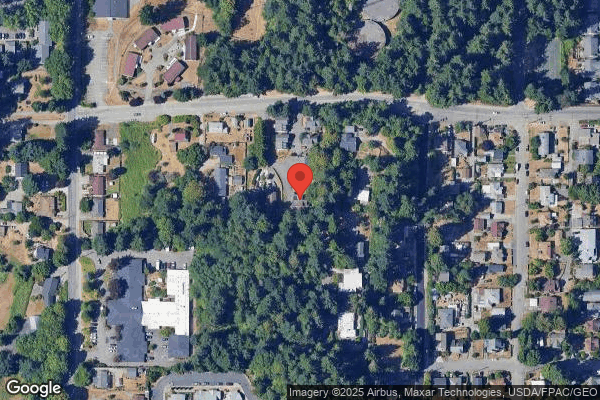
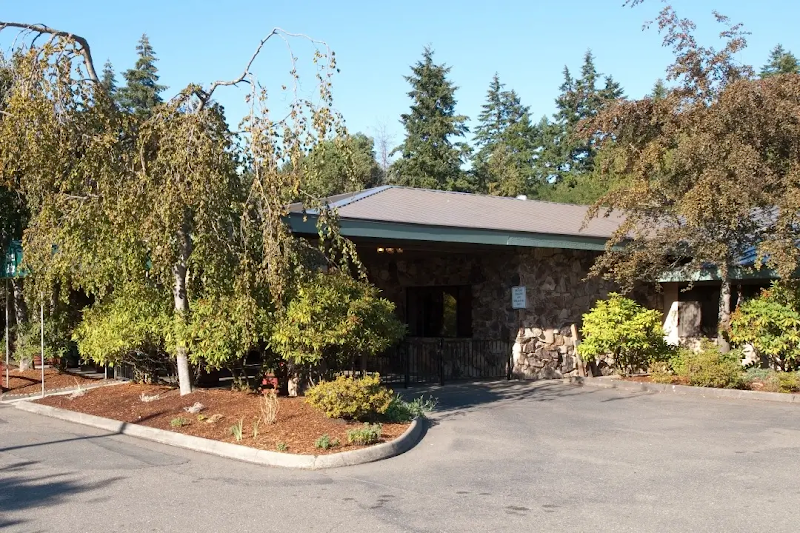
140 SOUTH MARION AVENUE, BREMERTON, WA 98312 (360) 479-4747
For profit - Limited Liability company 98 Beds CALDERA CARE Data: November 2025 1 Immediate Jeopardy citation
Trust Grade
18/100
#183 of 190 in WA
Last Inspection: July 2025

Inspected within the last 6 months. Data reflects current conditions.

Overview

Port Washington Post Acute in Bremerton, Washington has a Trust Grade of F, indicating significant concerns about the quality of care provided. It ranks #183 out of 190 facilities in Washington, placing it in the bottom half of the state and last among the 9 nursing homes in Kitsap County. While the facility is showing some improvement, with a decrease in reported issues from 40 to 38, it still has a concerning history of serious deficiencies, including a critical failure to follow dietary guidelines for residents at risk of aspiration, which can lead to life-threatening complications. Staffing is below average with a 2/5 rating, and while the turnover rate is slightly better than the state average at 47%, there is less RN coverage than 97% of other facilities, potentially affecting the level of care. Additionally, the facility has faced $35,178 in fines, which suggests ongoing compliance issues, and incidents include a resident developing multiple pressure ulcers due to insufficient care and a failure to log grievances properly, risking neglect and abuse.

Trust Score
F
18/100
In Washington
#183/190
Bottom 4%
Safety Record
High Risk
Review needed
Inspections
Getting Better
40 → 38 violations
Staff Stability
⚠ Watch
47% turnover. Above average. Higher turnover means staff may not know residents' routines.
Penalties
✓ Good
$35,178 in fines. Lower than most Washington facilities. Relatively clean record.
Skilled Nurses
⚠ Watch
Each resident gets only 22 minutes of Registered Nurse (RN) attention daily — below average for Washington. Fewer RN minutes means fewer trained eyes watching for problems.
Violations
⚠ Watch
111 deficiencies on record. Higher than average. Multiple issues found across inspections.
★☆☆☆☆
1.0
Overall Rating
★★☆☆☆
2.0
Staff Levels
★★★★☆
4.0
Care Quality
★☆☆☆☆
1.0
Inspection Score
Stable
2024: 40 issues
2025: 38 issues

The Good

  • 4-Star Quality Measures · Strong clinical quality outcomes
  • Full Sprinkler Coverage · Fire safety systems throughout facility
  • No fines on record

Facility shows strength in quality measures, fire safety.

The Bad

1-Star Overall Rating

Below Washington average (3.2)

Significant quality concerns identified by CMS

Staff Turnover: 47%

Near Washington avg (46%)

Higher turnover may affect care consistency

Federal Fines: $35,178

Above median ($33,413)

Moderate penalties - review what triggered them

Chain: CALDERA CARE

Part of a multi-facility chain

Ask about local staffing decisions and management

The Ugly 111 deficiencies on record

1 life-threatening 1 actual harm
Sept 2025 1 deficiency
CONCERN (D) 📢 Someone Reported This

A family member, employee, or ombudsman was alarmed enough to file a formal complaint

Potential for Harm - no one hurt, but risky conditions existed

Deficiency F0602 (Tag F0602)

Could have caused harm · This affected 1 resident

**NOTE- TERMS IN BRACKETS HAVE BEEN EDITED TO PROTECT CONFIDENTIALITY** .Based on interview and record review, the facility failed to protect resident's property from loss or theft for 1 of 3 resident...

Read full inspector narrative →
**NOTE- TERMS IN BRACKETS HAVE BEEN EDITED TO PROTECT CONFIDENTIALITY** .Based on interview and record review, the facility failed to protect resident's property from loss or theft for 1 of 3 residents (Resident 1) reviewed for abuse, neglect, and/or exploitation. This failure placed residents at risk for financial loss and diminished sense of security within the facility. Findings included.Resident 1 was admitted to the facility on [DATE]. The quarterly Minimum Data Set (an assessment tool), dated 08/13/2025, showed Resident 1 was cognitively intact.During an interview on 09/03/2025 at 7:22 PM, Resident 1 said they were unable to lock the top drawer of their nightstand. Resident 1 said in June of 2025, they had made at least two requests for maintenance to install a lock. Resident 1 said at the beginning of July 2025, they had 376 dollars in the top drawer of their nightstand. Resident 1 said they had a witness, Resident 2, that knew the money was there. Resident 1 said on 07/07/2025 they were sent to the hospital and returned on 07/15/2025. Resident 1 said upon return to the facility there was only one dollar left in the drawer. Resident 1 said they had reported the missing money immediately to Staff C, Social Services Director. Review of a Social Services note, dated 07/23/2025, documented, The resident came into the Social Services Office reporting that while she was in the hospital $325 was stolen from them. During an interview on 09/04/2025 at 12:32 PM, Staff B, Social Services Director, said they received a complaint from Resident 1 and had reported it to their supervisor. When Staff B was asked if the missing money had been reported to the police or to any other agency, they stated, No. When Staff B was asked if there had been an investigation started, they said they had only spoken to the witness who denied seeing the money. Staff B said they had been unaware of the money in Resident 1's room, but that Staff C, Business Office Manager (BOM), had known. During an interview on 09/04/2025 at 12:45PM, Staff C, BOM, said Resident 1 had told them at the beginning of July 2025 that they had cash in their room. Staff C said they encouraged Resident 1 to put the money into a trust with the facility, but Resident 1 refused as they could only access 30 dollars a day. Staff C said they asked Resident 1 if there was a lock on the drawer where the money was being stored and they were told there was. When Staff C was asked if they had verified there was a secure locked drawer, they stated, No.During an interview on 09/04/2025 at 1:00 PM, Staff D, Maintenance Director, said they were not aware that Resident 1 did not have a lockable drawer on their nightstand. Staff D denied Resident 1 had ever requested a new lock on the nightstand. Staff D entered Resident 1's room and observed there was not a lockable drawer. During an interview on 09/04/2024 at 1:34 PM, Resident 2 verified Resident 1 had 375 dollars in cash in the top drawer of the bedside table before Resident 1's discharge, July 07/07/2025, to the hospital. Resident 2 said they themselves had put that amount of money in the drawer. When asked if there was a lock on that drawer, Resident 2 said they saw there was a latch, but it did not lock. During an interview on 09/04/2025 at 2:00 PM, Staff A, Administrator, said they had only been in the position for two weeks. Staff A said the incident should have been investigated and reported. Staff A said Resident 1 should have been reimbursed. Reference WAC 388-97-0640
Jul 2025 29 deficiencies
CONCERN (D)

Potential for Harm - no one hurt, but risky conditions existed

Deficiency F0578 (Tag F0578)

Could have caused harm · This affected 1 resident

**NOTE- TERMS IN BRACKETS HAVE BEEN EDITED TO PROTECT CONFIDENTIALITY** Based on interview and record review, the facility failed to ensure they informed and provided written information to residents ...

Read full inspector narrative →
**NOTE- TERMS IN BRACKETS HAVE BEEN EDITED TO PROTECT CONFIDENTIALITY** Based on interview and record review, the facility failed to ensure they informed and provided written information to residents on their right to formulate an advance directive (AD, written instruction for the provision of health care when the individual is incapacitated, such as a living will or durable power of attorney (POA) for health care) for 2 of 4 residents (Resident 4 & 1) reviewed for advance directives. This failure placed residents at risk for not having their choice of who to care for them when incapacitated, not having their health care wishes honored, and a diminished quality of life. Findings included . <Resident 4> Resident 4 was admitted to the facility on [DATE]. The Quarterly Minimum Data Set (MDS, an assessment tool) dated 04/11/2024, documented Resident 4 was cognitively intact. Resident 4's AD care plan documented the resident did not have an AD and declined to formulate an AD. The electronic health record (EHR) showed no documentation Resident 4 was offered and had accepted or declined to formulate an AD. On 07/22/2025 at 12:03 PM, Staff F, Social Services Director, said the facility offers the AD at care conferences. When asked to locate Resident 4's AD, Staff F was unable to locate documentation supporting if Resident 4 was offered and had accepted or declined to formulate an AD. Staff F said Resident 4 did not have an AD. <Resident 1> Resident 1 was admitted to the facility on [DATE]. The 5-Day MDS, dated [DATE], documented Resident 1 was severely cognitively impaired. Resident 1's AD care plan documented the resident did not have an AD formulated, was his own health care decision maker, and instructed if warranted due to MD (Medical Doctor) evaluation activate resident's POA (power of attorney) document. Review of the EHR showed no documentation of a POA document for Resident 1. On 07/21/2025 at 10:17 AM, Staff F, SSD, when asked if Resident 1 had an AD, said no, that in Resident 1's care conference it had been discussed and Resident 1's son and wife did not want to formulate an AD at the time. When asked about the care plan that documented Resident 1 had a POA, Staff F said that was documented in error and that Resident 1 did not have an active POA and that the documentation showing Resident 1's family had been offered education regarding formulating an AD could not be located. Reference WAC 388-97-0280(3)(c)(i-ii) .
CONCERN (D)

Potential for Harm - no one hurt, but risky conditions existed

Deficiency F0583 (Tag F0583)

Could have caused harm · This affected 1 resident

**NOTE- TERMS IN BRACKETS HAVE BEEN EDITED TO PROTECT CONFIDENTIALITY** .Based on observation, interview and record review, the facility failed to provide personal privacy during personal care for 1 o...

Read full inspector narrative →
**NOTE- TERMS IN BRACKETS HAVE BEEN EDITED TO PROTECT CONFIDENTIALITY** .Based on observation, interview and record review, the facility failed to provide personal privacy during personal care for 1 of 1 sampled resident (Resident 45) reviewed for privacy. This failure placed residents at risk of loss of privacy during personal care, embarrassment and a decreased quality of life.Findings included .Resident 45 was admitted to the facility on [DATE]. The Quarterly Minimum Data Set (an assessment tool), dated 05/01/2025, documented Resident 45 was cognitively intact.On 07/16/2025 at 11:08 AM, Resident 45 said they had an incident with Staff F, Social Services Director (SSD), Staff Z, Unit Manager (UM) and an unidentified Certified Nursing Assistant (the CNA was later identified as Staff AA). Resident 45 said all three staff members had taken them to the shower room for a shower. While in the shower room, Staff F had taken the hose with the spray nozzle and was spraying them down with the hard force of the water from the nozzle head, telling the CNA, This is how you shower a resident. Resident said after the shower, they told Staff N, Certified Occupational Therapy Assistant, about the incident. Staff N told Resident 45 that Staff F should not have been in the shower with the resident. Resident 45 said they asked Staff N not to say anything because they did not want to be retaliated against.On 07/23/2025 at 10:30 AM, when asked about the incident on June 14, if she had given permission for Staff F to be in the shower room, Resident 45 stated, no, I didn't want her there.On 07/23/2025 at 10:04 AM, when asked what license(s) or credentials the staff held, Staff F, SSD, said they were a Certified Behavioral Health Tech. Staff F confirmed they do not hold a Certified Nursing Assistant (CNA) license, a Licensed Practical Nurse (LPN) or Registered Nurse (RN). Staff F was asked to explain the events that took place with Resident 45, in regard to the concerns with the shower and the role they played in the events. Staff F said Resident 45 had been making complaints about the staff all week and did not want them to shower her. Staff F said they and Staff Z, UM/RN had gone to Resident 45's room and spoke to her about taking a shower. Resident 45 finally agreed to take a shower. Staff AA, CNA and Staff BB, CNA, assisted Resident 45 to the shower room. Staff F said after Resident 45 was assisted to the shower chair, Staff BB left the room and Staff F, Staff Z and Staff AA remained in the room with Resident 45. Staff F said Resident 45 gave her permission to stay in the shower room. Staff F said Resident 45 was provided with a clean washcloth and soap, Resident 45 cleaned under one arm pit, then threw the washcloth on the ground. Resident 45 received a new washcloth and repeated that same action under the other armpit. Resident 45 received a new washcloth and cleaned under one breast and threw it on the ground. Resident 45 received a new washcloth and repeated that same action under the other breast. Resident 45 received another washcloth and cleaned her private area. When asked where everyone was standing in the room, Staff F attempted to explain and eventually said let me show you and went to the A Hall shower room. Staff F showed where all staff were standing in the shower room and acknowledged they, Staff Z and Staff AA were present in the shower room when Resident 45 received the shower. On 07/24/2025 at 2:02 PM, when questioned if Staff F, SSD should have been in the shower room with Resident 45 while they were showering, Staff B was unsure of the question. The question was clarified that the SSD presence in the shower room was outside their normal scope of practice, Staff F was not a CNA, Licensed Practical Nurse, or Registered Nurse. Staff B said Staff F should have only been in the shower room if Resident 45 allowed it. It was explained Resident 45 did not want Staff F in the shower room, while they were showering. Staff B said Staff F should not have been in the shower room.On 07/24/2025 at 3:09 PM, when asked about the specific event that took place with Resident 45's shower, Staff A, Administrator, said Staff F, SSD, was not in the shower room with Resident 45, so there was no need to suspect abuse. Staff A was stopped and informed Staff F had been interviewed and self-reported that they were in fact in the shower room when Resident 45 was showering. Staff A then acknowledged Staff F was in the room at the time of the shower. Staff A said Staff F should have only been in the room if Resident 45 allowed it. It was explained Resident 45 did not want Staff F, in the shower room, while they were showering. Staff A said Staff F should not have been in the shower room. When asked how the facility would prevent this from happening to other residents, Staff A said they definitely needed to talk with staff about staying in their lane.Reference WAC 388-97 -0360, 0500(1).
CONCERN (D)

Potential for Harm - no one hurt, but risky conditions existed

Pressure Ulcer Prevention (Tag F0686)

Could have caused harm · This affected 1 resident

**NOTE- TERMS IN BRACKETS HAVE BEEN EDITED TO PROTECT CONFIDENTIALITY** .Based on observation, interview and record review, the facility failed to ensure pressure injuries (PIs) were consistently asse...

Read full inspector narrative →
**NOTE- TERMS IN BRACKETS HAVE BEEN EDITED TO PROTECT CONFIDENTIALITY** .Based on observation, interview and record review, the facility failed to ensure pressure injuries (PIs) were consistently assessed, and ordered pressure redistribution measures and equipment were in place and functional for 1 of 2 residents (Resident 3) reviewed for PIs. The failure to ensure an ordered low air loss mattress was in place and functional and to routinely assess identified PIs, detracted from the ability to determine if current treatments and interventions were effective and appropriate. This failure placed residents at risk for prolonged wound healing, unidentified decline, development of avoidable PIs, pain and decreased quality of life. Findings included . The National Pressure Injury Advisory Panel (NPUIP) provided the following PI stage descriptions:- PI- localized damage to the skin and underlying soft tissue usually over a bony prominence or related to a medical or other device, because of intense and/or prolonged pressure or pressure in combination with shear.- Stage 1 Pressure Injury: Non-blanchable erythema (redness) of intact skin.- Stage 2 Pressure Injury: Partial-thickness skin loss with exposed dermis.- Stage 3 Pressure Injury: Full-thickness skin loss in which adipose (fat) is visible in the ulcer.- Stage 4 Pressure Injury: Full-thickness skin and tissue loss with exposed or directly palpable fascia (connective tissue), muscle, tendon, ligament, cartilage or bone in the ulcer.- Unstageable Pressure Injury: Obscured full-thickness skin and tissue loss in which the extent of tissue damage within the ulcer cannot be confirmed because it is obscured by slough or eschar (tissue death). Resident 3 was admitted to the facility on [DATE]. Review of the Quarterly Minimum Data Set (MDS, an assessment tool), showed the resident was cognitively intact, was at risk for development of PIs, and had one unstageable PI that was not present on admission.Review of the electronic health record (EHR) showed Resident 3 had the following PI treatment orders:a) Clean left heel PI with wound cleanser, pat dry with gauze sponge. Apply medical grade honey to necrotic tissue, followed by Hydrofera Blue (wound treatment) to the wound bed. Cover with 6x6 silicone bordered foam dressing and secure with roll gauze and tape three times a week and as needed if dislodged or soiled.b) A 07/10/2025 order for a heel protector to the left foot with direction to check placement each shift.c) A 06/17/2025 order for Mupirocin External Ointment 2 % (Mupirocin) apply to left heel topically every other day and cover with a bordered gauze dressing. d) A 03/03/2025 order for low air loss mattress for pressure redistribution. On 07/17/2025 at 12:00 PM, 07/18/2025 at 2:33 PM, 07/19/2025 at 12:58 PM, and 07/24/2025 at 8:41 AM, Resident 3 was observed in bed lying on a standard pressure reduction mattress. There was not a low air loss mattress on the resident's bed as ordered.On 07/24/2025 at 9:16 AM, Staff J, Unit Manager, confirmed Resident 3 did not have a low air loss mattress in place.Review of an unstageable PI to the left heel care plan, revised 06/19/2025, showed staff were to assess/record/monitor wound healing weekly and as needed. This included measuring the wound length, width, and depth where possible, and assessing and documenting wound bed tissue type, amount and character of drainage, wound edges, peri wound appearance and healing progress/response to treatment. Staff were directed to report improvement or decline to the physician. The care plan also documented Resident 3 had a wound vacuum in place, that was to be changed three times a week. Review of the electronic health record (EHR) showed the wound vac was discontinued on 06/17/2025, and a wound consult, dated 06/24/2025, documented Resident 3's left heel PI had progressed from unstageable to a stage III. Review of the weekly wound assessments/evaluations for Resident 3's left heel, showed a 05/27/2025 wound consultation that assessed Resident 3's left heel PI as unstageable due to slough/eschar (devitalized tissue) to the wound base. The consultation recommended continuing negative pressure therapy with the wound vac.Review of the EHR showed no wound assessments, measurements or monitoring of Resident 3's left heel PI were documented for the next five weeks (06/03/2025, 06/10/2025, 06/17/2025, 06/24/2025 or 07/01/2025). On 07/28/2025 at 01:31 PM, Staff J, UM, acknowledged it was the expectation that PIs would be assessed weekly and include a wound description and measurements. When asked if there was documentation that Resident 3's left heel PI was assessed/measured during the five-week period between 05/27/2025 and 07/08/2025, Staff J stated, No. Reference WAC 388-97-1060(3)(b).
CONCERN (D)

Potential for Harm - no one hurt, but risky conditions existed

Incontinence Care (Tag F0690)

Could have caused harm · This affected 1 resident

**NOTE- TERMS IN BRACKETS HAVE BEEN EDITED TO PROTECT CONFIDENTIALITY** .Based on observation, interview, and record review the facility failed to ensure 1 of 1 residents (Resident 31) reviewed for in...

Read full inspector narrative →
**NOTE- TERMS IN BRACKETS HAVE BEEN EDITED TO PROTECT CONFIDENTIALITY** .Based on observation, interview, and record review the facility failed to ensure 1 of 1 residents (Resident 31) reviewed for indwelling urinary catheters (a flexible tube used to empty the bladder and collect urine in a drainage bag) had a valid medical justification for urinary catheterization, was assessed for removal of the catheter timely, and received catheter care in accordance with professional standards of practice. These failures placed residents at risk for loss of bladder tone and normal bladder function, urethral trauma and tearing and other negative health outcomes.Findings included .Review of the facility's policy titled, Catheter Care, Urinary, revised August 2022, staff would:a) Ensure that the catheter remained secured with a securement device to reduce friction and movement at the insertion site.b) Review and document the clinical indication(s) for catheter use.c) Nursing and the interdisciplinary team would assess and document ongoing need for a catheter that was in place.d) Remove the catheter as soon as it was no longer needed. Resident 31 was admitted to the facility on [DATE]. Review of the 04/16/2025 Quarterly Minimum Data Set (MDS, an assessment tool), showed the resident was cognitively intact, had a diagnosis of obstructive uropathy (urinary tract disorder that occurs when urine flow is obstructed) and required use of an indwelling urinary catheter. Review of the alteration in urinary elimination related indwelling catheter care plan, revised 04/17/2025, showed no supporting diagnosis or clinical justification documented for Resident 31's indwelling urinary catheter use. On 07/17/2025 at 12:42 PM, when asked why they had a urinary catheter, Resident 31 stated, I have the catheter, so I don't sit in wet diapers. I did have a wound they were debriding, but it healed. On 07/22/2025 at 12:36 PM, a when asked if the catheter was secured with a leg strap Resident 31 stated, No. On 07/24/2025 the resident pulled the leg of his shorts up, which revealed there was no securement device in place. On 07/22/2025 at 1:21 PM, when asked if Resident 31 had a catheter strap in place Staff EE, Unit Manager, asked the resident and followed the catheter to the insertion site and stated, No. When asked if a securement device should be in place, Staff EE stated, Yes. A 09/17/2024 urology consultation documented Resident 31 had a history of prostate cancer and was status post prostatectomy (a surgical procedure for the partial or full removal of the prostate gland) and radiation, which was complicated by a bulbar urethral stricture (a narrowing of the urethra) and bladder neck contracture (a condition where the bladder opening narrows due to scar tissue formation). Resident 31 then underwent a Direct Visual Internal Urethrotomy (DVIU, surgery to widen a stricture, narrow area, in your urethra.) on 01/21/2021. The urologist documented, [Resident 31] has requested to keep the foley catheter in place at the present time. PLAN Inguinal and scrotal wounds appear to be healing very well. The scrotal ulcer is almost completely gone. The patient is having troubles with his catheter clogging but he does prefer catheter management, so he is not having wetness around his inguinal and scrotal wounds which I think is reasonable. On 07/22/2025 at 12:49 PM, when asked if Resident 31 had a diagnosis of obstructive uropathy or still had inguinal/scrotal wounds Staff EE, stated, No. When asked what the clinical justification for the use of the catheter Staff EE was stated, There isn't one. Reference WAC 388-97-1060 (3)(c).
CONCERN (D)

Potential for Harm - no one hurt, but risky conditions existed

Deficiency F0697 (Tag F0697)

Could have caused harm · This affected 1 resident

**NOTE- TERMS IN BRACKETS HAVE BEEN EDITED TO PROTECT CONFIDENTIALITY** .Based on interview and record review, the facility failed to ensure pain was appropriately addressed, monitored, and recorded, ...

Read full inspector narrative →
**NOTE- TERMS IN BRACKETS HAVE BEEN EDITED TO PROTECT CONFIDENTIALITY** .Based on interview and record review, the facility failed to ensure pain was appropriately addressed, monitored, and recorded, or to ensure side effect monitors were in place and non-pharmacological interventions (NPI's, non-medication interventions for pain) were documented for pain medications for 2 of 6 residents (Residents 47 & 2) reviewed for unnecessary medications or pain management. This failure placed residents at risk for an increase in pain, inability to perform therapy services, medication complications, and a diminished quality of life. Findings included.<Resident 47> Resident 47 was admitted to the facility on [DATE], with a diagnosis of chronic pain. The Quarterly Minimum Data Set Assessment (MDS), dated [DATE], showed Resident 47 was cognitively intact, and was receiving restorative nursing programs that included seven days of active range of motion and three days of walking. Review of Resident 47's Medication Administration Record (MAR), showed they were receiving scheduled acetaminophen (non-opioid pain medication) three times a day and scheduled oxycodone (opioid pain medication) every six hours. For pain scores connected to acetaminophen administration, Resident 47 had documented pain scores of 0/10 (no pain) on 07/02/2025, 07/07/2025, 07/11/2025, 07/15/2025, 07/21/2025, and 07/22/2025. For pain scores connected to oxycodone administration, Resident 47 had documented pain scores of 0/10 on 07/16/2025 and 07/22/2025. Review of Resident 47's electronic health record (EHR), showed a banner at the top of the record that said “Record ACCURATE pain scale. 0/10 is not accurate for this resident.” Review of Resident 47's pain care plan showed it did not include this information. Review of the facility's Restorative Nursing Monthly Log for July 2025, showed Resident 47 had refused restorative nursing services on 07/15/2025, 07/17/2025, 07/19/2025, 07/20/2025, 07/21/2025 and 07/22/2025. A note under the most recent refusals said “c/o [complaint of] pain”. Review of the EHR showed, on 07/15/2025, an outside wound consulting and treatment company did an initial evaluation for a stage 3 pressure ulcer (full thickness tissue loss, fat may be visible but bone, tendon, or muscles are not exposed) to the coccyx (near the tailbone). Review of Resident 47's Pain Evaluation, dated 07/15/2025, showed they had pain to their right hip that was chronic stabbing, aching pain that was constant, and pain to a sacral (near the tailbone) pressure ulcer that had stinging pain when touched and ached when sitting on it for a long time. Their current pain level during the assessment was a 7/10, their pain at its least was reported to be a 5/10, and their pain at the worst was reported to be a 10/10. During an interview on 07/16/2025 at 2:37 PM, Resident 47 reported they had plenty of pain. Resident 47 said in the morning it starts as a 9/10 pain, drops down to a 6/10, then down to a 5/10, where it usually stays. Resident 47 said they did not feel like the facility was doing enough to address the pain. During an interview on 07/23/2025 at 8:28 AM, Resident 47 was asked when the last time their pain was 0/10 and said, not since they were hospitalized in December. During an interview on 07/23/2025 at 8:36 AM, Staff K, Licensed Practical Nurse, said Resident 47 had chronic pain all the time, and that the lowest Resident 47's pain gets down to was probably a 4 or 5/10, adding they did not think Resident 47 was ever pain free. On 07/23/2025 at 9:17 AM, Resident 47 was asked about their recent refusal for restorative therapy. Resident 47 said they had been dealing with more pain in areas that were more sensitive, and they hurt too much. On 07/23/2025 at 9:30 AM, Staff K said they were working their third shift in a row. When asked if they were informed Resident 47 had been refusing restorative therapy, said they did not know, but would guess it was due to pain. When asked if they ever were informed when a resident refuses restorative services, Staff K said no. During an interview on 07/23/2025 at 10:28 AM, Staff J, Unit Manager, said they were not aware of Resident 47 refusing restorative services due to pain. When asked their expectation for staff regarding refusals from restorative services, Staff J said they would like to be notified. When asked if there had been a conversation with the provider on how to help manage Resident 47's pain better for restorative services, Staff J said no because they were unaware of the refusals due to pain. When asked if they had ever been informed of a resident refusing restorative services, said they personally had not been. During an interview on 07/23/2025 at 10:52 AM, Staff L, Restorative Aide, when asked why Resident 47 had refused five days of restorative in the previous six days, said it was from pain. Staff L was unable to provide any names of nurses notified of the refusals. During an interview on 07/24/2025 at 12:45 PM, when asked what their expectations were regarding Resident 47 missing recent restorative sessions due to pain, Staff B, Director of Nursing Services (DNS), said that Resident 47 would be pain free enough to participate. Staff B said refusals had not been reported to them. When told of the recent dates Resident 47 had refused restorative and their pain score having been recorded as zero on 07/21/2025 and 07/22/2025, Staff B said staff needed to document what Resident 47 said their pain was and should have completed a change of condition form with provider notification (related to the pain). <Resident 2> Resident 2 was admitted to the facility on [DATE]. According to the admission MDS, dated [DATE], Resident 2 was cognitively intact. Review of Resident 2's orders showed an order, dated 05/14/2025, for hydromorphone (a potent pain medication that can have various side effects ranging from mild to serious) to be given five times a day for severe pain. A second order, dated 05/10/2025, documented staff were to provide NPIs to reduce pain and document effectiveness as needed. Review Resident 2's EHR, showed no side effect monitoring was ordered and no NPIs were documented for the ordered hydromorphone. On 07/23/2025 at 8:07 AM, Staff B, DNS, looked in Resident 2's EHR and stated, “I don't see we are monitoring for side effects for pain medication, I would expect them to.” Staff B acknowledged there was an order in place to attempt NPIs and said it was PRN (as needed), so she did not think staff were doing them. Staff B looked at the documentation and confirmed staff were not documenting NPIs. Staff B said staff should be trying NPIs, documenting them, and the order should have been a standard order, not as needed. Reference WAC 388-97-1060 (1) .
CONCERN (D)

Potential for Harm - no one hurt, but risky conditions existed

Deficiency F0806 (Tag F0806)

Could have caused harm · This affected 1 resident

**NOTE- TERMS IN BRACKETS HAVE BEEN EDITED TO PROTECT CONFIDENTIALITY** .Based on observation and interview, the facility failed to provide food in accordance with preferences for 1 of 11 sampled resi...

Read full inspector narrative →
**NOTE- TERMS IN BRACKETS HAVE BEEN EDITED TO PROTECT CONFIDENTIALITY** .Based on observation and interview, the facility failed to provide food in accordance with preferences for 1 of 11 sampled residents (Resident 20) reviewed for dining. This failure placed residents at risk for potential dissatisfaction with meals and a diminished quality of life.Findings included .Review of the electronic health record (EHR) showed Resident 20 admitted to the facility on [DATE]. Resident 20 was able to make needs known. Observation of the lunch meal on 07/16/2025 at 12:30 PM, showed Resident 20's tray card had allergies/dislikes of cheese, dairy, pork and processed meats. Resident 20 was served salad, a baked potato to include sour cream, cheese and green onions, chocolate pudding with whipped topping and beef.During an interview on 07/16/2025 at 12:45 PM, Resident 20 stated, I don't make it a big deal anymore they've given me things I've told them I don't like over and over.During an interview on 07/16/2025 at 1:02 PM, Staff D, Dietetic Technician, said the sour cream, cheese and pudding with a whipped topping were not appropriate for resident based on the allergies/preference.During an interview on 07/16/2025 at 2:47 PM, Staff C, Dietary Manager, said the resident's preferences should have been honored.During an interview on 07/16/2025 at 2:59 PM, Staff A, Administrator, said the expectation was that staff followed resident preferences and allergiesReference: WAC 388-97-1140(6).
CONCERN (D)

Potential for Harm - no one hurt, but risky conditions existed

Deficiency F0808 (Tag F0808)

Could have caused harm · This affected 1 resident

**NOTE- TERMS IN BRACKETS HAVE BEEN EDITED TO PROTECT CONFIDENTIALITY** .Based on observation, interview, and record review, the facility failed to ensure residents received therapeutic diets as order...

Read full inspector narrative →
**NOTE- TERMS IN BRACKETS HAVE BEEN EDITED TO PROTECT CONFIDENTIALITY** .Based on observation, interview, and record review, the facility failed to ensure residents received therapeutic diets as ordered by the physician for 2 of 10 residents (Residents 1 and 47) reviewed for dining. This failure placed the residents at risk for medical complication or nutritional deficits.Findings included .Observation of the lunch meal service on 07/18/2025 showed the primary lunch meal consisted of bratwurst, oven browned potatoes, sauerkraut, lemon chiffon pie and a dinner roll. According to the menu for Consistent Carbohydrate Diet (CCHO, a diet that aids in controlling blood sugar) residents would receive wheat bread in place of the dinner roll. Staff OO, Cook, was plating the food and was assisted by Staff C, Dietary Manager. Tray line was observed from 12:06 PM-1:30 PM and showed the following:<Resident 1>Resident 1 was admitted to the facility on [DATE] with diagnoses to include diabetes (too much sugar in the blood). The 5-Day Minimum Data Set (MDS, an assessment tool), dated 06/30/2025, documented Resident 1 was severely cognitively impaired.Observation of the lunch meal service on 07/18/2025 at 12:06 PM, showed Staff OO prepared Resident 1's meal tray, the resident was provided the primary lunch. Resident 1's tray card showed the resident was on a CCHO diet and should have received wheat bread.<Resident 47>Review of the electronic health record (EHR) showed Resident 47 admitted to the facility on [DATE] with diagnoses that included diabetes.Observation of the lunch meal service on 07/18/2025 at 12:10 PM, showed Staff OO prepared Resident 47's meal tray, the resident was provided the primary lunch. Review of Resident 47's tray card showed the resident was on a CCHO diet and should have received wheat breadDuring an interview on 07/18/2025 at 12:20 PM, Staff C, Dietary Manager, confirmed staff should have provided residents on the CCHO diet with wheat bread and it did not meet expectations that no wheat bread was prepped for the lunch meal.Reference WAC 388-97-1200(1).
CONCERN (E)

Potential for Harm - no one hurt, but risky conditions existed

Grievances (Tag F0585)

Could have caused harm · This affected multiple residents

**NOTE- TERMS IN BRACKETS HAVE BEEN EDITED TO PROTECT CONFIDENTIALITY** .Based on interview and record review, the facility failed to log and investigate grievances for 1 of 1 resident (Resident 22) r...

Read full inspector narrative →
**NOTE- TERMS IN BRACKETS HAVE BEEN EDITED TO PROTECT CONFIDENTIALITY** .Based on interview and record review, the facility failed to log and investigate grievances for 1 of 1 resident (Resident 22) reviewed for grievances and for 3 of 8 Resident Council monthly meeting minutes (Months: March 2025, May 2025, & June 2025) reviewed for grievances. This failure placed residents at risk of abuse and neglect, grievances to not be responded to timely or at all, and a diminished quality of life. Findings included . Review of the facility's policy titled “Grievance,” dated 03/2025, showed the purpose of grievances was “to assure the concerns are quickly and thoroughly evaluated and acted upon in order to resolve issues which affect the quality of life and care for residents in our facility.” <Resident 22> Resident 22 was admitted to the facility on [DATE]. The Quarterly Minimum Data Set Assessment, dated 04/06/2025, showed they were cognitively intact and required substantial to maximal assistance with toileting hygiene. During an interview on 07/16/2025 at 1:28 PM, Resident 22 reported they had recently filed a grievance related to a recent brief change by a Certified Nursing Assistant on the night of 07/14/2025. Review of the facility's grievance log on 07/21/2025, showed no grievance was logged for Resident 22. During an interview on 07/23/2025 at 12:02 PM, Resident 22 located and identified Staff H, Medication Technician, as the staff who filled out the grievance. Staff H joined the interview and said the incident occurred several days prior, and they had written the grievance and confirmed with Resident 22 before they turned it in. During an interview on 07/23/2025 at 12:40 PM, Staff B, Director of Nursing Services (DNS), was asked how long the facility had to log a grievance, and said the grievance should be logged soon after it was received that shift. Staff B went to the social services department to review the grievance log for July 2025, with Staff F, Social Services Director. No grievances were found for Resident 22 for July 2025. When told of the incident for Resident 22, both Staff B and Staff F said they were unaware of the incident. Staff F said it should have been brought to either themself or Staff B, discussed in stand up, and then Staff B and Staff F would have investigated it. When asked if it should have been logged, Staff F said yes. <Resident Council> The previous 6 months of Resident Council Meeting Minutes (official notes from Resident Council meetings) were requested, and the facility provided the following months for review: 09/2024, 10/2024, 12/2024, 03/2025 (handwritten notes provided), 04/2025, 05/2025, 06/2025, 07/2025. No Resident Council meetings were held for 01/2025 and 02/2025, and although a meeting occurred, no 11/2024 meeting minutes were provided. The facility's grievance log was reviewed from 02/25/2025 through 06/30/2025. 1) Review of the March 2025 Resident Council meeting minutes, dated 03/17/2025, showed a resident (resident identified by room number) sent four items of clothes to laundry and they never came back (not logged on grievance log). A resident (resident identified by first name only, no last name) said call lights were not being answered in a timely manner around shift change (not logged on grievance log). An unidentified person reported the nurse on B hall did not seem to know how to do her job (no names associated with grievance, no description of issue, not logged on grievance log). On 07/24/2025 at 3:30 PM, when asked about the missing clothing, Staff A, Administrator, said missing laundry would go on a missing property form. When asked if a missing property form had been filled out, Staff A said, no, it should have been. In response to the call lights, Staff A said she would expect a grievance to have been filled out. In response to the nurse on B hall's competency concern, Staff A said, I expected that a grievance would have been filed, so that the facility could have investigated and offered training. 2) Review of the May 2025 Resident Council meeting minutes, dated 05/08/2025, showed residents on B hall had some reservations about a nurse that was recently working night shift and the DNS was documented as being responsible for following up with the nurse. The meeting minutes did not identify which residents had the concern, or what the specific concerns were with this staff member. A resident (identified by room) was concerned about call lights being answered in a timely manner after lunch (not logged on the grievance log). On 07/24/2025 at 3:30 PM, when asked if the Resident Council meeting minutes documentation, of the reservations by residents with the night shift nurse, met expectations, Staff A said no, because we would not know who to talk to. In response to the call lights concern, Staff A said she would have expected it to have been a grievance. 3) Review of the June 2025 Resident Council meeting minutes, dated 06/10/2025, showed a resident (identified by a room number) reported an issue (did not specify issue), and nursing staff confirmed they would file a grievance and follow up. There was no grievance for the resident identified by room number, until 06/30/2025. A report was made of a resident's missing plant (did not identify which resident), with action taken listed as the grievance would be filed and followed up on (was not logged on the grievance log). On 07/24/2025 at 3:30 PM, in response to the unspecified issue, Staff A said a grievance should have been done. In response to the missing plant, Staff A said a grievance should have been done. On 7/22/2025 at 1:07 PM Staff CC, Activities Director, when asked how he was keeping a record of the Resident Council meeting minutes and tracking grievances, said if it is in the meeting minutes, I would follow up the next month with the results of the grievance. Staff CC said they did not usually put grievances in the meeting minutes unless it was something that was experienced by a wider variety of residents. Staff CC said they wrote down everything from Resident Council meetings into handwritten notes, but for the grievances, they did not usually transcribe them to the typed official minutes. When asked why he was not including grievances in the official meeting minutes, Staff CC said it was because if one person had a grievance, they would not include that in the official minutes. When asked how he was making sure grievances were followed up on, Staff CC said they talk to them afterwards. In response to a request for the handwritten minutes for the last six months, Staff CC said that once they type them into the computer, they did not know what happened to them. Staff CC said they provided handwritten meeting minutes for 03/2025 and another month, and that was all they had. Review of the provided documentation of handwritten notes, showed the second month Staff CC had, was for November (no year). The document was labeled “Resident Council-November” with bullet points of “policy/procedure,” “create name badges for residents,” “Committee members,” “QAPI-resident council notes/grievances,” “actives critical element pathway-reviewed survey books,” “resident council meeting notes-document,” “July 23rd 2:30 pm, and “accounts payable”. No other information was provided. On 07/24/2025 at 3:40 PM, when informed Staff CC was not putting individual grievances that come up in Resident Council meetings into the official meeting minutes and that Staff CC was unable to provide all handwritten minutes for the last 6 months, Staff A said it did not meet her expectations. Staff A said the facility should be able to provide copies, should be documenting minutes with resident names, and should have been writing up grievances for anything that was grievance worthy. Reference WAC 388-97-0460 .
CONCERN (E)

Potential for Harm - no one hurt, but risky conditions existed

Deficiency F0605 (Tag F0605)

Could have caused harm · This affected multiple residents

**NOTE- TERMS IN BRACKETS HAVE BEEN EDITED TO PROTECT CONFIDENTIALITY** .Based on interview and record review, the facility failed to ensure psychotropic medications (any drug affecting mental process...

Read full inspector narrative →
**NOTE- TERMS IN BRACKETS HAVE BEEN EDITED TO PROTECT CONFIDENTIALITY** .Based on interview and record review, the facility failed to ensure psychotropic medications (any drug affecting mental processes, emotions, and behavior) were adequately monitored, documented non-pharmacological interventions (NPIs, non-medication interventions to decrease behavior episodes), and/or had consent obtained for 5 of 7 residents (Residents 61, 22, 1, 2 & 3) reviewed for unnecessary medication or behaviors. This failure placed residents at risk of unnecessary medications, medication complications, and a diminished quality of life.Findings included.1) Resident 61 was admitted to the facility on [DATE] with diagnoses of anxiety, depression, and unspecified disorder of adult personality and behavior (a diagnosis when a resident does not fit criteria for any specific personality disorder but still has significant impairment in social, occupational, or other important areas of functioning). The Quarterly Minimum Data Set Assessment (MDS), dated [DATE], showed Resident 61 was moderately cognitively impaired. Resident 61 was taking one scheduled antidepressant and one scheduled antianxiety medication. Review of Resident 61's orders showed a depression target mood monitor, for isolation, crying, feeling easily frustrated or restless, even over small things. Licensed Nurses (LNs) were to record on the Treatment Administration Record (TAR) how many behaviors occurred, and if they did any NPI interventions such as offer to talk with resident, offer to take to activities, and/or get social services. Resident 61 had an antidepressant side effect monitor that listed impaired memory, concentration, and increased confusion in elderly. Resident 61 also had an anxiety target mood monitor, for crying, verbal aggression, panic attacks, and restlessness. LNs were to record on the TAR how many behaviors occurred, and if they did any NPI interventions such as talk with resident, redirect resident, and/or get social services. Resident 61 had an antianxiety medication side effect monitor which included confusion. Review of the electronic health record (EHR), showed Resident 61 on [DATE] had reported to staff that medications were causing memory loss. The [DATE] TAR was reviewed with no adverse side effects noted in the documentation. Review of the past 30 days of behaviors noted by the Certified Nursing Assistants (CNAs), reviewed on [DATE], showed Resident 61 had behaviors on: [DATE]-repeats movement [DATE]- yelling/screaming [DATE]- abusive language, threatening behavior [DATE]- yelling, screaming [DATE]-rejection of care [DATE]- yelling, screaming, abusive language, threatening behavior, and rejection of care Review of Resident 61's July TAR, on [DATE], showed no behaviors or side effects were documented, and no NPI were documented as being attempted. During an interview on [DATE] at 2:26 PM, Staff J, Unit Manager, said Resident 61 could have inappropriate behaviors including being aggressive, verbally abusive, resistive to assistance and care, and was forgetful and confused. When asked if they would expect behaviors such as easily frustrated or restless, verbal aggression, or increased confusion, to show up on Resident 61's TAR, Staff J said yes. For the CNA documentation of verbal aggression on [DATE], Staff J was unable to find any documentation of this on the TAR or of NPIs being given. When asked how the facility was assessing for the necessity of medication if the behaviors were not logged on the TAR, Staff J said without it logged on the TAR, they could not. During an interview on [DATE] at 12:45 PM, Staff B, Director of Nursing Services (DNS), said Resident 61 had a target behavior with NPIs listed for talking to the resident, redirecting, and getting social services involved. When explained that the behaviors were not being documented on the TAR, Staff B reviewed the TAR and acknowledged staff were not documenting the behaviors or NPIs. 2) Resident 22 was admitted to the facility on [DATE], with diagnoses including depression, anxiety, and bipolar disorder (mental health condition with extreme mood swings). The Quarterly MDS, dated [DATE], showed they were cognitively intact. Review of Resident 22's medications showed they were taking a medication called divalproex, an anticonvulsant/mood stabilizer, for bipolar disorder. Review of Resident 22's orders showed no adverse side effect monitors or behavior monitors for divalproex. During an interview on [DATE] at 2:26 PM, Staff J, Unit Manager, confirmed Resident 22 did not have behavior monitors or adverse side effect monitors in place. During an interview on [DATE] at 12:45 PM, Staff B, DNS, said Resident 22 should have had adverse side effect and behavior monitors for divalproex. 3) Resident 1 was admitted to the facility on [DATE]. According to the 5-day MDS, dated [DATE], Resident 1 was severely cognitively impaired. Resident 1's diagnoses included unspecified dementia (thinking that interferes with daily functioning) with unspecified severity with other behavioral disturbance. A review of Resident 1's physician orders showed he was on two psychotropic medications as follows: Physicians order, dated [DATE], for Namenda (medication used to treat Alzheimer's/dementia), in the morning for dementia- memory. Physicians order, dated [DATE], for levetiracetam (a seizure medication), two times a day related to unspecified dementia, unspecified severity, with other behavioral disturbance. Review of the EHR showed no consents were located and no side effect monitoring were in place for the Namenda or levetiracetam. On [DATE] at 9:45 AM, Staff B, DNS, said consent should be obtained on the day of admission, when a resident comes in with psychiatric medications. Staff B said, regarding Resident 1, Namenda was a dementia medication, and she did not believe the facility had obtained consent. When asked about the levetiracetam consent, Staff B looked in the EHR and said she did not see one. Staff B acknowledged there was no side effect monitoring in place for either medication and said there should have been. On [DATE] at 7:24 AM, Staff B, DNS, said she had talked with the pharmacist consultant about levetiracetam and the indication for the levetiracetam had probably been entered incorrectly, as Resident 1 had been on this medication previously for seizure disorder. When asked if the pharmacy should have caught this in review, Staff B said yes, whoever had entered the order probably did not correct it with the provider. 4) Resident 2 was admitted to the facility on [DATE]. Review of the admission MDS, dated [DATE], showed Resident 2 was cognitively intact. Resident 2 was prescribed a psychotropic medication as follows: the order, dated [DATE], was for Seroquel (antipsychotic), at bedtime for bipolar disorder. Review of the EHR for Resident 2 showed there was no behavior monitoring, target behaviors, side effect monitoring, or NPIs in place for Seroquel. On [DATE] at 9:45 AM, Staff B, DNS, when asked what should be in place for psychotropic medications, said it should have consent, behavior monitors, side effect monitors, and be care planned. Regarding Resident 2's Seroquel, Staff B said behavior monitoring, target behaviors, and side effect monitoring were not in place and should have been. Regarding NPIs, Staff B said Resident 2 did not have them in place. 5) Resident 3 was admitted to the facility on [DATE]. Review of the Quarterly MDS, dated [DATE], showed the resident was cognitively intact, had no psychiatric diagnosis, had a physical health questionare-9 (PHQ-9, a tool used to assess the severity of depression, a score of 0-4= none to minimal depression) score of 0, but received antidepressant medication on seven of seven days during the assessment period. Review of the EHR showed a Mood & Behavior Note,” dated [DATE], documented Resident is showing signs of suicidal ideation (SI). CNA on floor came to me with concerns that this resident stated that he wanted to die, etc. I went to talk to the resident and told him that we are here for him and asked if he had a plan. Resident stated he just wants to go to his apartment. Resident has been put on q [every] 15-minute checks. RCM [unit manager] notified. Social services notified. A [DATE] nurses' note documented that Resident 3 was started on sertraline (an antidepressant) daily for depression, was referred for a psychiatric consultation, and continued with q15 minute checks. A [DATE] social service note, documented that Resident 3 did not want to hurt himself and did not have a plan. An antidepressant medication care plan, revised [DATE], identified the target behaviors (TBs) for the use of sertraline as crying, isolation and negative talk. Review of the [DATE] TAR showed the TBs that were identified on the behavior monitor for the use of sertraline were feeling sad, irritable, empty or hopeless. These TBs differed from the TBs identified on Resident 3's care plan. Additionally, neither the care plan nor the behavior monitors on the TAR identified SI as a TB for sertraline use. On [DATE] at 12:31 PM, Staff Z, Unit Manager, said the TBs identified on the care plan should match the TBs that were being monitored on the behavior monitor, but acknowledged they did not. When asked if SI should have been included in the TBs, Staff Z stated, Yes. A [DATE] provider note documented Resident 3 recently had episodes of expressing SI and has recently lost his son to overdose and is asked to be seen to follow up. The provider also documented He is currently denying suicidal thoughts and has been without self-harming behaviors. A [DATE] pharmacy consultation report documented Resident 3 had received sertraline since [DATE] and was due for a GDR (Gradual Dose Reduction - an attempt to get residents on the lowest effective dose of a medication) review. The consult recommended reducing Resident 3's sertraline from 50 milligrams (mg) daily to 25 mg daily or to document a clinical rationale why a GDR for this resident was contraindicated. On [DATE] the provider declined the recommendation for a GDR, and documented Resident 3 had frequent SI, was grieving the loss of his son, and had stabilized on sertraline. Review of the EHR showed the only documentation present related to SI was the initial [DATE] mood and behavior note that documented a CNA reported the resident said he wanted to die. No documentation was present in the EHR that the resident ever said he wanted to kill himself or planned to do so. All subsequent notes related to SI from [DATE] - [DATE] documented Resident 3 did not want to harm himself and had no plan to do so. Review of the Quarterly MDS, dated [DATE], and the Significant Change MDS, dated [DATE], showed Resident 3 scored 0 on both PHQ-9 s, indicating the resident had none to minimal signs/symptoms of depression. On [DATE] at 12:31 PM, when asked if they could find any documentation that supported Resident 3 had demonstrated/verbalized SI since the initial report from the CNA who reported Resident 3 said they wanted to die, Staff Z, after reviewing Resident 3's EHR, stated, No. When asked what the justification was for the continued use of sertraline and/or declining the pharmacist's recommendation for a GDR, in the absence of SI or signs and symptoms of depression Staff Z stated, There's not [a justification] In an interview on [DATE] at 10:16 AM, Staff F, Social Services Director, said they were unaware of Resident 3 having any SI after their son died. Staff F reported that Resident 3 and the son were estranged. When asked if they knew why provider(s) believed Resident 3 had frequent SI or episodes of SI Staff F stated, No. Reference WAC 388-97-1060 (3)(k)(i) .
CONCERN (E)

Potential for Harm - no one hurt, but risky conditions existed

Report Alleged Abuse (Tag F0609)

Could have caused harm · This affected multiple residents

**NOTE- TERMS IN BRACKETS HAVE BEEN EDITED TO PROTECT CONFIDENTIALITY** .Based on interview and record review, the facility failed to report allegations of abuse, neglect, misappropriation (taking mon...

Read full inspector narrative →
**NOTE- TERMS IN BRACKETS HAVE BEEN EDITED TO PROTECT CONFIDENTIALITY** .Based on interview and record review, the facility failed to report allegations of abuse, neglect, misappropriation (taking money or assets) and accidents to the State Agency within 24 hours, to log the allegation and/or accident in the facility's reporting log as required for 6 of 8 residents (Residents 61, 33, 58, 60, 20 and 63) when reviewed for abuse/neglect. This failure placed residents at risk for unaddressed abuse, neglect, misappropriation, psychosocial harm, decreased quality of life and other negative outcomes. Review of the facility's policy titled, “Abuse, Neglect, Exploitation and Misappropriation Prevention Program“, revised September 2024, showed the facility was to identify and investigate all possible incidents of abuse, neglect, mistreatment, or misappropriation of resident property. The facility was to investigate and report any allegations within time frames required by federal requirements. <Resident 61> Resident 61 admitted to the facility on [DATE]. Review of the Quarterly Minimum Data Set (MDS, an assessment tool), dated 05/09/2025, showed Resident 61 was moderately cognitively impaired. The facility's grievance log (a log of general concerns reported by staff, residents, or family) was reviewed from 02/25/2025 through 06/30/2025. Resident 61 had an entry on 05/22/2025, for giving another resident their debit card and that $800.00 dollars went missing from their account. A review of the facility provided Accident and Incident Log (a formal record used by facilities to document all accidents and incidents involving residents, staff, or visitors, including all reportable incidents or allegations) from 01/14/2025 through 07/15/2025, showed no record of the incident for Resident 61. On 07/25/2025 at 12:51 PM, Staff A, Administrator, when asked if the incident with Resident 61 should have been logged in the Accident and Incident log, thoroughly investigated, and reported to the State Agency and law enforcement, Staff A said, yes, none of that was done. <Resident 33> Resident 33 admitted to the facility on [DATE]. Review of the Significant Change MDS, dated [DATE], documented Resident 33 was severely cognitively impaired. The facility's grievance log showed an entry on 05/15/2025, that Resident 33 had told a Life Skills Coach that a blonde-haired girl was mean to her and grabbed her arm. A review of the facility provided Accident and Incident Log from 01/14/2025 through 07/15/2025, showed no record of the incident for Resident 33. On 07/24/2025 at 3:30 PM, Staff A, when asked if the incident for Resident 33 was reported to the state, said no, it should have been. <Resident 58> Resident 58 was admitted to the facility on [DATE]. Review of the Quarterly MDS, dated [DATE], showed Resident 58 was cognitively intact. During a Resident Council meeting on 07/18/2025 at 2:06 PM, Resident 58 said three to four months previously they had fallen out of bed with their call light. Resident 58 said they had hit their head and their ear was bleeding, and they laid on the floor for half an hour before Staff X, Certified Nursing Assistant (CNA) came on shift and responded to the call light. Resident 58 said he told Staff X he was on the floor for half an hour. Review of the Accident and Incident log showed an entry of a fall on 01/22/2025 for Resident 58. On 07/25/2025 at 9:48 AM, Staff X, CNA said she recalled the fall incident for Resident 58, she had just started her shift and noted from the call light system that the call light had been on for 35 minutes. Staff X said she answered the light and found Resident 58 on the floor with blood on their ear, saying “it was quite a bit of blood.” When asked if she told anyone about the long call light time, Staff X said she told the nurse and filled out a fall report mentioning the long call wait time. Staff X said she did not fill out a grievance form for the long call light wait time, but had included it in her fall report. The facility provided a report of accidents and incidents that were reported to the State Agency from 01/03/2025 through 07/15/2025, Resident 58's fall with long wait time was not reported. On 07/25/2025 at 12:50 PM, Staff A said with regards to Resident 58's fall, a resident interview had not been conducted, a grievance form had not been done, a call light wait time investigation had not been done, she could not provide a copy of Staff X's fall report, and indicated it was not reported to the State Agency. When asked if this met her expectations, Staff A said, no, it did not. <Resident 60> Resident 60 admitted to the facility on [DATE]. Review of the Quarterly MDS, dated [DATE], showed Resident 60 was cognitively intact. On 07/18/2025 at 9:48 AM, Resident 60 reported that two weeks previously staff told him to have a bowel movement (BM) in the bed, although they had told staff they could stand and needed help to the bathroom. When asked who told them to have a BM in bed, Resident 60 said Staff W was the CNA who told them to have a BM in bed. Resident 60 said he had told everybody, they said they were working on it. Resident 60 said he had told Staff B, Director of Nursing Services (DNS), and she had said she would handle it. On 07/18/2025 at 10:37 AM, Staff A was informed of the above allegations and asked what her expectations of staff were, Staff A said, to report it, especially the DNS, report it and notify me (the administrator) and start the investigation process. On 07/24/2025 at 2:17 PM, Staff B, DNS when asked if Resident 60 ever reported to her that he was told to have a BM in bed, said she recalled Resident 60 say a staff member kind of brushed Resident 60 off and told them to go in their brief. Staff B said she told Resident 60 he should be treated with dignity and respect , and she would look into it. Staff B said Resident 60 could not tell her who or a date/a time, and she personally did not remember. When asked if this was something that should have been reported to the State Agency, Staff B said, we should do a grievance form and look into it, I would have to route to my administrator to see if it should be reported. On 07/24/2025 at 4:01 PM, Staff A said she did speak with Staff B, and Staff B did not report the allegation to the State Agency. Staff A said her expectation was that it would be reported. <Resident 20> Resident 20 admitted to the facility on [DATE]. Review of the Annual MDS, dated [DATE], documented Resident 20 was cognitively intact. On 07/23/2025 at 7:50 AM, Resident 20 said they had a fall and slipped on the floor in the shower room, and could not reach the call light cord. Resident 20 said the door had not been shut all of the way and they were able to push their wheelchair out the door. At 9:11 AM, Resident 20 added that when they had fallen earlier this year, they had dislocated their right shoulder, and they were sent to the hospital. Review of a progress note, dated 02/24/2025, documented that Resident 20 had a fall in the shower room, had “resistance” to their right arm, was in severe pain, and Emergency Medical Services were called to take Resident 20 to the hospital. Review of the facility's Accident and Incident Log from 01/14/2025 through 07/15/2025, showed no entry for Resident 20. The facility provided reports of accidents and incidents that were reported to the State Agency from 01/03/2025 through 07/15/2025, showed Resident 20's fall had not been reported. On 07/28/2025 at 10:27 AM, Staff A, Administrator, regarding Resident 20's fall with injury and hospitalization, said it should have been logged on the Accident and Incident log, and it should have been reported to the State Agency. <Resident 63> Resident 63 was admitted to the facility on [DATE]. Review of the Quarterly MDS, dated [DATE], showed the resident was cognitively intact. Review of the electronic health record (EHR) showed Resident 63 was transferred to acute care on 07/07/2025 and re-admitted to the facility on [DATE]. On 07/25/2025 at 1:25 PM, Resident 63 explained that prior to hospitalization she received a $666 check from her father's estate. Resident 63 said they had $375 left which they stored in the top locking drawer of their bedside dresser. When they accessed the top drawer on 07/17/2025, the $375 was missing. Resident 63 said on 07/17/2025 they notified Staff Q, Revenue Cycle Manager, of the missing money because she was aware of the check they had received from their father's estate, and notified Staff R, Social Service Assistant. Resident 63 indicated since reporting the missing money eight days prior, no one had followed up with them. On 07/25/2025 at 2:13 PM, Staff Q, Revenue Cycle Manager, acknowledged they were notified of the missing money by Resident 63 on 07/17/2025. Staff Q said they were aware Resident 63 was expecting a check from her father's estate, but did not know it had been received and cashed. Staff Q reported they informed Resident 63 that they would inform the Administrator about the missing money. When asked if then Administrator was notified Staff Q stated, “No.” On 07/25/2025 at 2:58 PM, Staff F, Social Services Director, said Staff R, Social Service Assistant, was not available for interview as they had the day off, but acknowledged Resident 63 had reported they were missing more than $300 from their top drawer. Staff F said both Staff Q and Staff R should have initiated a missing property report but failed to do so. Review of the facility's July 2025 Accident and Incident Log, showed Resident 63's alleged missing money was not logged. In an interview on 07/25/2025 at 3:03 PM, Staff B, DNS, said they were not informed that Resident 63 alleged $375 was missing from their top drawer. Staff B acknowledged that Staff Q and Staff R should have immediately reported the allegation. Staff B confirmed the alleged misappropriation should have been recorded on the incident log, the State Agency notified, and an investigation initiated. When asked if any of those things had occurred, Staff B said no. Reference WAC 388-97-0640(5)(a), (6)(a)(c)
CONCERN (E)

Potential for Harm - no one hurt, but risky conditions existed

Investigate Abuse (Tag F0610)

Could have caused harm · This affected multiple residents

**NOTE- TERMS IN BRACKETS HAVE BEEN EDITED TO PROTECT CONFIDENTIALITY** .Based on interview and record review the facility failed to conduct a thorough investigation for 6 of 7 sampled residents (Resi...

Read full inspector narrative →
**NOTE- TERMS IN BRACKETS HAVE BEEN EDITED TO PROTECT CONFIDENTIALITY** .Based on interview and record review the facility failed to conduct a thorough investigation for 6 of 7 sampled residents (Resident 45, 2, 58, 60, 61 & 63) reviewed for incident investigations. Failure to conduct a thorough investigation, to identify the root cause(s) and all contributing factors related to incidents and investigations placed residents at risk for unidentified abuse or neglect, risk for injury, unmet care needs and a diminished quality of life.Findings included . Review of the facility's policy titled, “Abuse, Neglect, Exploitation and Misappropriation Prevention Program”, Revised September 2024, showed regarding abuse (including injuries of unknown origin), neglect, exploitation, or theft/misappropriation (taking money or assets) the facility was to thoroughly investigate all allegations and the administrator initiates investigations. “The individual conducting the investigation at a minimum: a. reviews the documentation and evidence b. reviews the resident's medical record to determine the resident's physical and cognitive status at the time of the incident and since the incident; c. observes the alleged victim, including his or her interactions with staff and other resident's; d. interview the person reporting the incident e. interview any witnesses to the incident f. interviews the resident (as medically appropriate) or the resident's representative g. interview the resident's attending physician as needed to determine the resident's condition h. interviews staff members (on all shifts) who have had a contact with the resident during the period of the alleged incident; i. interviews the resident's roommate, family members, and visitors; j. interviews other resident's to whom the accused employee provides care or services; k. reviews all events leading up to the alleged incident; and l. documents the investigation completely and thoroughly” Upon conclusion of the investigation, the investigator records the findings of the investigation on approved documentation forms and provides the completed documentation to the administrator. <Resident 45> Resident 45 was admitted to the facility on [DATE]. The Quarterly Minimum Data Set (MDS, an assessment tool), dated 05/01/2025, documented Resident 45 was cognitively intact. On 07/16/2025 at 11:08 AM, Resident 45 said they had an incident with Staff F, Social Services Director, Staff Z, Unit Manager (UM)/ Registered Nurse (RN), and an unidentified Certified Nursing Assistant (CNA, the CNA was later identified as Staff AA). Resident 45 said all three staff members had taken them to the shower room for a shower. While in the shower room, Staff F had taken the hose with the spray nozzle and had sprayed them down with the hard force of the nozzle head, and told the CNA, “This is how you shower a resident. Resident 45 said after the shower, they told Staff N, Certified Occupational Therapy Assistant, about the incident. Staff N told Resident 45 that Staff F should not have been in the shower with the resident. Resident 45 said they asked Staff N not to say anything because they did not want to be retaliated against. On 07/23/2025 at 10:30 AM, when asked about the incident on June 14, if they had given permission for Staff F to be in the shower room, Resident 45 stated, “no, I didn't want her there.” Review of the Accident and Incident Log for June 2025, showed no documentation the incident was logged or reported to the appropriate authorities. On 07/16/2025 at 2:10 PM, Staff A, Administrator, was informed of the allegations. On 07/21/2025 at 3:38 PM, Staff A emailed the completed abuse investigation for Resident 45. The facility investigation included the following documents: -Grievance form completed on 07/16/2025 by Staff E, Regional Registered Nurse (RN) and signed by Staff B, Director of Nursing Services (DNS), -Abuse, Neglect Exploitation and Misappropriation Prevention Program policy, -Online Incident Report, -Resident 45's Care Plan (current)-Refusing ADL's, care, cleaning and Behavioral problem, -Progress notes dated 06/14/2025, -Progress notes dated 05/10/2025, -Written statement from Staff F, SSD, -Written statement from Staff Z, UM/RN, -Written statement completed by Staff E, Regional RN, via phone conversation with Staff AA, CNA, -Written statement from Staff N, Certified Occupational Therapy Assistant, -Restorative Program Initiation or Quarterly Evaluation v1-v2, -Progress Note dated 06/09/2025, -Training Log/Sign In Sheet dated 07/17/2025: training objectives: Abuse, Neglect, Misap.; How to communicate w/ residents and Residents rights and Dignity, with signature pages. On 07/24/2025 at 2:02 PM, Staff B, DNS, said when completing an investigation for allegations of abuse or neglect, the facility would suspend the staff member immediately, notify the Administrator and provider, complete a head-to-toe assessment of resident, if allegations of physical abuse, and start the investigation. An investigation would include interviewing the resident in detail, interviewing other residents, possible witnesses, interviewing staff members involved and other staff. Staff B said the Interdisciplinary Team (IDT) will meet and discuss allegations, make recommendations. Staff B said the facility had 5 days to complete the investigation and submit the findings to the State agency. Staff B said the facility would also do re-education/in-services with all staff regarding allegations. Staff B said if required the Ombudsman, Adult Protective Services and law enforcement would be notified. When asked how the facility determined the root cause or ruled out abuse and neglect, Staff B said they look at the mental status of the resident, look over all the information as a team to make a determination if it was abuse or neglect. Staff B said after the investigation was completed the facility would notify the State agency, State registry, if needed, re-educate staff and update the resident's care plans. When asked about Resident 45's investigation, Staff B said they did not know the details of the allegations, only that it was something about Resident 45 and the shower. Staff B confirmed they filled out the grievance form for the investigation. Staff B said Staff F, SSD and Staff Z, UM/RN, were suspended and returned 1-2 days later. When asked about Resident 45's care plan, Staff B confirmed the care plan was not updated, and should have been. When asked how the facility was ensuring this was not happening to other residents, Staff B said they re-educated staff and their recommendation to the IDT would have been care in pairs for this resident. When asked about other resident interviews, Staff B said they had discussed interviewing other residents in the IDT meeting. Staff B said they should have completed interviews with other residents. When questioned if Staff F, SSD should have been in the shower room with Resident 45 while they were showering, Staff B was unsure of the question. The question was clarified that the SSD presence in the shower room was outside their normal scope of practice, Staff F was not a CNA, Licensed Practical Nurse, or Registered Nurse. Staff B said Staff F should have only been in the shower room if Resident 45 allowed it. It was explained Resident 45 did not want Staff F in the shower room, while they were showering. Staff B said Staff F should not have been in the shower room. On 07/24/2025 at 3:09 PM, when asked if the investigation reports provided were full and complete investigations/records, Staff A, Administrator, said yes, they had given everything in the record. Staff A said when an allegation of abuse had been reported the facility would report it to the State, start the investigation, suspend the staff involved and investigate if this had happened to other residents too. Staff A said they would report to law enforcement, the parties responsible, the company, Social Services, Ombudsman and the Medical Director. Staff A said they would obtain statements from residents, witnesses, roommates, other residents, staff involved and other staff. Staff A said the IDT would meet, to make sure all pertinent staff were aware, and all information was shared, the care plan would be updated, new interventions could be implemented, and all staff would be re-educated. When asked about ruling out abuse and neglect or determine root cause, Staff A said making sure it had not happened before, the resident's mental status would be assessed, making sure it happened here and not somewhere else and ensuring no other residents were harmed. Staff A was asked about Resident 45's investigation. Staff A said as soon as they were made aware of the allegation, they reported it to the State Agency, interviewed the two staff members involved, then suspended the two staff members and started the investigation. Staff A said the resident was interviewed. Staff E, Regional RN, completed a phone interview with Staff AA, CNA. When asked about the specific event that took place, Staff A said Resident 45 was refusing to take a shower due to agency staff, staff informed Staff F, SSD and Staff Z, UM/RN, both staff spoke with the resident. Resident 45 agreed to take a shower. Staff A said Staff Z and Staff AA took Resident 45 into the shower room. Staff F, SSD, was not in the shower room with Resident 45, so there was no need to suspect abuse. Staff A was stopped and informed Staff F had been interviewed and self-reported that they were in fact in the shower room when Resident 45 was showering. Staff A acknowledged Staff F was in the room at the time of showering. Staff A said Staff F should have only been in the room if Resident 45 allowed it. It was explained Resident 45 did not want Staff F in the shower room, while they were showering. Staff A said Staff F should not have been in the shower room. When asked if Resident 45's care plan had been updated, Staff A said they thought it had been. When informed there were no updates to the care plan, Staff A said it was the expectation that the care plan be updated immediately. When asked how the facility would prevent this from happening to other residents, Staff A said they definitely needed to talk with staff about “staying in their lane. When asked about investigations lacking interviews with other residents and other staff, Staff A said yes, the expectation was that other staff members and residents would be interviewed as part of a thorough investigation. <Resident 63> Resident 63 was admitted to the facility on [DATE]. Review of the Quarterly MDS, dated [DATE], showed the resident was cognitively intact. On 07/25/2025 at 1:25 PM, Resident 63 explained that prior to hospitalization she received a $666 check from her father's estate. Resident 63 said they had $375 left which was stored in the top locking drawer of their bedside dresser. On 07/17/2025 the resident said they accessed their top drawer and found their $375 was missing. Resident 63 said that same day (07/17/2025) they notified Staff Q, Revenue Cycle Manager, and Staff R, Social Service Assistant, of the missing money. Resident 63 said in the eight days since reporting the missing money, there had been no follow up from facility staff. On 07/25/2025 at 2:13 PM Staff Q, Revenue Cycle Manager, acknowledged Resident 63 notified them that more than $300 was missing from their top drawer. Staff Q said they told Resident 63 they would report it to the Administrator. When asked if they had notified the Administrator, Staff Q stated, “No.” On 07/25/2025 at 2:58 PM, Staff F, SSD, said Staff R, Social Service Assistant, was not available for interview as they had the day off, but acknowledged Resident 63 had reported to Staff R that they were missing more than $300 from their top drawer. Staff F said both Staff Q and Staff R should have initiated a missing property report but failed to do so. Review of the facility's July 2025 incident log on 07/25/2025, eight days after Resident 63's reported more than $300 was missing from their drawer, showed the alleged misappropriation was not logged. In an interview on 07/25/2025 at 3:03 PM, when asked if Resident 63's allegation that more than $300 was missing from their top drawer had been investigated Staff B, DNS, said no and indicated they were unaware of the allegation. <Resident 61> Resident 61 admitted to the facility on [DATE]. Review of the Quarterly MDS, dated [DATE], showed Resident 61 was moderately cognitively impaired. A review of the facility's Grievance Log (a log of concerns reported by staff, residents, or family) from 02/25/2025 through 06/30/2025, showed an entry on 05/22/2025 for Resident 61. The Grievance Log entry documented that Resident 61 reported they gave another resident their debit card and that $800.00 dollars was missing from their account. The log additionally documented that the Social Services Director informed Resident 61 there was nothing social services could do because it was against the facility's policy to give another resident money or a debit card. A review of the facility provided Accident and Incident Log (a formal record used by facilities to document all accidents and incidents involving residents, staff, or visitors) from 01/14/2025 through 07/15/2025, showed no record of the incident for Resident 61. On 07/25/2025 at 12:51 PM, Staff A, Administrator, when asked if the incident for Resident 61 should have been logged, thoroughly investigated, reported to the State Agency and law enforcement said, yes, none of that was done. <Resident 58> Resident 58 was admitted to the facility on [DATE]. Review of the Quarterly MDS, dated [DATE], showed Resident 58 was cognitively intact. During a Resident Council meeting on 07/18/2025 at 2:06 PM, Resident 58 said 3-4 months previously they had fallen out of bed with their call light. Resident 58 said they hit their head and their ear was bleeding, and they laid on the floor for a half hour before Staff X, CNA, came on shift and responded to the call light. Resident 58 said he told Staff X he had been on the floor for half an hour. On 07/25/2025 at 9:48 AM, Staff X, CNA said she recalled the fall incident for Resident 58, she had just started her shift and noted from the call light system that the call light had been on for 35 minutes. Staff X said she answered the light and found Resident 58 on the floor with blood on their ear, saying “it was quite a bit of blood.” When asked if she told anyone about the long call light time, Staff X said she told the nurse and filled out a fall report mentioning the long call wait time. Staff X said she did not fill out a grievance form for the long call light wait time, but it was in her fall report. On 07/25/2025 at 12:50 PM, Staff A, Administrator, said with regards to Resident 58's fall, a resident interview had not been conducted, a grievance form had not been done, a call light wait time investigation had not been done, she could not provide a copy of Staff X's fall report, and indicated it was not reported to the State Agency. When asked if this met her expectations, Staff A said, no, it did not. <Resident 2> Resident 2 was admitted to the facility on [DATE]. The admission MDS, dated [DATE], documented Resident 2 was cognitively intact. On 07/16/2025 at 10:56 AM, Resident 2 said an unnamed CNA had come to change their brief and brought Staff Y, CNA with her. Resident 2 said that the unnamed CNA was being rough with her when pushing her over. Resident 2 reported she had said “stop it, don't touch me,” and that the unnamed CNA did not stop. Resident 2 said she did not recall the CNA's name, but she had complained about it and had not seen the CNA since then, saying the facility had dealt with it, and she had reported it. On 07/18/2025 at 8:48 AM, Staff A, Administrator, was informed of the above allegations. A progress note, dated 07/18/2025, documented that when Social Services Director followed up with Resident 2 about her concerns pertaining to the care practices of unknown CNA, Resident 2 stated she told nurses U, RN, and V, Licensed Practical Nurse and had noticed the CNA had not been back. On 07/24/2025 at 3:35 PM, Staff A, Administrator, was told that according to the Social Services Director progress note Resident 2 reported she had told Staff U and V about her allegations. When asked if the facility interviewed Staff U and Staff V, Staff A said, Staff U was out of the country, and no they had not interviewed Staff V. When asked if Staff Y had been interviewed since she had reportedly been there for the alleged rough handling, Staff A, said, no. When asked if the facility had interviewed other staff members, Staff A said, no. When asked if the facility had interviewed other residents, Staff A said, yes, I will get them to you. No further documentation was provided regarding other resident interviews. When asked if this met her expectations of a thorough investigation, Staff A said, without interviewing Staff Y and Staff V, no, it was not a thorough complete investigation. <Resident 60> Resident 60 was admitted to the facility on [DATE]. Review of the Quarterly MDS, dated [DATE], documented Resident 60 was cognitively intact. On 07/18/2025 at 9:48 AM, Resident 60 reported that about two weeks ago, staff told them to have a bowel movement (BM) in the bed, although Resident 60 had told staff they could stand and just needed help to the bathroom. When asked who told them to have a BM in bed, Resident 60 said Staff W, CNA, told them to have a BM in bed. Resident 60 said he had told everybody, and they had said they were working on it. Resident 60 said they had told Staff B, DNS and she had said she would handle it. On 07/18/2025 at 10:37 AM, Staff A, Administrator, was informed of the above allegations. On 07/24/2025 at 2:17 PM, Staff B, DNS when asked if Resident 60 ever reported to her that he was told to have a BM in bed, said she recalled Resident 60 said a staff member kind of brushed Resident 60 off and told them to go in their brief, Staff B said she had told Resident 60 they should be treated with dignity and respect and she would look into it. Staff B said Resident 60 could not tell her who had said this, a date or a time and she didn't remember. When asked if this was something that should be reported to the State Agency, Staff B said, we should do a grievance form and look into it. Staff B said she would have to route to the administrator to see if it should be reported. Review of a Social Services Progress Note, dated 07/18/2025, documented SSD followed up with the resident about their concerns pertaining to staff behavior, care practices, customer service, and resident dignity at the facility. There was no mention in the progress note that Staff F, SSD, asked Resident 60 about being told to have a BM in his brief. On 07/24/2025 at 4:01 PM, Staff A, Administrator, when asked about Resident 60's investigation and if other residents had been interviewed (this was not included in investigation paperwork that was provided), Staff A said, yes, I will email those to you. When asked if other staff members were interviewed other than the alleged perpetrator, Staff A said, no, that she had interviewed those mentioned, but no others. When asked if she interviewed Staff B, DNS, since the resident stated he had reported an allegation to her, Staff A said she did speak with Staff B, and Staff B didn't report it to the State Agency, and her expectation was that it would have been reported. When asked about the documented follow up conversation Staff F had with Resident 60 in which Staff F documented she had interviewed the resident about “staff behavior, care practices, customer service, and resident dignity, but did not document that she asked about the specific allegations Resident 60 had made, Staff A said, Staff F should have talked with Resident 60 about the specific allegations. When asked if Staff A would expect the concerns to be documented in the progress note, Staff A said, yes, it should be narrowed down to what the problem was. No additional documentation of resident interviews was provided. Reference WAC 388-97-0640(6)(a)(b) .
CONCERN (E)

Potential for Harm - no one hurt, but risky conditions existed

Deficiency F0627 (Tag F0627)

Could have caused harm · This affected multiple residents

**NOTE- TERMS IN BRACKETS HAVE BEEN EDITED TO PROTECT CONFIDENTIALITY** .Based on interview and record review, the facility failed to provide written notice of transfer at the time of transfer to the ...

Read full inspector narrative →
**NOTE- TERMS IN BRACKETS HAVE BEEN EDITED TO PROTECT CONFIDENTIALITY** .Based on interview and record review, the facility failed to provide written notice of transfer at the time of transfer to the hospital for 3 of 3 sampled residents (Residents 10, 63 and 68) reviewed for hospitalization. This failure placed the residents at risk for lack of knowledge related to discharge and transfer status.Findings included .1) Review of the electronic health record (EHR) showed Resident 10 admitted to the facility on [DATE]. Review of Resident 10's Minimum Data Set (MDS, an assessment tool) showed hospitalizations on 06/10/2025 with readmission to the facility on [DATE] and 06/19/2025 with readmission to the facility on [DATE]. There was no documentation showing a written notice detailing the transfer was provided to the resident.2) Review of the EHR showed Resident 63 admitted to the facility on [DATE]. Review of Resident 63's discharge MDS showed hospitalization with Return Anticipated on 07/07/2025 and readmission to the facility on [DATE]. There was no documentation showing a written notice detailing the transfer was provided to the resident.3) Review of the EHR showed Resident 68 admitted to the facility on [DATE]. Review of Resident 68's discharge MDS showed Discharge Return Anticipated on 05/30/2025. There was no documentation showing a written notice detailing the transfer was provided to the resident.During an interview on 07/17/2025 at 2:55 PM, Staff F, Social Services Director, said a form titled WA Nursing Home Transfer or Discharge Notice/Notice of Voluntary Transfer (Bed Hold) was completed electronically; however, residents were not provided a copy of the transfer notice.During an interview on 07/17/2025 at 3:02 PM, Staff A, Administrator, said the expectation was that residents were provided a written copy of the transfer and bed hold in a language they understood at the time of the transfer or within 24 hours.Reference WAC 388-97-0120 (4).
CONCERN (E)

Potential for Harm - no one hurt, but risky conditions existed

Deficiency F0628 (Tag F0628)

Could have caused harm · This affected multiple residents

**NOTE- TERMS IN BRACKETS HAVE BEEN EDITED TO PROTECT CONFIDENTIALITY** .Based on record review and interview, the facility failed to provide a written bed hold notice, at the time of transfer to the ...

Read full inspector narrative →
**NOTE- TERMS IN BRACKETS HAVE BEEN EDITED TO PROTECT CONFIDENTIALITY** .Based on record review and interview, the facility failed to provide a written bed hold notice, at the time of transfer to the hospital, for 3 of 3 sampled residents (Residents 10, 63 and 68) reviewed for hospitalization. This failure placed the residents at risk for not knowing their right to hold their bed while in the hospital and a diminished quality of life.Findings included . 1) Review of the electronic health record (EHR) showed Resident 10 admitted to the facility on [DATE].Review of Resident 10's Minimum Data Set (MDS, an assessment tool) showed hospitalizations on 06/10/2025 with readmission to the facility on [DATE] and 06/19/2025 with readmission to the facility on [DATE]. There was no documentation showing a bed hold notice was provided to the resident.2) Review of the EHR showed Resident 63 admitted to the facility on [DATE]. Review of Resident 63's discharge MDS showed hospitalization with Return Anticipated on 07/07/2025 and readmission to the facility on [DATE]. There was no documentation showing a bed hold notice was provided to the resident.3) Review of the EHR showed Resident 68 admitted to the facility on [DATE]. Review of Resident 68's discharge MDS showed Discharge Return Anticipated on 05/30/2025. There was no documentation showing a bed hold notice was provided to the resident.During an interview on 07/17/2025 at 2:55 PM, Staff F, Social Services Director, said a form titled WA Nursing Home Transfer or Discharge Notice/Notice of Voluntary Transfer (Bed Hold) was completed electronically however, residents were not provided a copy of the bed hold. During an interview on 07/17/2025 at 3:02 PM, Staff A, Administrator, said the expectation was that residents were provided a written copy of the transfer and bed hold in a language they understood at the time of the transfer or within 24 hours.Reference WAC 388-91-0120(4).
CONCERN (E)

Potential for Harm - no one hurt, but risky conditions existed

Assessment Accuracy (Tag F0641)

Could have caused harm · This affected multiple residents

**NOTE- TERMS IN BRACKETS HAVE BEEN EDITED TO PROTECT CONFIDENTIALITY** .Based on interview and record review, the facility failed to accurately assess 4 of 18 residents (Residents 47, 3, 31, & 28) wh...

Read full inspector narrative →
**NOTE- TERMS IN BRACKETS HAVE BEEN EDITED TO PROTECT CONFIDENTIALITY** .Based on interview and record review, the facility failed to accurately assess 4 of 18 residents (Residents 47, 3, 31, & 28) whose Minimum Data Sets (MDS, an assessment tool) were reviewed. Failure to ensure accurate assessments regarding active diagnoses (Residents 3 and 31), restorative services (Resident 47), and mobility status (Resident 28), and placed residents at risk for unidentified and/or unmet care needs. Findings included . Review of the Resident Assessment Instrument [a manual that directs nurses how to accurately code a MDS) showed that in order to code a restorative nursing program the following must be met:a) A measurable and objective goal must be documented in the care plan and medical record.b) Evidence of periodic evaluation by the licensed nurse must be present in the resident's medical record. 1) Resident 47 was admitted to the facility on [DATE]. Review of the Quarterly MDS, dated [DATE], showed the resident received a restorative walking program on seven of seven days, and a restorative active range of motion program on four of seven days during the assessment period. Review of the Quarterly MDS, dated [DATE], showed Resident 47 received a restorative walking program on three of seven days, and a restorative active range of motion program on seven of seven days during the assessment period. Review of the electronic health record (EHR) showed Resident 47s restorative programs were not periodically evaluated as was required. The most recent restorative evaluation was performed on 11/04/2024. On 07/24/2025 at 12:44 PM, Staff EE, MDS Director, said restorative programs were evaluated quarterly. When asked if Resident 47's restorative programs had been evaluated in the past two quarters, Staff EE said no and acknowledged the programs should not have been coded on the above referenced MDS assessments. 2) Resident 3 was admitted to the facility on [DATE]. Review of the EHR showed the resident was started on sertraline (an antidepressant) on 10/17/2024, for a diagnosis of depression. A 10/17/2024 psychotropic medication (medication that affects brain functioning, processing, and mental state) consent for sertraline identified the reason medication was prescribed as depression. Review of the Quarterly MDS, dated [DATE], the Significant Change MDS, dated [DATE], and the Quarterly MDS, dated [DATE], showed the resident had no psychiatric diagnoses (including depression), but received antidepressant medication during the assessment period. On 07/24/2025 at 1:01 PM, Staff EE, MDS Director, acknowledged depression should have been coded as an active diagnosis on the above three referenced MDSs, but was not. 3) Resident 31 was admitted to the facility on [DATE]. Review of the Quarterly MDSs, dated 10/16/2024, 01/16/2025 and 04/16/2025, showed Resident 31 had a diagnosis of obstructive uropathy and required use of an indwelling urinary catheter. A 09/17/2024 urology consultation documented Resident 31 had a history of prostate cancer and was status post prostatectomy (a surgical procedure for the partial or full removal of the prostate gland) and radiation, which was complicated by a bulbar urethral stricture (a condition where the urethra, in the area beneath the scrotum, becomes narrowed due to scar tissue) and bladder neck contracture (a condition where scar tissue narrows the opening between the urethra and the bladder). Resident 31 then underwent a Direct Visual Internal Urethrotomy (DVIU, surgery to widen a stricture, narrow area, in the urethra) on 01/21/2021. The urologist documented, [Resident 31] has requested to keep the foley catheter in place at the present time. PLAN Inguinal and scrotal wounds appear to be healing very well. Scrotal ulcer is almost completely gone, patient is having troubles with his catheter clogging but he does prefer catheter management, so he is not having wetness around his inguinal and scrotal wounds which I think is reasonable. On 07/24/2025 at 12:44 PM, Staff EE, confirmed Resident 31 did not have an active diagnosis of obstructive uropathy, and said the above three referenced MDSs needed to be corrected. 4) Resident 28 was admitted to the facility on [DATE]. The Quarterly MDS, dated [DATE], showed Resident 28 was assessed to need maximum assistance with sit to stand. During an interview on 07/21/2025 at 2:54 PM, Resident 28 was asked about being able to stand and pivot and said they had not stood in almost two years. During an interview on 07/21/2025 at 3:22 PM, Staff K, Licensed Practical Nurse, when asked when the last time Resident 28 got out of bed and into a wheelchair, said they had worked at the facility for a year and a half and had not seen Resident 28 get out of bed and into a chair. Staff K said she had not seen Resident 28 get out of bed. During an interview on 07/23/2025 at 10:11 AM, Staff J, Unit Manager, when asked if Resident 28 ever gets out of bed, said no. Staff J said every time they offer, Resident 28 refused. During an interview on 07/24/2025 at 1:46 PM, Staff EE said for section GG of the MDS, on mobility, it was based on nurse charting, aides charting, and input from therapy. When asked how this was assessed for Resident 28, as they were not getting out of bed, Staff EE said if Resident 28 did not get out of bed, then it was not accurate. Staff EE was unable to provide documentation the other MDS nurses used to fill out the assessment. Reference WAC 388-97-1000 (1)(b)
CONCERN (E)

Potential for Harm - no one hurt, but risky conditions existed

Deficiency F0645 (Tag F0645)

Could have caused harm · This affected multiple residents

**NOTE- TERMS IN BRACKETS HAVE BEEN EDITED TO PROTECT CONFIDENTIALITY** .Based on interview and record review, the facility failed to ensure Level 1 Pre-admission Screening and Resident Review (PASRR,...

Read full inspector narrative →
**NOTE- TERMS IN BRACKETS HAVE BEEN EDITED TO PROTECT CONFIDENTIALITY** .Based on interview and record review, the facility failed to ensure Level 1 Pre-admission Screening and Resident Review (PASRR, document that screens resident for needing further mental health evaluations) were accurate and complete for 4 of 7 residents (Residents 3, 22, 53 & 61) reviewed for PASRR. This failure placed residents at risk of unidentified and unmet care needs related to mental health, and a diminished quality of life.Findings included.1) Resident 3 was admitted to the facility on [DATE], and had a diagnosis of depression. Resident 3 had sertraline, an antidepressant, prescribed since 10/17/2024. Review of Resident 3's Level 1 PASRR, dated 02/21/2024, showed no serious mental illness boxes were selected. Review of the electronic health record (EHR), showed no other Level 1 PASRRs were completed.During an interview on 07/21/2025 at 11:31 AM, Staff F, Social Services Director, reviewed Resident 3's Level 1 PASRR and said there were no serious mental illnesses selected on the form, and no Level 2 PASRR was required. Staff F reviewed Resident 3's sertraline orders and said the order was for depression. Staff F said they should have updated Resident 3's Level 1 PASRR, as they would need a Level 2 for the sertraline medication and the depression diagnosis.2) Resident 22 was admitted to the facility on [DATE], with diagnoses including depression, anxiety, and bipolar disorder (mental health condition with extreme mood swings). Review of Resident 22's Level 1 PASRR, dated 09/22/2024, showed an exemption (this allows residents to be admitted to the nursing home directly from the hospital, anticipated to need fewer than 30 days of care, to receive services temporarily without undergoing a full PASRR evaluation). The box selected showed, No Level II evaluation indicated at this time due to exempted hospital discharge: Level II must be completed if scheduled discharge does not occur. Review of the EHR showed no other Level 1 PASRR was done. During an interview on 07/21/2025 at 11:31 AM, Staff F, when asked if Resident 22 had a new Level 1 PASRR completed after staying past the initial 30 days, said they had only sent the exemption PASRR. When asked about Resident 22 being at the facility for almost one year, Staff F said they would redo the Level 1 PASRR. 3) Resident 53 was admitted to the facility on [DATE], with a diagnosis of major depressive disorder.Review of Resident 53's Level 1 PASRR, dated 03/18/2025, showed it was an exemption. Review of the EHR showed no other Level 1 PASRR was done.During an interview on 07/21/2025 at 11:31 AM, when asked if Resident 53 had a new Level 1 PASRR completed after staying past the initial 30 days, Staff F acknowledged they had not known a new Level 1 PASRR was required after the initial 30 days, and now needed to review every resident with a Level 1 PASRR exemption. 4) Resident 61 was admitted to the facility on [DATE] with diagnoses of anxiety, depression, and unspecified disorder of adult personality and behavior (a diagnosis when a resident does not fit criteria for any specific personality disorder but still has significant impairment in social, occupational, or other important areas of functioning).Review of Resident 61's Level 1 PASSRs from 07/24/2024 and 07/30/2024, showed for serious mental illness that Mood Disorders- Depressive or Bipolar was selected, Anxiety Disorders was selected, but Personality Disorders was not selected. During an interview on 07/22/2025 at 9:04 AM, when told the diagnosis of unspecified disorder of adult personality and behavior was added to Resident 61's chart on 07/30/2024, Staff F acknowledged the Level 1 PASSR should have been redone to include all of Resident 61's diagnoses.Reference WAC 388-97-1915 (1)(2)(a-c).
CONCERN (E)

Potential for Harm - no one hurt, but risky conditions existed

Deficiency F0657 (Tag F0657)

Could have caused harm · This affected multiple residents

**NOTE- TERMS IN BRACKETS HAVE BEEN EDITED TO PROTECT CONFIDENTIALITY** .Based on observation, interview and record review, the facility failed to ensure resident care plans (CPs) were reviewed, revis...

Read full inspector narrative →
**NOTE- TERMS IN BRACKETS HAVE BEEN EDITED TO PROTECT CONFIDENTIALITY** .Based on observation, interview and record review, the facility failed to ensure resident care plans (CPs) were reviewed, revised, and accurately reflected residents' care needs for 7 of 18 sample residents (Residents 3, 63, 61, 31, 1, 42 & 47) whose care plans were reviewed. These failures placed residents at risk for unmet care needs and diminished quality of life.Findings included . 1) Review of Resident 3's pressure ulcer care plan, revised 06/19/2025, showed Resident 3 had an unstageable left heel pressure ulcer, which was treated with a wound vac (device used to promote wound healing by applying negative pressure to the wound bed), that was to be changed three times a week. Review of the electronic health record (EHR) showed the wound vac had been discontinued on 06/17/2025. A 06/24/2025 wound consult note documented Resident 3's left heel wound bed was now visible and that the wound had progressed from unstageable to a full thickness stage 3 pressure ulcer. On 07/28/2025 at 12:21 PM, Staff J, Unit Manager, said the care plan was inaccurate and needed to be updated to reflect Resident 3's current treatment and that the wound progressed from unstageable to a stage 3 pressure ulcer. Review of the 04/19/2025 admission/re-admission nursing assessment, dated 04/19/2025, showed the resident was edentulous (had no teeth) and admitted with full upper dentures and no lower dentures. On 07/25/2025 at 8:53 AM, Resident 3 said he only had his top dentures when he admitted to the facility because his bottom dentures were accidentally left in storage. Review of Resident 3's activities of daily living (ADLs) care plan, initiated 03/04/2025, did not identify if the resident had natural teeth or dentures. For oral care the care plan read Is able to (SPECIFY: rinse and spit, brush teeth, clean dentures). Although staff were directed “specify” what care the resident required and could perform, they failed to do so. The care plan also failed to identify the resident as edentulous or that they had their top dentures only On 12/28/2025 at 12:21 PM, Staff J, UM, said the care plan needed to be updated/revised to reflect the resident was edentulous, with only a top denture and was able to clean his dentures with set up. Review of Resident 3's antidepressant medication for sadness, depression, and suicidal ideation (SI) care plan, identified the target behaviors (TBs) for the use of the antidepressant medication sertraline, were crying, isolation, and negative talk. Review of the July 2025 Treatment Administration Record (TAR) showed the TBs for the use of sertraline were feeling sad, irritable, empty or hopeless. On 07/22/2025 at 12:44 PM, when asked if the TBs identified on the care plan for the use of sertraline should match the TBs being monitored on the TAR, Staff J, UM, said yes, but acknowledged they did not. 2) Resident 63's dental consult, dated 05/08/2025, showed they had a four centimeter by two and a half centimeter irregular white patch to the upper left throat. The dentist recommended 1 week follow-up for white patch, may need biopsy. A night guard (mouthpiece) was also recommended due to Resident 63 grinding their teeth. Review of Resident 63's dental care plan, revised 06/06/2025, showed there was no documentation/information about irregular white patch on the resident's throat, or the pending biopsy. Nor was there anything documented about the resident's teeth grinding or the recommendation that the resident wear a night guard at night. On 07/25/2025 at 9:26 AM, when asked about Resident 63's irregular white patch that was pending a biopsy, propensity to teeth grind their teeth, and need to wear a night guard should have been care planned, Staff F, Social Services Director (SSD), stated, Yes. When asked if they had been care planned, Staff F stated, No. 3) Resident 61's limited physical mobility care plan, revised 05/27/2025, identified a goal of participating in restorative nursing programs (RNPs) six days per week (6x/wk). The residents upper and lower extremities Range of Motion (ROM) programs via Omnicycle, also documented they would be provided 6x/wk. Review of Resident 61's activities of daily living self-care deficit care plan, revised 07/11/2025, identified a goal of participating in RNPs 3x/week. On 07/28/2025 at 12:36 PM, Staff J, UM, confirmed that the care plans provided conflicting goals for the frequency of Resident 61's participation and needed to be revised, Staff J indicated they would need to speak with the Restorative Nurse to determine which goals and directions were accurate. 4) Review of Resident 31's Quarterly Minimum Data Set (MDS, an assessment tool), dated 04/16/2025, showed the resident had a diagnosis of obstructive uropathy and required the use of an indwelling urinary catheter. Review of Resident 31's alteration in urinary elimination related to indwelling catheter care plan, revised 04/17/2025, showed no supporting diagnoses or clinical justification for use was documented/included in the care plan (including obstructive uropathy). On 07/22/2025 at 12:49 PM, when asked if the supporting diagnoses/ justification for Resident 31's urinary catheter use should have been care planned, Staff Z, UM, said yes, it should be there. When asked if it was Staff Z stated, No. Review of Resident 31's comprehensive care plan showed no documentation or indication Resident 31 was to wear pressure offloading boots when in bed. Resident 31 had an order, dated 11/11/2024, to wear pressure offloading boots whenever in bed for pressure reduction. On 07/22/2025 at 12:58 PM Staff Z, UM, confirmed Resident 31's pressure offloading boots were not care planned. When asked if they should have been, Staff Z, stated, Yes. Review of Resident 31's nutrition care plan, revised 04/17/2025, showed the resident was on a 1500 milliliter (ml) fluid restriction per day and there should be No water pitcher in room. On 07/22/2025 at 12:46 PM, Staff Z, UM, confirmed Resident 31 had a water pitcher on their bedside table. When asked if staff implemented the nutrition plan of care, Staff Z stated, No. 5) Resident 1 was admitted to the facility on [DATE]. According to the 5-day MDS, dated [DATE], Resident 1 was severely cognitively impaired. Resident 1's diagnosis included unspecified dementia (thinking that interferes with daily functioning) with unspecified severity with other behavioral disturbance. Review of Resident 1's care plan showed they had impaired cognitive function/dementia or impaired thought processes related to dementia. The care plan also documented that Resident 1 was their own health care decision maker and would continue to make choices related to all end-of-life concerns or advanced directive topics. On 07/21/2025 at 9:56 AM, Staff B, Director of Nursing Services (DNS), when asked about the care plan that indicated Resident 1 was his own health care decision maker, said the care plan had been created by the social worker, Resident 1 was not cognitive, and the care plan should have been revised. On 07/21/2025 at 10:17 AM, Staff F, Social Services Director, when asked about the care plan accuracy for Resident 1, said if a resident did not have an advanced directive she would always enter they were their own decision maker. When asked if Resident 1's care plan was person centered and specific for them, Staff F said no, it should not have been in the care plan that they had the ability to make their own decisions. 6) Resident 42 admitted to the facility on [DATE]. The admission MDS, dated [DATE], showed Resident 42 was cognitively intact. On 07/16/2025 at 3:32 PM, observation showed Resident 42 had mobility bars on both sides of their bed. Review of Resident 42's orders showed an order, dated 06/26/2025 for mobility bars. Review of Resident 42's care plan showed that the mobility bars were not care planned. On 07/23/2025 at 8:39 AM, Staff B, DNS, when asked what should be in place for residents having mobility bars, said assessment, evaluation, consent and care plan. When asked if Resident 42's care plan included mobility bars, Staff B looked in the EHR and said she did not see mobility bars on the care plan and it should have been there. 7) Resident 47 was admitted to the facility on [DATE], with a diagnosis of chronic pain. Review of Resident 47's EHR, showed a banner at the top of the electronic page that said “Record ACCURATE pain scale. 0/10 is not accurate for this resident.” Review of Resident 47's pain care plan showed it did not include this information. During an interview on 07/23/2025 at 10:28 AM, Staff J, UM, when asked if the banner related to pain was added to the care plan, looked at the care plan and said it did not look like it. During an interview on 07/24/2025 at 12:45 PM, Staff B, DNS, when asked about the pain banner not being on the care plan, said everything should be care planned. Staff B reviewed his most recent pain evaluation on 7/15 and said they were in pain due to a pressure sore and pain on their hip. Reference F697 Reference WAC 388-97-1020(2)(c)(d) .
CONCERN (E)

Potential for Harm - no one hurt, but risky conditions existed

Deficiency F0658 (Tag F0658)

Could have caused harm · This affected multiple residents

**NOTE- TERMS IN BRACKETS HAVE BEEN EDITED TO PROTECT CONFIDENTIALITY** .Based on observation, interview, and record review, the facility failed to ensure services provided met professional standards ...

Read full inspector narrative →
**NOTE- TERMS IN BRACKETS HAVE BEEN EDITED TO PROTECT CONFIDENTIALITY** .Based on observation, interview, and record review, the facility failed to ensure services provided met professional standards of practice for 7 of 18 sampled residents (Residents 45, 41, 3, 31, 63, 47 & 22) reviewed. The failure to obtain vital signs when required, follow medication hold parameters, notify providers when medications were held, administer oxygen at the ordered rate, clarify incomplete or conflicting orders, and only sign for tasks that were completed, placed residents at risk for medication errors and associated complications, unmet care needs and a diminished quality of life.Findings included. Review of the facility's policy titled, “Vital Signs Monitoring Policy”, dated 06/01/2025, defines vital signs as temperature, pulse, respirations, blood pressure, oxygen saturation, and pain level. Vitals were to be obtained and documented on admission, as ordered by the physician, when there was a change in condition, before and after administration of medications that affect vital signs, before and after procedures, and as part of routine monitoring (at minimum per shift or per facility protocol). <Respiratory Care> 1) Resident 45 was admitted to the facility on [DATE]. The Quarterly Minimum Data Set (MDS, an assessment tool), dated 05/01/2025, documented Resident 45 was cognitively intact and received oxygen (O2) therapy. On 07/16/2025 at 11:36 AM, Resident 45 was observed wearing a nasal cannula (NC, a device that delivers oxygen to your nostrils). Resident 45's O2 tubing was dated 05/25/2025 and the O2 concentrator was set at 1 liter per minute (lpm). On 07/21/2025 at 10:10 AM, Resident 45 was observed wearing a NC. Resident 45's O2 tubing was dated 05/25/2025 and the O2 concentrator was set at 1 liter per minute (lpm). The electronic health record (EHR) documented Resident 45 had an order for O2 tubing to be changed, labeled and dated every Sunday night. Resident 45's O2 concentrator was to be set at 2 lpm per NC as needed for shortness of breath and exertion. The Oxygen Treatment Administration Record (TAR) from July 2025, documented Resident 45's O2 tubing was changed 07/06/2025, 07/13/2025 and 07/20/2025. On 07/21/2025 at 12:38 PM, Staff GG, Licensed Practical Nurse (LPN), said there was a designated scheduling person who was responsible for filling over the counter medications and changing O2 tubing, but they did not know who that person was. Staff GG said O2 tubing should be changed every week. Staff GG was accompanied to Resident 45's room and when asked what the date written on the O2 tubing was, said, 05/25/2025. When asked if the O2 tubing should have been changed, Staff GG did not answer the question but instead turned to Resident 45 and asked if they wanted the O2 tubing changed. Resident 45 said yes, that it had only been changed once since they got there. When asked again if the O2 tubing should have been changed, Staff GG said to speak to the person responsible for changing the tubing. On 07/24/2025 at 10:26 AM, Staff B, Director of Nursing Services (DNS), said O2 tubing should be changed every Sunday night by staff, but anyone could change the O2 tubing as needed. Observations on 07/16/2025 and 07/21/2025 were explained. Staff B was asked to review the O2 TAR for July 2025. When shown that nursing staff were signing that the O2 tubing had been changed, Staff B said nursing staff should not have signed for things they did not complete. When it was explained that Resident 45 was wearing the NC and it had been running at 1lpm, Staff B said staff should have checked the O2 concentrator to make sure it was operating at the correct settings. <Hold Parameters> 2) Resident 41 was admitted to the facility on [DATE]. The Annual MDS, dated [DATE], documented Resident 41 was cognitively intact. Resident 41 had an order for metoprolol (blood pressure medication) with parameters: hold for Systolic Blood Pressure (SBP, top number) less than 120 and Heart Rate less than 50 beats per minute (BPM). The Medication Administration Record (MAR) for July 2025, documented Resident 41 had SBP less than 120 on the following days and was given metoprolol: 07/03/2025 112/6507/04/2025 110/8007/06/2025 119/8507/08/2025 117/7407/09/2025 118/7307/10/2025 118/7307/11/2025 118/7307/16/2025 115/6007/18/2025 113/85 On 07/24/2025 at 10:26 AM, Staff B, DNS, said all staff should be verifying medication orders and parameters before giving any medications. Staff B reviewed Resident 41's metoprolol order. When shown the dates the mediation was given outside the order parameters, Staff B said the medication should not have been given to the resident outside the parameter orders. <Non-pharmacological Interventions> Resident 41 was prescribed scheduled morphine (opioid) and oxycodone (opioid) for pain. Resident 41 had an order documenting non-pharmacological interventions (NPIs) including “1-Repositioning 2- Relaxation 3-Diversional Activities 4-Redirection” were to be used and effectiveness documented every shift. The TAR for July 2025 showed no NPIs had been documented. On 07/24/2025 at 10:26 AM, Staff B, DNS, said NPIs should have been attempted prior to administering any pain medication and confirmed no NPIs were attempted prior to pain medication administration. <Respiratory Care> 3) Resident 3 had a 09/25/2024 order for continuous O2 at 2 lpm via NC. On 07/17/2025 at 12:00 PM, 07/18/2025 at 2:33 PM, and 07/19/2025 at 12:58 PM, Resident 3 was lying in bed receiving O2 at 3 lpm via NC. On 07/24/2025 at 9:16 AM, Staff J, Unit Manager (UM), was asked to verify how much oxygen (liters/minute) Resident 3 was being administered. Staff J looked at the O2 concentrator and stated, “3.5 liters.” Staff J confirmed Resident 3's O2 order was for 2 lpm and acknowledged facility nurses had been administering O2 at a rate that exceeded the physician's order. Review of the July 2025 TAR showed on 07/17/2025, 07/18/2025, 07/19/2025 and 07/24/2025 facility nurses had documented they had administered Resident 3's O2 at 2 lpm as ordered. On 07/28/2025 at 12:31 PM, Staff J, UM, when asked if facility nurses were expected to document the rate of O2 delivered on their shift, Staff K said, “Yes.” Staff J then acknowledged that facility nurses erroneously documented they administered O2 at 2 lpm as ordered. <Air Mattress> Resident 3 had a 03/03/2025 order for a low air loss mattress for pressure redistribution. On 07/17/2025 at 12:00 PM, 07/18/2025 at 2:33 PM, 07/19/2025 at 12:58 PM, and 07/24/2025 at 8:41 AM, Resident 3 was observed lying in bed on a standard pressure reduction mattress in place. No air mattress had been placed as ordered. On 07/24/2025 at 9:16 AM, when asked if Resident 3 was on a low air loss mattress as ordered Staff J, UM, stated, No. Staff J said the resident was on one in their prior room and indicated the air mattress must not have been transferred with the resident when they changed rooms. Review of the July 2025 TAR showed the day shift nurses on 07/17/2025, 07/18/2025, 07/19/2025 and 07/24/2025 signed that they checked the placement and function of Resident 3's low air loss mattress. On 07/28/2025 at 2:06 PM, Staff J, UM, said facility nurses erroneously signed they checked the placement and function of the air mattress and acknowledged from at least 07/17/2025 - 07/24/2025, Resident 3 did not have a low air loss mattress. <Catheter Care> 4) Resident 31 had a 09/10/2024 order for catheter care every shift, and to ensure the catheter was securely anchored to prevent catheter related trauma. On 07/22/2025 at 12:36 AM, Resident 31 said their catheter was not secured with a catheter strap and pulled the leg of his shorts up, which revealed there was no securement device present. Review of the July 2025 TAR showed the day shift nurse on 07/22/2025, had signed Resident 31's catheter strap was in place. On 07/22/2025 at 1:21 PM, Staff Z, UM, after speaking with the resident and observing their catheter, confirmed Resident 31 did not have a catheter strap in place and indicated the nurse erroneously signed that one was present. <Edema> Review of the EHR showed Resident 31 had a 10/28/2024 order to apply compression stockings every morning for edema, and a 11/11/2024 order for pressure offloading boots to both feet when in bed. On 07/18/2022 at 2:16 PM and 07/22/2025 at 12:26 AM, Resident 31 was observed sitting or lying in their bed without offloading boots in place. The resident's boots were observed sitting on top of a bookshelf across from the foot of the bed. Resident 31 reported that they seldom wore offloading boots. On 7/17/2025 at 3:12 PM, 07/18/2022 at 2:16 PM, and 07/23/2025 at 3:27 PM, Resident 31's compression stockings were not applied. Resident 31 stated, I told you the other day . I am lucky if I get them once or twice a week. Review of the July 2025 TAR showed on the above referenced dates; facility nurses signed that Resident 31's offloading boots were in place when in bed and that they applied the resident's compression stockings as ordered. During an interview on 07/23/2025 at 3:35 PM, Staff Z confirmed Resident 31's compression stockings were not applied and said the facility nurses signed that the tasks were completed in error. <Hold Parameters> 5) Resident 63 had a 09/26/2024 order for carvedilol (a blood pressure medication) twice a day, with instruction to hold the medication if the resident's SBP was less than 110, diastolic blood pressure (DBP) was less than 65 or their pulse (P) was less than 50. Review of the May and June 2025 MARs showed on the following dates/times nurses administered Resident 63's carvedilol outside of the physician ordered parameters. 05/18 5PM DBP = 64; administered. 05/26 8AM DBP = 64; administered. 05/26 5PM DBP = 61; administered. 05/28 5PM DBP = 60; administered. 05/29 5PM DBP = 60; administered. 05/30 5PM DBP = 54; administered. 05/31 5PM DBP = 63; administered. 06/03 5PM-DBP = 61; administered. 06/06 8AM-DBP = 49; administered. 06/06 5PM-DBP = 49; administered. 06/09 5PM-DBP = 48; administered. 06/10 5PM-DBP = 59; administered. 06/16 5PM-DBP = 64; administered. 06/17 5PM-DBP = 47; administered. Resident 63 had a 10/17/2024 order for amlodipine (blood pressure medication) once a day, with directions to hold the medication if the resident's SBP was less than 100 or their DBP was less than 60. Review of the June 2025 MAR showed on the following dates/times nurses administered Resident 63's amlodipine outside of the physician ordered parameters. 06/06 7PM-DBP = 48; administered. 06/09 7PM-DBP = 48; administered. 06/10 7PM-DBP = 59; administered. 06/17 7PM-DBP = 47; administered. On 07/22/2025 at 1:16 PM, Staff J, UM, confirmed on the above referenced dates, facility nurses administered Resident 63's amlodipine and carvedilol when they should have been held as ordered. <Medication Documentation without Administration> 6) Review of the EHR showed Resident 47 admitted to the facility on [DATE] with diagnoses that included chronic obstructive pulmonary disease (COPD, a disease that causes obstructed airflow from the lungs). Resident 47 was able to make needs known. During an interview on 07/17/2025 at 9:42 AM, Resident 47 said the facility was billing their insurance for medications they had not received. Resident 47 said they had not received Flonase (a nasal spray for allergies) however it was on their medication list. During an interview and observation on 07/17/2025 at 10:10 AM, Staff E, Licensed Vocational Nurse (LVN) checked the medication cart and said there was no Flonase for Resident 47. Staff E reviewed the EHR and verified a provider's order written on 07/15/2025 for Flonase. When asked about the initials on the MAR, Staff E verified they were their initials for administration of the Flonase on 07/16/2025 and 07/17/2025. Staff E stated, I must have just accidently checked the box that the Flonase was administered but it was not. During an interview on 07/17/2025 at 10:12 AM, Staff B, DNS, said the expectation was that staff signed for medications that have been administered to Resident 47. <Medication Order without Location> <Lack of Vitals> 7) Resident 22 was admitted to the facility on [DATE]. The Quarterly MDS, dated [DATE], showed they were cognitively intact. Review of Resident 22's orders showed they had a scheduled topical lidocaine patch, without a location listed for it to be applied to. Resident 22's orders showed they were taking scheduled oxycodone every 8 hours, with hold parameters for SBP less than 110, heart rate less than 60, or a respiratory rate less than 8. Review of Resident 22's blood pressures showed only two values, taken 09/28/2024 and 03/20/2025. Review of Resident 22's heart rates and respirations showed their last values were taken on 05/18/2025. During an interview on 07/21/2025 at 2:42 PM, Resident 22 was asked about the frequency of their vitals. Resident 22 said staff rarely got vitals and this was not due to their personal preference. When asked if they wanted more vitals obtained, said yes that would be a good idea. During an interview on 07/22/2025 at 2:26 PM, Staff J, UM, said they expected vitals to be obtained with pain medication, and a typical resident should have daily vitals taken. For Resident 22, Staff J said their expectation was for vitals to be taken before staff gave oxycodone. Staff J reviewed Resident 22's blood pressures and said they only had two readings, which did not meet expectations. Staff J counted 25 heart rate readings in total, and said it should have been a lot better than that, as it should have been done with every medication with hold parameters. Staff J said Resident 22's lidocaine patch order should have a location listed and only said apply to skin. During an interview on 07/24/2025 at 12:45 PM, Staff B, DNS, when asked their expectation for staff when an order for lidocaine did not have a location in the order, said that it states the area affected or where it should be applied, for the nurse to know where to put it. Reference F686, F690 Reference WAC 388-97-1620(2)(b)(i)(ii),(6)(b)(i) .
CONCERN (E)

Potential for Harm - no one hurt, but risky conditions existed

Quality of Care (Tag F0684)

Could have caused harm · This affected multiple residents

**NOTE- TERMS IN BRACKETS HAVE BEEN EDITED TO PROTECT CONFIDENTIALITY** .Based on interview and record review, the facility failed to ensure residents received the care they were assessed to require r...

Read full inspector narrative →
**NOTE- TERMS IN BRACKETS HAVE BEEN EDITED TO PROTECT CONFIDENTIALITY** .Based on interview and record review, the facility failed to ensure residents received the care they were assessed to require regarding cognitive services, laboratory testing, bowel management, podiatry services, dialysis services, and peripherally inserted central catheter (PICC) management for 8 of 18 sample residents (Resident 61, 22, 63, 3, 31, 4, 44 & 42) reviewed. These failures placed residents at risk for unidentified and unmet care needs, and a decreased quality of life.Findings included. <Cognitive Services> >Resident 61< Resident 61 was admitted to the facility on [DATE] with diagnoses of anxiety, depression, and unspecified disorder of adult personality and behavior (a diagnosis when a resident does not fit criteria for any specific personality disorder but still has significant impairment in social, occupational, or other important areas of functioning). The Quarterly Minimum Data Set (MDS, an assessment tool), dated 05/09/2025, showed Resident 61 was moderately cognitively impaired. Resident 61 was taking one scheduled antidepressant and one scheduled antianxiety medication. Review of Resident 61's provider note from 11/07/2024, showed the provider had a diagnostic statement that included vascular dementia, mild, with mood disturbance and dementia, mild or unspecified. The plan wrote, “Mild vascular dementia in the setting of heavy alcohol use and longtime nicotine dependence with Depression and Anxiety Plan: Encourage participation in social activities and games outside of room. Encourage increase in physical activity. Will continue to provide a safe environment for patient. Gradual cognitive decline to be anticipated. Monitor for sx [symptoms] of increased agitation, behavior disturbances.” Review of Resident 61's progress notes showed in April the psychiatry provider had listed on 04/10/2025 that Resident 61 was having worsening confusion and difficulty answering orienting questions, and became more irritable regarding perception that the facility was not showing a sufficient level of respect. The provider said their impression was that Resident 61 had an unspecified cognitive disorder, and believed Resident 61's cognitive function was significantly progressing. The provider recommended that a Saint [NAME] University Mental Status Examination (SLUMS, a screening test for Alzheimer's disease or other kinds of dementia) score be obtained to better approximate current cognition. Review of a progress note from the same psychiatry provider, on 04/24/2025, said Resident 61 did not recall who they (the provider) were from two weeks prior, remained confused with limited insight and frustration, and did not have insight into risks of smoking in the facility. The provider listed under their impression that Resident 61 had unspecified cognitive disorder, and recommended SLUMS. Review of Resident 61's care plans showed a care plan for “At risk for injury when smoking r/t [related to] Cognitive deficit,” added 11/08/2024, and an “impaired cognitive function/dementia or impaired thought process r/t neurogenic communication deficit [inability to communicate effectively due to damage or disease affecting the brain],” initiated on 07/20/2024. Review of Resident 61's diagnoses in the electronic health system being used by the facility, showed no diagnosis for a cognitive disorder. Review of Resident 61's behavior monitors showed none for a cognitive disorder. During an interview on 07/22/2025 at 9:04 AM, Staff F, Social Services Director (SSD) was asked about Resident 61's diagnosis of unspecified disorder of adult personality and behavior and if they could explain anything about this diagnosis. Staff F stated, “no I can't” and explained this was not a diagnosis that they saw often. Staff F said Resident 61 could sometimes be nice, sometimes was not, could go from nice to irate, and could be verbally abusive to staff. Staff F said Resident 61 was followed by the inhouse psychiatric provider, and sometimes by the Alta Vista provider (an outside mental health provider) but they did not have records for those outside provider visits currently. When asked if Resident 61's care plan mentioned this diagnosis, Staff F said it was not separated and was tied into cognitive function and neurogenetic deficit. When asked if staff would know how to care for Resident 61 for this diagnosis, from the information in the care plan, Staff F said the care plan says to document behaviors. During an interview on 07/22/2025 at 2:26 PM, Staff J, Unit Manager (UM), said Resident 61 had inappropriate behaviors, could be aggressive, verbally abusive, resistive to assistance and care, and was forgetful and confused. When asked about the provider note from 11/07/2024 saying Resident 61 had vascular dementia and why the facility did not add this to his electronic record for diagnoses or pursued further as a diagnosis, Staff J said they were not at the facility at the time. When asked if it was an active diagnosis, Staff J said no. When asked about the psychiatric provider in April documenting Resident 61 had unspecified cognitive disorder twice, if the facility was implementing anything with this, Staff J said not that they were aware of. During an interview on 07/23/2025 at 12:40 PM, Staff B, Director of Nursing Services (DNS), reviewed Resident 61's active diagnoses in their electronic health system and said they did not see anything for a cognitive disorder. Staff B reviewed the behavior monitors and confirmed there were none for a cognitive disorder, only for anxiety and depression. When asked if staff should have followed up with the April psychiatry notes listing unspecified cognitive disorder or the November provider note listing vascular dementia, Staff B said absolutely. Staff B reported the most recent MDS showed Resident 61 had moderate cognitive impairment. <Laboratory Services> >Resident 22< Resident 22 was admitted to the facility on [DATE]. The Quarterly MDS, dated [DATE], showed they were cognitively intact and required substantial to maximal assistance with toileting hygiene. During an interview on 07/16/2025 at 10:26 AM, Resident 22 said they needed a blood test for their liver functions due to medications they were taking. Resident 22 said the tests had been ordered, the laboratory personal had come twice but were unsuccessful, and they usually needed ultrasound to get laboratory tests completed. Resident 22 said it had been a two month process of self-advocating for laboratory tests, which had not been completed. Review of Resident 22's orders showed laboratory tests were ordered on 05/21/2025 and 05/29/2025. Review of Resident 22's laboratory test results showed no completed laboratory test values for those dates. During an interview on 07/22/2025 at 2:26 PM, Staff J, UM, said the laboratory personal usually come twice a week. When asked about the laboratory tests ordered on 05/21/2025 or 05/29/2025 and if there was documentation of where Resident 22 was in the process of obtaining the tests, Staff J said they were unsure where they were in the process of sending Resident 22 for outside laboratory tests and would have to follow up. During a follow up interview on 07/23/2025 at 10:11 AM, Staff J said Resident 22 was having an appointment made or would be made today. When asked why an appointment was not facilitated sooner, Staff J stated, “I do not have an answer.” Staff J said the facility did not have documentation of the failed attempts for laboratory tests. During an interview on 07/23/2025 at 12:40 PM, Staff B, DNS, said Resident 22's laboratory tests ordered 05/21/2025 and 05/29/2025 had not been completed timely, and the facility should have reached out to the provider. <Bowel Protocol> Review of the facility's policy titled “Bowel Protocol,” undated, showed the purpose of the protocol was to maintain bowel regularity, prevent constipation and fecal impaction, and to promote optimal gastrointestinal health in residents. For indications for protocol activation, it listed no bowel movement (BM) in greater than or equal to 3 days, if signs or symptoms of constipation, or if the resident is on medications known to cause constipation. >Resident 22< Review of Resident 22's pain care plan, initiated 09/28/2024, showed the intervention of “observe for side effects of pain medication. Observe for increased drowsiness, sedation, constipation […]”. Resident 22's bowel record was reviewed for the previous 30 days, on 07/17/2025. Two periods of greater than three days without a bowel movement were found, from 07/03/2025 to 07/10/2025 (8 days) and 07/12/2025 to 07/15/2025 (4 days). No progress notes were found related to the bowel protocol/alert charting during the two periods listed. Review of Resident 22's Medication Administration Record showed they were taking an opioid pain medication (can cause constipation), oxycodone, every 8 hours. Resident 22's bowel medications showed they were taking three scheduled bowel stimulants, Miralax and docusate once a day and senna twice a day. Resident 22 also had orders for as needed bowel stimulants, none of which had been given in July 2025: 1. Milk of Magnesia (MOM) if no bowel movement on third day 2. Dulcolax suppository every 24 hours as needed for constipation if no results from MOM after 12 hours 3. Fleet enema every 24 hours as needed for constipation if no results from Dulcolax in 4-6 hours 4. Fleet enema every 24 hours as needed for constipation 5. Bisacodyl suppository every 24 hours as needed for bowel health During an interview on 07/22/2025 at 2:26 PM, Staff J, UM, confirmed Resident 22 went from 07/03/2025 to 07/10/2025 and 07/12/2025 to 07/15/2025 without a bowel movement. When asked if Resident 22 had any progress notes or any as needed medications given for bowel stimulation, Staff J said not that they saw. Staff J looked at the scheduled docusate that was held on 07/15/2025 and said it documented the medication was not available. When asked if there were any progress notes about the bowel protocol for the dates reviewed, Staff J said no. During an interview on 07/24/2025 at 12:45 PM, Staff B, DNS, said their expectation for staff regarding the bowel protocol was for there to be standing orders, as needed medication to be given, what was done to help, and documentation of what was given and if it was effective. The dates listed above with no bowel movement were reviewed, Staff B said they were unsure of what had happened for Resident 22 related to the bowel protocol and they would have expected documentation. >Resident 63< Resident 63 was admitted to the facility on [DATE]. Review of the Quarterly MDS, dated [DATE], showed the resident was cognitively intact. Review of the electronic health record (EHR) showed the resident had the following bowel care orders:a) MOM as needed, if no BM on third day. b) Dulcolax Suppository, administer one suppository rectally as needed, if no results from MOM after 12 hours. Review of the bowel record showed Resident 63 had no BM from 06/13/2025 - 06/19/2025 (7 days). Review of the June 2025 MAR showed Resident 63 did not receive any as needed bowel medication during the month. On 07/23/2025 at 3:50 PM, when asked if Resident 63 was provided MOM on the third day of no BM as ordered Staff J, UM, said, It does not appear so. >Resident 3< Resident 3 was admitted to the facility on [DATE]. Review of the Quarterly MDS, dated [DATE], showed the resident was cognitively intact. Review of the EHR showed the resident had the following bowel care orders:a) MOM as needed if no BM on third day.b) Dulcolax Suppository, administer one suppository rectally as needed, if no results from MOM after 12 hours.c) Fleet Enema one application rectally as needed for constipation if no results from Dulcolax in 4-6 hours. If noresults from enema, notify provider. Review of the bowel record showed Resident 3 had no BM for the following periods:a) 06/24/2025 - 06/27/2025 (4 days).b) 06/18/2025 - 06/20/2025 (3 days). Review of the June 2025 MAR showed Resident 3 was not administered as needed bowel medication after three days without a BM, as ordered. On 07/23/2025 at 3:37 PM, Staff J, UM, said facility nurses should have administered MOM on 06/27/2025 and 06/21/2025 day shift, but did not. <Fluid Restriction> >Resident 31< Resident 31 was admitted to the facility on [DATE]. Review of the EHR showed a 09/26/2024 order for a 1500 milliliter (ml) per day (1500 ml/day) fluid restriction. Nursing would provide: 300 ml on day and evening shift and 180 ml on night shift for a total of 780 ml/ day. Dietary would provide 240 ml with each meal for a total of 720ml/day. A nutrition care plan, revised 04/17/2025, showed no water pitcher was to be in Resident 31's room. Review of the June 2025 MAR showed nurses recorded the amount of fluid they provided each shift, but there was no instruction, or place provided, for nursing to reconcile the fluids provided by nursing with the fluids provided with meals, to calculate Resident 31's total fluid intake/day. When the fluids provided by nursing was reconciled with the fluids provided at meals for the seven-day period of 06/24/2025 - 06/30/2025, revealed the following daily fluid intake totals:6/24 Nursing= 660; meals= 1720; Total= 2380- exceeded restriction.6/25 Nursing= 780; meals= 1309; Total = 2089- exceeded restriction.6/26 Nursing= 660; meals= 2240; Total= 2900- exceeded restriction.6/27 Nursing= 600; meals= 960; Total= 1560- exceeded restriction.6/28 Nursing= 780; meals= 660 , dinner not charted; Total= 1440; incomplete documentation.6/29 Nursing= 660; meals= 720, dinner not charted; Total= 1380; incomplete documentation.6/30 Nursing= 900; meals= 1460; Total= 2360- exceeded restriction.Of the seven days that were reconciled, Resident 31 exceeded the fluid restriction on five days and the other two had incomplete documentation. On 07/22/2025 at 12:50 PM, when asked how nursing determined if a resident was adherent with a fluid restriction, Staff Z, UM, said, nursing calculates the resident's total fluid intake per day. When asked if that occurred for Resident 31, Staff J stated, No. Staff J reviewed the seven days that were reconciled and confirmed Resident 31 exceeded the fluid restriction on five of seven days. Staff J acknowledged the failure to reconcile fluids provided by nursing, with the fluids provided at meals, precluded staff from determining if Resident 31 was adherent with the restriction and identifying that the restriction was frequently exceeded. <Positioning> <Resident 4< Resident 4 was admitted to the facility on [DATE]. The Quarterly MDS, dated [DATE], documented Resident 4 was cognitively intact. On 07/17/2025 at 10:32 AM, Resident 4 said they were not able to reposition themselves without assistance. Resident 4 said staff only turn them when they change their brief. On 07/22/2025 at 6:50 AM, Resident 4 said they needed help sitting up in bed, they felt “scrunched up” and it hurt being in this position. Resident 4 was leaning in the center of the bed with their feet about 1 foot from bottom of bed and had a rolled up blanket on top of pillow under their neck. Resident 4 said they had pressed the call light 10 minutes prior, Staff X, Certified Nursing Assistant (CNA) had responded and told them they needed to find another staff to assist and left the room. On 07/22/2025 at 7:42 AM, (52 minutes after the start of the observation, 1 hour and 2 minutes after Resident 4 said they pressed the call light button) Staff X, CNA and Staff KK, CNA, came into Resident 4's room and repositioned Resident 4. On 07/24/2025 at 10:26 AM, Staff B, said residents who required assistance with repositioning, should be repositioned at least every two hours. Staff B said it was expected that staff respond to call lights/repositioning in a timely manner, “as soon as possible.” When told about the observation on 07/22/2025 and residents reporting staff would come into the room, turn off the call lights and not return for 30 minutes to 2 hours, Staff B said that it was not acceptable. On 07/28/2025 at 2:10 PM, Staff A, Administrator, said call lights should be answered as soon as possible. When the observation on 07/22/2025 was explained, Staff A said that was not acceptable. When asked if it was acceptable for staff to turn off a resident's call light and not return for an hour or more, Staff A said no, it was not acceptable. <Dialysis Communication> >Resident 44< Resident 44 was admitted to the facility on [DATE]. The 5-Day MDS, dated [DATE], documented Resident 44 was moderately cognitively impaired. Resident 44 went to a dialysis (process of removing waste products and excess fluid from the blood) clinic three times a week. A provider's order, dated 04/29/2025, ordered staff to send the resident to the dialysis center with vital signs, the MAR, and to document the time of the last meal consumed. Record review of the Dialysis Communication Records from 07/01/2025 through 07/22/2025 showed no documentation that the vital signs, MAR, and time of last meal consumed had been sent with Resident 44. On 07/23/2025 at 1:25 PM, Staff V, Licensed Practical Nurse, when asked what information was sent with Resident 44 to dialysis said, we fill out our own vital signs here before dialysis but do not send that information to the clinic, we do not send the MAR. On 07/28/2025 at 10:21 AM, Staff B, DNS, when asked about vital signs, the MAR and time of last meal consumed being sent to dialysis with Resident 44, Staff B said staff had not been sending the MAR, and if an order was there staff should be following it or have the order changed. <Failed to provide podiatry services> >Resident 44< On 07/16/2025 at 1:36 PM, Resident 44 showed an area on the bottom of their right foot and said it hurt, and they had the area shaved off in the past. Resident 44 said they were waiting for the facility to set up a podiatry appointment and it had been a while now. Resident 44 said the area on their foot had grown back, it was like a hard corn, it hurt and made it hard to walk. Resident 44 said when they had first arrived at the facility they had told staff they needed the corn taken care of. Resident 44 said they had started going to the recreational room for a month and a half working out but they were not walking because it hurt, so they had to take the wheelchair everywhere they went and could probably walk if they did not have the corn. Review of Resident 44's orders showed the following order dated 06/22/2025, referral to podiatry to treat and evaluate painful hard lesion/callus to sole of foot. A second order, dated 07/02/2025, showed the resident was referred to podiatry for evaluation and treatment of corn on plantar surface of right foot. On 07/22/2025 at 12:24 PM, Staff F, Social Services Director, provided a list of residents who she had requested to be seen on 06/26/2025 and 06/27/2025 by the visiting podiatrist. Resident 44 was not on the list. Staff F said she had added some names to the list later but was unable to find that documentation. When told Resident 44 reported she has not been seen yet and still had an observable area on the bottom of their foot, Staff F said that it was not acceptable for an order to be put in on 06/22/2025, and Resident 44 not to have been seen yet. Staff F said if the podiatrist had not been able to see her at the facility, Resident 44 could have been sent out to see a podiatrist. <PICC LINE> >Resident 42< Resident 42 admitted to the facility on [DATE]. The admission MDS, dated [DATE], showed Resident 42 was cognitively intact. Resident 42 had a PICC line in place. Review of physician's orders for Resident 42 showed they had an order, dated 06/24/2025, for PICC dressing change every 7 days and staff were to measure the upper arm circumference and external catheter length with each dressing change. Review of the Treatment Administration Record (TAR) from 07/01/2025 through 07/17/2025, showed the last PICC dressing change was on 07/09/2025, according to the orders a dressing change would have been due on 07/16/2025. Review of Resident 42's EHR showed that Resident 42 did not have arm circumference or external catheter length measurement documentation and did not have their PICC dressing change done on 07/16/2025. On 07/23/2025 at 8:27 AM, Staff B, DNS, when asked what interventions/orders are put in place for a PICC line said, flush before and after medication administration, the dressing needs to be changed weekly and as needed, and monitoring the site on a routine basis. When asked if arm circumference and external catheter length should be measured and documented with PICC dressing change, Staff B said, yes. When asked when Resident 42's last PICC dressing change was, Staff B confirmed it was on 07/09/2025. When asked about the arm circumference and external catheter length measurements, Staff B acknowledged there was an order for this, and it wasn't being documented. On 07/25/2025 at 8:15 AM, Staff B said Resident 42's PICC dressing should have been changed on the “16th or 17th” and it had not been done. Reference WAC 388-97-1060 (1)
CONCERN (E)

Potential for Harm - no one hurt, but risky conditions existed

Deficiency F0688 (Tag F0688)

Could have caused harm · This affected multiple residents

**NOTE- TERMS IN BRACKETS HAVE BEEN EDITED TO PROTECT CONFIDENTIALITY** Based on observation, interview and record review, the facility failed to ensure services were provided to increase range of mot...

Read full inspector narrative →
**NOTE- TERMS IN BRACKETS HAVE BEEN EDITED TO PROTECT CONFIDENTIALITY** Based on observation, interview and record review, the facility failed to ensure services were provided to increase range of motion (ROM) and/or to prevent further decrease in range of motion for 4 of 4 sampled residents (Resident 61, 47, 2 & 53) reviewed for limited range of motion. These failures placed residents at risk for a decline in functional abilities, discomfort and a diminished quality of life.Findings included… <Resident 61> Resident 61 was admitted to the facility on [DATE]. The Quarterly Minimum Data Set (MDS, as assessment tool), dated 05/09/2025, documented Resident 61 was moderately cognitively impaired and required extensive assistant with most cares. During interview and observation on 07/16/2025 at 12:28 PM, Resident 61 said their right-hand fingers had become more contracted since being at the facility, and they had repeatedly asked for an appointment with the Medial Director. Resident 61 said they had been told “no” when they asked to see the Medial Director and that they could soak the hand in hot water. Observation of Resident 61's right hand showed three of five fingers with a visible curve. Review of Resident 61's Occupational Therapy (OT) Evaluation and Plan of Treatment, dated 07/30/2024 - 08/28/2024, documented “initial hospitalization due to BLE [biliteral lower extremities] cellulitis and R [Right] index finger osteomyelitis [infection to bone] s/p amputation [after amputation].” Prior level of function for self-care was determined as independent. Reason for therapy documented “due to the documented impairments and associated functional deficit, without skilled therapeutic interventions, the patient is at risk for: falls, further decline in functional and increased dependency of caregivers. Resident 61 was ordered OT services for 30 days at a frequency of five days a week. Review of Resident 61's Occupation Therapy Discharge summary, dated [DATE], showed a discharge reason of “maximum potential achieved, referred to RNP [Restorative Nursing Program].” Review of provider note for Resident 61, dated 11/05/2024, documented “Contracture, right hand. Shows stiffness and contracture of right middle finger. Encourage right hand stretching and exercises to prevent worsening contractures of fingers. Will refer to PT/OT for evaluation.” Review of provider note, dated 11/21/2024, documented Resident 61 requested to be seen for pain to the joints in both hands and the resident described his finger was locking and the pain interfered with his sleep. A referral to OT to evaluate and treat hand weakness and locking as seen with 'trigger fingers. Review of a Nursing to Therapy Communication progress note, dated 11/24/2024, documented “Resident is showing a possible change in condition in the following areas: Other changes: Bilat hand weakness/locking.” Review of a nursing progress notes, dated 11/25/2024, documented “Writer spoke with resident, resident voiced concern regarding Right middle finger being stiff and flexed. [Provider] communication form filled out regarding concern.” Review of provider note, dated 11/29/2024, documented Resident 61 had normal range of motion and was complaining of pain to both hands that was worse on the right hand joints with mild edema/swelling and without redness. Review of a provider note, dated 12/12/2024, documented Resident 61 was seen for 30 day follow up visit, complaining of pain and with contracted finger to right hand with the 3rd digit [middle finger] binding at the tip/contracted with stiffness Orders for a xray of the right hand was ordered and noted the referral made for OT at the provider's last visit. (11/05/2025) Review of a nursing progress note dated 12/14/2024, documented resident had xray completed to their right hand. Review of a nursing progress note, dated 12/15/2024, documented results of the right hand xray as, CONCLUSION: No acute fracture. Persistent third DIP [Dupuytren contracture is a genetic disorder that makes the tissue under the skin of your palms and fingers thicken and tighten] joint flexion may be due to ligamentous injury; trigger finger or contracture and results were placed in providers box with providers communication form for Medical Doctor or Nurse Practitioner follow up. Review of a Nursing to Therapy Communication progress note, dated 12/16/2024, documented “Resident is showing a possible change in condition in the following areas: Other changes: Right hand contracture.” Review of a nursing progress note, dated 12/17/2024, documented “Writer alerted to resident requesting to see a doctor regarding his right hand. Writer explained what was happening regarding his right hand. Physical Therapy (PT) referral, xray completed 12/14/2024, and referral to an outside clinic for Botox injections. Resident frustrated regarding his right hand. Provider notified of resident request to see external doctor regarding fingers. Review of provider note, dated 12/23/2024, documented “being seen today for contracture of right hand . had an amputation of his index finger and is fearful of needing to have another amputation if he does not get his hand fixed.” Patient reports he is waiting to begin therapy for his hand. Occupational Therapist, [Staff P], was present during today's visit and informed patient that she was performing his intake and that he will start therapy soon.” Review of Resident 61's Occupational Therapy Evaluation and Plan of Treatment, dated 12/23/2024,-,01/21/2025, documented Resident 61 had long standing history of contracture versus frozen joint with now increased limitation in PIP [proximal interphalangeal] and was referred to skilled OT services for splinting and treatment. The evaluation went on to document resident had contracture with functional limitations and decreased long finger extension. Resident 61's goals on the evaluation were documented as quoting the resident, saying, ‘No one has done anything for this hand, I just don't want to have an amputation again.' Clinical impressions documented, “patient presents with impairments in dexterity and strength resulting in limitations and/or participation restrictions in the areas of self-care which requires skilled OT services to assess safety and independence with self-care and functional tasks of choice, assess the need for adaptions/assistive devices, decrease painful condition of upper extremity, develop and instruct in exercise program, design and implement Restorative Nursing Programs and provision modalities and strengthening in order to decrease pain in upper extremities to allow for ADL [activities of daily living] participation.” Review of provider orders, showed Resident 61 was ordered OT services for 30 days at a frequency of three days a week that started on 12/23/2024. Review of Resident 61's Electronic Health Record (EHR) showed Resident 61 participated in OT services on 12/23/2024, 12/24/2024, 12/26/2024, 01/02/2025, 01/03/2025, 01/04/2025, 01/07/2025, 01/08/2025, 01/10/2025, 01/14/2025, 01/16/2025, 01/18/2025, 01/21/2025, 01/24/2025, 01/25/2025 & 01/28/2025. Review of Resident 61's Electronic Health Record (EHR) showed Resident 61 did not have any formal therapies or RNP from 01/29/2025 to 06/10/2025 Review of Resident 61's Occupation Therapy Discharge summary, dated [DATE], documented discharge reason was, “highest practical level achieved” and documented resident was capable of putting on and taking off the PIP extension splint for continued use after discharge. Discharge recommendation was for 24-hour care and no RNP. Review of 61's Mobility Care Plan, initiated 07/30/2024, last updated 05/27/2025, documented RNP for ROM which included Omnicycle (hand bike) for bilateral upper extremities for 15 minutes, six days a week and for lower extremities level 2, 15 minutes, six days a week. There was no documentation in the mobility care plan to support or address contracture to right hand or the splint. In an interview, on 07/24/2025 at 9:30 AM, Staff L, Restorative Nursing Aide, said Resident 61 was currently in ROM services for strengthening, elbow flexion and transfer training. When asked about Resident 61's hand contracture, Staff L said they knew nothing about concerns with the resident's hand. In an interview, on 07/24/2025 at 9:53 AM, when asked about Resident 61's involvement in OT services, Staff M, Physical Therapy Assistant (PTA), said Resident 61 was in OT services earlier in the year. Staff M said Resident 61 was assessed and demonstrated appropriate taking on and off of their splint but eventually lost the splint. Staff M stated no other OT services for Resident 61's hand were provided after the 01/28/2025 discharge. In an interview on 07/25/2025 at 12:44 PM, Staff O, Director of Rehabilitation Services, when asked if Resident 61 was assessed to be at high risk for continued contracture formation during the OT eval and treatment that ended 09/09/2024, Staff O stated, “Yes and the 3rd digit was impaired, and the 4th within normal limits.” When asked about the delay between Resident 61 voicing their concerns on 11/05/2024 until 12/23/2024 (48 days) when services were started. Staff O indicated this was too long of a delay and said they would have expected to be notified as soon as a referral was made or a resident verbalized complaints. Staff O said that a ROM program for someone at high risk for contracture should have been six to seven days a week, not the three times a week that had been started in September of 2024. Staff O showed the Omnicycle as Resident 61's current ROM equipment but acknowledged the Omicycle would not range the fingers. Staff O confirmed the lost splint was never replaced. <Resident 47> Resident 47 was admitted to the facility on [DATE]. Review of the Quarterly MDS, dated [DATE], showed the resident was cognitively intact, and participated in restorative nursing active ROM and walking programs during the assessment period A limited physical mobility care plan, initiated 03/20/2024, showed Resident 47 was to be provided with RNPs for upper and lower extremity ROM and an ambulation program six to seven days per week. Review of an initial restorative evaluation, dated 05/19/2025, showed the resident was assessed to require the following RNPs/frequencies: a) Ambulation – Ambulate 60 feet with a front wheeled walker and stand by assistance in the parallel bars six day per week. b) Upper extremity passive/active assisted ROM to bilateral shoulders, arms, wrist, fingers to all planes six to seven days per week. c) Lower extremity passive/active assisted ROM on NuStep (exercise machine that combines upper and lower body movement) six days per week. Review of the June 2025 restorative record showed Resident 47's ambulation program was offered 12 times, and their ROM programs were offered 19 times, rather than the minimum of 24 times they were assessed to require. Review of the July 2025 restorative record from 07/01/2025 – 07/21/2025, showed Resident 47's ambulation program was offered seven of 18 times, and their ROM programs 13 of 18 times. <Resident 2> Resident 2 was admitted to the facility on [DATE]. Review of the admission MDS, dated [DATE], showed the resident was cognitively intact, had impaired functional ROM to one upper extremity, and did not receive restorative nursing services during the assessment period. Review of an initial restorative evaluation, dated 05/19/2025, documented “Resident discharged from skilled therapies. Restorative program initiated by PT to maintain functional mobility. Includes active ROM program, to be performed up to 6 days weekly x15 minutes or to resident tolerance. Will review quarterly and as needed.” The June 2025 restorative record from 06/09/2025 – 06/30/2025 (23 days) showed Resident 2's ROM program was offered 10 of 18 times. Review of the July 2025 restorative record from 07/01/2025 – 07/21/2025, showed Resident 2 was offered their ROM program seven of 18 times. <Resident 53> Resident 53 was admitted to the facility on [DATE]. Review of the Quarterly MDS, dated [DATE], showed the resident was cognitively intact, had no limitation in functional ROM of motion, and no restorative nursing services during the assessment period. Review of an initial restorative evaluation, dated 05/19/2025, documented that RNPs for ambulation and ROM were initiated by PT therapy following discharge from skilled services. A limited physical mobility care plan, initiated 03/28/2025, showed the resident would be provided a restorative ambulation program up to six times a week, and a lower extremity ROM program via omni cycle for 15 minutes, up to six times a week. Review of the June 2025 restorative record showed Resident 53 was offered their ambulation program and ROM program 17 of 24 times. Review of the July 2025 restorative record from 07/01/2025 – 07/21/2025, showed Resident 53's ambulation program was offered 9 of 18 times and their ROM program 11 of 18 times. Review of the restorative binder showed residents on RNPs were divided into two groups. Group One's RNPs were scheduled to be provided on Mondays, Wednesdays and Fridays (three times per week). Group Two's RNPs were scheduled for Tuesdays, Thursdays and Saturdays (three times per week). A note was added to all the RNPs that said at least three times a week, up to six times per week, regarding the frequency at which programs would be provided. On 07/23/2025 at 1:41 PM, when asked what determined if a resident would be offered/provided their RNPs three, four, five or six times a week (e.g. staff convenience and availability versus patient tolerance) Staff S, Restorative Aide, said it depended on patient tolerance. Staff S said that programs written for three to six times a week needed to be offered six times a week, and if the resident chose not to participate, a refusal should be documented. When asked why restorative staff were not offering residents their RNPs six times a week Staff S stated, “Not enough time.” On 07/23/2025 at 2:29 PM, Staff L, Restorative Aide, explained that Residents' RNPs were divided up into two groups, with one groups RNPs scheduled for Mondays, Wednesdays and Fridays and the other groups RNPs scheduled for Tuesdays, Thursdays and Saturdays (three times a week) to ensure residents received their programs at least three times a week. When asked why they didn't provide them all six times a week as they were assessed to require Staff L said they (restorative aides) have dining room duty for breakfast and lunch daily along with other extra duties, so they do not have time to complete the RNPs six times per week. When asked what determined if a resident would be offered/provided their RNPs three, four, five or six times per week, Staff L stated, “Staff convenience and availability.” On 07/25/2025 at 12:44 PM, when asked if a RNP for ROM provided three times a week would be effective in maintaining ROM and preventing contracture formation in residents who were identified to be at risk Staff O, Director of Rehabilitation Services, stated, “No, we do not write or recommend RNPs for three times a week. It is either six or seven days a week.” Reference WAC388-97-1060 (3)(d)
CONCERN (E)

Potential for Harm - no one hurt, but risky conditions existed

Accident Prevention (Tag F0689)

Could have caused harm · This affected multiple residents

**NOTE- TERMS IN BRACKETS HAVE BEEN EDITED TO PROTECT CONFIDENTIALITY** .Based on interview and record review, the facility failed to ensure residents were assessed and potential accident hazards/fall...

Read full inspector narrative →
**NOTE- TERMS IN BRACKETS HAVE BEEN EDITED TO PROTECT CONFIDENTIALITY** .Based on interview and record review, the facility failed to ensure residents were assessed and potential accident hazards/falls were thoroughly investigated for 3 of 3 residents (Resident 61, 58 & 20) reviewed for fall investigations. This failure placed residents at risk of falls, injury, and a diminished quality of life.Findings included.Review of the facility's policy titled Smoking Policy-Residents, revised 08/2022, showed the facility was to fill out Safe Smoking Evaluation forms on admission, quarterly, upon significant change, and as determined by staff. 1) Resident 61 was admitted to the facility on [DATE] with a diagnosis of weakness. The Quarterly Minimum Data Set Assessment (MDS), dated [DATE], showed Resident 61 was moderately cognitively impaired. Resident 61 smoked cigarettes. Review of progress notes before the 01/14/2025 fall, showed on 12/17/2024 Resident 61 had requested to see a doctor regarding the fingers on their right hand.Review of a psychiatry visit note on 01/09/2025, showed Resident 61 expressed their primary concern was due to their right hand contracture that led to amputation.Review of the progress note on 01/14/2025, written by Staff K, Licensed Practical Nurse, showed that Resident 61 had an unwitnessed fall.Review of the facility's Accident and Incident Log (a log where facilities are required to record accidents and incidents, such as a fall with injury) showed this fall was not listed as unwitnessed. Review of Resident 61's fall packet for 01/14/2025, showed Resident 61 had a fall in the smoking area, where they reported, I dropped my cigarettes and was trying to pick them up. A box was selected that said Others present (staff, visitors, residents etc.), but it was reported as an unwitnessed fall in the progress note. The two witness/staff statements were from Resident 61 and Staff K, with Staff K having been in the conference room at the time of the fall. Under immediate measures put in place, written in was N/A [not applicable]. Under the section Why do you think the fall happened? Ask until you cannot ask why anymore, Staff K wrote, Slid out of chair. There was no further information provided on why Resident 61 slid out of the chair. The section for the scene to be drawn was empty. The resident was noted to be on a blood thinner, without any information on what the provider response was and if the resident was to be sent to the emergency room. Under resident factors (possibly contributing to fall), cognition and behavior problems were both blank. The 5 Whys Worksheet was blank, no identified root cause was filled out. Nowhere in the packet was information on if Resident 61's hands were reviewed as possible contributing factors, nor was the most recent Smoking Evaluation Form mentioned.Review of Resident 61's care plans showed on 11/08/2024, a care plan was initiated for at risk of injury when smoking related to cognitive deficit. Review of the Smoking Evaluation forms, showed Resident 61's most recent form, before the 01/14/2025 fall, was done on 11/07/2024. The evaluation said Resident 61 was not taking psychotropic medications (medications that affect the brain's function, processing, or mood) and had intact memory, which was not consistent with the record. The evaluation said Resident 61 was assessed to smoke independently. The evaluation done prior, on 10/30/2024, said Resident 61 had problems with short-term and long-term memory, was inconsistent and/or problematic with decision-making ability, and Resident 61's cognition did impact their ability to smoke independently. After the 01/14/2025 fall, the next Smoking Evaluation was not completed until 02/27/2025.Review of Resident 61's current Smoking Evaluation form, dated 05/25/2025, showed Resident 61 was not allowed to smoke. The evaluation stated, Resident previously had holes in belongings r/t [related to] smoking. Resident's cognition fluctuates, resident collects cigarette butts. Caught smoking in room on more than 1 occasion.During an observation on 07/22/2025 at 10:55 AM, Resident 61 was observed smoking outside with staff supervision. Review of Resident 61's 02/21/2025 Fall Packet, showed under Why do you think the fall happened? Ask until you cannot ask why anymore no staff or witnesses answered this. The licensed nurse (LN), was listed as being in the hallway during the fall. Under immediate investigation, which instructed staff to document using their (staff or witness) own words, the resident under what happened had documented tried transferring with assistance attempted to use dresser to steady but fell and for the licensed nurse in the hallway, under what happened, had written, Resident was trying to transfer using dresser. Fell. Under Certified Nursing Assistant (CNA), there is a date and location (room) of staff during the fall, but no name of the staff and no information included under what happened. The Post Fall Analysis Tool was blank, with no contributing factors filled in. During an interview on 07/22/2025 at 2:58 PM, when asked what they expect in an investigation for falls for a resident, Staff J, Unit Manager, said how they fell, why they fell, such as wrong footwear, witnesses, if they were trying to mobilize themselves, if they had low blood pressure or blood sugar. After reviewing Resident 61's fall investigations from 01/14/2025 and 02/21/2025, Staff J acknowledged the investigations were not thorough. Regarding the 01/14/2025 fall, when asked if they would have expected immediate measures to have been put in place to be included in the investigation, said yes. Staff J said there was no root cause for the fall. When asked if an updated smoking evaluation should have been completed after the fall, Staff J said yes. Staff J reviewed the 11/07/2024 Smoking Evaluation and confirmed it was not accurate. Staff J reviewed the 05/25/2025 Smoking Evaluation and acknowledged it said Resident 61 was not able to smoke and needed a new smoking evaluation. During an interview on 07/24/2025 at 12:45 PM, Staff B, Director of Nursing Services (DNS), was asked to review the fall investigations. For 01/14/2025, Staff B said it did not look like it was filled out completely, that staff were to draw the scene and did not, and they were unable to verify if staff informed the doctor that Resident 61 was on a blood thinner based on the Fall Packet. Staff B reviewed the progress notes for a root cause, and said they were unable to find an interdisciplinary team note with this information. When asked about if the fall related to smoking should have had an updated Smoking Evaluation done, Staff B stated, yes, right away. When told about Resident 61 being observed smoking outside with supervision, and the most recent Smoking Evaluation showing Resident 61 was not allowed to smoke, Staff B said Resident 61 should have an updated Smoking Evaluation done. 2) Resident 58 was admitted to the facility on [DATE]. Review of the Quarterly MDS, dated [DATE], showed Resident 58 was cognitively intact.During a Resident Council meeting on 07/18/2025 at 2:06 PM, Resident 58 said three to four months previously they had fallen out of bed with their call light. Resident 58 said they had hit their head and their ear was bleeding, and they laid on the floor for half an hour until staff responded to the call light. Review of the Accident and Incident Log showed an entry of a fall on 01/22/2025 for Resident 58.On 07/25/2025 at 9:48 AM, Staff X, CNA said she recalled the fall incident for Resident 58, she had just started her shift and noted from the call light system that the call light had been on for 35 minutes. Staff X said she answered the light and found Resident 58 on the floor with blood on their ear, saying it was quite a bit of blood. When asked if she told anyone about the long call light time, Staff X said she told the nurse and filled out a fall report mentioning the long call wait time.Review of Resident 58's Fall Packet for the 01/22/2025 fall, showed nothing was listed under immediate measures put in place to protect the resident and ensure safety. For immediate investigation, there were no names listed for the LN or CNA that found the resident. Under what happened, the LN and CNA answers for what happened were identical, Found resident sitted on floor. Under why do you think the fall happened, it was blank for the resident, LN, and CNA. The draw the scene section was blank. Under was the resident on blood thinner, yes was selected with no further documentation on if provider was notified of the blood thinner and questioned on if the resident should have been sent to the Emergency Room. The 5 Whys Worksheet was blank, with no root cause listed. There was no fall report in the investigation, by Staff X. On 07/25/2025 at 12:50 PM, Staff A, Administer, said with regards to Resident 58's fall, a resident interview had not been conducted, and she could not provide a copy of Staff X's fall report. 3) Resident 20 admitted to the facility on [DATE]. Review of the Annual MDS, dated [DATE], documented Resident 20 was cognitively intact.On 07/23/2025 at 7:50 AM, Resident 20 said they had a fall and slipped on the floor in the shower room, and could not reach the call light cord. Resident 20 said the door had not been shut all of the way and they were able to push their wheelchair out the door. At 9:11 AM, Resident 20 added that when they had fallen earlier in the year, they had dislocated their right shoulder, and they were sent to the hospital. Review of the facility's Accident and Incident Log, from 01/14/2025 through 07/15/2025, showed no entry for Resident 20.Review of Resident 20's Fall Packet from 02/24/2025, showed under immediate investigation that only an LN assisted the resident during the fall, who heard the resident yelling for help from the shower room. Under why do you think the fall happened, this was blank for both the resident and the LN. The packet did not have a 5 Whys Worksheet which reviews root cause, no additional paperwork was provided to show the fall was investigated for root cause. During an interview on 07/24/2025 at 2:17 PM, Staff B, DNS, when asked about components involved in the facility's fall investigations, said incident reporting, a fall huddle packet with investigative components, and the interdisciplinary team should meet to determine root cause and go over components of fall, determine new interventions, and update the care plan. When asked if an interview with the resident should be part of the fall investigation, Staff B said if they were cognitively intact, then absolutely. When asked about Resident 20's fall on 02/24/2025, Staff B reviewed the care plans and electronic health record, and said they did not see that specific fall care planned with new interventions, a solid interdisciplinary team note saying it was discussed with who was present and what interventions were going to be. Staff B said the care plan should have been updated to reflect what the new plan was going to be. Staff B was unable to find documentation that Resident 20 was interviewed regarding their fall. On 07/28/2025 at 10:27 AM, Staff A, regarding Resident 20's fall with injury and hospitalization, said it should have been logged on the Accident and Incident Log. When asked about Resident 20 reporting they were unable to reach the call light in the shower room due to the cords being too short, and having to push their wheelchair to open the door (not fully closed) to get assistance, and this not being found as their interview in the fall packet, Staff B said yes, that Resident 20 should have been interviewed as part of a complete investigation.Reference WAC 388-97-1060 (3)(g).
CONCERN (E)

Potential for Harm - no one hurt, but risky conditions existed

Deficiency F0725 (Tag F0725)

Could have caused harm · This affected multiple residents

.Based on observation, interview, and record review, the facility failed to ensure sufficient qualified nursing staff were available to provide care and services as evidenced by information provided i...

Read full inspector narrative →
.Based on observation, interview, and record review, the facility failed to ensure sufficient qualified nursing staff were available to provide care and services as evidenced by information provided in Resident/Surveyor interviews for 10 sampled residents (Resident 45, 22, 47, 63, 4, 53, 31, 41, 66 & 58) interviewed, and 8 staff (Staff MM, NN, LL, GG, X, S, L & T) interviewed. The facility had insufficient staff to ensure residents received assistance with activities of daily living, restorative services and staff documentation. These failures placed residents at risk for unmet care needs and a diminished quality of life.Findings included .<Resident Interviews> On 07/16/2025 at 10:59 AM, Resident 45 said there were not enough staff, especially on night shifts. The Certified Nursing Assistants (CNAs) will sometimes respond in a timely manner, but the nurses take a long time. Resident 45 said they have waited for nurses to respond anywhere between 30 minutes to 3 hours. On 07/16/2025 at 1:12 PM, Resident 22 said the facility was always understaffed and the wait times for call lights were long. Resident 22 said they had to sit in their own feces for up to an hour and a half waiting for staff to come and change them. Resident 22 said staff will often come into the room, turn off the call light, tell them they will be back and do not return for hours. When asked how long they knew it had been an hour, Resident 22 pointed to the clock on the wall. On 07/16/2025 at 2:46 PM, Resident 47 said call light times were long, they have waited on the toilet for more than 30 minutes for staff to respond multiple times. On 07/17/2025 at 9:17 AM, Resident 63 said there were not enough staff, and they often have to wait over and hour to get staff to respond to the call lights. Resident 63 said many times staff will come in, turn off the call light, leave and not return. Resident 63 said they will push the call light button again. On 07/17/2025 at 10:11 AM, Resident 4 said there was not enough staff to address all the residents care needs, the staff were often rushed to get through the tasks and will often forget things like bringing in water. Resident 4 said it takes a long time for call lights to be responded to; mornings and afternoon were the busiest times. On 07/17/2025 at 10:36 AM, Resident 53 said they were supposed to get their medication at 8PM, most of the time they do not get their medications until after 12 AM. Resident 53 said they have to wait a long time for staff to respond to the call lights. Resident 53 said they had to sit in their own feces, waiting for staff to come and change them. Resident 53 said they believed they were starting to get sores, from not being changed in a timely manner. On 07/17/2025 12:37 PM, Resident 31 said the evening shift often has the longest wait times for staff to respond. Resident 31 said they had to sit on the toilet for up to two hours waiting for staff. On 07/17/2025 at 1:02 PM, Resident 41 said call light response times vary from instant response to waiting for 3 hours for staff to arrive. Resident 41 said the night shift was the worst about wait times. On 07/18/2025 at 2:31 PM, Resident 66 said some of the CNAs would come by, say this was not their room, “I am not your CNA,” they may say they will find you CNA and then leave, but then you can wait 30 to 45 minutes, they should at least check on what you need. During the same interview, Resident 58 said just last week they were being escorted to the shower, he asked the CNA (name unknown) if they could set up things for the shower. The unidentified CNA told Resident 58 “I am working this hall, but you are not my resident.” On 07/21/2025 at 2:42 PM, Resident 22 said they were not able to get up and go to the dining room today, because there were not enough staff to help them get out of bed. When asked how this made them feel, Resident 22 said not important. <Staff Interviews>On 07/23/2025 at 9:33 AM, when asked about Resident 47 having been left on the toilet for over 30 minutes, Staff MM, CNA, said sometimes it happens when staff were not on the floor. On 07/23/2025 at 12:23 PM, when asked about Resident 22 not being able to get out of bed, Staff NN, CNA, said yes, it happens when the staff were busy, like today. On 07/24/2025 at 8:50 AM Staff LL, CNA, said they were able to get through most of their daily tasks, the hardest tasks to complete was getting all the residents their showers. 07/24/2025 at 8:58 AM, Staff GG, Licensed Practical Nurse said they were not able to complete all their daily assignments every day, the hardest task to complete was wound treatments. On 07/25/2025 at 9:48 AM, when asked about a specific fall with a resident, Staff X, CNA, said when they started their shift, they noticed the residents call light was on for 35 minutes and they found him lying on the floor with blood on right side on his ear and it was quite a bit of blood. When asked how long they knew the call light had been on, Staff X said we have a call light system, it tells how long someone has been waiting for. Staff X said it happens a lot more often when we get here in the mornings, staff stop answering and wait for morning people to arrive, it happens quite often. <Resident Council>Review of the March 2025 Resident Council meeting minutes, dated 03/17/2025, showed a resident (resident identified by first name only, no last name) said call lights were not being answered in a timely manner around shift change. Review of the May 2025 Resident Council meeting minutes, dated 05/08/2025, showed a resident (identified by room) was concerned about call lights being answered in a timely manner after lunch. <Infection Control>On 07/17/2025 at 12:52 PM, when told their name was provided (after two other names) as the current IP, Staff B, Director of Nursing Services (DNS), asked, “Who told you that?”. Staff B said they would clarify that they were the DNS and had infection control training. When asked if there was an IP at this time, Staff B said there was one that traveled to all the facilities, but since the change over in ownership, all the nurses had been pitching in to help with infection control. On 07/17/2025 at 1:18 PM, Staff E, Regional Registered Nurse, said Staff B was the designated IP due to having the certification. Staff E said the facility transferred ownership about 6 weeks ago and lost the IP that was shared between facilities, and the facility was attempting to recruit. <Restorative Services>On 07/23/2025 at 1:41 PM, when asked why restorative staff did not offer/provide residents' restorative nursing programs (RNPs) six times a week, Staff S, Restorative Aide (RA), said there was “Not enough time.” Staff S explained that on top of their restorative duties, each RA had dining room duty for the breakfast and lunch meals, which on average took one hour per meal, so two hours per shift. Staff S said RAs were scheduled for an eight-hour shift, minus their 30-minute lunch and two hours for dining room duty leaves them with 5.5 hours to provide restorative services. Staff S said the RAs also had the following extra duties although they were not necessarily performed daily:a) clean wheelchair cushions and covers as needed.b) Check nurses' station refrigerators.c) Check Roho cushions for proper inflation.d) Perform weekly weights on all residents, which Staff L said Staff T did for 5.5 hours every Mondays and Staff L finished (for 2-3 hours) on Wednesdays. On 07/23/2025 at 2:29 PM, when asked why restorative staff did not offer/provide residents' RNP six times a week, Staff L, RA, explained that currently they only scheduled one RA on Sundays and Tuesdays, and on Wednesday half their shift was spent finishing resident weights. Staff L indicated on Mondays, Staff T, RA, spent their entire shift getting residents' weekly weights. Staff L indicated the restorative staff could offer/provide Residents' their RNPs six times a week if their work hours were spent on restorative services each day. Staff L said currently they could not offer/provide RNPs six times a week due to the amount of time their extra duties take them away from restorative services. On 07/28/2025 at 9:43 AM, Staff T, RA, agreed with Staff L and Staff S's assertions that the biggest barrier to providing residents' their RNP six times a week, was time. Staff T agreed that extra duties assigned to RAs took 2-3 hours per shift away from the provision of restorative services. <Administration Interviews>On 07/24/2025 at 10:26 AM, Staff B, Director of Nursing Services, said it was expected that staff respond to call lights/repositioning in a timely manner, “as soon as possible. When told about the observation on 07/22/2025 and residents reporting that staff would come into the room, turn off the call lights and not return for 30 minutes to 2 hours, Staff B said that it was not acceptable. On 07/28/2025 at 2:10 PM, Staff A, Administrator, said call lights should be answered as soon as possible. When the observation on 07/22/2025 was explained, Staff A said that was not acceptable. Staff A said they were alerted through the call light system if a call light has been on for more than 30 minutes. When asked if it was acceptable for staff to turn off a resident's call light and not return for an hour or more, Staff A said no, it was not acceptable. When asked if staff respond to the call light and do not provide care to the residents was acceptable, Staff A said no. Reference F585, F610, F688 & F882Reference WAC 388-97 -1080 (1), 1090 (1).
CONCERN (E)

Potential for Harm - no one hurt, but risky conditions existed

Deficiency F0730 (Tag F0730)

Could have caused harm · This affected multiple residents

.Based on interview and record review, the facility failed to complete annual performance evaluation reviews for 3 of 3 sampled certified nursing assistants (CNAs) (Staff W, HH & JJ) reviewed for nurs...

Read full inspector narrative →
.Based on interview and record review, the facility failed to complete annual performance evaluation reviews for 3 of 3 sampled certified nursing assistants (CNAs) (Staff W, HH & JJ) reviewed for nurse aide performance reviews. This failure placed residents at risk for receiving care from unskilled staff and a diminished quality of life.Finding included .Staff W, CNA was hired 09/26/2016. Staff W's performance review was completed on 04/17/2024.Staff HH, CNA, was hired on 03/28/2023. Staff HH's last performance review was completed on 04/17/2024Staff JJ, CNA, was hired on 08/20/2021. Staff JJ's last performance review was completed on 04/17/2024On 07/28/2025 at 12:26 PM, Staff A, Administrator, said all staff records provided were full and complete records. Staff A said staff were reviewed annually. When shown the last annual review for the staff listed above, Staff A said all staff should have had their yearly performance reviews completed and documented. Reference WAC 388-97 -1680 (1), (2)(a-c).
CONCERN (E)

Potential for Harm - no one hurt, but risky conditions existed

Drug Regimen Review (Tag F0756)

Could have caused harm · This affected multiple residents

**NOTE- TERMS IN BRACKETS HAVE BEEN EDITED TO PROTECT CONFIDENTIALITY** .Based on interview and record review, the facility failed to ensure monthly pharmacists recommendations for medication gradual ...

Read full inspector narrative →
**NOTE- TERMS IN BRACKETS HAVE BEEN EDITED TO PROTECT CONFIDENTIALITY** .Based on interview and record review, the facility failed to ensure monthly pharmacists recommendations for medication gradual dose reductions (GDRs) were responded to with accurate resident information and/or with completed resident-specific rationales for 3 of 4 (Residents 22, 61, & 41) reviewed for GDRs. This failure placed residents at risk of unnecessary medications and a diminished quality of life. Findings included.<Resident 22> Resident 22 was admitted to the facility on [DATE], with diagnoses including depression, anxiety, and bipolar disorder (mental health condition with extreme mood swings). The Quarterly Minimum Data Set Assessment (MDS), dated [DATE], showed they were cognitively intact. Resident 22 was taking scheduled psychotropic medications that included: one anticonvulsant/mood stabilizer, one antipsychotic, two antidepressants, and one antianxiety medication. Review of Resident 22's GDR review on 04/15/2025, showed the provider had declined the recommendations above because a GDR was clinically contraindicated for the resident. Under patient-specific rationale for why a GDR would likely impair function or cause psychiatric instability, the provider wrote, “Weekly panic attacks. Difficulty adjusting to facility with repeated desire to return home. Review of the electronic health record (EHR) showed no documentation to support weekly panic attacks. No behavior monitors were in place for psychotropic medications to suggest any of the medications were in place to reduce panic attacks. During an interview on 07/21/2025 at 2:42 PM, Resident 22 was asked about the panic attacks. Resident 22 said they occasionally occur once or twice a year, but since being at this facility has occurred one to two times every four months. When asked what helped with the panic attacks, Resident 22 reported breathing and calming down, that they dealt with it themselves by getting away from everyone. During an interview on 07/22/2025 at 2:26 PM, Staff J, Unit Manager, said they did not know about Resident 22's panic attacks and they were not in the care plan. During an interview on 07/24/2025 at 12:45 PM, Staff B, Director of Nursing Services (DNS), when asked about Resident 22's GDR documentation having mentioned weekly panic attacks and this not being supported in the resident's record, said there should have been a psychotropic medication (medications that affect the brain's functioning) meeting with the practitioner, DNS, pharmacist, psychiatrist, social services director, unit managers, and the resident. Staff B said they should have discussed with the resident which medication would be most appropriate to treat and monitor the panic attacks. Staff B said the panic attacks should have been investigated further to close the loop. When asked if the panic attacks should have been added to Resident 22's behavior monitors, if any of the psychotropic medications were treating this, said yes. <Resident 61> Resident 61 was admitted to the facility on [DATE] with diagnoses of anxiety, depression, and unspecified disorder of adult personality and behavior (a diagnosis when a resident does not fit criteria for any specific personality disorder but still has significant impairment in social, occupational, or other important areas of functioning). The Quarterly MDS, dated [DATE], showed Resident 61 was moderately cognitively impaired. Resident 61 was taking one scheduled antidepressant and one scheduled antianxiety medication. Review of Resident 61's GDR form, dated 05/15/2025, showed the provider had declined a GDR and the section that said “Please provide CMS [Centers for Medicare & Medicaid Services, a federal agency] REQUIRED patient-specific rationale describing why a GDR attempt is likely to impair function or cause psychiatric instability in this individual” was left blank. During an interview on 07/22/2025 at 2:58 PM, Staff J, Unit Manager, reviewed the 05/15/2025 GDR for Resident 61 and confirmed there was no patient-specific documentation for the declination. During an interview on 07/24/2025 at 12:45 PM, when asked their expectation for patient-specific documentation, Staff B, DNS, said that it should have been put on the GDR form or in a separate progress note. Staff B reviewed Resident 61's GDR form and the EHR and said they could not tell why the GDR was not done. <Resident 41> Resident 41 was admitted to the facility on [DATE]. The Annual MDS, dated [DATE], documented Resident 41 was cognitively intact. Resident 41 was prescribed buspirone (antianxiety) and clonazepam (antianxiety) for anxiety, duloxetine (antidepressant) for neuropathy (often described as stabbing, burning, or tingling sensations, that can occur due to nerve damage or malfunctioning of the nervous system, affecting peripheral nerves, spinal cord, or brain) and quetiapine (antipsychotic) for bipolar disorder. The EHR documented Resident 41 was recommended on 02/18/2025, for a GDR of clonazepam or for the provider to indicate if the GDR was contraindicated. Staff FF, Advanced Registered Nurse Practitioner, declined the GDR on 02/25/2025, checking it was clinically contraindicated for Resident 41. Staff FF provided no patient specific rationale documentation as to why the GDR was contraindicated. The EHR documented Resident 41 was recommended on 05/13/2025 for a GDR of either clonazepam, buspirone, duloxetine or quetiapine, or for the provider to indicate if the GDR was contraindicated. Staff FF declined the GDR on 05/22/2025, checking it was clinically contraindicated for Resident 41. Staff FF provided no patient specific rationale documentation as to why the GDR was contraindicated. On 07/24/2025 at 10:26 AM, Staff B, DNS, was asked to review Resident's 02/18/2025 and 05/13/2025 pharmacy GDR recommendations. Staff B confirmed Staff FF failed to provide a patient specific rationale contraindication for Residents 41's recommended GDR. When asked what should happen when the provider failed to provide documentation for a clinically contraindicated GDR, Staff B said the provider should have entered a progress note, and the no patient-specific rationale should have been caught and addressed by staff. Reference WAC 388-97 -1300 (4)(c).
CONCERN (E)

Potential for Harm - no one hurt, but risky conditions existed

Deficiency F0761 (Tag F0761)

Could have caused harm · This affected multiple residents

.Based on observation, interview and record review, the facility failed to ensure medications were dated when opened when required, and expired medications were discarded in accordance with profession...

Read full inspector narrative →
.Based on observation, interview and record review, the facility failed to ensure medications were dated when opened when required, and expired medications were discarded in accordance with professional standards of practice for 1 of 1 medication room, and 1 of 2 medication carts (B Hall Cart) reviewed. Additionally, facility staff failed to ensure treatment carts were closed and locked when left unattended and unsecure medications were not left at bedside. These failures resulted in residents having unsupervised access to medications and biologicals not intended for their use, and for receiving expired/outdated medications. Findings included .<Medication Room> Observation of the Medication Room on 07/28/2025 at 1:45 PM, with Staff H, Medication Technician, revealed the following:1) A multiuse vial of Tuberculin Purified Protein Derivative (PPD) with an open date of 06/23/2025. 2) A multiuse vial of Tuberculin PPD with an open date of 06/25/2025.3) A multiuse vial of Tuberculin PPD that was opened and undated.Review of the Tuberculin PPD package insert, showed vials were to be dated when opened and discarded after 30 days. Staff H, Medication Technician, confirmed the PPD vials with open dates of 06/23/2025 and 06/25/2025 were expired, the third vial was not dated when opened, and confirmed all three vials needed to be discarded. <B Hall Medication Cart> Observation of the B Hall Cart on 07/24/2025 at 9:34 AM, with Staff Z, Unit Manager, showed the following:1) Resident 3- Spiriva Respimat inhaler was opened and undated. The package insert showed the inhaler was to be dated when opened and discarded 90 days after opening.2) Resident 47- A lispro insulin pen was opened and undated. The package insert showed the lispro pen was to be dated when opened and discarded 28 days after opening.Staff Z, Unit Manager, confirmed the two above-mentioned medications were opened and undated, and needed to be discarded. <Unsecured Treatment Cart> On 07/18/2025 at 10:48 AM, the A Hall treatment cart was observed unlocked and unattended with the bottom drawer pulled out. Observation of the contents of the bottom drawer showed a large container of bio freeze cream, a purple top container of Sani-Cloth germicidal wipes, anti-fungal powder and saline enemas. The contents of the four unsecure drawers above the bottom drawer, were unknown. Staff DD, Certified Nursing Assistant, approached the cart on 07/18/2025 at 10:51 AM, and closed and locked the cart. On 07/21/2025 at 11:54 AM, Staff Z, Unit Manager, said nurses were expected to secure/lock their medication/treatment carts prior to leaving them unattended. <Medication at Bedside> On 07/21/2025 at 11:54 AM, 2 bottles of Nystatin powder, a prescription anti-fungal medication, were observed on the bedside table of a resident. At 07/21/2025 at 12:12 PM, Staff V, Licensed Practical Nurse, entered the resident's room, confirmed the 2 bottles were Nystatin medication, and said they should not be stored in the room. On 07/23/2025 at 8:23 AM, Staff B, Director of Nursing Services, when asked if medication should be left at the bedside, stated, “absolutely not”. When told of the observation of the 2 bottles of Nystatin medication observed at bedside, Staff B said this did not meet her expectations and the medication bottles should have been locked and secured. Reference WAC 388-97-1300 (2) .
CONCERN (E)

Potential for Harm - no one hurt, but risky conditions existed

Food Safety (Tag F0812)

Could have caused harm · This affected multiple residents

.Based on observation, interview, and record review, the facility failed to prepare and serve palatable food under sanitary conditions when reviewed for kitchen. These failures placed residents at ris...

Read full inspector narrative →
.Based on observation, interview, and record review, the facility failed to prepare and serve palatable food under sanitary conditions when reviewed for kitchen. These failures placed residents at risk of foodborne illness, meal displeasure and a diminished quality of life.Findings included .<Brief Initial Tour>Observation on 07/16/2025 at 9:37 AM, showed 10 loaves of undated opened and unopened bread.Observation on 07/16/2025 at 9:38 AM, showed a shop fan with visible debris blowing in the direction of freshly baked uncovered rolls.<Follow Up Visit>Observation on 07/18/2025 at 9:45 AM, showed Non-Staff Member RR, sitting in the kitchen on their cellphone without a hair restraint.Observation on 07/18/2025 at 9:47 AM, showed Staff C, Dietary Manager assisting in the kitchen without a hair restraint.Observation on 07/18/2925 at 9:49 AM, showed Staff PP, Dietary Aide, in the kitchen assisting with dishes with a long unrestrained beard.Observation on 07/18/2025 at 10:43 AM, showed Staff SS, Dietary Assistant Director, put multiple slices of pork in a Black and Decker blender and turned it on. At 10:53 AM, Staff SS was observed filling a pitcher of hot water from the coffee machine and pouring unmeasured amounts of water into the chopped pork blender.Observation at 07/18/2025 at 10:57 AM, showed Staff SS added 1 scoopful of powder to the blended pork followed by an additional amount of unmeasured water. Staff SS blended the mixture again, checked the consistency with a spatula and then placed it in the warmer.During an interview on 07/18/2025 at 11:00 AM, Staff SS said the powder added was a thickener. Staff SS said the facility provided a recipe to follow when preparing puree for meals. Staff SS said they used 3 oz of pork, 1/4 teaspoon of thickener and 1 cup of water. Staff SS noted the facility industrial blender broke over a week prior, so they used a small Black and Decker blender which made prepping puree challenging.Review of production recipe on 07/18/2025 at 11:30 AM, showed the recipe called for 3 oz of meat, 3/4 teaspoon of food thickener and 2 tablespoons of water or stock.During an interview on 07/18/2025 at 2:49 PM, Staff C, Dietary Manager, said anyone who entered the kitchen should wear a hair restraint for sanitation purposes. Staff C said the food items including bread should have been dated and all foods should have been covered after preparation. Staff C said dietary staff were to follow recipes when preparing meals including puree and that it did not meet expectations.During an interview on 07/16/2025 at 2:57 PM, Staff A, Administrator, said the uncovered prepared food and undated food items did not meet their expectations.Reference WAC 388-97-1100 (3), -2980.
CONCERN (E)

Potential for Harm - no one hurt, but risky conditions existed

Antibiotic Stewardship (Tag F0881)

Could have caused harm · This affected multiple residents

**NOTE- TERMS IN BRACKETS HAVE BEEN EDITED TO PROTECT CONFIDENTIALITY** .Based on interview and record review, the facility failed to ensure their antibiotic stewardship program tracked and monitored ...

Read full inspector narrative →
**NOTE- TERMS IN BRACKETS HAVE BEEN EDITED TO PROTECT CONFIDENTIALITY** .Based on interview and record review, the facility failed to ensure their antibiotic stewardship program tracked and monitored infections by completing monthly antibiotic line lists (a system to track all the infectious organisms in the building, to make sure they met criteria for antibiotic usage) with complete lists of symptoms, reevaluating residents for continued antibiotic use, and/or ensuring antibiotic stewardship by following up with staff with education regarding proper containers for urine cultures for 3 of 3 months (Months: April 2025, May 2025, and June 2025) reviewed. This failure placed residents at risk of unnecessary medication, the development of multidrug resistant organisms (MDROs), and a diminished quality of life.Findings included.During an interview on 07/17/2025 at 1:18 PM, Staff B, Director of Nursing Services, said the facility used McGeer's criteria for screening residents for antibiotic usage. Review of the April 2025 Antibiotic Line List, showed Resident 49 did not meet criteria for continued antibiotic usage according to the Revised McGeer's criteria. Resident 49 was listed with the symptom of dysuria (pain or burning with urination) starting on 03/30/2025 and their urinalysis (UA, urine test for urinary tract infection(UTI)) was negative. Review of Resident 49's progress notes from 03/23/2025 to 04/06/2025, showed Resident 49 had painful urination that was only mentioned on 03/30/2025; on 04/04/2025 they refused all medications and on 04/06/2025 they refused their antibiotic because they felt fine. Review of the April 2025 Antibiotic Line List, showed Resident 49 started antibiotics on 04/02/2025.Review of Resident 49's Infection Screening Evaluation, on 04/02/2025, showed the only symptom Resident 49 had was acute dysuria. The form showed the facility had used two conflicting screening forms for antibiotic initiation, Loeb's criteria and McGeer's criteria, to determine if Resident 49 met criteria for antibiotic usage. At this time, the UA had not resulted and McGeer's criteria could not have been evaluated without the sample, and there was no progress note on if the facility had attempted to follow up on the UA results.Review of Resident 49's UA results showed it resulted to the facility on [DATE] at 11:26 AM, after being received by the laboratory on 03/31/2025. The electronic health record, showed no record of Resident 49 being reevaluated on 04/05/2025 due to the negative urine culture. Review of Resident 49's symptoms and UA results with the Revised McGeer Criteria Checklist, showed that a UTI must complete both categories 1 and 2 to meet criteria. For 1, it was met by dysuria. For 2, it was not met at this time as there were no bacteria in the UA sample. Review of Resident 49's antibiotic stewardship progress note, dated 04/07/2025, documented, UA was collected and noted to have negative nitrates, negative for bacteria, slightly elevated WBC (white blood cell count). Culture not completed at this time. Provider ordered ABO [antibiotic] to be given. Resident received the dose of Ceftriaxone IM [intramuscularly] and 4 doses of Augmentin [oral antibiotic] but has been refusing x 2 days. Resident states he is no longer having issues and does not want the ABO. Resident has been educated on the importance of completing the course of ABO. Criteria was met for ABO use.During an interview on 07/24/2025 at 9:30 AM, when asked how many days Resident 49 had painful urination, Staff B said the antibiotic line listing was missing this. When asked if there were any other symptoms, Staff B said they were not aware of any other symptoms. After reviewing the antibiotic stewardship progress note from 04/07/2025, Staff B said that there should have been a discussion with the provider to discontinue the antibiotic due to the resolution of symptoms, and about the antibiotic usage not meeting McGeer's criteria. When asked how the facility tracked which residents did or did not meet criteria for antibiotic usage, as the April 2025 Antibiotic Line List did not have a column for this, Staff B acknowledged there was not a column and said there needed to be a better line listing. When asked how education could be provided to staff if this was not being tracked, Staff B said it needed to be tracked, reviewed in meetings, and reviewed for McGeer's criteria.Review of the April 2025 Antibiotic Line List, showed Resident 4 had a positive UA test showing a UTI, but no urine culture (test to determine organism(s) present to allow providers to select the most effective antibiotic and prevent prescription of antibiotics that will be ineffective) was completed.Review of Resident 4's UA test results, resulted on 03/30/2025, showed the urine culture was not performed due to improper specimen submittal.Review of the April 2025 Antibiotic Line List, showed Resident 4 started oral antibiotics, ciprofloxacin, on 04/02/2025. No other antibiotics were listed. The line list showed Resident 4 had painful urination and abdominal pain, with an onset date of 03/26/2025.Resident 4's progress notes were reviewed from 03/25/2025 to 04/01/2025. On 03/25/2025, nursing had noted Resident 4 had just been treated for a yeast infection and was having symptoms of burning and irritation to the vaginal area. During these dates reviewed, no other progress notes noted any symptoms. On 04/01/2025, an alert note showed res[ident 4] is on day 2/7 IM [intramuscular] ABT [antibiotic treatment] Ceftriaxone for complicated UTI. Res is afebrile and has no s/s [signs/symptoms] of adverse reactions.Review of Resident 4's antibiotic stewardship progress note from 04/02/2025, showed Resident with c/o [complaint of] dysuria, pelvic pain and fatigue to provider.During an interview on 07/24/2025 at 9:30 AM, when asked how the facility knew a resident was on the right antibiotic without a culture completed, Staff B stated Exactly. For Resident 4, Staff B said the specimen quality was inadequate and not performed, and someone should have followed up on this with the provider. When asked what kind of education or follow up was done with staff to prevent a similar situation of a resident having a UA but no culture performed due to incorrect specimen container, Staff B said staff should have had more education/reeducation. For if the antibiotic line listing for Resident 4 should have included burning and irritation to the vaginal area, Staff B said yes. Documentation was requested for May and June 2025 antibiotic line lists, none were provided. During an interview on 07/24/2025 at 9:30 AM, Staff B said antibiotic line lists were important because they allowed the facility to know what residents' symptoms were, track them, and to see what was going on overall. Staff B confirmed there were no antibiotic line list for May or June 2025. No Associated WAC.
CONCERN (E)

Potential for Harm - no one hurt, but risky conditions existed

Deficiency F0882 (Tag F0882)

Could have caused harm · This affected multiple residents

.Based on interview and record review, the facility failed to ensure they had a designated infection preventionist (IP) for the facility, to ensure the program monitored, tracked, and trended antibiot...

Read full inspector narrative →
.Based on interview and record review, the facility failed to ensure they had a designated infection preventionist (IP) for the facility, to ensure the program monitored, tracked, and trended antibiotics and infections throughout the entire facility for 2 of 3 months reviewed (May 2025 and June 2025). This failure placed residents at risk of infection, unidentified care needs, and a diminished quality of life.Findings included.During the Entrance Conference on 07/16/2025, Staff A, Administrator, provided a staff name for the IP role. After the Entrance Conference, at 11:37 AM, Staff A sent an email with another staff name listed as IP. During an interview on 07/17/2025 at 12:39 PM, when asked who they reported an antibiotic resistant organism or contagious disease to, Staff K, Licensed Practical Nurse, said infection control, which was now being handled by the unit managers. During an interview on 07/17/2025 at 12:52 PM, when told their name was provided (after two other names) as the current IP, Staff B, Director of Nursing Services (DNS), said they would clarify that they were the DNS and had infection control training. When asked if there was an IP at this time, Staff B said there was one that traveled to all the facilities, but since the change in ownership, all the nurses had been pitching in to help with infection control.On 07/17/2025 at 1:18 PM, Staff E, Regional Registered Nurse, said Staff B was the designated IP due to having the certification. Staff E said the facility transferred ownership about six weeks prior and lost the IP that was shared between facilities, and the facility was attempting to recruit.Review of infection control surveillance documentation was provided on 07/18/2025 for January, February, March, and April 2025. Staff A emailed and said the facility had transitioned to a new management group and was now using an infection control surveillance process that was integrated into their electronic health system. During an email on 07/21/2025 at 12:20 PM, Staff A, when asked for May and June 2025 antibiotic line listing records, wrote, The records provided were from January until April and demonstrating the detailed work of the facility's traveling IP nurse prior to our transition. No additional facility wide antibiotic line listing or infection surveillance reports were provided. During an interview on 07/24/2025 at 9:30 AM, Staff B was asked the purpose of infection surveillance. Staff B said it was to identify outbreaks, to mitigate and not have things spread, it defined who had what and in what room, and involved isolation depending on what was going on to prevent the spread to others. When asked how the facility was providing ongoing analysis of surveillance data and documentation of follow-up activity in response, Staff B said the facility was inputting the information into the electronic health system and could get a report, it would be printed and analyzed, and the facility could do a map (using facility floor plan to show rooms where certain organisms were present) to designate rooms. When asked to confirm that a map of organisms was provided for April 2025 but none for May or June 2025, Staff B confirmed this. When asked to confirm that an infection control summary was done for April 2025, but none for May or June 2025, Staff B confirmed this. When asked their expectations for the facility, related to monthly documentation of the infection control summary which discusses trends, analysis, and a plan, Staff B said they should have it done, it should be addressed in monthly quality meetings, and anything identified should have been followed up on. Staff B was asked about not knowing the IP role was part of their role and the administrator giving two other names, if they were given any designated time to work in the role of IP before 07/16/2025. Staff B said they were not told and had no official amount of time for performing IP duties. Reference F881, F887No Associated WAC.
CONCERN (E)

Potential for Harm - no one hurt, but risky conditions existed

Deficiency F0887 (Tag F0887)

Could have caused harm · This affected multiple residents

**NOTE- TERMS IN BRACKETS HAVE BEEN EDITED TO PROTECT CONFIDENTIALITY** .Based on interview and record review, the facility failed to ensure residents received COVID-19 vaccinations for 3 of 6 residen...

Read full inspector narrative →
**NOTE- TERMS IN BRACKETS HAVE BEEN EDITED TO PROTECT CONFIDENTIALITY** .Based on interview and record review, the facility failed to ensure residents received COVID-19 vaccinations for 3 of 6 residents (Residents 4, 22, & 39) reviewed for vaccinations. This failure placed residents at increased risk of complications from contracting COVID-19 and diminished quality of life.Findings included.Review of the facility's infection surveillance documentation, from a COVID-19 outbreak in February 2025, showed 38 residents tested positive for COVID-19. For vaccination status listed, only 1 resident of the 38 was listed as up to date.1) Resident 4 was admitted to the facility on [DATE].Review of Resident 4's electronic health record (EHR), showed they tested positive for COVID-19 on 02/08/2025.Review of Resident 4's documents from admission, showed they had a COVID-19 vaccine on 02/02/2021. Review of Resident 4's COVID-19 vaccination record, showed they had not had the vaccine while at the facility. Review of Resident 4's progress notes from 07/01/2025, showed they were requesting the COVID-19 vaccine. During an interview on 07/22/2025 at 7:11 AM, Staff B, Director of Nursing Services (DNS), said the purpose of giving COVID-19 vaccinations was for anyone who would get COVID-19, that they could have lesser symptoms. When asked how often vaccines should be reviewed or offered, Staff B said they should be offered on admission and in the early fall for COVID-19. When asked about documentation on admission, Staff B said their expectation was for it to be offered and residents could consent or decline, based on what they previously had, and it should have been in the resident's chart. When asked for expectation for timeliness of vaccination, Staff B said as soon as was possible. When asked about Resident 4 having an admission order saying they could have the COVID-19 vaccine and if there was a reason for them to have not received one at that time, Staff B said this was an order for everyone on admission, and they did not see any record of Resident 4 having been given a COVID-19 vaccine on admission. When asked if they could confirm Resident 4 had not had any COVID-19 vaccines during this whole admission, Staff B said they had not. On 07/22/2025 at 12:48 PM, Staff B provided documentation for Resident 4's historical COVID-19 vaccine, for 05/28/2024, obtained from the Washington State Immunization Information System on 07/22/2025. The document had a recommended date for the next COVID-19 vaccine as 08/22/2024 with an overdue date of 09/18/2024, with a status of Past Due.During a follow up interview on 07/22/2025 at 1:24 PM, Staff B, when asked if there was no record of the 05/28/2024 COVID-19 vaccine by the facility until today, said yes. When asked if from the document provided, if it gave a recommendation for another dose, Staff B said usually they are given in the fall, offered annually. 2) Resident 22 was admitted to the facility on [DATE].Review of Resident 22's EHR, showed they tested positive for COVID-19 on 02/04/2025.Review of Resident 22's COVID-19 vaccination record, showed they had only been administered the vaccine once while at the facility, on 03/13/2025. During an interview on 07/22/2025 at 7:11 AM, when asked if there was a reason Resident 22 had not received the COVID-19 vaccine on admission, Staff B said that was early [NAME] when they offer it and based on the EHR could say Resident 22 did not get one at that time. When asked about the COVID-19 outbreak in February of 2025, Staff B confirmed Resident 22 was only vaccinated after testing positive for COVID-19. The COVID-19 outbreak documentation was reviewed, and Staff B said it appeared quiet a few residents had not gotten the COVID-19 vaccine at that time.3) Resident 39 was admitted to the facility on [DATE]. Review of Resident 39's COVID-19 vaccine records showed they had been given one on 08/16/2024. Review of Resident 39's EHR showed a consent for the COVID-19 vaccine from 04/29/2025. A progress note on 07/01/2025 also showed Resident 39 was eligible and consented to the COVID-19 vaccine. On 07/18/2025, a progress note showed Resident 39 tested positive for covid. During an interview on 07/22/2025 at 7:11 AM, Staff B acknowledged Resident 39 had not gotten the COVID-19 vaccine since consented for in April 2025. When asked if it met expectations that they were not given the consented for vaccination, Staff B said it did not meet expectations. No Associated WAC.
CONCERN (E)

Potential for Harm - no one hurt, but risky conditions existed

Room Equipment (Tag F0908)

Could have caused harm · This affected multiple residents

.Based on observation and interview, the facility failed to ensure kitchen equipment was maintained in a safe, functional, and working condition for 1 of 1 sampled freezer when reviewed for kitchen. T...

Read full inspector narrative →
.Based on observation and interview, the facility failed to ensure kitchen equipment was maintained in a safe, functional, and working condition for 1 of 1 sampled freezer when reviewed for kitchen. This failure placed residents at risk of inadequate meal quality and a diminished quality of life.Findings included .Observation during the brief initial tour on 07/16/2025 at 9:34 AM, showed no thermometer in the freezer.Review of the freezer temperature log on 07/16/2025, showed the log was completed for the dates 07/16/2025 and 07/17/2025 with documented temperatures of zero degrees.During an interview on 07/16/2025 9:45 AM, Staff C, Dietary Manager, said they could not locate a thermometer for the freezer and had no knowledge of which staff member had documented the temperatures for 07/16/2025 and 07/17/2025. Staff C said the expectation was for staff to take the freezer temperatures every morning and afternoon, and document them accurately.During an interview on 07/16/2025 at 2:15 PM, Staff G, Corporate Maintenance, said the walk-in freezer temperature was between 15-17 degrees. Staff G said they cleaned the coils and planned to wait 30 minutes to see if the freezer temperature would drop to the appropriate temperature.Observation on 07/17/2025 at 8:45 AM, showed the freezer was empty of all contents.During an interview on 07/17/2025 at 9:00 AM, Staff A, Administrator, said the freezer was inoperable and they were waiting for an outside vendor to repair the freezer. Staff A said the expectation was for staff to take the freezer temperature and document as directed. Staff A said staff were expected to immediately report issues/concerns with facility equipment.Reference WAC 388-97-1100(2).
Jul 2025 2 deficiencies
CONCERN (D) 📢 Someone Reported This

A family member, employee, or ombudsman was alarmed enough to file a formal complaint

Potential for Harm - no one hurt, but risky conditions existed

Deficiency F0658 (Tag F0658)

Could have caused harm · This affected 1 resident

**NOTE- TERMS IN BRACKETS HAVE BEEN EDITED TO PROTECT CONFIDENTIALITY** .Based on observation, interview, and record review, the facility failed to ensure comprehensive skin assessments were completed...

Read full inspector narrative →
**NOTE- TERMS IN BRACKETS HAVE BEEN EDITED TO PROTECT CONFIDENTIALITY** .Based on observation, interview, and record review, the facility failed to ensure comprehensive skin assessments were completed for 3 of 3 residents (Resident 1, Resident 2, and Resident 3) sampled for services meeting professional standards. This failure placed the residents at risk for unidentified skin impairments, worsening skin impairments, and rehospitalization.Findings included .<Resident 1>Resident 1 was admitted to the facility on [DATE] with several chronic wounds to the lower extremities. The quarterly Minimum Data Set (MDS, an assessment tool), dated 03/04/2025, showed Resident 1 was cognitively intact and needed substantial assistance for most Activities of Daily Living (ADL's). Resident 1 discharged to the hospital on [DATE] for surgical intervention for the wounds.An admission note, dated 11/26/2025, showed Resident 1 admitted to the facility with wounds to the right lower leg, left lower leg, left heel, left large and 5th toes. Measurements were provided. Contracted wound management company did not admit Resident 1 to their service until 02/24/2025. There were no measurements or characteristics documentation of Resident 1's wounds after 11/26/2025 on the weekly Skin Evaluations.On 12/19/2024, Resident 1 was sent to the hospital for cellulitis (skin infection) to their legs. On 04/02/2025, Resident 1 was sent to the hospital with, two huge skin tears to left forearm. No Skin Evaluations were completed with identifying documentation for either of these incidents.On 06/17/2025 at 4:15 PM, Staff E, Charge Nurse, and Staff F, Charge Nurse, were asked who completes the weekly Skin Evaluations and what were the expectations. They said nurses completed them and should be documenting location, measurements, characteristics (such as odor and/or drainage), healing progression, and notification of provider if worsening or if treatment was not effective. They said a referral to their contracted wound management was made if there was an open area to the skin<Resident 2>Resident 2 was admitted to the facility on [DATE]. The quarterly MDS showed Resident 2 was cognitively intact and needed substantial assistance for most ADL's.On 06/17/2025 at 2:15PM, Resident 2 said they had very uncomfortable skin conditions to the folds of their abdomen, groin, and under the breasts. The Treatment Administration Record (TAR) showed Resident 2 was supposed to have the areas cleansed, dried, and have an antifungal powder placed twice per day. Resident 2 said the treatment was only happening once per day and that they had complained to the nurse manager. A separate treatment was started on 06/03/2025 and was completed on 07/09/2025 for a coccyx (tailbone) wound. Weekly Skin Evaluations spoke to redness in the folds, but there was no documentation about a coccyx wound. There were no characteristics documented about the skin conditions to the folds.On 7/10/2025 at 3:20PM, Staff B, Director of Nursing (DNS), said they were unaware of Resident 2 having a coccyx wound. When asked if nurses were signing off on treatments that hadn't been completed, Staff B said, possibly, but that Resident 2 sometimes refused care. When asked if nurses would then document the refusal and notify the provider, Staff B said they should.<Resident 3>Resident 3 was admitted to the facility on [DATE]. The annual MDS showed Resident 3 was cognitively intact and needed substantial assistance with most ADL's.Review of the TAR for February showed an order for wound care starting 02/26/2025. A Skin Evaluation, dated 02/25/2025, noted redness to abdominal folds and under breasts but did not say anything about a wound. No documentation was found that identified or defined the wound.A Skin Evaluation form, dated 06/16/2025, showed Resident 3 had a new skin tear to the back of the right knee. No measurements or characteristics documentation was completed. Contracted wound management company admitted Resident 3 to their service on 06/24/2025 and measured the wound at 0.55 centimeters (cm) long, 1.78cm wide, and 0.15cm deep. The wound required debridement (medical procedure to remove dead tissue) and advanced wound care dressings and treatment.On 07/15/2025 at 3:00PM, Staff C, Licensed Practical Nurse, said the nurses completed a full head to toe weekly Skin Evaluation. Staff C said they documented the location of skin conditions but had not been documenting measurements or characteristics. When asked how the nurses would know when skin conditions were worsening, or if treatments were not effective without that information, Staff C said they wouldn't. Staff C said that information gets lost along the way.On 07/15/2025 at 3:30PM, Staff B, DNS, said Skin Evaluation forms should be completed for any skin impairment and should include location, measurements, and characteristics. Staff acknowledged there was confusion about how to effectively utilize the forms.Reference WAC 388-97-1620 (20)(b)(i)(ii),(6)(b)(i)
CONCERN (D) 📢 Someone Reported This

A family member, employee, or ombudsman was alarmed enough to file a formal complaint

Potential for Harm - no one hurt, but risky conditions existed

Deficiency F0760 (Tag F0760)

Could have caused harm · This affected 1 resident

**NOTE- TERMS IN BRACKETS HAVE BEEN EDITED TO PROTECT CONFIDENTIALITY** .Based on interview and record review, the facility failed to ensure 1 of 3 residents (Resident 4) were free of significant medi...

Read full inspector narrative →
**NOTE- TERMS IN BRACKETS HAVE BEEN EDITED TO PROTECT CONFIDENTIALITY** .Based on interview and record review, the facility failed to ensure 1 of 3 residents (Resident 4) were free of significant medication errors. This failure placed residents at risk for receiving medications not ordered by a provider, overdosing, and possible medical complications. Resident 4 was admitted to the facility on [DATE] with diagnoses to include an old myocardial infarction (heart attack) and heart disease. An assessment by social services on 07/04/2025 showed Resident 4 was mildly cognitively impaired. Resident 4 was sent to the emergency department at 12:30AM on 07/05/2025 for angina (chest pain). Review of the nursing progress note, dated 07/04/2025, showed Resident 4 began complaining of angina and 911 was called at 11:40PM. Staff G, Agency Licensed Practical Nurse (LPN), administered 81mg of chewable aspirin every five minutes for a total of 324mg. Review of the Medication Administration Report showed Resident 4 had an order for 81mg of chewable aspirin daily in the morning for heart health. Resident 4 received that dose at 6AM on 07/04/2025. There were no orders for any additional doses of aspirin. On 07/10/2025 at 5:00PM, Staff G, LPN, said they simultaneously called 911 and began administering the aspirin. When asked if they had received a doctor's order for that administration, Staff G said they had not. They said they had been trained by their agency to begin the aspirin protocol for anyone having chest pain. Staff G said they called the doctor after the resident was sent out to inform them 324mg of aspirin was given. On 7/10/2025 at 5:10PM, Staff A, Administrator, and Staff B, Director of Nursing Services, were asked if the facility had a protocol in place for administering 81mg of chewable aspirin every five minutes for a maximum of 325mg for chest pain. They both said no. When asked if the doctor should have been called before beginning any medication administration, they both said yes. Reference WAC 388-97-1060 (3)(K)(iii)
May 2025 3 deficiencies
CONCERN (D) 📢 Someone Reported This

A family member, employee, or ombudsman was alarmed enough to file a formal complaint

Potential for Harm - no one hurt, but risky conditions existed

Deficiency F0688 (Tag F0688)

Could have caused harm · This affected 1 resident

**NOTE- TERMS IN BRACKETS HAVE BEEN EDITED TO PROTECT CONFIDENTIALITY** . Based on observation, interview and record review, the facility failed to provide the equipment needed by 1 of 3 residents (Re...

Read full inspector narrative →
**NOTE- TERMS IN BRACKETS HAVE BEEN EDITED TO PROTECT CONFIDENTIALITY** . Based on observation, interview and record review, the facility failed to provide the equipment needed by 1 of 3 residents (Resident 1) to maintain or improve mobility. This failure placed residents at risk for decline in functional ability, frustration, and a diminished quality of life. Findings included . Resident 1 was admitted to the facility on [DATE] with a diagnosis of paraplegia (loss of muscle control to the legs). The annual Minimum Data Set, an assessment tool, dated 03/15/2025, showed Resident 1 was dependent for transfers and required a Hoyer lift (mechanical device used to safely transfer individuals with limited mobility). It showed Resident 1 was not receiving any type of restorative services. On 04/25/2025 at 2:16PM, Resident 1 expressed frustration over the fact that they had been asking for a standing frame (a medical device that helps residents with limited mobility achieve and maintain an upright, standing position) for several months. The facility had loaned the standing frame to a sister facility which was 3.7 miles away. Resident 1 said they had been told by both Staff G, Director of Rehabilitation, and Staff A, Administrator, that the standing frame would be brought back for Resident 1 to use. On 02/13/2025, a Nursing to Therapy Communication showed Resident 1 was showing a possible change of condition related to transfers and asked that the standing frame be reviewed to assist with mobility. On 02/16/2925, Staff G, Director of Rehabilitation, responded to nursing in a Therapy to Nursing Communication. Staff G said Physical Therapy had discussed the standing frame with Resident 1. Staff G said that the sister facility would be called to request the equipment and that it would be brought back to the facility when transportation was available. Review of the care plan, dated 05/16/2020, showed Resident 1 was dependent on staff for transfers. It did not include specific interventions, exercises and/or therapy to maintain or improve mobility or to prevent further decline. It did not include Resident 1's preference for a restorative program utilizing the standing frame. On 04/25/2024 at 3:15PM, observation of the rehabilitation room showed the standing frame was not there. At 3:20 PM, Staff A, Administrator, said they thought Staff G, Director of Rehabilitation, had taken care of it. On 05/01/2025 at 2:20PM, the standing frame was observed, along with Resident 1, parked in front of six wheelchairs in the rehabilitation room. The frame was not plugged in. Resident 1 loudly expressed frustration that they were still not able to use the standing frame. On 05/05/2025 at 4:00PM, Staff A, Administrator, said the facility staff should have made sure the standing frame was brought back sooner and set up for use. Staff A said Resident 1 should have been assessed for an appropriate restorative program. Reference WAC 388-97-1060 (3)(d), (j)(ix) .
CONCERN (D) 📢 Someone Reported This

A family member, employee, or ombudsman was alarmed enough to file a formal complaint

Potential for Harm - no one hurt, but risky conditions existed

Accident Prevention (Tag F0689)

Could have caused harm · This affected 1 resident

**NOTE- TERMS IN BRACKETS HAVE BEEN EDITED TO PROTECT CONFIDENTIALITY** . Based on observation, interview and record review, the facility failed to ensure 2 of 9 residents who smoked (Resident 2 and R...

Read full inspector narrative →
**NOTE- TERMS IN BRACKETS HAVE BEEN EDITED TO PROTECT CONFIDENTIALITY** . Based on observation, interview and record review, the facility failed to ensure 2 of 9 residents who smoked (Resident 2 and Resident 3) were assessed and subsequent safety interventions were followed. The facility failed to ensure residents who smoked smoked in the designated smoking area and that smoke was not drifting through open windows. These failures put residents at risk for burns, fires, second hand smoke inhalation and a decreased quality of life. Findings included . The Smoking Policy, dated 08/2022, stated smoking would be permitted in designated areas outside of the facility. The policy documented the designated smoking structure was in the right corner of the back courtyard and was large enough to fit three wheelchairs at a time. The facility did not have any restrictions on smoking hours or the number of residents who could smoke at the same time. Resident 2 admitted to the facility on [DATE].The quarterly Minimum Data Set (MDS), an assessment tool, dated 2/6/2025, showed Resident 2 was moderately cognitively impaired and needed substantial assist with activities of daily living due to upper and lower body range of motion impairments. A Smoking Evaluation, dated 2/27/2025, showed Resident 2 was determined to need a smoking apron. Resident 3 admitted to the facility on [DATE]. The quarterly MDS, dated [DATE], showed Resident 3 was moderately cognitively impaired and had a diagnosis of dementia. A Smoking Evaluation, dated 3/3/2025, showed Resident 3 was deemed not safe to smoke. On 04/25/2025 at 2:30PM during concurrent observation and interview, Resident 1 expressed concern over the safety of the smoking area and about the smoke coming through their windows. The back courtyard was observed from Resident 1's room where both windows were open. There were three residents in wheelchairs in the smoking structure and six residents in wheelchairs along the sidewalks. All nine residents were in the process of smoking cigarettes. Resident 2 and Resident 3 were among the residents along the sidewalks. Resident 3 was not wearing a smoking apron. There was one cigarette disposal station inside the structure and one on the outside of it. One resident was observed in a reclined wheelchair was parked beside the outside station, effectively blocking its use by other residents. The five other residents were all flicking their ashes on the ground. There was a strong smell of cigarette smoke coming through the windows. On 04/25/2025 at 3:00PM and 05/01/2025 at 2:10PM, strong cigarette smoke could be smelled by the dining room and courtyard facing rooms with open windows. Three residents were observed in the smoking structure, three residents were lined along the sidewalk opposite the disposal station.The residents outside of the smoking structure were flicking ashes onto the ground. On 04/25/2025 at 4:30PM, Staff B, Director of Nursing Services, said that a Smoking Evaluation had to be completed for each resident who smoked, at least on a quarterly basis and with any significant change. When asked if Resident 2 smoked, Staff B said they should not be. When asked if interventions were being followed for Resident 3, Staff B said they were not. On 05/05/2025 at 2:45PM, Staff A, Administrator, was asked if residents had a right to have their windows open and not smell cigarette smoke. They said yes. Staff A was asked if they were aware interventions based on the Smoking Evaluations were not being followed and that a resident continued to smoke who had been deemed unsafe. Staff A was also asked if they knew residents were flicking their ashes onto the ground and pocketing the cigarette butts. Staff A said they were not aware, and that the smoking area needed to be investigated. Staff A said staff should be following the evaluations to ensure safety. Reference WAC 388-97-1060 (3)(g) .
CONCERN (D) 📢 Someone Reported This

A family member, employee, or ombudsman was alarmed enough to file a formal complaint

Potential for Harm - no one hurt, but risky conditions existed

Deficiency F0761 (Tag F0761)

Could have caused harm · This affected 1 resident

**NOTE- TERMS IN BRACKETS HAVE BEEN EDITED TO PROTECT CONFIDENTIALITY** . Based on observation, interview and record review, the facility failed to store medications appropriately for 1 of 3 residents...

Read full inspector narrative →
**NOTE- TERMS IN BRACKETS HAVE BEEN EDITED TO PROTECT CONFIDENTIALITY** . Based on observation, interview and record review, the facility failed to store medications appropriately for 1 of 3 residents (Resident 1) reviewed for safe delivery of medications. This failure placed residents at risk for negative therapeutic outcomes and a diminished quality of life. Findings included . Resident 1 was admitted to the facility on [DATE]. They had a history of gastric ulcers (open sore in the stomach lining), type 2 diabetes, and anemia (lack of red blood cells in the body). The annual Minimum Data Set, an assessment tool, dated 03/15/2025, showed Resident 1 was cognitively intact. On 04/25/2025 at 2:45PM, Resident 1 said they had told the nursing staff and the medical provider the only medication they wanted to take was the weekly Mounjaro (for type 2 diabetes) injection. Resident 1 pulled a regular sized garlic seasoning bottle from a Kleenex box on the side table that was a third of the way filled with a variety of pills. Resident 1 said those were the pills they did not want to take. Review of the medication administration record for April 2025 showed Resident 1 was receiving daily omeprazole (stomach acid reducer), a probiotic (supplement for gut health), a multivitamin, and Vitamin D. They were receiving iron every other day. The care plan, dated 03/28/2025, said Resident 1 refused to take any medication other than Mounjaro injections. The goal was to respect Resident 1's decision, to allow them to participate in receiving care. The care plan did not indicate Resident 1 had been assessed for medications to be left at bedside, nor was an assessment found. On 04/25/2025 at 3:30PM, Staff D, Licensed Practical Nurse and Unit Manager, said medications should not be left at bedside unless an assessment had been completed. On 05/01/2025 at 4:25PM, Staff B, Director of Nursing (DNS), said medications should not be left at bedside. Reference WAC 388-97-1300 (2) .
Mar 2025 2 deficiencies
CONCERN (D) 📢 Someone Reported This

A family member, employee, or ombudsman was alarmed enough to file a formal complaint

Potential for Harm - no one hurt, but risky conditions existed

Deficiency F0658 (Tag F0658)

Could have caused harm · This affected 1 resident

**NOTE- TERMS IN BRACKETS HAVE BEEN EDITED TO PROTECT CONFIDENTIALITY** . Based on interview and record review, the facility failed to implement proper procedures for a medical device for 1 of 1 resid...

Read full inspector narrative →
**NOTE- TERMS IN BRACKETS HAVE BEEN EDITED TO PROTECT CONFIDENTIALITY** . Based on interview and record review, the facility failed to implement proper procedures for a medical device for 1 of 1 residents (Resident 1) reviewed for services provided met professional standards. This failure placed the resident at risk for discomfort, infection, and a decreased quality of life. Findings included . Resident 1 admitted to the facility on [DATE]. The admission Minimum Data Set (MDS), an assessment tool, dated 02/26/2025, showed Resident 1 was cognitively intact and needed moderate assistance for activities of daily living. Record review showed Resident 1 had a peripheral intravenous access (IV) device (placed in the vein to enable medication delivery) inserted by an outside provider on 03/05/2025. The duration of the access was to be for less than six days. The treatment administration record showed the device was used from 8 PM on 03/05/2025 to 6 AM on the 03/12/2025, more than 6 days. The Peripheral Intravenous Catheter Flushing Policy, dated 1/15/2004, said specific orders needed to be obtained by the prescribing doctor for flushing and care of the IV. Record reviews of the orders and the care plan showed the IV was not routinely assessed and/or monitored for signs and symptoms of infection or concerns. There were no orders for the IV to be flushed with saline after the antibiotic infusion per the facilities policy and professional standards of care. The IV was to be removed on 03/13/2025 per the treatment administration record but was not. On 03/24/2025 at 2:07 PM, Resident 1 said they had left the faciity on [DATE]. Resident 1 said they were not aware the IV was still intact until they got home. Resident 1 said they had to go to their primary doctor's office to have it removed. Resident 1 said the IV was painful at that point and that they endured a skin tear due to the IV dressing not being removed in a timely matter. On 03/25/2025 at 3:28 PM, Staff B, Director of Nursing, said the IV should have had orders for flushing. It should have been monitored on the care plan and treatment administration record. Staff B said the IV should have been removed prior to discharge from the facility. Reference WAC 388-97-483.21(b)(3)(i) .
CONCERN (E) 📢 Someone Reported This

A family member, employee, or ombudsman was alarmed enough to file a formal complaint

Potential for Harm - no one hurt, but risky conditions existed

Room Equipment (Tag F0908)

Could have caused harm · This affected multiple residents

**NOTE- TERMS IN BRACKETS HAVE BEEN EDITED TO PROTECT CONFIDENTIALITY** . Based on observation, interview, and record review, the facility failed to maintain equipment in a fully functional manner for...

Read full inspector narrative →
**NOTE- TERMS IN BRACKETS HAVE BEEN EDITED TO PROTECT CONFIDENTIALITY** . Based on observation, interview, and record review, the facility failed to maintain equipment in a fully functional manner for 4 of 4 mechanical beds (room [ROOM NUMBER] bed 1, room [ROOM NUMBER] bed 2, room [ROOM NUMBER] bed 1, & room [ROOM NUMBER] bed 1) reviewed for safe operating condition. This failure placed residents at risk for injury and a decreased quality of life. Findings included . On 03/24/2025 at 2:07 PM, Resident 1 said on 03/11/2025 at 11:05 PM they were sitting on the edge of the bed when it collapsed. Staff came into the room and tried to determine what the issue was but were unable to. Resident 1 was moved to another bed in the room. On 03/25/2025 at 3:11 PM, Staff F, Maintenance Director, said a notification came through on the TELS Platform (a system used to request and document maintenance services) on 03/12/2025 regarding Resident 1's broken bed. A part was ordered, and the bed was fixed on 03/18/2025. Staff F said there was no way to anticipate the bed would collapse, but estimated the drop was about 18 inches and would have caused a considerable jolt. Staff F said they were unaware of any other malfunctioning beds. On 03/27/2025 at 2:15 PM, Staff G, Certified Nursing Assistant was asked if there were any malfunctioning beds. Staff G said bed 2 in room [ROOM NUMBER] did not always raise up when the button was pushed. They said bed 1 in room [ROOM NUMBER] had a remote that did not work. Both beds were being occupied by residents. On 02/27/2025 at 2:20 PM, Staff C, Agency Licensed Practical Nurse, and Staff E, Medication Assistant, said bed 1 in room [ROOM NUMBER] had been broken for a while. They said staff had to hold up the resident during transfers as the head of the bed didn't work. They said work orders had been placed in TELS, and they were told a part had been ordered. They said that was several weeks ago. On 02/27/2025 at 2:30 PM, observation of staff testing mechanical beds showed the following: 1) Bed 2 in room [ROOM NUMBER] would not raise and lower. The motor made a loud grinding noise when the attempt was made. 2) Bed 1 in room [ROOM NUMBER] - head of the bed would not raise or lower. 3) Bed 1 in room [ROOM NUMBER] had the remote jammed under the bed frame. The bed could be raised up and down with the remote, but the head and foot of the bed would not move. On 02/27/2025 at 2:45 PM, Staff A, Executive Director, went to rooms [ROOM NUMBER] and tested the beds. Staff A said the beds should have been fixed or switched out with beds that did work. On 02/27/2025 at 3:00 PM, Staff E, Maintenance Assistant, said the bed frames were old and break often. Staff E said two bed frames had broke in the last week. They said maintenance does not do an audit of the mechanical beds to ensure they are working properly. Staff E said some staff used the TELS system, but some would just say something in the hall and then it would be forgotten. WAC Reference 388-97-483.90(d)(2) .
Mar 2025 1 deficiency
CONCERN (E) 📢 Someone Reported This

A family member, employee, or ombudsman was alarmed enough to file a formal complaint

Potential for Harm - no one hurt, but risky conditions existed

Infection Control (Tag F0880)

Could have caused harm · This affected multiple residents

. Based on observation, interview and record review, the facility failed to ensure 3 of 7 staff members (Staff A, B and C) used personal protective equipment (PPE) in accordance with the Centers for D...

Read full inspector narrative →
. Based on observation, interview and record review, the facility failed to ensure 3 of 7 staff members (Staff A, B and C) used personal protective equipment (PPE) in accordance with the Centers for Disease Control (CDC) guidelines when caring for residents with known COVID 19 (an infectious virus causing respiratory illness that may cause difficulty breathing and could lead to severe impairment or death) infections. This failure placed residents and staff at risk for contracting and spreading COVID 19. Findings included . A 06/24/2024 CDC update titled, Infection Control Guidance: SARS-CoV-2 (the virus that causes COVID 19), showed residents should be placed on transmission based precautions and when health care personnel enter the room of a patient with suspected or confirmed COVID 19, they should use a N95 respirator (a mask that filters 95% of airborne particles), gown, gloves, and eye protection. A 04/12/2024 CDC guidance titled, CDC's Core Infection Prevention and Control Practices for Safe Healthcare Delivery in All Settings, showed staff were to remove and discard PPE, other than respirators, upon completing a task before leaving the patient's room. If a respirator was used, it should be removed and discarded after leaving the patient room and closing the door. A 08/09/2023 Washington State Department of Health aerosol precaution sign, showed the PPE required for caring for residents with COVID 19, including gown, gloves, N95 respirator and eye protection. <STAFF A> An observation on 02/13/2025 at 10:32 AM showed Resident 1's room with an aerosol precaution sign on the door. Staff A, Certified Nursing Assistant (CNA), entered Resident 1's room wearing a gown, gloves and surgical mask. Staff A was not wearing eye protection and/or a N95 respirator. At 10:45 AM, Staff A exited Resident 1's room, wearing a surgical mask with a N95 respirator over it. Staff A proceeded down the hallway, passing other staff and residents and obtained a mechanical lift. Staff A returned to Resident 1's room still wearing the N95 respirator over a surgical mask and donned a gown and gloves prior to entering the room. Staff A was not wearing eye protection. At 10:59 AM, prior to exiting Resident 1's room, Staff A removed their gown and gloves. Staff A was wearing their N95 respirator with the surgical mask underneath it. Staff A removed their N95 mask but did not remove the surgical mask and continued walking through the hallways. On 02/13/2025 at 12:48 PM, Staff A said they kept N95 respirators in their pockets and put them on once inside the resident's room. Staff A said they kept their surgical mask on underneath their N95 respirators. When asked why they were not wearing eye protection in Resident 1's room, Staff A said they forgot. <STAFF B> On 02/13/2025 at 10:32 AM, Staff B entered Resident 1's room with a N95 respirator, gown and gloves. Staff B was not wearing eye protection. At 10:53 AM, prior to exiting the room, Staff B doffed the gown and gloves. Staff B exited the room with the N95 respirator on and continued down the hallway. On 02/13/2025 at 12:11 PM, Staff B said they forgot to wear eye protection when caring for Resident 1. An observation on 02/13/2025 at 12:12 PM, showed Resident 2's room with an aerosol precaution sign on the door. Prior to entering the room, Staff B donned a N95 respirator over their surgical mask, gown, gloves and eye protection. Staff B removed their gown and gloves prior to exiting the room. Staff B exited the room, the N95 respirator and surgical mask remained on, and Staff B pulled the N95 respirator down onto their chin and proceeded to the nursing station to obtain a glass of water. Staff B then reentered Resident 2's room after pulling the N95 respirator back up to cover their nose and mouth, donned a gown, gloves and eye protection. Staff B exited Resident 2's room after doffing the gown and gloves, cleaned the eye protection, pulled the N95 respirator off their nose and mouth, left it hanging around their neck and proceeded down the hallway onto another unit. <STAFF C> An observation on 02/13/2025 at 12:14 PM, showed Resident 3's room with an aerosol precaution sign on the door. Staff C entered the resident's room with a surgical mask. Staff C was not wearing a N95 respirator, gown, gloves and/or eye protection. At 12:25 PM, Staff C entered Resident 4's room, an aerosol precaution sign was on the door. Staff C donned a gown, gloves and a surgical mask prior to entering the room. Staff C was not wearing a N95 respirator and/or eye protection. At 12:27 PM, Staff C said they did not think they needed to wear a N95 respirator and/or eye protection when entering a resident's room with COVID 19 unless they were touching the resident and/or providing care. At 12:29 PM, Staff C entered Resident 5's room, an aerosol precaution sign was on the door. Staff C donned a N95 respirator over their surgical mask, gown, gloves and eye protection prior to entering the room. <Final interview> On 02/13/2025 at 12:52 PM, Staff D, Infection Preventionist, said residents with COVID 19 were placed on aerosol precautions. Staff D said they expected when staff entered rooms of residents on aerosol precautions, they would wear a N95 respirator, eye protection, gown and gloves and remove all the PPE upon exiting the room. Staff D said staff should not be wearing a surgical mask under their N95 respirator because the respirator cannot seal properly to the staff member's face. Staff D said the staff did not follow their infection control procedures when caring for the residents with COVID 19. Reference WAC 388-97-1320 (1)(a)(2)(b) .
Dec 2024 3 deficiencies
CONCERN (D) 📢 Someone Reported This

A family member, employee, or ombudsman was alarmed enough to file a formal complaint

Potential for Harm - no one hurt, but risky conditions existed

Pressure Ulcer Prevention (Tag F0686)

Could have caused harm · This affected 1 resident

**NOTE- TERMS IN BRACKETS HAVE BEEN EDITED TO PROTECT CONFIDENTIALITY** . Based on observation, interview and record review, the facility failed to implement interventions to prevent pressure ulcers (...

Read full inspector narrative →
**NOTE- TERMS IN BRACKETS HAVE BEEN EDITED TO PROTECT CONFIDENTIALITY** . Based on observation, interview and record review, the facility failed to implement interventions to prevent pressure ulcers (injury to skin and underlying tissue resulting from prolonged pressure) from developing for 1 of 3 residents (Resident 1) reviewed for wounds. This failure placed the residents at risk of clinical complications, pain and a diminished quality of life. Findings included . Review of the facility's policy titled, Wound Prevention and Treatment, revised 02/03/2024, showed the center will consider all residents at risk for skin impairment and will implement the following interventions to prevent the development of pressure ulcers: reduce occurrence of pressure over bony prominence to minimize injury, protect against the adverse effects of external mechanical forces (pressure, friction, shear). The policy showed the center recognizes even the most vigilant nursing care may not prevent the development and/or worsening of pressure ulcers in some residents, in those cases, intensive efforts will be directed at the following: managing risk factors, providing preventive interventions and providing treatment. Resident 1 was admitted on [DATE] with a diagnosis of failure to thrive. The Minimum Data Set (MDS), an assessment tool, dated 11/30/2024, showed the resident was cognitively intact, required substantial/maximal assistance with activities of daily living and rolling side to side. The MDS showed the resident had no pressure ulcers and was at risk of developing pressure ulcers. Resident 1's care plan, dated 08/05/2024, showed the resident had a potential for a pressure ulcer related to immobility. The care plan showed the goal was for the resident to have intact skin, free of redness and to notify the nurse immediately of any new areas of skin breakdown, redness, blisters, bruises, discoloration noted during bath or daily care. Resident 1's activity of daily living care plan, dated 07/17/2024, showed the resident required extensive assistance with bed mobility and was to be checked and changed every two hours and as needed for incontinence. Resident 1's skin evaluation on 12/03/2024, showed slight redness noted on left heel. On 12/07/2024 during a continuous observation of Resident 1's room, from 6:33 AM until 10:07 AM, Resident 1 was observed lying on their back in bed and received no incontinent care, turning and/or repositioning. At 8:11 AM, 8:32 AM, 9:10 AM and 10:07 AM, Resident 1 was observed lying in bed with both heels resting on the bed. Resident 1's right leg was rotated outward with the lateral (outside) ankle bone resting on the bed. At 10:08 AM, Resident 1 was observed receiving incontinent care, when staff turned the resident to their side, the resident's right lateral ankle bone was observed to be red with a black area in the center. The resident's left heel was observed to be red. On 12/07/2024 at 11:00 AM, Staff A, Director of Nursing (DNS), said they were unaware of a wound on Resident 1's ankle. Staff A reviewed the resident's medical record and said there was no documentation of a wound on the right ankle. During a concurrent observation and interview on 12/07/2024 at 11:07 AM, Staff A, DNS observed Resident 1's right lateral ankle bone and said there was redness on the bony prominence, and it appeared there was eschar (dead tissue) in the center of the red area. When asked what type of wound it was, Staff A said they referred to the wound consultant because they were the professionals, but it appeared to be a DTI [deep tissue injury]. Staff A observed the resident's left heel and said they were not concerned about the left heel because it was not open, and the redness came from the heel being placed on the bed. Staff A said the resident's heels should be floated (heels not resting directly on the bed) and the redness came from pressure. Resident 1 asked Staff A if they needed booties on their feet and Staff A said they preferred to use pillows to float the heels. Staff A asked the resident how long the wound had been on their ankle and the resident said about a week or so. A review of Resident 1's care plan on 12/10/2024 at 10:14 AM, showed no documentation of the right ankle wound, red heel and/or interventions to include floating the heels. On 12/10/2024 at 10:41 AM, Collateral Contact (CC1), hospice nurse, said they had just assessed the resident's ankles and heels and the wound on the right ankle appeared to be a pressure ulcer. CC1 said the resident's heels were not floated and/or on pillows at the time of the assessment. CC1said the facility notified hospice on 12/03/2024 of the redness on Resident 1's left heel. CC1 said they expected that when the facility discovered the skin concerns on Resident 1, they would have floated the resident's heels and updated the care plan. On 12/10/2024 at 3:08 PM, Staff B, Resident Care Manager, reviewed Resident 1's care plan and said the care plan was not updated after the staff observed the red heel on 12/03/2024 and/or when the wound on the right ankle was discovered on 12/07/2024. Staff B said they expected the staff to update the care plan with interventions to include, floating the heels, applying skin prep (wound treatment) and/or booties for the resident's feet. Resident 1's wound consultant progress report, dated 12/10/2024, showed the resident had an unstageable (full-thickness pressure injuries in which the base of the wound is covered with dead tissue) pressure ulceration on the right lateral malleolus (outer bone of the ankle). The report showed the consultant recommended placement of cushioned boots at all times while in bed and to float ankles and heels off the mattress at all times while in bed. WAC Reference 388-97-1060 (3)(b) .
CONCERN (E) 📢 Someone Reported This

A family member, employee, or ombudsman was alarmed enough to file a formal complaint

Potential for Harm - no one hurt, but risky conditions existed

ADL Care (Tag F0677)

Could have caused harm · This affected multiple residents

**NOTE- TERMS IN BRACKETS HAVE BEEN EDITED TO PROTECT CONFIDENTIALITY** . Based on observation, interview and record review, the facility failed to provide assistance with Activities of Daily Living (...

Read full inspector narrative →
**NOTE- TERMS IN BRACKETS HAVE BEEN EDITED TO PROTECT CONFIDENTIALITY** . Based on observation, interview and record review, the facility failed to provide assistance with Activities of Daily Living (ADL) related to incontinent care, cleanliness and positioning in bed for 2 of 3 residents (Resident 1 and 2) reviewed for ADLs. This failure placed residents at risk for poor hygiene, impaired skin integrity, discomfort and loss of dignity. Findings included . <RESIDENT 1> Resident 1 was admitted on [DATE] with diagnoses including failure to thrive. The Minimum Data Set (MDS), an assessment tool, dated [DATE], showed the resident was cognitively intact, required substantial/maximal assistance with dressing, personal hygiene, toileting hygiene and rolling side to side. The MDS showed the resident was always incontinent of urine and bowels. Resident 1's [NAME] (care instructions for staff), dated [DATE], showed the resident required extensive assistance with bed mobility, personal hygiene, toilet use and was to be checked and changed every two hours and as needed for incontinence. The [NAME] showed the resident was to be checked and changed AM, PM, after meals and twice at night. On [DATE] during a continuous observation of Resident 1's room, from 6:33 AM until 10:07 AM (3 ½ hours) Resident 1 was observed lying on their back in bed and received no incontinent care, turning and/or repositioning. At 10:08 AM, an observation showed Staff C, Restorative Aide (RA), and Staff D, RA, entering the resident's room to weigh the resident using the mechanical lift. Staff C and Staff D turned the resident onto their side to place the lift sling underneath the resident. Resident 1 said yikes, I am wet, I am in a puddle. Staff C and Staff D raised the resident off the bed utilizing the sling and a lift machine. The draw sheet under the resident was observed to have a large dark colored stain on it and when the draw sheet was removed the fitted sheet on the mattress and the vinyl mattress were observed to be wet. The resident's brief was observed to be full of liquid. Staff C and D proceeded to change the sheets on the bed and placed a new draw sheet. They lowered the resident back onto the bed and the draw sheet was immediately wet from the brief. Staff C and D rolled the resident over, provided perineal care, placed a new brief on the resident, removed the nightgown and without washing the resident's body, placed a new nightgown on the resident. Staff C indicated the nightgown they removed was wet. <RESIDENT 2> Resident 2 was admitted on [DATE]. The MDS, dated [DATE], showed the resident was cognitively intact, required substantial/maximal assistance with toileting hygiene and rolling side to side. The MDS showed the resident was dependent for transfers from the bed to the chair and was always incontinent of urine. On [DATE] at 12:15 PM, Resident 2 said that they did not like to wait longer than four to five hours to have their briefs changed. The resident said staff were frequently late getting them out of bed in the morning. The resident said they had to wait one hour or more after they requested to get out of bed. The resident said in the afternoon they would have to go and hunt down staff to change their brief at 3:00 PM and to be put to bed at night. Resident 2 said the staff that came to assist them were often delayed looking for lifts with charged batteries and/or a second staff person to assist with the transfer. The resident said the delay caused them to sit in wet briefs and it was uncomfortable and were concerned about their skin and said that if it was Summer, it would smell worse. Resident 2's [NAME], dated [DATE], showed the resident preferred to get out of bed between the hours of 9 AM - 10 AM or otherwise indicated by the resident. The [NAME] showed the resident preferred their brief to be changed between the hours of 3-4 PM and the transfer required a dependent lift, assist of two persons and the resident only used the electric lift labeled 'number 2' for transfers and showed to not use the manual lift with resident 2. The [NAME] showed for the resident's bladder/bowel, the resident was a scheduled check and change: check upon rising, before and after meals, before bed and as needed for incontinence. On [DATE] at 10:35 AM, Resident 2 was observed lying in bed with their call light on. The resident said they had requested to get up between 9:00 AM and 10:00 AM and was told their aide was giving another resident a shower. The resident said they had their call light on since 10:00 AM because no one had come to get them out of bed, but the staff kept coming in and saying that their aide was coming but was in the shower with someone. The resident said it was an ongoing issue in the morning; staff assisting with showers instead of getting them out of bed. The resident said the last time they had been changed was 4:30 AM. On [DATE] at 10:25 AM, Staff E, Certified Nursing Assistant (CNA), said they cared for Resident 2 often. Staff E said they were assigned the resident and had wanted to get them up for the day earlier but were pulled away to complete other tasks. Staff E said they were currently heading to the resident's room. Staff E said they had to use the manual lift at times with the resident because the batteries were often not charged on the electric lifts. Staff E said the resident did not like the manual lift because it was uncomfortable for them. On [DATE] at 3:08 PM, Staff B, Resident Care Manager, said the facility utilized the resident's [NAME] to communicate care instructions to the nursing assistants. Staff G said they expected the Nursing Assistants to follow the [NAME] when they were providing care. On [DATE] at 4:00 PM, Resident 2 was observed up in their wheelchair. Resident 2 said they were waiting since 3:00 PM to have their brief changed but when the staff attempted to utilize the lift to transfer them from the wheelchair to the bed, the lift quit working because the batteries were not charged. Resident 2 said they had not had their brief changed since about 10:30 AM. Resident 2 said they were very frustrated they could not get up on time, their brief changed at 3 PM and put to bed when they requested due to lifts not working and/or staff availability. On [DATE] at 4:08 PM, Staff F, CNA, said they were attempting to transfer Resident 2 into bed for a brief change using the lift but the moment they started to lift the resident the battery died. Staff F said they looked for other working batteries but were unable to find any in the facility. Staff F said they have had the issue with the batteries for about five months. Staff F said if they used the manual lift that did not require batteries with Resident 2 it did not raise high enough to clear the bed causing them to physically lift the resident up using their muscles and pull the resident across the bed. Staff F said that was uncomfortable for the resident and the staff. WAC Reference 388-97-1060 (2)(c) .
CONCERN (E) 📢 Someone Reported This

A family member, employee, or ombudsman was alarmed enough to file a formal complaint

Potential for Harm - no one hurt, but risky conditions existed

Quality of Care (Tag F0684)

Could have caused harm · This affected multiple residents

**NOTE- TERMS IN BRACKETS HAVE BEEN EDITED TO PROTECT CONFIDENTIALITY** . Based on interview and record review, the facility failed to follow physician orders and monitor clinical conditions for 2 of ...

Read full inspector narrative →
**NOTE- TERMS IN BRACKETS HAVE BEEN EDITED TO PROTECT CONFIDENTIALITY** . Based on interview and record review, the facility failed to follow physician orders and monitor clinical conditions for 2 of 4 residents (Resident 3 and 4) reviewed for quality of care. This failure placed residents at risk of medical complications, infection, pain and a diminished quality of life. Findings included . <RESIDENT 3> Resident 3 was admitted on [DATE]. The Minimum Data Set (MDS), an assessment tool, dated 10/21/2024, showed the resident was cognitively intact. Resident 3's Communication Form, dated 11/22/2024, and completed by the licensed nurse, showed the resident wanted to speak with the medical provider because they thought they had a possible bladder infection. The form showed the medical provider indicated they would see the resident that day. Resident 3's physician order, dated 11/22/2024, showed an order to obtain UA [urinalysis] for dysuria (pain when urinating). Physician orders, dated 11/26/2024, showed an order for a medication for three days for dysuria. Review of Resident 3's electronic medical record on 12/10/2024, showed no documentation a urinalysis was obtained. Resident 3's progress notes, dated 11/27/2024, showed Resident 3 refused to go to a Cardiovascular appointment due to burning with urination and not being comfortable. Review of the progress notes, dated 11/22/2024 through 12/06/2024, showed no other documentation related to nursing assessment and/or monitoring of Resident 3's urinary concerns. On 12/10/2024 at 12:37 PM, Collateral Contact 3 (CC3), Advanced Registered Nurse Practitioner (ARNP), said an order for a UA was placed on 11/22/2024 and was not completed by the nursing staff. When asked if they discontinued and/or cancelled the order for the UA, CC3 said no, nursing just did not complete it. CC3 said Resident 3 was still complaining about pain when urinating on 11/26/2024 and they ordered a medication to help with the pain. Resident 3's progress notes, dated 12/07/2024, showed Resident 3 was sent to the ED [emergency department] for eval [evaluation] and TX [treatment] of hypotension (low blood pressure). Resident 3's hospital history and physical, dated 12/07/2024, showed the resident was admitted to the hospital and diagnosed with a urinary tract infection. The resident was admitted to the intensive care unit for management of septic shock (a life-threatening condition that occurs when a severe infection leads to dangerously low blood pressure). On 12/10/2024 at 12:58 PM, Staff A, Director of Nursing, said they reviewed Resident 3's medical record and found no documentation a UA had been completed. Staff A said there was no documentation of nursing assessment and/or monitoring by the nursing staff following the resident's complaints of burning with urination on 11/22/2024. Staff A said the licensed nurses should have obtained the UA and documented their assessments and monitoring. <RESIDENT 4> Resident 4 was admitted on [DATE] with diagnoses including a chronic ulcer to their right foot. The MDS, dated [DATE], showed the resident was cognitively intact. On 11/21/2024 at 5:14 PM, Collateral Contact 2 (CC2), Wound Professional, said Resident 4 arrived at the wound clinic with the same dressing on the right leg that was placed a week prior, despite sending orders, a physical copy with the patient and secondary copy faxed to the facility, to complete daily dressing changes. Resident 4's Outpatient Clinic Wound Care Treatment Record, dated 11/13/2024, showed a physician order for wound treatment for the right foot to be changed daily and to return to the clinic in one week. Resident 4's electronic medical record showed the clinic treatment record was uploaded on 11/13/2024 to the resident's electronic medical record. Resident 4's Outpatient Clinic Wound Care Treatment Record, dated 11/21/2024, showed a physician order for wound treatment for the right foot to be changed daily and to return to the clinic in one week. Resident 4's Outpatient Clinic Wound Care Treatment Record, dated 11/27/2024, showed a physician order for wound treatment for the right foot to be changed daily and to return to the clinic in one week. Resident 4's physician orders, dated 10/28/2024, showed wound care to the right foot, change dressing every Tuesday, Thursday and Saturday. The physician order showed it was discontinued on 11/25/2024. A physician order, dated 11/25/2024, showed wound care to the right foot, change dressing every Tuesday, Thursday and Saturday. The physician order showed it was discontinued on 11/29/2024. On 12/04/2024 at 3:12 PM, Staff I, Resident Care Manager (RCM), said when a resident goes to the wound clinic and returns with new orders, it was the expectation that the floor nurse would note the orders and enter them into the resident's electronic medical record to be followed. Staff I said the physician orders from the wound clinic should have been carried out by the floor nurse when Resident 4 returned from their wound clinic appointment. Staff I said it must have been an oversight by the licensed nurse. Resident 4's physician orders, dated 11/29/2024, showed wound care to the right foot daily in the evening. On 12/04/2024 at 3:40 PM, Resident 4 was observed with a wound dressing on their right foot. The dressing was dated 12/02/2024. Staff H, Licensed Practical Nurse, said it was a daily dressing change, but the electronic medical record showed the resident was out on pass on 12/03/2024. At 3:50 PM, Resident 4 said they were out on pass on 12/03/2024 but returned to the facility at approximately 6:00 PM. Review of the facility's resident sign out log on 12/04/2024, showed Resident 4 was signed back into the facility on [DATE] at 6:00 PM. On 12/04/2024 at 3:50 PM, Staff I, RCM, said the licensed nurse should have completed the wound care when Resident 4 returned to the facility at 6:00 PM. On 12/10/2024 at 11:01 AM, CC3, ARNP, said when a resident was sent to an outside wound clinic for wound care, they expected the facility staff to implement and follow orders that were received for the residents. CC3 said they send the residents to the wound clinic because they were the experts. WAC Reference 388-97-1060 (1) .
Sept 2024 2 deficiencies
CONCERN (D) 📢 Someone Reported This

A family member, employee, or ombudsman was alarmed enough to file a formal complaint

Potential for Harm - no one hurt, but risky conditions existed

Deficiency F0558 (Tag F0558)

Could have caused harm · This affected 1 resident

**NOTE- TERMS IN BRACKETS HAVE BEEN EDITED TO PROTECT CONFIDENTIALITY** . Based on observation, interview, and record review, the facility failed to provide a call light (device to request help as nee...

Read full inspector narrative →
**NOTE- TERMS IN BRACKETS HAVE BEEN EDITED TO PROTECT CONFIDENTIALITY** . Based on observation, interview, and record review, the facility failed to provide a call light (device to request help as needed) within reach and failed to provide a bed extender for 1 of 5 residents (Resident 3) reviewed for environment. This failure placed the resident at risk for unmet care needs, pain and pressure injury, and a diminished quality of life. Findings included . Resident 3 admitted to the facility on [DATE] with diagnoses including hemiparesis (weakness or paralysis to one side of the body) and hemiplegia (complete paralysis to one side of the body) of the left side due to a stroke (damage to the brain due to lack of blood flow). The quarterly Minimum Data Set (an assessment tool), dated 07/19/2024, indicated Resident 3 needed extensive assistance for most activities of daily living. Resident 3 was cognitively intact. On 09/11/2024 at 10:15 AM, Resident 3's call light was observed on the left side of the bed, wedged in the frame, with the end dangling towards the floor. On 09/11/2024 at 11:45 AM, Resident 3's call light was observed on the left side of the bed, wedged in the frame, with the end dangling towards the floor. Resident 3 said they were unable to request assistance at times due to not being able to find or to reach the call light. Resident 3 said staff were instructed to attach the call light to the front of the gown where it could be reached with the right hand. Resident 3 said not being able to reach the call light had caused periods of laying in soiled briefs, needs not being attended to, and pain to the feet due to them being pressed against the foot board. At 12:33 PM and 2:38 PM, Resident 3's call light was observed to be on the left side of the bed, wedged in the bed frame, end dangling towards the floor. At 2:13 PM, Staff F, Licensed Practical Nurse, said all staff should make sure call lights were within reach before leaving any resident in a room. Staff F said Resident 3's call light should be attached to the front of the gown per stated preference. On 09/12/2024 at 12:45 PM, Staff G, Housekeeper, said she had gone into Resident 3's room on several occasions and found the call light out of reach. Staff G said she became very frustrated with staff. Staff G said she filled out a grievance form on 08/16/2024. Review of Resident 3's care plan, dated 09/22/2017, stated, Be sure call light is within reach and encourage resident to use it for assistance as needed. The [NAME], a guide for nursing aides that is driven by the care plan, showed the same. A medical provider note, dated 08/19/2024, stated Resident 3 complains of right foot hitting the end of the bed, increasing pain. Will plan to request an extended bed with nursing department and order for Q4 [every four hour] turns to reduce development of pressure injuries. At 3:00 PM, Staff E, Director of Nursing Services, was asked if the facility provided bed extenders. Staff E said they did. Staff E said the expectation would be that nurses would have read the medical provider notes and followed up on recommendations. Staff E said Resident 3 should have always had access to the call light and staff should have positioned it according to preference and accessibility. Reference WAC 388-97-0860(2) .
CONCERN (E) 📢 Someone Reported This

A family member, employee, or ombudsman was alarmed enough to file a formal complaint

Potential for Harm - no one hurt, but risky conditions existed

Infection Control (Tag F0880)

Could have caused harm · This affected multiple residents

**NOTE- TERMS IN BRACKETS HAVE BEEN EDITED TO PROTECT CONFIDENTIALITY** . Based on observation, interview and record review, the facility failed to ensure infection control standards were followed rel...

Read full inspector narrative →
**NOTE- TERMS IN BRACKETS HAVE BEEN EDITED TO PROTECT CONFIDENTIALITY** . Based on observation, interview and record review, the facility failed to ensure infection control standards were followed related to use of required personal protective equipment (PPE) with residents on transmission-based precautions (TBP) for 2 of 3 residents (Resident 1 and 2), reviewed for infection control. This failure placed residents, staff and visitors at risk for contracting and spreading infections. Findings included . Review of the facility's policy titled, Isolation-Categories of Transmission-Based Precautions, revised October 2018, showed transmission-based precautions were additional measures that protect staff, visitors and other residents from becoming infected and when a resident was placed on transmission-based precautions, appropriate notification was placed on the room entrance door so that personnel and visitors were aware of the need for and the type of precaution. The signage informs the staff of the type of CDC [Centers for Disease Control] precaution(s), instructions for use of PPE, and/or instructions to see a nurse before entering the room. <RESIDENT 1> Resident 1 was admitted to the facility on [DATE], with diagnoses including infectious gastroenteritis and colitis (stomach and bowel infection). Review of Resident 1's physician orders, dated 09/06/2024, showed Resident 1 was on contact precautions. On 09/11/2024 at 1:03 PM, Staff A, Certified Nursing Assistant (CNA), was observed entering Resident 1's room without their washing hands and/or wearing PPE. A sign on the wall next to the door indicated the resident was on contact precautions and directed the staff to wash hands and don a gown and gloves prior to entering the room and wash hands prior to exiting the room. Staff A exited the room without washing their hands and when asked if the resident was on TBP, Staff A said they usually put on a gown when giving care to a resident that was on precautions, but they had not noticed the sign prior to entering the room. On 09/11/2024 at 2:43 PM, Staff D, CNA, was observed entering Resident 1's room without donning PPE. Staff D turned off the resident's call light, picked up the food tray with their bare hands and exited the room without washing hands. At 2:48 PM, Staff D said if a resident was on TBP, there would be a sign by the resident's door indicating the type of precautions needed and indicate what PPE to wear. Staff D said they had not noticed the sign by Resident 1's door until they exited the room. Staff D said they should have worn a gown and gloves upon entering the room and washed their hands prior to exiting the room. <RESIDENT 2> Resident 2 was admitted to the facility on [DATE] with diagnoses including infection of the skin. Review of Resident 2's physician orders, dated 09/09/2024, showed Resident 2 was on enhanced barrier precautions (EBP) related to a wound. On 09/11/2024 at 1:45 PM, Staff B, Resident Care Manager (RCM), and Staff C, CNA, were observed entering Resident 2's room pushing a manual lift (a device used to lift residents out of bed and into their wheelchairs) without donning PPE. A sign on the wall next to Resident 2's door indicated the resident was on EBP and directed the staff to wash hands prior to entering the room and don a gown and gloves if they were assisting the resident with transferring, dressing, bathing, changing linens, providing hygiene, changing briefs and/or providing wound care and/or device care. At 1:54 PM, Staff B, exited the room and said they had assisted transferring Resident 2 back to bed. When asked if they wore a gown and gloves when they transferred the resident, Staff B said they wore gloves but no gown because Resident 2's roommate was on EBP, but Resident 2 was not. At 1:58 PM, Staff C, exited the room and said they had transferred Resident 2 back to bed. Staff C said they had changed the resident's briefs earlier in the day. When asked if they wore a gown and gloves when changing the resident's briefs and transferring the resident, Staff C said they wore gloves but no gown because Resident 2's roommate was on EBP but Resident 2 was not. At 2:01 PM, Staff B, said they had reviewed Resident 2's medical record and they were on EBP. Staff B said they should have had gowns and gloves on when transferring the resident. On 09/12/2024 at 3:47 PM, Staff E, Director of Nursing, said when residents were placed on TBP, a sign was placed on the wall adjacent to the resident's room door. Staff E said the sign indicated the type of TBP the resident was on and type of PPE the staff were to wear when caring for the resident. Staff E said for contact precautions the staff were expected to wash hands prior to entering the room, don gown and gloves and wash hands prior to exiting the room. Staff E said when residents were placed on EBP, staff were expected to don a gown and gloves when there was close contact with the resident. When asked if transferring a resident and/or changing briefs was considered close contact, Staff E said yes, and they expected them to wear a gown and gloves when completing those tasks. Staff E said the staff had not followed the facility policy and their practice had not met their expectations. Reference WAC 388-97-1320 (2)(b) .
Aug 2024 1 deficiency
CONCERN (D) 📢 Someone Reported This

A family member, employee, or ombudsman was alarmed enough to file a formal complaint

Potential for Harm - no one hurt, but risky conditions existed

Deficiency F0660 (Tag F0660)

Could have caused harm · This affected 1 resident

**NOTE- TERMS IN BRACKETS HAVE BEEN EDITED TO PROTECT CONFIDENTIALITY** . Based on interview and record review, the facility failed to develop a personalized discharge plan based on each resident's id...

Read full inspector narrative →
**NOTE- TERMS IN BRACKETS HAVE BEEN EDITED TO PROTECT CONFIDENTIALITY** . Based on interview and record review, the facility failed to develop a personalized discharge plan based on each resident's identified needs, goals and preferences and implement it timely for 2 of 3 residents (Resident 1 and 2) reviewed for discharge planning. This failure placed residents at risk for delayed discharge, unmet care needs after discharge and a diminished quality of life. Findings included . Review of the facility's policy titled, Resident Discharge, revised 05/18/2023, showed the facility must initiate discharge planning at the request of the resident and prepare a detailed, written transfer or discharge plan for the resident and ensure the plan was an integral part of the resident's comprehensive plan of care and as such, include measurable objectives and timetables for completion and incorporate in the plan the resident's preferences, support system, assessments and plan of care and availability of appropriate resources to match the resident's preferences an needs. <Resident 1> Resident 1 admitted on [DATE] with diagnoses including kidney disease and diabetes (a condition that affects blood sugar levels). The Minimum Data Set (MDS), dated [DATE], showed the resident had moderate cognitive impairment, was independent with transfers, dressing and walking a short distance, had dialysis (procedure to clean and filter waste from the blood) at an outpatient clinic and received medication by injection for their diabetes. Resident 1's discharge care plan, dated 04/12/2024, the date of admission to the facility, showed the resident did not want to discharge from the center at that time but wanted to return home once they were well. The care plan intervention showed staff would ensure the resident and family knew when the resident was healthy enough to discharge. The care plan had no further interventions documented as of 07/23/2024. On 07/22/2024 at 2:41 PM, Collateral Contact 1 (CC 1), interested party, said Resident 1 wanted to go home and was told by the facility they could not leave the facility and had contacted emergency services. On 07/23/2024 at 12:51 PM, Resident 1 said the only thing they wanted was to go home and get out of the facility. The resident said they were very frustrated that no one was helping them get home. Resident 1's discharge planning progress note, dated 05/10/2024, showed the resident wanted to be discharged home with the assistance of home health aides once they were ready for discharge. Resident 1's discharge planning progress note, dated Sunday 05/19/2024, showed the resident had expressed concern for their spouse and belongings at home and said there was no reason to still be at the facility. The note showed staff had reassured the resident discharge plans would be made the following day, Monday, so that the resident could discharge safely and not AMA (against medical advice). Resident 1's discharge planning progress notes, dated 06/17/2024, showed Staff B, Social Service Director (SSD) and Staff C, Social Services Assistant (SSA) spoke to the resident about their discharge plan. Resident 1 said they wanted to go home and could take care of themselves. The note showed Staff B & Staff C said in order for Resident 1 to discharge safely they needed home health services, and they would help find services in order for the resident to discharge safely. Resident 1's progress notes, dated 06/25/2024, showed Staff B had followed up with the resident after Resident 1 had called law enforcement who came to the facility and the resident had decided to stay at the facility for the time being because they did not have a key to get into their house. Resident 1's Social Services Quarterly Evaluation, dated 07/18/2024, showed under the Discharge Plan Review, remain LTC [long term care] - resident desires to return home. During a joint interview on 07/23/2024 at 1:23 PM, with Staff B & Staff C, Staff B said they asked residents on admission and quarterly what their discharge plan was. Staff B said they completed the discharge care plan and normally they documented how the resident was doing and projected discharge date s. Staff B said Resident 1 did not have a discharge care plan because the quarterly care plan had not been completed. Staff B said Resident 1's goal was to return home, and they were working on that but Resident 1's spouse did not want the resident to return home. Staff C said the resident felt they were stuck at the facility and as a last resort had called the police. Staff C said the resident wanted to go home and felt trapped. When asked if they had a discharge plan that identified Resident 1's specific needs and resources available for them to discharge home, Staff B said they did not. <Resident 2> Resident 2 was admitted on [DATE]. The MDS, dated [DATE], showed the resident was cognitively intact, had an indwelling catheter (tube that carries urine outside of the bladder to an external bag) and multiple wounds that required wound care and a pressure reducing device for the bed. On 07/23/2024 at 10:24 AM, Collateral Contact 2, CC 2, an interested party, said Resident 2 had secured a spot at an Adult Family Home (AFH) on 05/31/2024 and had not been able to transfer to the setting because the facility had not followed through with setting up needed medical equipment and/or securing a primary care physician. On 08/07/2024 at 1:33 PM, Resident 2 said they had signed papers with an AFH at least six weeks prior but still had not been transferred because the hospital bed, air mattress and wound care were still not arranged. The resident said they were eager to transfer to the home. Resident 2's discharge care plan, dated 06/11/2024, showed the resident continued to wish to be discharged to an AFH. The care plan's goal was to continue to look for an adult family home and the intervention showed staff would continue assessing the need for DME [durable medical equipment] and home health services before discharge. No further interventions were listed in the care plan as of 08/07/2024. On 08/07/2024 at 3:33 PM, Staff B, Social Service Director, said the AFH had accepted Resident 2 for admission in early May of 2024. Staff B said they had attempted to find suppliers for the medical equipment and medical providers for the wound care from early May until end of July but had been turned down from many providers due to insurance. Staff B said on 07/26/2024, they looked on the back of the resident's insurance card and found a number to contact and they requested a list of providers from the insurance company. When asked why they didn't do this previously, Staff B said it did not occur to them and they were very busy with other tasks. Staff B said they did not have a discharge plan for Resident 2 with their identified medical, equipment and resource needs and instead had retained the information in her head. On 08/07/2023 at 5:10 PM, Staff A, Administrator, said the discharge planning did not meet their expectations and they would educate staff on identifying barriers to discharge, care plans and they would correct the system. Reference WAC 388-97-0080 .
Jun 2024 25 deficiencies 1 IJ
CRITICAL (J) 📢 Someone Reported This

A family member, employee, or ombudsman was alarmed enough to file a formal complaint

Immediate Jeopardy (IJ) - the most serious Medicare violation

Menu Adequacy (Tag F0803)

Someone could have died · This affected 1 resident

**NOTE- TERMS IN BRACKETS HAVE BEEN EDITED TO PROTECT CONFIDENTIALITY** . Based on observation, interview, and record review, the facility failed to ensure menus were followed and modified diet textur...

Read full inspector narrative →
**NOTE- TERMS IN BRACKETS HAVE BEEN EDITED TO PROTECT CONFIDENTIALITY** . Based on observation, interview, and record review, the facility failed to ensure menus were followed and modified diet textures were prepared in accordance with established guidelines and physicians' orders for 2 of 2 residents (Residents 35 & 125) reviewed for diet textures who were at serious risk for aspiration (inhalation of foods/fluids into the lungs), pneumonia, and choking. The facility's lack of an effective system to ensure residents at risk received the correct food texture represented a potential serious outcome including death and constituted an Immediate Jeopardy (IJ). Additionally, the facility failed to make a reasonable effort to honor food preferences for 1 of 7 residents (Resident 61) reviewed for food quality, placing the residents at risk for decreased intake, weight loss and a diminished quality of life. On 06/14/2024 at 1:08 PM, the facility was notified of an IJ at CFR §483.60 F803, Menus meet Resident Needs/Prep in Advance/Followed, related to the facility's failure to follow the menu for residents on pureed diets, and the residents were served and assisted with eating the wrong diet texture. The facility removed the immediacy on 06/17/2024 with onsite verification from surveyors by conducting interviews of staff and reviewing the updated puree recipes. Findings included . <Resident 35> Resident 35 admitted to the facility on [DATE]. Review of the 04/03/2024 Minimum Data Set (MDS, an assessment tool), showed the resident had severe cognitive impairment, was on a mechanically altered diet, and required substantial to maximal assistance with eating. Review of a diet order, dated 04/04/2024, showed Resident 35 was on a pureed diet (food that has been blended, mixed, or processed into a smooth and uniform texture) Review of a progress note, dated 05/13/2024, showed Resident 35 had an episode of choking at breakfast, requiring staff to intervene and perform the Heimlich maneuver to clear the airway. Review of a swallowing problem care plan (CP), dated 05/21/2024, showed Resident 35 had intermittent episodes of coughing and choking with meals and staff were directed to alternate small bites and sips, check the resident's mouth after meals for pocketed food and debris, keep the head of bed elevated 45 degrees during meals and for at least thirty minutes afterwards, instruct the resident to eat slowly, and to chew each bite thoroughly and provide the diet as ordered. Review of a progress note, dated 05/21/2024, showed the nurse was called to Resident 35's room due to the resident coughing and having difficulty swallowing during the lunch meal. The nurse alternated providing small bites of food followed by small sips of fluid, but the resident's coughing with attempts to swallow persisted. On 06/14/2024 at 8:19 AM, Staff V, Certified Nursing Assistant (CNA), delivered Resident 35's breakfast tray. Staff V elevated the resident's head of bed to approximately 60 degrees, sat down and began assisting the resident with their meal. At 8:36 AM, Resident 35's breakfast tray was observed, and the tray card identified the resident's diet as dysphagia [difficulty swallowing] pureed. When asked to describe the foods and textures on the tray, Staff V, who was assisting Resident 35 to eat, said there were regular textured scrambled eggs, chopped sausage, and pureed pancakes. <Resident 125> Resident 125 admitted to the facility on [DATE]. Review of the 06/18/2024 admission MDS showed the resident had severe cognitive impairment, received hospice services, and required an altered texture diet. Review of the physicians' orders, (date order was written unknown) but order was current on 06/14/2024, showed Resident 125 was on a regular, pureed diet, with thin liquids. On 06/14/2024 at 8:34 AM, Staff Q, CNA, was observed delivering Resident 125's breakfast tray. Staff W, CNA, who was already in the resident's room began setting up the meal as Staff Q exited the room. At 8:36 AM, Resident 125's breakfast tray was observed. The tray card identified the resident's diet as dysphagia pureed. When asked to describe the foods and textures on the tray, Staff W, who was assisting the resident with the meal, identified regular texture scrambled eggs, chopped sausage and pureed pancakes. When asked what diet was on the resident's tray card, Staff W stated, pureed. On 06/14/2024 at 8:50 AM, Staff Z, Regional Nurse Consultant (RNC), confirmed Resident 35's tray card showed the resident was on a dysphagia pureed diet. When asked to describe the food and associated texture Staff Z, RNC, said there was chopped sausage and pureed pancakes. No scrambled eggs remained on the tray at that time. Resident 125's tray had already been removed from the floor. On 06/14/2024 at 9:59 AM, Staff D, Head Cook/ Dietary Manager in Training, indicated residents' meal trays were triple checked for accuracy prior to being delivered to ensure the diet type and texture were correct. Staff D explained the triple check process as follows: First check- the cook read the tray card, identify the diet type and texture, and plated the meal; Second check- the tray then went to the dietary aide to add the cold dishes and beverages. The dietary aide would review the tray card, validate that what was on the tray was correct, and then place the tray in the tray cart for delivery; Third check- when direct care staff removed a meal tray from the tray cart, they would check the tray card against the diet type and texture present on the tray and validate accuracy prior to delivering it to the resident. At 10:03 AM, when asked how regular scrambled eggs and chopped sausage made it through the triple check and were served to Resident 35 and 125 without staff identifying the wrong texture diet was provided, Staff D said they were scheduled to train the new cook on how to read tray cards that day, 06/14/2024, but the dietary aide had called off, so they could not provide the level of oversight of the new cook that they normally did because they had to work as the dietary aide, preparing the cold dishes and beverages for the meal. Staff D said Staff X, Certified Dietary Manager (CDM), a CDM from another facility who was training Staff D for the Dietary Manager position, hadn't yet arrived for the day. Staff D confirmed staffing and their inability to provide oversight of the new cook contributed to the diet texture errors. At 11:41 AM, when asked if dietary staff had access to and utilized a recipe when preparing pureed diets, Staff D stated, no. On 06/17/2024 at 1:53 PM, Staff N, Regional Registered Dietitian, said that kitchen staff were to follow recipes when making pureed food. Staff N said recipes for pureed meals were reviewed and updated and dietary staff had been educated in their use. <Resident 61> Resident 61 admitted to the facility on [DATE]. Review of the 01/25/2024 admission Minimum Data Set (MDS, an assessment tool), showed the resident was cognitively intact, had diagnoses of stroke and malnutrition and had significant weight loss of greater than 5% in a month or 10% in six months. On 06/11/2024 at 2:23 PM, Resident 61 said they ate well at breakfast but had not had lunch and dinner because the facility primarily served vegetables and some form of pasta for those meals. Resident 61 said they had informed Staff H, Social Services Director (SSD), and multiple other staff members on multiple occasions about his dislike of pasta and vegetables and had completed a food preference form where they listed their likes and dislikes. The resident indicated despite the above, the kitchen continued to frequently serve pasta and vegetables for lunch and dinner. Review of the electronic health record (EHR) showed a Nursing to Nutrition Referral Communication form was completed on 02/12/2024 for food preferences. Review of Resident 61's progress notes showed the following documentation: 01/29/2024- social services note Resident not eating due to food dislikes. 02/05/2024- social services note Resident not eating due to food dislikes. 02/12/2024- social services note documented, a dietary referral is required for the following reasons: Food preferences. 02/19/2024- social services note documented Resident 61was not eating due to food dislikes. 02/26/2024- social services note documented Resident 61was not eating due to food dislikes. 03/28/2024- nurse's note documented Resident 61 said they believed their appetite was fine. They were not eating because they didn't care for the food the facility was provided. 04/14/2024- nurse's note documented Resident 61 was on alert for weight loss and indicated it was due to not liking the food the facility provided. Review of the EHR showed Staff H, SSD, completed a Food Preference Record on 06/07/2024, which identified Resident 61 did not want pasta for lunch or dinner, did not want applesauce or broccoli and little rice. On 06/17/2024 at 11:59 AM, Staff H, SSD, said they spoke directly to Staff Y, former Dietary Service Manager, about Resident 61's food preferences at the end of May 2024, and Staff Y was supposed to have input them into the dietary computer. Staff H indicated when they followed up one to two weeks later, the resident's preferences still had not been input into the dietary system. Staff H said they completed a second Food Preference Record on 06/07/2024, again delivering it directly to Staff Y, the former DSM. Staff H reported a CNA, whose name they did not recall, had also informed Staff Y of Resident 61's food preferences, but Staff Y failed to enter them into the dietary computer. Review of the tray card on 06/14/2024 and 06/17/2024, showed Resident 61's likes/dislikes still had not been input into the dietary computer, thus were not reflected on the tray card. On 06/17/2024 at 2:27 PM, when asked if Resident 61's food preferences had been input into the dietary computer Staff N, Regional RD, stated, No. Refer to F802. Reference WAC 388-97-1100(1) .
CONCERN (D)

Potential for Harm - no one hurt, but risky conditions existed

Deficiency F0576 (Tag F0576)

Could have caused harm · This affected 1 resident

. Based on interview and record review the facility failed to ensure mail was delivered unopened for 4 of 7 residents (Residents 25, 30, 43 and 46) reviewed for resident rights. This failure placed th...

Read full inspector narrative →
. Based on interview and record review the facility failed to ensure mail was delivered unopened for 4 of 7 residents (Residents 25, 30, 43 and 46) reviewed for resident rights. This failure placed the residents at risk for lack of privacy and a diminished quality of life. Findings included . Review of the Resident Rights policy, dated 08/2022, showed centers will comply with resident rights under Federal law at 42 U.S.C 483.10 (Resident Rights) and communicate those rights to patients in language/and or by a means of communication that ensures understanding. Review of 42 U.S.C 483.10 section (h)(2) (Privacy and Confidentiality) showed the facility must respect the residents' right to personal privacy, including the right to privacy in his or her oral (that is, spoken), written, and electronic communications, including the right to send and promptly receive unopened mail and other letters, packages and other materials delivered to the facility for the resident, including those delivered through a means other than a postal service. During the resident council interview on 06/17/2024 at 2:56 PM, Resident 43 stated, the office manager opens envelopes that look like there is a check inside. Resident 46 commented, I've received my mail opened in the past and it wasn't a check. On 06/17/2024 at 3:16 PM, Staff F, Business Office Manager, said they do open some residents' mail, however, they are usually the social security checks for Residents 30 and 25. Staff F said they had been doing this for a long time and did not see an issue with it. On 06/18/2024 at 2:45 PM, Resident 30 stated, I'm not happy that I was just made aware that my social security check was being opened and deposited. Resident 30 said they were approached that morning and asked to sign a form giving Staff F permission to open all future checks. On 06/17/2024 at 4:05 PM, Staff A, Administrator, said they were unaware that mail was being opened and that staff would be educated immediately that the expectation was for mail to be opened at bedside with the resident's permission. Reference WAC: 388-97-0500 (1) .
CONCERN (D)

Potential for Harm - no one hurt, but risky conditions existed

Deficiency F0578 (Tag F0578)

Could have caused harm · This affected 1 resident

**NOTE- TERMS IN BRACKETS HAVE BEEN EDITED TO PROTECT CONFIDENTIALITY** . Based on interview and record review the facility failed to provide an Advanced Directive (AD, a written instruction of health...

Read full inspector narrative →
**NOTE- TERMS IN BRACKETS HAVE BEEN EDITED TO PROTECT CONFIDENTIALITY** . Based on interview and record review the facility failed to provide an Advanced Directive (AD, a written instruction of health care directions) for 2 of 9 residents (Residents 59 and 62) reviewed for ADs. This failure placed residents at risk for losing their right to have their healthcare preferences and/or decisions honored. Findings included . <Resident 59> Resident 59 was admitted to the facility on [DATE]. The admission Minimum Data Set (MDS), an assessment tool, dated 05/15/2024, documented the resident was mildly cognitively impaired. A review of the Electronic Health Record (EHR) showed a document titled, Resident Rights-Advanced Directives, which was signed by Resident 59 on 05/08/2024, and indicated the resident had an AD. No record of the AD was in the EHR. A copy of the AD was requested from the facility on 06/12/2024, 06/13/2024, and 06/14/2024. On 06/17/2024 at 2:47 PM, Staff B, Director of Nursing Services (DNS), said they did not see the AD in the EHR and stated, we don't have the documentation. Staff B said a copy of the AD should be in the EHR. <Resident 62> Resident 62 was admitted to the facility on [DATE]. The Quarterly MDS, dated [DATE], documented the resident was cognitively intact. A review of the EHR showed a document titled, Resident Rights-Advanced Directives, which was signed by Resident 63 on 01/09/2024, and indicated the resident had an AD. No record of the AD was in the EHR. On 06/17/2024 at 11:44 AM Staff B, DNS said she did not see an AD in Resident 62's EHR and she said her expectation would be to follow-up with the resident and see if the family can bring it in. Reference WAC 388-97-0300 (3)(b-c) .
CONCERN (D)

Potential for Harm - no one hurt, but risky conditions existed

Grievances (Tag F0585)

Could have caused harm · This affected 1 resident

**NOTE- TERMS IN BRACKETS HAVE BEEN EDITED TO PROTECT CONFIDENTIALITY** . Based on interview and record review, the facility failed to file a grievance and to make a prompt effort to resolve the resid...

Read full inspector narrative →
**NOTE- TERMS IN BRACKETS HAVE BEEN EDITED TO PROTECT CONFIDENTIALITY** . Based on interview and record review, the facility failed to file a grievance and to make a prompt effort to resolve the resident's grievance for 1 of 3 sampled residents (Resident 18) reviewed for personal property. This failure placed residents at risk for a diminished quality of life. Findings included . Resident 18 was admitted to the facility on [DATE] with diagnoses including depression and psychosis (a mental disorder characterized by a disconnection from reality). The Significant Change Minimum Data Set (MDS), an assessment tool, dated 05/10/2024, showed the resident was cognitively intact and was able to recall. On 06/11/2024 at 8:57 AM, Resident 18 said they came to the facility with two phones, that the one that worked better and was pretty was the phone that went missing. Resident 18 recalled multiple staff members had helped the resident look for the phone, but they were unable to locate it. Resident 18 said a grievance was filed with the activity person, and that there had been no follow up or information given to the resident about the grievance. Resident 18 was upset about the phone had gone missing and stated the missing property made them feel upset and flabbergasted. On 06/18/2024 at 9:53 AM, Resident 18 said the phone that went missing was a Motorola G turquoise blue phone, that there had still not been follow up from the facility, and that they still had only their black phone. Resident 18 again said they remembered filing a grievance with the activity person. On 06/17/2024 at 1:50 PM, Staff G, Activities Director said they had filed a missing item report with social services. A Missing Property Report was filed on 05/21/2024 for Resident 18. The report was filled out by Staff G, Activities Director. The form reported, found no missing phone resident is using a phone. Per Resident 18, the missing item was a second phone, which the Missing Property Report did not address. Review of the Grievance Log, dated 01/10/2024 to 06/10/2024, did not show a grievance was listed for Resident 18 for missing property. Review of the Incident Log, dated 01/10/2024 to 06/10/2024, did not show an incident was recorded for Resident 18 for missing property. On 06/18/2024 at 10:15 AM, when asked about the missing phone for Resident 18, Staff H, Social Services Director said there should have been a missing property report, but that if the resident was upset or thought that it was theft, that it should then have been filed as a grievance. On 06/18/2024 at 12:40 AM, Staff A, Administrator, said a grievance should have been resolved in two days. Reference WAC 388-97-0460 .
CONCERN (D)

Potential for Harm - no one hurt, but risky conditions existed

Deficiency F0637 (Tag F0637)

Could have caused harm · This affected 1 resident

**NOTE- TERMS IN BRACKETS HAVE BEEN EDITED TO PROTECT CONFIDENTIALITY** . Based on interview and record review, the facility failed to complete a Significant Change Minimum Data Set (MDS), an assessme...

Read full inspector narrative →
**NOTE- TERMS IN BRACKETS HAVE BEEN EDITED TO PROTECT CONFIDENTIALITY** . Based on interview and record review, the facility failed to complete a Significant Change Minimum Data Set (MDS), an assessment tool, for 1 of 2 residents (Resident 10) reviewed for hospice and end of life. This failure placed residents at risk for unidentified and unmet care needs and a diminished quality of life. Findings included . According to the Resident Assessment Instrument manual (a document directing staff when assessments of resident status are required), a Significant Change in Status Assessment (SCSA) is required to be performed when a terminally ill resident enrolls in a hospice program (Medicare Hospice or other structured hospice) and remains a resident at the nursing home. Resident 10 was admitted to the facility on [DATE]. The admission MDS, dated [DATE], showed the resident was severely cognitively impaired. The Electronic Health Record (EHR) showed Resident 10 was admitted to hospice on 05/11/2024, requiring a Significant Change MDS assessment within 14 days. The EHR showed an admission MDS was completed on 04/24/2024. No further MDS assessments were found. On 06/18/2024 at 8:55 AM, Staff B, Director of Nursing Services, said there should have been an MDS assessment completed within 14 days of Resident 10's admission to hospice. Reference WAC 388-97-1000 (3)(b) .
CONCERN (D)

Potential for Harm - no one hurt, but risky conditions existed

Assessment Accuracy (Tag F0641)

Could have caused harm · This affected 1 resident

**NOTE- TERMS IN BRACKETS HAVE BEEN EDITED TO PROTECT CONFIDENTIALITY** <Resident 18> Resident 18 was admitted on [DATE]. Review of the Electronic Health Record showed Resident 18 was hospitali...

Read full inspector narrative →
**NOTE- TERMS IN BRACKETS HAVE BEEN EDITED TO PROTECT CONFIDENTIALITY** <Resident 18> Resident 18 was admitted on [DATE]. Review of the Electronic Health Record showed Resident 18 was hospitalized from [DATE] to 05/03/2024 for a fall resulting in a right femoral (thigh bone) fracture, requiring surgical intervention. The Significant Change MDS, dated [DATE], under section J, regarding falls, was coded as one fall with no injury and one fall with injury (except major). Major injury was coded as no falls. Under major injury, the MDS stated, bone fracture, joint dislocations, closed head injuries with altered consciousness, subdural hematoma [bleeding near the brain]. On 06/17/2024 at 3:59 PM when asked if the MDS for Resident 18, under section J, major injury should say zero, Staff B, Director of Nursing Services, said no, it should not say zero. Reference WAC 388-97-1000 (1)(b) Based on interview and record review, the facility failed to ensure Minimum Data Sets (MDS), an assessment tool, accurately reflected residents' health status and/or care needs for 2 of 28 sampled residents (Residents 73 and 18) reviewed for MDS accuracy. The failure to accurately assess if residents had a terminal diagnosis or fall with major injury, placed residents at risk for unidentified and/or unmet care needs. Findings included . <Resident 73> Resident 73 re-admitted to the facility on [DATE]. Review of the Significant Change MDS, dated [DATE], showed the resident was cognitively intact, received hospice services, but did not have a physician documented condition or chronic disease that may result in a life expectancy of less than six months. A Hospice Comprehensive Assessment and Plan of Care Update Report, revised 12/28/2023, showed the hospice physician documented that Resident 73 remained eligible for hospice services, with a prognosis of six months or less to live, if the terminal diagnosis continued to run its usual course. On 06/17/2024 at 12:31 PM, Staff CC, MDS Nurse, said Resident 73's MDS was inaccurate and should have reflected the resident's terminal diagnosis.
CONCERN (D)

Potential for Harm - no one hurt, but risky conditions existed

Deficiency F0645 (Tag F0645)

Could have caused harm · This affected 1 resident

**NOTE- TERMS IN BRACKETS HAVE BEEN EDITED TO PROTECT CONFIDENTIALITY** . Based on interview and record review, the facility failed to ensure a Pre-admission Screening and Resident Review (PASRR) asse...

Read full inspector narrative →
**NOTE- TERMS IN BRACKETS HAVE BEEN EDITED TO PROTECT CONFIDENTIALITY** . Based on interview and record review, the facility failed to ensure a Pre-admission Screening and Resident Review (PASRR) assessment accurately reflected the resident's mental health diagnoses for 1 of 7 residents (Resident 73) reviewed for PASRR. This failure placed residents at risk for inappropriate placement and/or not receiving timely and necessary mental health services to meet their individualized mental health needs. Findings included . Resident 73 re-admitted to the facility on [DATE]. Review of the 01/04/2024 admission Minimum Data Set (MDS, an assessment tool), showed the resident was cognitively intact, had a diagnoses of anxiety and depressive disorders, and received antidepressant, antianxiety, and antipsychotic medication during the assessment period. Review of Resident 73's electronic health record showed the following 12/27/2023 physicians orders: duloxetine (an antidepressant medication) daily for depression; lorazepam (an antianxiety medication) every four hours as needed for anxiety; and quetiapine (an antipsychotic) twice daily, no diagnosis listed. Review of Resident 73's Level I PASRR, dated 12/27/2023, showed the resident had no indicators of serious mental illness (SMI), to include depressive and anxiety disorders, which the resident was actively being treated for. On 06/18/2024 at 12:07 PM, Staff B, Director of Nursing, said Resident 73's Level I PASRR was inaccurate and needed to be redone. Reference: WAC 388-97-1915 (1)(2) (a-c) .
CONCERN (D)

Potential for Harm - no one hurt, but risky conditions existed

Comprehensive Care Plan (Tag F0656)

Could have caused harm · This affected 1 resident

**NOTE- TERMS IN BRACKETS HAVE BEEN EDITED TO PROTECT CONFIDENTIALITY** . Based on interview and record review, the facility failed to develop and implement a care plan that was comprehensive and indi...

Read full inspector narrative →
**NOTE- TERMS IN BRACKETS HAVE BEEN EDITED TO PROTECT CONFIDENTIALITY** . Based on interview and record review, the facility failed to develop and implement a care plan that was comprehensive and individualized, with measurable objectives, interventions and timeframes for how staff would meet the residents' needs related to opioids, for 1 of 4 sampled residents (Resident 18) reviewed for pain. This failure placed residents at risk for possible side effects of opioids, lack of follow up interventions related to opioids, for no reevaluation of care area, or of unidentified and unmet care needs and of a diminished quality of life. Findings included . Resident 18 was admitted on [DATE] with diagnoses including fall and fracture of the right femur (large thigh bone), requiring surgical intervention during hospitalization from 04/27/2024 to 05/03/2024. The Significant Change Minimum Data Set (MDS), an assessment tool, dated 05/10/2024, showed Resident 18 was cognitively intact, was on a scheduled pain medication regimen with as needed (PRN) pain medications and non-medication interventions for pain. Resident 18's comprehensive care plan, reviewed on 06/15/2024, documented a care area for acute/chronic pain and included interventions to monitor for signs and symptoms of pain medication but did not specify or mention opioids or opioid specific interventions. On 06/17/2024 at 9:30 AM, when asked if a care plan should include an opioid specific section, Staff R, Licensed Practical Nurse (LPN) said that it should. At 3:29 PM, when asked if a care plan should include a specific section on opioids, including signs and symptoms specific to opioids, Staff S, Advanced Registered Nurse Practitioner, stated, yes, and there typically is. Reference WAC 388-97-1020(1), (2)(a)(b) .
CONCERN (D)

Potential for Harm - no one hurt, but risky conditions existed

Deficiency F0657 (Tag F0657)

Could have caused harm · This affected 1 resident

**NOTE- TERMS IN BRACKETS HAVE BEEN EDITED TO PROTECT CONFIDENTIALITY** <Resident 38> Resident 38 admitted to the facility on [DATE], with diagnoses including Major Depressive Disorder (persiste...

Read full inspector narrative →
**NOTE- TERMS IN BRACKETS HAVE BEEN EDITED TO PROTECT CONFIDENTIALITY** <Resident 38> Resident 38 admitted to the facility on [DATE], with diagnoses including Major Depressive Disorder (persistent feeling of sadness and loss of interest), Muscle Weakness, Pressure Ulcer (bedsore), and Unspecified Severe Protein-Calorie Malnutrition (lack of proper nutrition). The Significant Change MDS, dated [DATE], documented Resident 38 was referred to hospice (end of life care). Resident 38 required maximum assistance with most activities of daily living (ADLs) and was moderately cognitively impaired. Resident 38's hospice [updated by non-facility staff] care plan, dated 04/12/2024, indicated the resident was completely dependent for activities of daily living, was bed bound, and had a urinary catheter in place. The hospice care plan, updated 05/15/2024, showed, foley [urinary catheter] is no longer in place. Resident 38's care plan completed by the facility on 06/10/2024 showed resident, has an alteration in urinary elimination r/t [related to] indwelling catheter related to stage 3 pressure area to coccyx [bedsore into soft tissue]. Interventions included emptying and changing the drainage bag, changing the catheter per physician order, and keeping the catheter anchored to prevent tension or trauma. On 06/12/2024 at 9:08 AM, Resident 38 was observed on their right side in bed. No drainage bag or catheter tubing was observed. At 9:15 AM, Staff W, Certified Nursing Assistant (CNA), said the resident had not had a foley catheter for several weeks. On 06/14/2024 at 8:32 AM, Staff B, Director of Nursing Services, stated, care plans should be updated as care needs change but right now they are done quarterly at best. When asked who was responsible for updating the care plans, Staff B said the facility did not have an MDS nurse on site so it would have been herself or the care managers. Reference WAC 388-97-1020(2)(c)(d) Based on record review and interview, the facility failed to provide a Care Conference (a conference where staff and residents/families talk about life in the facility, review the progress of each patient and make adjustments, as needed, to the care plan), for 2 of 2 sampled residents (Resident 10 and 38) reviewed for care plan timing and revision. This failure placed residents at risk for unmet needs, diminished quality of care and a decreased quality of life. Findings included . <Resident 10> Resident 10 was admitted to facility 04/17/2024. The admission Minimum Data Set (MDS), an assessment tool, dated 04/24/2024, showed the resident was severely cognitively impaired. The medical conditions of the resident included Crohn's disease (a condition of the stomach and digestive tract) and cellulitis (a skin infection) of the buttocks. The Electronic Health Record (EHR) showed there was no documentation of a care conference being done after admission to facility. On 06/12/2024 at 9:31 AM, Staff H, Social Services Director said they and Staff O, Social Services Assistant, were responsible for care conferences being arranged and documented when it was completed. Staff H said an initial care conference was not done within 48 hours of the resident's admission. At 10:05 AM, Staff H, Social Services Director, said an initial care conference should have been done following Resident 10's admission.
CONCERN (D)

Potential for Harm - no one hurt, but risky conditions existed

Pressure Ulcer Prevention (Tag F0686)

Could have caused harm · This affected 1 resident

**NOTE- TERMS IN BRACKETS HAVE BEEN EDITED TO PROTECT CONFIDENTIALITY** . Based on observation, interview and record review, the facility failed to provide pressure ulcer treatment and services in acc...

Read full inspector narrative →
**NOTE- TERMS IN BRACKETS HAVE BEEN EDITED TO PROTECT CONFIDENTIALITY** . Based on observation, interview and record review, the facility failed to provide pressure ulcer treatment and services in accordance with professional standards for 2 of 7 sampled residents (Residents 10 and 40) reviewed for pressure ulcers. This failure placed residents at risk for untreated pressure ulcers, pain, and a diminished quality of life. Findings included . <Resident 69> Resident 69 was admitted to the facility on [DATE] with diagnoses including infection of the left knee and malnutrition. The admission Minimum Data Set (MDS), an assessment tool, dated 05/24/2024, showed the resident was cognitively intact, had a stage 2 pressure ulcer (bedsore), was at risk for developing pressure ulcers, was impaired on one side of their lower extremity, required substantial/maximum assistance with lower body dressing, and required partial/moderate assistance with rolling from left to right. Resident 69's orders for wound care to their coccyx (tailbone), in the Electronic Health Record, included to Cleanse the wound with cleanser and pat dry with gauze. Apply oil emulsion gauze to the wound bed. Apply skin prep [helps protect skin and aids in helping the dressing stick] to the periwound [around the wound]. Cover with absorbent pad dressing 3 x [times] weekly and PRN [as needed] for soiled or loose dressing. Secure dressing with tape as needed. On 06/10/2024 at 11:53 AM, Resident 69 said they had a pressure ulcer, it was painful all the time, and that staff did not help with turning unless the resident asked. On 06/12/2024 at 11:05 AM, Resident 69 reported the dressing over the wound had been changed the day prior but the dressing had become soiled before bedtime during the 3 PM to 11 PM shift, and a Nursing Assistant (NA) had taken the dressing off during their brief change. At 11:40 AM, during observation of Resident 69's wound care with Staff P, Licensed Practical Nurse (LPN), the resident was found without a dressing and Staff P said the bandage was not going to stick well and they would follow up with the care team. The Incontinence Log for Resident 69 showed documentation on 06/11/2024 at 10:38 PM and 06/12/2024 at 1:07 AM, 3:35 AM, and 5:36 AM. Resident 69's Medication Adminstration Record (MAR) and Treatment Administration Record (TAR) regarding wound care showed the dressing had last bee changed on 06/11/2024 during its scheduled time in the evening, and no as needed (PRN) dressing changes had been recorded from 06/01/2024 through 06/12/2024 at 11:40 AM, at the time of review. On 06/13/2024 at 4:24 PM, Resident 69 said their pressure ulcer once went five to seven days without a dressing. On 06/14/2024 at 9:04 AM, Staff Q, NA, said the nurse should be the one to remove and replace a pressure dressing, and if a nurse was unavailable that a manager should be told. When asked if it was acceptable for briefs to be changed without replacing a dressing, Staff Q, said no. At 11:54 AM, Staff R, LPN, said a pressure dressing change should be documented in the TAR every time, that the dressing on a pressure ulcer should be checked every shift, and that if a resident's brief was changed, the NA should get the nurse to replace the dressing. On 06/17/2024 at 10:37 AM, Staff B, Director of Nursing Services (DNS), said a pressure dressing change should have been documented in the TAR or MAR, should have been recorded every time, and then stated, I would expect nursing to follow up after brief change, with the expectation that the NA would notify the nurse. Resident 69's comprehensive Care Plan showed the pressure ulcer dressing should have been monitored every shift to ensure it was intact and adhering and that any loose dressing should have been reported to the treatment nurse. <Resident 40> Resident 40 was admitted to the facility on [DATE] and had a diagnosis of stage 4 pressure ulcer (bed sore). The MDS, an assessment tool, dated 04/20/2024, showed the resident was cognitively intact and was dependent to substantial maximum assist with activities of daily living. On 06/13/2024 at 2:03 PM, no dressing was observed prior to wound care by Staff P, LPN. Resident 40 said, they did not know when it fell off and Staff P said the NAs do not tell her when the dressing is not on. A review of Resident 40's care plan stated monitor dressing to ensure it is intact and adhering. Report loose dressing to Treatment Nurse. On 06/13/2024 at 2:51 PM, Staff B, DNS, said her expectation was to monitor the dressing and when a resident did not have a dressing in place, she expected the nursing staff to put one on the resident. Reference WAC 388-97-1060 (3)(b) .
CONCERN (D) 📢 Someone Reported This

A family member, employee, or ombudsman was alarmed enough to file a formal complaint

Potential for Harm - no one hurt, but risky conditions existed

Deficiency F0692 (Tag F0692)

Could have caused harm · This affected 1 resident

**NOTE- TERMS IN BRACKETS HAVE BEEN EDITED TO PROTECT CONFIDENTIALITY** . Based on observation, interview and record review, the facility failed to timely identify, assess, and address the nutrition o...

Read full inspector narrative →
**NOTE- TERMS IN BRACKETS HAVE BEEN EDITED TO PROTECT CONFIDENTIALITY** . Based on observation, interview and record review, the facility failed to timely identify, assess, and address the nutrition of residents with significant and/or trendable weight loss for 2 of 6 residents (Residents 69 and 61) reviewed for nutrition. The facility failed to ensure resident weights were consistently and accurately obtained, to honor residents' diet preferences, and to implement nutritional intervention recommended by the Registered Dietician (RD). These failures placed residents at risk for continued and/or unidentified weight loss, delayed nutritional intervention, and unmet nutritional needs. Findings included . <Resident 69> Resident 69 was admitted to the facility on [DATE] with diagnoses including post (after) bariatric surgery status (a surgery that removed part of the stomach and decreased it's size), severe sepsis with septic shock (infection of the blood causing organ failure and low blood pressure), infection of left knee, chronic iron deficiency anemia (not enough iron in the blood), and severe protein-calorie malnutrition. The admission Minimum Data Set (MDS), an assessment tool, dated 05/24/2024, showed the resident was cognitively intact, had no difficulty swallowing, had no recent or unknown weight loss or gain, and was on a mechanically altered diet. The Electronic Health Record (EHR) showed prior to admission to the facility, Resident 69 had been admitted to the hospital on [DATE] with a weight of 138 pounds. On 05/17/2024, date of admission to the facility, it was documented Resident 69 weighed 160 pounds. The EHR showed a weight for Resident 69 recorded on 06/08/2024 of 122 pounds, which was a 23.75 percent loss. The admission Nutrition Evaluation, dated 05/20/2024, showed the resident was at moderate risk for weightloss and malnutrition and laboratory values included in evaluation had a note attached that showed concern for malabsorption related to history of gastric bypass (surgery makes stomach smaller and eliminates a section of small intestine). On 06/10/2024 at 11:37 AM, Resident 69 said she was unsure if she had lost weight. On 06/12/2024 at 10:31 AM, when asked about the weight loss, Resident 69 said they weren't often hungry and were a picky eater, had weighted 127 pounds in April, and the week prior had been the first weight taken at the facility. Resident 69 denied being 160 pounds on admission. On 06/13/24 at 4:20 PM, Resident 69 stated, the concern is, I don't want to lose any more weight. Resident 69 had weekly weights ordered for every Saturday day shift. Weights found for Resident 69 in the EHR: On 05/17/24, 160 pounds (in a wheelchair) On 06/05/2024, 122 pounds (in a wheelchair) On 06/08/2024, 122 pounds (sitting) In the EHR on the dates of 05/18/2024, 05/25/2024, and 06/01/2024, Resident 69 did not have their ordered Saturday weights done. On 06/14/2024 at 9:08 AM, Staff Q, Certified Nursing Assistant (CNA), said the hospital would send weights on forms, but the facility was still responsible to obtain a weight. At 12:07 PM, when asked if they should follow up when an admission weight matched the last weight in the hospital documentation, that was taken prior to oliguria (low urine output) and dialysis completion (a treatment that helps to remove extra fluid and waste products from the blood), Staff R, Licensed Practical Nurse (LPN) said that staff should always double check. Staff R, LPN, said it would be concerning if a patient with a prior gastric bypass was losing weight. During review of the EHR, on 06/06/2024 Staff B, DNS, documented a response to a weight loss warning alert with the note of Rt [related to] had gastric bypass surgery. Wt [weight] loss anticipated/planned. The facility's Alert Charting Policy, revised 05/2023, showed the interdisciplinary team was to notify the physician and was to document the date and time the physician was notified and any orders that were obtained. On 06/17/2024 at 10:37 AM, Staff B, Director of Nursing Services (DNS), said a resident with a weight loss alert would have been documented by nursing, registered dietician, or physician. When asked if it is appropriate that a resident, that was hospitalized with oliguria and fluid overload (too much fluid in the body), did not have a weight for about 20 days after the admission weight, Staff B, DNS said it was not appropriate and they should have had at least weekly weights. At 12:24 PM, Staff B, DNS, said she could not obtain the documentation from the dietician in regard to provider notification of weight loss. Staff B, DNS stated, you can go ahead and cite. At 3:29 PM, when asked if provider was aware of a significant weight loss for Resident 69, Staff S, Advanced Registered Nurse Practitioner (ARNP) said yes and that it was inaccurate. When asked if provider was aware of the weight warning with the attached explanation, Rt [related to] had gastric bypass surgery. Wt [weight] loss anticipated/planned, Staff S, ARNP said there was no recent surgery, that there was no provider notification, and that they were unaware of the attached explanation. <Resident 61> Resident 61 admitted to the facility on [DATE]. Review of the Quarterly MDS, dated [DATE], showed the resident was cognitively intact, had no swallowing issues, and had not had any significant weight loss in the past six months. A nutrition care plan, revised 01/23/2024, identified a goal to maintain adequate nutritional status as evidenced by maintaining their weight. Staff were directed to monitor Resident 61's weight weekly, provide and serve supplements and diet as ordered On 02/12/2024, a dietary referral form was completed requesting the dietary manager obtain Resident 61's dietary preferences. There was no documentation found in the EHR to show this occurred. Resident 61 continued to report a poor appetite for lunch and dinner due to the kitchen continuing to send food they did not like as evidenced by the following progress notes: 02/05/2024 social services note showed resident not eating due to food dislikes. 02/12/2024 social services note showed, a dietary referral is required for the following reasons: food preferences. 02/19/2024 social services note showed Resident 61 was not eating due to food dislikes. 02/26/2024 social services note showed Resident 61 was not eating due to food dislikes. 03/28/2024 nurse's note showed Resident 61 said they believed their appetite was fine and they were not eating because they didn't care for the food the facility was provided. Review of Resident 61's weight record showed on 03/11/2024 the resident weighed 121 pounds (lbs.) On 04/04/2024 they weighed 115 lbs., a loss of 4.8% in 24 days. Review of the EHR showed no documentation or indication the facility identified the weight loss until 04/14/2024 (10 days later) when a nurse's note documented Resident 61 was on alert for weight loss and had reported it was due to not liking the food the facility provided. A nutrition evaluation, dated 04/22/2024, documented Resident 61 had lost 6.5 percent of total body weight over the previous 90 days, which was not planned or desired. A goal was established to stop weight loss by improving meal intake and total calorie consumption. The RD recommended the resident the resident receive large portions of protein and two carton of milk three times a day. On 06/11/2024 at 2:23 PM, Resident 61 reported they had lost weight since admitting to the facility. They reported eating well at breakfast but had poor intake for lunch and dinner because the facility primarily served vegetables and some form of pasta for those meals, which they did not like. Resident 61 said they had informed Staff H, Social Services Director (SSD), and multiple other staff members on multiple occasions about his dislike of pasta and vegetables and had completed a food preference form, but the kitchen continued to frequently serve pasta and vegetables for lunch and dinner. Review of the EHR showed the RD's recommendations were never implemented. Additionally, review of Resident 61's tray card on 06/17/2024, showed the likes/dislikes sections remained blank. On 06/17/2024 at 2:27 PM, when asked if Resident 61's food preferences had been input into the dietary computer Staff N, Regional RD, stated, No. On 06/18/2024 at 12:12 PM, when asked if they implemented the RD's 04/22/2024 recommendations, Staff B, DNS, stated, Not that I see. Reference WAC 388-97 -1060 (3)(h) .
CONCERN (D)

Potential for Harm - no one hurt, but risky conditions existed

Deficiency F0697 (Tag F0697)

Could have caused harm · This affected 1 resident

**NOTE- TERMS IN BRACKETS HAVE BEEN EDITED TO PROTECT CONFIDENTIALITY** . Based on observation, interview and record review, the facility failed to provide pain management that met professional standa...

Read full inspector narrative →
**NOTE- TERMS IN BRACKETS HAVE BEEN EDITED TO PROTECT CONFIDENTIALITY** . Based on observation, interview and record review, the facility failed to provide pain management that met professional standards including the failure to monitor or reassess effectiveness of pain medication, to use non-pharmacological interventions when indicated, and to work with the practitioner to taper analgesics (pain relieving medications) when medically indicated, for 1 of 4 sampled residents (Resident 18) reviewed for pain. This failure placed residents at risk for side effects of medications for pain, unidentified and unmet care needs, and a diminished quality of life. Findings included . Resident 18 was admitted on [DATE] with diagnoses including fall and fracture of the right femur (thigh bone), requiring surgical intervention during hospitalization from 04/27/2024 to 05/03/2024. The Significant Change Minimum Data Set (MDS), an assessment tool, dated 05/10/2024, showed resident was cognitively intact, was on a scheduled pain medication regimen with as needed (PRN) pain medications and non-medication interventions for pain. During the pain assessment included in the MDS that reviews pain over the past five days, Resident 18 reported that pain was only occasional, rarely or not at all effecting sleep, rarely or not at all interfering with therapy activities, rarely or not at all interfering with day-to-day activities, and the worst pain was an 8/10. On 06/11/2024 between 8:49 AM and 10:18 AM, Resident 18 was observed to be talking, then would stop talking and have their eyes closed. Resident 18 had to loudly have their name said to them, between and during questions, to continue the interview. At 9:55 AM, Resident 18 reported they were taking scheduled pain medication, had no significant pain, but were super tired and would nod off. When asked when the nodding off started, Resident 18 reported it started with the pain medication. Resident 18 said they were thinking about asking the team to back off on the pain medication. From 06/01/2024 to 06/15/2024, 34 of 45 pain assessments recorded on the Medication Administration Record (MAR), showed Resident 18 had reported zero pain and still received the scheduled pain medication. Resident 18's scheduled pain medication, ordered on 05/13/2024, was one hydrocodone-acetaminophen oral tablet 5-325 milligram at 8 AM, 12 PM, and 8 PM. Resident 18 also had an as needed (PRN) dose, with the last dose given on 05/22/2024. From 06/01/2024 to 06/15/2024, non-pharmacological interventions were documented in the MAR for eight of fifteen days, with seven days having no documented interventions. Non-pharmacological interventions include repositioning, relaxation, diversional activities, and redirection. No non-pharmacological interventions were listed on 06/11/2024 for 4/10 pain or 06/14/2024 for 2/10 pain. From 06/01/2024 to 06/15/2024, no documentation of any as needed (PRN) acetaminophen doses for pain. On 06/17/2024 at 9:30 AM, Staff R, Licensed Practical Nurse (LPN), said that the MAR only had them document a reassessment score for PRN opioids, but that for scheduled pain medication there was no place to document the reassessment score. Staff R, LPN said the pain regimen should have been reassessed every day, and that opioids should have been held if the patient was too sleepy or medicated. When asked if the nurse should have notified the provider if a patient was having zero out of ten pain and was receiving scheduled opioid pain medication, Staff R, LPN said they would not have called the provider, but would have mentioned it when the provider was rounding. When asked if it was appropriate to not provide a non-pharmacological intervention for 4/10 pain, Staff R, LPN said it was never okay. On 06/17/2024 at 3:29 PM, when asked if they had been notified of any symptoms of oversedation for Resident 18, or if they were aware that Resident 18 had not had any as needed (PRN) doses of opioid pain medication since 05/22/2024, Staff S, Advanced Registered Nurse Practitioner, said no to both questions. Reference WAC 388-97-1060(1) .
CONCERN (D)

Potential for Harm - no one hurt, but risky conditions existed

Unnecessary Medications (Tag F0759)

Could have caused harm · This affected 1 resident

. Based on observation, interview, and record review the facility failed to ensure a medication error rate of less than five percent when 1 of 2 nurses (Staff P) incorrectly administered 3 of 25 medic...

Read full inspector narrative →
. Based on observation, interview, and record review the facility failed to ensure a medication error rate of less than five percent when 1 of 2 nurses (Staff P) incorrectly administered 3 of 25 medications in accordance with physician orders and/or manufacturer's guidelines for 1 of 3 residents (Resident 39) observed during medication pass. This resulted in a medication error rate of 8 percent. These failures placed residents at risk for ineffective treatment of underlying medical conditions and/or adverse side effects. Findings included . <Resident 39> On 06/18/2024 at 7:41 AM, Staff P, Licensed Practical Nurse (LPN), prepared to administer cyclosporine ophthalmic emulsion (used for allergic eye conditions.) Staff P administered three drops into Resident 39's left eye and two drops into the right eye. After waiting 33 seconds, Staff P then administered two drops of Refresh ophthalmic solution (lubricating eye drops) into the resident's right eye and four drops into the left eye. Review of the June 2024 Medication Administration Record (MAR) showed an order for cyclosporine ophthalmic emulsion, instill one drop in both eyes three times a day, and an order for Refresh plus ophthalmic solution, instill one drop into both eyes four times a day. Review of cyclosporine manufacturer's guidelines showed if it was being administered with another lubricating eye drop, you must wait 15 minutes before administering. The manufacturer's guidelines for Refresh ophthalmic eye drops, showed it needed to be administered at least 5 minutes after the administration of other eye drops. On 06/18/2024 at 7:50 AM, Staff P, LPN, confirmed they administered more than one drop of the cyclosporine and Refresh, to each eye. Staff P stated, hat happens a lot with those [eye drops]. When informed that the manufacturer's guidelines for cyclosporine ophthalmic emulsion eye drops, said they should be separated by 15 minutes from administration of other lubricating eye drops Staff P, LPN, indicated they did not know that the eye drops should be separated. Reference WAC 388-97-1060 (3)(k)(ii) .
CONCERN (D)

Potential for Harm - no one hurt, but risky conditions existed

Deficiency F0772 (Tag F0772)

Could have caused harm · This affected 1 resident

**NOTE- TERMS IN BRACKETS HAVE BEEN EDITED TO PROTECT CONFIDENTIALITY** . Based on observation, interview, and record review, the facility failed to ensure the quality and timeliness of laboratory ser...

Read full inspector narrative →
**NOTE- TERMS IN BRACKETS HAVE BEEN EDITED TO PROTECT CONFIDENTIALITY** . Based on observation, interview, and record review, the facility failed to ensure the quality and timeliness of laboratory services for 1 of 8 sampled residents (Resident 19) reviewed for urinary catheter or Urinary Tract Infection (UTI). This failure placed residents at risk for delay in diagnosis of infection, of sepsis, of potential complications, of increased length of stay, and of a diminished quality of life. Findings included . Resident 19 was admitted to the facility on [DATE]. The Quarterly Minimum Data Set (MDS), an assessment tool, dated 05/25/2024, showed the resident was cognitively moderately impaired and had an indwelling urinary catheter. Timeline of Events: 4/30/2024 Complete Blood Cell Count (CBC) collected, 05/01/2024 received by lab, 05/01/2024 reported to facility - elevated white blood cell count (WBC) at 11.1. 05/03/2024 Urinalysis with culture (UA) ordered, 05/06/2024 no successful completion of UA was documented by provider. 05/06/2024 UA ordered STAT (quickly), no record of any results. 05/14/2024 UA ordered, 05/14/2024 sample collected, 05/15/2024 frozen urine specimen received by the laboratory, 05/15/2024 reported to facility . 05/23/2024 Comprehensive Metabolic Panel (CMP) and CBC ordered, 05/24/2024 samples taken, 05/27/2024 facility notified of elevated WBC count at 17.3. 05/27/2024 1 gram ceftriaxone (antibiotic) intramuscular ordered one time (for elevated WBC), 05/28/2024 was given. 05/27/2024 UA ordered, 05/28/204 UA collected, 05/29/2024 laboratory received frozen urine specimen, 05/30/2024 facility notified of frozen specimen. 05/30/2024 UA ordered, 05/31/2024 collected, 06/02/2024 received by the laboratory, 6/04/2024 results reported to facility - results indicated a UTI. 06/06/2024 2 grams ceftazidime (antibiotic) intravenous started, ordered every 8 hours for 7 days for a complicated UTI. Nursing Progress Notes in the Electronic Health Record (EHR) for Resident 19, dated 05/06/2024, showed the urine specimen was collected and placed in fridge, and a call was placed for STAT pick up. There was no record of results from the sample and the STAT order from 05/06/2024 was still active at time of review. Nursing Progress Notes for Resident 19, signed and dated 05/14/2024 at 12:13 PM by Staff R, Licensed Practical Nurse (LPN), stated, 20Fr/30cc Foley changed. New drainage bag as well. UA collected and placed in lab box on ice. This sample was received frozen by the laboratory on 05/15/2024. On 06/14/2024 at 11:54 AM, when asked what the process was for collecting urine samples, Staff R, LPN, said they filled out a paper, immediately put the sample on ice, and then put the sample in the laboratory box located next to the nursing station. Staff R, LPN, then added that sometimes they put ice packs into the laboratory box with the specimen, instead of putting the sample on ice. When asked if it was appropriate that the two urine samples for a resident were both rejected due to the sample being frozen, Staff R, LPN, said it was not okay. When asked if it was acceptable that a urine sample was not sent to lab unfrozen, until after an antibiotic had already been started, Staff R, LPN, said no. On 06/17/2024 at 10:37 AM, when asked about the process for urine samples after collection, Staff B, Director of Nursing Services (DNS), said they recently switched the laboratory that they use, that they no longer send urine in cups, that urine needed to be put in the correct tubing and then stored in the urine refrigerator. When asked to show the refrigerator that urine was being kept in, Staff B, DNS, was unable to locate a thermometer. When asked if they were aware of the frozen urine samples, Staff B, DNS, said they were aware, and this was why they switched to the urine fridge. When asked if it was acceptable that two urine samples for a resident were rejected due to the sample being frozen, Staff B, DNS, said it was not appropriate for the first sample to be frozen. At 3:29 PM, when asked if there were any lab results from the orders on 05/03/2024 or 05/06/2024, Staff S, Advanced Registered Nurse Practitioner (ARNP), said there was no suitable result for the sample on 05/03/2024 and they had not received any results for the STAT 05/06/2024 sample. When asked if staff had followed up with the provider, over the STAT sample on 05/06/2024 not having any results, Staff S, ARNP stated, no, I have to be persistent. Reference WAC 388-97-1620 (6)(b)(i) .
CONCERN (D)

Potential for Harm - no one hurt, but risky conditions existed

Deficiency F0773 (Tag F0773)

Could have caused harm · This affected 1 resident

**NOTE- TERMS IN BRACKETS HAVE BEEN EDITED TO PROTECT CONFIDENTIALITY** . Based on interview and record review, the facility failed to promptly notify the provider of laboratory results that fell outs...

Read full inspector narrative →
**NOTE- TERMS IN BRACKETS HAVE BEEN EDITED TO PROTECT CONFIDENTIALITY** . Based on interview and record review, the facility failed to promptly notify the provider of laboratory results that fell outside of normal ranges for 1 of 8 sampled residents (Resident 19) reviewed for urinary catheter or Urinary Tract Infection (UTI). This failure placed residents at risk for potential complications, of increased length of stay, and of a diminished quality of life. Findings included . Resident 19 was admitted to the facility on [DATE]. The Quarterly Minimum Data Set (MDS), an assessment tool, dated 05/25/2024, showed the resident was cognitively moderately impaired and had an indwelling urinary catheter. On 05/30/2024, a urinalysis and culture were ordered, on 05/31/2024 collected, on 06/02/2024 received by lab, and on 06/04/2024 at 9:29 AM, reported to facility. Laboratory/Diagnostic Test Values-Monitoring Policy, undated, reported that the nurse was responsible for documenting a nurse note that included receipt of lab/diagnostic test result, provider notification, resident representative (if indicated), and new orders received. The policy also said that for general laboratory test values, for non-critical abnormal labs, the provider should be called with the results and called again in 24 hours if no answer. For critical laboratory test values, asymptomatic, the provider should be called and repeat calls should occur every 30 minutes if no response. Nursing progress notes in the Electronic Health Record were reviewed and no provider notification was noted from the date of facility notification on 06/04/2024, to the date the provider first documented the positive UTI on 06/05/2024. On 06/17/2024 at 3:29 PM, when asked when they were notified of the UTI, Staff S, Advanced Registered Nurse Practitioner, said they had to look up the result themselves and that there was no notification of the UTI by staff to the provider. On 06/18/2024 at 12:52 PM, when asked if they could provide documentation that the provider was notified of Resident 19's lab results of a UTI, Staff B, Director of Nursing Services (DNS), provided a provider progress note which showed the provider discussed results of the urinalysis with the patient on 06/05/2024. No documentation of provider notification by staff was provided. Reference WAC 388-97 -1260 (3)(a), (4)(b),-0320 (1)(b) .
CONCERN (D)

Potential for Harm - no one hurt, but risky conditions existed

Deficiency F0802 (Tag F0802)

Could have caused harm · This affected 1 resident

**NOTE- TERMS IN BRACKETS HAVE BEEN EDITED TO PROTECT CONFIDENTIALITY** . Based on observation, interview, and record review, the facility failed to ensure sufficient dietary staff were trained and co...

Read full inspector narrative →
**NOTE- TERMS IN BRACKETS HAVE BEEN EDITED TO PROTECT CONFIDENTIALITY** . Based on observation, interview, and record review, the facility failed to ensure sufficient dietary staff were trained and competent in the preparation and provision of puree (food made to consistency of pudding) diets for 2 of 2 residents (Residents 35 & 125) reviewed for pureed diets. The failure to have sufficient staff available to ensure dietary staff were supervised until they were trained and competent in their duties, resulted in residents being provided the incorrect diet texture, and placed residents at risk for aspiration, choking risk and for food borne illness. Findings included . Resident 35 admitted to the facility on [DATE] and had a 04/04/2024 order for a regular, pureed diet, with thin liquids. Resident 125 admitted to the facility on [DATE], with an order for a regular, pureed diet, with thin liquids. Observation of the breakfast meal on 06/14/2024 from 8:18 AM - 8:50 AM, showed Resident 35 and 125 were served regular texture scrambled eggs, chopped sausage, with pureed pancakes. On 06/14/2024 at 9:59 AM, Staff D, Head Cook/Dietary Manager in Training, said the facility had a process in place to ensure residents received the correct diet type and texture. Staff D explained residents' meal trays were triple checked for accuracy prior to delivery to the resident. The first check was performed by the cook who read the tray card to identify the diet type and texture and prepared the tray accordingly. The tray then went to the dietary aide to place cold food and beverages on the tray. The dietary aide then checked the prepared diet type and texture against the type and texture on the resident's tray card to validate accuracy. The tray was then placed on a tray cart for delivery. The third check occurred by the direct care staff removing the tray from the tray cart before delivery it to the resident. At 10:03 AM, when asked how the regular textured scrambled eggs and chopped sausage made it through the facility's triple checks without it being identified and were served to Residents 35 and 125, Staff D said the facility had a new cook who was scheduled to train on how to read resident tray cards that day (06/14/2024), but the dietary aide called off. Staff D explained she assumed the duties of the dietary aide and prepared the cold dishes and beverages for the meal, thus was unable to provide the new cook the level of oversight that they normally would. Additionally, Staff D said Staff X, Certified Dietary Manager (CDM), a CDM from another facility who was training Staff D for the Dietary Manager position, had not arrived for the day. Staff D confirmed staffing issues resulted in the new cook not being trained to read tray cards as scheduled, Staff D's inability to provide the level of oversight they normally would contributed to the diet texture errors. Refer to F803 Reference WAC 388-97-1020(1) .
CONCERN (D)

Potential for Harm - no one hurt, but risky conditions existed

Deficiency F0806 (Tag F0806)

Could have caused harm · This affected 1 resident

**NOTE- TERMS IN BRACKETS HAVE BEEN EDITED TO PROTECT CONFIDENTIALITY** . Based on observation, interview and record review, the facility failed to ensure that 1 of 3 sampled residents (Resident 67) r...

Read full inspector narrative →
**NOTE- TERMS IN BRACKETS HAVE BEEN EDITED TO PROTECT CONFIDENTIALITY** . Based on observation, interview and record review, the facility failed to ensure that 1 of 3 sampled residents (Resident 67) received foods that accommodated the residents' preferences and allergies. This failure placed residents at risk for meal dissatisfaction, allergic reaction, and a diminished quality of life. Findings included . Resident 67 was admitted to the facility on [DATE]. The admission Minimum Data Set, dated [DATE], documented Resident 67 was cognitively intact. On 06/11/2024 at 9:07 AM, Resident 67 was observed with three unopened apple juice containers on the bedside table. Resident 67 said they were on a cardiac diet and had allergies to apples but still received apple juice every day with breakfast. On 06/12/2024 at 3:09 PM, Resident 67 was observed with two unopened containers of apple juice sitting on the bedside table. On 06/14/2024 at 7:39 AM, Resident 67 was observed with one unopened container of apple juice on the breakfast tray. A Life Enrichment Evaluation, dated 05/03/2024, showed Resident 67 had a known allergy to apples. No other documentation in the electronic health record documented the apple allergy. On 06/17/2024 at 10:38 AM, in a joint interview with Staff D, Dietary Manager/Cook and Staff N, Regional Registered Dietitian, both staff said they are informed of resident preference/allergies when the resident is admitted to the facility either by evaluation or word of mouth from other staff members. Staff D said she had just been informed about Resident 67's apple allergy that morning. Reference WAC 388-97-1120 (2)(a) .
CONCERN (E)

Potential for Harm - no one hurt, but risky conditions existed

Resident Rights (Tag F0550)

Could have caused harm · This affected multiple residents

. Based on observation and interviews, the facility failed to ensure dining services were provided in a respectful and dignified manner for 5 of 14 residents (Residents 54, 33, 15, 60, and 22) eating ...

Read full inspector narrative →
. Based on observation and interviews, the facility failed to ensure dining services were provided in a respectful and dignified manner for 5 of 14 residents (Residents 54, 33, 15, 60, and 22) eating in the dining room. This failure placed residents at risk for feelings of dehumanization and a diminished quality of life. Findings included . The facility's Admissions Packet, undated, documented, You have the right to be treated with respect. On 06/10/24 at 12:22 PM, 14 residents were seated in the dining room at six different tables. Table 1 had one resident, Table 2 had two residents, Table 3 had one resident, Table 4 had two residents, Table 5 had two residents, Table 6 had six residents. Staff EE, restorative aide, and Staff FF, restorative aide, began passing out trays at 12:32 PM. Nine of the 14 residents were served at various tables at that time. At 12:35 PM, Staff FF said they pass trays from the cart according to how they were loaded. Staff FF stated, we can't pull a tray out and set it to the side to pull out the one behind it. At 12:43 PM, Residents 54, 33, 15, 60, and 22 had not received trays while others at their tables had finished eating. At 12:44 PM, residents at Table 6 questioned Staff EE as to why other residents at their table had not received their tray yet and Staff EE responded, yea, we are looking for your food. At 1:15 PM Staff D said each table should have been served at the same time to ensure the best dining experience. Reference WAC 388-97-0180(1-4) .
CONCERN (E)

Potential for Harm - no one hurt, but risky conditions existed

Deficiency F0568 (Tag F0568)

Could have caused harm · This affected multiple residents

. Based on interview and record review, the facility failed to ensure quarterly personal fund statements were provided to residents with personal fund accounts for 4 of 4 sampled residents (Residents ...

Read full inspector narrative →
. Based on interview and record review, the facility failed to ensure quarterly personal fund statements were provided to residents with personal fund accounts for 4 of 4 sampled residents (Residents 11, 37, 43 and 46) reviewed for personal funds. This failure placed residents at risk of not having an accurate accounting of their personal funds held in a trust account by the facility. Findings included . During a resident council meeting on 06/17/2024 at 2:56 PM, when asked about quarterly statements, Residents 11, 37 and 43 said they had never received a quarterly statement for their trust account balance. Resident 46 stated, I didn't even know I had a trust account. Review of a document provided by the facility titled, Trial Balance, dated 06/10/2024, showed Residents 11, 43, and 46 all had a balance in their trust fund. Resident 37 had a trust fund with a balance of zero dollars. On 06/17/2024 at 3:16 PM, Staff F, Business Office Manager, said they provided quarterly statements to residents with trust accounts every three months. Staff F said the most recent documentation they could provide was from December 2023 and stated, if I don't have the documentation, I probably didn't do them for those months. On 06/17/2024 at 4:05 PM, Staff A, Administrator,said the expectation was that residents or resident representatives should have been receiving quarterly statements consistently. Reference WAC 388-97-0340(3)(a)(b)(c) .
CONCERN (E)

Potential for Harm - no one hurt, but risky conditions existed

Transfer Notice (Tag F0623)

Could have caused harm · This affected multiple residents

**NOTE- TERMS IN BRACKETS HAVE BEEN EDITED TO PROTECT CONFIDENTIALITY** . Based on interview and record review, the facility failed to provide residents/resident representatives a written notice detai...

Read full inspector narrative →
**NOTE- TERMS IN BRACKETS HAVE BEEN EDITED TO PROTECT CONFIDENTIALITY** . Based on interview and record review, the facility failed to provide residents/resident representatives a written notice detailing the reasons for discharge/transfer and/or to provide a copy of the notice to the state Ombudsman office as required, for 6 of 8 residents (Residents 18, 19, 73, 16, 67 and 30) reviewed for hospitalizations. This failure placed residents at risk for inappropriate transfers and a lack of information regarding their rights and options related to bed-holds. Findings included . <Resident 18> Resident 18 was admitted on [DATE]. The Significant Change Minimum Data Set (MDS), an assessment tool, dated 05/10/2024, showed the resident was cognitively intact. Resident 18 was hospitalized from [DATE] to 05/03/2024 due to a fall. The Electronic Health Record (EHR) showed no documentation of Ombudsman notification. On 06/17/2024 at 10:37 AM, Staff B, Director of Nursing Services (DNS), said social services was responsible for contacting the Ombudsman and to ask social services for any documentation. On 06/18/2024 at 10:15 AM, Staff H, Social Services Director confirmed there was no Ombudsman notification. <Resident 19> Resident 19 was admitted on [DATE]. The Quarterly MDS, dated [DATE], showed resident was moderately cognitively impaired. Resident 19 was hospitalized three times: 02/18/2024 to 02/19/2024, 03/06/2024 to 03/14/2024, and 04/15/2024 to 04/19/2024. The EHR showed no documentation of Ombudsman notification. On 06/18/2024 at 10:15 AM, Staff H, Social Services Director confirmed there were no Ombudsman notifications for the three hospitalizations. <Resident 67> Resident 67 was admitted to the facility on [DATE]. The admission MDS, dated [DATE], documented Resident 67 was cognitively intact. Resident 67 was admitted to the hospital on [DATE]-[DATE] and 05/31/2024-06/05/2024. The EHR showed no documentation of Ombudsman notification for either hospital transfer. <Resident 30> Resident 30 was admitted to the facility on [DATE]. The quarterly MDS, dated [DATE], documented Resident 30 was cognitively intact. Resident 30 was admitted to the hospital on [DATE]-[DATE]. The EHR showed no documentation of Ombudsman notification. On 06/17/2024 at 11:30 AM, Staff B, DNS, said they did not have the notices and knew it was an issue. <Resident 16> Resident 16 was admitted to the facility on [DATE] with a diagnosis of multiple sclerosis (a long lasting disease of the central nervous system) and chronic kidney disease (damage to the kidneys where they cannot filter blood the way they should). The Quarterly MDS, dated [DATE], documented the resident was cognitively intact. Resident 16 was admitted to the hospital on [DATE] and discharged on 02/22/2024. The EHR showed no documentation of Ombudsman notification. On 06/17/2024 at 9:27 AM, Staff H, Social Services Director stated, I was not aware I had to do this. She said while looking in the EHR she did not see any notes that stated the Ombudsman was notified. At 11:00 AM, Staff A, Administrator, said if the Ombudsman was notified, they would be contacted by Social Services. <Resident 72> Resident 73 admitted to the facility on [DATE]. Review of a Discharge MDS, dated [DATE], showed Resident 73 was transferred to an acute care hospital. No documentation was found in Resident 73's EHR that showed the facility provided Resident 73 or their representative written notification detailing the reasons for the transfer or that a copy of the notice was provided to the state Ombudsman' office as required. On 06/18/2024 at 12:27 PM, when asked if they had documentation to show the facility provided Resident 73 and State Ombudsman office written notification detailing the reasons for the resident's transfer to the hospital, Staff B, DNS, stated, I don't see either. Reference WAC 388-97-0120 (2)(a-d) ,0140 (1)(a)(b)(c)(i-iii) .
CONCERN (E)

Potential for Harm - no one hurt, but risky conditions existed

Deficiency F0625 (Tag F0625)

Could have caused harm · This affected multiple residents

**NOTE- TERMS IN BRACKETS HAVE BEEN EDITED TO PROTECT CONFIDENTIALITY** . Based on interview and record review, the facility failed to provide the resident and/or resident representative, a written no...

Read full inspector narrative →
**NOTE- TERMS IN BRACKETS HAVE BEEN EDITED TO PROTECT CONFIDENTIALITY** . Based on interview and record review, the facility failed to provide the resident and/or resident representative, a written notice of the facility's bed-hold policy at the time of transfer for 4 of 8 residents (Residents 18, 19, 30, and 73) reviewed for hospitalizations. This failure placed residents at risk for emotional distress and a diminished quality of life. Findings included . <Resident 18> Resident 18 was admitted on [DATE]. The Significant Change Minimum Data Set (MDS), an assessment tool, dated 05/10/2024, showed the resident was cognitively intact. A review of the Electronic Health Record (EHR) showed Resident 18 was hospitalized from [DATE] to 05/03/2024 due to a fall. The bed hold was filled out on 04/27/2024 at 7:57 PM, after the patient had already left the building at 6:40 PM. The registered nurse signed as the nursing home administrator/designee that the notice was presented 04/27/2024. The section of the bed hold for the 'notice provided to resident or resident representative' was blank. The registered nurse electronically signed the bed hold document on 04/27/2024. There was no documented notification of bed hold to the resident or resident representative within 24 hours of transfer. <Resident 19> Resident 19 was admitted on [DATE]. The Quarterly MDS, dated [DATE], showed the resident was moderately cognitively impaired. Resident 19 was hospitalized three times: 02/18/2024 to 02/19/2024, 03/06/2024 to 03/14/2024, and 04/15/2024 to 04/19/2024. No bed hold was present for the first two hospitalizations. For the third hospitalization, two bed hold forms were present in the chart, both without a signature by the resident or resident representative. A review of the EHR showed Resident 19 was sent to the emergency room on [DATE]. On 04/15/2024 at 6:53 PM, Staff R, Licensed Practical Nurse (LPN), completed a bed hold that included a date the bed hold was given (04/15/2024), but had no other information on who the bed hold was given to. On 04/15/2024 at 7:08 PM, a registered nurse filled out a bed hold and under who the notice was provided to, resident or resident representative, the registered nurse's name was written and it was dated 04/15/2024. The bed hold notification also stated the delivery method of the bed hold was given at time of transfer. Staff R electronically signed the bed hold document on 04/16/2024. On 06/14/2024 at 11:54 AM, when asked who was responsible for signing a bed hold, Staff R, Licensed Practical Nurse (LPN) said that they filled out the bed hold because they were not sure who was responsible for signing. When asked if they had reviewed the bed hold with the patient, Staff R said the patient was gone before it was signed. When asked what information was on the bed hold, Staff R said they did not know. On 06/17/2024 at 10:37 AM, when asked who was esponsible for signing a bed hold, Staff B, Director of Nursing Services (DNS) said the nurse initiating the discharge was responsible. Staff B, said there was no current process for training staff on what a bed hold was. <Resident 3> Resident 30 was admitted to the facility on [DATE]. The Quarterly MDS, dated [DATE], documented Resident 30 was cognitively intact. A review of the EHR showed Resident 30 was admitted to the hospital from [DATE]-[DATE] and no documentation of a transfer notice was found. On 06/17/2024 at 11:30 AM, Staff B said they did not have the notices and they knew it was an issue. <Resident 73> Resident 73 admitted to the facility on [DATE]. Review of a Discharge MDS, dated [DATE], showed the resident was transferred to an acute care hospital. Review of the EHR showed no documentation that a written notice of the bed-hold policy was provided at the time of transfer. On 06/18/2024 at 12:01 PM, when asked if there was documentation to show a written notice of the bed-hold policy was provided to the resident/resident representative at the time of discharge, Staff Z, Regional Director of Operations, said no. Reference WAC 388-97 -0120 (4) .
CONCERN (E)

Potential for Harm - no one hurt, but risky conditions existed

Pharmacy Services (Tag F0755)

Could have caused harm · This affected multiple residents

. Based on interview and record review the facility failed to implement a system in place that ensured periodic reconciliation and accounting for all controlled medications, for 2 of 2 medication cart...

Read full inspector narrative →
. Based on interview and record review the facility failed to implement a system in place that ensured periodic reconciliation and accounting for all controlled medications, for 2 of 2 medication carts (C cart & A cart) reviewed. Facility nurses' failure to consistently reconcile controlled medications at shift change and to co-sign the ledger to show both nurses validated the accuracy of the controlled medication count, placed residents at risk for misappropriation of their medication and detracted from the facility's ability to promptly identify potential diversion. Findings included . Review of the C-cart controlled medication ledgers for May and June 2024, showed facility nurses failed to count controlled medication at shift change, and/or failed to sign the ledger to validate the count was accurate, for one or both shifts, on the following dates: May-5/02/2024, 5/04/2024, 5/06/2024, 5/09/2024, 5/10/2024, 5/18/2024, 5/20/2024, 5/25/2024, 5/26/2024, and 5/31/2024. June- 06/03/2023, 06/09/2023, 06/03/2023, 06/14/2023, 06/15/2023, 06/16/2023, 06/17/2023, and 06/18/2023. Review of the A-cart controlled medication ledger for June 2024 showed facility nurses failed to co-sign the controlled medication ledger for one or both shift changes, on the following dates in June- 06/01/2023, 06/02/2023, 06/04/2023, 06/08/2023, 06/09/2023, 06/10/2023, 06/11/2023, 06/12/2023, 06/16/2023, 06/17/2023, and 06/18/2023. On 06/18/2024 at 9:46 AM, Staff GG, Regional Director of Operations, said it was their expectation that both nurses performed a controlled medication count and co-sign on the ledger that the count was correct. When asked if that was consistently occurring Staff GG stated, no. Reference WAC 388-97-1300(1)(b)(ii), (c)(ii-iv) .
CONCERN (E)

Potential for Harm - no one hurt, but risky conditions existed

Medication Errors (Tag F0758)

Could have caused harm · This affected multiple residents

**NOTE- TERMS IN BRACKETS HAVE BEEN EDITED TO PROTECT CONFIDENTIALITY** <Resident 18> Resident 18 was admitted to the facility on [DATE] with diagnoses including depression and psychosis. The Si...

Read full inspector narrative →
**NOTE- TERMS IN BRACKETS HAVE BEEN EDITED TO PROTECT CONFIDENTIALITY** <Resident 18> Resident 18 was admitted to the facility on [DATE] with diagnoses including depression and psychosis. The Significant Change MDS, dated [DATE], showed the resident was cognitively intact, with frequent mood disturbances such as feeling down, depressed, or hopeless. Resident 18 was prescribed Abilify, an antipsychotic for psychosis. No monitoring orders for adverse side effects were found in the EHR. Resident 18 was prescribed sertraline, an antidepressant for depression. No behavior monitoring orders were found in the EHR. On 06/17/2024 at 0359 PM, Staff B, DNS, confirmed that there were no adverse side effect monitoring orders for the antipsychotic (Abilify) and no behavior monitoring orders for the antidepressant (sertraline), for Resident 18, and said there should have been. Reference WAC 388-97-1060(3)(k)(i) <Resident 38> Resident 38 was admitted to the facility on [DATE]. The Significant Change MDS, dated [DATE], documented Resident 38 was moderately cognitively impaired. Resident 38 was prescribed lorazepam (benzodiazepine, slows down nervous system) for anxiety and citalopram (anti-depressant) for major depressive disorder. Resident 38's EHR showed no documentation of monitoring target behaviors or for side effects for lorazepam. There was no documentation of monitoring for adverse side effects for the citalopram. On 06/17/2024 at 1130 AM, Staff B, DNS, said adverse side effects and target behavior monitoring for benzodiazepines and anti-depressants should be documented in the EHR. Based on interview and record review the facility failed to monitor 5 of 5 residents (Residents 10,18, 38, 62, and 68) reviewed for unnecessary medications for adverse (negative) side effects and/or target behaviors (an evaluation for the effectiveness of medication). This failure placed residents at risk for adverse side effects, lack of monitoring for effectiveness of medications, and decreased quality of life. Findings included . <Resident 10> Resident 10 was admitted to the facility 04/17/2024. The admission Minimum Data Set (MDS), an assessment tool, dated 04/24/2024, documented the resident was severely cognitively impaired. Resident 10 was prescribed trazadone (an antidepressant) for insomnia (a sleep disorder), lorazepam (a benzodiazepine, a medication that slows brain activity to allow for relaxation) for anxiety, and diazepam (a benzodiazepine) for anxiety. Resident 10's Electronic Health Record (EHR) showed no orders for monitoring of target behaviors for the antidepressant or for the antianxiety medications. On 06/14/2024 at 12:38 PM, Staff B, Director of Nursing Services, said there should have been target behaviors documented in the EHR to understand if the medication was working.<Resident 68> Resident 68 was admitted to the facility on [DATE]. The admission MDS, an assessment tool, dated 05/21/2024, documented Resident 68 was moderately cognitively impaired. Resident 68 was prescribed quetiapine (atypical antipsychotic, mind altering substance) for dementia and psychosis (a mental disorder characterized by a disconnection from reality). Resident 68's EHR showed no orders for monitoring of target behaviors for the antipsychotic medication. On 06/17/2024 at 11:30 AM, Staff B, DNS, said when administering any psychotropic medication it required a physician's order, resident consent and it must be in the resident's care plan. When asked what type of monitoring was required with antipsychotic medication, Staff B said adverse side effects and target behavior monitoring. When shown no target behavior monitoring for the antipsychotic, Staff B said there should have been side effect and target behavior monitoring. <Resident 62> Resident 62 was admitted to the facility on [DATE]. The Quarterly MDS, dated [DATE], documented the resident was cognitively intact. Resident 62 was prescribed mirtazapine for depression (a constant feeling of sadness or loss if interest) and to increase their appetite. Resident 62's EHR showed no orders for monitoring of target behaviors or side effects for the antipsychotic medication. On 06/17/2024 at 11:44 AM, Staff B, DNS, said she did not see orders for behavior or side effect monitoring for Resident 62 and her expectations is for there to be monitoring orders in the EHR.
CONCERN (E)

Potential for Harm - no one hurt, but risky conditions existed

Deficiency F0761 (Tag F0761)

Could have caused harm · This affected multiple residents

. Based on observation and interview, the facility failed to ensure drugs and biologicals were labeled and dated in accordance with accepted professional standards of practice, and expired medications...

Read full inspector narrative →
. Based on observation and interview, the facility failed to ensure drugs and biologicals were labeled and dated in accordance with accepted professional standards of practice, and expired medications were discarded for 1 of 1 medication room and 2 of 3 medication carts (C1 & C2) that were observed. These failures placed residents at risk to receive expired medications and negative health outcomes. Findings included . <Medication Room> Observation of the Medication room on 06/13/2024 at 1:47 PM, with Staff T, Registered Nurse, revealed the following expired and/or undated medications: 1) Resident 26- An opened Byetta pen, dated 3/13/2024. Per manufacturer should have been discarded 30 days after opening. 2) Resident 30- an opened vial of Humulin R insulin, dated 08/26/2023. 3) Resident 69- five bags of intravenous (IV) ceftriaxone (antibiotic), which were brown and discolored. On 06/13/2024 at 1:53 PM, Staff T, Registered Nurse, confirmed Resident 26's Byetta pen was opened greater than 30 days prior, Resident 30's vial of Humulin R insulin was opened greater than 28 days prior, and both medications needed to be disposed of. Staff T also confirmed Resident 69's five bags of IV ceftriaxone were brown and discolored, and needed to be discarded. <C1 Medication Cart> Observation of the C1 medication cart on 06/13/2024 at 2:10 PM with Staff T, Registered Nurse, revealed the following expired and/or undated medications: 1) An opened and undated Lispro insulin pen for Resident 18. 2) An opened Aspart insulin pen, dated 04/28/2024, for Resident 65. On 06/13/2204 at 2:22 PM, Staff T, confirmed the insulin pens should have been discarded 28 days after opening. <C2 Medication Cart> Observation of the C2 medication cart on 06/13/2024 at 2:23 PM with Staff T, Registered Nurse, revealed the following expired and/or undated medications: 1) Resident 64 - a three milliliter (ml) syringe sitting in a transparent plastic cup, contained a red syrup like solution. The syringe was not labeled with the medication name, date opened/prepared or expiration date. On 06/13/2204 at 2:32 PM, Staff T, said they did not know what medication was in the 3 ml syringe or when it was opened/prepared, and discarded the syringe. Reference WAC 388-97-1300(1)(b)(ii), (c)(ii-v), 1300 (2) .
CONCERN (E)

Potential for Harm - no one hurt, but risky conditions existed

Infection Control (Tag F0880)

Could have caused harm · This affected multiple residents

**NOTE- TERMS IN BRACKETS HAVE BEEN EDITED TO PROTECT CONFIDENTIALITY** <Resident 69> Resident 69 was admitted to the facility on [DATE]. The admission MDS, dated [DATE], showed the resident was...

Read full inspector narrative →
**NOTE- TERMS IN BRACKETS HAVE BEEN EDITED TO PROTECT CONFIDENTIALITY** <Resident 69> Resident 69 was admitted to the facility on [DATE]. The admission MDS, dated [DATE], showed the resident was cognitively intact and had a stage 2 pressure ulcer (bedsore). On 06/12/2024 at 11:51 AM, Staff P was observed performing wound care. Outside of Resident 69's room, Staff P put on a gown for Enhanced Barrier Precautions, put down supplies on a tray in the room, then came back outside of the room to put on gloves without using any hand sanitizer or washing her hands. Staff P touched Resident 69's tray, then went and grabbed more gloves, placed extra gloves on the resident's bed, touched the trash can, put on additional gloves (double gloved), and then helped the resident turn to left side. Staff P removed her gloves and put on new gloves from the pile on the resident's bed, without using any hand sanitizer. Wound cleanser was sprayed on a gauze stack, gauze was then used to wipe the resident's skin, was then thrown away, and additional gauze was used for cleaning. Staff P removed sticky residue from Resident 69's skin from a previous dressing. Staff P removed their gloves and then put on new gloves from pile of gloves on Resident 69's bed, no hand sanitizer was used, then patted the wound area dry with gauze, and an oil emulsion dressing was cut to size and placed on wound. Staff P, LPN, tucked the resident's brief further under them, did not change gloves or use hand sanitizer, then applied skin barrier film on the skin around the wound, an abdominal (ABD) pad was applied with paper tape along the edges, gloves were changed without any hand santizer, and then the resident's brief was changed. On 06/17/2024 at 10:27 AM, Staff P was interviewed on wound care. When asked what should be done when entering a room with enhanced barrier precautions, Staff P said you should wash your hands when you enter and exit, and that you should wear gloves and a gown with patient care. When asked when hand sanitizer should be used, Staff P said before gloves, before entering room, between glove changes, after any task, going from patient to patient, and for many instances. When asked if it was appropriate to add a glove after you have been using another glove (without changing prior gloves), Staff P said no. When asked if you can take your gloves off and put new gloves on, without using hand sanitizer, Staff P responded, you should not. Staff P stated, this facility does not have hand sanitizer inside the room. Reference WAC 388-97-1320 (1)(c), -1320 (2)(b) <Meal Tray Delivery> On 06/10/2024 at 1:33 PM, Staff AA, (NA), delivered a meal tray to room [ROOM NUMBER] and did not use hand sanitizer when coming out of the room. At 1:34 PM, Staff AA delivered a meal tray to room [ROOM NUMBER] and did not use hand sanitizer when coming out of the room. At 1:36 PM, Staff AA, delivered a meal tray to room [ROOM NUMBER] and brought the tray back out to the cart and did not use hand sanitizer. At 1:36 PM, Staff AA, delivered a meal tray to room [ROOM NUMBER] and did not use hand sanitizer when coming out of the room. On 06/17/2024 at 2:19 PM, Staff AA said when they deliver meal trays they should have used hand sanitizer after every tray when before going into the room and then when they came out of a resident's room. <Wound Care> <Resident 62> Resident 62 was admitted to the facility on [DATE] and had a diagnosis of Venous Stasis Ulceration (caused by damaged valves inside the leg veins). The Quarterly Minimum Data Set (MDS), an assessment tool, dated 04/17/2024 documented the resident was cognitively intact and needed maximum to partial assistance with activities of daily living (ADLs). On 06/13/2024 at 1:31 PM, Staff P, Lincensed Practical Nurse (LPN), was observerd completing a dressing change and wound care for Resident 62 and changed her gloves multiple times but did not use hand sanitizer or wash her hands between changing her gloves. <Resident 40> Resident 40 was admitted to the facility on [DATE] and had a diagnosis of stage 4 pressure ulcer (bed sore). The MDS, dated [DATE], documented the resident was cognitively intact and was dependent to substantial maximum assist with ADLs. On 06/13/2024 at 2:03 PM, Staff P was observed completing a dressing change and wound care for Resident 40 and Staff P entered Resident 40's room with the same box of medium gloves that were in the previous room with Resident 62. Staff P changed gloves multiple times and did not use hand sanitizer or wash her hands between changing gloves when performing the dressing change. At 2:31 PM, Staff P stated when I was in school we were told to use hand sanitizer when changing gloves but I don't know if you noticed there is no hand sanitizer in the rooms and there are not medium gloves in the room, I typically put them in my pocket and did not today. At 2:51 PM, Staff B, Director of Nursing (DNS), said her expectation would be for staff to wash their hands when changing gloves during a dressing change and to not take a box of gloves from one resident's room to another resident's room Based on observation, interview, and record review, the facility failed to establish and maintain effective infection prevention and control practices to prevent the spread of infections and communicable diseases. Facility staff failed to follow accepted infection control practices during the provision of wound care for 3 of 3 residents (Residents 62, 40 & 69) reviewed for wound care, failed to perform hand hygiene after contact with residents and/or their environmental surfaces (Staff AA), and failed to wear required personal protective equipment (PPE) when providing care to residents on transmission based precautions for 3 of 3 residents (Residents 324, 53 & 10) reviewed for transmission based precautions. These failures placed residents at risk for facility acquired or healthcare-associated infections and related complications. Findings included . Review of the facility's Handwashing/Hand Hygiene policy, revised 08/2019, showed all facility personnel would be trained, regularly in-serviced, and shall follow handwashing/hand hygiene procedures to prevent the spread of infections. Hand hygiene should be performed when coming on duty, before preparing and handling medications, before and after direct contact with residents or resident environmental surfaces, before and after entering an isolation room, before and after assisting residents with meals, before applying gloves and after glove removal. The use of gloves does not replace hand washing/hand hygiene. Review of the facility's Enhanced Barrier Precautions (EBP) policy, revised 08/2022, showed EBP expanded the use of personal protective equipment and referred to the use of gown and gloves during high-contact resident care activities that provide opportunities for multi-drug resistant organisms (MDRO) to staff hands and clothing. High-contact resident care activities included dressing; Bathing/showering; transferring; providing hygiene; changing briefs or toileting; changing linens; wound care; and device care like catheters intravenous access devices etc. Transmission Based Precautions <Resident 324> Resident 324 had a Contact Precautions sign posted outside their door that directed staff to perform hand hygiene, gown , and glove prior to entering the room. On 06/11/2024 at 12:46 PM, Staff JJ, Physical Therapy Assistant (PTA), was observed working with Resident 324 at bedside, without wearing gloves or a gown. <Resident 53> Resident 53 had an EBP sign outside of their door, which directed staff to wear a gown and gloves for high-contact resident activities. On 06/10/2024 at 1:12 PM, Staff II, Nursing Assistant (NA), entered Resident 53's room and placed a meal tray on the overbed table. Staff II then placed their arms around the resident, lifting and boosting the resident up in bed. Staff II then utilized the bed control to elevate the head of the bed. <Resident 10> Resident 10 had an EBP sign outside of their door, which directed staff to wear a gown and gloves for high-contact resident activities. On 06/11/2024 at 11:16 AM, Staff AA, CNA, was observed without a gown or gloves on, positioning Resident 10 in bed. After boosting Resident 10 up in bed, Staff AA tucked pillows under the resident's back and backside to assist with positioning. On 06/17/2024 at 1:46 PM, when informed of the above observations Staff E, Infection Preventionist, said if Staff II and Staff AA provided care that required direct contact, they should have gowned and gloved. Staff E then said Staff JJ should have gowned and gloved prior to entering the room, just as the sign directed.
May 2024 3 deficiencies
CONCERN (D) 📢 Someone Reported This

A family member, employee, or ombudsman was alarmed enough to file a formal complaint

Potential for Harm - no one hurt, but risky conditions existed

Quality of Care (Tag F0684)

Could have caused harm · This affected 1 resident

**NOTE- TERMS IN BRACKETS HAVE BEEN EDITED TO PROTECT CONFIDENTIALITY** . Based on observations, interviews and record reviews, the facility failed to provide wound care per physician orders for 2 of ...

Read full inspector narrative →
**NOTE- TERMS IN BRACKETS HAVE BEEN EDITED TO PROTECT CONFIDENTIALITY** . Based on observations, interviews and record reviews, the facility failed to provide wound care per physician orders for 2 of 2 residents (Resident 2 and 4) reviewed for wound care. This failure placed the residents at risk for medical complications and infection. Findings included . <RESIDENT 2> Resident 2 was admitted to the facility on [DATE] with diagnosis of surgical repair for a fracture of their right leg. The Minimum Data Set (MDS), an assessment tool, dated 05/10/2024, showed the resident was cognitively intact. Resident 2's physician's orders, dated 05/16/2024, showed an order for staff to change the wound dressing to the resident's right hip daily. On 05/20/2024 at 11:45 AM, Resident 2 was observed with a wound dressing on their right leg, dated 05/18/2024. Resident 2 said the wound dressing was not changed daily, that has not happened since I got here. <RESIDENT 4> Resident 4 was admitted to the facility on [DATE]. Resident 4's Wound Specialist's progress report, dated 05/14/2024, showed Resident 4 had a traumatic ulceration (wound) of the left lateral (side) knee. Resident 4's physician orders, dated 05/15/2024, showed orders for staff to provide wound care to the left lateral knee. The order showed the staff were to change the dressing three times per week on Tuesdays, Thursdays, and Saturdays. Resident 4's treatment administration record, dated May 2024, showed no documentation wound care to the left lateral knee was provided on Thursday 05/16/2024 or Saturday 05/18/2024. On 05/20/2024 at 2:24 PM, Resident 4 was observed with no dressing covering the ulceration on the left lateral knee. On 05/202024 at 2:31 PM, Staff A, Director of Nursing, said they expected staff to follow the physician orders for wound care. Reference WAC 388-97-1060 (1) .
CONCERN (E) 📢 Someone Reported This

A family member, employee, or ombudsman was alarmed enough to file a formal complaint

Potential for Harm - no one hurt, but risky conditions existed

Safe Environment (Tag F0584)

Could have caused harm · This affected multiple residents

. Based on observations and interviews, the facility failed to ensure rooms were clean and linens changed timely for 4 of 9 residents (Residents 5, 6, 2, and 1) reviewed for physical environment. This...

Read full inspector narrative →
. Based on observations and interviews, the facility failed to ensure rooms were clean and linens changed timely for 4 of 9 residents (Residents 5, 6, 2, and 1) reviewed for physical environment. This failure placed residents at risk for dissatisfaction with their living environment, compromised dignity and a diminished quality of life. Findings included . <RESIDENT 5> On 05/17/2024 at 2:02 PM, Collateral Contact 1 (CC1), said Resident 5 was often ignored and left in their room without care. CC1 said the resident's room and sheets were filthy. On 05/20/2024 at 9:34 AM, Resident 5's room was observed to have a sticky, red substance covering the bedside table and on the floor. The floor was littered with a Kleenex box and paper. The bed next to Resident 5 was a bare mattress without linens. The curtains were closed, and the lights were off. At 11:27 AM, the sticky, red substance remained on the bedside table and floor, Kleenex box and paper were on the floor. The pad underneath Resident 5 appeared wet with dark yellow colored liquid and the room smelled of urine. At 1:00 PM, the bed linen was observed changed, the floor and bedside table was observed with the red, sticky substance on them. At 2:03 PM, Housekeeping was observed cleaning the floor and table. The bed next to Resident 5 remained unmade. On 05/22/2024 at 10:46 AM, Resident 5 was observed lying in bed. A red substance was observed on the sheet covering the resident, the bottom sheet, and the pad under the resident. The overbed table had a red sticky substance on it and applesauce was observed on the floor. A staff member was observed cleaning the applesauce and the overbed table. At 11:54 AM, Resident 5's linen was observed with the red substance still on them. <RESIDENT 6> On 05/22/2024 at 11:07 AM, Resident 6 was observed sitting in their wheelchair beside the bed with eyes closed. The bed had no linen on it, a urinal full of urine was on the nightstand, Kleenex and a lancet were on the floor. Resident 6 said they wanted to lay on the bed but the bed had not been made and they did not want to sleep on the plastic. At 12:28 PM, Resident 6's bed was observed with no linen, the urinal which was full of urine was on the nightstand and the dirty Kleenex and the lancet remained under the bed. At 12:50 PM, Staff B, Certified Nursing Assistant, said they had gotten busy and forgot to make Resident 6's bed and clean up but had just taken care of it and emptied the urinal too. <RESIDENT 2> On 05/20/2024 at 11:45 AM, Resident 2 was observed lying in bed. The bottom sheet was a flat sheet and was partially off the bed resulting in the resident laying on a bare mattress. Resident 2 said that would happen frequently because they went through sheets quickly and the facility did not have enough of the fitted sheets. <RESIDENT 1> On 05/22/2024 at 11:44 AM, Resident 1 was observed sitting next to their bed in a wheelchair. The bed was without linens. Resident 1 said their bed had not been made that day, isn't that awful? At 12:59 PM, Resident 1's bed was observed without linens. On 05/22/2024 at 1:46 PM, Staff A, Director of Nursing, said the residents' rooms should be cleaned and picked up and beds made timely with clean linen. Staff A said the rooms did not meet her expectation. Reference WAC 388-97-0880 .
CONCERN (E) 📢 Someone Reported This

A family member, employee, or ombudsman was alarmed enough to file a formal complaint

Potential for Harm - no one hurt, but risky conditions existed

ADL Care (Tag F0677)

Could have caused harm · This affected multiple residents

**NOTE- TERMS IN BRACKETS HAVE BEEN EDITED TO PROTECT CONFIDENTIALITY** . Based on interviews and record reviews, the facility failed to provide bathing assistance for 3 of 8 residents (Resident 1, 2 ...

Read full inspector narrative →
**NOTE- TERMS IN BRACKETS HAVE BEEN EDITED TO PROTECT CONFIDENTIALITY** . Based on interviews and record reviews, the facility failed to provide bathing assistance for 3 of 8 residents (Resident 1, 2 and 3) reviewed for bathing. This failure placed residents at risk for poor hygiene, skin conditions and a diminished quality of life. Findings included . <RESIDENT 1> Resident 1 was admitted to the facility on [DATE]. The Minimum Data Set (MDS), an assessment tool, dated 04/26/2024, showed Resident 1 was cognitively intact and required substantial assistance of staff to bathe. On 05/20/2024 at 1:51 PM, Resident 1 said since their admission they maybe had two or three showers and the staff did not routinely offer showers. Resident 1 said they would like more showers, but the staff made them feel bad because there were so many other residents ahead of them. Resident 1's Bathing Record, dated 04/24/2024 through 05/21/2024, showed Resident 1 was to receive showers on Tuesday and Friday evenings. The record showed the resident received one shower during that time frame. <RESIDENT 2> Resident 2 was admitted to the facility on [DATE]. The MDS, dated [DATE], showed the resident was cognitively intact and required substantial assistance of staff to bathe. On 05/20/2024 at 11:45 AM, Resident 2 said they asked almost every day for a shower but had not received one. When asked if the resident refused showers they said, why would I do that, I have been waiting daily for one? Resident 2's Bathing Record, dated 05/09/2024 through 05/21/2024, showed the resident was to receive showers on Tuesdays and Fridays. The record showed the resident had not received a shower. <RESIDENT 3> Resident 3 was admitted to the facility on [DATE]. The MDS, dated [DATE], showed the resident was cognitively intact. Resident 3's care plan, revised on 04/11/2024, showed the resident required assistance from staff to shower. Resident 3's Bathing Record, dated 05/01/2024 through 05/21/2024, showed Resident 3 was to receive a shower on Saturdays. The record showed the resident had not received a shower and had refused them. On 05/20/2024 at 1:41 PM, Resident 1 said they had not received a shower for a long time. When asked if they had refused the opportunity to have a shower in May, the resident said, absolutely not, they have not even asked me this month. On 05/20/2024 at 1:51 PM, Staff A, Director of Nursing, said they expected residents to be offered showers and receive them. Staff A said it was a process that they were already looking at and had started education with staff. Reference WAC 388-97-1060 (2)(c) .
Mar 2024 2 deficiencies
CONCERN (D) 📢 Someone Reported This

A family member, employee, or ombudsman was alarmed enough to file a formal complaint

Potential for Harm - no one hurt, but risky conditions existed

Deficiency F0658 (Tag F0658)

Could have caused harm · This affected 1 resident

**NOTE- TERMS IN BRACKETS HAVE BEEN EDITED TO PROTECT CONFIDENTIALITY** . Based on interview and record review, the facility failed to ensure services provided met professional standards of practice f...

Read full inspector narrative →
**NOTE- TERMS IN BRACKETS HAVE BEEN EDITED TO PROTECT CONFIDENTIALITY** . Based on interview and record review, the facility failed to ensure services provided met professional standards of practice for 1 of 5 sampled residents (Resident 2) reviewed for care and services. The failure to follow physician's orders placed residents at risk for clinical complications, medication errors and a diminished quality of life. Findings included . Resident 2 was admitted on [DATE] with diagnoses including heart failure. On 03/05/2024 at 7:24 AM, Collateral Contact 3 (CC3), Advanced Registered Nurse Practitioner, said they were Resident 2's heart failure specialist and monitored the resident's condition regardless of the location. CC3 said they saw the resident in their clinic on two separate occasions while the resident was a resident of the facility and sent orders to the facility following the appointments. CC3 said on both occasions the facility failed to implement the orders and/or contact CC3. On 03/14/2024 at 11:09 AM, Staff D, Licensed Practical Nurse, said when a resident returned from an appointment the nurse reviewed the paperwork from the appointment and if there were any instructions and/or orders, the nurse entered the orders into the electronic medical record. On 03/14/2024 at 11:23 AM, Staff G, Resident Care Manager, said when residents returned from appointments with outside providers the nurse would check the paperwork for any new directions and/or orders and implement them. Resident 2's After Visit Summary, dated 01/24/2024, showed the resident had an appointment with CC3 and the instructions included: add Jardiance 10 milligrams (mg)/day (medication for heart failure), discontinue aspirin while on Xarelto (medication to thin the blood) and repeat labs on 01/31/2024. Resident 2's After Visit Summary, dated 01/31/2024, showed the resident had an appointment with CC3 and the instructions included: discontinue aspirin, give torsemide (medication for heart failure) 40 mg at 8:00 AM and 20 mg at 2:00 PM and start potassium (dietary supplement) 20 milliequivalents (mEq) twice daily with meals. Review of Resident 2's electronic medical records on 03/14/2024, showed no documentation to indicate the facility staff had carried out/implemented the orders/instructions from the 01/24/2024 and 01/31/2024 heart failure clinic appointments. On 03/14/2024 at 2:28 PM, Staff H, Regional Director of Clinical, said the staff did not follow the instructions from the heath failure clinic. Staff H said the staff either did not see the instructions and/or follow the facility's practice when a resident returns from a medical appointment to implement the orders and/or clarify with the provider. Reference WAC 388-97-1620 (2)(b)(i)(ii),(6)(b)(i) .
CONCERN (D) 📢 Someone Reported This

A family member, employee, or ombudsman was alarmed enough to file a formal complaint

Potential for Harm - no one hurt, but risky conditions existed

Accident Prevention (Tag F0689)

Could have caused harm · This affected 1 resident

**NOTE- TERMS IN BRACKETS HAVE BEEN EDITED TO PROTECT CONFIDENTIALITY** . Based on interview and record review, the facility failed to provide adequate supervision and assistance at a community appoin...

Read full inspector narrative →
**NOTE- TERMS IN BRACKETS HAVE BEEN EDITED TO PROTECT CONFIDENTIALITY** . Based on interview and record review, the facility failed to provide adequate supervision and assistance at a community appointment for 1 of 3 resident (Resident 1) reviewed for supervision. This failure placed residents at risk for avoidable accidents, injury, pain, and emotional distress. Findings included . Resident 1 was admitted to the facility on [DATE] with diagnoses including sepsis (infection in blood) and encephalopathy (change in how the brain functions). The Minimum Data Set assessment (MDS), dated [DATE], showed the resident required substantial assistance to stand and transfer and staff had not attempted to walk with the resident due to a medical condition or safety concerns. The MDS showed the resident was always incontinent of bladder and bowel and did not use a wheelchair. On 02/28/2024 at 2:18 PM, Collateral Contact 1 (CC1), documented Resident 1 was dropped off on 02/26/2024 at the hospital for a medical appointment. CC1 documented the resident was found two hours later in the parking garage by other patients who wheeled the resident back into the hospital and brought the resident to the clinic located on the second floor of the hospital. CC1 documented the resident was confused, incontinent of urine and in extreme pain when the resident arrived at the clinic. CC1 documented the clinic staff took the resident to the emergency room. Hospital records, dated 02/26/2024, showed Resident 1 presented to the emergency room with staff from the doctor's office with pain and confusion. The records showed the resident was administered intravenous fluids due to signs of dehydration. On 03/04/2024 at 3:08 PM, Staff B, Medical Records Director, said they were responsible for arranging transportation for resident's medical appointments if family were unable to provide transportation. Staff B said the facility did not have a van, so they utilized the public transportation van for disabled people. Staff B said Resident 1 had a medical appointment on 02/26/2024 with a clinic located on the second floor of the hospital and had arranged the public transportation van to transport the resident. Staff B said they determined if a resident could go to an appointment independently by meeting with the resident, talking with social services, nursing, and therapy. Staff B reviewed the transportation application for Resident 1 and confirmed they had indicated the resident could be left alone at the destination, used a wheelchair, and could independently self-propel the chair 400 feet. When asked if they discussed Resident 1's physical abilities with therapy, Staff B said no. Staff B said they usually discussed with nursing if a resident required an attendant at appointments but could not recall if they asked about Resident 1. On 03/04/2024 at 3:20 PM, Staff C, Social Service Assistant, said they were not involved in determining if Resident 1 needed an escort to their medical appointment on 02/26/2024. Staff C said they became involved when they were alerted the resident had not returned from their medical appointment. Staff C said they called the doctor's office, and the staff informed them Resident 1 had been taken to the emergency room. On 03/14/2024 at 10:55 AM, CC2, Transportation Representative, said their service provided public transportation for people that were disabled. CC2 said their dispatch center received a request from the facility to transport Resident 1 to a medical appointment on 02/26/2024. CC2 said the only information for the appointment they received was the address. CC2 said their policy was to transport residents to the appointment address and deliver them inside the door of the lobby. CC2 said they are unable to take residents past the lobby, in elevators and/or down hallways. CC2 said they only provide service inside the door of a requested destination. When asked if the facility was aware the driver was unable to provide service to a second-floor clinic, CC2 said the facility had utilized the service since 1992 and their policy had not changed. On 03/14/2024 at 11:09 AM, Staff D, Licensed Practical Nurse (LPN), said they cared for Resident 1 frequently since admission. Staff D said Resident 1's cognitive status is not consistent, and the resident has periods of confusion. Staff D said Resident 1 sat in the wheelchair but did not propel it independently. Staff D said the resident was not able to navigate the wheelchair from a lobby into the elevator and find a second-floor clinic, there is no way. On 03/14/2024 at 12:53 PM, Staff E, Physical Therapy Assistant, said they had treated Resident 1, and the resident was not able to independently self-propel their wheelchair. Staff E said at the most Resident 1 could maybe propel the wheelchair 30 feet. Staff E said the resident had intermittent confusion and should not have been left unattended without a way to summon assistance. On 03/14/2024 at 1:31 PM, Staff A, Administrator, said when a resident had a medical appointment, the transportation coordinator met with the social worker and someone from the nursing department to determine if the resident would require an escort to accompany them on the appointment. Staff A said that process did not occur in this instance and Resident 1 should have had an escort with them at the appointment. Staff A said going forward the staff would assess the resident's cognitive and physical abilities to manage appointments independently. Reference WAC 388-97-1060(3)(g) .
Feb 2024 2 deficiencies 1 Harm
SERIOUS (G) 📢 Someone Reported This

A family member, employee, or ombudsman was alarmed enough to file a formal complaint

Actual Harm - a resident was hurt due to facility failures

Pressure Ulcer Prevention (Tag F0686)

A resident was harmed · This affected 1 resident

**NOTE- TERMS IN BRACKETS HAVE BEEN EDITED TO PROTECT CONFIDENTIALITY** . Based on observation, interview, and record review, the facility failed to provide necessary care and services to treat and pr...

Read full inspector narrative →
**NOTE- TERMS IN BRACKETS HAVE BEEN EDITED TO PROTECT CONFIDENTIALITY** . Based on observation, interview, and record review, the facility failed to provide necessary care and services to treat and prevent worsening or development of a pressure ulcer (injury to skin and underlying tissue resulting from prolonged pressure) for 4 of 6 sampled residents (Resident 1, 2, 3 and 4), reviewed for pressure ulcers. Resident 1 experienced harm when they had deterioration of a pressure ulcer to the right buttock that required surgical treatment and the development of three additional pressure ulcers. These failures placed residents at risk for pressure ulcer development, deterioration of existing pressure ulcers, pain, and a decreased quality of life. Findings included . <RESIDENT 1> Resident 1 was admitted on [DATE] with diagnoses including incomplete paraplegia (partial loss of sensation and control of body) and spinal fusion surgery (two or more bones in the spine permanently joined). The Minimum Data Set (MDS), an assessment tool, dated 01/27/2024, showed Resident 1 was dependent on staff to roll left and right in bed, sit on the side of the bed and transfer out of bed. The MDS showed Resident 1 was occasionally incontinent of urine, always incontinent of bowel and dependent on staff for all toileting care needs. Resident 1's care plan, dated 01/23/2024, and reviewed with family on 01/24/2024, showed Resident 1 had a potential for a pressure ulcer and showed the following interventions: educate resident/family/caregivers as to cause of skin breakdown including transfer/positioning requirements, frequent repositioning, monitor/document/report to MD change in skin status, needs pressure relieving mattress, notify nurse immediately of any new areas of skin breakdown. Resident 1's admission Assessment, dated 01/20/2024, showed a left buttock 2.0 centimeter (cm) by 2.0 cm stage 1 wound (as an observable pressure related alteration of intact skin with persistent redness and/or changes in the skin's temperature or consistency as compared to the adjacent area of the body). Resident 1's Skin Assessment, dated 01/22/2024, showed a drawing of the back of a body with a circle on the lower back and documentation of, redness, barrier cream with peri care. The assessment also showed a circle on the right buttock with documentation of 10.0 centimeters (cm) x 6.0 cm x 0.05 cm. Review of Resident 1's physician orders showed an order, dated 01/22/2024, for wound care to the right ischial tuberosity (bone at the bottom of the pelvis), Stage 3 (pressure ulcer with full thickness loss of skin exposing subcutaneous tissue), size 10 cm x 6.0 cm x 0.0 cm, clean with normal saline and pat dry with gauze and cover with dry dressing until resolved. The order was discontinued on 01/22/2024 and another order was written for wound care to the right ischial tuberosity, size 10 cm x 6.0 cm x 0.0 cm, clean with normal saline and pat dry with gauze and cover with dry dressing until resolved (the stage 3 was removed from the order). Resident 1's physician order, dated 01/22/2024, showed redness to sacrum (bony structure at base of spine) and barrier cream with every peri care. Resident 1's Interdisciplinary Team (IDT) weekly skilled review, dated 01/22/2024, showed therapy evaluated and treated Resident 1 and said the resident needed a bariatric air bed and had sternal and cervical precautions (restrictions of certain movements to prevent disruption of healing). Resident 1's Wound Specialist's Progress report, dated 01/23/2024, showed Resident 1 was seen on 01/23/2024 for an initial evaluation and had no open wounds at the time of the assessment and no follow up was required. Resident 1's Progress Note-MD History and Physical, dated 01/25/2024, showed the assessment and plan for Resident 1 was assistance with all activities of daily living and meticulous attention to vulnerable skin areas. Resident 1's admission MDS, dated [DATE], showed Resident 1 had one Stage 3 pressure ulcer that was present on admission and was at risk for a pressure ulcer. Resident 1's Total Body Skin Evaluation, dated 01/30/2024, showed a skin concern on the left buttock with tx [treatment] in progress. Resident 1's Total Body Skin Evaluation, dated 02/03/2024, showed a skin concern in the groin with redness to scrotum. On 02/20/2024 at 9:58 AM, Collateral Contact 1 (CC1), said they were at the facility with Collateral Contact 2 (CC2) daily for hours at a time to visit Resident 1. CC1 said they made several complaints to the management of the facility regarding staff not providing care to Resident 1. CC1 said there were times Resident 1 was left lying in their urine and feces, not repositioned and was in pain when staff moved them. CC1 said they were told that Resident 1 had a red area on their bottom, but it was superficial, and the wound team would not be following them because it was not necessary. CC1 said they do not remember staff coming in to reposition and/or provide care to the resident except once. CC1 said they had to request staff provide care and when Resident 1 did not want to be turned, because it was uncomfortable, the staff would just leave. CC1 said in the initial care conference meeting, they had requested an air mattress because they knew it was difficult to turn Resident 1 because they were in pain from spinal surgery and their clinical condition, but the staff did not place the air mattress until a few days before Resident 1 went to the hospital on [DATE]. CC1 said they were unaware the resident had wounds until the nursing assistants asked if they wanted to see them on 02/11/2024. CC1 said they were there for hours a day and had no idea the resident had the bed sores. CC1 said Resident 1 was now in the hospital with four bedsores and would probably need surgery. On 02/21/2024 at 9:40 AM, CC2, said they were at the facility daily from morning until late afternoon with Resident 1. CC2 said Resident 1 had spinal surgery and they did not like to turn because it was uncomfortable, and the staff were not careful when turning and providing care. CC2 said the therapists knew how to move Resident 1 so they participated in therapy. CC2 said the staff were not cleaning Resident 1 and they had to sit in a dirty brief. CC2 said they were told that Resident 1 had only superficial wounds and was not a candidate for wound care consultant. On 02/27/2024 at 10:23 AM, Staff E, Assistant Director of Nursing, said they completed the skin assessment on 01/22/2024 and Resident 1's buttock looked like a deep tissue injury. When asked why they had not described the wound in the assessment, Staff E said they were instructed to only document measurements for wounds on admission and/or when wounds were found and then wait for the wound consultants to provide wound assessment and documentation. Staff E said they had obtained a physician order for a right ischial tuberosity stage 3 on 01/22/2024 but had discontinued the order and obtained a new order the same day without the stage 3 in the order because they were told not to stage the wound. Staff E said on 02/12/2024, Resident 1's family member had requested Staff E to look at the wounds on the resident's bottom. Staff E said they measured the wounds and documented the measurements, and the resident was scheduled to be seen by the wound specialist the following day. Staff E said they were not aware the wounds had progressed since admission. Staff E said the resident was resistive to turning since admission. When asked why the resident was refusing to turn, Staff E said the family had indicated the resident had recent spinal surgery and they were uncomfortable. Staff E said they had told the care team to make sure to reposition the resident and they thought the staff were doing this because they had seen the resident in a chair a few times. When asked if there were any other interventions the staff put in place to prevent skin breakdown due to the resident's reluctance to turn/reposition, Staff E said no. Staff E said due to Resident 1's skin condition on admission and reluctance to reposition, the resident should have had a low air loss mattress and there should have been a wound nurse to monitor the wounds. Review of Resident 1's IDT meeting notes dated 01/22/2024, 01/29/2024, and 02/05/2024 showed no documentation of Resident 1's skin and/or resistance/refusal of care concerns. Review of Resident 1's bed mobility task record, dated 01/23/2024 through 02/13/2024, showed no documentation Resident 1 had refused bed mobility. Resident 1's Wound Specialist Progress report, dated 02/13/2024, showed an unstageable pressure ulcer (full-thickness pressure injuries in which the base of the wound is covered with dead tissue) on the right lateral buttock measured 6.49 cm x 7.4 cm x 0.01 cm, an unstageable pressure ulcer on the sacrum measured 2.11 cm x 2.25 cm x 0.01 cm, an unstageable pressure ulcer on the left medial (middle) buttock measured 3.13 cm x 2.12 cm x 0.01 cm and an unstageable pressure ulcer on the left lateral (relating to the side) buttock measured 1.79 cm x 2.33 cm x 0.01 cm. Review of hospital records, dated 02/21/2024, showed Resident 1 was scheduled for surgical debridement of their right buttock wound on 02/21/2024. On 02/27/2024 at 11:12 AM, Staff D, Director of Nursing, said stage 1 and stage 3 pressure ulcers were considered an active wound. Staff D said that the wound specialists had assessed Resident 1 on 01/23/2024 and had determined the resident had no open wounds and did not require follow up. Staff D said they did not know why the MDS indicated the resident had a stage 3 pressure ulcer on admission because the MDS nurse worked remotely and the assessment by the wound specialists showed no wounds on 01/23/2024. Staff D said the staff encouraged the resident to turn and reposition. When asked if the staff did anything else to avoid Resident 1 from getting pressure ulcers, Staff D said no. <RESIDENT 2> Resident 2 was admitted on [DATE]. The admission MDS, dated [DATE], showed the resident was cognitively intact, and required substantial/maximal assistance of staff to roll left to right in bed and/or transfer out of bed. The MDS showed the resident was at risk of a pressure ulcer and did not have a current pressure ulcer. On 02/20/2024 at 11:58 AM, Resident 2 said the staff were supposed to turn them, but they did not change them regularly and made the resident stay in bed. Resident 2 said their bottom was raw with sores and hurt. Resident 2's care plan, dated 01/12/2024, and reviewed with the family and resident on 01/18/2024, showed the resident with a skin concern, required extensive assistance with bed mobility and education to the resident/family/caregivers as to the cause of skin breakdown to include frequent repositioning. Resident 2's admission assessment, dated 01/12/2024, showed excoriation (irritation) 7 x 8 on the coccyx. Resident 2's skin assessment, dated 01/12/2024, showed a drawing of a body and an X in the middle of the buttocks with excoriation/open area 2x3 documented. Resident 2's Total Body Skin Evaluation, dated 01/15/2024, showed excoriation 7 x 8 on the sacrum. Resident 2's behavior symptom, toilet use, and bed mobility task record, dated 01/12/2024 through 01/19/2024, showed no instances of rejection of care and/or refusal of care. Review of Resident 2's progress notes, dated 01/12/2024 through 01/19/2024, showed no documentation of the resident refusing and/or resistive to the plan of care. Resident 2's Care Conference note, dated 01/18/2024, showed no documentation of the resident refusing and/or resistive to the plan of care. Resident 2's Wound Specialist progress report, dated 01/19/2024, showed a stage 3 pressure ulcer to the right lateral sacrum measuring 1.15 cm in width x 2.39 cm in length x 0.2 cm in depth. <RESIDENT 3> Resident 3 was admitted to the facility on [DATE] with diagnosis of dementia. Resident 3's care plan, dated 10/25/2023, showed Resident 3 had a pressure ulcer, required extensive assistance with bed mobility, toileting and required frequent repositioning. On 02/08/2024 at 4:04 PM, CC3 said they placed a video camera in Resident 3's room because they were concerned about care at the facility, and they could not be present all the time. CC3 said the resident was not being changed and/or turned frequently and Resident 3 had a severe wound on their backside. Review of the facility's investigation, dated 01/26/2024, showed the facility investigated an allegation made by CC3 that Resident 3 had not received care all night based on surveillance obtained from a camera placed in Resident 3's room by CC3. The facility's investigation stated Resident 3 was not provided incontinence care and/or repositioning for an entire shift and the staff had not followed the plan of care. <RESIDENT 4> Resident 4 was admitted to the facility on [DATE]. The quarterly MDS, dated [DATE], showed Resident 4 was cognitively impaired, dependent on staff for toileting and transfers, frequently incontinent of urine and at risk for a pressure ulcer. Resident 4's skin care plan, dated 06/13/2020, showed the resident had a potential for a pressure ulcer related to immobility and education to the resident/family/caregivers as to the cause of skin breakdown to include frequent repositioning. Resident 4's [NAME] (care instructions for staff), showed Resident 4 was to be checked for incontinence upon rising, before and after meals and before bed. On 02/07/2024 at 11:03 AM, 11:26 AM, 12:00 PM, 12:33 PM, 12:49 PM, 1:19 PM, 1:28 PM, 1:45 PM, 2:10 PM and 3:13 PM Resident 4 was observed sitting in the wheelchair. At 3:43 PM, Staff F, Certified Nursing Assistant (CNA), said they were assigned to Resident 4 and provided care to Resident 4 after breakfast at approximately 9:00 AM. When asked if they had provided care since 9:00 AM, Staff F said they had not provided care since 9:00 AM and Resident 4 had been up in their wheelchair since 9:00 AM, but they had provided the resident with a sweater. On 02/20/2024 at 9:49 AM, 9:57 AM, 10:19 AM, 10:50 AM, 11:08 AM, 12:00 PM, 12:18 PM, 12:47 PM and 1:00 PM Resident 4 was observed sitting in their wheelchair. At 1:28 PM the resident was observed leaving the facility on an outing. At 2:01 PM, Staff G, CNA, said they were assigned to care for Resident 4 and had provided care to Resident 4 at approximately 7:00 AM and placed the resident in the wheelchair for breakfast. When asked if they had provided care since 7:00 AM, Staff G said the resident had not wanted care after breakfast and they were busy and if the resident did not ask and/or complain they sometimes forgot to go back and check again. Staff G said the resident should have received care at least twice during their shift and that had not happened. <FINAL INTERVIEWS> On 02/27/2024 at 11:55 AM, Staff D, Director of Nursing, said they expected residents' skin to be evaluated weekly and wounds to be monitored. Staff D said the skin evaluations for Resident 1 and Resident 2 had not met their expectation and interventions had not been put in place to avoid pressure ulcers. Staff D said the staff had not followed the plan of care for Resident 3 and Resident 4 to treat and/or prevent further pressure ulcers. On 02/27/2024 at 12:35 PM, Staff A, Administrator, said the care provided to Resident 1, 2, and 3 was not what the facility wanted to provide, and they would be putting something in place to prevent it from occurring again. Reference WAC 388-97-1060 (3)(b) .
CONCERN (D) 📢 Someone Reported This

A family member, employee, or ombudsman was alarmed enough to file a formal complaint

Potential for Harm - no one hurt, but risky conditions existed

Infection Control (Tag F0880)

Could have caused harm · This affected 1 resident

Based on observation, interview and record review, the facility failed to ensure hand hygiene was performed during medication administration for 2 of 3 sampled residents (Resident 5 and 6) reviewed fo...

Read full inspector narrative →
Based on observation, interview and record review, the facility failed to ensure hand hygiene was performed during medication administration for 2 of 3 sampled residents (Resident 5 and 6) reviewed for infection control. This failure placed the residents at risk for exposure to communicable diseases. Findings included . Record review of the facility policy titled, Handwashing/Hand Hygiene, revised August 2019, showed staff were to use an alcohol-based hand rub or soap and water before preparing or handling medications. Record review of the facility policy titled, Medication Administration, revised December 2022, showed staff were to wash hands prior to administering medications and sanitize their hands upon completion of the task. On 02/07/2024 at 12:04 PM, Staff B, Registered Nurse (RN) was observed entering Resident 5's room and informed the resident they were going to administer medications. Staff B took the medication cart keys from the pocket of their sweatshirt, grabbed a medication cup with their bare hands touching the lip of the medication cup, unlocked the medication cart and proceeded to place medications into the cup without washing their hands. Staff B proceeded into the resident's room holding the cup by the rim. Staff B handed the medication cup to Resident 5 and the resident grabbed the cup with their fingers inside the cup and put the cup up to their mouth and swallowed the medications. Staff B exited the room without washing their hands and proceeded down the hallway pushing the medication cart. On 02/07/2024 at 12:35 PM, Staff C, Licensed Practical Nurse (LPN) was observed obtaining medications from the medication cart, placed the medications in a cup and proceeded to Resident 6's room without washing and/or sanitizing their hands. Staff C repositioned Resident 6's pillow and then hanging onto the resident's straw offered the resident a drink the resident swallowed the water and their pills. At 12:37 PM, Staff C said they usually sanitized their hands prior to administering medications but had forgot. On 02/20/2024 at 2:32 PM, Staff D, Director of Nursing, said the licensed nurses should wash and/or sanitize their hands prior to administering medications and after completion of the task. Reference WAC 388-97-1320 (1)(c) .
Jan 2024 2 deficiencies
CONCERN (D) 📢 Someone Reported This

A family member, employee, or ombudsman was alarmed enough to file a formal complaint

Potential for Harm - no one hurt, but risky conditions existed

Deficiency F0552 (Tag F0552)

Could have caused harm · This affected 1 resident

**NOTE- TERMS IN BRACKETS HAVE BEEN EDITED TO PROTECT CONFIDENTIALITY** . Based on interview and record review, the facility failed to inform the resident's representative of treatment decisions and d...

Read full inspector narrative →
**NOTE- TERMS IN BRACKETS HAVE BEEN EDITED TO PROTECT CONFIDENTIALITY** . Based on interview and record review, the facility failed to inform the resident's representative of treatment decisions and discharge for 1 of 3 residents (Resident 6) reviewed for resident rights. This failure placed all residents and or their representatives at risk for not being included in their health care decisions and discharge planning. Findings included . Resident 6 was admitted to the facility on [DATE] with a diagnosis of metabolic encephalopathy (a problem in the brain caused by chemical imbalance in the blood). Resident 6's Cognitive Patterns evaluation, dated 01/04/2024, showed Resident 6 with a score of four, indicating severe cognitive impairment. On 01/18/2024 at 12:37 PM, Collateral Contact 1 (CC1) said they were the paid caregiver for Resident 6. CC1 said when the resident was admitted to the facility from the hospital a relative of CC1, Collateral Contact 2 (CC2), went to the facility to be present at the admission because CC1 was not able to be at the facility. CC1 said facility staff handed CC2 papers to sign and some of the papers were blank. CC1 said CC2 was not the resident's representative, and the resident had a representative designated in their durable power of attorney (DPOA) document that was not contacted. CC1 said the resident left the facility the same day they were admitted with CC2, and the facility had not contacted the DPOA and/or CC1. Resident 6's DPOA documentation, dated 09/16/2023, showed the document had been effective immediately and Resident 6 had designated representatives that had the power to consent to health care treatments, admissions and discharges. The DPOA showed CC2 was not a listed representative. Review of Resident 6's electronic medical record, on 01/22/2024, showed the resident's profile, with CC1 as the only contact listed. On 01/24/2024 at 11:23 AM, Staff C, Licensed Practical Nurse, said they assessed residents on admission to determine if they were cognitively able to understand informed consents and make treatment decisions. Staff C said if the resident was not cognitively able to make decisions, they looked at the resident's profile in the electronic medical record and contacted the resident's representative. When asked why CC2 signed Resident 6's consent forms if they were not listed on the resident's profile, Staff C said CC2 was in the room, and they said they were the resident's caregiver. Staff C said some of the forms were blank because they had the person sign them and then Staff C filled them out later. Resident 6's POLST (a form that designates types of medical treatment a resident wants, to include what actions to take if they had no pulse and or were not breathing), undated, showed it was signed by CC2. Resident 6's notification and consent form, undated, showed it gave the facility consent to treat the resident and provide medical care by the designated attending physician and the form was signed by CC2. Resident 6's vaccine information and request form, dated 01/04/2024, showed blank entries throughout the form, and was signed by CC2. Resident 6's Consent for Vaccination, dated 01/04/2024, showed blank entries throughout the form, and was signed by CC2. Resident 6's progress notes, dated 01/04/2024 at 7:15 PM, showed Resident 6 left the facility against medical advice with CC2 in a private vehicle. On 01/24/2024 at 11:09 AM, Staff E, Social Service Director, said they had not contacted Resident 6's designated representative during the admission process and/or when the resident left the facility against medical advice. Staff E said they had only spoke to CC2. On 01/24/2024 at 12:10 PM, Staff D, Director of Nursing, said Resident 6's designated representative, outlined in the DPOA document was not contacted for informed consent and the admission process and/or when the resident left the facility against medical advice. Staff D said the resident's representative should have been contacted, provided informed consent and the consent forms completed prior to signing the document. Staff D said the staff should have contacted the representative when the resident left the facility against medical advice. Reference WAC 388-97-0300 (3)(a)(b), 388-97-0260 .
CONCERN (E) 📢 Someone Reported This

A family member, employee, or ombudsman was alarmed enough to file a formal complaint

Potential for Harm - no one hurt, but risky conditions existed

Deficiency F0804 (Tag F0804)

Could have caused harm · This affected multiple residents

. Based on interview, observation and record review, the facility failed to consistently provide palatable food for 5 out of 7 residents (Resident 1, 2, 3, 4 and 5) reviewed for food. This failure pla...

Read full inspector narrative →
. Based on interview, observation and record review, the facility failed to consistently provide palatable food for 5 out of 7 residents (Resident 1, 2, 3, 4 and 5) reviewed for food. This failure placed residents at risk for weight loss, inadequate nutrition and a diminished quality of life. Findings included . RESIDENT INTERVIEWS 1. On 01/22/2024 at 11:57 AM, Resident 1 said the food was not good and lacked flavor. The resident said they could not cut the hamburger patties and it was the worst food they had ever eaten. 2. On 01/22/2024 at 12:45 PM, Resident 2 said the food continued to taste bad. The resident said when they requested alternatives to the main dish, they were frequently told the kitchen did not have it. The resident said nothing had changed. 3. On 01/22/2024 at 12:48 PM, Resident 3 said the food was worse than prison food and it was unacceptable. The resident said they did not want to eat the food most of the time. 4. On 01/22/2024 at 1:47 PM, Resident 4 said the food lacked taste and seasoning. Resident 4 said they had to ask repeatedly for the food to be seasoned and the mixed vegetables had no taste. The resident said the food quality was inconsistent and they were tired of it. 5. On 01/23/2024 at 3:34 PM, Resident 5 said the food was horrible and greasy. The resident said the quality, smell and texture of the food was bad. The resident said there were no seasonings on the food and the oatmeal was on the bottom of the bowl with water on the top, not mixed. RESIDENT COUNCIL MINUTES The facility's resident council minutes for November 2023, showed the resident council president said the kitchen staff had not listened to resident's complaints about food. The facility's resident council minutes for January 2024, showed a concern the food had gotten worse. TEST TRAY Observation of a test tray for a regular diet on 01/22/2024 at 1:02 PM, showed pork loin, white rice, mixed vegetables and cake. Taste testing of the pork loin showed the pork was dry. Taste testing of the white rice showed it lacked seasoning and flavor. Taste testing of the mixed vegetables showed they lacked flavor. STAFF INTERVIEWS On 01/22/2024 at 1:17 PM, Staff B, Dietary Manager, said there was no seasoning on the rice and/or vegetables. Staff B said people expected their rice and vegetables to have flavor and the meat to be moist. On 01/24/2024 at 12:56 PM, Staff A, Administrator, said they were aware of food concerns and thought they were improving. Staff A said they expected the food to be seasoned and taste flavorful. Reference WAC 388-97-1100 (1), (2) .
Oct 2023 1 deficiency
CONCERN (E) 📢 Someone Reported This

A family member, employee, or ombudsman was alarmed enough to file a formal complaint

Potential for Harm - no one hurt, but risky conditions existed

Deficiency F0725 (Tag F0725)

Could have caused harm · This affected multiple residents

**NOTE- TERMS IN BRACKETS HAVE BEEN EDITED TO PROTECT CONFIDENTIALITY** . Based on interview and record review, the facility failed to ensure sufficient staff were available to provide necessary care ...

Read full inspector narrative →
**NOTE- TERMS IN BRACKETS HAVE BEEN EDITED TO PROTECT CONFIDENTIALITY** . Based on interview and record review, the facility failed to ensure sufficient staff were available to provide necessary care and services for 5 of 9 sampled residents (Residents 1, 3, 4, 5 and 6) reviewed for nursing services related to sufficient staffing. This failure placed residents at risk for unmet care needs, discomfort, and a diminished quality of life. Findings included . <RESIDENTS> On 10/02/2023 at 1:11 PM, Resident 1 said at times they had to wait one to two hours for care while sitting in wet pants. Resident 1 said there were days they were unable to get out of bed and staff would say the reason was that they were short staffed and they did not have the time or staff to assist with the transfer. Resident 1 also said showers were hit and miss and the previous week the resident did not receive a shower because the staff, ran out of time. At 1:15 PM, Resident 3 said they had waited as long as three hours for assistance with care. The resident said they felt trapped when they were not able to get out of bed due to lack of staff. The resident stated, we need help, this can't continue to go on. At 2:25 PM, Resident 4 said the facility frequently had one aide for each unit and they had to wait 40 minutes or longer for assistance. The resident said it was painful when they were forced to wait for toileting assistance, and they would yell for help when no one answered their call light. At 3:23 PM, Resident 5 said they had to wait one to two hours to be changed. The resident said this caused discomfort and they were worried about skin breakdown. On 10/04/2023 at 1:57 PM, Resident 6 said they frequently had to wait long periods of time for assistance and did not receive showers and/or bed baths. When asked if they had refused, the resident said they had not refused because they needed the care otherwise their skin would breakdown. <STAFF> On 10/02/2023 at 1:36 PM, Staff A, Certified Nursing Assistant (CNA), said the facility had been short staffed lately and residents sometimes had to wait for assistance and could not always get out of bed when they wanted. Staff A said staffing was adequate when they had three aides assigned to the A unit on day shift. Staff A said when the facility assigned two aides to the unit it was hectic and the residents had longer wait times. Staff A said if there was only one aide assigned to the unit, they could not complete the care according to the [NAME] (instructions for resident care). At 4:12 PM, Staff B, CNA, said the facility had been short staffed for weeks. Staff B said they should have three aides on the B Unit on evening shift, and they had two assigned lately and this caused difficulty keeping up with toileting, brief changes, timely call light response and at times they were unable to get residents out of bed if they required a manual lift. On 10/04/2023 at 1:40 PM, Staff C, CNA, said they were the only aide assigned to the A unit. Staff C said the Staffing Coordinator helped intermittently but would also assist the other unit and had additional duties. Staff C said it was very hard to care for all the residents and had to tell residents they had to wait for care. Staff C said there were times when the residents could not get out of bed when they asked due to lack of staff/being short staffed. Staff C said they had not completed the residents' showers because they did not have time. At 3:51 PM, Staff D, Staffing Coordinator, said for Unit A, on day shift, three aides were required in order to be able to complete resident care according to the [NAME]. Staff D said when the units had two aides assigned, the residents had longer wait times. Staff D said when the facility did not have enough staff, they were aware residents were not able to get out of bed when they asked and would miss showers. Staff D said when showers were not done on day shift, they would try to give them on the evening shift, but some residents refused due to their preference. Review of the Facility Assessment, dated 05/07/2023, showed staffing was based on acuity and the facility would use an acuity-based staffing calculator to determine the amount of nursing assistants needed. On 10/04/2023 at 4:35 PM, Staff E, Administrator, said that the acuity-based staffing calculator the Facility Assessment referenced was the PT (Patient)to Staff Ratio report. Staff E said this report was what the facility utilized to determine the amount of nursing assistants needed to care for their residents. Review of the PT to Staff Ratio report, undated, showed the facility needed a minimum of nine nursing assistants on day shift, eight on evening shift and four on night shift. Review of the Nursing Shift assignment sheets from 09/18/2023 through 10/02/2023, showed the facility did not meet the staffing needs 10 of the 15 days on the day and evening shifts based on their assessment. At 4:43 PM, Staff E said they were aware the residents were not getting care timely and/or missing care due to lack of sufficient staff and said the facility was actively working on recruiting nursing assistants and it was not their intention to understaff the facility. Reference WAC 388-97-1080 (1) .
Sept 2023 1 deficiency
CONCERN (E) 📢 Someone Reported This

A family member, employee, or ombudsman was alarmed enough to file a formal complaint

Potential for Harm - no one hurt, but risky conditions existed

Quality of Care (Tag F0684)

Could have caused harm · This affected multiple residents

**NOTE- TERMS IN BRACKETS HAVE BEEN EDITED TO PROTECT CONFIDENTIALITY** Based on interview, observation and record review, the facility failed to assess and monitor non-pressure wounds for 3 of 3 resi...

Read full inspector narrative →
**NOTE- TERMS IN BRACKETS HAVE BEEN EDITED TO PROTECT CONFIDENTIALITY** Based on interview, observation and record review, the facility failed to assess and monitor non-pressure wounds for 3 of 3 residents (Resident 1, 2 and 3) reviewed for wound care. This failure placed residents at risk for worsening skin conditions, medical complications, and unnecessary pain. Findings included . Record review of the facility's policy entitled, Wound Prevention and Treatment, dated 02/03/2023, showed that wounds will be monitored weekly, documentation of size, color, odor and healing progression and other pertinent information related to the skin conditions will be documented in the electronic medical record (EMR). <RESIDENT 1> Resident 1 was admitted to the facility on [DATE]. Review of the Minimum Data Set (MDS), an assessment tool, dated 08/04/2023, showed the resident was cognitively intact. On 08/29/2023 at 12:43 PM, Resident 1 stated that they told staff for months their bottom hurt, it was raw and was not getting better. On 08/29/2023 at 2:33 PM, Staff A, Licensed Practical Nurse, stated that Resident 1 had skin breakdown on their bottom, it was red and looked like the skin was about to open. Staff A stated that the medical provider had ordered a new ointment to treat the skin. Review of Resident 1's United Wound Healing assessment, dated 08/29/2023, showed Resident 1 was evaluated for recurrent moisture associated skin damage (MASD) (inflammation and/or erosion of the skin caused by prolonged exposure to moisture) on their buttocks. The assessment showed the size of the wound was 0 x 0 x 0, topical ointment was recommended and wound healing potential was poor. Review of Resident 1's progress note, dated 09/01/2023, showed the resident complained of irritation due to their MASD excoriation. The progress note showed no assessment and/or documentation of the skin impairment. Review of Resident 1's United Wound Healing assessment, dated 09/05/2023, showed that the MASD could not be assessed due to the resident's room was undergoing maintenance. Review of Resident 1's Total Body Skin Evaluation Weekly, dated 09/08/2023, showed no documentation of the MASD to the resident's buttocks. On 09/11/2023 at 11:01 AM, Resident 1 stated that their bottom was still very painful, and it was an open wound that bled at times during care. During a joint skin inspection and interview on 09/11/2023 at 11:06 AM, with Staff B, Director of Nursing Services (DNS), Resident 1's left buttock was observed. Staff B stated there was an open wound to the left buttock that was approximately 1.5 centimeters (CM) in length by 0.5 CM wide. Staff B stated they were not aware the resident had an open wound. <RESIDENT 2> Resident 2 was admitted to the facility on [DATE]. Review of the MDS, dated [DATE], showed the resident was cognitively intact. On 09/14/2023 at 9:50 AM, Resident 2 stated that they had fallen in the bathroom and sustained a large cut on their knee that required sutures and a big bandage. Resident 2 stated that facility staff did not change the bandage and/or look at their knee for over a week and when the bandage was removed the knee looked infected. Review of the facility's incident report, dated 08/24/2023, showed that Resident 2 had been found on the floor in the bathroom and sustained a wound on their knee measuring 4.0 inches long and 1.0 inches wide. The report showed the resident was sent to the emergency room for further treatment. Review of Resident 2's After Visit Summary from the hospital's emergency department, dated 08/24/2023, showed the resident was diagnosed with a laceration of the left knee. The summary showed the resident received sutures in the knee. Instructions in the summary included to clean the wound once a day, apply ointment and/or a nonstick bandage. Review of Resident 2's EMR on 09/14/2023, showed no documentation of wound care, assessment and/ or monitoring of the left knee wound between 08/24/2023 and 09/04/2023. Review of Resident 2's progress note, dated 09/04/2023, showed the left knee wound was malodorous (smelling unpleasant) and stiches were present. The note showed a dressing was applied, and the medical provider was notified. <RESIDENT 3> Resident 3 was admitted to the facility on [DATE]. Review of the MDS, dated [DATE], showed the resident was cognitively intact. On 09/11/2023 at 2:22 PM, Resident 3 stated that they had an accident in their wheelchair and sustained a 7.0 inch cut on their leg. Review of the facility incident report, dated 08/18/2023, showed that Resident 3 sustained a wound on their leg that measured 7.0 inches long by 1.0 inches wide. Review of Resident 3's EMR on 09/14/2023, showed no assessment and/or documentation of the leg wound following the initial assessment on 08/18/2023 until 08/29/2023. On 09/14/2023 at 11:40 AM, Staff B, DNS, stated that they expected the licensed nurses to assess and monitor wounds for healing and signs of infection. Staff B stated the lack of documentation and assessment of the wounds did not meet their expectation and staff did not follow facility protocol. Reference WAC 388-97-1060 (1) .
Jul 2023 2 deficiencies
CONCERN (D) 📢 Someone Reported This

A family member, employee, or ombudsman was alarmed enough to file a formal complaint

Potential for Harm - no one hurt, but risky conditions existed

Transfer Notice (Tag F0623)

Could have caused harm · This affected 1 resident

**NOTE- TERMS IN BRACKETS HAVE BEEN EDITED TO PROTECT CONFIDENTIALITY** Based on interview and record review, the facility failed to provide physician documentation for a facility-initiated discharge ...

Read full inspector narrative →
**NOTE- TERMS IN BRACKETS HAVE BEEN EDITED TO PROTECT CONFIDENTIALITY** Based on interview and record review, the facility failed to provide physician documentation for a facility-initiated discharge for 1 of 3 residents (Resident 1) reviewed for discharge. This failure placed the resident at risk for unmet discharge needs, coordination of medical and care needs and a diminished quality of life. Resident 1 was admitted to the facility on [DATE]. Review of the Minimum Data Set assessment, dated 06/14/2023, showed the resident was cognitively intact. On 07/10/2023 at 12:00 PM, Resident 1 stated that they were being discharged from the facility in 30 days. Resident 1 stated the facility's administration made the decision and had not involved them or their physician. Review of Resident 1's Nursing Home Transfer or Discharge Notice, dated 06/15/2023, showed Resident 1's discharge was initiated by the facility and Resident 1 was scheduled to be discharged on 07/15/2023. Review of Resident 1's electronic medical record on 07/10/2023, showed no physician documentation for the basis of Resident 1's facility-initiated discharge. Review of Resident 1's physician progress note, dated 06/27/2023, showed that Resident 1 had expressed to their physician that administrative staff told the resident they would be transferred to another facility. The progress note further showed the physician was not involved in the decision to discharge the resident and was unaware the discharge was in progress. On 07/18/2023 at 12:42 PM, Staff A, Administrator, stated that they could not locate any documentation from the physician regarding Resident 1's facility-initiated discharge. Staff A stated the medical record should have included the physician's documentation regarding the discharge. Reference WAC 388-97-0120 .
CONCERN (D) 📢 Someone Reported This

A family member, employee, or ombudsman was alarmed enough to file a formal complaint

Potential for Harm - no one hurt, but risky conditions existed

Deficiency F0660 (Tag F0660)

Could have caused harm · This affected 1 resident

**NOTE- TERMS IN BRACKETS HAVE BEEN EDITED TO PROTECT CONFIDENTIALITY** Based on interview and record review, the facility failed to involve the resident and/or the interdisciplinary team in the disch...

Read full inspector narrative →
**NOTE- TERMS IN BRACKETS HAVE BEEN EDITED TO PROTECT CONFIDENTIALITY** Based on interview and record review, the facility failed to involve the resident and/or the interdisciplinary team in the discharge planning process for a facility-initiated discharge for 1 of 3 residents (Resident 1) reviewed for discharge planning. This failure placed the resident at risk for unmet care needs, psychological distress, and poor adjustment in the new setting. Resident 1 was admitted to the facility on [DATE]. Review of the Minimum Data Set assessment, dated 06/14/2023, showed the resident was cognitively intact. On 07/10/2023 at 12:00 PM, Resident 1 stated that they had been served a 30 day discharge notice and had only received the name and address of the facility they were being transferred to. The resident stated that their family and friends would not be able to visit at the new facility because it was located far away. The resident stated they were not involved in the choosing the facility, had not received any information about the new facility, and were extremely anxious about the notice and discharge. Review of Resident 1's Nursing Home Transfer or Discharge Notice, dated 06/15/2023, showed Resident 1's discharge was initiated by the facility and Resident 1 was scheduled to be discharged on 07/15/2023. On 07/10/2023 at 2:35 PM, Staff B, Social Service Director, stated that they were not involved in the facility-initiated discharge prior to the notice being issued. Staff B stated that they did not know who picked the facility and were told the name of the facility and that it was a nursing home to nursing home transfer. Staff B stated that when they followed up with the facility, they learned it was an Assisted Living facility and the Executive Director was unaware of Resident 1's pending admission. Review of Resident 1's physician progress note, dated 06/27/2023, showed that Resident 1 had expressed to their physician that administrative staff told the resident they would be transferred to another facility. The progress note further showed the physician was not involved in the decision, was unaware the discharge was in progress and that Resident 1 was quite distressed about the move. On 07/18/2023 at 12:42 PM, Staff A, Administrator, stated that they only provided Resident 1 with the facility name, address and phone number. Staff A stated that they had attempted to discuss the discharge with the resident but were unsuccessful. Staff A stated they did not provide written information regarding the facility and did not involve the resident in the facility-initiated discharge plan. Reference WAC 388-97-0080 .
Jun 2023 22 deficiencies
CONCERN (D)

Potential for Harm - no one hurt, but risky conditions existed

Resident Rights (Tag F0550)

Could have caused harm · This affected 1 resident

Based on observation, interview, and record review, the facility failed to provide grooming/personal hygiene needs and respectful resident care in a manner that promoted the resident's dignity for 2 o...

Read full inspector narrative →
Based on observation, interview, and record review, the facility failed to provide grooming/personal hygiene needs and respectful resident care in a manner that promoted the resident's dignity for 2 of 2 residents (Residents 3 & 26) reviewed for dignity. This failure placed the residents at risk for embarrassment, diminished self-esteem, and a decrease in quality of life. Findings included . Resident 3 During an observation and interview on 06/05/2023 at 1:13 PM, Resident 3 was observed sitting at the edge of their bed and stated that they needed assistance to the restroom because they were feeling shaky. Resident 3 stated that Staff R, Certified Nursing Assistant (CNA), answered the call light but indicated staff were busy with passing lunch trays. Staff R, CNA, overheard the conversation and informed the resident that someone would be coming to assist. Resident 3 yelled I can't keep holding it, I'm going to have an accident. An observation on 06/05/2023 at 1:18 PM, showed Staff Q, CNA, go into Resident 3's room, set down the lunch tray and then attempted to exit the room. Resident 3 said Are you going to help me to the bathroom, I've been waiting. Staff Q stated that they would be back to assist and then exited the room. An observation on 06/05/2023 at 1:21 PM, showed Resident 3's call light was on. Staff G, Life Enrichment Assistant, entered Resident 3's room, and the resident stated that they needed assistance to use the bathroom. Staff G then exited the room and informed Staff Q, who then responded to the resident. Staff Q, CNA, asked the resident why they couldn't get up on their own. Resident 3 in a raised voice stated, I need assistance getting up, I'm shaky. Staff Q stated, Well you're too big for me to get you up, and handed Resident 3 the urinal, and insisted they use it instead of going to the bathroom. Resident 3 refused the urinal and told Staff Q to get an additional person if they were too heavy. Staff Q, CNA, left to get Staff R, CNA. Staff Q assisted Resident 3 while Staff R held the resident's walker. Staff R asked Staff Q why they did not use a gait belt, Staff Q responded that Resident 3 was too big, and the facility did not have one large enough to fit around the resident. Resident 26 Observations on 06/01/2023 at 9:05 AM, 06/02/2023 8:32 AM and 06/06/2023 11:43 AM, showed Resident 26 had dark facial hair above their lip and under their chin. During an interview on 06/01/2023 at 9:05 AM Resident 26 stated that they did not like the facial hair and that the razors don't work well. Review of Resident 26's care plan on 06/05/2023 showed Resident 26 required one-person extensive assistance with personal hygiene and preferred to have their hair and makeup done before going out into the community. During an interview on 06/06/2023 at 11:58 AM, Staff C, Resident Care Manager (RCM), stated that they expected staff to be sensitive to residents needs about their weight. Staff C stated that the expectation is that staff would inform the resident that they would be getting assistance to provide a safe transfer. Staff C further stated that female residents should be offered shaving assistance with showers or bed baths and that any refusals or preferences should be documented, and the resident reapproached. During an interview on 06/07/2023 at 7:54 AM, Staff B, Director of Nursing, (DON) stated that they expected staff to treat all residents with dignity and respect. Staff B also stated that the nurse or nurse manager needed to ensure the equipment required to transfer residents safely was available. Furthermore, Staff B stated that staff should be offering resident facial grooming not only on shower days but when noticeable or requested by the resident. Reference: (WAC) 388-97-0180(2)
CONCERN (D)

Potential for Harm - no one hurt, but risky conditions existed

Deficiency F0552 (Tag F0552)

Could have caused harm · This affected 1 resident

**NOTE- TERMS IN BRACKETS HAVE BEEN EDITED TO PROTECT CONFIDENTIALITY** Based on observation, interview and record review, the facility failed to inform a resident in advance of the risks and benefits...

Read full inspector narrative →
**NOTE- TERMS IN BRACKETS HAVE BEEN EDITED TO PROTECT CONFIDENTIALITY** Based on observation, interview and record review, the facility failed to inform a resident in advance of the risks and benefits associated with proposed psychotropic medication therapy (medications capable of affecting the mind, emotions, and behavior), wander guard placement (a device designed to help protect memory care residents against elopement) and obtain resident consent prior to implementing the proposed treatments/therapies for 1 of 5 Residents (Resident 18) reviewed for unnecessary medications. The failure of facility staff to obtain Resident 18's consent for an antidepressant medication prior to administering it, and to obtain consent to place a wander guard prior to implementing it, detracted from the resident's ability to exercise their right to make an informed decision about proposed treatments and prevented the resident from exercising their right to decline the treatments/therapies. Findings included . Resident 18 Resident 18 admitted to the facility on [DATE]. According to the 02/28/2023 admission Minimum Data Set (MDS, an assessment tool) the resident had a diagnosis of depression, demonstrated no behaviors, and received anti-depressant medication on seven of seven days during the assessment period. Review of Resident 18's Physician's orders showed a 03/07/2023 order for Amitriptyline (an antidepressant medication) daily at bedtime for pain. Review of Resident 18's electronic health record (EHR) showed consent for the use of Amitriptyline was not obtained from Resident 18 until 05/25/2023. Review of Resident 18's March, April, and May 2023 Medication Administration Record (MARs), however, showed facility staff had administered the Amitriptyline to Resident 18, without the resident's consent, daily from 03/07/2023 - 05/24/2023. During an interview on 06/07/2023 at 07:29 AM, Staff C, Resident Care Manager, stated that it was the expectation that staff obtain a resident's consent for a psychotropic medication prior to administering a dose, but acknowledged for Resident 18 staff failed to do so. During an observation and interview on 06/05/2023 at 12:51 PM, Resident 18 was visibly upset and pointing towards the wheelchair next to the bed and started making alarm sounds (resident has aphasia, a disorder that can affect word finding skills and how one communicates.). Resident 18 went on to state that facility staff put a wander guard on their wheelchair without their consent. Resident 18 was angry and indicated they and their significant other had attempted to go into the courtyard to enjoy the sunshine, but the alarm went off and staff directed them to move back away from the door. Review of a 5/11/2023 4:24 PM nurses note, showed staff documented Wander guard placed on resident's w/c [wheelchair] due to going outside unattended and resident isn't safe to do so at this time. Resident fell asleep earlier today outside in the wheelchair in the smoking area and slid out of chair. The note did not indicate the resident consented to the application of the wander guard. Review of the wander guard assessment showed it stated that Resident 18 was informed a wander guard was being placed on their wheelchair. The document did not have a spot for the resident's signature or to indicate the resident consented to the application of the device. Review of Resident 18's face sheet showed they were their own decision maker. Additionally, review of Resident 18's 05/24/2023 psychotropic medication consents, showed Resident 18 was who the facility had consent for the medications. During an interview on 06/06/2023 at 2:51 PM, Staff C, RCM, confirmed Resident 18 was their own decision maker and signed all their own paperwork. When asked if the facility had any documentation to support Resident 18 consented to the application of the wander guard Staff C stated, No. When asked why it was placed against the residents wishes Staff C stated it was because the nurse felt the resident was unsafe in the courtyard due to multiple falls. When asked to clarify how many falls the resident had outside in the courtyard Staff C confirmed Resident 18 had only fallen once outside, at which time a wander guard was placed on the resident's wheelchair. Reference WAC 388-97-0260 .
CONCERN (D)

Potential for Harm - no one hurt, but risky conditions existed

Deficiency F0561 (Tag F0561)

Could have caused harm · This affected 1 resident

**NOTE- TERMS IN BRACKETS HAVE BEEN EDITED TO PROTECT CONFIDENTIALITY** Based on interview and record review, the facility failed to honor bathing preferences for 2 of 2 residents (Residents 31 & 18) ...

Read full inspector narrative →
**NOTE- TERMS IN BRACKETS HAVE BEEN EDITED TO PROTECT CONFIDENTIALITY** Based on interview and record review, the facility failed to honor bathing preferences for 2 of 2 residents (Residents 31 & 18) reviewed for choices. The failure to promote and facilitate resident self-determination, by honoring residents' choices related to bathing frequency, placed residents at risk for poor hygiene, feelings of powerlessness, and diminished quality of life. Findings included . Resident 31 Resident 31 admitted to the facility on [DATE]. According to the 05/04/2023 quarterly Minimum Data Set (MDS, an assessment tool), the resident was cognitively intact, required physical assistance with bathing, and choices related to bathing were identified as Very important. During an interview on 06/01/2023 at 9:55 AM, Resident 31 said that they would like three showers a week, but currently were scheduled to be showered twice a week, on Tuesdays and Thursdays. According to Resident 31 it wouldn't do any good to request three showers a week because they were lucky to even get one. Resident 31 stated that on their shower days staff often said they could not provide one, because there were no clean shower slings and/or they pushed residents to accept a sponge bath instead. Resident 31 then stated, I don't want a sponge bath. I want a shower. Whose decision is it. Shouldn't it be mine? Review of Resident 31's activities of daily living (ADL) care plan, revised 02/15/2023, showed the resident required two-person assistance for bathing twice a week. Additionally, Resident 31's preferences care plan, revised 02/15/2023, showed staff were directed to Be aware of his form of bathing preference: shower. According to Resident 31's bathing record, they were to be showered Tuesdays and Thursdays on evening shift. Review of the bathing record between 05/06/2023- 06/05/2023 (30 days), showed Resident 31 was provided: showers on 05/15/2023 and 05/22/2023; bed baths on 05/25/2023 and 05/29/2023; and a partial sponge bath on 06/01/2023. In an interview on 06/05/2023 at 9:23 AM, Resident 31 stated that they did receive two bed baths but it was because staff stated that there were no clean shower slings, so it was that or nothing. During an interview on 06/06/2023 at 2:17 PM, when asked if staff consistently provided Resident 31 two showers a week as scheduled Staff C, Resident Care Manager (RCM), stated, No. Resident 18 Resident 18 admitted to the facility on [DATE]. According to the 02/28/2023 admission MDS the resident required physical assistance with bathing and choices related to bathing were identified as Very important. During an interview on 06/03/2023 at 10:18 AM, Resident 18 stated that they were not being provided two showers a week as scheduled. According to Resident 18's bathing record, they were to be showered on Mondays and Thursdays. Review of the record from 05/06/2023- 06/05/2023 (30 days), showed Resident 18 was offered/provided only two of their 8 scheduled showers during the 30-day period, on 05/24/2023 and 06/01/2023. During an interview on 06/06/2023 at 2:17 PM, when asked if staff consistently provided Resident 18 two showers a week as scheduled Staff C, RCM, stated, No. Reference WAC 388-97-0900(1)-(4)
CONCERN (D)

Potential for Harm - no one hurt, but risky conditions existed

Deficiency F0569 (Tag F0569)

Could have caused harm · This affected 1 resident

Based on interview and record review, the facility failed to ensure conveyance (the act of legally transferring property from one entity to another) of a resident's trust funds, including a final acco...

Read full inspector narrative →
Based on interview and record review, the facility failed to ensure conveyance (the act of legally transferring property from one entity to another) of a resident's trust funds, including a final accounting of those funds within 30 days of discharge for 1 of 1 discharged resident (Resident 75) reviewed for trust accounts. This failure prevented the resident from having access to their funds for an extended period of time. Findings included . Resident 75 Review of Resident 75s 12/30/2022 discharge tracker Minimum Data Set (MDS, an assessment tool), showed the resident had a planned discharge to the community with return not anticipated on 12/30/2022. Review of Resident 75's trust account ledger showed at the time of discharge, the resident had a balance of 26 dollars. Review of the check conveying the balance of Resident 75's trust to the resident was dated 03/09/2023, 69 days after discharge. During an interview on 06/06/2023 at 9:16 AM, when asked if the facility conveyed Resident 75's trust fund balance to the resident, along with a final accounting of those funds within 30 days as required Staff O, Business Office Manager, stated, No. Reference WAC 388-97-0340(4)(5).
CONCERN (D)

Potential for Harm - no one hurt, but risky conditions existed

Assessment Accuracy (Tag F0641)

Could have caused harm · This affected 1 resident

**NOTE- TERMS IN BRACKETS HAVE BEEN EDITED TO PROTECT CONFIDENTIALITY** Based on interview and record review, the facility failed to accurately assess 3 of 25 sampled residents (Residents 12, 32 & 65)...

Read full inspector narrative →
**NOTE- TERMS IN BRACKETS HAVE BEEN EDITED TO PROTECT CONFIDENTIALITY** Based on interview and record review, the facility failed to accurately assess 3 of 25 sampled residents (Residents 12, 32 & 65) whose Minimum Data Sets (MDS, an assessment tool) were reviewed. Failure to ensure residents' cognitive patterns, mood, preferences, and medication use were assessed and/or accurately assessed, placed residents at risk for unidentified and/or unmet care needs. Findings included . Resident 12 Resident 12 admitted to the facility on [DATE]. According to the 05/07/2023 MDS, the resident had a diagnosis of diabetes (a group of diseases that result in too much sugar in the blood) and required insulin injections (medication that lowers blood sugar levels) on four of seven days during the assessment period. Review of Resident 12's May 2023 Medication Administration Record (MAR) showed the resident did not receive any insulin injections during the MDS assessment period (05/01/2023 - 05/07/2023.) During an interview on 06/06/2023 at 10:35 AM, Staff C, Resident Care Manager (RCM), stated that the MDS was inaccurately coded, needed to be corrected, and confirmed Resident 12 received no insulin and only one injection during the MDS assessment period. Resident 32 Resident 32 admitted to the facility on [DATE]. Review of the 05/12/2023 admission MDS, showed facility staff failed to complete Section C- Cognitive Patterns of the MDS, instead it was documented that the resident's cognitive patterns were not assessed. Review of Resident 32's electronic health record (EHR) showed the resident was present in the facility during the assessment period. During an interview on 06/06/2023 at 12:41 PM, Staff C, RCM, stated that Resident 12's cognitive patterns should have been assessed utilizing the Brief Interview for Mental Status (BIMS) assessment (a structured evaluation aimed at evaluating aspects of cognition in elderly patients) or by staff assessment, but acknowledged facility staff failed to do so. Resident 65 Resident 65 admitted to the facility on [DATE]. Review of the 04/26/2023 admission MDS, showed facility staff failed to complete MDS Sections: C- Cognitive Patterns; D- Mood; and F -Resident Preferences. Staff documented that each section was not assessed. Review of Resident 65's EHR showed the resident was present in the facility during the assessment period. During an interview on 06/06/2023 at 12:41 PM, Staff C, RCM, stated that staff should have completed sections C, D and F of the MDS, but failed to do so, and indicated the social services department had some turnover and one of the social services personnel was on vacation. Reference: WAC 388-97-1000 (1)(b).
CONCERN (D)

Potential for Harm - no one hurt, but risky conditions existed

Deficiency F0655 (Tag F0655)

Could have caused harm · This affected 1 resident

**NOTE- TERMS IN BRACKETS HAVE BEEN EDITED TO PROTECT CONFIDENTIALITY** Based on interview and record review, the facility failed to develop a baseline care plan within 48 hours of admission for one o...

Read full inspector narrative →
**NOTE- TERMS IN BRACKETS HAVE BEEN EDITED TO PROTECT CONFIDENTIALITY** Based on interview and record review, the facility failed to develop a baseline care plan within 48 hours of admission for one of 25 residents (Resident 62) reviewed for new admissions. Failure to ensure an initial care plan addressed wound care to the residents left knee wound site placed the resident at risk for unmet needs and a diminished quality of life. Findings included . Resident 62 Review of the admission Minimum Data Set (MDS, a required assessment tool) dated 05/17/2023, showed that Resident 62 admitted on [DATE] with multiple health conditions to include a non-pressure chronic wound to the upper left knee medial aspect [pertaining the middle or center of the body]). The resident was able to make needs known and required extensive assistance with activities of daily living. Review of the provider orders dated 5/24/2023 showed that the licensed staff were to cleanse the site (left medial knee wound) with normal saline solution and apply skin preparation to the wound. The Licensed Nurse was ordered to apply anasept (used to treat or prevent infections caused by cuts, abrasions, skin ulcers or pressure ulcers) and calcium alginate (a non-woven non-adhesive dressing used for pressure ulcer wounds), to the base of the wound and covered with a dry dressing daily and when necessary. Review of Resident 62's current care plan showed a focus area for a chronic ulcer of the left medial knee related to dermal (skin) frailty and decreased mobility. Interventions included treatment to the resident's upper left knee area wound site. Care plan for the left medial wound site was initiated on 5/31/2023 or 21 days after first being admitted , and 7 days after the providers wound care order. During an interview on 06/06/2023 at 9:08 AM, Staff C, Resident Care Manager (RCM), stated that Resident 62's initial assessment did include the residents left medial knee wound; however, the initial treatment was discontinued and was restarted on 5/24/2023. Staff C, further stated that the initial plan of care for this wound site should have been created within 48 hours after admission to reflect the care and services that were being provided. No reference WAC .
CONCERN (D)

Potential for Harm - no one hurt, but risky conditions existed

Deficiency F0657 (Tag F0657)

Could have caused harm · This affected 1 resident

**NOTE- TERMS IN BRACKETS HAVE BEEN EDITED TO PROTECT CONFIDENTIALITY** Resident 22 Observation on 05/31/2023 at 12:51 PM showed Resident 22 was noted to be in a room with no roommate. During an inte...

Read full inspector narrative →
**NOTE- TERMS IN BRACKETS HAVE BEEN EDITED TO PROTECT CONFIDENTIALITY** Resident 22 Observation on 05/31/2023 at 12:51 PM showed Resident 22 was noted to be in a room with no roommate. During an interview on 05/31/2023 at 12:51 PM, Resident 22 stated that they did not have a roommate. Review of Resident 22's electronic health record (EHR) on 05/31/2023 showed that Resident 22 was admitted to the facility on [DATE] and was sharing a room with their spouse. During an interview on 06/06/2023 at 11:02 AM Staff B, Director of Nursing (DON), stated that Resident 22 was sharing a room with their spouse when they first admitted however that was not currently the case. Staff B, further stated that the CP for resident 22 should have been revised and updated. Additionally, Staff B stated that this did not meet their expectation. Reference WAC 483.21(b)(2)(i)-(iii) 1020(2)(c)(d) Resident 3 Review of Resident 3's electronic health records (EHR) on 06/06/2023 at 8:30 AM showed a Physical Therapy evaluation dated 01/26/2023 while the resident was admitted to the hospital. Review of the evaluation showed that the recommendation stated Resident 3 required a 1 person assist to the restroom with front wheel walker and gait belt. Review of Resident 3's Occupational Therapy Discharge summary dated [DATE] showed Recommendations as follows: Supervision or stand by assistance with toileting, use of bariatric front wheel walker with mobility to/from bathroom and minimal assistance with dressing and putting on or taking off footwear. Review of Residents 3's CP on 06/06/2023 showed Activity of Daily living (ADL) interventions as follows: Toilet Transfers: Independent and Transfers: Independent with F front wheel walker or cane. During an interview on 06/07/2023 at 1:39 PM, Staff C, Resident Care Manager (RCM), stated that the care plan should have been changed from independent to one person assistance as recommended. During an interview on 06/07/2023 at 1:42 PM, Staff B, Director of Nursing (DON), stated that the expectation is that the Resident Care Manager updated care plans in a timely manner when a resident returns from the hospital. Based on observation, interview and record review, the facility failed to ensure resident care plans (CPs) were reviewed, revised, and accurately reflected resident care needs for 5 of 25 sampled residents (Residents 18, 31, 3, 28 & 22) whose CPs were reviewed. These failures placed residents at risk for unidentified/ unmet care needs and a diminished quality of life. Findings included . Resident 31 Resident 31 admitted to the facility on [DATE]. According to the 05/04/2023 quarterly Minimum Data Set (MDS, an assessment tool), the resident was cognitively intact, required assistance with oral care and had obvious or likely cavities and/or broken natural teeth. During an interview on 06/01/2023 at 10:26 AM, Resident 31 stated that they had some natural lower teeth, of which, one or two were cracked and had cavities, and indicated they had no natural upper teeth. According to Resident 31 they were supposed to have upper dentures made over a year ago, but the appointment was never scheduled. Review of Resident 31's electronic health record (EHR) showed the following dental consults and recommendations: a 02/02/2022 dental consult recommended that Resident 31 be referred for extractions of all upper teeth and to please fabricate complete upper dentures; a 08/16/2022 dental consult directed facility staff to fill out the appropriate paperwork for state covered dentures, and to schedule an appointment to have impressions for dentures made; and a 04/18/2023 dental consult stated, [Resident 31] still needs impressions for upper denture. Review of Resident 31's dental care plan, revised 02/15/2023, showed staff were directed to coordinate arrangements for dental care and transportation to appointments as needed or as ordered. The care plan did not mention that the resident's missing upper dentures or multiple referrals to have upper denture impressions made. During an interview on 06/06/2023 at 1:56 PM, Staff C, Resident Care Manager (RCM), stated that Resident 31's missing upper dentures and pending referrals to schedule an appointment to have upper impressions for dentures, should have been care planned, but acknowledged it was not. Resident 18 Resident 18 admitted to the facility on [DATE]. According to the 03/06/2023 quarterly MDS, the resident had adequate vision with the use of corrective lenses. During an observation and interview on 06/01/2023 at 9:32 AM, Resident 18 was observed wearing prescription glasses with no lense or temple (arm connected to the frame of eyeglasses that extends behind the ear) on the right side. Resident 18 stated that the glasses were broken a couple weeks prior during a fall and indicated they needed new ones because I can't see without them, that's why I am still wearing them. Similar observations were made on 06/02/2023 at 9:21 AM and 06/05/2023 at 12:58 PM. Review of Resident 18's comprehensive care plan showed no indication the resident required prescription glasses, that they were broken and missing the right lens, or that Resident 18 needed an appointment scheduled. During an interview on 06/05/2023 at 2:59 PM, Staff C, RCM, stated that they were aware Resident 18's glasses were broken because they received a 05/24/2023 email regarding it. When asked if it should be care planned that Resident 18 required prescription glasses to maintain adequate vision, and that the glasses were broken and missing a lens Staff C stated, Yes, and acknowledged a vision plan of care had not yet been developed or implemented.
CONCERN (D)

Potential for Harm - no one hurt, but risky conditions existed

Deficiency F0658 (Tag F0658)

Could have caused harm · This affected 1 resident

Based on observation, interview, and record review, the facility failed to ensure services provided met professional standards of practice for 4 of 21 sample residents (Residents 61, 31, 32, & 54) rev...

Read full inspector narrative →
Based on observation, interview, and record review, the facility failed to ensure services provided met professional standards of practice for 4 of 21 sample residents (Residents 61, 31, 32, & 54) reviewed. The failure to obtain, follow, and clarify Physician's orders when indicated, only sign for those tasks that were completed, and failure to notify the physician when residents' medications were held, placed residents at risk for medication errors, delayed treatment, and adverse outcomes. Findings included . Resident 61 Review of Resident 61's May 2023 Physician's orders showed: an order for a diuretic medication (medication that helps move extra fluid and salt out of the body) daily, with direction to hold the medication if the resident's systolic blood pressure (SBP) was less than 100 or the pulse was less than 60; and an order for a blood pressure medication twice a day, with direction to hold the medication if the resident's SBP was less than 100 or the pulse was less than 60. Review of Resident 61's May 2023 Medication Administration Record (MAR) showed on the following occasions the residents BP and/or pulse were outside of parameters, but facility nurses administered the medication instead of holding it as ordered: 1) Diuretic medication- 05/17/2023- BP 94/60; 05/25/2023- BP=96/55; 05/28/2023- BP=98/61; and 05/29/2023- BP=97/55. On each occasion the order called for the medication to be held, but the medication was administered. 2) Blood Pressure medication- 05/17/2023- BP 94/60; 05/25/2023- BP=96/55; 05/28/2023- BP=98/61; and 05/29/2023- BP=97/55. On each occasion the order called for the medication to be held, but the medication was administered. During an interview on 06/06/2023 at 11:06 AM, Staff C, Resident Care Manager, stated that on the above referenced occasions facility nurses failed to hold Resident 61's diuretic and blood pressure medications for SBPs less than 100 as ordered. Resident 31 During observations on 06/01/2023 at 10:34 AM, 06/02/2023 at 12: 53 AM, and 06/05/2023 at 10:16 AM and 1:47 PM, Resident 31 was observed receiving supplemental oxygen via nasal cannula at three liter per minute (3L/min). Review of Resident 31's June 2023 Physician's orders showed the following orders: oxygen (O2) at 2L/min via nasal cannula, continuously as needed, to keep oxygen saturation (SpO2) greater than or equal to 92% for respiratory failure; and Document the use of oxygen every shift. Review of Resident 31's June 2023 Medication Administration Record (MAR) showed facility day shift nurses had signed off every shift from 06/01/2023-06/05/2023 that Resident 31 was administered O2 at 2L/min via nasal cannula, as ordered. During an interview on 06/05/2023 at 2:42 PM, Staff C, Resident Care Manager (RCM), acknowledged Resident 31 had been receiving O2 at 3L/minute and stated that nurses should record the actual rate of the O2 administered on their shift and confirmed facility nurses inaccurately signed that they administered O2 at 2L/min from 06/01/2023 - 06/05/2023. On 06/01/2023 at 10:34 AM, Resident 31's oxygen tubing was observed to be dated 05/14/2022. Review of the Resident'31's Physician's orders showed an order directing staff to change the resident's oxygen tubing weekly on Sundays. Review of Resident 31's Treatment Administration Record (TAR) showed staff signed on 05/21/2023 and 05/28/2023 that they changed Resident 31's O2 tubing as ordered. During an interview on 06/05/2023 at 2:42 PM, Staff C, RCM, stated that it was the expectation that nurses only signed off on tasks they completed or validated as complete. Staff C then acknowledged that facility nurses erroneously signed they changed the resident's O2 tubing, when they did not. Resident 32 Review of Resident 32's May 2023 Physician's orders showed an order for a blood pressure medication to be administered twice daily, with direction to hold the medication for a SBP less than 100 or a pulse less than 65. Review of Resident 32's May 2023 MAR showed for the AM and PM doses of the blood pressure medication on 05/26/2023, nurses documented Resident 32's pulse was 63, and administered both doses of the medication, despite the order to hold the medication for a pulse less than 65. During an interview on 06/05/2023 at 1:46 PM, Staff C, RCM, indicated that both of the5/26/2023 doses of Resident 32's blood pressure medication should have been held as ordered. When asked if the doses were held Staff C stated, No. Resident 54 During observation of medication administration on 06/05/2023 at 6:30 AM, Resident 54's blood pressure was 93/43 and pulse was 54. Staff F, Licensed Practical Nurse (LPN), held three of Resident 54's AM blood pressure medications for the SBP less than 100 and a pulse less than 60, as ordered. Review of Resident 54 electronic health record (EHR) on 06/06/2023 showed no documentation or indication Staff F notified the Physician of the resident's low SBP and pulse or that the resident's three AM blood pressure medication were held. During an interview on 06/06/2023 at 1:40 PM, Staff C, RCM, stated when medications are held, the nurse should notify the Physician. When asked if there was any documentation to support the Physician was notified of the three held blood pressure medications for Resident 54 on 06/05/2023, Staff C stated that they were unable to find any. Reference WAC 388-97-1620(2)(b)(i)(ii), (6)(b)(i) .
CONCERN (D)

Potential for Harm - no one hurt, but risky conditions existed

Medication Errors (Tag F0758)

Could have caused harm · This affected 1 resident

**NOTE- TERMS IN BRACKETS HAVE BEEN EDITED TO PROTECT CONFIDENTIALITY** Based on interview and record review, the facility failed to ensure 1 of 5 residents (Residents 18) reviewed for unnecessary med...

Read full inspector narrative →
**NOTE- TERMS IN BRACKETS HAVE BEEN EDITED TO PROTECT CONFIDENTIALITY** Based on interview and record review, the facility failed to ensure 1 of 5 residents (Residents 18) reviewed for unnecessary medications, were free from unnecessary psychotropic drugs. Facility staffs' failure to identify and monitor the target behaviors that the medication was intended to treat detracted from staffs' ability to monitor the effectiveness of the medication and the need for continued use. This failure placed the resident at risk to receive unnecessary medications and/or experience adverse side effects. Findings included . Resident 18 Resident 18 admitted to the facility on [DATE]. According to the 02/28/2023 admission Minimum Data Set (MDS, an assessment tool) the resident had a diagnosis of depression, demonstrated no behaviors, and received anti-depressant medication on seven of seven days during the assessment period. Review of Resident 18's Physician's orders showed the following 03/07/2023 orders for: Amitriptyline (an antidepressant medication) daily at bedtime for neuropathic pain, and Duloxetine (an antidepressant medication) twice a day for major depression. Review of Resident 18's Uses antidepressant medication care plan, revised 03/29/2023, showed the goal was for Resident 18 to show less signs and symptoms of depression and directed staff to report signs of worsening depression and/or suicidal behavior or thinking. The care plan failed to identify what the target behaviors were that staff wanted to decrease and/or were to report if identified as increasing. Review of Resident 18's June 2023 Treatment Administration Record (TAR) showed the following 03/27/2023 order: Behavior: (Insert one behavior per order); Document # of occurrences; Interventions: 1=explain, 2=explain, 3=explain; Chart [yes/no for intervention effectiveness; every shift for Psychoactive Medication. The order failed to identify and insert the target behaviors staff were to monitor Resident 18 for, or any interventions. Further review of Resident 31's electronic health record (EHR) showed no documentation or indication that facility staff identified the specific target behaviors that the Duloxetine was intended to treat, or that staff was performing any behavior monitoring to assesses the effectiveness of the medication and/or the need for continued use. During an interview on 06/07/2022 at 8:17 AM, Staff C, Resident Care Manager, confirmed the facility failed to identify the target behaviors the Duloxetine was prescribed to treat and failed to initiate behavior monitoring. When asked if staff could assess the effectiveness of the medication, the need for continued use without behavior monitoring and the identified target behaviors, Staff C indicated they could not. Reference WAC 388-97-1060(3)(k)(i)
CONCERN (D)

Potential for Harm - no one hurt, but risky conditions existed

Deficiency F0761 (Tag F0761)

Could have caused harm · This affected 1 resident

Based on observation and interview, the facility failed to ensure drugs and biologicals were labeled in accordance with accepted professional standards of practice and that expired medications were di...

Read full inspector narrative →
Based on observation and interview, the facility failed to ensure drugs and biologicals were labeled in accordance with accepted professional standards of practice and that expired medications were discarded for 2 of 2 medication carts and 1 of 1 medication room observed. These failures placed residents at risk to receive expired medications and to experience adverse side effects and other potential negative health outcomes. Findings included . Medication Room Observation of the Medication room on 06/05/2023 at 06:56 AM, showed an opened, undated multiuse vial of tubersol (tuberculosis skin test.) In an interview on 06/05/2023 at 06:56 AM, Staff B, Director of Nursing, stated tubersol must be discarded 30 days after opening and acknowledged the vial of tubersol in the medication room refrigerator was opened and undated. Staff B then removed the vial of tubersol for disposal. Medication cart C Observation of Medication cart C on 06/05/2023 at 7:01 AM with Staff F, Licensed Practical Nurse (LPN), revealed the following expired medications: 1) An opened, undated Anoro Ellipta inhaler (anti-inflammatory inhaled medication). According to the facility's pharmacy quick reference guide, Anoro Ellipta inhalers should be discarded six weeks after the opened date. 2) An opened, undated Spiriva Respimat inhaler (anti-inflammatory inhaled medication). According to the facility's pharmacy quick reference guide Spiriva Respimat inhalers should be discarded three months after the opened date. During an interview on 06/05/2023 at 7:06 AM, Staff F, LPN, stated that the Anoro Ellipta and Spiriva Respimat inhalers should have been dated when opened, but acknowledged they were not. Medication cart A Observation of Medication cart A on 06/05/2023 7:19 AM with Staff C, Resident Care Manager (RCM), revealed the following expired medications: 1) An opened, undated Symbicort inhaler (inhaled anti-inflammatory medication). According to the facility's pharmacy quick reference guide, Symbicort inhalers should be discarded three months after opening. 2) A Wixela Inhub inhaler (inhaled anti-inflammatory medication), with an opened date of 04/19/2023. According to the facility's pharmacy quick reference guide, Wixela Inhub inhalers should be discarded one month after opening. During an interview on 06/05/2023 at 7:40 AM, Staff C, RCM, stated that the Wixela Inhub inhaler was expired and that the Symbicort inhaler should have been dated when opened but was not. Reference WAC 388-97-1300(2) .
CONCERN (D)

Potential for Harm - no one hurt, but risky conditions existed

Dental Services (Tag F0791)

Could have caused harm · This affected 1 resident

**NOTE- TERMS IN BRACKETS HAVE BEEN EDITED TO PROTECT CONFIDENTIALITY** Based on observation, interview and record review, the facility failed to ensure dental services were provided for 1 of 2 Medica...

Read full inspector narrative →
**NOTE- TERMS IN BRACKETS HAVE BEEN EDITED TO PROTECT CONFIDENTIALITY** Based on observation, interview and record review, the facility failed to ensure dental services were provided for 1 of 2 Medicaid residents (Residents 31) reviewed for dental services. Facility staffs' failure to follow up on dental referrals and to timely schedule an appointment with a denturist, placed the resident at risk for difficulty chewing, oral pain, decreased self-image and diminished quality of life. Findings included . Resident 31 Resident 31 admitted to the facility on [DATE]. According to the 05/04/2023 quarterly Minimum Data Set (MDS, an assessment tool), the resident was cognitively intact, required assistance with oral care and had obvious or likely cavities and/or broken natural teeth. During an interview on 06/01/2023 at 10:26 AM, Resident 31 stated that they had some natural lower teeth, of which one or two were carious and cracked, and no natural upper teeth. According to Resident 31 they were supposed to have upper dentures made over a year ago, but the appointment was never scheduled. Resident 31 said that staff just recently asked again if they wanted upper dentures, to which Resident 31 reported they replied, Yes, I have wanted them for over a year. Review of Resident 31's electronic health record (EHR) showed the following dental consults: 1) Review of a 02/02/2022 dental consult showed it was recommended that Resident 31 be referred for extractions of all upper teeth and to Please fabricate complete upper denture. 2) Review of a 04/05/2022 dental consult showed Resident 31 had all upper teeth extracted. Review of Resident 31's EHR showed no documentation was present in the resident's record to support facility staff had referred Resident 31 for fabrication of a complete upper denture, as directed in the 02/02/2022 dental consult. 3) Review of a 08/16/2022 dental consult showed direction to staff to fill out appropriate paperwork for state covered dentures and to schedule for impressions. Review of Resident 31's EHR showed no documentation to support facility staff scheduled an appointment for Resident 31 for impressions, as directed. 4) Review of a 10/13/2022 dental consult showed under Referral it was documented Refer to dentist: [Resident 31] is ready to schedule to get upper impression. Review of the EHR showed no documentation to support facility staff followed up on the recommendation to refer Resident 31 for upper denture impressions as directed. 5) Review of a 04/18/2023 dental consult showed under Referral it was documented Refer to dentist/denturist[Resident 31] still needs impressions for upper denture. Please schedule for dentist to evaluate #19 fractured tooth and lesions on [numbers] 24 and 25. 6) Review of a 05/15/2023 dental consult showed documentation in the right margin which stated that Resident 31 still wanted upper dentures. During an interview on 06/05/2023 at 2:18 PM, when asked if there was any documentation to support the facility had scheduled Resident 31 to get impressions for upper dentures, Staff C, Resident Care Manager, stated, Not that I can see but indicated the Social Services Director (SSD) would be a better point of contact, as they set up resident dental appointments and were the liaison between the dentist/dental services and the facility. During an interview on 06/06/2023 at 2:59 PM, Staff F, Social Services Director, stated that Resident 31's 08/16/2022 dental consult instructed facility staff to complete the appropriate paperwork for state covered dentures. Staff F then provided a copy of a completed dental appliance request dated 08/18/2022. Staff F explained that Resident 31 had not yet had an appointment scheduled for impressions and upper dentures because the state still had not approved the 08/18/2022 dental appliance request. Review of the 08/18/2022 dental appliance request form showed no fax confirmation was present. Review of Resident 31's EHR showed no documentation to support the form was ever sent (mailed, faxed, emailed etc.) to the state for processing. During an interview on 06/06/2023 at 3:09 PM, when requested to provide documentation that Resident 31's dental appliance request was sent to the state for processing, and any subsequent communications or follow-up the facility had with the state over the past 10 months since Resident 31's 08/18/2022 dental appliance request was completed, Staff F stated that they (facility) were unable to find documentation in Resident 31's record. Reference WAC 388-97-1060(1), (3)(j)(vii) .
CONCERN (D)

Potential for Harm - no one hurt, but risky conditions existed

Menu Adequacy (Tag F0803)

Could have caused harm · This affected 1 resident

Resident 18 During an interview on 06/01/2023 at 9:30 AM, Resident 18 stated that they were not eating well because the facility served food they did not like. The resident explained that facility sta...

Read full inspector narrative →
Resident 18 During an interview on 06/01/2023 at 9:30 AM, Resident 18 stated that they were not eating well because the facility served food they did not like. The resident explained that facility staff come and ask what you want and then do not give you anything you asked for. Resident 18 said they had informed the dietician that they did not like eggs of any kind, yet, they still served them eggs every day at breakfast. During an interview on 06/05/2023 at 11:48 AM, Resident 18 stated they were served eggs for breakfast on 06/02/2023-06/05/2023. Resident 18's roommate, Resident 31, then stated, Yeah, he did [get served eggs each day]. Review of Resident 18's Food Preference Record (FPR), dated 03/06/2023, showed under preferences for breakfast staff documented Hot cereal preferably oatmeal, brown sugar, fruit, juice and Milk. Under food dislikes on the FPR staff documented Eggs of any kind. During an observation and interview on 06/06/2023 at 9:03 AM, Resident 18 was observed sitting up in bed with a covered breakfast tray on their bedside table. When asked if they received eggs, Resident 18 stated, Guess and lifted the cover on the tray revealing uneaten scrambled eggs. Observation of Resident 18's tray card showed nothing was listed under the likes/dislikes section on the tray card. During an interview on 06/06/2023 at 12:28 PM, Staff D, DM, reviewed Resident 18's FPR that stated the resident did not like eggs of any kind and stated that the resident's food preferences should have been entered into the dietary computer, so they printed out on the resident's tray card. Staff D then confirmed Resident 18's identified dislike of eggs was never input into the dietary computer, resulting in dietary staff continuing to serve the resident eggs at breakfast. Reference WAC 388-97-1160(1)(a)(b) Based on observation, interview, and record review the facility failed to honor resident food preferences for 2 of 7 residents (Resident 6 & 18) reviewed for food. This failure placed the residents at risk of not having preferred foods, lack of dietary intake and a diminished quality of life. Findings included . Review of a document titled, Food Preferences, dated 03/2023 showed, Information will be gathered upon admission to inform the food and nutrition services department of the individual's food preferences, allergies, intolerances, cultural preferences, and diet history. Food preferences will be updated periodically as needed or upon reassessment. During an interview on 06/01/2023 at 9:20 AM, Resident 6 stated, I don't like the food the kitchen served to me, I gave them a list of my likes. Resident 6 stated that, I don't like getting eggs for breakfast, but they still give them to me on my plate. During an interview and observation on 06/06/2023 at 12:21 PM, Staff D, Dietary Manager (DM), stated that the menu for breakfast consisted of various food items to include eggs for breakfast. Staff D showed Resident 6's menu slip which had no likes or dislikes documented. Furthermore, Staff D, stated that when the food preferences sheet was delivered, he updated the resident menu slips to note the resident's food preferences. During a follow up interview on 06/06/2023 at 12:23 PM Resident 6 stated that, I always get eggs for breakfast, even though I don't want them they keep giving them to me. During a follow-up interview on 06/06/2023 at 12:35 PM Staff D, stated that he must have missed updating Resident 6's menu slip that indicated Resident 6 did not like eggs. Review of a document titled, Food Preference Record, dated April 26, 2023, showed Resident 6 had informed the facility's dietician of food dislikes to include, No Eggs, No Omelets. Review of a care plan dated 03/22/2023, showed Resident 6 was at nutritional risk or potential risk and interventions were for staff to include serve diet as ordered. During an interview on 06/06/2023 at 12:47 PM, Staff A, Administrator stated that it would be her expectation for the kitchen staff to upload the resident's food preferences upon admission and placed on the resident's menus by the dietary manager.
CONCERN (D)

Potential for Harm - no one hurt, but risky conditions existed

Food Safety (Tag F0812)

Could have caused harm · This affected 1 resident

Based on observation and interview the facility failed to prepare and serve food under sanitary conditions. Additionally, the facility failed to ensure the use of hair net during meal preparation in t...

Read full inspector narrative →
Based on observation and interview the facility failed to prepare and serve food under sanitary conditions. Additionally, the facility failed to ensure the use of hair net during meal preparation in the kitchen. These failures placed residents at risk for cross-contamination and foodborne illnesses. Findings include . Observation of preparation of the lunch tray service on 06/02/2023 at 11:32 AM showed Staff M, Cook, prepared the food, and was assisted by Staff N, Dietary Aide. Staff N was observed setting up resident meal trays and serving items such as beverages and fruit on trays. During that time, Staff N was observed not wearing a hair net or any other head covering, as required when preparing and serving food. Observation on 06/06/2023 at 9:35 AM showed Staff N left the kitchen to restock water and coffee at the nurse's station. Staff N wore a hat with a long hair exposed. Observation of the lunch meal in the dining hall on 05/31/2023 at 12:24 PM showed Staff L, Restorative Aide touch the arm rest of a resident's wheelchair and then touched a different resident's silverware to assist with cutting food; however, no hand hygiene (hand washing) was observed in between. During an interview on 06/02/2023 at 12:45 PM, Staff D, Dietary Manager stated that he expected all employees to practice proper hand hygiene and wear a hairnet while preparing or serving meals. Reference: (WAC) 388-97-1100 (3) .
CONCERN (D)

Potential for Harm - no one hurt, but risky conditions existed

Infection Control (Tag F0880)

Could have caused harm · This affected 1 resident

**NOTE- TERMS IN BRACKETS HAVE BEEN EDITED TO PROTECT CONFIDENTIALITY** Infection Control Surveillance Observation on 06/05/23 at 1:01PM, A visitor was observed entering the front door of the building...

Read full inspector narrative →
**NOTE- TERMS IN BRACKETS HAVE BEEN EDITED TO PROTECT CONFIDENTIALITY** Infection Control Surveillance Observation on 06/05/23 at 1:01PM, A visitor was observed entering the front door of the building with grocery bags from Walmart. The visitor walked pass the screening desk headed to the nurse's station where they inquired about the location of room # 11. As the visitor was walking toward room [ROOM NUMBER], they were identified by a staff member as the grocery delivery driver who was delivering items from Walmart for the resident in room [ROOM NUMBER]. When asked about the screening at the front door, the delivery driver stated, oh I come here frequently so I don't have to go through all that. During an interview on 06/05/2023 at 1:44 PM, Staff S, Front Desk Receptionist stated that there was a two way check in and screen process, step one was to sign in on the visitor log and step two was the visitor will screen on the check-in monitor. When asked, Staff S stated that anyone who was not a resident, or staff was a visitor. Staff S further stated that delivery drivers were not required to sign in or screen because they only go into the Olympic Activity room. Additionally, Staff S stated that they were not aware of any delivery driver entering the building today, it must have happened when they were away from the front desk. During an interview on 06/05/2203 at 2:04 PM Staff E, Infection Preventionist stated that all staff, family, vendors, and delivery drivers that were coming into the building should be screened. Grocery delivery drivers usually drop off the items at the front desk, the staff would then deliver the grocery to the residents. Staff E further stated that if the delivery driver was delivering items to the resident's room they were required to sign in and screen at the front desk prior to having interactions with any resident. Reference WAC 483.75(g)(1)(i)-(iv)(2)(i) -1320 (1)(a)(c) Hand Hygiene During Medication Administration and Sanitization of Shared Equipment Resident 54 During an observation of medication administration on 06/05/2023 at 06:29 AM, Staff F, Licensed Practical Nurse (LPN), was observed preparing medications for Resident 54, observation of Resident 54's door showed a PPE kit (Personal Protective Equipment) located outside the resident's door with a sign on the wall informing staff/visitors that the resident was on enhanced barrier precautions. Staff F was observed to enter Resident 54's room without performing hand hygiene carrying an electronic blood pressure (BP) cuff. After obtaining Resident 54's BP, Staff F exited the room without performing hand hygiene with the BP cuff in hand. Staff F proceeded to place the BP cuff on the medication cart without sanitizing it, contaminating the top of the cart. In an interview on 06/05/2023 at 9:05 AM, Staff E, Infection Preventionist, stated that it was the expectation that staff perform hand hygiene before entering and before exiting the room, and if shared equipment is brought into a resident's room on enhanced barrier precautions, it was the expectation that the equipment be wiped down/sanitized before being used on another resident or being returned to the cart. Based on observation, interview and record review, the facility failed to ensure standard infection control practices were followed related to: screening of staff /visitors upon entering the facility; performance of hand hygiene for 1 of 1 resident (Resident 62) observed during wound care and 1 of 3 residents (Resident 54) observed during medication pass; and sanitization of shared resident equipment after use, for 1 of 3 residents (Resident 54) observed during medication pass. These failures placed the residents, staff members and visitors at potential risk for acquiring and spreading bacteria and infectious diseases. Findings included . HAND HYGIENE DURING WOUND CARE RESIDENT 62 Review of the admission Minimum Data Set (MDS, a required assessment tool) dated 05/17/2023, showed that Resident 62 admitted on [DATE] with multiple health conditions to include pressure ulcers (wounds that occur from prolonged pressure on the skin due to prolonged immobility that can grow and lead to infections) on the buttocks, right and left heels and had a non-pressure chronic wound to the left leg. The resident was occasionally incontinent of bowels, was able to make needs known and required extensive assistance with activities of daily living. Review of a provider order dated 05/17/2023 showed that Resident 62 required wound care to the right ischium (an area located on the buttocks between the sacrum and ilium). The wound care directed the licensed nurse (LN) to cleanse the site with normal saline solution and apply skin preparation to the wound. The LN was ordered to apply anasept (a treatment used to or prevent infections caused by cuts, abrasions, skin ulcers or pressure ulcers) and calcium alginate (a non-woven non-adhesive dressing used for pressure ulcer wounds), to the base of the wound and covered with a dry dressing daily and when necessary. During an observation and interview on 06/05/2023 between 11:37 AM to 12:30 PM, Staff F, Licensed Practical Nurse (LPN) was observed to gather wound supplies for Resident 62s dressing change to the residents pressure ulcers. Staff F, LPN don (to place on) personal protective equipment (PPE) a surgical gown, exam gloves, and a surgical mask. Staff F explained the need for Resident 62 to receive the daily dressing change to the left leg (non pressure wound site) as well as to the residents right buttocks / pressure wound ulcer site. Staff F conducted the required dressing change to the residents left leg without issues; however, prior to the right buttocks dressing change the resident was observed to have moderate amounts of incontinent stool within the buttocks of the wound area. Staff F was then observed to thoroughly clean the area of the incontinent stool. After cleaning the resident Staff F discarded the exam gloves that was used to previuosly clean the resident into a disposable trash bag. Without washing or conducting hand hygiene Staff F was then observed to don another pair of exam gloves and proceeded to conduct wound care to Resident 62 right buttocks wound. During an interview on 06/05/2023 at 12:30 PM, Staff F, LPN, stated that she was supposed to conduct hand hygiene (wash hands) prior to donning a new pair of exam gloves immediately after the resident had been provided care of the incontinent bowel movement. During an interview on 06/05/2023 at 12:48 PM, Staff B, Director of Nursing Services (DNS), stated that it was appropriate that staff wash their hands (hand hygiene) after either peri care (involves cleaning of the residents private / genital area) of the resident after the bowel movement and prior to applying any new set of exam gloves for the wound care. During an interview on 06/05/2023 at 12:52 PM, Staff E, Licensed Practical Nurse Education and Training Director, stated that it was the expectation that Staff F, LPN washed her hands (conducting hand hygiene) after the exam gloves were removed, especially after bowel care was done on that resident.
CONCERN (D)

Potential for Harm - no one hurt, but risky conditions existed

Safe Environment (Tag F0921)

Could have caused harm · This affected 1 resident

Based on observation and interview the facility failed to provide a safe environment for residents and visitors on 1 of 3 Wings (C-Wing) reviewed for environment. This failure placed residents and vis...

Read full inspector narrative →
Based on observation and interview the facility failed to provide a safe environment for residents and visitors on 1 of 3 Wings (C-Wing) reviewed for environment. This failure placed residents and visitors at risk for accidents, injury, and diminished quality of life. Findings included . During a facility tour on 06/02/2023 at 8:35 AM, observation showed an uneven surface of tiles with a small lip approximately 14 inches in length by 14 inches in width in the north end of the C-Wing. Further observation showed several more uneven surface bumps in the tile in the same location in front of resident rooms 41, 42 ,44 and 45. During an interview on 06/06/2023 at 7:35 AM, Staff J, Maintenance Director, stated that the roof had just been replaced and that the C-hall flooring was affected by the leak causing water damage. Staff J further stated that he planned to make the floor repair a priority because the area can be unsafe for residents with front wheel walkers. During an interview on 06/07/2023 at 8:27 AM, Staff A, Administrator stated that they recently hired the maintenance director, and that they were trying to prioritize many different issues. Staff A stated that the expectation is that anything related to safety is moved to the top of the list. Reference WAC 388-97-3220 (1) .
CONCERN (E)

Potential for Harm - no one hurt, but risky conditions existed

Safe Environment (Tag F0584)

Could have caused harm · This affected multiple residents

**NOTE- TERMS IN BRACKETS HAVE BEEN EDITED TO PROTECT CONFIDENTIALITY** Based on observation and interview, the facility failed to ensure resident rooms were repaired and maintained for 3 out of 3 hal...

Read full inspector narrative →
**NOTE- TERMS IN BRACKETS HAVE BEEN EDITED TO PROTECT CONFIDENTIALITY** Based on observation and interview, the facility failed to ensure resident rooms were repaired and maintained for 3 out of 3 halls (Halls A, B and C) reviewed for homelike environment. This failure placed the resident at risk for compromised dignity and a diminished quality of life. Findings included . During a facility tour on 06/02/2023 at 8:35 AM, observation showed multiple rooms with scuffed/scraped or dented door jambs. A Wing Resident rooms 6, 7, 18, 16, 15, 14 and 17 all had scuffed, scraped, or dented door jambs. The shower and soiled linen rooms' door jambs were also observed to be scuffed/scraped. B Wing Resident rooms 23, 29, 24, 25, 30, 32, 33 and 34 were all observed with scuffed, scraped, and/or dented door jambs, as were the central supply and shower room door jambs. C Wing Resident rooms 38, 39, 40, 41 and 50 were all observed with scuffed, scraped, and/or dented door jambs, as were the dining room, shower room and hair salon. In addition, the wood at the bottom of rooms [ROOM NUMBERS]'s doors were splitting. During an interview on 06/06/2023 at 7:35 AM, Staff J, Maintenance Supervisor, stated that they were just hired by the facility, and they were trying to catch up on things that needed to be done. Staff J indicated they were prioritizing things based on residents' needs and safety. Staff J stated that they just received approval for paint that adheres to metal, and the door jambs were on the list of things to do. During an interview on 06/07/2023 at 8:27 AM Staff A, Administrator, stated that they were trying to prioritize repairs and that the door jambs were on the list to be completed because they looked bad. During an observation of room [ROOM NUMBER] on 05/31/2023 at 11:25 AM, the paint on the bathroom door frame was noted to be heavily marred with multiple deep scratches and large areas of chipping paint. Additionally, a pink un-bagged and un-labeled bed pan was observed on the floor of the bathroom under the toilet bowl. During an observation of room [ROOM NUMBER] on 06/07/2023 at 12:27 PM, Staff C, Resident Care Manager (RCM), observed the deep scratches and chipping paint to the bathroom door frame and the pink un-bagged and un-labeled bedpan on the floor under the toilet. Staff C, RCM, stated that the bathroom door frame was in need of attention (paint) and for infection control/sanitation purposes, bed pans should be bagged, labeled with the name of the resident who uses it, and placed in a closet or drawer, not on the floor of the bathroom. Reference WAC 388-97-0880 .
CONCERN (E)

Potential for Harm - no one hurt, but risky conditions existed

Grievances (Tag F0585)

Could have caused harm · This affected multiple residents

Based on interview and record review, the facility failed to initiate, log, and timely resolve grievances voiced by residents during resident council. These failures left residents at risk for unresol...

Read full inspector narrative →
Based on interview and record review, the facility failed to initiate, log, and timely resolve grievances voiced by residents during resident council. These failures left residents at risk for unresolved grievances, unmet needs, and frustration. Findings included . Facility Policy Review of a policy titled, Resident Council, revised on 01/23/2023, showed that the facility would designate a staff person to be responsible to provide assistance and respond to request from the resident council. The Executive Director and/or Director of Nursing would then communicate its decisions to the Council. The Council was designated as an activity assisted meeting and report requests to the Executive Director and/or responsible department, were required to prepare a response to any requests from the Council in writing to requests of the Resident Council within time frame indicated in the Grievance procedure. Resident Council During a meeting on 06/05/2023 at 2:05 PM, with the facility's Resident Council President Resident 46 and resident council attendees Residents 19 and 50 stated that they had concerns with getting the resident council concerns addressed in a timely manner and/or having the facility's leadership respond to their concerns. Record review on 05/06/2023 of the last four months of Resident Council minutes from February 2023 through May 2023 revealed only two months were available to review. February and April 2023 were reviewed, March 2023 showed no resident council meeting occurred due to a facility outbreak concern and May 2023 was not provided. The February 2023 Resident Council Meeting minutes showed that the resident council president voiced that the smoking lines on the concrete needed to be replaced and that the smoking area needed to be 25 feet away from the building. In addition, the February council minutes showed that the resident council members wanted the kitchen staff to slow down and make sure to do a better job on the presentation of the food and with fewer mistakes. The council voiced concerns with a small dinner in the evening that left residents hungry throughout the night. Furthermore, cake desserts were too dry, and residents wanted more toppings on the cakes. The food services director stated that he would start making frosting from scratch for the top of the cakes. A review of the April 2023 Resident council minutes revealed that the resident council placed a no confidence vote in the kitchen staff, wanted to change the staff since there had been no change or improvement; the vote was a unanimous, Yes. The minutes for this meeting showed that the kitchen staff were not in the meeting and did not do a meal of the month. In addition, the resident council president brought up a repeat concern for .the need for spray paint to mark 25 feet away from the building line, to make sure you're smoking 25 feet away from the door. Review of the Grievance Logs for past seven months revealed none of the concerns voiced or documented in the Resident Council minutes were logged or reviewed on a Grievance Form. During an interview on 06/05/2023 between 2:09 and 2:48 PM the following residents voiced several concerns: Resident 46, 19 and 1 all stated that there were still concerns with kitchen's lack of variety and presentation of the food. The residents stated that the facility also lacked special food menus during special holiday events. In addition, the dry dessert cakes continue to remain a concern, and only on one occasion frosting was added as a topping for the cakes. Furthermore, the lack of spray paint lines that were supposed to direct residents away from the door to the facility for smoking breaks had not been done yet. During an interview on 06/05/2023 at 2:52 PM, Resident 46 stated that the old minutes did not get reviewed during any of the new resident council meetings and that any of the issues that had been raised during the meetings were at times verbally addressed with him. Furthermore, the process was informal and no written responses were generated for the resident councils concerns. During an interview on 06/06/2023 at 1:54 PM with Staff G, Life Enrichment Assistant (LEA) stated that she had just stepped down from the Activities Director position and had assisted the Resident council with their meetings; however, the resident council minutes did not discuss old concerns. In addition, Staff G stated that she did not know she was to assist the residents with their grievances, and/or with submitting the formal written grievance concerns for the resident council group or how the grievances were finalized. During an interview on 06/06/2023 at 2:13 PM, Staff A, Administrator, stated that the resident council president would at times talk to her directly outside of the resident council meetings and she would verbally inform the resident as to the status of the grievances.
CONCERN (E)

Potential for Harm - no one hurt, but risky conditions existed

Accident Prevention (Tag F0689)

Could have caused harm · This affected multiple residents

Based on observation, interview, and record review the facility failed to ensure that the environment was free from accident hazards for 3 of 5 residents (Resident 2, 22, & 28) reviewed for accident h...

Read full inspector narrative →
Based on observation, interview, and record review the facility failed to ensure that the environment was free from accident hazards for 3 of 5 residents (Resident 2, 22, & 28) reviewed for accident hazards. This failure placed the residents at risk for an unsafe environment and diminish quality of life. Findings included Resident 2 Observation on 06/01/2023 at 09:25 AM, showed 2 using an electric powered wheelchair. During an interview on 06/01/2023 at 09:26 AM, the resident stated, I use my electric powered wheelchair when I am out of bed to get around the building. Review of Resident 2's electronic health record (EHR) on 06/01/2023 showed no updated evaluation was completed for the use of an electric power wheelchair. The EHR showed that the last evaluation was dated 12/20/2016. Review of Resident's care plan in the EHR showed that an evaluation for the use of an electric powered wheelchair and self-releasing seat belt safety device was to be completed quarterly and as needed. During an interview on 06/05/2023 at 10:49 AM, Staff P, Director of Rehabilitation Services (DRS) stated that an evaluation for the use of a powered wheelchair was completed when the resident was admitted , and no other evaluation was needed unless there was a safety issue identified. During an interview on 06/07/2023 at 11:02 AM, Staff B, Director of Nursing (DON), stated that the care plan for the resident was confusing and not specific to the resident's need. Staff B further stated that it was their expectation that an evaluation was completed per the resident's care plan. Resident 22 Observation on 05/31/2023 at 12:51 PM, showed the resident using a powered wheelchair when out of bed. Review of Resident 22's EHR on 06/01/2023 showed that a quarterly evaluation for the use of a powered wheelchair was not completed per the resident's care plan. The EHR showed the last evaluation was completed on 01/02/2021. During an interview on 06/01/2023 at 11:35 AM, Resident 22 stated, I use the powered wheelchair when I am out of my bed and moving about in the facility. During an interview on 06/07/2023 at 11:02 AM, Staff B, DON, stated that quarterly evaluation for the use of a powered wheelchair should have been completed. Staff B further stated that this did not meet their expectations. Resident 28 Observation on 05/31/2023 at 12:57 PM, showed Resident 28 using an electric powered wheelchair inside and outside of the facility. During an interview on 05/31/2023 at 1:23 PM, Resident 28 stated, this electric wheelchair helps me get around the building pretty good. Review of Resident 28's EHR on 06/01/2023 showed that a quarterly evaluation for the use of a powered wheelchair was not completed per the resident care plan. Review of Resident 28's care plan in the EHR showed that the resident is at risk for hitting others as evidence of them zooming electric wheelchair in the hallway or outside without regards for the safety of others. During an interview on 06/05/2023 at 10:49 AM, Staff P, DRS, stated, I cannot locate an updated therapy evaluation for the use of an electronic powered wheelchair. Staff P provided a therapy evaluation dated 03/19/2019 and stated that they were not aware that the resident was at risk for hitting others with their wheelchair. During an interview on 06/07/2023 at 1:13 PM, Staff B, DON stated that an updated evaluation should have been completed and was not done. Staff B further stated this did not meet their expectation. Reference WAC 483.21(b)(2)(i)-(iii) -1020(2)(c)(d)
CONCERN (E)

Potential for Harm - no one hurt, but risky conditions existed

Respiratory Care (Tag F0695)

Could have caused harm · This affected multiple residents

**NOTE- TERMS IN BRACKETS HAVE BEEN EDITED TO PROTECT CONFIDENTIALITY** Resident 3 Review of Resident 3's quarterly MDS on 06/01/2023 showed the resident required the use of supplemental oxygen. Duri...

Read full inspector narrative →
**NOTE- TERMS IN BRACKETS HAVE BEEN EDITED TO PROTECT CONFIDENTIALITY** Resident 3 Review of Resident 3's quarterly MDS on 06/01/2023 showed the resident required the use of supplemental oxygen. During an observation on 06/01/2023 at 10:27 AM, Resident 3 was observed receiving supplemental oxygen via nasal cannula. Observation of Resident 3's oxygen concentrator showed it was delivering oxygen at four liter per minute (4L/min), and the attached oxygen tubing was dated 05/23/2023. Review of Resident 3's June 2023 Physician's orders showed the following: an order for O2 at 3L/min via nasal cannula, continuously as needed, to keep SpO2 greater than or equal to 92% for respiratory failure. Document the use of oxygen every shift; and an order directing staff to change the oxygen tubing weekly on Sundays. Review of Resident 31's TAR showed staff were directed to change the resident's oxygen tubing on 05/28/2023, but failed to do so, as evidenced by the 06/01/2023 observation referenced above. During observations on 06/05/2023 at 10:27 AM and 06/05/2023 at 12:33PM Resident 3's oxygen concentrator showed it was delivering O2 at five liter per minute (5L/min). When asked about the oxygen Resident 3 stated that it was supposed to be 3L, but someone must have turned it up because they don't know how. During an interview on 06/05/2023 at 12:40 PM, Staff C, Resident Care Manager (RCM), stated that it was the expectation that nurses administer O2 at the Physician ordered flow rate, nurses should record the actual rate of the O2 administered on their shift, and that oxygen tubing was to be changed weekly. When informed of Resident 3 receiving 5L/min Staff C stated that the resident turns it up themself and the physician was aware. Staff C was unable to confirm the information with a progress note or documentation in the care plan. During an interview on 06/07/2023 at 7:51 AM, Staff B, Director of Nursing, stated that the expectation of staff was to verify the O2 is being administered according to the physician's order. Staff B also stated that if a resident is increasing their own O2 staff should contact the physician, document the finding in a progress note and make sure that the resident is care planned for the behavior. Reference WAC 388-97-1060 (3)(j)(vi) Based on observation, interview, and record review the facility failed to ensure oxygen therapy was provided in accordance with Physician's orders and accepted professional standards of practice for 2 of 2 residents (Residents 31 & 3) reviewed for respiratory care. Facility staff failed to administer oxygen at the ordered rate, to accurately record the flow rate of oxygen administered, to ensure oxygen concentrators had functional air filters, and to change oxygen tubing at the ordered frequency. These failures resulted in residents not receiving the ordered amount of oxygen and placed them at risk for adverse side effects related to oxygen therapy and unmet respiratory needs. Findings included . Resident 31 Resident 31 admitted to the facility on [DATE]. According to the 05/04/2023 quarterly Minimum Data Set (MDS, an assessment tool), the resident was cognitively intact, had a diagnosis of chronic lung disease and required the use of supplemental oxygen. During an observation and interview on 06/01/2023 at 10:34 AM, Resident 31 was observed receiving supplemental oxygen via nasal cannula. Observation of Resident 31's oxygen concentrator showed it was delivering oxygen at three liter per minute (3L/min), the air filter (located on the right side of the concentrator) was missing, and the attached oxygen tubing was dated 05/14/2023. When asked about the missing air filter on the concentrator Resident 31 indicated that it frequently fell out ever since a staff member removed the two little screws and was not able to put them back in. The resident said, It probably just fell out again, look under the bed. Upon observation, an air filter was seen lying on the floor under the head of the resident's bed. Resident 31 then asked what their oxygen flow rate was currently set at, indicating it should be set as 3-4L/min. Review of Resident 31's potential for respiratory distress care plan, revised 02/15/2023, showed staff were directed to Give oxygen therapy as ordered by the Physician, and according to the oxygen therapy care plan, revised 02/25/2023, staff were to administer Oxygen therapy as ordered. Review of Resident 31's June 2023 Physician's orders showed an order for oxygen (O2) at 2L/min via nasal cannula, continuously as needed, to keep oxygen saturation (SpO2) greater than or equal to 92% for respiratory failure. Document the use of oxygen every shift; and an order directing staff to change the oxygen tubing weekly on Sundays. Review of Resident 31's Treatment Administration Record (TAR) showed staff were directed to change the resident's oxygen tubing and clean the concentrator filter on 05/21/2023 and 05/28/2023. During an observation on 06/02/2023 at 12:53 PM and 06/05/2023 at 10:16 AM and 1:47 PM, Resident 31 was observed in the hallway in their electric wheelchair receiving O2 from a portable oxygen cylinder at 3L/min via nasal cannula. Observation of the resident's O2 concentrator in their room showed the air filter was no longer under the resident's bed and had been put back on the concentrator. During an interview on 06/05/2023 at 2:42 PM, Staff C, Resident Care Manager (RCM), stated that it was the expectation that nurses administer O2 at the Physician ordered flow rate, nurses should record the actual rate of the O2 administered on their shift, and that oxygen tubing was to be changed weekly. When informed Resident 31's oxygen tubing was observed dated 05/14/2023 on 06/01/2023 Staff C, stated that staff should have changed the oxygen tubing on 05/21/2023 and 05/28/2023 as ordered. Review of Resident 31's June 2023 Medication Administration Record (MAR) showed facility day shift nurses had signed off every shift from 06/01/2023-06/05/2023 that Resident 31 was administered O2 at 2L/min via nasal cannula, as ordered. During an interview on 06/05/2023 at 2:48 PM, Staff C, RCM, declined the need to confirm Resident 31 was receiving O2 at 3L/min via nasal canula, rather than 2L/min as ordered. Staff C indicated they that were aware Resident 31 received O2 at 3L/min, as the resident was often heard asking staff in the hallway, to ensure it was set to 3L/min. Staff C, RCM, then confirmed Resident 31's oxygen order was for 2L/min and that facility nurses had been incorrectly documenting they administered O2 at 2L/min as ordered.
CONCERN (E)

Potential for Harm - no one hurt, but risky conditions existed

Deficiency F0727 (Tag F0727)

Could have caused harm · This affected multiple residents

Based on observation, interview and record review, the facility failed to ensure there was a Registered Nurse (RN) working a minimum of eight hours each day for nine of 30 days reviewed for staffing. ...

Read full inspector narrative →
Based on observation, interview and record review, the facility failed to ensure there was a Registered Nurse (RN) working a minimum of eight hours each day for nine of 30 days reviewed for staffing. This failure placed residents at risk for delayed assessments/treatments and a diminished quality of care. Findings included . Review of document titled, Staffing Pattern on 06/07/2023 at 11:47 AM showed that there was no RN that was scheduled or had worked nursing duties the minimum eights hour on the following days: 05/01/2023, 05/02/2023, 05/06/2023, 05/07/2023, 05/10/2023, 05/13/2023, 05/14/2023, 05/21/2023 and 05/28/2023. During an interview on 06/05/2023 at 10:05 AM, Staff B, Director of Nursing (DON), stated that the facility did not have, at times, adequate RN coverage especially on the weekends nor on the dates that were submitted on the staffing pattern document 30 day look back period. During an interview on 06/07/2023 at 10:49 AM, Staff A, Administrator, stated that they had RN coverage within the facility however on the weekend they had issues with getting RN coverage. Reference WAC 1080(3)(a)
CONCERN (E)

Potential for Harm - no one hurt, but risky conditions existed

Deficiency F0804 (Tag F0804)

Could have caused harm · This affected multiple residents

Based on observation, interview, and record review the facility failed to serve foods that were palatable, and at the proper temperature. Observation of meal preparation and interviews with 5 resident...

Read full inspector narrative →
Based on observation, interview, and record review the facility failed to serve foods that were palatable, and at the proper temperature. Observation of meal preparation and interviews with 5 residents (Residents 12, 53, 28, 7 & 71) revealed concerns about the temperature and palatability of food served by the facility. These failures placed residents at risk for weight loss, decreased meal satisfaction and for diminished quality of life. Findings included . Resident Interviews Resident 12 During an interview on 05/31/2023 at 11:51 AM, Resident 12 stated, the food is terrible .the gravy is too salty, and I'm supposed to get plenty of protein. Resident 53 During an interview on 06/01/2023 at 9:20 AM, Resident 53 stated that the food was horrible, the eggs smelled, the sausage was not fully cooked, and that they only offered chicken and pork. Resident 28 During an interview on 05/31/2023 at 11:31 AM, Resident 28 stated that the food was bad, and the servings were too small. Resident 7 During an interview on 06/01/2023 at 8:56 AM, Resident 207 said The food was not good, they only offered scrambled eggs for breakfast and no over easy eggs. Resident 71 During an interview on 05/31/23 at 12:39 PM, Resident 71 stated that the food was cold when they ate in their room, so they went to eat in the dining hall instead. Food Temperature Observation of the lunch meal preparation and tray service on 06/02/2023 between 11:32 AM and 12:45 PM showed that the food temperature was not taken by any of the kitchen staff. Review of a document titled, Daily Production, dated 06/02/2023 showed the temperature logs received on 06/02/2023 at 1:06 PM had handwritten temperatures of 176 Fahrenheit (F) for the turkey casserole, 189 F for the baked sweet potato, 168 F for the sugar cookie and 38 degrees respectively for the milk and beverage choice. The daily resident menu did not reflect a sugar cookie and no sugar cookie was served that day. Further review of the temperature logs showed that there was no time reflected when the temperatures were taken. Additionally, a temperature log dated 06/02/2023 for the dinner meal was provided with food temperatures already filled in even though the dinner meal had not yet been prepared. Test Tray Data Observation on 06/06/2023 at 11:52 AM food temperatures and other data pertinent to food palatability was obtained from a test tray that contained turkey a la king, vegetable medley, mandarin oranges, cantaloupe, honeydew, and milk. Temperatures and other data obtained were as follows: The regular turkey a la king and vegetable medley measured 123.8 F. When tasted, the meat was lukewarm, but tender with good flavor. The vegetable medley was mushy and overcooked. The honeydew and cantaloupe were placed on the plate with the hot food and measured 72 F. During an interview on 06/02/2023 at 12:38 PM, Staff M, Cook, stated that he could not recall if he took the temperature of the food prior to the tray service, but stated that he usually took the temperatures before tray service and during tray service; however, he was nervous. During an interview on 06/02/2023 at 12:45 PM, Staff D, Dietary Manager, stated that he had received several complaints about residents getting foods they didn't like. Staff D stated that the new cook wasn't aware that if the resident didn't want something on the menu it can be left out or substituted. When asked about temperatures related to food, Staff D stated he believed the cook had taken the temperatures immediately after it was cooked but that the expectation was that the foods temperatures be taken prior to and mid tray service. During an interview on 06/07/2023 at 8:30 AM, Staff A, Administrator stated that the cook should be taking the temperature of the food prior to and during tray service to make sure the temperatures met standards. Staff A also stated that the daily menu should have been followed and if there was a supply issue then it should have been communicated to see if an alternative could be purchased. REFERENCE: WAC 388-97-1100(1)(2).
CONCERN (E)

Potential for Harm - no one hurt, but risky conditions existed

Deficiency F0808 (Tag F0808)

Could have caused harm · This affected multiple residents

Based on observation, interview and record review, the facility failed to ensure residents received foods in the appropriate form and/or nutritive content as prescribed by a physician, and/or assessed...

Read full inspector narrative →
Based on observation, interview and record review, the facility failed to ensure residents received foods in the appropriate form and/or nutritive content as prescribed by a physician, and/or assessed by the interdisciplinary team to support the resident's nutritional needs. Failure to ensure residents' received physician ordered therapeutic diets or portion sizes placed residents at risk for medical complications or nutritional deficits. Findings included . Observation of the lunch meal service on 06/02/2023 revealed the primary lunch meal consisted of Turkey [NAME] Casserole, baked sweet potato, fruit cup, choice of milk and beverage of choice. According to the menu, renal diets, received roasted turkey, no sweet potato, and carbohydrate-controlled diets (CC) receive an unsweetened beverage. Observation Tray service for the lunch meal on 06/02/2023 started at 11:32 AM. Staff M, Cook, prepared the residents food plate, and was assisted by Staff N, Dietary Aide. Tray line was observed until 12:45 PM and showed the following: Renal Diet Staff M was observed preparing Resident 175 and 47's meal trays. The residents were provided a general diet to include the Turkey Casserole and sweet potato. Review of Resident 175 and 47's tray card showed the residents were on a renal diet. Similarly, Staff M prepared Resident 1's lunch meal tray, the resident was provided a hamburger with one patty. Review of Resident 1s tray card showed the resident was on regular diet, large portion. Carbohydrate Controlled Diet Observation on 05/31/2023 at 1:11 PM showed Residents 25 and 52 both received apple juice with their lunch meal. Review of both resident's tray cards showed that they were on a CC diet and were supposed to receive an unsweetened beverage. During an interview on 06/02/2023 at 12:45 PM, Staff D, Dietary Manager stated that there was no roast turkey prepared for the cardiac diet because it was not ordered and confirmed that Resident 1 should have received 1.5 burger patties to reflect the large portion on the tray card. Dysphagia Mechanically soft diets (Diets made of moist and soft textures) Observation on 05/31/2023 at 1:11 PM showed Resident 25 received a whole plain hot dog on a bun for the lunch meal. An additional observation on 06/01/2023 at 8:39 AM showed Resident 175 received a slice of hard toasted bread with the breakfast meal. During an interview on 06/02/2023 at 12:45 PM, Staff D, stated Resident 25's hot dog should have been cut up with gravy or sauce served over it and that Resident 175 should not have received hard toast. Staff D further stated that they were still learning and will pay closer attention to making sure the residents get the correct diets. During an interview on 06/07/2023 at 8:30 AM, Staff A, Administrator stated that it was her expectation that therapeutic diets were followed for all residents or if the resident had requested something outside of the prescribed diet they were to be educated on the risk and benefits. Reference WAC 388-97-1200(1) .
Apr 2023 1 deficiency
CONCERN (D) 📢 Someone Reported This

A family member, employee, or ombudsman was alarmed enough to file a formal complaint

Potential for Harm - no one hurt, but risky conditions existed

Quality of Care (Tag F0684)

Could have caused harm · This affected 1 resident

**NOTE- TERMS IN BRACKETS HAVE BEEN EDITED TO PROTECT CONFIDENTIALITY** Based on interview, observation and record review, the facility failed to assess, monitor, and treat a skin condition for 1 of 1...

Read full inspector narrative →
**NOTE- TERMS IN BRACKETS HAVE BEEN EDITED TO PROTECT CONFIDENTIALITY** Based on interview, observation and record review, the facility failed to assess, monitor, and treat a skin condition for 1 of 1 resident (Resident 1) and failed to monitor a resident after they sustained a fall for 1 of 1 resident (Resident 2). These failures placed residents at risk for worsening skin conditions, medical complications, unmet care needs, and a diminished quality of life. Findings included . <SKIN CONDITION> Resident 1 was admitted to the facility on [DATE]. Review of the Minimum Data Set assessment, dated 02/01/2023, showed the resident was cognitively intact, occasionally incontinent of urine, dependent on staff for transfers and required extensive assistance of two staff for bed mobility. On 04/18/2023 at 10:58 AM, Resident 1 stated that their bottom was sore because staff did not change their brief enough. Review of Resident 1's Care Plan, revised on 05/06/2021, showed Resident 1 had the potential for a pressure ulcer related to decreased mobility. Additionally, the Bladder Care Plan, revised on 06/03/2021, showed a goal that Resident 1 would not develop skin breakdown related to incontinence. Review of Resident 1's Total Body Skin Evaluation, dated 03/29/2023 and 04/09/2023, showed Resident 1 with excoriation on buttocks. The evaluation showed no documentation of the size and/or appearance of the skin condition. Review of Resident 1's Electronic Medical Record (EMR) on 04/20/2023 at 8:00 AM, showed no assessment and/or treatment for the excoriation on Resident 1's buttocks. During a joint skin inspection and interview on 04/20/2023 at 9:31 AM, with Staff A, Registered Nurse and Regional Director of Clinical Operations, Resident 1's left buttock was observed. Staff A stated that the buttock had an open area that was a potential stage two pressure ulcer (a shallow open wound caused from prolonged pressure) with moisture associated skin damage (inflammation and/or erosion of the skin caused by prolonged exposure to moisture) surrounding the ulcer. Staff A stated that the wound measured 1.5 centimeters (CM) in length by 0.5 CM in width. Staff A stated that the cause of the wound was related to Resident 1 sitting up in chair for a good part of the day and that Resident 1 is incontinent. During the skin inspection Resident 1 stated that they had told the licensed nurses and the nursing assistants that their bottom was sore and that they knew the skin had broken open a few weeks ago. On 04/20/2023 at 10:22 AM, Staff B, Director of Nursing, stated that when staff observe excoriation, the staff are expected to document the color, temperature and measurements of the skin condition and notify the provider for treatment orders. Staff B stated Resident 1 had no assessment and/or treatment for the buttock skin condition and the staff did not follow facility protocol. <FALLS> Resident 2 was admitted to the facility on [DATE]. Review of the Minimum Data Set assessment, dated 02/04/2023, showed the resident was cognitively intact. During and observation and interview on 04/20/2023 at 8:44 AM, Resident 2 pointed to a dark purple bruise on the right side of their face and stated that they had fallen. Review of Resident 2's progress notes, dated 04/14/2023, showed that Resident 2 had been found on the floor and had a large hematoma (pooling of blood under the skin caused by an injury) on the right side of their head. The progress notes further showed that Resident 2 refused assessment and/or treatment by the paramedics at the time of the fall, the licensed nurse notified the physician that Resident 2 had fallen and hit their head and had declined services from the paramedics. The progress note showed the physician directed staff to monitor Resident 2 and notify the physician if the resident became unconscious. Review of Resident 2's Physician Telehealth Visit note, dated 04/14/2023, showed the physician had held off on imaging at the time of the fall but would consider imaging if an acute change in Resident 2 was noted. Review of Resident 2's EMR on 04/20/2023, showed no further assessment and/or monitoring of Resident 2's condition following the fall on 04/14/2023 as directed by the physician. On 04/20/2023 at 9:57 AM, Staff B, stated that after a resident had sustained a fall, the nursing staff were expected to place the resident on alert charting and monitor the resident for latent injury at least daily. Staff B stated staff had not met their expectations for post fall monitoring for Resident 2 after they had sustained a fall. Reference WAC 388-97-1060 (1)
Apr 2023 1 deficiency
CONCERN (D) 📢 Someone Reported This

A family member, employee, or ombudsman was alarmed enough to file a formal complaint

Potential for Harm - no one hurt, but risky conditions existed

Infection Control (Tag F0880)

Could have caused harm · This affected 1 resident

**NOTE- TERMS IN BRACKETS HAVE BEEN EDITED TO PROTECT CONFIDENTIALITY** Based on observation, interview and record review, the facility failed to ensure 3 of 3 staff members (Staff C, D and E) used pe...

Read full inspector narrative →
**NOTE- TERMS IN BRACKETS HAVE BEEN EDITED TO PROTECT CONFIDENTIALITY** Based on observation, interview and record review, the facility failed to ensure 3 of 3 staff members (Staff C, D and E) used personal protective equipment (PPE) in accordance with the Centers for Disease Control (CDC) guidelines when caring for residents with known COVID 19 (an infectious virus causing respiratory illness that may cause difficulty breathing and could lead to severe impairment or death) infections. This failure placed residents and staff at risk for contracting and spreading COVID 19. Findings included . Review of the facility's policy titled, COVID-19 Facility Policy and Procedure, revised April 2023, showed that the facility followed current guidelines and recommendations to minimize exposure to COVID-19 and referenced the CDC as a source of the guidelines. The policy further showed for residents with known or suspected COVID 19, the staff entering the room were to wear PPE including eye protection, an N95 respirator (a mask that filters 95% of airborne particles), gown and gloves and the PPE would be removed in the patient's room and discarded. A 09/27/2022 CDC update titled, Interim Infection Prevention and Control Recommendations for Healthcare Personnel During the Coronavirus Disease 2019 Pandemic, showed that when a N95 respirator was used during the care of a resident with a COVID 19 infection, they should be removed and discarded after the resident care encounter and a new one should be donned. Review on 03/29/2023 of the Washington State Department of Health aerosol contact precautions sign, posted on the doors of residents with COVID 19 infections in the facility, directed everyone entering the resident's room to clean hands, wear a N95 respirator, gloves, gowns, and eye protection and remove upon exiting the room. Review of the facility's snapshot demographics, on 03/29/2023, showed that Resident 1 residing in room [ROOM NUMBER] and Resident 2 residing in room [ROOM NUMBER] were positive for COVID 19 infection and were currently in isolation. An observation on 03/29/2023 at 11:36 AM showed Staff C, Certified Nursing Assistant (CNA), entering Resident 1's room wearing a N95 respirator, eye protection, gown, and gloves. A sign on the door indicated the resident was on aerosol contact precautions. Prior to exiting Resident 1's room, Staff C removed their gown and gloves and performed hand hygiene. Staff C had not removed or discarded their N95 respirator. Staff C exited Resident 1's room with their N95 respirator on and proceeded down the hallway and entered a resident's room that was not on isolation precautions. An observation on 03/29/2023 at 11:40 AM, showed Staff D, Registered Nurse (RN), entering Resident 1's room wearing a N95 respirator, eye protection, gown, and gloves. A sign on the door indicated the resident was on aerosol contact precautions. Prior to exiting Resident 1's room, Staff D removed their gown and gloves and performed hand hygiene. Staff D had not removed or discarded their N95 respirator. Staff D exited Resident 1's room with their N95 respirator on and continued down the hallway and entered a resident's room that was not on isolation precautions. An observation on 03/29/2023 at 11:45 AM, showed Staff E, Certified Nursing Assistant (CNA), entering Resident 2's room wearing a N95 respirator, eye protection, gown, and gloves. A sign on the door indicated the resident was on aerosol contact precautions. Prior to exiting Resident 2's room, Staff E removed their gown and gloves and performed hand hygiene. Staff E had not removed or discarded their N95 respirator. Staff E exited Resident 2's room with their N95 respirator on and proceeded down the hallway and entered a resident's room that was not on isolation precautions. On 03/29/2023 at 12:01 PM, Staff E, CNA, stated that stated that after they cared for a resident with a COVID 19 infection on aerosol contact precautions, they had to remove their gown and gloves, and clean the eye protection but the N95 respirator is not removed, and it is changed at the end of their shift. On 03/29/2023 at 12:03 PM, Staff C, CNA, stated that after they cared for a resident with a COVID 19 infection on aerosol contact precautions, they had to remove their gown and gloves, and clean the eye protection but the N95 respirator stayed on throughout their shift. On 03/29/2022 at 12:21 PM, Staff D, RN, stated that after they cared for a resident with a COVID 19 infection on aerosol contact precautions, they had to remove their gown and gloves, but the N95 respirator and eye protection stayed on throughout the day and was removed at the end of their shift. On 04/06/2023 at 1:48 PM, Staff B, Infection Preventionist, stated that the facility's snapshot demographics were current and accurate for resident's COVID 19 infection and isolation status and residents that were positive for COVID 19 would have an aerosol contact precaution sign on their door. Staff B stated that staff were expected to wear N95 respirators, eye protection, gowns, and gloves when they cared for residents with COVID 19 infections on aerosol contact precautions and remove the PPE on exiting the room. Staff B stated that the N95 respirators were expected to be removed and discarded after caring for a resident with COVID 19 infection and the eye protection removed and/or disinfected. On 04/06/2023 at 3:22 PM, Staff A, Administrator stated that the staff were to remove their N95 and disinfect and/or remove their eye protection after caring for a resident with a COVID 19 infection. Reference WAC 388-97-1320 (1)(a)(2)(a)
Feb 2023 2 deficiencies
CONCERN (E) 📢 Someone Reported This

A family member, employee, or ombudsman was alarmed enough to file a formal complaint

Potential for Harm - no one hurt, but risky conditions existed

Deficiency F0725 (Tag F0725)

Could have caused harm · This affected multiple residents

**NOTE- TERMS IN BRACKETS HAVE BEEN EDITED TO PROTECT CONFIDENTIALITY** Based on observation, interview and record review, the facility failed to ensure sufficient staffing was available to respond ti...

Read full inspector narrative →
**NOTE- TERMS IN BRACKETS HAVE BEEN EDITED TO PROTECT CONFIDENTIALITY** Based on observation, interview and record review, the facility failed to ensure sufficient staffing was available to respond timely to resident's care needs for 7 of 10 residents (Residents 1, 2, 3, 4, 5, 6 and 7) and provide showers as scheduled for 6 of 10 residents (Residents 1, 2, 3, 4, 5 and 6) reviewed for sufficient staffing. This failure placed residents at risk of unmet care needs, emotional distress, poor hygiene, and a diminished quality of life. Findings included . RESIDENT 1 Resident 1 was admitted to the facility on [DATE]. Review of the Minimum Data Set assessment, dated 12/14/2022, showed the resident was cognitively intact and needed extensive assistance with activities of daily living (ADLs). On 02/01/2023 at 10:05 AM, Resident 1's call light was observed on. At 10:55 AM, Resident 1's call light was observed on, Resident 1 stated that they were incontinent and had been waiting for over an hour for assistance. Resident 1 stated, you are seeing what we live with every day. Resident 1 stated they had not had care that morning and daily they had to wait an hour or longer, in wet briefs for staff to respond to their call light. Resident 1 stated that in the evening they frequently went up and down the hallways and looked for staff to assist them back to bed after they had waited for over an hour for staff to answer their call light. Resident 1 stated that they had not received a shower for weeks, they stated the staff told them they did not have time. Resident 1 stated that they had not refused any showers. On 02/01/2023 at 11:00 AM, Staff D, Certified Nursing Assistant (CNA), answered Resident 1's call light and acknowledged that they were assigned to Resident 1 and had not provided care to Resident 1. Review of the facility's Shower/Skin Checks/Weights schedule, dated 01/17/2023, showed that Resident 1 was scheduled for showers on Monday and Thursdays. Review of Resident 1's electronic medical record (EMR), located in the Task/bath tab showed that Resident 1 had received one shower and refused three showers in the month of January out of nine opportunities. RESIDENT 2 Resident 2 was admitted to the facility on [DATE]. Review of the MDS assessment, dated 11/04/2022, showed the resident was cognitively intact and required extensive assistance with their ADLs. On 02/01/2023 at 11:01 AM, Resident 2 stated that it took 45 minutes to one hour for staff to respond to the call light due to lack of staff. Resident 2 stated that when they had to wait that long, it agitated them because they had to remain in soiled, wet briefs. Resident 2 stated they had not had a shower in the last three weeks, and when they asked for showers the staff told Resident 2 they did not have enough staff to shower them. Review of the facility's Shower/Skin Checks/Weights schedule, dated 01/17/2023, showed that Resident 2 was scheduled for showers on Monday and Thursdays. Resident 2's EMR, located in the Task/bath tab showed that Resident 2 had refused three showers and received two showers in the month of January out of nine opportunities. On 02/01/2023 at 11:10 AM, the shower documentation was reviewed with Resident 2. Resident 2 stated that the showers did not happen and that they had not received a shower in January. RESIDENT 3 Resident 3 was admitted to the facility on [DATE]. Review of the MDS assessment, dated 11/14/2022, showed the resident was cognitively intact and required extensive assistance with their ADLs. On 02/01/2023 at 12:15 PM, Resident 3 stated that when they needed care, they had to wait 30 to 60 minutes for staff to respond to their call light. Resident 3 stated that it occurred daily on all three shifts. Resident 3 stated that they preferred to get up for the day around 6:00 AM but the staff did not get them up most days until after 9:00 AM because the staff did not have enough time. Resident 3 stated that during the day the staff told them that if they placed Resident 3 in bed to change their brief they had to stay in bed because they did not have enough time to get them back up. Resident 3 stated they just chose to stay up in a wet brief because they did not want to stay in bed with nothing to do. Resident 3 stated that they had not been getting their showers consistently, the staff told them they did not have time to do showers. Review of the facility's Shower/Skin Checks/Weights schedule, dated 01/17/2023, showed that Resident 3 was scheduled for showers on Wednesdays and Saturdays. Review of Resident 3's EMR, on 02/02/2023 at 9:23 AM, located in the Task/bath tab showed that Resident 3 had received two showers and one partial bed bath in the last 30 days. RESIDENT 4 Resident 4 was admitted to the facility on [DATE]. Review of the MDS assessment, dated 12/14/2022, showed the resident was cognitively intact and required extensive assistance with their ADLs. On 02/01/2023 at 12:25 AM, Staff D, CNA, was observed giving Resident 4 a bed bath. Staff D stated that they did not have time to give Resident 4 a shower. Resident 4 stated that they had wanted a shower but stated that the bed bath was better than nothing. Resident 4 stated that they frequently had to wait 30 minutes to 60 minutes for staff to respond to their call light when they needed care. Resident 4 stated that it happened every day because they just did not have enough staff. Review of the facility's Shower/Skin Checks/Weights schedule, dated 01/17/2023, showed that Resident 4 was scheduled for showers on Wednesdays and Saturdays. Review of Resident 4's EMR, on 02/02/2023 at 9:18 AM, located in the Task/bath tab showed that Resident 4 had received one shower, one partial bed bath and two bed baths in the last 30 days. RESIDENT 5 Resident 5 was admitted to the facility on [DATE]. Review of the MDS assessment, dated 01/20/2023, showed the resident was cognitively intact and required extensive assistance with their ADLs. On 02/01/2023 at 10:23 AM, Resident 5 stated that the facility did not have enough staff and they frequently had to wait over an hour for care. Resident 5 stated that they woke up today at 5:30 AM and wanted to get up, the aide came in and turned off the call light and stated they would be back. Resident 5 stated they waited ten minutes and put their call light back on and it took three hours for the staff to respond. Resident 5 stated that they had been in a wet brief since 5:00 AM. Resident 5 stated they wanted a shower and had asked a million times, but the staff told them they were too busy and understaffed to give showers. Resident 5 stated that they had not refused any showers and did not get bed baths either, Resident 5 stated that they wanted a shower in the shower room. Review of the facility's Shower/Skin Checks/Weights schedule, dated 01/17/2023, showed that Resident 5 was scheduled for showers on Wednesdays and Saturdays. Review of Resident 5's EMR, on 02/02/2023 at 9:12 AM, located in the Task/bath tab showed that Resident 5 had received two showers, and refused three showers in the last 30 days. RESIDENT 6 Resident 6 was admitted to the facility on [DATE]. Review of the MDS assessment dated [DATE], showed that the resident was cognitively intact. On 02/02/2023 at 11:13 AM, Resident 6 stated that the call light response time was frequently one hour or longer. Resident 6 stated that the facility needed more staff and they had not had a shower in a month. Resident 6 stated they try to clean themselves up, but their hair is greasy, and they wanted a shower. Resident 6 stated they wanted a shower in the evening because of privacy concerns. Review of the facility's Shower/Skin Checks/Weights schedule, dated 01/17/2023, showed that Resident 6 was scheduled for showers on Wednesdays and Saturdays in the evening. Review of Resident 6's EMR, on 02/02/2023 at 11:08 AM, located in the Task/bath tab showed that Resident 6 had received one shower and refused two showers in the last 30 days. RESIDENT 7 Resident 7 was admitted to the facility on [DATE]. Review of the MDS assessment dated [DATE], showed that the resident was cognitively intact. On 02/01/2023 at 1:28 PM, Resident 7 stated that the facility did not have enough staff and frequently took 30 minutes or longer on all shifts for staff to respond to their call light. Resident 7 stated that when they had to wait for care they were left sitting in a wet soiled brief. GRIEVANCE LOG Review of the January 2023 Grievance Log showed seven grievances related to staffing. RESIDENT COUNCIL Review of the Resident Council Minutes dated 01/17/2023, showed the following concerns related to staffing: nursing aide not coming back to the room, not enough staff on night shift, residents not being changed in a timely manner or getting back to bed, and can't find staff on days and evening shift. STAFF INTERVIEWS On 02/01/2023 at 12:30 PM, Staff D, CNA, stated that they were assigned 15 residents. Staff D stated they worked as fast as they could but were not able to do all the care on time because they had too many residents to care for. On 02/02/2023 at 11:00 AM, Staff E, CNA, stated that they were not able to complete all the resident's care that was on their care plan because they had too many residents. Staff E stated that they were a fast, experienced nursing assistant but they were running the entire shift and residents had to wait a long time for their care because there was just too much to do for the staffing they had. On 02/02/2023 at 11:43 AM, Staff C, Assistant Director of Nursing, stated that one of main grievances that the facility received was call light response time. Staff C stated that when they did not have enough staff on shift it took longer for call lights to be answered, showers were not completed, and Staff C stated that the aides might have believed it was easier and faster to keep residents in bed instead of getting them up. Staff C acknowledged that the facility had days in the past two weeks that they did not have enough staff. On 02/02/2023 at 1:00 PM, Staff B, Director of Nursing Services, stated that call lights should be answered promptly in a reasonable time frame and 30 minutes or longer was not a timely response. Staff B stated that showers should be completed two times per week and could not answer why it had not occurred. Staff B stated they had to look at the system to find out why the system had broken down. Staff B stated that staffing was challenging, they were working on it, and they needed to look at the type of residents they had and reevaluate. On 02/02/2023 at 1:46 PM, Staff A, Administrator, stated that they were aware of the staffing concerns and that the facility is working on hiring and staffing the facility. Reference WAC 388-97-1080 (1) .
CONCERN (E) 📢 Someone Reported This

A family member, employee, or ombudsman was alarmed enough to file a formal complaint

Potential for Harm - no one hurt, but risky conditions existed

Deficiency F0804 (Tag F0804)

Could have caused harm · This affected multiple residents

**NOTE- TERMS IN BRACKETS HAVE BEEN EDITED TO PROTECT CONFIDENTIALITY** Based on interview, observation and record review, the facility failed to consistently provide palatable food for 8 out of 10 re...

Read full inspector narrative →
**NOTE- TERMS IN BRACKETS HAVE BEEN EDITED TO PROTECT CONFIDENTIALITY** Based on interview, observation and record review, the facility failed to consistently provide palatable food for 8 out of 10 residents (Residents 1, 2, 3, 4, 5, 8, 9 and 10) reviewed for food. This failure placed residents at risk for weight loss, feeling hungry, inadequate nutrition and a diminished quality of life. Findings included . RESIDENT INTERVIEWS RESIDENT 1 On 02/01/2023 at 10:55 AM, Resident 1 stated that the food was horrible, bland, and always cold. Resident 1 stated that they had been screaming about the food for months and it was not improving. RESIDENT 2 On 02/01/2023 at 11:01 AM, Resident 2 stated that the facility only serves enough food for a [AGE] year-old child, and the poor quality caused them to be hungry. Resident 2 stated that the food was not good, the toast never had butter and tasted like sandpaper. RESIDENT 3 On 02/01/2023 at 12:15 PM, Resident 3 stated that the food was inedible, always cold and had no taste. RESIDENT 4 On 02/01/2023 at 12:25 PM, Resident 4 stated that they did not like the food, it did not taste good, was always cold and they did not get enough. RESIDENT 5 On 02/01/2023 at 10:23 AM, Resident 5 stated that the food was getting worse again, it was awful and was a constant gripe. Resident 5 stated that for breakfast they had one hard boiled egg on their plate, dry toast and nothing else. Resident 5 stated that it was not enough to feed a ten-year-old. RESIDENT 8 On 02/01/2023 at 12:53 PM, Resident 8 stated that the food was like something you scraped out of a dumpster, the chicken was so tough they could not cut it and it tasted bad. Resident 8 stated that the residents complained and complained and had told the staff many times about the food. RESIDENT 9 On 02/01/2023 at 2:09 PM, Resident 9 stated that the food is horrible, for breakfast they had only received one hard-boiled egg and dry toast. No butter just a sad egg on the tray. Resident 9 stated that the only reason they were not losing weight was because they ordered take out. RESIDENT 10 On 02/01/2023 at 10:00 AM, Resident 10 stated that the food was horrible and that they were starving because the food was so bad, and they did not get enough food. GRIEVANCE LOG Review of the facility's January 2023 Grievance Log showed three grievances related to food quality and palatability. TEST TRAY Observation of a test tray for a regular diet on 02/01/2023 at 12:40 PM, showed skinless chicken, white rice, mixed vegetables, and corn bread. Cutting the chicken showed the chicken was difficult to cut. Taste testing of the chicken showed chicken that lacked flavor and was dry. Taste testing of the white rice showed it lacked seasoning. Taste testing of the mixed vegetables showed they lacked flavor. Taste testing of the cornbread showed it was dry with no butter available. STAFF INTERVIEWS On 02/01/2023 at 10:43 AM, Staff G, Cook, stated that the residents received a hard-boiled egg, toast, and cereal for breakfast. Staff G stated that they could not locate the breakfast sausage that was on the menu, and they were unable to serve it for breakfast to some of the residents. On 02/01/2023 at 10:47 AM, Staff H, Dietary Aid, stated that they do not butter the toast or add butter to the trays. On 02/01/2023 at 12:46 PM, Staff G, Cook, stated that for the lunch meal they could not add seasoning or anything else to the white rice because not all residents could have it and they would have to make two batches. Staff G stated they do not add salt and/or pepper to the lunch trays but they are available on the coffee carts on the unit but there was no butter available for the cornbread. 02/01/2023 at 2:04 PM, Staff F, Dietician, stated that the chicken was dry because it was breast meat, and they would be changing to thigh meat going forward. Staff F stated that the kitchen had seasoning but they had not used them appropriately. Staff F stated that the residents should have received butter for their toast and corn bread, and sausage for breakfast. On 02/02/2023 at 1:47 PM, Staff A, Administrator, stated that they were aware of the food issues regarding quality. Staff A stated that they are working with the food contractor to resolve the issue. Reference WAC 388-97-1100 (1), (2) .
Jan 2023 1 deficiency
CONCERN (E) 📢 Someone Reported This

A family member, employee, or ombudsman was alarmed enough to file a formal complaint

Potential for Harm - no one hurt, but risky conditions existed

Deficiency F0692 (Tag F0692)

Could have caused harm · This affected multiple residents

**NOTE- TERMS IN BRACKETS HAVE BEEN EDITED TO PROTECT CONFIDENTIALITY** Based on observation, interview and record review, the facility failed to provide the diet ordered by the physician for 1 of 6 r...

Read full inspector narrative →
**NOTE- TERMS IN BRACKETS HAVE BEEN EDITED TO PROTECT CONFIDENTIALITY** Based on observation, interview and record review, the facility failed to provide the diet ordered by the physician for 1 of 6 residents (Resident 1) reviewed for nutrition. Additionally, the facility failed to provide nutritional supplements as ordered for 3 of 3 residents (Residents 2, 3 and 4) reviewed for nutritional supplements. This failure placed residents at risk for unmet nutritional needs, discomfort, and a diminished quality of life. Findings included . RESIDENT 1 Resident 1 was admitted to the facility on [DATE] with a diagnosis of ulcerative colitis (a disease affecting the lining of the intestines). Review of the Minimum Data Set (MDS) assessment, dated 11/17/2022, showed that Resident 1 was cognitively intact. Review of Resident 1's physician orders dated 06/05/2021 showed Resident 1 was on a Gluten Free Diet with pureed fruit and vegetables for ulcerative colitis. Review of Resident 1's Nutrition Monitoring and Evaluation, dated 12/29/2022, showed that Resident 1 was on a Gluten Free diet and was allergic to beef and dairy. Further review of the evaluation showed that the Dietician recommended to continue the Gluten Free, allergic to beef and dairy diet. On 01/23/2023 at 10:44 AM, Resident 1 stated that they had ulcerative colitis and were on a Gluten Free diet with no dairy or beef. Resident 1 stated that they were frequently served food that they could not eat such as bread, pasta, beef, and food with dairy. Resident 1 stated when they asked for alternatives the staff told them the kitchen was already packed up. Resident 1 stated that they often went hungry because when they ate the food with gluten it caused stomach issues and pain. An observation of the meal service on 01/23/2023 at 12:39 PM, showed Resident 1's lunch tray with buttered noodles, chicken, vegetables, and a white roll. The vegetables were not pureed. The diet slip on the tray showed Resident 1 was on a Regular, No Added Salt Diet with no dislikes or special instructions documented. On 01/23/2023 at 12:45 Staff D, Dietary Manager, stated that to their knowledge Resident 1 was on a Regular diet. Staff D reviewed Resident 1's diet and acknowledged that Resident 1 was on a Gluten Free diet, and they would fix it immediately. RESIDENT 2 Resident 2 was admitted to the facility on [DATE] with diagnoses to include stroke and diabetes. Resident 2's care plan, dated 07/26/2022, showed that Resident 2 was a nutrition risk related to inadequate oral intake and unintentional weight loss. Review of Resident 2's physician orders, dated 11/16/2022, showed Resident 2 was to receive Ensure Clear Apple (a nutritional supplement) four times per day. The physician's order was revised on 01/05/2022 to show Resident 2 was to receive Ensure Clear Apple four times a day for weight loss and to give Jevity 1.5 (nutritional supplement) if Ensure was unavailable. Review of Resident 2's Medication Administration Records (MAR), dated January 2023, showed that Resident 2 had not received their Ensure Clear Apple and/or Jevity 1.5, because it was not available, on the following dates: 01/02/23 (two times), 01/03/2023 (three times), 01/08/2023 (two times), 01/09/2023 (four times), 01/10/2023 (four times) and 01/11/2023. On 01/11/2023 at 11:36 AM, Staff E, Registered Nurse (RN), stated that they had not provided Resident 2 with their Ensure that morning because there was no Ensure in the facility and no alternative was available. Review of Resident 2's Dietician Recommendations, dated 01/12/2023 and 01/13/2023, showed the Dietician had recommended stopping the Ensure Clear because Resident 2 did not like it and had recommended Ensure Plus Chocolate. A physician order on 01/16/2023, showed Resident 2 was to have Ensure Plus chocolate (a nutritional supplement) after meals and at bedtime. Review of Resident 2's MAR dated January 2023, showed that Resident 2 had not received their Ensure Plus Chocolate and/or an alternative because it was not available on 01/18/2023 and 01/19/2023 (three times). On 01/23/2022 at 1:17 PM, Resident 2 stated that they had not received chocolate Ensure for a long time. Resident 2 stated that they liked the chocolate flavor and would drink it. Resident 2 stated that they did not like to drink the apple Ensure. On 01/23/2023 at 1:25 PM, Staff E, RN, stated that they gave Resident 2 Ensure Clear Apple that morning because the facility did not have Ensure Chocolate. RESIDENT 3 Resident 3 was admitted to the facility on [DATE]. Review of the MDS dated [DATE], showed that the resident was cognitively intact. Review of Resident 3's physician orders dated 10/11/2022, showed that Resident 3 was to receive Ensure Plus Chocolate four times per day for weight loss and ok to give Jevity 1.5 if Ensure was unavailable. Review of Resident 3's MAR, dated January 2023, showed that Resident 3 had not received Ensure or Jevity because it was not available on the following dates: 01/01/2023 (twice), 01/02/2023 (twice), 01/03/2023 (four times), 01/05/2023 (two times), 01/08/2023 (twice), 01/09/2023 (four times), 01/10/2023 (four times), 01/11/2023 and 01/13/2023 (three times). On 01/23/2023 at 1:19 PM, Resident 3 stated that they don't always get their Ensure and they wished the chocolate Ensure was available because they liked it better. RESIDENT 4 Resident 4 was admitted to the facility on [DATE]. Resident 4's care plan, dated 09/20/2022, showed Resident 4 was a nutrition risk or potential nutrition risk related to poor appetite with weight loss. Review of Resident 4's physician orders, dated 11/02/2022, showed that Resident 4 was to receive Ensure Plus Chocolate three times a day for increased calories and nutrition and it was ok to give Jevity 1.5 if Ensure unavailable. Review of Resident 4's MAR, dated January 2023, showed Resident 4 had not received their Ensure and/or Jevity on the following dates: 01/02/2023, 01/03/2023, 01/10/2023 and 01/11/2023 (twice). On 01/11/2023 at 11:34 AM, Staff C, Licensed Practical Nurse (LPN), stated that there was no Ensure available or an alternative to give Resident 4 and they had been out of Ensure since yesterday. On 01/23/2023 at 4:08 PM, Staff B, Director of Nursing, stated that they were aware of the lack of availability of Ensure and that residents had not received their supplements. Staff B stated that they would educate the nurses regarding the alternatives available. Staff B stated the current system for following the Dietician recommendations had not been effective and they would be changing the system to ensure that the diets and supplements were administered as ordered. On 01/23/2023 at 4:10 PM, Staff A, Administrator, stated that they were aware of the inconsistent availability of Ensure from their approved suppliers. Staff A stated the facility is only able to obtain Ensure from approved vendors.
Dec 2022 2 deficiencies
CONCERN (D) 📢 Someone Reported This

A family member, employee, or ombudsman was alarmed enough to file a formal complaint

Potential for Harm - no one hurt, but risky conditions existed

Incontinence Care (Tag F0690)

Could have caused harm · This affected 1 resident

**NOTE- TERMS IN BRACKETS HAVE BEEN EDITED TO PROTECT CONFIDENTIALITY** Based on interview and record review, the facility failed to remove a urinary catheter (a tube that carries urine from the bladd...

Read full inspector narrative →
**NOTE- TERMS IN BRACKETS HAVE BEEN EDITED TO PROTECT CONFIDENTIALITY** Based on interview and record review, the facility failed to remove a urinary catheter (a tube that carries urine from the bladder to a drainage bag) timely for 1 of 1 sampled resident (Resident 1). This failure placed the resident at risk for infection, pain, and decreased mobility. Findings included . Resident 1 was admitted to the facility on [DATE] with a diagnosis of a urinary tract infection. Review of the Minimum Data Set assessment, dated 08/04/2022, showed the resident was cognitively intact. On 12/15/2022 at 12:43 PM, Resident 1 stated that a urinary catheter had been placed when they were in the hospital prior to admission to the facility. Resident 1 stated they had not had an issue with urinating in the past. Resident 1 stated that after admission to the facility, they had told the facility they wanted the catheter removed because it caused discomfort and prevented them from participating in therapy. Resident 1 stated that the facility left it in for weeks after they had requested it be removed. Review of Resident 1's Nursing Home Admit orders, dated 07/25/2022, from the discharging hospital, showed the urinary catheter was for poor mobility. Resident 1's medical provider's progress note, dated 07/28/22, showed the plan was to discontinue the urinary catheter and attempt a voiding trial in the facility to determine the medical necessity. Further review of the medical provider's progress notes on 08/05/2022, showed that the catheter was an infection risk and the provider recommended discontinuing the catheter, though the resident had a rash and was unable to get to the restroom on their own. Resident 1's nursing progress notes dated 08/09/2022, showed that Resident 1 asked for the urinary catheter to be removed due to a lack of rash and because the catheter had kinked and caused discomfort. Further review of Resident 1's progress notes showed on 08/10/2022, Resident 1 had complained of discomfort from the catheter use and asked for the urinary catheter to be removed. Resident 1's physical therapy discharge evaluation, dated 08/18/2022, showed Resident 1 stated that they were self-limited by the presence of the urinary catheter. Review of Resident 1's progress note dated 08/19/2022 at 7:27 PM, showed the foley catheter was removed, ten days after Resident 1 requested the removal. On 12/19/2022 at 8:47 AM, Staff B, Infection Preventionist/Registered Nurse, stated that a urinary catheter should not be used without a medical indication and documentation that showed why the resident could not urinate without the catheter. Staff B stated that a urinary catheter would not be necessary for a rash or because a resident was not able to go to the restroom independently and the risk of infection from the catheter outweighed the benefit. Staff B reviewed Resident 1's medical record and stated she would have expected the urinary catheter to be removed after admission and found no documentation of a rash that would have required a urinary catheter. Reference WAC 388-97-1060 (3)(c) .
MINOR (B) 📢 Someone Reported This

A family member, employee, or ombudsman was alarmed enough to file a formal complaint

Minor Issue - procedural, no safety impact

Deficiency F0582 (Tag F0582)

Minor procedural issue · This affected multiple residents

**NOTE- TERMS IN BRACKETS HAVE BEEN EDITED TO PROTECT CONFIDENTIALITY** Based on interview and record review, the facility failed to provide the charges for services at the facility upon admission for...

Read full inspector narrative →
**NOTE- TERMS IN BRACKETS HAVE BEEN EDITED TO PROTECT CONFIDENTIALITY** Based on interview and record review, the facility failed to provide the charges for services at the facility upon admission for 3 of 3 sampled residents (Resident 1, 2, and 3). This failure placed the residents at risk for financial hardship and emotional distress. Findings included . RESIDENT 1 Resident 1 was admitted to the facility on [DATE]. Review of the Minimum Data Set assessment, dated 08/04/2022, showed the resident was cognitively intact. On 12/15/2022 at 12:43 PM, Resident 1 stated that they were not told the costs and specific charges at the facility. They stated if they had known the costs they would not have remained at the facility. Review of Resident 1's admission agreement on 12/19/2022, showed that the resident's signature was an acknowledgment that they had received an oral and written explanation of services and charges. Further review of the admission agreement showed no date and no signature from Resident 1 and/or their representative. RESIDENT 2 Resident 2 was admitted to the facility on [DATE]. Review of the Minimum Data Set assessment, dated 11/23/2022, showed the resident was cognitively intact. On 12/15/2022 at 1:53 PM, Resident 2 stated that they had been at the facility since November and did not know what is going on and the facility had not gone over any paperwork with them. Review of Resident 2's admission agreement on 12/19/2022, showed that the resident's signature was an acknowledgment that they had received an oral and written explanation of services and charges. Further review of the admission agreement showed no date and no signature from Resident 2 and/or their representative. RESIDENT 3 Resident 3 was admitted to the facility on [DATE]. Review of the Minimum Data Set assessment, dated 10/06/2022, showed the resident was cognitively intact. Review of Resident 3's admission agreement dated 09/29/2022 showed that the resident's signature was an acknowledgment that they had received an oral and written explanation of services and charges. Further review of the admission agreement showed Resident 3 had signed the admission agreement on 11/10/2022, forty-two days after admission. On 12/19/2022 at 10:21 AM, Staff C, Business Office Manager, stated that the facility notified residents at the time of admission of the charges and services at the facility. She stated that the Medical Records Supervisor reviewed the facility's admission agreement with the resident and/or representative and gave them a copy of the admission agreement and the charges and services. Staff C stated the signature on the admission agreement was an acknowledgment they had received a copy of the charges and services. Staff C reviewed the admission agreement for Residents 1, 2 and 3 and stated the admission agreements were not signed and/or dated at the time of admission. Staff C stated that the facility had hired a new Medical Records Supervisor and she was behind on completing admission agreements with residents and was trying to catch up. On 12/19/2022 at 11:14 AM, Staff D, Medical Records Supervisor, stated that she had started her position in the middle of November and the person in the position before her had left a list of residents that needed admission agreements reviewed and signed. Staff E stated that she had not reviewed the admission agreement for Resident 2 yet, and still had a few residents on the list that needed admission agreements completed. On 12/19/2022 at 1:27 PM, Staff A, Administrator, stated that the facility notified residents of the charges and services at the time of admission when they reviewed the admission agreement with the resident and obtained their acknowledgment on the admission agreement. Staff A stated she was aware the admission agreements had not been completed timely for Resident 1, 2 and 3 and the facility was behind completing admission agreements and was trying to catch up. Reference WAC 388-97-0300 (1)(e) .
Understanding Severity Codes (click to expand)
Life-Threatening (Immediate Jeopardy)
J - Isolated K - Pattern L - Widespread
Actual Harm
G - Isolated H - Pattern I - Widespread
Potential for Harm
D - Isolated E - Pattern F - Widespread
No Harm (Minor)
A - Isolated B - Pattern C - Widespread

Questions to Ask on Your Visit

  • "What changes have you made since the serious inspection findings?"
  • "Can I speak with families of current residents?"
  • "What's your RN coverage like on weekends and overnight?"

Our Honest Assessment

Strengths
  • • Licensed and certified facility. Meets minimum state requirements.
Concerns
  • • Multiple safety concerns identified: 1 life-threatening violation(s), 1 harm violation(s), $35,178 in fines. Review inspection reports carefully.
  • • 111 deficiencies on record, including 1 critical (life-threatening) violation. These warrant careful review before choosing this facility.
  • • $35,178 in fines. Higher than 94% of Washington facilities, suggesting repeated compliance issues.
  • • Grade F (18/100). Below average facility with significant concerns.
Bottom line: Trust Score of 18/100 indicates significant concerns. Thoroughly evaluate alternatives.

About This Facility

What is Port Washington Post Acute's CMS Rating?

CMS assigns PORT WASHINGTON POST ACUTE an overall rating of 1 out of 5 stars, which is considered much below average nationally. Within Washington, this rating places the facility higher than 0% of the state's 100 nursing homes. A rating at this level reflects concerns identified through health inspections, staffing assessments, or quality measures that families should carefully consider.

How is Port Washington Post Acute Staffed?

CMS rates PORT WASHINGTON POST ACUTE's staffing level at 2 out of 5 stars, which is below average compared to other nursing homes. Staff turnover is 47%, compared to the Washington average of 46%. RN turnover specifically is 85%, which is notably high. RNs provide skilled clinical oversight, so turnover in this role can affect medical care quality.

What Have Inspectors Found at Port Washington Post Acute?

State health inspectors documented 111 deficiencies at PORT WASHINGTON POST ACUTE during 2022 to 2025. These included: 1 Immediate Jeopardy (the most serious level, indicating potential for serious harm or death), 1 that caused actual resident harm, 108 with potential for harm, and 1 minor or isolated issues. Immediate Jeopardy findings are rare and represent the most serious regulatory concerns. They require immediate corrective action.

Who Owns and Operates Port Washington Post Acute?

PORT WASHINGTON POST ACUTE is owned by a for-profit company. For-profit facilities operate as businesses with obligations to shareholders or private owners. The facility is operated by CALDERA CARE, a chain that manages multiple nursing homes. With 98 certified beds and approximately 64 residents (about 65% occupancy), it is a smaller facility located in BREMERTON, Washington.

How Does Port Washington Post Acute Compare to Other Washington Nursing Homes?

Compared to the 100 nursing homes in Washington, PORT WASHINGTON POST ACUTE's overall rating (1 stars) is below the state average of 3.2, staff turnover (47%) is near the state average of 46%, and health inspection rating (1 stars) is much below the national benchmark.

What Should Families Ask When Visiting Port Washington Post Acute?

Based on this facility's data, families visiting should ask: "What changes have been made since the serious inspection findings, and how are you preventing similar issues?" "Can you walk me through typical staffing levels on day, evening, and night shifts?" "Can I visit during a mealtime to observe dining assistance and food quality?" "How do you handle medical emergencies, and what is your hospital transfer rate?" These questions are particularly relevant given the facility's Immediate Jeopardy citations and the below-average staffing rating.

Is Port Washington Post Acute Safe?

Based on CMS inspection data, PORT WASHINGTON POST ACUTE has documented safety concerns. Inspectors have issued 1 Immediate Jeopardy citation (the most serious violation level indicating risk of serious injury or death). The facility has a 1-star overall rating and ranks #100 of 100 nursing homes in Washington. Families considering this facility should ask detailed questions about what corrective actions have been taken since these incidents.

Do Nurses at Port Washington Post Acute Stick Around?

PORT WASHINGTON POST ACUTE has a staff turnover rate of 47%, which is about average for Washington nursing homes (state average: 46%). Moderate turnover is common in nursing homes, but families should still ask about staff tenure and how the facility maintains care continuity when employees leave.

Was Port Washington Post Acute Ever Fined?

PORT WASHINGTON POST ACUTE has been fined $35,178 across 1 penalty action. The Washington average is $33,431. While any fine indicates a compliance issue, fines under $50,000 are relatively common and typically reflect isolated problems that were subsequently corrected. Families should ask what specific issues led to these fines and confirm they've been resolved.

Is Port Washington Post Acute on Any Federal Watch List?

PORT WASHINGTON POST ACUTE is not on any federal watch list. The most significant is the Special Focus Facility (SFF) program, which identifies the bottom 1% of nursing homes nationally based on persistent, serious quality problems. Not being on this list means the facility has avoided the pattern of deficiencies that triggers enhanced federal oversight. This is a positive indicator, though families should still review the facility's inspection history directly.