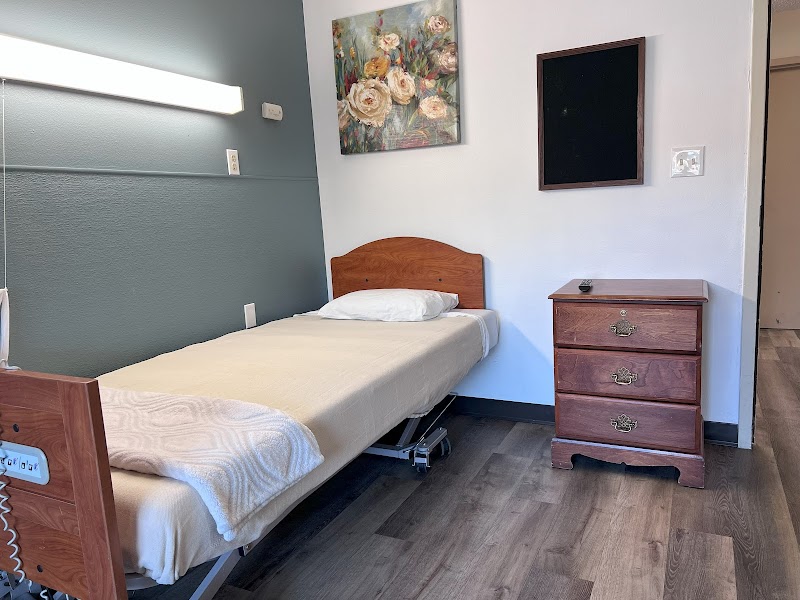
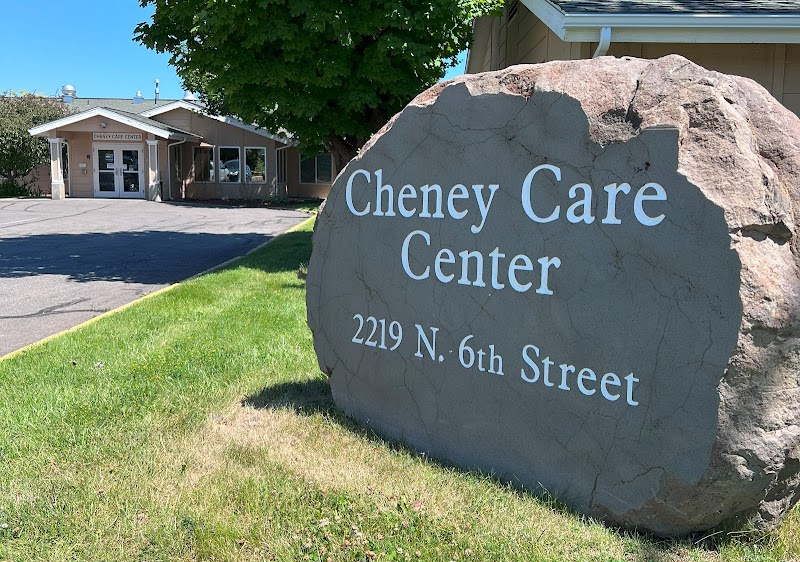

CHENEY CARE CENTER

2219 NORTH 6TH STREET, CHENEY, WA 99004 (509) 235-6196
Non profit - Other 54 Beds Independent Data: November 2025
Trust Grade
35/100
#137 of 190 in WA
Last Inspection: June 2024

Within standard 12-15 month inspection cycle. Federal law requires annual inspections.

Overview

Cheney Care Center has received a Trust Grade of F, indicating significant concerns about its care quality. Ranking #137 out of 190 facilities in Washington places it in the bottom half, and at #10 out of 17 in Spokane County, it means there are only a few local options that are better. The facility is improving, having reduced its issues from 17 in 2024 to 6 in 2025; however, it still has a troubling history with serious deficiencies, including a resident developing a severe pressure ulcer due to inadequate monitoring and staff failing to provide necessary training for behavioral health care. Staffing is a concern, with only 2 out of 5 stars and a turnover rate of 51%, which is nearly average for Washington. Additionally, the center has incurred $33,540 in fines, which is concerning and suggests ongoing compliance problems, and it has less RN coverage than 94% of state facilities, which may affect the quality of care.

Trust Score
F
35/100
In Washington
#137/190
Bottom 28%
Safety Record
Moderate
Needs review
Inspections
Getting Better
17 → 6 violations
Staff Stability
⚠ Watch
51% turnover. Above average. Higher turnover means staff may not know residents' routines.
Penalties
✓ Good
$33,540 in fines. Lower than most Washington facilities. Relatively clean record.
Skilled Nurses
○ Average
Each resident gets 30 minutes of Registered Nurse (RN) attention daily — about average for Washington. RNs are the most trained staff who monitor for health changes.
Violations
⚠ Watch
67 deficiencies on record. Higher than average. Multiple issues found across inspections.
★★☆☆☆
2.0
Overall Rating
★★☆☆☆
2.0
Staff Levels
★★★★☆
4.0
Care Quality
★★☆☆☆
2.0
Inspection Score
Stable
2024: 17 issues
2025: 6 issues

The Good

  • 4-Star Quality Measures · Strong clinical quality outcomes
  • Full Sprinkler Coverage · Fire safety systems throughout facility
  • No fines on record

Facility shows strength in quality measures, fire safety.

The Bad

2-Star Overall Rating

Below Washington average (3.2)

Below average - review inspection findings carefully

Staff Turnover: 51%

Near Washington avg (46%)

Higher turnover may affect care consistency

Federal Fines: $33,540

Above median ($33,413)

Moderate penalties - review what triggered them

The Ugly 67 deficiencies on record

2 actual harm
May 2025 2 deficiencies
CONCERN (D) 📢 Someone Reported This

A family member, employee, or ombudsman was alarmed enough to file a formal complaint

Potential for Harm - no one hurt, but risky conditions existed

Quality of Care (Tag F0684)

Could have caused harm · This affected 1 resident

Based on observation, interview, and record review, the facility failed to assess, monitor, and notify the physician of a non-pressure related skin condition for 1 of 3 sampled residents (Resident 1),...

Read full inspector narrative →
Based on observation, interview, and record review, the facility failed to assess, monitor, and notify the physician of a non-pressure related skin condition for 1 of 3 sampled residents (Resident 1), reviewed for skin integrity. This failure placed the residents at risk for potential worsening skin conditions and a decreased quality of life. Findings included . Review of the facility policy titled Wound and Skin, dated 07/23/2013, showed the facility policy was to identify all wound and skin issues upon admission, on an ongoing basis, and on the routine weekly skin check day using the skin assessment tool. Once a wound or skin issue was identified, the Licensed Nurse (LN) was to document the characteristics of the issue i.e. size, depth, color, drainage, and location in the chart and on an incident report. This information must be documented in the skin assessment on a weekly basis. The findings were to be reported to the MD and fax MD with plan for treatment. Staff were to record this on the electronic Medication Administration Record (eMAR) under treatments and was to be followed up on by the LN's. The Director of Nursing (DNS) was to be notified for all skin issues. According to a facility assessment, dated 03/02/2025, showed Resident 1 had a history of a stroke, anxiety and depression. The resident had some difficulty making their needs known. Resident 1 required substantial to maximal assistance with most Activities of Daily Living (ADL's). Review of a skin assessment, dated 04/26/2025, showed Resident 1 had 2 boils: 1 on the left bottom side of the scrotum and 1 on the right side. They measured 2 centimeter (cm) x 2 cm, and had hard lumps under the wounds. The left inner thigh had a blister that measured 2 cm x 2 cm and the blister was described as popped. Staff noted they covered all areas with barrier cream. Review of the resident's eMAR for April 2025 through May 3, 2025 showed no treatment in place related to the resident's skin issues. Review of progress notes showed no documentation on 04/26/2025 about the new skin issue or that the physician had been notified. On 05/01/2025 a progress note by Staff B, Infection Preventionist (IPC), showed a Nursing Assistant (CNA) reported Resident 1 had blood on their brief. Staff B assessed the resident's groin and found a small amount of blood from an excoriated (raw and irritated) area to the right side of the scrotum. On 05/03/2025 Staff C, Registered Nurse (RN) documented Resident 1 complained their pain had increased from their boils. The resident was no longer able to sit in their chair and wanted to lay down. Warm compresses where applied to the boils and the resident stated it only helped a little. The resident requested to go to the hospital and the on call provider agreed due to the increased pain and discharge from the resident's boils. Review of hospital records, dated 05/03/2025, showed the resident had scrotal cellulitis (a bacterial skin infection affecting the deeper layers of the skin and underlying tissue, often causing localized redness, swelling, warmth, and pain) and abscesses (a swollen area within body tissue, containing an accumulation of pus). The abscesses were drained and cultures taken which showed Methicillin-resistant Staphylococcus aureus (MRSA, a bacteria that is resistant to many antibiotics and highly contagious by skin to skin contact or contact and by contaminated surfaces). During an interview on 05/16/2025 at 11:03 AM, Staff D, Licensed Practical Nurse (LPN), stated if a new wound was identified, nurses would complete an incident report, notify Staff B, Infection Preventionist, and call the physician if a treatment was needed. When asked about Resident 1, Staff D stated they had taken care of the resident the evening before the resident went to the hospital. Staff D stated a nursing assistant asked them to look at the resident. The resident had boils - 1 on the inner thigh, the other on the side of their testicle, which looked ready to pop. The area was open, oozing and swollen. Staff D stated they didn't complete an incident report because the boils had been reported to them a couple of days prior and assumed it had already been done. Staff D stated they notified the physician in the provider book. During an interview on 05/21/2025 at 12:27 PM, Staff E, RN, stated they had completed the skin assessment on 04/26/2025 after a nursing assistant had notified them the resident had pain in their scrotal area. The resident had a popped blister on their left inner thigh and the resident's scrotum was swollen. Staff E assumed since the blister had popped, another nurse had identified the area, so didn't investigate further to see if a incident report had been done. On 05/21/2025 at 3:00 PM, Staff F, CNA, had noticed the skin issues for Resident 1 on the day the resident was sent out to the hospital. Staff F stated they went and told the nurse so they could assess it. On 05/22/2025 at 9:37 AM, Resident 1 was laying in bed. The resident stated they had boils on their scrotum and went to the hospital to have them drained. Resident 1 said they now had dressing changes and was told by staff the areas were healing. Resident 1 gave the surveyor permission to observe the dressing changes. At 10:21 AM, Staff A, RN, donned their gloves and removed the resident's brief. The wounds were without dressings and open to air. Staff A cleansed the resident's wound on the underside of the right testicle. Their was a small area open area which appeared to be healing. Staff A stated the resident had orders for the area to be packed but the wound had closed enough that packing wasn't needed. The area was cleansed, gauze was placed, and a border dressing was applied. The left inner thigh had a pink/red, closed area. The area was cleansed and a border dressing was placed. The resident tolerated the dressing change well. On 05/22/2025 at 11:23 AM, Staff C, RN, was contacted by telephone. Staff C stated the first they knew about the resident's boils was on the day the resident was sent to the hospital. The resident had been in their wheel chair and complained of increased pain so was put in bed. Staff C offered a warm compress and commented they were not sure what had been done for treatment prior to that. Later in the shift, Staff C was told by a CNA the resident had some blood and drainage. Staff C described the wounds as opened with a nickel size pus plug. The surrounding area was hard, like the size of an apple or orange. The other areas were harder to visualize. The resident was sent to the hospital. On 05/22/2025 at 11:50 AM, Staff B, IPC, stated the were not aware there was skin issues with Resident 1. When Staff E had identified the boils, they should have completed an incident report, placed the resident on alert, contacted the physician and Administration, and documented on a progress note. On 05/01/2025 a CNA told Staff B the resident had blood on their brief. When Staff B assessed the area, they found an excoriated area to the right of the resident's scrotum. Staff B stated the boils were under Resident 1's scrotum and were not visable at that time. Staff B stated the nurses should have followed the process for a new skin issue, which had not been done. In addition, Staff D, LPN, had notified the physician in the provider book but since it was a Friday evening, the provider should have been contacted directly. Reference: WAC 388-97-1060(1)
CONCERN (D) 📢 Someone Reported This

A family member, employee, or ombudsman was alarmed enough to file a formal complaint

Potential for Harm - no one hurt, but risky conditions existed

Infection Control (Tag F0880)

Could have caused harm · This affected 1 resident

Based on observation, interview, and record review, the facility failed to ensure staff followed Contact Precautions, when indicated, for 1 of 1 sampled resident (Resident 1), during wound care. This ...

Read full inspector narrative →
Based on observation, interview, and record review, the facility failed to ensure staff followed Contact Precautions, when indicated, for 1 of 1 sampled resident (Resident 1), during wound care. This failure placed the residents at risk for spread of infection, illnesses, and unintended health consequences. Findings included . Per the Center for Disease Control (CDC) guidelines, staff should wear a gown and gloves for residents on Contact Precautions. Additionally, if there is a chance for splashes or sprays of body fluid eye precaution and mask may be needed. According to a facility assessment, dated 03/02/2025, Resident 1 had a history of a stroke, anxiety and depression. The resident had some difficulty making their needs known. Review of a hospital discharge orders, dated 05/12/2025, showed the resident had abscesses that had been drained and tested positive for Methicillin-resistant Staphylococcus aureus (MRSA, a bacteria that is resistant to many antibiotics and highly contagious by skin to skin contact or contact with contaminated surfaces). Dressing changes were to be daily and Contact Precautions followed. During an observation on 05/22/2025 at 10:21 AM, Staff A, Registered Nurse (RN), and surveyor entered Resident 1's room for a dressing change. There was no signage on the door to show the resident was on contact precautions and no cart outside the room with Personal Protective Equipment (PPE's). When entering the room, a sign was seen on the resident's wall that showed they were on contact precautions and a tote was below. The sign was difficult to see due to the lighting in the room. Staff A donned their gloves, cleansed the wounds, and covered them with dressings. Staff A washed her hands in between putting on new gloves. The wounds appeared to be healing. Staff A did not place a gown on during the procedure. Staff A was interviewed at 11:12 AM and asked if Resident 1 was on contact precautions. Staff A looked at their work sheet and stated they should be, Resident 1 had MRSA. Staff A stated a gown should have been worn but they did not see a sign or cart to show they were on contact precautions. Staff A and the surveyor went into the room where the sign and tote were located. During an interview on 05/22/2025 at 11:50 AM, Staff B, Infection Preventionist, stated they had not been in the facility when Resident 1 returned from the hospital. Staff B stated the signage for residents on contact precautions, especially with MRSA, should have been on the outside of the door and the PPE cart so staff could don prior to entering the room. Staff B confirmed Staff A should have worn a gown at the time of the dressing change. Reference: WAC 388-90-1320(2)((B)
Feb 2025 4 deficiencies
CONCERN (D) 📢 Someone Reported This

A family member, employee, or ombudsman was alarmed enough to file a formal complaint

Potential for Harm - no one hurt, but risky conditions existed

Safe Transfer (Tag F0626)

Could have caused harm · This affected 1 resident

Based on interview and record review, the facility failed to consider re-admission for 1 of 4 sampled residents (Resident 3), reviewed for hospitalization. This failure placed the resident at risk for...

Read full inspector narrative →
Based on interview and record review, the facility failed to consider re-admission for 1 of 4 sampled residents (Resident 3), reviewed for hospitalization. This failure placed the resident at risk for increased anxiety related to being placed in an unfamiliar environment, and a diminished quality of life. Findings included . Review of a facility form titled Transfer and Discharge ., revised on 12/24 documented emergency transfers/discharges were initiated by the facility for medical reasons to an acute care setting such as a hospital, for the immediate safety and welfare of a resident. The resident will be permitted to return to the facility upon discharge from the acute care setting. In a situation where the facility initiates discharge while the resident is in the hospital following emergency transfer, the facility will have evidence that the resident's status at the time the resident seeks to return to the facility . Review of the admission assessment, dated 12/20/2024, showed Resident 3 was admitted with diagnoses which included a stroke, Parkinson's Disease (a progressive disorder that affects movement, balance, and coordination). The resident had difficulty making their needs known. Review of Nursing Progress notes, dated 02/03/2025, showed the resident was at their doorway screaming and began swinging their cane at Staff A, Director of Nursing (DNS). Resident 3 was asked to calm down and continued to scream unintelligibly and swinging their cane. Staff A was fearful of immediate safety for staff and residents. Resident 3 walked down the hallway, swinging their cane and yelling, and exited the front of the building. The police and Emergency Medical System (EMS) came to the facility and transferred the resident to the hospital. Staff A informed EMS the facility could not manage the resident' aggression and would not take them back. During an interview on 02/13/2025 at 1:55 PM, Staff A stated the resident was sent to the hospital because they were a threat to staff and residents. Staff A informed EMS they were not taking the resident back. A discharge notice was sent to the hospital at the time of discharge. Reference: (WAC) 388-97-0120(4)(b)
CONCERN (D) 📢 Someone Reported This

A family member, employee, or ombudsman was alarmed enough to file a formal complaint

Potential for Harm - no one hurt, but risky conditions existed

Deficiency F0740 (Tag F0740)

Could have caused harm · This affected 1 resident

Based on observation, interview, and record review, the facility failed to ensure behavioral health needs were identified and met for 2 of 4 sample residents (Resident 1 and 3), reviewed for behaviora...

Read full inspector narrative →
Based on observation, interview, and record review, the facility failed to ensure behavioral health needs were identified and met for 2 of 4 sample residents (Resident 1 and 3), reviewed for behavioral-emotional health. Failure to assess residents behavioral needs, identify individual resident responses to stressors and develop person-centered interventions placed residents at risk for unidentified behavior triggers, unmet behavioral needs, and diminished quality of life. Findings included . <Resident 1> According to the admission assessment, dated 08/23/2024, Resident 1 had diagnoses to include a stroke with left sided weakness, anxiety and depression. Resident 1 had difficulty making their needs known. The resident had hallucinations (where you hear, see, smell, taste or feel things that appear to be real but only exist in your mind). The resident's mood assessment showed they felt bad about themselves, felt down, depressed, or hopeless, and had little interest in doing things. The resident took antidepressant and antianxiety medication. Review of the Pre-admission Screening and Resident Review (PASARR, a screening required to be completed prior to admission to a nursing home that looked for indicators one may have a serious mental illness), dated 08/19/2024, indicated Resident 1 had a serious mental illness and required a PASARR level II review (an assessment that made recommendations about specialized services needed to determine the best setting to meet a person's behavioral health needs). Additional review of the record showed no Level II assessment had been completed. Review of the resident's Medication Administration Record (MAR) and Treatment Administration Record (TAR) for August 2024, the resident was taking an antidepressant twice a day and an antianxiety medication every 8 hours as needed. The resident had antianxiety and antidepressant side effect monitors to be done each shift. A progress note was to be written if side effects were observed and an intervention included. There was nothing to show non-medication interventions were attempted prior to medicating the resident, no target behaviors identified, and no person-centered interventions in place. Review of the provider notes, dated 09/09/2024, documented the resident was on the maximum dose of medication for their depression. The provider requested a referral be placed for mental health counseling. On 09/13/2024, the provider again documented the resident needed outside psychiatric follow up due to being on the maximum antidepressant dosage and requested a referral for mental health counseling. Review of Social Services Director (SSD) notes, dated 09/10/2024 to 09/16/2024, showed contact was attempted to an outside mental health provider but the facility was waiting for a call back. There were no further notes found to show a mental health provider had been reached. Review of the 11/20/2024 quarterly assessment documented Resident 1 had delusions (false beliefs that are held with strong conviction, despite evidence to the contrary) and resisted care. In addition to the resident's mood assessment on admission, the resident now had thoughts they would be better off dead and felt bad about themselves. Review of Resident 1's comprehensive care plan identified the following care areas: -On 12/05/2024 - Mood and Behavior: Resident had been diagnosed with depression and anxiety with psychoactive medications (substances that affect the brain and alter perception and cognition) to treat. Interventions included attempt Gradual Dose Reduction (GDR, an assessment to show if a resident's dose could be lowered) per protocol and monitor side effects of the medications every shift. -On 01/09/2025 - the care plan was revised due to a history of holding down their call button to keep it on continuously, especially during the night, and not needing help. Interventions included 30 minute checks. It was documented the resident was made aware if they pushed the call button in between checks, staff may not be able to answer it. -On 01/23/2025 - the care plan was revised due to a history of physical aggression toward staff such as hitting with objects and using racially insensitive dialogue. Interventions included redirecting the resident when hitting or using insensitive statements and notify the nurse or SSD. There was nothing found to show target behaviors had been identified for the resident and no person-centered interventions in place. A review of nursing progress notes from 09/02/2024 to 11/30/2024 showed the resident had reported they were anxious on several occasions. The nurses documented the resident frequently used the call light and was inpatient. On 10/13/2024 it was documented the resident's dog had passed away and the resident was very emotional but had stabilized. On 11/11/2024, a note was written by Staff A, Director of Nursing (DNS). Staff A met with the resident related to a comment they had made about a nursing assistant the night before. The resident had reported they felt they had a stroke and according to the resident, the nursing assistant responded the nurses are too busy, and the hospital won't do anything for you. The nurse was interviewed and stated they had gone in and evaluated the resident for a stroke and there was no signs of one. The nurse reported to Staff A the resident got very anxious in the evenings and would work themselves up to thinking they were dying. Staff A contacted the provider. On 11/15/2024 the provider visited Resident 1 and documented to continue the current antianxiety medication because the resident stated it controlled their anxiety. On 01/06/2025, Staff A met with family to discuss Resident 1's continued anxiety. The family member reported the resident's anxiety had been an ongoing issue for Resident 1 due to traumatic events that had occurred in their life: divorce, loss of their farm, and loss of a farming career. Review of the resident orders showed the resident was started on a different antianxiety medication on 01/09/2025. The medication was slowly being increased as the prior medication was being decreased. During record review, there was no document to show an interdisciplinary team (IDT) had assessed the resident for their response to stressors, develop person-centered individualized interventions or evaluate the effectiveness of the resident's medication regimen. On 01/29/2025 at 12:05 PM, Resident 1 was laying in bed with a hospital gown on. The resident stated he felt staff were pushing them into violence. When asked, the resident stated about a week ago two staff members came in their room. Resident 1 stated at one point one of the staff member's put their fists up, so Resident 1 hit them with their back scratcher. The resident stated they were told if they hit another staff member again, the police would be called. The resident stated they felt bad they hit the staff member and was trying to be calmer. The resident was tearful during the conversation. The resident was asked about their antianxiety medication and they stated they were recently started on a new one but it hadn't helped their anxiety yet. During an interview on 02/13/2025 at 11:10 AM, Staff F, Certified Nursing Assistant (CNA), stated they had worked at the facility quite a while and knew most of the residents and their behaviors. They would also be told about behaviors at shift change or by the nurse. As far as interventions, they would try different things like reapproaching or making sure the residents needs were being met. Staff F stated they didn't take care of Resident 1 but assisted in answering the call light since it was on a lot and could be overwhelming for the resident's CNA. On 02/13/2025 at 12:20 PM, Staff E, Licensed Nurse (LN), stated there was an area in the computer they would chart on behaviors for residents on psychotropic or antidepressant medication. Staff E stated resident care plans would have the target behaviors and individualized interventions. Staff E said Resident 1 would make different types of statements and when Staff E would talk with the resident, the resident would say no one paid attention to them, or no one loved them. On 02/13/2025 at 12:55 PM, Staff G, CNA, stated they knew about resident behaviors from the residents care records, reported from the nurse or report from the CNA at the start of their shift. Interventions would depend on type of the behavior like redirecting. Staff G stated they had a good relationship with Resident 1 and didn't see a lot of behaviors, mostly call light use, and they would reassure the resident. At times Resident 1 would be teary or down and Staff G would report it to the nurse. <Resident 3> Review of the admission assessment, dated 12/20/2024, showed Resident 3 was admitted with diagnoses which included a stroke, Parkinson's Disease (a progressive disorder that affects movement, balance, and coordination), and depression. The resident had difficulty making their needs known. Resident 3's mood assessment showed the resident had little pleasure in doing things, felt down, depressed, and hopeless, had trouble falling asleep, and thoughts of being better off dead. No behaviors were identified. Review of the PASARR, dated 12/13/2024, showed Resident 3 had indicators they had an Intellectual Disability and required a PASARR level II review. Additional review of the record showed no Level II assessment had been done The resident's care plan, dated 12/16/2024, identified the resident was diagnosed with depression and had a history of a suicide attempt. The resident was taking psychoactive medication for depression. Staff were to attempt GDR per protocol, monitor side effects of the anti-depressant, and do hourly supervision for safety. There was no target behaviors or person-centered interventions found in the care plan. The resident's MAR and TAR's were reviewed for December 2024 and January 2025. The resident was taking an antidepressant and was on medication for insomnia. There was an antidepressant monitor and staff were to put a +/-. A progress note was to be written only if the resident had a side effect observed and an intervention they tried. There was no monitors that non-medication interventions were in place, no target behaviors identified, and no person-centered interventions. During record review, there was no document to show an interdisciplinary team (IDT) had assessed the resident for their response to stressors, develop person-centered individualized interventions or evaluate the effectiveness of the resident's medication regimen or interventions. During an interview on 01/29/2025 at 10:35 AM, Resident 3 was sitting in a wheel chair in their room. The resident did not make eye contact during the interview. Resident 3 stated they had recently gone out to visit with their wife and they fought. The resident said they ended up walking to their brother's house. The police found the resident and brought them back to the facility. On 02/13/2025 at 11:30 AM, Staff D, CNA, stated they would be told about a resident's behaviors during report at the start of their shift and there would be behaviors on the resident care record. Staff D was asked about interventions for behaviors and stated if a resident refused care or was hitting they would reapproach them later. Staff D stated the only behavior they had seen for Resident 3 was when they had an outburst and was swinging their cane and yelling. Prior to the incident, the resident was pleasant. On 02/13/2025 at 11:34 AM, Staff C, LN, stated residents on psychotropic medication would have their behaviors monitored in the computer. If there was a behavior outside of what they were charting on for medication, like loss of a loved one, they would put the resident on alert and chart on them for 3-5 days. A new behavior from a resident would be placed in progress notes and the Resident Care Manager (RCM) would be notified. Staff C stated Resident 3 would often have their phone on speaker and would be fighting with their wife, they would both be yelling at one another. After those phone calls, the resident would be agitated and would stand at their door yelling for things. Staff C stated they would keep their distance from Resident 3 and calmly ask what they needed. On 02/13/2025 at 1:55 PM, Staff A, Director of Nursing (DNS) and Staff B, RCM were interviewed. Staff A stated social services was responsible for coordinating behavioral health services and would complete trauma informed assessments on admit. Social services also sent PASARR Level II's to the evaluator. Staff A stated the facility had not had a social worker for the last 6 months, which was about the time Resident 1 had been referred to a mental health provider. Staff A and B were asked if residents had target behaviors in place with individualized interventions and they stated they were in the residents care plans. When asked how Resident 1 was provided behavioral or emotional support, Staff B stated staff remained positive with the resident and would encourage the resident to get out of their room to walk. Some staff provided a fidget device for the resident, which helped them to not push the call light so often when the resident didn't need anything. When asked about how behavioral or emotional support was provided to Resident 3, Staff B stated they didn't have a full background on the resident but because they had attempted suicide prior, they were put on increased supervision. Staff B stated activities tried to engage the resident to help with socialization and they made sure the resident went to church in the community, when they wanted. Staff A was asked about documentation from an IDT team to show residents behaviors were being discussed, person-centered care plans developed, and an evaluation of the effectiveness of medications or interventions in place. Staff A stated there had been a period of time without psychoactive meetings since there hadn't been a SSD. Staff A stated they had been doing a more informal meeting and residents were discussed in the morning meeting. The pharmacist also reviewed resident medications and would let them know if a GDR was needed. An order would then be obtained and the team would be updated as well as the care plan. Reference: No associated WAC
CONCERN (E) 📢 Someone Reported This

A family member, employee, or ombudsman was alarmed enough to file a formal complaint

Potential for Harm - no one hurt, but risky conditions existed

Deficiency F0625 (Tag F0625)

Could have caused harm · This affected multiple residents

Based on interview and record review, the facility failed to provide a bed-hold notice (a notice to inform residents of their right to pay the facility to hold their room/bed while they were hospitali...

Read full inspector narrative →
Based on interview and record review, the facility failed to provide a bed-hold notice (a notice to inform residents of their right to pay the facility to hold their room/bed while they were hospitalized ), to the resident and/or their representative at the time of discharge, or within 24 hours of transfer to the hospital, for 4 of 4 sampled residents (Resident 1, 3, 6, and 7), reviewed for hospitalization. This failure placed residents at risk for a lack of knowledge regarding the right to a bed-hold while they were hospitalized . Findings included . <Resident 1> The 11/20/2024 quarterly assessment documented Resident 1 was admitted with a history of a stroke, anxiety and depression. The resident was able to make needs known. Review of nursing progress notes, dated 09/16/2024, showed Resident 1 was transferred to the hospital due to complaints of increased numbness to their lower legs and pain in their hand. Additional record review showed no documentation the resident had been provided a bed-hold notice. <Resident 3> The 12/20/2024 admission assessment documented Resident 3 was admitted with Parkinson's Disease (a progressive disorder that affects movement, balance, and coordination) and a history of a stroke. The resident had difficulty making their needs known. Review of nursing progress notes, dated 02/03/2025, showed Resident 3 was screaming, swinging their cane in the air, and would not calm down. The facility was concerned about safety of staff and other residents and transferred the resident to the hospital for an evaluation. Additional record review showed no documentation the resident had been provided a bed-hold notice. <Resident 6> The 11/30/2024 assessment documented Resident 6 was admitted with history of a stroke, anxiety, and depression. The resident was able to make their needs known. Review of nursing progress notes, dated 01/01/2025, showed Resident 6 continued to exhibit confusion, had diarrhea, vomiting and unstable vital signs. The resident was transferred to the hospital for an evaluation. Additional record review showed no documentation the resident had been provided a bed-hold notice. <Resident 7> The 12/11/2024 quarterly assessment documented Resident 7 was admitted with fractures and depression. The resident had difficulty making their needs known. Review of nursing progress notes, dated 01/11/2025, showed Resident 7 had confusion, was lethargic (feeling tired, sluggish), and had tremors (involuntary shaking movement). The resident was sent to the hospital for an evaluation. Additional record review showed no documentation the resident had been provided a bed-hold notice. On 02/13/2025 at 11:34 AM, Staff C, Licensed Practical Nurse (LPN), stated they did not give the bed-hold policy to residents transferred to the hospital. Staff C stated it would be something the Resident Care Manager (RCM) or Social Services Director (SSD) would give the residents. On 02/13/2025 at 1:55 PM Staff A, Director of Nursing (DNS) and Staff B, Resident Care Manager (RCM), were interviewed. Staff A stated the residents received their first copy of a bed-hold during the admission process. If a resident was transferred to the hospital, a second notification should be given to the resident or their representative. Currently the facility didn't have a clear process and residents were given the information verbally. Reference: WAC 388-97-0120(4)
CONCERN (E) 📢 Someone Reported This

A family member, employee, or ombudsman was alarmed enough to file a formal complaint

Potential for Harm - no one hurt, but risky conditions existed

PASARR Coordination (Tag F0644)

Could have caused harm · This affected multiple residents

**NOTE- TERMS IN BRACKETS HAVE BEEN EDITED TO PROTECT CONFIDENTIALITY** Based on observation, interview, and record review, the facility failed to ensure Pre-admission Screening and Resident Review (P...

Read full inspector narrative →
**NOTE- TERMS IN BRACKETS HAVE BEEN EDITED TO PROTECT CONFIDENTIALITY** Based on observation, interview, and record review, the facility failed to ensure Pre-admission Screening and Resident Review (PASARR, a screening required to be completed prior to admission to a nursing home that looked for indicators that one may have a serious mental illness) were completed for 3 of 5 sampled residents (Resident 1, 3, and 7), reviewed for PASARR's. Resident 1 and 3 were not referred for a Level II evaluation (an assessment that made recommendations about specialized services needed to determine the best setting to meet a person's behavioral health needs) and Resident 7 did not have a PASARR completed prior to admission to the facility, as required. This failure placed the residents at risk for a decline in their mental health and a decreased quality of life. Findings included . <Resident 1> Review of the quarterly assessment, dated 11/20/2024, showed Resident 1 was admitted with a history of a stroke, anxiety and depression. The resident was able to make their needs known. Resident 1's mood assessment showed they had little interest in doing things, felt down, felt bad about themselves and thoughts they would be better off dead. The resident was admitted on an antidepressant and antianxiety medication. Review of the resident's PASARR dated 08/19/2024, indicated Resident 1 had indicators they had a serious mental illness and required a PASARR level II review. Further review of the Electronic Medical Record (EMR) had no documentation to show the facility requested a Level II review from the PASARR coordinator. On 01/29/2025 at 12:05 PM, Resident 1 was laying in bed with a hospital gown. The resident stated the facility was pushing him to violence and he had hit a staff member about a week ago with their back scratcher. The facility told them if they hit someone again, they would call the police. Resident 1 stated they were trying to not get angry. The resident was tearful during the conversation. <Resident 3> Review of the admission assessment, dated 12/20/2024, showed Resident 3 was admitted with diagnoses which included a stroke, Parkinson's Disease (a progressive disorder that affects movement, balance, and coordination), and a history of suicide attempt. The resident had difficulty making their needs known. The mood assessment showed the resident had little interest in doing things, felt down and bad about themselves, and had thoughts they were better off dead. The resident was admitted on an antidepressant. Review of the PASARR, dated 12/13/2024, indicated Resident 3 had indicators they had an intellectual disability or related condition, and required a PASARR level II review from the Development Disability Administration (DDA). Further review of the EMR had no documentation to show the facility requested a Level II evaluation from the DDA PASARR coordinator, as required. On 01/29/2025 at 10:35 AM, Resident 3 was sitting in their wheel chair in their room. The resident mumbled during the conversation and was difficult to understand. During the interview, the resident often looked down, not making eye contact. <Resident 7> Review of the quarterly assessment, dated 12/11/2024, showed Resident 7 was admitted with fractures, a history of a stroke, and depression. The resident had difficulty making their needs known. The mood assessment showed the resident had little interest in doing things and felt bad about themselves. The resident was admitted on a antidepressant. Review of the resident's EMR showed the resident was admitted on [DATE], from home. There was no PASARR form found in the resident's EMR at the time of admission. In an interview on 02/13/2025 at 1:55 PM, Staff A, Director of Nursing (DNS), stated Admissions would look at the PASARR's and they would be given to the Social Services Director (SSD) if a Level II was required and the SSD would send the requests to the PASARR coordinators. Staff A stated the SSD left in September 2024. The facility recently hired someone into the position of SSD and the process would be looked at moving forward. Reference: WAC 388-97-1915(4)
Nov 2024 5 deficiencies
CONCERN (D) 📢 Someone Reported This

A family member, employee, or ombudsman was alarmed enough to file a formal complaint

Potential for Harm - no one hurt, but risky conditions existed

Abuse Prevention Policies (Tag F0607)

Could have caused harm · This affected 1 resident

**NOTE- TERMS IN BRACKETS HAVE BEEN EDITED TO PROTECT CONFIDENTIALITY** Based on interview and record review, the facility failed to implement their Abuse and Neglect Prohibition Policies and Procedur...

Read full inspector narrative →
**NOTE- TERMS IN BRACKETS HAVE BEEN EDITED TO PROTECT CONFIDENTIALITY** Based on interview and record review, the facility failed to implement their Abuse and Neglect Prohibition Policies and Procedures to include, not reporting or investigating an elopement and resident-to-resident altercation for 1 of 6 sampled residents (Resident 1) reviewed for accident hazards. This failure placed the resident and other residents at risk for repeated abuse and elopement and precluded the state agency (SA) from being aware of and investigating the circumstances surrounding the resident's elopement and resident-to-resident altercation. Findings included . Review of an undated facility policy titled Abuse, Neglect and Exploitation showed, the facility would immediately investigate when suspicion or reports of abuse, neglect or exploitation occurred. The policy directed the facility to identify and interview all involved persons, including the alleged victim, alleged perpetrator, witnesses, and others who might have knowledge of the allegations. The policy instructed the facility to report all alleged violations to the Administrator, SA, and all other required agencies immediately, but not later than two hours after the allegation was made, if the events that caused the allegation involved abuse or resulted in serious bodily injury, or not later than 24 hours if the events that caused the allegation did not involve abuse nor resulted in serious bodily injury. Review of Appendix D in the October 2015 Nursing Home Guidelines The Purple Book showed, it instructed the facility to log elopements or missing resident events and resident-to-resident altercations in the SA Log within five days of event discovery. The facility would additionally report resident-to-resident altercations with psychological or physical harm and elopements/missing person events to the SA Hotline. Review of a 09/18/2024 annual assessment showed Resident 1 re-admitted to the facility on [DATE]. This assessment showed the staff assessed Resident 1 had severe cognitive impairment and required partial to moderate assistance to mobilize in a wheelchair. <Resident to Resident Altercation> Review of a 07/17/2024 progress note showed the staff observed Resident 1 talking to another resident at the nurses' station. The staff witnessed the other resident said something to Resident 1, then Resident 1 yelled at the other resident and grabbed them by the arm. The staff removed the residents from the nurse's station. Review of the July 2024 SA log showed no documentation the facility reported the resident-to-resident altercation to the SA or completed a thorough investigation to prevent recurrence and rule out abuse or neglect. The above findings were shared with Staff A, Director of Nursing, on 11/22/2024 at 10:50 AM. Staff A confirmed the facility did not report the resident-to-resident altercation to the SA or complete a thorough investigation upon review of the SA log and medical record. Staff A stated, We probably didn't know about it. <Elopement> Review of a 07/26/2024 progress note showed the staff identified Resident 1, Exited out the activities door on northside of facility via w/c [wheelchair]. The staff asked the resident where they were going and the resident told the staff, Just looking at the cars but I am ready to go back inside . The progress notes showed the incident occurred at 8:00 PM. In an interview on 11/22/2024 at 10:34 AM, Staff A defined elopement when a resident left the facility unattended and without prior arrangement, without supervision or assistance. Staff A stated that the staff incidentally found Resident 1 outside on the parking lot. When asked how long Resident 1 sat outside unsupervised, Staff A stated that the resident, was found like in less than a half an hour. Review of the SA log with Staff A showed the facility logged the elopement event but no findings or actions were identified to show the facility completed a thorough investigation of the event. Review of a 07/26/2024 investigation showed no conclusion of the event, no staff interviews, and no determination of how the resident went outside of the facility and unsupervised at 8:00 PM. In an interview on 11/22/2024 at 10:45 AM, Staff A acknowledged the facility did not complete a thorough investigation of the elopement event and stated, It [the investigation] doesn't look very good. Staff A acknowledged the facility should have but did not report the elopement to the SA Hotline as instructed in the October 2015 Nursing Home Guidelines The Purple Book. Staff A acknowledged the facility did not follow its abuse and neglect policies and procedures. No further information was provided. Reference WAC 388-97-0640(2). .
CONCERN (D) 📢 Someone Reported This

A family member, employee, or ombudsman was alarmed enough to file a formal complaint

Potential for Harm - no one hurt, but risky conditions existed

Deficiency F0624 (Tag F0624)

Could have caused harm · This affected 1 resident

Based on interview and record review, the facility failed to provide and document sufficient preparation or orientation for a safe discharge for 1 of 4 sampled residents (Resident 1) reviewed for disc...

Read full inspector narrative →
Based on interview and record review, the facility failed to provide and document sufficient preparation or orientation for a safe discharge for 1 of 4 sampled residents (Resident 1) reviewed for discharge planning. This failure placed the resident at risk for unmet care needs and a diminished quality of life. Findings included . Review of a 01/2024 facility policy titled Transfer and Discharge showed, the nurse who cared for the resident would ensure a Discharge Summary was completed for anticipated or resident-initiated discharges. The summary would show a description of the resident's stay that included their diagnoses, the course of illness/treatment or therapy, any pertinent labs, radiology and consultation reports, and a final summary of the resident's status. In an interview of 11/15/2024 at 11:37 AM, Resident 1's Representative stated that when the resident was discharged to a community provider, the facility did not send with the resident their medical file and that the receiving provider had zero idea what was going on with [Resident 1]. Review of progress notes showed the staff identified Resident 1 experienced a change in condition on 10/19/2024. The staff transferred the resident to the hospital. On 10/20/2024, the staff followed-up with the hospital and were told Resident 1 experienced a stroke. Review of a 10/22/2024 progress note showed the community provider that accepted Resident 1 called the facility for an update. The nurses informed the owner of the [community] home that the hospital states resident is back at baseline and the facility would give owner a call back with an update. Review of the medical record showed the resident re-admitted to the facility from the hospital also on 10/22/2024. A 10/24/2024 facility provider note showed they saw Resident 1 for follow-up after hospital readmission and blood in urine yesterday in the shower. The provider acknowledged the stroke diagnosis and that the resident was on antibiotics from the hospital secondary to a current urinary tract infection (UTI). The provider notes showed that therapy evaluated the resident and recommended a skilled nursing facility. The provider requested a repeat of the urine sample due to fever and possible UTI. Review of a 10/29/2024 progress note showed the urine sample resulted positive for UTI with yeast present. Culture results pending. The staff notified the provider that Resident 1 was expected to discharge to [the community] this week. The provider gave no new orders as the resident was on continued antibiotics and cleared [the resident] for discharge from a medical standpoint and will need to continue with follow up at [community setting]. Review of 10/31/2024 progress notes showed the nurses, assisted resident and medical records into the van for discharge and with all paperwork, personal belongings, and medications. Record review showed no results for the pending urine culture. Review of a 10/29/2024 Transfer/Discharge Report showed Resident 1's basic demographics information, diet type, and contact information for provider and primary contacts. The report showed a list of diagnoses and medications with instructions for administration. Under Chief Complaint, the report showed, Family requested transfer to a lesser care setting. All items under Relevant Information were blank, to include behaviors, mobility status, bladder and bowel patterns, eating, and usual level of functioning. The report showed, Resident physician to be established upon admission. Review of the medical record showed no documentation the staff communicated to the receiving community provider Resident 1's needs, their clinical background, a final summary of the resident's status, and a post discharge plan of care to assist Resident 1 adjust to their new living environment and have their clinical needs met. In an interview on 11/21/2024 at 12:34 PM, a Collateral Contact (CC) from the community setting where Resident 1 was discharged to was asked what kind of communication or discharge paperwork they received from the facility. The CC stated, They give me the Transfer/Discharge Report. That's all they sent. The CC stated that the facility did not send a care plan, No, no. They didn't send me anything else. They didn't give me any more information than that. The CC stated that the last time they had a discussion with the facility about Resident 1's discharge was when the resident was still at the hospital and were informed that once the resident returned and stabilized, the community discharge would resume. The CC stated, No paperwork [was] received then or afterwards to update them on Resident 1's status. The CC stated that they communicated with a State Agency (SA) to coordinate Resident 1's admission to the community setting. In an interview on 11/21/2024 at 12:44 PM, the SA CC stated that they came to find out that the facility discharged Resident 1 to the community provider after the resident representative called me and the resident was back at the hospital from the [community setting] with a urinary tract infection and kidney stones. The SA CC stated, It did not sound like it was a good discharge plan, that it seemed rushed and did not ensure proper precautions to ensure safety. I don't think they included me in the discharge planning after I found placement [for the resident]. Review of an 11/03/2024 hospital record showed Resident 1 re-admitted to the hospital from the community setting. The record showed the resident presented to the hospital with altered mental status and urinary complaints. Workup reveals sepsis [a life-threatening medical emergency that occurs when the body's immune system overreacts to an infection or injury] secondary to UTI, obstructing kidney stone, and possible pneumonia. The hospital started Resident 1 on intravenous (by vein) antibiotics. The above information was shared in a joint interview with Staff A, Director of Nursing, and Staff C, Resident Care Manager on 11/22/2024 at 11:10 AM. Staff A stated that at the time of a planned discharge to the community, they expected the nurse to send with a resident a face sheet, orders, progress notes, a care plan and probably like the last two or three history and physical [notes] and physician visits. Staff C stated that when Resident 1 discharged to the community provider, We sent the face sheet. Staff A and C were asked to describe what kind of follow-up Resident 1 required at the community setting. Staff A stated, I don't know and Staff C stated, I did not discuss that. I should've included that in my conversation [with the community provider]. Both Staff A and C acknowledged the facility did not adequately communicate or sufficiently provide relevant and vitally important information to the receiving community provider to ensure a safe and orderly discharge process for Resident 1. Reference WAC 388-97-0120 (3)(a). .
CONCERN (D) 📢 Someone Reported This

A family member, employee, or ombudsman was alarmed enough to file a formal complaint

Potential for Harm - no one hurt, but risky conditions existed

Incontinence Care (Tag F0690)

Could have caused harm · This affected 1 resident

**NOTE- TERMS IN BRACKETS HAVE BEEN EDITED TO PROTECT CONFIDENTIALITY** Based on interview and record review, the facility failed to ensure the staff implemented recommendations to help prevent kidney...

Read full inspector narrative →
**NOTE- TERMS IN BRACKETS HAVE BEEN EDITED TO PROTECT CONFIDENTIALITY** Based on interview and record review, the facility failed to ensure the staff implemented recommendations to help prevent kidney stones for 1 of 6 sampled residents (Resident 1) reviewed for urinary tract infections (UTI). This failure placed the resident at risk for repeated kidney stone development and associated discomfort. Review of the medical record showed Resident 1 re-admitted to the facility on [DATE]. Review of the diagnoses list showed but was not limited to, dementia, a history of UTI, kidney stones, and chronic kidney disease. Review of a 04/10/2024 Urology (branch of medicine that focuses on surgical and medical diseases of the urinary system and the reproductive organs) Visit Summary showed Resident 1 was seen for kidney stones. In this visit, the provider removed a stent (tube that allows urine to flow from the kidneys into the bladder) and gave the following recommendations to help prevent kidney stones, Drink 8 - 10 cups (64 - 80 ounces) of water daily to maintain proper hydration, which dilutes urine and reduces kidney stone risk. Limit sodium intake to less than 2,300 mg [milligrams, a unit of measurement]/ [per] day and consume an appropriate amount of dietary calcium. Reduce high-oxalate sodium- rich foods such as dark [NAME] or energy drinks. Include citrus fruits in your diet for their citrate content, which helps prevent stone formation. [NAME] light is a lemonade drink powder that is high in citrate and orange juice is a healthier alternative. Review of Resident 1's 04/19/2024 nutrition care plan showed no instruction to the staff to limit high oxalate and sodium rich foods, the amount sodium intake was limited to, or include citrus fruits in their diet. A bladder incontinence CP showed, Encourage fluids during the day to promote prompted voiding (10/15/2021) but no specific interventions to prevent kidney stones as recommended by the urology clinic, like drinking eight to 10 cups of water daily. Review of a 05/30/2024 and 09/20/2024 Nutrition Assessment showed Resident 1, has been having recurrent UTIs. Those and a 10/29/2024 Nutrition Assessment, showed no documentation the facility acknowledged the urology clinic recommendations to help prevent kidney stones and incorporate it in the resident's nutrition plan of care. Review of a physician order summary showed, a No Added Salt diet started on 10/22/2024, six months after the initial recommendation for sodium intake limit was made by the urology clinic. The above findings were shared with Staff A, Director of Nursing, on 11/26/2024 at 11:01 AM. Staff A described that when the staff received recommendations from community providers, the nurses reviewed the visit summary, then forwarded them to the facility provider for final review and approval. Staff A acknowledged the staff did not implement recommendations from the urology clinic to help prevent kidney stones and stated, Doesn't look like it happened. Reference WAC 388-97-1060 (3)(c). .
CONCERN (D) 📢 Someone Reported This

A family member, employee, or ombudsman was alarmed enough to file a formal complaint

Potential for Harm - no one hurt, but risky conditions existed

Deficiency F0692 (Tag F0692)

Could have caused harm · This affected 1 resident

**NOTE- TERMS IN BRACKETS HAVE BEEN EDITED TO PROTECT CONFIDENTIALITY** Based on interview and record review, the facility failed to ensure the staff provided and monitored the required amount of flui...

Read full inspector narrative →
**NOTE- TERMS IN BRACKETS HAVE BEEN EDITED TO PROTECT CONFIDENTIALITY** Based on interview and record review, the facility failed to ensure the staff provided and monitored the required amount of fluids to ensure adequate hydration for 1 of 6 sampled residents (Resident 1) reviewed for hydration. This failure placed the resident at risk for outcomes associated with insufficient fluid intake, like dehydration and urinary tract infections (UTI). Findings included . Review of a 09/18/2024 annual comprehensive assessment showed Resident 1 admitted to the facility on [DATE] with medically complex conditions. The assessment showed the staff assessed Resident 1 to have severe cognitive impairment and was independent with eating. In an interview on 11/14/2024 at 3:45 PM, a Collateral Contact stated that the staff, didn't hydrate [Resident 1] enough and that's why [the resident] ended up in the hospital with a urinary tract infection (UTI). Review of a 01/2024 facility Hydration policy showed, sufficient fluid was the amount needed to prevent dehydration and maintain health. The amount of fluid needed was specific for each resident and changed as the resident condition fluctuated. Review of a 04/10/2024 Urology (branch of medicine that focuses on surgical and medical diseases of the urinary system and the reproductive organs) Visit Summary showed the provider recommended to Resident 1 to, Drink 8 - 10 cups (64 - 80 ounces) of water daily to maintain proper hydration, which dilutes urine and reduces kidney stone risk. Eight to 10 cups of water were the equivalent of 1,920 to 2,400 cc (cubic centimeter, a unit of measurement). Review of a 04/19/2024 Nutrition Assessment showed the Registered Dietitian (RD) assessed Resident 1 secondary to a change in condition unrelated to nutritional needs. The RD assessed Resident 1 required 1800 cc of fluids daily. Review of Resident 1's September and October 2024 Medication Administration Record (MAR) showed an order that instructed the staff to, Encourage fluids since 04/19/2024. The MARs showed no documentation the staff provided fluids to Resident 1. Review of fluid intake flowsheets showed it instructed the staff to document the Amount of Fluids taken in CC's. For September 2024, the documented amount of fluids the staff provided to Resident 1 was below 1,000 cc for 26 of the 30 days reviewed. For October 2024, the documented amount of fluids the staff provided to Resident 1 was below 1,000 cc for 22 of the 31 days reviewed. The above findings were shared with Staff A, Director of Nursing, on 11/22/2024 at 10:00 AM. Staff A stated that the staff documented the fluid intake of residents to help determine if the resident is having difficulty hydrating and to have a better idea if they are meeting hydration goals. Staff A was asked who monitored fluid intake and they stated that the Resident Care Manager, the providers, and the RD looked at it when residents had symptoms of fluid overload, repeat UTI, or low blood sodium levels. Staff A stated that Resident 1 had an order for staff to encourage fluids, probably because of [their] history of UTI. Staff A stated that when a resident did not meet fluid goals, they expected the staff to find out why the resident was not drinking the recommended amount of fluids. No further information was provided. Reference WAC 388-97-1060 (3)(i). .
CONCERN (E) 📢 Someone Reported This

A family member, employee, or ombudsman was alarmed enough to file a formal complaint

Potential for Harm - no one hurt, but risky conditions existed

Deficiency F0557 (Tag F0557)

Could have caused harm · This affected multiple residents

**NOTE- TERMS IN BRACKETS HAVE BEEN EDITED TO PROTECT CONFIDENTIALITY** Based upon observation, interview, and record review, the facility failed to ensure adequate disposition of personal belongings ...

Read full inspector narrative →
**NOTE- TERMS IN BRACKETS HAVE BEEN EDITED TO PROTECT CONFIDENTIALITY** Based upon observation, interview, and record review, the facility failed to ensure adequate disposition of personal belongings upon admission, throughout their stay at the facility, and at the time of discharge, for 6 of 6 sampled residents (Residents 1, 2, 3, 4, 5 and 6) reviewed for missing items. This failure placed the residents at risk for loss of personal belongings and a diminished quality of life. Findings included . Review of a 06/2024 facility policy titled Resident Personal Belongings showed, the facility assured the resident's belongings were rightfully returned to the resident or their representative in the event of a death or discharge from the facility. This policy instructed the staff to inventory all personal belongings at the time of admission and retain documentation in the medical record. Staff would add additional possessions brought in during the duration of the resident's stay to the existing Personal Belongings Inventory List. Following the discharge or death of a resident, all personal clothing and items were given to the designated resident representative (RR) after being reviewed and examined by the facility and the RR. At the time of discharge or death, recipients of such personal items signed off the inventory list with their signature, acknowledging receipt of all personal belongings presented. Review of a facility form titled Personal Belongings Inventory List showed it instructed the staff to complete the form upon a resident's admission. The form also instructed the staff to ensure the form was signed and dated by the persons completing the form and filed into the resident's chart. The form instructed the staff that valuables, HAVE TO BE photographed and placed in the resident's chart. <Resident 1> Review of the medical record showed Resident 1 admitted to the facility on [DATE]. Review of a 10/31/2024 progress note showed Resident 1 discharged from the facility to the community on 10/31/2024, with all paperwork, personal belongings and medications. In an interview on 11/15/2024 at 3:37 PM, Resident 1's RR stated that the facility packed up Resident 1's belongings and sent them with the resident to the community placement at the time of discharge. The RR stated that when they helped Resident 1 settle in their new living arrangement in the community, only one of the Nike pair of sneakers were sent. The RR stated that amidst the belongings, the facility also sent, a whole bunch of single shoes that weren't even [the resident's], and clothing items that did not belong to Resident 1. Review of the medical record showed a 02/23/2024 Personal Belongings Inventory List. The list showed no personal belongings, like clothing or shoes, were accounted for at the time of admission, throughout the resident's stay, and at the time of discharge. The inventory list only showed a brown lift chair. <Resident 2> In an interview and observation on 11/15/2024 at 8:50 AM, Resident 2 presented alert and oriented, sitting on the edge of the bed with personal clothing on. Resident 2 stated that, five or six night shirts, expensive and are satin, went missing. Review of the medical record showed Resident 2 admitted to the facility on [DATE]. Review of a 05/01/2024 Personal Belongings Inventory List showed various valuables, to include a gold necklace and gold watch, two rings, a purse and wallets. Miscellaneous items, multiple clothing items to include 9 blouses all different designs, and additional items were included. The form was signed by a staff and the resident with an incomplete date. Record review showed no photographs of the items listed in the Valuables section in the medical record. <Resident 3> An observation on 11/15/2024 at around 9:00 AM showed Resident 3 in their wheelchair completing oral hygiene. Resident 3 presented well dressed and groomed. Review of the medical record showed Resident 3 admitted to the facility on [DATE]. Review of the Personal Belongings Inventory List showed it was undated, unsigned, and no clothes added to the Clothing List section. Under Miscellaneous Items, subsection Luggage category, the words clothes? And white tennis shoes were handwritten next to it. Under the Valuables section, it showed a cell phone and eyeglasses. Record review showed no photographs of the items listed in the Valuables section in the medical record. <Resident 4> An observation on 11/15/2024 at 9:17 am showed Resident 4 sitting in their recliner. A blanket was over their lap. The resident lived in a private room which was personalized and decorated. Resident 4 was dressed in personal clothing. Review of the medical record showed Resident 4 admitted to the facility on [DATE]. The medical record showed no documentation the facility completed or maintained a Personal Belongings Inventory List to account for Resident 4's belongings over the past seven years they resided in the facility. <Resident 5> An observation on 11/15/2024 at 9:34 AM showed Resident 5 in their room, alert and oriented, well groomed, and in a colorful dress that belonged to them. With the resident's permission, an observation of items inside their closet was completed. The observation showed 6 additional dresses, two jackets, a fleece gown, and a red bath robe. Review of the medical record showed Resident 5 admitted to the facility on [DATE]. Review of the 05/01/2023 Personal Belongings Inventory List showed it was signed by both the staff and Resident 5. The list showed the staff only accounted for one clothing item, one red bathrobe, and did not update the list to account for Resident 5's current clothing items. The Valuables section showed multiple items, to include 2 purses/wallets and a pair of eyeglasses. Record review showed no photographs of the items listed in the Valuables section in the medical record. <Resident 6> An observation on 11/15/2024 at 9:56 AM showed Resident 6 in a private room, well dressed and groomed. Record review showed Resident 6 admitted to the facility on [DATE]. Review of an undated and unsigned Personal Belongings Inventory List showed under Valuables, a pink purse and wallet but no indication of its contents, two pairs of glasses, a hearing aid, a cell phone, and next to subsection iPad/Tablet, the staff accounted for one tablet - blue case. Record review showed no photographs of the items listed in the Valuables section in the medical record. In an interview on 11/22/2024 at 9:23 AM, Staff B, Nursing Assistant, stated that when a resident admitted to the facility, there's a piece of paper we are given that keeps a record of the resident's belongings. Staff B stated that throughout a resident's stay in the facility, the staff accounted for clothing by writing the resident's name on the item with a Sharpie marker or have activities make a label then put it in the closet. Staff B stated that the clothing, ends up being added to the belongings list and did not know where the actual Personal Belongings Inventory Lists were located after admission. Staff B stated that if additional personal items were brought into the facility, they would label it and then inform laundry personnel or the nurse manager. Staff B stated that after admission of a resident, Somebody else updates the belonging list. Unsure who updates it. Staff B stated that at the time of discharge, they checked the resident's current belongings against the Personal Belongings Inventory List and if an item was missing, we look for it. The above information was shared with Staff A on 11/22/2024 at 11:23 AM. Staff A confirmed that an updated or current Personal Belongings Inventory List would be found in the electronic medical record. Upon review of the medical records of the sampled residents, Staff A acknowledged the incomplete, inaccurate, and missing Personal Belongings Inventory Lists. Staff A acknowledged the medical record did not show adequate disposition of the residents' personal belongings. Reference WAC 388-97- -0880(1), -0860(1-2), -0560(1)(a-c).
Jun 2024 12 deficiencies
CONCERN (D)

Potential for Harm - no one hurt, but risky conditions existed

Deficiency F0552 (Tag F0552)

Could have caused harm · This affected 1 resident

Based on interview and record review, the facility failed to ensure 1 of 5 sampled residents (25), reviewed for unnecessary medications, were informed of the potential risks and benefits associated wi...

Read full inspector narrative →
Based on interview and record review, the facility failed to ensure 1 of 5 sampled residents (25), reviewed for unnecessary medications, were informed of the potential risks and benefits associated with the use of psychotropic medications (medications that can affect the mind, emotions, and behaviors). Failure to obtain the informed consents resulted in the resident and/or representative not being informed. Findings included . <Resident 25> Per the 02/29/2024 quarterly assessment, Resident 25 had diagnoses which included hallucinations and received psychotropic medications daily. A review of the Order Summary Report documented on 11/24/2023, Resident 25 was prescribed psychotropic medication (Trazodone) to treat depression, and Seroquel to treat the hallucinations. Review of the November 2023 Medication Administration Record documented Resident 18 received the first doses of Trazodone on 11/24/2023 and Seroquel on 11/25/2023. Review of the Psychoactive Medication Informed Consent, a form used to provide education related to the potential risks and benefits of psychotropic medications, the dose, and the reason the medication was being prescribed, documented Resident 18 signed the consent for Seroquel on 11/28/2023, three days after the medication was started and Trazodone on 11/28/2023, four days after the medication was started. Further review of Resident 25's record did not show any additional documentation, either verbally or written, that education related to the psychotropic medication with regards to the reason for being prescribed, risks or the benefits expected from taking the medication had occurred. In an interview on 06/04/2024 at 11:05 AM, Staff N, Resident Care Manager, stated psychotropic medication informed consents should be obtained prior to the first dose given. In an interview on 06/04/2024 at 3:59 PM, Staff B, Director of Nursing confirmed it was important for consents for psychotropic medications to be obtained prior to giving the first dose of medication, so residents were aware of the side effects and risks of the medication. Reference: WAC 388-97-1020(4)(a-b)
CONCERN (D)

Potential for Harm - no one hurt, but risky conditions existed

Safe Environment (Tag F0584)

Could have caused harm · This affected 1 resident

Based on observation, interview, and record review, the facility failed to provide a clean, comfortable, homelike environment for 1 of 2 sampled resident (25), reviewed for environment. This failure p...

Read full inspector narrative →
Based on observation, interview, and record review, the facility failed to provide a clean, comfortable, homelike environment for 1 of 2 sampled resident (25), reviewed for environment. This failure placed Resident 25 at risk for possible illness from unclean equipment, a lack of dignity, and a decreased quality of life. Findings included . Resident 25 had diagnoses including Alzheimer's disease (a progressive disease that destroys memory and other important mental functions). A 02/29/2024 quarterly assessment documented Resident 25 was moderately cognitively impaired, required partial to maximum assistance for activities of daily living and used a wheelchair for mobility. On 05/28/2024 at 11:13 AM, Resident 25 was observed in the dining room sitting in the wheelchair. The wheelchair was unclean with food smeared on the sides of the chair. On 05/30/2024 at 9:48 AM, Resident 25 was observed in bed asleep. The wheelchair was unclean with food smeared on the sides and foot pedals of the wheelchair. Additional observations of the wheelchair being unclean were made on 05/30/2024 at 9:48 AM, and 05/31/2024 at 8:51 AM. The resident was not able to be interviewed related to their disease progression. During an interview on 05/31/2024 at 2:21 PM, Staff O, Nursing Assistant, stated when wheelchairs needed a deep cleaning, maintenance was notified, otherwise sanitization wipes were used to clean the chairs when food or debris was found. When Staff O observed the wheelchair, they verified it was unclean. During an interview on 06/05/2024 at 2:55 PM, Staff B, Director of Nursing, stated wheelchairs were cleaned weekly on night shift and as needed and the expectation was to keep the wheelchairs clean. Reference: WAC 388-97-0880
CONCERN (D)

Potential for Harm - no one hurt, but risky conditions existed

Deficiency F0661 (Tag F0661)

Could have caused harm · This affected 1 resident

**NOTE- TERMS IN BRACKETS HAVE BEEN EDITED TO PROTECT CONFIDENTIALITY** Based on interview and record review, the facility failed to complete a discharge summary, including a recapitulation of the res...

Read full inspector narrative →
**NOTE- TERMS IN BRACKETS HAVE BEEN EDITED TO PROTECT CONFIDENTIALITY** Based on interview and record review, the facility failed to complete a discharge summary, including a recapitulation of the resident's stay as required, for 1 of 1 sampled residents (40), reviewed for discharge. This failure placed the resident at risk for having an incomplete medical record. Findings included . The 12/30/2023 admission assessment documented Resident 40 was cognitively intact to make decisions regarding care, needed moderate to maximum assistance from staff to complete activities of daily living, and had received physical therapy for four days during the assessment period. A discharge assessment dated [DATE] documented the resident had discharged and was expected to return to the facility. A progress note dated 03/16/2024 at 6:45 PM documented Resident 40 had informed a nursing assistant that they were looking for plastic bags so they could suffocate themselves. The resident was assessed for depression and safety interventions were implemented to include increased supervision. Review of the progress notes from 03/17/2024 through 03/19/2024 documented Resident 40 continued to express suicidal thoughts and informed staff that they were just waiting for the right opportunity. After additional assessment from the provider and a mental health clinician, the resident was sent to the hospital on [DATE] to be evaluated. The 03/19/2024 discharge summary completed by Staff C, Physician Assistant, documented the resident discharged to the hospital due to suicidal thoughts, but no other information was documented, nor did the summary provide a recapitulation of the care and services the resident received while at the facility. In an interview on 05/30/2024 at 12:51 PM, Staff B, Director of Nursing, stated a recapitulation of stay/discharge summary needed to be done by the provider when a resident discharges from the facility. Reference (WAC) 388-97-0080(7)(a)
CONCERN (D)

Potential for Harm - no one hurt, but risky conditions existed

Quality of Care (Tag F0684)

Could have caused harm · This affected 1 resident

**NOTE- TERMS IN BRACKETS HAVE BEEN EDITED TO PROTECT CONFIDENTIALITY** Based on interview and record review the facility failed to implement bowel management protocol when indicated for 3 of 7 sample...

Read full inspector narrative →
**NOTE- TERMS IN BRACKETS HAVE BEEN EDITED TO PROTECT CONFIDENTIALITY** Based on interview and record review the facility failed to implement bowel management protocol when indicated for 3 of 7 sampled residents (2,18,193), reviewed for constipation. These failures placed residents at risk for complications, worsening conditions, and diminished quality of life. Findings included . Review of the facility policy titled, Bowel Protocol, dated 05/10/2023, instructed nursing staff to implement the bowel program if a resident did not have a bowel movement (BM) for two days. The policy documented nursing staff was to administer Milk of Magnesia (MOM) on day two of no BM, Miralax on day three, Senna on day four, a suppository on day five, and if no BM on day six, the provider was to be notified. <Resident 2> According to the 04/18/2024 quarterly assessment, Resident 2 required maximal to total assistance for most activities of daily living including dressing, transfers, and toileting. Resident 2 was incontinent of bowel. The assessment further documented Resident 2 had severe cognitive impairments and was able to make their needs known. Review of the 11/28/2023 at risk for constipation care plan documented interventions for Resident 2 to have increased fiber and fluid intake, monitor side effects of medications, monitor/document/report to provider any signs and symptoms of constipation and to record BM's. Review of Resident 2's provider orders documented active orders for: - 11/24/2023 MOM (liquid laxative) to be given as needed on day two of no BM - 11/24/2023 Miralax (powder laxative mixed with water) to be given as needed on day three of no BM - 11/24/2023 Senna (stimulant laxative) to be given as needed on day four of no BM - 11/24/2023 Bisacodyl suppository (stimulant laxative) tablet to be given as needed on day five of no BM Review of Resident 2's March 2024 through May 2024 bowel record documented resident had no BMs on the following days: 04/03/2024 through 04/06/2024 (four days) 04/11/2024 through 04/15/2024 (five days) 04/17/2024 through 04/19/2024 (three days) 05/19/2024 through 05/21/2024 (three days) 05/24/2024 through 05/26/2024 (three days) Review of Resident 2's March 2024 through May 2024 Medication Administration Record (MAR) documented bowel medications were not administered when needed for constipation, as ordered. Nor was there any documentation found that bowel medications were offerred and/or refused. <Resident 18> According to the 05/13/2024 annual assessment, Resident 18 required substantial to total assistance for most activities of daily living including dressing, transfers, and toileting. Resident 18 was incontinent of bowel. The assessment further documented Resident 18 had severe cognitive impairments. Review of the 04/20/2023 at risk for constipation care plan, documented interventions for Resident 18 to monitor side effects of medications, monitor/document/report to provider any signs and symptoms of constipation, record BM's and instructed nursing staff to follow the facility bowel protocol. - 06/09/2022 Bisacodyl to be given every twenty-four hours as needed - 11/24/2023 MOM (liquid laxative) to be given as needed on day two of no BM - 11/24/2023 Miralax (powder laxative mixed with water) to be given as needed on day three of no BM - 11/24/2023 Senna (stimulant laxative) to be given as needed on day four of no BM - 11/24/2023 Bisacodyl suppository (stimulant laxative) tablet to be given as needed on day five of no BM Review of Resident 18's March 2024 through May 2024 bowel record documented resident had no BMs on the following days: 03/07/2024 through 03/09/2024 (three days) 03/13/2024 through 03/17/2024 (five days) 03/19/2024 through 03/22/2024 (four days) 03/30/2024 through 04/01/2024 (three days) 04/06/2024 through 04/08/2024 (three days) 04/20/2024 through 04/22/2024 (three days) 05/04/2024 through 05/06/2024 (three days) 05/09/2024 through 05/11/2024 (three days) 05/16/2024 through 05/19/2024 (four days) 05/21/2024 through 05/23/2024 (three days) 05/30/2024 through 06/01/2024 (three days) Review of Resident 18's March 2024 through June 2024 MAR documented bowel medications were not administered when needed for constipation, as ordered. Nor was there any documentation found that bowel medications were offerred and/or refused. In an interview on 06/04/2024 at 10:15 AM, Staff U, Nursing Assistant, stated BMs are monitored every shift and a small BM does not count. In an interview on 06/04/2024 at 10:19 AM, Staff D, Registered Nurse, reviewed Resident 2's bowel pattern and stated the resident should have been given the as needed bowel medications to assist with their constipation. In an interview on 06/04/2024 at 4:03 PM, Staff B, Director of Nursing, stated the bowel protocol needed to be followed and medications given when indicated for constipation. <Resident 193> According to the assessment dated [DATE], Resident 193 was able to direct their care and required extensive assist with most activities of daily living (ADL's) including walking with a walker and transferring to/from bed, chair, and toilet. Resident 193 received most of their nutrition from a feeding tube (a device that delivers liquid nutrition to the stomach or intestine when a person can't eat normally) and had diagnoses including malnutrition, Adult Failure To Thrive, (when an older adult has a loss of appetite, eats and drinks less than usual, loses weight, and is less active than normal) and Diverticulosis (a condition of having small pouches or pockets in the inside walls of the intestines in which undigested food or stool can get stuck and cause pain and/or infection.) Per the May 2024 bowel record, Resident 193 had only 1 small BM in 4 days from 5/19/2024 - 5/22/2024. Per the May 2024 Medication Administration Record (MAR) the bowel protocol was not followed for Resident 193 from 5/19/2024-5/22/2024. A progress note dated 5/22/2024 at 08:00 AM by Staff N, Resident Care Manager (RCM), documented Resident 193 was triggering on the bowel list, and the floor nurse was notified to offer bowel protocol intervention. In an interview with Staff P, Licensed Practical Nurse (LPN) on 06/05/2024 at 10:44 AM, they stated BMs were monitored by the night shift nurses and a list was left in the medication room for the day shift nurses to follow up on and then the evening shift nurses followed up on the day shift intervention. They stated, the facility bowel protocol was on the MAR, and personalized as needed. When asked if it was a problem if bowel protocol/orders were not followed they replied yes, because it could cause a resident to develop pain and discomfort and/or a bowel impaction, if not followed and because it would be a medication error. In an interview with Staff B Director of Nursing on 06/05/2024 at 12:58 PM they stated the nursing assistants document the resident's BMs on the bowel record, the nurses reviewed the bowel record, and the RCM followed up and talked to the nurses about which residents needed to start the bowel protocol. They stated the facility's medical director developed the bowel protocol and updated it last year. When asked if it was a problem if the bowel protocol wasn't followed, they stated yes because it was a Medical Doctor (MD) order. Reference: WAC 483.25 -1060 (1)
CONCERN (D)

Potential for Harm - no one hurt, but risky conditions existed

Deficiency F0692 (Tag F0692)

Could have caused harm · This affected 1 resident

**NOTE- TERMS IN BRACKETS HAVE BEEN EDITED TO PROTECT CONFIDENTIALITY** Based on observations, interview, and record review the facility failed to document a detailed nutritional assessment at time of...

Read full inspector narrative →
**NOTE- TERMS IN BRACKETS HAVE BEEN EDITED TO PROTECT CONFIDENTIALITY** Based on observations, interview, and record review the facility failed to document a detailed nutritional assessment at time of admission, for a resident identified as being at risk for compromised nutritional status. This failure resulted in potential impaired nutrition, and an increased risk of: mortality, impairment of anticipated wound healing, decline in function, fluid and electrolyte imbalance/dehydration, and unplanned weight change. Findings included . Review of undated nutritional management policy, a comprehensive nutritional assessment would be completed upon admission, and the dietitian would use data gathered from the nutritional assessment to estimate the resident's calorie, nutrient, and fluid needs and whether intake was adequate to meet those needs. According to the 04/11/2024 assessment Resident 10 had cognitive impairment and was unable to direct their care. They required assistance for most activities of daily living (ADL's) including transfers, toileting, and mobility. Resident 10 had diagnoses which included malnutrition, Diabetes and obesity Per the Malnutrition Risk Identification form dated 04/11/2024 Resident 10 was noted to be at risk for malnutrition due to need for a therapeutic diet related to diabetes, infection, taking three or more medications, reduced physical function and need for assistance with ADLs, and diagnosis impacting appetite or ability to eat. Per the care plan dated 05/24/2024, Resident 10 admitted to the facility on [DATE] with a new right above knee amputation (AKA) with a stapled surgical incision and a wound vac, a treatment that applies gentle suction to a wound to help it heal. Review of the resident record documented no nutritional assessment had been completed by the Dietetic Technician or the Registered Dietitian (RD). In an interview on 05/28/2024 at 03:36 PM Resident 10 stated they wanted to lose weight, and had not been talked to by the dietician. During an interview on 06/05/2024 at 10:44 AM, Staff P, LPN, stated upon admission to the facility dietary preferences were assessed and communicated to the kitchen by the admission nurse or resident care manager (RCM). In an interview on 06/04/2024 at 01:01 PM, Staff V, Dietetic Technician (Diet Tech) stated the dietary manager did the initial visit with a resident to determine food preferences at time of admission. They stated the nutritional assessment was to be completed by the Diet Tech with-in seven days of a resident admission to the facility then the Registered Dietitian (RD) would review it and make changes as needed. Staff V stated the RD came into the facility once per week and met with residents. Staff V acknowledged there was no nutritional assessment completed for Resident 10 and stated it got missed. Reference: WAC 483.25(g)(1)-(3) -1060 (3)(h)
CONCERN (D)

Potential for Harm - no one hurt, but risky conditions existed

Pharmacy Services (Tag F0755)

Could have caused harm · This affected 1 resident

Based on observation, interview and record review, the facility failed to accurately reconcile all controlled medications in 1 of 2 medication carts (Cart 1), reviewed for medication storage. This fai...

Read full inspector narrative →
Based on observation, interview and record review, the facility failed to accurately reconcile all controlled medications in 1 of 2 medication carts (Cart 1), reviewed for medication storage. This failure placed residents at risk for misappropriation of their controlled medications and placed the facility at increased risk for controlled substance drug diversion. Findings included . During an inspection of the narcotic drawer on Cart One on 06/05/2024 at 10:49 AM with Staff D, Registered Nurse (RN), a bottle of narcotic pain pills labeled for a current facility resident, was observed. The cap of this bottle was wrapped in clear plastic tape, with the number 56 in black marker, half on the tape and half on the side of the bottle. Staff D stated that the medication was from the resident's home supply. Staff D further stated that the 56 was placed that way, so it would be noticeable if anyone removed the tape to access the medication. In addition, Staff D stated they had been going by the pill quantity written on the tape, rather than counting the actual pills, during the narcotic count at change of shift. During an observation of the same narcotic drawer on 06/05/2024 at 11:26 AM with Staff B, Director of Nursing, acknowledged the bottle of pills with the tape. Staff B removed the tape from the pill bottle and counted the pills, before they put them back in the drawer. There were 56 pills, which matched the quantity logged in the narcotic book. Staff B stated that nurses should have counted the pills with every change of shift. Reference: WAC 388-97-1300 (1)(b)(ii), (c)(ii-iv)
CONCERN (D)

Potential for Harm - no one hurt, but risky conditions existed

Drug Regimen Review (Tag F0756)

Could have caused harm · This affected 1 resident

Based on interview and record review, the facility failed to ensure recommendations from the pharmacist were addressed, for 1 of 5 sample residents (25), reviewed for unnecessary medications. These fa...

Read full inspector narrative →
Based on interview and record review, the facility failed to ensure recommendations from the pharmacist were addressed, for 1 of 5 sample residents (25), reviewed for unnecessary medications. These failures placed residents at risk for receiving medications at inappropriate times and a diminished quality of life. Findings included . The Consultant Pharmacy Report, dated 04/2024, documented Resident 25 received Melatonin (a medication to assist with sleep) and it was recommended the time the medication was administered be changed to be given 60 to 90 minutes before the resident's bedtime. Review of the April and May 2024 medication administration records documented the medication was to be given at bedtime. Resident 25 received the Melatonin from 7:00 PM to 10:53 PM A review of Resident 25's record documented no response from the provider or nursing regarding the recommendation. During an interview on 06/04/2024 at 3:50 PM, Staff G, Nursing Assistant, stated Resident 25 went to bed after dinner, between six to seven o'clock. During an interview on 06/04/2024 at 3:29 PM, Staff B, Director of Nursing stated the recommendation for the Melatonin should have been followed up on and the resident should have received the medication as suggested by the pharmacist. Reference: WAC 388-97-1300 (4)(c)
CONCERN (D)

Potential for Harm - no one hurt, but risky conditions existed

Deficiency F0802 (Tag F0802)

Could have caused harm · This affected 1 resident

Based on observation, interview and record review, the facility failed to ensure dietary staff had the required qualifications (current Food Worker Cards) for 2 dietary staff (W, X). This failed pract...

Read full inspector narrative →
Based on observation, interview and record review, the facility failed to ensure dietary staff had the required qualifications (current Food Worker Cards) for 2 dietary staff (W, X). This failed practice had the potential risk for unsafe food handling practices and placed all residents at risk for developing foodborne illness. Additionally, the facility failed to ensure there were enough staff in the dining room during meals to assist residents timely. This failure had the potential risk for residents being served food at unappetizing temperatures, decreased appetite and decreased quality of life. Findings included . <Dietary Staff> A review of the dietary cards on 06/04/2024 at 09:28am showed Staff W, dietary aide (hire date 01/30/2024) had a Washington State Food Workers card with an effective date of 06/04/2024 and Staff X, Prep [NAME] (hire date 05/01/2024) did not have a current Washington State Food Workers card. Observations were made of both Staff W and Staff X preparing and/or serving food on 05/29/2024 at 09:28AM and 06/04/2024 at 11:05AM. During an interview on 06/04/2024 at 11:27 AM, Staff W stated they did not have a Washington State Food Workers card prior to 06/04/2024. During an interview on 06/04/2024 at 11:30AM, Staff Y, Dietary manager, stated a Washington State Food Workers card was required for all kitchen staff working with food and acknowledged Staff W did not have this prior to 06/04/2024 and Staff X's card had expired but was unable to provide proof of a prior card and when it expired. <Dining> On 05/30/2024 at 11:46AM it was observed that Resident 15 was brought into the dining room in their wheelchair and pushed up to a table. At 12:09 PM a kitchen staff member placed an ice cream bar on the table by Resident 15's place setting but did not interact with the resident. At 12:15 PM Resident 15's uncovered plate of food was set in front of them. At 12:18 PM Staff O, Nursing Assistant (NA) began assisting another resident with their meal, at the same table as Resident 15. During this meal-time observation there was a total of three nursing staff members in the dining room assisting residents with their meals. At 12:26 PM Resident 15 reached toward their food but was unable to reach it, no one intervened to assist the resident. Resident 15 received no assistance with their meal or interaction from staff until 12:27 PM, 41 minutes after being brought into the dining room. On 5/31/2024 it was observed that residents in the dining room started being served the lunch meal at 12:07 PM. At 12:21PM Staff O, Nursing Assistant, who was helping Resident 15, told Staff Z, Human Resources Director/Nursing Assistant (HR) that help was needed in the dining room for the residents who could not feed themselves. At that time there were two nursing assistants in the dining room helping residents with their meals. Staff Z then began to assist a resident with their meal. Additionally, at 12:21 PM Resident 17's uncovered plate of food was set in front of them. At 12:32PM Staff O stopped assisting Resident 15 to assist resident 16. At 12:34 PM Resident 15 attempted to pick-up their utensils and was pointing at their plate but there was no staff at or by the resident to assist them. At 12:36 PM, Staff O used a pager and requested help in the dining room. No staff responded to page for help. At 12:45 PM Staff O began assisting Resident 17, who was unable to feed themselves independently and whose meal had been sitting in front of them for 19 minutes. In an interview on 06/05/2024 at 12:58 PM Staff B, Director of Nursing (DON) stated there should be at least one nursing assistant in the dining room during meals and that there were typically two to three nursing assistants in the dining room. Staff B acknowledged that 15-20 minutes with an uncovered plate of food. The food would get cold and it would contribute to an unpleasant dining experience and a lack of dignity for the resident. Reference: WAC 483.60(a)(3)(b)-1160
CONCERN (D)

Potential for Harm - no one hurt, but risky conditions existed

Food Safety (Tag F0812)

Could have caused harm · This affected 1 resident

Based on observation and interview the facility failed to ensure food in the snack/nourishment refrigerators was labelled and dated, expired foods were removed, and the snack/nourishment refrigerators...

Read full inspector narrative →
Based on observation and interview the facility failed to ensure food in the snack/nourishment refrigerators was labelled and dated, expired foods were removed, and the snack/nourishment refrigerators were monitored routinely for proper temperature. This failure resulted in a potential risk of food borne illness for all residents. Findings included . During an observation on 06/04/2024 at 09:37 AM of the Snack/Nourishment refrigerator on the Transitional Care Unit (TCU), there was an open apple and open grape juice container with no opened date, a foil covered container labelled with a name and room number but not dated, an open half full gallon jug of Kikkoman soy sauce with date of 9/2 but no year, and sugar free coffee creamer with an expiration date of 05/22/2024. There was a temperature log for March, April and May 2024 taped to the front of the refrigerator with only 5 temperature readings recorded in March, no April temperature readings recorded, and only 1 temperature reading recorded in May. No temperature log was present for June 2024. Staff O, Nursing Assistant (NA) was present during this observation and removed the undated and expired food from the refrigerator. Staff O stated whoever put something into the refrigerator was supposed to label and date it, and the kitchen checked for expired and old food. During an observation on 06/05/2024 at 01:28 PM of the Snack/Nourishment refrigerator in the main nurses station, no temperature log was found. In an interview on 06/05/2024 at 01:28 PM Staff E Licensed Practical Nurse (LPN) stated night shift was responsible for checking the temperatures in the snack/nourishment refrigerators. In an interview on 06/05/2024 at 04:19 PM Staff DD, Dietary Aide, stated monitoring of the temperatures of the snack/nourishment refrigerators was the responsibility of the kitchen staff. Staff DD stated they were supposed to do it when checking/filling the snack/nourishment refrigerators but did not always remember and they usually did not fill or check the snack/nourishment refrigerators every day, so it was not done daily. They stated the temperature log should be hanging on the outside of each snack/nourishment refrigerator. When informed that neither the TCU snack/nourishment refrigerator nor the nurses station snack/nourishment refrigerator had a temperature log for June and only the TCU refrigerator had a temperature log for May, but it was not filled out Staff DD stated they were not aware. Reference: WAC 483.60(i)(1)(2) -1100 (3)
CONCERN (D)

Potential for Harm - no one hurt, but risky conditions existed

Infection Control (Tag F0880)

Could have caused harm · This affected 1 resident

<Hall Trays> On 05/28/2024 at 12:07 PM Staff T, Nursing Assistant was observed delivering a meal tray to a resident in their room, after delivering the tray and before leaving the room, Staff T ...

Read full inspector narrative →
<Hall Trays> On 05/28/2024 at 12:07 PM Staff T, Nursing Assistant was observed delivering a meal tray to a resident in their room, after delivering the tray and before leaving the room, Staff T used a pen to update the resident's tray card. Staff T then proceeded, without performing hand hygiene, to deliver another meal tray to a different resident and picked up the coffee mug the resident had been drinking from, prepared coffee for the resident, then returned the mug to the resident. In an interview on 05/28/2024 at 12:17 PM Staff T stated when passing meal trays they should perform hand hygiene when they came out of a resident room. They acknowledged they had not performed hand hygiene as indicated and stated they should in order to prevent the spread of germs and bacteria. <Dining> During an observation on 05/31/2024 at 12:06 PM Staff BB, Dietary Aide, lifted the lid of a trash can with their hand and without performing hand hygiene put on gloves. They then delivered beverages to residents, removed the lids from the cups the residents were to drink from and then proceeded to deliver a lunch plate to a resident. <Kitchen> On 06/04/2024 during food being prepared and served for the lunch meal by kitchen staff, the following observations were made: * 11:42 AM Staff W, Dietary Aide placed uncovered desserts on trays to be delivered to resident rooms. * 12:07 PM Staff CC used a handheld can opener to open a can of food, heated the food in a bowl in the microwave oven and without changing gloves or performing hand hygiene, picked up a lid, touching it on the side that faced the food, and placed it on the bowl. *12:12 to 12;22 PM Staff CC took a meal tickets from other staff, touched oven controls, cleaned a food thermometer with an alcohol wipe and did not change gloves or perform hand hygiene afterwards. *12:22 PM Staff CC began plating food wearing the same gloves that they had been wearing since 12:07 PM, and their thumb was touching the plates where food was being placed. *12:27PM Staff CC without changing gloves or performing hand hygiene reached into a bag of sandwich buns and brought one bun out of the bag and set it on a plate. *12:31PM Staff CC pushed their glasses up on their face with gloved hand then, without changing gloves or performing hand hygiene proceeded to take another sandwich bun out of package of buns and place it on a plate. In an interview on 06/04/2024 at 12:56 PM, Staff W stated they needed to wash hands before serving food, when they touched doors, and when changed gloves. Staff W stated they had not been covering the dessert for trays to be delivered to resident rooms and stated they were unaware they needed to do so. In an interview on 06/04/2024 at 12:58 PM, Staff Y, Dietary Manager stated desserts were supposed to be covered when placed on trays to be delivered to resident rooms to order to protect the food from possible contamination during transit. In an interview on 06/04/2024 at 1:08 PM, Staff CC stated hands were supposed to be washed when leaving the cooking area of kitchen and when returning, between glove changes, and after touching their face and/or other surfaces. Staff CC stated this was important to prevent the spread of bacteria. When asked, Staff CC did not acknowledge the observations of lack of hand hygeine, and repeated that they had washed their hands. <Medication Administration> During an observation on 06/04/2024 at 07:44 AM Staff D, Registered Nurse, RN, administered the injectable medication, insulin, to resident 14's abdomen without first cleaning the area with alcohol. In an interview on 06/04/2024 at 08:29 AM Staff D stated it was the resident's preference to not use alcohol on their skin prior to injections because it caused a burning sensation. Staff D stated they had not considered using a different cleaning method. They stated the area should have been cleaned prior to the injection to prevent transmission of bacteria with the injection. Staff D stated there was no documentation of the resident's preference to not have alcohol on their skin. In an interview on 06/04/2024 at 10:59 AM, Resident 14 stated some of the nurses swabbed the injection area with alcohol prior to the injection of insulin. The resident stated they did not have a preference either way. When asked if it stung or burned after swabbing the area with alcohol, Resident 14 stated they thought it had in the past, but rarely. When asked if they told the nurses they preferred not to have alcohol on their skin to clean the area prior to injection Resident 14 said, no they had never told that to any of the nurses. In an interview on 06/05/2024 at 12:26 PM, Staff Q, Registered Nurse, Infection Preventionist stated an alcohol wipe should be used prior to giving a resident insulin or else the outcome could be an infection at the site of the injection. Reference: WAC 483.80(g)(1)(i)-(iv)(2)(i) -1320 (1)(c) Based on observation, interview and record review, the facility failed to ensure staff performed hand hygiene and wore gloves during the meal service when indicated, maintained a resident's nails in a sanitary manner prior to and after meals, and not cleansing a resident's skin prior to an injection. These failures placed the residents at risk for infection, transmission of communicable diseases and diminished quality of life. Findings included . Review of the facility policy titled, Handwashing/Hand Hygiene revised 01/20/2024, documented hand hygiene was the means to prevent the spread of infections. The policy instructed staff to perform hand hygiene with alcohol-based hand rub or soap and water before and after direct contact with residents; before performing any non-surgical invasive procedure; before and after handling an invasive device; before handling clean or soiled dressings, before moving from a contaminated body site to a clean body site during resident care; after contact with object in the immediate vicinity of a resident; before and after handling food; before and after assisting a resident with meals; and after glove removal. The website CDC.gov - in which CDC refers to Centers for Disease Control and Prevention- with regard to hand hygiene showed, healthcare personnel should use alcohol-based hand rub or wash with soap and water for the following clinical indications: immediately before touching a patient, before performing an aseptic (free from living viruses, bacteria, and other germs that may cause disease) task, before moving from a soiled boy site to a clean body site on the same patient, after touching a patient or the patient's immediate environment and immediately after glove removal. <Dining Room> <Resident 25> During a lunch observation on 05/28/2024 at 12:38 PM, Resident 25 was observed sitting in the dining room with brown matter under their nails. The resident picked up their potatoes and ate them with their hands. During an observation on 05/28/2024 at 2:44 PM, Resident 25 was observed with brown matter under their nails. During a lunch observation on 05/31/2024 at 12:21 PM, Resident 25 was observed sitting in the dining room with brown matter under their nails. A nursing assistant asked the resident if they were hungry, and the resident picked up their potatoes with their fingers and ate them. During an observation on 05/31/2024 at 12:46 PM, Resident 25's nails remained unclean with brown matter under them. The resident's nails were not cleaned after the noon meal service. In an interview on 06/04/2024 at 3:59 PM, Staff B, Director of Nursing stated nail care was performed during showers and when needed. Staff B stated nail care was important to prevent infection. <Resident 7> During a noon meal observation on 05/30/2024 at 12:25 PM, Resident 7 was sitting in the dining room and had requested a sandwich. Staff G, Nursing Assistant cut the resident's sandwich in half with ungloved hands and fed the sandwich to the resident. In an observation on 05/30/2024 at 12:36 PM, Staff G opened a straw with ungloved hands and placed it into the resident's milk. In an observation on 5/30/2024 at 12:54 PM, Staff G touched Resident 7's arm and continued to feed the resident the sandwich with ungloved hands without performing hand hygiene. During an interview on 05/30/2024 at 12:54 PM, Staff G stated that they did not need to wear gloves to feed the resident a sandwich if their hands were clean. During an interview on 06/05/2024 at 12:26 PM, Staff Q, Infection Preventionist, stated gloves needed to be worn when touching residents' food to prevent bacteria.
CONCERN (E)

Potential for Harm - no one hurt, but risky conditions existed

Respiratory Care (Tag F0695)

Could have caused harm · This affected multiple residents

**NOTE- TERMS IN BRACKETS HAVE BEEN EDITED TO PROTECT CONFIDENTIALITY** Based on observation, interview and record review, the facility failed to ensure that 2 residents (3, 11) had current and comple...

Read full inspector narrative →
**NOTE- TERMS IN BRACKETS HAVE BEEN EDITED TO PROTECT CONFIDENTIALITY** Based on observation, interview and record review, the facility failed to ensure that 2 residents (3, 11) had current and complete oxygen orders and failed to ensure that oxygen equipment was maintained in a clean manner for 5 of 5 residents (3, 11, 14, 17, 28) reviewed for respiratory care. These failures placed the residents at risk for respiratory complications and infection. Findings included . A facility policy, reviewed on 01/20/2024, titled Oxygen Administration documented that orders for oxygen should include the flow rate (level of oxygen, usually measured in liters/minute.) In addition, the policy documented to change the oxygen tubing and mask weekly and as needed, and to follow the manufacturer recommendation for cleaning the filters. <Resident 3> According to an annual assessment dated [DATE], Resident 3 made their needs known and had diagnoses that included dementia and chronic respiratory failure. A review of Resident 3's Electronic Medical Record (EMR) showed an order dated 07/28/2022, that documented oxygen may be used if the resident was short of breath or requested it. A liter flow was not included in the order. Further review of Resident 3's record documented their oxygen saturation level (an estimated reading of oxygen in the blood, measured using a finger probe) was recorded without documentation of the liter flow of oxygen at the time. During an observation on 05/28/2024 at 12:05 PM, Resident 3 had their oxygen on. The setting on the concentrator (oxygen machine) was set at 2 liters. The concentrator's external filter was dusty and had a whitish powder/residue. During an observation on 05/29/2024 at 10:52 AM, Resident 3's oxygen was set at 2 liters. Similar observation of Resident 3 wearing oxygen at 2 liters were made on 05/30/2024 at 9:00 AM, 12:28 PM, 3:03 PM and on 05/31/2024 at 9:09 AM. Observations of Resident 3 wearing oxygen at 2.5 liters were made on 06/03/2024 at 9:54 AM, 12:55 PM and on 06/04/2024 at 8:32 AM <Resident 11> According to a comprehensive assessment, dated 02/29/2024, Resident 11 was alert, oriented and had diagnoses which included quadriplegia (paralysis of all four limbs.) A review of Resident 11's medical record showed an order dated 12/27/2023, that documented Oxygen 1-2 liters by nasal cannula as needed. This order was discontinued on 05/15/2024. During the survey time, there was no current order for oxygen. On 05/29/2024 at 11:19 AM, Resident 11 was observed with oxygen on at 1.5 liters. There was no label on the tubing, that indicated when it was last changed. Resident 11 stated that it had been a while since they last changed the tubing, and thought it was supposed to be changed weekly. Their concentrator's external filter was dusty and had a whitish powder/residue visible. In subsequent observations, Resident 11 was not wearing oxygen. During an observation and interview on 06/04/2024 at 2:21 PM, Resident 11 stated that they wore their oxygen mostly when sleeping. The filter on their concentrator still showed visible dust and white residue. During an interview on 06/04/2024 at 9:03 AM, Staff T, Nursing Assistant (NA) stated that Resident 3's oxygen was usually set at 2 liters. When asked to show where that was documented, they were unable to find in the electronic medical record (EMR) and stated they were not sure why, but it should be there. During an interview on 06/04/2024 at 9:14 AM, Staff S, Registered Nurse (RN) stated that oxygen orders should contain a liter flow. They confirmed that it was not in the EMR for Resident 3. During an interview on 06/04/2024 at 10:24 AM, both Staff N, Resident Care Manager (RCM) and Staff Q, Infection Preventionist, stated that there must be an order for oxygen, and it must include the liter flow. On 06/05/2024 at 9:17 AM, Staff B, Director of Nursing, was shown the filter on Resident 11's concentrator. Staff B confirmed that the filter was dirty and removed the filter to clean it. <Resident 17> According to the 04/18/2024 quarterly assessment, Resident 17 had diagnoses which included chronic respiratory failure, chronic obstructive pulmonary disease (COPD, a group of lung diseases that block airflow and make it difficult to breathe) and utilized oxygen. The 05/03/2023 care plan documented Resident 17 used supplemental oxygen. The care plan and the provider's orders did not include interventions for the maintenance or cleaning of the oxygen filters. On 05/28/2024 at 9:42 AM, Resident 17 was observed in their bed wearing oxygen. The oxygen concentrator had two filters that were covered with thick dust. During an interview on 06/04/2024 at 11:00 AM, Staff N, Resident Care Manager, stated an outside company comes twice a month to perform maintenance on the oxygen concentrators. Staff N stated nursing needed to check and clean the filters when needed. During an interview on 06/04/2024 at 4:07 PM, Staff B, Director of Nursing stated the oxygen filters needed to be cleaned weekly when the oxygen tubing was changed. <Resident 28> Per the 04/16/2024 quarterly assessment, Resident 28 had diagnoses which included heart failure (when the heart muscle doesn't pump blood as well as it should), circulation problems, lung disease, and needed oxygen due to those conditions. The physician order, dated 10/05/2023, prescribed oxygen to be used continuously. There were no orders for the oxygen tubing to be changed. During an observation on 05/28/2024 at 09:18 AM, Resident 28 was observed wearing oxygen while in their bed. Staff F, Nurse Tech affixed the resident's oxygen tubing to their face due to it falling from their left ear and slightly out of their nose. On 05/28/2024 at 11:44 AM, an interview and observation were conducted while Resident 28 was in bed wearing their oxygen. Resident 28 stated they had consistently complained to the staff about their oxygen tubing not lasting and that the tubing got too hard. An inspection of the oxygen concentrator showed the concentrator filter was unclean with visible thick and heavy dust. There was no date on the resident's tubing as to when it had last been changed. Subsequent observations to the oxygen concentrator filter being dirty and undated oxygen tubing were made on 05/29/2024 at 11:09 AM and 05/30/2024 at 2:18 PM. On 06/05/2024 at 9:03 AM, Staff H, Nursing Assistant, stated they informed the nurse when a resident's oxygen tubing needed to be replaced. Staff H stated that if the nurse was unavailable, they would have provided the resident with new tubing and informed the nurse thereafter. Staff H confirmed that they had not changed Resident 28's tubing. During an interview on 06/05/2024 at 10:10 AM, Staff D, Registered Nurse, stated that nursing management entered the physician orders into the residents' charts. Staff E, Licensed Practical Nurse, stated oxygen tubing should be changed weekly and when soiled or oversaturated with water from the hydrator. Staff E also stated that oxygen tubing was dated when changed and documented on the medication or treatment administration record. Staff E confirmed there was no order in the resident's record to change their oxygen tubing until today when the order had been added. Reference: WAC 388-97-1060 (3)(j)(vi)
CONCERN (E)

Potential for Harm - no one hurt, but risky conditions existed

Deficiency F0804 (Tag F0804)

Could have caused harm · This affected multiple residents

Based on observation and interview the facility failed to ensure meals were served to residents at an appropriate and appetizing temperature. This failed practice resulted in the potential risk for de...

Read full inspector narrative →
Based on observation and interview the facility failed to ensure meals were served to residents at an appropriate and appetizing temperature. This failed practice resulted in the potential risk for decreased quality of life for all residents. Findings inculded . According to the Washington State Food Handlers Guide Website, The Washington State Department of Health, Safety and Licensing Division recommends that all potentially hazardous foods be held at a temperature of 41°F or below in commercial refrigerators and freezers. This includes meats, fish, poultry, eggs, dairy products, cooked vegetables, cooked rice and pasta, cut melons, and other perishable items. All frozen foods should be stored at 0°F or below. Hot food items should be held at a temperature of 140°F or above. On 06/04/2024 while the lunch meal was being served, it was observed that periodic checks of the temperature of the foods being held on the steam table was not completed. During an observation on 06/04/2024 at 12:10 PM, Staff CC, Cook, was heating up soup in the microwave oven, and when they removed the soup from the microwave, they checked the temperature and then put it back into the microwave to cook longer. At 12:11 PM, Staff CC removed the soup from the microwave and without checking the temperature, put it on a tray to be served. When asked why they did not recheck the temperature of the soup before serving it, Staff CC stated it was close to the correct temperature when they checked it the first time, so they assumed it was the correct temperature after cooking it for another minute. In an interview on 06/04/2024 at 11:37 AM, at the start of lunch service, Staff CC, [NAME] stated they had checked the temperatures of the foods on the steam table prior to starting the meal service. On 06/04/2024 at 12:40 PM (63 minutes after the food tempurature was last checked by Staff CC) temperatures of a sample tray were taken by the surveyor, immediately after taken from the kitchen. The temperatures (in degrees Fahrenheit) were as follows: LoMein Noodles = 120 Mixed Vegetables = 110 Orange Chicken = 80 Cranberry juice = 56 Milk = 46 Tuxedo cake = 50 These temperatures do not meet the requirments that hot food must be 140 degrees or greater and cold foods must be less than 41 degrees or less, when served. Reference: WAC 483.60(d)(1)(2-1100 (1), (2)
Jun 2023 1 deficiency
CONCERN (D) 📢 Someone Reported This

A family member, employee, or ombudsman was alarmed enough to file a formal complaint

Potential for Harm - no one hurt, but risky conditions existed

Deficiency F0552 (Tag F0552)

Could have caused harm · This affected 1 resident

Based on observation, interview, and record review, the facility failed to ensure that a resident who was non-English speaking consistently received communication related to their general care and ser...

Read full inspector narrative →
Based on observation, interview, and record review, the facility failed to ensure that a resident who was non-English speaking consistently received communication related to their general care and services in a manner and language they could understand for 1 of 3 sampled residents (Resident 1), reviewed for resident-centered care and services. The failure of the facility to identify and provide consistent, usable tools to proficiently communicate critical information, such as a change in condition, the presence of pain, explanation of routine care, and the ability to refuse care and services placed the resident at risk for not being able to direct their own care, having anxiety, and an overall decreased quality of life. Findings included . Record review of Resident 1's care plan dated 07/02/2018 and revised 09/07/2022 showed they had a communication problem related to speaking mostly Japanese, and having a diagnosis of Alzheimer's disease (a degenerative brain disorder that causes problems with memory, thinking and behavior). The goal on the care plan was for the resident to communicate with staff in Japanese by using English cue cards, mealtime cue cards, Google translate on a cell phone (an application that can be used on a cell phone or computer that can translate from one language to another), and/or having a translator or Resident 1's family member present to interpret. In an interview on 06/05/2023 at 8:58 AM, Resident 1's Collateral Contact stated that the resident spoke very little English and because the resident also had Alzheimer's, they would get combative when they did not understand what was happening with personal care, especially perineal care (cleaning the private areas of the resident). The Collateral Contact stated a concern because Resident 1 had a plan in place to call them when they were agitated or combative to translate, the staff had not been calling, and their family member had sustained a large bruise on their hand from what they thought was combativeness during personal care. The Collateral Contact also stated that one of the main ways the facility said they communicated with the resident, Google translate, did not work because Resident 1 did not understand how a cell phone worked or how the program worked. During an interview on 06/06/2023 at 10:20 AM Staff E, Nursing Assistant, was asked how they communicated with Resident 1 - Staff E stated that the resident did not speak English and if the resident was agitated or combative, they would leave the room and come back later and try again. They stated that they sometimes used Google translate and the resident also had some cards in their room that showed English words with Japanese words next to them that they sometimes used. Staff H stated that they did not usually call the resident's family member to help translate. At 11:35 AM on 06/06/2023, Resident 1 was observed sitting in a common area in the facility with other residents present - none of the residents spoke to each other. Staff A, Director of Nursing Services (DNS), was observed to lean down in front of Resident 1 and ask them if they were okay in English. Resident 1 was observed to nod their head. At 11:37 AM on 06/06/2023 Resident 1 was observed sitting in the dining room at a table with another resident. The residents did not interact or speak to each other. Staff E was observed to give fluids to Resident 1 and their tablemate, and said hi. At 11:42 AM the same day, Staff D, NA, was observed placing a clothing protector around Resident 1's neck without speaking to them. At 11:53 AM on 06/06/2023, Resident 1 was observed sitting at their table with their head down, not interacting with anyone. At 11:56 AM on 06/06/2023, Staff E spoke to Resident 1 in English, asking them if they wanted yogurt and said it was good. At 11:57 the same day, Staff F, NA, was observed seated on a chair to the left of Resident 1. Staff F filled the resident's spoon with food and handed it to the resident. Staff F talked to other staff members present in the dining room while assisting Resident 1, but did not speak to the resident during the meal. At 12:11 PM Staff F was no longer assisting the resident. At 12:15 PM on 06/06/2023, Staff F was asked how they communicated with Resident 1, and they stated that they mostly pointed to stuff. Staff F stated that the resident only spoke Japanese, and that they sometimes used Google translate or would ask Resident 1's family member to translate if they were at the facility. At 12:25 PM on 06/06/2023 cue cards with English and Japanese words were visualized in Resident 1's room on a table near their sink. There were ten cards which showed the following cues: Please rinse your mouth and spit, please wait a moment, please don't swallow, eyedrop, glasses, vitamin supplement, medicine, water, please swallow, tissue and another card for please wait a moment. No other signage in Japanese was visualized in the resident's room or bathroom. During an interview on 06/06/2023 after observing the cue cards, Staff C, Registered Nurse, stated that they used the cards in Resident 1's room to communicate with the resident, but did not use Google translate to communicate. When asked if they used mealtime cue cards, Staff C did not think there were any cards for meals. During an interview on 06/08/2023 at 1:04 PM Staff A, Director of Nursing, stated that they saw Resident 1 get combative when staff spoke to them in English to explain what they were doing. When asked if there were cue cards for mealtimes, Staff A said they did not think there were. During an interview on 06/08/2023 at 1:55 PM Staff G, NA, said that they spoke Japanese and could communicate with Resident 1. They stated that they had been on leave from the facility for the last three months and had just returned and felt that Resident 1's quality of life was not what it should be, because staff could not communicate with them. When asked if the resident could communicate verbally in Japanese related to their diagnosis of Alzheimer's disease, Staff G stated that Resident 1 did not know where they were, but otherwise could conversate in a normal manner. They stated that if a staff member had a good relationship with Resident 1, they could communicate enough for Resident 1 to get their basic needs met but nothing more, but if you could talk to the resident in Japanese, the resident was compliant with care because they understood what was happening. When asked if Google translate worked to communicate with the resident, Staff G stated that the resident did not understand to speak into the phone or how a cell phone worked, so it did not help with the language barrier. Staff G stated that they worked two to three shifts per week and did not always work with Resident 1. On 06/13/2023 at 10:25 AM Staff D, NA, was asked to demonstrate the use of Google translate with Resident 1. The resident was observed to look at the phone that was held in front of them, but not speak into it. Staff D stated that they did not think the resident understood how to use the application. When asked how Staff D communicated with the resident, they stated that they pointed and gestured, and that the resident understood a few basic English words. On 06/13/2023 at 10:32 AM Staff B, Resident Care Manager, stated that the staff were doing what they could, and they interacted with the resident, but that they could do more if they interacted with the resident in their primary language. When asked if they were aware Google translate did not work for the resident, they stated that they thought the resident did not understand how to use it, that the cue cards were not enough, and Resident 1 probably felt isolated. Reference: WAC 388-97-0300(3)(a)
May 2023 12 deficiencies
CONCERN (D)

Potential for Harm - no one hurt, but risky conditions existed

Deficiency F0552 (Tag F0552)

Could have caused harm · This affected 1 resident

Based on interview and record review, the facility failed to ensure one of five sampled residents (Resident 2), reviewed for medication management, was fully informed of the potential risks associated...

Read full inspector narrative →
Based on interview and record review, the facility failed to ensure one of five sampled residents (Resident 2), reviewed for medication management, was fully informed of the potential risks associated with use of psychotropic medications (medications which alter thought processes). This failure placed the resident at risk to make decisions about medications while lacking relevant information, related to serious side effects. Findings included: According to the Nursing 2016 Drug Handbook (Wolters Kluwer, p. 40-41), antipsychotic medications (types of psychotropic medications intended to treat disorders which caused the individual to experience sensations, or hold beliefs, which were not consistent with reality) included a Black Box Warning: Elderly patients with dementia-related psychosis treated with antipsychotics are at increased risk for death. Serious adverse reactions to the medication included extrapyramidal symptoms (drug induced movement disorders, including tremors or involuntary movements). Additionally, the Drug Handbook (pg. 31-32) included a Black Box Warning for antidepressant medications (psychotropic medications to treat depression): Antidepressants can increase the risk of suicidal thinking and behavior. Per review of the 04/13/2023 quarterly assessment, Resident 2 had cognitive impairment, and diagnoses of schizophrenia (a disorder that affects a person's ability to think, feel and behave clearly), and depression (a mental condition of persistent low mood.) According to their 01/10/2022 diagnoses list, Resident 2 also had a diagnosis of Alzheimer's disease (a brain disorder that slowly destroys memory and thinking skills and eventually, the ability to carry out basic tasks). The April 2023 Medication Administration Record (MAR) showed on 10/04/2022, Trazodone was prescribed to treat depression, and Seroquel (an antipsychotic), to treat vascular dementia with behavior disturbances. Per the record, on 10/05/2022, the resident was prescribed Zoloft for anxiety. Review of the resident's record showed informed consent documents for antipsychotic medications dated 10/04/2022, consented to by the resident's representative, which showed possible side effects including: Sedation, drowsiness, dry mouth, blurred vision, involuntary movements, tremors and rigidity, body restlessness, muscle contraction, change in breathing and heart rate, drop in blood pressure with position changes, cardiac abnormalities or problems but did not list the more serious side effect of death. Review of the resident's record showed informed consent documents for antidepressant medications dated 10/04/2022, consented to by the resident's representative, which showed possible side effects of: Sedation, drowsiness, dry mouth, blurred vision, fainting, constipation, urinary retention, dizziness, tachycardia, muscle tremor, agitation, anxiety, headache, skin rash, photosensitivity, insomnia, nausea, appetite/weight change, cardiac abnormalities but did not list the more serious side effect of suicidal ideation. Additionally, the Psychopharmacologic Information Sheet dated 10/04/2022 did not include the resident representative signature. In an interview on 05/09/2023 at 10:36 AM, Staff B, Director of Nursing (DNS), stated informed psychotropic consents should be signed by the resident, resident representative, or the Power of Attorney. In an interview on 05/09/2023 at 1:38 PM, Staff B confirmed the more serious side effects, including the Black Box Warnings, were not included in the informed consent sheet, and needed to be. Reference: WAC 388-97-1020(4)(a-b)
CONCERN (D)

Potential for Harm - no one hurt, but risky conditions existed

Notification of Changes (Tag F0580)

Could have caused harm · This affected 1 resident

Based on interview and record review, the facility failed to provide notification to the resident's representative of a change in condition for one of twenty sampled residents (Resident 24), reviewed ...

Read full inspector narrative →
Based on interview and record review, the facility failed to provide notification to the resident's representative of a change in condition for one of twenty sampled residents (Resident 24), reviewed for notification of change. This failure prevented the resident's representative from being informed of a skin condition, behaviors, refusal of medication, and participating in care decisions. Findings included . Resident 24 was admitted with diagnoses which included Alzheimer's disease (a progressive brain disease that destroys memory and other important mental functions). According to the 02/28/2023 assessment, Resident 24 had memory impairments and required extensive assistance with activities of daily living. During an interview on 05/08/2023 at 2:54 PM, the resident's representative stated they were not notified of Resident 24's change in skin condition, behaviors, or refusal of medications. They additionally added that it was in the care plan to notify them of behaviors. Per record review, a progress note dated 12/11/2022 at 8:30 PM showed that during the evening medication pass, nursing staff attempted to give the resident their medication and once it was in their mouth, they proceeded to spit the medications into the staff member's face, and began to try to hit staff members. Review of the record showed no documentation the resident's representative had been notified of the behavior or refusal of medications on that date and time. Per record review, a progress note dated 02/06/2023 at 10:13 AM showed the resident had been intentionally bumping into other residents, pushing other residents by their wheelchairs, attempting to slap residents on the legs, and sticking their tongue out at staff and residents. Resident 24 also refused their morning medications by grabbing them and smearing them on their arm and hand, despite staff attempting redirection many times. Per review of the record, there was no documentation the resident's representative had been notified of the behavior or refusal of medications. A progress note on 02/07/23 at 12:28 PM showed the resident was trying to throw food and drinks at staff during lunch, then started scooting around in their wheelchair attempting to scratch, pinch, and bite staff. The note also showed the resident had been pushing others in their wheelchairs and attempted to slap them. Staff were unable to redirect the resident. Per review of Resident 24's record, there was no documentation the resident's representative had been notified of the behavior. A progress note on 03/04/2023 at 8:54 PM showed nursing assistants had informed the nurse that they had noticed during their rounds that the resident had a bruise to their shoulder. The note showed a licensed nurse identified a nickel sized superficial red discoloration, with no swelling to the area. The exact cause of the injury could not be determined, but it was reasonably related to the resident's behaviors. Resident 24's record for that date and time showed no documentation the resident's representative had been notified of the bruise. On 05/10/2023 at 1:45 PM, Staff M, Registered Nurse, was asked when a resident representative would be notified of changes. Staff M stated with any change such as an injury, falls, skin tears, a change in level of consciousness, etc. Staff M additionally added that they would notify the resident representative of behaviors as they were highly involved in their family member's care, and wished to be notified. During an interview on 05/10/2023 at 3:50 PM, Staff B, Director of Nursing, stated that nursing staff should have notified the resident's representative of the changes in Resident 24's condition after each occurrence. Reference: WAC 388-97-0320
CONCERN (D)

Potential for Harm - no one hurt, but risky conditions existed

Investigate Abuse (Tag F0610)

Could have caused harm · This affected 1 resident

**NOTE- TERMS IN BRACKETS HAVE BEEN EDITED TO PROTECT CONFIDENTIALITY** Based on interview and record review, the facility failed to timely and thoroughly investigate 2 incidents involving 1 of 2 samp...

Read full inspector narrative →
**NOTE- TERMS IN BRACKETS HAVE BEEN EDITED TO PROTECT CONFIDENTIALITY** Based on interview and record review, the facility failed to timely and thoroughly investigate 2 incidents involving 1 of 2 sampled residents (Resident 19), reviewed for abuse/neglect. This deficient practice disallowed an opportunity for an evaluation of facility practices, to determine if appropriate care and services were being provided, and placed residents at risk for unidentified and ongoing abuse/neglect. Findings included . Review of the medical record showed Resident 19 admitted to the facility on [DATE] with diagnoses of congestive heart failure (a chronic condition that occurs when the heart can't pump blood adequtely), pulmonary hypertension (a disease in which the blood pressure in the lungs is higher than normal), and a blood clot in the left leg. Review of the comprehensive assessment completed on 04/26/2023 showed the resident was cognitively intact and required the extensive assistance of one person for bathing, transfers, dressing, toileting, personal hygiene, and mobility. Additionally, the comprehensive assessment showed the resident used a wheelchair for mobility. Review of the facility's incident log showed Resident 19 fell on [DATE] at 5:33 AM. During an interview on 05/01/2023 at 1:35 PM, Resident 19 stated they recalled the details from the fall, and stated that they had put the call light on in the early morning because they needed to use the bathroom. The resident further explained they did not know exactly how long the call light had been on, but they could not wait any longer which led them to attempt a self-transfer to their wheelchair. The resident continued to explain that their legs were weak and caused them to fall to the ground. Resident 19 stated they had not had any other falls, and since that fall, were afraid to transfer alone. Review of the investigation report for the fall on 03/16/2023 showed no root cause identification (i.e., the reason for the fall), or whether abuse and neglect were ruled out. The investigation summary progress note, dated 03/16/2023 at 1:41 PM, was input as a late entry on 03/30/2023 at 1:42 PM (14 days after the fall), and showed new interventions to the care plan were .increased supervision every thirty minutes at (night) and early morning . Review of the care plan and nursing assistant (NA) documentation sheet for May 2023 showed a task for increased safety checks during the night and early morning. The implementation date for this task was 03/30/2023. During an interview on 05/09/2023 at 10:43 AM, Staff D, Resident Care Manager (RCM), confirmed the investigation summary and preventative interventions were completed on 03/30/2023, 14 days after the fall, and that it should have been completed sooner. During an interview on 05/10/2023 at 1:15 PM, Staff B, Director of Nursing Services (DNS), stated that investigations and preventative interventions needed to be completed no later than five days after the event. Staff B confirmed the investigation for the 03/16/2023 event should have ruled out abuse/neglect and been completed sooner. Review of the weekly skin assessment completed on 03/30/2023 by Staff F, Restorative Nurse, showed a house acquired bruise measuring 1.0 inch in length by 0.5 millimeters, deep purple in color, and located in the right axillary (armpit) area. Further review of the skin assessment showed the comment .notified RCM who will investigate/complete risk management . Review of the facility's incident log showed no investigation logged for Resident 19 on or around 03/30/2023. Review of the weekly skin assessment completed on 04/18/2023 by Staff F, showed the bruise to the right axillary area remained, and was unchanged in size or appearance. Additionally, the skin assessment showed a bruise measuring 0.5 inch by 0.25 inch, to the left axillary area, with the comment .notified RCM today around 1345. (The resident was) a poor historian regarding this bruise, but they report feeling safe . Review of the facility's incident log showed no investigation logged for Resident 19 on or around 04/18/2023. During an interview on 05/09/2023 at 10:15 AM, Staff F confirmed they performed the weekly skin assessments for Resident 19 on 03/30/2023 and 04/18/2023, and they verbally notified Staff D each time. Staff F stated they were not aware of the lack of investigation regarding these skin issues. During a concurrent observation and interview on 05/09/2023 at 10:25 AM, Resident 19 permitted an assessment of their bilateral axillary areas, and Staff F confirmed the identified skin concerns remained unchanged from their first assessment. Staff F stated they look like scars now instead of bruises. Staff F clarified the skin assessment on 03/30/2023 was the first time they assessed Resident 19's skin. During an interview on 05/09/2023 at 10:43 AM, Staff D stated that the skin concerns to Resident 19's bilateral axillary areas were reported to them, and they forgot to initiate the investigations. Staff D confirmed they did not assess these skin concerns, and based on the information documented in the skin assessment, an investigation should have been initiated. Staff D stated an investigation for these skin concerns had not been initiated as of the interview time. During an interview on 05/10/2023 at 1:15 PM, Staff B, DNS, stated investigations for Resident 19's skin issues reported on the weekly skin assessments should have been completed, and that abuse/neglect had not been ruled out. Reference: WAC 388-97-0640 (6)(a)(b)
CONCERN (D)

Potential for Harm - no one hurt, but risky conditions existed

PASARR Coordination (Tag F0644)

Could have caused harm · This affected 1 resident

**NOTE- TERMS IN BRACKETS HAVE BEEN EDITED TO PROTECT CONFIDENTIALITY** Based on interview and record review, the facility failed to complete an updated Pre-admission Screening and Resident Review (PA...

Read full inspector narrative →
**NOTE- TERMS IN BRACKETS HAVE BEEN EDITED TO PROTECT CONFIDENTIALITY** Based on interview and record review, the facility failed to complete an updated Pre-admission Screening and Resident Review (PASARR) for one of five sampled residents (Resident 28), reviewed for PASARR accuracy, who required a Level II evaluation due to a new mental health diagnoses. This deficient practice placed the resident at risk of not receiving specialized mental health services, unidentified needs, and a decrease in quality of life. Findings included . Review of the medical record showed Resident 28 admitted to the facility on [DATE] with diagnoses of stroke, high blood pressure, atrial fibrillation (irregular heartbeat), and anorexia (an abnormal loss of the appetite for food). Review of the comprehensive assessment completed on 02/12/2023 showed the resident had severe cognitive impairment. Review of the undated and unsigned PASARR form for Resident 28 showed that a Level II evaluation was not indicated prior to admission to the facility. Review of the 06/25/2020 provider note showed new diagnoses of paranoia (irrational and persistent feelings that people are out to get you) and hallucinations (seeing or hearing things that are not real). Review of the 08/04/2020 provider note showed a new diagnosis of major depressive disorder (a mood disorder that causes persistent feelings of sadness and loss of interest). Review of the 04/28/2021 provider note showed a new diagnosis of schizophrenia (a serious mental disorder in which people interpret reality abnormally). Further review of the medical record showed no other PASARR was completed or an indication for a Level II PASARR evaluation identified. During an interview on 05/09/2022 at 11:16 AM, Staff N, Social Services Director (SSD), confirmed that a new PASARR should have been completed with the new mental health diagnoses Resident 28 received after admission. During an interview on 05/09/2022 at 1:10 PM, Staff B, Director of Nursing Services (DNS), confirmed that Resident 28 should have had a new PASARR completed with a Level II evaluation after receiving the mental health diagnoses after admission. Reference: WAC 388-97-1915 (4)
CONCERN (D)

Potential for Harm - no one hurt, but risky conditions existed

Deficiency F0645 (Tag F0645)

Could have caused harm · This affected 1 resident

Based on interview and record review, the facility failed to ensure a Pre-admission Screening and Resident Review (PASARR) [an assessment used to identify people referred to nursing facilities with me...

Read full inspector narrative →
Based on interview and record review, the facility failed to ensure a Pre-admission Screening and Resident Review (PASARR) [an assessment used to identify people referred to nursing facilities with mental illness, intellectual disabilities, or related conditions], and a Level II assessment [a more in-depth screening, to identify whether nursing home services were needed and if specialized mental health services were required] was completed for 1 of 5 sampled residents (Resident 2), reviewed for PASARR services. This failure placed the resident at risk for inappropriate placement, and/or not receiving timely and necessary services to meet mental health care needs. Findings included: Resident 2's Level I PASARR dated 10/20/2022, showed it was completed and signed by social services staff, sixteen days after the resident's admission to the facility. The PASARR stated that no level II was indicated. A level II PASSAR must be completed if the resident has an intellectual disability or a serious mental illness. The resident had a diagnosis of schizophrenia (a disorder that affects a person's ability to think, feel, and behave clearly), therefore a level II assessment was required. According to the resident's comprehensive admission assessment, dated 10/11/2022, Resident 2 was admitted with diagnoses which included dementia, anxiety disorder, and schizophrenia, and utilized antipsychotic medication (medications believed to be effective in the treatment of psychosis), and antidepressant medications. Review of the resident's PASARR Level I form, dated 10/20/2022, showed the resident did not require a Level II evaluation. Additional record review showed no Level II PASARR evaluation was completed prior to the resident's admission, as required. During an interview on 05/09/2023 at 8:56 AM Staff N, Social Worker, stated a resident should come to the facility upon the day of admission with a completed PASSAR, but if not, it was completed by facility staff that day. They additionally added the resident should have had a level II PASSAR completed, and it was missed. Reference: WAC 388-97-1915 (1)(2)(a-c)
CONCERN (D)

Potential for Harm - no one hurt, but risky conditions existed

Deficiency F0661 (Tag F0661)

Could have caused harm · This affected 1 resident

Based on interview and record review, the facility failed to complete a discharge summary, including a recapitulation of the resident's stay as required, for one of one sampled residents (Resident 44)...

Read full inspector narrative →
Based on interview and record review, the facility failed to complete a discharge summary, including a recapitulation of the resident's stay as required, for one of one sampled residents (Resident 44), reviewed for discharge. This failure placed the resident at risk for having an incomplete medical record. Findings included: Per the 03/15/2023 discharge assessment, Resident 44 was cognitively intact to make decisions regarding care, needed minimal to no assistance for completion of activities of daily living, and had received physical therapy and occupational therapy for two days. Record review showed Resident 44 was admitted to the facility for physical and occupational therapy following back surgery, and discharged home against medical advice on 03/15/2023. A progress note on 03/15/2023 at 4:52 PM showed the resident had informed the staff they were going home to complete their recovery with help from family. The resident was provided education related to the risk of leaving prior to completion of healing and therapy, and continued to insist on being discharged . Further record review showed the resident was provided the list of their prescribed medications, as well as the date and time of a scheduled follow-up appointment with the resident's physician. A discharge summary by the physician, that recounted the care and services the resident received at the facility, was not found. In an interview on 05/10/2023 at 1:47 PM, Staff A, Administrator, reviewed Resident 44's record and confirmed a discharge summary/recapitulation of stay was not in the resident's record. Reference (WAC) 388-97/-0080(7)(a)
CONCERN (D)

Potential for Harm - no one hurt, but risky conditions existed

Deficiency F0757 (Tag F0757)

Could have caused harm · This affected 1 resident

**NOTE- TERMS IN BRACKETS HAVE BEEN EDITED TO PROTECT CONFIDENTIALITY** Based on interview and record review, the facility failed to monitor for the effectiveness of a sleep aid for one of five sample...

Read full inspector narrative →
**NOTE- TERMS IN BRACKETS HAVE BEEN EDITED TO PROTECT CONFIDENTIALITY** Based on interview and record review, the facility failed to monitor for the effectiveness of a sleep aid for one of five sampled residents (32), reviewed for unnecessary medications. This deficient practice placed the resident at risk of experiencing adverse side effects, and for receiving ineffective and/or unnecessary medications. Findings included . Review of the medical record showed Resident 32 admitted to the facility on [DATE] with diagnoses of compression fractures to the lumbar spine (back), Alzheimer's disease (a brain disorder that slowly destroys memory and thinking skills, and eventually, the ability to carry out the simplest tasks), diabetes, and insomnia. Review of the comprehensive assessment completed on 01/31/2023 showed the resident had severe cognitive impairment and needed the extensive assistance of one-person for dressing, hygiene, toileting, bathing, and transfers. Review of the Medication Administration Record (MAR) for May 2023 showed an order for Melatonin (a sleep aid) three milligrams (mg.) was to be given every day at bedtime. Further review of the MAR showed the scheduled time to give the sleep medication was at 6 PM. Additionally, there were no monitors in place to document adverse side effects and/or effectiveness such as hours slept each shift. Review of the resident's May 2023 care plan did not show the resident had a preferred early bedtime. During an interview on 05/09/2023 at 11:04 AM, Staff J, Nursing Assistant (NA), explained they worked with Resident 32 often on the night shift (10 PM to 6 AM), and the resident did not sleep through the night. Staff J further stated that the resident woke up several times per night, and was often observed ambulating in their room. Staff J explained that staff offered toileting assistance, snacks, and fluids, before assisting the resident back to bed. Staff J confirmed that had been occurring for months. During an interview on 05/10/2023 at 9:33 AM, Staff Y, NA, stated they worked the night shift and often provided care for Resident 32. Staff Y stated that the resident did not sleep through the night regularly, and when the resident woke up, they did not go back to sleep right away. Staff Y further explained that the resident usually ate snacks, drank fluids, and stayed awake for about 30 minutes before they allowed staff to assist them back to bed. Staff Y confirmed that had been occurring for a long time. During an interview on 05/09/2023 at 10:43 AM, Staff D, Resident Care Manager (RCM), stated that the facility monitored hours awake per shift, for residents who took medication for sleep. Staff D confirmed Melatonin was considered a sleep aid medication, and all residents who took it should have the hours awake monitor in place. Staff D verified Resident 32 did not have any monitors in place for the sleep medication, and did not have a preferred early bedtime in their care plan. Staff D confirmed that the administration time of sleep medication could affect the duration of the intended sleep aid's effects, and they were unable to determine if Resident 32's sleep aid was effective, due to lack of monitoring. During an interview on 05/10/2023 at 1:15 PM, Staff B, Director of Nursing Services (DNS), stated that all sleep aid medications were expected to have sleep/awake monitors in place. Additionally, Staff B stated sleep aids given before 8 PM needed to have a preferred early bedtime care planned. Reference: WAC 388-97-1060 (3)(k)(i)
CONCERN (D)

Potential for Harm - no one hurt, but risky conditions existed

Deficiency F0761 (Tag F0761)

Could have caused harm · This affected 1 resident

Based on observation, interview, and record review, the facility failed to ensure expired medications were disposed of timely, in accordance with currently accepted professional standards, in 1 medica...

Read full inspector narrative →
Based on observation, interview, and record review, the facility failed to ensure expired medications were disposed of timely, in accordance with currently accepted professional standards, in 1 medication storage room and 1 of 3 nursing carts (cart 2). This failure placed residents at risk for receiving compromised or ineffective medication. Findings included . Per observation of the medication storage room, located at the main nursing station on 05/04/2023 at 2:32 PM, with Staff O, Registered Nurse, showed a medication used to treat nausea expired on 03/16/2023, Tylenol suppositories (a medication used to treat fever or pain), expired on 03/23/2021, and three bottles of a medication used to treat constipation expired on 02/2023. Per observation of medication cart 2 with Staff P, Registered Nurse (the same day), showed an expired bottle of Lantus Insulin (a medication used to treat diabetes). The open date on the Lantus Insulin was 04/03/2023, and once opened it was good for 28 days. The insulin was administered to Resident 32 on 05/02/2023, 05/03/2023 and 05/04/2023. The insulin should have been discarded on 05/01/2023. During an interview with Staff O, Registered Nurse on 05/04/2023 at 2:50 PM, they verified that the above medications were all expired and should have been disposed of. During an interview with Staff P, Registered Nurse on 05/04/2023 at 4:06 PM, they verified the insulin was expired and should have been disposed of. Reference: WAC 388-97-1300 (2)
CONCERN (D)

Potential for Harm - no one hurt, but risky conditions existed

Deficiency F0947 (Tag F0947)

Could have caused harm · This affected 1 resident

Based on interview and record review, the facility failed to provide documented evidence of the required 12-hours of in-service training for 2 of 3 nursing assistants (Staff G and H), reviewed for sta...

Read full inspector narrative →
Based on interview and record review, the facility failed to provide documented evidence of the required 12-hours of in-service training for 2 of 3 nursing assistants (Staff G and H), reviewed for staff competency. This deficient practice placed the residents at risk of being cared for by inadequately trained staff, and a decreased quality of life. Findings included . <Staff G> Review of the staff personnel file showed Staff G, Nursing Assistant (NA), was hired on 01/22/2020. Review of the facility's training records showed Staff G completed six hours of trainings and/or in-services between the dates of 08/24/2022 to 04/27/2023. <Staff H> Review of the staff personnel file showed Staff H, (NA), was hired on 03/04/2013. Review of the facility's training records showed Staff H completed eight hours of trainings and/or in-services between the dates of 08/24/2022 to 04/27/2023. During an interview on 05/10/2023 at 10:17 AM, Staff Q, Facility Operations Manager, stated there was not a current system in place to track NA annual training and in-servicing. Staff Q explained that the trainings provided were completed during the monthly all staff meetings, and they resumed these meetings approximately nine months ago. Staff Q stated they were aware of the 12-hour annual training requirement for NAs, and confirmed there was no other evidence of trainings besides the training records reviewed. During an interview on 05/10/2023 at 1:47 PM, Staff B, Director of Nursing Services (DNS), stated they had .forgot all about the training requirements for NAs . Staff B stated they did not have any more training evidence (other than what was already provided). Reference: WAC 388-97-1680 (2)(a-c)
CONCERN (E)

Potential for Harm - no one hurt, but risky conditions existed

Quality of Care (Tag F0684)

Could have caused harm · This affected multiple residents

**NOTE- TERMS IN BRACKETS HAVE BEEN EDITED TO PROTECT CONFIDENTIALITY** <Resident 2> Per review of the medical record revealed Resident 2 admitted to the facility on [DATE] with diagnoses of sch...

Read full inspector narrative →
**NOTE- TERMS IN BRACKETS HAVE BEEN EDITED TO PROTECT CONFIDENTIALITY** <Resident 2> Per review of the medical record revealed Resident 2 admitted to the facility on [DATE] with diagnoses of schizophrenia (a disorder that affects a person's ability to think, feel, and behave clearly), arthritis, Alzheimer's disease (a progressive disease that destroys memory and other important mental functions), depression, anxiety, and opioid dependence. Review of Resident 2's quarterly assessment dated [DATE] showed the resident had severe cognitive impairment and required assistance with transfers, toileting, and personal hygiene. Review of the Medication Administration Records (MARs) for March 2023, April 2023 and May 2023 showed the resident had a routine order for Miralax daily (a medication used for constipation), Senexon twice daily (a medication used for constipation), Norco two-three times a day (a narcotic medication used to treat pain, with a possible side effect of constipation). Review of the medical record showed no substantial bowel movement (BM) documented from 03/05/2023 through 03/10/2023 (5 days), 03/12/2023 through 03/16/2023 (4 days), 03/18/2023 through 03/22/2023 (4 days), 04/01/23 through 04/05/2023 (4 days), and 05/02/20 23 through 05/07/2023 (5 days). On days 03/05/2023-03/10/2023, no bowel medication was given. On days 03/12/2023-03/16/2023, no bowel medication was given. On days 03/18/2023-03/22/2023, the bowel protocol was not followed correctly - they received Milk of Magnesia on 03/20/2023 and 03/22/2023. On days 04/01/2023-04/05/2023, the bowel protocol was not followed correctly - they received a Bisacodyl suppository on 04/02/2023, and Miralax on 04/04/2023 and 04/05/2023. On days 05/02/2023-05/07/2023, the bowel protocol was not followed correctly - they received Milk of Magnesia on 05/07/2023 and a Bisacodyl suppository on 05/08/2023. <Resident 145> Per review of the medical record Resident 145 admitted to the facility on [DATE] with diagnoses of protein calorie malnutrition, pain, atrial fibrillation (irregular heartbeat), and dysphagia (difficulty swallowing), Review of Resident 145's quarterly assessment dated [DATE] showed the resident had moderate cognitive impairment and required assistance with transfers, toileting, and personal hygiene. Review of MARs for April 2023 revealed the resident had an order for Miralax every 24 hours as needed for constipation. Review of the medical record showed no substantial BM was documented from 04/13/2023 through 04/17/2023 (4 days). The bowel protocol was not followed correctly, and they received Senna on 04/16/2023 and 04/17/2023. <Resident 20> Per review of the medical record Resident 20 was admitted to the facility on [DATE] with diagnoses including anemia (a condition that develops when your blood produces a lower than normal amount of healthy red blood cells), atrial fibrillation (irregular heartbeat), chronic kidney disease, diabetes, protein calorie malnutrition, and depression. Review of Resident 20's quarterly assessment dated [DATE] showed the resident had moderate cognitive impairment and required assistance with transfers, toileting, and personal hygiene. Review of MAR's for April 2023 and May 2023 showed the resident was not receiving routine medication for bowel management. Resident 20 had the facility bowel protocol in place. Review of the medical record showed no substantial BM documented from 03/15/2023 through 03/22/2023 (7 days), 04/21/2023 through 04/27/2023 (6 days), and 05/01/2023 through 05/04/2023 (3 days). On days 03/15/2023-03/22/2023, the bowel protocol was not followed correctly; the resident received Senna on 03/17/2023. On days 04/21/2023-04/27/2023, no bowel medication was given. On days 05/01/2023-05/04/2023, no bowel medication was given. Review of the progress notes for the dates above, showed no nursing assessments of the resident's condition during periods in which they went extended days with no bowel movements, or that staff implemented appropriate interventions to promote bowel regularity. <Interviews> On 05/05/2023 at 11:02 AM, Staff V, Medication Assistant, confirmed the bowel protocol should be started when a resident had no BM in two days. During an interview on 05/08/2023 at 11:30 AM, with Staff D, Resident Care Manager, they stated when assessing the bowel record, a small bowel movement was not counted, and the bowel protocol should be followed. During an interview on 05/09/2023 at 10:21 AM, Staff B, Director of Nursing, stated bowel tracking was completed every shift. A report was then given to the oncoming nurse as to what bowel medication the resident received, and if it was effective. If the medication was not effective, the nurse would continue with interventions per the bowel protocol. Additionally Staff B added that the protocol was confusing and needed to be adjusted and staff training would occur. Reference: WAC 388-97-1060 (1) Based on interview and record review, the facility failed to implement their bowel protocol timely and accurately for 7 of 23 sampled residents (Residents 32, 28, 25, 39, 2, 145, and 20), reviewed for bowel maintenance and quality of care. This deficient practice placed the residents at risk for complications related to unmanaged constipation such as discomfort, nausea, vomiting, bowel obstruction (blockage) and an overall diminished quality of life. Findings included . Review of the undated facility policy, Bowel Monitoring, showed the facility was .to monitor resident bowels daily . Further review showed the process included the night shift licensed nurse (LN) was to run a bowel report from the electronic health record, the day shift LN was to implement the interventions, and the evening shift LN was to assess and document the effectiveness of the interventions. Review of the document Bowel Regime, last revised in 2019, showed the following orders for bowel care: *no bowel movement (BM) in six shifts (two days) - administer Milk of Magnesia Suspension (a liquid medication used to treat short-term constipation) 30 milliliters (ml.). *no BM in nine shifts (three days) - administer Miralax 3350 Powder (a powder medication mixed with liquid of choice used to treat short-term constipation) 17 grams with eight ounces of water or prune juice. *no BM in 12 shifts (four days) - administer Senna (a vegetable laxative medication used to gently stimulate contractions in the bowel to treat occasional constipation) 8.6 milligrams (mg.) two tablets. *no BM in 15 shifts (five days) - administer Bisacodyl (a stimulant laxative medication to increase the movement in the bowel to treat occasional constipation) 10 mg. suppository (medication inserted into the rectum). *no BM in 18 shifts (six days) - assess and notify the medical director. (All current residents were on the above bowel management regime). <Resident 32> Review of the medical record showed Resident 32 admitted to the facility on [DATE] with diagnoses of compression fractures to the lumbar spine (back), Alzheimer's disease (a brain disorder that slowly destroys memory and thinking skills, and eventually, the ability to carry out the simplest tasks), diabetes, and insomnia. Review of the comprehensive assessment completed on 01/31/2023 showed the resident had severe cognitive impairment and needed the extensive assistance of one-person for dressing, hygiene, toileting, bathing, and transfers. Review of the Medication Administration Records (MAR) for May 2023 showed Resident 32 had the following routine orders for bowel maintenance: *Miralax Powder 17 grams per scoop - give one scoop by mouth every day shift for constipation. *Senna Tablet 8.6 mg. - give two tablets by mouth every day and evening shift for constipation; take before meals. Review of the medical record showed no substantial BM documented during 03/01/2023 to 03/11/2023 (11 days with no BM). Further review of the record showed the following bowel regime interventions to be missed (no intervention given) and/or incorrect (wrong intervention given based on the number of days with no BM): 03/02/2023 (Day Two) - missed 03/03/2023 (Day Three) - missed 03/04/2023 (Day Four) - incorrect (gave Milk of Magnesia [MOM] instead of Miralax) 03/06/2023 (Day Six) - incorrect (gave Miralax instead of Bisacodyl suppository) 03/07/2023 (Day Seven) - missed 03/08/2023 (Day Eight) - missed 03/09/2023 (Day Nine) - incorrect (gave Senna tablets instead of notifying MD) 03/10/2023 (Day 10) - missed 03/11/2023 (Day 11) - incorrect (gave Senna tablets instead of notifying MD) Continued review of the medical record showed the resident had no documented BM during the dates of 03/20/2023 to 03/23/2023 (four days), 04/24/2023 to 04/28/2023 (five days), and 05/01/2023 to 05/05/2023 (five days), with the following missed and/or incorrect bowel regime interventions noted: 03/21/2023 (Day Two) - missed 03/22/2023 (Day Three) - incorrect (gave Senna tablets instead of Miralax) 03/23/2023 (Day Four) - missed 04/25/2023 (Day Two) - missed 04/26/2023 (Day Three) - missed 04/27/2023 (Day Four) - missed 04/28/2023 (Day Five) - incorrect (gave MOM instead of Bisacodyl Suppository) 05/02/2023 (Day Two) - missed 05/03/2023 (Day Three) - missed 05/04/2023 (Day Four) - missed Review of the nursing progress note dated 04/27/2023 at 11:57 AM, showed the resident had an emesis episode (vomited) the morning before (on 04/26/2023), which was day four with no BM. Review of the provider progress note dated 05/05/2023 at 11:49 AM, showed the resident had an emesis episode earlier that morning, which was day five with no BM. Despite having two different emesis episodes (in a span of 10 days) that correlated with multiple days of no documented BM, Resident 32 was not assessed for constipation, and the facility's bowel regime was not utilized correctly or effectively. <Resident 28> Review of the medical record showed the resident admitted to the facility on [DATE] with diagnoses of stroke, high blood pressure, atrial fibrillation (irregular heartbeat), and anorexia (an abnormal loss of appetite for food). Review of the comprehensive assessment completed on 02/12/2023 showed the resident had severe cognitive impairment and needed the extensive assistance of two people for bathing, transferring, toileting, and dressing. Review of the MAR for May 2023 showed Resident 28 had a routine order for a narcotic medication used to treat moderate to severe pain, with a significant side effect of constipation, to be given three times a day. Further review of the MAR showed the resident had the following routine orders for bowel maintenance: *Bisacodyl Tablet - give 10 mg. by mouth in the morning to prevent constipation. *Senna 8.6 mg. -give one tablet by mouth every day and evening shift for constipation. Review of the medical record showed no substantial BM documented from 03/14/2023 to 03/17/2023 (four days), 03/20/2023 to 03/25/2023 (six days), 04/05/2023 to 04/08/2023 (four days), 04/10/2023 to 04/14/2023 (five days), 04/16/2023 to 04/21/2023 (six days), 04/24/2023 to 04/26/2023 (three days), and 04/29/2023 to 05/06/2023 (eight days). Further review of the record showed the following bowel regime interventions to be missed (no intervention given) and/or incorrect (wrong intervention given based on the number of days with no BM): 03/15/2023 (Day Two) - missed 03/16/2023 (Day Three) - missed 03/21/2023 (Day Two) - missed 03/22/2023 (Day Three) - incorrect (gave Senna tablets instead of Miralax Powder) 03/23/2023 (Day Four) - missed 03/24/2023 (Day Five) - incorrect (gave Senna tablets instead of Bisacodyl suppository) 03/25/2023 (Day Six) - missed 04/06/2023 (Day Two) - missed 04/11/2023 (Day Two) - missed 04/12/2023 (Day Three) - missed 04/13/2023 (Day Four) - missed 04/14/2023 (Day Five) - incorrect (gave Senna tablets instead of Bisacodyl suppository) 04/17/2023 (Day Two) - missed 04/18/2023 (Day Three) - missed 04/19/2023 (Day Four) - missed 04/20/2023 (Day Five) - missed 04/21/2023 (Day Six) - missed 04/25/2023 (Day Two) - missed 04/26/2023 (Day Three) - missed 04/30/2023 (Day Two) - missed 05/01/2023 (Day Three) - missed 05/02/2023 (Day Four) - missed 05/03/2023 (Day Five) - missed 05/04/2023 (Day Six) - missed 05/05/2023 (Day Seven) - incorrect (gave Bisacodyl suppository instead of notifying the MD) 05/06/2023 (Day Eight) - incorrect (gave MOM instead of notifying the MD) Despite the resident having a known cause of constipation (narcotic medication use), the facility failed to monitor for the presentation of this side effect, and failed to re-assess the effectiveness of the resident's current bowel maintenance program. <Resident 25> Per the 02/26/2023 quarterly assessment, Resident 25 was unable to make decisions regarding care, and needed assistance from staff for activities of daily living, such as toileting. Review of the care plan showed the resident was at risk for constipation, and interventions were initiated on 09/07/2022, which instructed nursing staff to follow the facility bowel protocol for bowel management. Review of the resident's bowel record from 03/01/2023 through 05/05/2023 showed the resident had no bowel movement (BM) on the following days: 03/01/2023 through 03/03/2023 (three days); 03/25/2023 through 03/30/2023 (six days); 04/04/2023 through 04/07/2023 (four days), and 04/20/2023 through 04/23/2023 (five days). Review of the March 2023 and April 2023 Medication Administration Records (MARs) showed the resident did not receive Milk of Magnesia (MOM) after two days of not having a bowel movement, as directed in the facility bowel protocol. In addition, further record review showed no documentation that the physician had been notified as directed in the protocol, when the resident had gone without a bowel movement for six days. <Resident 39> According to the 04/22/2023 quarterly assessment, Resident 39 was not able to make decisions regarding cares and needed assistance from staff to complete activities of daily living, such as toileting. Physician orders dated 01/13/2023 showed the resident was placed on the bowel protocol to prevent constipation. Review of the care plan showed the resident was identified as being at risk for constipation and interventions were initiated on 01/16/2023, which instructed nursing staff to follow the facility bowel protocol for bowel management. Review of the bowel record from 03/01/2023 through 05/05/2023 showed the resident did not have a BM during the following time periods: 03/04/2023 through 03/07/2023 (four days); 03/09/2023 through 03/11/2023 (four days); 03/13/2023 through 03/16/2023 (four days); 03/18/2023 through 03/21/2023 (four days); 04/01/2023 through 04/08/2023 (eight days); 04/23/2023 through 04/26/2023 (four days); and 05/01/2023 through 05/03/2023 (three days). Review of the March, April and May 2023 MARs showed the bowel protocol had not been implemented as ordered for the above incidents when the resident had no BM in two days. In addition, no documentation was found that showed the physician had been notified when the resident had no bowel movement for eight days.
CONCERN (E)

Potential for Harm - no one hurt, but risky conditions existed

Infection Control (Tag F0880)

Could have caused harm · This affected multiple residents

**NOTE- TERMS IN BRACKETS HAVE BEEN EDITED TO PROTECT CONFIDENTIALITY** Based on observation, interview, and record review, the facility failed to ensure appropriate infection control practices were m...

Read full inspector narrative →
**NOTE- TERMS IN BRACKETS HAVE BEEN EDITED TO PROTECT CONFIDENTIALITY** Based on observation, interview, and record review, the facility failed to ensure appropriate infection control practices were maintained for hand hygiene during an observed medication pass and dining; failed to ensure sanitary handling of a lancet (a sharp-pointed two edged instrument used to prick the skin) to check a blood sugar; failed to maintain oxygen tubing in a sanitary manner; and failed to ensure a resident reviewed for use and care of a urinary catheter (a flexible tube inserted into the bladder to drain urine), received appropriate care and services, to minimize the risk of associated urinary tract infections. These failures placed residents at risk of infection and illnesses. Findings included . <Medication Pass> In an observation on 05/04/2023 at 8:05 AM, Staff V, Medication Assistant Certified, applied a pair of gloves and cleansed a resident's eyes with a Systane wipe (a premoistened wipe to remove oily residue and debris). Staff C, with the same pair of gloves, administered the resident's eye drops. Staff C then removed their gloves and did hand hygiene. In an observation on 05/04/2023 at 8:15 AM, Staff V, Medication Assistant Certified, placed a pair of gloves on and cleansed the Resident 29's eyes with a Systane wipe. With the same pair of gloves Staff V placed the resident's second eye drops into their eyes. Staff C then applied a medicated lotion to the Resident 29's scalp wearing the same pair of gloves. Staff C then removed their gloves and did not perform hand hygiene. Staff C went to the nursing cart to obtain a pair of scissors, re-entered the resident's room and applied a new set of gloves, pulled the privacy curtain, removed a Lidocaine patch from Resident 29's hip and with the same gloves, applied a new patch to their hip. Staff C with the same gloves, raised the head of the bed, and proceeded to give the resident their medications. Staff C removed their gloves, left the room using no hand hygiene, and began to prepare medication for another resident. In an observation on 05/04/2023 at 7:15 AM, Staff W, Registered Nurse, entered a resident's room, washed their hands, and applied gloves. Prior to obtaining the resident's blood sugar, Staff W dropped the lancet on the floor. Staff W then picked up the lancet and proceeded to check the resident's blood sugar. In an interview on 05/04/2023 at 7:30 AM, when asked about infection control, Staff W stated they should have thrown the lancet away and obtained a new lancet, as it was an infection control concern. In an interview on 05/10/2023 at 2:31 PM, Staff E, Registered Nurse/Infection Preventionist, stated when administering medications, the nurse needed to change their gloves and perform hand hygiene after cleansing a resident's eyes, prior to administering eye drops, after administration, and prior to giving any additional medications. Staff E stated that hand hygiene and gloves were also required after removing a medicated patch, and prior to placing a new patch. Staff E additionally added that hand hygiene should be completed after administering medications to a resident, and prior to preparing medication for a new resident. Staff E stated the above were infection control concerns, and placed the residents at risk for an infection. <Oxygen tubing> In an observation on 05/03/2023 at 9:13 AM, Resident 20's oxygen tubing and nasal cannula (the plastic tubing worn in the nose) were lying on the floor. Resident 20 stated an aide removed their oxygen that morning. In an observation on 05/03/2023 at 9:52 AM, Resident 20 was being moved back to their previous room. Staff N, Social Services, brought the oxygen concentrator into the room. The tubing and nasal cannula were dragging on the floor. Staff N then placed the tubing and cannula on the bed and left the room. During an interview on 05/03/2023 at 10:04 AM, Staff E, Registered Nurse/Infection Preventionist, stated the oxygen tubing was to be rolled up and placed inside a bag on the side of the concentrator when not in use. Staff E additionally added that once the tubing touched the floor it needed replaced, as it was an infection control issue. <Urinary catheter> In an observation on 05/01/2023 at 1:36 PM, Resident 2's urinary catheter was lying on the floor. Additional observations on 05/02/2023 at 9:06 AM, 05/02/2023 at 10:28 AM, 05/03/2023 at 9:47 AM, 05/03/2023 at 12:06 PM, and on 05/03/2023 at 3:57 PM showed Resident 2's urinary catheter lying on the floor. In an observation on 05/04/2023 at 7:45 AM, Resident 2's urinary catheter was hanging on the side of their wheelchair. The catheter fell onto the floor and Staff Y, Nursing Assistant, picked up the catheter and placed it under Resident 2's wheelchair. Staff Y did not place the catheter into the privacy bag that was hanging on the wheelchair, which resulted in the catheter lying on the floor. Staff Y proceeded to assist Resident 2 to the bathroom, with the catheter and tubing dragging on the floor. Per review of Resident 2's medical record, labs on 04/02/2023 revealed a urinary tract infection. Resident 2 was receiving antibiotics for their infection. During an interview on 05/10/2023 at 2:31 PM with Staff E, Registered Nurse/Infection Preventionist, they stated when a resident was lying down, the catheter should be clipped to the pad on the resident's bed, and placed in a basin as to not touch the floor. Staff E stated that if a resident was sitting in their wheelchair, the catheter should be placed in a carrier bag, not touching the floor. Staff E additionally added that if a catheter touched the floor, the resident would be at risk for an infection. <Dining and Handwashing> During an observation on 05/01/2023 at 11:55 AM of hall tray deliveries, Staff C, Lead Nursing Assistant (NA), delivered six meal trays to residents who ate meals in their room, without performing hand hygiene. Staff C was observed exiting a resident room and began delivering other trays immediately afterwards, with no observed hand hygiene. Staff C delivered trays to rooms 13 (both residents), 14, 17, 21, and 23 consecutively, with no observed hand hygiene between deliveries. During the same observation, Staff G, NA, performed hand hygiene before delivering a meal tray to room [ROOM NUMBER]. Staff G then delivered three more trays consecutively with no observed hand hygiene between deliveries. In an interview on 05/01/2023 at 12:09 PM, Staff C stated they performed hand hygiene before initiating the meal tray deliveries, and again once all the trays are delivered. Staff C confirmed they did not perform hand hygiene between deliveries, and that was their normal process. In an interview on 05/01/2023 at 12:13 PM, Staff G stated they were to perform hand hygiene before starting meal tray deliveries, between each delivery, and after any contact with residents or their belongings in their room. When asked if proper hand hygiene was performed during meal tray deliveries today, Staff G stated no, they performed hand hygiene two times and then forgot. Staff G explained hand hygiene should have been performed between each tray delivery. Reference: WAC 388-97-1320 (1)(c), 1320 (2)(a)
CONCERN (F)

Potential for Harm - no one hurt, but risky conditions existed

Deficiency F0949 (Tag F0949)

Could have caused harm · This affected most or all residents

**NOTE- TERMS IN BRACKETS HAVE BEEN EDITED TO PROTECT CONFIDENTIALITY** Based on interview and record review, the failed to provide mandatory behavioral health training to 7 of 7 staff (Staff F, H, I,...

Read full inspector narrative →
**NOTE- TERMS IN BRACKETS HAVE BEEN EDITED TO PROTECT CONFIDENTIALITY** Based on interview and record review, the failed to provide mandatory behavioral health training to 7 of 7 staff (Staff F, H, I, R, S, T and U), reviewed for staff training and competency. This deficient practice placed all residents with behavioral health diagnoses at risk for unmet care needs and a diminished quality of life. Findings included . According to the State Operations Manual (SOM) Appendix PP, .behavioral health encompasses a resident's whole emotional and mental well-being, which includes, but is not limited to, the prevention and treatment of mental and substance use disorders . Review of the facility assessment dated [DATE] identified behavioral health care needs of the current residents included anxiety (feelings of fear, dread, and uneasiness that may occur as a reaction to stress), depression (mood disorder that causes persistent feelings of sadness and loss of interest), and schizophrenia (serious mental disorder in which people interpret reality abnormally). Review of all the training records provided showed no training or in-services regarding behavioral health topics for Staff F, Staff, H, Staff I, Staff R, Staff S, Staff T or Staff U. During an interview on 05/08/2023 at 3:28 PM, Staff B, Director of Nursing (DNS), stated they had not provided training or in-servicing on behavioral health topics to any staff. During an interview on 05/10/2023 at 10:17 AM, Staff Q, Facility Operations Manager, confirmed there was no documentation of behavioral health training for staff. During an interview on 05/10/2023 at 1:30 PM, Staff A, Administrator, confirmed the facility assessment showed identified behavioral health care needs for the current residents, and no behavioral health trainings had been provided to the staff. Reference: WAC 388-97-1680 (2) (a)(b)(ii)
Mar 2023 2 deficiencies 1 Harm
SERIOUS (G) 📢 Someone Reported This

A family member, employee, or ombudsman was alarmed enough to file a formal complaint

Actual Harm - a resident was hurt due to facility failures

Pressure Ulcer Prevention (Tag F0686)

A resident was harmed · This affected 1 resident

**NOTE- TERMS IN BRACKETS HAVE BEEN EDITED TO PROTECT CONFIDENTIALITY** Based on interview and record review, the facility failed to ensure 1 of 3 sample residents (Resident 1), admitted without press...

Read full inspector narrative →
**NOTE- TERMS IN BRACKETS HAVE BEEN EDITED TO PROTECT CONFIDENTIALITY** Based on interview and record review, the facility failed to ensure 1 of 3 sample residents (Resident 1), admitted without pressure ulcers, and at increased risk for skin integrity breakdown, was consistently monitored and assessed weekly, to prevent development of pressure ulcers. This failure caused harm to Resident 1, when they developed an unstageable pressure ulcer which worsened on their coccyx (tailbone area) requiring hospitalization. Findings included . Record review showed that Resident 1 was re-admitted to the facility on [DATE] with diagnoses of right above the knee amputation (surgical removal of the leg at the level just above the knee) and dementia (degenerative disease where memories and the ability to care for oneself declines). Resident 1's comprehensive assessment dated [DATE] showed the resident had severe cognitive impairment, required the extensive assistance of two staff to reposition in bed, was at risk for pressure ulcer development, and did not have a pressure ulcer. Record review and interview showed that Resident 1 had resided at the facility prior to a scheduled above the knee amputation (01/24/2023), but fell during a staff assisted transfer and fractured their right upper leg bone on 01/20/2023, and was sent to the hospital for evaluation. On 01/21/2023 Resident 1 had their right leg amputated above their knee. The resident returned to the facility on [DATE]. Upon their return, the facility admission skin assessment did not describe any areas of pressure injury. The assessment did describe a fissure (a crack in the skin) on the resident's coccyx (tailbone area) measuring 6.0 x 0.1 centimeters (cm.) without any descriptive unit of measurement. A review of the resident's care plan showed the resident had a potential for skin breakdown and had a history of open areas to their feet and coccyx. Interventions included weekly skin checks, to be completed by a licensed nurse. The 02/03/2023 Braden Scale for predicting pressure sore risk evaluated Resident 1 as high risk for development of pressure sores. Record review showed a progress note written by Staff A, Registered Nurse, on 01/31/2023, showing that Resident 1 had a non-blanchable area to the coccyx which was 2.0 cm. x 1.0 cm. When the same nurse was interviewed on 03/06/2023 at 1:00 pm, they stated that they had done a skin check on the resident that day, but did not remember the exact circumstances other than what was written in their progress note. The National Pressure Ulcer Advisory Panel (NPUAP) Pressure Ulcer (Injury) Stages include: * Stage I: Intact skin with non-blanchable redness of a localized area usually over a bony prominence. The area may be painful, firm, soft, warmer or cooler as compared to adjacent tissue. May indicate at risk persons. * Stage II: Partial thickness loss of dermis presenting as a shallow open ulcer with a red pink wound bed. * Unstageable: Full thickness tissue loss in which actual depth of the ulcer is completely obscured by slough (yellow, tan, gray, green or brown) and/or eschar (tan, brown or black) in the wound bed. On 02/02/2023, an order for a dressing to treat a coccyx wound was entered into Resident 1's treatment administration record. Per a review of the resident's record, there were no medical provider or nursing notes describing the size, condition or assessment of the area found until 02/16/2023, when a nursing note showed that the resident was seen by an outside wound provider and their coccyx wound was debrided (dead tissue was removed). The outside wound provider note dated 02/16/2023 described Resident 1's coccyx wound as an unstageable pressure wound (see above definition), measuring 7.0 cm. x 4.0 cm., with more than half of the wound covered in slough (dead tissue). On 02/20/2023 the resident was found to have abnormal lab results along with a decreased level of consciousness, and was sent back to the hospital for evaluation. Upon the resident's admission to the hospital the resident was noted to have an unstageable sacral (the area about mid buttock where the pointed bone of the pelvis comes closer to the skin surface) pressure wound, with eschar present. On 02/21/2023, a hospital wound nurse evaluated Resident 1's posterior wound which was then measured at 14 cm. x 14 cm. with eschar, skin peeling and slough, with a slight odor present. The resident was admitted to the hospital and did not return to the facility, so the wound could not be visualized. On 03/16/2023 at 12:25 pm, Staff B, Resident Care Manager, stated that Resident 1 had skin checks documented on 02/01/2023, 02/08/2023 and 02/15/2023 all with a negative (-) sign documented, indicating no new or worsening skin impairment. They further stated they could not explain what happened with the wound between the resident admission on [DATE] and 02/16/2023. On 03/16/2023 at 12:30 pm, Staff C, Infection Control and Wound Care Nurse, stated that usually when wound orders were started, they would have consulted with the medical provider and put a note in the resident's medical record. They further stated that there was documentation of the nurses changing the wound dressing, but Staff C did not see documentation of why the treatment was started for the coccyx wound, or what happened with the wound between 02/02/2023 - 02/16/2023, when the outside wound care provider saw the resident and measured the pressure wound. Reference: WAC 388-97-1060(3)(b)
CONCERN (D) 📢 Someone Reported This

A family member, employee, or ombudsman was alarmed enough to file a formal complaint

Potential for Harm - no one hurt, but risky conditions existed

ADL Care (Tag F0677)

Could have caused harm · This affected 1 resident

Based on observation, interview, and record review, the facility failed to consistently shave 1 of 4 sample residents (1), reviewed for hygiene. This failure placed the resident, who was dependent on ...

Read full inspector narrative →
Based on observation, interview, and record review, the facility failed to consistently shave 1 of 4 sample residents (1), reviewed for hygiene. This failure placed the resident, who was dependent on staff for care, at risk for poor hygiene, and a diminished quality of life. Findings included . According to Resident 1's care plan revised on 11/15/2022, they required physical assistance of one staff for shaving. The same care plan listed quadriplegia (the inability to move arms and legs due to paralysis) as the resident's diagnosis. Review of shaving documentation for the prior 30 days (02/15/2023 through 03/15/2023) showed the resident was assisted with shaving two times. Seven refusals were documented; one on 02/17/2023, one on 02/21/2023, two on 02/23/2023, one on 02/24/2023, one on 02/26/023 and one on 02/27/2023. From 02/27/2023 until 03/15/2023 the task was charted as not completed. On 03/16/2023 at 12:45 PM, the resident was observed lying in bed with facial hair growth visible. The resident reported they preferred to be shaved, and no one had helped them shave in about 2 weeks. They further stated the facial hair growth was itchy, and they could not scratch their own face because they could not move their arms. In an interview on 03/16/2023 at 2:00 PM, Staff B, Resident Care Manager, stated that the facility had been having trouble with staffing and were giving showers at least once a week. They further stated that Resident 1 was very particular with who they allowed to care for them, but should be shaved per their preference, and could be shaved even if they did not have a shower or bed bath. They further stated staff should try and accommodate the resident's personal needs and preferences, and that personal hygiene tasks should be offered at least three times to a resident who had refused. Reference: WAC 388-97-1060 (2)(c)
Feb 2023 1 deficiency
CONCERN (D) 📢 Someone Reported This

A family member, employee, or ombudsman was alarmed enough to file a formal complaint

Potential for Harm - no one hurt, but risky conditions existed

Accident Prevention (Tag F0689)

Could have caused harm · This affected 1 resident

Based on interview and record review, the facility failed to ensure resident care was provided safely and per the resident-specific care plan for one of three sample residents (1), reviewed for accide...

Read full inspector narrative →
Based on interview and record review, the facility failed to ensure resident care was provided safely and per the resident-specific care plan for one of three sample residents (1), reviewed for accidents. This failure resulted in the resident suffering a fall and fracture when they were transferred with the assistance of one person instead of two people, as required in the resident care plan. Findings included: According to an 12/29/2022 quarterly assessment, Resident 1 required the extensive assistance of two people to perform transfers. According to Resident 1's care plan, updated on 01/20/2022, the resident required the extensive assistance of two people to perform all transfers. On 01/20/2023 Resident 1 suffered a fall from their bed to the floor. The facility investigation of the incident showed Staff E, Nursing Assistant (NA), performed a one-person transfer with Resident 1 during which the resident was unable to bear weight on their right leg, and they then slid to the floor. Per the investigation, the resident was a two-person extensive assist with all transfers, and had been transferred by Staff E without assistance from another staff person. The investigation showed the resident was assessed to have no injuries, but the next day complained of pain and was sent to the hospital for evaluation where a fracture was found on the end of the resident's right upper leg bone, near the knee. During an interview on 02/28/2023 at 10:03 AM, Staff D, NA, stated that they had worked with Resident 1, and they were always a two-person transfer because they were unable to straighten their right leg at the knee and they were not stable on their left leg. They further stated they knew the resident was a two-person assist because of the resident's care plan, and also the resident specific cheat sheets that were updated daily by facility staff to include the resident-specific transfer status. In an interview on 02/28/2023 at 10:35 AM with Staff C, Lead NA, they stated that Resident 1 was a two-person transfer from the time they admitted (06/22/2021), and as far as they new that had never changed. In an interview on 02/28/2023 at 11:11 AM with Staff B, Resident Care Manager, they stated that the NA who worked with Resident 1 (Staff E) the evening of the fall with fracture was an agency NA, and they had not been back to the facility since the fall occurred. They further stated that Staff E was not educated related to their failure to follow the resident care plan, and the other staff working with the resident were not educated on the resident transfer status. Record review showed that prior to the fall on 01/20/2023, Resident 1 was suffering from gangrene (death of body tissue due to lack of blood flow), from atherosclerosis (a condition where plaque builds up inside arteries that carry blood, decreasing the flow of blood) with severe peripheral arterial disease (blockage of blood vessels in the legs restricting blood flow) and poor perfusion (restricted movement of blood) of the right lower extremity, and had been scheduled for an above knee amputation to occur on 01/24/2023. After the fall on 01/20/2023, the above knee amputation was rescheduled and occurred on 01/22/2023. In an interview on 02/28/2023 at 11:35 AM, Staff A, Director of Nursing, stated that on 01/20/2023 Resident 1 was not transferred according to the resident care plan, and the fracture to the resident's leg was attributed to the fall that occurred when the resident was transferred with one person instead of with two-people. Reference: WAC 388-97-1060 (3)(g)
Nov 2022 1 deficiency
CONCERN (E) 📢 Someone Reported This

A family member, employee, or ombudsman was alarmed enough to file a formal complaint

Potential for Harm - no one hurt, but risky conditions existed

Infection Control (Tag F0880)

Could have caused harm · This affected multiple residents

Based on observation, interview, and record review, the facility failed to establish and maintain an infection prevention and control program designed to provide a safe, sanitary, and comfortable envi...

Read full inspector narrative →
Based on observation, interview, and record review, the facility failed to establish and maintain an infection prevention and control program designed to provide a safe, sanitary, and comfortable environment, and to help prevent the development and transmission of communicable diseases, infections, and COVID-19 (an infectious disease causing respiratory illness with symptoms including cough, fever, new or worsening malaise [a general feeling of discomfort/uneasiness], headache, dizziness, nausea, vomiting, diarrhea, loss of taste or smell, and in severe cases difficulty breathing that could result in severe impairment or death), for 3 of 29 Residents (Residents 1, 2, and 3) on the combined short-term/long-term care unit reviewed for personal protective equipment (PPE) use. Specifically, staff were not wearing their PPE per Centers for Disease Control (CDC) guidelines during a COVID-19 outbreak in the facility. Also, the facility was unable to provide evidence of staff N-95 respirator (masks that filter out particles in the air) fit test results, upon request. These failures placed staff and residents at risk for exposure to COVID-19 or other infectious diseases. Findings included . At the time of the survey, the county had a COVID-19 transmission rate classified as substantial. From 10/24/2022 through 11/08/2022, the facility had an outbreak of eight COVID-19 positive residents. There had been no positive staff cases. The CDC document How to Properly Put on and Take off a Disposable Respirator, from https://www.cdc.gov/niosh/docs/2010-133/pdfs/2010-133.pdf, showed the top strap (on single or double strap respirators) was to be worn over and resting at the top back of the head. The bottom strap was to be positioned around the neck and below the ears. The document also showed the straps were not to be crisscrossed, and facial hair, hair, jewelry, glasses, clothing, or anything else to prevent proper placement/fit between the face and the respirator was not allowed. Per the 02/22/2022, Interim Infection Prevention and Control Recommendations for Healthcare Personnel During the Coronavirus Disease 2019 Pandemic, published by the CDC, eye protection (i.e., goggles or a face shield that covers the front and sides of the face) should be worn during all resident care encounters. A review of the 08/2020 Respiratory Protection Program for Airborne Infectious Disease Protection facility policy showed that all employees required to wear filtering facepiece respirators (i.e.an N-95), must pass an initial fit test before using their respirator, and repeated testing when a different make or model of respirator was used. No facial hair, glasses, or missing dentures, headphones, jewelry, or other articles that could interfere with the mask to face seal was allowed during work use. On 11/01/2022 at 2:14PM, Staff B, Registered Nurse, was observed at the medication cart wearing an N-95 respirator. The top strap was positioned correctly on top of their head, the bottom strap was left under their chin. Staff B stated they had been trained on how to wear their PPE 3 weeks ago. On 11/01/2022 at 2:16 PM, Staff C, Nursing Assistant (NA), was observed working on a nursing unit with both COVID positive and COVID negative residents. Staff C wore an N-95 respirator but had no eye protection, entered the room of Resident 1 to provide cares, and closed the door. When interviewed, Staff C stated they worked for an agency and had received education on how to wear personal protective equipment (PPE) at the facility 2-3 months ago. They did not put on eye protection at that time, and continued down the hallway. At 3:27 PM, Staff C exited Resident 1's room wearing their N-95 respirator and a pair of disposable gloves. Staff A, Director of Nursing Services, handed Staff C a pair of goggles, and Staff C put them on. Staff C then removed the gloves and carried the used gloves into Resident 2's room and closed the door. At 3:29 PM, Staff C exited Resident 2's room wearing disposable gloves. They walked to a PPE cart, removed a gown from the cart and put it on. They applied hand sanitizer to the gloves they were still wearing and entered Resident 3's room. On 11/03/2022 at 11:30 AM, Staff F, Housekeeper, was observed sweeping the floors in the doorway of a resident room. Staff F was wearing a baseball hat backwards and their N-95 respirator. The N-95 top strap was worn on the top of their head, with the bottom strap positioned over the top of the baseball hat, resting just above the brim of the hat. Staff F stated wearing their N95 over their baseball hat did not provide a proper seal and they needed to remember to place the straps in the correct position. On 11/03/2022 at 11:48 AM, Staff H, Agency NA, was observed delivering lunch trays to both COVID positive and COVID negative residents. They wore an N-95, and both straps were positioned on top of their head. They stated they had PPE training about 3 months ago. Staff H stated they wore both straps on top of their head because the mask was loose and they felt it fit better that way. Staff H stated they had been fit tested about 3 months ago at a different facility with a different green mask, not the white one they currently wore. They stated they should ask someone if a green one was available. In an interview on 11/03/2022 at 12:04 PM, with Staff G, Infection Preventionist, they stated PPE should be worn whenever staff or family entered a room that was in quarantine or any room that required precautions. Gloves were to be changed after every encounter with a resident, and should be disposed of prior to exiting a room. Per Staff G, it was not acceptable to use hand sanitizer to clean used gloves. New employees were usually fit-tested within their first week of employment, and agency NAs were asked to provide documentation of their fit-test results. Staff G also stated that new employees were not to go into a quarantine room until they have been fit tested. On 11/03/2022 at 2:45 PM, a copy of the N-95 fit tests for Staff H were requested; none was provided. Staff G notified the surveyor that Staff H's fit-test documentation was not located, and the facility had just fit-tested Staff H, after questioning from the surveyor. In an interview on 11/08/2022 at 1:14 PM, Staff A, Director of Nursing, stated staff were expected to wear their N-95s and eye protection according to the guidelines. Gloves were to be changed when going from dirty to clean areas, before leaving a resident room, and before going to the next room. Per Staff A, it was not appropriate to clean gloves with hand sanitizer instead of disposing of them, and it was important to change gloves to prevent the spread of infections. Staff A did not know if agency employees had been fit tested to wear N-95 masks, and confirmed it was not safe for any staff to enter a COVID positive resident's room without a properly fitted N-95 respirator. When interviewed regarding a different subject on 11/08/2022 at 2:26 PM, Staff I, Director of Maintenance, was observed wearing a face shield and an N-95 respirator. Staff I was wearing a knitted winter hat. The straps of their N-95 were positioned on top of the hat. When asked, Staff I was unsure if wearing an N-95 in that manner provided appropriate respiratory protection. Reference: WAC 388-97-1320(1)(a)(2)(b)
Jan 2020 27 deficiencies 1 Harm
SERIOUS (G)

Actual Harm - a resident was hurt due to facility failures

Incontinence Care (Tag F0690)

A resident was harmed · This affected 1 resident

**NOTE- TERMS IN BRACKETS HAVE BEEN EDITED TO PROTECT CONFIDENTIALITY** 2. Per the record, Resident #37's 12/10/19 annual assessment showed he had diagnoses which included dementia, benign prostatic h...

Read full inspector narrative →
**NOTE- TERMS IN BRACKETS HAVE BEEN EDITED TO PROTECT CONFIDENTIALITY** 2. Per the record, Resident #37's 12/10/19 annual assessment showed he had diagnoses which included dementia, benign prostatic hypertension (an enlarged prostate, which impedes the flow of urine), and required long-term use of a indwelling urinary catheter to empty his bladder (a flexible tube inserted into the bladder to drain urine). The assessment further showed the resident was dependent on staff for all activities of daily living. An indwelling urinary catheter care plan, dated 04/11/19, showed staff were to monitor, record, and report signs and symptoms of urinary tract infections to the physician, which included: burning, blood tinged urine, cloudiness, no output of urine, foul smelling urine, fever, chills, or altered mental status. Per the Centers for Disease Control (CDC) Guideline for Prevention of Catheter-associated Urinary Tract Infections 2009, Catheter tubing must be placed in a manner to promote unobstructed flow of urine from the bladder into the collection bag. The CDC also stated, that the collection bag should always be below the level of the bladder, but not resting directly on the floor. In an observation on 01/22/2020 at 9:33 AM, the resident was in his wheelchair propelling himself down the hallway; the catheter was attached below his wheelchair, and the tubing had a dependent loop (a U shaped loop, that prevents urine from flowing into the collection bag), which contained cloudy urine. On 01/23/2020 at 9:53 AM, the resident was in the dining room; the tubing of the catheter had a dependent loop, and contained dark cloudy urine. Review of the January 2020 catheter care task sheet (a documentation tool for nursing assistants) showed that staff had documented the resident had zero output for 24 hours, on 01/22/2020. Review of the January 2020 Treatment Administration Record (TAR), which records catheter output every shift, showed on 01/22/2020, zero output had been recorded for three consecutive shifts. No documentation was found to show the physician had been notified, to report signs and symptoms of a UTI (as directed on the 04/11/19 care plan), or documentation to show other interventions attempted, to ensure the catheter was working properly. On 01/23/2020 at 4:07 PM, the surveyor spoke with Staff B, Director of Nursing, regarding the resident's lack of output. Staff B stated she was not aware that his catheter was not draining, and would check for patency (the process of assessing the catheter to ensure the tubing was not kinked, or blocked, preventing urine flow. A blocked catheter should be flushed via the catheter tubing.) Review of Staff B's nursing progress note the same day showed, Resident has order to flush catheter if not draining - see order for details. Catheter output for day shift on 01/23/2020 was 660 ml. [milliliters] verified by NAC who drained catheter. No indication of an assessment of the resident's condition was included in the note. On 01/24/2020 at 10:46 AM, the resident was lying in bed, with the catheter bag on the floor, next to the bed. Staff R, Nursing Assistant, when asked if the catheter bag was supposed to be on the floor, stated it should not be, and placed it in the privacy bag, which was attached to the side of the bed. On 01/24/2020 at approximately 10:45 AM, Staff L, Advanced Registered Nurse Practitioner (ARNP), was at the resident's bedside. When asked if she was aware of the resident having recent urinary retention, she stated she had not been notified. When asked if the facility had the ability to scan the bladder, she stated she did not know. Staff M, Registered Nurse, also present during the interaction, confirmed the facility had a bladder scanner (an ultrasound machine that measured the amount of urine in the bladder). Staff L gently pressed on the resident's bladder, and found it to be distended and painful. In an interview on 01/24/2020, at 1:12 PM, Staff M stated she performed the bladder scan on the resident, and approximately 1500 cc's (cubic centimeters) of urine remained in his bladder. Staff M stated the catheter was replaced at that time, and approximately 800 cc's of thick pus (a thick fluid caused by infection) and cloudy/sediment and blood, were observed in the urine. Staff L was notified of the findings, ordered a urine sample to be sent to the lab, and started the resident on antibiotics. In an interview on 01/24/2020 at 1:48 PM, Staff O, Registered Nurse, stated she expected the nursing assistant to report to her if there was no urine output from a catheter. She stated she would then scan the resident's bladder, and call the physician for orders. In an interview on 01/24/2020 at 1:55 PM, Staff N, Nursing Assistant, stated she would report to the nurse if there was nothing in the catheter to empty, or if a resident hadn't gone to the bathroom all day. In an interview on 01/24/2020 at 2:03 PM, Staff B, Director of Nursing, stated it was her expectation that the nurse be notified if a resident had zero urine output. She then reviewed the catheter care charting and the treatment administration record documentation, and confirmed there was no documented output on 01/22/2020. She further confirmed there was no progress note which showed the resident had been assessed, or that the physician had been notified. On 01/24/2020 at approximately 9:00 AM, the surveyor asked Staff M, Registered Nurse, about the lab results; she was unable to locate them in the chart. Staff B, also present during the interaction, looked through the nursing station and the physicians' box, and was unable to locate the results. Staff B stated she would call the lab for the results. As of 01/30/2020, no lab results had been provided. On 01/30/2020 at 9:14 AM, when asked about the lab results, Staff B stated they called the laboratory for the urinalysis results, and the lab stated the sample had been mistakenly sent to Seattle, so they did not have the results. Based on observation, interview, and record review, the facility failed to ensure three of three sample residents (#43, 37, 22), reviewed for urinary tract infections (UTIs) and indwelling urinary catheters (a flexible tube inserted into the bladder to drain urine), received appropriate care and services to minimize the risk of associated urinary tract infections. This failure led to actual harm for Resident #43, when staff did not follow-up on a change in condition, and delayed physician notification and treatment, which led to the resident having acute encephalopathy (a term used to indicate altered brain function related to an infection). In addition, the facility failed to identify urinary retention (difficulty urinating and completely emptying the bladder) for Resident #37, when he did not void, despite having an indwelling urinary catheter in place, for greater than 24 hours, which resulted in him having discomfort and a severe urinary tract infection. The facility also failed to ensure Resident #22, who admitted to the facility with an indwelling urinary catheter, had physician orders in place for care of the catheter, which placed the resident at risk of urinary tract infections. Findings included . 1. According to a 12/28/19 quarterly assessment, Resident #43 had diagnoses which included Alzheimer's dementia, urinary tract infections, and urinary frequency. The assessment further showed the resident was assessed to be moderately impaired in memory, was frequently incontinent of bladder, and required extensive assistance of one person for transfers and toileting. A bladder incontinence care plan, revised on 07/12/18, showed that staff were to monitor/document for signs or symptoms of a UTI, which included a change in the resident's behavior (no specific behaviors were listed). A 12/14/19 progress note showed Staff C, Medication Aide, documented the resident was hitting and attempting to bite staff. Per the note, the resident had slapped one aide in the face, causing redness. The note further showed that Staff D, Registered Nurse, was notified of Resident #43's behaviors. Per an interview with the resident's family member (see below), these were behaviors typically exhibited when the resident had a urinary tract infection. A 12/14/19 nursing progress note showed Staff D, Registered Nurse, documented that the resident had become aggressive towards an aide. The note further showed the resident had not been feeling well, and had to use the toilet several times, and that Staff C had come to the nurse, concerned that the resident might have a UTI. In addition, on the same day, the resident had several bouts of diarrhea, and was coughing and sounded congested. When Staff D asked the resident if she was feeling ill, the resident stated she was. Staff D indicated (in the note) that she would continue to monitor the resident's behaviors. A review of the progress notes from 12/15/19 through 12/23/19 (nine days) showed no monitoring of the resident's behaviors, and no indication that the resident's physician had been notified, in order to obtain a urinalysis test (to see if the resident had a UTI). A nursing progress note dated 12/23/29 at 7:23 AM, by Staff E, Licensed Practical Nurse, showed the resident had been up and down in her room all night, and had an unsteady gait. Per the note, the resident was trying to lock the bathroom door and push night stand against hall door. The resident was given pain medication without a problem, but became agitated when staff tried to give her something to drink. In addition, the resident was able to walk towards the toilet independently, but slapped at staff attempting to help her complete personal hygiene and change a soiled brief. The note showed that upon inspection, the brief contained urine that was dark and odorous (foul smelling). Staff E obtained a urine sample to rule out a UTI, and placed the resident on alert charting (every shift documentation) to monitor for possible UTI related behavior changes. Per record review, no physician notification or order were found, prior to the sample being obtained. A review of the progress notes from 12/23/19 through 12/31/19 (when antibiotics were started), did not show any further follow-up or monitoring of resident behaviors related to a UTI, or notification to the resident's representative, related to the resident's change in condition. (For more information, refer to F-580: Notification of Changes.) A laboratory test result showed the urine sample was collected on 12/23/19, and the results were reported to the facility on [DATE]. The test showed the resident had a urinary tract infection, which would require antibiotics. Per the record, from 12/27/19 through 12/31/19, the physican had not been notified of the results of the urine test. On 12/31/19, the physician assessed the resident, and a note showed Resident #43 had acute encephalopathy, due to the UTI. The note showed antibiotics were ordered on that day. In an interview on 01/24/2020 at 11:30 AM, Staff B, Director of Nursing, was asked what the expectation was, with regard to abnormal laboratory tests. She stated that the expectation was that the physician would be called and orders obtained, especially for abnormal tests, however, she believed in this instance, that staff had just put the results in the physician folder and did not call the physician, until 12/31/19. In an interview on 01/27/2020 at 10:10 AM, Staff C, Medication Aide, stated that the resident's daughter had come in to see her mother around 12/14/19, and was told about the urinary frequency and agitation. Staff C stated the resident's daughter told her that her mother may have a UTI, because of the behaviors that the resident was exhibiting. Staff C further stated that she had told Staff D about the possiblity of the resident having a UTI at that time, but was not aware if the nurse had followed up on the information. In an interview on 01/28/2020 at 1:08 PM, Staff D, Registered Nurse, was asked when she was informed by Staff C regarding the resident's behavior and possible UTI, and what she did when she was given the information. Staff D stated that she probably put a note in the physician communication book, but confirmed she did not call to get an order for the urinalysis test. Staff D further stated that she realized that she should have followed through with the information and obtained the necessary test, but failed to do so. 3. According to the 11/18/19 admission assessment, Resident #22 had an indwelling urinary catheter, and her diagnoses included a condition which affected the bladder's ability to empty urine normally. Review of an 11/14/19 admission medication list showed the resident's urinary catheter size was #14 (the larger the number, the larger the tubing). Per the Centers for Disease (CDC), www.cdc.gov/infectioncontrol/guidelines, proper catheter sizing is an essential part of successful urinary management. If the catheter is too small, then urine will pass too slowly. If the catheter is too big, it could cause pain or even damage to the urethra [a duct which transports urine from the bladder to outside of the body]. Per the CDC information, the catheter size is part of the prescription, and cannot be changed unless a doctor provides a new prescription with a different size Review of a nursing progress note by Staff DD, Registered Nurse, showed the resident admitted directly to the facility with the urinary catheter. The note did not show information regarding the size of the catheter. In addition, review of Resident #22's physician orders (from 11/14/19 through 12/06/19) showed no orders for specific urinary catheter care, or a specific cather size, ordered for the resident. The baseline care plan, dated 11/14/2019, showed no specific care plan was developed for care of the resident's urinary catheter, but rather general information which showed catheter care every shift, which was assigned to the nursing assistants. A care plan was not developed to include monitoring the resident for signs of a urinary tract infection, frequency of cather changes, size of cather (i.e. specific directions for the nursing staff), or interventions to prevent a urinary tract infection. Review of the November and December 2019 Medication Administration Record and Treatment Administration Records, from November 2019 through 12/06/19 (the resident's discharge date ), showed no interventions or catheter care documentation. A nursing progress note on 11/16/2019 at 11:03 PM by Staff D, Registered Nurse, showed the resident pulled out the catheter, and Staff D immediately replaced the catheter with a new one. The note showed no information on the size of the catheter replaced, if the resident experienced any site trauma, or how she tolerated the procedure. Additionally, the note did not reflect notification of the physician by nursing regarding the catheter change, or showed orders were obtained after the incident for catheter reinsertion. According to the nursing progress notes dated 11/29/2019 by Staff E, Licensed Practical Nurse, the resident's catheter was again replaced without physician orders. In an interview on 01/30/2020 at 2:03 PM, Staff B, Director of Nursing, acknowledged nursing staff failed to timely obtain physician orders, or appropriately obtain person-centered catheter care orders for Resident #22, including determining the appropriate catheter size. She verified the nursing staff needed more education on urinary catheter care and catheter infection control practices. (See F880 for further information). Reference WAC 388-97-1060(3)(c)
CONCERN (D)

Potential for Harm - no one hurt, but risky conditions existed

Notification of Changes (Tag F0580)

Could have caused harm · This affected 1 resident

**NOTE- TERMS IN BRACKETS HAVE BEEN EDITED TO PROTECT CONFIDENTIALITY** Based on interview and record review, the facility failed to notify the physician in a timely manner, when antibiotics were indi...

Read full inspector narrative →
**NOTE- TERMS IN BRACKETS HAVE BEEN EDITED TO PROTECT CONFIDENTIALITY** Based on interview and record review, the facility failed to notify the physician in a timely manner, when antibiotics were indicated, and failed to inform the resident representative of the need for antibiotics, for one of one sample residents (#43), reviewed for notification of changes. This failure prohibited the resident's right to have her representative involved in health care decisions, as well as obtaining timely care and services from the physician, to treat a urinary tract infection. Findings included . According to the 12/28/19 quarterly assessment, Resident #43 had diagnoses which included Alzheimer's dementia and urinary tract infections. The assessment also showed the resident was assessed to be moderately impaired in memory, required extensive assistance with toileting, and was frequently incontinent of bladder. Per a 12/23/19 nursing progress note, Staff E, Licensed Practical Nurse, documented that the resident had dark and odorous urine in her brief when toileted, as well as agitation and physical behaviors. The progress note further showed that a urine sample was obtained and sent to the lab, to rule out a urinary tract infection. There was no indication the resident representative was notified (that a urine test was obtained), or documentation that the physician had been notified. A urinalysis lab test result showed that the urine sample was collected on 12/23/19, and the results were reported to the facility on [DATE]. The record also showed that on 12/31/19 (four days after the urine results were reported), the physician was notified, assessed the resident, and ordered the necessary antibiotics. In an inteview with the resident representative on 01/22/2020 at 2:02 PM, she stated that on 12/17/19, the facility had told her that the resident was having increased behaviors, and she had told them to get a urine sample, to rule out a urinary tract infection (as the resident was prone to having them). The representative further stated that she did not hear anything back from the nursing staff regarding the resident's condition, so she began asking staff if they were aware if the urine test had been done. The respresentative stated that when she asked the nurses about the urine test, they all stated they were not aware that a test had been done, as there was no documentation in the record but, they would look into it. She stated they did not call her back with anymore information. The representative stated that around early January 2020, she spoke with Staff HH, Registered Nurse, about the test results. Staff HH looked into the computer, and told her that the resident was now on the last day of antibiotics, as treatment for a urinary tract infection. She stated, My mother suffered for a month and they didn't tell me anything. In an interview on 01/24/2020 at 11:30 AM, Staff B, Director of Nursing, was asked what the process was regarding notification to family and the physician, when a resident had a change in condition. She stated that a progress note should be written, outlining the notification of any change. Staff B further stated that she was aware that staff would pass information along in shift report, but acknowledged that the information was not always documented, as it should be. (For more information, refer to F-690: Bowel and Bladder Incontinence, UTI, Catheter) Reference: (WAC) 388-97-0320
CONCERN (D)

Potential for Harm - no one hurt, but risky conditions existed

Transfer Notice (Tag F0623)

Could have caused harm · This affected 1 resident

**NOTE- TERMS IN BRACKETS HAVE BEEN EDITED TO PROTECT CONFIDENTIALITY** 3. Review of Resident #249's quarterly assessment, dated 12/03/19, showed he was cognitively intact and able to make his needs k...

Read full inspector narrative →
**NOTE- TERMS IN BRACKETS HAVE BEEN EDITED TO PROTECT CONFIDENTIALITY** 3. Review of Resident #249's quarterly assessment, dated 12/03/19, showed he was cognitively intact and able to make his needs known. A review of the notice of transfer or discharge, dated 01/07/2020, showed Resident #249 was transferred to the hospital, related to an elevated potassium level. Review of the transfer notices showed the resident was transferred to the hospital due to the facility's inability to meet his current medical needs. There was no documentation in the record to show that the facility provided a written notice to the resident, or to the office of the resident advocate agency upon transfer, as required. In an interview on 01/28/2020 at 9:19 AM, Staff S, Social Services, when asked about the notice of transfer, stated it was her responsibility to fill out the form, but she was unsure of the entire process, because she was new to the facility. Reference: WAC: 388-97-0120(2)(a-d) and 388-97-0140(1)(a)(b)(c)(i-iii) 2. A review of the notice of transfer/discharge, dated 12/21/19, showed Resident #44 was transferred to the hospital, due to elevated blood sugars, that the facility was unable to control. The transfer notice showed the box had been checked, which indicated the transfer was necessary for the resident's welfare, and that his needs could not be met in the facility, however, the notice did not show documentation as to whether or not the facility had given a copy of the notice to the resident or his representative, as required. In addition, the office of the resident advocate agency (an advocate agency which represents the interests of the public, by investigating and addressing complaints of maladministration or a violation of rights), had not been notified of the transfer, as required. Based on interview and record review, the facility failed to provide a written notice to the resident, resident's representative, and the local resident advocate agency, related to emergency hospital transfers, for three of three sample residents (#154, 44, 249), reviewed for hospitalization. This failure did not afford residents, and/or their representatives, an opportunity to make informed decisions about their care. Findings included . 1. The 01/02/2020 admission assessment showed Resident #154 was admitted to the facility on [DATE], and had a legal guardian in place for all medical decisions. Per the nursing progress notes, the resident was discharged to the hospital on [DATE], related to respiratory failure. Review of the transfer notices showed the resident was transferred to the hospital, due to the facility's inability to meet her current medical needs. There was no documentation in the record to show that the facility provided a written notice to the resident's representative/legal guardian, or the local resident advocacy agency of the transfer, as required. In an interview on 01/22/2020 at 11:53 AM, the resident's representative stated that she had not received written notice of the transfer.
CONCERN (D)

Potential for Harm - no one hurt, but risky conditions existed

Deficiency F0625 (Tag F0625)

Could have caused harm · This affected 1 resident

2. Per a 01/07/2020 Notice of Transfer, Resident #249 was transferred to the hospital for evaluation and treatment related to an elevated potassium level. In an interview on 01/27/2020 at 4:36 PM, Re...

Read full inspector narrative →
2. Per a 01/07/2020 Notice of Transfer, Resident #249 was transferred to the hospital for evaluation and treatment related to an elevated potassium level. In an interview on 01/27/2020 at 4:36 PM, Resident #249 stated the facility hadn't spoken with him about the bed-hold, stating he would have liked to have had his previous room back, which was a private room. He further stated that he would have paid the bed-hold rate to keep his room depending on how long he was in the hospital, but it had never been offered. Review of the facility census for the day of his return to the facility, showed his prior room had been available. In a telephone interview on 01/28/2020 at 9:55 AM, Staff W, Marketing Director, stated when Resident #249 went to the hospital, she sent a bed-hold document to the hospital case manager, and the resident didn't sign it; the case manager stated the resident didn't voice any opposition regarding the bed-hold. She further stated that he was going to have a room change anyway, because he went from short-term to long-term, stating his previous room was a short-term room they utilized for rehab. She said she spoke with him multiple times about changing rooms. Review of resident's record found no documentation regarding a conversation to change rooms, or that a room change notice was provided. Further review found no documentation to show either the resident or his resident representative had been given a copy of the bed-hold policy at the time of transfer, or within 24 hours, as required. Reference: WAC 388-97-0120 (4) Based on interview and record review, the facility failed to provide bed-hold notices at the time of discharge, or within 24 hours of transfer to the hospital, for two of two sample residents (#44, 249), reviewed for hospitalization. This failure placed the residents at risk for a lack of knowledge regarding the right to a bed-hold, while they were hospitalized . Findings included . 1. Per a 12/21/19 Notice of Transfer/Discharge, Resident #44 was transferred to the hospital for uncontrolled blood sugars. No documentation was found in the resident's record, to show he or his resident representative were given a copy of the bed-hold policy at the time of transfer, or within 24 hours, as required. In an interview on 01/29/2020 at 8:50 AM, Staff GG, Billing/Accounts Receivable, was asked if she was the person responsible for the bed-hold notification. She stated no, that she was only responsible to ensure they were aware of the bed-hold policy upon admission, but had no further responsiblity. Staff GG further stated she thought social services was responsible, but was not sure.
CONCERN (D)

Potential for Harm - no one hurt, but risky conditions existed

Pressure Ulcer Prevention (Tag F0686)

Could have caused harm · This affected 1 resident

Based on observation, interview, and record review, the facility failed to ensure wound care was provided as ordered for one of one sample resident (#40), reviewed for pressure ulcers. This failure pl...

Read full inspector narrative →
Based on observation, interview, and record review, the facility failed to ensure wound care was provided as ordered for one of one sample resident (#40), reviewed for pressure ulcers. This failure placed the resident at risk for discomfort and worsening of his wound. Findings included . A review of Resident #40's 12/16/19 admission assessment showed he was admitted with a Stage I pressure ulcer (meaning the skin was intact with non-blanchable redness), which was being treated with topical ointment and a dressing. In an interview on 01/28/2020 at 1:13 PM, Resident #40 stated he hadn't had a shower in a week, and he now had a sore on his buttock. A review of the Treatment Administration Record (TAR) for January 2020, showed the following orders: cleanse the left buttock, pat dry, apply skin prep around the wound, and apply hydrocolloid (an opaque transparent dressing) to the wound bed. Per the TAR, the dressing was to be changed every three days or as needed, if it was soiled or had fallen off. In an interview on 01/28/2020 at 1:43 PM, Staff T, Registered Nurse, when asked about the resident's skin condition, stated the resident had sores on his bottom, and they were being treated every three days and as needed. When asked if the surveyor could observe the resident's pressure ulcer, Staff T gathered the dressing supplies, and accompanied the surveyor into the resident's room. When asked what date had been written on the dressing, Staff T stated 01/20/2020, and confirmed the dressing had not been changed in eight days. Further review of the January 2020 TAR showed documentation that the resident's dressing was changed on 01/21/2020, and 01/27/2020, despite the above observation, which showed the dressing had not been changed since 01/20/2020. Reference: WAC 388-97-1060 (3)(b)
CONCERN (D)

Potential for Harm - no one hurt, but risky conditions existed

Deficiency F0694 (Tag F0694)

Could have caused harm · This affected 1 resident

**NOTE- TERMS IN BRACKETS HAVE BEEN EDITED TO PROTECT CONFIDENTIALITY** Based on observation, interview, and record review, the facility failed to provide appropriate care, treatment, and monitoring f...

Read full inspector narrative →
**NOTE- TERMS IN BRACKETS HAVE BEEN EDITED TO PROTECT CONFIDENTIALITY** Based on observation, interview, and record review, the facility failed to provide appropriate care, treatment, and monitoring for specialized intravenous (IV) access lines for one resident (#249), and a peripheral IV line (inserted into a small vein) for one resident (#154), in a sample of two residents, reviewed for IV care. Failure to correctly identify specialized IV access lines, monitor them, implement physician orders for flushes, and ensure the record reflected maintenance as prescribed, placed residents at risk for loss of IV access, not receiving prescribed fluids/medications, infection, and decreased quality of life. Findings included Peripheral IV 1. According to the resident assessment dated [DATE], Resident #154 admitted to the facility on [DATE], had severe cognitive impairment, multiple complex medical diagnoses, and required total assistance for all activities of daily living. Observation on 01/21/2020 at 12:47 PM showed Resident #154 in the common area, seated in her wheelchair. Her left arm hung free along the side of her chair, and a peripheral IV tubing with an attached access port was observed, dangling unsecured above her wrist. The occlusive (air/water tight) dressing that covered the entry site was dated 01/15/2020. Review of the resident record on 01/22/2020 showed a physician order dated 01/15/2020, for placement of a peripheral IV, followed by administration of one liter of normal saline (a salt solution), to be given at 100 milliliters per hour. Per the order, after completion of the liter of fluid, staff were to place a saline lock (i.e., flush the IV line with saline after medication infusion to keep open). A discontinuation date was not included on the written physician order for the IV. Per the Centers for Disease Control (CDC), www.CDC.gov, showed scheduled replacement of peripheral IV's were a method to prevent catheter-related infections and phlebitis (vein inflammation), and studies showed the incidence of infections and phlebitis were increased if they were left in place longer than 72 - 96 hours (four days). In an interview on 1/21/2020 at 2:21 PM, when asked about care and maintenance of peripheral IV's, Staff D, Registered Nurse (RN) stated she was unsure as to the length of time they should be kept in, before they were removed, and stated ordered flushes for the IV's were documented in the resident's Treatment Administration Record (TAR). Review of Resident #154's TAR showed no documentation of routine saline flushes or site care, to be done by nursing staff. Further review of nursing notes showed one entry, on 01/16/2020 by Staff NN, Registered Nurse, at 10:40 PM, that the IV site flushed well. On 01/22/2020, a request for additional information regarding a protocol or policy for peripheral IV access care was requested from Staff B, Director of Nursing. No further information was received. In a follow-up interview on 01/27/2020 at 2:00 PM, Staff B, acknowledged the peripheral IV's were to be monitored by nursing staff, and removed after 72 hours. Staff B stated Resident #154's IV had been removed per physician orders obtained on 01/25/2020 (ten days after insertion). Specialized IV Lines 2. Review of the resident assessment dated [DATE] showed Resident #249 readmitted to the facility following a brief hospital stay. Per the quarterly assessment dated [DATE], the resident had multiple complex medical diagnoses, and received antibiotics through a left forearm intravenous (IV) access site. Record review of the facility Catheter Insertion and Care Policy (undated) showed peripheral and central line catheters (a flexible tube placed into a large vein) were to be flushed (a small amount of fluid inserted into them, to keep them open and functional). The policy also showed if heparin (a blood thinner) was recommended, a physician order for the appropriate dilution and amount must be obtained. The policy additionally showed if there was resistance or lack of blood return at any time during flushing, the nursing staff were to stop flushing, and consult with the provider (physician/nurse practioner), and an assessment of the insertion site should be done as part of the flushing process, to monitor for complications. Review of the nursing notes dated 01/13/2020 showed Staff X , Registered Nurse (RN), upon Resident #249's readmission, obtained a physician order for saline and heparin flushes of the resident's Peripherally Inserted Central Catheter (PICC). Per www.infusionnurses.net, a PICC is a central vascular access device inserted into an extremity, and advanced in the venous system, until the distal tip is positioned past the shoulder and stops just outside the heart. A PICC must be verified by x-ray for correct placement prior to use. Sterile dressing change procedures, prescribed medications for flushes, and close monitoring of the patient for infections are required. Review of the hospital discharge orders, dated 01/13/2020, showed the resident had a different vascular access device (a midline/ML catheter - see below) for delivery of the prescribed IV antibiotics, and not a PICC. Per www.infusionnurses.net, a ML catheter is a less invasive vascular access device, measuring 8 inches or less, with the distal tip dwelling in a vein, at or below the level of the armpit. ML's are generally used for short-term IV therapy, don't require x-ray verification prior to use, require sterile dressing change procedures, prescribed medications for flushes, and close monitoring for infections. Review of Resident #249's nursing progress notes from 01/13/2020 (readmission date) through 01/19/2020 showed no further monitoring of the resident's IV access site for function, infection, or signs of complications, with the exception of the admission note on 01/13/2020, by Staff X, RN. Per www. iv-therapy, ML dressing changes should be completed after the first 24 hours, the site assessed for signs of complications, then changed every seven days. Further review of nursing notes showed on 01/20/2020, Staff JJ, RN changed the PICC dressing (eight days after admission). Additionally the note showed, the line flushed with no difficulty, but lacked blood return during the flushing procedure.The note did not show the medical provider was notified, regarding the lack of blood return, per the facility policy. Review of Resident #249's Medication Administration Record (MAR) and Treatment Administration Record (TAR) for January 2020 (from 01/13/2020 through 01/24/2020) showed the ordered flushes were not documented as being done, and there was no additional documentation in the record that showed the resident received them. On 01/24/2020 at 2:00 PM, during a medication pass observation, Staff M, Registered Nurse, observed the residents IV with the surveyor, and verified the access was a midline IV and not a PICC. Staff M confirmed the MAR/TAR's did not show the ordered saline or heparin flush. She stated the IV's were typically flushed with heparin, and nurses were to document on the MAR/TAR. Further review on 01/27/2020 of the residents MAR/TAR's, continued to show no documentation of the heparin flush or site monitoring by nursing staff, following confirmation on 01/24/2020 that the heparin flush and documentation were not done for resident #249's IV site. In a follow-up interview on 01/29/2020 at 3:10 PM, Staff B, Director of Nursing, confirmed the physician ordered heparin flush was not transcribed, therefore, it was not given to the resident, and protocols for the resident's IV site were not followed by nursing staff. Reference WAC 388-97- 1060(3)(j)(iii)
CONCERN (D)

Potential for Harm - no one hurt, but risky conditions existed

Respiratory Care (Tag F0695)

Could have caused harm · This affected 1 resident

**NOTE- TERMS IN BRACKETS HAVE BEEN EDITED TO PROTECT CONFIDENTIALITY** Based on observation, interview, and record review, the facility failed to ensure that one of one sample residents (#41), review...

Read full inspector narrative →
**NOTE- TERMS IN BRACKETS HAVE BEEN EDITED TO PROTECT CONFIDENTIALITY** Based on observation, interview, and record review, the facility failed to ensure that one of one sample residents (#41), reviewed for respiratory care, received care consistent with professional standards of practice. The failure to change oxygen tubing as ordered by the physician, placed the resident at an increased risk for infection. Findings included . Per the quarterly assessment dated [DATE], Resident #41 had diagnoses which included respiratory failure, required oxygen therapy, and needed extensive assistance with most of her activities of daily living. A review of the resident's treatment administration record for January 2020, showed the resident's portable oxygen tubing was to be replaced weekly, and dated at every change. During an observation on 01/22/2020 at 9:29 AM, the resident was in her wheelchair, with her portable oxygen tank on the back. The resident received the oxygen through nasal tubing (i.e., worn in the nostrils). The oxygen tubing looked dirty, and was dated 11/15/19. The condition of, and date on the tubing showed it hadn't been changed weekly (per the order), for nine weeks. In an interview on 01/29/2020, Staff B, Director of Nursing, stated that the tubing should have been changed, per the treatment order. Reference: (WAC) 388-97-1030 (3)(j)(vi)
CONCERN (D)

Potential for Harm - no one hurt, but risky conditions existed

Deficiency F0697 (Tag F0697)

Could have caused harm · This affected 1 resident

**NOTE- TERMS IN BRACKETS HAVE BEEN EDITED TO PROTECT CONFIDENTIALITY** Based on interview and record review, the facility failed to provide consistent and effective pain management, for one of one sa...

Read full inspector narrative →
**NOTE- TERMS IN BRACKETS HAVE BEEN EDITED TO PROTECT CONFIDENTIALITY** Based on interview and record review, the facility failed to provide consistent and effective pain management, for one of one sample residents (#39), who experienced pain. This failure placed the resident at risk for ongoing, unrelieved pain. Findings included . Per the admission assessment dated [DATE], Resident #39 had diagnoses which included cancer and respiratory failure. Additionally, the assessment showed the resident reported he had frequent pain, which made it difficult for him to sleep at night. In an interview on 01/22/2020 at 9:09 AM, the resident stated, The nurses don't always give me my pain medication when they are supposed to. Sometimes they will bring in all the rest of my medications and then bring in the pain medication half an hour or 45 minutes later. I have some pain now that isn't controlled well. The resident further stated that no non-medication pain interventions had been offered to him. A review of the medication and treatment administration records for January 2020 showed physician orders for acetaminophen every six hours as needed (PRN) for pain, and a narcotic medication every 6 hours PRN for pain. The records showed the narcotic pain medication was administered to the resident 38 times in 27 days. The records showed no non-medication interventions were offered prior to or after, administration of the narcotic pain medication. The nursing and physician progress notes for January 2020, showed no communication with the physician, related to the resident's ongoing pain, and the need to have the PRN narcotic medications administered so frequently. In an interview on 01/29/2020, Staff D, Registered Nurse, confirmed the resident had frequent pain, and didn't have orders for daily medication, nor non-medication interventions, to treat his pain. Staff D further stated that this should have been communicated to the physician. See F-656 for additional information. Reference: (WAC) 388-97-1060(1)
CONCERN (D)

Potential for Harm - no one hurt, but risky conditions existed

Deficiency F0698 (Tag F0698)

Could have caused harm · This affected 1 resident

**NOTE- TERMS IN BRACKETS HAVE BEEN EDITED TO PROTECT CONFIDENTIALITY** Based on interview and record review, the facility failed to ensure consistent, ongoing communication and collaboration with the...

Read full inspector narrative →
**NOTE- TERMS IN BRACKETS HAVE BEEN EDITED TO PROTECT CONFIDENTIALITY** Based on interview and record review, the facility failed to ensure consistent, ongoing communication and collaboration with the dialysis facility, for two of two sample residents (#28, 32), reviewed for dialysis (the clinical purification of blood, as a substitute for the normal function of the kidney). Failure to consult with the dialysis center about resident care needs and changes, placed the residents at risk for unmet care needs and medical complications. Findings included . A Nursing Home Dialysis Transfer Agreement, dated 01/22/2020, showed the facility would ensure that all appropriate medical, social, administrative, and other information accompanied all designated residents, at the time of transfer to the Center (dialysis unit). 1. According to the quarterly assessment, dated 11/26/19, Resident #28 had diagnoses which included kidney failure and diabetes. The assessment further showed the resident was moderately impaired in daily decision-making, and had received dialysis during the observation period. Per the personal care plan, dated 07/26/19, the resident's dialysis days were on Tuesday, Thursday, and Saturday. Per the record, a communication document, dated 10/08/19, was the only communication record with the dialysis center for Resident #28. In an interview on 01/24/2020 at 2:49 PM, Staff F, Medication Aide, was asked if the resident had a dialysis communication book. She stated she did not believe so, but stated the resident left for dialysis before she arrived at work (8:00 AM). Staff F was asked when the resident returned from dialysis, how did the facility know if she had any problems or issues during the treatment; she stated that information from the dialysis unit never comes back with the resident. In an interview on 01/27/2020 at 3:16 PM, Staff B, Director of Nursing, was asked how the care was coordinated and communicated between the dialysis center and the facility. She stated that there was supposed to be a communication form, however, they had been having problems getting the form back from the dialysis center, and she was not sure if staff had followed-up with the dialysis center. 2. Per the significant change assessment dated [DATE], Resident #32 had diagnoses which included kidney failure, for which he received dialysis. In an observation and interview on 01/21/2020 at 11:10 AM, the resident stated that he received dialysis Monday, Wednesday, and Friday. The resident's fistula (a dialysis access port, usually in the arm) was still covered from his dialysis treatment on 01/20/2020. He stated they don't check it at all, no one ever checks it here, only the nurses at dialysis check it. A review of the resident's care plan showed the following interventions in place for dialysis: weights as ordered, work with resident to relieve discomfort for side effects of the disease and treatment. No other interventions were listed on the care plan, such as: monitoring the fistula for signs of infection, not taking a blood pressure in the arm with the fistula, ensuring the resident didn't sleep on the arm with the fistula, and not drawing blood from the arm with the fistula. The resident's medication and treatment administration records for January 2020 were reviewed, and showed no orders, or monitoring in place, related to the resident's dialysis treatments. In an interview on 01/28/2020 at 1:23 PM, Staff B, Director of Nursing, stated we are currently working on a process to ensure standards of care are met upon resident's return from dialysis. Reference: (WAC) 388-97-1060(1)
CONCERN (D)

Potential for Harm - no one hurt, but risky conditions existed

Deficiency F0730 (Tag F0730)

Could have caused harm · This affected 1 resident

Based on interview and record review, the facility failed to ensure a system which provided for annual nurse aide proficiency reviews, as required, for three of three employees (Staff F, U, FF ), fail...

Read full inspector narrative →
Based on interview and record review, the facility failed to ensure a system which provided for annual nurse aide proficiency reviews, as required, for three of three employees (Staff F, U, FF ), failed to ensure 12 hours of training were provided annually (including required dementia training), for three of three employees (Staff F, U, FF), and failed to ensure dementia training was provided for two of two new employees (Staff P, LL), to ensure competency of care. These failures placed residents at risk for unmet care needs from potentially unqualified staff. Findings included . Per review of the census beginning 01/21/2020 (the first day of the Long Term Care Survey), 50 residents currently lived in the facility. Of the 50 residents, there were 21 residents residing in the Special Care Unit (SCU). The SCU was a secured unit for persons with diagnoses of cognitive disorders, Alzheimer's disease, and dementia. 1. Staff F, Nursing Assistant, had a hire date of 06/09/17, and currently worked in the SCU with cognitively impaired residents. A review of the employee file did not show an annual performance review had been completed, or the 12 hours of annual training, with the required dementia care component. 2. Staff U, Nursing Assistant, had a hire date of 09/18/18, and worked with cognitively impaired residents. A review of the employee file did not show that the annual performance review had been completed, or the 12 hours of annual training, with the required dementia care component. 3. Staff FF, Nursing Assistant, had a hire date of 10/11/18, and worked with cognitively impaired residents. A review of the employee file did not show that the annual performance review had been completed, or the 12 hours of annual training, with the required dementia care component. 4. Staff P, Nursing Assistant, had a hire date of 12/06/19, and worked with cognitively impaired residents. A review of the employee file did not show the employee received dementia care training, prior to working with residents. 5. Staff LL, Nursing Assistant Registered (the staff person had not yet completed the test for receiving a license), was employed on 11/12/19, and worked with cognitively impaired residents. A review of the employee file did not show the employee received dementia care training, prior to working with residents. In an interview on 01/28/2020 at 1:37 PM, Staff I, Human Resources, acknowledged the annual performance reviews were not completed as required, hours of training were not logged, and the skills check lists for new staff were not available. Reference WAC 388-97-1680 (1), (2)(a-c)
CONCERN (D)

Potential for Harm - no one hurt, but risky conditions existed

Deficiency F0744 (Tag F0744)

Could have caused harm · This affected 1 resident

Based on observation, interview, and record review, the facility failed to ensure appropriate treatment and services were provided to one of two sample residents (#44), reviewed for dementia care. Fai...

Read full inspector narrative →
Based on observation, interview, and record review, the facility failed to ensure appropriate treatment and services were provided to one of two sample residents (#44), reviewed for dementia care. Failure to develop person-centered interventions to address the resident's behaviors, placed the resident at risk for unmet care needs and a diminished quality of life. Findings included . According to the the 01/07/2020 quarterly assessment, Resident #44 had diagnoses which included dementia. The assessment further showed he was assessed to be severely impaired in cognition, had delusions (a firmly held belief despite what is generally accepted as reality), as well as physical and verbal behaviors almost daily. In addition, he had received an antipsychotic medication (a medication that affects the brain) on a daily basis, during the observation period. Per the record, Resident #44 was re-admitted to the facility from the hospital, on 12/24/19. The re-admission orders showed the medication Quetiapine (an antipsychotic) had been ordered by the physician, for dementia with behaviors. A 12/24/19 nursing progress note showed the resident was very combative with staff, and was refusing care. A nursing progress note, dated 12/25/19 showed the resident was very confused and combative. He was also difficult to interact with, as he has no comprehension (per the note). A review of the comprehensive care plan for dementia care, dated 01/21/2020, did not show a focus, goal, or person-centered interventions, related to the resident's use of an antipsychotic or dementia-related behaviors. In an interview on 01/29/2020 at 8:24 AM, Staff S, Social Services, stated she was not aware that the dementia care plans were her responsibility, as she had just started in the position recently, but confirmed that one was not developed for Resident #44. Reference: (WAC) 388-97-1040 (1)(a-c)
CONCERN (D)

Potential for Harm - no one hurt, but risky conditions existed

Medication Errors (Tag F0758)

Could have caused harm · This affected 1 resident

**NOTE- TERMS IN BRACKETS HAVE BEEN EDITED TO PROTECT CONFIDENTIALITY** Based on interview, and record review, the facility failed to ensure appropriate indications for use of an antipsychotic medicat...

Read full inspector narrative →
**NOTE- TERMS IN BRACKETS HAVE BEEN EDITED TO PROTECT CONFIDENTIALITY** Based on interview, and record review, the facility failed to ensure appropriate indications for use of an antipsychotic medication (medication that affects the mind and behaviors), obtain consents for use of psychotropic medications from the resident representative, and provide adequate monitoring, to determine if the medication regimen was effective and without side effects, for two of two sample residents (#44,199), reviewed for unnecessary medications. These failures placed the residents at risk for unrecognized adverse side effects, and without knowledge of the risk and/or benefits from the use of the medications. Findings included . A facility policy titled Psychotropic Medication, dated February 2018, showed the facility would monitor psychotropic medications for proper dose, including duration, evidence of adequate monitoring for efficacy and adverse consequences, and to prevent, identify and respond to adverse consequences. In addition, the facility policy showed that it would identify and document the clinical rationale for administering a medication, based on clinical practice guidelines, and would provide information on the medications, indication, dose, side effects and adverse consequences and goal of treatment, to the resident and/or their resident representative. 1. According to the 12/30/19 admission assessment, Resident #44 had diagnoses which included dementia. The assessment further showed he was severely impaired in memory, had physical behaviors for one to three days out of seven, and was administered an antipsychotic and antidepressant medication daily. A review of the record did not show the resident's representative had been informed, or had signed a consent, for the use of the antipsychotic and antidepressant medications, at the time of admission, when the medication was prescribed. In addition, the record did not contain a baseline AIMS test (Abnormal Involuntary Movement Scale - a test used to determine adverse side effects related to the use of an antipsychotic medication), when the medication was prescribed. In an interview on 01/27/2020 at 3:34 PM, Staff B, Director of Nursing, acknowledged that AIMS testing and consents for the medications had not been done. 2. Per record review, Resident #199 admitted to the facility on [DATE]. The diagnoses listed included secondary Parkinsonism (a disease process that is caused by certain medications, a nervous system disorder or other illness), intellectual disability, and a cognitive decline. A review of the hospital transfer to nursing home orders, dated 01/14/2020, showed Resident #199 had a listed diagnosis of schizophrenia with delusional disorders (a mental disorder that affects a person's ability to think, feel, and behave clearly), which was not included in the facility record. According to the January 2020 physician orders, the resident was prescribed Quetiapine (an antipsychotic) every evening for dementia with behaviors on 01/15/2020, which was not a listed diagnosis. The resident's record did not contain consent from the resident's representative, prior to the medication having been started, which outlined the risks and benefits of the medication. In addition, there was no baseline AIMS test done, at the time the medication was started. In an interview on 01/27/2020 at 3:34 PM, Staff B, Director of Nursing, stated that the diagnoses of dementia for the use of Quetiapine for Resident #199 was incorrect. She stated that when residents were admitted , it was the medical records staff person who would list the diagnoses, and if there was time, she would check to ensure the appropriateness, however, this was not done related to Resident #199. Staff B further acknowledged that AIMS testing and consents were not done. Reference: (WAC) 388-97-1060 (3)(k)(I)
CONCERN (D)

Potential for Harm - no one hurt, but risky conditions existed

Deficiency F0760 (Tag F0760)

Could have caused harm · This affected 1 resident

**NOTE- TERMS IN BRACKETS HAVE BEEN EDITED TO PROTECT CONFIDENTIALITY** Based on observation, interview, and record review, the facility failed to ensure residents were free from significant medicatio...

Read full inspector narrative →
**NOTE- TERMS IN BRACKETS HAVE BEEN EDITED TO PROTECT CONFIDENTIALITY** Based on observation, interview, and record review, the facility failed to ensure residents were free from significant medication errors, for one of seven sample residents (#249), reviewed for medication errors. This failure placed Resident #249 at risk of medical complications and a diminished quality of life. Findings included . Review of the resident record showed Resident #249 readmitted to the facility on [DATE], had multiple complex medical diagnoses, and received antibiotics through a left forearm intravenous (IV - a thin, soft, sterile rubber tube, typically eight inches long, used for delivery of prescribed fluids or medications) site. Review of the nursing notes dated 01/13/2020 showed Staff X, upon Resident #249 's arrival back from a hospital stay, obtained a physician order (via telephone) for flushing (using a small amount of fluid) the resident's IV line after medication administration, to help keep the access open and available for use. Per the note the physician ordered a saline (salt solution) flush, followed by a heparin (blood thinner) flush - which was used to prevent blood clots from forming in the IV line. Review of Resident #249's Medication Administration Record (MAR) and Treatment Administration Record (TAR) showed no documentation the orders were placed on the MAR or TAR, for nursing staff to administer the heparin or saline flushes. On 01/24/2020 at 2:00 PM, during the medication observation, Staff M, Registered Nurse, prepared the IV antibiotic and flushes (saline and heparin), for administration. Staff M checked the MAR for the flush orders, and noted the MAR/TAR did not show the ordered saline or heparin flush. Staff M stated IV's are typically flushed with saline followed by heparin, and usage of them were documented on the MAR or TAR. Staff M acknowledged the flushes were not documented on the MAR/TAR, and stated the facility had standing orders (i.e., did not require a physician order prior to use) for the saline flush, but that the flush heparin required physician orders. Review of the facility protocol for IV Central Venous and Midline Catheters Care (undated), confirmed the above information by Staff M. In a follow-up interview on 01/29/2020 at 3:10 PM, Staff B, Director of Nursing, acknowledged the physician had prescribed heparin flushes, and the order was not transcribed per protocol onto the MAR/TAR, which resulted in the resident not receiving the flush, as ordered. The omission constituted a significant medication error. Reference WAC 388-97- 1060(3)(k)(iii)
CONCERN (D)

Potential for Harm - no one hurt, but risky conditions existed

Deficiency F0849 (Tag F0849)

Could have caused harm · This affected 1 resident

Based on interview and record review, the facility failed to fully develop a comprehensive hospice care plan that addressed the required components, for two of two sample residents (#36, 2), reviewed ...

Read full inspector narrative →
Based on interview and record review, the facility failed to fully develop a comprehensive hospice care plan that addressed the required components, for two of two sample residents (#36, 2), reviewed for hospice services. In addition, the facility failed to designate an interdisciplinary team member, to coordinate care and communication with the hospice agency. These failures placed the residents at risk for unmet care needs. Findings included . A facility policy titled, Hospice Program, (undated) showed that when a resident participated in the hospice program, a coordinated plan of care between the facility, hospice agency, and resident/family would be developed, and would include directives for managing pain and other uncomfortable symptoms. The policy also showed the care plan would be revised and updated as necessary, to reflect the resident's current status. 1. Per the 12/12/19 quarterly assessment, Resident #36 had diagnoses which included dementia, and she was on hospice care. A terminal diagnosis care plan was developed on 12/12/18, and revised on 10/06/19. The interventions included: Observe the resident closely for signs of pain, administer pain medication as ordered, and notify hospice immediately if there was breakthrough pain, work cooperatively with hospice to ensure the resident's spiritual, emotional, intellectual, physical and social needs were met. The care plan was not fully developed to include the required components such as: - The services the hospice would provide.; - Hospice responsibilities for determining the appropriate hospice plan of care; - The services the facility would continue to provide, based on each resident's plan of care; - A communication process, including how the communication would be documented between the facility and the hospice provider, to ensure that the needs of the resident are addressed and met 24 hours per day; - A provision that the facility immediately notified hospice about the following: ~ A significant change in the resident's physical, mental, social, or emotional status; ~ Clinical complications that suggested a need to alter the plan of care: ~ A need to transfer the resident from the facility for any condition; and ~ The resident's death. 2. According to the 01/04/2020 quarterly assessment, Resident #2 had diagnoses which included heart disease, and he was on hospice care. A terminal prognosis care plan related to adult failure to thrive, initiated on 10/04/19, included: consult with physician and social services to have hospice care for the resident in the facility, coordinate all care needs with the hospice nurse, work cooperatively with the hospice team to ensure the resident's spiritual, emotional, intellectual, physical and social needs are met. The care plan was not fully developed to include the required components such as: - The services the hospice would provide.; - Hospice responsibilities for determining the appropriate hospice plan of care; - The services the facility would continue to provide, based on each resident's plan of care; - A communication process, including how the communication would be documented between the facility and the hospice provider, to ensure that the needs of the resident were addressed and met 24 hours per day; - A provision that the facility immediately notified hospice about the following: ~ A significant change in the resident's physical, mental, social, or emotional status; ~ Clinical complications that suggested a need to alter the plan of care: ~ A need to transfer the resident from the facility for any condition; and ~ The resident's death. In an interview on 01/23/2020 at 1:08 PM, Staff B, Director of Nursing, confirmed that the care plans had not been fully developed with all the required components. In addition, per the facility's hospice agreement, dated 12/31/15, the facility was to designate a Responsible Facility Representative. The specific facility staff member was not listed. In an interview on 01/23/2020 at 1:08 PM, Staff B stated the facility was currently in discussion about who would be the contact person with hospice, but had not yet decided on who that would be. (No associated WAC)
CONCERN (E)

Potential for Harm - no one hurt, but risky conditions existed

Resident Rights (Tag F0550)

Could have caused harm · This affected multiple residents

**NOTE- TERMS IN BRACKETS HAVE BEEN EDITED TO PROTECT CONFIDENTIALITY** 4. A review of Resident #40's 12/16/19 admission assessment showed he was alert and oriented, and able to make his needs known. ...

Read full inspector narrative →
**NOTE- TERMS IN BRACKETS HAVE BEEN EDITED TO PROTECT CONFIDENTIALITY** 4. A review of Resident #40's 12/16/19 admission assessment showed he was alert and oriented, and able to make his needs known. He was admitted with diagnoses which included anxiety, depression, and chronic pain. The assessment further showed the resident used a wheelchair and a walker for mobility, and required assistance with activities of daily living, including toileting and dressing. In an interview on 01/22/2020 at 8:39 AM, Resident #40 stated several of the slats from his window blinds were missing, and he had to get dressed and have the dressings changed on his buttocks without privacy. During the interview, three missing/broken slats from the window blinds were seen laying on the window sill. In an interview on 01/27/2020 at 11:00 AM, Staff P, Nursing Assistant, and Staff U, Nursing Assistant, when asked about the process of reporting broken equipment, stated maintenance concerns were written on a board in the utility room. Per an interview on 01/27/2020 at 11:59 AM, Staff H, Maintenance Director, stated that he was not aware of the blinds being a problem for any specific residents, but agreed they were in need of replacement, stating it was an ongoing issue. On 01/28/2020 at 1:13 PM, during an observation of the resident's wound care, the resident stood up, holding onto his walker, while Staff V, Nursing Assistant, pulled the resident's pants and brief down to reveal the wounds on his buttocks. The curtain was pulled between residents, but the missing window slats provided no privacy from the window. In an interview on 01/29/2020 at 1:41 PM, Staff B, Director of Nursing, was informed of Resident #40's broken blinds, which did not allow for dignity during cares. An observation on 01/30/2020 at approximately 3:00 PM, showed the missing blinds had not yet been replaced in the resident's room. Reference: WAC 388-97-1080 (1-4) Based on observation, interview, and record review, the facility failed to provide care and services in a manner that promoted resident respect and dignity, for four of four sample residents (#18, 200, 44, 40), reviewed for dignity. This failed practice placed the residents at risk for diminished self-worth, humiliation, embarrassment, and a decreased quality of life. Findings included . 1. According to the 11/09/19 quarterly assessment, Resident #18 had diagnoses which included dementia. The assessment showed she was severely impaired in memory, and required extensive assistance of two persons for toileting and eating. In an observation on 01/22/2020 at 10:14 AM, the breakfast tray for Resident #18 was observed on the dining table, with a lid over the main portion of the food. The resident was in her room with staff, getting ready for the day (as she had slept in late). Staff C, Medication Aide, was asked what time the breakfast trays were delivered to the unit; she stated around 7:30 AM. At 10:29 AM, Resident #18 was brought out to the dining table to eat her breakfast. She was served the tray that had been waiting on the table. After her tray was set-up, and the resident began to eat, she yelled out, My food is cold. Staff K, Nursing Assistant, asked the resident if she would like her food heated up. The resident continued to yell out that her food was cold, and that she wanted hotter food. Staff K stated that she would heat up the plate in the microwave, and attempted to put the plate in the microwave, but it would not fit. She was told by another nursing assistant that she needed to return the food to the kitchen for a new plate. The resident was told she would have to wait to eat, while they obtained a hot meal for her. On 01/27/2020 at 4:33 PM, a dinner observation was made with Resident #18. The resident was served her meal and stated she did not like the beans, and wanted something else. An unidentified nursing assistant (NA) told her to, give me just a second. At 4:49 PM (16 minutes later), Resident #18 had not yet been asked what she would like to eat as a substitute, the unidentified NA continued to feed another resident at the same table, and did not address the resident's needs. At 4:53 PM Staff C, Medication Aide, passed by the resident and the resident asked her, What can I have besides beans? Staff C then stated she could offer her soup or a sandwich. The resident asked for a ham sandwich. Staff then called the kitchen to order the sandwich. At 4:59 PM, while waiting for her sandwich, Resident #18 stated that she needed to use the bathroom. There were four staff members in the dining room, and none offered to get up and assist the resident. At 5:02 PM, Resident #18 pushed the wheelchair away from the table, and started to propel herself towards her bedroom yelling, I gotta go bad. Staff C told her, The girls were feeding other residents and you will have to wait. At 5:04 PM, Resident #18 yelled out again, I can't hold it any longer. Staff C told her to Wait just a minute. At 5:05 PM, the resident was taken to the toilet by staff, after she pleaded with the surveyor to take her to the bathroom. 2. According to the admission nursing assessment, Resident #200 admitted to the facility on [DATE], with diagnoses which included Huntington's disease (an inherited condition in which nerve cells in the brain break down over time, which deteriorates a person's physical and mental abilities). The nursing assessment showed the resident was dependent on staff for all activities of daily living, including dressing. In an observation on 01/28/2020 at 8:03 AM, Resident #200 was seated in her reclining wheelchair, in front of the television, in the common room. She was dressed, however, her top was bunched up in the back, and around her shoulders. Her right abdomen, below the breast, was visible to anyone that walked by. Staff F, Medication Aide, was called over to where the resident was seated, and was asked about the resident's dignity. She stated the resident was not dressed with dignity. Staff F further stated that night shift staff were the ones who got her up and dressed, and there had been some issues lately with this. In an interview on 01/29/2020 at approximately 1:00 PM, Staff B, Director of Nursing, was told about all of the above issues, related to dignity. She confirmed that all residents should be treated with dignity, however, it appeared to be lacking at that time. 3. Per the 01/07/2020 quarterly assessment, Resident #44 was severely impaired in cognition, and required extensive assistance with activities of daily living, including dressing and toileting. In an observation on 01/23/2020 at 9:14 AM, Resident #44 was observed lying in bed with his knees drawn up, lying partway on his left side. The covers were down around his feet. The resident was wearing a brief and nothing else. The door to his room was open, and he was visible to staff, visitors, and other residents. At 10:00 AM (46 minutes later), the resident was observed covered up by a sheet. In an interview on 01/23/2020 at 11:42 AM, Staff Z, Licensed Practical Nurse, was told about the observation of Resident #44. She confirmed that it was a dignity issue.
CONCERN (E)

Potential for Harm - no one hurt, but risky conditions existed

Deficiency F0567 (Tag F0567)

Could have caused harm · This affected multiple residents

Based on observation, interview, and record review, the facility failed to make resident personal trust fund money available after business hours during the week, and during the weekend, for one of on...

Read full inspector narrative →
Based on observation, interview, and record review, the facility failed to make resident personal trust fund money available after business hours during the week, and during the weekend, for one of one sample residents (#25), reviewed for personal funds.This failed practice had the potential to diminish the resident's quality of life, and placed other residents at risk for not having access to their personal funds. Findings included . During the initial tour on 01/21/2020 at 11:45 AM, no postings were observed on resident bulletin boards, at the nurses station or business office, which showed information regarding how residents were able to obtain money, after hours or on weekends. In an interview on 01/22/2020 at 2:00 PM, Resident #25 stated, I can't get money out of my account after hours or on weekends. In an interview on 01/23/2020 at 2:55 PM, when asked if a resident wanted money after hours during the week, Staff DD, Nursing Assistant, (NA) stated the resident would need to wait until the following day, when the business office opened. In an interview on 01/23/2020 at 2:57 PM , Staff EE, NA, stated she would ask the nurse, but if the business office was closed, the resident would not be able to get money out. In an interview on 01/23/20 at 3:39 PM, when asked if residents were able to get petty cash out after hours, and the process for doing it, Staff FF, Nursing Assistant, stated she didn't know how they would do that. In an interview on 01/24/2020 at 8:55 AM, when asked how residents were able to obtain money after hours and on weekends, Staff B, Director of Nursing, stated she did not know how they would receive money, and suggested the surveyor ask the business office for that information. In an interview on 01/24/2020 at 9:08 AM, Staff JJ, Accountant-Bookkeeper, stated petty cash was kept in a box in the medication room, nurses signed out the money, and the keys were in one of the medication carts. In an interview and observation on 01/24/2020 at 1:45 PM, Staff M, Registered Nurse, showed the surveyor a locked cupboard in the medication room, and stated the petty cash was kept in the cupboard, but she was not sure how to dispense the money to residents, or where the keys were kept. Reference: (WAC) 388-97-0340(1)(2)(3)
CONCERN (E)

Potential for Harm - no one hurt, but risky conditions existed

Safe Environment (Tag F0584)

Could have caused harm · This affected multiple residents

**NOTE- TERMS IN BRACKETS HAVE BEEN EDITED TO PROTECT CONFIDENTIALITY** Based on observation, interview, and record review, the facility failed to ensure a homelike environment in nine of 31 occupied ...

Read full inspector narrative →
**NOTE- TERMS IN BRACKETS HAVE BEEN EDITED TO PROTECT CONFIDENTIALITY** Based on observation, interview, and record review, the facility failed to ensure a homelike environment in nine of 31 occupied resident bedrooms (#11,13,14,16,17,18,19,22, 25), that were reviewed for a safe, clean, comfortable, and homelike environment. Failure to maintain baseboard heat covers for one room (#25), repair window blinds for seven rooms (#11,14,16,17,18,19, 22), ensure running water for one room (#17), maintain a cleanable surface on floors for three rooms (#11, 13, 18), to ensure one sample resident's wheelchair was cleaned routinely (#41), and to ensure all painted surfaces in the facility were consistently maintained, placed the residents at risk for a diminished quality of life. Findings included . 1. On 01/20/2020 at 9:30 AM, an observation of room [ROOM NUMBER] showed the head of the bed was pressed against an uncovered baseboard heater. The heater was observed on, and hot to the touch. In an interview following the observation at 10:00 AM, Staff MM, Maintenance, stated baseboard heaters were not to have anything closer than six to eight inches around them. Staff MM moved the bed away from the heat source. Review of the remaining rooms in the facility by the surveyors showed no other beds against the baseboard heaters. 2. An observation on 01/21/2020 at 11:32 AM, and subsequent observations through the duration of the survey showed Resident #41's wheelchair and seat cushion were cracked, with the foam exposed. The wheelchair frame had a white powder substance smeared on the front of the seat frame. There were food particles adhered to various areas of the chair. The chair remained dirty until 01/30/2020 at 8:30 AM (nine days later), when it had been cleaned. 3. On 01/21/2020 at 2:18 PM, the flooring in rooms [ROOM NUMBER] was observed peeling away from the walls. Additionally, room [ROOM NUMBER]'s floor (beneath the in-room sink) had a square patched area, that gapped between the edges of the linoleum and the patch. The grout between the tiles appeared dirty, and had an unclean surface. 4. On 01/22/2020 at 8:59 AM, Resident #11's window blinds were observed with broken and missing slats. The blinds allowed gaps, which did not ensure resident privacy, or the ability to shield light. Review of additional bedrooms, occupied by residents on 01/27/2020 at 10:00 AM, showed rooms 14, 16,17,18,19, and 22 had blinds that were missing slats, had gaps, and did not ensure privacy or shield light. Refer to F550 for additional information. 5. On 1/23/2020 at 1:29 PM, room [ROOM NUMBER] was observed with no running water. A large bucket containing brown water, with a latex glove floating on the water surface, was observed placed under the sink. 6. On 01/20/2020 at 8:45 AM, and throughout the remaining days of the survey, there were observations of large scraped areas in need of paint touch-up throughout the building (halls, common areas, doors, and bedrooms). On 01/27/2020 at 10:30 AM, observation of the environment and an interview were conducted with Staff H, Maintenance Director. Staff H stated flooring problems were being addressed, and there were no current plans to replace the linoleum. When asked about how staff inform maintenance of needs in the facility, Staff H stated repairs were written on a maintenance board by staff, and there was one in the Special Care Unit, and another in the utility room, across from the medical records office. The boards were observed with Staff H, and had various requests for maintenance services. room [ROOM NUMBER]'s sink was observed with Staff H. He stated one of the other maintenance staff must have worked on the sink, as keys were needed to turn faucets off. When informed the sink was first observed not running on 01/23/2019 (five days prior), he stated he had no prior knowledge of the needed repair, until it was pointed out by the surveyor, and he would address the concern immediately. The blinds in Resident #11's room were observed, and he stated the blinds were another ongoing problem, for which he was considering ideas to keep the slats from falling off. When asked about touch-up of paint, he stated it too was another ongoing problem. Staff H stated wheelchairs and equipment were always scraping the walls, he tried to match paint colors, and was not always able to do so. When asked about resident equipment, wheelchairs, and lifts, he stated nursing staff were responsible for cleaning the resident equipment, such as lifts and wheelchairs. In an interview on 01/27/2020 at 11:59 AM, Staff A, Administrator, stated since the snow had melted, the maintenance department could focus more on the inside of the building, instead of keeping the parking lots cleared. He acknowledged the need for painting surfaces in the facility, and had not heard the blinds were in disrepair. He stated the resident room with the non running water had not been communicated to the maintenance director, and would be addressed. Staff A stated there were no plans now or in the foreseeable future for floor replacement, as funds were not available. Reference: WAC 388-97-0880
CONCERN (E)

Potential for Harm - no one hurt, but risky conditions existed

Deficiency F0655 (Tag F0655)

Could have caused harm · This affected multiple residents

**NOTE- TERMS IN BRACKETS HAVE BEEN EDITED TO PROTECT CONFIDENTIALITY** 2. According to a 12/30/19 admission assessment, Resident #44 re-admitted to the facility on [DATE], and was cognitively impaire...

Read full inspector narrative →
**NOTE- TERMS IN BRACKETS HAVE BEEN EDITED TO PROTECT CONFIDENTIALITY** 2. According to a 12/30/19 admission assessment, Resident #44 re-admitted to the facility on [DATE], and was cognitively impaired. The resident's Interim Care Plan [the facility's baseline care plan], did not show the required care areas as having been developed within the first 24 hours, as required. The initial goals, physician orders, dietary orders, therapy orders, and social services were not developed. In addition, no documentation was found, regarding whether a written summary of the care plan, including initial goals and current medications, was provided to the resident and/or his representative. 3. According to the nursing admission assessment, dated 01/14/2020, Resident #199 admitted with schizophrenia (a long-term mental disorder involving a breakdown in the relation between thought, emotion, and behavior), and intellectual disability. A review of the Interim Care Plan did not show the required care areas having been developed, except for activities, within the first 24 hours, as required. The initial goals, physician orders, dietary orders, therapy services, social services and Pre-admission Screening and Record Review (PASARR-a screening tool designed to ensure individuals are not placed into nursing homes inappropriately), were not developed. In addition, no documentation was found, regarding whether a written summary of the care plan, including initial goals and current medications, was provided to the resident representative. In an interview on 01/27/2020 at 3:34 PM, Staff B, Director of Nursing, was asked if the facility had a system for developing baseline care plans. She stated there was currently not a process in place, to ensure the care plans were being developed. No Associated WAC Based on interview and record review, the facility failed to ensure a baseline care plan was developed within the first 48 hours of admission, and a written summary of the baseline plan of care was provided to the resident and/or representative, for three of three sample residents (#44, 199, 22), reviewed for baseline care plans. This failure placed the residents at risk for unmet care needs, and not being informed of the medications, services, and treatments they were receiving. Findings included . According to the facility policy on Baseline Care Plans, revised 04/2018, showed that it was the policy of the facility to develop a baseline care plan within 48 hours of admission. In addition, a summary of the care plan would be provided to the resident and representative in a language that could be understood, would promote continuity of care, and communication among nursing staff. 1. According to an 11/18/2019 admission assessment, Resident #22 admitted to the facility on [DATE], with diagnoses including cognitive impairment, falls prior to admission, and an indwelling urinary catheter (a flexible tube inserted into the bladder to drain urine). Per record review, nursing progress notes showed on 11/16/19, the resident was confused, and pulled out her urinary catheter. Additionally, progress notes showed on 12/01/19, the resident had an unwitnessed fall in her bedroom. Record review of the nursing admission assessment (used by nursing staff to develop a baseline care plan) dated 11/14/2019, showed no assessment of fall risks, or an assessment of the resident's urinary function. The resident's Interim Care Plan (the facility's baseline care plan), did not show the resident's fall risk, include any interventions to keep her safe, or include physician orders for care of the indwelling urinary catheter, or include dietary orders, as required. Further review of the Interim Care Plan, dated 11/14/19, showed the dietary orders were initiated on 11/19/19 (five days after admission). The record showed a care conference meeting form dated 11/25/2019, which did not include a care conference summary, or show whether the resident representative attended, and received a copy of the baseline care plan, along with the required list of the resident's current medications. A comprehensive care plan, related to the resident's high risk for falls and indwelling urinary catheter, were not placed on the care plan throughout the resident's stay (from 11/14/19 through 12/06/19 - the discharge date ). Refer to F656 for additional information.
CONCERN (E)

Potential for Harm - no one hurt, but risky conditions existed

Comprehensive Care Plan (Tag F0656)

Could have caused harm · This affected multiple residents

**NOTE- TERMS IN BRACKETS HAVE BEEN EDITED TO PROTECT CONFIDENTIALITY** 4. A review of the 12/16/19 admission assessment for Resident #40 showed he was alert and oriented, and able to make decisions r...

Read full inspector narrative →
**NOTE- TERMS IN BRACKETS HAVE BEEN EDITED TO PROTECT CONFIDENTIALITY** 4. A review of the 12/16/19 admission assessment for Resident #40 showed he was alert and oriented, and able to make decisions regarding his care. Additionally, he was admitted with diagnoses which included chronic pain, asthma, depression, and anxiety. The assessment further showed he required extensive assistance of one staff for most activities of daily living, and used a walker and wheelchair for mobility. A review of Resident #40's comprehensive care plan, dated 12/30/19, showed it was not person-centered, and did not include measurable objectives to meet the resident's medical, nursing, and psychosocial needs. The care plan did not address care for the following care areas: depression, pressure ulcers, colostomy, indwelling urinary catheter, fall precautions, nutrition, or chronic pain. According to the care area assessment (a tool used to develop person-centered care plans), these areas should have been addressed on the care plan. In an interview on 01/29/2020 at 1:41 PM, Staff B, Director of Nursing, confirmed the care plans were a problem. 5. A review of Resident #27's 11/22/19 annual assessment showed he was alert and oriented, and able to communicate his needs. He had diagnoses which included hemiplegia (paralysis on one side of his body) following a stroke, dementia, and was a high risk to fall. The assessment further showed he had two recent non-injury falls, and required staff assistance with transfers. Review of Resident #27's care plan for safety, dated 07/08/19, showed he was a high risk for falls, his bed was to be in low the position, and a fall mat on the floor, when he was in bed. In an observation on 01/24/2020 at 10:14 AM, the resident was lying in bed; his bed was in the low position, however, no fall mat was on the floor next to his bed, as listed on his safety care plan. In an interview on 01/24/2020 at 10:18 AM, Staff P, Nursing Assistant, when asked what the fall precautions for Resident #27 were, stated he wasn't sure, but he could check on the computer. He then pulled up the fall precautions for the resident, and confirmed he was supposed to have a fall mat on the floor for safety. On 01/24/2020 at 10:33 AM, Staff H, Maintenance Director, placed a fall mat next to the resident's bed. Reference: WAC: 388-97-1020 (3) Based on observation, interview, and record review, the facility failed to develop and/or implement a comprehensive person-centered care plan, to address falls, pain management, depression, pressure ulcers, colostomy (an artificial opening in the abdomen, to allow passage of feces), indwelling urinary catheter (a flexible tube inserted into the bladder to drain urine), and nutrition, for five of 25 sample residents (#44, 39, 22, 40, 27), whose care plans were reviewed. This failure placed the residents at risk for unmet care needs, and a diminished quality of life. Findings included . 1. Per the 12/30/19 admission assessment, Resident #44 re-admitted to the facility following hospitalization, with diagnoses which included diabetes, dementia, and bladder cancer. The assessment also showed he was severely impaired in cognition, required extensive assistance with all activities of daily living, and had a history of falls. The care area assessment, a tool used to develop the comprehensive care plan, showed a care plan would be developed, related to falls. Nursing progress notes from 12/24/19 through 01/18/2020 showed the resident was combative with staff, confused, difficult to interact with (as he had no comprehension), and was unable to use a call light. The progress notes further showed that staff were to make frequent checks on him to ensure his safety, as he had sustained several non-injury falls and one injury fall, during that time. In addition, a review of the care plan did not show that a comprehensive, person-centered fall care plan with focus, goals, and interventions had been developed. On 01/21/2020 (nearly a month later), a personal care plan for safety, for use by the nursing assistants, was developed. The interventions showed that the resident could be physically aggressive, the bed was to be in the lowest position with the wheels locked, and his call light and personal items were to be within easy reach. A fall mat was to be in place when the resident was in bed, and staff were to offer toileting every two hours. Per the care plan, at shift change and mealtimes, the resident was to be in the common room for safety, unless accompanied by his wife, and staff were to provide every two hour rounding for additional safety. In a follow-up interview on 02/04/2020 at 9:01 AM, Staff B, Director of Nursing, was asked if a fully developed care plan for falls was done in a timely manner, and acknowledged it was not. See F689: Accidents and Supervision for more information. 2. Per the admission assessment dated [DATE], Resident #39 had diagnoses which included cancer and respiratory failure. Additionally, the assessment showed the resident reported he had frequent pain, which made it difficult for him to sleep at night. A review of the resident's care plan, dated 12/09/19, showed no care plan in place related to pain management, in spite of the resident's report of frequent pain, and cancer diagnosis. In an interview on 01/29/2020, Staff D, Registered Nurse, acknowledged the lack of a care plan for pain management, and stated that one should have been developed and implemented for the resident. 3. According to an 11/18/2019 admission assessment, Resident #22 was cognitively impaired, had falls prior to admission, and an indwelling urinary catheter, for a diagnosis of dysfunctional bladder emptying. A review of the resident's Interim Care Plan, dated 11/14/19, showed no care plan in place related to falls, bladder dysfunction or care/monitoring and management of the residents indwelling urinary catheter. Refer to F655 for additional information. Review of the record showed the resident's care conference meeting, for development of her person-centered goals for care plan development, was held on 11/25/2019. Although further review of Resident #22's record showed she had two unwitnessed falls, and had dislodged her indwelling urinary catheter following the care conference on 11/25/2019, the comprehensive care plan remained the same, with no new revisions/interventions, throughout the remainder of her stay in the facility (discharge date [DATE]). In an interview on 01/27/2020 at 1:39 PM, Staff M, Registered Nurse, stated she was on duty for both of Resident #22's falls. She stated Resident #22 was impulsive, confused, a high fall risk, required frequent checks, and continued to have an indwelling urinary catheter.
CONCERN (E)

Potential for Harm - no one hurt, but risky conditions existed

Deficiency F0657 (Tag F0657)

Could have caused harm · This affected multiple residents

**NOTE- TERMS IN BRACKETS HAVE BEEN EDITED TO PROTECT CONFIDENTIALITY** Based on observation, interview, and record review, the facility failed to ensure care plans were reviewed and/or revised, to re...

Read full inspector narrative →
**NOTE- TERMS IN BRACKETS HAVE BEEN EDITED TO PROTECT CONFIDENTIALITY** Based on observation, interview, and record review, the facility failed to ensure care plans were reviewed and/or revised, to reflect the changing needs for three of 25 sample residents (#37, 28, 2), whose care plans were reviewed. This failure placed the residents at risk of not receiving appropriate services to meet their care and safety needs. Findings included . 1. A review of Resident #37's 12/10/19 annual assessment showed the resident was alert and able to communicate his needs. The assessment further showed the resident had a right above the knee amputation, a recent history of falls with injury, and required assistance of two staff for all transfers. A review of the resident's fall care plan showed a revision date of 12/31/19, however, the interventions had not been updated since 09/25/18, to reflect the resident's current fall precautions or transfer status. In an interview on 01/23/2020 at 3:17 PM, Staff G, Licensed Practical Nurse, when asked about Resident #37's fall care plan, agreed it was not specific regarding his fall precautions, and confirmed it had not been updated, after his fall in October 2019. In an interview on 01/29/2020 at 1:41 PM, Staff B, Director of Nursing, when asked about resident care plans not being person-centered, stated she was aware of the issue, and stated they were working on getting them updated. 2. According to the 11/26/19 quarterly assessment, Resident #28 admitted to the facility on [DATE], with diagnoses which included dialysis (a process which removes waste products from the body), and kidney disease. The assessment further showed the resident was moderately impaired in memory, and had received dialysis during the observation period. The dialysis care plan, revised on 10/02/19, showed the following interventions: Do not draw blood or take blood pressure in the arm with the fistula (a dialysis access port in the arm); Encourage the resident to go to the scheduled dialysis appointments. Per the care plan, dialysis was scheduled for Tuesday, Thursday, and Saturday, at approximately 12:30 PM (departure time). In an observation on 01/24/2020 at 2:34 PM, the resident's access port was now a central line (an intravenous access port in the chest), and not a fistula, which was located in her left arm. In addition, the resident's dialysis time was changed to early mornings on Tuesday, Thursday, and Saturday. Resident #28's care plan for nutrition, revised on 10/14/19, showed that staff were to encourage fluids at meals and throughout the day, and that her suggested weight range was 110-121 pounds. The resident's last weight, as documented in the electronic record, was 223.3 pounds. In an interview on 01/27/2020 at 3:16 PM, Staff B, Director of Nursing, was asked when the left arm fistula was stopped, and the central line placed, for dialysis access; she stated she was not sure. Staff B was asked if the care plan had been updated, to include the changes in her dialysis time and the new access port, and she stated no. Staff B was asked if the portions of the care plan related to encouraging fluids and the goal weight were correct; she stated no. Staff B stated it was not likely that a resident on dialysis would have encourage fluids as an intervention, and confirmed the weight range listed on the care plan was not accurate, and should have been revised. 3. According to the 01/04/2020 quarterly assessment, Resident #2 was severely impaired in memory, was independent with eating after set-up by staff, and was on hospice care. A review of the nutrition care plan, revised on 08/20/19, showed the resident's level of assistance was mostly independent after set up, to monitor for the need for cueing/assistance, and to provide assistance as needed. In an interview on 01/29/2020 at 11:30 AM, the resident's representative stated her biggest concern was that staff were not feeding the resident at every meal. She stated she had told the staff, back in November 2019, that he was declining, and needed to be fed. During random mealtime observations during the survey, the resident was fed on two occasions; once during lunch, and once at dinner. At all other times, staff took the tray in, set it up, and left the room. In an interview on 01/29/2020 at 12:24 PM, Staff Y, Registered Nurse, stated that when Resident #2 admitted , he could feed himself, but recently he had needed more and more help. She further stated that he could do things for himself occasionally, such as pick up his glass and drink, but still needed someone to encourage him. Staff Y was asked if the care plan had been revised to include this information, and she stated she did not know, but was sure it did not. Reference: (WAC) 388-97-1020 (3)
CONCERN (E)

Potential for Harm - no one hurt, but risky conditions existed

ADL Care (Tag F0677)

Could have caused harm · This affected multiple residents

**NOTE- TERMS IN BRACKETS HAVE BEEN EDITED TO PROTECT CONFIDENTIALITY** 3. Review of Resident #40's 12/16/19 admission assessment showed he was alert and oriented, and able to make his needs known. He...

Read full inspector narrative →
**NOTE- TERMS IN BRACKETS HAVE BEEN EDITED TO PROTECT CONFIDENTIALITY** 3. Review of Resident #40's 12/16/19 admission assessment showed he was alert and oriented, and able to make his needs known. He had diagnoses that included chronic pain, arthritis, and a seizure disorder. The assessment further showed that he used a walker and/or electric wheelchair for mobility, and required assistance with most ADLs, including bathing. In an interview on 01/22/2020 at 8:34 AM, the resident stated it was a battle to get a shower, stating he hadn't had a shower for over a week. Review of the 12/30/19 through 01/26/2020 bathing records showed the resident had received two showers in the past 30 days; no refusals or bed baths were documented. 4. Review of Resident #37's 12/10/19 annual assessment showed he was alert and able to make his needs known. He was admitted with diagnoses that included dementia, a right above the knee amputation, and required extensive assistance for his activitites of daily living, including bathing and grooming. In an interview on 01/22/2020 at 9:40 AM, Resident #37 stated he was supposed to get a shower on Monday and Friday, stating it didn't always happen. He was observed to have an overgrowth of facial hair. When asked about shaving, he stated his electric razor came up missing, so he hadn't been able to shave for a while. Review of the 12/29/19 through 01/27/2020 bathing records showed the resident had received five showers and one documented shave in the last 30 days. No refusals had been documented. In an interview on 01/29/2020 at 1:41 PM, Staff B, Director of Nursing, when asked about bathing and shaving schedules for residents, stated bathing and shaving were resident-specific, and charted in the computer. The surveyor informed Staff B that Resident #40 only had two documented showers in the past 30 days, and Resident #37 had five documented showers and one documented shave, in the past 30 days. Staff A, Administrator, also present during the interview, stated that both residents had a history of refusals. When the surveyor shared that no refusals had been documented, Staff B shook her head, and stated there was a problem with documentation. Reference: WAC 388-97-1060 (2)(c) Based on observation, interview, and record review, the facility failed to provide necessary services related to grooming, showers, and nail care, for four of six sample residents (#29, 154, 40, 37), reviewed for activities of daily living (ADLs). These failures placed the residents at risk for poor personal hygiene, and a diminished quality of life. Findings included . 1. Per the quarterly assessment dated [DATE], Resident #29 had diagnoses which included Parkinson's disease (a progressive disease of the nervous system marked by tremor, muscular rigidity, and slow, imprecise movements), and dementia. The assessment also showed the resident required extensive physical assistance with toileting and personal hygiene. Additionally, the assessment showed the resident had no behaviors, related to rejection of care. In an observation and interview on 01/21/2020 at 2:26 PM, Staff D, Registered Nurse, stated that she had seen the resident in the bathroom that morning; he was soiled and had feces all over the toilet. She stated that the feces had dried, and the resident was trying to scrape it off with his fingernails. Staff D further stated that was why, after medication pass, she always made sure she washed her hands. During the observation, the resident's clothing smelled like feces, and he stated that he was waiting for someone to help him. On 01/22/2020 at 9:03 AM, the resident was observed in his room, and had a brown substance under his fingernails. On 01/22/2020 at 2:36 PM, the resident was using the bathroom on his own. He had not remembered to ask for assistance, close the door for privacy, or wash his hands after using the toilet. The resident's fingernails had a dark brown substance caked under them. Upon leaving the bathroom, the resident walked over to his tray table, picked up a cookie with his unwashed hands, and ate it. In an interview and observation on 01/24/2020 at 11:29 AM, Staff II, Activities Assistant, gave the resident a manicure. Staff II stated that the resident had a lot of dirt around and under his fingernails, and she had asked him to wash his hands. She further stated that some of the dirt/debris was shoved so far under his nails that she was afraid to try to dig too much of it out. Additional observations were made including on 01/27/2020 at 11:04 AM, and 01/29/2020 at 12:56 PM, of the resident having a brown substance caked under his fingernails. In an interview on 01/29/2020 at 1:06 PM, Staff V, Nursing Assistant, stated that the resident was pretty independent with peri-care, and she only needed to assist him with it once a shift on average. 2. Per the admission assessment dated [DATE], Resident #154 was unable to speak, and totally dependent on staff for bathing. Per the resident's care plan dated 01/17/2020, the resident required total assistance, with two staff, for bathing. During an interview on 01/22/2020 at 11:53 AM, a family member stated that she didn't think the resident was receiving baths on a regular basis. She stated that her hair often looked dirty, and she was concerned because the resident tended to have issues with her scalp if she wasn't being bathed regularly. A review of the facility's bathing records for the previous thirty days showed the resident received one bath, and refused one bath. There was no documentation any bed baths had occurred, or been refused. In an observation and interview on 01/23/2020 at 10:15 AM, the resident's hair appeared dirty. The resident was being transported to the facility's beauty salon by Staff BB, Licensed Beautician. Staff BB stated that she was taking the resident to the salon for a haircut. When asked if she was washing the resident's hair as well, she replied no, I can't do it on my own because of her oxygen tank. During a follow-up observation on 01/23/2020 at 11:29 AM, the resident's hair had been cut, but not washed. During an observation on 01/24/2020 at 1:07 PM, the resident's hair appeared dirty. On 01/27/2020 at 5:29 PM, the resident was observed in her wheelchair; her hair appeared to be greasy. In an interview on 01/29/2020 at 1:26 PM, Staff Q, Restorative/Bath Aide, stated that bathing was documented in the computer, not on paper. She stated that the documentation in the computer should be an accurate reflection of the bathing residents received.
CONCERN (E)

Potential for Harm - no one hurt, but risky conditions existed

Accident Prevention (Tag F0689)

Could have caused harm · This affected multiple residents

**NOTE- TERMS IN BRACKETS HAVE BEEN EDITED TO PROTECT CONFIDENTIALITY** Based on observation, interview, and record review, the facility failed to ensure measures to reduce the risk of falls were impl...

Read full inspector narrative →
**NOTE- TERMS IN BRACKETS HAVE BEEN EDITED TO PROTECT CONFIDENTIALITY** Based on observation, interview, and record review, the facility failed to ensure measures to reduce the risk of falls were implemented, for four of four sample residents (#27,37, 22, 44), reviewed for accidents. Failure to include adequate supervision, and effective interventions, placed the residents at risk for further falls, injury, and a decreased quality of life. Findings included 1. Review of Resident #27's annual assessment, dated 11/22/19, showed he was alert and oriented, and able to make his needs known. The assessment also showed the resident was admitted with diagnoses which included a stroke with right sided hemiplegia (paralysis to one side of the body), and he required assistance with activities of daily living, including transfers and toileting. The assessment further showed he had two non-injury falls during the assessment period. Observations from 01/22/2020 through 01/30/2020 showed the resident to be independently moving throughout the facility in his wheelchair. Review of the accident and incident log showed the resident had two non-injury falls in January 2020. Review of the fall investigations showed the resident had poor safety awareness, and was self-transferring at the time of the falls. The resident was found on the floor beside his bed each time. Review of resident's personal care plan for safety, revised 07/08/19, showed the resident was at high risk for falls, was to wear non-skid socks at all times, have his bed in its lowest position, and a fall mat at the bedside, when the resident was in bed. The care plan further showed the resident was on the falling star program, for increased supervision. On 01/24/2020 at 10:14 AM, the resident was observed lying in bed. There was no fall mat on the floor, next to the bed, as directed in the care plan. In an interview on 01/24/2020 at 10:34 AM, when asked what the falling star program was, Staff R, Nursing Assistant, said she didn't know. In an interview on 01/24/2020 at 10:18 AM, Staff P, Nursing Assistant, when asked what fall precautions Resident #27 required, stated he wasn't sure, as he was fairly new to the facility (Staff P's hire date was 12/07/19). When asked how he would find out that information, he said he could look at the [NAME] (a personal care plan that details specific care needs for residents), which was on the computer. When he pulled up the resident's [NAME], specifically for safety, he stated the resident was supposed to have a fall mat next to the bed. Staff P confirmed the resident did not have a fall mat in place, and stated the resident hadn't had one since he started working there, which was approximately seven weeks ago. On 01/24/2020 at 10:27 AM, Staff P informed Staff B, Director of Nursing, of the need for a fall mat for Resident #27. Per observation on 01/24/2020 at 10:33 AM, Staff H, Maintenance Director, placed a fall mat next to the resident's bed. In a follow-up phone call on 02/06/2020 at 2:53 PM, when asked for a copy of the falling star program, Staff JJ, Medical Records Director, stated they no longer used that program. Per the record, the program was listed as an intervention on the resident's current care plan. 2. A review of Resident #37's annual assessment, dated 12/10/19, showed the resident was alert and able to communicate his needs. The assessment further showed the resident had a right above the knee amputation, a recent history of falls with injury, and required assistance of two staff for all transfers. Review of the resident's personal care plan for safety, revised 01/02/2020, showed he was supposed to have two staff assistance with transfers, utilizing a sit-to-stand (a mechanical lift, designed to assist caregivers with lifting patients who are partially dependent, with some upper body strength, into the standing and/or seated position). Review of the accident and incident log showed on 10/11/19, the resident had a fall with injury. The root cause of the accident was because one staff member attempted to transfer the resident alone, and a fall occurred. In an interview on 01/22/2020 at 9:49 AM, Resident #37 stated the staff were a little rough when they tried to transfer him with only one person. He further stated they should always use two staff, or he may end up on the floor again. Review of the resident's record from 12/29/19 through 01/27/2020, showed the resident had been transferred 11 times by one staff member in the past 30 days, rather than with two staff, as directed in his care plan. In an interview on 01/23/2020 at 2:05 PM, when asked how Resident #37 was transferred, Staff AA, Nursing Assistant, stated there was a card at the head of the bed, which showed resident transfer status. Resident #27's card read 2-S, and when Staff AA was asked what that meant, she stated she wasn't sure, as she was a new employee. In an interview on 01/23/2020 at 2:08 PM, Staff B, Director of Nursing, when asked about the transfer status of residents, stated the card on the head of the bed instructed staff on how to transfer residents. She then provided a legend showing what the letters and numbers stood for, stating the legend was available at the nurses station. (2-S, per the legend, showed two staff should be used, utilizing the sit-to-stand lift). 4. Per the 12/30/19 admission assessment, Resident #44 re-admitted to the facility following hospitalization, with diagnoses which included diabetes, dementia, and bladder cancer. The assessment also showed he was severely impaired in cognition, required extensive assistance with all activities of daily living, and had a history of falls. Nursing progress notes from 12/24/19 through 01/16/2020 showed the resident was combative with staff, confused, difficult to interact with as he had no comprehension, and was unable to understand how to use a call light. The progress notes further showed that staff would make frequent checks to his ensure safety, as the resident had sustained several non-injury falls during that time. In addition, a review of the notes showed that the facility did not document any monitoring for latent (unseen) injuries, after the falls. A review of a progress note dated 01/16/2020, showed the resident had sustained a fall in the common area. The note showed that he fell out of his wheelchair, after pushing back from the table, striking his head, and sustained a 2 centimeter laceration to the forehead, with minimal bleeding. Staff initiated neurological checks, but no further documentation, related to the fall or monitoring for latent injuries, was observed in the record. A review of the fall investigation from the 01/16/2020 fall showed that Staff B, Director of Nursing, concluded that the Resident has poor safety awareness and is confused per baseline and requires frequent reorientation. Resident is impulsive. Resident reminded to use call light and wait for staff to arrive prior to self transferring. Staff to anticipate resident needs. There was no documentation, on the investigation form, which showed a root cause analysis, or additional care plan interventions, to ensure resident safety from further falls. On 01/18/2020 at 11:40 PM, a progress note showed that the resident had an additional fall. The note showed he was found sitting on the mat next to his bed, and was taken to the common room for supervision. A fall investigation report, revised on 01/21/2020 (related to the 01/18/2020 fall), showed that Staff B again again concluded, Resident has poor safety awareness and is confused at baseline. Resident is impulsive and requires frequent orientation and reminders of safety: use call light or ask for staff help prior to self transferring. Resident shows no signs of comprehension. The investigation did not show a root cause analysis, to determine how they were going to keep the resident safe from further falls. On 01/21/2020 (several days after the initial fall), a personal care plan (a nursing assistant directive) was developed. A safety intervention showed that the resident could be physically aggressive, the bed was to be in the lowest position with the wheels locked, the call light in reach, and personal items in reach. A fall mat was to be placed when the resident was in bed. In addition, staff were to offer toileting every two hours, and he resident was to be in the main room for safety during shift changes and mealtimes, unless accompanied by his wife. Staff were to provide every two hour rounding for safety. In a follow-up interview on 02/04/2020 at 9:01 AM, Staff B was asked if she had looked at all of the falls, and determined if a pattern existed, and if she had care planned this. She stated that she had asked a staff person to gather information on all of the falls, and she reviewed the time of day (of the falls), and what had occurred. Staff B confirmed she did not develop a written fall care plan for staff to utilize until 01/21/2020. Staff B was asked about the last two falls (01/16/2020 and 01/18/2020), and if the fall investigations showed a root cause analysis and care planned interventions; she stated no. Staff B was asked, if when she wrote her conclusion on the fall investigation reports, referencing that the resident could use a call light, and that he was educated on waiting for staff assistance, if those were appropriate interventions for him. She stated the resident used to be able to use a call light, but that he no longer had the ability, due to a decline in his condition, and acknowledged that it was likely those things would not prevent additional falls. Reference: (WAC) 388-97-1060 (3)(g) 3. According to an 11/18/19 admission assessment, Resident #22 admitted to the facility on [DATE], was cognitively impaired, required assistance with activities of daily living, and had history of falls prior to admission to the facility. Additionally, the assessment showed the resident had an indwelling urinary catheter (a flexible tube inserted into the bladder to drain urine), which drained into an attached collection bag. The care area assessment, a tool used to develop the comprehensive person-centered care plan, showed a care plan would be developed, related to falls. Per record review of the nursing progress notes, Resident #22 had an unwitnessed fall on 12/01/19. A note by Staff M, Registered Nurse (RN), showed the resident was found on the floor in her room, was confused, and was seated next to her wheelchair. Staff M assessed the resident for neurological changes, and notified the medical provider of the non-injury fall. No further documentation related to the fall, or monitoring for latent (unseen) injuries, were observed in the record. Review of the fall incident investigation, dated 12/03/20 by Staff M, showed predisposing factors were the resident's confusion, clutter, and crowding in her room. The report showed no specific root cause (reason) for the fall, and no changes were made in the care plan interventions. Additional review of nursing progress notes, showed on 12/05/19, Resident #22 had another unwitnessed fall in her bedroom. A note by Staff M showed the resident was found on her left side on the floor, near her bed. Per Staff M's note, the resident could not report what had caused her to fall. Staff M assessed the resident for neurological changes, and documented the fall as a non-injury accident. Review of the fall incident investigation dated 12/09/19 (three days after resident discharged - on 12/06/2019), by Staff B, Director of Nursing, showed the resident was impulsive, and had poor safety awareness, especially, when transferring. Per the investigation, the possible cause of the fall showed the resident may have attempted to get out of bed, due to urgent toileting needs. Review of Resident #22's record showed the baseline care plan, developed on 11/14/19, had no interventions related to the resident's fall risk, supervision needs, or safety concerns. Further review showed the comprehensive care plan was never developed during the time of her stay at the facility (11/14/19 through 12/06/19).
CONCERN (E)

Potential for Harm - no one hurt, but risky conditions existed

Infection Control (Tag F0880)

Could have caused harm · This affected multiple residents

**NOTE- TERMS IN BRACKETS HAVE BEEN EDITED TO PROTECT CONFIDENTIALITY** INDWELLING URINARY CATHETERS Per the Centers for Disease Control (CDC) Guideline for Prevention of Catheter-associated Urinary T...

Read full inspector narrative →
**NOTE- TERMS IN BRACKETS HAVE BEEN EDITED TO PROTECT CONFIDENTIALITY** INDWELLING URINARY CATHETERS Per the Centers for Disease Control (CDC) Guideline for Prevention of Catheter-associated Urinary Tract Infections 2009, Catheter tubing must be placed in a manner to promote unobstructed flow of urine from the bladder into the collection bag. The guideline further stated, Keep the collecting bag below the level of the bladder at all times. Do not rest the bag on the floor. 1. A review of Resident #42's quarterly assessment dated [DATE], showed she was admitted with diagnoses which included Parkinson's disease (a progressive nervous system disorder that affects movement), and a neurogenic bladder (the inability to control the bladder due to nerve damage). The assessment further showed the resident was dependent on staff for all activities of daily living (ADL's), including bowel and bladder needs, and she had a history of urinary tract infections. In an observation on 01/21/2020 at 1:02 PM, the resident was in her wheelchair; the catheter bag was in a privacy bag under the wheelchair, and the tubing had a dependent loop (a U shaped loop in the tubing that prevented urine from flowing into the collection bag). Later that same day at 1:49 PM and and again at 3:34 PM, the tubing had a dependent loop; the tubing contained cloudy urine. In an observation on 01/23/2020 at 9:44 AM, Staff P, Nursing Assistant, transported the resident to the dining room for an activity; the catheter tubing was dragging on the floor beneath the wheelchair. During the activity, the tubing continued to touch the floor with a dependent loop, which contained cloudy urine. In an observation on 01/23/2020 at 1:14 PM, the resident was lying in bed; the catheter bag was attached to the side of the bed, and was touching the floor. In addition, the catheter bag had not been placed in a privacy bag, so urine was visible to anyone walking by the room. There was a dependent loop in the tubing, which contained cloudy urine. On 01/27/2020 at 10:38 AM, while lying in bed, the catheter bag was again touching the floor, was not contained in a privacy bag, and had a dependent loop in the tubing. Staff Q, Restorative Aide, when asked about catheter bag placement, stated the catheter was supposed to be in a privacy bag, and not touching the floor. 2. A review of Resident #37's annual assessment dated [DATE], showed the resident had diagnoses of dementia, and benign prostatic hypertension (an enlarged prostate), which caused the resident to acquire an obstructed urinary tract, requiring long-term use of an indwelling urinary catheter to empty his bladder. The assessment further showed the resident required assistance with all ADL's. In an observation on 01/22/2020 at 9:33 AM, the resident was in his wheelchair, propelling down the hallway. The resident's catheter was attached below his wheelchair, and the tubing had a dependent loop, which contained cloudy urine. On 01/23/2020 at 9:53 AM, the resident was in the dining room. The tubing of his catheter had a dependent loop, and contained dark cloudy urine. On 01/24/2020 at 10:46 AM, the resident was lying in bed. The catheter bag was on the floor, next to the bed. Staff R, Nursing Assistant, when asked if the catheter was supposed to be on the floor, stated it was not, and placed the catheter in a privacy bag, which was attached to the side of the bed. In an interview on 01/24/2020 at 9:00 AM, Staff B, Director of Nursing, when informed of the multiple observations of catheter tubing dragging on the floor and catheter bags being found on the floor outside the privacy bags, she shook her head and confirmed education was needed. On 01/24/2020 a urine sample was collected from Resident #37, and sent to the lab, related to urinary retention. That same day, the resident was started on antibiotics to treat a urinary tract infection. In an interview on 01/29/2020 at 1:41 PM, Staff B stated it was her expectation that catheter bags were placed in a privacy bag without a dependent loop in the tubing, and not touching the floor. Staff B further stated that they don't currently have an infection control nurse or staff educator, so it was a joint effort to educate the staff about infection control practices. See F 690 Urinary Catheter for more information Reference WAC 388-97-1320 (1)(a),(2)(a) Based on observation, interview, and record review, the facility failed to maintain an infection control (ICP) program that thoroughly investigated and analyzed infection data in a timely manner, and/or identified necessary preventative measures, to prevent the spread of infections within the facility. Additionally, the facility failed to ensure proper placement of urinary catheter bags and tubing for two of two sample residents (#42, 37), reviewed for indwelling urinary catheters (a flexible tube inserted into the bladder to drain urine). These failures placed residents, staff, and visitors, at risk for further infections. Findings included . Infection Control Program Observation of the facility on 01/21/2020 at 11:45 AM showed no residents on contact precautions or evidence of ongoing outbreaks occurring in the facility. Review of the facility Infection Control Policy, dated 2018 showed the facility was to maintain a safe, sanitary, and comfortable environment, and to help prevent and manage transmission of diseases and infections. Further review showed an infection control committee and quality assessment and assurance committee would oversee implementation of the infection control policy, and ensure department heads and managers implemented and followed it. In an interview on 01/29/2020 at 3:10 p.m., the Infection Control Program Book was reviewed with Staff B, Director of Nursing, and Staff G, Licensed Practical Nurse. Review of the log showed the format data was recorded by the facility for tracking infections. Record review of the Infection Control Program log, from the date of the last annual survey (March 2019) showed no data for tracking, trending and identification of infections were implemented in the facility, for the months of April, May, and June 2019. A list for July 2019 through September 2019 showed infections were identified in residents residing in the facility. Per the log, there was no data for October 2019 through January 2020. Staff B and Staff G were shown the Infection Control Program Book, and acknowledged the missing data, and lack of consistent implementation of a facility infection control program.
CONCERN (F)

Potential for Harm - no one hurt, but risky conditions existed

Staffing Information (Tag F0732)

Could have caused harm · This affected most or all residents

Based on observation, interview, and record review, the facility failed to ensure posted 24-hour nurse staffing was accurate. This failure prevented residents, family members, and visitors, from knowi...

Read full inspector narrative →
Based on observation, interview, and record review, the facility failed to ensure posted 24-hour nurse staffing was accurate. This failure prevented residents, family members, and visitors, from knowing the actual hours worked, and number of nursing staff available each shift. Findings included . On 01/21/2020 at 8:30 AM, the facility's nurse staffing was observed posted beside the door of the nursing office. The posting listed the number of hours registered nurses, licensed practical nurses, and nursing assistants worked each day, evening, and night shift, but did not include the actual hours worked (e.g. 6:00 AM - 2:30 PM), or the number of staff working during those hours. Similar observations were made on 01/22/2020 at 8:45 AM, and 01/23/2020 at 3:25 PM. In an interview on 01/23/2020 at 9:52 AM, Staff A, Administrator, acknowledged the staff postings were incorrect, and additionally, the facility had 12 months on file, and not the 18 months, as required. No Associated WAC
CONCERN (F)

Potential for Harm - no one hurt, but risky conditions existed

Administration (Tag F0835)

Could have caused harm · This affected most or all residents

Based on interview and record review, the facility failed to effectively manage its resources, to maintain the facility's compliance with Federal regulatory requirements. Failure to thoroughly impleme...

Read full inspector narrative →
Based on interview and record review, the facility failed to effectively manage its resources, to maintain the facility's compliance with Federal regulatory requirements. Failure to thoroughly implement and maintain plans of correction for previously identified failed practice, to provide supervisory and nursing oversight to ensure care and services related to: Resident rights, personal funds, baseline care plans, develop/implement comprehensive care plans, revision/update care plans, accident hazards and supervision, urinary tract infections/catheter care, sufficient and competent staffing, activities of daily living, infection control, and antibiotic stewardship, and to ensure maintenance services were maintained, placed all residents at risk for not attaining and maintaining their highest practicable physical, mental and psychosocial well-being. These failures represented pattern, widespread, or harm level deficiencies. Findings included . FAILURE TO IMPLEMENT AND SUSTAIN PLANS OF CORRECTION Review of the facility's last two survey cycles showed patterns of non-compliance with federal regulatory requirements as follows: -Repeat citations at F657 Care Plan Timing and Revision, for the current and last two annual surveys; -Repeat citations at F656 Develop/Implement Comprehensive Care Plan, for the current and last two annual surveys, as well as an abbreviated survey dated, 10/11/19; -Repeat citations at F689 Free of Accident Hazards/supervison/devices, for the current and last annual survey, as well as an abbreviated survey dated 11/05/19; -Repeat citations at F758 Free from Unnecessary Psychotropic Meds/prn use, and F881Antibiotic Stewardship Program, for the current and last annual survey; and -Repeat citation at F625 Notice of Bed Hold Policy Before/upon Transfers, for the current and an abbreviated survey dated 09/06/19. RESIDENT CARE & SERVICES See F580 Notify of Changes (Injury/decline/room) See F623 Notice of Transfer/Discharge See F686 Treatment and Services for Pressure Ulcers See F694 Parental/IV Fluids See F695 Respiratory/tracheostomy Care and Suctioning See F697 Pain Management See F698 Dialysis See F744 Treatment/service for Dementia Care See F760 Residents Are Free of Significant Med Errors See F849 Hospice Services SUFFICIENT STAFFING See F725 Sufficient and Competent Nursing Staff PROVISION OF HOUSEKEEPING, MAINTENANCE, LINEN SERVICE: See F584 Safe/Clean/Comfortable/Homelike Environment In an interview on 01/29/2020 at 2:56 PM, Staff W, Marketing Director, was asked who was responsible to oversee the Quality Assessment and Assurance (QAA) committee. She stated she was the person who was currently responsible. Staff W stated their last QAA meeting was in December 2019, and they reviewed several areas of data, as well as the staff and resident satisfaction surveys, for input on what areas of concern needed to be addressed. Staff W stated that the committee was aware of the some of the previously identified concerns through surveys, but some, they were not. She stated bathing was the current top issue being addressed in the committee. Staff W was asked how the committee ensured sustainability with failed practice. She stated that very few of the identified issues required the facility to do a PIP [Performance Improvement Plan] on. She stated that they pulled nurses in who worked on the floor, to determine if the problems identified were fixed or not. Staff W also stated If it was a systemic problem that was identified, they put it on their regular review schedule. Reference: WAC 388-97-1620 (1)
CONCERN (F)

Potential for Harm - no one hurt, but risky conditions existed

QAPI Program (Tag F0867)

Could have caused harm · This affected most or all residents

Based on interview and record review, the facility failed to develop a Quality Assessment and Performance Improvement (QAPI) program that identified quality deficiencies, and developed, implemented, a...

Read full inspector narrative →
Based on interview and record review, the facility failed to develop a Quality Assessment and Performance Improvement (QAPI) program that identified quality deficiencies, and developed, implemented, and maintained corrective actions that ensured ongoing compliance with federal regulations. These failures caused actual harm to Residents' #43 and #37, and placed all other residents at risk for not receiving the care and services for optimal resident outcomes. Findings included . On 01/29/2020 at 1:06 PM, the surveyor conducted an interview with Staff W, Marketing Director, regarding the facility's quality assurance (QAPI) activities. Staff W stated that the committee met quarterly, however, they tried and meet on a monthly basis. She stated that she kept a log of the identified areas of improvement, and would prioritize them on a worksheet, and rank them from one to five. Per Staff W, if a PIP (Performance Improvement Plan) was needed, they would work on that, however, very few of the issues required a PIP to be done in order to fix the systemic issues. The following areas of repeated deficiency were identified by the survey team and reviewed with Staff W: -Notice of Bed-Hold Requirements: See F625 for additional information. Similar deficiencies were cited during the annual recertification survey dated 03/08/19, and an abbreviated survey dated 09/06/19; -Development/Implement Comprehensive Care Plan See F656 for additional information. Similar deficiencies were cited during annual recertification surveys dated 05/2018 and 03/08/19, and an abbreviated survey dated 10/11/19; -Care Plan Timing and Revision See F657 for additional information. Similar deficiencies were cited during annual recertification surveys dated 05/2018 and 03/08/19; -Free of Accident Hazards/Supervision/Devices See F689 for additional information. Similar deficiencies were cited during annual recertification surveys dated 03/08/19 and an abbreviated survey dated 11/05/19; -Unnecessary Psychotropic Medications See F758 for additional information. Similar deficiencies were cited during annual recertification survey dated 03/08/19; -Antibiotic Stewardship See F881 for additional information. Similar deficiencies were cited during annual recertification survey dated 03/08/19. Reference: WAC 388-97-1760 (1)(2)
CONCERN (F)

Potential for Harm - no one hurt, but risky conditions existed

Antibiotic Stewardship (Tag F0881)

Could have caused harm · This affected most or all residents

Based on observation, interview, and record review, the facility failed to establish an infection prevention and control program that included: developing an antibiotic stewardship program, to promote...

Read full inspector narrative →
Based on observation, interview, and record review, the facility failed to establish an infection prevention and control program that included: developing an antibiotic stewardship program, to promote appropriate use of antibiotics and reduce the risk of unnecessary antibiotic use, including the development of antibiotic resistance. This failure placed residents at risk for potential adverse outcomes, associated with the inappropriate/unnecessary use of antibiotics. Findings included . Record review of the facility Antibiotic Stewardship Policy, dated 2018, showed the facility's antibiotic stewardship program was developed to promote the appropriate use of antibiotics, and to monitor and improve resident outcomes, and reduce antibiotic resistance. Record review of the facility antibiotic stewardship program data log showed no information with regard to infections developed, or antibiotics used by residents, for the months of April through June 2019, October through December 2019, and January 2020. The facility infection control program was reviewed on 01/29/2020 at 3:10 p.m. with Staff B, Director of Nursing and Staff G, Licensed Practical Nurse/Infection Control Preventionist. Staff B stated the log contained lists that showed the date an infection was identified, the antibiotic ordered, and the resolved date. Staff B acknowledged there were no measures in place for a consistent system to track infections, monitor antibiotics, trend patterns for training needs, and analyze data for antibiotic usage. Staff G stated she had just begun the Infection Control Preventionist position the previous week, and had not yet trained in the position as per the facility's protocols, or assumed the role. No associated WAC reference
Understanding Severity Codes (click to expand)
Life-Threatening (Immediate Jeopardy)
J - Isolated K - Pattern L - Widespread
Actual Harm
G - Isolated H - Pattern I - Widespread
Potential for Harm
D - Isolated E - Pattern F - Widespread
No Harm (Minor)
A - Isolated B - Pattern C - Widespread

Questions to Ask on Your Visit

  • "Can I speak with families of current residents?"
  • "What's your RN coverage like on weekends and overnight?"

Our Honest Assessment

Strengths
  • • Licensed and certified facility. Meets minimum state requirements.
Concerns
  • • 67 deficiencies on record, including 2 serious (caused harm) violations. Ask about corrective actions taken.
  • • $33,540 in fines. Higher than 94% of Washington facilities, suggesting repeated compliance issues.
  • • Grade F (35/100). Below average facility with significant concerns.
Bottom line: Trust Score of 35/100 indicates significant concerns. Thoroughly evaluate alternatives.

About This Facility

What is Cheney's CMS Rating?

CMS assigns CHENEY CARE CENTER an overall rating of 2 out of 5 stars, which is considered below average nationally. Within Washington, this rating places the facility higher than 0% of the state's 100 nursing homes. A rating at this level reflects concerns identified through health inspections, staffing assessments, or quality measures that families should carefully consider.

How is Cheney Staffed?

CMS rates CHENEY CARE CENTER's staffing level at 2 out of 5 stars, which is below average compared to other nursing homes. Staff turnover is 51%, compared to the Washington average of 46%. RN turnover specifically is 64%, which is notably high. RNs provide skilled clinical oversight, so turnover in this role can affect medical care quality.

What Have Inspectors Found at Cheney?

State health inspectors documented 67 deficiencies at CHENEY CARE CENTER during 2020 to 2025. These included: 2 that caused actual resident harm and 65 with potential for harm. Deficiencies causing actual harm indicate documented cases where residents experienced negative health consequences.

Who Owns and Operates Cheney?

CHENEY CARE CENTER is owned by a non-profit organization. Non-profit facilities reinvest revenue into operations rather than distributing to shareholders. The facility operates independently rather than as part of a larger chain. With 54 certified beds and approximately 42 residents (about 78% occupancy), it is a smaller facility located in CHENEY, Washington.

How Does Cheney Compare to Other Washington Nursing Homes?

Compared to the 100 nursing homes in Washington, CHENEY CARE CENTER's overall rating (2 stars) is below the state average of 3.2, staff turnover (51%) is near the state average of 46%, and health inspection rating (2 stars) is below the national benchmark.

What Should Families Ask When Visiting Cheney?

Based on this facility's data, families visiting should ask: "Can you walk me through typical staffing levels on day, evening, and night shifts?" "Can I visit during a mealtime to observe dining assistance and food quality?" "How do you handle medical emergencies, and what is your hospital transfer rate?" "Can I speak with family members of current residents about their experience?" These questions are particularly relevant given the below-average staffing rating.

Is Cheney Safe?

Based on CMS inspection data, CHENEY CARE CENTER has a clean safety record: no substantiated abuse findings (meaning no confirmed cases of resident harm), no Immediate Jeopardy citations (the most serious violation level indicating risk of serious injury or death), and is not on the Special Focus Facility watch list (a federal program monitoring the lowest-performing 1% of nursing homes). The facility has a 2-star overall rating and ranks #100 of 100 nursing homes in Washington. While no facility is perfect, families should still ask about staff-to-resident ratios and recent inspection results during their visit.

Do Nurses at Cheney Stick Around?

CHENEY CARE CENTER has a staff turnover rate of 51%, which is 5 percentage points above the Washington average of 46%. Moderate turnover is common in nursing homes, but families should still ask about staff tenure and how the facility maintains care continuity when employees leave.

Was Cheney Ever Fined?

CHENEY CARE CENTER has been fined $33,540 across 1 penalty action. The Washington average is $33,414. While any fine indicates a compliance issue, fines under $50,000 are relatively common and typically reflect isolated problems that were subsequently corrected. Families should ask what specific issues led to these fines and confirm they've been resolved.

Is Cheney on Any Federal Watch List?

CHENEY CARE CENTER is not on any federal watch list. The most significant is the Special Focus Facility (SFF) program, which identifies the bottom 1% of nursing homes nationally based on persistent, serious quality problems. Not being on this list means the facility has avoided the pattern of deficiencies that triggers enhanced federal oversight. This is a positive indicator, though families should still review the facility's inspection history directly.