SUNSHINE HEALTH & REHAB

10410 EAST NINTH AVENUE, SPOKANE, WA 99206 (509) 926-3547
For profit - Individual 37 Beds Independent Data: November 2025
Trust Grade
80/100
#45 of 190 in WA
Last Inspection: October 2024

Within standard 12-15 month inspection cycle. Federal law requires annual inspections.

Overview

Sunshine Health & Rehab in Spokane, Washington has a Trust Grade of B+, which means it is recommended and performs above average compared to other facilities. It ranks #45 out of 190 in the state, placing it in the top half for quality among Washington nursing homes, and #3 out of 17 in Spokane County, indicating only two local options are better. The facility is improving, having reduced its issues from 16 in 2024 to just 3 in 2025, and it has strong staffing with a 5/5 star rating and a turnover rate of 39%, which is better than the state average. There have been no fines, and the facility boasts higher RN coverage than 98% of Washington facilities, which is beneficial for resident care. However, there are concerns; a recent inspection found issues such as failure to perform hand hygiene and inadequate infection control practices, which could put residents at risk of infections. Additionally, there was a lack of oversight in managing resident rights and personal property, which could affect their quality of life. Overall, while there are notable strengths, potential residents should consider the identified weaknesses.

Trust Score
B+
80/100
In Washington
#45/190
Top 23%
Safety Record
Low Risk
No red flags
Inspections
Getting Better
16 → 3 violations
Staff Stability
○ Average
39% turnover. Near Washington's 48% average. Typical for the industry.
Penalties
✓ Good
No fines on record. Clean compliance history, better than most Washington facilities.
Skilled Nurses
✓ Good
Each resident gets 107 minutes of Registered Nurse (RN) attention daily — more than 97% of Washington nursing homes. RNs are the most trained staff who catch health problems before they become serious.
Violations
⚠ Watch
32 deficiencies on record. Higher than average. Multiple issues found across inspections.
★★★★★
5.0
Overall Rating
★★★★★
5.0
Staff Levels
★★★★★
5.0
Care Quality
★★★☆☆
3.0
Inspection Score
Stable
2024: 16 issues
2025: 3 issues

The Good

  • 5-Star Staffing Rating · Excellent nurse staffing levels
  • 5-Star Quality Measures · Strong clinical quality outcomes
  • Full Sprinkler Coverage · Fire safety systems throughout facility
  • No fines on record
  • Staff turnover below average (39%)

    9 points below Washington average of 48%

Facility shows strength in staffing levels, quality measures, fire safety.

The Bad

Staff Turnover: 39%

Near Washington avg (46%)

Typical for the industry

The Ugly 32 deficiencies on record

Jun 2025 3 deficiencies
CONCERN (D) 📢 Someone Reported This

A family member, employee, or ombudsman was alarmed enough to file a formal complaint

Potential for Harm - no one hurt, but risky conditions existed

Deficiency F0552 (Tag F0552)

Could have caused harm · This affected 1 resident

Based on interview and record review the facility failed to ensure 1 of 5 sampled residents (Resident 5) were fully informed of their care in language they could understand. This failure placed the re...

Read full inspector narrative →
Based on interview and record review the facility failed to ensure 1 of 5 sampled residents (Resident 5) were fully informed of their care in language they could understand. This failure placed the resident at risk of poor understanding in their health care decisions and a diminished quality of life. Findings included . Per the 04/20/2025 admission assessment, Resident 5's vision was severely impaired, and they did not use corrective lenses. Review of the 04/16/2025 care plan showed Resident 5 had a left eye prosthetic (medical device that replaces a missing body part) and was legally blind in their right eye. Review of the 05/06/2025 Notice of Medicare Non-Coverage (NOMNC; official document issued as a formal notice about termination or denial of coverage for specific healthcare services or items) showed it was signed by Resident 5. Per the form, if the resident wished to appeal the decision to end their skilled nursing facility services, they were required to do so by noon the following day, 05/07/2025, by calling a phone number listed on the form. In an interview on 06/11/2025 at 9:21 AM, Resident 5 stated facility staff did not adequately explain paperwork given to them to sign. Resident 5 stated they were blind, and staff did not allow them to ask questions about their paperwork. The resident further stated they had to have a family member talk to facility staff about their lack of comprehension regarding the NOMNC. In an interview on 06/16/2025 at 1:41 PM, Staff E, Social Services, stated they reviewed paperwork such as NOMNCs with visually impaired residents, and if the resident requested, they would reach out to their representative and would document who was included. Staff E stated Resident 5 was cognitively intact and initially did not want to review their NOMNC without their representative. Per Staff E they attempted to reach the resident's representative and were unsuccessful, after which the resident agreed to proceed with the paperwork without their representative. Review of the June 2025 progress notes for Resident 5 showed an entry on 05/06/2025 that the resident was served a NOMNC by social services staff that day. There were no entries documenting attempts to reach the resident's representative on or before the date the NOMNC was served. Reference: (WAC) 388-97-0300 (3)(a)
CONCERN (D) 📢 Someone Reported This

A family member, employee, or ombudsman was alarmed enough to file a formal complaint

Potential for Harm - no one hurt, but risky conditions existed

Deficiency F0658 (Tag F0658)

Could have caused harm · This affected 1 resident

Based on record review and interview, the facility failed to ensure services provided met professional standards of practice related to nursing assessments for 1 of 5 residents (Resident 1), reviewed ...

Read full inspector narrative →
Based on record review and interview, the facility failed to ensure services provided met professional standards of practice related to nursing assessments for 1 of 5 residents (Resident 1), reviewed for quality of care. This failure placed the resident at risk for injury and adverse outcomes. Findings included . Per the Washington State Board of Nursing Frequently Asked Questions (https://nursing.wa.gov/practicing-nurses/frequently-asked-questions#NA-FAQ) assessments requiring the use of the nursing process must be completed by an individual with a nursing license (licensed practical nurse or registered nurse). Per the facility's policy titled, Resident Fall Prevention Protocol, revised August 2024, showed nursing staff were to complete fall risk assessments following a fall, and were to assess the level of injury present. Review of the March 2025 progress notes for Resident 1 showed on 03/29/2025 the resident had a fall in their bathroom and had been assisted up into their wheelchair before the nurse assessed them for injury. Per the note, the resident had pain and swelling to their ankle and required ice and further diagnostics to determine the extent of the injury. In an interview on 04/28/2025 at 4:41 PM Staff C, Registered Nurse, stated nursing assistants should let the nurse know prior to moving a resident who has fallen so the resident could be assessed for injuries to ensure it was safe to move them and prevent new/further injury. Staff C stated they were not notified of Resident 1's fall on 03/29/2025 until after the nursing assistant had already put the resident back into their wheelchair. In an interview on 05/23/2025 at 2:11 PM Staff F, Nursing Assistant, stated Resident 1 fell while their assigned nurse (Staff C) was on their lunch break. Staff F stated a nurse was available on another hallway, but they did not request their assistance in assessing the resident for injury prior to getting them up as Staff C was to return shortly. In an interview on 04/28/2025 at 4:18 PM Staff B, Director of Nursing, stated Staff F worked with the facility for four years and should know the facility policy to not get a resident up after a fall without waiting for the nurse to assess the resident. Reference: (WAC) 388-97- 1620(2)(b)(i)(ii),(6)(b)(i)
MINOR (C) 📢 Someone Reported This

A family member, employee, or ombudsman was alarmed enough to file a formal complaint

Minor Issue - procedural, no safety impact

Staffing Data (Tag F0851)

Minor procedural issue · This affected most or all residents

Based on interview and record review, the facility failed to ensure that direct care staffing information was accurate upon submission to the Centers for Medicare and Medicaid Services (CMS) for Quart...

Read full inspector narrative →
Based on interview and record review, the facility failed to ensure that direct care staffing information was accurate upon submission to the Centers for Medicare and Medicaid Services (CMS) for Quarter 3 of 2024 (July 1, 2024 through September 30, 2024) reviewed for Payroll Based Journal (PBJ - mandatory reporting of staffing information based on payroll data) submission. This failure caused CMS to have inaccurate data related to facility staffing levels and had the potential to impact resident care and services. Findings included . Review of the Certification and Survey Provider Enhanced Reports (CASPER) PBJ Staffing Data Report showed the facility reported data for Quarter 3, 2024 at a level lower than required by mandated staffing levels. In an interview on 04/28/2025 at 3:43 PM Staff D, Payroll, verified the staff hours for Quarter 3, 2024. Staff D stated resident census data was pulled from the MDS (Minimum Data Set, a federally mandated process for clinical assessment of all resident in Medicaid- and Medicare-certified nursing homes) assessments, which were not current at the time the PBJ was initially submitted. Per Staff D the census data error was previously discovered and appeared to already be corrected when they logged in to view the PBJ. In an interview on 06/18/2025 at 11:22 AM Staff A, Administrator, stated the facility had corrected the census data related to Quarter 3, 2024 several months prior when they corrected census data for a previous quarter.
Oct 2024 13 deficiencies
CONCERN (D)

Potential for Harm - no one hurt, but risky conditions existed

Deficiency F0554 (Tag F0554)

Could have caused harm · This affected 1 resident

**NOTE- TERMS IN BRACKETS HAVE BEEN EDITED TO PROTECT CONFIDENTIALITY** Based on observation, interview, and record review the facility failed to ensure the resident was evaluated and assessed by the ...

Read full inspector narrative →
**NOTE- TERMS IN BRACKETS HAVE BEEN EDITED TO PROTECT CONFIDENTIALITY** Based on observation, interview, and record review the facility failed to ensure the resident was evaluated and assessed by the interdisciplinary team (IDT), a physician order was obtained, and care planned for safe self-administration of medications, as required for 1 of 4 sampled residents, (Resident 23), reviewed for resident rights. This failure placed residents at risk of medication errors, adverse side effects, and diminished quality of life. Findings included . Review of the facility policy titled, Preparation and General Guidelines for Self-Administration of Medications effective January 2020, showed residents who desired to self-administer medications were permitted to do so after the IDT determined it was safe for the resident and other residents of the facility and there was a provider's order to self-administer. An assessment would be completed of the resident's cognitive, physical and visual ability. The IDT would verify the resident's ability to self-administer medication by conducting a skills assessment that included the ability to read the medication labels, ability to remove medications from the package or container, and administration techniques for the different dosage forms. The skills assessment would be completed on a quarterly basis and/or when there was a significant change of condition. Bedside medication storage would be assessed for safety, medications authorized for self-administration or to be left at bedside would be documented on the provider orders. According to the admission assessment, dated 07/13/2024, Resident 23 admitted to the facility on [DATE] with diagnoses including cancer. The assessment further showed Resident 23 had adequate vision with corrective lenses and had no range of motion impairment to their upper extremities. Resident 23 was cognitively intact and able to clearly verbalize their needs. Review of the 07/10/2024 care plan showed Resident 23's discharge plan was to return home and instructed staff to educate and facilitate training to resident and/or family as needed. No documentation Resident 23 was evaluated and/or assessed by the IDT, was safe to self-administer medications or store/keep medications at bedside was found. Review of provider orders as of 10/22/2024 showed no documentation Resident 23 was safe to self-administer medications or store/keep medications at bedside. Review of July 2024 through October 2024 nursing progress notes showed no documentation Resident 23 was evaluated and/or assessed by the IDT, was safe to self-administer medications or store/keep medications at bedside. Further review of Resident 23's record showed no documentation Resident 23 was evaluated and/or assessed by the IDT, was safe to self-administer medications or store/keep medications at bedside. During observation and interview on 10/22/2024 at 9:41 AM, Resident 23 had a small clear platsic cup with nine pills sitting on the bedside table in front of them. Resident 23 stated staff usually left their medications with them so Resident 23 could take them slowly with yogurt. Review of the medication administration report showed Resident 23's medications schedule to be administered on 10/22/2024 at 6 AM, 7 AM, and 7:30 AM were documented as administered at 7:25 AM. In an interview on 10/24/2024 at 10:01 AM, Staff M, Nursing Assistant, stated most resident were administered medications by the nurse and was unsure what the process was if a resident chose to self-administer medication. Staff M further stated medications should not be left at the bedside as it could be a potential safety issue. In an interview on 10/24/2024 at 10:25 AM, Staff K, Registered Nurse, stated they were unsure of the facility process or documentation required for resident to keep medications at bedside and/or self-administer medications. Staff K further stated medications should not be left at the bedside without a provider order as it could be a potential safety issue because of residents that wander. In an interview on 10/24/2024 at 11:50 AM, Staff B, Director of Nursing, stated if residents chose to self-administer medications an assessment needed to be completed, and the provider order needed to reflect which medications could be self-administered and/or left at the bedside. Staff B acknowledged medications should not be left at the bedside without taking the appropriate steps as it could be a potential safety issue. Staff B acknowledged Resident 23 took a while to take their medications. In an interview on 10/24/2024 at 12:30 PM, Staff A, Administrator, stated residents were allowed to self-administer medications after they were properly assessed. Staff A stated they expected staff to follow the facility process when a resident chose to self-administer medications and care plan accordingly. Staff A acknowledged medications should not be left in a resident's room unattended if they had not been cleared for safe self-administration of medications. Reference WAC 388-97-0440, 1060 (3)(I), 1880 (2)(g)(i)
CONCERN (D)

Potential for Harm - no one hurt, but risky conditions existed

Unnecessary Medications (Tag F0759)

Could have caused harm · This affected 1 resident

Based on observation, interview, and record review, the facility failed to ensure a medication error rate of less than five percent. Specifically, two medication errors were identified during 26 medic...

Read full inspector narrative →
Based on observation, interview, and record review, the facility failed to ensure a medication error rate of less than five percent. Specifically, two medication errors were identified during 26 medication administration opportunities. This resulted in an error rate of 7.69 %. This failure placed residents at risk of receiving subtherapeutic effects of their medications, possible adverse side effects, and diminished quality of life. Findings included . According to progress notes dated 10/21/2024, Resident 141 was admitted to the facility that day with diagnoses that included Gastroesophageal Reflux Disease (GERD, a gastrointestinal disorder causing a backup of stomach contents back into the esophagus) and Irritable Bowel Syndrome (IBS, a bowel disorder characterized by abdominal pain, discomfort and bloating). The resident was alert and made their needs known. On 10/24/2024 at 8:38 AM, observed as Staff N, Registered Nurse, prepared and gave Resident 141 their medications. The resident was sitting up with a finished breakfast tray in front of them. Metoclopramide 5mg (an anti-nausea medication) and Pantoprazole 40 mg (a medication to treat GERD) were 2 of the medications administered. While dispensing the medications, Staff N said that those medications were late and were supposed to be given before breakfast, and the resident had already eaten. A review of the resident's October 2024 Medication Administration Record (MAR) documented current orders for Pantoprazole 40 mg in the morning for GERD, to take on an empty stomach. The medication was scheduled for 7:30 AM. The Metoclopramide 5mg was ordered 3 times a day, before meals for nausea. The morning dose was scheduled for 7:30 AM. During an interview on 10/24/2024 at 10:08 AM, Staff N stated that they were at fault for the late medications for Resident 141, and they could have possibly given the Pantoprazole later and before lunch, so it would have been on an empty stomach. During an interview on 10/29/2024 at 1:36 PM, Staff B, Director of Nursing, was informed of the above observation and interview. Staff B acknowledged that the 2 medications given late were considered medication errors. Reference: WAC 388-97-1060(3)(k)(iii)
CONCERN (D)

Potential for Harm - no one hurt, but risky conditions existed

Deficiency F0801 (Tag F0801)

Could have caused harm · This affected 1 resident

F801 Based on interview and record review the facility failed to employ a dietician that had the licensure and/or certification to practice as a Registered Dietician in Washington State, as required f...

Read full inspector narrative →
F801 Based on interview and record review the facility failed to employ a dietician that had the licensure and/or certification to practice as a Registered Dietician in Washington State, as required for 1 of 1 staff (Staff U), reviewed for Registered Dietician qualifications. This failure placed all residents at risk for unmet nutritional needs and diminished quality of life. Findings included . Review of the facility's undated policy titled, Professional Licenses showed all professional licenses were tracked using an online human resources management system. The policy further showed if a license lapsed, the employee would be removed from the schedule and not allowed to work until resolved. Review of the Academy of Nutrition of Dietetics Scope of Practice for Registered Dietician Nutritionist revised 2024, showed RDNs operated within applicable federal and state laws and regulations and accreditation organization standards. When the practitioner and patient/client were located in different states, the practitioner must be licensed in the state where the patient/client is located and/or meet all applicable standards of both states. Review of the 10/21/2024 facility staff list identified Staff U as the facility ' s Corporate Dietician since 04/19/2024. Review of staff credentials showed Staff U successfully completed the requirements for national dietetic registration through the Academy of Nutrition and Dietetics Commission on Dietetic Registration, with a registration valid from 09/01/2024 through 08/31/2025. The State Survey Agency requested a copy of Staff U's Washington State Dietician licensure or certification to practice in Washington State was requested on 10/28/2024 at 9:48 AM. No documentation was provided. A search of the Washington State Department of Health Provider Credential database showed no documentation Staff U had a Dietitian Certification or Licensure to practice in Washington State, as required. In an interview on 10/28/2024 at 9:48 AM, Staff U, acknowledged they were registered nationally with the Commission on Dietetics Registration but did not have a Washington State license or certification. Reference: WAC 388-97-1160(1)
CONCERN (D)

Potential for Harm - no one hurt, but risky conditions existed

Antibiotic Stewardship (Tag F0881)

Could have caused harm · This affected 1 resident

**NOTE- TERMS IN BRACKETS HAVE BEEN EDITED TO PROTECT CONFIDENTIALITY** Based on interview and record review the facility failed to implement antibiotic protocols to ensure antibiotics were appropriat...

Read full inspector narrative →
**NOTE- TERMS IN BRACKETS HAVE BEEN EDITED TO PROTECT CONFIDENTIALITY** Based on interview and record review the facility failed to implement antibiotic protocols to ensure antibiotics were appropriately prescribed for 1 of 6 sampled residents (Resident 4), reviewed for antibiotic stewardship. This failure placed residents at risk of development of [NAME]-drug-resistant organisms (MDRO), adverse side effects, and diminished quality of life. Findings included . Review of the facility policy titled, Antibiotic Stewardship - Review and Surveillance of Antibiotic Use and Outcomes revised July 2016, showed antibiotic usage and outcome data would be collected, documented on the antibiotic surveillance tracking form, information used to guide decisions for improvement of individual resident antibiotic prescribing practices and facility wide antibiotic stewardship. The policy showed all clinical infections treated with antibiotics would undergo review by the infection preventionist or designee within 48 hours of antibiotic start to determine if continued therapy was justified. The policy showed antibiotic therapy was not justified if the organisms was not susceptible to the antibiotic chosen, antibiotic therapy was ordered for prolonged surgical prophylaxis or antibiotics were started awaiting culture, but no organisms was isolated after 72 hours. The policy further showed the provider would be notified of the antibiotic stewardship review findings and recommendations and the provider response documented as follows: agrees to make change, needs to discuss with the team prior to making changes, or will not make changes because they do not agree with recommendations and/or team does not agree with recommendations. The website CDC.gov - in which CDC refers to Centers for Disease Control and Prevention - with regard to antibiotic stewardship showed antibiotic stewardship is the effort to measure and improve how antibiotics are prescribed by clinicians and used by patients improving antibiotic prescribing and use is critical to effectively treat infections, protect patients from harms caused by unnecessary antibiotic use, and combat antibiotic resistance. The website CDC.gov - with regard to urinary tract infection (UTI) showed urinary tract includes the bladder [organ in pelvis that stores urine], urethra [tube which urine leaves the body] and kidneys [remove waste and extra water from the blood as urine]. UTIs are common infections that happen when bacteria, often form the skin or rectum, enter the urethra and infect the urinary tract any time you take antibiotic, they can cause side effects. Side effects can include rash, dizziness, nausea, diarrhea, and yeast infections. More serious side effects can include antimicrobial-resistant infections Review of McGeer Criteria revised 04/2024, with regard to UTI, showed residents without an indwelling catheter (tube left in the bladder that drains urine into a drainage bag) must meet criteria 1 and criteria 2 for symptomatic UTI infection. Criteria 1- At least one symptom acute dysuria (burning sensation during urination) OR acute pain, swelling, or testicular tenderness; fever OR leukocytosis (high white blood cell count) AND at least one of the following localized urinary tract sub-criteria: acute back pain or tenderness, suprapubic tenderness, gross hematuria, new or marked increased incontinence, urinary urgency or frequency. In the absence of fever or leukocytosis, then at least 2 or more localizing urinary symptoms need to be met. Criteria 2- culture identified no more than 2 species of microorganisms >100,000 colony count (number of microorganisms grown) in a voided urine OR >10,000 colony count of any number of organisms in a specimen collected by in-and-out catheter. UTI should be diagnosed when there are localizing signs and/or symptoms AND a positive urinary culture . pyuria [pus in urine] does not differentiate symptomatic UTI from asymptomatic bacteriuria [high bacterial count with one or more organisms in the urine specimen without symptoms or infection]. Review of McGeer Criteria revised 04/2024, with regard to skin, soft tissue, and mucosal infections, showed at least one of the following criteria must be present 1) pus present at a wound, skin, or soft tissue site, 2) new or increased presence of at least 4 of the following signs or symptom sub-criteria: a) heat at the affected site, b) redness at the affected site, c) swelling at the affected site, d) tenderness or pain at the affected site, e) serous (clear, thin, watery fluid) drainage at the affected site, and/or f) fever, leukocytosis, acute change in mental status, or acute functional decline. According to the admission assessment, dated 09/13/2024, Resident 4 admitted to the facility on [DATE] with diagnoses including bladder infection and was always incontinent of bladder. The assessment further showed Resident 4 had recent major surgery involving the abdominal contents and had surgical wounds. Resident 4 was cognitively intact and able to make their needs known. Review of 09/09/2024 hospital discharge orders showed Resident 4 did not have a urinary catheter. Resident 4 was discharged with an abdominal drain and instructed staff to strip (squeezing and moving drain tubing to prevent obstructions) daily and empty as needed. The orders further showed Resident 4 had an abdominal incision closed with staples and instructed staff to remove staples on or around 09/19/2024, change dressing as needed, notify the surgeon of drainage, and contact the surgeon prior to starting antibiotics or sending Resident 4 to the emergency department for a suspected infected incision. Review of the 09/10/2024 care plan showed Resident 4 was at risk for potential impairment to skin integrity and instructed staff to completed treatments as ordered, encourage meals, monitor skin weekly, and report skin redness/breakdown to the nurse. The care plan further showed Resident 4 had a drain, but no documentation was found to show Resident 4 had surgical wounds. Review of 09/18/2024 urologist (specialist in the urinary system) progress notes showed Resident 4 was ordered an antibiotic twice daily for five days (09/18/2024 through 09/23/2024) then dose decreased to once daily (without an end date) for UTI prevention. A urine sample was to be sent out for culture if any UTI symptoms were noted. Review of September 2024 through October 2024 nursing progress notes showed on 09/09/2024 Resident 4 admitted to the facility with a 16.5 centimeter (cm) surgical incision closed with 19 staples and an abdominal drain. On 09/18/2024 Resident 4's drain was removed. On 09/19/2024 Resident 4 was started on antibiotics for a UTI without signs and/or symptoms of UTI. On 09/22/2024 Resident 4 denied urinary symptoms related to a UTI. On 09/25/2024 Resident 4 was tired with an elevated temperature earlier in the day, denied urinary infection symptoms, and a urine sample was obtained via catheter. On 09/26/2024 Resident 4 experienced a fever and moderate amount of lose stools possibly related to the antibiotic administered for UTI. On 09/28/2024 Resident 4's abdominal incision split open, and a massive amount of pus drained. The notes further showed minimal monitoring/assessment documentation of the large abdominal surgical incision closed with staples. Review of the antibiotic stewardship surveillance spreadsheet showed Resident 4 was started on antibiotics on 09/25/2024 for a bladder infection and McGeer criteria met was marked as N/A. Review of the September 2024 Medication Administration Record showed Resident 4 was administered antibiotics twice daily for five days 09/19/2024 through 09/24/2024 and 09/25/20241 through 09/30/2024 for a UTI. Review of the urine culture sample collected via straight catheter on 09/25/2024 with 09/28/2024 results showed <10,000 colony forming units of mixed urogenital flora. No organisms were identified or grown to show medication sensitivity, the culture did not meet McGeer Criteria. The website CDC.gov - with regard to catheter-associated urinary tract infection, non-catheter-associated urinary tract infection (UTI) and other urinary system infection showed, the medical definition of flora is a group of organisms. Any type of mixed flora makes a positive urine culture ineligible for use to meet NHSN [National Healthcare Safety Network] UTI criteria, because mixed flora implies that at least 2 organisms are present in addition to the identified organism. The urine culture does not meet the criteria for a positive urine culture with 2 organisms or less and cannot be used to meet the NHSN UTI criteria. Review of September 2024 provider progress notes showed on 09/13/2024 Resident 4's abdominal incision was healing without signs and/or symptoms of infection but complained of muscle spasms and pain that affected their ability to sit up in their wheelchair. Resident 4 was started on medications to help manage muscle spasms and pain. On 09/16/2024 Resident 4 was tired/fatigued, confusion, had an altered mental status, experienced recent hallucinations, declining condition, experienced intermittent abdominal pain, but had no fever, chills or other notable symptoms including urinary symptoms. Medications stated on 09/13/2024 were discontinued. On 09/20/2024 Resident 4's blood work was reviewed, mild elevated potassium levels were noted, and Resident 4 was ordered a medication to help reduce elevated potassium levels. On 09/25/2024 Resident 4 again began to hallucinate with no other identifiable signs and/or symptoms but had a reduction in antibiotic to treat a bladder infection from twice daily to once daily. Resident 4 was again ordered a medication to help reduce elevated potassium levels and medication to help rid the body of excess fluid was changed. On 09/26/2024 Resident 4 experienced hallucinations the previous day, orders were given to increase antibiotic for UTI back to twice daily, urine was sent for analysis, blood work showed very mild elevation in white blood cells. On 09/27/2024 Resident 4 experienced intermittent fevers over the past few days, slightly elevated white blood cells, and mildly elevated potassium levels. Resident 4's abdominal incision had opened up, drained pus, and a wound culture was collected. Resident 4 was started on a different antibiotic twice daily for an abscess (painful pus-filled pocket) near the surgical incision site, was referred to wound specialist, surgeon was to be notified of infection, fever, fatigue, and starting of antibiotics. On 10/02/2024 Resident 4's confusion had improved. Resident 4's surgical incision was assessed by the surgeon, wound care and antibiotics were to continue. Review of 10/01/2024 surgical specialist progress notes showed Resident 4 had surgical incision infection and wound was assessed. Wound care and antibiotics to treat the wound infection were to be continued. In an interview on 10/28/2024 at 10:57 AM, Staff H, Charge Nurse, stated the facility tool, criteria, or protocol for prescribing antibiotics depended on the type of infection but was up to the prescribing provider. Staff H further stated they typically just processed provider orders, double checked allergies, and place the resident on alert charting for monitoring, they did not review antibiotics to ensure they met criteria for appropriate usage. Staff H acknowledged if antibiotics were inappropriately prescribed it could lead to a resistant infection. In an interview on 10/28/2024 at 11:47 AM, with Staff C, Infection Preventionist, and Staff B, Director of Nursing. Staff C stated the facility used McGreer criteria to determine if an antibiotic was needed but when antibiotics did not meet McGeer criteria it is discussed with the provider. Staff B stated the provider did not always follow McGeer criteria. Staff B acknowledged if antibiotics were inappropriately prescribed it could cause MDRO infection or adverse side effects. In a follow-up interview on 10/28/2024 at 1:40 PM, with Staff C, IP, and Staff B, DNS, both staff reviewed Resident 4's medical record. Staff C was asked if Resident 4's antibiotic orders written on 09/25/2024 met McGeers criteria for a UTI. Staff C was unsure and requested assistance for answering the question from Staff B. Staff B stated staff did not fill out McGeer criteria forms when antibiotics were prescribed. Staff B reviewed McGeers criteria and stated a urine culture should be considered along with urinary symptoms to meet McGeers criteria. Staff B reviewed Resident 4's urine culture results for the sample collected on 09/25/2024 and acknowledged the culture results did not meet McGeers criteria for antibiotic use. In an interview on 10/28/2024 at 3:17 PM, Staff A, Administrator, stated they expected staff to follow antibiotic stewardship and ensure antibiotics were appropriately prescribed. No associated WAC. Refer to F882 for additional information.
CONCERN (E)

Potential for Harm - no one hurt, but risky conditions existed

MDS Data Transmission (Tag F0640)

Could have caused harm · This affected multiple residents

**NOTE- TERMS IN BRACKETS HAVE BEEN EDITED TO PROTECT CONFIDENTIALITY** Based on interview and record review the facility failed to routinely encode and transmit resident assessment data to the Center...

Read full inspector narrative →
**NOTE- TERMS IN BRACKETS HAVE BEEN EDITED TO PROTECT CONFIDENTIALITY** Based on interview and record review the facility failed to routinely encode and transmit resident assessment data to the Centers for Medicare & Medicaid Services (CMS) within the required timeframe for 7 of 7 sampled residents (Residents 6, 7, 8, 25, 48, 50, and 53), reviewed for timeliness in encoding and transmission of Minimum Data Set (MDS - an assessment tool). This failure affected federal health information data gathering and placed residents at risk for inaccurate monitoring of the residents' progress over time, untimely comprehensive review of residents' health data/information, and a diminished quality of life. Findings included . Review of the Centers for Medicare and Medicaid Services Long Term Care Facility Resident Assessment Instrument (RAI) 3.0 User's Manual Version 1.18.11 revised October 2023, showed the RAI consisted of three basic components: the MDS, the Care Area Assessment (CAA) and the RAI utilization guidelines. The utilization of the three component of the RAI yields information about a resident's functional status, strengths, weaknesses, and preferences, as well as offered guidance on further assessment once problems were identified. Nursing homes are required to submit Omnibus Budget Reconciliation Act (OBRA) required MDS records for all residents in Medicare- or Medicaid-certified beds regardless of the payer source. All Medicare and/or Medicaid-certified nursing homes and swing beds, or agents of those facilities, must transmit required MDS data records to CMS' Internet Quality Improvement and Evaluation System (iQIES). After completion of the required assessment and/or tracking records, each provider must create electronic transmission files that meet the requirements detailed in the current MDS 3.0 Data Submission Specifications. When the transmission file was received by iQIES, the system performs a series of validation edits to evaluate whether or not the data submitted met the required standards. MDS records were verified to ensure clinical responses were within valid ranges and were consistent, dates were reasonable, and records were in the proper order with regard to records that were previously accepted by iQIES for the same resident. The provider was notified of the results of this evaluation by error and warning messages on a Final Validation Report. <Resident 6> Review of the discharge assessment, dated 08/15/2024, showed Resident 6 admitted to the facility on [DATE] and discharged to the community on 08/15/2024. The assessment further showed the assessment observation end date was 08/15/2024 and was signed as completed on 10/23/2024. Review of August 2024 through October 2024 nursing progress notes showed Resident 6 discharged the facility on 08/15/2024. <Resident 7> Review of the discharge assessment, dated 08/30/2024, showed Resident 7 admitted to the facility on [DATE] and discharged to the community on 08/30/2024. The assessment further showed the assessment observation end date was 08/30/2024 and was signed as completed on 10/22/2024. Review of August 2024 through October 2024 nursing progress notes showed Resident 7 discharged the facility on 08/30/2024. <Resident 8> Review of the discharge assessment, dated 08/06/2024, showed Resident 8 admitted to the facility on [DATE] and discharged to the community on 08/06/2024. The assessment further showed the assessment observation end date was 08/06/2024 and was signed as completed on 10/23/2024. Review of August 2024 through October 2024 nursing progress notes showed Resident 8 discharged the facility on 08/06/2024. <Resident 25> Review of the discharge assessment, dated 08/07/2024, showed Resident 25 admitted to the facility on [DATE] and discharged home with services on 08/07/2024. The assessment further showed the assessment observation end date was 08/07/2024 and was signed as completed on 10/23/2024. Review of August 2024 through October 2024 nursing progress notes showed Resident 25 discharged home on [DATE]. <Resident 48> Review of the discharge assessment, dated 09/11/2024, showed Resident 48 admitted to the facility on [DATE] and discharged to an unknown location on 09/11/2024. The assessment further showed the assessment observation end date was 09/11/2024 and was not signed as completed as of 10/29/2024. Review of September 2024 through October 2024 nursing progress notes showed Resident 48 discharged home on [DATE]. <Resident 50> Review of the discharge assessment, dated 08/13/2024, showed Resident 50 admitted to the facility on [DATE] and discharged to the community on 08/13/2024. The assessment further showed the assessment observation end date was 08/13/2024 and was signed as completed on 10/23/2024. Review of August 2024 through September 2024 nursing progress notes showed Resident 50 discharged the facility on 08/13/2024. <Resident 53> Review of the discharge assessment, dated 08/06/2024, showed Resident 53 admitted to the facility on [DATE] and discharged home with services on 08/06/2024. The assessment further showed the assessment observation end date was 08/06/2024 and was signed as completed on 10/23/2024. Review of August 2024 through October 2024 nursing progress notes showed Resident 53 discharged the facility on 08/06/2024. Review of the facility MDS batch report #1032 showed 62 assessment were accepted on 10/28/2024. The batch included assessments dated 07/24/2024 through 10/23/2024, including a 07/24/2024 and a 08/13/2024 assessment for Resident 50. Review of the 10/28/2024 iQIES MDS validation report showed 62 files were submitted and accepted with 49 warning messages. The warning messages showed the following: - Resident 8, 08/06/2024 MDS assessment completed late and was more than 14 days after the assessment reference dated. - Resident 50, 07/24/2024 MDS assessment completed late and was more than 14 days after the assessment reference dated. The 08/13/2024 MDS assessment completed late and was more than 14 days after the assessment reference dated. - Resident 25, 08/07/2024 MDS assessment completed late and was more than 14 days after the assessment reference dated. - Resident 53, 08/06/2024 MDS assessment completed late and was more than 14 days after the assessment reference dated. - Resident 6, 08/15/2024 MDS assessment completed late and was more than 14 days after the assessment reference dated. - Resident 7, 08/30/2024 MDS assessment completed late and was more than 14 days after the assessment reference dated. Review of the facility resident discharge list from 08/22/2024 through 10/21/2024 showed 97 residents discharged the facility in 60 days. Review of the 10/21/2024 facility Matrix (used to identify pertinent care categories) for new admissions showed 30 residents admitted the facility in the last 30 days. In an interview on 10/29/2024 at 11:04 AM, Staff G, MDS Coordinator, explained the MDS process. Staff G stated MDSs needed to be completed and submitted to CMS per the required time frames, discharge MDS should be completed with 14 days of the event occurring. Staff G further stated a MDS validation report would be received when a MDS was submitted that would flag errors to fix and/or warnings including late submissions. Staff G acknowledged as the only MDS coordinator, they struggled to keep up with the MDS workload and had late MDS submissions, including the batch that was submitted on 10/28/2024. In an interview on 10/29/2024 at 11:22 AM, Staff A, Administrator, stated they expected MDS to be completed within the required time frames according to the RAI manual. Staff A acknowledged some MDSs were submitted late. Reference WAC 388-97- 1000 (4)(b), (5)(b)
CONCERN (E)

Potential for Harm - no one hurt, but risky conditions existed

ADL Care (Tag F0677)

Could have caused harm · This affected multiple residents

**NOTE- TERMS IN BRACKETS HAVE BEEN EDITED TO PROTECT CONFIDENTIALITY** Based on observation, interview and record review, the facility failed to consistently provide bathing for 2 of 4 sampled reside...

Read full inspector narrative →
**NOTE- TERMS IN BRACKETS HAVE BEEN EDITED TO PROTECT CONFIDENTIALITY** Based on observation, interview and record review, the facility failed to consistently provide bathing for 2 of 4 sampled residents (Resident 28 and 234), reviewed for activities of daily living (ADLs). This failure placed residents at risk for poor personal hygiene, unmet care needs, and diminished quality of life. Findings included . Review of the facility policy titled, Activities of Daily Living reviewed October 2024, showed the facility would ensure a resident's abilities in ADLs did not deteriorate unless deterioration was unavoidable. The policy further showed care, and services would be provided to include bathing, dressing, grooming, and oral care. A resident who was unable to carry out ADLs would receive the necessary services to maintain good nutrition, grooming, personal and oral hygiene. <Resident 28> According to the comprehensive assessment, dated 10/05/2024, Resident 28 admitted to the facility on [DATE] with diagnoses including heart failure, malnutrition and anxiety disorder. The assessment further showed Resident 28 required substantial/max assistance from staff to complete showering and/or bathing. Resident 28 was cognitively intact. Review of the 10/01/2024 care plan showed Resident 28 needed assistance with showers and instructed staff to provide showers (including shampoo and nail care) per the resident's schedule. During an interview on 10/22/2024 at 9:27 AM, Resident 28 stated they had only received showers once a week and did not like the facility's organizational approach for providing showering/bathing. In a follow-up interview on 10/23/2024 at 3:58 PM, Resident 28 stated that they had not received a shower that week. Review of the shower schedule book showed Resident 28 was to receive showers twice a week on Tuesdays during the day and Friday evenings. Review of the bathing documentation from 10/1/2024 through 10/22/2024, showed Resident 28 received 2 out of 7 scheduled showers, one on 10/8/2024 and the second on 10/15/24. The record further showed N/A documented 35 times. In an interview on 10/28/2024 at 10:01 AM, Staff Y, Nursing Assistant, stated residents were scheduled for showers twice a week according to the schedule in the shower book. Staff Y further stated residents scheduled showers were heavily missed due to the lack of staff. Staff Y explained when staff was unable to perform resident baths due to staffing it was documented as N/A in their record. In an interview on 10/28/2024 at 3:33 PM, Staff B, Director of Nursing (DON), stated that staff should reapproach/reattempt to provide showers if initially refused. Staff B stated that bathing refusals were documented in the resident's electronic health record and on a shower refusal form submitted to the DON. Staff B acknowledged residents may not get showered if/when the assigned shower aide was reassigned to provide care on the unit. Staff B reviewed the shower refusal forms. Staff B acknowledged Resident 28 did not receive showers as scheduled and should have. <Resident 234> According to the admission assessment, dated 10/07/2024, Resident 234 admitted to the facility on [DATE]. Review of October 2024 nursing progress notes showed Resident 234 had diagnoses including knee fracture, required assistance with transfers, was cooperative with cares, and was occasionally incontinent. The notes further showed showers were very important to Resident 234. During an interview on 10/21/24 at 10:30 AM, Resident 234's child stated Resident 234 had not been bathed since 10/13/2024, eight days, and was instructed by staff to bathe Resident 234 themselves. Resident 234's child further stated when a scheduled shower was missed it was not guaranteed to be given at a later day or time. During an interview on 10/22/2024 at 10:22 AM, Resident 234 stated they still had not had a shower since 10/13/2024 and was still waiting to receive one as requested. Review of the shower schedule book showed Resident 234 was to receive showers twice weekly on Sunday and Wednesday evenings. Review of the shower record from 10/7/2024 through 10/23/2024 showed Resident 234 received 2 out of 5 scheduled showers. The record further showed N/A documented 27 times. No documentation was found to show Resident 234 refused to bathe or alternative bathing was offered. In an interview on 10/28/2024 at 3:33 PM, Staff B, stated the facility did not staff a bathe aide for evening shift even though residents were scheduled to bathe on evening shift and the bathe aide was often pulled to provide direct resident care on the floor. Staff B reviewed the bathing refusal documentation forms. Staff B acknowledged Resident 234 had no shower refusals and should have received showers as scheduled. Reference : (WAC) 388-97-1060 (1)(2)(a)(i)
CONCERN (E)

Potential for Harm - no one hurt, but risky conditions existed

Pharmacy Services (Tag F0755)

Could have caused harm · This affected multiple residents

Based on observation, interview, and record review the facility failed to routinely implement a system with sufficient detail to enable an accurate reconciliation of all controlled drugs, including th...

Read full inspector narrative →
Based on observation, interview, and record review the facility failed to routinely implement a system with sufficient detail to enable an accurate reconciliation of all controlled drugs, including the facilities emergency medication supply in 1 of 1 sampled medication rooms (Victorian Rose) reviewed for medication storage. This failure placed the facility at increased risk for potential controlled substance drug diversion and detracted from the facility's ability to promptly identify drug diversion. Findings included . Review of the facility policy titled, Medication Storage in the Facility reviewed January 2020, showed medication storage conditions were monitored on a monthly basis by the consultant pharmacist or the pharmacy designee. Controlled substances that required refrigeration were to be stored within a locked box, attached to the inside of the refrigerator. The policy further showed controlled substances were subject to special handling, storage, disposal and record keeping. Medications subject to abuse or diversion were to be stored in permanently affixed, double locked compartments separate from all other medications. At each shift change, or when keys were transferred, a physical inventory of all controlled substances, including refrigerated items was to be conducted by two licensed nurses and documented. During observation and interview on 10/23/2024 at 2:30 PM, with Staff Q, Registered Nurse (RN), the Victorian [NAME] medication room refrigerator was observed. The refrigerator contained a clear removable box with three separate locking compartments. The first compartment was empty, the middle compartment contained two 30 milliliter (ml) bottles of liquid Ativan (controlled substance typically used to treat anxiety or symptoms of air hunger, the feeling of being unable to breathe deep enough or running out of air, during end of life) and three different vials of insulin, the third compartment contained suppositories, a vial of insulin, and an enzyme used to break up clogs in intravenous catheters. Staff Q stated the liquid Ativan was part of the facility's emergency medication supply and tracked in the electronic medication dispensing machine. Staff Q explained that if Ativan was removed from the emergency medication supply for a specific resident the Ativan would then be logging into a controlled substance book, counted and tracked there. Staff Q further stated they were unsure how often the pharmacy checked or tracked the Ativan in the refrigerator. During observation and interview on 10/23/2024 at 2:44 PM, Staff R, RN, the Victorian [NAME] medication room refrigerator was observed. Staff R stated the liquid Ativan was part of the facility's emergency medication supply and tracked in the electronic medication dispensing machine. Staff R was unable to access the electronic medication dispensing machine to verify the Ativan count or balance. Staff R acknowledged facility nursing staff would not be aware if the Ativan count was accurate or not because it was tracked by the pharmacy. During observation and interview on 10/23/2024 at 2:58 PM, Staff B, Director of Nursing, the Victorian [NAME] medication room refrigerator was observed. Staff B removed the clear removable box containing Ativan and other medications out of the refrigerator. Staff B stated the Ativan was part of the emergency medication supply and tracked via the electronic medication dispensing machine at least twice monthly by pharmacy staff. Staff B acknowledged they would have no knowledge of potential medication drug diversion if the Ativan was not stored in a permanently affixed compartment or routinely tracked. During observation and interview on 10/23/2024 at 3:45 PM, with Staff S, Pharmacist, and Staff B, Director of Nursing. Staff S stated insulin was placed in the same locking compartment as the emergency Ativan supply to help minimize or prevent potential insulin errors. Staff B told Staff S that staff could log into the electronic medication dispensing machine to access insulin and remove Ativan without facility or pharmacy knowledge. The State Survey Agency requested documentation that showed when the emergency Ativan supply was stocked and tracked. Review of the 10/24/2024 activity transaction report, the 10/24/2024 inventory replenishment report, and an undated transaction log did not show sufficient detail to enable an accurate reconciliation of the facility's emergency Ativan medication supply. During an interview on 10/28/2024 at 3:17 PM, Staff A, Administrator, stated they expected staff to store controlled drugs in a manner that would prevent potential drug diversion and maintain records for all controlled drugs in sufficient detail to enable an accurate reconciliation. Reference WAC 388-97-1300 (1)(b)(ii), (c )(ii-iv)
CONCERN (E)

Potential for Harm - no one hurt, but risky conditions existed

Food Safety (Tag F0812)

Could have caused harm · This affected multiple residents

**NOTE- TERMS IN BRACKETS HAVE BEEN EDITED TO PROTECT CONFIDENTIALITY** Based on observation, interview, and record review the facility failed to store, prepare, distribute and serve food in accordanc...

Read full inspector narrative →
**NOTE- TERMS IN BRACKETS HAVE BEEN EDITED TO PROTECT CONFIDENTIALITY** Based on observation, interview, and record review the facility failed to store, prepare, distribute and serve food in accordance with professional standards for food safety for 1 of 1 facility kitchens, reviewed. This failure placed residents at risk for food borne illness and diminished quality of life. Findings included . Review of the undated facility policy titled, Record of Food Temperatures showed the dietary department would check food temperatures on all items prepared by the dietary department, hot foods should be held at 135 degrees Fahrenheit (F), and potentially hazardous cold food kept at or below 41 degrees F. The policy instructed staff to measure and record food temperature on a temperature log every meal. Hot food temperature should be checked when placed on the steam table. Food that did not meet food code standard temperature were not to be served. Cold menu items were to be placed in an ice bath pan for holding until served. The policy instructed staff to clean, sanitize and calibrate the food thermometer used to verify food temperatures. Review of the U.S. Food and Drug Administration (FDA) Food Code 2022 revised 01/18/2023, showed hot foods should be kept at 135°F or above and cold foods should be kept at 41°F or below prior to serving. Food Preparation and Service During observation of tray line service on 10/24/2024 at 11:35 AM, Staff CC, Dietary Cook, began to serve the lunch meal (Swiss steak, baked potato, Normany vegetables, roll, apple walnut chicken salad with gorgonzola, sweet onion dressing, fruit cup) at the steam table. Staff CC placed a baked potato on the plate, sliced it open and then added the Swiss steak on the plate. Staff CC passed the plate to their right side to Staff DD, Dietary Cook, to add more food items. Prior to serving. No staff checked the food temperatures of the food resting in the steam table. This surveyor prompted Staff CC and Staff DD to check the temperatures of all food items at the steam table. Both Staff CC and Staff DD stated they were unsure food temperature ranges that food items were required to be at prior to serving and had to ask another staff member. At 11:42 AM, Staff CC began to temp all food items with a digital food thermometer at the steam table, except the salads, which were placed in the holding fridge located underneath the steam table. During an observation on 10/24/2024 at 11:43 AM, Staff CC used the digital food thermometer to check the temperature of the soup being served. The soup being served was stored in cardboard cups with a lid (approximately 20) stacked against the end of the right side of the steam table. The temperature for the soup was 154°F. During observation and interview on 10/24/2024 at 11:50 AM, Staff EE, Dietary Aide, was placing cold items including fruit cups on the trays and putting them in the meal carts. Staff EE was prompted to temp the diced peaches in hard plastic cups after Staff EE stated they had not checked the temperature of the fruit being served. The regular texture fruit temperature was 54.3°F and the pureed fruit temperature was 54.5°F. In an interview on 10/24/2024 at 11:58 AM, Staff EE, acknowledged cold food items needed to be at a temperature of at least 41°F and should have been kept in an ice bucket to keep the items cold to keep bacteria from growing. During observation during tray line on 10/24/2024 at 12:10 PM, Staff CC did not temp two salads prior to serving and placed the salads on the steam table shelf for Staff EE to receive it on the opposite side. They stated that they did not temp the salads and were prompted again to provide the temperatures. The following temperatures were noted: the first salad at 50.2°F and the second salad at 50°F. In an interview on 10/24/2024 at 12:35 PM, Staff U, Registered Dietician, confirmed line staff should have temped the food prior to serving during tray line and the temperature of the cold food items should have been at least 41°F. Staff U stated that this was important for food palatability and to reduce foodborne illness. In an interview on 10/24/2024 at 12:39 PM, Staff T, Dietary Services Director, stated the soup should have been served at 160°F prior to being placed on a meal tray. Review of the kitchen temperature logs from 10/18/2024 through 10/23/2024 only showed the final cooking and holding temperatures, did not include temperature checks before tray line or mid service. There was no documentation on final holding temperatures for breakfast items served on 10/22/2024. In an interview on 10/29/2024 at 11:05 AM, Staff T, stated the temperatures of food should be checked and monitored at the following times: final cooking, before tray line starts, mid service break and at the end of tray line. Staff T stated temperatures should have been checked throughout the meal servicing process and is important to make sure safe food temperatures are maintained. Food Storage During a kitchen observation on 10/21/2024 at 8:50 AM, the walk-in refrigerator had one metal pan of uncovered and undated cooked bacon. The bacon was on the middle rack of the cooling shelf directly in front of the refrigerator entrance door with pans above and next to. At 9:16 AM, the bacon was still uncovered and undated. In an observation and interview on 10/21/2024 at 2:37 PM, Staff T, acknowledge that the bacon cooling in the refrigerator should have been covered. During a kitchen observation on 10/21/2024 at 9:34 AM, the walk-in freezer had a package of frozen shrimp sliced open at the top with an expiration date of 05/19/2023 and an opened resealable bag of chicken wings (1/4 full) with an expiration date of 12/2023. In an observation and interview on 10/21/2024 at 2:34 PM, Staff T was shown the expired food items in the walk-in freezer. More food items on the shelf were discovered and determined to be expired, chicken strips in a resealable plastic bag labeled with an expiration date of 07/2024 and potato wedges in a resealable plastic bag labeled with an expiration date of 10/2024. Staff T acknowledged that all expired freezer items should have been discarded due to food safety regulations. Reference: WAC 388-97-1100 (2) (3); [PHONE NUMBER]5
CONCERN (E)

Potential for Harm - no one hurt, but risky conditions existed

Deficiency F0883 (Tag F0883)

Could have caused harm · This affected multiple residents

**NOTE- TERMS IN BRACKETS HAVE BEEN EDITED TO PROTECT CONFIDENTIALITY** Based on interview and record review the facility failed to routinely provide education on benefits and potential side effects o...

Read full inspector narrative →
**NOTE- TERMS IN BRACKETS HAVE BEEN EDITED TO PROTECT CONFIDENTIALITY** Based on interview and record review the facility failed to routinely provide education on benefits and potential side effects of vaccinations, offer pneumococcal (bacteria that could cause respiratory infections) and influenza (flu, contagious viral respiratory illness) vaccinations when indicated, and document in the resident's medical record accordingly for 3 of 5 sampled residents (Resident 4, 52 and 78), reviewed for immunizations. These failures placed residents at risk of being unable to make informed decisions regarding immunizations, acquiring communicable diseases, and diminished quality of life. Findings included . Review of the facility policy titled, Vaccination of Residents revised November 2012, showed all residents would be offered vaccinations to aid in the prevention of infectious diseases. Residents and/or their representatives would be provided information and education regarding benefits and potential side effects of vaccinations. The policy further showed education provided would be documented in the resident's medical record. Residents and/or their representatives could refuse vaccinations for any reason, vaccine refusals would also be documented in the resident's medical record. Review of the facility policy titled, Influenza Vaccine revised November 2012, showed all residents and staff without medical contraindications would be offered the influenza vaccine annually between October 1 and March 31. The policy showed the facility would provide pertinent information about the significant risks and benefits of vaccines to staff and residents/representatives prior to vaccination with documentation of education in the resident and/or employee's record. The policy further showed a resident and/or staff vaccination refusal would be documented on the influenza informed consent form. Review of the facility policy titled, Pneumococcal Vaccine revised October 2014, showed all residents would be offered pneumococcal vaccines within 30 days of admission unless medically contraindicated or if the resident had already been vaccinated. The policy showed the facility would provide information and education regarding the benefits and potential side effects of pneumococcal vaccine prior to vaccination with documentation of education in the resident's record. The policy further showed a residents and/or their representatives could refuse vaccination and vaccine refusals would be documented in the resident's medical record. <Resident 4> According to the admission assessment, dated 09/13/2024, Resident 4 admitted to the facility on [DATE] with diagnoses including respiratory failure (serious condition that made it difficult for a person to breathe on their own). The assessment further showed Resident 4 received the influenza vaccination outside of the facility and was offered and declined the pneumococcal vaccination. Resident 4 was cognitively intact and able to clearly verbalize their needs. Review of Resident 4's immunization record showed no documentation Resident 4 was educated, offered, or administered an influenza vaccine for the October 2024-May 2025 flu season. The immunization record further showed Resident 4 refused the pneumococcal vaccination on 09/10/2024 and immunization education provided was documented as no. Review of September 2024 through October 2024 nursing progress notes showed no documentation Resident 4 was educated, offered, or administered influenza or pneumococcal vaccinations. <Resident 78> According to the admission assessment, dated 09/24/2024, Resident 78 admitted to the facility on [DATE] with diagnoses including cancer, malnutrition, and failure to thrive. The assessment further showed Resident 78 received the influenza vaccine outside of the facility and pneumococcal vaccine was up to date. Resident 78 was cognitively intact and able to clearly verbalize their needs. Review of Resident 78's immunization record showed no documentation Resident 78 was educated, offered, or administered an influenza vaccine for the October 2024-May 2025 flu season. Review of September 2024 through October 2024 nursing progress notes showed no documentation Resident 78 was educated on, offered, or administered an influenza vaccine for the October 2024-May 2025 flu season. <Resident 52> According to the admission assessment, dated 10/17/2024, Resident 52 admitted to the facility on [DATE]. Review of Resident 52's immunization record showed no documentation Resident 52 was educated or offered an influenza vaccine for the October 2024-May 2025 flu season. Review of October 2024 nursing progress notes showed no documentation Resident 52 was educated or offered an influenza vaccination for the October 2024-May 2025 flu season. In an interview on 10/28/2024 at 1:17 PM, Staff C, Infection Preventionist, stated they reviewed resident immunization records to determine which vaccinations were needed. Staff C further stated the facility offered residents pneumococcal vaccinations if they qualified and influenza vaccines during the flu season. Staff C acknowledged they did not document education on risks versus benefits of vaccinations when vaccines were offered and refused. In an interview on 10/28/2024 at 3:17 PM, Staff A, Administrator, stated they expected residents to be educated on vaccinations offered. Reference WAC 388-97-1340 (1),(2),(3) Refer to F641 and F882 for additional information
CONCERN (E)

Potential for Harm - no one hurt, but risky conditions existed

Deficiency F0947 (Tag F0947)

Could have caused harm · This affected multiple residents

Based on interview and record review, the facility failed to provide documented evidence of the required annual 12-hours of in-service training, which included dementia training for 5 of 5 nursing ass...

Read full inspector narrative →
Based on interview and record review, the facility failed to provide documented evidence of the required annual 12-hours of in-service training, which included dementia training for 5 of 5 nursing assistants (I, L, M, O, V ), reviewed for nursing assistant continuing education and abuse prevention for 2 of 5 staff (I, V), as required. This deficient practice placed the residents at risk of being cared for by inadequately trained staff, and unmet care needs. Findings included . According to the Facility Assessment Tool, dated 07/23/2024, the facility required in-service nurse assistants (NA) trainings must be at least 12 hours per year, and include dementia management and resident abuse prevention training. Sunshine Health Facilities, Inc. Employee Handbook, 2024, page 32, documented Many of the in-services offered to staff are required by state law. Participation in in-services are reflected in your performance evaluations and required as part of your employment. During an interview on 10/28/2024 at 2:37 PM, Staff B, Director of Nursing, stated that the staff trainings for NA's included orientation when hired, education in mandatory all-staff meetings and access to Relias, an on-line education program. Staff B stated that Staff C, Infection Preventionist was also involved with the NA trainings. Staff B stated they had a sign-in attendance sheet for the meetings. For staff that did not attend the mandatory meeting, they tried to catch them and train individually, but admitted that the individual trainings were not written down. When asked about how the mandatory 12 hours of NA training was tracked, Staff B stated that since it was a requirement for their certification, the individual NA was responsible and they were not always given those records by the employee. On 10/28/2024 at 3:31 PM, requested documentation from Staff B and Staff C of all trainings, which included dementia care, abuse prevention and infection control for sampled Staff I, L, M, O, and V. According to the staff list provided by the facility: - Staff I, NA, was hired on 08/26/2024 - Staff L, NA, was hired on 06/02/2016 - Staff M, NA, was hired on 12/31/2019 - Staff O, NA, was hired on 12/29/2010 - Staff V, NA, was hired on 03/28/2024 A review of the Skills Fair itinerary, dated 08/28/2024, showed abuse and neglect, and infection control listed as topics included in the training. Dementia management was not included. A review of the corresponding sign-in attendance sheet showed that Staff I and V of the sampled NA's, did not attend the training. A comparison of the staff list provided by the facility to the skills fair sign-in log documented that eight of the nineteen NA's attended the mandatory skills fair. During an interview on 10/29/2024 at 1:14 PM, Staff B stated that they could not verify that all NA's got the training from the skills fair, that were not signed off on the attendance sheet. Staff B stated that they posted reminders of mandatory trainings, emailed and texted the staff. Staff B said they could not force staff to come to the trainings, or fire them because they did not. Staff B stated they did not have verification of 12 hours of continuing education yearly for the NA's. No further documents were provided. Reference: WAC 388-97-1680(2)(a-c)
CONCERN (F)

Potential for Harm - no one hurt, but risky conditions existed

Deficiency F0620 (Tag F0620)

Could have caused harm · This affected most or all residents

**NOTE- TERMS IN BRACKETS HAVE BEEN EDITED TO PROTECT CONFIDENTIALITY** Based on interview and record review the facility failed to not request or require residents to waive their rights to retain per...

Read full inspector narrative →
**NOTE- TERMS IN BRACKETS HAVE BEEN EDITED TO PROTECT CONFIDENTIALITY** Based on interview and record review the facility failed to not request or require residents to waive their rights to retain personal property including items of value to admit to the facility for 4 of 4 sampled residents (Resident 23, 76, 184, and 185), reviewed for resident rights. This failure placed all residents at risk of inability to exercise their resident rights, unmet needs, and diminished quality of life. Findings included . Review of the facility policy titled, Resident Rights revised February 2018, showed residents had the right to keep and use their personal belongings and property as long as it did not interfere with the rights, health, or safety of others. The facility was to protect resident property from theft. The policy further showed residents had the right to manage their own money, choose a trusted person to do so, or may deposit funds into a personal resident account (trust fund) with the facility. The facility must allow residents access to their bank accounts, cash, and other financial records. <Resident 23> According to the admission assessment, dated 07/13/2024, showed Resident 23 admitted to the facility on [DATE] with diagnoses including adjustment disorder with depressed mood. The assessment further showed it was very important for Resident 23 to care for their belongings and somewhat important to have a place to lock items for safety. Resident 23 was cognitively intact and able to verbalize their needs. Review of the 07/09/2024 facility admission agreement showed the resident had the following responsibilities to assist the facility protect their personal belongings: DO NOT bring valuables to the facility. This includes jewelry, money, credit cards. The admission agreement showed a resident/resident representative signature indicated the agreement was read, understood, and agreed to abide by all aspects of the agreement. The form was electronically signed by Resident 23 on 07/09/2024. Review of Resident 23's personal effect inventory sheet showed they brought in a wallet that was sent home with their child. The bottom of the form included the statement I certify that this is a correct list of my belongings which I wish to retain in my possession and for which I take ENTIRE RESPONSIBILITY and showed it was signed by the resident or their representative on 07/09/2024. Review of the 07/30/2024 resident preference evaluations showed it was very important for Resident 23 to care for their personal belongings. In an interview on 10/22/2024 at 9:43 AM, Resident 23 stated the facility told them they were not allowed to bring money or personal items into the facility because it was not safe. Resident 23 explained that prior to being at the facility they managed their own finances but since they admitted to the facility, they had to rely on their child to bring them money if or when needed. Resident 23 further stated they would prefer to have their insurance and debit cards on their person, if allowed by the facility. In an interview on 10/24/2024 at 10:01 AM, Staff M, Nursing Assistant, stated staff filled out a resident personal possession inventory sheet upon admission. Staff M explained residents were allowed to bring personal items but if money and/or debit cards were brought into the facility, it was inventoried, removed from the resident, and secured in a facility safe. Staff M further stated the safe was in the front office and was unsure if it could be accessed after hours. In an interview on 10/24/2024 at 10:25 AM, Staff K, Registered Nurse (RN), stated the facility completed a resident possession inventory sheet upon admission. Staff K explained residents were discouraged from bringing wallets, purses, or items of value into the facility but could bring items in if adamant. Staff K further stated the facility had a safe, but they were unsure where it was located or how to access it. In an interview on 10/24/2024 at 10:42 AM, Staff D, Social Service Director, stated resident were allowed to bring personal items into the facility but discouraged items of value because the facility did not want items to get lost. Staff D explained resident could bring items of value in if they were adamant and had a safe in the front office to secure items. Staff D further stated the admissions nurse was the only staff that had a key to the safe and was unsure how the safe was accessed after business hours or on Sundays. Staff D reviewed the admission agreement and acknowledged the verbiage appeared as if residents were not allowed to bring items in. In an interview on 10/24/2024 at 11:32 AM, with Staff E, admission RN, and Staff F, admission RN, they explained residents were allowed to bring personal items into the building and items inventoried on a personal possession sheet. Both Staff explained that if a resident brought in a significant amount of cash, it would be inventoried, removed and stored in the office safe because residents do not need money at the facility. They further explained the safe was in a closet in their office (behind 3 closed doors), they were the only two staff with keys to access the safe and they did not work on Sundays. Both Staff acknowledged if a resident wanted to access items in the safe after hours or on Sunday, they would have to at least wait until the next day. Both Staff E and Staff F reviewed Resident 23's admission agreement. Both staff acknowledged every resident signed the admission agreement, the verbiage on the admission agreement appeared to take away a residents right to have personal possessions as a condition of admission, and safeguarding resident personal items in a place that could not be easily accessed by a resident was similar to them not being allowed to bring items in. <Resident 184> According to the admission assessment, dated 07/29/2024, showed Resident 184 admitted to the facility on 07/25/. The assessment further showed it was somewhat important for Resident 184 to care for their belongings. Resident 184 was cognitively intact and able to verbalize their needs. Review of the 07/25/2024 facility admission agreement showed the resident had the following responsibilities to assist the facility protect their personal belongings: DO NOT bring valuables to the facility. This includes jewelry, money, credit cards. The admission agreement showed a resident/resident representative signature indicated the agreement was read, understood, and agreed to abide by all aspects of the agreement. The form was electronically signed by Resident 184 on 07/25/2024. Review of Resident 184's personal effect inventory sheet showed no items of value were brought into the facility. The bottom of the form included the statement I certify that this is a correct list of my belongings which I wish to retain in my possession and for which I take ENTIRE RESPONSIBILITY and showed it was signed by the resident's spouse on 07/25/2024. Review of the 08/05/2024 resident preference evaluation showed it was somewhat important for Resident 184 to take care of their personal belongings. <Resident 185> According to the admission assessment, dated 09/30/2024, Resident 185 admitted to the facility ion 09/26/2024. The assessment further showed it was very important for Resident 185 to care for their personal belongings. Resident 185 had severe cognitive impairment, had short term and long term memory problems, no speech, and sometimes understood others. Review of the 09/26/2024 facility admission agreement showed the resident had the following responsibilities to assist the facility protect their personal belongings: DO NOT bring valuables to the facility. This includes jewelry, money, credit cards. The admission agreement showed a resident/resident representative signature indicated the agreement was read, understood, and agreed to abide by all aspects of the agreement. The form was electronically signed by the severly cognitivley impaired Resident 185 on 09/26/2024, not the resident representative. Review of Resident 184's personal effect inventory sheet showed no items of value were brought into the facility and unable to tell me anything related to personal items written. The bottom of the form included the statement I certify that this is a correct list of my belongings which I wish to retain in my possession and for which I take ENTIRE RESPONSIBILITY and showed unable to sign written in the resident/representative signature section on 09/26/2024. <Resident 76> According to the admission assessment, dated 09/20/2024, Resident 76 admitted to the facility on [DATE]. The assessment further showed Resident 76 was cognitively intact and it was somewhat important for them to take care of their personal belongings. Review of the 09/16/2024 facility admission agreement showed the resident had the following responsibilities to assist the facility protect their personal belongings: DO NOT bring valuables to the facility. This includes jewelry, money, credit cards. The admission agreement showed a resident/resident representative signature indicated the agreement was read, understood, and agreed to abide by all aspects of the agreement. The form was electronically signed by Resident 76 on 09/16/2024. Further review of Resident 76's record showed no personal effect inventory sheet was found. In an interview on 10/24/2024 at 11:50 AM, Staff B, Director of Nursing, reviewed the facility admission agreement and acknowledged the verbiage appeared to violate a resident rights to bring personal belongings into the facility. Reference WAC 388-97- 0040 (2)(a)(b), -1080 (4)(i)(ii)
CONCERN (F)

Potential for Harm - no one hurt, but risky conditions existed

Infection Control (Tag F0880)

Could have caused harm · This affected most or all residents

**NOTE- TERMS IN BRACKETS HAVE BEEN EDITED TO PROTECT CONFIDENTIALITY** Based on observation, interview, and record review the facility failed to review policies and/or procedures yearly as required, ...

Read full inspector narrative →
**NOTE- TERMS IN BRACKETS HAVE BEEN EDITED TO PROTECT CONFIDENTIALITY** Based on observation, interview, and record review the facility failed to review policies and/or procedures yearly as required, perform hand hygiene when indicated, and store soiled laundry in a manner to prevent the spread of infection. In addition, the facility failed to implement, follow, and discontinue transmission-based precautions when indicated for 2 of 3 sampled residents (Resident 23 and 135), reviewed for infection control. This failure placed all residents, staff, and visitors at risk of development of a multi-drug-resistant organisms (MDRO), communicable diseases, and diminished quality of life Findings included . POLICIES Review of the facility policy titled, Vaccination of Residents, showed the policy was revised November 2012. No documentation was found to show the policy had been reviewed yearly as required. Review of the facility policy titled, Influenza Vaccine, showed the policy was revised November 2012. No documentation was found to show the policy had been reviewed yearly as required. Review of the facility policy titled, Pneumococcal Vaccine, showed the policy was revised October 2014. No documentation was found to show the policy had been reviewed yearly as required. Review of the facility policy titled, Antibiotic Stewardship, showed the policy was revised July 2016. No documentation was found to show the policy had been reviewed yearly as required. Review of the facility policy titled, COVID-19, showed the policy was reviewed/revised March 2022. No documentation was found to show the policy had been reviewed yearly as required. Review of the facility policy titled, COVID-19 Vaccine Policy showed the policy was implemented December 2020. No documentation was found to show the policy had been reviewed yearly as required. Review of the undated facility policy titled, Transmission Based Precautions showed no documentation the policy had been reviewed yearly as required. In an interview on 10/28/2024 at 10:57 AM, Staff H, Charge Nurse, was unsure what the facility process was for reviewing policies, how often policies were reviewed, or where documentation on policies reviewed was located. In an interview on 10/28/2024 at 11:26 AM, with Staff C, Infection Preventionist (IP), and Staff B, Director of Nursing (DNS). Staff C was unsure what the facility process was for reviewing policies, how often policies were reviewed, or where documentation on policies reviewed was located. Staff B stated policies were to be reviewed yearly and documented on the policy itself when it was reviewed. Staff B acknowledged policies were being reviewed and/or updated as needed and some policies might not be up to date. In an interview on 10/28/2024 at 3:17 PM, Staff A, Administrator, stated policies were reviewed yearly and documented through the facility's quality assurance and performance improvement program. The State Survey Agency requested documentation that showed policies were reviewed yearly as required, at that time and again on 10/29/2024 at 3:04 PM. No documentation was provided. HAND HYGIENE Review of the facility policy titled, Handwashing/Hand Hygiene revised August 2015, showed hand hygiene was the primary means to prevent the spread of infections. The policy instructed staff to perform hand hygiene by using alcohol-based hand rub (ABHR) or wash their hands with soap and water before and after direct contact with residents, before preparing or handling medication, before and after handling an invasive medical device, before handling clean or soiled dressings, before moving from a contaminated body site to a clean body site, after contact with a resident's intact skin, after handling used dressings or contaminated equipment, after contact with objects in the immediate vicinity of a resident, after removing gloves, before and after entering an isolation precaution setting, and after removal of personal protective equipment (PPE). The policy specified staff were to wash their hands with soap and water when visibly soiled and after contact with a resident with infectious stools. Glove use and routine hand hygiene was the best practice for preventing healthcare-associated infections. The policy further showed all staff were to perform hand hygiene when indicated to help prevent the spread of infections to other personnel, residents, and visitors. The website CDC.gov - in which CDC refers to Centers for Disease Control and Prevention- with regard to hand hygiene showed, hand hygiene protects both healthcare personnel and patients. Hand hygiene means handwashing with water and soap or antiseptic hand rub (alcohol-based foam or gel hand sanitizer) . gloves are not a substitute for hand hygiene. If your task requires gloves, perform hand hygiene before donning [applying] gloves and touching the patient or the patient's surroundings recommendations for hand hygiene in healthcare settings . immediately before touching a patient, before moving from work on a soiled body site to a clean body site on the same patient, after touching a patient or the patient's immediate environment, after contact with blood, body fluids, or contaminated surfaces, and immediately after glove removal cleaning hands at key times with soap and water or hand sanitizer that contains at least 60% alcohol is one of the most important steps you can take to avoid getting sick and spreading germs to those around you. The website CDC.gov - with regard to standard precautions showed, standard precautions are based on the principle that all blood, body fluids, secretions, excretions except sweat, nonintact skin, and mucous membranes may contain transmissible infectious agents. Standard precautions include a group of infection prevention practices that apply to all patients, regardless of suspected or confirmed infection status, in any setting in which healthcare is delivered. These include: hand hygiene, use of gloves, gown, masks, eye protection, or face shield, depending on the anticipated exposure The application of Standard Precautions during patient care is determined by the nature of the HCW [health care worker]-patient interaction and the extent of anticipated blood, body fluid, or pathogen exposure. During observation on 10/22/2024 at 8:40 AM, Staff I, Nursing Assistant (NA), assisted a resident reposition in bed, exited the room without performing hand hygiene, pushed a black rolling cart down the hall that contained black cups with lids and straws, then delivered a cup to a resident in a different room, without performing hand hygiene. During observation on 10/22/2024 at 8:47 AM, Staff I, NA, exited a resident room while actively removing a pair of green gloves, did not perform hand hygiene, walked down the hall to the clean linen cart to obtain a pair of yellow socks, and returned to the resident room, without performing hand hygiene. During observation on 10/22/2024 at 9:31 AM, Staff I, entered a resident room without performing hand hygiene, adjusted the resident's bedside table and privacy curtain, and exited the room without performing hand hygiene. During observation on 10/23/2024 at 1:45 PM, Staff J, NA, put on a pair of green gloves without performing hand hygiene. During observation on 10/24/2024 at 8:11 AM, Staff K, Registered Nurse (RN), dispensed medications for a resident, did not perform hand hygiene prior to entering the resident room, placed items on the resident's bedside table, adjusted the bedside table, and administered an injection without performing hand hygiene or applying a pair of gloves. In an interview on 10/24/2024 at 8:19 AM, Staff K, stated they never wore gloves when administering injections. Staff K acknowledged they should have used ABHR prior to entering the resident room. In an interview on 10/25/2024 at 2:35 PM, Staff L, NA, stated hand hygiene should be performed when entering and exiting a resident room, before applying and after removal of PPE. Staff L was unable to specify other instances when hand hygiene was indicated. In an interview on 10/25/2024 at 3:00 PM, Staff N, Licensed Practical Nurse, stated staff should perform hand hygiene when indicated to prevent the spread of germs. In an interview on 10/28/2024 at 10:57 AM, Staff H, Charge Nurse, stated staff should wear gloves when administering injections. Staff H further stated staff should perform hand hygiene when indicated to prevent the spread of germs or infection and prevent others from getting sick. In an interview on 10/28/2024 at 1:31 PM, Staff C, IP, explained hand hygiene was cleansing hands with ABHR or washing with soap and water when visibly soiled or after contact with a resident with infectious stools. Staff C stated hand hygiene should be performed when entering and exiting a resident room, before and after removal of PPE, and after staff ate or used the restroom. Staff C was unable to specify other instances when hand hygiene was indicated. Staff C stated staff were expected to perform hand hygiene when indicated to prevent the spread of germs and/or infection. Staff C further stated staff should wear gloves when administering injections because of the potential risk of contact with blood. In an interview on 10/28/2024 at 3:17 PM, Staff A, Administrator, stated they expected staff to perform hand hygiene when indicated. <Resident 135> According to a 10/04/2024 admission assessment, Resident 135 was alert and made their needs known. The document further showed Resident 135 had diagnoses which included diabetes, heart failure (an impairment of the hearts ability to fill and pump blood, which can cause swollen legs) and peripheral vascular disease (a disorder of the blood vessels, that can cause impaired circulation to the legs and feet.) On 10/21/2024 at 11:50 AM, observed as Staff X, Registered Nurse (RN) changed the dressing on Resident 135's right lower leg. The resident had a bulky dressing wrapped from below their knee to just above the ankle. Staff X wore a gown and gloves into the room when they brought in the new dressing supplies. They set the unopened supplies on the resident's bed. The resident then moved their wheelchair so they could prop their right foot on the bed, leaving the right calf free. Staff X unwound the fluffy gauze roll (kerlex) and absorbent pads (ABD pads), which were saturated and heavy with clear drainage, and discarded them in the trash. Staff X then pressed around on the resident's leg, to evaluate the extent of the swelling and where all the drainage was coming from. Staff X did not change their gloves or perform hand hygiene, after handling the soiled dressing or touching the resident's skin. Staff X then opened the new kerlex roll packaging and ABD package, and set the opened ABD's on their lap (covered with a gown) and redressed the leg, used bandage scissors, all while wearing the same gloves they removed the soiled dressings with. When asked how often the dressing changes were done, Staff X responded that it was ordered as needed. Staff X removed their gown and gloves, and used hand sanitizer when they left the room. During an interview on 10/25/2024 at 2:41 PM, Staff N, LPN, stated that they should clean your hands and put on clean gloves, after removing an old dressing during wound care. So basically, when you went from a dirty task to a clean. During an interview on 10/25/2024 at 3:04 PM, Staff Q, RN, stated should change gloves after they removed the old dressing and cleansed the wound and before they put the new dressing on. They further stated it could cause an infection, if hand hygiene not done. During an interview on 10/25/2024 at 3:35 PM, Staff B, Director of Nursing stated their expectation of staff performing a dressing change was to do hand hygiene and change gloves after removing soiled dressing, anytime they went from a dirty task to a clean task. Not doing so was an infection control issue. Staff B acknowledged the description of the dressing change for Resident 135 did not meet their expectations. SOILED LINEN STORAGE During observation on 10/21/2024 at 9:10 AM, two large waist high barrels were observed in the common milieu area, one barrel lid was labeled as soiled linen with biohazards stickers, the second was labeled as garbage. Similar observations were made on 10/22/2024 at 9:31 AM, 10/23/2024 at 8:44 AM, and on 10/28/2024 at 10:27 AM. In an interview on 10/28/2024 at 10:33 AM, Staff O, NA, stated the soiled linen and trash barrels were always stored in the common milieu instead of behind closed doors and acknowledged it could be a potential infection control issue. In an interview on 10/28/2024 at 10:57 AM, Staff H, Charge Nurse, stated soiled linen and garbage was stored in different locations on the units based on NA preference and had seen them stored in the common milieu area. Staff H further stated storing soil linen and garbage in the common milieu area could be a potential infection control issue if residents tried to access them. In an interview on 10/28/2024 at 1:31 PM, Staff C, IP, stated the large soiled linen and garbage barrels should be stored in the shower room, not in the common milieu area, because that could be a potential infection control issue. TRANSMISSION BASED PRECAUTIONS Review of the undated facility policy titled, Transmission Based Precautions showed transmission of infection required a source of infection, a mode of transmission, and a vulnerable host. The policy categorized transmission-based precautions (TBP) into contact precautions, droplet precautions, airborne precautions, and enhanced barrier precautions (EBP). Clear signage would be posted on the resident door or wall outside of the resident room indicating the type of precaution implemented and required PPE. Contact precautions were designed to reduce the transmission of microorganisms by direct or indirect contact. Direct contact transmission involved the physical transfer of microorganisms to a susceptible host from an infected person and indirect contact transmission involved contact of a susceptible host with contaminated hands, objects, or surfaces. The website CDC.gov - with regard to TBP showed, Transmission-Based Precautions are the second tier of basic infection control and are to be used in addition to Standard Precautions for patients who may be infected or colonized with certain infectious agents for which additional precautions are needed to prevent infection transmission. Use contact precautions for patient with known or suspected infections that represent an increased risk for contact transmission. Use personal protective equipment (PPE) appropriately, including gloves and gown. Wear a gown and gloves for all interactions that may involve contact with the patient or the patient's environment. Donning [applying] PPE upon room entry and properly discarding before exiting the patient room is done to contain pathogens. Review of the undated facility policy titled, Enhanced Barrier Precautions showed EBP referred to the use gloves and gown during high-contact resident care activities for residents know to be colonized or infected with a MDRO or at increased risk of MDRO acquisition. The policy showed a provider order would be obtained for EBP for resident with chronic wounds and/or indwelling medical devices. High-contact care activities included dressing, bathing, transferring, providing hygiene, changing linens, and indwelling medical device care. The policy showed staff were expected to know which residents should be placed on EBP, appropriate PPE to wear and when to wear it. The website CDC.gov - with regard to EBP showed, Multidrug-resistant organism (MDRO) transmission is common in skilled nursing facilities, contributing to substantial resident morbidity and mortality and increased healthcare costs. Enhanced Barrier Precautions (EBP) are an infection control intervention designed to reduce transmission of resistant organisms that employs targeted gown and glove use during high contact resident care activities . Examples of high-contact resident care activities requiring gown and glove use include: dressing, bathing/showering, transferring, providing hygiene, changing linens, changing briefs or assisting with toileting, device care or use (central line [venous catheter inserted into the neck, chest, or groin to provide access to the bloodstream], urinary catheter [flexible tube that drains urine from the bladder into a collection bag], feeding tube [flexible tube that provides nutrition, fluids, and medicine when unable to eat or drink safely], tracheostomy [surgical opening that creates an opening into the neck to provide alternative airway for breathing]/ventilator [machine that assists with breathing when unable to do so independently]), and wound care for any skin opening requiring a dressing . EBP may be indicated (when Contact Precautions do not otherwise apply) for residents with any of the following: wounds or indwelling medical devices, regardless of MDRO colonization status and infection or colonization with an MDRO. Effective implementation of EBP requires staff training on the proper use of personal protective equipment (PPE) and the availability of PPE and hand hygiene supplies at the point of care. Standard Precautions, which are a group of infection prevention practices, continue to apply to the care of all residents, regardless of suspected or confirmed infection or colonization status. <Resident 23> According to the admission assessment, dated 07/13/2024, showed Resident 23 admitted to the facility on [DATE]. The assessment further showed Resident 23 had a colostomy, had surgical wounds, did not require isolation or quarantine for active infectious disease, did not have intravenous (IV) access or a MDRO infection. Resident 23 was cognitively intact and able to verbalize their needs. Review of the 07/09/2024 clinical admission assessment showed Resident 23 had a colostomy, had an abdominal surgical incision, was not on isolation precautions for active infections, and did not have IV access. Review of the 07/10/2024 care plan showed Resident 23 was on EBP related to having a colostomy and instructed staff to follow precaution signage, perform hand hygiene per protocol, monitor for signs and/or symptoms of infection, and notify the provider of changes of condition. The 07/10/2024 care plan showed Resident 23 was at risk for impairment to skin integrity related to bruising, moisture associated skin damage and fungal skin conditions. The care plan instructed staff to perform treatments per provider orders, float heels, and therapy for positioning and mobility. Review of August 2024 through October 2024 weekly head to toe assessments showed Resident 23 had a small skin tear to their right wrist, no chronic skin issues were documented. Review of September 2024 through October 2024 nursing progress notes showed Resident 23's abdominal surgical incision healed on 09/28/2024. During observation on 10/21/2024 at 8:47 AM, EBP signage was posted right outside Resident 23's room with a plastic tote full of PPE supplies. Similar observations were made on 10/21/2024 at 9:41 AM and 2:37 PM, on 10/22/2024 at 8:50 AM and 3:36 PM. Review of provider orders as of 10/22/2024 showed no order for Resident 23 to be on EBP for their colostomy. During an interview on 10/23/2024 at 2:18 PM, Resident 23 stated their surgical incisions were healed but they still had a colostomy. In an interview on 10/24/2024 at 10:01 AM, Staff M, NA, stated Resident 23 had a colostomy but no other wounds or indwelling medical devices. In an interview on 10/24/2024 at 10:25 AM, Staff K, RN, stated Resident 23's surgical incisions had healed, did not have chronic wounds or indwelling medical devices. In an interview on 10/24/2024 at 11:50 AM, Staff B, DNS, reviewed Resident 23's medical record. Staff B stated Resident 23 did not have wounds or indwelling medical devices. In an interview on 10/28/2024 at 11:51 AM, Staff C, IP, and Staff B, DNS. Staff C stated EBP required the use of gloves and a gown when providing resident care. Staff B stated if staff were entering an EBP room they were not required to put on PPE if they were not coming into contact with the resident or their environment. Staff B explained EBP were implemented to protect the resident from potential MDRO acquisition because they were at higher risk compared to contact precautions that protected staff from MDROs. Staff B further stated EBP should be removed as soon as the indwelling medical device was removed or if discontinuation was ordered by the provider. Both Staff B and C reviewed Resident 23's medical record. Staff C stated Resident 23 was on EBP because they had a colostomy. Staff C further stated Resident 23 did not have wounds or long-term IV access. <Resident 135> According to the admission assessment, dated 10/04/2024, showed Resident 135 admitted to the facility on [DATE] with diagnoses including a MDRO infection. The assessment further showed Resident 135 had surgical wounds, had IV access, and was not on isolation or quarantine for active infectious diseases. Resident 135 was cognitively intact and able to verbalize their needs. Review of 09/30/2024 hospital discharge paperwork showed Resident 135 was to be on contact precautions for an active MDRO infection. Review of the 09/30/2024 clinical admission assessment showed Resident 135 had a surgical incision to their chest and long-term IV access. The assessment further showed Resident 135 was to be on contact isolation precautions related to a MDRO bladder infection. Review of the 10/03/2024 care plan showed Resident 135 was at risk for infection related to long-term IV access and instructed staff to completed dressing changes weekly, monitor lung sounds, and inspect the insertion site for signs and/or symptoms of infection. The 10/03/2024 urinary care plan showed Resident 135 had a MDRO bladder infection and instructed staff to administer medications per provider orders, encourage fluids, and monitor urine. Special instructions on the care plan showed Resident 135 was on contact precautions for a MDRO bladder infection. During observation on 10/21/2024 at 10:59 AM, a Contact Precaution sign was posted outside Resident 135's room. The sign instructed persons entering the room to perform hand hygiene and wear a gown and gloves prior to entering. Similar observation was made on 10/22/2024 at 8:38 AM. During observation on 10/21/2024 at 12:47 PM, Staff M, NA, entered Resident 135's room without putting on a gown or gloves, moved a breathing machine and placed it on a chair, placed a meal tray on the bedside table, adjusted the table and opened up the tray, then used ABHR when exiting the room. At 12:49 PM, Staff M returned to Resident 135's room, did not perform hand hygiene, did not put on gloves or a gown, entered the room to hand Resident 135 butter, moved the call light within reach, and used ABHR when exiting the room. At 12:54 PM, a male visitor was sitting on Resident 135's bed without wearing a gown or gloves. At 12:56 PM, the male visitor exited Resident 135's room without performing hand hygiene. In an interview on 10/28/2024 at 11:51 AM, Staff C, IP, stated if TBP were not followed it could cause the spread of infection and cause an infection outbreak. Staff C further stated they expected staff to follow TBP when implemented. In an interview on 10/28/2024 at 3:17 PM, Staff A, Administrator, stated they expected staff to follow TBP when implemented. Reference WAC 388-97-1320 (1)(a), (2)(b), (1)(c ), (3) Refer to F882 for additional information.
CONCERN (F)

Potential for Harm - no one hurt, but risky conditions existed

Deficiency F0882 (Tag F0882)

Could have caused harm · This affected most or all residents

Based on interview and record review, the facility failed to ensure the designated Infection Preventionist met the qualifications for experience, education, training and/or certification for the role ...

Read full inspector narrative →
Based on interview and record review, the facility failed to ensure the designated Infection Preventionist met the qualifications for experience, education, training and/or certification for the role to assume responsibility of the facility's Infection Prevention and Control Program for 1 of 1 sampled staff (Staff C), reviewed for infection preventionist qualifications. This failure placed all residents, staff, and visitors at risk of contracting communicable diseases, unmet infection control issues, and lack of oversite of the facility staff's infection control practices. Findings included . In an interview on 10/21/2024 at 9:03 AM, Staff A, Administrator, stated Staff C was the facility's infection preventionist. Documentation of Staff C's completion of specialized infection prevention and control training was requested at that time. No documentation was provided. Review of the 10/21/2024 staff list showed Staff C was identified as the facility's only infection prevention and control staff. In an interview on 10/24/2024 at 4:06 PM, Staff B, Director of Nursing, stated Staff C was the facility's infection preventionist since March 2024 but Staff C was still in the process of completing the infection preventionist training. In an interview on 10/25/2024 at 10:19 AM, Staff E, Admissions Registered Nurse, stated Staff C was the facility's infection preventionist, and should refer infection control questions to them. In an interview on 10/28/2024 at 11:26 AM, Staff C, Infection Preventionist, stated they were new to the infection preventionist role and were still learning. In an interview on 10/28/2024 at 3:17 PM, Staff A, Administrator, stated Staff C was the facility's infection preventionist but was still in the process of completing the infection prevention and control training. Staff A further stated they expected the infection preventionist to have sufficient training in infection prevention and control to perform the role. No associated WAC. Refer to F880, F881, F883, F887, and WAC 1480 for additional information.
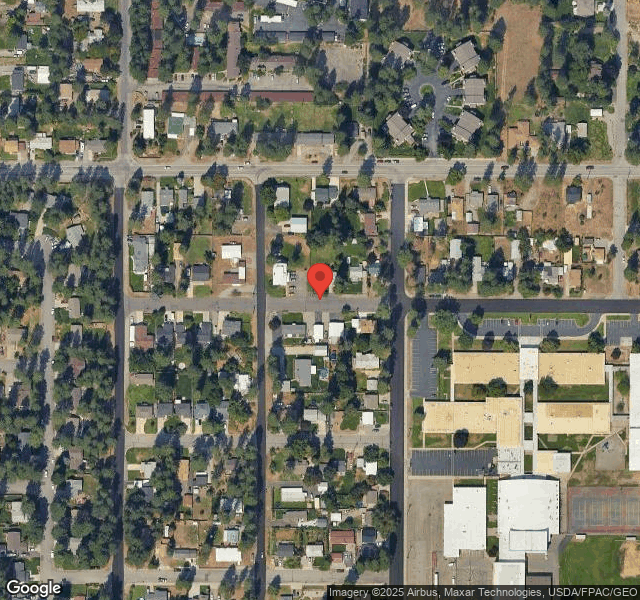
Jun 2024 2 deficiencies
CONCERN (D) 📢 Someone Reported This

A family member, employee, or ombudsman was alarmed enough to file a formal complaint

Potential for Harm - no one hurt, but risky conditions existed

Comprehensive Care Plan (Tag F0656)

Could have caused harm · This affected 1 resident

**NOTE- TERMS IN BRACKETS HAVE BEEN EDITED TO PROTECT CONFIDENTIALITY** Based on observation, interview and record review, the facility failed to develop an individualized care plan for 1 of 3 residen...

Read full inspector narrative →
**NOTE- TERMS IN BRACKETS HAVE BEEN EDITED TO PROTECT CONFIDENTIALITY** Based on observation, interview and record review, the facility failed to develop an individualized care plan for 1 of 3 residents (1) reviewed who had unique environmental fall risk concerns. Specifically, Resident 1 was at risk for tripping over their lengthy oxygen tubing, and this was not identified and included in their fall prevention care plan. This failure placed Resident 1 and other residents at risk for avoidable falls, injury and decreased quality of life. Findings included . The facility Resident Fall Prevention Protocol reviewed/revised 01/2024 documented the facility used a systems approach to preventing falls that included hazard identification and risk, analysis of hazards and risks, planning and implementation of individualized interventions to reduce fall risk, evaluation and monitoring for effectiveness, and updating the plan of care as necessary. An admission assessment dated [DATE] documented Resident 1 had diagnoses including right tibia fracture (shin bone) and chronic obstructive pulmonary disease (COPD, long term inflammation in the lungs that caused difficult breathing). Resident 1 was cognitively intact, was impaired on one side of their lower extremities, and required partial/moderate assistance for bed/chair transfers. The resident had a history of falls and wore oxygen. The 05/08/2024 care plan documented Resident 1 had a potential for injury related to their history of falls and deconditioning. Staff were instructed to keep the bed in the lowest position, complete frequent visual checks to determine the resident needs and whereabouts, orient the resident to the use of their call light, ensure the resident had shoes/nonskid slippers on when up during the day, and refer to physical therapy as needed. A review of nursing progress notes documented that on 05/19/2024 at 5:00 PM, Resident 1 had an unwitnessed fall in their room when they attempted to transfer from their wheelchair to their bed without assistance. Resident 1 experienced pain in their left hip and was transferred to the emergency room where they were diagnosed with a fractured left hip and elbow. The resident's hip fracture was surgically repaired, and they returned to the facility on [DATE]. The fall investigation dated 05/19/2024 showed Resident 1 fell in their room and the fall was unwitnessed. It was documented that Resident 1 was alert and oriented but forgetful at times. The resident received supplemental oxygen, which added to their fall risk. Resident 1 was to have assistance of one staff for transfers so that their weight-bearing status was maintained and so they were able to maneuver safely with their oxygen tubing. Re-education regarding the use of their call light was completed with the resident and also with the resident's family. Resident 1 continued to self-transfer without calling for assistance and had poor safety awareness. Staff were to encourage the resident to be in the common area to increase their visibility, frequent visual checks were made, and the resident's needs were anticipated. Staff were to encourage use of the call light and ensure appropriate footwear and keep the bed in a low position. The investigation concluded that multiple interventions were implemented to ensure the resident's safety, and Resident 1 continued to self-transfer, and not use their call light. A 05/19/2024 Resident Occurrence Statement completed by Staff B, Nursing Assistant Certified (NAC), documented Resident 1 required oxygen tubing, and the resident self-transferred frequently. The Occurrence Statement form included the question, are there any other environmental factors that could have contributed to the occurrence? Staff B had written in response, Resident gets tangled in their O2 (oxygen tubing). The Occurrence Statement form was attached to the fall investigation documentation. A review of the 05/28/2024 Staff G, Physician Assistant (PA), progress note documented Resident 1 was re-admitted for rehabilitation after hospitalization for left hip and left elbow fractures, had periods of confusion after their surgey and wore supplemental oxygen. The 05/29/2024 care plan showed Resident 1 had been reviewed in the falls/occurrence meeting due to a fall or injury related to deconditioning. The resident had an unwitnessed fall in their room when they attempted to self-transfer from the wheelchair to the bed and reportedly self-transferred frequently. If returned to the facility, the resident was to continue to be in a core room where they were best visualized by staff, they would encourage the resident to be in the common area to increase safety and would have a low bed and fall mat in place. The care plan documented Resident 1 had potential for injury related to deconditioning, pain, weakness, functional mobility decline, and history of falls. Staff were instructed to have a fall mat in place when the resident is in bed, make frequent visual checks on resident needs and whereabouts, bed in lowest position when in bed, orient to use of call light, shoes or non-skid slippers on when up during the day, and physical therapy screen as needed. The care plan was not updated to include interventions related to potential environmental tripping hazards identified by staff related to the Resident 1's oxygen tubing. On 06/05/2024 at 1:54 PM, Resident 1 was observed seated in their wheelchair in the common area of the nursing unit. They were visiting with family, were groomed, clean and were wearing oxygen via a nasal cannula. A portable oxygen concentrator was hanging on the back of the chair. When asked, Resident 1 stated staff knew they needed help because they called out and told them. During an interview on 06/07/2024 at 1:10 PM, Staff H, NAC, stated they often helped provide care for Resident 1, including around the time the resident fell. Staff H stated Resident 1 adamantly refused to use their call bell when they wanted to get up. Resident 1 wanted to do everything on their own as they were working hard to return home. Staff H stated they encouraged the resident to use their call bell for their safety and checked on Resident 1 often. Staff H stated the resident stayed in the common area often as well. Staff H stated Resident 1 wore oxygen all the time and remembered that on at least three occasions Staff H observed the resident attempting to move around in their room unassisted and had to enter their room and reposition the oxygen tubing out of the way. Staff H stated the oxygen concentrators were kept in the bathrooms to allow the residents to sleep because they were noisy, and because other items were plugged in the outlets in the main living area in the room. At this time, Resident 1's room and bathroom were observed with Staff H. The bathroom was on the right as the room was entered. The oxygen concentrator was against the wall just inside the bathroom door before the sink. There was a long length of oxygen tubing piled on top of the concentrator, not currently in use. The head of the resident's bed was positioned against the far wall of the resident's room on the same side of the room as the bathroom and oxygen concentrator. Staff H stated the resident wore the oxygen from the concentrator when they were in bed or in their room. On 06/07/2024 at 3:11 PM, a telephone interview was attempted with Staff B. A voicemail was left requesting a return call and none was received. During an interview on 06/07/2024 at 4:02 PM, Staff A, Director of Nursing, stated they had not been aware that Staff B had mentioned oxygen tubing as a potential contributor to Resident 1's fall. When asked, Staff A agreed that care plans were to be individualized according to each resident's needs and were to reflect those factors that were unique to each resident that might increase their risk for falls such as oxygen tubing. Reference: WAC 388-97-1020(1), (2)(a)(b)
CONCERN (D) 📢 Someone Reported This

A family member, employee, or ombudsman was alarmed enough to file a formal complaint

Potential for Harm - no one hurt, but risky conditions existed

Quality of Care (Tag F0684)

Could have caused harm · This affected 1 resident

**NOTE- TERMS IN BRACKETS HAVE BEEN EDITED TO PROTECT CONFIDENTIALITY** Based on observation, interview and record review, the facility failed to ensure orders for oxygen were implemented during a tra...

Read full inspector narrative →
**NOTE- TERMS IN BRACKETS HAVE BEEN EDITED TO PROTECT CONFIDENTIALITY** Based on observation, interview and record review, the facility failed to ensure orders for oxygen were implemented during a transportation to the facility for admission for 1 of 3 residents (1) reviewed. Specifically, Resident 1 did not wear oxygen when transported from the hospital to the facility. Shortly after arrival, the resident had low blood pressure and developed chest pain and was returned to the emergency department for evaluation. This failure put the resident at risk for decompensation and unintended deterioration of their health. Findings included . The 05/08/2024 admission assessment documented Resident 1 had diagnoses including COPD (chronic obstructive pulmonary disease, long-standing inflammation of the lungs that can cause difficulty breathing) and atrial fibrillation (irregular heartbeat). Resident 1 was cognitively intact and wore oxygen. During an interview on 06/05/2024 at 2:55 PM, Resident 1's family representative stated Resident 1 had fallen at home and had broken their right knee and was sent to the local hospital. After the hospital stay, Resident 1 was to be admitted to the facility on [DATE]. The family member stated Resident 1 was brought to the facility in the facility's van but had not worn oxygen during the transfer and Resident 1 had worn oxygen for many years. They stated when the resident arrived at the facility their oxygen levels were extremely low, so Resident 1 was sent back to the emergency room by ambulance for further evaluation. A review of the 05/08/2024 hospital discharge instructions showed Resident 1 was to receive oxygen 2 liters (l) by a nasal cannula continuously all day. A 05/08/2024 at 11:50 AM facility nursing progress note documented Resident 1 was breathing fast, sweaty and complained of chest pain that radiated to their back. The provider was notified, and an order was given to send the resident to the hospital. A 05/08/2024 Staff C, Physician Assistant (PA) progress note documented that approximately 10 minutes after admission to the facility, Resident reported crushing chest pain that radiated to their back. The vital signs obtained at 11:42 AM were heart rate, 70 beats per minute (within normal limits), temperature, 98.6 Fahrenheit (within normal limits), respirations, 16 breaths per minute (within normal limits) and oxygen saturation, 91% on room air, and blood pressure 62/32, extremely low. A review of systems showed the resident's lungs were clear with a normal respiratory effort on room air. The resident appeared slightly sweaty and in pain. Resident 1 reported a long history of heart problems and the decision was made to send them to the emergency room for evaluation. The 05/08/2024 at 12:56 PM emergency room (ER) provider progress note documented Resident 1 presented with low blood pressure. The resident had been discharged to the skilled nursing facility (SNF) and shortly after arrival developed chest pain. The resident reported they had not worn oxygen when transported to the SNF. The resident currently denied having chest pain. The physical exam revealed the resident was alert, in no acute distress, lungs with equal breath sounds, regular heart rate and rhythm. The vital signs on arrival were documented as pulse of 73, temperature of 98.6 Fahrenheit, respirations 17, oxygen saturation 100%, and blood pressure 117/43. An x-ray showed the lungs were clear, and the electrocardiogram (EKG, records electrical activity in the heart) showed no signs of heart attack. Resident 1 was observed for 2.5 hours, their symptoms resolved, and they were declared stable for discharge. The final impression was determined to be atypical chest pain. On 06/05/2024, Resident 1 was observed seated in their wheelchair in the common area of the nursing unit at the facility. The resident was clean, groomed, and bright-eyed. The resident was receiving oxygen via a nasal cannula and was breathing easily. Resident 1 reported they were doing well but did not have good recall of the events of 05/08/2024, answering simple yes or no questions. On 06/07/2024 at 8:55 AM, a copy of a facility policy regarding resident transportation in the facility van was requested. At 10:25 AM, Staff A, Director of Nursing, stated the facility had no specific policy and provided a copy of the facility admission Agreement, which documented the process for transportation to and from medical appointments such as physician office visits and dialysis, and facility outings. Trasnportation from the hospital was not part of the admission Agreement. During an interview on 06/07/2024 at 11:40 AM, Staff D, Maintenance and Transportation staff, stated they were notified by the admission nurse if a resident needed oxygen when they picked them up at the hospital. Staff D stated it took approximately 15 minutes to get to the facility from the local hospital. They had not transported Resident 1 on 05/08/2024, but their process was when they arrived at the hospital for a pickup, they went to whatever room the resident was in, the hospital staff would attach the oxygen tubing if in use to the facility's oxygen tank hanging on the back of the wheelchair, and then Staff D loaded the residents in the van and drove them to the facility. Staff D stated they were not allowed in their role to put the oxygen on the residents. The facility wheelchair and transport van were observed with Staff D. There was a portable tank in the hanger on the back of the chair and two extra portable oxygen machines in the van. Staff D stated they checked the oxygen levels in the tank every day before they used the van. During an interview on 06/07/2024 at 2:09 PM, Staff E, admission Registered Nurse, stated they were responsible for reviewing potential residents' records to determine if they were appropriate for admission to the facility, and if admitted they were responsible for coordinating transportation from the hospital to the facility. Staff E stated when they reviewed hospital records for potential admissions, it was often difficult to determine if a resident wore oxygen or did not. They stated several of the hospital providers also did not include orders for oxygen at discharge so it had been difficult to determine who needed oxygen during transport. Staff E stated they had instructed the van drivers to always have oxygen with them in the van so that if a resident required it, it was available. Staff E stated if the van driver arrived at the hospital and a resident was not wearing oxygen when they got there, they did not put oxygen on them. Staff E stated they were able to review hospital discharge orders before a resident left the hospital, and that was how they knew what equipment a resident required. During an interview on 06/07/2024 at 2:28 PM, Staff F, Maintenance and Transportation staff, stated they transported Resident 1 to the facility on [DATE]. They stated they did not place oxygen on residents. When they arrived at the hospital, if a resident wore oxygen, hospital staff unhooked the oxygen from the wall and attached it to the facility's oxygen tank.They stated when they got to the hospital, Resident 1 was not wearing any oxygen. Staff F transferred Resident 1 into the van and stated they had pleasant conversation with the resident during the trip to the facility. Staff F stated upon arrival to the facility, Resident 1 told them they felt a little anxious, and normally wore oxygen. Staff F stated they took Resident 1 to their room, then took the paperwork to the nurse and notified the nurse that Resident 1 reported feeling anxious and normally wore oxygen. During an interview on 06/07/2024 at 2:48 PM, Staff G, PA, stated they had assessed Resident 1 on 05/09/2024 and reviewed the documentation from the ER visit dated 05/08/2024. Staff G stated Resident 1's workup in the ER had been negative and no cause had been identified for the resident's chest pain. In a follow-up interview on 06/07/2024 at 3:15 PM, Staff E reviewed the hospital discharge instructions dated 05/08/2024 with the surveyor and noted there was an order for Resident 1 to wear 2 liters of oxygen continuously. Staff E stated if a resident had an order to be wearing oxygen, and they arrived at the hospital to pick them up and the resident was not wearing any, they assumed the resident was stable for transport on or off the oxygen. At 3:42 PM, Staff E reported after further review of the hospital documentation, they were able to see that Resident 1 wore oxygen at 2L at their baseline, and saw no documentation that the oxygen had been discontinued or weaned off. Staff E stated if a resident had an order for oxygen then they should have oxygen. They stated in the future, if there was uncertainty about a resident's oxygen use, they would be able to contact the case manager at the hospital, who would be able to physically lay eyes on a resident and confirm if oxygen was in use or not prior to being transported. During an interview on 06/07/2024 at 4:02 PM, Staff A, Director of Nursing, stated they would work with the hospital to ensure that discharge orders were complete and that if a resident wore oxygen there was an order for it, and if there was an order for a resident to wear oxygen they would ensure it was applied. Reference: WAC 388-97-1060(1)
Jan 2024 1 deficiency
CONCERN (D) 📢 Someone Reported This

A family member, employee, or ombudsman was alarmed enough to file a formal complaint

Potential for Harm - no one hurt, but risky conditions existed

Pressure Ulcer Prevention (Tag F0686)

Could have caused harm · This affected 1 resident

**NOTE- TERMS IN BRACKETS HAVE BEEN EDITED TO PROTECT CONFIDENTIALITY** Based on interview and record review, the facility failed to ensure 1 of 3 sample residents (Resident 1), admitted with impaired...

Read full inspector narrative →
**NOTE- TERMS IN BRACKETS HAVE BEEN EDITED TO PROTECT CONFIDENTIALITY** Based on interview and record review, the facility failed to ensure 1 of 3 sample residents (Resident 1), admitted with impaired skin integrity, and at increased risk for continued skin breakdown, was consistently monitored to prevent development of pressure areas and worsening of identified areas. This failure caused a diminished quality of life for Resident 1 when they developed a pressure ulcer on their coccyx (tailbone area) and worsening of identified at risk areas on both heels. Findings included . Record review showed that Resident 1 was admitted to the facility on [DATE] with diagnoses of infection in the bone of their left ankle and foot, kidney disease and heart failure. Resident 1's admission assessment dated [DATE], showed the resident required assistance to reposition in bed, was at risk for pressure ulcer development, did not have a pressure ulcer and did not refuse care. A hospital Discharge summary dated [DATE] stated Resident 1 was at high risk for skin breakdown and had an infection of their left foot with a left great toe surgical site. On 12/29/2023 Staff C, Registered Nurse (RN), completed a Braden Scale for predicting pressure sore risk evaluated Resident 1 as moderate risk for development of pressure sores. On 12/29/2023 Resident 1's admission skin assessment, completed by Staff C, showed that they had an open area to their tailbone area measuring 0.3 centimeters (cm) by 0.4 cm, about the size of a pencil eraser, that the area had purulent drainage (fluid released from a wound that indicates infection) and the edges of the wound were red. The same assessment noted the resident's heels were red but blanchable (changes color when pressed on) and boggy (abnormal texture of tissue characterized by sponginess). Neither area was identified as a pressure injury at the time of the skin assessment. The 2014 National Pressure Ulcer Advisory Panel (NPUAP) Pressure Ulcer (Injury) Stages include: *Suspected deep tissue injury: depth unknown: purple or maroon localized area of discolored skin or blood-filled blister due to damage of the underlying soft tissue from pressure and/or shear. * Stage I: Intact skin with non-blanchable redness of a localized area usually over a bony prominence. The area may be painful, firm, soft, warmer or cooler as compared to adjacent tissue. May indicate at risk persons. *Stage II: Partial thickness loss of dermis (skin) presenting as a shallow open ulcer with a red- pink wound bed, without slough (yellow, tan, gray, green or brown non-viable tissue that adheres to the wound). * Unstageable: Full thickness tissue loss in which actual depth of the ulcer is completely obscured by slough and/or eschar (tan, brown or black) in the wound bed. A review of Resident 1's care plan, dated 12/19/2023, showed Resident 1 had a focus for impaired skin integrity and nursing staff was to float heels (place a pillow under knees and lower legs to keep heels off the mattress). This intervention was not found in the residents [NAME] (summarized care plan with important points for nursing assistant staff to utilize to quickly know a resident's plan of care) or in the tasks the nursing assistant staff check off as having done each day. On 12/30/2023, a progress note written by Staff D, RN, stated that Resident 1's skin was warm and dry with no mention of any wounds, and no assessment or evaluation of the coccyx/tailbone wound that was identified on admit. On 12/31/2023, a progress note written by Staff E, RN, stated that Resident 1's skin was warm and dry with no mention of any wounds, and no assessment or evaluation of the coccyx/tailbone wound that was identified on admit. On 01/01/2024, a progress note written by Staff E, RN, stated that Resident 1's skin was warm and dry with mention of the left toe incision but no other wounds, and no assessment or evaluation of the coccyx/tailbone wound that was identified on admit. On 01/02/2024, a progress note written by Staff E, RN, stated that Resident 1's skin was warm and dry with mention of the left toe incision but no other wounds, and no assessment or evaluation of the coccyx/tailbone wound that was identified on admit. On 01/03/2024, a progress note written by Staff F, Licensed Practical Nurse (LPN), stated nursing assistant staff had alerted the nurse to an open area to Resident 1's right buttock and sacrum (area just above tailbone) and that the area had been treated since admission. The same note stated that the resident's heels were purple. Measurements or further description or evaluation of the sacrum/coccyx wound was not found. An undated referal to an outside wound care provider, filled out by Staff B, RN, noted unstageable deep tissue injuries to Resident 1's heels with the date acquired listed as 01/03/2024. No measurements or description of the wounds was included. On 01/04/2024, an outside wound care provider saw Resident 1 and identified their heels as new deep pressure tissue injuries. The right heel was measured as 6 cm by 9.3 cm by 0 depth, about the size of a standard deck of cards, with a large fluid filled blister covering the area. The left heel wound was measured as 4.5 cm by 4.5 cm by 0 depth, about the size of a small post-it note. The wound care provider did not mention the wound on the resident's coccyx/sacrum. On 01/05/2024, a progress note written by Staff F, noted that there was no change to Resident 1's wounds and a treatment for the sacrum wound was in place. On 01/06/2024, a progress note written by Staff D, stated that Resident 1's skin was warm and dry with mention of the left toe incision but no other wounds, and no assessment or evaluation of the sacrum/tailbone/coccyx wound or Resident 1's heels. On 01/07/2024, a progress note written by Staff E, stated that Resident 1's skin was warm and dry with mention of the left toe incision but no other wounds, and no assessment or evaluation of the sacrum/tailbone/coccyx wound or Resident 1's heels. On 01/08/2024, a progress note written by Staff E, included a measurement of Resident 1's coccyx wound as 4.5 cm by 4.5 cm by 0.2 cm depth, with half of the wound covered with slough (non-viable yellow, tan, gray, green or brown tissue) and the edge of the wound red and blanchable. The note states that the medical provider was notified and new orders for treatment were received. On 01/10/2024 resident 1 was transferred to the hospital for care related to a new diagnosis of pneumonia and did not return to the facility. On 01/26/2024 at 3:15 pm, Staff A, Director of Nursing, stated that wounds are measured one time weekly, and it is the responsibility of the daily nursing staff to monitor wounds when treatments and daily care are performed and notify the medical provider if they are worsening. They further stated that there was documentation of the nurses completing treatments to Resident 1's buttock area, but Staff A did not see documentation of what happened with the coccyx/sacrum/tailbone wound between 12/30/2023 - 01/08/2024, when Staff E noted the wound was larger and worse. During the same interview Staff A acknowledged that when Resident 1 left the faciity on [DATE] their heels were covered in black eschar (dead or devitalized tissue that is hard or soft and covers the wound) and that the heel pressure injuries were acquired in the facility. Staff A further stated that Resident 1 had been non-compliant with turning in bed and other pressure relieving methods the nursing staff had attempted. Staff A acknowledged that there was not a care plan intervention to address the resident's refusal to offload, no nursing notes were found describing these refusals and the Resident 1's admission assessment did not note refusals of care. Reference: WAC 388-97-1060(3)(b)
Jun 2023 4 deficiencies
CONCERN (D)

Potential for Harm - no one hurt, but risky conditions existed

Investigate Abuse (Tag F0610)

Could have caused harm · This affected 1 resident

**NOTE- TERMS IN BRACKETS HAVE BEEN EDITED TO PROTECT CONFIDENTIALITY** Based on interview and record review, the facility failed to identify an allegation as potential misappropriation of resident pr...

Read full inspector narrative →
**NOTE- TERMS IN BRACKETS HAVE BEEN EDITED TO PROTECT CONFIDENTIALITY** Based on interview and record review, the facility failed to identify an allegation as potential misappropriation of resident property, report the allegation to the State Survey Agency, and complete a thorough investigation as required for 1 of 1 sampled residents (Resident 1), reviewed for personal property. This failure placed residents at risk for potential misappropriation of personal property and a diminished quality of life. Findings included . Resident 1 was admitted to the facility on [DATE]. According to the 05/15/2023 admission assessment, Resident 1 required extensive staff assistance to perform most activities of daily living, and was able to make their needs known. During an initial interview on 06/04/2023 at 3:41 PM, Resident 1 stated that they reported to staff they were missing clothing items and money from the drawer in their room. In a follow-up interview on 06/07/2023 at 10:00 AM, Resident 1 further stated that on 05/31/2023, they reported to Staff C, Certified Occupational Therapy Assistant (COTA), they were missing numerous clothing items and $70 from their wallet (which was inside their purse in a drawer in their room). Per interview on 06/07/2023 at 10:46 AM Staff C, COTA, confirmed that Resident 1 reported they were missing numerous clothing items and $70. Staff C stated they reported the allegation to the nurse on duty and Staff E, Social Service Director (SSD). Staff C stated that reporting the allegation to the State Survey Agency was typically done by social services, and confirmed they did not report it. Per interview on 06/07/2023 at 10:15 AM, Staff D, Licensed Practical Nurse (LPN), confirmed that Staff C, reported that Resident 1 was missing clothing items and $70. Staff D stated they instructed Staff C to report the allegation to Social Services. Staff D further stated that reporting those allegations to the State Survey Agency was typically done by Social Services, and confirmed they did not report it. During an interview on 06/07/2023 at 3:11 PM, Staff E, SSD, stated that they started a grievance when they were informed that Resident 1 was missing numerous clothing items and $70. Staff E stated that they only reported allegations of missing money to the State Survey Agency when it was over $100, or they believed it had been stolen. Staff E confirmed they had not reported the allegation of misappropriation of resident property. Record review of the 06/05/2023 facility Family and Resident Grievance Report showed actions taken to resolve the grievance were a phone call to Resident 1's son, and review of Resident 1's admission inventory sheet. The grievance documentation showed Resident 1's son brought in a purse after admission, but they did not know if there was any money in it. The report showed the concern as resolved. In an interview on 06/07/2023 at 3:16 PM Staff F, Social Service Assistant, stated that they would call Crime Check and notify the State Survey Agency, when money over $100 was reported missing, and confirmed they had not reported the allegation. Review of the facility Grievance Policy and Procedure dated 04/2022 showed that if a complaint or concern contained any information that could be interpreted as abuse or neglect, then staff should follow the procedures and requirements for mandated reporting (which would include misappropriation of resident property). In a follow-up interview on 06/08/2023 at 9:04 AM Staff D, LPN, stated that on 05/30/2023 Resident 1 asked them did you hear someone stole my money? Review of the facility Abuse, Neglect and Exploitation policy dated 03/2022, showed all employees were mandatory reporters, who must report allegations including allegations of theft of resident's personal items or money to the State Survey Agency within the required time frames, and initiate an investigation immediately. Record review of the December 2022 through June 2023 facility incident reporting log did not show any entries for allegations of potential misappropriation logged or reported to the State Survey Agency. Per interview on 06/08/2023 at 9:26 AM Staff B, Director of Nursing Services, denied knowing about Resident 1's allegation of missing money, and acknowledged they did not have an investigation for the allegation. Staff B stated that the facility utilized the Nursing Home Purple Book (a resource for Nursing Homes with guidelines for incident identification, investigation and reporting) for direction on what to report to the State Survey Agency, and confirmed they would report allegations of misappropriation of resident funds. Staff B further stated that grievances should be reviewed by the grievance official, to check for reportable allegations and report them to the State Survey Agency as required. In an interview on 06/08/2023 at 9:37 AM Staff A, Administrator and Grievance Official, confirmed they reviewed grievances to verify they were not reportable allegations. Staff A stated that Resident 1's allegation was being handled as a grievance and not an allegation of potential misappropriation because it did not meet the criteria. Staff A confirmed that the allegation was not reported to the State Survey Agency as a possible misappropriation of resident property. In a follow-up interview on 06/08/2023 at 11:08 AM Staff A was given the grievance documentation for review. Staff A confirmed that staff should have been interviewed about the allegation, and acknowledged that the investigation could have been more thorough. Reference WAC: 388-97-0640 (6)(a)(b)
CONCERN (D)

Potential for Harm - no one hurt, but risky conditions existed

Drug Regimen Review (Tag F0756)

Could have caused harm · This affected 1 resident

Based on interview and record review, the facility failed to act upon the pharmacist recommendation reports for 3 consecutive months, for 1 of 5 sampled residents (Resident 10), reviewed for unnecessa...

Read full inspector narrative →
Based on interview and record review, the facility failed to act upon the pharmacist recommendation reports for 3 consecutive months, for 1 of 5 sampled residents (Resident 10), reviewed for unnecessary medications. This failure placed the resident at risk of adverse medication effects and a diminished quality of life. Findings included . According to a 01/24/2023 admission assessment, Resident 10 had diagnoses which included schizophrenia (a serious mental disorder that impairs the person's ability to perceive reality), dementia, and anxiety. The pharmacist monthly medication review report to nursing for February 2023 showed that the resident was on antidepressant medications (to treat depression), a medication for neuropathy (nerve pain) and an antiplatelet medication (to decrease the risk of blood clots.) The report further showed a request by the pharmacist for supporting diagnoses to be added to the resident's record, as the resident did not have diagnoses of depression, neuropathy, or an increased risk of blood clots. A second pharmacy medication review for February 2023 showed that since the resident was on both antidepressants and narcotic pain medication, they were at risk of serotonin syndrome (a potentially serious medication interaction), and the pharmacist requested that staff monitor for the signs and symptoms related to that condition. The pharmacy monthly medication review report for March 2023 showed the same request for supporting diagnoses for medications, which included an additional narcotic and a new antianxiety medication. A second pharmacy medication review report for March 2023 showed the same request to add monitoring for serotonin syndrome to the resident record. The pharmacy monthly medication reports for April 2023 and May 2023 included the same two requests - for supporting diagnoses for medications (see above) and monitoring for serotonin syndrome (see above). The May 2023 requests were signed by the pharmacist on 06/02/2023. A review of Resident 10's record showed that there were no diagnoses added to their Medical Diagnosis list, in response to the pharmacist recommendations. A review of the June 2023 Medication Administration Record (MAR) and monitoring record showed no monitoring for serotonin syndrome, as requested by the pharmacist on more than one occasion. During an interview on 06/08/2023 at 10:19 AM Staff B, Director of Nursing Services (DNS), stated that they had been in that role for about four weeks. They stated that the pharmacist reports were emailed with separate attachments to the Medical Director, Administrator, Director of Nursing, and Infection Preventionist. Staff B stated that they thought all reports went to the printer, and were addressed there. They further stated that the previous Director of Nursing had just informed them the monthly medication review reports were only emailed, and that the DNS was responsible for addressing the nursing monthly medication review attachment. Staff B had noted the May 2023 reports for Resident 10, but was not aware that those were repeat requests since February of 2023. During an interview on 06/08/2023 at 10:59 AM Staff G, Charge Nurse, stated that they put the monthly medication review responses into the computer as new orders. They showed the recommendation to monitor for serotonin syndrome for Resident 10, that they had just put into the computer. When informed that was a repeated recommendation since February 2023, they stated that the former DNS must not have addressed it, or delegated someone else to do so. During a follow-up interview on 06/08/2023 at 2:25 PM, Staff B stated they were unable to find any documentation that followed up on the February 2023, March 2023 or April 2023 pharmacy monthly medication review recommendations. They further acknowledged that the recommendations should have been addressed earlier, but were not. Reference: WAC 388-97-1300(4)(c)
CONCERN (E)

Potential for Harm - no one hurt, but risky conditions existed

Food Safety (Tag F0812)

Could have caused harm · This affected multiple residents

Based on observation, interview, and record review, the facility failed to ensure that 4 dietary staff members (Staff K, L, M, and N) wore facial hair coverings while in the kitchen, as required. In a...

Read full inspector narrative →
Based on observation, interview, and record review, the facility failed to ensure that 4 dietary staff members (Staff K, L, M, and N) wore facial hair coverings while in the kitchen, as required. In addition, the facility failed to monitor the temperature and contents of 2 refrigerators that contained resident food. Failure to monitor refrigerator temperatures and contents for expired or spoiled food, and staff not wearing beard coverings in the kitchen placed all residents at risk for food-borne illness and contamination. Findings included . According to the Policy and Procedure Manual, 2019, titled Food safety and Sanitation, employees in the nutrition services department were required to wear beard nets, when facial hair was visible. According to the Policy and Procedure Manual, 2019, titled Food Brought in from Outside Sources and Personal Food Storage, foods brought in should be labeled with the resident's name and date the food was brought into the facility. In addition, the document showed that all refrigerators should have internal thermometers, and that designated facility staff would be assigned to monitor the contents for safety and document the temperatures. Facial Hair Coverings: During the initial kitchen tour on 06/04/2023 at 9:50 AM - 10:10 AM, it was observed that Staff K, Cook, had a goatee and long stubble on their sideburns. Staff K was not wearing a beard covering or mask over their facial hair. During the second kitchen visit on 06/07/2023 at 11:00 AM - 12:13 PM, it was observed the following four employees had facial hair: Staff L, Cook, had a full mustache, Staff K, Cook, had a goatee and long stubble on their sideburns, Staff M, Dietary Aide, had a short goatee, and Staff N, Dietary Aide, had long stubble. None of these employees wore a beard covering or mask during the visit, where the staff was preparing lunch trays for residents. During an interview on 06/08/2023 at 11:56 AM, Staff O, Dietary Services Director, stated that every so often, they needed to remind the male staff to trim their facial hair. When informed of the regulation and policy provided by the facility, Staff O acknowledged that they had not been requiring the kitchen staff to wear beard coverings. Refrigerators: On 06/04/2023 at 10:27 AM, it was observed that the refrigerator in the common area of the 100 hallway, near the nursing aide station, did not contain a thermometer or have a temperature log. The refrigerator contained supplements labeled with resident names, an undated container of food with a resident name, and a carton of chocolate milk dated best by 5/29. Inspections of the same refrigerator were made on 06/05/2023 at 9:23 AM, 06/06/2023 at 9:57 AM, and 06/08/2023 at 10:06 AM. No thermometer or temperature logs were seen during these times. On 06/06/2023 at 10:37 AM, it was observed that the refrigerator in the common area on the 200 hallway, near the nursing aide station, did not have a thermometer or a temperature log. The refrigerator contained two undated baggies of grapes, labeled with a resident name and room number. The resident's name was not the current resident in the room. A check of the same refrigerator on 06/08/2023 at 10:13 AM, showed no thermometer or temperature log. During an interview on 06/04/2023 at 10:32 AM, Staff J, Nursing Assistant (NA), stated that the floor staff does not check the refrigerator temperature, but thought the dietary staff might. During an interview on 06/08/2023 at 10:13 AM, Staff I, NA, stated that they did not know who checked the refrigerator temps, but it was not the nursing assistants. During an interview on 06/08/2023 at 11:56 AM, Staff O, Dietary Services Director, stated that the nutrition refrigerators on the resident hallways were stocked twice daily by the dietary staff. The staff checked and logged the temperature and removed any expired food at that time. When informed that there were no thermometers or logs on the unit refrigerators, Staff O went with this surveyor to the resident care areas at 12:32 PM. Staff O showed the surveyor the refrigerator in the locked clean supply room, which did have a thermometer and temperature log. The surveyor then brought them to the end of each hallway, which had the refrigerators near the nursing assistant stations. Staff O said they did not even know that those refrigerators were there, and acknowleged that they had not been monitored. They further stated that they would put thermometers in both, and start logging the temperatures. Reference: WAC 388-97-1100(3)
CONCERN (E)

Potential for Harm - no one hurt, but risky conditions existed

Infection Control (Tag F0880)

Could have caused harm · This affected multiple residents

**NOTE- TERMS IN BRACKETS HAVE BEEN EDITED TO PROTECT CONFIDENTIALITY** Based on interview and record review, the facility failed to implement infection surveillance (an ongoing, systematic collection...

Read full inspector narrative →
**NOTE- TERMS IN BRACKETS HAVE BEEN EDITED TO PROTECT CONFIDENTIALITY** Based on interview and record review, the facility failed to implement infection surveillance (an ongoing, systematic collection, analysis, and interpretation of data relating to infections to reduce spread of infections), for 6 of 7 sampled residents (Residents 20, 28, 238, 236, 3 and 21), who were reviewed for physician orders related to infections. These failures placed the residents and staff at risk for development of contagious disease. Findings included . On 06/07/2023 at 11:02 AM during an interview with Staff H, Licensed Practical Nurse (LPN), Infection Preventionist (IP), it was stated that they received and reviewed a list of residents taking antibiotics (medicines that fight infections caused by bacteria in humans) from the pharmacy each month. When reviewing the infection surveillance form with Staff H, they explained that they used McGreer's criteria (a data collection tool used to retrospectively [look back] to count true infections, and the appropriateness of antibiotic usage), as a method of tracking antibiotic usage. On the McGreer's criteria section of the infection surveillance document used by the facility, there were multiple rows entered as N/A (not applicable). Staff H explained that N/A indicated they had limited data to determine if prescribed antibiotics followed McGreer's criteria. When asked about their system for collecting infection surveillance data, Staff H stated they were working on a system to acquire data more efficiently. <Resident 20> Review of Resident 20's records showed the resident was admitted [DATE]. Per the record, the resident had the diagnosis of an abscess (an enclosed collection of pus - a thick yellowish-white fluid associated with an infection - in tissues, organs, or confined spaces in the body) of the buttock. Review of physician orders and the Medication Administration Record (MAR) for the month of May 2023 showed antibiotics were to be given two times a day for seven days, starting on 05/16/2023. Review of Resident 20's medical records (from 05/14/2023 to 06/08/2023) showed no documentation of an infection surveillance review, which determined whether there was a risk to others based on the nature of the infection, or data related to the condition of the resident, based on the use of the antibiotics. <Resident 28> Review of Resident 28's records showed the resident was admited on 05/05/2023. The medical diagnoses in Resident 28's record included gallbladder stones (hard, pebble-like pieces of material that form in the gallbladder), and inflammation of the gallbladder. Review of physician orders and the MAR for May 2023 showed orders dated 05/08/2023 for two antibiotics, to be given until the resident had a follow-up surgery consult. Review of Resident 28's medical records (from 05/05/2023 to 06/08/2023) showed no documentation of an infection surveillance review (see above). <Resident 238> Review of Resident 238's records showed they were admitted to the facility on [DATE]. The medical diagnoses in Resident 238's record showed a urinary tract infection, and the absence of one kidney (which was a condition present at birth). Review of the physician orders and MAR for May 2023 showed an order dated 05/20/2023 for an antibiotic to be given one time a day for chronic urinary tract infections, with no stop date needed. Review of Resident 238's medical records (from 05/29/2023 to 06/08/2023) showed no documentation of an infection surveillance review. <Resident 236> Review of Resident 236's records showed the resident was admitted to the facility on [DATE]. The medical diagnoses list in the resident's record included cough, and a sudden worsening of respiratory function (the resident had lung disease that caused airflow blockage and breathing-related problems). Review of physician orders and the MAR for June 2023 showed an antibiotic was to be given two time a day for three days. Review of Resident 236's medical records (from 06/02/2023 to 06/08/2023) showed no documentation of an infection surveillance review. The resident antibiotic usage report, generated by pharmacy was not available for the month of June 2023. Upon questioning, the facility's review of antibiotic usage for the month of June 2023 was not available. <Resident 3> Review of Resident 3's records showed the resident was admitted to the facility on [DATE]. Review of physician orders and the MAR for April, May and June of 2023 showed an antiviral medication (used to treat infections caused by viruses) was given for a contagious condition which could cause painful blisters or ulcers, and was to be started on 04/15/2023. Review of Resident 3's medical records (from 04/15/2023 to 06/08/2023) showed no documentation of infection an surveillance review. <Resident 21> Review of Resident 21's records showed the facility admitted the resident on 05/05/2023. Review of physician orders and the MAR for May and June of 2023 showed antiviral medication for a contagious condition which could cause painful blisters or ulcers, was to be given starting on 05/05/2023. Review of Resident 21's medical records (from 05/05/2023 to 06/08/2023) showed no documentation of an infection surveillance review. Review of infection surveillance documents provided by the facility on 06/08/2023 showed no documentation of Residents 20, 28, 238, 236, 3 and 21 (see definition of what such surveillance should include above). Review of a letter from Staff H, Licensed Practical Nurse/Infection Preventionist, sent to the survey team on 06/09/2023, showed Staff H was not reviewing antivirals and antifungals (medicines that kill or stop the growth of fungus that cause infections). Review of April and May of 2023 antibiotic line list (an organized, detailed, list to track infections and antibiotics) provided by the facility on 06/09/2023 showed N/A (not applicable) documented for 29 cases out of 45, including the review for Resident 20, Resident 28, and Resident 238. No Associated WAC
Feb 2023 1 deficiency
CONCERN (D) 📢 Someone Reported This

A family member, employee, or ombudsman was alarmed enough to file a formal complaint

Potential for Harm - no one hurt, but risky conditions existed

Deficiency F0760 (Tag F0760)

Could have caused harm · This affected 1 resident

**NOTE- TERMS IN BRACKETS HAVE BEEN EDITED TO PROTECT CONFIDENTIALITY** Based on interview and record review, the facility failed to ensure 1 of 4 sampled residents (1), received medications as ordere...

Read full inspector narrative →
**NOTE- TERMS IN BRACKETS HAVE BEEN EDITED TO PROTECT CONFIDENTIALITY** Based on interview and record review, the facility failed to ensure 1 of 4 sampled residents (1), received medications as ordered by the medical provider, and were free from significant medications errors. This failure placed the resident at risk for adverse medication side effects, and worsening condition. Findings included . Resident 1 admitted to the facility on [DATE], after a hospital stay, with diagnosis of heart failure (a condition where the heart muscle does not pump blood as well as it should) and stage 3 chronic kidney disease (a condition where the kidneys are damaged and less able to filter waste and fluid from the body). Review of Resident 1's record showed a medical provider order started 01/13/2023 for Levaquin (an antibiotic to treat an infection) 750 milligrams (mg.) one time per day for 7 days to treat pneumonia (lung swelling caused by bacterial or viral infection causing the air sacs in the lungs to fill with pus). Per the Federal Drug Administration information for Levaquin, patients with kidney damage require a lower dose of the medication because it can build up their bodies, related to the decreased ability of their kidneys to filter the drug. Review of Resident 1's labs, dated 01/14/2023, showed the resident had a glomerular filtration rate (a blood test that checks how well your kidneys are filtering blood to remove waste and excess fluid) of 13, which showed the resident was close to having kidney failure (a condition in which the kidneys lose the ability to remove waste and balance fluid in the blood, resulting in a build-up of fluid and waste products in the body). Review of the resident's orders showed Levaquin with a dose of 750 mg. to be given twice daily starting 01/13/2023 for 7 days. On 01/16/2023 the order was discontinued, and another order was entered for Levaquin with a dose of 250 mg. to be given once every 2 days for 2 doses. The Medication Administration Record (MAR) showed the order entered on 01/13/2023 was for Levaquin 750 mg. twice daily for 7 days. The MAR further showed the resident received the 750 mg. dose once on 01/13/2023, twice on 01/14/2023 and 01/15/2023, and once on 01/16/2023, instead of only once daily as per the medical provider order. Record review showed a medical provider note dated 01/16/2023 detailing an elevated dose of Levaquin was given to the resident due to an error. Record review also showed Resident 1 experienced an episode of unresponsiveness on 01/15/2023 and another episode on 01/16/2023, after which the family requested the resident be sent to the hospital for evaluation. In an interview on 02/01/2023 at 2:50 PM Staff B, Assistant Director of Nursing (ADON), stated that the normal process for entering medical provider orders was for either Staff C, Resident Care Manager (RCM) or one of the other nurses to enter the order into the residents MAR. A night shift nurse would then check the order for accuracy, and a third check for accuracy of the order would be completed the next day by Staff B. During the same interview, Staff C stated that they had entered the order for Levaquin incorrectly on 01/13/2023, which was a Friday. The night shift nurse who checked the order did not catch the error and the third check, by Staff B, did not happen until the following Monday. They confirmed the resident received an extra dose of Levaquin on 01/14/2023 and 01/15/2023 in error. Staff C further stated that they did not like to enter orders on Fridays because the third check for accuracy did not always happen until the following Monday, increasing the risk for medication errors. In an interview with Staff A, Director of Nursing, on 02/01/2023 at 3:35 PM, they stated that the pharmacist did not catch the medication error affecting Resident 1, and should have recognized the need to be an adjustment in the dose related to the resident's kidney impairment. They also stated they did not always like to admit residents on Fridays because it could be hard to change medication orders or have adjustments made to medication orders. Reference: WAC 388-97-1060 (3)(k)(iii)
May 2021 8 deficiencies
CONCERN (D)

Potential for Harm - no one hurt, but risky conditions existed

Safe Environment (Tag F0584)

Could have caused harm · This affected 1 resident

**NOTE- TERMS IN BRACKETS HAVE BEEN EDITED TO PROTECT CONFIDENTIALITY** Based on observation, interview, and record review, the facility failed to ensure a homelike environment in 2 of 24 sample resid...

Read full inspector narrative →
**NOTE- TERMS IN BRACKETS HAVE BEEN EDITED TO PROTECT CONFIDENTIALITY** Based on observation, interview, and record review, the facility failed to ensure a homelike environment in 2 of 24 sample resident bedrooms (10, 9), reviewed for a safe, clean, comfortable, and homelike environment. Failure to consistently clean floors, resident equipment, and linens, placed the residents at risk for a decreased quality of life and compromised dignity. Findings included . RESIDENT 10 Per the comprehensive assessment dated [DATE], Resident 10 had multiple medical diagnoses, and was legally blind. Additionally, the assessment showed the resident required extensive assistance with most activities of daily living. On 05/05/2021 at 8:50 AM, Resident 10 was observed sitting in a wheelchair in their room. The resident's wheelchair had food caked on it, starting from the seat cushion all the way down to the wheels on the left side. Additionally, the tray table in front of the resident had dried food and coffee stains spread all across the surface. The resident's bedspread had a softball sized brown stain on it, and the resident's floor was littered with food debris and skin flakes, around the wheelchair, tray table, and under the edge of the bed. Similar observations were made on 05/05/2021 at 9:30 AM, 11:00 AM, 11:45 AM, and 2:45 PM. During observations on 05/06/2021 at 9:10 AM, 10:30 AM, and 11:45 AM, the debris remained on the floor, the resident's wheelchair and tray table remained dirty, and the stained bedspread was still on the resident's bed. A review of the facility Wheelchair Cleaning Log for May 2021 showed Resident 10's wheelchair had not been cleaned at all during the month. Documentation for April 2021 was unavailable during the survey. RESIDENT 9 According to the comprehensive assessment dated [DATE], Resident 9 had diagnoses which included heart failure and dementia. The assessment further showed the resident required extensive to total assistance with all activities of daily living. During observations between 8:30 AM and 4:15 PM on 05/05/2021, 05/06/2021, 05/10/2021, and 05/11/2021, the resident's floor had food and other debris on it, which covered a large area toward the foot of the bed. The same area remained dirty, with what appeared to be the same debris, throughout all observations of the resident's room. A review of the facility Housekeeping Log for April and May 2021 showed documentation was inconsistent, and not specific as to what had been cleaned in the room. In an interview and observation on 05/12/2021 at 3:14 PM, Staff A, Administrator, acknowledged the floors in both resident rooms were dirty. Additionally, at 3:35 PM, after housekeeping was sent in to clean both rooms, Staff A stated that the debris around the end of the bed in Resident 9's room was skin and other debris from foot treatments the resident had received. Reference: (WAC) 388-97- 0880
CONCERN (D)

Potential for Harm - no one hurt, but risky conditions existed

Deficiency F0658 (Tag F0658)

Could have caused harm · This affected 1 resident

Based on observation, interview, and record review, the facility failed to ensure services provided met professional standards of practice for 2 of 4 residents (34 and 35), randomly observed for COVID...

Read full inspector narrative →
Based on observation, interview, and record review, the facility failed to ensure services provided met professional standards of practice for 2 of 4 residents (34 and 35), randomly observed for COVID-19 vaccination. Failure of nursing staff to follow the Centers for Disease Control (CDC) guidelines for post-vaccination monitoring placed the residents at risk for serious adverse effects. Findings included . Review of the CDC document titled, COVID-19 Vaccine Safety in Long-Term Care Facilities, revised 03/10/2021, showed residents should be observed for 15 minutes after receiving a COVID-19 vaccination of any type, if there was no prior history of previous allergic reactions, and for 30 minutes if there were. Per the document, long-term care facility staff should be aware of the potential for a severe allergic reaction (anaphylaxis: a sudden and potentially life-threatening reaction that can occur within seconds to minutes), and be prepared to intervene if a serious allergic reaction occurred. Review of the facility policy titled, Resident Influenza, Pneumococcal, and COVID-19 Vaccination Plan, revised 03/23/2021, showed residents were to be monitored for symptoms after vaccinations, and symptoms were to be relayed and managed per the primary care provider's orders. The policy did not specify the method or duration of monitoring. During an observation on 05/06/2021 at 10:52 AM, a visiting pharmacy staff member, accompanied by Staff C, Infection Control Nurse, entered a double-occupied resident room, and informed Resident 34 about getting the resident's COVID-19 vaccination. The visiting pharmacy staff member proceeded to inject the vaccine into the resident's arm, after the resident denied prior history of allergic reaction. At 10:53 AM, the visiting pharmacy staff member informed Resident 35 about getting the COVID-19 vaccination as well. The resident denied a prior history of allergic reaction, and the vaccine was injected into the resident's arm. Staff C and the visiting pharmacy staff member immediately exited the residents' room. The privacy curtain between the two beds was closed, and no staff members were observed within eyesight or hearing distance of either resident. At 10:58 AM, Staff F, Licensed Practical Nurse, went to the medication cart located on the same unit. The medication cart was more than 10 feet away from the residents' room, and around a corner, therefore out of sight and potentially out of hearing distance from the residents. In an interview at the same time, Staff F stated she was aware Resident 34 and 35 had received their COVID-19 vaccinations just a few minutes prior, and would be on the unit to monitor the residents for the next 30 minutes. Staff F entered another resident room on the other side of the unit, without checking on Resident 34 or 35. No staff members were observed near to the residents' room. At 11:05 AM (13 minutes after Resident 34's COVID-19 vaccination, and 12 minutes after Resident 35's COVID-19 vaccination) Staff F entered the room and assessed both residents. Neither reported a serious allergic reaction at that time. In an interview on 05/06/2021 at 11:37 AM, Staff C, Infection Control Nurse, stated the nursing assistants and nurse working on the unit Resident 34 and 35 resided on were informed of their COVID-19 vaccination that morning, and had requested the nursing assistants visually monitor the residents approximately once per minute for the first 15 minutes. Staff C was informed of the above observations, and confirmed the lack of frequent observation described above did not match the facility expectation for safe monitoring. Reference: (WAC) 388-97-1620 (2)(b)(i)(ii), (6)(b)(i)
CONCERN (D)

Potential for Harm - no one hurt, but risky conditions existed

Quality of Care (Tag F0684)

Could have caused harm · This affected 1 resident

**NOTE- TERMS IN BRACKETS HAVE BEEN EDITED TO PROTECT CONFIDENTIALITY** BOWEL CARE The Policy and Procedure for House Bowel Program, dated 01/24/06, instructed the nurses to give residents Milk of Mag...

Read full inspector narrative →
**NOTE- TERMS IN BRACKETS HAVE BEEN EDITED TO PROTECT CONFIDENTIALITY** BOWEL CARE The Policy and Procedure for House Bowel Program, dated 01/24/06, instructed the nurses to give residents Milk of Magnesia (MOM - a laxative to relieve constipation), if two days had passed with no bowel movement, and to give a Dulcolax suppository (a capsule that is administered rectally), if the MOM was not effective. Per the document, if the resident still had no bowel movement by the third day, the nurse was instructed to notify the doctor. The 03/30/2021 significant change assessment showed Resident 32 was able to make their needs known, and needed assistance from staff to complete activities of daily living, such as toileting. The Medication Review Report printed 05/11/2021, showed orders matching the house bowel program medications, as well as an order for Senna Plus (another laxative), to be given as needed for constipation. Review of the bowel records from 04/13/2021 through 05/11/2021, showed the resident had no bowel movements for the eight days from 04/22/2021 through 04/29/2021, for four days from 05/04/2021 through 05/07/2021, and for three days from 05/09/2021 through 05/11/2021. Per review of the Medication Administration Records (MARS) for April 2021 and May 2021, no bowel medications had been given, and no documentation was found to state the reason for them not being administered, as ordered. In an interview on 05/13/2021 at 9:10 AM, Staff O, Licensed Practical Nurse, stated the resident was able to use the bathroom independently, and able to state if they had a bowel movement. After review of the bowel records and MARS, Staff O confirmed follow-up should have been done, and the bowel program followed. On 05/13/2021 at 11:58 AM, Staff I, Unit Manager, stated he had been informed of the issues with the lack of bowel care and follow-up for Resident 32. Staff I further stated the facility bowel program should be followed, unless there were other orders in place for the resident. Reference: (WAC) 388-97-1060(1) Based on observation, interview, and record review, the facility failed to provide necessary preventative care and services for 1 of 2 sample residents (10), reviewed for non-pressure related skin wounds. Failure to consistently implement the resident's care plan, resulted in skin tears and scabbing to the resident's arms. Additionally, the facility failed to consistently monitor and provide bowel care for 1 of 5 residents (32), reviewed for unnecessary medications. This failure placed the resident at risk for unmet care needs. Findings included . SKIN According to the most recent assessment dated [DATE], Resident 10 had diagnoses which included diabetes, blindness, and wounds to the right ankle and foot. Additionally, the assessment showed the resident required extensive assistance with most activities of daily living, including dressing. The resident was receiving comfort care. Review of the resident's 03/23/2020 care plan showed the resident was at risk for skin integrity impairment, related to diabetes. Staff were instructed to ensure the resident was wearing long sleeves, Geri-sleeves (cloth arm protectors), or tubigrips (long, elasticized bandages), to protect the arms from skin injury. Weekly skin assessments were to be done by nursing staff. During an observation on 05/06/2021 at 2:35 PM, the resident was sitting in a wheelchair wearing a short sleeved t-shirt, and their arms were tucked in along the sides of the wheelchair. On 05/10/2021 at 10:30 AM, the resident was sitting in a wheelchair in the room, wearing the same short sleeved t-shirt with bare arms. During the observation, the surveyor noticed the resident had skin tears on the right elbow and upper arm. Additionally, the resident's left elbow was slightly swollen, red, and had a small scab on the center of it. The resident stated that they didn't know how the injuries occurred, and denied pain to the areas. In an interview and observation on 05/10/2021 at 11:02 AM, Staff F, Licensed Practical Nurse, was not aware of the new skin tears. Staff F stated that the last skin assessment was completed on 05/06/2021, and showed the resident had no new skin impairments, and stated the skin tears may have been a result of how the resident sat in the wheelchair (with the arms tucked in beside him). Staff F acknowledged the resident had fragile skin, and should have been wearing long sleeves, or another type of barrier, to protect the skin from injury.
CONCERN (D)

Potential for Harm - no one hurt, but risky conditions existed

Incontinence Care (Tag F0690)

Could have caused harm · This affected 1 resident

Based on observation, interview, and record review, the facility failed to ensure proper positioning of catheter tubing and/or collection bags (a catheter is a tube which drains urine from the bladder...

Read full inspector narrative →
Based on observation, interview, and record review, the facility failed to ensure proper positioning of catheter tubing and/or collection bags (a catheter is a tube which drains urine from the bladder into a collection bag outside the body), for 1 of 2 sample residents (55), reviewed for catheter use. Additionally, the facility failed to ensure ordered catheter changes were done at appropriate intervals. These failures placed the resident at risk for urinary tract infections, and a diminished quality of life. Findings included . Review of the Centers for Disease Control (CDC) document titled, Guideline for Prevention of Catheter-Associated Urinary Tract Infections 2009, updated 02/15/2017, showed urinary catheter tubing should be maintained in a manner that ensures unobstructed urine flow into the collection bag, and the collection bag should be kept off the floor. Per the document, catheters should be changed based upon clinical indications such as infection, obstruction, or compromise of the closed system, rather than routine, fixed intervals. Per the 04/16/2021 quarterly assessment, Resident 55 had a urinary catheter due to a diagnosis of neurogenic bladder (bladder dysfunction related to disease or injury to the central nervous system), and was totally dependent upon staff for catheter care. Review of the urinary catheter care plan, updated 02/10/2021, showed the resident's catheter was to be changed once each month, and staff were to monitor for appropriate placement of the catheter tubing each shift. The physician's orders, printed 05/11/2021, showed the same interventions for frequency of catheter changes, and monitoring of the catheter tubing and bag as those listed on the care plan. Observations of the resident sitting in their wheelchair with the catheter tubing in a loop, with urine backed up in the tubing, rather than freely draining into the catheter bag, were made on: 05/05/2021 at 4:04 PM, 05/06/2021 at 11:52 AM, 05/06/2021 at 2:31 PM, and 05/06/2021 at 4:15 PM. Observations of the resident lying in bed with the catheter bag attached to a loop on the mattress, and the bed lowered to the floor, with the bottom of the catheter bag resting on the floor, were made on 05/06/2021 at 9:09 AM, and 05/12/2021 at 8:49 AM. On 05/12/2021 at 8:50 AM, Staff G, Registered Nurse, was asked by the surveyor to assess the placement of Resident 55's catheter bag. Staff G confirmed the catheter bag was resting on the floor, and moved it up off the floor. Per Staff G, the resident was at risk to fall, so staff kept the bed in a low position, and stated the bag should be attached to the metal bed frame, rather than the strap on the mattress, to keep the catheter bag high enough to prevent touching the floor. In an interview on 05/12/2021 at 10:45 AM, Staff C, Infection Control Nurse, was informed of the above observations. Staff C confirmed that catheter tubing should not be looped, and catheter bags should not be resting on the floor. When asked about frequency of catheter changes, Staff C stated she had recently identified that the orders for monthly catheter changes did not align with current CDC guidance to only change catheters when needed, rather than at routine intervals. Staff C, who indicated being new to the position of infection control, was working with the facility administration to revise facility policies on the management and care of urinary catheters. Reference: (WAC) 388-97-1060 (3)(c)
CONCERN (D)

Potential for Harm - no one hurt, but risky conditions existed

Medication Errors (Tag F0758)

Could have caused harm · This affected 1 resident

Based on interview and record review, the facility failed to ensure as needed antipsychotic medications (medications used to treat psychosis and other mental and emotional conditions) were limited to ...

Read full inspector narrative →
Based on interview and record review, the facility failed to ensure as needed antipsychotic medications (medications used to treat psychosis and other mental and emotional conditions) were limited to 14 day use, and other as needed psychotropics (medication that affect mental processes and behavior), had a physician documented rationale for use beyond 14 days, for 1 of 5 sample residents (12), reviewed for unnecessary medications. These failures placed the resident at risk of experiencing adverse side effects from unnecessary medications. Findings included . Review of Resident 12's record showed a 05/20/2020 and 05/21/2020 physician order for lorazepam (a psychotropic, antianxiety medication) to be given as needed for agitation, air hunger, nausea, or anxiety. An end date was not included in the order. Review of Medication Administration Records for February 2021 - April 2021 showed the resident received the as needed lorazepam twice in February, twice in March, and 11 times in April. A physician documented rationale for continuing the medication beyond 14 days, as required, was not found in the resident's record. Further review of the resident's record showed a 05/20/2020 order for a suppository that contained both lorazepam and Haldol (an antipsychotic medication), to be given as needed for agitation, nausea, or vomiting. The order did not include an end date, and had far exceeded the 14 day limit. Medication Administration Records for February 2021 - April 2021 showed the resident received the suppository on one occasion in March. In an interview on 05/13/21 at 2:07 PM, Staff E, Unit Manager, stated the resident's as needed lorazepam and Haldol were medications that had been ordered by hospice. Staff E added that they thought the pharmacist and facility provider were responsible for ensuring as needed medications were ordered correctly. On 05/14/2021 at 9:23 AM, the lack of an end date and rationale for the resident's as needed lorazepam, as well as the order for the lorazepam/Haldol exceeding 14 days was discussed with Staff B, Director of Nursing. Reference: WAC (388-97-1060 (3)(k)(i)
CONCERN (E)

Potential for Harm - no one hurt, but risky conditions existed

Deficiency F0552 (Tag F0552)

Could have caused harm · This affected multiple residents

**NOTE- TERMS IN BRACKETS HAVE BEEN EDITED TO PROTECT CONFIDENTIALITY** RESIDENT 26 According to the admission assessment dated [DATE], Resident 26 had diagnoses which included Parkinson's disease (a ...

Read full inspector narrative →
**NOTE- TERMS IN BRACKETS HAVE BEEN EDITED TO PROTECT CONFIDENTIALITY** RESIDENT 26 According to the admission assessment dated [DATE], Resident 26 had diagnoses which included Parkinson's disease (a neurologic disorder causing a decline in function), dementia and depression. In reviewing the Medication Administration Record (MAR) for March/April 2021, Resident 26 was on an antipsychotic (to treat hallucinations associated with Parkinson's) on admission, and was started on an antidepressant on 04/01/2021. According to the Nursing 2016 Drug Handbook (Wolters Kluwer, p. 40-41), antipsychotic medications included a black box warning: Elderly patients with dementia-related psychosis treated with antipsychotics are at increased risk for death. The black box warning for antidepressant medications (p. 31-32), stated to closely observe for an increased risk of suicidal thinking and behavior. Per the resident record, the informed consent form for the antipsychotic medication, signed on 03/24/2021, listed common side effects, but not the black box warning. The informed consent form for the antidepressant, signed on 03/31/2021, also did not contain the black box warning. Review of the electronic records showed no documentation of education about possible serious adverse effects of the medications, either to the resident or resident representative. RESIDENT 32 Per the 03/30/2021 significant change assessment, Resident 32 had diagnoses which included depression, anxiety, and schizophrenia (a mental disorder which interferes with a person's perception of reality). In addition, the assessment showed the resident had received psychotropic medications daily. The Medication Review Report, printed 05/11/2021, showed the resident was prescribed the following antipsychotic medications (a class of medication primarily used to treat serious mental illness associated with thought disorders): Risperdal on 04/15/2020 and Seroquel on 04/30/2020. In addition, Sertraline (an antidepressant), was prescribed on 05/19/2020, Ativan (an antianxiety medication) on 07/27/2020, and mood stabilizing medications Invega and Tegretol, on 02/04/2020. Review of Resident 32's record showed the informed consents for the Risperdal, Seroquel, Sertraline, and Ativan included the common side effects of the medications, but did not include the more serious side effects and black box warnings. No informed consents were found for the Invega and Tegretol. In an interview on 05/13/2021 at 9:15 AM, Staff O, Licensed Practical Nurse, stated informed consents should be obtained when the medication was ordered and prior to the first dose being given, and confirmed no informed consents were in place for the Invega or Tegretol. On 05/14/2021 at 8:32 AM, Staff B, Director of Nursing, confirmed the informed consents for Invega and Tegretol had not been obtained. Reference: (WAC) 388-97-260 RESIDENT 28 According to the annual assessment dated [DATE], Resident 28 had moderate cognitive impairment, and diagnoses including dementia with aggressive behaviors, depression, and anxiety. A review of the physician orders and Medication Administration Record (MAR) from 11/01/2021 through 05/14/2021, showed the resident received three psychotropic medications. Two of those medications included a black box warning which showed an increased risk for serious complications, including stroke or death, in patients over 60. Additional review of the resident's record showed the written consents for the above medications did not include information which thoroughly explained the potential adverse side effects of the medications, to the resident or resident representative. Based on interview and record review, the facility failed to ensure 4 of 5 sample residents (12, 26, 28, 32) reviewed for unnecessary medications, were fully informed of the potential risks associated with use of psychotropic medications (medications which affect mental processes). This failure placed the residents at risk of making decisions about medications, while lacking relevant information related to serious side effects. In addition, the facility failed to ensure proper informed consent was obtained for a cognitively impaired resident prior to administering an influenza vaccine, for 1 of 5 sample residents (12), reviewed for immunizations. Findings included . Per a Food and Drug Administration (FDA) document titled A Guide to Drug Safety Terms at FDA, published November 2012, a boxed warning (also commonly referred to as a black box warning) on a prescription drug was designed to call attention to serious or life-threatening risks. RESIDENT 12 Per a 03/08/2021 quarterly assessment, Resident 12 had diagnoses including dementia with behaviors, anxiety, and depression, was severely cognitively impaired, and used antipsychotic medications (a type of psychotropic medication used to treat psychosis and other mental and emotional conditions) daily. According to the Nursing 2016 Drug Handbook (Wolters Kluwer, p. 40-41), antipsychotic medications included a black box warning: Elderly patients with dementia-related psychosis treated with antipsychotics are at increased risk for death. An informed consent for the antipsychotic, signed by the resident's POA (Power of Attorney - alternate decision maker) on 05/28/2020, was found in the record. The consent listed possible side effects of the medication including drowsiness, dry mouth, headache, blurred vision, and involuntary movements, but did not list the more serious side effect of increased risk of death. In an interview on 05/12/2021 at 11:26 AM, Staff B, Director of Nursing, confirmed the more serious side effects listed in the black box warning were not included on the informed consent form, and should have been. Further review of Resident 12's record showed an informed consent for administration of the influenza vaccine, signed by the resident on 10/13/2020. In an interview on 05/11/2021 at 3:09 PM, Staff E, Unit Manager, reviewed the vaccine informed consent form. Staff E confirmed the form was not signed by the resident's POA, and stated it appeared to be signed by the resident. In an interview on 05/12/2021 at 11:26 AM, Staff B confirmed Resident 12 was not cognitively capable of providing informed consent, and should not have signed the consent form.
CONCERN (E)

Potential for Harm - no one hurt, but risky conditions existed

Deficiency F0688 (Tag F0688)

Could have caused harm · This affected multiple residents

**NOTE- TERMS IN BRACKETS HAVE BEEN EDITED TO PROTECT CONFIDENTIALITY** Based on observation, interview, and record review, the facility failed to ensure 3 of 3 sample residents (50, 45, and 26), revi...

Read full inspector narrative →
**NOTE- TERMS IN BRACKETS HAVE BEEN EDITED TO PROTECT CONFIDENTIALITY** Based on observation, interview, and record review, the facility failed to ensure 3 of 3 sample residents (50, 45, and 26), reviewed for mobility, received consistent treatment and services to prevent a decline in activities of daily living (ADLs). This failure placed the residents at risk for declines in ADLs, and a diminished quality of life. Findings included . RESIDENT 50 According to the quarterly assessment dated [DATE], Resident 50 required supervision with most ADLs, and the assistance of one staff member for walking. Additionally, the assessment showed the resident participated in a restorative program (nursing interventions aimed at assisting residents to maximize their functioning), for walking and range of motion. Per the restorative care plan, initiated 09/18/2020, the goal was for the resident to walk at least 400 feet at least four times per week, with a front-wheeled walker. The care plan also listed goals of maintaining current bed mobility and to maintain the ability to lift their extremities to assist with dressing the upper and lower body; no specific interventions to meet these goals were listed. Review of the March 2021 to May 2021 ADL report showed the resident was to complete arm and leg exercises, in addition to walking. Per the report, the resident's walking and/or other exercises were not completed a minimum of four times per week, for six of the ten weeks reviewed. No refusals were documented. In an interview on 05/05/2021 at 11:32 AM, Resident 50 stated restorative nursing assistants were to help with walking and other exercises, however, they were often pulled to the floor to cover staffing holes, and were not available to provide the care planned exercises. On 05/06/2021 at 8:56 AM, the resident was observed ambulating in the hallway with a walker and the assistance of Staff M, Rehab Aide. In an interview on 05/11/2021 at 2:04 PM, Staff L, Rehab Aide, confirmed Resident 50 was to participate in a restorative program, and did not refuse to participate when the program was offered. Staff L stated there were many days in the past few months that the restorative program could not be offered due to staffing issues, but the resident had not had a decline in function, and had walked 800 feet that day. RESIDENT 45 Per the quarterly assessment dated [DATE], Resident 45 required extensive assistance of one staff with ADLs, including walking. Additionally, the assessment showed the resident participated in a restorative program for walking and range of motion. According to the restorative care plan, initiated 08/13/2020, the goal was for the resident to maintain their current level of mobility. The care plan did not specify interventions to meet the listed goal, and/or the minimum frequency the program was to be provided. Review of the March 2021 to April 2021 ADL report showed the resident was to be assisted with walking, and leg exercises. Per the report, the resident was assisted with their exercises 22 out of 51 days, with one documented refusal. The review of the April 2021 ADL report did not include 04/21/2021 through 04/30/2021, due to a dermatologist recommendation on 04/21/2021 to refrain from exercises for 14 days, after a procedure. In an interview on 05/11/2021 at 2:04 PM, Staff L, Rehab Aide, stated the resident had a decline earlier in the year, related to their medical condition, but was back to their baseline, and was completing the care planned exercises when offered. In an interview on 05/11/2021 at 2:15 PM, Staff N, Rehab Services Director, stated the goal was for the resident to participate in the restorative program six days per week, and for the resident to maintain the ability to walk and assist in transfers. Per Staff N, prior to social distancing guidelines related to COVID-19, residents would do group exercises for approximately 15-30 minutes, but now resident programs were shorter, so they could still receive the required number of days of exercises. Staff N stated the biggest barrier to providing the goal number of days of restorative programs was having enough restorative staff to assist residents with their programs. RESIDENT 26 According to the 03/29/2021 admission assessment, Resident 26 had a diagnosis of a chronic and progressive movement disorder, and required extensive assistance of one to two staff for ADLs. Per the assessment, the resident was not receiving therapy or restorative nursing services. Per the restorative care plan, initiated 03/30/2021, the goal was for the resident to propel their own wheelchair 100 feet, and to participate in arm and leg exercises. The care plan did not list a minimum frequency the program was to be provided. Review of the March 2021 to May 2021 ADL report showed the resident was assisted with arm and leg exercises, and with propelling their wheelchair, one out of 43 days. One refusal was documented. In an interview in the resident's room on 05/06/2021 at 3:17 PM, Resident 26 stated their main goal at the facility was to receive therapy, but they had only received two sessions during their stay. Observations between 8:30 AM and 4:30 PM on 05/10/2021, 05/11/2021, 05/12/2021, and 05/13/2021, showed the resident stayed in their room and did not request staff assistance with their restorative program. In an interview on 05/12/2021 at 11:49 AM, Staff N, Rehab Services Director, stated Resident 26 was unable to receive formal therapy with physical or occupational therapy staff due to insurance issues, so the resident was immediately placed on a restorative program. Per Staff N, the resident should be offered the restorative program six days per week, and if restorative staff were not available for a full day, residents who were out in the common areas and very vocal about their desire to participate would be prioritized over other residents. Additionally, Staff N stated the resident's condition was expected to decline, due to their medical diagnosis, and it would be hard to determine if a lack of restorative services contributed to a decline. Reference: WAC 388-97-1060(3)(d)
CONCERN (E)

Potential for Harm - no one hurt, but risky conditions existed

Infection Control (Tag F0880)

Could have caused harm · This affected multiple residents

**NOTE- TERMS IN BRACKETS HAVE BEEN EDITED TO PROTECT CONFIDENTIALITY** HAND HYGIENE, GLOVE USE Review of the undated facility policy Handwashing/Hand Hygiene, described situations when hand hygiene w...

Read full inspector narrative →
**NOTE- TERMS IN BRACKETS HAVE BEEN EDITED TO PROTECT CONFIDENTIALITY** HAND HYGIENE, GLOVE USE Review of the undated facility policy Handwashing/Hand Hygiene, described situations when hand hygiene was to be performed. It included after contact with bodily fluids, before moving from a contaminated body site to a clean body site during resident care, and use of hand sanitizer after removing gloves. Double gloving was not mentioned in the policy. On 05/05/2021 at 11:50 AM Staff P and Staff Q, Nursing Assistants, were observed providing incontinence care to Resident 26. Both were wearing gloves. After they cleansed the resident and removed their soiled brief, neither staff changed gloves. Staff P spread lotion to skin folds with the same gloves, then removed them to reveal another pair of gloves underneath. They secured a clean brief, adjusted the resident's clothing, and transferred the resident back to a wheelchair using a mechanical lift. Both staff removed gloves and left the room. They did not change gloves when moving from dirty task to clean, nor use hand sanitizer. In an interview immediately after the observation, Staff Q stated she had forgotten to change gloves. Staff P stated they would often double glove just in case. Staff P stated the outer gloves should have been removed before applying lotion to clean skin. Reference: (WAC) 388-97-1320 (1)(a)(c), (5)(c)(e) VITAL SIGN EQUIPMENT Observation on 05/06/2021 at 2:39 PM showed Staff H, Nursing Assistant, used an automated blood pressure cuff to the wrist, a portable pulse oximeter (a device applied to the finger to measure pulse and blood oxygen content), and a non-contact laser thermometer to obtain Resident 45's vital signs (measurements of the body's basic functions), while in their room. Without sanitizing the blood pressure cuff and pulse oximeter that touched the resident's body, Staff H then used the same equipment to take Resident 45's roommate - an un-sampled resident's - vital signs. Staff H exited the room and used hand sanitizer on the hands but did not sanitize any of the vital sign equipment. Continuous observation showed at 2:45 PM the same day, Staff H entered Resident 27's room to take their vital signs, using the same equipment that had not been sanitized after touching the previous two residents. In an interview at 2:48 PM, Staff H stated all resident vital signs were taken each shift, and the vital sign equipment would be sanitized every once in a while. Per Staff H, none of the residents residing on the Alpine unit had or were suspected to have COVID-19, and residents were allowed to come out of their rooms, so they did not think vital sign equipment needed to be sanitized between individual resident uses. Further continuous observation showed after the interview, Staff H proceeded immediately to Resident 50 and 54's room, and took their vital signs with the same equipment that had not been sanitized after touching the previous three residents. Staff H continued to take additional un-sampled resident vital signs on the same unit, without sanitizing the equipment between residents. Once Staff H took the vital signs of all residents available on the Alpine unit at that time, Staff H used a bleach wipe to sanitize the equipment. In an interview on 05/13/2021 at 2:42 PM Staff C, Infection Control Nurse, stated the facility expectation was that staff would sanitize all equipment, including vital sign equipment, between resident uses. In an interview at 2:44 PM the same day Staff I, Unit Manager, stated staff had received frequent education about infection control measures throughout the past year. Per Staff I, much of the education focused around residents who were suspected to have COVID-19, but education had also included the facility's expectation that equipment would be sanitized between all residents, regardless of their COVID-19 status. Based on observation, interview, and record review, the facility failed to ensure staff sanitized and/or changed their personal protective equipment (PPE) between residents on 1 of 4 units (Victorian Rose; 16 residents), failed to ensure staff sanitized resident-use equipment between residents on 1 of 4 units (Alpine; 14 residents), and failed to ensure staff performed hand hygiene between clean and dirty tasks for 1 of 24 sample residents (26), reviewed for infection control. These failures placed residents at risk of cross contamination and/or spread of disease. Findings included . PPE USE Upon entry to the facility on [DATE] at 8:30 AM, Staff A, Administrator, informed the surveyors there were no known COVID-19 positive residents in the building. Staff A added the Victorian [NAME] unit was divided in two, with the front part being a non-quarantine area, and the back part, separated by a temporary plastic wall, an area for residents on quarantine. On 05/05/2021 at 9:00 AM, observations on the facility's Victorian [NAME] unit were made. Signage on a plastic zipper wall at the back part of the unit indicated it was a yellow zone and an isolation unit. The sign directed staff to change gowns between resident encounters, and to remove N95 respirators (masks) and eye protection at breaks and the end of shift. A total of six residents in their own rooms were observed in the yellow zone, each with a supply of PPE outside their doors, and a sign indicating they were on contact, droplet, and modified airborne precautions. During continuous observations in the yellow zone on 05/05/2021 from 9:10 AM - 9:20 AM, Staff J, Certified Occupational Therapy Assistant, was observed wearing an N95 respirator and face shield. Staff J donned (put on) gown and gloves and entered a resident room to deliver fresh water. Staff J then doffed (took off) the gown and gloves at the room door, performed hand hygiene, and left the face shield and N95 in place. Staff J proceeded to don a fresh gown and gloves and enter a different resident room to deliver water. Staff J once again doffed the gown and gloves at the room door, performed hand hygiene, left the face shield and N95 in place, then exited the area through the zipper wall. In an interview at 9:26 AM that same day, Staff J stated staff were expected to wear a face shield and N95 respirator while in the yellow zone, and gown and gloves were donned prior to entering any of the rooms there, then doffed upon exit. Staff J added hand hygiene was performed after doffing the gown and gloves. Staff J stated the same N95 respirator was worn in and out of rooms in the yellow zone, and the N95 could be exchanged for a surgical mask after leaving the zone, but most staff just kept their N95 respirators on while going back and forth across the zipper wall. Per Staff J, face shields were to be cleaned with a sanitizing wipe upon leaving the yellow zone. In an interview on 05/05/2021 at 9:53 AM, Staff K, Nursing Assistant, stated staff moved back and forth between the yellow zone and the rest of the unit regularly. Staff K added face shields needed to be wiped down between rooms in the yellow zone, as well as when leaving the zone, but staff did not need to change their N95 respirator. On 05/06/2021 a sign was observed posted on a wall in the yellow zone. The sign detailed the PPE required for various zones (red, yellow, green), but did not include any direction on what to do when moving between zones. On 05/10/2021 at 9:27 AM, Staff L, Nursing Assistant, was observed leaving the yellow zone. Staff L cleaned their face shield with a sanitizing wipe, performed hand hygiene, and left the N95 respirator in place. In an interview on 05/10/21 at 10:53 AM, the above observations were shared with Staff C, Infection Control Preventionist. Staff C stated residents in the yellow zone were on a 14 day quarantine due to being unvaccinated, new admissions without any COVID-19 symptoms. Per Staff C, gloves and gowns were to be removed prior to exiting those resident rooms, and face shields cleaned with sanitizing wipes after leaving the room. N95 respirators were not changed between residents. When asked about expectations surrounding PPE when staff exited the yellow zone, Staff C stated face shields should be cleaned with sanitizing wipes, but N95 respirators did not need to be changed. On 05/10/2021 from 2:38 PM - 2:41 PM, Staff R, Nursing Assistant, was observed in the yellow zone in Resident 311's room taking vital signs. Staff R wore a gown, gloves, N95, and face shield. Staff R exited the room, cleaned some equipment and wrote things down on a rolling table outside the resident's room, then reentered and exited the same room multiple times without first doffing their gown and gloves. At 2:41 PM, Staff R exited the room a final time after doffing their gown and gloves. After donning a fresh gown and gloves, but without cleaning the face shield, Staff R proceeded to enter the room next door to take that resident's vital signs. Staff R once again exited the room while still wearing their gown and gloves, cleaned some equipment, then reentered the room. In a telephone interview with a collateral contact at the local health jurisdiction on 05/10/2021 at 12:15 PM, the collateral contact stated face shields and N95 respirators needed to be doffed, and new PPE donned each time staff exited the yellow zone. On 05/10/2021 at 3:13 PM, the observations made regarding PPE use, as well as the guidance provided by the local health jurisdiction was discussed with Staff B, Director of Nursing. Staff B stated the facility worked with an outside infection control consultant with regards to their yellow zone.
Understanding Severity Codes (click to expand)
Life-Threatening (Immediate Jeopardy)
J - Isolated K - Pattern L - Widespread
Actual Harm
G - Isolated H - Pattern I - Widespread
Potential for Harm
D - Isolated E - Pattern F - Widespread
No Harm (Minor)
A - Isolated B - Pattern C - Widespread

Questions to Ask on Your Visit

  • "Can I speak with families of current residents?"
  • "What's your RN coverage like on weekends and overnight?"

Our Honest Assessment

Strengths
  • • Grade B+ (80/100). Above average facility, better than most options in Washington.
  • • No major safety red flags. No abuse findings, life-threatening violations, or SFF status.
  • • No fines on record. Clean compliance history, better than most Washington facilities.
  • • 39% turnover. Below Washington's 48% average. Good staff retention means consistent care.
Concerns
  • • 32 deficiencies on record. Higher than average. Multiple issues found across inspections.
Bottom line: Generally positive indicators. Standard due diligence and a personal visit recommended.

About This Facility

What is Sunshine Health & Rehab's CMS Rating?

CMS assigns SUNSHINE HEALTH & REHAB an overall rating of 5 out of 5 stars, which is considered much above average nationally. Within Washington, this rating places the facility higher than 99% of the state's 100 nursing homes. This rating reflects solid performance across the metrics CMS uses to evaluate nursing home quality.

How is Sunshine Health & Rehab Staffed?

CMS rates SUNSHINE HEALTH & REHAB's staffing level at 5 out of 5 stars, which is much above average compared to other nursing homes. Staff turnover is 39%, compared to the Washington average of 46%. This relatively stable workforce can support continuity of care.

What Have Inspectors Found at Sunshine Health & Rehab?

State health inspectors documented 32 deficiencies at SUNSHINE HEALTH & REHAB during 2021 to 2025. These included: 31 with potential for harm and 1 minor or isolated issues.

Who Owns and Operates Sunshine Health & Rehab?

SUNSHINE HEALTH & REHAB is owned by a for-profit company. For-profit facilities operate as businesses with obligations to shareholders or private owners. The facility operates independently rather than as part of a larger chain. With 37 certified beds and approximately 33 residents (about 89% occupancy), it is a smaller facility located in SPOKANE, Washington.

How Does Sunshine Health & Rehab Compare to Other Washington Nursing Homes?

Compared to the 100 nursing homes in Washington, SUNSHINE HEALTH & REHAB's overall rating (5 stars) is above the state average of 3.2, staff turnover (39%) is near the state average of 46%, and health inspection rating (3 stars) is at the national benchmark.

What Should Families Ask When Visiting Sunshine Health & Rehab?

Based on this facility's data, families visiting should ask: "Can I visit during a mealtime to observe dining assistance and food quality?" "How do you handle medical emergencies, and what is your hospital transfer rate?" "Can I speak with family members of current residents about their experience?"

Is Sunshine Health & Rehab Safe?

Based on CMS inspection data, SUNSHINE HEALTH & REHAB has a clean safety record: no substantiated abuse findings (meaning no confirmed cases of resident harm), no Immediate Jeopardy citations (the most serious violation level indicating risk of serious injury or death), and is not on the Special Focus Facility watch list (a federal program monitoring the lowest-performing 1% of nursing homes). The facility has a 5-star overall rating and ranks #1 of 100 nursing homes in Washington. While no facility is perfect, families should still ask about staff-to-resident ratios and recent inspection results during their visit.

Do Nurses at Sunshine Health & Rehab Stick Around?

SUNSHINE HEALTH & REHAB has a staff turnover rate of 39%, which is about average for Washington nursing homes (state average: 46%). Moderate turnover is common in nursing homes, but families should still ask about staff tenure and how the facility maintains care continuity when employees leave.

Was Sunshine Health & Rehab Ever Fined?

SUNSHINE HEALTH & REHAB has no federal fines on record. CMS issues fines when nursing homes fail to meet care standards or don't correct problems found during inspections. The absence of fines suggests the facility has either maintained compliance or corrected any issues before penalties were assessed. This is a positive indicator, though families should still review recent inspection reports for the full picture.

Is Sunshine Health & Rehab on Any Federal Watch List?

SUNSHINE HEALTH & REHAB is not on any federal watch list. The most significant is the Special Focus Facility (SFF) program, which identifies the bottom 1% of nursing homes nationally based on persistent, serious quality problems. Not being on this list means the facility has avoided the pattern of deficiencies that triggers enhanced federal oversight. This is a positive indicator, though families should still review the facility's inspection history directly.